[go: up one dir, main page]

CN102356474A - High quality tco-silicon interface contact structure for high efficiency thin film silicon solar cells - Google Patents

High quality tco-silicon interface contact structure for high efficiency thin film silicon solar cells Download PDF

Info

Publication number
CN102356474A
CN102356474A CN2010800125384A CN201080012538A CN102356474A CN 102356474 A CN102356474 A CN 102356474A CN 2010800125384 A CN2010800125384 A CN 2010800125384A CN 201080012538 A CN201080012538 A CN 201080012538A CN 102356474 A CN102356474 A CN 102356474A
Authority
CN
China
Prior art keywords
layer
type
silicon
tco
sccm
Prior art date
Legal status (The legal status is an assumption and is not a legal conclusion. Google has not performed a legal analysis and makes no representation as to the accuracy of the status listed.)
Pending
Application number
CN2010800125384A
Other languages
Chinese (zh)
Inventor
盛殊然
蔡容基
斯蒂芬·克莱因
阿米尔·阿拉-巴亚提
巴斯卡·库马
Current Assignee (The listed assignees may be inaccurate. Google has not performed a legal analysis and makes no representation or warranty as to the accuracy of the list.)
Applied Materials Inc
Original Assignee
Applied Materials Inc
Priority date (The priority date is an assumption and is not a legal conclusion. Google has not performed a legal analysis and makes no representation as to the accuracy of the date listed.)
Filing date
Publication date
Priority claimed from US12/481,175 external-priority patent/US8895842B2/en
Application filed by Applied Materials Inc filed Critical Applied Materials Inc
Publication of CN102356474A publication Critical patent/CN102356474A/en
Pending legal-status Critical Current

Links

Images

Classifications

    • HELECTRICITY
    • H10SEMICONDUCTOR DEVICES; ELECTRIC SOLID-STATE DEVICES NOT OTHERWISE PROVIDED FOR
    • H10FINORGANIC SEMICONDUCTOR DEVICES SENSITIVE TO INFRARED RADIATION, LIGHT, ELECTROMAGNETIC RADIATION OF SHORTER WAVELENGTH OR CORPUSCULAR RADIATION
    • H10F77/00Constructional details of devices covered by this subclass
    • H10F77/20Electrodes
    • H10F77/244Electrodes made of transparent conductive layers, e.g. transparent conductive oxide [TCO] layers
    • HELECTRICITY
    • H10SEMICONDUCTOR DEVICES; ELECTRIC SOLID-STATE DEVICES NOT OTHERWISE PROVIDED FOR
    • H10FINORGANIC SEMICONDUCTOR DEVICES SENSITIVE TO INFRARED RADIATION, LIGHT, ELECTROMAGNETIC RADIATION OF SHORTER WAVELENGTH OR CORPUSCULAR RADIATION
    • H10F71/00Manufacture or treatment of devices covered by this subclass
    • H10F71/10Manufacture or treatment of devices covered by this subclass the devices comprising amorphous semiconductor material
    • H10F71/103Manufacture or treatment of devices covered by this subclass the devices comprising amorphous semiconductor material including only Group IV materials
    • HELECTRICITY
    • H10SEMICONDUCTOR DEVICES; ELECTRIC SOLID-STATE DEVICES NOT OTHERWISE PROVIDED FOR
    • H10FINORGANIC SEMICONDUCTOR DEVICES SENSITIVE TO INFRARED RADIATION, LIGHT, ELECTROMAGNETIC RADIATION OF SHORTER WAVELENGTH OR CORPUSCULAR RADIATION
    • H10F77/00Constructional details of devices covered by this subclass
    • H10F77/20Electrodes
    • H10F77/244Electrodes made of transparent conductive layers, e.g. transparent conductive oxide [TCO] layers
    • H10F77/251Electrodes made of transparent conductive layers, e.g. transparent conductive oxide [TCO] layers comprising zinc oxide [ZnO]
    • HELECTRICITY
    • H10SEMICONDUCTOR DEVICES; ELECTRIC SOLID-STATE DEVICES NOT OTHERWISE PROVIDED FOR
    • H10FINORGANIC SEMICONDUCTOR DEVICES SENSITIVE TO INFRARED RADIATION, LIGHT, ELECTROMAGNETIC RADIATION OF SHORTER WAVELENGTH OR CORPUSCULAR RADIATION
    • H10F10/00Individual photovoltaic cells, e.g. solar cells
    • H10F10/10Individual photovoltaic cells, e.g. solar cells having potential barriers
    • H10F10/17Photovoltaic cells having only PIN junction potential barriers
    • H10F10/172Photovoltaic cells having only PIN junction potential barriers comprising multiple PIN junctions, e.g. tandem cells
    • HELECTRICITY
    • H10SEMICONDUCTOR DEVICES; ELECTRIC SOLID-STATE DEVICES NOT OTHERWISE PROVIDED FOR
    • H10FINORGANIC SEMICONDUCTOR DEVICES SENSITIVE TO INFRARED RADIATION, LIGHT, ELECTROMAGNETIC RADIATION OF SHORTER WAVELENGTH OR CORPUSCULAR RADIATION
    • H10F71/00Manufacture or treatment of devices covered by this subclass
    • H10F71/138Manufacture of transparent electrodes, e.g. transparent conductive oxides [TCO] or indium tin oxide [ITO] electrodes
    • HELECTRICITY
    • H10SEMICONDUCTOR DEVICES; ELECTRIC SOLID-STATE DEVICES NOT OTHERWISE PROVIDED FOR
    • H10FINORGANIC SEMICONDUCTOR DEVICES SENSITIVE TO INFRARED RADIATION, LIGHT, ELECTROMAGNETIC RADIATION OF SHORTER WAVELENGTH OR CORPUSCULAR RADIATION
    • H10F77/00Constructional details of devices covered by this subclass
    • H10F77/10Semiconductor bodies
    • H10F77/12Active materials
    • H10F77/122Active materials comprising only Group IV materials
    • HELECTRICITY
    • H10SEMICONDUCTOR DEVICES; ELECTRIC SOLID-STATE DEVICES NOT OTHERWISE PROVIDED FOR
    • H10FINORGANIC SEMICONDUCTOR DEVICES SENSITIVE TO INFRARED RADIATION, LIGHT, ELECTROMAGNETIC RADIATION OF SHORTER WAVELENGTH OR CORPUSCULAR RADIATION
    • H10F77/00Constructional details of devices covered by this subclass
    • H10F77/10Semiconductor bodies
    • H10F77/14Shape of semiconductor bodies; Shapes, relative sizes or dispositions of semiconductor regions within semiconductor bodies
    • H10F77/147Shapes of bodies
    • HELECTRICITY
    • H10SEMICONDUCTOR DEVICES; ELECTRIC SOLID-STATE DEVICES NOT OTHERWISE PROVIDED FOR
    • H10FINORGANIC SEMICONDUCTOR DEVICES SENSITIVE TO INFRARED RADIATION, LIGHT, ELECTROMAGNETIC RADIATION OF SHORTER WAVELENGTH OR CORPUSCULAR RADIATION
    • H10F77/00Constructional details of devices covered by this subclass
    • H10F77/10Semiconductor bodies
    • H10F77/16Material structures, e.g. crystalline structures, film structures or crystal plane orientations
    • H10F77/162Non-monocrystalline materials, e.g. semiconductor particles embedded in insulating materials
    • H10F77/164Polycrystalline semiconductors
    • H10F77/1642Polycrystalline semiconductors including only Group IV materials
    • HELECTRICITY
    • H10SEMICONDUCTOR DEVICES; ELECTRIC SOLID-STATE DEVICES NOT OTHERWISE PROVIDED FOR
    • H10FINORGANIC SEMICONDUCTOR DEVICES SENSITIVE TO INFRARED RADIATION, LIGHT, ELECTROMAGNETIC RADIATION OF SHORTER WAVELENGTH OR CORPUSCULAR RADIATION
    • H10F77/00Constructional details of devices covered by this subclass
    • H10F77/10Semiconductor bodies
    • H10F77/16Material structures, e.g. crystalline structures, film structures or crystal plane orientations
    • H10F77/162Non-monocrystalline materials, e.g. semiconductor particles embedded in insulating materials
    • H10F77/164Polycrystalline semiconductors
    • H10F77/1642Polycrystalline semiconductors including only Group IV materials
    • H10F77/1645Polycrystalline semiconductors including only Group IV materials including microcrystalline silicon
    • HELECTRICITY
    • H10SEMICONDUCTOR DEVICES; ELECTRIC SOLID-STATE DEVICES NOT OTHERWISE PROVIDED FOR
    • H10FINORGANIC SEMICONDUCTOR DEVICES SENSITIVE TO INFRARED RADIATION, LIGHT, ELECTROMAGNETIC RADIATION OF SHORTER WAVELENGTH OR CORPUSCULAR RADIATION
    • H10F77/00Constructional details of devices covered by this subclass
    • H10F77/10Semiconductor bodies
    • H10F77/16Material structures, e.g. crystalline structures, film structures or crystal plane orientations
    • H10F77/162Non-monocrystalline materials, e.g. semiconductor particles embedded in insulating materials
    • H10F77/166Amorphous semiconductors
    • H10F77/1662Amorphous semiconductors including only Group IV materials
    • HELECTRICITY
    • H10SEMICONDUCTOR DEVICES; ELECTRIC SOLID-STATE DEVICES NOT OTHERWISE PROVIDED FOR
    • H10FINORGANIC SEMICONDUCTOR DEVICES SENSITIVE TO INFRARED RADIATION, LIGHT, ELECTROMAGNETIC RADIATION OF SHORTER WAVELENGTH OR CORPUSCULAR RADIATION
    • H10F77/00Constructional details of devices covered by this subclass
    • H10F77/30Coatings
    • H10F77/306Coatings for devices having potential barriers
    • H10F77/311Coatings for devices having potential barriers for photovoltaic cells
    • HELECTRICITY
    • H10SEMICONDUCTOR DEVICES; ELECTRIC SOLID-STATE DEVICES NOT OTHERWISE PROVIDED FOR
    • H10FINORGANIC SEMICONDUCTOR DEVICES SENSITIVE TO INFRARED RADIATION, LIGHT, ELECTROMAGNETIC RADIATION OF SHORTER WAVELENGTH OR CORPUSCULAR RADIATION
    • H10F77/00Constructional details of devices covered by this subclass
    • H10F77/40Optical elements or arrangements
    • H10F77/42Optical elements or arrangements directly associated or integrated with photovoltaic cells, e.g. light-reflecting means or light-concentrating means
    • H10F77/48Back surface reflectors [BSR]
    • HELECTRICITY
    • H10SEMICONDUCTOR DEVICES; ELECTRIC SOLID-STATE DEVICES NOT OTHERWISE PROVIDED FOR
    • H10FINORGANIC SEMICONDUCTOR DEVICES SENSITIVE TO INFRARED RADIATION, LIGHT, ELECTROMAGNETIC RADIATION OF SHORTER WAVELENGTH OR CORPUSCULAR RADIATION
    • H10F77/00Constructional details of devices covered by this subclass
    • H10F77/70Surface textures, e.g. pyramid structures
    • YGENERAL TAGGING OF NEW TECHNOLOGICAL DEVELOPMENTS; GENERAL TAGGING OF CROSS-SECTIONAL TECHNOLOGIES SPANNING OVER SEVERAL SECTIONS OF THE IPC; TECHNICAL SUBJECTS COVERED BY FORMER USPC CROSS-REFERENCE ART COLLECTIONS [XRACs] AND DIGESTS
    • Y02TECHNOLOGIES OR APPLICATIONS FOR MITIGATION OR ADAPTATION AGAINST CLIMATE CHANGE
    • Y02EREDUCTION OF GREENHOUSE GAS [GHG] EMISSIONS, RELATED TO ENERGY GENERATION, TRANSMISSION OR DISTRIBUTION
    • Y02E10/00Energy generation through renewable energy sources
    • Y02E10/50Photovoltaic [PV] energy
    • YGENERAL TAGGING OF NEW TECHNOLOGICAL DEVELOPMENTS; GENERAL TAGGING OF CROSS-SECTIONAL TECHNOLOGIES SPANNING OVER SEVERAL SECTIONS OF THE IPC; TECHNICAL SUBJECTS COVERED BY FORMER USPC CROSS-REFERENCE ART COLLECTIONS [XRACs] AND DIGESTS
    • Y02TECHNOLOGIES OR APPLICATIONS FOR MITIGATION OR ADAPTATION AGAINST CLIMATE CHANGE
    • Y02PCLIMATE CHANGE MITIGATION TECHNOLOGIES IN THE PRODUCTION OR PROCESSING OF GOODS
    • Y02P70/00Climate change mitigation technologies in the production process for final industrial or consumer products
    • Y02P70/50Manufacturing or production processes characterised by the final manufactured product

Landscapes

  • Photovoltaic Devices (AREA)

Abstract

A method and apparatus for forming solar cells is provided. In one embodiment, a photovoltaic device includes a first TCO layer disposed on a substrate, a second TCO layer disposed on the first TCO layer, and a p-type silicon containing layer formed on the second TCO layer. In another embodiment, a method of forming a photovoltaic device includes forming a first TCO layer on a substrate, forming a second TCO layer on the first TCO layer, and forming a first p-i-n junction on the second TCO layer.

Description

高效能薄膜硅太阳能电池的高品质透明导电氧化物-硅界面接触结构High-quality transparent conductive oxide-silicon interfacial contact structures for high-efficiency thin-film silicon solar cells

技术领域 technical field

本发明的实施例大致上关于太阳能电池及其形成方法。更特别地说,本发明的实施例关于形成在薄膜与结晶硅太阳能电池中的界面层。Embodiments of the invention generally relate to solar cells and methods of forming the same. More particularly, embodiments of the present invention relate to interfacial layers formed in thin film and crystalline silicon solar cells.

背景技术 Background technique

结晶硅太阳能电池与薄膜太阳能电池是两种类型的太阳能电池。结晶硅太阳能电池典型地使用单个晶态的硅基板(即单结晶的纯硅基板)或多个晶态的硅基板(即多结晶硅或多晶硅基板)。额外的膜层沉积到硅基板上以改善光捕获特性、形成电路且保护器件。薄膜太阳能电池使用沉积在适当基板上的薄材料层以形成一或多个p-n结。适当的基板包括有玻璃、金属及聚合物基板。Crystalline silicon solar cells and thin film solar cells are two types of solar cells. Crystalline silicon solar cells typically use a single crystalline silicon substrate (ie, a single crystalline pure silicon substrate) or multiple crystalline silicon substrates (ie, polycrystalline silicon or polycrystalline silicon substrates). Additional layers are deposited onto the silicon substrate to improve light-harvesting properties, form circuits, and protect the device. Thin film solar cells use thin layers of material deposited on a suitable substrate to form one or more p-n junctions. Suitable substrates include glass, metal and polymer substrates.

为了扩展太阳能电池的经济上利用,必须改善效能。太阳能电池效能是和入射辐射被转换成有用电能的比例有关。为了能用在更多应用,必须改善太阳能电池效能使其超过目前最佳性能的约15%。随着能源成本上升,亟需改善薄膜太阳能电池,以及用以在工厂环境中形成该经改善的薄膜太阳能电池的方法及设备。In order to expand the economic utilization of solar cells, the efficiency must be improved. Solar cell efficiency is related to the proportion of incident radiation that is converted into useful electrical energy. To be useful in more applications, solar cell efficiency must be improved beyond about 15% of the current best performance. With energy costs rising, there is a need for improved thin film solar cells, and methods and apparatus for forming the improved thin film solar cells in a factory environment.

发明内容 Contents of the invention

本发明的实施例提供了形成太阳能电池的方法。一些实施例提供一种形成界面层在透明导电氧化物(TCO)层与太阳能电池结之间的方法。在一实施例中,光伏器件包含:第一TCO层,所述第一TCO层设置在基板上;第二TCO层,所述第二TCO层设置在所述第一TCO层上;以及p-型含硅层,所述p-型含硅层形成在所述第二TCO层上。Embodiments of the invention provide methods of forming solar cells. Some embodiments provide a method of forming an interfacial layer between a transparent conductive oxide (TCO) layer and a solar cell junction. In one embodiment, a photovoltaic device comprises: a first TCO layer disposed on a substrate; a second TCO layer disposed on the first TCO layer; and p- type silicon-containing layer, the p-type silicon-containing layer is formed on the second TCO layer.

在另一实施例中,光伏器件包含:TCO层,所述TCO层设置在基板上;界面层,所述界面层设置在所述TCO层上,其中所述界面层为含碳的p-型含硅层;以及p-型含硅层,所述p-型含硅层设置在所述界面层上。In another embodiment, a photovoltaic device comprises: a TCO layer disposed on a substrate; an interfacial layer disposed on the TCO layer, wherein the interfacial layer is a carbon-containing p-type a silicon-containing layer; and a p-type silicon-containing layer disposed on the interface layer.

在又一实施例中,一种形成光伏器件的方法包含以下步骤:形成第一TCO层于基板上;形成第二TCO层于所述第一TCO层上;以及形成第一p-i-n结于所述第二TCO层上。In yet another embodiment, a method of forming a photovoltaic device comprises the steps of: forming a first TCO layer on a substrate; forming a second TCO layer on the first TCO layer; and forming a first p-i-n junction on the substrate on the second TCO layer.

附图说明 Description of drawings

可通过参考本发明的实施例来详细了解本发明的特征,本发明的特征已简短地在前面概述过,其中该些实施例在附图中示出。The features of the invention, briefly summarized above, may be understood in detail by reference to the embodiments of the invention, which are illustrated in the accompanying drawings.

图1绘示根据本发明一实施例的串接(tandem)结薄膜太阳能电池的剖视图。FIG. 1 is a cross-sectional view of a tandem junction thin film solar cell according to an embodiment of the present invention.

图2绘示根据本发明一实施例的串接结薄膜太阳能电池的剖视图,其中该串接结薄膜太阳能电池具有界面层,所述界面层设置在TCO层与电池结之间。2 is a cross-sectional view of a tandem junction thin film solar cell according to an embodiment of the present invention, wherein the tandem junction thin film solar cell has an interface layer disposed between the TCO layer and the cell junction.

图3-10绘示根据本发明一实施例的串接结薄膜太阳能电池的剖视图,其中该串接结薄膜太阳能电池具有界面层,所述界面层设置在TCO层与电池结之间。3-10 illustrate cross-sectional views of a tandem junction thin film solar cell according to an embodiment of the present invention, wherein the tandem junction thin film solar cell has an interfacial layer disposed between the TCO layer and the cell junction.

图11绘示根据本发明一实施例的设备的剖视图。Fig. 11 shows a cross-sectional view of an apparatus according to an embodiment of the present invention.

图12为根据本发明另一实施例的设备的平面图。Figure 12 is a plan view of an apparatus according to another embodiment of the present invention.

图13是根据本发明一实施例的生产线的一部分的平面图,其中该生产线中包含图11和12的设备。Figure 13 is a plan view of a portion of a production line incorporating the apparatus of Figures 11 and 12 in accordance with an embodiment of the invention.

为促进了解,在可能时使用相同的元件符号来表示附图中共有的相同元件。应了解,一实施例的元件与特征结构可有利地并入其他实施例而不需特别详述。To facilitate understanding, identical reference numerals have been used, where possible, to denote identical elements that are common to the figures. It is to be understood that elements and features of one embodiment may be beneficially incorporated in other embodiments without specific recitation.

然而,应了解,附图仅绘示出本发明的示范性实施例,并且这些附图因此不会对本发明的范畴构成限制,因为本发明容许其他等效的实施例。It is to be understood, however, that the appended drawings depict only exemplary embodiments of the invention and are therefore not limiting of its scope, for the invention admits to other equally effective embodiments.

具体实施方式 Detailed ways

薄膜太阳能电池通常是由许多类型且以许多不同方式放置在一起的膜或层来形成。大部分用在这样器件中的膜含有半导体元素,该半导体元素包含硅、锗、碳、硼、磷、氮、氧、氢、及类似物。不同的膜的特性包括结晶度、掺杂类型、掺杂浓度、膜折射率、膜消光系数(extinction coefficient)、膜透光率、膜吸收性和导电率。这些膜的大部分可以利用化学气相沉积工艺来形成,所述化学气相沉积工艺可包括一定程度的离子化或等离子体形成。Thin film solar cells are typically formed from many types of films or layers put together in many different ways. Most films used in such devices contain semiconductor elements including silicon, germanium, carbon, boron, phosphorus, nitrogen, oxygen, hydrogen, and the like. Properties of different films include crystallinity, doping type, doping concentration, film refractive index, film extinction coefficient, film transmittance, film absorbance, and conductivity. Most of these films can be formed using chemical vapor deposition processes, which can include some degree of ionization or plasma formation.

在光伏工艺期间,电荷产生是大致上由体半导体层(诸如含硅层)来提供。体层有时也称为本征层,以和存在于太阳能电池中的各种掺杂层区分。本征层可以具有任何期望的结晶度,其中该结晶度将影响本征层的光吸收特性。举例而言,非晶本征层(诸如非晶硅)吸收的光的波长大致上不同于具有不同结晶度的本征层(诸如微晶或纳米晶硅)。基于此原因,使用两种类型的层来产生最宽广的可吸收特性是有利的。During a photovoltaic process, charge generation is generally provided by a bulk semiconductor layer, such as a silicon-containing layer. The bulk layer is sometimes called the intrinsic layer to distinguish it from the various doped layers present in the solar cell. The intrinsic layer may have any desired degree of crystallinity which will affect the light absorption properties of the intrinsic layer. For example, an amorphous intrinsic layer such as amorphous silicon absorbs substantially different wavelengths of light than an intrinsic layer having a different degree of crystallinity such as microcrystalline or nanocrystalline silicon. For this reason, it is advantageous to use both types of layers to produce the broadest absorbable characteristics.

硅和其他半导体可以被形成为具有各种结晶度的固体。实质上没有结晶的固体是非晶的,具有可忽略结晶的硅被称为非晶硅。完全结晶的硅被称为结晶、多晶、或单晶硅。多晶硅是包括有许多由晶粒边界所分离的结晶颗粒的结晶硅。单晶硅是单一结晶的硅。具有部份结晶(即结晶比例介于约5%与约95%之间)的固体被称为纳米晶或微晶,所述纳米晶或微晶大致上是指悬挂在非晶相中的结晶颗粒的尺寸。具有较大结晶颗粒的固体被称为微晶,而具有较小结晶颗粒的固体被称为纳米晶。应了解,词汇“结晶硅”可以指任何形式的具有结晶相的硅,包括微晶和纳米晶硅。Silicon and other semiconductors can be formed as solids with various degrees of crystallinity. A solid with substantially no crystallization is amorphous, and silicon with negligible crystallization is called amorphous silicon. Fully crystalline silicon is known as crystalline, polycrystalline, or monocrystalline silicon. Polycrystalline silicon is crystalline silicon comprising many crystalline grains separated by grain boundaries. Monocrystalline silicon is a single crystal of silicon. Solids that are partially crystalline (i.e., between about 5% and about 95% crystalline) are known as nanocrystals or microcrystals, which roughly refer to crystals suspended in an amorphous phase. particle size. Solids with larger crystalline particles are called microcrystalline, while solids with smaller crystalline particles are called nanocrystalline. It should be understood that the term "crystalline silicon" may refer to any form of silicon having a crystalline phase, including microcrystalline and nanocrystalline silicon.

图1为定向朝着光或太阳能辐射101的多结太阳能电池100的一实施例的示意图。太阳能电池100包括基板102。第一透明导电氧化物(TCO)层104形成在基板102上方,第一p-i-n结122形成在第一TCO层104上方。第二p-i-n结124形成在第一p-i-n结122上方,第二TCO层118形成在第二p-i-n结124上方,并且金属背层120形成在第二TCO层118上方。基板102可以是玻璃基板、聚合物基板、金属基板、或其他适当的基板,所述基板上形成有多层膜。FIG. 1 is a schematic diagram of an embodiment of a multi-junction solar cell 100 oriented toward light or solar radiation 101 . The solar cell 100 includes a substrate 102 . A first transparent conductive oxide (TCO) layer 104 is formed over the substrate 102 , and a first p-i-n junction 122 is formed over the first TCO layer 104 . A second p-i-n junction 124 is formed over the first p-i-n junction 122 , a second TCO layer 118 is formed over the second p-i-n junction 124 , and a metal back layer 120 is formed over the second TCO layer 118 . The substrate 102 may be a glass substrate, a polymer substrate, a metal substrate, or other suitable substrates on which multilayer films are formed.

第一TCO层104和第二TCO层118可以各包含氧化锡、氧化锌、氧化铟锡、锡酸镉、上述物质的组合、或其他适当的材料。可了解的是TCO材料也可以额外地包括掺杂和成分。例如,氧化锌可以进一步包括掺杂,例如诸如锡、铝、镓、硼及其他适当掺杂。在一实施例中,氧化锌包含5原子%或更少的掺杂,并且更佳地包含2.5原子%或更少的铝。在特定例子中,可以由玻璃制造业者来提供基板102,其中第一TCO层104已经沉积在基板102上。The first TCO layer 104 and the second TCO layer 118 may each comprise tin oxide, zinc oxide, indium tin oxide, cadmium stannate, combinations thereof, or other suitable materials. It is understood that TCO materials may additionally include dopants and compositions as well. For example, zinc oxide may further include dopants such as, for example, tin, aluminum, gallium, boron, and other suitable dopants. In one embodiment, the zinc oxide contains 5 atomic % or less doping, and more preferably contains 2.5 atomic % or less aluminum. In a particular example, the substrate 102 may be provided by a glass manufacturer with the first TCO layer 104 already deposited on the substrate 102 .

为了通过增加光捕获来改善光吸收,基板102与/或形成在基板上的一或多个薄膜可以选择性地由湿式、等离子体、离子与/或其他机械处理来纹理化(texture)。举例而言,在图1的实施例中,第一TCO层104被纹理化到足以使得表面形貌实质上被转移到后续沉积在该第一TCO层上的薄膜。To improve light absorption by increasing light trapping, the substrate 102 and/or one or more thin films formed on the substrate may optionally be textured by wet, plasma, ionic, and/or other mechanical treatments. For example, in the embodiment of FIG. 1 , the first TCO layer 104 is textured sufficiently that the surface topography is substantially transferred to thin films subsequently deposited on the first TCO layer.

第一p-i-n结122可以包含p-型含硅层106、形成在该p-型含硅层106上方的本征型含硅层108、及形成在该本征型含硅层108上方的n-型含硅层110。在特定实施例中,p-型含硅层106是厚度介于约与约
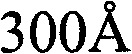

Figure BPA00001437737500042
之间的p-型非晶硅层。在特定实施例中,本征型含硅层108是厚度介于约与约
Figure BPA00001437737500044
之间的本征型非晶硅层。在特定实施例中,n-型含硅层110是可以形成为厚度介于约
Figure BPA00001437737500045
与约
Figure BPA00001437737500046
之间的n-型微晶硅层。The first pin junction 122 may include a p-type silicon-containing layer 106, an intrinsic type silicon-containing layer 108 formed over the p-type silicon-containing layer 106, and an n-type silicon-containing layer formed over the intrinsic type silicon-containing layer 108. type silicon-containing layer 110 . In a particular embodiment, the p-type silicon-containing layer 106 is between about make an appointment
Figure BPA00001437737500042
between p-type amorphous silicon layers. In a particular embodiment, the intrinsic silicon-containing layer 108 is between about make an appointment
Figure BPA00001437737500044
Intrinsic type amorphous silicon layer between. In a specific embodiment, the n-type silicon-containing layer 110 may be formed to have a thickness between about
Figure BPA00001437737500045
make an appointment
Figure BPA00001437737500046
between n-type microcrystalline silicon layers.

第二p-i-n结124可以包含p-型含硅层112、形成在该p-型含硅层112上方的本征型含硅层114、及形成在该本征型含硅层114上方的n-型含硅层116。在特定实施例中,p-型含硅层112是厚度介于约
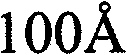
Figure BPA00001437737500047
与约之间的p-型微晶硅层。在特定实施例中,本征型含硅层114是厚度介于约
Figure BPA00001437737500049
与约之间的本征型微晶硅层。在特定实施例中,n-型含硅层116是厚度介于约与约
Figure BPA000014377375000412
之间的非晶硅层。The second pin junction 124 may include a p-type silicon-containing layer 112, an intrinsic type silicon-containing layer 114 formed over the p-type silicon-containing layer 112, and an n-type silicon-containing layer formed over the intrinsic type silicon-containing layer 114. type silicon-containing layer 116 . In a particular embodiment, the p-type silicon-containing layer 112 is between about
Figure BPA00001437737500047
make an appointment between p-type microcrystalline silicon layers. In a particular embodiment, the intrinsic silicon-containing layer 114 is between about
Figure BPA00001437737500049
make an appointment Intrinsic microcrystalline silicon layer between. In a particular embodiment, n-type silicon-containing layer 116 is between about make an appointment
Figure BPA000014377375000412
between the amorphous silicon layers.

金属背层120可以包括但不限于选自下述群组的材料,该群组由Al、Ag、Ti、Cr、Au、Cu、Pt、上述物质的合金、及上述物质的组合构成。可以执行其他工艺来形成太阳能电池100,诸如激光刻划工艺。可以在金属背层120上方提供其他膜、材料、基板与/或封装,以完成太阳能电池器件。所形成的太阳能电池可以彼此连接以形成模块,接着可以连接所述模块以形成阵列。The metal back layer 120 may include, but is not limited to, materials selected from the group consisting of Al, Ag, Ti, Cr, Au, Cu, Pt, alloys thereof, and combinations thereof. Other processes may be performed to form solar cell 100, such as a laser scribing process. Other films, materials, substrates, and/or encapsulation may be provided over the metal back layer 120 to complete the solar cell device. The formed solar cells can be connected to each other to form a module, which in turn can be connected to form an array.

太阳能辐射101主要是被p-i-n结122、124的本征层108、114吸收,并且被转换成电子-空穴对。在p-型层106、112与n-型层110、116之间建立且延伸横跨本征层108、114的电场使得电子朝向n-型层110、116流动及使得空穴朝向p-型层106、112流动,从而产生了电流。第一p-i-n结122可以包含本征型非晶硅层108,并且第二p-i-n结124可以包含本征型微晶硅层114,以利用非晶硅和微晶硅可吸收不同波长的太阳能辐射101的性质。因此,所形成的太阳能电池100是更有效率的,这是因为该太阳能电池会俘获更大部分的太阳能辐射光谱。非晶硅的本征层108、114和微晶硅的本征层的堆叠方式为,使太阳能辐射101先撞击本征型非晶硅层108,接着撞击本征型微晶硅层114,这是因为非晶硅具有比微晶硅更大的能带隙。没有被第一p-i-n结122吸收的太阳能辐射透射到第二p-i-n结124。The solar radiation 101 is mainly absorbed by the intrinsic layers 108, 114 of the p-i-n junctions 122, 124 and converted into electron-hole pairs. An electric field established between the p-type layer 106, 112 and the n-type layer 110, 116 and extending across the intrinsic layer 108, 114 causes electrons to flow towards the n-type layer 110, 116 and holes towards the p-type The layers 106, 112 flow, thereby generating an electrical current. The first p-i-n junction 122 may comprise an intrinsic type amorphous silicon layer 108, and the second p-i-n junction 124 may comprise an intrinsic type microcrystalline silicon layer 114, to utilize the solar radiation 101 which can be absorbed by amorphous silicon and microcrystalline silicon at different wavelengths nature. Thus, the resulting solar cell 100 is more efficient because the solar cell captures a greater portion of the solar radiation spectrum. The intrinsic layers 108, 114 of amorphous silicon and the intrinsic layer of microcrystalline silicon are stacked in such a way that the solar radiation 101 hits the intrinsic type amorphous silicon layer 108 first, and then hits the intrinsic type microcrystalline silicon layer 114, which This is because amorphous silicon has a larger energy band gap than microcrystalline silicon. Solar radiation not absorbed by the first p-i-n junction 122 is transmitted to the second p-i-n junction 124 .

在本征含硅层108为本征非晶硅层的一实施例中,本征非晶硅层108可以通过提供氢气和硅烷气的气体混合物来沉积,其中氢对硅烷的体积流速比为约20∶1或更小。可以于介于约0.5sccm/L与约7sccm/L之间的流速提供硅烷气。可以于介于约5sccm/L与约60sccm/L之间的流速提供氢气。可以提供介于15mW/cm2与约250mW/cm2之间的RF功率到喷头。腔室的压力可以被维持在介于约0.1Torr与20Torr之间,诸如介于约0.5Torr与约5Torr之间。本征型非晶硅层108的沉积速率将为约

Figure BPA00001437737500051
或更大。在一示范性实施例中,本征型非晶硅层108是以体积流速比为约12.5∶1的氢对硅烷来沉积。In an embodiment where the intrinsic silicon-containing layer 108 is an intrinsic amorphous silicon layer, the intrinsic amorphous silicon layer 108 may be deposited by providing a gas mixture of hydrogen and silane gas, wherein the volumetric flow rate ratio of hydrogen to silane is about 20:1 or less. Silane gas may be provided at a flow rate between about 0.5 sccm/L and about 7 sccm/L. Hydrogen may be provided at a flow rate between about 5 sccm/L and about 60 sccm/L. An RF power of between 15 mW/cm 2 and about 250 mW/cm 2 may be provided to the showerhead. The pressure of the chamber may be maintained between about 0.1 Torr and 20 Torr, such as between about 0.5 Torr and about 5 Torr. The deposition rate of the intrinsic type amorphous silicon layer 108 will be about
Figure BPA00001437737500051
or larger. In an exemplary embodiment, the intrinsic type amorphous silicon layer 108 is deposited with a volumetric flow rate ratio of hydrogen to silane of about 12.5:1.

在本征含硅层114为本征微晶硅层的一实施例中,本征微晶硅层114可以通过提供氢气和硅烷气的气体混合物来沉积,其中氢对硅烷的体积流速比为介于约20∶1与约200∶1之间。可以于介于约0.5sccm/L与约5sccm/L之间的流速提供硅烷气。可以于介于约40sccm/L与约400sccm/L之间的流速提供氢气。在特定实施例中。在特定实施例中,在沉积期间,硅烷流速可以从第一流速被增加到第二流速。在特定实施例中,在沉积期间,氢流速可以从第一流速被降低到第二流速。在介于约1Torr与约100Torr之间、诸如介于约3Torr与约20Torr之间、或介于约4Torr与约12Torr之间的腔室压力下,施加约300mW/cm2或更大、诸如600mW/cm2或更大的RF功率,将以约

Figure BPA00001437737500052
或更大、诸如约
Figure BPA00001437737500053
的速率大致上沉积结晶率为介于约20%与约80%之间、诸如介于约55%与约75%之间的本征型微晶硅层。在一些实施例中,在沉积期间,将所施加的RF功率从第一功率密度增加到第二功率密度是有利的。In an embodiment where the intrinsic silicon-containing layer 114 is an intrinsic microcrystalline silicon layer, the intrinsic microcrystalline silicon layer 114 may be deposited by providing a gas mixture of hydrogen and silane gas, wherein the volumetric flow rate ratio of hydrogen to silane is between Between about 20:1 and about 200:1. Silane gas may be provided at a flow rate between about 0.5 sccm/L and about 5 sccm/L. Hydrogen may be provided at a flow rate between about 40 sccm/L and about 400 sccm/L. in a particular embodiment. In certain embodiments, the silane flow rate may be increased from a first flow rate to a second flow rate during deposition. In certain embodiments, the hydrogen flow rate may be decreased from a first flow rate to a second flow rate during deposition. At a chamber pressure between about 1 Torr and about 100 Torr, such as between about 3 Torr and about 20 Torr, or between about 4 Torr and about 12 Torr, apply about 300 mW/cm2 or greater, such as 600 mW/cm cm 2 or greater RF power, will
Figure BPA00001437737500052
or larger, such as approx.
Figure BPA00001437737500053
The rate generally deposits an intrinsic type microcrystalline silicon layer with a crystallinity of between about 20% and about 80%, such as between about 55% and about 75%. In some embodiments, during deposition, it may be advantageous to increase the applied RF power from a first power density to a second power density.

在另一实施例中,本征型微晶硅层114可以利用多个步骤来沉积,其中各步骤期间所沉积的层的部分具有不同的氢稀释比例,其中该不同的氢稀释比例可提供所沉积膜的不同结晶率。举例而言,在一实施例中,氢对硅烷的体积流速比可以在四个步骤中从100∶1被降低到95∶1、到90∶1、及到85∶1。在一实施例中,可以于介于约0.1sccm/L与约5sccm/L之间、诸如约0.97sccm/L的流速提供硅烷气。可以于介于约10sccm/L与约200sccm/L之间、诸如介于约80sccm/L与约105sccm/L之间的流速提供氢气。在沉积工艺具有多个步骤(例如四个步骤)的示范性实施例中,氢气流在第一步骤期间可以开始于约97sccm/L,并且可以在后续工艺步骤中分别渐渐地被降低到约92sccm/L、88sccm/L、及83sccm/L。在介于约1Torr与约100Torr之间、例如介于约3Torr与约20Torr之间,诸如介于约4Torr与约12Torr之间,诸如约9Torr的腔室压力下,施加约300mW/cm2或更大、诸如约490mW/cm2的RF功率,将造成以约

Figure BPA00001437737500061
或更大、诸如
Figure BPA00001437737500062
的速率来沉积本征型微晶硅。In another embodiment, the intrinsic microcrystalline silicon layer 114 may be deposited using multiple steps, wherein portions of the layer deposited during each step have different hydrogen dilution ratios, wherein the different hydrogen dilution ratios provide the desired Different crystallization rates of deposited films. For example, in one embodiment, the volumetric flow rate ratio of hydrogen to silane can be reduced from 100:1 to 95:1, to 90:1, and to 85:1 in four steps. In one embodiment, silane gas may be provided at a flow rate between about 0.1 sccm/L and about 5 sccm/L, such as about 0.97 sccm/L. Hydrogen may be provided at a flow rate between about 10 sccm/L and about 200 sccm/L, such as between about 80 sccm/L and about 105 sccm/L. In an exemplary embodiment where the deposition process has multiple steps (eg, four steps), the hydrogen flow may start at about 97 sccm/L during the first step and may be gradually reduced to about 92 sccm in subsequent process steps, respectively /L, 88sccm/L, and 83sccm/L. Apply about 300 mW/cm or more at a chamber pressure of between about 1 Torr and about 100 Torr, such as between about 3 Torr and about 20 Torr, such as between about 4 Torr and about 12 Torr, such as about 9 Torr A large RF power, such as about 490mW/cm 2 , will result in a
Figure BPA00001437737500061
or larger, such as
Figure BPA00001437737500062
The rate to deposit intrinsic type microcrystalline silicon.

电荷收集大致上是由掺杂半导体层(诸如以p-型或n-型掺质来掺杂的硅层)来提供。p-型掺杂通常是III族元素,例如硼或铝。n-型掺杂通常是V族元素,例如磷、砷、或锑。在大部分实施例中,硼被用作为p-型掺杂,并且磷被用作为n-型掺杂。通过在反应混合物中包括含硼或含磷化合物,这些掺杂可以被添加到前述p-型和n-型层106、110、112、116。适当的硼和磷化合物大致上包含取代的和未取代的低硼烷和膦低聚体。一些适当的硼化合物包括三甲基硼(B(CH3)3或TMB)、二硼烷(B2H6)、三氟化硼(BF3)、及三乙基硼(B(C2H5)3或TEB)。膦是最常见的磷化合物。掺杂通常是和载气(诸如氢、氦、氩、或其他适当的气体)一起来提供。若氢被用作为载气,则会增加反应混合物中的总氢。因此,前述的氢比例将包括用来输送掺杂的载气所贡献的氢部分。Charge collection is generally provided by doped semiconductor layers such as silicon layers doped with p-type or n-type dopants. The p-type dopant is usually a group III element such as boron or aluminum. The n-type dopant is usually a group V element such as phosphorus, arsenic, or antimony. In most embodiments, boron is used as p-type dopant and phosphorus is used as n-type dopant. These dopants can be added to the aforementioned p-type and n-type layers 106, 110, 112, 116 by including boron- or phosphorus-containing compounds in the reaction mixture. Suitable boron and phosphorus compounds generally include substituted and unsubstituted subborane and phosphine oligomers. Some suitable boron compounds include trimethylboron (B(CH3)3 or TMB), diborane (B2H6), boron trifluoride (BF3 ) , and triethylboron (B( C2 H 5 ) 3 or TEB). Phosphine is the most common phosphorus compound. Doping is typically provided with a carrier gas such as hydrogen, helium, argon, or other suitable gas. If hydrogen is used as a carrier gas, it will increase the total hydrogen in the reaction mixture. Therefore, the aforementioned hydrogen ratio will include the hydrogen portion contributed by the carrier gas used to transport the dopant.

掺杂大致上被提供为惰气或载气中的稀释剂。举例而言,可以在载气中提供摩尔或体积浓度为约0.5%的掺杂。若在流速为1.0sccm/L的载气中提供体积浓度为0.5%的掺杂,则最终的掺杂流速将为0.005sccm/L。取决于期望的掺杂程度,可以介于约0.0002sccm/L与约0.1sccm/L之间的流速来提供掺杂到反应腔室。大致上,掺杂浓度被维持在介于约1018atoms/cm3与约1020atoms/cm3之间。Doping is generally provided as a diluent in the inert or carrier gas. For example, doping may be provided at a molar or volume concentration of about 0.5% in the carrier gas. If a dopant with a volume concentration of 0.5% is provided in a carrier gas with a flow rate of 1.0 sccm/L, the final dopant flow rate will be 0.005 sccm/L. Depending on the desired level of doping, the doping may be provided to the reaction chamber at a flow rate between about 0.0002 sccm/L and about 0.1 sccm/L. Generally, the doping concentration is maintained between about 10 18 atoms/cm 3 and about 10 20 atoms/cm 3 .

在p-型含硅层112为p-型微晶硅层的一实施例中,p-型微晶硅层112可以通过提供氢气和硅烷气的气体混合物来沉积,其中氢对硅烷的体积流速比为约200∶1或更大,例如1000∶1或更小,诸如介于约250∶1与约800∶1之间,并且在进一步实例中为约601∶1或约401∶1。可以于介于约0.1sccm/L与约0.8sccm/L之间、例如介于约0.2sccm/L与约0.38sccm/L之间的流速提供硅烷气。可以于介于约60sccm/L与约500sccm/L之间、例如约143sccm/L的流速提供氢气。可以于介于约0.0002sccm/L与约0.0016sccm/L之间、例如约0.00115sccm/L的流速提供TMB。若在载气中提供摩尔或体积浓度为0.5%的TMB,则可以于介于约0.04sccm/L与约0.32sccm/L之间、例如约0.23sccm/L的流速提供掺杂/载气混合物。在介于约1Torr与约100Torr之间、诸如介于约3Torr与约20Torr之间、介于约4Torr与约12Torr之间、或约7Torr、或约9Torr的腔室压力下,施加介于约50mW/cm2与约700mW/cm2之间、诸如介于约290mW/cm2与约440mW/cm2之间的RF功率,将以约

Figure BPA00001437737500071
或更大、诸如约
Figure BPA00001437737500072
或更大的速率沉积结晶率为介于约20%与约80%之间、诸如介于约50%与约70%之间的p-型微晶硅层。In an embodiment where the p-type silicon-containing layer 112 is a p-type microcrystalline silicon layer, the p-type microcrystalline silicon layer 112 can be deposited by providing a gas mixture of hydrogen and silane gas, wherein the volume flow rate of hydrogen to silane The ratio is about 200:1 or greater, such as 1000:1 or less, such as between about 250:1 and about 800:1, and in a further example about 601:1 or about 401:1. Silane gas may be provided at a flow rate between about 0.1 sccm/L and about 0.8 sccm/L, such as between about 0.2 sccm/L and about 0.38 sccm/L. Hydrogen may be provided at a flow rate between about 60 sccm/L and about 500 sccm/L, such as about 143 sccm/L. TMB may be provided at a flow rate between about 0.0002 sccm/L and about 0.0016 sccm/L, such as about 0.00115 sccm/L. If TMB is provided in a carrier gas at a molar or volume concentration of 0.5%, the dopant/carrier gas mixture may be provided at a flow rate between about 0.04 sccm/L and about 0.32 sccm/L, such as about 0.23 sccm/L . Between about 50 mW is applied at a chamber pressure of between about 1 Torr and about 100 Torr, such as between about 3 Torr and about 20 Torr, between about 4 Torr and about 12 Torr, or about 7 Torr, or about 9 Torr /cm 2 and about 700mW/cm 2 , such as between about 290mW/cm 2 and about 440mW/cm 2 RF power, will be about
Figure BPA00001437737500071
or larger, such as approx.
Figure BPA00001437737500072
A p-type microcrystalline silicon layer with a crystallization rate of between about 20% and about 80%, such as between about 50% and about 70%, is deposited at a rate of or greater.

在p-型含硅层106为p-型非晶硅层的一实施例中,p-型非晶硅层106可以提供提供氢气和硅烷气的气体混合物来沉积,其中氢对硅烷的流速比为约20∶1或更小。可以于介于约1sccm/L与约10sccm/L之间的流速提供硅烷气。可以于介于约5sccm/L与60sccm/L之间的流速提供氢气。可以于介于约0.005sccm/L与约0.05sccm/L之间的流速提供三甲基硼。若在载气中提供摩尔或体积浓度为0.5%的三甲基硼,则可以于介于约1sccm/L与约10sccm/L之间的流速提供掺杂/载气混合物。在介于约0.1Torr与20Torr之间、诸如介于约1Torr与约4Torr之间的腔室压力下,施加介于约15mW/cm2与约200mW/cm2之间的RF功率,将以约

Figure BPA00001437737500073
或更大的速率沉积p-型非晶硅层。甲烷或其他含碳化合物(诸如CH4、C3H8、C4H10、或C2H2)的添加可以用来形成含碳的p-型非晶硅层106,所述含碳的p-型非晶硅层比其他含硅材料吸收更少的光。换言之,在形成的p-型非晶硅层106含有合金元素(诸如碳)的组态中,所形成的层将具有改善的光穿透性质或窗性质(例如以降低太阳能辐射的吸收)。透射通过p-型非晶硅层106的太阳能辐射量的增加可以被本征层吸收,因而改善了太阳能电池的效能。在三甲基硼用来在p-型非晶硅层106中提供硼掺杂的实施例中,硼掺杂浓度被维持在介于约1×10¹⁸atoms/cm2与约1×1020atoms/cm2之间。在甲烷气体被添加且被用来形成含碳的p-型非晶硅层的实施例中,含碳p-型非晶硅层中的碳浓度被控制在介于约10原子%与约20原子%之间。在一实施例中,p-型非晶硅层106的厚度介于约
Figure BPA00001437737500074
与约之间,例如介于约与约
Figure BPA00001437737500077
之间。In an embodiment where the p-type silicon-containing layer 106 is a p-type amorphous silicon layer, the p-type amorphous silicon layer 106 can be deposited by providing a gas mixture of hydrogen and silane gas, wherein the flow rate ratio of hydrogen to silane is is about 20:1 or less. Silane gas may be provided at a flow rate between about 1 sccm/L and about 10 sccm/L. Hydrogen may be provided at a flow rate between about 5 sccm/L and 60 sccm/L. Trimethylboron may be provided at a flow rate between about 0.005 sccm/L and about 0.05 sccm/L. If trimethylboron is provided in a carrier gas at a molar or volume concentration of 0.5 percent, the dopant/carrier gas mixture may be provided at a flow rate between about 1 sccm/L and about 10 sccm/L. Applying an RF power of between about 15 mW/cm 2 and about 200 mW/cm 2 at a chamber pressure of between about 0.1 Torr and 20 Torr, such as between about 1 Torr and about 4 Torr, will generate a power of about
Figure BPA00001437737500073
or greater rates to deposit a p-type amorphous silicon layer. The addition of methane or other carbon-containing compounds such as CH 4 , C 3 H 8 , C 4 H 10 , or C 2 H 2 can be used to form a carbon-containing p-type amorphous silicon layer 106 that A p-type amorphous silicon layer absorbs less light than other silicon-containing materials. In other words, in configurations where the p-type amorphous silicon layer 106 is formed to contain alloying elements such as carbon, the formed layer will have improved light transmission or window properties (eg, to reduce absorption of solar radiation). The increased amount of solar radiation transmitted through the p-type amorphous silicon layer 106 can be absorbed by the intrinsic layer, thereby improving the performance of the solar cell. In an embodiment where trimethylboron is used to provide boron doping in the p-type amorphous silicon layer 106, the boron doping concentration is maintained between about 1×10 18 atoms/cm 2 and about 1×10 20 between atoms/ cm2 . In embodiments where methane gas is added and used to form the carbon-containing p-type amorphous silicon layer, the carbon concentration in the carbon-containing p-type amorphous silicon layer is controlled between about 10 atomic percent and about 20 atomic % between. In one embodiment, the thickness of the p-type amorphous silicon layer 106 is between about
Figure BPA00001437737500074
make an appointment between, e.g. about make an appointment
Figure BPA00001437737500077
between.

在n-型含硅层110为n-型微晶硅层的一实施例中,n-型微晶硅层110可以通过提供氢气和硅烷气的气体混合物来沉积,其中氢对硅烷的体积流速比为约100∶1或更大,例如约500∶1或更小,诸如介于约150∶1与约400∶1之间,诸如约304∶1或约203∶1。可以于介于约0.1sccm/L与约0.8sccm/L之间,例如介于约0.32sccm/L与约0.45sccm/L之间,诸如约0.35sccm/L的流速提供硅烷气。可以于介于约30sccm/L与约250sccm/L之间,例如介于约68sccm/L与约143sccm/L之间,诸如约71.43sccm/L的流速提供氢气。可以于介于约0.0005sccm/L与约0.006sccm/L之间,例如介于约0.0025sccm/L与约0.015sccm/L之间,诸如约0.005sccm/L的流速提供膦。换言之,若在载气中提供摩尔或体积浓度为0.5%的膦,则可以于介于约0.1sccm/L与约5sccm/L之间,例如介于约0.5sccm/L与约3sccm/L之间,诸如介于约0.9sccm/L与约1.088sccm/L之间的流速提供掺杂/载气混合物。在介于约1Torr与约100Torr之间、例如介于约3Torr与约20Torr之间、更佳地介于约4Torr与约12Torr之间、诸如约6Torr或约9Torr的腔室压力下,施加介于约100mW/cm2与约900mW/cm2之间、诸如约370mW/cm2的RF功率,将以约

Figure BPA00001437737500081
或更大、诸如约
Figure BPA00001437737500082
或更大的速率沉积结晶率介于约20%与约80%之间、诸如介于约50%与约70%的n-型微晶硅层。In an embodiment where the n-type silicon-containing layer 110 is an n-type microcrystalline silicon layer, the n-type microcrystalline silicon layer 110 may be deposited by providing a gas mixture of hydrogen and silane gas, wherein the volume flow rate of hydrogen to silane The ratio is about 100:1 or greater, eg about 500:1 or less, such as between about 150:1 and about 400:1, such as about 304:1 or about 203:1. Silane gas may be provided at a flow rate between about 0.1 sccm/L and about 0.8 sccm/L, such as between about 0.32 sccm/L and about 0.45 sccm/L, such as about 0.35 sccm/L. Hydrogen may be provided at a flow rate between about 30 sccm/L and about 250 sccm/L, such as between about 68 sccm/L and about 143 sccm/L, such as about 71.43 sccm/L. The phosphine may be provided at a flow rate between about 0.0005 sccm/L and about 0.006 sccm/L, for example between about 0.0025 sccm/L and about 0.015 sccm/L, such as about 0.005 sccm/L. In other words, if a molar or volume concentration of 0.5% phosphine is provided in the carrier gas, it may be between about 0.1 sccm/L and about 5 sccm/L, such as between about 0.5 sccm/L and about 3 sccm/L. The dopant/carrier gas mixture is provided at a flow rate between, such as between about 0.9 sccm/L and about 1.088 sccm/L. At a chamber pressure between about 1 Torr and about 100 Torr, such as between about 3 Torr and about 20 Torr, more preferably between about 4 Torr and about 12 Torr, such as about 6 Torr or about 9 Torr, apply a pressure of between An RF power of between about 100 mW/cm 2 and about 900 mW/cm 2 , such as about 370 mW/cm 2 , will
Figure BPA00001437737500081
or larger, such as approx.
Figure BPA00001437737500082
An n-type microcrystalline silicon layer having a crystallization rate between about 20% and about 80%, such as between about 50% and about 70%, is deposited at a rate of or greater.

在n-型含硅层116为n-型非晶硅层的一实施例中,n-型非晶硅层116可以通过提供氢气和硅烷气的气体混合物来沉积,其中氢对硅烷的体积流速比为约20∶1或更小,例如约5.5∶1或7.8∶1。可以于介于约0.1sccm/L与约10sccm/L之间,例如介于约1sccm/L与约10sccm/L之间、介于约0.1sccm/L与5sccm/L之间、或介于约0.5sccm/L与约3sccm/L之间,诸如约1.42sccm/L或5.5sccm/L的流速提供硅烷气。可以于介于约1sccm/L与约40sccm/L之间,例如介于约4sccm/L与约40sccm/L之间,或介于约1sccm/L与约10sccm/L之间,诸如约6.42sccm/L或27sccm/L的流速提供氢气。可以于介于约0.0005sccm/L与约0.075sccm/L之间,例如介于约0.0005sccm/L与约0.0015sccm/L之间,或介于约0.015sccm/L与约0.03sccm/L之间,诸如约0.0095sccm/L或0.023sccm/L的流速提供膦。若在载气中提供摩尔或体积浓度为0.5%的膦,则可以于介于约0.1sccm/L与约15sccm/L之间,例如介于约0.1sccm/L与约3sccm/L之间、介于约2sccm/L与约15sccm/L之间、或介于约3sccm/L与约6sccm/L之间,诸如约1.9sccm/L或约4.71sccm/L的流速提供掺杂/载气混合物。在介于约0.1Torr与约20Torr之间、例如介于约0.5Torr与约4Torr之间、或约1.5Torr的腔室压力下,施加介于约25mW/cm2与约250mW/cm2之间、诸如约60mW/cm2或约80mW/cm2的RF功率,将以约

Figure BPA00001437737500084
或更大、例如约
Figure BPA00001437737500085
或更大,诸如约
Figure BPA00001437737500086
或约
Figure BPA00001437737500087
的速率沉积n-型非晶硅层。In an embodiment where the n-type silicon-containing layer 116 is an n-type amorphous silicon layer, the n-type amorphous silicon layer 116 can be deposited by providing a gas mixture of hydrogen and silane gas, wherein the volume flow rate of hydrogen to silane The ratio is about 20:1 or less, such as about 5.5:1 or 7.8:1. Can be between about 0.1 sccm/L and about 10 sccm/L, such as between about 1 sccm/L and about 10 sccm/L, between about 0.1 sccm/L and 5 sccm/L, or between about Silane gas is provided at a flow rate between 0.5 sccm/L and about 3 sccm/L, such as about 1.42 sccm/L or 5.5 sccm/L. May be between about 1 sccm/L and about 40 sccm/L, such as between about 4 sccm/L and about 40 sccm/L, or between about 1 sccm/L and about 10 sccm/L, such as about 6.42 sccm /L or 27sccm/L flow rate to provide hydrogen. Can be between about 0.0005 sccm/L and about 0.075 sccm/L, such as between about 0.0005 sccm/L and about 0.0015 sccm/L, or between about 0.015 sccm/L and about 0.03 sccm/L Between, a flow rate such as about 0.0095 sccm/L or 0.023 sccm/L provides the phosphine. If the phosphine is provided at a molar or volume concentration of 0.5% in the carrier gas, it may be between about 0.1 sccm/L and about 15 sccm/L, such as between about 0.1 sccm/L and about 3 sccm/L, A flow rate of between about 2 sccm/L and about 15 sccm/L, or between about 3 sccm/L and about 6 sccm/L, such as about 1.9 sccm/L or about 4.71 sccm/L provides the dopant/carrier gas mixture . Between about 25 mW/cm and about 250 mW/ cm are applied at a chamber pressure of between about 0.1 Torr and about 20 Torr, such as between about 0.5 Torr and about 4 Torr, or about 1.5 Torr , such as about 60mW/cm 2 or about 80mW/cm 2 of RF power, will
Figure BPA00001437737500084
or larger, such as approx.
Figure BPA00001437737500085
or larger, such as approx.
Figure BPA00001437737500086
or about
Figure BPA00001437737500087
The rate of deposition of n-type amorphous silicon layer.

在一些实施例中,硅和其他元素(诸如氧、碳、氮、氢及锗)的合金是有用的。通过以每一其他元素的来源补充反应物气体混合物,这些其他元素可以被添加到硅膜。硅合金可以用于任何类型的硅层,所述硅层包括界面层、p-型、n-型、PIB、波长可选择反射(wavelength selective reflector,WSR)层、或本征型硅层。举例而言,通过将碳源(诸如甲烷(CH4))添加到气体混合物,碳可以被添加到硅膜。通常,大部分的C1-C4碳氢化合物可以被用作为碳源。替代地,有机硅化合物(诸如有机硅烷、有机硅氧烷、有机硅醇及类似物)可作为硅和碳源。锗化合物(诸如锗烷及有机锗烷)以及包含硅和锗的化合物(诸如硅锗烷或锗硅烷)可以作为锗来源。氧气(O2)可以作为氧来源。其他的氧来源包括但不限于氮的氧化物(一氧化二氮(N2O)、一氧化氮(NO)、三氧化二氮(N2O3)、二氧化氮(NO2)、四氧化二氮(N2O4)、五氧化二氮(N2O5)、及三氧化氮(NO3))、过氧化氢(H2O2)、一氧化碳或二氧化碳(CO或CO2)、臭氧(O3)、氧原子、氧基团、及醇类(ROH,其中R是任何的有机或杂有机基团)。氮来源可以包括氮气(N2)、氨(NH3)、联胺(N2H2)、胺(RxNR’3-x,其中x为0~3,并且各个R和R’是独立的任何的有机或杂有机基团)、酰胺((RCO)xNR’3-x,其中x为0~3,并且各个R和R’是独立的任何的有机或杂有机基团)、酰亚胺(RCONCOR’,其中各个R和R’是独立的任何的有机或杂有机基团)、烯胺(R1R2C=C3NR4R5,其中各个R1-R5是独立的任何的有机或杂有机基团)、及氮原子和基团。In some embodiments, alloys of silicon and other elements such as oxygen, carbon, nitrogen, hydrogen, and germanium are useful. By supplementing the reactant gas mixture with a source of each other element, these other elements can be added to the silicon film. Silicon alloys can be used for any type of silicon layer, including interfacial layers, p-type, n-type, PIB, wavelength selective reflector (WSR) layers, or intrinsic type silicon layers. For example, carbon can be added to the silicon film by adding a carbon source such as methane ( CH4 ) to the gas mixture. Generally, most C 1 -C 4 hydrocarbons can be used as carbon sources. Alternatively, organosilicon compounds such as organosilanes, organosiloxanes, organosilanols, and the like can be used as silicon and carbon sources. Germanium compounds, such as germane and organogermanes, and compounds containing silicon and germanium, such as silylgermane or germansilane, can be used as sources of germanium. Oxygen (O 2 ) can be used as an oxygen source. Other sources of oxygen include, but are not limited to, oxides of nitrogen (nitrogen monoxide (N 2 O), nitrogen monoxide (NO), nitrogen trioxide (N 2 O 3 ), nitrogen dioxide (NO 2 ), Dinitrogen oxide (N 2 O 4 ), nitrogen pentoxide (N 2 O 5 ), and nitrogen trioxide (NO 3 )), hydrogen peroxide (H 2 O 2 ), carbon monoxide or carbon dioxide (CO or CO 2 ) , ozone (O 3 ), oxygen atoms, oxygen groups, and alcohols (ROH, wherein R is any organic or heteroorganic group). Nitrogen sources may include nitrogen (N 2 ), ammonia (NH 3 ), hydrazine (N 2 H 2 ), amines (R x NR' 3-x , where x is 0 to 3, and each R and R' is independently Any organic or heteroorganic group), amide ((RCO) x NR' 3-x , where x is 0 to 3, and each R and R' is independently any organic or heteroorganic group), acyl Imine (RCONCOR', wherein each R and R' is independently any organic or heteroorganic group), enamine (R 1 R 2 C=C 3 NR 4 R 5 , wherein each R 1 -R 5 is independently any organic or heteroorganic group), and nitrogen atoms and groups.

为了改善转换效能与降低接触电阻,界面层可以形成在TCO层104与p-型含硅层106的界面处。图2绘示了设置在TCO层104与p-型含硅层106之间的界面层202。界面层202提供了良好界面,所述界面可改善形成于该界面上的膜层与TCO基板之间的附着性。在一些实施例中,界面层202可以是重掺杂或简并掺杂(degenerately doped)的含硅层,所述重掺杂或简并掺杂的含硅层是通过以高速率(例如以前文所述配比中的上半部中的速率)供应杂质来形成。认为简并掺杂可提供低电阻接触结而改善电荷收集。也认为简并掺杂可改善一些层(例如非晶层)的导电率。In order to improve the conversion efficiency and reduce the contact resistance, an interfacial layer may be formed at the interface between the TCO layer 104 and the p-type silicon-containing layer 106 . FIG. 2 illustrates an interfacial layer 202 disposed between the TCO layer 104 and the p-type silicon-containing layer 106 . The interface layer 202 provides a good interface that can improve the adhesion between the film layer formed on the interface and the TCO substrate. In some embodiments, the interfacial layer 202 may be a heavily doped or degenerately doped silicon-containing layer that is passed through at a high rate (such as previously The rate in the upper half of the ratio described in the text) supplies impurities to form. It is believed that degenerate doping can provide low resistance contact junctions and improve charge collection. It is also believed that degenerate doping can improve the conductivity of some layers, such as amorphous layers.

在一实施例中,界面层202是简并掺杂的p-型非晶硅层(重掺杂的p-型非晶硅(p++)层)。简并(例如重)掺杂p++-型非晶硅层202的III族元素掺杂浓度高于p-型含硅层106。简并(例如重)掺杂p++-型非晶硅层202的掺杂浓度等于一层,该层是在介于约2Torr与约2.5Torr之间压力下,使用混合物体积流速比介于约2∶1与约6∶1之间的TMP和硅烷所形成,其中TMB前驱物包含0.5%摩尔或体积浓度的TMB。于介于约45mW/cm2(2400Watts)与约91mW/cm2(4800Watts)之间的等离子体功率形成简并(例如重)掺杂p++-型非晶硅层202。在一实例中,简并掺杂p++-型非晶硅层202可以通过下述条件来形成:于介于约2.1sccm/L(诸如6000sccm)与约3.1sccm/L(诸如9000sccm)之间的流速提供硅烷、于可使氢气对硅烷气混合物比为约6.0的流速提供氢气、于可使TMB气(例如0.5%摩尔或体积浓度的TMB)对硅烷气混合物体积流速比为6∶1的流速提供掺杂前驱物,而基板支撑件温度被维持在约200℃、等离子体功率被控制在介于约57mW/cm2(3287Watts)、且腔室压力被维持在约2.5Torr、长达约2-10秒,以形成约

Figure BPA00001437737500101
诸如
Figure BPA00001437737500102
的膜。在一实施例中,重掺杂非晶硅层202的III族元素掺杂浓度为介于约1020atoms/cm3与约1021atoms/cm3之间。In one embodiment, the interfacial layer 202 is a degenerately doped p-type amorphous silicon layer (heavily doped p-type amorphous silicon (p++) layer). The degenerate (eg heavily) doped p++-type amorphous silicon layer 202 has a higher doping concentration of Group III elements than the p-type silicon-containing layer 106 . The degenerate (eg, heavily) doped p++-type amorphous silicon layer 202 has a doping concentration equal to a layer at a pressure between about 2 Torr and about 2.5 Torr using a mixture volume flow rate ratio of about 2 :1 and about 6:1 between TMP and silane, wherein the TMB precursor contains TMB at a molar or volume concentration of 0.5%. The degenerate (eg, heavily) doped p++-type amorphous silicon layer 202 is formed at a plasma power between about 45 mW/cm 2 (2400 Watts) and about 91 mW/cm 2 (4800 Watts). In one example, the degenerately doped p++-type amorphous silicon layer 202 can be formed by a temperature between about 2.1 sccm/L (such as 6000 sccm) and about 3.1 sccm/L (such as 9000 sccm). Silane is provided at a flow rate, hydrogen is provided at a flow rate that results in a hydrogen to silane gas mixture ratio of about 6.0, and a flow rate that results in a 6:1 volumetric flow rate ratio of TMB gas (e.g., 0.5% molar or volume concentration TMB) to silane gas mixture Doping precursors are provided while the substrate support temperature is maintained at about 200° C., the plasma power is controlled at between about 57 mW/cm 2 (3287 Watts), and the chamber pressure is maintained at about 2.5 Torr for up to about 2 -10 seconds to form approx.
Figure BPA00001437737500101
such as
Figure BPA00001437737500102
membrane. In one embodiment, the group III element doping concentration of the heavily doped amorphous silicon layer 202 is between about 10 20 atoms/cm 3 and about 10 21 atoms/cm 3 .

在一实施例中,界面层202可以是简并掺杂的p-型非晶碳化硅层(重掺杂的p-型非晶碳化硅(p++)层)。碳元素可以通过在形成重掺杂p-型非晶碳化硅层202时供应含碳气体到气体混合物内来提供。在一实施例中,甲烷或其他含碳化合物(例如CH4、C3H8、C4H10或C2H2)的添加可以用以形成重掺杂p-型非晶碳化硅层202,所述重掺杂p-型非晶碳化硅层可其他含硅材料层吸收更少的光。相信碳原子添加到界面层202中可改善界面层202的透光率,因而在光通过该些膜层时较少的光将被吸收或消耗,因此改善太阳能电池的转换效率。在一实施例中,重掺杂p-型非晶碳化硅层202中的碳浓度被控制在介于约1原子%与约50原子%之间的浓度。在一实施例中,界面p-型非晶碳化硅层202的厚度介于约

Figure BPA00001437737500103
与约之间,例如介于约与约
Figure BPA00001437737500106
之间,诸如介于约
Figure BPA00001437737500107
与约
Figure BPA00001437737500108
之间。In one embodiment, the interfacial layer 202 may be a degenerately doped p-type amorphous silicon carbide layer (heavily doped p-type amorphous silicon carbide (p++) layer). Carbon may be provided by supplying a carbon-containing gas into the gas mixture when forming the heavily doped p-type amorphous silicon carbide layer 202 . In one embodiment, the addition of methane or other carbon-containing compounds (such as CH 4 , C 3 H 8 , C 4 H 10 , or C 2 H 2 ) can be used to form the heavily doped p-type amorphous silicon carbide layer 202 , the heavily doped p-type amorphous silicon carbide layer can absorb less light from other silicon-containing material layers. It is believed that the addition of carbon atoms to the interface layer 202 can improve the light transmittance of the interface layer 202, so that less light will be absorbed or consumed when light passes through the layers, thus improving the conversion efficiency of the solar cell. In one embodiment, the carbon concentration in the heavily doped p-type amorphous silicon carbide layer 202 is controlled to a concentration between about 1 atomic % and about 50 atomic %. In one embodiment, the thickness of the interfacial p-type amorphous silicon carbide layer 202 is between about
Figure BPA00001437737500103
make an appointment between, e.g. about make an appointment
Figure BPA00001437737500106
between, such as about
Figure BPA00001437737500107
make an appointment
Figure BPA00001437737500108
between.

在图2绘示的特定实施例中,当界面层202被配置为重掺杂p-型非晶硅层或重掺杂p-型非晶碳化硅层时,p-型含硅层106可以配置为p-型非晶硅层或p-型非晶碳化硅层(非晶硅合金层),以满足不同的工艺需求。在一实施例中,界面层202为重掺杂p-型非晶硅层,并且p-型含硅层106为p-型非晶硅层或p-型非晶碳化硅层。在另一实施例中,界面层202为重掺杂p-型非晶碳化硅层,并且p-型含硅层106为p-型非晶碳化硅层。In the specific embodiment shown in FIG. 2, when the interface layer 202 is configured as a heavily doped p-type amorphous silicon layer or a heavily doped p-type amorphous silicon carbide layer, the p-type silicon-containing layer 106 may be It is configured as a p-type amorphous silicon layer or a p-type amorphous silicon carbide layer (amorphous silicon alloy layer) to meet different process requirements. In one embodiment, the interface layer 202 is a heavily doped p-type amorphous silicon layer, and the p-type silicon-containing layer 106 is a p-type amorphous silicon layer or a p-type amorphous silicon carbide layer. In another embodiment, the interface layer 202 is a heavily doped p-type amorphous silicon carbide layer, and the p-type silicon-containing layer 106 is a p-type amorphous silicon carbide layer.

此外,波长可选择反射(wavelength selective reflector,WSR)层206可设置在第一p-i-n结212与第二p-i-n结214之间。WSR层206配置以具有一膜性质,所述膜性质可改善在所形成的太阳能电池100中的光散射和电流产生。又,WSR层206也提供良好的p-n隧道结,该良好的p-n隧道结具有高的导电率与经调控的能带隙范围,所述高的导电率与经调控的能带隙范围可影响该p-n隧道结的透射和反射性质,以改善所形成太阳能电池的光转换效率。WSR层206主动地作为中间反射件,所述中间反射件具有期望的折射率或折射率范围,以反射从太阳能电池100的光入射侧所接收的光。WSR层206也作为结层,所述结层促进在第一p-i-n结212中短到中波长光(例如280nm到800nm)的吸收及改善短路电流,因而改善了量子和转换效能。WSR层206更具有对于中到长波长光(例如500nm到1100nm)的高膜透光率,以促进光到该些形成在第二结214的层的透射。再者,当反射期望的波长的光(例如较短波长)回到第一p-i-n结212中的层、且透射期望的波长的光(例如较长波长)到第二p-i-n结214中的层时,大致上希望WSR层206能尽可能吸收少量的光。此外,WSR层206可以具有期望的能带隙与高膜导电率,由此有效率地传导所产生的电流且容许电子从第一p-i-n结212流动到第二p-i-n结214,并且避免阻隔所产生的电流。在一实施例中,WSR层206可以是微晶硅层,在所述WSR层206内设置有n-型或p-型掺杂。在一示范性实施例中,WSR层206为n-型结晶硅合金,在所述WSR层206内设置有n-型掺杂。在WSR层206内的不同的掺杂也会影响WSR层膜的光学和电气性质,诸如能带隙、结晶率、导电率、透光率、膜折射率、消光系数、及类似物。在一些例子中,一或多种杂质可以被掺杂到WSR层206的各种区域内,以有效率地控制且调整膜的能带隙、功函数、导电率、透光率等。在一实施例中,WSR层206被控制在具有介于约1.4与约4之间的折射率、至少约2eV的能带隙、及大于约10-6S/cm的导电率。In addition, a wavelength selective reflector (WSR) layer 206 can be disposed between the first pin junction 212 and the second pin junction 214 . The WSR layer 206 is configured to have film properties that improve light scattering and current generation in the formed solar cell 100 . Again, the WSR layer 206 also provides a good pn tunnel junction, the good pn tunnel junction has high conductivity and regulated energy bandgap range, and the high conductivity and regulated energy bandgap range can affect the The transmissive and reflective properties of the pn tunnel junction to improve the light conversion efficiency of the formed solar cells. The WSR layer 206 actively acts as an intermediate reflector having a desired refractive index or range of refractive indices to reflect light received from the light incident side of the solar cell 100 . The WSR layer 206 also acts as a junction layer that facilitates the absorption of short to medium wavelength light (eg, 280nm to 800nm) in the first pin junction 212 and improves short circuit current, thus improving quantum and conversion performance. The WSR layer 206 further has a high film transmittance for medium to long wavelength light (eg, 500 nm to 1100 nm) to facilitate light transmission to the layers formed at the second junction 214 . Furthermore, when light of a desired wavelength (eg, shorter wavelength) is reflected back to the layer in the first pin junction 212 and light of the desired wavelength (eg, longer wavelength) is transmitted to the layer in the second pin junction 214 , it is generally desired that the WSR layer 206 absorb as little light as possible. In addition, the WSR layer 206 can have a desired energy bandgap and high film conductivity, thereby efficiently conducting the generated current and allowing electrons to flow from the first pin junction 212 to the second pin junction 214, and avoiding the generation of blocking current. In one embodiment, the WSR layer 206 may be a microcrystalline silicon layer with n-type or p-type doping disposed therein. In an exemplary embodiment, the WSR layer 206 is an n-type crystalline silicon alloy with n-type doping disposed therein. Different doping within the WSR layer 206 also affects the optical and electrical properties of the WSR layer film, such as energy bandgap, crystallinity, electrical conductivity, light transmittance, film refractive index, extinction coefficient, and the like. In some examples, one or more impurities may be doped into various regions of the WSR layer 206 to efficiently control and tune the bandgap, work function, conductivity, light transmittance, etc. of the film. In one embodiment, the WSR layer 206 is controlled to have a refractive index between about 1.4 and about 4, an energy bandgap of at least about 2 eV, and a conductivity greater than about 10 −6 S/cm.

在一实施例中,WSR层206可以包含n-型掺杂硅合金层,例如氧化硅(SiOx、SiO2)、碳化硅(SiC)、氮氧化硅(SiON)、氮化硅(SiN)、氮碳化硅(SiCN)、碳氧化硅(SiOC)、氮碳氧化硅(SiOCN)、或类似物。在一示范性实施例中,WSR层206为n-型SiON或SiC层。In one embodiment, the WSR layer 206 may include an n-type doped silicon alloy layer, such as silicon oxide (SiO x , SiO 2 ), silicon carbide (SiC), silicon oxynitride (SiON), silicon nitride (SiN) , silicon nitride carbide (SiCN), silicon oxycarbide (SiOC), silicon oxycarbide nitrogen (SiOCN), or the like. In an exemplary embodiment, WSR layer 206 is an n-type SiON or SiC layer.

又,p-i缓冲型本征非晶硅(PIB)层208可以选择性地形成在第二p-i-n结214中p-型含硅层112与本征型含硅层114之间。相信PIB层208可以在该些膜层之间有效率地提供过渡的膜性质,由此改善整体的转换效能。在一实施例中,PIB层208可以通过提供氢气和硅烷气的气体混合物来沉积,其中氢对硅烷的体积流速比为约50∶1或更小,例如小于约30∶1,例如介于约20∶1与约30∶1之间,诸如约25∶1。可以于介于约0.5sccm/L与约5sccm/L之间、例如约2.3sccm/L的流速提供硅烷气。可以于介于约5sccm/L与约80sccm/L之间、例如介于约20sccm/L与约65sccm/L之间、诸如约57sccm/L的流速提供氢气。可以提供介于约15mW/cm2与约250mW/cm2之间、例如约30mW/cm2的RF功率至喷头。腔室压力可以被维持在介于约0.1Torr与约20Torr之间,例如介于约0.5Torr与约5Torr之间,或约3Torr。PIB层206的沉积速率可以为约

Figure BPA00001437737500121
或更大。Also, a pi-buffer type intrinsic amorphous silicon (PIB) layer 208 may be selectively formed between the p-type silicon-containing layer 112 and the intrinsic type silicon-containing layer 114 in the second pin junction 214 . It is believed that the PIB layer 208 can efficiently provide transitional film properties between the film layers, thereby improving the overall conversion performance. In one embodiment, the PIB layer 208 may be deposited by providing a gas mixture of hydrogen and silane, wherein the volumetric flow rate ratio of hydrogen to silane is about 50:1 or less, such as less than about 30:1, such as between about Between 20:1 and about 30:1, such as about 25:1. Silane gas may be provided at a flow rate between about 0.5 sccm/L and about 5 sccm/L, such as about 2.3 sccm/L. Hydrogen may be provided at a flow rate between about 5 sccm/L and about 80 sccm/L, such as between about 20 sccm/L and about 65 sccm/L, such as about 57 sccm/L. An RF power of between about 15 mW/cm 2 and about 250 mW/cm 2 , for example about 30 mW/cm 2 may be provided to the showerhead. The chamber pressure may be maintained between about 0.1 Torr and about 20 Torr, such as between about 0.5 Torr and about 5 Torr, or about 3 Torr. The deposition rate of the PIB layer 206 can be about
Figure BPA00001437737500121
or larger.

又,简并掺杂n-型非晶硅层210可以主要地被形成为重掺杂n-型非晶硅层,以提供改善的和第二TCO层118的欧姆接触。在一实施例中,重掺杂n-型非晶硅层210具有介于约1020atoms/cm3与约1021atoms/cm3之间的掺杂浓度。Also, the degenerately doped n-type amorphous silicon layer 210 may be mainly formed as a heavily doped n-type amorphous silicon layer to provide improved ohmic contact with the second TCO layer 118 . In one embodiment, the heavily doped n-type amorphous silicon layer 210 has a doping concentration between about 10 20 atoms/cm 3 and about 10 21 atoms/cm 3 .

图3绘示设置在TCO层104与p-型含硅层106之间的界面层的另一实施例的放大示意图。除了前述图2的界面层202之外,第二界面层304可以设置在第一界面层202与p-型含硅层106之间。第二界面层304可以具有和第一界面层202不同的膜性质,由此补偿第一界面层202没有完全提供的一些电气性质。举例而言,具有较高导电率的膜通常具有相对低的膜透光率,这会不利地吸收或减少穿过该膜到太阳能电池结的光量,反之亦然。通过使用此双层结构,将可容许更大量的具有不同波长的光穿过所述膜到第一结212且进一步到第二结214,同时维持期望的膜导电率,因此产生了更大的电流量。FIG. 3 is an enlarged schematic diagram of another embodiment of the interfacial layer disposed between the TCO layer 104 and the p-type silicon-containing layer 106 . In addition to the aforementioned interface layer 202 of FIG. 2 , a second interface layer 304 may be disposed between the first interface layer 202 and the p-type silicon-containing layer 106 . The second interface layer 304 may have different film properties than the first interface layer 202 , thereby compensating for some electrical properties not fully provided by the first interface layer 202 . For example, films with higher conductivity typically have relatively low film transmittance, which can disadvantageously absorb or reduce the amount of light passing through the film to the solar cell junction, and vice versa. By using this bilayer structure, a greater amount of light with different wavelengths will be allowed to pass through the film to the first junction 212 and further to the second junction 214 while maintaining the desired film conductivity, thus resulting in a greater current flow.

在一实施例中,第二界面层304为p-型非晶硅层,所述p-型非晶硅层具有类似于p-型含硅层106的III族元素掺杂浓度,但具有不同于p-型含硅层106的膜类型(例如掺杂剂或合金元素)。举例而言,当p-型含硅层106被配置为p-型非晶硅层时,第二界面层304可以被配置为p-型非晶碳化硅层。第一界面层202可以是重掺杂p-型非晶硅层或重掺杂p-型非晶碳化硅层。第二界面层304可以被配置为具有小于第一界面层202(例如重掺杂p-型层)但类似于p-型含硅层106的p-型掺杂浓度。在图3绘示的实施例中,第一界面层202为厚度介于约

Figure BPA00001437737500122
与约之间的重掺杂非晶碳化硅层,并且第二界面层304为厚度介于约
Figure BPA00001437737500124
与约
Figure BPA00001437737500125
之间的p-型非晶碳化硅层。p-型含硅层106为p-型非晶硅层。In one embodiment, the second interfacial layer 304 is a p-type amorphous silicon layer, and the p-type amorphous silicon layer has a group III element doping concentration similar to that of the p-type silicon-containing layer 106, but has a different The film type (eg, dopant or alloying element) of the p-type silicon-containing layer 106 . For example, when the p-type silicon-containing layer 106 is configured as a p-type amorphous silicon layer, the second interface layer 304 may be configured as a p-type amorphous silicon carbide layer. The first interface layer 202 may be a heavily doped p-type amorphous silicon layer or a heavily doped p-type amorphous silicon carbide layer. The second interfacial layer 304 may be configured to have a p-type doping concentration less than that of the first interfacial layer 202 (eg, a heavily doped p-type layer) but similar to the p-type silicon-containing layer 106 . In the embodiment shown in FIG. 3, the first interface layer 202 has a thickness between about
Figure BPA00001437737500122
make an appointment The heavily doped amorphous silicon carbide layer between, and the second interfacial layer 304 has a thickness between about
Figure BPA00001437737500124
make an appointment
Figure BPA00001437737500125
between p-type amorphous silicon carbide layers. The p-type silicon-containing layer 106 is a p-type amorphous silicon layer.

图4绘示界面结构的另一实施例,其中该界面结构具有多个层形成在TCO层104与p-型含硅层106之间。除了图2-3绘示的界面层202之外,额外的TCO层302可以被插置在底部TCO层104与界面层202之间。在一实施例中,当底部TCO层104被配置为氧化锡层(SnO2)时,该额外的TCO层302可以被配置为氧化锌(ZnO)层。相信,该额外的TCO层302对等离子体提供了较佳的化学阻抗性,其中为了在TCO层302上形成后续的层而在稍后执行该等离子体。在执行等离子体或蚀刻处理时,该额外的ZnO TCO层302的良好化学阻抗性提供了良好的表面纹理控制,由此提升光捕获能力。此外,该额外的TCO层302也可以提供高膜透光率、低膜电阻率及高膜导电率,因而能维持之后形成在该TCO层302上的太阳能结电池的高转换效能。因此,当在底部TCO层104上形成该额外的TCO层302时,能够以下述的方式来控制这些膜性质:可改善转换效能、降低接触电阻率、提供对等离子体的高化学阻抗性、及捕获光所需要的良好的表面纹理。FIG. 4 illustrates another embodiment of the interface structure, wherein the interface structure has multiple layers formed between the TCO layer 104 and the p-type silicon-containing layer 106 . In addition to the interface layer 202 depicted in FIGS. 2-3 , an additional TCO layer 302 may be interposed between the bottom TCO layer 104 and the interface layer 202 . In an embodiment, while the bottom TCO layer 104 is configured as a tin oxide layer (SnO 2 ), the additional TCO layer 302 may be configured as a zinc oxide (ZnO) layer. It is believed that the additional TCO layer 302 provides better chemical resistance to the plasma that is performed later in order to form subsequent layers on the TCO layer 302 . The good chemical resistance of the additional ZnO TCO layer 302 provides good surface texture control when plasma or etch processes are performed, thereby enhancing light harvesting capabilities. In addition, the additional TCO layer 302 can also provide high film transmittance, low film resistivity and high film conductivity, thereby maintaining high conversion efficiency of solar junction cells formed on the TCO layer 302 later. Thus, when the additional TCO layer 302 is formed on the bottom TCO layer 104, the film properties can be controlled in such a way as to improve conversion efficiency, reduce contact resistivity, provide high chemical resistance to plasma, and Good surface texture needed to capture light.

在一实施例中,该额外的TCO层302可以是氧化锌(ZnO)层,具有介于约5wt%与约5wt%之间的锌掺杂浓度。该额外的TCO层302可以具有介于约5wt%与约5wt%之间的铝掺杂浓度。该额外的TCO层302的厚度可以被控制在介于约

Figure BPA00001437737500131
与约
Figure BPA00001437737500132
之间。ZnO层302可以通过CVD、PVD、或任何其他适当的沉积技术来形成。In one embodiment, the additional TCO layer 302 may be a zinc oxide (ZnO) layer with a zinc doping concentration between about 5 wt % and about 5 wt %. The additional TCO layer 302 may have an aluminum doping concentration between about 5 wt % and about 5 wt %. The thickness of the additional TCO layer 302 can be controlled between about
Figure BPA00001437737500131
make an appointment
Figure BPA00001437737500132
between. ZnO layer 302 may be formed by CVD, PVD, or any other suitable deposition technique.

在形成该额外的TCO层302于底部TCO层104上之后,界面层202和p-型含硅层106可以接着被形成于该TCO层302上,以形成期望的结。在一示范性实施例中,界面层202为重掺杂非晶硅层,并且p-型含硅层106为p-型碳化硅层。After forming the additional TCO layer 302 on the bottom TCO layer 104, an interfacial layer 202 and a p-type silicon-containing layer 106 may then be formed on the TCO layer 302 to form the desired junction. In an exemplary embodiment, the interfacial layer 202 is a heavily doped amorphous silicon layer, and the p-type silicon-containing layer 106 is a p-type silicon carbide layer.

图5绘示形成在TCO层104与p-型含硅层106之间的界面结构的另一实施例。额外的TCO层302(类似于图4的额外的TCO层302)位于底部TCO层104上。接着,p-型含硅层106位于该额外的TCO层302上。在此特定实施例中,p-型含硅层106可以被配置为p-型微晶/纳米晶硅或碳化硅层。应了解,纳米晶硅层的颗粒尺寸为约或小于并且微晶硅层的颗粒尺寸为约或大于

Figure BPA00001437737500134
相信p-型微晶硅层或纳米晶硅层可以比p-型非晶硅层提供更低的接触电阻。在图5绘示的示范性实施例中,TCO层104为含氧化锡(SnO2)的TCO层。额外的TCO层302为含氧化锌(ZnO)的TCO层,并且p-型含硅层106是p-型纳米晶碳化硅层。FIG. 5 illustrates another embodiment of the interface structure formed between the TCO layer 104 and the p-type silicon-containing layer 106 . An additional TCO layer 302 (similar to the additional TCO layer 302 of FIG. 4 ) is located on the bottom TCO layer 104 . Next, a p-type silicon-containing layer 106 is located on the additional TCO layer 302 . In this particular embodiment, p-type silicon-containing layer 106 may be configured as a p-type microcrystalline/nanocrystalline silicon or silicon carbide layer. It should be appreciated that the nanocrystalline silicon layer has a particle size of about or less than and the grain size of the microcrystalline silicon layer is about or larger than
Figure BPA00001437737500134
It is believed that a p-type microcrystalline or nanocrystalline silicon layer can provide lower contact resistance than a p-type amorphous silicon layer. In the exemplary embodiment shown in FIG. 5 , the TCO layer 104 is a TCO layer containing tin oxide (SnO 2 ). Additional TCO layer 302 is a zinc oxide (ZnO) containing TCO layer, and p-type silicon containing layer 106 is a p-type nanocrystalline silicon carbide layer.

图6绘示形成在TCO层104与p-型含硅层106之间的界面结构的又一实施例。额外的TCO层302(类似于图4-5的额外的TCO层302)位于底部TCO层104上。接着,中间界面层602位于该额外的TCO层302上。相信中间界面层602可以有助于在额外的TCO层302与待沉积的p型非晶硅层106之间建立高电场,由此有效率地改善太阳能电池的转换效能。在一实施例中,中间界面层602为厚度介于约

Figure BPA00001437737500141
与约
Figure BPA00001437737500142
之间的p-型微晶/纳米晶硅层或p-型微晶/纳米晶碳化硅层。然后,p-型含硅层106位于中间界面层602上。在图6绘示的实施例中,TCO层104为含氧化锡(SnO2)的TCO层。额外的TCO层302为含氧化锌(ZnO)的TCO层。中间界面层602为p-型微晶/纳米晶碳化硅层,并且p-型含硅层106为p-型非晶碳化硅层。FIG. 6 shows another embodiment of the interface structure formed between the TCO layer 104 and the p-type silicon-containing layer 106 . An additional TCO layer 302 (similar to the additional TCO layer 302 of FIGS. 4-5 ) is located on the bottom TCO layer 104 . Next, an intermediate interface layer 602 is located on the additional TCO layer 302 . It is believed that the interfacial layer 602 can help to establish a high electric field between the additional TCO layer 302 and the p-type amorphous silicon layer 106 to be deposited, thereby effectively improving the conversion efficiency of the solar cell. In one embodiment, the intermediate interface layer 602 has a thickness between about
Figure BPA00001437737500141
make an appointment
Figure BPA00001437737500142
between p-type microcrystalline/nanocrystalline silicon layers or p-type microcrystalline/nanocrystalline silicon carbide layers. A p-type silicon-containing layer 106 is then located on the intermediate interface layer 602 . In the embodiment shown in FIG. 6 , the TCO layer 104 is a TCO layer containing tin oxide (SnO 2 ). The additional TCO layer 302 is a TCO layer containing zinc oxide (ZnO). The interfacial layer 602 is a p-type microcrystalline/nanocrystalline silicon carbide layer, and the p-type silicon-containing layer 106 is a p-type amorphous silicon carbide layer.

图7绘示形成在TCO层104与p-型含硅层106之间的界面结构的另一实施例。在此实施例中,三膜结构形成在TCO层104与p-型含硅层106之间。该三膜结构包括额外的TCO层302、第一中间层702及第二中间层704。该额外的TCO层302类似于图4-6的额外的TCO层302。相信硅系层(例如不含碳掺杂)可以具有相对高的导电率,而硅合金层(例如含碳或其他合金掺杂)将具有高的膜透光率而能容许大量的光通过而到达结电池。因此,通过利用该三膜结构,可以获得高膜导电率、高膜透光率以得到高转换效能、及低接触电阻率。在图7绘示的实施例中,第一中间层702可以是厚度介于约

Figure BPA00001437737500143
与约
Figure BPA00001437737500144
之间的p-型微晶/纳米晶硅层。第二中间层704可以是厚度介于约
Figure BPA00001437737500145
与约之间的p-型微晶/纳米晶碳化硅层。在形成该三膜结构后,p-型含硅层106可以形成在该三膜结构上。在一实施例中,形成在该三膜结构上的p-型含硅层106可以是p-型非晶碳化硅层。FIG. 7 illustrates another embodiment of the interface structure formed between the TCO layer 104 and the p-type silicon-containing layer 106 . In this embodiment, a three-film structure is formed between the TCO layer 104 and the p-type silicon-containing layer 106 . The three-film structure includes an additional TCO layer 302 , a first intermediate layer 702 and a second intermediate layer 704 . The additional TCO layer 302 is similar to the additional TCO layer 302 of FIGS. 4-6. It is believed that silicon-based layers (e.g., not doped with carbon) can have relatively high electrical conductivity, while silicon-alloy layers (e.g., doped with carbon or other alloys) will have high film light transmittance and can allow a large amount of light to pass through. Reach the junction battery. Therefore, by utilizing the three-film structure, high film conductivity, high film transmittance for high conversion efficiency, and low contact resistivity can be obtained. In the embodiment shown in FIG. 7, the first intermediate layer 702 may have a thickness between about
Figure BPA00001437737500143
make an appointment
Figure BPA00001437737500144
between p-type microcrystalline/nanocrystalline silicon layers. The second intermediate layer 704 may be between about
Figure BPA00001437737500145
make an appointment between p-type microcrystalline/nanocrystalline SiC layers. After forming the three-film structure, a p-type silicon-containing layer 106 may be formed on the three-film structure. In one embodiment, the p-type silicon-containing layer 106 formed on the three-film structure may be a p-type amorphous silicon carbide layer.

图8绘示形成在TCO层104与p-型含硅层802之间的界面结构的另一实施例。在此实施例中,TCO层104经选择成由含氧化锌(ZnO)层来制成。形成在TCO层104上的p-型含硅层802为厚度介于约

Figure BPA00001437737500147
与约
Figure BPA00001437737500148
之间的p-型微晶/纳米晶碳化硅层。相信,在等离子体处理以沉积后续的膜层时,使用ZnO系TCO层104可以提供良好的化学阻抗性。替代地,TCO层104也可以被配置为n-型掺杂的氧化铝锌(AZO)层。n-型掺杂可以包括硼、铝、镓、及类似物。在此特定实施例中,含ZnO的TCO层104的厚度可以介于约与约
Figure BPA000014377375001410
之间。FIG. 8 illustrates another embodiment of the interface structure formed between the TCO layer 104 and the p-type silicon-containing layer 802 . In this embodiment, the TCO layer 104 is chosen to be made from a zinc oxide (ZnO) containing layer. The p-type silicon-containing layer 802 formed on the TCO layer 104 has a thickness between about
Figure BPA00001437737500147
make an appointment
Figure BPA00001437737500148
between p-type microcrystalline/nanocrystalline SiC layers. It is believed that the use of the ZnO-based TCO layer 104 provides good chemical resistance during plasma treatment to deposit subsequent layers. Alternatively, the TCO layer 104 may also be configured as an n-type doped aluminum zinc oxide (AZO) layer. N-type dopants may include boron, aluminum, gallium, and the like. In this particular embodiment, the thickness of the ZnO-containing TCO layer 104 can be between about make an appointment
Figure BPA000014377375001410
between.

图9绘示形成在TCO层104与p-型含硅层106之间的界面结构的另一实施例。类似于图8的TCO层104,在此特定实施例中,TCO层104可以经选择成由含氧化锌(ZnO)层来制成。接着,界面层602(诸如图6绘示的中间界面层602)位于TCO层104上。相信,界面层602可以有助于在额外的TCO层104与待沉积的p型非晶硅层106之间建立高电场,由此有效率地改善太阳能电池的转换效能。在一实施例中,界面层602为厚度介于约

Figure BPA00001437737500151
与约
Figure BPA00001437737500152
之间的p-型微晶/纳米晶碳化硅层。然后,p-型含硅层106位于界面层602上。在图9绘示的示范性实施例中,TCO层104为含氧化锌(ZnO)的TCO层,并且界面层602为p-型微晶/纳米晶碳化硅层,并且p-型含硅层106为p-型非晶碳化硅层。FIG. 9 illustrates another embodiment of the interface structure formed between the TCO layer 104 and the p-type silicon-containing layer 106 . Similar to the TCO layer 104 of FIG. 8, in this particular embodiment, the TCO layer 104 may be selected to be made from a zinc oxide (ZnO)-containing layer. Next, an interface layer 602 , such as the middle interface layer 602 shown in FIG. 6 , is located on the TCO layer 104 . It is believed that the interfacial layer 602 can help to establish a high electric field between the additional TCO layer 104 and the p-type amorphous silicon layer 106 to be deposited, thereby effectively improving the conversion efficiency of the solar cell. In one embodiment, the interface layer 602 has a thickness between about
Figure BPA00001437737500151
make an appointment
Figure BPA00001437737500152
between p-type microcrystalline/nanocrystalline SiC layers. A p-type silicon-containing layer 106 is then located on the interfacial layer 602 . In the exemplary embodiment shown in FIG. 9, the TCO layer 104 is a TCO layer containing zinc oxide (ZnO), and the interfacial layer 602 is a p-type microcrystalline/nanocrystalline silicon carbide layer, and the p-type silicon-containing layer 106 is a p-type amorphous silicon carbide layer.

图10绘示形成在TCO层104与p-型含硅层106之间的界面结构的又一实施例。在图10绘示的实施例中,双膜结构形成在TCO层104与p-型含硅层106之间。类似于图7-9的TCO层104,在此特定实施例中,TCO层104可以经选择成由含氧化锌(ZnO)层来制成。该双膜结构包括第一中间层702及第二中间层704,类似于图7的第一中间层702及第二中间层704。第一中间层702可以是厚度介于约

Figure BPA00001437737500153
与约
Figure BPA00001437737500154
之间的p-型微晶/纳米晶硅层。第二中间层704可以是厚度介于约
Figure BPA00001437737500155
与约
Figure BPA00001437737500156
之间的p-型微晶/纳米晶碳化硅层。在形成该双膜结构于TCO层104上后,p-型含硅层106可以形成在该双膜结构上。在一实施例中,形成在该双膜结构上的p-型含硅层106可以是p-型非晶碳化硅层。FIG. 10 shows another embodiment of the interface structure formed between the TCO layer 104 and the p-type silicon-containing layer 106 . In the embodiment shown in FIG. 10 , a double film structure is formed between the TCO layer 104 and the p-type silicon-containing layer 106 . Similar to the TCO layer 104 of FIGS. 7-9, in this particular embodiment, the TCO layer 104 may be selected to be made from a zinc oxide (ZnO)-containing layer. The double-film structure includes a first intermediate layer 702 and a second intermediate layer 704 , similar to the first intermediate layer 702 and the second intermediate layer 704 in FIG. 7 . The first intermediate layer 702 may be between about
Figure BPA00001437737500153
make an appointment
Figure BPA00001437737500154
between p-type microcrystalline/nanocrystalline silicon layers. The second intermediate layer 704 may be between about
Figure BPA00001437737500155
make an appointment
Figure BPA00001437737500156
between p-type microcrystalline/nanocrystalline SiC layers. After forming the double film structure on the TCO layer 104, a p-type silicon-containing layer 106 may be formed on the double film structure. In one embodiment, the p-type silicon-containing layer 106 formed on the double-film structure may be a p-type amorphous silicon carbide layer.

图11为等离子体增强化学气相沉积(PECVD)腔室1100的一实施例的剖面图,其中薄膜太阳能电池(例如图1-10的太阳能电池)的一或多个膜可以在该等离子体增强化学气相沉积(PECVD)腔室1100中进行沉积。一适当的等离子体增强化学气相沉积腔室可由美国加州圣克拉拉市的应用材料公司(AppliedMaterials,Inc.)获得。应了解,其他工艺腔室(包括来自其他业者的工艺腔室)也可以用来实施本发明。11 is a cross-sectional view of one embodiment of a plasma-enhanced chemical vapor deposition (PECVD) chamber 1100 in which one or more films of a thin-film solar cell, such as the solar cells of FIGS. Deposition is performed in a vapor phase deposition (PECVD) chamber 1100 . A suitable plasma enhanced chemical vapor deposition chamber is available from Applied Materials, Inc., Santa Clara, CA. It should be understood that other process chambers, including process chambers from other vendors, may also be used to practice the present invention.

大致上,腔室1100包括壁1102、底部1104、喷头1110及基板支撑件1130,所述壁1102、底部1104、喷头1110及基板支撑件1130界定工艺容积1106。工艺容积1106可经由阀1108来进出,从而使得基板可以被传送进出该腔室1100。基板支撑件1130包括基板接收表面1132与杆1134,基板接收表面1132用于支撑基板,杆1134耦接到降系统1136以升高且降低基板支撑件1130。遮蔽环1133可以选择性地放置在基板102的周边上方。升降销1138可移动地设置穿过基板支撑件1130,以移动基板至基板接收表面1132和自所述基板接收表面1132将基板移开。基板支撑件1130也可以包括加热与/或冷却构件1139,以将基板支撑件1130维持在期望的温度。基板支撑件1130也可以包括多个接地带1131,以在基板支撑件1130的周边处提供RF接地。In general, chamber 1100 includes walls 1102 , bottom 1104 , showerhead 1110 , and substrate support 1130 that define a process volume 1106 . The process volume 1106 is accessible via a valve 1108 so that substrates can be transferred in and out of the chamber 1100 . The substrate support 1130 includes a substrate receiving surface 1132 for supporting the substrate and a rod 1134 coupled to a lowering system 1136 for raising and lowering the substrate support 1130 . A shadow ring 1133 may optionally be placed over the perimeter of the substrate 102 . Lift pins 1138 are movably disposed through the substrate support 1130 to move the substrate to and from the substrate receiving surface 1132 . The substrate support 1130 may also include heating and/or cooling members 1139 to maintain the substrate support 1130 at a desired temperature. The substrate support 1130 may also include a plurality of ground straps 1131 to provide RF grounding at the perimeter of the substrate support 1130 .

喷头1110在背板周边处由悬件1114耦接至背板1112。喷头1110也可以由一或多个中心支撑件116耦接至背板,以有助于避免下垂与/或控制喷头1110的笔直度/弯曲度。气体源1120耦接至背板1112,以提供气体通过背板1112且通过喷头1110到基板接收表面1132。真空泵1109耦接至腔室1100,以将工艺容积1106控制于期望的压力。RF功率源1122耦接至背板1112与/或喷头1110,以提供RF功率到喷头1110,使得电场被建立在喷头与基板支撑件1130之间,因而可以在喷头1110与基板支撑件1130之间从气体产生等离子体。可以使用各种的RF频率,例如介于约0.3MHz与约200MHz之间的频率。在一实施例中,于13.56MHz的频率提供RF功率源。Showerhead 1110 is coupled to backplate 1112 by suspensions 1114 at the perimeter of the backplate. The showerhead 1110 may also be coupled to the backplate by one or more central supports 116 to help prevent sagging and/or control the straightness/curvature of the showerhead 1110 . Gas source 1120 is coupled to backing plate 1112 to provide gas through backing plate 1112 and through showerhead 1110 to substrate receiving surface 1132 . A vacuum pump 1109 is coupled to the chamber 1100 to control the process volume 1106 at a desired pressure. RF power source 1122 is coupled to backplate 1112 and/or showerhead 1110 to provide RF power to showerhead 1110 such that an electric field is established between showerhead and substrate support 1130 and thus can Plasma is generated from a gas. Various RF frequencies may be used, such as frequencies between about 0.3 MHz and about 200 MHz. In one embodiment, the RF power source is provided at a frequency of 13.56 MHz.

远端等离子体源(例如感应式耦合远端等离子体源)也可以被耦接在气体源与背板之间。在处理多个基板之间,可以提供清洁气体到远端等离子体源1124,因此产生且提供远端等离子体以清洁腔室部件。清洁气体可以进一步由提供到喷头的RF功率源1122来激化。适当的清洁气体包括有但不限于NF3、F2与SF6A remote plasma source (eg, an inductively coupled remote plasma source) may also be coupled between the gas source and the backplate. Between processing multiple substrates, a cleaning gas may be provided to the remote plasma source 1124, thereby generating and providing a remote plasma to clean chamber components. The cleaning gas may be further excited by the RF power source 1122 provided to the showerhead. Suitable cleaning gases include, but are not limited to, NF 3 , F 2 and SF 6 .

在图11或其他适当腔室中,用在一或多个层(例如图1-10的一或多个层)的沉积方法可以包括下述沉积参数。表面积为10,000cm2或更大、40,000cm2或更大、或55,000cm2或更大的基板被提供到腔室。应了解,在处理基板之后,基板可以被切割以形成较小的太阳能电池。A deposition method for use in one or more layers, such as one or more layers of FIGS. 1-10, in FIG. 11 or other suitable chambers may include the following deposition parameters. A substrate having a surface area of 10,000 cm 2 or greater, 40,000 cm 2 or greater, or 55,000 cm 2 or greater is provided to the chamber. It should be appreciated that after processing the substrate, the substrate may be cut to form smaller solar cells.

在一实施例中,可以设定加热与/或冷却构件1139,以在沉积期间提供约400℃或更小、例如介于约100℃与约400℃之间、或介于约150℃与约300℃之间、诸如约200℃的基板支撑件温度。In one embodiment, heating and/or cooling member 1139 may be configured to provide about 400°C or less during deposition, for example between about 100°C and about 400°C, or between about 150°C and about A substrate support temperature of between 300°C, such as about 200°C.

在沉积期间,设置在基板接收表面1132上的基板的顶表面与喷头1110之间的间隔可以介于约400mil与约1,200mil之间,例如介于400mil与约800mil之间。During deposition, the separation between the top surface of the substrate disposed on the substrate receiving surface 1132 and the showerhead 1110 may be between about 400 mils and about 1,200 mils, such as between 400 mils and about 800 mils.

图12为工艺系统1200的一实施例的俯视图,其中该工艺系统1200具有多个工艺腔室1231-1237,例如图11的PECVD腔室或其他可以沉积硅膜的适当腔室。工艺系统1200包括传送腔室1220与多个工艺腔室1231-1237,传送腔室1220耦接至负载锁定腔室1210。负载锁定腔室1210容许基板被传送于系统外的外界环境与传送腔室1220和工艺腔室1231-1237内的真空环境之间。负载锁定腔室1210包括一或多个可排空区域(evacuatable regions),该些可排空区域固持一或多个基板。该些可排空区域在将基板送入到系统1200内期间被泵抽真空(pumped down),并且在基板从系统1200送出期间被通气(vented)。传送腔室1220中设置有至少一个真空机械手臂1222,真空机械手臂1222适于将基板传送于负载锁定腔室1210与工艺腔室1231-1237之间。尽管图12显示七个腔室,但并没有意图要将本发明的范畴限制在此结构,这是因为系统可以具有任何适当数量的工艺腔室。FIG. 12 is a top view of an embodiment of a process system 1200 having a plurality of process chambers 1231-1237, such as the PECVD chamber of FIG. 11 or other suitable chambers for depositing silicon films. The process system 1200 includes a transfer chamber 1220 coupled to the load lock chamber 1210 and a plurality of process chambers 1231 - 1237 . The load lock chamber 1210 allows substrates to be transferred between the ambient environment outside the system and the vacuum environment within the transfer chamber 1220 and process chambers 1231-1237. The load lock chamber 1210 includes one or more evacuatable regions that hold one or more substrates. The evacuable regions are pumped down during the transfer of substrates into the system 1200 and vented during transfer of the substrates out of the system 1200 . At least one vacuum robot arm 1222 is disposed in the transfer chamber 1220, and the vacuum robot arm 1222 is adapted to transfer the substrate between the load lock chamber 1210 and the process chambers 1231-1237. Although FIG. 12 shows seven chambers, it is not intended to limit the scope of the invention to this configuration, as the system may have any suitable number of process chambers.

在本发明的特定实施例中,系统1200被配置以沉积多结太阳能电池的第一p-i-n结(例如元件符号122、212)。在一实施例中,工艺腔室1231-1237的其中一工艺腔室被配置以沉积第一p-i-n结的界面层与p-型层,而其余的工艺腔室1231-1237各被配置以沉积本征型层和n-型层。第一p-i-n结的本征型层和n-型层可以在相同腔室中沉积,而不需要沉积步骤之间的任何钝化处理。因此,在一结构中,基板经由负载锁定腔室1210进入系统,接着基板被真空机械手臂传送到被配置为用来沉积p-型层的专用工艺腔室内。然后,在形成p-型层之后,基板被真空机械手臂传送到其余的工艺腔室的一者内,所述其余的工艺腔室被配置为用以沉积本征型层和n-型层。在形成了本征型层和n-型层之后,基板被真空机械手臂1222传送回到负载锁定腔室1210。在特定实施例中,与在单一腔室中形成本征型层和n-型层的时间相比,利用工艺腔室来处理基板以形成p-型层的时间是其约4倍或更多倍,例如6倍或更多倍。故,在沉积第一p-i-n结的系统的特定实施例中,p-腔室对i/n-腔室的比例为1∶4或更大,例如1∶6或更大。系统的产能(包括提供等离子体来清洁工艺腔室的时间)可以是约10基板/小时或更大,例如20基板/小时或更大。In a particular embodiment of the invention, the system 1200 is configured to deposit a first p-i-n junction (eg, 122, 212) of a multi-junction solar cell. In one embodiment, one of the process chambers 1231-1237 is configured to deposit the interface layer and the p-type layer of the first p-i-n junction, while the remaining process chambers 1231-1237 are each configured to deposit this Signature layer and n-type layer. The intrinsic and n-type layers of the first p-i-n junction can be deposited in the same chamber without any passivation treatment between deposition steps. Thus, in one configuration, a substrate enters the system via a load lock chamber 1210, and the substrate is then transferred by a vacuum robot into a dedicated process chamber configured to deposit a p-type layer. Then, after forming the p-type layer, the substrate is transferred by the vacuum robot into one of the remaining process chambers configured to deposit the intrinsic and n-type layers. After the intrinsic and n-type layers are formed, the substrate is transferred back to the load lock chamber 1210 by the vacuum robot 1222 . In certain embodiments, the process chamber is used to process the substrate to form the p-type layer in about 4 times or more time compared to the time to form the intrinsic and n-type layers in a single chamber times, such as 6 times or more times. Thus, in a particular embodiment of the system for depositing the first p-i-n junction, the ratio of p-chambers to i/n-chambers is 1:4 or greater, such as 1:6 or greater. The throughput of the system (including the time the plasma is provided to clean the process chamber) may be about 10 substrates/hour or greater, such as 20 substrates/hour or greater.

在本发明的特定实施例中,系统1200被配置以沉积多结太阳能电池的第二p-i-n结(例如元件符号124、214)。在一实施例中,工艺腔室1231-1237的其中一工艺腔室被配置以沉积第二p-i-n结的p-型层,而其余的工艺腔室1231-1237各被配置以沉积本征型层和n-型层。第二p-i-n结的本征型层和n-型层可以在相同腔室中来沉积,而不需要在沉积步骤之间的任何钝化工艺。在特定实施例中,与在单一腔室中形成本征型层和n-型层的时间相比,利用工艺腔室来处理基板以形成p-型层的时间是其约4倍或更多倍。故,在沉积第二p-i-n结的系统的特定实施例中,p-腔室对i/n-腔室的比例为1∶4或更大,例如1∶6或更大。系统的产能(包括提供等离子体来清洁工艺腔室的时间)可以是约3基板/小时或更大,例如5基板/小时或更大。In a particular embodiment of the invention, system 1200 is configured to deposit a second p-i-n junction (eg, reference numeral 124, 214) of a multi-junction solar cell. In one embodiment, one of the process chambers 1231-1237 is configured to deposit the p-type layer of the second p-i-n junction, while the remaining process chambers 1231-1237 are each configured to deposit the intrinsic type layer and n-type layers. The intrinsic and n-type layers of the second p-i-n junction can be deposited in the same chamber without any passivation process between deposition steps. In certain embodiments, the process chamber is used to process the substrate to form the p-type layer in about 4 times or more time compared to the time to form the intrinsic and n-type layers in a single chamber times. Thus, in a particular embodiment of the system for depositing the second p-i-n junction, the ratio of p-chambers to i/n-chambers is 1:4 or greater, such as 1:6 or greater. The throughput of the system (including the time the plasma is provided to clean the process chamber) may be about 3 substrates/hour or greater, such as 5 substrates/hour or greater.

在特定实施例中,配置以沉积包含本征型非晶硅层的第一p-i-n结的系统1200的产能是配置以沉积包含本征型微晶硅层的第二p-i-n结的系统1200的产能两倍,这是由于本征型微晶硅层和本征型非晶硅层的厚度差异所致。所以,适于沉积第一p-i-n结(所述第一p-i-n结包含本征型非晶硅层)的单一系统1200可以匹配于适于沉积第二p-i-n结(所述第二p-i-n结包含本征型微晶硅层)的两或更多个系统。是以,WSR层沉积工艺可以被配置为在适于沉积第一p-i-n结的系统中执行,以为了有效率的产能控制。一旦第一p-i-n结已经在一系统中形成,基板可以暴露于外界环境(即破真空)并且被传送到第二系统,其中第二p-i-n结是在第二系统中所形成。沉积第一p-i-n结的第一系统与沉积第二p-i-n结的第二系统之间的基板的干式或湿式清洁可以是必要的。在一实施例中,WSR层沉积工艺可以被配置为在独立的系统中执行。In a particular embodiment, the throughput of the system 1200 configured to deposit a first p-i-n junction comprising an intrinsic type amorphous silicon layer is twice the throughput of a system 1200 configured to deposit a second p-i-n junction comprising an intrinsic type microcrystalline silicon layer times, which is due to the thickness difference between the intrinsic type microcrystalline silicon layer and the intrinsic type amorphous silicon layer. Therefore, a single system 1200 suitable for depositing a first p-i-n junction comprising an intrinsic type amorphous silicon layer can be matched to a single system 1200 suitable for depositing a second p-i-n junction comprising an intrinsic type Two or more systems of microcrystalline silicon layers). Accordingly, the WSR layer deposition process may be configured to be performed in a system suitable for depositing the first p-i-n junction for efficient throughput control. Once the first p-i-n junction has been formed in one system, the substrate can be exposed to ambient (ie, vacuum breaking) and transferred to a second system in which the second p-i-n junction is formed. Dry or wet cleaning of the substrate between the first system depositing the first p-i-n junction and the second system depositing the second p-i-n junction may be necessary. In an embodiment, the WSR layer deposition process may be configured to be performed in a stand-alone system.

图13绘示生产线1300的一部分的一种结构,其中该生产线1300具有多个沉积系统1304、1305、1306或丛集工具(cluster tool),所述多个沉积系统1304、1305、1306或丛集工具由自动化装置1302来可传送地连接。在一结构中,如图13所示,生产线1300包含多个沉积系统1304、1305、1306,所述多个沉积系统1304、1305、1306可用来在基板102上形成一或多个层、形成p-i-n结、或形成完整的太阳能电池器件。系统1304、1305、1306可以类似于图12绘示的系统1200,但系统1304、1305、1306大致上被配置以在基板102上沉积不同的层或结。通常,各个沉积系统1304、1305、1306具有负载锁定腔室1304F、1305F、1306F,所述负载锁定腔室1304F、1305F、1306F类似于负载锁定腔室1210,且各个负载锁定腔室1304F、1305F、1306F和自动化装置1302可传送地连通。自动化装置1302被配置以移动基板于沉积系统1304、1305及1306之间。Figure 13 depicts a configuration of a portion of a production line 1300 having a plurality of deposition systems 1304, 1305, 1306 or cluster tools that are composed of The automation device 1302 is tranportably connected. In one configuration, as shown in FIG. 13, a production line 1300 includes a plurality of deposition systems 1304, 1305, 1306 that can be used to form one or more layers on a substrate 102, forming p-i-n junction, or form a complete solar cell device. Systems 1304 , 1305 , 1306 may be similar to system 1200 depicted in FIG. 12 , but systems 1304 , 1305 , 1306 are generally configured to deposit different layers or junctions on substrate 102 . Typically, each deposition system 1304, 1305, 1306 has a load lock chamber 1304F, 1305F, 1306F that is similar to load lock chamber 1210, and each load lock chamber 1304F, 1305F, 1306F is in transmissive communication with automation device 1302 . Automation 1302 is configured to move substrates between deposition systems 1304 , 1305 , and 1306 .

在工艺依序进行期间,基板大致上是从系统自动化装置1302传送到系统1304、1305及1306中的一者。在一实施例中,系统1306具有多个腔室1306A-1306H,所述多个腔室1306A-1306H各被配置以在形成界面层、第一p-i-n结时沉积或处理一或多个层,系统1305具有多个腔室1305A-1305H,所述多个腔室1305A-1305H被配置以沉积一或多个WSR层,并且系统1304具有多个腔室1304A-1304H,所述多个腔室1304A-1304H被配置以在形成第二p-i-n结时沉积或处理一或多个层。应了解,系统的数量以及配置以在每一系统中沉积各个层的腔室的数量是可以改变的,以满足不同的工艺需求和配置。Substrates are generally transferred from system automation 1302 to one of systems 1304, 1305, and 1306 during a process sequence. In one embodiment, the system 1306 has a plurality of chambers 1306A-1306H each configured to deposit or process one or more layers in the formation of an interface layer, a first p-i-n junction, the system 1305 has a plurality of chambers 1305A- 1305H configured to deposit one or more WSR layers, and system 1304 has a plurality of chambers 1304A- 1304H configured to deposit one or more WSR layers 1304A- 1304H 1304H is configured to deposit or process one or more layers while forming the second p-i-n junction. It should be appreciated that the number of systems and the number of chambers configured to deposit the various layers in each system can be varied to meet different process requirements and configurations.

自动化装置1302可以大致上包含机械手臂装置或输送器,所述机械手臂装置或输送器适于移动且定位基板。在一实例中,自动化装置1302是一系列的传统基板输送器(例如滚轮式输送器)与/或机械手臂装置(例如6-轴机械手臂,SCARA机械手臂),所述自动化装置1302适于依需要在生产线1300内移动且定位基板。在一实施例中,一或多个自动化装置1302也含有一或多个基板升降部件、或吊桥输送器(drawbridge conveyor),所述基板升降部件或吊桥输送器用以容许在生产线1300内将所期望系统上游的基板输送越过阻挡其移动的基板而到另一期望位置处。依此方式,基板到各种系统的移动将不会受其他待输送到其他系统的基板所阻碍。The automation device 1302 may generally include a robotic device or conveyor adapted to move and position substrates. In one example, the automation device 1302 is a series of conventional substrate conveyors (e.g., roller conveyors) and/or robotic devices (e.g., 6-axis robotic arms, SCARA robotic arms), which are adapted to Substrates need to be moved and positioned within the production line 1300 . In one embodiment, the one or more automation devices 1302 also include one or more substrate lift components, or drawbridge conveyors, which are used to allow desired A substrate upstream of the system is transported past a substrate blocking its movement to another desired location. In this way, movement of substrates to various systems will not be hindered by other substrates to be delivered to other systems.

在生产线1300的一实施例中,图案化腔室1350和一或多个输送器1302连通,并且图案化腔室1350被配置以对所形成的WSR层中一或多层或任何用来形成结电池的层执行图案化工艺。可以了解,图案化工艺也可以用来在太阳能电池器件形成工艺期间蚀刻一或多个先前形成的层中的一或多个区域。尽管图案化腔室1350的配置大致上讨论蚀刻类型的图案化工艺,此种配置不会对本文描述的本发明的范畴构成限制。在一实施例中,图案化腔室1350用于移除一或多个所形成的层中的一或多个区域与/或沉积一或多个材料层(例如含掺杂的材料,金属膏)于基板表面上的一或多个所形成的层上。In one embodiment of the production line 1300, the patterning chamber 1350 is in communication with one or more conveyors 1302, and the patterning chamber 1350 is configured to process one or more of the formed WSR layers or any of the layers used to form junctions. The layers of the cell perform a patterning process. It will be appreciated that the patterning process can also be used to etch one or more regions of one or more previously formed layers during the solar cell device formation process. Although the configuration of patterning chamber 1350 generally discusses an etch-type patterning process, such a configuration does not limit the scope of the invention described herein. In one embodiment, patterning chamber 1350 is used to remove one or more regions of one or more formed layers and/or deposit one or more layers of materials (e.g., doped materials, metal pastes, etc.) ) on one or more formed layers on the surface of the substrate.

虽然前述说明是着重在本发明的实施例,可以在不脱离本发明的基本范畴下设想出本发明的其他和进一步实施例,并且本发明的范畴是由随附权利要求来决定。举例而言,图11的工艺腔室已经被显示成位在水平位置。可了解,在本发明的其他实施例中,工艺腔室可以位在任何的非水平位置,例如垂直位置。已经通过参照图12和13的多工艺腔室丛集工具来描述本发明的实施例,但也可以使用线式连续系统与混合的线式连续/丛集系统。已经通过参照第一系统(所述第一系统配置以形成第一p-i-n结)、第二系统(所述第二系统配置以形成WSR层)及第三系统(所述第三系统配置以形成第二p-i-n结)来描述本发明的实施例,但是也可以在单个系统中形成第一p-i-n结、WSR层及第二p-i-n结。已经通过参照适于沉积WSR层、本征型层及n-型层的工艺腔室来描述本发明的实施例,但分离的腔室也可以适于沉积本征型层及n-型层及WSR层,并且单个工艺腔室可以适于沉积p-型层、WSR层及本征型层。最后,本文描述的实施例为大致上可应用于透明基板(例如玻璃)的p-i-n结构,但是可以设想出其他实施例,在其他实施例中,n-i-p结(无论是单个或多个堆迭)能够以反向沉积顺序被建构在非透明基板(例如不锈钢或聚合物)上。Although the foregoing description has focused on embodiments of the invention, other and further embodiments of the invention can be conceived without departing from the basic scope of the invention, and the scope of the invention is determined by the appended claims. By way of example, the process chamber of Figure 11 has been shown in a horizontal position. It can be understood that in other embodiments of the present invention, the process chamber can be located in any non-horizontal position, such as a vertical position. Embodiments of the invention have been described with reference to the multi-chamber cluster tool of Figures 12 and 13, but in-line and hybrid in-line/cluster systems may also be used. has been made by reference to the first system (the first system configured to form the first p-i-n junction), the second system (the second system configured to form the WSR layer) and the third system (the third system configured to form the first Two p-i-n junctions) to describe embodiments of the present invention, but it is also possible to form the first p-i-n junction, the WSR layer, and the second p-i-n junction in a single system. Embodiments of the invention have been described with reference to process chambers suitable for depositing WSR, intrinsic and n-type layers, but separate chambers may also be suitable for depositing intrinsic and n-type layers and WSR layer, and a single process chamber can be adapted to deposit p-type layer, WSR layer and intrinsic type layer. Finally, the embodiments described herein are generally p-i-n structures applicable to transparent substrates such as glass, but other embodiments are conceivable in which n-i-p junctions (whether single or multiple stacks) can Build up on non-transparent substrates such as stainless steel or polymers in a reverse deposition sequence.

故,本发明提供了一种用以在TCO层与太阳能电池结之间形成界面结构的设备及方法。相较于传统的方法而言,该界面结构有利地提供低接触电阻、高膜导电率及高膜透光率,这可有效率地改善PV太阳能电池的光电转换效能及器件性能。Therefore, the present invention provides an apparatus and method for forming an interface structure between a TCO layer and a solar cell junction. Compared with traditional methods, the interface structure advantageously provides low contact resistance, high film conductivity and high film transmittance, which can effectively improve the photoelectric conversion efficiency and device performance of PV solar cells.

尽管前述说明是着重在本发明的实施例,可以在不脱离本发明的基本范畴下设想出本发明的其他和进一步实施例,并且本发明的范畴是由随附权利要求来决定。Although the foregoing description has focused on embodiments of the invention, other and further embodiments of the invention can be conceived without departing from the basic scope of the invention, and the scope of the invention is determined by the appended claims.

Claims (15)

1.一种光伏器件,包含:1. A photovoltaic device, comprising: 第一TCO层,所述第一TCO层设置在基板上;a first TCO layer, the first TCO layer is disposed on the substrate; 第二TCO层,所述第二TCO层设置在所述第一TCO层上;以及a second TCO layer disposed on the first TCO layer; and p-型含硅层,所述p-型含硅层形成在所述第二TCO层上。a p-type silicon-containing layer formed on the second TCO layer. 2.如权利要求1所述的光伏器件,其中所述p-型含硅层包含碳。2. The photovoltaic device of claim 1, wherein the p-type silicon-containing layer comprises carbon. 3.如权利要求1所述的光伏器件,还包含:3. The photovoltaic device of claim 1, further comprising: p-型碳化硅层,所述p-型碳化硅层设置在所述第二TCO层与所述p-型含硅层之间,其中所述p-型碳化硅层为下述至少一种:微晶碳化硅层、纳米晶碳化硅层或非晶碳化硅层。A p-type silicon carbide layer disposed between the second TCO layer and the p-type silicon-containing layer, wherein the p-type silicon carbide layer is at least one of the following : Microcrystalline silicon carbide layer, nanocrystalline silicon carbide layer or amorphous silicon carbide layer. 4.如权利要求3所述的光伏器件,还包含:4. The photovoltaic device of claim 3, further comprising: p-型纳米晶硅层,所述p-型纳米晶硅层设置在所述第二TCO层与所述p-型碳化硅层之间。A p-type nanocrystalline silicon layer, the p-type nanocrystalline silicon layer is disposed between the second TCO layer and the p-type silicon carbide layer. 5.如权利要求1所述的光伏器件,还包含:5. The photovoltaic device of claim 1, further comprising: 简并掺杂p-型非晶硅层,所述简并掺杂p-型非晶硅层设置在所述第二TCO层与所述p-型含硅层之间。A degenerately doped p-type amorphous silicon layer is disposed between the second TCO layer and the p-type silicon-containing layer. 6.如权利要求1所述的光伏器件,其中所述第一TCO层为含氧化锡层,所述第二TCO层为含氧化锌层。6. The photovoltaic device of claim 1, wherein the first TCO layer is a tin oxide-containing layer and the second TCO layer is a zinc oxide-containing layer. 7.如权利要求1所述的光伏器件,还包含:7. The photovoltaic device of claim 1, further comprising: 本征型含硅层,所述本征型含硅层设置在所述p-型含硅层上;以及an intrinsic type silicon-containing layer disposed on the p-type silicon-containing layer; and n-型含硅层,所述n-型含硅层设置在所述本征型含硅层上。An n-type silicon-containing layer disposed on the intrinsic type silicon-containing layer. 8.一种光伏器件,包含:8. A photovoltaic device comprising: TCO层,所述TCO层设置在基板上;TCO layer, the TCO layer is arranged on the substrate; 界面层,所述界面层设置在所述TCO层上,其中所述界面层为包含碳的p-型含硅层;以及an interfacial layer disposed on the TCO layer, wherein the interfacial layer is a p-type silicon-containing layer comprising carbon; and p-型含硅层,所述p-型含硅层设置在所述界面层上。a p-type silicon-containing layer disposed on the interface layer. 9.如权利要求8所述的光伏器件,其中所述界面层为简并掺杂p-型非晶碳化硅层或p-型微晶碳化硅层。9. The photovoltaic device of claim 8, wherein the interfacial layer is a degenerately doped p-type amorphous silicon carbide layer or a p-type microcrystalline silicon carbide layer. 10.如权利要求8所述的光伏器件,还包含:10. The photovoltaic device of claim 8, further comprising: p-型纳米晶硅层,所述p-型纳米晶硅层设置在所述界面层与所述TCO层之间。A p-type nanocrystalline silicon layer, the p-type nanocrystalline silicon layer is disposed between the interface layer and the TCO layer. 11.如权利要求8所述的光伏器件,其中所述TCO层为含氧化锌层,所述含氧化锌层具有选自铝、硼或镓的n-型掺杂元素。11. The photovoltaic device of claim 8, wherein the TCO layer is a zinc oxide-containing layer having an n-type doping element selected from aluminum, boron, or gallium. 12.一种形成光伏器件的方法,包含以下步骤:12. A method of forming a photovoltaic device comprising the steps of: 在基板上形成第一TCO层;forming a first TCO layer on the substrate; 在所述第一TCO层上形成第二TCO层;以及forming a second TCO layer on the first TCO layer; and 在所述第二TCO层上形成第一p-i-n结,其中形成所述第一p-i-n结包含以下步骤:Forming a first p-i-n junction on the second TCO layer, wherein forming the first p-i-n junction includes the following steps: 在所述第二TCO层上方形成p-型含硅层,其中所述p-型含硅层为forming a p-type silicon-containing layer over the second TCO layer, wherein the p-type silicon-containing layer is 微晶硅系层、纳米晶硅系层或非晶硅系层;Microcrystalline silicon layer, nanocrystalline silicon layer or amorphous silicon layer; 在所述p-型含硅层上方形成本征型含硅层;以及forming an intrinsic silicon-containing layer over the p-type silicon-containing layer; and 在所述本征型含硅层上方形成n-型含硅层。An n-type silicon-containing layer is formed over the intrinsic type silicon-containing layer. 13.如权利要求12所述的方法,还包含以下步骤:13. The method of claim 12, further comprising the steps of: 形成p-型碳化硅层,所述p-型碳化硅层位于所述第二TCO层与所述第一p-i-n结之间,其中所述p-型碳化硅层为下述至少一种:微晶碳化硅层、纳米晶碳化硅层或非晶碳化硅层。forming a p-type silicon carbide layer located between the second TCO layer and the first p-i-n junction, wherein the p-type silicon carbide layer is at least one of the following: micro A crystalline silicon carbide layer, a nanocrystalline silicon carbide layer or an amorphous silicon carbide layer. 14.如权利要求13所述的方法,还包含以下步骤:14. The method of claim 13, further comprising the steps of: 在所述第二TCO层与所述p-型碳化硅层之间形成p-型纳米晶硅层。A p-type nanocrystalline silicon layer is formed between the second TCO layer and the p-type silicon carbide layer. 15.如权利要求12所述的方法,其中所述第一TCO层为含氧化锡层,并且所述第二TCO层为含氧化锌层。15. The method of claim 12, wherein the first TCO layer is a tin oxide-containing layer and the second TCO layer is a zinc oxide-containing layer.
CN2010800125384A 2009-04-06 2010-03-11 High quality tco-silicon interface contact structure for high efficiency thin film silicon solar cells Pending CN102356474A (en)

Applications Claiming Priority (5)

Application Number Priority Date Filing Date Title
US16711309P 2009-04-06 2009-04-06
US61/167,113 2009-04-06
US12/481,175 US8895842B2 (en) 2008-08-29 2009-06-09 High quality TCO-silicon interface contact structure for high efficiency thin film silicon solar cells
US12/481,175 2009-06-09
PCT/US2010/027002 WO2010117548A2 (en) 2009-04-06 2010-03-11 High quality tco-silicon interface contact structure for high efficiency thin film silicon solar cells

Publications (1)

Publication Number Publication Date
CN102356474A true CN102356474A (en) 2012-02-15

Family

ID=42936780

Family Applications (1)

Application Number Title Priority Date Filing Date
CN2010800125384A Pending CN102356474A (en) 2009-04-06 2010-03-11 High quality tco-silicon interface contact structure for high efficiency thin film silicon solar cells

Country Status (4)

Country Link
CN (1) CN102356474A (en)
DE (1) DE112010001895T5 (en)
TW (1) TW201041167A (en)
WO (1) WO2010117548A2 (en)

Cited By (2)

* Cited by examiner, † Cited by third party
Publication number Priority date Publication date Assignee Title
CN112768549A (en) * 2021-02-09 2021-05-07 通威太阳能(成都)有限公司 HJT battery with high photoelectric conversion efficiency and preparation method thereof
CN113488555A (en) * 2021-07-06 2021-10-08 安徽华晟新能源科技有限公司 Heterojunction cell, preparation method and solar cell module

Families Citing this family (2)

* Cited by examiner, † Cited by third party
Publication number Priority date Publication date Assignee Title
TWI415281B (en) * 2011-05-13 2013-11-11 Univ Nat Cheng Kung Solar cell device
US11078748B2 (en) 2019-02-05 2021-08-03 Saudi Arabian Oil Company Lost circulation shapes

Citations (10)

* Cited by examiner, † Cited by third party
Publication number Priority date Publication date Assignee Title
US4571448A (en) * 1981-11-16 1986-02-18 University Of Delaware Thin film photovoltaic solar cell and method of making the same
US4718947A (en) * 1986-04-17 1988-01-12 Solarex Corporation Superlattice doped layers for amorphous silicon photovoltaic cells
US4875944A (en) * 1987-09-17 1989-10-24 Fuji Electric Corporate Research And Development, Ltd. Amorphous photoelectric converting device
US5942050A (en) * 1994-12-02 1999-08-24 Pacific Solar Pty Ltd. Method of manufacturing a multilayer solar cell
US6288325B1 (en) * 1998-07-14 2001-09-11 Bp Corporation North America Inc. Producing thin film photovoltaic modules with high integrity interconnects and dual layer contacts
US20030044539A1 (en) * 2001-02-06 2003-03-06 Oswald Robert S. Process for producing photovoltaic devices
JP2003253435A (en) * 2002-02-28 2003-09-10 Mitsubishi Heavy Ind Ltd Method of depositing rugged film and method of manufacturing photoelectric converter
US6960718B2 (en) * 2000-04-05 2005-11-01 Tdk Corporation Method for manufacturing a photovoltaic element
JP2008181965A (en) * 2007-01-23 2008-08-07 Sharp Corp Multilayer photoelectric conversion device and manufacturing method thereof
US20090020154A1 (en) * 2007-01-18 2009-01-22 Shuran Sheng Multi-junction solar cells and methods and apparatuses for forming the same

Patent Citations (10)

* Cited by examiner, † Cited by third party
Publication number Priority date Publication date Assignee Title
US4571448A (en) * 1981-11-16 1986-02-18 University Of Delaware Thin film photovoltaic solar cell and method of making the same
US4718947A (en) * 1986-04-17 1988-01-12 Solarex Corporation Superlattice doped layers for amorphous silicon photovoltaic cells
US4875944A (en) * 1987-09-17 1989-10-24 Fuji Electric Corporate Research And Development, Ltd. Amorphous photoelectric converting device
US5942050A (en) * 1994-12-02 1999-08-24 Pacific Solar Pty Ltd. Method of manufacturing a multilayer solar cell
US6288325B1 (en) * 1998-07-14 2001-09-11 Bp Corporation North America Inc. Producing thin film photovoltaic modules with high integrity interconnects and dual layer contacts
US6960718B2 (en) * 2000-04-05 2005-11-01 Tdk Corporation Method for manufacturing a photovoltaic element
US20030044539A1 (en) * 2001-02-06 2003-03-06 Oswald Robert S. Process for producing photovoltaic devices
JP2003253435A (en) * 2002-02-28 2003-09-10 Mitsubishi Heavy Ind Ltd Method of depositing rugged film and method of manufacturing photoelectric converter
US20090020154A1 (en) * 2007-01-18 2009-01-22 Shuran Sheng Multi-junction solar cells and methods and apparatuses for forming the same
JP2008181965A (en) * 2007-01-23 2008-08-07 Sharp Corp Multilayer photoelectric conversion device and manufacturing method thereof

Cited By (3)

* Cited by examiner, † Cited by third party
Publication number Priority date Publication date Assignee Title
CN112768549A (en) * 2021-02-09 2021-05-07 通威太阳能(成都)有限公司 HJT battery with high photoelectric conversion efficiency and preparation method thereof
CN113488555A (en) * 2021-07-06 2021-10-08 安徽华晟新能源科技有限公司 Heterojunction cell, preparation method and solar cell module
CN113488555B (en) * 2021-07-06 2024-06-21 安徽华晟新能源科技股份有限公司 Heterojunction battery and preparation method, solar cell module

Also Published As

Publication number Publication date
TW201041167A (en) 2010-11-16
DE112010001895T5 (en) 2012-06-21
WO2010117548A2 (en) 2010-10-14
WO2010117548A3 (en) 2011-01-13

Similar Documents

Publication Publication Date Title
US8895842B2 (en) High quality TCO-silicon interface contact structure for high efficiency thin film silicon solar cells
US8252624B2 (en) Method of manufacturing thin film solar cells having a high conversion efficiency
US7582515B2 (en) Multi-junction solar cells and methods and apparatuses for forming the same
US8203071B2 (en) Multi-junction solar cells and methods and apparatuses for forming the same
CN101542745B (en) Multi-junction solar cells and methods and apparatuses for forming the same
US20100269896A1 (en) Microcrystalline silicon alloys for thin film and wafer based solar applications
US7919398B2 (en) Microcrystalline silicon deposition for thin film solar applications
US20080173350A1 (en) Multi-junction solar cells and methods and apparatuses for forming the same
US20100059110A1 (en) Microcrystalline silicon alloys for thin film and wafer based solar applications
US20130186464A1 (en) Buffer layer for improving the performance and stability of surface passivation of silicon solar cells
US20110088760A1 (en) Methods of forming an amorphous silicon layer for thin film solar cell application
US20080223440A1 (en) Multi-junction solar cells and methods and apparatuses for forming the same
CN102272950A (en) Microcrystalline silicon alloys for thin film and wafer based solar applications
JP2012523715A (en) Pulsed plasma deposition to form microcrystalline silicon layers for solar cells
US20090101201A1 (en) Nip-nip thin-film photovoltaic structure
US20110120536A1 (en) Roughness control of a wavelength selective reflector layer for thin film solar applications
US20120080081A1 (en) Thin-film solar fabrication process, deposition method for solar cell precursor layer stack, and solar cell precursor layer stack
US20120056290A1 (en) Thin-film solar fabrication process, deposition method for solar cell precursor layer stack, and solar cell precursor layer stack
US20110114177A1 (en) Mixed silicon phase film for high efficiency thin film silicon solar cells
CN102356474A (en) High quality tco-silicon interface contact structure for high efficiency thin film silicon solar cells
US20110275200A1 (en) Methods of dynamically controlling film microstructure formed in a microcrystalline layer
WO2012113441A1 (en) Thin-film solar fabrication process, deposition method for a layer stack of a solar cell, and solar cell precursor

Legal Events

Date Code Title Description
C06 Publication
PB01 Publication
C10 Entry into substantive examination
SE01 Entry into force of request for substantive examination
C02 Deemed withdrawal of patent application after publication (patent law 2001)
WD01 Invention patent application deemed withdrawn after publication

Application publication date: 20120215