CN101542745B - Multi-junction solar cells and methods and apparatuses for forming the same - Google Patents
Multi-junction solar cells and methods and apparatuses for forming the same Download PDFInfo
- Publication number
- CN101542745B CN101542745B CN2008800001789A CN200880000178A CN101542745B CN 101542745 B CN101542745 B CN 101542745B CN 2008800001789 A CN2008800001789 A CN 2008800001789A CN 200880000178 A CN200880000178 A CN 200880000178A CN 101542745 B CN101542745 B CN 101542745B
- Authority
- CN
- China
- Prior art keywords
- silicon layer
- amorphous silicon
- layer
- type
- hydrogen
- Prior art date
- Legal status (The legal status is an assumption and is not a legal conclusion. Google has not performed a legal analysis and makes no representation as to the accuracy of the status listed.)
- Expired - Fee Related
Links
Images



Classifications
-
- H—ELECTRICITY
- H10—SEMICONDUCTOR DEVICES; ELECTRIC SOLID-STATE DEVICES NOT OTHERWISE PROVIDED FOR
- H10F—INORGANIC SEMICONDUCTOR DEVICES SENSITIVE TO INFRARED RADIATION, LIGHT, ELECTROMAGNETIC RADIATION OF SHORTER WAVELENGTH OR CORPUSCULAR RADIATION
- H10F77/00—Constructional details of devices covered by this subclass
- H10F77/10—Semiconductor bodies
- H10F77/16—Material structures, e.g. crystalline structures, film structures or crystal plane orientations
- H10F77/169—Thin semiconductor films on metallic or insulating substrates
- H10F77/1692—Thin semiconductor films on metallic or insulating substrates the films including only Group IV materials
-
- H—ELECTRICITY
- H10—SEMICONDUCTOR DEVICES; ELECTRIC SOLID-STATE DEVICES NOT OTHERWISE PROVIDED FOR
- H10F—INORGANIC SEMICONDUCTOR DEVICES SENSITIVE TO INFRARED RADIATION, LIGHT, ELECTROMAGNETIC RADIATION OF SHORTER WAVELENGTH OR CORPUSCULAR RADIATION
- H10F19/00—Integrated devices, or assemblies of multiple devices, comprising at least one photovoltaic cell covered by group H10F10/00, e.g. photovoltaic modules
- H10F19/10—Integrated devices, or assemblies of multiple devices, comprising at least one photovoltaic cell covered by group H10F10/00, e.g. photovoltaic modules comprising photovoltaic cells in arrays in a single semiconductor substrate, the photovoltaic cells having vertical junctions or V-groove junctions
-
- H—ELECTRICITY
- H10—SEMICONDUCTOR DEVICES; ELECTRIC SOLID-STATE DEVICES NOT OTHERWISE PROVIDED FOR
- H10F—INORGANIC SEMICONDUCTOR DEVICES SENSITIVE TO INFRARED RADIATION, LIGHT, ELECTROMAGNETIC RADIATION OF SHORTER WAVELENGTH OR CORPUSCULAR RADIATION
- H10F10/00—Individual photovoltaic cells, e.g. solar cells
- H10F10/10—Individual photovoltaic cells, e.g. solar cells having potential barriers
- H10F10/17—Photovoltaic cells having only PIN junction potential barriers
- H10F10/172—Photovoltaic cells having only PIN junction potential barriers comprising multiple PIN junctions, e.g. tandem cells
-
- H—ELECTRICITY
- H10—SEMICONDUCTOR DEVICES; ELECTRIC SOLID-STATE DEVICES NOT OTHERWISE PROVIDED FOR
- H10F—INORGANIC SEMICONDUCTOR DEVICES SENSITIVE TO INFRARED RADIATION, LIGHT, ELECTROMAGNETIC RADIATION OF SHORTER WAVELENGTH OR CORPUSCULAR RADIATION
- H10F19/00—Integrated devices, or assemblies of multiple devices, comprising at least one photovoltaic cell covered by group H10F10/00, e.g. photovoltaic modules
- H10F19/30—Integrated devices, or assemblies of multiple devices, comprising at least one photovoltaic cell covered by group H10F10/00, e.g. photovoltaic modules comprising thin-film photovoltaic cells
-
- H—ELECTRICITY
- H10—SEMICONDUCTOR DEVICES; ELECTRIC SOLID-STATE DEVICES NOT OTHERWISE PROVIDED FOR
- H10F—INORGANIC SEMICONDUCTOR DEVICES SENSITIVE TO INFRARED RADIATION, LIGHT, ELECTROMAGNETIC RADIATION OF SHORTER WAVELENGTH OR CORPUSCULAR RADIATION
- H10F71/00—Manufacture or treatment of devices covered by this subclass
- H10F71/10—Manufacture or treatment of devices covered by this subclass the devices comprising amorphous semiconductor material
- H10F71/103—Manufacture or treatment of devices covered by this subclass the devices comprising amorphous semiconductor material including only Group IV materials
-
- H—ELECTRICITY
- H10—SEMICONDUCTOR DEVICES; ELECTRIC SOLID-STATE DEVICES NOT OTHERWISE PROVIDED FOR
- H10F—INORGANIC SEMICONDUCTOR DEVICES SENSITIVE TO INFRARED RADIATION, LIGHT, ELECTROMAGNETIC RADIATION OF SHORTER WAVELENGTH OR CORPUSCULAR RADIATION
- H10F71/00—Manufacture or treatment of devices covered by this subclass
- H10F71/121—The active layers comprising only Group IV materials
- H10F71/1224—The active layers comprising only Group IV materials comprising microcrystalline silicon
-
- Y—GENERAL TAGGING OF NEW TECHNOLOGICAL DEVELOPMENTS; GENERAL TAGGING OF CROSS-SECTIONAL TECHNOLOGIES SPANNING OVER SEVERAL SECTIONS OF THE IPC; TECHNICAL SUBJECTS COVERED BY FORMER USPC CROSS-REFERENCE ART COLLECTIONS [XRACs] AND DIGESTS
- Y02—TECHNOLOGIES OR APPLICATIONS FOR MITIGATION OR ADAPTATION AGAINST CLIMATE CHANGE
- Y02E—REDUCTION OF GREENHOUSE GAS [GHG] EMISSIONS, RELATED TO ENERGY GENERATION, TRANSMISSION OR DISTRIBUTION
- Y02E10/00—Energy generation through renewable energy sources
- Y02E10/50—Photovoltaic [PV] energy
- Y02E10/545—Microcrystalline silicon PV cells
-
- Y—GENERAL TAGGING OF NEW TECHNOLOGICAL DEVELOPMENTS; GENERAL TAGGING OF CROSS-SECTIONAL TECHNOLOGIES SPANNING OVER SEVERAL SECTIONS OF THE IPC; TECHNICAL SUBJECTS COVERED BY FORMER USPC CROSS-REFERENCE ART COLLECTIONS [XRACs] AND DIGESTS
- Y02—TECHNOLOGIES OR APPLICATIONS FOR MITIGATION OR ADAPTATION AGAINST CLIMATE CHANGE
- Y02E—REDUCTION OF GREENHOUSE GAS [GHG] EMISSIONS, RELATED TO ENERGY GENERATION, TRANSMISSION OR DISTRIBUTION
- Y02E10/00—Energy generation through renewable energy sources
- Y02E10/50—Photovoltaic [PV] energy
- Y02E10/548—Amorphous silicon PV cells
-
- Y—GENERAL TAGGING OF NEW TECHNOLOGICAL DEVELOPMENTS; GENERAL TAGGING OF CROSS-SECTIONAL TECHNOLOGIES SPANNING OVER SEVERAL SECTIONS OF THE IPC; TECHNICAL SUBJECTS COVERED BY FORMER USPC CROSS-REFERENCE ART COLLECTIONS [XRACs] AND DIGESTS
- Y02—TECHNOLOGIES OR APPLICATIONS FOR MITIGATION OR ADAPTATION AGAINST CLIMATE CHANGE
- Y02P—CLIMATE CHANGE MITIGATION TECHNOLOGIES IN THE PRODUCTION OR PROCESSING OF GOODS
- Y02P70/00—Climate change mitigation technologies in the production process for final industrial or consumer products
- Y02P70/50—Manufacturing or production processes characterised by the final manufactured product
Landscapes
- Photovoltaic Devices (AREA)
Abstract
Description
技术领域 technical field
本发明实施例一般涉及太阳能电池及其形成方法和设备。更具体地,本发明实施例涉及薄膜多结太阳能电池及其形成方法和设备。Embodiments of the invention generally relate to solar cells and methods and apparatus for forming the same. More specifically, embodiments of the present invention relate to thin film multi-junction solar cells and methods and devices for forming the same.
背景技术 Background technique
太阳能电池将太阳辐射与其它光线转换成可用的电能。因为光伏(photovoltaic)效应而发生能量转换。太阳能电池可由晶态材料或由非晶或微晶材料所形成。一般而言,现今大量生产的太阳能电池主要类型有两种,分别为结晶硅太阳能电池与薄膜太阳能电池。结晶硅太阳能电池通常应用单结晶基材(即,纯硅的单晶基材)或多结晶硅基材(即,多晶或多晶硅)。在硅基材上沉积附加膜层以改善光线俘获、形成电路以及保护器件。薄膜太阳能电池使用沉积在适合基材上的材料薄层,以形成一个或多个p-n结。适合的基材包括玻璃、金属和聚合物基材。已经发现,薄膜太阳能电池的性能在暴露于光线后会随着时间而降低,这会导致器件稳定性不如预期。通常会降低的太阳能电池性能为填充因数(FF)、短路电流与开路电压(Voc)。Solar cells convert solar radiation and other light into usable electrical energy. Energy conversion occurs due to the photovoltaic effect. Solar cells can be formed from crystalline materials or from amorphous or microcrystalline materials. Generally speaking, there are two main types of solar cells mass-produced today, namely crystalline silicon solar cells and thin-film solar cells. Crystalline silicon solar cells typically employ either a single crystalline substrate (ie, a single crystal substrate of pure silicon) or a polycrystalline silicon substrate (ie, polycrystalline or polycrystalline silicon). Additional layers are deposited on silicon substrates to improve light trapping, form circuits, and protect devices. Thin film solar cells use thin layers of material deposited on a suitable substrate to form one or more p-n junctions. Suitable substrates include glass, metal and polymeric substrates. It has been found that the performance of thin-film solar cells degrades over time after exposure to light, which can lead to less-than-expected device stability. Solar cell properties that typically degrade are fill factor (FF), short circuit current and open circuit voltage (Voc).
目前薄膜太阳能电池的问题包括低效率与高成本。因此,需要改良的薄膜太阳能电池及在工厂环境中制造改良的薄膜太阳能电池的方法与设备。还需要可制造具有高填充因数、高短路电流、高开路电压与良好器件稳定性的高稳定性p-i-n太阳能电池的工艺。Problems with current thin-film solar cells include low efficiency and high cost. Accordingly, there is a need for improved thin film solar cells and methods and apparatus for manufacturing improved thin film solar cells in a factory environment. There is also a need for a process that can fabricate highly stable p-i-n solar cells with high fill factor, high short circuit current, high open circuit voltage and good device stability.
发明内容 Contents of the invention
本发明的实施例涉及薄膜多结太阳能电池及其形成方法与设备。在一实施例中,在基材上形成薄膜多结太阳能电池的方法包括形成第一p-i-n结并于第一p-i-n结上形成第二p-i-n结。形成第一p-i-n结可包括形成p型非晶硅层、在p型非晶硅层上形成本征型(intrinsic type)非晶硅层、并在本征型非晶硅层上形成n型微晶硅层。形成第二p-i-n结可包括形成p型微晶硅层、在p型微晶硅层上形成本征型微晶硅层、并在本征型微晶层上形成n型非晶硅层。在一实施例中,形成薄膜多结太阳能电池的设备包括至少一个配置成形成第一p-i-n结的第一系统与至少一个配置成在第一p-i-n结上形成第二p-i-n结的第二系统。第一系统可包括配置成沉积p型非晶硅层的单一p-腔室与数个各自配置成沉积本征型非晶硅层与n型微晶硅层的i/n-腔室。第二系统可包括配置成沉积p型微晶硅层的单一p-腔室与数个各自配置成沉积本征型微晶硅层与n型非晶硅层的i/n-腔室。Embodiments of the invention relate to thin film multi-junction solar cells and methods and devices for forming the same. In one embodiment, a method of forming a thin film multi-junction solar cell on a substrate includes forming a first p-i-n junction and forming a second p-i-n junction on the first p-i-n junction. Forming the first p-i-n junction may include forming a p-type amorphous silicon layer, forming an intrinsic type (intrinsic type) amorphous silicon layer on the p-type amorphous silicon layer, and forming an n-type microcrystalline silicon layer on the intrinsic type amorphous silicon layer. crystalline silicon layer. Forming the second p-i-n junction may include forming a p-type microcrystalline silicon layer, forming an intrinsic type microcrystalline silicon layer on the p-type microcrystalline silicon layer, and forming an n-type amorphous silicon layer on the intrinsic type microcrystalline silicon layer. In one embodiment, an apparatus for forming a thin film multi-junction solar cell includes at least one first system configured to form a first p-i-n junction and at least one second system configured to form a second p-i-n junction on the first p-i-n junction. The first system may include a single p-chamber configured to deposit a p-type amorphous silicon layer and a plurality of i/n-chambers each configured to deposit an intrinsic type amorphous silicon layer and an n-type microcrystalline silicon layer. The second system may include a single p-chamber configured to deposit a p-type microcrystalline silicon layer and a plurality of i/n-chambers each configured to deposit an intrinsic type microcrystalline silicon layer and an n-type amorphous silicon layer.
本发明实施例还包括提供一种在基材上形成薄膜多结太阳能电池的方法,该方法包括在基材上形成第一光伏结并在第一光伏结上形成第二光伏结,形成第二光伏结包括形成p型微晶硅层、在p型微晶硅层上形成本征型微晶硅层、并在本征型微晶层上形成n型非晶硅层,其中当本征型微晶硅层形成时,一个或更多个处理变量被调整以控制本征型微晶硅层厚度内二个或更多个点处的结晶系数(crystalline fraction)。Embodiments of the present invention also include providing a method for forming a thin film multi-junction solar cell on a substrate, the method comprising forming a first photovoltaic junction on the substrate and forming a second photovoltaic junction on the first photovoltaic junction, forming a second photovoltaic junction The photovoltaic junction includes forming a p-type microcrystalline silicon layer, forming an intrinsic type microcrystalline silicon layer on the p-type microcrystalline silicon layer, and forming an n-type amorphous silicon layer on the intrinsic type microcrystalline layer, wherein when the intrinsic type As the microcrystalline silicon layer is formed, one or more process variables are adjusted to control the crystalline fraction at two or more points within the thickness of the intrinsic microcrystalline silicon layer.
本发明实施例还提供一种在基材上形成薄膜多结太阳能电池的方法,该方法包括:在基材上形成第一光伏结,在基材上形成第一光伏结包括形成p型非晶硅层、在p型非晶硅层上形成本征型非晶硅层、并在本征型非晶硅层上形成n型微晶硅层,其中本征型非晶硅层包括p-i缓冲本征型非晶硅层与主体(bulk)本征型非晶硅层;以及在第一光伏结上形成第二光伏结,在第一光伏结上形成第二光伏结包括形成p型微晶硅层、在p型微晶硅层上形成本征型微晶硅层、并在本征型微晶层上形成n型非晶硅层。An embodiment of the present invention also provides a method for forming a thin film multi-junction solar cell on a substrate, the method comprising: forming a first photovoltaic junction on the substrate, and forming the first photovoltaic junction on the substrate includes forming a p-type amorphous Silicon layer, forming an intrinsic type amorphous silicon layer on the p-type amorphous silicon layer, and forming an n-type microcrystalline silicon layer on the intrinsic type amorphous silicon layer, wherein the intrinsic type amorphous silicon layer includes a p-i buffer An intrinsic type amorphous silicon layer and a bulk intrinsic type amorphous silicon layer; and forming a second photovoltaic junction on the first photovoltaic junction, and forming the second photovoltaic junction on the first photovoltaic junction includes forming p-type microcrystalline silicon layer, forming an intrinsic type microcrystalline silicon layer on the p-type microcrystalline silicon layer, and forming an n-type amorphous silicon layer on the intrinsic type microcrystalline silicon layer.
本发明实施例还包括提供一种串接(tandem)结光伏器件,该串接结光伏器件包括第一光伏结与第二光伏结,其中第二光伏结包括p型掺杂微晶硅层、本征型微晶硅层、与邻接本征型微晶硅层的n型掺杂非晶硅层,其中本征型微晶硅层通过多步骤沉积处理加以形成,其中每个沉积步骤具有不同氢/硅烷比例的气体混合物,以在每个沉积步骤中形成不同的薄膜结晶系数。在一实施例中,不同的氢/硅烷比例控制跨本征型微晶硅层的整个厚度均匀地形成的结晶系数。Embodiments of the present invention also provide a tandem junction photovoltaic device, the tandem junction photovoltaic device includes a first photovoltaic junction and a second photovoltaic junction, wherein the second photovoltaic junction includes a p-type doped microcrystalline silicon layer, An intrinsic type microcrystalline silicon layer, and an n-type doped amorphous silicon layer adjacent to the intrinsic type microcrystalline silicon layer, wherein the intrinsic type microcrystalline silicon layer is formed by a multi-step deposition process, wherein each deposition step has a different Gas mixtures with hydrogen/silane ratios to form different film crystallization coefficients in each deposition step. In one embodiment, different hydrogen/silane ratios control the crystallization coefficient that forms uniformly across the entire thickness of the intrinsic type microcrystalline silicon layer.
附图说明 Description of drawings
因此,可详细理解本发明的上述陈述特征的方式,即对以上简述发明的更具体描述可通过参考实施例得到,一些实施例在附图中描述。So that the manner in which the above recited features of the invention can be understood in detail, a more particular description of the invention briefly described above can be had by reference to the Examples, some of which are illustrated in the accompanying drawings.
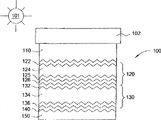
图1是朝向光线或太阳辐射的多结太阳能电池的某些实施例的示意图。Figure 1 is a schematic diagram of certain embodiments of multi-junction solar cells oriented towards light or solar radiation.
图2是图1的多结太阳能电池进一步包括n型非晶硅缓冲层的示意图。FIG. 2 is a schematic diagram of the multi-junction solar cell of FIG. 1 further comprising an n-type amorphous silicon buffer layer.
图3是图1的多结太阳能电池进一步包括p型微晶硅接触层的示意图。FIG. 3 is a schematic diagram of the multi-junction solar cell of FIG. 1 further comprising a p-type microcrystalline silicon contact layer.
图4是可沉积一个或多个太阳能电池膜的等离子体辅助化学气相沉积(PECVD)室的一实施例的示意截面图。4 is a schematic cross-sectional view of one embodiment of a plasma-assisted chemical vapor deposition (PECVD) chamber that can deposit one or more solar cell films.
图5是具有数个处理室的处理系统的一实施例的示意俯视图。Figure 5 is a schematic top view of an embodiment of a processing system having several processing chambers.
图6描述了用以形成串接p-i-n结太阳能电池的沉积参数设定。Figure 6 depicts the deposition parameter settings for forming tandem p-i-n junction solar cells.
图7描述了本发明一实施例的太阳能电池的特性。FIG. 7 depicts the characteristics of a solar cell according to an embodiment of the present invention.
图8A-C描述单结太阳能电池的不同实施例的示意图。8A-C depict schematic diagrams of different embodiments of single junction solar cells.
图9描述单结太阳能电池的不同实施例的示意图。Figure 9 depicts schematic diagrams of different embodiments of single junction solar cells.
图10是根据本发明一实施例的单结太阳能电池的示意图。FIG. 10 is a schematic diagram of a single-junction solar cell according to an embodiment of the present invention.
然而,值得注意的是附图仅描述本发明的典型实施例,因此并不视为对本发明范围的限制,因为本发明允许其它等效实施例。It is to be noted, however, that the appended drawings depict only typical embodiments of this invention and are therefore not to be considered limiting of its scope, for the invention may admit to other equally effective embodiments.
为了有助于理解,尽可能使用相同的附图标记来表示附图中相同的元件。To facilitate understanding, identical reference numerals have been used wherever possible to refer to identical elements in the drawings.
具体实施方式 Detailed ways
本发明实施例包括改良的薄膜多结太阳能电池及其形成方法和设备。图1是朝向光或太阳辐射101的多结太阳能电池100的某些实施例的示意图。太阳能电池100包括基材102,诸如玻璃基材、聚合物基材、金属基材或其它适当基材,基材102形成有薄膜。太阳能电池100进一步包括形成在基材102上的第一透明导电氧化物(TCO)层110、形成在第一TCO层110上的第一p-i-n结120、形成在第一p-i-n结120上的第二p-i-n结130、形成在第二p-i-n结130上的第二TCO层140以及形成在第二TCO层140上的金属基底层150。为了通过增强光俘获来改善光吸收,通过湿法、等离子体、离子和/或机械处理,可任选地使基材和/或一个或多个形成在基材上的薄膜具有纹理。例如,在图1中所示的实施例中,使第一TCO层110具有纹理,随后沉积于第一TCO层110上的薄膜通常会跟随下方表面的形貌起伏。Embodiments of the invention include improved thin film multi-junction solar cells and methods and apparatus for forming the same. FIG. 1 is a schematic diagram of certain embodiments of a multi-junction
第一TCO层110和第二TCO层140各自包括氧化锡、氧化锌、氧化铟锡、锡酸镉、上述的组合物或其它适合的材料。可以理解TCO材料还可包括附加的掺杂物和成分。例如,氧化锌可进一步包括掺杂物,诸如铝、镓、硼和其它适当掺杂物。氧化锌较佳地包括5原子%或更少的掺杂物,并且更佳为包括2.5原子%或更少的铝。在某些情况中,可由玻璃制造商提供已经设置有第一TCO层110的基材102。The
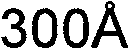
第一p-i-n结120可包括p型非晶硅层122、形成在p型非晶硅层122上的本征型非晶硅层124以及形成在本征型非晶硅层124上的n型微晶硅层126。在某些实施例中,p型非晶硅层122可形成的厚度在约




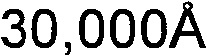
第二p-i-n结130可包括p型微晶硅层132、形成在p型微晶硅层132上的本征型微晶硅层134以及形成在本征型微晶硅层134上的n型非晶硅层136。在某些实施例中,p型微晶硅层132可形成的厚度在约和约



金属基底层150可包括但不限于选自Al、Ag、Ti、Cr、Au、Cu、Pt、上述的合金或上述的组合物所构成的群组的材料。可执行例如激光刻划处理的其它处理以形成太阳能电池100。可在金属基底层150上设置其它膜、材料、基材和/或封装以完成太阳能电池。可使太阳能电池相互连接以形成模块,接着可连接模块以形成阵列。The
太阳辐射101通过p-i-n结120、130的本征层吸收,并转换成电子空穴对。延伸穿过本征层且在p型层和n型层之间产生的电场,可使电子流向n型层并使空穴流向p型层,因而产生电流。因为非晶硅和微晶硅吸收不同波长的太阳辐射101,所以第一p-i-n结120包括本征型非晶硅层124而第二p-i-n结130包括本征型微晶硅层134。因此,太阳能电池100由于俘获较大部分的太阳辐射光谱而更具效率。由于非晶硅与微晶硅相比具有较宽的能带隙,因此非晶硅本征层和微晶本征层以使得太阳辐射101首先通过本征型非晶硅层124,然后通过本征型微晶硅层134的方式堆叠。不被第一p-i-n结120吸收的太阳辐射继续入射到第二p-i-n结130上。令人惊讶地发现,此处公开为太阳能电池设置的第一p-i-n结120以及第二p-i-n结130的p-i-n层的厚度可改进效率并且降低制造成本。除了明确地在权利要求中陈述之外,不希望为理论所限制,一般认为:一方面,较厚的本征层124、134有利于吸收更多量的太阳辐射光谱,另一方面,若本征层124、134和/或p-i-n结120、130太厚,则从那里穿过的电子流会受阻碍。
在一方面中,太阳能电池100不需利用第一p-i-n结120和第二p-i-n结130之间的金属隧道层。第一p-i-n结120的n型微晶硅层126和p型微晶硅层132具有充分的导电性,以提供隧道结从而允许电子从第一p-i-n结120流向第二p-i-n结130。In one aspect, the
在一方面中,一般认为由于第二p-i-n结130的n型非晶硅层136更耐氧(例如,空气中的氧)的侵蚀,因此可提供更高的电池效率。氧会侵蚀硅膜并因此形成杂质,杂质降低膜参与电子/空穴穿过膜的传输的性能。还认为非晶硅层相对于结晶硅层较低的电阻率可使已形成的太阳能电池结构/器件的电特性将有所改善,这是因为所形成的第二p-i-n结130中发电时不合需要的分流路径(shunt path)的影响减少。通常垂直延伸穿越所形成的p-i-n层的分流路径,通过使所形成的太阳能电池器件的局部横向区域短路而降低太阳能电池性能。因此,由于非晶n型层的横向电阻(即,与垂直方向垂直)远高于结晶层,因此分流型缺陷对所形成的太阳能电池其余部分的影响便较低。减少分流型缺陷的影响将改善太阳能电池的器件性能。In one aspect, it is generally believed that since the n-type
图2是图1的多结太阳能电池100进一步包括形成在本征型非晶硅层124与n型微晶硅层126之间的n型非晶硅缓冲层125的示意图。在某些实施例中,n型非晶硅缓冲层125可形成的厚度在约

图3是图1的多结太阳能电池100进一步包括形成在第一TCO层110和p型非晶硅层122之间的p型微晶硅接触层121的示意图。在某些实施例中,p型微晶硅接触层121可形成的厚度在约和约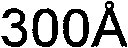
图4是可沉积诸如图1、图2或图3的太阳能电池100的一个或多个太阳能电池膜的等离子体辅助化学气相沉积(PECVD)室400的一实施例的示意截面图。一适合的等离子体辅助化学气相沉积室可从美国加利福尼亚州圣克拉拉的应用材料公司(Applied Materials,Inc.)得到。可预期的是,可利用包括来自其它制造商的其它沉积室来实践本发明。4 is a schematic cross-sectional view of an embodiment of a plasma-assisted chemical vapor deposition (PECVD)
腔室400通常包括界定处理容积406的壁402、底404、喷头410以及基材支撑件430。可通过阀408进入处理容积,从而可将基材(例如,基材100)传送进和传送出腔室400。基材支撑件430包括用以支撑基材的基材接收表面432,以及耦接到升降系统436以升高和降低基材支撑件430的杆434。可任选地在基材100的周边放置遮蔽框433。通过基材支撑件430可移动地布置举升销438以将基材移动至基材接收表面432和从基材接收表面432移动基材。基材支撑件430还包括加热和/或冷却元件439,用以使基材支撑件430保持在所期望的温度上。基材支撑件430还包括接地带431,用以在基材支撑件430的周边提供RF接地。在2000年2月15日授权给Law等人的美国专利6,024,044和2006年12月20日Park等人申请的美国专利申请No.11/613,934公开接地带431的示例,这两个申请的与本公开不矛盾范围的全部内容都被并入作为参考。
喷头410在周边通过悬架414与背板412耦接。喷头410还可通过一个或多个中心支撑件416与背板耦接,以有助于防止喷头410的下垂和/或控制喷头410的平直度/曲率。气源420被耦接至背板412以通过背板412和通过喷头410将气体提供至基材接收表面432。真空泵409被耦接至腔室400以控制处理容积406处于期望压力。RF功率源422被耦接至背板412和/或喷头410,以将RF功率提供给喷头410,而在喷头和基材支撑件之间产生电场,从而可由喷头410和基材支撑件430之间的气体产生等离子体。可使用各种的RF频率,例如约0.3MHz和约200MHz间的频率。在一实施例中,以13.56MHz的频率提供RF功率源。2002年11月12日授权给White等人的美国专利6,477,980,2006年11月17日公开的Choi等人的美国专利申请公开No.20050251990,以及2006年3月23日公开的Keller等人的美国专利申请公开No.2006/0060138公开了喷头的示例,这些专利申请中所有与本公开不矛盾范围的全部内容都被并入作为参考。The
远程等离子体源424(例如,感应耦合远程等离子体源)还可耦合在气源和背板之间。在处理基材之间,可将清洁气体提供给远程等离子体源424,因此产生并提供远程等离子体以清洁腔部件。通过提供给喷头的RF功率源422进一步激发清洁气体。适合的清洁气体包括但不限于NF3、F2和SF6。1998年8月4日授权给Shang等人的美国专利5,788,778公开了远程等离子体源的示例,该专利中所有与本公开不矛盾范围的全部内容都被并入作为参考。A remote plasma source 424 (eg, an inductively coupled remote plasma source) may also be coupled between the gas source and the backplate. Between processing substrates, cleaning gas may be provided to
一个或多个硅层(例如,图1、图2或图3的太阳能电池100的一个或多个硅层)的沉积方法,可包括图4的处理室或其它适合腔室中的下列沉积参数。将具有10,000cm2或更大,较佳为40,000cm2或更大,且更佳为55,000cm2或更大的表面积的基材提供给腔室。可以理解,在处理之后,可切割基材以形成较小的太阳能电池。A method of depositing one or more silicon layers (e.g., one or more silicon layers of the
在一实施例中,可设定加热和/或冷却元件439来提供沉积过程中温度为约400℃或更少,较佳为约100℃和约400℃之间,更佳为约150℃和约300℃之间,例如约200℃的基材支撑件。In one embodiment, heating and/or
在设置在基材接收表面432上的基材顶表面和喷头410之间沉积的过程中,间距可为400密耳(mil)和约1,200密耳之间,较佳为400密耳和约800密耳之间。During deposition between the top surface of the substrate disposed on the
为了沉积硅膜,可提供硅系气体和氢系气体。适合的硅系气体包括但不限于硅烷(SiH4)、二硅烷(Si2H6)、四氟化硅(SiF4)、四氯化硅(SiCl4)、二氯硅烷(SiH2Cl2)和上述的组合物。适合的氢系气体包括但不限于氢气(H2)。p型硅层的p型掺杂物可各自包括III族元素(例如,硼或铝)。较佳地将硼作为p型掺杂物。含有硼的源的示例包括三甲基硼(TMB(或B(CH3)3))、二硼烷(B2H6)、BF3、B(C2H5)3和相似化合物。较佳地将TMB作为p型掺杂物。n型硅层的n型掺杂物可各自包括V族元素(例如,磷、砷或锑)。较佳地将磷作为n型掺杂物。含有磷的源的示例包括磷化氢和相似化合物。通常通过载气提供掺杂物,载气例如氢、氩、氦和其它适合的化合物。在本文中公开的处理方式中,提供氢气总流率。因此,如果提供氢气作为载气,例如为了掺杂,则应从氢的总流率中减去载气流率,以确定应向腔室提供多少附加氢气。For depositing a silicon film, a silicon-based gas and a hydrogen-based gas can be supplied. Suitable silicon-based gases include, but are not limited to, silane (SiH 4 ), disilane (Si 2 H 6 ), silicon tetrafluoride (SiF 4 ), silicon tetrachloride (SiCl 4 ), dichlorosilane (SiH 2 Cl 2 ) and the above-mentioned composition. Suitable hydrogen-based gases include, but are not limited to, hydrogen (H 2 ). The p-type dopants of the p-type silicon layer may each include a Group III element (eg, boron or aluminum). Boron is preferably used as p-type dopant. Examples of boron-containing sources include trimethylboron (TMB (or B(CH 3 ) 3 )), diborane (B 2 H 6 ), BF 3 , B(C 2 H 5 ) 3 , and similar compounds. TMB is preferably used as a p-type dopant. The n-type dopants of the n-type silicon layer may each include a group V element (eg, phosphorous, arsenic, or antimony). Phosphorus is preferably used as n-type dopant. Examples of phosphorus-containing sources include phosphine and similar compounds. Dopants are typically provided by a carrier gas such as hydrogen, argon, helium and other suitable compounds. In the treatment regime disclosed herein, a total flow rate of hydrogen is provided. Therefore, if hydrogen is supplied as a carrier gas, for example for doping, the carrier gas flow rate should be subtracted from the total hydrogen flow rate to determine how much additional hydrogen should be supplied to the chamber.
沉积p型微晶硅接触层(例如,图3中的接触层121)的某些实施例,可包括提供比例约200∶1或更大的氢气/硅烷气体的气体混合物。可以约0.1sccm/L和约0.8sccm/L之间的流率提供硅烷气体。可以约60sccm/L和约500sccm/L之间的流率提供氢气。可以约0.0002sccm/L和约0.0016sccm/L之间的流率提供三甲基硼。换句话说,如果在载气中以0.5%的摩尔浓度或体积浓度来提供三甲基硼,那么可以约0.04sccm/L和约0.32sccm/L之间的流率提供掺杂物/载气气体混合物。本公开中的流率以每内部腔室容积的sccm来表示。内部腔室容积的定义为气体可占用的腔室内部容积。例如,腔室400的内部腔室容积为,由腔室的背板412和壁402以及底404界定的容积,减去喷头器件(即,包括喷头410、悬架414、中心支撑件415)和基材支撑器件(即,基材支撑件430、接地带431)所占用的容积。将约50毫瓦/cm2和约700毫瓦/cm2之间的RF功率提供给喷头。本公开中的RF功率以提供到每基材面积的电极上的瓦数来表示。例如,为了提供10,385瓦的RF功率给喷头以处理面积220cm×260cm的基材,RF功率应为10,385瓦/(220cm×260cm)=180毫瓦/cm2。腔室压力保持在约1托(Torr)和约100托之间,较佳为约3托和约20托之间,更佳为4托和约12托之间。p型微晶硅接触层的沉积速率可为约
沉积p型非晶硅层(例如,图1、图2或图3的硅层122)的某些实施例,可包括提供比例约20∶1或更少的氢气/硅烷气体的气体混合物。可以约1sccm/L和约10sccm/L之间的流率提供硅烷气体。可以约5sccm/L和60sccm/L之间的流率提供氢气。可以约0.005sccm/L和约0.05sccm/L之间的流率提供三甲基硼。换句话说,如果在载气中以0.5%的摩尔浓度或体积浓度提供三甲基硼,那么可以约1sccm/L和约10sccm/L之间的流率提供掺杂物/载气气体混合物。可以约1sccm/L和约15sccm/L之间的流率提供甲烷。可将约15毫瓦/cm2和约200毫瓦/cm2之间的RF功率提供给喷头。腔室压力保持在约0.1托和20托之间,较佳为约1托和约4托之间。p型非晶硅接触层的沉积速率可为约/分或更大。甲烷或其它含碳化合物(诸如,C3H8、C4H10、C2H2)可用于改进p型非晶硅层的窗(window)特性(例如,降低对太阳辐射的吸收)。因此,可通过本征层吸收更多量的太阳辐射并因此改进电池效率。在利用三甲基硼来提供p型非晶硅层122中的硼掺杂物的实施例中,硼掺杂物浓度维持于约1×1018原子/cm2与约1×1020原子/cm2之间。在利用甲烷气体提供以形成p型层作为碳化硅层的实施例中,碳掺杂物浓度被控制于层的约10原子%与20原子%之间。Certain embodiments of depositing a p-type amorphous silicon layer (eg,
沉积本征型非晶硅层(例如,图1、图2或图3的硅层124)的某些实施例,包括提供比例约20∶1或更少的氢气/硅烷气体混合物。可以约0.5sccm/L和约7sccm/L之间的流率提供硅烷气体。可以约5sccm/L和约60sccm/L之间的流率提供氢气。可将约15毫瓦/cm2和约250毫瓦/cm2之间的RF功率提供给喷头。腔室压力保持在约0.1托和20托之间,较佳为约0.5托和约5托之间。本征型非晶硅层的沉积速率可为约
在一实施例中,本征型非晶硅层(诸如,图1、图2或图3的硅层124)的沉积可包括多于一个步骤,例如多步骤沉积处理。举例而言,在主体本征型非晶硅层沉积处理之前,可将图9A所示的p-i缓冲本征型非晶硅层(PIB层)904沉积于p型非晶硅层上。PIB层904的详细描述将在后面参照图9A更加详细地描述。可在单一腔室通过平滑地改变沉积过程中的处理参数而沉积p-i缓冲本征型非晶硅层(PIB层)与主体i型非晶硅层124,以形成具有不同期望薄膜特性的多个层。p-i缓冲本征型非晶硅层(PIB层)以相对较低的RF功率沉积从而最小化对下方的p型非晶硅层的伤害。此外,因为下方的p型非晶硅层与主体i型非晶硅层124各自具有不同的薄膜透明度与性质,缓冲i型非晶硅层可有助于平滑地转变各层中的薄膜性质,藉此最小化光学能隙(OBG)中的显著变化,并因此提供较宽的能隙以及约20meV至50meV的改良开路电压。In one embodiment, the deposition of an intrinsic type amorphous silicon layer, such as the
在一实施例中,可通过提供比例约为40∶1或更少(例如,低于约30∶1,例如约20∶1与与30∶1之间(例如,约25))的氢气/硅烷气体的气体混合物来沉积p-i缓冲本征型非晶硅层(PIB层)。可以约0.5sccm/L与约5sccm/L之间的流率(例如,约2.28sccm/L)提供硅烷气体。可以约5sccm/L与80sccm/L之间的流率(例如,约20sccm/L与约65sccm/L之间,例如约57sccm/L)提供氢气。可将约15毫瓦/cm2和约250毫瓦/cm2之间的RF功率(例如,约30毫瓦/cm2)提供给喷头。腔室压力保持在约0.1托和20托之间,较佳为约0.5托和约5托之间(例如,约3托)。p-i缓冲本征型非晶硅层(PIB层)的沉积速率约

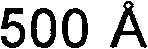

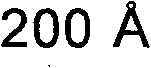

当p-i缓冲本征型非晶硅层(PIB层)达到期望厚度时,可改变向缓冲本征型非晶硅层124供应的气体混合物以沉积接下来的主体本征型非晶硅层124。在p-i缓冲本征型非晶硅层(PIB层)至主体本征型非晶硅层124的沉积转变过程中,气体混合物中供应的氢气逐渐减少而硅烷气体保持相同或逐渐增加。在一实施例中,气体混合物中的氢/硅烷气体的比例由25∶1转变成约12.5∶1,以将p-i缓冲本征型非晶硅层(PIB层)的沉积转变至主体本征型非晶硅层124的沉积。RF功率可逐渐由p-i缓冲本征型非晶硅层(PIB层)沉积的30毫瓦/cm2爬升至主体本征型非晶硅层沉积的50毫瓦/cm2。处理压力可大致维持相同或由约3托逐渐调整至约2.5托。When the pi buffer intrinsic type amorphous silicon layer (PIB layer) reaches a desired thickness, the gas mixture supplied to the buffer intrinsic type
沉积n型非晶硅缓冲层(例如,图2的硅层125)的某些实施例包括提供比例约20∶1或更小的氢气/硅气。可以约1sccm/L与约10sccm/L之间的流率提供硅烷气体。可以约4sccm/L与约50sccm/L之间的流率提供氢气。可以约0.0005sccm/L与约0.0075sccm/L之间的流率提供磷化氢。换句话说,若在载气中以0.5%摩尔或体积浓度来提供磷化氢,那么可以约0.1sccm/L与约1.5sccm/L之间的流率提供掺杂物/载气的气体混合物。可将约15毫瓦/cm2和约250毫瓦/cm2之间的RF功率提供给喷头。腔室压力保持在约0.1托和20托之间,较佳为约0.5托和约4托之间。n型非晶硅缓冲层的沉积速率约为
沉积n型微晶硅层(例如,图1、图2或图3的硅层126)的某些实施例包括提供比例约100∶1或更高的氢气/硅烷气体的气体混合物。可以约0.1sccm/L与约0.8sccm/L之间的流率(例如,约0.35sccm/L)提供硅烷气体。可以约30sccm/L与约250sccm/L之间的流率(例如,约71.43sccm/L)提供氢气。可以约0.0005sccm/L与约0.006sccm/L之间的流率提供磷化氢。换句话说,若在载气中以0.5%摩尔或体积浓度提供磷化氢,那么可以约0.1sccm/L与约1.2sccm/L之间的流率提供掺杂物/载气。可将约100毫瓦/cm2和约900毫瓦/cm2之间的RF功率提供给喷头。腔室压力保持在约1托和100托之间,较佳为约3托和约20托之间,更佳为4托与约12托之间。n型微晶硅层的沉积速率约为/分或更高。n型微晶硅层的结晶系数介于约20%与约80%之间,较佳为50%与约70%之间。在使用磷化氢提供n型微晶硅层中的磷掺杂物的实施例中,磷掺杂物浓度维持于约1×1018原子/cm2与约1×1020原子/cm2之间。Certain embodiments of depositing an n-type microcrystalline silicon layer (eg,
在沉积n型微晶硅层(例如,图1、图2或图3的硅层126)的另一实施例中,沉积处理包括提供比例约500∶1或更低(例如,约100∶1与约400∶1之间,例如约304∶1或约203∶1)的氢气/硅烷气体的气体混合物。可以约0.1sccm/L与约0.8sccm/L之间的流率(例如,约0.32sccm/L与约0.45sccm/L之间)提供硅烷气体。可以约30sccm/L与约250sccm/L之间的流率(例如,约68sccm/L与约142.85sccm/L之间)提供氢气。可以约0.0005sccm/L与约0.025sccm/L之间的流率(例如,约0.0025sccm/L与约0.015sccm/L之间,例如约0.005sccm/L)提供磷化氢。换句话说,若在载气中以0.5%摩尔或体积浓度提供磷化氢,那么可以约0.1sccm/L与约5sccm/L之间的流率(例如,约0.5sccm/L与约3sccm/L之间,例如约0.9sccm/L与约1.088sccm/L之间)提供掺杂物/载气。可将约100毫瓦/cm2和约900毫瓦/cm2之间的RF功率(例如,约370毫瓦/cm2)提供给喷头。腔室压力保持在约1托和100托之间,较佳为约3托和约20托之间,更佳为4托与约12托之间,诸如约6托或约9托。n型微晶硅层的沉积速率约为
沉积p型微晶硅层(例如,图1、图2或图3的硅层132)的某些实施例包括提供比例约200∶1或更高的氢气/硅烷气体的气体混合物。可以约0.1sccm/L与约0.8sccm/L之间的流率提供硅烷气体。可以约60sccm/L与约500sccm/L之间的流率提供氢气。可以约0.0002sccm/L与约0.0016sccm/L之间的流率提供三甲基硼。换句话说,若在载气中以0.5%摩尔或体积浓度提供三甲基硼,那么可以约0.04sccm/L与约0.32sccm/L之间的流率提供掺杂物/载气混合物。可将约50毫瓦/cm2和约700毫瓦/cm2之间的RF功率提供给喷头。腔室压力保持在约1托和100托之间,较佳为约3托和约20托之间,更佳为4托与约12托之间。p型微晶硅层的沉积速率约为
在沉积p型微晶硅层(诸如,图1、图2或图3的硅层132)的又一实施例中,沉积处理包括提供比例约1000∶1或更低(例如,约200∶1与约800∶1之间,例如约601∶1或约401∶1)的氢气/硅烷气体的气体混合物。可以约0.1sccm/L与约0.8sccm/L之间的流率(诸如,约0.2sccm/L与约0.38sccm/L)提供硅烷气体。可以约60sccm/L与约500sccm/L之间的流率(例如,约142.85sccm/L)提供氢气。可以约0.0002sccm/L与约0.0016sccm/L之间的流率(例如,约0.00115sccm/L)提供三甲基硼。换句话说,若在载气中以0.5%摩尔或体积浓度提供三甲基硼,那么可以约0.04sccm/L与约0.32sccm/L之间的流率(例如,约0.23sccm/L)提供掺杂物/载气混合物。可将约50毫瓦/cm2和约700毫瓦/cm2之间的RF功率(例如,约290毫瓦/cm2和约440毫瓦/cm2之间)提供给喷头。腔室压力保持在约1托和100托之间,较佳为约3托和约20托之间,更佳为4托与约12托之间,诸如约9托或约7托。p型微晶硅层的沉积速率约为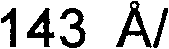
沉积本征型微晶硅层(诸如,图1、图2或图3的硅层134)的某些实施例可包括提供比例为1∶20与1∶200间的硅烷气体/氢气的气体混合物。可以约0.5sccm/L与约5sccm/L之间的流率提供硅烷气体。可以约40sccm/L与约400sccm/L之间的流率提供氢气。在某些实施例中,硅烷流率在沉积过程中由第一流率爬升至第二流率。在某些实施例中,氢气流率在沉积过程中由第一流率下降至第二流率。可将约300毫瓦/cm2或更高(较佳为600毫瓦/cm2或更高)的RF功率提供给喷头。在某些实施例中,功率密度在沉积过程中由第一功率密度下降至第二功率密度。腔室压力保持在约1托和100托之间,较佳为约3托和约20托之间,更佳为4托与约12托之间。本征型微晶硅层的沉积速率约为

在沉积本征型微晶硅层(诸如,图1、图2或图3的硅层134)的又一实施例中,可通过一个或更多个步骤(例如,多个沉积步骤)来沉积本征型微晶硅层。由于结晶系数会随着沉积薄膜的厚度增加而改变,沉积过程中供应的气体比例还会改变以维持整体本征型微晶硅层的结晶系数。因此,可在利用不同处理参数或处理变量的数个步骤中执行沉积以在得到的薄膜中形成不同的结晶系数。数个沉积步骤可使本征型微晶硅层能形成倾斜薄膜,该本征型微晶硅层在膜中不同厚度水平处具有不同的期望薄膜特性。在一实施例中,在各个沉积步骤中改变的处理参数或处理变量包括RF功率、沉积时间、气体混合物中供应的氢/硅烷气体比例、气体混合物中供应的气体种类、处理压力、气体流率、间隔、RF频率和/或其它适当的处理参数。在一实施例中,氢气/硅烷气体比例、处理压力、RF功率或沉积时间的处理变量可加以改变以控制形成的本征型微晶硅层的不同部分中的结晶系数。在另一实施例中,改变各个沉积步骤中氢气/硅烷气体比例的处理变量以控制形成的本征型微晶硅层不同部分中的结晶系数。In yet another embodiment of depositing an intrinsic type microcrystalline silicon layer (such as the
在一实施例中,沉积处理中所执行的步骤数目根据本征型微晶硅层所期望的厚度决定。例如,若需要本征型微晶硅层沉积相当大的厚度(超过
在形成厚度约
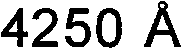


在一实施例中,可以约0.1sccm/L与约5sccm/L之间的流率(例如,约0.97sccm/L)提供硅烷气体。可以约10sccm/L与约200sccm/L之间的流率(例如,约80sccm/L与约105sccm/L之间)提供氢气。在沉积具有多个步骤(例如,四个步骤)的示例性实施例中,氢气气流可配置成在第一步骤中为约97sccm/L,并在随后的处理步骤中分别逐渐减少至92sccm/L、87.5sccm/L与82.6sccm/L。可将约300毫瓦/cm2或更高(例如,约490毫瓦/cm2)的RF功率提供给喷头。腔室压力保持在约1托和100托之间,例如约3托和约20托之间,例如为4托与约12托之间,例如约9托。本征型微晶硅层的沉积速率约为

沉积n型非晶硅层(诸如,图1、图2或图3的硅层136)的方法的某些实施例包括以第一硅烷流率沉积可任选第一n型非晶硅层并以第二硅烷流率(低于第一硅烷流率)在第一可任选n型非晶硅层上沉积第二n型非晶硅层。第一可任选n型非晶硅层可包括提供比例约20∶1或更少(例如,约5∶5∶1)的氢气/硅烷气体的气体混合物。可以约1sccm/L与约10sccm/L之间的流率(例如,约5.5sccm/L)提供硅烷气体。可以约4sccm/L与约40sccm/L之间的流率(例如,约27sccm/L)提供氢气。可以约0.0005sccm/L与约0.0015sccm/L之间的流率(例如,约0.0095sccm/L)提供磷化氢。换句话说,若在载气中以0.5%摩尔或体积浓度提供磷化氢,那么可以约0.1sccm/L与约3sccm/L之间的流率(例如,约1.9sccm/L)提供掺杂物/载气混合物。可将约25毫瓦/cm2和约250毫瓦/cm2之间的RF功率(例如,约80毫瓦/cm2)提供给喷头。腔室压力保持在约0.1托和20托之间,较佳为约0.5托和约4托之间,例如约1.5托。第一n型非晶硅层的沉积速率约为
第二n型非晶硅层沉积可包括提供比例为约20∶1或更小(例如,约7.8∶1)的氢气/硅烷气体的气体混合物。可以约0.1sccm/L与约5sccm/L之间的流率(诸如,约0.5sccm/L与约3sccm/L,例如约1.42sccm/L)提供硅烷气体。可以约1sccm/L与约10sccm/L之间的流率(例如,约6.42sccm/L)提供氢气。可以约0.01sccm/L与约0.075sccm/L之间的流率(诸如,约0.015sccm/L与约0.03sccm/L,例如约0.023sccm/L)提供磷化氢。换句话说,若在载气中以0.5%摩尔或体积浓度提供磷化氢,那么可以约2sccm/L与约15sccm/L之间的流率(诸如约3sccm/L与约6sccm/L,例如,约4.71sccm/L)提供掺杂物/载气混合物。可将约25毫瓦/cm2和约250毫瓦/cm2之间的RF功率(例如,约60毫瓦/cm2)提供给喷头。腔室压力保持在约0.1托和20托之间,较佳为约0.5托和约4托之间,例如约1.5托。第二n型非晶硅层的沉积速率约为

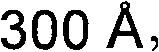
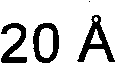


值得注意的是,在多个层(包括n型、本征型与p型含硅层)各自沉积之前,可进行可任选的氢或氩等离子体气体处理。可执行氢处理工艺以处理下层从而抑制表面污染。再者,等离子体处理工艺还可改善界面的电性,因为在处理工艺过程中可移除或排除表面缺陷。在一实施例中,可通过将氢气或氩气供应给处理室来执行等离子体处理工艺。用于供应氢气或氩气的气流介于约10sccm/L与约45sccm/L之间,例如约15sccm/L与约40sccm/L之间,诸如约20sccm/L与约36sccm/L.在一示例中,可以约21.42sccm/L供应氢气或可以约35.7sccm/L供应氩气。用来执行处理工艺的RF功率可被控制在约25milli瓦/cm2与约250milli瓦/cm2之间(例如,约60milli瓦/cm2),并可向喷头提供10milli瓦/cm2与约250milli瓦/cm2之间的RF功率,例如针对氢气处理为约80milli瓦/cm2而针对氩气处理为约25milli瓦/cm2。Notably, an optional hydrogen or argon plasma gas treatment may be performed prior to the respective deposition of the various layers, including n-type, intrinsic and p-type silicon-containing layers. A hydrogen treatment process may be performed to treat the underlying layer to suppress surface contamination. Furthermore, the plasma treatment process can also improve the electrical properties of the interface because surface defects can be removed or excluded during the treatment process. In one embodiment, the plasma processing process may be performed by supplying hydrogen or argon gas to the processing chamber. The gas flow for supplying hydrogen or argon is between about 10 sccm/L and about 45 sccm/L, for example between about 15 sccm/L and about 40 sccm/L, such as about 20 sccm/L and about 36 sccm/L. In one example , hydrogen may be supplied at about 21.42 sccm/L or argon may be supplied at about 35.7 sccm/L. The RF power used to perform the treatment process can be controlled between about 25 milli watts/cm 2 and about 250 milli watts/cm 2 (eg, about 60 milli watts/cm 2 ), and can provide 10 milli watts/
在一实施例中,在p型非晶硅层沉积之前执行氩处理工艺。在一实施例中,当有利时,可在沉积本征型非晶硅层、n型微晶硅层、p型微晶硅层与本征型微晶硅层以及其它层的每一个之前执行氢气处理工艺。In one embodiment, an argon treatment process is performed before the deposition of the p-type amorphous silicon layer. In one embodiment, it may be performed prior to depositing each of the intrinsic type amorphous silicon layer, the n-type microcrystalline silicon layer, the p-type microcrystalline silicon layer, and the intrinsic type microcrystalline silicon layer, as well as other layers, when advantageous. Hydrogen treatment process.
图8A-C示意性地描述太阳能电池的不同实施例。虽然图8A-C所示的实施例描述单结太阳能电池,但应当注意所述的层可为利用不同材料所形成的串接结、三合结或更大结的太阳能电池的部分,这些测量包括但不限于多晶硅、非晶硅、微晶硅或通过本文所述的方法制成的任何上述的组合。8A-C schematically depict different embodiments of solar cells. While the embodiments shown in Figures 8A-C describe a single junction solar cell, it should be noted that the layers described can be part of solar cells with tandem junctions, triple junctions, or larger junctions formed using different materials, these measurements Including but not limited to polycrystalline silicon, amorphous silicon, microcrystalline silicon, or combinations of any of the foregoing made by the methods described herein.
图8A描绘基材102具有放置于TCO层110上的太阳能电池850。太阳能电池850具有p型非晶硅层122、本征型非晶层124与n型非晶层804。在沉积p型非晶硅层122之前,可在基材102上形成初步p型非晶硅层802。通过在p型非晶硅层沉积处理过程中控制硅烷流率来形成初步p型非晶硅层802。在沉积过程中,可提供第一硅烷流率以沉积初步p型非晶硅层802,且可提供第二硅烷流率以在初步p型非晶硅层802上沉积p型非晶硅层122。可将第二硅烷流率控制为高于第一硅烷流率。FIG. 8A depicts
得到的初步p型非晶硅层802为重度(例如,退化)掺杂p型非晶硅层且具有约105Ω-cm或更低的电阻率。一般认为重度(例如,退化)掺杂初步p型非晶硅层802可提供与TCO层(例如,TCO层110)的改善欧姆接触。重度掺杂初步p型非晶硅层802提供宽度减小的耗尽区(depletionregion)(例如,TCO层110与太阳能电池850之间的势垒),因此,有助于有效电流传输的隧穿效应。此外,重度掺杂初步p型非晶硅层802中存在的大量类受体元素还可降低TCO层110与太阳能电池850界面处的势垒。因此,p型非晶硅层122用作为宽能隙层。藉此改善电池性能。p型非晶硅层122被用来提高整个p型硅形成处理的沉积速率。可以理解,p型非晶硅层122还可由相同的重度掺杂初步p型非晶硅802材料形成。The resulting preliminary p-type
重度掺杂初步p型非晶硅层802的沉积处理可包括提供比例为约20∶1或更小的氢气/硅烷气体的气体混合物。可以约0.5sccm/L与约5sccm/L之间的流率提供硅烷气体。可以约1sccm/L与约50sccm/L之间的流率提供氢气。可以约0.0025sccm/L与约0.15sccm/L之间的流率提供三甲基硼。换句话说,若在载气中以0.5%摩尔或体积浓度提供三甲基硼,那么可以约0.5sccm/L与约30sccm/L之间的流率提供掺杂物/载气混合物。可将约15毫瓦/cm2和约250毫瓦/cm2之间的RF功率提供给喷头。腔室压力保持在约0.1托和20托之间,例如约0.5托和约4托之间。初步p型非晶硅层802的沉积速率约为
在一实施例中,可用与参照图1-3所述的相似方法制备p型非晶硅层122。In one embodiment, the p-type
同样地,n型非晶硅层804沉积处理可包括两步骤的沉积处理以沉积n型非晶硅层804以及重度掺杂非晶硅层806。两步骤的沉积处理相似于参照图1-3所讨论的n型非晶硅层136沉积处理。或者,n型非晶硅层804可主要形成重度掺杂n型非晶硅层806,以提供与TCO层(例如,TCO层140)的改良欧姆接触。在一实施例中,重度掺杂n型非晶硅层806的掺杂物浓度介于约1020原子/立方公分与约1021原子/立方公分之间。Likewise, the n-type
在一实施例中,p型非晶硅层122的厚度介于约
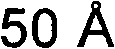

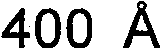


图8B描绘放置于基材102上的太阳能电池852的另一实施例。类似于图8A的太阳能电池850,太阳能电池852与图8A一样包括重度掺杂p型非晶硅层802、p型非晶硅层122与本征型非晶硅层124,并包括n型非晶硅缓冲层820与n型微晶硅层808。n型非晶硅缓冲层820相似于图2的缓冲层125且在本征型非晶硅层124与n型微晶硅层808之间形成。n型非晶硅缓冲层820有助于桥接可能发生在本征型硅层124与n型硅层808之间的能隙偏移。因此,一般认为因为电流收集的增强而改善电池性能。可通过任何适当的处理(例如,上述的处理)制备这些层802、122、124、808。FIG. 8B depicts another embodiment of a
图8C描绘放置于基材102上的太阳能电池854的又一实施例。类似于上述的电池结构,太阳能电池854包括p型微晶硅层810、本征型微晶硅层812、n型非晶硅阻挡层821与n型微晶硅层814。n型非晶硅阻挡层821作为形成于本征型微晶硅层812与n型微晶硅层814之间的阻挡层。n型非晶硅阻挡层821有助于提高薄膜横向电阻率并避免周边电流问题。在一实施例中,可用与图8B的n型非晶硅缓冲层820和图2的缓冲层125相似的沉积方法沉积n型非晶硅阻挡层821。可用薄膜成分类似于缓冲层820、125的方法制备n型非晶硅阻挡层821。由于阻挡层821接触基于微晶的硅膜(诸如,本征型微晶硅层812与n型微晶硅层814)而不是缓冲层820、125所接触的非晶硅膜,阻挡层821用来提高薄膜横向电阻率并避免周边电流问题。FIG. 8C depicts yet another embodiment of a
在需要一个或更多个(例如,数个)结的实施例中,图8A的太阳能电池850可构成接触基材的顶部电池而图8C的太阳能电池854可构成放置于顶部太阳能电池850上的底部电池。由于需要顶部电池提供较高的能隙,因此太阳能电池850的本征型非晶硅层124可提供高于太阳能电池854的本征型微晶硅层812的能隙。或者,可以任何适当方法构建电池的配置以实现期望的电池性能。In embodiments where one or more (e.g., several) junctions are desired, the
图9描绘多结太阳能电池900的另一示例性实施例,该多结太阳能电池900包括设置于电池900中的数个不同的接触层、缓冲层或界面层。电池900包括放置于基材102上的第一结910与第二结920,且具有放置于基材102上的TCO层110。界面层908可沉积于第一结910与第二结920之间。界面层908被沉积以改善界面接触电阻与导电率并提供较宽的光学能隙。此外,界面层908的材料被选择成可调整层908的反射系数(RI)与光线吸收以提供不同器件需要的不同电特性与光线俘获效率。在一实施例中,用于形成界面层908的适当材料包括SiON、SiN、SiC、SiO、SiOC、SiCN与其它适当含碳、含氧或氮的硅系材料或硅合金。在一实施例中,界面层908为碳化硅(SiC)、氧化硅(SiO)或氧氮化硅(SiON)层。可通过改变在沉积过程中供应用来沉积层908的气体混合物来调整界面层908的反射系数(RI)。当供应用来沉积的气体混合物改变时,沉积的界面层908中所形成的碳或氮掺杂物也会不同,以使得到的薄膜具有所期望的薄膜能隙、光线吸收性与结晶系数。当薄膜能隙与光线吸收性改善时,电池转换性能因此提高。再者,界面层908还可用于任何与TCO层、金属背板和/或基材接触的界面。FIG. 9 depicts another exemplary embodiment of a multi-junction
在图9描绘的实施例中,界面层908被置于第一结910与第二结920之间。第一结包括第一上界面层902、p型非晶硅层233、PIB层904、i型非晶硅层124、n型非晶硅缓冲层906与n型微晶硅层126。在一实施例中,第一上界面层902的薄膜特性可具有类似于上述的界面层908的膜特性。或者,第一上界面层902类似于上述参照图1-3与图8A-C所述的p型微晶硅接触层121、重度(例如,退化)掺杂初步p型非晶硅层802、p型微晶硅层810或p型非晶硅层。在另一实施例中,PIB层904可类似于上述的p-i缓冲本征型非晶硅层(PIB层)。n型非晶硅缓冲层906可类似于参照图8B-C与图2所示的非晶硅缓冲层820、821或缓冲层125。In the embodiment depicted in FIG. 9 ,
第二结920包括p型微晶硅层132、可任选的PIB层912、本征型微晶硅层914、n型非晶硅层916与第二下界面层918。第二下界面层918可类似于上述的界面层908。或者,第二下界面层918可类似于上述参照图8B-C的重度(例如,退化)掺杂非晶硅层806或n型微晶硅层814或其它相似的n型接触层。p型微晶硅层132已经参照图1-3在以上描述。可任选的PIB层912可类似于上述的p-i缓冲本征型非晶硅层(PIB层)。或者,因为PIB层912接触p型微晶硅层(例如,p型微晶硅层132),可视需要将可任选PIB层912沉积为基于微晶硅或非晶硅的材料。可将可任选PIB层912沉积为基于微晶硅或非晶硅的材料的沉积处理可选自任何上述的本征型硅式沉积处理。如上所述,可用单一步骤或多个步骤沉积本征型微晶硅层914。在一特定实施例中,利用一四步骤处理沉积本征型微晶硅层914,该四步骤处理通过逐渐调整气体混合物中的氢气/硅烷比例来提供所得到薄膜中一致的结晶系数。n型非晶硅层916可类似于上述参照图1-3与图8A所述的n型非晶硅层136、804。The
第二TCO层140与背电极层150可随后放置于第二结920上以完成结形成处理。The
图5是具有多个处理室531-537的处理系统500的一实施例的示意顶视图,处理室是例如图4中的PECVD腔室400或其它可沉积硅膜的适合腔室。处理系统500包括耦合至负载锁定室510和处理室531-537的传送室520。负载锁定室510允许在系统外的周围环境与传送室520和处理室531-537内的真空环境之间传送基材。负载锁定室510包括一个或多个支撑一个或多个基材的可排空区域。在将基材放入系统500中的过程中可排空区域抽气,并且在将基材从系统500拿出的过程中从可排空区域排气。传送室520设置有至少一个真空机械臂522,该真空机械臂522适合在负载锁定室510和处理室531-537之间传送基材。图5中示出七个处理室;然而,系统可具有任何适合数目的处理室。5 is a schematic top view of one embodiment of a
在发明的某些实施例中,配置一个系统500以沉积多结太阳能电池的包含本征型非晶硅层的第一p-i-n结,例如第一p-i-n结120。其中一个处理室531-537配置成沉积第一p-i-n结的p型硅层而其余处理室531-537各自配置成沉积本征型非晶硅层和n型硅层两者。第一p-i-n结的本征型非晶硅层和n型硅层可在相同腔室中沉积而在沉积步骤间不需要任何钝化处理。因此,基材通过负载锁定室510进入系统,通过真空机械臂传送到配置成用来沉积p型硅层的专用处理室中,通过真空机械臂传送到配置成用来沉积本征型硅层和n型硅层两者的其它处理室中,以及通过真空机械臂传送回负载锁定室510中。在某些实施例中,处理室处理基材以形成p型硅层的时间,比在单个腔室中形成本征型非晶硅层和n型硅层的时间快大约4或更多倍,较佳地为快6或更多倍。因此,在用于沉积第一p-i-n结的系统的某些实施例中,p腔室与i/n腔室的比例为1∶4或更多,较佳为1∶6或更多。包括提供处理室的等离子体清洁的时间的系统生产量约为10基材/小时或更多,较佳为20基材/小时或更多。In some embodiments of the invention, a
在发明的某些实施例中,配置一个系统500以沉积多结太阳能电池包含本征型微晶硅层的第二p-i-n结,例如第二p-i-n结130。处理室531-537之一配置成沉积第一p-i-n结的p型硅层而其余处理室531-537各自配置成沉积本征型微晶硅层和n型硅层两者。第二p-i-n结的本征型微晶硅层和n型硅层可在相同腔室中沉积而在沉积步骤之间不需要任何钝化处理。在某些实施例中,处理室处理基材以形成p型硅层的时间,比在单一腔室中形成本征型微晶硅层和n型硅层的时间快大约4或更多倍。因此,在沉积第二p-i-n结的系统的某些实施例中,p腔室与i/n腔室的比例为1∶4或更多,例如约1∶6或更多。包括提供处理室的等离子体清洁的时间的系统生产量约为3基材/小时或更多,例如约5基材/小时或更多。In some embodiments of the invention, a
在某些实施例中,由于本征型微晶硅层比本征型非晶硅层厚,用来沉积包含本征型非晶硅层的第一p-i-n结的系统500的生产量,是用来沉积包含本征型微晶硅层的第二p-i-n结的系统500的生产量的近2倍或更多。因此,适合沉积包含本征型非晶硅层的第一p-i-n结的单一系统500,可与两个或更多个适合沉积包含本征型微晶硅层的第二p-i-n结的系统500相配。一旦在一个系统中将第一p-i-n结形成在一个基材上,就可将该基材暴露在周围环境中(也就是,真空消失)并且传送至第二系统。在第一系统沉积第一p-i-n结和第二p-i-n结之间的对基材的湿式或干式清洁,并非是必需的。In some embodiments, since the intrinsic type microcrystalline silicon layer is thicker than the intrinsic type amorphous silicon layer, the throughput of the
示例example
除非明确地在权利要求中阐述,本文中公开的实施例本质上是示意性的,并且不旨在限制本发明范围。Unless expressly set forth in the claims, the embodiments disclosed herein are illustrative in nature and are not intended to limit the scope of the invention.
处理具有4,320cm2表面积的基材,可在具有130公升内部腔室容积的AKT 4300PECVD系统中进行,该系统可从美国加利福尼亚州圣克拉拉的AKT America Inc.获得。在PECVD系统的第一腔室中沉积层1。在PECVD系统的第二腔室中沉积层2-4。在PECVD系统的第三腔室中沉积层5。在PECVD系统的第四腔室中沉积层6-11。在沉积层1-11的过程中,设置间距为550密耳并且设置基材温度为200℃。图6中阐述的沉积参数被用来形成串接p-i-n结太阳能电池。在氢载气中以0.5%混合物提供磷化氢。在氢载气中以0.5%混合物提供三甲基硼。图6中氢气流率示出了与掺杂载气分开的氢气流率。太阳能电池具有图7中阐述的下列特性。Processing of substrates with a surface area of 4,320 cm2 may be performed in an AKT 4300PECVD system with an internal chamber volume of 130 liters, available from AKT America Inc., Santa Clara, California, USA.
非晶沉积处理Amorphous deposition treatment
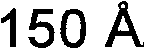
本发明的一方面包括改良的薄膜硅太阳能电池及其形成方法与设备,其中太阳能电池中的一个或多个层包括至少一个非晶硅层,该至少一个非晶硅层具有改良的电特性与机械特性且能以比传统非晶硅沉积处理快上许多倍的速率加以沉积。利用本文所述的方法实现的改良沉积速率能通过太阳能电池基材处理系统大幅改善基材产量。在一实施例中,本文所述的处理被用于形成薄膜p-i-n太阳能电池中的非晶本征型层,其中非晶本征型层的沉积速率大于约
由于一般认为在非晶硅沉积处理过程中使用高压将通过降低所产生的等离子体中的离子能量与电子温度而导致减少成长薄膜表面的离子轰击,已经意外地发现本文所述的方法可改善所形成的薄膜太阳能电池的光稳定性。再者,一般还认为当还在处理过程中利用高氢气/硅烷气体比例时,会抑制较高阶硅烷相关化学物种的产生,已经发现这不利于所形成的太阳能电池器件的光稳定度。虽然以下大致讨论单结太阳能电池的形成方法,但此配置并不预期会限制本发明的范围,因为以下所述的一个或更多个处理步骤可与先前所述的一个或更多个步骤组合应用。在一示例中,阻挡层沉积处理步骤、本征型层沉积步骤、功率提升(power lift)步骤、温度稳定步骤与等离子体清洁步骤可与以上结合图1-9所述的一个或更多个步骤一起应用。Since it is generally believed that the use of high voltages during amorphous silicon deposition processes will result in reduced ion bombardment of the surface of the growing thin film by reducing the ion energy and electron temperature in the generated plasma, it has been surprisingly found that the methods described herein improve the Photostability of the formed thin film solar cells. Furthermore, it is also believed that when high hydrogen/silane gas ratios are also utilized during processing, the generation of higher order silane related chemical species is suppressed, which has been found to be detrimental to the photostability of the formed solar cell device. While a method of forming a single junction solar cell is generally discussed below, this configuration is not intended to limit the scope of the invention, as one or more of the processing steps described below may be combined with one or more of the previously described steps application. In one example, the barrier layer deposition process step, intrinsic layer deposition step, power lift step, temperature stabilization step, and plasma cleaning step may be combined with one or more of the steps described above in connection with FIGS. 1-9 . The steps are applied together.
图10描述利用本文所述的方法所形成的太阳能电池1000的一示例。太阳能电池1000包括具有基材102,诸如玻璃基材、聚合物基材或其它适当基材,基材102上形成有薄膜。太阳能电池1000可进一步包括形成于基材102上的第一透明导电氧化物(TCO)层110;形成于第一TCO层110上的p-i-n结1020;形成于p-i-n结1020上的第二TCO层1032;与形成于第二TCO层1032上的金属基底层1034。如上所述,为了通过增加光线俘获来提高光线吸收,通过湿式、等离子体、离子和/或机械处理,可任选地使基材和/或一个或多个形成于基材上的薄膜具有纹理。例如,使太阳能电池1000中第一TCO层110具有纹理,随后沉积于第一TCO层110上的薄膜通常会跟随下方表面的地形起伏。第一TCO层110和第二TCO层1032各自包括氧化锡(SnxOy)、氧化锌(ZnxOy)、氧化铟锡(InxSnyOz)、锡酸镉、上述的组合物或其它适合的材料,且还可如上所述地包括附加的掺杂物和成分。Figure 10 depicts an example of a
p-i-n结1020可包括:p型非晶硅层1022;形成于p型非晶硅层1022上的本征型非晶硅层1024;以及形成于本征型非晶硅层1024上的n型非晶硅层1026。在某些实施例中,p型非晶硅层1022可形成的厚度在约和约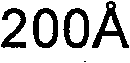






金属基底层1034可包括但不限于选自Al、Ag、Ti、Cr、Au、Cu、Pt、上述的合金或上述的组合物所构成的群组的材料。可执行例如激光刻划处理的其它处理以形成太阳能电池1000。可在金属基底层1034上设置其它膜、材料、基材和/或封装以完成太阳能电池。The
参照图4,虽然描述了单一腔室,但系统500(例如,图5所述)可包括数个围绕基材机器臂522排列的腔室。在上述的系统中,在将基材移到沉积附加层的另一腔室之前,可在一腔室中沉积一个或更多个非晶硅层。一般而言,在第一腔室将p型层沉积于基材上并接着将基材移到另一腔室,在另一腔室中将i型层与n型层沉积于基材上。Referring to FIG. 4 , while a single chamber is depicted, a system 500 (eg, as depicted in FIG. 5 ) may include several chambers arranged around a
在一实施例中,可设定加热和/或冷却元件439以在沉积过程中提供温度为约250℃或更少的基材支撑件。在一实施例中,将基材支撑件温度维持于约150℃与约250℃之间。在一示例中,将基材支撑件温度维持于约200℃。在不同沉积步骤的过程中,设置在基材支撑件430的基材接收表面432上的基材顶表面和喷头410(即,RF电极)之间的间距可为600密耳和约6000密耳之间。用于太阳能应用的玻璃基材的一般厚度介于约40密耳和约200密耳之间。In one embodiment, heating and/or
在一实施例中,利用下述步骤形成p-i-n非晶硅太阳能电池。下述的处理数值与示例并非用来限制此处所述的发明范围,而在某些实例中,涉及腔室容积约2900公升且适合处理2200mm×2600mm基材的60k处理系统。首先,将具有TCO层110放置于至少一个表面上的基材被插入PECVD腔室400并置于基材支撑件430上,以使TCO 110可接收包含于p-i-n结1020中的一个或更多个层。In one embodiment, a p-i-n amorphous silicon solar cell is formed using the following steps. The following processing values and examples are not intended to limit the scope of the invention described herein, but in some instances relate to a 60k processing system with a chamber volume of approximately 2900 liters and suitable for processing 2200 mm x 2600 mm substrates. First, a substrate having
在一实施例中,在沉积p-i-n结1020中的一个或更多个层之前,通过使气体(诸如,氩、氢或氦)流过处理室约3至5分钟的一段时间来稳定基材的温度,以使通常3mm至5mm厚的玻璃基材温度提升到期望温度,例如约200℃。在一示例中,温度稳定步骤包括以约25.8sccm/L(例如,75,000sccm)的流率提供氩气,以达成约2.0与约2.5托之间的腔室压力从而在约5分钟内将基材(与喷头410相隔约640密耳)温度稳定于所期望的水平。在此示例中,可将基材支撑件温度维持于约200℃。In one embodiment, prior to depositing one or more layers in
在下一步骤或等离子体清洁步骤中,当传送氩、氢或氦气通过腔室时在处理容积406中产生等离子体以清洁TCO层110的表面并改善TCO层110的电特性。在一实施例中,由于含氢等离子体会侵略性地与TCO层(例如,含有氧化锡的TCO层)反应,流过处理容积的气体包括氩。在一实施例中,需要使用清洁气体(包括氢气)来在TCO层(包括氧化锌)上执行等离子体清洁步骤。In a next step or plasma cleaning step, a plasma is generated in the
在下一步骤中,通常在清洁TCO层110表面之后,将p型掺杂非晶层沉积于TCO表面上。在一实施例中,分两阶段沉积p型掺杂非晶层,第一阶段处理可利用约0与约6.0之间的氢/硅烷稀释比例。此低氢稀释比例用来避免对TCO层的可能因为TCO层与产生的等离子体的相互作用而发生的伤害。在一实施例中,第一p型掺杂非晶层为退化(例如,重度)掺杂p++型非晶硅层,该退化掺杂p++型非晶硅层的掺杂浓度相当于在约2与约2.5托之间的压力下以约2∶1与约6∶1之间的TMB:硅烷前体气体混合物比例形成的层,其中TMB前体包括0.5%TMB。在一实施例中,在约45毫瓦/cm2(2400瓦)与约91毫瓦/cm2(4800瓦)之间的等离子体功率下形成第一p型掺杂非晶层。在一示例中,p型非晶硅层的第一阶段(例如,图10所示的层1022的一部分)可通过下述条件加以形成:以约2.1sccm/L(例如,6000sccm)与约3.1sccm/L(例如,9000sccm)间的流率提供硅烷、以使氢气/硅烷气体混合物比例约为6.0的流率提供氢气、以相当于0.5%TMB气体/硅烷气体混合物比例约为6∶1的流率提供掺杂前体,同时将基材支撑件温度维持于约200℃、将等离子体功率控制于约57毫瓦/cm2(3287瓦)下并在约2.5托的腔室压力下维持约3-5秒以形成约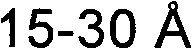
在第一p型掺杂非晶层的沉积之后,可接着沉积第二p型掺杂非晶层。第二p型掺杂非晶层的厚度在约80与
在一个或更多个PECVD沉积步骤的过程中,例如p型层沉积步骤过程中,基材上会产生静电。当通过机械式基材举升机构从基材接收表面432强制地移除静电时,静电可能大到足以造成基材的损坏。为了消除静电,在腔室内产生氢等离子体的同时可改变基材上表面与喷头间之间距。因此,在一实施例中,由于某些用来形成太阳能电池器件的沉积步骤在不同腔室中执行(诸如,p型沉积步骤、i型沉积步骤、n型沉积步骤),因此在由处理室传输基材之前可使用可任选的等离子体处理步骤或功率提升步骤来帮助将基材102与基材支撑件430分隔开。所产生的等离子体可使先前处理步骤过程中介电基材所收集的电荷排放。在此步骤中,当氩、氢或氦气通过处理室时在处理容积406中产生等离子体以形成路径从而使基材中俘获的电荷消散。还可将基材支撑件维持于所期望的温度,例如约200℃。在一实施例中,功率提升步骤包括在不同基材至喷头间距下的多个步骤,例如不同间距下的6个步骤,以完全消除静电。在一实施例中,可以在约38毫瓦/cm2(1000瓦)与约76毫瓦/cm2(4000瓦)之间的RF功率下以约5.2sccm/L(15,000sccm)与约15.5sccm/L(45000sccm)之间的流率将主要含氢气体传送通过处理容积。在一示例中,功率提升步骤包括以约10.3sccm/L(30,000sccm)的流率提供氢气以实现约2.0托的腔室压力,同时将基材与喷头410相隔约1400密耳地放置并传送约57毫瓦/cm2的RF功率约3秒。在另一示例中,功率提升步骤包括第一步骤与第二步骤。在第一步骤中,以约10.3sccm/L(30,000sccm)的流率传送氢气以实现约2.0托的腔室压力,同时将基材与喷头410相隔约1400密耳地放置并传送约57毫瓦/cm2的RF功率约3秒。在第二步骤中,以约10.3sccm/L(30,000sccm)的流率传送氢气以实现约2.0托的腔室压力,同时将基材与喷头410相隔约6000密耳地放置并传送约57毫瓦/cm2的RF功率约5秒。During one or more PECVD deposition steps, for example a p-type layer deposition step, static electricity is generated on the substrate. When the static electricity is forcibly removed from the
在下一步骤中,可任选地将氢气传送通过处理室约20秒的时间以使基材稳定于所期望的温度下,例如约200℃。在某些示例中,用来完成此步骤的时间周期是短的,因为一般认为当在真空环境下沉积有p型材料的基材在多腔室PECVD系统中从一腔室传送至另一腔室时,不会损失大量温度。在一示例中,温度稳定步骤以约25.9sccm/L(75,000sccm)的流率提供氩气以实现约2.5托的腔室压力,以在20-60秒后稳定基材(与喷头410相隔约640密耳)的温度。可将基材支撑件温度维持于约200℃。In a next step, hydrogen gas may optionally be passed through the chamber for a period of about 20 seconds to stabilize the substrate at a desired temperature, eg, about 200°C. In some examples, the time period used to complete this step is short because it is generally believed that when a substrate deposited with a p-type material is transferred from one chamber to another in a multi-chamber PECVD system under vacuum There is no significant loss of temperature when left in the chamber. In one example, the temperature stabilization step provides argon gas at a flow rate of about 25.9 sccm/L (75,000 sccm) to achieve a chamber pressure of about 2.5 Torr to stabilize the substrate after 20-60 seconds (separated from the
在通常对基材执行一次的下一步骤或等离子体清洁步骤,已将基材加载到第二处理室中。在此步骤中,在下一材料层(例如,阻挡层)沉积之前,在第二处理室的处理容积中产生氢等离子体以适当地清洁沉积p型层的表面。氢等离子体处理可钝化p型层、移除任何已经形成的表面缺陷、并抑制在没有氢等离子体处理步骤的情况下倾向于扩散至i型层的任何碳与硼污染。在一实施例中,氢等离子体清洁步骤包括提供约35毫瓦/cm2(2000瓦)与约136毫瓦/cm2(7200瓦)之间的等离子体功率与足够的氢气以实现约2与约2.5托之间的腔室压力长达约0与约60秒之间的时间。在一示例中,氢等离子体清洁步骤包括提供约10.3sccm/L(30,000sccm)的流率的氢气与52毫瓦/cm2(3000瓦)的等离子体功率以实现约2.5托的腔室压力达约15秒,而基材与喷头410相隔640密耳地放置。In the next step, or plasma cleaning step, which is typically performed once on the substrate, the substrate has been loaded into the second process chamber. In this step, a hydrogen plasma is generated in the process volume of the second process chamber to properly clean the surface on which the p-type layer is deposited, prior to the deposition of the next material layer (eg barrier layer). The hydrogen plasma treatment can passivate the p-type layer, remove any surface defects that have formed, and suppress any carbon and boron contamination that would tend to diffuse into the i-type layer without the hydrogen plasma treatment step. In one embodiment, the hydrogen plasma cleaning step includes providing a plasma power between about 35 mW/cm 2 (2000 watts) and about 136 mW/cm 2 (7200 watts) and sufficient hydrogen gas to achieve about 2 The chamber pressure is between about 2.5 Torr for a time between about 0 and about 60 seconds. In one example, the hydrogen plasma cleaning step includes providing hydrogen gas at a flow rate of about 10.3 sccm/L (30,000 sccm) and a plasma power of 52 mW/ cm (3000 watts) to achieve a chamber pressure of about 2.5 Torr for about 15 seconds while the substrate was placed 640 mils apart from the
已经发现p-i层之间界面处的阻挡层1023可改善太阳能电池的电特性。在一实施例中,阻挡层1023类似于上述的PIB层。在某些实施例中,阻挡层1023通过等离子体沉积形成,等离子体沉积在等于随后的i-层沉积处理的压力或比该压力大约0.5托的压力下利用稀释于氢气中且比例约20与约50之间的硅烷前体达约38与约225秒来形成厚度在约50与
在下一步骤中,本征型层1024被沉积于基材表面。缓冲层沉积之后,通过利用稀释比例约8与约15间的氢气稀释的硅烷气体混合物、约2与约3托之间的腔室压力、约27毫瓦/cm2(1440瓦)与约91毫瓦/cm2之间的RF等离子体功率在长达约300与约1800秒之间的时间内,2000至厚的本征型非晶材料层被形成于基材上。在一示例中,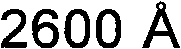
在下一步骤中,通过利用约5.0与约9.0之间的氢气/硅烷稀释比例、流率相当于约1∶1与约1∶3掺杂物:硅比例之间的0.5%磷化氢(PH3)气体/硅烷气体混合物比例的掺杂前体、约68(3600瓦)与约114毫瓦/cm2(6000瓦)之间的RF等离子体功率、以及约1与约3托之间的腔室压力长达约24与约36秒之间的时间,n型掺杂非晶层1026被沉积于i型本征型层1024表面上。在一示例中,
在下一步骤中,通过利用约5.0与约9.0之间的氢/硅烷稀释比例、流率相当于约1∶2与约1∶5(磷化氢∶硅比例)之间的0.5%磷化氢(PH3)气体/硅烷气体混合物比例的掺杂前体、约68毫瓦/cm2(3600瓦)与约113毫瓦/cm2(6000瓦)之间的RF等离子体功率、及约1与约3托之间的腔室压力长达约8与约25秒之间以形成50至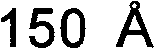

在n与n+层形成之后,接着再度在处理容积中产生等离子体以如上所述地消除基材上的静电。在一实施例中,此步骤包括在不同基材至喷头间距下的多个子步骤,例如不同间距下的6个步骤,以完全消除静电。在一实施例中,流过处理容积的气体包括氢气。在一示例中,所谓的“功率提升步骤”包括以约10.3sccm/L(30,000sccm)的流率提供氢气以达到约2.0托的腔室压力,同时将基材与喷头410相隔约1400密耳地放置,并传送约57毫瓦/cm2的RF功率长达约3秒。在另一示例中,功率提升步骤包括第一步骤与第二步骤。在第一步骤中,氢气流率为约10.3sccm/L(30,000sccm)以达到约2.0托的腔室压力,同时将基材与喷头410相隔约1400密耳地放置,并传送约57毫瓦/cm2的RF功率长达约3秒。在第二步骤中,氢气流率为约10.3sccm/L(30,000sccm)以达到约2.0托的腔室压力,同时将基材与喷头410相隔约6000密耳地放置,并传送约57毫瓦/cm2的RF功率长达约5秒。After the n and n + layers are formed, a plasma is then again generated in the process volume to eliminate static electricity on the substrate as described above. In one embodiment, this step includes multiple sub-steps at different distances from the substrate to the shower head, for example, 6 steps at different distances, so as to eliminate static electricity completely. In one embodiment, the gas flowing through the processing volume includes hydrogen. In one example, the so-called "power boost step" includes providing hydrogen gas at a flow rate of about 10.3 sccm/L (30,000 sccm) to achieve a chamber pressure of about 2.0 Torr while separating the substrate from the
虽然前述内容涉及本发明的实施例,但可在不脱离本发明基本范围的情况下设计本发明的其它和进一步的实施例,且本发明的范围是由所附权利要求加以限定。例如,图4中的处理室以水平位置示出。可以理解在本发明的其它实施例中,处理室可处于任何非水平位置,例如垂直。举例来说,已经参照图5的多处理室丛集工具来描述本发明的实施例。可以理解的是,本发明实施例还可在直列(in-line)系统和直列/丛集混合系统中实现。例如,已经参照配置成形成第一p-i-n结和第二p-i-n结的第一系统来描述本发明的实施例。可以理解的是,在发明的其它实施例中,第一p-i-n结和第二p-i-n结可在单一系统中形成。例如,已经参照适合沉积本征型层和n型层两者的处理室来描述本发明的实施例。可以理解的是,在发明的其它实施例中,不同的腔室可适合沉积本征型层和n型层。可以理解的是,在发明的其它实施例中,处理室可适于沉积p型层和本征型层两者。While the foregoing relates to embodiments of the invention, other and further embodiments of the invention may be devised without departing from the essential scope of the invention, which is defined by the appended claims. For example, the processing chamber in Figure 4 is shown in a horizontal position. It is understood that in other embodiments of the invention, the processing chamber may be in any non-horizontal position, such as vertical. By way of example, embodiments of the invention have been described with reference to the multi-chamber cluster tool of FIG. 5 . It can be understood that the embodiments of the present invention can also be implemented in an in-line (in-line) system and an in-line/cluster hybrid system. For example, embodiments of the invention have been described with reference to a first system configured to form a first p-i-n junction and a second p-i-n junction. It is understood that in other embodiments of the invention, the first p-i-n junction and the second p-i-n junction may be formed in a single system. For example, embodiments of the invention have been described with reference to processing chambers suitable for depositing both intrinsic and n-type layers. It is understood that in other embodiments of the invention, different chambers may be suitable for depositing intrinsic and n-type layers. It will be appreciated that in other embodiments of the invention, the processing chamber may be adapted to deposit both p-type and intrinsic-type layers.
Claims (26)
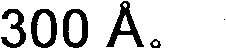
Applications Claiming Priority (7)
| Application Number | Priority Date | Filing Date | Title |
|---|---|---|---|
| US95160807P | 2007-07-24 | 2007-07-24 | |
| US60/951,608 | 2007-07-24 | ||
| US98240007P | 2007-10-24 | 2007-10-24 | |
| US60/982,400 | 2007-10-24 | ||
| US12/110,120 US20080223440A1 (en) | 2007-01-18 | 2008-04-25 | Multi-junction solar cells and methods and apparatuses for forming the same |
| US12/110,120 | 2008-04-25 | ||
| PCT/US2008/070900 WO2009015213A1 (en) | 2007-07-24 | 2008-07-23 | Multi-junction solar cells and methods and apparatuses for forming the same |
Publications (2)
| Publication Number | Publication Date |
|---|---|
| CN101542745A CN101542745A (en) | 2009-09-23 |
| CN101542745B true CN101542745B (en) | 2013-03-06 |
Family
ID=40281799
Family Applications (1)
| Application Number | Title | Priority Date | Filing Date |
|---|---|---|---|
| CN2008800001789A Expired - Fee Related CN101542745B (en) | 2007-07-24 | 2008-07-23 | Multi-junction solar cells and methods and apparatuses for forming the same |
Country Status (6)
| Country | Link |
|---|---|
| EP (1) | EP2171759A1 (en) |
| JP (1) | JP2010534938A (en) |
| KR (1) | KR101019273B1 (en) |
| CN (1) | CN101542745B (en) |
| TW (1) | TW200913292A (en) |
| WO (1) | WO2009015213A1 (en) |
Families Citing this family (23)
| Publication number | Priority date | Publication date | Assignee | Title |
|---|---|---|---|---|
| EP2215652A4 (en) * | 2007-11-02 | 2011-10-05 | Applied Materials Inc | PLASMA PROCESSING BETWEEN DEPOSITION PROCESSES |
| FR2949237B1 (en) * | 2009-08-24 | 2011-09-30 | Ecole Polytech | METHOD OF CLEANING THE SURFACE OF A SILICON SUBSTRATE |
| KR100989615B1 (en) * | 2009-09-02 | 2010-10-26 | 엘지전자 주식회사 | Solar cell |
| TWI405343B (en) * | 2009-09-09 | 2013-08-11 | Univ Nat Pingtung Sci & Tech | Flexible solar cell with high conversion efficiency and the manufacturing method |
| TWI415137B (en) * | 2009-12-17 | 2013-11-11 | Macronix Int Co Ltd | Local word line driver |
| TWI459571B (en) * | 2009-12-29 | 2014-11-01 | Epistar Corp | Solar cell |
| TWI407578B (en) * | 2009-12-31 | 2013-09-01 | Metal Ind Res Anddevelopment Ct | Chemical vapor deposition process |
| WO2011097745A1 (en) * | 2010-02-10 | 2011-08-18 | Oerlikon Solar Ag, Trübbach | Method for manufacturing a solar panel |
| TWI415278B (en) * | 2010-02-11 | 2013-11-11 | Nexpower Technology Corp | Multi-layered thin-film solar cell |
| CN102194903B (en) * | 2010-03-19 | 2013-07-31 | 晶元光电股份有限公司 | A kind of solar cell with graded buffer layer |
| JP5540431B2 (en) * | 2010-07-30 | 2014-07-02 | 国立大学法人東北大学 | Photoelectric conversion member |
| KR101143477B1 (en) * | 2011-01-28 | 2012-05-22 | (재)나노소자특화팹센터 | Organic solar cell and method of fabricating the same |
| KR101573029B1 (en) * | 2011-02-23 | 2015-12-03 | 한국전자통신연구원 | Thin film solar cells and methods for fabricating the same |
| JP5409675B2 (en) * | 2011-03-08 | 2014-02-05 | 三菱電機株式会社 | Thin film solar cell and manufacturing method thereof |
| TWI467782B (en) * | 2011-06-21 | 2015-01-01 | Asiatree Technology Co Ltd | Thin film solar cell |
| WO2013167282A1 (en) * | 2012-05-10 | 2013-11-14 | Tel Solar Ag | Silicon-based solar cells with improved resistance to light-induced degradation |
| CN105470339A (en) * | 2014-08-08 | 2016-04-06 | 上海建冶环保科技股份有限公司 | Nanosilicon thin-film multi-junction solar cell |
| TWI511316B (en) * | 2015-02-13 | 2015-12-01 | Neo Solar Power Corp | Heterojunction solar cell and method of manufacturing same |
| DE102015015017A1 (en) * | 2015-11-19 | 2017-05-24 | Institut Für Solarenergieforschung Gmbh | A solar cell and method of making a solar cell having a plurality of absorbers interconnected by charge carrier selective contacts |
| CN105489669B (en) * | 2015-11-26 | 2018-10-26 | 新奥光伏能源有限公司 | A kind of silicon heterogenous solar cell and its interface processing method |
| JP6612359B2 (en) * | 2015-12-24 | 2019-11-27 | 株式会社カネカ | Method for manufacturing photoelectric conversion device |
| KR101879363B1 (en) * | 2017-01-17 | 2018-08-16 | 엘지전자 주식회사 | Manufacturng method of solar cell |
| CN111640816B (en) * | 2020-06-10 | 2025-07-08 | 通威太阳能(金堂)有限公司 | Heterojunction solar cell, laminated tile assembly and manufacturing method |
Citations (4)
| Publication number | Priority date | Publication date | Assignee | Title |
|---|---|---|---|---|
| US5256887A (en) * | 1991-07-19 | 1993-10-26 | Solarex Corporation | Photovoltaic device including a boron doping profile in an i-type layer |
| US5730808A (en) * | 1996-06-27 | 1998-03-24 | Amoco/Enron Solar | Producing solar cells by surface preparation for accelerated nucleation of microcrystalline silicon on heterogeneous substrates |
| CN1220484A (en) * | 1997-11-27 | 1999-06-23 | 佳能株式会社 | Method of forming microcrystalline sillicon film, photovoltaic element, and method of producing same |
| US6242686B1 (en) * | 1998-06-12 | 2001-06-05 | Sharp Kabushiki Kaisha | Photovoltaic device and process for producing the same |
Family Cites Families (4)
| Publication number | Priority date | Publication date | Assignee | Title |
|---|---|---|---|---|
| JP4335351B2 (en) * | 1999-02-26 | 2009-09-30 | 株式会社カネカ | Manufacturing method of silicon-based thin film photoelectric conversion device |
| JP2002033499A (en) | 2000-07-18 | 2002-01-31 | Sanyo Electric Co Ltd | Photovoltaic device |
| JP4257332B2 (en) * | 2003-07-24 | 2009-04-22 | 株式会社カネカ | Silicon-based thin film solar cell |
| JP2006269607A (en) * | 2005-03-23 | 2006-10-05 | Canon Inc | Photovoltaic element manufacturing method |
-
2008
- 2008-07-23 WO PCT/US2008/070900 patent/WO2009015213A1/en not_active Ceased
- 2008-07-23 JP JP2010518358A patent/JP2010534938A/en not_active Withdrawn
- 2008-07-23 EP EP08782269A patent/EP2171759A1/en not_active Withdrawn
- 2008-07-23 CN CN2008800001789A patent/CN101542745B/en not_active Expired - Fee Related
- 2008-07-23 KR KR1020087026072A patent/KR101019273B1/en not_active Expired - Fee Related
- 2008-07-24 TW TW097128158A patent/TW200913292A/en unknown
Patent Citations (4)
| Publication number | Priority date | Publication date | Assignee | Title |
|---|---|---|---|---|
| US5256887A (en) * | 1991-07-19 | 1993-10-26 | Solarex Corporation | Photovoltaic device including a boron doping profile in an i-type layer |
| US5730808A (en) * | 1996-06-27 | 1998-03-24 | Amoco/Enron Solar | Producing solar cells by surface preparation for accelerated nucleation of microcrystalline silicon on heterogeneous substrates |
| CN1220484A (en) * | 1997-11-27 | 1999-06-23 | 佳能株式会社 | Method of forming microcrystalline sillicon film, photovoltaic element, and method of producing same |
| US6242686B1 (en) * | 1998-06-12 | 2001-06-05 | Sharp Kabushiki Kaisha | Photovoltaic device and process for producing the same |
Also Published As
| Publication number | Publication date |
|---|---|
| TW200913292A (en) | 2009-03-16 |
| KR20090035471A (en) | 2009-04-09 |
| KR101019273B1 (en) | 2011-03-07 |
| EP2171759A1 (en) | 2010-04-07 |
| JP2010534938A (en) | 2010-11-11 |
| CN101542745A (en) | 2009-09-23 |
| WO2009015213A1 (en) | 2009-01-29 |
Similar Documents
| Publication | Publication Date | Title |
|---|---|---|
| CN101542745B (en) | Multi-junction solar cells and methods and apparatuses for forming the same | |
| US8203071B2 (en) | Multi-junction solar cells and methods and apparatuses for forming the same | |
| US7582515B2 (en) | Multi-junction solar cells and methods and apparatuses for forming the same | |
| US20080173350A1 (en) | Multi-junction solar cells and methods and apparatuses for forming the same | |
| US7741144B2 (en) | Plasma treatment between deposition processes | |
| CN101836299B (en) | Microcrystalline silicon deposition for thin film solar applications | |
| US20080223440A1 (en) | Multi-junction solar cells and methods and apparatuses for forming the same | |
| US20110240114A1 (en) | Method of forming a negatively charged passivation layer over a diffused p-type region | |
| US20130247972A1 (en) | Passivation film stack for silicon-based solar cells | |
| EP2187446A2 (en) | Microcrystalline silicon alloys for thin film and wafer based solar applications | |
| WO2013130179A2 (en) | Buffer layer for improving the performance and stability of surface passivation of si solar cells | |
| US20130112264A1 (en) | Methods for forming a doped amorphous silicon oxide layer for solar cell devices | |
| JP2012523715A (en) | Pulsed plasma deposition to form microcrystalline silicon layers for solar cells | |
| KR20100016349A (en) | Methods for forming a photovoltaic device with low contact resistance | |
| CN101803039A (en) | NIP-NIP thin-film photovoltaic structure | |
| US20110114177A1 (en) | Mixed silicon phase film for high efficiency thin film silicon solar cells | |
| CN102356474A (en) | High quality tco-silicon interface contact structure for high efficiency thin film silicon solar cells | |
| US20110171774A1 (en) | Cleaning optimization of pecvd solar films | |
| US20110275200A1 (en) | Methods of dynamically controlling film microstructure formed in a microcrystalline layer |
Legal Events
| Date | Code | Title | Description |
|---|---|---|---|
| C06 | Publication | ||
| PB01 | Publication | ||
| C10 | Entry into substantive examination | ||
| SE01 | Entry into force of request for substantive examination | ||
| C53 | Correction of patent of invention or patent application | ||
| CB02 | Change of applicant information |
Address after: American California Applicant after: Applied Materials Inc. Address before: American California Applicant before: Applied Materials Inc. |
|
| C14 | Grant of patent or utility model | ||
| GR01 | Patent grant | ||
| CF01 | Termination of patent right due to non-payment of annual fee |
Granted publication date: 20130306 Termination date: 20140723 |
|
| EXPY | Termination of patent right or utility model |