CN102272605A - Antibody-guided fragment growth - Google Patents
Antibody-guided fragment growth Download PDFInfo
- Publication number
- CN102272605A CN102272605A CN2010800042818A CN201080004281A CN102272605A CN 102272605 A CN102272605 A CN 102272605A CN 2010800042818 A CN2010800042818 A CN 2010800042818A CN 201080004281 A CN201080004281 A CN 201080004281A CN 102272605 A CN102272605 A CN 102272605A
- Authority
- CN
- China
- Prior art keywords
- antibody
- target protein
- fragment
- compound
- contact
- Prior art date
- Legal status (The legal status is an assumption and is not a legal conclusion. Google has not performed a legal analysis and makes no representation as to the accuracy of the status listed.)
- Pending
Links
- 239000012634 fragment Substances 0.000 title claims abstract description 201
- 108090000623 proteins and genes Proteins 0.000 claims abstract description 256
- 102000004169 proteins and genes Human genes 0.000 claims abstract description 252
- 238000000034 method Methods 0.000 claims abstract description 98
- 230000003993 interaction Effects 0.000 claims abstract description 36
- 230000004071 biological effect Effects 0.000 claims abstract description 21
- 150000001875 compounds Chemical class 0.000 claims description 127
- 230000027455 binding Effects 0.000 claims description 98
- 238000012216 screening Methods 0.000 claims description 26
- 239000000126 substance Substances 0.000 claims description 25
- 238000002425 crystallisation Methods 0.000 claims description 5
- 230000008569 process Effects 0.000 claims description 3
- 230000004952 protein activity Effects 0.000 claims description 3
- 230000009471 action Effects 0.000 claims description 2
- 230000008859 change Effects 0.000 claims 3
- 230000006872 improvement Effects 0.000 claims 3
- 230000001105 regulatory effect Effects 0.000 claims 1
- 238000012956 testing procedure Methods 0.000 claims 1
- -1 small molecule compounds Chemical class 0.000 abstract description 19
- 150000003384 small molecules Chemical group 0.000 abstract description 18
- 238000003786 synthesis reaction Methods 0.000 abstract description 7
- 230000015572 biosynthetic process Effects 0.000 abstract description 6
- 238000007876 drug discovery Methods 0.000 abstract description 4
- 229940000406 drug candidate Drugs 0.000 abstract description 2
- 125000004429 atom Chemical group 0.000 description 111
- 235000018102 proteins Nutrition 0.000 description 45
- 108010032595 Antibody Binding Sites Proteins 0.000 description 29
- 108090000765 processed proteins & peptides Proteins 0.000 description 26
- 102000004196 processed proteins & peptides Human genes 0.000 description 25
- 229920001184 polypeptide Polymers 0.000 description 23
- 230000000694 effects Effects 0.000 description 21
- 239000013078 crystal Substances 0.000 description 19
- 108010047041 Complementarity Determining Regions Proteins 0.000 description 17
- 102000004127 Cytokines Human genes 0.000 description 17
- 108090000695 Cytokines Proteins 0.000 description 17
- 108010054477 Immunoglobulin Fab Fragments Proteins 0.000 description 12
- 102000001706 Immunoglobulin Fab Fragments Human genes 0.000 description 12
- 210000004027 cell Anatomy 0.000 description 12
- IJGRMHOSHXDMSA-UHFFFAOYSA-N Atomic nitrogen Chemical compound N#N IJGRMHOSHXDMSA-UHFFFAOYSA-N 0.000 description 10
- 239000003814 drug Substances 0.000 description 10
- 239000001257 hydrogen Substances 0.000 description 10
- 229910052739 hydrogen Inorganic materials 0.000 description 10
- 239000003446 ligand Substances 0.000 description 10
- 108020003175 receptors Proteins 0.000 description 10
- 102000005962 receptors Human genes 0.000 description 10
- 230000003472 neutralizing effect Effects 0.000 description 9
- ISWSIDIOOBJBQZ-UHFFFAOYSA-N phenol group Chemical group C1(=CC=CC=C1)O ISWSIDIOOBJBQZ-UHFFFAOYSA-N 0.000 description 9
- 101100315624 Caenorhabditis elegans tyr-1 gene Proteins 0.000 description 8
- 230000009878 intermolecular interaction Effects 0.000 description 8
- 150000001413 amino acids Chemical group 0.000 description 7
- 238000004458 analytical method Methods 0.000 description 7
- 229940079593 drug Drugs 0.000 description 7
- 238000005516 engineering process Methods 0.000 description 7
- 238000002424 x-ray crystallography Methods 0.000 description 7
- 235000001014 amino acid Nutrition 0.000 description 6
- 229940024606 amino acid Drugs 0.000 description 6
- 238000001514 detection method Methods 0.000 description 6
- 102100025698 Cytosolic carboxypeptidase 4 Human genes 0.000 description 5
- 238000002474 experimental method Methods 0.000 description 5
- 239000000203 mixture Substances 0.000 description 5
- 229910052757 nitrogen Inorganic materials 0.000 description 5
- 230000006916 protein interaction Effects 0.000 description 5
- 241000894007 species Species 0.000 description 5
- 108020004414 DNA Proteins 0.000 description 4
- 108060003951 Immunoglobulin Proteins 0.000 description 4
- 102000008394 Immunoglobulin Fragments Human genes 0.000 description 4
- 108010021625 Immunoglobulin Fragments Proteins 0.000 description 4
- 238000013459 approach Methods 0.000 description 4
- 238000003556 assay Methods 0.000 description 4
- QVGXLLKOCUKJST-UHFFFAOYSA-N atomic oxygen Chemical compound [O] QVGXLLKOCUKJST-UHFFFAOYSA-N 0.000 description 4
- 230000008025 crystallization Effects 0.000 description 4
- 238000002447 crystallographic data Methods 0.000 description 4
- 238000002050 diffraction method Methods 0.000 description 4
- 238000009510 drug design Methods 0.000 description 4
- 230000009881 electrostatic interaction Effects 0.000 description 4
- 102000018358 immunoglobulin Human genes 0.000 description 4
- 230000003278 mimic effect Effects 0.000 description 4
- 238000012986 modification Methods 0.000 description 4
- 230000004048 modification Effects 0.000 description 4
- 125000004433 nitrogen atom Chemical group N* 0.000 description 4
- 229910052760 oxygen Inorganic materials 0.000 description 4
- 239000001301 oxygen Substances 0.000 description 4
- 125000004430 oxygen atom Chemical group O* 0.000 description 4
- 238000012552 review Methods 0.000 description 4
- 239000000243 solution Substances 0.000 description 4
- 238000002198 surface plasmon resonance spectroscopy Methods 0.000 description 4
- 241000251730 Chondrichthyes Species 0.000 description 3
- 108090000790 Enzymes Proteins 0.000 description 3
- 102000004190 Enzymes Human genes 0.000 description 3
- 241000588724 Escherichia coli Species 0.000 description 3
- PEDCQBHIVMGVHV-UHFFFAOYSA-N Glycerine Chemical compound OCC(O)CO PEDCQBHIVMGVHV-UHFFFAOYSA-N 0.000 description 3
- 101000932590 Homo sapiens Cytosolic carboxypeptidase 4 Proteins 0.000 description 3
- 241001465754 Metazoa Species 0.000 description 3
- 101001033003 Mus musculus Granzyme F Proteins 0.000 description 3
- 108010003723 Single-Domain Antibodies Proteins 0.000 description 3
- 239000000427 antigen Substances 0.000 description 3
- 108091007433 antigens Proteins 0.000 description 3
- 102000036639 antigens Human genes 0.000 description 3
- 235000018417 cysteine Nutrition 0.000 description 3
- 238000011161 development Methods 0.000 description 3
- 230000018109 developmental process Effects 0.000 description 3
- 229940088598 enzyme Drugs 0.000 description 3
- 238000002523 gelfiltration Methods 0.000 description 3
- 239000001963 growth medium Substances 0.000 description 3
- 210000004408 hybridoma Anatomy 0.000 description 3
- RAXXELZNTBOGNW-UHFFFAOYSA-N imidazole Natural products C1=CNC=N1 RAXXELZNTBOGNW-UHFFFAOYSA-N 0.000 description 3
- 239000003112 inhibitor Substances 0.000 description 3
- 150000002611 lead compounds Chemical class 0.000 description 3
- 210000004698 lymphocyte Anatomy 0.000 description 3
- 238000002703 mutagenesis Methods 0.000 description 3
- 231100000350 mutagenesis Toxicity 0.000 description 3
- 238000002823 phage display Methods 0.000 description 3
- 230000003389 potentiating effect Effects 0.000 description 3
- 238000004062 sedimentation Methods 0.000 description 3
- 239000007790 solid phase Substances 0.000 description 3
- 238000003041 virtual screening Methods 0.000 description 3
- QCVGEOXPDFCNHA-UHFFFAOYSA-N 5,5-dimethyl-2,4-dioxo-1,3-oxazolidine-3-carboxamide Chemical compound CC1(C)OC(=O)N(C(N)=O)C1=O QCVGEOXPDFCNHA-UHFFFAOYSA-N 0.000 description 2
- 235000002198 Annona diversifolia Nutrition 0.000 description 2
- 241000282832 Camelidae Species 0.000 description 2
- 102000002322 Egg Proteins Human genes 0.000 description 2
- 108010000912 Egg Proteins Proteins 0.000 description 2
- 108700005091 Immunoglobulin Genes Proteins 0.000 description 2
- OUYCCCASQSFEME-QMMMGPOBSA-N L-tyrosine Chemical compound OC(=O)[C@@H](N)CC1=CC=C(O)C=C1 OUYCCCASQSFEME-QMMMGPOBSA-N 0.000 description 2
- 241000282838 Lama Species 0.000 description 2
- 102000016943 Muramidase Human genes 0.000 description 2
- 108010014251 Muramidase Proteins 0.000 description 2
- 241000699670 Mus sp. Species 0.000 description 2
- 108010062010 N-Acetylmuramoyl-L-alanine Amidase Proteins 0.000 description 2
- FAPWRFPIFSIZLT-UHFFFAOYSA-M Sodium chloride Chemical compound [Na+].[Cl-] FAPWRFPIFSIZLT-UHFFFAOYSA-M 0.000 description 2
- NINIDFKCEFEMDL-UHFFFAOYSA-N Sulfur Chemical compound [S] NINIDFKCEFEMDL-UHFFFAOYSA-N 0.000 description 2
- 239000000370 acceptor Substances 0.000 description 2
- 230000003213 activating effect Effects 0.000 description 2
- 230000009824 affinity maturation Effects 0.000 description 2
- 230000003042 antagnostic effect Effects 0.000 description 2
- 238000002820 assay format Methods 0.000 description 2
- 239000011324 bead Substances 0.000 description 2
- 230000008901 benefit Effects 0.000 description 2
- 239000011230 binding agent Substances 0.000 description 2
- 238000004166 bioassay Methods 0.000 description 2
- 239000000872 buffer Substances 0.000 description 2
- 238000005119 centrifugation Methods 0.000 description 2
- 238000004590 computer program Methods 0.000 description 2
- 230000008878 coupling Effects 0.000 description 2
- 238000010168 coupling process Methods 0.000 description 2
- 238000005859 coupling reaction Methods 0.000 description 2
- 150000001945 cysteines Chemical class 0.000 description 2
- 238000013461 design Methods 0.000 description 2
- 238000006073 displacement reaction Methods 0.000 description 2
- 235000014103 egg white Nutrition 0.000 description 2
- 210000000969 egg white Anatomy 0.000 description 2
- 125000004435 hydrogen atom Chemical group [H]* 0.000 description 2
- 238000010348 incorporation Methods 0.000 description 2
- 230000002401 inhibitory effect Effects 0.000 description 2
- 239000007788 liquid Substances 0.000 description 2
- 239000006166 lysate Substances 0.000 description 2
- 229960000274 lysozyme Drugs 0.000 description 2
- 235000010335 lysozyme Nutrition 0.000 description 2
- 239000004325 lysozyme Substances 0.000 description 2
- 238000004519 manufacturing process Methods 0.000 description 2
- 230000035772 mutation Effects 0.000 description 2
- HGASFNYMVGEKTF-UHFFFAOYSA-N octan-1-ol;hydrate Chemical compound O.CCCCCCCCO HGASFNYMVGEKTF-UHFFFAOYSA-N 0.000 description 2
- 238000005192 partition Methods 0.000 description 2
- 230000001575 pathological effect Effects 0.000 description 2
- 239000008194 pharmaceutical composition Substances 0.000 description 2
- 239000012071 phase Substances 0.000 description 2
- 238000004393 prognosis Methods 0.000 description 2
- 238000000159 protein binding assay Methods 0.000 description 2
- 230000008929 regeneration Effects 0.000 description 2
- 238000011069 regeneration method Methods 0.000 description 2
- 239000000523 sample Substances 0.000 description 2
- 230000011664 signaling Effects 0.000 description 2
- 238000002791 soaking Methods 0.000 description 2
- 230000009870 specific binding Effects 0.000 description 2
- 238000005556 structure-activity relationship Methods 0.000 description 2
- 238000006467 substitution reaction Methods 0.000 description 2
- 229910052717 sulfur Inorganic materials 0.000 description 2
- 239000011593 sulfur Substances 0.000 description 2
- 230000002194 synthesizing effect Effects 0.000 description 2
- 230000001225 therapeutic effect Effects 0.000 description 2
- OUYCCCASQSFEME-UHFFFAOYSA-N tyrosine Natural products OC(=O)C(N)CC1=CC=C(O)C=C1 OUYCCCASQSFEME-UHFFFAOYSA-N 0.000 description 2
- QKNYBSVHEMOAJP-UHFFFAOYSA-N 2-amino-2-(hydroxymethyl)propane-1,3-diol;hydron;chloride Chemical compound Cl.OCC(N)(CO)CO QKNYBSVHEMOAJP-UHFFFAOYSA-N 0.000 description 1
- 241000251468 Actinopterygii Species 0.000 description 1
- 108010049777 Ankyrins Proteins 0.000 description 1
- 102000008102 Ankyrins Human genes 0.000 description 1
- 108091023037 Aptamer Proteins 0.000 description 1
- 239000004475 Arginine Substances 0.000 description 1
- DCXYFEDJOCDNAF-UHFFFAOYSA-N Asparagine Natural products OC(=O)C(N)CC(N)=O DCXYFEDJOCDNAF-UHFFFAOYSA-N 0.000 description 1
- 241000894006 Bacteria Species 0.000 description 1
- 241000283690 Bos taurus Species 0.000 description 1
- 102100021786 CMP-N-acetylneuraminate-poly-alpha-2,8-sialyltransferase Human genes 0.000 description 1
- 241000282836 Camelus dromedarius Species 0.000 description 1
- 101710167800 Capsid assembly scaffolding protein Proteins 0.000 description 1
- 108010078791 Carrier Proteins Proteins 0.000 description 1
- 108091006146 Channels Proteins 0.000 description 1
- 108020004635 Complementary DNA Proteins 0.000 description 1
- 102100025287 Cytochrome b Human genes 0.000 description 1
- 108010075028 Cytochromes b Proteins 0.000 description 1
- 241000255925 Diptera Species 0.000 description 1
- 238000002965 ELISA Methods 0.000 description 1
- 241000196324 Embryophyta Species 0.000 description 1
- 102000016359 Fibronectins Human genes 0.000 description 1
- 108010067306 Fibronectins Proteins 0.000 description 1
- 241000282412 Homo Species 0.000 description 1
- 101000616698 Homo sapiens CMP-N-acetylneuraminate-poly-alpha-2,8-sialyltransferase Proteins 0.000 description 1
- 108010067060 Immunoglobulin Variable Region Proteins 0.000 description 1
- 102000017727 Immunoglobulin Variable Region Human genes 0.000 description 1
- DCXYFEDJOCDNAF-REOHCLBHSA-N L-asparagine Chemical compound OC(=O)[C@@H](N)CC(N)=O DCXYFEDJOCDNAF-REOHCLBHSA-N 0.000 description 1
- 108050006654 Lipocalin Proteins 0.000 description 1
- 102000019298 Lipocalin Human genes 0.000 description 1
- 239000007987 MES buffer Substances 0.000 description 1
- 241000124008 Mammalia Species 0.000 description 1
- 241001529936 Murinae Species 0.000 description 1
- 241000283973 Oryctolagus cuniculus Species 0.000 description 1
- 241001494479 Pecora Species 0.000 description 1
- 241000276498 Pollachius virens Species 0.000 description 1
- 229920002594 Polyethylene Glycol 8000 Polymers 0.000 description 1
- 101710130420 Probable capsid assembly scaffolding protein Proteins 0.000 description 1
- 241000700159 Rattus Species 0.000 description 1
- 102000007056 Recombinant Fusion Proteins Human genes 0.000 description 1
- 108010008281 Recombinant Fusion Proteins Proteins 0.000 description 1
- 238000003111 SAR by NMR Methods 0.000 description 1
- 101710204410 Scaffold protein Proteins 0.000 description 1
- 241000282887 Suidae Species 0.000 description 1
- 241000251539 Vertebrata <Metazoa> Species 0.000 description 1
- 241000700605 Viruses Species 0.000 description 1
- 238000002441 X-ray diffraction Methods 0.000 description 1
- HCHKCACWOHOZIP-UHFFFAOYSA-N Zinc Chemical compound [Zn] HCHKCACWOHOZIP-UHFFFAOYSA-N 0.000 description 1
- 238000002835 absorbance Methods 0.000 description 1
- 238000007792 addition Methods 0.000 description 1
- 239000002671 adjuvant Substances 0.000 description 1
- 238000001042 affinity chromatography Methods 0.000 description 1
- 230000001270 agonistic effect Effects 0.000 description 1
- 238000012867 alanine scanning Methods 0.000 description 1
- 125000000539 amino acid group Chemical group 0.000 description 1
- BFNBIHQBYMNNAN-UHFFFAOYSA-N ammonium sulfate Chemical compound N.N.OS(O)(=O)=O BFNBIHQBYMNNAN-UHFFFAOYSA-N 0.000 description 1
- 229910052921 ammonium sulfate Inorganic materials 0.000 description 1
- 235000011130 ammonium sulphate Nutrition 0.000 description 1
- 239000005557 antagonist Substances 0.000 description 1
- 230000009833 antibody interaction Effects 0.000 description 1
- 239000012062 aqueous buffer Substances 0.000 description 1
- ODKSFYDXXFIFQN-UHFFFAOYSA-N arginine Natural products OC(=O)C(N)CCCNC(N)=N ODKSFYDXXFIFQN-UHFFFAOYSA-N 0.000 description 1
- 125000000637 arginyl group Chemical group N[C@@H](CCCNC(N)=N)C(=O)* 0.000 description 1
- 235000009582 asparagine Nutrition 0.000 description 1
- 229960001230 asparagine Drugs 0.000 description 1
- 210000003719 b-lymphocyte Anatomy 0.000 description 1
- 230000001580 bacterial effect Effects 0.000 description 1
- 230000000903 blocking effect Effects 0.000 description 1
- 239000007853 buffer solution Substances 0.000 description 1
- 238000004364 calculation method Methods 0.000 description 1
- 238000005251 capillar electrophoresis Methods 0.000 description 1
- 239000000969 carrier Substances 0.000 description 1
- 238000000423 cell based assay Methods 0.000 description 1
- 238000004113 cell culture Methods 0.000 description 1
- 239000013626 chemical specie Substances 0.000 description 1
- 239000003795 chemical substances by application Substances 0.000 description 1
- 238000010367 cloning Methods 0.000 description 1
- 238000004891 communication Methods 0.000 description 1
- 238000000205 computational method Methods 0.000 description 1
- 238000005094 computer simulation Methods 0.000 description 1
- 238000012866 crystallographic experiment Methods 0.000 description 1
- XUJNEKJLAYXESH-UHFFFAOYSA-N cysteine Natural products SCC(N)C(O)=O XUJNEKJLAYXESH-UHFFFAOYSA-N 0.000 description 1
- 238000012217 deletion Methods 0.000 description 1
- 230000037430 deletion Effects 0.000 description 1
- 229910003460 diamond Inorganic materials 0.000 description 1
- 239000010432 diamond Substances 0.000 description 1
- 239000003085 diluting agent Substances 0.000 description 1
- 201000010099 disease Diseases 0.000 description 1
- 208000037265 diseases, disorders, signs and symptoms Diseases 0.000 description 1
- 238000010494 dissociation reaction Methods 0.000 description 1
- 230000005593 dissociations Effects 0.000 description 1
- 239000003937 drug carrier Substances 0.000 description 1
- RDYMFSUJUZBWLH-UHFFFAOYSA-N endosulfan Chemical compound C12COS(=O)OCC2C2(Cl)C(Cl)=C(Cl)C1(Cl)C2(Cl)Cl RDYMFSUJUZBWLH-UHFFFAOYSA-N 0.000 description 1
- 238000001952 enzyme assay Methods 0.000 description 1
- 238000001704 evaporation Methods 0.000 description 1
- 230000008020 evaporation Effects 0.000 description 1
- 238000002866 fluorescence resonance energy transfer Methods 0.000 description 1
- 108020001507 fusion proteins Proteins 0.000 description 1
- 102000037865 fusion proteins Human genes 0.000 description 1
- PCHJSUWPFVWCPO-UHFFFAOYSA-N gold Chemical compound [Au] PCHJSUWPFVWCPO-UHFFFAOYSA-N 0.000 description 1
- 239000010931 gold Substances 0.000 description 1
- 229910052737 gold Inorganic materials 0.000 description 1
- 239000000710 homodimer Substances 0.000 description 1
- 238000003384 imaging method Methods 0.000 description 1
- 230000001900 immune effect Effects 0.000 description 1
- 238000000338 in vitro Methods 0.000 description 1
- 238000011534 incubation Methods 0.000 description 1
- 230000006698 induction Effects 0.000 description 1
- 230000000977 initiatory effect Effects 0.000 description 1
- 230000010354 integration Effects 0.000 description 1
- BPHPUYQFMNQIOC-NXRLNHOXSA-N isopropyl beta-D-thiogalactopyranoside Chemical compound CC(C)S[C@@H]1O[C@H](CO)[C@H](O)[C@H](O)[C@H]1O BPHPUYQFMNQIOC-NXRLNHOXSA-N 0.000 description 1
- 210000003734 kidney Anatomy 0.000 description 1
- 238000002898 library design Methods 0.000 description 1
- 210000004962 mammalian cell Anatomy 0.000 description 1
- 238000004949 mass spectrometry Methods 0.000 description 1
- 239000000463 material Substances 0.000 description 1
- 238000005259 measurement Methods 0.000 description 1
- 230000001404 mediated effect Effects 0.000 description 1
- MYWUZJCMWCOHBA-VIFPVBQESA-N methamphetamine Chemical compound CN[C@@H](C)CC1=CC=CC=C1 MYWUZJCMWCOHBA-VIFPVBQESA-N 0.000 description 1
- 238000002493 microarray Methods 0.000 description 1
- 210000002500 microbody Anatomy 0.000 description 1
- 238000000324 molecular mechanic Methods 0.000 description 1
- 238000000302 molecular modelling Methods 0.000 description 1
- 239000002547 new drug Substances 0.000 description 1
- 238000000655 nuclear magnetic resonance spectrum Methods 0.000 description 1
- 238000011275 oncology therapy Methods 0.000 description 1
- 238000005457 optimization Methods 0.000 description 1
- 239000000816 peptidomimetic Substances 0.000 description 1
- 239000000546 pharmaceutical excipient Substances 0.000 description 1
- 238000001556 precipitation Methods 0.000 description 1
- 150000003141 primary amines Chemical class 0.000 description 1
- 238000012913 prioritisation Methods 0.000 description 1
- 238000012545 processing Methods 0.000 description 1
- 238000000746 purification Methods 0.000 description 1
- 238000007670 refining Methods 0.000 description 1
- 238000011160 research Methods 0.000 description 1
- 239000011347 resin Substances 0.000 description 1
- 229920005989 resin Polymers 0.000 description 1
- 238000007423 screening assay Methods 0.000 description 1
- 230000001568 sexual effect Effects 0.000 description 1
- 230000007781 signaling event Effects 0.000 description 1
- 238000004088 simulation Methods 0.000 description 1
- 239000011780 sodium chloride Substances 0.000 description 1
- 230000003595 spectral effect Effects 0.000 description 1
- 238000001228 spectrum Methods 0.000 description 1
- 239000011550 stock solution Substances 0.000 description 1
- 238000012916 structural analysis Methods 0.000 description 1
- 238000003033 structure based virtual screening Methods 0.000 description 1
- 230000008685 targeting Effects 0.000 description 1
- 238000012360 testing method Methods 0.000 description 1
- 229940124597 therapeutic agent Drugs 0.000 description 1
- 238000012876 topography Methods 0.000 description 1
- 230000001052 transient effect Effects 0.000 description 1
- 125000000430 tryptophan group Chemical group [H]N([H])C(C(=O)O*)C([H])([H])C1=C([H])N([H])C2=C([H])C([H])=C([H])C([H])=C12 0.000 description 1
- 238000011179 visual inspection Methods 0.000 description 1
- XLYOFNOQVPJJNP-UHFFFAOYSA-N water Substances O XLYOFNOQVPJJNP-UHFFFAOYSA-N 0.000 description 1
- 239000011701 zinc Substances 0.000 description 1
- 229910052725 zinc Inorganic materials 0.000 description 1
Images

Classifications
-
- C—CHEMISTRY; METALLURGY
- C07—ORGANIC CHEMISTRY
- C07K—PEPTIDES
- C07K16/00—Immunoglobulins [IGs], e.g. monoclonal or polyclonal antibodies
- C07K16/18—Immunoglobulins [IGs], e.g. monoclonal or polyclonal antibodies against material from animals or humans
- C07K16/24—Immunoglobulins [IGs], e.g. monoclonal or polyclonal antibodies against material from animals or humans against cytokines, lymphokines or interferons
-
- G—PHYSICS
- G01—MEASURING; TESTING
- G01N—INVESTIGATING OR ANALYSING MATERIALS BY DETERMINING THEIR CHEMICAL OR PHYSICAL PROPERTIES
- G01N33/00—Investigating or analysing materials by specific methods not covered by groups G01N1/00 - G01N31/00
- G01N33/48—Biological material, e.g. blood, urine; Haemocytometers
- G01N33/50—Chemical analysis of biological material, e.g. blood, urine; Testing involving biospecific ligand binding methods; Immunological testing
- G01N33/68—Chemical analysis of biological material, e.g. blood, urine; Testing involving biospecific ligand binding methods; Immunological testing involving proteins, peptides or amino acids
- G01N33/6803—General methods of protein analysis not limited to specific proteins or families of proteins
-
- G—PHYSICS
- G16—INFORMATION AND COMMUNICATION TECHNOLOGY [ICT] SPECIALLY ADAPTED FOR SPECIFIC APPLICATION FIELDS
- G16B—BIOINFORMATICS, i.e. INFORMATION AND COMMUNICATION TECHNOLOGY [ICT] SPECIALLY ADAPTED FOR GENETIC OR PROTEIN-RELATED DATA PROCESSING IN COMPUTATIONAL MOLECULAR BIOLOGY
- G16B15/00—ICT specially adapted for analysing two-dimensional or three-dimensional molecular structures, e.g. structural or functional relations or structure alignment
- G16B15/20—Protein or domain folding
-
- G—PHYSICS
- G16—INFORMATION AND COMMUNICATION TECHNOLOGY [ICT] SPECIALLY ADAPTED FOR SPECIFIC APPLICATION FIELDS
- G16C—COMPUTATIONAL CHEMISTRY; CHEMOINFORMATICS; COMPUTATIONAL MATERIALS SCIENCE
- G16C20/00—Chemoinformatics, i.e. ICT specially adapted for the handling of physicochemical or structural data of chemical particles, elements, compounds or mixtures
- G16C20/50—Molecular design, e.g. of drugs
-
- C—CHEMISTRY; METALLURGY
- C07—ORGANIC CHEMISTRY
- C07K—PEPTIDES
- C07K2299/00—Coordinates from 3D structures of peptides, e.g. proteins or enzymes
-
- C—CHEMISTRY; METALLURGY
- C07—ORGANIC CHEMISTRY
- C07K—PEPTIDES
- C07K2317/00—Immunoglobulins specific features
- C07K2317/50—Immunoglobulins specific features characterized by immunoglobulin fragments
- C07K2317/55—Fab or Fab'
-
- C—CHEMISTRY; METALLURGY
- C07—ORGANIC CHEMISTRY
- C07K—PEPTIDES
- C07K2317/00—Immunoglobulins specific features
- C07K2317/70—Immunoglobulins specific features characterized by effect upon binding to a cell or to an antigen
- C07K2317/76—Antagonist effect on antigen, e.g. neutralization or inhibition of binding
-
- G—PHYSICS
- G01—MEASURING; TESTING
- G01N—INVESTIGATING OR ANALYSING MATERIALS BY DETERMINING THEIR CHEMICAL OR PHYSICAL PROPERTIES
- G01N2500/00—Screening for compounds of potential therapeutic value
- G01N2500/04—Screening involving studying the effect of compounds C directly on molecule A (e.g. C are potential ligands for a receptor A, or potential substrates for an enzyme A)
-
- G—PHYSICS
- G16—INFORMATION AND COMMUNICATION TECHNOLOGY [ICT] SPECIALLY ADAPTED FOR SPECIFIC APPLICATION FIELDS
- G16B—BIOINFORMATICS, i.e. INFORMATION AND COMMUNICATION TECHNOLOGY [ICT] SPECIALLY ADAPTED FOR GENETIC OR PROTEIN-RELATED DATA PROCESSING IN COMPUTATIONAL MOLECULAR BIOLOGY
- G16B15/00—ICT specially adapted for analysing two-dimensional or three-dimensional molecular structures, e.g. structural or functional relations or structure alignment
-
- G—PHYSICS
- G16—INFORMATION AND COMMUNICATION TECHNOLOGY [ICT] SPECIALLY ADAPTED FOR SPECIFIC APPLICATION FIELDS
- G16C—COMPUTATIONAL CHEMISTRY; CHEMOINFORMATICS; COMPUTATIONAL MATERIALS SCIENCE
- G16C99/00—Subject matter not provided for in other groups of this subclass
Landscapes
- Life Sciences & Earth Sciences (AREA)
- Health & Medical Sciences (AREA)
- Chemical & Material Sciences (AREA)
- Engineering & Computer Science (AREA)
- Physics & Mathematics (AREA)
- General Health & Medical Sciences (AREA)
- Molecular Biology (AREA)
- Bioinformatics & Cheminformatics (AREA)
- Medicinal Chemistry (AREA)
- Spectroscopy & Molecular Physics (AREA)
- Biophysics (AREA)
- Bioinformatics & Computational Biology (AREA)
- Immunology (AREA)
- Crystallography & Structural Chemistry (AREA)
- Biomedical Technology (AREA)
- Biotechnology (AREA)
- Urology & Nephrology (AREA)
- Hematology (AREA)
- Theoretical Computer Science (AREA)
- Biochemistry (AREA)
- Organic Chemistry (AREA)
- Proteomics, Peptides & Aminoacids (AREA)
- Evolutionary Biology (AREA)
- Pathology (AREA)
- Computing Systems (AREA)
- Cell Biology (AREA)
- Medical Informatics (AREA)
- Microbiology (AREA)
- Analytical Chemistry (AREA)
- Food Science & Technology (AREA)
- Genetics & Genomics (AREA)
- General Physics & Mathematics (AREA)
- Pharmacology & Pharmacy (AREA)
- Peptides Or Proteins (AREA)
- Analysing Materials By The Use Of Radiation (AREA)
- Investigating Or Analysing Biological Materials (AREA)
Abstract
Description
本发明涉及用于药物发现的改进的方法,所述方法包括使用源自抗体-蛋白质靶标相互作用的接触残基信息来在候选药物的合成过程中帮助指引小分子片段的生长。The present invention relates to improved methods for drug discovery that include the use of contact residue information derived from antibody-protein target interactions to help guide the growth of small molecule fragments during the synthesis of drug candidates.
特别地,本发明涉及使用源自抗体-蛋白质相互作用的原子结构信息来引导先导优化(lead optimisation)过程中小分子片段的生长,因而产生能够改变靶蛋白生物学活性的小分子化合物。本发明还涉及所鉴别的化合物的治疗性用途。In particular, the present invention relates to the use of atomic structure information derived from antibody-protein interactions to guide the growth of small molecule fragments during lead optimization, thereby generating small molecule compounds capable of altering the biological activity of target proteins. The invention also relates to therapeutic uses of the identified compounds.
小分子或化合物片段的筛选在制药业中已快速地被接受作为产生化学命中的手段。基于片段的药物发现的焦点在于结合效率而不单单是效力,并且所述片段本身可被用作开发新药的最初的构件。也由于它们较小的大小,相比于较大化合物的文库,需要筛选较小的化合物文库以鉴别结合靶蛋白的化合物。通常一旦鉴别出结合靶蛋白的片段,关于所述片段结合在蛋白质上何处的结构信息由晶体学研究获得。通过利用这种信息,在临近位点结合的片段可进一步被组合在模板上,或者单独的片段可被用于作为生长出更高分子量的结构的起始点(例如,生长到活性位点上的其它袋(pocket)内,参见Blundell等人,2002,NatureReviews,1,45-54)。Screening of small molecules or compound fragments has rapidly gained acceptance in the pharmaceutical industry as a means to generate chemical hits. Fragment-based drug discovery focuses on binding efficiency rather than potency alone, and the fragments themselves can be used as initial building blocks for the development of new drugs. Also due to their smaller size, smaller compound libraries need to be screened to identify compounds that bind the target protein as compared to larger compound libraries. Typically once a fragment that binds a target protein is identified, structural information about where on the protein the fragment binds is obtained from crystallographic studies. By utilizing this information, fragments that bind at adjacent sites can be further combined on the template, or individual fragments can be used as starting points for growing higher molecular weight structures (e.g., growth onto the active site). In other pockets, see Blundell et al., 2002, Nature Reviews, 1, 45-54).
化合物片段的生长目前受到对于靶蛋白可获得的结构信息量的限制。此类结构信息可包括,例如在配体、受体和/或小分子抑制剂存在或不存在时,靶蛋白上的活性位点或受体结合位点。虽然此类结构信息可提供对于靶蛋白上用于靶向片段生长的合适区域的有用的引导,其不必然提供片段生长可被指向的预验证位点或接触原子。化合物片段生长因此可能是尝试错误(trial and error)的基本上随机的过程。Growth of compound fragments is currently limited by the amount of structural information available for the target protein. Such structural information may include, for example, the active site or receptor binding site on the target protein in the presence or absence of ligand, receptor and/or small molecule inhibitor. While such structural information may provide useful guidance to suitable regions on the target protein for targeted fragment growth, it does not necessarily provide pre-verified sites or contact atoms to which fragment growth can be directed. Compound fragment growth may thus be an essentially random process of trial and error.
因此,本领域中需要提供用于化合物片段生长的改进的方法。Therefore, there is a need in the art to provide improved methods for compound fragment growth.
由于其抗原结合特异性和高的亲和力,抗体是非常有用的治疗剂。对于给定的蛋白质靶标而言,可能获得结合靶蛋白的功能修饰性抗体,各抗体潜在地结合所述蛋白上的不同位点。目前为止,关于抗体结合的结构信息已被用于设计模拟抗体结构的肽模拟物,参见例如Park等人,2000,Nature Biotechnology,18,194-198;Casset等人,2003,Biochemical and Biophysical Research Communications 307,198-205。在本发明中,关于功能修饰性抗体结合靶蛋白的何处及如何结合的结构信息被用于提供靶蛋白和抗体上预验证的接触原子,其可被用于引导化合物片段生长,因此增加由抗体引导的片段生长产生的化合物成为靶蛋白活性的有效调节剂的可能性。此外,使用抗体接触信息可将化合物合成指向蛋白质上新的、之前未探究的位点。Antibodies are very useful therapeutic agents due to their antigen-binding specificity and high affinity. For a given protein target, it is possible to obtain functionally modified antibodies that bind the target protein, each antibody potentially binding to a different site on the protein. So far, structural information on antibody binding has been used to design peptide mimetics that mimic antibody structures, see e.g. Park et al., 2000, Nature Biotechnology, 18, 194-198; Casset et al., 2003, Biochemical and Biophysical Research Communications 307, 198-205. In the present invention, structural information about where and how a functionally modified antibody binds to a target protein is used to provide pre-validated contact atoms on the target protein and antibody, which can be used to guide compound fragment growth, thus increasing the The potential for compounds produced by antibody-directed fragment growth to be potent modulators of target protein activity. In addition, use of antibody contact information can direct compound synthesis to novel, previously unexplored sites on the protein.
在一个实例中,本发明提供了产生可改变靶蛋白活性的小分子化合物的方法,所述方法包括:In one example, the invention provides a method of producing a small molecule compound that alters the activity of a target protein, the method comprising:
a)获得一种或多种结合靶蛋白并改变靶蛋白生物学活性的抗体或其片段a) Obtaining one or more antibodies or fragments thereof that bind to the target protein and alter the biological activity of the target protein
b)生成步骤(a)中所获得的抗体与靶蛋白相缔合的三维结构表示并且鉴别靶蛋白和抗体上相互作用的且落入抗体的结合位点内的一对或多对接触原子b) generating a three-dimensional structural representation of the association of the antibody with the target protein obtained in step (a) and identifying one or more pairs of contact atoms on the target protein and the antibody that interact and fall within the binding site of the antibody
c)获得结合靶蛋白的一种或多种化合物片段c) obtaining one or more compound fragments that bind to the target protein
d)生成步骤(c)中所获得的一种或多种片段与靶蛋白相缔合的三维结构表示d) generating a three-dimensional representation of the one or more fragments obtained in step (c) associated with the target protein
e)选择在步骤(b)中所鉴别的抗体结合位点内或其临近处结合靶蛋白的化合物片段e) selecting fragments of compounds that bind the target protein within or adjacent to the antibody binding site identified in step (b)
f)生长步骤(e)中所选择的化合物片段以产生一种或多种候选化合物,所述候选化合物与步骤(b)中所鉴别的靶蛋白上的一个或多个接触原子相互作用,任选地是通过指引所述化合物片段的化学生长从而使得延伸的片段占据与步骤(b)中鉴别的抗体上的一个或多个接触原子相同的化学空间或3D位置f) growing the compound fragment selected in step (e) to produce one or more candidate compounds that interact with one or more contact atoms on the target protein identified in step (b), any Optionally by directing the chemical growth of fragments of the compound such that the extended fragment occupies the same chemical space or 3D position as one or more contact atoms on the antibody identified in step (b)
g)就下列测试步骤(f)中所产生的一种或多种候选化合物:对靶蛋白改善的亲和力和/或改善的效力和/或改变靶蛋白生物学活性的能力g) One or more candidate compounds produced in step (f) are tested for improved affinity to the target protein and/or improved potency and/or ability to alter the biological activity of the target protein
h)选择步骤(g)中所测试的候选化合物,如果其调节靶蛋白的活性或具有改善的结合亲和力或配体效率的话h) Selection of candidate compounds tested in step (g) if they modulate the activity of the target protein or have improved binding affinity or ligand efficiency
i)任选地,使用步骤(h)中所鉴别的候选化合物进行进一步的化学作用和筛选以产生调节靶蛋白活性的小分子化合物。i) Optionally, use the candidate compounds identified in step (h) for further chemistry and screening to generate small molecule compounds that modulate the activity of the target protein.
将理解,步骤(a)至(d)无需必须准确地以所述顺序进行。在一个实例中,步骤(a)和(c)可在步骤(b)和(d)之前进行。在一个实例中,步骤(a)、(c)和(d)可在步骤(b)之前进行。在一个实例中,步骤(c)和(d)可在步骤(a)和(b)之前进行。也将理解,适当的时候,某些步骤可以顺次地或平行地进行。例如,步骤(a)和(c)可平行地进行并且步骤(b)和(d)也可在步骤(a)和(c)之后平行地进行。It will be appreciated that steps (a) to (d) need not necessarily be performed in the exact order recited. In one example, steps (a) and (c) can be performed before steps (b) and (d). In one example, steps (a), (c) and (d) may be performed prior to step (b). In one example, steps (c) and (d) can be performed before steps (a) and (b). It will also be understood that certain steps may be performed sequentially or in parallel, as appropriate. For example, steps (a) and (c) can be performed in parallel and steps (b) and (d) can also be performed in parallel after steps (a) and (c).
靶蛋白target protein
本发明的靶蛋白可以是可被另一个分子的结合所影响的任何种类的蛋白质或多肽。靶标的典型类别包括但不限于,酶、细胞因子、受体、转运蛋白和通道。在某些实施方式中,已知靶蛋白在疾病起始、发展或建立中具有功能。在本发明中,所鉴别的抗体和化合物以所需的方式调节靶蛋白的活性,例如抑制靶蛋白的活性或激发靶蛋白的活性。The target protein of the present invention can be any kind of protein or polypeptide that can be affected by the binding of another molecule. Typical classes of targets include, but are not limited to, enzymes, cytokines, receptors, transporters, and channels. In certain embodiments, the target protein is known to have a function in disease initiation, development, or establishment. In the present invention, the identified antibodies and compounds modulate the activity of the target protein in a desired manner, eg, inhibit the activity of the target protein or stimulate the activity of the target protein.
用于本发明的靶多肽可以是“成熟的”多肽或其生物学活性片段或衍生物。靶多肽可以通过本领域公知的方法由包含表达系统的遗传工程化宿主细胞制备,或者它们可以是从天然的生物来源回收的。在本申请中,术语“多肽”包括肽、多肽和蛋白质。这些可互换地使用,除非另外说明。所述靶多肽在某些情况下可以是更大的蛋白质(例如融合蛋白,例如融合至亲和性标签的融合蛋白)的一部分。在某些情况下,靶蛋白可天然地被表达在细胞的表面上,并且可以使用细胞表面表达的蛋白(作为重组细胞或天然存在的细胞群)。A target polypeptide for use in the present invention may be a "mature" polypeptide or a biologically active fragment or derivative thereof. Target polypeptides can be produced by methods well known in the art from genetically engineered host cells comprising expression systems, or they can be recovered from natural biological sources. In this application, the term "polypeptide" includes peptides, polypeptides and proteins. These are used interchangeably unless otherwise stated. The target polypeptide may in some cases be part of a larger protein (eg, a fusion protein, eg, fused to an affinity tag). In some cases, the target protein may be naturally expressed on the surface of the cell, and the cell surface expressed protein (either as a recombinant cell or as a naturally occurring population of cells) may be used.
将会理解,本发明的方法中所使用的靶蛋白的准确性质在所述方法的不同阶段可以变化,例如在适当的时候靶蛋白的片段或结构域或突变可被用于某些筛选或结构表示中。在一些情况下,这些可以不是有生物学活性的。It will be appreciated that the exact nature of the target protein used in the methods of the invention may vary at different stages of the method, for example fragments or domains or mutations of the target protein may be used for certain screens or structural Expressing. In some cases these may not be biologically active.
用于确定各靶蛋白的活性的合适的筛选可以是本领域中已知的或者可以是经实验设计的。因此,此类筛选允许确定抗体或候选化合物对于靶蛋白活性的影响。此类筛选包括例如,信号传导测定、检测受体/配体相互作用或酶活性测定。将会理解,各筛选将依赖于靶蛋白的性质并且可使用多于一次筛选。Suitable screens for determining the activity of each target protein may be known in the art or may be designed experimentally. Thus, such screens allow determination of the effect of the antibody or candidate compound on the activity of the target protein. Such screens include, for example, signaling assays, detection of receptor/ligand interactions, or enzyme activity assays. It will be appreciated that each screen will depend on the nature of the target protein and that more than one screen may be used.
在本发明的方法中,可就候选化合物、化合物片段或抗体对于靶蛋白生物学活性的影响对其各个进行测试。例如,可通过标准筛选形式将所鉴别的结合靶蛋白的抗体和化合物引入生物学测定中以确定所述化合物或抗体的抑制或激活活性,或者备选地或此外,用于检测结合或封闭的结合测定(例如,ELISA或BIAcore)可以是合适的。In the methods of the invention, candidate compounds, compound fragments or antibodies can each be tested for their effect on the biological activity of the target protein. For example, identified antibodies and compounds that bind a target protein can be introduced into biological assays by standard screening formats to determine the inhibitory or activating activity of the compounds or antibodies, or alternatively or additionally, to detect bound or blocked Binding assays (eg, ELISA or BIAcore) may be suitable.
在本发明的方法中所产生的抗体的实例可以包括但不限于中和抗体、拮抗性或激动性抗体。因此,在一个实例中,所述方法的步骤(a)中所鉴别的抗体通过中和、拮抗或激动靶蛋白的生物学活性而改变靶蛋白的生物学活性。因此,在一个实例中,所述方法的步骤(a)中所鉴别的抗体通过激活或抑制靶蛋白的生物学活性而改变靶蛋白的生物学活性。在一个实例中,所述抗体可以是“中和抗体”,即能够中和给定蛋白的生物学活性(例如信号传导活性)的抗体,例如通过阻断靶蛋白与一个或多个其受体的结合。在这种实例中,由本发明的方法所产生的小分子化合物可类似地阻断靶蛋白与一个或多个其受体的结合并中和所述蛋白的生物学活性。如在本申请中关于靶蛋白的活性所使用的,术语“调节”和“改变”可互换地使用。Examples of antibodies produced in the methods of the invention may include, but are not limited to, neutralizing antibodies, antagonistic or agonistic antibodies. Thus, in one example, the antibody identified in step (a) of the method alters the biological activity of the target protein by neutralizing, antagonizing or agonizing the biological activity of the target protein. Thus, in one example, the antibody identified in step (a) of the method alters the biological activity of the target protein by activating or inhibiting the biological activity of the target protein. In one example, the antibody may be a "neutralizing antibody", that is, an antibody capable of neutralizing the biological activity (e.g., signaling activity) of a given protein, for example, by blocking the interaction of the target protein with one or more of its receptors. combination. In such instances, small molecule compounds produced by the methods of the invention can similarly block the binding of a target protein to one or more of its receptors and neutralize the biological activity of the protein. As used in this application with respect to the activity of a target protein, the terms "modulate" and "alter" are used interchangeably.
抗体Antibody
用于本发明的功能修饰性抗体可以使用本领域已知的任何合适的方法获得。优选地,所述方法的步骤(a)中所获得的功能修饰性抗体是使用本文下面所描述的一种或多种方法产生的。Functionally modified antibodies for use in the present invention can be obtained using any suitable method known in the art. Preferably, the functionally modified antibody obtained in step (a) of the method is produced using one or more of the methods described herein below.
所述靶多肽或表达所述靶多肽的细胞可被用于产生特异性识别靶多肽的抗体。通过使用公知的和常规的实验方案,向动物(优选非人的动物)施用多肽(当需要免疫动物时)可以获得针对所述靶多肽而产生的抗体,参见例如Handbook of Experimental Immunology,D.M.Weir(ed.),第4卷,Blackwell Scientific Publishers,牛津,英国,1986。许多温血动物,例如兔子、小鼠、大鼠、绵羊、牛、猪或骆驼科动物(例如骆驼,骆马)可被免疫。The target polypeptide or cells expressing the target polypeptide can be used to generate antibodies that specifically recognize the target polypeptide. Antibodies raised against said target polypeptide can be obtained by administering a polypeptide to an animal (preferably a non-human animal) (when it is desired to immunize the animal) using well known and routine protocols, see e.g. Handbook of Experimental Immunology, D.M.Weir( ed.), Volume 4, Blackwell Scientific Publishers, Oxford, UK, 1986. Many warm-blooded animals such as rabbits, mice, rats, sheep, cattle, pigs or camelids (eg camels, llamas) can be immunized.
用于本发明的抗体包括任何合适类别的全抗体,例如IgA、IgD、IgE、IgG或IgM或亚类别,例如IgG1、IgG2、IgG3或IgG4以及它们的功能活性片段或衍生物,而且可以是但不限于单克隆、人源化、全人或嵌合抗体。Antibodies for use in the present invention include whole antibodies of any suitable class such as IgA, IgD, IgE, IgG or IgM or subclasses such as IgG1, IgG2, IgG3 or IgG4 and functionally active fragments or derivatives thereof, and may be but Not limited to monoclonal, humanized, fully human or chimeric antibodies.
因此,用于本发明的抗体包括具有全长重链和轻链的完整抗体分子或其片段并且可以是但不限于Fab,经修饰的Fab,Fab’,F(ab’)2,Fv,单结构域抗体(例如VH,VL,VHH,IgNAR V结构域),scFv,二价、三价或四价抗体,双-scFv,双链抗体,三链抗体,四链抗体和上述任何的表位结合片段(参见,例如Holliger和Hudson,2005,Nature Biotech.23(9):1126-1136;Adair和Lawson,2005,Drug Design Reviews-Online 2(3),209-217)。产生和制备这些抗体片段的方法是本领域中公知的(参见,例如Verma等人,1998,Journal of ImmunologicalMethods,216,165-181)。用于本发明的其它抗体包括国际专利申请WO2005/003169,WO2005/003170和WO2005/003171中所描述的Fab和Fab’片段。多价抗体可包含多种特异性(例如双特异性)或者可以是单特异性的(参见,例如WO 92/22853和WO 05/113605)。Thus, antibodies for use in the present invention include intact antibody molecules or fragments thereof with full-length heavy and light chains and can be, but are not limited to, Fab, modified Fab, Fab', F(ab') 2 , Fv, single Domain antibodies (e.g. VH, VL, VHH, IgNAR V domain), scFv, bivalent, trivalent or tetravalent antibodies, bi-scFv, diabodies, triabodies, tetrabodies and epitopes of any of the above Binding fragments (see eg Holliger and Hudson, 2005, Nature Biotech. 23(9): 1126-1136; Adair and Lawson, 2005, Drug Design Reviews-Online 2(3), 209-217). Methods for producing and preparing these antibody fragments are well known in the art (see, eg, Verma et al., 1998, Journal of Immunological Methods, 216, 165-181). Other antibodies useful in the present invention include Fab and Fab' fragments described in International Patent Applications WO2005/003169, WO2005/003170 and WO2005/003171. Multivalent antibodies may comprise multiple specificities (eg bispecific) or may be monospecific (see eg WO 92/22853 and WO 05/113605).
本申请中所使用的术语“抗体”还可包括结合剂,所述结合剂包含一个或多个整合到生物相容性框架结构内的CDR。在一个实例中,所述生物相容性框架结构包含足以形成构象上稳定的结构支持的多肽或其部分,或者能够在局部表面区域展示结合抗原的一个或多个氨基酸序列(例如CDRs,可变区等)的框架或支架。此类结构可以是天然存在的多肽或多肽“折叠”(结构基序),或者可以相对于天然存在的多肽或折叠具有一种或多种修饰,例如氨基酸的添加、缺失或置换。这些支架可源自任何物种(或者多于一个物种)的多肽,例如人、其它哺乳动物、其它脊椎动物、无脊椎动物、植物、细菌或病毒。The term "antibody" as used in this application may also include binding agents comprising one or more CDRs integrated into a biocompatible framework structure. In one example, the biocompatible framework comprises a polypeptide or portion thereof sufficient to form a conformationally stable structural support, or capable of displaying one or more amino acid sequences (e.g., CDRs, variable area, etc.) frame or support. Such structures may be naturally occurring polypeptides or polypeptide "folds" (structural motifs), or may have one or more modifications relative to a naturally occurring polypeptide or fold, such as additions, deletions or substitutions of amino acids. These scaffolds may be derived from polypeptides of any species (or more than one species), such as humans, other mammals, other vertebrates, invertebrates, plants, bacteria or viruses.
通常,所述生物相容性框架结构是基于免疫球蛋白结构域之外的蛋白质支架或骨架的。例如,可使用基于纤连蛋白、锚蛋白、脂质运载蛋白、新致癌菌素、细胞色素b、CP1锌指、PST1、卷曲螺旋、LACI-D1、Z结构域和tendramisat结构域的那些(参见,例如Nygren和Uhlen,1997,Current Opinion in Structural Biology,7,463-469)。Typically, the biocompatible framework structure is based on protein scaffolds or backbones outside of immunoglobulin domains. For example, those based on fibronectin, ankyrin, lipocalin, neocarcinogen, cytochrome b, CP1 zinc finger, PST1, coiled-coil, LACI-D1, Z domain and tendramisat domain can be used (see , eg Nygren and Uhlen, 1997, Current Opinion in Structural Biology, 7, 463-469).
本申请中所使用的术语“抗体”还包括基于生物学支架的结合剂,所述生物学支架包括Adnectins,Affibodies,Darpins,Phylomers,Avimers,适体,Anticalins,四连接素,微体,Affilins和库尼茨(Kunitz)结构域。The term "antibody" as used in this application also includes binding agents based on biological scaffolds including Adnectins, Affibodies, Darpins, Phylomers, Avimers, Aptamers, Anticalins, Tetranectins, Microbodies, Affilins and Kunitz domain.
可通过本领域已知的任何方法(例如杂交瘤技术(Kohler &Milstein,1975,Nature,256:495-497)、三源杂交瘤技术、人B-细胞杂交瘤技术(Kozbor等人,1983,Immunology Today,4:72)和EBV-杂交瘤技术(Cole等人,Monoclonal Antibodies and Cancer Therapy,pp77-96,Alan R Liss,Inc.,1985))来制备单克隆抗体。Can be by any method known in the art (such as hybridoma technology (Kohler & Milstein, 1975, Nature, 256:495-497), triple hybridoma technology, human B-cell hybridoma technology (Kozbor et al., 1983, Immunology Today, 4:72) and EBV-hybridoma technology (Cole et al., Monoclonal Antibodies and Cancer Therapy, pp77-96, Alan R Liss, Inc., 1985)) to prepare monoclonal antibodies.
用于本发明的抗体还可使用单个淋巴细胞抗体方法、通过克隆和表达产生自单个淋巴细胞的免疫球蛋白可变区cDNA而产生,所述单个淋巴细胞是通过例如Babcook,J.等人(1996,Proc.Nat l.Acad.Sci.USA 93(15):7843-78481)、WO92/02551、WO2004/051268和国际专利申请号WO2004/106377所描述的方法而被选择用于生产特异性的抗体。Antibodies useful in the present invention can also be produced using the single lymphocyte antibody method by cloning and expressing immunoglobulin variable region cDNAs produced from single lymphocytes by, for example, Babcook, J. et al. 1996, Proc.Nat l.Acad.Sci.USA 93(15):7843-78481), WO92/02551, WO2004/051268 and the method described in International Patent Application No. WO2004/106377 are selected for the production of specific Antibody.
人源化抗体(包括CDR-移植抗体)是具有来自非人物种的一个或多个互补决定区(CDR)和来自人免疫球蛋白分子的框架区的抗体分子(参见例如US 5,585,089;WO91/09967)。将会理解,可能仅需要转移CDR的特异性决定残基而非整个CDR(参见,例如Kashmiri等人,2005,Methods,36,25-34)。人源化抗体可任选地进一步包含一个或多个源自所述CDR所源自的非人物种的框架残基。Humanized antibodies (including CDR-grafted antibodies) are antibody molecules that have one or more complementarity determining regions (CDRs) from a non-human species and framework regions from a human immunoglobulin molecule (see e.g. US 5,585,089; WO91/09967 ). It will be appreciated that only the specificity determining residues of the CDR may need to be transferred rather than the entire CDR (see eg Kashmiri et al., 2005, Methods, 36, 25-34). A humanized antibody may optionally further comprise one or more framework residues derived from the non-human species from which the CDRs are derived.
嵌合抗体是由免疫球蛋白基因所编码的那些抗体,所述免疫球蛋白基因经遗传工程化而使得轻链和重链基因由属于不同物种的免疫球蛋白基因区段构成。Chimeric antibodies are those encoded by immunoglobulin genes that have been genetically engineered such that the light and heavy chain genes consist of immunoglobulin gene segments belonging to different species.
用于本发明的抗体也可以是使用本领域已知的各种噬菌体展示方法产生的,所述方法包括由下述所公开的那些方法:Brinkman等人(J.Immunol.Methods,1995,182:41-50),Ames等人(J.Immunol.Methods,1995,184:177-186),Kettleborough等人(Eur.J.Immunol.1994,24:952-958),Persic等人(Gene,19971879-18),Burton等人(Advances in Immunology,1994,57:191-280)以及WO 90/02809;WO91/10737;WO 92/01047;WO 92/18619;WO 93/11236;WO 95/15982;WO95/20401;和US 5,698,426;5,223,409;5,403,484;5,580,717;5,427,908;5,750,753;5,821,047;5,571,698;5,427,908;5,516,637;5,780,225;5,658,727;5,733,743和5,969,108。Antibodies for use in the present invention may also be produced using various phage display methods known in the art, including those disclosed by Brinkman et al. (J. Immunol. Methods, 1995, 182: 41-50), Ames et al. (J.Immunol.Methods, 1995, 184:177-186), Kettleborough et al. (Eur.J.Immunol.1994, 24:952-958), Persic et al. (Gene, 19971879 -18), Burton et al. (Advances in Immunology, 1994, 57:191-280) and WO 90/02809; WO 91/10737; WO 92/01047; WO 92/18619; WO 93/11236; WO 95/15982; WO95/20401;和US 5,698,426;5,223,409;5,403,484;5,580,717;5,427,908;5,750,753;5,821,047;5,571,698;5,427,908;5,516,637;5,780,225;5,658,727;5,733,743和5,969,108。
全人抗体是这样的抗体:其中重链和轻链的可变区和恒定区(如果存在的话)全都是人来源的,或者与人来源的序列基本上相同,但不必来自相同的抗体。全人抗体的实例可包括由例如上述的噬菌体展示方法产生的抗体,以及由其中鼠类免疫球蛋白可变和恒定区基因被其人对应物所替代的小鼠所产生的抗体,例如在EP 0546073 B1,US 5,545,806,US 5,569,825,US 5,625,126,US 5,633,425,US 5,661,016,US5,770,429,EP 0438474B1和EP0463151B1中所一般性地描述的。A fully human antibody is one in which the variable and constant regions of the heavy and light chains, if present, are all of human origin, or have substantially identical sequences to human origin, but not necessarily from the same antibody. Examples of fully human antibodies may include antibodies produced by phage display methods such as those described above, as well as antibodies produced by mice in which the murine immunoglobulin variable and constant region genes have been replaced by their human counterparts, such as in EP 0546073 B1, US 5,545,806, US 5,569,825, US 5,625,126, US 5,633,425, US 5,661,016, US 5,770,429, EP 0438474B1 and EP0463151B1.
在一个实例中,用于本发明的抗体可源自骆驼科动物,例如骆驼、骆马。骆驼科动物具有没有轻链的抗体功能类别,称为重链抗体(Hamers等人,1993,Nature,363,446-448;Muyldermans,等人,2001,Trends.Biochem.Sci.26,230-235)。这些重链抗体的抗原结合位点仅限于由N末端可变结构域(VHH)提供的三个高变环(H1-H3)。VHH的最初的晶体结构显露出H1和H2环不限于对于常规抗体所确定的已知的典型结构类别(Decanniere,等人,2000,J.Mol.Biol,300,83-91)。VHH的H3环平均而言长于常规抗体的H3环(Nguyen等人,2001,Adv.Immunol.,79,261-296)。一大部分的单峰骆驼重链抗体偏向于结合到酶的活性位点中,所述抗体是针对所述酶而产生的(Lauwereys等人,1998,EMBO J,17,3512-3520)。在一种情形中,显示了H3环从余下的互补位伸出并插入鸡蛋清溶菌酶的活性位点内(Desmyter等人,1996,Nat.StruGt.Biol.3,803-811)。因此,常规的抗体通常避免蛋白质表面上的裂缝(cleft),而已表明骆驼科动物的重链抗体能够进入酶的活性位点,这主要是由于H3环所形成的VHH的紧致的扁长形状(De Genst等人,2006,PNAS,103,12,4586-4591和WO97049805)。In one example, antibodies for use in the present invention may be derived from camelids, such as camels, llamas. Camelids have a functional class of antibodies without light chains, called heavy chain antibodies (Hamers et al., 1993, Nature, 363, 446-448; Muyldermans, et al., 2001, Trends. Biochem. Sci. 26, 230-235 ). The antigen binding site of these heavy chain antibodies is restricted to three hypervariable loops (H1-H3) provided by the N-terminal variable domain (VHH). The initial crystal structure of VHH revealed that the H1 and H2 loops are not restricted to the known canonical structural classes established for conventional antibodies (Decanniere, et al., 2000, J. Mol. Biol, 300, 83-91). The H3 loops of VHHs are on average longer than those of conventional antibodies (Nguyen et al., 2001, Adv. Immunol., 79, 261-296). A large proportion of dromedary heavy chain antibodies are biased towards binding into the active site of the enzyme against which the antibodies are raised (Lauwereys et al., 1998, EMBO J, 17, 3512-3520). In one case, the H3 loop was shown to protrude from the remaining paratope and insert into the active site of egg white lysozyme (Desmyter et al., 1996, Nat. StruGt. Biol. 3, 803-811). Thus, conventional antibodies generally avoid clefts on the protein surface, whereas camelid heavy chain antibodies have been shown to be able to access the active site of the enzyme, mainly due to the compact, prolate shape of the VHH formed by the H3 loop (De Genst et al., 2006, PNAS, 103, 12, 4586-4591 and WO97049805).
已暗示这些环可被展示在其它支架中以及那些支架中所产生的CDR文库中(参见例如WO03050531和WO97049805)。因此,如上文中详述的,在本发明中可使用含有此类环和CDR的支架。It has been suggested that these loops can be displayed in other scaffolds and in the CDR libraries generated in those scaffolds (see eg WO03050531 and WO97049805). Accordingly, scaffolds containing such loops and CDRs may be used in the present invention, as detailed above.
在一个实例中,用于本发明的抗体可以源自软骨鱼,例如鲨鱼。软骨鱼(鲨鱼、鳐鱼、魟和银鲛(chimeras))具有已知为IgNAR的非典型免疫球蛋白同型。IgNAR是不与轻链相缔合的H链同二聚体。各H链具有一个可变结构域和五个恒定结构域。IgNAR V结构域(或V-NAR结构域)携带许多非典型的半胱氨酸,这使得能够将其分类为两种紧密相关的亚型I和II。II型V区域在CDR1和3中具有额外的半胱氨酸,其被提出形成结构域限制性二硫键,类似于在骆驼科动物的VHH结构域中所观察到的那些。所述CDR3然后将采取更伸展的构型并类似于骆驼科动物的VHH从抗体框架伸出。的确,与上述的VHH结构域相似,某些IgNARCDR3残基也被显示能够在鸡蛋清溶菌酶的活性位点内结合(Stanfield等人,2004,Science,305,1770-1773)。In one example, antibodies for use in the invention may be derived from cartilaginous fish, such as sharks. Cartilaginous fishes (sharks, rays, rays and chimeras) have an atypical immunoglobulin isotype known as IgNAR. IgNAR is a homodimer of H chains not associated with light chains. Each H chain has one variable domain and five constant domains. The IgNAR V domain (or V-NAR domain) carries many atypical cysteines, which enables its classification into two closely related subtypes I and II. Type II V domains have additional cysteines in CDR1 and 3 that are proposed to form domain-restricting disulfide bonds similar to those observed in the VHH domains of camelids. The CDR3 will then adopt a more extended configuration and protrude from the antibody framework similar to a camelid VHH. Indeed, similar to the VHH domain described above, certain IgNARCDR3 residues were also shown to bind within the active site of egg white lysozyme (Stanfield et al., 2004, Science, 305, 1770-1773).
产生VHH和IgNAR V结构域的方法的实例被描述于,例如Lauwereys等人,1998,EMBO J.1998,17(13),3512-20;Li u等人,2007,BMCBiotechnol.,7,78;Saerens等人,2004,J.Biol.Chem.,279(5),51965-72。Examples of methods for producing VHH and IgNAR V domains are described, for example, in Lauwereys et al., 1998, EMBO J. 1998, 17(13), 3512-20; Liu et al., 2007, BMC Biotechnol., 7, 78; Saerens et al., 2004, J. Biol. Chem., 279(5), 51965-72.
由于某些VHH、IgNAR和具有伸出的CDR的其它此类抗体结构域和结构结合到靶蛋白上的裂缝中的能力,在一个实例中,这些抗体是用于本发明的优选抗体。此外,由于这些CDR的凸起性质,靶蛋白上的结合位点通常是较小的和集中的,使得所述抗体可用于鉴别适于在化合物片段生长中使用的位置相近的接触原子簇。因此,在一个实施方式中,用于本发明的抗体为VHH抗体或其表位结合片段,例如VHH结构域抗体或衍生自其的一个或多个CDR。在一个实施方式中,用于本发明的抗体是IgNAR抗体或其表位结合片段,例如IgNAR V结构域或V-NAR结构域或衍生自其的一个或多个CDR。在一个实施方式中,用于本发明的抗体是含有CDR3的抗体或支架蛋白,其包含源自VHH结构域抗体或IgNAR抗体的CDR3。通常,此类抗体或支架含有长度多于10个氨基酸的CDR3区域。在一个实例中,所述CDR3区域的长度多于20个氨基酸。在一个实例中,所述CDR3区域的长度最多为30个氨基酸。在一个实例中,所述CDR3区域的长度为20-30个氨基酸之间。Due to the ability of certain VHH, IgNAR and other such antibody domains and structures with extended CDRs to bind into clefts on the target protein, these antibodies are, in one example, preferred antibodies for use in the invention. Furthermore, due to the convex nature of these CDRs, binding sites on target proteins are often small and concentrated, making the antibodies useful for identifying clusters of closely located contact atoms suitable for use in compound fragment growth. Thus, in one embodiment, an antibody for use in the invention is a VHH antibody or an epitope-binding fragment thereof, such as a VHH domain antibody or one or more CDRs derived therefrom. In one embodiment, the antibody for use in the invention is an IgNAR antibody or an epitope-binding fragment thereof, such as an IgNAR V domain or V-NAR domain or one or more CDRs derived therefrom. In one embodiment, the antibody used in the present invention is a CDR3-containing antibody or scaffold protein comprising a CDR3 derived from a VHH domain antibody or an IgNAR antibody. Typically, such antibodies or scaffolds contain CDR3 regions longer than 10 amino acids. In one example, the CDR3 region is greater than 20 amino acids in length. In one example, the CDR3 region is up to 30 amino acids in length. In one example, the length of the CDR3 region is between 20-30 amino acids.
本发明中所使用的功能修饰性抗体分子优选具有对于靶蛋白的高结合亲和力,优选是纳摩尔或皮摩尔的。在一个实例中,本发明中所使用的中和抗体分子优选地具有对于靶蛋白的高结合亲和力,优选是纳摩尔或皮摩尔的。可使用本领域中已知的任何合适的方法来测量亲和力,包括利用天然或重组靶蛋白的BIAcore。在一个实例中,用于本发明的抗体分子具有约10nM或更好的结合亲和力。在一个实例中,用于本发明的抗体分子具有约1nM或更好的结合亲和力。在一个实例中,用于本发明的抗体分子具有约500pM或更好的结合亲和力。在一个实例中,用于本发明的抗体分子具有约200pM或更好的结合亲和力。在一个实例中,用于本发明的抗体分子具有约100pM或更好的结合亲和力。在一个实例中,用于本发明的抗体分子具有约50pM或更好的结合亲和力。将会理解在本发明的方法中所产生的抗体的亲和力可利用本领域中已知的任何合适的方法而被改变。此类变体可通过许多亲和力成熟实验方案而获得,所述方案包括突变CDR(Yang等人,J.Mol.Biol.,254,392-403,1995),链替换(Marks等人,Bio/Technology,10,779-783,1992),使用大肠杆菌突变株(Low等人,J.Mol.Biol.,250,359-368,1996),DNA随机突变(DNA shuffling)(Patten等人,Curr.Opin.Biotechnol.,8,724-733,1997),噬菌体展示(Thompson等人,J.Mol.Biol.,256,77-88,1996)和有性PCR(Crameri等人,Nature,391,288-291,1998)。Vaughan等人(同上)讨论了亲和力成熟的这些方法。The functionally modified antibody molecule used in the present invention preferably has a high binding affinity for the target protein, preferably nanomolar or picomolar. In one example, the neutralizing antibody molecule used in the present invention preferably has a high binding affinity for the target protein, preferably nanomolar or picomolar. Affinity can be measured using any suitable method known in the art, including the use of BIAcore of native or recombinant target proteins. In one example, antibody molecules for use in the invention have a binding affinity of about 10 nM or better. In one example, antibody molecules for use in the invention have a binding affinity of about 1 nM or better. In one example, antibody molecules for use in the invention have a binding affinity of about 500 pM or better. In one example, antibody molecules for use in the invention have a binding affinity of about 200 pM or better. In one example, antibody molecules for use in the invention have a binding affinity of about 100 pM or better. In one example, antibody molecules for use in the invention have a binding affinity of about 50 pM or better. It will be appreciated that the affinity of antibodies produced in the methods of the invention may be altered using any suitable method known in the art. Such variants can be obtained by a number of affinity maturation protocols including mutated CDRs (Yang et al., J. Mol. Biol., 254 , 392-403, 1995), strand replacement (Marks et al., Bio/ Technology, 10 , 779-783, 1992), using Escherichia coli mutant strain (Low et al., J.Mol.Biol., 250 , 359-368, 1996), DNA random mutation (DNA shuffling) (Patten et al., Curr .Opin.Biotechnol., 8 , 724-733, 1997), phage display (Thompson et al., J.Mol.Biol., 256 , 77-88, 1996) and sexual PCR (Crameri et al., Nature, 391 , 288-291, 1998). These methods of affinity maturation are discussed by Vaughan et al. (supra).
在本发明中,获得了一种或多种抗体,其结合靶蛋白并以需要的方式改变靶蛋白的活性(如使用上文所述的合适的筛选所测定的)。在一个实施方式中,在本发明的方法中产生了一种抗体或其片段。在一个实施方式中,产生了结合靶蛋白的两种抗体或其片段。在一个实施方式中,产生了结合靶蛋白的三种抗体或其片段。在一个实施方式中,产生了结合靶蛋白并改变所述靶蛋白生物学活性的三种或更多种抗体或其片段的组。将会理解,此类抗体组可包含3、4、5、6、7、8、9或10种或更多种抗体。还将会理解,所述抗体中的每一种可能以相同或不同的程度调节靶蛋白的活性并且它们可结合靶蛋白上相同的、相似的、重叠的或不同的位置。此外,各抗体可通过相同或不同的手段产生,例如,它们可获得自相同或不同的物种和/或可以是相同或不同类型的抗体(例如人源化的或嵌合的)和/或它们可以是不同形式的(例如VHH或IgNAR结构域)。在另一个实例中,多于一种抗体可源自单一的亲本抗体(例如通过诱变),因此产生两种或更多种相关的抗体的组,所述抗体在不同的位置和/或以不同的亲和力和/或以变化的调节靶蛋白活性的能力结合靶蛋白。此外,此类诱变可被用于通过例如丙氨酸扫描的方法产生抗体组,从而通过允许鉴别抗体和靶蛋白上的关键残基/接触原子来帮助确认抗体上的接触原子和/或区分药效团位点的优先次序。因此,在一个实施方式中,至少一种在所述方法的步骤(a)中获得的抗体是通过对在所述方法的步骤(a)中获得的另一种抗体进行诱变而产生的。In the present invention, one or more antibodies are obtained that bind the target protein and alter the activity of the target protein in a desired manner (as determined using a suitable screen as described above). In one embodiment, an antibody or fragment thereof is produced in the methods of the invention. In one embodiment, two antibodies or fragments thereof that bind the target protein are produced. In one embodiment, three antibodies or fragments thereof that bind the target protein are generated. In one embodiment, a panel of three or more antibodies or fragments thereof that bind a target protein and alter the biological activity of said target protein is generated. It will be appreciated that such panels of antibodies may comprise 3, 4, 5, 6, 7, 8, 9 or 10 or more antibodies. It will also be appreciated that each of the antibodies may modulate the activity of the target protein to the same or different extent and that they may bind to the same, similar, overlapping or different positions on the target protein. Furthermore, the antibodies may be produced by the same or different means, for example, they may be obtained from the same or different species and/or may be of the same or different types of antibodies (e.g. humanized or chimeric) and/or their Can be in different formats (eg VHH or IgNAR domains). In another example, more than one antibody can be derived from a single parent antibody (e.g., by mutagenesis), thus producing a set of two or more related antibodies at different positions and/or in Bind the target protein with different affinity and/or with varying ability to modulate the activity of the target protein. In addition, such mutagenesis can be used to generate panels of antibodies by methods such as alanine scanning, thereby helping to identify contact atoms on antibodies and/or distinguish Prioritization of pharmacophore sites. Thus, in one embodiment at least one antibody obtained in step (a) of the method is produced by mutagenizing another antibody obtained in step (a) of the method.
抗体:靶3D结构表示Antibodies: target 3D structure representation
在本发明中,获得了一种或多种抗体,其结合靶蛋白并以所需的方式(例如,抑制或激活活性)改变靶蛋白的生物学活性,如利用本申请中所述的合适的筛选所测定的。随后生成了与靶蛋白复合的至少一种此类抗体的三维结构表示,以获得关于下列的信息:抗体结合靶蛋白的何处以及靶蛋白和抗体上的哪些氨基酸残基(以及原子)彼此接触或彼此相互作用。优选地,当获得了多于一种结合靶蛋白并调节其活性的抗体时,对于各个与靶蛋白复合的所述抗体获得了结构信息。将会理解,步骤(a)和(b)可以反复并且每一个抗体与靶蛋白相缔合的3D结构可在获得另一个抗体之前产生。In the present invention, one or more antibodies are obtained that bind to a target protein and alter the biological activity of the target protein in a desired manner (e.g., inhibit or activate activity), as described in this application using a suitable Screening assays. A three-dimensional structural representation of at least one such antibody in complex with the target protein is then generated to obtain information about where the antibody binds the target protein and which amino acid residues (and atoms) on the target protein and antibody are in contact with each other or interact with each other. Preferably, when more than one antibody is obtained that binds to a target protein and modulates its activity, structural information is obtained for each of said antibodies in complex with the target protein. It will be appreciated that steps (a) and (b) can be iterated and the 3D structure of each antibody associated with the target protein can be generated before the other antibody is obtained.
可使用本领域中已知的任何合适的方法来产生抗体:靶蛋白复合物的三维结构表示。此类方法的实例包括NMR和X-射线结晶法。优选地,使用X-射线结晶法。如上文所述,靶蛋白可以是成熟的蛋白质或其合适的片段或衍生物。A three-dimensional structural representation of the antibody:target protein complex can be generated using any suitable method known in the art. Examples of such methods include NMR and X-ray crystallography. Preferably, X-ray crystallography is used. As mentioned above, the target protein may be a mature protein or a suitable fragment or derivative thereof.
X-射线晶体将通常包括相应于与抗体或抗体片段相复合的野生型或突变的靶蛋白的结晶多肽复合物,其中所述抗体片段为例如,如上文中所述的抗体VHH结构域、IgNAR结构域、dAb,Fab或Fab’片段。此类晶体包括天然的晶体(其中的结晶蛋白:抗体片段复合物基本上是纯的),和多晶(其中的结晶蛋白:抗体片段复合物与一种或多种其它的化合物相缔合,所述一种或多种其它的化合物包括但不限于抑制剂、拮抗剂、抗体、或者一种或多种受体)。X-ray crystals will generally include crystallized polypeptide complexes corresponding to wild-type or mutated target proteins complexed with antibodies or antibody fragments, e.g., antibody VHH domains, IgNAR structures as described above domain, dAb, Fab or Fab' fragment. Such crystals include native crystals (in which the crystalline protein:antibody fragment complex is substantially pure), and polymorphic (in which the crystalline protein:antibody fragment complex is associated with one or more other compounds, The one or more other compounds include, but are not limited to, inhibitors, antagonists, antibodies, or one or more receptors).
优选地,所产生的晶体的质量足以允许以高的分辨率确定结晶多肽的三维X-射线衍射结构,优选地分辨率高于约通常在约

所获得的三维结构信息将通常包括结晶多肽复合物或多聚复合物的原子结构坐标或者其部分(例如抗体结合位点或中和表位)的原子结构坐标,但是可包括其它的结构信息,例如原子结构坐标的向量表示等。The three-dimensional structural information obtained will generally include the atomic structure coordinates of the crystalline polypeptide complex or multimeric complex or parts thereof (such as antibody binding sites or neutralizing epitopes), but may include other structural information, For example, the vector representation of atomic structure coordinates, etc.
优选地,关于抗体-靶蛋白复合物的三维结构信息包括原子结构坐标。优选地,所述结构信息包括抗体所结合的靶蛋白上的所有或部分结合位点。Preferably, the three-dimensional structural information about the antibody-target protein complex includes atomic structural coordinates. Preferably, the structural information includes all or part of the binding sites on the target protein to which the antibody binds.
在本发明中,所述三维结构信息用于利用本领于中已知的合适的模型和计算机程序(参见,例如CCP4 Collaborat ive Project Number 4(1994),The CCP4 Suite;Programs for Protein Crystallography,Acta Cryst,D50,760-763)来产生与靶蛋白相复合的抗体的三维表示。然后,此3D表示被用于鉴别落入靶蛋白上抗体结合位点之内的靶蛋白和抗体上的一个或多个接触残基或原子。优选地,鉴别出抗体结合位点中彼此接触或彼此相互作用的、靶蛋白上的各个原子和抗体上的各个原子,从而鉴别出抗体-靶蛋白原子对。当生成了多于一种抗体-靶蛋白复合物的结构时,则鉴别出各个抗体的结合位点内的一个或多个原子(优选1对或多对原子)。通常,鉴别出各个抗体的结合位点内的各个原子对。In the present invention, the three-dimensional structural information is used using suitable models and computer programs known in the art (see, e.g., CCP4 Collaborative Project Number 4 (1994), The CCP4 Suite; Programs for Protein Crystallography, Acta Cryst , D50, 760-763) to generate a three-dimensional representation of the antibody complexed with the target protein. This 3D representation is then used to identify one or more contacting residues or atoms on the target protein and antibody that fall within the antibody binding site on the target protein. Preferably, individual atoms on the target protein and individual atoms on the antibody that contact or interact with each other in the antibody binding site are identified, thereby identifying antibody-target protein atom pairs. When the structure of more than one antibody-target protein complex is generated, then one or more atoms (preferably one or more pairs of atoms) within the binding site of each antibody are identified. Typically, individual pairs of atoms within the binding site of each antibody are identified.
通常,本发明的抗体结合位点包括靶蛋白上与在本发明的方法中所鉴别的抗体相接触或相互作用的一个或多个残基或原子,以及所述抗体上形成与靶蛋白的那些接触或相互作用的一个或多个残基或原子。Typically, an antibody binding site of the invention includes one or more residues or atoms on the target protein that contact or interact with the antibody identified in the methods of the invention, as well as those residues or atoms on the antibody that form a bond with the target protein. One or more residues or atoms that touch or interact.
在一个实例中,落入抗体结合位点内的靶蛋白上的接触原子是与抗体的任何部分(包括可变区和恒定区并且包括这些区域内的任何侧链和骨架原子)接触或相互作用那些原子。在一个实例中,结合位点中靶蛋白上的接触原子是与抗体的可变区接触或相互作用的那些原子。在一个实例中,结合位点中靶蛋白上的接触原子是与CDR中的任何一个以及可变区框架的任何部分(包括所述CDR和框架区内的侧链和骨架原子)接触或相互作用的那些原子。在一个实例中,落入结合位点内的靶蛋白上的接触原子是与轻链框架1、2、3或4中的一个或多个的任何部分接触或相互作用的那些原子。在一个实例中,落入结合位点内的靶蛋白上的接触原子是与重链框架1、2、3或4中的一个或多个的任何部分接触或相互作用的那些原子。在一个实例中,结合位点中靶蛋白上的接触原子是与抗体的一个或多个CDR的任何部分接触或相互作用的那些原子。在一个实例中,落入结合位点内的靶蛋白上的接触原子是与抗体的CDRH1、CDRH2、CDRH3、CDRL1、CDRL2或CDRL3中的一个或多个的任何部分接触或相互作用的那些原子。在一个实例中,落入结合位点内的、靶蛋白上的接触原子是与抗体的CDRH1和/或CDRH2和/或CDRH3的任何部分接触或相互作用的那些原子。在一个实例中,结合位点中靶蛋白上的接触原子是与抗体重链的CDR3的任何部分接触或相互作用的那些原子。在一个实例中,结合位点中靶蛋白上的接触原子是与抗体的CDRH3(例如VHH结构域的CDR3)接触的那些原子。In one example, a contact atom on a target protein that falls within an antibody binding site is one that contacts or interacts with any portion of an antibody, including variable and constant regions and including any side chains and backbone atoms within these regions. those atoms. In one example, the contact atoms on the target protein in the binding site are those atoms that contact or interact with the variable region of the antibody. In one example, the contact atoms on the target protein in the binding site are contacts or interactions with any of the CDRs and any part of the variable region framework, including side chains and framework atoms within the CDRs and framework regions those atoms. In one example, the contact atoms on the target protein that fall within the binding site are those atoms that contact or interact with any portion of one or more of the light chain frameworks 1, 2, 3 or 4. In one example, the contact atoms on the target protein that fall within the binding site are those atoms that contact or interact with any portion of one or more of heavy chain frameworks 1, 2, 3, or 4. In one example, the contact atoms on the target protein in the binding site are those atoms that contact or interact with any portion of one or more CDRs of the antibody. In one example, the contact atoms on the target protein that fall within the binding site are those atoms that contact or interact with any portion of one or more of CDRH1, CDRH2, CDRH3, CDRL1, CDRL2, or CDRL3 of the antibody. In one example, the contact atoms on the target protein that fall within the binding site are those atoms that contact or interact with any portion of CDRH1 and/or CDRH2 and/or CDRH3 of the antibody. In one example, the contact atoms on the target protein in the binding site are those atoms that contact or interact with any portion of the CDR3 of the antibody heavy chain. In one example, the contact atoms on the target protein in the binding site are those atoms that make contact with the CDRH3 of the antibody (eg, the CDR3 of a VHH domain).
在一个实例中,落入抗体结合位点内的抗体上的接触原子是与靶蛋白的任何部分(包括靶蛋白上的任何侧链和骨架原子)相互作用或相接触的那些原子。因此,落入结合位点内的抗体上的接触原子通常在可变和/或恒定区内,包括这些区域内的任何侧链和骨架原子。在一个实例中,结合位点中抗体上的接触原子是抗体的可变区内与靶蛋白相接触或相互作用的那些原子。在一个实例中,落入结合位点内的抗体上的接触原子是抗体轻链框架1、2、3或4中的一个或多个的任何部分中与靶蛋白相接触或相互作用的那些原子。在一个实例中,落入结合位点内的抗体上的接触原子是抗体重链框架1、2、3或4中的一个或多个的任何部分中与靶蛋白相接触或相互作用的那些原子。在一个实例中,抗体上的接触原子是任何一个CDR以及可变区框架的任何部分中的那些原子,包括CDR和框架区中的侧链和骨架原子。在一个实例中,落入结合位点内的抗体上的接触原子是抗体的一个或多个CDR的任何部分中与靶蛋白相接触或相互作用的那些原子。在一个实例中,落入结合位点内的抗体上的接触原子是抗体的CDRH1、CDRH2、CDRH3、CDRL1、CDRL2或CDRL3中的一个或多个的任何部分中与靶蛋白相接触或相互作用的那些原子。在一个实例中,落入结合位点内的抗体上的接触原子是抗体的CDRH1和/或CDRH2和/或CDRH3的任何部分中与靶蛋白相接触或相互作用的那些原子。在一个实例中,落入结合位点内的抗体上的接触原子是抗体重链CDR3的任何部分中与靶蛋白相接触或相互作用的那些原子。在一个实例中,落入抗体结合位点内的抗体上的接触原子是抗体CDRH3(例如VHH结构域的CDR3)内的那些原子。In one example, the contact atoms on the antibody that fall within the antibody binding site are those atoms that interact or are in contact with any portion of the target protein, including any side chains and backbone atoms on the target protein. Accordingly, the contact atoms on the antibody that fall within the binding site will typically be within the variable and/or constant regions, including any side chain and backbone atoms within these regions. In one example, the contact atoms on the antibody in the binding site are those atoms within the variable region of the antibody that contact or interact with the target protein. In one example, the contact atoms on the antibody that fall within the binding site are those atoms in any portion of one or more of antibody light chain frameworks 1, 2, 3, or 4 that contact or interact with the target protein . In one example, the contact atoms on the antibody that fall within the binding site are those atoms in any portion of one or more of the antibody heavy chain frameworks 1, 2, 3, or 4 that contact or interact with the target protein . In one example, the contact atoms on the antibody are those atoms in any of the CDRs and any portion of the variable region framework, including side chain and framework atoms in the CDRs and framework regions. In one example, the contact atoms on the antibody that fall within the binding site are those atoms in any portion of one or more CDRs of the antibody that contact or interact with the target protein. In one example, the contact atom on the antibody that falls within the binding site is any portion of one or more of CDRH1, CDRH2, CDRH3, CDRL1, CDRL2, or CDRL3 of the antibody that contacts or interacts with the target protein. those atoms. In one example, the contact atoms on the antibody that fall within the binding site are those atoms in any portion of the antibody's CDRH1 and/or CDRH2 and/or CDRH3 that contact or interact with the target protein. In one example, the contact atoms on the antibody that fall within the binding site are those atoms in any portion of the antibody heavy chain CDR3 that contact or interact with the target protein. In one example, the contact atoms on the antibody that fall within the antibody binding site are those atoms within the antibody CDRH3 (eg, the CDR3 of a VHH domain).
将会理解,靶蛋白上可以有多于一个结合位点或者残基或原子簇与抗体相接触或相互作用,例如当抗体和靶蛋白的不同部分之间有多于一种相互作用时。因此,在一个实例中,一旦生成了各抗体-靶蛋白复合物的3D结构表示,可确定并通过目检选择抗体结合位点。例如,可通过靶蛋白的结构特征和/或靶蛋白的拓扑图和/或这些位点是否被认为是可药化的来鉴别合适的抗体结合位点。例如,当抗体结合到靶蛋白上天然存在的凹陷(groove)或裂缝中时,或者当此类凹陷或裂缝是作为抗体结合的结果而被产生时,此类位点可以是优选的。的确,这些位点可能已经是已知的用于例如受体或配体结合的位点。备选地,通过抗体结合可首次显露出之前未知的功能修饰性位点并且这些位点可以是优选的。在一个实例中,所述结合位点可被认为是与抗体的CDRH3(例如VHH抗体的CDRH3)相接触的位点。将会理解,如果适当的话,可选择多于一个位点。It will be appreciated that there may be more than one binding site or residue or cluster of atoms on the target protein that contacts or interacts with the antibody, for example when there is more than one interaction between the antibody and different parts of the target protein. Thus, in one example, once a 3D structural representation of each antibody-target protein complex is generated, antibody binding sites can be determined and selected by visual inspection. For example, suitable antibody binding sites can be identified by structural features of the target protein and/or the topography of the target protein and/or whether these sites are considered druggable. For example, such sites may be preferred when the antibody binds into naturally occurring grooves or clefts on the target protein, or when such grooves or clefts are created as a result of antibody binding. Indeed, these sites may already be known for eg receptor or ligand binding. Alternatively, previously unknown functional modification sites may be revealed for the first time by antibody binding and may be preferred. In one example, the binding site can be considered a site that makes contact with the CDRH3 of an antibody (eg, the CDRH3 of a VHH antibody). It will be appreciated that more than one site may be selected, if appropriate.
还将会理解,当获得了多于一种结合靶蛋白的抗体时,由那些抗体中的每一个的结合位点所提供的结构信息的集合可被“集合起来”以帮助选择一个或多个抗体结合位点。例如,当功能修饰性抗体频繁地结合到某个位置时,那个结合位点可以被优先选择。当确定了多于一个抗体-靶蛋白复合物3D结构时,此信息可被组合起来以辅助选择抗体结合位点和可用于本发明中的靶蛋白和/或抗体上的原子。例如,当大多数抗体结合到靶蛋白的特定区域中时,可优先选择那个区域内频繁发生的相互作用。因此,可在步骤(b)中鉴别来自多于一个抗体的接触原子对,例如,来自第一个抗体的CDRH2的接触原子对和来自第二个抗体的CDRH3的接触原子对以及在步骤(f)中引导化合物片段的生长的此类接触原子对。It will also be appreciated that when more than one antibody that binds a target protein is obtained, the collection of structural information provided by the binding sites of each of those antibodies can be "pooled" to aid in the selection of one or more Antibody binding site. For example, when a function-modified antibody frequently binds to a certain site, that binding site can be preferentially selected. When more than one antibody-target protein complex 3D structure is determined, this information can be combined to aid in the selection of antibody binding sites and atoms on the target protein and/or antibody that can be used in the present invention. For example, when the majority of antibodies bind to a particular region of a target protein, interactions that occur frequently within that region can be preferred. Thus, contact atom pairs from more than one antibody may be identified in step (b), for example, a contact atom pair from a CDRH2 of a first antibody and a contact atom pair from a CDRH3 of a second antibody and in step (f ) such contact atom pairs that direct the growth of compound fragments.
在一个实例中,鉴别了抗体结合位点中靶蛋白上的至少一个接触原子。在一个实例中,鉴别了落入抗体结合位点内的抗体上的至少一个接触原子。在一个实例中,鉴别了靶蛋白上的至少一个接触原子以及抗体上与之相互作用的接触原子,即鉴别了至少一对原子。抗体和靶蛋白原子之间的分子间相互作用通常是静电相互作用,例如氢键和范德华非极性相互作用。优选地,鉴别了抗体结合位点内的所有抗体-靶蛋白接触原子对。In one example, at least one contact atom on the target protein in the antibody binding site is identified. In one example, at least one contact atom on the antibody that falls within the antibody binding site is identified. In one example, at least one contact atom on the target protein and a contact atom on the antibody with which it interacts are identified, ie at least one pair of atoms is identified. The intermolecular interactions between antibody and target protein atoms are usually electrostatic interactions such as hydrogen bonding and van der Waals nonpolar interactions. Preferably, all antibody-target protein contact atom pairs within the antibody combining site are identified.
当鉴别了给定结合位点中多于一对的接触原子(例如一个在靶蛋白上而一个在抗体上)时,所述蛋白接触原子优选地在彼此的合适距离内以在随后的片段生长中有用,如下文中所述。在一个实例中,在结合位点中所鉴别的接触原子将理想地在彼此的适当距离内,通常为约
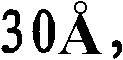
化合物片段筛选Compound Fragment Screening
在本发明的方法的步骤(c)中,获得了结合靶蛋白的一种或多种化合物片段。In step (c) of the method of the invention, one or more fragments of the compound that bind the target protein are obtained.
用于本发明的化合物片段通常具有少于600Da的分子量。在一个实例中,所述化合物片段具有少于500Da的分子量。在一个实例中,所述化合物片段具有少于400Da的分子量。在一个实例中,所述化合物片段具有少于350Da的分子量。在一个实例中,所述化合物片段具有少于300Da的分子量。在一个实例中,所述化合物片段具有少于250Da的分子量。在一个实例中,所述化合物片段具有少于200Da的分子量。此类片段通常为小的、简单的化合物,通常由具有少数取代的不多于一个或两个环组成。Fragments of compounds useful in the present invention typically have a molecular weight of less than 600 Da. In one example, the compound fragment has a molecular weight of less than 500 Da. In one example, the compound fragment has a molecular weight of less than 400 Da. In one example, the compound fragment has a molecular weight of less than 350 Da. In one example, the compound fragment has a molecular weight of less than 300 Da. In one example, the compound fragment has a molecular weight of less than 250 Da. In one example, the compound fragment has a molecular weight of less than 200 Da. Such fragments are generally small, simple compounds, usually consisting of no more than one or two rings with few substitutions.
通过筛选此类化合物片段的文库,通常可能鉴别出非常有效地结合靶蛋白的小化合物片段,虽然仅通过与靶蛋白的少数相互作用,因此这些通常是低亲和力相互作用。这些化合物片段命中可被认为是可被组合(例如融合或连接)以形成更大的、且潜在有效力和类药得多的先导化合物的构件。备选地,这些命中可以是“种子”或“锚定点”,其可被合成地扩展成为先导化合物,获得逐渐更多的与靶蛋白的相互作用。在一个实例中,可采用两种方式的混合来产生随后用于筛选的化合物。By screening libraries of such compound fragments, it is often possible to identify small compound fragments that bind the target protein very efficiently, albeit through only a few interactions with the target protein, thus these are usually low affinity interactions. These compound fragment hits can be considered as building blocks that can be combined (eg, fused or linked) to form larger, and potentially much more potent and drug-like lead compounds. Alternatively, these hits can be "seeds" or "anchor points" that can be synthetically expanded into lead compounds, gaining progressively more interactions with the target protein. In one example, a mixture of the two approaches can be used to generate compounds that are then screened.
通常基于片段的筛选涉及筛选许多化合物片段(通常是数千化合物)以找到Kd值在高的微摩尔至豪摩尔范围内的低亲和力片段。关于基于片段的筛选方法的综述,参见Hajduk和Greer,2007,Nat.Rev.Drug.Discov.6(3),211-219。Typically fragment-based screening involves screening many compound fragments (typically thousands of compounds) to find low affinity fragments with Kd values in the high micromolar to millimolar range. For a review of fragment-based screening methods, see Hajduk and Greer, 2007, Nat. Rev. Drug. Discov. 6(3), 211-219.
可使用本领域已知的任何合适的方法来设计合适的化合物片段文库,其中对于文库中所包含的化合物片段的选择可以基于所需的或不需要的化学官能性的存在或不存在以及可置于所述文库之上的其它限制,例如可溶性、形状、灵活性或光谱特性。此外,对于片段上随后的化学作用的策略也可影响文库的设计。下述中提供了片段文库策略的综述:Baurin等人,2004,J.Chem.Inf.Comput.Sci,44,2157-2166;Hubbard等人,2007,Curr.Opin.Drug Discov.Devel.,10,289-297;Zartier和Shapiro,2005,Curr.Opin.Chem.Biol.,9,366-370。Suitable libraries of compound fragments can be designed using any suitable method known in the art, wherein the selection of compound fragments for inclusion in the library can be based on the presence or absence of desired or undesired chemical functionality and the presence or absence of configurable Other constraints on the library, such as solubility, shape, flexibility or spectral properties. In addition, the strategy for subsequent chemistry on the fragments can also affect library design. A review of fragment library strategies is provided in: Baurin et al., 2004, J. Chem. Inf. Comput. Sci, 44, 2157-2166; Hubbard et al., 2007, Curr. , 289-297; Zartier and Shapiro, 2005, Curr. Opin. Chem. Biol., 9, 366-370.
在本发明的方法中,就与靶蛋白的结合(直接地或虚拟地)筛选化合物片段。可使用本领域中已知的任何合适的方法来获得结合信息。例如,在下述中给出了对于不同方法的概述:书“Fragment-basedapproaches in drug discovery”(Jahnke,Erlanson,Mannhold,Kubinyi & Folkers(2006),由Wiley出版),以及Rees和同事的综述(Rees等人(2004)Nature Rev.Drug Discov.3,660-672)。In the methods of the invention, compound fragments are screened for binding (directly or virtually) to a target protein. Binding information can be obtained using any suitable method known in the art. For example, an overview of the different approaches is given in the book "Fragment-based approaches in drug discovery" (Jahnke, Erlanson, Mannhold, Kubinyi & Folkers (2006), published by Wiley), and a review by Rees and colleagues (Rees et al. (2004) Nature Rev. Drug Discov. 3, 660-672).
用于确定化合物片段与蛋白质结合的实验方法包括但不限于:Experimental methods used to determine the binding of compound fragments to proteins include, but are not limited to:
蛋白质X-射线结晶法(Hartshorn等人(2005)J.Med.Chem.48,403-413)。使用蛋白质X-射线结晶法进行有效的片段筛选要求将所述片段混合物(cocktail)浸泡在预形成的靶蛋白晶体中。在收集了X-射线数据后,从混合物中鉴别片段依赖于手动或自动分析所产生的电子密度。这些研究的结果是关于哪些片段结合蛋白质靶标和活性位点中的实际结合构型的信息。不获得关于实际结合强度或亲和力的信息。Protein X-ray crystallography (Hartshorn et al. (2005) J. Med. Chem. 48, 403-413). Efficient fragment screening using protein X-ray crystallography requires soaking the fragment cocktail in pre-formed crystals of the target protein. After collection of X-ray data, identification of fragments from mixtures relies on the electron density generated by manual or automated analysis. The outcome of these studies is information about which fragments bind the protein target and the actual binding configuration in the active site. No information on actual binding strength or affinity was obtained.
基于NMR的筛选(Shuker等人(1996)Science 21A,1531 1534),或者通过NMR的或结构-活性-关系(SAR)涉及鉴别和解释NMR谱中作为片段与目的靶蛋白结合的的结果的化学位移。结果是关于结合蛋白质靶标的片段的信息。通常,不获得实际结合强度或亲和力的信息。也可使用靶固定NMR筛选(Vanwetswinkel等人,2005,Chemistry & Biology,12(2):207-216)。NMR-based screening (Shuker et al. (1996) Science 21A, 1531 1534), or by NMR or structure-activity-relationship (SAR) involves the identification and interpretation of NMR spectra as a consequence of fragment binding to a target protein of interest. displacement. The result is information about the fragments that bind the protein target. Typically, no information on actual binding strength or affinity is obtained. Target immobilization NMR screening can also be used (Vanwetswinkel et al., 2005, Chemistry & Biology, 12(2):207-216).
使用二硫键来稳定片段与靶蛋白的结合(DeLano(2002)Curr.Opin.Struct.Biol.12,14-20)。这是通过将含有硫的氨基酸(称为半胱氨酸)置于蛋白质表面上并且针对含有硫的片段集合筛选所述蛋白质实现的。在半胱氨酸附近结合的片段与蛋白质形成二硫键,增加了蛋白质的重量并允许通过质谱检测所述片段。结果是一系列结合蛋白质的片段。不获得关于片段结合强度的特别信息。Disulfide bonds are used to stabilize the binding of fragments to target proteins (DeLano (2002) Curr. Opin. Struct. Biol. 12, 14-20). This is achieved by placing a sulfur-containing amino acid, called cysteine, on the surface of the protein and screening the protein for a collection of sulfur-containing fragments. Fragments bound near cysteines form disulfide bonds with the protein, increasing the protein's weight and allowing detection of the fragments by mass spectrometry. The result is a series of fragments that bind the protein. No specific information was obtained on the binding strength of the fragments.
基于微量热法的片段筛选被描述于MicroCal LLC(USA)的应用笔记(′Divided we fall ?Studying low affinity real mol ecular speciesof ligands by ITC′,MicroCal LLC,USA,2005)中,其中由片段-蛋白质结合过程所产生的热被测量并转化为热动力学参数,例如熵和焓测量。实验的结果是结合片段的特性(identity)和任选地相应的结合亲和力。Fragment screening based on microcalorimetry is described in MicroCal LLC (USA) application note ('Divided we fall? Studying low affinity real mol ecular species of ligands by ITC', MicroCal LLC, USA, 2005), where fragment-protein The heat generated by the binding process is measured and converted into thermodynamic parameters such as entropy and enthalpy measurements. The result of the experiment is the identity and optionally the corresponding binding affinity of the binding fragment.
经改变以适应于测量低亲和力片段的结合的体外结合测定也已被描述,(Boehm等人(2000)J.Med.Chem.43,2664-2674)。这些实验的结果是片段组以及它们对于特定蛋白质靶标的相应结合亲和力。An in vitro binding assay adapted to measure the binding of low affinity fragments has also been described (Boehm et al. (2000) J. Med. Chem. 43, 2664-2674). The outcome of these experiments are sets of fragments and their corresponding binding affinities for specific protein targets.
沉降分析是被描述用于测量片段/蛋白质相互作用的新技术(Lebowitz等人(2002)Protein Sci.11,2067-2079)。沉降平衡测量溶液中平衡时组分的浓度,且来自沉降平衡实验的读数是吸光度相对距离的曲线。实验的结果是显示对于特定蛋白质靶标的结合亲和力的片段的特性。Sedimentation analysis is a new technique described for measuring fragment/protein interactions (Lebowitz et al. (2002) Protein Sci. 11, 2067-2079). Sedimentation equilibrium measures the concentration of a component in solution at equilibrium, and the reading from a sedimentation equilibrium experiment is a plot of absorbance versus distance. The result of the experiment is the identity of fragments that display binding affinity for a particular protein target.
固相检测是涵盖了宽范围的享有共同工作原理的技术的统称,其中生物受体和信号传导因子被组合以检测片段与蛋白质的结合。最佳的已知固相检测方法是表面等离子共振(SPR),其最初是由GraffinityPharmaceuticals GmbH(德国)描述和实施的。此方法涉及使用专属的、高度确定的表面化学高度平行地产生化学微阵列,随后通过SPR成像同时检测蛋白质与10,000个片段的相互作用。将相互作用数据与物理化学的化合物数据相结合以解释阵列结果。一个具体的SPR的实例是BIAcore,其已被用于筛选片段文库(Metz等人,2003,Meth.Principles.Med.Chem,19,213-236和Neumann等人,2005,Lett.Drug.Des.Discovery,2,590-594)。备选的固相检测方法包括但不限于由Akubio Ltd(UK)商业化的破裂事件扫描(REVS)和共振声分析(RAP)技术,反射干扰(RIf)、全内反射荧光(TIRF)、和由ConcentrisGmbH(瑞士)商业化的微悬臂技术。Solid-phase detection is an umbrella term covering a wide range of technologies that share a common working principle in which biological receptors and signaling factors are combined to detect the binding of fragments to proteins. The best known solid phase detection method is Surface Plasmon Resonance (SPR), which was originally described and implemented by Graffinity Pharmaceuticals GmbH (Germany). This method involves the highly parallel generation of chemical microarrays using a proprietary, highly defined surface chemistry, followed by simultaneous detection of protein interactions with 10,000 fragments by SPR imaging. Combine interaction data with physicochemical compound data to interpret array results. A specific example of SPR is BIAcore, which has been used to screen fragment libraries (Metz et al., 2003, Meth. Principles. Med. Chem, 19, 213-236 and Neumann et al., 2005, Lett. Drug. Des. Discovery, 2, 590-594). Alternative solid-phase detection methods include, but are not limited to, rupture event scanning (REVS) and resonant acoustic analysis (RAP) techniques commercialized by Akubio Ltd (UK), reflection interference (RIf), total internal reflection fluorescence (TIRF), and Cantilever technology commercialized by Concentris GmbH (Switzerland).
毛细管电泳也被提及作为测量片段/蛋白质相互作用的工具(Carbeck等人(1998)Ace.Chem.Res.31,343-350)。Capillary electrophoresis has also been mentioned as a tool for measuring fragment/protein interactions (Carbeck et al. (1998) Ace. Chem. Res. 31, 343-350).
将会理解,可使用上面所述的方法的一种或多种。例如,可利用NMR来确定片段结合并且这可与BIAcore筛选相结合以确定亲和力并对所鉴别的片段命中进行“排位”。在一个实例中,使用BIAcore来同时确定与靶蛋白的结合和亲和力。It will be appreciated that one or more of the methods described above may be used. For example, NMR can be used to determine fragment binding and this can be combined with BIAcore screening to determine affinity and "rank" the identified fragment hits. In one example, BIAcore is used to simultaneously determine binding and affinity to a target protein.
作为上述产生片段结合数据的实验方法的补充,从文献来源收集的信息也可用于产生关于某些片段对于特定靶蛋白的亲和力的知识。Complementing the experimental approaches described above to generate fragment binding data, information gleaned from literature sources can also be used to generate knowledge about the affinity of certain fragments for specific target proteins.
无论用什么方法来收集片段结合数据,结果是已知或相信结合靶蛋白的化合物片段结构的列表。解离或IC5O值形式的定量亲和力信息是有用的,但不是关键的。Regardless of the method used to collect fragment binding data, the result is a list of fragment structures of compounds known or believed to bind the target protein. Quantitative affinity information in the form of dissociation or IC50 values are useful but not critical.
将会理解,当已经可获得关于靶蛋白的合适的结构信息(例如公共可获得的数据)时,可使用虚拟筛选方法来鉴别预期结合靶蛋白的片段。用于确定化合物片段与蛋白质结合的虚拟筛选方法包括但不限于:GLIDE(Friesner等人,J Med Chem.2004 Mar 25;47(7):1739-49)和GOLD(Jones等人J Mol Biol.1997 Apr 4;267(3):727-48)。在一个实例中,之前所述的蛋白质接触原子可鉴别药效团特征,所述药效团特征在基于结构的虚拟筛选中可被用作计算参数。It will be appreciated that when suitable structural information on the target protein is already available (eg, publicly available data), virtual screening methods can be used to identify fragments expected to bind the target protein. Virtual screening methods for determining the binding of compound fragments to proteins include, but are not limited to: GLIDE (Friesner et al., J Med Chem. 2004 Mar 25; 47(7):1739-49) and GOLD (Jones et al. J Mol Biol. 1997 Apr 4;267(3):727-48). In one example, protein contact atoms as previously described can identify pharmacophore features that can be used as computational parameters in structure-based virtual screening.
在一个实例中,可用各种不同的化学片段来探测靶蛋白晶体的结构,从而确定此类候选分子与靶蛋白之间相互作用的最佳位点。然后可设计将会紧密结合那些位点的小分子片段,并任选地合成它们并就其结合靶蛋白的能力进行测试。In one example, various chemical fragments can be used to probe the structure of a target protein crystal to determine the optimal site of interaction between such candidate molecules and the target protein. Small molecule fragments that will bind tightly to those sites can then be designed and optionally synthesized and tested for their ability to bind the target protein.
在另一个实例中,利用计算筛选小分子数据库来鉴别能够以全部或部分结合靶蛋白的化学片段。此筛选方法及其用途在本领域中是公知的。例如,此类计算机建模技术已被描述于WO 97/16177和WO2007/011392中。In another example, computational screening of small molecule databases is used to identify chemical fragments that bind in whole or in part to a target protein. Such screening methods and their uses are well known in the art. For example, such computer modeling techniques have been described in WO 97/16177 and WO 2007/011392.
在一个实例中,所述计算筛选进一步包括下述步骤:合成候选片段和如上所述就其结合靶蛋白的能力筛选候选片段。In one example, the computational screening further comprises the steps of synthesizing candidate fragments and screening candidate fragments for their ability to bind a target protein as described above.
通常在本发明的方法的步骤(c)中鉴别结合靶蛋白的一种或多种化合物片段。在一个实例中,鉴别了两种或更多种片段。在一个实例中,鉴别了三种或更多种片段。在一个实例中,鉴别了四种或更多种片段。在一个实例中,鉴别了五种或更多种片段。在一个实例中,鉴别了十种或更多种片段。在一个实例中,鉴别了二十种或更多种片段。在一个实例中,鉴别了五十种或更多种片段。Typically in step (c) of the methods of the invention one or more fragments of the compound that bind the target protein are identified. In one example, two or more fragments are identified. In one example, three or more fragments are identified. In one example, four or more fragments were identified. In one example, five or more fragments were identified. In one example, ten or more fragments were identified. In one example, twenty or more fragments were identified. In one example, fifty or more fragments were identified.
将会理解,不是所有所鉴别的片段均可被选择用于进一步的3D结构分析,例如如果鉴别了大量的片段的话。可基于片段的合成易处理性和/或与里宾斯基五规则(Lipinski’s rule of five)(Lipinski等人,1997,Adv.Drug.Del.Rev,23,3-25)的相符可能性而选择某些片段。It will be appreciated that not all identified fragments may be selected for further 3D structural analysis, eg if a large number of fragments are identified. Can be based on the synthetic tractability of the fragment and/or the likelihood of compliance with Lipinski's rule of five (Lipinski et al., 1997, Adv. Drug. Del. Rev, 23, 3-25). Select some fragments.
备选地,或此外,当已经确定了片段对于靶蛋白的亲和力时,可使用所述亲和力来对片段进行排位,从而用具有最高的亲和力或配体效率的那些片段继续进行进一步的测试。抗体效率是经过用大小校正的结合亲和力(即效能/大小)。Alternatively, or in addition, when the affinities of the fragments for the target protein have been determined, the affinities can be used to rank the fragments, proceeding with further testing with those fragments having the highest affinity or ligand efficiency. Antibody efficiency is size corrected binding affinity (ie potency/size).
备选地或此外,可鉴别已知结合靶蛋白的化合物片段的类似物并基于例如预期改善的结合或合成易处理性而进行选择。将会理解,可就其与靶蛋白的结合而直接地或虚拟地测试这些类似物。Alternatively or additionally, analogs of fragments of compounds known to bind a target protein can be identified and selected based on, for example, expected improved binding or synthetic ease. It will be appreciated that these analogs can be tested directly or virtually for their binding to the target protein.
备选地或此外,可基于如上文所述利用所鉴别的一种或多种抗体进行的竞争测定而对化合物片段进行排位,从而选择与一种或多种所鉴别的抗体结合相同区域的那些片段,例如,优先选择在抗体存在时不能结合靶蛋白的那些化合物片段。Alternatively or in addition, compound fragments can be ranked based on a competition assay as described above using the identified antibody(s), thereby selecting for those that bind to the same region as the identified antibody(s). Those fragments, for example, are preferentially those fragments of the compound that are unable to bind the target protein in the presence of the antibody.
可利用上述各种因素的组合来选择用于使用3D结构分析的一种或多种化合物片段。A combination of the various factors described above can be used to select one or more compound fragments for analysis using 3D structure.
化合物片段的3D结构分析3D structure analysis of compound fragments
在本发明的方法的步骤(d)中,对于与靶蛋白相组合的一种或多种所选择的化合物片段生成了三维结构表示。用于此类结构表示的合适方法包括X-射线结晶法和NMR。优选使用X-射线结晶法。In step (d) of the method of the invention, a three-dimensional structural representation is generated for the one or more selected compound fragments in combination with the target protein. Suitable methods for such structural representations include X-ray crystallography and NMR. Preference is given to using X-ray crystallography.
所生成的三维结构表示提供了关于化合物片段如何结合靶蛋白以及结合靶蛋白的何处的信息。然后可使用此信息与对于一种或多种功能修饰性抗体与靶蛋白结合所获得的3D结构信息进行比较。可使用利用分子建模程序(例如Sybyl(www.tripos.com))而鉴别的关键相互作用来生成用于基于结构的药物设计的药效团。The generated three-dimensional structural representation provides information about how and where the compound fragment binds the target protein. This information can then be used to compare with the 3D structural information obtained for the binding of one or more functionally modified antibodies to the target protein. Key interactions identified using molecular modeling programs such as Sybyl (www.tripos.com) can be used to generate pharmacophores for structure-based drug design.
在步骤(e)中选择在通过本发明的方法所鉴别的抗体结合位点内或在抗体结合位点的相同临近处结合靶蛋白的一种或多种化合物片段,用于合成一种或多种候选小分子化合物,例如通过化合物片段生长。In step (e) one or more compound fragments that bind the target protein within or in the same vicinity of the antibody binding site identified by the methods of the invention are selected for the synthesis of one or more Candidate small molecule compounds, for example by compound fragment growth.
在一个实例中,将选择化合物片段,如果其与靶蛋白和/或抗体上被鉴别为落入抗体结合位点内的一个或多个蛋白质接触原子产生分子间相互作用的话。分子间相互作用将包括静电相互作用,例如氢键或亲脂性范德华相互作用。In one example, a compound fragment will be selected if it produces an intermolecular interaction with one or more protein contact atoms on the target protein and/or antibody identified as falling within the binding site of the antibody. Intermolecular interactions will include electrostatic interactions such as hydrogen bonding or lipophilic van der Waals interactions.
在一个实例中,将选择化合物片段,如果其在抗体结合位点的临近处产生分子间相互作用的话。分子间相互作用将包括静电相互作用,例如氢键或亲脂性范德华相互作用。在一个实例中,将选择化合物分子片段,如果其在靶蛋白和/或抗体上于步骤(b)中被鉴别为落入抗体结合位点内的一个或多个蛋白质接触原子的临近处产生分子间相互作用的话。如在本申请中所使用的,术语“临近处”指1-的距离。在一个实例中,术语“临近处”指1-


如上文所述,可基于下述选择哪个抗体结合位点应被化合物片段所靶向以及因此可选择哪个片段:多于一种抗体的汇总数据或者例如抗体结合位点数据以及已知的配体或受体结合位点。当鉴别了在靶蛋白的相同区域中结合的多于一种抗体时,可将所鉴别的靶蛋白上与抗体相互作用的接触原子相组合用于片段的生长中。As mentioned above, which antibody binding site should be targeted by a compound fragment and thus which fragment can be selected can be based on: aggregated data for more than one antibody or for example antibody binding site data and known ligands or receptor binding sites. When more than one antibody is identified that binds in the same region of the target protein, the identified contact atoms on the target protein that interact with the antibody can be combined in the growth of the fragment.
例如,在靶蛋白给定区域中结合的抗体的频率可被用于引导片段生长或模拟(analoguing)到化学空间或3D位置的特定区域内以与和靶蛋白上的残基或原子相互作用的抗体残基或原子的位置一致。因此,所获得的组合的抗体-靶蛋白接触信息可被用于指引化合物片段生长至靶蛋白的特定区域和/或辅助选择在那个区域中结合的化合物片段和/或可提供靶蛋白特定区域内残基的复合集合以引导化合物片段生长和/或可指引化合物片段生长至化学空间或3D位置的某个区域。For example, the frequency of antibody binding in a given region of a target protein can be used to guide fragment growth or analoguing into specific regions of chemical space or 3D positions to interact with residues or atoms on the target protein. The positions of the antibody residues or atoms are identical. Thus, the combined antibody-target protein contact information obtained can be used to direct the growth of compound fragments to a specific region of the target protein and/or to aid in the selection of compound fragments that bind in that region and/or can provide A complex collection of residues to guide compound fragment growth and/or can direct compound fragment growth to a certain region in chemical space or 3D position.
将会理解,步骤(c)和(d)可以反复并且化合物片段与靶蛋白相缔合的3D结构可在获得另一个化合物片段之前产生。此外,可重复步骤(c)和(d)直至鉴别出在于步骤(b)中所鉴别的抗体结合位点之内或其临近处结合的化合物片段。It will be appreciated that steps (c) and (d) may be iterated and a 3D structure in which a compound fragment is associated with a target protein may be generated before another compound fragment is obtained. Furthermore, steps (c) and (d) can be repeated until a fragment of the compound that binds within or adjacent to the antibody binding site identified in step (b) is identified.
化合物片段生长compound fragment growth
一旦鉴别出在抗体结合位点之内或其临近处结合的化合物片段,可使用从给定的抗体结合位点获得的接触原子信息来引导化合物片段的生长,从而产生候选小分子化合物或此类化合物的文库。Once a compound fragment is identified that binds within or in close proximity to an antibody binding site, the contact atom information obtained from a given antibody binding site can be used to guide the growth of the compound fragment to generate candidate small molecule compounds or such A library of compounds.
通常,此种靶引导的合成的目标是以模块的方式构建分子,从而产生组装的分子,所述组装的分子与其单独的部分或片段相比具有对靶蛋白更高的结合亲和力并且能够在靶蛋白上产生所需的生物学效果。将会理解,其它的结构信息(例如来自配体、抑制剂、其它化合物片段)可被用于此方法中,与抗体接触信息相结合。Typically, the goal of such target-directed synthesis is to build the molecule in a modular fashion, resulting in an assembled molecule that has a higher binding affinity for the target protein than its individual parts or fragments and is capable of produce the desired biological effect on the protein. It will be appreciated that other structural information (eg, from ligands, inhibitors, other compound fragments) can be used in this method in conjunction with antibody contact information.
利用从化合物片段-靶蛋白相互作用和抗体-靶蛋白相互作用获得的结构信息,可使用任何合适的片段组装/生长/推理方法来生长所选择的片段,从而产生新的小分子候选化合物。此类方法包括但不限于通过NMR的SAR、动态文库、模拟和虚拟筛选。Using the structural information obtained from compound fragment-target protein interactions and antibody-target protein interactions, any suitable fragment assembly/growth/inference method can be used to grow selected fragments to generate new small molecule candidate compounds. Such methods include, but are not limited to, SAR by NMR, dynamic libraries, simulation and virtual screening.
基于片段的先导产生方法和对更有效的命中类似物和小分子的随后推理设计方法是本领域中已知的,参见例如Szczepankiewicz等人,Journal of the American Chemical Society(2003),125(14),4087-4096;Raimundo等人,Journal of MedicinalChemistry(2004),47(12),3111-3130,Braisted等人,Journal of theAmerican Chemical Society(2003),125(13),3714-3715,Huth等人,Chemical Biology & Drug Design(2007),70(1),1-12,Petros等人,Journal of Medicinal Chemistry(2006),49(2),656-663,Geschwindner等人,Journal of MedicinalChemistry(2007),50(24),5903-5911,Edwards等人,Journal ofMedicinal Chemistry(2007),50(24),5912-5925和Hubbard,等人,Current Topics in Medicinal Chemistry(2007),7(16),1568-1581。Fragment-based lead generation methods and subsequent inferential design methods for more potent hit analogs and small molecules are known in the art, see e.g. Szczepankiewicz et al., Journal of the American Chemical Society (2003), 125(14) , 4087-4096; Raimundo et al., Journal of Medicinal Chemistry (2004), 47(12), 3111-3130, Braisted et al., Journal of the American Chemical Society (2003), 125(13), 3714-3715, Huth et al. , Chemical Biology & Drug Design (2007), 70(1), 1-12, Petros et al, Journal of Medicinal Chemistry (2006), 49(2), 656-663, Geschwindner et al, Journal of Medicinal Chemistry (2007) , 50(24), 5903-5911, Edwards et al., Journal of Medicinal Chemistry (2007), 50(24), 5912-5925 and Hubbard, et al., Current Topics in Medicinal Chemistry (2007), 7(16), 1568 -1581.
通常,此类化合物片段生长的方法包括反复的基于结构的药物设计以优化先导化合物。方法还包括“模拟”化合物片段以鉴别最近的临近者或与通过筛选而鉴别出的那些相似的化合物片段,然后可就与靶蛋白的结合筛选这些化合物片段。Typically, methods for fragment growth of such compounds involve iterative structure-based drug design to optimize lead compounds. The method also includes "mimicking" compound fragments to identify closest neighbors or compound fragments similar to those identified by screening, which can then be screened for binding to a target protein.
生长所鉴别的片段可通过添加结合蛋白表面上其它亚位点的官能性而进行。这可通过检索可得化学品的数据库中含有与所述片段相同的亚结构的化合物而实现,或者通过合成向所述片段上的关键附着点添加官能性的小文库而实现。所述片段与靶蛋白结合的位置和方向以及从结合在相同临近处的抗体获得的结构信息可被用于引导计算检索或文库合成。将会理解,当可获得另外的相关结构信息(例如配体结合)时,这也可被用于引导片段生长。Growth of the identified fragment can be performed by adding functionality that binds to other subsites on the surface of the protein. This can be achieved by searching databases of available chemicals for compounds that contain the same substructure as the fragment, or by synthesizing small libraries that add functionality to key attachment points on the fragment. The location and orientation of the fragment binding to the target protein and structural information obtained from antibodies binding in the same proximity can be used to guide computational searches or library synthesis. It will be appreciated that this may also be used to guide fragment growth when additional relevant structural information is available (eg ligand binding).
因此,“生长”化合物片段可包括许多活动,包括添加官能性、制造小文库、检索数据库、计算检索和/或“模拟”。Thus, "growing" a compound fragment can include a number of activities including adding functionalities, making small libraries, searching databases, computational searching, and/or "simulating".
通常,在本发明的方法中“生长”化合物片段涉及将化学合成指引向:In general, "growing" a fragment of a compound in the methods of the invention involves directing chemical synthesis to:
(1)与靶蛋白上被鉴别为落入抗体结合位点内的接触原子相互作用;和/或(1) interact with contact atoms on the target protein identified as falling within the antibody binding site; and/or
(2)占据与抗体结合位点内的抗体接触原子相同或相似的化学空间或3D位置(2) occupy the same or similar chemical space or 3D position as the antibody contact atoms within the antibody binding site
在一个实例中,所述方法的步骤(f)包括生长在步骤(e)中所选择的化合物片段,通过指引所述化合物片段的化学生长从而使得延伸的片段占据与步骤(b)中所鉴别的抗体上的一个或多个接触原子相同或相似的化学空间或3D位置,以产生与步骤(b)中所鉴别的靶蛋白上的一个或多个接触原子相互作用的一种或多种候选化合物。优选地,抗体上的各接触原子是来自步骤(b)中所鉴别的抗体-靶蛋白原子对的相应接触原子。In one example, step (f) of the method comprises growing the compound fragment selected in step (e) by directing chemical growth of the compound fragment such that the extended fragment occupies the same range as that identified in step (b). The same or similar chemical space or 3D position of one or more contact atoms on the antibody to generate one or more candidates for interaction with the one or more contact atoms on the target protein identified in step (b) compound. Preferably, each contact atom on the antibody is a corresponding contact atom from the antibody-target protein atom pair identified in step (b).
当片段生长被指引向占据与抗体结合位点内的抗体接触原子相同或相似的化学空间或3D位置时,所述片段可整合与抗体所使用的相同的分子间相互作用或分子形状。这可包括,例如静电相互作用,氢键,亲脂性或范德华相互作用。When fragment growth is directed to occupy the same or similar chemical space or 3D position as the antibody contact atoms within the antibody binding site, the fragment can incorporate the same intermolecular interactions or molecular shape that the antibody uses. This may include, for example, electrostatic interactions, hydrogen bonding, lipophilic or van der Waals interactions.
因此,通过利用空间位置和抗体接触原子的分子间相互作用类型,可生长片段以模拟抗体与靶蛋白上接触原子的相互作用。在本文中,此空间位置被称为3D位置或化学空间。因此,在3D表示(例如X-射线结晶法)中可鉴别相同的化学空间或3D位置。将会理解,无需与抗体原子位置完全相同(特别是如果使用了不同的原子的话),但是将是大致等同的并且可占据相似的化学空间。Thus, by exploiting the spatial position and type of intermolecular interaction of the antibody contact atoms, fragments can be grown to mimic the interaction of the antibody with contact atoms on the target protein. Herein, this spatial location is referred to as 3D location or chemical space. Thus, the same chemical space or 3D position can be identified in a 3D representation (eg X-ray crystallography). It will be appreciated that the atomic positions need not be identical to those of the antibody (especially if different atoms are used), but will be approximately equivalent and may occupy similar chemical space.
当片段生长被指引向与靶蛋白上的原子相互作用而不整合占据与抗体相同的3D位置或化学空间的原子时,仍可利用抗体原子的性质及其与靶蛋白的相互作用来使片段生长至另一个产生等同相互作用的合适的位置,例如,通过使用模拟筛选工具和/或建模工具。When fragment growth is directed to interact with atoms on the target protein without integrating atoms that occupy the same 3D position or chemical space as the antibody, the properties of the antibody atoms and their interactions with the target protein can still be exploited to grow the fragment to another suitable position that produces an equivalent interaction, for example, by using simulated screening tools and/or modeling tools.
如上所述,当鉴别出了多于一种在靶蛋白的相同区域内结合的抗体时,所鉴别的接触原子可被组合而用于片段的生长。可利用此信息而将一种或多种新的相互作用一次性整合到片段中或者可它们可被反复地产生。将会理解,步骤(f)至(h)可以是反复的,从而使得步骤(e)中所选择的化合物可阶段性地生长以与来自相同或不同抗体的、步骤(b)中所鉴别的其它接触原子相互作用。类似地,步骤(i)包括反复进一步改进步骤(h)中所选择的候选化合物的这一概念。As described above, when more than one antibody is identified that binds in the same region of the target protein, the identified contact atoms can be combined for growth of the fragment. This information can be used to integrate one or more new interactions into fragments at once or they can be generated iteratively. It will be appreciated that steps (f) to (h) may be iterative, such that the compound selected in step (e) may be grown in stages to that identified in step (b) from the same or a different antibody. Other contact atoms interact. Similarly, step (i) involves iteratively further refining the concept of the candidate compound selected in step (h).
可产生一系列新的化合物,然后可就下述筛选这些化合物:对于靶蛋白的改进的亲和力和/或改进的与靶蛋白的结合和/或改进的效力和/或改变靶蛋白生物学活性的能力。将会理解,这可涉及反复轮次的进一步化学作用和片段生长,任选地,整合与从抗体结合结构表示鉴别的靶蛋白上接触原子的一种或多种其它相互作用。A series of new compounds can be generated which can then be screened for improved affinity for and/or improved binding to the target protein and/or improved potency and/or ability to alter the biological activity of the target protein ability. It will be appreciated that this may involve iterative rounds of further chemistry and fragment growth, optionally incorporating one or more other interactions with contact atoms on the target protein identified from the antibody binding structure representation.
因此,在本发明的一个实施方式中提供了产生候选化合物或候选化合物文库的方法,所述候选化合物或候选化合物文库可被用于产生改变靶蛋白活性的小分子化合物。Accordingly, in one embodiment of the invention there is provided a method of generating a candidate compound or library of candidate compounds that can be used to generate small molecule compounds that alter the activity of a target protein.
然后,如本文所述可使用合适的筛选方法就其改变靶蛋白生物学活性的能力测试使用这些方法所产生的候选小分子化合物。此类小分子化合物通常大小<650Da并且不是肽模拟物。Candidate small molecule compounds generated using these methods can then be tested for their ability to alter the biological activity of the target protein using appropriate screening methods as described herein. Such small molecule compounds are typically <650 Da in size and are not peptidomimetics.
在步骤(g)中就下述测试所述方法的步骤(f)中所产生的一种或多种候选化合物:对于靶蛋白改进的亲和力和/或改进的效力和/或改进的配体效率和/或改变靶蛋白生物学活性的能力。如上所述化合物片段的生长可以是反复的,因此步骤(f)和(g)可被重复多于一次。在步骤(f)中产生并在步骤(g)中测试的候选化合物因此具有成为下列小分子化合物的潜力:其改变靶蛋白的活性而不需要进一步改变其化学结构以用作药物。备选地,在步骤(f)中产生并在步骤(g)中测试的候选化合物可需要进一步的修饰以产生下列小分子化合物:所述小分子化合物例如改进其调节靶蛋白活性的程度和/或使得所述化合物更为类药。步骤(h)中所选择的化合物因此可以是如下所述的小分子化合物:其将靶蛋白的活性调节至用作药物所需的程度。备选地,步骤(h)中所选择的化合物可以是需要其它化学作用和筛选以产生合适的小分子化合物的候选化合物。因此,在本发明的方法的步骤(i)中,任选地在步骤(h)中所选择的化合物上进行其它化学作用,任选地通过重复步骤(f)和(g)以生长(h)中所选择的片段而使其与来自相同或不同抗体的、步骤(b)中所鉴别的一个或多个其它接触原子相互作用。The one or more candidate compounds produced in step (f) of the method are tested in step (g) for improved affinity and/or improved potency and/or improved ligand efficiency for the target protein And/or the ability to alter the biological activity of the target protein. Growth of compound fragments may be iterative as described above, thus steps (f) and (g) may be repeated more than once. Candidate compounds produced in step (f) and tested in step (g) thus have the potential to be small molecule compounds that alter the activity of the target protein without requiring further changes in its chemical structure for use as drugs. Alternatively, the candidate compound produced in step (f) and tested in step (g) may require further modification to produce a small molecule compound that e.g. improves the extent to which it modulates the activity of the target protein and/or Or make the compound more drug-like. The compound selected in step (h) may thus be a small molecule compound that modulates the activity of the target protein to the extent required for use as a drug. Alternatively, the compound selected in step (h) may be a candidate compound requiring additional chemistry and screening to generate a suitable small molecule compound. Thus, in step (i) of the method of the invention, optionally further chemical action is performed on the compound selected in step (h), optionally by repeating steps (f) and (g) to grow (h ) to interact with one or more other contact atoms identified in step (b) from the same or a different antibody.
根据本发明的小分子化合物通常大小小于650Da并且不是肽。在一个实例中,本发明的小分子化合物具有少于600Da的分子量。在一个实例中,本发明的小分子化合物具有少于550Da的分子量。在一个实例中,本发明的小分子化合物具有少于500Da的分子量。Small molecule compounds according to the invention are generally less than 650 Da in size and are not peptides. In one example, a small molecule compound of the invention has a molecular weight of less than 600 Da. In one example, a small molecule compound of the invention has a molecular weight of less than 550 Da. In one example, a small molecule compound of the invention has a molecular weight of less than 500 Da.
在一个实例中,由本发明的方法产生的小分子符合里宾斯基五规则(Lipinski’s rule of five)(Lipinski等人,1997,Adv.Drug.Del.Rev,23,3-25)的至少一条、优选其全部。In one example, the small molecule produced by the method of the invention complies with at least one of Lipinski's rule of five (Lipinski et al., 1997, Adv. Drug. Del. Rev, 23, 3-25) , preferably all of them.
因此,在一个实例中,由本发明的方法产生的小分子含有不多于5个氢键供体(具有一个或多个氢原子的氮或氧原子)。Thus, in one example, small molecules produced by the methods of the invention contain no more than 5 hydrogen bond donors (nitrogen or oxygen atoms with one or more hydrogen atoms).
在一个实例中,由本发明的方法产生的小分子含有不多于10个氢键受体(氮或氧原子)。In one example, small molecules produced by the methods of the invention contain no more than 10 hydrogen bond acceptors (nitrogen or oxygen atoms).
在一个实例中,由本发明的方法产生的小分子具有小于5的辛醇-水分配系数log P。In one example, small molecules produced by the methods of the invention have an octanol-water partition coefficient log P of less than 5.
在一个实例中,由本发明的方法产生的小分子不违反下列标准多于两项:In one example, the small molecules produced by the methods of the invention do not violate more than two of the following criteria:
●含有不多于5个氢键供体(具有一个或多个氢原子的氮或氧原子)Contains no more than 5 hydrogen bond donors (nitrogen or oxygen atoms with one or more hydrogen atoms)
●含有不多于10个氢键受体(氮或氧原子)● Contains no more than 10 hydrogen bond acceptors (nitrogen or oxygen atoms)
●具有小于5的辛醇-水分配系数log P●has an octanol-water partition coefficient log P of less than 5
●分子量小于500道尔顿●Molecular weight less than 500 Daltons
组合物/治疗用途Composition/Therapeutic use
由本发明的方法鉴别的化合物可用于病理状况的治疗和/或预后,本发明还提供药物或诊断组合物,其包含本发明的化合物与一种或多种药学上可接受的赋形剂、稀释剂或载体的组合。因此,所提供的是本发明的化合物用于制备药物的用途。所述组合物将通常作为无菌药物组合物的一部分被供给,所述无菌药物组合物将通常包括药学上可接受的载体。本发明的药物组合物还可包含药学上可接受的佐剂。The compounds identified by the methods of the present invention are useful for the treatment and/or prognosis of pathological conditions, and the present invention also provides pharmaceutical or diagnostic compositions comprising the compounds of the present invention together with one or more pharmaceutically acceptable excipients, diluents combinations of agents or carriers. Accordingly, provided is the use of a compound of the invention for the manufacture of a medicament. Such compositions will generally be presented as part of a sterile pharmaceutical composition which will generally include a pharmaceutically acceptable carrier. The pharmaceutical composition of the present invention may also contain a pharmaceutically acceptable adjuvant.
本发明还提供由本发明的方法所生产的化合物,其用于病理学病况的治疗或预后,所述病理学病况是由靶蛋白介导的或与靶蛋白增加的水平相关。The invention also provides compounds produced by the methods of the invention for use in the treatment or prognosis of pathological conditions mediated by or associated with increased levels of a target protein.
实施例 Example
现在将仅以举例的方式描述本发明,其中涉及了:The invention will now be described, by way of example only, in relation to:
图1a.具有侧链残基Tyr1、Tyr2和Asn1(深灰色球和棒)的抗体Fab片段(黑色骨架)以及靶蛋白(白色分子表面)Figure 1a. Antibody Fab fragment (black backbone) with side chain residues Tyr1, Tyr2 and Asn1 (dark gray balls and sticks) and target protein (white molecular surface).
图1b.NCE片段(深灰色分子表面)和靶蛋白(白色分子表面)Figure 1b. NCE fragment (dark gray molecular surface) and target protein (white molecular surface)
图1c.NCE片段(深灰色分子表面),靶蛋白(白色分子表面)和抗体Fab片段(黑色骨架)Figure 1c. NCE fragment (dark gray molecular surface), target protein (white molecular surface) and antibody Fab fragment (black skeleton)
图1d.生长NCE片段以整合如Tyr1所限定的酚基。Figure 1d. Growth of NCE fragments to incorporate phenolic groups as defined by Tyr1.
图1e.生长NCE片段以整合如Tyr2所限定的酚基。Figure 1e. Growth of NCE fragments to incorporate phenolic groups as defined by Tyr2.
图1f.生长NCE片段以整合如Asn1侧链所限定的氧和氮原子。Figure If. NCE fragments were grown to incorporate oxygen and nitrogen atoms as defined by Asn1 side chains.
图1g.生长NCE片段以整合如Tyr1所限定的酚基,如Tyr2所限定的酚基以及如Asn1侧链所限定的氧和氮原子。Figure 1g. Growth of NCE fragments to incorporate phenolic groups as defined by Tyr1, phenolic groups as defined by Tyr2, and oxygen and nitrogen atoms as defined by Asn1 side chains.
实施例1Example 1
抗体:靶复合物的结构Antibody:target complex structure
使用标准的实验方案(例如,在Baneyx(1999)″Recombinantprotein expression in Escherichia coli.″Current Opinionin Biotechnology 10,411-421中所描述的)在细菌表达系统中过表达靶蛋白(细胞因子)。简要地,将编码靶基因的载体DNA转化到大肠杆菌中(Origami菌株;Novagen,San Diego/California)。通过加入异丙基-β-D-硫代半乳糖苷来诱导蛋白质的表达,并且在诱导后16-20h收获细胞。通过重悬细胞并使它们通过基本Z细胞破坏仪(disruptor)(Constant systems)而提取靶蛋白。然后,通过离心澄清裂解物并且将2-4ml的Ni-NTA superflow珠(QIAGEN)加入裂解物中,且在4C搅拌样品2小时。随后清洗所述Ni-NTA珠,并且在含有250-500mM咪唑的缓冲液中洗脱蛋白质。在适当的蛋白质缓冲液(例如50mM TRIS-HCl(pH8.0),100mM NaCl)中,通过凝胶过滤进一步纯化所洗脱的材料。Target proteins (cytokines) are overexpressed in bacterial expression systems using standard protocols (eg, as described in Baneyx (1999) "Recombinant protein expression in Escherichia coli." Current Opinion in Biotechnology 10, 411-421). Briefly, vector DNA encoding the target gene was transformed into Escherichia coli (Origami strain; Novagen, San Diego/California). Protein expression was induced by adding isopropyl-β-D-thiogalactoside, and cells were harvested 16-20 h after induction. Target proteins were extracted by resuspending cells and passing them through a basic Z cell disruptor (Constant systems). Then, the lysate was clarified by centrifugation and 2-4 ml of Ni-NTA superflow beads (QIAGEN) were added to the lysate and the sample was stirred at 4C for 2 hours. The Ni-NTA beads were then washed and proteins were eluted in a buffer containing 250-500 mM imidazole. The eluted material is further purified by gel filtration in an appropriate protein buffer (eg, 50 mM TRIS-HCl (pH 8.0), 100 mM NaCl).
使用Babcook,J.等人,1996,Proc.Natl.Acad.Sci.USA93(15):7843-78481中所描述的方法分离了结合靶细胞因子的抗体。所述抗体以pM的亲和力结合靶细胞因子并且能够中和所述细胞因子的生物学活性。克隆、表达并纯化所述抗体的Fab片段用于结晶。Antibodies that bind target cytokines were isolated using the method described in Babcook, J. et al., 1996, Proc. The antibody binds the target cytokine with pM affinity and is capable of neutralizing the biological activity of the cytokine. The Fab fragments of the antibodies were cloned, expressed and purified for crystallization.
使用标准的实验方案(例如,在Aricescu等人(2006)″EukaryoticExpression:Developments for Structural Proteomics″ActaCrystallographica D62:1114-1124中所描述的)在瞬时哺乳动物细胞培养物中表达所述抗体Fab片段。简要地,用编码抗体重链和轻链的载体DNA转染人胚胎肾(HEK293)细胞。所述载体含有靶向序列,从而将所表达的重链和轻链分泌到培养基中。6天后,通过离心从培养基中分离细胞,并且通过利用亲和层析(KappaSelect树脂;GE healthcare,Amersham/UK)和凝胶过滤的组合而从培养基中纯化蛋白质。The antibody Fab fragments are expressed in transient mammalian cell culture using standard protocols (eg, as described in Ericescu et al. (2006) "Eukaryotic Expression: Developments for Structural Proteomics" Acta Crystallographica D62: 1114-1124). Briefly, human embryonic kidney (HEK293) cells were transfected with vector DNA encoding antibody heavy and light chains. The vector contains targeting sequences to secrete the expressed heavy and light chains into the culture medium. After 6 days, cells were isolated from the culture medium by centrifugation, and proteins were purified from the culture medium by using a combination of affinity chromatography (KappaSelect resin; GE healthcare, Amersham/UK) and gel filtration.
通过向靶蛋白中加入化学计量数量的抗体、继而在4C孵育2h并随后使用凝胶过滤纯化而产生抗体::靶复合物。将所纯化的抗体::靶复合物浓缩至适合结晶的水平(在此情形中是8mg/mL)。使用Mosquito机器人配制系统(TTP Labtech,Cambridge/UK)建立了沉滴(sitting-drop)结晶试验。对于本文中所述的靶蛋白,在针对贮液(含有200mM硫酸铵,100mM MES缓冲剂(pH 6.5),22%(w/v)PEG-8000)而平衡的800nl沉滴(含有4mg/ml纯化的抗体::靶复合物,100mM硫酸铵,50mM MES缓冲剂(pH 6.5),11%(w/v)PEG-8000)中、在5-10天内生长出了衍射质量的晶体。在含有80%贮液和20%甘油的溶液中对晶体进行冷冻保护,并于100K在液氮中瞬时冷冻。Antibody::target complexes were generated by adding stoichiometric amounts of antibody to the target protein, followed by incubation at 4C for 2h and subsequent purification using gel filtration. The purified antibody::target complexes were concentrated to a level suitable for crystallization (8 mg/mL in this case). A sitting-drop crystallization assay was set up using a Mosquito robotic dispensing system (TTP Labtech, Cambridge/UK). For the target proteins described herein, an 800 nl drop (containing 4 mg/ml Purified Antibody::Target complex, 100 mM ammonium sulfate, 50 mM MES buffer (pH 6.5), 11% (w/v) PEG-8000) grew diffraction-quality crystals within 5-10 days. Crystals were cryoprotected in a solution containing 80% stock solution and 20% glycerol and flash frozen at 100K in liquid nitrogen.
以钻石光源(Didcot/UK)光束线I 02收集衍射数据,并使用计算机程序MOSFLM(Leslie(1999)″Integration of macromoleculardiffraction data″Acta Crystallographica D55:1696-1702)进行处理。通过分子置换解出抗体::靶复合物的晶体结构,其是利用靶蛋白和抗体的已知结构作为用于程序PHASER(McCoy等人(2007)″Phaser晶体学software″Journal of Applied Crystallography 40:658-674)的检索模型进行的。使用程序COOT(Emsley和Cowtan(2004)″Coot:model-building tools for molecular graphics″ActaCrystallographica D60:2126-2132)重构了分子置换方案并使用程序CCP4程序(Collaborative Project Number 4[1994]″The CCP4 Suite:Programs for Protein Crystallography″Acta CrystallographicaD50:760-763)对其进行了细化。Diffraction data were collected at Diamond Light Source (Didcot/UK) beamline 102 and processed using the computer program MOSFLM (Leslie (1999) "Integration of macromolecular diffraction data" Acta Crystallographica D55: 1696-1702). The crystal structure of the antibody::target complex was solved by molecular replacement using the known structures of the target protein and the antibody as used in the program PHASER (McCoy et al. (2007) "Phaser crystallography software" Journal of Applied Crystallography 40: 658-674) retrieval model. The molecular replacement scheme was reconstructed using the program COOT (Emsley and Cowtan (2004) "Coot: model-building tools for molecular graphics" Acta Crystallographica D60:2126-2132) and using the program CCP4 program (Collaborative Project Number 4 [1994] "The CCP4 Suite: Programs for Protein Crystallography "Acta Crystallographica D50: 760-763) refines it.
对晶体结构的分析显露出抗体结合靶蛋白的何处,并且鉴别了抗体结合位点内的接触原子对,即抗体结合位点内靶蛋白和抗体上的原子。Analysis of the crystal structure reveals where the antibody binds the target protein and identifies contacting atom pairs within the antibody binding site, ie atoms on the target protein and the antibody within the antibody binding site.
靶::片段复合物的结构Structure of the target::fragment complex
如上所述表达、纯化并结晶了靶蛋白。The target protein was expressed, purified and crystallized as described above.
通过在基于Biacore A100的筛选中,就与靶细胞因子的特异性结合而筛选小分子片段的文库来获得NCE片段。将靶细胞因子偶联到芯片表面,伴有NCE片段从溶液相的结合。片段的结合足够弱从而不需要再生步骤。以这种测定形式,对于此特定的片段获得了结合的典型方波谱(square wave profile)。所鉴别的片段具有400μM的结合亲和力。NCE fragments are obtained by screening libraries of small molecule fragments for specific binding to target cytokines in a Biacore A100-based screen. Coupling of target cytokines to the chip surface accompanied by incorporation of NCE fragments from solution phase. The binding of the fragments is weak enough that no regeneration step is required. In this assay format, a typical square wave profile of binding is obtained for this particular fragment. The identified fragment has a binding affinity of 400 μΜ.
以apo-形式结晶靶蛋白,随后将晶体浸入含有所述片段的缓冲溶液中。在瑞士光源(Villingen,Switzerland)处收集了衍射数据并且使用程序XDS和XSCALE(Kabsch(1993)″Automatic processing ofrotation diffraction data from crystals of initially unknownsymmetry and cell constants″Journal of Applied Crystallography26:795-800)进行了处理。通过分子置换解出靶::片段复合物的结构,其是利用靶蛋白的已知结构作为检索模型进行的。使用程序COOT重构了分子置换方案并使用程序CCP4程序对其进行了细化。The target protein is crystallized in the apo-form and the crystals are subsequently immersed in a buffer solution containing the fragment. Diffraction data were collected at the Swiss Light Source (Villingen, Switzerland) and performed using the programs XDS and XSCALE (Kabsch (1993) "Automatic processing of rotation diffraction data from crystals of initially unknownsymmetry and cell constants" Journal of Applied Crystallography 26: 795-800) deal with. The structure of the target::fragment complex is solved by molecular replacement, which is performed using the known structure of the target protein as a search model. The molecular replacement scheme was reconstructed using the program COOT and refined using the program CCP4.
阐释抗体引导的片段生长的方法Methods for Interpreting Antibody-Guided Fragment Growth
在当前的实施例中,获得了高亲和力Fab片段、中和抗体和靶细胞因子的复合物的第一晶体结构,并且获得了在与抗体结合位点相同的临近处结合相同靶细胞因子的小分子片段的第二晶体结构。In the current example, the first crystal structure of a complex of a high-affinity Fab fragment, a neutralizing antibody, and a target cytokine was obtained, and a small molecule that binds the same target cytokine in the same proximity as the antibody binding site was obtained. Second crystal structure of the molecular fragment.
根据分泌淋巴细胞抗体方法产生了抗体,并且通过Biacore进行筛选而建立与其靶相互作用的亲和力,以及在生物测定中建立功能修饰性特性。所述抗体以pM的亲和力结合靶细胞因子并且能够中和所述细胞因子的生物学活性。克隆、表达并纯化了所述抗体的Fab片段以辅助结晶。Antibodies were generated according to the secreted lymphocyte antibody method and screened by Biacore to establish affinity for interaction with their target and to establish functional modification properties in bioassays. The antibody binds the target cytokine with pM affinity and is capable of neutralizing the biological activity of the cytokine. The Fab fragment of the antibody was cloned, expressed and purified to aid in crystallization.
从小分子片段文库中获得了NCE片段,在基于Biacore A100的筛选中显示出了与靶细胞因子的特异性结合。将靶细胞因子偶联到芯片表面,伴有NCE片段从溶液相的结合。片段的结合足够弱从而不需要再生步骤。以这种测定形式,对于此特定的片段获得了结合的典型方波谱。所述片段具有对于靶细胞因子400μM的结合亲和力和205的分子量。NCE fragments were obtained from small molecule fragment libraries, which showed specific binding to target cytokines in Biacore A100-based screening. Coupling of target cytokines to the chip surface accompanied by incorporation of NCE fragments from solution phase. The binding of the fragments is weak enough that no regeneration step is required. In this assay format, a typical square wave spectrum of binding was obtained for this particular fragment. The fragment has a binding affinity for the target cytokine of 400 [mu]M and a molecular weight of 205.
如所预期的,与片段相比,抗体利用许多其它的原子来接触抗原,这使得有机会以特异的和定向的方式生长片段,以利用抗体-验证的接触原子及它们在三维空间中相对于靶细胞因子的表面以及相对于小分子片段的位置。As expected, antibodies use many other atoms to contact the antigen compared to fragments, which allows the opportunity to grow fragments in a specific and directed manner to take advantage of antibody-validated contact atoms and their relative position in three-dimensional space. Surface of target cytokines and position relative to small molecule fragments.
抗体Fab片段和靶细胞因子之间的一种此类相互作用是在抗体CDR3重链中的第一酪氨酸(Tyr1)和蛋白质靶标中的色氨酸残基之间,形成了边缘-对-面(edge-to-face)pi-pi堆积相互作用。抗体Fab片段和靶细胞因子之间的另一种相互作用是抗体Fab片段CDR2重链区域中的天冬酰胺(Asn1)与蛋白质靶标中精氨酸残基之间的氢键。另一种相互作用是抗体CDR2重链区域中的第二酪氨酸(Tyr2)与蛋白质靶标中精氨酸之间形成的阳离子-pi接触。NCE片段在这些相互作用的4埃之内的位点结合,但是不能利用所述三种特定的接触,因为其在这些位置处缺乏适当的结构。One such interaction between an antibody Fab fragment and a target cytokine is between the first tyrosine (Tyr1) in the antibody CDR3 heavy chain and a tryptophan residue in the protein target, forming an edge-pair - Edge-to-face pi-pi stacking interactions. Another interaction between antibody Fab fragments and target cytokines is the hydrogen bonding between asparagine (Asn1) in the CDR2 heavy chain region of antibody Fab fragments and arginine residues in protein targets. Another interaction is the cationic-PI contact formed between the second tyrosine (Tyr2) in the antibody CDR2 heavy chain region and the arginine in the protein target. The NCE fragment binds at sites within 4 Angstroms of these interactions, but cannot take advantage of the three specific contacts because it lacks proper structure at these positions.
优先选择下述第一片段的类似物用于进一步的分析:其具有结构基序特征以模拟相对于片段核心的适当位置处的抗体相互作用。此类类似物可涉及但不限于模拟Tyr1或Tyr2的苯酚环或模拟Asn1的伯胺。备选地,可特别合成具有在适当位置模拟来自抗体的那些相互作用的结构的新化合物。图1显示如何以这种方式生长片段,以及新的片段如何可被预期显示通过相似于用抗体Fab片段残基Tyr1,Tyr2或Asn1所观察到的相互作用而增强的结合。Analogs of the first fragment were preferentially selected for further analysis with structural motifs characteristic to mimic antibody interactions at appropriate positions relative to the core of the fragment. Such analogs may involve, but are not limited to, mimicking the phenol ring of Tyrl or Tyr2 or mimicking the primary amine of Asnl. Alternatively, new compounds can be specifically synthesized with structures that mimic in place those interactions from antibodies. Figure 1 shows how fragments can be grown in this manner, and how new fragments can be expected to show enhanced binding through interactions similar to those observed with antibody Fab fragment residues Tyr1, Tyr2 or Asn1.
图1a.具有侧链残基Tyr1、Tyr2和Asn1(深灰色球和棒)的抗体Fab片段(黑色骨架)以及靶蛋白(白色分子表面)Figure 1a. Antibody Fab fragment (black backbone) with side chain residues Tyr1, Tyr2 and Asn1 (dark gray balls and sticks) and target protein (white molecular surface).
图1b.NCE片段(深灰色分子表面)和靶蛋白(白色分子表面)Figure 1b. NCE fragment (dark gray molecular surface) and target protein (white molecular surface)
图1c.NCE片段(深灰色分子表面)、靶蛋白(白色分子表面)和抗体Fab片段(黑色骨架)Figure 1c. NCE fragment (dark gray molecular surface), target protein (white molecular surface) and antibody Fab fragment (black skeleton)
图1d.生长NCE片段以整合如Tyr1所限定的酚基。Figure 1d. Growth of NCE fragments to incorporate phenolic groups as defined by Tyr1.
图1e.生长NCE片段以整合如Tyr2所限定的酚基。Figure 1e. Growth of NCE fragments to incorporate phenolic groups as defined by Tyr2.
图1f.生长NCE片段以整合如Asn1侧链所限定的氧和氮原子。Figure If. NCE fragments were grown to incorporate oxygen and nitrogen atoms as defined by Asn1 side chains.
图1g.生长NCE片段以整合如Tyr1所限定的酚基,如Tyr2所限定的酚基以及如Asn1侧链所限定的氧和氮原子。Figure 1g. Growth of NCE fragments to incorporate phenolic groups as defined by Tyr1, phenolic groups as defined by Tyr2, and oxygen and nitrogen atoms as defined by Asn1 side chains.
由于已经就另外的化学物质及其相对于现存片段的位置验证了所述抗体,相比于通过从商业上可得的类似物随机置换或随机选择而进行的生长,通过生长化合物片段而产生的新候选片段可被预期有更高的可能性具有增加的亲和力和/或效力。Since the antibodies have been validated for additional chemical species and their positions relative to existing fragments, the generation of compound fragments by growth is compared to growth by random displacement or random selection from commercially available analogs. New candidate fragments can be expected to have a higher likelihood of having increased affinity and/or potency.
可通过合适的测定(例如通过BIAcore、FRET筛选、或在适当的基于细胞的测定中)获得对于增加的结合或增加的效力的证实。Demonstration of increased binding or increased potency can be obtained by a suitable assay, eg by BIAcore, FRET screening, or in an appropriate cell-based assay.
预期所述方法将是反复性的,由于将获得所得片段的新晶体结构并将其与抗体-靶复合物的结构相比较,从而可寻求片段生长的新机会和相伴的增加的效力。It is expected that the method will be iterative, as new crystal structures of the resulting fragments will be obtained and compared to the structure of the antibody-target complex, thereby seeking new opportunities for fragment growth and concomitant increased potency.
Claims (12)
Applications Claiming Priority (3)
| Application Number | Priority Date | Filing Date | Title |
|---|---|---|---|
| GBGB0900425.0A GB0900425D0 (en) | 2009-01-12 | 2009-01-12 | Biological products |
| GB0900425.0 | 2009-01-12 | ||
| PCT/GB2010/000040 WO2010079345A2 (en) | 2009-01-12 | 2010-01-12 | Antibody-guided fragment growth |
Publications (1)
| Publication Number | Publication Date |
|---|---|
| CN102272605A true CN102272605A (en) | 2011-12-07 |
Family
ID=40379445
Family Applications (1)
| Application Number | Title | Priority Date | Filing Date |
|---|---|---|---|
| CN2010800042818A Pending CN102272605A (en) | 2009-01-12 | 2010-01-12 | Antibody-guided fragment growth |
Country Status (10)
| Country | Link |
|---|---|
| US (1) | US20110275857A1 (en) |
| EP (1) | EP2386063A2 (en) |
| JP (1) | JP2012515330A (en) |
| CN (1) | CN102272605A (en) |
| BR (1) | BRPI1006160A2 (en) |
| CA (1) | CA2748928A1 (en) |
| EA (1) | EA201101059A1 (en) |
| GB (1) | GB0900425D0 (en) |
| SG (1) | SG172816A1 (en) |
| WO (1) | WO2010079345A2 (en) |
Cited By (1)
| Publication number | Priority date | Publication date | Assignee | Title |
|---|---|---|---|---|
| CN109994150A (en) * | 2019-03-12 | 2019-07-09 | 华东师范大学 | A method to explicitly express the satisfaction degree of interaction between surface atoms of protein pockets and ligands |
Families Citing this family (6)
| Publication number | Priority date | Publication date | Assignee | Title |
|---|---|---|---|---|
| GB201103631D0 (en) * | 2011-03-03 | 2011-04-13 | Univ Leeds | Identification of candidate therapeutics |
| US10112988B2 (en) | 2012-01-09 | 2018-10-30 | Icb International, Inc. | Methods of assessing amyloid-beta peptides in the central nervous system by blood-brain barrier permeable peptide compositions comprising a vab domain of a camelid single domain heavy chain antibody against an anti-amyloid-beta peptide |
| US10112987B2 (en) * | 2012-01-09 | 2018-10-30 | Icb International, Inc. | Blood-brain barrier permeable peptide compositions comprising a vab domain of a camelid single domain heavy chain antibody against an amyloid-beta peptide |
| CN104488122A (en) | 2012-04-02 | 2015-04-01 | 水吉能公司 | Fuel Cell Starting Method |
| JP6667447B2 (en) * | 2013-11-15 | 2020-03-18 | ヒンジ セラピューティクス,インコーポレイテッド | Computer-aided modeling for treatment design. |
| JP7234690B2 (en) * | 2019-02-27 | 2023-03-08 | 富士通株式会社 | Compound search method, compound search device, and compound search program |
Citations (5)
| Publication number | Priority date | Publication date | Assignee | Title |
|---|---|---|---|---|
| EP0234612A1 (en) * | 1986-01-24 | 1987-09-02 | Incorporated Rhomed | Method and kit for compounding radiolabeled antibodies for in vivo cancer diagnosis and therapy |
| US6613575B1 (en) * | 1998-03-27 | 2003-09-02 | Ole Hindsgaul | Methods for screening compound libraries |
| CN1444995A (en) * | 2002-03-20 | 2003-10-01 | 厦门大学 | Method for filtering out matters possible to restrain and/or activate target biological activity in a iming at phenomena of spatial allosterism of the target |
| US6818396B1 (en) * | 2000-11-28 | 2004-11-16 | Proteus S.A. | Process for determination of the activity of a substance using an in vitro functional test |
| EP1675961A1 (en) * | 2003-10-24 | 2006-07-05 | Esbatech AG | Method for the identification and/or validation of receptor tyrosine kinase inhibitors |
Family Cites Families (41)
| Publication number | Priority date | Publication date | Assignee | Title |
|---|---|---|---|---|
| US5223409A (en) | 1988-09-02 | 1993-06-29 | Protein Engineering Corp. | Directed evolution of novel binding proteins |
| DE768377T1 (en) | 1988-09-02 | 1998-01-02 | Dyax Corp | Production and selection of recombinant proteins with different binding sites |
| GB8823869D0 (en) | 1988-10-12 | 1988-11-16 | Medical Res Council | Production of antibodies |
| US5530101A (en) | 1988-12-28 | 1996-06-25 | Protein Design Labs, Inc. | Humanized immunoglobulins |
| GB8928874D0 (en) | 1989-12-21 | 1990-02-28 | Celltech Ltd | Humanised antibodies |
| US5780225A (en) | 1990-01-12 | 1998-07-14 | Stratagene | Method for generating libaries of antibody genes comprising amplification of diverse antibody DNAs and methods for using these libraries for the production of diverse antigen combining molecules |
| AU7247191A (en) | 1990-01-11 | 1991-08-05 | Molecular Affinities Corporation | Production of antibodies using gene libraries |
| DK0463151T3 (en) | 1990-01-12 | 1996-07-01 | Cell Genesys Inc | Generation of xenogenic antibodies |
| US5427908A (en) | 1990-05-01 | 1995-06-27 | Affymax Technologies N.V. | Recombinant library screening methods |
| GB9015198D0 (en) | 1990-07-10 | 1990-08-29 | Brien Caroline J O | Binding substance |
| CA2090126C (en) | 1990-08-02 | 2002-10-22 | John W. Schrader | Methods for the production of proteins with a desired function |
| US5545806A (en) | 1990-08-29 | 1996-08-13 | Genpharm International, Inc. | Ransgenic non-human animals for producing heterologous antibodies |
| US5661016A (en) | 1990-08-29 | 1997-08-26 | Genpharm International Inc. | Transgenic non-human animals capable of producing heterologous antibodies of various isotypes |
| US5633425A (en) | 1990-08-29 | 1997-05-27 | Genpharm International, Inc. | Transgenic non-human animals capable of producing heterologous antibodies |
| US5770429A (en) | 1990-08-29 | 1998-06-23 | Genpharm International, Inc. | Transgenic non-human animals capable of producing heterologous antibodies |
| US5625126A (en) | 1990-08-29 | 1997-04-29 | Genpharm International, Inc. | Transgenic non-human animals for producing heterologous antibodies |
| JP2938569B2 (en) | 1990-08-29 | 1999-08-23 | ジェンファーム インターナショナル,インコーポレイティド | Method for producing xenogeneic immunoglobulin and transgenic mouse |
| US5698426A (en) | 1990-09-28 | 1997-12-16 | Ixsys, Incorporated | Surface expression libraries of heteromeric receptors |
| DE69129154T2 (en) | 1990-12-03 | 1998-08-20 | Genentech, Inc., South San Francisco, Calif. | METHOD FOR ENRICHING PROTEIN VARIANTS WITH CHANGED BINDING PROPERTIES |
| ATE269401T1 (en) | 1991-04-10 | 2004-07-15 | Scripps Research Inst | LIBRARIES OF HETERODIMERIC RECEPTORS USING PHAGEMIDS |
| GB9113120D0 (en) | 1991-06-18 | 1991-08-07 | Kodak Ltd | Photographic processing apparatus |
| DE69233782D1 (en) | 1991-12-02 | 2010-05-20 | Medical Res Council | Preparation of Autoantibodies on Phage Surfaces Starting from Antibody Segment Libraries |
| US5733743A (en) | 1992-03-24 | 1998-03-31 | Cambridge Antibody Technology Limited | Methods for producing members of specific binding pairs |
| AU696293B2 (en) | 1993-12-08 | 1998-09-03 | Genzyme Corporation | Process for generating specific antibodies |
| PT1231268E (en) | 1994-01-31 | 2005-11-30 | Univ Boston | BANKS OF POLYCLONE ANTIBODIES |
| US5516637A (en) | 1994-06-10 | 1996-05-14 | Dade International Inc. | Method involving display of protein binding pairs on the surface of bacterial pili and bacteriophage |
| US5463564A (en) * | 1994-09-16 | 1995-10-31 | 3-Dimensional Pharmaceuticals, Inc. | System and method of automatically generating chemical compounds with desired properties |
| SK88997A3 (en) | 1995-10-30 | 1998-05-06 | Smithkline Beecham Corp | Method of inhibiting cathepsin k |
| JP2978435B2 (en) | 1996-01-24 | 1999-11-15 | チッソ株式会社 | Method for producing acryloxypropyl silane |
| CA2258518C (en) | 1996-06-27 | 2011-11-22 | Vlaams Interuniversitair Instituut Voor Biotechnologie Vzw | Recognition molecules interacting specifically with the active site or cleft of a target molecule |
| WO2003050531A2 (en) | 2001-12-11 | 2003-06-19 | Algonomics N.V. | Method for displaying loops from immunoglobulin domains in different contexts |
| US6947847B2 (en) * | 2002-03-08 | 2005-09-20 | Wisconsin Alumni Research Foundation | Method to design therapeutically important compounds |
| AU2003247551C1 (en) * | 2002-06-17 | 2010-12-09 | Thrasos Innovation, Inc. | Single domain TDF-related compounds and analogs thereof |
| WO2004051268A1 (en) | 2002-12-03 | 2004-06-17 | Celltech R & D Limited | Assay for identifying antibody producing cells |
| GB0312481D0 (en) | 2003-05-30 | 2003-07-09 | Celltech R&D Ltd | Antibodies |
| GB0315457D0 (en) | 2003-07-01 | 2003-08-06 | Celltech R&D Ltd | Biological products |
| JP2007536898A (en) | 2003-07-01 | 2007-12-20 | セルテック アール アンド ディ リミテッド | Modified antibody Fab fragment |
| GB0315450D0 (en) | 2003-07-01 | 2003-08-06 | Celltech R&D Ltd | Biological products |
| GB0411186D0 (en) | 2004-05-19 | 2004-06-23 | Celltech R&D Ltd | Biological products |
| WO2007011392A2 (en) | 2004-10-14 | 2007-01-25 | Washington University | Crystal structure of domain 111 of west nile virus envelope protein-fab fragment of neutralizing antibody complex |
| CA2638905A1 (en) * | 2006-01-23 | 2007-08-02 | Joseph P. Errico | Methods and compositions of targeted drug development |
-
2009
- 2009-01-12 GB GBGB0900425.0A patent/GB0900425D0/en not_active Ceased
-
2010
- 2010-01-12 CA CA2748928A patent/CA2748928A1/en not_active Abandoned
- 2010-01-12 EP EP10725227A patent/EP2386063A2/en not_active Withdrawn
- 2010-01-12 CN CN2010800042818A patent/CN102272605A/en active Pending
- 2010-01-12 JP JP2011544922A patent/JP2012515330A/en active Pending
- 2010-01-12 BR BRPI1006160A patent/BRPI1006160A2/en not_active IP Right Cessation
- 2010-01-12 US US13/143,747 patent/US20110275857A1/en not_active Abandoned
- 2010-01-12 WO PCT/GB2010/000040 patent/WO2010079345A2/en not_active Ceased
- 2010-01-12 EA EA201101059A patent/EA201101059A1/en unknown
- 2010-01-12 SG SG2011047990A patent/SG172816A1/en unknown
Patent Citations (5)
| Publication number | Priority date | Publication date | Assignee | Title |
|---|---|---|---|---|
| EP0234612A1 (en) * | 1986-01-24 | 1987-09-02 | Incorporated Rhomed | Method and kit for compounding radiolabeled antibodies for in vivo cancer diagnosis and therapy |
| US6613575B1 (en) * | 1998-03-27 | 2003-09-02 | Ole Hindsgaul | Methods for screening compound libraries |
| US6818396B1 (en) * | 2000-11-28 | 2004-11-16 | Proteus S.A. | Process for determination of the activity of a substance using an in vitro functional test |
| CN1444995A (en) * | 2002-03-20 | 2003-10-01 | 厦门大学 | Method for filtering out matters possible to restrain and/or activate target biological activity in a iming at phenomena of spatial allosterism of the target |
| EP1675961A1 (en) * | 2003-10-24 | 2006-07-05 | Esbatech AG | Method for the identification and/or validation of receptor tyrosine kinase inhibitors |
Non-Patent Citations (4)
| Title |
|---|
| ADRIAN GILL等: "The Discovery of Novel Protein Kinase Inhibitors by Using Fragment-Based High-Throughput X-ray Crystallography", 《CHEMBIOCHEM》 * |
| DANIEL A ERLANSON: "Fragment-based lead discovery:a chemical update", 《CURRENT OPINION IN BIOTECHNOLOGY》 * |
| MICHELLE R.ARKIN等: "SMALL-MOLECULE INHIBITORS OF PROTEIN–PROTEIN INTERACTIONS: PROGRESSING TOWARDS THE DREAM", 《NATURE REVIEWS. DRUG DISCOVERY》 * |
| PHILIP J. HAJDUK等: "A decade of fragment-based drug design: strategic advances and lessons learned", 《NATURE REVIEWS. DRUG DISCOVERY》 * |
Cited By (1)
| Publication number | Priority date | Publication date | Assignee | Title |
|---|---|---|---|---|
| CN109994150A (en) * | 2019-03-12 | 2019-07-09 | 华东师范大学 | A method to explicitly express the satisfaction degree of interaction between surface atoms of protein pockets and ligands |
Also Published As
| Publication number | Publication date |
|---|---|
| SG172816A1 (en) | 2011-08-29 |
| WO2010079345A3 (en) | 2010-11-25 |
| JP2012515330A (en) | 2012-07-05 |
| WO2010079345A2 (en) | 2010-07-15 |
| BRPI1006160A2 (en) | 2016-02-23 |
| GB0900425D0 (en) | 2009-02-11 |
| EP2386063A2 (en) | 2011-11-16 |
| US20110275857A1 (en) | 2011-11-10 |
| CA2748928A1 (en) | 2010-07-15 |
| EA201101059A1 (en) | 2012-02-28 |
Similar Documents
| Publication | Publication Date | Title |
|---|---|---|
| Bennett et al. | Atomically accurate de novo design of single-domain antibodies. | |
| CN107810198B (en) | anti-CD 40 antibodies and uses thereof | |
| JP6404817B2 (en) | IL-18 binding molecule | |
| CN102272605A (en) | Antibody-guided fragment growth | |
| Pomés et al. | Structural aspects of the allergen-antibody interaction | |
| JP7695881B2 (en) | Engineered CD25 polypeptides and uses thereof | |
| JP5143551B2 (en) | Universal antibody library | |
| Banner et al. | Mapping the conformational space accessible to BACE2 using surface mutants and cocrystals with Fab fragments, Fynomers and Xaperones | |
| Almagro et al. | Characterization of a high‐affinity human antibody with a disulfide bridge in the third complementarity‐determining region of the heavy chain | |
| JP2021151236A (en) | Three-dimensional structure-based humanization methods | |
| US20240400672A1 (en) | Novel monoclonal antibodies directed against l-thyroxine and diagnostic uses thereof | |
| US10048253B2 (en) | Method for identifying compounds of therapeutic interest | |
| Hsiao et al. | Rapid affinity optimization of an anti-TREM2 clinical lead antibody by cross-lineage immune repertoire mining | |
| US20210047395A1 (en) | Method for improving vegf-receptor blocking selectivity of an anti-vegf antibody | |
| Nakasako et al. | Conformational dynamics of complementarity-determining region H3 of an anti-dansyl Fv fragment in the presence of its hapten | |
| Fischman et al. | Redirecting an anti-IL-1β antibody to bind a new, unrelated and computationally predicted epitope on hIL-17A | |
| CN101426526B (en) | Liquid Phase Biopanning Method Using Engineered Decoy Proteins | |
| JP7526728B2 (en) | Method for improving inhibition of binding of anti-VEGF antibodies to VEGF-R1 | |
| US7790405B2 (en) | Solution phase biopanning method using engineered decoy proteins | |
| JP2005229874A (en) | BAG3 domain polypeptide and uses thereof | |
| HK40052557A (en) | Method for improving inhibition of vegf-binding to vegf-r1 of an anti-vegf antibody | |
| HK1132177B (en) | Solution phase biopanning method using engineered decoy proteins |
Legal Events
| Date | Code | Title | Description |
|---|---|---|---|
| C06 | Publication | ||
| PB01 | Publication | ||
| C10 | Entry into substantive examination | ||
| SE01 | Entry into force of request for substantive examination | ||
| C02 | Deemed withdrawal of patent application after publication (patent law 2001) | ||
| WD01 | Invention patent application deemed withdrawn after publication |
Application publication date: 20111207 |