CN101065481B - Nicotiana nucleic acid molecules and uses thereof - Google Patents
Nicotiana nucleic acid molecules and uses thereof Download PDFInfo
- Publication number
- CN101065481B CN101065481B CN200580022050.9A CN200580022050A CN101065481B CN 101065481 B CN101065481 B CN 101065481B CN 200580022050 A CN200580022050 A CN 200580022050A CN 101065481 B CN101065481 B CN 101065481B
- Authority
- CN
- China
- Prior art keywords
- seq
- tobacco
- plant
- nicotiana
- sequence
- Prior art date
- Legal status (The legal status is an assumption and is not a legal conclusion. Google has not performed a legal analysis and makes no representation as to the accuracy of the status listed.)
- Expired - Lifetime
Links
Images










Landscapes
- Breeding Of Plants And Reproduction By Means Of Culturing (AREA)
Abstract
Description
本发明涉及在烟草属(Nicotiana)植物中的烟草属核酸序列诸如编码组成性,或乙烯或衰老诱导的多肽,特别是细胞色素p450酶(下文称为p450和p450酶)的序列,以及使用这些核酸序列改变植物表型的方法。The present invention relates to Nicotiana nucleic acid sequences in plants of the Nicotiana genus such as coding constitutive, or ethylene or senescence-induced polypeptides, particularly sequences of cytochrome p450 enzymes (hereinafter referred to as p450 and p450 enzymes), and the use of these Methods of altering plant phenotypes by nucleic acid sequences.
背景background
在烟草成熟或熟化过程中,各种基因的表达被改变。这些基因可以影响涉及许多次级代谢物形成的代谢途径,所述次级代谢物包括类萜,多酚和影响终产物质量性状的生物碱。例如,在许多烟草属物种中,在植物衰老和在收获后或叶熟化阶段过程中,发生烟碱形成去甲烟碱的生物转化。烟碱是去甲烟碱的主要来源。去甲烟碱生物碱是微生物介导的亚硝化作用的底物,以在叶熟化或随后的叶贮存和处理过程中形成烟草特异性的亚硝胺(TSNA)N′-亚硝基去甲烟碱(NNN)。During tobacco ripening or curing, the expression of various genes is altered. These genes can affect metabolic pathways involved in the formation of many secondary metabolites including terpenoids, polyphenols and alkaloids that affect quality traits of end products. For example, in many Nicotiana species, biotransformation of nicotine to nornicotine occurs during plant senescence and during the post-harvest or leaf-ripening stages. Nicotine is the main source of nornicotine. Nornicotinoid alkaloids are substrates for microbial-mediated nitrosation to form the tobacco-specific nitrosamine (TSNA) N′-nitrosonor Nicotine (NNN).
在烟草成熟或熟化过程中表达的基因可以是组成性表达的、乙烯诱导或衰老相关的基因,例如编码细胞色素p450的基因。细胞色素p450s,例如催化广泛范围的在化学上不相似的底物的酶促反应,其包括内源性和异生底物的氧化、过氧化和还原代谢。在植物中,p450s参与生化途径,所述生化途径包括植物产物诸如所研究的phenylpropanoids,生物碱,类萜,脂质,氰苷和芥子油苷的合成(Chappell,Annu.Rev.Plant Physiol.Plant Mol.Biol.46:521-547,1995)。细胞色素p450s,也已知为p450血红素-硫醇盐蛋白质,通常充当被称为包含p450的单氧化酶系统的多成分电子传递链中的末端氧化酶。由这些酶系统催化的具体反应包括脱甲基作用,羟基化作用,环氧化作用,N-氧化作用,硫代氧化作用,N-、S-、和O-脱烷基化,脱硫作用,脱氨作用和偶氮、硝基和N-氧化物基团的还原作用。The genes expressed during tobacco ripening or curing may be constitutively expressed, ethylene-induced or senescence-associated genes, such as genes encoding cytochrome p450. Cytochrome p450s, for example, catalyze enzymatic reactions of a broad range of chemically dissimilar substrates, including oxidative, peroxidative and reductive metabolism of endogenous and xenobiotic substrates. In plants, p450s are involved in biochemical pathways that include the synthesis of plant products such as the studied phenylpropanoids, alkaloids, terpenoids, lipids, cyanogenic glycosides and glucosinolates (Chappell, Annu. Rev. Plant Physiol. Plant Mol. Biol. 46:521-547, 1995). Cytochrome p450s, also known as p450 heme-thiolate proteins, generally act as terminal oxidases in a multicomponent electron transport chain known as the p450-containing monooxygenase system. Specific reactions catalyzed by these enzyme systems include demethylation, hydroxylation, epoxidation, N-oxidation, thiooxidation, N-, S-, and O-dealkylation, desulfurization, Deamination and reduction of azo, nitro and N-oxide groups.
烟草属植物p450酶的多样作用涉及对多种植物代谢物的影响,所述植物代谢物诸如phenylpropanoids,生物碱,类萜,脂质,氰苷,芥子油苷和许多其它的化学实体。一些p450酶可以影响植物代谢物的组成。例如,长期以来,理想的是通过育种来改变植物的选定脂肪酸的模式从而改善某些植物的香味和香气;然而关于涉及控制这些叶组分的水平的机制知道的很少。与脂肪酸改变相关的p450酶的下调或上调可以促进需要的脂肪酸的积累,这提供了更为优选的叶表型的品质。The diverse actions of Nicotiana plant p450 enzymes involve effects on a variety of plant metabolites such as phenylpropanoids, alkaloids, terpenoids, lipids, cyanogenic glycosides, glucosinolates and many other chemical entities. Some p450 enzymes can affect the composition of plant metabolites. For example, it has long been desirable to alter a plant's pattern of selected fatty acids through breeding to improve the flavor and aroma of certain plants; yet little is known about the mechanisms involved in controlling the levels of these leaf components. Down-regulation or up-regulation of p450 enzymes associated with fatty acid alterations can promote the accumulation of required fatty acids, which confers a more favorable quality of leaf phenotype.
关于p450酶的功能和它们在植物组成中的更多作用仍旧在发现中。例如,发现一类特殊的p450酶催化脂肪酸分解为挥发性C6-和C9-醛和β-醇,其是水果和蔬菜的“鲜绿”气味的主要起作用的因素。可以改变其它新的目标p450s的水平,从而通过改变在烟草属叶中的脂质组成和相关的分解代谢物来提高叶子组分的品质。这些叶组分中的一些受到刺激叶品质成熟的衰老的影响。还有其它的报道显示p450s酶在改变脂肪酸中具有功能性作用,所述脂肪酸涉及植物-病原体相互作用和疾病抗性。Further discoveries are still being made regarding the function of the p450 enzymes and their role in plant composition. For example, a specific class of p450 enzymes was found to catalyze the breakdown of fatty acids into volatile C6- and C9-aldehydes and β-alcohols, which are the main contributors to the "green" odor of fruits and vegetables. Levels of other novel target p450s can be altered to improve the quality of leaf components by altering lipid composition and associated catabolites in Nicotiana leaves. Some of these leaf components are affected by senescence which stimulates leaf quality maturation. Still other reports have shown a functional role for p450s enzymes in altering fatty acids involved in plant-pathogen interactions and disease resistance.
大量多样的p450酶形式,它们不同的结构和功能使得在本发明之前他们进行对烟草属p450酶的研究非常困难。此外,因为这些膜定位的蛋白质典型地以低丰度存在并且通常在纯化过程中是不稳定的,p450酶的克隆至少部分被阻碍。因此,存在鉴定植物中p450酶和与那些p450酶相关的核酸序列的需要。具体而言,烟草属中仅有一些细胞色素p450蛋白质已经进行了报道。本文所述发明基于它们的序列同一性,发现了对应于数类p450物种的细胞色素450s和细胞色素p450片段。The large variety of p450 enzyme forms, their different structures and functions made their studies on Nicotiana p450 enzymes very difficult before the present invention. Furthermore, cloning of p450 enzymes is at least partially hampered because these membrane-localized proteins are typically present in low abundance and are often unstable during purification. Accordingly, there is a need to identify p450 enzymes and nucleic acid sequences associated with those p450 enzymes in plants. Specifically, only a few cytochrome p450 proteins in Nicotiana have been reported. The invention described herein discovered cytochrome 450s and cytochrome p450 fragments corresponding to several p450 species based on their sequence identity.
除了p450序列之外,本发明包括其它组成性和乙烯或衰老诱导的序列的发现,其解决了调节涉及次级代谢物形成的代谢途径的需要,所述次级代谢物影响烟草产品的品质。这些序列还用在植物生殖质的开发中,所述植物生殖质具有理想的性状以用于开发更理想的生殖质,尤其是非-GMO(遗传修饰的生物)类型的生殖质的育种程序中。In addition to p450 sequences, the present invention includes the discovery of other constitutive and ethylene- or senescence-induced sequences that address the need to regulate metabolic pathways involved in the formation of secondary metabolites that affect the quality of tobacco products. These sequences are also used in the development of plant germ plasm with desirable traits for use in breeding programs for the development of more desirable germ plasm, especially non-GMO (Genetically Modified Organism) type germ plasm.
发明概述Summary of the invention
本发明人已经鉴定和表征了组成性,及乙烯和衰老诱导的序列,包括来自烟草的烟碱脱甲基酶的基因组克隆。还在本文中描述的是,这些序列在育种方法和在产生具有理想性质的植物(例如,转基因植物)的方法中的应用,所述理想性质诸如相对于对照植物,去甲烟碱或N′-亚硝基去甲烟碱(″NNN″)或两者的改变的水平。The present inventors have identified and characterized constitutive, as well as ethylene and senescence-inducing sequences, including genomic clones of nicotine demethylase from tobacco. Also described herein is the use of these sequences in methods of breeding and in methods of producing plants (e.g., transgenic plants) having desirable properties, such as nornicotine or N', relative to control plants - Altered levels of nitrosonornicotine ("NNN") or both.
在一方面,本发明的特征是产生具有减少的烟碱脱甲基酶基因的表达的烟草植物的育种方法,所述方法包括下列步骤:(a)提供具有不同烟碱脱甲基酶基因表达的第一烟草植物;(b)提供包含至少一个表型性状的第二烟草植物;(c)使所述第一烟草植物与所述第二烟草植物杂交以产生F1子代植物;(d)收集不同烟碱脱甲基酶基因的表达的F1子代的种子;和(e)萌发所述种子以产生具有减少的烟碱脱甲基酶基因的表达的烟草植物。In one aspect, the invention features a method of breeding tobacco plants having reduced expression of a nicotine demethylase gene, the method comprising the steps of: (a) providing a plant having a different nicotine demethylase gene expression (b) providing a second tobacco plant comprising at least one phenotypic trait; (c) crossing said first tobacco plant with said second tobacco plant to produce F1 progeny plants; (d) collecting seeds of the F1 progeny expressing different nicotine demethylase genes; and (e) germinating the seeds to produce tobacco plants having reduced expression of the nicotine demethylase genes.
在一个实施方案中,使用本文所述的序列和本领域已知的标准方法将烟草植物鉴定为烟碱脱甲基酶基因表达的变体(例如,在转录、翻译后或翻译水平上或在酶活性水平上)。In one embodiment, tobacco plants are identified as variants of nicotine demethylase gene expression (e.g., at the transcriptional, post-translational, or translational levels or at the enzyme activity level).
在该育种方法的另一个实施方案中,所述第一烟草植物包含具有突变(例如,缺失、取代、点突变、易位、倒位、复制或插入)的内源烟碱脱甲基酶基因。在另一个实施方案中,所述第一烟草植物包含具有无效突变的烟碱脱甲基酶基因,包含使内源烟碱脱甲基酶基因沉默的重组基因,或包含具有减少的或改变的酶活性的烟碱脱甲基酶。在另一个实施方案中,第一烟草植物中的烟碱脱甲基酶基因不存在。在另一个实施方案中,所述第一烟草植物是转基因植物。In another embodiment of this breeding method, said first tobacco plant comprises an endogenous nicotine demethylase gene with a mutation (e.g., deletion, substitution, point mutation, translocation, inversion, duplication, or insertion) . In another embodiment, the first tobacco plant comprises a nicotine demethylase gene with a null mutation, comprises a recombinant gene that silences an endogenous nicotine demethylase gene, or comprises a reduced or altered nicotine demethylase gene. Enzymatically active nicotine demethylase. In another embodiment, the nicotine demethylase gene is absent in the first tobacco plant. In another embodiment, said first tobacco plant is a transgenic plant.
用在本文公开的育种方法中的示例性第一烟草植物包括Nicotianaafricana,Nicotiana amplexicaulis,Nicotiana arentsii,Nicotianabenthamiana,Nicotiana bigelovii,Nicotiana corymbosa,Nicotiana debneyi,Nicotiana excelsior,Nicotiana exigua,Nicotiana glutinosa,Nicotianagoodspeedii,Nicotiana gossei,Nicotiana hesperis,Nicotiana ingulba,Nicotiana knightiana,Nicotiana maritima,Nicotiana megalosiphon,Nicotianamiersii,Nicotiana nesophila,Nicotiana noctiflora,Nicotiana nudicaulis,Nicotiana otophora,Nicotiana palmeri,Nicotiana paniculata,Nicotianapetunioides,Nicotiana plumbaginifolia,Nicotiana repanda,Nicotianarosulata,Nicotiana rotundifolia,黄花烟草(Nicotiana rustica),Nicotianasetchelli,Nicotiana stocktonii,Nicotiana eastii,Nicotiana suaveolens或Nicotiana trigonophylla。理想地,所述第一烟草植物是Nicotianaamplexicaulis,Nicotiana benthamiana,Nicotiana bigelovii,Nicotianadebneyi,Nicotiana excelsior,Nicotiana glutinosa,Nicotiana goodspeedii,Nicotiana gossei,Nicotiana hesperis,Nicotiana knightiana,Nicotianamaritima,Nicotiana megalosiphon,Nicotiana nudicaulis,Nicotianapaniculata,Nicotiana plumbaginifolia,Nicotiana repanda,黄花烟草,Nicotiana suaveolens或Nicotiana trigonophylla。其它第一烟草植物包括各种烟草(Nicotiana tabacum)(或黄花烟草)或与其相关的已经被改造而具有减少的水平的烟碱脱甲基酶的转基因品系。其它的示例性第一烟草植物包括东方型烟草(Oriential tobacco)、深色烟草(dark tobacco)、烟熏烟或晾烟(flue or air-cured tobacco)、弗吉尼亚烟(Virginia)或白莱烟烟草(Burleytobacco)植物。Exemplary first tobacco plants for use in the breeding methods disclosed herein include Nicotiana africana, Nicotiana amplexicaulis, Nicotiana arentsii, Nicotiana benthamiana, Nicotiana bigelovii, Nicotiana corymbosa, Nicotiana debneyi, Nicotiana excelsior, Nicotiana exigua, Nicotiana Nicotiana glutinosa, Nicotiana goodicos hesperis,Nicotiana ingulba,Nicotiana knightiana,Nicotiana maritima,Nicotiana megalosiphon,Nicotianamiersii,Nicotiana nesophila,Nicotiana noctiflora,Nicotiana nudicaulis,Nicotiana otophora,Nicotiana palmeri,Nicotiana paniculata,Nicotianapetunioides,Nicotiana plumbaginifolia,Nicotiana repanda,Nicotianarosulata,Nicotiana rotundifolia,黄花烟草( Nicotiana rustica), Nicotiana setchelli, Nicotiana stocktonii, Nicotiana eastii, Nicotiana suaveolens or Nicotiana trigonophylla.理想地,所述第一烟草植物是Nicotianaamplexicaulis,Nicotiana benthamiana,Nicotiana bigelovii,Nicotianadebneyi,Nicotiana excelsior,Nicotiana glutinosa,Nicotiana goodspeedii,Nicotiana gossei,Nicotiana hesperis,Nicotiana knightiana,Nicotianamaritima,Nicotiana megalosiphon,Nicotiana nudicaulis,Nicotianapaniculata,Nicotiana plumbaginifolia , Nicotiana repanda, tobacco, Nicotiana suaveolens or Nicotiana trigonophylla. Other first tobacco plants include various Nicotiana tabacum (or Nicotiana tabacum) or related transgenic lines that have been engineered to have reduced levels of nicotine demethylase. Other exemplary first tobacco plants include Oriental tobacco, dark tobacco, flue or air-cured tobacco, Virginia or Burley tobacco (Burleytobacco) plant.
在上述育种方法的另一个实施方案中,所述第二烟草植物是烟草(Nicotiana tabacum)。烟草(Nicotiana tabacum)的示例性的种类包括商业种类诸如BU 64,CC 101,CC 200,CC 27,CC 301,CC 400,CC 500,CC 600,CC 700,CC 800,CC 900,Coker 176,Coker 319,Coker 371 Gold,Coker 48,CU 263,DF911,Galpao烟草,GL 26H,GL 350,GL 737,GL 939,GL 973,HB04P,K 149,K 326,K 346,K 358,K 394,K 399,K 730,KT 200,KY 10,KY14,KY 160,KY 17,KY 171,KY 907,KY 160,Little Crittenden,McNair 373,McNair 944,msKY 14×L8,Narrow Leaf Madole,NC 100,NC 102,NC 2000,NC 291,NC 297,NC 299,NC 3,NC 4,NC 5,NC 6,NC 606,NC 71,NC 72,NC 810,NC BH 129,OXFORD 207,′波瑞克′烟草,PVH03,PVH09,PVH19,PVH50,PVH51,R 610,R 630,R 7-11,R 7-12,RG 17,RG 81,RG H4,RGH51,RGH 4,RGH 51,RS 1410,SP 168,SP 172,SP 179,SP 210,SP 220,SPG-28,SP G-70,SP H20,SP NF3,TN 86,TN 90,TN 97,TN D94,TN D950,TR(Tom Rosson)Madole,VA 309,VA 309,或VA 359。In another embodiment of the above breeding method, said second tobacco plant is Nicotiana tabacum. Exemplary species of tobacco (Nicotiana tabacum) include commercial species such as BU 64, CC 101, CC 200, CC 27, CC 301, CC 400, CC 500, CC 600, CC 700, CC 800, CC 900, Coker 176, Coker 319, Coker 371 Gold, Coker 48, CU 263, DF911, Galpao Tobacco, GL 26H, GL 350, GL 737, GL 939, GL 973, HB04P, K 149, K 326, K 346, K 358, K 394, K 399, K 730, KT 200, KY 10, KY14, KY 160, KY 17, KY 171, KY 907, KY 160, Little Crittenden, McNair 373, McNair 944, msKY 14×L8, Narrow Leaf Madole, NC 100, NC 102, NC 2000, NC 291, NC 297, NC 299, NC 3, NC 4, NC 5, NC 6, NC 606, NC 71, NC 72, NC 810, NC BH 129, OXFORD 207, 'Porrek 'Tobacco, PVH03, PVH09, PVH19, PVH50, PVH51, R 610, R 630, R 7-11, R 7-12, RG 17, RG 81, RG H4, RGH51, RGH 4, RGH 51, RS 1410, SP 168, SP 172, SP 179, SP 210, SP 220, SPG-28, SP G-70, SP H20, SP NF3, TN 86, TN 90, TN 97, TN D94, TN D950, TR(Tom Rosson) Madole , VA 309, VA 309, or VA 359.
在另一个实施方案中,所述第二烟草植物的表型性状包括疾病抗性;高产率;高级指标(high grade index);可保存性(curability);熟化质量;可机械收割性;保持能力;叶子质量;高度,植物成熟(例如,早期成熟,早期到中期成熟,中期成熟,中期到晚期成熟,或晚期成熟);茎长(例如,短,中等的或长茎);或每株植物的叶子数量(例如,少(例如5-10片叶子),中等的(例如11-15片叶子),或多(例如16-21片叶子)。在另一个实施方案中,该方法还包括自花传粉或用步骤(b)的植物给能够用在产生杂种或雄性不育杂种中的雄性不育花粉受体,花粉供体传粉或使产生自步骤(e)的萌发的种子的植物回交或自花传粉。In another embodiment, the phenotypic trait of said second tobacco plant comprises disease resistance; high yield; high grade index; curability; cured quality; mechanical harvestability; ; leaf mass; height, plant maturity (e.g., early mature, early to mid mature, mid mature, mid to late mature, or late mature); stem length (e.g., short, medium, or long stem); or per plant The number of leaves (e.g., few (e.g., 5-10 leaves), medium (e.g., 11-15 leaves), or large (e.g., 16-21 leaves). In another embodiment, the method further comprises automatically Flower pollination or pollination of plants from step (b) to male sterile pollen recipients, pollen donors that can be used in producing hybrids or male sterile hybrids or backcrossing of plants resulting from germinated seeds of step (e) or self-pollinating.
在另一个方面,本发明的特征是将烟碱脱甲基酶缺陷性状培育到烟草植物中的方法,所述方法包括下列步骤:a)使具有不同烟碱脱甲基酶基因表达的第一烟草植物与第二烟草植物杂交;b)产生杂交的子代烟草植物;c)从子代烟草植物中提取DNA样品;d)使DNA样品与标记核酸分子接触,所述标记核酸分子与烟碱脱甲基酶基因或其片段杂交;和e)进行用于不同烟碱脱甲基酶基因表达性状的标记辅助的育种方法。例如,将植物鉴定为具有不同的烟碱脱甲基酶的基因表达,并且如果需要,进一步测试烟碱脱甲基酶的基因表达或使用标准的生物碱图谱或免疫印迹分析进行测试。典型地,这样的标记辅助的育种方法包括使用扩增片段长度多态性,限制性片段长度多态性,随机扩增多态性展示,单核苷酸多态性,微卫星标记,或在烟草基因组中的靶向诱导的局部病灶。In another aspect, the invention features a method of breeding a nicotine demethylase deficient trait into a tobacco plant, the method comprising the steps of: a) causing a first gene having a different nicotine demethylase gene to express; crossing a tobacco plant with a second tobacco plant; b) producing a hybrid progeny tobacco plant; c) extracting a DNA sample from the progeny tobacco plant; d) contacting the DNA sample with a marker nucleic acid molecule that is combined with nicotine crossing demethylase genes or fragments thereof; and e) performing a marker assisted breeding method for expression traits of different nicotine demethylase genes. For example, plants are identified as having differential nicotine demethylase gene expression and, if desired, further tested for nicotine demethylase gene expression or tested using standard alkaloid profiling or immunoblot analysis. Typically, such marker-assisted breeding methods involve the use of amplified fragment length polymorphisms, restriction fragment length polymorphisms, random amplified polymorphism display, single nucleotide polymorphisms, microsatellite markers, or in Target-induced local foci in the tobacco genome.
在另一个方面,本发明的特征是产生烟草种子的方法,包括将选自由下列各项组成的组的任何一种烟草植物与其本身进行杂交:Nicotianaafricana,Nicotiana amplexicaulis,Nicotiana arentsii,Nicotianabenthamiana,Nicotiana bigelovii,Nicotiana corymbosa,Nicotiana debneyi,Nicotiana excelsior,Nicotiana exigua,Nicotiana glutinosa,Nicotianagoodspeedii,Nicotiana gossei,Nicotiana hesperis,Nicotiana ingulba,Nicotiana knightiana,Nicotiana maritima,Nicotiana megalosiphon,Nicotianamiersii,Nicotiana nesophila,Nicotiana noctiflora,Nicotiana nudicaulis,Nicotiana otophora,Nicotiana palmeri,Nicotiana paniculata,Nicotianapetunioides,Nicotiana plumbaginifolia,Nicotiana repanda,Nicotianarosulata,Nicotiana rotundifolia,黄花烟草,Nicotiana setchelli,Nicotianastocktonii,Nicotiana eastii,Nicotiana suaveolens或Nicotianatrigonophylla。在一个实施方案中,所述方法还包括制备杂种烟草种子的方法,所述方法包括将具有不同烟碱脱甲基酶基因表达的烟草植物与第二种,独特的烟草植物进行杂交。在该方法的另一个实施方案中,所述杂交包括下列步骤:(a)种植种子,所述种子来自具有不同烟碱脱甲基酶基因表达的烟草植物和第二种,独特的烟草植物的杂交;(b)从种子种植烟草植物直到植物开花;(c)用来自第二烟草植物的花粉给具有不同烟碱脱甲基酶基因表达的烟草植物的花进行传粉或用来自具有不同烟碱脱甲基酶基因表达的烟草植物的花粉给所述第二烟草植物的花进行传粉;和(d)收获得自所述传粉的种子。In another aspect, the invention features a method of producing tobacco seeds comprising crossing with itself any tobacco plant selected from the group consisting of Nicotiana africana, Nicotiana amplexicaulis, Nicotiana arentsii, Nicotianabenthamiana, Nicotiana bigelovii, Nicotiana corymbosa,Nicotiana debneyi,Nicotiana excelsior,Nicotiana exigua,Nicotiana glutinosa,Nicotianagoodspeedii,Nicotiana gossei,Nicotiana hesperis,Nicotiana ingulba,Nicotiana knightiana,Nicotiana maritima,Nicotiana megalosiphon,Nicotianamiersii,Nicotiana nesophila,Nicotiana noctiflora,Nicotiana nudicaulis,Nicotiana otophora,Nicotiana palmeri, Nicotiana paniculata, Nicotianapetunioides, Nicotiana plumbaginifolia, Nicotiana repanda, Nicotianarosulata, Nicotiana rotundifolia, Nicotiana rotundifolia, Nicotiana setchelli, Nicotianastocktonii, Nicotiana eastii, Nicotiana suaveolens, or Nicotianatrigonophylla. In one embodiment, the method also includes a method of making hybrid tobacco seeds, the method comprising crossing a tobacco plant having expression of a different nicotine demethylase gene with a second, distinct tobacco plant. In another embodiment of the method, said crossing comprises the step of: (a) planting seeds from tobacco plants having different nicotine demethylase gene expression and from a second, unique tobacco plant crossing; (b) growing tobacco plants from seed until the plants flower; (c) pollinating flowers of tobacco plants with different nicotine demethylase gene expression with pollen from a second tobacco plant or pollen with pollen from a second tobacco plant with different nicotine demethylase gene expression pollen of a tobacco plant expressing a demethylase gene to pollinate flowers of said second tobacco plant; and (d) harvesting seed obtained from said pollination.
在另一个方面,本发明的特征是在烟草育种程序中开发烟草植物的方法,其包括:(a)提供具有不同的烟碱脱甲基酶基因表达的烟草植物,或其组分;和(b)将所述植物或植物组分作为使用烟草植物育种技术的育种原料的来源。用于进行该方法的示例性植物育种技术包括集团选择,回交,自花传粉,渐渗现象,谱系选择,纯系选择,单倍体/二倍体育种,或单种谱系(single seed descent)。In another aspect, the invention features a method of developing a tobacco plant in a tobacco breeding program comprising: (a) providing a tobacco plant, or a component thereof, with differential nicotine demethylase gene expression; and ( b) Using said plant or plant component as a source of breeding material using tobacco plant breeding techniques. Exemplary plant breeding techniques for carrying out this method include group selection, backcrossing, self-pollination, introgression, lineage selection, pure line selection, haploid/diploid breeding, or single seed descent ).
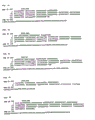
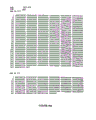
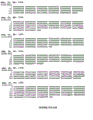
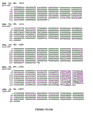
在另一个方面,本发明的特征是用于产生具有改变的特性的烟草植物的育种方法,所述方法包括下列步骤:(a)提供具有改变的特性的第一烟草植物,其包含核酸分子的不同的基因表达,所述核酸分子选自由下列各项组成的组中:在图1,图3-7,图10-158,图162-170,图172-1到172-19和图173-1到173-294中显示的核酸序列;(b)提供包含至少一种表型性状的第二烟草植物;(c)使所述第一烟草植物与第二烟草植物杂交以产生F1子代植物;(d)收集具有改变的特性的F1子代的种子;和(e)使种子萌发以产生具有改变的特性的烟草植物。在一个实施方案中,所述第一烟草植物包含内源核酸分子,其选自由下列各项组成的组:在图1,图3-7,图10-158,图162-170,图172-1到172-19和图173-1到173-294中显示的核酸序列,其中所述核酸包括突变。示例性突变包括缺失、取代、点突变、易位、倒位、复制或插入。In another aspect, the invention features a breeding method for producing tobacco plants with altered properties, the method comprising the steps of: (a) providing a first tobacco plant with altered properties comprising a nucleic acid molecule Different gene expression, the nucleic acid molecule is selected from the group consisting of the following: in Fig. 1, Fig. 3-7, Fig. 10-158, Fig. 162-170, Fig. 172-1 to 172-19 and Fig. 173- 1 to the nucleic acid sequence shown in 173-294; (b) providing a second tobacco plant comprising at least one phenotypic trait; (c) crossing said first tobacco plant with a second tobacco plant to produce F1 progeny plants (d) collecting the seeds of the F1 progeny with the altered characteristics; and (e) germinating the seeds to produce tobacco plants with the altered characteristics. In one embodiment, said first tobacco plant comprises an endogenous nucleic acid molecule selected from the group consisting of: in Figure 1, Figures 3-7, Figures 10-158, Figures 162-170, Figure 172- 1 to 172-19 and the nucleic acid sequences shown in Figures 173-1 to 173-294, wherein the nucleic acid comprises a mutation. Exemplary mutations include deletions, substitutions, point mutations, translocations, inversions, duplications or insertions.
在另一个实施方案中,上述方法的第一烟草植物包含内源核酸分子,所述内源核酸分子选自由下列各项组成的组:在图1,图3-7,图10-158,图162-170,图172-1到172-19和图173-1到173-294中显示的核酸序列,其中所述核酸包含无效突变。在另一个实施方案中,所述第一烟草植物包含重组基因,所述重组基因使内源核酸分子,选自由下列各项组成的组的内源核酸分子:在图1,图3-7,图10-158,图162-170,图172-1到172-19和图173-1到173-294中显示的核酸序列的表达沉默。In another embodiment, the first tobacco plant of the method above comprises an endogenous nucleic acid molecule selected from the group consisting of: in Figure 1, Figures 3-7, Figures 10-158, Figures 162-170, the nucleic acid sequences shown in Figures 172-1 to 172-19 and Figures 173-1 to 173-294, wherein the nucleic acid comprises a null mutation. In another embodiment, said first tobacco plant comprises a recombinant gene, said recombinant gene being an endogenous nucleic acid molecule, an endogenous nucleic acid molecule selected from the group consisting of: in Figure 1, Figures 3-7, Expression silencing of the nucleic acid sequences shown in Figures 10-158, Figures 162-170, Figures 172-1 to 172-19, and Figures 173-1 to 173-294.
如果需要,所述第一烟草植物包含内源核酸分子,所述内源核酸分子选自由下列各项组成的组:在图1,图3-7,图10-158,图162-170,图172-1到172-19和图173-1到173-294中显示的核酸序列,其中所述核酸分子编码具有减少的或改变的酶活性的多肽。在另一个实施方案中,第一烟草植物是转基因植物。If desired, said first tobacco plant comprises an endogenous nucleic acid molecule selected from the group consisting of: in Figure 1, Figures 3-7, Figures 10-158, Figures 162-170, Figures 172-1 to 172-19 and the nucleic acid sequences shown in Figures 173-1 to 173-294, wherein the nucleic acid molecule encodes a polypeptide having reduced or altered enzymatic activity. In another embodiment, the first tobacco plant is a transgenic plant.
用在本文公开的育种方法的示例性第一烟草植物包括Nicotianaafricana,Nicotiana amplexicaulis,Nicotiana arentsii,Nicotiana benthamiana,Nicotiana bigelovii,Nicotiana corymbosa,Nicotiana debneyi,Nicotianaexcelsior,Nicotiana exigua,Nicotiana glutinosa,Nicotiana goodspeedii,Nicotiana gossei,Nicotiana hesperis,Nicotiana ingulba,Nicotianaknightiana,Nicotiana maritima,Nicotiana megalosiphon,Nicotiana miersii,Nicotiana nesophila,Nicotiana noctiflora,Nicotiana nudicaulis,Nicotianaotophora,Nicotiana palmeri,Nicotiana paniculata,Nicotiana petunioides,Nicotiana plumbaginifolia,Nicotiana repanda,Nicotiana rosulata,Nicotianarotundifolia,黄花烟草,Nicotiana setchelli,Nicotiana stocktonii,Nicotiana eastii,Nicotiana suaveolens或Nicotiana trigonophylla。其它第一烟草植物包括各种烟草(Nicotiana tabacum)或黄花烟草。其它的第一烟草植物是东方型烟草、深色烟草、烟熏烟或晾烟、弗吉尼亚烟或白莱烟烟草植物。Exemplary first tobacco plants for use in the breeding methods disclosed herein include Nicotiana africana, Nicotiana amplexicaulis, Nicotiana arentsii, Nicotiana benthamiana, Nicotiana bigelovii, Nicotiana corymbosa, Nicotiana debneyi, Nicotianaexcelsior, Nicotiana exigua, Nicotiana Nicoglutinosa, Nicotiana goodosss hesperis,Nicotiana ingulba,Nicotianaknightiana,Nicotiana maritima,Nicotiana megalosiphon,Nicotiana miersii,Nicotiana nesophila,Nicotiana noctiflora,Nicotiana nudicaulis,Nicotianaotophora,Nicotiana palmeri,Nicotiana paniculata,Nicotiana petunioides,Nicotiana plumbaginifolia,Nicotiana repanda,Nicotiana rosulata,Nicotianarotundifolia,黄花烟草, Nicotiana setchelli, Nicotiana stocktonii, Nicotiana eastii, Nicotiana suaveolens or Nicotiana trigonophylla. Other first tobacco plants include Nicotiana tabacum or Nicotiana tabacum. Other first tobacco plants are oriental, dark, flue-cured or air-cured, Virginia or Burley tobacco plants.
在上述育种方法的另一个实施方案中,所述第二烟草植物是烟草(Nicotiana tabacum)。烟草的示例性种类包括商业种类诸如BU 64,CC 101,CC 200,CC 27,CC 301,CC 400,CC 500,CC 600,CC 700,CC 800,CC 900,Coker 176,Coker 319,Coker 371 Gold,Coker 48,CU 263,DF911,Galpao烟草,GL 26H,GL 350,GL 737,GL 939,GL 973,HB 04P,K 149,K 326,K 346,K 358,K 394,K 399,K 730,KT 200,KY 10,KY 14,KY 160,KY 17,KY 171,KY 907,KY 160,Little Crittenden,McNair 373,McNair 944,msKY 14×L8,Narrow Leaf Madole,NC 100,NC 102,NC 2000,NC 291,NC 297,NC 299,NC 3,NC 4,NC 5,NC 6,NC 606,NC 71,NC 72,NC 810,NC BH 129,OXFORD 207,′波瑞克′烟草,PVH03,PVH09,PVH19,PVH50,PVH51,R610,R 630,R 7-11,R 7-12,RG 17,RG 81,RG H4,RG H51,RGH 4,RGH 51,RS 1410,SP 168,SP 172,SP 179,SP 210,SP 220,SP G-28,SP G-70,SP H20,SP NF3,TN 86,TN 90,TN 97,TN D94,TN D950,TR(Tom Rosson)Madole,VA 309,VA 309,或VA 359。In another embodiment of the above breeding method, said second tobacco plant is Nicotiana tabacum. Exemplary types of tobacco include commercial types such as BU 64, CC 101, CC 200, CC 27, CC 301, CC 400, CC 500, CC 600, CC 700, CC 800, CC 900, Coker 176, Coker 319, Coker 371 Gold, Coker 48, CU 263, DF911, Galpao tobacco, GL 26H, GL 350, GL 737, GL 939, GL 973, HB 04P, K 149, K 326, K 346, K 358, K 394, K 399, K 730, KT 200, KY 10, KY 14, KY 160, KY 17, KY 171, KY 907, KY 160, Little Crittenden, McNair 373, McNair 944, msKY 14×L8, Narrow Leaf Madole, NC 100, NC 102, NC 2000, NC 291, NC 297, NC 299, NC 3, NC 4, NC 5, NC 6, NC 606, NC 71, NC 72, NC 810, NC BH 129, OXFORD 207, 'Borrek' Tobacco, PVH03, PVH09, PVH19, PVH50, PVH51, R610, R 630, R 7-11, R 7-12, RG 17, RG 81, RG H4, RG H51, RGH 4, RGH 51, RS 1410, SP 168, SP 172, SP 179, SP 210, SP 220, SP G-28, SP G-70, SP H20, SP NF3, TN 86, TN 90, TN 97, TN D94, TN D950, TR(Tom Rosson) Madole, VA 309, VA 309, or VA 359.
在另一个实施方案中,所述第二烟草植物的表型性状包括疾病抗性;高产率;高级指标;可保存性;熟化质量;可机械收割性;保持能力;叶子质量;高度,植物成熟(例如,早期成熟,早期到中期成熟,中期成熟,中期到晚期成熟,或晚期成熟);茎长(例如,短,中等的或长茎);或每株植物的叶子数量(例如,少(例如5-10片叶子),中等的(例如11-15片叶子),或多(例如16-21片叶子)。In another embodiment, the phenotypic trait of said second tobacco plant comprises disease resistance; high yield; advanced indicators; shelf life; cured quality; mechanical harvestability; holding capacity; leaf quality; height, plant maturity (e.g., early maturity, early to mid-maturation, mid-maturation, mid-to-late maturity, or late maturity); stem length (e.g., short, medium, or long stem); or number of leaves per plant (e.g., few ( eg 5-10 leaves), medium (eg 11-15 leaves), or many (eg 16-21 leaves).
在另一个实施方案中,所述方法包括用步骤(b)的植物给雄性不育或雄性不育杂种传粉或使产生自步骤(e)的萌发的种子的植物回交或给其传粉。在另一个方面,本发明的特征是将某种特性培育到烟草植物中的方法,所述方法包括下列步骤:a)使第一烟草植物与第二烟草植物进行杂交,所述第一烟草植物具有改变的特性,其包含选自由在图1,图3-7,图10-158,图162-170,图172-1到172-19和图173-1到173-294中显示的核酸序列组成的组的核酸分子的不同的基因表达;b)产生杂交的子代烟草植物;c)从子代烟草植物中提取DNA样品;d)使DNA样品与标记核酸分子接触,所述标记核酸分子与选自由下列各项组成的组的核酸分子杂交:在图1,图3-7,图10-158,图162-170,图172-1到172-19和图173-1到173-294中显示的核酸序列或其片段;和e)进行改变的特性的标记辅助的育种方法。典型地,这样的标记辅助育种方法包括使用扩增片段长度多态性,限制性片段长度多态性,随机扩增多态性展示,单核苷酸多态性,微卫星标记,或在烟草基因组中的靶向诱导的局部病灶。In another embodiment, the method comprises pollinating a male sterile or a male sterile hybrid with the plant of step (b) or backcrossing or pollinating a plant resulting from the germinated seed of step (e). In another aspect, the invention features a method of breeding a trait into a tobacco plant, the method comprising the steps of: a) crossing a first tobacco plant with a second tobacco plant, the first tobacco plant Having altered properties comprising a nucleic acid sequence selected from those shown in Figure 1, Figures 3-7, Figures 10-158, Figures 162-170, Figures 172-1 to 172-19 and Figures 173-1 to 173-294 differential gene expression of the nucleic acid molecules of the constituent group; b) producing hybrid progeny tobacco plants; c) extracting a DNA sample from the progeny tobacco plants; d) contacting the DNA sample with a marker nucleic acid molecule, which Hybridizes with a nucleic acid molecule selected from the group consisting of: in Figure 1, Figures 3-7, Figures 10-158, Figures 162-170, Figures 172-1 to 172-19 and Figures 173-1 to 173-294 The nucleic acid sequence shown in or a fragment thereof; and e) a marker-assisted breeding method for altered properties. Typically, such marker-assisted breeding methods include the use of amplified fragment length polymorphisms, restriction fragment length polymorphisms, random amplified polymorphism display, single nucleotide polymorphisms, microsatellite markers, or Target-induced focal foci in the genome.
在另一个方面中,本发明的特征是产生烟草种子的方法,其包括使得选自由Nicotiana africana,Nicotiana amplexicaulis,Nicotiana arentsii,Nicotiana benthamiana,Nicotiana bigelovii,Nicotiana corymbosa,Nicotiana debneyi,Nicotiana excelsior,Nicotiana exigua,Nicotianaglutinosa,Nicotiana goodspeedii,Nicotiana gossei,Nicotiana hesperis,Nicotiana ingulba,Nicotiana knightiana,Nicotiana maritima,Nicotianamegalosiphon,Nicotiana miersii,Nicotiana nesophila,Nicotiana noctiflora,Nicotiana nudicaulis,Nicotiana otophora,Nicotiana palmeri,Nicotianapaniculata,Nicotiana petunioides,Nicotiana plumbaginifolia,Nicotianarepanda,Nicotiana rosulata,Nicotiana rotundifolia,黄花烟草,Nicotianasetchelli,Nicotiana stocktonii,Nicotiana eastii,Nicotiana suaveolens或Nicotiana trigonophylla组成的组的任一种植物,具有改变的特性的烟草植物到第二种,独特的烟草植物进行杂交,所述改变的特性包括选自由在图1,图3-7,图10-158,图162-170,图172-1到172-19和图173-1到173-294中显示的核酸序列组成的组的核酸分子的不同的基因表达。In another aspect, the invention features a method of producing tobacco seeds comprising making a tobacco seed selected from the group consisting of Nicotiana africana, Nicotiana amplexicaulis, Nicotiana arentsii, Nicotiana benthamiana, Nicotiana bigelovii, Nicotiana corymbosa, Nicotiana debneyi, Nicotiana excelsior, Nicotiana exigua, Nicotianaglutinosa ,Nicotiana goodspeedii,Nicotiana gossei,Nicotiana hesperis,Nicotiana ingulba,Nicotiana knightiana,Nicotiana maritima,Nicotianamegalosiphon,Nicotiana miersii,Nicotiana nesophila,Nicotiana noctiflora,Nicotiana nudicaulis,Nicotiana otophora,Nicotiana palmeri,Nicotianapaniculata,Nicotiana petunioides,Nicotiana plumbaginifolia,Nicotianarepanda,Nicotiana rosulata, Nicotiana rotundifolia, Nicotiana nicotianae, Nicotianasetchelli, Nicotiana stocktonii, Nicotiana eastii, Nicotiana suaveolens or Nicotiana trigonophylla, a tobacco plant having altered characteristics to a second, distinct tobacco plant for crossing, so The characteristics of the change include being selected from the nucleic acid sequences shown in Fig. 1, Fig. 3-7, Fig. 10-158, Fig. 162-170, Fig. 172-1 to 172-19 and Fig. Set of nucleic acid molecules of different gene expressions.
在另一个实施方案中,杂交包括下列步骤:(a)种植种子,所述种子来自具有改变的特性的烟草植物和第二种,独特的烟草植物的杂交;(b)从种子种植烟草植物直到植物开花;(c)用来自第二烟草植物的花粉给具有改变的特性的烟草植物的花进行传粉或用来自具有改变的特性的烟草植物的花粉给所述第二烟草植物的花进行传粉;和(d)收获得自所述传粉的种子。In another embodiment, crossing comprises the steps of: (a) planting seeds from a cross of a tobacco plant having altered characteristics and a second, distinct tobacco plant; (b) growing tobacco plants from seed until the plant blooms; (c) pollinating flowers of a tobacco plant with altered characteristics with pollen from a second tobacco plant or pollinating flowers of said second tobacco plant with pollen from a tobacco plant with altered characteristics; and (d) harvesting seeds obtained from said pollination.
在另一个方面中,本发明的特征是在烟草育种程序中培育烟草植物的方法,其包括:(a)提供具有改变的特性的烟草植物,或其组分,所述改变的特性包括选自由在图1,图3-7,图10-158,图162-170,图172-1到172-19和图173-1到173-294中显示的核酸序列组成的组的核酸分子的不同的基因表达;和(b)将所述植物或植物组分作为使用烟草植物育种技术的育种原料的来源。示例性植物育种技术包括集团选择,回交,自花传粉,渐渗现象,谱系选择,纯系选择,单倍体/二倍体育种,或单种谱系(single seeddescent)。In another aspect, the invention features a method of growing a tobacco plant in a tobacco breeding program comprising: (a) providing a tobacco plant, or a component thereof, having an altered characteristic comprising a tobacco plant selected from the group consisting of: In Figure 1, Figures 3-7, Figures 10-158, Figures 162-170, Figures 172-1 to 172-19 and Figures 173-1 to 173-294, the nucleic acid molecules of the group consisting of different gene expression; and (b) using the plant or plant component as a source of breeding material using tobacco plant breeding techniques. Exemplary plant breeding techniques include group selection, backcrossing, self-pollination, introgression, lineage selection, pure line selection, haploid/diploid breeding, or single seeddescent.
在相关方面中,本发明的特征是按照上述育种方法的任一种产生的烟草植物或其组分。在另一个相关方面,本发明的特征是可再生的烟草细胞的组织培养物,所述烟草细胞获自按照本文所述方法培育或产生的植物的任一种。这些组织培养物再生出这样的烟草植物,所述烟草植物能够表达具有不同的烟碱脱甲基酶基因表达或改变的特性的烟草植物的所有生理和形态特征。示例性可再生的细胞是胚、分生细胞、种子、花粉、叶、根、根端、或花或是来自其中的原生质体或胼胝体。In a related aspect, the invention features a tobacco plant or component thereof produced according to any of the breeding methods described above. In another related aspect, the invention features a tissue culture of regenerable tobacco cells obtained from any of the plants grown or produced according to the methods described herein. These tissue cultures regenerate tobacco plants capable of expressing all the physiological and morphological characteristics of tobacco plants with different nicotine demethylase gene expression or altered profiles. Exemplary regenerable cells are embryos, meristematic cells, seeds, pollen, leaves, roots, root tips, or flowers or protoplasts or calluses therefrom.
在另一个相关方面,本发明的特征是产生烟草产品的方法,包括:(a)按照前述育种方法的任一种产生烟草植物;和(b)从烟草植物中制备烟草产品。示例性烟草产品包括叶子或茎或两者;无烟烟草产品;湿或干鼻烟(snuff);嚼烟(chewing tobaccos);卷烟(cigarette products);雪茄烟(cigarproducts);小雪茄烟(cigarillos);pipe tobacco或bidis。In another related aspect, the invention features a method of producing a tobacco product comprising: (a) producing a tobacco plant according to any of the aforementioned breeding methods; and (b) producing a tobacco product from the tobacco plant. Exemplary tobacco products include leaves or stems or both; smokeless tobacco products; moist or dry snuff; chewing tobacco; cigarettes; cigar products; cigarillos ; pipe tobacco or bidis.
本发明的另一个方面的特征是分离的遗传标记,其包括与在图1,图3-7,图10-158,图162-170,图172-1到172-19和图173-1到173-294中显示的核酸序列基本上相同,理想地至少70%相同的核酸序列。在本发明的该方面的理想实施方案中,所述核酸序列包含这样的序列,所述序列在严格条件下与在图1,图3-7,图10-158,图162-170,图172-1到172-19和图173-1到173-294中显示的核酸序列的互补序列杂交。在其它的理想实施方案中,所述核酸序列是组成性的,或乙烯或衰老诱导的。此外,所述核酸序列理想地编码与在图1,图3和4,图10-158,图160A-160E,图162到170和图172-1到172-19中显示的氨基酸序列基本上相同的多肽。Another aspect of the invention features isolated genetic markers, which are included with those described in Fig. 1, Figs. 3-7, Figs. 10-158, Figs. The nucleic acid sequences shown in 173-294 are substantially identical, ideally at least 70% identical nucleic acid sequences. In a desirable embodiment of this aspect of the present invention, said nucleic acid sequence comprises a sequence which, under stringent conditions, is identical to that shown in Figure 1, Figures 3-7, Figures 10-158, Figures 162-170, Figure 172 -1 to 172-19 and the complements of the nucleic acid sequences shown in Figures 173-1 to 173-294 hybridize. In other desirable embodiments, the nucleic acid sequence is constitutive, or ethylene or senescence-inducible. In addition, said nucleic acid sequence desirably encodes an amino acid sequence substantially identical to that shown in Figure 1, Figures 3 and 4, Figures 10-158, Figures 160A-160E, Figures 162 to 170 and Figures 172-1 to 172-19 of polypeptides.
在本发明的其它理想实施方案中,所述核酸序列与异源基因可操纵地连接或所述核酸序列与可诱导的、组成性的、病原体或创伤诱导的、环境或发育调节的或细胞-或组织-特异性的启动子可操纵地连接。In other desirable embodiments of the invention, said nucleic acid sequence is operably linked to a heterologous gene or said nucleic acid sequence is linked to an inducible, constitutive, pathogen or wound-induced, environmental or developmentally regulated or cell- Or a tissue-specific promoter is operably linked.
在另一个方面,本发明的特征是包含在图1,图3-7,图10-158,图162-170,图172-1到172-19和图173-1到173-294中显示的核酸序列的表达载体,其中所述载体能够指导由所述核酸序列编码的多肽的表达。In another aspect, the features of the invention are embodied in FIGS. An expression vector of a nucleic acid sequence, wherein said vector is capable of directing the expression of a polypeptide encoded by said nucleic acid sequence.
本发明的另一个方面的特征是包含在图1,图3和4,图10-158,图160A-160E,图162到170或图172-1到172-19中显示的多肽的氨基酸序列的基本纯的多肽,以及特异性识别所述多肽的抗体。Another aspect of the invention is characterized by the amino acid sequence comprising the polypeptide shown in Figure 1, Figures 3 and 4, Figures 10-158, Figures 160A-160E, Figures 162 to 170 or Figures 172-1 to 172-19. A substantially pure polypeptide, and an antibody that specifically recognizes said polypeptide.
本发明的另一个方面的特征是包含在图1,图3-7,图10-158,图162-170,图172-1到172-19和图173-1到173-294中显示的分离的核酸序列的植物或植物组分,其中所述核酸序列在植物或植物组分中表达,或编码多肽的核酸序列,所述多肽与在图1,图3和4,图10-158,图160A-160E,图162到170或图172-1到172-19中显示的氨基酸序列基本上相同,其中所述核酸序列在植物或植物组分中表达。理想地,所述植物或植物组分是烟草属物种,例如在表8中显示的烟草属物种。在其它理想的实施方案中,所述植物组分是叶,例如加工处理的(cured)烟草叶,茎或种子。理想的实施方案的特征是来自萌发的种子的植物。Another aspect of the invention is characterized by the separation shown in Figure 1, Figures 3-7, Figures 10-158, Figures 162-170, Figures 172-1 to 172-19 and Figures 173-1 to 173-294. A plant or a plant component of a nucleic acid sequence, wherein said nucleic acid sequence is expressed in a plant or a plant component, or a nucleic acid sequence encoding a polypeptide that is similar to that shown in Figure 1, Figures 3 and 4, Figures 10-158, Figure 1 160A-160E, the amino acid sequences shown in Figures 162 to 170 or Figures 172-1 to 172-19 are substantially identical, wherein the nucleic acid sequence is expressed in a plant or plant component. Ideally, the plant or plant component is a Nicotiana species, such as those shown in Table 8. In other desirable embodiments, the plant component is a leaf, such as cured tobacco leaves, stems or seeds. A desirable embodiment features plants from germinated seeds.
在另一个方面,本发明的特征是包含植物或植物组分的烟草产品,所述植物或植物组分包含在图1,图3-7,图10-158,图162-170,图172-1到172-19和图173-1到173-294中显示的分离的核酸序列,其中所述核酸序列在植物或植物组分中进行表达。理想地,将内源基因在加工处理的烟草植物或植物组分中的表达沉默。在其它理想的实施方案中,所述烟草产品是无烟烟草产品,湿或干的鼻烟,嚼烟,卷烟,雪茄烟,小雪茄烟,pipetobaccos或bidis。具体而言,本发明的该方面的烟草产品可以包含深色烟草,研磨过的烟草,或包含加香成分。In another aspect, the invention features a tobacco product comprising a plant or plant component contained in Figure 1, Figures 3-7, Figures 10-158, Figures 162-170, Figure 172- 1 to 172-19 and the isolated nucleic acid sequences shown in Figures 173-1 to 173-294, wherein said nucleic acid sequence is expressed in a plant or a plant component. Ideally, expression of the endogenous gene is silenced in the processed tobacco plant or plant component. In other desirable embodiments, the tobacco product is a smokeless tobacco product, moist or dry snuff, chewing tobacco, cigarettes, cigars, cigarillos, pipetobaccos or bidis. In particular, the tobacco product of this aspect of the invention may comprise dark tobacco, ground tobacco, or comprise flavoring ingredients.
本发明的另一个方面的特征是在植物细胞中减少组成性,或乙烯诱导的或衰老诱导的烟草多肽的表达或酶活性的方法。该方法包括减少植物细胞中内源组成性的或乙烯或衰老诱导的烟草多肽的水平或酶活性。在理想的实施方案中,所述烟草多肽是p450。在其它理想的实施方案中,所述植物细胞来自烟草属物种,例如在表8中显示的烟草属物种的其中之一。Another aspect of the invention features a method of reducing the expression or enzymatic activity of a constitutive, or ethylene-induced or senescence-induced tobacco polypeptide in a plant cell. The method comprises reducing the level or enzymatic activity of an endogenous constitutive or ethylene or senescence-induced tobacco polypeptide in a plant cell. In a desirable embodiment, the tobacco polypeptide is p450. In other desirable embodiments, the plant cell is from a Nicotiana species, such as one of the Nicotiana species shown in Table 8.
在另一个理想的实施方案中,减少内源组成性,或乙烯或衰老诱导的烟草多肽的水平包括在植物细胞中表达转基因,所述转基因编码在图1,图3-7,图10-158,图162-170,图172-1到172-19和图173-1到173-294中显示的核酸序列或编码包含在图1,图3和4,图10-158,图160A-160E,图162-170和图172-1到172-19中显示的氨基酸序列的多肽的核酸序列的反义核酸分子。在另一个理想的实施方案中,所述转基因在植物细胞中编码组成性,或乙烯或衰老诱导的烟草核酸或氨基酸序列的双链RNA分子。在其它理想的实施方案中,所述转基因以,例如组织特异性,细胞特异性,或器官特异性方式进行表达。此外,减少内源组成性,或乙烯或衰老诱导的烟草多肽的水平理想地包括在植物细胞中共抑制组成性,或乙烯或衰老诱导的烟草多肽。在另一个理想的实施方案中,减少内源组成性,或乙烯或衰老诱导的烟草多肽的水平包括在植物细胞中表达显性负调控的基因产物。理想地,所述内源组成性,或乙烯或衰老诱导的烟草多肽包括基因中的突变,所述基因编码在图1,图3和4,图10到158,图160A到160E,图162-170和图172-1到172-19中显示的氨基酸序列。在其它的理想实施方案中,减少的表达发生在转录水平,翻译水平或在翻译后水平。In another desirable embodiment, reducing the level of an endogenous constitutive, or ethylene or senescence-induced tobacco polypeptide comprises expressing in the plant cell a transgene encoded in Figure 1, Figures 3-7, Figures 10-158 , Figures 162-170, Figures 172-1 to 172-19 and Figures 173-1 to 173-294 show nucleic acid sequences or codes contained in Figure 1, Figures 3 and 4, Figures 10-158, Figures 160A-160E, Antisense nucleic acid molecules to the nucleic acid sequences of the polypeptides of the amino acid sequences shown in Figures 162-170 and Figures 172-1 to 172-19. In another desirable embodiment, the transgene encodes a double-stranded RNA molecule of a constitutive, or ethylene or senescence-induced tobacco nucleic acid or amino acid sequence in a plant cell. In other desirable embodiments, the transgene is expressed, eg, in a tissue-specific, cell-specific, or organ-specific manner. In addition, reducing the level of an endogenous constitutive, or ethylene or senescence-induced tobacco polypeptide desirably includes co-inhibiting the constitutive, or ethylene or senescence-induced tobacco polypeptide in the plant cell. In another desirable embodiment, reducing the level of an endogenous constitutive, or ethylene or senescence-induced tobacco polypeptide comprises expressing a dominant negative regulated gene product in the plant cell. Ideally, the endogenous constitutive, or ethylene or senescence-induced tobacco polypeptide comprises a mutation in the gene encoded in Figure 1, Figures 3 and 4, Figures 10 to 158, Figures 160A to 160E, Figures 162- 170 and the amino acid sequences shown in Figures 172-1 to 172-19. In other desirable embodiments, the reduced expression occurs at the transcriptional level, translational level or at the post-translational level.
本发明的另一个方面的特征是在植物细胞中增加组成性,或乙烯或衰老诱导的烟草多肽的表达或酶活性的方法。该方法包括在植物细胞中增加内源组成性,或乙烯或衰老诱导的烟草多肽的水平或酶活性。在本发明的该方面的理想实施方案中,所述植物细胞来自烟草属物种,例如在表8中显示的烟草属物种。在另一个理想的实施方案中,增加组成性,或乙烯或衰老诱导的烟草多肽的水平包括在植物细胞中表达转基因,所述转基因包括在图1,图3-7,图10-158,图162-170,图172-1到172-19和图173-1到173-294中显示的核酸序列或编码包含在图1,图3和4,图10-158,图160A-160E,图162-170和图172-1到172-19中显示的氨基酸序列的多肽的核酸序列。理想地,增加的表达发生在转录水平,翻译水平或在翻译后水平。Another aspect of the invention features a method of increasing expression or enzymatic activity of a constitutive, or ethylene or senescence-induced tobacco polypeptide in a plant cell. The method comprises increasing the level or enzymatic activity of an endogenous constitutive, or ethylene or senescence-induced tobacco polypeptide in a plant cell. In a desirable embodiment of this aspect of the invention, the plant cell is from a Nicotiana species, for example the Nicotiana species shown in Table 8. In another desirable embodiment, increasing the level of a constitutive, or ethylene or senescence-induced tobacco polypeptide comprises expressing a transgene in a plant cell, said transgene included in Figure 1, Figures 3-7, Figures 10-158, Figures 162-170, Figures 172-1 to 172-19 and Figures 173-1 to 173-294 show nucleic acid sequences or codes contained in Figure 1, Figures 3 and 4, Figures 10-158, Figures 160A-160E, Figure 162 -170 and the nucleic acid sequence of the polypeptide of the amino acid sequences shown in Figures 172-1 to 172-19. Ideally, increased expression occurs at the transcriptional level, translational level or at the post-translational level.
本发明的另一个方面的特征是产生组成性,或乙烯或衰老诱导的烟草多肽的方法。该方法包括下列步骤:(a)提供用包含在图1,图3-7,图10-158,图162-170,图172-1到172-19和图173-1到173-294中显示的核酸序列的分离的核酸分子转化的细胞;(b)在表达所述分离的核酸分子的条件下培养所述转化的细胞;和(c)回收所述组成性,或乙烯或衰老诱导的烟草多肽。理想地,所述组成性,或乙烯或衰老诱导的烟草多肽是p450。在另一个理想的实施方案中,本发明的特征是按照本发明的该方面的方法产生的重组的组成性,或乙烯或衰老诱导的烟草多肽。Another aspect of the invention features a method of producing a constitutive, or ethylene or senescence-induced tobacco polypeptide. The method comprises the following steps: (a) providing the following steps: (a) providing (b) cultivating said transformed cell under conditions expressing said isolated nucleic acid molecule; and (c) recovering said constitutive, or ethylene or senescence-induced tobacco peptide. Ideally, the constitutive, or ethylene or senescence-induced tobacco polypeptide is p450. In another desirable embodiment, the invention features recombinant constitutive, or ethylene or senescence-inducing tobacco polypeptides produced according to the methods of this aspect of the invention.
在另一个方面中,本发明的特征是分离组成性,或乙烯或衰老诱导的烟草多肽或其片段的方法。该方法包括下列步骤:(a)使在图1,图3-7,图10-158,图162-170,图172-1到172-19和图173-1到173-294中显示的核酸序列或其部分与制备自植物细胞的核酸制备物在严格杂交条件下接触,所述杂交条件提供与在图1,图3-7,图10-158,图162-170,图172-1到172-19和图173-1到173-294中显示的核酸序列具有至少70%或更大的序列同一性的核酸序列的检测;和(b)分离杂交的核酸序列。理想地,所述组成性,或乙烯或衰老诱导的烟草多肽是p450。In another aspect, the invention features a method of isolating a constitutive, or ethylene or senescence-inducing tobacco polypeptide or fragment thereof. The method comprises the steps of: (a) making the nucleic acids shown in Figure 1, Figures 3-7, Figures 10-158, Figures 162-170, Figures 172-1 to 172-19 and Figures 173-1 to 173-294 The sequence or portion thereof is contacted with a nucleic acid preparation prepared from a plant cell under stringent hybridization conditions as provided in Figure 1, Figures 3-7, Figures 10-158, Figures 162-170, Figure 172-1 to 172-19 and the detection of nucleic acid sequences having at least 70% or greater sequence identity to the nucleic acid sequences shown in Figures 173-1 to 173-294; and (b) isolating hybridized nucleic acid sequences. Ideally, the constitutive, or ethylene or senescence-induced tobacco polypeptide is p450.
本发明另一个方面的特征是包含编码烟碱脱甲基酶的核苷酸序列的分离的核酸分子,例如DNA序列。在理想的实施方案中,第一方面的核苷酸序列基本上与编码烟草烟碱脱甲基酶的核苷酸序列相同,所述烟草烟碱脱甲基酶诸如这样的烟草烟碱脱甲基酶,其包含与SEQ ID NO:4或SEQ ID NO:5的核苷酸序列至少70%同一性的核苷酸序列,或包含SEQ IDNO:4的核苷酸2010-2949和/或3947-4562,或包含SEQ ID NO:4或SEQID NO:5的序列。本发明的第一个方面的分离的核酸分子,例如与在植物细胞中有功能的启动子可操纵地连接,并且理想地包含在表达载体内。在其它理想的实施方案中,表达载体被包含在细胞,例如植物细胞中。理想地,所述植物细胞,诸如烟草植物细胞包括在植物中。在另一个理想的实施方案中,本发明的特征是来自包含表达载体的植物的种子,例如烟草种子,其中所述种子包含分离的核酸分子,所述核酸分子在严格杂交条件下与SEQ ID NO:4的序列杂交,其与异源启动子序列可操纵地连接。此外,本发明的特征是来自包含表达载体的萌发的种子的植物,来自所述植物的绿色或加工处理的叶子,和制备自所述叶子的制品。Another aspect of the invention features an isolated nucleic acid molecule, eg, a DNA sequence, comprising a nucleotide sequence encoding a nicotine demethylase. In a desirable embodiment, the nucleotide sequence of the first aspect is substantially identical to a nucleotide sequence encoding a tobacco nicotine demethylase, such as a tobacco nicotine demethylase such as A base enzyme comprising a nucleotide sequence at least 70% identical to the nucleotide sequence of SEQ ID NO: 4 or SEQ ID NO: 5, or comprising nucleotides 2010-2949 and/or 3947 of SEQ ID NO: 4 -4562, or a sequence comprising SEQ ID NO:4 or SEQ ID NO:5. The isolated nucleic acid molecule of the first aspect of the invention is, for example, operably linked to a promoter functional in plant cells, and desirably contained within an expression vector. In other desirable embodiments, the expression vector is contained in a cell, such as a plant cell. Ideally, said plant cells, such as tobacco plant cells, are comprised in a plant. In another desirable embodiment, the invention features a seed from a plant comprising the expression vector, such as tobacco seed, wherein the seed comprises an isolated nucleic acid molecule that is hybridized to SEQ ID NO under stringent hybridization conditions. : The sequence of 4 hybridizes, which is operably linked to a heterologous promoter sequence. In addition, the invention features plants from germinated seeds comprising the expression vector, green or processed leaves from said plants, and articles made from said leaves.
在另一个理想的实施方案中,所述核苷酸序列包含这样的序列,其在严格杂交条件下与SEQ ID NO:4和/或SEQ ID NO:5的核苷酸序列的互补序列,或SEQ ID NO:4或SEQ ID NO:5的片段杂交。理想地,所述核苷酸序列编码烟碱脱甲基酶,其与SEQ ID NO:3的氨基酸序列基本上相同。在本发明的第一个方面的另一个理想的实施方案中,所述烟碱脱甲基酶与SEQ ID NO:3的烟碱脱甲基酶氨基酸序列或烟碱脱甲基酶的片段具有至少70%的氨基酸序列同一性,所述烟碱脱甲基酶的片段与全长多肽相比具有改变(例如,减少)的酶活性。理想地,所述烟碱脱甲基酶包含SEQ ID NO:3的氨基酸序列。In another desirable embodiment, the nucleotide sequence comprises a sequence that is complementary to the nucleotide sequence of SEQ ID NO: 4 and/or SEQ ID NO: 5 under stringent hybridization conditions, or Fragments of SEQ ID NO: 4 or SEQ ID NO: 5 hybridize. Ideally, the nucleotide sequence encodes a nicotine demethylase that is substantially identical to the amino acid sequence of SEQ ID NO:3. In another desirable embodiment of the first aspect of the present invention, the nicotine demethylase has the amino acid sequence of the nicotine demethylase of SEQ ID NO: 3 or a fragment of the nicotine demethylase At least 70% amino acid sequence identity, the fragment of the nicotine demethylase has altered (eg, reduced) enzymatic activity compared to the full-length polypeptide. Ideally, the nicotine demethylase comprises the amino acid sequence of SEQ ID NO:3.
在另一个方面,本发明的特征是分离的核酸分子,其包含这样的启动子,所述启动子在严格条件下杂交于SEQ ID NO:8的序列,或驱动转录的其片段。理想地,所述启动子(i)在用乙烯处理后或在衰老过程中被诱导;并且(ii)包括(a)SEQ ID NO:4的碱基对1-2009,或(b)至少200个连续的碱基对,其与由SEQ ID NO:4的碱基对1-2009限定的200个连续的碱基对的序列相同,或(c)20个碱基对核苷酸部分,其在序列上与在SEQ ID NO:4的碱基对1-2009中提出的20个连续碱基对部分的序列相同。In another aspect, the invention features an isolated nucleic acid molecule comprising a promoter that hybridizes under stringent conditions to the sequence of SEQ ID NO: 8, or a fragment thereof that drives transcription. Ideally, the promoter (i) is induced after treatment with ethylene or during aging; and (ii) comprises (a) base pairs 1-2009 of SEQ ID NO: 4, or (b) at least 200 contiguous base pairs identical to the sequence of 200 contiguous base pairs defined by base pairs 1-2009 of SEQ ID NO: 4, or (c) a 20 base pair nucleotide portion which Identical in sequence to the sequence of the 20 contiguous base pair portion set forth in base pairs 1-2009 of SEQ ID NO:4.
本发明的另一个方面的特征是分离的核酸启动子,其包含与SEQ IDNO:8的序列具有50%或更多的序列同一性的核苷酸序列。理想地,该分离的核酸启动子在用乙烯处理后,或在衰老过程中被诱导,并且例如包含SEQ ID NO:8的序列。备选地,所述启动子可以包含可从SEQ ID NO:8中获得的片段,其中所述片段驱动异源基因的转录或减少或改变烟碱脱甲基酶活性(例如,使基因表达沉默)。在理想的实施方案中,所述启动子序列与异源核酸序列可操纵地连接,并且可以例如被包含在表达载体中。在其它理想的实施方案中,所述表达载体被包含在细胞,例如植物细胞中。理想地,植物细胞,诸如烟草植物细胞,被包含在植物中。在另一个理想的实施方案中,本发明的特征是来自包含表达载体的植物的种子,例如烟草种子,其中所述种子包含分离的核酸分子,其在严格条件下,杂交于SEQID NO:8的序列,其与异源核酸序列可操纵地连接。此外,本发明的特征是来自包含本发明的该方面的启动子的萌发种子的植物,来自所述植物的绿色或加工处理的叶子,和由所述叶子制成的制品。Another aspect of the invention features an isolated nucleic acid promoter comprising a nucleotide sequence having 50% or more sequence identity to the sequence of SEQ ID NO: 8. Ideally, the isolated nucleic acid promoter is induced after treatment with ethylene, or during aging, and for example comprises the sequence of SEQ ID NO:8. Alternatively, the promoter may comprise a fragment obtainable from SEQ ID NO: 8, wherein the fragment drives transcription of a heterologous gene or reduces or alters nicotine demethylase activity (e.g., silencing gene expression ). In a desirable embodiment, the promoter sequence is operably linked to a heterologous nucleic acid sequence and may, for example, be contained in an expression vector. In other desirable embodiments, the expression vector is contained in a cell, such as a plant cell. Ideally, plant cells, such as tobacco plant cells, are contained in a plant. In another desirable embodiment, the present invention is characterized by seeds from plants comprising the expression vector, such as tobacco seeds, wherein said seeds comprise isolated nucleic acid molecules that hybridize to SEQ ID NO:8 under stringent conditions. sequence, which is operably linked to a heterologous nucleic acid sequence. Furthermore, the invention features plants from germinated seeds comprising the promoter of this aspect of the invention, green or processed leaves from said plants, and articles made from said leaves.
本发明的另一个方面的特征是在植物中表达异源基因的方法。该方法包括(i)将包含启动子序列的载体引入植物细胞,所述启动子序列与SEQ IDNO:8的序列具有50%或更多的序列同一性,其与异源核酸序列可操纵地连接;和(ii)从所述细胞中再生植物。此外,该方法可以包括将载体性传递到子代,并且进一步可以包括收集从子代中产生的种子的步骤。Another aspect of the invention features a method of expressing a heterologous gene in a plant. The method comprises (i) introducing into a plant cell a vector comprising a promoter sequence having 50% or more sequence identity to the sequence of SEQ ID NO: 8, which is operably linked to a heterologous nucleic acid sequence and (ii) regenerating plants from said cells. Additionally, the method may include sexually transmitting the vector to progeny, and may further include the step of collecting seeds produced from the progeny.
在另一个方面,本发明的特征是在烟草植物中减少烟碱脱甲基酶的表达的方法。该方法包括下列步骤:(i)将包含SEQ ID NO:8的序列或可从SEQ ID NO:8获得的片段的载体引入烟草植物中,所述SEQ ID NO:8的序列或可从SEQ ID NO:8获得的片段与异源核酸序列可操纵地连接和(ii)在烟草植物中表达所述载体。在该方法的理想实施方案中,烟碱脱甲基酶的表达被沉默。在其它理想的实施方案中,所述载体表达RNA,诸如反义RNA或能够诱导RNA干扰(RNAi)的RNA分子。In another aspect, the invention features a method of reducing expression of nicotine demethylase in a tobacco plant. The method comprises the following steps: (i) introducing into a tobacco plant a vector comprising a sequence of SEQ ID NO: 8 or a fragment obtainable from SEQ ID NO: 8, said sequence of SEQ ID NO: 8 or a fragment obtainable from SEQ ID NO: 8 The obtained fragment is operably linked to a heterologous nucleic acid sequence and (ii) expressing the vector in tobacco plants. In a desirable embodiment of the method, the expression of nicotine demethylase is silenced. In other desirable embodiments, the vector expresses RNA, such as antisense RNA or an RNA molecule capable of inducing RNA interference (RNAi).
在另一个理想的方面中,本发明的特征是包含这样的内含子的分离的核酸分子,所述内含子在严格条件下杂交于SEQ ID NO:7的序列或其片段,SEQ ID NO:7的序列或其片段减少或改变烟碱脱甲基酶的酶活性(例如,沉默基因表达)或可以充当分子标记以鉴定烟碱脱甲基酶核酸序列。在理想的实施方案中,内含子包含(a)SEQ ID NO:4的碱基对2950-3946,或(b)至少200个连续的碱基对,其与SEQ ID NO:4的碱基对2950-3946所定义的200个连续的碱基对的序列相同,或(c)20个碱基对核苷酸部分,其在序列上与在SEQ ID NO:4的碱基对2950-3946中提出的20个连续的碱基对部分的序列相同。In another desirable aspect, the invention features an isolated nucleic acid molecule comprising an intron that hybridizes under stringent conditions to the sequence of SEQ ID NO: 7 or a fragment thereof, SEQ ID NO The sequence of :7 or a fragment thereof reduces or alters the enzymatic activity of a nicotine demethylase (eg, silences gene expression) or can serve as a molecular marker to identify a nicotine demethylase nucleic acid sequence. In a desirable embodiment, the intron comprises (a) base pairs 2950-3946 of SEQ ID NO: 4, or (b) at least 200 contiguous base pairs that are identical to the base pairs of SEQ ID NO: 4 Identical to the sequence of 200 contiguous base pairs defined by 2950-3946, or (c) a 20 base pair nucleotide portion which is identical in sequence to base pairs 2950-3946 in SEQ ID NO: 4 The sequence of the 20 contiguous base pair portion proposed in is identical.
本发明的另一个理想的方面的特征是分离的核酸内含子,所述内含子包括与SEQ ID NO:7的序列或其片段具有50%或更多序列同一性的核苷酸序列,所述SEQ ID NO:7的序列或其片段减少或改变烟碱脱甲基酶的酶活性(例如,沉默基因表达)或可以充当分子标记以鉴定烟碱脱甲基酶核酸序列。使基因表达沉默,可以例如,包括导致不具有烟碱脱甲基酶活性的基因产物的同源重组(例如使用SEQ ID NO:188的序列或其片段)或突变。具体而言,所述内含子可以包含SEQ ID NO:7的序列或可以从SEQ ID NO:7获得的片段。理想地,包含内含子的分离的核酸分子与异源核酸序列可操纵地连接并且该序列理想地被包含在表达载体中。在另一个实施方案中,所述表达载体被包含在细胞,诸如植物细胞中。具体而言,所述细胞可以是烟草细胞。包含这样的植物细胞的植物,例如烟草植物是本发明的另一个理想的实施方案,所述植物细胞包含SEQ ID NO:7的序列或可从SEQ ID NO:7获得的片段,其在表达载体中与异源核酸序列可操纵地连接。另外,来自植物的种子,例如烟草种子也是理想的,其中所述种子包含内含子,所述内含子在严格条件下杂交于与异源核酸序列可操纵地连接的SEQ ID NO:7。此外,本发明的特征是来自包含本发明的该方面的内含子的萌发的种子的植物,来自所述植物的绿色或加工处理的叶子,和从所述绿色或加工处理的叶子制成的制品。Another desirable aspect of the present invention is characterized by an isolated nucleic acid intron comprising a nucleotide sequence having 50% or more sequence identity to the sequence of SEQ ID NO: 7 or a fragment thereof, The sequence of SEQ ID NO: 7 or a fragment thereof reduces or alters the enzymatic activity of a nicotine demethylase (eg, silences gene expression) or can serve as a molecular marker to identify a nicotine demethylase nucleic acid sequence. Silencing of gene expression may, for example, involve homologous recombination (for example using the sequence of SEQ ID NO: 188 or a fragment thereof) or mutation resulting in a gene product that does not have nicotine demethylase activity. In particular, said intron may comprise the sequence of SEQ ID NO: 7 or a fragment obtainable from SEQ ID NO: 7. Ideally, an isolated nucleic acid molecule comprising an intron is operably linked to a heterologous nucleic acid sequence and this sequence is desirably contained in an expression vector. In another embodiment, the expression vector is contained in a cell, such as a plant cell. In particular, the cells may be tobacco cells. Another desirable embodiment of the invention is a plant, such as a tobacco plant, comprising a plant cell comprising the sequence of SEQ ID NO: 7 or a fragment obtainable from SEQ ID NO: 7 expressed in an expression vector is operably linked to a heterologous nucleic acid sequence. In addition, seeds from plants, such as tobacco seeds, are also desirable, wherein the seeds comprise an intron that hybridizes under stringent conditions to SEQ ID NO: 7 operably linked to a heterologous nucleic acid sequence. In addition, the invention features plants from germinated seeds comprising the introns of this aspect of the invention, green or processed leaves from said plants, and made from said green or processed leaves. products.
本发明的另一个方面的特征是在植物中表达内含子的方法。该方法包括(i)将表达载体引入植物细胞,所述表达载体包含SEQ ID NO:7的序列或可从SEQ ID NO:7获得的片段,其与异源核酸序列可操纵地连接;和(ii)从细胞中再生植物。在理想的实施方案中,该方法还包括(iii)将载体性传递到子代,并可以包括收集由子代产生的种子的另外的步骤。所述方法理想地包括,例如从萌发的种子再生植物,和来自所述植物的绿色或加工处理的叶子,和从所述叶子制备制品的方法。Another aspect of the invention features a method of expressing an intron in a plant. The method comprises (i) introducing an expression vector into a plant cell, said expression vector comprising a sequence of SEQ ID NO: 7 or a fragment obtainable from SEQ ID NO: 7, which is operably linked to a heterologous nucleic acid sequence; and ( ii) Regeneration of plants from cells. In a desirable embodiment, the method further includes (iii) sexually transmitting the vector to progeny, and may include the additional step of collecting seeds produced by the progeny. The methods desirably include, for example, regenerating plants from germinated seeds, and green or processed leaves from said plants, and methods of making articles from said leaves.
在另一个方面中,本发明的特征是减少烟草植物中烟碱脱甲基酶的表达的方法。该方法包括下列步骤:(i)将载体引入烟草植物,所述载体包含SEQ ID NO:7的序列或可从SEQ ID NO:7获得的片段,所述SEQ ID NO:7或可从SEQ ID NO:7获得的片段可操纵地与异源核酸序列连接和(ii)在烟草植物中表达所述载体。在该方法的理想实施方案中,使烟碱脱甲基酶的表达被沉默。在其它理想的实施方案中,所述载体表达RNA,诸如反义RNA或能够诱导RNA干扰(RNAi)的RNA分子。In another aspect, the invention features a method of reducing the expression of a nicotine demethylase in a tobacco plant. The method comprises the steps of: (i) introducing a vector into a tobacco plant, said vector comprising the sequence of SEQ ID NO: 7 or a fragment obtainable from SEQ ID NO: 7, said SEQ ID NO: 7 or obtainable from SEQ ID NO:7 The fragment obtained is operably linked to a heterologous nucleic acid sequence and (ii) expresses the vector in tobacco plants. In a desirable embodiment of the method, the expression of nicotine demethylase is silenced. In other desirable embodiments, the vector expresses RNA, such as antisense RNA or an RNA molecule capable of inducing RNA interference (RNAi).
在另一个方面,本发明的特征是包含非翻译区的分离的核酸分子,所述非翻译区在严格条件下杂交于SEQ ID NO:9的序列或其片段,其可以改变基因的表达模式,减少或改变烟碱脱甲基酶酶活性(例如,使基因表达沉默),或可以用作标记来鉴定烟碱脱甲基酶核酸序列。在本发明该方面的理想实施方案中,非翻译区包括(a)SEQ ID NO:4的碱基对4563-6347,或(b)至少200个连续的碱基对,其与SEQ ID NO:4的碱基对4563-6347所限定的序列的200个连续的碱基对相同,或(c)20个碱基对核苷酸部分,其在序列上与SEQ ID NO:4的碱基对4563-6347中提出的序列的20个连续的碱基对部分相同。In another aspect, the present invention is characterized by an isolated nucleic acid molecule comprising an untranslated region that hybridizes under stringent conditions to the sequence of SEQ ID NO: 9 or a fragment thereof that can alter the expression pattern of a gene, Reduce or alter nicotine demethylase enzymatic activity (eg, silence gene expression), or can be used as a marker to identify nicotine demethylase nucleic acid sequences. In desirable embodiments of this aspect of the invention, the untranslated region comprises (a) base pairs 4563-6347 of SEQ ID NO: 4, or (b) at least 200 contiguous base pairs that are identical to SEQ ID NO: 200 contiguous base pairs of the sequence defined by base pairs 4563-6347 of 4 are identical, or (c) a 20 base pair nucleotide portion which is identical in sequence to the base pair of SEQ ID NO: 4 A 20 contiguous base pair portion of the proposed sequence in 4563-6347 is identical.
本发明的另一个理想的方面的特征是分离的核酸非翻译区,所述核酸非翻译区包含这样的核苷酸序列,其与SEQ ID NO:9的序列具有50%或更多的序列同一性。理想地,所述非翻译区包含SEQ ID NO:9的序列或所述非翻译区包括可从SEQ ID NO:9获得的片段,其可以改变基因的表达模式,减少或改变烟碱脱甲基酶的酶活性(例如,使基因表达沉默),或可以用作标记来鉴定烟碱脱甲基酶核酸序列。所述非翻译区理想地与异源核酸序列可操纵地连接并且可以包含在表达载体中。此外,该表达载体理想地包含在细胞,诸如植物细胞,例如烟草细胞中。本发明的另一个理想的实施方案的特征是包含植物细胞的植物,诸如烟草植物,所述植物细胞包含包括分离的核酸序列的载体,所述分离的核酸序列与SEQ ID NO:9的序列具有50%或更多的序列同一性并且与异源核酸序列可操纵地连接。Another desirable aspect of the present invention is characterized by an isolated nucleic acid untranslated region comprising a nucleotide sequence having 50% or more sequence identity to the sequence of SEQ ID NO: 9 sex. Ideally, the untranslated region comprises the sequence of SEQ ID NO: 9 or the untranslated region comprises a fragment obtainable from SEQ ID NO: 9, which can alter the expression pattern of the gene, reduce or alter nicotine demethylation The enzymatic activity of the enzyme (eg, to silence gene expression), or can be used as a marker to identify the nicotine demethylase nucleic acid sequence. The untranslated region is desirably operably linked to a heterologous nucleic acid sequence and can be contained in an expression vector. Furthermore, the expression vector is desirably contained in cells, such as plant cells, eg tobacco cells. Another desirable embodiment of the present invention is characterized by plants comprising plant cells, such as tobacco plants, comprising a vector comprising an isolated nucleic acid sequence having the sequence of SEQ ID NO:9 50% or more sequence identity and operably linked to a heterologous nucleic acid sequence.
本发明的特征还在于来自植物的种子,例如烟草种子,其中所述种子包含非翻译区,所述非翻译区在严格条件下杂交于SEQ ID NO:9,其与异源核酸序列可操纵地连接。此外,本发明的特征是来自包含本发明的该方面的非翻译区的萌发的种子的植物,来自所述植物的绿色或加工处理的叶子,和由绿色或加工处理的叶子制成的制品。The present invention is also characterized in seeds from plants, such as tobacco seeds, wherein said seeds comprise an untranslated region that hybridizes under stringent conditions to SEQ ID NO: 9, which is operably operably with a heterologous nucleic acid sequence connect. Furthermore, the invention features plants from germinated seeds comprising the untranslated region of this aspect of the invention, green or processed leaves from said plants, and articles made from green or processed leaves.
在另一个方面,本发明的特征是在植物中表达非翻译区的方法。该方法包括(i)将载体引入植物细胞,所述载体包含这样的分离的核酸序列,所述核酸序列与SEQ ID NO:9的序列具有50%或更多的序列同一性,并且与异源核酸序列可操纵地连接;和(ii)从所述细胞中再生植物。此外,该方法还可以包括(iii)将载体性传递到子代,并且理想地,包括收集由子代产生的种子的另外的步骤。该方法理想地包括从萌发的种子再生植物,从所述植物再生绿色或加工处理的叶子,和从绿色或加工处理的叶子制备制品的方法。In another aspect, the invention features a method of expressing an untranslated region in a plant. The method comprises (i) introducing a vector into a plant cell, said vector comprising such an isolated nucleic acid sequence having 50% or more sequence identity to the sequence of SEQ ID NO: 9, and a heterologous the nucleic acid sequences are operably linked; and (ii) regenerating plants from said cells. In addition, the method may also include (iii) sexually transmitting the vector to progeny, and desirably, the further step of collecting seeds produced by the progeny. The method desirably includes methods of regenerating a plant from germinated seeds, regenerating green or processed leaves from said plants, and making an article from the green or processed leaves.
此外,本发明的特征是在烟草植物中减少烟碱脱甲基酶的表达或改变烟碱脱甲基酶的酶活性的方法。该方法包括下列步骤:(i)将载体引入烟草植物中,所述载体包含这样的分离的核酸序列,所述分离的核酸序列与SEQ ID NO:9的序列具有50%或更多的序列同一性并且与异源核酸序列可操纵地连接和(ii)在烟草植物中表达载体。理想地,烟碱脱甲基酶的表达被沉默。在其它理想的实施方案中,载体表达RNA,例如反义RNA或能够诱导RNA干扰(RNAi)的RNA分子。In addition, the invention features methods of reducing the expression or altering the enzymatic activity of a nicotine demethylase in a tobacco plant. The method comprises the steps of: (i) introducing a vector into a tobacco plant, said vector comprising an isolated nucleic acid sequence having 50% or more sequence identity with the sequence of SEQ ID NO: 9 and operably linked to a heterologous nucleic acid sequence and (ii) expressing the vector in tobacco plants. Ideally, the expression of nicotine demethylase is silenced. In other desirable embodiments, the vector expresses RNA, such as antisense RNA or an RNA molecule capable of inducing RNA interference (RNAi).
本发明的另一个方面的特征是表达载体,所述表达载体包括包含编码烟碱脱甲基酶的核苷酸序列的核酸分子,其中所述载体能够指导由分离的核酸分子编码的烟碱脱甲基酶的表达。理想地,所述载体包含SEQ ID NO:4或SEQ ID NO:5的序列。在其它理想的实施方案中,本发明的特征是植物或植物组分,例如烟草植物或植物组分(例如,烟草叶子或茎),其包含核酸分子,所述核酸分子包含编码使烟碱脱甲基的多肽的核苷酸序列。Another aspect of the invention features an expression vector comprising a nucleic acid molecule comprising a nucleotide sequence encoding a nicotine demethylase, wherein the vector is capable of directing the demethylation of nicotine encoded by the isolated nucleic acid molecule. Expression of methylases. Ideally, the vector comprises the sequence of SEQ ID NO:4 or SEQ ID NO:5. In other desirable embodiments, the invention features a plant or plant component, such as a tobacco plant or plant component (e.g., tobacco leaves or stems), comprising a nucleic acid molecule comprising an The nucleotide sequence of a methylated polypeptide.
本发明的另一个方面的特征是包含分离的核酸分子的细胞,所述分离的核酸分子包括编码烟碱脱甲基酶的核苷酸序列。理想地,该细胞是植物细胞或细菌细胞,诸如土壤杆菌属(Agrobacterium)。Another aspect of the invention features a cell comprising an isolated nucleic acid molecule comprising a nucleotide sequence encoding a nicotine demethylase. Ideally, the cell is a plant cell or a bacterial cell, such as Agrobacterium.
本发明的另一个方面的特征是植物或植物组分(例如烟草叶子或茎),其包含编码烟碱脱甲基酶的分离的核酸分子,其中所述核酸分子在植物或植物组分中进行表达。理想地,所述植物或植物组分是被子植物、双子叶植物、茄科植物或烟草属物种。该方面的其它理想的实施方案是来自所述植物或植物组分的种子或细胞,以及来自所述植物的绿色或加工处理的叶子和由其制备的制品。Another aspect of the invention features a plant or plant component (e.g., tobacco leaves or stems) comprising an isolated nucleic acid molecule encoding a nicotine demethylase, wherein the nucleic acid molecule is oxidized in the plant or plant component. Express. Ideally, the plant or plant component is an angiosperm, a dicot, a Solanaceae or a Nicotiana species. Other desirable embodiments of this aspect are seeds or cells from said plants or plant components, as well as green or processed leaves from said plants and preparations made therefrom.
在另外的方面中,本发明的特征是烟草植物,其具有编码多肽的核酸序列的减少的表达,所述多肽例如包括SEQ ID NO:3的序列并且使烟碱脱甲基的多肽,其中所述减少的表达(或酶活性的减少)减少植物中去甲烟碱的水平。在理想的实施方案中,所述烟草植物是转基因植物,诸如包括转基因的植物,当所述转基因在转基因植物中进行表达时,使内源烟草烟碱脱甲基酶的基因表达沉默。In another aspect, the invention features a tobacco plant having reduced expression of a nucleic acid sequence encoding a polypeptide, for example, a polypeptide comprising the sequence of SEQ ID NO: 3 and demethylating nicotine, wherein Such reduced expression (or reduced enzyme activity) reduces the level of nornicotine in the plant. In a desirable embodiment, the tobacco plant is a transgenic plant, such as a plant comprising a transgene that, when expressed in the transgenic plant, silences gene expression of an endogenous tobacco nicotine demethylase.
具体而言,所述转基因植物理想地包括下列各项中的一个或多个:表达烟草烟碱脱甲基酶的反义分子或能够诱导RNA干扰(RNAi)的RNA分子的转基因;当在转基因植物中表达时,共抑制烟草烟碱脱甲基酶的表达的转基因;编码显性失活(dominant negative)基因产物,例如SEQ ID NO:3的氨基酸序列的突变形式的转基因;在编码SEQ ID NO:3的氨基酸序列的基因中的点突变;在编码烟草烟碱脱甲基酶的基因中的缺失;和在编码烟草烟碱脱甲基酶的基因中的插入。Specifically, the transgenic plant desirably includes one or more of the following: a transgene expressing an antisense molecule of tobacco nicotine demethylase or an RNA molecule capable of inducing RNA interference (RNAi); When expressed in plants, a transgene that co-suppresses the expression of tobacco nicotine demethylase; a transgene that encodes a dominant negative (dominant negative) gene product, such as a mutant form of the amino acid sequence of SEQ ID NO: 3; NO: point mutation in the gene of the amino acid sequence of 3; deletion in the gene encoding tobacco nicotine demethylase; and insertion in the gene encoding tobacco nicotine demethylase.
在其它理想的实施方案中,编码多肽的核酸序列的减少的表达在转录水平、在翻译水平或在翻译后水平发生。In other desirable embodiments, the reduced expression of a nucleic acid sequence encoding a polypeptide occurs at the transcriptional level, at the translational level, or at the post-translational level.
本发明的另一个方面的特征是烟草植物,所述烟草植物包含被稳定整合到其基因组中的重组表达盒,其中所述盒能够实现烟碱脱甲基酶活性的减少。该烟草植物的种子是理想的实施方案中的特征。其它的理想的实施方案包括来自该植物的绿色或加工处理的叶子和由其制备的制品。Another aspect of the invention features a tobacco plant comprising a recombinant expression cassette stably integrated into its genome, wherein the cassette is capable of effecting a reduction in nicotine demethylase activity. The seeds of the tobacco plant feature in desirable embodiments. Other desirable embodiments include green or processed leaves from the plant and articles made therefrom.
本发明的另一个方面的特征是在植物中表达烟草烟碱脱甲基酶的方法。该方法包括(i)将表达载体引入植物细胞中,所述表达载体包括包含编码烟碱脱甲基酶的核苷酸序列的核酸分子;和(ii)从所述细胞中再生植物。在理想的实施方案中,该方法的特征是将载体性传递到子代,并且理想地还包括收集由子代产生的种子的另外的步骤。另外的理想的实施方案包括来自萌发的种子的植物,来自所述植物的绿色或加工处理的叶子,或由所述绿色或加工处理的叶子制备的制品。Another aspect of the invention features a method of expressing a tobacco nicotine demethylase in a plant. The method comprises (i) introducing into a plant cell an expression vector comprising a nucleic acid molecule comprising a nucleotide sequence encoding a nicotine demethylase; and (ii) regenerating a plant from the cell. In desirable embodiments, the method features sexual transmission of the vector to progeny and desirably also includes the additional step of collecting seeds produced by the progeny. Additional desirable embodiments include plants from germinated seeds, green or processed leaves from said plants, or articles made from said green or processed leaves.
本发明的另一个方面的特征是基本纯的烟草烟碱脱甲基酶。理想地,该烟草烟碱脱甲基酶包括与SEQ ID NO:3的氨基酸序列具有至少70%同一性的氨基酸序列或包括SEQ ID NO:3的氨基酸序列。在理想的实施方案中,所述烟草烟碱脱甲基酶,在植物细胞中表达后,将烟碱转化为去甲烟碱。在其它理想的实施方案中,所述烟草烟碱脱甲基酶,在植物细胞中表达后,被主要定位在叶子中,或所述烟草烟碱脱甲基酶由乙烯诱导或在植物衰老的过程中进行表达。Another aspect of the invention features substantially pure tobacco nicotine demethylase. Ideally, the tobacco nicotine demethylase comprises an amino acid sequence at least 70% identical to or comprising the amino acid sequence of SEQ ID NO:3. In a desirable embodiment, the tobacco nicotine demethylase, after expression in a plant cell, converts nicotine to nornicotine. In other desirable embodiments, said tobacco nicotine demethylase, after being expressed in plant cells, is mainly localized in leaves, or said tobacco nicotine demethylase is induced by ethylene or at the time of plant senescence express in the process.
在另一个方面,本发明的特征是基本纯的抗体,其特异性地识别并且结合烟草烟碱脱甲基酶。理想地,所述抗体识别并且结合重组烟草烟碱脱甲基酶,例如包含SEQ ID NO:3的序列或其片段的重组烟草烟碱脱甲基酶。In another aspect, the invention features substantially pure antibodies that specifically recognize and bind tobacco nicotine demethylase. Ideally, the antibody recognizes and binds a recombinant tobacco nicotine demethylase, such as a recombinant tobacco nicotine demethylase comprising the sequence of SEQ ID NO: 3 or a fragment thereof.
本发明的另一个方面的特征是产生烟草烟碱脱甲基酶的方法。该方法包括下列步骤:(a)提供被用分离的核酸分子转化的细胞,所述分离的核酸分子包含编码使烟碱脱甲基的多肽的核苷酸序列;(b)在表达所述分离的核酸分子的条件下培养所述转化的细胞;和(c)回收所述烟草烟碱脱甲基酶。本发明的特征还在于按照该方法产生的重组烟草烟碱脱甲基酶。Another aspect of the invention features a method of producing a tobacco nicotine demethylase. The method comprises the steps of: (a) providing a cell transformed with an isolated nucleic acid molecule comprising a nucleotide sequence encoding a polypeptide that demethylates nicotine; (b) expressing said isolated culturing said transformed cell under conditions for said nucleic acid molecule; and (c) recovering said tobacco nicotine demethylase. The invention also features a recombinant tobacco nicotine demethylase produced according to this method.
在另一个方面,本发明的特征是分离烟草烟碱脱甲基酶或其片段的方法。该方法包括下列步骤:(a)使SEQ ID NOS:4,5,7,8,或9的核酸分子或其部分与来自植物细胞的核酸制备物在这样的杂交条件下进行接触,所述杂交条件提供核酸序列的检测,所述核酸序列与SEQ ID NOS:4,5,7,8,或9的核酸序列具有至少70%或更大的序列同一性;和(b)分离所述杂交的核酸序列。In another aspect, the invention features a method of isolating a tobacco nicotine demethylase or a fragment thereof. The method comprises the steps of: (a) making a nucleic acid molecule of SEQ ID NOS: 4, 5, 7, 8, or 9, or a portion thereof, contacted with a nucleic acid preparation from a plant cell under such hybridization conditions that the hybridization Condition provides the detection of nucleic acid sequence, and described nucleic acid sequence has at least 70% or greater sequence identity with the nucleic acid sequence of SEQ ID NOS: 4,5,7,8 or 9; And (b) isolating described hybridization nucleic acid sequence.
在另一个方面,本发明的特征是分离烟草烟碱脱甲基酶或其片段的另一种方法。该方法包括下列步骤:(a)提供植物细胞DNA的样品;(b)提供寡核苷酸对,其与具有SEQ ID NOS:4,5,7,8,或9的序列的核酸分子的区域具有序列同一性;(c)使所述寡核苷酸对与植物细胞DNA在这样的条件下进行接触,所述条件适合于聚合酶链反应介导的DNA扩增;和(d)分离所述扩增的烟草烟碱脱甲基酶或其片段。在该方面的理想的实施方案中,使用制备自植物细胞的cDNA的样品进行扩增步骤。在另一个理想的实施方案中,所述烟草烟碱脱甲基酶编码多肽,所述多肽与SEQ IDNO:3的氨基酸序列具有至少70%的同一性。In another aspect, the invention features another method of isolating a tobacco nicotine demethylase or a fragment thereof. The method comprises the steps of: (a) providing a sample of plant cell DNA; (b) providing an oligonucleotide pair, which has a region of a nucleic acid molecule having a sequence of SEQ ID NOS: 4, 5, 7, 8, or 9 having sequence identity; (c) contacting the oligonucleotide pair with plant cell DNA under conditions suitable for polymerase chain reaction-mediated amplification of the DNA; and (d) isolating the The amplified tobacco nicotine demethylase or a fragment thereof. In a desirable embodiment of this aspect, the amplification step is performed using a sample of cDNA prepared from plant cells. In another desirable embodiment, the tobacco nicotine demethylase encodes a polypeptide having at least 70% identity to the amino acid sequence of SEQ ID NO:3.
本发明的另一个方面的特征是在植物或植物组分中减少烟草烟碱脱甲基酶的表达的方法。该方法包括下列步骤:(a)将编码烟草烟碱脱甲基酶的转基因引入植物细胞中以产生转化的植物细胞,所述转基因与在植物细胞中有功能的启动子可操纵地连接;和(b)从转化的植物细胞中再生植物或植物组分,其中所述烟草烟碱脱甲基酶在植物或植物组分的细胞中进行表达,由此在植物或植物组分中减少烟草烟碱脱甲基酶的表达。在本发明的该方面的具体实施方案中,将编码烟草烟碱脱甲基酶的转基因例如,以组织特异性,细胞特异性或器官特异性方式,组成性地表达或诱导性地进行表达。在本发明的该方面的另一个实施方案中,转基因的表达共抑制内源烟草烟碱脱甲基酶或任何本文所述的其它多肽的表达。Another aspect of the invention features a method of reducing expression of a tobacco nicotine demethylase in a plant or plant component. The method comprises the steps of: (a) introducing into a plant cell a transgene encoding a tobacco nicotine demethylase operably linked to a promoter functional in the plant cell to produce a transformed plant cell; and (b) regenerating a plant or plant component from a transformed plant cell, wherein said tobacco nicotine demethylase is expressed in the cell of the plant or plant component, thereby reducing tobacco smoke in the plant or plant component Expression of Alkaline Demethylase. In particular embodiments of this aspect of the invention, the transgene encoding the tobacco nicotine demethylase is expressed constitutively or inducibly, eg, in a tissue-specific, cell-specific or organ-specific manner. In another embodiment of this aspect of the invention, expression of the transgene co-suppresses expression of endogenous tobacco nicotine demethylase or any other polypeptide described herein.
本发明的另一个方面的特征是在植物或植物组分中减少烟草烟碱脱甲基酶或任何本文所述的其它多肽的表达的另一种方法。该方法包括下列步骤:(a)将编码烟草烟碱脱甲基酶的反义编码序列或能够诱导RNA干扰(RNAi)的RNA分子的转基因引入植物细胞中以产生转化的植物细胞,所述转基因与在植物细胞中有功能的启动子可操纵地连接;和(b)从转化的植物细胞中再生植物或植物组分,其中烟草烟碱脱甲基酶的编码序列的反义或能够诱导RNA干扰(RNAi)的RNA分子在植物或植物组分的细胞中进行表达,由此在植物或植物组分中减少烟草烟碱脱甲基酶的表达。理想地,编码烟草烟碱脱甲基酶的反义序列或能够诱导RNA干扰(RNAi)的RNA分子的转基因,例如以组织特异性、细胞特异性或器官特异性方式组成性地表达或诱导性地进行表达。在其它理想的实施方案中,烟草烟碱脱甲基酶的编码序列的反义或能够诱导RNAi的RNA分子包含SEQ ID NO:1,SEQID NO:4,SEQ ID NO:5,SEQ ID NO:7,SEQ ID NO:8,SEQ ID NO:9,SEQID NO:61,SEQ ID NO:188的互补序列,或其片段。Another aspect of the invention features another method of reducing the expression of tobacco nicotine demethylase, or any other polypeptide described herein, in a plant or plant component. The method comprises the steps of: (a) introducing a transgene encoding an antisense coding sequence for a tobacco nicotine demethylase or an RNA molecule capable of inducing RNA interference (RNAi) into a plant cell to produce a transformed plant cell, the transgene Operably linked to a promoter functional in a plant cell; and (b) regenerating a plant or plant component from a transformed plant cell in which the antisense of the coding sequence for tobacco nicotine demethylase or is capable of inducing RNA An RNA molecule that interferes (RNAi) is expressed in cells of a plant or plant component, thereby reducing the expression of tobacco nicotine demethylase in the plant or plant component. Ideally, a transgene encoding an antisense sequence of tobacco nicotine demethylase or an RNA molecule capable of inducing RNA interference (RNAi), e.g. constitutively expressed or inducible in a tissue-specific, cell-specific or organ-specific manner to express. In other desirable embodiments, the antisense of the coding sequence of tobacco nicotine demethylase or the RNA molecule capable of inducing RNAi comprises SEQ ID NO: 1, SEQ ID NO: 4, SEQ ID NO: 5, SEQ ID NO: 7. The complementary sequence of SEQ ID NO: 8, SEQ ID NO: 9, SEQ ID NO: 61, SEQ ID NO: 188, or a fragment thereof.
本发明的另一个方面的特征是在植物或植物组分中减少烟草烟碱脱甲基酶的表达的另一种方法。该方法包括下列步骤:(a)将转基因引入植物细胞中以产生转化的植物细胞,所述转基因编码烟草烟碱脱甲基酶的显性失活的基因产物,其与在植物细胞中有功能的启动子可操纵地连接;和(b)从转化的植物细胞再生植物或植物组分,其中烟草烟碱脱甲基酶的显性失活基因产物在植物或植物组分的细胞中进行表达,由此在植物或植物组分中减少烟草烟碱脱甲基酶的表达。在本发明的该方面的具体实施方案中,编码显性失活基因产物的转基因以例如组织-特异性、细胞特异性或器官特异性方式进行组成性表达或诱导性表达。Another aspect of the invention features another method of reducing the expression of tobacco nicotine demethylase in a plant or plant component. The method comprises the steps of: (a) introducing into a plant cell a transgene encoding a dominant negative gene product of a tobacco nicotine demethylase that is functional in the plant cell to produce a transformed plant cell and (b) regenerating a plant or plant component from a transformed plant cell, wherein the dominant negative gene product of tobacco nicotine demethylase is expressed in the cell of the plant or plant component , thereby reducing the expression of tobacco nicotine demethylase in a plant or plant component. In particular embodiments of this aspect of the invention, the transgene encoding a dominant negative gene product is expressed constitutively or inducibly, eg, in a tissue-specific, cell-specific or organ-specific manner.
本发明的另一个方面的特征是在植物细胞中减少烟草烟碱脱甲基酶的表达或酶活性的另一种方法。该方法包括在植物细胞中减少内源烟草烟碱脱甲基酶的水平,或其酶活性。理想地,所述植物细胞来自双子叶植物、茄科植物,或烟草属植物物种。在该方面的理想实施方案中,减少内源烟草烟碱脱甲基酶水平包括在植物细胞中表达编码烟草烟碱脱甲基酶的反义核酸分子或诱导RNA干扰(RNAi)的RNA分子的转基因,或包括在植物细胞中表达编码烟草烟碱脱甲基酶的双链RNA分子的转基因。理想地,所述双链RNA是对应于SEQ ID NO:1,SEQ ID NO:4,SEQ ID NO:5,SEQID NO:7,SEQ ID NO:8,SEQ ID NO:9,SEQ ID NO:61,SEQ ID NO:188序列的RNA序列,或其片段。在另一个实施方案中,减少内源烟草烟碱脱甲基酶的水平包括在植物细胞中共抑制内源烟草烟碱脱甲基酶或包括在植物细胞中表达显性失活基因产物。具体而言,所述显性失活基因产物可以包括编码SEQ ID NO:3的氨基酸序列的突变形式或任何本文所述的其它氨基酸序列的基因。Another aspect of the invention features another method of reducing the expression or enzymatic activity of a tobacco nicotine demethylase in a plant cell. The method comprises reducing the level of an endogenous tobacco nicotine demethylase, or its enzymatic activity, in a plant cell. Ideally, the plant cell is from a dicot, Solanaceae, or Nicotiana species. In a desirable embodiment of this aspect, reducing the level of endogenous tobacco nicotine demethylase comprises expressing in the plant cell an antisense nucleic acid molecule encoding a tobacco nicotine demethylase or an RNA molecule that induces RNA interference (RNAi) A transgene, or a transgene comprising expression in a plant cell of a double-stranded RNA molecule encoding a tobacco nicotine demethylase. Ideally, said double stranded RNA is corresponding to SEQ ID NO: 1, SEQ ID NO: 4, SEQ ID NO: 5, SEQ ID NO: 7, SEQ ID NO: 8, SEQ ID NO: 9, SEQ ID NO: 61. The RNA sequence of SEQ ID NO: 188, or a fragment thereof. In another embodiment, reducing the level of an endogenous tobacco nicotine demethylase comprises co-suppression of an endogenous tobacco nicotine demethylase in the plant cell or comprises expressing a dominant negative gene product in the plant cell. In particular, the dominant negative gene product may comprise a gene encoding a mutant form of the amino acid sequence of SEQ ID NO: 3 or any other amino acid sequence described herein.
在本发明的该方面的其它理想实施方案中,内源烟草烟碱脱甲基酶包括在编码SEQ ID NO:3的氨基酸序列的基因中的点突变。在其它理想的实施方案中,减少内源烟草烟碱脱甲基酶的表达的水平包括在编码烟草烟碱脱甲基酶的基因中的缺失或包括在编码烟草烟碱脱甲基酶的基因中的插入。减少的表达可以在转录水平,在翻译水平,或在翻译后水平发生。In other desirable embodiments of this aspect of the invention, the endogenous tobacco nicotine demethylase comprises a point mutation in the gene encoding the amino acid sequence of SEQ ID NO:3. In other desirable embodiments, reducing the level of expression of an endogenous tobacco nicotine demethylase comprises a deletion in a gene encoding a tobacco nicotine demethylase or includes a deletion in a gene encoding a tobacco nicotine demethylase Insertion in . Reduced expression can occur at the transcriptional level, at the translational level, or at the post-translational level.
在本发明的另一个方面的特征是鉴定在细胞中改变烟草烟碱脱甲基酶的表达的化合物的方法。该方法包括下列步骤:(a)提供包含编码烟草烟碱脱甲基酶的基因的细胞;(b)将候选化合物应用到细胞中;和(c)测量编码烟草烟碱脱甲基酶的基因的表达,其中相对于未处理的对照样品在表达中的增加或减少是化合物改变烟草烟碱脱甲基酶的表达的指示。Featured in another aspect of the invention is a method of identifying a compound that alters the expression of a tobacco nicotine demethylase in a cell. The method comprises the steps of: (a) providing a cell comprising a gene encoding a tobacco nicotine demethylase; (b) applying a candidate compound to the cell; and (c) measuring the gene encoding a tobacco nicotine demethylase wherein an increase or decrease in expression relative to an untreated control sample is indicative of a compound altering expression of tobacco nicotine demethylase.
在该方法的理想实施方案中,部分(a)的基因编码这样的烟草烟碱脱甲基酶,其与SEQ ID NO:3的氨基酸序列具有至少70%的同一性。理想地,所述化合物减少或增加编码所述烟草烟碱脱甲基酶的基因的表达。In a desirable embodiment of the method, the gene of part (a) encodes a tobacco nicotine demethylase having at least 70% identity to the amino acid sequence of SEQ ID NO:3. Ideally, the compound reduces or increases the expression of the gene encoding the tobacco nicotine demethylase.
在另一个方面,本发明的特征是鉴定在细胞中改变烟草烟碱脱甲基酶的活性的化合物的另一种方法。该方法包括下列步骤:(a)提供表达编码烟草烟碱脱甲基酶的基因的细胞;(b)将候选化合物应用到细胞中;和(c)测量所述烟草烟碱脱甲基酶的活性,其中相对于未处理的对照样品的活性的增加或减少是化合物改变所述烟草烟碱脱甲基酶的活性的指示。在本发明的该方面的理想实施方案中,步骤(a)的基因编码这样的烟草烟碱脱甲基酶,其与SEQ ID NO:3的氨基酸序列具有至少70%的同一性。理想地,所述化合物减少或增加烟草烟碱脱甲基酶的活性。In another aspect, the invention features another method of identifying a compound that alters the activity of a tobacco nicotine demethylase in a cell. The method comprises the steps of: (a) providing a cell expressing a gene encoding a tobacco nicotine demethylase; (b) applying a candidate compound to the cell; and (c) measuring the expression of the tobacco nicotine demethylase Activity, wherein an increase or decrease in activity relative to an untreated control sample is indicative of a compound altering the activity of said tobacco nicotine demethylase. In a desirable embodiment of this aspect of the invention, the gene of step (a) encodes a tobacco nicotine demethylase having at least 70% identity to the amino acid sequence of SEQ ID NO:3. Ideally, the compound reduces or increases the activity of tobacco nicotine demethylase.
本发明的另一个方面的特征是加工处理的烟草植物或植物组分,其包含(i)减少的水平的烟碱脱甲基酶或(ii)具有改变的酶活性的烟碱脱甲基酶和减少量的亚硝胺。理想地,所述植物组分是烟草叶子或烟草茎。在理想的实施方案中,亚硝胺是去甲烟碱,并且所述去甲烟碱的含量理想地是少于5mg/g,4.5mg/g,4.0mg/g,3.5mg/g,3.0mg/g,更理想地少于2.5mg/g,2.0mg/g,1.5mg/g,1.0mg/g,更理想地少于750μg/g,500μg/g,250μg/g,100μg/g,甚至更理想地少于75μg/g,50μg/g,25μg/g,10μg/g,7.0μg/g,5.0μg/g,4.0μg/g,和甚至更理想地少于2.0μg/g,1.0μg/g,0.5μg/g,0.4μg/g,0.2μg/g,0.1μg/g,0.05μg/g,或0.01μg/g,或其中次级生物碱相对于其中总的生物碱含量的百分比少于90%,70%,50%,30%,10%,理想地少于5%,4%,3%,2%,1.5%,1%,并且更理想地少于0.75%,0.5%,0.25%,或0.1%。在另一个理想的实施方案中,亚硝胺是N’-亚硝基去甲烟碱(NNN),并且N’-NNN的含量理想地是少于5mg/g,4.5mg/g,4.0mg/g,3.5mg/g,3.0mg/g,更理想地少于2.5mg/g,2.0mg/g,1.5mg/g,1.0mg/g,更理想地少于750μg/g,500μg/g,250μg/g,100μg/g,甚至更理想地少于75μg/g,50μg/g,25μg/g,10μg/g,7.0μg/g,5.0μg/g,4.0μg/g,并且甚至更理想地少于2.0μg/g,1.0μg/g,0.5μg/g,0.4μg/g,0.2μg/g,0.1μg/g,0.05μg/g,或0.01μg/g,或其中次级生物碱相对于其中包含的总生物碱含量的百分比是少于90%,70%,50%,30%,10%,理想地少于5%,4%,3%,2%,1.5%,1%,并且更理想地少于0.75%,0.5%,0.25%,或0.1%。在本发明的该方面的另一个理想的实施方案中,所述加工处理的烟草植物或植物组分是深色烟草、白莱烟、烟熏烟(flue-cured tobacco)、弗吉尼亚烟、晾烟或东方型烟草。Another aspect of the invention features processed tobacco plants or plant components comprising (i) reduced levels of nicotine demethylase or (ii) nicotine demethylase with altered enzymatic activity and reduced amounts of nitrosamines. Ideally, the plant component is tobacco leaf or tobacco stem. In a desirable embodiment, the nitrosamine is nornicotine, and the content of said nornicotine is ideally less than 5 mg/g, 4.5 mg/g, 4.0 mg/g, 3.5 mg/g, 3.0 mg/g, more ideally less than 2.5mg/g, 2.0mg/g, 1.5mg/g, 1.0mg/g, more ideally less than 750μg/g, 500μg/g, 250μg/g, 100μg/g, Even more desirably less than 75 μg/g, 50 μg/g, 25 μg/g, 10 μg/g, 7.0 μg/g, 5.0 μg/g, 4.0 μg/g, and even more desirably less than 2.0 μg/g, 1.0 μg/g, 0.5μg/g, 0.4μg/g, 0.2μg/g, 0.1μg/g, 0.05μg/g, or 0.01μg/g, or the amount of secondary alkaloids therein relative to the total alkaloid content therein Percentages less than 90%, 70%, 50%, 30%, 10%, ideally less than 5%, 4%, 3%, 2%, 1.5%, 1%, and more ideally less than 0.75%, 0.5 %, 0.25%, or 0.1%. In another desirable embodiment, the nitrosamine is N'-nitrosonornicotine (NNN), and the content of N'-NNN is ideally less than 5 mg/g, 4.5 mg/g, 4.0 mg /g, 3.5mg/g, 3.0mg/g, more ideally less than 2.5mg/g, 2.0mg/g, 1.5mg/g, 1.0mg/g, more ideally less than 750μg/g, 500μg/g , 250 μg/g, 100 μg/g, even more desirably less than 75 μg/g, 50 μg/g, 25 μg/g, 10 μg/g, 7.0 μg/g, 5.0 μg/g, 4.0 μg/g, and even more desirably Less than 2.0 μg/g, 1.0 μg/g, 0.5 μg/g, 0.4 μg/g, 0.2 μg/g, 0.1 μg/g, 0.05 μg/g, or 0.01 μg/g, or the secondary alkaloids The percentage relative to the total alkaloid content contained therein is less than 90%, 70%, 50%, 30%, 10%, ideally less than 5%, 4%, 3%, 2%, 1.5%, 1% , and more desirably less than 0.75%, 0.5%, 0.25%, or 0.1%. In another desirable embodiment of this aspect of the invention, the processed tobacco plant or plant component is dark tobacco, Burley tobacco, flue-cured tobacco, Virginia tobacco, air-cured tobacco or oriental tobacco.
此外,本发明的加工处理的烟草植物或植物组分理想地包含重组烟碱脱甲基酶基因,例如包含SEQ ID NO:4或SEQ ID NO:5的序列,或其片段的基因。理想地,在加工处理的烟草植物或植物成分中,内源烟碱脱甲基酶基因或任何其它本文所述的核酸序列的表达被沉默。In addition, the processed tobacco plants or plant components of the invention desirably comprise a recombinant nicotine demethylase gene, for example a gene comprising the sequence of SEQ ID NO: 4 or SEQ ID NO: 5, or a fragment thereof. Ideally, expression of the endogenous nicotine demethylase gene or any other nucleic acid sequence described herein is silenced in the processed tobacco plant or plant component.
本发明的另一个方面的特征是包含加工处理的植物或植物组分的烟草产品,其包括(i)烟碱脱甲基酶或本文所述的任何其它多肽的减少的表达或(ii)具有改变活性的烟碱脱甲基酶或本文所述的其它的多肽,和减少量的亚硝胺。理想地,所述烟草产品是无烟烟草、湿或干鼻烟、嚼烟、卷烟、雪茄烟、小雪茄烟、pipe tobacco或bidis。具体而言,本发明的该方面的烟草产品可以包含深色烟草、研磨过的烟草,或包括加香成分。Another aspect of the invention features a tobacco product comprising a processed plant or plant component comprising (i) reduced expression of a nicotine demethylase or any other polypeptide described herein or (ii) having Altered activity of nicotine demethylase or other polypeptides described herein, and reduced amounts of nitrosamines. Ideally, the tobacco product is smokeless tobacco, moist or dry snuff, chewing tobacco, cigarettes, cigars, cigarillos, pipe tobacco or bidis. In particular, the tobacco product of this aspect of the invention may comprise dark tobacco, ground tobacco, or include flavoring ingredients.
本发明的特征还在于制备烟草产品,例如无烟烟草产品的方法,其包含(i)烟碱脱甲基酶的减少的表达或(ii)具有改变(例如减少的)酶活性的烟碱脱甲基酶,和减少量的亚硝胺。该方法包括提供加工处理的烟草植物或植物组分,和从所述加工处理的烟草植物或植物成分中制备烟草产品,所述加工处理的烟草植物或植物组分包含(i)减少水平的烟碱脱甲基酶或(ii)具有改变的酶活性的烟碱脱甲基酶和减少量的亚硝胺。The invention also features a method of making a tobacco product, such as a smokeless tobacco product, comprising (i) reduced expression of a nicotine demethylase or (ii) nicotine demethylase with altered (eg, reduced) enzyme activity. Methylases, and reduced amounts of nitrosamines. The method includes providing a processed tobacco plant or plant component, and producing a tobacco product from the processed tobacco plant or plant component, the processed tobacco plant or plant component comprising (i) a reduced level of smoke Alkaline demethylase or (ii) nicotine demethylase with altered enzymatic activity and reduced amounts of nitrosamines.
定义definition
“酶活性”指包括,但不限于脱甲基作用,羟基化作用,环氧化作用,N-氧化作用,硫代氧化作用,N-、S-、和O-脱烷基化,脱硫作用,脱氨作用和偶氮、硝基和N-氧化物和其它这样的酶促反应性化学基团的还原作用。改变的酶活性指相对于对照酶(例如,野生型烟草植物烟碱脱甲基酶)的活性而言减少酶活性(例如,烟草烟碱脱甲基酶的)达至少10-20%,优选地至少25-50%,和更优选地至少55-95%或更多。酶,如烟碱脱甲基酶的活性可以使用本领域标准方法,例如本文所述的通过酵母微粒体测定进行测定。"Enzyme activity" means including, but not limited to, demethylation, hydroxylation, epoxidation, N-oxidation, thiooxidation, N-, S-, and O-dealkylation, desulfurization , deamination and reduction of azo, nitro and N-oxides and other such enzymatically reactive chemical groups. Altered enzyme activity refers to a reduction in enzyme activity (e.g., of tobacco nicotine demethylase) relative to the activity of a control enzyme (e.g., wild-type tobacco plant nicotine demethylase) by at least 10-20%, preferably Preferably at least 25-50%, and more preferably at least 55-95% or more. The activity of an enzyme, such as nicotine demethylase, can be assayed using standard methods in the art, eg, the yeast microsomal assay described herein.
术语“核酸”指单链或双链形式存在的,或有义或反义的脱氧核糖核苷酸或核糖核苷酸聚合物,并且除非另外限定,涵盖天然核苷酸的已知类似物,其以类似于天然存在的核苷酸的方式与核酸杂交。除非另外指出,特定的核酸序列包括其互补序列。术语“可操纵地连接”,“以可操纵的组合”和“以可操纵的顺序”指在核酸表达控制序列(诸如启动子、信号序列或转录因子结合位点的阵列)和第二核酸序列之间的功能连接,其中所述表达控制序列影响对应于第二序列的核酸的转录和/或翻译。理想地,可操纵连接的核酸序列指这样的基因的片段,其与相同的基因的其它序列连接以形成全长基因。The term "nucleic acid" refers to a polymer of deoxyribonucleotides or ribonucleotides in single- or double-stranded form, or sense or antisense, and unless otherwise limited, encompasses known analogues of natural nucleotides, It hybridizes to nucleic acids in a manner similar to naturally occurring nucleotides. Unless otherwise indicated, a particular nucleic acid sequence includes its complement. The terms "operably linked", "in operable combination" and "in operable order" refer to the sequence between a nucleic acid expression control sequence (such as a promoter, a signal sequence, or an array of transcription factor binding sites) and a second nucleic acid sequence. The functional connection between, wherein said expression control sequence affects the transcription and/or translation of nucleic acid corresponding to the second sequence. Ideally, an operably linked nucleic acid sequence refers to a segment of a gene that is joined to other sequences of the same gene to form a full-length gene.
当关于细胞使用时,术语“重组”指细胞复制异源核酸,表达所述核酸或表达肽,异源肽,或由异源核酸编码的蛋白质。重组细胞可以表达在细胞的天然(native)(非重组)形式中未发现的有义或反义形式的基因或基因片段或能够诱导RNA干扰(RNAi)的RNA分子。重组细胞也可以表达在细胞的天然形式中发现的基因,但是其中所述基因被以人工方式进行修饰并再次引入细胞中。When used with reference to a cell, the term "recombinant" refers to a cell that replicates a heterologous nucleic acid, expresses the nucleic acid or expresses a peptide, heterologous peptide, or protein encoded by the heterologous nucleic acid. A recombinant cell may express a gene or gene fragment in sense or antisense form or an RNA molecule capable of inducing RNA interference (RNAi) not found in the native (non-recombinant) form of the cell. Recombinant cells can also express genes found in the cell's natural form, but where the genes have been artificially modified and reintroduced into the cell.
“结构基因”是包括编码蛋白质、多肽或其部分的DNA片段的基因的部分,并且不包括,例如,驱动转录起始的5′序列或3′UTR。所述结构基因可以备选地编码不可翻译的产物。所述结构基因可以是通常在细胞中发现的基因或在细胞或其被引入的细胞定位中通常未被发现的基因,在该种情况下其被称为“异源基因”。异源基因可以完全或部分来自本领域已知的任何来源,包括细菌基因组或游离基因,真核生物的核或质粒DNA、cDNA、病毒DNA或化学合成的DNA。结构基因可以包含可以影响生物学活性或其特征、表达产物的生物学活性或化学结构,表达的速率或表达控制的方式的一个或多个修饰。这些修饰包括,但不限于,一个或多个核苷酸的突变、插入、缺失和置换。A "structural gene" is a portion of a gene that includes a DNA segment encoding a protein, polypeptide, or portion thereof, and does not include, for example, the 5' sequence or 3' UTR that drive initiation of transcription. The structural gene may alternatively encode a non-translatable product. The structural gene may be a gene normally found in the cell or a gene not normally found in the cell or the cellular location into which it is introduced, in which case it is referred to as a "heterologous gene". The heterologous gene can be derived in whole or in part from any source known in the art, including bacterial genomes or episomes, eukaryotic nuclear or plasmid DNA, cDNA, viral DNA or chemically synthesized DNA. A structural gene may contain one or more modifications that may affect biological activity or its characteristics, the biological activity or chemical structure of the expression product, the rate of expression or the manner in which expression is controlled. These modifications include, but are not limited to, mutations, insertions, deletions and substitutions of one or more nucleotides.
结构基因可以由不间断的编码序列构成或其可以包括一个或多个由适合的剪接点结合的内含子。所述结构基因可以是可翻译或不可翻译的,包括反义或能够诱导RNA干扰(RNAi)的RNA分子。结构基因可以是来自多个来源和来自多个基因序列(天然存在或合成的,其中合成的指化学合成的DNA)的片段的组合。A structural gene may consist of an uninterrupted coding sequence or it may include one or more introns joined by suitable splice junctions. The structural gene may be translatable or non-translatable, including antisense or RNA molecules capable of inducing RNA interference (RNAi). A structural gene may be a combination of segments from multiple sources and from multiple gene sequences (naturally occurring or synthetic, where synthetic refers to chemically synthesized DNA).
关于核酸序列,用于本文时,“外显子”指基因的核酸序列的部分,其中外显子的核酸序列编码基因产物的至少一个氨基酸。外显子典型地邻近于非编码DNA片段诸如内含子。With respect to nucleic acid sequences, as used herein, "exon" refers to a portion of the nucleic acid sequence of a gene, wherein the nucleic acid sequence of the exon encodes at least one amino acid of the gene product. Exons are typically adjacent to non-coding DNA segments such as introns.
关于核酸序列,用于本文时,“内含子”指位于侧接编码区的基因的非编码区。内含子典型地是基因的非编码区,其被转录为RNA分子,但是接着在产生信使RNA或其它功能性结构RNA的过程中通过RNA剪接被切除。With respect to nucleic acid sequences, "intron" as used herein refers to the non-coding regions of a gene located flanking the coding regions. Introns are typically non-coding regions of a gene that are transcribed into an RNA molecule but then excised by RNA splicing in the process of producing messenger RNA or other functional structural RNA.
关于核酸序列,用于本文时,“3′UTR”指邻近于外显子的终止密码子的非编码核酸序列。With respect to nucleic acid sequences, as used herein, "3'UTR" refers to the non-coding nucleic acid sequence adjacent to the stop codon of an exon.
“衍生自”用于指取自、获自、接受自、发现自、复制自或遗传自某一来源(化学和/或生物的)。衍生物可以通过原始来源的化学或生物操作(包括,但不限于,置换、添加、插入、缺失、提取、分离、突变和复制)而进行制备。"Derived from" is used to mean taken from, obtained from, received from, found from, copied from, or inherited from a source (chemical and/or biological). Derivatives can be prepared by chemical or biological manipulations of the original source including, but not limited to, substitutions, additions, insertions, deletions, extractions, isolations, mutations and duplications.
与DNA序列相关的“化学合成”指将组成核苷酸的部分在体外装配。DNA的手动化学合成可以使用公知的方法来完成(Caruthers,Methodology of DNA and RNA Sequencing,(1983),Weissman(ed.),Praeger Publishers,纽约,第一章);自动化学合成可以使用许多商购机械之一来进行。"Chemical synthesis" in relation to DNA sequences refers to the in vitro assembly of the parts that make up nucleotides. Manual chemical synthesis of DNA can be accomplished using well-known methods (Caruthers, Methodology of DNA and RNA Sequencing , (1983), Weissman (ed.), Praeger Publishers, New York, Chapter 1); automated chemical synthesis can be accomplished using many commercially available one of the machines.
进行比较的序列的优化排比可以,例如通过Smith和Waterman,Adv.Appl.Math.2:482(1981)的局部同源性算法,通过Needleman和Wunsch,J.Mol.Biol.48:443(1970)的同源性排比算法,通过Pearson和Lipman Proc.Natl.Acad.Sci.(U.S.A.)85:2444(1988)的进行相似性方法的搜索,通过这些算法的计算机执行(在Wisconsin遗传软件包中的GAP,BESTFIT,FASTA,和TFASTA,Genetics Computer Group,575 Science Dr.,Madison,Wis.),或通过目测进行。Optimal alignment of the sequences being compared can be achieved, for example, by the local homology algorithm of Smith and Waterman, Adv. Appl. Math. 2: 482 (1981), by Needleman and Wunsch, J. Mol. Biol. ), the search for similarity methods by Pearson and Lipman Proc. GAP, BESTFIT, FASTA, and TFASTA, Genetics Computer Group, 575 Science Dr., Madison, Wis.), or by visual inspection.
NCBI基本局部排比搜索工具(BLAST)(Altschul等,1990)获自几种来源,包括生物信息国家中心(National Center for Biological Information)(NCBI,Bethesda,Md.)和在网上,与序列分析程序blastp,blastn,blastx,tblastn,和tblastx组合使用。其可以在http://www.ncbi.nlm.nih.gov/BLAST/上进行评估。关于怎样使用该程序确定序列同一性的描述在http://www.ncbi.nlm.nih.gov/BLAST/blast help.html可获得。The NCBI Basic Local Alignment Search Tool (BLAST) (Altschul et al., 1990) is available from several sources, including the National Center for Biological Information (NCBI, Bethesda, Md.) and online, with the sequence analysis program blastp , blastn, blastx, tblastn, and tblastx are used in combination. It can be evaluated at http://www.ncbi.nlm.nih.gov/BLAST/. A description of how to use this program to determine sequence identity is available at http://www.ncbi.nlm.nih.gov/BLAST/blasthelp.html.
用于氨基酸序列并且用于本文时,术语“基本的氨基酸同一性”或“基本的氨基酸序列同一性”指多肽的特征,其中所述肽包括与在图10-159,160A-160E,162-170和172-1到172-19中显示的蛋白质序列比较,具有至少70%序列同一性,优选地80%氨基酸序列同一性,更优选地90%氨基酸序列同一性,和最优选地至少99到100%的序列同一性的序列。理想地,对于烟碱脱甲基酶而言,序列比较理想地用于细胞色素p450基序GXRXCX(G/A)(SEQ ID NO:2265)到翻译肽的终止密码子的区域的比较。The terms "substantial amino acid identity" or "substantial amino acid sequence identity", as applied to amino acid sequences and as used herein, refer to the characteristics of polypeptides, wherein said peptides include those described in Figures 10-159, 160A-160E, 162- The protein sequences shown in 170 and 172-1 to 172-19 have at least 70% sequence identity, preferably 80% amino acid sequence identity, more preferably 90% amino acid sequence identity, and most preferably at least 99% to 172-19. Sequences with 100% sequence identity. Ideally, for nicotine demethylases, the sequence comparison is ideally used for the comparison of the region from the cytochrome p450 motif GXRXCX(G/A) (SEQ ID NO: 2265) to the stop codon of the translated peptide.
用于核酸序列和用于本文时,术语“基本的核酸同一性”或“基本的核酸序列同一性”指多核苷酸序列的特征,其中多核苷酸包含这样的序列,其与参照组在跨越一段区域相比,所述区域对应于编码细胞色素p450基序GXRXCX(G/A)(SEQ ID NO:2265)的区域后第一核酸到翻译肽的终止密码子,具有至少50%,优选地60%,65%,70%,或75%的序列同一性,更优选地81%或91%的核酸序列同一性,并且最优选地具有至少95%,99%,或甚至100%序列同一性。The term "substantial nucleic acid identity" or "substantial nucleic acid sequence identity", as used in reference to nucleic acid sequences, refers to a characteristic of a polynucleotide sequence, where the polynucleotide comprises a sequence that is identical to a reference group across A region corresponding to the stop codon of the first nucleic acid to the translation peptide after the region encoding the cytochrome p450 motif GXRXCX(G/A) (SEQ ID NO: 2265) has at least 50%, preferably 60%, 65%, 70%, or 75% sequence identity, more preferably 81% or 91% nucleic acid sequence identity, and most preferably at least 95%, 99%, or even 100% sequence identity .
核苷酸序列是基本上相同的另一个指示是两个分子是否在严格条件下彼此杂交。严格条件是序列依赖型的并且将在不同的情况下是不同的。一般而言,在限定的离子强度和pH上,对于具体序列选择的严格条件是低于热熔点(Tm)约5℃到约20℃,通常是约10℃到约15℃。Tm是这样的温度(在限定的离子强度和pH),其中靶序列的50%与匹配的探针杂交。典型地,严格条件将是其中盐浓度在pH 7是约0.02摩尔并且温度是至少约60℃的那些。例如,在标准的DNA杂交方法中,严格条件将包括于42℃在6xSSC中的开始的洗涤,随后在至少约55℃、典型地约60℃,通常约65℃的温度上在0.2xSSC中进行的一次或多次另外的洗涤。Another indication that nucleotide sequences are substantially identical is whether two molecules hybridize to each other under stringent conditions. Stringent conditions are sequence-dependent and will be different in different circumstances. Generally, stringent conditions selected for a particular sequence are about 5°C to about 20°C, usually about 10°C to about 15°C, below the thermal melting point (Tm) at a defined ionic strength and pH. The Tm is the temperature (under defined ionic strength and pH) at which 50% of the target sequence hybridizes to a matching probe. Typically, stringent conditions will be those in which the salt concentration is about 0.02 molar at
出于本发明的目的,当所述核苷酸序列编码基本上相同的多肽和/或蛋白质时,核苷酸序列也是基本上相同的。因此,当一个核酸序列编码基本上与第二个核酸序列相同的多肽时,所述两个核酸序列是基本上相同的,即使它们由于遗传密码所容许的简并性在严格条件下不杂交(见,Darnell等.(1990)Molecular Cell Biology,Second Edition Scientific American BooksW.H.Freeman and Company New York for an explanation of codondegeneracy and the genetic code)。蛋白质纯度或均一性可以通过许多本领域众所周知的方式来指示,所述方式诸如蛋白质样品的聚丙烯酰胺凝胶电泳,随后通过染色进行观察。对于某些目的而言,可能需要高分辨率,并且可以使用HPLC或类似的用于纯化的方式。For the purposes of the present invention, nucleotide sequences are also substantially identical when they encode substantially identical polypeptides and/or proteins. Thus, when one nucleic acid sequence encodes a polypeptide that is substantially identical to a second nucleic acid sequence, the two nucleic acid sequences are substantially identical even if they do not hybridize under stringent conditions due to the degeneracy permitted by the genetic code ( See, Darnell et al. (1990) Molecular Cell Biology, Second Edition Scientific American Books W.H. Freeman and Company New York for an explanation of codondegeneration and the genetic code). Protein purity or homogeneity can be indicated by a number of means well known in the art, such as polyacrylamide gel electrophoresis of a protein sample followed by visualization by staining. For some purposes high resolution may be required and HPLC or similar means for purification may be used.
所谓“特异性结合”或“特异性识别”特定多肽,诸如烟草烟碱脱甲基酶的抗体意为相对于等量的任何其它蛋白质,对于所述多肽具有增加的亲和性的抗体。理想的抗体是特异性结合这样的多肽的抗体,所述多肽具有在图1,图3和4,图10-158,图160A-160E,图162-170,或图172-1到172-19中显示的氨基酸序列。例如,特异性结合包含SEQ ID NO:3的氨基酸序列的烟草烟碱脱甲基酶的抗体理想地对于其抗原具有这样的亲和性,所述亲和性与等量的任何其它抗原,包括相关抗原相比,至少2倍、5倍、10倍、30倍或100倍更大。抗体与抗原,例如烟草烟碱脱甲基酶的结合可以通过许多本领域标准的方法例如,蛋白质印迹分析、ELISA或共免疫沉淀进行确定。特异性结合多肽,例如烟碱脱甲基酶的抗体在纯化多肽中也是有用的。By an antibody that "specifically binds" or "specifically recognizes" a particular polypeptide, such as tobacco nicotine demethylase, is meant an antibody that has increased affinity for said polypeptide relative to an equivalent amount of any other protein. Desirable antibodies are those that specifically bind to a polypeptide having a polypeptide in Figure 1, Figures 3 and 4, Figures 10-158, Figures 160A-160E, Figures 162-170, or Figures 172-1 to 172-19 The amino acid sequence shown in . For example, an antibody that specifically binds a tobacco nicotine demethylase comprising the amino acid sequence of SEQ ID NO: 3 desirably has an affinity for its antigen that is equivalent to any other antigen, including At least 2-fold, 5-fold, 10-fold, 30-fold or 100-fold larger than a related antigen. Binding of antibodies to antigens, such as tobacco nicotine demethylase, can be determined by a number of methods standard in the art, eg, Western blot analysis, ELISA or co-immunoprecipitation. Antibodies that specifically bind polypeptides, such as nicotine demethylases, are also useful in purifying polypeptides.
用于本文时,术语“载体”是用于将DNA片段传递给细胞的核酸分子。载体可以作用于复制DNA并且可以独立地在宿主细胞中增殖。术语“媒介物”有时与“载体”交互使用。用于本文时,术语“表达载体”指这样的重组DNA分子,其包含需要的编码序列和在具体宿主生物中表达可操纵连接的编码序列所必需的适合的核酸序列。在原核生物中用于表达必需的核酸序列通常包括启动子、操纵子(任选)和核糖体结合位点,经常还伴随其它序列。理想地,所述启动子包括SEQ ID NO:8的序列或驱动转录的其片段。此外,理想的是与SEQ ID NO:8的序列具有至少50%,60%,75%,80%,90%,95%,或甚至99%序列同一性并且驱动转录的启动子序列。已知真核生物细胞使用启动子、增强子和终止子以及多腺苷酸化信号,诸如SEQ ID NO:9的3′UTR序列。在某些情形中,已经观察到植物表达载体需要植物来源的内含子,诸如具有SEQ ID NO:7的序列的内含子的存在以具有稳定的表达。同样,SEQ ID NO:7的序列,或具有适合的RNA剪接点的任何其它内含子可以如本文进一步描述进行使用。理想的载体包括在图1,3-7,10-158,162-170,172-1到172-19或173-1到173-294中显示的核酸序列。As used herein, the term "vector" is a nucleic acid molecule used to deliver a segment of DNA to a cell. Vectors can function to replicate DNA and can independently propagate in host cells. The term "vehicle" is sometimes used interchangeably with "vehicle". As used herein, the term "expression vector" refers to a recombinant DNA molecule comprising a desired coding sequence and suitable nucleic acid sequences necessary for expression of an operably linked coding sequence in a particular host organism. The nucleic acid sequences necessary for expression in prokaryotes generally include a promoter, an operator (optional) and a ribosome binding site, often accompanied by other sequences. Ideally, the promoter includes the sequence of SEQ ID NO: 8 or a fragment thereof that drives transcription. Additionally, a promoter sequence that has at least 50%, 60%, 75%, 80%, 90%, 95%, or even 99% sequence identity to the sequence of SEQ ID NO: 8 and drives transcription is desirable. Eukaryotic cells are known to use promoters, enhancers, and terminators, as well as polyadenylation signals, such as the 3'UTR sequence of SEQ ID NO:9. In some cases, it has been observed that plant expression vectors require the presence of a plant-derived intron, such as the intron having the sequence of SEQ ID NO: 7, to have stable expression. Likewise, the sequence of SEQ ID NO: 7, or any other intron with a suitable RNA splice junction, can be used as further described herein. Desirable vectors include the nucleic acid sequences shown in Figures 1, 3-7, 10-158, 162-170, 172-1 to 172-19 or 173-1 to 173-294.
出于再生具有根的全遗传改造的植物的目的,可以将核酸插入植物细胞中,例如通过任何技术诸如体内接种或通过任何已知的体外组织培养技术以产生可以再生为全植物的转化的植物细胞。因此,例如,插入植物细胞可以通过由致病性或非致病性的A.tumefaciens的体外接种来进行。还可以使用其它这样的组织培养技术。For the purpose of regenerating whole genetically engineered plants with roots, nucleic acids may be inserted into plant cells, for example by any technique such as in vivo inoculation or by any known in vitro tissue culture technique to produce transformed plants that can be regenerated as whole plants cell. Thus, for example, insertion into plant cells can be performed by in vitro inoculation with pathogenic or nonpathogenic A. tumefaciens. Other such tissue culture techniques can also be used.
“植物组织”,“植物组分”或“植物细胞”包括植物的分化和未分化的组织,包括,但不限于,培养的根、茎、叶、花粉、种子、肿瘤组织和各种形式的细胞,诸如单细胞、原生质体、胚和胼胝体组织。所述植物组织可以是在植物中的或以器官、组织或细胞培养物形式存在。"Plant tissue", "plant component" or "plant cell" includes differentiated and undifferentiated tissues of plants, including, but not limited to, cultured roots, stems, leaves, pollen, seeds, tumor tissue and various forms of Cells such as single cells, protoplasts, embryos, and corpus callosum tissue. The plant tissue may be in a plant or in organ, tissue or cell culture form.
用于本文时,“植物细胞”包括在植物中的植物细胞和培养的植物细胞和原生质体。“cDNA”或“互补的DNA”通常指具有这样的核苷酸序列的单链DNA分子,所述核苷酸序列互补于包含内含子的未加工的RNA分子,或缺乏内含子的加工的mRNA。通过在RNA模板上的酶逆转录酶的作用来形成cDNA。As used herein, "plant cell" includes plant cells in plants and cultured plant cells and protoplasts. "cDNA" or "complementary DNA" generally refers to a single-stranded DNA molecule having a nucleotide sequence that is complementary to an unprocessed RNA molecule that contains introns, or lacks the processing of introns mRNA. cDNA is formed by the action of the enzyme reverse transcriptase on the RNA template.
用于本文时,“烟草”包括烟熏烟、弗吉尼亚烟、白莱烟、深色烟、东方型烟和在烟草属中的其它类型的植物。烟草属的种子容易以烟草(Nicotiana tabacum)的形式商购获得。As used herein, "tobacco" includes flue-cured, Virginia, Burley, dark, oriental, and other types of plants in the Nicotiana genus. Seeds of Nicotiana are readily available commercially in the form of Nicotiana tabacum.
“制品”或“烟草产品”包括产品诸如湿和干鼻烟、嚼烟、卷烟、雪茄烟、小雪茄烟、pipe tobacco、bidis和类似的烟草来源的产品。"Manufacture" or "tobacco product" includes products such as moist and dry snuff, chewing tobacco, cigarettes, cigars, cigarillos, pipe tobacco, bidis, and similar products of tobacco origin.
至于“基因沉默”指相对于对照植物(例如,野生型烟草植物)的水平,在基因表达(例如,编码烟草烟碱脱甲基酶的基因的表达)水平中的减少达至少30-50%,优选地至少50-80%,和更优选地至少80-95%或更大。这种表达水平的减少可以通过使用本领域已知的标准方法或通过使用标准诱变技术,诸如本文描述的那些进行突变基因的产生来完成,所述标准方法包括,但不限于,RNA干扰、三链干扰、核酶、同源重组、病毒诱导的基因沉默、反义和共抑制技术、显性失活基因产物的表达。按照任何标准技术监测烟草烟碱脱甲基酶多肽或转录物,或两者的水平,所述标准技术包括,但不限于,RNA印迹、核糖核酸酶保护或免疫印迹。By "gene silencing" is meant a reduction in the level of gene expression (eg, expression of a gene encoding tobacco nicotine demethylase) by at least 30-50% relative to the level of a control plant (eg, wild-type tobacco plant) , preferably at least 50-80%, and more preferably at least 80-95% or greater. This reduction in expression levels can be accomplished by the generation of mutated genes using standard methods known in the art or by using standard mutagenesis techniques, such as those described herein, including, but not limited to, RNA interference, Triple strand interference, ribozymes, homologous recombination, virus-induced gene silencing, antisense and cosuppression techniques, expression of dominant negative gene products. Levels of tobacco nicotine demethylase polypeptide or transcript, or both, are monitored according to any standard technique, including, but not limited to, Northern blotting, ribonuclease protection, or immunoblotting.
至于氨基酸序列的“片段”或“部分”指在图1,3,4,10到158,160A到160E,162到170和172-1到172-19中显示的任何氨基酸序列的至少例如20,15,30,50,75,100,250,300,400,或500个连续氨基酸。示范性的理想的片段是SEQ ID NO:3的序列的氨基酸1-313和SEQ ID NO:3的序列的氨基酸314-517以及SEQ ID NOS:2和63的序列。此外,关于核酸序列的片段或部分,理想的片段包括在图1,3到7,10到158,162到170,172-1到172-19和173-1到173-294中显示的任何核酸序列的至少100,250,500,750,1000,或1500个连续的核酸。示范性的理想的片段是SEQ IDNO:4的序列的核酸1-2009,2010-2949,2950-3946,3947-4562,4563-6347,和4731-6347。By "fragment" or "part" of an amino acid sequence is meant at least, for example 20, of any of the amino acid sequences shown in Figures 1, 3, 4, 10 to 158, 160A to 160E, 162 to 170 and 172-1 to 172-19, 15, 30, 50, 75, 100, 250, 300, 400, or 500 contiguous amino acids. Exemplary desirable fragments are amino acids 1-313 of the sequence of SEQ ID NO: 3 and amino acids 314-517 of the sequence of SEQ ID NO: 3 and the sequences of SEQ ID NOS: 2 and 63. In addition, with respect to fragments or portions of nucleic acid sequences, ideal fragments include any of the nucleic acids shown in Figures 1, 3 to 7, 10 to 158, 162 to 170, 172-1 to 172-19 and 173-1 to 173-294 At least 100, 250, 500, 750, 1000, or 1500 contiguous nucleic acids of the sequence. Exemplary ideal fragments are nucleic acids 1-2009, 2010-2949, 2950-3946, 3947-4562, 4563-6347, and 4731-6347 of the sequence of SEQ ID NO: 4.
至于“基本纯的多肽”指已经从天然伴随其的大多数成分中分离的多肽;然而,也将这样的其它蛋白质认为是基本纯的多肽,所述其它蛋白质见于与制备物相关的微粒体部分(microsomal fraction)中,具有至少8.3pKat/mg蛋白质的酶活性。典型地,当去除了至少60重量%的与其天然相关的蛋白质和天然存在的有机分子时,所述多肽是基本纯的。优选地,所述制备物是至少75重量%,更优选地至少90重量%和最优选地至少99重量%的理想的多肽。可以通过,例如从天然来源(例如,烟草植物细胞)中提取;通过编码所述多肽的重组核酸的表达;或通过蛋白质的化学合成来获得基本纯的多肽。可以通过任何适合的方法,例如柱色谱法、聚丙烯酰胺凝胶电泳,或通过HPLC分析来测量纯度。By "substantially pure polypeptide" is meant a polypeptide that has been isolated from most of the components with which it naturally accompanies; however, such other proteins are also considered substantially pure polypeptides as are found in the microsomal fraction associated with the preparation (microsomal fraction), having an enzyme activity of at least 8.3pKat/mg protein. Typically, the polypeptide is substantially pure when at least 60% by weight of proteins and naturally occurring organic molecules with which it is naturally associated has been removed. Preferably, the preparation is at least 75% by weight, more preferably at least 90% by weight and most preferably at least 99% by weight of the desired polypeptide. Substantially pure polypeptides can be obtained, for example, by extraction from natural sources (eg, tobacco plant cells); by expression of recombinant nucleic acids encoding the polypeptides; or by chemical synthesis of proteins. Purity can be measured by any suitable method, such as column chromatography, polyacrylamide gel electrophoresis, or by HPLC analysis.
至于“分离的核酸分子”指去除了天然位于生物的基因组的核酸分子序列两侧的核酸序列的核酸序列。By "isolated nucleic acid molecule" is meant a nucleic acid sequence that has been removed from the nucleic acid sequences that naturally flank the nucleic acid molecule sequence in the genome of an organism.
至于“转化的细胞”指其中(或其祖先中)已经通过重组DNA技术引入DNA分子,例如编码烟草烟碱脱甲基酶的DNA分子或任何本文所述的核酸序列(例如,在图1,3-7,10-158,162-170,172-1到172-19和173-1到173-294中显示的核酸序列)的细胞。By "transformed cell" is meant a DNA molecule into which (or into a progenitor thereof) has been introduced by recombinant DNA techniques, such as a DNA molecule encoding a tobacco nicotine demethylase or any of the nucleic acid sequences described herein (e.g., in Figure 1, 3-7, 10-158, 162-170, 172-1 to 172-19 and 173-1 to 173-294 for the nucleic acid sequences shown in) cells.
用于本文时,“烟草烟碱脱甲基酶”或“烟碱脱甲基酶”指,基本上与SEQ ID NO:3的序列相同的多肽。理想地,烟草烟碱脱甲基酶能够将烟碱(C10H14N2,也称为3-(1-甲基-2-吡咯烷基)吡啶)转化为去甲烟碱(C9H12N2)。如本文所述,可以使用本领域标准的方法来评估烟草烟碱脱甲基酶的活性,所述本领域标准方法诸如通过测量酵母表达的微粒体进行的对放射性烟碱的脱甲基作用来进行。As used herein, "tobacco nicotine demethylase" or "nicotine demethylase" refers to a polypeptide substantially identical to the sequence of SEQ ID NO:3. Ideally, the tobacco nicotine demethylase is capable of converting nicotine (C 10 H 14 N 2 , also known as 3-(1-methyl-2-pyrrolidinyl)pyridine) to nornicotine (C 9 H 12 N 2 ). As described herein, the activity of tobacco nicotine demethylase can be assessed using methods standard in the art, such as by measuring the demethylation of radioactive nicotine by yeast-expressed microsomes. conduct.
如本文提供的,术语“细胞色素p450”和“p450”交替使用。As provided herein, the terms "cytochrome p450" and "p450" are used interchangeably.
本发明的其它特征和优势将通过下列详细描述,附图和权利要求变得更加显而易见。Other features and advantages of the present invention will become more apparent from the following detailed description, drawings and claims.
附图简述Brief description of the drawings
图1是D35-BG11(SEQ ID NO:1)的核酸序列及其翻译产物(SEQ IDNO:2)。Fig. 1 is the nucleotide sequence of D35-BG11 (SEQ ID NO: 1) and its translation product (SEQ ID NO: 2).
图2是烟草烟碱脱甲基酶基因的基因组结构的示意图。Figure 2 is a schematic diagram of the genome structure of the tobacco nicotine demethylase gene.
图3是基因组烟草烟碱脱甲基酶核酸序列(SEQ ID NO:4)及其翻译产物(SEQ ID NO:3)。Fig. 3 is genome tobacco nicotine demethylase nucleic acid sequence (SEQ ID NO: 4) and its translation product (SEQ ID NO: 3).
图4是烟草烟碱脱甲基酶基因的编码区的核酸序列(SEQ ID NO:5)及其翻译产物(SEQ ID NO:6)。Fig. 4 is the nucleic acid sequence (SEQ ID NO: 5) of the coding region of tobacco nicotine demethylase gene and its translation product (SEQ ID NO: 6).
图5是存在于烟草烟碱脱甲基酶基因组序列中的内含子的核酸序列(SEQ ID NO:7)。Fig. 5 is the nucleic acid sequence (SEQ ID NO: 7) of the intron present in the genome sequence of tobacco nicotine demethylase.
图6是烟草脱甲基酶基因启动子的核酸序列(SEQ ID NO:8)。Fig. 6 is the nucleotide sequence (SEQ ID NO:8) of tobacco demethylase gene promoter.
图7是烟草烟碱脱甲基酶基因的3′UTR的核酸序列(SEQ ID NO:9)。Figure 7 is the nucleic acid sequence (SEQ ID NO: 9) of the 3' UTR of the tobacco nicotine demethylase gene.
图8是显示具有Geno全长(″FL″)引物组的烟草品系的PCR产物的电泳图。Figure 8 is an electropherogram showing PCR products of tobacco lines with Geno full-length ("FL") primer sets.
图9是电泳图,其显示如在实施例17中所陈述的具有引物组(1),(2),(3),和(4)的烟草品系的PCR产物。所述条带的大致大小对于FL是3,500个核苷酸(nt),对于(1)是2,600nt,对于(2)是1,400nt,对于(3)是600nt,和对于(4)是1,400nt。FIG. 9 is an electropherogram showing PCR products of tobacco lines with primer sets (1), (2), (3), and (4) as set forth in Example 17. FIG. The approximate sizes of the bands are 3,500 nucleotides (nt) for FL, 2,600 nt for (1), 1,400 nt for (2), 600 nt for (3), and 1,400 nt for (4) .
图10是D58-BG7的核酸序列(SEQ ID NO:10),作为D58-BG7(SEQID NO:10)的翻译产物的D58-BG7的氨基酸序列(SEQ ID NO:11)。Figure 10 is the nucleotide sequence (SEQ ID NO:10) of D58-BG7, the aminoacid sequence (SEQ ID NO:11) of the D58-BG7 as the translation product of D58-BG7 (SEQ ID NO:10).
图11是D58-AB1的核酸序列(SEQ ID NO:12),和作为D58-AB1(SEQ ID NO:12)的翻译产物的D58-AB1的氨基酸序列(SEQ ID NO:13)。Fig. 11 is the nucleotide sequence (SEQ ID NO:12) of D58-AB1, and the aminoacid sequence (SEQ ID NO:13) of the D58-AB1 as the translation product of D58-AB1 (SEQ ID NO:12).
图12是D186-AH4的核酸序列(SEQ ID NO:14),和作为D186-AH4(SEQ ID NO:14)的翻译产物的D186-AH4的氨基酸序列(SEQ IDNO:15)。Fig. 12 is the nucleotide sequence (SEQ ID NO:14) of D186-AH4, and the aminoacid sequence (SEQ IDNO:15) of the D186-AH4 that is the translation product of D186-AH4 (SEQ ID NO:14).
图13是D58-BE4的核酸序列(SEQ ID NO:16),和作为D58-BE4(SEQ ID NO:16)的翻译产物的D58-BE4的氨基酸序列(SEQ ID NO:17)。Figure 13 is the nucleotide sequence (SEQ ID NO:16) of D58-BE4, and the aminoacid sequence (SEQ ID NO:17) of the D58-BE4 as the translation product of D58-BE4 (SEQ ID NO:16).
图14是D56-AH7(SEQ ID NO:18)的核酸序列,和作为D56-AH7(SEQ ID NO:18)的翻译产物的D56-AH7的氨基酸序列(SEQ ID NO:19)。Fig. 14 is the nucleotide sequence of D56-AH7 (SEQ ID NO: 18), and the aminoacid sequence (SEQ ID NO: 19) of the D56-AH7 as the translation product of D56-AH7 (SEQ ID NO: 18).
图15是D13a-5的核酸序列(SEQ ID NO:20),和作为D13a-5(SEQ IDNO:20)的翻译产物的D13a-5的氨基酸序列(SEQ ID NO:21)。Fig. 15 is the nucleotide sequence (SEQ ID NO:20) of D13a-5, and the aminoacid sequence (SEQ ID NO:21) of the D13a-5 as the translation product of D13a-5 (SEQ ID NO:20).
图16是D56-AG10的核酸序列(SEQ ID NO:22),和作为D56-AG10(SEQ ID NO:22)的翻译产物的D56-AG10的氨基酸序列(SEQ ID NO:23)。Figure 16 is the nucleotide sequence (SEQ ID NO:22) of D56-AG10, and the aminoacid sequence (SEQ ID NO:23) of the D56-AG10 that is the translation product of D56-AG10 (SEQ ID NO:22).
图17是D35-33的核酸序列(SEQ ID NO:24),和作为D35-33(SEQ IDNO:24)的翻译产物的D35-33的氨基酸序列(SEQ ID NO:25)。Figure 17 is the nucleotide sequence (SEQ ID NO:24) of D35-33, and the amino acid sequence (SEQ ID NO:25) of the D35-33 that is the translation product of D35-33 (SEQ ID NO:24).
图18是D34-62的核酸序列(SEQ ID NO:26),和作为D34-62(SEQID NO:26)的翻译产物的D34-62的氨基酸序列(SEQ ID NO:27)。Figure 18 is the nucleotide sequence (SEQ ID NO:26) of D34-62, and the aminoacid sequence (SEQ ID NO:27) of the D34-62 that is the translation product of D34-62 (SEQ ID NO:26).
图19是D56-AA7的核酸序列(SEQ ID NO:28),和作为D56-AA7(SEQ ID NO:28)的翻译产物的D56-AA7的氨基酸序列(SEQ ID NO:29)。Figure 19 is the nucleotide sequence (SEQ ID NO:28) of D56-AA7, and the aminoacid sequence (SEQ ID NO:29) of the D56-AA7 as the translation product of D56-AA7 (SEQ ID NO:28).
图20是D56-AE1的核酸序列(SEQ ID NO:30),和作为D56-AE1(SEQID NO:30)的翻译产物的D56-AE1的氨基酸序列(SEQ ID NO:31)。Figure 20 is the nucleotide sequence (SEQ ID NO:30) of D56-AE1, and the amino acid sequence (SEQ ID NO:31) of the D56-AE1 as the translation product of D56-AE1 (SEQ ID NO:30).
图21是D35-BB7的核酸序列(SEQ ID NO:32),和作为D35-BB7(SEQID NO:32)的翻译产物的D35-BB7的氨基酸序列(SEQ ID NO:33)。Figure 21 is the nucleotide sequence (SEQ ID NO:32) of D35-BB7, and the amino acid sequence (SEQ ID NO:33) of the D35-BB7 as the translation product of D35-BB7 (SEQ ID NO:32).
图22是D177-BA7的核酸序列(SEQ ID NO:34),和作为D177-BA7(SEQ ID NO:34)的翻译产物的D177-BA7的氨基酸序列(SEQ ID NO:35)。Figure 22 is the nucleotide sequence (SEQ ID NO:34) of D177-BA7, and the aminoacid sequence (SEQ ID NO:35) of the D177-BA7 as the translation product of D177-BA7 (SEQ ID NO:34).
图23是D56A-AB6的核酸序列(SEQ ID NO:36),和作为D56A-AB6(SEQ ID NO:36)的翻译产物的D56A-AB6的氨基酸序列(SEQ ID NO:37)。Figure 23 is the nucleotide sequence (SEQ ID NO:36) of D56A-AB6, and the amino acid sequence (SEQ ID NO:37) of the D56A-AB6 as the translation product of D56A-AB6 (SEQ ID NO:36).
图24是D144-AE2的核酸序列(SEQ ID NO:38),和作为D144-AE2(SEQ ID NO:38)的翻译产物的D144-AE2的氨基酸序列(SEQ ID NO:39)。Figure 24 is the nucleotide sequence (SEQ ID NO:38) of D144-AE2, and the aminoacid sequence (SEQ ID NO:39) of the D144-AE2 that is the translation product of D144-AE2 (SEQ ID NO:38).
图25是D56-AG11的核酸序列(SEQ ID NO:40),和作为D56-AG11(SEQ ID NO:40)的翻译产物的D56-AG11的氨基酸序列(SEQ ID NO:41)。Figure 25 is the nucleotide sequence (SEQ ID NO:40) of D56-AG11, and the amino acid sequence (SEQ ID NO:41) of the D56-AG11 as the translation product of D56-AG11 (SEQ ID NO:40).
图26是D179-AA1的核酸序列(SEQ ID NO:42),和作为D179-AA1(SEQ ID NO:42)的翻译产物的D179-AA1的氨基酸序列(SEQ IDNO:43)。Figure 26 is the nucleotide sequence (SEQ ID NO:42) of D179-AA1, and the aminoacid sequence (SEQ IDNO:43) of the D179-AA1 as the translation product of D179-AA1 (SEQ ID NO:42).
图27是D56-AC7的核酸序列(SEQ ID NO:44),和作为D56-AC7(SEQ ID NO:44)的翻译产物的D56-AC7的氨基酸序列(SEQ IDNO:45)。Figure 27 is the nucleotide sequence (SEQ ID NO:44) of D56-AC7, and the aminoacid sequence (SEQ IDNO:45) of the D56-AC7 as the translation product of D56-AC7 (SEQ ID NO:44).
图28是D144-AD1的核酸序列(SEQ ID NO:46),和作为D144-AD1(SEQ ID NO:46)的翻译产物的D144-AD1的氨基酸序列(SEQ ID NO:47)。Figure 28 is the nucleotide sequence (SEQ ID NO:46) of D144-AD1, and the aminoacid sequence (SEQ ID NO:47) of the D144-AD1 as the translation product of D144-AD1 (SEQ ID NO:46).
图29是D144-AB5的核酸序列(SEQ ID NO:48),和作为D144-AB5(SEQ ID NO:48)的翻译产物的D144-AB5的氨基酸序列(SEQ ID NO:49)。Figure 29 is the nucleotide sequence (SEQ ID NO:48) of D144-AB5, and the amino acid sequence (SEQ ID NO:49) of the D144-AB5 as the translation product of D144-AB5 (SEQ ID NO:48).
图30是D181-AB5的核酸序列(SEQ ID NO:50),和作为D181-AB5(SEQ ID NO:50)的翻译产物的D181-AB5的氨基酸序列(SEQ ID NO:51)。Figure 30 is the nucleotide sequence (SEQ ID NO:50) of D181-AB5, and the aminoacid sequence (SEQ ID NO:51) of the D181-AB5 as the translation product of D181-AB5 (SEQ ID NO:50).
图31是D73-AC9的核酸序列(SEQ ID NO:52),和作为D73-AC9(SEQ ID NO:52)的翻译产物的D73-AC9的氨基酸序列(SEQ ID NO:53)。Figure 31 is the nucleotide sequence (SEQ ID NO:52) of D73-AC9, and the aminoacid sequence (SEQ ID NO:53) of the D73-AC9 as the translation product of D73-AC9 (SEQ ID NO:52).
图32是D56-AC12的核酸序列(SEQ ID NO:54),和作为D56-AC12(SEQ ID NO:54)的翻译产物的D56-AC12的氨基酸序列(SEQ ID NO:55)。Figure 32 is the nucleotide sequence (SEQ ID NO:54) of D56-AC12, and the amino acid sequence (SEQ ID NO:55) of the D56-AC12 as the translation product of D56-AC12 (SEQ ID NO:54).
图33是D58-AB9的核酸序列(SEQ ID NO:56),和作为D58-AB9(SEQ ID NO:56)的翻译产物的D58-AB9的氨基酸序列(SEQ ID NO:57)。Figure 33 is the nucleotide sequence (SEQ ID NO:56) of D58-AB9, and the aminoacid sequence (SEQ ID NO:57) of the D58-AB9 as the translation product of D58-AB9 (SEQ ID NO:56).
图34是D56-AG9的核酸序列(SEQ ID NO:58),和作为D56-AG9(SEQ ID NO:58)的翻译产物的D56-AG9的氨基酸序列(SEQ IDNO:59)。Figure 34 is the nucleotide sequence (SEQ ID NO:58) of D56-AG9, and the aminoacid sequence (SEQ IDNO:59) of the D56-AG9 that is the translation product of D56-AG9 (SEQ ID NO:58).
图35是D56-AG6的核酸序列(SEQ ID NO:60),和作为D56-AG6(SEQ ID NO:60)的翻译产物的D56-AG6的氨基酸序列(SEQ IDNO:61)。Figure 35 is the nucleotide sequence (SEQ ID NO:60) of D56-AG6, and the aminoacid sequence (SEQ IDNO:61) of the D56-AG6 that is the translation product of D56-AG6 (SEQ ID NO:60).
图36是D35-BG11的核酸序列(SEQ ID NO:62),和作为D35-BG11(SEQ ID NO:62)的翻译产物的D35-BG11的氨基酸序列(SEQ ID NO:63)。Figure 36 is the nucleotide sequence (SEQ ID NO:62) of D35-BG11, and the aminoacid sequence (SEQ ID NO:63) of the D35-BG11 that is the translation product of D35-BG11 (SEQ ID NO:62).
图37是D35-42的核酸序列(SEQ ID NO:64),和作为D35-42(SEQ IDNO:64)的翻译产物的D35-42的氨基酸序列(SEQ ID NO:65)。Figure 37 is the nucleotide sequence (SEQ ID NO:64) of D35-42, and the amino acid sequence (SEQ ID NO:65) of the D35-42 that is the translation product of D35-42 (SEQ ID NO:64).
图38是D35-BA3的核酸序列(SEQ ID NO:66),和作为D35-BA3(SEQID NO:66)的翻译产物的D35-BA3的氨基酸序列(SEQ ID NO:67)。Figure 38 is the nucleotide sequence (SEQ ID NO:66) of D35-BA3, and the aminoacid sequence (SEQ ID NO:67) of the D35-BA3 as the translation product of D35-BA3 (SEQ ID NO:66).
图39是D34-57的核酸序列(SEQ ID NO:68),和作为D34-57(SEQ IDNO:68)的翻译产物的D34-57的氨基酸序列(SEQ ID NO:69)。Figure 39 is the nucleotide sequence (SEQ ID NO:68) of D34-57, and the aminoacid sequence (SEQ ID NO:69) of the D34-57 that is the translation product of D34-57 (SEQ ID NO:68).
图40是D34-52的核酸序列(SEQ ID NO:70),和作为D34-52(SEQ IDNO:70)的翻译产物的D34-52的氨基酸序列(SEQ ID NO:71)。Figure 40 is the nucleotide sequence (SEQ ID NO:70) of D34-52, and the amino acid sequence (SEQ ID NO:71) of the D34-52 that is the translation product of D34-52 (SEQ ID NO:70).
图41是D34-25的核酸序列(SEQ ID NO:72),和作为D34-25(SEQ IDNO:72)的翻译产物的D34-25的氨基酸序列(SEQ ID NO:73)。Figure 41 is the nucleotide sequence (SEQ ID NO:72) of D34-25, and the aminoacid sequence (SEQ ID NO:73) of the D34-25 that is the translation product of D34-25 (SEQ ID NO:72).
图42是D56AD10的核酸序列(SEQ ID NO:74),和作为D56AD10(SEQ ID NO:74)的翻译产物的D56AD10的氨基酸序列(SEQ ID NO:75)。Figure 42 is the nucleotide sequence (SEQ ID NO:74) of D56AD10, and the aminoacid sequence (SEQ ID NO:75) of the D56AD10 as the translation product of D56AD10 (SEQ ID NO:74).
图43是D56-AA11的核酸序列(SEQ ID NO:76),和作为D56-AA11(SEQ ID NO:76)的翻译产物的D56-AA11的氨基酸序列(SEQ ID NO:77)。Figure 43 is the nucleotide sequence (SEQ ID NO:76) of D56-AA11, and the aminoacid sequence (SEQ ID NO:77) of the D56-AA11 as the translation product of D56-AA11 (SEQ ID NO:76).
图44是D177-BD5的核酸序列(SEQ ID NO:78),和作为D177-BD5(SEQ ID NO:78)的翻译产物的D177-BD5的氨基酸序列(SEQ ID NO:79)。Figure 44 is the nucleotide sequence (SEQ ID NO:78) of D177-BD5, and the amino acid sequence (SEQ ID NO:79) of the D177-BD5 as the translation product of D177-BD5 (SEQ ID NO:78).
图45是D56A-AG10的核酸序列(SEQ ID NO:80),和作为D56A-AG10(SEQ ID NO:80)的翻译产物的D56A-AG10的氨基酸序列(SEQ ID NO:81)。Figure 45 is the nucleotide sequence (SEQ ID NO:80) of D56A-AG10, and the aminoacid sequence (SEQ ID NO:81) of the D56A-AG10 that is the translation product of D56A-AG10 (SEQ ID NO:80).
图46是D58-BC5的核酸序列(SEQ ID NO:82),和作为D58-BC5(SEQID NO:82)的翻译产物的D58-BC5的氨基酸序列(SEQ ID NO:83)。Figure 46 is the nucleotide sequence (SEQ ID NO:82) of D58-BC5, and the amino acid sequence (SEQ ID NO:83) of the D58-BC5 as the translation product of D58-BC5 (SEQ ID NO:82).
图47是D58-AD12的核酸序列(SEQ ID NO:84),和作为D58-AD12(SEQ ID NO:84)的翻译产物的D58-AD12的氨基酸序列(SEQ ID NO:85)。Figure 47 is the nucleotide sequence (SEQ ID NO:84) of D58-AD12, and the aminoacid sequence (SEQ ID NO:85) of the D58-AD12 that is the translation product of D58-AD12 (SEQ ID NO:84).
图48是D56-AC11的核酸序列(SEQ ID NO:86),和作为D56-AC11(SEQ ID NO:86)的翻译产物的D56-AC11的氨基酸序列(SEQ ID NO:87)。Figure 48 is the nucleotide sequence (SEQ ID NO:86) of D56-AC11, and the aminoacid sequence (SEQ ID NO:87) of the D56-AC11 as the translation product of D56-AC11 (SEQ ID NO:86).
图49是D35-39的核酸序列(SEQ ID NO:88),和作为D35-39(SEQ IDNO:88)的翻译产物的D35-39的氨基酸序列(SEQ ID NO:89)。Figure 49 is the nucleotide sequence (SEQ ID NO:88) of D35-39, and the aminoacid sequence (SEQ ID NO:89) of the D35-39 that is the translation product of D35-39 (SEQ ID NO:88).
图50是D58-BH4的核酸序列(SEQ ID NO:90),和作为D58-BH4(SEQID NO:90)的翻译产物的D58-BH4的氨基酸序列(SEQ ID NO:91)。Figure 50 is the nucleotide sequence (SEQ ID NO:90) of D58-BH4, and the amino acid sequence (SEQ ID NO:91) of the D58-BH4 that is the translation product of D58-BH4 (SEQ ID NO:90).
图51是D177-BD7的核酸序列(SEQ ID NO:92),和作为D177-BD7(SEQ ID NO:92)的翻译产物的D177-BD7的氨基酸序列(SEQ ID NO:93)。Figure 51 is the nucleotide sequence (SEQ ID NO:92) of D177-BD7, and the aminoacid sequence (SEQ ID NO:93) of the D177-BD7 as the translation product of D177-BD7 (SEQ ID NO:92).
图52是D176-BF2的核酸序列(SEQ ID NO:94),和作为D176-BF2(SEQ ID NO:94)的翻译产物的D176-BF2的氨基酸序列(SEQ ID NO:95)。Figure 52 is the nucleotide sequence (SEQ ID NO:94) of D176-BF2, and the aminoacid sequence (SEQ ID NO:95) of the D176-BF2 that is the translation product of D176-BF2 (SEQ ID NO:94).
图53是D56-AD6的核酸序列(SEQ ID NO:96),和作为D56-AD6(SEQ ID NO:96)的翻译产物的D56-AD6的氨基酸序列(SEQ ID NO:97)。Figure 53 is the nucleotide sequence (SEQ ID NO:96) of D56-AD6, and the aminoacid sequence (SEQ ID NO:97) of the D56-AD6 that is the translation product of D56-AD6 (SEQ ID NO:96).
图54是D73A-AD6的核酸序列(SEQ ID NO:98),和作为D73A-AD6(SEQ ID NO:98)的翻译产物的D73A-AD6的氨基酸序列(SEQ ID NO:99)。Figure 54 is the nucleotide sequence (SEQ ID NO:98) of D73A-AD6, and the aminoacid sequence (SEQ ID NO:99) of the D73A-AD6 that is the translation product of D73A-AD6 (SEQ ID NO:98).
图55是D70A-BA11的核酸序列(SEQ ID NO:100),和作为D70A-BA11(SEQ ID NO:100)的翻译产物的D70A-BA11的氨基酸序列(SEQ ID NO:101)。Figure 55 is the nucleotide sequence (SEQ ID NO:100) of D70A-BA11, and the aminoacid sequence (SEQ ID NO:101) of the D70A-BA11 that is the translation product of D70A-BA11 (SEQ ID NO:100).
图56是D70A-BB5的核酸序列(SEQ ID NO:102),和作为D70A-BB5(SEQ ID NO:102)的翻译产物的D70A-BB5的氨基酸序列(SEQID NO:103)。Figure 56 is the nucleotide sequence (SEQ ID NO:102) of D70A-BB5, and the aminoacid sequence (SEQ ID NO:103) of the D70A-BB5 that is the translation product of D70A-BB5 (SEQ ID NO:102).
图57是D70A-AB5的核酸序列(SEQ ID NO:104),和作为D70A-AB5(SEQ ID NO:104)的翻译产物的D70A-AB5的氨基酸序列(SEQ IDNO:105)。Figure 57 is the nucleotide sequence (SEQ ID NO: 104) of D70A-AB5, and the aminoacid sequence (SEQ ID NO: 105) of the D70A-AB5 that is the translation product of D70A-AB5 (SEQ ID NO: 104).
图58是D70A-AA8的核酸序列(SEQ ID NO:106),和作为D70A-AA8(SEQ ID NO:106)的翻译产物的D70A-AA8的氨基酸序列(SEQ IDNO:107)。Figure 58 is the nucleotide sequence (SEQ ID NO: 106) of D70A-AA8, and the aminoacid sequence (SEQ ID NO: 107) of the D70A-AA8 that is the translation product of D70A-AA8 (SEQ ID NO: 106).
图59是D70A-AB8的核酸序列(SEQ ID NO:108),和作为D70A-AB8(SEQ ID NO:108)的翻译产物的D70A-AB8的氨基酸序列(SEQ IDNO:109)。Figure 59 is the nucleotide sequence (SEQ ID NO: 108) of D70A-AB8, and the amino acid sequence (SEQ ID NO: 109) of D70A-AB8 as the translation product of D70A-AB8 (SEQ ID NO: 108).
图60是D70A-BH2的核酸序列(SEQ ID NO:110),和作为D70A-BH2(SEQ ID NO:110)的翻译产物的D70A-BH2的氨基酸序列(SEQ IDNO:111)。Figure 60 is the nucleotide sequence (SEQ ID NO:110) of D70A-BH2, and the aminoacid sequence (SEQ IDNO:111) of the D70A-BH2 that is the translation product of D70A-BH2 (SEQ ID NO:110).
图61是D70A-AA4的核酸序列(SEQ ID NO:112),和作为D70A-AA4(SEQ ID NO:112)的翻译产物的D70A-AA4的氨基酸序列(SEQ IDNO:113)。Figure 61 is the nucleotide sequence (SEQ ID NO: 112) of D70A-AA4, and the aminoacid sequence (SEQ ID NO: 113) of the D70A-AA4 that is the translation product of D70A-AA4 (SEQ ID NO: 112).
图62是D70A-BA1的核酸序列(SEQ ID NO:114),和作为D70A-BA1(SEQ ID NO:114)的翻译产物的D70A-BA1的氨基酸序列(SEQ IDNO:115)。Figure 62 is the nucleotide sequence (SEQ ID NO: 114) of D70A-BA1, and the aminoacid sequence (SEQ ID NO: 115) of the D70A-BA1 that is the translation product of D70A-BA1 (SEQ ID NO: 114).
图63是D70A-BA9的核酸序列(SEQ ID NO:116),和作为D70A-BA9(SEQ ID NO:116)的翻译产物的D70A-BA9的氨基酸序列(SEQ IDNO:117)。Figure 63 is the nucleotide sequence (SEQ ID NO:116) of D70A-BA9, and the aminoacid sequence (SEQ IDNO:117) of the D70A-BA9 as the translation product of D70A-BA9 (SEQ ID NO:116).
图64是D70A-BD4的核酸序列(SEQ ID NO:118),和作为D70A-BD4(SEQ ID NO:118)的翻译产物的D70A-BD4的氨基酸序列(SEQ IDNO:119)。Figure 64 is the nucleotide sequence (SEQ ID NO:118) of D70A-BD4, and the aminoacid sequence (SEQ IDNO:119) of the D70A-BD4 that is the translation product of D70A-BD4 (SEQ ID NO:118).
图65是D181-AC5的核酸序列(SEQ ID NO:120),和作为D181-AC5(SEQ ID NO:120)的翻译产物的D181-AC5的氨基酸序列(SEQ IDNO:121)。Figure 65 is the nucleotide sequence (SEQ ID NO:120) of D181-AC5, and the aminoacid sequence (SEQ IDNO:121) of the D181-AC5 that is the translation product of D181-AC5 (SEQ ID NO:120).
图66是D144-AH1的核酸序列(SEQ ID NO:122),和作为D144-AH1(SEQ ID NO:122)的翻译产物的D144-AH1的氨基酸序列(SEQ IDNO:123)。Figure 66 is the nucleotide sequence (SEQ ID NO:122) of D144-AH1, and the aminoacid sequence (SEQ IDNO:123) of the D144-AH1 that is the translation product of D144-AH1 (SEQ ID NO:122).
图67是D34-65的核酸序列(SEQ ID NO:124),和作为D34-65(SEQ IDNO:124)的翻译产物的D34-65的氨基酸序列(SEQ ID NO:125)。Figure 67 is the nucleotide sequence (SEQ ID NO:124) of D34-65, and the amino acid sequence (SEQ ID NO:125) of the D34-65 that is the translation product of D34-65 (SEQ ID NO:124).
图68是D35-BG2的核酸序列(SEQ ID NO:126),和作为D35-BG2(SEQ ID NO:126)的翻译产物的D35-BG2的氨基酸序列(SEQ ID NO:127)。Figure 68 is the nucleotide sequence (SEQ ID NO:126) of D35-BG2, and the aminoacid sequence (SEQ ID NO:127) of the D35-BG2 that is the translation product of D35-BG2 (SEQ ID NO:126).
图69是D73A-AH7的核酸序列(SEQ ID NO:128),和作为D73A-AH7(SEQ ID NO:128)的翻译产物的D73A-AH7的氨基酸序列(SEQ IDNO:129)。Figure 69 is the nucleotide sequence (SEQ ID NO:128) of D73A-AH7, and the aminoacid sequence (SEQ IDNO:129) of the D73A-AH7 that is the translation product of D73A-AH7 (SEQ ID NO:128).
图70是D58-AA1的核酸序列(SEQ ID NO:130),和作为D58-AA1(SEQ ID NO:130)的翻译产物的D58-AA1的氨基酸序列(SEQ ID NO:131)。Figure 70 is the nucleotide sequence (SEQ ID NO:130) of D58-AA1, and the aminoacid sequence (SEQ ID NO:131) of the D58-AA1 as the translation product of D58-AA1 (SEQ ID NO:130).
图71是D73A-AE10的核酸序列(SEQ ID NO:132),和作为D73A-AE10(SEQ ID NO:132)的翻译产物的D73A-AE10的氨基酸序列(SEQ ID NO:133)。Figure 71 is the nucleotide sequence (SEQ ID NO:132) of D73A-AE10, and the aminoacid sequence (SEQ ID NO:133) of the D73A-AE10 that is the translation product of D73A-AE10 (SEQ ID NO:132).
图72是D56A-AC12的核酸序列(SEQ ID NO:134),和作为D56A-AC12(SEQ ID NO:134)的翻译产物的D56A-AC12的氨基酸序列(SEQ ID NO:135)。Figure 72 is the nucleotide sequence (SEQ ID NO:134) of D56A-AC12, and the aminoacid sequence (SEQ ID NO:135) of the D56A-AC12 that is the translation product of D56A-AC12 (SEQ ID NO:134).
图73是D177-BF7的核酸序列(SEQ ID NO:136),和作为D177-BF7(SEQ ID NO:136)的翻译产物的D177-BF7的氨基酸序列(SEQ ID NO:137)。Figure 73 is the nucleotide sequence (SEQ ID NO:136) of D177-BF7, and the aminoacid sequence (SEQ ID NO:137) of the D177-BF7 that is the translation product of D177-BF7 (SEQ ID NO:136).
图74是D73A-AG3的核酸序列(SEQ ID NO:138),和作为D73A-AG3(SEQ ID NO:138)的翻译产物的D73A-AG3的氨基酸序列(SEQ IDNO:139)。Figure 74 is the nucleotide sequence (SEQ ID NO:138) of D73A-AG3, and the aminoacid sequence (SEQ IDNO:139) of the D73A-AG3 that is the translation product of D73A-AG3 (SEQ ID NO:138).
图75是D70A-AA12的核酸序列(SEQ ID NO:140),和作为D70A-AA12(SEQ ID NO:140)的翻译产物的D70A-AA12的氨基酸序列(SEQ ID NO:141)。Figure 75 is the nucleotide sequence (SEQ ID NO:140) of D70A-AA12, and the aminoacid sequence (SEQ ID NO:141) of the D70A-AA12 that is the translation product of D70A-AA12 (SEQ ID NO:140).
图76是D185-BC1的核酸序列(SEQ ID NO:142),和作为D185-BC1(SEQ ID NO:142)的翻译产物的D185-BC1的氨基酸序列(SEQ ID NO:143)。Figure 76 is the nucleotide sequence (SEQ ID NO:142) of D185-BC1, and the aminoacid sequence (SEQ ID NO:143) of the D185-BC1 that is the translation product of D185-BC1 (SEQ ID NO:142).
图77是D185-BG2的核酸序列(SEQ ID NO:144),和作为D185-BG2(SEQ ID NO:144)的翻译产物的D185-BG2的氨基酸序列(SEQ IDNO:145)。Figure 77 is the nucleotide sequence (SEQ ID NO:144) of D185-BG2, and the aminoacid sequence (SEQ IDNO:145) of the D185-BG2 that is the translation product of D185-BG2 (SEQ ID NO:144).
图78是D185-BE1的核酸序列(SEQ ID NO:146),和作为D185-BE1(SEQ ID NO:146)的翻译产物的D185-BE1的氨基酸序列(SEQ ID NO:147)。Figure 78 is the nucleotide sequence (SEQ ID NO:146) of D185-BE1, and the aminoacid sequence (SEQ ID NO:147) of the D185-BE1 that is the translation product of D185-BE1 (SEQ ID NO:146).
图79是D185-BD2的核酸序列(SEQ ID NO:148),和作为D185-BD2(SEQ ID NO:148)的翻译产物的D185-BD2的氨基酸序列(SEQ IDNO:149)。Figure 79 is the nucleotide sequence (SEQ ID NO:148) of D185-BD2, and the aminoacid sequence (SEQ IDNO:149) of the D185-BD2 that is the translation product of D185-BD2 (SEQ ID NO:148).
图80是D176-BG2的核酸序列(SEQ ID NO:150),和作为D176-BG2(SEQ ID NO:150)的翻译产物的D176-BG2的氨基酸序列(SEQ IDNO:151)。Figure 80 is the nucleotide sequence (SEQ ID NO: 150) of D176-BG2, and the aminoacid sequence (SEQ ID NO: 151) of the D176-BG2 that is the translation product of D176-BG2 (SEQ ID NO: 150).
图81是D185-BD3的核酸序列(SEQ ID NO:152),和作为D185-BD3(SEQ ID NO:152)的翻译产物的D185-BD3的氨基酸序列(SEQ IDNO:153)。Figure 81 is the nucleotide sequence (SEQ ID NO:152) of D185-BD3, and the aminoacid sequence (SEQ IDNO:153) of the D185-BD3 that is the translation product of D185-BD3 (SEQ ID NO:152).
图82是D176-BC3的核酸序列(SEQ ID NO:154),和作为D176-BC3(SEQ ID NO:154)的翻译产物的D176-BC3的氨基酸序列(SEQ ID NO:155)。Figure 82 is the nucleotide sequence (SEQ ID NO:154) of D176-BC3, and the aminoacid sequence (SEQ ID NO:155) of the D176-BC3 that is the translation product of D176-BC3 (SEQ ID NO:154).
图83是D176-BB3的核酸序列(SEQ ID NO:156),和作为D176-BB3(SEQ ID NO:156)的翻译产物的D176-BB3的氨基酸序列(SEQ ID NO:157)。Figure 83 is the nucleotide sequence (SEQ ID NO:156) of D176-BB3, and the aminoacid sequence (SEQ ID NO:157) of the D176-BB3 that is the translation product of D176-BB3 (SEQ ID NO:156).
图84是D89-AB1的核酸序列(SEQ ID NO:158),和作为D89-AB1(SEQ ID NO:158)的翻译产物的D89-AB1的氨基酸序列(SEQ ID NO:159)。Figure 84 is the nucleotide sequence (SEQ ID NO:158) of D89-AB1, and the aminoacid sequence (SEQ ID NO:159) of the D89-AB1 that is the translation product of D89-AB1 (SEQ ID NO:158).
图85是D89-AD2的核酸序列(SEQ ID NO:160),和作为D89-AD2(SEQ ID NO:160)的翻译产物的D89-AD2的氨基酸序列(SEQ ID NO:161)。Figure 85 is the nucleotide sequence (SEQ ID NO:160) of D89-AD2, and the aminoacid sequence (SEQ ID NO:161) of the D89-AD2 that is the translation product of D89-AD2 (SEQ ID NO:160).
图86是D90A-BB3的核酸序列(SEQ ID NO:162),和作为D90A-BB3(SEQ ID NO:162)的翻译产物的D90A-BB3的氨基酸序列(SEQ IDNO:163)。Figure 86 is the nucleotide sequence (SEQ ID NO:162) of D90A-BB3, and the aminoacid sequence (SEQ IDNO:163) of the D90A-BB3 that is the translation product of D90A-BB3 (SEQ ID NO:162).
图87是D95-AG1的核酸序列(SEQ ID NO:164),和作为D95-AG1(SEQ ID NO:164)的翻译产物的D95-AG1的氨基酸序列(SEQ ID NO:165)。Figure 87 is the nucleotide sequence (SEQ ID NO:164) of D95-AG1, and the aminoacid sequence (SEQ ID NO:165) of the D95-AG1 that is the translation product of D95-AG1 (SEQ ID NO:164).
图88是D96-AB6的核酸序列(SEQ ID NO:166),和作为D96-AB6(SEQ ID NO:166)的翻译产物的D96-AB6的氨基酸序列(SEQ ID NO:167)。Figure 88 is the nucleotide sequence (SEQ ID NO:166) of D96-AB6, and the aminoacid sequence (SEQ ID NO:167) of the D96-AB6 that is the translation product of D96-AB6 (SEQ ID NO:166).
图89是D96-AC2的核酸序列(SEQ ID NO:168),和作为D96-AC2(SEQ ID NO:168)的翻译产物的D96-AC2的氨基酸序列(SEQ ID NO:169)。Figure 89 is the nucleotide sequence (SEQ ID NO:168) of D96-AC2, and the aminoacid sequence (SEQ ID NO:169) of the D96-AC2 that is the translation product of D96-AC2 (SEQ ID NO:168).
图90是D98-AA1的核酸序列(SEQ ID NO:170),和作为D98-AA1(SEQ ID NO:170)的翻译产物的D98-AA1的氨基酸序列(SEQ ID NO:171)。Figure 90 is the nucleotide sequence (SEQ ID NO:170) of D98-AA1, and the aminoacid sequence (SEQ ID NO:171) of the D98-AA1 that is the translation product of D98-AA1 (SEQ ID NO:170).
图91是D98-AG1的核酸序列(SEQ ID NO:172),和作为D98-AG1(SEQ ID NO:172)的翻译产物的D98-AG1的氨基酸序列(SEQ ID NO:173)。Figure 91 is the nucleotide sequence (SEQ ID NO:172) of D98-AG1, and the aminoacid sequence (SEQ ID NO:173) of the D98-AG1 that is the translation product of D98-AG1 (SEQ ID NO:172).
图92是D100-BE2的核酸序列(SEQ ID NO:174),和作为D100-BE2(SEQ ID NO:174)的翻译产物的D100-BE2的氨基酸序列(SEQ ID NO:175)。Figure 92 is the nucleotide sequence (SEQ ID NO:174) of D100-BE2, and the amino acid sequence (SEQ ID NO:175) of the D100-BE2 that is the translation product of D100-BE2 (SEQ ID NO:174).
图93是D100A-AC3的核酸序列(SEQ ID NO:176),和作为D100A-AC3(SEQ ID NO:176)的翻译产物的D100A-AC3的氨基酸序列(SEQ ID NO:177)。Figure 93 is the nucleotide sequence (SEQ ID NO:176) of D100A-AC3, and the aminoacid sequence (SEQ ID NO:177) of the D100A-AC3 that is the translation product of D100A-AC3 (SEQ ID NO:176).
图94是D104A-AE8(69,1755)的核酸序列(SEQ ID NO:178),和作为D104A-AE8(69,1755)(SEQ ID NO:178)的翻译产物的D104A-AE8(69,1755)的氨基酸序列(SEQ ID NO:179)。Figure 94 is the nucleotide sequence (SEQ ID NO:178) of D104A-AE8 (69,1755), and the translation product of D104A-AE8 (69,1755) as D104A-AE8 (69,1755) (SEQ ID NO:178) ) amino acid sequence (SEQ ID NO: 179).
图95是D105-AD6的核酸序列(SEQ ID NO:180),和作为D105-AD6(SEQ ID NO:180)的翻译产物的D105-AD6的氨基酸序列(SEQ IDNO:181)。Figure 95 is the nucleotide sequence (SEQ ID NO:180) of D105-AD6, and the aminoacid sequence (SEQ IDNO:181) of the D105-AD6 that is the translation product of D105-AD6 (SEQ ID NO:180).
图96是D109-AH8(14,1697)的核酸序列(SEQ ID NO:182),和作为D109-AH8(14,1697)(SEQ ID NO:182)的翻译产物的D109-AH8(14,1697)的氨基酸序列(SEQ ID NO:183)。Figure 96 is the nucleotide sequence (SEQ ID NO:182) of D109-AH8 (14,1697), and the D109-AH8 (14,1697) that is the translation product of D109-AH8 (14,1697) (SEQ ID NO:182) ) amino acid sequence (SEQ ID NO: 183).
图97是D110-AF12(166,1631)的核酸序列(SEQ ID NO:184),和作为D110-AF12(166,1631)(SEQ ID NO:184)的翻译产物的D110-AF12(166,1631)的氨基酸序列(SEQ ID NO:185)。Figure 97 is the nucleotide sequence (SEQ ID NO:184) of D110-AF12 (166,1631), and the D110-AF12 (166,1631) that is the translation product of D110-AF12 (166,1631) (SEQ ID NO:184) ) amino acid sequence (SEQ ID NO: 185).
图98是D112-AA5的核酸序列(SEQ ID NO:186),和作为D112-AA5(SEQ ID NO:186)的翻译产物的D112-AA5的氨基酸序列(SEQ IDNO:187)。Figure 98 is the nucleotide sequence (SEQ ID NO:186) of D112-AA5, and the aminoacid sequence (SEQ IDNO:187) of the D112-AA5 that is the translation product of D112-AA5 (SEQ ID NO:186).
图99是D120-AH4的核酸序列(SEQ ID NO:188),和作为D120-AH4(SEQ ID NO:188)的翻译产物的D120-AH4的氨基酸序列(SEQ IDNO:189)。Figure 99 is the nucleotide sequence (SEQ ID NO: 188) of D120-AH4, and the aminoacid sequence (SEQ ID NO: 189) of the D120-AH4 that is the translation product of D120-AH4 (SEQ ID NO: 188).
图100是D121-AA8的核酸序列(SEQ ID NO:190),和作为D121-AA8(SEQ ID NO:190)的翻译产物的D121-AA8的氨基酸序列(SEQ IDNO:191)。Figure 100 is the nucleotide sequence (SEQ ID NO: 190) of D121-AA8, and the amino acid sequence (SEQ ID NO: 191) of the D121-AA8 that is the translation product of D121-AA8 (SEQ ID NO: 190).
图101是D122-AF10的核酸序列(SEQ ID NO:192),和作为D122-AF10(SEQ ID NO:192)的翻译产物的D122-AF10的氨基酸序列(SEQ IDNO:193)。Figure 101 is the nucleotide sequence (SEQ ID NO:192) of D122-AF10, and the aminoacid sequence (SEQ IDNO:193) of the D122-AF10 as the translation product of D122-AF10 (SEQ ID NO:192).
图102是D128-AB7的核酸序列(SEQ ID NO:194),和作为D128-AB7(SEQ ID NO:194)的翻译产物的D128-AB7的氨基酸序列(SEQ IDNO:195)。Figure 102 is the nucleotide sequence (SEQ ID NO:194) of D128-AB7, and the aminoacid sequence (SEQ IDNO:195) of the D128-AB7 as the translation product of D128-AB7 (SEQ ID NO:194).
图103是D129-AD10的核酸序列(SEQ ID NO:196),和作为D129-AD10(SEQ ID NO:196)的翻译产物的D129-AD10的氨基酸序列(SEQ ID NO:197)。Figure 103 is the nucleotide sequence (SEQ ID NO:196) of D129-AD10, and the amino acid sequence (SEQ ID NO:197) of the D129-AD10 as the translation product of D129-AD10 (SEQ ID NO:196).
图104是D135-AE1的核酸序列(SEQ ID NO:198),和作为D135-AE1(SEQ ID NO:198)的翻译产物的D135-AE1的氨基酸序列(SEQ ID NO:199)。Figure 104 is the nucleotide sequence (SEQ ID NO:198) of D135-AE1, and the aminoacid sequence (SEQ ID NO:199) of the D135-AE1 as the translation product of D135-AE1 (SEQ ID NO:198).
图105是D141-AD7的核酸序列(SEQ ID NO:200),和作为D141-AD7(SEQ ID NO:200)的翻译产物的D141-AD7的氨基酸序列(SEQ IDNO:201)。Figure 105 is the nucleotide sequence (SEQ ID NO:200) of D141-AD7, and the aminoacid sequence (SEQ IDNO:201) of the D141-AD7 that is the translation product of D141-AD7 (SEQ ID NO:200).
图106是D147-AD3的核酸序列(SEQ ID NO:202),和作为D147-AD3(SEQ ID NO:202)的翻译产物的D147-AD3的氨基酸序列(SEQ IDNO:203)。Figure 106 is the nucleotide sequence (SEQ ID NO:202) of D147-AD3, and the aminoacid sequence (SEQ IDNO:203) of the D147-AD3 that is the translation product of D147-AD3 (SEQ ID NO:202).
图107是D163-AF12的核酸序列(SEQ ID NO:204),和作为D163-AF12(SEQ ID NO:204)的翻译产物的D163-AF12的氨基酸序列(SEQ IDNO:205)。Figure 107 is the nucleotide sequence (SEQ ID NO:204) of D163-AF12, and the aminoacid sequence (SEQ IDNO:205) of the D163-AF12 that is the translation product of D163-AF12 (SEQ ID NO:204).
图108是D163-AG11的核酸序列(SEQ ID NO:206),和作为D163-AG11(SEQ ID NO:206)的翻译产物的D163-AG11的氨基酸序列(SEQ ID NO:207)。Figure 108 is the nucleotide sequence (SEQ ID NO:206) of D163-AG11, and the aminoacid sequence (SEQ ID NO:207) of the D163-AG11 that is the translation product of D163-AG11 (SEQ ID NO:206).
图109是D163-AG12的核酸序列(SEQ ID NO:208),和作为D163-AG12(SEQ ID NO:208)的翻译产物的D163-AG12的氨基酸序列(SEQ ID NO:209)。Figure 109 is the nucleotide sequence (SEQ ID NO:208) of D163-AG12, and the aminoacid sequence (SEQ ID NO:209) of the D163-AG12 that is the translation product of D163-AG12 (SEQ ID NO:208).
图110是D205-BG9的核酸序列(SEQ ID NO:210),和作为D205-BG9(SEQ ID NO:210)的翻译产物的D205-BG9的氨基酸序列(SEQ ID NO:211)。Figure 110 is the nucleotide sequence (SEQ ID NO:210) of D205-BG9, and the aminoacid sequence (SEQ ID NO:211) of the D205-BG9 that is the translation product of D205-BG9 (SEQ ID NO:210).
图111是D207-AA5的核酸序列(SEQ ID NO:212),和作为D207-AA5(SEQ ID NO:212)的翻译产物的D207-AA5的氨基酸序列(SEQ IDNO:213)。Figure 111 is the nucleotide sequence (SEQ ID NO:212) of D207-AA5, and the aminoacid sequence (SEQ IDNO:213) of the D207-AA5 as the translation product of D207-AA5 (SEQ ID NO:212).
图112是D207-AB4的核酸序列(SEQ ID NO:214),和作为D207-AB4(SEQ ID NO:214)的翻译产物的D207-AB4的氨基酸序列(SEQ IDNO:215)。Figure 112 is the nucleotide sequence (SEQ ID NO:214) of D207-AB4, and the aminoacid sequence (SEQ IDNO:215) of the D207-AB4 that is the translation product of D207-AB4 (SEQ ID NO:214).
图113是D207-AC4的核酸序列(SEQ ID NO:216),和作为D207-AC4(SEQ ID NO:216)的翻译产物的D207-AC4的氨基酸序列(SEQ IDNO:217)。Figure 113 is the nucleotide sequence (SEQ ID NO:216) of D207-AC4, and the aminoacid sequence (SEQ IDNO:217) of the D207-AC4 that is the translation product of D207-AC4 (SEQ ID NO:216).
图114是D209-AA10的核酸序列(SEQ ID NO:218),和作为D209-AA10(SEQ ID NO:218)的翻译产物的D209-AA10的氨基酸序列(SEQ ID NO:219)。Figure 114 is the nucleotide sequence (SEQ ID NO:218) of D209-AA10, and the aminoacid sequence (SEQ ID NO:219) of the D209-AA10 as the translation product of D209-AA10 (SEQ ID NO:218).
图115是D209-AA12的核酸序列(SEQ ID NO:220),和作为D209-AA12(SEQ ID NO:220)的翻译产物的D209-AA12的氨基酸序列(SEQ ID NO:221)。Figure 115 is the nucleotide sequence (SEQ ID NO:220) of D209-AA12, and the aminoacid sequence (SEQ ID NO:221) of the D209-AA12 that is the translation product of D209-AA12 (SEQ ID NO:220).
图116是D209-AH10的核酸序列(SEQ ID NO:222),和作为D209-AH10(SEQ ID NO:222)的翻译产物的D209-AH10的氨基酸序列(SEQ ID NO:223)。Figure 116 is the nucleotide sequence (SEQ ID NO:222) of D209-AH10, and the aminoacid sequence (SEQ ID NO:223) of the D209-AH10 as the translation product of D209-AH10 (SEQ ID NO:222).
图117是D87A-AF3的核酸序列(SEQ ID NO:224),和作为D87A-AF3(SEQ ID NO:224)的翻译产物的D87A-AF3的氨基酸序列(SEQ IDNO:225)。Figure 117 is the nucleotide sequence (SEQ ID NO:224) of D87A-AF3, and the aminoacid sequence (SEQ IDNO:225) of the D87A-AF3 that is the translation product of D87A-AF3 (SEQ ID NO:224).
图118是D208-AC8的核酸序列(SEQ ID NO:226),和作为D208-AC8(SEQ ID NO:226)的翻译产物的D208-AC8的氨基酸序列(SEQ IDNO:227)。Figure 118 is the nucleotide sequence (SEQ ID NO:226) of D208-AC8, and the aminoacid sequence (SEQ IDNO:227) of the D208-AC8 that is the translation product of D208-AC8 (SEQ ID NO:226).
图119是D215-AB5的核酸序列(SEQ ID NO:228),和作为D215-AB5(SEQ ID NO:228)的翻译产物的D215-AB5的氨基酸序列(SEQ IDNO:229)。Figure 119 is the nucleotide sequence (SEQ ID NO:228) of D215-AB5, and the aminoacid sequence (SEQ IDNO:229) of the D215-AB5 as the translation product of D215-AB5 (SEQ ID NO:228).
图120是D103-AH3的核酸序列(SEQ ID NO:230),和作为D103-AH3(SEQ ID NO:230)的翻译产物的D103-AH3的氨基酸序列(SEQ IDNO:231)。Figure 120 is the nucleotide sequence (SEQ ID NO:230) of D103-AH3, and the aminoacid sequence (SEQ IDNO:231) of the D103-AH3 that is the translation product of D103-AH3 (SEQ ID NO:230).
图121是D208-AD9的核酸序列(SEQ ID NO:232),和作为D208-AD9(SEQ ID NO:232)的翻译产物的D208-AD9的氨基酸序列(SEQ IDNO:233)。Figure 121 is the nucleotide sequence (SEQ ID NO:232) of D208-AD9, and the aminoacid sequence (SEQ IDNO:233) of the D208-AD9 as the translation product of D208-AD9 (SEQ ID NO:232).
图122是D237-AD1的核酸序列(SEQ ID NO:234),和作为D237-AD1(SEQ ID NO:234)的翻译产物的D237-AD1的氨基酸序列(SEQ IDNO:235)。Figure 122 is the nucleotide sequence (SEQ ID NO:234) of D237-AD1, and the aminoacid sequence (SEQ IDNO:235) of the D237-AD1 that is the translation product of D237-AD1 (SEQ ID NO:234).
图123是D125-AF11的核酸序列(SEQ ID NO:236),和作为D125-AF11(SEQ ID NO:236)的翻译产物的D125-AF11的氨基酸序列(SEQ IDNO:237)。Figure 123 is the nucleotide sequence (SEQ ID NO:236) of D125-AF11, and the aminoacid sequence (SEQ IDNO:237) of the D125-AF11 that is the translation product of D125-AF11 (SEQ ID NO:236).
图124是D134-AE11的核酸序列(SEQ ID NO:238),和作为D134-AE11(SEQ ID NO:238)的翻译产物的D134-AE11的氨基酸序列(SEQ IDNO:239)。Figure 124 is the nucleotide sequence (SEQ ID NO:238) of D134-AE11, and the aminoacid sequence (SEQ IDNO:239) of the D134-AE11 that is the translation product of D134-AE11 (SEQ ID NO:238).
图125是D209-AH12的核酸序列(SEQ ID NO:240),和作为D209-AH12(SEQ ID NO:240)的翻译产物的D209-AH12的氨基酸序列(SEQ ID NO:241)。Figure 125 is the nucleotide sequence (SEQ ID NO:240) of D209-AH12, and the aminoacid sequence (SEQ ID NO:241) of the D209-AH12 that is the translation product of D209-AH12 (SEQ ID NO:240).
图126是D221-BB8的核酸序列(SEQ ID NO:242),和作为D221-BB8(SEQ ID NO:242)的翻译产物的D221-BB8的氨基酸序列(SEQ ID NO:243)。Figure 126 is the nucleotide sequence (SEQ ID NO:242) of D221-BB8, and the aminoacid sequence (SEQ ID NO:243) of the D221-BB8 as the translation product of D221-BB8 (SEQ ID NO:242).
图127是D222-BH4的核酸序列(SEQ ID NO:244),和作为D222-BH4(SEQ ID NO:244)的翻译产物的D222-BH4的氨基酸序列(SEQ IDNO:245)。Figure 127 is the nucleotide sequence (SEQ ID NO:244) of D222-BH4, and the aminoacid sequence (SEQ IDNO:245) of the D222-BH4 that is the translation product of D222-BH4 (SEQ ID NO:244).
图128是D224-AF10的核酸序列(SEQ ID NO:246),和作为D224-AF10(SEQ ID NO:246)的翻译产物的D224-AF10的氨基酸序列(SEQ IDNO:247)。Figure 128 is the nucleotide sequence (SEQ ID NO:246) of D224-AF10, and the aminoacid sequence (SEQ IDNO:247) of the D224-AF10 that is the translation product of D224-AF10 (SEQ ID NO:246).
图129是D224-BD11的核酸序列(SEQ ID NO:248),和作为D224-BD11(SEQ ID NO:248)的翻译产物的D224-BD11的氨基酸序列(SEQ IDNO:249)。Figure 129 is the nucleotide sequence (SEQ ID NO:248) of D224-BD11, and the aminoacid sequence (SEQ IDNO:249) of the D224-BD11 that is the translation product of D224-BD11 (SEQ ID NO:248).
图130是D228-AD7的核酸序列(SEQ ID NO:250),和作为D228-AD7(SEQ ID NO:250)的翻译产物的D228-AD7的氨基酸序列(SEQ IDNO:251)。Figure 130 is the nucleotide sequence (SEQ ID NO:250) of D228-AD7, and the aminoacid sequence (SEQ IDNO:251) of the D228-AD7 that is the translation product of D228-AD7 (SEQ ID NO:250).
图131是D228-AH8的核酸序列(SEQ ID NO:252),和作为D228-AH8(SEQ ID NO:252)的翻译产物的D228-AH8的氨基酸序列(SEQ IDNO:253)。Figure 131 is the nucleotide sequence (SEQ ID NO:252) of D228-AH8, and the aminoacid sequence (SEQ IDNO:253) of the D228-AH8 that is the translation product of D228-AH8 (SEQ ID NO:252).
图132是D235-AB1的核酸序列(SEQ ID NO:254),和作为D235-AB1(SEQ ID NO:254)的翻译产物的D235-AB1的氨基酸序列(SEQ IDNO:255)。Figure 132 is the nucleotide sequence (SEQ ID NO:254) of D235-AB1, and the aminoacid sequence (SEQ IDNO:255) of the D235-AB1 that is the translation product of D235-AB1 (SEQ ID NO:254).
图133是D243-AA2的核酸序列(SEQ ID NO:256),和作为D243-AA2(SEQ ID NO:256)的翻译产物的D243-AA2的氨基酸序列(SEQ IDNO:257)。Figure 133 is the nucleotide sequence (SEQ ID NO:256) of D243-AA2, and the aminoacid sequence (SEQ IDNO:257) of the D243-AA2 that is the translation product of D243-AA2 (SEQ ID NO:256).
图134是D244-AD4的核酸序列(SEQ ID NO:258),和作为D244-AD4(SEQ ID NO:258)的翻译产物的D244-AD4的氨基酸序列(SEQ IDNO:259)。Figure 134 is the nucleotide sequence (SEQ ID NO:258) of D244-AD4, and the aminoacid sequence (SEQ IDNO:259) of the D244-AD4 that is the translation product of D244-AD4 (SEQ ID NO:258).
图135是D247-AH1的核酸序列(SEQ ID NO:260),和作为D247-AH1(SEQ ID NO:260)的翻译产物的D247-AH1的氨基酸序列(SEQ IDNO:261)。Figure 135 is the nucleotide sequence (SEQ ID NO:260) of D247-AH1, and the aminoacid sequence (SEQ IDNO:261) of the D247-AH1 that is the translation product of D247-AH1 (SEQ ID NO:260).
图136是D248-AA6的核酸序列(SEQ ID NO:262),和作为D248-AA6(SEQ ID NO:262)的翻译产物的D248-AA6的氨基酸序列(SEQ IDNO:263)。Figure 136 is the nucleotide sequence (SEQ ID NO:262) of D248-AA6, and the aminoacid sequence (SEQ IDNO:263) of the D248-AA6 that is the translation product of D248-AA6 (SEQ ID NO:262).
图137是D249-AE8的核酸序列(SEQ ID NO:264),和作为D249-AE8(SEQ ID NO:264)的翻译产物的D249-AE8的氨基酸序列(SEQ ID NO:265)。Figure 137 is the nucleotide sequence (SEQ ID NO:264) of D249-AE8, and the aminoacid sequence (SEQ ID NO:265) of the D249-AE8 that is the translation product of D249-AE8 (SEQ ID NO:264).
图138是D250-AC11的核酸序列(SEQ ID NO:266),和作为D250-AC11(SEQ ID NO:266)的翻译产物的D250-AC11的氨基酸序列(SEQ IDNO:267)。Figure 138 is the nucleotide sequence (SEQ ID NO:266) of D250-AC11, and the aminoacid sequence (SEQ IDNO:267) of the D250-AC11 that is the translation product of D250-AC11 (SEQ ID NO:266).
图139是D259-AB9的核酸序列(SEQ ID NO:268),和作为D259-AB9(SEQ ID NO:268)的翻译产物的D259-AB9的氨基酸序列(SEQ IDNO:269)。Figure 139 is the nucleotide sequence (SEQ ID NO:268) of D259-AB9, and the aminoacid sequence (SEQ IDNO:269) of the D259-AB9 as the translation product of D259-AB9 (SEQ ID NO:268).
图140是D218A-AC2的核酸序列(SEQ ID NO:270),和作为D218A-AC2(SEQ ID NO:270)的翻译产物的D218A-AC2的氨基酸序列(SEQ ID NO:271)。Figure 140 is the nucleotide sequence (SEQ ID NO:270) of D218A-AC2, and the aminoacid sequence (SEQ ID NO:271) of the D218A-AC2 that is the translation product of D218A-AC2 (SEQ ID NO:270).
图141是D210-BD4的核酸序列(SEQ ID NO:272),和作为D210-BD4(SEQ ID NO:272)的翻译产物的D210-BD4的氨基酸序列(SEQ IDNO:273)。Figure 141 is the nucleotide sequence (SEQ ID NO:272) of D210-BD4, and the aminoacid sequence (SEQ IDNO:273) of the D210-BD4 that is the translation product of D210-BD4 (SEQ ID NO:272).
图142是D233-AG7的核酸序列(SEQ ID NO:274),和作为D233-AG7(SEQ ID NO:274)的翻译产物的D233-AG7的氨基酸序列(SEQ IDNO:275)。Figure 142 is the nucleotide sequence (SEQ ID NO:274) of D233-AG7, and the aminoacid sequence (SEQ IDNO:275) of the D233-AG7 that is the translation product of D233-AG7 (SEQ ID NO:274).
图143是D257-AE4的核酸序列(SEQ ID NO:276),和作为D257-AE4(SEQ ID NO:276)的翻译产物的D257-AE4的氨基酸序列(SEQ ID NO:277)。Figure 143 is the nucleotide sequence (SEQ ID NO:276) of D257-AE4, and the aminoacid sequence (SEQ ID NO:277) of the D257-AE4 that is the translation product of D257-AE4 (SEQ ID NO:276).
图144是D268-AE2的核酸序列(SEQ ID NO:278),和作为D268-AE2(SEQ ID NO:278)的翻译产物的D268-AE2的氨基酸序列(SEQ ID NO:279)。Figure 144 is the nucleotide sequence (SEQ ID NO:278) of D268-AE2, and the aminoacid sequence (SEQ ID NO:279) of the D268-AE2 that is the translation product of D268-AE2 (SEQ ID NO:278).
图145是D283-AC1的核酸序列(SEQ ID NO:280),和作为D283-AC1(SEQ ID NO:280)的翻译产物的D283-AC1的氨基酸序列(SEQ IDNO:281)。Figure 145 is the nucleotide sequence (SEQ ID NO:280) of D283-AC1, and the aminoacid sequence (SEQ IDNO:281) of the D283-AC1 that is the translation product of D283-AC1 (SEQ ID NO:280).
图146是D244-AB6的核酸序列(SEQ ID NO:282),和作为D244-AB6(SEQ ID NO:282)的翻译产物的D244-AB6的氨基酸序列(SEQ IDNO:283)。Figure 146 is the nucleotide sequence (SEQ ID NO:282) of D244-AB6, and the aminoacid sequence (SEQ IDNO:283) of the D244-AB6 that is the translation product of D244-AB6 (SEQ ID NO:282).
图147是D205-BE9的核酸序列(SEQ ID NO:284),和作为D205-BE9(SEQ ID NO:284)的翻译产物的D205-BE9的氨基酸序列(SEQ ID NO:285)。Figure 147 is the nucleotide sequence (SEQ ID NO:284) of D205-BE9, and the aminoacid sequence (SEQ ID NO:285) of the D205-BE9 as the translation product of D205-BE9 (SEQ ID NO:284).
图148是D136-AF4的核酸序列(SEQ ID NO:286),和作为D136-AF4(SEQ ID NO:286)的翻译产物的D136-AF4的氨基酸序列(SEQ ID NO:287)。Figure 148 is the nucleotide sequence (SEQ ID NO:286) of D136-AF4, and the aminoacid sequence (SEQ ID NO:287) of the D136-AF4 that is the translation product of D136-AF4 (SEQ ID NO:286).
图149是D101-BA2的核酸序列(SEQ ID NO:288),和作为D101-BA2(SEQ ID NO:288)的翻译产物的D101-BA2的氨基酸序列(SEQ IDNO:289)。Figure 149 is the nucleotide sequence (SEQ ID NO:288) of D101-BA2, and the aminoacid sequence (SEQ IDNO:289) of the D101-BA2 that is the translation product of D101-BA2 (SEQ ID NO:288).
图150是D130-AA1的核酸序列(SEQ ID NO:290),和作为D130-AA1(SEQ ID NO:290)的翻译产物的D130-AA1的氨基酸序列(SEQ IDNO:291)。Figure 150 is the nucleotide sequence (SEQ ID NO:290) of D130-AA1, and the aminoacid sequence (SEQ IDNO:291) of the D130-AA1 that is the translation product of D130-AA1 (SEQ ID NO:290).
图151是D136-AD5的核酸序列(SEQ ID NO:292),和作为D136-AD5(SEQ ID NO:292)的翻译产物的D136-AD5的氨基酸序列(SEQ IDNO:293)。Figure 151 is the nucleotide sequence (SEQ ID NO:292) of D136-AD5, and the aminoacid sequence (SEQ IDNO:293) of the D136-AD5 that is the translation product of D136-AD5 (SEQ ID NO:292).
图152是D138-AD12的核酸序列(SEQ ID NO:294),和作为D138-AD12(SEQ ID NO:294)的翻译产物的D138-AD12的氨基酸序列(SEQ ID NO:295)。Figure 152 is the nucleotide sequence (SEQ ID NO:294) of D138-AD12, and the aminoacid sequence (SEQ ID NO:295) of the D138-AD12 that is the translation product of D138-AD12 (SEQ ID NO:294).
图153是D216-AG8的核酸序列(SEQ ID NO:296),和作为D216-AG8(SEQ ID NO:296)的翻译产物的D216-AG8的氨基酸序列(SEQ IDNO:297)。Figure 153 is the nucleotide sequence (SEQ ID NO:296) of D216-AG8, and the aminoacid sequence (SEQ IDNO:297) of the D216-AG8 that is the translation product of D216-AG8 (SEQ ID NO:296).
图154是D243-AB3的核酸序列(SEQ ID NO:298),和作为D243-AB3(SEQ ID NO:298)的翻译产物的D243-AB3的氨基酸序列(SEQ IDNO:299)。Figure 154 is the nucleotide sequence (SEQ ID NO:298) of D243-AB3, and the aminoacid sequence (SEQ IDNO:299) of the D243-AB3 that is the translation product of D243-AB3 (SEQ ID NO:298).
图155是D250-AC11的核酸序列(SEQ ID NO:300),和作为D250-AC11(SEQ ID NO:300)的翻译产物的D250-AC11的氨基酸序列(SEQ IDNO:301)。Figure 155 is the nucleotide sequence (SEQ ID NO:300) of D250-AC11, and the aminoacid sequence (SEQ IDNO:301) of the D250-AC11 that is the translation product of D250-AC11 (SEQ ID NO:300).
图156是D205-AH4的核酸序列(SEQ ID NO:302),和作为D205-AH4(SEQ ID NO:302)的翻译产物的D205-AH4的氨基酸序列(SEQ IDNO:303)。Figure 156 is the nucleotide sequence (SEQ ID NO:302) of D205-AH4, and the aminoacid sequence (SEQ IDNO:303) of the D205-AH4 that is the translation product of D205-AH4 (SEQ ID NO:302).
图157是D267-AF10的核酸序列(SEQ ID NO:304),和作为D267-AF10(SEQ ID NO:304)的翻译产物的D267-AF10的氨基酸序列(SEQ IDNO:305)。Figure 157 is the nucleotide sequence (SEQ ID NO:304) of D267-AF10, and the aminoacid sequence (SEQ IDNO:305) of the D267-AF10 that is the translation product of D267-AF10 (SEQ ID NO:304).
图158是D284-AH5的核酸序列(SEQ ID NO:306),和作为D284-AH5(SEQ ID NO:306)的翻译产物的D284-AH5的氨基酸序列(SEQ IDNO:307)。Figure 158 is the nucleotide sequence (SEQ ID NO:306) of D284-AH5, and the aminoacid sequence (SEQ IDNO:307) of the D284-AH5 that is the translation product of D284-AH5 (SEQ ID NO:306).
图159A是一组由下列各项组成的核酸序列排比:D58-BG7(SEQ IDNO:10),D58-AB1(SEQ ID NO:12),和D58-BE4(SEQID NO:16)的排比;和D56-AH7(SEQ ID NO:18)和D13a-5(SEQ ID NO:20)的排比。在各个排比下方显示每个排比的序列之间的百分比同一性。Figure 159A is a group of nucleic acid sequence alignments consisting of: D58-BG7 (SEQ ID NO: 10), D58-AB1 (SEQ ID NO: 12), and D58-BE4 (SEQ ID NO: 16) alignment; and Allocation of D56-AH7 (SEQ ID NO: 18) and D13a-5 (SEQ ID NO: 20). The percent identity between the sequences for each alignment is shown below each alignment.
图159B是一组由下列各项组成的核酸序列排比:D56-AG10(SEQ IDNO:22),D35-33(SEQ ID NO:24),和D34-62(SEQ ID NO:26)的排比;和D56-AA7(SEQ ID NO:28),D56-AE1(SEQ ID NO:30),和D185-BD3(SEQID NO:152)的排比。在各个排比下方显示每个排比的序列之间的百分比同一性。Figure 159B is a group of nucleic acid sequence alignments consisting of: D56-AG10 (SEQ ID NO: 22), D35-33 (SEQ ID NO: 24), and the alignment of D34-62 (SEQ ID NO: 26); Alignment with D56-AA7 (SEQ ID NO: 28), D56-AE1 (SEQ ID NO: 30), and D185-BD3 (SEQ ID NO: 152). The percent identity between the sequences for each alignment is shown below each alignment.
图159C是一组由下列各项组成的核酸序列排比:D56A-AB6(SEQ IDNO:36),D35-BB7(SEQ ID NO:32),D177-BA7(SEQ ID NO:34),和D144-AE2(SEQ ID NO:38)的排比;和D56-AG11(SEQ ID NO:40)和D179-AA1(SEQ ID NO:42)的排比。在各个排比下方显示每个排比的序列之间的百分比同一性。Figure 159C is a group of nucleotide sequence alignments consisting of: D56A-AB6 (SEQ ID NO: 36), D35-BB7 (SEQ ID NO: 32), D177-BA7 (SEQ ID NO: 34), and D144- Alignment of AE2 (SEQ ID NO:38); and alignment of D56-AG11 (SEQ ID NO:40) and D179-AA1 (SEQ ID NO:42). The percent identity between the sequences for each alignment is shown below each alignment.
图159D是一组由下列各项组成的核酸序列排比:D56-AC7(SEQ IDNO:44)和D144-AD1(SEQ ID NO:46)的排比;和D181-AB5(SEQ ID NO:50)和D73-AC9(SEQ ID NO:52)的排比。在各个排比下方显示每个排比的序列之间的百分比同一性。Figure 159D is a set of nucleotide sequence alignments consisting of: D56-AC7 (SEQ ID NO: 44) and D144-AD1 (SEQ ID NO: 46); and D181-AB5 (SEQ ID NO: 50) and Allocation of D73-AC9 (SEQ ID NO: 52). The percent identity between the sequences for each alignment is shown below each alignment.
图159E是核酸序列D58-AB9(SEQ ID NO:56),D56-AG9(SEQ ID NO:58),D35-BG11(SEQ ID NO:62),D34-25(SEQ ID NO:72),D35-BA3(SEQID NO:66),D34-52(SEQ ID NO:70),D56-AG6(SEQ ID NO:60),D35-42(SEQ ID NO:64),和D34-57(SEQ ID NO:68)之间的排比。在排比下方显示排比的序列之间的百分比同一性。Figure 159E is nucleotide sequence D58-AB9 (SEQ ID NO: 56), D56-AG9 (SEQ ID NO: 58), D35-BG11 (SEQ ID NO: 62), D34-25 (SEQ ID NO: 72), D35 -BA3 (SEQ ID NO: 66), D34-52 (SEQ ID NO: 70), D56-AG6 (SEQ ID NO: 60), D35-42 (SEQ ID NO: 64), and D34-57 (SEQ ID NO :68). The percent identity between aligned sequences is shown below the alignment.
图159F是一组由下列各项组成的核酸序列排比:D177-BD7(SEQ IDNO:92)和D177-BD5(SEQ ID NO:78)的排比;D56A-AG10(SEQ IDNO:80),D58-AD12(SEQ ID NO:84),和D58-BC5(SEQ ID NO:82)的排比。在各个排比下方显示每个排比的序列之间的百分比同一性。Figure 159F is a group of nucleotide sequence alignments consisting of the following: the alignment of D177-BD7 (SEQ ID NO: 92) and D177-BD5 (SEQ ID NO: 78); D56A-AG10 (SEQ ID NO: 80), D58- Alignment of AD12 (SEQ ID NO: 84), and D58-BC5 (SEQ ID NO: 82). The percent identity between the sequences for each alignment is shown below each alignment.
图159G是一组由下列各项组成的核酸序列排比:D56-AD6(SEQ IDNO:96),D56-AC11(SEQ ID NO:86),D35-39(SEQ ID NO:88),和D58-BH4(SEQ ID NO:90)的排比;和D73A-AD6(SEQ ID NO:98)和D70A-BA11(SEQ ID NO:100)的排比。在各个排比下方显示每个排比的序列之间的百分比同一性。Figure 159G is a group of nucleotide sequence alignments consisting of the following: D56-AD6 (SEQ ID NO: 96), D56-AC11 (SEQ ID NO: 86), D35-39 (SEQ ID NO: 88), and D58- Alignment of BH4 (SEQ ID NO:90); and alignment of D73A-AD6 (SEQ ID NO:98) and D70A-BA11 (SEQ ID NO:100). The percent identity between the sequences for each alignment is shown below each alignment.
图159H是一组由下列各项组成的核酸序列排比:D70A-AB5(SEQ IDNO:104)和D70A-AA8(SEQ ID NO:106)的排比;和D70A-AB8(SEQ IDNO:108),D70A-BH2(SEQ ID NO:110),D70A-AA4(SEQ ID NO:112)的排比。在各个排比下方显示每个排比的序列之间的百分比同一性。Figure 159H is a group of nucleic acid sequence alignments consisting of: an alignment of D70A-AB5 (SEQ ID NO: 104) and D70A-AA8 (SEQ ID NO: 106); and D70A-AB8 (SEQ ID NO: 108), D70A - the alignment of BH2 (SEQ ID NO: 110), D70A-AA4 (SEQ ID NO: 112). The percent identity between the sequences for each alignment is shown below each alignment.
图159I是一组由下列各项组成的核酸序列排比:D70A-BA1(SEQ IDNO:114)和D70A-BA9(SEQ ID NO:116)的排比;和D144-AH1(SEQ ID NO:122),D34-65(SEQ ID NO:124),和D181-AC5(SEQ ID NO:120)的排比。在各个排比下方显示每个排比的序列之间的百分比同一性。Figure 159I is a group of nucleic acid sequence alignments consisting of: an alignment of D70A-BA1 (SEQ ID NO: 114) and D70A-BA9 (SEQ ID NO: 116); and D144-AH1 (SEQ ID NO: 122), Alignment of D34-65 (SEQ ID NO: 124), and D181-AC5 (SEQ ID NO: 120). The percent identity between the sequences for each alignment is shown below each alignment.
图159J是一组由下列各项组成的核酸序列排比:D58-AA1(SEQ IDNO:130),D185-BC1(SEQ ID NO:142),和D185-BG2(SEQ ID NO:144)的排比,和D177-BF7(SEQ ID NO:136),D185-BD2(SEQ ID NO:148),和D185-BE1(SEQ ID NO:146)的排比。在各个排比下方显示每个排比的序列之间的百分比同一性。Figure 159J is a group of nucleic acid sequence alignments consisting of: D58-AA1 (SEQ ID NO: 130), D185-BC1 (SEQ ID NO: 142), and the alignment of D185-BG2 (SEQ ID NO: 144), Alignment with D177-BF7 (SEQ ID NO: 136), D185-BD2 (SEQ ID NO: 148), and D185-BE1 (SEQ ID NO: 146). The percent identity between the sequences for each alignment is shown below each alignment.
图159K是D70-AA12(SEQ ID NO:140)和D176-BF2(SEQ ID NO:94)的核酸序列排比。在各个排比下方显示每个排比的序列之间的百分比同一性。Figure 159K is the nucleic acid sequence alignment of D70-AA12 (SEQ ID NO: 140) and D176-BF2 (SEQ ID NO: 94). The percent identity between the sequences for each alignment is shown below each alignment.
图160A是一组由下列各项组成的氨基酸序列排比:D208-AD9(SEQID NO:2196),D120-AH4(SEQ ID NO:2197),D121-AA8(SEQ ID NO:2198),D122-AF10(SEQ ID NO:2199),D103-AH3(SEQ ID NO:2200),D208-AC8(SEQ ID NO:2201),和D235-AB1(SEQ ID NO:2202)自的序列排比;D244-AD4(SEQ ID NO:2203),D244-AB6(SEQ ID NO:2204),D285-AA8(SEQ ID NO:2205),D285-AB9(SEQ ID NO:2206),和D268-AE2(SEQ IDNO:2207)的序列排比;和D100A-AC3(SEQ ID NO:2208)和D100A-BE2(SEQ ID NO:2209)的序列排比。Figure 160A is a set of amino acid sequence alignments consisting of: D208-AD9 (SEQ ID NO: 2196), D120-AH4 (SEQ ID NO: 2197), D121-AA8 (SEQ ID NO: 2198), D122-AF10 (SEQ ID NO: 2199), D103-AH3 (SEQ ID NO: 2200), D208-AC8 (SEQ ID NO: 2201), and the sequence alignment of D235-AB1 (SEQ ID NO: 2202); D244-AD4 ( SEQ ID NO:2203), D244-AB6 (SEQ ID NO:2204), D285-AA8 (SEQ ID NO:2205), D285-AB9 (SEQ ID NO:2206), and D268-AE2 (SEQ ID NO:2207) and the sequence alignment of D100A-AC3 (SEQ ID NO: 2208) and D100A-BE2 (SEQ ID NO: 2209).
图160B是一组由下列各项组成的氨基酸序列排比:D205-BG9(SEQID NO:2210),D205-BE9(SEQ ID NO:2211),和D205-AH4(SEQ IDNO:2212)的序列排比;D259-AB9(SEQ ID NO:2213),D257-AE4(SEQ IDNO:2214),和D147-AD3(SEQ ID NO:2215)的序列排比;D249-AEB(SEQ IDNO:2216)和D248-AA6(SEQ ID NO:2217)的序列排比;D233-AG7(SEQID NO:2218),D224-BD11(SEQ ID NO:2219),和D224-AF10(SEQ ID NO:2220)的序列排比;和D105-AD6(SEQ ID NO:2221),D215-AB5(SEQ IDNO:2222),和D135-AE1(SEQ ID NO:2223)的序列排比。Figure 160B is a set of amino acid sequence alignments consisting of: D205-BG9 (SEQ ID NO: 2210), D205-BE9 (SEQ ID NO: 2211 ), and a sequence alignment of D205-AH4 (SEQ ID NO: 2212); D259-AB9 (SEQ ID NO: 2213), D257-AE4 (SEQ ID NO: 2214), and the sequence alignment of D147-AD3 (SEQ ID NO: 2215); D249-AEB (SEQ ID NO: 2216) and D248-AA6 ( SEQ ID NO: 2217) sequence alignment; D233-AG7 (SEQ ID NO: 2218), D224-BD11 (SEQ ID NO: 2219), and D224-AF10 (SEQ ID NO: 2220) sequence alignment; and D105-AD6 (SEQ ID NO: 2221), D215-AB5 (SEQ ID NO: 2222), and D135-AE1 (SEQ ID NO: 2223) sequence alignment.
图160C是一组由下列各项组成的氨基酸序列排比:D87A-AF3(SEQID NO:2224)和D210-BD4(SEQ ID NO:2225)的序列排比;D89-AB1(SEQID NO:2226),D89-AD2(SEQ ID NO:2227),D163-AG12(SEQ ID NO:2228),D163-AG11(SEQ ID NO:2229),和D163-AF12(SEQ ID NO:2230)的序列排比;D267-AF10(SEQ ID NO:2231),D96-AC2(SEQ ID NO:2232),D96-AB6(SEQ ID NO:2233),D207-AA5(SEQ ID NO:2234),D207-AB4(SEQ ID NO:2235),和D207-AC4(SEQ ID NO:2236)的序列排比;和D98-AG1(SEQ ID NO:2237)和D98-AA1(SEQ ID NO:2238)的序列排比。Figure 160C is a set of amino acid sequence alignments consisting of: a sequence alignment of D87A-AF3 (SEQ ID NO: 2224) and D210-BD4 (SEQ ID NO: 2225); D89-AB1 (SEQ ID NO: 2226), D89 - AD2 (SEQ ID NO: 2227), D163-AG12 (SEQ ID NO: 2228), D163-AG11 (SEQ ID NO: 2229), and D163-AF12 (SEQ ID NO: 2230) sequence alignment; D267-AF10 (SEQ ID NO: 2231), D96-AC2 (SEQ ID NO: 2232), D96-AB6 (SEQ ID NO: 2233), D207-AA5 (SEQ ID NO: 2234), D207-AB4 (SEQ ID NO: 2235 ), and the sequence alignment of D207-AC4 (SEQ ID NO: 2236); and the sequence alignment of D98-AG1 (SEQ ID NO: 2237) and D98-AA1 (SEQ ID NO: 2238).
图160D是一组由下列各项组成的氨基酸序列排比:D209-AA10(SEQID NO:2239),D209-AA12(SEQ ID NO:2240),D209-AH10(SEQ IDNO:2241),D209-AH12(SEQ ID NO:2242),和D90a-BB3(SEQ ID NO:2243)的序列排比;D129-AD10(SEQ ID NO:2244)和D104A-AE8(SEQ ID NO:2245)的序列排比;D228-AH8(SEQ ID NO:2246),D228-AD7(SEQ ID NO:2247),D250-AC11(SEQ ID NO:2248),和D247-AH1(SEQ ID NO:2249)的序列排比;和D128-AB7(SEQ ID NO:2250),D243-AA2(SEQ IDNO:2251),和D125-AF11(SEQ ID NO:2252)的序列排比。Figure 160D is a set of amino acid sequence alignments consisting of: D209-AA10 (SEQ ID NO: 2239), D209-AA12 (SEQ ID NO: 2240), D209-AH10 (SEQ ID NO: 2241), D209-AH12 ( SEQ ID NO: 2242), and the sequence alignment of D90a-BB3 (SEQ ID NO: 2243); the sequence alignment of D129-AD10 (SEQ ID NO: 2244) and D104A-AE8 (SEQ ID NO: 2245); D228-AH8 (SEQ ID NO: 2246), D228-AD7 (SEQ ID NO: 2247), D250-AC11 (SEQ ID NO: 2248), and the sequence alignment of D247-AH1 (SEQ ID NO: 2249); and D128-AB7 ( SEQ ID NO: 2250), D243-AA2 (SEQ ID NO: 2251), and D125-AF11 (SEQ ID NO: 2252) sequence alignment.
图160E是D284-AH5(SEQ ID NO:2253)和D110-AF12(SEQ IDNO:2254)的氨基酸序列排比。Figure 160E is the amino acid sequence alignment of D284-AH5 (SEQ ID NO: 2253) and D110-AF12 (SEQ ID NO: 2254).
图161是显示通过PCR克隆细胞色素p450cDNA片段的示意图。用于克隆的引物列为:DM(SEQ ID NO:2255),DM4(SEQ ID NO:2256),DM12(SEQ ID NO:2257),DM13(SEQ ID NO:2258),DM17(SEQ ID NO:2259),OLIGO d(T)(SEQ ID NO:2260),T7(SEQ ID NO:2261),和SP6(SEQ IDNO:2262)。Fig. 161 is a schematic diagram showing cloning of cytochrome p450 cDNA fragments by PCR. The primers used for cloning are listed as: DM (SEQ ID NO: 2255), DM4 (SEQ ID NO: 2256), DM12 (SEQ ID NO: 2257), DM13 (SEQ ID NO: 2258), DM17 (SEQ ID NO: 2259), OLIGO d(T) (SEQ ID NO: 2260), T7 (SEQ ID NO: 2261), and SP6 (SEQ ID NO: 2262).
图162是D425-AB10的核酸序列(SEQ ID NO:367)和作为D425-AB10(SEQ ID NO:367)的翻译产物的D425-AB10的氨基酸序列(SEQID NO:368)。Figure 162 is the nucleotide sequence (SEQ ID NO:367) of D425-AB10 and the amino acid sequence (SEQ ID NO:368) of the D425-AB10 as the translation product of D425-AB10 (SEQ ID NO:367).
图163是D425-AB11的核酸序列(SEQ ID NO:369)和作为D425-AB11(SEQ ID NO:369)的翻译产物的D425-AB11的氨基酸序列(SEQID NO:370)。Figure 163 is the nucleotide sequence (SEQ ID NO:369) of D425-AB11 and the amino acid sequence (SEQ ID NO:370) of the D425-AB11 as the translation product of D425-AB11 (SEQ ID NO:369).
图164是D425-AC9的核酸序列(SEQ ID NO:371)和作为D425-AC9(SEQ ID NO:371)的翻译产物的D425-AC9的氨基酸序列(SEQ IDNO:372)。Figure 164 is the nucleotide sequence (SEQ ID NO:371) of D425-AC9 and the aminoacid sequence (SEQ IDNO:372) of the D425-AC9 that is the translation product of D425-AC9 (SEQ ID NO:371).
图165是D425-AC10的核酸序列(SEQ ID NO:373)和作为D425-AC10(SEQ ID NO:373)的翻译产物的D425-AC10的氨基酸序列(SEQ IDNO:374)。Figure 165 is the nucleotide sequence (SEQ ID NO:373) of D425-AC10 and the aminoacid sequence (SEQ IDNO:374) of the D425-AC10 that is the translation product of D425-AC10 (SEQ ID NO:373).
图166是D425-AC11的核酸序列(SEQ ID NO:375)和作为D425-AC11(SEQ ID NO:375)的翻译产物的D425-AC11的氨基酸序列(SEQ IDNO:376)。Figure 166 is the nucleotide sequence (SEQ ID NO:375) of D425-AC11 and the aminoacid sequence (SEQ IDNO:376) of the D425-AC11 that is the translation product of D425-AC11 (SEQ ID NO:375).
图167是D425-AG11的核酸序列(SEQ ID NO:377)和作为D425-AG11(SEQ ID NO:377)的翻译产物的D425-AG11的氨基酸序列(SEQ IDNO:378)。Figure 167 is the nucleotide sequence (SEQ ID NO:377) of D425-AG11 and the aminoacid sequence (SEQ IDNO:378) of the D425-AG11 that is the translation product of D425-AG11 (SEQ ID NO:377).
图168是D425-AH7的核酸序列(SEQ ID NO:379)和作为D425-AH7(SEQ ID NO:379)的翻译产物的D425-AH7的氨基酸序列(SEQ IDNO:380)。Figure 168 is the nucleotide sequence (SEQ ID NO:379) of D425-AH7 and the aminoacid sequence (SEQ IDNO:380) of the D425-AH7 that is the translation product of D425-AH7 (SEQ ID NO:379).
图169是D425-AH11的核酸序列(SEQ ID NO:381)和作为D425-AH11(SEQ ID NO:381)的翻译产物的D425-AH11的氨基酸序列(SEQ IDNO:382)。Figure 169 is the nucleotide sequence (SEQ ID NO:381) of D425-AH11 and the aminoacid sequence (SEQ IDNO:382) of the D425-AH11 that is the translation product of D425-AH11 (SEQ ID NO:381).
图170是D427-AA5的核酸序列(SEQ ID NO:383)和作为D427-AA5(SEQ ID NO:383)的翻译产物的D427-AA5的氨基酸序列(SEQ IDNO:384)。Figure 170 is the nucleotide sequence (SEQ ID NO:383) of D427-AA5 and the amino acid sequence (SEQ ID NO:384) of the D427-AA5 that is the translation product of D427-AA5 (SEQ ID NO:383).
图171是列出在GeneChip
图172-1是由下列各项组成的核酸和氨基酸序列的组:D424-AA4的核酸序列(SEQ ID NO:446);D424-AF5的核酸序列(SEQ ID NO:447)和作为D424-AF5(SEQ ID NO:447)的翻译产物的D424-AF5的氨基酸序列(SEQID NO:448),D425-AA11的核酸序列(SEQ ID NO:449)和作为D425-AA11(SEQ ID NO:449)的翻译产物的D425-AA11的氨基酸序列(SEQ ID NO:450);和D425-AF11的核酸序列(SEQ ID NO:451)。Figure 172-1 is the group of nucleic acid and aminoacid sequence that is made up of the following: the nucleic acid sequence (SEQ ID NO:446) of D424-AA4; The nucleic acid sequence (SEQ ID NO:447) of D424-AF5 and as D424-AF5 (SEQ ID NO: 447) the amino acid sequence (SEQ ID NO: 448) of the D424-AF5 of the translation product, the nucleotide sequence (SEQ ID NO: 449) of D425-AA11 and as D425-AA11 (SEQ ID NO: 449) The amino acid sequence (SEQ ID NO:450) of the D425-AA11 of translation product; And the nucleic acid sequence (SEQ ID NO:451) of D425-AF11.
图172-2是由下列各项组成的核酸和氨基酸序列的组:作为D425-AF11(SEQ ID NO:451)的翻译产物的D425-AF11的氨基酸序列(SEQ IDNO:452);D425-AH10的核酸序列(SEQ ID NO:453)和作为D425-AH10(SEQ ID NO:453)的翻译产物的D425-AH10的氨基酸序列(SEQ IDNO:454);D426-AA3的核酸序列(SEQ ID NO:455)和作为D426-AA3(SEQID NO:455)的翻译产物的D426-AA3的氨基酸序列(SEQ ID NO:456);和D426-AG1的核酸序列(SEQ ID NO:457)和作为D426-AG1(SEQ IDNO:457)的翻译产物的D426-AG1的氨基酸序列(SEQ ID NO:458)。Figure 172-2 is the group of nucleic acid and aminoacid sequence that is made up of the following: the aminoacid sequence (SEQ IDNO: 452) of the translation product of D425-AF11 as D425-AF11 (SEQ ID NO: 451); The D425-AH10 Nucleic acid sequence (SEQ ID NO: 453) and the amino acid sequence (SEQ ID NO: 454) of the D425-AH10 that is the translation product of D425-AH10 (SEQ ID NO: 453); The nucleotide sequence (SEQ ID NO: 455) of D426-AA3 ) and the amino acid sequence (SEQ ID NO: 456) of D426-AA3 as the translation product of D426-AA3 (SEQ ID NO: 455); and the nucleotide sequence (SEQ ID NO: 457) of D426-AG1 and as D426-AG1 ( The amino acid sequence (SEQ ID NO: 458) of D426-AG1 of the translation product of SEQ ID NO: 457).
图172-3是由下列各项组成的核酸和氨基酸序列的组:D427-AA6的核酸序列(SEQ ID NO:459)和作为D427-AA6(SEQ ID NO:459)的翻译产物的D427-AA6的氨基酸序列(SEQ ID NO:460);D427-AB6的核酸序列(SEQID NO:461)和作为D427-AB6(SEQ ID NO:461)的翻译产物的D427-AB6的氨基酸序列(SEQ ID NO:462);D428-AC9的核酸序列(SEQ ID NO:463)和作为D428-AC9(SEQ ID NO:463)的翻译产物的D428-AC9的氨基酸序列(SEQ ID NO:464);和D428-AH10的核酸序列(SEQ ID NO:465)。Figure 172-3 is the group of nucleic acid and aminoacid sequence that is made up of the following: the nucleotide sequence (SEQ ID NO:459) of D427-AA6 and the D427-AA6 that is the translation product of D427-AA6 (SEQ ID NO:459) The amino acid sequence (SEQ ID NO: 460); The nucleotide sequence (SEQ ID NO: 461) of D427-AB6 and the amino acid sequence (SEQ ID NO: 462); The nucleotide sequence (SEQ ID NO:463) of D428-AC9 and the amino acid sequence (SEQ ID NO:464) of the D428-AC9 as the translation product of D428-AC9 (SEQ ID NO:463); With D428-AH10 The nucleic acid sequence (SEQ ID NO:465).
图172-4是由下列各项组成的核酸和氨基酸序列的组:作为D428-AH10(SEQ ID NO:465)的翻译产物的D428-AH10的氨基酸序列(SEQ ID NO:466);D429-AA1的核酸序列(SEQ ID NO:467)和作为D429-AA1(SEQ ID NO:467)的翻译产物的D429-AA1的氨基酸序列(SEQID NO:468);D430-AA3的核酸序列(SEQ ID NO:469)和作为D430-AA3(SEQ ID NO:469)的翻译产物的D430-AA3的氨基酸序列(SEQ IDNO:470);和D431-AE6的核酸序列(SEQ ID NO:471)和作为D431-AE6(SEQ ID NO:471)的翻译产物的D431-AE6的氨基酸序列(SEQ ID NO:472)。Figure 172-4 is the group of nucleic acid and aminoacid sequence that is made up of the following: the aminoacid sequence (SEQ ID NO: 466) of the D428-AH10 that is the translation product of D428-AH10 (SEQ ID NO: 465); D429-AA1 The nucleotide sequence (SEQ ID NO: 467) of D429-AA1 (SEQ ID NO: 467) and the aminoacid sequence (SEQ ID NO: 468) of the D429-AA1 that is the translation product of D429-AA1 (SEQ ID NO: 467); The nucleotide sequence (SEQ ID NO: 468) of D430-AA3 469) and the amino acid sequence (SEQ ID NO: 470) of D430-AA3 as the translation product of D430-AA3 (SEQ ID NO: 469); and the nucleotide sequence (SEQ ID NO: 471) of D431-AE6 and the Amino acid sequence (SEQ ID NO: 472) of D431-AE6 of the translation product of (SEQ ID NO: 471).
图172-5是由下列各项组成的核酸和氨基酸序列的组:D113-AE9的核酸序列(SEQ ID NO:473)和作为D113-AE9(SEQ ID NO:473)的翻译产物的D113-AE9的氨基酸序列(SEQ ID NO:474);和D114-AE12的核酸序列(SEQ ID NO:475)。Figure 172-5 is a group of nucleic acid and amino acid sequences consisting of the following: the nucleic acid sequence (SEQ ID NO: 473) of D113-AE9 and the D113-AE9 as the translation product of D113-AE9 (SEQ ID NO: 473) The amino acid sequence (SEQ ID NO:474); and the nucleic acid sequence (SEQ ID NO:475) of D114-AE12.
图172-6是由下列各项组成的核酸和氨基酸序列的组:作为D114-AE12(SEQ ID NO:475)的翻译产物的D114-AE12的氨基酸序列(SEQID NO:476);D119-AC3的核酸序列(SEQ ID NO:477)和作为D119-AC3(SEQ ID NO:477)的翻译产物的D119-AC3的氨基酸序列(SEQID NO:478);和D132-AA5的核酸序列(SEQ ID NO:479)。Figure 172-6 is the group of nucleic acid and aminoacid sequence that is made up of the following: the aminoacid sequence (SEQID NO: 476) of the translation product of D114-AE12 as D114-AE12 (SEQ ID NO: 475); The D119-AC3 Nucleic acid sequence (SEQ ID NO: 477) and the aminoacid sequence (SEQ ID NO: 478) of the D119-AC3 that is the translation product of D119-AC3 (SEQ ID NO: 477); And the nucleotide sequence (SEQ ID NO: 478) of D132-AA5 479).
图172-7是由下列各项组成的核酸和氨基酸序列的组:作为D132-AA5(SEQ ID NO:479)的翻译产物的D132-AA5的氨基酸序列(SEQ IDNO:480);D223-BB10的核酸序列(SEQ ID NO:481)和作为D223-BB10(SEQ ID NO:481)的翻译产物的D223-BB10的氨基酸序列(SEQ ID NO:482);D245-AA8的核酸序列(SEQ ID NO:483)和作为D245-AA8(SEQ IDNO:483)的翻译产物的D245-AA8的氨基酸序列(SEQ ID NO:484)。Figure 172-7 is the group of nucleic acid and aminoacid sequence that is made up of the following: the aminoacid sequence (SEQ IDNO: 480) of the translation product of D132-AA5 (SEQ ID NO: 479) as D132-AA5; The D223-BB10 Nucleic acid sequence (SEQ ID NO: 481) and the amino acid sequence (SEQ ID NO: 482) of the D223-BB10 as the translation product of D223-BB10 (SEQ ID NO: 481); The nucleotide sequence (SEQ ID NO: 482) of D245-AA8 483) and the amino acid sequence (SEQ ID NO: 484) of D245-AA8 which is the translation product of D245-AA8 (SEQ ID NO: 483).
图172-8是由下列各项组成的核酸和氨基酸序列的组:D246-AE12的核酸序列(SEQ ID NO:485)和作为D246-AE12(SEQ ID NO:485)的翻译产物的D246-AE12的氨基酸序列(SEQ ID NO:486);和D279-AD1的核酸序列(SEQ ID NO:487)和作为D279-AD1(SEQ ID NO:487)的翻译产物的D279-AD1的氨基酸序列(SEQ ID NO:488)。Figure 172-8 is the group of nucleic acid and aminoacid sequence that is made up of the following: the nucleic acid sequence (SEQ ID NO:485) of D246-AE12 and the D246-AE12 that is the translation product of D246-AE12 (SEQ ID NO:485) Amino acid sequence (SEQ ID NO: 486); and the nucleotide sequence (SEQ ID NO: 487) of D279-AD1 and the amino acid sequence (SEQ ID NO: 488).
图172-9是由下列各项组成的核酸和氨基酸序列的组:D282-AA10的核酸序列(SEQ ID NO:489)和作为D282-AA10(SEQ ID NO:489)的翻译产物的D282-AA10的氨基酸序列(SEQ ID NO:490);和D295-AA1的核酸序列(SEQ ID NO:491)。Figure 172-9 is the group of nucleic acid and aminoacid sequence that is made up of the following: the nucleic acid sequence (SEQ ID NO:489) of D282-AA10 and the D282-AA10 that is the translation product of D282-AA10 (SEQ ID NO:489) The amino acid sequence (SEQ ID NO:490); and the nucleic acid sequence (SEQ ID NO:491) of D295-AA1.
图172-10是由下列各项组成的核酸和氨基酸序列的组:作为D295-AA1(SEQ ID NO:491)的翻译产物的D295-AA1的氨基酸序列(SEQID NO:492);D101A-AE2的核酸序列(SEQ ID NO:493)和作为D101A-AE2(SEQ ID NO:493)的翻译产物的D101A-AE2的氨基酸序列(SEQ ID NO:494);和D108-AA4的核酸序列(SEQ ID NO:495)。Figure 172-10 is the group of nucleic acid and aminoacid sequence that is made up of following item: the amino acid sequence (SEQID NO:492) of the translation product of D295-AA1 (SEQ ID NO:491) as D295-AA1; The D101A-AE2 Nucleic acid sequence (SEQ ID NO: 493) and the amino acid sequence (SEQ ID NO: 494) of the D101A-AE2 that is the translation product of D101A-AE2 (SEQ ID NO: 493); With the nucleotide sequence (SEQ ID NO of D108-AA4) :495).
图172-11是由下列各项组成的核酸和氨基酸序列的组:作为D108-AA4(SEQ ID NO:495)的翻译产物的D108-AA4的氨基酸序列(SEQID NO:496);D124-AC5(5′)的核酸序列(SEQ ID NO:497)和作为D124-AC5(5′)(SEQ ID NO:497)的翻译产物的D124-AC5(5′)的氨基酸序列(SEQ ID NO:498);D124-AC5(3′)的核酸序列(SEQ ID NO:499)和作为D124-AC5(3′)(SEQ ID NO:499)的翻译产物的D124-AC5(3′)的氨基酸序列(SEQ ID NO:500);和D141-AD7的核酸序列(SEQID NO:501)。Figure 172-11 is the group of nucleic acid and aminoacid sequence that is made up of the following: the amino acid sequence (SEQID NO: 496) of the translation product of D108-AA4 (SEQ ID NO: 495) as D108-AA4; D124-AC5 ( 5') nucleotide sequence (SEQ ID NO: 497) and the amino acid sequence (SEQ ID NO: 498) of D124-AC5 (5') as the translation product of D124-AC5 (5') (SEQ ID NO: 497) the nucleotide sequence (SEQ ID NO:499) of D124-AC5 (3 ') and the aminoacid sequence (SEQ ID NO:499) of the D124-AC5 (3 ') as the translation product of D124-AC5 (3 ') (SEQ ID NO:499) ID NO:500); and the nucleotide sequence (SEQID NO:501) of D141-AD7.
图172-12是由下列各项组成的核酸和氨基酸序列的组:作为D141-AD7(SEQ ID NO:501)的翻译产物的D141-AD7的氨基酸序列(SEQID NO:502);和D148-AD1的核酸序列(SEQ ID NO:503)和作为D148-AD1(SEQ ID NO:503)的翻译产物的D148-AD1的氨基酸序列(SEQ IDNO:504)。Figure 172-12 is the group of nucleic acid and aminoacid sequence that is made up of the following: the aminoacid sequence (SEQID NO:502) of the D141-AD7 that is the translation product of D141-AD7 (SEQ ID NO:501); With D148-AD1 The nucleic acid sequence (SEQ ID NO:503) of D148-AD1 (SEQ ID NO:503) and the aminoacid sequence (SEQ IDNO:504) of D148-AD1 as the translation product of D148-AD1 (SEQ ID NO:503).
图172-13是由下列各项组成的核酸和氨基酸序列的组:D212-BC11的核酸序列(SEQ ID NO:505)和作为D212-BC11(SEQ ID NO:505)的翻译产物的D212-BC11的氨基酸序列(SEQ ID NO:506);和D217-AB10的核酸序列(SEQ ID NO:507)和作为D217-AB10(SEQ ID NO:507)的翻译产物的D217-AB10的氨基酸序列(SEQ ID NO:508)。Figure 172-13 is the group of nucleic acid and aminoacid sequence that is made up of the following: the nucleotide sequence (SEQ ID NO:505) of D212-BC11 and the D212-BC11 that is the translation product of D212-BC11 (SEQ ID NO:505) Amino acid sequence (SEQ ID NO: 506); and the nucleotide sequence (SEQ ID NO: 507) of D217-AB10 and the amino acid sequence (SEQ ID NO: 507) of the D217-AB10 as the translation product of D217-AB10 (SEQ ID NO: NO: 508).
图172-14是由下列各项组成的核酸和氨基酸序列的组:D220-BC6的核酸序列(SEQ ID NO:509)和作为D220-BC6(SEQ ID NO:509)的翻译产物的D220-BC6的氨基酸序列(SEQ ID NO:510);D225-AG9的核酸序列(SEQID NO:511)和作为D225-AG9(SEQ ID NO:511)的翻译产物的D225-AG9的氨基酸序列(SEQ ID NO:512);D231-AF1的核酸序列(SEQ ID NO:513)和作为D231-AF1(SEQ ID NO:513)的翻译产物的D231-AF1的氨基酸序列(SEQID NO:514);和D232-AH5的核酸序列(SEQ ID NO:515)。Figure 172-14 is the group of nucleic acid and aminoacid sequence that is made up of the following: the nucleic acid sequence (SEQ ID NO:509) of D220-BC6 and the D220-BC6 that is the translation product of D220-BC6 (SEQ ID NO:509) The amino acid sequence (SEQ ID NO:510); The nucleic acid sequence (SEQ ID NO:511) of D225-AG9 and the amino acid sequence (SEQ ID NO: 512); the nucleotide sequence (SEQ ID NO:513) of D231-AF1 and the aminoacid sequence (SEQ ID NO:514) of the D231-AF1 as the translation product of D231-AF1 (SEQ ID NO:513); With D232-AH5 Nucleic acid sequence (SEQ ID NO: 515).
图172-15是由下列各项组成的核酸和氨基酸序列的组:作为D232-AH5(SEQ ID NO:515)的翻译产物的D232-AH5的氨基酸序列(SEQID NO:516);D240-BB8的核酸序列(SEQ ID NO:517)和作为D240-BB8(SEQ ID NO:517)的翻译产物的D240-BB8的氨基酸序列(SEQ ID NO:518);D280-AA6的核酸序列(SEQ ID NO:519)和作为D280-AA6(SEQ ID NO:519)的翻译产物的D280-AA6的氨基酸序列(SEQ ID NO:520);和D285-AD7的核酸序列(SEQ ID NO:521)和作为D285-AD7(SEQ ID NO:521)的翻译产物的D285-AD7的氨基酸序列(SEQ ID NO:522)。Figure 172-15 is the group of nucleic acid and aminoacid sequence that is made up of the following: the aminoacid sequence (SEQID NO:516) of the translation product of D232-AH5 (SEQID NO:515) as D232-AH5; Nucleic acid sequence (SEQ ID NO:517) and the aminoacid sequence (SEQ ID NO:518) of the D240-BB8 as the translation product of D240-BB8 (SEQ ID NO:517); The nucleotide sequence (SEQ ID NO:518) of D280-AA6 519) and the amino acid sequence (SEQ ID NO: 520) of D280-AA6 as the translation product of D280-AA6 (SEQ ID NO: 519); and the nucleotide sequence (SEQ ID NO: 521) of D285-AD7 and as D285- Amino acid sequence (SEQ ID NO: 522) of D285-AD7 of the translation product of AD7 (SEQ ID NO: 521).
图172-16是由下列各项组成的核酸和氨基酸序列的组:D285-AH9的核酸序列(SEQ ID NO:523)和作为D285-AH9(SEQ ID NO:523)的翻译产物的D285-AH9的氨基酸序列(SEQ ID NO:524);D99-AB3的核酸序列(SEQID NO:525)和作为D99-AB3(SEQ ID NO:525)的翻译产物的D99-AB3的氨基酸序列(SEQ ID NO:526);和D99-AC2的核酸序列(SEQ ID NO:527)和作为D99-AC2(SEQ ID NO:527)的翻译产物的D99-AC2的氨基酸序列(SEQ ID NO:528)。Figure 172-16 is the group of nucleic acid and aminoacid sequence that is made up of the following: the nucleic acid sequence (SEQ ID NO:523) of D285-AH9 and the D285-AH9 that is the translation product of D285-AH9 (SEQ ID NO:523) The amino acid sequence (SEQ ID NO:524); The nucleotide sequence (SEQ ID NO:525) of D99-AB3 and the amino acid sequence (SEQ ID NO: 526); and the nucleotide sequence (SEQ ID NO:527) of D99-AC2 and the amino acid sequence (SEQ ID NO:528) of the D99-AC2 as the translation product of D99-AC2 (SEQ ID NO:527).
图172-17是由下列各项组成的核酸和氨基酸序列的组:D99-AF11的核酸序列(SEQ ID NO:529)和作为D99-AF11(SEQ ID NO:529)的翻译产物的D99-AF11的氨基酸序列(SEQ ID NO:530);D99-AH4的核酸序列(SEQID NO:531)和作为D99-AH4(SEQ ID NO:531)的翻译产物的D99-AH4的氨基酸序列(SEQ ID NO:532);D99-AH7的核酸序列(SEQ ID NO:533)和作为D99-AH7(SEQ ID NO:533)的翻译产物的D99-AH7的氨基酸序列(SEQ IDNO:534);D99-DB4的核酸序列(SEQ ID NO:535)和作为D99-DB4(SEQ IDNO:535)的翻译产物的D99-DB4的氨基酸序列(SEQ ID NO:536)。Figure 172-17 is the group of nucleic acid and aminoacid sequence that is made up of the following: the nucleotide sequence (SEQ ID NO:529) of D99-AF11 and the D99-AF11 that is the translation product of D99-AF11 (SEQ ID NO:529) The amino acid sequence (SEQ ID NO:530); The nucleic acid sequence (SEQ ID NO:531) of D99-AH4 and the amino acid sequence (SEQ ID NO: 532); The nucleotide sequence (SEQ ID NO:533) of D99-AH7 and the aminoacid sequence (SEQ IDNO:534) of the D99-AH7 as the translation product of D99-AH7 (SEQ ID NO:533); The nucleic acid of D99-DB4 sequence (SEQ ID NO:535) and the amino acid sequence (SEQ ID NO:536) of D99-DB4 which is the translation product of D99-DB4 (SEQ ID NO:535).
图172-18是由下列各项组成的核酸和氨基酸序列的组:D99-DG4的核酸序列(SEQ ID NO:537)和作为D99-DG4(SEQ ID NO:537)的翻译产物的D99-DG4的氨基酸序列(SEQ ID NO:538);D40-2的核酸序列(SEQ IDNO:539)和作为D40-2(SEQ ID NO:539)的翻译产物的D40-2的氨基酸序列(SEQ ID NO:540);D301-EE11的核酸序列(SEQ ID NO:541)和作为D301-EE11(SEQ ID NO:541)的翻译产物的D301-EE11的氨基酸序列(SEQ IDNO:542);和D302-AE10的核酸序列(SEQ ID NO:543)。Figure 172-18 is the group of nucleic acid and aminoacid sequence that is made up of the following: the nucleic acid sequence (SEQ ID NO:537) of D99-DG4 and the D99-DG4 that is the translation product of D99-DG4 (SEQ ID NO:537) The amino acid sequence (SEQ ID NO: 538); The nucleotide sequence (SEQ ID NO: 539) of D40-2 and the amino acid sequence (SEQ ID NO: 540); the nucleotide sequence (SEQ ID NO:541) of D301-EE11 and the aminoacid sequence (SEQ IDNO:542) of the D301-EE11 as the translation product of D301-EE11 (SEQ ID NO:541); With D302-AE10 Nucleic acid sequence (SEQ ID NO: 543).
图172-19是由下列各项组成的核酸和氨基酸序列的组:作为D302-AE10(SEQ ID NO:543)的翻译产物的D302-AE10的氨基酸序列(SEQID NO:544);D303-AC6的核酸序列(SEQ ID NO:545)和作为D303-AC6(SEQ ID NO:545)的翻译产物的D303-AC6的氨基酸序列(SEQ ID NO:546);和D303-AC11的核酸序列(SEQ ID NO:547)和作为D303-AC11(SEQID NO:547)的翻译产物的D303-AC11的氨基酸序列(SEQ ID NO:548)。Figure 172-19 is the group of nucleic acid and amino acid sequence that is made up of the following: the aminoacid sequence (SEQ ID NO:544) of D302-AE10 as the translation product of D302-AE10 (SEQ ID NO:543); Nucleic acid sequence (SEQ ID NO:545) and the aminoacid sequence (SEQ ID NO:546) of the D303-AC6 that is the translation product of D303-AC6 (SEQ ID NO:545); And the nucleotide sequence (SEQ ID NO of D303-AC11) : 547) and the amino acid sequence (SEQ ID NO: 548) of D303-AC11 as the translation product of D303-AC11 (SEQ ID NO: 547).
图173-1是40-17(SEQ ID NO:549),40-20(SEQ ID NO:550),40-23(SEQ ID NO:551),40-26(SEQ ID NO:552),D40-27(SEQ ID NO:553),40-28(SEQ ID NO:554),和40-78(SEQ ID NO:555)的核酸序列。Figure 173-1 is 40-17 (SEQ ID NO:549), 40-20 (SEQ ID NO:550), 40-23 (SEQ ID NO:551), 40-26 (SEQ ID NO:552), D40 -27 (SEQ ID NO:553), 40-28 (SEQ ID NO:554), and the nucleotide sequence of 40-78 (SEQ ID NO:555).
图173-2是40-83(SEQ ID NO:556),D40-86(SEQ ID NO:557),D40-97(SEQ ID NO:558),40-100(SEQ ID NO:559),40-107(SEQ ID NO:560),D41-41(SEQ ID NO:561),和D41-60(SEQ ID NO:562)的核酸序列。Figure 173-2 is 40-83 (SEQ ID NO:556), D40-86 (SEQ ID NO:557), D40-97 (SEQ ID NO:558), 40-100 (SEQ ID NO:559), 40 -107 (SEQ ID NO:560), D41-41 (SEQ ID NO:561), and the nucleotide sequence of D41-60 (SEQ ID NO:562).
图173-3是D41-65(SEQ ID NO:563),D41-67(SEQ ID NO:564),D41-69(SEQ ID NO:565),D41-99(SEQ ID NO:566),D42-AA3(SEQ IDNO:567),D42-AA7(SEQ ID NO:568),和D42-AC3(SEQ ID NO:569)的核酸序列。Figure 173-3 is D41-65 (SEQ ID NO:563), D41-67 (SEQ ID NO:564), D41-69 (SEQ ID NO:565), D41-99 (SEQ ID NO:566), D42 -AA3 (SEQ ID NO:567), D42-AA7 (SEQ ID NO:568), and the nucleotide sequence of D42-AC3 (SEQ ID NO:569).
图173-4是D42-AC7(SEQ ID NO:570),D42-AC8(SEQ ID NO:571),D42-AD3(SEQ ID NO:572),D42-AD12(SEQ ID NO:573),D42-AF3(SEQID NO:574),和D42-AH3(SEQ ID NO:575)的核酸序列。Figure 173-4 is D42-AC7 (SEQ ID NO:570), D42-AC8 (SEQ ID NO:571), D42-AD3 (SEQ ID NO:572), D42-AD12 (SEQ ID NO:573), D42 -AF3 (SEQ ID NO: 574), and the nucleotide sequence of D42-AH3 (SEQ ID NO: 575).
图173-5是D42-BA2(SEQ ID NO:576),D42-BB11(SEQ ID NO:577),D42-KC9(SEQ ID NO:578),D42-KC10(SEQ ID NO:579),D42-LB2(SEQID NO:580),D42-LC7(SEQ ID NO:581),D42-TG7(SEQ ID NO:582),和D42-UG8(SEQ ID NO:583)的核酸序列。Figure 173-5 is D42-BA2 (SEQ ID NO:576), D42-BB11 (SEQ ID NO:577), D42-KC9 (SEQ ID NO:578), D42-KC10 (SEQ ID NO:579), D42 -LB2 (SEQ ID NO:580), D42-LC7 (SEQ ID NO:581), D42-TG7 (SEQ ID NO:582), and the nucleotide sequence of D42-UG8 (SEQ ID NO:583).
图173-6是D42-ZB1(SEQ ID NO:584),D300-AA7(SEQ ID NO:585),D300-AB3(SEQ ID NO:586),D300-AB7(SEQ ID NO:587),D300-AB10(SEQ ID NO:588),D300-AB11(SEQ ID NO:589),和D300-AC2(SEQ IDNO:590)的核酸序列。Figure 173-6 is D42-ZB1 (SEQ ID NO:584), D300-AA7 (SEQ ID NO:585), D300-AB3 (SEQ ID NO:586), D300-AB7 (SEQ ID NO:587), D300 -AB10 (SEQ ID NO: 588), D300-AB11 (SEQ ID NO: 589), and the nucleotide sequence of D300-AC2 (SEQ ID NO: 590).
图173-7是D300-AC6(SEQ ID NO:591),D300-AC7(SEQ ID NO:592),D300-AD4(SEQ ID NO:593),D300-AD6(SEQ ID NO:594),D300-AD10(SEQ ID NO:595),D300-AE3(SEQ ID NO:596),和D300-AE9(SEQ ID NO:597)的核酸序列。Figure 173-7 is D300-AC6 (SEQ ID NO:591), D300-AC7 (SEQ ID NO:592), D300-AD4 (SEQ ID NO:593), D300-AD6 (SEQ ID NO:594), D300 -AD10 (SEQ ID NO:595), D300-AE3 (SEQ ID NO:596), and the nucleotide sequence of D300-AE9 (SEQ ID NO:597).
图173-8是D300-AE11(SEQ ID NO:598),D300-AF4(SEQ ID NO:599),D300-AF5(SEQ ID NO:600),D300-AF7(SEQ ID NO:601),D300-AF8(SEQID NO:602),D300-AF9(SEQ ID NO:603),和D300-AF11(SEQ ID NO:604)的核酸序列。Figure 173-8 is D300-AE11 (SEQ ID NO:598), D300-AF4 (SEQ ID NO:599), D300-AF5 (SEQ ID NO:600), D300-AF7 (SEQ ID NO:601), D300 -AF8 (SEQ ID NO: 602), D300-AF9 (SEQ ID NO: 603), and the nucleotide sequence of D300-AF11 (SEQ ID NO: 604).
图173-9是D300-AG1(SEQ ID NO:605),D300-AG2(SEQ ID NO:606),D300-AG3(SEQ ID NO:607),D300-AG10(SEQ ID NO:608),D300-AH6(SEQ ID NO:609),D300-AH9(SEQ ID NO:610),D300-AH10(SEQ IDNO:611),和D300-AH11(SEQ ID NO:612)的核酸序列。Figure 173-9 is D300-AG1 (SEQ ID NO: 605), D300-AG2 (SEQ ID NO: 606), D300-AG3 (SEQ ID NO: 607), D300-AG10 (SEQ ID NO: 608), D300 -AH6 (SEQ ID NO: 609), D300-AH9 (SEQ ID NO: 610), D300-AH10 (SEQ ID NO: 611), and the nucleotide sequence of D300-AH11 (SEQ ID NO: 612).
图173-10是D300-BA5(SEQ ID NO:613),D300-BA6(SEQ ID NO:614),D300-BA7(SEQ ID NO:615),D300-BA12(SEQ ID NO:616),D300-BB6(SEQ ID NO:617),D300-BB7(SEQ ID NO:618),和D300-BC1(SEQ IDNO:619)的核酸序列。Figure 173-10 is D300-BA5 (SEQ ID NO: 613), D300-BA6 (SEQ ID NO: 614), D300-BA7 (SEQ ID NO: 615), D300-BA12 (SEQ ID NO: 616), D300 -BB6 (SEQ ID NO: 617), D300-BB7 (SEQ ID NO: 618), and the nucleotide sequence of D300-BC1 (SEQ ID NO: 619).
图173-11是D300-BC4(SEQ ID NO:620),D300-BC7(SEQ ID NO:621),D300-BC8(SEQ ID NO:622),D300-BC9(SEQ ID NO:623),D300-BD2(SEQ ID NO:624),D300-BD7(SEQ ID NO:625),和D300-BE1(SEQ IDNO:626)的核酸序列。Figure 173-11 is D300-BC4 (SEQ ID NO: 620), D300-BC7 (SEQ ID NO: 621), D300-BC8 (SEQ ID NO: 622), D300-BC9 (SEQ ID NO: 623), D300 -BD2 (SEQ ID NO: 624), D300-BD7 (SEQ ID NO: 625), and the nucleotide sequence of D300-BE1 (SEQ ID NO: 626).
图173-12是D300-BE2(SEQ ID NO:627),D300-BE7(SEQ ID NO:628),D300-BE8(SEQ ID NO:629),D300-BE9(SEQ ID NO:630),D300-BE12(SEQ ID NO:631),D300-BF7(SEQ ID NO:632),D300-BF11(SEQ ID NO:633),和D300-BG1(SEQ ID NO:634)的核酸序列。Figure 173-12 is D300-BE2 (SEQ ID NO: 627), D300-BE7 (SEQ ID NO: 628), D300-BE8 (SEQ ID NO: 629), D300-BE9 (SEQ ID NO: 630), D300 -BE12 (SEQ ID NO: 631), D300-BF7 (SEQ ID NO: 632), D300-BF11 (SEQ ID NO: 633), and the nucleotide sequence of D300-BG1 (SEQ ID NO: 634).
图173-13是D300-BG2(SEQ ID NO:635),D300-BG5(SEQ ID NO:636),D300-BH6(SEQ ID NO:637),D300-BH9(SEQ ID NO:638),D300-CA1(SEQ ID NO:639),D300-CA6(SEQ ID NO:640),和D300-CB1(SEQ IDNO:641)的核酸序列。Figure 173-13 is D300-BG2 (SEQ ID NO: 635), D300-BG5 (SEQ ID NO: 636), D300-BH6 (SEQ ID NO: 637), D300-BH9 (SEQ ID NO: 638), D300 -CA1 (SEQ ID NO: 639), D300-CA6 (SEQ ID NO: 640), and the nucleotide sequence of D300-CB1 (SEQ ID NO: 641).
图173-14是D300-CB12(SEQ ID NO:642),D300-CC2(SEQ IDNO:643),D300-CD2(SEQ ID NO:644),D300-CD3(SEQ ID NO:645),D300-CD4(SEQ ID NO:646),D300-CD5(SEQ ID NO:647),和D300-CE3(SEQ ID NO:648)的核酸序列。Figure 173-14 is D300-CB12 (SEQ ID NO: 642), D300-CC2 (SEQ ID NO: 643), D300-CD2 (SEQ ID NO: 644), D300-CD3 (SEQ ID NO: 645), D300- CD4 (SEQ ID NO: 646), D300-CD5 (SEQ ID NO: 647), and the nucleotide sequence of D300-CE3 (SEQ ID NO: 648).
图173-15是D300-CE7(SEQ ID NO:649),D300-CF1(SEQ ID NO:650),D300-CF2(SEQ ID NO:651),D300-CF11(SEQ ID NO:652),D300-CG2(SEQ ID NO:653),D300-CG7(SEQ ID NO:654),D300-CH1(SEQ ID NO:655),和D300-CH3(SEQ ID NO:656)的核酸序列。Figure 173-15 is D300-CE7 (SEQ ID NO: 649), D300-CF1 (SEQ ID NO: 650), D300-CF2 (SEQ ID NO: 651), D300-CF11 (SEQ ID NO: 652), D300 -CG2 (SEQ ID NO: 653), D300-CG7 (SEQ ID NO: 654), D300-CH1 (SEQ ID NO: 655), and the nucleotide sequence of D300-CH3 (SEQ ID NO: 656).
图173-16是D300-CH5(SEQ ID NO:657),D300-CH7(SEQ ID NO:658),D300-DA1(SEQ ID NO:659),D300-DA4(SEQ ID NO:660),D300-DB2(SEQ ID NO:661),D300-DB4(SEQ ID NO:662),D300-DB6(SEQ ID NO:663),和D300-DB7-c(SEQ ID NO:664)的核酸序列。Figure 173-16 is D300-CH5 (SEQ ID NO: 657), D300-CH7 (SEQ ID NO: 658), D300-DA1 (SEQ ID NO: 659), D300-DA4 (SEQ ID NO: 660), D300 -DB2 (SEQ ID NO:661), D300-DB4 (SEQ ID NO:662), D300-DB6 (SEQ ID NO:663), and the nucleotide sequence of D300-DB7-c (SEQ ID NO:664).
图173-17是D300-DB8(SEQ ID NO:665),D300-DC2(SEQ ID NO:666),D300-DC4(SEQ ID NO:667),D300-DC7(SEQ ID NO:668),D300-DC 10(SEQ ID NO:669),D300-DC 11(SEQ ID NO:670),和D300-DD5(SEQ ID NO:671)的核酸序列。Figure 173-17 is D300-DB8 (SEQ ID NO: 665), D300-DC2 (SEQ ID NO: 666), D300-DC4 (SEQ ID NO: 667), D300-DC7 (SEQ ID NO: 668), D300 -DC 10 (SEQ ID NO:669), D300-DC 11 (SEQ ID NO:670), and the nucleotide sequence of D300-DD5 (SEQ ID NO:671).
图173-18是D300-DD6(SEQ ID NO:672),D300-DE2(SEQ ID NO:673),D300-DE9(SEQ ID NO:674),D300-DE10(SEQ ID NO:675),D300-DF5(SEQ ID NO:676),D300-DF6(SEQ ID NO:677),D300-DF8(SEQID NO:678),和D300-DF12(SEQ ID NO:679)的核酸序列。Figure 173-18 is D300-DD6 (SEQ ID NO: 672), D300-DE2 (SEQ ID NO: 673), D300-DE9 (SEQ ID NO: 674), D300-DE10 (SEQ ID NO: 675), D300 -DF5 (SEQ ID NO: 676), D300-DF6 (SEQ ID NO: 677), D300-DF8 (SEQ ID NO: 678), and the nucleotide sequence of D300-DF12 (SEQ ID NO: 679).
图173-19是D300-DG1(SEQ ID NO:680),D300-DG3(SEQ ID NO:681),D300-DG9(SEQ ID NO:682),D300-DG11(SEQ ID NO:683),D300-DH10(SEQ ID NO:684),D301-AB10(SEQ ID NO:685),和D301-AC5(SEQ IDNO:686)的核酸序列。Figure 173-19 is D300-DG1 (SEQ ID NO:680), D300-DG3 (SEQ ID NO:681), D300-DG9 (SEQ ID NO:682), D300-DG11 (SEQ ID NO:683), D300 -DH10 (SEQ ID NO: 684), D301-AB10 (SEQ ID NO: 685), and the nucleotide sequence of D301-AC5 (SEQ ID NO: 686).
图173-20是D301-AC7(SEQ ID NO:687),D301-AC9(SEQ IDNO:688),D301-AD1(SEQ ID NO:689),D301-AD2(SEQ ID NO:690),D301-AE4c(SEQ ID NO:691),D301-AF12(SEQ ID NO:692),D301-AH6(SEQ ID NO:693),和D301-AH12(SEQ ID NO:694)的核酸序列。Figure 173-20 is D301-AC7 (SEQ ID NO: 687), D301-AC9 (SEQ ID NO: 688), D301-AD1 (SEQ ID NO: 689), D301-AD2 (SEQ ID NO: 690), D301- AE4c (SEQ ID NO: 691), D301-AF12 (SEQ ID NO: 692), D301-AH6 (SEQ ID NO: 693), and the nucleotide sequence of D301-AH12 (SEQ ID NO: 694).
图173-21是D301-BB8(SEQ ID NO:695),D301-BB9(SEQ ID NO:696),D301-BC1(SEQ ID NO:697),D301-BC8(SEQ ID NO:698),D301-BD1(SEQ ID NO:699),D301-BD2(SEQ ID NO:700),和D301-BF3(SEQ IDNO:701)的核酸序列。Figure 173-21 is D301-BB8 (SEQ ID NO:695), D301-BB9 (SEQ ID NO:696), D301-BC1 (SEQ ID NO:697), D301-BC8 (SEQ ID NO:698), D301 -BD1 (SEQ ID NO: 699), D301-BD2 (SEQ ID NO: 700), and the nucleotide sequence of D301-BF3 (SEQ ID NO: 701).
图173-22是D301-DA4(SEQ ID NO:702),D301-DA8(SEQ IDNO:703),D301-DB5(SEQ ID NO:704),D301-DC6(SEQ ID NO:705),D301-DD4(SEQ ID NO:706),D301-DG1(SEQ ID NO:707),D301-DG4c(SEQ ID NO:708),和D301-EA5(SEQ ID NO:709)的核酸序列。Figure 173-22 is D301-DA4 (SEQ ID NO: 702), D301-DA8 (SEQ ID NO: 703), D301-DB5 (SEQ ID NO: 704), D301-DC6 (SEQ ID NO: 705), D301- DD4 (SEQ ID NO: 706), D301-DG1 (SEQ ID NO: 707), D301-DG4c (SEQ ID NO: 708), and the nucleotide sequence of D301-EA5 (SEQ ID NO: 709).
图173-23是D301-EA6(SEQ ID NO:710),D301-EA7(SEQ ID NO:711),D301-EC9(SEQ ID NO:712),D301-EC10(SEQ ID NO:713),D301-ED5(SEQID NO:714),D301-ED7(SEQID NO:715),和D301-EE7(SEQ ID NO:716)的核酸序列。Figure 173-23 is D301-EA6 (SEQ ID NO:710), D301-EA7 (SEQ ID NO:711), D301-EC9 (SEQ ID NO:712), D301-EC10 (SEQ ID NO:713), D301 -ED5 (SEQ ID NO: 714), D301-ED7 (SEQ ID NO: 715), and the nucleotide sequence of D301-EE7 (SEQ ID NO: 716).
图173-24是D301-EF2(SEQ ID NO:717),D301-EF5(SEQ ID NO:718),D301-EF10(SEQ ID NO:719),D301-EG12(SEQ ID NO:720),D302-AB8(SEQ ID NO:721),D302-AB9(SEQ ID NO:722),D302-AB12(SEQ ID NO:723),和D302-AC1(SEQ ID NO:724)的核酸序列。Figures 173-24 are D301-EF2 (SEQ ID NO:717), D301-EF5 (SEQ ID NO:718), D301-EF10 (SEQ ID NO:719), D301-EG12 (SEQ ID NO:720), D302 -AB8 (SEQ ID NO: 721), D302-AB9 (SEQ ID NO: 722), D302-AB12 (SEQ ID NO: 723), and the nucleotide sequence of D302-AC1 (SEQ ID NO: 724).
图173-25是D302-AC5(SEQ ID NO:725),D302-AC6(SEQ ID NO:726),D302-AC7(SEQ ID NO:727),D302-AC12(SEQ ID NO:728),D302-AD4(SEQ ID NO:729),D302-AD7(SEQ ID NO:730),和D302-AE7(SEQ ID NO:731)的核酸序列。Figure 173-25 is D302-AC5 (SEQ ID NO:725), D302-AC6 (SEQ ID NO:726), D302-AC7 (SEQ ID NO:727), D302-AC12 (SEQ ID NO:728), D302 -AD4 (SEQ ID NO: 729), D302-AD7 (SEQ ID NO: 730), and the nucleotide sequence of D302-AE7 (SEQ ID NO: 731).
图173-26是D302-AF6(SEQ ID NO:732),D302-AF8(SEQ ID NO:733),D302-AG2(SEQ ID NO:734),D302-AH10(SEQ ID NO:735),D302-BA2(SEQ ID NO:736),D302-BA6(SEQ ID NO:737),D302-BC3(SEQ ID NO:738),和D302-BC6(SEQ ID NO:739)的核酸序列。Figure 173-26 is D302-AF6 (SEQ ID NO:732), D302-AF8 (SEQ ID NO:733), D302-AG2 (SEQ ID NO:734), D302-AH10 (SEQ ID NO:735), D302 -BA2 (SEQ ID NO: 736), D302-BA6 (SEQ ID NO: 737), D302-BC3 (SEQ ID NO: 738), and the nucleotide sequence of D302-BC6 (SEQ ID NO: 739).
图173-27是D302-BC9(SEQ ID NO:740),D302-BD3(SEQ ID NO:741),D302-BD7(SEQ ID NO:742),D302-BD9(SEQ ID NO:743),D302-BE1(SEQ ID NO:744),和D302-BE2(SEQ ID NO:745)的核酸序列。Figure 173-27 is D302-BC9 (SEQ ID NO: 740), D302-BD3 (SEQ ID NO: 741), D302-BD7 (SEQ ID NO: 742), D302-BD9 (SEQ ID NO: 743), D302 -BE1 (SEQ ID NO:744), and the nucleotide sequence of D302-BE2 (SEQ ID NO:745).
图173-28是D302-BE6(SEQ ID NO:746),D302-BE7(SEQ ID NO:747),D302-BF1(SEQ ID NO:748),D302-BF5(SEQ ID NO:749),D302-BG1(SEQID NO:750),D302-bg3(SEQ ID NO:751),和D302-BG7(SEQ ID NO:752)的核酸序列。Figures 173-28 are D302-BE6 (SEQ ID NO: 746), D302-BE7 (SEQ ID NO: 747), D302-BF1 (SEQ ID NO: 748), D302-BF5 (SEQ ID NO: 749), D302 -BG1 (SEQ ID NO: 750), D302-bg3 (SEQ ID NO: 751), and the nucleotide sequence of D302-BG7 (SEQ ID NO: 752).
图173-29是D302-Bg9(SEQ ID NO:753),D302-BH1(SEQ ID NO:754),D302-bh9(SEQ ID NO:755),D302-CA5(SEQ ID NO:756),D302-CB7(SEQID NO:757),D302-CC1(SEQ ID NO:758),D302-CC3(SEQ ID NO:759),和D302-CD2(SEQ ID NO:760)的核酸序列。Figure 173-29 is D302-Bg9 (SEQ ID NO: 753), D302-BH1 (SEQ ID NO: 754), D302-bh9 (SEQ ID NO: 755), D302-CA5 (SEQ ID NO: 756), D302 -CB7 (SEQ ID NO: 757), D302-CC1 (SEQ ID NO: 758), D302-CC3 (SEQ ID NO: 759), and the nucleotide sequence of D302-CD2 (SEQ ID NO: 760).
图173-30是D302-CE3(SEQ ID NO:761),D302-CE9(SEQ ID NO:762),D302-CF2(SEQ ID NO:763),D302-CF5(SEQ ID NO:764),D302-CF6(SEQID NO:765),D302-CH1(SEQ ID NO:766),和D302-CH4(SEQ ID NO:767)的核酸序列。Figure 173-30 is D302-CE3 (SEQ ID NO: 761), D302-CE9 (SEQ ID NO: 762), D302-CF2 (SEQ ID NO: 763), D302-CF5 (SEQ ID NO: 764), D302 -CF6 (SEQ ID NO: 765), D302-CH1 (SEQ ID NO: 766), and the nucleic acid sequence of D302-CH4 (SEQ ID NO: 767).
图173-31是D302-CH5(SEQ ID NO:768),D302-CH6(SEQ ID NO:769),D302-DA2(SEQ ID NO:770),D302-DA5(SEQ ID NO:771),D302-DA9(SEQID NO:772),D302-DC4(SEQ ID NO:773),和D302-DC7(SEQ ID NO:774)的核酸序列。Figure 173-31 is D302-CH5 (SEQ ID NO: 768), D302-CH6 (SEQ ID NO: 769), D302-DA2 (SEQ ID NO: 770), D302-DA5 (SEQ ID NO: 771), D302 -DA9 (SEQ ID NO:772), D302-DC4 (SEQ ID NO:773), and the nucleotide sequence of D302-DC7 (SEQ ID NO:774).
图173-32是D302-DC8(SEQ ID NO:775),D302-DC11(SEQ ID NO:776),D302-DD3(SEQ ID NO:777),D302-DF5(SEQ ID NO:778),D302-DF7(SEQ ID NO:779),D302-DG9(SEQ ID NO:780),和D302-DH8(SEQ IDNO:781)的核酸序列。Figure 173-32 is D302-DC8 (SEQ ID NO: 775), D302-DC11 (SEQ ID NO: 776), D302-DD3 (SEQ ID NO: 777), D302-DF5 (SEQ ID NO: 778), D302 -DF7 (SEQ ID NO: 779), D302-DG9 (SEQ ID NO: 780), and the nucleotide sequence of D302-DH8 (SEQ ID NO: 781).
图173-33是D303-AA9(SEQ ID NO:782),D303-AA10(SEQ ID NO:783),D303-AB11(SEQ ID NO:784),D303-AC4(SEQ ID NO:785),D303-AD3(SEQ ID NO:786),D303-AD11(SEQ ID NO:787),D303-AE1(SEQ ID NO:788),和D303-ae2(SEQ ID NO:789)的核酸序列。Figure 173-33 is D303-AA9 (SEQ ID NO: 782), D303-AA10 (SEQ ID NO: 783), D303-AB11 (SEQ ID NO: 784), D303-AC4 (SEQ ID NO: 785), D303 -AD3 (SEQ ID NO: 786), D303-AD11 (SEQ ID NO: 787), D303-AE1 (SEQ ID NO: 788), and the nucleotide sequence of D303-ae2 (SEQ ID NO: 789).
图173-34是D303-ae6(SEQ ID NO:790),D303-AF5(SEQ ID NO:791),D303-AF12(SEQ ID NO:792),D303-AG1(SEQ ID NO:793),D303-AG8(SEQ ID NO:794),D303-AG9(SEQ ID NO:795),D303-AH5(SEQ ID NO:796),和D303-BA1(SEQ ID NO:797)的核酸序列。Figure 173-34 is D303-ae6 (SEQ ID NO:790), D303-AF5 (SEQ ID NO:791), D303-AF12 (SEQ ID NO:792), D303-AG1 (SEQ ID NO:793), D303 -AG8 (SEQ ID NO: 794), D303-AG9 (SEQ ID NO: 795), D303-AH5 (SEQ ID NO: 796), and the nucleotide sequence of D303-BA1 (SEQ ID NO: 797).
图173-35是D303-BA5(SEQ ID NO:798),D303-BB6(SEQ ID NO:799),D303-BC1(SEQ ID NO:800),D303-BC2(SEQ ID NO:801),D303-BC8(SEQ ID NO:802),D303-BC11(SEQ ID NO:803),D303-bd2(SEQID NO:804),和D303-BD6(SEQ ID NO:805)的核酸序列。Figure 173-35 is D303-BA5 (SEQ ID NO: 798), D303-BB6 (SEQ ID NO: 799), D303-BC1 (SEQ ID NO: 800), D303-BC2 (SEQ ID NO: 801), D303 -BC8 (SEQ ID NO:802), D303-BC11 (SEQ ID NO:803), D303-bd2 (SEQ ID NO:804), and the nucleotide sequence of D303-BD6 (SEQ ID NO:805).
图173-36是D303-BD9(SEQ ID NO:806),D303-BE3(SEQ ID NO:807),D303-BE4(SEQ ID NO:808),D303-BE7(SEQ ID NO:809),D303-BF1(SEQ ID NO:810),D303-BF6(SEQ ID NO:811),D303-BG2(SEQ ID NO:812),和D303-BG1(SEQ ID NO:813)的核酸序列。Figure 173-36 is D303-BD9 (SEQ ID NO: 806), D303-BE3 (SEQ ID NO: 807), D303-BE4 (SEQ ID NO: 808), D303-BE7 (SEQ ID NO: 809), D303 -BF1 (SEQ ID NO:810), D303-BF6 (SEQ ID NO:811), D303-BG2 (SEQ ID NO:812), and the nucleotide sequence of D303-BG1 (SEQ ID NO:813).
图173-37是D303-BH1(SEQ ID NO:814),D303-BH6(SEQ IDNO:815),D414-AG2(SEQ ID NO:816),D35-33(SEQ ID NO:817),D35-34(SEQ ID NO:818),和D35-35(SEQ ID NO:819)的核酸序列。Figure 173-37 is D303-BH1 (SEQ ID NO:814), D303-BH6 (SEQ ID NO:815), D414-AG2 (SEQ ID NO:816), D35-33 (SEQ ID NO:817), D35- 34 (SEQ ID NO:818), and the nucleotide sequence of D35-35 (SEQ ID NO:819).
图173-38是D35-41(SEQ ID NO:820),D35-43(SEQ ID NO:821),D35-51(SEQ ID NO:822),和D35-AC4(SEQ ID NO:823)的核酸序列。Figure 173-38 is D35-41 (SEQ ID NO:820), D35-43 (SEQ ID NO:821), D35-51 (SEQ ID NO:822), and D35-AC4 (SEQ ID NO:823) nucleic acid sequence.
图173-39是D35-AC12(SEQ ID NO:824),D35-AE2(SEQ ID NO:825),D35-AE6(SEQ ID NO:826),D35-AF1(SEQ ID NO:827),D35-AF3(SEQ IDNO:828),和D35-AG3(SEQ ID NO:829)的核酸序列。Figure 173-39 is D35-AC12 (SEQ ID NO:824), D35-AE2 (SEQ ID NO:825), D35-AE6 (SEQ ID NO:826), D35-AF1 (SEQ ID NO:827), D35 -AF3 (SEQ ID NO:828), and the nucleotide sequence of D35-AG3 (SEQ ID NO:829).
图173-40是D35-BA5(SEQ ID NO:830),D35-BA12(SEQ ID NO:831),D35-BB1(SEQ ID NO:832),D35-BB3(SEQ ID NO:833),和D35-BB10(SEQID NO:834)的核酸序列。Figure 173-40 is D35-BA5 (SEQ ID NO:830), D35-BA12 (SEQ ID NO:831), D35-BB1 (SEQ ID NO:832), D35-BB3 (SEQ ID NO:833), and The nucleic acid sequence of D35-BB10 (SEQID NO:834).
图173-41是D35-BB12(SEQ ID NO:835),D55-AA8(SEQ ID NO:836),D55-AB1(SEQ ID NO:837),D55-AB5(SEQ ID NO:838),和D55-AB6(SEQ ID NO:839)的核酸序列。Figure 173-41 is D35-BB12 (SEQ ID NO:835), D55-AA8 (SEQ ID NO:836), D55-AB1 (SEQ ID NO:837), D55-AB5 (SEQ ID NO:838), and The nucleic acid sequence of D55-AB6 (SEQ ID NO:839).
图173-42是D55-AB7(SEQ ID NO:840),D55-AB10(SEQ ID NO:841),D55-AA2(SEQ ID NO:842),D55-AC2(SEQ ID NO:843),和D55-AC5(SEQID NO:844)的核酸序列。Figure 173-42 is D55-AB7 (SEQ ID NO:840), D55-AB10 (SEQ ID NO:841), D55-AA2 (SEQ ID NO:842), D55-AC2 (SEQ ID NO:843), and The nucleic acid sequence of D55-AC5 (SEQID NO:844).
图173-43是D55-AC7(SEQ ID NO:845),D55-BA7(SEQ ID NO:846),D55-BA8(SEQ ID NO:847),D55-BA10(SEQ ID NO:848),D55-BA11(SEQ ID NO:849),和D55-BB9(SEQ ID NO:850)的核酸序列。Figure 173-43 is D55-AC7 (SEQ ID NO:845), D55-BA7 (SEQ ID NO:846), D55-BA8 (SEQ ID NO:847), D55-BA10 (SEQ ID NO:848), D55 -BA11 (SEQ ID NO:849), and the nucleotide sequence of D55-BB9 (SEQ ID NO:850).
图173-44是D55-BB10(SEQ ID NO:851),D55-BB12(SEQ ID NO:852),D55-BC4(SEQ ID NO:853),D55-BC5(SEQ ID NO:854),D55-AA6(SEQ IDNO:855),和D56-AE5(SEQ ID NO:856)的核酸序列。Figure 173-44 is D55-BB10 (SEQ ID NO:851), D55-BB12 (SEQ ID NO:852), D55-BC4 (SEQ ID NO:853), D55-BC5 (SEQ ID NO:854), D55 -AA6 (SEQ ID NO: 855), and the nucleotide sequence of D56-AE5 (SEQ ID NO: 856).
图173-45是D56-AA2(SEQ ID NO:857),D56-AA4(SEQ ID NO:858),D56-AA8(SEQ ID NO:859),D56-AA9(SEQ ID NO:860),D56-AB1(SEQ IDN0:861),和D56-AB7(SEQ ID NO:862)的核酸序列。Figure 173-45 is D56-AA2 (SEQ ID NO:857), D56-AA4 (SEQ ID NO:858), D56-AA8 (SEQ ID NO:859), D56-AA9 (SEQ ID NO:860), D56 -AB1 (SEQ ID NO: 861), and the nucleotide sequence of D56-AB7 (SEQ ID NO: 862).
图173-46是D56-AB9(SEQ ID NO:863),D56-AC9(SEQ ID NO:864),D56-AD3(SEQ ID NO:865),D56-AG8(SEQ ID NO:866),和D56-AH1(SEQID NO:867)的核酸序列。Figure 173-46 is D56-AB9 (SEQ ID NO:863), D56-AC9 (SEQ ID NO:864), D56-AD3 (SEQ ID NO:865), D56-AG8 (SEQ ID NO:866), and The nucleic acid sequence of D56-AH1 (SEQID NO:867).
图173-47是D56-AH10(SEQ ID NO:868),D56-AE2(SEQ ID NO:869),D57-AB2(SEQ ID NO:870),D57-AB5(SEQ ID NO:871),和D57-AB6(SEQID NO:872)的核酸序列。Figure 173-47 is D56-AH10 (SEQ ID NO:868), D56-AE2 (SEQ ID NO:869), D57-AB2 (SEQ ID NO:870), D57-AB5 (SEQ ID NO:871), and The nucleic acid sequence of D57-AB6 (SEQID NO:872).
图173-48是D57-AB8(SEQ ID NO:873),D57-AB11(SEQ ID NO:874),D57-AB12(SEQ ID NO:875),D57-AC1(SEQ ID NO:876),D57-AC4(SEQ ID NO:877),和D57-AC12(SEQ ID NO:878)的核酸序列。Figure 173-48 is D57-AB8 (SEQ ID NO:873), D57-AB11 (SEQ ID NO:874), D57-AB12 (SEQ ID NO:875), D57-AC1 (SEQ ID NO:876), D57 -AC4 (SEQ ID NO:877), and the nucleotide sequence of D57-AC12 (SEQ ID NO:878).
图173-49是D57-AD5(SEQ ID NO:879),D57-AD8(SEQ ID NO:880),D57-AD9(SEQ ID NO:881),D57-AE1(SEQ ID NO:882),D57-AE2(SEQ IDNO:883),和D57-AE7(SEQ ID NO:884)的核酸序列。Figure 173-49 is D57-AD5 (SEQ ID NO:879), D57-AD8 (SEQ ID NO:880), D57-AD9 (SEQ ID NO:881), D57-AE1 (SEQ ID NO:882), D57 -AE2 (SEQ ID NO:883), and the nucleotide sequence of D57-AE7 (SEQ ID NO:884).
图173-50是D57-AF2(SEQ ID NO:885),D57-AE12(SEQ ID NO:886),D57-AF3(SEQ ID NO:887),D57-AF5(SEQ ID NO:888),和D57-AF9(SEQID NO:889)的核酸序列。Figure 173-50 is D57-AF2 (SEQ ID NO:885), D57-AE12 (SEQ ID NO:886), D57-AF3 (SEQ ID NO:887), D57-AF5 (SEQ ID NO:888), and The nucleic acid sequence of D57-AF9 (SEQID NO: 889).
图173-51是D57-AG5(SEQ ID NO:890),D57-AG7(SEQ ID NO:891),D57-AG11(SEQ ID NO:892),和D57-AH10(SEQ ID NO:893)的核酸序列。Figure 173-51 is D57-AG5 (SEQ ID NO:890), D57-AG7 (SEQ ID NO:891), D57-AG11 (SEQ ID NO:892), and D57-AH10 (SEQ ID NO:893) nucleic acid sequence.
图173-52是D58-AA3(SEQ ID NO:894),D58-AA5(SEQ ID NO:895),D58-AB3(SEQ ID NO:896),D58-AB5(SEQ ID NO:897),和D58-AC1(SEQID NO:898)的核酸序列。Figure 173-52 is D58-AA3 (SEQ ID NO:894), D58-AA5 (SEQ ID NO:895), D58-AB3 (SEQ ID NO:896), D58-AB5 (SEQ ID NO:897), and The nucleic acid sequence of D58-AC1 (SEQID NO:898).
图173-53是D58-AC9(SEQ ID NO:899),D58-AC11(SEQ ID NO:900),D58-AD2(SEQ ID NO:901),和D58-AD5(SEQ ID NO:902)的核酸序列。Figure 173-53 is D58-AC9 (SEQ ID NO:899), D58-AC11 (SEQ ID NO:900), D58-AD2 (SEQ ID NO:901), and D58-AD5 (SEQ ID NO:902) nucleic acid sequence.
图173-54是D58-AD7(SEQ ID NO:903),D58-AD8(SEQ ID NO:904),D58-AD10(SEQ ID NO:905),D58-AE1(SEQ ID NO:906),和D58-AE2(SEQ ID NO:907)的核酸序列。Figure 173-54 is D58-AD7 (SEQ ID NO:903), D58-AD8 (SEQ ID NO:904), D58-AD10 (SEQ ID NO:905), D58-AE1 (SEQ ID NO:906), and The nucleic acid sequence of D58-AE2 (SEQ ID NO:907).
图173-55是D58-AE5(SEQ ID NO:908),D58-AE9(SEQ ID NO:909),D58-AE10(SEQ ID NO:910),D58-AE11(SEQ ID NO:911),和D58-AF3(SEQID NO:912)的核酸序列。Figure 173-55 is D58-AE5 (SEQ ID NO:908), D58-AE9 (SEQ ID NO:909), D58-AE10 (SEQ ID NO:910), D58-AE11 (SEQ ID NO:911), and The nucleic acid sequence of D58-AF3 (SEQID NO:912).
图173-56是D58-AF6(SEQ ID NO:913),D58-AH4(SEQ ID NO:914),D58-AH7(SEQ ID NO:915),D58-AH9(SEQ ID NO:916),和D58-AH10(SEQ ID NO:917)的核酸序列。Figure 173-56 is D58-AF6 (SEQ ID NO:913), D58-AH4 (SEQ ID NO:914), D58-AH7 (SEQ ID NO:915), D58-AH9 (SEQ ID NO:916), and The nucleic acid sequence of D58-AH10 (SEQ ID NO:917).
图173-57是D58-BA5(SEQ ID NO:918),D58-BA7(SEQ ID NO:919),D58-BB7(SEQ ID NO:920),D58-BC5(SEQ ID NO:921),D58-BD3(SEQ IDNO:922),和D58-BD7(SEQ ID NO:923)的核酸序列。Figure 173-57 is D58-BA5 (SEQ ID NO: 918), D58-BA7 (SEQ ID NO: 919), D58-BB7 (SEQ ID NO: 920), D58-BC5 (SEQ ID NO: 921), D58 -BD3 (SEQ ID NO:922), and the nucleotide sequence of D58-BD7 (SEQ ID NO:923).
图173-58是D58-BD8(SEQ ID NO:924),D58-BD10(SEQ ID NO:925),D58-BE2(SEQ ID NO:926),D58-BE11(SEQ ID NO:927),和D58-BF1(SEQID NO:928)的核酸序列。Figure 173-58 is D58-BD8 (SEQ ID NO: 924), D58-BD10 (SEQ ID NO: 925), D58-BE2 (SEQ ID NO: 926), D58-BE11 (SEQ ID NO: 927), and The nucleic acid sequence of D58-BF1 (SEQID NO:928).
图173-59是D58-BF2(SEQ ID NO:929),D58-BG3(SEQ ID NO:930),D58-BG5(SEQ ID NO:931),D58-BG8(SEQ ID NO:932),D58-BG10(SEQ IDNO:933),和D58-BG12(SEQ ID NO:934)的核酸序列。Figure 173-59 is D58-BF2 (SEQ ID NO: 929), D58-BG3 (SEQ ID NO: 930), D58-BG5 (SEQ ID NO: 931), D58-BG8 (SEQ ID NO: 932), D58 -BG10 (SEQ ID NO:933), and the nucleotide sequence of D58-BG12 (SEQ ID NO:934).
图173-60是D58-BH10(SEQ ID NO:935),D58-BH8(SEQ ID NO:936),D58-BH2(SEQ ID NO:937),D60-AA1(SEQ ID NO:938),D60-AA2(SEQ IDNO:939),和D60-AA3(SEQ ID NO:940)的核酸序列。Figure 173-60 is D58-BH10 (SEQ ID NO: 935), D58-BH8 (SEQ ID NO: 936), D58-BH2 (SEQ ID NO: 937), D60-AA1 (SEQ ID NO: 938), D60 -AA2 (SEQ ID NO:939), and the nucleotide sequence of D60-AA3 (SEQ ID NO:940).
图173-61是D60-AA5(SEQ ID NO:941),D60-AA6(SEQ ID NO:942),D60-AA7(SEQ ID NO:943),D60-AA8(SEQ ID NO:944),D60-AA10(SEQID NO:945),和D60-AA11(SEQ ID NO:946)的核酸序列。Figure 173-61 is D60-AA5 (SEQ ID NO:941), D60-AA6 (SEQ ID NO:942), D60-AA7 (SEQ ID NO:943), D60-AA8 (SEQ ID NO:944), D60 -AA10 (SEQ ID NO: 945), and the nucleotide sequence of D60-AA11 (SEQ ID NO: 946).
图173-62是D60-AA12(SEQ ID NO:947),D60-AB3(SEQ ID NO:948),D60-AB5(SEQ ID NO:949),D60-AB6(SEQ ID NO:950),D60-AB7(SEQ ID NO:951),和D60-AB8(SEQ ID NO:952)的核酸序列。Figure 173-62 is D60-AA12 (SEQ ID NO: 947), D60-AB3 (SEQ ID NO: 948), D60-AB5 (SEQ ID NO: 949), D60-AB6 (SEQ ID NO: 950), D60 -AB7 (SEQ ID NO:951), and the nucleotide sequence of D60-AB8 (SEQ ID NO:952).
图173-63是D60-AB 11(SEQ ID NO:953),D60-AC3(SEQID NO:954),D60-AC5(SEQ ID NO:955),D60-AC7(SEQ ID NO:956),D60-AC8(SEQID NO:957),和D60-AC11(SEQ ID NO:958)的核酸序列。Figure 173-63 is D60-AB 11 (SEQ ID NO: 953), D60-AC3 (SEQ ID NO: 954), D60-AC5 (SEQ ID NO: 955), D60-AC7 (SEQ ID NO: 956), D60 -AC8 (SEQ ID NO: 957), and the nucleotide sequence of D60-AC11 (SEQ ID NO: 958).
图173-64是D60-AC12(SEQ ID NO:959),D60-AD3(SEQ ID NO:960),D60-AD4(SEQ ID NO:961),D60-AD5(SEQ ID NO:962),D60-AD7(SEQID NO:963),和D60-AE1(SEQ ID NO:964)的核酸序列。Figure 173-64 is D60-AC12 (SEQ ID NO: 959), D60-AD3 (SEQ ID NO: 960), D60-AD4 (SEQ ID NO: 961), D60-AD5 (SEQ ID NO: 962), D60 -AD7 (SEQ ID NO: 963), and the nucleotide sequence of D60-AE1 (SEQ ID NO: 964).
图173-65是D60-AE4(SEQ ID NO:965),D60-AE6(SEQ ID NO:966),D60-AE8(SEQ ID NO:967),D60-AE12(SEQ ID NO:968),D60-AF5(SEQID NO:969),和D60-AF8(SEQ ID NO:970)的核酸序列。Figure 173-65 is D60-AE4 (SEQ ID NO: 965), D60-AE6 (SEQ ID NO: 966), D60-AE8 (SEQ ID NO: 967), D60-AE12 (SEQ ID NO: 968), D60 -AF5 (SEQ ID NO: 969), and the nucleotide sequence of D60-AF8 (SEQ ID NO: 970).
图173-66是D60-AF11(SEQ ID NO:971),D60-AG1(SEQ ID NO:972),D60-AG10(SEQ ID NO:973),D60-AG12(SEQ ID NO:974),D60-AH1(SEQID NO:975),和D60-AH5(SEQ ID NO:976)的核酸序列。Figure 173-66 is D60-AF11 (SEQ ID NO:971), D60-AG1 (SEQ ID NO:972), D60-AG10 (SEQ ID NO:973), D60-AG12 (SEQ ID NO:974), D60 -AH1 (SEQ ID NO: 975), and the nucleotide sequence of D60-AH5 (SEQ ID NO: 976).
图173-67是D60-AH6(SEQ ID NO:977),D60-AH9(SEQ ID NO:978),D60-AH10(SEQ ID NO:979),D60-AH11(SEQ ID NO:980),和D63-AA12(SEQ ID NO:981)的核酸序列。Figure 173-67 is D60-AH6 (SEQ ID NO:977), D60-AH9 (SEQ ID NO:978), D60-AH10 (SEQ ID NO:979), D60-AH11 (SEQ ID NO:980), and The nucleic acid sequence of D63-AA12 (SEQ ID NO:981).
图173-68是D64-4(SEQ ID NO:982),D64-AB4(SEQ ID NO:983),D64-AB10(SEQ ID NO:984),D65-AA6(SEQ ID NO:985),和D65-AA7(SEQ ID NO:986)的核酸序列。Figure 173-68 is D64-4 (SEQ ID NO: 982), D64-AB4 (SEQ ID NO: 983), D64-AB10 (SEQ ID NO: 984), D65-AA6 (SEQ ID NO: 985), and The nucleic acid sequence of D65-AA7 (SEQ ID NO:986).
图173-69是D65-AA9(SEQ ID NO:987),D65-AB4(SEQ ID NO:988),D65-AB5(SEQ ID NO:989),D65-AB8(SEQ ID NO:990),D65-AB9(SEQID NO:991),和D65-AB11(SEQ ID NO:992)的核酸序列。Figure 173-69 is D65-AA9 (SEQ ID NO: 987), D65-AB4 (SEQ ID NO: 988), D65-AB5 (SEQ ID NO: 989), D65-AB8 (SEQ ID NO: 990), D65 -AB9 (SEQ ID NO: 991), and the nucleotide sequence of D65-AB11 (SEQ ID NO: 992).
图173-70是D65-AC1(SEQ ID NO:993),D65-AC6(SEQ ID NO:994),D65-AC10(SEQ ID NO:995),D65-AC11(SEQ ID NO:996),D65-AD3(SEQID NO:997),和D65-AE1(SEQ ID NO:998)的核酸序列。Figure 173-70 is D65-AC1 (SEQ ID NO: 993), D65-AC6 (SEQ ID NO: 994), D65-AC10 (SEQ ID NO: 995), D65-AC11 (SEQ ID NO: 996), D65 -AD3 (SEQ ID NO: 997), and the nucleotide sequence of D65-AE1 (SEQ ID NO: 998).
图173-71是D65-AE2(SEQ ID NO:999),D65-AE10(SEQ ID NO:1000),D65-AE11(SEQ ID NO:1001),D65-AE12(SEQ ID NO:1002),D65-AF1(SEQ ID NO:1003),和D65-AF5(SEQ ID NO:1004)的核酸序列。Figure 173-71 is D65-AE2 (SEQ ID NO: 999), D65-AE10 (SEQ ID NO: 1000), D65-AE11 (SEQ ID NO: 1001), D65-AE12 (SEQ ID NO: 1002), D65 -AF1 (SEQ ID NO: 1003), and the nucleotide sequence of D65-AF5 (SEQ ID NO: 1004).
图173-72是D65-AF7(SEQ ID NO:1005),D65-AG11(SEQ ID NO:1006),D65-CE1(SEQ ID NO:1007),D65-CE2(SEQ ID NO:1008),D65-CE7(SEQ ID NO:1009),和D65-CE9(SEQ ID NO:1010)的核酸序列。Figure 173-72 is D65-AF7 (SEQ ID NO: 1005), D65-AG11 (SEQ ID NO: 1006), D65-CE1 (SEQ ID NO: 1007), D65-CE2 (SEQ ID NO: 1008), D65 -CE7 (SEQ ID NO: 1009), and the nucleotide sequence of D65-CE9 (SEQ ID NO: 1010).
图173-73是D65-CE12(SEQ ID NO:1011),D65-CF3(SEQ IDNO:1012),D65-CF10(SEQ ID NO:1013),D65-CF12(SEQ ID NO:1014),D65-CG2(SEQ ID NO:1015),D65-CG5(SEQ ID NO:1016),和D65-CH3(SEQ ID NO:1017)的核酸序列。Figure 173-73 is D65-CE12 (SEQ ID NO: 1011), D65-CF3 (SEQ ID NO: 1012), D65-CF10 (SEQ ID NO: 1013), D65-CF12 (SEQ ID NO: 1014), D65- CG2 (SEQ ID NO: 1015), D65-CG5 (SEQ ID NO: 1016), and the nucleotide sequence of D65-CH3 (SEQ ID NO: 1017).
图173-74是D65-CH4(SEQ ID NO:1018),D65-CH6(SEQ ID NO:1019),D65-CH8(SEQ ID NO:1020),D65-CH9(SEQ ID NO:1021),D65-CH11(SEQ ID NO:1022),和D65-CH12(SEQ ID NO:1023)的核酸序列。Figure 173-74 is D65-CH4 (SEQ ID NO: 1018), D65-CH6 (SEQ ID NO: 1019), D65-CH8 (SEQ ID NO: 1020), D65-CH9 (SEQ ID NO: 1021), D65 -CH11 (SEQ ID NO: 1022), and the nucleotide sequence of D65-CH12 (SEQ ID NO: 1023).
图173-75是D66-AA4(SEQ ID NO:1024),D66-AA5(SEQ ID NO:1025),D66-AA6(SEQ ID NO:1026),D66-AA9(SEQ ID NO:1027),和D66-AB5(SEQ ID NO:1028)的核酸序列。Figure 173-75 is D66-AA4 (SEQ ID NO: 1024), D66-AA5 (SEQ ID NO: 1025), D66-AA6 (SEQ ID NO: 1026), D66-AA9 (SEQ ID NO: 1027), and The nucleic acid sequence of D66-AB5 (SEQ ID NO: 1028).
图173-76是D66-AB1(SEQ ID NO:1029),D66-AB7(SEQ ID NO:1030),D66-AC1(SEQ ID NO:1031),D66-AC2(SEQ ID NO:1032),和D66-AC4(SEQID NO:1033)的核酸序列。Figure 173-76 is D66-AB1 (SEQ ID NO: 1029), D66-AB7 (SEQ ID NO: 1030), D66-AC1 (SEQ ID NO: 1031), D66-AC2 (SEQ ID NO: 1032), and The nucleic acid sequence of D66-AC4 (SEQID NO: 1033).
图173-77是D66-AC7(SEQ ID NO:1034),D66-AD1(SEQ ID NO:1035),D66-AD3(SEQ ID NO:1036),和D66-AD6(SEQ ID NO:1037)的核酸序列。Figure 173-77 is D66-AC7 (SEQ ID NO: 1034), D66-AD1 (SEQ ID NO: 1035), D66-AD3 (SEQ ID NO: 1036), and D66-AD6 (SEQ ID NO: 1037) nucleic acid sequence.
图173-78是D66-AD8(SEQ ID NO:1038),D66-AE1(SEQ ID NO:1039),D66-AE3(SEQ ID NO:1040),D66-AE6(SEQ ID NO:1041),D66-AE8(SEQ ID NO:1042),和D66-AF3(SEQ ID NO:2263)的核酸序列。Figure 173-78 is D66-AD8 (SEQ ID NO: 1038), D66-AE1 (SEQ ID NO: 1039), D66-AE3 (SEQ ID NO: 1040), D66-AE6 (SEQ ID NO: 1041), D66 -AE8 (SEQ ID NO: 1042), and the nucleotide sequence of D66-AF3 (SEQ ID NO: 2263).
图173-79是D66-AF5(SEQ ID NO:1043),D66-AF8(SEQ ID NO:1044),D66-AF9(SEQ ID NO:1045),和D66-AG1(SEQ ID NO:1046)的核酸序列。173-79 are D66-AF5 (SEQ ID NO: 1043), D66-AF8 (SEQ ID NO: 1044), D66-AF9 (SEQ ID NO: 1045), and D66-AG1 (SEQ ID NO: 1046) nucleic acid sequence.
图173-80是D66-AG4(SEQ ID NO:1047),D66-AG5(SEQ ID NO:1048),D66-AH4(SEQ ID NO:1049),D66-AH5(SEQ ID NO:1050),D66-AH7(SEQ ID NO:1051),和D66-AH8(SEQ ID NO:1052)的核酸序列。Figure 173-80 is D66-AG4 (SEQ ID NO: 1047), D66-AG5 (SEQ ID NO: 1048), D66-AH4 (SEQ ID NO: 1049), D66-AH5 (SEQ ID NO: 1050), D66 -AH7 (SEQ ID NO: 1051), and the nucleotide sequence of D66-AH8 (SEQ ID NO: 1052).
图173-81是D66-AH9(SEQ ID NO:1053),D66-BA3(SEQ ID NO:1054),D66-BA8(SEQ ID NO:1055),和D66-BB1(SEQ ID NO:1056)的核酸序列。Figure 173-81 is D66-AH9 (SEQ ID NO: 1053), D66-BA3 (SEQ ID NO: 1054), D66-BA8 (SEQ ID NO: 1055), and D66-BB1 (SEQ ID NO: 1056) nucleic acid sequence.
图173-82是D66-BB2(SEQ ID NO:1057),D66-BB3(SEQ ID NO:1058),D66-BB5(SEQ ID NO:1059),和D66-BB7(SEQ ID NO:1060)的核酸序列。Figure 173-82 is D66-BB2 (SEQ ID NO: 1057), D66-BB3 (SEQ ID NO: 1058), D66-BB5 (SEQ ID NO: 1059), and D66-BB7 (SEQ ID NO: 1060) nucleic acid sequence.
图173-83是D66-BB9(SEQ ID NO:1061),D66-BB10(SEQ ID NO:1062),D66-BC6(SEQ ID NO:1063),D66-BD1(SEQ ID NO:1064),和D66-BD2(SEQ ID NO:1065)的核酸序列。Figure 173-83 is D66-BB9 (SEQ ID NO: 1061), D66-BB10 (SEQ ID NO: 1062), D66-BC6 (SEQ ID NO: 1063), D66-BD1 (SEQ ID NO: 1064), and The nucleic acid sequence of D66-BD2 (SEQ ID NO: 1065).
图173-84是D66-BD9(SEQ ID NO:1066),D67-AA2(SEQ ID NO:1067),D67-AA3(SEQ ID NO:1068),D67-AB1(SEQ ID NO:1069),和D67-AC5(SEQ ID NO:1070)的核酸序列。Figure 173-84 is D66-BD9 (SEQ ID NO: 1066), D67-AA2 (SEQ ID NO: 1067), D67-AA3 (SEQ ID NO: 1068), D67-AB1 (SEQ ID NO: 1069), and The nucleic acid sequence of D67-AC5 (SEQ ID NO: 1070).
图173-85是D67-AD1(SEQ ID NO:1071),D67-AD4(SEQ ID NO:1072),D67-AD6(SEQ ID NO:1073),D67-AE2(SEQ ID NO:1074),和D67-AE6(SEQ ID NO:1075)的核酸序列。Figure 173-85 is D67-AD1 (SEQ ID NO: 1071), D67-AD4 (SEQ ID NO: 1072), D67-AD6 (SEQ ID NO: 1073), D67-AE2 (SEQ ID NO: 1074), and The nucleic acid sequence of D67-AE6 (SEQ ID NO: 1075).
图173-86是D67-AF6(SEQ ID NO:1076),D67-AG1(SEQ ID NO:1077),D67-AG3(SEQ ID NO:1078),D67-AG5(SEQ ID NO:1079),和D67-AG6(SEQ ID NO:1080)的核酸序列。Figure 173-86 is D67-AF6 (SEQ ID NO: 1076), D67-AG1 (SEQ ID NO: 1077), D67-AG3 (SEQ ID NO: 1078), D67-AG5 (SEQ ID NO: 1079), and The nucleic acid sequence of D67-AG6 (SEQ ID NO: 1080).
图173-87是D69-AA5(SEQ ID NO:1081),D69-AB1(SEQ ID NO:1082),D69-AB8(SEQ ID NO:1083),D69-AB9(SEQ ID NO:1084),和D69-AC4(SEQ ID NO:1085)的核酸序列。Figure 173-87 is D69-AA5 (SEQ ID NO: 1081), D69-AB1 (SEQ ID NO: 1082), D69-AB8 (SEQ ID NO: 1083), D69-AB9 (SEQ ID NO: 1084), and The nucleic acid sequence of D69-AC4 (SEQ ID NO: 1085).
图173-88是D70A-AB10(SEQ ID NO:1086),D70A-AC2(SEQ ID NO:1087),D70A-AC3(SEQ ID NO:1088),D70A-AD3(SEQ ID NO:1089),D70A-AD5(SEQ ID NO:1090),和D70A-AD6(SEQ ID NO:1091)的核酸序列。Figure 173-88 is D70A-AB10 (SEQ ID NO: 1086), D70A-AC2 (SEQ ID NO: 1087), D70A-AC3 (SEQ ID NO: 1088), D70A-AD3 (SEQ ID NO: 1089), D70A -AD5 (SEQ ID NO: 1090), and the nucleotide sequence of D70A-AD6 (SEQ ID NO: 1091).
图173-89是D70A-AD11(SEQ ID NO:1092),D70A-AE10(SEQ ID NO:1093),D70A-AF6(SEQ ID NO:1094),D70A-AF8(SEQ ID NO:1095),D70A-AF10(SEQ ID NO:1096),D70A-AH5(SEQ ID NO:1097),和D70A-AH8(SEQ ID NO:1098)的核酸序列。Figure 173-89 is D70A-AD11 (SEQ ID NO: 1092), D70A-AE10 (SEQ ID NO: 1093), D70A-AF6 (SEQ ID NO: 1094), D70A-AF8 (SEQ ID NO: 1095), D70A -AF10 (SEQ ID NO: 1096), D70A-AH5 (SEQ ID NO: 1097), and the nucleotide sequence of D70A-AH8 (SEQ ID NO: 1098).
图173-90是D70A-BA3(SEQ ID NO:1099),D70A-BA6(SEQ ID NO:1100),D70A-BA10(SEQ ID NO:1101),D70A-BB8(SEQ ID NO:1102),和D70A-BB11(SEQ ID NO:1103)的核酸序列。Figure 173-90 is D70A-BA3 (SEQ ID NO: 1099), D70A-BA6 (SEQ ID NO: 1100), D70A-BA10 (SEQ ID NO: 1101), D70A-BB8 (SEQ ID NO: 1102), and The nucleic acid sequence of D70A-BB11 (SEQ ID NO:1103).
图173-91是D70A-BC7(SEQ ID NO:1104),D70A-BD8(SEQ IDNO:1105),D70A-BE1(SEQ ID NO:1106),D70A-BE5(SEQ ID NO:1107),D70A-BE6(SEQ ID NO:1108),和D70A-BE8(SEQ ID NO:1109)的核酸序列。Figure 173-91 is D70A-BC7 (SEQ ID NO: 1104), D70A-BD8 (SEQ ID NO: 1105), D70A-BE1 (SEQ ID NO: 1106), D70A-BE5 (SEQ ID NO: 1107), D70A- BE6 (SEQ ID NO: 1108), and the nucleotide sequence of D70A-BE8 (SEQ ID NO: 1109).
图173-92是D70A-BF2(SEQ ID NO:1110),D70A-BF3(SEQ IDNO:1111),D70A-BF10(SEQ ID NO:1112),D70A-BG9(SEQ ID NO:1113),D70A-BH8(SEQ ID NO:1114),和D70-AE2(SEQ ID NO:1115)的核酸序列。Figure 173-92 is D70A-BF2 (SEQ ID NO: 1110), D70A-BF3 (SEQ ID NO: 1111), D70A-BF10 (SEQ ID NO: 1112), D70A-BG9 (SEQ ID NO: 1113), D70A- BH8 (SEQ ID NO: 1114), and the nucleotide sequence of D70-AE2 (SEQ ID NO: 1115).
图173-93是D70-AE6(SEQ ID NO:1116),D70-AF3(SEQ IDNO:1117),D70-AG10(SEQ ID NO:1118),D70-AH7(SEQ ID NO:1119),D70-BE6(SEQ ID NO:1120),和D70-BE7(SEQ ID NO:1121)的核酸序列。Figure 173-93 is D70-AE6 (SEQ ID NO: 1116), D70-AF3 (SEQ ID NO: 1117), D70-AG10 (SEQ ID NO: 1118), D70-AH7 (SEQ ID NO: 1119), D70- BE6 (SEQ ID NO: 1120), and the nucleotide sequence of D70-BE7 (SEQ ID NO: 1121).
图173-94是D70A-BC12(SEQ ID NO:1122),D72-AB2(SEQ IDNO:1123),D72-AB6(SEQ ID NO:1124),D73A-AA12(SEQ ID NO:1125),和D73A-AB4(SEQ ID NO:1126)的核酸序列。Figure 173-94 is D70A-BC12 (SEQ ID NO: 1122), D72-AB2 (SEQ ID NO: 1123), D72-AB6 (SEQ ID NO: 1124), D73A-AA12 (SEQ ID NO: 1125), and D73A -the nucleic acid sequence of AB4 (SEQ ID NO: 1126).
图173-95是D73A-AB9(SEQ ID NO:1127),D73A-AB11(SEQ ID NO:1128),D73A-AC1(SEQ ID NO:1129),D73A-AC3(SEQ ID NO:1130),和D73A-AC8(SEQ IDNO:1131)的核酸序列。Figure 173-95 is D73A-AB9 (SEQ ID NO: 1127), D73A-AB11 (SEQ ID NO: 1128), D73A-AC1 (SEQ ID NO: 1129), D73A-AC3 (SEQ ID NO: 1130), and The nucleic acid sequence of D73A-AC8 (SEQ ID NO: 1131).
图173-96是D73A-AD3(SEQ ID NO:1132),D73A-AE1(SEQ IDNO:1133),D73A-AE3(SEQ ID NO:1134),D73A-AE4(SEQ ID NO:1135),D73A-AE5(SEQ ID NO:1136),和D73A-AE9(SEQ ID NO:1137)的核酸序列。Figure 173-96 is D73A-AD3 (SEQ ID NO: 1132), D73A-AE1 (SEQ ID NO: 1133), D73A-AE3 (SEQ ID NO: 1134), D73A-AE4 (SEQ ID NO: 1135), D73A- AE5 (SEQ ID NO: 1136), and the nucleotide sequence of D73A-AE9 (SEQ ID NO: 1137).
图173-97是D73A-AE10(SEQ ID NO:1138),D73A-AF3(SEQ ID NO:1139),D73A-AF4(SEQ ID NO:1140),D73A-AF7(SEQ ID NO:1141),D73A-AF8(SEQ ID NO:1142),和D73A-AG11(SEQ ID NO:1143)的核酸序列。Figure 173-97 is D73A-AE10 (SEQ ID NO: 1138), D73A-AF3 (SEQ ID NO: 1139), D73A-AF4 (SEQ ID NO: 1140), D73A-AF7 (SEQ ID NO: 1141), D73A -AF8 (SEQ ID NO: 1142), and the nucleotide sequence of D73A-AG11 (SEQ ID NO: 1143).
图173-98是D73A-AH1(SEQ ID NO:1144),D73A-AH5(SEQ ID NO:1145),D73A-AH9(SEQ ID NO:1146),D73A-AH12(SEQ ID NO:1147),D73A-BA9(SEQ ID NO:1148),和D73A-BB3(SEQ ID NO:1149)的核酸序列。Figure 173-98 is D73A-AH1 (SEQ ID NO: 1144), D73A-AH5 (SEQ ID NO: 1145), D73A-AH9 (SEQ ID NO: 1146), D73A-AH12 (SEQ ID NO: 1147), D73A -BA9 (SEQ ID NO: 1148), and the nucleotide sequence of D73A-BB3 (SEQ ID NO: 1149).
图173-99是D73A-BB9(SEQ ID NO:1150),D73A-BE1(SEQ IDNO:1151),D73A-BF3(SEQ ID NO:1152),D73A-BG1(SEQ ID NO:1153),和D73A-BG3(SEQ ID NO:1154)的核酸序列。Figure 173-99 is D73A-BB9 (SEQ ID NO: 1150), D73A-BE1 (SEQ ID NO: 1151), D73A-BF3 (SEQ ID NO: 1152), D73A-BG1 (SEQ ID NO: 1153), and D73A - the nucleic acid sequence of BG3 (SEQ ID NO: 1154).
图173-100是D73A-BG5(SEQ ID NO:1155),D73A-BH1(SEQ IDNO:1156),D73-AC1(SEQ ID NO:1157),D73-AD8(SEQ ID NO:1158),和D73-AD12(SEQ ID NO:1159)的核酸序列。Figure 173-100 is D73A-BG5 (SEQ ID NO: 1155), D73A-BH1 (SEQ ID NO: 1156), D73-AC1 (SEQ ID NO: 1157), D73-AD8 (SEQ ID NO: 1158), and D73 - the nucleic acid sequence of AD12 (SEQ ID NO: 1159).
图173-101是D80-AB2(SEQ ID NO:1160),D81-AA5(SEQ ID NO:1161),D81-AB4(SEQ ID NO:1162),D81-AB6(SEQ ID NO:1163),和D81-AC5(SEQ ID NO:1164)的核酸序列。Figure 173-101 is D80-AB2 (SEQ ID NO: 1160), D81-AA5 (SEQ ID NO: 1161), D81-AB4 (SEQ ID NO: 1162), D81-AB6 (SEQ ID NO: 1163), and Nucleic acid sequence of D81-AC5 (SEQ ID NO: 1164).
图173-102是D82-AA8(SEQ ID NO:1165),D82-AC9(SEQ ID NO:1166),D82-AH9(SEQ ID NO:1167),和D83-AD10(SEQ ID NO:1168)的核酸序列。Figure 173-102 is D82-AA8 (SEQ ID NO: 1165), D82-AC9 (SEQ ID NO: 1166), D82-AH9 (SEQ ID NO: 1167), and D83-AD10 (SEQ ID NO: 1168) nucleic acid sequence.
图173-103是D83-AG10(SEQ ID NO:1169),D84-AD3(SEQ IDNO:1170),D84-AE1(SEQ ID NO:1171),D84-AF4(SEQ ID NO:1172),D84-AG1(SEQ ID NO:1173),和D87-AA1(SEQ ID NO:1174)的核酸序列。Figure 173-103 is D83-AG10 (SEQ ID NO: 1169), D84-AD3 (SEQ ID NO: 1170), D84-AE1 (SEQ ID NO: 1171), D84-AF4 (SEQ ID NO: 1172), D84- AG1 (SEQ ID NO: 1173), and the nucleotide sequence of D87-AA1 (SEQ ID NO: 1174).
图173-104是D87-AA3(SEQ ID NO:1175),D87A-AA1(SEQ IDNO:1176),D87A-AB1(SEQ ID NO:1177),D87A-AB3(SEQ ID NO:1178),D87A-AC1(SEQ ID NO:1179),和D87A-AC3(SEQ ID NO:1180)的核酸序列。Figure 173-104 is D87-AA3 (SEQ ID NO: 1175), D87A-AA1 (SEQ ID NO: 1176), D87A-AB1 (SEQ ID NO: 1177), D87A-AB3 (SEQ ID NO: 1178), D87A- AC1 (SEQ ID NO: 1179), and the nucleotide sequence of D87A-AC3 (SEQ ID NO: 1180).
图173-105是D87A-AF2(SEQ ID NO:1181),D87A-AG1(SEQ ID NO:1182),D87A-AH1(SEQ ID NO:1183),D87A-AH3(SEQ ID NO:1184),D87-AB2(SEQ ID NO:1185),和D88-AA10(SEQ ID NO:1186)的核酸序列。Figure 173-105 is D87A-AF2 (SEQ ID NO: 1181), D87A-AG1 (SEQ ID NO: 1182), D87A-AH1 (SEQ ID NO: 1183), D87A-AH3 (SEQ ID NO: 1184), D87 -AB2 (SEQ ID NO: 1185), and the nucleotide sequence of D88-AA10 (SEQ ID NO: 1186).
图173-106是D88-AB3(SEQ ID NO:1187),D88-AB6(SEQ IDNO:1188),D88-AB7(SEQ ID NO:1189),D88-AB8(SEQ ID NO:1190),D88-AC5(SEQ ID NO:1191),和D88-AC9(SEQ ID NO:1192)的核酸序列。Figure 173-106 is D88-AB3 (SEQ ID NO: 1187), D88-AB6 (SEQ ID NO: 1188), D88-AB7 (SEQ ID NO: 1189), D88-AB8 (SEQ ID NO: 1190), D88- AC5 (SEQ ID NO: 1191), and the nucleotide sequence of D88-AC9 (SEQ ID NO: 1192).
图173-107是D88-AD8(SEQ ID NO:1193),D88-AE5(SEQ IDNO:1194),D88-AE6(SEQ ID NO:1195),D88-AE8(SEQ ID NO:1196),和D91-AA4(SEQ ID NO:1197)的核酸序列。Figures 173-107 are D88-AD8 (SEQ ID NO: 1193), D88-AE5 (SEQ ID NO: 1194), D88-AE6 (SEQ ID NO: 1195), D88-AE8 (SEQ ID NO: 1196), and D91 -the nucleic acid sequence of AA4 (SEQ ID NO: 1197).
图173-108是D92-AD9(SEQ ID NO:1198),D92-AE9(SEQ ID NO:1199),D92-AF8(SEQ ID NO:1200),D92-AG10(SEQ ID NO:1201),D92-AH9(SEQ ID NO:1202),和D93-AA1(SEQ ID NO:1203)的核酸序列。Figure 173-108 is D92-AD9 (SEQ ID NO: 1198), D92-AE9 (SEQ ID NO: 1199), D92-AF8 (SEQ ID NO: 1200), D92-AG10 (SEQ ID NO: 1201), D92 -AH9 (SEQ ID NO: 1202), and the nucleotide sequence of D93-AA1 (SEQ ID NO: 1203).
图173-109是D93-AA2(SEQ ID NO:1204),D93-AB1(SEQ ID NO:1205),D93-AC3(SEQ ID NO:1206),D93-AC4(SEQ ID NO:1207),和D93-AD1(SEQ ID NO:1208)的核酸序列。Figures 173-109 are D93-AA2 (SEQ ID NO: 1204), D93-AB1 (SEQ ID NO: 1205), D93-AC3 (SEQ ID NO: 1206), D93-AC4 (SEQ ID NO: 1207), and The nucleic acid sequence of D93-AD1 (SEQ ID NO:1208).
图173-110是D93-AE3(SEQ ID NO:1209),D93-AE4(SEQ ID NO:1210),D93-AF3(SEQ ID NO:1211),D93-AG1(SEQ ID NO:1212),D93-AH2(SEQ ID NO:1213),和D93-AH3(SEQ ID NO:1214)的核酸序列。Figure 173-110 is D93-AE3 (SEQ ID NO: 1209), D93-AE4 (SEQ ID NO: 1210), D93-AF3 (SEQ ID NO: 1211), D93-AG1 (SEQ ID NO: 1212), D93 -AH2 (SEQ ID NO: 1213), and the nucleotide sequence of D93-AH3 (SEQ ID NO: 1214).
图173-111是D93-AH4(SEQ ID NO:1215),D93-BA10(SEQ IDNO:1216),D93-BA12(SEQ ID NO:1217),D93-BD11(SEQ ID NO:1218),D93-BE11(SEQ ID NO:1219),和D93-BF12(SEQ ID NO:1220)的核酸序列。Figure 173-111 is D93-AH4 (SEQ ID NO: 1215), D93-BA10 (SEQ ID NO: 1216), D93-BA12 (SEQ ID NO: 1217), D93-BD11 (SEQ ID NO: 1218), D93- BE11 (SEQ ID NO: 1219), and the nucleotide sequence of D93-BF12 (SEQ ID NO: 1220).
图173-112是D94-AA2(SEQ ID NO:1221),D94-AA3(SEQ ID NO:1222),D94-AB1(SEQ ID NO:1223),D94-AB2(SEQ ID NO:1224),和D94-AC3(SEQ ID NO:1225)的核酸序列。Figures 173-112 are D94-AA2 (SEQ ID NO: 1221), D94-AA3 (SEQ ID NO: 1222), D94-AB1 (SEQ ID NO: 1223), D94-AB2 (SEQ ID NO: 1224), and The nucleic acid sequence of D94-AC3 (SEQ ID NO: 1225).
图173-113是D94-AD1(SEQ ID NO:1226),D94-AE1(SEQ ID NO:1227),D94-AE3(SEQ ID NO:1228),D94-AG2(SEQ ID NO:1229),和D94-AH1(SEQ ID NO:1230)的核酸序列。Figures 173-113 are D94-AD1 (SEQ ID NO: 1226), D94-AE1 (SEQ ID NO: 1227), D94-AE3 (SEQ ID NO: 1228), D94-AG2 (SEQ ID NO: 1229), and The nucleic acid sequence of D94-AH1 (SEQ ID NO:1230).
图173-114是D94-AH2(SEQ ID NO:1231),D94-AH3(SEQ ID NO:1232),D95-AC1(SEQ ID NO:1233),D95-AD2(SEQ ID NO:1234),D96-AA3(SEQ ID NO:1235),和D96-AA4(SEQ ID NO:1236)的核酸序列。Figures 173-114 are D94-AH2 (SEQ ID NO: 1231), D94-AH3 (SEQ ID NO: 1232), D95-AC1 (SEQ ID NO: 1233), D95-AD2 (SEQ ID NO: 1234), D96 -AA3 (SEQ ID NO: 1235), and the nucleotide sequence of D96-AA4 (SEQ ID NO: 1236).
图173-115是D96-AA7(SEQ ID NO:1237),D96-AB7(SEQ ID NO:2264),D96-AC5(SEQ ID NO:1238),D96-AC6(SEQ ID NO:1239),和D96-AD6(SEQ ID NO:1240)的核酸序列。Figures 173-115 are D96-AA7 (SEQ ID NO: 1237), D96-AB7 (SEQ ID NO: 2264), D96-AC5 (SEQ ID NO: 1238), D96-AC6 (SEQ ID NO: 1239), and The nucleic acid sequence of D96-AD6 (SEQ ID NO:1240).
图173-116是D96-AE6(SEQ ID NO:1241),D96-AG3(SEQ ID NO:1242),D96-AH8(SEQ ID NO:1243),D97-AA1(SEQ ID NO:1244),D97-AB1(SEQ ID NO:1245),和D97-AB3(SEQ ID NO:1246)的核酸序列。Figures 173-116 are D96-AE6 (SEQ ID NO: 1241), D96-AG3 (SEQ ID NO: 1242), D96-AH8 (SEQ ID NO: 1243), D97-AA1 (SEQ ID NO: 1244), D97 -AB1 (SEQ ID NO: 1245), and the nucleotide sequence of D97-AB3 (SEQ ID NO: 1246).
图173-117是D97-AD1(SEQ ID NO:1247),D97-AD2(SEQ ID NO:1248),D97-AD4(SEQ ID NO:1249),D97-AE1(SEQ ID NO:1250),和D97-AE2(SEQ ID NO:1251)的核酸序列。Figures 173-117 are D97-AD1 (SEQ ID NO: 1247), D97-AD2 (SEQ ID NO: 1248), D97-AD4 (SEQ ID NO: 1249), D97-AE1 (SEQ ID NO: 1250), and The nucleic acid sequence of D97-AE2 (SEQ ID NO: 1251).
图173-118是D97-AE4(SEQ ID NO:1252),D97-AF3(SEQ ID NO:1253),D97-AG2(SEQ ID NO:1254),D97-AG3(SEQ ID NO:1255),和D97-AH1(SEQ ID NO:1256)的核酸序列。Figures 173-118 are D97-AE4 (SEQ ID NO: 1252), D97-AF3 (SEQ ID NO: 1253), D97-AG2 (SEQ ID NO: 1254), D97-AG3 (SEQ ID NO: 1255), and The nucleic acid sequence of D97-AH1 (SEQ ID NO: 1256).
图173-119是D97-AH2(SEQ ID NO:1257),D97-AH4(SEQ ID NO:1258),D98-AB2(SEQ ID NO:1259),D98-AE3(SEQ ID NO:1260),和D98-AF1(SEQ ID NO:1261)的核酸序列。Figures 173-119 are D97-AH2 (SEQ ID NO: 1257), D97-AH4 (SEQ ID NO: 1258), D98-AB2 (SEQ ID NO: 1259), D98-AE3 (SEQ ID NO: 1260), and The nucleic acid sequence of D98-AF1 (SEQ ID NO: 1261).
图173-120是D98-AH2(SEQ ID NO:1262),D99-AC5(SEQ ID NO:1263),D99-AC8(SEQ ID NO:1264),D99-AD2(SEQ ID NO:1265),D99-AD3(SEQ ID NO:1266),和D99-AD4(SEQ ID NO:1267)的核酸序列。Figure 173-120 is D98-AH2 (SEQ ID NO: 1262), D99-AC5 (SEQ ID NO: 1263), D99-AC8 (SEQ ID NO: 1264), D99-AD2 (SEQ ID NO: 1265), D99 -AD3 (SEQ ID NO: 1266), and the nucleotide sequence of D99-AD4 (SEQ ID NO: 1267).
图173-121是D99-AD6(SEQ ID NO:1268),D99-AE1(SEQ ID NO:1269),D99-AE5(SEQ ID NO:1270),D99-AE6(SEQ ID NO:1271),D99-AE7(SEQ ID NO:1272),和D99-AE8(SEQ ID NO:1273)的核酸序列。Figure 173-121 is D99-AD6 (SEQ ID NO: 1268), D99-AE1 (SEQ ID NO: 1269), D99-AE5 (SEQ ID NO: 1270), D99-AE6 (SEQ ID NO: 1271), D99 -AE7 (SEQ ID NO: 1272), and the nucleotide sequence of D99-AE8 (SEQ ID NO: 1273).
图173-122是D99-AF1(SEQ ID NO:1274),D99-AF5(SEQ ID NO:1275),D99-AF7(SEQ ID NO:1276),D99-AG2(SEQ ID NO:1277),D99-AG4(SEQ ID NO:1278),D99-AG7(SEQ ID NO:1279),和D99-AH2(SEQ ID NO:1280)的核酸序列。Figures 173-122 are D99-AF1 (SEQ ID NO: 1274), D99-AF5 (SEQ ID NO: 1275), D99-AF7 (SEQ ID NO: 1276), D99-AG2 (SEQ ID NO: 1277), D99 -AG4 (SEQ ID NO: 1278), D99-AG7 (SEQ ID NO: 1279), and the nucleotide sequence of D99-AH2 (SEQ ID NO: 1280).
图173-123是D99-AH10(SEQ ID NO:1281),D99-DA3(SEQ ID NO:1282),D99-DB5(SEQ ID NO:1283),D99-DC2(SEQ ID NO:1284),和D99-DC3(SEQ ID NO:1285)的核酸序列。Figures 173-123 are D99-AH10 (SEQ ID NO: 1281), D99-DA3 (SEQ ID NO: 1282), D99-DB5 (SEQ ID NO: 1283), D99-DC2 (SEQ ID NO: 1284), and Nucleic acid sequence of D99-DC3 (SEQ ID NO: 1285).
图173-124是D99-DD5(SEQ ID NO:1286),D99-DG4(SEQ ID NO:1287),D100A-AA4(SEQ ID NO:1288),和D101-BG2(SEQ ID NO:1289)的核酸序列。Figures 173-124 are D99-DD5 (SEQ ID NO: 1286), D99-DG4 (SEQ ID NO: 1287), D100A-AA4 (SEQ ID NO: 1288), and D101-BG2 (SEQ ID NO: 1289) nucleic acid sequence.
图173-125是D101A-AC2(SEQ ID NO:1290),D101A-AD1(SEQ IDNO:1291),D101A-AD2(SEQ ID NO:1292),D101A-AE1(SEQ ID NO:1293),和D101A-AF1(SEQ ID NO:1294)的核酸序列。Figures 173-125 are D101A-AC2 (SEQ ID NO: 1290), D101A-AD1 (SEQ ID NO: 1291), D101A-AD2 (SEQ ID NO: 1292), D101A-AE1 (SEQ ID NO: 1293), and D101A - the nucleic acid sequence of AF1 (SEQ ID NO: 1294).
图173-126是D101C-AA1(SEQ ID NO:1295),D 101C-AB1(SEQ IDNO:1296),D101C-AC1(SEQ ID NO:1297),D101C-AD3(SEQ ID NO:1298),和D101C-BD12(SEQ ID NO:1299)的核酸序列。Figures 173-126 are D101C-AA1 (SEQ ID NO: 1295), D 101C-AB1 (SEQ ID NO: 1296), D101C-AC1 (SEQ ID NO: 1297), D101C-AD3 (SEQ ID NO: 1298), and The nucleic acid sequence of D101C-BD12 (SEQ ID NO:1299).
图173-127是D101C-BE12(SEQ ID NO:1300),D101C-BF12(SEQ IDNO:1301),D101C-BG12(SEQ ID NO:1302),和D101D-AB6(SEQ IDNO:1303)的核酸序列。Figure 173-127 is D101C-BE12 (SEQ ID NO:1300), D101C-BF12 (SEQ IDNO:1301), D101C-BG12 (SEQ ID NO:1302), and the nucleotide sequence of D101D-AB6 (SEQ IDNO:1303) .
图173-128是D101D-AC5(SEQ ID NO:1304),D101D-AG5(SEQ IDNO:1305),D101D-AG6(SEQ ID NO:1306),D101D-AH4(SEQ IDNO:1307),和D101D-AH6(SEQ ID NO:1308)的核酸序列。Figures 173-128 are D101D-AC5 (SEQ ID NO: 1304), D101D-AG5 (SEQ ID NO: 1305), D101D-AG6 (SEQ ID NO: 1306), D101D-AH4 (SEQ ID NO: 1307), and D101D- The nucleotide sequence of AH6 (SEQ ID NO:1308).
图173-129是D101D-BB11(SEQ ID NO:1309),D101D-BD11(SEQ IDNO:1310),D107-AA3(SEQ ID NO:1311),D107-AB2(SEQ ID NO:1312),D107-AC2(SEQ ID NO:1313),和D107-AC3(SEQ ID NO:1314)的核酸序列。Figure 173-129 is D101D-BB11 (SEQ ID NO: 1309), D101D-BD11 (SEQ ID NO: 1310), D107-AA3 (SEQ ID NO: 1311), D107-AB2 (SEQ ID NO: 1312), D107- AC2 (SEQ ID NO: 1313), and the nucleotide sequence of D107-AC3 (SEQ ID NO: 1314).
图173-130是D107-AD2(SEQ ID NO:1315),D107-AD3(SEQ ID NO:1316),D107-AF1(SEQ ID NO:1317),D107-AH1(SEQ ID NO:1318),D108-AA6(SEQ ID NO:1319),和D108-AB4(SEQ ID NO:1320)的核酸序列。Figures 173-130 are D107-AD2 (SEQ ID NO: 1315), D107-AD3 (SEQ ID NO: 1316), D107-AF1 (SEQ ID NO: 1317), D107-AH1 (SEQ ID NO: 1318), D108 -AA6 (SEQ ID NO: 1319), and the nucleotide sequence of D108-AB4 (SEQ ID NO: 1320).
图173-131是D108-AB5(SEQ ID NO:1321),D108-AC6(SEQ ID NO:1322),D108-AD6(SEQ ID NO:1323),D108-AF6(SEQ ID NO:1324),D109-AA7(SEQ ID NO:1325),和D109-AA8(SEQ ID NO:1326)的核酸序列。Figure 173-131 is D108-AB5 (SEQ ID NO: 1321), D108-AC6 (SEQ ID NO: 1322), D108-AD6 (SEQ ID NO: 1323), D108-AF6 (SEQ ID NO: 1324), D109 -AA7 (SEQ ID NO: 1325), and the nucleotide sequence of D109-AA8 (SEQ ID NO: 1326).
图173-132是D109-AA9(SEQ ID NO:1327),D109-AB8(SEQ ID NO:1328),D109-AC7(SEQ ID NO:1329),D109-AC8(SEQ ID NO:1330),D109-AC9(SEQ ID NO:1331),和D109-AE7(SEQ ID NO:1332)的核酸序列。Figures 173-132 are D109-AA9 (SEQ ID NO: 1327), D109-AB8 (SEQ ID NO: 1328), D109-AC7 (SEQ ID NO: 1329), D109-AC8 (SEQ ID NO: 1330), D109 -AC9 (SEQ ID NO: 1331), and the nucleotide sequence of D109-AE7 (SEQ ID NO: 1332).
图173-133是D109-AF9(SEQ ID NO:1333),D109-AH7(SEQ ID NO:1334),D110-AB11(SEQ ID NO:1335),D110-AF10(SEQ ID NO:1336),D111-AA2(SEQ ID NO:1337),和D111-AB1(SEQ ID NO:1338)的核酸序列。Figures 173-133 are D109-AF9 (SEQ ID NO: 1333), D109-AH7 (SEQ ID NO: 1334), D110-AB11 (SEQ ID NO: 1335), D110-AF10 (SEQ ID NO: 1336), D111 -AA2 (SEQ ID NO: 1337), and the nucleotide sequence of D111-AB1 (SEQ ID NO: 1338).
图173-134是D111-AB3(SEQ ID NO:1339),D111-AC3(SEQ ID NO:1340),D111-AD1(SEQ ID NO:1341),D111-AF1(SEQ ID NO:1342),和D111-AG3(SEQ ID NO:1343)的核酸序列。Figures 173-134 are D111-AB3 (SEQ ID NO: 1339), D111-AC3 (SEQ ID NO: 1340), D111-AD1 (SEQ ID NO: 1341), D111-AF1 (SEQ ID NO: 1342), and The nucleotide sequence of D111-AG3 (SEQ ID NO:1343).
图173-135是D111-AH1(SEQ ID NO:1344),D111-AH2(SEQ ID NO:1345),D112-AD6(SEQ ID NO:1346),D112-AE6(SEQ ID NO:1347),和D112-AF5(SEQ ID NO:1348)的核酸序列。Figures 173-135 are D111-AH1 (SEQ ID NO: 1344), D111-AH2 (SEQ ID NO: 1345), D112-AD6 (SEQ ID NO: 1346), D112-AE6 (SEQ ID NO: 1347), and The nucleic acid sequence of D112-AF5 (SEQ ID NO:1348).
图173-136是D112-AG5(SEQ ID NO:1349),D112-AH4(SEQ IDNO:1350),D113-AA9(SEQ ID NO:1351),D113A-AC3(SEQ ID NO:1352),和D113A-AD1(SEQ ID NO:1353)的核酸序列。Figures 173-136 are D112-AG5 (SEQ ID NO: 1349), D112-AH4 (SEQ ID NO: 1350), D113-AA9 (SEQ ID NO: 1351), D113A-AC3 (SEQ ID NO: 1352), and D113A - the nucleic acid sequence of AD1 (SEQ ID NO: 1353).
图173-137是D113A-AD3(SEQ ID NO:1354),D113A-AF3(SEQ IDNO:1355),D113A-AG2(SEQ ID NO:1356),D113A-AH2(SEQ ID NO:1357),D113-AB9(SEQ ID NO:1358),和D113-AC7(SEQ ID NO:1359)的核酸序列。173-137 are D113A-AD3 (SEQ ID NO: 1354), D113A-AF3 (SEQ ID NO: 1355), D113A-AG2 (SEQ ID NO: 1356), D113A-AH2 (SEQ ID NO: 1357), D113- AB9 (SEQ ID NO: 1358), and the nucleotide sequence of D113-AC7 (SEQ ID NO: 1359).
图173-138是D113-AD8(SEQ ID NO:1360),D113-AD9(SEQ IDNO:1361),D113-AE7(SEQ ID NO:1362),D113-AF8(SEQ ID NO:1363),和D113-AF9(SEQ ID NO:1364)的核酸序列。Figures 173-138 are D113-AD8 (SEQ ID NO: 1360), D113-AD9 (SEQ ID NO: 1361), D113-AE7 (SEQ ID NO: 1362), D113-AF8 (SEQ ID NO: 1363), and D113 - the nucleic acid sequence of AF9 (SEQ ID NO: 1364).
图173-139是D113-AG7(SEQ ID NO:1365),D113-AG9(SEQ IDNO:1366),D114-AE10(SEQ ID NO:1367),D114-AF11(SEQ ID NO:1368),和D115-AA6(SEQ ID NO:1369)的核酸序列。Figures 173-139 are D113-AG7 (SEQ ID NO: 1365), D113-AG9 (SEQ ID NO: 1366), D114-AE10 (SEQ ID NO: 1367), D114-AF11 (SEQ ID NO: 1368), and D115 -the nucleic acid sequence of AA6 (SEQ ID NO: 1369).
图173-140是D133-AA7(SEQ ID NO:1370),D133-AE8(SEQ ID NO:1371),D133-AF9(SEQ ID NO:1372),D133-AG8(SEQ ID NO:1373),D138-AD10(SEQ ID NO:1374),和D139-AD1(SEQ ID NO:1375)的核酸序列。Figures 173-140 are D133-AA7 (SEQ ID NO: 1370), D133-AE8 (SEQ ID NO: 1371), D133-AF9 (SEQ ID NO: 1372), D133-AG8 (SEQ ID NO: 1373), D138 -AD10 (SEQ ID NO: 1374), and the nucleotide sequence of D139-AD1 (SEQ ID NO: 1375).
图173-141是D140-AA4(SEQ ID NO:1376),D140-AD4(SEQ ID NO:1377),D140-AF4(SEQ ID NO:1378),D141-AA7(SEQ ID NO:1379),D141-AB7(SEQ ID NO:1380),和D142-AB11(SEQ ID NO:1381)的核酸序列。Figure 173-141 is D140-AA4 (SEQ ID NO: 1376), D140-AD4 (SEQ ID NO: 1377), D140-AF4 (SEQ ID NO: 1378), D141-AA7 (SEQ ID NO: 1379), D141 -AB7 (SEQ ID NO: 1380), and the nucleotide sequence of D142-AB11 (SEQ ID NO: 1381).
图173-142是D142-AC10(SEQ ID NO:1382),D142-AE10(SEQ IDNO:1383),D142-AE11(SEQ ID NO:1384),D142-AF10(SEQ ID NO:1385),D144-AA1(SEQ ID NO:1386),和D144A-AA9(SEQ ID NO:1387)的核酸序列。Figure 173-142 is D142-AC10 (SEQ ID NO: 1382), D142-AE10 (SEQ ID NO: 1383), D142-AE11 (SEQ ID NO: 1384), D142-AF10 (SEQ ID NO: 1385), D144- AA1 (SEQ ID NO: 1386), and the nucleotide sequence of D144A-AA9 (SEQ ID NO: 1387).
图173-143是D144A-AB12(SEQ ID NO:1388),D144A-AC9(SEQ IDNO:1389),D144A-AC10(SEQ ID NO:1390),D144A-AD12(SEQ IDNO:1391),D144A-AE12(SEQ ID NO:1392),和D144A-AF11(SEQ ID NO:1393)的核酸序列。Figures 173-143 are D144A-AB12 (SEQ ID NO: 1388), D144A-AC9 (SEQ ID NO: 1389), D144A-AC10 (SEQ ID NO: 1390), D144A-AD12 (SEQ ID NO: 1391), D144A-AE12 (SEQ ID NO: 1392), and the nucleotide sequence of D144A-AF11 (SEQ ID NO: 1393).
图173-144是D144A-AF12(SEQ ID NO:1394),D144A-AG11(SEQ IDNO:1395),D144A-AH9(SEQ ID NO:1396),D144A-AH11(SEQ ID NO:1397),和D144-AE4(SEQ ID NO:1398)的核酸序列。Figures 173-144 are D144A-AF12 (SEQ ID NO: 1394), D144A-AG11 (SEQ ID NO: 1395), D144A-AH9 (SEQ ID NO: 1396), D144A-AH11 (SEQ ID NO: 1397), and D144 - the nucleic acid sequence of AE4 (SEQ ID NO: 1398).
图173-145是D144-AH3(SEQ ID NO:1399),D145-AA8(SEQ IDNO:1400),D145-AC10(SEQ ID NO:1401),D145-AD7(SEQ ID NO:1402),D145-AD9(SEQ ID NO:1403)和D145-AD10(SEQ ID NO:1404)的核酸序列。Figure 173-145 is D144-AH3 (SEQ ID NO: 1399), D145-AA8 (SEQ ID NO: 1400), D145-AC10 (SEQ ID NO: 1401), D145-AD7 (SEQ ID NO: 1402), D145- The nucleotide sequences of AD9 (SEQ ID NO: 1403) and D145-AD10 (SEQ ID NO: 1404).
图173-146是D145-AE7(SEQ ID NO:1405),D145-AF7(SEQ IDNO:1406),D145-AF8(SEQ ID NO:1407),D145-AG8(SEQ ID NO:1408),D145-AG9(SEQ ID NO:1409),和D145-AG10(SEQ ID NO:1410)的核酸序列。Figure 173-146 is D145-AE7 (SEQ ID NO: 1405), D145-AF7 (SEQ ID NO: 1406), D145-AF8 (SEQ ID NO: 1407), D145-AG8 (SEQ ID NO: 1408), D145- AG9 (SEQ ID NO: 1409), and the nucleotide sequence of D145-AG10 (SEQ ID NO: 1410).
图173-147是D145-AH9(SEQ ID NO:1411),D146-BB2(SEQ IDNO:1412),D146-BC1(SEQ ID NO:1413),D146-BD1(SEQ ID NO:1414),和D146-BD2(SEQ ID NO:1415)的核酸序列。Figures 173-147 are D145-AH9 (SEQ ID NO: 1411), D146-BB2 (SEQ ID NO: 1412), D146-BC1 (SEQ ID NO: 1413), D146-BD1 (SEQ ID NO: 1414), and D146 - the nucleic acid sequence of BD2 (SEQ ID NO: 1415).
图173-148是D146-BF2(SEQ ID NO:1416),D147-AE2(SEQ IDNO:1417),D150-AA2(SEQ ID NO:1418),D150-AC2(SEQ ID NO:1419),和D150-AD1(SEQ ID NO:1420)的核酸序列。Figures 173-148 are D146-BF2 (SEQ ID NO: 1416), D147-AE2 (SEQ ID NO: 1417), D150-AA2 (SEQ ID NO: 1418), D150-AC2 (SEQ ID NO: 1419), and D150 - the nucleic acid sequence of AD1 (SEQ ID NO: 1420).
图173-149是D151-AA1(SEQ ID NO:1421),D152-AA2(SEQ ID NO:1422),D152-AB2(SEQ ID NO:1423),D152-AC1(SEQ ID NO:1424),D152-AD2(SEQ ID NO:1425),和D152-AG2(SEQ ID NO:1426)的核酸序列。Figures 173-149 are D151-AA1 (SEQ ID NO: 1421), D152-AA2 (SEQ ID NO: 1422), D152-AB2 (SEQ ID NO: 1423), D152-AC1 (SEQ ID NO: 1424), D152 -AD2 (SEQ ID NO: 1425), and the nucleotide sequence of D152-AG2 (SEQ ID NO: 1426).
图173-150是D152-AH2(SEQ ID NO:1427),D153-AA7(SEQ ID NO:1428),D153-AB2(SEQ ID NO:1429),D153-AF2(SEQ ID NO:1430),D153-AF7(SEQ ID NO:1431),和D153-AF9(SEQ ID NO:1432)的核酸序列。Figure 173-150 is D152-AH2 (SEQ ID NO: 1427), D153-AA7 (SEQ ID NO: 1428), D153-AB2 (SEQ ID NO: 1429), D153-AF2 (SEQ ID NO: 1430), D153 -AF7 (SEQ ID NO: 1431), and the nucleotide sequence of D153-AF9 (SEQ ID NO: 1432).
图173-151是D153-AG6(SEQ ID NO:1433),D153-AG7(SEQ ID NO:1434),D153-AG9(SEQ ID NO:1435),D153-AH6(SEQ ID NO:1436),和D153-AH9(SEQ ID NO:1437)的核酸序列。Figures 173-151 are D153-AG6 (SEQ ID NO: 1433), D153-AG7 (SEQ ID NO: 1434), D153-AG9 (SEQ ID NO: 1435), D153-AH6 (SEQ ID NO: 1436), and The nucleic acid sequence of D153-AH9 (SEQ ID NO:1437).
图173-152是D154-AC2(SEQ ID NO:1438),D154-AE9(SEQ IDNO:1439),D155-AB1(SEQ ID NO:1440),D155-AC1(SEQ ID NO:1441),和D155-AC2(SEQ ID NO:1442)的核酸序列。Figures 173-152 are D154-AC2 (SEQ ID NO: 1438), D154-AE9 (SEQ ID NO: 1439), D155-AB1 (SEQ ID NO: 1440), D155-AC1 (SEQ ID NO: 1441), and D155 -the nucleic acid sequence of AC2 (SEQ ID NO: 1442).
图173-153是D155-AE1(SEQ ID NO:1443),D155-AE2(SEQ ID NO:1444),D155-AF1(SEQ ID NO:1445),D155-AF2(SEQ ID NO:1446),和D155-AH2(SEQ ID NO:1447)的核酸序列。Figures 173-153 are D155-AE1 (SEQ ID NO: 1443), D155-AE2 (SEQ ID NO: 1444), D155-AF1 (SEQ ID NO: 1445), D155-AF2 (SEQ ID NO: 1446), and The nucleic acid sequence of D155-AH2 (SEQ ID NO:1447).
图173-154是D156-AB1(SEQ ID NO:1448),D156-AC3(SEQ ID NO:1449),D156-AC4(SEQ ID NO:1450),D156-AD3(SEQ ID NO:1451),和D156-AF2(SEQ ID NO:1452)的核酸序列。Figures 173-154 are D156-AB1 (SEQ ID NO: 1448), D156-AC3 (SEQ ID NO: 1449), D156-AC4 (SEQ ID NO: 1450), D156-AD3 (SEQ ID NO: 1451), and The nucleic acid sequence of D156-AF2 (SEQ ID NO: 1452).
图173-155是D156-AF4(SEQ ID NO:1453),D156-AG1(SEQ IDNO:1454),D156-AG2(SEQ ID NO:1455),D156-AG4(SEQ ID NO:1456),和D156-AH1(SEQ ID NO:1457)的核酸序列。Figures 173-155 are D156-AF4 (SEQ ID NO: 1453), D156-AG1 (SEQ ID NO: 1454), D156-AG2 (SEQ ID NO: 1455), D156-AG4 (SEQ ID NO: 1456), and D156 -the nucleic acid sequence of AH1 (SEQ ID NO: 1457).
图173-156是D157-AG4(SEQ ID NO:1458),D158-AB8(SEQ ID NO:1459),D158-AD5(SEQ ID NO:1460),D158-AD6(SEQ ID NO:1461),和D158-AD8(SEQ ID NO:1462)的核酸序列。Figures 173-156 are D157-AG4 (SEQ ID NO: 1458), D158-AB8 (SEQ ID NO: 1459), D158-AD5 (SEQ ID NO: 1460), D158-AD6 (SEQ ID NO: 1461), and The nucleic acid sequence of D158-AD8 (SEQ ID NO: 1462).
图173-157是D158-AE8(SEQ ID NO:1463),D159-AD2(SEQ ID NO:1464),D160-AB4(SEQ ID NO:1465),D160-AC4(SEQ ID NO:1466),和D160-AE4(SEQ ID NO:1467)的核酸序列。Figures 173-157 are D158-AE8 (SEQ ID NO: 1463), D159-AD2 (SEQ ID NO: 1464), D160-AB4 (SEQ ID NO: 1465), D160-AC4 (SEQ ID NO: 1466), and The nucleic acid sequence of D160-AE4 (SEQ ID NO: 1467).
图173-158是D160-AF4(SEQ ID NO:1468),D160-AH4(SEQ ID NO:1469),D161-AE5(SEQ ID NO:1470),D161-AH5(SEQ ID NO:1471),D164-AB1(SEQ ID NO:1472),和D164-AB3(SEQ ID NO:1473)的核酸序列。Figures 173-158 are D160-AF4 (SEQ ID NO: 1468), D160-AH4 (SEQ ID NO: 1469), D161-AE5 (SEQ ID NO: 1470), D161-AH5 (SEQ ID NO: 1471), D164 -AB1 (SEQ ID NO: 1472), and the nucleotide sequence of D164-AB3 (SEQ ID NO: 1473).
图173-159是D164-AC1(SEQ ID NO:1474),D164-AC2(SEQ ID NO:1475),D164-AC5(SEQ ID NO:1476),D164-AE1(SEQ ID NO:1477),和D164-AF1(SEQ ID NO:1478)的核酸序列。Figures 173-159 are D164-AC1 (SEQ ID NO: 1474), D164-AC2 (SEQ ID NO: 1475), D164-AC5 (SEQ ID NO: 1476), D164-AE1 (SEQ ID NO: 1477), and The nucleic acid sequence of D164-AF1 (SEQ ID NO: 1478).
图173-160是D165-AH8(SEQ ID NO:1479),D177-BB7(SEQ IDNO:1480),D178-AA6(SEQ ID NO:1481),D178-AD5(SEQ ID NO:1482),和D180-AA9(SEQ ID NO:1483)的核酸序列。Figures 173-160 are D165-AH8 (SEQ ID NO: 1479), D177-BB7 (SEQ ID NO: 1480), D178-AA6 (SEQ ID NO: 1481), D178-AD5 (SEQ ID NO: 1482), and D180 -the nucleic acid sequence of AA9 (SEQ ID NO: 1483).
图173-161是D181-AB6(SEQ ID NO:1484),D181-AC6(SEQ ID NO:1485),D181-AD7(SEQ ID NO:1486),D181-AG7(SEQ ID NO:1487),和D181-AH6(SEQ ID NO:1488)的核酸序列。Figures 173-161 are D181-AB6 (SEQ ID NO: 1484), D181-AC6 (SEQ ID NO: 1485), D181-AD7 (SEQ ID NO: 1486), D181-AG7 (SEQ ID NO: 1487), and The nucleic acid sequence of D181-AH6 (SEQ ID NO: 1488).
图173-162是D182-AA1(SEQ ID NO:1489),D182-AA2(SEQ IDNO:1490),D182-AA4(SEQ ID NO:1491),D182-AB2(SEQ ID NO:1492),和D182-AC2(SEQ ID NO:1493)的核酸序列。Figures 173-162 are D182-AA1 (SEQ ID NO: 1489), D182-AA2 (SEQ ID NO: 1490), D182-AA4 (SEQ ID NO: 1491), D182-AB2 (SEQ ID NO: 1492), and D182 -the nucleic acid sequence of AC2 (SEQ ID NO: 1493).
图173-163是D182-AC4(SEQ ID NO:1494),D182-AD1(SEQ IDNO:1495),D182-AD3(SEQ ID NO:1496),D182-AF1(SEQ ID NO:1497),和D182-AF4(SEQ ID NO:1498)的核酸序列。Figures 173-163 are D182-AC4 (SEQ ID NO: 1494), D182-AD1 (SEQ ID NO: 1495), D182-AD3 (SEQ ID NO: 1496), D182-AF1 (SEQ ID NO: 1497), and D182 -the nucleic acid sequence of AF4 (SEQ ID NO: 1498).
图173-164是D182-Ag1(SEQ ID NO:1499),D183-AC8(SEQ IDNO:1500),D185-AB10(SEQ ID NO:1501),D185-AC10(SEQ ID NO:1502),D185-AF10(SEQ ID NO:1503),和D185-BA1(SEQ ID NO:1504)的核酸序列。Figures 173-164 are D182-Ag1 (SEQ ID NO: 1499), D183-AC8 (SEQ ID NO: 1500), D185-AB10 (SEQ ID NO: 1501), D185-AC10 (SEQ ID NO: 1502), D185- AF10 (SEQ ID NO: 1503), and the nucleotide sequence of D185-BA1 (SEQ ID NO: 1504).
图173-165是D185-BB3(SEQ ID NO:1505),D186-AA3(SEQ ID NO:1506),D186-AB4(SEQ ID NO:1507),D186-AC2(SEQ ID NO:1508),D186-AC3(SEQ ID NO:1509),和D186-AD2(SEQ ID NO:1510)的核酸序列。Figures 173-165 are D185-BB3 (SEQ ID NO: 1505), D186-AA3 (SEQ ID NO: 1506), D186-AB4 (SEQ ID NO: 1507), D186-AC2 (SEQ ID NO: 1508), D186 -AC3 (SEQ ID NO: 1509), and the nucleotide sequence of D186-AD2 (SEQ ID NO: 1510).
图173-166是D186-AD3(SEQ ID NO:1511),D186-AE3(SEQ IDNO:1512),D187-AB2(SEQ ID NO:1513),D187-AB3(SEQ ID NO:1514),D187-AC4(SEQ ID NO:1515),D187-AE4(SEQ ID NO:1516),和D187-AF4(SEQ ID NO:1517)的核酸序列。Figures 173-166 are D186-AD3 (SEQ ID NO: 1511), D186-AE3 (SEQ ID NO: 1512), D187-AB2 (SEQ ID NO: 1513), D187-AB3 (SEQ ID NO: 1514), D187- AC4 (SEQ ID NO: 1515), D187-AE4 (SEQ ID NO: 1516), and the nucleotide sequence of D187-AF4 (SEQ ID NO: 1517).
图173-167是D187-AG1(SEQ ID NO:1518),D187-AG2(SEQ IDNO:1519),D187-AG3(SEQ ID NO:1520),D187-AH2(SEQ ID NO:1521),D184-AA1(SEQ ID NO:1522),和D188-AC7(SEQ ID NO:1523)的核酸序列Figure 173-167 is D187-AG1 (SEQ ID NO: 1518), D187-AG2 (SEQ ID NO: 1519), D187-AG3 (SEQ ID NO: 1520), D187-AH2 (SEQ ID NO: 1521), D184- AA1 (SEQ ID NO: 1522), and the nucleotide sequence of D188-AC7 (SEQ ID NO: 1523)
图173-168是D188-AC8(SEQ ID NO:1524),D188-AD8(SEQ IDNO:1525),D188-AE8(SEQ ID NO:1526),D188-AF6(SEQ ID NO:1527),D188-AG5(SEQ ID NO:1528),和D188-AG7(SEQ ID NO:1529)的核酸序列。Figures 173-168 are D188-AC8 (SEQ ID NO: 1524), D188-AD8 (SEQ ID NO: 1525), D188-AE8 (SEQ ID NO: 1526), D188-AF6 (SEQ ID NO: 1527), D188- AG5 (SEQ ID NO: 1528), and the nucleotide sequence of D188-AG7 (SEQ ID NO: 1529).
图173-169是D188-AH7(SEQ ID NO:1530),D189-AA12(SEQ IDNO:1531),D189-AB10(SEQ ID NO:1532),D189-AE9(SEQ ID NO:1533),D189-AE12(SEQ ID NO:1534),和D189-AF12(SEQ ID NO:1535)的核酸序列。Figures 173-169 are D188-AH7 (SEQ ID NO: 1530), D189-AA12 (SEQ ID NO: 1531), D189-AB10 (SEQ ID NO: 1532), D189-AE9 (SEQ ID NO: 1533), D189- AE12 (SEQ ID NO: 1534), and the nucleotide sequence of D189-AF12 (SEQ ID NO: 1535).
图173-170是D189-AG10(SEQ ID NO:1536),D190-BA6(SEQ ID NO:1537),D190-BD6(SEQ ID NO:1538),D190-BF6(SEQ ID NO:1539),D190-BG6(SEQ ID NO:1540),和D190-BH6(SEQ ID NO:1541)的核酸序列。Figures 173-170 are D189-AG10 (SEQ ID NO: 1536), D190-BA6 (SEQ ID NO: 1537), D190-BD6 (SEQ ID NO: 1538), D190-BF6 (SEQ ID NO: 1539), D190 -BG6 (SEQ ID NO: 1540), and the nucleotide sequence of D190-BH6 (SEQ ID NO: 1541).
图173-171是D191-BC5(SEQ ID NO:1542),D191-BD5(SEQ ID NO:1543),D191-BF5(SEQ ID NO:1544),D191-BG5(SEQ ID NO:1545),和D194-AA1(SEQ ID NO:1546)的核酸序列。Figures 173-171 are D191-BC5 (SEQ ID NO: 1542), D191-BD5 (SEQ ID NO: 1543), D191-BF5 (SEQ ID NO: 1544), D191-BG5 (SEQ ID NO: 1545), and The nucleic acid sequence of D194-AA1 (SEQ ID NO: 1546).
图173-172是D194-AA2(SEQ ID NO:1547),D194-AB1(SEQ ID NO:1548),D194-AB2(SEQ ID NO:1549),D194-AC1(SEQ ID NO:1550),和D194-AC2(SEQ ID NO:1551)的核酸序列。Figures 173-172 are D194-AA2 (SEQ ID NO: 1547), D194-AB1 (SEQ ID NO: 1548), D194-AB2 (SEQ ID NO: 1549), D194-AC1 (SEQ ID NO: 1550), and The nucleic acid sequence of D194-AC2 (SEQ ID NO: 1551).
图173-173是D194-AD1(SEQ ID NO:1552),D194-AD2(SEQ IDNO:1553),D194-AD3(SEQ ID NO:1554),D194-AE1(SEQ ID NO:1555),和D194-AE2(SEQ ID NO:1556)的核酸序列。Figures 173-173 are D194-AD1 (SEQ ID NO: 1552), D194-AD2 (SEQ ID NO: 1553), D194-AD3 (SEQ ID NO: 1554), D194-AE1 (SEQ ID NO: 1555), and D194 -the nucleic acid sequence of AE2 (SEQ ID NO: 1556).
图173-174是D194-AE3(SEQ ID NO:1557),D194-AF1(SEQ IDNO:1558),D194-AF2(SEQ ID NO:1559),D194-AG2(SEQ ID NO:1560),和D194-AG3(SEQ ID NO:1561)的核酸序列。Figures 173-174 are D194-AE3 (SEQ ID NO: 1557), D194-AF1 (SEQ ID NO: 1558), D194-AF2 (SEQ ID NO: 1559), D194-AG2 (SEQ ID NO: 1560), and D194 -the nucleic acid sequence of AG3 (SEQ ID NO: 1561).
图173-175是D194-AH1(SEQ ID NO:1562),D194-AH2(SEQ IDNO:1563),D194-AH3(SEQ ID NO:1564),D195-AB6(SEQ ID NO:1565),D195-AD5(SEQ ID NO:1566),和D195-AE4(SEQ ID NO:1567)的核酸序列。Figures 173-175 are D194-AH1 (SEQ ID NO: 1562), D194-AH2 (SEQ ID NO: 1563), D194-AH3 (SEQ ID NO: 1564), D195-AB6 (SEQ ID NO: 1565), D195- AD5 (SEQ ID NO: 1566), and the nucleotide sequence of D195-AE4 (SEQ ID NO: 1567).
图173-176是D195-AE5(SEQ ID NO:1568),D195-AG5(SEQ IDNO:1569),D195-AH5(SEQ ID NO:1570),D196-AD7(SEQ ID NO:1571),和D196-AF7(SEQ ID NO:1572)的核酸序列。Figures 173-176 are D195-AE5 (SEQ ID NO: 1568), D195-AG5 (SEQ ID NO: 1569), D195-AH5 (SEQ ID NO: 1570), D196-AD7 (SEQ ID NO: 1571), and D196 - the nucleic acid sequence of AF7 (SEQ ID NO: 1572).
图173-177是D196-AG7(SEQ ID NO:1573),D197-AE8(SEQ IDNO:1574),D198-AB9(SEQ ID NO:1575),D198-AC9(SEQ ID NO:1576),和D198-AF9(SEQ ID NO:1577)的核酸序列。Figures 173-177 are D196-AG7 (SEQ ID NO: 1573), D197-AE8 (SEQ ID NO: 1574), D198-AB9 (SEQ ID NO: 1575), D198-AC9 (SEQ ID NO: 1576), and D198 -the nucleic acid sequence of AF9 (SEQ ID NO: 1577).
图173-178是D199-AA10(SEQ ID NO:1578),D199-AB10(SEQ IDNO:1579),D199-AD10(SEQ ID NO:1580),D199-AF10(SEQ ID NO:1581),和D199-AG10(SEQ ID NO:1582)的核酸序列。Figures 173-178 are D199-AA10 (SEQ ID NO: 1578), D199-AB10 (SEQ ID NO: 1579), D199-AD10 (SEQ ID NO: 1580), D199-AF10 (SEQ ID NO: 1581), and D199 - the nucleic acid sequence of AG10 (SEQ ID NO: 1582).
图173-179是D200-AB11(SEQ ID NO:1583),D200-AC11(SEQ IDNO:1584),D200-AD11(SEQ ID NO:1585),D200-AE11(SEQ ID NO:1586),和D200-AG1(SEQ ID NO:1587)的核酸序列。Figures 173-179 are D200-AB11 (SEQ ID NO: 1583), D200-AC11 (SEQ ID NO: 1584), D200-AD11 (SEQ ID NO: 1585), D200-AE11 (SEQ ID NO: 1586), and D200 - the nucleic acid sequence of AG1 (SEQ ID NO: 1587).
图173-180是D200-AH11(SEQ ID NO:1588),D201-AD12(SEQ ID NO:1589),D201-AE12(SEQ ID NO:1590),D201-AF12(SEQ ID NO:1591),D201-AG12(SEQ ID NO:1592),和D203-BE11(SEQ ID NO:1593)的核酸序列。Figures 173-180 are D200-AH11 (SEQ ID NO: 1588), D201-AD12 (SEQ ID NO: 1589), D201-AE12 (SEQ ID NO: 1590), D201-AF12 (SEQ ID NO: 1591), D201 -AG12 (SEQ ID NO: 1592), and the nucleotide sequence of D203-BE11 (SEQ ID NO: 1593).
图173-181是D203-BF11(SEQ ID NO:1594),D204-AA1(SEQ ID NO:1595),D204-AA2(SEQ ID NO:1596),D204-AA4(SEQ ID NO:1597),和D204-AB1(SEQ ID NO:1598)的核酸序列。Figures 173-181 are D203-BF11 (SEQ ID NO: 1594), D204-AA1 (SEQ ID NO: 1595), D204-AA2 (SEQ ID NO: 1596), D204-AA4 (SEQ ID NO: 1597), and The nucleic acid sequence of D204-AB1 (SEQ ID NO: 1598).
图173-182是D204-AB3(SEQ ID NO:1599),D204-AC1(SEQ ID NO:1600),D204-AC2(SEQ ID NO:1601),D204-AC4(SEQ ID NO:1602),和D204-AD1(SEQ ID NO:1603)的核酸序列。Figures 173-182 are D204-AB3 (SEQ ID NO: 1599), D204-AC1 (SEQ ID NO: 1600), D204-AC2 (SEQ ID NO: 1601), D204-AC4 (SEQ ID NO: 1602), and The nucleic acid sequence of D204-AD1 (SEQ ID NO: 1603).
图173-183是D204-AD2(SEQ ID NO:1604),D204-AD3(SEQ ID NO:1605),D204-AD4(SEQ ID NO:1606),D204-AE3(SEQ ID NO:1607),和D204-AE4(SEQ ID NO:1608)的核酸序列。Figures 173-183 are D204-AD2 (SEQ ID NO: 1604), D204-AD3 (SEQ ID NO: 1605), D204-AD4 (SEQ ID NO: 1606), D204-AE3 (SEQ ID NO: 1607), and The nucleic acid sequence of D204-AE4 (SEQ ID NO: 1608).
图173-184是D204-AF1(SEQ ID NO:1609),D204-AF3(SEQ ID NO:1610),D204-AF4(SEQ ID NO:1611),D204-AG1(SEQ ID NO:1612),和D204-AG2(SEQ ID NO:1613)的核酸序列。Figures 173-184 are D204-AF1 (SEQ ID NO: 1609), D204-AF3 (SEQ ID NO: 1610), D204-AF4 (SEQ ID NO: 1611), D204-AG1 (SEQ ID NO: 1612), and The nucleic acid sequence of D204-AG2 (SEQ ID NO: 1613).
图173-185是D204-AG3(SEQ ID NO:1614),D203-BA11(SEQ ID NO:1615),D204-AG4(SEQ ID NO:1616),D204-AH2(SEQ ID NO:1617),和D204-AH1(SEQ ID NO:1618)的核酸序列。Figures 173-185 are D204-AG3 (SEQ ID NO: 1614), D203-BA11 (SEQ ID NO: 1615), D204-AG4 (SEQ ID NO: 1616), D204-AH2 (SEQ ID NO: 1617), and The nucleic acid sequence of D204-AH1 (SEQ ID NO: 1618).
图173-186是D204-AH3(SEQ ID NO:1619),D205-BC9(SEQ ID NO:1620),D205-BD9(SEQ ID NO:1621),D206-CB3(SEQ ID NO:1622),D206-CE3(SEQ ID NO:1623),和D206-CF3(SEQ ID NO:1624)的核酸序列。Figures 173-186 are D204-AH3 (SEQ ID NO: 1619), D205-BC9 (SEQ ID NO: 1620), D205-BD9 (SEQ ID NO: 1621), D206-CB3 (SEQ ID NO: 1622), D206 -CE3 (SEQ ID NO: 1623), and the nucleotide sequence of D206-CF3 (SEQ ID NO: 1624).
图173-187是D206-CG1(SEQ ID NO:1625),D206-CH1(SEQ ID NO:1626),D210-BF4(SEQ ID NO:1627),和D210-BF6(SEQ ID NO:1628)的核酸序列。Figures 173-187 are D206-CG1 (SEQ ID NO: 1625), D206-CH1 (SEQ ID NO: 1626), D210-BF4 (SEQ ID NO: 1627), and D210-BF6 (SEQ ID NO: 1628) nucleic acid sequence.
图173-188是D210-BH6(SEQ ID NO:1629),D211-BA9(SEQ ID NO:1630),D211-BB8(SEQ ID NO:1631),D211-BB9(SEQ ID NO:1632),D211-BC9(SEQ ID NO:1633),和D211-BD8(SEQ ID NO:1634)的核酸序列。Figures 173-188 are D210-BH6 (SEQ ID NO: 1629), D211-BA9 (SEQ ID NO: 1630), D211-BB8 (SEQ ID NO: 1631), D211-BB9 (SEQ ID NO: 1632), D211 -BC9 (SEQ ID NO: 1633), and the nucleotide sequence of D211-BD8 (SEQ ID NO: 1634).
图173-189是D211-BD9(SEQ ID NO:1635),D211-BE7(SEQ ID NO:1636),D211-BE8(SEQ ID NO:1637),和D211-BF8(SEQ ID NO:1638)的核酸序列。Figures 173-189 are D211-BD9 (SEQ ID NO: 1635), D211-BE7 (SEQ ID NO: 1636), D211-BE8 (SEQ ID NO: 1637), and D211-BF8 (SEQ ID NO: 1638) nucleic acid sequence.
图173-190是D211-BF9(SEQ ID NO:1639),D211-BG8(SEQ ID NO:1640),D211-BH7(SEQ ID NO:1641),D212-BB11(SEQ ID NO:1642),和D212-BB 12(SEQ ID NO:1643)的核酸序列。Figures 173-190 are D211-BF9 (SEQ ID NO: 1639), D211-BG8 (SEQ ID NO: 1640), D211-BH7 (SEQ ID NO: 1641), D212-BB11 (SEQ ID NO: 1642), and The nucleotide sequence of D212-BB 12 (SEQ ID NO:1643).
图173-191是D212-BD10(SEQ ID NO:1644),D212-BD11(SEQ IDNO:1645),D212-BE10(SEQ ID NO:1646),D212-BE11(SEQ ID NO:1647),D212-BF10(SEQ ID NO:1648),和D212-BF11(SEQ ID NO:1649)的核酸序列。Figures 173-191 are D212-BD10 (SEQ ID NO: 1644), D212-BD11 (SEQ ID NO: 1645), D212-BE10 (SEQ ID NO: 1646), D212-BE11 (SEQ ID NO: 1647), D212- BF10 (SEQ ID NO: 1648), and the nucleotide sequence of D212-BF11 (SEQ ID NO: 1649).
图173-192是D213-BD1(SEQ ID NO:1650),D213-BF2(SEQ ID NO:1651),D214-AA1(SEQ ID NO:1652),D214-AA3(SEQ ID NO:1653),和D214-AC1(SEQ ID NO:1654)的核酸序列。Figures 173-192 are D213-BD1 (SEQ ID NO: 1650), D213-BF2 (SEQ ID NO: 1651), D214-AA1 (SEQ ID NO: 1652), D214-AA3 (SEQ ID NO: 1653), and The nucleic acid sequence of D214-AC1 (SEQ ID NO: 1654).
图173-193是D214-AE1(SEQ ID NO:1655),D214-AE3(SEQ ID NO:1656),D214-AG1(SEQ ID NO:1657),D214-AH2(SEQID NO:1658),和D214-AH3(SEQ ID NO:1659)的核酸序列。Figures 173-193 are D214-AE1 (SEQ ID NO: 1655), D214-AE3 (SEQ ID NO: 1656), D214-AG1 (SEQ ID NO: 1657), D214-AH2 (SEQ ID NO: 1658), and D214 -the nucleic acid sequence of AH3 (SEQ ID NO: 1659).
图173-194是D216-AB7(SEQ ID NO:1660),D216-AC8(SEQ IDNO:1661),D216-AH9(SEQ ID NO:1662),D219-BA1(SEQ ID NO:1663),D219-BB1(SEQ ID NO:1664),和D219-BB2(SEQ ID NO:1665)的核酸序列。Figures 173-194 are D216-AB7 (SEQ ID NO: 1660), D216-AC8 (SEQ ID NO: 1661), D216-AH9 (SEQ ID NO: 1662), D219-BA1 (SEQ ID NO: 1663), D219- BB1 (SEQ ID NO: 1664), and the nucleotide sequence of D219-BB2 (SEQ ID NO: 1665).
图173-195是D219-BC1(SEQ ID NO:1666),D219-BD1(SEQ IDNO:1667),D219-BD2(SEQ ID NO:1668),D219-BE1(SEQ ID NO:1669),D219-BE2(SEQ ID NO:1670),和D219-BF2(SEQ ID NO:1671)的核酸序列。Figure 173-195 is D219-BC1 (SEQ ID NO: 1666), D219-BD1 (SEQ ID NO: 1667), D219-BD2 (SEQ ID NO: 1668), D219-BE1 (SEQ ID NO: 1669), D219- BE2 (SEQ ID NO: 1670), and the nucleotide sequence of D219-BF2 (SEQ ID NO: 1671).
图173-196是D219-BH1(SEQ ID NO:1672),D220-BF6(SEQ ID NO:1673),D220-BD6(SEQ ID NO:1674),D223-BC 11(SEQ ID NO:1675),和D221-BC7(SEQ ID NO:1676)的核酸序列。Figures 173-196 are D219-BH1 (SEQ ID NO: 1672), D220-BF6 (SEQ ID NO: 1673), D220-BD6 (SEQ ID NO: 1674), D223-BC 11 (SEQ ID NO: 1675), and the nucleotide sequence of D221-BC7 (SEQ ID NO: 1676).
图173-197是D227-AE3(SEQ ID NO:1677),D223-BB10(SEQ ID NO:1678),D221-BF9(SEQ ID NO:1679),D229-AD2(SEQ ID NO:1680),D229-AE2(SEQ ID NO:1681),D229-AF2(SEQ ID NO:1682),和D229-AG1(SEQ ID NO:1683)的核酸序列。Figures 173-197 are D227-AE3 (SEQ ID NO: 1677), D223-BB10 (SEQ ID NO: 1678), D221-BF9 (SEQ ID NO: 1679), D229-AD2 (SEQ ID NO: 1680), D229 -AE2 (SEQ ID NO: 1681), D229-AF2 (SEQ ID NO: 1682), and the nucleotide sequence of D229-AG1 (SEQ ID NO: 1683).
图173-198是D229-AH1(SEQ ID NO:1684),D230-AB1(SEQ IDNO:1685),D230-AC1(SEQ ID NO:1686),D230-AC2(SEQ ID NO:1687),D230-AF2(SEQ ID NO:1688),和D230-AG1(SEQ ID NO:1689)的核酸序列。Figure 173-198 is D229-AH1 (SEQ ID NO: 1684), D230-AB1 (SEQ ID NO: 1685), D230-AC1 (SEQ ID NO: 1686), D230-AC2 (SEQ ID NO: 1687), D230- AF2 (SEQ ID NO: 1688), and the nucleotide sequence of D230-AG1 (SEQ ID NO: 1689).
图173-199是D230-AG2(SEQ ID NO:1690),D231-AA1(SEQ ID NO:1691),D231-AA2(SEQ ID NO:1692),D231-AA3(SEQ ID NO:1693),D231-AC1(SEQ ID NO:1694),和D231-AC2(SEQ ID NO:1695)的核酸序列。Figures 173-199 are D230-AG2 (SEQ ID NO: 1690), D231-AA1 (SEQ ID NO: 1691), D231-AA2 (SEQ ID NO: 1692), D231-AA3 (SEQ ID NO: 1693), D231 -AC1 (SEQ ID NO: 1694), and the nucleotide sequence of D231-AC2 (SEQ ID NO: 1695).
图173-200是D231-AD2(SEQ ID NO:1696),D231-AE1(SEQ ID NO:1697),D231-AG2(SEQ ID NO:1698),D231-AH1(SEQ ID NO:1699),D231-AH2(SEQ ID NO:1700),和D231-AH3(SEQ ID NO:1701)的核酸序列。Figure 173-200 is D231-AD2 (SEQ ID NO: 1696), D231-AE1 (SEQ ID NO: 1697), D231-AG2 (SEQ ID NO: 1698), D231-AH1 (SEQ ID NO: 1699), D231 -AH2 (SEQ ID NO: 1700), and the nucleotide sequence of D231-AH3 (SEQ ID NO: 1701).
图173-201是D232-AD4(SEQ ID NO:1702),D232-AE5(SEQ ID NO:1703),D232-AE6(SEQ ID NO:1704),和D232-AF5(SEQ ID NO:1705)的核酸序列。Figure 173-201 is D232-AD4 (SEQ ID NO: 1702), D232-AE5 (SEQ ID NO: 1703), D232-AE6 (SEQ ID NO: 1704), and D232-AF5 (SEQ ID NO: 1705) nucleic acid sequence.
图173-202是D233-AA7(SEQ ID NO:1706),D233-AA8(SEQ ID NO:1707),D233-AB7(SEQ ID NO:1708),D233-AC7(SEQ ID NO:1709),和D233-AC8(SEQ ID NO:1710)的核酸序列。Figure 173-202 is D233-AA7 (SEQ ID NO: 1706), D233-AA8 (SEQ ID NO: 1707), D233-AB7 (SEQ ID NO: 1708), D233-AC7 (SEQ ID NO: 1709), and The nucleic acid sequence of D233-AC8 (SEQ ID NO: 1710).
图173-203是D233-AH9(SEQ ID NO:1711),D234-AA11(SEQ ID NO:1712),D234-AC11(SEQ ID NO:1713),D234-AD11(SEQ ID NO:1714),D238-AA2(SEQ ID NO:1715),和D239-BC3(SEQ ID NO:1716)的核酸序列。Figure 173-203 is D233-AH9 (SEQ ID NO: 1711), D234-AA11 (SEQ ID NO: 1712), D234-AC11 (SEQ ID NO: 1713), D234-AD11 (SEQ ID NO: 1714), D238 -AA2 (SEQ ID NO: 1715), and the nucleotide sequence of D239-BC3 (SEQ ID NO: 1716).
图173-204是D239-BD4(SEQ ID NO:1717),D239-BD6(SEQ ID NO:1718),D239-BE4(SEQ ID NO:1719),D240-BB7(SEQ ID NO:1720),和D241-BC9(SEQ ID NO:1721)的核酸序列。Figures 173-204 are D239-BD4 (SEQ ID NO: 1717), D239-BD6 (SEQ ID NO: 1718), D239-BE4 (SEQ ID NO: 1719), D240-BB7 (SEQ ID NO: 1720), and The nucleic acid sequence of D241-BC9 (SEQ ID NO: 1721).
图173-205是D241-BE9(SEQ ID NO:1722),D242-BA11(SEQ ID NO:1723),D242-BB11(SEQ ID NO:1724),D242-BB12(SEQ ID NO:1725),D242-BC12(SEQ ID NO:1726),和D242-BF12(SEQ ID NO:1727)的核酸序列。Figures 173-205 are D241-BE9 (SEQ ID NO: 1722), D242-BA11 (SEQ ID NO: 1723), D242-BB11 (SEQ ID NO: 1724), D242-BB12 (SEQ ID NO: 1725), D242 -BC12 (SEQ ID NO: 1726), and the nucleotide sequence of D242-BF12 (SEQ ID NO: 1727).
图173-206是D242-BG12(SEQ ID NO:1728),D242-BH11(SEQ IDNO:1729),D244-AA5(SEQ ID NO:1730),D244-AA6(SEQ ID NO:1731),D244-AF6(SEQ ID NO:1732),和D245-AE7(SEQ ID NO:1733)的核酸序列。Figure 173-206 is D242-BG12 (SEQ ID NO: 1728), D242-BH11 (SEQ ID NO: 1729), D244-AA5 (SEQ ID NO: 1730), D244-AA6 (SEQ ID NO: 1731), D244- AF6 (SEQ ID NO: 1732), and the nucleotide sequence of D245-AE7 (SEQ ID NO: 1733).
图173-207是D245-AE8(SEQ ID NO:1734),D245-AF7(SEQ ID NO:1735),D246-AA12(SEQ ID NO:1736),D248-AG4(SEQ ID NO:1737),和D249-AG9(SEQ ID NO:1738)的核酸序列。Figures 173-207 are D245-AE8 (SEQ ID NO: 1734), D245-AF7 (SEQ ID NO: 1735), D246-AA12 (SEQ ID NO: 1736), D248-AG4 (SEQ ID NO: 1737), and The nucleic acid sequence of D249-AG9 (SEQ ID NO: 1738).
图173-208是D250-AE10(SEQ ID NO:1739),D251-AF2(SEQ IDNO:1740),D251-AG2(SEQ ID NO:1741),D252-AA5(SEQ ID NO:1742),和D252-AB5(SEQ ID NO:1743)的核酸序列。Figures 173-208 are D250-AE10 (SEQ ID NO: 1739), D251-AF2 (SEQ ID NO: 1740), D251-AG2 (SEQ ID NO: 1741), D252-AA5 (SEQ ID NO: 1742), and D252 -the nucleic acid sequence of AB5 (SEQ ID NO: 1743).
图173-209是D252-AC5(SEQ ID NO:1744),D252-AD5(SEQ ID NO:1745),D252-AF4(SEQ ID NO:1746),D252-AF5(SEQ ID NO:1747),D252-AG5(SEQ ID NO:1748),和D254-AE2(SEQ ID NO:1749)的核酸序列。Figures 173-209 are D252-AC5 (SEQ ID NO: 1744), D252-AD5 (SEQ ID NO: 1745), D252-AF4 (SEQ ID NO: 1746), D252-AF5 (SEQ ID NO: 1747), D252 -AG5 (SEQ ID NO: 1748), and the nucleotide sequence of D254-AE2 (SEQ ID NO: 1749).
图173-210是D254-AG2(SEQ ID NO:1750),D255-AA5(SEQ IDNO:1751),D255-AA6(SEQ ID NO:1752),D255-AD5(SEQ ID NO:1753),和D255-AD6(SEQ ID NO:1754)的核酸序列。Figures 173-210 are D254-AG2 (SEQ ID NO: 1750), D255-AA5 (SEQ ID NO: 1751), D255-AA6 (SEQ ID NO: 1752), D255-AD5 (SEQ ID NO: 1753), and D255 - the nucleic acid sequence of AD6 (SEQ ID NO: 1754).
图173-211是D255-AF5(SEQ ID NO:1755),D255-AG5(SEQ ID NO:1756),D256-AA10(SEQ ID NO:1757),和D256-AB10(SEQ ID NO:1758)的核酸序列。Figures 173-211 are D255-AF5 (SEQ ID NO: 1755), D255-AG5 (SEQ ID NO: 1756), D256-AA10 (SEQ ID NO: 1757), and D256-AB10 (SEQ ID NO: 1758) nucleic acid sequence.
图173-212是D256-AC10(SEQ ID NO:1759),D256-AE10(SEQ IDNO:1760),D256-AF9(SEQ ID NO:1761),D256-AF10(SEQ ID NO:1762),和D256-AG10(SEQ ID NO:1763)的核酸序列。Figures 173-212 are D256-AC10 (SEQ ID NO: 1759), D256-AE10 (SEQ ID NO: 1760), D256-AF9 (SEQ ID NO: 1761), D256-AF10 (SEQ ID NO: 1762), and D256 -the nucleic acid sequence of AG10 (SEQ ID NO: 1763).
图173-213是D256-AH10(SEQ ID NO:1764),D258-AC5(SEQ ID NO:1765),D263-AE12(SEQ ID NO:1766),D263-AF12(SEQ ID NO:1767),和D263-AH12(SEQ ID NO:1768)的核酸序列。Figures 173-213 are D256-AH10 (SEQ ID NO: 1764), D258-AC5 (SEQ ID NO: 1765), D263-AE12 (SEQ ID NO: 1766), D263-AF12 (SEQ ID NO: 1767), and The nucleic acid sequence of D263-AH12 (SEQ ID NO:1768).
图173-214是D264-AA1(SEQ ID NO:1769),D264-AA2(SEQ ID NO:1770),D264-AA3(SEQ ID NO:1771),D264-AB2(SEQ ID NO:1772),和D264-AC3(SEQ ID NO:1773)的核酸序列。Figures 173-214 are D264-AA1 (SEQ ID NO: 1769), D264-AA2 (SEQ ID NO: 1770), D264-AA3 (SEQ ID NO: 1771), D264-AB2 (SEQ ID NO: 1772), and The nucleic acid sequence of D264-AC3 (SEQ ID NO:1773).
图173-215是D264-AD3(SEQ ID NO:1774),D264-AE1(SEQ ID NO:1775),D264-AE2(SEQ ID NO:1776),和D264-AE3(SEQ ID NO:1777)的核酸序列。Figures 173-215 are D264-AD3 (SEQ ID NO: 1774), D264-AE1 (SEQ ID NO: 1775), D264-AE2 (SEQ ID NO: 1776), and D264-AE3 (SEQ ID NO: 1777) nucleic acid sequence.
图173-216是D264-AF2(SEQ ID NO:1778),D264-AG2(SEQ ID NO:1779),D264-AH2(SEQ ID NO:1780),和D265-AA4(SEQ ID NO:1781)的核酸序列。Figures 173-216 are D264-AF2 (SEQ ID NO: 1778), D264-AG2 (SEQ ID NO: 1779), D264-AH2 (SEQ ID NO: 1780), and D265-AA4 (SEQ ID NO: 1781) nucleic acid sequence.
图173-217是D265-AA6(SEQ ID NO:1782),D265-AC5(SEQ ID NO:1783),D265-AC6(SEQ ID NO:1784),和D265-AD4(SEQ ID NO:1785)的核酸序列。Figures 173-217 are D265-AA6 (SEQ ID NO: 1782), D265-AC5 (SEQ ID NO: 1783), D265-AC6 (SEQ ID NO: 1784), and D265-AD4 (SEQ ID NO: 1785) nucleic acid sequence.
图173-218是D265-AD5(SEQ ID NO:1786),D266-AB7(SEQ ID NO:1787),D266-AB8(SEQ ID NO:1788),p266-AC9(SEQ ID NO:1789),和D266-AD7(SEQ ID NO:1790)的核酸序列。Figures 173-218 are D265-AD5 (SEQ ID NO: 1786), D266-AB7 (SEQ ID NO: 1787), D266-AB8 (SEQ ID NO: 1788), p266-AC9 (SEQ ID NO: 1789), and The nucleic acid sequence of D266-AD7 (SEQ ID NO:1790).
图173-219是D267-AD10(SEQ ID NO:1791),D268-AA2(SEQ ID NO:1792),D268-AC3(SEQ ID NO:1793),D268-AD1(SEQ ID NO:1794),和D268-AD2(SEQ ID NO:1795)的核酸序列。Figures 173-219 are D267-AD10 (SEQ ID NO: 1791), D268-AA2 (SEQ ID NO: 1792), D268-AC3 (SEQ ID NO: 1793), D268-AD1 (SEQ ID NO: 1794), and The nucleic acid sequence of D268-AD2 (SEQ ID NO:1795).
图173-220是D268-AD3(SEQ ID NO:1796),D268-AE3(SEQ ID NO:1797),D268-AG2(SEQ ID NO:1798),和D268-AG3(SEQ ID NO:1799)的核酸序列。Figures 173-220 are D268-AD3 (SEQ ID NO: 1796), D268-AE3 (SEQ ID NO: 1797), D268-AG2 (SEQ ID NO: 1798), and D268-AG3 (SEQ ID NO: 1799) nucleic acid sequence.
图173-221是D269-AA5(SEQ ID NO:1800),D269-AD4(SEQ ID NO:1801),D269-AE4(SEQ ID NO:1802),D269-AF5(SEQ ID NO:1803),D269-AF6(SEQ ID NO:1804),和D270-AA8(SEQ ID NO:1805)的核酸序列。Figure 173-221 is D269-AA5 (SEQ ID NO: 1800), D269-AD4 (SEQ ID NO: 1801), D269-AE4 (SEQ ID NO: 1802), D269-AF5 (SEQ ID NO: 1803), D269 -AF6 (SEQ ID NO: 1804), and the nucleotide sequence of D270-AA8 (SEQ ID NO: 1805).
图173-222是D270-AB9(SEQ ID NO:1806),D270-AD8(SEQ ID NO:1807),D270-AD9(SEQ ID NO:1808),D270-AE9(SEQ ID NO:1809),和D270-AF8(SEQ ID NO:1810)的核酸序列。Figures 173-222 are D270-AB9 (SEQ ID NO: 1806), D270-AD8 (SEQ ID NO: 1807), D270-AD9 (SEQ ID NO: 1808), D270-AE9 (SEQ ID NO: 1809), and The nucleic acid sequence of D270-AF8 (SEQ ID NO: 1810).
图173-223是D271-AG11(SEQ ID NO:1811),D271-AH11(SEQ IDNO:1812),D276-AD5(SEQ ID NO:1813),和D276-AG6(SEQ ID NO:1814)的核酸序列。Figure 173-223 is the nucleic acid of D271-AG11 (SEQ ID NO: 1811), D271-AH11 (SEQ ID NO: 1812), D276-AD5 (SEQ ID NO: 1813), and D276-AG6 (SEQ ID NO: 1814) sequence.
图173-224是D276-AH4(SEQ ID NO:1815),D276-AH6(SEQ IDNO:1816),D277-AE8(SEQ ID NO:1817),D277-AF9(SEQ ID NO:1818),和D277-AH9(SEQ ID NO:1819)的核酸序列。Figures 173-224 are D276-AH4 (SEQ ID NO: 1815), D276-AH6 (SEQ ID NO: 1816), D277-AE8 (SEQ ID NO: 1817), D277-AF9 (SEQ ID NO: 1818), and D277 -the nucleic acid sequence of AH9 (SEQ ID NO: 1819).
图173-225是D278-AF10(SEQ ID NO:1820),D279-AA3(SEQ ID NO:1821),D279-AB2(SEQ ID NO:1822),D279-AC1(SEQ ID NO:1823),和D279-AD2(SEQ ID NO:1824)的核酸序列。Figures 173-225 are D278-AF10 (SEQ ID NO: 1820), D279-AA3 (SEQ ID NO: 1821), D279-AB2 (SEQ ID NO: 1822), D279-AC1 (SEQ ID NO: 1823), and The nucleic acid sequence of D279-AD2 (SEQ ID NO: 1824).
图173-226是D279-AE1(SEQ ID NO:1825),D279-AE3(SEQ ID NO:1826),D279-AG3(SEQ ID NO:1827),D279-BA1(SEQ ID NO:1828),和D279-BA2(SEQ ID NO:1829)的核酸序列。Figures 173-226 are D279-AE1 (SEQ ID NO: 1825), D279-AE3 (SEQ ID NO: 1826), D279-AG3 (SEQ ID NO: 1827), D279-BA1 (SEQ ID NO: 1828), and The nucleic acid sequence of D279-BA2 (SEQ ID NO: 1829).
图173-227是D279-BB3(SEQ ID NO:1830),D279-BC2(SEQ IDNO:1831),D279-BD2(SEQ ID NO:1832),D279-BE2(SEQ ID NO:1833),和D279-BF3(SEQ ID NO:1834)的核酸序列。Figures 173-227 are D279-BB3 (SEQ ID NO: 1830), D279-BC2 (SEQ ID NO: 1831), D279-BD2 (SEQ ID NO: 1832), D279-BE2 (SEQ ID NO: 1833), and D279 -the nucleic acid sequence of BF3 (SEQ ID NO: 1834).
图173-228是D279-BG1(SEQ ID NO:1835),D279-BH3(SEQ ID NO:1836),D280-AB5(SEQ ID NO:1837),D280-AB6(SEQ ID NO:1838),和D280-AC4(SEQ ID NO:1839)的核酸序列。Figures 173-228 are D279-BG1 (SEQ ID NO: 1835), D279-BH3 (SEQ ID NO: 1836), D280-AB5 (SEQ ID NO: 1837), D280-AB6 (SEQ ID NO: 1838), and The nucleic acid sequence of D280-AC4 (SEQ ID NO: 1839).
图173-229是D280-AC6(SEQ ID NO:1840),D280-AD4(SEQ ID NO:1841),D280-AD5(SEQ ID NO:1842),D280-AD6(SEQ ID NO:1843),和D280-AE4(SEQ ID N0:1844)的核酸序列。Figures 173-229 are D280-AC6 (SEQ ID NO: 1840), D280-AD4 (SEQ ID NO: 1841), D280-AD5 (SEQ ID NO: 1842), D280-AD6 (SEQ ID NO: 1843), and The nucleic acid sequence of D280-AE4 (SEQ ID NO: 1844).
图173-230是D280-AE5(SEQ ID NO:1845),D280-AE6(SEQ ID NO:1846),D280-AF5(SEQ ID NO:1847),D280-AF6(SEQ ID NO:1848),和D280-AG4(SEQ ID NO:1849)的核酸序列。Figures 173-230 are D280-AE5 (SEQ ID NO: 1845), D280-AE6 (SEQ ID NO: 1846), D280-AF5 (SEQ ID NO: 1847), D280-AF6 (SEQ ID NO: 1848), and The nucleic acid sequence of D280-AG4 (SEQ ID NO: 1849).
图173-231是D280-AG5(SEQ ID NO:1850),D280-AG6(SEQ IDNO:1851),D280-AH4(SEQ ID NO:1852),D280-AH5(SEQ ID NO:1853),和D280-BC4(SEQ ID NO:1854)的核酸序列。Figures 173-231 are D280-AG5 (SEQ ID NO: 1850), D280-AG6 (SEQ ID NO: 1851), D280-AH4 (SEQ ID NO: 1852), D280-AH5 (SEQ ID NO: 1853), and D280 - the nucleic acid sequence of BC4 (SEQ ID NO: 1854).
图173-232是D280-BD4(SEQ ID NO:1855),D280-BE4(SEQ ID NO:1856),D280-BE6(SEQ ID NO:1857),和D280-BF4(SEQ ID NO:1858)的核酸序列。Figures 173-232 are D280-BD4 (SEQ ID NO: 1855), D280-BE4 (SEQ ID NO: 1856), D280-BE6 (SEQ ID NO: 1857), and D280-BF4 (SEQ ID NO: 1858) nucleic acid sequence.
图173-233是D280-BG4(SEQ ID NO:1859),D280-BH4(SEQ IDNO:1860),D280-BH6(SEQ ID NO:1861),D281-AA8(SEQ ID NO:1862),和D281-AD7(SEQ ID NO:1863)的核酸序列。Figures 173-233 are D280-BG4 (SEQ ID NO: 1859), D280-BH4 (SEQ ID NO: 1860), D280-BH6 (SEQ ID NO: 1861), D281-AA8 (SEQ ID NO: 1862), and D281 - the nucleic acid sequence of AD7 (SEQ ID NO: 1863).
图173-234是D281-AD8(SEQ ID NO:1864),D281-AE7(SEQ IDNO:1865),D281-AE8(SEQ ID NO:1866),D281-AE9(SEQ ID NO:1867),D281-AG7(SEQ ID NO:1868),和D282-AB10(SEQ ID NO:1869)的核酸序列。Figures 173-234 are D281-AD8 (SEQ ID NO: 1864), D281-AE7 (SEQ ID NO: 1865), D281-AE8 (SEQ ID NO: 1866), D281-AE9 (SEQ ID NO: 1867), D281- AG7 (SEQ ID NO: 1868), and the nucleotide sequence of D282-AB10 (SEQ ID NO: 1869).
图173-235是D282-AB11(SEQ ID NO:1870),D282-AD10(SEQ IDNO:1871),D282-AH11(SEQ ID NO:1872),D282-BA10(SEQ ID NO:1873),D282-BB10(SEQ ID NO:1874),和D282-BD10(SEQ ID NO:1875)的核酸序列。Figure 173-235 is D282-AB11 (SEQ ID NO: 1870), D282-AD10 (SEQ ID NO: 1871), D282-AH11 (SEQ ID NO: 1872), D282-BA10 (SEQ ID NO: 1873), D282- BB10 (SEQ ID NO: 1874), and the nucleotide sequence of D282-BD10 (SEQ ID NO: 1875).
图173-236是D288-AB3(SEQ ID NO:1876),D289-AA4(SEQ IDNO:1877),D289-AA6(SEQ ID NO:1878),D289-AB4(SEQ ID NO:1879),和D289-AB6(SEQ ID NO:1880)的核酸序列。Figures 173-236 are D288-AB3 (SEQ ID NO: 1876), D289-AA4 (SEQ ID NO: 1877), D289-AA6 (SEQ ID NO: 1878), D289-AB4 (SEQ ID NO: 1879), and D289 -the nucleic acid sequence of AB6 (SEQ ID NO: 1880).
图173-237是D289-AD4(SEQ ID NO:1881),D289-AE4(SEQ ID NO:1882),D289-AE6(SEQ ID NO:1883),D289-AF4(SEQ ID NO:1884),和D289-AF6(SEQ ID NO:1885)的核酸序列。Figures 173-237 are D289-AD4 (SEQ ID NO: 1881), D289-AE4 (SEQ ID NO: 1882), D289-AE6 (SEQ ID NO: 1883), D289-AF4 (SEQ ID NO: 1884), and The nucleic acid sequence of D289-AF6 (SEQ ID NO: 1885).
图173-238是D289-AG4(SEQ ID NO:1886),D289-AG6(SEQ ID NO:1887),D289-AH4(SEQ ID NO:1888),D289-AH6(SEQ ID NO:1889),和D290-AA7(SEQ ID NO:1890)的核酸序列。Figures 173-238 are D289-AG4 (SEQ ID NO: 1886), D289-AG6 (SEQ ID NO: 1887), D289-AH4 (SEQ ID NO: 1888), D289-AH6 (SEQ ID NO: 1889), and The nucleic acid sequence of D290-AA7 (SEQ ID NO: 1890).
图173-239是D290-AA8(SEQ ID NO:1891),D290-AA9(SEQ ID NO:1892),D290-AB7(SEQ ID NO:1893),D290-AB9(SEQ ID NO:1894),和D290-AC8(SEQ ID NO:1895)的核酸序列。Figures 173-239 are D290-AA8 (SEQ ID NO: 1891), D290-AA9 (SEQ ID NO: 1892), D290-AB7 (SEQ ID NO: 1893), D290-AB9 (SEQ ID NO: 1894), and The nucleic acid sequence of D290-AC8 (SEQ ID NO: 1895).
图173-240是D290-AC9(SEQ ID NO:1896),D290-AD7(SEQ ID NO:1897),D290-AD8(SEQ ID NO:1898),D290-AD9(SEQ ID NO:1899),和D291-AA12(SEQ ID NO:1900)的核酸序列。Figures 173-240 are D290-AC9 (SEQ ID NO: 1896), D290-AD7 (SEQ ID NO: 1897), D290-AD8 (SEQ ID NO: 1898), D290-AD9 (SEQ ID NO: 1899), and The nucleic acid sequence of D291-AA12 (SEQ ID NO:1900).
图173-241是D291-AB10(SEQ ID NO:1901),D291-AB11(SEQ IDNO:1902),D291-AC12(SEQ ID NO:1903),D291-AD11(SEQ ID NO:1904),和D291-AD12(SEQ ID NO:1905)的核酸序列。Figures 173-241 are D291-AB10 (SEQ ID NO: 1901), D291-AB11 (SEQ ID NO: 1902), D291-AC12 (SEQ ID NO: 1903), D291-AD11 (SEQ ID NO: 1904), and D291 -the nucleic acid sequence of AD12 (SEQ ID NO: 1905).
图173-242是D291-AE10(SEQ ID NO:1906),D291-AE12(SEQ IDNO:1907),D291-AF10(SEQ ID NO:1908),D291-AF12(SEQ ID NO:1909),和D291-AG11(SEQ ID NO:1910)的核酸序列。Figures 173-242 are D291-AE10 (SEQ ID NO: 1906), D291-AE12 (SEQ ID NO: 1907), D291-AF10 (SEQ ID NO: 1908), D291-AF12 (SEQ ID NO: 1909), and D291 -the nucleic acid sequence of AG11 (SEQ ID NO: 1910).
图173-243是D291-AG12(SEQ ID NO:1911),D291-AH11(SEQ ID NO:1912),D292-AA2(SEQ ID NO:1913),D292-AA3(SEQ ID NO:1914),D292-AB2(SEQ ID NO:1915),和D292-AC2(SEQ ID NO:1916)的核酸序列。Figures 173-243 are D291-AG12 (SEQ ID NO: 1911), D291-AH11 (SEQ ID NO: 1912), D292-AA2 (SEQ ID NO: 1913), D292-AA3 (SEQ ID NO: 1914), D292 -AB2 (SEQ ID NO: 1915), and the nucleotide sequence of D292-AC2 (SEQ ID NO: 1916).
图173-244是D292-AD1(SEQ ID NO:1917),D292-AD2(SEQ ID NO:1918),D292-AE1(SEQ ID NO:1919),D292-AE2(SEQ ID NO:1920),D292-AF1(SEQ ID NO:1921),D292-AF3(SEQ ID NO:1922),和D292-AH3(SEQ ID NO:1923)的核酸序列。Figures 173-244 are D292-AD1 (SEQ ID NO: 1917), D292-AD2 (SEQ ID NO: 1918), D292-AE1 (SEQ ID NO: 1919), D292-AE2 (SEQ ID NO: 1920), D292 -AF1 (SEQ ID NO: 1921), D292-AF3 (SEQ ID NO: 1922), and the nucleotide sequence of D292-AH3 (SEQ ID NO: 1923).
图173-245是D291-AA10(SEQ ID NO:1924),D294-AB7(SEQ ID NO:1925),D294-AB8(SEQ ID NO:1926),D294-AB9(SEQ ID NO:1927),和D294-AC7(SEQ ID NO:1928)的核酸序列。Figures 173-245 are D291-AA10 (SEQ ID NO: 1924), D294-AB7 (SEQ ID NO: 1925), D294-AB8 (SEQ ID NO: 1926), D294-AB9 (SEQ ID NO: 1927), and The nucleic acid sequence of D294-AC7 (SEQ ID NO:1928).
图173-246是D294-AC8(SEQ ID NO:1929),D294-AE9(SEQ IDNO:1930),D294-AG8(SEQ ID NO:1931),D294-AH7(SEQ ID NO:1932),和D295-AA3(SEQ ID NO:1933)的核酸序列。Figures 173-246 are D294-AC8 (SEQ ID NO: 1929), D294-AE9 (SEQ ID NO: 1930), D294-AG8 (SEQ ID NO: 1931), D294-AH7 (SEQ ID NO: 1932), and D295 -the nucleic acid sequence of AA3 (SEQ ID NO: 1933).
图173-247是D295-AB1(SEQ ID NO:1934),D295-AB2(SEQ ID NO:1935),D295-AC2(SEQ ID NO:1936),D295-AC3(SEQ ID NO:1937),和D295-AD1(SEQ ID NO:1938)的核酸序列。Figures 173-247 are D295-AB1 (SEQ ID NO: 1934), D295-AB2 (SEQ ID NO: 1935), D295-AC2 (SEQ ID NO: 1936), D295-AC3 (SEQ ID NO: 1937), and The nucleotide sequence of D295-AD1 (SEQ ID NO:1938).
图173-248是D295-AD2(SEQ ID NO:1939),D295-AE3(SEQ ID NO:1940),D295-AF1(SEQ ID NO:1941),D295-AF2(SEQ ID NO:1942),和D295-AG3(SEQ ID NO:1943)的核酸序列。Figures 173-248 are D295-AD2 (SEQ ID NO: 1939), D295-AE3 (SEQ ID NO: 1940), D295-AF1 (SEQ ID NO: 1941), D295-AF2 (SEQ ID NO: 1942), and The nucleic acid sequence of D295-AG3 (SEQ ID NO:1943).
图173-249是D295-AH1(SEQ ID NO:1944),D296-AA6(SEQ IDNO:1945),D296-AE5(SEQ ID NO:1946),D296-AF5(SEQ ID NO:1947),和D296-AG4(SEQ ID NO:1948)的核酸序列。Figures 173-249 are D295-AH1 (SEQ ID NO: 1944), D296-AA6 (SEQ ID NO: 1945), D296-AE5 (SEQ ID NO: 1946), D296-AF5 (SEQ ID NO: 1947), and D296 -the nucleic acid sequence of AG4 (SEQ ID NO: 1948).
图173-250是D296-AG5(SEQ ID NO:1949),D297-AA7(SEQ ID NO:1950),D297-AA8(SEQ ID NO:1951),D297-AB7(SEQ ID NO:1952),和D297-AE7(SEQ ID NO:1953)的核酸序列。Figures 173-250 are D296-AG5 (SEQ ID NO: 1949), D297-AA7 (SEQ ID NO: 1950), D297-AA8 (SEQ ID NO: 1951), D297-AB7 (SEQ ID NO: 1952), and The nucleic acid sequence of D297-AE7 (SEQ ID NO:1953).
图173-251是D297-AF7(SEQ ID NO:1954),D298-AA10(SEQ IDNO:1955),D298-AB11(SEQ ID NO:1956),D298-AF11(SEQ ID NO:1957),和D298-AG12(SEQ ID NO:1958)的核酸序列。Figures 173-251 are D297-AF7 (SEQ ID NO: 1954), D298-AA10 (SEQ ID NO: 1955), D298-AB11 (SEQ ID NO: 1956), D298-AF11 (SEQ ID NO: 1957), and D298 - the nucleic acid sequence of AG12 (SEQ ID NO: 1958).
图173-252是D35-40(SEQ ID NO:1959),D35-AC6(SEQ ID NO:1960),D35-BB2(SEQ ID NO:1961),D55-AB9(SEQ ID NO:1962),和D55-BB1(SEQ ID NO:1963)的核酸序列。Figures 173-252 are D35-40 (SEQ ID NO: 1959), D35-AC6 (SEQ ID NO: 1960), D35-BB2 (SEQ ID NO: 1961), D55-AB9 (SEQ ID NO: 1962), and The nucleic acid sequence of D55-BB1 (SEQ ID NO:1963).
图173-253是D55-BB2(SEQ ID NO:1964),D55-BB3(SEQ ID NO:1965),D55-BB7(SEQ ID NO:1966),D56-AA1(SEQ ID NO:1967),D56-AE4(SEQ ID NO:1968),和D56-AE9(SEQ ID NO:1969)的核酸序列Figure 173-253 is D55-BB2 (SEQ ID NO: 1964), D55-BB3 (SEQ ID NO: 1965), D55-BB7 (SEQ ID NO: 1966), D56-AA1 (SEQ ID NO: 1967), D56 -AE4 (SEQ ID NO: 1968), and the nucleotide sequence of D56-AE9 (SEQ ID NO: 1969)
图173-254是D56-AD1(SEQ ID NO:1970),D56-AG12(SEQ ID NO:1971),D56-AH11(SEQ ID NO:1972),D57-AA5(SEQ ID NO:1973),和D57-AA7(SEQ ID NO:1974)的核酸序列。Figures 173-254 are D56-AD1 (SEQ ID NO: 1970), D56-AG12 (SEQ ID NO: 1971), D56-AH11 (SEQ ID NO: 1972), D57-AA5 (SEQ ID NO: 1973), and The nucleic acid sequence of D57-AA7 (SEQ ID NO:1974).
图173-255是D57-AB10(SEQ ID NO:1975),D57-AC2(SEQ ID NO:1976),D57-AC3(SEQ ID NO:1977),D57-AC6(SEQ ID NO:1978),D57-AC9(SEQ ID NO:1979),和D57-AC11(SEQ ID NO:1980)的核酸序列。Figure 173-255 is D57-AB10 (SEQ ID NO: 1975), D57-AC2 (SEQ ID NO: 1976), D57-AC3 (SEQ ID NO: 1977), D57-AC6 (SEQ ID NO: 1978), D57 -AC9 (SEQ ID NO: 1979), and the nucleotide sequence of D57-AC11 (SEQ ID NO: 1980).
图173-256是D57-AD3(SEQ ID NO:1981),D57-AE4(SEQ ID NO:1982),D57-AE6(SEQ ID NO:1983),D57-AE9(SEQ ID NO:1984),和D57-AF4(SEQ ID NO:1985)的核酸序列。Figures 173-256 are D57-AD3 (SEQ ID NO: 1981), D57-AE4 (SEQ ID NO: 1982), D57-AE6 (SEQ ID NO: 1983), D57-AE9 (SEQ ID NO: 1984), and The nucleotide sequence of D57-AF4 (SEQ ID NO:1985).
图173-257是D57-AF11(SEQ ID NO:1986),D57-AG3(SEQ ID NO:1987),D57-AH11(SEQ ID NO:1988),D58-AB2(SEQ ID NO:1989),D58-AC8(SEQ ID NO:1990),和D58-AG9(SEQ ID NO:1991)的核酸序列。Figure 173-257 is D57-AF11 (SEQ ID NO: 1986), D57-AG3 (SEQ ID NO: 1987), D57-AH11 (SEQ ID NO: 1988), D58-AB2 (SEQ ID NO: 1989), D58 -AC8 (SEQ ID NO: 1990), and the nucleotide sequence of D58-AG9 (SEQ ID NO: 1991).
图173-258是D58-BA9(SEQ ID NO:1992),D58-BB9(SEQ IDNO:1993),D58-BC1(SEQ ID NO:1994),D58-BC10(SEQ ID NO:1995),D58-BC11(SEQ ID NO:1996),和D58-BD4(SEQ ID NO:1997)的核酸序列。Figures 173-258 are D58-BA9 (SEQ ID NO: 1992), D58-BB9 (SEQ ID NO: 1993), D58-BC1 (SEQ ID NO: 1994), D58-BC10 (SEQ ID NO: 1995), D58- BC11 (SEQ ID NO: 1996), and the nucleotide sequence of D58-BD4 (SEQ ID NO: 1997).
图173-259是D58-BE8(SEQ ID NO:1998),D58-BF4(SEQ ID NO:1999),D60-AB4(SEQ ID NO:2000),D60-AC4(SEQ ID NO:2001),D60-AD11(SEQ ID NO:2002),和D60-AF9(SEQ ID NO:2003)的核酸序列。Figures 173-259 are D58-BE8 (SEQ ID NO: 1998), D58-BF4 (SEQ ID NO: 1999), D60-AB4 (SEQ ID NO: 2000), D60-AC4 (SEQ ID NO: 2001), D60 -AD11 (SEQ ID NO:2002), and the nucleotide sequence of D60-AF9 (SEQ ID NO:2003).
图173-260是D65-AB6(SEQ ID NO:2004),D65-AC3(SEQ ID NO:2005),D65-AC9(SEQ ID NO:2006),D65-AC12(SEQ ID NO:2007),D65-AE3(SEQ ID NO:2008),和D65-AG1(SEQ ID NO:2009)的核酸序列。Figures 173-260 are D65-AB6 (SEQ ID NO: 2004), D65-AC3 (SEQ ID NO: 2005), D65-AC9 (SEQ ID NO: 2006), D65-AC12 (SEQ ID NO: 2007), D65 -AE3 (SEQ ID NO:2008), and the nucleotide sequence of D65-AG1 (SEQ ID NO:2009).
图173-261是D65-CE10(SEQ ID NO:2010),D65-CE11(SEQ IDNO:2011),D65-CF11(SEQ ID NO:2012),D65-CH5(SEQ ID NO:2013),D66-AA1(SEQ ID NO:2014),和D66-AA3(SEQ ID NO:2015)的核酸序列。Figure 173-261 is D65-CE10 (SEQ ID NO: 2010), D65-CE11 (SEQ ID NO: 2011), D65-CF11 (SEQ ID NO: 2012), D65-CH5 (SEQ ID NO: 2013), D66- AA1 (SEQ ID NO: 2014), and the nucleotide sequence of D66-AA3 (SEQ ID NO: 2015).
图173-262是D66-AE5(SEQ ID NO:2016),D66-AF1(SEQ ID NO:2017),D66-AG2(SEQ ID NO:2018),D66-AG6(SEQ ID NO:2019),和D66-AH3(SEQ ID NO:2020)的核酸序列。Figures 173-262 are D66-AE5 (SEQ ID NO:2016), D66-AF1 (SEQ ID NO:2017), D66-AG2 (SEQ ID NO:2018), D66-AG6 (SEQ ID NO:2019), and The nucleic acid sequence of D66-AH3 (SEQ ID NO:2020).
图173-263是D66-BA11(SEQ ID NO:2021),D66-BD6(SEQ ID NO:2022),D66-BD8(SEQ ID NO:2023),D67-AA5(SEQ ID NO:2024),D67-AD3(SEQ ID NO:2025),和D67-AE1(SEQ ID NO:2026)的核酸序列。Figures 173-263 are D66-BA11 (SEQ ID NO: 2021), D66-BD6 (SEQ ID NO: 2022), D66-BD8 (SEQ ID NO: 2023), D67-AA5 (SEQ ID NO: 2024), D67 -AD3 (SEQ ID NO: 2025), and the nucleotide sequence of D67-AE1 (SEQ ID NO: 2026).
图173-264是D67-AE4(SEQ ID NO:2027),D67-AG4(SEQ ID NO:2028),D68-AF3(SEQ ID NO:2029),D70A-AE1(SEQ ID NO:2030),D70A-AG7(SEQ ID NO:2031),和D70A-BC6(SEQ ID NO:2032)的核酸序列。Figures 173-264 are D67-AE4 (SEQ ID NO: 2027), D67-AG4 (SEQ ID NO: 2028), D68-AF3 (SEQ ID NO: 2029), D70A-AE1 (SEQ ID NO: 2030), D70A -AG7 (SEQ ID NO: 2031), and the nucleotide sequence of D70A-BC6 (SEQ ID NO: 2032).
图173-265是D70A-BF7(SEQ ID NO:2033),D70A-BF8(SEQ ID NO:2034),D70A-BH1(SEQ ID NO:2035),D70A-BH3(SEQ ID NO:2036),和D73A-AA1(SEQ ID NO:2037)的核酸序列。Figures 173-265 are D70A-BF7 (SEQ ID NO: 2033), D70A-BF8 (SEQ ID NO: 2034), D70A-BH1 (SEQ ID NO: 2035), D70A-BH3 (SEQ ID NO: 2036), and The nucleic acid sequence of D73A-AA1 (SEQ ID NO:2037).
图173-266是D73A-AA3(SEQ ID NO:2038),D73A-AA5(SEQ ID NO:2039),D73A-AA6(SEQ ID NO:2040),D73A-AA8(SEQ ID NO:2041),D73A-AA9(SEQ ID NO:2042),和D73A-AB1(SEQ ID NO:2043)的核酸序列。Figures 173-266 are D73A-AA3 (SEQ ID NO: 2038), D73A-AA5 (SEQ ID NO: 2039), D73A-AA6 (SEQ ID NO: 2040), D73A-AA8 (SEQ ID NO: 2041), D73A -AA9 (SEQ ID NO: 2042), and the nucleotide sequence of D73A-AB1 (SEQ ID NO: 2043).
图173-267是D73A-AB3(SEQ ID NO:2044),D73A-AB5(SEQ ID NO:2045),D73A-AB10(SEQ ID NO:2046),D73A-AC2(SEQ ID NO:2047),和D73A-AC5(SEQ ID NO:2048)的核酸序列。Figures 173-267 are D73A-AB3 (SEQ ID NO: 2044), D73A-AB5 (SEQ ID NO: 2045), D73A-AB10 (SEQ ID NO: 2046), D73A-AC2 (SEQ ID NO: 2047), and The nucleic acid sequence of D73A-AC5 (SEQ ID NO:2048).
图173-268是D73A-AC11(SEQ ID NO:2049),D73A-AC12(SEQ IDNO:2050),D73A-AD7(SEQ ID NO:2051),D73A-AD10(SEQ ID NO:2052),D73A-AE6(SEQ ID NO:2053),和D73A-AE7(SEQ ID NO:2054)的核酸序列。Figures 173-268 are D73A-AC11 (SEQ ID NO: 2049), D73A-AC12 (SEQ ID NO: 2050), D73A-AD7 (SEQ ID NO: 2051), D73A-AD10 (SEQ ID NO: 2052), D73A- AE6 (SEQ ID NO: 2053), and the nucleotide sequence of D73A-AE7 (SEQ ID NO: 2054).
图173-269是D73A-AE8(SEQ ID NO:2055),D73A-AE12(SEQ IDNO:2056),D73A-AF5(SEQ ID NO:2057),D73A-AF6(SEQ ID NO:2058),D73A-AF12(SEQ ID NO:2059),和D73A-AG4(SEQ ID NO:2060)的核酸序列。Figures 173-269 are D73A-AE8 (SEQ ID NO: 2055), D73A-AE12 (SEQ ID NO: 2056), D73A-AF5 (SEQ ID NO: 2057), D73A-AF6 (SEQ ID NO: 2058), D73A- AF12 (SEQ ID NO: 2059), and the nucleotide sequence of D73A-AG4 (SEQ ID NO: 2060).
图173-270是D73A-AG6(SEQ ID NO:2061),D73A-AG10(SEQ IDNO:2062),D73A-AH2(SEQ ID NO:2063),D73A-AH3(SEQ ID NO:2064),和D73A-AH10(SEQ ID NO:2065)的核酸序列。Figures 173-270 are D73A-AG6 (SEQ ID NO:2061), D73A-AG10 (SEQ ID NO:2062), D73A-AH2 (SEQ ID NO:2063), D73A-AH3 (SEQ ID NO:2064), and D73A -the nucleic acid sequence of AH10 (SEQ ID NO:2065).
图173-271是D93-AD3(SEQ ID NO:2066),D97-AD3(SEQ ID NO:2067),D97-AE3(SEQ ID NO:2068),D97-AF1(SEQ ID NO:2069),和D113-AH8(SEQ ID NO:2070)的核酸序列。Figures 173-271 are D93-AD3 (SEQ ID NO: 2066), D97-AD3 (SEQ ID NO: 2067), D97-AE3 (SEQ ID NO: 2068), D97-AF1 (SEQ ID NO: 2069), and The nucleic acid sequence of D113-AH8 (SEQ ID NO:2070).
图173-272是D114-AA10(SEQ ID NO:2071),D114-AC11(SEQ IDNO:2072),D131-AD1(SEQ ID NO:2073),D133-AD7(SEQ ID NO:2074),和D139-AD2(SEQ ID NO:2075)的核酸序列。Figures 173-272 are D114-AA10 (SEQ ID NO:2071), D114-AC11 (SEQ ID NO:2072), D131-AD1 (SEQ ID NO:2073), D133-AD7 (SEQ ID NO:2074), and D139 -the nucleic acid sequence of AD2 (SEQ ID NO:2075).
图173-273是D139-AF2(SEQ ID NO:2076),D144A-AB10(SEQ IDNO:2077),D144A-AE9(SEQ ID NO:2078),D144A-AG12(SEQ ID NO:2079),D145-AC7(SEQ ID NO:2080),和D145-AH7(SEQ ID NO:2081)的核酸序列。Figures 173-273 are D139-AF2 (SEQ ID NO: 2076), D144A-AB10 (SEQ ID NO: 2077), D144A-AE9 (SEQ ID NO: 2078), D144A-AG12 (SEQ ID NO: 2079), D145- AC7 (SEQ ID NO: 2080), and the nucleotide sequence of D145-AH7 (SEQ ID NO: 2081).
图173-274是D150-AA3(SEQ ID NO:2082),D150-AG3(SEQ ID NO:2083),D151-AG3(SEQ ID NO:2084),D153-AA8(SEQ ID NO:2085),D153-AB7(SEQ ID NO:2086),和D153-AC9(SEQ ID NO:2087)的核酸序列。Figures 173-274 are D150-AA3 (SEQ ID NO: 2082), D150-AG3 (SEQ ID NO: 2083), D151-AG3 (SEQ ID NO: 2084), D153-AA8 (SEQ ID NO: 2085), D153 -AB7 (SEQ ID NO: 2086), and the nucleotide sequence of D153-AC9 (SEQ ID NO: 2087).
图173-275是D153-AF8(SEQ ID NO:2088),D155-AA2(SEQ ID NO:2089),D155-AG2(SEQ ID NO:2090),D156-AH3(SEQ ID NO:2091),D159-AA2(SEQ ID NO:2092),和D164-AD1(SEQ ID NO:2093)的核酸序列。Figures 173-275 are D153-AF8 (SEQ ID NO: 2088), D155-AA2 (SEQ ID NO: 2089), D155-AG2 (SEQ ID NO: 2090), D156-AH3 (SEQ ID NO: 2091), D159 -AA2 (SEQ ID NO: 2092), and the nucleotide sequence of D164-AD1 (SEQ ID NO: 2093).
图173-276是D181-AG6(SEQ ID NO:2094),D182-AB1(SEQ ID NO:2095),D182-AF2(SEQ ID NO:2096),D185-AE10(SEQ ID NO:2097),D186-AH3(SEQ ID NO:2098),和D188-AC6(SEQ ID NO:2099)的核酸序列。Figures 173-276 are D181-AG6 (SEQ ID NO: 2094), D182-AB1 (SEQ ID NO: 2095), D182-AF2 (SEQ ID NO: 2096), D185-AE10 (SEQ ID NO: 2097), D186 -AH3 (SEQ ID NO: 2098), and the nucleotide sequence of D188-AC6 (SEQ ID NO: 2099).
图173-277是D188-AF5(SEQ ID NO:2100),D189-AD12(SEQ IDNO:2101),D258-AG6(SEQ ID NO:2102),D194-AA3(SEQ ID NO:2103),D194-AB3(SEQ ID NO:2104),D198-AD9(SEQ ID NO:2105),和D198-AE9(SEQ ID NO:2106)的核酸序列。Figures 173-277 are D188-AF5 (SEQ ID NO: 2100), D189-AD12 (SEQ ID NO: 2101), D258-AG6 (SEQ ID NO: 2102), D194-AA3 (SEQ ID NO: 2103), D194- AB3 (SEQ ID NO: 2104), D198-AD9 (SEQ ID NO: 2105), and the nucleotide sequence of D198-AE9 (SEQ ID NO: 2106).
图173-278是D203-BB11(SEQ ID NO:2107),D203-BC11(SEQ IDNO:2108),D204-AA3(SEQ ID NO:2109),D204-AF2(SEQ ID NO:2110),D206-CB(SEQ ID NO:2111),和D214-AB1(SEQ ID NO:2112)的核酸序列。Figures 173-278 are D203-BB11 (SEQ ID NO: 2107), D203-BC11 (SEQ ID NO: 2108), D204-AA3 (SEQ ID NO: 2109), D204-AF2 (SEQ ID NO: 2110), D206- CB (SEQ ID NO:2111), and the nucleotide sequence of D214-AB1 (SEQ ID NO:2112).
图173-279是D214-AF2(SEQ ID NO:2113),D216-AA7(SEQ IDNO:2114),D216-AD7(SEQ ID NO:2115),D219-BA2(SEQ ID NO:2116),D219-BF1(SEQ ID NO:2117),和D229-AB2(SEQ ID NO:2118)的核酸序列。Figures 173-279 are D214-AF2 (SEQ ID NO: 2113), D216-AA7 (SEQ ID NO: 2114), D216-AD7 (SEQ ID NO: 2115), D219-BA2 (SEQ ID NO: 2116), D219- BF1 (SEQ ID NO: 2117), and the nucleotide sequence of D229-AB2 (SEQ ID NO: 2118).
图173-280是D230-AD2(SEQ ID NO:2119),D230-AE2(SEQ IDNO:2120),D234-AE12(SEQ ID NO:2121),D241-BG10(SEQ ID NO:2122),D249-AA9(SEQ ID NO:2123),和D255-AC5(SEQ ID NO:2124)的核酸序列。Figure 173-280 is D230-AD2 (SEQ ID NO: 2119), D230-AE2 (SEQ ID NO: 2120), D234-AE12 (SEQ ID NO: 2121), D241-BG10 (SEQ ID NO: 2122), D249- AA9 (SEQ ID NO: 2123), and the nucleotide sequence of D255-AC5 (SEQ ID NO: 2124).
图173-281是D270-AE7(SEQ ID NO:2125),D270-AE8(SEQ IDNO:2126),D276-AH5(SEQ ID NO:2127),D279-AA2(SEQ ID NO:2128),和D279-AB3(SEQ ID NO:2129)的核酸序列。Figures 173-281 are D270-AE7 (SEQ ID NO:2125), D270-AE8 (SEQ ID NO:2126), D276-AH5 (SEQ ID NO:2127), D279-AA2 (SEQ ID NO:2128), and D279 -the nucleic acid sequence of AB3 (SEQ ID NO:2129).
图173-282是D279-AC2(SEQ ID NO:2130),D279-AC3(SEQ IDNO:2131),D279-AD3(SEQ ID NO:2132),和D279-AE2(SEQ ID NO:2133)的核酸序列。Figure 173-282 is the nucleic acid of D279-AC2 (SEQ ID NO:2130), D279-AC3 (SEQ ID NO:2131), D279-AD3 (SEQ ID NO:2132), and D279-AE2 (SEQ ID NO:2133) sequence.
图173-283是D279-AG2(SEQ ID NO:2134),D279-AH3(SEQ IDNO:2135),D280-BF6(SEQ ID NO:2136),D281-AB8(SEQ ID NO:2137),和D281-AC7(SEQ ID NO:2138)的核酸序列。Figures 173-283 are D279-AG2 (SEQ ID NO: 2134), D279-AH3 (SEQ ID NO: 2135), D280-BF6 (SEQ ID NO: 2136), D281-AB8 (SEQ ID NO: 2137), and D281 - the nucleic acid sequence of AC7 (SEQ ID NO: 2138).
图173-284是D282-AG10(SEQ ID NO:2139),D288-AC2(SEQ ID NO:2140),D289-AC6(SEQ ID NO:2141),D290-AB8(SEQ ID NO:2142),和D291-AD10(SEQ ID NO:2143)的核酸序列。Figures 173-284 are D282-AG10 (SEQ ID NO: 2139), D288-AC2 (SEQ ID NO: 2140), D289-AC6 (SEQ ID NO: 2141), D290-AB8 (SEQ ID NO: 2142), and The nucleotide sequence of D291-AD10 (SEQ ID NO:2143).
图173-285是D291-AE11(SEQ ID NO:2144),D291-AH12(SEQ IDNO:2145),D292-AB3(SEQ ID NO:2146),D292-AD3(SEQ ID NO:2147),D292-AE3(SEQ ID NO:2148),和D294-AE7(SEQ ID NO:2149)的核酸序列。Figures 173-285 are D291-AE11 (SEQ ID NO: 2144), D291-AH12 (SEQ ID NO: 2145), D292-AB3 (SEQ ID NO: 2146), D292-AD3 (SEQ ID NO: 2147), D292- AE3 (SEQ ID NO:2148), and the nucleotide sequence of D294-AE7 (SEQ ID NO:2149).
图173-286是D419-AH11(SEQ ID NO:2150),D295-AE2(SEQ IDNO:2151),D295-AG2(SEQ ID NO:2152),D295-AH2(SEQ ID NO:2153),D295-AH3(SEQ ID NO:2154),和D296-AD4(SEQ ID NO:2155)的核酸序列。Figures 173-286 are D419-AH11 (SEQ ID NO: 2150), D295-AE2 (SEQ ID NO: 2151), D295-AG2 (SEQ ID NO: 2152), D295-AH2 (SEQ ID NO: 2153), D295- AH3 (SEQ ID NO: 2154), and the nucleotide sequence of D296-AD4 (SEQ ID NO: 2155).
图173-287是D296-AF4(SEQ ID NO:2156),D296-AG6(SEQ IDNO:2157),D297-AD7(SEQ ID NO:2158),D297-AG7(SEQ ID NO:2159),和D298-AD11(SEQ ID NO:2160)的核酸序列。Figures 173-287 are D296-AF4 (SEQ ID NO:2156), D296-AG6 (SEQ ID NO:2157), D297-AD7 (SEQ ID NO:2158), D297-AG7 (SEQ ID NO:2159), and D298 -the nucleic acid sequence of AD11 (SEQ ID NO:2160).
图173-288是D418-AH9(SEQ ID NO:2161),D418-AG10(SEQ IDNO:2162),D416-AA6(SEQ ID NO:2163),D414-AA2(SEQ ID NO:2164),和D269-AD5(SEQ ID NO:2165)的核酸序列。Figures 173-288 are D418-AH9 (SEQ ID NO:2161), D418-AG10 (SEQ ID NO:2162), D416-AA6 (SEQ ID NO:2163), D414-AA2 (SEQ ID NO:2164), and D269 - the nucleic acid sequence of AD5 (SEQ ID NO: 2165).
图173-289是D268-AE1(SEQ ID NO:2166),D258-AF6(SEQ IDNO:2167),D256-AG9(SEQ ID NO:2168),D255-AH6(SEQ ID NO:2169),和D255-AE5(SEQ ID NO:2170)的核酸序列。Figures 173-289 are D268-AE1 (SEQ ID NO:2166), D258-AF6 (SEQ ID NO:2167), D256-AG9 (SEQ ID NO:2168), D255-AH6 (SEQ ID NO:2169), and D255 - the nucleic acid sequence of AE5 (SEQ ID NO: 2170).
图173-290是D419-AE11(SEQ ID NO:2171),D142-AA10(SEQ ID NO:2172),D140-AH4(SEQ ID NO:2173),D66-AF7(SEQ ID NO:2174),和D66-AA7(SEQ ID NO:2175)的核酸序列。Figures 173-290 are D419-AE11 (SEQ ID NO:2171), D142-AA10 (SEQ ID NO:2172), D140-AH4 (SEQ ID NO:2173), D66-AF7 (SEQ ID NO:2174), and The nucleic acid sequence of D66-AA7 (SEQ ID NO:2175).
图173-291是D65-AF9(SEQ ID NO:2176),D65-AB3(SEQ IDNO:2177),D65-AB2(SEQ ID NO:2178),D144A-AA12(SEQ ID NO:2179),和D64-7(SEQ ID NO:2180)的核酸序列。Figures 173-291 are D65-AF9 (SEQ ID NO:2176), D65-AB3 (SEQ ID NO:2177), D65-AB2 (SEQ ID NO:2178), D144A-AA12 (SEQ ID NO:2179), and D64 The nucleic acid sequence of -7 (SEQ ID NO:2180).
图173-292是D109-BF9(SEQ ID NO:2181),D109-BG9(SEQ IDNO:2182),D118-AA11(SEQ ID NO:2183),D142-AB11(5′)(SEQ IDNO:2184),和D142-AE10(5′)(SEQ ID NO:2185)的核酸序列。Figures 173-292 are D109-BF9 (SEQ ID NO: 2181), D109-BG9 (SEQ ID NO: 2182), D118-AA11 (SEQ ID NO: 2183), D142-AB11(5') (SEQ ID NO: 2184) , and the nucleotide sequence of D142-AE10 (5') (SEQ ID NO: 2185).
图173-293是D207-AH5(SEQ ID NO:2186),D231-AA1(5′)(SEQ IDNO:2187),D232-AD4(5′)(SEQ ID NO:2188),D232-AE6(5′)(SEQ IDNO:2189),和D288-AA3(SEQ ID NO:2190)的核酸序列。Figure 173-293 is D207-AH5 (SEQ ID NO: 2186), D231-AA1 (5 ') (SEQ ID NO: 2187), D232-AD4 (5 ') (SEQ ID NO: 2188), D232-AE6 (5 ') (SEQ ID NO: 2189), and the nucleotide sequence of D288-AA3 (SEQ ID NO: 2190).
图173-294是D289-AE6(SEQ ID NO:2191),D290-AC7(SEQ ID NO:2192),D58-AA2(SEQ ID NO:2193)的核酸序列。Figure 173-294 is the nucleotide sequence of D289-AE6 (SEQ ID NO:2191), D290-AC7 (SEQ ID NO:2192), D58-AA2 (SEQ ID NO:2193).
详细描述A detailed description
常规上,许多步骤涉及任何新的,理想的植物生殖质的开发。植物育种的开始要进行目前生殖质的问题和缺点的分析和明确,建立计划目标,并且明确具体的育种目标。下一个步骤是选择具有符合计划目标的要求的性状的生殖质。目标是将来自母体生殖质的理想的性状的改善的组合组合到单一种类中。理想的性状包括,例如更高的种子产率,对于疾病和昆虫的抗性,对干旱和热的耐受性,和更好的农学品质。然而,导致销售和分配的最终步骤的这些方法从进行第一次杂交的时间开始要花费6-12年的时间。因此,开发新品种是耗费时间的过程,其需要精确的远期计划,资源的有效使用,和定向上的最少变化。Routinely, many steps are involved in the development of any new, desirable plant germplasm. At the beginning of plant breeding, it is necessary to analyze and clarify the problems and shortcomings of the current germplasm, establish planning goals, and clarify specific breeding goals. The next step is to select germplasm with the desired traits that meet the program goals. The goal is to combine improved combinations of desirable traits from the maternal germ plasm into a single species. Desirable traits include, for example, higher seed yield, resistance to disease and insects, tolerance to drought and heat, and better agronomic quality. However, these methods leading to the final steps of marketing and distribution take 6-12 years from the time of first crossing. Therefore, developing new varieties is a time-consuming process that requires precise forward planning, efficient use of resources, and minimal changes in orientation.
通过遗传转化改善植物种类对于现代植物育种变得越来越重要。具有潜在商业利益的基因,诸如传递特定的,疾病抗性、昆虫抗性或改善的品质的理想的植物性状的基因可以通过各种基因传递技术结合到作物物种中。操控基因表达的能力提供在转化的植物中产生新特征的方式。在一些情形中,高或增加的水平的基因表达可以是理想的。例如,理想的是增加蛋白质的制备,所述蛋白质本身使疾病抗性、产率、气味,或植物的任何其它商业理想的特性最大化。类似地,通过,例如基因沉默的内源基因表达的调节可以导致更有价值的植物或植物产品的产生。Improvement of plant species through genetic transformation is becoming increasingly important for modern plant breeding. Genes of potential commercial interest, such as genes that convey specific, desirable plant traits such as disease resistance, insect resistance, or improved quality, can be incorporated into crop species by various gene delivery techniques. The ability to manipulate gene expression provides a means of producing novel traits in transformed plants. In some instances, high or increased levels of gene expression may be desirable. For example, it would be desirable to increase the production of proteins that themselves maximize disease resistance, yield, odor, or any other commercially desirable trait of a plant. Similarly, modulation of endogenous gene expression by, for example, gene silencing can result in the production of more valuable plants or plant products.
在烟草成熟或熟化的过程中,被鉴定为乙烯诱导或衰老相关的任何基因(例如具有SEQ ID NOS:4,40,44,52,54,60,70,104,138,140,158,162,188,212,226,234,和288的序列的那些)的激活、上调或下调可以影响那些代谢途径,所述代谢途径涉及许多次级代谢物的形成,所述次级代谢物包括类萜、多酚、生物碱等,其影响最终产物品质性状(例如,疾病抗性、昆虫抗性、改善的品质、改变的香味,改变的气味等)。受到本文所鉴定的基因的类似影响的可以是与在衰老过程中累积的干物质的速率和类型或在衰老过程中在植物中的干物质分配相关的代谢途径。可以显示的是在淀粉累积、木质素形成、纤维素沉积和糖转运的速率和类型中的变化。本文鉴定的基因的控制还可以影响那些代谢途径,所述代谢途径涉及衰老速率的确定,在叶子中衰老和在单一植物中的多片叶子中的衰老的一致性,和通过人工或天然方式对衰老的诱导。刺激或激活本文鉴定的基因的衰老诱导剂或活性包括例如化学品诸如弱过氧化物,杀虫剂,除草剂,生长调节剂,热处理,伤口,或气体诸如臭氧和升高浓度的二氧化碳。Any gene identified as ethylene-induced or senescence-associated during tobacco maturation or curing (e.g. having SEQ ID NOS: 4, 40, 44, 52, 54, 60, 70, 104, 138, 140, 158, 162 , 188, 212, 226, 234, and those of the sequences of 288) activation, upregulation, or downregulation can affect those metabolic pathways that involve the formation of a number of secondary metabolites, including terpenoids , polyphenols, alkaloids, etc., which affect final product quality traits (eg, disease resistance, insect resistance, improved quality, altered aroma, altered odor, etc.). Similar effects of the genes identified herein may be metabolic pathways related to the rate and type of dry matter accumulated during senescence or dry matter partitioning in plants during senescence. Changes in the rate and type of starch accumulation, lignin formation, cellulose deposition and sugar transport can be shown. Control of the genes identified herein can also affect those metabolic pathways involved in the determination of the rate of senescence, the uniformity of senescence in a leaf and in multiple leaves in a single plant, and the regulation of senescence by artificial or natural means. Induction of aging. Senescence-inducing agents or activities that stimulate or activate the genes identified herein include, for example, chemicals such as weak peroxides, insecticides, herbicides, growth regulators, heat treatments, wounds, or gases such as ozone and elevated concentrations of carbon dioxide.
鉴定烟草组成性表达的,或乙烯或衰老诱导的序列Identification of tobacco constitutively expressed, or ethylene- or senescence-induced sequences
按照本发明,从转化体和非转化体烟草属品系的烟草属组织中提取RNA。接着,将提取的RNA用于产生cDNA。接着,使用两种策略来产生本发明的核酸序列。According to the present invention, RNA is extracted from Nicotiana tissues of transformants and non-transformants of Nicotiana lines. Next, the extracted RNA is used to generate cDNA. Next, two strategies were used to generate the nucleic acid sequences of the invention.
在第一个策略中,从植物组织中提取富聚腺苷酸的RNA,并且通过反转录PCR来制备cDNA。接着,使用简并引物加寡d(T)反向引物,将单链cDNA用于产生p450特异性PCR群。引物设计基于其它植物细胞色素p450基因序列的高度保守基序进行。特异性简并引物的实例在US2004/0103449 A1和US 2004/0111759 A1和US 2004/0117869A1专利申请出版物中的图1中提出,将其并入本文作为参考。将来自包含适合大小的插入片段的质粒的片段的序列进行进一步分析。根据所用的引物,这些大小的插入片段典型地在从约300到约800核苷酸。In the first strategy, polyA-rich RNA was extracted from plant tissues and cDNA was prepared by reverse transcription PCR. Next, single-stranded cDNA was used to generate p450-specific PCR populations using degenerate primers plus an oligo d(T) reverse primer. Primers were designed based on highly conserved motifs in other plant cytochrome p450 gene sequences. Examples of specific degenerate primers are set forth in Figure 1 in
在第二个策略中,开始构建cDNA文库。使用简并引物加作为反向引物的在质粒上的T7引物将质粒中的cDNA用于产生p450特异性PCR群。如在第一个策略中,对来自包含适合大小的插入片段的质粒的片段的序列进行进一步分析。In the second strategy, construction of a cDNA library is initiated. The cDNA in the plasmid was used to generate a p450-specific PCR population using a degenerate primer plus a T7 primer on the plasmid as a reverse primer. As in the first strategy, further analysis of the sequence of the fragment from the plasmid containing the insert of appropriate size was performed.
可以将已知产生高水平的去甲烟碱的烟草属植物品系(转化体)和具有低水平去甲烟碱的植物品系用作原材料。接着可以从植物中去除叶子,并且用乙烯进行处理以激活本文定义的p450酶活性。使用本领域已知的技术来提取总的RNA。接着,可以使用以在图161中所述的寡d(T)引物(SEQID NO:2260)进行的PCR(RT-PCR)来产生cDNA片段。接着,可以如在本文实施例中所更充分的描述来构建cDNA文库。Nicotiana plant lines known to produce high levels of nornicotine (transformants) and plant lines having low levels of nornicotine can be used as starting materials. The leaves can then be removed from the plants and treated with ethylene to activate p450 enzyme activity as defined herein. Total RNA is extracted using techniques known in the art. Next, PCR (RT-PCR) with the oligo d(T) primer (SEQ ID NO: 2260) described in Figure 161 can be used to generate cDNA fragments. Next, cDNA libraries can be constructed as described more fully in the Examples herein.
将p450型酶的保守区用作简并引物的模板,其实例显示在图161中。使用简并引物,通过PCR来扩增p450特异性条带。通过DNA测序来鉴定指示p450样酶的带。使用BLAST搜索,排比或其它工具来对PCR片段进行表征以鉴定适合的候选物。An example of the use of conserved regions of p450-type enzymes as templates for degenerate primers is shown in FIG. 161 . A p450-specific band was amplified by PCR using degenerate primers. Bands indicative of p450-like enzymes were identified by DNA sequencing. The PCR fragments are characterized using BLAST searches, alignments or other tools to identify suitable candidates.
将来自被鉴定的片段的序列信息用于开发PCR引物。将这些引物与cDNA文库中的质粒引物组合以用于克隆全长p450基因。进行大规模Southern反向分析来检查获得的所有的片段克隆和在某些情形中的全长克隆的差异表达。在本发明的该方面中,可以使用来自不同组织的标记的总cDNAs作为探针与克隆的DNA片段进行杂交来进行这些大规模的反向Southern测定从而筛选所有的克隆的插入片段。还将非放射性和放射性(P32)RNA印迹法用于表征克隆的p450片段和全长克隆。Sequence information from the identified fragments was used to develop PCR primers. These primers were combined with plasmid primers from the cDNA library for cloning the full length p450 gene. Large-scale Southern reverse analysis was performed to examine the differential expression of all fragment clones obtained and in some cases full-length clones. In this aspect of the invention, these large-scale reverse Southern assays can be performed using labeled total cDNAs from different tissues as probes to hybridize to cloned DNA fragments to screen all clones for inserts. Non-radioactive and radioactive ( P32 ) Northern blots were also used to characterize cloned p450 fragments and full-length clones.
一旦获得了表达需要水平的p450酶的植物细胞,可以使用本领域众所周知的方法和技术来从其中再生植物组织和完整的植物。接着,通过常规方式来繁殖再生的植物,并且可以通过常规植物育种技术将引入的基因传递到其它植株和栽培种中。Once plant cells expressing the desired level of p450 enzyme have been obtained, plant tissue and whole plants can be regenerated therefrom using methods and techniques well known in the art. The regenerated plants are then propagated by conventional means, and the introduced gene can be passed on to other plants and cultivars by conventional plant breeding techniques.
乙烯诱导的或衰老诱导的基因,例如在SEQ ID NOS:4,40,44,52,54,60,70,104,138,140,158,162,188,212,226,234,和288中鉴定的那些,可以编码作为烟草叶子质量参数的重要决定因素的酶,所述烟草叶子质量参数对于各种烟草产品是重要的。所述烟草产品包括湿或干鼻烟,嚼烟,卷烟,雪茄烟,小雪茄烟,pipe tobaccos,bidis和类似熏烟产品。所述叶子品质参数可以包括:视觉品质诸如颜色、表面均一性、质地、或彩斑;结构或物理特征,例示为叶片-茎比率、油质、卷烟填充潜能、松密度、保湿性和柔韧性;与气味、香味、发酵能力、燃烧速率、燃烧温度、人工香味吸收和释放相关的化学或生化性状;和烟组分,包括焦油或颗粒物质,生物碱的产生,和其它类似属性。由这些乙烯诱导或衰老相关的基因导致的酶促反应还可以产生影响病原体或昆虫相互作用的次级代谢物,其影响烟草叶子产率和质量。例如Wagner,et al.(Nature Biotechnology,19:371-374,2001)显示p450羟化酶基因的抑制大大增加cembratiene-ol,一种影响蚜虫抗性的次级代谢物的累积。Ethylene-induced or senescence-induced genes, such as in SEQ ID NOS: 4, 40, 44, 52, 54, 60, 70, 104, 138, 140, 158, 162, 188, 212, 226, 234, and 288 Those identified, may encode enzymes that are important determinants of tobacco leaf quality parameters that are important for various tobacco products. Said tobacco products include moist or dry snuff, chewing tobacco, cigarettes, cigars, cigarillos, pipe tobaccocos, bidis and similar smoking products. The leaf quality parameters may include: visual qualities such as color, surface uniformity, texture, or mottle; structural or physical characteristics, exemplified by leaf-stem ratio, oil quality, cigarette filling potential, bulk, moisture retention, and flexibility ; chemical or biochemical properties related to odor, aroma, fermentability, burning rate, burning temperature, artificial flavor absorption and release; and smoke components, including tar or particulate matter, alkaloid production, and other similar properties. Enzymatic reactions resulting from these ethylene-induced or senescence-associated genes can also produce secondary metabolites that affect pathogen or insect interactions, which affect tobacco leaf yield and quality. For example Wagner, et al. (Nature Biotechnology, 19:371-374, 2001) showed that inhibition of the p450 hydroxylase gene greatly increased the accumulation of cembratiene-ol, a secondary metabolite affecting aphid resistance.
抗体的产生Antibody production
通过衍生它们的氨基酸序列和选择具备抗原性且相对于其它克隆是独特的肽区域来制备肽特异性抗体。制备兔抗体以合成与载体蛋白缀合的肽。使用这些抗体,在植物组织上进行蛋白质印迹分析或其它免疫方法。此外,通过衍生它们的氨基酸序列和选择具有潜在抗原性并且相对于其它克隆是独特的肽区域来制备针对数种全长克隆的肽特异性抗体。制备兔抗体以合成与载体蛋白缀合的肽。使用这些抗体,进行蛋白质印迹分析。Peptide-specific antibodies are prepared by deriving their amino acid sequence and selecting regions of the peptide that are antigenic and unique relative to other clones. Rabbit antibodies were prepared to synthesize peptides conjugated to carrier proteins. Using these antibodies, Western blot analysis or other immunological methods are performed on plant tissues. In addition, peptide-specific antibodies were raised against several full-length clones by deriving their amino acid sequences and selecting peptide regions that were potentially antigenic and unique relative to other clones. Rabbit antibodies were prepared to synthesize peptides conjugated to carrier proteins. Using these antibodies, Western blot analysis was performed.
基因表达的下调和改变酶活性Downregulation of gene expression and altered enzyme activity
按照标准基因沉默方法来产生具有减少的多肽的表达的植物。(至于综述,见Arndt和Rank,Genome 40:785-797,1997;Turner和Schuch,Journal of Chemical Technology and Biotechnology 75:869-882,2000;和Klink和Wolniak,Journal of Plant Growth Regulation 19(4):371-384,2000.)具体而言,可以将烟草烟碱脱甲基酶核酸序列(例如,SEQ ID NOS:4,5,7,8,和9或其片段诸如SEQ ID NOS:1和62的序列),以及基本相同的核酸序列(例如,SEQ ID NO:188的序列)用于改变烟草表型或烟草代谢物,例如在任何烟草种类中的去甲烟碱。烟草烟碱脱甲基酶基因的减少的表达可以使用,例如下述途径来实现:RNA干扰(RNAi)(Smith et al.,Nature407:319-320,2000;Fire et al.,Nature 391:306-311,1998;Waterhouse et al.,PNAS 95:13959-13964,1998;Stalberg et al.,Plant Molecular Biology 23:671-683,1993;Brignetti et al.,EMBO J.17:6739-6746,1998;Allen et al.,NatureBiotechnology 22:1559-1566,2004);病毒诱导的基因沉默(″VIGS″)(Baulcombe,Current Opinions in Plant Biology,2:109-113,1999;Cogoni和Macino,Genes Dev 10:638-643,2000;Ngelbrecht et al.,PNAS91:10502-10506,1994);通过在有义方向传递植物内源基因来使目标基因沉默(Jorgensen et al.,Plant Mol Biol 31:957-973,1996);反义基因的表达;同源重组(Ohl et al.,Homologous Recombination and Gene Silencing inPlants Kluwer,Dordrecht,The Netherlands,1994);Cre/lox系统(Qin et al.,PNAS 91:1706-1710,1994;Koshinsky et al.,The Plant Journal 23:715-722,2000;Chou,et al.,Plant and Animal GenomeVII Conference Abstracts.SanDiego,CA,17-21 1999年1月);基因捕获和T-DNA标记(Burns et al.,GenesDev.8:1087-1105,1994;Spradling,et al.,PNAS 92:10824-10830,1995;Skarnes et al.,Bio/Technology 8,827-831,1990;Sundaresan,et al.,Genes Dev.9:1797-1810,1995);和任何其它可能的基因沉默系统进行,所述基因沉默系统可在沉默区获得,其导致烟草多肽的表达的下调或在其酶活性中的减少。如本文进一步提供,使用本文所述的技术和在本领域发现的其它技术可以将本文提供的任何核酸序列进行下调或上调。在下面更详细地描述示例性方法。Plants with reduced expression of the polypeptide are produced following standard gene silencing methods. (For reviews, see Arndt and Rank, Genome 40:785-797, 1997; Turner and Schuch, Journal of Chemical Technology and Biotechnology 75:869-882, 2000; and Klink and Wolniak, Journal of Plant Growth Regulation 19(4) : 371-384, 2000.) Specifically, the tobacco nicotine demethylase nucleic acid sequence (for example, SEQ ID NOS: 4, 5, 7, 8, and 9 or fragments thereof such as SEQ ID NOS: 1 and 62), and substantially identical nucleic acid sequences (e.g., the sequence of SEQ ID NO: 188) for altering tobacco phenotypes or tobacco metabolites, such as nornicotine in any tobacco species. Reduced expression of the tobacco nicotine demethylase gene can be achieved using, for example, the following approach: RNA interference (RNAi) (Smith et al., Nature 407:319-320, 2000; Fire et al., Nature 391:306 -311, 1998; Waterhouse et al., PNAS 95:13959-13964, 1998; Stalberg et al., Plant Molecular Biology 23:671-683, 1993; Brignatti et al., EMBO J.17:6739-6746, 1998 ; Allen et al., Nature Biotechnology 22:1559-1566, 2004); Virus-induced gene silencing ("VIGS") (Baulcombe, Current Opinions in Plant Biology, 2:109-113, 1999; Cogoni and Macino, Genes Dev 10 : 638-643, 2000; Ngelbrecht et al., PNAS91: 10502-10506, 1994); target gene silencing by delivering plant endogenous genes in the sense direction (Jorgensen et al., Plant Mol Biol 31: 957-973 , 1996); expression of antisense genes; homologous recombination (Ohl et al., Homologous Recombination and Gene Silencing in Plants Kluwer, Dordrecht, The Netherlands, 1994); Cre/lox system (Qin et al., PNAS 91: 1706- 1710, 1994; Koshinsky et al., The Plant Journal 23:715-722, 2000; Chou, et al., Plant and Animal GenomeVII Conference Abstracts. SanDiego, CA, 17-21 January 1999); gene trapping and T - DNA markers (Burns et al., GenesDev. 8:1087-1105, 1994; Spradling, et al., PNAS 92: 10824-10830, 1995; Skarnes et al., Bio/
RNA干扰RNA interference
RNA干扰(″RNAi″)是通常在许多生物包括植物中用于诱导有效的和特异性的翻译后基因沉默的可应用的方法(见,例如,Bosher et al.,Nat.CellBiol.2:E31-36,2000;和Tavernarakis et al.,Nat.Genetics 24:180-183,2000)。RNAi包括将具有部分或全长双链特征的RNA引入细胞或引入细胞外环境中。抑制是特异性的,因为选择来自目标基因(例如烟草烟碱脱甲基酶)的部分的核苷酸序列来产生抑制RNA。选择的部分通常包括目标基因的外显子,但是选择的部分还可以包括非翻译序列(UTRs),以及内含子(例如SEQ ID NO:7的序列,或来自理想的植物基因的核酸序列,诸如在图1,3-7,10-158,162-170,172-1到172-19,和173-1到173-294中显示的任何核酸序列)。RNA interference ("RNAi") is an applicable method commonly used to induce efficient and specific post-translational gene silencing in many organisms, including plants (see, e.g., Bosher et al., Nat. Cell Biol. 2:E31 -36, 2000; and Tavernarakis et al., Nat. Genetics 24:180-183, 2000). RNAi involves the introduction of partially or fully double-stranded RNA into cells or into the extracellular environment. Inhibition is specific because the nucleotide sequence from a portion of the target gene (eg, tobacco nicotine demethylase) is selected to generate the inhibitory RNA. The selected portion usually includes exons of the target gene, but the selected portion can also include untranslated sequences (UTRs), and introns (such as the sequence of SEQ ID NO: 7, or a nucleic acid sequence from a desired plant gene, Such as any nucleic acid sequence shown in Figures 1, 3-7, 10-158, 162-170, 172-1 to 172-19, and 173-1 to 173-294).
例如,为了构建产生能够形成双链体的RNAs的转化载体,可以将一个在有义方向,另一个在反义方向的两个核酸序列,可操纵地进行连接,并且将其置于强病毒启动子的控制下,所述强病毒启动子诸如CaMV 35S,或从木薯棕色条纹病毒(CBSV)中分离的启动子。然而,使用内源启动子,诸如具有SEQ ID NO:8的序列的烟碱脱甲基酶启动子,或驱动转录的其片段也可以是理想的。包括在这种构建体中的烟草烟碱脱甲基酶核酸序列的长度理想地是至少25个核苷酸,但是可以包括这样的序列,其包括直到全长的烟草烟碱脱甲基酶基因。For example, to construct transformation vectors that produce RNAs capable of duplex formation, two nucleic acid sequences, one in the sense orientation and the other in the antisense orientation, can be operably linked and placed in a strong viral promoter under the control of a strong viral promoter such as CaMV 35S, or a promoter isolated from cassava brown stripe virus (CBSV). However, it may also be desirable to use an endogenous promoter, such as the nicotine demethylase promoter having the sequence of SEQ ID NO: 8, or a fragment thereof that drives transcription. The length of the tobacco nicotine demethylase nucleic acid sequence included in such a construct is ideally at least 25 nucleotides, but may include sequences comprising up to the full length of the tobacco nicotine demethylase gene .
可以通过土壤杆菌介导的转化(Chuang et al.,Proc.Natl.Acad.Sci.USA 97:4985-4990,2000)将产生能够形成双链体的RNAs的构建体引入植物诸如烟草植物的基因组,导致烟草烟碱脱甲基酶中的特异性和可遗传的遗传干扰。还可以将双链RNA直接引入细胞(即,细胞内地)或细胞外地引入,例如通过将种子、幼苗或植物浸浴在包含双链RNA的溶液中来进行。Constructs producing RNAs capable of duplex formation can be introduced into the genome of plants such as tobacco plants by Agrobacterium-mediated transformation (Chuang et al., Proc. Natl. Acad. Sci. USA 97:4985-4990, 2000) , leading to specific and heritable genetic perturbations in tobacco nicotine demethylase. Double-stranded RNA can also be introduced directly into cells (ie, intracellularly) or extracellularly, for example by bathing seeds, seedlings or plants in a solution comprising double-stranded RNA.
根据递送的双链RNA物质的剂量,所述RNAi可以提供目标基因的功能的部分或完全的损失。可以在至少99%的目标细胞中获得基因表达的减少或损失。通常,被注射物质的更低的剂量和在施用dsRNA后的更长时间导致更少部分的细胞的抑制。Depending on the dose of double-stranded RNA species delivered, the RNAi can provide partial or complete loss of function of the target gene. A reduction or loss of gene expression can be obtained in at least 99% of the target cells. In general, lower doses of injected substance and longer times after administration of the dsRNA lead to inhibition of a smaller fraction of cells.
在RNAi中所用的RNA可以包括聚合的核糖核苷酸的一条或多条链;其可以包括对磷酸-糖主链或核苷的改变。双链结构可以通过单一自我互补的RNA链或通过两条互补的RNA链来形成并且RNA双链体形成可以在细胞的内部或外部开始。可以以容许每个细胞递送至少一个拷贝的量来引入RNA。然而,更高的剂量(例如,每个细胞至少5,10,100,500或1000个拷贝)的双链物质可以产生更有效的抑制。抑制是序列特异性的,因为遗传抑制针对对应于RNA的双链体区的核苷酸序列。对于抑制,优选包含与目标基因的部分相同的核苷酸序列的RNA。相对于目标序列具有插入、缺失和单点突变的RNA序列对于抑制也可以是有效的。因此,可以通过本领域已知的排比算法和在核苷酸序列之间计算百分比差异来优化序列同一性。备选地,可以将RNA的双链体区在功能上定义为能够与目标基因转录物的部分杂交的核苷酸序列。The RNA used in RNAi may include one or more strands of polymerized ribonucleotides; which may include changes to the phosphate-sugar backbone or nucleosides. The double-stranded structure can be formed by a single self-complementary RNA strand or by two complementary RNA strands and RNA duplex formation can be initiated inside or outside the cell. RNA can be introduced in an amount to allow delivery of at least one copy per cell. However, higher doses (eg, at least 5, 10, 100, 500 or 1000 copies per cell) of the double-stranded material can produce more potent inhibition. Inhibition is sequence specific in that genetic inhibition is directed against the nucleotide sequence corresponding to the duplex region of the RNA. For suppression, RNA comprising a part of the same nucleotide sequence as the target gene is preferred. RNA sequences with insertions, deletions and single point mutations relative to the target sequence can also be effective for inhibition. Accordingly, sequence identity can be optimized by alignment algorithms known in the art and calculation of percent differences between nucleotide sequences. Alternatively, the duplex region of an RNA can be functionally defined as a nucleotide sequence capable of hybridizing to a portion of a gene transcript of interest.
此外,用于RNAi的RNA可以在体内或体外进行合成。例如,在细胞中的内源RNA聚合酶可以介导体内转录,或可以将克隆的RNA聚合酶用于体内或体外转录。对于从体内的转基因或表达的构建体中进行转录,可以将调节区用于转录RNA一条链(或多条链)。In addition, RNA for RNAi can be synthesized in vivo or in vitro. For example, an endogenous RNA polymerase in a cell can mediate transcription in vivo, or a cloned RNA polymerase can be used for transcription in vivo or in vitro. For transcription from transgenes or expressed constructs in vivo, regulatory regions can be used to transcribe an RNA strand (or strands).
三链干扰triple strand interference
内源烟草烟碱脱甲基酶基因表达或来自需要的植物基因的核酸片段,诸如在图1,3-7,10-158,162-170,172-1到172-19,和173-1到173-294中显示的任何核酸序列的表达还可以通过靶向互补于烟草基因的调节区(例如,启动子或增强子区)的脱氧核糖核苷酸序列以形成三股螺旋结构来进行下调,所述三股螺旋结构阻止靶细胞中的目标基因的转录(通常见,Helene,Anticancer Drug Des.6:569-584,1991;Helene et al.,Ann.N.Y.Acad.Sci.660:27-36,1992;和Maher,Bioassays 14:807-815,1992)。Expression of an endogenous tobacco nicotine demethylase gene or nucleic acid fragment from a desired plant gene, such as in Figures 1, 3-7, 10-158, 162-170, 172-1 to 172-19, and 173-1 The expression of any nucleic acid sequence shown in 173-294 can also be down-regulated by targeting a deoxyribonucleotide sequence complementary to a regulatory region (for example, a promoter or enhancer region) of a tobacco gene to form a triple helix structure, The triple helix structure prevents the transcription of the gene of interest in the target cell (see generally, Helene, Anticancer Drug Des. 6:569-584, 1991; Helene et al., Ann.N.Y.Acad.Sci.660:27-36, 1992; and Maher, Bioassays 14:807-815, 1992).
对于转录的抑制,在三股螺旋形成中所用的核酸分子优选地是单链的并且由脱氧核糖核苷酸组成。这些寡核苷酸的碱基组成应该以Hoogsteen碱基配对法则来促进三股螺旋形成,其通常需要相当大的嘌呤或嘧啶的一段序列存在于双链体的一条链上。核苷酸序列可以是基于嘧啶的,其将导致穿过得到的三股螺旋的三条相关链的TAT和CGC三联体。富含嘧啶的分子以与该链平行的方向提供对于所述双链体的单链的富含嘌呤区的碱基互补性。此外,可以选择富含嘌呤的核酸分子,例如包含G残基的一段序列。这些分子将与富含GC对的DNA双链体形成三股螺旋,其中大部分的嘌呤残基位于目标双链体的单链上,导致穿过在三股螺旋中的三条链的CGC三联体。For the inhibition of transcription, the nucleic acid molecules used in triple helix formation are preferably single-stranded and consist of deoxyribonucleotides. The base composition of these oligonucleotides should facilitate triple helix formation according to the Hoogsteen base pairing rules, which generally require a stretch of considerable purines or pyrimidines to be present on one strand of the duplex. The nucleotide sequence may be pyrimidine based, which will result in a TAT and CGC triplet across the three associated strands of the resulting triple helix. The pyrimidine-rich molecule provides base complementarity to the purine-rich region of the single strand of the duplex in an orientation parallel to the strand. In addition, purine-rich nucleic acid molecules can be selected, eg, a stretch comprising G residues. These molecules will form triple helices with GC pair-rich DNA duplexes, where the majority of the purine residues are on the single strand of the target duplex, resulting in CGC triplets that cross all three strands in the triple helix.
或者,对于三股螺旋形成可以被靶向的可能序列可以通过产生“转向”核酸分子得以增加。转向分子以交替的5′-3′,3′-5′方式进行合成,从而使得它们与双链体的第一条链碱基配对,接着与另一条链碱基配对,消除了存在于双链体的一条链上的嘌呤或嘧啶的相当大的一段序列的必要性。Alternatively, the possible sequences that can be targeted for triple helix formation can be increased by creating "steering" nucleic acid molecules. Steering molecules are synthesized in an alternating 5'-3', 3'-5' fashion so that they base-pair to the first strand of the duplex and then to the other strand, eliminating the Necessity of a considerable stretch of purines or pyrimidines on one strand of the chain body.
核糖核酸酶ribonuclease
核糖核酸酶是这样的RNA分子,其充当酶起作用并且可以被改造以裂解其它的RNA分子。可以对核糖核酸酶进行设计以特异性地与实际上任何目标RNA配对并且裂解在特定位点的磷酸二酯骨架,由此在功能上使目标RNA失活。在此过程中,核糖核酸酶本身没有消耗,并且可以在催化上起作用来裂解多拷贝的mRNA目标分子。因此,还可以将核糖核酸酶用作下调烟草烟碱脱甲基酶的表达的工具。目标RNA-特异性核糖核酸酶的设计和使用描述在Haseloff et al.(Nature 334:585-591,1988)中。优选地,核糖核酸酶在核糖核酸酶的活性位点的每一侧上包括互补于目标序列(例如,烟草烟碱脱甲基酶或来自需要的植物基因的核酸片段,诸如在图1,3-7,10-158,162-170,172-1到172-19,和173-1到173-294中显示的任何核酸序列)的至少约20个连续的核苷酸。Ribonucleases are RNA molecules that act as enzymes and can be engineered to cleave other RNA molecules. Ribonucleases can be designed to specifically pair with virtually any target RNA and cleave the phosphodiester backbone at specific sites, thereby functionally inactivating the target RNA. During this process, the ribonuclease itself is not consumed and can act catalytically to cleave multiple copies of the mRNA target molecule. Thus, ribonucleases can also be used as a tool to downregulate the expression of tobacco nicotine demethylases. The design and use of target RNA-specific ribonucleases is described in Haseloff et al. (Nature 334:585-591, 1988). Preferably, the ribonuclease comprises on each side of the active site of the ribonuclease a sequence complementary to the target (e.g., tobacco nicotine demethylase or a nucleic acid fragment from a desired plant gene, such as in Figures 1, 3 -7, 10-158, 162-170, 172-1 to 172-19, and any nucleic acid sequence shown in 173-1 to 173-294) of at least about 20 contiguous nucleotides.
此外,核糖核酸酶序列还可以被包括在反义RNA中以赋予在反义RNA上的RNA-裂解活性并且因此增加反义构建体的有效性。In addition, ribonuclease sequences can also be included in the antisense RNA to confer RNA-cleaving activity on the antisense RNA and thus increase the effectiveness of the antisense construct.
同源重组homologous recombination
基因替代技术是下调给定基因的表达的另一种理想的方法。基因替代技术基于同源重组(见,Schnable et al.,Curr.Opinions Plant Biol.1:123-129,1998)。可以通过诱变(例如,插入、缺失、复制或替代)来操纵目标酶诸如烟草烟碱脱甲基酶的核酸序列或由在图1,3-7,10-158,162-170,172-1到172-19,和173-1到173-294中显示的任何核酸序列编码的多肽以减少酶的功能。接着,可以将改变的序列引入基因组中通过同源重组以替代现存的,例如野生型的基因(Puchta et al.,Proc.Natl.Acad.Sci.USA93:5055-5060,1996;和Kempin et al.,Nature 389:802-803,1997)。或者,可以用不具有脱甲基酶活性的基因,例如SEQ ID NO:188的序列来取代内源烟草烟碱脱甲基酶基因。Gene replacement technology is another ideal way to downregulate the expression of a given gene. Gene replacement technology is based on homologous recombination (see, Schnable et al., Curr. Opinions Plant Biol. 1:123-129, 1998). The nucleic acid sequence of the target enzyme such as tobacco nicotine demethylase can be manipulated by mutagenesis (for example, insertion, deletion, duplication, or substitution) or as described in Fig. 1, 3-7, 10-158, 162-170, 172- 1 to 172-19, and any of the nucleic acid sequences shown in 173-1 to 173-294 encode polypeptides to reduce enzyme function. The altered sequence can then be introduced into the genome by homologous recombination to replace an existing, e.g. wild-type gene (Puchta et al., Proc. Natl. Acad. Sci. USA93:5055-5060, 1996; and Kempin et al ., Nature 389:802-803, 1997). Alternatively, the endogenous tobacco nicotine demethylase gene can be replaced with a gene that does not have demethylase activity, such as the sequence of SEQ ID NO: 188.
共抑制co-suppression
使基因表达沉默的另一种理想的方法是共抑制(也称为有义抑制)。该技术已经显示对目标基因的转录的有效地封闭(见,例如,Napoli et al.,PlantCell,2:279-289,1990和Jorgensen et al.,美国专利号5,034,323),所述技术以有义方向构造引入核酸,例如来自需要的植物基因的核酸片段,诸如在图1,3-7,10-158,162-170,172-1到172-19,和173-1到173-294中显示的任何核酸序列。Another ideal method for silencing gene expression is co-suppression (also known as sense suppression). This technique has been shown to effectively block the transcription of a gene of interest (see, e.g., Napoli et al., PlantCell, 2:279-289, 1990 and Jorgensen et al., U.S. Pat. Orientation constructs the introduction of nucleic acids, such as nucleic acid fragments from desired plant genes, such as shown in Figures 1, 3-7, 10-158, 162-170, 172-1 to 172-19, and 173-1 to 173-294 any nucleic acid sequence.
一般而言,有义抑制包括被引入序列的转录。然而,共抑制还可以发生在被引入的序列本身不包含编码序列的时候,但是仅有内含子或非翻译序列或基本上与存在于内源基因的初级转录物中的序列相同的其它这样的序列将被抑制。被引入的序列通常基本上与被靶向抑制的内源基因相同。这样的同一性典型地大于约50%,但是优选更高的同一性(例如,80%或甚至95%),因为它们导致更有效的抑制。共抑制的效果还可以被应用于在显示同源性或基本的同源性的基因的类似家族中的其它蛋白质。可以将来自一种植物的基因的片段用于直接,例如,抑制在不同植物种类中的同源基因的表达。In general, sense suppression involves transcription of the introduced sequence. However, cosuppression can also occur when the introduced sequence itself does not contain coding sequences, but only intronic or untranslated sequences or other such sequences that are substantially identical to those present in the primary transcript of the endogenous gene. sequence will be suppressed. The introduced sequence is usually substantially identical to the endogenous gene targeted for suppression. Such identities are typically greater than about 50%, although higher identities (eg, 80% or even 95%) are preferred because they result in more effective inhibition. The effect of co-suppression can also be applied to other proteins in similar families of genes that exhibit homology or substantial homology. Fragments of a gene from one plant can be used to directly, for example, suppress the expression of a homologous gene in a different plant species.
在有义抑制中,要求更少绝对同一性的被引入序列,相对于初级转录产物或充分加工的mRNA,不需要是全长的。在短于全长的序列中的更高程度的序列同一性弥补更少同一性的更长序列。此外,被引入的序列不需要具有相同的内含子或外显子模式,并且非编码片段的同一性可以是一样有效的。优选至少50个碱基对的序列,其中更优选更长长度的被引入序列(见,例如,描述在Jorgensen et al.,美国专利号5,034,323中的方法)。In sense suppression, the introduced sequence, which requires less absolute identity, need not be full-length relative to the primary transcript or fully processed mRNA. A higher degree of sequence identity in shorter than full-length sequences compensates for longer sequences of less identity. Furthermore, the introduced sequences need not have identical intron or exon patterns, and the identity of non-coding segments can be equally valid. Sequences of at least 50 base pairs are preferred, with introduced sequences of longer length being more preferred (see, eg, the methods described in Jorgensen et al., US Pat. No. 5,034,323).
反义抑制antisense suppression
在反义技术中,克隆来自需要的植物的基因的核酸片段,诸如图1,3-7,10-158,162-170,172-1到172-19,和173-1到173-294中显示的任何核酸序列,并且将其与表达控制区可操纵地连接从而合成RNA的反义链。接着,将构建体转化到植物中并且产生RNA的反义链。在植物细胞中,已经显示反义RNA抑制基因表达。In antisense technology, clone nucleic acid fragments from genes of desired plants, such as those in Figs. Any nucleic acid sequence shown and operably linked to an expression control region to synthesize the antisense strand of the RNA. Next, the construct is transformed into plants and the antisense strand of RNA is produced. In plant cells, antisense RNA has been shown to repress gene expression.
被引入反义抑制的核酸片段通常基本上与被抑制的内源一个或多个基因的至少一部分相同,但是不需要是相同的。本文公开的烟草烟碱脱甲基酶的核酸序列可以被包括在设计的载体中从而使抑制作用应用于显示与目标基因同源或基本同源的基因的家族中的其它蛋白质。可以将来自一种植物的基因的片段直接用于,例如抑制在不同烟草种类中的同源基因的表达。The nucleic acid fragments introduced into antisense suppression are typically substantially identical to at least a portion of the endogenous gene or genes that are suppressed, but need not be. The nucleic acid sequences of the tobacco nicotine demethylases disclosed herein can be included in vectors designed so that the inhibitory effect is applied to other proteins in the family of genes exhibiting homology or substantial homology to the gene of interest. Fragments of a gene from one plant can be used directly, for example, to suppress the expression of a homologous gene in a different tobacco species.
相对于初级转录产物或充分加工的mRNA,被引入的序列也不需要是全长的。一般而言,可以将更高的同源性用于弥补更短序列的使用。而且,被引入的序列不需要具有相同的内含子或外显子模式,并且非编码片段的同源性将是一样的有效。通常,这样的反义序列在长度上将通常是至少15个碱基对,优选地是约15-200个碱基对,并且更优选地是200-2,000个碱基对或更长。反义序列可以互补于待抑制基因的全部或部分,并且如本领域技术那些技术人员所理解,根据需要抑制的程度和反义序列的独特性,反义序列结合的特定一个或多个位点以及反义序列的长度将会变化。表达植物负调节物反义核苷酸序列的转录构建体在转录的方向上包括,启动子,编码有义链上的反义RNA的序列,和转录终止区。可以构建反义序列并且将其如例如在van der Krol et al.(Gene 72:45-50,1988);Rodermel etal.(Cell 55:673-681,1988);Mol et al.(FEBS Lett.268:427-430,1990);Weigel和Nilsson(Nature 377:495-500,1995);Cheung et al.,(Cell82:383-393,1995);和Shewmaker et al.(美国专利号5,107,065)中所述进行表达。Nor does the introduced sequence need to be full-length relative to the primary transcript or fully processed mRNA. In general, higher homology can be used to compensate for the use of shorter sequences. Furthermore, the introduced sequences need not have identical intron or exon patterns, and homology of non-coding segments will be equally valid. Typically, such antisense sequences will typically be at least 15 base pairs in length, preferably about 15-200 base pairs, and more preferably 200-2,000 base pairs or longer. The antisense sequence can be complementary to all or part of the gene to be suppressed, and as those skilled in the art understand, the specific one or more sites to which the antisense sequence binds depends on the degree of inhibition desired and the uniqueness of the antisense sequence. And the length of the antisense sequence will vary. A transcription construct expressing a plant negative regulator antisense nucleotide sequence includes, in the direction of transcription, a promoter, a sequence encoding an antisense RNA on the sense strand, and a transcription termination region. Antisense sequences can be constructed and published as for example in van der Krol et al. (Gene 72:45-50, 1988); Rodermel et al. (Cell 55:673-681, 1988); Mol et al. (FEBS Lett. 268:427-430, 1990); Weigel and Nilsson (Nature 377:495-500, 1995); Cheung et al., (Cell82:383-393, 1995); and Shewmaker et al. (US Patent No. 5,107,065) Expressed as described.
显性负调控dominant negative regulation
可以在人工环境或在田间来测定转基因植物,从而证实所述转基因在转基因植物中赋予下调烟草基因产物,所述转基因植物表达编码烟草基因产物的显性负调控基因产物的转基因。按照本领域已知的方法来构建显性负调控转基因。典型地,显性负调控基因编码烟草基因产物的突变的负调节物多肽,其当过量表达时,干扰野生型酶的活性。Transgenic plants can be assayed in the artificial setting or in the field to confirm that the transgene confers a down-regulated tobacco gene product in a transgenic plant expressing a transgene encoding a dominant negative regulatory gene product of the tobacco gene product. Dominant negative transgenes are constructed according to methods known in the art. Typically, a dominant negative regulatory gene encodes a mutated negative regulator polypeptide of a tobacco gene product that, when overexpressed, interferes with the activity of the wild-type enzyme.
突变体mutant
还可以使用标准的诱变的方法来产生具有减少的烟草基因产物的表达或酶活性的植物。这些诱变的方法包括,但不限于,用甲基硫酸乙酯处理种子(Hildering和Verkerk,In,The use of induced mutations in plantbreeding.Pergamon press,pp 317-320,1965)或UV-辐射,X-射线,和快中子辐射(见,例如,Verkerk,Neth.J.Agric.Sci.19:197-203,1971;和Poehlman,Breeding Field Crops,Van Nostrand Reinhold,New York(3.sup.rd ed),1987),使用转座子(Fedoroff et al.,1984;美国专利号4,732,856和美国专利号5,013,658),以及T-DNA插入方法(Hoekema et al.,1983;美国专利号5,149,645)。可以存在于烟草基因中的突变的类型,包括,例如点突变、缺失、插入、复制和倒位。这些突变理想地存在于烟草基因的编码区中;然而,在烟草基因的启动子区,和内含子,或非翻译区中的突变也可以是理想的。Standard mutagenesis methods can also be used to generate plants with reduced expression or enzymatic activity of tobacco gene products. Methods for these mutagenesis include, but are not limited to, treatment of seeds with ethyl methyl sulfate (Hildering and Verkerk, In, The use of induced mutations in plantbreeding. Pergamon press, pp 317-320, 1965) or UV-irradiation, X -rays, and fast neutron radiation (see, e.g., Verkerk, Neth.J.Agric.Sci.19:197-203, 1971; and Poehlman, Breeding Field Crops, Van Nostrand Reinhold, New York (3.sup.rd ed), 1987), using transposons (Fedoroff et al., 1984; U.S. Patent No. 4,732,856 and U.S. Patent No. 5,013,658), and the T-DNA insertion method (Hoekema et al., 1983; U.S. Patent No. 5,149,645). Types of mutations that may be present in tobacco genes include, for example, point mutations, deletions, insertions, duplications and inversions. These mutations desirably reside in the coding regions of tobacco genes; however, mutations in the promoter regions, and introns, or untranslated regions of tobacco genes may also be desirable.
例如,可以将T-DNA插入诱变用于在烟草基因中产生插入突变以下调所述基因的表达。在理论上,对于在任何给定基因中获得插入片段的95%的可能性,需要约100,000个独立的T-DNA插入片段(McKinnet,PlantJ.8:613-622,1995;和Forsthoefel et al.,Aust.J.Plant Physiol.19:353-366,1992)。可以使用聚合酶链式反应(PCR)分析来筛选植物的T-DNA标记的品系。例如,可以设计用于T-DNA的一端的引物,并且可以设计用于目标基因的另一种引物,两种引物都可以用在PCR分析中。如果没有获得PCR产物,那么在目标基因中没有插入片段。相反,如果获得PCR产物,那些在目标基因中有插入片段。For example, T-DNA insertional mutagenesis can be used to create insertional mutations in tobacco genes to downregulate the expression of said genes. In theory, for a 95% probability of obtaining an insertion in any given gene, about 100,000 independent T-DNA insertions would be required (McKinnet, Plant J. 8:613-622, 1995; and Forsthoefel et al. , Aust. J. Plant Physiol. 19:353-366, 1992). T-DNA-marked lines of plants can be screened using polymerase chain reaction (PCR) analysis. For example, a primer can be designed for one end of the T-DNA and another primer can be designed for the gene of interest, and both primers can be used in the PCR analysis. If no PCR product is obtained, then there is no insert in the gene of interest. Conversely, if PCR products are obtained, those have insertions in the target gene.
可以按照标准方法(例如,在本文中所述的那些)来评估突变的烟草基因产物的表达,并且任选地可以与未突变酶的表达进行比较。当与未突变植物进行比较时,具有减少的基因的表达的突变植物是本发明的理想实施方案,所述基因编码烟草基因产物。可以将这样的植物用在本文所述的育种程序中,所述植物具有在本文所述的任何核酸序列中的突变。Expression of the mutated tobacco gene product can be assessed according to standard methods (eg, those described herein) and optionally can be compared to the expression of the unmutated enzyme. Mutant plants having reduced expression of genes encoding tobacco gene products when compared to non-mutant plants are desirable embodiments of the invention. Plants having mutations in any of the nucleic acid sequences described herein can be used in the breeding programs described herein.
组成性,或乙烯或衰老诱导的序列的过量表达Constitutive, or overexpression of ethylene or senescence-induced sequences
可以将本发明的核酸序列(例如,在图1,图3-7,图10-158,图162-170,图172-1到172-19和图173-1到173-294中显示的核酸序列,或其片段)用于在烟草属品系或制备自该品系的植物的烟草产品中增加理想的性状。具体而言,可以将本发明的核酸序列的过量表达,和/或它们的翻译产物用于增加来自次级代谢物的理想的气味和香味的产物的生物合成。此外,可以将编码烟草多肽的核酸序列的过量表达用于在烟草属品系中增加多肽的表达。Nucleic acid sequences of the present invention (for example, in Figure 1, Figure 3-7, Figure 10-158, Figure 162-170, Figure 172-1 to 172-19 and the nucleic acid shown in Figure 173-1 to 173-294 sequence, or a fragment thereof) for increasing a desirable trait in a Nicotiana line or a tobacco product prepared from a plant of the line. In particular, overexpression of the nucleic acid sequences of the invention, and/or their translation products, can be used to increase the biosynthesis of desirable odor and aroma products from secondary metabolites. In addition, overexpression of nucleic acid sequences encoding tobacco polypeptides can be used to increase expression of the polypeptide in Nicotiana lines.
可以通过本发明的核酸序列的过量表达被赋予烟草属品系的另外的理想性状包括对细菌性萎蔫病、南方细菌萎蔫病、镰刀菌萎蔫症、马铃薯病毒Y、烟草花叶病毒、烟草蚀斑病毒、烟草叶脉斑纹病毒、苜蓿花叶病毒、野火病、根癌线虫、南方根癌线虫、胞囊线虫、黑色根腐病、青霉病、0种黑胫病真菌,和1种黑胫病真菌的抗性。可以通过过量表达本发明的核酸序列在烟草属植物中增加的其它理想性状包括增加的产率和/或等级、更好的可保存性、可收获性、保持能力、叶子品质,或熟化质量,增加或减少的高度,改变的成熟时间(例如早期成熟,早期到中期成熟,中期成熟,中期到晚期成熟,或晚期成熟),增加或减少的茎长度,和每株植物的叶子数量的增加或减少。Additional desirable traits that can be conferred on Nicotiana lines by overexpression of the nucleic acid sequences of the invention include resistance to bacterial wilt, Southern bacterial wilt, Fusarium wilt, Potato virus Y, Tobacco mosaic virus, Tobacco plaque virus , tobacco vein mottle virus, alfalfa mosaic virus, wildfire disease, root-knot nematode, root-knot nematode incognita, cyst nematode, black root rot, blue mold, 0 species of blackleg fungus, and 1 species of blackleg fungus resistance. Other desirable traits that can be increased in Nicotiana plants by overexpressing the nucleic acid sequences of the present invention include increased yield and/or grade, better shelf life, harvestability, holding capacity, leaf quality, or ripening quality, Increased or decreased height, altered timing of maturity (e.g., early ripening, early to mid-maturing, mid-maturing, mid-to-late ripening, or late ripening), increased or decreased stem length, and increased or decreased number of leaves per plant reduce.
植物启动子plant promoter
理想的启动子是花椰菜花叶病毒启动子,例如花椰菜花叶病毒(CaMV)启动子或木薯叶脉花叶病毒(CsVMV)启动子。这些启动子在大多数植物组织中赋予高水平的表达,并且这些启动子的活性不依赖于病毒编码的蛋白质。CaMV是35S和19S启动子两者的来源。使用这些启动子的植物表达构建体的实例是本领域已知的。在转基因植物的大多数组织中,所述CaMV 35S启动子是强启动子。所述CaMV启动子在单子叶植物中也是具有高度活性的。而且,该启动子的活性可以通过CaMV 35S启动子的复制进一步增加(即,在2-10倍之间)。A desirable promoter is a cauliflower mosaic virus promoter, such as the cauliflower mosaic virus (CaMV) promoter or the cassava vein mosaic virus (CsVMV) promoter. These promoters confer high levels of expression in most plant tissues, and the activity of these promoters is independent of virus-encoded proteins. CaMV is the source of both the 35S and 19S promoters. Examples of plant expression constructs using these promoters are known in the art. The CaMV 35S promoter is a strong promoter in most tissues of transgenic plants. The CaMV promoter is also highly active in monocots. Moreover, the activity of this promoter can be further increased (i.e., between 2-10 fold) by duplication of the CaMV 35S promoter.
其它有用的植物启动子包括,但不限于,胭脂氨酸合成酶(NOS)启动子,章鱼碱合酶启动子,玄参(figwort)花叶病毒(FMV)启动子,水稻肌动蛋白启动子,和遍在蛋白启动子系统。Other useful plant promoters include, but are not limited to, the nopaline synthase (NOS) promoter, the octopine synthase promoter, the figwort mosaic virus (FMV) promoter, the rice actin promoter , and the ubiquitin promoter system.
示例性的单子叶植物启动子包括,但不限于,鸭跖草黄斑驳病毒(commelina yellow mottle virus)启动子,甘蔗badna病毒启动子,水稻tungro杆状病毒启动子,玉米条纹病毒元件,和小麦矮缩病毒启动子。Exemplary monocot promoters include, but are not limited to, commelina yellow mottle virus promoter, sugarcane badna virus promoter, rice tungro baculovirus promoter, corn stripe virus element, and wheat dwarf virus promoter.
对于某些应用而言,可能理想的是以适合的水平,或在适合的发育时间,在适合的组织中产生烟草基因产物,诸如显性负调控突变的基因产物。对此目的,存在各类基因启动子,每种具有体现在其调节序列中的本身的独特的特性,响应于可诱导的信号诸如环境、激素和/或发育信息(developmental cue)时显示被调节。这些包括,但不限于,负责热调节的基因表达,光调节的基因表达的基因启动子(例如,豌豆rbcS-3A;玉米rbcS启动子;发现于豌豆中的叶绿素a/b结合蛋白质基因;或Arabssu启动子),激素调节的基因表达(例如,来自小麦Em基因的脱落酸(ABA)反应序列;可ABA诱导的HVA1和HVA22,和大麦和拟南芥(Arabidopsis)的rd29A启动子;和创伤诱导的基因表达(例如,wunI的),器官特异性基因表达(例如,块茎特异性的贮存蛋白质基因;来自所述的玉米的23-kDa玉米蛋白基因;或法国菜豆β-菜豆蛋白基因的),或可病原体诱导的启动子(例如,PR-1,prp-1,或β-1,3-葡聚糖酶启动子,小麦的可真菌诱导的wirla启动子,和可线虫诱导的启动子,分别为烟草和芹菜的TobRB7-5A和Hmg-1))。For certain applications, it may be desirable to produce tobacco gene products, such as gene products of dominant negative regulatory mutations, in suitable tissues at suitable levels, or at suitable developmental times. For this purpose, there are various classes of gene promoters, each with its own unique properties embodied in its regulatory sequences, shown to be regulated in response to inducible signals such as the environment, hormones, and/or developmental cues . These include, but are not limited to, gene promoters responsible for heat-regulated gene expression, light-regulated gene expression (e.g., pea rbcS-3A; maize rbcS promoter; chlorophyll a/b binding protein gene found in pea; or Arabssu promoter), hormone-regulated gene expression (e.g., the abscisic acid (ABA)-responsive sequence from the wheat Em gene; the ABA-inducible HVA1 and HVA22, and the rd29A promoters of barley and Arabidopsis; and wound Induced gene expression (eg, of wunI), organ-specific gene expression (eg, of the tuber-specific storage protein gene; the 23-kDa zein gene from maize as described; or the French bean beta-phaseolin gene) , or pathogen-inducible promoters (e.g., PR-1, prp-1, or β-1,3-glucanase promoters, fungal-inducible wirla promoters of wheat, and nematode-inducible promoters , TobRB7-5A and Hmg-1) of tobacco and celery, respectively.
植物表达载体plant expression vector
典型地,植物表达载体包括(1)在5′和3′调节序列的转录控制下克隆的植物基因和(2)显性可选择的标记。如果需要,这样的植物表达载体还可以包含,启动子调节区(例如赋予可诱导的或组成性的,病原体或创伤诱导的,环境或发育调节的,或细胞或组织特异性的表达的启动子调节区),转录开始起始位点,核糖体结合位点,RNA加工信号,转录终止位点和/或多腺苷酸化信号。Typically, plant expression vectors include (1) a cloned plant gene under the transcriptional control of 5' and 3' regulatory sequences and (2) a dominant selectable marker. Such plant expression vectors may also contain, if desired, promoter regulatory regions (e.g., promoters conferring inducible or constitutive, pathogen or wound-induced, environmentally or developmentally regulated, or cell- or tissue-specific expression regulatory regions), transcription initiation initiation sites, ribosome binding sites, RNA processing signals, transcription termination sites and/or polyadenylation signals.
植物表达载体还可以任选地包含RNA加工信号,例如内含子,其已经显示对于有效的RNA合成和累积是重要的。RNA剪接序列的定位可以大大影响植物中转基因表达的水平。鉴于该事实,内含子可以位于转基因中的烟草烟碱脱甲基酶编码序列的上游或下游以改变基因表达的水平。Plant expression vectors may also optionally contain RNA processing signals, such as introns, which have been shown to be important for efficient RNA synthesis and accumulation. The location of RNA splicing sequences can greatly affect the level of transgene expression in plants. In view of this fact, introns can be located upstream or downstream of the tobacco nicotine demethylase coding sequence in the transgene to alter the level of gene expression.
除了上述5′调节控制序列之外,表达载体还可以包含调节控制区,其通常存在于植物基因的3′区中。例如,3′终止子区可以被包含在表达载体中以增加mRNA的稳定性。一个这样的终止子区可以来自马铃薯的PI-II终止子区。此外,其它常用的终止子来自章鱼氨酸或胭脂氨酸合成酶信号。In addition to the 5' regulatory control sequences described above, expression vectors may also contain regulatory control regions, which are usually found in the 3' region of plant genes. For example, a 3' terminator region can be included in the expression vector to increase the stability of the mRNA. One such terminator region may be from the potato PI-II terminator region. In addition, other commonly used terminators are derived from octopine or nopaline synthase signals.
植物表达载体还典型地包含显性可选择的标记基因,所述标记基因用于鉴定已经被转化的那些细胞。用于植物系统的有用的可选择的基因包括转座子Tn5(Aph II)的氨基糖苷磷酸转移酶基因,编码抗生素的抗性基因,例如编码对于潮霉素、卡那霉素、博来霉素、新霉素G418、链霉素或大观霉素的抗性的那些。光合作用所需的基因还可以用作光合作用缺陷型品系的可选择的标记。最后,编码除草剂抗性的基因可以用作可选择的标记;有用的除草剂抗性基因包括编码酶膦丝菌素乙酰转移酶且赋予对广谱除草剂Basta
通过确定植物细胞对特定可选择试剂的敏感性和确定有效杀死大多数,如果不是全部的,被转化细胞的该试剂的浓度来促进可选择标记的有效使用。用于烟草转化的一些有用的抗生素浓度包括,例如20-100μg/ml(卡那霉素),20-50μg/ml(潮霉素),或5-10μg/ml(博来霉素)。用于选择除草剂抗性的转化体的有用策略由,例如Vasil描述(Cell Culture andSomatic Cell Genetics of Plants,Vol I,II,III Laboratory Procedures and TheirApplications Academic Press,New York,1984)。The efficient use of selectable markers is facilitated by determining the sensitivity of plant cells to a particular selectable agent and determining the concentration of that agent effective to kill most, if not all, of the transformed cells. Some useful antibiotic concentrations for tobacco transformation include, for example, 20-100 μg/ml (kanamycin), 20-50 μg/ml (hygromycin), or 5-10 μg/ml (bleomycin). A useful strategy for selecting herbicide-resistant transformants is described, for example, by Vasil (Cell Culture and Somatic Cell Genetics of Plants, Vol I, II, III Laboratory Procedures and Their Applications Academic Press, New York, 1984).
除了可选择的标记之外,可能理想的是使用报道基因。在某些情形中,可以使用报道基因,而不用可选择的标记。报道基因是这样的基因,其典型地在受体生物或组织中不存在或不表达。报道基因典型地编码提供一些表型变化或酶性质的蛋白质。这些基因的实例在Weising等(Ann.Rev.Genetics 22:421,1988)中进行提供,将其并入本文作为参考。优选的报道基因包括,但不限于,葡糖醛酸糖苷酶(GUS)基因和GFP基因。In addition to selectable markers, it may be desirable to use reporter genes. In some cases, a reporter gene can be used instead of a selectable marker. A reporter gene is a gene that is typically absent or not expressed in the recipient organism or tissue. Reporter genes typically encode proteins that provide some phenotypic change or enzymatic property. Examples of such genes are provided in Weising et al. (Ann. Rev. Genetics 22:421, 1988), which is incorporated herein by reference. Preferred reporter genes include, but are not limited to, the glucuronidase (GUS) gene and the GFP gene.
在构建植物表达载体后,可以使用一些标准的方法将载体引入植物宿主中,由此产生转基因植物。这些方法包括(1)土壤杆菌介导的转化(A.tumefaciens或A.rhizogenes)(见,例如,Lichtenstein和Fuller In:GeneticEngineering,vol 6,PWJ Rigby,ed,London,Academic Press,1987;和Lichtenstein,C.P.,和Draper,J,.In:DNA Cloning,Vol II,D.M.Glover,ed,Oxford,IRI Press,1985;美国专利号4,693,976,4,762,785,4,940,838,5,004,863,5,104,310,5,149,645,5,159,135,5,177,010,5,231,019,5,463,174,5,469,976,和5,464,763;和欧洲专利号0131624,0159418,0120516,0176112,0116718,0290799,0292435,0320500,和0627752和欧洲专利申请号0267159和0604622),(2)颗粒递送系统(见,例如美国专利号4,945,050和5,141,131),(3)微注射方法,(4)聚乙二醇(PEG)方法,(5)脂质体介导的DNA吸收,(6)电穿孔方法(见,例如WO87/06614,和美国专利号5,384,253,5,472,869,5,641,664,5,679,558,5,712,135,6,002,070,和6,074,877(7)涡旋方法,或(8)所谓的whiskers方法(见,例如,Coffee etal.,美国专利号5,302,523和5,464,765)。可以用表达载体转化的植物组织的类型包括胚胎组织,I型和II型胼胝体组织,下胚轴,分生组织等。After construction of a plant expression vector, a number of standard methods can be used to introduce the vector into a plant host, thereby producing transgenic plants. These methods include (1) Agrobacterium-mediated transformation (A. tumefaciens or A. rhizogenes) (see, for example, Lichtenstein and Fuller In: Genetic Engineering,
一旦被引入植物组织中,结构基因的表达可以通过任何本领域已知方式进行测定,并且表达可以测量为转录的mRNA,合成的蛋白质,或基因沉默的量,其通过对烟草中的次级生物碱进行化学分析的代谢物监测进行测定(如本文所述;还见美国专利号5,583,021,将其并入本文作为参考)。已知用于植物组织的体外培养的技术,并且在许多情形中,已知用于再生为完整植物的技术(见,例如美国专利号5,595,733和5,766,900)。将引入的表达复合体传递到商用栽培品种中的方法是本领域那些技术人员已知的。Once introduced into plant tissue, the expression of the structural gene can be determined by any means known in the art, and expression can be measured as the amount of transcribed mRNA, protein synthesized, or gene silencing, which can be measured by secondary organisms in tobacco. Bases are determined by metabolite monitoring with chemical analysis (as described herein; see also US Patent No. 5,583,021, which is incorporated herein by reference). Techniques are known for in vitro culture of plant tissue, and in many cases, for regeneration into whole plants (see, eg, US Patent Nos. 5,595,733 and 5,766,900). Methods for delivering introduced expression complexes into commercial cultivars are known to those skilled in the art.
一旦获得了表达需要水平的理想基因产物的植物细胞,可以使用本领域众所周知的方法和技术从其中再生植物组织和完整植物。接着,通过常规方式来繁殖再生的植物并且通过常规植物育种技术可以将被引入的基因递送到其它品系和栽培品种中。Once plant cells expressing the desired level of the desired gene product have been obtained, plant tissue and whole plants can be regenerated therefrom using methods and techniques well known in the art. The regenerated plants are then propagated by conventional means and the introduced gene can be delivered to other lines and cultivars by conventional plant breeding techniques.
转基因烟草植物可以以不同的方向结合基因组基因的任何部分的核酸,所述方向例如反义方向用于下调,或例如有义方向用于过量表达。对于在烟草属品系中增加基因产物的表达,编码全长烟草基因的氨基酸序列的完整或功能部分的核酸序列的过量表达是理想的。Transgenic tobacco plants may incorporate nucleic acid from any portion of a genomic gene in a different orientation, eg, antisense orientation for downregulation, or eg sense orientation for overexpression. Overexpression of nucleic acid sequences encoding complete or functional portions of the amino acid sequences of full-length tobacco genes is desirable for increased expression of gene products in Nicotiana lines.
烟草基因的转录或翻译水平的确定Determination of transcriptional or translational levels of tobacco genes
基因的表达可以例如,使用烟草基因或基因片段作为杂交探针,通过标准RNA印迹分析来进行测量(Ausubel et al.,Current Protocols inMolecular Biology,John Wiley & Sons,New York,NY,(2001),和Sambrooket al.,Molecular Cloning:A Laboratory Manual,Cold Spring HarborLaboratory,N.Y.,(1989))。RNA表达水平的确定还可以通过反转录PCR(rtPCR)来辅助,所述反转录PCR(rtPCR)包括定量rtPCR(见,例如Kawasaki et al.,in PCR Technology:Principles and Applications of DNAAmplification(H.A.Erlich,Ed.)Stockton Press(1989);Wang et al.in PCRProtocols:A Guide to Methods and Applications(M.A.Innis,et al.,Eds.)Academic Press(1990);和Freeman et al.,Biotechniques 26:112-122和124-125,1999)。用于确定烟草酶基因的表达的另外的众所周知的技术包括原位杂交,和荧光原位杂交(见,例如,Ausubel et al.,Current Protocols inMolecular Biology,John Wiley & Sons,New York,NY,(2001))。上述标准技术还用于比较植物之间,例如在烟草基因中具有突变的植物和对照植物之间来比较表达水平。Gene expression can be measured, for example, by standard Northern blot analysis using tobacco genes or gene fragments as hybridization probes (Ausubel et al., Current Protocols in Molecular Biology, John Wiley & Sons, New York, NY, (2001), and Sambrook et al., Molecular Cloning: A Laboratory Manual, Cold Spring Harbor Laboratory, N.Y., (1989)). Determination of RNA expression levels can also be aided by reverse transcription PCR (rtPCR), including quantitative rtPCR (see, e.g., Kawasaki et al., in PCR Technology: Principles and Applications of DNA Amplification (H.A. Erlich, Ed.) Stockton Press (1989); Wang et al. in PCR Protocols: A Guide to Methods and Applications (M.A. Innis, et al., Eds.) Academic Press (1990); and Freeman et al., Biotechniques 26: 112-122 and 124-125, 1999). Additional well-known techniques for determining the expression of tobacco enzyme genes include in situ hybridization, and fluorescence in situ hybridization (see, e.g., Ausubel et al., Current Protocols in Molecular Biology, John Wiley & Sons, New York, NY, ( 2001)). Standard techniques described above are also used to compare expression levels between plants, eg, between plants having a mutation in a tobacco gene and control plants.
如果需要,烟草基因的表达(例如,在图1,3-7,10-158,162-170,172-1到172-19,和173-1到173-294中显示的核酸序列,或其片段)可以在蛋白质产生的水平上,使用相同的通用方法和标准蛋白质分析技术包括Bradford测定、分光光度测定和免疫检测技术,诸如用特异于需要的多肽的抗体进行的蛋白质印迹或免疫沉淀来测量(Ausubel et al.,CurrentProtocols in Molecular Biology,John Wiley & Sons,New York,NY,(2001),和Sambrook et al.,Molecular Cloning:A Laboratory Manual,Cold SpringHarbor Laboratory,N.Y.,(1989))。If desired, the expression of tobacco genes (for example, the nucleic acid sequences shown in Figures 1, 3-7, 10-158, 162-170, 172-1 to 172-19, and 173-1 to 173-294, or Fragments) can be measured at the level of protein production using the same general methods and standard protein analysis techniques including Bradford assays, spectrophotometric assays and immunodetection techniques such as western blotting or immunoprecipitation with antibodies specific for the desired polypeptide (Ausubel et al., Current Protocols in Molecular Biology, John Wiley & Sons, New York, NY, (2001), and Sambrook et al., Molecular Cloning: A Laboratory Manual, Cold Spring Harbor Laboratory, N.Y., (1989)).
可以使用本领域的标准方法来对本文所述的任何多肽的活性进行测定。例如,p450的活性典型地使用基于荧光的测定法来进行测定(见,例如,Donato et al.Drug Metab Dispos.32:699-706,2004)。具体而言,烟碱脱甲基酶的活性可以如本文所述使用酵母微粒体测定法进行测定。The activity of any of the polypeptides described herein can be assayed using standard methods in the art. For example, the activity of p450 is typically determined using fluorescence-based assays (see, e.g., Donato et al. Drug Metab Dispos. 32:699-706, 2004). In particular, the activity of a nicotine demethylase can be determined as described herein using a yeast microsomal assay.
烟草基因产物调节剂的鉴定Identification of regulators of tobacco gene products
cDNA的分离还有利于增加或减少所述基因产物的表达的分子的鉴定。按照一种方法,将候选分子以不同的浓度加入表达烟草mRNA的细胞(例如,原核生物细胞诸如大肠杆菌或真核生物细胞诸如酵母、哺乳动物、昆虫或植物细胞)的培养基中。接着,使用标准方法诸如在本文中提到的那些,在存在和缺乏候选分子的情况下测量基因产物的表达。Isolation of cDNA also facilitates the identification of molecules that increase or decrease expression of the gene product. According to one approach, candidate molecules are added at varying concentrations to the culture medium of cells expressing tobacco mRNA (eg, prokaryotic cells such as E. coli or eukaryotic cells such as yeast, mammalian, insect or plant cells). Expression of the gene product is then measured in the presence and absence of the candidate molecule using standard methods such as those mentioned herein.
候选的调节剂可以是纯化(或基本纯)的分子或可以是化合物的混合物的一种成分。在混合的化合物测定中,针对越来越小的候选化合物库的子集(例如,通过标准纯化技术,例如HPLC)来测试基因产物的表达直到证实单一化合物或最少化合物混合物改变烟草烟碱脱甲基酶基因的表达。在本发明的一个实施方案中,认为促进减少基因产物的表达的分子是特别理想的。可以证实发现在基因产物的表达或活性水平上有效的调节剂在植物中是有用的。A candidate modulator can be a purified (or substantially pure) molecule or can be a component of a mixture of compounds. In a mixed compound assay, gene product expression is tested against smaller and smaller subsets of the pool of candidate compounds (e.g., by standard purification techniques such as HPLC) until a single compound or minimal mixture of compounds is demonstrated to alter tobacco nicotine demethylation Expression of base enzyme genes. In one embodiment of the invention, molecules that promote reduced expression of gene products are considered particularly desirable. Finding modulators that are effective at the level of expression or activity of a gene product may prove useful in plants.
对于农业应用,使用本文公开的方法鉴定的分子、化合物或试剂可以用作化学品,所述化学品被用作在植物的叶子上的喷雾剂或粉剂。所述分子、化合物或试剂还可以与另一种分子组合应用于植物,所述另一种分子对植物提供某种益处。For agricultural applications, molecules, compounds or agents identified using the methods disclosed herein can be used as chemicals that are applied as sprays or dusts on the foliage of plants. The molecule, compound or agent may also be applied to a plant in combination with another molecule that provides a certain benefit to the plant.
应用application
通过,例如基因沉默来调节对应于本文所述的任何序列的内源基因可以导致更有价值的植物或植物产物。具体而言,可以将本文的被鉴定为乙烯诱导或衰老相关的序列(例如,具有SEQ ID NOS:4,40,44,52,54,60,70,104,138,140,158,162,188,212,226,234,和288的序列或在图1,3-7,10-158,162-170,172-1到172-19和173-1到173-294中显示的核酸序列,或其片段的那些)用于影响代谢途径,所述代谢途径涉及许多次级代谢物的形成,所述次级代谢物包括影响最终产物质量性状的类萜、多酚、生物碱等。类似地,可以将本文鉴定的基因用于调节与在衰老过程中累积的干物质的速率和类型或在衰老过程中在植物中干物质的分配相关的代谢途径。调节本文鉴定的基因还可以用于影响这样的代谢途径,所述代谢途径涉及衰老速率的确定,在叶子和在单一植物的多片叶子中的衰老的一致性,和由刺激或激活本文鉴定的基因的试剂或活性剂对衰老的诱导,并且由此控制包括叶子或其它植物组分的产物或产品的质量。Modulation of endogenous genes corresponding to any of the sequences described herein by, for example, gene silencing can result in more valuable plants or plant products. In particular, sequences herein identified as ethylene-induced or senescence-associated (e.g., having SEQ ID NOS: 4, 40, 44, 52, 54, 60, 70, 104, 138, 140, 158, 162, the sequences of 188, 212, 226, 234, and 288 or the nucleic acid sequences shown in Figures 1, 3-7, 10-158, 162-170, 172-1 to 172-19 and 173-1 to 173-294, or fragments thereof) are used to affect metabolic pathways that involve the formation of a number of secondary metabolites including terpenoids, polyphenols, alkaloids, etc. that affect the quality traits of the final product. Similarly, the genes identified herein can be used to regulate metabolic pathways related to the rate and type of dry matter accumulated during senescence or the partitioning of dry matter in plants during senescence. Modulation of the genes identified herein can also be used to affect metabolic pathways involved in the determination of the rate of senescence, the uniformity of senescence in a leaf and in multiple leaves of a single plant, and by stimulation or activation of the genes identified herein. Agents or agents of genes induce senescence and thereby control produce or quality of products including leaves or other plant components.
可以将本文所述的基因的启动子区用于驱动任何理想的基因产物的表达从而改善作物质量或提高具体的性状。可诱导的并且在植物生活周期的特定阶段表达的启动子可以用在构建体中以被引入植物来表达涉及气味和芳香产物的生物合成的独特基因,所述气味和芳香产物得自次级代谢物。烟草基因启动子还可以用于增加或改变影响最终使用特性的结构糖或蛋白质的表达。此外,烟草基因启动子可以组合以异源基因,所述异源基因包括涉及营养产物、药剂或工业原料的生物合成的基因。还可以将启动子序列的调节用于下调内源烟草基因,包括涉及生物碱生物合成和/或其它途径的基因。理想地,烟草基因启动子区或其它转录调节区用于改变化学品的性质诸如植物中去甲烟碱的含量和亚硝胺的水平。此外,使用本领域的标准方法可以容易地在启动子序列中鉴定的启动子基序可以用于鉴定与烟草基因产物,例如p450的表达相关或调节其的因子。The promoter regions of the genes described herein can be used to drive the expression of any desired gene product to improve crop quality or enhance a specific trait. Promoters that are inducible and expressed at specific stages of the plant life cycle can be used in constructs to be introduced into plants to express unique genes involved in the biosynthesis of odorant and aroma products derived from secondary metabolism things. Tobacco gene promoters can also be used to increase or alter the expression of structural sugars or proteins that affect end-use properties. In addition, tobacco gene promoters can be combined with heterologous genes, including genes involved in the biosynthesis of nutritional products, pharmaceuticals, or industrial raw materials. Regulation of promoter sequences can also be used to downregulate endogenous tobacco genes, including genes involved in alkaloid biosynthesis and/or other pathways. Ideally, tobacco gene promoter regions or other transcriptional regulatory regions are used to alter chemical properties such as nornicotine levels and nitrosamine levels in plants. In addition, promoter motifs that can be readily identified in promoter sequences using standard methods in the art can be used to identify factors that are associated with or regulate the expression of tobacco gene products, such as p450.
而且,使用本文所述的标准技术,可以将本发明的任何序列(例如在图1,图3-7,图10-158,图162-170,图172-1到172-19和图173-1到173-294中显示的核酸序列或其片段)用在减少基因表达或改变基因产物,诸如p450的酶活性的方法中。这些技术包括,但不限于,RNA干扰、三链干扰、核糖核酸酶、同源重组、病毒诱导的基因沉默,反义和共抑制技术,显性失活基因产物的表达,和使用标准诱变技术产生突变的基因。例如,减少p450的表达或改变p450的酶活性可以用于改变涉及植物-病原体相互作用和疾病抗性的脂肪酸或可以用于改变植物的选定脂肪酸的模式并且由此改变植物或植物组分的气味或香味。Moreover, any of the sequences of the invention (eg, in Figure 1, Figures 3-7, Figures 10-158, Figures 162-170, Figures 172-1 to 172-19 and 1 to 173-294, or fragments thereof) for use in methods of reducing gene expression or altering the enzymatic activity of a gene product, such as p450. These techniques include, but are not limited to, RNA interference, triple-strand interference, ribonuclease, homologous recombination, virus-induced gene silencing, antisense and co-suppression techniques, expression of dominant negative gene products, and the use of standard mutagenesis Technology produces mutated genes. For example, reducing the expression of p450s or altering the enzymatic activity of p450s can be used to alter fatty acids involved in plant-pathogen interactions and disease resistance or can be used to alter the pattern of selected fatty acids in plants and thereby alter the composition of the plant or plant components. odor or fragrance.
此外,使用标准方法,可以将烟草基因的任何部分,包括启动子、编码序列、内含子或3′UTR或其片段用作遗传标记来分离相关基因,启动子或调节区从而在其它烟草或烟草属物种中筛选相关基因,或确定植物是否在相应的内源基因中具有突变。烟草基因的部分还可以用于通过追踪特定基因的内部移位(intergression)或损失的育种尝试来监测基因流动。In addition, using standard methods, any part of a tobacco gene, including the promoter, coding sequence, intron or 3' UTR, or fragments thereof, can be used as a genetic marker to isolate related genes, promoters or regulatory regions for use in other tobacco or To screen for relevant genes in Nicotiana species, or to determine whether a plant has a mutation in a corresponding endogenous gene. Portions of tobacco genes can also be used to monitor gene flow in breeding attempts by tracking the intergression or loss of specific genes.
例如,如其它的烟草属物种中的一些,烟草(Nicotiana tabacum)是异源四倍体,并且可以将遗传标记用于在亲代基因组中鉴定同源基因或相关基因,所述亲代基因组不同于其中存在原始基因的基因组。还可以将相关基因的标记用于筛选现存的烟草生殖质,通过杂交产生的隔离的或合成群,从诱变处理产生的群或通过各种组织培养方法产生的群。同样,本文所述的核酸序列(例如,在图1,图3-7,图10-158,图162-170,图172-1到172-19和图173-1到173-294中显示的核酸序列或其片段)可以用于鉴定或影响涉及疾病或昆虫抗性、气味和香味性质、除草剂耐受性、与不需要的组分相关的质量因素的基因,或增加叶子产率的基因,或影响与结构性状或纤维含量相关的叶子或植物组分诸如木质素,纤维素等。For example, Nicotiana tabacum, like some of the other Nicotiana species, is allotetraploid, and genetic markers can be used to identify homologous or related genes in the parental genome that differs from the A genome in which the original gene exists. The markers of the relevant genes can also be used to screen for existing tobacco germplasm, isolated or synthetic populations produced by crossing, populations resulting from mutagenesis treatments or populations produced by various tissue culture methods. Likewise, the nucleic acid sequences described herein (for example, shown in Figure 1, Figures 3-7, Figures 10-158, Figures 162-170, Figures 172-1 to 172-19 and Figures 173-1 to 173-294 Nucleic acid sequences or fragments thereof) can be used to identify or influence genes involved in disease or insect resistance, odor and aroma properties, herbicide tolerance, quality factors associated with unwanted components, or genes that increase leaf yield , or affect leaf or plant components related to structural traits or fiber content such as lignin, cellulose, etc.
产物product
按照本领域已知的标准方法,使用本文所述的任何烟草植物材料,产生具有减少量的亚硝胺含量的烟草产品。在一个实施方案中,使用获自加工处理的烟草植物的烟草植物材料来产生烟草产品,所述加工处理的烟草植物可以包含或被培育从而包含减少的烟碱脱甲基酶活性。例如,所述加工处理的烟草植物可以是得自杂交的烟草植物,包括被鉴定为具有烟碱脱甲基酶的不同的表达的烟草植物。理想地,所述烟草产品具有少于约5mg/g,4.5mg/g,4.0mg/g,3.5mg/g,3.0mg/g,2.5mg/g,2.0mg/g,1.5mg/g,1.0mg/g,750μg/g,500μg/g,250μg/g,100μg/g,75μg/g,50μg/g,25μg/g,10μg/g,7.0μg/g,5.0μg/g,4.0μg/g,2.0μg/g,1.0μg/g,0.5μg/g,0.4μg/g,0.2μg/g,0.1μg/g,0.05μg/g,或0.01μg/g的减少量的去甲烟碱或NNN,或其中相对于包含在其中的总生物碱含量,次级生物碱的百分比少于90%,70%,50%,30%,10%,5%,4%,3%,2%,1.5%,1%,0.75%,0.5%,0.25%,或0.1%。短语“减少的量”指与在野生型烟草植物、或植物组分或以相同方式处理的来自相同种类的烟草的烟草产品中发现的相比,在烟草植物或植物组分或烟草产品中存在的去甲烟碱或NNN或两者的量较少,所述野生型烟草植物或植物组分或以相同方式处理的来自相同种类的烟草的烟草产品没有被制成减少去甲烟碱或NNN的转基因材料。在一个实例中,以相同方式加工的相同种类的野生型烟草植物被用作对照,以测量是否已经通过本文所述的方法获得去甲烟碱或NNN或两者的减少。在另一个实例中,使用标准方法,例如通过监测基因或基因产物,例如烟碱脱甲基酶,或在基因中的具体突变的存在或缺乏,来评估具有减少量的亚硝胺含量的植物。在另一个实例中,将来自育种程序的植物的亚硝胺含量与用于培育具有减少量的亚硝胺的植物的受体品系或供体品系或两者的亚硝胺含量进行比较。按照需要,还使用其它本领域已知的适合的对照。按照烟草领域众所周知的方法来测量去甲烟碱和NNN或两者的水平。Tobacco products with reduced nitrosamine content are produced using any of the tobacco plant materials described herein according to standard methods known in the art. In one embodiment, the tobacco product is produced using tobacco plant material obtained from a processed tobacco plant that may comprise or be bred to comprise reduced nicotine demethylase activity. For example, the processed tobacco plant can be obtained from a crossed tobacco plant, including a tobacco plant identified as having differential expression of a nicotine demethylase. Desirably, the tobacco product has less than about 5 mg/g, 4.5 mg/g, 4.0 mg/g, 3.5 mg/g, 3.0 mg/g, 2.5 mg/g, 2.0 mg/g, 1.5 mg/g, 1.0mg/g, 750μg/g, 500μg/g, 250μg/g, 100μg/g, 75μg/g, 50μg/g, 25μg/g, 10μg/g, 7.0μg/g, 5.0μg/g, 4.0μg/g g, 2.0 μg/g, 1.0 μg/g, 0.5 μg/g, 0.4 μg/g, 0.2 μg/g, 0.1 μg/g, 0.05 μg/g, or 0.01 μg/g reduced amounts of nornicotine or NNN, or wherein the percentage of secondary alkaloids is less than 90%, 70%, 50%, 30%, 10%, 5%, 4%, 3%, 2% relative to the total alkaloid content contained therein , 1.5%, 1%, 0.75%, 0.5%, 0.25%, or 0.1%. The phrase "reduced amount" refers to the amount present in a tobacco plant or a plant component or a tobacco product compared to that found in a wild-type tobacco plant, or a plant component, or a tobacco product from the same species of tobacco treated in the same manner. Lesser amounts of nornicotine or NNN, or both, of wild-type tobacco plants or plant components or tobacco products from the same species of tobacco treated in the same manner have not been made to reduce nornicotine or NNN genetically modified material. In one example, wild-type tobacco plants of the same species processed in the same manner are used as controls to measure whether a reduction in nornicotine or NNN or both has been obtained by the methods described herein. In another example, plants with reduced nitrosamine content are assessed using standard methods, for example by monitoring the presence or absence of a gene or gene product, such as nicotine demethylase, or a specific mutation in a gene . In another example, the nitrosamine content of plants from a breeding program is compared to the nitrosamine content of a recipient line or a donor line, or both, used to breed plants with reduced amounts of nitrosamines. Other suitable controls known in the art are also used as needed. Levels of nornicotine and NNN or both are measured according to methods well known in the tobacco art.
下列实施例举例说明了实施本发明的方法并且应当被理解为对于本发明范围的例证而非限制,所述范围在后附的权利要求书中进行限定。The following examples illustrate the method of practicing the invention and should be construed as illustrative and not limiting of the scope of the invention, which is defined in the appended claims.
实施例1Example 1
植物组织的发育和乙烯处理Plant tissue development and ethylene treatment
植物的生长plant growth
将植物种在花盆中并于温室中生长4周。将4周龄的幼苗移植入单个花盆中并于温室中生长2个月。在生长过程中将植物用含有150ppm NPK肥料的水一天浇水2次。将展开的绿叶从植物上分离进行下述的乙烯处理。Plants were grown in pots and grown in the greenhouse for 4 weeks. 4-week-old seedlings were transplanted into individual pots and grown in the greenhouse for 2 months. Plants were watered twice a day with water containing 150 ppm NPK fertilizer during growth. The expanded green leaves were detached from the plants and subjected to the ethylene treatment described below.
细胞系78379Cell line 78379
将烟草品系78379用作植物材料来源,所述烟草品系78379是由肯塔基大学给出的白莱烟烟草品系。将一百株植物按照培养烟草领域的标准进行培养,移植,并用不同数字(1-100)进行标记。根据推荐地那样进行受精和田间管理。Tobacco line 78379, a Burley tobacco line given by the University of Kentucky, was used as a source of plant material. One hundred plants were cultivated according to the standards in the field of cultivating tobacco, transplanted, and marked with different numbers (1-100). Fertilization and field management were performed as recommended.
所述100株植物中的四分之三将20和100%之间的烟碱转化为去甲烟碱。所述100株植物中的四分之一将少于5%的烟碱转化为去甲烟碱。87号植物具有最少的转化(2%)而21号植物具有100%的转化。将转化少于3%的植物归类为非转化体。制备87号植物和21号植物的自花传粉种子,以及杂交(21×87和87×21)种子来研究基因和表型差异。来自自交21的植物为转化体,而99%的来自87的自交株为非转化体。来自87的植物的另外1%显示低转化(5-15%)。来自反交的植物全部为转化体。Three quarters of the 100 plants converted between 20 and 100% of the nicotine to nornicotine. A quarter of the 100 plants converted less than 5% of the nicotine to nornicotine. Plant no. 87 had minimal transformation (2%) while plant no. 21 had 100% transformation. Plants transformed with less than 3% were classified as non-transformants. Self-pollinated seeds of plant No. 87 and plant No. 21, as well as cross (21×87 and 87×21 ) seeds were prepared to study genetic and phenotypic differences. Plants from inbred 21 were transformants, while 99% of inbreds from 87 were non-transformants. Another 1% of plants from 87 showed low transformation (5-15%). Plants from backcrosses were all transformants.
细胞系4407cell line 4407
将烟草属品系4407用作植物材料的来源,所述烟草品系4407为白莱烟品系。选择一致和代表性的植物(100)并进行标记。100株植物的97株为非转化体而三株为转化体。56号植物具有最少的转化量(1.2%)而58号植物具有最高的转化水平(96%)。用这两种植物制备自花传粉种子和杂交种子。Nicotiana line 4407, a Burley tobacco line, was used as a source of plant material. Consistent and representative plants (100) were selected and marked. 97 out of 100 plants were non-transformants and three were transformants. Plant No. 56 had the least amount of transformation (1.2%) and Plant No. 58 had the highest level of transformation (96%). Both plants were used to prepare self-pollinated and hybrid seeds.
来自自交58的植物以3∶1转化体对非转化体的比例分离。植物58-33和58-25分别被鉴定为纯合的转化体和非转化体植物品系。通过其后代的分析确认了58-33的稳定转化。Plants from selfing 58 segregated at a 3:1 ratio of transformants to non-transformants. Plants 58-33 and 58-25 were identified as homozygous transformant and non-converter plant lines, respectively. Stable transformation of 58-33 was confirmed by analysis of its progeny.
细胞系PBLB01Cell line PBLB01
PBLB01是由ProfiGen,Inc.开发的白莱烟品系并被用作植物材料的来源。转化体植物选自PBLB01的起始种子。PBLB01 is a Burley tobacco line developed by ProfiGen, Inc. and used as a source of plant material. Transformant plants were selected from starting seeds of PBLB01.
乙烯处理方法Ethylene treatment method
将绿叶从2-3个月温室培养的植物上取下并喷以0.3%乙烯溶液(Prep brand Ethephon(Rhone-Poulenc))。将每片喷过的叶子悬挂于处理架上,所述处理架装备了增湿器并覆以塑料。在处理过程中,用乙烯溶液周期性地喷样品叶子。在乙烯处理后的大约24-48个小时,收集叶子进行RNA抽提。取另一份小样进行代谢组分分析以测定叶代谢物的浓度和更加具体的目标组分如多种生物碱。Green leaves were removed from 2-3 month greenhouse grown plants and sprayed with 0.3% ethylene solution (Prep brand Ethephon (Rhone-Poulenc)). Each sprayed leaf was hung on a handling rack equipped with a humidifier and covered with plastic. During the treatment, the sample leaves were periodically sprayed with ethylene solution. Approximately 24-48 hours after ethylene treatment, leaves were collected for RNA extraction. Another small sample was taken for metabolite analysis to determine the concentration of leaf metabolites and more specific target components such as various alkaloids.
作为实例,可以如下进行生物碱分析。将样品(0.1g)于150rpm与0.5ml 2N NaOH和5ml抽提溶液一起进行摇动,所述抽提溶液包含作为内标的喹啉和甲基叔丁醚。在配备了FID检测器的HP 6890GC上分析样品。对于检测器和注射器使用250℃的温度。在以每分钟10℃的110-185℃的温度梯度上使用由熔融的硅石组成的HP柱(30m-0.32nm-1mm),所述熔融的硅石交联了5%的苯酚和95%的聚甲基硅氧烷。于100℃以1.7cm3 min-1的流速以40∶1的裂解比率以2∶1的注射体积利用氦作为载气来操作所述柱。As an example, alkaloid analysis can be performed as follows. Samples (0.1 g) were shaken at 150 rpm with 0.5 ml 2N NaOH and 5 ml extraction solution containing quinoline and methyl tert-butyl ether as internal standards. Samples were analyzed on an HP 6890GC equipped with a FID detector. A temperature of 250°C was used for the detector and injector. A HP column (30m-0.32nm-1mm) composed of fused silica crosslinked with 5% phenol and 95% poly Methylsiloxane. The column was operated at 100° C. at a flow rate of 1.7 cm 3 min −1 with a cleavage ratio of 40:1 and an injection volume of 2:1 with helium as the carrier gas.
实施例2Example 2
RNA分离RNA isolation
为了进行RNA提取,如上述用乙烯处理来自两个月龄的温室培养的植物的中叶。将0和24-48小时的样品用于RNA抽提。在一些情况下,从除去花头后10天的植物上取在衰老过程之下的叶子样品。也将这些样品用于抽提。根据生产商的方案利用Rneasy Plant Mini Kit
利用DEPC处理的研体和研杵将组织样品在液氮下研磨成精细粉末。将大约100毫克的研磨组织转移入无菌的1.5ml Eppendorf管中。将此样品试管置于液氮中直到收集了所有样品。随后,将如试剂盒中提供的450μl缓冲液RLT(加入巯基乙醇)加入到每只单个管中。剧烈涡旋样品并于56℃温育3分钟。随后将裂解物应用到置于2ml收集管中的QIAshredder


遵照生产商的方案使用Oligotex


实施例3Example 3
反转录PCRRT-PCR
按照生产商的方案使用SuperScript反转录酶(Invitrogen,Carlsbad,California)制备第一链cDNA。富含聚A+的RNA/寡dT引物混合物由少于5μg的总RNA,1μl的10mM dNTP混合物,1μl的寡d(T)12-18(0.5μg/μl),和多达10μl的DEPC处理的水组成。将每个样品于65℃温育5分钟,随后置于冰上至少1分钟。反应混合物通过顺序加入每种下列组分进行制备:2μl 10X RT缓冲液,4μl的25mM MgCl2,2μl的0.1M DTT,和1μl的RNA酶OUT重组RNA酶抑制剂。将另外9μl的反应混合物吸移到每种RNA/引物混合物中并轻轻混合。将其于42℃温育2分钟并将1μl的Super ScriptII RT加入到每管中。将所述管于42℃温育50分钟。于70℃终止反应15分钟并于冰上冷却。通过离心收集样品并将1μl的RNA酶H加入到每管中并于37℃温育20分钟。用200pmoles的正向引物和100pmoles反向引物(后带1个随机碱基的18nt寡d(T)的混合物)进行第二次PCR。First-strand cDNA was prepared using SuperScript Reverse Transcriptase (Invitrogen, Carlsbad, California) according to the manufacturer's protocol. Poly A+-rich RNA/oligo-dT primer mix consists of less than 5 μg of total RNA, 1 μl of 10 mM dNTP mix, 1 μl of oligo d(T) 12-18 (0.5 μg/μl), and up to 10 μl of DEPC-treated water composition. Each sample was incubated at 65°C for 5 minutes and then placed on ice for at least 1 minute. A reaction mixture was prepared by sequentially adding each of the following components: 2 μl of 10X RT buffer, 4 μl of 25 mM MgCl 2 , 2 μl of 0.1 M DTT, and 1 μl of RNase OUT recombinant RNase inhibitor. Pipet an additional 9 μl of the reaction mix into each RNA/primer mix and mix gently. This was incubated at 42°C for 2 minutes and 1 μl of Super ScriptII RT was added to each tube. The tubes were incubated at 42°C for 50 minutes. The reaction was quenched at 70°C for 15 minutes and cooled on ice. Samples were collected by centrifugation and 1 μl of RNase H was added to each tube and incubated at 37°C for 20 minutes. A second PCR was performed with 200 pmoles of forward primer and 100 pmoles of reverse primer (mixture of 18nt oligo d(T) followed by 1 random base).
反应条件为94℃2分钟和随后在94℃1分钟,45℃-60℃2分钟,72℃3分钟的40个PCR循环,于72℃再延伸10min。利用1%的琼脂糖凝胶通过电泳分析10微升的扩增样品。将正确大小的片段从琼脂糖凝胶上纯化出来。The reaction conditions were 94°C for 2 minutes followed by 40 PCR cycles at 94°C for 1 minute, 45°C-60°C for 2 minutes, 72°C for 3 minutes, and an extension at 72°C for 10 min. Ten microliters of the amplified samples were analyzed by electrophoresis using a 1% agarose gel. Fragments of the correct size were purified from an agarose gel.
实施例4Example 4
PCR片段群的生成Generation of PCR fragment populations
按照生产商的说明书将来自实施例3的PCR片段连接入pGEM-TEasy载体(Promega,Madison,Wisconsin)。将连接产物转化入JM109感受态细胞中并接种在LB培养基板上进行蓝/白筛选。选择菌落并将其于37℃过夜培养于具有1.2ml LB培养基的96孔板中。对于所有选定的菌落都制成冷冻的贮存母液。以Wizard SV小量制备试剂盒(Promega)利用Beckman′s Biomeck 2000小量制备机器人由板中纯化质粒DNA。用100μl水洗脱质粒DNA并保存于96孔板中。通过EcoRI消化质粒并利用1%的琼脂糖凝胶进行分析以确定DNA量和插入片段的大小。利用CEQ 2000测序仪(Beckman,Fullerton,California)对包含400-600bp插入片段的质粒进行测序。通过BLAST搜索将序列与GenBank数据库进行比对(见,例如图159A到159K)。鉴定p450相关片段并进一步进行分析。或者,将p450片段从扣除文库中分离。也如上所述对这些片段进行分析。The PCR fragment from Example 3 was ligated into pGEM-TEasy vector (Promega, Madison, Wisconsin) according to the manufacturer's instructions. The ligation products were transformed into JM109 competent cells and seeded on LB medium plates for blue/white selection. Colonies were selected and grown overnight at 37°C in 96-well plates with 1.2ml LB medium. Frozen stock stocks were made for all selected colonies. Plasmid DNA was purified from the plate using a Beckman's
实施例5Example 5
cDNA文库构建cDNA library construction
如下通过由乙烯处理的叶子制备总RNA来构建cDNA文库。首先,利用改进的酸苯酚和氯仿抽提方法由乙烯处理的烟草品系58-33的叶子中抽提总RNA。改进所述方法以使用一克组织,所述组织进行过研磨并随后在5ml抽提缓冲液(100mM Tris-HCl,pH 8.5;200mM NaCl;10mMEDTA;0.5%SDS)中进行涡旋,向其中加入5ml苯酚(pH5.5)和5ml氯仿。将抽提样品离心并保留上清液。将此抽提步骤重复2-3次直到上清液看起来清亮。加入大约5ml的氯仿以去除痕量的苯酚。通过加入3倍体积的乙醇和1/10体积的3M NaOAc(pH5.2)将RNA由合并的上清液级分中沉淀并于-20℃保存1小时。在转移到Corex玻璃容器中后将RNA级分于9,000RPM于4℃离心45分钟。用70%乙醇洗涤沉淀物并于9,000RPM于4℃离心5分钟。干燥沉淀后,将沉淀的RNA溶解于0.5ml不含RNA酶的水中。分别通过变性甲醛凝胶和分光光度计分析总RNA的质与量。A cDNA library was constructed by preparing total RNA from ethylene-treated leaves as follows. First, total RNA was extracted from leaves of ethylene-treated tobacco line 58-33 using a modified acid phenol and chloroform extraction method. The method was modified to use one gram of tissue that had been ground and then vortexed in 5 ml of extraction buffer (100 mM Tris-HCl, pH 8.5; 200 mM NaCl; 10 mM EDTA; 0.5% SDS), to which was added 5ml phenol (pH 5.5) and 5ml chloroform. The extracted samples were centrifuged and the supernatant retained. Repeat this extraction step 2-3 times until the supernatant looks clear. About 5 ml of chloroform was added to remove traces of phenol. RNA was precipitated from the pooled supernatant fractions by adding 3 volumes of ethanol and 1/10 volume of 3M NaOAc (pH 5.2) and stored at -20°C for 1 hour. After transfer to Corex glass vessels the RNA fraction was centrifuged at 9,000 RPM for 45 minutes at 4°C. The pellet was washed with 70% ethanol and centrifuged at 9,000 RPM for 5 minutes at 4°C. After drying the pellet, dissolve the pelleted RNA in 0.5 ml RNase-free water. The quality and quantity of total RNA were analyzed by denaturing formaldehyde gel and spectrophotometer, respectively.
通过下列方案利用寡(dT)纤维素方法(Invitrogen)和微量离心柱(Invitrogen)将得到的总RNA用于分离聚A+RNA。将大约20mg的总RNA进行两次纯化以获得高质量的聚A+RNA。通过进行变性甲醛凝胶和随后的已知全长基因的RT-PCR来分析聚A+RNA产物以确保高质量的mRNA。The resulting total RNA was used to isolate poly A+ RNA using the oligo(dT) cellulose method (Invitrogen) and micro spin columns (Invitrogen) by the following protocol. Approximately 20 mg of total RNA was purified twice to obtain high quality poly A+ RNA. Poly A+ RNA products were analyzed by performing denaturing formaldehyde gels followed by RT-PCR of known full-length genes to ensure high quality mRNA.
接下来,采用cDNA合成试剂盒,ZAP-cDNA合成试剂盒,和ZAP-cDNA Gigapack III gold克隆试剂盒(Stratagene,La Jolla,California)将聚A+RNA用作模板来产生cDNA文库。所述方法包括遵循指定的生产商方案。将大约8μg的聚A+RNA用来构建cDNA文库。初级文库的分析揭示了大约2.5×10⁶-1×10⁷pfu。利用IPTG和X-gal通过互补测定完成文库质量背景测试,其中重组斑以高于背景反应的超过100倍进行表达。Next, poly A+ RNA was used as a template to generate a cDNA library using cDNA Synthesis Kit, ZAP-cDNA Synthesis Kit, and ZAP-cDNA Gigapack III gold Cloning Kit (Stratagene, La Jolla, California). The method involves following the specified manufacturer's protocol. Approximately 8 μg of poly A+ RNA was used to construct the cDNA library. Analysis of the primary library revealed approximately 2.5 x 10 6 -1 x 10 7 pfu. Library quality background testing was accomplished by complementation assays using IPTG and X-gal, in which recombinant plaques were expressed more than 100-fold above background responses.
通过随机PCR进行的更加定量的文库分析显示插入cDNA的平均大小为大约1.2kb。该方法使用两步PCR法。对于第一步,基于获自p450片段的初步序列信息设计反向引物。利用设计的反向引物和T3(正向)引物由cDNA文库扩增相应的基因。将PCR反应进行琼脂糖电泳并切除相应的高分子量条带,将其纯化,克隆和测序。在第二步中,由5′UTR或p450的起始编码区设计作为正向引物的新引物与反向引物(由p450的3′UTR设计)一起用于随后的PCR中来获得全长p450克隆。More quantitative library analysis by random PCR showed that the average size of the cDNA inserts was approximately 1.2 kb. The method uses a two-step PCR method. For the first step, reverse primers were designed based on the preliminary sequence information obtained from the p450 fragment. The corresponding genes were amplified from the cDNA library using the designed reverse primer and T3 (forward) primer. The PCR reaction was subjected to agarose electrophoresis and the corresponding high molecular weight band was excised, purified, cloned and sequenced. In the second step, a new primer designed as a forward primer from the 5'UTR or the initial coding region of p450 was used in subsequent PCR with a reverse primer (designed from the 3'UTR of p450) to obtain the full-length p450 clone.
除了反向引物之外,如实施例3中所述,通过PCR扩增由构建的cDNA文库生成p450片段。将位于cDNA插入片段质粒下游的T7引物用作反向引物。如实施例4中所述对PCR片段进行分离,克隆和测序。A p450 fragment was generated from the constructed cDNA library by PCR amplification as described in Example 3 except for the reverse primer. The T7 primer located downstream of the cDNA insert plasmid was used as a reverse primer. PCR fragments were isolated, cloned and sequenced as described in Example 4.
通过这种PCR方法由构建的的cDNA文库分离全长p450基因。使用基因特异性反向引物(由p450片段下游序列设计)和正向引物(在文库质粒上的T3)克隆全长基因。对PCR片段进行分离,克隆和测序。如果必要的话,应用第二个PCR步骤。在第二个步骤中,由克隆的p450s的5′UTR设计的新的正向引物与由p450克隆的3′UTR设计的反向引物一起用于随后的PCR反应中来获得全长p450克隆。随后对克隆进行测序。The full-length p450 gene was isolated from the constructed cDNA library by this PCR method. The full-length gene was cloned using a gene-specific reverse primer (designed from the sequence downstream of the p450 fragment) and a forward primer (T3 on the library plasmid). The PCR fragments were isolated, cloned and sequenced. Apply a second PCR step if necessary. In the second step, a new forward primer designed from the 5'UTR of the cloned p450s was used together with a reverse primer designed from the 3'UTR of the p450 clone in subsequent PCR reactions to obtain a full-length p450 clone. Clones were subsequently sequenced.
实施例6Example 6
克隆片段的表征-反向DNA印迹分析Characterization of Cloned Fragments - Reverse Southern Blot Analysis
对于在以上实施例中鉴定的所有p450克隆进行非放射性大规模反向DNA印迹测定以检测差异表达。观察到在不同p450簇之间的表达水平非常不同。对于具有高度表达的那些进行进一步的实时检测。Non-radioactive large-scale reverse Southern blot assays were performed on all p450 clones identified in the above examples to detect differential expression. Very different expression levels were observed between the different p450 clusters. Further real-time testing was performed for those with high expression.
如下进行非放射性DNA印迹操作。The non-radioactive Southern blotting procedure was performed as follows.
1)如实施例2中所述使用Qiagen Rnaeasy试剂盒由乙烯处理的和未处理的转化体(58-33)和非转化体(58-25)的叶子抽提总RNA。1) Total RNA was extracted from leaves of ethylene-treated and untreated transformants (58-33) and non-transformants (58-25) using the Qiagen Rnaeasy kit as described in Example 2.
2)通过生物素尾端标记单链cDNA产生探针,所述单链cDNA衍生自以上步骤中生成的富含聚A+的RNA。如实施例3中所述通过转化体和非转化体总RNA(Invitrogen)的RT-PCR生成这种经标记的单链cDNA,除了使用生物素化的寡dT作为引物(Promega)。这些被用作与克隆DNA杂交的探针。2) Probe generation by biotin tail-labeling of single-stranded cDNA derived from the poly A+-rich RNA generated in the above step. This labeled single-stranded cDNA was generated by RT-PCR of transformant and non-transformant total RNA (Invitrogen) as described in Example 3, except that biotinylated oligo dT was used as primer (Promega). These were used as probes to hybridize to cloned DNA.
3)用限制性酶EcoRI消化质粒DNA并在琼脂糖凝胶上进行电泳。同时将凝胶干燥并转移到两个尼龙膜上(Biodyne B)。将一个膜与转化体探针杂交而另一个与非转化体探针杂交。杂交前将膜进行UV-交联(自动交联装置,254nm,Stratagene,Stratalinker)。3) Plasmid DNA was digested with restriction enzyme EcoRI and electrophoresed on agarose gel. Simultaneously the gel was dried and transferred to two nylon membranes (Biodyne B). One membrane was hybridized with the transformant probe and the other with the non-transformant probe. The membrane was UV-crosslinked (automatic crosslinker, 254 nm, Stratagene, Stratalinker) before hybridization.
或者,利用位于p-GEM质粒两条臂上的序列T3和SP6作为引物,由每个质粒进行PCR扩增插入片段。通过在96孔预运行(Ready-to-run)琼脂糖凝胶上进行电泳来分析PCR产物。将确认的插入片段点在两个尼龙膜上。将一个膜与转化体探针杂交而另一个与非转化体探针杂交。Alternatively, PCR amplification of the insert was performed from each plasmid using the sequences T3 and SP6 located on both arms of the p-GEM plasmid as primers. PCR products were analyzed by electrophoresis on 96-well Ready-to-run agarose gels. The confirmed inserts were spotted on two nylon membranes. One membrane was hybridized with the transformant probe and the other with the non-transformant probe.
4)根据生产商的说明书(Enzo MaxSence kit,Enzo Diagnostics,Inc,Farmingdale,NY),对洗涤严格性进行改进,对膜进行杂交和洗涤。将膜于42℃与杂交缓冲液(2x SSC缓冲的甲酰胺,含有去污剂和杂交增强剂)预杂交30min并与10μl变性探针于42℃过夜杂交。随后将膜在室温于1X杂交洗涤缓冲液中洗涤1次持续10min,并于68℃洗涤4次持续15min。所述膜可以用于检测操作。4) According to the manufacturer's instructions (Enzo MaxSence kit, Enzo Diagnostics, Inc, Farmingdale, NY), modify the stringency of washing, hybridize and wash the membrane. The membrane was prehybridized with hybridization buffer (2x SSC-buffered formamide, containing detergent and hybridization enhancer) at 42°C for 30 min and hybridized with 10 μl of denatured probe overnight at 42°C. The membrane was then washed once in IX hybridization wash buffer for 10 min at room temperature and 4 times for 15 min at 68°C. The membrane can be used in detection operations.
5)如生产商的检测方法(Enzo Diagnostics,Inc.)中所述通过碱性磷酸酶标记随后进行NBT/BCIP colometric检测对经洗涤的膜进行检测。用1x封闭溶液于室温将膜封闭1小时,用1X检测试剂洗涤3次达10min,用1X预显色反应缓冲液洗涤2次达5min,并且随后在显色溶液中将斑点显色30-45min直到斑点显现。所有试剂都由生产商提供(Enzo Diagnostics,Inc)。此外,还利用KPL DNA杂交和检测试剂盒根据生产商的说明书(KPL,Gaithersburg,Maryland)进行大规模反向DNA测定。5) Washed membranes were detected by alkaline phosphatase labeling followed by NBT/BCIP colometric detection as described in the manufacturer's detection method (Enzo Diagnostics, Inc.). Block the membrane with 1X blocking solution for 1 hour at room temperature, wash 3 times with 1X detection reagent for 10 min,
实施例7Example 7
克隆的表征-RNA印迹分析Characterization of clones - Northern blot analysis
作为DNA印迹分析的备选,如在RNA印迹测定的实施例中所述对一些膜进行杂交和检测。如下利用RNA杂交来检测在烟草属中差异表达的mRNA。As an alternative to Southern blot analysis, some membranes were hybridized and detected as described in the Examples for Northern blot assays. RNA hybridization was used to detect differentially expressed mRNAs in Nicotiana as follows.
利用一种随机引导方法来由克隆的p450制备探针(Megaprime DNALabelling Systems,Amersham Biosciences)。混合下列组分:25ng变性的DNA模板;4μl每种未标记的dTTP,dGTP和dCTP;5μl的反应缓冲液;P32-标记的dATP和2μl的Klenow I;和H2O,使反应达到50μl。将混合物于37℃温育1-4小时,并以2μl的0.5M EDTA终止。使用前通过于95℃温育5分钟将探针变性。Probes were prepared from cloned p450 using a random priming method (Megaprime DNALabelling Systems, Amersham Biosciences). Mix the following components: 25 ng denatured DNA template; 4 μl each of unlabeled dTTP, dGTP and dCTP; 5 μl of reaction buffer; P 32 -labeled dATP and 2 μl of Klenow I; and H 2 O to bring the reaction to 50 μl . The mixture was incubated at 37°C for 1-4 hours and terminated with 2 μl of 0.5M EDTA. Probes were denatured by incubation at 95°C for 5 minutes before use.
由乙烯处理和未处理的数对烟草品系的新鲜叶制备RNA样品。在一些情况下使用富含聚A+的RNA。用DEPC H2O(5-10μl)将大约15μg总RNA或1.8μg mRNA(如实施例5中所述的RNA和mRNA抽提方法)达到等同体积。加入相同体积的加样缓冲液(1xMOPS;18.5%甲醛;50%甲酰胺;4%Ficoll400;溴酚蓝)和0.5μl EtBr(0.5μg/μl)。随后将样品在制备物中变性用来通过电泳分离RNA。RNA samples were prepared from fresh leaves of ethylene-treated and untreated pairs of tobacco lines. In some cases poly A+ rich RNA was used. Approximately 15 μg of total RNA or 1.8 μg of mRNA (RNA and mRNA extraction methods described in Example 5) were brought to an equivalent volume with DEPC H 2 O (5-10 μl). The same volume of loading buffer (1xMOPS; 18.5% formaldehyde; 50% formamide; 4% Ficoll400; bromophenol blue) and 0.5 μl EtBr (0.5 μg/μl) were added. Samples were then denatured in preparations for the separation of RNA by electrophoresis.
用1X MOP缓冲液(0.4M吗啉代丙烷磺酸;0.1M醋酸钠-3xH2O;10mM EDTA;用NaOH调节至pH 7.2)将样品在甲醛凝胶(1%琼脂糖,1xMOPS,0.6M甲醛)上进行电泳。通过毛细管法在10X SSC缓冲液(1.5M NaCl;0.15M柠檬酸钠)中将RNA转移到Hybond-N+膜上(Nylon,Amersham Pharmacia Biotech)达24小时。在杂交前将具有RNA样品的膜进行UV交联(自动交联装置,254nm,Stratagene,Stratalinker)。Samples were run on a formaldehyde gel (1% agarose, 1xMOPS, 0.6M formaldehyde) with 1X MOP buffer (0.4M morpholinopropanesulfonic acid; 0.1M sodium acetate-3xHO; 10mM EDTA; adjusted to pH 7.2 with NaOH) electrophoresis on. RNA was transferred to Hybond-N+ membrane (Nylon, Amersham Pharmacia Biotech) by capillary method in 10X SSC buffer (1.5M NaCl; 0.15M sodium citrate) for 24 hours. Membranes with RNA samples were UV crosslinked (automatic crosslinker, 254 nm, Stratagene, Stratalinker) prior to hybridization.
将膜在42℃与5-10ml预杂交缓冲液(5xSSC;50%甲酰胺;5xDenhardt′s-溶液;1%SDS;100μg/ml热变性剪切的非同源性DNA)预杂交1-4小时。弃去旧的预杂交缓冲液,加入新的预杂交缓冲液和探针。于42℃过夜进行杂交。用2xSSC于室温洗涤膜达15分钟,随后用2xSSC洗涤。Prehybridize the membrane with 5-10ml prehybridization buffer (5xSSC; 50% formamide; 5xDenhardt's-solution; 1%SDS; 100μg/ml heat-denatured sheared non-homologous DNA) at 42°C for 1-4 Hour. Discard the old prehybridization buffer and add new prehybridization buffer and probes. Hybridization was performed overnight at 42°C. Membranes were washed with 2xSSC at room temperature for 15 minutes, followed by 2xSSC washes.
如在下面的表1中所举例说明,RNA印迹法和反向DNA印迹法在确定相对于未被诱导的植物,哪个基因被乙烯处理所诱导中是有用的。有趣的是,不是所有的片段在转化体和非转化体中都受到类似的影响。对细胞色素p450片段中的一些进行部分测序以确定它们的结构相关性。将该信息随后用于分离和表征目标全长基因克隆。As exemplified in Table 1 below, Northern and reverse Southern blots were useful in determining which genes were induced by ethylene treatment relative to uninduced plants. Interestingly, not all fragments were similarly affected in transformants and non-transformants. Some of the cytochrome p450 fragments were partially sequenced to determine their structural relatedness. This information is then used to isolate and characterize the full-length gene clone of interest.
表1:乙烯处理对mRNA诱导的作用Table 1: Effect of ethylene treatment on mRNA induction

在获自转化体和非转化体白莱烟品系的烟草组织上利用全长克隆进行Northern分析,所述转化体和非转化体白莱烟品系都通过乙烯处理进行诱导。该分析用于鉴定相对于乙烯诱导的转化体品系相对于乙烯诱导的非转化体白莱烟品系在乙烯诱导的转化体品系中显示表达升高的全长克隆。通过这样做,全长克隆的功能性关系可以通过比较转化体和非转化体品系之间叶组分的生化差异进行确定。Northern analysis was performed using full-length clones on tobacco tissue obtained from transformant and non-converter Burley tobacco lines, both induced by ethylene treatment. This analysis was used to identify full-length clones that showed increased expression in ethylene-induced transformant lines relative to ethylene-induced non-converter Burley lines. By doing so, the functional relationship of the full-length clones can be determined by comparing the biochemical differences in leaf components between transformant and non-converter lines.
如在下面的表2中显示,与被指示为+的非转化体处理的组织相比,在转化体乙烯处理的组织中,被指示为++和+++的6个克隆显示明显更高的表达。在未被乙烯处理的转化体和非转化体品系中,所有的这些克隆显示极少的表达或没有任何表达。As shown in Table 2 below, the 6 clones indicated as ++ and +++ showed significantly higher expression. All of these clones showed little or no expression in both transformant and non-transformant lines that were not treated with ethylene.
表2:在转化体乙烯处理的组织中具有升高的表达的克隆Table 2: Clones with elevated expression in transformant ethylene-treated tissues
实施例8Example 8
由克隆的基因编码的多肽的免疫检测Immunological detection of polypeptides encoded by cloned genes
由三个p450克隆选择对应于20-22个氨基酸长的肽区,其1)与其它克隆具有较低的或没有同源性和2)具有良好的亲水性和抗原性。下面列出选自各个p450克隆的肽区的氨基酸序列。将合成的肽与KHL(匙孔血蓝蛋白)缀合并随后注射入兔体内。第4次注射后2和4周收集抗血清(AlphaDiagnostic Intl.Inc.San Antonio,TX)。Three p450 clones were selected corresponding to 20-22 amino acid long peptide regions that 1) had low or no homology to other clones and 2) had good hydrophilicity and antigenicity. Amino acid sequences of peptide regions selected from individual p450 clones are listed below. The synthesized peptide was conjugated to KHL (keyhole limpet hemocyanin) and then injected into rabbits. Antisera were collected 2 and 4 weeks after the 4th injection (AlphaDiagnostic Intl. Inc. San Antonio, TX).
D234-AD1 DIDGSKSKLVKAHRKIDEILG(SEQ ID NO:2266)D234-AD1 DIDGSKSKLVKAHRKIDEILG (SEQ ID NO: 2266)
D90a-BB3 RDAFREKETFDENDVEELNY(SEQ ID NO:163)D90a-BB3 RDAFREKETFDENDVEELNY (SEQ ID NO: 163)
D89-AB1 FKNNGDEDRHFSQKLGDLADKY(SEQ ID NO:2267)D89-AB1 FKNNGDEDRHFSQKLGDLADKY (SEQ ID NO: 2267)
通过蛋白质印迹分析对抗血清检查与来自烟草植物组织的目标蛋白的交叉反应性。粗制蛋白提取物获自乙烯处理的(0-40小时)转化体和非转化体品系的中叶。根据生产商的方案使用RC DC蛋白质测定试剂盒(BIO-RAD)测定提取物的蛋白质浓度。Antisera were checked for cross-reactivity with target proteins from tobacco plant tissues by Western blot analysis. Crude protein extracts were obtained from midleaf of ethylene-treated (0-40 hours) transformant and non-converter lines. The protein concentration of the extracts was determined using the RCDC protein assay kit (BIO-RAD) according to the manufacturer's protocol.
将两毫克蛋白质加载到每个泳道上并利用Laemmli SDS-PAGE系统在10%-20%的梯度凝胶上分离蛋白质。用Trans-Blot Semi-Dry细胞(BIO-RAD)将蛋白质由凝胶转移到PROTRAN硝化纤维素转移膜(Schleicher & Schuell)上。用ECL Advance Western Blotting检测试剂盒(Amersham Biosciences)检测并显现目标p450蛋白。在兔体内制备抗合成性KLH缀合物的一抗。与过氧化物酶偶联的抗兔IgG的二抗购自Sigma。一抗和二抗都以1∶1000稀释使用。抗体显示对于蛋白质印迹上单一条带的强烈反应性,提示抗血清对于目标靶肽是单特异性的。抗血清还与缀合到KLH上的合成肽具有交叉反应性。Two milligrams of protein were loaded onto each lane and proteins were separated on a 10%-20% gradient gel using the Laemmli SDS-PAGE system. Proteins were transferred from gels to PROTRAN nitrocellulose transfer membranes (Schleicher & Schuell) using Trans-Blot Semi-Dry cells (BIO-RAD). Target p450 proteins were detected and visualized with ECL Advance Western Blotting Detection Kit (Amersham Biosciences). Primary antibodies against synthetic KLH conjugates were raised in rabbits. A secondary antibody against rabbit IgG conjugated to peroxidase was purchased from Sigma. Both primary and secondary antibodies were used at a 1:1000 dilution. The antibody showed strong reactivity to a single band on the western blot, suggesting that the antiserum was monospecific for the target peptide of interest. The antisera are also cross-reactive with synthetic peptides conjugated to KLH.
实施例9Example 9
分离的核酸片段的核酸同一性,结构相关性和GeneChip杂交Nucleic Acid Identity, Structural Relatedness and GeneChip of Isolated Nucleic Acid Fragments hybridize
结合RNA印迹分析对超过100个克隆的p450片段进行测序以确定它们的结构相关性。该方法使用基于位于p450基因羧基末端附近的两个共同p450基序中任一个的正向引物。所述正向引物对应于细胞色素p450基序FXPERF(SEQ ID NO:2268)或GRRXCP(A/G)(SEQ ID NO:2269)。反向引物使用来自质粒的标准引物,位于pGEM质粒两臂上的SP6或T7,或者来自聚腺苷酸尾巴的标准引物。下面描述所用的方法。The p450 fragments of more than 100 clones were sequenced in conjunction with Northern blot analysis to determine their structural relatedness. This method uses forward primers based on either of two common p450 motifs located near the carboxyl terminus of the p450 gene. The forward primer corresponds to the cytochrome p450 motif FXPERF (SEQ ID NO: 2268) or GRRXCP (A/G) (SEQ ID NO: 2269). Reverse primers used standard primers from the plasmid, SP6 or T7 located on both arms of the pGEM plasmid, or standard primers from the polyA tail. The method used is described below.
根据生产商的方案(Beckman Coulter)利用分光光度法评估起始双链DNA的浓度。将模板用水稀释到合适的浓度,通过于95℃加热2分钟进行变性,随后将其置于冰上。利用0.5-10μl的变性DNA模板,2μl的1.6pmol的正向引物,8μl的DTCS Quick Start Master Mix在冰上制备测序反应物并用水使总体积达到20μl。热循环程序由30个循环的下列循环组成:96℃20秒,50℃20秒,和60℃4分钟,随后保持于4℃。The concentration of starting double-stranded DNA was estimated spectrophotometrically according to the manufacturer's protocol (Beckman Coulter). The template was diluted with water to an appropriate concentration, denatured by heating at 95°C for 2 minutes, and then placed on ice. Use 0.5-10 μl of denatured DNA template, 2 μl of 1.6 pmol forward primer, 8 μl of DTCS Quick Start Master Mix to prepare the sequencing reaction on ice and bring the total volume to 20 μl with water. The thermocycling program consisted of 30 cycles of the following: 96°C for 20 seconds, 50°C for 20 seconds, and 60°C for 4 minutes, followed by a hold at 4°C.
通过加入5μl的终止缓冲液(等体积的3M NaOAc和100mM EDTA和1μl的20mg/ml糖原)终止测序反应。用60μl的冷95%乙醇沉淀样品并于6000xg离心6分钟。弃去乙醇。用200μl的冷70%乙醇洗涤沉淀物两次。在沉淀干燥后,加入40μl的SLS溶液并重悬沉淀。覆盖一层矿物油,并将样品置于CEQ 8000自动测序仪上作进一步分析。The sequencing reaction was terminated by adding 5 μl of stop buffer (equal volumes of 3M NaOAc and 100 mM EDTA and 1 μl of 20 mg/ml glycogen). Samples were precipitated with 60 μl of cold 95% ethanol and centrifuged at 6000 xg for 6 minutes. Discard ethanol. Wash the pellet twice with 200 μl of cold 70% ethanol. After the pellet dried, 40 μl of SLS solution was added and the pellet was resuspended. Cover with mineral oil and place samples on CEQ 8000 automated sequencer for further analysis.
为了确证核酸序列,使用p450基因的FXPERF(SEQ ID NO:2268)或GRRXCP(A/G)(SEQ IDNO:2269)区的正向引物或质粒或聚腺苷酸尾巴的反向引物在两个方向上对核酸序列进行重新测序。所有的测序都在两个方向上至少进行两次。In order to confirm the nucleic acid sequence, use the forward primer of the FXPERF (SEQ ID NO: 2268) or GRRXCP (A/G) (SEQ ID NO: 2269) region of the p450 gene or the reverse primer of the plasmid or polyA tail in two Nucleic acid sequences are resequenced in the same direction. All sequencing was performed at least twice in both directions.
将细胞色素p450片段的核酸序列彼此相比较,从对应于编码GRRXCP(A/G)(SEQ ID NO:2269)基序区之后的第一个核酸的编码区一直到终止密码子。将此区选作p450蛋白之间遗传多样性的指征。在70个过量基因中,观察到大量遗传上不同的p450基因,类似于其它植物物种的情况。在比较核酸序列之后,发现可以将基因基于它们的序列同一性插入不同的序列组。发现p450成员的最佳独特组被确定为具有75%或更大核酸同一性的那些序列。(见例如,US 2004/0162420专利申请出版物中的表1,将其并入本文作为参考)。减少百分比同一性导致明显更大的组。观察到优选的分组为具有81%或更大核酸同一性的那些序列,更加优选的分组具有91%或更大核酸同一性,且最优选的分组具有99%或更大核酸同一性的那些序列。大多数分组包含至少两个成员并经常包含三个或更多的成员。未反复发现其它的,提示所采用的方法能够在所用的组织中分离低和高表达的mRNA。The nucleic acid sequences of the cytochrome p450 fragments were compared to each other, from the coding region corresponding to the first nucleic acid following the region encoding the GRRXCP(A/G) (SEQ ID NO: 2269) motif up to the stop codon. This region was chosen as an indicator of genetic diversity among p450 proteins. Among the 70 excess genes, a large number of genetically distinct p450 genes were observed, similar to the situation in other plant species. After comparing nucleic acid sequences, it was found that genes could be inserted into different sequence groups based on their sequence identity. The best unique groups in which p450 members were found were identified as those sequences with 75% or greater nucleic acid identity. (See, eg, Table 1 in
基于75%或更大的核酸同一性,发现两个细胞色素p450组包含与以前的烟草细胞色素基因具有同一性的核酸序列,所述以前的烟草细胞色素基因在遗传上与在所述组中的那些不同。组23在用于表3A的参数中显示与GenBank序列GI:1171579(SEQ ID NO:2270)(CAA64635)和GI:14423327(SEQ ID NO:2271)(或AAK62346)具有核酸同一性。GI:1171579(SEQ ID NO:2270)与组23成员具有核酸同一性,与组23的成员的同一性范围在96.9%到99.5%,而GI:14423327(SEQ ID NO:2271)与该组具有95.4%到96.9%范围的同一性。组31的成员与GenBank报道的GI:14423319序列(SEQ ID NO:2272)(AAK62342)具有76.7%到97.8%范围的同一性的核酸同一性。如用于表3A中时,在表3A的其它p450同一性组中不包含与以前报道的烟草p450s基因的参数同一性。Based on a nucleic acid identity of 75% or greater, two cytochrome p450 groups were found to comprise nucleic acid sequences identical to previous tobacco cytochrome genes that were genetically related to those in the group of those different.
具有适合的核酸简并探针的共有序列对于组可以用于优先鉴定和分离来自烟草属植物的每个组中的另外的成员。Consensus sequences with suitable nucleic acid degenerate probes for groups can be used to preferentially identify and isolate additional members of each group from Nicotiana plants.
表3A:烟草属p450核酸序列同一性组 Table 3A: Nicotiana p450 nucleic acid sequence identity groups
组 片段group fragment
1 D58-BG7(SEQ ID NO:10),D58-AB1(SEQ ID NO:12);D58-BE4(SEQ ID NO:16)1 D58-BG7 (SEQ ID NO: 10), D58-AB1 (SEQ ID NO: 12); D58-BE4 (SEQ ID NO: 16)
2 D56-AH7(SEQ ID NO:18);D13a-5(SEQ ID NO:20)2 D56-AH7 (SEQ ID NO: 18); D13a-5 (SEQ ID NO: 20)
3 D56-AG10(SEQ ID NO:22);D35-33(SEQ ID NO:24);D34-62(SEQID NO:26)3 D56-AG10 (SEQ ID NO: 22); D35-33 (SEQ ID NO: 24); D34-62 (SEQ ID NO: 26)
4 D56-AA7(SEQ ID NO:28);D56-AE1(SEQ ID NO:30);185-BD3(SEQ ID NO:152)4 D56-AA7 (SEQ ID NO: 28); D56-AE1 (SEQ ID NO: 30); 185-BD3 (SEQ ID NO: 152)
5 D35-BB7(SEQ ID NO:32);D177-BA7(SEQ ID NO:34);D56A-AB6(SEQ ID NO:36);D144-AE2(SEQ ID NO:38)5 D35-BB7 (SEQ ID NO: 32); D177-BA7 (SEQ ID NO: 34); D56A-AB6 (SEQ ID NO: 36); D144-AE2 (SEQ ID NO: 38)
6 D56-AG11(SEQ ID NO:40);D179-AA1(SEQ ID NO:42)6 D56-AG11 (SEQ ID NO: 40); D179-AA1 (SEQ ID NO: 42)
7 D56-AC7(SEQ ID NO:44);D144-AD1(SEQ ID NO:46)7 D56-AC7 (SEQ ID NO: 44); D144-AD1 (SEQ ID NO: 46)
8 D144-AB5(SEQ ID NO:48)8 D144-AB5 (SEQ ID NO: 48)
9 D181-AB5(SEQ ID NO:50);D73-AC9(SEQ ID NO:52)9 D181-AB5 (SEQ ID NO: 50); D73-AC9 (SEQ ID NO: 52)
10 D56-AC12(SEQ ID NO:54)10 D56-AC12 (SEQ ID NO: 54)
11 D58-AB9(SEQ ID NO:56);D56-AG9(SEQ ID NO:58);D56-AG6(SEQ ID NO:60);D35-BG11(SEQ ID NO:62);D35-42(SEQ ID NO:64);D35-BA3(SEQ ID NO:66);D34-57(SEQ ID NO:68);D34-52(SEQ IDNO:70);D34-25(SEQ ID NO:72)11 D58-AB9 (SEQ ID NO: 56); D56-AG9 (SEQ ID NO: 58); D56-AG6 (SEQ ID NO: 60); D35-BG11 (SEQ ID NO: 62); ID NO: 64); D35-BA3 (SEQ ID NO: 66); D34-57 (SEQ ID NO: 68); D34-52 (SEQ ID NO: 70); D34-25 (SEQ ID NO: 72)
12 D56-AD10(SEQ ID NO:74)12 D56-AD10 (SEQ ID NO: 74)
13 56-AA11(SEQ ID NO:76)13 56-AA11 (SEQ ID NO: 76)
14 D177-BD5(SEQ ID NO:78);D177-BD7(SEQ ID NO:92)14 D177-BD5 (SEQ ID NO: 78); D177-BD7 (SEQ ID NO: 92)
15 D56A-AG10(SEQ ID NO:80);D58-BC5(SEQ ID NO:82);D58-AD12(SEQ ID NO:84)15 D56A-AG10 (SEQ ID NO: 80); D58-BC5 (SEQ ID NO: 82); D58-AD12 (SEQ ID NO: 84)
16 D56-AC11(SEQ ID NO:86);D35-39(SEQ ID NO:88);D58-BH4(SEQ ID NO:90);D56-AD6(SEQ ID NO:96)16 D56-AC11 (SEQ ID NO: 86); D35-39 (SEQ ID NO: 88); D58-BH4 (SEQ ID NO: 90); D56-AD6 (SEQ ID NO: 96)
17 D73A-AD6(SEQ ID NO:98);D70A-BA11(SEQ ID NO:100)17 D73A-AD6 (SEQ ID NO: 98); D70A-BA11 (SEQ ID NO: 100)
18 D70A-AB5(SEQ ID NO:104);D70A-AA8(SEQ ID NO:106)18 D70A-AB5 (SEQ ID NO: 104); D70A-AA8 (SEQ ID NO: 106)
19 D70A-AB8(SEQ ID NO:108);D70A-BH2(SEQ ID NO:110);D70A-AA4(SEQ ID NO:112)19 D70A-AB8 (SEQ ID NO: 108); D70A-BH2 (SEQ ID NO: 110); D70A-AA4 (SEQ ID NO: 112)
20 D70A-BA1(SEQ ID NO:114);D70A-BA9(SEQ ID NO:116)20 D70A-BA1 (SEQ ID NO: 114); D70A-BA9 (SEQ ID NO: 116)
21 D70A-BD4(SEQ ID NO:118)21 D70A-BD4 (SEQ ID NO: 118)
22 D181-AC5(SEQ ID NO:120);D144-AH1(SEQ ID NO:122);D34-65(SEQ ID NO:124)22 D181-AC5 (SEQ ID NO: 120); D144-AH1 (SEQ ID NO: 122); D34-65 (SEQ ID NO: 124)
23 D35-BG2(SEQ ID NO:126)23 D35-BG2 (SEQ ID NO: 126)
24 D73A-AH7(SEQ ID NO:128)24 D73A-AH7 (SEQ ID NO: 128)
25 D58-AA1(SEQ ID NO:130);D185-BC1(SEQ ID NO:142);D185-BG2(SEQ ID NO:144)25 D58-AA1 (SEQ ID NO: 130); D185-BC1 (SEQ ID NO: 142); D185-BG2 (SEQ ID NO: 144)
26 D73-AE10(SEQ ID NO:132)26 D73-AE10 (SEQ ID NO: 132)
27 D56-AC12(SEQ ID NO:134)27 D56-AC12 (SEQ ID NO: 134)
28 D177-BF7(SEQ ID NO:136);D185-BE1(SEQ ID NO:146);D185-BD2(SEQ ID NO:148)28 D177-BF7 (SEQ ID NO: 136); D185-BE1 (SEQ ID NO: 146); D185-BD2 (SEQ ID NO: 148)
29 D73A-AG3(SEQ ID NO:138)29 D73A-AG3 (SEQ ID NO: 138)
30 D70A-AA12(SEQ ID NO:140);D176-BF2(SEQ ID NO:94)30 D70A-AA12 (SEQ ID NO: 140); D176-BF2 (SEQ ID NO: 94)
31 D176-BC3(SEQ ID NO:154)31 D176-BC3 (SEQ ID NO: 154)
32 D176-BB3(SEQ ID NO:156)32 D176-BB3 (SEQ ID NO: 156)
33 D186-AH4(SEQ ID NO:14)33 D186-AH4 (SEQ ID NO: 14)
在乙烯活化后,将GeneChip
表3B.来自GeneChip
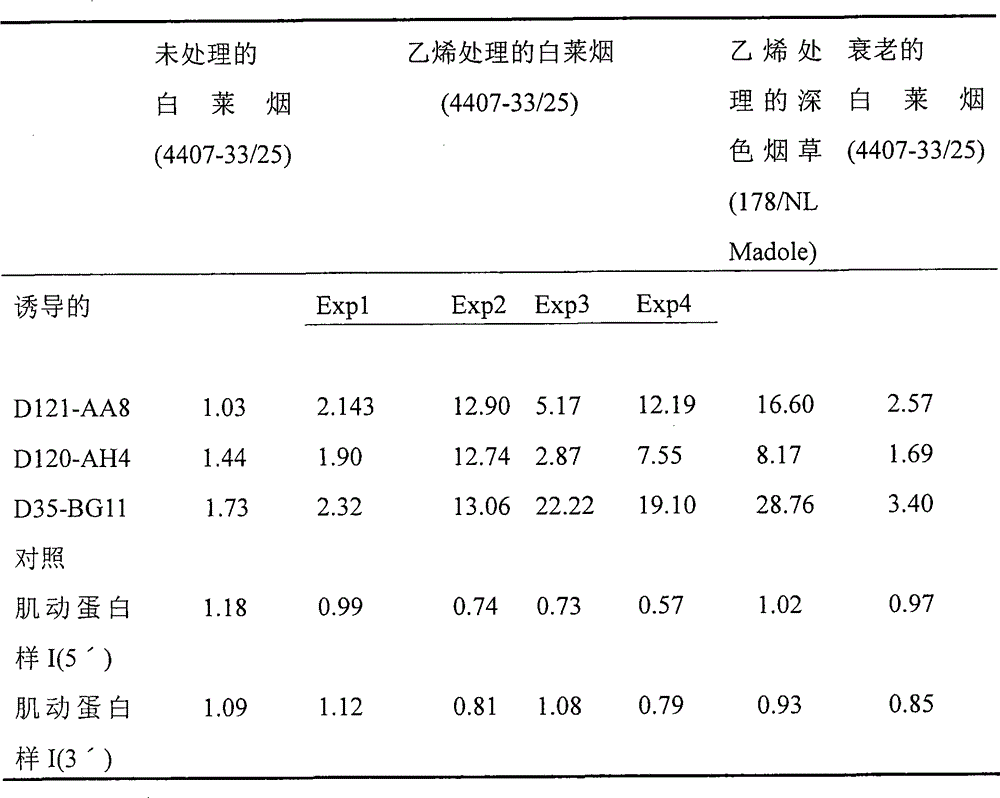
如使用Genome Explorations,Inc(Memphis,TN)的检测工具产生的表达报告所证实,所有的14组杂交是成功的。主要报告包括噪音的分析、标度因子、背景、总探针组、存在和不存在的探针组的数量和百分比、持家对照的信号强度。使用软件GCOS组合以其它软件来进一步分析和呈现所述数据。进行处理对之间的信号比较,并且编辑对于所有的杂交的所有的各个探针的总数据,并且还分析了表达数据。基于信号强度的结果显示仅有两个基因,D121-AA8和D120-AH4,和一个片段,即作为D121-AA8的部分片段的D35-BG11,当与非转化体品系相比时,在乙烯处理的转化体品系中具有可再现的诱导。将在转化体品系,例如白莱烟烟草种类4407-33中基因的信号,测定为与在相关的非转化体纯化系,4407-25中的基因信号的比率。在没有乙烯处理的情况下,对于所有的基因,转化体与非转化体信号的比率达到1.00。为了消除背景差异的影响,还计算了标准化的信号比率。通过用相应的不成对比率除处理的成对比率获得标准化的信号比率。在乙烯处理和分析后,如通过四次独立的分析所确定,相对于非转化体品系,在转化体品系中,两个基因,D121-AA8和D120-AH4被诱导。这两个基因具有99.8%的相对同源性并且它们在转化体种类中的相对杂交信号范围比它们的非转化体对应物中的信号高约2-22倍。基于标准化的比率,两个肌动蛋白样,内对照克隆在转化体品系中没有被诱导。此外,其编码区完整地被包含在D121-AA8和D120-AH4基因中的片段(D35-BG11),在成对纯合转化体和非转化体品系中的相同样品中被高度诱导。此外,D121-AA8和D120-AH4基因在纯合的深色烟草对,NL Madole和181的转化体品系中被强诱导(8到28倍),因此证实了在转化体品系中的这些基因的乙烯诱导是在植物中的反应。同样,在通过自然衰老的样品4407-33/25的杂交进行的比较中鉴定相同的基因。使用特异于D121-AA8的引物进行的这些材料的RT-PCR测定证实了该基因的微阵列结果。All 14 sets of hybridizations were successful as confirmed by expression reports generated using the Genome Explorations, Inc (Memphis, TN) detection tool. The main report includes analysis of noise, scaling factor, background, total probesets, number and percentage of probesets present and absent, signal intensity of housekeeping controls. The data were further analyzed and presented using the software GCOS in combination with other software. Signal comparisons between treatment pairs were performed and total data for all individual probes for all hybridizations were compiled and expression data were also analyzed. Results based on signal intensity showed that only two genes, D121-AA8 and D120-AH4, and one fragment, D35-BG11, which is a partial fragment of D121-AA8, were significantly higher in ethylene-treated reproducible induction in transformant lines of . The signal of the gene in a transformant line, eg, Burley tobacco variety 4407-33, was determined as a ratio of the signal of the gene in the related non-transformant purified line, 4407-25. In the absence of ethylene treatment, the ratio of transformant to non-converter signals reached 1.00 for all genes. To remove the effect of background differences, normalized signal ratios were also calculated. Normalized signal ratios were obtained by dividing the treated paired ratios by the corresponding unpaired ratios. Following ethylene treatment and analysis, two genes, D121-AA8 and D120-AH4, were induced in the transformant lines relative to the non-converter lines as determined by four independent analyses. These two genes share 99.8% relative homology and their relative hybridization signals in transformant species range from approximately 2-22 fold higher than their non-transformant counterparts. Based on normalized ratios, two actin-like, internal control clones were not induced in the transformant lines. In addition, a fragment (D35-BG11 ), whose coding regions are completely contained in the D121-AA8 and D120-AH4 genes, was highly induced in the same samples in pairs of homozygous transformant and non-transformant lines. Furthermore, the D121-AA8 and D120-AH4 genes were strongly induced (8 to 28-fold) in the homozygous dark tobacco pair, NL Madole and 181 transformant lines, thus confirming the presence of these genes in the transformant lines Ethylene induction is a response in plants. Also, the same genes were identified in comparisons by crosses of naturally aged samples 4407-33/25. RT-PCR assays of these materials using primers specific for D121-AA8 confirmed the microarray results for this gene.
基于这些结果,将所述D121-AA8基因(其cDNA序列是SEQ ID NO:5的序列;图4)鉴定为目标烟草烟碱脱甲基酶基因。鉴于p450命名规则,确定D121-AA8最类似于CYP82E家族中的p450s(The ArabidopsisGenome Initiative(AGI)and The Arabidopsis Information Resource(TAIR);Frank,Plant Physiol.110:1035-1046,1996;Whitbred et al.,Plant Physiol.124:47-58,2000);Schopfer和Ebel,Mol.Gen.Genet.258:315-322,1998;和Takemoto等,Plant Cell Physiol.40:1232-1242,1999)。Based on these results, the D121-AA8 gene (its cDNA sequence is the sequence of SEQ ID NO: 5; Figure 4) was identified as the target tobacco nicotine demethylase gene. In view of the p450 nomenclature, it was determined that D121-AA8 was most similar to p450s in the CYP82E family (The Arabidopsis Genome Initiative (AGI) and The Arabidopsis Information Resource (TAIR); Frank, Plant Physiol. 110:1035-1046, 1996; Whitbred et al. , Plant Physiol. 124:47-58, 2000); Schopfer and Ebel, Mol. Gen. Genet. 258: 315-322, 1998; and Takemoto et al., Plant Cell Physiol. 40: 1232-1242, 1999).
实施例10Example 10
酶活性的生化分析Biochemical analysis of enzyme activity
生化分析,例如,如并入本文作为参考的先前提交的申请中所述,确定了SEQ ID NO:5的序列编码烟草烟碱脱甲基酶(SEQ ID NO:3;图3和4)。Biochemical analysis, for example, as described in a previously filed application incorporated herein by reference, determined that the sequence of SEQ ID NO: 5 encodes a tobacco nicotine demethylase (SEQ ID NO: 3; Figures 3 and 4).
特别地,通过如下测定酵母细胞中异源表达的p450的酶活性,确定候选克隆D121-AA8的功能为烟碱脱甲基酶的编码基因。Specifically, the function of the candidate clone D121-AA8 was determined to be a gene encoding nicotine demethylase by measuring the enzymatic activity of heterologously expressed p450 in yeast cells as follows.
1.酵母表达载体的构建1. Construction of yeast expression vector
将烟草烟碱脱甲基酶编码cDNA(D121-AA8)的推定蛋白质编码序列D120-AH4,D121-AA8,208-AC-8和D208-AD9克隆入酵母表达载体pYeDP60。通过包含这些序列的PCR引物在翻译起始密码子(ATG)的上游或终止密码子(TAA)的下游引入合适的BamHI和MfeI位点(下面下划线的)。扩增的PCR产物上的MfeI与载体上的EcoRI位点相容。用来扩增D121-AA8 cDNA的引物是5′-TAGCTACGCGGATCCATGCTTTCTCCCATAGAAGCC-3′(SEQ IDNO:2194)和5′-CTGGATCACAATTGTTAGTGATGGTGATGGTGATGCGATCCTCTATAAAGCTCAGGTGCCAGGC-3′(SEQ ID NO:2297)。将编码蛋白质C末端九个额外氨基酸,包括六个组氨酸的序列片段,结合到反向引物中以利于诱导后6-His标记的p450的表达。酶消化后在参照GAL10-CYC1启动子的有义方向上将PCR产物连接入pYeDP60载体中。另外,通过限制性酶切分析和DNA测序确认酵母表达载体的正确构建。通过对于酵母微粒体的去垢剂相的SDS-PAGE凝胶电泳来观察p450蛋白质的表达。基于基因序列,p450蛋白质的预期大小是59kD,通过凝胶分析来证实该结果。The putative protein coding sequences D120-AH4, D121-AA8, 208-AC-8 and D208-AD9 of the tobacco nicotine demethylase encoding cDNA (D121-AA8) were cloned into the yeast expression vector pYeDP60. Appropriate BamHI and MfeI sites (underlined below) were introduced upstream of the translation initiation codon (ATG) or downstream of the termination codon (TAA) by PCR primers containing these sequences. The MfeI on the amplified PCR product is compatible with the EcoRI site on the vector. The primers used to amplify the D121-AA8 cDNA were 5'-TAGCTACGC GGATCC ATGCTTTCTCCCATAGAAGCC-3' (SEQ ID NO: 2194) and 5'-CTGGATCA CAATTG TTAGTGATGGTGATGGTGATGCGATCCTCTATAAAGCTCAGGTGCCAGGC-3' (SEQ ID NO: 2297). A sequence fragment encoding nine extra amino acids at the C-terminus of the protein, including six histidines, was incorporated into the reverse primer to facilitate the expression of 6-His-tagged p450 after induction. After enzyme digestion, the PCR product was ligated into the pYeDP60 vector in the sense orientation referenced to the GAL10-CYC1 promoter. In addition, the correct construction of the yeast expression vector was confirmed by restriction analysis and DNA sequencing. Expression of p450 protein was visualized by SDS-PAGE gel electrophoresis on detergent phase of yeast microsomes. Based on the gene sequence, the expected size of the p450 protein was 59 kD, which was confirmed by gel analysis.
2.酵母转化2. Yeast Transformation
将改进来表达拟南芥NADPH-细胞色素p450还原酶ATR1的WAT11酵母品系用pYeDP60-p450cDNA质粒进行转化。将50微升的WAT11酵母细胞混悬液与~1μg质粒DNA在具有0.2cm电极隙的比色杯中混合。Eppendorf电穿孔仪(Model 2510)应用2.0kV的脉冲。将细胞铺到SGI板上(5g/L bactocasamino acids,6.7g/L无氨基酸的酵母氮碱(nitrogen base),20g/L葡萄糖,40mg/L DL-色氨酸,20g/L琼脂)。通过直接在随机选择的菌落上进行的PCR分析确认转化体。The WAT11 yeast line modified to express the Arabidopsis NADPH-cytochrome p450 reductase ATR1 was transformed with the pYeDP60-p450 cDNA plasmid. 50 microliters of WAT11 yeast cell suspension was mixed with ~1 μg of plasmid DNA in a cuvette with a 0.2 cm electrode gap. An Eppendorf electroporator (Model 2510) applied pulses of 2.0 kV. Cells were plated on SGI plates (5g/L bactocasamino acids, 6.7g/L amino acid-free yeast nitrogen base, 20g/L glucose, 40mg/L DL-tryptophan, 20g/L agar). Transformants were confirmed by PCR analysis performed directly on randomly selected colonies.
3.在转化的酵母细胞中的p450的表达3. Expression of p450 in Transformed Yeast Cells
利用单一酵母菌落接种30mL SGI培养基(5g/L bactocasamino acids,6.7g/L无氨基酸的酵母氮碱,20g/L葡萄糖,40mg/L DL-色氨酸)并于30℃培养大约24小时。将等分试样的这种培养物以1∶50稀释到1000mL的YPGE培养基中(10g/L酵母提取物,20g/L细菌培养用蛋白胨,5g/L葡萄糖,30ml/L乙醇)并培养直到葡萄糖被完全耗尽,如通过Diastix尿分析试剂条(Bayer,Elkhart,IN)的比色变化所示。通过加入DL-半乳糖到终浓度2%来起始克隆P450的诱导。在使用前将培养物再培养20小时进行体内活性测定或进行微粒体制备。Use a single yeast colony to inoculate 30mL of SGI medium (5g/L bactocasamino acids, 6.7g/L amino acid-free yeast nitrogen base, 20g/L glucose, 40mg/L DL-tryptophan) and incubate at 30°C for about 24 hours. An aliquot of this culture was diluted 1:50 into 1000 mL of YPGE medium (10 g/L yeast extract, 20 g/L bacto-peptone, 5 g/L glucose, 30 ml/L ethanol) and incubated Until the glucose was completely depleted, as indicated by the colorimetric change of Diastix urinalysis reagent strips (Bayer, Elkhart, IN). Induction of clone P450 was initiated by adding DL-galactose to a final concentration of 2%. Cultures were incubated for an additional 20 hours for in vivo activity assays or for microsomal preparation before use.
使用表达pYeDP60-CYP71D20(催化烟草(Nicotiana tabacum)中5-表-aristolochene和1-deoxycapsidiol的羟基化作用的p450)的WAT11酵母细胞作为p450表达和酶活性测定的对照。WAT11 yeast cells expressing pYeDP60-CYP71D20 (p450 that catalyzes the hydroxylation of 5-epi-aristolochene and 1-deoxycapsidiol in Nicotiana tabacum) were used as a control for p450 expression and enzyme activity assays.
为了更加详细地评估p450的酵母表达的有效性,进行简化的CO差异光谱分析。简化的CO光谱在450nm上显现来自所有四种p450转化的酵母品系的蛋白质的峰。在来自对照,未转化的酵母细胞或空白,载体对照酵母细胞的对照微粒体中没有观察到类似的峰。所述结果显示p450蛋白在具有pYeDP60-CYP 450的酵母品系中得以有效表达。酵母微粒体中表达的p450蛋白的浓度为从45到68nmole/mg总蛋白。To assess the effectiveness of yeast expression of p450 in more detail, a simplified CO differential spectral analysis was performed. The simplified CO spectra visualized peaks at 450 nm for proteins from all four p450 transformed yeast strains. Similar peaks were not observed in control microsomes from control, untransformed yeast cells or blank, vector control yeast cells. The results show that p450 proteins are efficiently expressed in yeast strains with pYeDP60-CYP450. Concentrations of p450 protein expressed in yeast microsomes ranged from 45 to 68 nmole/mg total protein.
4.体内酶测定4. In Vivo Enzyme Assay
通过对酵母培养物饲以DL-烟碱(吡咯烷-2-14C)来测定转化的酵母细胞中烟碱脱甲基酶的活性。将14C标记的烟碱(54mCi/mmol)加入到75μl的半乳糖诱导的培养物中达到最终浓度55μM。在14ml聚丙烯试管中以摇动将测定培养物温育6小时并以900μl甲醇进行抽提。离心后,以rp-HPLC分离20μl的甲醇提取物并通过LSC对去甲烟碱级分进行量化。Nicotine demethylase activity in transformed yeast cells was determined by feeding yeast cultures with DL-nicotine (pyrrolidine- 2-14C ). 14 C-labeled nicotine (54 mCi/mmol) was added to 75 μl of the galactose-induced cultures to a final concentration of 55 μM. Assay cultures were incubated for 6 hours with shaking in 14 ml polypropylene tubes and extracted with 900 μl methanol. After centrifugation, 20 μl of the methanolic extract was separated by rp-HPLC and the nornicotine fraction was quantified by LSC.
WAT11(pYeDP60-CYP71D20)的对照培养物并未将烟碱转变成去甲烟碱,显示WAT11酵母株并不包含能够催化烟碱生物转化成去甲烟碱步骤的内源酶活性。相反,表达烟草烟碱脱甲基酶基因的酵母生产出可检测量的去甲烟碱,显示SEQ ID NO:4或SEQ ID NO:5的翻译产物的烟碱脱甲基酶活性。Control cultures of WAT11 (pYeDP60-CYP71D20) did not convert nicotine to nornicotine, showing that the WAT11 yeast strain does not contain endogenous enzyme activity capable of catalyzing the bioconversion step of nicotine to nornicotine. In contrast, yeast expressing the tobacco nicotine demethylase gene produced detectable amounts of nornicotine, showing nicotine demethylase activity of the translation product of SEQ ID NO:4 or SEQ ID NO:5.
5.酵母微粒体制备5. Yeast Microsome Preparation
半乳糖诱导20小时后,通过离心收集酵母细胞并用TES-M缓冲液(50mM Tris-HCl,pH 7.5,1mM EDTA,0.6M山梨糖醇,10mM 2-巯基乙醇)洗涤两次。将沉淀物重悬于抽提缓冲液中(50mM Tris-HCl,pH 7.5,1mM EDTA,0.6M山梨糖醇,2mM 2-巯基乙醇,1%牛血清白蛋白,1片/50ml的蛋白酶抑制剂混合物(Roche))。随后用玻璃珠(直径0.5mm,Sigma)破裂细胞并将细胞提取物以20,000xg离心20min以除去细胞碎片。将上清液于100,000xg进行超速离心60min,得到的沉淀物包含微粒体级分。将所述微粒体级分以1mg/mL的蛋白质浓度悬浮于TEG-M缓冲液中(50mM Tris-HCl,pH 7.5,1mM EDTA,20%甘油和1.5mM 2-巯基乙醇)。将微粒体制剂保存于液氮冷冻库中待用。After 20 hours of galactose induction, yeast cells were collected by centrifugation and washed twice with TES-M buffer (50 mM Tris-HCl, pH 7.5, 1 mM EDTA, 0.6 M sorbitol, 10 mM 2-mercaptoethanol). Resuspend the pellet in extraction buffer (50mM Tris-HCl, pH 7.5, 1mM EDTA, 0.6M sorbitol, 2mM 2-mercaptoethanol, 1% bovine serum albumin, 1 tablet/50ml protease inhibitor Mixture (Roche)). Cells were then disrupted with glass beads (0.5 mm diameter, Sigma) and cell extracts were centrifuged at 20,000 xg for 20 min to remove cell debris. The supernatant was subjected to ultracentrifugation at 100,000 xg for 60 min, and the resulting pellet contained the microsomal fraction. The microsomal fraction was suspended in TEG-M buffer (50 mM Tris-HCl, pH 7.5, 1 mM EDTA, 20% glycerol and 1.5 mM 2-mercaptoethanol) at a protein concentration of 1 mg/mL. The microsomal preparations were stored in a liquid nitrogen freezer until use.
6.酵母微粒体制备物中的酶活性测定6. Enzyme Activity Assays in Yeast Microsomal Preparations
用酵母微粒体制备物进行烟碱脱甲基酶活性的测定。特别地,DL-烟碱(吡咯烷-2-14C)获自Moravek Biochemicals并具有54mCi/mmol的特异性活性。氯丙嗪(CPZ)和氧化的细胞色素C(cyt.C),二者都是P450抑制剂,购自Sigma。还原型烟酰胺腺嘌呤二核苷酸磷酸(NADPH)是细胞色素P450通过NADPH:细胞色素P450还原酶的典型电子供体。在对照温育中不存在NADPH。常规酶测定包括微粒体蛋白(约1mg/ml),6mMNADPH,和55μM 14C标记的烟碱。在使用时,CPZ和Cyt.C的浓度分别为1mM和100μM。反应在25℃进行1小时并通过加入300μl甲醇到每个25μl反应混合物中进行终止。离心后,使用来自Varian的InertsilODS-33μ(150×4.6mm)色谱柱以反相高效液相色谱(HPLC)系统(Agilent)分离20μl的甲醇提取物。恒溶剂流动相是甲醇和50mM磷酸钾缓冲液,pH 6.25的混合物,比率是60∶40(v/v)并且流速是1ml/min。收集去甲烟碱峰并以2900tri-carb液体闪烁计数器(LSC)(Perkin Elmer)进行量化,所述去甲烟碱峰是通过与真实可信的未标记去甲烟碱相比较而确定的。在1小时温育后基于14C标记的去甲烟碱的产生来计算烟碱脱甲基酶的活性。Nicotine demethylase activity assays were performed using yeast microsomal preparations. In particular, DL-nicotine (pyrrolidine- 2-14C ) was obtained from Moravek Biochemicals and had a specific activity of 54 mCi/mmol. Chlorpromazine (CPZ) and oxidized cytochrome C (cyt. C), both P450 inhibitors, were purchased from Sigma. Reduced nicotinamide adenine dinucleotide phosphate (NADPH) is a typical electron donor for cytochrome P450 via NADPH:cytochrome P450 reductase. NADPH was absent in control incubations. Routine enzyme assays included microsomal protein (approximately 1 mg/ml), 6 mM NADPH, and 55 μM 14 C-labeled nicotine. When used, the concentrations of CPZ and Cyt.C were 1 mM and 100 μM, respectively. Reactions were carried out at 25°C for 1 hour and stopped by adding 300 μl methanol to each 25 μl reaction mixture. After centrifugation, 20 μl of the methanolic extract was separated with a reverse-phase high performance liquid chromatography (HPLC) system (Agilent) using an Inertsil ODS-33 μ (150×4.6 mm) column from Varian. The isotropic mobile phase was a mixture of methanol and 50 mM potassium phosphate buffer, pH 6.25, in a ratio of 60:40 (v/v) and a flow rate of 1 ml/min. Nornicotine peaks were collected and quantified with a 2900tri-carb liquid scintillation counter (LSC) (Perkin Elmer), as determined by comparison with authentic unlabeled nornicotine. Nicotine demethylase activity was calculated based on the production of14C -labeled nornicotine after 1 hour incubation.
在来自表达CYP71D20的对照酵母细胞和三个用基因D120-AH4,D208-AC8,和D208-AD9转化的测试p450酵母培养物的微粒体制备物中观察到p450样的活性。然而,对照和三个测试p450s没有显示任何去甲烟碱转化的形成,显示它们不包含能够催化烟碱脱甲基的内源或诱导酶。相反,来自HPLC和LSC分析的结果显示使用获自表达烟草烟碱脱甲基酶基因(D121-AA8)的酵母细胞的微粒体样品,产生自烟碱脱甲基作用的可检测的去甲烟碱的量。这些结果显示烟碱脱甲基酶活性得自D121-AA8基因产物。所述烟碱脱甲基酶活性需要NADPH,并且显示被p450特异性抑制剂所抑制,与烟草烟碱脱甲基酶作为p450一致。烟草烟碱脱甲基酶(D121-AA8)的酶活性是约10.8pKat/mg蛋白质,如通过放射性强度和蛋白质浓度所计算。将获得的酵母细胞的典型的酶测定结果组显示于下面的表中(表4)。p450-like activity was observed in microsomal preparations from control yeast cells expressing CYP71D20 and three test p450 yeast cultures transformed with the genes D120-AH4, D208-AC8, and D208-AD9. However, the control and three tested p450s did not show the formation of any nornicotine conversion, suggesting that they do not contain endogenous or induced enzymes capable of catalyzing nicotine demethylation. In contrast, results from HPLC and LSC analysis showed that detectable nornicotine demethylation from nicotine demethylation occurred using microsomal samples obtained from yeast cells expressing the tobacco nicotine demethylase gene (D121-AA8). amount of alkali. These results show that nicotine demethylase activity is derived from the D121-AA8 gene product. The nicotine demethylase activity requires NADPH and was shown to be inhibited by p450-specific inhibitors, consistent with tobacco nicotine demethylase being a p450. The enzymatic activity of tobacco nicotine demethylase (D121-AA8) was about 10.8 pKat/mg protein, as calculated from radioactivity and protein concentration. A typical set of enzyme assay results for the obtained yeast cells is shown in the table below (Table 4).
表4:在表达D121-AA8和对照P450基因的酵母细胞的微粒体中的脱甲基酶活性Table 4: Demethylase activity in microsomes of yeast cells expressing D121-AA8 and control P450 genes
*n=12,其它的n=3 * n=12, other n=3
使用来自D121-AA8酵母细胞的微粒体,从所述测定中去除NADPH导致烟碱脱甲基酶活性的消失;因此没有形成去甲烟碱(表4)。当将两种已知的P450抑制剂,氯丙嗪(CPZ,1mM)和氧化的细胞色素c(cyt C,100μM,)单独加入酶测定混合物中并在加入甲醇终止溶液之前温育1小时,烟碱脱甲基酶活性明显减少(表4)。综上所述,这些实验证实D121-AA8编码细胞色素p450蛋白质,当其在酵母中表达时,催化烟碱转化为去甲烟碱。Using microsomes from D121-AA8 yeast cells, removal of NADPH from the assay resulted in the disappearance of nicotine demethylase activity; thus no nornicotine was formed (Table 4). When two known P450 inhibitors, chlorpromazine (CPZ, 1 mM) and oxidized cytochrome c (cyt C, 100 μM,) were added separately to the enzyme assay mixture and incubated for 1 h before the addition of methanol stop solution, Nicotine demethylase activity was significantly reduced (Table 4). Taken together, these experiments demonstrate that D121-AA8 encodes a cytochrome p450 protein that, when expressed in yeast, catalyzes the conversion of nicotine to nornicotine.
实施例11Example 11
分离的核酸片段的相关氨基酸序列同一性Relative Amino Acid Sequence Identity of Isolated Nucleic Acid Fragments
推断由实施例8获得的细胞色素p450片段的核酸序列的氨基酸序列。推断区对应于紧接GXRXCP(A/G)(SEQ ID NO:2273)序列基序之后到羧基末端,或终止密码子的氨基酸。在比较片段的序列同一性之后,观察到具有70%或更大氨基酸同一性的那些序列的独特组。观察到优选的分组为具有80%或更大氨基酸同一性的那些序列,更加优选的分组具有90%或更大氨基酸同一性,且最优选的分组具有99%或更大氨基酸同一性的那些序列。发现几个独特的核酸序列与其它片段具有完全的氨基酸同一性,所以只报道了具有相同氨基酸的一个成员。The amino acid sequence of the nucleic acid sequence of the cytochrome p450 fragment obtained in Example 8 was deduced. The deduced region corresponds to the amino acids immediately following the GXRXCP(A/G) (SEQ ID NO: 2273) sequence motif to the carboxy-terminus, or stop codon. After comparing the sequence identities of the fragments, unique groups of those sequences with 70% or greater amino acid identity were observed. A preferred grouping was observed to be those sequences having 80% or greater amino acid identity, an even more preferred grouping of those sequences having 90% or greater amino acid identity, and a most preferred grouping of those sequences having 99% or greater amino acid identity . Several unique nucleic acid sequences were found to have complete amino acid identity to other segments, so only one member with the same amino acid was reported.
表5的组19的氨基酸同一性对应于基于它们的核酸序列的三个独特的组。组成员的氨基酸序列和它们的同一性显示在图159H中。指示出氨基酸差异。The amino acid identities of
对于使用植物的基因克隆和功能性研究,选择了每个氨基酸同一性组的至少一个成员。此外,对于基因克隆和功能性研究选择了组成员,所述成员通过如RNA和DNA分析评估,受乙烯处理或其它生物学差异的不同影响。为了有助于基因克隆,表达研究和整体植物评估,可以基于基因序列同一性和不同序列制备肽特异性抗体。For gene cloning and functional studies using plants, at least one member of each amino acid identity group was selected. In addition, panel members that are differentially affected by ethylene treatment or other biological differences, as assessed by eg RNA and DNA analysis, were selected for gene cloning and functional studies. To aid in gene cloning, expression studies, and overall plant evaluation, peptide-specific antibodies can be prepared based on gene sequence identity and sequence dissimilarity.
表5:烟草属p450氨基酸序列同一性组Table 5: Nicotiana p450 amino acid sequence identity groups
组 片段group fragment
1 D58-BG7(SEQ ID NO:11),D58-AB1(SEQ ID NO:13)1 D58-BG7 (SEQ ID NO: 11), D58-AB1 (SEQ ID NO: 13)
2 D58-BE4(SEQ ID NO:17)2 D58-BE4 (SEQ ID NO: 17)
3 D56-AH7(SEQ ID NO:19);D13a-5(SEQ ID NO:21)3 D56-AH7 (SEQ ID NO: 19); D13a-5 (SEQ ID NO: 21)
4 D56-AG10(SEQ ID NO:23);D34-62(SEQ ID NO:27)4 D56-AG10 (SEQ ID NO: 23); D34-62 (SEQ ID NO: 27)
5 D56-AA7(SEQ ID NO:29);D56-AE1(SEQ ID NO:31);185-BD3(SEQ IDNO:153)5 D56-AA7 (SEQ ID NO: 29); D56-AE1 (SEQ ID NO: 31); 185-BD3 (SEQ ID NO: 153)
6 D35-BB7(SEQ ID NO:33);D177-BA7(SEQ ID NO:35);D56A-AB6(SEQID NO:37);D144-AE2(SEQ ID NO:39)6 D35-BB7 (SEQ ID NO: 33); D177-BA7 (SEQ ID NO: 35); D56A-AB6 (SEQ ID NO: 37); D144-AE2 (SEQ ID NO: 39)
7 D56-AG11(SEQ ID NO:41);D179-AA1(SEQ ID NO:43)7 D56-AG11 (SEQ ID NO: 41); D179-AA1 (SEQ ID NO: 43)
8 D56-AC7(SEQ ID NO:45);D144-AD1(SEQ ID NO:47)8 D56-AC7 (SEQ ID NO: 45); D144-AD1 (SEQ ID NO: 47)
9 D144-AB5(SEQ ID NO:49)9 D144-AB5 (SEQ ID NO: 49)
10 D181-AB5(SEQ ID NO:51);D73-AC9(SEQ ID NO:53)10 D181-AB5 (SEQ ID NO: 51); D73-AC9 (SEQ ID NO: 53)
11 D56-AC12(SEQ ID NO:55)11 D56-AC12 (SEQ ID NO: 55)
12 D58-AB9(SEQ ID NO:57);D56-AG9(SEQ ID NO:59);D56-AG6(SEQ IDNO:61);D35-BG11(SEQ ID NO:63);D35-42(SEQ ID NO:65);D35-BA3(SEQ IDNO:67);D34-57(SEQ ID NO:69);D34-52(SEQ ID NO:71)12 D58-AB9 (SEQ ID NO: 57); D56-AG9 (SEQ ID NO: 59); D56-AG6 (SEQ ID NO: 61); D35-BG11 (SEQ ID NO: 63); NO: 65); D35-BA3 (SEQ ID NO: 67); D34-57 (SEQ ID NO: 69); D34-52 (SEQ ID NO: 71)
13 D56AD10(SEQ ID NO:75)13 D56AD10 (SEQ ID NO: 75)
14 D56-AA11(SEQ ID NO:77)14 D56-AA11 (SEQ ID NO: 77)
15 D177-BD5(SEQ ID NO:79);D177-BD7(SEQ ID NO:93)15 D177-BD5 (SEQ ID NO: 79); D177-BD7 (SEQ ID NO: 93)
16 D56A-AG10(SEQ ID NO:81);D58-BC5(SEQ ID NO:83);D58-AD12(SEQID NO:85)16 D56A-AG10 (SEQ ID NO: 81); D58-BC5 (SEQ ID NO: 83); D58-AD12 (SEQ ID NO: 85)
17 D56-AC11(SEQ ID NO:87);D56-AD6(SEQ ID NO:97)17 D56-AC11 (SEQ ID NO: 87); D56-AD6 (SEQ ID NO: 97)
18 D73A-AD6(SEQ ID NO:99)18 D73A-AD6 (SEQ ID NO: 99)
19 D70A-AB5(SEQ ID NO:105);D70A-AB8(SEQ ID NO:109);D70A-BH2(SEQ ID NO:111);D70A-AA4(SEQ ID NO:113);D70A-BA1(SEQ ID NO:115);D70A-BA9(SEQ ID NO:117)19 D70A-AB5 (SEQ ID NO: 105); D70A-AB8 (SEQ ID NO: 109); D70A-BH2 (SEQ ID NO: 111); D70A-AA4 (SEQ ID NO: 113); ID NO: 115); D70A-BA9 (SEQ ID NO: 117)
20 D70A-BD4(SEQ ID NO:119)20 D70A-BD4 (SEQ ID NO: 119)
21 D181-AC5(SEQ ID NO:121);D144-AH1(SEQ ID NO:123);D34-65(SEQID NO:125)21 D181-AC5 (SEQ ID NO: 121); D144-AH1 (SEQ ID NO: 123); D34-65 (SEQ ID NO: 125)
22 D35-BG2(SEQ ID NO:127)22 D35-BG2 (SEQ ID NO: 127)
23 D73A-AH7(SEQ ID NO:129)23 D73A-AH7 (SEQ ID NO: 129)
24 D58-AA1(SEQ ID NO:131);D185-BC1(SEQ ID NO:143);D185-BG2(SEQID NO:145)24 D58-AA1 (SEQ ID NO: 131); D185-BC1 (SEQ ID NO: 143); D185-BG2 (SEQ ID NO: 145)
25 D73-AE10(SEQ ID NO:133)25 D73-AE10 (SEQ ID NO: 133)
26 D56-AC12(SEQ ID NO:135)26 D56-AC12 (SEQ ID NO: 135)
27 D177-BF7(SEQ ID NO:137);185-BD2(SEQ ID NO:149)27 D177-BF7 (SEQ ID NO: 137); 185-BD2 (SEQ ID NO: 149)
28 D73A-AG3(SEQ ID NO:139)28 D73A-AG3 (SEQ ID NO: 139)
29 D70A-AA12(SEQ ID NO:141);D176-BF2(SEQ ID NO:95)29 D70A-AA12 (SEQ ID NO: 141); D176-BF2 (SEQ ID NO: 95)
30 D176-BC3(SEQ ID NO:155)30 D176-BC3 (SEQ ID NO: 155)
31 D176-BB3(SEQ ID NO:157)31 D176-BB3 (SEQ ID NO: 157)
32 D186-AH4(SEQ ID NO:15)32 D186-AH4 (SEQ ID NO: 15)
实施例12Example 12
全长克隆的相关氨基酸序列同一性Relative amino acid sequence identities of full-length clones
对实施例5中克隆的全长烟草属基因的核酸序列推断它们完整的氨基酸序列。通过三个保守的p450结构域基序的存在鉴定细胞色素p450基因,所述三个保守的p450结构域基序对应于羧基末端上的UXXRXXZ(SEQ ID NO:2274),PXRFXF(SEQ ID NO:2275)或GXRXC(SEQ ID NO:2276),其中U是E或K,X是任何氨基酸而Z是P,T,S或M。利用BLAST程序将它们的全长序列彼此和与已知的烟草基因相比较来对所有的p450基因的氨基酸同一性进行表征。所述程序使用NCBI特别的BLAST工具(比对两种序列(bl2seq),http://www.ncbi.nlm.nih.gov/blast/bl2seq/bl2.html)。在没有对于核酸序列的滤器的BLASTN和对于氨基酸序列的BLASTP之下比对两种序列。基于它们的百分比氨基酸同一性,将每种序列归类到同一性组中,其中所述组包含与另一成员共有至少85%同一性的成员。观察到优选的分组为具有90%或更大氨基酸同一性的那些序列,更加优选的组具有95%或更大氨基酸同一性,且最优选的分组具有99%或更大氨基酸同一性的那些序列。使用这些标准,鉴定了25个独特的组并且将其描述在表6中。推断全长烟碱脱甲基酶基因的氨基酸序列具有在SEQ ID NO:5中提供的序列(图4)。From the nucleic acid sequences of the full-length Nicotiana genes cloned in Example 5, their complete amino acid sequences were deduced. Cytochrome p450 genes are identified by the presence of three conserved p450 domain motifs corresponding to UXXRXXZ (SEQ ID NO: 2274), PXRFXF (SEQ ID NO: 2275) or GXRXC (SEQ ID NO: 2276), wherein U is E or K, X is any amino acid and Z is P, T, S or M. The amino acid identities of all p450 genes were characterized by comparing their full-length sequences to each other and to known tobacco genes using the BLAST program. The program uses the NCBI specific BLAST tool (Align Two Sequences (bl2seq), http://www.ncbi.nlm.nih.gov/blast/bl2seq/bl2.html). The two sequences were aligned under BLASTN with no filter for nucleic acid sequences and BLASTP for amino acid sequences. Based on their percent amino acid identity, each sequence was classified into an identity group, wherein the group includes members that share at least 85% identity with another member. A preferred grouping was observed to be those sequences having 90% or greater amino acid identity, an even more preferred grouping of those sequences having 95% or greater amino acid identity, and a most preferred grouping of those sequences having 99% or greater amino acid identity . Using these criteria, 25 unique groups were identified and described in Table 6. The deduced amino acid sequence of the full-length nicotine demethylase gene has the sequence provided in SEQ ID NO: 5 (Figure 4).
在用于表6的氨基酸同一性的参数中,发现三组包含与已知烟草基因的超过85%或更大的同一性。对于全长序列,组5的成员与GenBank序列GI:14423327(SEQ ID NO:2271)(或AAK62346)具有多达96%的氨基酸同一性。组23与GI:14423328(SEQ ID NO:2277)(或AAK62347)具有多达93%的氨基酸同一性,并且组24与GI:14423318(SEQ ID NO:2278)(或AAK62343)具有92%的同一性。Among the parameters used for amino acid identity in Table 6, three groups were found to contain more than 85% or greater identity to known tobacco genes. For full-length sequences, members of
表6:全长烟草属p450基因的氨基酸序列同一性组Table 6: Amino Acid Sequence Identity Groups for Full-Length Nicotiana p450 Genes
1 D208-AD9(SEQ ID NO:233);D120-AH4(SEQ ID NO:189);D121-AA8(SEQ ID NO:191),D122-AF10(SEQ ID NO:193);D103-AH3(SEQ ID NO:231);D208-AC8(SEQ ID NO:227);D235-AB1(SEQ ID NO:255)1 D208-AD9 (SEQ ID NO: 233); D120-AH4 (SEQ ID NO: 189); D121-AA8 (SEQ ID NO: 191), D122-AF10 (SEQ ID NO: 193); D103-AH3 (SEQ ID NO: 231); D208-AC8 (SEQ ID NO: 227); D235-AB1 (SEQ ID NO: 255)
2 D244-AD4(SEQ ID NO:259);D244-AB6(SEQ ID NO:283);D285-AA8(SEQ ID NO:2205);D285-AB9(SEQ ID NO:2206);D268-AE2(SEQ ID NO:279)2 D244-AD4 (SEQ ID NO: 259); D244-AB6 (SEQ ID NO: 283); D285-AA8 (SEQ ID NO: 2205); D285-AB9 (SEQ ID NO: 2206); ID NO: 279)
3 D100A-AC3(SEQ ID NO:177);D100A-BE2(SEQ ID NO:2209)3 D100A-AC3 (SEQ ID NO: 177); D100A-BE2 (SEQ ID NO: 2209)
4 D205-BE9(SEQ ID NO:285);D205-BG9(SEQ ID NO:211);D205-AH4(SEQ ID NO:303)4 D205-BE9 (SEQ ID NO: 285); D205-BG9 (SEQ ID NO: 211); D205-AH4 (SEQ ID NO: 303)
5 D259-AB9(SEQ ID NO:269);D257-AE4(SEQ ID NO:277);D147-AD3(SEQ ID NO:203)5 D259-AB9 (SEQ ID NO: 269); D257-AE4 (SEQ ID NO: 277); D147-AD3 (SEQ ID NO: 203)
6 D249-AE8(SEQ ID NO:265);D-248-AA6(SEQ ID NO:263)6 D249-AE8 (SEQ ID NO: 265); D-248-AA6 (SEQ ID NO: 263)
7 D233-AG7(SEQ ID NO:275);D224-BD11(SEQ ID NO:249);DAF107 D233-AG7 (SEQ ID NO: 275); D224-BD11 (SEQ ID NO: 249); DAF10
8 D105-AD6(SEQ ID NO:181);D215-AB5(SEQ ID NO:229);D135-AE1(SEQ ID NO:199)8 D105-AD6 (SEQ ID NO: 181); D215-AB5 (SEQ ID NO: 229); D135-AE1 (SEQ ID NO: 199)
9 D87A-AF3(SEQ ID NO:225),D210-BD4(SEQ ID NO:273)9 D87A-AF3 (SEQ ID NO: 225), D210-BD4 (SEQ ID NO: 273)
10 D89-AB1(SEQ ID NO:159);D89-AD2(SEQ ID NO:161);D163-AG11(SEQID NO:207);D163-AF12(SEQ ID NO:205)10 D89-AB1 (SEQ ID NO: 159); D89-AD2 (SEQ ID NO: 161); D163-AG11 (SEQ ID NO: 207); D163-AF12 (SEQ ID NO: 205)
11 D267-AF10(SEQ ID NO:305);D96-AC2(SEQ ID NO:169);D96-AB6(SEQID NO:167);D207-AA5(SEQ ID NO:213);D207-AB4(SEQ ID NO:215);D207-AC4(SEQ ID NO:217)11 D267-AF10 (SEQ ID NO: 305); D96-AC2 (SEQ ID NO: 169); D96-AB6 (SEQ ID NO: 167); D207-AA5 (SEQ ID NO: 213); NO: 215); D207-AC4 (SEQ ID NO: 217)
12 D98-AG1(SEQ ID NO:173);D98-AA1(SEQ ID NO:171)12 D98-AG1 (SEQ ID NO: 173); D98-AA1 (SEQ ID NO: 171)
13 D209-AA12(SEQ ID NO:221);D209-AA11;D209-AH10(SEQ ID NO:223);D209-AH12(SEQ ID NO:241);D90A-BB3(SEQ ID NO:163)13 D209-AA12 (SEQ ID NO: 221); D209-AA11; D209-AH10 (SEQ ID NO: 223); D209-AH12 (SEQ ID NO: 241); D90A-BB3 (SEQ ID NO: 163)
14 D129-AD10(SEQ ID NO:197);D104A-AE8(SEQ ID NO:179)14 D129-AD10 (SEQ ID NO: 197); D104A-AE8 (SEQ ID NO: 179)
15 D228-AH8(SEQ ID NO:253);D228-AD7(SEQ ID NO:251),D250-AC11(SEQ ID NO:267);D247-AH1(SEQ ID NO:261)15 D228-AH8 (SEQ ID NO: 253); D228-AD7 (SEQ ID NO: 251), D250-AC11 (SEQ ID NO: 267); D247-AH1 (SEQ ID NO: 261)
16 D128-AB7(SEQ ID NO:195);D243-AA2(SEQ ID NO:257);D125-AF11(SEQ ID NO:237)16 D128-AB7 (SEQ ID NO: 195); D243-AA2 (SEQ ID NO: 257); D125-AF11 (SEQ ID NO: 237)
17 D284-AH5(SEQ ID NO:307);D110-AF12(SEQ ID NO:185)17 D284-AH5 (SEQ ID NO: 307); D110-AF12 (SEQ ID NO: 185)
18 D221-BB8(SEQ ID NO:243)18 D221-BB8 (SEQ ID NO: 243)
19 D222-BH4(SEQ ID NO:245)19 D222-BH4 (SEQ ID NO: 245)
20 D134-AE11(SEQ ID NO:239)20 D134-AE11 (SEQ ID NO: 239)
21 D109-AH8(SEQ ID NO:183)21 D109-AH8 (SEQ ID NO: 183)
22 D136-AF4(SEQ ID NO:287)22 D136-AF4 (SEQ ID NO: 287)
23 D237-AD1(SEQ ID NO:235)23 D237-AD1 (SEQ ID NO: 235)
24 D112-AA5(SEQ ID NO:187)24 D112-AA5 (SEQ ID NO: 187)
25 D283-AC1(SEQ ID NO:281)25 D283-AC1 (SEQ ID NO: 281)
基于靠近羧基端的介于UXXRXXZ p450结构域(SEQ ID NO:2274)和GXRXC p450结构域(SEQ ID NO:2276)之间的高度保守氨基酸同源性,来对全长基因进行进一步分组。如在图160A到160E中所显示,基于保守结构域之间的序列同源性对各个克隆进行比对,并将其置于独特的同一性组中。在数种情况下尽管所述克隆的核酸序列是独特的,对于所述区域的氨基酸序列是相同的。观察到优选的分组具有90%或更大的氨基酸同一性的那些序列,更优选的分组具有95%或更大的氨基酸同一性,并且最优选的分组具有99%或更大的氨基酸同一性的那些序列。最终的分组类似于基于除了组17(表6的)之外的克隆的完整氨基酸序列的百分比同一性的分组,将所述组17分成两个独特的组。The full-length genes were further grouped based on the highly conserved amino acid homology between the UXXRXXZ p450 domain (SEQ ID NO: 2274) and the GXRXC p450 domain (SEQ ID NO: 2276) near the carboxyl terminus. As shown in Figures 160A to 160E, individual clones were aligned and placed into unique identity groups based on sequence homology between conserved domains. In several cases although the nucleic acid sequences of the clones were unique, the amino acid sequences for the regions were identical. It was observed that a preferred grouping had 90% or greater amino acid identity, a more preferred grouping had 95% or greater amino acid identity, and a most preferred grouping had 99% or greater amino acid identity. those sequences. The final grouping was similar to the grouping based on the percent identity of the complete amino acid sequence of the clones except for group 17 (of Table 6), which was divided into two distinct groups.
在用于表7的氨基酸同一性的参数中,发现三个组包含与已知烟草基因的90%或更大的同一性。对于全长序列,组5的成员与GenBank序列GI:14423326(SEQ ID NO:2279)(或AAK62346)具有高达93.4%的氨基酸同一性。组23与GI:14423328(SEQ ID NO:2277)(或AAK62347)具有高达91.8%的氨基酸同一性,并且组24与GI:14423318(SEQ ID NO:2278)(或AAK62342)具有98.8%的同一性。Among the parameters used for amino acid identity in Table 7, three groups were found to contain 90% or greater identity to known tobacco genes. For full-length sequences, members of
表7:在烟草属p450基因的保守结构域之间的区域的氨基酸序列同一性组Table 7: Groups of amino acid sequence identities for regions between conserved domains of Nicotiana p450 genes
1 D208-AD9(SEQ ID NO:233);D120-AH4(SEQ ID NO:189);D121-AA8(SEQ ID NO:191),D122-AF10(SEQ ID NO:193);D103-AH3(SEQ ID NO:231);D208-AC8(SEQ ID NO:227);D235-AB1(SEQ ID NO:255)1 D208-AD9 (SEQ ID NO: 233); D120-AH4 (SEQ ID NO: 189); D121-AA8 (SEQ ID NO: 191), D122-AF10 (SEQ ID NO: 193); D103-AH3 (SEQ ID NO: 231); D208-AC8 (SEQ ID NO: 227); D235-AB1 (SEQ ID NO: 255)
2 D244-AD4(SEQ ID NO:259);D244-AB6(SEQ ID NO:283);D285-AA8(SEQ ID NO:2205);D285-AB9(SEQ ID NO:2206);D268-AE2(SEQ ID NO:279)2 D244-AD4 (SEQ ID NO: 259); D244-AB6 (SEQ ID NO: 283); D285-AA8 (SEQ ID NO: 2205); D285-AB9 (SEQ ID NO: 2206); ID NO: 279)
3 D100A-AC3(SEQ ID NO:177);D100A-BE2(SEQ ID NO:2209)3 D100A-AC3 (SEQ ID NO: 177); D100A-BE2 (SEQ ID NO: 2209)
4 D205-BE9(SEQ ID NO:285);D205-BG9(SEQ ID NO:211);D205-AH4(SEQ ID NO:303)4 D205-BE9 (SEQ ID NO: 285); D205-BG9 (SEQ ID NO: 211); D205-AH4 (SEQ ID NO: 303)
5 D259-AB9(SEQ ID NO:269);D257-AE4(SEQ ID NO:277);D147-AD3(SEQ ID NO:203)5 D259-AB9 (SEQ ID NO: 269); D257-AE4 (SEQ ID NO: 277); D147-AD3 (SEQ ID NO: 203)
6 D249-AE8(SEQ ID NO:265);D-248-AA6(SEQ ID NO:263)6 D249-AE8 (SEQ ID NO: 265); D-248-AA6 (SEQ ID NO: 263)
7 D233-AG7(SEQ ID NO:275);D224-BD11(SEQ ID NO:249);DAF107 D233-AG7 (SEQ ID NO: 275); D224-BD11 (SEQ ID NO: 249); DAF10
8 D105-AD6(SEQ ID NO:181);D215-AB5(SEQ ID NO:229);D135-AE1(SEQ ID NO:199)8 D105-AD6 (SEQ ID NO: 181); D215-AB5 (SEQ ID NO: 229); D135-AE1 (SEQ ID NO: 199)
9 D87A-AF3(SEQ ID NO:225),D210-BD4(SEQ ID NO:273)9 D87A-AF3 (SEQ ID NO: 225), D210-BD4 (SEQ ID NO: 273)
10 D89-AB1(SEQ ID NO:159);D89-AD2(SEQ ID NO:161);D163-AG11(SEQID NO:207);D163-AF12(SEQ ID NO:205)10 D89-AB1 (SEQ ID NO: 159); D89-AD2 (SEQ ID NO: 161); D163-AG11 (SEQ ID NO: 207); D163-AF12 (SEQ ID NO: 205)
11 D267-AF10(SEQ ID NO:305);D96-AC2(SEQ ID NO:169);D96-AB6(SEQID NO:167);D207-AA5(SEQ ID NO:213);D207-AB4(SEQ ID NO:215);D207-AC4(SEQ ID NO:217)11 D267-AF10 (SEQ ID NO: 305); D96-AC2 (SEQ ID NO: 169); D96-AB6 (SEQ ID NO: 167); D207-AA5 (SEQ ID NO: 213); NO: 215); D207-AC4 (SEQ ID NO: 217)
12 D98-AG1(SEQ ID NO:173);D98-AA1(SEQ ID NO:171)12 D98-AG1 (SEQ ID NO: 173); D98-AA1 (SEQ ID NO: 171)
13 D209-AA12(SEQ ID NO:221);D209-AA11;D209-AH10(SEQ IDNO:223);D209-AH12(SEQ ID NO:241);D90A-BB3(SEQ ID NO:163)13 D209-AA12 (SEQ ID NO: 221); D209-AA11; D209-AH10 (SEQ ID NO: 223); D209-AH12 (SEQ ID NO: 241); D90A-BB3 (SEQ ID NO: 163)
14 D129-AD10(SEQ ID NO:197);D104A-AE8(SEQ ID NO:179)14 D129-AD10 (SEQ ID NO: 197); D104A-AE8 (SEQ ID NO: 179)
15 D228-AH8(SEQ ID NO:253);D228-AD7(SEQ ID NO:251),D250-AC11(SEQ ID NO:267);D247-AH1(SEQ ID NO:261)15 D228-AH8 (SEQ ID NO: 253); D228-AD7 (SEQ ID NO: 251), D250-AC11 (SEQ ID NO: 267); D247-AH1 (SEQ ID NO: 261)
16 D128-AB7(SEQ ID NO:195);D243-AA2(SEQ ID NO:257);D125-AF11(SEQ ID NO:237)16 D128-AB7 (SEQ ID NO: 195); D243-AA2 (SEQ ID NO: 257); D125-AF11 (SEQ ID NO: 237)
17 D284-AH5(SEQ ID NO:307);D110-AF12(SEQ ID NO:185)17 D284-AH5 (SEQ ID NO: 307); D110-AF12 (SEQ ID NO: 185)
18 D221-BB8(SEQ ID NO:243)18 D221-BB8 (SEQ ID NO: 243)
19 D222-BH4(SEQ ID NO:245)19 D222-BH4 (SEQ ID NO: 245)
20 D134-AE11(SEQ ID NO:239)20 D134-AE11 (SEQ ID NO: 239)
21 D109-AH8(SEQ ID NO:183)21 D109-AH8 (SEQ ID NO: 183)
22 D136-AF4(SEQ ID NO:285)22 D136-AF4 (SEQ ID NO: 285)
23 D237-AD1(SEQ ID NO:235)23 D237-AD1 (SEQ ID NO: 235)
24 D112-AA5(SEQ ID NO:187)24 D112-AA5 (SEQ ID NO: 187)
25 D283-AC1(SEQ ID NO:281)25 D283-AC1 (SEQ ID NO: 281)
26 D110-AF12(SEQ ID NO:185)26 D110-AF12 (SEQ ID NO: 185)
实施例13Example 13
缺乏一种或多种烟草P450特异性结构域的烟草属细胞色素P450克隆Nicotiana cytochrome P450 clones lacking one or more tobacco P450-specific domains
四个克隆与在表6中报道的其它烟草细胞色素基因具有高度核酸同源性,范围从90%到99%的核酸同源性。所述四个克隆包括D136-AD5(SEQID NO:292),D138-AD12(SEQ ID NO:294),D243-AB3(SEQ ID NO:298)和D250-AC11(SEQ ID NO:300)。不过,由于核苷酸移码,这些基因并不包含三个C-末端细胞色素p450结构域的其中一个或多个并且被排除在表6或表7中出现的同一性组之外。Four clones had high nucleic acid identities to other tobacco cytochrome genes reported in Table 6, ranging from 90% to 99% nucleic acid identity. The four clones include D136-AD5 (SEQ ID NO:292), D138-AD12 (SEQ ID NO:294), D243-AB3 (SEQ ID NO:298) and D250-AC11 (SEQ ID NO:300). However, due to nucleotide frameshifts, these genes did not contain one or more of the three C-terminal cytochrome p450 domains and were excluded from the identity groups presented in Table 6 or Table 7.
一个克隆D95-AG1的氨基酸同一性不包含用于将在表6或表7中的p450烟草基因进行分组的第三个结构域,GXRXC(SEQ ID NO:2276)。该克隆的核酸序列与其它烟草细胞色素基因具有低同源性,并且因此,该克隆代表在烟草属中的细胞色素p450基因的新的组。The amino acid identity of one clone, D95-AG1, did not contain the third domain, GXRXC (SEQ ID NO: 2276), used to group the p450 tobacco genes in Table 6 or Table 7. The nucleic acid sequence of this clone has low homology to other tobacco cytochrome genes, and thus, this clone represents a novel group of cytochrome p450 genes in Nicotiana.
实施例14Example 14
烟草属细胞色素P450片段和克隆在烟草质量的变化调控中的应用Application of Nicotiana Cytochrome P450 Fragments and Clones in Regulation of Changes in Tobacco Quality
烟草p450核酸片段或完整基因的应用在鉴定和选择那些具有变化的烟草表型或烟草组分,更重要的是,变化的代谢物的植物中是有用的。通过多种转化系统生成转基因烟草植物,所述转化系统在下调方向,例如反义方向,或过量表达例如有义方向上等结合了选自本文所报告的那些的核酸片段或全长基因。对于全长基因的过量表达,任何编码本发明中所述全长基因的完整或功能性部分或氨基酸序列的核酸序列都是有利的。这些核酸序列理想地对于提高某种酶的表达是有效的并且因此导致烟草属内的表型效应。通过一系列回交获得纯合的烟草属品系并评估表型变化,包括但不限于,利用本领域普通技术人员常规可获得的技术进行内源性p450RNA,转录物,p450表达肽和植物代谢物浓度的分析。烟草植物中呈现的变化提供了对于目标选定基因的功能性作用的信息或者用作优选的烟草属植物物种的信息。The use of tobacco p450 nucleic acid fragments or complete genes is useful in identifying and selecting those plants with altered tobacco phenotypes or tobacco components, and more importantly, altered metabolites. Transgenic tobacco plants are generated by various transformation systems incorporating nucleic acid fragments or full-length genes selected from those reported herein in a down-regulated orientation, such as in the antisense orientation, or in an overexpression, eg, sense orientation, etc. For the overexpression of a full-length gene, any nucleic acid sequence encoding a complete or functional part or an amino acid sequence of the full-length gene described in the present invention is advantageous. These nucleic acid sequences are ideally effective to increase the expression of a certain enzyme and thus lead to a phenotypic effect within Nicotiana. Homozygous Nicotiana lines were obtained by a series of backcrosses and assessed for phenotypic changes including, but not limited to, endogenous p450 RNA, transcripts, p450 expressed peptides and plant metabolites using techniques routinely available to those of ordinary skill in the art concentration analysis. Variations present in tobacco plants provide information on the functional role of selected genes of interest or serve as preferred Nicotiana plant species.
实施例15Example 15
来自转化体白莱烟烟草的基因组烟草烟碱脱甲基酶的克隆Cloning of a Genomic Tobacco Nicotine Demethylase from Transformant Nicotiana burley
如以上实施例中所述(还见生产商的方法)利用Qiagen Plant Easy试剂盒由转化体白莱烟烟草植物品系4407-33(烟草(Nicotiana tabacum)品种4407品系)提取基因组DNA。Genomic DNA was extracted from the transformant Burley tobacco plant line 4407-33 (Nicotiana tabacum variety 4407 line) using the Qiagen Plant Easy kit as described in the examples above (see also manufacturer's method).
基于在前述实施例中克隆的5′启动子和3′UTR区设计引物。正向引物为5′-GGC TCT AGA TAA ATC TCT TAA GTT ACT AGG TTC TAA-3′(SEQ ID NO:2280)和5′-TCT CTA AAG TCC CCT TCC-3′(SEQ IDNO:2288)而反向引物为5′-GGC TCT AGA AGT CAA TTA TCT TCT ACAAAC CTT TAT ATA TTA GC-3′(SEQ ID NO:2281),和5′-CCA GCA TTCCTC AAT TTC-3′(SEQ ID NO:2289)。用100μl反应混合物将PCR应用于4407-33基因组DNA。使用Pfx高保真酶进行PCR扩增。在电泳后将PCR产物在1%琼脂糖凝胶上进行观察。观察到分子量大约为3.5kb的单一条带并从凝胶上将其切下。利用凝胶纯化试剂盒(Qiagen;基于生产商的方法)纯化得到的条带。通过酶Xba I(NEB;根据生产商的说明书使用)消化纯化的DNA。利用相同方法通过Xba I消化pBluescript质粒。将片段进行凝胶纯化并连接入pBluescript质粒中。将连接混合物转化入感受态细胞GM1O9中并接种到包含100mg/l氨苄青霉素的LB平板上,伴随以蓝/白筛选。挑取白色菌落并培养在包含氨苄青霉素的10ml LB液体培养基中。通过小量制备提取DNA。利用CEQ 2000测序仪(Beckman,Fullerton,California)基于生产商的方法对包含插入片段的质粒DNA进行测序。使用T3和T7引物以及8种其它内部引物进行测序。对序列进行组合和分析,由此提供基因组序列(SEQ ID NO:4;图3)。基于基因组序列,确定在转化体和非转化体烟草品系中的烟碱脱甲基酶基因都不包含转座元件。Primers were designed based on the 5'promoter and 3'UTR regions cloned in the previous examples. The forward primers are 5′-GGC TCT AGA TAA ATC TCT TAA GTT ACT AGG TTC TAA-3′(SEQ ID NO: 2280) and 5′-TCT CTA AAG TCC CCT TCC-3′(SEQ ID NO: 2288) and reverse The primers are 5'-GGC TCT AGA AGT CAA TTA TCT TCT ACAAAC CTT TAT ATA TTA GC-3' (SEQ ID NO: 2281), and 5'-CCA GCA TTCCTC AAT TTC-3' (SEQ ID NO: 2289) . PCR was applied to 4407-33 genomic DNA using 100 μl of the reaction mix. PCR amplification was performed using Pfx high-fidelity enzyme. PCR products were visualized on 1% agarose gel after electrophoresis. A single band with a molecular weight of approximately 3.5 kb was observed and excised from the gel. The resulting bands were purified using a gel purification kit (Qiagen; based on the manufacturer's method). Purified DNA was digested by enzyme Xba I (NEB; used according to manufacturer's instructions). The pBluescript plasmid was digested by Xba I using the same method. The fragment was gel purified and ligated into pBluescript plasmid. The ligation mix was transformed into competent cells GM109 and plated on LB plates containing 100 mg/l ampicillin with blue/white selection. Pick white colonies and culture in 10ml LB liquid medium containing ampicillin. DNA was extracted by miniprep. Plasmid DNA containing the insert was sequenced using a
将SEQ ID NO:5的序列与SEQ ID NO:4的序列相比较能够确定基因编码部分内的单一内含子(鉴定为SEQ ID NO:7的序列;图5)。如图2中所示,烟草烟碱脱甲基酶的基因组结构包括在单一内含子侧面的两个外显子。第一个外显子跨越SEQ ID NO:4的核苷酸2010-2949,其编码SEQ IDNO:3的氨基酸1-313,第二个外显子跨越SEQ ID NO:4的核苷酸3947-4562,其编码SEQ ID NO:3的氨基酸314-517。因此,所述内含子跨越SEQ ID NO:4的核苷酸2950-3946。内含子序列提供在图5中并且是SEQ ID NO:7的序列。基因组DNA序列的翻译产物作为SEQ ID NO:3的序列提供在图3中。烟草烟碱脱甲基酶氨基酸序列包含内质网膜锚定基序。Comparison of the sequence of SEQ ID NO: 5 with that of SEQ ID NO: 4 enabled the identification of a single intron within the coding portion of the gene (identified as the sequence of SEQ ID NO: 7; Figure 5). As shown in Figure 2, the genomic structure of tobacco nicotine demethylase includes two exons flanking a single intron. The first exon spans nucleotides 2010-2949 of SEQ ID NO:4, which encodes amino acids 1-313 of SEQ ID NO:3, and the second exon spans nucleotides 3947-2947 of SEQ ID NO:4 4562, which encodes amino acids 314-517 of SEQ ID NO:3. Thus, the intron spans nucleotides 2950-3946 of SEQ ID NO:4. The intron sequence is provided in Figure 5 and is the sequence of SEQ ID NO:7. The translation product of the genomic DNA sequence is provided in Figure 3 as the sequence of SEQ ID NO:3. The tobacco nicotine demethylase amino acid sequence contains an endoplasmic reticulum membrane anchor motif.
实施例16Example 16
由转化体烟草克隆5′侧翼序列(SEQ ID NO:8)和3′UTR(SEQ ID NO:9)Cloning of the 5' flanking sequence (SEQ ID NO: 8) and 3' UTR (SEQ ID NO: 9) from transformant tobacco
A.来自转化体烟草叶组织的总DNA的分离 A. Isolation of total DNA from transformant tobacco leaf tissue
从转化体烟草4407-33的叶中分离基因组DNA。根据生产商的方案使用来自Qiagen,Inc.(Valencia,Ca)公司的DNeasy Plant Mini试剂盒进行DNA的分离。在此将生产商的手册Dneasy′Plant Mini and DNeasy PlantMaxi Handbook,Qiagen January 2004并入作为参考。DNA制备方法包括下列步骤:在液氮下,将烟草叶组织(大约20mg干重)研磨成精细粉末,进行1分钟。将组织粉末转移入1.5ml管中。将缓冲液AP1(400μl)和4μl的RNA酶贮存溶液(100mg/ml)加入到最大100mg的研磨叶组织中并进行剧烈涡旋。将混合物于65℃温育10min并在温育期间通过倒位试管将其混合2-3次。随后将缓冲液AP2(130μl)加入到裂解物中。将混合物混合并在冰上温育5min。将裂解物应用到QIAshredder Mini离心柱上并离心2min(14,000rpm)。将流过物级分转移到新的管中,不扰动细胞碎片沉淀。随后将缓冲液AP3/E(1.5体积)加入到澄清的裂解物中并通过抽吸进行混合。将来自在前步骤的包括任何沉淀物的混合物(650μl)应用到DNeasy Mini离心柱上。将混合物于>6000xg(>8000rpm)离心1min并弃去流过物。用剩余样品对此进行重复并弃去流过物和收集管。将DNeasyMini离心柱置于新的2ml收集管中。随后将缓冲液AW(500μl)加入到DNeasy柱上并离心1min(>8000rpm)。弃去流过物。在接下来的步骤中重新使用该收集管。随后将缓冲液AW(500μl)加到DNeasy柱上并离心2min(>14,000rpm)以便干燥膜。将DNeasy柱转移到1.5ml管中。随后将缓冲液AE(100μl)吸取到DNeasy膜上。将混合物于室温(15-25℃)温育5min并随后离心1min(>8000rpm)来洗脱。Genomic DNA was isolated from leaves of transformant Nicotiana 4407-33. Isolation of DNA was performed using the DNeasy Plant Mini kit from Qiagen, Inc. (Valencia, Ca) according to the manufacturer's protocol. The manufacturer's handbooks, Dneasy' Plant Mini and DNeasy Plant Maxi Handbook, Qiagen January 2004 are hereby incorporated by reference. The DNA preparation method included the following steps: Grinding tobacco leaf tissue (approximately 20 mg dry weight) into a fine powder under liquid nitrogen for 1 minute. Transfer the tissue powder into a 1.5 ml tube. Buffer AP1 (400 μl) and 4 μl of RNase stock solution (100 mg/ml) were added to a maximum of 100 mg of ground leaf tissue and vortexed vigorously. The mixture was incubated at 65°C for 10 min and mixed by inverting the tube 2-3 times during the incubation. Buffer AP2 (130 μl) was then added to the lysate. The mixture was mixed and incubated on ice for 5 min. Apply lysate to a QIAshredder Mini spin column and centrifuge for 2 min (14,000 rpm). Transfer the flow-through fraction to a new tube without disturbing the cell debris pellet. Buffer AP3/E (1.5 volumes) was then added to the clarified lysate and mixed by aspiration. The mixture (650 μl) including any precipitate from the previous step was applied to the DNeasy Mini spin column. The mixture was centrifuged at >6000 xg (>8000 rpm) for 1 min and the flow through was discarded. This was repeated with the remaining sample and the flow through and collection tube were discarded. Place the DNeasyMini spin column in a new 2ml collection tube. Buffer AW (500 μl) was then added to the DNeasy column and centrifuged for 1 min (>8000 rpm). Discard the flow-through. Reuse this collection tube in the next steps. Buffer AW (500 μl) was then added to the DNeasy column and centrifuged for 2 min (>14,000 rpm) to dry the membrane. Transfer the DNeasy column to a 1.5ml tube. Buffers AE (100 μl) were then pipetted onto the DNeasy membrane. The mixture was incubated at room temperature (15-25° C.) for 5 min and then centrifuged for 1 min (>8000 rpm) to elute.
通过在琼脂糖凝胶上将样品进行电泳来评估DNA的质与量。DNA quality and quantity were assessed by electrophoresis of the samples on an agarose gel.
B.结构基因5′侧翼序列的克隆 B. Cloning of Structural Gene 5' Flanking Sequence
使用改进的反向PCR方法克隆来自SEQ ID NO:5的结构基因的5’侧翼序列的750个核苷酸。首先,基于已知序列片段中的限制性位点和5’侧翼序列下游的限制性位点间距来选择合适的限制性酶。基于这种已知的片段设计两条引物。正向引物位于反向引物的下游。反向引物位于已知片段的3’部分。750 nucleotides of the 5' flanking sequence from the structural gene of SEQ ID NO: 5 were cloned using a modified inverse PCR method. First, an appropriate restriction enzyme is selected based on the restriction sites in the fragment of known sequence and the spacing of the restriction sites downstream of the 5' flanking sequence. Two primers were designed based on this known fragment. The forward primer is located downstream of the reverse primer. The reverse primer is located in the 3' portion of the known fragment.
克隆方法包括下列步骤:The cloning method includes the following steps:
用20-40个单位的合适的限制性酶(EcoRI和SpeI)在50μl反应混合物中消化纯化的基因组DNA(5μg)。用1/10体积的反应混合物进行琼脂糖凝胶电泳以确定DNA是否消化完全。在完全消化后通过于4℃过夜连接进行直接连接。将200μl包含10μl消化DNA和0.2μl T4DNA连接酶(NEB)的反应混合物于4℃过夜连接。在获得人工小环状基因组之后进行连接反应物的PCR。用10μl连接反应物和来自己知片段的2条引物在两个不同方向上于50μl反应混合物中进行PCR。应用梯度PCR程序,退火温度为45-56℃。Purified genomic DNA (5 μg) was digested with 20-40 units of the appropriate restriction enzymes (EcoRI and SpeI) in a 50 μl reaction mixture. Run agarose gel electrophoresis with 1/10 volume of the reaction mixture to determine if the DNA is digested completely. Direct ligation was performed by overnight ligation at 4°C after complete digestion. 200 μl of a reaction mixture containing 10 μl of digested DNA and 0.2 μl of T4 DNA ligase (NEB) was ligated overnight at 4°C. PCR of ligation reactions was performed after obtaining the artificial minicircle genome. PCR was performed in 50 μl reaction mixture in two different orientations with 10 μl ligation reaction and 2 primers from known fragments. A gradient PCR program was applied with an annealing temperature of 45-56°C.
进行琼脂糖凝胶电泳以检查PCR反应。从凝胶上切下的所需的条带并使用来自QIAGEN的QIAquick凝胶纯化试剂盒来纯化所述条带。按照生产商的说明书将纯化的PCR片段连接入pGEM-T Easy载体(Promega,Madison,WI)中。按照生产商的说明书利用SV小量制备试剂盒(Promega,Madison,WI)通过小量制备来抽提转化的DNA质粒。利用CEQ 2000测序仪(Beckman,Fullerton,CA)对包含插入片段的质粒DNA进行测序。通过上述方法克隆5’侧翼序列的大约758nt(SEQ ID NO:4的核苷酸1241-2009)。Perform agarose gel electrophoresis to check the PCR reaction. The desired band was excised from the gel and purified using the QIAquick gel purification kit from QIAGEN. The purified PCR fragment was ligated into pGEM-T Easy vector (Promega, Madison, WI) according to the manufacturer's instructions. Transformed DNA plasmids were extracted by miniprep using the SV miniprep kit (Promega, Madison, WI) following the manufacturer's instructions. Plasmid DNA containing the insert was sequenced using a
C.结构基因的较长5′侧翼序列(SEQ ID NO:8;图6)的克隆 C. Cloning of the longer 5' flanking sequence of the structural gene (SEQ ID NO: 8; Figure 6)
根据生产商的用户手册,使用BD基因组步移(genome walker)通用试剂盒(Clontech laboratories,Inc.,PaloAlto,CA)来克隆结构基因D121-AA8,另外的5′侧翼序列。在此将生产商的手册BD GenomeWalker August,2004并入作为参考。通过将样品在0.5%琼脂糖凝胶上进行电泳来测试烟草基因组DNA的大小和纯度。对烟草33文库基因组步移构建设立总共4次平端反应(DRA I,STU I,ECOR V,PVUII)。在消化DNAs的纯化之后,将消化的基因组DNAs连接到基因组步移接头上。通过利用接头引物AP1和来自D121-AA8的基因特异性引物(CTCTATTGATACTAGCTGGTTTTGGAC;SEQ ID NO:2282)对四种消化的DNA’s进行初步PCR反应。将初步PCR产物直接用作模板进行嵌套PCR。在PCR反应中使用试剂盒提供的接头嵌套引物和来自己知克隆D121-AA8(SEQ ID NO:5)的嵌套引物(GGAGGGAGAGTATAACTTACGGATTC;SEQ ID NO:2283)。通过进行凝胶电泳检测PCR产物。从凝胶上切下所需的条带,利用来自QIAGEN的QIAquick凝胶纯化试剂盒纯化PCR片段。根据生产商的说明书将纯化的PCR片段连接入pGEM-T Easy载体(Promega,Madison,WI)中。利用SV小量制备试剂盒(Promega,Madison,WI)并按照生产商的说明书通过小量制备抽提转化的DNA质粒。利用CEQ 2000测序仪(Beckman,Fullerton,CA)对包含插入片段的质粒DNA进行测序。通过上述方法克隆另一种大约853nt的5’侧翼序列,包括SEQ ID NO:4的核苷酸399-1240。The structural gene D121-AA8, additional 5' flanking sequences, was cloned using the BD genome walker universal kit (Clontech laboratories, Inc., Palo Alto, CA) according to the manufacturer's user manual. The manufacturer's brochure BD GenomeWalker August, 2004 is hereby incorporated by reference. Tobacco genomic DNA was tested for size and purity by running samples on a 0.5% agarose gel. A total of 4 blunt-end reactions (DRA I, STU I, ECOR V, PVUII) were set up for the genome walk construction of the
按照相同的方法进行第二轮的基因组步移,其中不同在于使用下列引物GWR1A(5′-AGTAACCGATTGCTCACGTTATCCTC-3′)(SEQ IDNO:2284)和GWR2A(5′-CTCTATTCAACCCCACACGTAACTG-3′)(SEQID NO:2285)。通过该方法克隆另外的约398nt的侧翼序列,包括SEQ IDNO:4的核苷酸1-398。The second round of genome walking was performed in the same manner, except that the following primers GWR1A (5'-AGTAACCGATTGCTCACGTTATCCTC-3') (SEQ ID NO: 2284) and GWR2A (5'-CTCTATTCAACCCCACACGTAACTG-3') (SEQ ID NO: 2285). An additional flanking sequence of approximately 398 nt, including nucleotides 1-398 of SEQ ID NO:4, was cloned by this method.
对调节元件的搜索揭示,除了“TATA”盒,“CAAT”盒,和“GAGA”盒之外,数种MYB-样识别位点和器官特异性元件存在于烟草烟碱脱甲基酶启动子区。使用标准的方法鉴定的推定导出(elicitor)反应性元件和氮调节的元件也出现在启动子区中。A search for regulatory elements reveals that, in addition to the "TATA" box, "CAAT" box, and "GAGA" box, several MYB-like recognition sites and organ-specific elements are present in the tobacco nicotine demethylase promoter district. Putative elicitor responsive elements and nitrogen regulated elements identified using standard methods were also present in the promoter region.
D.结构基因的3′侧翼序列的克隆 D. Cloning of the 3' flanking sequence of the structural gene
按照生产商的使用手册,将BD基因组步移通用试剂盒(Clontechlaboratories,Inc.,PaloAlto,CA)用于克隆结构基因,D121-AA8的3′侧翼序列。克隆的方法与本实施例前述部分C所述相同,除了所用的基因特异性引物之外。设计的第一条引物接近D121-AA8结构基因的末端(5′-CTAAAC TCT GGT CTG ATC CTG ATA CTT-3′)(SEQ ID NO:2286)。进一步设计的嵌套引物在D121-AA8结构基因的引物1的下游(CTA TAC GTA AGGTAA ATC CTG TGG AAC)(SEQ ID NO:2287)。通过凝胶电泳来检查最终PCR产物。从凝胶上切除需要的带。使用来自QIAGEN的QIAquick凝胶纯化试剂盒来纯化PCR片段。按照生产商的说明书,将纯化的PCR片段连接到pGEM-T Easy载体(Promega,Madison,WI)中。按照生产商的说明书,使用SV小量制备试剂盒(Promega,Madison,WI)通过小量制备来提取转化的DNA质粒。使用CEQ 2000测序仪(Beckman,Fullerton,CA)来对包含插入片段的质粒DNA进行测序。通过上述方法来克隆约1617个核苷酸的另外的3′侧翼序列(SEQ ID NO:4的核苷酸4731-6347)。将3′UTR区的核酸序列显示于图7中。The BD Genome Walking Universal Kit (Clontechlaboratories, Inc., Palo Alto, CA) was used to clone the 3' flanking sequence of the structural gene, D121-AA8, according to the manufacturer's manual. The method of cloning was the same as described above in part C of this example, except for the gene-specific primers used. The first primer designed was close to the end of the D121-AA8 structural gene (5′-CTAAAC TCT GGT CTG ATC CTG ATA CTT-3′) (SEQ ID NO: 2286). The further designed nested primer was downstream of
实施例17Example 17
筛选烟草属的烟碱脱甲基酶基因的存在或不存在Screening for the presence or absence of a nicotine demethylase gene in Nicotiana
如下面的表8所示,将43个烟草属物种,49个黄花烟草品系,和约600个烟草(Nicotiana tabacum)品系接种在花盆中,并将得到的植物培养在温室中。As shown in Table 8 below, 43 Nicotiana species, 49 Nicotiana tabacum lines, and about 600 Nicotiana tabacum lines were inoculated in pots, and the resulting plants were grown in a greenhouse.
表8:Table 8:
叶子样品取自6周龄的植物。按照生产商的说明书,使用Dneasy植物最少试剂盒(Qiagen,Inc.,Valencia,CA)进行来自叶子的DNA提取。Leaf samples were taken from 6-week-old plants. DNA extraction from leaves was performed using the Dneasy Plant Minimal Kit (Qiagen, Inc., Valencia, CA) according to the manufacturer's instructions.
基于本文所述的5′启动子和3′UTR区来设计引物。正向引物是5′-GGCTCT AGA TAA ATC TCT TAA GTT ACT AGG TTC TAA-3′(SEQ IDNO:2290),反向引物是5′-GGC TCT AGA AGT CAA TTA TCT TCT ACAAAC CTT TAT ATA TTA GC-3′(SEQ ID NO:2291)(来自5′侧翼区的-750到180nt 3′UTR)。将提取自所有上述烟草属品系中的基因组DNA用于PCR分析。将100μl的反应混合物和Pfx高保真酶用于PCR扩增。由于在物种之间的较少的同源性,所用的退火温度是54℃(该温度低于上述用于从4407转化体烟草中克隆基因组序列的温度2℃)。将该PCR产物在电泳后,在0.8%的琼脂糖凝胶上进行观察。具有约3.5kb分子量的单一条带在凝胶上存在或不存在。将具有阳性条带的品系认为是具有目标基因。对于缺乏阳性条带的品系而言,使用4组另外的引物来进行4个另外的PCR反应。这些引物组选自基因的不同的区域。所述4组引物是:Primers were designed based on the 5'promoter and 3'UTR regions described herein. The forward primer is 5′-GGCTCT AGA TAA ATC TCT TAA GTT ACT AGG TTC TAA-3′ (SEQ IDNO: 2290), and the reverse primer is 5′-GGC TCT AGA AGT CAA TTA TCT TCT ACAAAC CTT TAT ATA TTA GC- 3' (SEQ ID NO: 2291) (-750 to 180 nt 3' UTR from the 5' flanking region). Genomic DNA extracted from all above-mentioned Nicotiana lines was used for PCR analysis. 100 μl of the reaction mixture and Pfx high-fidelity enzyme were used for PCR amplification. Due to less homology between species, the annealing temperature used was 54°C (2°C lower than the temperature described above for cloning genomic sequences from 4407 transformant tobacco). The PCR product was observed on 0.8% agarose gel after electrophoresis. A single band with a molecular weight of approximately 3.5 kb was present or absent on the gel. Lines with positive bands were considered to have the gene of interest. For lines lacking positive bands, 4 additional PCR reactions were performed using 4 additional sets of primers. These primer sets were selected from different regions of the gene. The 4 sets of primers are:
(1)从起始密码子(5′-GCC CAT CCT ACA GTT ACC TAT AAA AAGGAA G-3′)(SEQ ID NO:2292)到终止密码子(5′-ACC AAG ATG AAA GATCTT AGG TTT TAA-3′)(SEQ ID NO:2293),(1) From the start codon (5′-GCC CAT CCT ACA GTT ACC TAT AAA AAGGAA G-3′) (SEQ ID NO: 2292) to the stop codon (5′-ACC AAG ATG AAA GATCTT AGG TTT TAA- 3') (SEQ ID NO: 2293),
(2)从起始密码子的上游570nt(5′-CTG ATC GTG AAG ATG A-3′)(SEQ ID NO:2294)到内含子的末端(5′-TGC TGC ATC CAA GAC CA-3′)(SEQ ID NO:2295),(2) From the upstream 570nt of the start codon (5'-CTG ATC GTG AAG ATG A-3') (SEQ ID NO: 2294) to the end of the intron (5'-TGC TGC ATC CAA GAC CA-3 ') (SEQ ID NO: 2295),
(3)从内含子的起始的300nt的下游(5′-GGG CTA TAT GGA TTCGC-3′)(SEQ ID NO:2296)到内含子的末端(5′-TGC TGC ATC CAA GACCA-3′)(SFQ ID NO:2295),和(3) 300nt downstream from the start of the intron (5'-GGG CTA TAT GGA TTCGC-3') (SEQ ID NO: 2296) to the end of the intron (5'-TGC TGC ATC CAA GACCA- 3′) (SFQ ID NO: 2295), and
(4)从内含子的起始的300nt下游(5′-GGG CTA TAT GGA TTC GC-3′)(SEQ ID NO:2296)到3′UTR(5′-AGT CAA TTA TCT TCT ACA AAC CTTTAT ATA TTA GC-3′)(SEQ ID NO:2195)。(4) 300nt downstream from the beginning of the intron (5'-GGG CTA TAT GGA TTC GC-3') (SEQ ID NO: 2296) to 3'UTR (5'-AGT CAA TTA TCT TCT ACA AAC CTTTATA ATA TTA GC-3') (SEQ ID NO: 2195).
如果5个上述PCR反应都显示没有正确的条带,认为所述品系缺乏目标基因。基因组DNA的量和目标烟碱脱甲基酶基因的PCR产物的实例描述在图8和9中。If all 5 of the above PCR reactions showed no correct bands, the line was considered to lack the target gene. Amounts of genomic DNA and examples of PCR products of target nicotine demethylase genes are depicted in FIGS. 8 and 9 .
将被鉴定为缺乏烟碱脱甲基酶基因的生殖质用作用栽培的烟草育种的来源材料。然而,在图1,3-7,10-158,162-170,172-1到172-19和173-1到173-294中显示的任何核酸序列,或其片段可以以类似方式进行使用。物种间或物种内杂交方法组合以标准育种方法,诸如回交或谱系法可以用于将异常或不存在的烟碱脱甲基酶基因或在图1,3-7,10-158,162-170,172-1到172-19和173-1到173-294中显示的任何核酸序列或其片段,从供体来源传递到栽培的烟草中。对于烟碱脱甲基酶的筛选实验的结果显示在下面的表9中。可以用其本身或另一种阴性品系(例如,Nicotiana africana x Nicotiana africana或Nicotiana africana x Nicotianaamplexicaulis或任何适合的育种组合)来培育对于烟碱脱甲基酶是阴性的品系。还按照本领域已知的标准烟草育种技术来用任何商购品种的烟草来培育阴性品系。可以按照本领域标准的方法来用任何其它相容性植物培育烟草品系。Germplasm identified as lacking the nicotine demethylase gene was used as source material for breeding of cultivated tobacco. However, any of the nucleic acid sequences shown in Figures 1, 3-7, 10-158, 162-170, 172-1 to 172-19 and 173-1 to 173-294, or fragments thereof, may be used in an analogous manner. Interspecies or intraspecies hybridization methods in combination with standard breeding methods, such as backcrossing or pedigree methods can be used to convert abnormal or absent nicotine demethylase genes or , any of the nucleic acid sequences shown in 172-1 to 172-19 and 173-1 to 173-294, or fragments thereof, are passed from a donor source into cultivated tobacco. The results of the screening experiments for nicotine demethylases are shown in Table 9 below. A line negative for nicotine demethylase can be bred by itself or another negative line (eg, Nicotiana africana x Nicotiana africana or Nicotiana africana x Nicotiana amplexicaulis or any suitable breeding combination). Negative lines are also bred with any commercially available variety of tobacco according to standard tobacco breeding techniques known in the art. Tobacco lines can be bred with any other compatible plants according to methods standard in the art.
表9:来自筛选烟草属的烟碱脱甲基酶基因的示例性结果Table 9: Exemplary Results from Screening Nicotine Demethylase Genes of Nicotiana
实施例18Example 18
在烟碱脱甲基酶基因中产生或造成突变并筛选遗传性变异Create or cause mutations in the nicotine demethylase gene and screen for genetic variation
使用分子技术包括在基因组中靶向诱导的局部病灶(TILLING),DNA指纹法诸如扩增片段长度多态性(AFLP),和单核苷酸多态性(SNP),来筛选在编码烟碱脱甲基酶的序列或由图1、3-7、10-158、162到170、172-1到172-19,和173-1到173-294中显示的核酸序列所代表的任何其它基因中的先存在的遗传性变异或突变。在实践中,使用代表先存在的遗传变异的植物群体诸如转基因植物(例如,本文所述的那些的任一种)或通过使生殖组织、种子或其它植物组织与化学诱变剂诸如烷化剂、例如乙烷磺酸甲酯(EMS),或辐射诸如X-射线或γ-射线接触产生的那些。对于诱变处理的种群,对于每种类型的植物组织,通过实验确定诱变的化学品或辐射的剂量从而使获得的突变频率低于由致死率或生殖不育性表征的阈值水平。基于突变的预期频率,估计得自诱变处理的M1代种子的数量或M1植物种群的大小。M1植物的子代,M2代表示这样的种群,其理想地对于基因,例如烟碱脱甲基酶基因中的突变进行评估。Screening for genes encoding nicotine using molecular techniques including targeted induction of localized lesions in the genome (TILLING), DNA fingerprinting such as amplified fragment length polymorphisms (AFLPs), and single nucleotide polymorphisms (SNPs). The sequence of a demethylase or any other gene represented by the nucleic acid sequences shown in Figures 1, 3-7, 10-158, 162 to 170, 172-1 to 172-19, and 173-1 to 173-294 pre-existing genetic variation or mutation in In practice, populations of plants representing pre-existing genetic variation such as transgenic plants (e.g., any of those described herein) or by subjecting reproductive tissue, seeds, or other plant tissue to chemical mutagens such as alkylating agents , for example methyl ethanesulfonate (EMS), or those resulting from exposure to radiation such as X-rays or gamma-rays. For the mutagenized populations, for each type of plant tissue, the dose of mutagenizing chemical or radiation is determined experimentally such that the frequency of mutations obtained is below a threshold level characterized by lethality or reproductive sterility. Based on the expected frequency of mutations, the number of M1 generation seeds obtained from the mutagenesis treatment or the size of the M1 plant population is estimated. Progeny of the M1 plants, the M2 generation represents a population that is ideally evaluated for mutations in a gene, such as the nicotine demethylase gene.
可以将Tilling,DNA指纹法,SNP或类似的技术用于在需要的基因诸如烟碱脱甲基酶基因中检测诱导的或天然存在的遗传变异。所述变异可以得自缺失、置换、点突变、易位、倒位、复制、插入或完全的无效突变。这些技术可以用在标记辅助的选择(MA育种程序)以将烟碱脱甲基酶基因或在图1,3-7,10-158,162-170,172-1到172-19,和173-1到173-294显示的任何核酸序列或其片段中的无效或不相似的等位基因传递或培育到其它的烟草中。育种者可以通过使包含无效或不相似的等位基因的基因型与农艺上理想的基因型杂交来产生分离的种群。使用来自烟碱脱甲基酶序列或在图1,3-7,10-158,162-170,172-1到172-19,和173-1到173-294中显示的核酸序列,或其片段的标记,使用前面列出的技术之一,可以筛选在F2或回交代的植物。可以使被鉴定具有无效或不相似的等位基因的植物进行回交或自花传粉来产生可以被筛选的下一代。根据所用的预期遗传模式或MAS技术,可能必须的是,在回交的每个周期前给选定的植物进行自花传粉从而辅助需要的个体植物的鉴定。可以重复回交或其它的育种方法直到回收回归亲本的需要的表型。Tilling, DNA fingerprinting, SNP or similar techniques can be used to detect induced or naturally occurring genetic variation in a desired gene such as the nicotine demethylase gene. The variations may result from deletions, substitutions, point mutations, translocations, inversions, duplications, insertions or outright null mutations. These techniques can be used in marker-assisted selection (MA breeding program) to remove the nicotine demethylase gene or the - Null or dissimilar alleles in any of the nucleic acid sequences shown in -1 to 173-294 or fragments thereof are transmitted or bred into other tobacco plants. Breeders can create segregating populations by crossing genotypes containing null or dissimilar alleles with agronomically desirable genotypes. Using sequences from nicotine demethylases or nucleic acid sequences shown in Figures 1, 3-7, 10-158, 162-170, 172-1 to 172-19, and 173-1 to 173-294, or For fragment markers, plants can be screened in the F2 or backcross generation using one of the techniques listed previously. Plants identified as having null or dissimilar alleles can be backcrossed or self-pollinated to produce next generations that can be screened for. Depending on the desired genetic pattern or MAS technique used, it may be necessary to self-pollinate selected plants prior to each cycle of backcrossing to aid in the identification of desired individual plants. Backcrossing or other breeding methods can be repeated until the desired phenotype of the recurrent parent is recovered.
实施例19Example 19
将不同的烟碱脱甲基酶基因表达培育或传递到栽培的烟草中Breeding or transfer of different nicotine demethylase gene expression into cultivated tobacco
A.亲代品系的选择A. Selection of parental strains
将供体烟草品系鉴定为具有不同烟碱脱甲基酶基因表达的那些(例如,使用基于PCR的策略被鉴定为缺乏烟碱脱甲基酶基因的烟草品系或对于烟碱脱甲基酶是无效的烟草品系或表达具有改变的酶活性的烟碱脱甲基酶的烟草品系;或表达转基因的烟草品系也被认为对于烟碱脱甲基酶基因的表达是不同的,所述转基因改变或使基因表达沉默)或具有在图1,3-7,10-158,162-170,172-1到172-19,和173-1到173-294中显示的任何核酸序列或其片段的变体的那些,并且选择所述供体烟草品系作为供体亲本。按照本领域已知的标准方法,例如本文所述的那些来产生这些植物。其它的供体植物包括已经经过诱变处理并且随后被鉴定为具有不同的烟碱脱甲基酶基因活性或基因产物的不同的活性的烟草植物,所述基因产物由在图1,3-7,10-158,162-170,172-1到172-19,和173-1到173-294所显示的任何核酸序列,或其片段编码。一个示范性的供体亲代是烟草品系,黄花烟草。Donor tobacco lines were identified as those with differential nicotine demethylase gene expression (e.g., tobacco lines identified as deficient in nicotine demethylase genes or positive for nicotine demethylase using a PCR-based strategy). Null tobacco lines or tobacco lines expressing a nicotine demethylase with altered enzymatic activity; or tobacco lines expressing a transgene that is also considered to be different for expression of the nicotine demethylase gene, the transgene altering or silencing of gene expression) or have any nucleic acid sequence or fragment thereof shown in Figures 1, 3-7, 10-158, 162-170, 172-1 to 172-19, and 173-1 to 173-294. those of the parent, and the donor tobacco line is selected as the donor parent. These plants are produced according to standard methods known in the art, such as those described herein. Other donor plants include tobacco plants that have been mutagenized and subsequently identified as having different nicotine demethylase gene activities or different activities of the gene products indicated in Figures 1, 3-7 , 10-158, 162-170, 172-1 to 172-19, and any of the nucleic acid sequences shown in 173-1 to 173-294, or fragments thereof encode. An exemplary donor parent is the tobacco line, Nicotiana chrysalis.
所述受体烟草品系典型地是任何商业烟草品种诸如烟草(Nicotianatabacum)TN 90。其它有用的烟草(Nicotiana tabacum)品种包括BU 64,CC101,CC 200,CC 27,CC 301,CC 400,CC 500,CC 600,CC 700,CC 800,CC900,Coker 176,Coker 319,Coker 371Gold,Coker 48,CU 263,DF911,Galpao烟草,GL 26H,GL 350,GL 737,GL 939,GL 973,HB 04P,K 149,K326,K 346,K 358,K 394,K 399,K 730,KT 200,KY 10,KY 14,KY 160,KY17,KY 171,KY 907,KY 160,Little Crittenden,McNair 373,McNair 944,msKY 14×L8,Narrow Leaf Madole,NC 100,NC 102,NC 2000,NC 291,NC297,NC 299,NC 3,NC 4,NC 5,NC 6,NC 606,NC 71,NC 72,NC 810,NCBH 129,OXFORD 207,′Perique′烟草,PVH03,PVH09,PVH19,PVH50,PVH51,R 610,R 630,R 7-11,R 7-12,RG 17,RG 81,RG H4,RG H51,RGH4,RGH 51,RS 1410,SP 168,SP 172,SP 179,SP 210,SP 220,SP G-28,SPG-70,SP H20,SP NF3,TN 86,TN 97,TN D94,TN D950,TR(Tom Rosson)Madole,VA 309,VA 309,或VA 359。来自这些品种的种子还可以来自通过使用标准化学或分子方法筛选烟碱转化的缺乏或存在得到的来源。这些商业物种还提供按照本文所述方法改变烟碱脱甲基酶活性的材料。本领域已知的其它无效品系和受体或供体品系也是有用的,并且被鉴定与本文所述的烟碱脱甲基酶基因不相似的品系也充当供体亲本。受体品系还可以选自用于烟熏烟、白莱烟、深色烟草、弗吉尼亚烟或东方型烟草的任何烟草种类。表10显示示范性烟草属物种,其显示与烟草(Nicotiana tabacum)的育种相容性(还见,例如,由APS公开的Compendium of Tobacco Diseases由Japan Tobacco Inc.公开的The Genus Nicotiana Illustrated。The recipient tobacco line is typically any commercial tobacco variety such as
表10可与烟草(Nicotiana tabacum)相容的示范性烟草(Nicotiana)物种Table 10 Exemplary Nicotiana species compatible with tobacco (Nicotiana tabacum)
B.基因传递B. Gene transmission
按照标准育种方法,供体亲本与供体亲本以相互的方式进行杂交(cross)或杂交(hybridize)。按照标准方法鉴定的成功的杂交产生能育的F1植物,或如果需要,与受体亲本回交的F1植物。对来自F1植物的F2代的植物种群,关于不同的烟碱脱甲基酶基因表达(例如,按照标准方法,例如通过使用基于本文所述的烟碱脱甲基酶的核苷酸序列信息的引物的PCR方法,鉴定由于缺乏烟碱脱甲基酶基因,不能表达烟碱脱甲基酶的植物)或在图1,3-7,10-158,162-170,172-1到172-19和173-1到173-294显示的任何核酸序列,或其片段的不同表达,来进行筛选。或者,将用于评估植物生物碱含量的本领域的已知的任何标准筛选方法用于鉴定不能将烟碱转化为去甲烟碱的植物。接着,将选定的植物与受体亲本进行杂交,并且给第一代回交(BC1)植物进行自花传粉以产生BC1F2种群,又对所述BC1F2种群进行关于不同的烟碱脱甲基酶基因表达的筛选(例如,烟碱脱甲基酶基因的无效形式)。重复回交、自花传粉和筛选的过程,例如至少4次,直到最终的筛选产生能育的并且与受体亲本相当相似的植物。如果需要,给这种植物进行自花传粉,并且随后,再次对子代进行筛选以证实所述植物显示不同的烟碱脱甲基酶基因表达(例如,显示关于烟碱脱甲基酶的无效条件的植物)或在图1,3-7,10-158,162-170,172-1到172-19和173-1到173-294中显示的任何核酸序列,或其片段的不同表达。任选地进行选定植物的细胞遗传学分析以证实染色体组与染色体配对的相互关系。使用标准方法来产生选定植物的培育种子,所述方法包括,例如田间测试,确证对于烟碱脱甲基酶的无效条件,或由在图1,3-7,10-158,162-170,172-1到172-19和173-1到173-294中显示的任何核酸序列或其片段编码的多肽的无效或增加的条件,和对加工处理的叶子进行化学分析以证实生物碱的水平,特别地去甲烟碱含量和去甲烟碱/烟碱+去甲烟碱的比率或其它的由那些基因序列提供的这些理想性质,所述基因序列见于在图1,3-7,10-158,162-170,172-1到172-19,和173-1到173-294中显示的任何核酸序列,或其片段。According to standard breeding methods, the donor parent is crossed or hybridized with the donor parent in a reciprocal manner. Successful crosses, identified according to standard methods, result in fertile F1 plants, or, if desired, F1 plants that are backcrossed to the recipient parent. For plant populations from the F2 generation of F1 plants, different nicotine demethylase gene expression (for example, according to standard methods, such as by using the nicotine demethylase based on the nucleotide sequence information described herein PCR method of primers to identify plants that cannot express nicotine demethylase due to lack of nicotine demethylase gene) or in Fig. 1, 3-7, 10-158, 162-170, 172-1 to 172- 19 and any of the nucleic acid sequences shown in 173-1 to 173-294, or fragments thereof, were screened for differential expression. Alternatively, any standard screening method known in the art for assessing plant alkaloid content is used to identify plants that are unable to convert nicotine to nornicotine. Next, the selected plants are crossed with the recipient parent, and the first generation backcross (BC1) plants are self-pollinated to produce a BC1F2 population which in turn is tested for different nicotine demethylases Screening for gene expression (eg, a null form of the nicotine demethylase gene). The process of backcrossing, self-pollination and selection is repeated, eg, at least 4 times, until the final selection yields plants that are fertile and fairly similar to the recipient parent. If desired, this plant is self-pollinated and, subsequently, the progeny are screened again to confirm that the plants exhibit differential nicotine demethylase gene expression (e.g., show a null for nicotine demethylase). Conditioned plants) or any of the nucleic acid sequences shown in Figures 1, 3-7, 10-158, 162-170, 172-1 to 172-19 and 173-1 to 173-294, or different expressions of fragments thereof. Cytogenetic analysis of selected plants is optionally performed to confirm the correlation of chromosome sets and chromosome pairs. Breeding seeds of selected plants are produced using standard methods, including, for example, field testing, confirmation of null conditions for nicotine demethylase, or , 172-1 to 172-19 and 173-1 to 173-294 to nullify or increase conditions for polypeptides encoded by any of the nucleic acid sequences or fragments thereof shown in 172-1 to 172-19 and 173-1 to 173-294, and chemical analysis of processed leaves to confirm alkaloid levels , particularly nornicotine content and nornicotine/nicotine+nornicotine ratio or other of these desirable properties provided by those gene sequences found in Figures 1, 3-7, 10 - any nucleic acid sequence shown in 158, 162-170, 172-1 to 172-19, and 173-1 to 173-294, or a fragment thereof.
在通过在受体(例如,黄花烟草)和供体亲本(例如,TN 90)之间杂交得到的原始F1杂种与供体(例如,TN 90)杂交或回交的情形中,给这种回交的子代进行自花传粉以产生BC1F2代,对所述BC1F2代关于烟碱脱甲基酶的无效或不相似的形式,或由在图1,3-7,10-158,162-170,172-1到172-19,和173-1到173-294中显示的任何核酸序列,或其片段编码的多肽的无效或增加的条件,进行筛选。关于育种尝试的剩下的内容在上述段落中进行描述。In the case of crossing or backcrossing with a donor (e.g., TN 90) an original F1 hybrid obtained by crossing between a recipient (e.g., N. Crossed progeny are self-pollinated to produce BC1F2 generations for which an inactive or dissimilar form of the nicotine demethylase, or , 172-1 to 172-19, and 173-1 to 173-294, any of the nucleic acid sequences shown in 173-1 to 173-294, or fragments thereof encoding null or increased conditions, were screened. The rest of the breeding attempts are described in the above paragraphs.
C.农学性能测试和表型的确证C. Agronomic Performance Testing and Confirmation of Phenotypes
使用标准田间方法,在田间,对通过育种和筛选产生的品系进行评估,所述育种和筛选关于不同的烟碱脱甲基酶基因表达(例如,关于烟碱脱甲基酶的无效条件)或在图1,3-7,10-158,162-170,172-1到172-19和173-1到173-294中显示的任何核酸序列,或其片段的表达进行。将包括原始受体亲本(例如,TN 90)的对照基因型包括在内,并将选中项目(entries)以完全随机的分组设计或其它适合的田间设计排列在田间。使用烟草的标准农学实践,例如,将烟草进行收获,称重,在加工处理之前和过程中取样进行化学以及其它常规的测试。进行数据的统计学分析以证实选定的品系与受体,例如亲本品系TN 90的相似性。Lines produced by breeding and screening for different nicotine demethylase gene expression (e.g., for nicotine demethylase null conditions) or Expression of any of the nucleic acid sequences shown in Figures 1, 3-7, 10-158, 162-170, 172-1 to 172-19 and 173-1 to 173-294, or fragments thereof, is performed. A control genotype including the original recipient parent (eg, TN 90) is included and selected entries are arranged in the field in a completely randomized group design or other suitable field design. Standard agronomic practices for tobacco are used, eg, the tobacco is harvested, weighed, sampled for chemical and other routine tests before and during processing. Statistical analysis of the data is performed to confirm the similarity of the selected lines to the recipient, e.g. the
实施例20Example 20
将改变的特性培育或传递到栽培的烟草中Breeding or transferring altered traits into cultivated tobacco
还可以将本文所述的基因的任一个,例如在图1,图3-7,图10-158,图162-170,图172-1到172-19和图173-1到173-294中显示的那些核酸序列的任一个的表达按照本文所述的方法进行改变。这些基因提供改变植物表型,例如改善香味,或香气或两者,改善器官感觉性质,或改善可保存性的基础。接着,按照本领域已知的标准方法,例如本文所述的那些,将被鉴定具有改变的表型的植物用在育种方法中。Any of the genes described herein, e.g. Expression of any of those nucleic acid sequences shown is altered as described herein. These genes provide the basis for altering the phenotype of the plant, such as improving aroma, or aroma, or both, improving organoleptic properties, or improving storeability. Plants identified as having an altered phenotype are then used in breeding methods according to standard methods known in the art, such as those described herein.
实施例21Example 21
杂种植物产生hybrid plant production
被开发用于使用原生质体融合产生杂种植物的标准原生质体培养方法的应用对于产生具有不同基因表达(例如,不同烟碱脱甲基酶基因表达)的植物也是有用的。因此,从具有不同基因表达的第一和第二烟草植物产生原生质体。通过成功的原生质体融合培养胼胝体并接着再生植物。鉴定得到的子代杂种植物并按照标准方法将其对于不同的基因表达进行选择,并且如果需要,可以将其用在任何标准育种方法中。Application of standard protoplast culture methods developed for the production of hybrid plants using protoplast fusion is also useful for producing plants with differential gene expression (eg, differential nicotine demethylase gene expression). Thus, protoplasts are generated from first and second tobacco plants having different gene expression. The callus was cultured and the plants were subsequently regenerated by successful protoplast fusion. The resulting progeny hybrid plants are identified and selected for differential gene expression according to standard methods, and can be used, if desired, in any standard breeding method.
WO 03/078577,WO 2004/035745,PCT/US/2004/034218,和PCT/US/2004/034065和所有本文参考的其它参考文献、专利、专利申请出版物、和专利申请结合入本文作为参考,其程度如同这些参考文献、专利、专利申请出版物和专利申请的每一个单独并入本文作为参考。WO 03/078577, WO 2004/035745, PCT/US/2004/034218, and PCT/US/2004/034065 and all other references, patents, patent application publications, and patent applications referenced herein are incorporated herein by reference to the same extent as if each of these references, patents, patent application publications, and patent applications were individually incorporated by reference.
预期本领域那些技术人员在考虑本发明的前述详细的描述后,在本发明的实践上作出各种修改和改进。因此,意欲将这些修改和改进包括在下列权利要求的范围内。Various modifications and improvements in the practice of the invention are expected to occur to those skilled in the art after consideration of the preceding detailed description of the invention. Accordingly, such modifications and improvements are intended to be included within the scope of the following claims.
Claims (20)
Applications Claiming Priority (19)
| Application Number | Priority Date | Filing Date | Title |
|---|---|---|---|
| US56623504P | 2004-04-29 | 2004-04-29 | |
| US60/566,235 | 2004-04-29 | ||
| US60735704P | 2004-09-03 | 2004-09-03 | |
| US10/934,944 | 2004-09-03 | ||
| US60/607,357 | 2004-09-03 | ||
| US10/934,944 US7812227B2 (en) | 2001-11-13 | 2004-09-03 | Cloning of cytochrome p450 genes from nicotiana |
| US10/943,507 US7855318B2 (en) | 2001-11-13 | 2004-09-17 | Cloning of cytochrome P450 genes from Nicotiana |
| US10/943,507 | 2004-09-17 | ||
| PCT/US2004/034218 WO2005038018A2 (en) | 2003-10-16 | 2004-10-15 | Cloning of cytochrome p450 genes from nicotiana |
| PCT/US2004/034065 WO2005038033A2 (en) | 2003-10-16 | 2004-10-15 | Cloning of cytochrome p450 genes from nicotiana |
| USPCT/US/2004/34218 | 2004-10-15 | ||
| USPCT/US/2004/34065 | 2004-10-15 | ||
| US64676405P | 2005-01-25 | 2005-01-25 | |
| US60/646,764 | 2005-01-25 | ||
| US66545105P | 2005-03-24 | 2005-03-24 | |
| US66509705P | 2005-03-24 | 2005-03-24 | |
| US60/665,097 | 2005-03-24 | ||
| US60/665,451 | 2005-03-24 | ||
| PCT/US2005/014803 WO2005111217A2 (en) | 2004-04-29 | 2005-04-27 | Nicotiana nucleic acid molecules and uses thereof |
Related Child Applications (1)
| Application Number | Title | Priority Date | Filing Date |
|---|---|---|---|
| CN201310289276.1A Division CN103348912B (en) | 2004-04-29 | 2005-04-27 | Nicotiana nucleic acid molecule and application thereof |
Publications (2)
| Publication Number | Publication Date |
|---|---|
| CN101065481A CN101065481A (en) | 2007-10-31 |
| CN101065481B true CN101065481B (en) | 2013-07-31 |
Family
ID=38965696
Family Applications (2)
| Application Number | Title | Priority Date | Filing Date |
|---|---|---|---|
| CN2005800196694A Expired - Lifetime CN101384710B (en) | 2004-04-29 | 2005-04-20 | Tobacco Nicotine Demethylase Genome Cloning and Its Application |
| CN200580022050.9A Expired - Lifetime CN101065481B (en) | 2004-04-29 | 2005-04-27 | Nicotiana nucleic acid molecules and uses thereof |
Family Applications Before (1)
| Application Number | Title | Priority Date | Filing Date |
|---|---|---|---|
| CN2005800196694A Expired - Lifetime CN101384710B (en) | 2004-04-29 | 2005-04-20 | Tobacco Nicotine Demethylase Genome Cloning and Its Application |
Country Status (1)
| Country | Link |
|---|---|
| CN (2) | CN101384710B (en) |
Families Citing this family (6)
| Publication number | Priority date | Publication date | Assignee | Title |
|---|---|---|---|---|
| CN105177162B (en) * | 2015-10-14 | 2018-12-14 | 中国农业科学院烟草研究所 | Detect the special primer and detection method of tobacco abienol synthesis key gene NtCPS2 single nucleotide mutation |
| CN107354200B (en) * | 2017-07-10 | 2020-10-13 | 中国烟草总公司郑州烟草研究院 | Primer combination and kit for identifying flue-cured tobacco Cuibi No. 1, application and identification method |
| CN107345252B (en) * | 2017-07-10 | 2020-10-13 | 中国烟草总公司郑州烟草研究院 | Primer combination and kit for identifying flue-cured tobacco Qinyan 96, application and identification method |
| CN107345251B (en) * | 2017-07-10 | 2020-10-13 | 中国烟草总公司郑州烟草研究院 | Primer combination and kit for identifying flue-cured tobacco Longjiang 911, application and identification method |
| CN107354202B (en) * | 2017-07-10 | 2020-10-13 | 中国烟草总公司郑州烟草研究院 | Primer combination and kit for identifying flue-cured tobacco K326, application and identification method |
| CN108754028A (en) * | 2018-06-26 | 2018-11-06 | 云南省烟草农业科学研究院 | It is a kind of detection resisting tobacco mosaic virus Np genes molecular labeling and its application |
Citations (1)
| Publication number | Priority date | Publication date | Assignee | Title |
|---|---|---|---|---|
| WO2003078577A2 (en) * | 2002-03-12 | 2003-09-25 | U.S. Smokeless Tobacco Company | Cloning of cytochrome p450 genes from nicotiana |
Family Cites Families (1)
| Publication number | Priority date | Publication date | Assignee | Title |
|---|---|---|---|---|
| AP2005003286A0 (en) * | 2002-10-16 | 2005-06-30 | Us Smokeless Tobacco Co | Cloning of cytochrome p450 genes from nicotiana |
-
2005
- 2005-04-20 CN CN2005800196694A patent/CN101384710B/en not_active Expired - Lifetime
- 2005-04-27 CN CN200580022050.9A patent/CN101065481B/en not_active Expired - Lifetime
Patent Citations (1)
| Publication number | Priority date | Publication date | Assignee | Title |
|---|---|---|---|---|
| WO2003078577A2 (en) * | 2002-03-12 | 2003-09-25 | U.S. Smokeless Tobacco Company | Cloning of cytochrome p450 genes from nicotiana |
Non-Patent Citations (1)
| Title |
|---|
| Isolation and characterization of the CYP71D16 trichome-specific promoter from Nicotania tabacum L;WANG E等人;《JOURNAL OF EXPERIMENTAL BOTANY》;20020930;第53卷(第376期);1891-1897 * |
Also Published As
| Publication number | Publication date |
|---|---|
| CN101384710B (en) | 2012-05-02 |
| CN101065481A (en) | 2007-10-31 |
| CN101384710A (en) | 2009-03-11 |
Similar Documents
| Publication | Publication Date | Title |
|---|---|---|
| US11000059B2 (en) | Nicotiana nucleic acid molecules and uses thereof | |
| US7700834B2 (en) | Nicotiana nucleic acid molecules and uses thereof | |
| US8637731B2 (en) | Nicotiana nucleic acid molecules and uses thereof | |
| AU2005243214B2 (en) | Nicotiana nucleic acid molecules and uses thereof | |
| EP2338905B1 (en) | Alteration of tobacco alkaloid content through modification of specific cytochrome p450 genes | |
| US7700851B2 (en) | Tobacco nicotine demethylase genomic clone and uses thereof | |
| US9322030B2 (en) | Tobacco nicotine demethylase genomic clone and uses thereof | |
| US10954526B2 (en) | Tobacco nicotine demethylase genomic clone and uses thereof | |
| CN101065481B (en) | Nicotiana nucleic acid molecules and uses thereof | |
| AU2011232795B2 (en) | Nicotiana nucleic acid molecules and uses thereof | |
| JP5289491B2 (en) | Nicotiana nucleic acid molecule and use thereof | |
| JP5694998B2 (en) | Tobacco nicotine demethylase genomic clone and its use | |
| CN103348912B (en) | Nicotiana nucleic acid molecule and application thereof | |
| CN101979583B (en) | Tobacco Nicotine Demethylase Genome Cloning and Its Application | |
| HK1104042B (en) | Nicotiana nucleic acid molecules and uses thereof | |
| HK1154629B (en) | Tobacco nicotine demethylase genomic clone and uses thereof | |
| HK1154629A (en) | Tobacco nicotine demethylase genomic clone and uses thereof |
Legal Events
| Date | Code | Title | Description |
|---|---|---|---|
| C06 | Publication | ||
| PB01 | Publication | ||
| C10 | Entry into substantive examination | ||
| SE01 | Entry into force of request for substantive examination | ||
| C14 | Grant of patent or utility model | ||
| GR01 | Patent grant | ||
| CX01 | Expiry of patent term | ||
| CX01 | Expiry of patent term |
Granted publication date: 20130731 |