CN100570739C - Method and system for hiding refresh in dynamic random access memory - Google Patents
Method and system for hiding refresh in dynamic random access memory Download PDFInfo
- Publication number
- CN100570739C CN100570739C CNB018174884A CN01817488A CN100570739C CN 100570739 C CN100570739 C CN 100570739C CN B018174884 A CNB018174884 A CN B018174884A CN 01817488 A CN01817488 A CN 01817488A CN 100570739 C CN100570739 C CN 100570739C
- Authority
- CN
- China
- Prior art keywords
- array
- arrays
- refreshed
- memory
- data
- Prior art date
- Legal status (The legal status is an assumption and is not a legal conclusion. Google has not performed a legal analysis and makes no representation as to the accuracy of the status listed.)
- Expired - Fee Related
Links
Images




Classifications
-
- G—PHYSICS
- G11—INFORMATION STORAGE
- G11C—STATIC STORES
- G11C11/00—Digital stores characterised by the use of particular electric or magnetic storage elements; Storage elements therefor
- G11C11/21—Digital stores characterised by the use of particular electric or magnetic storage elements; Storage elements therefor using electric elements
- G11C11/34—Digital stores characterised by the use of particular electric or magnetic storage elements; Storage elements therefor using electric elements using semiconductor devices
- G11C11/40—Digital stores characterised by the use of particular electric or magnetic storage elements; Storage elements therefor using electric elements using semiconductor devices using transistors
- G11C11/401—Digital stores characterised by the use of particular electric or magnetic storage elements; Storage elements therefor using electric elements using semiconductor devices using transistors forming cells needing refreshing or charge regeneration, i.e. dynamic cells
-
- G—PHYSICS
- G11—INFORMATION STORAGE
- G11C—STATIC STORES
- G11C11/00—Digital stores characterised by the use of particular electric or magnetic storage elements; Storage elements therefor
- G11C11/21—Digital stores characterised by the use of particular electric or magnetic storage elements; Storage elements therefor using electric elements
- G11C11/34—Digital stores characterised by the use of particular electric or magnetic storage elements; Storage elements therefor using electric elements using semiconductor devices
- G11C11/40—Digital stores characterised by the use of particular electric or magnetic storage elements; Storage elements therefor using electric elements using semiconductor devices using transistors
- G11C11/401—Digital stores characterised by the use of particular electric or magnetic storage elements; Storage elements therefor using electric elements using semiconductor devices using transistors forming cells needing refreshing or charge regeneration, i.e. dynamic cells
- G11C11/406—Management or control of the refreshing or charge-regeneration cycles
- G11C11/40618—Refresh operations over multiple banks or interleaving
-
- G—PHYSICS
- G11—INFORMATION STORAGE
- G11C—STATIC STORES
- G11C11/00—Digital stores characterised by the use of particular electric or magnetic storage elements; Storage elements therefor
- G11C11/21—Digital stores characterised by the use of particular electric or magnetic storage elements; Storage elements therefor using electric elements
- G11C11/34—Digital stores characterised by the use of particular electric or magnetic storage elements; Storage elements therefor using electric elements using semiconductor devices
- G11C11/40—Digital stores characterised by the use of particular electric or magnetic storage elements; Storage elements therefor using electric elements using semiconductor devices using transistors
- G11C11/401—Digital stores characterised by the use of particular electric or magnetic storage elements; Storage elements therefor using electric elements using semiconductor devices using transistors forming cells needing refreshing or charge regeneration, i.e. dynamic cells
- G11C11/406—Management or control of the refreshing or charge-regeneration cycles
-
- G—PHYSICS
- G11—INFORMATION STORAGE
- G11C—STATIC STORES
- G11C7/00—Arrangements for writing information into, or reading information out from, a digital store
- G11C7/10—Input/output [I/O] data interface arrangements, e.g. I/O data control circuits, I/O data buffers
- G11C7/1015—Read-write modes for single port memories, i.e. having either a random port or a serial port
- G11C7/1042—Read-write modes for single port memories, i.e. having either a random port or a serial port using interleaving techniques, i.e. read-write of one part of the memory while preparing another part
Landscapes
- Engineering & Computer Science (AREA)
- Microelectronics & Electronic Packaging (AREA)
- Computer Hardware Design (AREA)
- Dram (AREA)
- Closed-Circuit Television Systems (AREA)
Abstract
Description
技术领域 technical field
本发明涉及动态随机存取存储器,更具体地涉及用于隐藏这种存储器的刷新、从而使这种存储器可在任何时间被访问的方法和系统。The present invention relates to dynamic random access memory, and more particularly to methods and systems for hiding the refresh of such memory so that it can be accessed at any time.
背景技术 Background technique
动态随机存取存储器(“DRAM”)通常用作计算机系统中的系统存储器。通常经DRAM控制器或总线桥将DRAM耦合到中央处理单元(“CPU”),依次经处理器总线将DRAM控制器或总线桥耦合到CPU。DRAM包括一个或多个存储器阵列,每个存储器阵列具有以行和列排列的多个存储单元。DRAM的每个存储单元仅需要单个晶体管和电容器,从而使DRAM很紧密。DRAM的紧密特性使得有可能以相对低的成本提供大的存储容量。Dynamic Random Access Memory ("DRAM") is commonly used as system memory in computer systems. The DRAM is typically coupled to a central processing unit ("CPU") via a DRAM controller or bus bridge, which in turn is coupled to the CPU via a processor bus. A DRAM includes one or more memory arrays, each memory array having a plurality of memory cells arranged in rows and columns. Each memory cell of DRAM requires only a single transistor and capacitor, making DRAM compact. The compact nature of DRAM makes it possible to provide large storage capacities at relatively low cost.
尽管DRAM具有以相对低的成本提供相对大的存储空量的优点,但它们具有需要周期刷新它们的存储单元的缺点。更具体地说,由于存储单元通过将它们的各个存储单元电容器充电到预定电压来存储数据,在从电容器泄漏过多电荷前必须重新充电或“刷新”它们的电容器。在正在刷新存储单元的时间期间,通常不能将数据写入正刷新的存储单元行或阵列中任何存储单元。另外,尽管可从正刷新的存储单元行读取数据,通常不能从阵列中的其他存储单元读取数据。对DRAM的许多应用来说,如用作系统存储器,需要周期刷新存储单元不会显著地限制它们的有效性,然而,需要周期刷新DRAM通常使得它们不适合用于其他应用,如下所述。Although DRAMs have the advantage of providing a relatively large amount of storage space at a relatively low cost, they have the disadvantage of requiring periodic refreshing of their memory cells. More specifically, since memory cells store data by charging their individual memory cell capacitors to a predetermined voltage, their capacitors must be recharged or "refreshed" before excessive charge can leak from the capacitors. During the time the memory cells are being refreshed, data typically cannot be written to the row of memory cells being refreshed or to any memory cells in the array. Additionally, while data can be read from the row of memory cells being refreshed, data typically cannot be read from other memory cells in the array. For many applications of DRAMs, such as use as system memory, the need to periodically refresh memory cells does not significantly limit their usefulness, however, the need to periodically refresh DRAMs generally makes them unsuitable for other applications, as described below.
将DRAM用作系统存储器的计算机系统也频繁地使用通常直接耦合到处理器总线上的超高速缓冲存储器。超高速缓冲存储器允许CPU更快地存取频繁或最近使用过的指令和数据。通常使用静态随机存取存储器(“SRAM”)来实现超高速缓冲存储器,SRAM也具有至少一个存储单元阵列。通常由交叉耦合的晶体管对来实现阵列中的每个存储单元,以及通过存取晶体管对存取每个单元。因此,每个SRAM存储单元通常包含至少4个晶体管。因此,SRAM远没有DRAM紧密,因此相当昂贵。然而,与DRAM相比,SRAM的显著优点在于它们的存储单元不需要周期刷新。因此,任何时间都能由CPU或其他设备存取SRAM。相比之下,有时有必要让存取DRAM超高速缓冲存储器的CPU或其他设备等待直到在能存取超高速缓冲存储器前完成刷新为止。因此,尽管它们的费用相当高,通常还是认为SRAM比DRAM更适合用作超高速缓冲存储器。Computer systems that use DRAM as system memory also frequently use cache memory, which is usually coupled directly to the processor bus. Cache memory allows the CPU to more quickly access frequently or recently used instructions and data. Cache memory is typically implemented using static random access memory ("SRAM"), which also has at least one array of memory cells. Each memory cell in the array is typically implemented by a cross-coupled pair of transistors, and each cell is accessed through an access transistor pair. Therefore, each SRAM memory cell typically contains at least 4 transistors. Therefore, SRAM is far less compact than DRAM, and thus quite expensive. However, a significant advantage of SRAM over DRAM is that their memory cells do not require periodic refreshing. Therefore, the SRAM can be accessed by the CPU or other devices at any time. In contrast, it is sometimes necessary to have the CPU or other device accessing the DRAM cache wait until the cache is flushed before being able to access the cache. Therefore, despite their considerable expense, SRAM is generally considered more suitable for use as cache memory than DRAM.
希望将DRAM用作超高速缓冲存储器以便以相对低的成本能提高大容量超高速缓冲存储器。已经尝试将DRAM用作超高速缓冲存储器,但这些尝试通常已经证明是不成功的,因为在周期刷新期间不能存取它们。例如,已经尝试使用大容量DRAM和相当小的SARM来实现超高速缓冲存储器以便在DRAM刷新期间,当不能将数据写入DRAM时临时存储写入数据。虽然这些尝试已经能“隐藏”在某些情况下超高速缓存DRAM的刷新,但是由于各种原因,它们却不能隐藏在至少一些情况下DRAM的刷新。这些现有技术的超高速缓存DRAM以各种方式限制使用它们的计算机系统,以及使用它们经常要求为与这些超高速缓存DRAM一起使用,应当特殊改变计算机系统。It is desirable to use DRAM as a cache memory in order to be able to increase a large capacity cache memory at a relatively low cost. Attempts have been made to use DRAM as cache memory, but these attempts have generally proven unsuccessful because they cannot be accessed during periodic refreshes. For example, attempts have been made to implement a cache using a large-capacity DRAM and a relatively small SARM to temporarily store write data when the data cannot be written to the DRAM during refresh of the DRAM. While these attempts have been able to "hide" cache DRAM flushing in some cases, they have failed to hide DRAM flushing in at least some cases, for various reasons. These prior art cache DRAMs limit the computer systems in which they are used in various ways, and their use often requires special changes to the computer system for use with these cache DRAMs.
因此,希望提供能真正隐藏它们的存储单元的周期刷新和不需要特殊改变计算机系统的超高速缓存DRAM,从而允许这些DRAM与超高速缓存SRAM管脚兼容。Accordingly, it would be desirable to provide cache DRAMs that can actually hide periodic refresh of their memory cells and require no special changes to the computer system, thereby allowing these DRAMs to be pin-compatible with cache SRAMs.
发明内容 Contents of the invention
一种动态随机存取存储器(“DRAM”),包括第一和第二阵列的存储单元,每个存储单元阵列包含基本上相同的数据。一个刷新电路被构成以刷新该第一阵列或第二阵列中的存储单元,而不是这两个阵列中的存储单元。该刷新电路也被构成以根据是否正在刷新这些阵列之任何一个、控制对其中一个阵列的访问。对于写访问,刷新电路确定是否正刷新这些阵列之任一个。如果正刷新其中一个阵列,刷新电路允许数据被写入未被刷新的阵列。写数据也被缓冲存储直到完成刷新为止,然后被写入被刷新的阵列。另一方式是,可以将数据稍后从其被写入的阵列中读取,然后将其写入被刷新的阵列。如果没有任何一个阵列正在被刷新,刷新电路允许同时将数据写入两个阵列中。在任何一种情况下,刷新电路也保留已经将数据写入其中的阵列的标记。对读访问,刷新电路确定这些阵列的任一个或两个是否在对应于将读取数据的地址的位置上包含有效数据。然后,刷新电路允许从包含有效数据的至少一个阵列读取数据。由于刷新基本上被隐藏,因此DRAM能有利地被用作计算机系统中的超高速缓冲存储器。A dynamic random access memory ("DRAM") includes first and second arrays of memory cells, each array of memory cells containing substantially the same data. A refresh circuit is configured to refresh memory cells in the first array or the second array, but not in both arrays. The refresh circuitry is also configured to control access to one of the arrays based on whether any of the arrays are being refreshed. For write accesses, refresh circuitry determines whether any of these arrays are being refreshed. If one of the arrays is being refreshed, the refresh circuitry allows data to be written to the non-refreshed array. Write data is also buffered until flushing is complete and then written to the array being flushed. Alternatively, the data can later be read from the array it was written to and then written to the array being flushed. Refresh circuitry allows data to be written to both arrays simultaneously if neither array is being refreshed. In either case, the refresh circuit also retains a mark of the array into which data has been written. For a read access, the refresh circuit determines whether either or both of these arrays contain valid data at the location corresponding to the address from which the data is to be read. Refresh circuitry then allows data to be read from at least one array containing valid data. Since refreshes are essentially hidden, DRAM can be advantageously used as cache memory in computer systems.
附图说明 Description of drawings
图1是半导体晶片的顶面示意图,其中示出多个阵列的存储器件的布局。FIG. 1 is a schematic top view of a semiconductor wafer showing the layout of multiple arrays of memory devices.
图2的框图示意性示出可用于访问如图1所示存储器阵列的电路之一部分。FIG. 2 is a block diagram schematically illustrating a portion of circuitry that may be used to access the memory array shown in FIG. 1 .
图3是图1所示的存储器件的框图。FIG. 3 is a block diagram of the memory device shown in FIG. 1 .
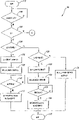
图4是表示用在图3的存储器件中的刷新控制器的操作的流程图。FIG. 4 is a flowchart representing the operation of a refresh controller used in the memory device of FIG. 3. Referring to FIG.
图5是包含图3和图4的存储器件的计算机系统的框图。FIG. 5 is a block diagram of a computer system including the memory device of FIGS. 3 and 4 .
具体实施方式 Detailed ways
下文描述在刷新DRAM中的存储单元期间可被访问的DRAM和方法。在描述中,阐述某些细节以便提供全面理解本发明的各种实施例。然而,对本领域的技术人员来说将容易理解的是,没有这些细节也可以实施本发明。在其他例子中,未详细地示出或描述公知电路、电路元件以及控制信号和相关的定时协议,以便避免不必要地使本发明的各种实施例的描述不明显。The DRAMs and methods that can be accessed during refreshing of memory cells in the DRAM are described below. In the description, certain details are set forth in order to provide a thorough understanding of various embodiments of the invention. It will be readily understood, however, to one skilled in the art that the present invention may be practiced without these details. In other instances, well-known circuits, circuit elements, and control signals and associated timing protocols have not been shown or described in detail in order to avoid unnecessarily obscuring the description of various embodiments of the invention.
本发明的优选实施例是在半导体管芯10上形成的一种DRAM,如图1所示。半导体管芯10包含多个存储体,存储体0、存储体1、存储体2...存储体N。每个存储体包含具有相同大小和存储相同数据位的两个存储器阵列12a、b。因而两个存储单元的存在是对于每个存储地址。因此,如果正刷新一个存储器阵列12a,可以在另一存储器阵列12b中发生对DRAM的存储访问。尽管在图1中示出的存储器阵列12a、b的布局是优选的,将理解的是,可以其他排列布置存储器阵列12a、b。The preferred embodiment of the present invention is a DRAM formed on a
现在将参考图2描述访问阵列12a、b中对应的存储单元的方式。如本领域所公知的,每个阵列12a、b包含排列成行或列的多个存储单元(未示出)。为存储单元的每行提供行线(未示出),当一行激活时,允许存取行中的所有存储单元。通过经一对互补(complimentary)位线,将数据位耦合到存储单元或从存储单元耦合数据位,来访问被访问行中的特定存储单元,在图2中示出了其中的一对14a、b和16a、b。位线14a、b将数据耦合到相应阵列12a、b的一列或从相应的阵列12a、b的一列耦合数据,以及位线16a、b将数据的补码耦合到阵列12a、b的相同列或从阵列12a、b的相同列耦合数据的补码。为了清楚和简洁起见,已经省略了用于阵列12a、b的其他列的位线。The manner in which corresponding memory cells in the
如图2所示,通过相应的一组隔离晶体管22a、b、负读出放大器(“NSA”)24a、b、正读出放大器(“PSA”)26a、b以及相应的一组传输门晶体管28a、b,将位线14a、b和16a、b耦合到公共I/O电路20上。隔离晶体管22a、b以及读出放大器24、26的操作是常规的,因此为简洁起见,将省略对它们的完整说明。在写存储访问期间,通过数据通路(未示出),使数据耦合到I/O电路20。接通任何一组或两组传输门晶体管28a、b以便将数据耦合到阵列12a、b中任何一个或两个中的寻址行的寻址列中的存储单元。如果接通传输门晶体管组28a,则将数据写入存储器阵列12a。如果接通传输门晶体管组28b,则将数据写入存储器阵列12b。如果接通两个传输门晶体管组28b、b,则将数据写入两个存储器阵列12a、b。I/O 20电路最好包含能存储一行写数据的写缓冲器18。如果在对阵列的写访问期间正刷新阵列12a、b之一,则将数据暂时存储在I/O电路20的写缓冲器18中。在完成刷新后,将写数据从写缓冲器18传送到被刷新的阵列12a、b。另一方式是,在完成刷新后的稍后时间,可以将数据从阵列12a、b(数据被写入其中)传送到另一阵列12b、a。对于读访问,这些阵列中的一个(例如阵列12a)可被认为是主阵列,如果不是正在刷新阵列12a,将从该阵列读取数据。如果正在刷新阵列12a,那么可从阵列12b读取数据,于是将阵列12b认为是副阵列。另一方式是,可选择地将阵列12a、b的任一个当作主阵列,而将另一个作为副阵列。例如,在64ms的周期内,可以将阵列12a当作主阵列以及可以将阵列12b当作副阵列,64ms的周期是典型的刷新周期的持续时间。在下一个64ms内,可以将阵列12b作为主阵列以及可将阵列12a作为副阵列等等。在任何一种情况下,如果不是正刷新主阵列,则将从主阵列读取数据。如果正刷新主阵列,则从副阵列读取数据。最好通过刷新控制器(未示出)来控制传输门晶体管28a、b,刷新控制器将参考图3和4进行描述。As shown in FIG. 2, through a corresponding set of isolation transistors 22a,b, negative sense amplifiers (“NSA”) 24a,b, positive sense amplifiers (“PSA”) 26a,b, and a corresponding set of
在读操作期间,读出放大器24a、b和26a、b在位线14、16上形成互补电压(complimentary voltage),其对应于正从存储器阵列12a、b的寻址行中的寻址列读取的数据。接通传输门晶体管28a、b之一组,以便将互补电压耦合到I/O电路20,然后经数据通路从I/O电路将其耦合。如果接通传输门晶体管组28a,从存储器阵列12a读取数据。如果接通传输门晶体管组28b,从存储器阵列12b读取数据。尽管不是同时从两个存储器阵列12a、b读取数据,可接通两个传输门晶体管28a、b,以便在从一个阵列12b、a的读操作之后、执行对另一个阵列12a、b的写操作。更具体地说,例如,可接通传输门晶体管28a来从存储器阵列12a读取数据。然后,在位线14a和16a上已形成对应于读取数据的电压,可接通传输门晶体管28b,以将正从存储器阵列12a读取的数据写入存储器阵列12b。During a read operation, sense amplifiers 24a,b and 26a,b develop complementary voltages on bit lines 14,16 corresponding to the voltage being read from the addressed column in the addressed row of
尽管图2的实施例包括传输门晶体管28a、b,其特别设置用于将耦合数据到存储器阵列12a、b或从存储器阵列12a、b耦合数据,将理解的是,晶体管28a、b也可以是部分列寻址电路。假若这样的话,根据列地址和将被访问的阵列12a、b,接通晶体管28a、b。当然也可使用用于控制对阵列12a、b之任何一个的访问的其他电路。Although the embodiment of FIG. 2 includes
具有隐藏刷新的DRAM 40的一个实施例如图3所示。如在图1的DRAM中,DRAM 40包括N个存储体,每个存储体具有两个阵列12a、b。行和列地址用于访问阵列12a、b中的数据,它们通过地址总线42被施加到地址复用器44,以及通过控制总线46将命令信号施加到控制电路48,控制电路48包括内部命令译码器(未示出)。控制电路48生成各种控制信号用于控制DRAM 40的操作,下面将讨论其中一些控制信号。地址复用器44将行地址耦合到行译码器50以及将列地址耦合到用于阵列12a、b的相应列译码器52a、b。DRAM40还包括相应的读出放大器56a、b,如图2所示的负和正读出放大器24、26,以及相应的D.C.读出放大器(“DCSA”)和写驱动器(“WRITE”)58a、b(“DCSA/WRITE”)。DC读出放大器58a、b将从相应的读出放大器56a、b读取的数据耦合到数据通路电路60。数据通路电路60又将该读取的数据耦合到数据总线64。写数据被从数据总线64通过数据通路电路60耦合到写驱动器58a、b。写驱动器58a、b又将此数据耦合到如由列地址确定的互补对位线(在图3中未示出)。在图3的实施例中使用的这种D.C.读出放大器、写驱动器、以及数据通路电路的结构和操作是常规的。One embodiment of a
DARM 40还包括一组传输电路68,传输电路68可使用在图2的实施例中所示的传输门晶体管28来实现。传输电路68允许将数据从一个阵列12a、b的一列传送到另一阵列12b、a的对应列,如以上参考图2所述。
如前面所提到的,必须周期刷新存储器阵列12a、b中的存储单元以避免丢失数据。为此目的设置刷新控制器70。如在常规的刷新控制器中,刷新控制器70确保以足以防止丢失数据的速率刷新每个阵列12a、b中的每一行存储单元。然而,刷新控制器70能个别地刷新存储器阵列12a、b之任何一个,尽管它最好不同时刷新两个存储器阵列12a、b。如下详细所述,刷新控制器70的操作是根据存储器访问是写或读,因此它从控制电路48接收控制信号,包括读/写*(“R/W*”)信号。刷新控制器70也与数据有效寄存器74连接,如下详细所述,数据有效寄存器提供在阵列12a、b的每行中的数据是否有效的标记。寄存器74经刷新控制器70从地址复用器44接收行地址,以便当寻址存储器阵列12a、b的每行时,寄存器74能提供在每个阵列12a、b的寻址行中的数据是否有效的标记。As mentioned previously, the memory cells in the
现在将参考如图4所示的流程图80,描述结合DARM 40之操作的刷新控制器70之操作。根据流程图80和常规刷新控制器电路的知识,由本领域的技术人员使用适当编程的微处理器(未示出)或硬布线逻辑电路(未示出),可以很容易实现在图3的实施例中采用的刷新控制器70。然而,应当注意,在流程图80和以下的说明中已经省略了DARM 40的许多操作步骤,因为它们是常规的而且与在此描述的发明原理关系不大。The operation of
参考图4,在100进入该过程,以刷新控制器70检测来自CPU(图3中未出)或其他存储器访问器件的存储器访问请求。控制电路48(图3)将合适的控制信号施加于刷新控制器70,以使刷新控制器70能够进行此确定。然后,刷新控制器70在102检验R/W*信号(图3)的状态,以确定存储器访问请求是否用于“写”存储器访问。如果检测到“写”请求,那么,刷新控制器70在104确定当前是否正在刷新主阵列。如上所述,阵列12a、b的任何一个可用作主阵列,或用作主阵列的阵列也可在阵列12a、b间交替。刷新控制器70能(做该决定)确定是否正在刷新阵列12a、b之任何一个,而不需要任何外部输入,因为刷新控制器70本身使得阵列12a、b被周期刷新。如果在104确定正在刷新主阵列,那么在106,将写数据写入副阵列的第R行,其中R是施加到地址复用器44的行地址。同样如上所述,可将阵列12a、b的任何一个用作主阵列,或用作主阵列的阵列也可在阵列12a、b间交替。(在此假定存储器访问是对阵列12a、b中的整行数据)。由除刷新控制器70以外的电路执行以这种方式对副阵列的数据写入,如上所述。然而,同样如上所述,刷新控制器70通过适当的手段选择主阵列或副阵列用于存储器访问,诸如通过控制如图2所示的传输门晶体管28a、b。在108,将写数据存储在写缓冲器18中,如上所述,写缓冲器18是在I/O电路20(图2)的内部。然后,刷新控制器70在110处的循环中等待完成主阵列的刷新,然后进行到112,在其中将存储在写缓冲器18中的数据传送给主阵列的第R行。因此,能将数据写入DARM 40而不需要CPU或其他存储器访问器件等待完成刷新。然后该过程经步骤116返回进入点100。Referring to FIG. 4, the process is entered at 100 to allow the
如果刷新控制器70在104确定不是正在刷新主阵列,那么它在120进行检查来确定是否正在刷新副阵列。假若是的话,在步骤122将写数据写入主阵列的第R行,从而允许继续刷新副阵列。然后,在124将写数据存储在I/O电路20的写缓冲器18中。然后,在126的回路中,刷新控制器70等待完成副阵列的刷新,然后进行到128,在其中将存储在写缓冲器18中的数据传送到副阵列的第R行。然后,该过程经116再次返回100。If the
如果刷新控制器70在104确定不是正在刷新主阵列,并且它在120确定不是正在刷新副阵列,那么可将写数据写入两个阵列12a、b。因此,在130将写数据写入主阵列和副阵列12b的第R行,然后经116返回100。If the
如果在100检测到存储器访问请求后,刷新控制器70在102未检测“写”存储器访问请求,那么,它断定该请求必定是用于“读”存储器访问请求并进入步骤140。在140,刷新控制器70确定是否正在刷新主阵列,如果不是,刷新控制器70在步骤142使得从主阵列的第R行读取数据。然后,该过程经144返回步骤100。如果刷新控制器70在140确定不是正在刷新主阵列,在步骤146,它使得从副阵列的第R行读取数据,然后经144返回。刷新控制器可通过适当的手段选择用于存储器访问的主阵列或副阵列,诸如通过控制传输门晶体管28a、b(图2),以便将数据从主阵列读出而不是从副阵列,反之亦然。If after detecting a memory access request at 100,
参考图3和4描述的DRAM 40可有利地用在计算机系统中,如图5所示的计算机系统200。计算机系统200包括处理器202,其用于执行各种计算功能,如执行特定的软件来执行特定的计算或任务。处理器202包括处理器总线204,处理器总线通常包括地址总线206、控制总线208和数据总线210。另外,计算机系统200包括一个或多个输入设备214,如键盘或鼠标,以允许操作者与计算机系统200进行交互。通常,计算机系统200还包括连接处理器202的一个或多个输出设备216,这些输出设备通常是打印机或视频终端。通常也将一个或多个数据存储设备218连接到处理器202以存储数据或从外部存储介质(未示出)检索数据。典型的存储设备218的例子包括硬盘和软盘、盒式磁带以及光盘只读存储器(“CD-ROM”)。通常,处理器202还经存储控制器230连接到系统存储器228。系统存储器228通常由动态随机存取存储器(“DRAM”)组成。最后,计算机系统200包括超高速缓冲存储器236,它经处理器总线204连接到处理器202。如上所述,超高速缓冲存储器236通常是静态随机存取存储器(“SRAM”),它被设置用于使处理器202能够更快读取频繁存取或最近存取的数据或指令。然而,与常规的计算机系统不同的是,在图5的计算机系统200中所用的超高速缓冲存储器236是具有如图3和4所示的隐藏类型的DRAM。即使超高速缓冲存储器236要求两倍于相同容量的常规DRAM的存储单元,不过它使用相同容量的常规SRAM之一半数量的晶体管。因此,与用作超高速缓冲存储器236的SRAM相比,超高速缓冲存储器236能以相对很低的成本提供相对大的容量。The
将理解的是,尽管为了说明的目的,已经描述过本发明的特定的实施例,但不脱离本发明的精神和范围,可能做出各种改变。例如,尽管在图4中以稍微基础的形式示出了DRAM 40,将理解到DRAM 40可能采用各种DRAM结构,包括同步DRAM(“SDRAM”)、存储器总线DRAM(“RDRAM”)以及同步链接DRAM(“SLDRAM”)。另外,尽管图5示出了由处理器202访问的DRAM40,将理解到也可使用其他访问设备,如图形处理器和其他直接存储器存取(“DMA”)器件。因此,本发明不是由公开的实施例来限定,而是由下述权利要求书来确定本发明的范围。It will be appreciated that, while specific embodiments of the invention have been described for purposes of illustration, various changes may be made without departing from the spirit and scope of the invention. For example, although
Claims (50)
Applications Claiming Priority (2)
| Application Number | Priority Date | Filing Date | Title |
|---|---|---|---|
| US09/641,881 | 2000-08-17 | ||
| US09/641,881 US6445636B1 (en) | 2000-08-17 | 2000-08-17 | Method and system for hiding refreshes in a dynamic random access memory |
Publications (2)
| Publication Number | Publication Date |
|---|---|
| CN1471710A CN1471710A (en) | 2004-01-28 |
| CN100570739C true CN100570739C (en) | 2009-12-16 |
Family
ID=24574243
Family Applications (1)
| Application Number | Title | Priority Date | Filing Date |
|---|---|---|---|
| CNB018174884A Expired - Fee Related CN100570739C (en) | 2000-08-17 | 2001-08-14 | Method and system for hiding refresh in dynamic random access memory |
Country Status (9)
| Country | Link |
|---|---|
| US (1) | US6445636B1 (en) |
| EP (2) | EP2267722A1 (en) |
| JP (1) | JP2004507856A (en) |
| KR (1) | KR100796179B1 (en) |
| CN (1) | CN100570739C (en) |
| AT (1) | ATE484831T1 (en) |
| AU (1) | AU2001283568A1 (en) |
| DE (1) | DE60143268D1 (en) |
| WO (1) | WO2002015194A1 (en) |
Families Citing this family (22)
| Publication number | Priority date | Publication date | Assignee | Title |
|---|---|---|---|---|
| US6862654B1 (en) * | 2000-08-17 | 2005-03-01 | Micron Technology, Inc. | Method and system for using dynamic random access memory as cache memory |
| US6697909B1 (en) * | 2000-09-12 | 2004-02-24 | International Business Machines Corporation | Method and apparatus for performing data access and refresh operations in different sub-arrays of a DRAM cache memory |
| US6779076B1 (en) * | 2000-10-05 | 2004-08-17 | Micron Technology, Inc. | Method and system for using dynamic random access memory as cache memory |
| TW523759B (en) * | 2001-08-03 | 2003-03-11 | Umax Data Systems Inc | Circuit architecture with extended general purpose input/output pin |
| US7149824B2 (en) * | 2002-07-10 | 2006-12-12 | Micron Technology, Inc. | Dynamically setting burst length of memory device by applying signal to at least one external pin during a read or write transaction |
| US7224631B2 (en) * | 2004-08-31 | 2007-05-29 | Micron Technology, Inc. | Non-skipping auto-refresh in a DRAM |
| US20060190678A1 (en) * | 2005-02-22 | 2006-08-24 | Butler Douglas B | Static random access memory (SRAM) compatible, high availability memory array and method employing synchronous dynamic random access memory (DRAM) in conjunction with a single DRAM cache and tag |
| US7506100B2 (en) * | 2005-02-23 | 2009-03-17 | United Memories, Inc. | Static random access memory (SRAM) compatible, high availability memory array and method employing synchronous dynamic random access memory (DRAM) in conjunction with a data cache and separate read and write registers and tag blocks |
| US7123521B1 (en) | 2005-04-27 | 2006-10-17 | Micron Technology, Inc. | Random cache read |
| US7313047B2 (en) * | 2006-02-23 | 2007-12-25 | Hynix Semiconductor Inc. | Dynamic semiconductor memory with improved refresh mechanism |
| WO2009073512A1 (en) * | 2007-11-29 | 2009-06-11 | Dow Global Technologies Inc. | Compounds and methods of forming compounds useful as a toner |
| US7408813B2 (en) * | 2006-08-03 | 2008-08-05 | Micron Technology, Inc. | Block erase for volatile memory |
| JP4781229B2 (en) * | 2006-11-01 | 2011-09-28 | キヤノン株式会社 | Distortion correction apparatus, imaging apparatus, and control method for distortion correction apparatus |
| KR100940868B1 (en) | 2009-05-25 | 2010-02-09 | 이성재 | Device realizing read characteristic of sram from dram and method of the same |
| CN102081964B (en) * | 2009-11-30 | 2014-12-10 | 国际商业机器公司 | Method and system for refreshing dynamic random access memory |
| TWI539453B (en) | 2010-09-14 | 2016-06-21 | 半導體能源研究所股份有限公司 | Memory device and semiconductor device |
| KR20130042236A (en) * | 2011-10-18 | 2013-04-26 | 에스케이하이닉스 주식회사 | Memory system |
| KR101970712B1 (en) * | 2012-08-23 | 2019-04-22 | 삼성전자주식회사 | Device and method for moving data in terminal |
| CN103700393B (en) | 2012-09-28 | 2016-08-03 | 国际商业机器公司 | Intermediate circuit and method for DRAM |
| CA3146951A1 (en) | 2014-03-27 | 2015-10-01 | Techtronic Power Tools Technology Limited | Powered fastener driver and operating method thereof |
| US9824737B2 (en) | 2015-12-22 | 2017-11-21 | Intel Corporation | Memory circuit and method for operating a first and a second set of memory cells in direct memory access mode with refresh |
| US10346093B1 (en) * | 2018-03-16 | 2019-07-09 | Xilinx, Inc. | Memory arrangement for tensor data |
Citations (2)
| Publication number | Priority date | Publication date | Assignee | Title |
|---|---|---|---|---|
| US5442588A (en) * | 1994-08-16 | 1995-08-15 | Cirrus Logic, Inc. | Circuits and methods for refreshing a dual bank memory |
| US5999481A (en) * | 1997-08-22 | 1999-12-07 | Micron Technology, Inc. | Method and apparatus for controlling the operation of an integrated circuit responsive to out-of-synchronism control signals |
Family Cites Families (18)
| Publication number | Priority date | Publication date | Assignee | Title |
|---|---|---|---|---|
| JPS586232B2 (en) * | 1977-09-21 | 1983-02-03 | 株式会社日立製作所 | memory device |
| JPS5715286A (en) * | 1980-06-30 | 1982-01-26 | Toshiba Corp | Memory device |
| JPS6257194A (en) * | 1985-09-05 | 1987-03-12 | Mitsubishi Electric Corp | Duplex memory device |
| JPS63183694A (en) * | 1987-01-23 | 1988-07-29 | Mitsubishi Electric Corp | semiconductor storage device |
| EP0420339A3 (en) * | 1989-09-29 | 1992-06-03 | N.V. Philips' Gloeilampenfabrieken | Multi-plane random access memory system |
| EP0811979B1 (en) * | 1990-12-25 | 2004-02-11 | Mitsubishi Denki Kabushiki Kaisha | A semiconductor memory device |
| JP3304531B2 (en) * | 1993-08-24 | 2002-07-22 | 富士通株式会社 | Semiconductor storage device |
| US5835436A (en) * | 1995-07-03 | 1998-11-10 | Mitsubishi Denki Kabushiki Kaisha | Dynamic type semiconductor memory device capable of transferring data between array blocks at high speed |
| US5687132A (en) * | 1995-10-26 | 1997-11-11 | Cirrus Logic, Inc. | Multiple-bank memory architecture and systems and methods using the same |
| JPH1011348A (en) * | 1996-06-24 | 1998-01-16 | Ricoh Co Ltd | DRAM control device and its DRAM |
| US5835401A (en) * | 1996-12-05 | 1998-11-10 | Cypress Semiconductor Corporation | Dram with hidden refresh |
| US5818777A (en) * | 1997-03-07 | 1998-10-06 | Micron Technology, Inc. | Circuit for implementing and method for initiating a self-refresh mode |
| JP3490887B2 (en) * | 1998-03-05 | 2004-01-26 | シャープ株式会社 | Synchronous semiconductor memory device |
| US5999474A (en) * | 1998-10-01 | 1999-12-07 | Monolithic System Tech Inc | Method and apparatus for complete hiding of the refresh of a semiconductor memory |
| US6282606B1 (en) * | 1999-04-02 | 2001-08-28 | Silicon Aquarius, Inc. | Dynamic random access memories with hidden refresh and utilizing one-transistor, one-capacitor cells, systems and methods |
| US6185136B1 (en) * | 1999-07-15 | 2001-02-06 | Micron Technology, Inc. | Method and apparatus for repairing defective columns of memory cells |
| JP4555416B2 (en) * | 1999-09-22 | 2010-09-29 | 富士通セミコンダクター株式会社 | Semiconductor integrated circuit and control method thereof |
| JP3871853B2 (en) * | 2000-05-26 | 2007-01-24 | 株式会社ルネサステクノロジ | Semiconductor device and operation method thereof |
-
2000
- 2000-08-17 US US09/641,881 patent/US6445636B1/en not_active Expired - Lifetime
-
2001
- 2001-08-14 DE DE60143268T patent/DE60143268D1/en not_active Expired - Lifetime
- 2001-08-14 JP JP2002520236A patent/JP2004507856A/en active Pending
- 2001-08-14 CN CNB018174884A patent/CN100570739C/en not_active Expired - Fee Related
- 2001-08-14 EP EP10183192A patent/EP2267722A1/en not_active Withdrawn
- 2001-08-14 KR KR1020037002316A patent/KR100796179B1/en not_active Expired - Fee Related
- 2001-08-14 WO PCT/US2001/041725 patent/WO2002015194A1/en not_active Ceased
- 2001-08-14 AU AU2001283568A patent/AU2001283568A1/en not_active Abandoned
- 2001-08-14 AT AT01962382T patent/ATE484831T1/en not_active IP Right Cessation
- 2001-08-14 EP EP01962382A patent/EP1328942B1/en not_active Expired - Lifetime
Patent Citations (2)
| Publication number | Priority date | Publication date | Assignee | Title |
|---|---|---|---|---|
| US5442588A (en) * | 1994-08-16 | 1995-08-15 | Cirrus Logic, Inc. | Circuits and methods for refreshing a dual bank memory |
| US5999481A (en) * | 1997-08-22 | 1999-12-07 | Micron Technology, Inc. | Method and apparatus for controlling the operation of an integrated circuit responsive to out-of-synchronism control signals |
Also Published As
| Publication number | Publication date |
|---|---|
| KR100796179B1 (en) | 2008-01-21 |
| ATE484831T1 (en) | 2010-10-15 |
| US6445636B1 (en) | 2002-09-03 |
| AU2001283568A1 (en) | 2002-02-25 |
| JP2004507856A (en) | 2004-03-11 |
| EP1328942A4 (en) | 2008-01-02 |
| EP1328942A1 (en) | 2003-07-23 |
| EP1328942B1 (en) | 2010-10-13 |
| EP2267722A8 (en) | 2011-05-18 |
| DE60143268D1 (en) | 2010-11-25 |
| EP2267722A1 (en) | 2010-12-29 |
| KR20030088020A (en) | 2003-11-15 |
| WO2002015194A1 (en) | 2002-02-21 |
| CN1471710A (en) | 2004-01-28 |
Similar Documents
| Publication | Publication Date | Title |
|---|---|---|
| CN100570739C (en) | Method and system for hiding refresh in dynamic random access memory | |
| US6958507B2 (en) | Semiconductor memory pipeline buffer | |
| US7206243B2 (en) | Method of rewriting a logic state of a memory cell | |
| US7917692B2 (en) | Method and system for using dynamic random access memory as cache memory | |
| EP0499256A1 (en) | Semiconductor memory device | |
| CN100433188C (en) | Methods and Accessors for Multiple Word Line Access | |
| KR100389750B1 (en) | Semiconductor memory device that can access two regions alternately at high speed | |
| US6330202B1 (en) | Semiconductor memory device having write data line | |
| JP2002008371A (en) | Semiconductor storage device | |
| US6975552B2 (en) | Hybrid open and folded digit line architecture | |
| KR100482380B1 (en) | SRAM compatable memory having memory banks capable of indepedently writing access and Operating Method thereof | |
| KR20040093895A (en) | Semiconductor memory device for reducing peak current during refreshing operation | |
| KR20130049150A (en) | Reducing read disturbs and write fails in a data storage cell | |
| KR100481820B1 (en) | SRAM comPatible Memory Device comPensating an outPut data with Parity and OPerating Method thereof | |
| JPS61126689A (en) | Semiconductor memory device | |
| TW411469B (en) | Semiconductor memory with built-in row buffer and method of driving the same | |
| JPH1173763A (en) | Semiconductor integrated circuit device | |
| CN116434798A (en) | Memory device, operating method thereof, and memory system | |
| KR20050013701A (en) | Dual Port RAM having DRAM cell and being compatible with SRAM |
Legal Events
| Date | Code | Title | Description |
|---|---|---|---|
| C06 | Publication | ||
| PB01 | Publication | ||
| C10 | Entry into substantive examination | ||
| SE01 | Entry into force of request for substantive examination | ||
| C14 | Grant of patent or utility model | ||
| GR01 | Patent grant | ||
| C17 | Cessation of patent right | ||
| CF01 | Termination of patent right due to non-payment of annual fee |
Granted publication date: 20091216 Termination date: 20110814 |