CN100388506C - Lead contact structure and manufacturing method thereof, thin film transistor array substrate including the contact structure and manufacturing method thereof - Google Patents
Lead contact structure and manufacturing method thereof, thin film transistor array substrate including the contact structure and manufacturing method thereof Download PDFInfo
- Publication number
- CN100388506C CN100388506C CNB028126904A CN02812690A CN100388506C CN 100388506 C CN100388506 C CN 100388506C CN B028126904 A CNB028126904 A CN B028126904A CN 02812690 A CN02812690 A CN 02812690A CN 100388506 C CN100388506 C CN 100388506C
- Authority
- CN
- China
- Prior art keywords
- layer
- gate
- contact
- line assembly
- insulating layer
- Prior art date
- Legal status (The legal status is an assumption and is not a legal conclusion. Google has not performed a legal analysis and makes no representation as to the accuracy of the status listed.)
- Expired - Lifetime
Links
Images


Classifications
-
- G—PHYSICS
- G02—OPTICS
- G02F—OPTICAL DEVICES OR ARRANGEMENTS FOR THE CONTROL OF LIGHT BY MODIFICATION OF THE OPTICAL PROPERTIES OF THE MEDIA OF THE ELEMENTS INVOLVED THEREIN; NON-LINEAR OPTICS; FREQUENCY-CHANGING OF LIGHT; OPTICAL LOGIC ELEMENTS; OPTICAL ANALOGUE/DIGITAL CONVERTERS
- G02F1/00—Devices or arrangements for the control of the intensity, colour, phase, polarisation or direction of light arriving from an independent light source, e.g. switching, gating or modulating; Non-linear optics
- G02F1/01—Devices or arrangements for the control of the intensity, colour, phase, polarisation or direction of light arriving from an independent light source, e.g. switching, gating or modulating; Non-linear optics for the control of the intensity, phase, polarisation or colour
- G02F1/13—Devices or arrangements for the control of the intensity, colour, phase, polarisation or direction of light arriving from an independent light source, e.g. switching, gating or modulating; Non-linear optics for the control of the intensity, phase, polarisation or colour based on liquid crystals, e.g. single liquid crystal display cells
- G02F1/133—Constructional arrangements; Operation of liquid crystal cells; Circuit arrangements
- G02F1/136—Liquid crystal cells structurally associated with a semi-conducting layer or substrate, e.g. cells forming part of an integrated circuit
-
- G—PHYSICS
- G02—OPTICS
- G02F—OPTICAL DEVICES OR ARRANGEMENTS FOR THE CONTROL OF LIGHT BY MODIFICATION OF THE OPTICAL PROPERTIES OF THE MEDIA OF THE ELEMENTS INVOLVED THEREIN; NON-LINEAR OPTICS; FREQUENCY-CHANGING OF LIGHT; OPTICAL LOGIC ELEMENTS; OPTICAL ANALOGUE/DIGITAL CONVERTERS
- G02F1/00—Devices or arrangements for the control of the intensity, colour, phase, polarisation or direction of light arriving from an independent light source, e.g. switching, gating or modulating; Non-linear optics
- G02F1/01—Devices or arrangements for the control of the intensity, colour, phase, polarisation or direction of light arriving from an independent light source, e.g. switching, gating or modulating; Non-linear optics for the control of the intensity, phase, polarisation or colour
- G02F1/13—Devices or arrangements for the control of the intensity, colour, phase, polarisation or direction of light arriving from an independent light source, e.g. switching, gating or modulating; Non-linear optics for the control of the intensity, phase, polarisation or colour based on liquid crystals, e.g. single liquid crystal display cells
- G02F1/133—Constructional arrangements; Operation of liquid crystal cells; Circuit arrangements
- G02F1/1333—Constructional arrangements; Manufacturing methods
- G02F1/1345—Conductors connecting electrodes to cell terminals
- G02F1/13458—Terminal pads
-
- G—PHYSICS
- G02—OPTICS
- G02F—OPTICAL DEVICES OR ARRANGEMENTS FOR THE CONTROL OF LIGHT BY MODIFICATION OF THE OPTICAL PROPERTIES OF THE MEDIA OF THE ELEMENTS INVOLVED THEREIN; NON-LINEAR OPTICS; FREQUENCY-CHANGING OF LIGHT; OPTICAL LOGIC ELEMENTS; OPTICAL ANALOGUE/DIGITAL CONVERTERS
- G02F1/00—Devices or arrangements for the control of the intensity, colour, phase, polarisation or direction of light arriving from an independent light source, e.g. switching, gating or modulating; Non-linear optics
- G02F1/01—Devices or arrangements for the control of the intensity, colour, phase, polarisation or direction of light arriving from an independent light source, e.g. switching, gating or modulating; Non-linear optics for the control of the intensity, phase, polarisation or colour
- G02F1/13—Devices or arrangements for the control of the intensity, colour, phase, polarisation or direction of light arriving from an independent light source, e.g. switching, gating or modulating; Non-linear optics for the control of the intensity, phase, polarisation or colour based on liquid crystals, e.g. single liquid crystal display cells
- G02F1/133—Constructional arrangements; Operation of liquid crystal cells; Circuit arrangements
- G02F1/136—Liquid crystal cells structurally associated with a semi-conducting layer or substrate, e.g. cells forming part of an integrated circuit
- G02F1/1362—Active matrix addressed cells
- G02F1/136286—Wiring, e.g. gate line, drain line
-
- H—ELECTRICITY
- H10—SEMICONDUCTOR DEVICES; ELECTRIC SOLID-STATE DEVICES NOT OTHERWISE PROVIDED FOR
- H10D—INORGANIC ELECTRIC SEMICONDUCTOR DEVICES
- H10D86/00—Integrated devices formed in or on insulating or conducting substrates, e.g. formed in silicon-on-insulator [SOI] substrates or on stainless steel or glass substrates
- H10D86/40—Integrated devices formed in or on insulating or conducting substrates, e.g. formed in silicon-on-insulator [SOI] substrates or on stainless steel or glass substrates characterised by multiple TFTs
- H10D86/441—Interconnections, e.g. scanning lines
-
- H—ELECTRICITY
- H10—SEMICONDUCTOR DEVICES; ELECTRIC SOLID-STATE DEVICES NOT OTHERWISE PROVIDED FOR
- H10D—INORGANIC ELECTRIC SEMICONDUCTOR DEVICES
- H10D86/00—Integrated devices formed in or on insulating or conducting substrates, e.g. formed in silicon-on-insulator [SOI] substrates or on stainless steel or glass substrates
- H10D86/40—Integrated devices formed in or on insulating or conducting substrates, e.g. formed in silicon-on-insulator [SOI] substrates or on stainless steel or glass substrates characterised by multiple TFTs
- H10D86/60—Integrated devices formed in or on insulating or conducting substrates, e.g. formed in silicon-on-insulator [SOI] substrates or on stainless steel or glass substrates characterised by multiple TFTs wherein the TFTs are in active matrices
-
- G—PHYSICS
- G02—OPTICS
- G02F—OPTICAL DEVICES OR ARRANGEMENTS FOR THE CONTROL OF LIGHT BY MODIFICATION OF THE OPTICAL PROPERTIES OF THE MEDIA OF THE ELEMENTS INVOLVED THEREIN; NON-LINEAR OPTICS; FREQUENCY-CHANGING OF LIGHT; OPTICAL LOGIC ELEMENTS; OPTICAL ANALOGUE/DIGITAL CONVERTERS
- G02F1/00—Devices or arrangements for the control of the intensity, colour, phase, polarisation or direction of light arriving from an independent light source, e.g. switching, gating or modulating; Non-linear optics
- G02F1/01—Devices or arrangements for the control of the intensity, colour, phase, polarisation or direction of light arriving from an independent light source, e.g. switching, gating or modulating; Non-linear optics for the control of the intensity, phase, polarisation or colour
- G02F1/13—Devices or arrangements for the control of the intensity, colour, phase, polarisation or direction of light arriving from an independent light source, e.g. switching, gating or modulating; Non-linear optics for the control of the intensity, phase, polarisation or colour based on liquid crystals, e.g. single liquid crystal display cells
- G02F1/133—Constructional arrangements; Operation of liquid crystal cells; Circuit arrangements
- G02F1/136—Liquid crystal cells structurally associated with a semi-conducting layer or substrate, e.g. cells forming part of an integrated circuit
- G02F1/1362—Active matrix addressed cells
- G02F1/136227—Through-hole connection of the pixel electrode to the active element through an insulation layer
-
- G—PHYSICS
- G02—OPTICS
- G02F—OPTICAL DEVICES OR ARRANGEMENTS FOR THE CONTROL OF LIGHT BY MODIFICATION OF THE OPTICAL PROPERTIES OF THE MEDIA OF THE ELEMENTS INVOLVED THEREIN; NON-LINEAR OPTICS; FREQUENCY-CHANGING OF LIGHT; OPTICAL LOGIC ELEMENTS; OPTICAL ANALOGUE/DIGITAL CONVERTERS
- G02F1/00—Devices or arrangements for the control of the intensity, colour, phase, polarisation or direction of light arriving from an independent light source, e.g. switching, gating or modulating; Non-linear optics
- G02F1/01—Devices or arrangements for the control of the intensity, colour, phase, polarisation or direction of light arriving from an independent light source, e.g. switching, gating or modulating; Non-linear optics for the control of the intensity, phase, polarisation or colour
- G02F1/13—Devices or arrangements for the control of the intensity, colour, phase, polarisation or direction of light arriving from an independent light source, e.g. switching, gating or modulating; Non-linear optics for the control of the intensity, phase, polarisation or colour based on liquid crystals, e.g. single liquid crystal display cells
- G02F1/133—Constructional arrangements; Operation of liquid crystal cells; Circuit arrangements
- G02F1/136—Liquid crystal cells structurally associated with a semi-conducting layer or substrate, e.g. cells forming part of an integrated circuit
- G02F1/1362—Active matrix addressed cells
- G02F1/136286—Wiring, e.g. gate line, drain line
- G02F1/13629—Multilayer wirings
-
- H10W20/083—
-
- H10W20/089—
-
- H10W20/425—
Landscapes
- Physics & Mathematics (AREA)
- Nonlinear Science (AREA)
- Mathematical Physics (AREA)
- Chemical & Material Sciences (AREA)
- Crystallography & Structural Chemistry (AREA)
- General Physics & Mathematics (AREA)
- Optics & Photonics (AREA)
- Engineering & Computer Science (AREA)
- Microelectronics & Electronic Packaging (AREA)
- Thin Film Transistor (AREA)
- Liquid Crystal (AREA)
- Internal Circuitry In Semiconductor Integrated Circuit Devices (AREA)
- Electrodes Of Semiconductors (AREA)
Abstract
Description
技术领域 technical field
本发明涉及一种用于薄膜晶体管阵列衬底的引线接触结构,及其制造方法。The invention relates to a wire contact structure for a thin film transistor array substrate and a manufacturing method thereof.
背景技术 Background technique
一般而言,引线组件形成在半导体器件中,用于传送信号,同时要考虑最小化信号延迟的需求。In general, lead assemblies are formed in semiconductor devices to transmit signals while considering the need to minimize signal delay.
为了最小化信号延迟,引线组件通常由低电阻金属材料(例如铝和铝合金)形成。然而,由于铝基金属材料具有很弱的物理化学特性,因此当引线组件与接触区的其它导电材料相接触时,易于在引线组件处发生侵蚀,并且这使得半导体器件的性能特征劣化。特别是对于液晶显示器的情况,由于像素电极是以透明导电材料(诸如氧化铟锡(ITO))形成,因此与ITO基电极相接触的铝基层易于受到侵蚀。为了解决这类问题,已经提出了使用表现出具有对铝基金属材料的良好接触特性的氧化铟锡(ITO)来形成像素电极。然而,在此情况下,接触电阻在接触区变大。To minimize signal delays, lead assemblies are typically formed of low resistance metallic materials such as aluminum and aluminum alloys. However, since aluminum-based metal materials have weak physicochemical properties, corrosion easily occurs at the lead components when they are in contact with other conductive materials in the contact area, and this degrades performance characteristics of the semiconductor device. Especially in the case of a liquid crystal display, since the pixel electrode is formed of a transparent conductive material such as indium tin oxide (ITO), the aluminum-based layer in contact with the ITO-based electrode is susceptible to corrosion. In order to solve such problems, it has been proposed to form a pixel electrode using indium tin oxide (ITO), which exhibits good contact characteristics with aluminum-based metal materials. However, in this case, the contact resistance becomes large at the contact area.
发明内容 Contents of the invention
本发明的目的在于提供一种利用低电阻材料形成并具有低电阻接触特性的引线接触结构。An object of the present invention is to provide a lead contact structure formed with a low-resistance material and having low-resistance contact characteristics.
本发明的另一个目的在于提供一种包括出色接触特性的、用于薄膜晶体管阵列衬底的引线接触结构。Another object of the present invention is to provide a wire contact structure for a thin film transistor array substrate including excellent contact characteristics.
这些及其它目的可以通过如下特征实现。利用铝或铝合金基层和另一层导电层形成引线组件。引线组件的侧壁通过接触区处的接触孔暴露,或者在这些层中的一层处形成开口部分同时暴露其它层。These and other objects are achieved by the following features. A lead assembly is formed using an aluminum or aluminum alloy base layer and another conductive layer. The sidewall of the lead assembly is exposed through the contact hole at the contact region, or an opening portion is formed at one of the layers while exposing the other layer.
通过接触孔将IZO基层连接至引线组件。为了防止IZO基层由于接触区域的台阶差异而切断,接触孔边界与引线组件边界之间的距离为2μm或更小。Connect the IZO substrate to the lead assembly through the contact holes. In order to prevent the IZO base layer from being cut off due to the step difference in the contact area, the distance between the boundary of the contact hole and the boundary of the lead assembly is 2 μm or less.
根据本发明的另一个方面,在形成引线接触结构的方法中,利用第一导电层在衬底上形成引线组件。在引线组件上沉积绝缘层,使得绝缘层覆盖引线组件。构图绝缘层从而形成暴露引线组件侧壁的接触孔。形成第二导电层,使得第二导电层通过接触孔与引线组件侧壁接触。According to another aspect of the present invention, in the method of forming a lead contact structure, a lead assembly is formed on a substrate using a first conductive layer. An insulating layer is deposited on the lead assembly such that the insulating layer covers the lead assembly. The insulating layer is patterned to form contact holes exposing sidewalls of the lead assembly. The second conductive layer is formed such that the second conductive layer is in contact with the sidewall of the lead assembly through the contact hole.
利用基于铝或铝合金的上层和基于钼、钼合金或铬的下层形成第一导电层。第二导电层利用IZO形成。The first conductive layer is formed with an upper layer based on aluminum or aluminum alloy and a lower layer based on molybdenum, molybdenum alloy or chromium. The second conductive layer is formed using IZO.
接触孔的边界与引线组件的边界之间的距离为2μm或更小。The distance between the boundary of the contact hole and the boundary of the lead assembly is 2 μm or less.
根据本发明的另一方面,在引线接触结构的形成方法中,在衬底上形成引线组件,使得引线组件具有开口部分。在衬底上沉积绝缘层,使得绝缘层覆盖引线组件。构图绝缘层,从而形成暴露开口部分的接触孔。在绝缘层上形成第一导电层,使第一导电层通过接触孔与引线组件接触。According to another aspect of the present invention, in the method of forming a wire contact structure, a lead assembly is formed on a substrate such that the lead assembly has an opening portion. An insulating layer is deposited on the substrate such that the insulating layer covers the lead assembly. The insulating layer is patterned, thereby forming a contact hole exposing the opening portion. A first conductive layer is formed on the insulating layer so that the first conductive layer is in contact with the lead assembly through the contact hole.
利用第二导电层形成具有基于铝或铝合金的上层和基于钼、钼合金或铬的下层的引线组件。第一导电层利用IZO形成。开口仅形成在上层处,同时具有4×4μm或更小的面积。可以通过光刻使用一个光致抗蚀剂图形形成上层和下层。A lead assembly having an upper layer based on aluminum or aluminum alloy and a lower layer based on molybdenum, molybdenum alloy or chromium is formed using the second conductive layer. The first conductive layer is formed using IZO. The opening is formed only at the upper layer while having an area of 4×4 μm or less. The upper and lower layers can be formed by photolithography using a photoresist pattern.
根据本发明的又一方面,薄膜晶体管阵列衬底包括形成在绝缘衬底上的栅极引线组件。栅极绝缘层覆盖栅极线组件。半导体层形成在栅极绝缘层。在栅极绝缘层上,利用半导体层形成数据线组件。保护层覆盖在数据线组件上。透明导电图形形成在栅极绝缘层或保护层上。导电图形通过形成在栅极绝缘层与或保护层处的第一接触孔与栅极线组件和数据线组件的侧壁接触。According to still another aspect of the present invention, a thin film transistor array substrate includes a gate lead assembly formed on an insulating substrate. The gate insulating layer covers the gate line assembly. A semiconductor layer is formed on the gate insulating layer. On the gate insulating layer, a data line assembly is formed using a semiconductor layer. The protective layer is covered on the data line assembly. The transparent conductive pattern is formed on the gate insulation layer or the protection layer. The conductive pattern is in contact with the sidewalls of the gate line assembly and the data line assembly through the first contact hole formed at the gate insulation layer and/or the protection layer.
栅极线组件或数据线组件利用基于铬、钼或钼合金的下层和基于铝或铝合金的上层形成。栅极绝缘层和保护层用氮化硅形成。透明导电图形用IZO形成。The gate line assembly or the data line assembly is formed using a lower layer based on chromium, molybdenum or molybdenum alloy and an upper layer based on aluminum or aluminum alloy. The gate insulating layer and protective layer are formed of silicon nitride. The transparent conductive pattern is formed with IZO.
栅极线组件具有沿水平方向延伸的栅极线、与栅极线连接的栅极电极、以及与栅极线连接以接受来自外界的扫描信号并将扫描信号发送至栅极线的栅极垫。数据线组件具有沿垂直方向延伸的数据线、与数据线连接的源极电极、与源极电极分开同时围绕栅极电极而面对源极电极的漏极电极、以及与数据线连接以接受来自外界的图像信号并将图像信号发送至数据线的数据垫。漏极电极的侧壁通过第一接触孔暴露出来。The gate line assembly has gate lines extending in the horizontal direction, gate electrodes connected to the gate lines, and gate pads connected to the gate lines to receive scan signals from the outside and transmit scan signals to the gate lines . The data line assembly has a data line extending in a vertical direction, a source electrode connected to the data line, a drain electrode separated from the source electrode while surrounding the gate electrode and facing the source electrode, and connected to the data line to receive data from the source electrode. External image signal and send the image signal to the data pad of the data line. A sidewall of the drain electrode is exposed through the first contact hole.
保护层具有暴露数据垫的第二接触孔,以及暴露栅极垫连同栅极绝缘层的第三接触孔。第一至第三接触孔的面积形成为4×4μm至10×10μm。利用接触漏极电极侧壁的像素电极以及通过第二和第三接触孔与数据垫和栅极垫连接的辅助数据垫和辅助栅极垫成透明导电图形。数据垫或栅极垫的侧壁通过第二接触孔或第三接触孔暴露,而辅助栅极垫或辅助数据垫与数据垫或栅极垫的侧壁接触。The protective layer has a second contact hole exposing the data pad, and a third contact hole exposing the gate pad together with the gate insulating layer. Areas of the first to third contact holes are formed to be 4×4 μm to 10×10 μm. A transparent conductive pattern is formed by using the pixel electrode contacting the sidewall of the drain electrode and the auxiliary data pad and auxiliary gate pad connected to the data pad and the gate pad through the second and third contact holes. Sidewalls of the data pads or gate pads are exposed through the second or third contact holes, and the auxiliary gate pads or auxiliary data pads are in contact with the sidewalls of the data pads or gate pads.
在制造用于液晶显示器的薄膜晶体管阵列衬底的方法中,在绝缘衬底上形成栅极线组件。栅极线组件具有栅极线和连接栅极线的栅极电极。在绝缘衬底上沉积栅极绝缘层,使得栅极绝缘层覆盖栅极线组件。在栅极绝缘层上形成半导体层。利用半导体层在栅极绝缘层上形成数据线组件。数据线组件具有横跨栅极线的数据线、连接数据线同时靠近栅极电极的源极电极、以及围绕栅极电极而面对源极电极的漏极电极。在衬底上沉积并构图保护层,从而形成暴露漏极电极侧壁的接触孔。在保护层上形成像素电极,使得像素电极通过接触孔与漏极电极的侧壁相接触。In a method of manufacturing a thin film transistor array substrate for a liquid crystal display, a gate line assembly is formed on an insulating substrate. The gate line assembly has gate lines and gate electrodes connected to the gate lines. A gate insulating layer is deposited on the insulating substrate such that the gate insulating layer covers the gate line assembly. A semiconductor layer is formed on the gate insulating layer. A data line assembly is formed on the gate insulation layer using a semiconductor layer. The data line assembly has a data line straddling the gate line, a source electrode connecting the data line while being close to the gate electrode, and a drain electrode surrounding the gate electrode and facing the source electrode. A protective layer is deposited and patterned on the substrate, thereby forming a contact hole exposing the sidewall of the drain electrode. A pixel electrode is formed on the protection layer such that the pixel electrode is in contact with a sidewall of the drain electrode through the contact hole.
通过光刻使用厚度不同的光致抗蚀剂图形形成数据线组件和半导体层。光致抗蚀剂图形包括具有第一厚度的第一部分,具有大于第一厚度的第二厚度的第二部分,以及没有厚度的第三部分。The data line assembly and the semiconductor layer are formed by photolithography using photoresist patterns with different thicknesses. The photoresist pattern includes a first portion having a first thickness, a second portion having a second thickness greater than the first thickness, and a third portion having no thickness.
在光刻工艺中,使用光掩模形成光致抗蚀剂图形,光掩模包括具有第一光透射率的第一区域、具有低于第一区域光透射率的光透射率的第二区域、以及具有高于第一区域光透射率的光透射率的第三区域。光致抗蚀剂图形的第一部分位于源极电极与漏极电极之间,而光致抗蚀剂图形的第二部分位于数据线组件上方。In the photolithography process, a photoresist pattern is formed using a photomask comprising a first region having a first light transmittance, a second region having a light transmittance lower than the light transmittance of the first region , and a third region having a light transmittance higher than that of the first region. The first portion of the photoresist pattern is located between the source electrode and the drain electrode, and the second portion of the photoresist pattern is located above the data line assembly.
光掩模具有半透膜或狭缝图形,狭缝图形具有小于曝光器件的光分解能力的狭缝宽度,从而按不同的方式控制第一至第三区域的光透射。第一部分的厚度为第二部分厚度的1/2或更小。The photomask has a semi-permeable film or a slit pattern having a slit width smaller than the photodecomposition capability of the exposing device, thereby controlling the light transmission of the first to third regions in different ways. The thickness of the first part is 1/2 or less than the thickness of the second part.
可在半导体层与数据线组件之间形成欧姆接触层。数据线组件、欧姆接触层和半导体层用一个掩模形成。An ohmic contact layer may be formed between the semiconductor layer and the data line assembly. The data line assembly, the ohmic contact layer and the semiconductor layer are formed using one mask.
附图说明 Description of drawings
在结合附图考虑时,通过参照下面的详细介绍,对本发明及其伴随的优点将变得更好理解,因此对它更完整的评价将更加明显易懂,附图中相同的附图标记表示相同或相似的部件,其中:A better understanding of the invention and its attendant advantages, and therefore a more complete appreciation of the same, will become apparent and intelligible by reference to the following detailed description when considered in conjunction with the accompanying drawings, in which like reference numerals denote Identical or similar parts, where:
图1A至3E示出了根据本发明的引线接触结构;1A to 3E show a lead contact structure according to the present invention;
图4为根据本发明第一优选实施例的,用于液晶显示器的薄膜晶体管阵列衬底的平面图;4 is a plan view of a thin film transistor array substrate for a liquid crystal display according to a first preferred embodiment of the present invention;
图5为沿着图4的V-V’线截取的薄膜晶体管阵列衬底的截面图;Fig. 5 is a sectional view of the thin film transistor array substrate taken along the line V-V' of Fig. 4;
图6A、7A、8A和9A顺序示出了制造图4所示薄膜晶体管阵列衬底的步骤;6A, 7A, 8A and 9A sequentially show the steps of manufacturing the thin film transistor array substrate shown in FIG. 4;
图6B为沿着图6A的VIb-VIb’线截取的薄膜晶体管阵列衬底的截面图;Figure 6B is a cross-sectional view of the thin film transistor array substrate taken along the line VIb-VIb' of Figure 6A;
图7B为沿着图7A的VIIb-VIIb’线截取的薄膜晶体管阵列衬底的截面图,其示出了继图6B所示步骤之后的处理步骤;Figure 7B is a cross-sectional view of the thin film transistor array substrate taken along the line VIIb-VIIb' of Figure 7A, which shows the processing steps following the steps shown in Figure 6B;
图8B为沿着图8A的VIIIb-VIIIb’线截取的薄膜晶体管阵列衬底的截面图,其示出了继图7B所示步骤之后的处理步骤;Figure 8B is a cross-sectional view of the thin film transistor array substrate taken along the VIIIb-VIIIb' line of Figure 8A, which shows the processing steps following the steps shown in Figure 7B;
图9B为沿着图9A的IXb-IXb’线截取的薄膜晶体管阵列衬底的截面图,其示出了继图8B所示步骤之后的处理步骤;Figure 9B is a cross-sectional view of the thin film transistor array substrate taken along the line IXb-IXb' of Figure 9A, which shows the processing steps following the steps shown in Figure 8B;
图10为示出图4所示的薄膜晶体管阵列衬底周边处形成的测试图形的接触电阻的表格;10 is a table showing the contact resistance of the test pattern formed at the periphery of the thin film transistor array substrate shown in FIG. 4;
图11为根据本发明第二优选实施例的,用于液晶显示器的薄膜晶体管阵列衬底的平面图;11 is a plan view of a thin film transistor array substrate for a liquid crystal display according to a second preferred embodiment of the present invention;
图12和13为沿着图11的XII-XII’线和XIII-XIII’线截取的薄膜晶体管阵列衬底的截面图;Figures 12 and 13 are cross-sectional views of the thin film transistor array substrate taken along the line XII-XII' and line XIII-XIII' of Figure 11;
图14A示出了制造图11所示的薄膜晶体管阵列衬底的第一步;Fig. 14A shows the first step of manufacturing the thin film transistor array substrate shown in Fig. 11;
图14B和14C为沿着图14A的XIVb-XIVb’线和XIVc-XIVc’线截取的薄膜晶体管阵列衬底的截面图;14B and 14C are cross-sectional views of the thin film transistor array substrate taken along the XIVb-XIVb' line and the XIVc-XIVc' line of FIG. 14A;
图15A和15B示出了接着图14B和14C所示的制造薄膜晶体管阵列衬底的步骤;15A and 15B show the steps of manufacturing a thin film transistor array substrate following those shown in FIGS. 14B and 14C;
图16A示出了继图15A和15B所示步骤之后的制造薄膜晶体管阵列衬底的步骤;Figure 16A shows the steps of manufacturing a thin film transistor array substrate following the steps shown in Figures 15A and 15B;
图16B和16C为沿着图16A的XVIb-XVIb’线和XVIc-XVIc’线截取的薄膜晶体管阵列衬底的截面图;16B and 16C are cross-sectional views of the thin film transistor array substrate taken along XVIb-XVIb' line and XVIc-XVIc' line of FIG. 16A;
图17A至19B顺序示出了继图16B和16C所示步骤之后的制造薄膜晶体管阵列衬底的步骤;17A to 19B sequentially show steps of manufacturing a thin film transistor array substrate subsequent to the steps shown in FIGS. 16B and 16C;
图20A示出了继图19A和19B所示步骤之后的制造薄膜晶体管阵列衬底的步骤;以及Figure 20A shows the steps of manufacturing a thin film transistor array substrate subsequent to the steps shown in Figures 19A and 19B; and
图20B和20C为沿着图20A的XXb-XXb’线和XXc-XXc’线截取的薄膜晶体管阵列衬底的横截面图。20B and 20C are cross-sectional views of the thin film transistor array substrate taken along lines XXb-XXb' and XXc-XXc' of FIG. 20A.
具体实施方式 Detailed ways
下面,将参照附图说明本发明的优选实施例。Hereinafter, preferred embodiments of the present invention will be described with reference to the accompanying drawings.
图1A至3E示出了根据本发明的引线接触结构。具体地说,图1A、2A、2C、3A至3E为引线接触结构的平面图,而图1B、2B和2D为沿着图1A的Ib-Ib’线、图2A的IIb-IIb’线和图2C的IId-IId’线截取的引线接触结构的截面图。1A to 3E show a wire contact structure according to the present invention. Specifically, FIGS. 1A, 2A, 2C, 3A to 3E are plan views of the lead contact structure, while FIGS. 1B, 2B and 2D are along the Ib-Ib' line of FIG. 1A, the IIb-IIb' line of FIG. 2A and the diagram Cross-sectional view of the lead contact structure taken along line IId-IId' of 2C.
为了使信号延迟最小化,很好地利用具有15μΩ·cm或更小的低电阻率的铝或铝合金基金属材料为半导体器件形成信号传输线。信号传输线与其它导电层连接,以接收相应的信号并将信号发送至所需的位置。由于信号传输线与附近的导电层接触,因此应该尽可能地降低接触电阻。In order to minimize signal delay, it is preferable to form a signal transmission line for a semiconductor device using an aluminum or aluminum alloy-based metal material having a low resistivity of 15 μΩ·cm or less. The signal transmission line is connected with other conductive layers to receive the corresponding signal and send the signal to the desired location. Since the signal transmission lines are in contact with nearby conductive layers, the contact resistance should be kept as low as possible.
为此,如图1A和1B所示,在衬底10上沉积并构图第一导电层,使其包括具有相对于IZO的低接触电阻的上层111(诸如钼、钼合金及铬),以及具有低电阻的上层112(诸如铝或铝合金),由此形成引线组件11。然后,在衬底10上沉积绝缘层12,使其覆盖引线组件11。其后,构图绝缘层12,使其具有暴露引线组件11的接触孔13。在绝缘层12上,利用IZO形成第二导电层14,使其通过接触孔13直接与引线组件11接触。引线组件11的侧壁,特别是下层111的侧壁,通过接触孔13充分地暴露于外界,使得IZO基层14充分与下层111接触。接触孔13优选形成为使得通过接触孔13暴露的引线组件11的侧壁与邻近它的接触孔13的侧壁之间的距离为2μm或更小。这样就避免了第二导电层14由于接触孔13的台阶差而被切断。To this end, as shown in FIGS. 1A and 1B , a first conductive layer is deposited and patterned on the
另外,如图2A和2B所示,可以在引线组件11的上层112处形成至少一个开口部分15,并且构图覆盖引线组件11的绝缘层12,由此形成暴露出开口部分15的接触孔13。其后,在绝缘层12上形成第二导电层14,使得它通过开口部分15与引线组件11的下层111相接触。优选,开口部分15具有4×4μm或更小的面积。由于开口部分15具有如此小的尺寸,因此在上层112和下层111的形成中,可仅使用一个掩模。即,在构图形状不同的上层112和下层111时,上层112使用光致抗蚀剂图形作为蚀刻掩模来蚀刻。其后,使用保留的光致抗蚀剂图形或上层602作为蚀刻掩模,蚀刻下层601。由于开口部分15具有4×4μm或更小的小面积,因此蚀刻速度在开口部分15处变得更慢。按此方式,可以通过光刻工艺使用一个光致抗蚀剂图形形成形状不同的上层112和下层111。In addition, as shown in FIGS. 2A and 2B, at least one
如图2C和2D所示,下层111的顶面可暴露于上层112之外,使引线组件的侧壁具有台阶结构。这样确保了下层111与第二导电层14之间充分的接触面积。为了使用一个光致抗蚀剂图形构图形状不同的上层112和下层111,可以使用狭缝图形或半透膜。或者,可以通过回流工艺形成具有相对薄的周边部分的光致抗蚀剂图形,并按两种方式蚀刻。这将关于使用四个掩模的制造薄膜晶体管阵列衬底的工艺来解释。As shown in FIGS. 2C and 2D , the top surface of the
同时,如图3A至3D所示,可以按各种方式使引线组件11和接触孔13变形,使它们具有用于未对准的空边。如图3E所示,可以在引线组件11处形成多个的开口部分15。Meanwhile, as shown in FIGS. 3A to 3D , the
上述引线接触结构可应用于液晶显示器用薄膜晶体管阵列衬底的制造。The above wire contact structure can be applied to the manufacture of thin film transistor array substrates for liquid crystal displays.
图4为根据本发明第一优选实施例的用于液晶显示器的薄膜晶体管阵列衬底的平面图,而图5为沿着图4的V-V’线截取的薄膜晶体管阵列衬底的截面图。4 is a plan view of a thin film transistor array substrate for a liquid crystal display according to a first preferred embodiment of the present invention, and FIG. 5 is a cross-sectional view of the thin film transistor array substrate taken along line V-V' of FIG. 4 .
利用低电阻金属材料(例如铝和铝合金)在绝缘衬底10上形成栅极线组件。栅极线组件包括沿水平方向延伸的栅极线22、与栅极线22连接以接收来自外界的栅极信号并将信号发送至栅极线22的栅极垫24、以及与栅极线22连接以同其它电极部件一起形成薄膜晶体管的栅极电极。The gate line assembly is formed on an insulating
利用氮化硅SiNx在衬底10上形成栅极绝缘层30,同时覆盖栅极线组件。A
利用非晶硅在栅极绝缘层30上并在栅极电极26的上方形成岛形半导体层40。利用n+掺氢非晶硅在半导体层40上形成欧姆接触层55和56,n+掺氢非晶硅是以很高的浓度掺杂硅化物或n型杂质。The island-shaped
利用金属或导电材料(例如铝Al、铝合金、钼Mo、钼钨合金MoW、铬Cr、钽ta、以及钛Ti)在欧姆接触层55和56以及在栅极绝缘层30上形成数据线组件。数据线组件包括沿垂直方向延伸同时跨过栅极线22以限定像素区域的数据线62、从数据线62分支出来同时延伸至一侧的欧姆接触层54之上的源极电极65、连接至数据线62一端以接收来自外界的图像信号的数据垫68、以及在栅极电极26周围与源极电极64分开同时在另一侧的欧姆接触层56上的漏极电极66。The data line assembly is formed on the ohmic contact layers 55 and 56 and on the
可以利用铝或铝合金基单层结构或多层结构形成数据线组件。在形成具有双层结构的数据线组件的情况下,优选有一层是用低电阻材料形成的,而另一层用具有与其它材料之间(特别是对于IZO)的良好接触特性的材料形成。例如,Al(或Al合金)/Cr或Al(或Al合金)/Mo(或Mo合金)可用于该目的。在此优选实施例中,利用Cr基下层601和铝/钕(Al/Nd)基上层602形成数据线组件。The data line assembly may be formed using an aluminum or aluminum alloy based single-layer structure or a multi-layer structure. In the case of forming a data line assembly having a double-layer structure, it is preferable that one layer is formed of a low-resistance material and the other layer is formed of a material having good contact characteristics with other materials, especially for IZO. For example, Al (or Al alloy)/Cr or Al (or Al alloy)/Mo (or Mo alloy) can be used for this purpose. In this preferred embodiment, the data line assembly is formed using a Cr-based
利用氮化硅在数据线组件和栅极绝缘层30上形成保护层70。在保护层70处形成接触孔76和78,同时分别暴露出漏极电极66和数据垫68。另外,在保护层70处形成接触孔74,同时暴露出栅极垫24,连同栅极绝缘层30。漏极电极66的边界透过接触孔76暴露出来,使得下层601和上层602的侧壁暴露于外界。接触孔76和漏极电极66的形状可以如图3A至3E所示地变化。暴露出漏极电极66的接触孔76的面积优选为4×4μm至10×10μm。另外,可以透过接触孔74和78暴露垫24和68的边缘。为了最小化接触区的接触电阻,接触孔74和78优选形成得比接触孔76要大。A
在各个像素区处的保护层70上形成像素电极82,同时像素电极82通过接触孔76与漏极电极66电连接。像素电极82与透过接触孔76暴露的漏极电极66的侧壁接触,特别是与下层601的侧壁接触。在此结构中,可以最小化接触区的接触电阻。A
在保护层70上形成辅助栅极垫和辅助数据垫86和88,同时辅助栅极垫和辅助数据垫86和88通过接触孔74和78与栅极垫和数据垫24和68连接。像素电极82、辅助栅极垫86和辅助数据垫88是利用氧化铟锌(IZO)形成的。Auxiliary gate and
如图1和2所示,像素电极82与栅极线22交叠,从而形成存储电容器。在不期望通过交叠获得存储电容器的情况下,可以在与栅极线组件相同的平面处形成存储电容线组件。As shown in FIGS. 1 and 2, the
下面将参照图6A至9B以及图4和5说明制造薄膜晶体管阵列衬底的方法。A method of manufacturing a thin film transistor array substrate will be described below with reference to FIGS. 6A to 9B and FIGS. 4 and 5 .
如图6A和6B所示,通过在150℃下溅射,在衬底10上沉积基于低电阻目标材料(诸如包括2at%的Nd成分的铝/钕(Al/Nd)合金)的导电层,使得其具有
其后,如图7A和7B所示,在衬底10上顺序沉积氮化硅基栅极绝缘层30、非晶硅层40和掺杂非晶硅层50,并且通过光刻构图非晶硅层40和掺杂非晶硅层50,从而在栅极电极24上方的栅极绝缘层30上形成半导体层40和欧姆接触层50。优选栅极绝缘层30通过在250至400℃下沉积氮化硅层形成,使其具有2000至
如图8A和8B所示,通过在150℃下溅射,在衬底10上顺序沉积基于钼、钼合金或铬并具有

上层602和下层601可都通过湿法蚀刻进行蚀刻。还可以通过湿法蚀刻来蚀刻上层602,而通过干法蚀刻来蚀刻下层601。在下层601是以钼或钼合金形成的情况下,可以在相同的蚀刻条件下,将其与上层602一起蚀刻。Both the
可以仅在漏极电极66的上层602处形成开口部分,同时形成图2A和2B所示的接触结构。开口部分的面积优选形成为4×4μm或更小,使得无需分别进行光刻。The opening portion may be formed only at the
为了使下层601能与后面将形成的IZO基层形成良好的接触,优选防止下层601底切(undercut)至上层602的底部,或者是下层601延伸至上层602外。在下层601是以钼或钼合金形成的情况下,下层601对上层602的厚度比为1/5或更大,并且其沉积是利用DIP模式进行的,从而防止下层601底切。另外,在下层601是以铬形成的情况下,在清除或去除光致抗蚀剂膜期间部分地去除铝或铝合金基上层602,使得铬基下层601暴露于外界。In order for the
其后,蚀刻通过栅极线组件暴露的掺杂非晶硅层50,使得其分为围绕栅极电极26的两部分,同时暴露其间的半导体层40。为了稳定半导体层40的暴露表面,优选对其施用氧气等离子体。Thereafter, the doped
如图9A和9B所示,在250至400℃的温度下,在衬底10上沉积基于氮化硅的无机绝缘层,从而形成保护层70。通过光刻构图保护层70连同栅极绝缘层30,从而形成分别暴露出栅极垫24、漏极电极66和数据垫68的接触孔74、76和78。蚀刻条件优选为使得不蚀刻铝或铝合金基金属层。可使用F基气体作为蚀刻气体。通过接触孔76暴露漏极电极66的边界,使得上层602和下层601的侧壁暴露于外界。优选接触孔76的边界和漏极电极66的边界彼此以2μm或更小的距离分开。这样最小化了像素电极82与漏极电极66之间的接触电阻,同时防止漏极电极66由于接触孔76的形成而发生底切。即,接触孔76的边界与漏极电极66的边界之间的距离形成为3μm或更大时,栅极绝缘层30极端地蚀刻至漏极电极66的底部,同时在接触孔76处发生底切。结果,将在后面形成的像素电极82会由于栅极绝缘层30的台阶差而在漏极电极66的底部切断,同时增大了接触区的接触电阻。然而,在本优选实施例中,由于接触孔76的边界与漏极电极66的边界之间的距离形成为2μm或更小,因此栅极绝缘层30没有过度地蚀刻至漏极电极66的底部,同时完整地暴露出漏极电极66的侧壁。当然,可以通过图1A和1B所示的接触孔74将垫24和68的边界暴露于外界。As shown in FIGS. 9A and 9B , a silicon nitride-based inorganic insulating layer is deposited on a
最后,如图4和5所示,通过溅射,在衬底10上沉积IZO基层,并且通过光刻构图,从而分别形成通过接触孔76与漏极电极66连接的像素电极82,以及通过接触孔74和78与栅极垫和数据垫24和68连接的辅助栅极垫和辅助数据垫86和88。保护像素电极82不被切断,同时可靠地与下层601接触,由此最小化接触区的接触电阻。由Idemitsu公司制造的铟x金属氧化物(IDIXO)被用作用于形成IZO基层82、86和88的目标材料。目标材料包括In2O3和ZnO。优选,Zn含量为15至20at%。为了最小化接触电阻,IZO基层的沉积是在250℃或更低的温度下进行的。Finally, as shown in FIGS. 4 and 5, by sputtering, an IZO-based layer is deposited on the
在衬底的周边形成向外超出其显示区的接触结构作为测试图形,使其具有与形成在显示区的相同的结构,并且在三种可能的情况下测量接触电阻。在第一种情况下,接触孔76形成在漏极电极66的上方。在第二种情况下,接触孔76的边界与漏极电极66的边界分开3μm或更大的距离。在第三种情况下,接触孔76的边界与漏极电极66的边界分开2μm或更小的距离。对于第一至第三种情况,进行了200次测试,并测量了其接触电阻。结果,与第一和第二种情况相关的接触电阻增长至E7Ω或更大,而对于第三种情况的则为E6Ω或更小。A contact structure was formed on the periphery of the substrate beyond its display area as a test pattern to have the same structure as that formed in the display area, and the contact resistance was measured in three possible cases. In the first case, the
同时,接触区的接触电阻对于各种工艺条件以各种测试图形测量。Meanwhile, the contact resistance of the contact area is measured with various test patterns for various process conditions.
图10为示出薄膜晶体管阵列衬底边缘处形成的测试图形的接触电阻的图表。FIG. 10 is a graph showing contact resistance of test patterns formed at the edge of a thin film transistor array substrate.
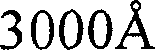
测试图形形成在衬底周边、超出其显示区域以外。如图1A和1B所示,利用具有铬基下层和铝合金基上层的引线组件、具有接触孔的氮化硅基绝缘层、以及IZO基层来简化接触结构。形成200个接触结构,并且测量其接触电阻。在第一种图形中,接触孔的边界位于引线组件的上方。在第二种图形中,引线组件的侧壁与IZO基层相接触。绝缘层的接触电阻在这样的条件下测量,即保护层和栅极绝缘层分别在235℃和310℃下沉积为

如图10所示,当接触孔形成为10×10μm时,第一种图形的接触电阻为5.3MΩ至4.0GΩ,而第二种图形的接触电阻为14KΩ至515KΩ。存在这样的情况,即第一种图形的接触电阻测量为60KΩ。在此情况下,第一种图形的接触结构形成得类似于第二种图形,使得引线组件的边界透过接触孔暴露出来,而IZO基层充分地与引线组件的侧壁,特别其是下层的侧壁相接触。As shown in FIG. 10, when the contact hole is formed to be 10×10 μm, the contact resistance of the first pattern is 5.3MΩ to 4.0GΩ, and the contact resistance of the second pattern is 14KΩ to 515KΩ. There are cases where the contact resistance of the first pattern is measured to be 60KΩ. In this case, the contact structure of the first pattern is formed similarly to the second pattern, so that the boundary of the lead assembly is exposed through the contact hole, and the IZO base layer is sufficiently in contact with the side wall of the lead assembly, especially the lower layer. The side walls are in contact.
另外,在接触孔形成为7×7μm的情况下,第一种图形的接触电阻为12MΩ至7.9GΩ,而第二种图形的接触电阻为18KΩ至664KΩ。在接触孔形成为4×4μm的情况下,第一种图形的接触电阻为48MΩ至85GΩ,而第二种图形的接触电阻为3KΩ至1.2MΩ。In addition, in the case where the contact hole is formed to be 7×7 μm, the contact resistance of the first pattern is 12MΩ to 7.9GΩ, and the contact resistance of the second pattern is 18KΩ to 664KΩ. In the case where the contact hole is formed in 4×4 μm, the contact resistance of the first pattern is 48MΩ to 85GΩ, and the contact resistance of the second pattern is 3KΩ to 1.2MΩ.
在上述构造的薄膜晶体管阵列衬底中,栅极线组件和数据线组件包括基于铝或铝合金的低电阻导电层,而数据线组件与IZO基像素电极82之间在接触区的接触电阻被最小化。因此,此衬底可以较好地用于宽屏幕高清晰液晶显示器的制造中。In the thin film transistor array substrate of the above-mentioned structure, the gate line assembly and the data line assembly include a low-resistance conductive layer based on aluminum or aluminum alloy, and the contact resistance between the data line assembly and the IZO-based
或者,上述工艺可以进使用四个掩模来完成。Alternatively, the above process can be performed using four masks.
图11为根据本发明第二优选实施例的用于液晶显示器的薄膜晶体管阵列衬底的平面图,而图12和13为沿着图11的XII-XII’线和XIII-XIII’线截取的薄膜晶体管阵列衬底的横截面图。11 is a plan view of a thin film transistor array substrate for a liquid crystal display according to a second preferred embodiment of the present invention, and FIGS. 12 and 13 are thin films taken along lines XII-XII' and XIII-XIII' of FIG. 11 Cross-sectional view of the transistor array substrate.
用诸如铝和铝合金的低电阻导电材料在绝缘衬底10上形成栅极线组件。栅极线组件包括栅极线22、栅极垫24和栅极电极26。栅极线组件还包括平行于栅极线22延伸的存储电容电极28,用于接收来自外界的公共电极电压。存储电容电极28与连接至像素电极82的存储电容器导电图形68交叠,由此形成用于增强像素的电势存储电容量的存储电容器。在期望通过交叠像素电极82与栅极线22来获得存储电容的情况下,存储电容器电极28可以省略。The gate line assembly is formed on an insulating
栅极线组件可以具有双层结构。在此情况下,栅极线组件具有基于铬、钼、钼合金、钽或钛的、表现出对于IZO的低接触电阻的下层201,以及基于铝或铝合金的上层202。The gate line assembly may have a double-layer structure. In this case, the gate line assembly has a
利用氮化硅SiNx在栅极线组件上形成栅极绝缘层30,同时栅极绝缘层30覆盖栅极线组件。A
利用掺氢非晶硅在栅极绝缘层30上形成半导体图形42和48。用其中以高浓度掺杂了诸如磷P的n型杂质的非晶硅在半导体图形42和48上形成欧姆接触图形55、56和58。
利用诸如铝和铝合金的低电阻导电材料在欧姆接触图形55、56和58上形成数据线组件。数据线组件包括具有沿着垂直方向延伸的数据线62、与数据线62的一侧连接用于接收来自外界的图像信号的数据垫68、以及从数据线62分支出来的源极电极65的数据线单元。数据线组件还包括围绕栅极电极26或者沟道部分C而与源极电极65相对、同时与源极电极65分开的漏极电极66,以及位于存储电容器电极28上方的存储电容器导电图形64。在没有存储电容器电极28的情况下,也可以略去存储电容器导电图形64。Data line assemblies are formed on the
数据线组件可具有双层结构。在此情况下,栅极线组件具有基于铬、钼、钼合金、钽或钛的下层601,以及基于铝或铝合金的上层602。The data line assembly may have a double-layer structure. In this case, the gate line assembly has a
欧姆接触图形55、56和58降低了半导体图形42和48与数据线组件之间的接触电阻,同时具有与数据线组件相同的形状。即,数据线单元欧姆接触图形55具有与数据线单元62、65和68相同的形状,而漏极电极欧姆接触图形56具有与漏极电极66相同的形状,而存储电容欧姆接触图形58具有与存储电容器导电图形64相同的图形。The
同时,除沟道部分C以外,半导体图形42和48具有与数据线组件和欧姆接触图形55、56和58相同的图形。特别是,存储电容器半导体图形46、存储电容器导电图形64和存储电容器欧姆接触图形58具有相同的形状,但薄膜晶体管半导体图形42与数据线组件和欧姆接触图形稍有不同。即,源极以及漏极电极65和66在沟道部分C处彼此分开,而数据线单元欧姆接触图形55和漏极电极欧姆接触图形56也在沟道部分C处彼此分开。然而,薄膜晶体管半导体图形42在沟道部分C处继续延伸、没有分开,由此形成了薄膜晶体管沟道。Meanwhile, the
用氮化硅在数据线组件上形成保护层70。A
保护层具有分别暴露出漏极电极66、数据垫68和存储电容器导电图形64的接触孔76、78和72。另外,保护层70具有暴露出栅极垫24连同栅极绝缘层30的接触孔74。接触孔72、74、76和78形成为使得它们暴露出存储电容器导电图形64、栅极垫24、漏极电极66和数据垫68的侧壁,特别是表现出对于IZO基层的低接触电阻的下层201和601。The protection layer has contact holes 76, 78 and 72 exposing the
像素电极82形成在保护层70上,用于连同形成在反面衬底处的公共电极一起,接收来自薄膜晶体管和来自电场的图像信号。像素电极82用诸如氧化铟锌(IZO)的透明导电材料形成。像素电极82通过接触孔76与漏极电极电连接,用于接收图像信号。另外,像素电极82与邻近的栅极线22和数据线62交叠,从而增大开口或孔径比。该交叠可以省略。另外,像素电极82通过接触孔72与存储电容器导电图形64连接,用于发送图像信号至导电图形64。辅助栅极垫和辅助数据垫86和88形成在栅极垫和数据垫24和68的上方,同时通过接触孔74和78与其连接,用于加强垫24和68对外电路的附着强度,同时保护该些垫。辅助栅极垫和辅助数据垫84和88不是必须的,但是可以选择性地采用。IZO基层82、86和88与存储电容器导电图形64、栅极垫24、漏极电极66和数据垫68的侧壁相接触,特别是它们表现出对于IZO基层的较低接触电阻的下层201和601。The
像素电极可以利用透明导电聚合物形成。在反射型液晶显示器中,像素电极82可利用不透明的导电材料形成。The pixel electrode may be formed using a transparent conductive polymer. In a reflective liquid crystal display, the
制造薄膜晶体管阵列衬底的方法将参照图14A至21C以及图11至13来说明。A method of manufacturing a thin film transistor array substrate will be described with reference to FIGS. 14A to 21C and FIGS. 11 to 13 .
如图14A至14C所示,通过溅射,在衬底10上顺序沉积基于钼、钼合金或铬的下层201和基于Al-Nd合金的上层202,并且通过光刻使用掩模进行构图,从而形成具有细尖结构的栅极线组件,其中钼、钼合金或铬表现出相对于IZO比铝更低的接触电阻,而A1-Nd合金包括2at%的Nd成分。栅极线组件具有栅极线22、栅极垫24、栅极电极26和存储电容器电极28。为了使下层201可以与后面将要形成的IZO基层充分接触,要防止下层201底切至上层202的底部,或延伸至上层202外。因此,在下层201是以钼或钼合金形成的情况下,下层201对上层202的厚度比为1/5或更大,并且其蚀刻是利用DIP模式进行的,其中将衬底浸入蚀刻溶液中,使得下层201可以免于底切。另外,在下层201是以铬形成的情况下,下层201沉积为
其后,参照图15A和15B,通过化学汽相称的方法,在衬底10上顺序沉积栅极绝缘层30、半导体层40和欧姆接触层50,使得它们分别具有1500至


如图16B和16C所示,然后将光致抗蚀剂薄膜110通过第二掩模曝光,并且对其显影,由此形成具有第一和第二图形部分114和112的光致抗蚀剂图形。第一光致抗蚀剂图形部分114形成为具有小于第二光致抗蚀剂图形部分112的面积。去除保留区域B处所有的光致抗蚀剂薄膜部分。第一光致抗蚀剂图形部分114对第二光致抗蚀剂图形部分112的厚度比应控制为根据后续处理步骤中的蚀刻条件而变化。优选,第一光致抗蚀剂图形部分114的厚度应为第二光致抗蚀剂图形部分112厚度的1/2或更小,例如
为了使光致抗蚀剂薄膜的厚度出现差异,可以在掩模处形成半透区域,其具有狭缝或栅格图形或者半透薄膜。In order to make a difference in the thickness of the photoresist film, a semi-transparent region having a slit or grid pattern or a semi-transparent film may be formed at the mask.
优选,图形的宽度应小于曝光器件的光分解量。在使用半透膜的情况下,光透射或厚度不同的薄膜可用于在制造掩模中控制光透射。Preferably, the width of the pattern should be smaller than the photodecomposition amount of the exposed device. In the case of semi-permeable films, light transmission or thin films of varying thickness can be used to control light transmission in the fabrication of masks.
当光致抗蚀剂薄膜使用掩模曝光时,光致抗蚀剂薄膜直接暴露于光的部分的高分子完全分解,光致抗蚀剂薄膜具有狭缝图形或半透膜部分处的高分子一定程度地分解,而由光阻挡膜阻挡的光致抗蚀剂薄膜部分的高分子几乎不分解。在显影光致抗蚀剂薄膜时,仅高分子未分解处的光致抗蚀剂薄膜部分保留,同时依据分子分解的程度具有不同的厚度。在曝光时间过长时,所有的分子都倾向于分解。When the photoresist film is exposed to light using a mask, the polymer in the part of the photoresist film that is directly exposed to light is completely decomposed, the photoresist film has a slit pattern or the polymer in the semipermeable film part Decomposes to some extent, and the polymer in the part of the photoresist film blocked by the light blocking film hardly decomposes. When developing the photoresist film, only the part of the photoresist film where the polymer is not decomposed remains, and has different thicknesses according to the degree of molecular decomposition. All molecules tend to disintegrate when exposed to too long a time.
这种具有相对薄的厚度的光致抗蚀剂薄膜114可以使用能够产生回流的材料形成。在此情况下,目标膜使用具有光透射区和光阻挡区的普通掩模曝光并显影。薄膜部分部分地回流成非薄膜部分。Such a
其后,蚀刻光致抗蚀剂图形114、以及下面的导电层60、欧姆接触层50和半导体层40。此时,数据线组件,以及下面的层保留在数据线组件区域A的上方,仅半导体层保留在沟道区C的上方,并且在保留区域B处所有的导电层60、欧姆接触层50和半导体层40都被去除,同时将栅极绝缘层30暴露于外界。Thereafter, the
具体地说,如图14A和14B所示,暴露于B区域的导电层60被去除,同时暴露出下面的欧姆接触层50。在此工艺中,可以在蚀刻导电层60同时几乎不蚀刻光致抗蚀剂图形112和114的条件下使用湿法蚀刻或干法蚀刻。然而,对于干法蚀刻的情况,很难发现其中仅蚀刻导电层60同时不蚀刻光致抗蚀剂图形112和114的条件。因此,可能使光致抗蚀剂图形112和114一同被蚀刻。在此情况下,第一光致抗蚀剂图形部分114的厚度应形成为足以保护下面的导电层60免于通过蚀刻而暴露于外界。Specifically, as shown in FIGS. 14A and 14B , the
在导电层60包括Mo、MoW合金、Al、Al合金或Ta的情况下,可使用干法蚀刻或湿法蚀刻。然而,对于Cr的情况,由于其未能通过干法蚀刻很好地去除,因此优选对铬基层使用湿法蚀刻,同时使用CeNHO3作为蚀刻液。在导电层60是以Mo或MoW通过干法蚀刻制成的情况下,可使用CF4和HCl或CF4和O2作为蚀刻气体。在后一种情况中,相对于光致抗蚀剂薄膜,其蚀刻比彼此近似。In the case where the
结果,如图17A和17B所示,源极/漏极导电图形67和存储电容器导电图形64保留在沟道区C和数据线组件区域A上方,而保留区域B处的导电层60全部去除,同时暴露出下面的欧姆接触层50。导电图形67和64具有与数据线组件相同的形状,除了源极和漏极电极65和66彼此不分开地连接。另外,在使用干法蚀刻的情况下,还要蚀刻光致抗蚀剂图形112和114预定厚度。As a result, as shown in FIGS. 17A and 17B, the source/drain
其后,如图18A和18B所示,暴露于区域B处的欧姆接触层50以及下面的半导体层40同时通过干法蚀刻,连同第一光致抗蚀剂图形部分114一起去除。对于欧姆接触层50和半导体层40的蚀刻应在光致抗蚀剂图形112和114、欧姆接触层50和半导体层40(半导体层和欧姆接触层不具有蚀刻选择性)同时被蚀刻而同时不蚀刻栅极绝缘层30的条件下进行。特别地,对于光致抗蚀剂图形112和114以及半导体层40的蚀刻比优选相同。例如,这两层可以以近似相同的厚度,使用SF6和HCL或SF6和O2作为蚀刻气体蚀刻。在对于光致抗蚀剂图形112和114以及半导体层40的蚀刻比相同的情况下,第一光致抗蚀剂图形部分114的厚度应等于或小于半导体层40和欧姆接触层50的厚度之和。Thereafter, as shown in FIGS. 18A and 18B , the
因此,如图18A和18B所示,沟道区C处的第一光致抗蚀剂图形部分114被去除,同时暴露出源极/漏极导电图形67,并且B区域处的欧姆接触层50和半导体层40被去除,同时将下面的栅极绝缘层30暴露于外界。同时,还蚀刻了数据线组件区域A处的第二光致抗蚀剂图形部分112,并减小其厚度。在此处理步骤中,半导体图形42和48是完整的。附图标记57和58分别表示源极/漏极导电图形67和存储电容器导电图形64下的欧姆接触图形。Therefore, as shown in Figures 18A and 18B, the first
残留在沟道区C处的源极/漏极导电图形67表面上的光致抗蚀剂薄膜残余通过灰化去除。The photoresist film residue remaining on the surface of the source/drain
其后,如图19A和19B所示,沟道区C处的源极/漏极导电图形67和下面的源极/漏极欧姆接触图形57通过蚀刻去除。可以对源极/漏极导电图形67和欧姆接触图形57都进行干法蚀刻。可以对源极/漏极导电图形67进行湿法蚀刻,同时对欧姆接触图形57进行干法蚀刻。在前一种情况中,优选蚀刻是在对于源极/漏极导电图形67和欧姆接触图形57的蚀刻选择比很大的条件下进行的。在蚀刻选择比不大的情况下,难以发现蚀刻终点,使得保留在沟道区C上方的半导体图形42的厚度不易控制。例如,源极/漏极导电图形67可以使用SF6和O2的混合物作为蚀刻气体蚀刻。在后一种交替使用湿法蚀刻和干法蚀刻的情况中,受到湿法蚀刻的源极/漏极导电图形67的横向侧面被去除,但受到干法蚀刻的欧姆接触图形57的横向侧面几乎未被蚀刻,使得在那里产生了台阶部分。例如,欧姆接触图形57和半导体图形42可以使用CF4和HCl或CF4和O2的混合物作为蚀刻气体蚀刻。在使用CF4和O2的混合物作为蚀刻气体的情况下,半导体图形42可以具有均匀的厚度。此时,如图19B所示,部分地去除半导体图形42,同时减小其厚度,而第二光致抗蚀剂图形部分112被蚀刻掉预定的厚度。蚀刻应在不蚀刻栅极绝缘层30的条件下进行。光致抗蚀剂薄膜应足够厚,以保护第二光致抗蚀剂图形部分112免受蚀刻,同时暴露下面的数据线组件。Thereafter, as shown in FIGS. 19A and 19B, the source/drain
结果,源极和漏极电极65和66彼此分开,同时完成了数据线组件和下面的欧姆接触图形55、56和58。As a result, the source and drain
最后,去除保留在数据线组件区域A处的第二光致抗蚀剂图形部分112。然而,第二光致抗蚀剂图形部分112的去除可以在沟道区C处的源极/漏极导电图形67被去除之后但在下面的欧姆接触图形57被去除之前进行。Finally, the second
如上所述,湿法蚀刻和干法蚀刻可以交替使用,或者可以仅使用湿法蚀刻。在后一种情况中,处理步骤得到了简化,但难以发现合适的蚀刻条件。相比之下,在前一种情况中,相对容易发现合适的蚀刻条件,但处理步骤复杂化了。As described above, wet etching and dry etching may be used alternately, or only wet etching may be used. In the latter case, the processing steps are simplified, but it is difficult to find suitable etching conditions. In contrast, in the former case, it is relatively easy to find suitable etching conditions, but the processing steps are complicated.
形成数据线组件之后,如图20A和20B所示,通过在250至400℃下进行CVD沉积氮化硅层,由此形成保护层70。保护层70连同栅极绝缘层30一起,使用第三掩模蚀刻,由此形成暴露漏极电极66的下层201和601、栅极垫24、数据垫68、以及存储电容导电图形64的接触孔76、74、78和72。After forming the data line assembly, as shown in FIGS. 20A and 20B , a silicon nitride layer is deposited by performing CVD at 250 to 400° C., thereby forming a
最后,如图11至13所示,通过溅射,在衬底10上沉积IZO基层,使得其具有400至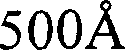
在此优选实施例中,数据线组件和下面的欧姆接触图形55、56和58以及半导体图形42和48使用一个掩模形成。在此工艺中,源极和漏极电极65和66彼此分开。按此方式,可以简化处理步骤。In this preferred embodiment, the data line assembly and the underlying
或者,参照图2A至3E说明的接触结构可以很好地应用于制造根据第一和第二优选实施例的薄膜晶体管阵列衬底中。另外,参照图1A至3E说明的接触结构还可以应用于具有不同结构的半导体器件的制造中。Alternatively, the contact structures explained with reference to FIGS. 2A to 3E can be well applied in manufacturing the thin film transistor array substrates according to the first and second preferred embodiments. In addition, the contact structures described with reference to FIGS. 1A to 3E can also be applied in the manufacture of semiconductor devices having different structures.
如上所述,接触区域内引线组件的侧壁暴露于外界,而与IZO基层相接触的导电层形成为具有很低的接触电阻。按此方式,引线组件与IZO基层之间的接触电阻被最小化,同时确保了接触区域的可靠性。另外,由于引线组件包括低电阻的铝或铝合金基导电层,其可以很好地应用于宽屏幕高清晰显示器。另外,在简化处理步骤的同时降低了成本。As described above, the sidewall of the lead assembly in the contact area is exposed to the outside, and the conductive layer in contact with the IZO-based layer is formed to have a very low contact resistance. In this way, the contact resistance between the lead assembly and the IZO base layer is minimized while ensuring the reliability of the contact area. In addition, since the lead assembly includes a low-resistance aluminum or aluminum alloy-based conductive layer, it can be well applied to wide-screen high-definition displays. In addition, the cost is reduced while simplifying the processing steps.
虽然,已经参照优选实施例详细介绍了本发明,本领域技术人员将可以理解,可以在不脱离所附权利要求表现的本发明的精髓与范围的前提下,对其进行各种改动与替换。Although the present invention has been described in detail with reference to preferred embodiments, those skilled in the art will understand that various changes and substitutions can be made therein without departing from the spirit and scope of the invention as expressed by the appended claims.
Claims (6)
Applications Claiming Priority (2)
| Application Number | Priority Date | Filing Date | Title |
|---|---|---|---|
| KR1020010022648A KR20020083249A (en) | 2001-04-26 | 2001-04-26 | A contact structure of a wires and method manufacturing the same, and thin film transistor substrate including the contact structure and method manufacturing the same |
| KR2001/0022648 | 2001-04-26 |
Publications (2)
| Publication Number | Publication Date |
|---|---|
| CN1628389A CN1628389A (en) | 2005-06-15 |
| CN100388506C true CN100388506C (en) | 2008-05-14 |
Family
ID=19708759
Family Applications (1)
| Application Number | Title | Priority Date | Filing Date |
|---|---|---|---|
| CNB028126904A Expired - Lifetime CN100388506C (en) | 2001-04-26 | 2002-04-02 | Lead contact structure and manufacturing method thereof, thin film transistor array substrate including the contact structure and manufacturing method thereof |
Country Status (6)
| Country | Link |
|---|---|
| US (4) | US7303987B2 (en) |
| JP (2) | JP4883878B2 (en) |
| KR (1) | KR20020083249A (en) |
| CN (1) | CN100388506C (en) |
| AU (1) | AU2002246410A1 (en) |
| WO (1) | WO2002089177A2 (en) |
Families Citing this family (43)
| Publication number | Priority date | Publication date | Assignee | Title |
|---|---|---|---|---|
| KR100796757B1 (en) * | 2001-11-29 | 2008-01-22 | 삼성전자주식회사 | Contact structure of the wiring and the thin film transistor substrate including the same |
| KR100878238B1 (en) * | 2002-07-19 | 2009-01-13 | 삼성전자주식회사 | Thin film transistor array substrate and manufacturing method thereof |
| US7205570B2 (en) | 2002-07-19 | 2007-04-17 | Samsung Electronics Co., Ltd. | Thin film transistor array panel |
| DE60336441D1 (en) * | 2002-09-02 | 2011-05-05 | Samsung Electronics Co Ltd | Contact structure for a semiconductor device, thin-layer transistor arrangement having such a contact structure and its production method |
| KR100872494B1 (en) | 2002-12-31 | 2008-12-05 | 엘지디스플레이 주식회사 | manufacturing method of array substrate for liquid crystal display device |
| KR100925458B1 (en) * | 2003-01-17 | 2009-11-06 | 삼성전자주식회사 | Thin film transistor array panel and manufacturing method thereof |
| JP2004241774A (en) * | 2003-02-03 | 2004-08-26 | Samsung Electronics Co Ltd | Thin film transistor panel, method of manufacturing the same, and mask therefor |
| KR100947525B1 (en) | 2003-03-12 | 2010-03-12 | 삼성전자주식회사 | Thin film transistor substrate for liquid crystal display device and manufacturing method thereof |
| TWI366054B (en) * | 2003-06-27 | 2012-06-11 | Samsung Electronics Co Ltd | Contact structure of conductive films and thin film transistor array panel including the same |
| KR101039022B1 (en) * | 2004-02-11 | 2011-06-03 | 삼성전자주식회사 | Contact portion and manufacturing method thereof, thin film transistor array panel and manufacturing method thereof |
| KR101009677B1 (en) * | 2004-05-24 | 2011-01-19 | 엘지디스플레이 주식회사 | LCD and its manufacturing method |
| US7859606B2 (en) | 2004-09-15 | 2010-12-28 | Semiconductor Energy Laboratory Co. Ltd. | Semiconductor device |
| JP2006222386A (en) * | 2005-02-14 | 2006-08-24 | Toshiba Corp | Printed wiring boards, printed circuit boards, electronic equipment |
| US20060278877A1 (en) * | 2005-06-09 | 2006-12-14 | Kyung-Wook Kim | Thin film transistor array panel and method of manufacturing the same |
| KR20070003250A (en) * | 2005-07-01 | 2007-01-05 | 삼성전자주식회사 | Display device and manufacturing method thereof |
| EP1843194A1 (en) | 2006-04-06 | 2007-10-10 | Semiconductor Energy Laboratory Co., Ltd. | Liquid crystal display device, semiconductor device, and electronic appliance |
| KR100736576B1 (en) * | 2006-04-10 | 2007-07-06 | 엘지전자 주식회사 | Electroluminescent element and manufacturing method |
| TWI858965B (en) | 2006-05-16 | 2024-10-11 | 日商半導體能源研究所股份有限公司 | Liquid crystal display device |
| US7847904B2 (en) | 2006-06-02 | 2010-12-07 | Semiconductor Energy Laboratory Co., Ltd. | Liquid crystal display device and electronic appliance |
| KR101499227B1 (en) * | 2008-08-20 | 2015-03-06 | 삼성디스플레이 주식회사 | Thin film transistor panel and method of manufacturing for the same |
| US8174021B2 (en) * | 2009-02-06 | 2012-05-08 | Semiconductor Energy Laboratory Co., Ltd. | Semiconductor device and method of manufacturing the semiconductor device |
| JP5271173B2 (en) * | 2009-06-26 | 2013-08-21 | 三菱電機株式会社 | Image display element and manufacturing method thereof |
| CN102034749B (en) * | 2009-09-25 | 2013-09-04 | 北京京东方光电科技有限公司 | Array substrate and manufacturing method thereof |
| TWM397596U (en) * | 2010-03-22 | 2011-02-01 | Mao Bang Electronic Co Ltd | Integrated circuit chip card |
| CN102844803B (en) * | 2010-04-22 | 2015-04-01 | 夏普株式会社 | Active matrix substrate and display device |
| JP5269253B2 (en) * | 2010-07-09 | 2013-08-21 | シャープ株式会社 | Method for manufacturing thin film transistor substrate |
| JP2012119664A (en) * | 2010-11-12 | 2012-06-21 | Kobe Steel Ltd | Wiring structure |
| KR101764902B1 (en) | 2010-12-06 | 2017-08-14 | 엘지디스플레이 주식회사 | Thin film Transistor substrate and method for manufacturing the same |
| JP5667868B2 (en) * | 2010-12-24 | 2015-02-12 | 株式会社半導体エネルギー研究所 | Method for manufacturing semiconductor device |
| TWI429985B (en) * | 2011-04-13 | 2014-03-11 | Au Optronics Corp | Lead structure and display panel having the same |
| TWI516851B (en) * | 2011-05-05 | 2016-01-11 | 友達光電股份有限公司 | Lead line structure of liquid crystal display panel and liquid crystal display panel having the same |
| CN102569416A (en) * | 2012-02-15 | 2012-07-11 | 华映光电股份有限公司 | Thin film transistor, thin film transistor substrate and production method thereof |
| JP2014081421A (en) * | 2012-10-15 | 2014-05-08 | Japan Display Inc | Wiring board and display device |
| KR102047004B1 (en) * | 2013-02-14 | 2019-11-21 | 삼성디스플레이 주식회사 | Organic light emitting display device and manufacturing method of the same |
| TWI611567B (en) * | 2013-02-27 | 2018-01-11 | 半導體能源研究所股份有限公司 | Semiconductor device, drive circuit and display device |
| CN104241345B (en) | 2014-07-31 | 2017-11-28 | 京东方科技集团股份有限公司 | Aluminium electrode, the method and its electronic equipment for forming aluminium electrode |
| WO2016104216A1 (en) * | 2014-12-26 | 2016-06-30 | シャープ株式会社 | Semiconductor device, display device and method for manufacturing semiconductor device |
| CN105158939B (en) * | 2015-09-14 | 2019-02-22 | 武汉华星光电技术有限公司 | A kind of applying method and component of backlight power supply pad and backlight golden finger |
| CN106784015B (en) * | 2017-01-03 | 2019-12-03 | 京东方科技集团股份有限公司 | A kind of thin film transistor and its manufacturing method, display substrate and display device |
| CN109273483B (en) | 2017-07-17 | 2021-04-02 | 京东方科技集团股份有限公司 | Display substrate, preparation method thereof, and display device |
| CN110211874B (en) * | 2019-05-13 | 2021-07-23 | 深圳市华星光电半导体显示技术有限公司 | Preparation method of thin film transistor and thin film transistor |
| CN114280863B (en) * | 2021-12-17 | 2024-04-12 | 滁州惠科光电科技有限公司 | Array substrate and display panel |
| CN119072116A (en) * | 2023-05-24 | 2024-12-03 | 长鑫存储技术有限公司 | Semiconductor structure and method for forming the same |
Citations (8)
| Publication number | Priority date | Publication date | Assignee | Title |
|---|---|---|---|---|
| US5478766A (en) * | 1994-03-03 | 1995-12-26 | Samsung Electronics Co., Ltd. | Process for formation of thin film transistor liquid crystal display |
| US5784131A (en) * | 1985-10-20 | 1998-07-21 | Lg Semicon Co., Ltd. | Method for fabricating liquid crystal display in which the pixel electrode has a particular connection to the drain electrode and is formed over a storage capacitor |
| US6060714A (en) * | 1998-01-23 | 2000-05-09 | Ois Optical Imaging Systems, Inc. | Large area imager with photo-imageable interface barrier layer |
| US6088071A (en) * | 1997-02-28 | 2000-07-11 | Kabushiki Kaisha Toshiba | Auxiliary capacitor for a liquid crystal display device |
| JP2000199917A (en) * | 1998-10-26 | 2000-07-18 | Sharp Corp | Manufacturing method of liquid crystal display device and liquid crystal display device |
| JP2000330134A (en) * | 1999-03-16 | 2000-11-30 | Furontekku:Kk | Thin film transistor substrate and liquid crystal display |
| KR20010016713A (en) * | 1999-08-02 | 2001-03-05 | 구본준 | The array substrate of TFT type liquid crystal display device and a method of fabricating the same |
| US6218221B1 (en) * | 1999-05-27 | 2001-04-17 | Chi Mei Optoelectronics Corp. | Thin film transistor with a multi-metal structure and a method of manufacturing the same |
Family Cites Families (20)
| Publication number | Priority date | Publication date | Assignee | Title |
|---|---|---|---|---|
| JPS6235645A (en) * | 1985-08-09 | 1987-02-16 | Hitachi Ltd | Semiconductor devices and their manufacturing methods |
| JPH0222843A (en) * | 1988-07-11 | 1990-01-25 | Toshiba Corp | Semiconductor device |
| JPH0823028A (en) * | 1994-07-05 | 1996-01-23 | Oki Electric Ind Co Ltd | Semiconductor device having multilayer interconnect and manufacture thereof |
| JPH08186174A (en) * | 1994-12-27 | 1996-07-16 | Nkk Corp | Wiring structure and method for forming the same |
| JP2930025B2 (en) * | 1996-08-29 | 1999-08-03 | 日本電気株式会社 | Semiconductor device and manufacturing method thereof |
| KR100262953B1 (en) * | 1997-06-11 | 2000-08-01 | 구본준 | Liquid crystal display device and manufacturing method of liquid crystal display device |
| JPH1126581A (en) * | 1997-07-07 | 1999-01-29 | Toshiba Corp | Semiconductor device and manufacturing method thereof |
| KR100262954B1 (en) * | 1997-09-03 | 2000-08-01 | 구본준 | Liquid crystal display manufacturing method and structure by the manufacturing method |
| KR100316072B1 (en) * | 1997-12-10 | 2002-11-27 | 엘지.필립스 엘시디 주식회사 | Liquid crystal display and method of manufacturing the same |
| JPH11214504A (en) * | 1998-01-26 | 1999-08-06 | Mitsubishi Electric Corp | Semiconductor device and manufacturing method thereof |
| JPH11337976A (en) * | 1998-03-26 | 1999-12-10 | Toshiba Corp | Array substrate for display device and flat display device provided with the array substrate |
| US6255130B1 (en) * | 1998-11-19 | 2001-07-03 | Samsung Electronics Co., Ltd. | Thin film transistor array panel and a method for manufacturing the same |
| KR100601170B1 (en) | 1999-04-26 | 2006-07-13 | 삼성전자주식회사 | Thin film transistor substrate for display device and manufacturing method thereof |
| US6380559B1 (en) * | 1999-06-03 | 2002-04-30 | Samsung Electronics Co., Ltd. | Thin film transistor array substrate for a liquid crystal display |
| US7411211B1 (en) * | 1999-07-22 | 2008-08-12 | Semiconductor Energy Laboratory Co., Ltd. | Contact structure and semiconductor device |
| KR100623979B1 (en) * | 1999-07-27 | 2006-09-13 | 삼성전자주식회사 | Liquid Crystal Display and Manufacturing Method Thereof |
| KR100646780B1 (en) * | 1999-08-12 | 2006-11-17 | 삼성전자주식회사 | Thin film transistor substrate for liquid crystal display device and manufacturing method thereof |
| KR100655276B1 (en) * | 1999-08-30 | 2006-12-08 | 삼성전자주식회사 | Thin film transistor liquid crystal display device and manufacturing method thereof |
| KR100366768B1 (en) * | 2000-04-19 | 2003-01-09 | 삼성전자 주식회사 | A contact portion of a wirings and method manufacturing the same, and thin film transistor substrate including the contact structure and method manufacturing the same |
| JP4342711B2 (en) * | 2000-09-20 | 2009-10-14 | 株式会社日立製作所 | Manufacturing method of liquid crystal display device |
-
2001
- 2001-04-26 KR KR1020010022648A patent/KR20020083249A/en not_active Ceased
-
2002
- 2002-04-02 WO PCT/KR2002/000582 patent/WO2002089177A2/en not_active Ceased
- 2002-04-02 US US10/475,903 patent/US7303987B2/en not_active Expired - Lifetime
- 2002-04-02 AU AU2002246410A patent/AU2002246410A1/en not_active Abandoned
- 2002-04-02 JP JP2002586379A patent/JP4883878B2/en not_active Expired - Fee Related
- 2002-04-02 CN CNB028126904A patent/CN100388506C/en not_active Expired - Lifetime
-
2007
- 2007-11-29 US US11/947,204 patent/US20080090404A1/en not_active Abandoned
-
2008
- 2008-12-12 US US12/333,973 patent/US7659625B2/en not_active Expired - Lifetime
-
2009
- 2009-05-11 JP JP2009114497A patent/JP5138633B2/en not_active Expired - Fee Related
- 2009-12-22 US US12/645,458 patent/US20100096176A1/en not_active Abandoned
Patent Citations (8)
| Publication number | Priority date | Publication date | Assignee | Title |
|---|---|---|---|---|
| US5784131A (en) * | 1985-10-20 | 1998-07-21 | Lg Semicon Co., Ltd. | Method for fabricating liquid crystal display in which the pixel electrode has a particular connection to the drain electrode and is formed over a storage capacitor |
| US5478766A (en) * | 1994-03-03 | 1995-12-26 | Samsung Electronics Co., Ltd. | Process for formation of thin film transistor liquid crystal display |
| US6088071A (en) * | 1997-02-28 | 2000-07-11 | Kabushiki Kaisha Toshiba | Auxiliary capacitor for a liquid crystal display device |
| US6060714A (en) * | 1998-01-23 | 2000-05-09 | Ois Optical Imaging Systems, Inc. | Large area imager with photo-imageable interface barrier layer |
| JP2000199917A (en) * | 1998-10-26 | 2000-07-18 | Sharp Corp | Manufacturing method of liquid crystal display device and liquid crystal display device |
| JP2000330134A (en) * | 1999-03-16 | 2000-11-30 | Furontekku:Kk | Thin film transistor substrate and liquid crystal display |
| US6218221B1 (en) * | 1999-05-27 | 2001-04-17 | Chi Mei Optoelectronics Corp. | Thin film transistor with a multi-metal structure and a method of manufacturing the same |
| KR20010016713A (en) * | 1999-08-02 | 2001-03-05 | 구본준 | The array substrate of TFT type liquid crystal display device and a method of fabricating the same |
Also Published As
| Publication number | Publication date |
|---|---|
| US20100096176A1 (en) | 2010-04-22 |
| JP4883878B2 (en) | 2012-02-22 |
| JP2005506683A (en) | 2005-03-03 |
| US7659625B2 (en) | 2010-02-09 |
| US7303987B2 (en) | 2007-12-04 |
| JP2009182343A (en) | 2009-08-13 |
| US20080090404A1 (en) | 2008-04-17 |
| US20040238825A1 (en) | 2004-12-02 |
| US20090096105A1 (en) | 2009-04-16 |
| JP5138633B2 (en) | 2013-02-06 |
| CN1628389A (en) | 2005-06-15 |
| WO2002089177A3 (en) | 2003-03-13 |
| WO2002089177A2 (en) | 2002-11-07 |
| AU2002246410A1 (en) | 2002-11-11 |
| KR20020083249A (en) | 2002-11-02 |
Similar Documents
| Publication | Publication Date | Title |
|---|---|---|
| CN100388506C (en) | Lead contact structure and manufacturing method thereof, thin film transistor array substrate including the contact structure and manufacturing method thereof | |
| CN100371810C (en) | Wiring structure, thin film transistor substrate using the same, and method of manufacturing the same | |
| KR20010097057A (en) | A contact structure of a wires and method manufacturing the same, and thin film transistor substrate including the contact structure and method manufacturing the same | |
| US6885064B2 (en) | Contact structure of wiring and a method for manufacturing the same | |
| KR100840333B1 (en) | Wiring etchant, and method for manufacturing wiring using same and method for manufacturing thin film transistor array substrate using same | |
| KR20030016051A (en) | Thin film transistor array panel for a liquid crystal display and a manufacturing method thereof | |
| KR20100019233A (en) | Thin film transistor substrate and method of fabricating the same | |
| CN100446260C (en) | TFT array panel and its manufacturing method | |
| TW200421467A (en) | Method of manufacturing IPS-LCD by using 4-mask process | |
| KR100750913B1 (en) | Method for manufacturing wiring and thin film transistor substrate for liquid crystal display device including the wiring and method for manufacturing same | |
| KR100750914B1 (en) | Transparent conductive film for pixel electrode, thin film transistor substrate for liquid crystal display including the same, and manufacturing method thereof | |
| KR100796757B1 (en) | Contact structure of the wiring and the thin film transistor substrate including the same | |
| WO2004109750A2 (en) | Wiring for semiconductor device, thin film transistor array panel including wiring, and manufacturing method thereof | |
| KR102461212B1 (en) | Display device and method for fabricating the same | |
| TWI445176B (en) | Thin film transistor array panel and method of manufacturing the same | |
| KR100656917B1 (en) | Contact structure of wiring, manufacturing method thereof, and thin film transistor substrate comprising same and manufacturing method thereof | |
| KR100341124B1 (en) | Method for manufacturing LCD having high aperture ratio and high transmittance | |
| KR100375497B1 (en) | A contact portion of a wirings and method manufacturing the same, and thin film transistor panel including the contact portion and method manufacturing the same | |
| KR100709707B1 (en) | Thin film transistor substrate and its manufacturing method | |
| KR100848110B1 (en) | Thin film transistor substrate for liquid crystal display device and manufacturing method thereof | |
| KR20020028005A (en) | Structure of wire and method for manufacturing the wire, and thin film transistor substrate and method for manufacturing the substrate using the same | |
| KR100848113B1 (en) | Contact structure of wirings and manufacturing method thereof, and thin film transistor array substrate comprising same and manufacturing method thereof | |
| KR20070009308A (en) | Thin film transistor substrate and manufacturing method thereof | |
| KR20070020673A (en) | Method of manufacturing thin film transistor substrate | |
| KR20070111879A (en) | Thin film transistor substrate and manufacturing method thereof |
Legal Events
| Date | Code | Title | Description |
|---|---|---|---|
| C06 | Publication | ||
| PB01 | Publication | ||
| C10 | Entry into substantive examination | ||
| SE01 | Entry into force of request for substantive examination | ||
| C14 | Grant of patent or utility model | ||
| GR01 | Patent grant | ||
| ASS | Succession or assignment of patent right |
Owner name: SAMSUNG DISPLAY CO., LTD. Free format text: FORMER OWNER: SAMSUNG ELECTRONICS CO., LTD. Effective date: 20121102 |
|
| C41 | Transfer of patent application or patent right or utility model | ||
| TR01 | Transfer of patent right |
Effective date of registration: 20121102 Address after: Gyeonggi Do, South Korea Patentee after: Samsung Display Co.,Ltd. Address before: Gyeonggi Do, South Korea Patentee before: Samsung Electronics Co.,Ltd. |
|
| CX01 | Expiry of patent term |
Granted publication date: 20080514 |
|
| CX01 | Expiry of patent term |