WO2024249672A1 - Process of preparing hiv capsid inhibitor - Google Patents
Process of preparing hiv capsid inhibitor Download PDFInfo
- Publication number
- WO2024249672A1 WO2024249672A1 PCT/US2024/031733 US2024031733W WO2024249672A1 WO 2024249672 A1 WO2024249672 A1 WO 2024249672A1 US 2024031733 W US2024031733 W US 2024031733W WO 2024249672 A1 WO2024249672 A1 WO 2024249672A1
- Authority
- WO
- WIPO (PCT)
- Prior art keywords
- compound
- formula
- salt
- palladium
- acid
- Prior art date
- Legal status (The legal status is an assumption and is not a legal conclusion. Google has not performed a legal analysis and makes no representation as to the accuracy of the status listed.)
- Pending
Links
Classifications
-
- C—CHEMISTRY; METALLURGY
- C07—ORGANIC CHEMISTRY
- C07F—ACYCLIC, CARBOCYCLIC OR HETEROCYCLIC COMPOUNDS CONTAINING ELEMENTS OTHER THAN CARBON, HYDROGEN, HALOGEN, OXYGEN, NITROGEN, SULFUR, SELENIUM OR TELLURIUM
- C07F9/00—Compounds containing elements of Groups 5 or 15 of the Periodic Table
- C07F9/02—Phosphorus compounds
- C07F9/547—Heterocyclic compounds, e.g. containing phosphorus as a ring hetero atom
- C07F9/6558—Heterocyclic compounds, e.g. containing phosphorus as a ring hetero atom containing at least two different or differently substituted hetero rings neither condensed among themselves nor condensed with a common carbocyclic ring or ring system
- C07F9/65583—Heterocyclic compounds, e.g. containing phosphorus as a ring hetero atom containing at least two different or differently substituted hetero rings neither condensed among themselves nor condensed with a common carbocyclic ring or ring system each of the hetero rings containing nitrogen as ring hetero atom
-
- C—CHEMISTRY; METALLURGY
- C07—ORGANIC CHEMISTRY
- C07D—HETEROCYCLIC COMPOUNDS
- C07D311/00—Heterocyclic compounds containing six-membered rings having one oxygen atom as the only hetero atom, condensed with other rings
- C07D311/02—Heterocyclic compounds containing six-membered rings having one oxygen atom as the only hetero atom, condensed with other rings ortho- or peri-condensed with carbocyclic rings or ring systems
-
- B—PERFORMING OPERATIONS; TRANSPORTING
- B01—PHYSICAL OR CHEMICAL PROCESSES OR APPARATUS IN GENERAL
- B01J—CHEMICAL OR PHYSICAL PROCESSES, e.g. CATALYSIS OR COLLOID CHEMISTRY; THEIR RELEVANT APPARATUS
- B01J31/00—Catalysts comprising hydrides, coordination complexes or organic compounds
- B01J31/16—Catalysts comprising hydrides, coordination complexes or organic compounds containing coordination complexes
- B01J31/22—Organic complexes
- B01J31/2204—Organic complexes the ligands containing oxygen or sulfur as complexing atoms
- B01J31/2208—Oxygen, e.g. acetylacetonates
-
- B—PERFORMING OPERATIONS; TRANSPORTING
- B01—PHYSICAL OR CHEMICAL PROCESSES OR APPARATUS IN GENERAL
- B01J—CHEMICAL OR PHYSICAL PROCESSES, e.g. CATALYSIS OR COLLOID CHEMISTRY; THEIR RELEVANT APPARATUS
- B01J31/00—Catalysts comprising hydrides, coordination complexes or organic compounds
- B01J31/16—Catalysts comprising hydrides, coordination complexes or organic compounds containing coordination complexes
- B01J31/22—Organic complexes
- B01J31/2282—Unsaturated compounds used as ligands
- B01J31/2291—Olefins
-
- B—PERFORMING OPERATIONS; TRANSPORTING
- B01—PHYSICAL OR CHEMICAL PROCESSES OR APPARATUS IN GENERAL
- B01J—CHEMICAL OR PHYSICAL PROCESSES, e.g. CATALYSIS OR COLLOID CHEMISTRY; THEIR RELEVANT APPARATUS
- B01J31/00—Catalysts comprising hydrides, coordination complexes or organic compounds
- B01J31/16—Catalysts comprising hydrides, coordination complexes or organic compounds containing coordination complexes
- B01J31/24—Phosphines, i.e. phosphorus bonded to only carbon atoms, or to both carbon and hydrogen atoms, including e.g. sp2-hybridised phosphorus compounds such as phosphabenzene, phosphole or anionic phospholide ligands
- B01J31/2404—Cyclic ligands, including e.g. non-condensed polycyclic ligands, the phosphine-P atom being a ring member or a substituent on the ring
-
- C—CHEMISTRY; METALLURGY
- C07—ORGANIC CHEMISTRY
- C07D—HETEROCYCLIC COMPOUNDS
- C07D311/00—Heterocyclic compounds containing six-membered rings having one oxygen atom as the only hetero atom, condensed with other rings
- C07D311/02—Heterocyclic compounds containing six-membered rings having one oxygen atom as the only hetero atom, condensed with other rings ortho- or peri-condensed with carbocyclic rings or ring systems
- C07D311/04—Benzo[b]pyrans, not hydrogenated in the carbocyclic ring
- C07D311/06—Benzo[b]pyrans, not hydrogenated in the carbocyclic ring with oxygen or sulfur atoms directly attached in position 2
- C07D311/08—Benzo[b]pyrans, not hydrogenated in the carbocyclic ring with oxygen or sulfur atoms directly attached in position 2 not hydrogenated in the hetero ring
- C07D311/18—Benzo[b]pyrans, not hydrogenated in the carbocyclic ring with oxygen or sulfur atoms directly attached in position 2 not hydrogenated in the hetero ring substituted otherwise than in position 3 or 7
-
- C—CHEMISTRY; METALLURGY
- C07—ORGANIC CHEMISTRY
- C07D—HETEROCYCLIC COMPOUNDS
- C07D471/00—Heterocyclic compounds containing nitrogen atoms as the only ring hetero atoms in the condensed system, at least one ring being a six-membered ring with one nitrogen atom, not provided for by groups C07D451/00 - C07D463/00
- C07D471/12—Heterocyclic compounds containing nitrogen atoms as the only ring hetero atoms in the condensed system, at least one ring being a six-membered ring with one nitrogen atom, not provided for by groups C07D451/00 - C07D463/00 in which the condensed system contains three hetero rings
- C07D471/14—Ortho-condensed systems
-
- C—CHEMISTRY; METALLURGY
- C07—ORGANIC CHEMISTRY
- C07F—ACYCLIC, CARBOCYCLIC OR HETEROCYCLIC COMPOUNDS CONTAINING ELEMENTS OTHER THAN CARBON, HYDROGEN, HALOGEN, OXYGEN, NITROGEN, SULFUR, SELENIUM OR TELLURIUM
- C07F5/00—Compounds containing elements of Groups 3 or 13 of the Periodic Table
- C07F5/02—Boron compounds
- C07F5/027—Organoboranes and organoborohydrides
-
- C—CHEMISTRY; METALLURGY
- C07—ORGANIC CHEMISTRY
- C07F—ACYCLIC, CARBOCYCLIC OR HETEROCYCLIC COMPOUNDS CONTAINING ELEMENTS OTHER THAN CARBON, HYDROGEN, HALOGEN, OXYGEN, NITROGEN, SULFUR, SELENIUM OR TELLURIUM
- C07F9/00—Compounds containing elements of Groups 5 or 15 of the Periodic Table
- C07F9/02—Phosphorus compounds
- C07F9/06—Phosphorus compounds without P—C bonds
- C07F9/062—Organo-phosphoranes without P-C bonds
-
- B—PERFORMING OPERATIONS; TRANSPORTING
- B01—PHYSICAL OR CHEMICAL PROCESSES OR APPARATUS IN GENERAL
- B01J—CHEMICAL OR PHYSICAL PROCESSES, e.g. CATALYSIS OR COLLOID CHEMISTRY; THEIR RELEVANT APPARATUS
- B01J2231/00—Catalytic reactions performed with catalysts classified in B01J31/00
- B01J2231/40—Substitution reactions at carbon centres, e.g. C-C or C-X, i.e. carbon-hetero atom, cross-coupling, C-H activation or ring-opening reactions
- B01J2231/42—Catalytic cross-coupling, i.e. connection of previously not connected C-atoms or C- and X-atoms without rearrangement
- B01J2231/4205—C-C cross-coupling, e.g. metal catalyzed or Friedel-Crafts type
- B01J2231/4211—Suzuki-type, i.e. RY + R'B(OR)2, in which R, R' are optionally substituted alkyl, alkenyl, aryl, acyl and Y is the leaving group
-
- B—PERFORMING OPERATIONS; TRANSPORTING
- B01—PHYSICAL OR CHEMICAL PROCESSES OR APPARATUS IN GENERAL
- B01J—CHEMICAL OR PHYSICAL PROCESSES, e.g. CATALYSIS OR COLLOID CHEMISTRY; THEIR RELEVANT APPARATUS
- B01J2531/00—Additional information regarding catalytic systems classified in B01J31/00
- B01J2531/001—General concepts, e.g. reviews, relating to catalyst systems and methods of making them, the concept being defined by a common material or method/theory
- B01J2531/002—Materials
- B01J2531/004—Ligands
-
- B—PERFORMING OPERATIONS; TRANSPORTING
- B01—PHYSICAL OR CHEMICAL PROCESSES OR APPARATUS IN GENERAL
- B01J—CHEMICAL OR PHYSICAL PROCESSES, e.g. CATALYSIS OR COLLOID CHEMISTRY; THEIR RELEVANT APPARATUS
- B01J2531/00—Additional information regarding catalytic systems classified in B01J31/00
- B01J2531/80—Complexes comprising metals of Group VIII as the central metal
- B01J2531/82—Metals of the platinum group
- B01J2531/824—Palladium
-
- C—CHEMISTRY; METALLURGY
- C07—ORGANIC CHEMISTRY
- C07F—ACYCLIC, CARBOCYCLIC OR HETEROCYCLIC COMPOUNDS CONTAINING ELEMENTS OTHER THAN CARBON, HYDROGEN, HALOGEN, OXYGEN, NITROGEN, SULFUR, SELENIUM OR TELLURIUM
- C07F5/00—Compounds containing elements of Groups 3 or 13 of the Periodic Table
- C07F5/02—Boron compounds
- C07F5/025—Boronic and borinic acid compounds
Definitions
- This disclosure relates generally to processes for preparing a compound useful in the prevention or treatment of a Retroviridae viral infection, including an infection caused by the human immunodeficiency virus (HIV).
- HIV human immunodeficiency virus
- Positive-single stranded RNA viruses comprising the Retroviridae family include those of the subfamily Orthoretrovirinae and genera Alpharetrovirus, Betaretrovirus, Gammaretrovirus, Deltaretrovirus, Epsilonretrovirus, Lentivirus, and Spumavirus which cause many human and animal diseases.
- Lentivirus HIV-1 infection in humans leads to depletion of T helper cells and immune dysfunction, producing immunodeficiency and vulnerability to opportunistic infections.
- Treating HIV-1 infections with highly active antiretroviral therapies (HAART) has proven to be effective at reducing viral load and significantly delaying disease progression (Hammer, S.M., et al.; JAMA 2008, 300: 555-570).
- HIV therapies and treatments are providing regimens to patients with improved pharmacokinetic properties, including, for example, increased potency, long-acting pharmacokinetics, low solubility, low clearance, and/or other properties.
- pharmacokinetic properties including, for example, increased potency, long-acting pharmacokinetics, low solubility, low clearance, and/or other properties.
- current regimens for treating HIV have progressed enough that patients no longer have to take multiple pills multiple times a day, patients today still are required to take a pill every day for the foreseeable span of their life.
- HIV therapies that require patients take medication less than once a day (e.g. once every couple of days, once a week, once every other week, once a month, and so forth) or take a smaller effective dose of the medication(s) on a daily, weekly, monthly, or longer basis.
- the present disclosure provides, inter alia, a process of preparing a compound of
- the present disclosure provides, inter alia, a process of preparing a compound of
- the present disclosure further provides a process of preparing a compound of
- Formula VI or a salt thereof, comprising reacting a compound of Formula VII: or a salt thereof, with di(Ci-6 alkyl)phosphite in the presence of an oxidizing agent and a base, wherein the constituent members are defined herein.
- the present disclosure further provides a process of preparing a compound of
- Formula VI or a salt thereof, comprising reacting a compound of Formula VII: or a salt thereof, with tetra(Ce-io aryl-Ci-6 alkyl-)pyrophosphate in the presence of a base, wherein the constituent members are defined herein.
- the present disclosure further provides a process of preparing a compound of Formula VII: or a salt thereof, comprising reacting a compound of Formula VII: or a salt thereof, with a di(Ci-6 alkyl), 7V,V-di(Ci-6 alkyl)phosphoramidate in the presence of a base and an acid to form a first mixture; and mixing the first mixture with an oxidizing agent, wherein the constituent members are defined herein.
- the present disclosure further provides a process of preparing a compound of
- Formula I or a salt thereof, comprising: reacting 3 -bromo-5 -methylphenol with methyl 3, 3 -dimethylacrylate in the presence of sulfuric acid to form a compound of Formula Xl-a: or a salt thereof; reacting a compound of Formula XlV-a:
- the present disclosure further provides a process of preparing a compound of
- the present disclosure further provides a process of preparing a compound of
- Formula I or a salt thereof, comprising: reacting a compound of Formula Vll-a: Vll-a or a salt thereof, with di -tert-butyl phosphite in the presence of bromoform and cesium carbonate to form a compound of Formula Vl-a: or a salt thereof; deprotecting the compound of Formula Vl-a, or a salt thereof, in the presence of tetrabutyl ammonium fluoride to form a compound of Formula V-a: or a salt thereof; oxidizing the compound of Formula V-a, or a salt thereof, in the presence of (diacetoxyiodo)benzene, sodium phosphate dibasic, and 2,2,6,6-tetramethylpiperidine 1-oxyl to form a compound of Formula IV-a:
- the present disclosure further provides a process of preparing a compound of
- Formula I or a salt thereof, comprising: reacting a compound of Formula Vll-a:
- the present disclosure further provides a process of preparing a compound of
- Formula I or a salt thereof, comprising: reacting a compound of Formula Vll-a:
- the present disclosure further provides a process of preparing a compound of Formula XIII:
- the present disclosure further provides a process of preparing a compound of
- Vl-a or a salt thereof comprising reacting a compound of Formula Vll-a: VH-a or a salt thereof, with di -tert-butyl -diisopropylphosphoramidate in the presence of 1- methylimidazole and trifluoroacetic acid to form a first mixture; and mixing the first mixture with hydrogen peroxide to form the compound of Formula VLa, or a salt thereof.
- the present disclosure relates to processes for preparing 2-(2-(4-(N-(4-chloro-7- (2-((S)-l-(2-((3bS,4aR)-5,5-difluoro-3-(trifluoromethyl)-3b,4,4a,5-tetrahydro-lH- cyclopropa[3,4]cyclopenta[l,2-c]pyrazol-l-yl)acetamido)-2-(3,5-difluorophenyl)ethyl)-6-(3- methyl-3 -(methyl sulfonyl)but- 1 -yn- 1 -yl)pyri din-3 -yl)- 1 -(2,2,2-trifluoroethyl)- 1 H-indazol -3 - yl)methylsulfonamido)-2-methyl-4-oxobutan-2-yl)-5-methyl-3-(phosphonooxy)pheny
- Compound 1 has two restricted rotational axes, resulting in 4 atropisomers, as shown below, that may be detected by 19 F-NMR.
- the half-life of conversion from the major to the minor atropisomer for the biaryl rotation is about 71.6 hours with equilibrium ratio at about 3: 1
- the half-life of interconversion at the 2 nd rotational axis is about 7 minutes with equilibrium ratio at about 4:3.
- Compound 1 is a prodrug lenacapavir (compound of Formula III, N-((S)-l-(3-(4- chloro-3-(methylsulfonamido)-l-(2,2,2-trifluoroethyl)-lH-indazol-7-yl)-6-(3-methyl-3- (methyl sulfonyl)but- 1 -yn- 1 -yl)pyridin-2-yl)-2-(3 , 5 -difluorophenyl)ethyl)-2-((3b S,4aR)-5 , 5 - difluoro-3-(trifluoromethyl)-3b,4,4a,5-tetrahydro-lH-cyclopropa[3,4]cyclopenta[l,2-c]pyrazol- l-yl)acetamide), an HIV capsid inhibitor that is in development as a long-acting treatment for HIV.
- an HIV capsid inhibitor that is in
- Isomers are different compounds that have the same molecular formula. Isomers include stereoisomers, enantiomers and diastereomers.
- Stereoisomers are isomers that differ only in the way the atoms are arranged in space.
- Enantiomers are a pair of stereoisomers that are non-superimposable mirror images of each other.
- a 1 : 1 mixture of a pair of enantiomers is a “racemic” mixture.
- a mixture of enantiomers at a ratio other than 1 : 1 is a “scalemic” mixture.
- “Diastereoisomers” are stereoisomers that have at least two asymmetric atoms, but which are not mirror-images of each other.
- the absolute stereochemistry is specified according to the Cahn-Ingold-Prelog R- S system.
- the stereochemistry at each chiral carbon may be specified by either R or S.
- Resolved compounds whose absolute configuration is unknown can be designated (+) or (— ) depending on the direction (dextro- or levorotatory) which they rotate plane polarized light at the wavelength of the sodium D line.
- Certain of the compounds described herein contain one or more asymmetric centers and/or hindered rotation about a bond axis and may thus give rise to enantiomers, diastereomers, and other stereoisomeric forms that may be defined, in terms of absolute stereochemistry, as (R)- or (S)-.
- Optically active (R)- and (S)- isomers may be prepared using chiral synthons or chiral reagents, or resolved using conventional techniques.
- the present disclosure includes all tautomers of compounds detailed herein, even if only one tautomer is expressly represented (e.g., both tautomeric forms are intended and described by the presentation of one tautomeric form where a pair of two tautomers may exist).
- a compound containing an amide e.g., by structure or chemical name
- the corresponding imidic acid tautomer is included by this disclosure and described the same as if the amide were expressly recited either alone or together with the imidic acid.
- the present disclosure includes all such tautomers even if only a single tautomeric form is depicted by chemical name and/or structure.
- hydrate refers to the complex formed by the combining of a compound of Formula I, or any Formula disclosed herein, and water.
- solvate refers to a complex formed by the combining of a compound of Formula I, or any other Formula as disclosed herein, and a solvent or a crystalline solid containing amounts of a solvent incorporated within the crystal structure.
- solvate includes hydrates.
- co-crystal refers to a crystalline material formed by combining a compound of Formula I, or any Formula disclosed herein and one or more co-crystal formers (z.e., a molecule, ion or atom). In certain instances, co-crystals may have improved properties as compared to the parent form (z.e., the free molecule, zwitterion, etc.) or a salt of the parent compound.
- Improved properties can be increased solubility, increased dissolution, increased bioavailability, increased dose response, decreased hygroscopicity, a crystalline form of a normally amorphous compound, a crystalline form of a difficult to salt or unsaltable compound, decreased form diversity, more desired morphology, and the like.
- Methods for making and characterizing co-crystals are known to those of skill in the art.
- any formula or structure given herein, including Formula I, or any Formula disclosed herein, is also intended to represent unlabeled forms as well as isotopically labeled forms of the compounds.
- Isotopically labeled compounds have structures depicted by the formulas given herein except that one or more atoms are replaced by an atom having a selected atomic mass or mass number.
- isotopes that can be incorporated into compounds of the disclosure include isotopes of hydrogen, carbon, nitrogen, oxygen, phosphorous, fluorine and chlorine, such as, but not limited to 2 H (deuterium, D), 3 H (tritium), n C, 13 C, 14 C, 15 N, 18 F, 31 P, 32 P, 35 S, 36 C1 and 125 I.
- isotopically labeled compounds of the present disclosure for example those into which radioactive isotopes such as 3 H, 13 C and 14 C are incorporated.
- isotopically labeled compounds may be useful in metabolic studies, reaction kinetic studies, detection or imaging techniques, such as positron emission tomography (PET) or single-photon emission computed tomography (SPECT) including drug or substrate tissue distribution assays or in radioactive treatment of patients.
- PET positron emission tomography
- SPECT single-photon emission computed tomography
- the disclosure also includes compounds of Formula I, or any Formula disclosed herein, in which from 1 to “n” hydrogens attached to a carbon atom is/are replaced by deuterium, in which n is the number of hydrogens in the molecule.
- Such compounds exhibit increased resistance to metabolism and are thus useful for increasing the half-life of any compound of Formula I when administered to a mammal. See, for example, Foster, “Deuterium Isotope Effects in Studies of Drug Metabolism”, Trends Pharmacol. Sci. 5(12):524-527 (1984).
- Such compounds are synthesized by means well known in the art, for example by employing starting materials in which one or more hydrogen atoms have been replaced by deuterium.
- Deuterium labeled or substituted therapeutic compounds of the disclosure may have improved DMPK (drug metabolism and pharmacokinetics) properties, relating to distribution, metabolism and excretion (ADME). Substitution with heavier isotopes such as deuterium may afford certain therapeutic advantages resulting from greater metabolic stability, for example increased in vivo half-life or reduced dosage requirements.
- An 18F labeled compound may be useful for PET or SPECT studies.
- Isotopically labeled compounds of this disclosure and prodrugs thereof can generally be prepared by carrying out the procedures disclosed in the schemes or in the examples and preparations described below by substituting a readily available isotopically labeled reagent for a non-isotopically labeled reagent.
- deuterium i.e., 2H or D
- substitution with heavier isotopes may afford certain therapeutic advantages resulting from greater metabolic stability, for example increased in vivo half-life or reduced dosage requirements or an improvement in therapeutic index.
- deuterium in this context is regarded as a substituent in the compound of the Formula I, or any Formula disclosed herein.
- the concentration of such a heavier isotope, specifically deuterium may be defined by an isotopic enrichment factor.
- any atom not specifically designated as a particular isotope is meant to represent any stable isotope of that atom.
- a position is designated specifically as "H” or "hydrogen”
- the position is understood to have hydrogen at its natural abundance isotopic composition.
- any atom specifically designated as a deuterium (D) is meant to represent deuterium.
- the modifier “about” used in connection with a quantity is inclusive of the stated value and has the meaning dictated by the context (e.g., includes the degree of error associated with measurement of the particular quantity).
- chiral refers to molecules which have the property of non-superimposability of the mirror image partner
- achiral refers to molecules which are superimposable on their mirror image partner
- Alkyl is a straight or branched saturated hydrocarbon.
- an alkyl group can have 1 to 8 carbon atoms (i.e., (Ci-Cs)alkyl) or 1 to 6 carbon atoms (i.e., (Ci-Ce alkyl) or 1 to 4 carbon atoms (i.e., (Ci-C4)alkyl).
- alkyl groups include, but are not limited to, methyl (Me, -CH3), ethyl (Et, -CH2CH3), 1 -propyl (n-Pr, n-propyl, - CH2CH2CH3), 2-propyl (i-Pr, i-propyl, -CH(CH3)2), 1 -butyl (n-Bu, n-butyl, -CH2CH2CH2CH3),
- halo or “halogen” as used herein refers to fluoro, chloro, bromo and iodo.
- aryl refers to a single all carbon aromatic ring or a multiple condensed all carbon ring system wherein at least one of the rings is aromatic.
- an aryl group has 6 to 20 carbon atoms, 6 to 14 carbon atoms, or 6 to 12 carbon atoms.
- Aryl includes a phenyl radical.
- Aryl also includes multiple condensed ring systems (e.g., ring systems comprising 2, 3 or 4 rings) having about 9 to 20 carbon atoms in which at least one ring is aromatic and wherein the other rings may be aromatic or not aromatic (i.e., carbocycle).
- Such multiple condensed ring systems are optionally substituted with one or more (e.g., 1, 2 or 3) oxo groups on any carbocycle portion of the multiple condensed ring system.
- the rings of the multiple condensed ring system can be connected to each other via fused, spiro and bridged bonds when allowed by valency requirements. It is to be understood that the point of attachment of a multiple condensed ring system, as defined above, can be at any position of the ring system including an aromatic or a carbocycle portion of the ring.
- aryl e.g., 6-12 membered aryl
- the atom range is for the total ring atoms of the aryl.
- a 6- membered aryl would include phenyl and a 10-membered aryl would include naphthyl and 1, 2, 3, 4-tetrahydronaphthyl.
- aryl groups include, but are not limited to, phenyl, indenyl, naphthyl, 1, 2, 3, 4-tetrahydronaphthyl, anthracenyl, and the like.
- C n -m alkoxy refers to a group of formula -O-alkyl, wherein the alkyl group has n to m carbons.
- Example alkoxy groups include, but are not limited to, methoxy, ethoxy, propoxy (e.g., //-propoxy and isopropoxy), butoxy (e.g., //-butoxy and tertbutoxy), and the like.
- the alkyl group has 1 to 6, 1 to 4, or 1 to 3 carbon atoms.
- C 0.p aryl-C n -m alkyl- refers to a group of formula aryl-alkylene-, wherein the aryl has o to p carbon atoms and the alkylene linking group has n to m carbon atoms.
- the C 0.p aryl-C n -m alkyl- is Ce-io aryl-Ci-6 alkyl.
- the C o-P aryl-Cn-m alkyl- or Ce-io aryl-Ci-6 alkyl is benzyl.
- an “alkylene linking group” is a bivalent straight chain or branched alkyl linking group.
- C o-P aryl-Cn-m alkyl- contain alkylene linking groups.
- alkylene linkg groups include methylene, ethan- 1,1 -diyl, ethan-l,2-diyl, propan-1, 3-dilyl, propan- 1,2-diyl, propan- 1,1 -diyl and the like.
- the phrase “optionally substituted” means unsubstituted or substituted.
- the substituents are independently selected, and substitution may be at any chemically accessible position.
- substituted means that a hydrogen atom is removed and replaced by a substituent.
- a single divalent substituent, e.g., oxo, can replace two hydrogen atoms. It is to be understood that substitution at a given atom is limited by valency.
- n-membered where n is an integer typically describes the number of ring-forming atoms in a moiety where the number of ring-forming atoms is n.
- pyridyl is an example of a 6-membered heteroaryl ring.
- the term “independently selected from” means that each occurrence of a variable or substituent is independently selected at each occurrence from the applicable list.
- the processes disclosed herein involve a step of forming a salt of a compound of the present disclosure.
- Compounds as described herein can be purified by any of the means known in the art, including chromatographic means, such as high performance liquid chromatography (HPLC), preparative thin layer chromatography, flash column chromatography, supercritical fluid chromatography (SFC), and ion exchange chromatography. Any suitable stationary phase can be used, including normal and reversed phases as well as ionic resins. Most typically the disclosed compounds are purified via silica gel and/or alumina chromatography. See, e.g., Introduction to Modern Liquid Chromatography, 2 nd ed., ed. L. R. Snyder and J. J. Kirkland, John Wiley and Sons, 1979; and Thin Layer Chromatography, E. Stahl (ed.), Springer- Verlag, New York, 1969.
- any of the processes for preparation of the subject compounds it may be necessary and/or desirable to protect sensitive or reactive groups on any of the molecules concerned. This may be achieved by means of conventional protecting groups as described in standard works, such as T. W. Greene and P. G. M. Wuts, Protective Groups in Organic Synthesis, 4 th ed., Wiley, New York 2006. The protecting groups may be removed at a convenient subsequent stage using methods known from the art.
- the compounds disclosed herein may display atropisomerism resulting from steric hindrance affecting the axial rotation rate around a single bond.
- the resultant conformational isomers may each be observed as distinct entities by characterization techniques such as NMR and HPLC.
- the compounds disclosed herein may exist as a mixture of atropisomers. However, the detection of atropisomers is dependent on factors such as temperature, solvent, conditions of purification, and timescale of spectroscopic technique.
- the interconversion rate at room temperature has a half-life of minutes to hours, hours to days, or days to years.
- the present disclosure provides in some embodiments processes and intermediates for preparing the compound of Formula I, and co-crystals, solvates, salts and combinations thereof. In other embodiments, the disclosure provides processes for preparing intermediates that can be used to prepare the compound of Formula I and co-crystals, solvates, salts and combinations thereof.
- the present disclosure provides a process of preparing a compound of Formula XIII: or a co-crystal, solvate, or salt thereof, comprising reacting a compound of Formula XIV: XIV or a co-crystal, solvate, or salt thereof, with an activator in the presence of zinc and optionally an alkali metal halide to form a first mixture; and mixing the first mixture with a compound of Formula XI: or a co-crystal, solvate, or salt thereof, in the presence of a coupling catalyst, wherein:
- X 1 is halo
- X 2 is selected from the group consisting of halo, (4-methylbenzenesulfonyl)oxyl, (methyl sulfonyl)oxyl, (trifhioromethylsulfonyl)oxyl, dihydroxyboranyl, 4, 4, 5, 5 -tetramethyl - l,3,2-dioxaborolan-2-yl, 5,5-dimethyl-l,3,2-dioxaborinan-2-yl, and benzo[d][l,3,2]dioxaborol- 2-yl; and
- R 1 is selected from the group consisting of Ci-6 alkyl, Ce-io aryl, 5-10 membered heteroaryl, and Ce-io aryl-Ci-6 alkyl-, wherein the Ce-io aryl, 5-10 membered heteroaryl, and Ce-io aryl-Ci-6 alkyl- are each optionally substituted by Ci-6 alkoxy.
- the present disclosure provides a process of preparing a compound of Formula XIII: or a co-crystal, solvate, or salt thereof, comprising reacting a compound of Formula XIV:
- X 1 is halo
- X 2 is selected from the group consisting of halo, (4-methylbenzenesulfonyl)oxyl, (methyl sulfonyl)oxyl, and (trifluoromethyl sulfonyl)oxyl; and
- R 1 is selected from the group consisting of Ci-6 alkyl, Ce-io aryl, 5-10 membered heteroaryl, and Ce-io aryl-Ci-6 alkyl-, wherein the Ce-io aryl, 5-10 membered heteroaryl, and Ce-io aryl-Ci-6 alkyl- are each optionally substituted by Ci-6 alkoxy.
- X 2 is halo
- X 2 is bromo, chloro, or iodo.
- X 2 is bromo
- X 2 is selected from the group consisting of halo, dihydroxyboranyl, 4,4,5,5-tetramethyl-l,3,2-dioxaborolan-2-yl, 5,5-dimethyl-l,3,2- dioxaborinan-2-yl, and benzo[d][l,3,2]dioxaborol-2-yl.
- X 2 is selected from the group consisting of dihydroxyboranyl, 4,4,5,5-tetramethyl-l,3,2-dioxaborolan-2-yl, 5,5-dimethyl-l,3,2- dioxaborinan-2-yl, and benzo[d][l,3,2]dioxaborol-2-yl.
- X 2 is 4,4,5,5-tetramethyl-l,3,2-dioxaborolan-2-yl.
- the present disclosure provides a process of preparing a compound of Formula XIII:
- X 1 is halo
- R 1 is selected from the group consisting of Ci-6 alkyl, Ce-io aryl, 5-10 membered heteroaryl, and Ce-io aryl-Ci-6 alkyl-, wherein the Ce-io aryl, 5-10 membered heteroaryl, and Ce-io aryl-Ci-6 alkyl- are each optionally substituted by Ci-6 alkoxy.
- the present disclosure provides a process of preparing a compound of Formula XIII:
- X 1 is halo
- R 1 is selected from the group consisting of Ci-6 alkyl, Ce-io aryl, 5-10 membered heteroaryl, and Ce-io aryl-Ci-6 alkyl-, wherein the Ce-io aryl, 5-10 membered heteroaryl, and Ce-io aryl-Ci-6 alkyl- are each optionally substituted by Ci-6 alkoxy.
- the present disclosure provides a process of preparing a compound of Formula XIII:
- X 1 is halo
- R 1 is selected from the group consisting of Ci-6 alkyl, Ce-io aryl, 5-10 membered heteroaryl, and Ce-io aryl-Ci-6 alkyl-, wherein the Ce-io aryl, 5-10 membered heteroaryl, and Ce-io aryl-Ci-6 alkyl- are each optionally substituted by Ci-6 alkoxy.
- R 1 is selected from the group consisting of Ci-6 alkyl, phenyl, pyridyl, and benzyl, wherein the phenyl, pyridyl, and benzyl are each optionally substituted by methoxy.
- R 1 is selected from the group consisting of methyl, ethyl, isopropyl, and tert-butyl, phenyl, pyridyl (e.g., 2-pyridyl or 4-pyridyl), benzyl, and methoxybenzyl (e.g., 4-methoxybenzyl).
- the process of preparing a compound of Formula XIII: or a salt thereof comprises reacting a compound of Formula XIV:
- X 1 is halo
- R 1 is Ci-6 alkyl.
- R 1 is Ci-6 alkyl. In some embodiments, R 1 is selected from the group consisting of methyl, ethyl, isopropyl, and tert-butyl. In some embodiments, R 1 is tert- butyl.
- X 1 is bromo
- the activator is selected from the group consisting of a trialkyl silyl halide (e.g., trimethyl silyl chloride, triethyl silyl chloride, trimethyl silyl iodide), a dihaloethane (e.g., dibromoethane, di chloroethane), an alkylaluminum hydride (e.g., diisobutylaluminium hydride), and iodine.
- a trialkyl silyl halide e.g., trimethyl silyl chloride, triethyl silyl chloride, trimethyl silyl iodide
- a dihaloethane e.g., dibromoethane, di chloroethane
- an alkylaluminum hydride e.g., diisobutylaluminium hydride
- iodine iodine.
- the activator is selected from the group consisting of diisobutylaluminium hydride, trimethyl silyl chloride, triethylsilyl chloride, trimethyl silyl iodide, dibromoethane, dichloroethane, and iodine.
- the activator is diisobutylaluminium hydride.
- the activator is trimethyl silyl chloride.
- the alkali metal halide is lithium halide. In some embodiments, the alkali metal halide is lithium chloride. In some embodiments, the alkali metal halide is absent.
- the coupling catalyst comprises a palladium catalyst.
- the palladium catalyst is selected from the group consisting of a palladium(II) salt (e.g., palladium (II) chloride, palladium (II) bromide, palladium (II) acetate, palladium (II) trifluoroacetate), a palladium (0) complex (e.g., bis(dibenzylideneacetone)palladium(0), tris(dibenzylideneacetone)dipalladium(0), tetrakis(triphenylphosphine)palladium(0)), a G3-Pd complexe (e.g., (2-dicyclohexylphosphino- 2',4',6'-triisopropyl- l , 1 '-biphenyl)[2-(2'-amino-l , 1 '-biphenyl)]palladium(II) methanesulfonate (X)
- the palladium catalyst is selected from the group consisting of a palladium(II) salt (e.g., palladium (II) chloride, palladium (II) bromide, palladium (II) acetate, palladium (II) trifluoroacetate), a palladium (0) complex (e.g., tris(dibenzylideneacetone)dipalladium(0), tetrakis(triphenylphosphine)palladium(0)), a G3-Pd complexe (e.g., (2-dicyclohexylphosphino-2',4',6'-triisopropyl-l,l'-biphenyl)[2-(2'-amino-l,r- biphenyl)]palladium(II) methanesulfonate (XPhos-Pd-G3)) and a G4-Pd complex (e.g, (5P
- the palladium catalyst is selected from the group consisting of palladium (II) chloride, palladium (II) bromide, palladium (II) acetate, palladium (II) trifluoroacetate, bis(dibenzylideneacetone)palladium(0), tris(dibenzylideneacetone)dipalladium(0), tetrakis(triphenylphosphine)palladium(0), (2- dicyclohexylphosphino-2',4',6'-triisopropyl-l,l'-biphenyl)[2-(2'-amino-l,r- biphenyl)]palladium(II) methanesulfonate, and (5' -4-3)-[dicyclohexyl[2',4',6'-tris(l- methylethyl)[l, 1 '-biphenyl]-2-y
- the palladium catalyst is selected from the group consisting of palladium (II) chloride, palladium (II) bromide, palladium (II) acetate, palladium (II) trifluoroacetate, tris(dibenzylideneacetone)dipalladium(0), tetrakis(triphenylphosphine)palladium(0), (2-dicyclohexylphosphino-2',4',6'-triisopropyl-l,l'- biphenyl)[2-(2'-amino-l,r-biphenyl)]palladium(II) methanesulfonate, and (5P-4-3)- [dicyclohexyl[2',4',6'-tris(l-methylethyl)[l, 1 '-biphenyl]-2-yl]phosphine] (methanesulfonato- K
- the palladium catalyst is selected from the group consisting of palladium (II) chloride, palladium (II) bromide, palladium (II) acetate, palladium (II) trifluoroacetate, bis(dibenzylideneacetone)palladium(0), tetrakis(triphenylphosphine)palladium(0), (2-dicyclohexylphosphino-2',4',6'-triisopropyl-l,T- biphenyl)[2-(2'-amino-l,r-biphenyl)]palladium(II) methanesulfonate, and (SP-4-3)- [dicyclohexyl[2',4',6'-tris(l-methylethyl)[l, 1 '-biphenyl]-2-yl]phosphine] (methanesulfonato- K( )
- the coupling catalyst comprises a palladium catalyst and, optionally, a phosphine ligand.
- the phosphine ligand is absent.
- the phosphine ligand is selected from the group consisting of a trialkylphosphine (e.g., tri cyclohexylphosphine, tri -tert-butyl phosphine), a triarylphosphine (e.g., triphenyl phosphine), a dialkylarylphosphine (e.g., 2-dicyclohexylphosphino-2',6'-dimethoxybiphenyl (SPhos), 2-dicyclohexylphosphino-2',4',6'-triisopropylbiphenyl) and an alkyldiarylphosphine (e.g., ethyl enebis(diphenyl)
- the phosphine ligand is selected from the group consisting of 2-dicyclohexylphosphino-2',4',6'-triisopropylbiphenyl, tricyclohexylphosphine, tri-tert-butyl phosphine, triphenyl phosphine, 2-dicyclohexylphosphino-2',6'-dimethoxybiphenyl, and ethylenebis(diphenylphosphine).
- the phosphine ligand is 2-dicyclohexylphosphino-2',4',6'-triisopropylbiphenyl.
- the coupling catalyst comprises a palladium catalyst and a phosphine ligand.
- the coupling catalyst comprises palladium (II) acetate and 2-dicyclohexylphosphino-2',4',6'-triisopropylbiphenyl.
- the coupling catalyst comprises bis(dibenzylideneacetone)palladium(0) and 2-dicyclohexylphosphino-2',4',6'- triisopropylbiphenyl.
- the mixing of the first mixture with the compound of Formula XI is performed at a temperature of from about 0 °C to about 100 °C. In some embodiments, the mixing of the first mixture with the compound of Formula XI is performed at a temperature of from about 0 °C to about 35 °C.
- the mixing of the first mixture and the compound of Formula XI is performed in a solvent selected from the group consisting of an ether (e.g., tetrahydrofuran, 2-methyltetrahydrofuran, tert-butyl methyl ether), a hydrocarbon (e.g, toluene, xylene, trifluorotoluene), a halogenated solvent (e.g., di chloromethane, 1,2-di chloroethane, chloroform, carbon tetrachloride), a nitrile (e.g., acetonitrile, propylnitrile, butylnitrile) and a polar aprotic solvent (e.g., 7V,7V-dimethylformamide, 7V,7V-dimethylacetamide, /f-methyl-2- pyrrolidone and dimethyl sulfoxide), or any combination thereof.
- a solvent selected from the group consisting of an
- the process of preparing the compound of Formula XIII: or a co-crystal, solvate, or salt thereof comprises reacting a compound of Formula Xl-b: or a co-crystal, solvate, or salt thereof, with a compound of Formula XIV:
- X 1 is halo; and R 1 is Ci-6 alkyl.
- the process of preparing the compound of Formula XIII: or a salt thereof comprises reacting a compound of Formula Xl-b: or a salt thereof, with a compound of Formula XIV:
- X 1 is halo
- R 1 is Ci-6 alkyl.
- the Suzuki coupling conditions comprise reacting the compound of Formula Xl-b, or a salt thereof, with the compound of Formula XIV, or a salt thereof, in the presence of a palladium catalyst, a base, and optionally in the presence of a ligand.
- the Suzuki coupling conditions comprise reacting the compound of Formula Xl-b, or a salt thereof, with the compound of Formula XIV, or a salt thereof, in the presence of a palladium catalyst and a base.
- the palladium catalyst (z.e., the Suzuki coupling palladium catalyst) is selected from a palladium(II) salt (e.g., palladium (II) chloride, palladium (II) bromide, palladium (II) acetate, palladium (II) trifluoroacetate), a palladium (0) complex (e.g., bis(dibenzylideneacetone)palladium(0), tetrakis(triphenylphosphine)palladium(0)), a G3-Pd complex (e.g., (2-dicyclohexylphosphino-2',4',6'-triisopropyl-l,l'-biphenyl)[2-(2'-amino-l,r- biphenyl)]palladium(II) methanesulfonate (XPhos-Pd-G3)), a G4-Pd complex (
- the palladium catalyst (re., the Suzuki coupling palladium catalyst) is selected from palladium (II) chloride, palladium (II) bromide, palladium (II) acetate, palladium (II) trifluoroacetate, bis(dibenzylideneacetone)palladium(0), tetrakis(triphenylphosphine)palladium(0)), (2-dicyclohexylphosphino-2',4',6'-triisopropyl-l,l'- biphenyl)[2-(2 '-amino- 1, 1 '-biphenyl)]palladium(II) methanesulfonate, (SP-4-3)- [dicyclohexyl[2',4',6'-tris(l-methylethyl)[l, 1 '-biphenyl]-2-yl]phosphine] (methanes
- the base (re., the Suzuki coupling base) is selected from an inorganic base (e.g., sodium hydroxide, potassium hydroxide, potassium phosphate dibasic, potassium phosphate tribasic, cesium carbonate, potassium propionate), and a tertiary amine base (e.g., tri ethylamine, V-methylmorpholine, tripropylamine, N,N- diisopropylethylamine).
- an inorganic base e.g., sodium hydroxide, potassium hydroxide, potassium phosphate dibasic, potassium phosphate tribasic, cesium carbonate, potassium propionate
- a tertiary amine base e.g., tri ethylamine, V-methylmorpholine, tripropylamine, N,N- diisopropylethylamine.
- the base (re., the Suzuki coupling base) is selected from sodium hydroxide, potassium hydroxide, potassium phosphate dibasic, potassium phosphate tribasic, cesium carbonate, potassium propionate, triethylamine, V-methylmorpholine, tripropylamine, and N,N- diisopropylethylamine.
- the base (re., the Suzuki coupling base) the base is potassium phosphate tribasic.
- the Suzuki coupling of the compound of Formula Xl-b, or a salt thereof, and the compound of Formula XIV is performed in the presence of a ligand.
- the ligand (re., the Suzuki coupling ligand) is selected from a trialkylphosphine (e.g., tri cyclohexylphosphine, tri -tert-butyl phosphine), a triarylphosphines (e.g., triphenyl phosphine), a dialkylarylphosphine (e.g., 2- dicyclohexylphosphino-2',6'-dimethoxybiphenyl (SPhos)), a alkyldiarylphosphine (e.g., ethylenebis(diphenylphosphine) (DPPE)), and l,3,5,7-tetramethyl-6-phenyl-2,4,8-trioxa-6- phosphaadamantane.
- a trialkylphosphine e.g., tri cyclohexylphosphine, tri -tert-butyl phosphin
- the ligand i.e., the Suzuki coupling ligand
- the ligand is selected from tricyclohexylphosphine, tri-tert-butyl phosphine, triphenyl phosphine, 2- dicyclohexylphosphino-2',6'-dimethoxybiphenyl, ethylenebis(diphenylphosphine), and 1, 3,5,7- tetramethyl-6-phenyl-2,4,8-trioxa-6-phosphaadamantane.
- the ligand ie., the Suzuki coupling ligand
- the Suzuki coupling ligand is l,3,5,7-tetramethyl-6-phenyl-2,4,8-trioxa-6-phosphaadamantane.
- the reacting of the compound of Formula Xl-b, or a salt thereof, and the compound of Formula XIV, or a salt thereof is performed at a temperature of from about -20 °C to about 150 °C. In some embodiments, the reacting of the compound of Formula Xl-b, or a salt thereof, and the compound of Formula XIV, or a salt thereof, is performed at a temperature of from about 0 °C to about 90 °C. In some embodiments, the reacting of the compound of Formula Xl-b, or a salt thereof, and the compound of Formula XIV, or a salt thereof, is performed at a temperature of from about 70 °C to about 90 °C. In some embodiments, the reacting of the compound of Formula Xl-b, or a salt thereof, and the compound of Formula XIV, or a salt thereof, is performed at a temperature of from about 75 °C to about 85 °C.
- the reacting of the compound of Formula Xl-b, or a salt thereof, and the compound of Formula XIV, or a salt thereof is performed in a solvent selected from an ester (e.g., ethyl acetate, n-butyl acetate), an ether (e.g., 2-methyltetrahydrofuran, tertbutyl methyl ether), a hydrocarbon (e.g., toluene, xylene, trifluorotoluene), a halogenated solvent (e.g., dichloromethane, 1,2-di chloroethane, chloroform, carbon tetrachloride), a nitrile (e.g., acetonitrile, propylnitrile, butylnitrile), a polar aprotic solvent (e.g., N,N- dimethylformamide, 7V,V-di methyl acetamide, N
- the reacting of the compound of Formula Xl-b, or a salt thereof, and the compound of Formula XIV, or a salt thereof is performed in a solvent selected from ethyl acetate, n-butyl acetate, 2-methyltetrahydrofuran, tert-butyl methyl ether, toluene, xylene, trifluorotoluene, di chloromethane, 1,2-dichloroethane, chloroform, carbon tetrachloride, acetonitrile, propylnitrile, butylnitrile, 7V,V-dimethylformamide, 7V,V-di methyl acetamide, N- methyl-2-pyrrolidone, dimethyl sulfoxide, methanol, and ethanol, or any combination thereof.
- a solvent selected from ethyl acetate, n-butyl acetate, 2-methyltetrahydrofuran, tert-buty
- the reacting of the compound of Formula Xl-b, or a salt thereof, and the compound of Formula XIV, or a salt thereof is performed in a solvent comprising isopropyl acetate. In some embodiments, the reacting of the compound of Formula Xl-b, or a salt thereof, and the compound of Formula XIV, or a salt thereof, is performed in a solvent comprising isopropyl acetate and water.
- the compound of Formula XI: or a co-crystal, solvate, or salt thereof is prepared by borylating a compound of Formula Xl-a: or a co-crystal, solvate, or salt thereof, with a diboron reagent in the presence of a palladium catalyst, a base, and optionally in the presence of a ligand, wherein:
- X 2 is selected from the group consisting of dihydroxyboranyl, 4,4,5,5-tetramethyl-l,3,2- dioxaborolan-2-yl, 5,5-dimethyl-l,3,2-dioxaborinan-2-yl, and benzo[d][l,3,2]dioxaborol-2-yl.
- the compound of Formula XI: or a salt thereof is prepared by borylating a compound of Formula Xl-a: or a salt thereof, with a diboron reagent in the presence of a palladium catalyst, a base, and optionally in the presence of a ligand, wherein:
- X 2 is selected from the group consisting of dihydroxyboranyl, 4,4,5,5-tetramethyl-l,3,2- dioxaborolan-2-yl, 5,5-dimethyl-l,3,2-dioxaborinan-2-yl, and benzo[d][l,3,2]dioxaborol-2-yl.
- the diboron reagent is selected from bis(pinacolato)diboron, bis(neopentyl glycolato)diboron, tetrahydroxydiboron, 2,2'- bibenzo[d][l,3,2]dioxaborole, and 4,4,4',4',6,6,6',6'-octamethyl-2,2'-bi(l,3,2-dioxaborinane).
- the diboron reagent is bis(pinacolato)diboron.
- the compound of Formula XI is a compound of Formula or a co-crystal, solvate, or salt thereof.
- the compound of Formula XI is a compound of Formula
- the compound of Formula XI is a compound of Formula
- the compound of Formula Xl-b, or a salt thereof is prepared by borylating a compound of Formula Xl-a: or a co-crystal, solvate, or salt thereof, with a diboron reagent in the presence of a palladium catalyst, a base, and optionally in the presence of a ligand.
- the compound of Formula Xl-b, or a salt thereof is prepared by borylating a compound of Formula Xl-a: or a salt thereof, with a diboron reagent in the presence of a palladium catalyst, a base, and optionally in the presence of a ligand.
- the diboron reagent is bis(pinacolato)diboron.
- the palladium catalyst (z.e., the borylation palladium catalyst) is selected from the group consisting of a palladium(II) salt (e.g., palladium (II) chloride, palladium (II) bromide, palladium (II) acetate, palladium (II) trifluoroacetate), a palladium (0) complex (e.g., bis(dibenzylideneacetone)palladium(0), tetrakis(triphenylphosphine)palladium(0)), a G3-Pd complex (e.g., (2-dicyclohexylphosphino- 2',4',6'-triisopropyl-l,r-biphenyl)[2-(2'-amino-l,r-biphenyl)]palladium(II) methanesulfonate (XPhos-Pd-G3)), and a palladium(II) salt
- the palladium catalyst i.e., the borylation palladium catalyst
- the palladium catalyst is selected from palladium (II) chloride, palladium (II) bromide, palladium (II) acetate, palladium (II) trifluoroacetate, tetrakis(triphenylphosphine)palladium(0), (2- dicyclohexylphosphino-2',4',6'-triisopropyl-l,l'-biphenyl)[2-(2'-amino-l,r- biphenyl)]palladium(II) methanesulfonate, and (5P-4-3)-[dicyclohexyl[2',4',6'-tris(l- methylethyl)[l, 1 '-biphenyl]-2-yl]phosphine] (methanesulfonato-K(9)[2'-(methyl)
- the borylation of the compound of Formula Xl-a, or a salt thereof is performed in the presence of a ligand.
- the ligand (z.e., the borylation ligand) is selected from a trialkylphosphine (e.g., tri cyclohexylphosphine, tri -tert-butyl phosphine), a triarylphosphine (e.g., triphenylphosphine, tri(o-tolyl)phosphine), a dialkylarylphosphine (e.g., 2- dicyclohexylphosphino-2',6'-dimethoxybiphenyl (SPhos)), and a alkyldiarylphosphine e.g., ethylenebis(diphenylphosphine) (DPPE)).
- a trialkylphosphine e.g., tri cyclohexylphosphine, tri -tert-butyl phosphine
- a triarylphosphine e.g., triphenylphos
- the ligand i.e., the borylation ligand
- the ligand is selected from tricyclohexylphosphine, tri-tert-butyl phosphine, triphenylphosphine, tri(o-tolyl)phosphine, 2- dicyclohexylphosphino-2',6'-dimethoxybiphenyl, ethylenebis(diphenylphosphine).
- the ligand i.e., the borylation ligand
- the base i.e., the borylation base
- the base is selected from sodium acetate, an inorganic base e.g., sodium hydroxide, potassium hydroxide, potassium phosphate dibasic, potassium phosphate tribasic, cesium carbonate, potassium propionate), and a tertiary amine base e.g., tri ethylamine, 7V-methylmorpholine, tripropylamine, N,N- dii sopropy 1 ethyl amine) .
- an inorganic base e.g., sodium hydroxide, potassium hydroxide, potassium phosphate dibasic, potassium phosphate tribasic, cesium carbonate, potassium propionate
- a tertiary amine base e.g., tri ethylamine, 7V-methylmorpholine, tripropylamine, N,N- dii sopropy 1 ethyl amine
- the base i.e., the borylation base
- the base is selected from sodium acetate, sodium hydroxide, potassium hydroxide, potassium phosphate dibasic, potassium phosphate tribasic, cesium carbonate, potassium propionate, triethylamine, 7V-methylmorpholine, tripropylamine, and N,N- diisopropylethylamine.
- the base i.e., the borylation base
- the base is potassium propionate.
- the borylation of the compound of Formula Xl-a, or a salt thereof is performed at a temperature of from about 0 °C to about 150 °C. In some embodiments, the borylation of the compound of Formula Xl-a, or a salt thereof, is performed at a temperature of from about 50 °C to about 95 °C. In some embodiments, the borylation of the compound of Formula Xl-a, or a salt thereof, is performed at a temperature of from about 70 °C to about 90 °C. In some embodiments, the borylation of the compound of Formula Xl-a, or a salt thereof, is performed at a temperature of from about 80 °C to about 90 °C.
- the borylation of the compound of Formula Xl-a, or a salt thereof is performed in a solvent selected from the group consisting of an ester (e.g., ethyl acetate, //-butyl acetate), an ether (e.g.
- a hydrocarbon e.g., toluene, xylene
- a halogenated solvent e.g., di chloromethane, 1,2- di chloroethane, chloroform, carbon tetrachloride, trifluorotoluene
- a nitrile e.g., acetonitrile, propylnitrile, butylnitrile
- a polar aprotic solvent e.g., V,7V-dimethylformamide, N,N- dimethylacetamide, V-m ethyl -2-pyrroli done, and dimethyl sulfoxide
- a protic solvent e.g., methanol, ethanol
- the borylation of the compound of Formula Xl-a, or a salt thereof is performed in a solvent selected from the group consisting of ethyl acetate, isopropyl acetate, //-butyl acetate, 2-methyltetrahydrofuran, tert-butyl methyl ether, toluene, xylene, di chloromethane, 1,2-dichloroethane, chloroform, carbon tetrachloride, trifluorotoluene, acetonitrile, propylnitrile, butylnitrile, 7V,V-dimethylformamide, 7V,V-di methyl acetamide, N- methyl-2-pyrrolidone, dimethyl sulfoxide, methanol, and ethanol, or any combination thereof.
- the borylation of the compound of Formula Xl-a, or a salt thereof is performed in a solvent comprising
- the compound of Formula XIV is a compound of Formula XlV-a: XlV-a or a co-crystal, solvate, or salt thereof.
- the compound of Formula XIV is a compound of Formula XlV-a:
- the compound of Formula XIV is a compound of Formula
- the compound of Formula XIII is a compound of Formula
- the compound of Formula XIII is a compound of Formula
- the compound of Formula XIII is a compound of Formula
- the process of preparing the compound of Formula XIII, or a co-crystal, solvate, or salt thereof further comprises phosphorylating the compound of Formula XIII, or a co-crystal, solvate, or salt thereof, to form a compound of Formula IV:
- R 1 is selected from the group consisting of Ci-6 alkyl, Ce-io aryl, 5-10 membered heteroaryl, and Ce-io aryl-Ci-6 alkyl-, wherein the Ce-io aryl, 5-10 membered heteroaryl, and Ce-io aryl-Ci-6 alkyl- are each optionally substituted by Ci-6 alkoxy; and each R 2 is independently selected from the group consisting of Ci-6 alkyl, Ce-io aryl, 5-10 membered heteroaryl, and Ce-io aryl-Ci-6 alkyl-, wherein the Ce-io aryl, 5-10 membered heteroaryl, and Ce-io aryl-Ci-6 alkyl- are each optionally substituted by Ci-6 alkoxy.
- R 1 is selected from the group consisting of Ci-6 alkyl, phenyl, pyridyl, and benzyl, wherein the phenyl, pyridyl, and benzyl are each optionally substituted by methoxy.
- R 1 is selected from the group consisting of methyl, ethyl, isopropyl, and tert-butyl, phenyl, pyridyl (e.g., 2-pyridyl or 4-pyridyl), benzyl, and methoxybenzyl (e.g., 4-methoxybenzyl).
- each R 2 is independently selected from the group consisting of Ci-6 alkyl, phenyl, pyridyl, and benzyl, wherein the phenyl, pyridyl, and benzyl are each optionally substituted by methoxy.
- each R 2 is independently selected from the group consisting of methyl, ethyl, isopropyl, and tert-butyl, phenyl, pyridyl (e.g., 2-pyridyl or 4- pyridyl), benzyl, and methoxybenzyl (e.g., 4-m ethoxybenzyl).
- the process of preparing the compound of Formula XIII, or a salt thereof further comprises phosphorylating the compound of Formula XIII, or a salt thereof, to form a compound of Formula IV:
- RMS CI-6 alkyl and each R 2 is independently selected from the group consisting of Ci-6 alkyl.
- R 1 is selected from the group consisting of methyl, ethyl, isopropyl, and tert-butyl. In some embodiments, R 1 is tert-butyl.
- each R 2 is independently selected from the group consisting of methyl, ethyl, isopropyl, and tert-butyl. In some embodiments, R 2 is tert-butyl. In some embodiments, R 1 and each R 2 is tert-butyl.
- the phosphorylating comprises reacting the compound of Formula XIII, or a co-crystal, solvate, or salt thereof, with phorphorylating agent, optionally in the presence of an oxidizing agent and a base.
- the phosphorylating comprises reacting the compound of Formula XIII, or a salt thereof, with phorphorylating agent, optionally in the presence of an oxidizing agent and a base.
- the phosphorylating comprises reacting the compound of Formula XIII, or a salt thereof, with phorphorylating agent. [0138] In some embodiments, the phosphorylating comprises reacting the compound of Formula XIII, or a salt thereof, with phorphorylating agent in the presence of an oxidizing agent and a base.
- the phosphorylating agent is selected from the group consisting of di-Zc/'Z-butyl phosphite, a dialkyl phosphoryl halide (e.g., di-Z-butyl phosphoryl chloride, di-Z-butyl phosphoryl bromide, di-ethyl phosphoryl chloride, di-propyl phosphoryl chloride), dibenzyl phosphorochloridate, and dibenzyl phosphorobromidate.
- a dialkyl phosphoryl halide e.g., di-Z-butyl phosphoryl chloride, di-Z-butyl phosphoryl bromide, di-ethyl phosphoryl chloride, di-propyl phosphoryl chloride
- dibenzyl phosphorochloridate e.g., dibenzyl phosphorochloridate
- dibenzyl phosphorobromidate e.g., di-Z-butyl phosphoryl chloride, di-Z-but
- the phosphorylating agent is selected from the group consisting of di-tert-butyl phosphite, di-Zc/'Z-butyl phosphoryl chloride, di-tert-butyl phosphoryl bromide, di-ethyl phosphoryl chloride, di-propyl phosphoryl chloride, dibenzyl phosphorochloridate, and dibenzyl phosphorobromidate.
- the phosphorylating agent is di-Zc/'Z-butyl phosphite.
- the oxidizing agent is absent.
- the oxidizing agent is selected from the group consisting of an alkyl halide (e.g., carbontetrabromide, carbon tetrachloride, bromoform, dibromomethane, dibromoethane, bromotri chloromethane), an A-halo succinimide (e.g., 7V-chlorosuccinimide, N- bromosuccinimide), an A -halo sulfonamides (e.g., N-chlorotosylamide sodium salt), bromine (Br2), chlorine (Ch), iodine (h), and a hypochlorite (e.g., sodium hypochlorite).
- an alkyl halide e.g., carbontetrabromide, carbon tetrachloride, bromoform, dibromomethane, dibromoethane, bromotri chloromethane
- the oxidizing agent is selected from the group consisting of bromoform, carbontetrabromide, carbon tetrachloride, dibromomethane, dibromoethane, bromotrichloromethane, 7V-chlorosuccinimide, 7V-bromosuccinimide, A-chlorotosylamide sodium salt, bromine, chlorine, iodine, and sodium hypochlorite.
- the oxidizing agent is bromoform.
- the base is selected from the group consisting of a hydroxide base (e.g., potassium hydroxide, sodium hydroxide, lithium hydroxide), a siloxide base (e.g., sodium trimethylsilanolate), an alkoxide base (e.g., sodium Zc/'Z-butoxide), a hydride base (e.g., sodium hydride), a carbonate base (e.g., cesium carbonate).
- a hydroxide base e.g., potassium hydroxide, sodium hydroxide, lithium hydroxide
- siloxide base e.g., sodium trimethylsilanolate
- an alkoxide base e.g., sodium Zc/'Z-butoxide
- a hydride base e.g., sodium hydride
- a carbonate base e.g., cesium carbonate
- the base is selected from the group consisting of sodium trimethylsilanolate, potassium hydroxide, sodium hydroxide, lithium hydroxide, sodium trimethylsilanolate, sodium Zc/'Z-butoxide, sodium hydride, and cesium carbonate.
- the base is sodium trimethylsilanolate.
- the base is cesium carbonate.
- the phosphorylating is performed at a temperature of from about 0 °C to about 40 °C. In some embodiments, the phosphorylating is performed at a temperature of from about 0 °C to about 35 °C. In some embodiments, the phosphorylating is performed at about room temperature.
- the phosphorylating is performed in a solvent selected from the group consisting of an ether (e.g., 2-methyltetrahydrofuran), a hydrocarbon (e.g., toluene, xylene, trifluorotoluene), a halogenated solvent (e.g., di chloromethane, 1,2- di chloroethane, chloroform, carbon tetrachloride), a nitrile (e.g., acetonitrile, propylnitrile, butylnitrile), and a polar aprotic solvent e.g., N,N- methyl form am ide, /f-di methyl acetamide, V-methyl-2-pyrrolidone, and dimethyl sulfoxide), or any combination thereof, optionally in combination with water.
- the phosphorylating is performed in a solvent comprising 2-methyltetrahydrofuran and water.
- the compound of Formula IV is a compound of Formula IV-a:
- IV-a or a co-crystal, solvate, or salt thereof
- the compound of Formula IV is a compound of Formula
- the compound of Formula IV is a compound of Formula IV-a:
- the present disclosure further provides a process of preparing a compound of Formula VI: or a co-crystal, solvate, or salt thereof, comprising reacting a compound of Formula VII:
- R 1 is selected from the group consisting of Ci-6 alkyl, Ce-io aryl, 5-10 membered heteroaryl, and Ce-io aryl-Ci-6 alkyl-, wherein the Ce-io aryl, 5-10 membered heteroaryl, and Ce-io aryl-Ci-6 alkyl- are each optionally substituted by Ci-6 alkoxy; each R 2 is independently selected from the group consisting of Ci-6 alkyl, Ce-io aryl, 5-10 membered heteroaryl, and Ce-io aryl-Ci-6 alkyl-, wherein the Ce-io aryl, 5-10 membered heteroaryl, and Ce-io aryl-Ci-6 alkyl- are each optionally substituted by Ci-6 alkoxy; and each R 3 is independently selected from the group consisting of Ci-6 alkyl and Ce-io aryl.
- R 1 is selected from the group consisting of Ci-6 alkyl, phenyl, pyridyl, and benzyl, wherein the phenyl, pyridyl, and benzyl are each optionally substituted by methoxy.
- R 1 is selected from the group consisting of methyl, ethyl, isopropyl, and tert-butyl, phenyl, pyridyl (e.g., 2-pyridyl or 4-pyridyl), benzyl, and methoxybenzyl (e.g., 4-methoxybenzyl).
- each R 2 is independently selected from the group consisting of Ci-6 alkyl, phenyl, pyridyl, and benzyl, wherein the phenyl, pyridyl, and benzyl are each optionally substituted by methoxy.
- each R 2 is independently selected from the group consisting of methyl, ethyl, isopropyl, and tert-butyl, phenyl, pyridyl (e.g., 2-pyridyl or 4- pyridyl), benzyl, and methoxybenzyl (e.g., 4-methoxybenzyl).
- each R 3 is independently selected from methyl, ethyl, propyl, isopropyl, tert-butyl, and phenyl.
- the present disclosure further provides a process of preparing a compound of Formula VI:
- each R 2 is independently selected from the group consisting of Ci-6 alkyl; and each R 3 is independently selected from the group consisting of Ci-6 alkyl.
- R 1 is selected from the group consisting of methyl, ethyl, isopropyl, and tert-butyl. In some embodiments, R 1 is tert-butyl.
- each R 2 is independently selected from the group consisting of methyl, ethyl, isopropyl, and tert-butyl. In some embodiments, R 2 is tert-butyl. In some embodiments, R 1 and each R 2 is tert-butyl.
- each R 3 is independently selected from methyl and tert- butyl.
- the di(Ci-6 alkyl)phosphite is di-tert-butyl phosphite.
- the oxidizing agent is selected from the group consisting of an alkyl halide (e.g., carbontetrabromide, carbon tetrachloride, bromoform, dibromomethane, dibromoethane, bromotri chloromethane), an N-halo succinimide (e.g., V-chlorosuccinimide, N- bromosuccinimide), an TV-halo sulfonamide (e.g., 7V-chlorotosylamide sodium salt), bromine (Br2), chlorine (Ch), iodine (h), and a hypochlorite (e.g., sodium hypochlorite).
- an alkyl halide e.g., carbontetrabromide, carbon tetrachloride, bromoform, dibromomethane, dibromoethane, bromotri chloromethane
- an N-halo succinimide e.g.
- the oxidizing agent is selected from the group consisting of bromoform, carbontetrabromide, carbon tetrachloride, dibromomethane, dibromoethane, bromotrichloromethane, 7V-chlorosuccinimide, 7V-bromosuccinimide, A-chlorotosylamide sodium salt, bromine, chlorine, iodine, and sodium hypochlorite.
- the oxidizing agent is bromoform.
- the base is selected from the group consisting of an inorganic base e.g., sodium hydroxide, potassium hydroxide, potassium phosphate dibasic, potassium phosphate tribasic, cesium carbonate), a tertiary amine e.g., tri ethylamine, N- methylmorpholine, tripropylamine, N,N- diisopropylethylamine, tributylamine, 1,8- diazabicyclo[5.4.0]undec-7-ene, 1,4- diazabicyclo[2.2.2]octane (DABCO)), an aromatic amine (e.g., pyridine, 2,6-lutidine, collidine, 1 -methylimidazole), and a hydride base (e.g., sodium hydride).
- an inorganic base e.g., sodium hydroxide, potassium hydroxide, potassium phosphate dibasic, potassium phosphate tribasic, cesium carbonate
- the base is selected from the group consisting of cesium carbonate, sodium hydroxide, potassium hydroxide, potassium phosphate dibasic, potassium phosphate tribasic, cesium carbonate, triethylamine, 7V-methylmorpholine, tripropylamine, N,N- diisopropylethylamine, tributylamine, l,8-diazabicyclo[5.4.0]undec-7-ene, 1,4- diazabicyclo[2.2.2]octane, pyridine, 2,6-lutidine, collidine, 1 -methylimidazole, and sodium hydride.
- the base is cesium carbonate.
- the reacting is performed a temperature of from about -20 °C to about 100 °C. In some embodiments, the reacting is performed a temperature of from about 0 °C to about 40 °C. In some embodiments, the reacting is performed a temperature of from about 15 °C to about 25 °C.
- the reacting is performed in a solvent selected from the group consisting of an ether (e.g., 2-methyltetrahydrofuran, tert-butyl methyl ether), a ketone (e.g., acetone, 2-butanone) a hydrocarbon (e.g., toluene, xylene, trifluorotoluene), a halogenated solvent (e.g.
- a solvent selected from the group consisting of an ether (e.g., 2-methyltetrahydrofuran, tert-butyl methyl ether), a ketone (e.g., acetone, 2-butanone) a hydrocarbon (e.g., toluene, xylene, trifluorotoluene), a halogenated solvent (e.g.
- an ether e.g., 2-methyltetrahydrofuran, tert-butyl methyl ether
- ketone
- the reacting is performed in a solvent comprising tetrahydrofuran.
- the compound of Formula VI is a compound of Formula
- Vl-a or a co-crystal, solvate, or salt thereof
- the compound of Formula VI is a compound of Formula
- Vl-a or a salt thereof.
- the compound of Formula VI is a compound of Formula
- the present disclosure further provides a process of preparing a compound of Formula VI:
- R 1 is selected from the group consisting of Ci-6 alkyl, Ce-io aryl, 5-10 membered heteroaryl, and Ce-io aryl-Ci-6 alkyl-, wherein the Ce-io aryl, 5-10 membered heteroaryl, and Ce-io aryl-Ci-6 alkyl- are each optionally substituted by Ci-6 alkoxy;
- each R 2 is independently selected from the group consisting of Ci-6 alkyl, Ce-io aryl, 5-10 membered heteroaryl, and Ce-io aryl-Ci-6 alkyl-, wherein the Ce-io aryl, 5-10 membered heteroaryl, and Ce-io aryl-Ci-6 alkyl- are each optionally substituted by Ci-6 alkoxy;
- each R 3 is independently selected from the group consisting of Ci-6 alkyl and Ce-io aryl;
- each R 4 is independently selected from the group consisting of Ce-io aryl-Ci
- R 1 is selected from the group consisting of Ci-6 alkyl, Ce-io aryl, 5-10 membered heteroaryl, and Ce-io aryl-Ci-6 alkyl-, wherein the Ce-io aryl, 5-10 membered heteroaryl, and Ce-io aryl-Ci-6 alkyl- are each optionally substituted by Ci-6 alkoxy;
- each R 2 is independently selected from the group consisting of Ci-6 alkyl, Ce-io aryl, 5-10 membered heteroaryl, and Ce-io aryl-Ci-6 alkyl-, wherein the Ce-io aryl, 5-10 membered heteroaryl, and Ce-io aryl-Ci-6 alkyl- are each optionally substituted by Ci-6 alkoxy;
- each R 3 is independently selected from the group consisting of Ci-6 alkyl and Ce-io aryl;
- each R 4 is independently selected from the group consisting of Ce-io aryl-Ci
- R 1 is selected from the group consisting of Ci-6 alkyl, Ce-io aryl, 5-10 membered heteroaryl, and Ce-io aryl-Ci-6 alkyl-, wherein the Ce-io aryl, 5-10 membered heteroaryl, and Ce-io aryl-Ci-6 alkyl- are each optionally substituted by Ci-6 alkoxy;
- each R 2 is independently selected from the group consisting of Ci-6 alkyl, Ce-io aryl, 5-10 membered heteroaryl, and Ce-io aryl-Ci-6 alkyl-, wherein the Ce-io aryl, 5-10 membered heteroaryl, and Ce-io aryl-Ci-6 alkyl- are each optionally substituted by Ci-6 alkoxy;
- each R 3 is independently selected from the group consisting of Ci-6 alkyl and Ce-io aryl;
- each R 4 is independently selected from the group consisting of Ce-io aryl-Ci
- the present disclosure further provides a process of preparing a compound of Formula VI:
- RMS CI-6 alkyl each R 2 is independently selected from the group consisting of Ce-io aryl-Ci-6 alkyl-; each R 3 is independently selected from the group consisting of Ci-6 alkyl; each R 4 is independently selected from the group consisting of Ce-io aryl-Ci-6 alkyl-; and LG 2 is selected from the group consisting of halo and 4-methylbenzylsulfonyloxy.
- the phosphorylating agent is selected from a tetra(Ce-io aryl-Ci-6 alkyl-)pyrophosphate, tetramethyl pyrophosphate, tetraethyl pyrophosphate, dimethyl phosphorochloridate, diethyl phosphorochloridate, and dimethyl phosphor methanesulfonate.
- the present disclosure further provides a process of preparing a compound of Formula VI: VI or a salt thereof, comprising reacting a compound of Formula VII:
- RMS CI-6 alkyl each R 2 is independently selected from the group consisting of Ce-io aryl-Ci-6 alkyl-; each R 3 is independently selected from the group consisting of Ci-6 alkyl; each R 4 is independently selected from the group consisting of Ce-io aryl-Ci-6 alkyl-; and LG 2 is selected from the group consisting of halo and 4-methylbenzylsulfonyloxy.
- R 1 is selected from the group consisting of methyl, ethyl, isopropyl, and tert-butyl. In some embodiments, R 1 is tert-butyl.
- each R 2 is independently selected from the group consisting of phenyl-Ci-6 alkyl. In some embodiments, each R 2 is benzyl.
- R 1 is tert-butyl and each R 2 is benzyl.
- each R 3 is independently selected from methyl and tert- butyl.
- the phosphorylating agent is a tetra(Ce-io aryl-Ci-6 alkylpyrophosphate.
- the tetra(Ce-io aryl-Ci-6 alkyl-)pyrophosphate is tetrabenzyl pyrophosphate.
- LG 2 is selected from the group consisting of chloro, bromo, iodo, and 4- methy lb enzy 1 sul fony 1 oxy .
- the base is selected from the group consisting of an inorganic base (e.g., sodium hydroxide, potassium hydroxide, potassium phosphate dibasic, potassium phosphate tribasic, cesium carbonate), a tertiary amine (e.g., tri ethylamine, N- methylmorpholine, tripropylamine, N,N- diisopropylethylamine, tributylamine, 1,8- diazabicyclo[5.4.0]undec-7-ene, 1,4- diazabicyclo[2.2.2]octane (DABCO)), and an aromatic amine (e.g., pyridine, 2,6-lutidine, collidine, 1 -methylimidazole).
- an inorganic base e.g., sodium hydroxide, potassium hydroxide, potassium phosphate dibasic, potassium phosphate tribasic, cesium carbonate
- a tertiary amine e.g., tri ethyl
- the base is selected from the group consisting of sodium hydride, sodium hydroxide, potassium hydroxide, potassium phosphate dibasic, potassium phosphate tribasic, cesium carbonate, triethylamine, V-methylmorpholine, tripropylamine, N,N- diisopropylethylamine, tributylamine, l,8-diazabicyclo[5.4.0]undec-7-ene, 1,4- diazabicyclo[2.2.2]octane, pyridine, 2,6-lutidine, collidine, and 1 -methylimidazole.
- the base is sodium hydride.
- the reacting is performed at a temperature of from about - 40 °C to about 100 °C. In some embodiments, the reacting is performed at a temperature of from about -20 °C to about 40 °C. In some embodiments, the reacting is performed at a temperature of from about -10 °C to about 10 °C.
- the reacting is performed in a solvent selected from the group consisting of an ether (e.g., 2-methyltetrahydrofuran, tert-butyl methyl ether), a ketone (e.g., acetone, 2-butanone), a hydrocarbon (e.g., toluene, xylene, trifluorotoluene), a halogenated solvent (e.g.
- a solvent selected from the group consisting of an ether (e.g., 2-methyltetrahydrofuran, tert-butyl methyl ether), a ketone (e.g., acetone, 2-butanone), a hydrocarbon (e.g., toluene, xylene, trifluorotoluene), a halogenated solvent (e.g.
- an ether e.g., 2-methyltetrahydrofuran, tert-butyl methyl ether
- ketone
- the reacting is performed in a solvent comprising tetrahydrofuran.
- the compound of Formula VI is a compound of Formula Vl-b:
- the compound of Formula VI is a compound of Formula Vl-b: or a salt thereof.
- the compound of Formula VI is a compound of Formula Vl-b: [0188] In some embodiments, the present disclosure further provides a process of preparing a compound of Formula VI: or a co-crystal, solvate, or salt thereof, comprising reacting a compound of Formula VII:
- R 1 is selected from the group consisting of Ci-6 alkyl, Ce-io aryl, 5-10 membered heteroaryl, and Ce-io aryl-Ci-6 alkyl-, wherein the Ce-io aryl, 5-10 membered heteroaryl, and Ce-io aryl-Ci-6 alkyl- are each optionally substituted by Ci-6 alkoxy;
- each R 2 is independently selected from the group consisting of Ci-6 alkyl, Ce-io aryl, 5-10 membered heteroaryl, and Ce-io aryl-Ci-6 alkyl-, wherein the Ce-io aryl, 5-10 membered heteroaryl, and Ce-io aryl-Ci-6 alkyl- are each optionally substituted by Ci-6 alkoxy;
- each R 3 is independently selected from the group consisting of Ci-6 alkyl and Ce-io aryl- Ci-6 alkyl-, wherein the Ce-io aryl-Ci-6 alkyl
- R 1 is selected from the group consisting of Ci-6 alkyl, phenyl, pyridyl, and benzyl, wherein the phenyl, pyridyl, and benzyl are each optionally substituted by methoxy.
- R 1 is selected from the group consisting of methyl, ethyl, isopropyl, and tert-butyl, phenyl, pyridyl (e.g., 2-pyridyl or 4-pyridyl), benzyl, and methoxybenzyl (e.g., 4-methoxybenzyl).
- each R 2 is independently selected from the group consisting of Ci-6 alkyl, phenyl, pyridyl, and benzyl, wherein the phenyl, pyridyl, and benzyl are each optionally substituted by methoxy.
- each R 2 is independently selected from the group consisting of methyl, ethyl, isopropyl, and tert-butyl, phenyl, pyridyl (e.g., 2-pyridyl or 4- pyridyl), benzyl, and methoxybenzyl (e.g., 4-methoxybenzyl).
- each R 3 is independently selected from the group consisting of methyl, ethyl, isopropyl, tert-butyl, benzyl, and methoxybenzyl (e.g., 4- methoxybenzyl).
- the present disclosure further provides a process of preparing a compound of Formula VI:
- VI or a salt thereof comprising reacting a compound of Formula VII: or a salt thereof, with a di(Ci-6 alkyl), 7V,7V-di(Ci-6 alkyl)phosphoramidate in the presence of a base and an acid to form a first mixture; and mixing the first mixture with an oxidizing agent;
- R 1 is Ci-6 alkyl; each R 2 is independently selected from the group consisting of Ci-6 alkyl; and each R 3 is independently selected from the group consisting of Ci-6 alkyl.
- R 1 is selected from the group consisting of methyl, ethyl, isopropyl, and tert-butyl. In some embodiments, R 1 is tert-butyl.
- each R 2 is independently selected from the group consisting of methyl, ethyl, isopropyl, and tert-butyl. In some embodiments, R 2 is tert-butyl. In some embodiments, R 1 and each R 2 is tert-butyl.
- each R 3 is independently selected from methyl and tert- butyl.
- the di(Ci-6 alkyl), 7V,7V-di(Ci-6 alkyl)phosphoramidate is di -tertbutyl A-diisopropyl phosphorami date.
- the base is selected from the group consisting of a tertiary amine (e.g., tri ethylamine, 7V-methylmorpholine, tripropylamine, N,N- diisopropylethylamine, tributylamine, l,8-diazabicyclo[5.4.0]undec-7-ene, 1,4- diazabicyclo[2.2.2]octane (DABCO)), and an aromatic amine (e.g., pyridine, 2,6-lutidine, collidine, and 1 -methylimidazole).
- a tertiary amine e.g., tri ethylamine, 7V-methylmorpholine, tripropylamine, N,N- diisopropylethylamine, tributylamine, l,8-diazabicyclo[5.4.0]undec-7-ene, 1,4- diazabicyclo[2.2.2]octane (DAB
- the base is selected from the group consisting of 1- methylimidazole, triethylamine, 7V-methylmorpholine, tripropylamine, N,N- diisopropylethylamine, tributylamine, l,8-diazabicyclo[5.4.0]undec-7-ene, 1,4- diazabicyclo[2.2.2]octane, pyridine, 2,6-lutidine, and collidine.
- the base is 1 -methylimidazole.
- the acid is selected from the group consisting of a carboxylic acid (e.g., trichloroacetic acid, formic acid), an inorganic acid (e.g., hydrofluoric acid, hydrochloric acid, sulfuric acid, phosphoric acid), an organic acid (e.g., methanesulfonic acid, -toluenesulfonic acid), a tetrazole (e.g., IH-tetrazole, 5-phenyltetrazole, an arylsulfonyl tetrazole such as benzylthiotetrazole or ethylthiotetrazole), a phenol (e.g., 2,4-dinitrophenol, 4- cyanophenol), an imidazole (e.g., 2-bromo-4,5-dicyanoimidazole, 4,5-dicyanoimidazole), and saccharin.
- a carboxylic acid e.g.,
- the acid is selected from the group consisting of trifluoroacetic acid, trichloroacetic acid, formic acid, hydrofluoric acid, hydrochloric acid, sulfuric acid, phosphoric acid, methanesulfonic acid, -toluenesulfonic acid, IH-tetrazole, 5- phenyltetrazole, benzylthiotetrazole, ethylthiotetrazole, 2,4-dinitrophenol, 4-cyanophenol, 2- bromo-4,5-dicyanoimidazole, 4,5-dicyanoimidazole, and saccharin.
- the acid is trifluoroacetic acid.
- the oxidizing agent is selected from the group consisting of an V-halo succinimide (e.g., V-chlorosuccinimide, V-bromosuccinimide), an V-halo sulfonamide (e.g., V-chlorotosylamide sodium salt), bromine (B ⁇ ), chlorine (Ch), iodine (h), a hypochlorite (e.g., sodium hypochlorite), a peroxide (e.g., sodium peroxide, /-butyl hydrogen peroxide, sodium perborate), and potassium peroxymonosulfate (Oxone).
- V-halo succinimide e.g., V-chlorosuccinimide, V-bromosuccinimide
- an V-halo sulfonamide e.g., V-chlorotosylamide sodium salt
- iodine (h) e
- the oxidizing agent is selected from the group consisting of hydrogen peroxide, V-chlorosuccinimide, V-bromosuccinimide, V-chlorotosylamide sodium salt, bromine, chlorine, iodine, sodium hypochlorite), sodium peroxide, tert-butyl hydrogen peroxide, sodium perborate, and potassium peroxymonosulfate.
- the oxidizing agent is hydrogen peroxide.
- the reacting is performed a temperature of from about -20 °C to about 100 °C. In some embodiments, the reacting is performed a temperature of from about 0 °C to about 40 °C. In some embodiments, the reacting is performed a temperature of from about 10 °C to about 30 °C.
- the reacting is performed in a solvent selected from the group consisting of an ether (e.g., 2-methyltetrahydrofuran, tert-butyl methyl ether), a ketone (e.g., acetone, 2-butanone), a hydrocarbon (c.g, toluene, xylene, trifluorotoluene), a halogenated solvent (e.g., dichloromethane, 1,2-di chloroethane, chloroform, carbon tetrachloride), a nitrile (e.g., acetonitrile, propylnitrile, butylnitrile), and a polar aprotic solvents (e.g., N,N- dimethylformamide, 7V,V-di methyl acetamide, N-m ethyl -2-pyrroli done, dimethyl sulfoxide), or any combination thereof.
- a solvent selected from the group consisting of an
- the compound of Formula VI is a compound of Formula
- Vl-a or a co-crystal, solvate, or salt thereof
- the compound of Formula VI is a compound of Formula
- Vl-a or a salt thereof.
- the compound of Formula VI is a compound of Formula
- the compound of Formula VII is a compound of Formula
- Vll-a or a co-crystal, solvate, or salt thereof
- the compound of Formula VII is a compound of Formula Vll-a:
- Vll-a or a salt thereof.
- the compound of Formula VII is a compound of Formula Vll-a: [0212]
- a process provided herein further comprises deprotecting a compound of Formula VI, or a salt thereof, to form a compound of Formula V: °R 2
- V or a co-crystal, solvate, or salt thereof.
- a process provided herein further comprises deprotecting a compound of Formula VI, or a salt thereof, to form a compound of Formula V:
- R 1 is selected from the group consisting of Ci-6 alkyl, Ce-io aryl, 5-10 membered heteroaryl, and Ce-io aryl-Ci-6 alkyl-, wherein the Ce-io aryl, 5-10 membered heteroaryl, and Ce-io aryl-Ci-6 alkyl- are each optionally substituted by Ci-6 alkoxy; and each R 2 is independently selected from the group consisting of Ci-6 alkyl, Ce-io aryl, 5-10 membered heteroaryl, and Ce-io aryl-Ci-6 alkyl-, wherein the Ce-io aryl, 5-10 membered heteroaryl, and Ce-io aryl-Ci-6 alkyl- are each optionally substituted by Ci-6 alkoxy.
- R 1 is selected from the group consisting of Ci-6 alkyl, phenyl, pyridyl, and benzyl, wherein the phenyl, pyridyl, and benzyl are each optionally substituted by methoxy.
- R 1 is selected from the group consisting of methyl, ethyl, isopropyl, and tert-butyl, phenyl, pyridyl (e.g., 2-pyridyl or 4-pyridyl), benzyl, and methoxybenzyl (e.g., 4-methoxybenzyl).
- R 2 is selected from the group consisting of Ci-6 alkyl, phenyl, pyridyl, and benzyl, wherein the phenyl, pyridyl, and benzyl are each optionally substituted by methoxy.
- R 2 is selected from the group consisting of methyl, ethyl, isopropyl, and tert-butyl, phenyl, pyridyl (e.g., 2-pyridyl or 4-pyridyl), benzyl, and methoxybenzyl (e.g., 4-methoxybenzyl).
- a process provided herein further comprises deprotecting a compound of Formula VI, or a salt thereof, to form a compound of Formula V:
- R 1 is Ci-6 alkyl; and each R 2 is independently Ci-6 alkyl.
- a process provided herein further comprises deprotecting a compound of Formula VI, or a salt thereof, to form a compound of Formula V: °R 2
- R 1 is Ci-6 alkyl; and each R 2 is independently Ci-6 alkyl.
- R 1 is selected from the group consisting of methyl, ethyl, isopropyl, and tert-butyl. In some embodiments, R 1 is tert-butyl.
- each R 2 is independently selected from the group consisting of methyl, ethyl, isopropyl, and tert-butyl. In some embodiments, R 2 is tert-butyl. In some embodiments, R 1 and each R 2 is tert-butyl.
- the deprotecting comprises reacting the compound of Formula VI, or a co-crystal, solvate, or salt thereof, with a deprotecting agent selected from the group consisting of tetrabutyl ammonium fluoride, potassium hydrogen fluoride, potassium fluoride, sodium hydroxide, potassium hydroxide, potassium phosphate dibasic, potassium phosphate tribasic, cesium carbonate, triethylamine, V-methylmorpholine, tripropylamine, N,N- diisopropylethylamine, tributylamine, l,8-diazabicyclo[5.4.0]undec-7-ene, 1,4- diazabicyclo[2.2.2]octane, pyridine, 2,6-lutidine, collidine, 1 -methylimidazole, hydrofluoric acid, hydrochloric acid, sulfuric acid, methanesulfonic acid, V-chlorosuccinimide, potassium peroxymon
- the deprotecting comprises reacting the compound of Formula VI, or a salt thereof, with a deprotecting agent which is a silyl cleaving agent.
- the silyl cleaving agent is selected from a fluoride (e.g., potassium hydrogen fluoride, potassium fluoride, tetrabutylammonium fluoride), an inorganic base (e.g., sodium hydroxide, potassium hydroxide, potassium phosphate dibasic, potassium phosphate tribasic, cesium carbonate), a tertiary amine (e.g., tri ethylamine, V-methylmorpholine, tripropylamine, N,N- diisopropylethylamine, tributylamine, l,8-diazabicyclo[5.4.0]undec-7-ene, 1,4- diazabicyclo[2.2.2]octane (DABCO)), an aromatic amine (e.g., a fluoride (e.g
- the deprotecting comprises reacting the compound of Formula VI, or a salt thereof, with a deprotecting agent (e.g., a silyl cleaving agent) selected from the group consisting of tetrabutylammonium fluoride, potassium hydrogen fluoride, potassium fluoride, sodium hydroxide, potassium hydroxide, potassium phosphate dibasic, potassium phosphate tribasic, cesium carbonate, triethylamine, V-methylmorpholine, tripropylamine, N,N- diisopropylethylamine, tributylamine, l,8-diazabicyclo[5.4.0]undec-7-ene, 1,4- diazabicyclo[2.2.2]octane, pyridine, 2,6-lutidine, collidine, 1 -methylimidazole, hydrofluoric acid, hydrochloric acid, sulfuric acid, methanesulfonic acid, V-chlorosuccinimi
- a deprotecting agent
- the deprotecting comprises reacting the compound of Formula VI, or a co-crystal, solvate, or salt thereof, with tetrabutylammonium fluoride. In some embodiments, the deprotecting comprises reacting the compound of Formula VI, or a salt thereof, with tetrabutylammonium fluoride.
- the deprotecting is performed a temperature of from about -20 °C to about 100 °C. In some embodiments, the deprotecting is performed a temperature of from about 0 °C to about 60 °C. In some embodiments, the deprotecting is performed a temperature of from about 10 °C to about 30 °C.
- the deprotecting is performed in a solvent selected from the group consisting of an ether (e.g., 2-methyltetrahydrofuran, tert-butyl methyl ether), a ketone (e.g., acetone, 2-butanone), a hydrocarbon (e.g., toluene, xylene, trifluorotoluene), a halogenated solvent (e.g., dichloromethane, 1,2-di chloroethane, chloroform, carbon tetrachloride), a nitrile (e.g., acetonitrile, propylnitrile, butylnitrile), a polar aprotic solvent (e.g., N,N- dimethylformamide, V,V-di methyl acetamide, N-m ethyl -2-pyrroli done, dimethyl sulfoxide), and a protic solvent (e.g.
- an ether e.
- the process provided herein further comprises oxidizing the compound of Formula V, or a co-crystal, solvate, or salt thereof, to form a compound of Formula IV:
- R 1 is selected from the group consisting of Ci-6 alkyl, Ce-io aryl, 5-10 membered heteroaryl, and Ce-io aryl-Ci-6 alkyl-, wherein the Ce-io aryl, 5-10 membered heteroaryl, and Ce-io aryl-Ci-6 alkyl- are each optionally substituted by Ci-6 alkoxy; and each R 2 is independently selected from the group consisting of Ci-6 alkyl, Ce-io aryl, 5-10 membered heteroaryl, and Ce-io aryl-Ci-6 alkyl-, wherein the Ce-io aryl, 5-10 membered heteroaryl, and Ce-io aryl-Ci-6 alkyl- are each optionally substituted by Ci-6 alkoxy.
- the process provided herein further comprises oxidizing the compound of Formula V, or a salt thereof, to form a compound of Formula IV:
- R 1 is selected from the group consisting of Ci-6 alkyl, Ce-io aryl, 5-10 membered heteroaryl, and Ce-io aryl-Ci-6 alkyl-, wherein the Ce-io aryl, 5-10 membered heteroaryl, and Ce-io aryl-Ci-6 alkyl- are each optionally substituted by Ci-6 alkoxy; and each R 2 is independently selected from the group consisting of Ci-6 alkyl, Ce-io aryl, 5-10 membered heteroaryl, and Ce-io aryl-Ci-6 alkyl-, wherein the Ce-io aryl, 5-10 membered heteroaryl, and Ce-io aryl-Ci-6 alkyl- are each optionally substituted by Ci-6 alkoxy.
- R 1 is selected from the group consisting of Ci-6 alkyl, phenyl, pyridyl, and benzyl, wherein the phenyl, pyridyl, and benzyl are each optionally substituted by methoxy.
- R 1 is selected from the group consisting of methyl, ethyl, isopropyl, and tert-butyl, phenyl, pyridyl (e.g., 2-pyridyl or 4-pyridyl), benzyl, and methoxybenzyl (e.g., 4-methoxybenzyl).
- R 2 is selected from the group consisting of Ci-6 alkyl, phenyl, pyridyl, and benzyl, wherein the phenyl, pyridyl, and benzyl are each optionally substituted by methoxy.
- R 2 is selected from the group consisting of methyl, ethyl, isopropyl, and tert-butyl, phenyl, pyridyl (e.g., 2-pyridyl or 4-pyridyl), benzyl, and methoxybenzyl (e.g., 4-methoxybenzyl).
- the process provided herein further comprises oxidizing the compound of Formula V, or a salt thereof, to form a compound of Formula IV:
- R 1 is Ci-6 alkyl; and each R 2 is independently Ci-6 alkyl.
- R 1 is selected from the group consisting of methyl, ethyl, isopropyl, and tert-butyl. In some embodiments, R 1 is tert-butyl.
- each R 2 is independently selected from the group consisting of methyl, ethyl, isopropyl, and tert-butyl. In some embodiments, R 2 is tert-butyl. In some embodiments, R 1 and each R 2 is tert-butyl.
- the oxidizing comprises reacting the compound of Formula V, or a co-crystal, solvate, or salt thereof, with an oxidizing agent in the presence of a base and an oxidation catalyst.
- the oxidizing comprises reacting the compound of Formula V, or a salt thereof with an oxidizing agent in the presence of a base and an oxidation catalyst.
- the oxidizing agent is selected from the group consisting of a hypervalent iodine reagent (e.g., (bis(trifluoroacetoxy)iodo)benzene, 2-iodoxybenzoic acid (IBX)), an V-halo succinimide (e.g., V-chlorosuccinimide, V-bromosuccinimide), an V-halo sulfonamide (e.g., V-chlorotosylamide sodium salt), bromine (E ), chlorine (Ch), iodine (h), a hypochlorite (e.g., sodium hypochlorite), a chlorite (e.g., sodium chlorite), a peroxide (e.g., hydrogen peroxide, sodium peroxide, /-butyl hydrogen peroxide, sodium perborate), potassium peroxymonosulfate (Oxone), and a periodate (e.g.
- the oxidizing agent is selected from the group consisting of (diacetoxyiodo)benzene, (bis(trifluoroacetoxy)iodo)benzene, 2-iodoxybenzoic acid, N- chlorosuccinimide, 7V-bromosuccinimide, 7V-chlorotosylamide sodium salt, bromine, chlorine, iodine, sodium hypochlorite, sodium chlorite, hydrogen peroxide, sodium peroxide, /-butyl hydrogen peroxide, sodium perborate, potassium peroxymonosulfate, and sodium periodate, or any combination thereof.
- the oxidizing agent is (di acetoxy iodo)benzene.
- the base is selected from the group consisting of an inorganic salt (e.g., sodium hydroxide, potassium hydroxide, potassium phosphate monobasic, potassium phosphate dibasic, potassium phosphate tribasic, cesium carbonate), a tertiary amine (e.g., tri ethylamine, 7V-m ethylmorpholine, tripropylamine, N,N- diisopropylethylamine, tributylamine, l,8-diazabicyclo[5.4.0]undec-7-ene, 1,4- diazabicyclo[2.2.2]octane (DABCO)), an aromatic amine (e.g., pyridine, 2,6-lutidine, collidine, 1 -methylimidazole), and a tetraalkyl ammonium salt (e.g., tetrabutylammonium bisulfate, tetrabutylam
- an inorganic salt
- the base is selected from the group consisting of sodium phosphate dibasic, sodium hydroxide, potassium hydroxide, potassium phosphate monobasic, potassium phosphate dibasic, potassium phosphate tribasic, cesium carbonate, triethylamine, N- methylmorpholine, tripropylamine, N,N- diisopropylethylamine, tributylamine, 1,8- diazabicyclo[5.4.0]undec-7-ene, 1,4- diazabicyclo[2.2.2]octane, pyridine, 2,6-lutidine, collidine, 1 -methylimidazole, tetrabutylammonium bisulfate, and tetrabutylammonium chloride.
- the base is sodium phosphate dibasic.
- the oxidation catalyst is selected from the group consisting of a radical (e.g., 2-azaadamantane 7V-oxyl, 2,2,6,6-tetramethylpiperidine 1-oxyl) and a metal salt (e.g., ruthenium trichloride, ruthenium tetraoxide, osmium tetraoxide).
- a radical e.g., 2-azaadamantane 7V-oxyl, 2,2,6,6-tetramethylpiperidine 1-oxyl
- a metal salt e.g., ruthenium trichloride, ruthenium tetraoxide, osmium tetraoxide.
- the oxidation catalyst is selected from the group consisting of 2,2,6,6-tetramethylpiperidine 1-oxyl, 2-azaadamantane 7V-oxyl, ruthenium trichloride, ruthenium tetraoxide, and osmium tetraoxide. In some embodiments, the oxidation catalyst is 2,2,6,6-tetramethylpiperidine 1-oxyl.
- the oxidizing is performed a temperature of from about - 20 °C to about 100 °C. In some embodiments, the oxidizing is performed a temperature of from about 0 °C to about 40 °C. In some embodiments, the oxidizing is performed a temperature of from about 10 °C to about 30 °C.
- the oxidizing is performed in a solvent selected from the group consisting of an ether (e.g., 2-methyltetrahydrofuran, tert-butyl methyl ether), a ketone (e.g., acetone, 2-butanone), a hydrocarbon (e.g., toluene, xylene, trifluorotoluene), a halogenated solvent (e.g.
- an ether e.g., 2-methyltetrahydrofuran, tert-butyl methyl ether
- ketone e.g., acetone, 2-butanone
- hydrocarbon e.g., toluene, xylene, trifluorotoluene
- a halogenated solvent e.g.
- the oxidizing is performed in a solvent comprising methyl tertbutyl ether, acetonitrile, and water.
- the process provided herein further comprises preparing the compound of Formula VII, or a co-crystal, solvate, or salt thereof, by deprotecting a compound of Formula VIII:
- R 1 is selected from the group consisting of Ci-6 alkyl, Ce-io aryl, and 5-10 membered heteroaryl, and Ce-io aryl-Ci-6 alkyl-, wherein the Ce-io aryl, and 5-10 membered heteroaryl, and Ce-io aryl-Ci-6 alkyl- are each optionally substituted by Ci-6 alkoxy; and each R 3 is independently selected from the group consisting of Ci-6 alkyl and Ce-io aryl.
- the process provided herein further comprises preparing the compound of Formula VII, or a salt thereof, by deprotecting a compound of Formula VIII:
- R 1 is selected from the group consisting of Ci-6 alkyl, Ce-io aryl, and 5-10 membered heteroaryl, and Ce-io aryl-Ci-6 alkyl-, wherein the Ce-io aryl, and 5-10 membered heteroaryl, and Ce-io aryl-Ci-6 alkyl- are each optionally substituted by Ci-6 alkoxy; and each R 3 is independently selected from the group consisting of Ci-6 alkyl and Ce-io aryl.
- R 1 is selected from the group consisting of methyl, ethyl, isopropyl, and tert-butyl, phenyl, pyridyl (e.g., 2-pyridyl or 4-pyridyl), benzyl, and methoxybenzyl (e.g., 4-methoxybenzyl).
- the process provided herein further comprises preparing the compound of Formula VII, or a salt thereof, by deprotecting a compound of Formula VIII:
- R 1 is Ci-6 alkyl; and each R 3 is independently Ci-6 alkyl.
- R 1 is selected from the group consisting of methyl, ethyl, isopropyl, and tert-butyl. In some embodiments, R 1 is tert-butyl.
- each R 3 is independently selected from methyl and tert- butyl.
- the deprotecting comprises reacting the compound of Formula VII with a deprotecting agent which is a silyl cleaving agent.
- the silyl cleaving agent is selected from a fluoride (e.g., potassium hydrogen fluoride, tetrabutyl ammonium fluoride, potassium fluoride), an inorganic base (e.g., lithium hydroxide, sodium hydroxide, potassium hydroxide, potassium phosphate dibasic, potassium phosphate tribasic, cesium carbonate), a tertiary amine (e.g., tri ethylamine , V-methylmorpholine, tripropylamine, N,N- diisopropylethylamine, tributylamine, l,8-diazabicyclo[5.4.0]undec-7-ene, 1,4- diazabicyclo[2.2.2]octane (DABCO)), an aromatic amine (e.g.
- a fluoride e.g
- the deprotecting comprises reacting the compound of Formula VII with a deprotecting agent (e.g., a silyl cleaving agent) selected from the group consisting of lithium hydroxide, potassium hydrogen fluoride, tetrabutylammonium fluoride, potassium fluoride, sodium hydroxide, potassium hydroxide, potassium phosphate dibasic, potassium phosphate tribasic, cesium carbonate, triethylamine , V-methylmorpholine, tripropylamine, N,N- diisopropylethylamine, tributylamine, l,8-diazabicyclo[5.4.0]undec-7-ene, 1,4- diazabicyclo[2.2.2]octane, pyridine, 2,6-lutidine, collidine, 1 -methylimidazole, hydrofluoric acid, hydrochloric acid, sulfuric acid, methanesulfonic acid, V-chlorosuccinimide
- a deprotecting agent
- the deprotecting is performed a temperature of from about 0 °C to about 100 °C. In some embodiments, the deprotecting is performed a temperature of from about 20 °C to about 60 °C. In some embodiments, the deprotecting is performed a temperature of from about 30 °C to about 50 °C.
- the deprotecting is performed in a solvent selected from the group consisting of an ether (e.g., 2-methyltetrahydrofuran, tert-butyl methyl ether), a ketone (e.g., acetone, 2-butanone), a hydrocarbon (e.g., toluene, xylene, trifluorotoluene), a halogenated solvent (e.g.
- a solvent selected from the group consisting of an ether (e.g., 2-methyltetrahydrofuran, tert-butyl methyl ether), a ketone (e.g., acetone, 2-butanone), a hydrocarbon (e.g., toluene, xylene, trifluorotoluene), a halogenated solvent (e.g.
- an ether e.g., 2-methyltetrahydrofuran, tert-butyl methyl ether
- ketone
- the deprotecting is performed in a solvent comprising tetrahydrofuran and water.
- the compound of Formula VIII is a compound of Formula
- VUI-a or a co-crystal, solvate, or salt thereof are examples of compounds that are found in the art.
- the compound of Formula VIII is a compound of Formula
- VUI-a or a salt thereof.
- the compound of Formula VIII is a compound of Formula
- the process provided herein further comprises preparing the compound of Formula VIII, or a co-crystal, solvate, or salt thereof, by a process comprising reacting a compound of Formula XIV:
- X 1 is selected from the group consisting of halo and Ci-6 alkylsulfonate
- R 1 is selected from the group consisting of Ci-6 alkyl, Ce-io aryl, and 5-10 membered heteroaryl, and Ce-io aryl-Ci-6 alkyl-, wherein the Ce-io aryl, and 5-10 membered heteroaryl, and Ce-io aryl-Ci-6 alkyl- are each optionally substituted by Ci-6 alkoxy; and each R 3 is independently selected from the group consisting of Ci-6 alkyl and Ce-io aryl.
- the process provided herein further comprises preparing the compound of Formula VIII, or a salt thereof, by a process comprising reacting a compound of Formula XIV: o
- X 1 is selected from the group consisting of halo and Ci-6 alkylsulfonate
- R 1 is selected from the group consisting of Ci-6 alkyl, Ce-io aryl, and 5-10 membered heteroaryl, and Ce-io aryl-Ci-6 alkyl-, wherein the Ce-io aryl, and 5-10 membered heteroaryl, and Ce-io aryl-Ci-6 alkyl- are each optionally substituted by Ci-6 alkoxy; and each R 3 is independently selected from the group consisting of Ci-6 alkyl and Ce-io aryl.
- X 1 is selected from bromo, chloro, iodo, and tri fluoromethylsulfonate.
- R 1 is selected from the group consisting of methyl, ethyl, isopropyl, and tert-butyl, phenyl, pyridyl (e.g., 2-pyridyl or 4-pyridyl), benzyl, and methoxybenzyl (e.g., 4-methoxybenzyl).
- the process provided herein further comprises preparing the compound of Formula VIII, or a salt thereof, by a process comprising reacting a compound of Formula XIV:
- X 1 is halo
- R 1 is Ci-6 alkyl; and each R 3 is independently Ci-6 alkyl.
- X 1 is bromo
- R 1 is selected from the group consisting of methyl, ethyl, isopropyl, and tert-butyl. In some embodiments, R 1 is tert-butyl.
- each R 3 is independently selected from methyl and tert- butyl.
- the activator is selected from the group consisting of a trialkylsilyl halide (e.g., trimethyl silyl chloride, tri ethylsilyl chloride, trimethylsilyl iodide), a dihaloethane (e.g., dibromoethane, dichloroethane), an alkylaluminum hydride (e.g., diisobutylaluminium hydride), and iodine.
- a trialkylsilyl halide e.g., trimethyl silyl chloride, tri ethylsilyl chloride, trimethylsilyl iodide
- a dihaloethane e.g., dibromoethane, dichloroethane
- an alkylaluminum hydride e.g., diisobutylaluminium hydride
- the activator is selected from the group consisting of trimethyl silyl chloride, triethyl silyl chloride, trimethyl silyl iodide, dibromoethane, di chloroethane, diisobutylaluminium hydride, and iodine. In some embodiments, the activator is trimethyl silyl chloride.
- the coupling catalyst comprises a palladium catalyst.
- the palladium catalyst is selected from the group consisting of tris(dibenzylideneacetone)dipalladium(0), a palladium(II) salt (such as palladium (II) chloride, palladium (II) bromide, palladium (II) acetate, palladium (II) trifluoroacetate), a palladium (0) complexe (e.g., tetrakis(triphenylphosphine)palladium(0)), a G3-Pd complexe (e.g., (2-dicyclohexylphosphino-2',4',6'-triisopropyl-l, 1 '-biphenyl) [2-(2 '-amino- 1, 1 biphenyl)]palladium(II) methanesulfonate (XPhos-Pd-G3)), and a G4-Pd complex (e.g., (5P-4), and a G4-P
- the palladium catalyst is selected from the group consisting of tris(dibenzylideneacetone)dipalladium(0), palladium (II) chloride, palladium (II) bromide, palladium (II) acetate, palladium (II) trifluoroacetate, tetrakis(triphenylphosphine)palladium(0)), (2-dicyclohexylphosphino-2',4',6'-triisopropyl-l,l'- biphenyl)[2-(2'-amino-l,r-biphenyl)]palladium(II) methanesulfonate, and (5P-4-3)- [dicyclohexyl[2',4',6'-tris(l-methylethyl)[l, 1 '-biphenyl]-2-yl]phosphine] (methanesulfonato- K
- the coupling catalyst comprises a palladium catalyst and, optionally, a phosphine ligand. In some embodiments, the coupling catalyst comprises a palladium catalyst and a phosphine ligand.
- the phosphine ligand is absent.
- the phosphine ligand is selected from the group consisting of a trialkylphosphines (e.g., tri cyclohexylphosphine, tri-/c/7-butyl phosphine), a triarylphosphines (e.g., triphenyl phosphine), a dialkylarylphosphines e.g., 2-dicyclohexylphosphino-2',6'-dimethoxybiphenyl (SPhos), and a alkyldiarylphosphines e.g., ethylenebis(diphenylphosphine) (DPPE)).
- a trialkylphosphines e.g., tri cyclohexylphosphine, tri-/c/7-butyl phosphine
- a triarylphosphines e.g., tripheny
- the phosphine ligand is selected from the group consisting of 2-dicyclohexylphosphino-2',4',6'-triisopropylbiphenyl, tricyclohexylphosphine, tri-/c 7-butyl phosphine, triphenyl phosphine), 2-dicyclohexylphosphino-2',6'-dimethoxybiphenyl, and ethylenebis(diphenylphosphine).
- the coupling catalyst comprises tris(dibenzylideneacetone)dipalladium and 2-dicyclohexylphosphino-2',4',6'- triisopropylbiphenyl.
- the mixing of the first mixture with the compound of Formula IX is performed at a temperature of from about 0 °C to about 100 °C. In some embodiments, the mixing of the first mixture with the compound of Formula IX is performed at a temperature of from about 30 °C to about 80 °C. In some embodiments, the mixing of the first mixture with the compound of Formula IX is performed at a temperature of from about 45 °C to about 65 °C.
- the mixing of the first mixture with the compound of Formula IX is performed in a solvent selected from the group consisting of an ether (e.g., tetrahydrofuran, 2-methyltetrahydrofuran, tert-butyl methyl ether), a hydrocarbon (e.g., toluene, xylene, trifluorotoluene), a halogenated solvent (e.g., di chloromethane, 1,2-di chloroethane, chloroform, carbon tetrachloride), a nitrile (e.g., acetonitrile, propylnitrile, butylnitrile) and a polar aprotic solvent (e.g., 7V,7V-dimethylformamide, 7V,7V-dimethylacetamide, /f-methyl-2- pyrrolidone and dimethyl sulfoxide), or any combination thereof.
- a solvent selected from the group consisting of an
- the process provided herein further comprises preparing a compound of Formula IX, or a co-crystal, solvate, or salt thereof, by silylating a compound of Formula X:
- the process provided herein further comprises preparing a compound of Formula IX, or a salt thereof, by silylating a compound of Formula X:
- the silylating comprises reacting the compound of
- each R 3 is independently selected from the group consisting of Ci-6 alkyl and Ce-io aryl;
- LG is a leaving group
- the silylating comprises reacting the compound of Formula IX, or a salt thereof, with a silylating agent of formula:
- each R 3 is independently selected from the group consisting of methyl and tert-butyl.
- LG is selected from the group consisting of chloride, bromide, iodide, methanesulfonate, trifluoromethanesulfonate, and -toluenesulfonate. In some embodiments, LG is chloride.
- the silylating agent is /crt-butyl(chloro)dimethylsilane.
- the base is selected from the group consisting of a tertiary amine (e.g., tri ethylamine , 7V-methylmorpholine, tripropylamine, N,N- diisopropylethylamine, tributylamine, l,8-diazabicyclo[5.4.0]undec-7-ene, 1,4- diazabicyclo[2.2.2]octane (DABCO)), an aromatic amine (e.g., pyridine, 2,6- lutidine, collidine, 1 -methylimidazole), and an inorganic base (e.g., lithium carbonate, sodium carbonate, potassium carbonate, calcium carbonate, potassium phosphate (e.g., monobasic, dibasic or tribasic), sodium phosphate (e.g., monobasic, dibasic or tribasic)).
- a tertiary amine e.g., tri ethylamine , 7V-methylmorph
- the base is selected from the group consisting of imidazole, triethylamine, 7V-methylmorpholine, tripropylamine, N,N- diisopropylethylamine, tributylamine, l,8-diazabicyclo[5.4.0]undec-7-ene, 1,4- diazabicyclo[2.2.2]octane, pyridine, 2,6- lutidine, collidine, 1 -methylimidazole, lithium carbonate, sodium carbonate, potassium carbonate, calcium carbonate, potassium phosphate monobasic, potassium phosphate dibasic, potassium phosphate tribasic, sodium phosphate monobasic, sodium phosphate dibasic, and sodium phosphate tribasic.
- the base is imidazole.
- the silylating catalyst is selected from the group consisting of A-methyl imidazole, l-hydroxy-7-azabenzotriazole (HO At), 1 -hydroxybenzotriazole (HOBt), and a tetraalkylammonium halide (e.g., tetrabutyl ammonium bromide, tetrabutyl ammonium iodide).
- HO At l-hydroxy-7-azabenzotriazole
- HOBt 1 -hydroxybenzotriazole
- a tetraalkylammonium halide e.g., tetrabutyl ammonium bromide, tetrabutyl ammonium iodide.
- the silylating catalyst is selected from the group consisting of 4-dimethylaminopyridine, A-methyl imidazole, l-hydroxy-7-azabenzotriazole, 1- hydroxybenzotriazole, tetrabutyl ammonium bromide, and tetrabutyl ammonium iodide. In some embodiments, the silylating catalyst is 4-dimethylaminopyridine.
- the silylating is performed at a temperature of from about 0 °C to about 100 °C. In some embodiments, the silylating is performed at a temperature of from about 45 °C to about 85 °C. In some embodiments, the silylating is performed at a temperature of from about 55 °C to about 75 °C.
- the silylating is performed in a solvent selected from the group consisting of an ether (e.g., 2-methyltetrahydrofuran, tert-butyl methyl ether), a hydrocarbon (e.g., toluene, xylene, trifluorotoluene), a halogenated solvent (e.g., di chloromethane, 1,2-dichloroethane, chloroform, carbon tetrachloride), a polar aprotic solvent (e.g., N , -di methyl acetamide, A-methyl-2-pyrrolidone) and a nitrile (e.g., acetonitrile, propylnitrile, butylnitrile), or any combination thereof.
- the silylating is performed in a solvent comprising A,A-dimethylformamide.
- the process provided herein further comprises preparing the compound of Formula X, or a co-crystal, solvate, or salt thereof, by reducing a compound of Formula XI: or a co-crystal, solvate, or salt thereof, wherein:
- X 2 is selected from the group consisting of halo, (4-methylbenzenesulfonyl)oxyl, (methyl sulfonyl)oxyl, and (trifluoromethylsulfonyl)oxyl.
- the process provided herein further comprises preparing the compound of Formula X, or a co-crystal, solvate, or salt thereof, by reducing a compound of Formula Xl-a:
- the process provided herein further comprises preparing the compound of Formula X, or a salt thereof, by reducing a compound of Formula XI: or co-crystal, solvate, or salt thereof, wherein:
- X 2 is selected from the group consisting of halo, (4-methylbenzenesulfonyl)oxyl, (methyl sulfonyl)oxyl, (trifluoromethylsulfonyl)oxyl, dihydroxyboranyl, 4, 4, 5, 5 -tetramethyl - l,3,2-dioxaborolan-2-yl, 5,5-dimethyl-l,3,2-dioxaborinan-2-yl, and benzo[d][l,3,2]dioxaborol- 2-yl.
- the process provided herein further comprises preparing the compound of Formula X, or a salt thereof, by reducing a compound of Formula XI: or a salt thereof, wherein:
- X 2 is selected from the group consisting of halo, (4-methylbenzenesulfonyl)oxyl, (methyl sulfonyl)oxyl, (trifluoromethylsulfonyl)oxyl, dihydroxyboranyl, 4, 4, 5, 5 -tetramethyl - l,3,2-dioxaborolan-2-yl, 5,5-dimethyl-l,3,2-dioxaborinan-2-yl, and benzo[d][l,3,2]dioxaborol- 2-yl.
- the process provided herein further comprises preparing the compound of Formula X, or a salt thereof, by reducing a compound of Formula XI: or a salt thereof, wherein:
- X 2 is selected from the group consisting of halo, (4-methylbenzenesulfonyl)oxyl, (methyl sulfonyl)oxyl, and (trifluoromethylsulfonyl)oxyl.
- X 2 is selected from the group consisting of halo, dihydroxyboranyl, 4,4,5,5-tetramethyl-l,3,2-dioxaborolan-2-yl, 5,5-dimethyl-l,3,2- dioxaborinan-2-yl, and benzo[d][l,3,2]dioxaborol-2-yl.
- X 2 is selected from the group consisting of dihydroxyboranyl, 4,4,5,5-tetramethyl-l,3,2-dioxaborolan-2-yl, 5,5-dimethyl-l,3,2- dioxaborinan-2-yl, and benzo[d][l,3,2]dioxaborol-2-yl.
- X 2 is 4,4,5,5-tetramethyl-l,3,2-dioxaborolan-2-yl.
- X 2 is halo
- the reducing comprises reacting the compound of Formula
- the catalyst is selected a Lewis acid catalyst.
- the Lewis acid catalyst is selected from the group consisting of boron trifluoride, boron trichloride, boron tribromide, and aluminum trichloride. In some embodiments, the catalyst is absent.
- the reducing comprises reacting the compound of Formula X, or a salt thereof, in the presence of a reducing agent (e.g., in the absence of a catalyst).
- a reducing agent e.g., in the absence of a catalyst.
- the reducing agent is selected from the group consisting of diisobutylaluminum hydride, aluminum hydride, sodium bis(2-methoxyethoxy)aluminum hydride, a borane tetrahydrofuran complex, diborane, L/NaBFL, and a borane dimethyl sulfide complex.
- the reducing agent selected from the group consisting of lithium aluminum hydride, diisobutylaluminum hydride, aluminum hydride, sodium bis(2- methoxyethoxy)aluminum hydride, borane tetrahydrofuran complex, diborane, h/NaBFU, and borane dimethyl sulfide complex.
- the reducing agent is lithium aluminum hydride.
- the reducing is performed at a temperature of from about - 20 °C to about 100 °C. In some embodiments, the reducing is performed at a temperature of from about 0 °C to about 60 °C. In some embodiments, the reducing is performed at a temperature of from about 20 °C to about 40 °C.
- the reducing is performed in a solvent selected from the group consisting of an ether (e.g., tetrahydrofuran, 2-methyltetrahydrofuran, tert-butyl methyl ether), a hydrocarbon (e.g., toluene, xylene, trifluorotoluene), a halogenated solvent (e.g., di chloromethane, 1,2-dichloroethane, chloroform, carbon tetrachloride), and a polar aprotic solvent (e.g., 7V,7V-dimethylformamide, 7V,7V-dimethylacetamide, 7V-methyl-2-pyrrolidone), or any combination thereof, optionally in combination with water.
- the reducing is performed in a solvent comprising tetrahydrofuran.
- the process provided herein further comprises preparing the compound of Formula XI, or a co-crystal, solvate, or salt thereof, by reacting 3-bromo-5- methylphenol with methyl 3,3-dimethylacrylate in the presence of an acid.
- the process provided herein further comprises preparing the compound of Formula XI, or a salt thereof, by reacting 3 -bromo-5 -methylphenol with methyl 3,3-dimethylacrylate in the presence of an acid.
- the acid is selected from the group consisting of sulfuric acid, hydrochloric acid, hydrobromic acid, a carboxylic acid (e.g., acetic acid, pivalic acid), phosphoric acid, a sulfonic acid (e.g.,/?-toluenesulfonic acid), a metal halide (e.g., boron trichloride, lithium bromide, magnesium chloride, aluminum chloride), and a metal triflate (e.g., lithium triflate, magnesium triflate, aluminum triflate).
- a carboxylic acid e.g., acetic acid, pivalic acid
- phosphoric acid e.g., phosphoric acid
- a sulfonic acid e.g.,/?-toluenesulfonic acid
- a metal halide e.g., boron trichloride, lithium bromide, magnesium chloride, aluminum chloride
- a metal triflate
- the acid is selected from the group consisting of methane sulfonic acid, sulfuric acid, hydrochloric acid, hydrobromic acid, acetic acid, pivalic acid, phosphoric acid, /?-toluenesulfonic acid, boron trichloride, lithium bromide, magnesium chloride, aluminum chloride, lithium tritiate, magnesium tritiate, and aluminum tritiate.
- the acid is methane sulfonic acid.
- the acid is sulfuric acid.
- the reacting is performed at a temperature of from about 0 °C to about 200 °C. In some embodiments, the reacting is performed at a temperature of from about 80 °C to about 160 °C. In some embodiments, the reacting is performed at a temperature of from about 110 °C to about 130 °C.
- the reacting is optionally performed in a solvent selected from the group consisting of a hydrocarbon (e.g., toluene, xylene, trifluorotoluene), a halogenated solvent (e.g. , di chloromethane, 1,2-di chloroethane, chloroform, carbon tetrachloride), and a polar aprotic solvent (e.g., 7V,7V-di methyl form am ide, N,N- dimethylacetamide, 7V-methyl-2-pyrrolidone), or any combination thereof, optionally in combination with water.
- the reacting is performed in the absence of a solvent.
- the compound of Formula XI, or a co-crystal, solvate, or salt thereof is a compound of Formula Xl-a:
- the compound of Formula XI, or a salt thereof is a compound of Formula Xl-a:
- the compound of Formula XI is a compound of Formula
- the present disclosure provides a process of preparing a compound of Formula XV:
- each R 5 is independently selected from the group consisting of Ci-6 alkyl, Ce-io aryl, 5-10 membered heteroaryl, and Ce-io aryl-Ci-6 alkyl-, wherein the Ce-io aryl, 5-10 membered heteroaryl, and Ce-io aryl-Ci-6 alkyl- are each optionally substituted by Ci-6 alkoxy.
- the present disclosure provides a process of preparing a compound of Formula XV:
- each R 5 is independently selected from the group consisting of Ci-6 alkyl, Ce-io aryl, 5-10 membered heteroaryl, and Ce-io aryl-Ci-6 alkyl-, wherein the Ce-io aryl, 5-10 membered heteroaryl, and Ce-io aryl-Ci-6 alkyl- are each optionally substituted by Ci-6 alkoxy.
- each R 5 is independently selected from the group consisting of methyl, ethyl, isopropyl, tert-butyl, phenyl, pyridyl (e.g., 2-pyridyl or 4-pyridyl), benzyl, and methoxybenzyl (e.g., 4-methoxybenzyl).
- each R 5 is independently selected from the group consisting of Ci-6 alkyl.
- each R 5 is ethyl.
- the base is selected from the group consisting of an inorganic base (e.g., sodium ethoxide, sodium methoxide, sodium tert-butoxide, potassium ethoxide, potassium methoxide, potassium tert-butoxide, potassium phosphate tribasic, cesium carbonate), a tertiary amine base (e.g., triethylamine, N-methylmorpholine, tripropylamine, N,N- diisopropylethylamine, tributylamine, 1,4- diazabicyclo[2.2.2]octane (DABCO), 1,8- diazabicyclo[5.4.0]undec-7-ene (DBU)), and an aromatic amine base (e.g., pyridine, 2,6- lutidine, collidine, 1 -methylimidazole).
- an inorganic base e.g., sodium ethoxide, sodium methoxide, sodium tert-butoxide, potassium
- the base is selected from the group consisting of sodium ethoxide, sodium methoxide, sodium tert-butoxide, potassium ethoxide, potassium methoxide, potassium tert-butoxide, potassium phosphate tribasic, cesium carbonate, triethylamine, N- methylmorpholine, tripropylamine, N,N- diisopropylethylamine, tributylamine, 1,4- diazabicyclo[2.2.2]octane (DABCO), l,8-diazabicyclo[5.4.0]undec-7-ene (DBU), pyridine, 2,6- lutidine, collidine, and 1 -methylimidazole.
- the base is 1,8- diazabicyclo[5.4.0]undec-7-ene.
- the reacting of the compound of Formula XVI, or a salt thereof, with the l-(2,6-dihydroxy-4-methylphenyl)ethan-l-one is performed at a temperature of from about 0 °C to about 200 °C. In some embodiments, the reacting of the compound of Formula XVI, or a salt thereof, with the l-(2,6-dihydroxy-4-methylphenyl)ethan-l-one is performed at a temperature of from about 60 °C to about 140 °C.
- the reacting of the compound of Formula XVI, or a salt thereof, with the l-(2,6-dihydroxy-4- methylphenyl)ethan-l-one is performed at a temperature of from about 90 °C to about 110 °C. In some embodiments, the reacting of the compound of Formula XVI, or a salt thereof, with the l-(2,6-dihydroxy-4-methylphenyl)ethan-l-one is performed at a temperature of from about 95 °C to about 105 °C.
- the reacting of the compound of Formula XVI, or a salt thereof, with the l-(2,6-dihydroxy-4-methylphenyl)ethan-l-one is performed in the presence of a solvent selected from the group consisting of an ethers (e.g., 2-methyltetrahydrofuran, tertbutyl methyl ether), a hydrocarbon (e.g., toluene, xylene, trifluorotoluene, chlorobenzene), a nitrile (e.g., acetonitrile, propylnitrile, butylnitrile), and a polar aprotic solvent (e.g., N,N- dimethylformamide, 7V,V-di methyl acetamide, N-m ethyl -2-pyrroli done, dimethyl sulfoxide, sulfolane).
- a solvent selected from the group consisting of an ethers (e.g., 2-methyl
- the reacting of the compound of Formula XVI, or a salt thereof, with the l-(2,6-dihydroxy-4-methylphenyl)ethan-l-one is performed in the absence of a solvent.
- the compound of Formula XVI is a compound of Formula XVI-a:
- the compound of Formula XVI is a compound of Formula
- the compound of Formula XVI is a compound of Formula
- the compound of Formula XV is a compound of Formula
- the compound of Formula XV is a compound of Formula
- the compound of Formula XV is a compound of Formula
- the present disclosure provides a process of preparing a compound of Formula XVII:
- R 5 is selected from the group consisting of Ci-6 alkyl, Ce-io aryl, 5-10 membered heteroaryl, and Ce-io aryl-Ci-6 alkyl-, wherein the Ce-io aryl, 5-10 membered heteroaryl, and Ce-io aryl-Ci-6 alkyl- are each optionally substituted by Ci-6 alkoxy.
- the present disclosure provides a process of preparing a compound of Formula XVII:
- R 5 is selected from the group consisting of Ci-6 alkyl, Ce-io aryl, 5-10 membered heteroaryl, and Ce-io aryl-Ci-6 alkyl-, wherein the Ce-io aryl, 5-10 membered heteroaryl, and Ce-io aryl-Ci-6 alkyl- are each optionally substituted by Ci-6 alkoxy.
- R 5 is selected from the group consisting of methyl, ethyl, isopropyl, tert-butyl, phenyl, pyridyl (e.g., 2-pyridyl or 4-pyridyl), benzyl, and methoxybenzyl (e.g., 4-methoxybenzyl).
- R 5 is selected from the group consisting of Ci-6 alkyl.
- R 5 is ethyl.
- the metallated methyl reagent is selected from the group consisting of methylmagnesium bromide, methylmagnesium chloride, methyllithium, methylzinc chloride, and methylzinc bromide. In some embodiments, the metallated methyl reagent is methylmagnesium bromide.
- the copper reagent is selected from the group consisting of copper (I) iodide, copper (I) chloride, copper (I) bromide, copper (I) cyanide. In some embodiments, the copper reagent is copper (I) iodide.
- the reacting of the compound of Formula XVII, or a salt thereof, with the metallated methyl reagent is performed in the presence of an additive.
- the additive is selected from the group consisting of lithium chloride, lithium bromide, and hexamethylphosphoramide. In some embodiments, the additive is lithium chloride.
- the reacting of the compound of Formula XVII, or a salt thereof, with the metallated methyl reagent is performed at a temperature of from about -78 °C to about 50 °C. In some embodiments, the reacting of the compound of Formula XVII, or a salt thereof, with the metallated methyl reagent is performed at a temperature of from about -60 °C to about 0 °C. In some embodiments, the reacting of the compound of Formula XVII, or a salt thereof, with the metallated methyl reagent is performed at a temperature of from about -50 °C to about -30 °C. In some embodiments, the reacting of the compound of Formula XVII, or a salt thereof, with the metallated methyl reagent is performed at a temperature of from about -45 °C to about -35 °C.
- the reacting of the compound of Formula XVII, or a salt thereof, with the metallated methyl reagent is performed in the presence of a solvent selected from the group consisting of an ether (e.g., tert-butyl methyl ether), a hydrocarbon (e.g., toluene, trifluorotoluene), and a polar aprotic solvent (e.g., tetrahydrofuran, 2-methyltetrahydrofuran, V,V-dimethylformamide, 7V,V-di methyl acetamide, V-methyl-2-pyrrolidone, dimethyl sulfoxide and sulfolane), or any combination thereof.
- a solvent selected from the group consisting of an ether (e.g., tert-butyl methyl ether), a hydrocarbon (e.g., toluene, trifluorotoluene), and a polar aprotic solvent (e.
- the reacting of the compound of Formula XVII, or a salt thereof, with the metallated methyl reagent is performed in the presence of a solvent comprising tetrahydrofuran. In some embodiments, the reacting of the compound of Formula XVII, or a salt thereof, with the metallated methyl reagent is performed in the presence of a solvent comprising 2-methyltetrahydrofuran. In some embodiments, the reacting of the compound of Formula XVII, or a salt thereof, with the metallated methyl reagent is performed in the presence of a solvent comprising tetrahydrofuran and 2- methyltetrahydrofuran .
- the compound of Formula XVII is a compound of
- the compound of Formula XVII is a compound of
- the compound of Formula XVII is a compound of
- the present disclosure provides a process of preparing a compound of Formula XVIII:
- R 5 is selected from the group consisting of Ci-6 alkyl, Ce-io aryl, 5-10 membered heteroaryl, and Ce-io aryl-Ci-6 alkyl-, wherein the Ce-io aryl, 5-10 membered heteroaryl, and Ce-io aryl-Ci-6 alkyl- are each optionally substituted by Ci-6 alkoxy.
- the present disclosure provides a process of preparing a compound of Formula XVIII:
- R 5 is selected from the group consisting of Ci-6 alkyl, Ce-io aryl, 5-10 membered heteroaryl, and Ce-io aryl-Ci-6 alkyl-, wherein the Ce-io aryl, 5-10 membered heteroaryl, and Ce-io aryl-Ci-6 alkyl- are each optionally substituted by Ci-6 alkoxy.
- R 5 is selected from the group consisting of methyl, ethyl, isopropyl, tert-butyl, phenyl, pyridyl (e.g., 2-pyridyl or 4-pyridyl), benzyl, and methoxybenzyl (e.g., 4-methoxybenzyl).
- R 5 is selected from the group consisting of Ci-6 alkyl.
- R 5 is ethyl.
- the decarboxylation reaction comprises reacting the compound of Formula XVII, or a salt thereof, with a decarboxylation reagent selected from the group consisting of concentrated hydrochloric acid, lithium chloride, lithium bromide, lithium cyanide; or hydrolyzing the compound of Formula XVII, or a salt thereof, with a base selected from the group consisting of lithium hydroxide, sodium hydroxide, and potassium hydroxide, and subsequently acidifying the reaction mixture using an acid selected from the group consisting of hydrochloric acid, sulfuric acid, and trifluoroacetic acid, in the presence of a solvent.
- a decarboxylation reagent selected from the group consisting of concentrated hydrochloric acid, lithium chloride, lithium bromide, lithium cyanide
- a base selected from the group consisting of lithium hydroxide, sodium hydroxide, and potassium hydroxide
- the decarboxylation reaction comprises reacting the compound of Formula XVII, or a salt thereof, with a decarboxylation reagent selected from the group consisting of concentrated hydrochloric acid, lithium chloride, lithium bromide, and lithium cyanide. In some embodiments, the decarboxylation reaction comprises reacting the compound of Formula XVII, or a salt thereof, with concentrated hydrochloric acid.
- the decarboxylation reaction is performed at a temperature of from about 20 °C to about 130 °C. In some embodiments, the decarboxylation reaction is performed in at a temperature of from about 20 °C to about 80 °C. In some embodiments, the decarboxylation reaction is performed in at a temperature of from about 50 °C to about 60 °C.
- the decarboxylation reaction is performed in a solvent selected from the group consisting of a protic solvent (e.g., water, methanol, ethanol, isopropanol, propanol), an ether (e.g., 2-methyltetrahydrofuran, tetrahydrofuran), a hydrocarbon (e.g., toluene, trifluorotoluene), a nitrile (e.g., acetonitrile, propylnitrile, butylnitrile), and a polar aprotic solvent (e.g., acetone, 7V,V-dimethylformamide, 7V,V-dimethylacetamide, V-methyl-2- pyrrolidone, dimethyl sulfoxide, and sulfolane, or any combination thereof.
- the decarboxylation reaction is performed in a solvent comprising acetone.
- the compound of Formula XVIII is a compound of Formula XVIII:
- the compound of Formula XVIII is a compound of Formula XVIII:
- the compound of Formula XVIII is a compound of
- the present disclosure provides a process of preparing a compound of Formula XIX: or a co-crystal, solvate, or salt thereof, comprising tritiating a compound of Formula XVIII:
- the present disclosure provides a process of preparing a compound of Formula XIX:
- the triflation reaction comprises reacting the compound of Formula XVIII, or a salt thereof, with a tritiating reagent selected from the group consisting of trifluoromethanesulfonic anhydride, bis(trifluoromethanesulfonyl)aniline, and N-(5-chloro-2- pyridyl)triflimide, in the presence of a base.
- a tritiating reagent selected from the group consisting of trifluoromethanesulfonic anhydride, bis(trifluoromethanesulfonyl)aniline, and N-(5-chloro-2- pyridyl)triflimide
- the tritiation reaction comprises reacting the compound of Formula XVIII, or a salt thereof, with trifluorom ethanesulfonic anhydride in the presence of a base.
- the base is selected from the group consisting of an amine base e.g., diisopropylethylamine, 4-methylmorpholine, triethylamine, N,N- diisopropylethylamine), a basic aromatic compound (e.g., pyridine, 2,6-lutidine, 4- dimethylaminopyridine), a carbonate base (e.g., lithium carbonate, sodium carbonate, potassium carbonate, cesium carbonate), a bicarbonate base e.g., lithium bicarbonate, sodium bicarbonate, potassium bicarbonate), and a phosphate base e.g., sodium phosphate, potassium phosphate).
- the base is pyridine.
- the triflation reaction is performed at a temperature of from about -78 °C to about 80 °C. In some embodiments, the triflation reaction is performed at a temperature of from about -20 °C to about 40 °C. In some embodiments, the triflation reaction is performed at a temperature of from about -10 °C to about 10 °C.
- the triflation reaction is performed in a solvent selected from the group consisting of an ether e.g., 2-methyltetrahydrofuran, tetrahydrofuran), a hydrocarbon e.g., toluene, trifluorotoluene), a nitrile e.g., acetonitrile, propylnitrile, butylnitrile), a halogenated solvent e.g., di chloromethane) and a polar aprotic solvent e.g., methyl form am ide, 7V,7V-di methyl acetamide, V-methyl-2-pyrrolidone, dimethyl sulfoxide, and sulfolane), or any combination thereof.
- the triflation reaction is performed in a solvent comprising dichloromethane.
- the compound of Formula XIX is a compound of Formula
- the compound of Formula XIX is a compound of Formula
- the compound of Formula XIX is a compound of Formula
- the present disclosure provides a process of preparing a compound of Formula XIII: or a co-crystal, solvate, or salt thereof, comprising reacting a compound of Formula XIV: XIV or a co-crystal, solvate, or salt thereof, with an activator in the presence of zinc and an alkali metal halide to form a first mixture; and mixing the first mixture with a compound of Formula XIX:
- X 1 is halo
- R 1 is Ci-6 alkyl.
- the present disclosure provides a process of preparing a compound of Formula XIII: or a salt thereof, comprising reacting a compound of Formula XIV:
- X 1 is halo
- R 1 is Ci-6 alkyl.
- R 1 is selected from the group consisting of Ci-6 alkyl, phenyl, pyridyl, and benzyl, wherein the phenyl, pyridyl, and benzyl are each optionally substituted by methoxy.
- R 1 is selected from the group consisting of methyl, ethyl, isopropyl, and tert-butyl, phenyl, pyridyl (e.g., 2-pyridyl or 4-pyridyl), benzyl, and methoxybenzyl (e.g., 4-methoxybenzyl).
- R 1 is Ci-6 alkyl. In some embodiments, R 1 is selected from the group consisting of methyl, ethyl, isopropyl, and tert-butyl. In some embodiments, R 1 is tertbutyl.
- X 1 is bromo
- the activator is selected from the group consisting of a trialkylsilyl halide (e.g., trimethyl silyl chloride, triethylsilyl chloride, trimethyl silyl iodide), a dihaloethane (e.g., dibromoethane, di chloroethane), an alkylaluminum hydride (e.g., diisobutylaluminium hydride), and iodine.
- a trialkylsilyl halide e.g., trimethyl silyl chloride, triethylsilyl chloride, trimethyl silyl iodide
- a dihaloethane e.g., dibromoethane, di chloroethane
- an alkylaluminum hydride e.g., diisobutylaluminium hydride
- iodine iodine.
- the activator is selected from the group consisting of diisobutylaluminium hydride, trimethyl silyl chloride, triethylsilyl chloride, trimethyl silyl iodide, dibromoethane, dichloroethane, and iodine. In some embodiments, the activator is diisobutylaluminium hydride.
- the alkali metal halide is lithium halide. In some embodiments, the alkali metal halide is lithium chloride.
- the coupling catalyst comprises a palladium catalyst.
- the palladium catalyst is selected from the group consisting of a palladium(II) salt (e.g., palladium (II) chloride, palladium (II) bromide, palladium (II) acetate, palladium (II) trifluoroacetate), a palladium (0) complex (e.g., tris(dibenzylideneacetone)dipalladium(0), tetrakis(triphenylphosphine)palladium(0)), a G3-Pd complexe (e.g., (2-dicyclohexylphosphino-2',4',6'-triisopropyl-l,l'-biphenyl)[2-(2'-amino-l,r- biphenyl)]palladium(II) methanesulfonate (XPhos-Pd-G3)) and a G4-Pd complex (e.g., (II) salt, e.
- the palladium catalyst is selected from the group consisting of palladium (II) chloride, palladium (II) bromide, palladium (II) acetate, palladium (II) trifluoroacetate, tris(dibenzylideneacetone)dipalladium(0), tetrakis(triphenylphosphine)palladium(0), (2-dicyclohexylphosphino-2',4',6'-triisopropyl-l,l'- biphenyl)[2-(2'-amino-l,r-biphenyl)]palladium(II) methanesulfonate, and (5P-4-3)- [dicyclohexyl[2',4',6'-tris(l-methylethyl)[l, 1 '-biphenyl]-2-yl]phosphine] (methanesulfonato- K
- the coupling catalyst comprises a palladium catalyst and, optionally, a phosphine ligand.
- the phosphine ligand is absent.
- the phosphine ligand is selected from the group consisting of a trialkylphosphine e.g., tri cyclohexylphosphine, tri -tert-butyl phosphine), a triarylphosphine e.g., triphenyl phosphine), a dialkylarylphosphine e.g., 2-dicyclohexylphosphino-2',6'-dimethoxybiphenyl (SPhos), 2-dicyclohexylphosphino-2',4',6'-triisopropylbiphenyl) and an alkyldiarylphosphine e.g., ethyl enebis(dipheny
- the phosphine ligand is selected from the group consisting of 2-dicyclohexylphosphino-2',4',6'-triisopropylbiphenyl, tri cyclohexylphosphine, tri-tert-butyl phosphine, triphenyl phosphine, 2-dicyclohexylphosphino-2',6'-dimethoxybiphenyl, and ethylenebis(diphenylphosphine).
- the phosphine ligand is 2-dicyclohexylphosphino-2',4',6'-triisopropylbiphenyl.
- the coupling catalyst comprises a palladium catalyst and a phosphine ligand. In some embodiments, the coupling catalyst comprises palladium (II) acetate and 2-dicy clohexylphosphino-2 ',4 ', 6 ' -tri i sopropylbiphenyl .
- the mixing of the first mixture with the compound of Formula XIX is performed at a temperature of from about 0 °C to about 100 °C. In some embodiments, the mixing of the first mixture with the compound of Formula XIX is performed at a temperature of from about 0 °C to about 70 °C. In some embodiments, the mixing of the first mixture with the compound of Formula XIX is performed at a temperature of from about 45 °C to about 65 °C.
- the mixing of the first mixture and the compound of Formula XIX is performed in a solvent selected from the group consisting of an ether (e.g., tetrahydrofuran, 2-methyltetrahydrofuran, tert-butyl methyl ether), a hydrocarbon (e.g., toluene, xylene, trifluorotoluene), a halogenated solvent (e.g., di chloromethane, 1,2-di chloroethane, chloroform, carbon tetrachloride), a nitrile (e.g., acetonitrile, propylnitrile, butylnitrile) and a polar aprotic solvent (e.g., 7V,V-dimethylformamide, 7V,V-dimethylacetamide, V-methyl-2- pyrrolidone and dimethyl sulfoxide), or any combination thereof.
- a solvent selected from the group consisting of an ether (
- the process provided herein further comprises coupling the compound of Formula IV, or a co-crystal, solvate, or salt thereof, with a compound of Formula III: or a co-crystal, solvate, or salt thereof, to form a compound of Formula II: or a co-crystal, solvate, or salt thereof, wherein:
- R 1 is selected from the group consisting of Ci-6 alkyl, Ce-io aryl, and 5-10 membered heteroaryl, and Ce-io aryl-Ci-6 alkyl-, wherein the Ce-io aryl, and 5-10 membered heteroaryl, and Ce-io aryl-Ci-6 alkyl- are each optionally substituted by Ci-6 alkoxy; and each R 3 is independently selected from the group consisting of Ci-6 alkyl and Ce-io aryl.
- the process provided herein further comprises coupling the compound of Formula IV, or a salt thereof, with a compound of Formula III:
- R 1 is selected from the group consisting of Ci-6 alkyl, Ce-io aryl, and 5-10 membered heteroaryl, and Ce-io aryl-Ci-6 alkyl-, wherein the Ce-io aryl, and 5-10 membered heteroaryl, and Ce-io aryl-Ci-6 alkyl- are each optionally substituted by Ci-6 alkoxy; and each R 3 is independently selected from the group consisting of Ci-6 alkyl and Ce-io aryl.
- the process provided herein further comprises coupling the compound of Formula IV, or a salt thereof, with a compound of Formula III:
- R 1 is Ci-6 alkyl; and each R 3 is independently selected from Ci-6 alkyl.
- R 1 is selected from the group consisting of methyl, ethyl, isopropyl, and tert-butyl. In some embodiments, R 1 is /cr /-butyl.
- each R 3 is independently selected from methyl and tertbutyl.
- the coupling comprises reacting the compound of Formula
- the catalyst is selected from the group consisting of dimethylaminopyridine (DMAP), 1 -hydroxybenzotriazole (HOBt), and l-hydroxy-7- azabenzotri azole (HO At). In some embodiments, the catalyst is absent.
- the coupling comprises reacting the compound of Formula IV, or a salt thereof, with the compound of Formula III, or a salt thereof, in the presence of a coupling agent and a base (e.g., in the absence of a catalyst).
- the coupling agent is selected from the group consisting of 1,1’ -carbonyldiimidazole, thionyl chloride, phosgene, triphosgene, an alkyl chloroformate (e.g., ethyl chloroformate, isobutyl chloroformate), a carbodiimide (e.g., di cyclohexylcarbodiimide, diisopropylcarbodiimide, l-ethyl-3-(3-dimethylaminopropyl)carbodiimide), propanephosphonic acid anhydride (T3P), and a peptide coupling reagent e.g., HATU, HBTU, TATU, TBTU, HCTU, BOP, PyBOP, COMU).
- an alkyl chloroformate e.g., ethyl chloroformate, isobutyl chloroformate
- carbodiimide e.g.,
- the coupling agent is selected from the group consisting of W A', A'-tetramethylchloroformami dinium hexafluorophosphate, 1,1’ -carbonyldiimidazole, thionyl chloride, phosgene, triphosgene, ethyl chloroformate, isobutyl chloroformate, dicyclohexylcarbodiimide, diisopropylcarbodiimide, l-ethyl-3-(3- dimethylaminopropyl)carbodiimide), propanephosphonic acid anhydride, HATU, HBTU, TATU, TBTU, HCTU, BOP, PyBOP, and COMU.
- the coupling agent is W A'A"-tetramethylchloroformamidinium hexafluorophosphate.
- the coupling agent is propanephosphonic acid anhydride.
- the base is selected from the group consisting of an amine (e.g, diisopropylethylamine, 4-methylmorpholine), a basic aromatic compound (e.g, pyridine, 2,6-lutidine, imidazole), a carbonate (e.g., lithium carbonate, sodium carbonate, potassium carbonate, cesium carbonate), a bicarbonate (e.g., lithium bicarbonate, sodium bicarbonate, potassium bicarbonate), and a phosphate (e.g., sodium phosphate, potassium phosphate).
- an amine e.g, diisopropylethylamine, 4-methylmorpholine
- a basic aromatic compound e.g, pyridine, 2,6-lutidine, imidazole
- a carbonate e.g., lithium carbonate, sodium carbonate, potassium carbonate, cesium carbonate
- a bicarbonate e.g., lithium bicarbonate, sodium bicarbonate, potassium bicarbonate
- a phosphate e.
- the base is selected from the group consisting of 1- methylimidazole, diisopropylethylamine, 4-methylmorpholine, pyridine, 2,6-lutidine, imidazole, lithium carbonate, sodium carbonate, potassium carbonate, cesium carbonate, lithium bicarbonate, sodium bicarbonate, potassium bicarbonate, sodium phosphate, and potassium phosphate.
- the base is 1 -methylimidazole.
- the coupling is performed at a temperature of from about - 30 °C to about 60 °C. In some embodiments, the coupling is performed at a temperature of from about 0 °C to about 30 °C.
- the coupling is performed at a temperature of from about 0 °C to about 20 °C.
- the coupling is performed in a solvent selected from the group consisting of an ester (e.g., ethyl acetate, isopropyl acetate), an ether (e.g., tetrahydrofuran, 2-methyltetrahydrofuran, tert-butyl methyl ether), a halogenated solvent (e.g., di chloromethane, 1,2-dichloroethane, chlorobenzene), a hydrocarbon (e.g., toluene, //-heptane), a nitrile (e.g., propylnitrile, butylnitrile), and a polar aprotic solvent (e.g., N,N- dimethylformamide, /'v/f-di methyl acetamide, 7V-m ethyl
- a solvent selected from the group consisting
- the compound of Formula II is a compound of Formula II- a:
- the compound of Formula II is a compound of Formula II-
- the compound of Formula II is a compound of Formula II- a:
- the process provided herein further comprises deprotecting the compound of Formula II, or a co-crystal, solvate, or salt thereof, to form a compound of Formula I:
- the process provided herein further comprises deprotecting the compound of Formula II, or a salt thereof, to form a compound of Formula I: or a salt thereof.
- the deprotecting comprises reacting the compound of Formula II, or a co-crystal, solvate, or salt thereof, in the presence of an acid. In some embodiments, the deprotecting comprises reacting the compound of Formula II, or a salt thereof, in the presence of an acid.
- the acid is selected from the group consisting of a carboxylic acid (e.g., tri fluoroacetic acid, trichloroacetic acid, formic acid), an inorganic acid (e.g., hydrofluoric acid, hydrochloric acid, sulfuric acid), and an organic acid (e.g., methanesulfonic acid, -toluenesulfonic acid, camphorsulfonic acid).
- a carboxylic acid e.g., tri fluoroacetic acid, trichloroacetic acid, formic acid
- an inorganic acid e.g., hydrofluoric acid, hydrochloric acid, sulfuric acid
- an organic acid e.g., methanesulfonic acid, -toluenesulfonic acid, camphorsulfonic acid.
- the acid is selected from the group consisting of phosphoric acid, trifluoroacetic acid, trichloroacetic acid, formic acid, hydrofluoric acid, hydrochloric acid, sulfuric acid, methanesulfonic acid, p-toluenesulfonic acid, and camphorsulfonic acid.
- the acid is phosphoric acid.
- the deprotecting comprises reacting the compound of Formula II, or a co-crystal, solvate, or salt thereof, in the presence of an oxidant. In some embodiments, the deprotecting comprises reacting the compound of Formula II, or a salt thereof, in the presence of an oxidant.
- the oxidant is selected from the group consisting of an TV- halo succinimide (e.g., 7V-chlorosuccinimide, 7V-bromosuccinimide), an TV-halo sulfonamide (e.g., 7V-chlorotosylamide sodium salt), bromine (E ), chlorine (Ch), iodine (h), a hypochlorite (e.g., sodium hypochlorite), a peroxide (e.g., sodium peroxide, /-butyl hydrogen peroxide, sodium perborate), and potassium peroxymonosulfate (Oxone).
- an TV- halo succinimide e.g., 7V-chlorosuccinimide, 7V-bromosuccinimide
- an TV-halo sulfonamide e.g., 7V-chlorotosylamide sodium salt
- bromine (E ) bromine
- Ch chlorine
- the deprotecting is performed at a temperature of from about -20 °C to about 100 °C. In some embodiments, the deprotecting is performed at a temperature of from about 0 °C to about 40 °C. In some embodiments, the deprotecting is performed at a temperature of from about 10 °C to about 30 °C.
- the coupling is performed in a solvent selected from the group consisting of an ether (e.g., 2-methyltetrahydrofuran, tert-butyl methyl ether), a ketone (e.g., acetone, 2-butanone), a hydrocarbon (e.g., toluene, xylene, trifluorotoluene), a halogenated solvent (e.g.
- ether e.g., 2-methyltetrahydrofuran, tert-butyl methyl ether
- ketone e.g., acetone, 2-butanone
- hydrocarbon e.g., toluene, xylene, trifluorotoluene
- halogenated solvent e.g.
- the coupling is performed in a solvent comprising acetonitrile and water.
- the present disclosure provides a process of preparing a compound of Formula I:
- XIV-a or a co-crystal, solvate, or salt thereof with trimethyl silyl chloride in the presence of zinc to form a first mixture; and mixing the first mixture with a compound of Formula Xl-a: or a co-crystal, solvate, or salt thereof, in the presence of bis(dibenzylideneacetone)palladium(0) and 2-dicyclohexylphosphino-2',4',6'-triisopropylbiphenyl to form a compound of Formula XIII- a: or a co-crystal, solvate, or salt thereof; reacting the compound of Formula Xlll-a, or a co-crystal, solvate, or salt thereof, with di-/c/7-butyl phosphite, bromoform, and sodium trimethylsilanolate to form a compound of Formula IV-a: IV-a or a salt thereof, coupling the compound of Formula IV-a, or a co
- the present disclosure provides a process of preparing a compound of Formula I:
- the present disclosure provides a process of preparing a compound of Formula I:
- the present disclosure provides a process of preparing a compound of Formula I: or a co-crystal, solvate, or salt thereof, comprising: reacting 3 -bromo-5 -methylphenol with methyl 3, 3 -dimethylacrylate in the presence of sulfuric acid to form a compound of Formula Xl-a:
- the present disclosure provides a process of preparing a compound of Formula I: or a salt thereof, comprising: reacting 3 -bromo-5 -methylphenol with methyl 3, 3 -dimethylacrylate in the presence of sulfuric acid to form a compound of Formula Xl-a: or a salt thereof; reacting the compound of Formula Xl-a, or a salt thereof, with bis(pinacolato)diboron in the presence of bis(dibenzylideneacetone)palladium(0), triphenylphosphine, and potassium propionate to form a compound of Formula Xl-b:
- the present disclosure provides a process of preparing a compound of Formula I:
- I or a salt thereof comprising: reacting a compound of Formula Xl-a: or a salt thereof, with bis(pinacolato)diboron in the presence of bis(dibenzylideneacetone)palladium(0), triphenylphosphine, and potassium propionate to form a compound of Formula Xl-b: or a salt thereof; reacting the compound of Formula Xl-b, or a salt thereof, with a compound of Formula
- the present disclosure provides a process of preparing a compound of Formula I: or a salt thereof, comprising: reacting a compound of Formula XlV-a:
- the present disclosure provides a process of preparing a compound of Formula I: I or a salt thereof, comprising: reacting a compound of Formula Vll-a:
- Vll-a or a salt thereof, with di -tert-butyl phosphite in the presence of bromoform and cesium carbonate to form a compound of Formula Vl-a:
- III III or a salt thereof, in the presence of N, N, N', 7V-tetramethylchloroformamidinium hexafluorophosphate and 1 -methylimidazole to form a compound of Formula II-a: II-a or a salt thereof; and deprotecting the compound of Formula Il-a, or a salt thereof, with phosphoric acid to form the compound of Formula I, or a salt thereof.
- the present disclosure provides a process of preparing a compound of Formula I:
- the present disclosure provides a process of preparing a compound of Formula I: or a salt thereof, comprising: reacting a compound of Formula Vll-a:
- the compound of Formula III, or a co-crystal, solvate, or salt thereof is a sodium salt of the compound of Formula III.
- the compound of Formula III, or a salt thereof is a sodium salt of the compound of Formula III.
- the present disclosure provides a process of preparing a compound of Formula Vl-a:
- Vl-a or a co-crystal, solvate, or salt thereof, comprising reacting a compound of Formula Vll-a:
- the present disclosure provides a process of preparing a compound of Formula Vl-a:
- Vl-a or a salt thereof, comprising reacting a compound of Formula Vll-a:
- VH-a or a salt thereof with di -tert-butyl 7V,7V-diisopropylphosphoramidate in the presence of 1- methylimidazole and trifluoroacetic acid to form a first mixture; and mixing the first mixture with hydrogen peroxide to form the compound of Formula Vl-a, or a salt thereof.
- the present disclosure provides an intermediate compound provided herein (e.g., an intermediate compounds prepared according to a process provided herein).
- the present disclosure provides a compound of Formula
- Xlll-a XHI-a or a co-crystal, solvate, or salt thereof.
- the present disclosure provides a compound of Formula Xlll-a, or a salt thereof.
- the present disclosure provides a compound of Formula Xlll-a.
- the present disclosure further provides a compound of Formula Vl-b: or a co-crystal, solvate, or salt thereof. In some embodiments, the present disclosure provides a compound of Formula Vl-b, or a salt thereof. In some embodiments, the present disclosure provides a compound of Formula Vl-b.
- the reaction mixture was extracted with ethyl acetate (10.0 volumes) and the organic layer was washed successively with saturated sodium bicarbonate solution (11.6 volumes) and 10% brine solution (5.8 volumes). The organic layer was dried over sodium sulfate and concentrated to a minimum volume.
- the crude product was triturated with a mixture of ⁇ -heptane (1.8 volumes) and methyl Lbutyl ether (0.2 volumes) at about 0 °C for about 5 hours. The slurry was filtered then dried to afford 3-bromo-2-(4-hydroxy-2-methylbutan-2-yl)-5- methylphenol.
- the reaction mixture was agitated at about 50 °C for about 3 hours.
- the reaction mixture was quenched into a 0.5 M aqueous citric acid solution (20.0 volumes) and extracted with n-heptane (8.0 volumes).
- the organic layer was washed successively with 10% brine solution (3.0 volumes), saturated sodium bicarbonate solution (5.0 volumes) and 10% brine solution (3.0 volumes).
- the organic layer was concentrated to a minimum volume then purified by column chromatography on silica to afford tert-butyl 2-(3-((tert-butyldimethylsilyl)oxy)-2-(4-((tert-butyldimethylsilyl)oxy)-2-methylbutan- 2-yl)-5-methylphenyl)acetate.
- the mixture was agitated at about 25 °C until the reaction was deemed complete.
- the reaction mixture was diluted with 5% aqueous potassium phosphate dibasic solution (5.0 volumes) and methyl /-butyl ether (5.0 volumes).
- the biphasic mixture was agitated at about 25 °C for about 16 hours.
- the organic layer was separated and washed with 10% brine solution (3.0 volumes), then concentrated to a minimum volume to afford tert-butyl 2-(2-(4-((tert- butyldimethylsilyl)oxy)-2-methylbutan-2-yl)-3-((di-tert-butoxyphosphoryl)oxy)-5- methylphenyl)acetate.
- the organic layer was separated and washed successively with 5% potassium phosphate dibasic solution (6.0 volumes), 10% sodium bicarbonate solution (4.0 volumes) and 10% brine solution (4.0 volumes).
- the organic layer was concentrated to a minimum volume to afford Zc/'Z-butyl 2-(3 -((di -Zc/'Z-butoxy phosphoryl )oxy)-2- (4-hydroxy-2-methylbutan-2-yl)-5-methylphenyl)acetate.
- Step 8 Synthesis of 3-(2-(2-(tert-butoxy)-2-oxoethyl)-6-((di-tert-butoxyphosphoryl)oxy)-4- methylphenyl)- 3 -methylbutanoic acid
- the mixture was agitated at about 25 °C until the reaction was deemed complete.
- the reaction mixture was diluted with methyl /-butyl ether (6.5 volumes) and the organic layer was separated.
- the organic layer was washed successively with 10% sodium thiosulfate solution (8.6 volumes) and 10% brine solution (5.4 volumes).
- the organic layer was concentrated to a minimum volume then crystallized twice in a mixture of di chloromethane (1.1 volumes) and //-heptane (16.2 volumes).
- the mixture was agitated at about 10 °C until the reaction was deemed complete.
- the reaction mixture was diluted with methyl /-butyl ether (12.8 volumes) then quenched with an aqueous solution that contained 2% potassium phosphate dibasic and 5% potassium chloride (10 volumes).
- the biphasic mixture was diluted with cyclohexane (2.6 volumes), then the organic layer was separated.
- the organic layer was washed with an aqueous solution that contained 2% potassium phosphate dibasic and 5% potassium chloride (10 volumes), then twice with 5% potassium chloride solution (10 volumes).
- the organic layer was diluted with methyl /-butyl ether (4.0 volumes) then evaporated to about 2.0 volumes.
- the residue was co-evaporated with methyl /-butyl ether (12.0 volumes) to about 2.0 volumes twice.
- the residue was diluted with methyl /-butyl ether (3.0 volumes) then charged to //-heptane (14.6 volumes).
- the slurry was agitated at about 25 °C for about 4 hours then filtered.
- Phosphoric acid 85wt%, 37 equiv was charged while maintaining the mixture at below 27 °C, followed by acetonitrile (0.45 volumes). The mixture was agitated at about 22 °C until the reaction was deemed complete. Acetonitrile (5.3 volumes) was added, then the mixture was washed twice with 14% aq NaCl (5 volumes). Acetonitrile (5.3 volumes) was added, then the mixture was washed twice with 8% aq NaCl (5 volumes). Acetonitrile (2.6 volumes) was added, then the mixture was washed with 8% aq NaCl-4% aq NaHSCU (5 volumes). The mixture was concentrated under reduced pressure to about 3.0 volumes.
- reaction mixture was cooled to about 0 °C and 35% aqueous hydrogen peroxide (2.80 equiv) was charged.
- the reaction mixture was agitated for about 3 hours, then quenched with sodium sulfite (2.00 equiv).
- the reaction mixture was filtered and the filter cake was rinsed with tetrahydrofuran (11.0 volumes).
- the combined filtrate and rinse were diluted with ⁇ -heptane (44.0 volumes) and passed through a silica gel pad.
- the organic layer was washed with an aqueous solution of 1.9 wt% sodium hydroxide and 5 wt% sodium chloride (5.4 volumes) and 10% brine (5.0 volumes). If required, a charcoal treatment was performed to remove dark color of the mixture by mixing with charcoal powder (0.03 parts) at 20 - 30 °C for about 45 minutes, followed by filtration through a celite pad to remove charcoal.
- the organic solution was concentrated to about 2 volumes under vacuum with the reactor jacket at not more than 50 °C. 2-Propanol (8 volumes) was added, and the mixture was adjusted to about 65 °C and agitated for not less than 1 hour. The resultant slurry was cooled to 0 - 5 °C over not less than 5 hours.
- the slurry was filtered, and the wet cake was rinsed with n-heptane twice (3 volumes for each rinse).
- the filtrate was concentrated to about 3 volumes under vacuum with a jacket temperature of not more than 50 °C.
- Water (1 volume) was charged and the mixture was adjusted to about 22 °C and agitated for not less than 1 hour.
- Water (2 volumes) was charged over not less than 1 hour.
- the slurry was cooled to about 0 °C over about 4 hours and agitated for about 5 hours. Filtration of the slurry, rinsing the wet cake with a mixture of water (1 volume) and 2-propanol (2 volumes), and drying of the wet cake afforded 5-bromo-4,4,7- trimethylchroman-2-one.
- 'HNMR 400 MHz, CDC1 3 ): 8 7.14 (s, 1H), 6.75 (s, 1H), 2.56 (s, 2H), 2.21 (s, 3H), 1.48 (s 6H)
- Step 2 Synthesis of tert-butyl 2-(4,4, 7-trimethyl-2-oxochroman-5-yl)acetate
- Tetrahydrofuran (15 volumes) and zinc granules (20 - 30 mesh) (4.50 equiv.) were charged to a reactor under nitrogen.
- the reactor was degassed for three cycles by putting the reactor under vacuum and back filling with nitrogen for each cycle.
- the mixture was agitated and adjusted to 35 - 45 °C.
- TMSCI (0.20 equiv.) was charged, followed by addition of tert-butyl bromoacetate (1.5 equiv.) while keeping the reactor at constant temperature at not more than 50 °C.
- the mixture was adjusted to 40 °C and agitated until reaction was complete.
- the mixture was adjusted to about 22 °C.
- the mixture was heated to about 50 °C, agitated for about 14 hours, and then cooled to about 22 °C. The agitation was stopped, and the aqueous layer was removed after phase separation.
- the organic layer was washed with an aqueous solution of 33.3 wt% NH4CI (6 volumes) and 10% brine (10 volumes) sequentially.
- the organic layer was concentrated to about 3 volumes under vacuum with a jacket temperature of not more than 50 °C.
- 2-Propanol (2 volumes) was charged, and the mixture was again concentrated to 3 volumes.
- the mixture was adjusted to about 22 °C and diluted with 2- propanol (2.5 volumes).
- Step 4 Synthesis of tert-butyl 2-(2-(4-(N-(4-chloro-7-(2-((S)-l-(2-((3bS,4aR)-5,5-dijluoro-3-
- the mixture was agitated at about 10 °C until the reaction was deemed complete.
- the reaction mixture was diluted with methyl /-butyl ether (12.8 volumes) then quenched with 5% aqueous potassium chloride solution (10 volumes).
- the biphasic mixture was diluted with cyclohexane (2.6 volumes), then the organic layer was separated.
- the organic layer was washed with 5% aqueous potassium chloride solution for additional 3 times (10.0 volumes each time).
- the organic layer was evaporated to about 2.5 volumes.
- the residue was co-evaporated with methyl /-butyl ether (12.2 volumes) to about 3.0 volumes twice.
- the residue was diluted with methyl /-butyl ether (4.1 volumes) then charged to //-heptane (14.6 volumes).
- Phosphoric acid 85wt%, 37 equiv was charged while maintaining the mixture over about 30 min, followed by acetonitrile (0.45 volumes). The mixture was agitated at about 22 °C until the reaction was deemed complete. 2-Methyltetrahydrofuran (9.4 volumes) and cyclohexane (1.9 volumes) were added, then the mixture was washed twice with 3% aq NaCl solution (6 volumes each time) and once with 4% aq NaHSCU solution (8 volumes). The mixture was concentrated under reduced pressure to about 3.0 volumes. The residue was co-evaporated with acetonitrile (10.2 volumes) to about 3.0 volumes.
- Acetonitrile (7.9 volumes) was charged, and the mixture was polish filtered into another reactor, followed by a rinse with acetonitrile (1.8 volumes). The mixture concentrated under reduced pressure to about 3.0 volumes.
- Trifluoroacetic acid (1.09 equiv)
- acetonitrile 1.0 volume
- the solution was transferred to the pre-cooled water and rinsed with additional dichloromethane (2 volumes). The mixture was adjusted to about 22 °C for not less than 30 minutes, and the layers were separated after settling. The organic layer was washed with an aqueous solution of 1.9 wt% sodium hydroxide and 5 wt% sodium chloride (5.4 volumes) and 10% brine (5.0 volumes). If required, a charcoal treatment was performed to remove dark color of the mixture by mixing with charcoal powder (0.03 parts) at 20 - 30 °C for about 45 minutes, followed by filtration through a celite pad to remove charcoal. The organic solution was concentrated to about 2 volumes under vacuum with the reactor jacket at not more than 50 °C.
- the mixture was then cooled to about 22 °C, followed by cease of agitation, settling, and layer separation.
- the organic layer was washed with a solution of sodium chloride (1 parts) in water (9 volumes).
- the organic layer was filtered, concentrated to about 3 volumes, and diluted with ethanol (10 volumes).
- the mixture was concentrated to 3 volumes under vacuum and diluted with ethanol (1 volume).
- Water (1.5 volumes) was added, the resulting slurry was cooled to about 0 °C, and then filtered.
- the filter cake was washed using a mixture of ethanol (2 volumes) and water (1 volume) and then n-heptane (2 volumes).
- the reaction mixture was agitated at about 81 °C for about 2 h then cooled to about 22 °C.
- the organic layer was washed successively with 10% N-acetyl-L-cysteine (NAC) solution (10 volumes), 20% ammonium chloride solution (10 volumes), and 10% brine solution (10 volumes).
- NAC N-acetyl-L-cysteine
- the organic layer was then concentrated to about 3 volumes then 2-propanol (10 volumes) was charged.
- the resulting solution was filtered, concentrated to about 3 volumes, then 2-propanol (3 volumes) was charged followed by water (2.5 volumes).
- the resulting slurry was cooled to about 0 °C then filtered.
- Step 5 Synthesis of tert-butyl 2-(2-(4-(N-(4-chloro-7-(2-((S)-l-(2-((3bS,4aR)-5,5-dijluoro-3- ( trijluoromethyl)-3b, 4, 4a, 5-tetrahydro-lH-cyclopropa[ 3, 4 ]cyclopenta[ 1, 2-c Jpyrazol-1- yl)acetamido)-2-(3,5-difhiorophenyl)ethyl)-6-(3-methyl-3-(methylsulfonyl)but-l-yn-l-yl)pyridin-
- the reaction mixture was diluted with methyl /-butyl ether (12.8 volumes) then quenched with 5% aqueous potassium chloride solution (10 volumes).
- the biphasic mixture was diluted with cyclohexane (2.6 volumes), then the organic layer was separated.
- the organic layer was washed with 5% aqueous potassium chloride solution for additional 3 times (10.0 volumes each time).
- the organic layer was evaporated to about 2.5 volumes.
- the residue was co-evaporated with methyl /-butyl ether (12.2 volumes) to about 3.0 volumes twice.
- the residue was diluted with methyl /-butyl ether (4.1 volumes) then charged to zz-heptane (14.6 volumes).
- the slurry was agitated at about 22 °C for about 4 hours then filtered.
- Phosphoric acid 85wt%, 37 equiv was charged while maintaining the mixture over about 30 min, followed by acetonitrile (0.45 volumes). The mixture was agitated at about 22 °C until the reaction was deemed complete. 2-Methyltetrahydrofuran (9.4 volumes) and cyclohexane (1.9 volumes) were added, then the mixture was washed twice with 3% aq NaCl solution (6 volumes each time) and once with 4% aq NaHSCU solution (8 volumes). The mixture was concentrated under reduced pressure to about 3.0 volumes. The residue was co-evaporated with acetonitrile (10.2 volumes) to about 3.0 volumes.
- Acetonitrile (7.9 volumes) was charged, and the mixture was polish filtered into another reactor, followed by a rinse with acetonitrile (1.8 volumes). The mixture concentrated under reduced pressure to about 3.0 volumes.
- Trifluoroacetic acid (1.09 equiv)
- acetonitrile 1.0 volume
- Ethyl 5- hydroxy-4,7-dimethyl-2-oxo-2H-chromene-3-carboxylate (1.00 equiv, scaling factor) was dissolved in dry THF (38.1 volumes) and the solution was added dropwise via an addition funnel over about 1 hour.
- the reaction mixture was stirred at about -40 °C for about 5 minutes and was warmed up naturally by removing the dry ice.
- the reaction was quenched by adding an aqueous solution of saturated NH4CI (11.5 volumes), acetone (7.6 volumes), EtOAc (19 volumes), and water (7.6 volumes). The resulting mixture was stirred for about 1 hour.
- the dark blue aqueous layer was extracted with EtOAc.
- tert-butyl-2 -bromoacetate (1.00 equiv, scaling factor) was added dropwise while keeping the content temperature below 50 °C. Upon completion of addition, the reaction mixture was stirred at about 40 °C overnight. The agitation was turned off, and the mixture was cooled to about 22 °C. Excess Zn powder settled at the bottom, and an aliquot of the upper clear solution was titrated with E-LiCl/THF solution.
- the present disclosure provides a process of preparing a compound of Formula XIII:
- X 1 is halo
- R 1 is Ci-6 alkyl.
- the palladium catalyst is selected from the group consisting of palladium (II) chloride, palladium (II) bromide, palladium (II) acetate, palladium (II) trifluoroacetate, tris(dibenzylideneacetone)dipalladium(0), tetrakis(triphenylphosphine)palladium(0), (2-dicyclohexylphosphino-2',4',6'-triisopropyl-l,l'- biphenyl)[2-(2'-amino-l,r-biphenyl)]palladium(II) methanesulfonate, and (SP-4-3)- [dicyclohexyl[2',4',6'-tris(l-methylethyl)[l, 1 '-biphenyl]-2-yl]phosphine] (methanesulfonato-
- phosphine ligand is selected from the group consisting of 2-dicyclohexylphosphino-2',4',6'-triisopropylbiphenyl, tricyclohexylphosphine, tri -tert-butyl phosphine, triphenyl phosphine, 2-dicyclohexylphosphino- 2',6'-dimethoxybiphenyl, and ethylenebis(diphenylphosphine).
- each R 2 is independently selected from the group consisting of Ci-6 alkyl.
- the phosphorylating agent is selected from the group consisting of di-tert-butyl phosphite, di-tert-butyl phosphoryl chloride, di-tert-butyl phosphoryl bromide, di-ethyl phosphoryl chloride, di-isopropyl phosphoryl chloride, dibenzyl phosphorochloridate, and dibenzyl phosphorobromidate.
- the phosphorylating agent is di-tert-butyl phosphite.
- the oxidizing agent is selected from the group consisting of bromoform, carbontetrabromide, carbon tetrachloride, dibromomethane, dibromoethane, bromotrichloromethane, N-chlorosuccinimide, N- bromosuccinimide, N-chlorotosylamide sodium salt, bromine, chlorine, iodine, and sodium hypochlorite.
- the present disclosure provides a process of preparing a compound of Formula VI:
- each R 2 is independently selected from the group consisting of Ci-6 alkyl; and each R 3 is independently selected from the group consisting of Ci-6 alkyl.
- oxidizing agent is selected from the group consisting of bromoform, carbontetrabromide, carbon tetrachloride, dibromomethane, dibromoethane, bromotrichloromethane, N-chlorosuccinimide, N-bromosuccinimide, N- chlorotosylamide sodium salt, bromine, chlorine, iodine, and sodium hypochlorite.
- Vl-a or a salt thereof.
- the present disclosure provides a process of preparing a compound of Formula VI: or a salt thereof, comprising reacting a compound of Formula VII:
- RMS CI-6 alkyl each R 2 is independently selected from the group consisting of Ce-io aryl-Ci-6 alkyl; each R 3 is independently selected from the group consisting of Ci-6 alkyl, each R 4 is independently selected from the group consisting of Ce-io aryl-Ci-6 alkyl; and LG 2 is selected from the group consisting of halo and 4-methylbenzylsulfonyloxy.
- LG is selected from the group consisting of chloro, bromo, iodo, and 4-methylbenzylsulfonyloxy.
- any one of embodiments 35 to 38, wherein the base is selected from the group consisting of sodium hydride, sodium hydroxide, potassium hydroxide, potassium phosphate dibasic, potassium phosphate tribasic, cesium carbonate, triethylamine, N- methylmorpholine, tripropylamine, N,N- diisopropylethylamine, tributylamine, 1,8- diazabicyclo[5.4.0]undec-7-ene, 1,4- diazabicyclo[2.2.2]octane, pyridine, 2,6-lutidine, collidine, and 1 -methylimidazole.
- the base is selected from the group consisting of sodium hydride, sodium hydroxide, potassium hydroxide, potassium phosphate dibasic, potassium phosphate tribasic, cesium carbonate, triethylamine, N- methylmorpholine, tripropylamine, N,N- diisopropylethylamine, tributylamine, 1,
- Vl-b or a salt thereof.
- the present disclosure provides a process of preparing a compound of Formula VI: or a salt thereof, comprising reacting a compound of Formula VII:
- R 1 is Ci-6 alkyl
- each R 2 is independently selected from the group consisting of Ci-6 alkyl
- each R 3 is independently selected from the group consisting of Ci-6 alkyl.
- oxidizing agent is selected from the group consisting of hydrogen peroxide, N-chlorosuccinimide, N-bromosuccinimide, N- chlorotosylamide sodium salt, bromine, chlorine, iodine, sodium hypochlorite), sodium peroxide, tert-butyl hydrogen peroxide, sodium perborate, and potassium peroxymonosulfate.
- deprotecting comprises reacting the compound of Formula VI, or a salt thereof, with a deprotecting agent selected from the group consisting of tetrabutylammonium fluoride, potassium hydrogen fluoride, potassium fluoride, sodium hydroxide, potassium hydroxide, potassium phosphate dibasic, potassium phosphate tribasic, cesium carbonate, triethylamine, V-methylmorpholine, tripropylamine, N,N- diisopropylethylamine, tributylamine, l,8-diazabicyclo[5.4.0]undec-7-ene, 1,4- diazabicyclo[2.2.2]octane, pyridine, 2,6-lutidine, collidine, 1 -methylimidazole, hydrofluoric acid, hydrochloric acid, sulfuric acid, methanesulfonic acid, V-chlorosuccinimide, potassium peroxymonos
- oxidizing comprises reacting the compound of Formula V, or a salt thereof with an oxidizing agent in the presence of a base and an oxidation catalyst.
- oxidizing agent is selected from the group consisting of (di acetoxy iodo)benzene, (bis(trifluoroacetoxy)iodo)benzene, 2-iodoxybenzoic acid, N-chlorosuccinimide, N-bromosuccinimide, N-chlorotosylamide sodium salt, bromine, chlorine, iodine, sodium hypochlorite, sodium chlorite, hydrogen peroxide, sodium peroxide, t- butyl hydrogen peroxide, sodium perborate, potassium peroxymonosulfate, and sodium periodate, or any combination thereof.
- the base is selected from the group consisting of sodium phosphate dibasic, sodium hydroxide, potassium hydroxide, potassium phosphate monobasic, potassium phosphate dibasic, potassium phosphate tribasic, cesium carbonate, triethylamine, N-methylmorpholine, tripropylamine, N,N- diisopropylethylamine, tributylamine, l,8-diazabicyclo[5.4.0]undec-7-ene, 1,4- diazabicyclo[2.2.2]octane, pyridine, 2,6-lutidine, collidine, 1 -methylimidazole, tetrabutyl ammonium bi sulfate, and tetrabutylammonium chloride.
- oxidation catalyst is selected from the group consisting of 2,2,6,6-tetramethylpiperidine 1-oxyl, 2-azaadamantane N- oxyl, ruthenium trichloride, ruthenium tetraoxide, and osmium tetraoxide.
- deprotecting comprises reacting the compound of Formula VII with a deprotecting agent selected from the group consisting of lithium hydroxide, potassium hydrogen fluoride, tetrabutylammonium fluoride, potassium fluoride, sodium hydroxide, potassium hydroxide, potassium phosphate dibasic, potassium phosphate tribasic, cesium carbonate, triethylamine , V-methylmorpholine, tripropylamine, N,N- diisopropylethylamine, tributylamine, l,8-diazabicyclo[5.4.0]undec-7-ene, 1,4- diazabicyclo[2.2.2]octane, pyridine, 2,6-lutidine, collidine, 1 -methylimidazole, hydrofluoric acid, hydrochloric acid, sulfuric acid, methanesulfonic acid, V-chlorosuccinimide, potassium peroxymonosulfate, and io
- a deprotecting agent selected from the
- each R 3 is independently selected from the group consisting of methyl and tert-butyl.
- VUI-a or a salt thereof.
- XIV or a salt thereof with an activator in the presence of zinc to form a first mixture; and mixing the first mixture with a compound of Formula IX: or a salt thereof, in the presence of a coupling catalyst, wherein X 1 is halo.
- the coupling catalyst comprises a palladium catalyst.
- the coupling catalyst comprises a palladium catalyst and a phosphine ligand.
- the palladium catalyst is selected from the group consisting of tris(dibenzylideneacetone)dipalladium(0), palladium (II) chloride, palladium (II) bromide, palladium (II) acetate, palladium (II) trifluoroacetate, tetrakis(triphenylphosphine)palladium(0)), (2-dicyclohexylphosphino-2',4',6'-triisopropyl-l,l'- biphenyl)[2-(2'-amino-l,r-biphenyl)]palladium(II) methanesulfonate, and (SP-4-3)- [dicyclohexyl[2',4',6'-tris(l-methylethyl)[l, 1 '-biphenyl]-2-yl]phosphine] (methanesul
- the palladium catalyst is selected from the group consisting
- phosphine ligand is selected from the group consisting of 2-dicyclohexylphosphino-2',4',6'-triisopropylbiphenyl, tricyclohexylphosphine, tritert-butyl phosphine, triphenyl phosphine), 2-dicyclohexylphosphino-2',6'-dimethoxybiphenyl, and ethyl enebis(diphenylphosphine) .
- the coupling catalyst comprises tris(dibenzylideneacetone)dipalladium and 2-dicyclohexylphosphino-2',4',6'- triisopropylbiphenyl.
- silylating comprises reacting the compound of Formula IX, or a salt thereof, with a silylating agent of formula:
Landscapes
- Chemical & Material Sciences (AREA)
- Organic Chemistry (AREA)
- Materials Engineering (AREA)
- Inorganic Chemistry (AREA)
- Engineering & Computer Science (AREA)
- Chemical Kinetics & Catalysis (AREA)
- Biochemistry (AREA)
- General Health & Medical Sciences (AREA)
- Molecular Biology (AREA)
- Life Sciences & Earth Sciences (AREA)
- Health & Medical Sciences (AREA)
- Pharmaceuticals Containing Other Organic And Inorganic Compounds (AREA)
- Medicines That Contain Protein Lipid Enzymes And Other Medicines (AREA)
Abstract
Description


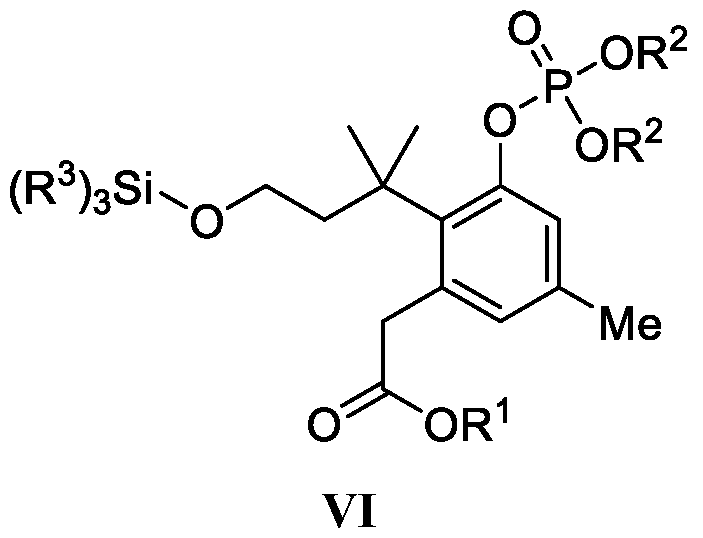
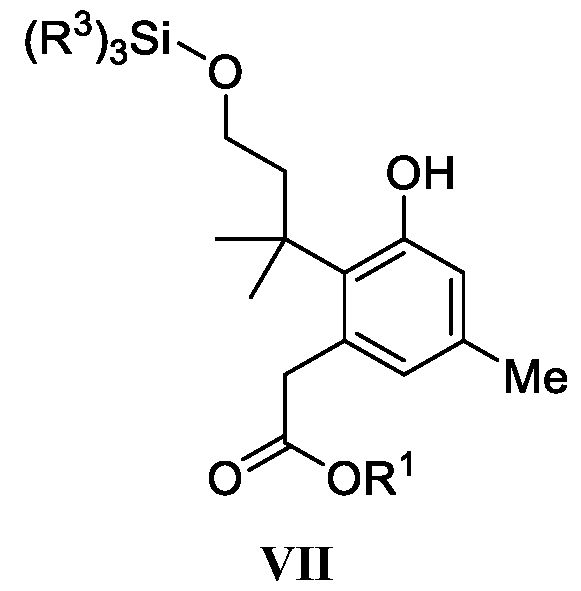


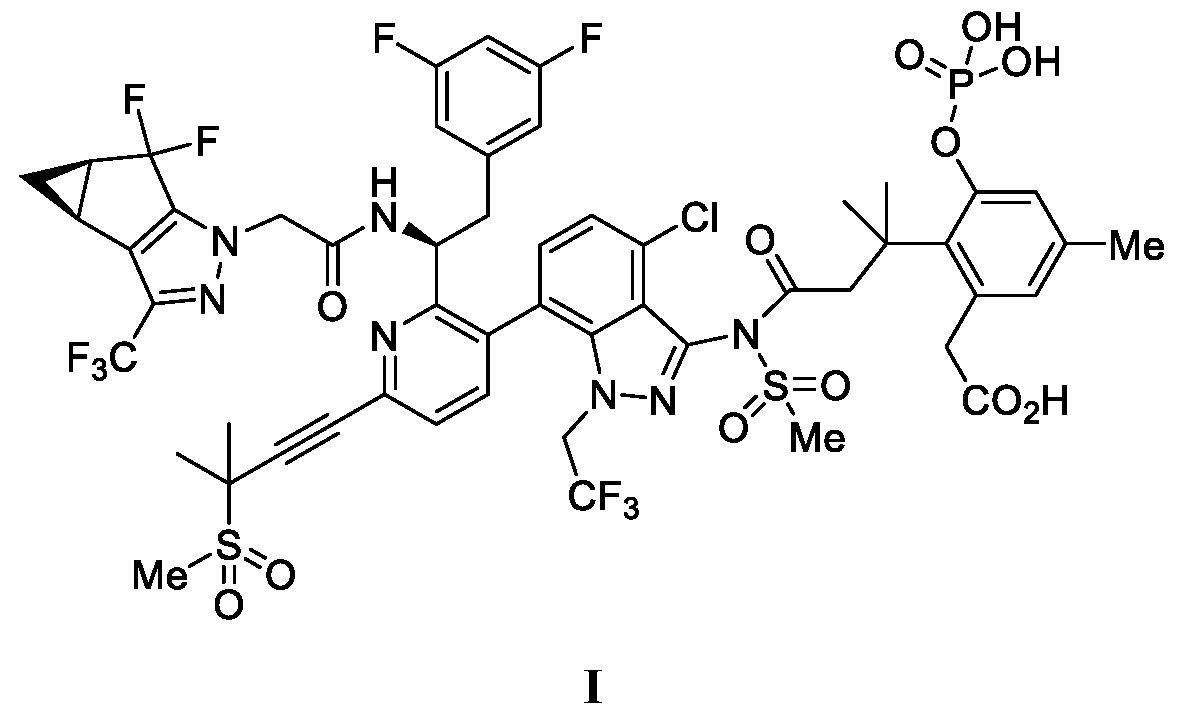

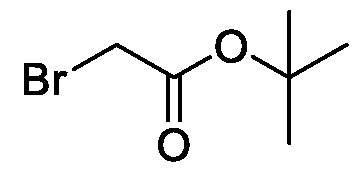

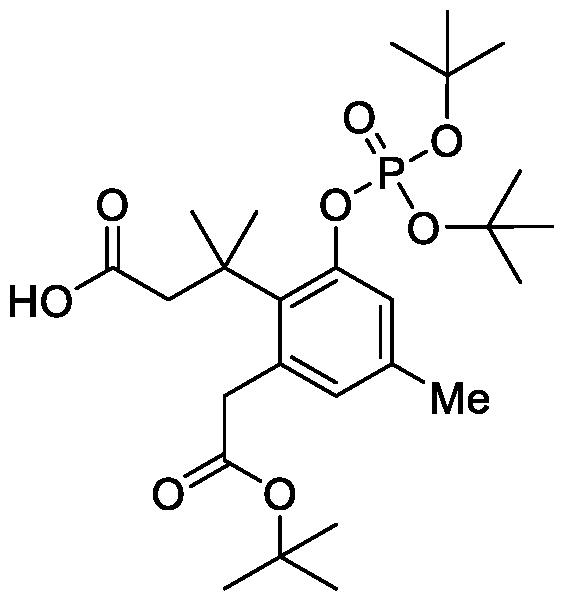
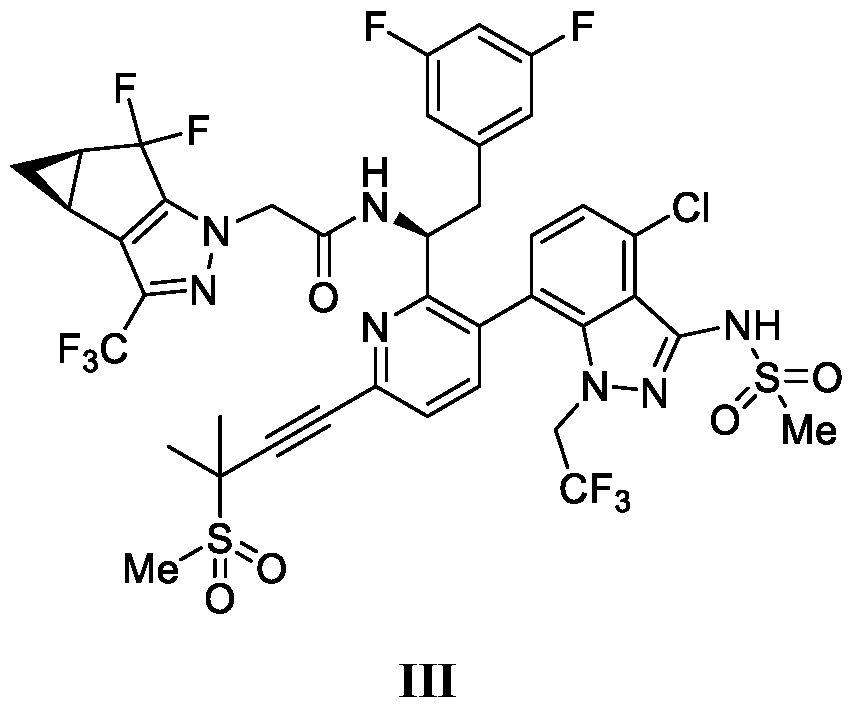


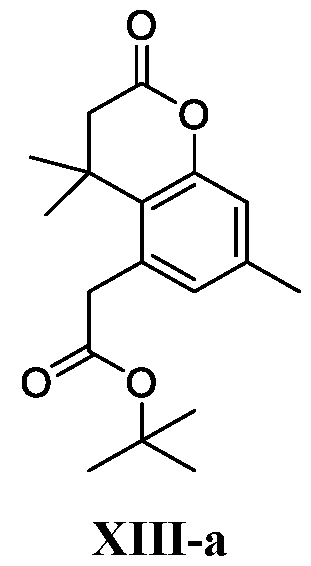


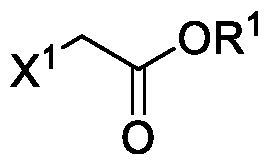

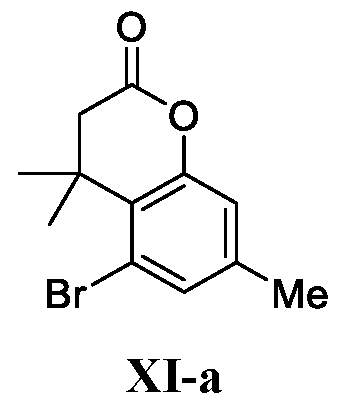
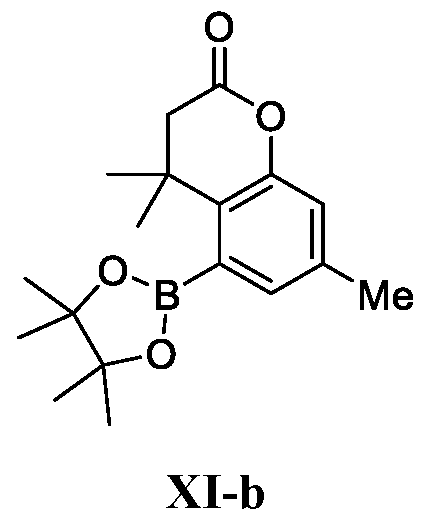
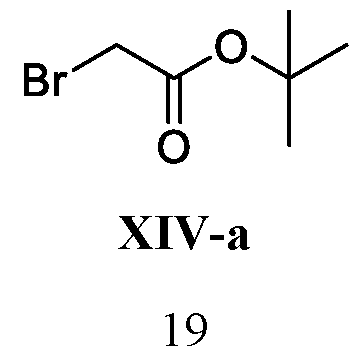
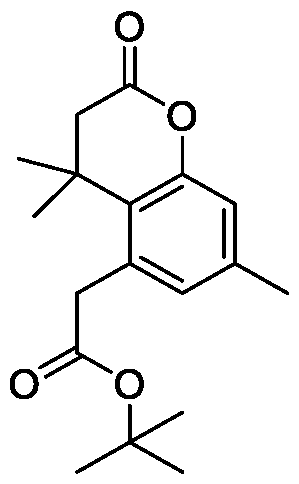


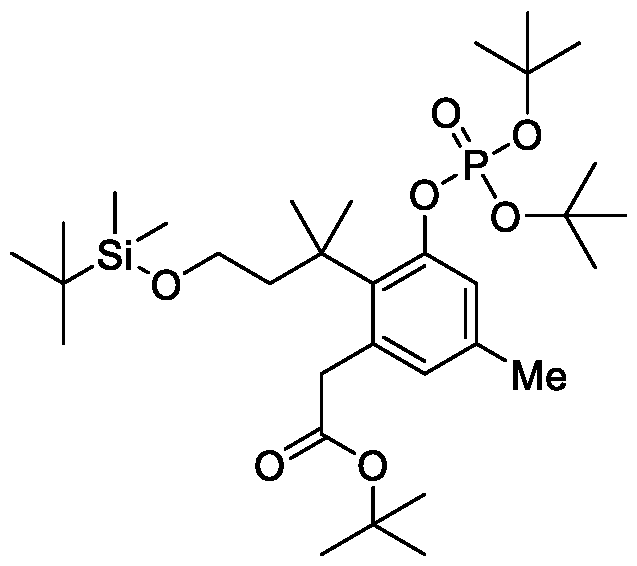


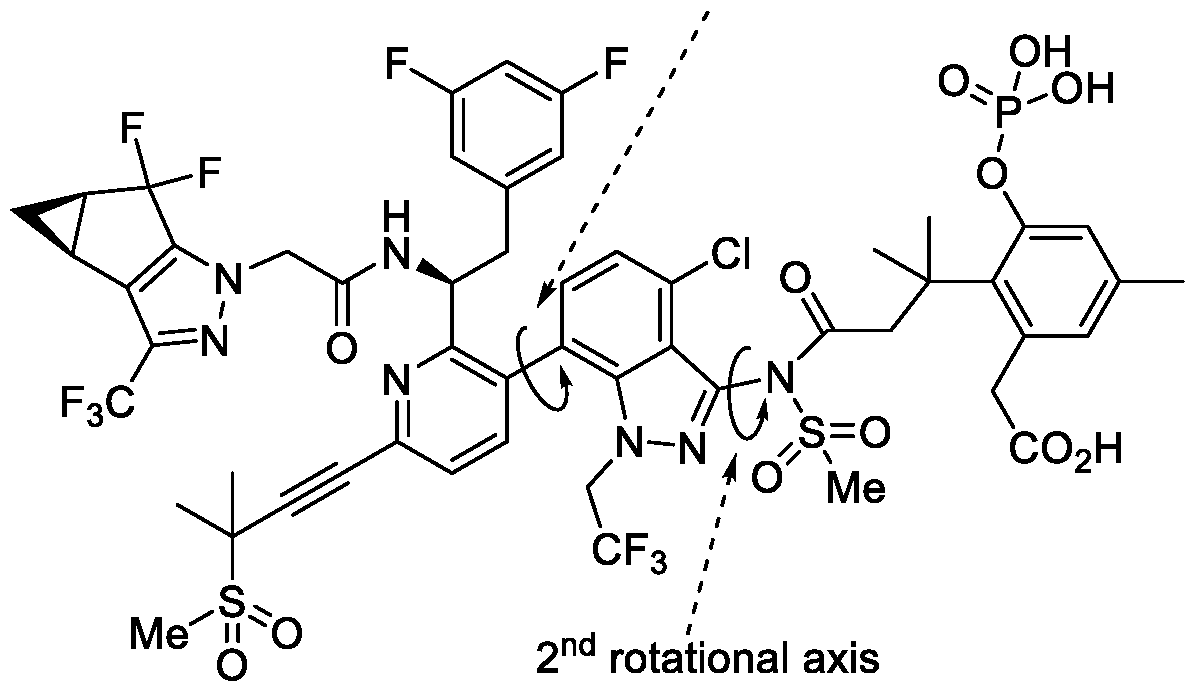


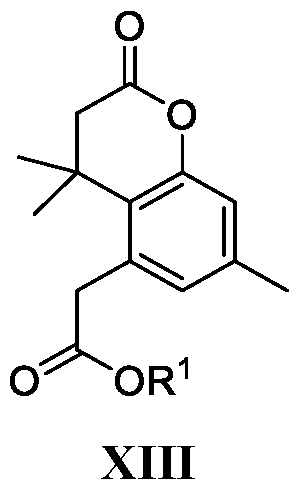


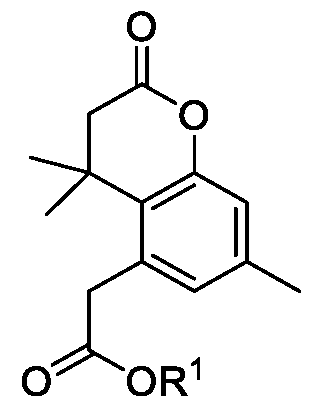


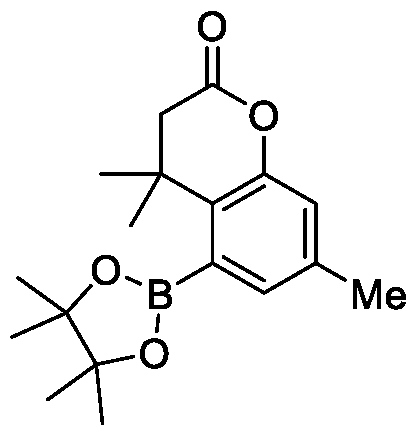


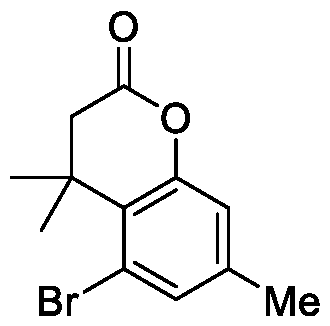

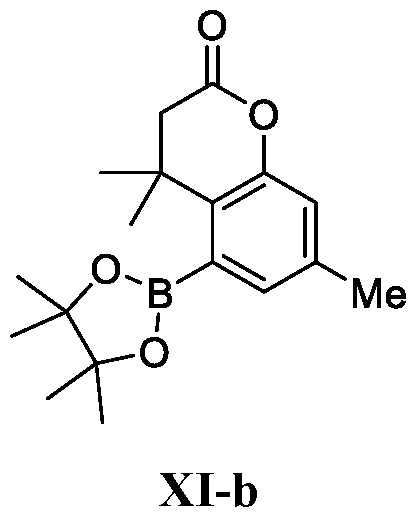
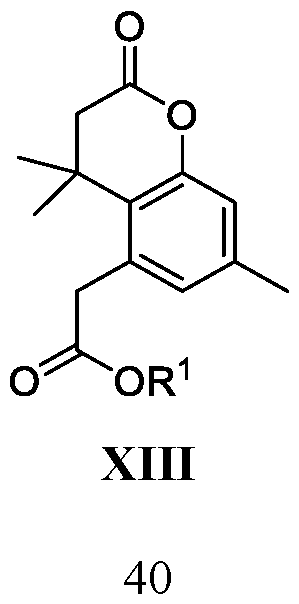


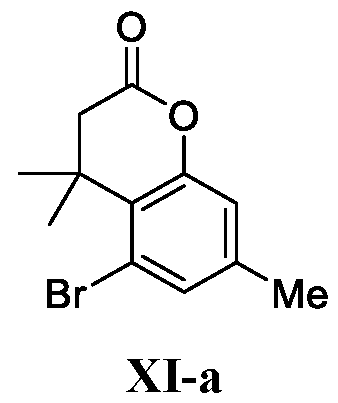


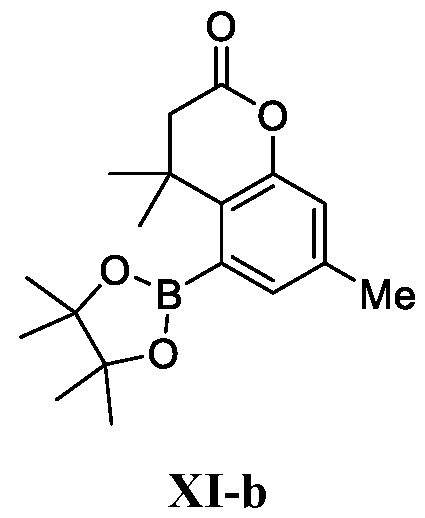


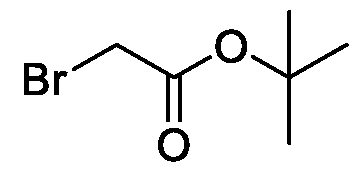


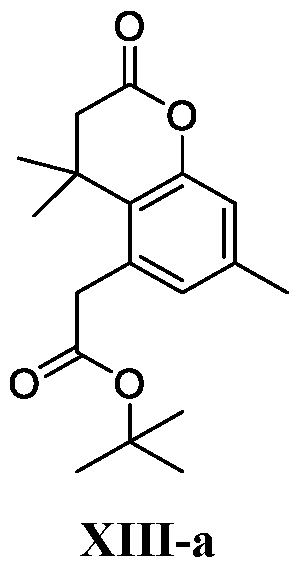


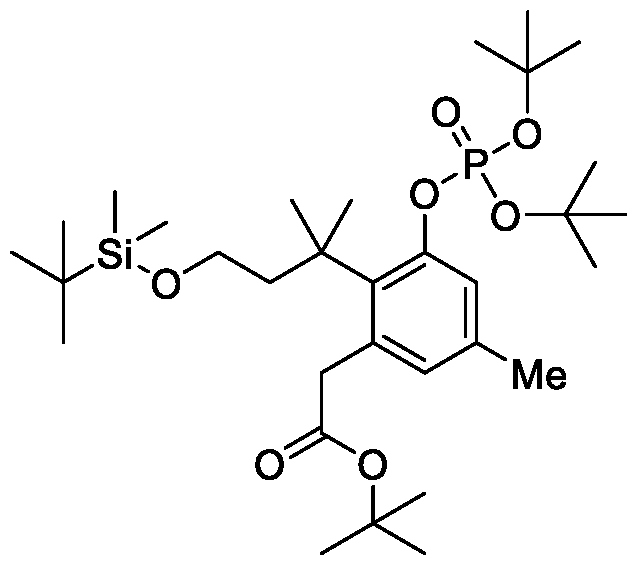


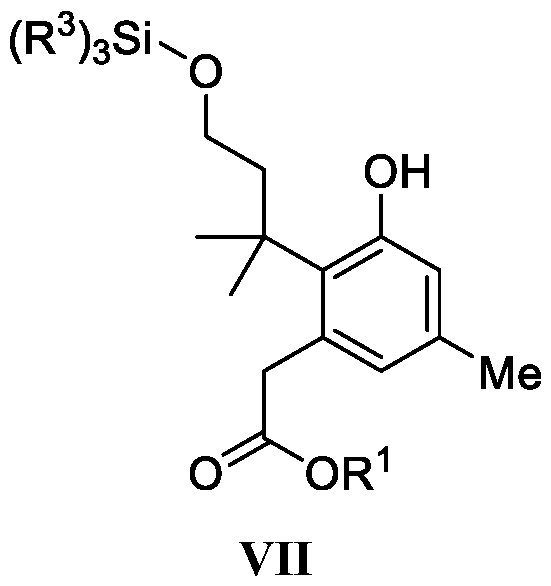


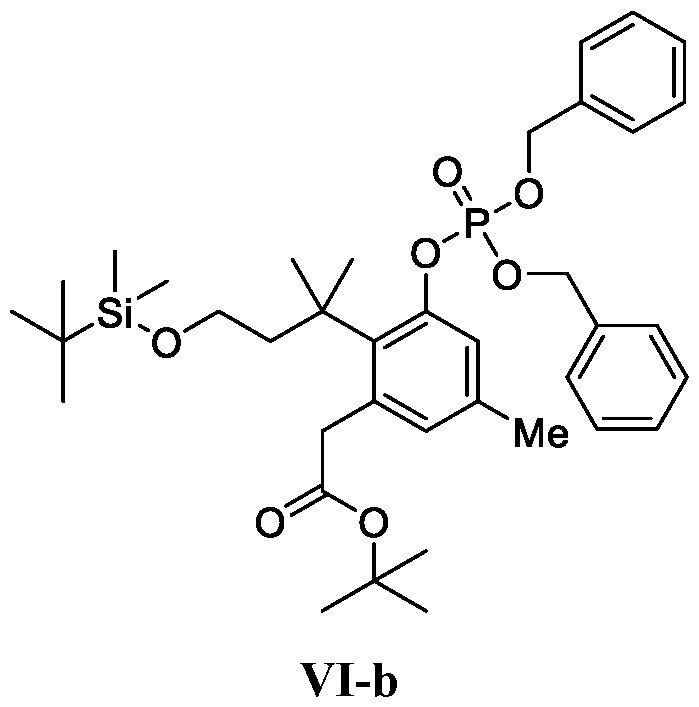


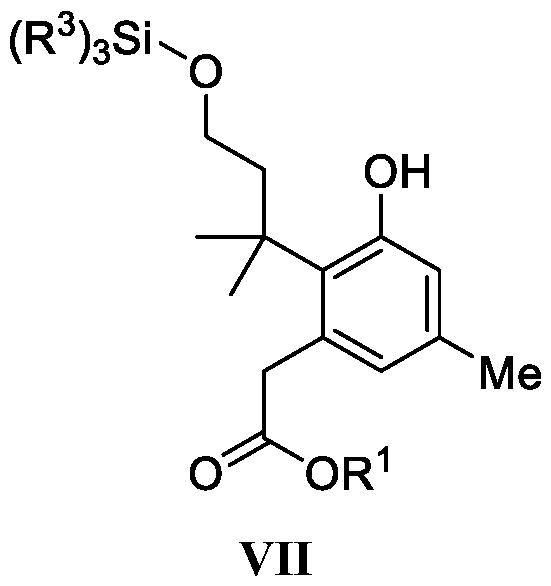

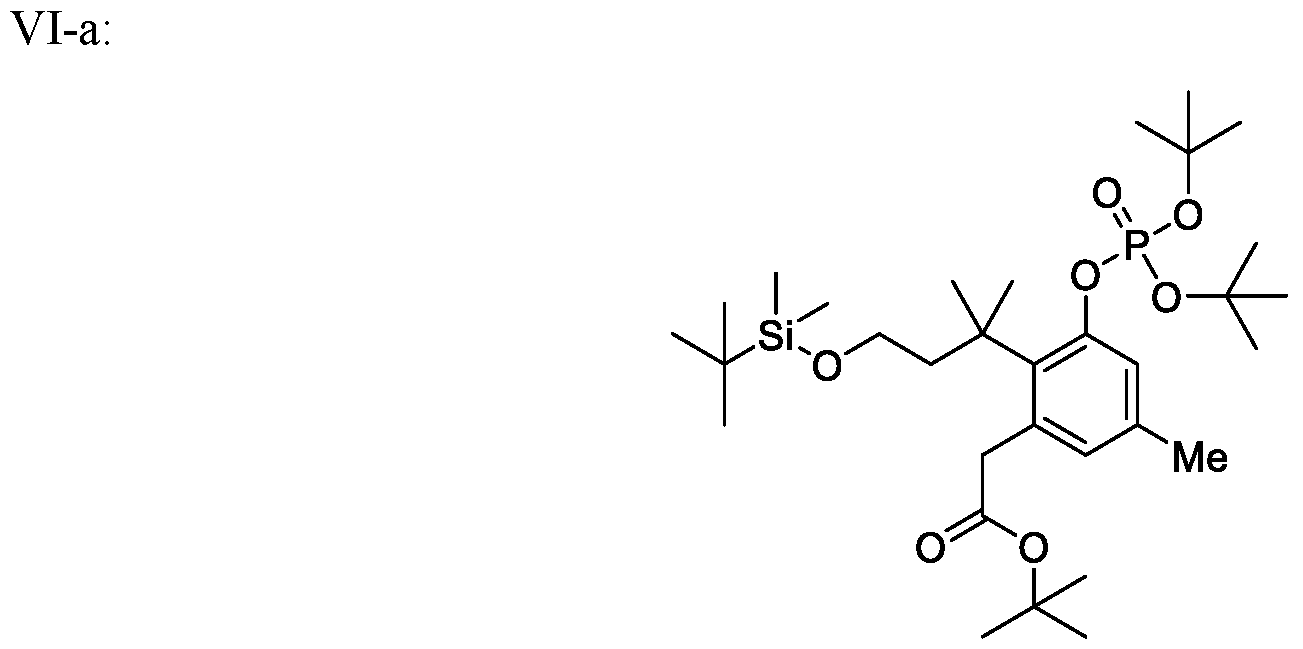


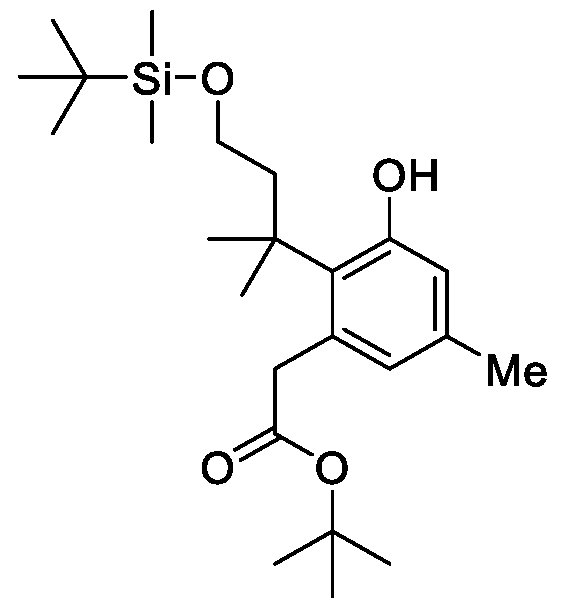


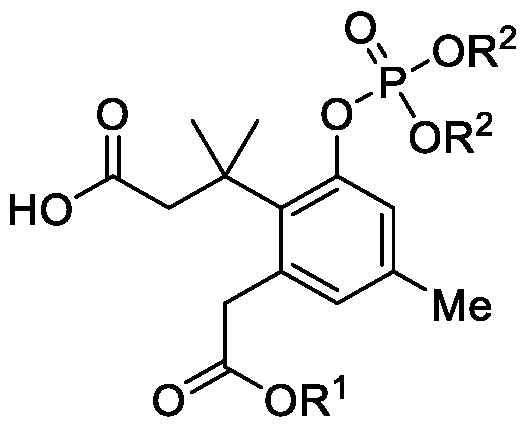

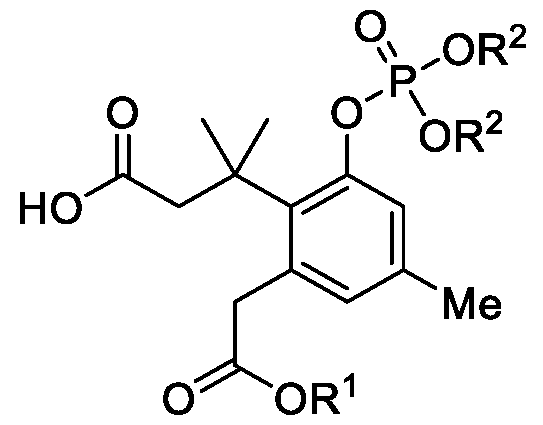

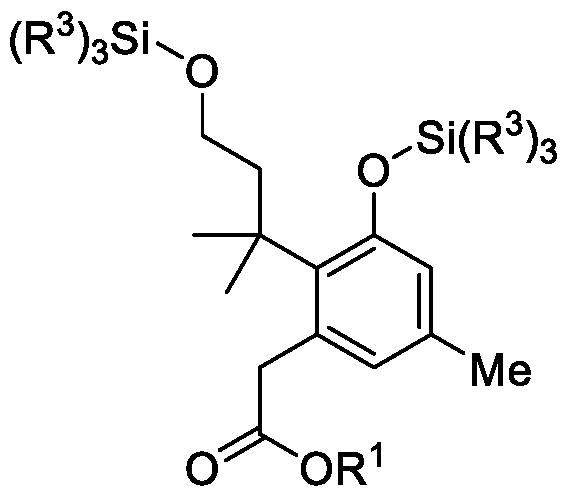
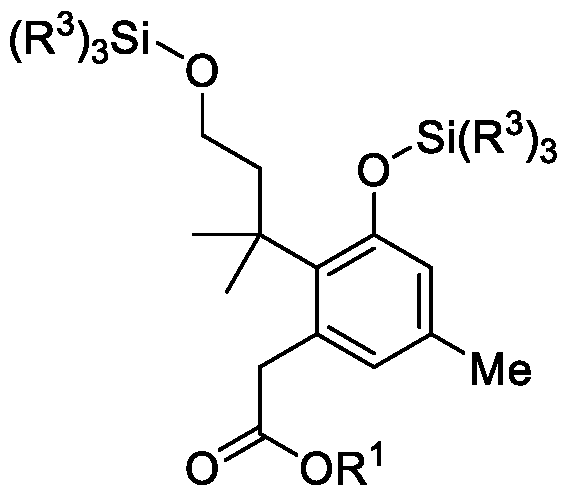

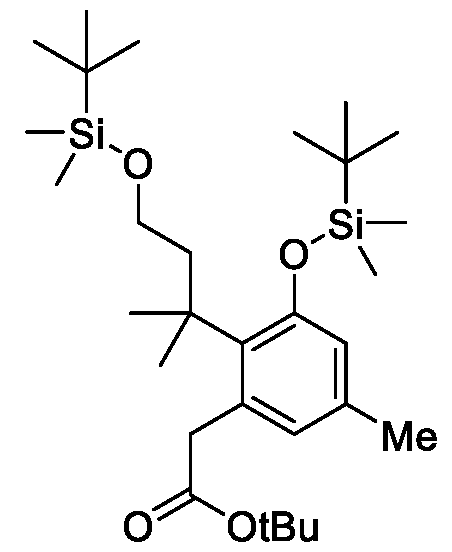
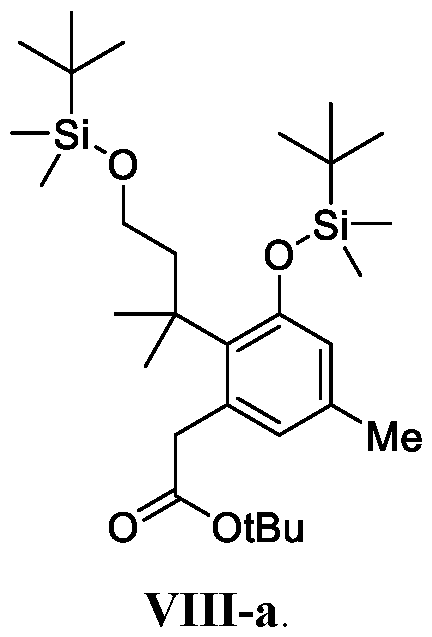


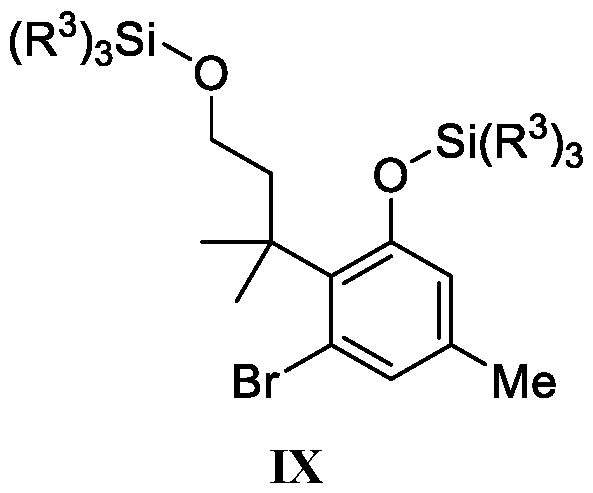


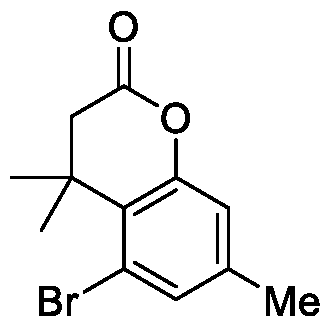


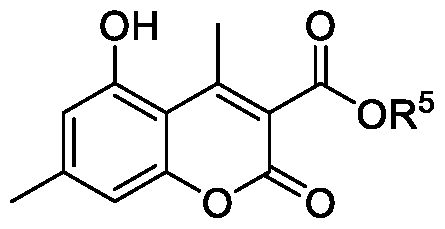

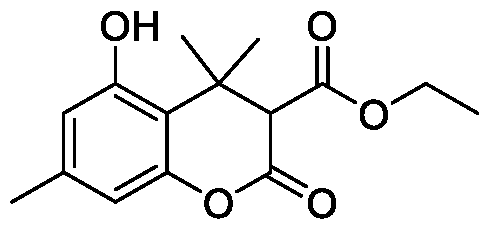


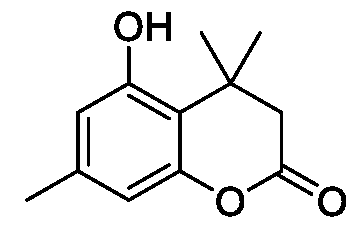


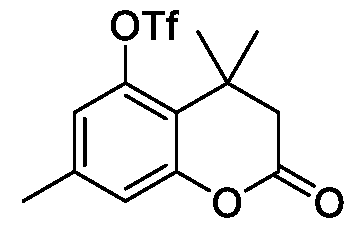


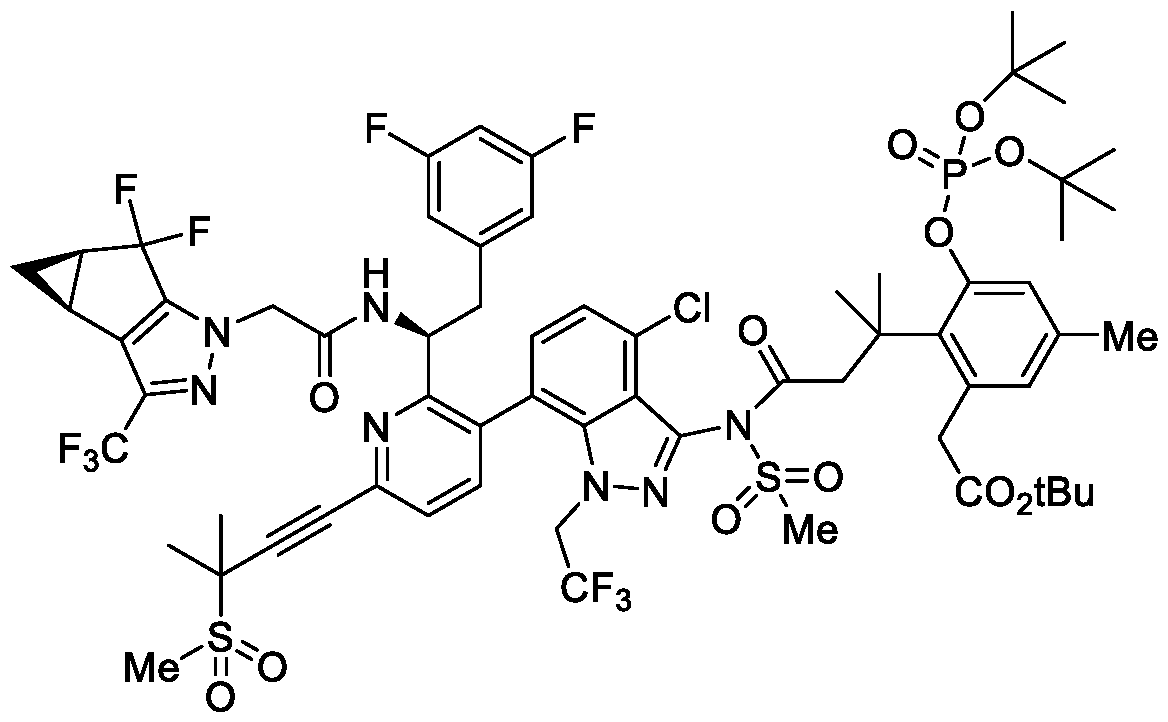


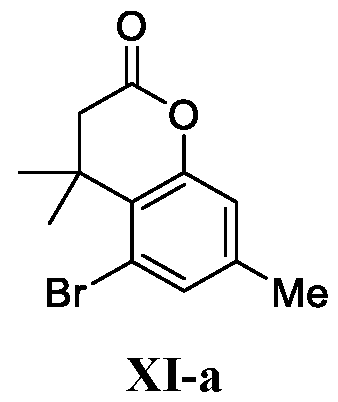

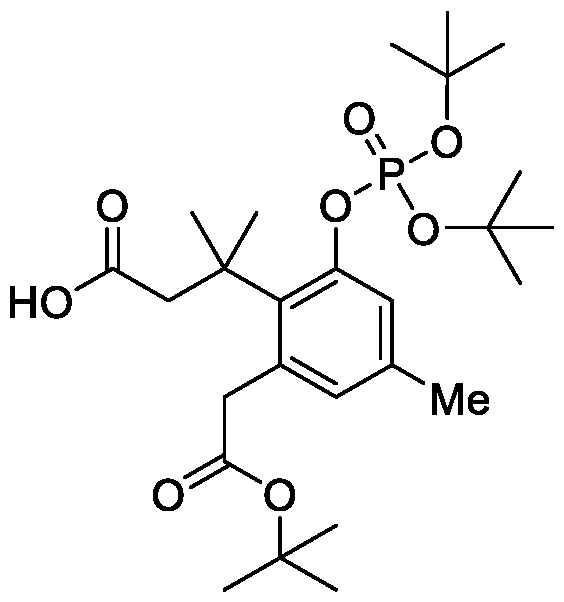
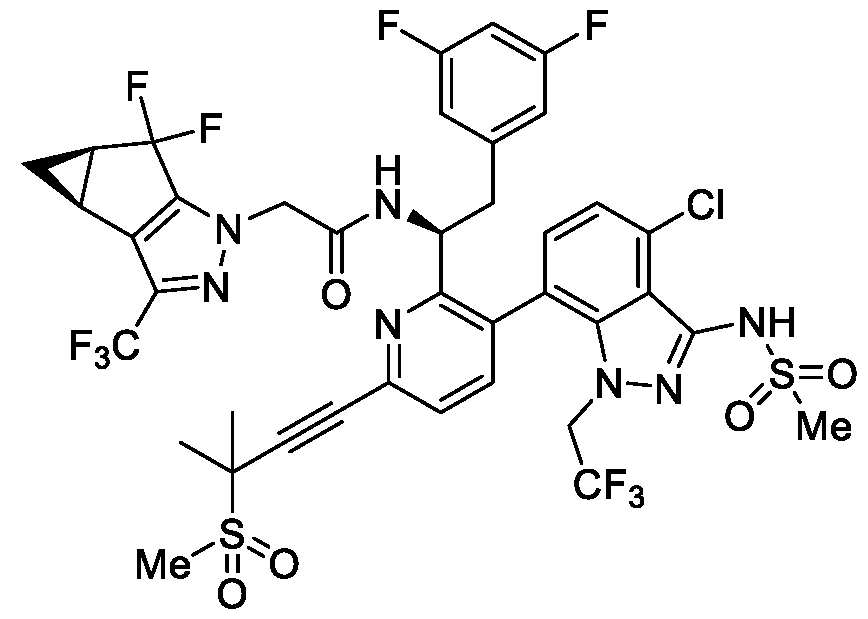


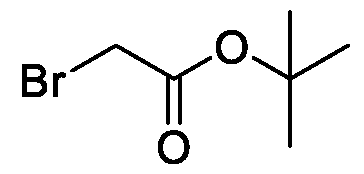

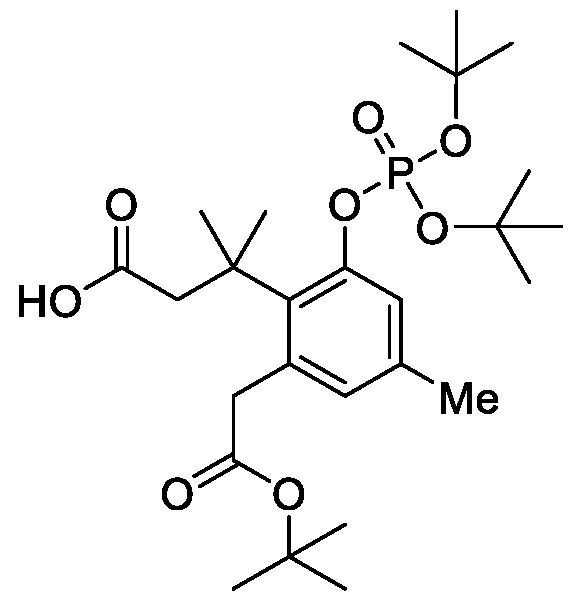


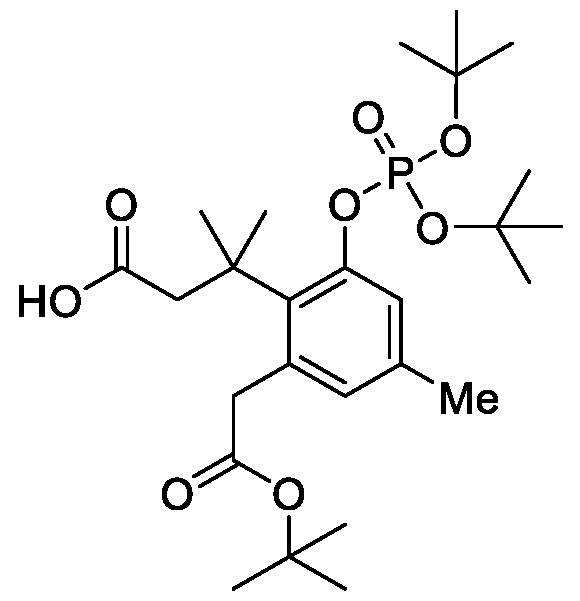


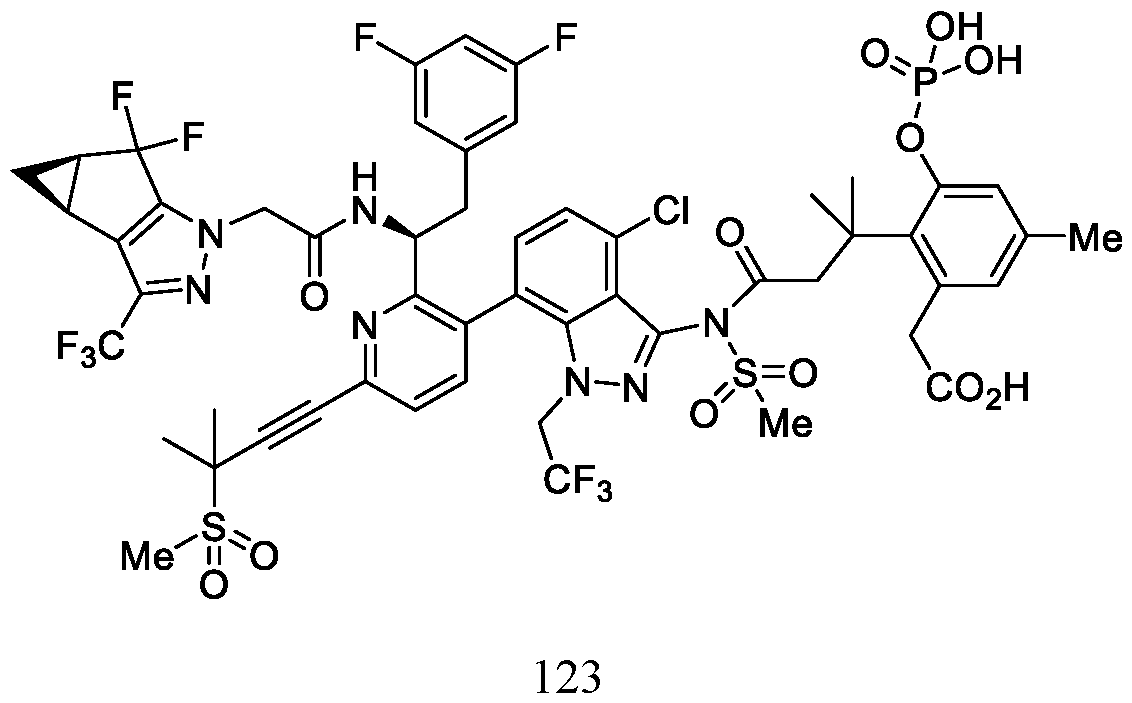

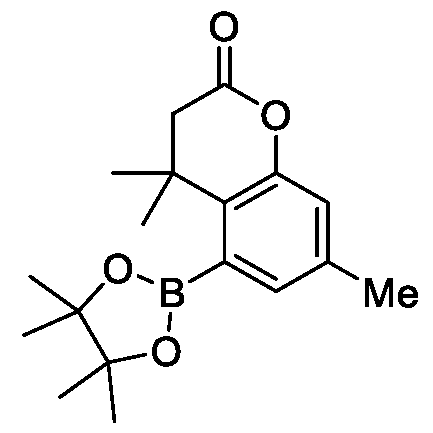
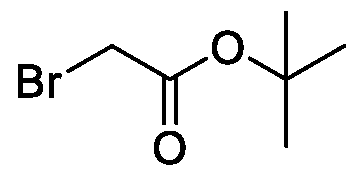


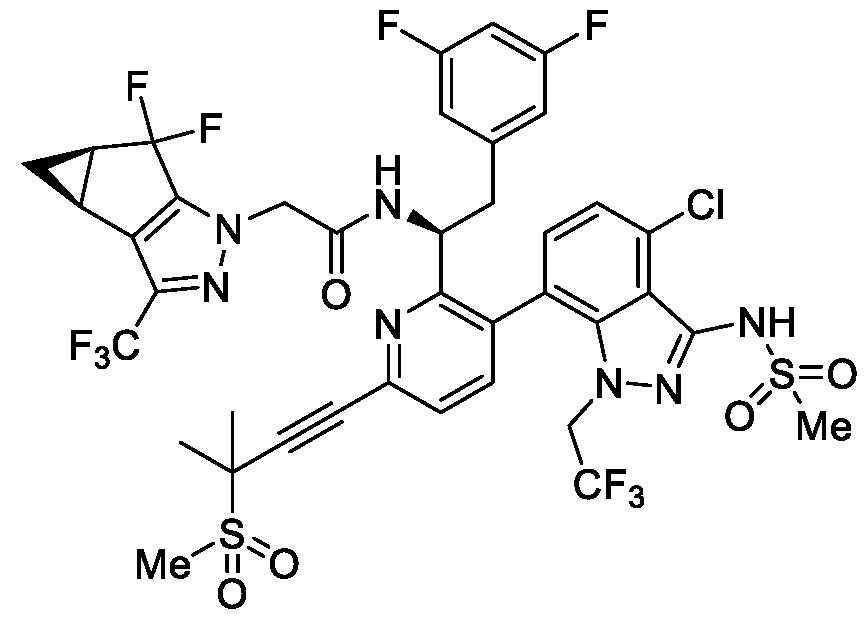


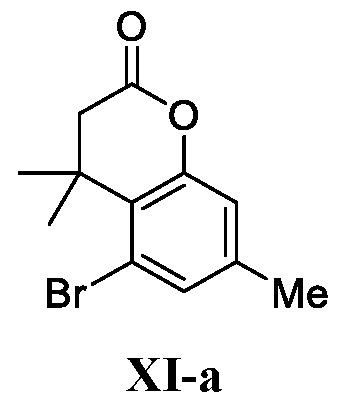


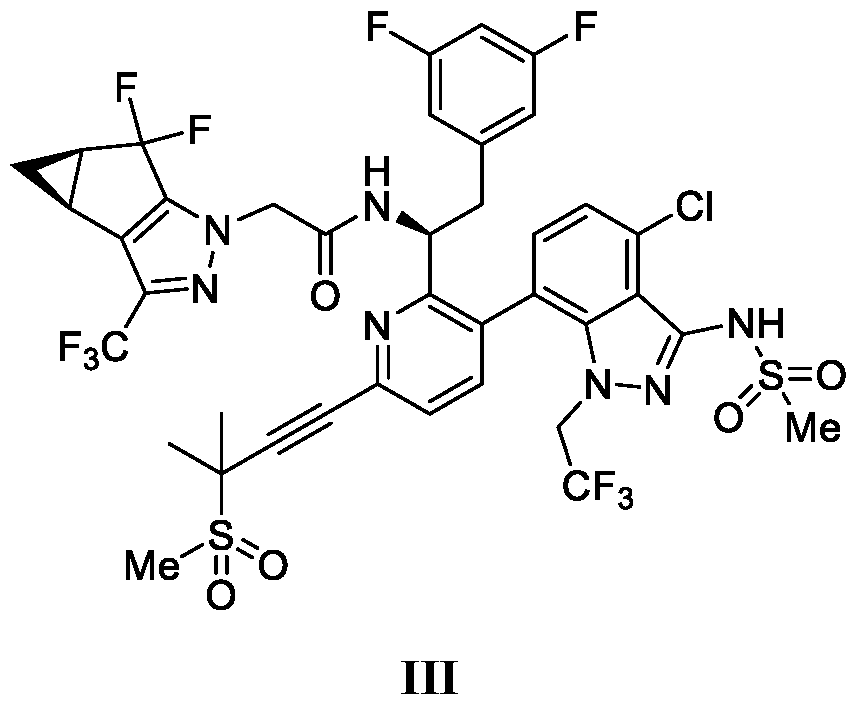


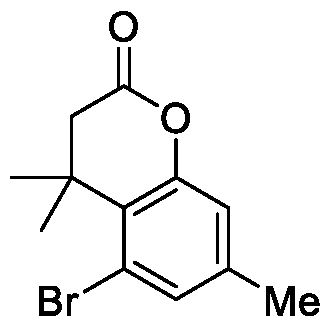

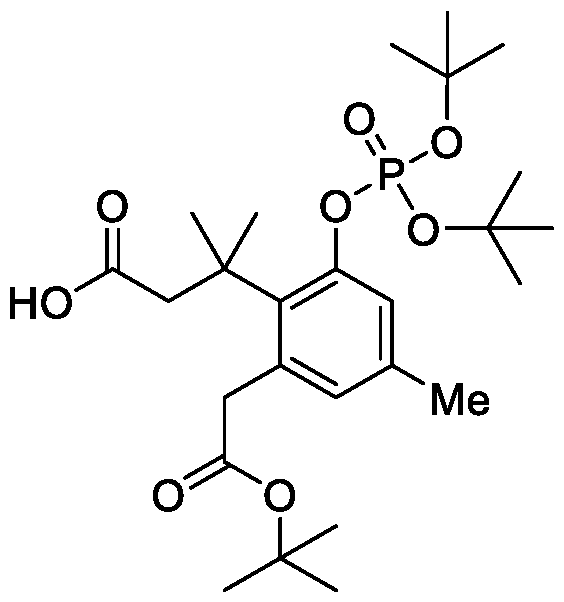


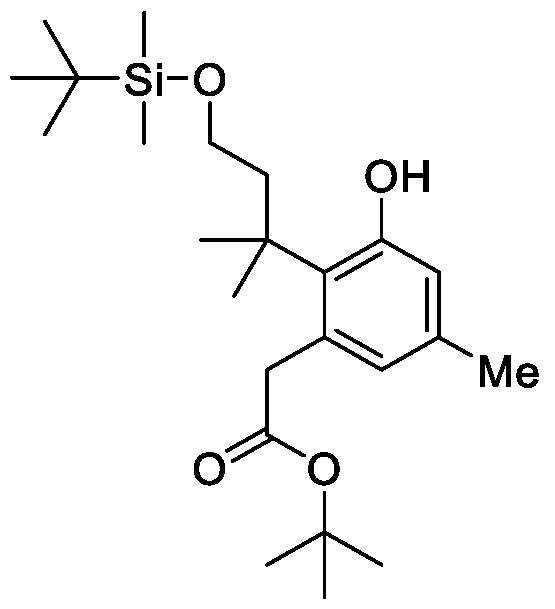


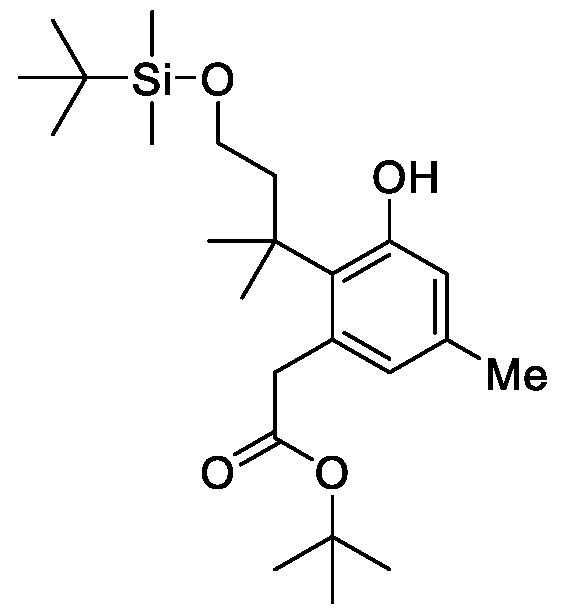

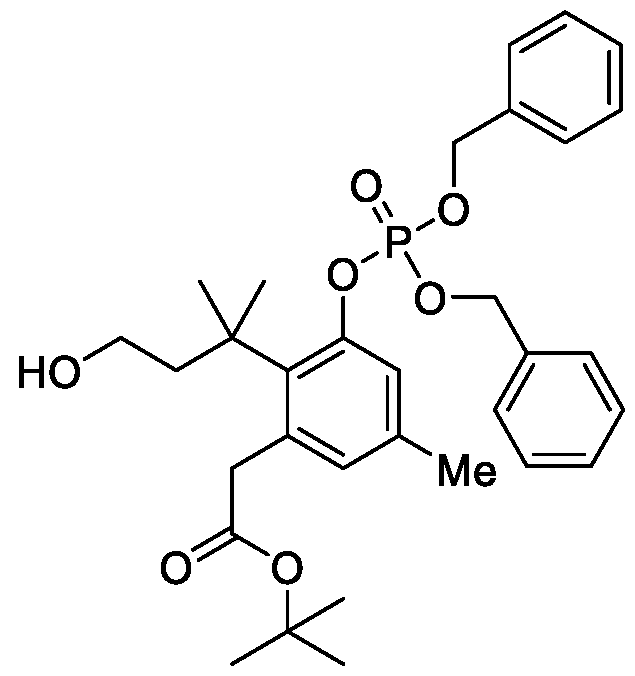


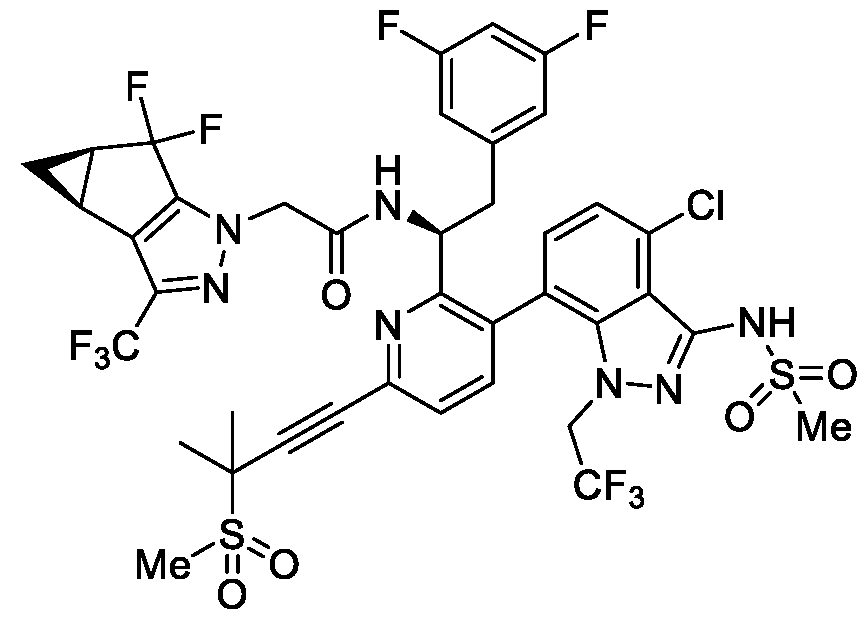


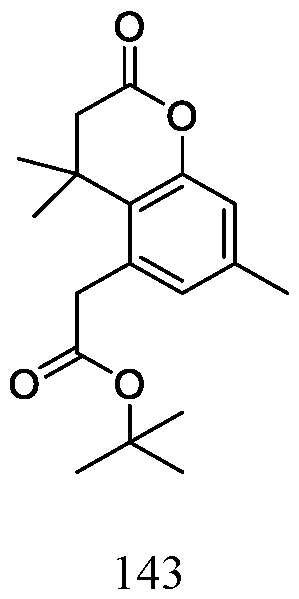

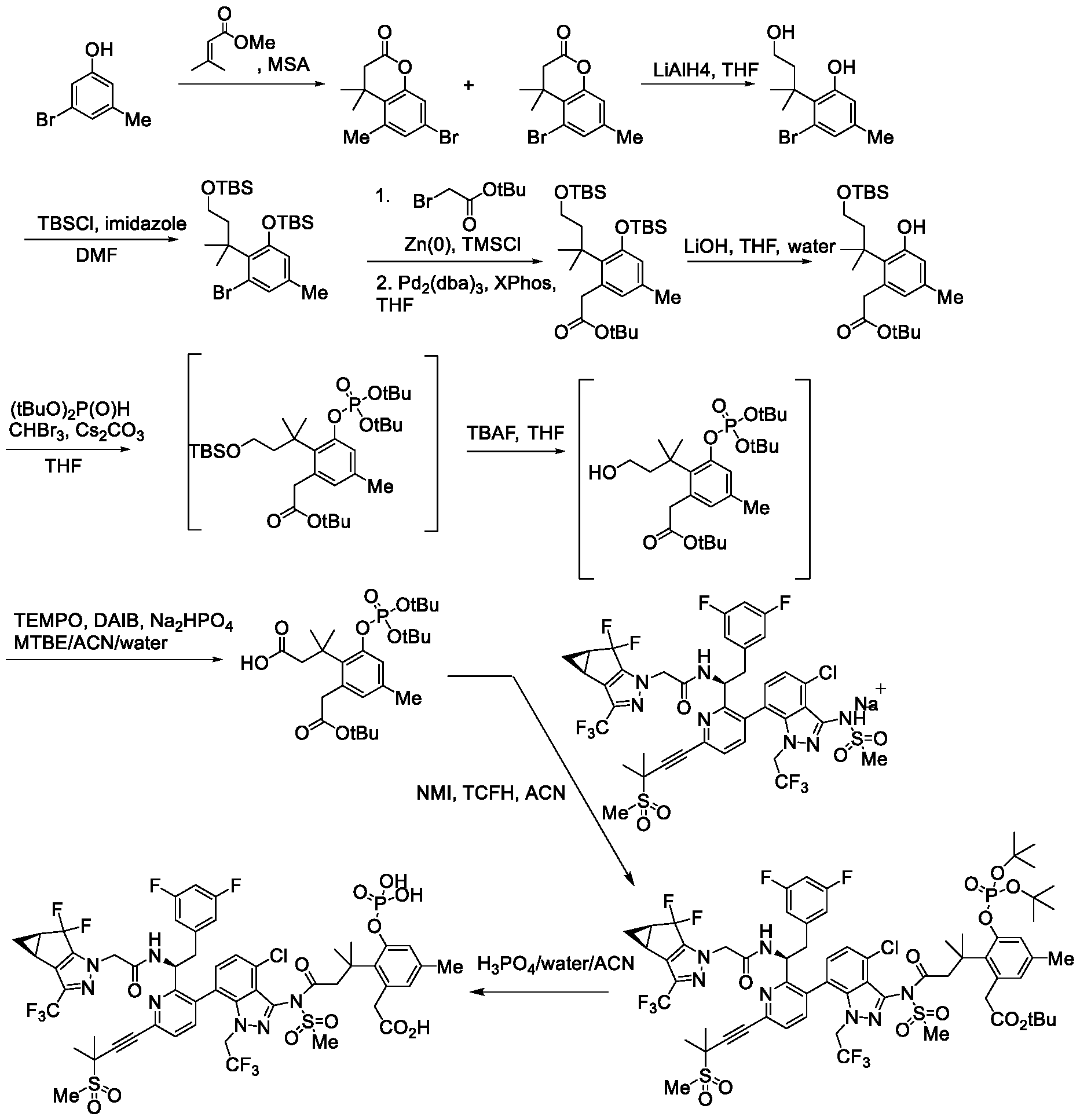


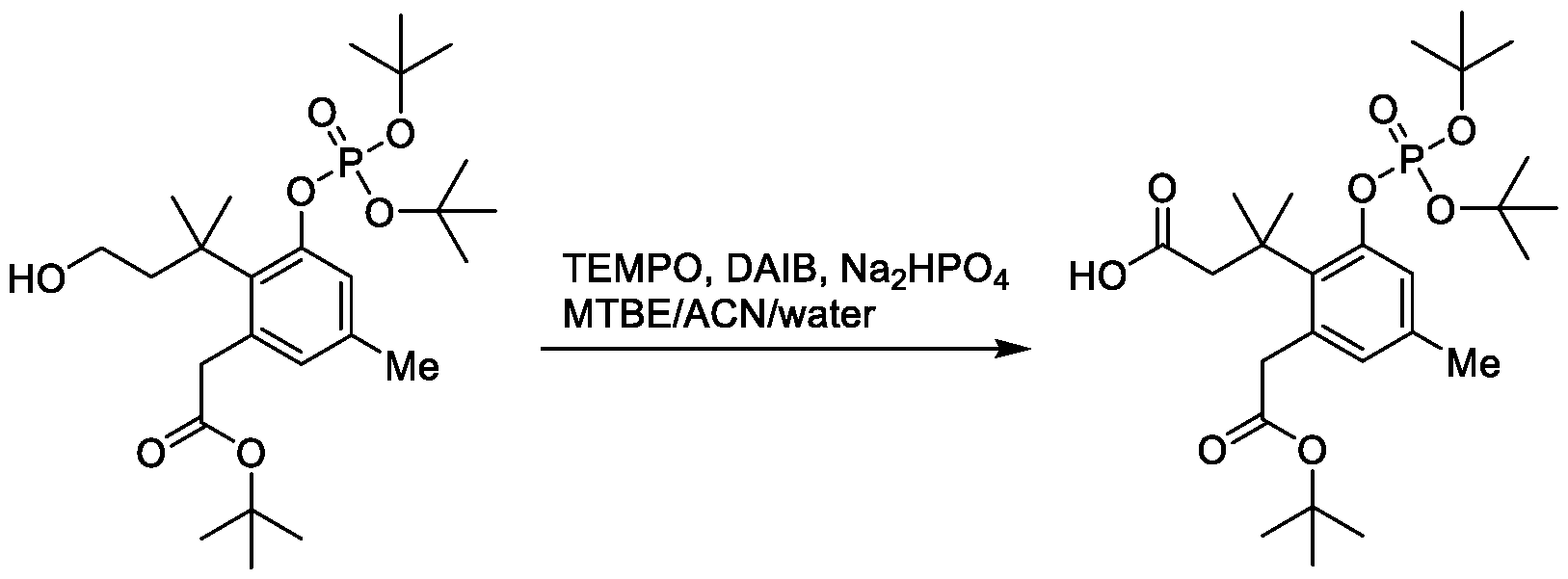


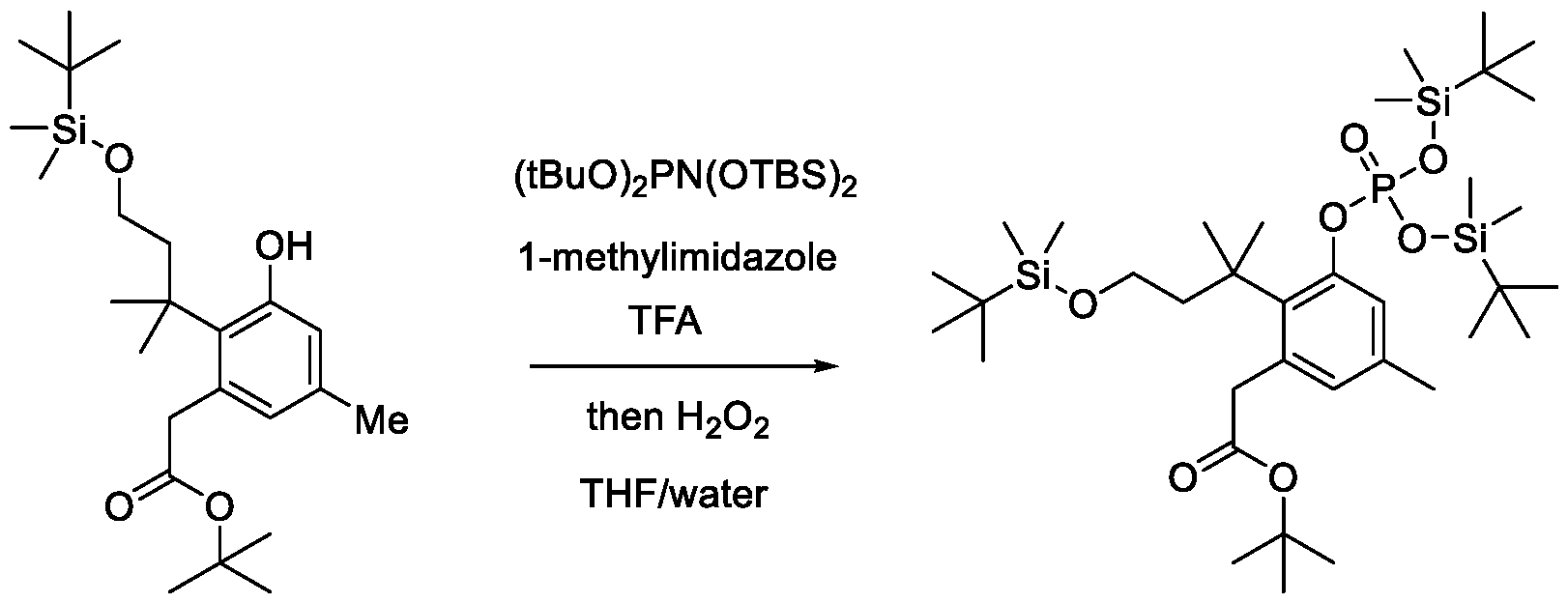


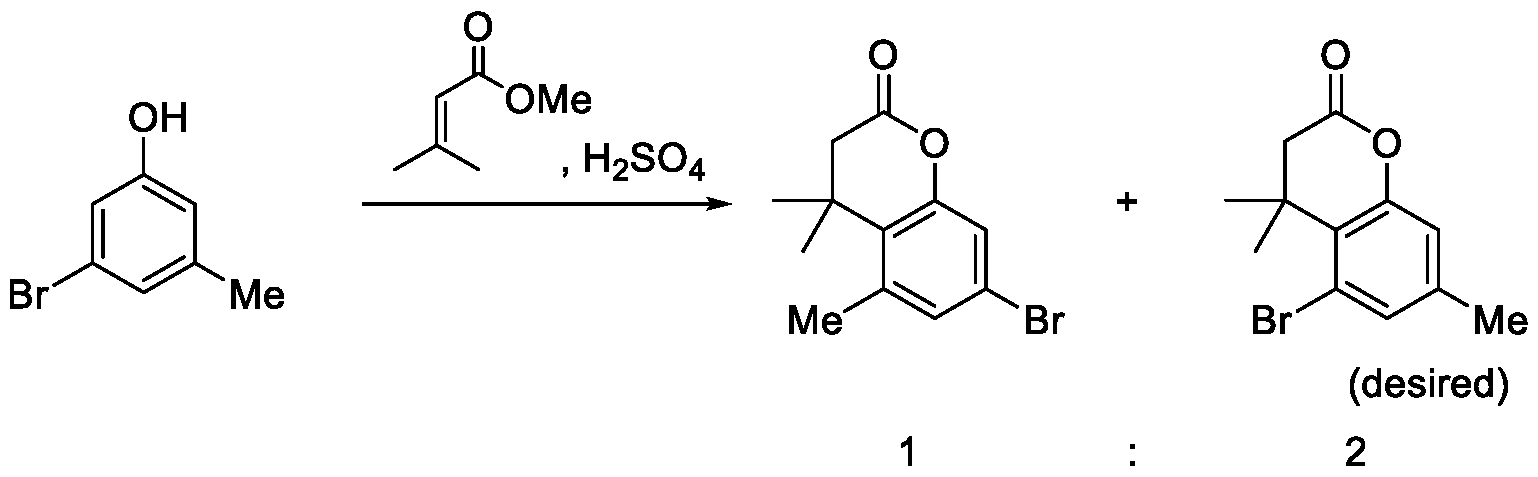
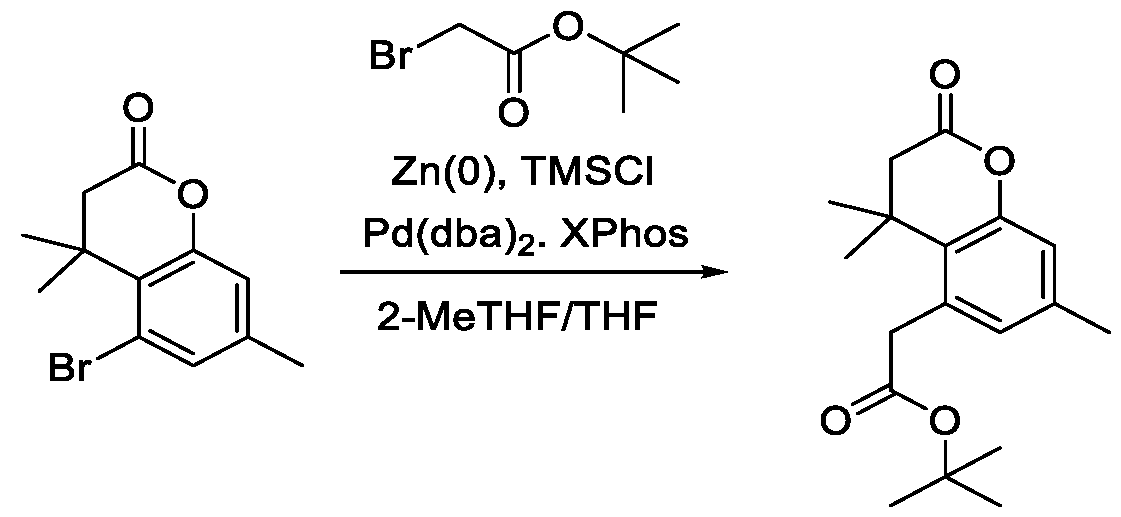
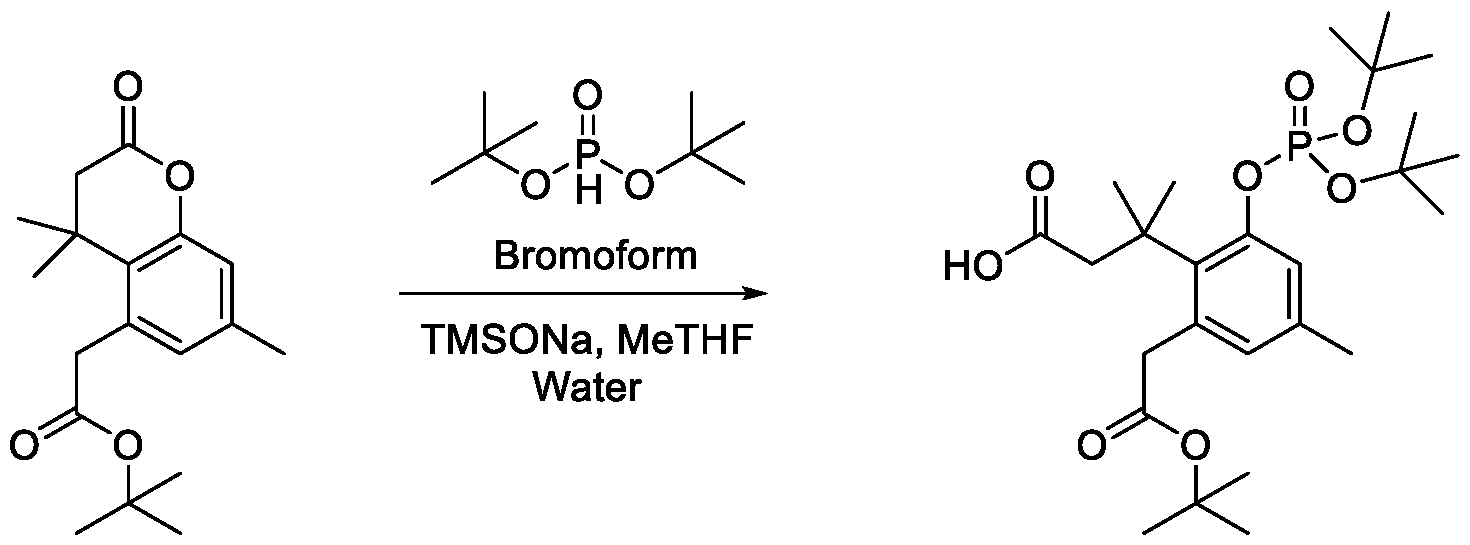
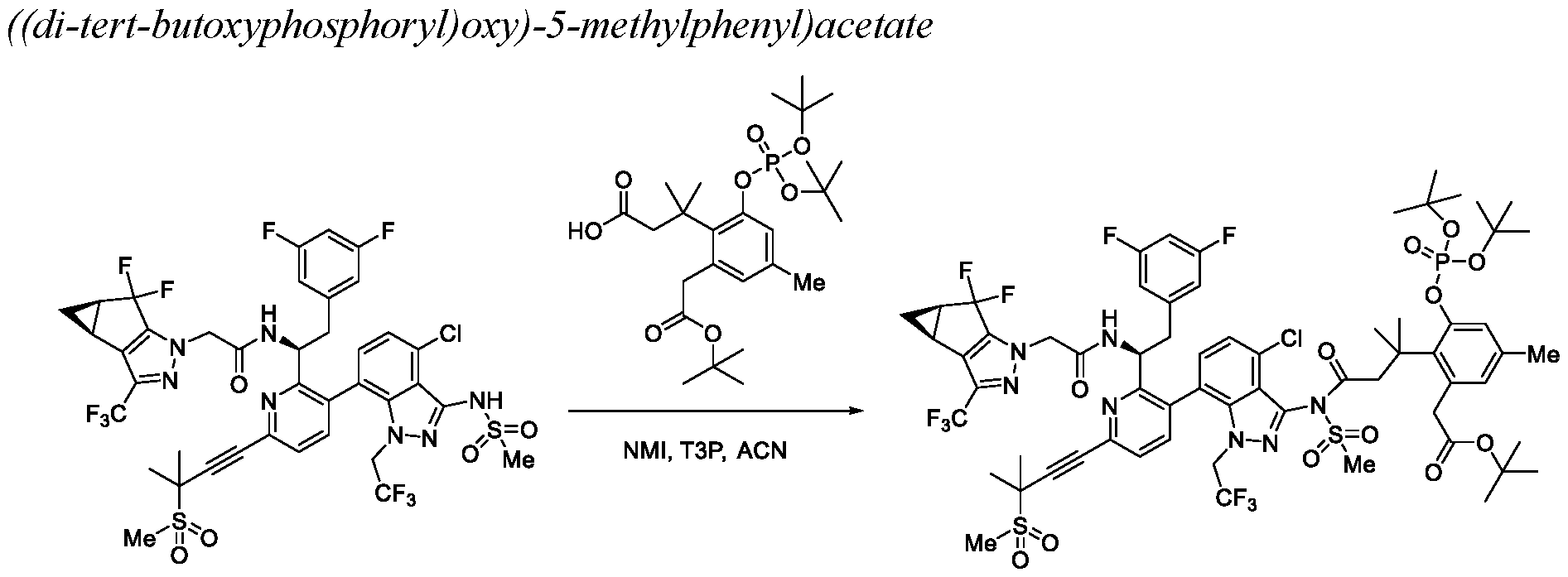


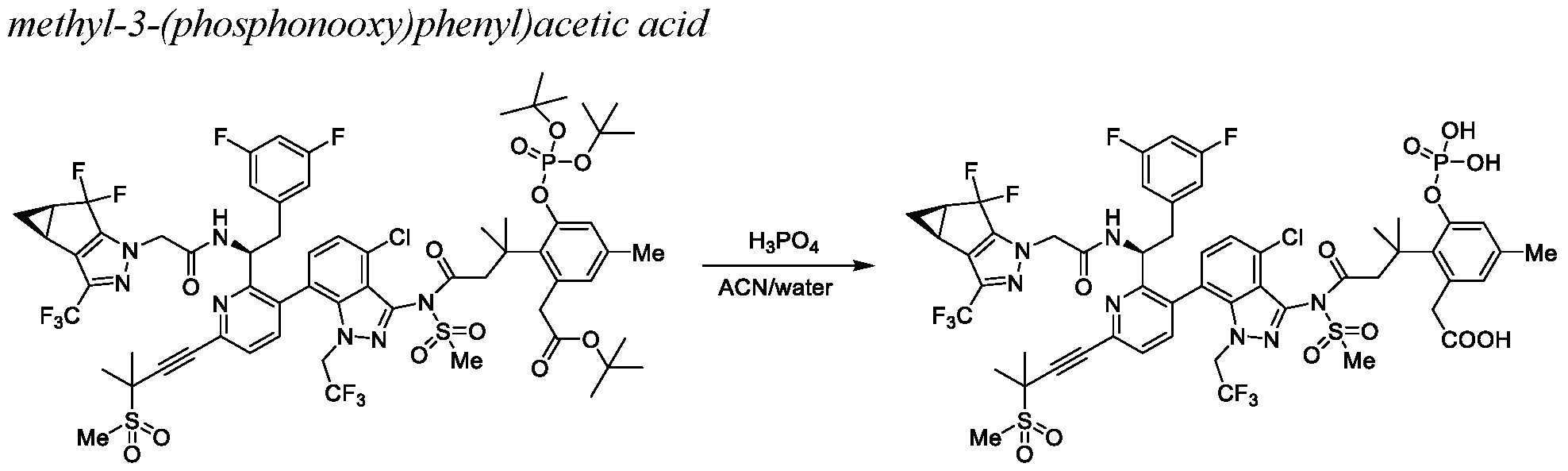




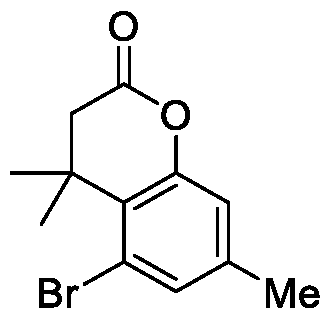


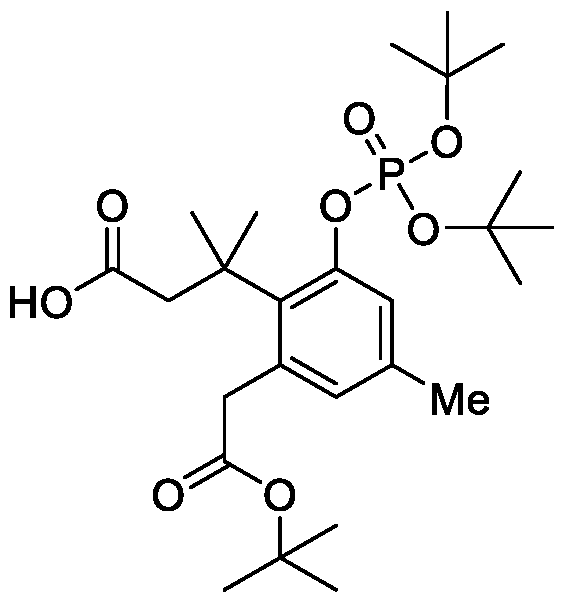


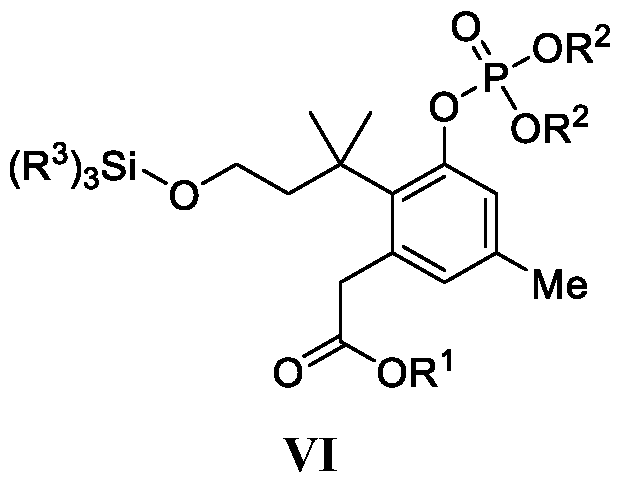
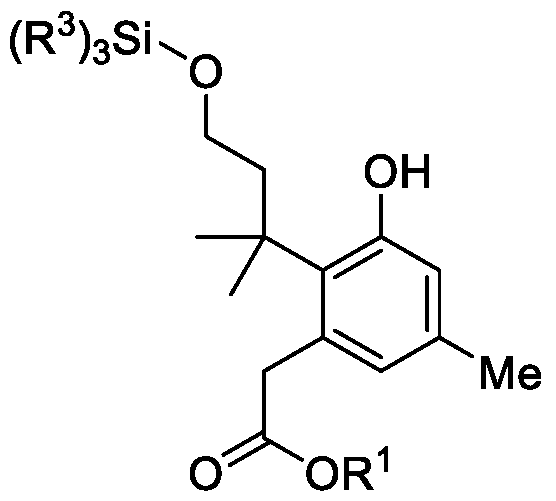


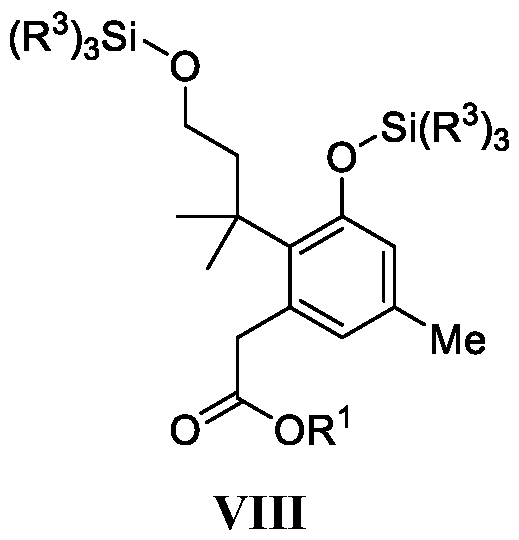


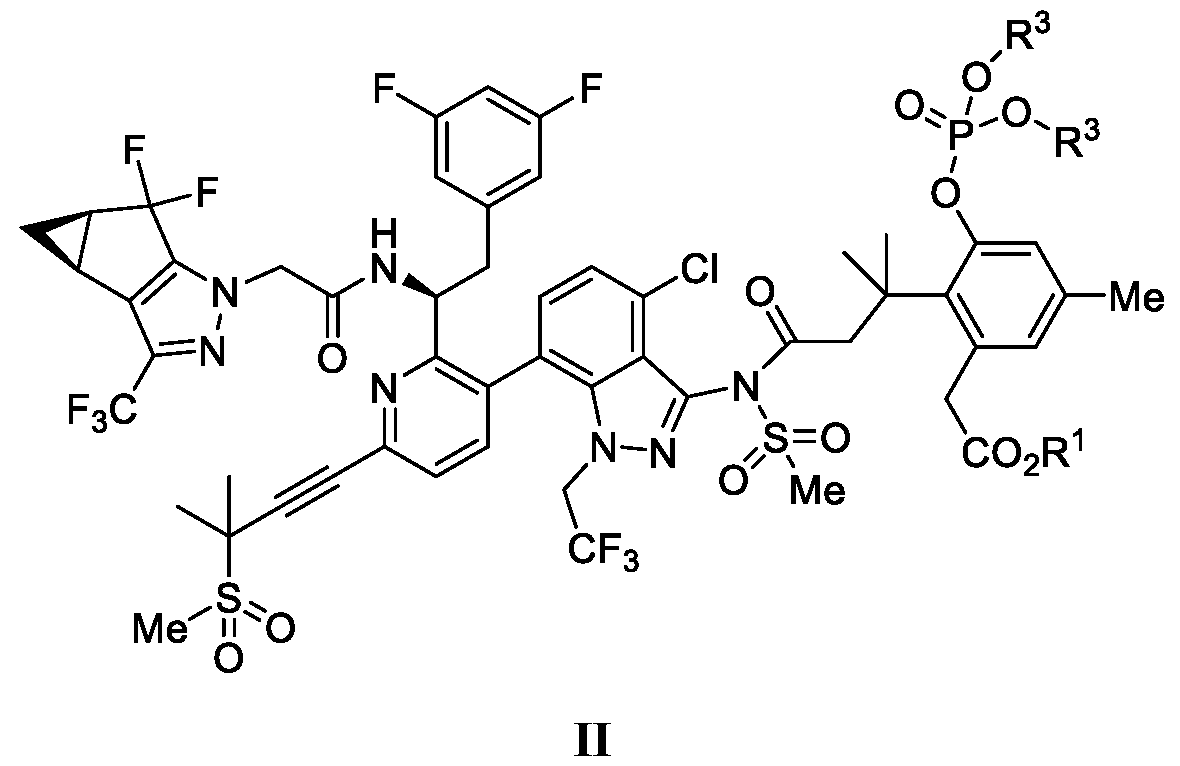


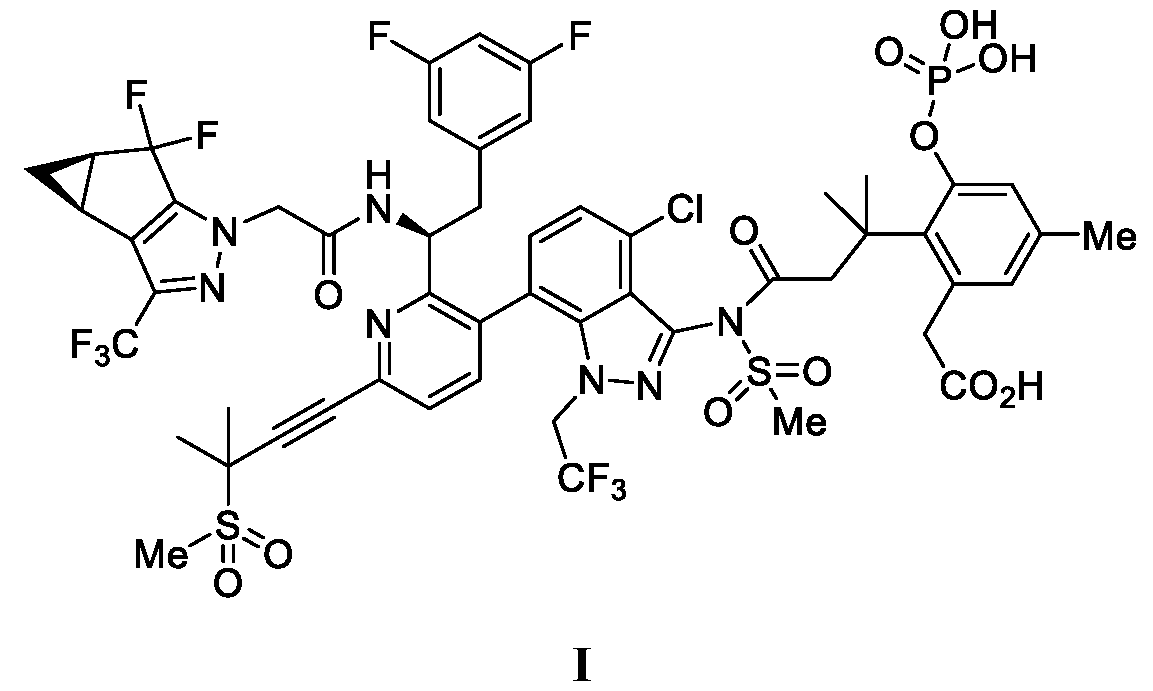

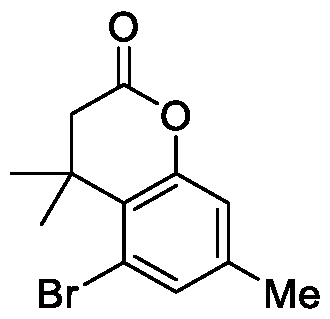


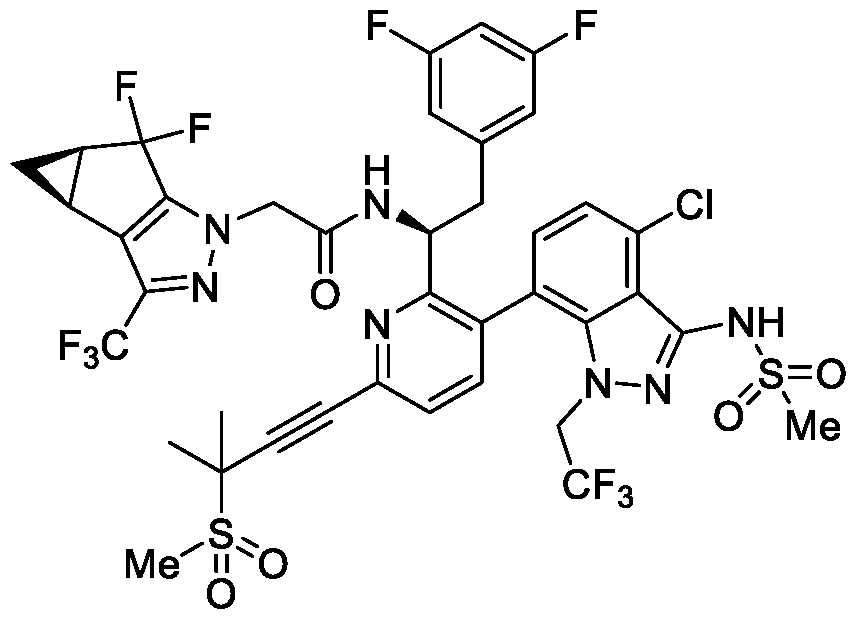
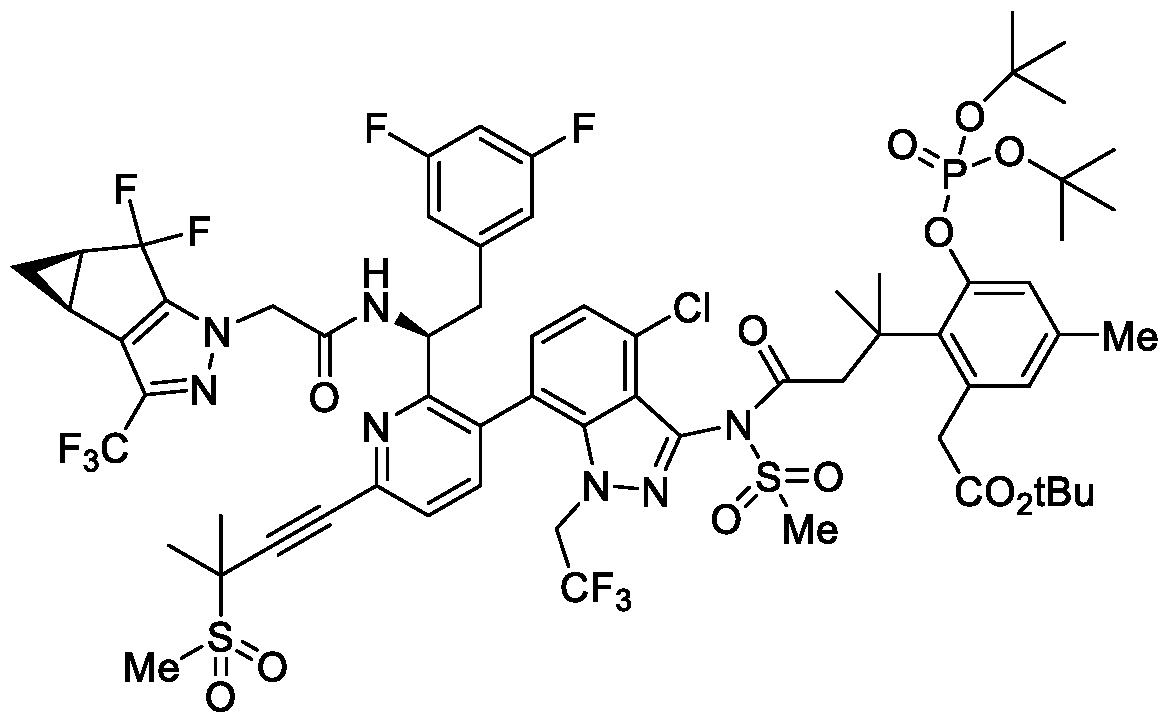


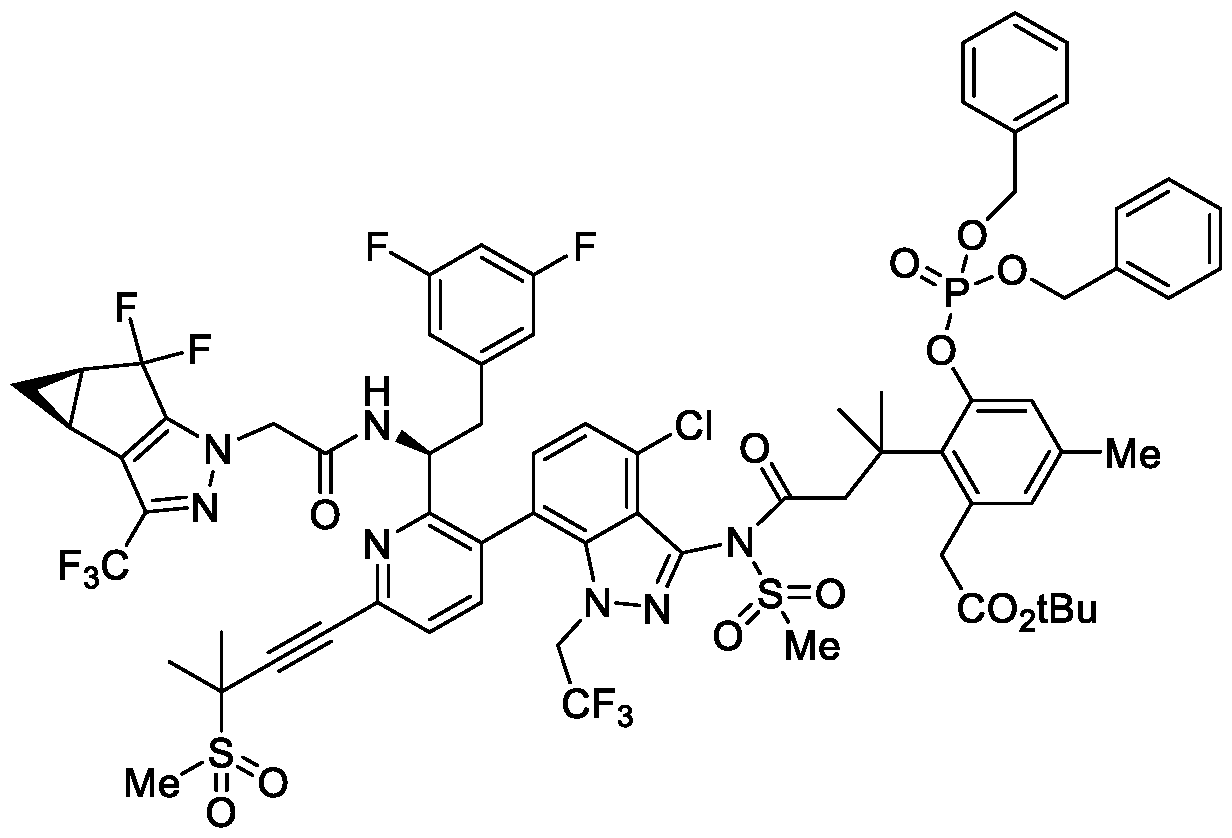

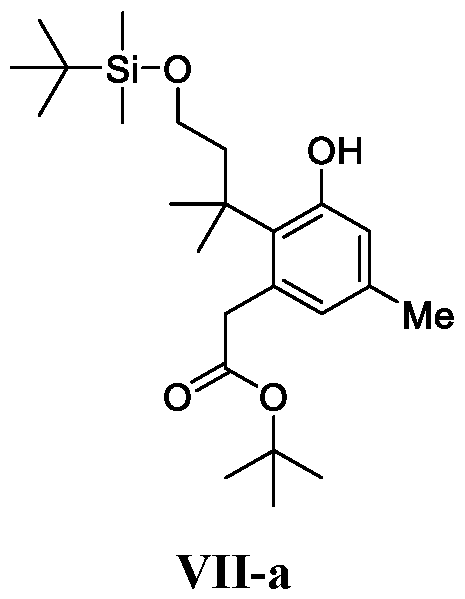
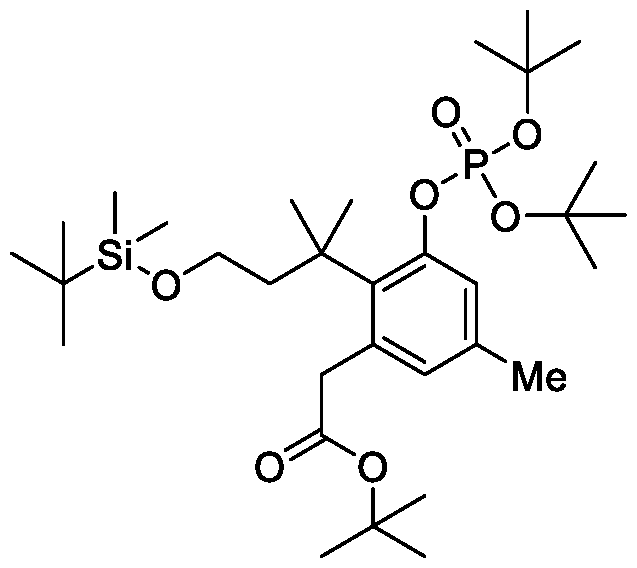
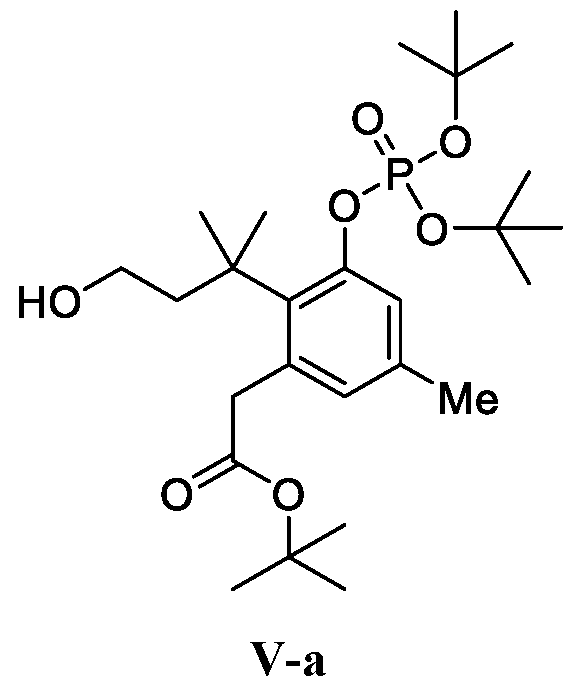


Claims


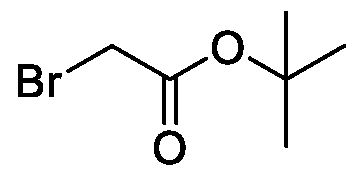


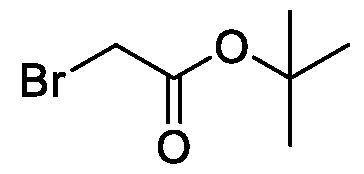


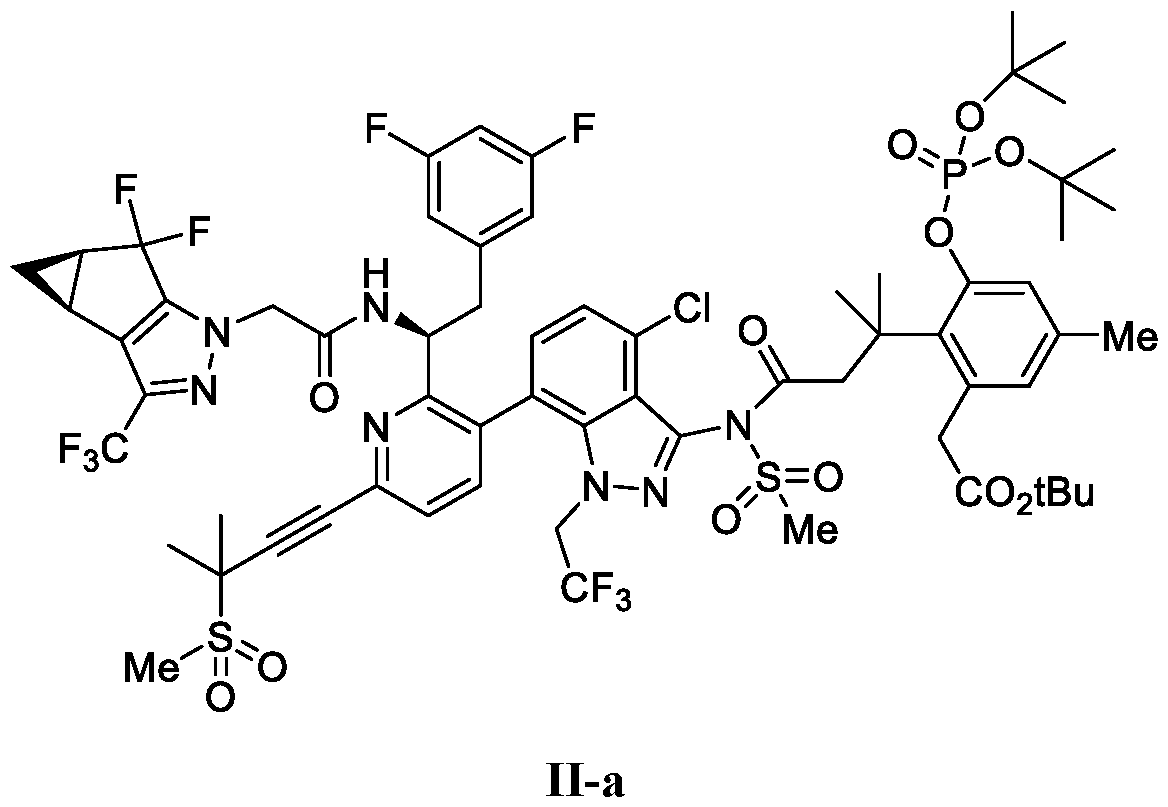
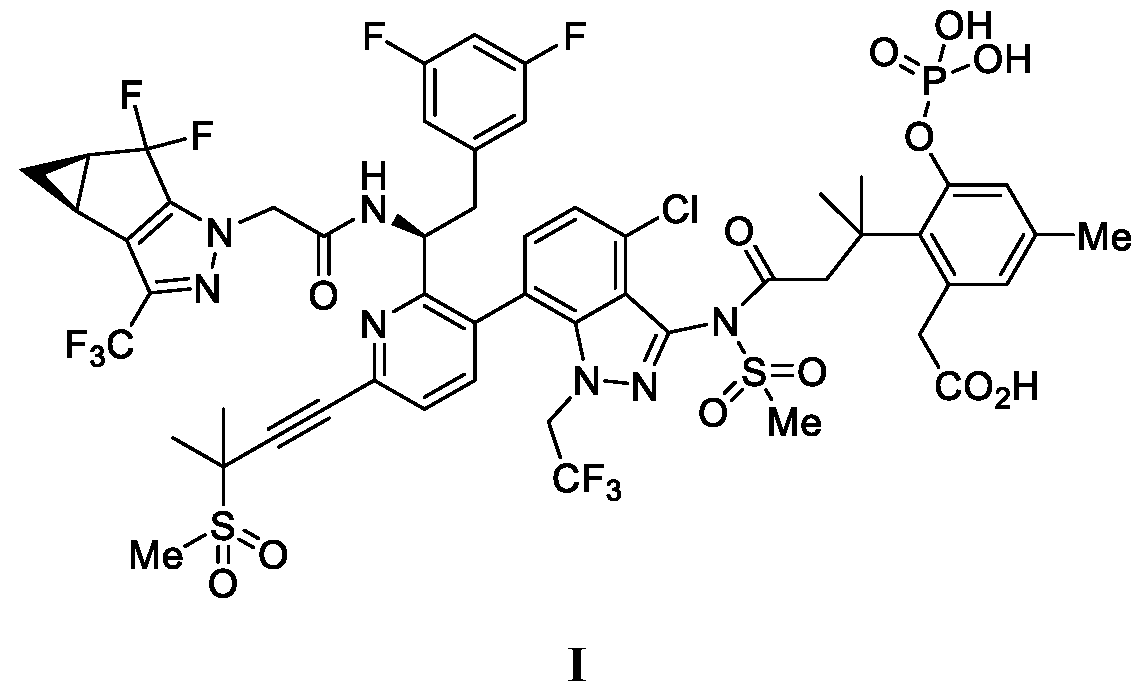


Priority Applications (2)
| Application Number | Priority Date | Filing Date | Title |
|---|---|---|---|
| AU2024280493A AU2024280493A1 (en) | 2023-05-31 | 2024-05-30 | Process of preparing hiv capsid inhibitor |
| CN202480035447.4A CN121399106A (en) | 2023-05-31 | 2024-05-30 | Methods for preparing HIV capsid inhibitors |
Applications Claiming Priority (2)
| Application Number | Priority Date | Filing Date | Title |
|---|---|---|---|
| US202363505320P | 2023-05-31 | 2023-05-31 | |
| US63/505,320 | 2023-05-31 |
Publications (1)
| Publication Number | Publication Date |
|---|---|
| WO2024249672A1 true WO2024249672A1 (en) | 2024-12-05 |
Family
ID=91670525
Family Applications (1)
| Application Number | Title | Priority Date | Filing Date |
|---|---|---|---|
| PCT/US2024/031733 Pending WO2024249672A1 (en) | 2023-05-31 | 2024-05-30 | Process of preparing hiv capsid inhibitor |
Country Status (5)
| Country | Link |
|---|---|
| US (1) | US20250011353A1 (en) |
| CN (1) | CN121399106A (en) |
| AU (1) | AU2024280493A1 (en) |
| TW (1) | TW202511253A (en) |
| WO (1) | WO2024249672A1 (en) |
Citations (7)
| Publication number | Priority date | Publication date | Assignee | Title |
|---|---|---|---|---|
| US20180051005A1 (en) | 2016-08-19 | 2018-02-22 | Gilead Sciences, Inc. | Therapeutic compounds |
| US20190083478A1 (en) | 2017-08-17 | 2019-03-21 | Gilead Sciences, Inc. | Choline salt forms of an HIV capsid inhibitor |
| US20190084963A1 (en) | 2017-08-17 | 2019-03-21 | Gilead Sciences, Inc. | Solid Forms Of an HIV Capsid Inhibitor |
| US20190300505A1 (en) | 2018-02-16 | 2019-10-03 | Gilead Sciences, Inc. | Methods and intermediates for preparing therapeutic compounds |
| US20200038389A1 (en) | 2018-07-16 | 2020-02-06 | Gilead Sciences, Inc. | Capsid inhibitors for the treatment of hiv |
| US20210188815A1 (en) | 2019-11-26 | 2021-06-24 | Gilead Sciences, Inc. | Capsid inhibitors for the prevention of hiv |
| WO2023102239A1 (en) * | 2021-12-03 | 2023-06-08 | Gilead Sciences, Inc. | Therapeutic compounds for hiv virus infection |
-
2024
- 2024-05-30 US US18/678,775 patent/US20250011353A1/en active Pending
- 2024-05-30 AU AU2024280493A patent/AU2024280493A1/en active Pending
- 2024-05-30 TW TW113120057A patent/TW202511253A/en unknown
- 2024-05-30 WO PCT/US2024/031733 patent/WO2024249672A1/en active Pending
- 2024-05-30 CN CN202480035447.4A patent/CN121399106A/en active Pending
Patent Citations (8)
| Publication number | Priority date | Publication date | Assignee | Title |
|---|---|---|---|---|
| US20180051005A1 (en) | 2016-08-19 | 2018-02-22 | Gilead Sciences, Inc. | Therapeutic compounds |
| US20190083478A1 (en) | 2017-08-17 | 2019-03-21 | Gilead Sciences, Inc. | Choline salt forms of an HIV capsid inhibitor |
| US20190084963A1 (en) | 2017-08-17 | 2019-03-21 | Gilead Sciences, Inc. | Solid Forms Of an HIV Capsid Inhibitor |
| US20190300505A1 (en) | 2018-02-16 | 2019-10-03 | Gilead Sciences, Inc. | Methods and intermediates for preparing therapeutic compounds |
| US20200038389A1 (en) | 2018-07-16 | 2020-02-06 | Gilead Sciences, Inc. | Capsid inhibitors for the treatment of hiv |
| US20210188815A1 (en) | 2019-11-26 | 2021-06-24 | Gilead Sciences, Inc. | Capsid inhibitors for the prevention of hiv |
| WO2023102239A1 (en) * | 2021-12-03 | 2023-06-08 | Gilead Sciences, Inc. | Therapeutic compounds for hiv virus infection |
| US11787825B2 (en) | 2021-12-03 | 2023-10-17 | Gilead Sciences, Inc. | Therapeutic compounds for HIV virus infection |
Non-Patent Citations (9)
| Title |
|---|
| "Introduction to Modern Liquid Chromatography", 1979, JOHN WILEY AND SONS |
| "Thin Layer Chromatography", 1969, SPRINGER-VERLAG |
| FOSTER: "Deuterium Isotope Effects in Studies of Drug Metabolism", TRENDS PHARMACOL. SCI., vol. 5, no. 12, 1984, pages 524 - 527, XP025943358, DOI: 10.1016/0165-6147(84)90534-0 |
| HAMMER, S.M. ET AL., JAMA, vol. 2008, no. 300, pages 555 - 570 |
| LOUDON: "Organic Chemistry", 2009, OXFORD UNIVERSITY PRESS |
| SMITH, R. J. ET AL., SCIENCE, vol. 2010, no. 327, pages 697 - 701 |
| SMITH: "March's Advanced Organic Chemistry: Reactions, Mechanisms, and Structure", 2013, WILEY-INTERSCIENCE |
| T. W. GREENEP. G. M. WUTS: "Protective Groups in Organic Synthesis", 2006, WILEY |
| TAIWO, B., INTERNATIONAL JOURNAL OF INFECTIOUS DISEASES, vol. 2009, no. 13, pages 552 - 559 |
Also Published As
| Publication number | Publication date |
|---|---|
| CN121399106A (en) | 2026-01-23 |
| US20250011353A1 (en) | 2025-01-09 |
| TW202511253A (en) | 2025-03-16 |
| AU2024280493A1 (en) | 2025-11-13 |
Similar Documents
| Publication | Publication Date | Title |
|---|---|---|
| EP3752496B1 (en) | Methods and intermediates for preparing a therapeutic compound useful in the treatment of retroviridae viral infection | |
| CN111484477B (en) | Benzopyridone heterocyclic compound and application thereof | |
| JP7209897B2 (en) | Bicyclic compounds as CRBN protein modulators | |
| EP3305769B1 (en) | Method for preparation of (7-phenoxy-4-hydroxy-1-methyl-isoquinoline-3-carbonyl)-glycine (roxedustat) and its intermediates based on simultaneous opening of oxazolic ring, fission of ether and creation of imine | |
| SK15892000A3 (en) | Process for synthesizing cox-2 inhibitors | |
| JP2022071077A (en) | N-Benzenesulfonylbenzamide compounds, compositions and uses thereof for inhibiting the Bcl-2 protein. | |
| CN105669751A (en) | Preparation of non-cyclic nucleotide phosphoamides and salts thereof and application of non-cyclic nucleotide phosphoamides and salts thereof in aspect of antivirus | |
| AU2015281021A1 (en) | Salt of halogen-substituted heterocyclic compound | |
| KR20170098869A (en) | Substituted pyridyl-cycloalkyl-carboxylic acids, compositions containing them and medical uses thereof | |
| JP7653456B2 (en) | Triazolone Compounds | |
| WO2024249672A1 (en) | Process of preparing hiv capsid inhibitor | |
| CN104892668B (en) | Prodrug and preparation method thereof before combretastatin analog water solublity | |
| KR20260018878A (en) | Method for preparing HIV capsid inhibitor | |
| CN103930388A (en) | Novel precursors of glutamate derivatives | |
| JP2018043952A (en) | Antitumor drug and composition containing the same | |
| KR101832238B1 (en) | Novel sulfonyloxymethylphosphonate derivatives and process for preparing diisopropyl ((1-(trityloxymethyl)-cyclopropyl)oxy)methylphosphonate using the same | |
| JP7716980B2 (en) | Estrogen receptor antagonists | |
| CN114057769A (en) | Macrocyclic pyridazine compound and application thereof | |
| KR102406246B1 (en) | 1,2,3-Triazole Derivative Compounds as HSP90 Inhibitor, and the Use Thereof | |
| JP3543383B2 (en) | Method for producing β-ketophosphonate derivative | |
| HK40098132A (en) | Methods and intermediates for preparing a therapeutic compound useful in the treatment of retroviridae viral infection | |
| TW202442243A (en) | Intermediates used for preparing oligonucleotide analogues or their salts and preparation method thereof | |
| HK40043126A (en) | Methods and intermediates for preparing a therapeutic compound useful in the treatment of retroviridae viral infection | |
| HK40043126B (en) | Methods and intermediates for preparing a therapeutic compound useful in the treatment of retroviridae viral infection | |
| CN121511080A (en) | A class of aromatic amide derivatives and their uses |
Legal Events
| Date | Code | Title | Description |
|---|---|---|---|
| 121 | Ep: the epo has been informed by wipo that ep was designated in this application |
Ref document number: 24736567 Country of ref document: EP Kind code of ref document: A1 |
|
| WWE | Wipo information: entry into national phase |
Ref document number: AU2024280493 Country of ref document: AU |
|
| WWE | Wipo information: entry into national phase |
Ref document number: 202517109597 Country of ref document: IN |
|
| ENP | Entry into the national phase |
Ref document number: 2024280493 Country of ref document: AU Date of ref document: 20240530 Kind code of ref document: A |
|
| WWE | Wipo information: entry into national phase |
Ref document number: CN2024800354474 Country of ref document: CN |
|
| WWP | Wipo information: published in national office |
Ref document number: 202517109597 Country of ref document: IN |
|
| NENP | Non-entry into the national phase |
Ref country code: DE |
|
| WWE | Wipo information: entry into national phase |
Ref document number: 2024736567 Country of ref document: EP |