WO2024240632A1 - Combination treatment and/or prevention of cardiac diseases in non-human mammals comprising one or more sglt-2 inhibitors and pimobendan and/or telmisartan - Google Patents
Combination treatment and/or prevention of cardiac diseases in non-human mammals comprising one or more sglt-2 inhibitors and pimobendan and/or telmisartan Download PDFInfo
- Publication number
- WO2024240632A1 WO2024240632A1 PCT/EP2024/063672 EP2024063672W WO2024240632A1 WO 2024240632 A1 WO2024240632 A1 WO 2024240632A1 EP 2024063672 W EP2024063672 W EP 2024063672W WO 2024240632 A1 WO2024240632 A1 WO 2024240632A1
- Authority
- WO
- WIPO (PCT)
- Prior art keywords
- pharmaceutically acceptable
- acceptable forms
- sglt
- pimobendan
- inhibitors
- Prior art date
- Legal status (The legal status is an assumption and is not a legal conclusion. Google has not performed a legal analysis and makes no representation as to the accuracy of the status listed.)
- Pending
Links
Classifications
-
- A—HUMAN NECESSITIES
- A61—MEDICAL OR VETERINARY SCIENCE; HYGIENE
- A61K—PREPARATIONS FOR MEDICAL, DENTAL OR TOILETRY PURPOSES
- A61K31/00—Medicinal preparations containing organic active ingredients
- A61K31/70—Carbohydrates; Sugars; Derivatives thereof
-
- A—HUMAN NECESSITIES
- A61—MEDICAL OR VETERINARY SCIENCE; HYGIENE
- A61K—PREPARATIONS FOR MEDICAL, DENTAL OR TOILETRY PURPOSES
- A61K31/00—Medicinal preparations containing organic active ingredients
- A61K31/33—Heterocyclic compounds
- A61K31/335—Heterocyclic compounds having oxygen as the only ring hetero atom, e.g. fungichromin
- A61K31/35—Heterocyclic compounds having oxygen as the only ring hetero atom, e.g. fungichromin having six-membered rings with one oxygen as the only ring hetero atom
- A61K31/351—Heterocyclic compounds having oxygen as the only ring hetero atom, e.g. fungichromin having six-membered rings with one oxygen as the only ring hetero atom not condensed with another ring
-
- A—HUMAN NECESSITIES
- A61—MEDICAL OR VETERINARY SCIENCE; HYGIENE
- A61K—PREPARATIONS FOR MEDICAL, DENTAL OR TOILETRY PURPOSES
- A61K31/00—Medicinal preparations containing organic active ingredients
- A61K31/33—Heterocyclic compounds
- A61K31/38—Heterocyclic compounds having sulfur as a ring hetero atom
- A61K31/382—Heterocyclic compounds having sulfur as a ring hetero atom having six-membered rings, e.g. thioxanthenes
-
- A—HUMAN NECESSITIES
- A61—MEDICAL OR VETERINARY SCIENCE; HYGIENE
- A61K—PREPARATIONS FOR MEDICAL, DENTAL OR TOILETRY PURPOSES
- A61K31/00—Medicinal preparations containing organic active ingredients
- A61K31/33—Heterocyclic compounds
- A61K31/395—Heterocyclic compounds having nitrogen as a ring hetero atom, e.g. guanethidine or rifamycins
- A61K31/41—Heterocyclic compounds having nitrogen as a ring hetero atom, e.g. guanethidine or rifamycins having five-membered rings with two or more ring hetero atoms, at least one of which being nitrogen, e.g. tetrazole
- A61K31/4164—1,3-Diazoles
- A61K31/4184—1,3-Diazoles condensed with carbocyclic rings, e.g. benzimidazoles
-
- A—HUMAN NECESSITIES
- A61—MEDICAL OR VETERINARY SCIENCE; HYGIENE
- A61K—PREPARATIONS FOR MEDICAL, DENTAL OR TOILETRY PURPOSES
- A61K31/00—Medicinal preparations containing organic active ingredients
- A61K31/33—Heterocyclic compounds
- A61K31/395—Heterocyclic compounds having nitrogen as a ring hetero atom, e.g. guanethidine or rifamycins
- A61K31/495—Heterocyclic compounds having nitrogen as a ring hetero atom, e.g. guanethidine or rifamycins having six-membered rings with two or more nitrogen atoms as the only ring heteroatoms, e.g. piperazine or tetrazines
- A61K31/50—Pyridazines; Hydrogenated pyridazines
- A61K31/501—Pyridazines; Hydrogenated pyridazines not condensed and containing further heterocyclic rings
-
- A—HUMAN NECESSITIES
- A61—MEDICAL OR VETERINARY SCIENCE; HYGIENE
- A61K—PREPARATIONS FOR MEDICAL, DENTAL OR TOILETRY PURPOSES
- A61K31/00—Medicinal preparations containing organic active ingredients
- A61K31/70—Carbohydrates; Sugars; Derivatives thereof
- A61K31/7028—Compounds having saccharide radicals attached to non-saccharide compounds by glycosidic linkages
- A61K31/7034—Compounds having saccharide radicals attached to non-saccharide compounds by glycosidic linkages attached to a carbocyclic compound, e.g. phloridzin
-
- A—HUMAN NECESSITIES
- A61—MEDICAL OR VETERINARY SCIENCE; HYGIENE
- A61K—PREPARATIONS FOR MEDICAL, DENTAL OR TOILETRY PURPOSES
- A61K31/00—Medicinal preparations containing organic active ingredients
- A61K31/70—Carbohydrates; Sugars; Derivatives thereof
- A61K31/7042—Compounds having saccharide radicals and heterocyclic rings
-
- A—HUMAN NECESSITIES
- A61—MEDICAL OR VETERINARY SCIENCE; HYGIENE
- A61K—PREPARATIONS FOR MEDICAL, DENTAL OR TOILETRY PURPOSES
- A61K31/00—Medicinal preparations containing organic active ingredients
- A61K31/70—Carbohydrates; Sugars; Derivatives thereof
- A61K31/7042—Compounds having saccharide radicals and heterocyclic rings
- A61K31/7048—Compounds having saccharide radicals and heterocyclic rings having oxygen as a ring hetero atom, e.g. leucoglucosan, hesperidin, erythromycin, nystatin, digitoxin or digoxin
-
- A—HUMAN NECESSITIES
- A61—MEDICAL OR VETERINARY SCIENCE; HYGIENE
- A61P—SPECIFIC THERAPEUTIC ACTIVITY OF CHEMICAL COMPOUNDS OR MEDICINAL PREPARATIONS
- A61P9/00—Drugs for disorders of the cardiovascular system
-
- A—HUMAN NECESSITIES
- A61—MEDICAL OR VETERINARY SCIENCE; HYGIENE
- A61P—SPECIFIC THERAPEUTIC ACTIVITY OF CHEMICAL COMPOUNDS OR MEDICINAL PREPARATIONS
- A61P9/00—Drugs for disorders of the cardiovascular system
- A61P9/10—Drugs for disorders of the cardiovascular system for treating ischaemic or atherosclerotic diseases, e.g. antianginal drugs, coronary vasodilators, drugs for myocardial infarction, retinopathy, cerebrovascula insufficiency, renal arteriosclerosis
Definitions
- the invention relates to the field of medicine, in particular to the field of veterinary medicine.
- the invention relates to the combination treatment and/or prevention of one or more cardiac diseases in a non-human mammal, in particular a dog or a cat, comprising one or more SGLT-2 inhibitors or a pharmaceutically acceptable form thereof and pimobendan and/or telmisartan or a pharmaceutically acceptable form thereof.
- SGLT-2 inhibitors were shown to reduce the risk for hospitalisation for heart failure and the risk of new onset of heart failure events in human patients with type II diabetes.
- a program called EMPEROR was initiated recently to investigate if empagliflozin shows favourable effects in human patients with heart disease independent of diabetes. It was recently announced that the EMPEROR-Reduced Phase III trial as part of the EMPEROR program showed that empagliflozin reduced the risk for the composite endpoint of cardiovascular death or hospitalization due to heart failure in adults with heart failure and reduced or preserved ejection fraction, with and without diabetes.
- SGLT-2 inhibitors have been used in clinical trials on different subsets of human patients suffering from heart failure.
- pathology of cardiac disease in dogs and cats differs significantly to the pathology observed in humans, where e.g., arteriosclerosis, which is not reported in dogs or cats, is the major concern.
- Cardiomyopathies are not a common cardiovascular disease in people. Also, they were defined as exclusion criteria for trial participation (McMurray JJV et al., Eur. J. Heart Fail. 2019; 21: 665-675; see page 667, table 1, item 9.).
- a known pharmaceutically active compound to treat heart failure is pimobendan (4,5-dihydro-6-[2-(4-meth- oxyphenyl)-lH-benzimidazol-5-yl]-5-methyl-3(2H)-pyridazinone) disclosed in EP 0 008 391 and having the formula:
- Pimobendan is a well-known compound for the treatment of congestive heart failure (CHF) originating for example from dilated cardiomyopathy (DCM) or mitral valve disease (MVD) in animals, especially dogs.
- CHF congestive heart failure
- DCM dilated cardiomyopathy
- MVD mitral valve disease
- Pi- mobendan is also approved as a drug product for cardiovascular treatment in humans in Japan.
- a known pharmaceutically active compound to treat systemic diseases is the angiotensin II receptor antagonist telmisartan (4'-[2-n-propyl-4-methyl-6-(l-methylbenzimidazol-2-yl)-ben- zimidazol-l-ylmethyl]-biphenyl-2 -carboxy lie acid), which was developed for the treatment of hypertension and other medical indications as disclosed in EP 0 502 314 and having the formula:
- Telmisartan is already sold on the market under the trade name Micardis® (Boehringer Ingelheim, Germany) for treatment / prophylaxis of humans. It exists in two polymorphic forms as disclosed in WO 00/043370, US 6,358,986 and US 6,410,742. Sodium salts of telmisartan and its solvate, hydrate, and hemihydrate are disclosed in WO 2003/037876.
- Canine (myxomatous) mitral-valve disease [(M)MVD] and dilated cardiomyopathy (DCM) are the most common cardiovascular conditions in dogs and the most frequent cause of canine heart failure.
- aortic stenosis typically caused by a ridge or ring of fibrotic tissue in the subaortic region (subaortic stenosis)
- Those conditions have specific pathophysiology, but are characterized by a reduced pump capacity, increased muscular effort and energy imbalance, finally resulting in heart failure.
- beneficial cardiovascular effects under the use of SGLT-2 inhibitors have been observed. However, the direct effect on the heart remains unknown.
- Stage B dogs in Stage B have a structural abnormality [e.g., the presence of (M)MVD], but have never had clinical signs of heart failure associated with their disease. Stage B is divided into:
- Stage B 1 describes asymptomatic dogs that have no radiographic or echocardiographic evidence of cardiac remodelling in response to their (M)MVD, as well as those in which remodelling changes are present, but not severe enough to meet current clinical trial criteria that have been used to determine that initiating treatment is warranted.
- Stage B2 refers to asymptomatic dogs that have more advanced mitral valve regurgitation that is hemodynam- ically severe and long-standing enough to have caused radiographic and echocardiographic findings of left atrial and ventricular enlargement that meet clinical trial criteria used to identify dogs that clearly should benefit from initiating pharmacologic treatment to delay the onset of heart failure.
- Stage D refers to dogs with end-stage (M)MVD, in which clinical signs of heart failure are refractory to standard treatment (defined later in this consensus statement). Such patients require advanced or specialized treatment strategies to remain clinically comfortable with their disease, and at some point, treatment efforts become futile without surgical repair of the valve.
- Stage C the panel has distinguished between dogs in Stage D that require acute, hospital-based treatment and those that can be managed as outpatients.
- Standard treatment is usually recommended as of stage Bl in order to slow progression of the disease, clinical treatment is clearly needed as of stage B2.
- Management of heart failure is palliative and is aimed at controlling clinical signs related to the presence of oedema and cavity effusion. These are accomplished through reducing preload and/or afterload by diuretics and vasodilators, improving cardiac performance (positive inotropes, positive lusitropes, antiarrhythmics), and using neurohormonal modulators (ACE inhibitors, and potentially 0- blockers, aldosterone antagonists, and angiotensin II receptor blockers).
- ACE inhibitors neurohormonal modulators
- Heart disease is one of the most common diseases of pet cats, affecting 10-15% of all cats (Freeman et al., Cardiol Res. 2017, 8(4): 139-142; Payne JR et al., J Vet Cardiol. 2015, 17(Suppll): S244-S257).
- Feline heart diseases are classified in congenital and acquired heart diseases. The majority of heart diseases are chronic, incurable and progress over time. After a sub-clinical stage, clinical signs of heart failure and ultimately cardiac death may occur. Typical symptoms for a heart disease are: poor general condition, weakness, lethargy, depression, anorexia, tachycardia, tachypnoea, dyspnoea, congestion, oedema, a low peripheral blood pressure and acute posterior paresis or paralysis. Cardiomyopathies are the most common heart diseases in cats.
- HC/HCM/HOCM Hypertrophic Cardiomyopathy
- RCM Restrictive Cardiomyopathy
- UCM Unclassified Cardiomyopathy
- ARVC Arrhythmo- genic Right Ventricular Cardiomyopathy
- DCM Dilated Cardiomyopathy
- the classification of the cardiomyopathy is based on echocardiographic measurements.
- HCM Hypertrophic Cardiomyopathy
- cardiomyopathies are thought to be the main reason for feline heart failure although not much seems to be known about the etiology of the different forms of disease.
- Lin Y et al. J Am Heart Assoc 2021, 10: e019274 discloses that dapagliflozin improves cardiac hemodynamics and mitigates arrhythmogenesis in mitral regurgitation-induced myocardial dysfunction.
- Nishinarity R et al. J Am Heart Assoc 2021, 10: e017483 discloses that canagliflozin suppresses atrial remodeling in a canine atrial fibrillation model.
- US 2011/098240 discloses a pharmaceutical composition comprising a SGLT-2 inhibitor in combination with a DPP IV inhibitor, which is suitable in the treatment or prevention of one or more conditions selected from type 1 diabetes mellitus, type 2 diabetes mellitus, impaired glucose tolerance and hyperglycemia.
- US 2015/164856 discloses one or more SGLT2 inhibitors or pharmaceutically acceptable forms thereof for use in the treatment and/or prevention of a metabolic disorder in a feline animal, preferably wherein the metabolic disorder is one or more selected from the group consisting of: ketoacidosis, pre-diabetes, diabetes mellitus type 1 or type 2, insulin resistance, obesity, hyperglycemia, impaired glucose tolerance, hyperinsulinemia, dyslipidemia, dysadipokinemia, subclinical inflammation, systemic inflammation, low grade systemic inflammation, hepatic lipidosis, atherosclerosis, inflammation of the pancreas, neuropathy and/or Syndrome X (metabolic syndrome) and/or loss of pancreatic beta cell function and/or wherein the remission of the metabolic disorder, preferably diabetic remission, is achieved and/or maintained.
- the metabolic disorder is one or more selected from the group consisting of: ketoacidosis, pre-diabetes, diabetes mellitus type 1 or type 2, insulin resistance, obesity,
- US 2016/000816 discloses certain SGLT-2 inhibitors for treating and/or preventing oxidative stress, for example in human patients with type 1 or type 2 diabetes, as well as to the use of such SGLT-2 inhibitors in treatment and/or prevention of cardiovascular diseases in human patients, for example type 1 or type 2 diabetes patients.
- US 2017/266152 discloses methods for preventing or treating acute or chronic heart failure and for reducing the risk of cardiovascular death, hospitalization for heart failure and other conditions in human patients with preserved or reduced ejection fraction by administering empagliflozin to the patient.
- US 2019/076395 discloses the use of certain SGLT-2 inhibitors, such as ertugliflozin or a pharmaceutically acceptable salt or a co-crystal thereof, for treating, reducing the risk of and/or preventing heart failure, myocardial infarction, cardiovascular disease or cardiovascular death in animals without type 2 or type 1 diabetes mellitus, or in animals with pre-diabetes, or in animals with type 2 or type 1 diabetes mellitus or pre-diabetes.
- certain SGLT-2 inhibitors such as ertugliflozin or a pharmaceutically acceptable salt or a co-crystal thereof
- US 10,537,570 discloses the use of pimobendan in a method of reducing the heart size and/or delaying the onset of clinical symptoms in a patient suffering from asymptomatic (occult, preclinical) heart failure, due to mitral valve disease.
- WO 2005/092343 describes the use of PDE-III inhibitors, such as pimobendan, for the reduction of heart size of a patient suffering from heart failure without, however, mentioning patients with asymptomatic (occult, preclinical) heart failure due to mitral valve disease (MVD).
- PDE-III inhibitors such as pimobendan
- WO 2007/054514 is directed to the use of PDE-III inhibitors, such as pimobendan, for the treatment of asymptomatic (also known as occult or preclinical) heart failure without, however, mentioning patients with asymptomatic (occult, preclinical) heart failure due to mitral valve disease (MVD).
- asymptomatic also known as occult or preclinical
- MMD mitral valve disease
- WO 2011/153953 discloses crystalline forms of benzylbenzene SGLT-2 inhibitors and mentions among others the treatment of chronic heart failure in humans.
- WO 2017/174571 discloses pimobendan for use in a method of reducing the heart size and/or delaying the onset of clinical symptoms in a patient suffering from asymptomatic (occult, preclinical) heart failure, preferably congestive heart failure, due to mitral valve disease (MVD), and/or delaying the onset of heart failure, preferably congestive heart failure, in a patient suffering from asymptomatic (occult, preclinical) heart failure, preferably congestive heart failure, due to mitral valve disease (MVD), wherein the patient is preferably a mammal, more preferably a human, a dog, a cat or a horse, and most preferably a dog.
- MVD mitral valve disease
- WO 2019/059557 / US 2020/054656 discloses a pharmaceutical composition comprising an SGLT-2 inhibitor and a therapeutic agent for treating hypertension.
- WO 2021/092341 / US 2023/000816 discloses sodiumglucose linked transporter inhibitors for the management of chronic kidney disease, hypertension and heart failure in companion animals.
- WO 2021/165177 / US 2021/260090 discloses the use of one or more SGLT-2 inhibitors or pharmaceutically acceptable forms thereof for the prophylaxis and/or treatment of one or more cardiac diseases in feline animals.
- WO 2022/036506 discloses a fixed dose combination of a compositions of SGLT-2 inhibitors and angiotensin receptor blockers.
- WO 2023/006718 discloses the use of one or more SGLT-2 inhibitors or pharmaceutically acceptable forms thereof for the prophylaxis and/or treatment of one or more cardiac diseases in a non-human mammal / nonhuman mammal patient excluding a feline, in particular a canine / canine patient.
- the present invention concerns one or more SGLT-2 inhibitors or pharmaceutically acceptable forms thereof in combination with pimobendan and/or telmisartan or pharmaceutically acceptable forms thereof for use as a medicament.
- the present invention also concerns the one or more SGLT-2 inhibitors or pharmaceutically acceptable forms thereof in combination with pimobendan and/or telmisartan or pharmaceutically acceptable forms thereof for use as herein disclosed and/or claimed in a method of prevention and/or treatment of one or more cardiac diseases in a non-human mammal / non-human mammal patient, in particular a canine / canine patient or a feline / feline patient.
- the present invention also concerns the one or more SGLT-2 inhibitors or pharmaceutically acceptable forms thereof in combination with pimobendan and/or telmisartan or pharmaceutically acceptable forms thereof for use as herein disclosed and/or claimed in a method of treatment of one or more cardiac diseases in a non-human mammal / non-human mammal patient, in particular a canine / canine patient or a feline / feline patient.
- the present invention also concerns the one or more SGLT-2 inhibitors or pharmaceutically acceptable forms thereof in combination with pimobendan and/or telmisartan or pharmaceutically acceptable forms thereof for use as herein disclosed and/or claimed, wherein the one or more cardiac diseases are selected from the group consisting of: acquired cardiac disease; congenital cardiac disease; heart failure; congestive heart failure; asymptomatic / preclinical / occult heart failure; heart failure due to (myxomatous) mitral valve disease [(M)MVD]; congestive heart failure due to (myxomatous) mitral valve disease [(M)MVD]; asymptomatic /preclinical / occult heart failure due to (myxomatous) mitral valve disease [(M)MVD]; (myxomatous) mitral valve disease [(M)MVD]; clinically overt (myxomatous) mitral valve disease [(M)MVD]; asymptomatic / preclinical / occult (
- the present invention also concerns the one or more SGLT-2 inhibitors or pharmaceutically acceptable forms thereof in combination with pimobendan and/or telmisartan or pharmaceutically acceptable forms thereof for use as herein disclosed and/or claimed, wherein the one or more cardiac diseases are selected from the group consisting of: acquired cardiac disease; congenital cardiac disease; heart failure; congestive heart failure; asymptomatic / preclinical / occult heart failure; (myxomatous) mitral valve disease [(M)MVD] ; clinically overt (myxomatous) mitral valve disease [(M)MVD] ; asymptomatic / preclinical / occult (myxomatous) mitral valve disease [(M)MVD]; dilated cardiomyopathy (DCM); clinically overt dilated cardiomyopathy (DCM); asymptomatic / preclinical / occult dilated cardiomyopathy (DCM), aortic stenosis (valvular
- a corresponding method of preventing and/or treating the above exemplified one or more cardiac diseases in a canine / canine patient comprising administering one or more SGLT-2 inhibitors or pharmaceutically acceptable forms thereof in combination with pimobendan and/or telmisartan or pharmaceutically acceptable forms thereof to such canine / canine patient as well as the corresponding use of one or more SGLT-2 inhibitors or pharmaceutically acceptable forms thereof in combination with pimobendan and/or telmisartan or pharmaceutically acceptable forms thereof for the preparation of a medicament for the prevention and/or treatment of the above exemplified one or more cardiac diseases in a canine / canine patient are also intended to be comprised by the present invention.
- the present invention also concerns the one or more SGLT-2 inhibitors or pharmaceutically acceptable forms thereof in combination with pimobendan and/or telmisartan or pharmaceutically acceptable forms thereof for use as herein disclosed and/or claimed, wherein the one or more cardiac diseases are selected from the group consisting of: (myxomatous) mitral valve disease [(M)MVD]; clinically overt (myxomatous) mitral valve disease [(M)MVD]; asymptomatic / preclinical / occult (myxomatous) mitral valve disease [(M)MVD]; dilated cardiomyopathy (DCM); clinically overt dilated cardiomyopathy (DCM); asymptomatic / preclinical / occult dilated cardiomyopathy (DCM); and wherein the non-human mammal / non-human mammal patient is a canine / canine patient; preferably a canine patient in need of such prevention and/or treatment; more preferably a
- a corresponding method of preventing and/or treating the above exemplified one or more cardiac diseases in a canine / canine patient comprising administering one or more SGLT-2 inhibitors or pharmaceutically acceptable forms thereof in combination with pimobendan and/or telmisartan or pharmaceutically acceptable forms thereof to such canine / canine patient as well as the corresponding use of one or more SGLT-2 inhibitors or pharmaceutically acceptable forms thereof in combination with pimobendan and/or telmisartan or pharmaceutically acceptable forms thereof for the preparation of a medicament for the prevention and/or treatment of the above exemplified one or more cardiac diseases in a canine / canine patient are also intended to be comprised by the present invention.
- the present invention also concerns the one or more SGLT-2 inhibitors or pharmaceutically acceptable forms thereof in combination with pimobendan and/or telmisartan or pharmaceutically acceptable forms thereof for use as herein disclosed and/or claimed, wherein the one or more cardiac diseases are selected from the group consisting of: acquired cardiac disease; congenital cardiac disease; heart failure; congestive heart failure; asymptomatic / preclinical / occult heart failure; heart failure due to one or more cardiomyopathies, heart failure due to hypertrophic cardiomyopathy (HCM), heart failure due to hypertrophic obstructive cardiomyopathy (HOCM), heart failure due to restrictive cardiomyopathy (RCM), heart failure due to dilated cardiomyopathy (DCM), heart failure due to unclassified cardiomyopathy (UCM), heart failure due to arrhythmogenic right ventricular cardiomyopathy (ARVC), hypertrophic cardiomyopathy (HCM), hypertrophic obstructive cardiomyopathy (HOCM), restrictive cardiomyopathy (RCM), dilated cardiacopathy (HC
- a corresponding method of preventing and/or treating the above exemplified one or more cardiac diseases in a feline / feline patient comprising administering one or more SGLT-2 inhibitors or pharmaceutically acceptable forms thereof in combination with pimobendan and/or telmisartan or pharmaceutically acceptable forms thereof to such feline / feline patient as well as the corresponding use of one or more SGLT-2 inhibitors or pharmaceutically acceptable forms thereof in combination with pimobendan and/or telmisartan or pharmaceutically acceptable forms thereof for the preparation of a medicament for the prevention and/or treatment of the above exemplified one or more cardiac diseases in a feline / feline patient are also intended to be comprised by the present invention.
- the present invention also concerns the one or more SGLT-2 inhibitors or pharmaceutically acceptable forms thereof in combination with pimobendan and/or telmisartan or pharmaceutically acceptable forms thereof for use as herein disclosed and/or claimed, wherein the one or more cardiac diseases are selected from the group consisting of: heart failure due to hypertrophic cardiomyopathy (HCM); hypertrophic cardiomyopathy (HCM); and wherein the non-human mammal / non-human mammal patient is a feline / feline patient; preferably a feline patient in need of such prevention and/or treatment, more preferably a cat in need of such prevention and/or treatment, even more preferably a non-diabetic cat in need of such prevention and/or treatment.
- HCM hypertrophic cardiomyopathy
- HCM hypertrophic cardiomyopathy
- a corresponding method of preventing and/or treating the above exemplified one or more cardiac diseases in a feline / feline patient comprising administering one or more SGLT-2 inhibitors or pharmaceutically acceptable forms thereof in combination with pimobendan and/or telmisartan or pharmaceutically acceptable forms thereof to such feline / feline patient as well as the corresponding use of one or more SGLT-2 inhibitors or pharmaceutically acceptable forms thereof in combination with pimobendan and/or telmisartan or pharmaceutically acceptable forms thereof for the preparation of a medicament for the prevention and/or treatment of the above exemplified one or more cardiac diseases in a feline / feline patient are also intended to be comprised by the present invention.
- the present invention also concerns the following preferred embodiments:
- the present invention also concerns the one or more SGLT-2 inhibitors or pharmaceutically acceptable forms thereof in combination with pimobendan and/or telmisartan or pharmaceutically acceptable forms thereof for the uses as herein disclosed and/or claimed, wherein the one or more SGLT-2 inhibitors are selected from the group consisting of:
- R 2 denotes H, methyl, methoxy or hydroxy (most preferably H) and
- R 3 denotes cyclopropyl, hydrogen, fluorine, chlorine, bromine, iodine, methyl, ethyl, propyl, isopropyl, butyl, sec-butyl, iso-butyl, tert-butyl, 3-methyl-but-l-yl, cyclobutyl, cyclopentyl, cyclohexyl, 1 -hydroxy -cyclopropyl, 1 -hydroxy -cyclobutyl, 1 -hydroxy -cyclopentyl, 1-hydroxy- cyclohexyl, ethinyl, ethoxy, difluoromethyl, trifluoromethyl, pentafluoroethyl, 2-hydroxyl- ethyl, hydroxymethyl, 3 -hydroxy -propyl, 2-hydroxy-2-methyl-prop-l-yl, 3 -hydroxy-3 -methyl- but-l-yl, 1 -hydroxy- 1-methyl-ethyl, 2,
- Tofogliflozin represented by formula (7):
- Ipragliflozin represented by formula (8):
- R denotes methoxy or trifluoro methoxy
- R 1 denotes Ci-3-alkoxy
- L 1 , L 2 independently of each other denote H or F
- R 6 denotes H, (Ci-3-alkyl)carbonyl, (Ci-6-alkyl)oxycarbonyl, phenyloxycarbonyl, benzyloxycarbonyl or benzylcarbonyl;
- R 3 denotes cyclopropyl, hydrogen, fluorine, chlorine, bromine, iodine, methyl, ethyl, propyl, isopropyl, butyl, sec-butyl, iso-butyl, tert-butyl, 3-methyl-but-l-yl, cyclobutyl, cyclopentyl, cyclohexyl, 1 -hydroxy -cyclopropyl, 1 -hydroxy -cyclobutyl, 1 -hydroxy -cyclo- pentyl, 1 -hydroxy -cyclohexyl, ethinyl, ethoxy, difluoromethyl, trifluoromethyl, pentafluoroethyl, 2-hydroxyl-ethyl, hydroxymethyl, 3 -hydroxy -propyl, 2 -hydroxy -2 -me- thyl-prop-l-yl, 3 -hydroxy -3-methyl-but-l-yl, 1-hydroxy
- the present invention also concerns the one or more SGLT-2 inhibitors or pharmaceutically acceptable forms thereof in combination with pimobendan and/or telmisartan or pharmaceutically acceptable forms thereof for use as herein disclosed and/or claimed, wherein the pharmaceutically acceptable form thereof is a crystalline complex between the one or more SGLT-2 inhibitors and one or more amino acids, preferably proline, more preferably L-proline; and most preferably is co-crystal of the one or more SGLT2 inhibitors, L-proline and crystalline water.
- the present invention also concerns the one or more SGLT-2 inhibitors or pharmaceutically acceptable forms thereof in combination with pimobendan and/or telmisartan or pharmaceutically acceptable forms thereof for use as herein disclosed and/or claimed, wherein velagliflozin or pharmaceutically acceptable forms thereof is to be administered as single SGLT-2 inhibitor in combination with pimobendan and/or telmisartan or pharmaceutically acceptable forms thereof; preferably wherein velagliflozin or pharmaceutically acceptable forms thereof is to be administered as single SGLT-2 inhibitor in combination with pimobendan; or wherein bexagliflozin or pharmaceutically acceptable forms thereof is to be administered as single SGLT-2 inhibitor in combination with pimobendan and/or telmisartan or pharmaceutically acceptable forms thereof; preferably wherein bexagliflozin or pharmaceutically acceptable forms thereof is to be administered as single SGLT-2 inhibitor in combination with pimobendan.
- velagliflozin or pharmaceutically acceptable forms thereof is combined with pimobendan only. In another embodiment, velagliflozin or pharmaceutically acceptable forms thereof is combined with pimobendan and telmisartan or pharmaceutically acceptable forms thereof. In another embodiment, velagliflozin or pharmaceutically acceptable forms thereof is combined with telmisartan or pharmaceutically acceptable forms thereof only. In another preferred embodiment, bexagliflozin or pharmaceutically acceptable forms thereof is combined with pimobendan only. In another embodiment, bexagliflozin or pharmaceutically acceptable forms thereof is combined with pimobendan and telmisartan or pharmaceutically acceptable forms thereof. In another embodiment, bexagliflozin or pharmaceutically acceptable forms thereof is combined with telmisartan or pharmaceutically acceptable forms thereof only.
- the present invention also concerns the one or more SGLT-2 inhibitors or pharmaceutically acceptable forms thereof in combination with pimobendan and/or telmisartan or pharmaceutically acceptable forms thereof for use as herein disclosed and/or claimed, wherein the one or more SGLT-2 inhibitors or pharmaceutically acceptable forms thereof are administered orally, parenterally, intravenously, subcutaneously or intramuscularly, preferably orally.
- the present invention also concerns the one or more SGLT-2 inhibitors or pharmaceutically acceptable forms thereof in combination with pimobendan and/or telmisartan or pharmaceutically acceptable forms thereof for use as herein disclosed and/or claimed, wherein the one or more SGLT-2 inhibitors or pharmaceutically acceptable forms thereof are to be administered at a dose of 0.01 mg/kg bodyweight to 10 mg/kg bodyweight per day, preferably at a dose of 0.01 mg/kg bodyweight to 5 mg/kg bodyweight per day, more preferably at a dose of 0.01 mg/kg bodyweight to 4 mg/kg bodyweight per day, even more preferably at a dose of 0.01 mg/kg bodyweight to 3 mg/kg bodyweight per day, even more preferably at a dose of 0.01 mg/kg bodyweight to 2 mg/kg bodyweight per day, even more preferably at a dose of 0.01 mg/kg bodyweight to 1 mg/kg bodyweight per day, even more preferably at a dose of 0.01 mg/kg bodyweight to 0.5 mg/kg body
- the one or more SGLT-2 inhibitors or pharmaceutically acceptable forms thereof are to be administered at a dose of 0.1 mg/kg bodyweight to 10 mg/kg bodyweight per day, preferably at a dose of 0.1 mg/kg bodyweight to 5 mg/kg bodyweight per day, more preferably at a dose of 0.1 mg/kg bodyweight to 4 mg/kg bodyweight per day, even more preferably at a dose of 0.1 mg/kg bodyweight to 3 mg/kg bodyweight per day, even more preferably at a dose of 0.1 mg/kg bodyweight to 2 mg/kg bodyweight per day, even more preferably at a dose of 0.1 mg/kg bodyweight to 1 mg/kg bodyweight per day, even more preferably at a dose of 0.1 mg/kg bodyweight to 0.5 mg/kg bodyweight per day, most preferably at a dose of 0.1 mg/kg body weight to 0.3 mg/kg body weight per day.
- the present invention also concerns the one or more SGLT-2 inhibitors or pharmaceutically acceptable forms thereof in combination with pimobendan and/or telmisartan or pharmaceutically acceptable forms thereof for use as herein disclosed and/or claimed, wherein such one or more SGLT-2 inhibitors or pharmaceutically acceptable forms thereof is to be administered once per day or twice per day, preferably once per day.
- the present invention also concerns the one or more SGLT-2 inhibitors or pharmaceutically acceptable forms thereof in combination with pimobendan and/or telmisartan or pharmaceutically acceptable forms thereof for use as herein disclosed and/or claimed, wherein pimobendan is to be administered at a dose of 0.1 mg/kg bodyweight to 1 mg/kg bodyweight per day, preferably 0.2 mg/kg bodyweight to 0.6 mg/kg bodyweight per day, more preferably 0.5 mg/kg bodyweight per day.
- the present invention also concerns the one or more SGLT-2 inhibitors or pharmaceutically acceptable forms thereof in combination with pimobendan and/or telmisartan or pharmaceutically acceptable forms thereof for use as herein disclosed and/or claimed, wherein pimobendan is to be administered once per day or twice per day, preferably twice a day, more preferably every twelve hours.
- the present invention also concerns the one or more SGLT-2 inhibitors or pharmaceutically acceptable forms thereof in combination with pimobendan and/or telmisartan or pharmaceutically acceptable forms thereof for use as herein disclosed and/or claimed, wherein the one or more SGLT-2 inhibitors are administered in combination with pimobendan and telmisartan or pharmaceutically acceptable forms thereof, preferably wherein the one or more SGLT-2 inhibitors or pharmaceutically acceptable forms thereof are to be administered before, after or concomitantly with administering pimobendan and telmisartan or pharmaceutically acceptable forms thereof.
- the present invention also concerns the one or more SGLT-2 inhibitors or pharmaceutically acceptable forms thereof in combination with pimobendan and/or telmisartan or pharmaceutically acceptable forms thereof for use as herein disclosed and/or claimed, wherein telmisartan or pharmaceutically acceptable forms thereof is to be administered at a dose of 0.01 to 10 mg/kg of bodyweight per day, preferably 0.05 to 8 mg/kg of bodyweight per day, even more preferably 0.1 to 5 mg/kg of bodyweight per day, even more preferably 0.2 to 4 mg/kg of bodyweight per day, even more preferably 0.3 to 3 mg/kg of bodyweight per day, even more preferably 0.4 to 2.5 mg/kg of bodyweight per day, even more preferably 0.5 to 2 mg/kg of bodyweight per day, most preferably 0.75 to 1.5 mg/kg of bodyweight per day.
- the present invention also concerns the one or more SGLT-2 inhibitors or pharmaceutically acceptable forms thereof in combination with pimobendan and/or telmisartan or pharmaceutically acceptable forms thereof for use as herein disclosed and/or claimed, wherein telmisartan or pharmaceutically acceptable forms thereof is to be administered once per day or twice per day, preferably once a day.
- the present invention also concerns the one or more SGLT-2 inhibitors or pharmaceutically acceptable forms thereof in combination with pimobendan and/or telmisartan or pharmaceutically acceptable forms thereof for use as herein disclosed and/or claimed, wherein the preventive and/or therapeutic effect is characterized by one or more of the following clinical and/or biochemical parameters: improved cardiometabolic efficiency, characterized by an increased ratio of [cardiac output / metabolic substrate consumed] and / or characterized by an increased ratio of [cardiac output / oxygen consumed]; increase of the production of ketone bodies in the liver, characterized by increased plasma levels of 3- hydroxybutyric acid and / or the corresponding acylcamitines, i.e., hydroxybutyrylcamitine, and increased plasma levels of one or more of the branched-chain amino acids (valine, leucine and isoleucine); improved cardiac function by achieved reduced pre- and/or afterload, improved arterial wall structure function; improved echocardiographic parameters, such as decreased LA (Lef
- NT-proBNP N-terminal prohormone of brain natriuretic peptide
- cTnl cardiac Troponin I
- erythropoietin concentration and/or changes of metabolites indicating a change of cardiac energy sources
- improved heart murmur delayed onset of different phenotypes of cardiac diseases, such as (M)MVD and/or DCM and/or cardiomyopathies, preferably at least by 1, 2, 3, 4, 5, 6, 7, 8, 9, 10, 11, 12, 13, 14, 15 or more months, or even stopped progression of different phenotypes of cardiac diseases, such as (M)MVD and/or DCM and/or cardiomyopathies
- longer time of survival preferably at least by 1, 2, 3, 4, 5, 6, 7, 8, 9, 10, 11, 12, 13, 14, 15 or more months, and/or delay of next episode of
- the present invention also concerns a pharmaceutical composition
- a pharmaceutical composition comprising one or more SGLT2 inhibitors or pharmaceutically acceptable forms thereof in combination with pimobendan and/or telmisartan or pharmaceutically acceptable forms thereof as herein disclosed and/or claimed for use herein disclosed and/or claimed, wherein preferably such pharmaceutical composition is a fixed-dose-combi- nation (FDC) of the one or more SGLT-2 inhibitors or pharmaceutically acceptable forms thereof and pi- mobendan and/or telmisartan or pharmaceutically acceptable forms thereof, wherein more preferably such FDC is a solid or a liquid formulation.
- FDC fixed-dose-combi- nation
- the present invention also concerns the one or more SGLT-2 inhibitors or pharmaceutically acceptable forms thereof as herein disclosed and/or claimed for use as a diuretic, optionally in combination with pimobendan and/or telmisartan or pharmaceutically acceptable forms thereof, in particular in the prevention and/or treatment of congestion, preferably fluid congestion (e.g., in heart failure, acute heart failure, congestive heart failure, oedema, pulmonary oedema, pulmonary congestion, ascites, decrease of the workload on the heart and arteries); and/or reduction of fluid volume excess, such as accumulation of fluid in body cavities, acute tissue oedema; and/or asthma; and/or forced diuresis (e.g., oliguria, intoxinations) in a nonhuman mammal.
- congestion e.g., in heart failure, acute heart failure, congestive heart failure, oedema, pulmonary oedema, pulmonary congestion, ascites, decrease of the workload on the heart and arteries
- velagliflozin or pharmaceutically acceptable forms thereof is used as a diuretic, optionally in combination with pimobendan and/or telmisartan or pharmaceutically acceptable forms thereof, in particular in the prevention and/or treatment of congestion, preferably fluid congestion (e.g., in heart failure, acute heart failure, congestive heart failure, oedema, pulmonary oedema, pulmonary congestion, ascites, decrease of the workload on the heart and arteries); and/or reduction of fluid volume excess, such as accumulation of fluid in body cavities, acute tissue oedema; and/or asthma; and/or support forced diuresis (e.g., oliguria, intoxinations).
- congestion e.g., in heart failure, acute heart failure, congestive heart failure, oedema, pulmonary oedema, pulmonary congestion, ascites, decrease of the workload on the heart and arteries
- fluid congestion e.g., in heart failure, acute heart failure, congestive heart failure,
- bexagliflozin or pharmaceutically acceptable forms thereof is used as a diuretic, optionally in combination with pimobendan and/or telmisartan or pharmaceutically acceptable forms thereof, in particular in the prevention and/or treatment of congestion, preferably fluid congestion (e.g., in heart failure, acute heart failure, congestive heart failure, oedema, pulmonary oedema, pulmonary congestion, ascites, decrease of the workload on the heart and arteries); and/or reduction of fluid volume excess, such as accumulation of fluid in body cavities, acute tissue oedema; and/or asthma; and/or support forced diuresis (e.g., oliguria, intoxinations).
- congestion e.g., in heart failure, acute heart failure, congestive heart failure, oedema, pulmonary oedema, pulmonary congestion, ascites, decrease of the workload on the heart and arteries
- fluid congestion e.g., in heart failure, acute heart failure, congestive heart failure,
- the advantages according to the present invention are one or more of the following: dose reduction of the individual active ingredients (independently from each other) and/or replacement of further concomitant treatments (e.g. diuretics) as compared to single respective treatment dose reduction of further concomitant treatments (e.g. diuretics) as compared to standard of care treatment higher cardiac efficiency increased heart health via cardiomyocyte protection less side effects (e.g. cardiac death, hospitalization)
- the “non-human mammal” is selected from the group consisting of: bovine, canine, caprine, equine, feline, lagomorphs, ovine, porcine, rodent; more preferably is selected from the group consisting of: cattle, cow, dog, cat, goat, horse, pony, donkey, sheep, pig, rabbit, rat, mouse; even more preferably selected from the group consisting of: canine or feline ; most preferably selected from the group consisting of: dog or cat.
- the term “canine animal” or “canine” refers to any member of the canidae family (i.e., a canid).
- canine animal encompasses the term dog, e.g., a domestic dog.
- domestic dog encompasses the terms Canis familiaris or Canis lupus familiaris.
- the canine animal or canine is a dog, in particular a domestic dog.
- feline animal or feline refers to any member of the Felidae family (i.e., a felid). It may thus belong either to the subfamily felinae or the subfamily pantherinae.
- feline animal encompasses the term cat, e.g., a domestic cat.
- domestic cat encompasses the terms Felis catus and Felis silvestris catus.
- the feline animal or feline is a cat, in particular a domestic cat.
- cats In cats, the most commonly seen sign of heart failure is the development of difficult breathing (dyspnoea) and/or more rapid breathing (tachypnoea). This is generally caused by either a build-up of fluid in the chest cavity around the lungs (called a pleural effusion), or due to a build-up of fluid within the lungs themselves (called pulmonary oedema).
- cats may have cold extremities (e.g., ears and paws), and may have pale mucous membranes (gums and eyes) suggesting poor circulation. Occasionally, the mucous membranes of the mouth and eyes, and even the skin, may show signs of cyanosis (a bluish colour).
- a thrombus blood clot
- a thrombus blood clot
- the thrombus, or clot is initially attached to the wall of the heart, but may become dislodged and be carried into the blood leaving the heart.
- embolus A thrombus that moves into the blood circulation is called an embolus, hence the term ‘thromboembolism’.
- emboli Once in the circulation, these emboli can lodge in small arteries and obstruct the flow of blood to regions of the body. Although this can happen at a number of different sites, it more commonly occurs towards the end of the major artery that leaves the heart (the aorta) as it divides to supply blood to the back legs. This complication is seen most commonly with HCM and will cause a sudden onset of paralysis to one or both back legs, with severe pain and considerable distress.
- this clinical sign of heart failure is improved/delayed in cats after treatment with SGLT-2 inhibitors in combination with pi- mobendan and/or telmisartan or pharmaceutically acceptable forms thereof or clinically relevant delayed in occurrence as compared to the untreated course of the disease development, preferably at least by 1, 2, 3, 4, 5, 6, 7, 8, 9, 10, 11, 12, 13, 14, 15 or more months.
- the survival time of cats with cardiac disease(s) after treatment with SGLT-2 inhibitors in combination with pimobendan and/or telmisartan or pharmaceutically acceptable forms thereof is clinically relevant increased at least by 1, 2, 3, 4, 5, 6, 7, 8, 9, 10, 11, 12, 13, 14, 15 or more months, preferably at least by 6 months, as compared to untreated cats with cardiac disease(s).
- heart disease is synonymous with “cardiac disease” and refers to any disorder and deformities of the heart itself, which affect the heart’s structure and function.
- cardiac disease There are many types of heart disease that affect different parts of the organ and occur in different ways including congenital heart diseases (e.g., septal defects, obstruction defects), arrhythmias (e.g., tachycardia, bradycardia and fibrillation) and cardiomyopathies.
- heart failure also known as congestive heart failure and congestive cardiac failure
- congestive heart failure refers to the pathophysiological process in which the heart cannot pump sufficiently to maintain the blood flow through the body to meet the metabolic requirements (oxygen and substrates) of peripheral tissues and organs. It can also be defined as a complex clinical syndrome that is based on abnormal structure or function of the heart and which is characterized by symptoms like exercise intolerance, dyspnoea, fatigue, fluid retention and reduced longevity.
- systolic failure where the ejection of blood out of the heart in the systole is affected
- diastolic failure where the heart is not able to receive enough blood in the ventricular cavities at low pressure during diastole. It is mostly a chronic disease due to a chronic work overload of the heart or developed after an acute hemodynamic stress due to fluid overload, a valvular dysfunction or a myocardial infarction.
- cardiomyopathy refers to a group of diseases that affect the heart muscle being the most common form of heart disease seen in cats, and the most common cause of heart failure. Cardiomyopathies are described according to the effect they have on the structure and function of the cardiac muscle. Types of cardiomyopathy include: hypertrophic cardiomyopathy (HCM), hypertrophic obstructive cardiomyopathy (HOCM), restrictive cardiomyopathy (RCM), unclassified cardiomyopathy (UCM), arrhythmogenic right ventricular cardiomyopathy (ARVC) and dilated cardiomyopathy (DCM). The classification is based on echocardiographic measurements.
- HCM hypertrophic cardiomyopathy
- HOCM hypertrophic obstructive cardiomyopathy
- RCM restrictive cardiomyopathy
- UCM unclassified cardiomyopathy
- ARVC arrhythmogenic right ventricular cardiomyopathy
- DCM dilated cardiomyopathy
- Hypertrophic cardiomyopathy is the most prevalent feline cardiac disorder. It affects most commonly middle-aged cats (average 6.5 years), but all ages are affected. There is a male predisposition (> 75%). In humans, there is an important hereditary predisposition for HCM in 55% of cases. In people, this disorder may be congenital or acquired, and probably represents a group of diseases. Although the etiology of feline HCM is unknown, the Persian and Maine coon cat have appeared to be predisposed in some case series, suggesting a genetic influence. As is the case with systemic hypertension, hyperthyroidism, and aortic stenosis, HCM is associated with marked left ventricular hypertrophy, but in this instance, no underlying cause can be identified.
- Cardiac lesions are typified by severe left ventricular concentric hypertrophy and secondary left atrial dilatation.
- Asymmetric septal hypertrophy (ASH), present in the majority of dogs and humans with HCM, is present in only 30% of cats with HCM.
- Histological cardiac myofiber disarray is reported in 27% of affected cats and only in those with asymmetric septal hypertrophy.
- Other histological features of feline HCM include myocardial and endocardial fibrosis and narrowed coronary arteries. Dynamic aortic outflow obstruction, secondary mitral insufficiency, myocardial ischemia, and systemic arterial embolism (SAE) may complicate this syndrome.
- SAE systemic arterial embolism
- the left heart is predominately affected and clinical signs manifested as sudden death or, more commonly, acute left heart failure due to diastolic dysfunction.
- Pleural effusion is occasionally associated with HCM.
- Systolic function is usually adequate or enhanced. Stressful incidents, such as a car ride, restraint for an ECG, confrontation with a dog, or an embolic event may precipitate in left heart failure and pulmonary oedema.
- a hypertrophic obstructive cardiomyopathy is characterized by a left ventricular hypertrophy combined with an outflow obstruction of the left ventricle into the aorta.
- the degree of obstruction and clinical presentation is dependent upon the extent of hypertrophy. It most commonly affects the ventricular septum, although any portion of the left ventricle can be affected.
- Restrictive Cardiomyopathy occurs when ventricular diastolic compliance is impaired (i.e., stiffness is increased) by infiltration of the endocardium, subendocardium, or myocardium by fibrous tissue or another component.
- specific causes such as amyloidosis and eosinophilic infiltration are causes of RCM
- specific causes for RCM have not been clearly defined in the cat.
- DTI left ventricular diastolic function
- necropsy examination it is often impossible to distinguish this disorder from the form or forms of unclassified cardiomyopathy that are idiopathic.
- the precise etiology of feline RCM is unknown. However, there is some evidence that it may be inflammatory in nature.
- DCM Dilated cardiomyopathy
- Unclassified Cardiomyopathy in recent years an increasing number of cats have been identified that do not fit into any recognized disease classification using echocardiographic and pathological criteria. Typically, these cats have severe biatrial enlargement, normal left ventricles or mild hypertrophy and normal or slightly decreased systolic function, but they do not have the typical post-mortem findings of fibrosis seen in restrictive cardiomyopathy. Many cats have enlargement of the right ventricle, ft is not known if these cats represent a progressive or regressive form of other known cardiomyopathic states.
- Arrhythmogenic Right Ventricular Cardiomyopathy (ARVC): this form of cardiomyopathy has recently been described in cats. The etiology is unknown, however a familial form has been reported in humans, ft is characterized by severe right atrial and ventricular enlargement and marked tricuspid regurgitation due to distortion of the tricuspid valve; arrhythmias are common, ft is possible that cases of ARVC have previously been misdiagnosed as tricuspid valve dysplasia.
- the term “(myxomatous) mitral valve disease” [(M)MVD] refers to the most common cardiovascular condition in dogs and the most frequent cause of (congestive) heart failure, affecting primally small breed dogs over 5 years of age.
- the pathophysiology of (myxomatous) mitral valve disease is characterized by the progressive dilation of the left ventricle and the left atrium resulting from degenerative changes and an insufficiency of the mitral valve.
- the valve defect leads to a blood back-flow and reduced ejection fraction and represents an additional effort to the heart causing an enlargement of the left ventricle that if untreated, weakens, leading to congestive heart failure (CHF).
- CHF congestive heart failure
- DCM diilated cardiomyopathy
- the term “asymptomatic (occult, preclinical) (myxomatous) mitral valve disease [(M)MVD]” relates to any contractile disorder or disease of the heart which is due to / secondary to (M)MVD - however, yet without any clinical symptoms of (congestive) heart failure.
- it relates to heart failure due to (M)MVD of ISACHC Class I (Class IA and/or Class IB), NYHA Class I and ACVIM stage B2.
- asymptomatic (occult, preclinical) dilated cardiomyopathy relates to any contractile disorder or disease of the heart which is due to / secondary to DCM - however, yet without any clinical symptoms of (congestive) heart failure.
- DCM dilated cardiomyopathy
- it relates to heart failure due to DCM of ISACHC Class I.
- the term “one or more SGLT-2 inhibitors or pharmaceutically acceptable forms thereof in combination with pimobendan” relates to the medical combination of the two or more active ingredients, i.e. the one or more SGLT-2 inhibitors or pharmaceutically acceptable forms thereof are administered to the non-human mammal (patient) before, after or concomitantly with administering pimobendan.
- the two or more active ingredients can be present in the same dosage form and as a result are concomitantly administered.
- the two or more active ingredients can be present in separate (identical or different) dosage forms for administration after one another at different time points (“before” or “after” aspects) or at the same time point (“concomitantly” aspect).
- SGLT-2 inhibitors for use according to the invention include, but are not limited to, glucopyranosyl-substi- tuted benzene derivatives, for example as described in WO 01/27128, WO 03/099836, WO 2005/092877, WO 2006/034489, WO 2006/064033, WO 2006/117359, WO 2006/117360, WO 2007/025943,
- WO 2007/028814 WO 2007/031548, WO 2007/093610, WO 2007/128749, WO 2008/049923, WO 2008/055870, WO 2008/055940, WO 2009/022020 or WO 2009/022008.
- the one or more SGLT-2 inhibitors for use according to the invention may be selected from the group consisting of the following compounds or pharmaceutically acceptable forms thereof:
- R 2 denotes H, methyl, methoxy or hydroxy (most preferably H) and
- R 3 denotes cyclopropyl, hydrogen, fluorine, chlorine, bromine, iodine, methyl, ethyl, propyl, isopropyl, butyl, sec-butyl, iso-butyl, tert-butyl, 3-methyl-but-l-yl, cyclobutyl, cyclopentyl, cyclohexyl, 1 -hydroxy -cyclopropyl, 1 -hydroxy -cyclobutyl, 1 -hydroxy -cyclopentyl, 1-hydroxy- cyclohexyl, ethinyl, ethoxy, difluoromethyl, trifluoromethyl, pentafluoroethyl, 2-hydroxyl- ethyl, hydroxymethyl, 3 -hydroxy -propyl, 2-hydroxy-2-methyl-prop-l-yl, 3 -hydroxy-3 -methyl- but-l-yl, 1 -hydroxy- 1-methyl-ethyl, 2,
- Tofogliflozin represented by formula (7):
- Ipragliflozin represented by formula (8):
- R 1 denotes Ci-3-alkoxy
- L 1 , L 2 independently of each other denote H or F
- R 6 denotes H, (Ci-3-alkyl)carbonyl, (Ci-6-alkyl)oxycarbonyl, phenyloxycarbonyl, benzyloxycarbonyl or benzylcarbonyl;
- R 3 denotes cyclopropyl, hydrogen, fluorine, chlorine, bromine, iodine, methyl, ethyl, propyl, isopropyl, butyl, sec-butyl, iso-butyl, tert-butyl, 3-methyl-but-l-yl, cyclobutyl, cyclopentyl, cyclohexyl, 1 -hydroxy -cyclopropyl, 1 -hydroxy -cyclobutyl, 1 -hydroxy -cyclo- pentyl, 1 -hydroxy -cyclohexyl, ethinyl, ethoxy, difluoromethyl, trifluoromethyl, pentafluoroethyl, 2-hydroxyl-ethyl, hydroxymethyl, 3 -hydroxy -propyl, 2 -hydroxy -2 -me- thyl-prop-l-yl, 3 -hydroxy -3-methyl-but-l-yl, 1-hydroxy
- velagliflozin refers to velagliflozin of the above structure as well as pharmaceutically acceptable forms thereof, including hydrates and solvates thereof, and crystalline forms thereof.
- pharmaceutically acceptable forms thereof including hydrates and solvates thereof, and crystalline forms thereof.
- the compound, methods of its synthesis and co-crystals thereof are described in WO 2007/128749, WO 2014/016381 and WO 2019/121509 for example.
- dipagliflozin refers to dapagliflozin of the above structure as well as pharmaceutically acceptable forms thereof, including hydrates and solvates thereof, and crystalline forms thereof.
- the compound and methods of its synthesis are described in WO 03/099836 for example.
- Preferred hydrates, solvates and crystalline forms are described in the patent applications WO 2008/116179 and WO 2008/002824 for example.
- canagliflozin refers to canagliflozin of the above structure as well as pharmaceutically acceptable forms thereof, including hydrates and solvates thereof, and crystalline forms thereof.
- the compound and methods of its synthesis are described in WO 2005/012326 and WO 2009/035969 for example.
- Preferred hydrates, solvates and crystalline forms are described in the patent application WO 2008/069327 for example.
- epipagliflozin refers to empagliflozin of the above structure as well as pharmaceutically acceptable forms thereof, including hydrates and solvates thereof, and crystalline forms thereof.
- the compound and methods of its synthesis are described in WO 2005/092877, WO 2006/120208 and WO 2011/039108 for example.
- a preferred crystalline form is described in the patent applications WO 2006/117359 and WO 2011/039107 for example.
- atigliflozin refers to atigliflozin of the above structure as well as pharmaceutically acceptable forms thereof, including hydrates and solvates thereof, and crystalline forms thereof.
- pharmaceutically acceptable forms thereof including hydrates and solvates thereof, and crystalline forms thereof.
- the compound and methods of its synthesis are described in WO 2004/007517 for example.
- ipragliflozin refers to ipragliflozin of the above structure as well as pharmaceutically acceptable forms thereof, including hydrates and solvates thereof, and crystalline forms thereof.
- the compound and methods of its synthesis are described in WO 2004/080990, WO 2005/012326 and WO 2007/114475 for example.
- tofogliflozin refers to tofogliflozin of the above structure as well as pharmaceutically acceptable forms thereof, including hydrates and solvates thereof, and crystalline forms thereof.
- luseogliflozin refers to luseogliflozin of the above structure as well as pharmaceutically acceptable forms thereof, including hydrates and solvates thereof, and crystalline forms thereof.
- ertugliflozin refers to ertugliflozin of the above structure as well as pharmaceutically acceptable forms thereof, including hydrates and solvates thereof, and crystalline forms thereof.
- the compound is described for example in WO 2010/023594.
- remogliflozin refers to remogliflozin of the above structure as well as pharmaceutically acceptable forms thereof, including prodrugs of remogliflozin, in particular remogliflozin etabonate, including hydrates and solvates thereof, and crystalline forms thereof. Methods of its synthesis are described in the patent applications EP 1 213 296 and EP 1 354 888 for example.
- sergliflozin refers to sergliflozin of the above structure as well as pharmaceutically acceptable forms thereof, including prodrugs of sergliflozin, in particular sergliflozin etabonate, including hydrates and solvates thereof, and crystalline forms thereof. Methods for its manufacture are described in the patent applications EP 1 344 780 and EP 1 489 089 for example.
- bexagliflozin refers to bexagliflozin of the above structure as well as pharmaceutically acceptable forms thereof, including hydrates and solvates thereof, and crystalline forms thereof.
- pharmaceutically acceptable forms thereof including hydrates and solvates thereof, and crystalline forms thereof.
- the compound and methods of its synthesis are described in WO 2009/026537 for example.
- TFC-039 refers to the above structure as well as pharmaceutically acceptable forms thereof, including hydrates and solvates thereof, and crystalline forms thereof.
- the compound and methods of its synthesis are described in WO 2012/160218 for example.
- Preferred SGLT-2 inhibitors are glucopyranosyl-substituted benzene derivatives.
- one or more hydroxyl groups of the glucopyranosyl group in such one or more SGLT-2 inhibitors may be acylated with groups selected from (Ci-is-alkyl)carbonyl, (Ci-is-alkyl)oxycarbonyl, phenylcarbonyl and phenyl-(Ci-3-alkyl)- carbonyl.
- glucopyranosyl-substituted benzonitrile derivatives of formula (1) as disclosed herein above.
- R 3 denotes cyclopropyl, hydrogen, fluorine, chlorine, bromine, iodine, methyl, ethyl, propyl, isopropyl, butyl, sec-butyl, iso-butyl, tert-butyl, 3-methyl-but-l-yl, cyclobutyl, cyclopentyl, cyclohexyl, 1-hy- droxy-cyclopropyl, 1-hydroxy-cyclobutyl, 1 -hydroxy -cyclopentyl, 1 -hydroxy -cyclohexyl, ethinyl, ethoxy, difluoromethyl, trifluoromethyl, pentafluoroethyl, 2-hydroxyl-ethyl, hydroxymethyl, 3 -hydroxy- propyl, 2-hydroxy-2-methyl-prop-l-yl, 3 -hydroxy-3 -methyl-but-l-yl, 1 -hydroxy- 1-methyl-ethyl, 2,
- such SGLT-2 inhibitor is velagliflozin as shown in formula (2).
- one or more hydroxyl groups of the P-D-glucopyranosyl group of velagliflozin may be acylated with groups selected from (CMS- alkyl)carbonyl, (Ci-is-alkyl)oxycarbonyl, phenylcarbonyl and phenyl-(Ci-3-alkyl)-carbonyl.
- the at least one SGLT-2 inhibitor according to the present invention is a glucopyranosyl-substituted benzene derivative SGLT-2 inhibitor, preferably a SGLT-2 inhibitor of formula (1), more preferably of formula (18), or yet more preferably of formula (2), i.e. velagliflozin, in each case as defined herein above.
- such SGLT-2 inhibitor is bexagliflozin as shown in formula (19).
- one or more hydroxyl groups of the P-D-glucopyranosyl group of bexagliflozin may be acylated with groups selected from (Ci-is-alkyl)carbonyl, (Ci-is-alkyl)oxycarbonyl, phenylcarbonyl and phenyl-(Ci-3-alkyl)- carbonyl.
- the at least one SGLT-2 inhibitor according to the present invention is a glucopyranosyl-substituted benzene derivative SGLT-2 inhibitor, preferably an SGLT-2 inhibitor of formula (19), i.e. bexagliflozin, in each case as defined herein above.
- references to SGLT-2 inhibitors and/or their use according to the invention encompass pharmaceutically acceptable forms of the SGLT-2 inhibitors, unless otherwise stated.
- any pharmaceutically acceptable form of the SGLT-2 inhibitor e.g. of formula (1), preferably formula (18), more preferably formula (2), may be used.
- a crystalline form may be used.
- Prodrug forms are also encompassed by the present invention.
- Prodrug forms may include, e.g., esters and/or hydrates.
- the term “prodrug” is also meant to include any covalently bonded carrier, which releases the active compound of the invention in vivo when the prodrug is administered to a mammalian subject.
- Prodrugs of a compound of the invention may be prepared by modifying functional groups present in the compound of the invention in such a way that the modifications are cleaved, either in routine manipulation or in vivo, to the parent compound of the invention.
- Crystalline forms for use according to the invention include a complex of an SGLT-2 inhibitor with one or more amino acids (see e.g., WO 2014/016381) - so-called co-crystals.
- An amino acid for such use may be a natural amino acid.
- the amino acid may be a proteogenic amino acid (including L-hydroxyproline), or a non- proteogenic amino acid.
- the amino acid may be a D- or an L-amino acid.
- the amino acid is proline (L-proline and/or D-proline, preferably L-proline).
- a crystalline complex / cocrystal of velagliflozin with proline (e.g., L-proline) and crystalline water is preferred.
- a crystalline complex / co-crystal between one or more natural amino acids and an SGLT-2 inhibitor e.g., a crystalline complex / co-crystal between one or more natural amino acids and a glucopyranosyl-substituted benzene derivative SGLT-2 inhibitor, preferably a SGLT-2 inhibitor of formula (1), more preferably of formula (18) or yet more preferably of formula (2) (velagliflozin).
- a certain pharmaceutical activity is the basic prerequisite to be fulfilled by a pharmaceutically active agent before it is approved as a medicament on the market.
- a pharmaceutically active agent has to comply with. These requirements are based on various parameters, which are connected with the nature of the active substance itself. Without being restrictive, examples of these parameters are the stability of the active agent under various environmental conditions, its stability during production of the pharmaceutical formulation and the stability of the active agent in the final medicament compositions.
- the pharmaceutically active substance used for preparing the pharmaceutical compositions should be as pure as possible and its stability in long-term storage must be guaranteed under various environ- mental conditions. This is essential to prevent the use of pharmaceutical compositions, which contain, in addition to the actual active substance, breakdown products thereof, for example. In such cases, the content of active substance in the medicament might be less than that specified.
- Uniform distribution of the medicament in the formulation is a critical factor, particularly when the medicament has to be given in low doses.
- the particle size of the active substance can be reduced to a suitable level, e.g., by grinding. Since breakdown of the pharmaceutically active substance as a side effect of the grinding (or micronizing) has to be avoided as far as possible, in spite of the hard conditions required during the process, it is essential that the active substance should be highly stable throughout the grinding process. Only if the active substance is sufficiently stable during the grinding process it is possible to produce a homogeneous pharmaceutical formulation, which always contains the specified amount of active substance in a reproducible manner.
- the stability of a pharmaceutically active substance is also important in pharmaceutical compositions for determining the shelf life of the particular medicament; the shelf life is the length of time during which the medicament can be administered without any risk. High stability of a medicament in the abovementioned pharmaceutical compositions under various storage conditions is therefore an additional advantage for both the patient and the manufacturer.
- compositions with a tendency to absorb moisture have to be protected from moisture during storage, e.g., by the addition of suitable drying agents or by storing the drug in an environment where it is protected from moisture.
- a pharmaceutically active substance should be at best slightly hygroscopic.
- a crystalline complex / co-crystal between a natural amino acid and an SGLT-2 inhibitor (e.g. a glucopyra- nosyl-substituted benzene derivative or a SGLT-2 inhibitor of formula (1), or formula (18) or, particularly, of formula (2), i.e. velagliflozin) fulfills important requirements mentioned hereinbefore.
- SGLT-2 inhibitors or pharmaceutically acceptable forms thereof for use according to the invention may be prepared as pharmaceutical compositions. They may be prepared as solid or as liquid formulations. In either case, they are preferably prepared for oral administration, preferably in liquid form for oral administration (see e.g., WO 2017/032799).
- the SGLT-2 inhibitors or pharmaceutically acceptable forms thereof may, however, also be prepared, e.g., for parenteral administration.
- Solid formulations include tablets, granular forms, and other solid forms such as suppositories. Among solid formulations, tablets and granular forms are preferred.
- Pimobendan for use according to the invention may be prepared as pharmaceutical compositions. It may be prepared as solid or as liquid formulations. In either case, it is preferably prepared for oral administration, preferably in solid form (tablets) for oral administration (see e.g., WO 2005/084647 or WO 2015/082389).
- compositions within the meaning of the present invention may comprise one or more SGLT- 2 inhibitors or pharmaceutically acceptable forms thereof according to the present invention in combination with pimobendan and/or telmisartan or pharmaceutically acceptable forms thereof and one or more excipients. Any excipient that allows for, or supports, the intended medical effect may be used. Such excipients are available to the skilled person.
- Useful excipients are for example anti-adherents (used to reduce the adhesion between the powder (granules) and the punch faces and thus prevent sticking to tablet punches), binders (solution binders or dry binders that hold the ingredients together), coatings (to protect tablet ingredients from deterioration by moisture in the air and make large or unpleasant-tasting tablets easier to swallow), disinte- grants (to allow the tablet to break upon dilution), fillers, diluents, flavours, colours, glidants (flow regulators - to promote powder flow by reducing interparticle friction and cohesion), lubricants (to prevent ingredients from clumping together and from sticking to the tablet punches or capsule filling machine), preservatives, sorbents, sweeteners etc.
- anti-adherents used to reduce the adhesion between the powder (granules) and the punch faces and thus prevent sticking to tablet punches
- binders solution binders or dry binders that hold the
- Formulations according to the invention may comprise carriers and/or disintegrants selected from the group of sugars and sugar alcohols, e.g. mannitol, lactose, starch, cellulose, microcrystalline cellulose and cellulose derivatives, e.g. methylcellulose, and the like.
- sugars and sugar alcohols e.g. mannitol, lactose, starch, cellulose, microcrystalline cellulose and cellulose derivatives, e.g. methylcellulose, and the like.
- formulations suitable for canines are known to the person skilled in the art, and for solid formulations comprise, e.g., direct compression, dry granulation and wet granulation.
- direct compression the active ingredient and all other excipients are placed together in a compression apparatus that is directly applied to press tablets out of this material.
- the resulting tablets can optionally be coated afterwards in order to protect them physically and/or chemically, e.g., by a material known from the state of the art.
- a unit for administration e.g., a single liquid dose or a unit of a solid formulation, e.g., a tablet, may comprise 0.1 mg to 10 mg, or e.g., 0.3 mg to 1 mg, 1 mg to 3 mg, 3 mg to 10 mg; or 5 to 2500 mg, or e.g., 5 to 2000 mg, 5 mg to 1500 mg, 10 mg to 1500 mg, 10 mg to 1000 mg, or 10-500 mg of an SGLT-2 inhibitor as well as 0.1 mg to 10 mg pimobendan, or e.g., 1.25 mg, 2.5 mg, 5 mg or 10 mg pimobendan for use according to the invention.
- the content of the SGLT-2 inhibitor or pharmaceutically acceptable forms thereof and pimobendan and/or telmisartan or pharmaceutically acceptable forms thereof in a solid formulation, or any formulation as disclosed herein for administration to a non-human mammal may be increased or decreased as appropriate in proportion to the body weight of the non-human mammal to be treated.
- a pharmaceutical composition for use according to the invention is designed for oral or parenteral administration, preferably for oral administration.
- Especially the oral administration is ameliorated by excipients, which modify the smell and/or haptic properties of the pharmaceutical composition for the intended patient, e.g., as described.
- excipients confer properties, e.g., palatability and/or chewability that render the formulation suitable for administration to a non-human mammal.
- liquid formulations may be, e.g., solutions, syrups or suspensions. They may be administered directly to the non-human mammals or may be mixed with the food and/or drink (e.g., drinking water, or the like) of the non-human mammal.
- a liquid formulation similar to a formulation in granular form, is that such a dosage form allows precise dosing.
- the SGLT- 2 inhibitor or pharmaceutically acceptable forms thereof and pimobendan and/or telmisartan or pharmaceutically acceptable forms thereof may be dosed precisely in proportion to the body mass of a non-human mammal.
- Typical compositions of liquid formulations are known to the person skilled in the art.
- two or more pharmaceutical active substances can be combined in one single dosage form, i.e., as combination drugs.
- the advantage of such a formulation is that the doses are fixed in this pharmaceutical formulation, i.e., available in certain fixed doses.
- the pharmaceutical formulation is called a “fixed-dose-combination” (FDC), which can be either a solid or a liquid formulation.
- a pharmaceutical composition for use according to the invention is a fixed-dose- combination (FDC) of the one or more SGLT-2 inhibitors or pharmaceutically acceptable forms thereof and pimobendan and/or telmisartan or pharmaceutically acceptable forms thereof, wherein preferably such FDC is a solid or a liquid formulation.
- FDC fixed-dose- combination
- the FDC comprises velagliflozin or pharmaceutically acceptable forms thereof and pimobendan as the only pharmaceutical active substances.
- the FDC comprises velagliflozin or pharmaceutically acceptable forms thereof and pimobendan and telmisartan or pharmaceutically acceptable forms thereof as the only pharmaceutical active substances.
- the FDC comprises velagliflozin or pharmaceutically acceptable forms thereof and telmisartan or pharmaceutically acceptable forms thereof as the only pharmaceutical active substances.
- the FDC comprises bexagliflozin or pharmaceutically acceptable forms thereof and pimobendan as the only pharmaceutical active substances.
- the FDC comprises bexagliflozin or pharmaceutically acceptable forms thereof and pimobendan and telmisartan or pharmaceutically acceptable forms thereof as the only pharmaceutical active substances. In another embodiment, the FDC comprises bexagliflozin or pharmaceutically acceptable forms thereof and telmisartan or pharmaceutically acceptable forms thereof as the only pharmaceutical active substances.
- Preferred units dosing units include mg/kg body weight, i.e. mg SGLT-2 inhibitor per body mass of the non-human mammal.
- An SGLT-2 inhibitor of the invention may, e.g., be administered in doses of 0.01-10 mg/kg bodyweight per day, e.g., 0.01-5 mg/kg bodyweight per day, e.g., 0.01-4 mg/kg bodyweight per day, e.g,.
- 0.01-3 mg/kg bodyweight per day e.g., 0.01-2 mg/kg bodyweight per day, e.g., 0.01-1.5 mg/kg bodyweight per day, e.g., 0.01-1 mg/kg bodyweight per day, e.g., 0.01-0.75 mg/kg bodyweight per day, e.g., 0.01-0.5 mg/kg body weight per day, e.g. 0.01-0.4 mg/kg bodyweight per day; or 0.1 to 3.0 mg/kg bodyweight per day, preferably from 0.2 to 2.0 mg/kg bodyweight per day, more preferably from 0.1 to 1 mg/kg bodyweight per day or from 0.5 to 1 mg/kg bodyweight per day.
- the dose is 0.01-1 mg/kg bodyweight per day, preferably 0.01-0.5 mg/kg bodyweight per day, more preferably 0.02-0.4 mg/kg bodyweight per day, e.g. 0.03- 0.3 mg/kg bodyweight per day.
- an SGLT-2 inhibitor of the invention may, e.g., be administered in doses of 0.1-10 mg/kg bodyweight per day, e.g., 0.1-5 mg/kg bodyweight per day, e.g., 0.1-4 mg/kg bodyweight per day, e.g., 0.1-3 mg/kg bodyweight per day, e.g., 0.1-2 mg/kg bodyweight per day, e.g,.
- 0.1-1.5 mg/kg bodyweight per day e.g., 0.1-1 mg/kg bodyweight per day, e.g., 0.1-0.75 mg/kg bodyweight per day, e.g. 0.1-0.5 mg/kg bodyweight per day, e.g., 0.1-0.4 mg/kg bodyweight per day.
- Preferred units dosing units include mg/kg bodyweight, i.e., mg pimobendan per body mass of the non-human mammal.
- Pimobendan may, e.g., be administered in doses of 0.1-1 mg/kg bodyweight per day, e.g., 0.2-0.6 mg/kg bodyweight per day, e.g., 0.5 mg/kg bodyweight per day.
- pimobendan for administration according to a desired dose.
- telmisartan or pharmaceutically acceptable forms thereof a practitioner skilled in the art can determine suitable doses for the uses of the present invention.
- Preferred units dosing units include mg/kg bodyweight, i.e., mg telmisartan per body mass of the non-human mammal.
- Telmisartan or pharmaceutically acceptable forms thereof may, e.g., be administered in doses of 0.01 to 10 mg/kg of bodyweight per day, preferably is 0.05 to 8 mg/kg of body weight, even more preferably 0.1 to 5 mg/kg of body weight, even more preferably 0.2 to 4 mg/kg of body weight, even more preferably 0.3 to 3 mg/kg of body weight, even more preferably 0.4 to 2.5 mg/kg of body weight, even more preferably 0.5 to 2 mg/kg of body weight, most preferred 0.75 to 1.5 mg/kg of bodyweight per day, or e.g., 1.25 mg, 2.5 mg, 5 mg or 10 mg per day.
- a practitioner skilled in the art is able to prepare telmisartan or pharmaceutically acceptable forms thereof for administration according to a desired dose.
- EXAMPLE 1 Field trial evaluating single and combined treatment of once daily velagliflozin administered orally with twice daily oral pimobendan in dogs with DCM (different disease stages from Bl onwards)
- Dogs are randomized to either velagliflozin, or pimobendan, or velagliflozin and pimobendan.
- dogs are evaluated regularly including a full physical exam including body weight, body condition score, blood pressure and an auscultation of the cardiovascular system (e.g., frequency, rhythm, intensity, abnormalities such as murmurs), thoracic radiographs (latero-lateral, ventro-dorsal), echocardiography, ECG, blood [chemistry, complete blood count (CBC), cardiac biomarkers, ketone bodies] and urine evaluation.
- an auscultation of the cardiovascular system e.g., frequency, rhythm, intensity, abnormalities such as murmurs
- thoracic radiographs latero-lateral, ventro-dorsal
- echocardiography ECG
- CBC complete blood count
- cardiac biomarkers ketone bodies
- Clinical signs e.g., breathlessness, dyspnoea, cough, depression, exercise intolerance, inappetence, syncope, abdominal distention, and polydipsia
- Echocardiographic parameters e.g., IVSd, LA diameter, Ao diameter, LVIDd, LVWd, LVWs, VSd, LVPWd, EDV, ESV, EF, %FS, presence of effusion
- Blood parameters e.g. NTproBNP, Troponin
- results of the clinical field trial show a significant and clinically relevant prolongation of survival time and the time to event (event is defined as cardiac death/euthanasia and (re-)occurrence of congestive heart failure) of the combined treatment compared to treatment with either velagliflozin or pimobendan. Additionally, clinical parameters (e.g., appetite, activity level and breathing), cardiac echoparameters and cardiac biomarkers show a higher degree of improvement compared to single treatment.
- EXAMPLE 2 Field trial evaluating velagliflozin as an add-on treatment to pimobendan compared to placebo as an add-on treatment to pimobendan in dogs with DCM (different disease stages from Bl onwards)
- Dogs are randomized to either placebo and pimobendan or velagliflozin and pimobendan.
- dogs are evaluated regularly including a hill physical exam including body weight, body condition score, blood pressure and an auscultation of the cardiovascular system (e.g., frequency, rhythm, intensity, abnormalities such as murmurs), thoracic radiographs (latero-lateral, ventro-dorsal), echocardiography, ECG, blood (chemistry, CBC, cardiac biomarkers, ketone bodies) and urine evaluation.
- a hill physical exam including body weight, body condition score, blood pressure and an auscultation of the cardiovascular system (e.g., frequency, rhythm, intensity, abnormalities such as murmurs), thoracic radiographs (latero-lateral, ventro-dorsal), echocardiography, ECG, blood (chemistry, CBC, cardiac biomarkers, ketone bodies) and urine evaluation.
- an auscultation of the cardiovascular system e.g., frequency, rhythm, intensity, abnormal
- Clinical signs e.g., breathlessness, dyspnoea, cough, depression, exercise intolerance, inappetence, syncope, abdominal distention, and polydipsia
- Echocardiographic parameters e.g., IVSd, LA diameter, Ao diameter, LVIDd, LVWd, LVWs, IVSd, LVPWd, EDV, ESV, EF, %FS, presence of effusion
- Blood parameters e.g., NTproBNP, Troponin
- results of the clinical field trial show a significant and clinically relevant prolongation of survival time and the time to event (event was defined as cardiac death/euthanasia and (re-)occurrence of congestive heart failure) for the combination of velagliflozin and pimobendan compared to placebo on top of pimobendan. Additionally, clinical parameters (e.g., appetite, activity level and breathing), cardiac echoparameters and cardiac biomarkers show a higher degree of improvement compared to single treatment.
- EXAMPLE 3 Field trial evaluating single and combined treatment of once daily velagliflozin administered orally with once daily oral telmisartan in dogs with DCM (different disease stages from Bl onwards)
- Dogs are randomized to either velagliflozin, or telmisartan, or velagliflozin and telmisartan.
- dogs are evaluated regularly including a hill physical exam including body weight, body condition score, blood pressure and an auscultation of the cardiovascular system (e.g., frequency, rhythm, intensity, abnormalities such as murmurs), thoracic radiographs (latero-lateral, ventro-dorsal), echocardiography, ECG, blood (chemistry, CBC, cardiac biomarkers, ketone bodies) and urine evaluation.
- a hill physical exam including body weight, body condition score, blood pressure and an auscultation of the cardiovascular system (e.g., frequency, rhythm, intensity, abnormalities such as murmurs), thoracic radiographs (latero-lateral, ventro-dorsal), echocardiography, ECG, blood (chemistry, CBC, cardiac biomarkers, ketone bodies) and urine evaluation.
- an auscultation of the cardiovascular system e.g
- Clinical signs e.g., breathlessness, dyspnoea, cough, depression, exercise intolerance, inappetence, syncope, abdominal distention, and polydipsia
- Echocardiographic parameters e.g., IVSd, LA diameter, Ao diameter, LVIDd, LVWd, LVWs, IVSd, LVPWd, EDV, ESV, EF, %FS, presence of effusion
- Blood parameters e.g., NTproBNP, Troponin
- results of the clinical field trial show a significant and clinically relevant prolongation of survival time and the time to event (event was defined as cardiac death/euthanasia and (re-)occurrence of congestive heart failure), prevention and improvement of hypertension of the combined treatment compared to treatment with either velagliflozin or telmisartan. Additionally, clinical parameters (e.g., appetite, activity level and breathing), cardiac echoparameters and cardiac biomarkers show a higher degree of improvement compared to single treatment.
- EXAMPLE 4 Field trial evaluating velagliflozin as an add-on treatment to telmisartan compared to placebo as an add-on treatment to telmisartan in dogs with DCM (different disease stages from Bl onwards)
- Dogs are randomized to either placebo and telmisartan or velagliflozin and telmisartan.
- dogs are evaluated regularly including a full physical exam including body weight, body condition score, blood pressure and an auscultation of the cardiovascular system (e.g., frequency, rhythm, intensity, abnormalities such as murmurs), thoracic radiographs (latero-lateral, ventro-dorsal), echocardiography, ECG, blood (chemistry, CBC, cardiac biomarkers, ketone bodies) and urine evaluation.
- an auscultation of the cardiovascular system e.g., frequency, rhythm, intensity, abnormalities such as murmurs
- thoracic radiographs latero-lateral, ventro-dorsal
- echocardiography ECG
- blood chemistry, CBC, cardiac biomarkers, ketone bodies
- Clinical signs e.g., breathlessness, dyspnoea, cough, depression, exercise intolerance, inappetence, syncope, abdominal distention, and polydipsia
- Echocardiographic parameters e.g., IVSd, LA diameter, Ao diameter, LVIDd, LVWd, LVWs, IVSd, LVPWd, EDV, ESV, EF, %FS, presence of effusion
- results of the clinical field trial show a significant and clinically relevant prolongation of survival time and the time to event (event was defined as cardiac death/euthanasia and (re-)occurrence of congestive heart failure), prevention and improvement of hypertension for the combination of velagliflozin and telmisartan compared to placebo on top of telmisartan. Additionally, clinical parameters (e.g. appetite, activity level and breathing), cardiac echoparameters and cardiac biomarkers show a higher degree of improvement compared to single treatment.
- EXAMPLE 5 Field trial evaluating single and combined treatment of once daily velagliflozin administered orally with twice daily oral pimobendan in dogs with MVD (different disease stages from Bl onwards)
- Dogs are randomized to either velagliflozin, or pimobendan, or velagliflozin and pimobendan.
- dogs are evaluated regularly including a full physical exam including body weight, body condition score, blood pressure and an auscultation of the cardiovascular system (e.g., frequency, rhythm, intensity, abnormalities such as murmurs), thoracic radiographs (latero -lateral, ventro-dorsal), echocardiography, ECG, blood (chemistry, CBC, cardiac biomarkers, ketone bodies) and urine evaluation.
- an auscultation of the cardiovascular system e.g., frequency, rhythm, intensity, abnormalities such as murmurs
- thoracic radiographs latero -lateral, ventro-dorsal
- echocardiography ECG
- blood chemistry, CBC, cardiac biomarkers, ketone bodies
- Clinical signs e.g., breathlessness, dyspnoea, cough, depression, exercise intolerance, inappetence, syncope, abdominal distention, and polydipsia
- Echocardiographic parameters e.g., IVSd, LA diameter, Ao diameter, LVIDd, LVWd, LVWs, IVSd, LVPWd, EDV, ESV, EF, %FS, presence of effusion
- Blood parameters e.g. NTproBNP, Troponin
- results of the clinical field trial show a significant and clinically relevant prolongation of survival time and the time to event (event was defined as cardiac death/euthanasia and (re-)occurrence of congestive heart failure) of the combined treatment compared to treatment with either velagliflozin or pimobendan. Additionally, clinical parameters (e.g., appetite, activity level and breathing), cardiac echoparameters and cardiac biomarkers show a higher degree of improvement compared to single treatment.
- EXAMPLE 6 Field trial evaluating velagliflozin as an add-on treatment to pimobendan compared to placebo as an add-on treatment to pimobendan in dogs with MVD (different disease stages from Bl onwards)
- Dogs are randomized to either placebo and pimobendan or velagliflozin and pimobendan.
- dogs are evaluated regularly including a lull physical exam including body weight, body condition score, blood pressure and an auscultation of the cardiovascular system (e.g., frequency, rhythm, intensity, abnormalities such as murmurs), thoracic radiographs (latero-lateral, ventro-dorsal), echocardiography, ECG, blood (chemistry, CBC, cardiac biomarkers, ketone bodies) and urine evaluation.
- a lull physical exam including body weight, body condition score, blood pressure and an auscultation of the cardiovascular system (e.g., frequency, rhythm, intensity, abnormalities such as murmurs), thoracic radiographs (latero-lateral, ventro-dorsal), echocardiography, ECG, blood (chemistry, CBC, cardiac biomarkers, ketone bodies) and urine evaluation.
- an auscultation of the cardiovascular system e.g., frequency
- Clinical signs e.g., breathlessness, dyspnoea, cough, depression, exercise intolerance, inappetence, syncope, abdominal distention, and polydipsia
- Echocardiographic parameters e.g., IVSd, LA diameter, Ao diameter, LVIDd, LVWd, LVWs, IVSd, LVPWd, EDV, ESV, EF, %FS, presence of effusion
- Time to event (death or hospitalization for heart failure) Number of events (death or hospitalization for heart failure, congestive heart failure (pulmonary oedema))
- Blood parameters e.g., NTproBNP, Troponin
- results of the clinical field trial show a significant and clinically relevant prolongation of survival time and the time to event (event was defined as cardiac death/euthanasia and (re-)occurrence of congestive heart failure) for the combination of velagliflozin and pimobendan compared to placebo on top of pimobendan. Additionally, clinical parameters (e.g., appetite, activity level and breathing), cardiac echoparameters and cardiac biomarkers show a higher degree of improvement compared to single treatment.
- Example 7 Field trial evaluating single and combined treatment of once daily velagliflozin administered orally with once daily oral telmisartan in dogs with MVD (different disease stages from Bl onwards)
- Dogs are randomized to either velagliflozin, or telmisartan, or velagliflozin and telmisartan.
- dogs are evaluated regularly including a hill physical exam including body weight, body condition score, blood pressure and an auscultation of the cardiovascular system (e.g., frequency, rhythm, intensity, abnormalities such as murmurs), thoracic radiographs (latero-lateral, ventro-dorsal), echocardiography, ECG, blood (chemistry, CBC, cardiac biomarkers, ketone bodies) and urine evaluation.
- a hill physical exam including body weight, body condition score, blood pressure and an auscultation of the cardiovascular system (e.g., frequency, rhythm, intensity, abnormalities such as murmurs), thoracic radiographs (latero-lateral, ventro-dorsal), echocardiography, ECG, blood (chemistry, CBC, cardiac biomarkers, ketone bodies) and urine evaluation.
- an auscultation of the cardiovascular system e.g
- Clinical signs e.g., breathlessness, dyspnoea, cough, depression, exercise intolerance, inappetence, syncope, abdominal distention, and polydipsia
- Echocardiographic parameters e.g., IVSd, LA diameter, Ao diameter, LVIDd, LVWd, LVWs, IVSd, LVPWd, EDV, ESV, EF, %FS, presence of effusion
- Blood parameters e.g., NTproBNP, Troponin
- results of the clinical field trial show a significant and clinically relevant prolongation of survival time and the time to event (event was defined as cardiac death/euthanasia and (re-)occurrence of congestive heart failure), prevention of hypertension, improvement of hypertension of the combined treatment compared to treatment with either velagliflozin or telmisartan. Additionally, clinical parameters (e.g. appetite, activity level and breathing), cardiac echoparameters and cardiac biomarkers show a higher degree of improvement compared to single treatment.
- EXAMPLE 8 Field trial evaluating velagliflozin as an add-on treatment to telmisartan compared to placebo as an add-on treatment to telmisartan in dogs with MVD (different disease stages from Bl onwards)
- Dogs are randomized to either placebo and telmisartan or velagliflozin and telmisartan.
- dogs are evaluated regularly including a hill physical exam including body weight, body condition score, blood pressure and an auscultation of the cardiovascular system (e.g. frequency, rhythm, intensity, abnormalities such as murmurs), thoracic radiographs (latero-lateral, ventro-dorsal), echocardiography, ECG, blood (chemistry, CBC, cardiac biomarkers, ketone bodies) and urine evaluation.
- a hill physical exam including body weight, body condition score, blood pressure and an auscultation of the cardiovascular system (e.g. frequency, rhythm, intensity, abnormalities such as murmurs), thoracic radiographs (latero-lateral, ventro-dorsal), echocardiography, ECG, blood (chemistry, CBC, cardiac biomarkers, ketone bodies) and urine evaluation.
- Clinical signs e.g., breathlessness, dyspnoea, cough, depression, exercise intolerance, inappetence, syncope, abdominal distention, and polydipsia
- Echocardiographic parameters e.g., IVSd, LA diameter, Ao diameter, LVIDd, LVWd, LVWs, IVSd, LVPWd, EDV, ESV, EF, %FS, presence of effusion
- Blood parameters e.g., NTproBNP, Troponin
- results of the clinical field trial show a significant and clinically relevant prolongation of survival time and the time to event (event was defined as cardiac death/euthanasia and (re-)occurrence of congestive heart failure), prevention and improvement of hypertension for the combination of velagliflozin and telmisartan compared to placebo on top of telmisartan. Additionally, clinical parameters (e.g., appetite, activity level and breathing), cardiac echoparameters and cardiac biomarkers show a higher degree of improvement compared to single treatment.
- EXAMPLE 9 Field trial evaluating single and combined treatment of once daily velagliflozin administered orally with twice daily oral pimobendan in cats with HCM (different disease stages from Bl onwards)
- Cats are randomized to either velagliflozin, or pimobendan, or velagliflozin and pimobendan.
- cats are evaluated regularly including a full physical exam including body weight, body condition score, blood pressure and an auscultation of the cardiovascular system (e.g. frequency, rhythm, intensity, abnormalities such as murmurs), thoracic radiographs (latero-lateral, ventro-dorsal), echocardiography, ECG, blood (chemistry, CBC, cardiac biomarkers, ketone bodies) and urine evaluation.
- an auscultation of the cardiovascular system e.g. frequency, rhythm, intensity, abnormalities such as murmurs
- thoracic radiographs latero-lateral, ventro-dorsal
- echocardiography ECG
- blood chemistry, CBC, cardiac biomarkers, ketone bodies
- urine evaluation e.g. frequency, rhythm, intensity, abnormalities such as murmurs
- thoracic radiographs e.g.
- Clinical signs e.g., breathlessness, dyspnoea, cough, depression, exercise intolerance, inappetence, syncope, abdominal distention, and polydipsia
- Echocardiographic parameters e.g., IVSd, LA diameter, Ao diameter, LVIDd, LVWd, LVWs, IVSd, LVPWd, EDV, ESV, EF, %FS, presence of effusion
- Blood parameters e.g., NTproBNP, Troponin
- results of the clinical field trial show a significant and clinically relevant prolongation of survival time and the time to event (event was defined as cardiac death/euthanasia and (re-)occurrence of congestive heart failure) of the combined treatment compared to treatment with either velagliflozin or pimobendan. Additionally, clinical parameters (e.g., appetite, activity level and breathing), cardiac echoparameters and cardiac biomarkers show a higher degree of improvement compared to single treatment.
- EXAMPLE 10 Field trial evaluating velagliflozin as an add-on treatment to pimobendan compared to placebo as an add-on treatment to pimobendan in cats with HCM (different disease stages from Bl onwards)
- Cats are randomized to either placebo and pimobendan or velagliflozin and pimobendan.
- cats will be evaluated regularly including a full physical exam including body weight, body condition score, blood pressure and an auscultation of the cardiovascular system (e.g., frequency, rhythm, intensity, abnormalities such as murmurs), thoracic radiographs (latero-lateral, ventro-dorsal), echocardiography, ECG, blood (chemistry, CBC, cardiac biomarkers, ketone bodies) and urine evaluation.
- an auscultation of the cardiovascular system e.g., frequency, rhythm, intensity, abnormalities such as murmurs
- thoracic radiographs latero-lateral, ventro-dorsal
- echocardiography ECG
- blood chemistry, CBC, cardiac biomarkers, ketone bodies
- urine evaluation The following parameters are assessed:
- Clinical signs e.g., breathlessness, dyspnoea, cough, depression, exercise intolerance, inappetence, syncope, abdominal distention, and polydipsia
- Echocardiographic parameters e.g. IVSd, LA diameter, Ao diameter, LVIDd, LVWd, LVWs, IVSd, LVPWd, EDV, ESV, EF, %FS, presence of effusion
- Blood parameters e.g., NTproBNP, Troponin
- SBP Systolic blood pressure
- results of the clinical field trial show a significant and clinically relevant prolongation of survival time and the time to event (event was defined as cardiac death/euthanasia and (re-)occurrence of congestive heart failure) for the combination of velagliflozin and pimobendan compared to placebo on top of pimobendan. Additionally, clinical parameters (e.g., appetite, activity level and breathing), cardiac echoparameters and cardiac biomarkers show a higher degree of improvement compared to single treatment.
- EXAMPLE 11 Field trial evaluating single and combined treatment of once daily velagliflozin administered orally with once daily oral telmisartan in cats with HCM (different disease stages from Bl onwards)
- Cats are randomized to either velagliflozin, or telmisartan, or velagliflozin and telmisartan.
- cats are evaluated regularly including a full physical exam including body weight, body condition score, blood pressure and an auscultation of the cardiovascular system (e.g., frequency, rhythm, intensity, abnormalities such as murmurs), thoracic radiographs (latero-lateral, ventro-dorsal), echocardiography, ECG, blood (chemistry, CBC, cardiac biomarkers, ketone bodies) and urine evaluation.
- an auscultation of the cardiovascular system e.g., frequency, rhythm, intensity, abnormalities such as murmurs
- thoracic radiographs latero-lateral, ventro-dorsal
- echocardiography ECG
- blood chemistry, CBC, cardiac biomarkers, ketone bodies
- Clinical signs e.g., breathlessness, dyspnoea, cough, depression, exercise intolerance, inappetence, syn-cope, abdominal distention, and polydipsia
- Echocardiographic parameters e.g., IVSd, LA diameter, Ao diameter, LVIDd, LVWd, LVWs, IVSd, LVPWd, EDV, ESV, EF, %FS, presence of effusion
- Blood parameters e.g., NTproBNP, Troponin
- Example 12 Field trial evaluating velagliflozin as an add-on treatment to pimobendan compared to placebo as an add-on treatment to telmisartan in cats with HCM (different disease stages from Bl onwards)
- Cats are randomized to either placebo and telmisartan or velagliflozin and telmisartan.
- cats are evaluated regularly including a full physical exam including body weight, body condition score, blood pressure and an auscultation of the cardiovascular system (e.g., frequency, rhythm, intensity, abnormalities such as murmurs), thoracic radiographs (latero-lateral, ventro-dorsal), echocardiography, ECG, blood (chemistry, CBC, cardiac biomarkers, ketone bodies) and urine evaluation.
- an auscultation of the cardiovascular system e.g., frequency, rhythm, intensity, abnormalities such as murmurs
- thoracic radiographs latero-lateral, ventro-dorsal
- echocardiography ECG
- blood chemistry, CBC, cardiac biomarkers, ketone bodies
- Clinical signs e.g., breathlessness, dyspnoea, cough, depression, exercise intolerance, inappetence, syn-cope, abdominal distention, and polydipsia
- Echocardiographic parameters e.g., IVSd, LA diameter, Ao diameter, LVIDd, LVWd, LVWs, IVSd, LVPWd, EDV, ESV, EF, %FS, presence of effusion
- Blood parameters e.g., NTproBNP, Troponin
- results of the clinical field trial show a significant and clinically relevant prolongation of survival time and the time to event (event was defined as cardiac death/euthanasia and (re-)occurrence of congestive heart failure), prevention and improvement of hypertension for the combination of velagliflozin and telmisartan compared to placebo on top of telmisartan. Additionally, clinical parameters (e.g., appetite, activity level and breathing), cardiac echoparameters and cardiac biomarkers show a higher degree of improvement compared to single treatment.
- Example 13 Field trial evaluating the combined treatment of velagliflozin, telmisartan and pi- mobendan in dogs with DCM (different disease stages from Bl onwards)
- Dogs are randomized to either velagliflozin, or telmisartan, or pimobendan, or velagliflozin and telmisartan and pimobendan.
- dogs are evaluated regularly including a foil physical exam including body weight, body condition score, blood pressure and an auscultation of the cardiovascular system (e.g., frequency, rhythm, intensity, abnormalities such as murmurs), thoracic radiographs (latero-lateral, ventrodorsal), echocardiography, ECG, blood (chemistry, CBC, cardiac biomarkers, ketone bodies) and urine evaluation.
- a foil physical exam including body weight, body condition score, blood pressure and an auscultation of the cardiovascular system (e.g., frequency, rhythm, intensity, abnormalities such as murmurs), thoracic radiographs (latero-lateral, ventrodorsal), echocardiography, ECG, blood (chemistry, CBC, cardiac biomarkers, ketone bodies) and urine evaluation.
- Clinical signs e.g., breathlessness, dyspnoea, cough, depression, exercise intolerance, inappetence, syn-cope, abdominal distention, and polydipsia
- Echocardiographic parameters e.g., IVSd, LA diameter, Ao diameter, LVIDd, LVWd, LVWs, IVSd, LVPWd, EDV, ESV, EF, %FS, presence of effusion
- ECG evaluation optional
- Blood parameters e.g., NTproBNP, Troponin
- SBP Systolic blood pressure
- Example 14 Field trial evaluating the combined treatment of velagliflozin, telmisartan and pi- mobendan in dogs with MVD (different disease stages from Bl onwards)
- Dogs are randomized to either velagliflozin, or telmisartan, or pimobendan, or velagliflozin and telmisartan and pimobendan.
- dogs are evaluated regularly including a full physical exam including body weight, body condition score, blood pressure and an auscultation of the cardiovascular system (e.g., frequency, rhythm, intensity, abnormalities such as murmurs), thoracic radiographs (latero-lateral, ventrodorsal), echocardiography, ECG, blood (chemistry, CBC, cardiac biomarkers, ketone bodies) and urine evaluation.
- Clinical signs e.g., breathlessness, dyspnoea, cough, depression, exercise intolerance, inappetence, syn-cope, abdominal distention, and polydipsia
- Echocardiographic parameters e.g., IVSd, LA diameter, Ao diameter, LVIDd, LVWd, LVWs, IVSd, LVPWd, EDV, ESV, EF, %FS, presence of effusion
- ECG evaluation optional
- Blood parameters e.g., NTproBNP, Troponin
- SBP Systolic blood pressure
- Example 15 Field trial evaluating the combined treatment of velagliflozin, telmisartan and pi- mobendan in cats with HCM (different disease stages from Bl onwards)
- Cats are randomized to either velagliflozin, or telmisartan, or pimobendan, or velagliflozin and telmisartan and pimobendan.
- cats are evaluated regularly including a full physical exam including body weight, body condition score, blood pressure and an auscultation of the cardiovascular system (e.g. frequency, rhythm, intensity, abnormalities such as murmurs), thoracic radiographs (latero-lateral, ventrodorsal), echocardiography, ECG, blood (chemistry, CBC, cardiac biomarkers, ketone bodies) and urine evaluation.
- Clinical signs e.g., breathlessness, dyspnoea, cough, depression, exercise intolerance, inappetence, syn-cope, abdominal distention, and polydipsia
- Echocardiographic parameters e.g., IVSd, LA diameter, Ao diameter, LVIDd, LVWd, LVWs, IVSd, LVPWd, EDV, ESV, EF, %FS, presence of effusion
- ECG evaluation optional
- SBP Systolic blood pressure
- results of the clinical field trial show a significant and clinically relevant prolongation of survival time and the time to event (event was defined as cardiac death/euthanasia and (re-)occurrence of congestive heart failure), prevention and improvement of hypertension for the combination of velagliflozin, telmisartan and pimobendan compared to single treatments. Additionally, clinical parameters (e.g. appetite, activity level and breathing), cardiac echoparameters and cardiac biomarkers show a higher degree of improvement compared to single treatments.
- Example 16 Further Field trials Field trial evaluating a combined treatment of once daily velagliflozin administered orally with twice daily oral pimobendan in dogs with dilated cardiomyopathy (DCM)
- DCM dilated cardiomyopathy
- the described study is a prospective, baseline controlled, unblinded, open-label, multi-site exploratory clinical field trial.
- Client owned dogs diagnosed with DCM are randomized to either a pimobendan or a velagliflozin plus pimobendan treatment group. A number of two dogs could be successfully enrolled.
- the clinical field trial is further ongoing.
- enrolled dogs are evaluated regularly including a full physical examination including bodyweight, blood pressure and an auscultation of the cardiovascular system, thoracic radiographs to assess heart size, pulmonary edema and congestion, standard echocardiography, ECG, blood and urine evaluation.
- the cardiovascular history is evaluated assessing the date of DCM diagnosis and whether there is a history of heart failure.
- An owner questionnaire is compiled on a regular basis to provide an overview of the overall condition of the dogs, the resting respiratory rate and the exercise tolerance during the last 7 days receiving treatment.
- the dogs included have to be diagnosed with DCM stage B2 or stage C via physical examination and echocardiography.
- Variables of interest are clinical symptoms, echocardiographic parameters, blood- or urine parameters, blood pressure, number of events (death or hospitalization for heart failure or euthanasia), time-to- event, adjustment of diuretic treatment, owner questionnaire data, x-ray evaluation, disease progression (to next stage, need for additional, prohibited cardiac treatments).
- velagliflozin 0.5 mg/ kg bodyweight orally once daily
- furosemide Img/kg bodyweight twice a day
- pimobendan 0.5 mg/kg bodyweight orally divided into two portions that are not necessarily equal
- the results of the evaluation confirm a positive treatment effect.
- the systolic blood pressure decreases from 163 mmHg (Screening) to 121 mmHg (Day 42) and 144 mmHg (Day 98).
- the heart murmur improves from grade 4 (Screening) to grade 3 (Day 42 and Day 98).
- the overall bodyweight of the dog improves noticeably (40.5 kg at the Screening, 44.2 kg at Day 42 and 43,8 kg at Day 98).
- the owner confirms the improved overall condition of the dog and the exercise tolerance of the last 7 days to be good instead of neutral.
- the second dog included is diagnosed with DCM stage B2.
- the dog has just been included in the ongoing study and no data from a follow up visit are yet available.
- the described study is a prospective, baseline controlled, unblinded, open-label, multi-site exploratory clinical field trial.
- Client owned dogs diagnosed with MVD are randomized at different sites to either a pimobendan or a velagliflozin plus pimobendan treatment group. Eight dogs could be successfully enrolled. One dog does not attend any follow up visit and is therefore excluded from further participation. Data from seven dogs are therefore presented in the following. The clinical field trial is further ongoing.
- the dogs that enter the study are evaluated regularly including a full physical examination including bodyweight, blood pressure, auscultation of the cardiovascular system, thoracic radiographs to assess heart size, pulmonary edema and congestion, standard echocardiography, ECG, blood and urine evaluation.
- the cardiovascular history is evaluated assessing the date of MVD diagnosis and whether there is a history of heart failure.
- An owner questionnaire is compiled on a regular basis during the study to provide an overview on the overall condition of the dogs, the respiratory rate per minute at resting and the exercise tolerance during the last seven days of treatment.
- the dogs included must be diagnosed with MVD stage B2 or stage C via physical examination and echocardiography. Variables of interest are all clinical parameters evaluated in addition to laboratory values, blood pressure, number of events (death or hospitalization for heart failure or euthanasia), the time-to-event duration, the adjustment of diuretic treatment, owner questionnaire data, x-ray results and overall disease progression (requiring additional, prohibited cardiac treatment).
- the results for the first dog included classified as ACVIM stage B2 confirm an improvement in echocardiographic parameters (Day 43 and Day 96) evaluated via the MINE scoring system.
- the score improves by one point from seven to six at Day 43 (remaining moderately diseased) and from six to five at Day 96.
- the score classifies the dog to be improved to a mild disease.
- the dog shows a positive lowering of the LA/ Ao ratio from 1.77 (Screening) to 1.70 (Day 96).
- the overall condition and other main parameters remain stable (i.e., owner score, blood pressure and blood parameters).
- the second dog is classified as ACVIM stage B2 as well.
- the dog shows a disease progression as expected for a severely diseased dog considering the pathology of the disease and worsened at Day 49 in the MINE score for the echocardiographic parameters (increase for two score points from seven to nine moving from moderate to a severe disease).
- the murmur which is diagnosed from the veterinarian at the auscultation of the heart improves from a very loud (Screening) to a loud murmur (Day 49). This is considered a positive treatment effect.
- the owner questionnaire confirms a consistently good overall condition and a good exercise tolerance.
- the third dog classified as ACVIM stage B2 shows a positive effect at Day 55 remaining in a stable state of the MINE score for the echocardiographic parameters measured.
- the dog has a MINE score with 10 score points classifying the dog to be severely diseased.
- the LA/Ao ratio is positively lowered from 2.49 (Screening) to 2.35 (Day 55).
- the dog is showing a positive treatment effect assuming the standard progression of the disease at a certain severity level.
- four dogs are receiving a pimobendan only treatment (daily dose of 0.5 mg/kg bodyweight orally divided into two portions that are not necessarily equal).
- the second dog shows a stable MINE score for the echocardiographic parameters measured.
- the score remains with eight points (Day 55) even though the dog is classified to be severely diseased.
- the dog is improved in the Echo-Parameter LA/ Ao 2.14 (Screening) to 1.96 (Day 55) and the dog owner also reports an improvement in the overall condition and the exercise tolerance of the dog in the last 7 days.
- the third dog is improved in the overall condition of the owner score as well [change from neutral (Screening) to good (Day 48)].
- the Echo-Parameter LA/Ao is measured at Day 48 to be improved from 1.60 at Screening to 1.53.
- the fourth dog shows an improved owner score at Day 42.
- the neutral overall condition and a very poor exercise tolerance in the last 7 days before Screening was improved and the owner reports now a good overall condition and a good exercise tolerance.
- the Echo Parameter LA/Ao is also positively reduced from 1.88 (Screening) to 1.61 (Day 42).
- the MINE score reflects this improvement as well [eight score points (Screening), six score points (Day 42)].
- a positive inotrope treatment such as pimobendan
- an SGLT2 inhibitor e.g., velagliflozin
- a laboratory study is conducted to evaluate the effects of the SGLT2 inhibitor Velagliflozin with Pimobendan compared to Pimobendan alone and Velagliflozin alone in dogs with a moderate degree of tachypacing- induced heart-failure [dilated cardiomyopathy (DCM) model].
- the study involves 12 beagle dogs, divided into three treatment groups, each containing four dogs, in two dosing phases (totaling eight dogs per group).
- the treatment groups are Pimobendan, Velagliflozin, and a combination of both (Pimobendan + Velagliflozin).
- the dogs are implanted with a pacing generator in the right ventricle (Abbott- Johnson K et al., 2021) and subjected to two rounds of dosing for three months each.
- a washout period of about 21-28 days is given before the next round of dosing begins.
- enhancements i.e., EF, FAS, Simpson EF, s’ wave, LVOT VTI, SV, CO, or SAX Strain
- enhancements i.e., IVRT, E, E’- ave
- Velagliflozin alone provided little-to-no support to aid in enhanced contractility or improved relaxation.
- Pimobendan therapy treatment elicits a clear and robust functional support for three months with enhanced systolic and diastolic performance.
- the combination treatment of Velagliflozin and Pimobendan clearly enhances cardiac function when compared to Velagliflozin and Pimobendan mono-treatments.
- the combination group has the greatest measured contractility, lowest cardiac filling pressures, lowest mean right atrial pressures, and uses the least amount of mechanical energy for each cardiac cycle.
- R 2 denotes H, methyl, methoxy or hydroxy (most preferably H) and
- R 3 denotes cyclopropyl, hydrogen, fluorine, chlorine, bromine, iodine, methyl, ethyl, propyl, isopropyl, butyl, sec-butyl, iso-butyl, tert-butyl, 3-methyl-but-l-yl, cyclobutyl, cyclopentyl, cyclohexyl, 1 -hydroxy -cyclopropyl, 1 -hydroxy -cyclobutyl, 1 -hydroxy -cyclopentyl, 1-hydroxy- cyclohexyl, ethinyl, ethoxy, difluoromethyl, trifluoromethyl, pentafluoroethyl, 2-hydroxyl- ethyl, hydroxymethyl, 3 -hydroxy -propyl, 2-hydroxy-2-methyl-prop-l-yl, 3 -hydroxy-3 -methyl- but-l-yl, 1 -hydroxy- 1-methyl-ethyl, 2,
- Tofogliflozin represented by formula (7):
- Ipragliflozin represented by formula (8):
- R 1 denotes Ci-3-alkoxy
- L 1 , L 2 independently of each other denote H or F
- R 6 denotes H, (Ci-3-alkyl)carbonyl, (Ci-6-alkyl)oxycarbonyl, phenyloxycarbonyl, benzyloxycarbonyl or benzylcarbonyl;
- R 3 denotes cyclopropyl, hydrogen, fluorine, chlorine, bromine, iodine, methyl, ethyl, propyl, isopropyl, butyl, sec-butyl, iso-butyl, tert-butyl, 3-methyl-but-l-yl, cyclobutyl, cyclopentyl, cyclohexyl, 1 -hydroxy -cyclopropyl, 1 -hydroxy -cyclobutyl, 1 -hydroxy -cyclopentyl, 1 -hydroxy -cyclohexyl, ethinyl, ethoxy, difluoromethyl, trifluoromethyl, pentafluoroethyl, 2-hydroxyl-ethyl, hydroxymethyl, 3 -hydroxy -propyl, 2 -hydroxy -2 -me- thyl-prop-l-yl, 3 -hydroxy -3-methyl-but-l-yl, 1-hydroxy-l
- Bexagliflozin represented by formula (19):
- SGLT-2 inhibitors or pharmaceutically acceptable forms thereof in combination with pimobendan and/or telmisartan or pharmaceutically acceptable forms thereof for use according to any one of clauses 1 to 8, wherein velagliflozin or pharmaceutically acceptable forms thereof is to be administered as single SGLT-2 inhibitor in combination with pimobendan and/or telmisartan or pharmaceutically acceptable forms thereof; preferably wherein velagliflozin or pharmaceutically acceptable forms thereof is to be administered as single SGLT-2 inhibitor in combination with pimobendan.
- SGLT-2 inhibitors or pharmaceutically acceptable forms thereof in combination with pimobendan and/or telmisartan or pharmaceutically acceptable forms thereof for use according to any one of clauses 1 to 9, wherein velagliflozin or pharmaceutically acceptable forms thereof is used as single SGLT-2 inhibitor, and wherein the use is in a method of prevention and/or treatment of DCM or MVD in a canine / canine patient.
- telmisartan or pharmaceutically acceptable forms thereof in combination with pimobendan and/or telmisartan or pharmaceutically acceptable forms thereof for use according to any one of clauses 1 to 21, wherein telmisartan or pharmaceutically acceptable forms thereof is to be administered at a dose of 0.01 to 10 mg/kg of bodyweight per day, preferably 0.05 to 8 mg/kg of bodyweight per day, even more preferably 0.1 to 5 mg/kg of bodyweight per day, even more preferably 0.2 to 4 mg/kg of bodyweight per day, even more preferably 0.3 to 3 mg/kg of bodyweight per day, even more preferably 0.4 to 2.5 mg/kg of bodyweight per day, even more preferably 0.5 to 2 mg/kg of bodyweight per day, most preferably 0.75 to 1.5 mg/kg of bodyweight per day.
- telmisartan or pharmaceutically acceptable forms thereof in combination with pimobendan and/or telmisartan or pharmaceutically acceptable forms thereof for use according to any one of clauses 1 to 22, wherein telmisartan or pharmaceutically acceptable forms thereof is to be administered once per day or twice per day, preferably twice a day, more preferably every twelve hours.
- NT-proBNP N-terminal prohormone of brain natriuretic peptide
- cTnl cardiac Troponin I
- erythropoietin concentration and/or changes of metabolites indicating a change of cardiac energy sources
- improved heart murmur delayed onset of different phenotypes of cardiac diseases, such as (M)MVD and/or DCM and/or cardiomyopathies, preferably at least by 1, 2, 3, 4, 5, 6, 7, 8, 9, 10, 11, 12, 13, 14, 15 or more months, or even stopped progression of different phenotypes of cardiac diseases, such as (M)MVD and/or DCM and/or cardiomyopathies
- longer time of survival preferably at least by 1, 2, 3, 4, 5, 6, 7, 8, 9, 10, 11, 12, 13, 14, 15 or more months, and/or delay of next episode of
- breathlessness or dyspnea cough, depression, exercise intolerance, inappetence, syncope, abdominal distention and/or polydipsia; prolongation of time to event (e.g., heart failure, cardiac death, onset of clinical signs, need for additional concomitant medication, increase in dose of concomitant therapy - diuretics); prevention of fibrosis; prevention of cardiomyocytes death / protection of cardiomyocytes (reduction of oxidative stress); increase of vascular wall flexibility; prevention of hypertension; higher quality of life.
- prolongation of time to event e.g., heart failure, cardiac death, onset of clinical signs, need for additional concomitant medication, increase in dose of concomitant therapy - diuretics
- prevention of fibrosis prevention of cardiomyocytes death / protection of cardiomyocytes (reduction of oxidative stress); increase of vascular wall flexibility; prevention of hypertension; higher quality of life.
- a pharmaceutical composition comprising one or more SGLT2 inhibitors or pharmaceutically accepta- ble forms thereof in combination with pimobendan and/or telmisartan or pharmaceutically acceptable forms thereof for use as defined in any one of clauses 1 to 24, wherein preferably such pharmaceutical composition is a fixed-dose-combination (FDC) of the one or more SGLT-2 inhibitors or pharmaceutically acceptable forms thereof and pimobendan and/or telmisartan or pharmaceutically acceptable forms thereof, wherein more preferably such FDC is a solid or a liquid formulation.
- FDC fixed-dose-combination
Landscapes
- Health & Medical Sciences (AREA)
- Life Sciences & Earth Sciences (AREA)
- Chemical & Material Sciences (AREA)
- Medicinal Chemistry (AREA)
- Pharmacology & Pharmacy (AREA)
- Animal Behavior & Ethology (AREA)
- General Health & Medical Sciences (AREA)
- Public Health (AREA)
- Veterinary Medicine (AREA)
- Epidemiology (AREA)
- Molecular Biology (AREA)
- Engineering & Computer Science (AREA)
- Bioinformatics & Cheminformatics (AREA)
- Cardiology (AREA)
- Heart & Thoracic Surgery (AREA)
- Chemical Kinetics & Catalysis (AREA)
- General Chemical & Material Sciences (AREA)
- Nuclear Medicine, Radiotherapy & Molecular Imaging (AREA)
- Organic Chemistry (AREA)
- Urology & Nephrology (AREA)
- Vascular Medicine (AREA)
- Pharmaceuticals Containing Other Organic And Inorganic Compounds (AREA)
Abstract
Description

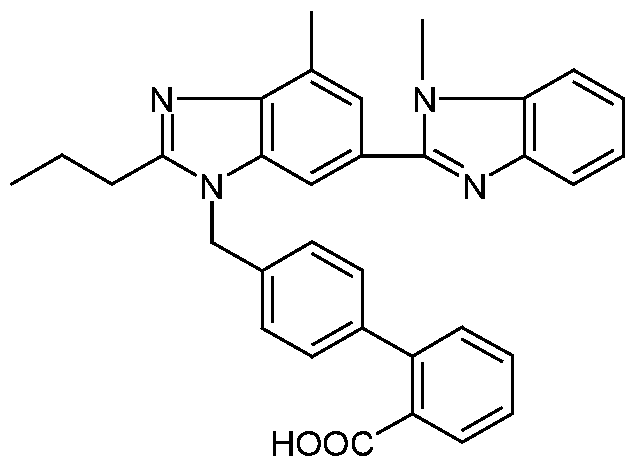
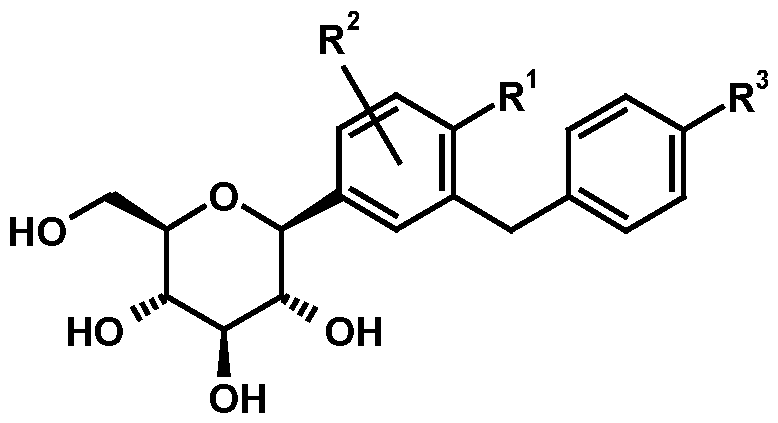
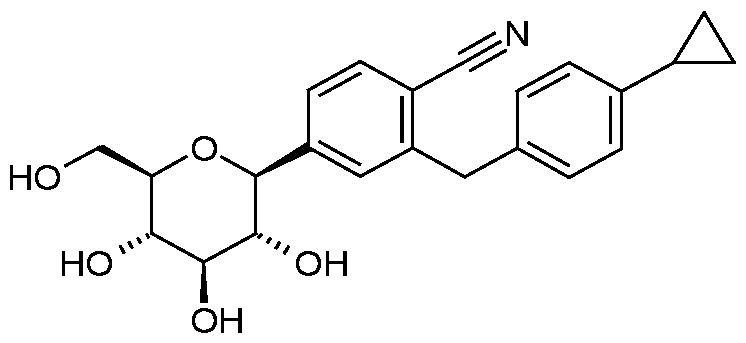


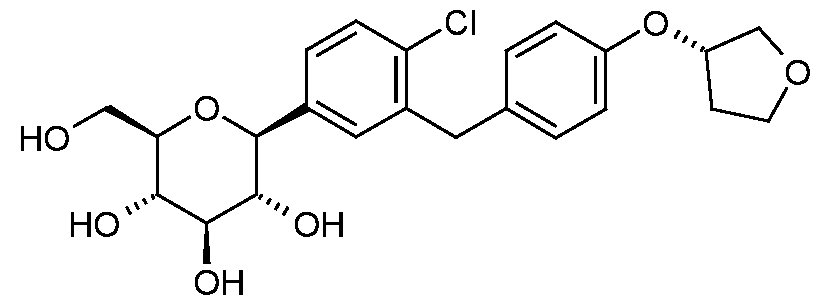
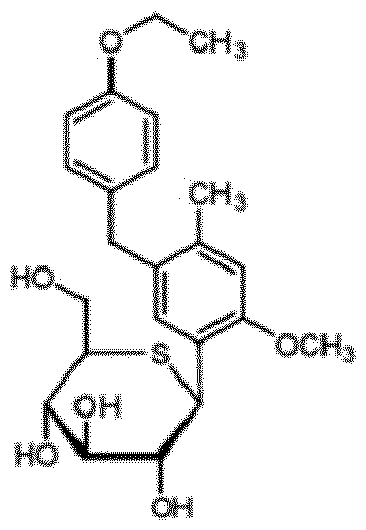

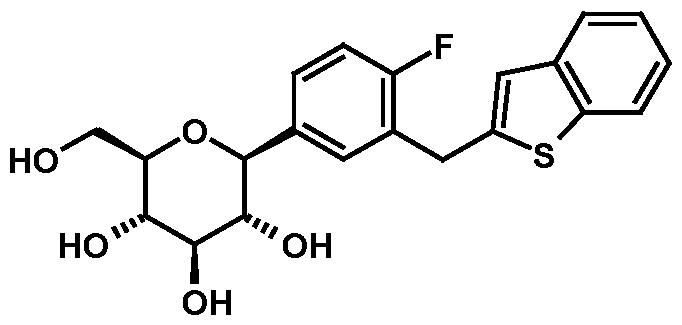

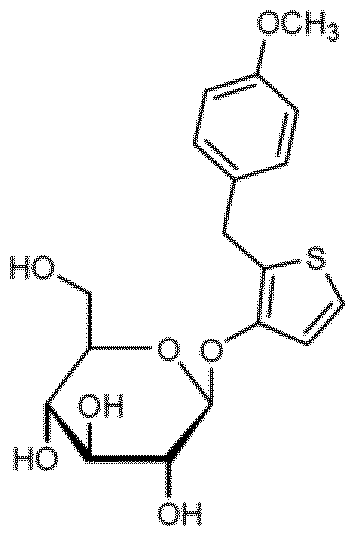
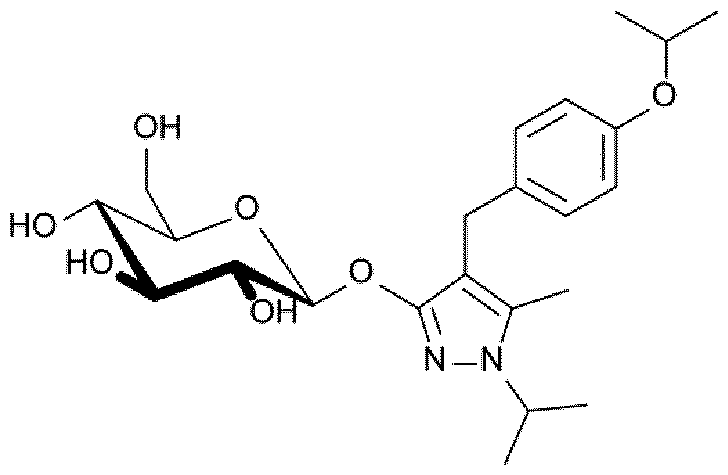

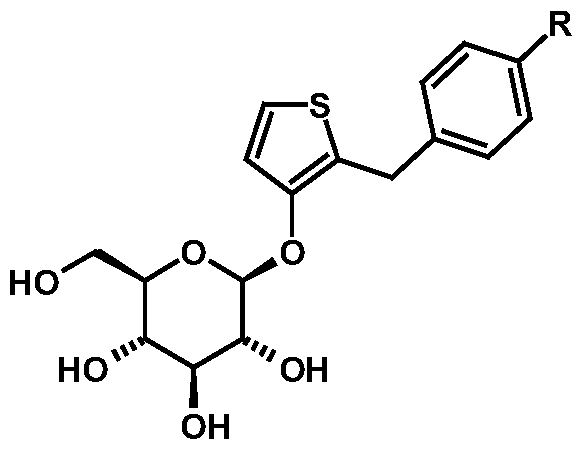
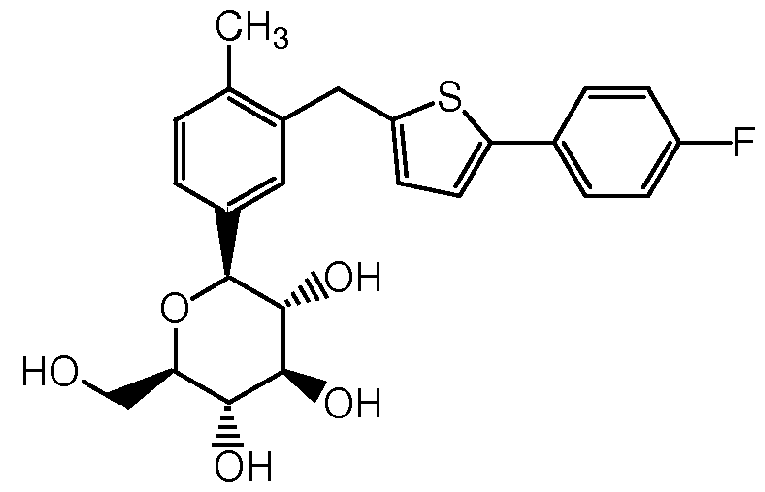
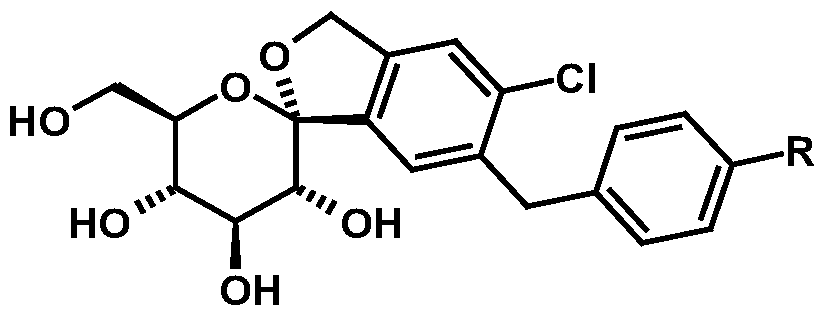
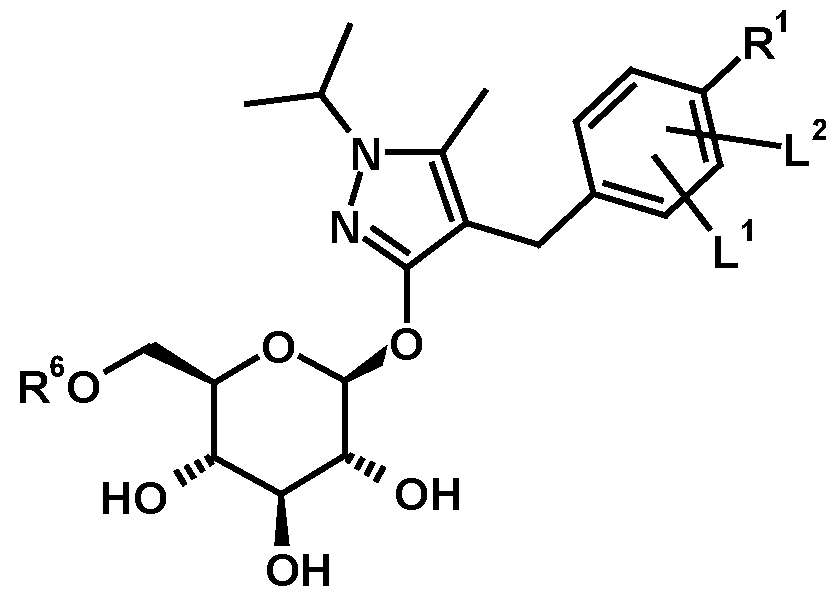
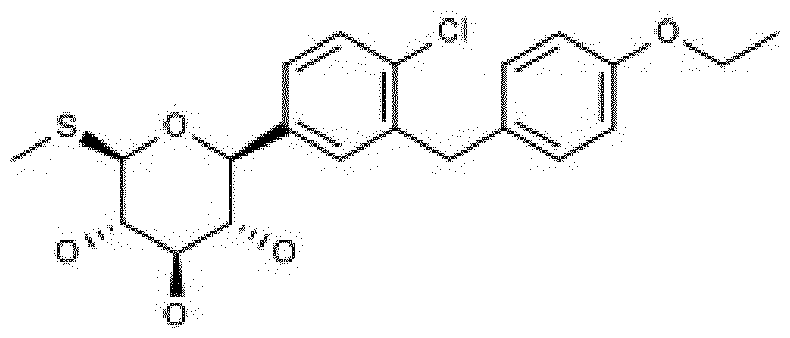
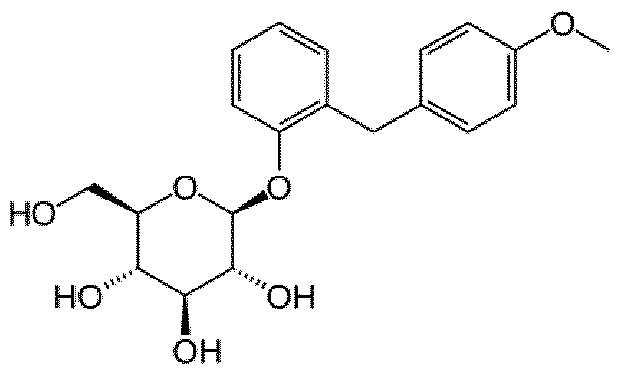
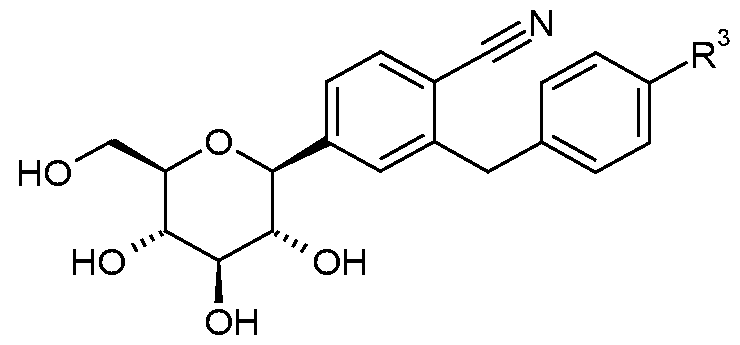
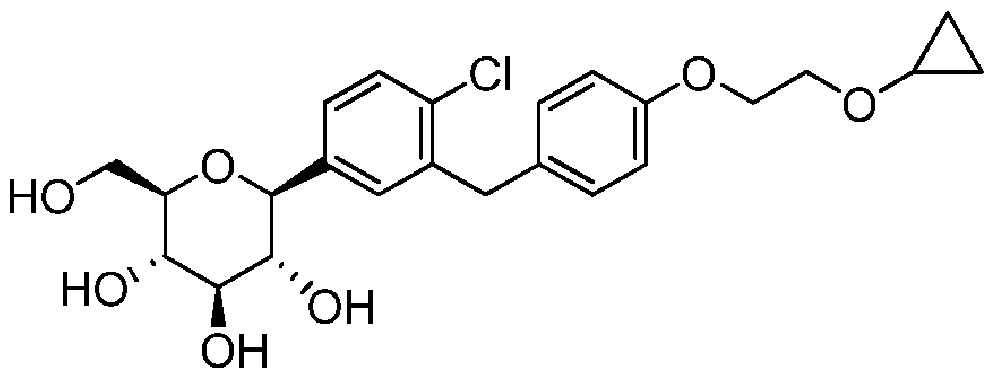
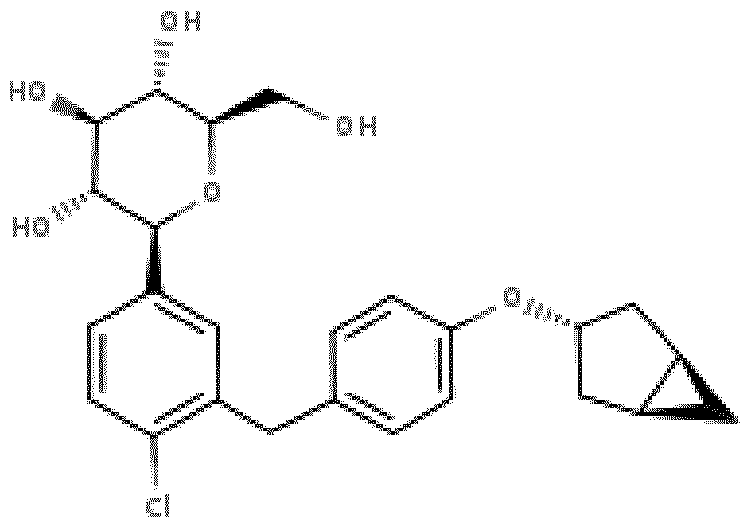
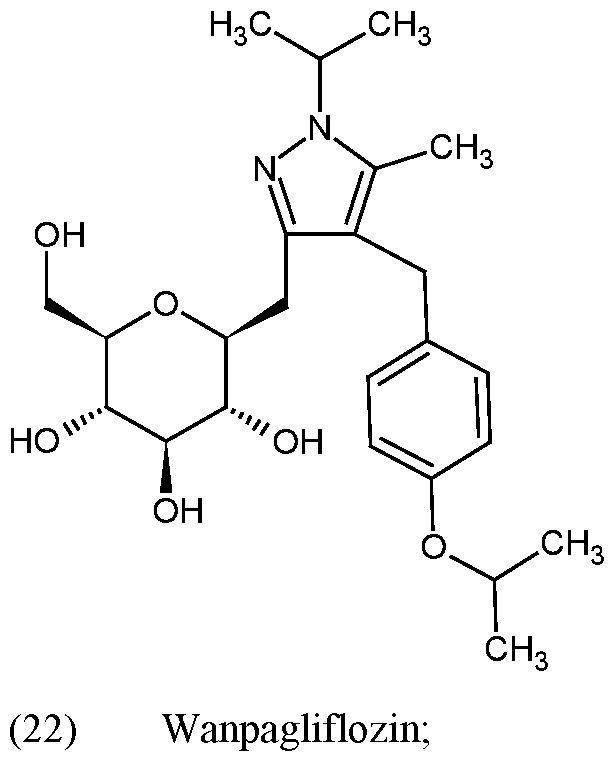
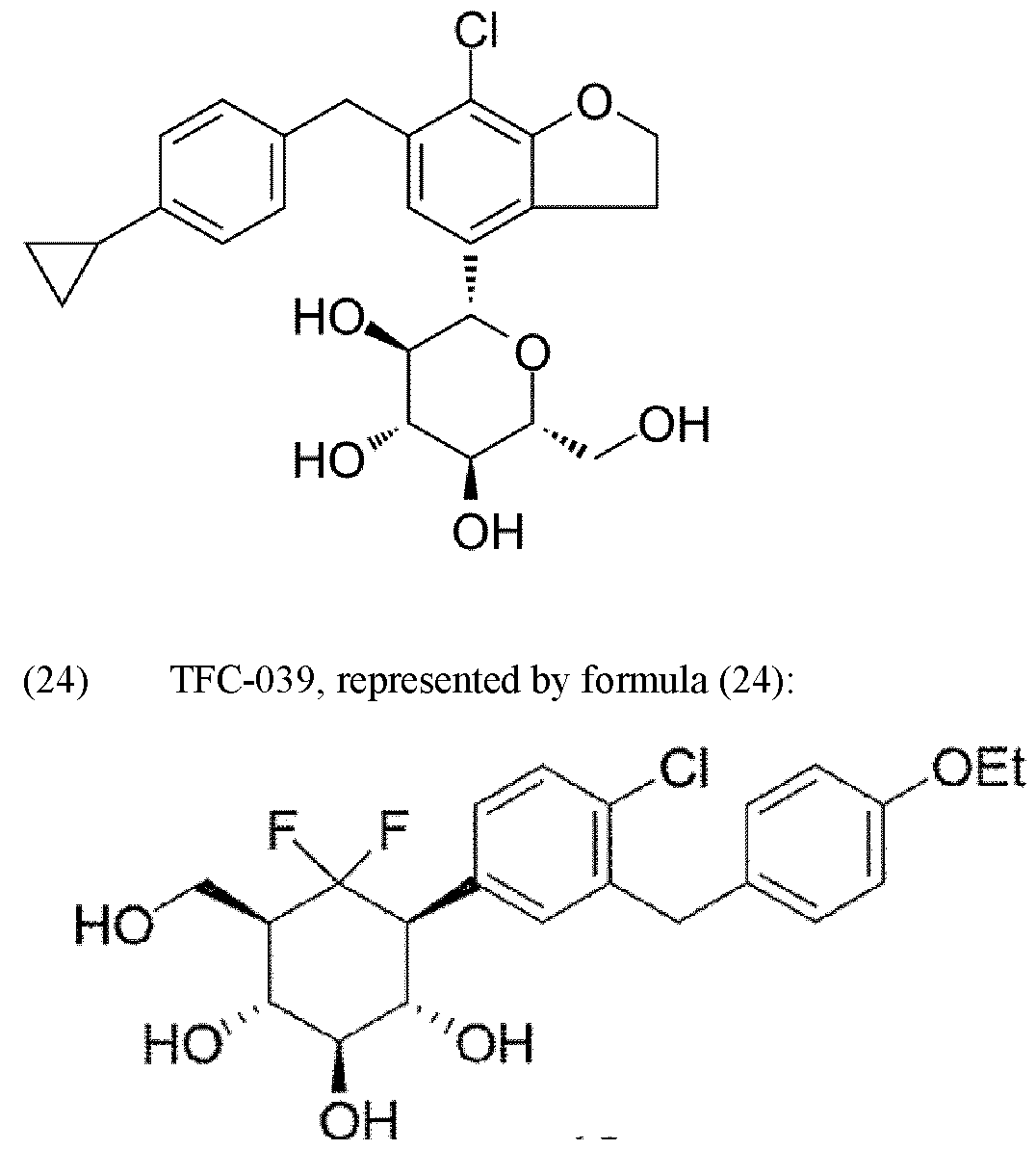
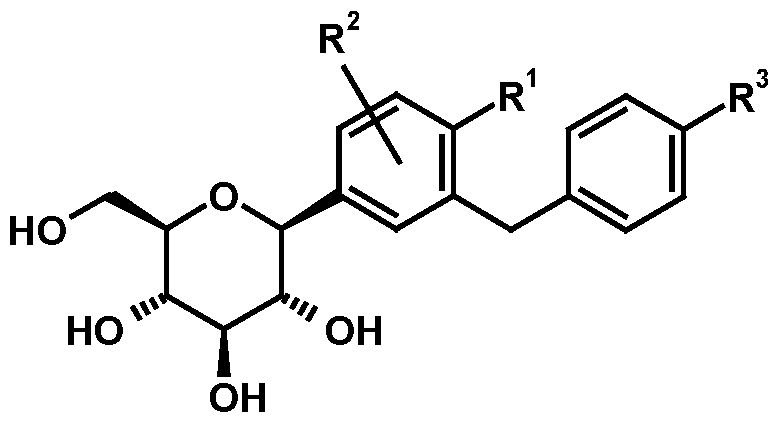
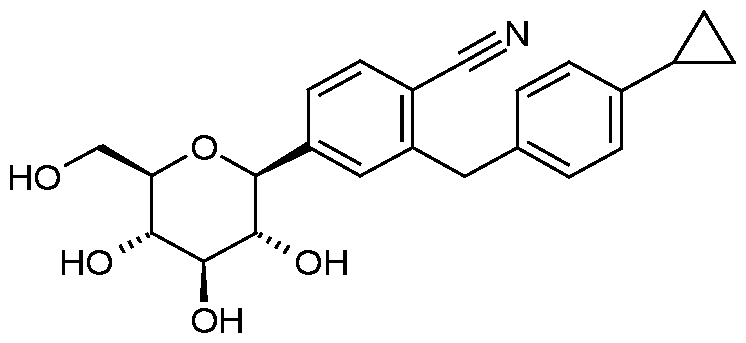

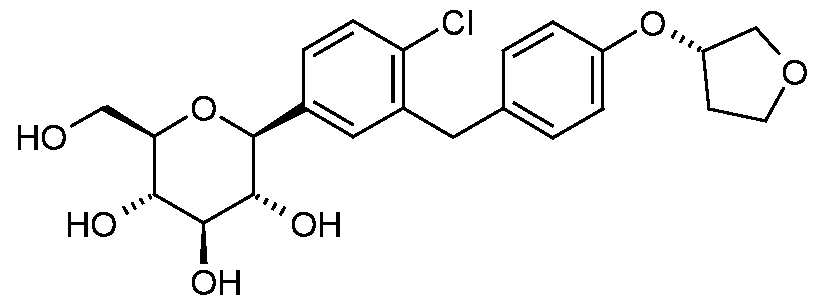
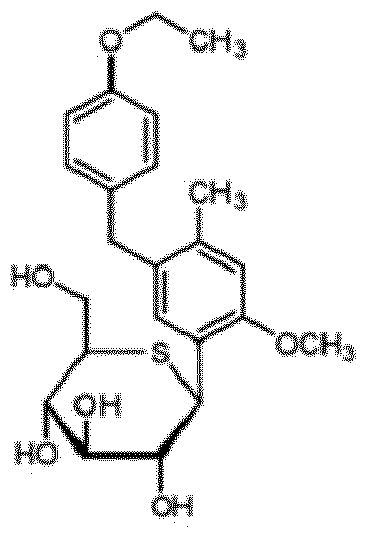
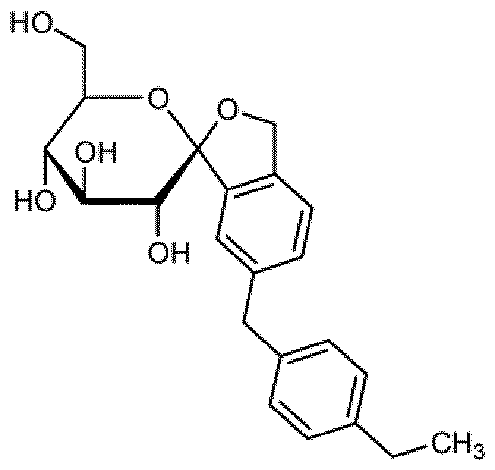
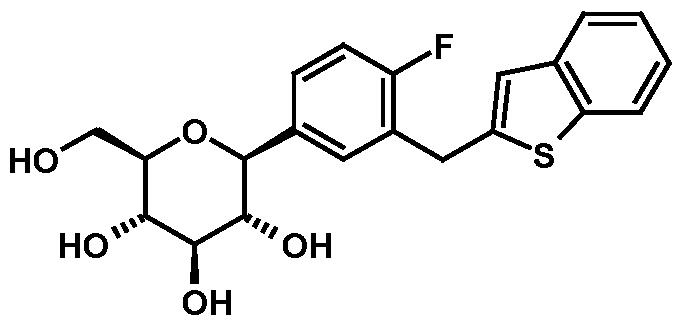
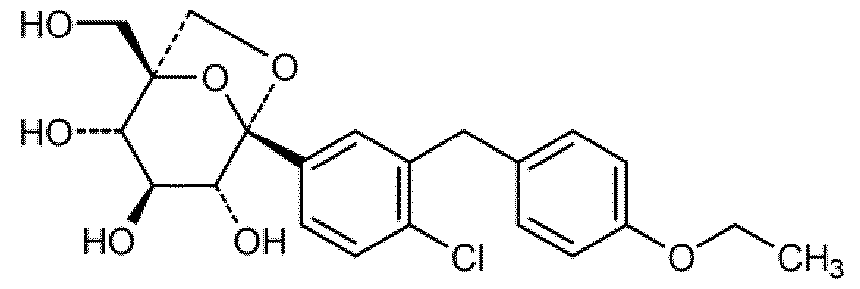
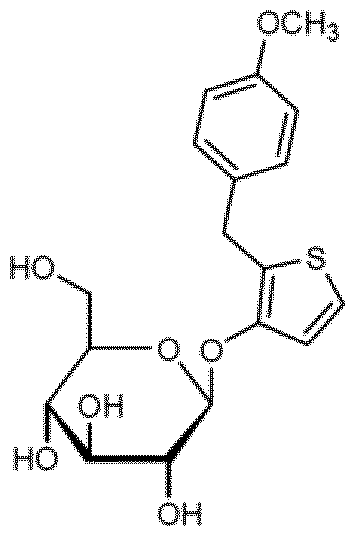
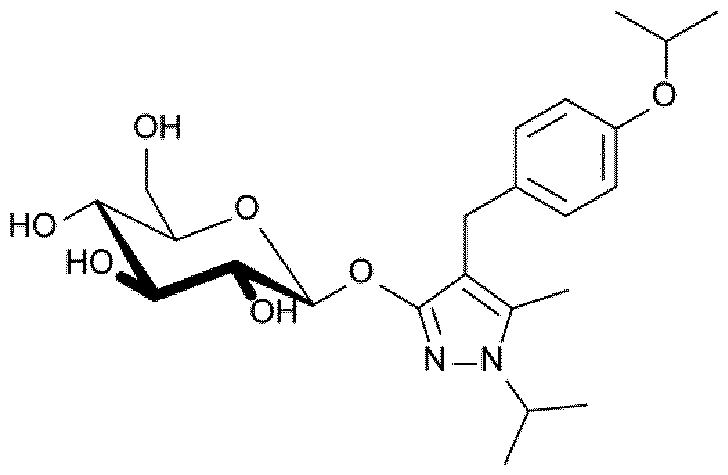

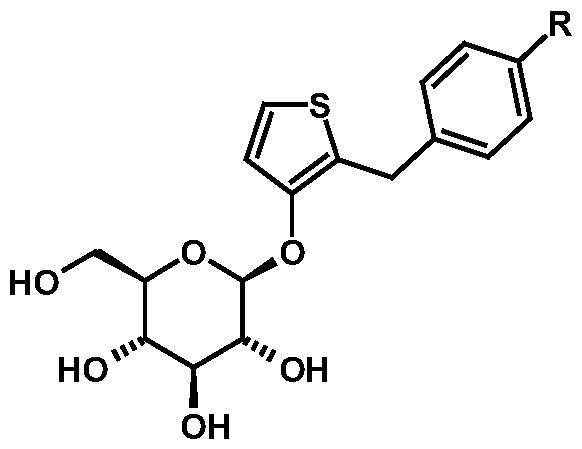


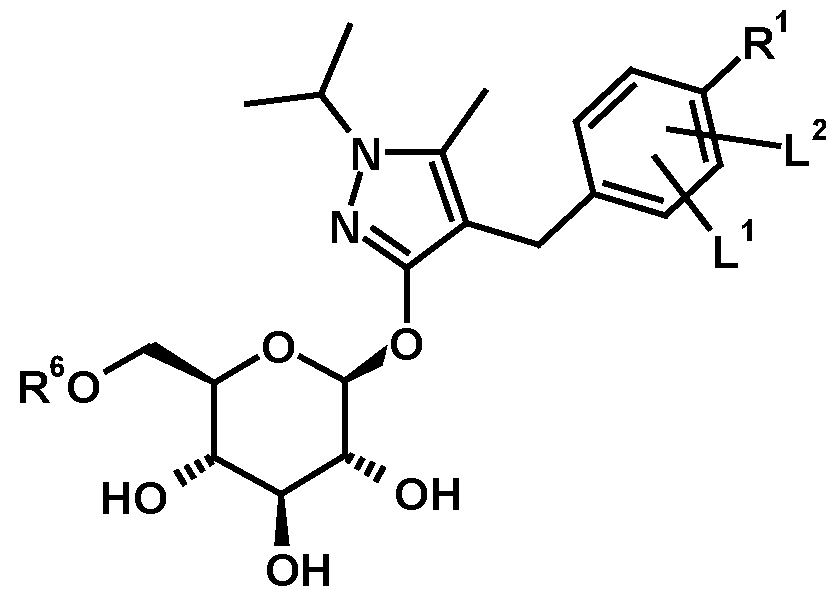
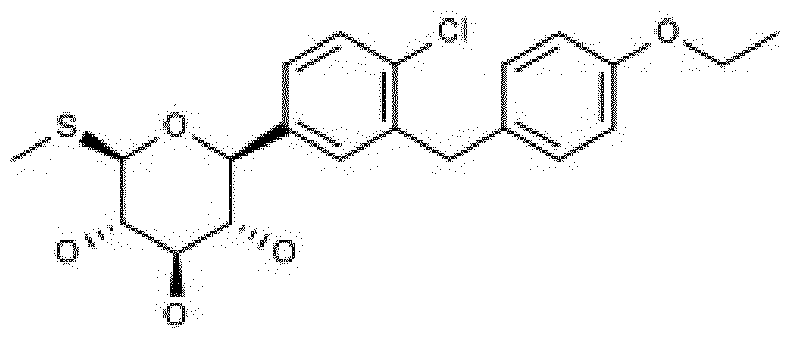
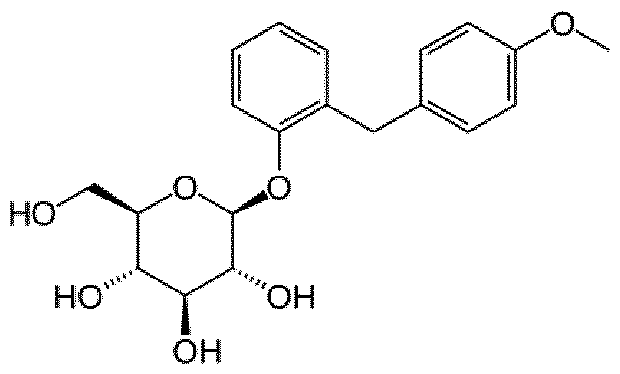
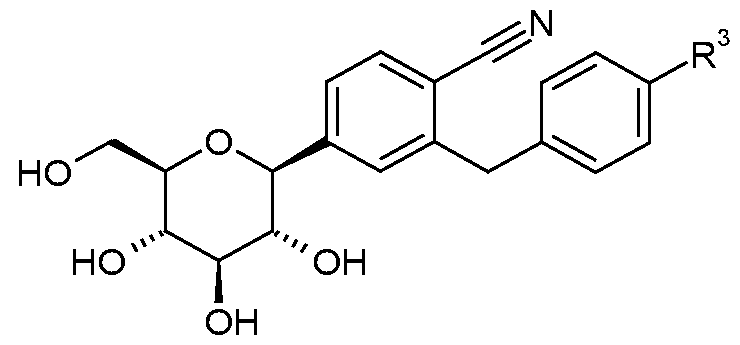
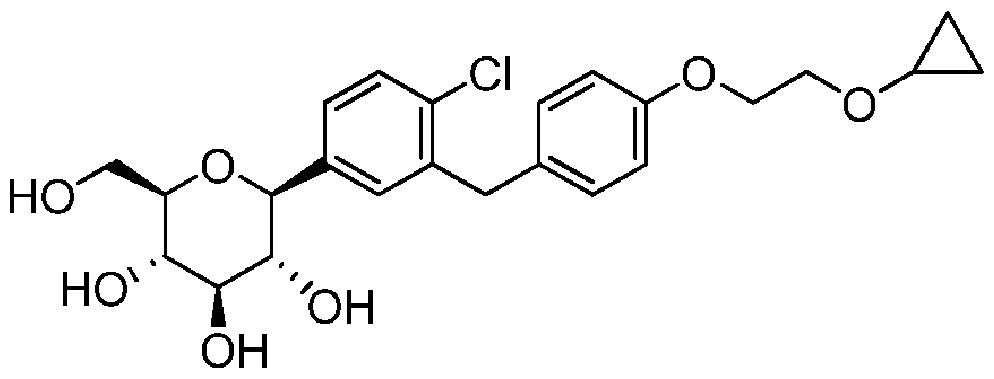
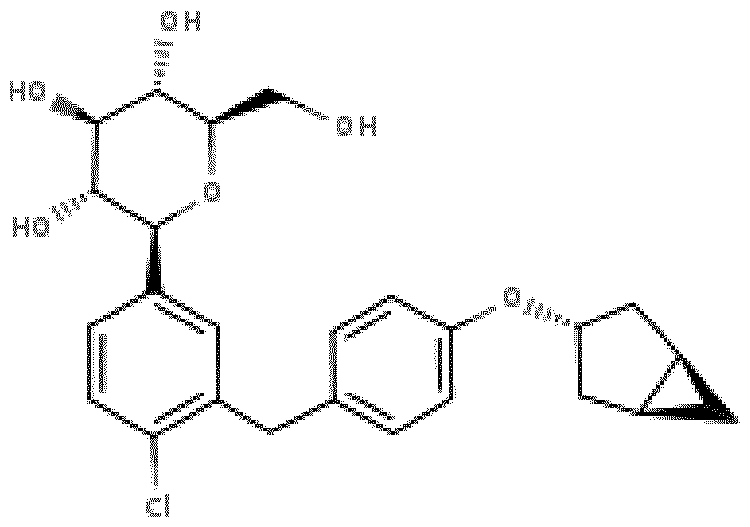
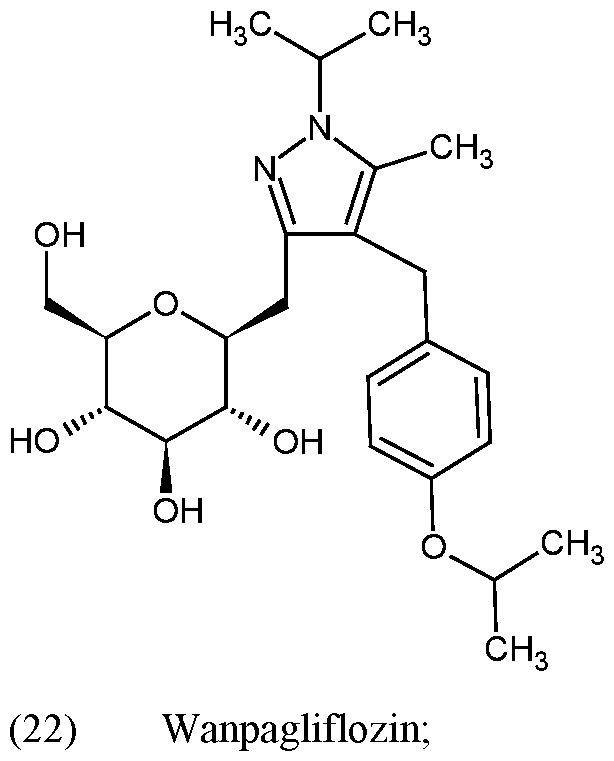

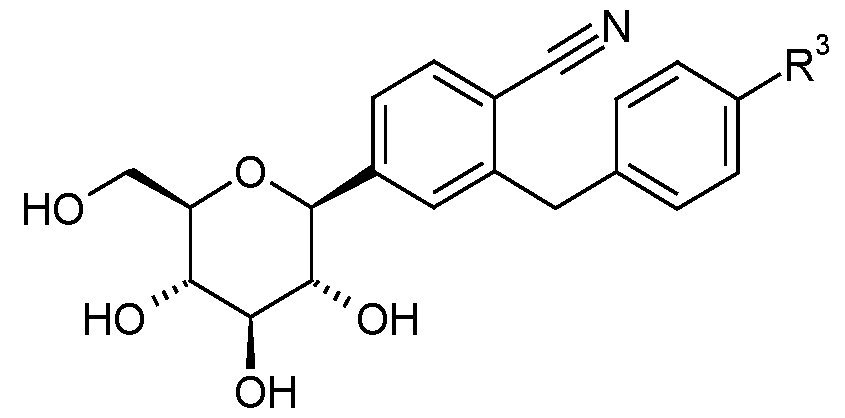
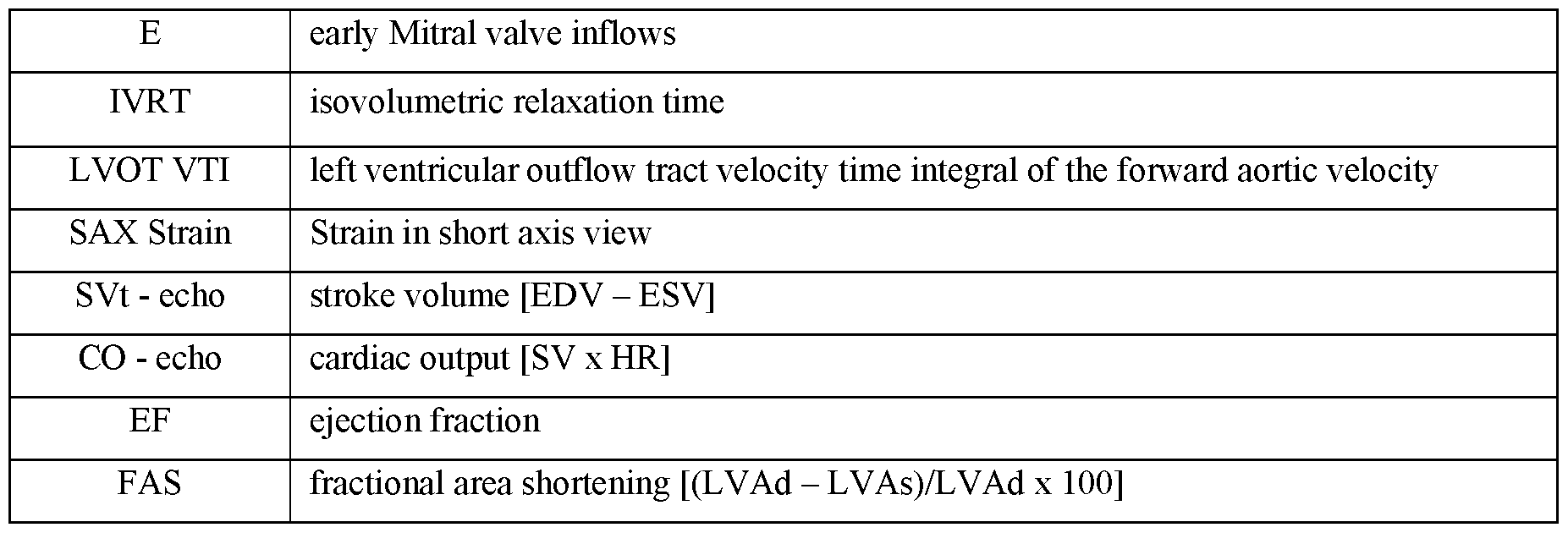


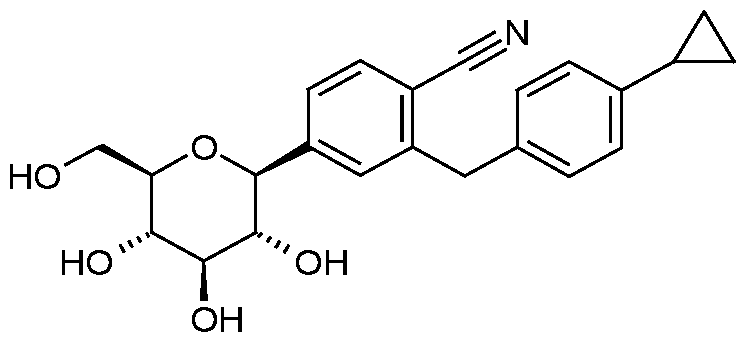
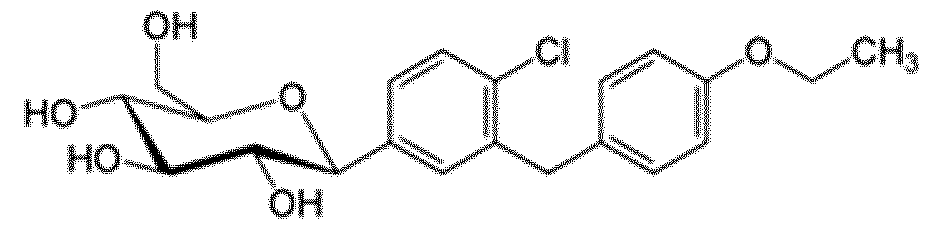
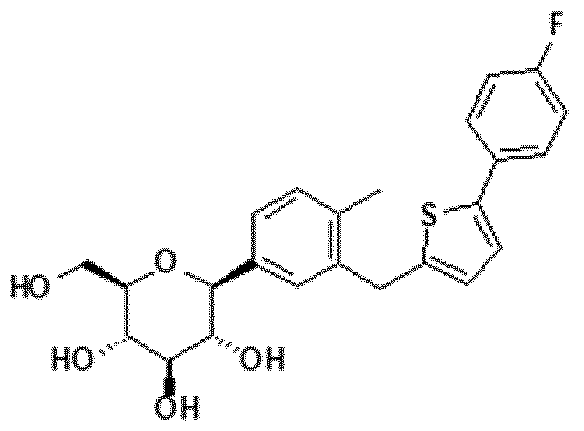


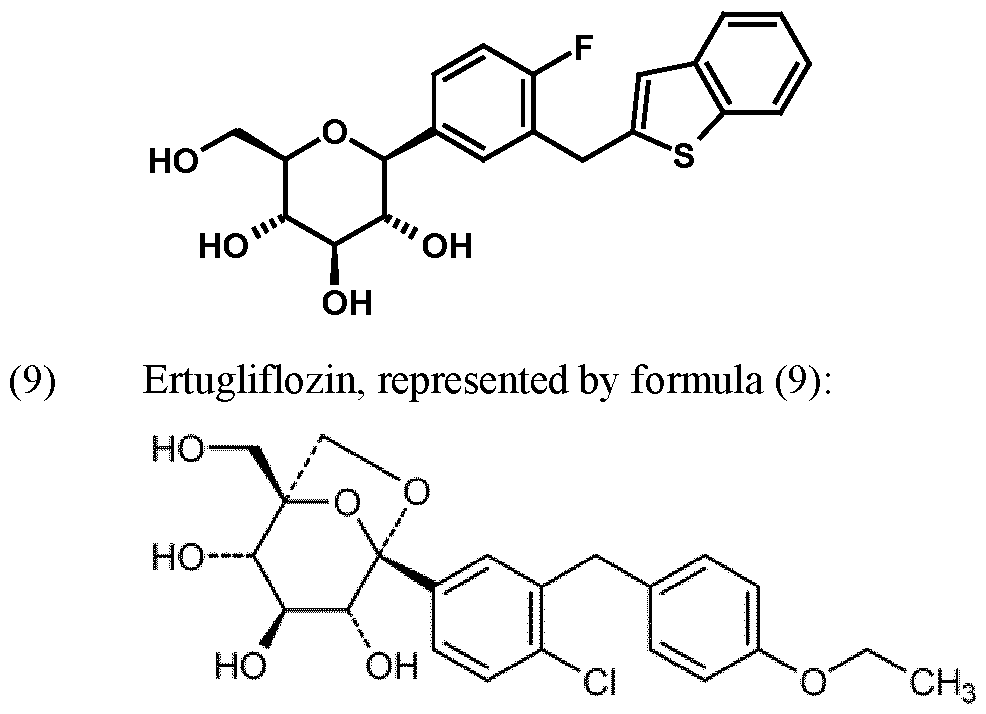

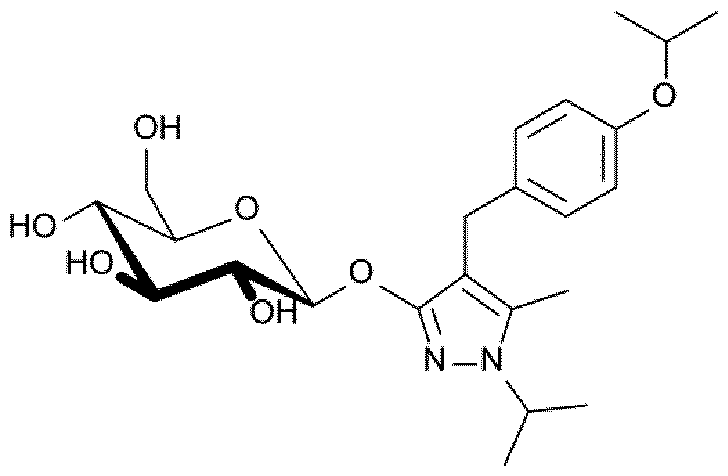

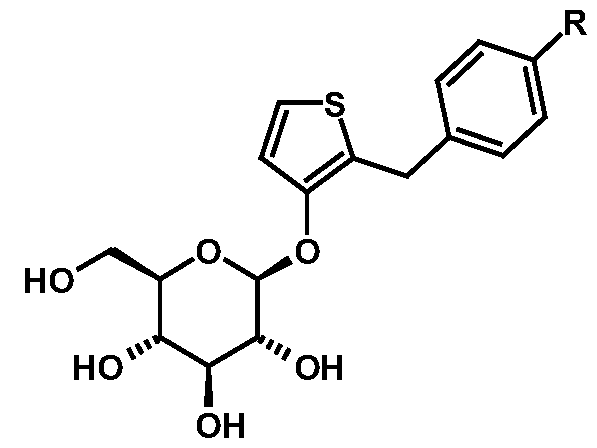
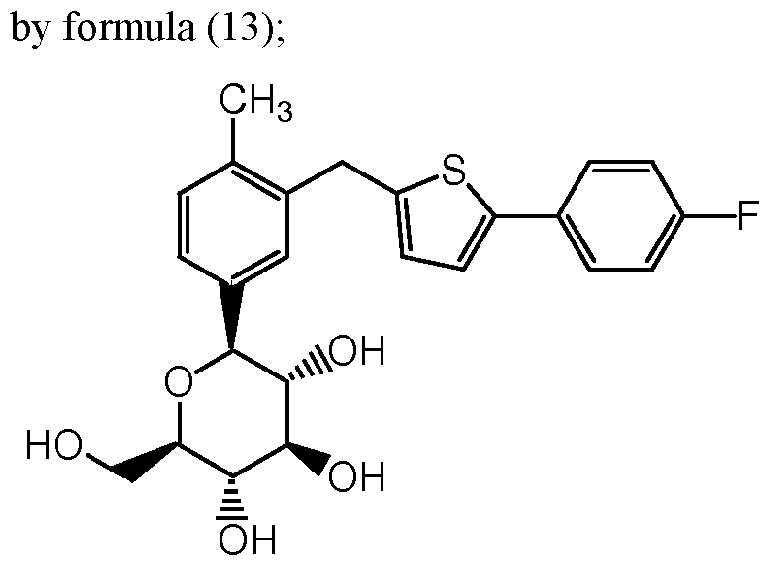

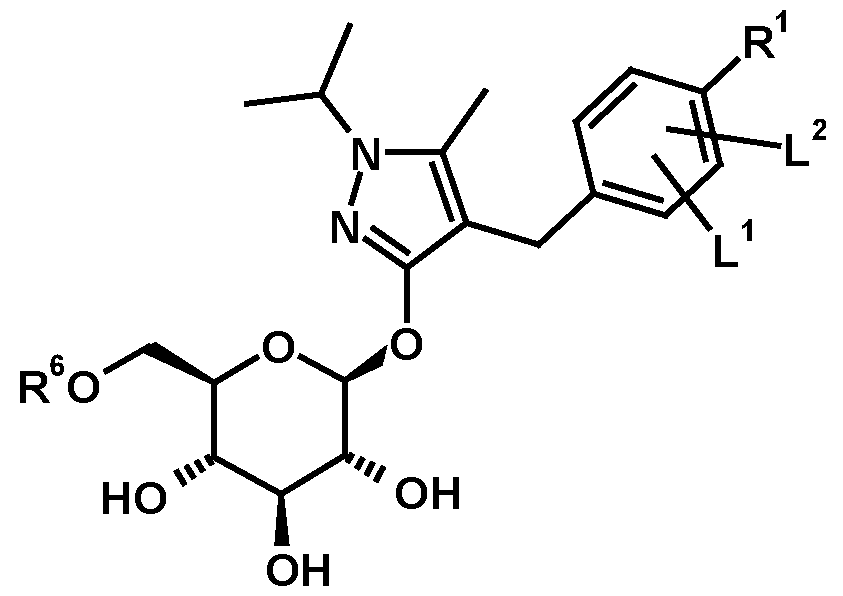
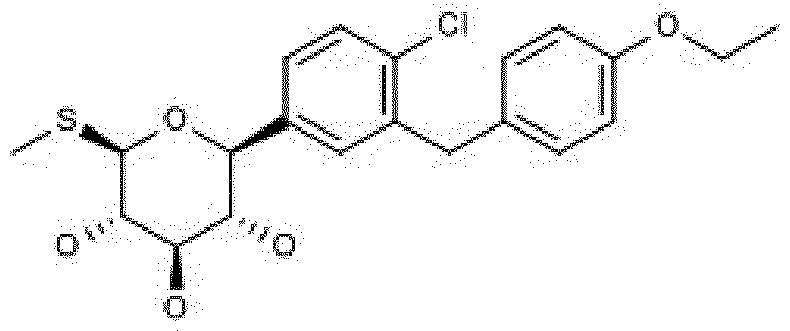


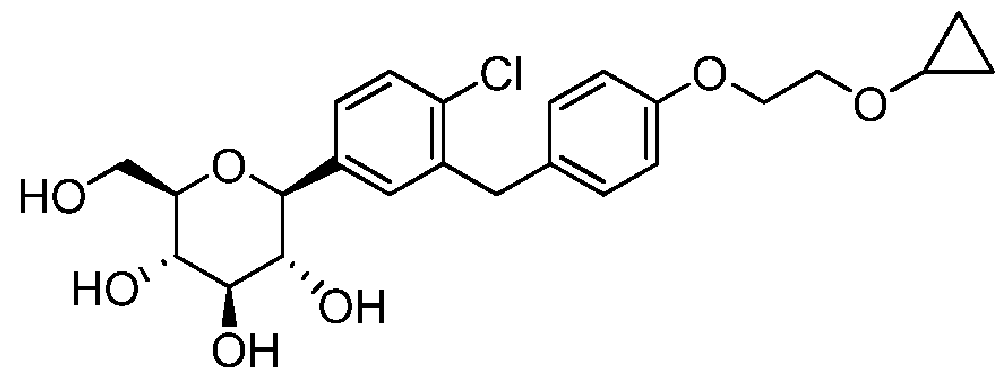
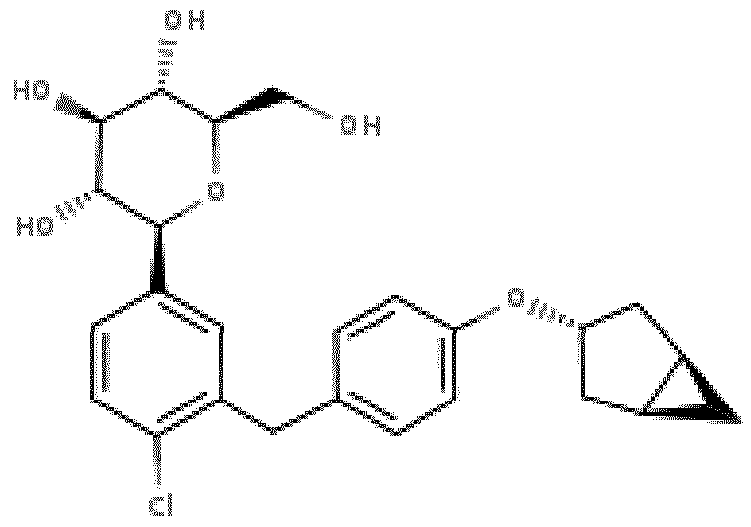
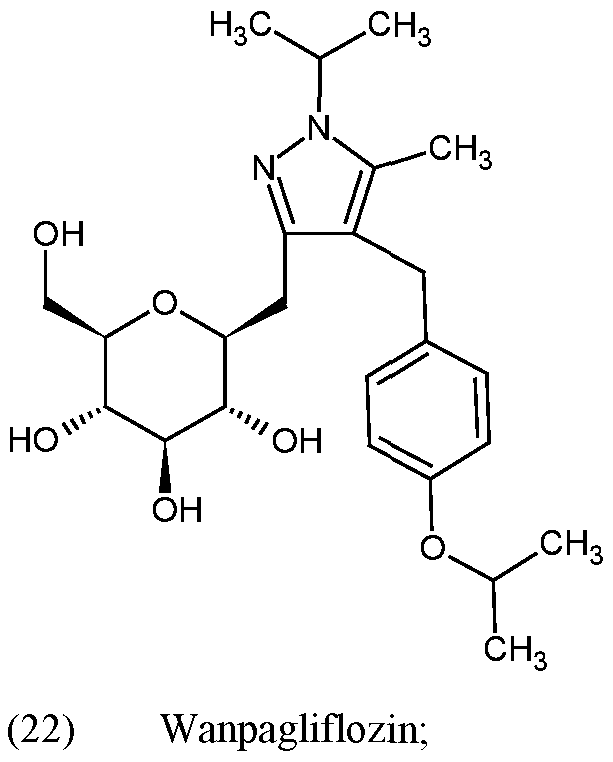
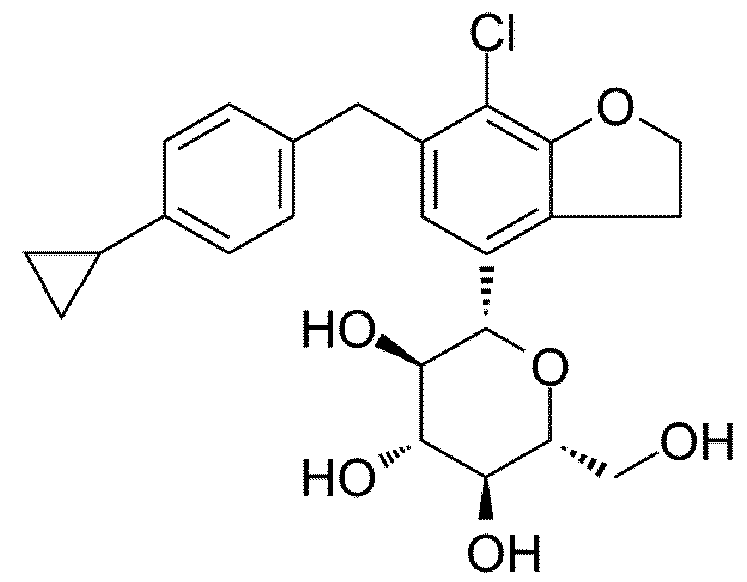

Claims


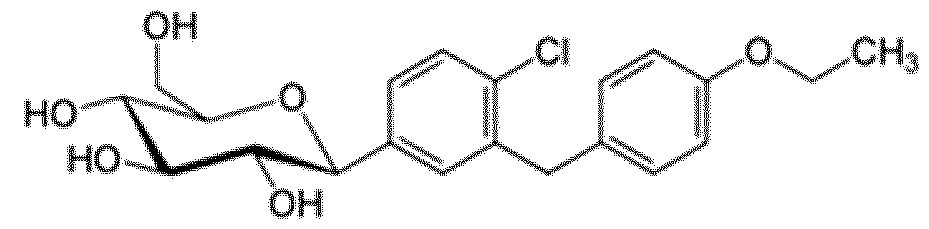
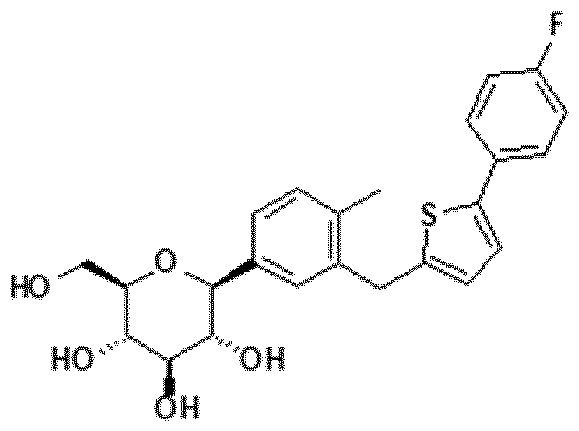
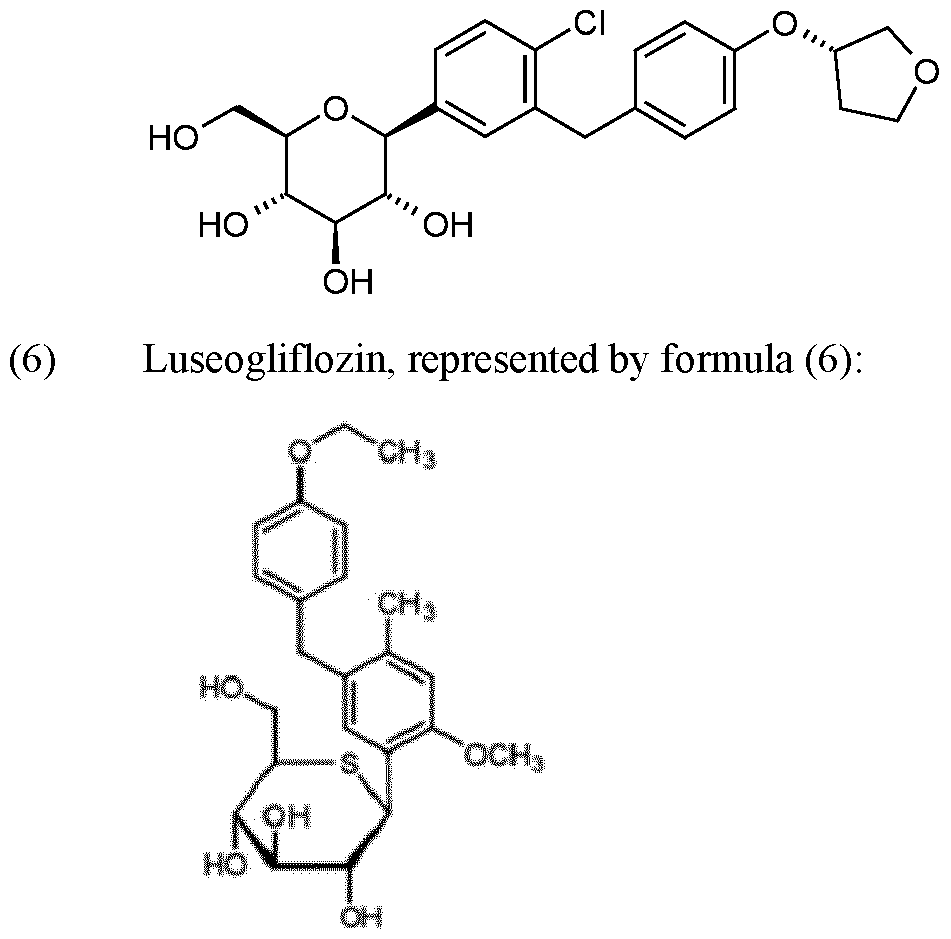
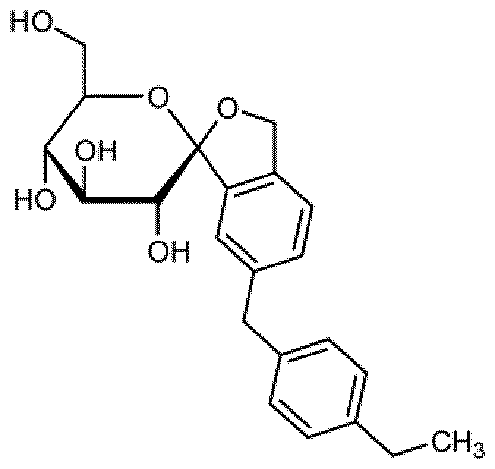

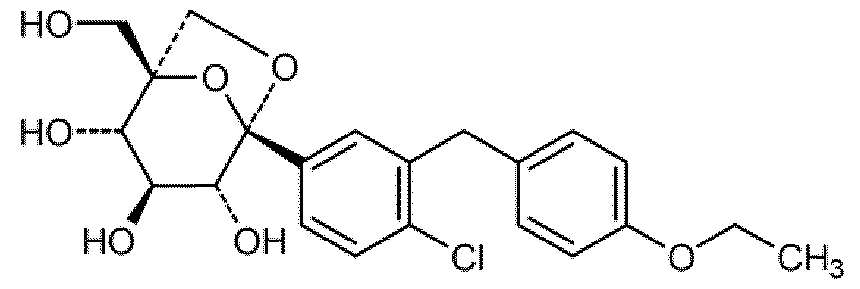
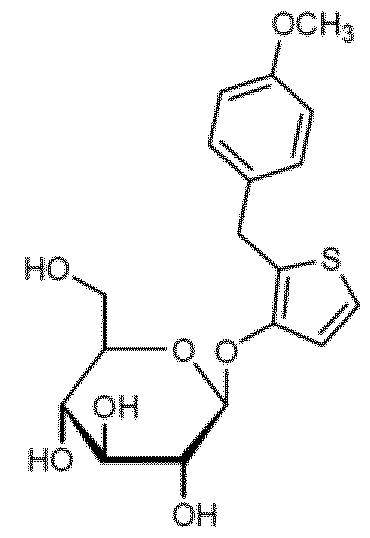

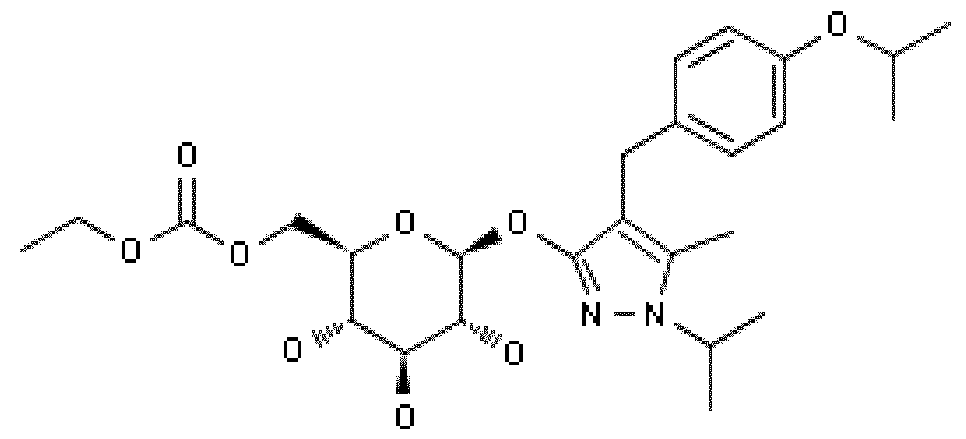
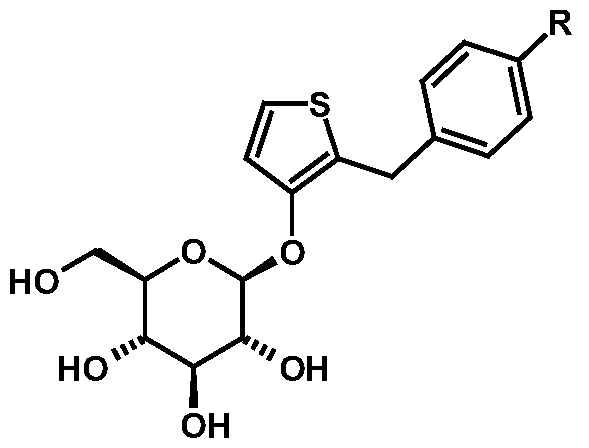
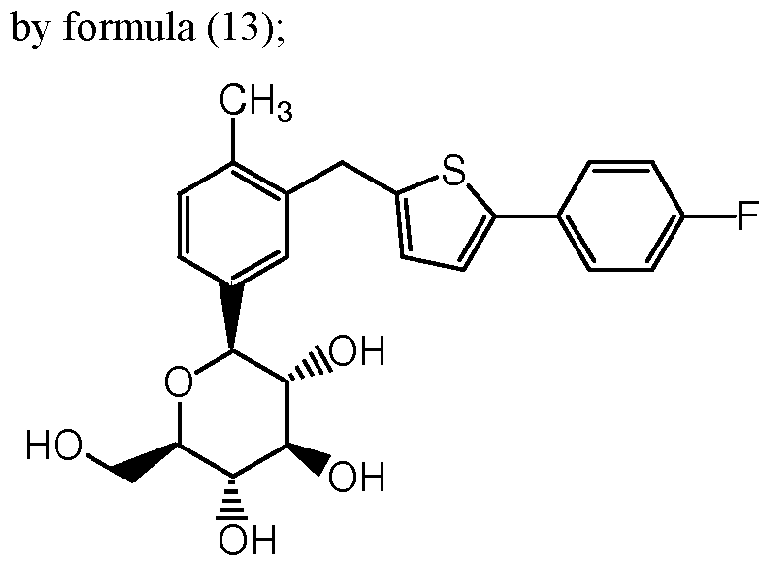
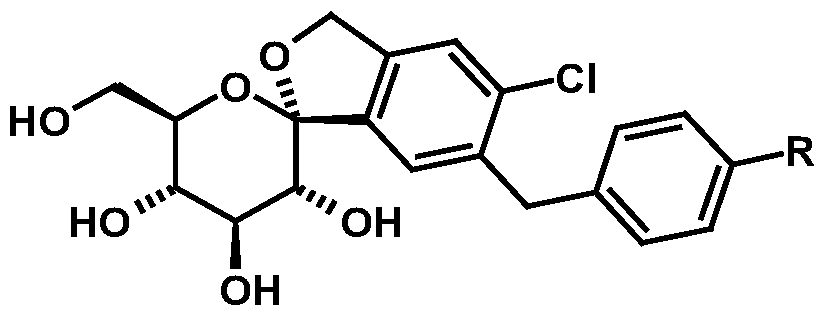
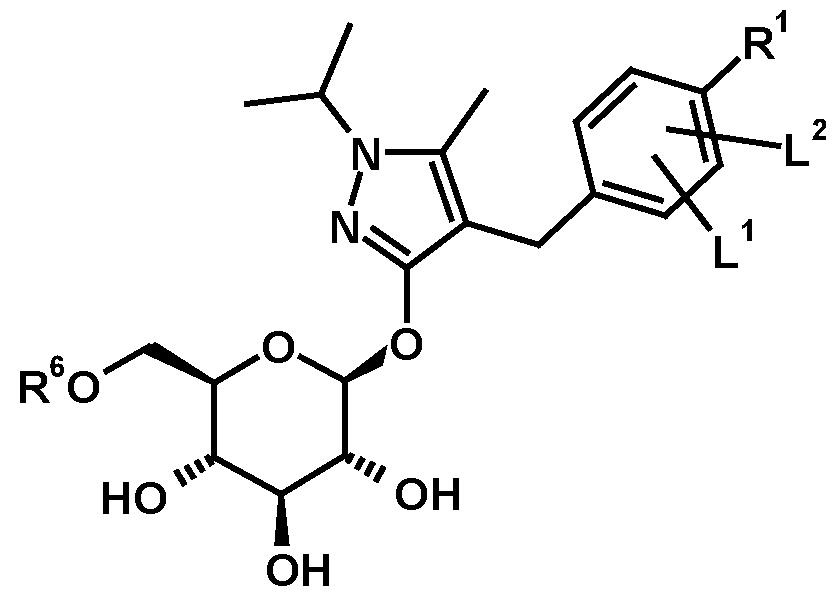


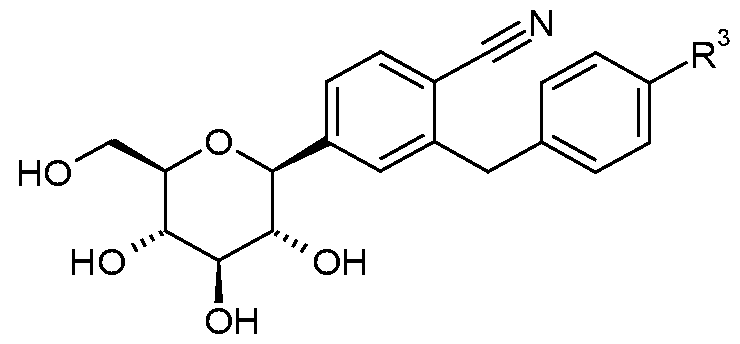
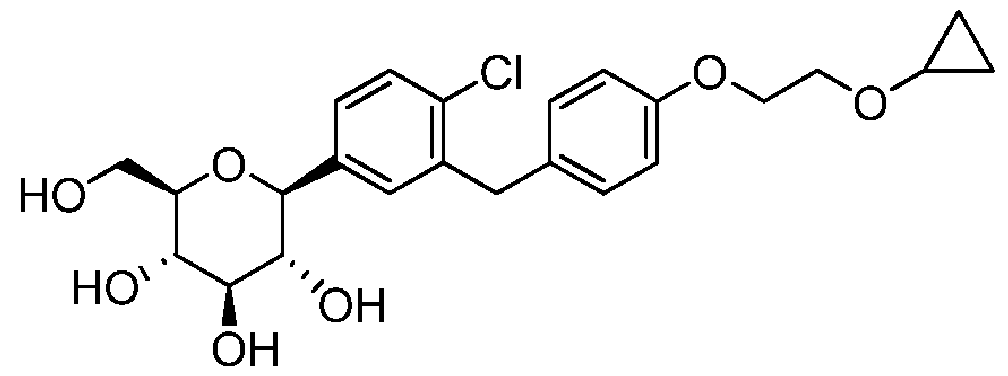
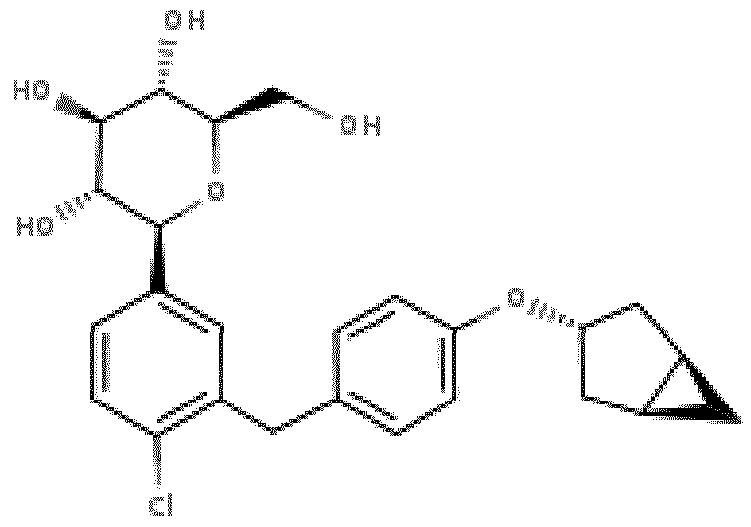
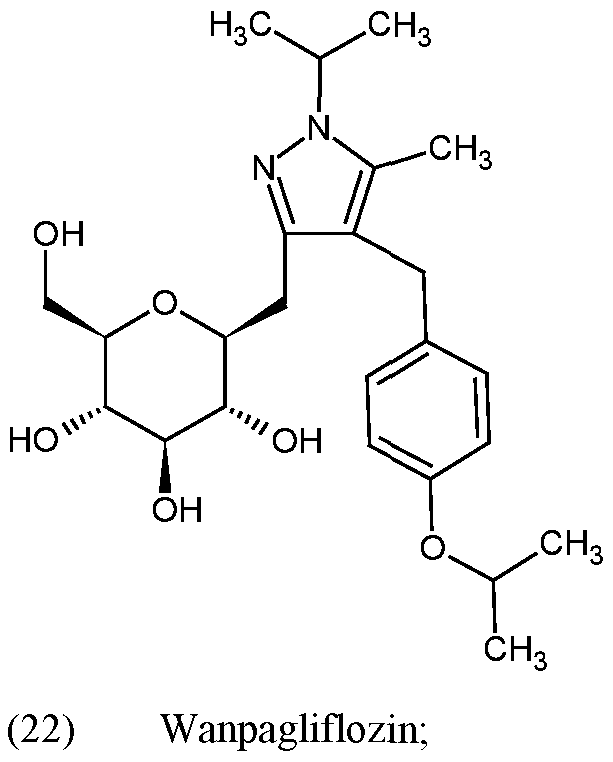


Priority Applications (3)
| Application Number | Priority Date | Filing Date | Title |
|---|---|---|---|
| AU2024276892A AU2024276892A1 (en) | 2023-05-24 | 2024-05-17 | Combination treatment and/or prevention of cardiac diseases in non-human mammals comprising one or more sglt-2 inhibitors and pimobendan and/or telmisartan |
| CN202480032046.3A CN121218995A (en) | 2023-05-24 | 2024-05-17 | Combination treatment and/or prevention of heart disease in non-human mammals comprising one or more SGLT-2 inhibitors, pimobendan and/or telmisartan |
| MX2025013895A MX2025013895A (en) | 2023-05-24 | 2025-11-20 | Combination treatment and/or prevention of cardiac diseases in non-human mammals comprising one or more sglt-2 inhibitors and pimobendan and/or telmisartan |
Applications Claiming Priority (2)
| Application Number | Priority Date | Filing Date | Title |
|---|---|---|---|
| EP23175197 | 2023-05-24 | ||
| EP23175197.5 | 2023-05-24 |
Publications (1)
| Publication Number | Publication Date |
|---|---|
| WO2024240632A1 true WO2024240632A1 (en) | 2024-11-28 |
Family
ID=86603817
Family Applications (1)
| Application Number | Title | Priority Date | Filing Date |
|---|---|---|---|
| PCT/EP2024/063672 Pending WO2024240632A1 (en) | 2023-05-24 | 2024-05-17 | Combination treatment and/or prevention of cardiac diseases in non-human mammals comprising one or more sglt-2 inhibitors and pimobendan and/or telmisartan |
Country Status (6)
| Country | Link |
|---|---|
| US (1) | US20240390317A1 (en) |
| CN (1) | CN121218995A (en) |
| AU (1) | AU2024276892A1 (en) |
| MX (1) | MX2025013895A (en) |
| TW (1) | TW202508593A (en) |
| WO (1) | WO2024240632A1 (en) |
Cited By (1)
| Publication number | Priority date | Publication date | Assignee | Title |
|---|---|---|---|---|
| US12397009B2 (en) | 2019-11-28 | 2025-08-26 | Boehringer Ingelheim Vetmedica Gmbh | Use of SGLT-2 inhibitors in the drying-off of non-human mammals |
Citations (59)
| Publication number | Priority date | Publication date | Assignee | Title |
|---|---|---|---|---|
| EP0008391A1 (en) | 1978-08-25 | 1980-03-05 | Dr. Karl Thomae GmbH | Benzimidazoles, their preparation and pharmaceutical compositions containing them |
| EP0502314A1 (en) | 1991-02-06 | 1992-09-09 | Dr. Karl Thomae GmbH | Benzimidazol, medicaments containing them and process for their preparation |
| WO2000043370A1 (en) | 1999-01-19 | 2000-07-27 | Boehringer Ingelheim Pharma Kg | Telmisartan polymorphs, methods for producing same and their use in the preparation of a medicament |
| WO2001027128A1 (en) | 1999-10-12 | 2001-04-19 | Bristol-Myers Squibb Company | C-aryl glucoside sglt2 inhibitors |
| US6358986B1 (en) | 1999-01-19 | 2002-03-19 | Boehringer Ingelheim Pharma Kg | Polymorphs of telmisartan |
| EP1213296A1 (en) | 1999-08-31 | 2002-06-12 | Kissei Pharmaceutical Co., Ltd. | Glucopyranosyloxypyrazole derivatives, medicinal compositions containing the same and intermediates in the production thereof |
| WO2003037876A1 (en) | 2001-10-31 | 2003-05-08 | Boehringer Ingelheim Pharma Gmbh & Co. Kg | Crystalline sodium salt of telmisartan and the use of the same as an angiotensin antagonist |
| EP1344780A1 (en) | 2000-11-30 | 2003-09-17 | Kissei Pharmaceutical Co., Ltd. | Glucopyranosyloxybenzyl benzene derivatives, medicinal compositions containing the same and intermediates in the production thereof |
| EP1354888A1 (en) | 2000-12-28 | 2003-10-22 | Kissei Pharmaceutical Co., Ltd. | Glucopyranosyloxypyrazole derivatives and use thereof in medicines |
| WO2003099836A1 (en) | 2002-05-20 | 2003-12-04 | Bristol-Myers Squibb Company | C-aryl glucoside sglt2 inhibitors and method |
| WO2004007517A1 (en) | 2002-07-11 | 2004-01-22 | Aventis Pharma Deutschland Gmbh | Novel thiophenylglycoside derivatives, methods for production thereof, medicaments comprising said compounds and use thereof |
| WO2004080990A1 (en) | 2003-03-14 | 2004-09-23 | Astellas Pharma Inc. | C-glycoside derivatives and salts thereof |
| EP1489089A1 (en) | 2002-03-22 | 2004-12-22 | Kissei Pharmaceutical Co., Ltd. | Crystals of glucopyranosyloxybenzyl benzene derivative |
| WO2005012326A1 (en) | 2003-08-01 | 2005-02-10 | Tanabe Seiyaku Co., Ltd. | Novel compounds having inhibitory activity against sodium-dependant transporter |
| WO2005084647A1 (en) | 2004-03-08 | 2005-09-15 | Boehringer Ingelheim Vetmedica Gmbh | Pharmaceutical composition comprising pimobendan |
| WO2005092877A1 (en) | 2004-03-16 | 2005-10-06 | Boehringer Ingelheim International Gmbh | Glucopyranosyl-substituted benzol derivatives, drugs containing said compounds, the use thereof and method for the production thereof |
| WO2005092343A1 (en) | 2004-03-25 | 2005-10-06 | Boehringer Ingelheim Vetmedica Gmbh | Use of pde iii inhibitors for the reduction of heart size in mammals suffering from heart failure |
| WO2006034489A2 (en) | 2004-09-23 | 2006-03-30 | Bristol-Myers Squibb Company | C-aryl glucoside sglt2 inhibitors and method for their production |
| WO2006064033A2 (en) | 2004-12-16 | 2006-06-22 | Boehringer Ingelheim International Gmbh | Glucopyranosyl-substituted benzene derivatives, medicaments containing such compounds, their use and process for their manufacture |
| WO2006117360A1 (en) | 2005-05-03 | 2006-11-09 | Boehringer Ingelheim International Gmbh | CRYSTALLINE FORMS OF 1-CHLORO-4-(ß-D-GLUCOPYRANOS-1-YL)-2-[4-((R)-TETRAHYDROFURAN-3-YLOXY)-BENZYL]-BENZENE, A METHOD FOR ITS PREPARATION AND THE USE THEREOF FOR PREPARING MEDICAMENTS |
| WO2006117359A1 (en) | 2005-05-03 | 2006-11-09 | Boehringer Ingelheim International Gmbh | CRYSTALLINE FORM OF 1-CHLORO-4-(ß-D-GLUCOPYRANOS-1-YL)-2-[4-((S)-TETRAHYDROFURAN-3-YLOXY)-BENZYL]-BENZENE, A METHOD FOR ITS PREPARATION AND THE USE THEREOF FOR PREPARING MEDICAMENTS |
| WO2006120208A1 (en) | 2005-05-10 | 2006-11-16 | Boehringer Ingelheim International Gmbh | Processes for preparing of glucopyranosyl-substituted benzyl-benzene derivatives and intermediates therein |
| WO2007025943A2 (en) | 2005-08-30 | 2007-03-08 | Boehringer Ingelheim International Gmbh | Glucopyranosyl-substituted benzyl-benzene derivatives, medicaments containing such compounds, their use and process for their manufacture |
| WO2007054514A2 (en) | 2005-11-14 | 2007-05-18 | Boehringer Ingelheim Vetmedica Gmbh | Use of pde iii inhibitors or calcium sensitizers for the treatment of asymptomatic (occult) heart failure |
| WO2007114475A1 (en) | 2006-04-05 | 2007-10-11 | Astellas Pharma Inc. | Cocrystal of c-glycoside derivative and l-proline |
| WO2007128749A1 (en) | 2006-05-03 | 2007-11-15 | Boehringer Ingelheim International Gmbh | Glucopyranosyl-substituted benzonitrile derivatives, pharmaceutical compositions containing such compounds, their use and process for their manufacture |
| WO2007140191A2 (en) | 2006-05-23 | 2007-12-06 | Theracos, Inc. | Glucose transport inhibitors and methods of use |
| WO2008002824A1 (en) | 2006-06-28 | 2008-01-03 | Bristol-Myers Squibb Company | Crystalline solvates and complexes of (is) -1, 5-anhydro-l-c- (3- ( (phenyl) methyl) phenyl) -d-glucitol derivatives with amino acids as sglt2 inhibitors for the treatment of diabetes |
| WO2008013280A1 (en) | 2006-07-27 | 2008-01-31 | Chugai Seiyaku Kabushiki Kaisha | Substituted spiroketal derivative and use thereof as drug for treating diabetes |
| WO2008042688A2 (en) | 2006-09-29 | 2008-04-10 | Lexicon Pharmaceuticals, Inc. | Phlorizin analogs as inhibitors of sodium glucose co-transporter 2 |
| WO2008055940A2 (en) | 2006-11-09 | 2008-05-15 | Boehringer Ingelheim International Gmbh | Combination therapy with sglt-2 inhibitors and their pharmaceutical compositions |
| WO2008055870A1 (en) | 2006-11-06 | 2008-05-15 | Boehringer Ingelheim International Gmbh | Glucopyranosyl-substituted benzyl-benzonitrile derivatives, medicaments containing such compounds, their use and process for their manufacture |
| WO2008069327A1 (en) | 2006-12-04 | 2008-06-12 | Mitsubishi Tanabe Pharma Corporation | CRYSTALLINE FORM OF 1- (β-D-GLUCOPYRANOSYL) -4 -METHYL- 3- [5- (4 -FLUOROPHENYL) -2-THIENYLMETHYL] BENZENE HEMIHYDRATE |
| WO2008116179A1 (en) | 2007-03-22 | 2008-09-25 | Bristol-Myers Squibb | Pharmaceutical formulations containing dapagliflozin propylene glycol hydrate |
| WO2009014970A1 (en) | 2007-07-26 | 2009-01-29 | Lexicon Pharmaceuticals, Inc. | Methods and compounds useful for the preparation of sodium glucose co-transporter 2 inhibitors |
| WO2009022008A1 (en) | 2007-08-16 | 2009-02-19 | Boehringer Ingelheim International Gmbh | Pharmaceutical composition comprising a pyrazole-o-glucoside derivative |
| WO2009022020A1 (en) | 2007-08-16 | 2009-02-19 | Valeo Systemes Thermiques | Evaporator with multiple banks, particularly for a motor vehicle air-conditioning system |
| WO2009026537A1 (en) | 2007-08-23 | 2009-02-26 | Theracos, Inc. | Benzylbenzene derivatives and methods of use |
| WO2009035969A1 (en) | 2007-09-10 | 2009-03-19 | Janssen Pharmaceutica N.V. | Process for the preparation of compounds useful as inhibitors of sglt |
| WO2010023594A1 (en) | 2008-08-28 | 2010-03-04 | Pfizer Inc. | Dioxa-bicyclo[3.2.1.]octane-2,3,4-triol derivatives |
| WO2011039108A2 (en) | 2009-09-30 | 2011-04-07 | Boehringer Ingelheim International Gmbh | Processes for preparing of glucopyranosyl-substituted benzyl-benzene derivatives |
| WO2011039107A1 (en) | 2009-09-30 | 2011-04-07 | Boehringer Ingelheim International Gmbh | Method for the preparation of a crystalline form of 1-chloro-4- (beta-d-glucopyranos-1-yl)-2-(4-((s)-tetrahydrofuran-3-yloxy)benzyl)benzene |
| US20110098240A1 (en) | 2007-08-16 | 2011-04-28 | Boehringer Ingelheim International Gmbh | Pharmaceutical composition comprising a sglt2 inhibitor in combination with a dpp-iv inhibitor |
| WO2011153953A1 (en) | 2010-06-12 | 2011-12-15 | Theracos, Inc. | Crystalline form of benzylbenzene sglt2 inhibitor |
| WO2012160218A1 (en) | 2011-05-26 | 2012-11-29 | Tfchem | Family of aryl, heteroaryl, o-aryl and o-heteroaryl carbasugars |
| WO2014016381A1 (en) | 2012-07-26 | 2014-01-30 | Boehringer Ingelheim Vetmedica Gmbh | CRYSTALLINE COMPLEX OF 1-CYANO-2-(4-CYCLOPROPYL-BENZYL)-4-(ß- D-GLUCOPYRANOS-1-YL)-BENZENE, METHODS FOR ITS PREPARATION AND THE USE THEREOF FOR PREPARING MEDICAMENTS |
| WO2015082389A1 (en) | 2013-12-04 | 2015-06-11 | Boehringer Ingelheim Vetmedica Gmbh | Improved pharmaceutical compositions of pimobendan |
| US20150164856A1 (en) | 2013-12-17 | 2015-06-18 | Boehringer Ingelheim Vetmedica Gmbh | Treatment of metabolic disorders in feline animals |
| US20160000816A1 (en) | 2013-04-05 | 2016-01-07 | Boehringer Ingelheim International Gmbh | Pharmaceutical composition, methods for treating and uses thereof |
| WO2017032799A1 (en) | 2015-08-27 | 2017-03-02 | Boehringer Ingelheim Vetmedica Gmbh | Liquid pharmaceutical compositions comprising sglt-2 inhibitors |
| US20170266152A1 (en) | 2016-03-16 | 2017-09-21 | Boehringer Ingelheim International Gmbh | Pharmaceutical composition, methods for treating and uses thereof |
| WO2017174571A1 (en) | 2016-04-06 | 2017-10-12 | Boehringer Ingelheim Vetmedica Gmbh | Use of pimobendan for the reduction of heart size and/or the delay of onset of clinical symptoms in patients with asymptomatic heart failure due to mitral valve disease |
| US20190076395A1 (en) | 2016-03-11 | 2019-03-14 | Merck Sharp & Dohme Corp. | Methods of treating or reducing the risk of cardiovascular events and related diseases using sglt-2 inhibitors |
| WO2019059557A2 (en) | 2017-09-19 | 2019-03-28 | 오토텔릭바이오 주식회사 | Medicinal composition comprising sglt-2 inhibitor and angiotensin receptor blocker |
| WO2019121509A1 (en) | 2017-12-19 | 2019-06-27 | Boehringer Ingelheim Vetmedica Gmbh | Synthesis of the 1 :1 :1 co-crystal of 1 -cyano-2-(4-cyclopropyl-benzyl)-4-(beta-d-glucopyranos-1 -yl)-benzene, l-proline and water |
| WO2021092341A1 (en) | 2019-11-07 | 2021-05-14 | Increvet, Inc. | Sodium-glucose linked transporter inhibitors for the management of chronic kidney disease, hypertension, and heart failure in companion animals |
| US20210260090A1 (en) | 2020-02-17 | 2021-08-26 | Boehringer Ingelheim Vetmedica Gmbh | Use of sglt-2 inhibitors for the prevention and/or treat-ment of cardiac diseases in felines |
| WO2022036506A1 (en) | 2020-08-17 | 2022-02-24 | 天津睿创康泰生物技术有限公司 | Composition and use of sglt-2 inhibitor and angiotensin receptor blockers |
| WO2023006718A1 (en) | 2021-07-28 | 2023-02-02 | Boehringer Ingelheim Vetmedica Gmbh | Use of sglt-2 inhibitors for the prevention and/or treatment of cardiac diseases in non-human mammals excluding felines, in particular canines |
-
2024
- 2024-05-17 WO PCT/EP2024/063672 patent/WO2024240632A1/en active Pending
- 2024-05-17 US US18/666,911 patent/US20240390317A1/en active Pending
- 2024-05-17 CN CN202480032046.3A patent/CN121218995A/en active Pending
- 2024-05-17 AU AU2024276892A patent/AU2024276892A1/en active Pending
- 2024-05-17 TW TW113118400A patent/TW202508593A/en unknown
-
2025
- 2025-11-20 MX MX2025013895A patent/MX2025013895A/en unknown
Patent Citations (64)
| Publication number | Priority date | Publication date | Assignee | Title |
|---|---|---|---|---|
| EP0008391A1 (en) | 1978-08-25 | 1980-03-05 | Dr. Karl Thomae GmbH | Benzimidazoles, their preparation and pharmaceutical compositions containing them |
| EP0502314A1 (en) | 1991-02-06 | 1992-09-09 | Dr. Karl Thomae GmbH | Benzimidazol, medicaments containing them and process for their preparation |
| WO2000043370A1 (en) | 1999-01-19 | 2000-07-27 | Boehringer Ingelheim Pharma Kg | Telmisartan polymorphs, methods for producing same and their use in the preparation of a medicament |
| US6358986B1 (en) | 1999-01-19 | 2002-03-19 | Boehringer Ingelheim Pharma Kg | Polymorphs of telmisartan |
| US6410742B1 (en) | 1999-01-19 | 2002-06-25 | Boehringer Ingelheim Pharma Kg | Polymorphs of telmisartan |
| EP1213296A1 (en) | 1999-08-31 | 2002-06-12 | Kissei Pharmaceutical Co., Ltd. | Glucopyranosyloxypyrazole derivatives, medicinal compositions containing the same and intermediates in the production thereof |
| WO2001027128A1 (en) | 1999-10-12 | 2001-04-19 | Bristol-Myers Squibb Company | C-aryl glucoside sglt2 inhibitors |
| EP1344780A1 (en) | 2000-11-30 | 2003-09-17 | Kissei Pharmaceutical Co., Ltd. | Glucopyranosyloxybenzyl benzene derivatives, medicinal compositions containing the same and intermediates in the production thereof |
| EP1354888A1 (en) | 2000-12-28 | 2003-10-22 | Kissei Pharmaceutical Co., Ltd. | Glucopyranosyloxypyrazole derivatives and use thereof in medicines |
| WO2003037876A1 (en) | 2001-10-31 | 2003-05-08 | Boehringer Ingelheim Pharma Gmbh & Co. Kg | Crystalline sodium salt of telmisartan and the use of the same as an angiotensin antagonist |
| EP1489089A1 (en) | 2002-03-22 | 2004-12-22 | Kissei Pharmaceutical Co., Ltd. | Crystals of glucopyranosyloxybenzyl benzene derivative |
| WO2003099836A1 (en) | 2002-05-20 | 2003-12-04 | Bristol-Myers Squibb Company | C-aryl glucoside sglt2 inhibitors and method |
| WO2004007517A1 (en) | 2002-07-11 | 2004-01-22 | Aventis Pharma Deutschland Gmbh | Novel thiophenylglycoside derivatives, methods for production thereof, medicaments comprising said compounds and use thereof |
| WO2004080990A1 (en) | 2003-03-14 | 2004-09-23 | Astellas Pharma Inc. | C-glycoside derivatives and salts thereof |
| WO2005012326A1 (en) | 2003-08-01 | 2005-02-10 | Tanabe Seiyaku Co., Ltd. | Novel compounds having inhibitory activity against sodium-dependant transporter |
| WO2005084647A1 (en) | 2004-03-08 | 2005-09-15 | Boehringer Ingelheim Vetmedica Gmbh | Pharmaceutical composition comprising pimobendan |
| WO2005092877A1 (en) | 2004-03-16 | 2005-10-06 | Boehringer Ingelheim International Gmbh | Glucopyranosyl-substituted benzol derivatives, drugs containing said compounds, the use thereof and method for the production thereof |
| WO2005092343A1 (en) | 2004-03-25 | 2005-10-06 | Boehringer Ingelheim Vetmedica Gmbh | Use of pde iii inhibitors for the reduction of heart size in mammals suffering from heart failure |
| WO2006034489A2 (en) | 2004-09-23 | 2006-03-30 | Bristol-Myers Squibb Company | C-aryl glucoside sglt2 inhibitors and method for their production |
| WO2006064033A2 (en) | 2004-12-16 | 2006-06-22 | Boehringer Ingelheim International Gmbh | Glucopyranosyl-substituted benzene derivatives, medicaments containing such compounds, their use and process for their manufacture |
| WO2006117360A1 (en) | 2005-05-03 | 2006-11-09 | Boehringer Ingelheim International Gmbh | CRYSTALLINE FORMS OF 1-CHLORO-4-(ß-D-GLUCOPYRANOS-1-YL)-2-[4-((R)-TETRAHYDROFURAN-3-YLOXY)-BENZYL]-BENZENE, A METHOD FOR ITS PREPARATION AND THE USE THEREOF FOR PREPARING MEDICAMENTS |
| WO2006117359A1 (en) | 2005-05-03 | 2006-11-09 | Boehringer Ingelheim International Gmbh | CRYSTALLINE FORM OF 1-CHLORO-4-(ß-D-GLUCOPYRANOS-1-YL)-2-[4-((S)-TETRAHYDROFURAN-3-YLOXY)-BENZYL]-BENZENE, A METHOD FOR ITS PREPARATION AND THE USE THEREOF FOR PREPARING MEDICAMENTS |
| WO2006120208A1 (en) | 2005-05-10 | 2006-11-16 | Boehringer Ingelheim International Gmbh | Processes for preparing of glucopyranosyl-substituted benzyl-benzene derivatives and intermediates therein |
| WO2007025943A2 (en) | 2005-08-30 | 2007-03-08 | Boehringer Ingelheim International Gmbh | Glucopyranosyl-substituted benzyl-benzene derivatives, medicaments containing such compounds, their use and process for their manufacture |
| WO2007054514A2 (en) | 2005-11-14 | 2007-05-18 | Boehringer Ingelheim Vetmedica Gmbh | Use of pde iii inhibitors or calcium sensitizers for the treatment of asymptomatic (occult) heart failure |
| WO2007114475A1 (en) | 2006-04-05 | 2007-10-11 | Astellas Pharma Inc. | Cocrystal of c-glycoside derivative and l-proline |
| WO2007128749A1 (en) | 2006-05-03 | 2007-11-15 | Boehringer Ingelheim International Gmbh | Glucopyranosyl-substituted benzonitrile derivatives, pharmaceutical compositions containing such compounds, their use and process for their manufacture |
| WO2007140191A2 (en) | 2006-05-23 | 2007-12-06 | Theracos, Inc. | Glucose transport inhibitors and methods of use |
| WO2008002824A1 (en) | 2006-06-28 | 2008-01-03 | Bristol-Myers Squibb Company | Crystalline solvates and complexes of (is) -1, 5-anhydro-l-c- (3- ( (phenyl) methyl) phenyl) -d-glucitol derivatives with amino acids as sglt2 inhibitors for the treatment of diabetes |
| WO2008013280A1 (en) | 2006-07-27 | 2008-01-31 | Chugai Seiyaku Kabushiki Kaisha | Substituted spiroketal derivative and use thereof as drug for treating diabetes |
| WO2008042688A2 (en) | 2006-09-29 | 2008-04-10 | Lexicon Pharmaceuticals, Inc. | Phlorizin analogs as inhibitors of sodium glucose co-transporter 2 |
| WO2008055870A1 (en) | 2006-11-06 | 2008-05-15 | Boehringer Ingelheim International Gmbh | Glucopyranosyl-substituted benzyl-benzonitrile derivatives, medicaments containing such compounds, their use and process for their manufacture |
| WO2008055940A2 (en) | 2006-11-09 | 2008-05-15 | Boehringer Ingelheim International Gmbh | Combination therapy with sglt-2 inhibitors and their pharmaceutical compositions |
| WO2008069327A1 (en) | 2006-12-04 | 2008-06-12 | Mitsubishi Tanabe Pharma Corporation | CRYSTALLINE FORM OF 1- (β-D-GLUCOPYRANOSYL) -4 -METHYL- 3- [5- (4 -FLUOROPHENYL) -2-THIENYLMETHYL] BENZENE HEMIHYDRATE |
| WO2008116179A1 (en) | 2007-03-22 | 2008-09-25 | Bristol-Myers Squibb | Pharmaceutical formulations containing dapagliflozin propylene glycol hydrate |
| WO2009014970A1 (en) | 2007-07-26 | 2009-01-29 | Lexicon Pharmaceuticals, Inc. | Methods and compounds useful for the preparation of sodium glucose co-transporter 2 inhibitors |
| US20110098240A1 (en) | 2007-08-16 | 2011-04-28 | Boehringer Ingelheim International Gmbh | Pharmaceutical composition comprising a sglt2 inhibitor in combination with a dpp-iv inhibitor |
| WO2009022008A1 (en) | 2007-08-16 | 2009-02-19 | Boehringer Ingelheim International Gmbh | Pharmaceutical composition comprising a pyrazole-o-glucoside derivative |
| WO2009022020A1 (en) | 2007-08-16 | 2009-02-19 | Valeo Systemes Thermiques | Evaporator with multiple banks, particularly for a motor vehicle air-conditioning system |
| WO2009026537A1 (en) | 2007-08-23 | 2009-02-26 | Theracos, Inc. | Benzylbenzene derivatives and methods of use |
| WO2009035969A1 (en) | 2007-09-10 | 2009-03-19 | Janssen Pharmaceutica N.V. | Process for the preparation of compounds useful as inhibitors of sglt |
| WO2010023594A1 (en) | 2008-08-28 | 2010-03-04 | Pfizer Inc. | Dioxa-bicyclo[3.2.1.]octane-2,3,4-triol derivatives |
| WO2011039108A2 (en) | 2009-09-30 | 2011-04-07 | Boehringer Ingelheim International Gmbh | Processes for preparing of glucopyranosyl-substituted benzyl-benzene derivatives |
| WO2011039107A1 (en) | 2009-09-30 | 2011-04-07 | Boehringer Ingelheim International Gmbh | Method for the preparation of a crystalline form of 1-chloro-4- (beta-d-glucopyranos-1-yl)-2-(4-((s)-tetrahydrofuran-3-yloxy)benzyl)benzene |
| WO2011153953A1 (en) | 2010-06-12 | 2011-12-15 | Theracos, Inc. | Crystalline form of benzylbenzene sglt2 inhibitor |
| WO2012160218A1 (en) | 2011-05-26 | 2012-11-29 | Tfchem | Family of aryl, heteroaryl, o-aryl and o-heteroaryl carbasugars |
| WO2014016381A1 (en) | 2012-07-26 | 2014-01-30 | Boehringer Ingelheim Vetmedica Gmbh | CRYSTALLINE COMPLEX OF 1-CYANO-2-(4-CYCLOPROPYL-BENZYL)-4-(ß- D-GLUCOPYRANOS-1-YL)-BENZENE, METHODS FOR ITS PREPARATION AND THE USE THEREOF FOR PREPARING MEDICAMENTS |
| US20160000816A1 (en) | 2013-04-05 | 2016-01-07 | Boehringer Ingelheim International Gmbh | Pharmaceutical composition, methods for treating and uses thereof |
| WO2015082389A1 (en) | 2013-12-04 | 2015-06-11 | Boehringer Ingelheim Vetmedica Gmbh | Improved pharmaceutical compositions of pimobendan |
| US20150164856A1 (en) | 2013-12-17 | 2015-06-18 | Boehringer Ingelheim Vetmedica Gmbh | Treatment of metabolic disorders in feline animals |
| WO2017032799A1 (en) | 2015-08-27 | 2017-03-02 | Boehringer Ingelheim Vetmedica Gmbh | Liquid pharmaceutical compositions comprising sglt-2 inhibitors |
| US20190076395A1 (en) | 2016-03-11 | 2019-03-14 | Merck Sharp & Dohme Corp. | Methods of treating or reducing the risk of cardiovascular events and related diseases using sglt-2 inhibitors |
| US20170266152A1 (en) | 2016-03-16 | 2017-09-21 | Boehringer Ingelheim International Gmbh | Pharmaceutical composition, methods for treating and uses thereof |
| WO2017174571A1 (en) | 2016-04-06 | 2017-10-12 | Boehringer Ingelheim Vetmedica Gmbh | Use of pimobendan for the reduction of heart size and/or the delay of onset of clinical symptoms in patients with asymptomatic heart failure due to mitral valve disease |
| US10537570B2 (en) | 2016-04-06 | 2020-01-21 | Boehringer Ingelheim Vetmedica Gmbh | Use of pimobendan for the reduction of heart size and/or the delay of onset of clinical symptoms in patients with asymptomatic heart failure due to mitral valve disease |
| US20200054656A1 (en) | 2017-09-19 | 2020-02-20 | Autotelic Bio Inc. | Medicinal composition comprising sglt-2 inhibitor and angiotensin receptor blocker |
| WO2019059557A2 (en) | 2017-09-19 | 2019-03-28 | 오토텔릭바이오 주식회사 | Medicinal composition comprising sglt-2 inhibitor and angiotensin receptor blocker |
| WO2019121509A1 (en) | 2017-12-19 | 2019-06-27 | Boehringer Ingelheim Vetmedica Gmbh | Synthesis of the 1 :1 :1 co-crystal of 1 -cyano-2-(4-cyclopropyl-benzyl)-4-(beta-d-glucopyranos-1 -yl)-benzene, l-proline and water |
| WO2021092341A1 (en) | 2019-11-07 | 2021-05-14 | Increvet, Inc. | Sodium-glucose linked transporter inhibitors for the management of chronic kidney disease, hypertension, and heart failure in companion animals |
| US20230000816A1 (en) | 2019-11-07 | 2023-01-05 | Increvet, Inc. | Sodium-glucose linked transporter inhibitors for the management of chronic kidney disease, hypertension, and heart failure in companion animals |
| US20210260090A1 (en) | 2020-02-17 | 2021-08-26 | Boehringer Ingelheim Vetmedica Gmbh | Use of sglt-2 inhibitors for the prevention and/or treat-ment of cardiac diseases in felines |
| WO2021165177A1 (en) | 2020-02-17 | 2021-08-26 | Boehringer Ingelheim Vetmedica Gmbh | Use of sglt-2 inhibitors for the prevention and/or treatment of cardiac diseases in felines |
| WO2022036506A1 (en) | 2020-08-17 | 2022-02-24 | 天津睿创康泰生物技术有限公司 | Composition and use of sglt-2 inhibitor and angiotensin receptor blockers |
| WO2023006718A1 (en) | 2021-07-28 | 2023-02-02 | Boehringer Ingelheim Vetmedica Gmbh | Use of sglt-2 inhibitors for the prevention and/or treatment of cardiac diseases in non-human mammals excluding felines, in particular canines |
Non-Patent Citations (13)
| Title |
|---|
| ABBOTT-JOHNSON K ET AL., FRONT VET SCI, vol. 8, 2021, pages 646437 |
| ATKINS CE ET AL., J AM VET MED ASSOC, vol. 201, no. 4, 1992, pages 613 - 618 |
| FREEMAN ET AL., CARDIOL RES, vol. 8, no. 4, 2017, pages 139 - 142 |
| HOENIG M ET AL., J VET PHARMACOL THERAPEUTICS, vol. 41, no. 2, 2018, pages 266 - 273 |
| LITTLE CJL ET AL., J SMALL ANIM PRAC, vol. 49, no. 1, 2008, pages 17 - 25 |
| MATSUMURA K ET AL., CARDIOVASCULAR ULTRASOUND, vol. 17, no. 1, 2019, pages 26 |
| MCMURRAY JJV ET AL., EUR. J. HEART FAIL., vol. 21, 2019, pages 665 - 675 |
| NISHINARITY R ET AL., J AM HEART ASSOC, vol. 10, 2021, pages e017483 |
| PAYNE JR ET AL., J VET CARDIOL, vol. 17, 2015, pages S244 - S257 |
| PAYNE JR ET AL., J VET INTERN MED, vol. 27, no. 6, 2013, pages 1427 - 1436 |
| RUSH JE ET AL., J AM VET MED ASSOC, vol. 220, no. 2, 2002, pages 202 - 207 |
| SANTOS-GALLEGO CG ET AL., J AMERICAN COLLEGE CARDIOL, vol. 73, no. 15, 2019, pages 1931 - 1944 |
| SILVA CUSTODIO JR J ET AL., HEART FAILURE REVIEWS, vol. 23, no. 3, 2018, pages 409 - 418 |
Cited By (1)
| Publication number | Priority date | Publication date | Assignee | Title |
|---|---|---|---|---|
| US12397009B2 (en) | 2019-11-28 | 2025-08-26 | Boehringer Ingelheim Vetmedica Gmbh | Use of SGLT-2 inhibitors in the drying-off of non-human mammals |
Also Published As
| Publication number | Publication date |
|---|---|
| CN121218995A (en) | 2025-12-26 |
| MX2025013895A (en) | 2025-12-01 |
| TW202508593A (en) | 2025-03-01 |
| US20240390317A1 (en) | 2024-11-28 |
| AU2024276892A1 (en) | 2025-10-16 |
Similar Documents
| Publication | Publication Date | Title |
|---|---|---|
| AU2021222297B2 (en) | Use of SGLT-2 inhibitors for the prevention and/or treatment of cardiac diseases in felines | |
| EP4376829A1 (en) | Use of sglt-2 inhibitors for the prevention and/or treatment of cardiac diseases in non-human mammals excluding felines, in particular canines | |
| EP3498279A1 (en) | Pharmaceutical composition comprising amodiaquine and anti-diabetes drug as effective ingredient for prevention or treatment of diabetes | |
| KR20240040106A (en) | Use of SGLT-2 inhibitors for the prevention and/or treatment of kidney disease in non-human mammals | |
| AU2024276892A1 (en) | Combination treatment and/or prevention of cardiac diseases in non-human mammals comprising one or more sglt-2 inhibitors and pimobendan and/or telmisartan | |
| AU2024277852A1 (en) | Combination treatment and/or prevention of renal diseases and/or hypertension in non-human mammals comprising one or more sglt-2 inhibitors and telmisartan | |
| Lee et al. | Heart failure in a cat due to hypertrophic cardiomyopathy phenotype caused by chronic uncontrolled hyperthyroidism | |
| Leclerc et al. | Systemic arterial hypertension secondary to chronic kidney disease in two captive-born large felids | |
| KR20260018892A (en) | Combination treatment and/or prevention of cardiac disease in non-human mammals comprising one or more SGLT-2 inhibitors and pimobendan and/or telmisartan | |
| EA049395B1 (en) | USE OF SGLT-2 INHIBITORS FOR THE PREVENTION AND/OR TREATMENT OF CARDIAC DISEASE IN FELINES | |
| BR122024003011A2 (en) | USE OF SGLT-2 INHIBITORS FOR THE PREVENTION AND/OR TREATMENT OF HEART DISEASES IN FELINES | |
| EP4663203A1 (en) | Combination of sglt2 inhibitor and menthol and use thereof in treatment of heart disease | |
| CN118434418A (en) | Composition for improving heart function | |
| Ávila et al. | Anatomopathological Session | |
| SREE | ECHOCARDIOGRAPHIC EVALUATION OF CARDIOMYOPATHY AND ITS TREATMENT IN DOGS | |
| WO2012011572A1 (en) | Therapeutic agent for diastolic heart failure |
Legal Events
| Date | Code | Title | Description |
|---|---|---|---|
| 121 | Ep: the epo has been informed by wipo that ep was designated in this application |
Ref document number: 24727712 Country of ref document: EP Kind code of ref document: A1 |
|
| WWE | Wipo information: entry into national phase |
Ref document number: AU2024276892 Country of ref document: AU |
|
| ENP | Entry into the national phase |
Ref document number: 2024276892 Country of ref document: AU Date of ref document: 20240517 Kind code of ref document: A |
|
| REG | Reference to national code |
Ref country code: BR Ref legal event code: B01A Ref document number: 112025023488 Country of ref document: BR |
|
| WWE | Wipo information: entry into national phase |
Ref document number: MX/A/2025/013895 Country of ref document: MX |
|
| WWP | Wipo information: published in national office |
Ref document number: MX/A/2025/013895 Country of ref document: MX |
|
| WWE | Wipo information: entry into national phase |
Ref document number: 202593337 Country of ref document: EA |
|
| NENP | Non-entry into the national phase |
Ref country code: DE |
|
| WWE | Wipo information: entry into national phase |
Ref document number: 2024727712 Country of ref document: EP |