WO2024233360A1 - Cbl-b inhibitors and methods of use thereof - Google Patents
Cbl-b inhibitors and methods of use thereof Download PDFInfo
- Publication number
- WO2024233360A1 WO2024233360A1 PCT/US2024/027765 US2024027765W WO2024233360A1 WO 2024233360 A1 WO2024233360 A1 WO 2024233360A1 US 2024027765 W US2024027765 W US 2024027765W WO 2024233360 A1 WO2024233360 A1 WO 2024233360A1
- Authority
- WO
- WIPO (PCT)
- Prior art keywords
- alkyl
- compound
- mmol
- pharmaceutically acceptable
- acceptable salt
- Prior art date
- Legal status (The legal status is an assumption and is not a legal conclusion. Google has not performed a legal analysis and makes no representation as to the accuracy of the status listed.)
- Pending
Links
Classifications
-
- C—CHEMISTRY; METALLURGY
- C07—ORGANIC CHEMISTRY
- C07D—HETEROCYCLIC COMPOUNDS
- C07D413/00—Heterocyclic compounds containing two or more hetero rings, at least one ring having nitrogen and oxygen atoms as the only ring hetero atoms
- C07D413/14—Heterocyclic compounds containing two or more hetero rings, at least one ring having nitrogen and oxygen atoms as the only ring hetero atoms containing three or more hetero rings
-
- C—CHEMISTRY; METALLURGY
- C07—ORGANIC CHEMISTRY
- C07D—HETEROCYCLIC COMPOUNDS
- C07D471/00—Heterocyclic compounds containing nitrogen atoms as the only ring hetero atoms in the condensed system, at least one ring being a six-membered ring with one nitrogen atom, not provided for by groups C07D451/00 - C07D463/00
- C07D471/02—Heterocyclic compounds containing nitrogen atoms as the only ring hetero atoms in the condensed system, at least one ring being a six-membered ring with one nitrogen atom, not provided for by groups C07D451/00 - C07D463/00 in which the condensed system contains two hetero rings
- C07D471/04—Ortho-condensed systems
-
- A—HUMAN NECESSITIES
- A61—MEDICAL OR VETERINARY SCIENCE; HYGIENE
- A61K—PREPARATIONS FOR MEDICAL, DENTAL OR TOILETRY PURPOSES
- A61K31/00—Medicinal preparations containing organic active ingredients
- A61K31/33—Heterocyclic compounds
- A61K31/395—Heterocyclic compounds having nitrogen as a ring hetero atom, e.g. guanethidine or rifamycins
- A61K31/435—Heterocyclic compounds having nitrogen as a ring hetero atom, e.g. guanethidine or rifamycins having six-membered rings with one nitrogen as the only ring hetero atom
- A61K31/44—Non condensed pyridines; Hydrogenated derivatives thereof
- A61K31/445—Non condensed piperidines, e.g. piperocaine
- A61K31/4523—Non condensed piperidines, e.g. piperocaine containing further heterocyclic ring systems
- A61K31/4545—Non condensed piperidines, e.g. piperocaine containing further heterocyclic ring systems containing a six-membered ring with nitrogen as a ring hetero atom, e.g. pipamperone, anabasine
-
- A—HUMAN NECESSITIES
- A61—MEDICAL OR VETERINARY SCIENCE; HYGIENE
- A61K—PREPARATIONS FOR MEDICAL, DENTAL OR TOILETRY PURPOSES
- A61K31/00—Medicinal preparations containing organic active ingredients
- A61K31/33—Heterocyclic compounds
- A61K31/395—Heterocyclic compounds having nitrogen as a ring hetero atom, e.g. guanethidine or rifamycins
- A61K31/495—Heterocyclic compounds having nitrogen as a ring hetero atom, e.g. guanethidine or rifamycins having six-membered rings with two or more nitrogen atoms as the only ring heteroatoms, e.g. piperazine or tetrazines
- A61K31/505—Pyrimidines; Hydrogenated pyrimidines, e.g. trimethoprim
- A61K31/519—Pyrimidines; Hydrogenated pyrimidines, e.g. trimethoprim ortho- or peri-condensed with heterocyclic rings
-
- A—HUMAN NECESSITIES
- A61—MEDICAL OR VETERINARY SCIENCE; HYGIENE
- A61K—PREPARATIONS FOR MEDICAL, DENTAL OR TOILETRY PURPOSES
- A61K31/00—Medicinal preparations containing organic active ingredients
- A61K31/33—Heterocyclic compounds
- A61K31/395—Heterocyclic compounds having nitrogen as a ring hetero atom, e.g. guanethidine or rifamycins
- A61K31/535—Heterocyclic compounds having nitrogen as a ring hetero atom, e.g. guanethidine or rifamycins having six-membered rings with at least one nitrogen and one oxygen as the ring hetero atoms, e.g. 1,2-oxazines
- A61K31/5375—1,4-Oxazines, e.g. morpholine
- A61K31/5377—1,4-Oxazines, e.g. morpholine not condensed and containing further heterocyclic rings, e.g. timolol
-
- A—HUMAN NECESSITIES
- A61—MEDICAL OR VETERINARY SCIENCE; HYGIENE
- A61K—PREPARATIONS FOR MEDICAL, DENTAL OR TOILETRY PURPOSES
- A61K45/00—Medicinal preparations containing active ingredients not provided for in groups A61K31/00 - A61K41/00
- A61K45/06—Mixtures of active ingredients without chemical characterisation, e.g. antiphlogistics and cardiaca
-
- A—HUMAN NECESSITIES
- A61—MEDICAL OR VETERINARY SCIENCE; HYGIENE
- A61P—SPECIFIC THERAPEUTIC ACTIVITY OF CHEMICAL COMPOUNDS OR MEDICINAL PREPARATIONS
- A61P35/00—Antineoplastic agents
-
- C—CHEMISTRY; METALLURGY
- C07—ORGANIC CHEMISTRY
- C07D—HETEROCYCLIC COMPOUNDS
- C07D401/00—Heterocyclic compounds containing two or more hetero rings, having nitrogen atoms as the only ring hetero atoms, at least one ring being a six-membered ring with only one nitrogen atom
- C07D401/14—Heterocyclic compounds containing two or more hetero rings, having nitrogen atoms as the only ring hetero atoms, at least one ring being a six-membered ring with only one nitrogen atom containing three or more hetero rings
-
- C—CHEMISTRY; METALLURGY
- C07—ORGANIC CHEMISTRY
- C07D—HETEROCYCLIC COMPOUNDS
- C07D471/00—Heterocyclic compounds containing nitrogen atoms as the only ring hetero atoms in the condensed system, at least one ring being a six-membered ring with one nitrogen atom, not provided for by groups C07D451/00 - C07D463/00
- C07D471/02—Heterocyclic compounds containing nitrogen atoms as the only ring hetero atoms in the condensed system, at least one ring being a six-membered ring with one nitrogen atom, not provided for by groups C07D451/00 - C07D463/00 in which the condensed system contains two hetero rings
-
- C—CHEMISTRY; METALLURGY
- C07—ORGANIC CHEMISTRY
- C07D—HETEROCYCLIC COMPOUNDS
- C07D487/00—Heterocyclic compounds containing nitrogen atoms as the only ring hetero atoms in the condensed system, not provided for by groups C07D451/00 - C07D477/00
- C07D487/02—Heterocyclic compounds containing nitrogen atoms as the only ring hetero atoms in the condensed system, not provided for by groups C07D451/00 - C07D477/00 in which the condensed system contains two hetero rings
- C07D487/04—Ortho-condensed systems
Definitions
- Ubiquitination involves covalent conjugation of monoubiquitin or polyubiquitin chains onto amino acid residues of target proteins. Protein ubiquitination can alter the activity and/or stability of a molecule, and in some instances can also alter localization of the molecule into different cellular compartments. The ubiquitination process is catalyzed by sequential actions of ubiquitin-activating (El), ubiquitin-conjugating (E2) and ubiquitin-ligating (E3) enzymes.
- El ubiquitin-activating
- E2 ubiquitin-conjugating
- E3 ubiquitin-ligating
- DUBs deubiquitinases
- E3 ligases and DUBs have been identified as important regulators of immune responses.
- small-molecule inhibitors that are antagonists of the IAP family of E3 ligases including cIAPl, cIAP2, and X-linked IAP (XIAP) have been developed as small-molecule mimetics of the endogenous IAP inhibitor Smac.
- Small molecule inhibitors have also been developed against MDM2, an E3 ligase that promotes tumor growth and progression by mediating ubiquitin-dependent degradation of the tumor suppressor p53 and p53-independent functions.
- Casitas B-lineage lymphoma (Cbl) proteins a family of E3 ubiquitin ligases, have been previously identified as potential targets; and so has VHL E3 complex, which mediates ubiquitin-dependent degradation of HIFla and controls metabolic activities and effector function of T cells.
- Small molecule inhibitors for several DUBs have also been developed, and some of them have been shown to inhibit tumor growth in animal models.
- Casitas B-lineage lymphoma (Cbl) proteins are a family of E3 ubiquitin ligases.
- the mammalian Cbl family contains three homologs - c-Cbl, Cbl-b, and Cbl-3.
- Cbl-b and c-Cbl share some structural similarities but may have distinct physiological functions.
- this disclosure is directed to a compound having a structure according to Formula I: (Formula I) or a pharmaceutically acceptable salt thereof, wherein: A has a formula selected from the group consisting of:
- R 1 is selected from the group consisting of -H, -Ci-Ce haloalkyl, -Ci-Ce hydroxyalkyl, -C(O)NH 2 , -C(O)-(Ci-C 6 -alkyl), -(Q 1 )-NR la R lb , -(QXCs-C?
- cycloalkyl -(Q J )-(5- to 6-membered heteroaryl), and — (Q 1 )-(4- to 8-membered heterocycloalkyl); wherein said 5- to 6-membered heteroaryl has 1-3 ring heteroatoms independently selected from N, O, and S; said 4- to 8-membered heterocycloalkyl has 1-3 ring heteroatom or heteroatom groups independently selected from N, O, S, and S(O)2; and said C3-C7 cycloalkyl, 4- to 8-membered heterocycloalkyl, and 5- to 6-membered heteroaryl are unsubstituted or substituted with 1-2 substituents independently selected from halo, -OH, -C1-C3 alkyl, and -C1-C3 alkoxy;
- Q 1 is absent, unsubstituted -(C1-C3 alkylene)-, or -(C1-C3 alkylene)- substituted with 1-3 R q ; each R q is independently halo, -OH, or -NH2;
- R la and R lb are independently selected from the group consisting of H, -Ci-Ce alkyl, -Ci-Ce haloalkyl, phenyl, -(C1-C3 alkylene)-O-(Ci-C3 alkyl), -C3-C6 cycloalkyl, -(C1-C3 alkylene)-(C3-Ce cycloalkyl), -S(O)2(Ci-Ce alkyl), 5- to 6-membered heteroaryl having 1-3 ring heteroatoms independently selected from N, O, and S, and 4- to 8-membered heterocycloalkyl having 1-3 ring heteroatom or heteroatom groups independently selected from N, O, S, and S(O)2; wherein said phenyl, -(C1-C3 alkylene)-O-(Ci-C3 alkyl), -C3-C6 cycloalkyl, -(C1-C3 al
- R 2 when present, is -H, halo, -CN, -C1-C3 alkyl, -C1-C3 haloalkyl, -C3-C4 cycloalkyl, -S(O) 2 (C1-C 3 alkyl), -C(O)-NR 2a R 2b , or 5- to 6-membered heteroaryl having 1-3 ring heteroatoms independently selected from N, O, and S;
- R 2a and R 2b are independently -H, or -C1-C3 alkyl
- R 3 when present, is -H, -CN, halo, -Ci-Ce alkyl, -Ci-Ce haloalkyl, -Ci-Ce hydroxyalkyl, -C2- C3 alkenyl, -C3-C4 cycloalkyl, -S(O)2(Ci-Ce alkyl), -C(O)OH, or 5- to 6-membered heteroaryl having 1 to 4 ring heteroatoms independently selected from N, O, and S; and said 5- to 6-membered heteroaryl is unsubstituted or substituted with 1-3 substituents independently selected from -C1-C3 alkyl;
- X 1 , X 2 and X 3 are each independently N or CH;
- X 4 is N or CR 4 ;
- R 4 when present, is -H, halo, -CN, -OH, -Ci-Ce alkyl, -Ci-Ce haloalkyl, -Ci-Ce alkoxy, -NR 4a R 4b , or -C3-C8 cycloalkyl;
- R 4a and R 4b are independently -H, -C1-C3 alkyl, or -(C1-C3 alkylene)-NR 4c R 4d ;
- R 4C and R 4d are independently -H, or -C1-C3 alkyl;
- Y is phenyl, or 5- to 6-membered heteroaryl having 1-3 ring heteroatoms independently selected from N, O, and S;
- m is 0, 1, 2, or 3;
- each R 5 when present, is independently halo, -CN, -Ci-Ce alkyl, -Ci-Ce haloalkyl, or -Ci-Ce alkoxy;
- R a and R b are each independently H, -Ci-Ce alkyl, -Ci-Ce haloalkyl, phenyl, or -(C1-C3 alkylene)-O-(Ci-C3 alkyl); or
- R a and R b taken together with the N atom to which they are attached form a 4- to 8-membered heterocycloalkyl optionally having one additional ring heteroatom selected from N, O, and S; wherein said 4- to 8-membered heterocycloalkyl is unsubstituted or substituted with 1-3 substituents independently selected from the group consisting of halo, -CN, -Ci-Ce alkyl, and -Ci-Ce alkoxy.
- this disclosure is directed to methods of inhibiting Cbl-b in a subject comprising administering to the subject an effective amount of a compound described herein.
- this disclosure is directed to methods of increasing immune cell activity in a subject comprising administering to the subject an effective amount of a compound described herein.
- this disclosure provides methods for treating a disease, disorder, or condition mediated at least in part by Cbl-b in a subject, comprising administering to the subject a therapeutically effective amount of a compound described herein.
- Diseases, disorders, and conditions mediated by Cbl-b include cancer and cancer-related disorders.
- Certain aspects of the present disclosure further comprise the administration of one or more additional therapeutic agents as set forth herein below.
- alkyl by itself or as part of another substituent, means, unless otherwise stated, a saturated monovalent hydrocarbon radical, having, in some embodiments, one to eight (e.g., Ci-Cs alkyl), or one to six (e.g., Ci-Ce alkyl), or one to three (e.g., C1-C3 alkyl) carbon atoms, respectively.
- alkyl encompasses straight and branched-chain hydrocarbon groups.
- alkyl groups include, but are not limited to, methyl (Me), ethyl (Et), n- propyl, isopropyl, n-butyl, t-butyl, isobutyl, sec-butyl, isopentyl, tert-pentyl, n-pentyl, isohexyl, n-hexyl, n-heptyl, 4-isopropylheptane, n-octyl, and the like.
- the alkyl groups are C1-C4 alkyl groups (e.g., methyl, ethyl, isopropyl, or t-butyl).
- the alkyl groups are C1-C3 alkyl groups (e.g., methyl, ethyl, n-propyl, or isopropyl).
- alkenyl refers to a straight or branched monovalent hydrocarbon radical having, in some embodiments, two to eight carbon atoms (e.g., C2-C8 alkenyl), or two to six carbon atoms (e.g., C2-C6 alkenyl), or two to three carbon atoms (e.g., C2-C3 alkenyl), and having at least one carbon-carbon double bond.
- alkenyl groups include, but are not limited to, ethenyl, propenyl, isobutenyl, butadienyl and the like.
- alkylene refers to a straight or branched, saturated, hydrocarbon radical having, in some embodiments, one to six (e.g., Ci-Ce alkylene), one to four (e.g., C1-C4 alkylene), one to three (e.g., C1-C3 alkylene), or one to two (e.g., C1-C2 alkylene) carbon atoms, and linking at least two other groups, i.e., a divalent hydrocarbon radical.
- the two moieties linked to the alkylene can be attached to the same carbon atom (i.e., geminal), or different carbon atoms of the alkylene group.
- a straight chain alkylene can be the bivalent radical of -(CH2)n-, where n is 1, 2, 3, 4, 5 or 6 (i.e., a Ci-Ce alkylene).
- Representative alkylene groups include, but are not limited to, methylene, ethylene, propylene, isopropylene, butylene, isobutylene, secbutylene, pentylene, hexylene and the like.
- the alkylene groups are C1-C2 alkylene groups (e.g., methylene, or ethylene).
- the alkylene groups are C1-C4 alkylene groups (e.g., methylene, ethylene, propylene, isopropylene, butylene, isobutylene, secbutylene, and the like).
- alkoxy refers to an alkyl group, as defined herein, that is attached to the remainder of the molecule via an oxygen atom (e.g., -O-C1-C12 alkyl, -O-Ci-Cs alkyl, -O-C1-C6 alkyl, or -O-C1-C3 alkyl).
- oxygen atom e.g., -O-C1-C12 alkyl, -O-Ci-Cs alkyl, -O-C1-C6 alkyl, or -O-C1-C3 alkyl.
- alkoxy groups include methoxy, ethoxy, n-propoxy, iso-propoxy, n-butoxy, sec-butoxy, n-pentoxy, n-hexoxy, and the like.
- the alkoxy groups are C1-C3 alkoxy groups (e.g., methoxy, ethoxy, n-propoxy, or iso-
- cycloalkyl refers to a monocyclic, bicyclic or polycyclic hydrocarbon ring system having, in some embodiments, 3 to 14 carbon atoms (e.g., C3-C14 cycloalkyl), or 3 to 10 carbon atoms (e.g., C3-C10 cycloalkyl), or 3 to 8 carbon atoms (e.g., C3-C8 cycloalkyl), or 3 to 6 carbon atoms (e.g., C3-C6 cycloalkyl) or 3 to 4 carbon atoms (e.g., C3-C4 cycloalkyl).
- 3 to 14 carbon atoms e.g., C3-C14 cycloalkyl
- 3 to 10 carbon atoms e.g., C3-C10 cycloalkyl
- 3 to 8 carbon atoms e.g., C3-C8 cycloalkyl
- 3 to 6 carbon atoms e.g
- Cycloalkyl groups can be saturated or characterized by one or more points of unsaturation (i.e., carbon-carbon double and/or triple bonds), provided that the points of unsaturation do not result in an aromatic system.
- monocyclic cycloalkyl groups include, but are not limited to, cyclopropyl, cyclobutyl, cyclopentyl, cyclohexyl, cyclohexenyl, cycloheptyl, cycloheptenyl, cycloheptadienyl, cyclooctyl, cyclooctenyl, cyclooctadienyl and the like.
- the rings of bicyclic and polycyclic cycloalkyl groups can be fused, bridged, or spirocyclic.
- Nonlimiting examples of bicyclic, spirocyclic and polycyclic cycloalkyl groups include bicyclo[2.2.1]heptane, bicyclo[2.2.2]octane, adamantyl, indanyl, spiro[5.5]undecane, spiro[2.2]pentane, spiro[2.2]pentadiene, spiro[2.3]hexane, spiro[2.5]octane, spiro[2.2]pentadiene, and the like.
- the cycloalkyl groups of the present disclosure are monocyclic C3-C6 cycloalkyl moieties (e.g., cyclopropyl, cyclobutyl, cyclopentyl, or cyclohexyl). In some embodiments, the cycloalkyl groups of the present disclosure are monocyclic C3-C4 cycloalkyl moieties (e.g., cyclopropyl, or cyclobutyl).
- heterocycloalkyl refers to a non-aromatic monocyclic, bicyclic or polycyclic cycloalkyl ring having, in some embodiments, 3 to 14 members (e.g., 3- to 14- membered heterocycle), or 3 to 10 members (e.g., 3- to 10-membered heterocycle), or 3 to 8 members (e.g., 3- to 8-membered heterocycle), or 3 to 6 members (e.g., 3- to 6-membered heterocycle), or 5 to 6 members (e.g., 5- to 6-membered heterocycle), and having from one to five, one to four, one to three, one to two or one heteroatom or heteroatom group(s) independently selected from nitrogen (N), oxygen (O), sulfur (S), sulfoxide (S(O)), and sulfone (S(O) 2 ).
- 3 to 14 members e.g., 3- to 14- membered heterocycle
- 3 to 10 members e.g., 3- to 10-membered heterocycle
- Heterocycloalkyl groups are saturated or characterized by one or more points of unsaturation (e.g., one or more carbon-carbon double bonds, carbon-carbon triple bonds, carbon-nitrogen double bonds, and/or nitrogen-nitrogen double bonds), provided that the points of unsaturation do not result in an aromatic system.
- the rings of bicyclic and polycyclic heterocycloalkyl groups can be fused, bridged, or spirocyclic.
- heterocycloalkyl groups include aziridine, oxirane, thiirane, pyrrolidine, imidazolidine, pyrazolidine, di oxolane, phthalimide, piperidine, 1,4-di oxane, morpholine, thiomorpholine, thiomorpholine-S-oxide, thiomorpholine-S,S-oxide, piperazine, 3,4,5,6-tetrahydropyridazine, tetrahydropyran, pyran, decahydroisoquinoline, 3-pyrroline, thiopyran, tetrahydrofuran, tetrahydrothiophene, tetrahydro- 1,1 -di oxi do-2 JT-thiopy ran, quinuclidine, 1,4-oxazepane, 2- azabicyclo[4.1.0]heptane, 2-oxa-5-azabicyclo[2.2.1
- a heterocycloalkyl group can be attached to the remainder of the molecule through a ring carbon atom, or a ring heteroatom, when chemically permissible.
- the heterocycloalkyl groups of the present disclosure are monocyclic 4- to 8- membered heterocycloalkyl moieties having one or two heteroatom or heteroatom groups independently selected from N, O, S and S(O) 2 (e.g., azetidine, piperidine, piperazine, morpholine, pyrrolidine, imidazolidine, pyrazolidine, tetrahydrofuran, tetrahydropyran, 1,4-oxazepane, 6-oxa-3-azabicyclo[3.1.1]heptane, 3-oxa-6- azabicyclo[3.1.1]heptane, 2-thia-6-azaspiro[3.3]heptane 2,2-dioxide, and the like).
- aryl refers to an aromatic ring system containing one ring, or two or three rings fused together, and having, in some embodiments, six to fourteen (i.e., Ce-Cw aryl), or six to ten (i.e., Ce-Cio aryl), or six (i.e., Ce aryl) carbon atoms.
- Non-limiting examples of aryl groups include phenyl, naphthyl and anthracenyl. In some embodiments, aryl groups are phenyl.
- heteroaryl refers to monocyclic or fused bicyclic aromatic groups (or rings) having, in some embodiments, from 5 to 14 (i.e., 5- to 14-membered heteroaryl), or from 5 to 10 (i.e., 5- to 10-membered heteroaryl), or from 5 to 6 (i.e., 5- to 6-membered heteroaryl) members (i.e., ring vertices), and containing from one to five, one to four, one to three, one to two or one heteroatom independently selected from nitrogen (N), oxygen (O), and sulfur (S).
- N nitrogen
- O oxygen
- S sulfur
- a heteroaryl group can be attached to the remainder of the molecule through a carbon atom or a heteroatom of the heteroaryl group, when chemically permissible.
- heteroaryl groups include pyridyl, pyridazinyl, pyrazinyl, pyrimidinyl, triazinyl, purinyl, thienopyridinyl, thienopyrimidinyl, pyrazolopyrimidinyl, imidazopyridines, isothiazolyl, pyrazolyl, indazolyl, pteridinyl, imidazolyl, triazolyl, tetrazolyl, oxazolyl, isoxazolyl, thiadiazolyl, pyrrolyl, thiazolyl, furyl, thienyl and the like.
- the heteroaryl groups of the present disclosure are monocyclic 5- to 6-membered heteroaryl moi eties having 1-3 heteroatoms independently selected from N, O, and S (e.g., pyridinyl, pyrimidinyl, pyridazinyl, triazolyl, imidazolyl, pyrazolyl, oxazolyl, oxadiazolyl, or thiazolyl).
- the heteroaryl groups of the present disclosure are monocyclic 5- to 6- membered heteroaryl moi eties having 1-2 ring nitrogen atoms (e.g., pyridinyl, pyrimidinyl, pyridazinyl, imidazolyl, or pyrazolyl).
- a wavy line that intersects a single, double or triple bond in any chemical structure depicted herein, represents that the point of attachment of the single, double, or triple bond to the remainder of the molecule is through either one of the atoms that make up the single, double or triple bond.
- a bond extending from a substituent to the center of a ring is meant to indicate attachment of that substituent to the ring at any of the available ring vertices, i.e., such that attachment of the substituent to the ring results in a chemically stable arrangement.
- halogen by itself or as part of another substituent, means, unless otherwise stated, a fluorine, chlorine, bromine, or iodine atom.
- haloalkyl refers to an alkyl group as defined herein, that are substituted with one or more halogen(s) (e.g., 1-3 halogen(s)).
- C1-C4 haloalkyl is meant to include trifluorom ethyl, difluorom ethyl, 2,2,2-trifluoroethyl, 4-chlorobutyl, 3 -bromopropyl, and the like.
- hydroxyalkyl refers to an alkyl group, as defined herein, that is substituted with one or more hydroxyl groups (e.g., 1-3 hydroxyl groups).
- exemplary hydroxyalkyl groups include methanol, ethanol, 1,2-propanediol, 1,2-hexanediol, glycerol, and the like.
- the compounds of the present disclosure can be present in their neutral form, or as a pharmaceutically acceptable salt, isomer, polymorph or solvate thereof, and may be present in a crystalline form, amorphous form or mixtures thereof.
- “pharmaceutically acceptable salt” is meant to include salts of the compounds according to this disclosure that are prepared with relatively nontoxic acids or bases, depending on the particular substituents found on the compounds described herein.
- base addition salts can be obtained by contacting the neutral form of such compounds with a sufficient amount of the desired base, either neat or in a suitable inert solvent.
- salts derived from pharmaceutically-acceptable inorganic bases include aluminum, ammonium, calcium, copper, ferric, ferrous, lithium, magnesium, manganic, manganous, potassium, sodium, zinc and the like.
- Salts derived from pharmaceutically-acceptable organic bases include salts of primary, secondary and tertiary amines, including substituted amines, cyclic amines, naturally-occurring amines and the like, such as arginine, betaine, caffeine, choline, N,N’ -dibenzylethylenediamine, di ethylamine, 2-di ethylaminoethanol, 2- dimethylaminoethanol, ethanolamine, ethylenediamine, N-ethylmorpholine, N- ethylpiperidine, glucamine, glucosamine, histidine, hydrabamine, isopropylamine, lysine, methylglucamine, morpholine, piperazine, piperidine, polyamine resins, procaine, purines, theobromine, triethylamine, trimethylamine, tripropylamine, tromethamine and the like.
- acid addition salts can be obtained by contacting the neutral form of such compounds with a sufficient amount of the desired acid, either neat or in a suitable inert solvent.
- pharmaceutically acceptable acid addition salts include those derived from inorganic acids like hydrochloric, hydrobromic, nitric, carbonic, monohydrogencarbonic, phosphoric, monohydrogenphosphoric, dihydrogenphosphoric, sulfuric, monohydrogensulfuric, hydriodic, or phosphorous acids and the like, as well as the salts derived from relatively nontoxic organic acids like acetic, propionic, isobutyric, malonic, benzoic, succinic, suberic, fumaric, mandelic, phthalic, benzenesulfonic, p-tolylsulfonic, citric, tartaric, methanesulfonic, and the like.
- salts of amino acids such as arginate and the like, and salts of organic acids like glucuronic or galactunoric acids and the like (see, for example, Berge, S.M., et al, “Pharmaceutical Salts”, Journal of Pharmaceutical Science, 1977, 66, 1-19).
- Certain specific compounds of the present disclosure may contain both basic and acidic functionalities that allow the compounds to be converted into either base or acid addition salts.
- the neutral forms of the compounds may be regenerated by contacting the salt with a base or acid and isolating the parent compound.
- This disclosure also contemplates isomers of the compounds described herein (e.g., stereoisomers, and atropisomers).
- certain compounds of the present disclosure possess asymmetric carbon atoms (chiral centers); or hindered rotation about a single bond; the racemates, diastereomers, enantiomers, and atropisomers (e.g., Ra, Sa, P and M isomers) of which are all intended to be encompassed within the scope of the present disclosure.
- Stereoisomeric forms may be defined, in terms of absolute stereochemistry, as (7?) or (5), and/or depicted uses dashes and/or wedges. When a stereochemical depiction (e.g., using dashes, .
- HUI, and/or wedges, ⁇ ) is shown in a chemical structure, or a stereochemical assignment (e.g., using (R) and (5) notation) is made in a chemical name, it is meant to indicate that the depicted isomer is present and substantially free of one or more other isomer(s) (e.g., enantiomers and diastereomers, when present). “Substantially free of’ other isomer(s) indicates at least an 70/30 ratio of the indicated isomer to the other isomer(s), more preferably 80/20, 90/10, or 95/5 or more. In some embodiments, the indicated isomer will be present in an amount of at least 99%.
- a chemical bond to an asymmetric carbon that is depicted as a solid line ( - ) or a wavy line (> /vuv ) indicates that all possible stereoisomers (e.g., enantiomers, diastereomers, racemic mixtures, etc.) are included. In such instances, the compound may be present as a racemic mixture, scalemic mixture, or a mixture of diastereomers.
- the compounds of the present disclosure may also contain unnatural proportions of atomic isotopes at one or more of the atoms that constitute such compounds.
- Unnatural proportions of an isotope may be defined as ranging from the amount found in nature to an amount consisting of 100% of the atom in question.
- the compounds may incorporate radioactive isotopes, such as for example tritium ( 3 H), iodine- 125 ( 125 I) or carbon- 14 ( 14 C), or non-radioactive isotopes, such as deuterium ( 2 H) or carbon-13 ( 13 C).
- radioactive isotopes such as for example tritium ( 3 H), iodine- 125 ( 125 I) or carbon- 14 ( 14 C), or non-radioactive isotopes, such as deuterium ( 2 H) or carbon-13 ( 13 C).
- isotopic variations can provide additional utilities to those described elsewhere herein.
- isotopic variants of the compounds of the disclosure may find additional utility, including but not limited to, as diagnostic and/or imaging reagents, or as cytotoxic/radiotoxic therapeutic agents. Additionally, isotopic variants of the compounds of the disclosure can have altered pharmacokinetic and pharmacodynamic characteristics which can contribute to enhanced safety, tolerability or efficacy during treatment. In some embodiments, the compounds according to this disclosure are characterized by one or more deuterium atoms.
- treat refers to a course of action that eliminates, reduces, suppresses, mitigates, ameliorates, or prevents the worsening of, either temporarily or permanently, a disease, disorder or condition to which the term applies, or at least one of the symptoms associated therewith.
- Treatment includes alleviation of symptoms, diminishment of extent of disease, inhibiting (e.g., arresting the development or further development of the disease, disorder or condition or clinical symptoms association therewith) an active disease, delaying or slowing of disease progression, improving the quality of life, and/or prolonging survival of a subject as compared to expected survival if not receiving treatment or as compared to a published standard of care therapy for a particular disease.
- the term “in need of treatment” as used herein refers to a judgment made by a physician or similar professional that a subject requires or will benefit from treatment. This judgment is made based on a variety of factors that are in the realm of the physician’ s expertise, which may include a positive diagnosis of a disease, disorder or condition.
- prevent refers to a course of action initiated in a manner (e.g., prior to the onset of a disease, disorder, condition or symptom thereof) so as to prevent, suppress, inhibit or reduce, either temporarily or permanently, a subject’s risk of developing a disease, disorder, condition or the like (as determined by, for example, the absence of clinical symptoms) or delaying the onset thereof, generally in the context of a subject predisposed to having a particular disease, disorder or condition.
- the terms also refer to slowing the progression of the disease, disorder or condition or inhibiting progression thereof to a harmful or otherwise undesired state.
- Prevention also refers to a course of action initiated in a subject after the subject has been treated for a disease, disorder, condition or a symptom associated therewith in order to prevent relapse of that disease, disorder, condition or symptom.
- substantially pure indicates that a component (e.g., a compound according to this disclosure) makes up greater than about 50% of the total content of the composition, and typically greater than about 60% of the total content. More typically, “substantially pure” refers to compositions in which at least 75%, at least 85%, at least 90% or more of the total composition is the component of interest. In some cases, the component of interest will make up greater than about 90%, or greater than about 95% of the total content of the composition.
- Compounds that are selective may be particularly useful in the treatment of certain disorders or may offer a reduced likelihood of undesired side effects.
- Compounds provided herein may have advantageous pharmacokinetic profiles including, for example, metabolic liabilities, permeability, bioavailability, low efflux, hepatocyte stability, clearance, inhibition against CYP, and/or inhibition against hERG.
- the present disclosure relates to compounds that inhibit the activity of Cbl-b.
- this disclosure is directed to a compound having a structure according to Formula I: (Formula I) or a pharmaceutically acceptable salt thereof, wherein: A has a formula selected from the group consisting of:
- R 1 is selected from the group consisting of -H, -Ci-Ce haloalkyl, -Ci-Ce hydroxyalkyl, -C(O)NH 2 , -C(O)-(Ci-C 6 -alkyl), -(Q 1 )-NR la R lb , -(QXCs-C?
- cycloalkyl -(Q J )-(5- to 6-membered heteroaryl), and -(Q 1 )-(4- to 8-membered heterocycloalkyl); wherein said 5- to 6-membered heteroaryl has 1-3 ring heteroatoms independently selected from N, O, and S; said 4 to 8-membered heterocycloalkyl has 1-3 ring heteroatom or heteroatom groups independently selected from N, O, S, and S(O) 2 ; and said C3-C7 cycloalkyl, 4- to 8-membered heterocycloalkyl, and 5- to 6-membered heteroaryl are unsubstituted or substituted with 1-2 substituents independently selected from halo, -OH, -C1-C3 alkyl, and -C1-C3 alkoxy;
- Q 1 is absent, unsubstituted -(C1-C3 alkylene)-, or -(C1-C3 alkylene)- substituted with 1-3 R q ; each R q is independently halo, -OH, or -NH 2 ;
- R la and R lb are independently selected from the group consisting of H, -Ci-Ce alkyl, -Ci-Ce haloalkyl, phenyl, -(C1-C3 alkylene)-O-(Ci-C3 alkyl), -C3-C6 cycloalkyl, -(C1-C3 alkylene)-(C3-Ce cycloalkyl), -S(O) 2 (Ci-Ce alkyl), 5- to 6-membered heteroaryl having 1-3 ring heteroatoms independently selected from N, O, and S, and 4- to 8-membered heterocycloalkyl having 1-3 ring heteroatom or heteroatom groups independently selected from N, O, S, and S(O) 2 ; wherein said phenyl, -(C1-C3 alkylene)-O-(Ci-C3 alkyl), -C3-C6 cycloalkyl, -(C1-C3
- R 2 when present, is -H, halo, -CN, -C1-C3 alkyl, -C1-C3 haloalkyl, -C3-C4 cycloalkyl, -S(O) 2 (Ci-C3 alkyl), -C(O)-NR 2a R 2b , or 5- to 6-membered heteroaryl having 1-3 ring heteroatoms independently selected from N, O, and S;
- R 2a and R 2b are independently -H, or -C1-C3 alkyl;
- R 3 when present, is -H, -CN, halo, -Ci-Ce alkyl, -Ci-Ce haloalkyl, -Ci-Ce hydroxyalkyl, -C2- C3 alkenyl, -C3-C4 cycloalkyl, -S(O)2(Ci-Ce alkyl), -C(O)OH, or 5- to 6-membered heteroaryl having 1 to 4 ring heteroatoms independently selected from N, O, and S; and said 5- to 6-membered heteroaryl is unsubstituted or substituted with 1-3 substituents independently selected from -C1-C3 alkyl;
- X 1 , X 2 and X 3 are each independently N or CH;
- X 4 is N or CR 4 ;
- R 4 when present, is -H, halo, -CN, -OH, -Ci-Ce alkyl, -Ci-Ce haloalkyl, -Ci-Ce alkoxy, -NR 4a R 4b , or -C3-C8 cycloalkyl;
- R 4a and R 4b are independently -H, -C1-C3 alkyl, or -(C1-C3 alkylene)-NR 4c R 4d ;
- R 4C and R 4d are independently -H, or -C1-C3 alkyl
- Y is phenyl, or 5- to 6-membered heteroaryl having 1-3 ring heteroatoms independently selected from N, O, and S; m is 0, 1, 2, or 3; each R 5 when present, is independently halo, -CN, -Ci-Ce alkyl, -Ci-Ce haloalkyl, or -Ci-Ce alkoxy;
- R a and R b are each independently H, -Ci-Ce alkyl, -Ci-Ce haloalkyl, phenyl, or -(C1-C3 alkylene)-O-(Ci-C3 alkyl); or
- R a and R b taken together with the N atom to which they are attached form a 4- to 8-membered heterocycloalkyl optionally having one additional ring heteroatom selected from N, O, and S; wherein said 4- to 8-membered heterocycloalkyl is unsubstituted or substituted with 1-3 substituents independently selected from the group consisting of halo, -CN, -Ci-Ce alkyl, and -Ci-Ce alkoxy.
- the compound has a structure according to Formula I: (Formula I) or a pharmaceutically acceptable salt thereof, wherein: A has a formula selected from the group consisting of:
- R 1 is selected from the group consisting of -H, -Ci-Ce haloalkyl, -Ci-Ce hydroxyalkyl, -C(O)NH 2 , -C(O)-(Ci-C 6 -alkyl), -(Q 1 )-NR la R lb , -(QXCs-C?
- cycloalkyl -(Q J )-(5- to 6-membered heteroaryl), and -(Q 1 )-(4- to 8-membered heterocycloalkyl); wherein said 5- to 6-membered heteroaryl has 1-3 ring heteroatoms independently selected from N, O, and S; said 4- to 8-membered heterocycloalkyl has 1-3 ring heteroatom or heteroatom groups independently selected from N, O, S, and S(O) 2 ; and said C3-C7 cycloalkyl, 4- to 8-membered heterocycloalkyl, and 5- to 6-membered heteroaryl are unsubstituted or substituted with 1-2 substituents independently selected from halo, -OH, -C1-C3 alkyl, and -C1-C3 alkoxy;
- Q 1 is absent, unsubstituted -(C1-C3 alkylene)-, or -(C1-C3 alkylene)- substituted with 1-3 R q ; each R q is independently halo, -OH, or -NH 2 ;
- R la and R lb are independently selected from the group consisting of H, -Ci-Ce alkyl, -Ci-Ce haloalkyl, phenyl, -(C1-C3 alkylene)-O-(Ci-C3 alkyl), -C3-C6 cycloalkyl, -(C1-C3 alkylene)-(C3-Ce cycloalkyl), -S(O) 2 (Ci-Ce alkyl), 5- to 6-membered heteroaryl having 1-3 ring heteroatoms independently selected from N, O, and S, and 4- to 8-membered heterocycloalkyl having 1-3 ring heteroatom or heteroatom groups independently selected from N, O, S, and S(O) 2 ; wherein said phenyl, -(C1-C3 alkylene)-O-(Ci-C3 alkyl), -C3-C6 cycloalkyl, -(C1-C3
- R 2 when present, is -H, halo, -CN, -C1-C3 alkyl, -C1-C3 haloalkyl, -C3-C4 cycloalkyl, -S(O) 2 (Ci-C3 alkyl), -C(O)-NR 2a R 2b , or 5- to 6-membered heteroaryl having 1-3 ring heteroatoms independently selected from N, O, and S; R 2a and R 2b are independently -H, or -C1-C3 alkyl;
- R 3 when present, is -H, -CN, halo, -Ci-Ce alkyl, -Ci-Ce haloalkyl, -Ci-Ce hydroxyalkyl, -C2- C3 alkenyl, -C3-C4 cycloalkyl, -S(O)2(Ci-Ce alkyl), -C(O)OH, or 5- to 6-membered heteroaryl having 1 to 4 ring heteroatoms independently selected from N, O, and S; and the 5- to 6-membered heteroaryl is unsubstituted or substituted with 1-3 substituents independently selected from -C1-C3 alkyl;
- X 1 , X 2 and X 3 are each independently N or CH;
- X 4 is N or CR 4 ;
- R 4 when present, is -H, halo, -CN, -OH, -Ci-Ce alkyl, -Ci-Ce haloalkyl, -Ci-Ce alkoxy, -NR 4a R 4b , or -C3-C8 cycloalkyl;
- R 4a and R 4b are independently -H, -C1-C3 alkyl, or -(C1-C3 alkylene)-NR 4c R 4d ;
- R 4C and R 4d are independently -H, or -C1-C3 alkyl
- Y is phenyl, or 5- to 6-membered heteroaryl having 1-3 ring heteroatoms independently selected from N, O, and S; m is 0, 1, 2, or 3; each R 5 when present, is independently halo, -CN, -Ci-Ce alkyl, -Ci-Ce haloalkyl, or -Ci-Ce alkoxy;
- R a and R b are each independently H, -Ci-Ce alkyl, -Ci-Ce haloalkyl, phenyl, or -(C1-C3 alkylene)-O-(Ci-C3 alkyl); or
- R a and R b taken together with the N atom to which they are attached form a 4- to 8-membered heterocycloalkyl optionally having one additional ring heteroatom selected from N, O, and S; wherein said 4- to 8-membered heterocycloalkyl is unsubstituted or substituted with 1-3 substituents independently selected from the group consisting of halo, -CN, -Ci-Ce alkyl, and -Ci-Ce alkoxy.
- R 1 is -H, -Ci-Ce hydroxyalkyl, -(Q 1 )-NR la R lb , -(Q 1 )-(C3-C? cycloalkyl), or - (Q x )-(4- to 8-membered heterocycloalkyl) having 1-3 ring heteroatoms independently selected from N, O, and S; and said 4- to 8-membered heterocycloalkyl is unsubstituted or substituted with 1-2 substituents independently selected from -C1-C3 alkyl, and -C1-C3 alkoxy; Q 1 is absent or unsubstituted -(C1-C3 alkylene)-; R la and R lb are independently -H, -Ci-Ce alkyl, -Ci-Ce haloalkyl, -(C1-C3 alkylene)-O-(Ci-C3 alkyl),
- R 1 is -H, -Ci-Ce hydroxyalkyl, -(Q 1 )-NR la R lb , or — (Q 1 )-(4- to 8-membered heterocycloalkyl) having 1-3 ring heteroatoms independently selected from N, O, and S; and said 4- to 8-membered heterocycloalkyl is unsubstituted or substituted with 1-2 substituents independently selected from -C1-C3 alkyl, and -C1-C3 alkoxy.
- R 1 is -Ci-Ce hydroxyalkyl, -(Q 1 )-NR la R lb , or -(Q x )-(4- to 8- membered heterocycloalkyl) having 1-3 ring heteroatoms independently selected from N, O, and S; and said 4- to 8-membered heterocycloalkyl is unsubstituted or substituted with 1-2 substituents independently selected from -C1-C3 alkyl; Q 1 is unsubstituted -(C1-C3 alkylene)-; R la and R lb are independently -H, unsubstituted -C3-C6 cycloalkyl, or -C3-C6 cycloalkyl substituted with 1 R lc ; and R lc , when present, is -OH.
- R 1 is -(Q 1 )-NR la R lb , or -(Q x )-(4- to 8-membered heterocycloalkyl) having 1-3 ring heteroatoms independently selected from N, and O; and said 4- to 8-membered heterocycloalkyl is substituted with 1-2 substituents independently selected from -C1-C3 alkyl.
- R 1 is -H. In some embodiments, R 1 is -Ci-Ce haloalkyl. In some embodiments, R 1 is -Ci-Ce hydroxyalkyl. In some embodiments, R 1 is -C(O)NH2. In some embodiments, R 1 is -C(O)-(Ci-Ce-alkyl). In some embodiments, R 1 is -(Q 1 )-NR la R lb .
- R 1 is -(Q J )-(C3-C7 cycloalkyl), wherein said C3-C7 cycloalkyl is unsubstituted or substituted with 1-2 substituents independently selected from halo, -OH, -Ci- C3 alkyl, and -C1-C3 alkoxy.
- R 1 is -(Q 1 )-(5- to 6-membered heteroaryl), wherein said 5- to 6-membered heteroaryl has 1-3 ring heteroatoms independently selected from N, O, and S; and said 5- to 6-membered heteroaryl is unsubstituted or substituted with 1-
- R 1 is -(Q 1 )-(5- to 6-membered heteroaryl), wherein said 5- to 6-membered heteroaryl has 1-2 ring heteroatoms independently selected from N, and O; and said 5- to 6- membered heteroaryl is unsubstituted or substituted with 1-2 substituents independently selected from halo, -OH, -C1-C3 alkyl, and -C1-C3 alkoxy.
- R 1 is -(Q 1 )- (4- to 8-membered heterocycloalkyl); wherein said 4- to 8-membered heterocycloalkyl has 1-
- heteroatom or heteroatom groups independently selected from N, O, S, and S(O)2; and said 4- to 8-membered heterocycloalkyl is unsubstituted or substituted with 1-2 substituents independently selected from halo, -OH, -C1-C3 alkyl, and -C1-C3 alkoxy.
- R 1 is -(Q 1 )-(4- to 8-membered heterocycloalkyl); wherein said 4- to 8-membered heterocycloalkyl has 1-2 ring heteroatoms independently selected from N, and O; and said 4- to 8-membered heterocycloalkyl is unsubstituted or substituted with 1-2 substituents independently selected from halo, -OH, -C1-C3 alkyl, and -C1-C3 alkoxy.
- R 1 is -(Q 1 )-NR la R lb , -(Q J )-(C3-C7 cycloalkyl), or -(Q x )-(4- to 8-membered heterocycloalkyl); and Q 1 is absent or unsubstituted -(C1-C3 alkylene)-.
- R 1 is -(Q 1 )-NR la R lb , and Q 1 is unsubstituted -(C1-C3 alkylene)-.
- R 1 is -(Q 1 )-(C3-C? cycloalkyl), and Q 1 is absent.
- R 1 is -(Q 1 )-(4- to 8-membered heterocycloalkyl), and Q 1 is absent or unsubstituted -(C1-C3 alkylene)-.
- Q 1 is absent. In some embodiments, Q 1 is unsubstituted -(Ci- C3 alkylene)-. In some embodiments, Q 1 is -CH2-. In some embodiments, Q 1 is -(C1-C3 alkylene)- substituted with 1-3 R q .
- R la and R lb are independently selected from the group consisting of H and -C3-C6 cycloalkyl, wherein said -C3-C6 cycloalkyl is unsubstituted or substituted with 1-3 R lc .
- R la and R lb are independently -H, -Ci-Ce alkyl, -Ci-Ce haloalkyl, -(C1-C3 alkylene)-O-(Ci-C3 alkyl), unsubstituted -C3-C6 cycloalkyl, or -C3-C6 cycloalkyl substituted with 1 R lc .
- R 2 when present, is -H. In some embodiments, R 2 , when present, is halo. In some embodiments, R 2 , when present, is -CN. In some embodiments, R 2 , when present, is -H, halo, or -CN. In some embodiments, R 2 , when present, is -H, -Cl, or -CN. In some embodiments, R 2 , when present, is -C1-C3 alkyl. In some embodiments, R 2 , when present, is -C1-C3 haloalkyl. In some embodiments, R 2 , when present, is -C3-C4 cycloalkyl.
- R 2 when present, is -S(O)2(Ci-C3 alkyl). In some embodiments, R 2 , when present, is -C(O)-NR 2a R 2b , wherein R 2a and R 2b are independently -H or -C1-C3 alkyl. In some embodiments, R 2 , when present, is 5- to 6-membered heteroaryl having 1-3 ring heteroatoms independently selected from N, O, and S.
- R 3 when present, is -H. In some embodiments, R 3 , when present, is -CN. In some embodiments, R 3 , when present, is halo. In some embodiments, R 3 , when present, is -Ci-Ce alkyl. In some embodiments, R 3 , when present, is -Ci-Ce haloalkyl. In some embodiments, R 3 , when present, is -Ci-Ce hydroxyalkyl. In some embodiments, R 3 , when present, is -C2-C3 alkenyl. In some embodiments, R 3 , when present, is -C3-C4 cycloalkyl.
- R 3 when present, is -S(O)2(Ci-Ce alkyl). In some embodiments, R 3 , when present, is -C(O)OH. In some embodiments, R 3 , when present, is a 5- to 6-membered heteroaryl having 1 to 4 ring heteroatoms independently selected from N, O, and S; and the 5- to 6-membered heteroaryl is unsubstituted or substituted with 1-3 substituents independently selected from -C1-C3 alkyl.
- R 3 when present, is -CN, -Ci-Ce alkyl, -Ci-Ce haloalkyl, or - C3-C4 cycloalkyl. In some embodiments, R 3 , when present, is -CN, -CH3, -CF3, or cyclopropyl. In some embodiments, R 3 , when present, is -CN or -C3-C4 cycloalkyl. In some embodiments, R 3 , when present, is -CN or cyclopropyl. In some embodiments, R 3 , when present, is cyclopropyl.
- X 1 is N
- X 2 is CH
- X 3 is CH.
- X 1 , X 2 , and X 3 are CH.
- X 1 is N
- X 2 is CH
- X 3 is CH
- X 4 is CR 4 .
- X 1 , X 2 , and X 3 are CH
- X 4 is N
- X 1 , X 2 , and X 3 are CH
- X 4 is CR 4 .
- X 1 , X 2 , X 3 , and X 4 are CH.
- the ring formed by X 1 , X 2 , X 3 , and X 4 is selected from the group consisting of:
- the compound has a structure according to Formula la or
- the compound has a structure according to Formula la:
- the compound has a structure according to Formula lb: (Formula lb).
- the compound has a structure according to Formula Ic:
- R 4 when present, is -CN, -Ci-Ce haloalkyl, or -C3-C4 cycloalkyl. In some embodiments, R 4 , when present, is -CN, or -C3-C4 cycloalkyl.
- R 4 when present, is -H. In some embodiments, R 4 , when present, is halo. In some embodiments, R 4 , when present, is -CN. In some embodiments, R 4 , when present, is -OH. In some embodiments, R 4 , when present, is -Ci-Ce alkyl. In some embodiments, R 4 , when present, is -Ci-Ce haloalkyl. In some embodiments, R 4 , when present, is -Ci-Ce alkoxy. In some embodiments, R 4 , when present, is -NR 4a R 4b . In some embodiments, R 4 , when present, is -C3-C8 cycloalkyl.
- R 4 when present, is -CF3, -CN, or - ⁇ w . In some embodiments, R 4 , when present, is */vw
- Y is 5- to 6-membered heteroaryl having 1-3 ring heteroatoms independently selected from N, O, and S.
- Y is phenyl, or a 6-membered heteroaryl having 1-3 ring nitrogen atoms.
- Y is phenyl or pyridyl.
- Y is phenyl.
- Y is pyridyl.
- Y is pyrazolyl.
- Y is phenyl, pyrazolyl, or pyridyl.
- the compound has a structure according to Formula Id, Formula le, Formula If, or Formula Ig: wherein Z, when present, is CH or N; and m is 0, 1, or 2.
- the compound has a structure according to Formula Id or
- Formula le (Formula Id) (Formula le) wherein Z is CH or N; and m is 0, 1, or 2.
- the compound has a structure according to Formula Id: (Formula Id) wherein Z is CH or N; and m is 0, 1, or 2.
- the compound has a structure according to Formula le: (Formula le) wherein Z is CH or N; and m is 0, 1, or 2.
- the compound has a structure according to Formula If: (Formula If) wherein Z, when present, is CH or N; and m is 0, 1, or 2.
- the compound has a structure according to Formula Ig: (Formula Ig) wherein Z, when present, is CH or N; and m is 0, 1, or 2.
- the compound of Formula Ic has a structure according to Formula Id-1 : (Formula Id- 1) wherein m is 0 or 1.
- the compound of Formula Id has a structure according to
- Formula Ie-1 (Formula Ie-1) wherein m is 0 or 1.
- each R 5 is independently halo. In some embodiments, each R 5 is independently -F.
- each R 5 is independently halo or -Ci-Ce alkyl. In some embodiments, each R 5 is independently F or CH3.
- R a and R b are each independently H, -Ci-Ce alkyl, -Ci-Ce haloalkyl, phenyl, or -(C1-C3 alkylene)-O-(Ci-C3 alkyl).
- R a and R b are each independently -H, -CH3, -CH2CH3, -CH2CH2-O-CH2CH3, -CH2CF3, or phenyl.
- R a and R b are each independently -H, -CH3, or -CH2CH3.
- R a and R b taken together with the N atom to which they are attached form a 4- to 8-membered heterocycloalkyl optionally having one additional ring heteroatom selected from N, O, and S; wherein said 4- to 8-membered heterocycloalkyl is unsubstituted or substituted with 1-3 substituents independently selected from the group consisting of halo, -CN, -Ci-Ce alkyl, and -Ci-Ce alkoxy.
- R a and R b taken together with the N atom to which they are attached form a 4- to 6-membered heterocycloalkyl optionally having one additional ring heteroatom selected from N, and O; wherein said 4- to 8-membered heterocycloalkyl is unsubstituted or substituted with 1-3 substituents independently selected from the group consisting of halo, -CN, -Ci-Ce alkyl, and -Ci-Ce alkoxy.
- R a and R b taken together with the N atom to which they are attached form , , O r H N/ ⁇ 'O , each of which is unsubstituted or substituted with 1-2 substituents independently selected from halo, -CN, -Ci-Ce alkyl, and -Ci-Ce alkoxy.
- R a and R b taken together with the N atom to which they are attached form each of which is unsubstituted or substituted with 1-2 substituents independently selected from halo, -CN, -C1-C3 alkyl, and -C1-C3 alkoxy.
- R a and R b taken together with the N atom to which they are attached form , each of which is unsubstituted or substituted with 1-2 substituents independently selected from -F, -CN, -CH3, and -OCH3.
- R a and R b taken together with the N atom to which they are
- A is In some embodiments, In some embodiments, In some embodiments,
- this disclosure is directed to a compound of Formula I: or a pharmaceutically acceptable salt thereof, wherein:
- A is selected from the group consisting of:
- R 1 is -Ci-Ce hydroxyalkyl, -(Q 1 )-NR la R lb , or — (Q x )-(4- to 8-membered heterocycloalkyl) having 1-3 ring heteroatoms independently selected from N, O, and S; and said 4- to 8- membered heterocycloalkyl is unsubstituted or substituted with 1-2 substituents independently selected from -C1-C3 alkyl;
- Q 1 is unsubstituted -(C1-C3 alkylene)-;
- R la and R lb are independently -H, unsubstituted -C3-C6 cycloalkyl, or -C3-C6 cycloalkyl substituted with 1 R lc ;
- R lc when present, is -OH
- R 2 when present, is -H
- R 3 is -CN or -C3-C4 cycloalkyl
- X 1 is CH or N
- X 4 is CR 4 or N
- R 4 when present, is -CN, -Ci-Ce haloalkyl, or -C3-C4 cycloalkyl;
- Y is phenyl, or a 6-membered heteroaryl having 1-3 ring nitrogen atoms; m is 0, 1, 2, or 3; each R 5 is halo; and
- R a and R b are each independently -H, -Ci-Ce alkyl, -Ci-Ce haloalkyl, phenyl, or -(C1-C3 alkylene)-O-(Ci-C3 alkyl); or
- R a and R b taken together with the N atom to which they are attached form a 4- to 8-membered heterocycloalkyl optionally having one additional ring heteroatom selected from N, O, and S; and wherein said 4- to 8-membered heterocycloalkyl is unsubstituted or substituted with 1-3 substituents independently selected from the group consisting of halo, -CN, -Ci-Ce alkyl, and -Ci-Ce alkoxy.
- the compound, or pharmaceutically acceptable salt or solvate thereof, according to this disclosure is selected from the compounds provided in Table 1 or Table 2. In one or more embodiments, the compound according to this disclosure is selected from the compounds provided in Table 1 or Table 2.
- the present disclosure provides methods for using compounds described herein in the preparation of a medicament for inhibiting Cbl-b.
- the terms “inhibit”, ‘inhibition” and the like refer to the ability of a compound to decrease the function or activity of a particular target, e.g., Cbl-b.
- the decrease is preferably at least 50% and may be, for example, at least about 55%, at least about 60%, at least about 65%, at least about 70%, at least about 75%, at least about 80%, at least about 85%, at least about 90%, or at least about 95%.
- the present disclosure also encompasses the use of the compounds described herein in the preparation of a medicament for the treatment or prevention of diseases, disorders, and/or conditions that would benefit from inhibition of Cbl-b.
- the present disclosure encompasses the use of the compounds described herein in the preparation of a medicament for the treatment of cancer.
- the present disclosure encompasses the use of the compounds described herein in the preparation of a medicament for the treatment of an infectious disease, optionally a viral infection.
- the compounds described herein are used in combination with at least one additional therapy, examples of which are set forth elsewhere herein.
- Cbl-b is an E3 ubiquitin ligase that acts by ubiquitinating proteins leading to their degradation or altered subcellular localization. More specifically, Cbl-b acts by binding ubiquitin-conjugating enzyme (E2) loaded with ubiquitin and substrate to facilitate formation of an isopeptide bond between the C-terminal carboxyl of ubiquitin and the s-amino group of a substrate lysine side chain or free N-terminal amino group. Through this activity, Cbl-b functions, in one aspect, as a negative regulator of immune cell activation.
- E2 ubiquitin-conjugating enzyme
- Cbl-b inhibits T cell activation through ubiquitination of intracellular signaling proteins, including but not limited to pTYR-containing proteins (e.g., ZAP-70, etc.), p85 regulatory subunit of phosphatidynlinositol 3 kinase (PI3K), PLCyl, and PKC9.
- PI3K phosphatidynlinositol 3 kinase
- PLCyl p85 regulatory subunit of phosphatidynlinositol 3 kinase
- PLCyl p85 regulatory subunit of phosphatidynlinositol 3 kinase
- PKC9 phosphatidynlinositol 3 kinase
- Cbl-b is also believed to negatively regulate cytokine-induced or target-induced NK cell cytotoxicity and cytokine production.
- Cbl- b has also been implicated in immunosuppressive signaling
- Cbl-b activity potently inhibits Cbl- b activity, resulting in increased immune cell activity.
- Diseases, disorders, and/or conditions that would benefit from Cbl-b inhibition may include those where greater immune cell (e.g., T cell, NK cell, etc.) activation is desired and/or there is limited immune cell stimulation, for example, due to low antigen density, poor quality neoantigen, high PD-L1 expression, or combinations thereof.
- the compounds described herein are administered to a subject in need thereof in an amount effective to inhibit Cbl-b activity.
- a measure of Cbl-b inhibition may be decreased ubiquitination of intracellular signaling proteins targeted by Cbl-b.
- intracellular signaling proteins targeted by Cbl-b include pTYR-containing proteins (e.g., ZAP-70, etc.), p85 regulatory subunit of phosphatidynlinositol 3 kinase (PI3K), PLCyl, and PKC9.
- Cbl-b activity may be assessed using primary immune cells (e.g., T cells, NK cells) obtained from a peripheral blood sample or a tissue sample (e.g., a tumor sample) that was obtained from the subject. Activity may be determined, for example, by comparison to a previous sample obtained from the subject (i.e., prior to administration of the compound) or by comparison to a reference value for a control group (e.g., standard of care, a placebo, etc.).
- primary immune cells e.g., T cells, NK cells
- Activity may be determined, for example, by comparison to a previous sample obtained from the subject (i.e., prior to administration of the compound) or by comparison to a reference value for a control group (e.g., standard of care, a placebo, etc.).
- the compounds described herein are administered to a subject in need thereof in an amount effective to increase immune cell expansion, proliferation, activation and/or activity, as compared to a suitable control (e.g., a subject receiving standard of care, a subject receiving no treatment or a placebo treatment, etc.).
- Immune cell expansion, proliferation, activation and activity may be assessed using cells obtained from a peripheral blood sample or a tissue sample (e.g., a tumor sample) that was obtained from the subject.
- Immune cell numbers in tissue or blood may be quantified (absolute numbers or relative numbers) by immunophenotyping, i.e., a process of using antibodies (or other antigen-specific reagent) to detect and quantify cell-associated antigens.
- Lymphoid cell markers may include but are not limited to CD3, CD4, CD8, CD16, CD25, CD39, CD45, CD56, CD103, CD127, and F0XP3.
- CD4 and CD8 can distinguish T cell with different effector functions (e.g., CD4+ T cells and CD8+ T cells). Co-expression of different cell markers can further distinguish sub-groups.
- co-expression of CD39 and CD103 can differentiate tumor-specific T cells (CD8+CD39+CD103+ T cells) from bystander T cells in the tumor microenvironment (TME).
- suitable markers may include but are not limited to CD14, CD68, CD80, CD83, CD86, CD163, and CD206.
- Ki67 is a nonlimiting example of a suitable marker of cell proliferation, such that an increase in Ki67 positive cells (e.g., CD8+ T cells, NK cells, etc.) as compared to a reference sample indicate cell proliferation.
- activation refers to the state of an immune cell that has been sufficiently primed to induce detectable effector functions (i.e., immune cell activity) upon stimulation.
- T cells may be stimulated through the TCR/CD3 complex alone or with one or more secondary costimulatory signals.
- measures of increased immune cell activity i.e. effector function
- measures of increased immune cell activity may include increased expression, production and/or secretion of chemokines, pro-inflammatory cytokines and/or cytotoxic factors, increased cytotoxic activity, and increased gene expression and/or cell surface markers related to immune cell function and immune signaling.
- pro-inflammatory cytokines include, but are not limited to, IL-la, IL-lb, IL-2, IL-6, IL-13, IL-17a, tumor necrosis factor (TNF)-alpha, TNF-beta, fibroblast growth factor (FGF) 2, granulocyte macrophage colony-stimulating factor (GM-CSF), soluble intercellular adhesion molecule 1 (sICAM-1), soluble vascular adhesion molecule 1 (sVCAM-1), vascular endothelial growth factor (VEGF), VEGF-C, VEGF-D, and placental growth factor (PLGF).
- cytotoxic factors include, but are not limited to, granzyme A, granzyme B, soluble Fas ligand (sFasL), and perforin.
- the compounds described herein are administered to a subject in need thereof in an amount effective to increase T cell expansion, proliferation, activity, or any combination thereof.
- the T cells are CD8+ T cells, optionally tumor infiltrating CD8+ T cells and/or antigen experienced CD8+ T cells.
- the T cells are CD8+CD39+CD103+ T cells.
- measures of increased T cell activity may be increased T cell expression, production or secretion of chemokines, pro-inflammatory cytokines (e.g., IFNy, TNF-a, IL-2, etc.) and/or cytotoxic factors (e.g.
- the compounds described herein are administered to a subject in need thereof in an amount effective to increase activity, optionally wherein a measure of T cell activity is production and/or secretion of one or more pro-inflammatory cytokine, optionally wherein one or more pro-inflammatory cytokine is IFNy, TNF-a, or IL-2.
- the compounds described herein are administered to a subject in need thereof in an amount effective to increase NK cell expansion, proliferation, activity, or any combination thereof.
- measures of increased NK cell activity may be increased NK cell expression, production or secretion of chemokines, inflammatory cytokines (e.g., IFNy, TNF-a, IL-2, etc.) and/or cytotoxic factors (e.g. perforin, Granzyme B, etc.); increased inflammatory cytokine levels in the tumor microenvironment; and increased killing of cancer cells.
- the compounds described herein are administered to a subject in need thereof to treat and/or prevent cancer or a cancer-related disease, disorder or condition.
- the compounds described herein are administered to a subject in need thereof to treat cancer, optionally in combination with at least one additional therapy, examples of which are set forth elsewhere herein.
- the compounds described herein are administered to a subject in need thereof to treat and/or prevent an infection.
- the compounds described herein are administered to a subject in need thereof to treat and/or prevent a viral infection.
- the viral infection is a disease caused by hepatitis C virus (HCV), human papilloma virus (HPV), cytomegalovirus (CMV), herpes simplex virus (HSV), Epstein-Barr virus (EBV), varicella zoster virus, coxsackie virus, human immunodeficiency virus (HIV), or lymphocytic choriomeningitis virus (LCMV).
- the compounds described herein are brought into contact with an immune cell or a plurality of immune cells, in vitro or ex vivo, in an amount effective to increase proliferation, activation or activity of the immune cell(s).
- the immune cell(s) may be allogenic immune cell(s) collected from one or more subjects.
- the immune cell(s) may be autologous immune cell(s) collected from a subject in need of treatment.
- the cells may be ‘preprogrammed” allogenic immune cells produced from immune precursor cells (e.g., lymphoid progenitor cells, myeloid progenitor cells, common dendritic cell precursor cells, stem cells, induced pluripotent stem cells, etc.).
- the immune cells may be genetically modified to target the cells to a specific antigen and/or enhance the cells’ antitumor effects (e.g., engineered T cell receptor (TCR) cellular therapies, chimeric antigen receptor (CAR) cellular therapies, etc.).
- TCR engineered T cell receptor
- CAR chimeric antigen receptor
- the immune cell(s) are then administered to a subject in need thereof to treat and/or prevent cancer or a cancer-related disease, disorder or condition.
- the immune cells are administered to a subject in need thereof to treat cancer, optionally in combination with at least one additional therapy, examples of which are set forth elsewhere herein.
- the compounds described herein are useful in the treatment and/or prophylaxis of cancer (e.g., carcinomas, sarcomas, leukemias, lymphomas, myelomas, etc.).
- the cancer may be locally advanced and/or unresectable, metastatic, or at risk of becoming metastatic.
- the cancer may be recurrent or no longer responding to a treatment, such as a standard of care treatment known to one of skill in the art.
- the cancer is resistant to treatment with immune checkpoint inhibitors (e.g., anti-PD-1 therapy), and/or chemotherapy (e.g., platinum-based chemotherapy).
- Exemplary types of cancer contemplated by this disclosure include cancer of the genitourinary tract (e.g., gynecologic, bladder, kidney, renal cell, penile, prostate, testicular, etc.), breast, gastrointestinal tract (e.g., esophagus, oropharynx, stomach, small or large intestines, colon, or rectum), bone, bone marrow, skin (e.g., melanoma), head and neck, liver, gall bladder, bile ducts, heart, lung, pancreas, salivary gland, adrenal gland, thyroid, brain (e.g., gliomas), ganglia, central nervous system (CNS), peripheral nervous system (PNS), the hematopoietic system (i.e., hematological malignancies), the immune system (e.g., spleen or thymus), and cancers associated with Von Hippel-Lindau disease (VHL).
- genitourinary tract e.g
- the compounds according to this disclosure are useful in the treatment and/or prophylaxis of hematological malignancies.
- Exemplary types of cancer affecting the hematopoietic system include leukemias, lymphomas and myelomas, including acute myeloid leukemia, adult T-cell leukemia, T-cell large granular lymphocyte leukemia, acute lymphoblastic leukemia, chronic lymphocytic leukemia, chronic myelogenous leukemia, acute monocytic leukemia, Hodgkin’s and Non-Hodgkin’s lymphoma, Diffuse large B Cell lymphoma, and multiple myeloma.
- the compounds according to this disclosure are useful in the treatment of Diffuse large B Cell lymphoma, optionally Diffuse large B Cell lymphoma with Richter transformation.
- the compounds according to this disclosure are useful in the treatment and/or prophylaxis of solid tumors.
- the solid tumor may be, for example, ovarian cancer, endometrial cancer, breast cancer, lung cancer (small cell or non-small cell), colon cancer, prostate cancer, cervical cancer, biliary cancer, pancreatic cancer, gastric cancer, esophageal cancer, liver cancer (hepatocellular carcinoma), kidney cancer (renal cell carcinoma), head-and-neck tumors, mesothelioma, melanoma, sarcomas, central nervous system (CNS) hemangioblastomas, and brain tumors (e.g., gliomas, such as astrocytoma, oligodendroglioma and glioblastomas).
- gliomas such as astrocytoma, oligodendroglioma and glioblastomas.
- the compounds according to this disclosure are useful in the treatment and/or prophylaxis of breast cancer, genitourinary cancer, gastrointestinal cancer, lung cancer, skin cancer, or a combination thereof.
- the compounds according to this disclosure are useful in the treatment of breast cancer.
- the breast cancer is hormone receptor positive (e.g., Era-positive breast cancer, PR-positive breast cancer, Era-positive and PR- positive breast cancer), HER2 positive breast cancer, HER2 over-expressing breast cancer, or any combination thereof.
- the breast cancer is triple negative breast cancer (TNBC).
- the compounds according to this disclosure are useful in the treatment of genitourinary cancer.
- the genitourinary cancer is gynecologic cancer.
- the gynecologic cancer is cervical cancer, ovarian cancer (e.g., epithelial ovarian cancer (EOC)), vaginal cancer, vulvar cancer, endometrial cancer, peritoneal cancer, or fallopian tube carcinoma.
- the genitourinary cancer is urothelial cancer.
- the genitourinary cancer is prostate cancer, optionally castration-resistant prostate cancer.
- the genitourinary cancer is bladder cancer.
- the genitourinary cancer is peritoneal cancer, optionally primary peritoneal cancer.
- the compounds according to this disclosure are useful in the treatment of head and neck cancer.
- the head and neck cancer is head and neck squamous cell carcinoma (HNSCC).
- HNSCC head and neck squamous cell carcinoma
- the compounds according to this disclosure are useful in the treatment of skin cancer.
- the skin cancer is melanoma.
- the compounds according to this disclosure are useful in the treatment of lung cancer.
- the lung cancer is mesothelioma or nonsmall cell lung cancer (NSCLC).
- NSCLC nonsmall cell lung cancer
- the NSCLC is lung squamous cell carcinoma or lung adenocarcinoma.
- the mesothelioma is malignant pleural mesothelioma (MPM).
- the compounds according to this disclosure are useful in the treatment of gastrointestinal (GI) cancer.
- the gastrointestinal cancer is upper GI cancer, such as esophageal or gastric cancer.
- the upper GI cancer is an adenocarcinoma, a squamous cell carcinoma, or any combination thereof.
- the upper GI cancer is esophageal adenocarcinoma (EAC), esophageal squamous cell carcinoma (ESCC), gastroesophageal junction adenocarcinoma (GEJ), gastric adenocarcinoma (also referred to herein as “gastric cancer”) or any combination thereof.
- the gastrointestinal cancer is lower GI cancer.
- the lower GI cancer is colorectal cancer.
- the compounds according to this disclosure are useful in the treatment of a neuroendocrine tumor.
- the neuroendocrine tumor is pancreatic neuroendocrine tumor, pheochromocytoma, paraganglioma, or a tumor of the adrenal gland.
- the compounds according to this disclosure are useful in the treatment of brain cancer.
- the brain cancer is a glioma.
- the glioma is an astrocytoma, an oligodendroglioma, or a glioblastoma.
- the compounds according to this disclosure are useful in the treatment of kidney cancer.
- the kidney cancer is renal cell carcinoma.
- the renal cell carcinoma is clear cell renal carcinoma.
- the compounds according to this disclosure are useful in the treatment of pancreatic cancer.
- the pancreatic cancer is pancreatic neuroendocrine tumor or pancreatic adenocarcinoma.
- the methods of the present disclosure may be practiced in an adjuvant setting or neoadjuvant setting, optionally in the treatment of locally advanced, unresectable, or metastatic cancer.
- the methods described herein may be indicated as a first line, second line, third line, or greater line of treatment, optionally in the treatment of locally advanced, unresectable, or metastatic cancer.
- the present disclosure also provides methods of treating or preventing other cancer- related diseases, disorders or conditions.
- cancer-related diseases, disorders and conditions is meant to refer broadly to conditions that are associated, directly or indirectly, with cancer and non-cancerous proliferative disease, and includes, e.g., angiogenesis, precancerous conditions such as dysplasia, and non-cancerous proliferative diseases disorders or conditions, such as benign proliferative breast disease and papillomas.
- angiogenesis precancerous conditions
- precancerous conditions such as dysplasia
- non-cancerous proliferative diseases disorders or conditions such as benign proliferative breast disease and papillomas.
- the term(s) cancer-related disease, disorder and condition do not include cancer per se.
- the disclosed methods for treating or preventing cancer, or a cancer-related disease, disorder or condition, in a subject in need thereof comprise administering to the subject a compound disclosed herein, or a pharmaceutically acceptable salt thereof.
- the present disclosure provides methods for treating or preventing cancer, or a cancer-related disease, disorder or condition with a compound disclosed herein, or a pharmaceutically acceptable salt thereof, and at least one additional therapy, examples of which are set forth elsewhere herein.
- the compounds are used to increase or enhance an immune response to an antigen by providing adjuvant activity.
- at least one antigen or vaccine is administered to a subject in combination with at least one compound of the present disclosure to prolong an immune response to the antigen or vaccine.
- Therapeutic compositions are also provided which include at least one antigenic agent or vaccine component, including, but not limited to, viruses, bacteria, and fungi, or portions thereof, proteins, peptides, tumor-specific antigens, and nucleic acid vaccines, in combination with at least one compound of the present disclosure.
- the methods according to this disclosure may be provided in selected patients, for example subjects identified as having in a relevant tissue or sample, e.g., detectable PD-L1 expression, high microsatellite instability, high tumor mutational burden, or any combination thereof.
- the subject is identified as having an oncogene driven cancer that has a mutation in at least one gene associated with the cancer.
- patients are selected by assessing the expression of relevant biomarkers, e.g., PD-L1 expression, microsatellite instability markers, etc., in a relevant sample, such as a peripheral blood sample or a tumor biopsy, using immunohistochemistry, immunophenotyping, PCR-based amplification, RNA sequencing, or other clinically validated assay.
- relevant biomarkers e.g., PD-L1 expression, microsatellite instability markers, etc.
- the disclosure provides a method of treating cancer in a patient having (i) detectable PD-L1 expression, (ii) elevated PD-L1 expression, (iii) variability in the size of one, two, or more microsatellite repeats compared to normal cells, or (iv) any combination of (i) to (iii) by administering a compound as described herein.
- the disclosure provides a method of treating cancer in a patient having (i) detectable PD-L1 expression, (ii) elevated PD-L1 expression, (iii) variability in the size of one, two, or more microsatellite repeats compared to normal cells, or (iv) any combination of (i) to (iii) by administering a therapeutically effective amount of a compound as described herein.
- the disclosure provides a method of administering a therapeutically effective amount of a compound as described herein to an individual for the treatment of cancer based on a determination of the relative amount of PD-L1 expression.
- the disclosure provides a method of administering a therapeutically effective amount of a compound described herein to an individual for the treatment of cancer, the method comprising measuring PD-L1 expression and/or microsatellite instability in a sample obtained from an individual, for example by immunohistochemistry, immunophenotyping, PCR-based amplification, or other clinically validated test, and administering a therapeutically effective amount of the compound to the individual whose sample contained detectable PD-L1 expression.
- compositions containing a compound according to this disclosure may be in a form suitable for oral administration.
- Oral administration may involve swallowing the formulation thereby allowing the compound to be absorbed into the bloodstream in the gastrointestinal tract.
- oral administration may involve buccal, lingual or sublingual administration, thereby allowing the compound to be absorbed into the blood stream through oral mucosa.
- the pharmaceutical compositions containing a compound according to this disclosure may be in a form suitable for parenteral administration.
- forms of parenteral administration include, but are not limited to, intravenous, intraarterial, intramuscular, intradermal, intraperitoneal, intrathecal, intraci sternal, intracerebral, intracerebroventricular, intraventricular, and subcutaneous.
- Pharmaceutical compositions suitable for parenteral administration may be formulated using suitable aqueous or nonaqueous carriers. Depot injections, which are generally administered subcutaneously or intramuscularly, may also be utilized to release the compounds disclosed herein over a defined period of time.
- routes of administration are also contemplated by this disclosure, including, but not limited to, nasal, vaginal, intraocular, rectal, topical (e.g., transdermal), and inhalation.
- compositions of the present disclosure contemplate oral administration or parenteral administration.
- compositions suitable for administration to a subject are pharmaceutical compositions comprising a compound according to this disclosure or a pharmaceutically acceptable salt thereof and one or more pharmaceutically acceptable excipients.
- the pharmaceutical composition comprises a compound according to this disclosure and one or more pharmaceutically acceptable excipients.
- the compound may be present in an effective amount.
- the pharmaceutical compositions may be used in the methods of the present disclosure; thus, for example, the pharmaceutical compositions comprising a compound according to this disclosure can be administered to a subject in order to practice the therapeutic and prophylactic methods and uses described herein.
- compositions of the present disclosure can be formulated to be compatible with the intended method or route of administration. Routes of administration may include those known in the art. Exemplary routes of administration are oral and parenteral. Furthermore, the pharmaceutical compositions may be used in combination with one or more other therapies described herein in order to treat or prevent the diseases, disorders and conditions as contemplated by the present disclosure. In one embodiment, one or more other therapeutic agents contemplated by this disclosure are included in the same pharmaceutical composition that comprises the compound according to this disclosure. In another embodiment, the one or more other therapeutical agents are in a composition that is separate from the pharmaceutical composition comprising the compound according to this disclosure. [0119] In one aspect, the compounds described herein may be administered orally. Oral administration may be via, for example, capsule or tablets.
- the tablet or capsule includes at least one pharmaceutically acceptable excipient.
- pharmaceutically acceptable excipients include lactose, dextrose, sucrose, sorbitol, mannitol, starches, gum acacia, calcium phosphate, alginates, tragacanth, gelatin, calcium silicate, microcrystalline cellulose, polyvinylpyrrolidone, polyethylene glycol, cellulose, sterile water, syrup, and methyl cellulose.
- Additional pharmaceutically acceptable excipients include lubricating agents such as talc, magnesium stearate, and mineral oil; wetting agents; emulsifying and suspending agents; preserving agents such as methyl and propylhydroxy-benzoates.
- the compounds of the present disclosure may be administered parenterally, for example by intravenous injection.
- a pharmaceutical composition appropriate for parenteral administration may be formulated in solution for injection or may be reconstituted for injection in an appropriate system such as a physiological solution.
- Such solutions may include sterile water for injection, salts, buffers, and tonicity excipients in amounts appropriate to achieve isotonicity with the appropriate physiology.
- compositions described herein may be stored in an appropriate sterile container or containers.
- the container is designed to maintain stability for the pharmaceutical composition over a given period of time.
- the disclosed methods comprise administering a compound described herein, or a composition thereof, in an effective amount to a subject in need thereof.
- An “effective amount” with reference to a Cbl-b inhibitor of the present disclosure means an amount of the compound that is sufficient to engage the target (e.g., by inhibiting the target) at a level that is indicative of the potency of the compound.
- target engagement can be determined by one or more biochemical or cellular assays resulting in an EC50, ED50, EC90, IC50, or similar value which can be used as one assessment of the potency of the compound. Assays for determining target engagement include, but are not limited to, those described in the Examples.
- the effective amount may be administered as a single quantity or as multiple, smaller quantities (e.g., as one tablet with “x” amount, as two tablets each with “x/2” amount, etc.).
- the disclosed methods comprise administering a therapeutically effective amount of a compound described herein to a subject in need thereof.
- a therapeutically effective amount with reference to compound disclosed herein means a dose regimen (i.e., amount and interval) of the compound that provides the specific pharmacological effect for which the compound is administered to a subject in need of such treatment.
- a therapeutically effective amount may be effective to eliminate or reduce the risk, lessen the severity, or delay the onset of the disease, including biochemical, histological and/or behavioral signs or symptoms of the disease.
- a therapeutically effective amount may be effective to reduce, ameliorate, or eliminate one or more signs or symptoms associated with a disease, delay disease progression, prolong survival, decrease the dose of other medication(s) required to treat the disease, or a combination thereof.
- a therapeutically effective amount may, for example, result in the killing of cancer cells, reduce cancer cell counts, reduce tumor burden, eliminate tumors or metastasis, or reduce metastatic spread.
- a therapeutically effective amount may vary based on, for example, one or more of the following: the age and weight of the subject, the subject’s overall health, the stage of the subject’s disease, the route of administration, and prior or concomitant treatments.
- Administration may comprise one or more (e.g., one, two, or three or more) dosing cycles.
- the compounds contemplated by the present disclosure may be administered (e.g., orally, parenterally, etc.) at about 0.01 mg/kg to about 50 mg/kg, or about 1 mg/kg to about 25 mg/kg, of subject’s body weight per day, one or more times a day, a week, or a month, to obtain the desired effect. In some embodiments, once daily or twice daily administration is contemplated. In some embodiments, a suitable weight-based dose of a compound contemplated by the present disclosure is used to determine a dose that is administered independent of a subject’s body weight.
- the compounds of the present disclosure are administered (e.g., orally, parenterally, etc.) at fixed dosage levels of about 1 mg to about 1000 mg, particularly 1, 3, 5, 10, 15, 20, 25, 50, 75, 100, 150, 200, 250, 300, 400, 500, 600, 750, 800, 900, or 1000 mg, one or more times a day, a week, or a month, to obtain the desired effect.
- the compound is contained in a “unit dosage form”.
- the phrase “unit dosage form” refers to physically discrete units, each unit containing a predetermined amount of the compound, either alone or in combination with one or more additional agents, sufficient to produce the desired effect. It will be appreciated that the parameters of a unit dosage form will depend on the particular agent and the effect to be achieved.
- each additional therapy can be a therapeutic agent or another treatment modality.
- each agent may target a different, but complementary, mechanism of action.
- the additional therapeutic agents can be small chemical molecules; macromolecules such as proteins, antibodies, peptibodies, peptides, DNA, RNA or fragments of such macromolecules; or cellular or gene therapies.
- additional treatment modalities include surgical resection of a tumor, bone marrow transplant, radiation therapy, and photodynamic therapy.
- a compound disclosed herein in combination with one or more additional therapies may have a synergistic therapeutic or prophylactic effect on the underlying disease, disorder, or condition.
- the combination therapy may allow for a dose reduction of one or more of the therapies, thereby ameliorating, reducing or eliminating adverse effects associated with one or more of the agents.
- the compound in embodiments comprising one or more additional treatment modality, can be administered before, after or during treatment with the additional treatment modality.
- the therapeutic agents used in such combination therapy can be formulated as a single composition or as separate compositions. If administered separately, each therapeutic agent in the combination can be given at or around the same time, or at different times.
- the therapeutic agents are administered “in combination” even if they have different forms of administration (e.g., oral capsule and intravenous), they are given at different dosing intervals, one therapeutic agent is given at a constant dosing regimen while another is titrated up, titrated down or discontinued, or each therapeutic agent in the combination is independently titrated up, titrated down, increased or decreased in dosage, or discontinued and/or resumed during a subject’s course of therapy.
- the combination is formulated as separate compositions, in some embodiments, the separate compositions are provided together in a kit.
- one or more of the additional therapies is an additional treatment modality.
- exemplary treatment modalities include but are not limited to surgical resection of a tumor, bone marrow transplant, radiation therapy, and photodynamic therapy.
- one or more of the additional therapies is a therapeutic agent.
- therapeutic agents include chemotherapeutic agents, radiopharmaceuticals, hormone therapies, epigenetic modulators, ATP-adenosine axis-targeting agents, targeted therapies, signal transduction inhibitors, RAS signaling inhibitors, PI3K inhibitors, arginase inhibitors, HIF inhibitors, AXL inhibitors, PAK4 inhibitors, immunotherapeutic agents, cellular therapies, gene therapies, immune checkpoint inhibitors, and agonists of stimulatory or co-stimulatory immune checkpoints.
- one or more of the additional therapeutic agents is a chemotherapeutic agent.
- chemotherapeutic agents include, but are not limited to, alkylating agents such as thiotepa and cyclosphosphamide; alkyl sulfonates such as busulfan, improsulfan and piposulfan; aziridines such as benzodopa, carboquone, meturedopa, and uredopa; ethylenimines and methylamelamines including altretamine, triethylenemelamine, triethylenephosphoramide, triethylenethiophosphoramide and trimethylolomelamime; nitrogen mustards such as chlorambucil, chlomaphazine, cholophosphamide, estramustine, ifosfamide, mechlorethamine, mechlorethamine oxide hydrochloride, melphalan, novembichin, phenesterine, prednimustine,
- alkylating agents such
- combination therapy comprises a chemotherapy regimen that includes one or more chemotherapeutic agents.
- combination therapy comprises a chemotherapeutic regimen comprising one or more of FOLFOX (folinic acid, fluorouracil, and oxaliplatin), FOLFIRI (e.g., folinic acid, fluorouracil, and irinotecan), FOLFIRINOX (folinic acid, fluorouracil, irinotecan, and oxaliplatin), CAPOX (capecitabine and oxaliplatin), a taxoid (e.g., docetaxel, paclitaxel, nab-paclitaxel,etc.), a fluoropyrimidine-containing chemotherapeutic agent (e.g., fluorouracil, capecitabine, floxuridine), a platinum-containing chemotherapeutic agent, and/or gemcitabine.
- FOLFOX folinic acid, fluorouracil, and oxalip
- one or more of the additional therapeutic agents is a radiopharmaceutical.
- a radiopharmaceutical is a form of internal radiation therapy in which a source of radiation (i.e., one or more radionuclide) is put inside a subject’s body.
- the radiation source can be in solid or liquid form.
- Non-limiting examples of radiopharmaceuticals include sodium iodide 1-131, radium-223 dichloride, lobenguane iodine-131, radioiodinated vesicles (e.g., saposin C-dioleoylphosphatidylserine (SapC-DOPS) nanovesicles), various forms of brachytherapy, and various forms of targeted radionuclides.
- Targeted radionuclides comprise a radionuclide associated (e.g., by covalent or ionic interactions) with a molecule (“a targeting agent”) that specifically binds to a target on a cell, typically a cancer cell or an immune cell.
- the targeting agent may be a small molecule, a saccharide (inclusive of oligosaccharides and polysaccharides), an antibody, a lipid, a protein, a peptide, a non-natural polymer, or an aptamer.
- the targeting agent is a saccharide (inclusive of oligosaccharides and polysaccharides), a lipid, a protein, or a peptide and the target is a tumor- associated antigen (enriched but not specific to a cancer cell), a tumor-specific antigen (minimal to no expression in normal tissue), or a neo-antigen (an antigen specific to the genome of a cancer cell generated by non-synonymous mutations in the tumor cell genome).
- a tumor- associated antigen enriched but not specific to a cancer cell
- a tumor-specific antigen minimal to no expression in normal tissue
- a neo-antigen an antigen specific to the genome of a cancer cell generated by non-synonymous mutations in the tumor cell genome
- the targeting agent is an antibody and the target is a tumor-associated antigen (i.e., an antigen enriched but not specific to a cancer cell), a tumor-specific antigen (i.e., an antigen with minimal to no expression in normal tissue), or a neo-antigen (i.e., an antigen specific to the genome of a cancer cell generated by non-synonymous mutations in the tumor cell genome).
- a tumor-associated antigen i.e., an antigen enriched but not specific to a cancer cell
- a tumor-specific antigen i.e., an antigen with minimal to no expression in normal tissue
- a neo-antigen i.e., an antigen specific to the genome of a cancer cell generated by non-synonymous mutations in the tumor cell genome
- Non-limiting examples of targeted radionuclides include radionuclides attached to: somatostatin or peptide analogs thereof (e.g., 177Lu-Dotatate, etc.); prostate specific membrane antigen or peptide analogs thereof (e.g., 177Lu-PSMA-617, 225Ac-PSMA-617, 177Lu-PSMA-I&T, 177Lu-MIP-1095, etc.); a receptor’s cognate ligand, peptide derived from the ligand, or variants thereof (e.g., 188Re-labeled VEGF125-136 or variants thereof with higher affinity to VEGF receptor, etc.); antibodies targeting tumor antigens (e.g., 1311-tositumomab, 90Y-ibritumomab tiuxetan, CAM-H2-I131 (Precirix NV), 1131-omburtamab, etc.).
- one or more of the additional therapeutic agents is a hormone therapy.
- Hormone therapies act to regulate or inhibit hormonal action on tumors.
- hormone therapies include, but are not limited to: selective estrogen receptor degraders such as fulvestrant, giredestrant, SAR439859, RG6171, AZD9833, rintodestrant, ZN-c5, LSZ102, D- 0502, LY3484356, SHR9549; selective estrogen receptor modulators such as tamoxifen, raloxifene, 4-hydroxytamoxifen, trioxifene, keoxifene, toremifene; aromatase inhibitors such as anastrozole, exemestane, letrozole and other aromatase inhibiting 4(5)-imidazoles; gonadotropin-releasing hormone agonists such as nafarelin, triptorelin, goserelin; gonadotropin-releasing hormone antagonists such as de
- one or more of the additional therapeutic agents is an epigenetic modulator.
- An epigenetic modulator alters an epigenetic mechanism controlling gene expression, and may be, for example, an inhibitor or activator of an epigenetic enzyme.
- Non-limiting examples of epigenetic modulators include DNA methyltransferase (DNMT) inhibitors, hypomethylating agents, and histone deacetylase (HD AC) inhibitors.
- the compounds according to this disclosure are combined with DNA methyltransferase (DNMT) inhibitors or hypomethylating agents.
- Exemplary DNMT inhibitors include decitabine, zebularine and azacitadine.
- HDAC histone deacetylase
- exemplary HDAC inhibitors include vorinostat, givinostat, abexinostat, panobinostat, belinostat and trichostatin A.
- one or more of the additional therapeutic agents is an ATP- adenosine axis-targeting agent.
- ATP-adenosine axis-targeting agents alter signaling mediated by adenine nucleosides and nucleotides (e.g., adenosine, AMP, ADP, ATP), for example by modulating the level of adenosine or targeting adenosine receptors.
- adenosine and ATP acting at different classes of receptors, often have opposite effects on inflammation, cell proliferation and cell death.
- an ATP-adenosine axis-targeting agent is an inhibitor of an ectonucleotidase involved in the conversion of ATP to adenosine or an antagonist of adenosine receptor.
- Ectonucleotidases involved in the conversion of ATP to adenosine include the ectonucleoside triphosphate diphosphohydrolase 1 (ENTPD1, also known as CD39 or Cluster of Differentiation 39) and the ecto-5'-nucleotidase (NT5E or 5NT, also known as CD73 or Cluster of Differentiation 73).
- ENTPD1 ectonucleoside triphosphate diphosphohydrolase 1
- N5E or 5NT also known as CD73 or Cluster of Differentiation 73
- Exemplary small molecule CD73 inhibitors include CB-708, ORIC-533, LY3475070 and quemliclustat.
- Exemplary anti-CD39 and anti-CD73 antibodies include ES002023, TTX-030, IPH-5201, SRF-617, CPI-006, oleclumab (MEDI9447), NZV930, IPH5301, GS-1423, uliledlimab (TJD5, TJ004309), AB598, and BMS-986179.
- the present disclosure contemplates combination of the compounds described herein with a CD73 inhibitor such as those described in WO 2017/120508, WO 2018/067424, WO 2018/094148, and WO 2020/046813.
- the CD73 inhibitor is quemliclustat (AB680).
- Adenosine can bind to and activate four different G-protein coupled receptors: AiR, A?AR, A?BR, and A3R.
- A2R antagonists include etrumadenant, inupadenant, taminadenant, caffeine citrate, NUV-1182, TT-702, DZD- 2269, INCB-106385, EVOEXS-21546, AZD-4635, imaradenant, RVU-330, ciforadenant, PBF-509, PBF-999, PBF-1129, and CS-3005.
- the present disclosure contemplates the combination of the compounds described herein with an A2AR antagonist, an A2BR antagonist, or an antagonist of A2AR and A2BR.
- the present disclosure contemplates the combination of the compounds described herein with the adenosine receptor antagonists described in WO 2018/136700, WO 2018/204661, WO 2018/213377, or WO 2020/023846.
- the adenosine receptor antagonist is etrumadenant.
- a targeted therapy may comprise a targeting agent and a drug.
- the drug may be a chemotherapeutic agent, a radionuclide, a hormone therapy, or another small molecule drug attached to a targeting agent.
- the targeting agent may be a small molecule, a saccharide (inclusive of oligosaccharides and polysaccharides), an antibody, a lipid, a protein, a peptide, a non-natural polymer, or an aptamer.
- the targeting agent is a saccharide (inclusive of oligosaccharides and polysaccharides), a lipid, a protein, or a peptide and the target is a tumor-associated antigen (enriched but not specific to a cancer cell), a tumorspecific antigen (minimal to no expression in normal tissue), or a neo-antigen (an antigen specific to the genome of a cancer cell generated by non-synonymous mutations in the tumor cell genome).
- the targeting agent is an antibody and the target is a tumor- associated antigen, a tumor-specific antigen, or a neo-antigen.
- the targeted therapy is an antibody-drug conjugate comprising an antibody and a drug, wherein the antibody specifically binds to HER2, HER3, nectin-4, or Trop-2.
- a targeted therapy comprising an antibody and a drug include but are not limited to patritumab deruxtecan, sacituzumab govitecan-hziy, telisotuzumab vedotin, and trastuzumab deruxtecan.
- Specific examples include but are not limited to patritumab deruxtecan and telisotuzumab vedotin.
- a targeted therapy may inhibit or interfere with a specific protein that helps a tumor grow and/or spread.
- Non-limiting examples of such targeted therapies include signal transduction inhibitors, RAS signaling inhibitors, inhibitors of oncogenic transcription factors, activators of oncogenic transcription factor repressors, angiogenesis inhibitors, immunotherapeutic agents, ATP-adenosine axis-targeting agents, AXL inhibitors, PARP inhibitors, PAK4 inhibitors, PI3K inhibitors, HIF-2a inhibitors, CD39 inhibitors, CD73 inhibitors, A2R antagonists, TIGIT antagonists, and PD-1 antagonists.
- ATP-adenosine axistargeting agents are described above, while other agents are described in further detail below.
- one or more of the additional therapeutic agents is a signal transduction inhibitor.
- Signal transduction inhibitors are agents that selectively inhibit one or more steps in a signaling pathway.
- Signal transduction inhibitors (STIs) contemplated by the present disclosure include but are not limited to: (i) BCR-ABL kinase inhibitors (e.g., imatinib); (ii) epidermal growth factor receptor tyrosine kinase inhibitors (EGFR TKIs), including small molecule inhibitors (e.g., CLN-081, gefitinib, erlotinib, afatinib, icotinib, and osimertinib), and anti-EGFR antibodies; (iii) inhibitors of the human epidermal growth factor (HER) family of transmembrane tyrosine kinases, e.g., HER-2/neu receptor inhibitors (e.g., trastuzumab) and HER-3 receptor
- HER
- the additional therapeutic agent comprises an inhibitor of EGFR, VEGFR, HER-2, HER-3, BRAF, RET, MET, ALK, RAS (e g., KRAS, MEK, ERK), FLT-3, JAK, STAT, NF-KB, PI3K, AKT, FGFR, KIT, or any combinations thereof.
- RAS e g., KRAS, MEK, ERK
- FLT-3 JAK
- STAT NF-KB
- PI3K PI3K
- AKT FGFR
- KIT KIT
- one or more of the additional therapeutic agents is a RAS signaling inhibitor.
- Oncogenic mutations in the RAS family of genes e.g., HRAS, KRAS, and NRAS, are associated with a variety of cancers.
- mutations of G12C, G12D, G12V, G12A, G13D, Q61H, G13C and G12S, among others, in the KRAS family of genes have been observed in multiple tumor types.
- Direct and indirect inhibition strategies have been investigated for the inhibition of mutant RAS signaling.
- Indirect inhibitors target effectors other than RAS in the RAS signaling pathway, and include, but are not limited to, inhibitors of RAF, MEK, ERK, PI3K, PTEN, SOS (e g., S0S1), mTORCl, SHP2 (PTPN11), and AKT.
- Nonlimiting examples of indirect inhibitors under development include RMC-4630, RMC-5845, RMC-6291, RMC-6236, JAB-3068, JAB-3312, TNO155, RLY-1971, BI1701963.
- Direct inhibitors of RAS mutants have also been explored, and generally target the KRAS-GTP complex or the KRAS-GDP complex.
- Exemplary direct RAS inhibitors under development include, but are not limited to, sotorasib (AMG510), adagrasib (MRTX849), mRNA-5671 and ARS1620.
- the one or more RAS signaling inhibitors are selected from the group consisting of RAF inhibitors, MEK inhibitors, ERK inhibitors, PI3K inhibitors, PTEN inhibitors, S0S1 inhibitors, mTORCl inhibitors, SHP2 inhibitors, and AKT inhibitors.
- the one or more RAS signaling inhibitors directly inhibit RAS mutants.
- one or more of the additional therapeutic agents is an inhibitor of a phosphatidylinositol 3-kinase (PI3K), particularly an inhibitor of the PI3Ky isoform.
- PI3Ky inhibitors can stimulate an anti-cancer immune response through the modulation of myeloid cells, such as by inhibiting suppressive myeloid cells, dampening immune-suppressive tumor-infiltrating macrophages or by stimulating macrophages and dendritic cells to make cytokines that contribute to effective T cell responses thereby decreasing cancer development and spread.
- Exemplary PI3Ky inhibitors include copanlisib, duvelisib, AT-104, ZX-101, tenalisib, eganelisib, SF-1126, AZD3458, and pictilisib.
- the compounds according to this disclosure are combined with one or more PI3Ky inhibitors described in WO 2020/0247496A1.
- one or more of the additional therapeutic agents is an inhibitor of arginase.
- Arginase has been shown to be either responsible for or participate in inflammation-triggered immune dysfunction, tumor immune escape, immunosuppression and immunopathology of infectious disease.
- Exemplary arginase compounds include CB-1158 and OAT-1746.
- the compounds according to this disclosure are combined with one or more arginase inhibitors described in WO/2019/173188 and WO 2020/102646.
- one or more of the additional therapeutic agents is an inhibitor of an oncogenic transcription factor or an activator of an oncogenic transcription factor repressor.
- Suitable agents may act at the expression level (e.g., RNAi, siRNA, etc.), through physical degradation, at the protein/protein level, at the protein/DNA level, or by binding in an activation/inhibition pocket.
- Non-limiting examples include inhibitors of one or more subunit of the MLL complex (e g., HDAC, DOT1L, BRD4, Menin, LEDGF, WDR5, KDM4C (JMJD2C) and PRMT1), inhibitors of hypoxia-inducible factor (HIF) transcription factor, and the like.
- one or more of the additional therapeutic agents is an inhibitor of a hypoxia-inducible factor (HIF) transcription factor, particularly HIF-2a.
- HIF- 2a inhibitors include belzutifan, ARO-HIF2, PT-2385, AB521, NKT-2152, DFF332, and those described in WO 2021113436, WO 2021188769, and WO 2023077046.
- the HIF-2a inhibitor is AB521.
- one or more of the additional therapeutic agents is an inhibitor of anexelekto (AXL).
- AXL signaling pathway is associated with tumor growth and metastasis, and is believed to mediate resistance to a variety of cancer therapies.
- AXL inhibitors under development that also inhibit other kinases in the TAM family (i.e., TYRO3, MERTK), as well as other receptor tyrosine kinases including MET, FLT3, RON and AURORA, among others.
- Exemplary multikinase inhibitors include sitravatinib, rebastinib, glesatinib, gilteritinib, merestinib, cabozantinib, foretinib, BMS777607, LY2801653, S49076, and RXDX-106.
- AXL specific inhibitors have also been developed, e.g., small molecule inhibitors including DS-1205, SGL7079, SLC-391, dubermatinib, bemcentinib, DP3975, and AB801; anti-AXL antibodies such as ADCT-601; and antibody drug conjugates (ADCs) such as BA3011.
- AXL signaling involves targeting AXL’s ligand, GAS6.
- GAS6 ligand
- batiraxcept is under development as is a Fc fusion protein that binds the GAS6 ligand thereby inhibiting AXL signaling.
- the compounds according to this disclosure are combined with one or more AXL inhibitors described in WO2022246177, WO2022246179, or W02024006726.
- the AXL inhibitor is AB801.
- one or more of the additional therapeutic agents is an inhibitor of p21 -activated kinase 4 (PAK4).
- PAK4 overexpression has been shown across a variety of cancer types, notably including those resistant to PD-1 therapies.
- one or more of the additional therapeutic agents is (i) an agent that inhibits the enzyme poly (ADP -ribose) polymerase (e.g., olaparib, niraparib and rucaparib, etc.); (ii) an inhibitor of the Bcl-2 family of proteins (e.g., venetoclax, navitoclax, etc.); (iii) an inhibitor of MCL-1; (iv) an inhibitor of the CD47-SIRPa pathway (e.g., an anti-CD47 antibody); (v) an isocitrate dehydrogenase (IDH) inhibitor, e.g., IDH-1 or IDH-2 inhibitor (e.g., ivosidenib, enasidenib, etc.).
- an agent that inhibits the enzyme poly (ADP -ribose) polymerase e.g., olaparib, niraparib and rucaparib, etc.
- one or more of the additional therapeutic agents is an immunotherapeutic agent.
- Immunotherapeutic agents treat a disease by stimulating or suppressing the immune system.
- Immunotherapeutic agents useful in the treatment of cancers typically elicit or amplify an immune response to cancer cells.
- suitable immunotherapeutic agents include: immunomodulators; cellular immunotherapies; vaccines; gene therapies; ATP-adenosine axis-targeting agents; immune checkpoint modulators; and certain signal transduction inhibitors. ATP-adenosine axis-targeting agents and signal transduction inhibitors are described above.
- Immunomodulators, cellular immunotherapies, vaccines, gene therapies, and immune checkpoint modulators are described further below.
- one or more of the additional therapeutic agents is an immunotherapeutic agent, more specifically a cytokine or chemokine, such as, IL-1, IL-2, IL- 12, IL-18, ELC/CCL19, SLC/CCL21, MCP-1, IL-4, TNF, IL-15, MDC, IFNa, IFN , IFNy, M-CSF, IL-3, GM-CSF, IL-13, and anti-IL-10; bacterial lipopolysaccharides (LPS); an organic or inorganic adjuvant that activates antigen-presenting cells and promote the presentation of antigen epitopes on major histocompatibility complex molecules agonists including, but not limited to Toll-like receptor (TLR) agonists, antagonists of the mevalonate pathway, agonists of STING; indoleamine 2,3 -dioxygenase 1 (IDO1) inhibitors and immune-stimulatory oligonucleotides, as
- TLR Toll-like
- one or more of the additional therapeutic agents is an immunotherapeutic agent, more specifically a cellular therapy.
- Cellular therapies are a form of treatment in which viable cells are administered to a subject.
- one or more of the additional therapeutic agents is a cellular immunotherapy that activates or suppresses the immune system.
- Cellular immunotherapies useful in the treatment of cancers typically elicit or amplify an immune response.
- the cells can be autologous or allogenic immune cells (e.g., monocytes, macrophages, dendritic cells, NK cells, T cells, etc.) collected from one or more subject.
- the cells can be “(re)programmed” allogenic immune cells produced from immune precursor cells (e.g., lymphoid progenitor cells, myeloid progenitor cells, common dendritic cell precursor cells, stem cells, induced pluripotent stem cells, etc.).
- immune precursor cells e.g., lymphoid progenitor cells, myeloid progenitor cells, common dendritic cell precursor cells, stem cells, induced pluripotent stem cells, etc.
- such cells may be an expanded subset of cells with distinct effector functions and/or maturation markers (e.g., adaptive memory NK cells, tumor infiltrating lymphocytes, immature dendritic cells, monocyte-derived dendritic cells, plasmacytoid dendritic cells, conventional dendritic cells (sometimes referred to as classical dendritic cells), Ml macrophages, M2 macrophages, etc.), may be genetically modified to target the cells to a specific antigen and/or enhance the cells’ anti-tumor effects (e.g., engineered T cell receptor (TCR) cellular therapies, chimeric antigen receptor (CAR) cellular therapies, lymph node homing of antigen-loaded dendritic cells, etc.), may be engineered to express of have increased expression of a tumor-associated antigen, or may be any combination thereof.
- TCR engineered T cell receptor
- CAR chimeric antigen receptor
- Non-limiting types of cellular therapies include CAR-T cell therapy, CAR-NK cell therapy, TCR therapy, and dendritic cell vaccines.
- Exemplary cellular immunotherapies include sipuleucel-T, tisagenlecleucel, lisocabtagene maraleucel, idecabtagene vicleucel, brexucabtagene autoleucel, and axicabtagene ciloleucel, as well as CTX110, JCAR015, JCAR017, MB-CART19.1, MB-CART20.1, MB-CART2019.1, UniCAR02-T-CD123, BMCA-CAR-T, JNJ-68284528, BNT211, and NK-92/5.28.Z.
- one or more of the additional therapeutic agents is an immunotherapeutic agent, more specifically a gene therapy.
- Gene therapies comprise recombinant nucleic acids administered to a subject or to a subject’s cells ex vivo in order to modify the expression of an endogenous gene or to result in heterologous expression of a protein (e.g., small interfering RNA (siRNA) agents, double-stranded RNA (dsRNA) agents, micro RNA (miRNA) agents, viral or bacterial gene delivery, etc.), as well as gene editing therapies that may or may not comprise a nucleic acid component (e.g., meganucleases, zinc finger nucleases, TAL nucleases, CRISPR/Cas nucleases, etc.), oncolytic viruses, and the like.
- a nucleic acid component e.g., meganucleases, zinc finger nucleases, TAL nucleases, CRISPR/Cas nucleases, etc.
- Non-limiting examples of gene therapies that may be useful in cancer treatment include Gendicine® (rAd-p53), Oncorine® (rAD5-H101), talimogene laherparepvec, Mx-dnGl, AR0-HIF2 (Arrowhead), quaratusugene ozeplasmid (Immunogene), CTX110 (CRISPR Therapeutics), CTX120 (CRISPR Therapeutics), and CTX130 (CRISPR Therapeutics).
- one or more of the additional therapeutic agents is an immunotherapeutic agent, more specifically an agent that modulates an immune checkpoint.
- Immune checkpoints are a set of inhibitory and stimulatory pathways that directly affect the function of immune cells (e.g., B cells, T cells, NK cells, etc.). Immune checkpoints engage when proteins on the surface of immune cells recognize and bind to their cognate ligands.
- the present invention contemplates the use of compounds described herein in combination with agonists of stimulatory or co-stimulatory pathways and/or antagonists of inhibitory pathways.
- Agonists of stimulatory or co-stimulatory pathways and antagonists of inhibitory pathways may have utility as agents to overcome distinct immune suppressive pathways within the tumor microenvironment, inhibit T regulatory cells, reverse/prevent T cell anergy or exhaustion, trigger innate immune activation and/or inflammation at tumor sites, or combinations thereof.
- one or more of the additional therapeutic agents is an immune checkpoint inhibitor.
- immune checkpoint inhibitor refers to an antagonist of an inhibitory or co-inhibitory immune checkpoint.
- checkpoint inhibitor checkpoint inhibitor
- CPI CPI
- Immune checkpoint inhibitors may antagonize an inhibitory or co-inhibitory immune checkpoint by interfering with receptor -ligand binding and/or altering receptor signaling.
- immune checkpoints ligands and receptors
- PD-1 programmed cell death protein 1
- PD-L1 PD1 ligand
- BTLA B and T lymphocyte attenuator
- CTLA-4 cytotoxic T-lymphocyte associated antigen 4
- TIM-3 T cell immunoglobulin and mucin domain containing protein 3
- LAG-3 lymphocyte activation gene 3
- TIGIT T cell immunoreceptor with Ig and ITIM domains
- CD276 B7-H3
- PD-L2 Galectin 9, CEACAM-1, CD69, Galectin-1, CD113, GPR56, VISTA, 2B4, CD48, GARP, PD1H, LAIR1, TIM-1, and TIM-4, and Killer Inhibitory Receptors, which can be divided into two classes based on their structural features: i) killer cell immunoglobulin-like receptors (KIRs), and
- B7-H3 also known as CD276
- B7-H4 also known as B7-S1, B7x and VCTN1
- an immune checkpoint inhibitor is a CTLA-4 antagonist.
- the CTLA-4 antagonist can be an antagonistic CTLA-4 antibody.
- Suitable antagonistic CTLA-4 antibodies include, for example, monospecific antibodies such as ipilimumab or tremelimumab, as well as bispecific antibodies such as MEDI5752 and KN046.
- an immune checkpoint inhibitor is a PD-1 antagonist.
- the PD-1 antagonist can be an antagonistic PD-1 antibody, small molecule or peptide.
- Suitable antagonistic PD-1 antibodies include, for example, monospecific antibodies such as balstilimab, budigalimab, camrelizumab, cosibelimab, dostarlimab, cemiplimab, ezabenlimab, MEDI-0680 (AMP-514; WO2012/145493), nivolumab, pembrolizumab, pidilizumab (CT-011), pimivalimab, retifanlimab, sasanlimab, spartalizumab, sintilimab, tislelizumab, toripalimab, and zimberelimab; as well as bi-specific antibodies such as LY3434172, IBI321, ivonescimab,
- the PD-1 antagonist can be a recombinant protein composed of the extracellular domain of PD-L2 (B7-DC) fused to the Fc portion of IgGl (AMP-224).
- an immune checkpoint inhibitor is zimberelimab.
- an immune checkpoint inhibitor is a PD-L1 antagonist.
- the PD-L1 antagonist can be an antagonistic PD-L1 antibody.
- Suitable antagonistic PD-L1 antibodies include, for example, monospecific antibodies such as avelumab, atezolizumab, durvalumab, BMS-936559, and envafolimab as well as bi-specific antibodies such as LY3434172 and KN046.
- an immune checkpoint inhibitor is a TIGIT antagonist.
- the TIGIT antagonist can be an antagonistic TIGIT antibody.
- Suitable antagonistic anti-TIGIT antibodies include monospecific antibodies such as AGEN1327, AB308 (WO2021247591), BMS 986207, COM902, domvanalimab, belrestotug, etigilimab, IBL929, JS006, dargistotug, ociperlimab, SEA-TGT, tiragolumab, vibostolimab; as well as bi- specific antibodies such as AGEN1777 and rilvegostomig.
- an immune checkpoint inhibitor is an antagonistic anti-TIGIT antibody disclosed in WO2017152088 or WO2021247591.
- an immune checkpoint inhibitor is domvanalimab or AB308.
- an immune checkpoint inhibitor is a LAG-3 antagonist.
- the LAG-3 antagonist can be an antagonistic LAG-3 antibody.
- Suitable antagonistic LAG-3 antibodies include, for example, BMS-986016 (W010/19570, WO14/08218), or IMP-731 or IMP-321 (W008/132601, WO09/44273).
- an immune checkpoint inhibitor is a B7-H3 antagonist.
- the B7-H3 antagonist is an antagonistic B7-H3 antibody.
- Suitable antagonist B7-H3 antibodies include, for example, enoblituzumab (WO 11/109400), omburtumab, DS-7300a, ABBV-155, and SHR-A1811.
- an immune checkpoint inhibitor is a TIM-3 antagonist.
- the TIM-3 antagonist can be an antagonistic TIM-3 antibody.
- Suitable antagonistic TIM-3 antibodies include, for example, sabatolimab, BMS-986258, and RG7769/RO7121661.
- one or more of the additional therapeutic agents activates a stimulatory or co-stimulatory immune checkpoint.
- stimulatory or co-stimulatory immune checkpoints include B7-1, B7-2, CD28, 4-1BB (CD137), 4- 1BBL, ICOS, ICOS-L, 0X40, OX40L, GITR, GITRL, CD70, CD27, CD40, DR3 and CD2.
- an agent that activates a stimulatory or co-stimulatory immune checkpoint is a CD137 (4-1BB) agonist.
- the CD137 agonist can be an agonistic CD137 antibody.
- Suitable CD137 antibodies include, for example, urelumab and utomilumab (WO12/32433).
- an agent that activates a stimulatory or co- stimulatory immune checkpoint is a GITR agonist.
- the GITR agonist can be an agonistic GITR antibody.
- Suitable GITR antibodies include, for example, BMS- 986153, BMS-986156, TRX-518 (W006/105021, W009/009116) and MK-4166 (WO 11/028683).
- an agent that activates a stimulatory or co-stimulatory immune checkpoint is an 0X40 agonist.
- the 0X40 agonist can be an agonistic 0X40 antibody.
- Suitable 0X40 antibodies include, for example, MEDL6383, MEDI- 6469, MEDI-0562, PF-04518600, GSK3174998, BMS-986178, and MOXR0916.
- an agent that activates a stimulatory or co-stimulatory immune checkpoint is a CD40 agonist.
- the CD40 agonist can be an agonistic CD40 antibody.
- an agent that activates a stimulatory or co-stimulatory immune checkpoint is a CD27 agonist.
- the CD27 agonist can be an agonistic CD27 antibody. Suitable CD27 antibodies include, for example, varlilumab.
- one or more of the additional therapies is an immunotherapeutic agent, more specifically an intracellular signaling molecule that influences immune cell function.
- one or more of the additional therapies may be an inhibitor of hematopoietic progenitor kinase 1 (HPK1).
- HPK1 is serine / threonine kinase that functions as a negative regulator of activation signals generated by the T cell antigen receptor.
- one or more of the additional therapies may be an inhibitor of diacylglycerol kinase (DGK).
- the inhibitor is a small molecule.
- Non-limiting examples of small molecule HPK1 inhibitors in clinical development include NDI-101150, PRJ1-3024, PF- 07265028, GRC 54276, CFI-402411 and BGB- 15025.
- Non-limiting examples of small molecule DGK inhibitors include ASP1570, BAY2965501.
- one or more of the additional therapeutic agents is an agent that inhibits or depletes immune-suppressive immune cells.
- the agent may be CSF-1R antagonists such as CSF-1R antagonist antibodies including RG7155 (WO11/70024, WO11/107553, WO11/131407, WO13/87699, WO13/119716, WO13/132044) or FPA-008 (WO11/140249; WO13 169264), or CSF-1R antagonists disclosed in WO14/036357.
- the agent may be an anti-CD25 antibody or immunotoxin targeting CD25.
- each additional therapeutic agent can independently be a chemotherapeutic agent, a radiopharmaceutical, a hormone therapy, an epigenetic modulator, a targeted agent, an immunotherapeutic agent, a cellular therapy, or a gene therapy.
- the present disclosure contemplates the use of the compounds described herein in combination with one or more chemotherapeutic agent and optionally one or more additional therapeutic agents, wherein each additional therapeutic agent is independently a radiopharmaceutical, a hormone therapy, a targeted agent, an immunotherapeutic agent, a cellular therapy, or a gene therapy.
- the present disclosure contemplates the use of the compounds described herein in combination with one or more chemotherapeutic agent and optionally one or more additional therapeutic agents, wherein each additional therapeutic agent is independently a targeted agent, an immunotherapeutic agent, or a cellular therapy.
- each additional therapeutic agent is independently a radiopharmaceutical, a hormone therapy, a targeted agent, a chemotherapeutic agent, a cellular therapy, or a gene therapy.
- the present disclosure contemplates the use of the compounds described herein in combination with one or more immunotherapeutic agents and optionally one or more additional therapeutic agents, wherein each additional therapeutic agent is independently a chemotherapeutic agent, a targeted agent, or a cellular therapy.
- each additional therapeutic agent is independently a chemotherapeutic agent, a targeted agent, or a cellular therapy.
- the present disclosure contemplates the use of the compounds described herein in combination with one or more immune checkpoint inhibitors and/or one or more ATP-adenosine axis-targeting agents, and optionally one or more additional therapeutic agents, wherein each additional therapeutic agent is independently a chemotherapeutic agent, a targeted agent, an immunotherapeutic agent, or a cellular therapy.
- the targeted agent can be a PI3K inhibitor, an arginase inhibitor, a HIF2a inhibitor, an AXL inhibitor, or a PAK4 inhibitor;
- the immunotherapeutic agent is an ATP-adenosine axistargeting agent or an immune checkpoint inhibitor;
- the ATP-adenosine axis-targeting agent is an A2AR and/or A2BR antagonist, a CD73 inhibitor, or a CD39 inhibitor;
- the ATP- adenosine axis-targeting agent is etrumadenant, quemliclustat, or AB598;
- the immunotherapeutic agent is an anti-PD-1 antagonist antibody or an anti-TIGIT antagonist antibody;
- the immunotherapeutic agent is zimberelimab, domvanalimab, or AB308; or (g) any combination thereof.
- the present disclosure contemplates the use of the compounds described herein in combination with domvanalimab, etrumadenant, quemliclustat, zimberelimab, AB308, AB521, AB598, AB610, AB801 or any combination thereof.
- NCCN Colon Cancer vl.2022 NCCN Hepatobiliary Cancer vl.2022, NCCN Kidney Cancer, v3.2022, NCCN NSCLC v3.2022, NCCN Pancreatic Adenocarcinoma vl.2022, NCCN Esophageal and Esophagogastric Junction Cancers v2.2022, NCCN Gastric Cancer v2.2022, Cervical Cancer vl.2022, Ovarian Cancer /Fallopian Tube Cancer /Primary Peritoneal Cancer vl.2022.
- All assayed compounds were purified to >95% purity as determined by 'H NMR or LCMS (AGILENT® 1100 or 1200 series LCMS with UV detection at 254 or 280 nm using a binary solvent system [0.1% formic acid in MeCN/0.1% formic acid in H2O] using one of the following columns: AGILENT® Eclipse Plus C18 [3.5 pm, 4.6 mm i.d. x 100 mm], WATERSTM XSelect HSS C18 [3.5 pm, 2.1 mm i.d. x 75 mm]).
- Pd(PPh3)4 tetrakis(triphenylphosphine)palladium(0)
- MnO2 manganesese dioxide
- SnC12 tin(II) chloride
- Zn(CN)2 zinc cyanide
- Boc2O di-/c77-butyl dicarbonate
- ESI MS electrospray ionization mass spectrometry
- LCMS liquid chromatography-mass spectrometry
- NMR nuclear magnetic resonance
- HPLC high pressure liquid chromatography.
- Step a To a 2 L round bottom flask was added (2,6-dichloropyridin-4-yl)boronic acid (13.8 g, 72.2 mmol, 1.0 equiv.) and 2-[carboxymethyl(methyl)amino]acetic acid (10.6 g,
- Step b A solution of the product from step a (21.6 g, 71.3 mmol, 1.0 equiv.) in DMA (50 mL) was sparged with N2 for 15 minutes at which point Cui (552 mg, 2.9 mmol, 0.04 equiv.) and Pd(dppf)2C12 (1.54 g, 2.1 mmol, 0.03 equiv.) were added.
- Bromo(cyclopropyl)zinc 0.5 M in THF, 107 mmol, 214 mL, 1.5 equiv. was added via cannula in a continuous stream, and the reaction mixture was heated to 60 °C and stirred for 2 hours under N2.
- Step c A 40 mL vial was charged with l-(2-chloro-6-cyclopropylpyridin-4-yl)-5- methyl-2,8-dioxa-5-azonia-l-boranuidabicyclo[3.3.0]octane-3, 7-dione (300 mg, 1.0 mmol, 1 equiv.), methyl 2-bromo-5-fluorobenzoate (233 mg, 1 mmol. 1 equiv.) and KsPO4 (636 mg, 3.0 mmol, 3 equiv.).
- the reagents were suspended in the 4:1 mixture of dioxane/water (lOmL) and the resulting solution was sparged with N2 for 10 minutes. Then, Pd(dppf)C12 (73 mg, 0.1 mmol, 10%) was added, and the mixture was heated to 95 °C for 6 hours. The reaction mixture was partitioned between EtOAc and water. The organic phase was separated, and the aqueous phase was additionally extracted three times with EtOAc. The combined organics were dried over Na2SO4 and concentrated to dryness under reduced pressure. The crude residue was purified via silica gel flash column chromatography (0 to 50% EtOAc/hexane) to afford methyl 2-(2-chloro-6-cyclopropylpyridin-4-yl)-5-fluorobenzoate.
- Step d To a solution of 4-bromo-7-methoxy-U/-pyrrolo[2,3-c]pyridine (8.0, 35.2 mmol, 1.0 equiv.) in THF (100 ml, 0.3 M) was add NaH (2.54 g, 105.7 mmol, 3.0 equiv.) and SEMC1 (6.5 g, 38.8 mmol, 1.1 equiv.) at 0 °C. The resulting mixture was stirred at 23 °C for 2 h. The reaction mixture was quenched with H2O, the organic phase was separated, and the aqueous layer was extracted with EtOAc.
- Step e The product of step d (6.60 g, 18.4 mmol, 1.0 equiv.), cyclopropylboronic acid (2.0 g, 23.0 mmol, 1.25 equiv.) and K2COs (7.60 g, 55.3 mmol, 3.0 equiv.) were dissolved in toluene/EEO (60 mL / 12 ml, 0.25 M). The mixture was purged for 2 mins under N2. Then, Xphos Pd G3 (780 mg, 0.9 mmol, 0.05 equiv.) and Xphos (703 mg, 1.5 mmol, 0.08 equiv.) were added into the solution.
- Step f To a solution of 2,2,6, 6-tetramethylpiperidine (1.53 ml, 9.0 mmol, 1.6 equiv.) in THF (50mL, 0.18 M) was added dropwise w-butyllithium solution (3.6 ml, 9.0 mmol, 1.6 equiv., 2.5 M) at -78 °C. The resulting mixture was stirred at -78 °C for 5 min. To the formed LiTMP solution was added the product of step b (1.7881 g, 5.6141 mmol, 1.0 equiv.) at -78 °C in THF. The reaction was stirred at -78 °C for 1 h.
- Step g To a solution of the product from step f (1.95 g, 5.6 mmol, 1.0 equiv.) and KI (1.50 g, 9.0 mmol, 1.6 equiv.) in MeCN (50 mL, 0.1 M) was added TMSC1 (1.0 g, 8.96 mmol, 1.6 equiv.) followed by water (0.1 ml). The resulting mixture was stirred at 23 °C for 12 h. The mixture was quenched with H2O and diluted with EtOAc. The organic phase was separated, and the aqueous phase was extracted with EtOAc, the combined organic extract was washed with brine, dried over Na2SO4 and concentrated under reduced pressure.
- Step h To the aldehyde of step g (1.6 g, 5 mmol, 1.0 equiv.) in DCM (50 mL, 0.1 M) was added (S)-3 -methylpiperidine hydrochloride (0.67 g, 5 mmol, 1.0 equiv.) and z-PrcNEt (1.74 mL, 10 mmol, 2.0 equiv.). The mixture was stirred at 23 °C for 10 mins, then NaBH(OAc)3 (1.59 g, 7.5 mmol, 1.5 equiv.) was added, and the mixture was stirred at 23 °C for additional 12 h. The reaction was quenched with aq. sat.
- Step i To a solution of methyl 2-(2-chloro-6-cyclopropylpyridin-4-yl)-5- fluorobenzoate (210 mg, 0.68 mmol, 1.0 equiv.) and 4-cyclopropyl-2-[[(35)-3- methylpiperidin-l-yl]methyl]-l,6-dihydropyrrolo[2,3-c]pyridin-7-one (286 mg, 0.68 mmol, 1.0 equiv.) in dioxane (13.6 mL, 0.05 M) was added Cui (130 mg, 0.68 mmol, 1 equiv.), 1,2- dimethylethylenediamine (120 mg, 1.36 mmol, 2.0 equiv.) and K2CO3 (281 mg, 2.04 mmol, 3.0 equiv.).
- Step j To a solution of the product from step i (180 mg, 0.26 mmol, 1 equiv.) in MeOH/H2O (1 : 1, 1.5 mL), was added NaOH (52.63 mg, 1.3 mmol, 5 equiv.). The resulting mixture was stirred at 60 °C for 4 h. Then the reaction was allowed to cool to ambient temperature and acidified with IM HC1 to pH ⁇ 2-3. The product was extracted with EtOAc three times.
- Step k To a solution of a product from step j (90 mg, 0.13 mmol, 1 equiv.) in THF (1.2 mL, 0.1 M), DIPEA (45 mL, 0.26 mmol, 2 equiv.) HATU (72 mg, 0.19 mmol, 1.5 equiv.) and dimethylamine (2M in THF, 0.13 mL, 2 equiv.) were added. The reaction mixture was stirred overnight, then quenched with water and diluted with EtOAc. The organic phase was separated and washed with brine, dried over Na2SO4 and concentrated under vacuum.
- Step 1 The amide product from step k (69 mg, 0.1 mmol, 1 equiv) was dissolved in dichloromethane (0.7 mL) and TFA (0.7 mL). The mixture was stirred for 3 h and concentrated to dryness under vacuum. The residual TFA was removed by co-evaporation with dichloromethane. Then the residue was dissolved in methanolic solution of ammonia (3 mL, 7 N), and the mixture was stirred for 3 h at room temperature. The reaction mixture was concentrated, and the crude product was purified by preparative HPLC (20% to 90% MeCN/water, 0.1% TFA) to afford the title compound.
- Example 2 2- [2-cyclopr opyl-6- [4-cyclopropyl-2- [ [(35)-3-methylpiperidin- 1-yl] methyl] - 7-oxo-lEZ-pyrrolo[2,3-c]pyi'idin-6-yl]pyridin-4-yl]-N-(2-ethoxyethyl)-5-fluorobenzamide [0181]
- the title compound was prepared in a similar fashion to that described for Example 1 from 2-[2-cyclopropyl-6-[4-cyclopropyl-2-[[(35)-3-methylpiperidin-l-yl]methyl]-7-oxo-l- (2-trimethylsilylethoxymethyl)pyrrolo[2,3-c]pyridin-6-yl]pyridin-4-yl]-5-fluorobenzoic acid and 2-ethoxyethylamine.
- Example 4 2- ⁇ [(5)-3-methyl-l-piperidyl]methyl ⁇ -4-cyclopropyl-6-(6-cyclopropyl-4- ⁇ 4- fluoro-2-[(l-pyrrolidinyl)carbonyl]phenyl ⁇ -2-pyridyl)-l,6-dihydro-l,6-diaza-7-indenone [0183]
- the title compound was prepared in a similar fashion to that described for Example 1 from 2-[2-cyclopropyl-6-[4-cyclopropyl-2-[[(35)-3-methylpiperidin-l-yl]methyl]-7-oxo-l- (2-trimethylsilylethoxymethyl)pyrrolo[2,3-c]pyridin-6-yl]pyridin-4-yl]-5-fluorobenzoic acid and pyrrolidine.
- Example 6 N-methyl2-[2-(2- ⁇ [(5)-3-methyl-l-piperidyl]methyl ⁇ -4-cyclopropyl-7-oxo- l,6-dihydro-l,6-diaza-6-indenyl)-6-cyclopropyl-4-pyridyl]-5-fluorobenzamide
- the title compound was prepared in a similar fashion to that described for Example 1 from 2-[2-cyclopropyl-6-[4-cyclopropyl-2-[[(35)-3-methylpiperidin-l-yl]methyl]-7-oxo-l- (2-trimethylsilylethoxymethyl)pyrrolo[2,3-c]pyridin-6-yl]pyridin-4-yl]-5-fluorobenzoic acid and methylamine.
- Example 7 2- ⁇ [(5)-3-methyl-l-piperidyl]methyl ⁇ -6-(4- ⁇ 2-[(l-azetidinyl)carbonyl]-4- fluorophenyl ⁇ -6-cyclopropyl-2-pyridyl)-4-cyclopropyl-l,6-dihydro-l,6-diaza-7-indenone
- Example 8 N-methyl-N-phenyl-2-[2-(2- ⁇ [(S)-3-methyl-l-piperidyl]methyl ⁇ -4- cyclopropyl-7-oxo-l,6-dihydro-l,6-diaza-6-indenyl)-6-cyclopropyl-4-pyridyl]-5- fluorobenzamide
- Example 11 2- ⁇ [(5)-3-methyl-l-piperidyl]methyl ⁇ -4-cyclopropyl-6-(6-cyclopropyl-4- ⁇ 4- fluoro-2-[(3-methoxy-l-azetidinyl)carbonyl]phenyl ⁇ -2-pyridyl)-l,6-dihydro-l,6-diaza-7- indenone
- Example 12 N-2,2,2-trifluoroethyl2-[2-(2- ⁇ [(5)-3-methyl-l-piperidyl]methyl ⁇ -4- cyclopropyl-7-oxo-l,6-dihydro-l,6-diaza-6-indenyl)-6-cyclopropyl-4-pyridyl]-5- fluorobenzamide
- Example 14 2- ⁇ [(5)-3-methyl-l-piperidyl]methyl ⁇ -4-cyclopropyl-6-(6-cyclopropyl-4- ⁇ 2- [(3,3-difluoro-l-azetidinyl)carbonyl]-4-fluorophenyl ⁇ -2-pyridyl)-l,6-dihydro-l,6-diaza- 7-indenone
- Example 15 2- ⁇ [(5)-3-methyl-l-piperidyl]methyl ⁇ -4-cyclopropyl-6-(6-cyclopropyl-4- ⁇ 4- fluoro-2-[(2-methyl-l-azetidinyl)carbonyl]phenyl ⁇ -2-pyridyl)-l,6-dihydro-l,6-diaza-7- indenone
- the title compound was prepared as an inseparable mixture of diastereomers in 2: 1 ratio in a similar fashion to that described for Example 1 from 2-[2-cyclopropyl-6-[4- cyclopropyl-2-[[(35)-3-methylpiperidin-l-yl]methyl]-7-oxo-l-(2- trimethylsilylethoxymethyl)pyrrolo[2,3-c]pyridin-6-yl]pyridin-4-yl]-5-fluorobenzoic acid and 2-methylazetidine.
- Example 16 l- ⁇ 2-[2-(2- ⁇ [(5)-3-methyl-l-piperidyl]methyl ⁇ -4-cyclopropyl-7-oxo-l,6- dihydro-l,6-diaza-6-indenyl)-6-cyclopropyl-4-pyridyl]-5-fluorobenzoyl ⁇ -3- azetidinecarbonitrile
- Example 17 2- ⁇ [(15,21?)-2-hydroxycyclopentylamino]methyl ⁇ -4-cyclopropyl-6-(6- cyclopropyl-4- ⁇ 4-fluoro-2-[(3-fluoro-l-azetidinyl)carbonyl]phenyl ⁇ -2-pyridyl)-l,6- dihydro-l,6-diaza-7-indenone
- Step a To a solution of the 4-cyclopropyl-7-oxo-l-(2-trimethylsilylethoxymethyl)- 6H-pyrrolo[2,3-c]pyridine-2-carbaldehyde (498 mg, 1.5 mmol, 1.0 equiv., obtained according to example 1, step f) in di chloromethane (5 mL) was added ( 15, 2A)-2-aminocy clopentanol hydrochloride (203 mg, 1.5 mmol, 1.5 equiv.) and z-prcNEt (0.52 mL, 3.0 mmol, 2.0 equiv.).
- Step b To a solution of the product from step a (54.2 mg, 0.13 mmol, 1.0 equiv.) and [2-(2-chloro-6-cyclopropylpyridin-4-yl)-5-fluorophenyl]-(3-fluoroazetidin-l-yl)methanone (45.9 mg, 0.13 mmol, 1.2 equiv., obtained similar to example 21, step b) in dioxane (2.6 mL, 0.05M) was added Cui (25 mg, 0.13 mmol, 1.0 equiv.), N,N" -dimethylethylenediamine (23.0 mg, 0.26 mmol, 2.0 equiv.), and K2CO3 (54 mg, 0.34 mmol, 3.0 equiv.).
- Step c The product from step b was dissolved in TFA/DCM mixture (v/v 1 : 1, 3 mL) and stirred at room temperature for 4 h. The resulting solution was concentrated to dryness, the residual TFA was removed by co-evaporation with additional DCM.
- Example 18 2-[2-(2- ⁇ [(5)-3-methyl-l-piperidyl]methyl ⁇ -4-cyclopropyl-7-oxo-l,6- dihydro-l,6-diaza-6-indenyl)-6-cyclopropyl-4-pyridyl]-5-fluorobenzamide
- Step d To a solution of 2-[2-cyclopropyl-6-[4-cyclopropyl-2-[[(35)-3- methylpiperidin-l-yl]methyl]-7-oxo-lH-pyrrolo[2,3-c]pyridin-6-yl]pyridin-4-yl]-5- fluorobenzonitrile (52 mg, 0.1 mmol) in EtOH/EEO (1 : 1, 1 mL) was added NaOH (20 mg, 0.5 mmol, 5.0 equiv.), and the resulting solution was stirred for 4 h at 60 °C. Upon complete consumption of the starting material the reaction mixture was quenched with 1 M HC1 and concentrated to remove MeOH under vacuum.
- Example 19 N,N-dimethyl6-[2-(2- ⁇ [(5)-3-methyl-l-piperidyl]methyl ⁇ -4-cyano-7-oxo- l,6-dihydro-l,6-diaza-6-indenyl)-6-cyclopropyl-4-pyridyl]-2,3-difluorobenzamide
- Step a To a solution of a 6-bromo-2, 3 -difluorobenzoic acid (711 mg, 3.0 mmol, 1 equiv.) in DMF (15 mL, 0.2 M) were added z-prcNEt (1.06 mL, 6.0 mmol, 2 equiv.), HATU (1.7 g, 4.5 mmol, 1.5 equiv.) and dimethylamine (2M in THF, 3 mL, 2 equiv.). The reaction mixture was stirred overnight at room temperature and diluted with EtOAc and water. The organic phase was separated, washed with brine, dried over Na2SO4 and concentrated to dryness under reduced pressure. The crude residue was purified by silica gel flash column chromatography (0 to 20% MeOH/DCM) to afford as a 6-bromo-2,3-difluoro-N,N- dimethylbenzamide.
- Step b The reaction was performed in a similar fashion to Example 1, step c.
- Step c To a 1-L round bottom flask was loaded 4-bromo-7-methoxy-lH-pyrrolo[2,3- c]pyridine (10.0 g, 44.0 mmol) and THF (220 mL). The resulting mixture was cooled to 0 °C. NaH (60% in mineral oil, 1.936 g, 48.4 mmol) was then added. The mixture was stirred at 0 °C for 30 min, followed by the addition of SEMC1 (8.1 g, 48.4 mmol). The cooling bath was removed, and the reaction was stirred at room temperature for 3.5 hours. The reaction mixture was then poured into Aq. sat. NEUCl, and the product was extracted with EtOAc.
- Step d To a solution of 2-[(4-bromo-7-methoxypyrrolo[2,3-c]pyridin-l- yl)methoxy]ethyl-trimethylsilane (14.6 g, 41.0 mmol) in acetonitrile (205 mL) was added KI (7.5 g, 45.1 mmol), TMSC1 (4.9 g, 45.1 mmol) and water (0.05 mL). The cloudy mixture was stirred at room temperature for 4.5 h. Once complete consumption of the starting material was observed by TLC analysis the mixture was quenched by addition of water and Aq. sat Na2S20s (1 : 1, v/v).
- Step e To a solution of 2,2,6, 6-tetramethylpiperidine (1.2 mL, 7.0 mmol, 2.4 equiv.) in dry THF (10 mL) nBuLi (2.7 mL, 6.9 mmol, 2.35 equiv, 2.5 M solution in hexanes) was added dropwise at -78 C under an atmosphere of nitrogen. After stirring for 5 min the resulting mixture was transferred to an ice bath and stirred for additional 15 min.
- Step f A mixture of bromide from step e (2.5 g 6.7 mmol, 1 equiv.), Zn(CN)2 (0.8 g, 6.7 mmol, 1 equiv.), Pd(PPh3)4 (0.4 g, 0.34 mmol, 0.05 quiv.) and DMF (13.4 mL, 0.5M) was loaded in 40 mL vial equipped with a stirring bar. The reaction mixture was degassed by applying vacuum and backfilling with dry nitrogen 3 times followed by heating at 100 °C for 1.5 h. Once TLC analysis indicated complete consumption of starting material the reaction was cooled to room temperature and partitioned between water (70 mL) and EtOAc (70 mL).
- the resulting white precipitate was removed by filtration through Celite® pad, and the organic layer was separated. The aqueous phase was additionally extracted with EtOAc (2x30 mL). The combined organic extract was washed with water and brine, dried over Na2SO4 and concentrated to dryness. The crude material was purified (SiO2, 0-90 % EtOAc/hexanes) to produce the desired product (1.7 g, 5.3 mmol, 79% yield) as a yellowish solid.
- Step g To a solution of 2-formyl-7-oxo-l-(2-trimethylsilylethoxymethyl)-6H- pyrrolo[2,3-c]pyridine-4-carbonitrile (1.0 g, 3.15 mmol) in dichloromethane (15 mL), was added (5)-3 -methylpiperidine hydrochloride (638 mg, 4.73 mmol, 1.5 equiv.) and LprcNEt (1.1 mL, 6.30 mmol, 2.0 equiv.) and the mixture was stirred at 23°C for 10 mins.
- Example 21 2- ⁇ [(S)-3-methyl-l-piperidyl]methyl ⁇ -6-(6-cyclopropyl-4- ⁇ 4-fluoro-2-[(3- fluoro-l-azetidinyl)carbonyl]phenyl ⁇ -2-pyridyl)-7-oxo-l,6-dihydro-l,6-diaza-4- indenecarbonitrile
- Example 22 2- ⁇ [(5)-3-methyl-l-piperidyl]methyl ⁇ -6- ⁇ 5-cyano-4'-fluoro-2'-[(3-fluoro-l- azetidinyl)carbonyl]-3-biphenylyl ⁇ -7-oxo-l,6-dihydro-l,6-diaza-4-indenecarbonitrile
- Step a A 40 mL vial was charged with (2-bromo-5-fluorophenyl)-(3-fluoroazetidin- l-yl)m ethanone (500 mg, 1.82 mmol, 1 equiv.), (3-amino-5-cyanophenyl)boronic acid (295.5 mg, 1.82 mmol. 1.0 equiv.) and K2CO3 (753.4 mg, 5.4 mmol, 3 equiv.). The reagents were suspended in the 3: 1 mixture of dioxane/water (lOmL), and the resulting solution was sparged with N2 for 10 minutes.
- Step b The solution of amide from step a (200 mg, 0.63 mmol, 1.0 equiv.) and tertbutyl nitrite (144 mg, 1.26 mmol, 2.0 equiv.) in MeCN (6.3 mL, 0.1 M) was added CuBr (108 mg, 0.75 mmol, 1.2 equiv.). The reaction mixture was stirred overnight at 60 °C. It was cooled to room temperature and quenched with water. The product was extracted with di chloromethane. The combined organic extract was washed with brine, dried over Na2SO4, and concentrated under reduced pressure.
- Step c To a solution of the 2-[[(35)-3-methylpiperidin-l-yl]methyl]-7-oxo-l-(2- trimethylsilylethoxymethyl)-6J/-pyrrolo[2,3-c]pyridine-4-carbonitrile (75 mg, 0.187 mmol, 1.0 equiv.) and 3-bromo-5-[4-fluoro-2-(3-fluoroazetidine-l-carbonyl)phenyl]benzonitrile ( 84.6 mg, 0.22 mmol, 1.2 equiv., obtained according to example 19, step g) in dioxane (3.2 mL, 0.05M) was added Cui (35 mg, 0.187mmol, 1.0 equiv.), A,7V’-dimethylethylenediamine (33.0 mg, 0.37 mmol, 2.0 equiv.), and K2CO3 (77 mg, 0.56 mmol, 3.0 equiv.).
- the resulting mixture was heated at 110 °C for 6 h. After cooling to room temperature, the reaction mixture was diluted with EtOAc and sequentially washed with aq. NH4Q, water and brine. The organic extract was dried over Na2SO4 and concentrated to dryness under vacuum to afford the coupling product that was used for the next step without purification.
- Step d The product from step b was dissolved in a mixture of TFA/di chloromethane (3 mL, 1 : 1 v/v) and stirred at room temperature for 4 h. The resulting mixture was concentrated to dryness under reduced pressure. The residual TFA was removed by co-evaporation with di chloromethane. The dry residue was dissolved in 7N NH3 in MeOH (4 mL) and stirred at room temperature for 1 h. The solvent was removed, and the crude residue was purified by reversed phase HPLC to afford the title compound.
- Example 24 2- ⁇ [(5)-3-methyl-l-piperidyl]methyl ⁇ -6-(5- ⁇ 4-fluoro-2-[(3-fluoro-l- azetidinyl)carbonyl]phenyl ⁇ -3-pyridyl)-7-oxo-l,6-dihydro-l,6-diaza-4- indenecarbonitrile
- Step a To a solution of 4-chloro-5J/-pyrrolo[3,2- ]pyrimidine (1.00 g, 6.5 mmol, 1.0 equiv.) in methanol (20 mL) was added sodium methoxide (540 mg, 10 mmol, 1.5 equiv.). The resulting mixture was heated at 90 °C overnight. The reaction was cooled to rt and concentrated to dryness. The residue was directly purified by column chromatography (SiCh, MeOH in DCM, 0 to 10%) to furnish the product.
- Step b To a solution of the product from step a (500 mg, 3.4 mmol, 1.0 equiv.) in THF (7 mL) was added NaH (60 wt% in mineral oil, 148 mg, 3.7 mmol, 1.1 equiv.) at 0 °C. The resulting mixture was stirred at 0 °C for 10 min before the addition of 2- (trimethylsilyl)ethoxymethyl chloride (737 mg, 0.78 mL, 4.4 mmol, 1.3 equiv.). The reaction mixture was then warmed to room temperature and left to stir overnight. It was then quenched with water and diluted with EtOAc. The organic phase was separated, washed with brine, dried over Na2SO4, and concentrated. The crude residue was purified by column chromatography (SiCh, EtOAc in hexanes, 0 to 40%) to afford the desired product.
- Step c To a solution of the product from step b (279 mg, 1.0 mmol, 1.0 equiv.) in THF (4 mL) was added lithium diisopropylamide (2M in THF, 0.55 mL, 1.1 mmol, 1.1 equiv.) at -78 °C. The resulting solution was stirred at this temperature for another 30 min, then DMF (0.54 mL, 512 mg, 7.0 mmol, 5.0 equiv.) was added. After another 30 min at -78 °C, the reaction mixture was quenched with saturated NH4CI aqueous solution and warmed to room temperature. The organic phase was separated, and the aqueous phase was extracted with EtOAc twice. The combined organic solution was washed with brine, dried over Na2SO4, and concentrated. The crude product was directly used for the next step.
- Step d To a solution of the crude product from step c ( ⁇ 1.0 mmol, 1.0 equiv.) in dichloromethane (5 mL) was added (5)-3 -methylpiperidine hydrochloride (203 mg, 1.5 mmol, 1.5 equiv.) and EtiN (0.28 mL, 202 mg, 2.0 mmol, 2.0 equiv.). The resulting mixture was stirred at room temperature for 30 min before adding NaBH(OAc)3 (424 mg, 2.0 mmol, 2.0 equiv.). The reaction mixture was then stirred at room temperature for another 45 min before being quenched with H2O. The organic phase was separated, and the aqueous layer was extracted with dichloromethane twice.
- Step e To a mixture of the product from step d (358 mg, 0.92 mmol, 1.0 equiv.) in MeCN/ELO (4: 1 v/v, 4 mL) was added TMSC1 (0.19 mL, 160 mg, 1.5 mmol, 1.6 equiv.) and KI (244 mg, 1.5 mmol, 1.6 equiv.). The resulting mixture was stirred at room temperature overnight. LCMS analysis showed full conversion of the starting material.
- Step f To a solution of the product from step e (50 mg, 0.13 mmol, 1.0 equiv.) and [2-(2-chloro-6-cyclopropylpyridin-4-yl)-5-fluorophenyl]-(3-fluoroazetidin-l-yl)methanone ( 45.9 mg, 0.13 mmol, 1.2 equiv.) in dioxane (2.6 mL, 0.05M) was added Cui (25 mg, 0.13 mmol, 1.0 equiv.), A,?/ 5 -dimethylethylenediamine (23.0 mg, 0.26 mmol, 2.0 equiv.), and K2CO3 (54 mg, 0.34 mmol, 3.0 equiv.).
- Step g The product from step h was dissolved in TFA/DCM mixture (v/v 1 : 1, 3 mL) and stirred at room temperature for 4 h. The resulting solution was concentrated to dryness, the residual TFA was removed by co-evaporation with additional DCM. Then the crude material was dissolved in 7M NH3 in methanol (4 mL) for 1 h.
- Example 26 3-[6-cyclopropyl-4-[4-fluoro-2-(3-fluoroazetidine-l- carbonyl)phenyl
- Example 27 6-(6-cyclopropyl-4- ⁇ 4-fluoro-2-[(3-fluoro-l-azetidinyl)carbonyl]phenyl ⁇ -2- pyridyl)-2-(l-hydroxyethyl)-l,6-dihydro-l,4,6-triaza-7-indenone
- Step a To a solution of 4-oxo-5-(2-trimethylsilylethoxymethyl)-3H-pyrrolo[3,2- d]pyrimidine-6-carbaldehyde (1.0 g, 3.4 mmol, 1 equiv., obtained according to example 25, step c) in THF (17 mL) MeMgBr (1.7 mL, 1.5 equiv., 3 M solution in Et2O) was added dropwise at 0 °C. The resulting cloudy mixture was stirred at 0 °C for 20 min. TLC analysis indicated complete consumption of the starting material. The mixture was quenched by careful addition of aq. sat. NH4Q, diluted with EtOAc.
- Step b To a solution of the 6-( 1 -hydroxy ethyl)-5 -(2 -trimethyl silylethoxymethyl)- 3J/-pyrrolo[3,2-d]pyrimidin-4-one (40 mg, 0.13 mmol, 1.0 equiv.) and [2-(2-chloro-6- cyclopropylpyridin-4-yl)-5-fluorophenyl]-(3-fluoroazetidin-l-yl)methanone ( 45.9 mg, 0.13 mmol, 1.2 equiv., obtained according to example 21, step b) in dioxane (2.6 mL, 0.05M) was added Cui (25 mg, 0.13 mmol, 1.0 equiv.), N,N" -dimethylethylenediamine (23.0 mg, 0.26 mmol, 2.0 equiv.), and K2CO3 (54 mg, 0.34 mmol, 3.0 equiv.
- Step c The product from step b was dissolved in a mixture of TFA/di chloromethane (3 mL, 1 : 1 v/v) and stirred at room temperature for 4 h. The resulting mixture was concentrated to dryness under reduced pressure. The residual TFA was removed by co-evaporation with di chloromethane.
- Example 28 6- ⁇ [(S)-3-methyl-l-piperidyl]methyl ⁇ -2-(6-cyclopropyl-4- ⁇ 4-fluoro-2-[(3- fluoro-l-azetidinyl)carbonyl]phenyl ⁇ -2-pyridyl)-l-isoindolinone
- Step a 3 -Bromo-5-nitro-4-pyridinamine (218 mg, 1.0 mmol, 1 equiv.), cyclopropyl- boronic acid (129 mg, 1.5 mmol, 1.5 equiv.), Xphos (38.0 mg, 0.08 mmol. 0.08 equiv.) and K2CO3 (414 mg, 3.0 mmol, 3 equiv.) were dissolved in a mixture of 8 mL toluene and 2 mL water. The reaction was sparged with nitrogen for 10 mins before adding Pd(dppf)C12 (36.6 mg, 0.05 mmol). Then the mixture was heated at 95 °C overnight under stirring. After cooling to room temperature, the reaction was concentrated to dryness under reduced pressure. The obtained residue was fractionated by column chromatography (SiCh, 0-80% EtOAc/hexanes) to afford the desired product.
- Step c To a solution of the product from step b (920 mg, 5.0 mmol, 1 equiv.) in DMF (10 mL, 0.5 M) was added 2-phenylmethoxy-acetaldehyde (750 mg, 5.0 mmol, 1 equiv.). The mixture was sparged with oxygen for 10 mins and heated with oxygen balloon in a sealed vial at 100 °C overnight. After cooling to room temperature, the reaction mixture was concentrated to dryness, and the residue was used for the next step without purification.
- Step d The product from step c was dissolved in 5 mL formic acid and the reaction was stirred at 90 °C overnight. After cooling to room temperature, the reaction was concentrated to dryness. Purification by column chromatography (SiCh, 0-10% MeOH/DCM) afforded the desired pyridone product.
- Step e To the solution of the product from step d (505 mg, 2.5 mmol, 1 equiv.) in MeOH (12.5 mL, 0.2 M) MnCh (652 mg, 7.5 mmol, 3 equiv.) was added. The reaction mixture was stirred at 50 °C overnight. The crude mixture was cooled to room temperature and passed through a pad of Celite® to remove solids. The filtrate was concentrated to dryness under reduced pressure to afford the crude aldehyde product that was used for the next step without purification.
- Step f To the solution of the crude product from step e in DMF (12.5 mL, 0.2 M), EtiN (0.76 g, 7.5 mmol, 3 equiv.) and SEMC1 (622 mg, 3.75 mmol, 1.5 equiv.) were sequentially added. The resulting solution was stirred at room temperature overnight. The reaction mixture was concentrated to dryness under reduced pressure, and the crude residue was purified by column chromatography (SiCh, 40-100% EtOAc/hexanes) to afford the desired SEM-protected product.
- Step g The product from step f (542 mg, 1.6 mmol, 1 equiv.) was dissolved in di chloromethane (15 mL). Then (35)- 3-methyl-piperidine hydrochloride (310 mg, 2.3 mmol, 1.4 eq.) and EhN (317 mg, 3.1 mmol, 1.9 equiv.) were added. The reaction mixture was stirred at room temperature for 30 mins before NaBH(OAc)3 (488 mg, 2.3 mmol, 1.4 equiv.) was added. After stirring for an additional 1 hour the reaction was quenched with water, and the product was extracted with dichloromethane (3x30 mL). The combined organic extract was dried over Na2SO4 and concentrated to dryness under reduced pressure. The crude product was purified by column chromatography (SiCh, 0-10% MeOH in dichloromethane) to give the desired product.
- Step h To a solution of the product from step g (41.6 mg, 0.1 mmol), [2-(2-chloro- 6-cyclopropylpyridin-4-yl)-5-fluorophenyl]-(3-fluoroazetidin-l-yl)methanone ( 35.0 mg, 0.1 mmol, 1 equiv., obtained similar to example 21, step b) and DMEDA (21 pL, 0.2 mmol, 2 equiv.) in DMF (2.0 mL, 0.05 M), K2CO3 (41.4 mg, 0.3 mmol, 3 equiv.) was added.
- Step i A solution of the product of step h (20.0 mg, 0.03 mmol) in dichloromethane (1.0 mL) and TFA (1.0 mL) was stirred for 1 hour at room temperature. Then it was concentrated to dryness under vacuum, and the residue was dissolved in 7N NH3 in MeOH (1 mL). After stirring at room temperature for 1 h the reaction was concentrated to dryness. The crude product was purified by reversed phase HPLC.
- Example 30 4-cyclopropyl-6-[2-cyclopropyl-6-[4-fluoro-2-(3-fluoroazetidine-l- carbonyl)phenyl] pyrimidin-4-yl] -2- [
- Step a To a solution of a 2-bromo-5-fluorobenzoic acid (2.1 g, 9.6 mmol, 1.0 equiv.) in DMF (20 mL, 0.5 M) were added z-PrcNEt (5.02 mL, 28.8 mmol, 3.0 equiv.), HATU (5.48 g, 14.4 mmol, 1.5 equiv.) and 3 -fluoroazetidine hydrochloride (1.29 g, 11.5 mmol, 1.2 equiv.). The reaction mixture was stirred overnight at room temperature, then diluted with EtOAc (50 mL) and water (50 mL).
- EtOAc 50 mL
- water 50 mL
- Step b A mixture of the product from step a (500 mg, 1.81 mmol, 1.0 equiv.), bis(pinacolato)diboron (552 mg, 2.17 mmol, 1.2 equiv.), [1,1'- bis(diphenylphosphino)ferrocene] dichloropalladium(II) (133 mg, 0.181 mmol, 0.1 equiv.) and KOAc (356 mg, 3.62 mmol, 2.0 equiv.) was placed under nitrogen. Degassed dioxane (9 mL, 0.2 M) was added, and the reaction mixture was stirred at 100 °C for 2 hours.
- Step c To a solution of product from step b (254.7 mg, 0.788 mmol, 1.0 equiv.), 4,6- dichloro-2-cyclopropylpyrimidine (299 mg, 1.58 mmol, 2.0 equiv.) and K2CO3 (218 mg, 1.58 mmol, 2.0 equiv.) in dioxane / water mixture (5 mL, 4: 1 v/v) was added Pd(dppf)C12 (58 mg, 0.0788 mmol, 0.1 equiv.). The mixture was degassed under vacuum and backfilled with nitrogen (repeated 2 times) and stirred at 100 °C for 16 h.
- Step d To a mixture of product from step c (81 mg, 0.232 mmol, 1.0 equiv.), 4- cyclopropyl-2-[[(35)-3-methylpiperidin-l-yl]methyl]-l-(2-trimethylsilylethoxymethyl)-6JT- pyrrolo[2,3-c]pyridin-7-one (97 mg, 0.232 mmol, 1.0 equiv., obtained according to example 1) in dioxane (1.2 mL) was added Pd(OAc)2 (11 mg, 0.0464 mmol, 20 mol%), XantPhos (54 mg, 0.0928 mmol, 40 mol%) and K3PO4 (148 mg, 0.696 mmol, 3.0 equiv.).
- Step e To a solution of the product from step d in dichloromethane (2 mL) was added trifluoroacetic acid (1 mL). The resulting solution was stirred at 23 °C for 1 h, then the solvent was evaporated, and the crude residue was dissolved in 7M NH3 in MeOH (3 mL). After stirring for 30 min the mixture was concentrated to dryness, and the crude product was purified by prep-HPLC (SiO2 C18, 10 to 80% CH3CN in water with 0.1% trifluoroacetic acid) to furnish the title compound.
- Example 31 4-cyclopropyl-6-[4-cyclopropyl-6-[4-fluoro-2-(3-fluoroazetidine-l- carbonyl)phenyl] pyrimidin-2-yl] -2- [
- Step a To a solution of (3-fluoroazetidin-l-yl)-[5-fluoro-2-(4,4,5,5-tetramethyl- l,3,2-dioxaborolan-2-yl)phenyl]methanone (162 mg, 0.501 mmol, 1.0 equiv., obtained according to Example 30 steps a-b), 2,4-dichloro-6-cyclopropylpyrimidine (189 mg, 1.00 mmol, 2.0 equiv.) and K2CO3 (138 mg, 1.00 mmol, 2.0 equiv.) in dioxane / water mixture (3 mL, 4: 1 v/v) was added Pd(dppf)C12 (37 mg, 0.05 mmol, 0.1 equiv.).
- Steps b,c These steps were performed in a similar fashion to steps b,c of the example 30 to afford the title compound.
- Example 32 3-[6-cyclopropyl-4-[4-fluoro-2-(3-fluoroazetidine-l- carbonyl)phenyl] pyridin-2-yl] -6-pyrr ol idin-3-y l-5//-py r rolo [3 ,2-d pyrimidin-4-one Boc
- Step a 2,2,6,6-Tetramethylpiperidine (2.8 mL, 16.4 mmol, 1.55 equiv.) was added to THF (100 mL) and the resulting solution was cooled to -78 °C. n-BuLi (1.6 M in hexanes, 9.9 mL, 15.9 mmol, 1.50 equiv.) was added dropwise over 10 min, and the reaction mixture was stirred for 30 minutes.
- the reaction mixture was allowed to warm to room temperature and quenched with saturated aqueous NH4Q (40 mL) after 5 min.
- the resulting biphasic solution was partitioned between EtOAc (200 mL) and H2O (250 mL).
- the aqueous phase was extracted with EtOAc (100 mL), and the combined organics were dried over Na2SO4, filtered, and concentrated under vacuum.
- the crude residue was purified by column chromatography (SiO2, 0 to 100% EtOAc gradient in hexanes) to afford the desired iodination product.
- Step b To a solution of the product from step a (250 mg, 0.62 mmol, 1.0 equiv.) in dioxane (6 mL) were added tert-butyl 3-(4,4,5,5-tetramethyl-l,3,2-dioxaborolan-2-yl)-2,5- dihydropyrrole-1 -carboxylate (273 mg, 0.93 mmol, 1.5 equiv.) and 1.0 M aqueous Na2COs (1.85 mL). The reaction mixture was sparged with N2 for 10 minutes.
- Step c To a solution of the product from step b (263 mg, 0.59 mmol, 1.0 equiv.) in acetonitrile (6 mL) was added KI (156 mg, 0.94 mmol, 1.6 equiv.), TMSC1 (120 pL, 0.94 mmol, 1.6 equiv.) and water (32 pL, 1.77 mmol, 3.0 equiv.). The reaction mixture was stirred at 40 °C for 16 hours at which point it was quenched with a 1 : 1 mixture of water and saturated aqueous Na2S2Ch (100 mL). The product was extracted with EtOAc (2 x 50 mL). The combined organics were dried over Na2SO4, filtered, and concentrated under vacuum. The crude residue was purified by column chromatography (SiO2, 0 to 25% MeOH gradient in dichloromethane) to afford the desired product.
- Step d A Parr shaker was charged with the product from step c (120 mg, 0.28 mmol, 1.0 equiv.) in THF (10 mL). Pd/C (200 mg, 10 wt% Pd) was added and the Parr shaker was evacuated/backfilled with 50 psi of H2 three times. The reaction mixture was agitated under 50 psi of hydrogen overnight. Hydrogen pressure was released, the reaction mixture was sparged with nitrogen for 10 min, then filtered through a Celite® pad to remove solids. The filtrate was concentrated to dryness under vacuum, and the crude residue was used without any further purification for the next step.
- Pd/C 200 mg, 10 wt% Pd
- Step e To a suspension of the product from step d (46 mg, 0.11 mmol, 1.0 equiv.), [2-(2-chloro-6-cyclopropylpyridin-4-yl)-5-fluorophenyl]-(3-fluoroazetidin-l-yl)methanone (prepared according to Example 21, 37 mg, 0.11 mmol, 1.0 equiv.), and K2CO3 (44 mg, 0.33 mmol, 3.0 equiv.) in dioxane (2 mL) was added Cui (21 mg, 0.11 mmol, 1.0 equiv.) and DMEDA (23 uL, 0.22 mmol, 2.0 equiv.).
- the reaction mixture was sparged with nitrogen for 10 min, the vial was sealed and heated at 110 °C for 16 hours.
- the resulting mixture was cooled to room temperature and quenched with aq. sat. NH4CI (3 mL) and diluted with EtOAc (10 mL).
- the organic phase was separated, and the aqueous phase was extracted with EtOAc (2 x 5 mL).
- the combined organics were dried over Na2SO4, filtered, and concentrated under vacuum.
- the crude residue was purified by column chromatography (SiCh, 0 to 20% MeOH gradient in dichloromethane) to afford the desired product.
- Step f To a solution of the product from step e (52 mg, 0.07 mmol, 1.0 equiv.) in dichloromethane (1 mL) was added TFA (1 mL). The reaction mixture was heated to 30 °C and stirred for 1 hour at which point it was cooled to 23 °C, diluted with toluene (5 mL) and concentrated to dryness under reduced pressure. The crude residue was dissolved in 7M NH3 in MeOH (2 mL), and the resulting solution was stirred at 30 °C for 1 hour. The reaction was directly concentrated and purified by reverse phase prep-HPLC (SiCh C18 column, 5 to 50% CH3CN gradient in water with 0.1% formic acid) to afford the desired product.
- Example 33 6-cyclopropyl-3-[6-cyclopropyl-4-[4-fluoro-2-(3-fluoroazetidine-l- carbonyl)phenyl] py ridin-2-yl
- Example 34 3-[6-cyclopropyl-4-[2-(3,3-difluoroazetidine-l-carbonyl)-4- fluorophenyl]pyridin-2-yl]-6-[[
- Step a To a solution of 4-chloro-5J/-pyrrolo[3,2- ]pyrimidine (8.5 g, 55.3 mmol, 1.0 equiv.) in dichloromethane (220 mL) was added z-PrcNEt (14.5 mL, 83.0 mmol, 1.5 equiv.) followed by SEMC1 (10.8 mL, 60.8 mmol, 1.1 equiv.). The reaction mixture was stirred at room temperature for 1 hour at which point it was quenched with a 1 : 1 mixture of water/brine (500 mL) and extracted with di chloromethane (2 x 100 mL). The combined organics were dried over Na2SO4, filtered, and concentrated to dryness under reduced pressure. The crude residue was purified by column chromatography (SiCh, 0 to 60% EtOAc gradient in hexanes) to afford the desired product.
- Step b LDA (2.0 M in THF, 3.3 mL, 6.0 mmol, 1.25 equiv.) was diluted with THF (27 mL) under nitrogen atmosphere and the resulting solution was cooled to -78 °C.
- the product of step a (1.5 g, 5.3 mmol, 1.0 equiv.) was added dropwise to the reaction mixture as a solution in THF (5 mL) over 5 min.
- the reaction mixture was stirred at -78 °C for 1.5 hours, at which point DMF (0.65 mL, 7.9 mmol, 1.5 equiv.) was added dropwise over 1 min to the reaction mixture.
- Step c To a solution of the product from step b (1.03 g, 3.3 mmol, 1.0 equiv.) in dioxane (15 mL was added 1.0 M aqueous NaOH (15 mL). The reaction mixture was heated at 100 °C for 45 min, then cooled to room temperature, quenched with sat. aq. NH4CI (30 mL), diluted with water (50 mL) and extracted with EtOAc (2 * 100 mL). The combined organics were dried over Na2SO4, filtered, and the solvent was evaporated under reduced pressure. The crude product was purified by column chromatography (SiO2, 0 - 100% EtOAc gradient in dichloromethane) to afford the product.
- Step d To a suspension of the product from step c (200 mg, 0.64 mmol, 1.0 equiv.), [2-(2-chloro-6-cyclopropylpyridin-4-yl)-5-fluorophenyl]-(3,3-difluoroazetidin-l- yl)methanone (235 mg, 0.64 mmol, 1.0 equiv., prepared according to Example 21 using 3,3- difluoroazetidine hydrochloride on step a), and K2CO3 (267 mg, 1.93 mmol, 3.0 equiv.) in dioxane (13 mL) was added Cui (122 mg, 0.64 mmol, 1.0 equiv.) and DMEDA (140 pL, 1.28 mmol, 2.0 equiv.).
- Step e To a solution of the product of step d (30 mg, 0.05 mmol, 1.0 equiv.) in dichloromethane (1 mL) was added (25)-l-methoxypropan-2-amine (9 mg, 0.10 mmol, 2.0 equiv.), NaBH(OAc)3 (30 mg, 0.13 mmol, 2.5 equiv.), and AcOH (6 pL, 0.10 mmol, 2.0 equiv.). The reaction was stirred for 16 hours at room temperature, diluted with saturated aqueous NaHCCh (20 mL), and the product was extracted with dichloromethane (2 x 10 mL). The combined organic extract was dried over Na2SO4, filtered, and concentrated to dryness under vacuum. The crude material was used directly in the next step without further purification.
- Step f To a solution of the product from step e (assume 0.05 mmol, 1.0 equiv.) in dichloromethane (1 mL) was added TFA (1 mL). The reaction mixture was stirred at 30 °C for 1 hour. The resulting mixture was cooled to 23 °C, diluted with toluene (5 mL) and the solvent was removed under vacuum. The crude residue was dissolved in 7M NH3 in MeOH (2 mL) and the resulting solution was stirred at 30 °C for 1 hour. Upon solvent evaporation the crude product was purified by reverse phase prep-HPLC (SiCh Cl 8, 5 to 50% CH3CN gradient in water with 0.1% formic acid) to afford the desired product.
- Example 35 3-[6-cyclopropyl-4-[4-fluoro-2-(3-fluoroazetidine-l- c:irbonyl)phenyl
- Example 36 3-[6-cyclopropyl-4-[4-fluoro-2-(3-fluoroazetidine-l- carbonyl)phenyl]pyridin-2-yl]-6-[ [( l-methylcyclobutyl)amino
- the title compound was prepared in a similar fashion to that described for example 34 using [2-(2-chloro-6-cyclopropylpyridin-4-yl)-5-fluorophenyl]-(3-fluoroazetidin-l- yl)methanone (prepared according to Example 21) for step b, and 1-methylcyclobutan-l -amine for step e.
- Example 37 6-(2-azabicyclo [2.2.1] heptan-2-ylmethyl)-3- [6-cyclopropyl-4- [4-fluoro-2-(3- fluoroazetidine-l-carbonyl)phenyl]pyridin-2-yl]-5H-pyrrolo[3,2-J]pyrimidin-4-one
- Example 38 3-[6-cyclopropyl-4-[2-(3,3-difluoroazetidine-l-carbonyl)-4- fluor ophenyl] pyridin-2-yl] -6- [ [2-methoxyethyl(methyl)amino] methyl] -5//-py r rolo [3,2- d ⁇ pyrimidin-4-one [0261]
- the title compound was prepared in a similar fashion to that described for example 34 using 2-methoxy-N-methylethanamine for step e.
- Example 39 3-[6-cyclopropyl-4-[2-(3,3-difluoroazetidine-l-carbonyl)-4- fluorophenyl]pyridin-2-yl]-6-[(3,3,3-trifluoropropylamino)methyl]-5H-pyrrolo[3,2- d ⁇ pyrimidin-4-one
- Example 40 3-[6-cyclopropyl-4-[2-(3,3-difluoroazetidine-l-carbonyl)-4- fluorophenyl]pyridin-2-yl]-6-[[[(25)-2-methoxypropyl]-methylamino]methyl]-5H- pyrrolo [3,2- d ⁇ pyr imidin-4-one [0263]
- Step a To a solution of 3-[6-cyclopropyl-4-[2-(3,3-difluoroazetidine-l-carbonyl)-4- fluorophenyl]pyridin-2-yl]-6-[[[(2S)-2-methoxypropyl]amino]methyl]-5-(2- trimethylsilylethoxymethyl)pyrrolo[3,2-J]pyrimidin-4-one (57 mg, 0.08 mmol, 1.0 equiv., prepared according to Example 21 using 3, 3 -difluoroazetidine hydrochloride on
- reaction mixture was stirred at room temperature for 1 h before NaBHsCN (16 mg, 0.25 mmol, 3.0 equiv.) was added. After an additional 1 h of stirring the reaction mixture was diluted with 1 : 1 mixture of water and brine (20 mL) and extracted with EtO Ac (2 ' 10 mL). The combined organic extract was dried over Na2SO4, filtered, and concentrated under vacuum. The crude product was used for the next step without further purification.
- Step b To a solution of the product from step a (assume 0.08 mmol, 1.0 equiv.) in dichloromethane (1 mL) was added trifluoroacetic acid (1 mL). The reaction mixture was stirred at 30 °C for 1 h. The mixture was cooled to 23 °C, diluted with toluene (5 mL) and concentrated to dryness under vacuum. The crude residue was dissolved in 7M NEE in MeOH (2 mL) and the resulting solution was maintained at 30 °C for 1 h.
- Step a To a solution of a 2-bromo-5-fluorobenzoic acid (654 mg, 3.0 mmol, 1 equiv.) in THF (15 mL, 0.2 M) were added z-PrcNEt (1.06 mL, 6.0 mmol, 2 equiv.), HATU (1.7 g, 4.5 mmol, 1.5 equiv.) and 3, 3 -difluoroazetidine hydrochloride (0.78 g, 6 mmol, 2 equiv.). The reaction mixture was stirred overnight at room temperature, then diluted with EtOAc (40 mL) and water (40 mL).
- Step b The product from step a (533 mg, 1.82 mmol, 1 equiv.), 3-cyclopropyl-5- (4,4,5,5-tetramethyl-l,3,2-dioxaborolan-2-yl)aniline (471.6 mg, 1.82 mmol. 1.0 equiv.) and K2CO3 (753.4 mg, 5.4 mmol, 3 equiv.) were suspended in the mixture of dioxane/water (10 mL, 3: 1 v/v). The resulting mixture was degassed by sparging with N2 for 10 minutes.
- Step c The reaction was performed in a similar fashion to Example 22, step b to afford the [2-(3-bromo-5-cyclopropylphenyl)-5-fluorophenyl]-(3,3-difluoroazetidin-l- yl)methanone as the desired product.
- Step d To a solution of the product from step c (53 mg, 0.13 mmol, 1.0 equiv.), and 6-[(2-methoxyethylamino)methyl]-5-(2-trimethylsilylethoxymethyl)-3J/-pyrrolo[3,2- t ]pyrimidin-4-one (45.7 mg, 0.13 mmol, 1.0 equiv., prepared as described in Example 25, using methoxy ethanamine in step d) in dioxane (2.8 mL) were added Cui (24.8 mg, 0.13 mmol, 1.0 equiv.), N,N" -dimethylethylenediamine (22.9 mg, 0.26 mmol, 2.0 equiv.) and K2CO3 (52.5 mg, 0.38 mmol, 3.0 equiv.).
- the reaction mixture was degassed by purging N2 for 5 minutes and stirred at 110 °C for 12 hours under vigorous stirring in a sealed vial. Upon cooling to room temperature, the mixture was diluted with EtOAc (10 mL), washed with aq. sat. NH4Q (10 mL), then brine (10 mL), filtered through Na2SO4, and concentrated. The residual material was then treated with trifluoroacetic acid / di chloromethane mixture (4 mL, 1 :3 v/v) at room temperature for 3 h. The solvent was removed under vacuum followed by the addition of 7M NH3 in methanol (3 mL) and stirring for 1 h at 23 °C.
- Example 42 6- ⁇ 5-cyclopropyl-2'-[(3,3-difluoro-l-azetidinyl)carbonyl]-4'-fluoro-3- biphenylyl ⁇ -2-[(2-methoxyethylamino)methyl]-l,6-dihydro-l,4,6-triaza-7-indenone s ep c
- Steps a, b These steps were performed in a similar fashion to example 21 steps a, b.
- Step c The reaction was performed in a similar fashion example 41, step d, using 6- [[[(25)-2-methoxypropyl]amino]methyl]-3,5-dihydropyrrolo[3,2-J]pyrimidin-4-one (prepared in an analogous fashion to that described in example 25, using (25)-2-methoxypropan-l -amine in step d) and [2-(2-chloro-6-cyclopropylpyridin-4-yl)-5-fluorophenyl]-(3,3-difluoroazetidin- l-yl)m ethanone to afford the title product.
- Example 43 6-(6-cyclopropyl-4- ⁇ 2-[(3,3-difluoro-l-azetidinyl)carbonyl]-4- fluorophenyl ⁇ -2-pyridyl)-2-[(3-methoxy-l-azetidinyl)methyl]-l,6-dihydro-l,4,6-triaza-7- indenone
- the titled compound was prepared in a similar fashion example 42 starting from 6- [(3-methoxyazetidin-l-yl)methyl]-3,5-dihydropyrrolo[3,2-d]pyrimidin-4-one (prepared according to example 25 using 3-methoxyazetidine in step d) and [2-(2-chloro-6- cyclopropylpyridin-4-yl)-5-fluorophenyl]-(3,3-difluoroazetidin-l-yl)methanone.
- Example 44 6-(6-cyclopropyl-4- ⁇ 2-[(3,3-difluoro-l-azetidinyl)carbonyl]-4- fluorophenyl ⁇ -2-pyridyl)-2-[(2-methoxyethylamino)methyl]-l,6-dihydro-l,4,6-triaza-7- indenone
- Example 45 2- ⁇ [(5)-3-methyl-l-piperidyl]methyl ⁇ -6-(6-cyclopropyl-4- ⁇ 4-[(3-fluoro-l- azetidinyl)car bonyl] - l-methyl-5-pyrazolyl ⁇ -2-pyr idyl)-7-oxo- 1 ,6-dihydro- 1 ,6-diaza-4- indenecarbonitrile
- Step a The reaction was performed in a similar fashion to example 21, step a to afford (5-bromo-l-methylpyrazol-4-yl)-(3-fluoroazetidin-l-yl)methanone as the product.
- Step b The reaction was performed in a similar fashion to example 21, step b to afford [5-(2-chloro-6-cyclopropylpyridin-4-yl)-l-methylpyrazol-4-yl]-(3-fluoroazetidin-l- yl)methanone as the product.
- Step c The reaction was performed in a similar fashion example 21, step c, using 2- [[(35)-3-methylpiperidin-l-yl]methyl]-7-oxo-l-(2-trimethylsilylethoxymethyl)-6JT- pyrrolo[2,3-c]pyridine-4-carbonitrile (prepared according to example 19) and [5-(2-chloro-6- cyclopropylpyridin-4-yl)- 1 -methylpyrazol-4-yl]-(3 -fluoroazetidin- 1 -yl)methanone to afford the title product.
- Example 46 2- ⁇ [(5)-3-methyl-l-piperidyl]methyl ⁇ -3-chloro-6-(6-cyclopropyl-4- ⁇ 4- fluoro-2-[(3-fluoro-l-azetidinyl)carbonyl]phenyl ⁇ -2-pyridyl)-7-oxo-l,6-dihydro-l,6- diaza-4-indenecarbonitrile
- Step a To a solution of a 2-[[(35)-3-methylpiperidin-l-yl]methyl]-7-oxo-l-(2- trimethylsilylethoxymethyl)-6J/-pyrrolo[2,3-c]pyridine-4-carbonitrile (0.1 g, 0.37 mmol, 1.0 equiv., prepared according to example 19) in CH3CN (4 mL) was added A-chlorosuccinimide (0.054 g, 0.40 mmol, 1.1 equiv.). The resulting mixture was stirred for 12 h at 23 °C. After completion, the solution was concentrated to dryness under reduced pressure and diluted with EtOAc (50 mL) and water (50 mL).
- Step b The reaction was performed in a similar fashion example 41, step d, using [2- (2-chloro-6-cyclopropylpyridin-4-yl)-5-fluorophenyl]-(3-fluoroazetidin-l-yl)methanone (prepared according to example 21).
- Step a The reaction was performed in a similar fashion to that described for example 25, step e, using 4-methoxy-5-(2-trimethylsilylethoxymethyl)pyrrolo[3,2-J]pyrimidine-6- carbaldehyde.
- Step b To a solution of the product from step a (0.87 g, 3.0 mmol, 1.0 equiv.) in THF (15 ml, 0.2 M) was added MeMgBr (3 M in THF 1.5 mL, 4.5 mmol, 1.5 equiv) at 0 °C. The resulting mixture was stirred at room temperature for 8 h, quenched with aq. sat.
- Step c To a solution of the product from step b (500 mg, 1.6 mmol, 1.0 mmol) and iPrcNEt (0.42 mL, 2.4 mmol, 1.5 equiv) in dichloromethane (4 mL) was added MsCl (0.12 mL, 1.6 mmol, 1.0 equiv.) at 0 °C. The resulting mixture was stirred at room temperature for 12 h. Once LCMS analysis indicated complete reaction the solvent was removed under reduced pressure, and the crude residue was dissolved in acetonitrile (4 mL).
- Step d The reaction was performed in a similar fashion example 41, step d, using 6- [l-[(2A)-2-methylmorpholin-4-yl]ethyl]-3,5-dihydropyrrolo[3,2-J]pyrimidin-4-one and [2-(2- chloro-6-cyclopropylpyridin-4-yl)-5-fluorophenyl]-(3-fluoroazetidin-l-yl)methanone (prepared according to example 21).
- the titled compound was obtained as a mixture of diastereomers in 1 :1 ratio.
- Example 48 5-[6-cyclopropyl-4-[4-fluoro-2-(3-fluoroazetidine-l- carbonyl)phenyl]pyridin-2-yl]-2-[[(3S)-3-methylpiperidin-l-yl]methyl]-7- (trifluoromethyl)-3H-imidazo [4,5-c] pyridin-4-one
- Step a 2 -Chloro-5-(trifluoromethyl)-4-pyridinamine (5.0 g, 25.5 mmol, 1.0 equiv.) was dissolved in H2SO4 (30 mL) and fuming concentrated HNO3 (10 mL) was added dropwise over 10 min period. The resulting mixture was stirred at 75 °C for 4 h, then the mixture was cooled to 23°C. The resulting solution was basified with aq. NaOH (2 M) to pH>7, and the product was extracted with CHCh/z-PrOH mixture (3/50 mL, 3 : 1 v/v). The combined organic extract was dried over Na2SO4 and concentrated to dryness under reduced pressure.
- Step b The product from step a (6.2 g, 25.5 mmol, 1.0 equiv.) was dissolved in concentrated HC1 (30 mL), and the obtained mixture was preheated to 90 °C. Then SnCh (19.4 g, 102 mmol, 4.0 equiv.) solution in 15 mL of aq. HC1 (37 wt.%) was added dropwise over 10 min. period.
- reaction mixture was heated in a sealed vial at 75 °C for 1 hours.
- the mixture was cooled to room temperature and slowly neutralized with aqueous. NaOH (2 M).
- the product of the reduction was extracted with CHCh/z-PrOH (3/50 mL, 3 : 1 v/v).
- the combined organic extract was dried over Na2SO4, concentrated and the crude residue was purified by column chromatography (SiO2, 0-30% EtOAc gradient in hexanes) to afford 2-chloro-5-(trifluoromethyl)pyridine-3,4-diamine.
- Step c To the product from step b (2.96 g, 14.0 mmol) in CH3CN (80 mL) was added 2-phenylmethoxyacetaldehyde (3.15 g, 21.0 mmol) and FeCh (453 mg, 2.8 mmol). The resulting mixture was heated overnight at 90 °C under air atmosphere. The obtained mixture was cooled to room temperature and concentrated to dryness under reduced pressure. The crude residue was directly fractionated by column chromatography (SiCh, 0-40% EtOAc gradient in hexanes) to afford 4-chloro-2-(phenylmethoxymethyl)-7-(trifluoromethyl)-3H-imidazo[4,5- c]pyridine.
- Step d The product of step c (163 mg, 0.48 mmol) was dissolved in formic acid (5 mL, 0.1 M), and the resulting solution was stirred at 90 °C overnight. The obtained mixture was cooled to room temperature and formic acid was evaporated under reduced pressure. Purification by column chromatography (SiCh, 0-10% MeOH gradient in di chloromethane) furnished 2-(phenylmethoxymethyl)-7-(trifluoromethyl)-3,5-dihydroimidazo[4,5-c]pyridin-4- one.
- Step e The product from step d (78.6 mg, 0.24 mmol) was dissolved in DMF (1.1 mL) followed by the addition of EtiN (0.1 mL mg, 0.72 mmol) and SEMC1 (50 mg, 0.3 mmol). The reaction mixture was stirred at room temperature overnight followed by partitioning between EtOAc (15 mL) and water (15 mL). The organic phase was separated, and the aqueous layer was additionally extracted with EtOAc (2 x 10 mL). The combined organic phase was washed with water (2 x 20 mL), dried over Na2SO4 and concentrated to dryness under reduced pressure.
- Step f To the solution of the product from step e (246 mg, 0.54 mmol) in methanol (5.4 mL, 0.1 M) palladium on carbon (246 mg, 10 wt% Pd) was added. The mixture was placed in sealed vial, degassed and backfilled with hydrogen. The resulting mixture was vigorously stirred at 50 °C under hydrogen atmosphere overnight. The obtained suspension was filtered through a pad of Celite® that was additionally washed with methanol (5 mL). The filtrate was concentrated to dryness under vacuum to afford crude product that was used for the next step without purification.
- Step g The crude alcohol product from step f (approx. 0.54 mmol) was dissolved in MeOH (2.7 mL, 0.2 M) followed by the addition of MnCh (139 mg, 1.6 mmol). The resulting mixture was stirred at 50 °C overnight. The obtained solution was passed through a Celite® pad upon cooling to 23 °C. The precipitate was additionally washed with MeOH (5 mL), and the combined filtrate was concentrated to dryness under vacuum.
- Step h The product from step g (48 mg, 0.13 mmol) was dissolved in dichloromethane (1 mL), and (35)-3-methyl-piperidine hydrochloride (26.3 mg, 0.2 mmol) and z-PrcNEt (34 mg, 0.26 mmol) were added. The reaction was stirred at room temperature for 30 mins before NaBH(OAc)s (41 mg, 0.2 mmol) was added. The resulting reaction was stirred for another hour, then diluted with water (5 mL) and dichloromethane (5 mL). The organic phase was separated, and the aqueous phase was additionally extracted with dichloromethane (5 mL).
- Step i To a solution of the product from step h (67 mg, 0.15 mmol, 1.0 equiv.), [2- (2-chloro-6-cyclopropylpyridin-4-yl)-5-fluorophenyl]-(3-fluoroazetidin-l-yl)methanone (52.2 mg, 0.15 mmol, 1.0 equiv., prepared according to example 21) and DMEDA (32 pL, 0.3 mmol, 2.0 equiv.) in CH3CN (2 mL), K2CO3 (62.1 mg, 0.45 mmol, 3.0 equiv.) was added.
- the reaction mixture was degassed by purging nitrogen for 10 min followed by the addition of Cui (28.5 mg, 0.15 mmol, 1.0 equiv.).
- the reaction was stirred in sealed vial at 100 °C overnight. After cooling to room temperature sat. aq. NH4CI (5 mL) was added, and the product was extracted with EtOAc (3 x 10 mL). The combined organic phase was washed with water (2 x 20 mL), dried over Na2SO4 and concentrated under reduced pressure.
- the crude product was purified by column chromatography (SiCh, 0-5% MeOH gradient in dichloromethane) to afford the desired coupling product.
- Step j To a solution of the product from step i (91 mg, 0.12 mmol, 1 equiv.) in di chloromethane (1 mL) trifluoroacetic acid was added. The mixture was stirred at 23 °C for 1 h, concentrated to dryness and redissolved in 7 M NH3 in MeOH (1 mL). After 30 min the solvent was evaporated under vacuum, and the crude product was purified by preparative HPLC (SiO 2 C18, 10 to 90% CH3CN in water with 0.1% formic acid).
- Step a To a solution of (2A)-l-[(tert-butoxy)carbonyl]pyrrolidine-2-carboxylic acid (516 mg, 2.4 mmol, 1.2 equiv.) in 5 mL THF was sequentially added EtiN (0.67 mL, 4.8 mmol, 2.4 equiv.) and CICChEt (0.23 mL, 2.4 mmol, 1.2 equiv.) at 0 °C. After 30 min of stirring 2- chloro-5-methyl-3,4-pyridinediamine (314 mg, 2.0 mmol, 1.0 equiv.) was added, and the mixture was stirred at 65 °C overnight.
- Step b The product from step a (480 mg, 1.42 mmol, 1.0 equiv.) was dissolved in dioxane (14 mL). Aqueous KOH solution (4.7 mL, 14.2 mmol, 10 equiv., 3 M) and t- BuXPhosPd G3 (222 mg, 0.28 mmol, 0.2 equiv.) were added, and the reaction mixture was refluxed for 1 h before it was cooled to room temperature, diluted with water, and extracted with CHCh/z-PrOH mixture (3 x 15 mL, 4: 1 v/v).
- Step c To a solution of the product from step b (550 mg, 1.7 mmol, 1.0 equiv.) in THF (5 mL), z-PnNEt (0.6 mL, 3.5 mmol, 2.0 equiv.) and SEMC1 (0.45 mL, 2.6 mmol, 1.5 equiv.) were sequentially added. The resulting solution was stirred at room temperature overnight followed by the dilution with water (10 mL) and EtOAc (20 mL). The organic phase was separated, dried over Na2SO4 and concentrated to dryness under reduced pressure.
- Step d A solution of the product from step c (110 mg, 0.25 mmol, 1.0 equiv.), [2-(2- chloro-6-cyclopropylpyridin-4-yl)-5-fluorophenyl]-(3-fluoroazetidin-l-yl)methanone (85.0 mg, 0.25 mmol, 1.0 equiv., prepared according to example 21), DMEDA (54 pL, 0.5 mmol, 2.0 equiv.) and K2CO3 (103 mg, 0.75 mmol, 3.0 equiv.) in CH3CN (2 mL) was degassed by three cycles of vacuum / backfilling with nitrogen followed by the addition of Cui (47.5 mg, 0.25 mmol, 1.0 equiv.).
- the resulting mixture was heated in a sealed vial at 95 °C overnight. Once cooled to 23 °C the mixture was partitioned between aq. sat. NH4Q (5 mL) and EtOAc (15 mL). The organic phase was separated, and the aqueous phase was additionally extracted with EtOAc (2 x 5 mL). The combined organic phase was dried over Na2SO4 and concentrated to dryness under reduced pressure. The crude product was directly used for the next step without purification.
- Step e To a solution of the product from step d (assume 0.25 mmol) in dichloromethane (2 mL) was added trifluoroacetic acid (2 mL). The reaction mixture was stirred at 23 °C for 1 h, solvent was removed under reduced pressure, and the crude product was directly purified by preparative HPLC (SiCh C18, 10-90% CH3CN in water with 0.1% formic acid) to yield the title compound.
- Example 50 5-[6-cyclopropyl-4-[4-fluoro-2-(3-fluoroazetidine-l- carbonyl)phenyl]pyridin-2-yl]-7-methyl-2-[(2S)-pyrrolidin-2-yl]-3H-imidazo[4,5- c]pyridin-4-one
- Example 51 6-[6-cyclopropyl-4-[4-fluoro-2-(3- fluorocyclobutanecarbonyl)phenyl]pyridin-2-yl]-7-oxo-4-(trifluoromethyl)-lH- pyrrolo [2 ,3- c] pyridine-3-carbonitrile
- Step a To a solution of 2-chloro-3-nitro-5-(trifluoromethyl)pyridine (5.3 g, 23 mmol, 1.0 equiv.) in THF (50 mL) was added vinylmagnesium bromide (IM in THF, 76 mL, 76 mmol, 3.3 equiv.) at -78 °C over 30 min. The resulting mixture was stirred at this temperature for another 30 min before being quenched with saturated aqueous NELCl solution (20 mL). The product was extracted with EtOAc (2 x 80 mL). The combined organic phase was washed with brine, dried over Na2SO4 and concentrated. The crude residue was then purified by column chromatography (SiO2, EtOAc in hexanes, 0 to 25%) to give the bicyclic product.
- Step b To a solution of the product from step a (1.02 g, 4.46 mmol, 1.0 equiv.) in DMF (22 mL) was added NaOMe (2.70 g, 44.6 mmol, 10 equiv.). The resulting mixture was heated at 130 °C for 1 h. After cooling back to room temperature, the mixture was diluted with EtOAc (70 mL) and washed sequentially with water (2 x 60 mL) and brine (60 mL). The combined organic extract was dried over Na2SO4 and concentrated. The crude product was purified by column chromatography (SiCh, EtOAc in hexanes, 0 to 20%) to afford the product of nucleophilic substitution.
- Step c To a solution of the product from step b (1.50 g, 6.94 mmol, 1.0 equiv.) in MeCN (28 mL) was added N-iodosuccinimide (2.0 g, 9.0 mmol, 1.30 equiv.). The resulting mixture was stirred for 1 h when LCMS showed the completion of the iodination. The reaction was diluted with EtOAc (20 mL) and sequentially washed with aqueous saturated Na2S2Ch (20 mL), water (20 mL) and brine (10 mL). The organic extract was concentrated under reduced pressure, and the crude product was purified by column chromatography (SiCh, EtOAc in hexanes, 0 to 60%) to yield iodination product.
- Step d To a solution of the product from step c (500 mg, 1.46 mmol, 1.0 equiv.) in THF (7.30 mL, 0.2 M) was added NaH (120 mg, 60% in mineral oil, 2.92 mmol, 2.0 equiv.) at 0 °C. SEMC1 (370 mg, 2.19 mmol, 1.5 equiv.) was added after 15 min, and the reaction was stirred for 12 h at room temperature. The resulting solution was quenched with water (10 mL), and the aqueous layer was extracted with EtOAc (2 x 10 mL). The combined organic phase was dried over Na2SO4, concentrated and the crude residue was purified by column chromatography (SiO2, EtOAc in hexanes, 10 to 50%) to afford SEM-protected bicyclic product.
- Step e The product from step d (670 mg, 1.42 mmol, 1.0 equiv.) was dissolved in a mixture of MeCN (7.10 mL, 0.2 M) and H2O (77 pL, 4.26 mmol, 3.0 equiv). KI (380 mg, 2.27 mmol, 1.6 equiv.) and TMSC1 (0.29 mL, 2.27 mmol, 1.6 equiv) were added sequentially, and the reaction mixture was stirred for 1 h at 45 °C. Upon cooling to ambient temperature the mixture was diluted with EtOAc (20 mL) and quenched with water (5 mL).
- Step f The product from step e (120 mg, 0.26 mmol, 1.0 equiv.) was dissolved in NMP (0.64 mL, 0.4 M) followed by addition of CuCN (48 mg, 0.52 mmol, 2.0 equiv). The reaction mixture was degassed by applying vacuum followed by backfilling with N2. The reaction mixture was stirred for 3 h at 120 °C. After cooling to room temperature the resulting mixture was diluted with EtOAc (10 mL) and washed with sat. ammonium chloride (4 mL). The organic phase was separated, washed with water (2 x 5 m L) dried over Na2SO4 and concentrated. The crude residue was purified by column chromatography (SiO2, EtOAc in Hexanes, 0 to 30%), to the cyanation product.
- Step g A solution of the product from step f (35 mg, 0.1 mmol, 1.0 equiv.), [2-(2- chloro-6-cyclopropylpyridin-4-yl)-5-fluorophenyl]-(3-fluoroazetidin-l-yl)methanone (44 mg, 0.13mmol, 1.3 equiv. prepared according to Example 21) and K2CO3 (41 mg, 0.29 mmol, 3.0 equiv.) in dioxane (2.0 ml) was degassed with a stream of bubbling nitrogen for 10 min.
- Step h The product from the step g (60 mg, 0.072 mmol, 1.0 equiv.) was treated with trifluoroacetic acid / di chlororm ethane (v/v 1 : 1, 1 mL) at room temperature for 3 h. The mixture was concentrated to dryness under vacuum. The dry residue was treated with 7M NEE in methanol (1 mL) for 30 min followed by solvent evaporation. The crude residue was purified by reversed-phase column chromatography (C18 SiCh, 10-100% CH3CN in water with 0.1% formic acid) to afford the title compound.
- Example 52 6-[6-cyclopropyl-4-[4-fluoro-2-(3- fluorocyclobutanecarbonyl)phenyl]pyridin-2-yl]-2-(hydroxymethyl)-4-(trifluoromethyl)- lH-pyrrolo[2,3-c]pyridin-7-one step d
- Step a To a solution of 2-[[7-methoxy-4-(trifluoromethyl)pyrrolo[2,3-c]pyridin-l- yl]methoxy]ethyl-trimethylsilane (1.1 g, 3.2 mmol, 1.0 equiv., prepared according to example 51) in THF (11 mL, 0.3 M) at -78 °C was added LDA (2.0 M, 1.90 mL, 3.84 mmol, 1.2 equiv.). The mixture was stirred for 30 min at -78 °C, then DMF (0.35 g, 4.8 mmol, 1.5 equiv.) was added in one portion.
- THF 11 mL, 0.3 M
- LDA 2.0 M, 1.90 mL, 3.84 mmol, 1.2 equiv.
- Step b The product from step a (0.96 g, 2.56 mmol, 1.0 equiv.) was dissolved in MeCN (22 mL, 0.2 M) and H2O (0.14 mL, 7.68 mmol, 3.0 equiv) followed by the addition of KI (672 mg, 4.04 mmol, 1.6 equiv.) and TMSC1 (0.52 mL, 4.04 mmol, 1.6 equiv). The reaction mixture was stirred for 6 h at 45 °C. The reaction mixture was allowed to cool to room temperature and was quenched with water (10 mL). The organic phase was separated, and the aqueous phase was extracted with EtOAc (2 x 20 mL). The combined organic phase was washed with brine (10 mL), dried over Na2SO4 and concentrated. The crude residue was purified by column chromatography (SiO2, MeOH in dichloromethane, 0 to 20%) to afford the product.
- Step c To a solution of the product from step b (3.9 g, 8.28 mmol, 1.0 equiv.) in THF (40 mL, 0.2 M) and MeOH (40 mL, 0.2 M) was added NaBH4 (630 mg, 16.6 mmol, 2.0 equiv.) at 0 °C. The resulting mixture was stirred at 0 °C for 1 h. Once TLC analysis indicated complete transformation the reaction mixture was diluted with EtOAc (30 mL), carefully quenched with IM HC1 (10 mL) and warmed up to room temperature. The organic layer was separated, washed with brine (10 mL), dried over Na2SO4 and concentrated.
- Step d A solution of the product from step c (300 mg, 0.83 mmol, 1.0 equiv.), [2- (2-chloro-6-cyclopropylpyridin-4-yl)-5-fluorophenyl]-(3-fluoroazetidin-l-yl)methanone (380 mg, 1.08 mmol, 1.3 equiv. prepared according to Example 21) and K2CO3 (340 mg, 2.50 mmol, 3.0 equiv.) in dioxane (17 ml, 0.05 M) was degassed with a stream of bubbling nitrogen for 10 min.
- Step e The product from the step d (200 mg, 0.30 mmol, 1.0 equiv.) was treated with trifluoroacetic acid / dichloromethane (v/v 1 : 1, 3 mL) at 0 °C for 30 min. The mixture was concentrated to dryness under vacuum. The dry residue was treated with 7M NEE in methanol (3 mL) for 30 min followed by the solvent evaporation. The crude residue was purified by reversed-phase column chromatography (C18 SiCh, 10-100% CH3CN in water with 0.1% formic acid) to afford the title compound.
- Step a To a solution of 6-[6-cyclopropyl-4-[4-fluoro-2-(3- fluorocyclobutanecarbonyl)phenyl]pyridin-2-yl]-2-(hydroxymethyl)-4-(trifluoromethyl)-lH- pyrrolo[2,3-c]pyridin-7-one (160 mg, 0.29 mmol, 1.0 equiv., prepared according to example 52) in MeCN (1.20 mL, 0.25 M) was added N-iodosuccinimide (92 mg, 0.32 mmol, 1.40 equiv.). The resulting mixture was stirred for 1 h before LCMS analysis showed complete iodination.
- Step b To a solution of the product from step a (80 mg, 0.11 mmol, 1.0 equiv.) in dichloromethane (0.65 mL, 0.2 M) was added imidazole (27 mg, 0.40 mmol, 3.0 equiv.) at 0 °C. The reaction was stirred for 10 min before TES-C1 (33 pL, 0.19 mmol, 1.5 equiv.) was added at 0 °C. The resulting mixture was stirred for 1 h at 23 °C before being quenched with aq. hydrochloric acid solution (0.3 mL, 1 M).
- Step c The product from step b (25 mg, 0.032 mmol, 1.0 equiv.) was dissolved in NMP (0.16 mL, 0.2 M), and CuCN (6 mg, 0.064 mmol, 2.0 equiv) was added. The mixture was degassed by three vacuum/backfilling with nitrogen cycles and stirred for 3 h at 120 °C. The resulting mixture was cooled to room temperature, diluted with EtOAc (2 mL) and washed with aq. sat. ammonium chloride (2 mL). The organic phase was separated, dried over Na2SO4 and concentrated to dryness under reduced pressure.
- Example 54 6-(6-cyclopropyl-4- ⁇ 4-fluoro-2-[(3-fluoro-l-azetidinyl)carbonyl]phenyl ⁇ -2- pyridyl)-2-(hydroxymethyl)-7-oxo-l,6-dihydro-l,6-diaza-4-indenecarbonitrile
- Step a To a solution of 2-formyl-7-oxo-l-(2-trimethylsilylethoxymethyl)-6JT- pyrrolo[2,3-c]pyridine-4-carbonitrile (100 mg, 0.32 mmol, 1.0 equiv., obtained according to example 19, step f) in THF (2.1 mL, 0.15M) was added NaBH4 (35.8 mg, 0.94 mmol, 3.0 equiv.). The resulting mixture was stirred at room temperature for 16 h. After complete consumption of the starting material was observed by TLC analysis the reaction was quenched with aq. sat.
- Step b To a solution of the product from step a (74 mg, 0.23 mmol, 1.0 equiv.) and
- the resulting mixture was sparged with nitrogen for 10 min and heated at 100 °C for 6 h in a sealed vial. After cooling to room temperature, the reaction mixture was diluted with EtOAc (20 mL) and sequentially washed with aq. NH4Q (10 mL), water (10 mL) and brine (10 mL). The organic phase was separated, dried over MgSCh and concentrated to dryness under reduced pressure. The crude residue was fractionated by reversed phase prep-HPLC (SiCh Cl 8 column, 10 to 100% CH3CN gradient in water with 0.1 % formic acid) to afford the desired compound.
- Step c The product from step b was dissolved in trifluoroacetic acid/dichloromethane mixture (3 mL, 1 : 1 v/v) and stirred at room temperature for 4 h. The resulting solution was concentrated to dryness, the residual trifluoroacetic acid was removed by co-evaporation with additional dichlorormethane (3 mL). Then the crude material was dissolved in 7M NH3 in methanol (4 mL). The obtained solution was stirred for 1 h at 23 °C before solvent evaporation. The crude product was purified by reversed phase column chromatography (SiCh C 18, 0 to 100% CH3CN gradient in water) to furnish the title compound.
- Example 55 6-[6-cyclopropyl-4-[4-fluoro-2-(3-fluoroazetidine-l- carbonyl)phenyl]pyridin-2-yl]-2-morpholin-3-yl-4-(trifluoromethyl)-lH-pyrrolo[2,3- c]pyridin-7-one
- Step a A mixture of 2-formyl-7-oxo-l-(2-trimethylsilylethoxymethyl)-6H- pyrrolo[2,3-c]pyridine-4-carbonitrile (0.3 g, 0.95 mmol, 1 equiv., obtained according to example 19, step f), 2-(tributylstannylmethoxy)ethanamine (0.35 g, 0.95 mmol, 1 equiv.) and activated MS 4A (100 mg, freshly prepared powder from granular material) in di chloromethane (4.8 mL, 0.2 M) was stirred overnight at room temperature. The mixture was filtered through a Celite® plug and concentrated to dryness under vacuum to afford corresponding crude imine product.
- hexafluoroisopropanol (4 mL) was added to a suspension of anhydrous Cu(OTf)2 (0.34 g, 0.95 mmol, 1 equiv.) in dichloromethane (16 mL) followed by the addition of 2,6-lutidine (110 pL, 0.95 mmol, 1 equiv.).
- 2,6-lutidine 110 pL, 0.95 mmol, 1 equiv.
- the resulting dark blue suspension was stirred for 1 h.
- the imine product described above was dissolved in dichloromethane (1 mL), and the resulting solution was combined with the solution of Cu(OTf)2 in di chloromethane / hexafluorisopropanol mixture. The reaction was stirred for 4 h followed by partitioning between aq.
- Step b The product from step a (0.21 g, 0.56 mmol, 1 equiv.) was dissolved in a mixture of triethylamine (0.16 mL, 1.12 mmol, 2 equiv.) and dichloromethane (3 mL, 0.2 M). BOC2O (0.19 g, 0.84 mmol, 1.5 equiv.) was added, and the mixture was stirred at 23 °C for 48 h. Once complete consumption of the starting material was observed by TLC analysis the solvent was removed under reduced pressure. The residue was dissolved in MeOH (4 mL), aq. cone.
- Step c A mixture of the product from step b (0.18 g, 0.38 mmol, 1 equiv.), 2-(2- chloro-6-cyclopropylpyridin-4-yl)-5-fluorophenyl]-(3-fluoroazetidin-l-yl)methanone (0.17 g, 0.49 mmol, 1.3 equiv., obtained according to example 21, step b), DMEDA (0.16 mL, 0.76 mmol, 2 equiv.) and K2CO3 (0.16 g, 1.14 mmol, 3 equiv.) was degassed by three vacuuming / backfilling with nitrogen.
- Step d The product from step c (0.3 g, 0.38 mmol) was dissolved in dichloromethane (2 mL), trifluoroacetic acid was added, and the resulting mixture was stirred at 23 °C for 1 h. The solvent was removed under reduced pressure, and the residue was dissolved in 7M NH3 in MeOH (2 mL). After 1 h the solution was concentrated and directly purified by reversed phase column chromatography (SiO2 C18, 0 to 100% CH3CN in water with 0.1% formic acid) to afford the title compound as a mixture of enantiomers. 'H NMR (400 MHz, CDCI3) 5 11.68 (br.
- Example 56 6-[6-cyclopropyl-4-[4-fluoro-2-(3-fluoroazetidine-l- carbonyl)phenyl]pyridin-2-yl]-2-(4-methylmorpholin-3-yl)-4-(trifluoromethyl)-lH- pyrrolo [2,3-c] pyridin-7-one
- Step a A solution of 6-[6-cyclopropyl-4-[4-fhioro-2-(3-fluoroazetidine-l- carbonyl)phenyl]pyridin-2-yl]-2-morpholin-3-yl-4-(trifluoromethyl)-lH-pyrrolo[2,3- c]pyridin-7-one (50 mg, 0.09 mmol, 1 equiv., prepared according to example 55) in DMF (1.5 mL) was charged with aqueous formaldehyde (100 mg, 1.2 mmol, 40 equiv., 37 wt% solution), AcOH (31 pL, 0.54 mmol, 6 equiv.) and NaBHiCN (23 mg, 0.36 mmol, 4 equiv.).
- the affinity with which compounds of the present disclosure bind to Cbl-b was assessed using probe displacement homologous time resolved fluorescence (HTRF) assays.
- the assays used a BODIPYTM conjugated probe (Example 54 from WO 2020264398) and biotinylated Cbl-b.
- the assays were performed in assay buffer consisting of 20 mM Hepes, 150 mM NaCl, 0.01% Triton X-100, 0.5 mM TCEP, 0.01% BSA. On the day of the assay, a 20 point, 1 :2 master serial dilution of each compound was prepared in DMSO to span a final concentration range of 10 pM to 0 nM.
- HTRF signal was measured by Envision plate reader, while competition of a compound of the present disclosure with probe results in a decrease of signal. Percentage maximum activity in each test well was calculated based on DMSO (maximum activity, 0% displacement) and no protein control wells (baseline activity, 100% displacement). Binding affinity was determined from a dose response curve fitted using a standard four parameter fit equation. See Table 3 for data for compounds (Cbl-b Binding (ICso)).
- Certain compounds were also evaluated in an IL-2 secretion assay.
- a 16 point, 1 :2 master serial dilution of each compound was prepared in Opti-MEM to span a final concentration range of 10 pM to 300 pM.
- Assays were set up in CORNING® tissue culture-treated 384-well microplates containing 60 nL of each dilution.
- Jurkat cells grown in RPMI-1640 supplemented with 10% FBS, 1% Glutamax, and 1% Pen/Strep were collected, resuspended in Opti-MEM. 50,000 cells/well and added to the compound plates.
- IL-2 Secretion (ECso) After a short spin (1200 rpm for 1 min), the plates were incubated at 37 °C for 1 hour. The cells were activated by adding 15 pL of IMMUNOCULTTM Human CD3/CD28 T Cell Activator (STEMCELL Technologies) diluted in Opti-MEM. After 24 h of incubation at 37 °C, aliquots of culture supernatants were transferred to OptiPlate-384 (PerkinElmer) microplates. The level of IL-2 secretion in the supernatants was then determined using the IL-2 (human) AlphaLIS A Detection Kit (PerkinElmer) according to the manufacturer's recommendations. The AlphaLISA signal was measured using an EnVision plate reader (PerkinElmer). ECso values were determined by fitting the data to a standard 4-parameter logistic equation. See Table 3 for data for select compounds (IL-2 Secretion (ECso)).
Landscapes
- Chemical & Material Sciences (AREA)
- Organic Chemistry (AREA)
- Health & Medical Sciences (AREA)
- Life Sciences & Earth Sciences (AREA)
- Pharmacology & Pharmacy (AREA)
- Medicinal Chemistry (AREA)
- Animal Behavior & Ethology (AREA)
- General Health & Medical Sciences (AREA)
- Public Health (AREA)
- Veterinary Medicine (AREA)
- Epidemiology (AREA)
- Chemical Kinetics & Catalysis (AREA)
- General Chemical & Material Sciences (AREA)
- Nuclear Medicine, Radiotherapy & Molecular Imaging (AREA)
- Pharmaceuticals Containing Other Organic And Inorganic Compounds (AREA)
Abstract
Description
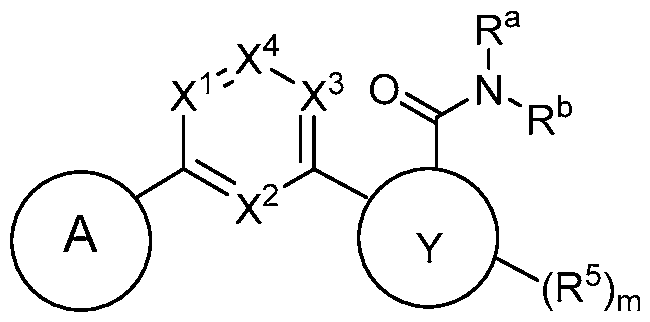





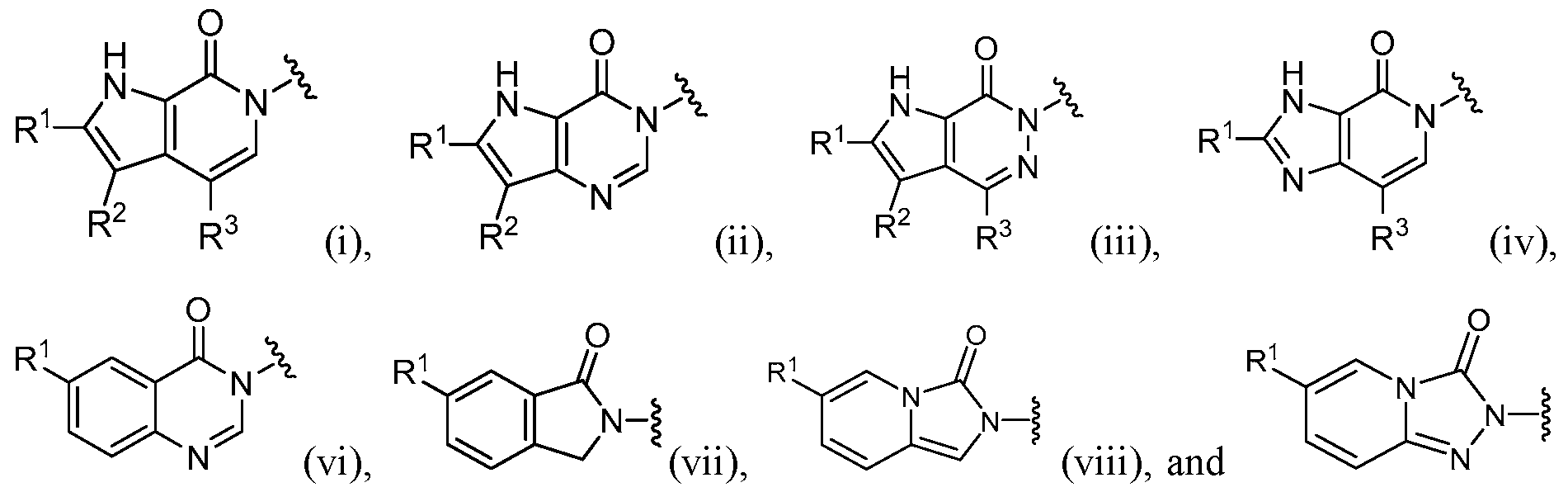


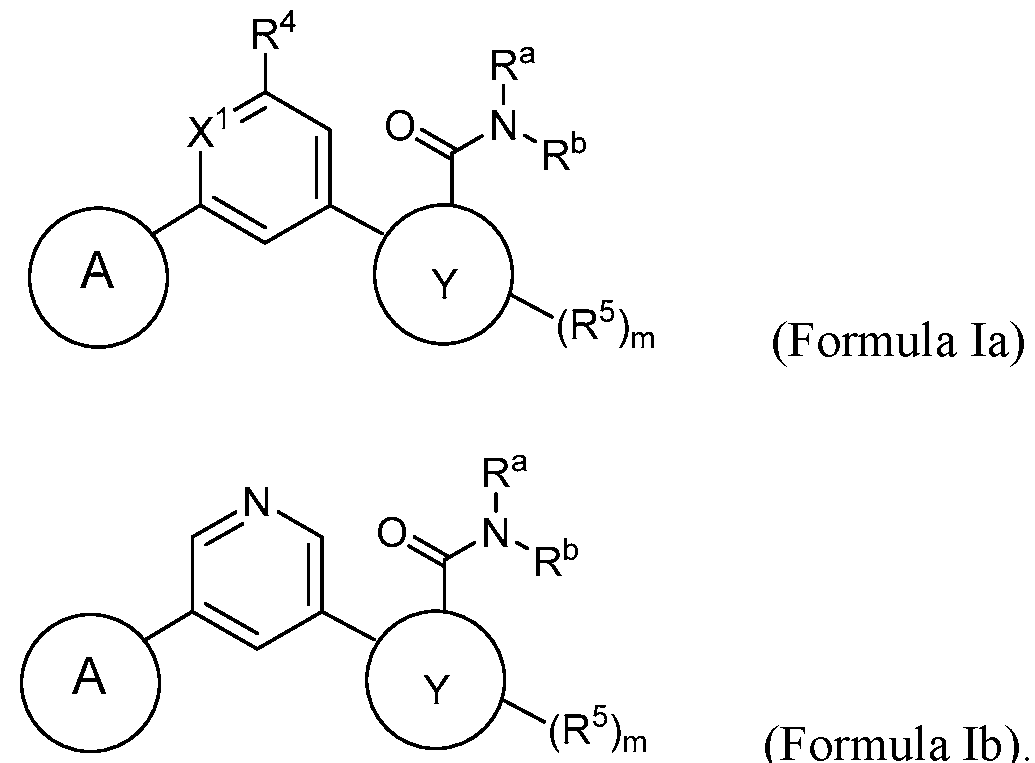


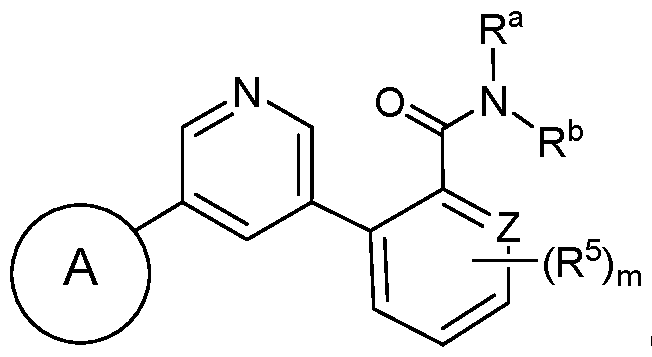
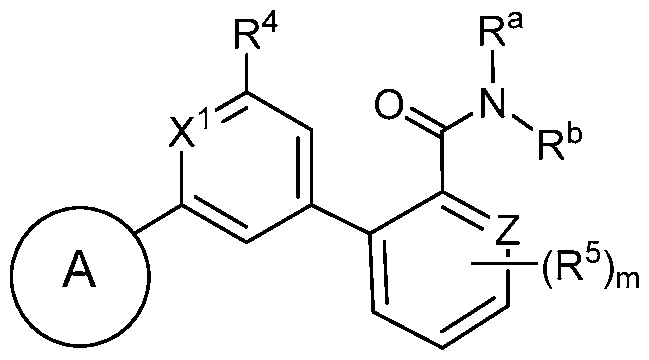


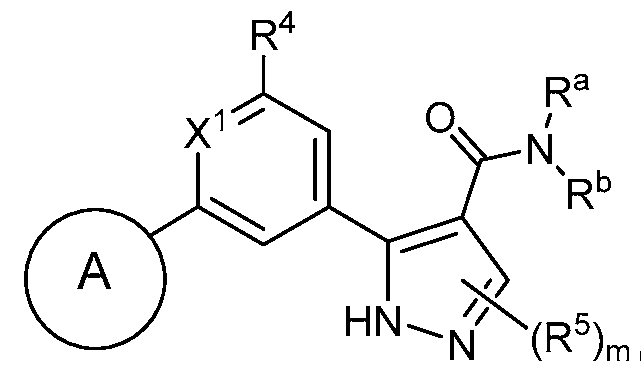


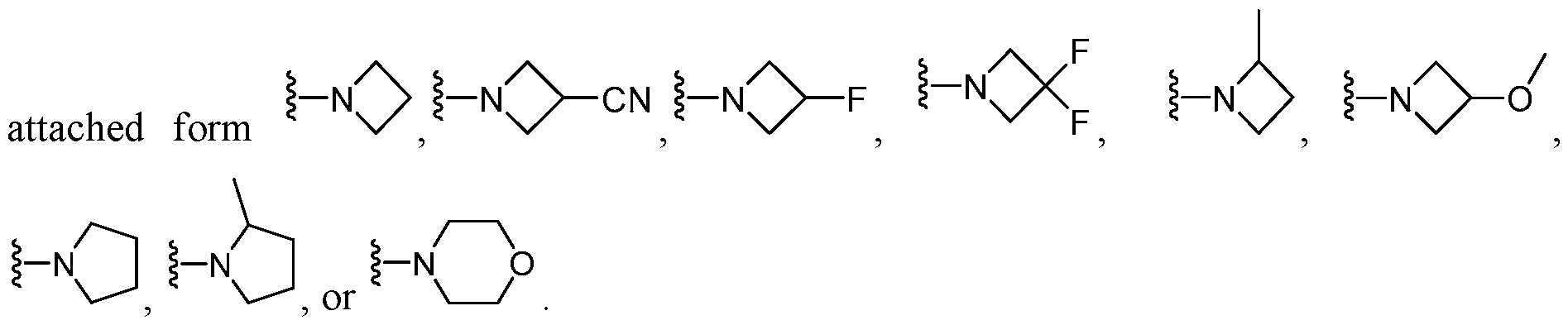


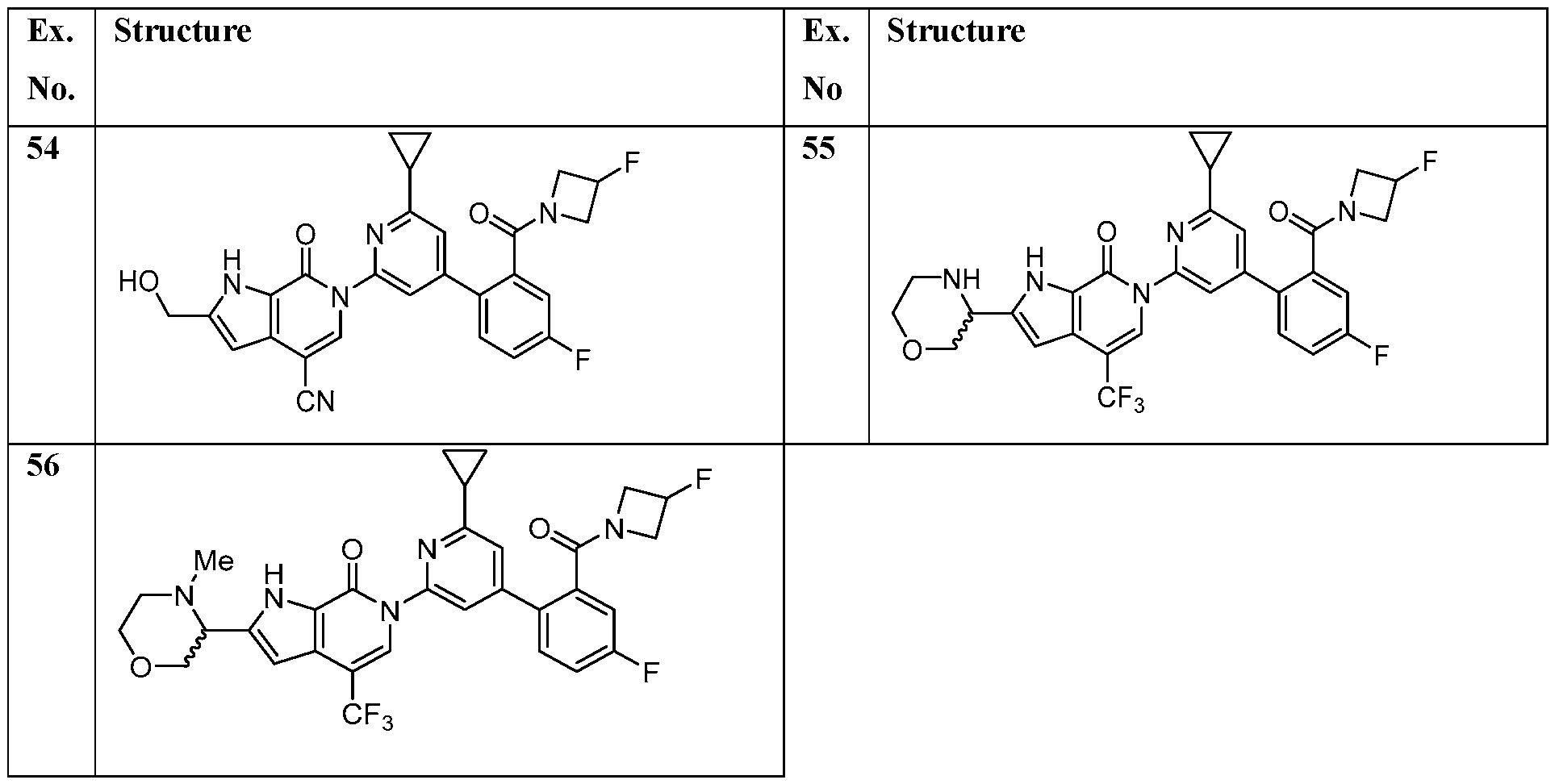


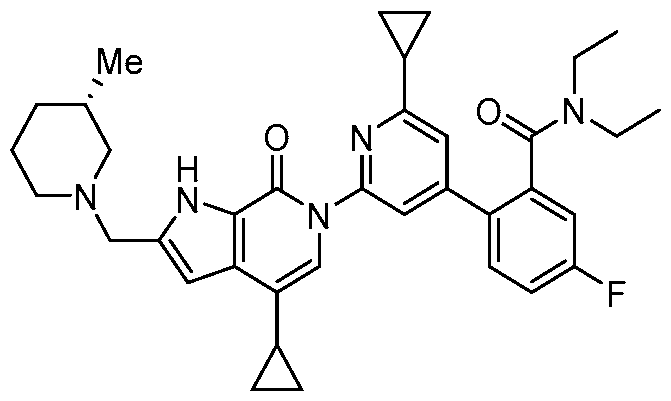
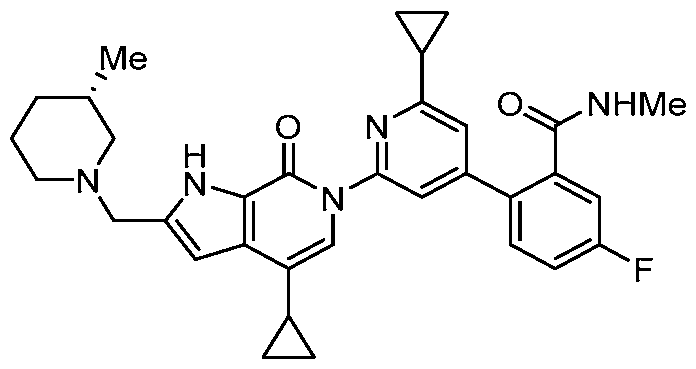


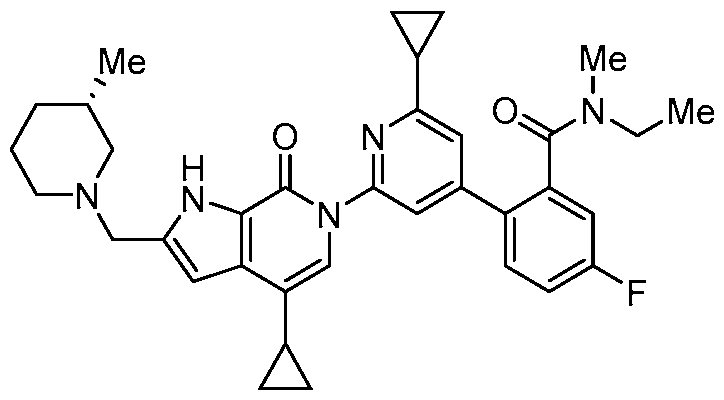
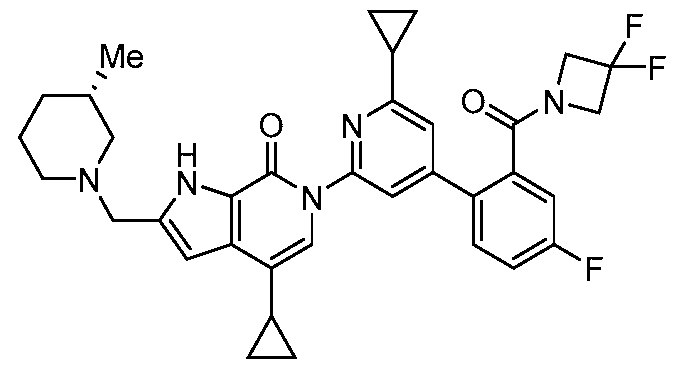


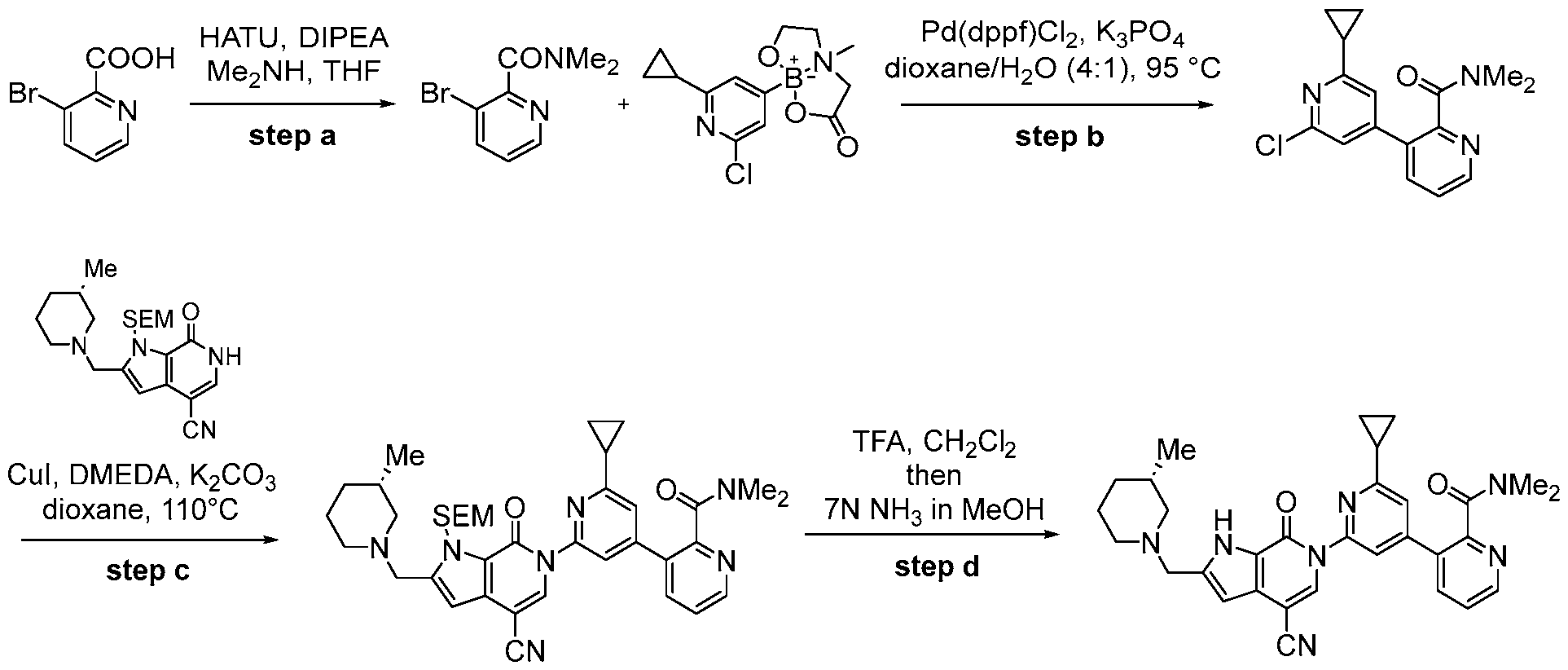


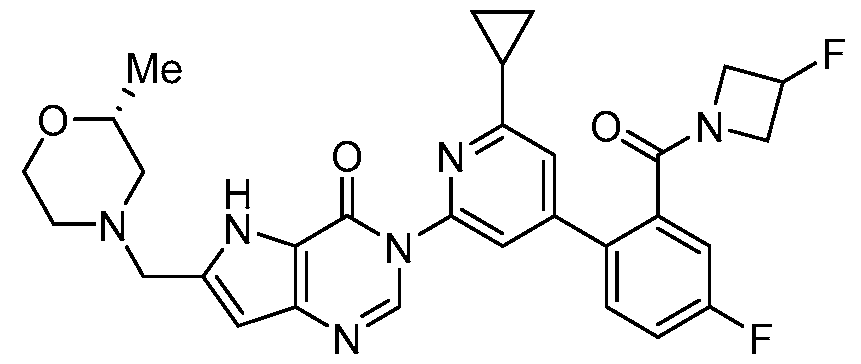

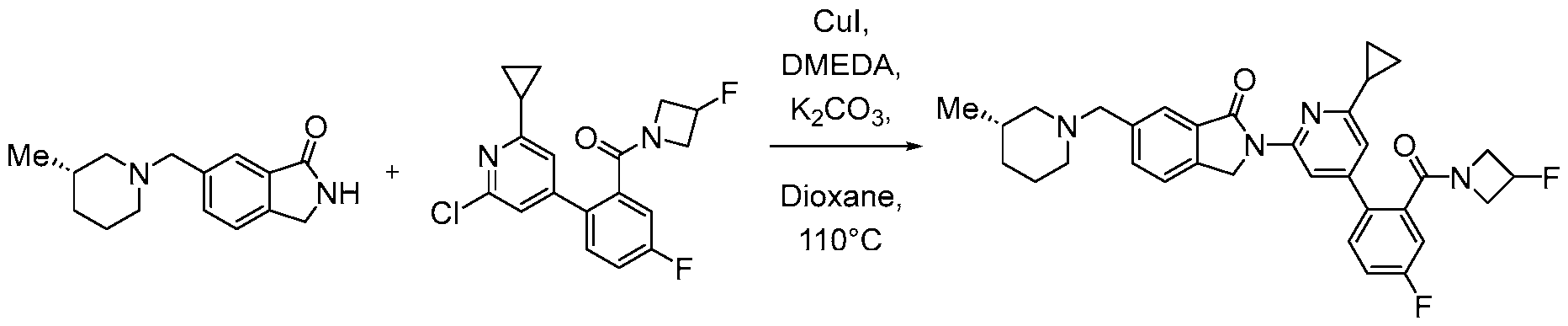


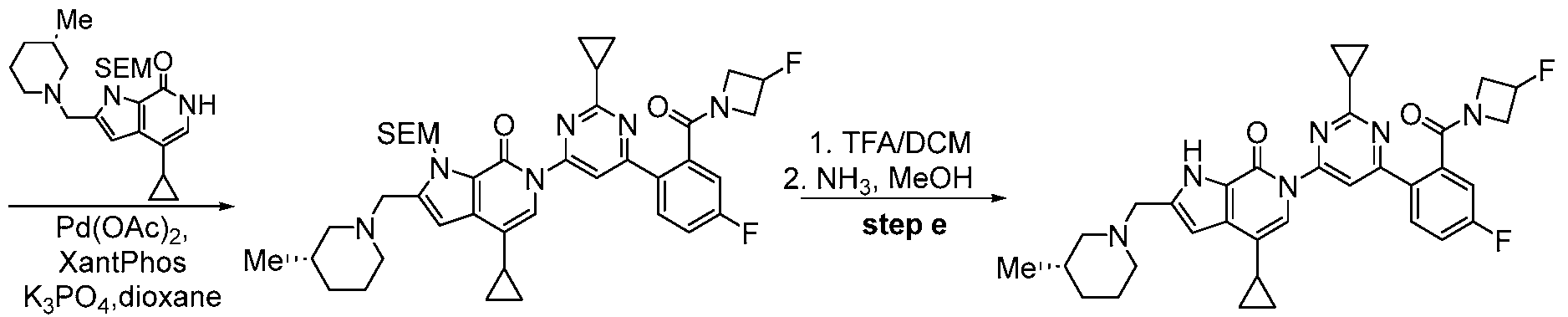


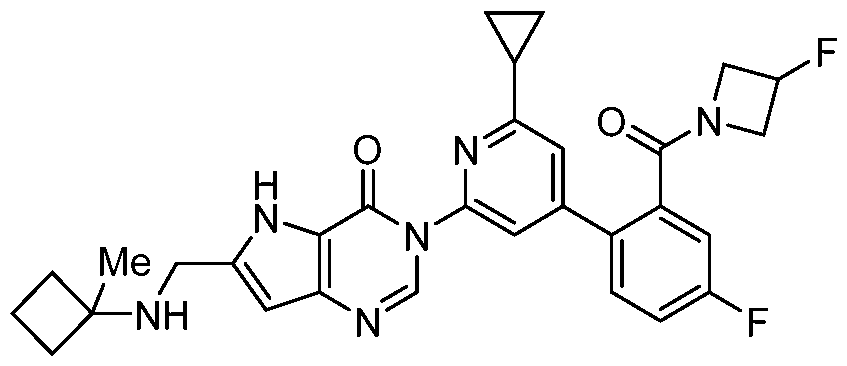
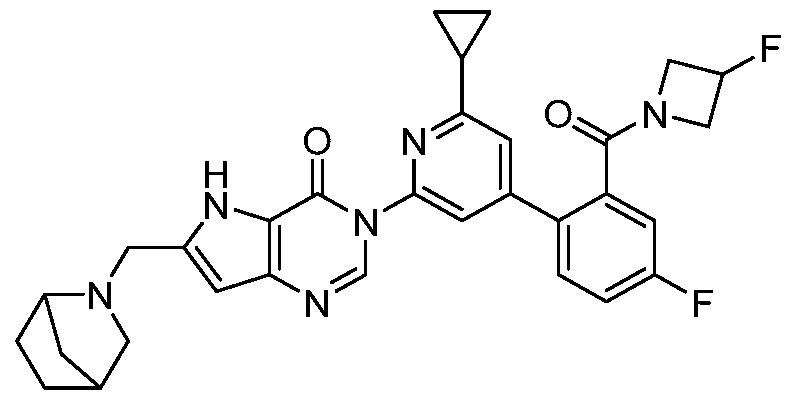


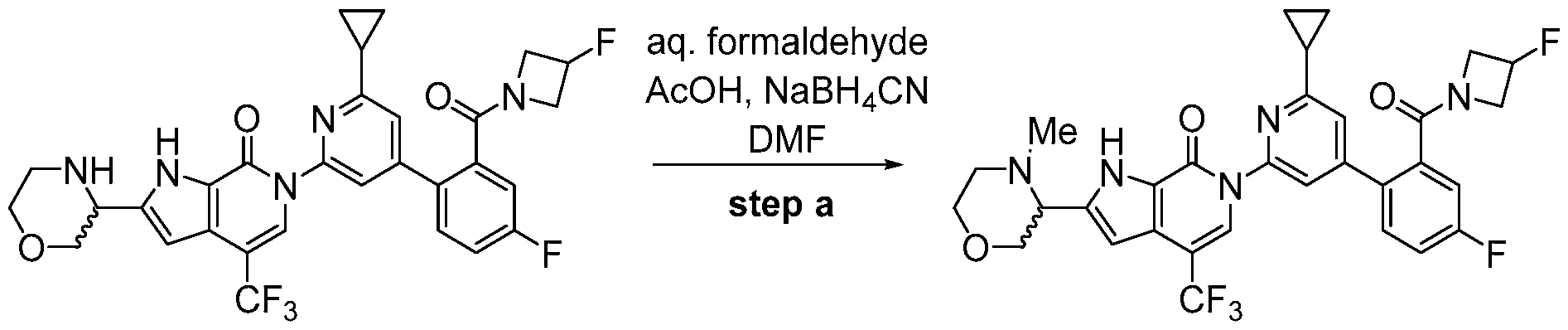


Claims


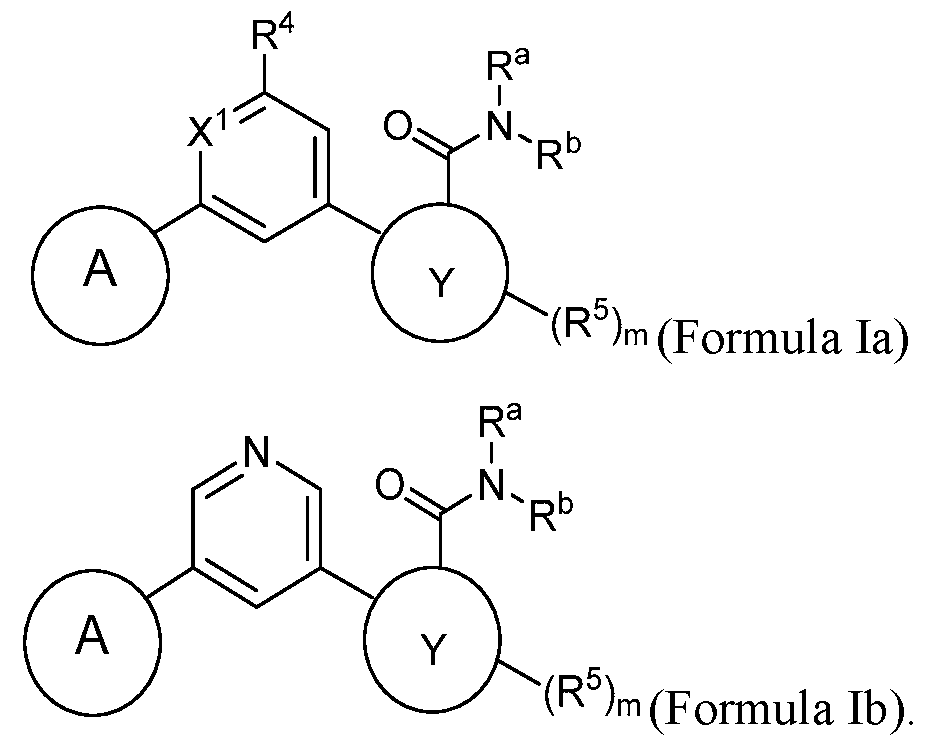


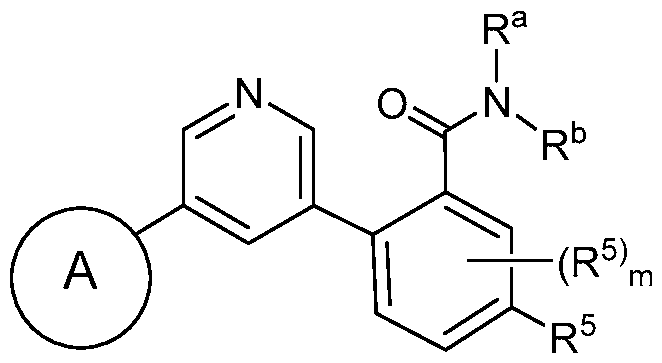


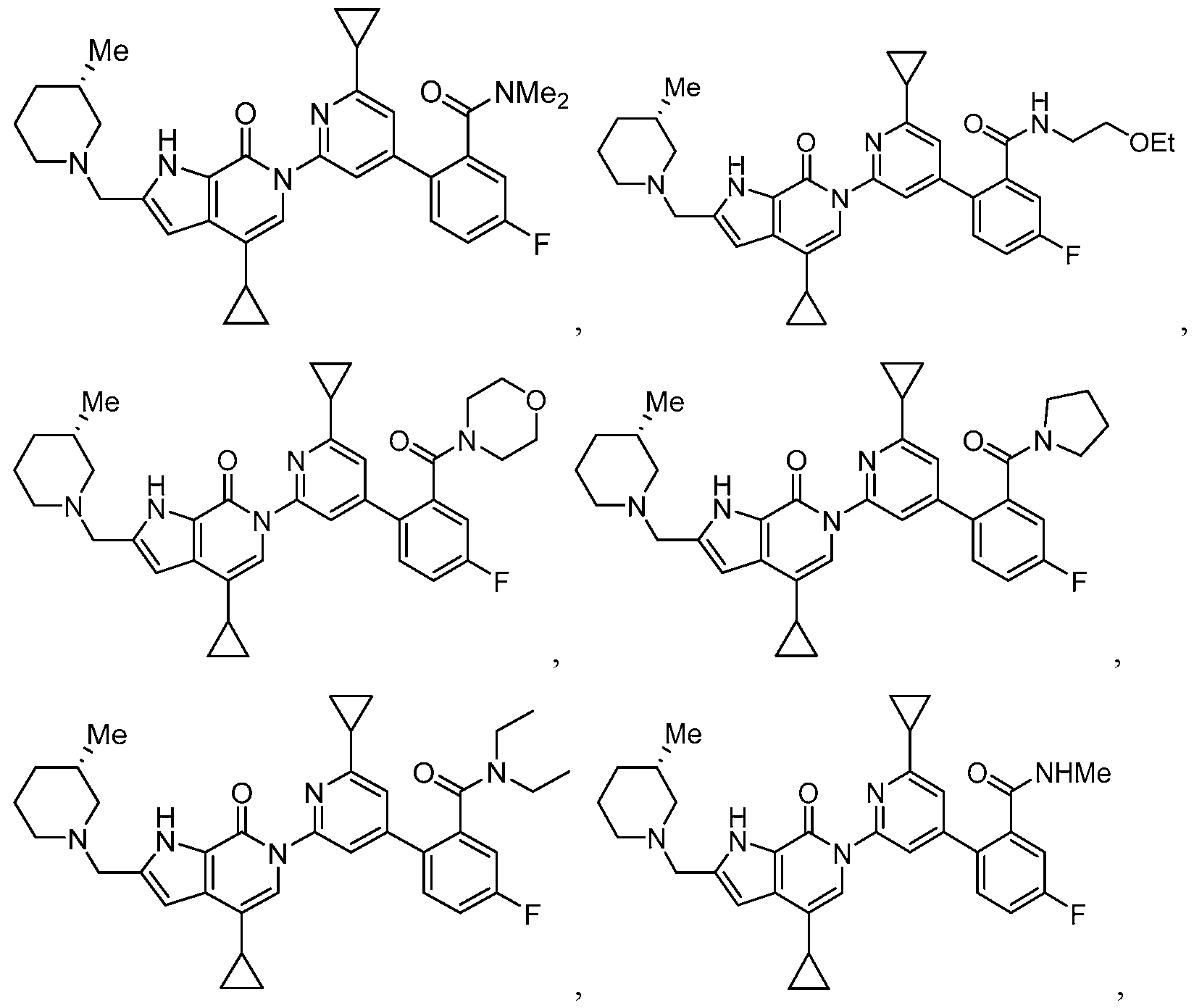


Applications Claiming Priority (4)
| Application Number | Priority Date | Filing Date | Title |
|---|---|---|---|
| US202363464400P | 2023-05-05 | 2023-05-05 | |
| US63/464,400 | 2023-05-05 | ||
| US202463623147P | 2024-01-19 | 2024-01-19 | |
| US63/623,147 | 2024-01-19 |
Publications (1)
| Publication Number | Publication Date |
|---|---|
| WO2024233360A1 true WO2024233360A1 (en) | 2024-11-14 |
Family
ID=91302742
Family Applications (1)
| Application Number | Title | Priority Date | Filing Date |
|---|---|---|---|
| PCT/US2024/027765 Pending WO2024233360A1 (en) | 2023-05-05 | 2024-05-03 | Cbl-b inhibitors and methods of use thereof |
Country Status (2)
| Country | Link |
|---|---|
| US (1) | US20240425497A1 (en) |
| WO (1) | WO2024233360A1 (en) |
Citations (41)
| Publication number | Priority date | Publication date | Assignee | Title |
|---|---|---|---|---|
| WO2006105021A2 (en) | 2005-03-25 | 2006-10-05 | Tolerrx, Inc. | Gitr binding molecules and uses therefor |
| WO2008132601A1 (en) | 2007-04-30 | 2008-11-06 | Immutep | Cytotoxic anti-lag-3 monoclonal antibody and its use in the treatment or prevention of organ transplant rejection and autoimmune disease |
| WO2009009116A2 (en) | 2007-07-12 | 2009-01-15 | Tolerx, Inc. | Combination therapies employing gitr binding molecules |
| WO2009044273A2 (en) | 2007-10-05 | 2009-04-09 | Immutep | Use of recombinant lag-3 or the derivatives thereof for eliciting monocyte immune response |
| WO2010019570A2 (en) | 2008-08-11 | 2010-02-18 | Medarex, Inc. | Human antibodies that bind lymphocyte activation gene-3 (lag-3), and uses thereof |
| WO2011028683A1 (en) | 2009-09-03 | 2011-03-10 | Schering Corporation | Anti-gitr antibodies |
| WO2011070024A1 (en) | 2009-12-10 | 2011-06-16 | F. Hoffmann-La Roche Ag | Antibodies binding preferentially human csf1r extracellular domain 4 and their use |
| WO2011109400A2 (en) | 2010-03-04 | 2011-09-09 | Macrogenics,Inc. | Antibodies reactive with b7-h3, immunologically active fragments thereof and uses thereof |
| WO2011107553A1 (en) | 2010-03-05 | 2011-09-09 | F. Hoffmann-La Roche Ag | Antibodies against human csf-1r and uses thereof |
| WO2011131407A1 (en) | 2010-03-05 | 2011-10-27 | F. Hoffmann-La Roche Ag | Antibodies against human csf-1r and uses thereof |
| WO2011140249A2 (en) | 2010-05-04 | 2011-11-10 | Five Prime Therapeutics, Inc. | Antibodies that bind csf1r |
| WO2012032433A1 (en) | 2010-09-09 | 2012-03-15 | Pfizer Inc. | 4-1bb binding molecules |
| WO2012145493A1 (en) | 2011-04-20 | 2012-10-26 | Amplimmune, Inc. | Antibodies and other molecules that bind b7-h1 and pd-1 |
| WO2013087699A1 (en) | 2011-12-15 | 2013-06-20 | F. Hoffmann-La Roche Ag | Antibodies against human csf-1r and uses thereof |
| WO2013119716A1 (en) | 2012-02-06 | 2013-08-15 | Genentech, Inc. | Compositions and methods for using csf1r inhibitors |
| WO2013132044A1 (en) | 2012-03-08 | 2013-09-12 | F. Hoffmann-La Roche Ag | Combination therapy of antibodies against human csf-1r and uses thereof |
| WO2013169264A1 (en) | 2012-05-11 | 2013-11-14 | Five Prime Therapeutics, Inc. | Methods of treating conditions with antibodies that bind colony stimulating factor 1 receptor (csf1r) |
| WO2014008218A1 (en) | 2012-07-02 | 2014-01-09 | Bristol-Myers Squibb Company | Optimization of antibodies that bind lymphocyte activation gene-3 (lag-3), and uses thereof |
| WO2014036357A1 (en) | 2012-08-31 | 2014-03-06 | Five Prime Therapeutics, Inc. | Methods of treating conditions with antibodies that bind colony stimulating factor 1 receptor (csf1r) |
| WO2017120508A1 (en) | 2016-01-08 | 2017-07-13 | Arcus Biosciences, Inc. | Modulators of 5'-nucleotidase, ecto and the use thereof |
| WO2017152088A1 (en) | 2016-03-04 | 2017-09-08 | JN Biosciences, LLC | Antibodies to tigit |
| WO2018067424A1 (en) | 2016-10-03 | 2018-04-12 | Arcus Biosciences, Inc. | Inhibitors of adenosine 5'-nucleotidase |
| WO2018094148A1 (en) | 2016-11-18 | 2018-05-24 | Arcus Biosciences, Inc. | Inhibitors of cd73-mediated immunosuppression |
| WO2018136700A1 (en) | 2017-01-20 | 2018-07-26 | Arcus Biosciences, Inc. | Azolopyrimidine for the treatment of cancer-related disorders |
| WO2018204661A1 (en) | 2017-05-05 | 2018-11-08 | Arcus Biosciences, Inc. | Quinazoline-pyridine derivatives for the treatment of cancer-related disorders |
| WO2018213377A1 (en) | 2017-05-17 | 2018-11-22 | Arcus Biosciences, Inc. | Quinazoline-pyrazole derivatives for the treatment of cancer-related disorders |
| WO2019148005A1 (en) * | 2018-01-26 | 2019-08-01 | Nurix Therapeutics, Inc. | Inhibitors of cbl-b and methods of use thereof |
| WO2019173188A1 (en) | 2018-03-05 | 2019-09-12 | Arcus Biosciences, Inc. | Arginase inhibitors |
| WO2020023846A1 (en) | 2018-07-27 | 2020-01-30 | Arcus Biosciences, Inc. | Pyridone a2r antagonists |
| WO2020046813A1 (en) | 2018-08-27 | 2020-03-05 | Arcus Biosciences, Inc. | Cd73 inhibitors |
| WO2020102646A2 (en) | 2018-11-16 | 2020-05-22 | Arcus Biosciences, Inc. | Inhibitors of arg1 and/or arg2 |
| WO2020247496A1 (en) | 2019-06-04 | 2020-12-10 | Arcus Biosciences, Inc. | 2,3,5-trisubstituted pyrazolo[1,5-a]pyrimidine compounds |
| WO2020264398A1 (en) | 2019-06-26 | 2020-12-30 | Nurix Therapeutics, Inc. | Substituted benzyl-triazole compounds for cbl-b inhibition, and further uses thereof |
| WO2021113436A1 (en) | 2019-12-04 | 2021-06-10 | Arcus Biosciences, Inc. | Inhibitors of hif-2alpha |
| WO2021188769A1 (en) | 2020-03-19 | 2021-09-23 | Arcus Biosciences, Inc. | Tetralin and tetrahydroquinoline compounds as inhibitors of hif-2alpha |
| WO2021247591A1 (en) | 2020-06-02 | 2021-12-09 | Arcus Biosciences, Inc. | Antibodies to tigit |
| WO2022246177A1 (en) | 2021-05-21 | 2022-11-24 | Arcus Biosciences, Inc. | Axl compounds |
| WO2022246179A1 (en) | 2021-05-21 | 2022-11-24 | Arcus Biosciences, Inc. | Axl inhibitor compounds |
| WO2023072273A1 (en) * | 2021-10-29 | 2023-05-04 | 先声再明医药有限公司 | Polycyclic compound as cbl-b inhibitor |
| WO2023077046A1 (en) | 2021-10-29 | 2023-05-04 | Arcus Biosciences, Inc. | Inhibitors of hif-2alpha and methods of use thereof |
| WO2024006726A2 (en) | 2022-06-28 | 2024-01-04 | Arcus Biosciences, Inc. | Compounds as inhibitors of axl |
-
2024
- 2024-05-03 WO PCT/US2024/027765 patent/WO2024233360A1/en active Pending
- 2024-05-03 US US18/654,773 patent/US20240425497A1/en active Pending
Patent Citations (41)
| Publication number | Priority date | Publication date | Assignee | Title |
|---|---|---|---|---|
| WO2006105021A2 (en) | 2005-03-25 | 2006-10-05 | Tolerrx, Inc. | Gitr binding molecules and uses therefor |
| WO2008132601A1 (en) | 2007-04-30 | 2008-11-06 | Immutep | Cytotoxic anti-lag-3 monoclonal antibody and its use in the treatment or prevention of organ transplant rejection and autoimmune disease |
| WO2009009116A2 (en) | 2007-07-12 | 2009-01-15 | Tolerx, Inc. | Combination therapies employing gitr binding molecules |
| WO2009044273A2 (en) | 2007-10-05 | 2009-04-09 | Immutep | Use of recombinant lag-3 or the derivatives thereof for eliciting monocyte immune response |
| WO2010019570A2 (en) | 2008-08-11 | 2010-02-18 | Medarex, Inc. | Human antibodies that bind lymphocyte activation gene-3 (lag-3), and uses thereof |
| WO2011028683A1 (en) | 2009-09-03 | 2011-03-10 | Schering Corporation | Anti-gitr antibodies |
| WO2011070024A1 (en) | 2009-12-10 | 2011-06-16 | F. Hoffmann-La Roche Ag | Antibodies binding preferentially human csf1r extracellular domain 4 and their use |
| WO2011109400A2 (en) | 2010-03-04 | 2011-09-09 | Macrogenics,Inc. | Antibodies reactive with b7-h3, immunologically active fragments thereof and uses thereof |
| WO2011107553A1 (en) | 2010-03-05 | 2011-09-09 | F. Hoffmann-La Roche Ag | Antibodies against human csf-1r and uses thereof |
| WO2011131407A1 (en) | 2010-03-05 | 2011-10-27 | F. Hoffmann-La Roche Ag | Antibodies against human csf-1r and uses thereof |
| WO2011140249A2 (en) | 2010-05-04 | 2011-11-10 | Five Prime Therapeutics, Inc. | Antibodies that bind csf1r |
| WO2012032433A1 (en) | 2010-09-09 | 2012-03-15 | Pfizer Inc. | 4-1bb binding molecules |
| WO2012145493A1 (en) | 2011-04-20 | 2012-10-26 | Amplimmune, Inc. | Antibodies and other molecules that bind b7-h1 and pd-1 |
| WO2013087699A1 (en) | 2011-12-15 | 2013-06-20 | F. Hoffmann-La Roche Ag | Antibodies against human csf-1r and uses thereof |
| WO2013119716A1 (en) | 2012-02-06 | 2013-08-15 | Genentech, Inc. | Compositions and methods for using csf1r inhibitors |
| WO2013132044A1 (en) | 2012-03-08 | 2013-09-12 | F. Hoffmann-La Roche Ag | Combination therapy of antibodies against human csf-1r and uses thereof |
| WO2013169264A1 (en) | 2012-05-11 | 2013-11-14 | Five Prime Therapeutics, Inc. | Methods of treating conditions with antibodies that bind colony stimulating factor 1 receptor (csf1r) |
| WO2014008218A1 (en) | 2012-07-02 | 2014-01-09 | Bristol-Myers Squibb Company | Optimization of antibodies that bind lymphocyte activation gene-3 (lag-3), and uses thereof |
| WO2014036357A1 (en) | 2012-08-31 | 2014-03-06 | Five Prime Therapeutics, Inc. | Methods of treating conditions with antibodies that bind colony stimulating factor 1 receptor (csf1r) |
| WO2017120508A1 (en) | 2016-01-08 | 2017-07-13 | Arcus Biosciences, Inc. | Modulators of 5'-nucleotidase, ecto and the use thereof |
| WO2017152088A1 (en) | 2016-03-04 | 2017-09-08 | JN Biosciences, LLC | Antibodies to tigit |
| WO2018067424A1 (en) | 2016-10-03 | 2018-04-12 | Arcus Biosciences, Inc. | Inhibitors of adenosine 5'-nucleotidase |
| WO2018094148A1 (en) | 2016-11-18 | 2018-05-24 | Arcus Biosciences, Inc. | Inhibitors of cd73-mediated immunosuppression |
| WO2018136700A1 (en) | 2017-01-20 | 2018-07-26 | Arcus Biosciences, Inc. | Azolopyrimidine for the treatment of cancer-related disorders |
| WO2018204661A1 (en) | 2017-05-05 | 2018-11-08 | Arcus Biosciences, Inc. | Quinazoline-pyridine derivatives for the treatment of cancer-related disorders |
| WO2018213377A1 (en) | 2017-05-17 | 2018-11-22 | Arcus Biosciences, Inc. | Quinazoline-pyrazole derivatives for the treatment of cancer-related disorders |
| WO2019148005A1 (en) * | 2018-01-26 | 2019-08-01 | Nurix Therapeutics, Inc. | Inhibitors of cbl-b and methods of use thereof |
| WO2019173188A1 (en) | 2018-03-05 | 2019-09-12 | Arcus Biosciences, Inc. | Arginase inhibitors |
| WO2020023846A1 (en) | 2018-07-27 | 2020-01-30 | Arcus Biosciences, Inc. | Pyridone a2r antagonists |
| WO2020046813A1 (en) | 2018-08-27 | 2020-03-05 | Arcus Biosciences, Inc. | Cd73 inhibitors |
| WO2020102646A2 (en) | 2018-11-16 | 2020-05-22 | Arcus Biosciences, Inc. | Inhibitors of arg1 and/or arg2 |
| WO2020247496A1 (en) | 2019-06-04 | 2020-12-10 | Arcus Biosciences, Inc. | 2,3,5-trisubstituted pyrazolo[1,5-a]pyrimidine compounds |
| WO2020264398A1 (en) | 2019-06-26 | 2020-12-30 | Nurix Therapeutics, Inc. | Substituted benzyl-triazole compounds for cbl-b inhibition, and further uses thereof |
| WO2021113436A1 (en) | 2019-12-04 | 2021-06-10 | Arcus Biosciences, Inc. | Inhibitors of hif-2alpha |
| WO2021188769A1 (en) | 2020-03-19 | 2021-09-23 | Arcus Biosciences, Inc. | Tetralin and tetrahydroquinoline compounds as inhibitors of hif-2alpha |
| WO2021247591A1 (en) | 2020-06-02 | 2021-12-09 | Arcus Biosciences, Inc. | Antibodies to tigit |
| WO2022246177A1 (en) | 2021-05-21 | 2022-11-24 | Arcus Biosciences, Inc. | Axl compounds |
| WO2022246179A1 (en) | 2021-05-21 | 2022-11-24 | Arcus Biosciences, Inc. | Axl inhibitor compounds |
| WO2023072273A1 (en) * | 2021-10-29 | 2023-05-04 | 先声再明医药有限公司 | Polycyclic compound as cbl-b inhibitor |
| WO2023077046A1 (en) | 2021-10-29 | 2023-05-04 | Arcus Biosciences, Inc. | Inhibitors of hif-2alpha and methods of use thereof |
| WO2024006726A2 (en) | 2022-06-28 | 2024-01-04 | Arcus Biosciences, Inc. | Compounds as inhibitors of axl |
Non-Patent Citations (2)
| Title |
|---|
| BERGE, S.M. ET AL.: "Pharmaceutical Salts", JOURNAL OF PHARMACEUTICAL SCIENCE, vol. 66, 1977, pages 1 - 19, XP002675560, DOI: 10.1002/jps.2600660104 |
| PARDOLL, NATURE REV. CANCER, vol. 12, April 2012 (2012-04-01), pages 252 - 64 |
Also Published As
| Publication number | Publication date |
|---|---|
| US20240425497A1 (en) | 2024-12-26 |
Similar Documents
| Publication | Publication Date | Title |
|---|---|---|
| EP4341262A1 (en) | Axl inhibitor compounds | |
| TWI829716B (en) | Fused pyrazine derivatives as a2a / a2b inhibitors | |
| JP7785209B2 (en) | Compounds as inhibitors of AXL | |
| EP4341261A1 (en) | Axl compounds | |
| EA026134B1 (en) | Tricyclic pi3k inhibitors and methods of use thereof | |
| EP3749669B3 (en) | Ahr modulators | |
| WO2021250399A1 (en) | 4-ethynylpyridine derivatives useful as gcn2 inhibitors | |
| EP4558501A1 (en) | Cbl-b inhibitors and methods of use thereof | |
| WO2025076299A1 (en) | Cbl-b inhibitors and methods of use thereof | |
| WO2024233360A1 (en) | Cbl-b inhibitors and methods of use thereof | |
| EP4602041A1 (en) | Hpk1 inhibitors and methods of use thereof | |
| WO2024243502A1 (en) | Cbl-b inhibitors and methods of use thereof | |
| EP4554680A1 (en) | Inhibitors of hpk1 and methods of use thereof | |
| HK40116573A (en) | Compounds as inhibitors of axl | |
| CN119816499A (en) | Triazine compound and application thereof | |
| HK40042159B (en) | Ahr modulators | |
| HK1227874A1 (en) | Tricyclic pi3k inhibitor compounds and methods of use | |
| HK1227874A (en) | Tricyclic pi3k inhibitor compounds and methods of use | |
| HK1227874B (en) | Tricyclic pi3k inhibitor compounds and methods of use | |
| HK1185871B (en) | Tricyclic pi3k inhibitor compounds and methods of use |
Legal Events
| Date | Code | Title | Description |
|---|---|---|---|
| 121 | Ep: the epo has been informed by wipo that ep was designated in this application |
Ref document number: 24729551 Country of ref document: EP Kind code of ref document: A1 |
|
| WWE | Wipo information: entry into national phase |
Ref document number: 2024729551 Country of ref document: EP |
|
| NENP | Non-entry into the national phase |
Ref country code: DE |
|
| ENP | Entry into the national phase |
Ref document number: 2024729551 Country of ref document: EP Effective date: 20251205 |
|
| ENP | Entry into the national phase |
Ref document number: 2024729551 Country of ref document: EP Effective date: 20251205 |