WO2024229296A1 - Mammalian polycistronic expression system for direct translation from rna and secretion of cargo - Google Patents
Mammalian polycistronic expression system for direct translation from rna and secretion of cargo Download PDFInfo
- Publication number
- WO2024229296A1 WO2024229296A1 PCT/US2024/027553 US2024027553W WO2024229296A1 WO 2024229296 A1 WO2024229296 A1 WO 2024229296A1 US 2024027553 W US2024027553 W US 2024027553W WO 2024229296 A1 WO2024229296 A1 WO 2024229296A1
- Authority
- WO
- WIPO (PCT)
- Prior art keywords
- nucleic acid
- unit
- protein
- etis
- acid composition
- Prior art date
- Legal status (The legal status is an assumption and is not a legal conclusion. Google has not performed a legal analysis and makes no representation as to the accuracy of the status listed.)
- Pending
Links
Classifications
-
- C—CHEMISTRY; METALLURGY
- C12—BIOCHEMISTRY; BEER; SPIRITS; WINE; VINEGAR; MICROBIOLOGY; ENZYMOLOGY; MUTATION OR GENETIC ENGINEERING
- C12N—MICROORGANISMS OR ENZYMES; COMPOSITIONS THEREOF; PROPAGATING, PRESERVING, OR MAINTAINING MICROORGANISMS; MUTATION OR GENETIC ENGINEERING; CULTURE MEDIA
- C12N15/00—Mutation or genetic engineering; DNA or RNA concerning genetic engineering, vectors, e.g. plasmids, or their isolation, preparation or purification; Use of hosts therefor
- C12N15/09—Recombinant DNA-technology
- C12N15/11—DNA or RNA fragments; Modified forms thereof; Non-coding nucleic acids having a biological activity
-
- A—HUMAN NECESSITIES
- A61—MEDICAL OR VETERINARY SCIENCE; HYGIENE
- A61K—PREPARATIONS FOR MEDICAL, DENTAL OR TOILETRY PURPOSES
- A61K48/00—Medicinal preparations containing genetic material which is inserted into cells of the living body to treat genetic diseases; Gene therapy
- A61K48/005—Medicinal preparations containing genetic material which is inserted into cells of the living body to treat genetic diseases; Gene therapy characterised by an aspect of the 'active' part of the composition delivered, i.e. the nucleic acid delivered
-
- C—CHEMISTRY; METALLURGY
- C12—BIOCHEMISTRY; BEER; SPIRITS; WINE; VINEGAR; MICROBIOLOGY; ENZYMOLOGY; MUTATION OR GENETIC ENGINEERING
- C12N—MICROORGANISMS OR ENZYMES; COMPOSITIONS THEREOF; PROPAGATING, PRESERVING, OR MAINTAINING MICROORGANISMS; MUTATION OR GENETIC ENGINEERING; CULTURE MEDIA
- C12N15/00—Mutation or genetic engineering; DNA or RNA concerning genetic engineering, vectors, e.g. plasmids, or their isolation, preparation or purification; Use of hosts therefor
- C12N15/09—Recombinant DNA-technology
- C12N15/63—Introduction of foreign genetic material using vectors; Vectors; Use of hosts therefor; Regulation of expression
- C12N15/79—Vectors or expression systems specially adapted for eukaryotic hosts
- C12N15/85—Vectors or expression systems specially adapted for eukaryotic hosts for animal cells
-
- C—CHEMISTRY; METALLURGY
- C12—BIOCHEMISTRY; BEER; SPIRITS; WINE; VINEGAR; MICROBIOLOGY; ENZYMOLOGY; MUTATION OR GENETIC ENGINEERING
- C12N—MICROORGANISMS OR ENZYMES; COMPOSITIONS THEREOF; PROPAGATING, PRESERVING, OR MAINTAINING MICROORGANISMS; MUTATION OR GENETIC ENGINEERING; CULTURE MEDIA
- C12N2310/00—Structure or type of the nucleic acid
- C12N2310/30—Chemical structure
- C12N2310/35—Nature of the modification
- C12N2310/351—Conjugate
- C12N2310/3519—Fusion with another nucleic acid
-
- C—CHEMISTRY; METALLURGY
- C12—BIOCHEMISTRY; BEER; SPIRITS; WINE; VINEGAR; MICROBIOLOGY; ENZYMOLOGY; MUTATION OR GENETIC ENGINEERING
- C12N—MICROORGANISMS OR ENZYMES; COMPOSITIONS THEREOF; PROPAGATING, PRESERVING, OR MAINTAINING MICROORGANISMS; MUTATION OR GENETIC ENGINEERING; CULTURE MEDIA
- C12N2840/00—Vectors comprising a special translation-regulating system
- C12N2840/10—Vectors comprising a special translation-regulating system regulates levels of translation
Definitions
- the present disclosure relates to the field of polynucleotide expression. Description of the Related Art
- RNA vaccines and therapeutics In the nascent era of RNA vaccines and therapeutics, the ability to express multiple proteins from a single RNA transcript and the ability to control translation product stoichiometry from a single polycistronic mammalian RNA is becoming increasingly important.
- the current Pfizer/BioNTech and Moderna COVID-19 vaccines employ a messenger RNA (mRNA) that encodes for a single polypeptide (the spike protein) which acts as the antigen for the immune response.
- mRNA vaccines and therapeutics become increasingly common and complex, there will be an increasing need for methods and compositions enabling expression of multiple polypeptides from a single RNA.
- protein interaction circuits such as CHOMP. These circuits can be introduced into a cell via a mRNA, bypassing most of the central dogma processes. Proper circuit constituent stoichiometry is important for a reliable and reproducible circuit function.
- Expression of multiple proteins can be done by co-introduction of multiple plasmids, RNAs, viral vectors or similar genetic constructs into a pool of cells. Such methods are problematic because the ratios of individual components in each cell do not perfectly correlate with the ratios of the parent mixture due to inherent stochasticity in the co-introduction methods. Controlling gene product stoichiometry is often done by expressing multiple RNAs from promoters of varying strengths or by titrating promoter-specific chemical inducers. These approaches, however, are not applicable for polycistronic mRNAs since transcription is bypassed.
- a viral Internal Ribosome Entry Site can provide an additional ribosome flux for expression of a secondary product, but the expression is severely attenuated.
- IRES sequences are long, which limits other sequence content that can be included with the capacity of a vector.
- Another option is to link the polypeptides with a self-cleaving viral 2A sequence (such as P2A). This approach generally achieves higher expression compared to IRES but the translation rate is locked at equivalence. Additionally, 2A sequences introduce nonnative amino acids to each polypeptide, which in many cases negatively affect the proper function of the protein.
- compositions and methods enabling expression of multiple proteins from a single mRNA which provide a user-friendly framework to arbitrarily and predictably tune translated product stoichiometry.
- nucleic acid compositions comprising: a polynucleotide comprising a first nucleic acid unit and a second nucleic acid unit.
- the first nucleic acid unit encodes one or more first unit payload protein(s).
- the second nucleic acid unit encodes one or more second unit payload protein(s).
- the first nucleic acid unit and the second nucleic acid unit each comprise an engineered translation initiation site (eTIS) comprising a three-nucleotide tunable element immediately upstream of a start codon.
- eTIS engineered translation initiation site
- the polynucleotide is capable of being translated to generate the one or more first unit payload protein(s) and the one or more second unit payload protein(s), optionally the polynucleotide is a polycistronic transcript.
- the eTIS of each of the first nucleic acid unit and the second nucleic acid unit is configured to achieve a predetermined stoichiometry of the one or more first unit payload protein(s) and one or more second unit payload protein(s) in a cell or cell-like environment.
- the nucleic acid composition comprises at least one modified nucleotide and/or at least one nucleotide analogue or nucleotide derivative; and/or (ii) the polynucleotide comprises an eTIS combination of a first eTIS of the first nucleic acid unit and a second eTIS of the second nucleic acid unit, and wherein the tunable element of the first eTIS and the second eTIS are independently selected from the group consisting of AAA, AAT, AAC, AAG, ATA, ATT, ATC, ATG, AC A, ACT, ACC, ACG, AGA, AGT, AGC, AGG, TAA, TAT, TAC, TAG, TTA, TTT, TTC, TTG, TCA, TCT, TCC, TCG, TGA, TGT, TGC, TGG, CAA, CAT, CAC, CAG, CTA, CTT, CTC, CTG, CCA, C
- nucleic acid compositions comprising: a promoter operably linked to a polynucleotide comprising a first nucleic acid unit and a second nucleic acid unit.
- the first nucleic acid unit encodes one or more first unit payload protein(s).
- the second nucleic acid unit encodes one or more second unit payload protein(s).
- the first nucleic acid unit and the second nucleic acid unit each comprise an engineered translation initiation site (eTIS) comprising a three-nucleotide tunable element immediately upstream of a start codon.
- eTIS engineered translation initiation site
- the promoter is capable of inducing transcription of the first nucleic acid unit and the second nucleic acid unit to generate a polycistronic transcript.
- the polycistronic transcript is capable of being translated to generate the one or more first unit payload protein(s) and the one or more second unit payload protein(s).
- the eTIS of each of the first nucleic acid unit and the second nucleic acid unit is configured to achieve a predetermined stoichiometry of the one or more first unit payload protein(s) and one or more second unit payload protein(s) in a cell or cell-like environment.
- the nucleic acid composition comprises at least one modified nucleotide and/or at least one nucleotide analogue or nucleotide derivative; and/or (ii) the polynucleotide comprises an eTIS combination of a first eTIS of the first nucleic acid unit and a second eTIS of the second nucleic acid unit, and wherein the tunable element of the first eTIS and the second eTIS are independently selected from the group consisting of AAA, AAT, AAC, AAG, ATA, ATT, ATC, ATG, ACA, ACT, ACC, ACG, AGA, AGT, AGC, AGG, TAA, TAT, TAC, TAG, TTA, TTT, TTC, TTG, TCA, TCT, TCC, TCG, TGA, TGT, TGC, TGG, CAA, CAT, CAC, CAG, CTA, CTT, CTC, CTG, CCA, C
- GAU GUA, GUU, GUC, GUG, GCU, GGU, or any combination thereof.
- the eTIS comprises at least one modified nucleotide and/or at least one nucleotide analogue or nucleotide derivative.
- the at least one modified nucleotide and/or at least one nucleotide analogues is selected from a backbone modified nucleotide, a sugar modified nucleotide and/or a base modified nucleotide, or any combination thereof.
- the least one modified nucleotide and/or the at least one nucleotide analog is selected from 1 -methyladenosine, 2-methyladenosine, N6- methyladenosine, 2'-O-methyladenosine, 2-methylthio-N6-methyladenosine, N6- isopentenyladenosine, 2-methylthio-N6-isopentenyladenosine, N6-threonylcarbamoyladenosine, 2-methylthio-N6-threonyl carbamoyladenosine, N6-methyl-N6-threonylcarbamoyladenosine, N6- hydroxynorvalylcarbamoyladenosine, 2-methylthio-N6-hydroxynorvalyl carbamoyladenosine, inosine, 3 -methylcytidine, 2'-O-methylcytidine, 2-thiocytidine, N
- the eTIS combination comprises: a first eTIS comprising a tunable element consisting of TTT or UUU; and a second eTIS comprising a tunable element consisting of ACC.
- the eTIS combination comprises: a first eTIS comprising a tunable element consisting of CCC; and a second eTIS comprising a tunable element consisting of ACC.
- the eTIS combination comprises: a first eTIS comprising a tunable element consisting of ACC; and a second eTIS comprising a tunable element consisting of ACC.
- the eTIS combination comprises: a first eTIS comprising a tunable element consisting of TTC or UUC; and a second eTIS comprising a tunable element consisting of ACC.
- the eTIS combination comprises: a first eTIS comprising a tunable element consisting of GGG; and a second eTIS comprising a tunable element consisting of ACC.
- the polynucleotide further comprises n supplemental nucleic acid unit(s), wherein n is an integer greater than zero.
- each supplemental nucleic acid unit encodes one or more supplemental unit payload protein(s).
- each supplemental nucleic acid unit comprises an engineered translation initiation site (eTIS) comprising a three-nucleotide tunable element immediately upstream of a start codon.
- eTIS engineered translation initiation site
- the promoter is capable of inducing transcription of the first nucleic acid unit, the second nucleic acid unit, and each supplemental nucleic acid unit to generate the polycistronic transcript, In some embodiments, the polycistronic transcript is capable of being translated to generate the one or more first unit payload protein(s), the one or more second unit payload protein(s), and the one or more supplemental unit payload protein(s) encoded by each of the n supplemental nucleic acid unit(s).
- the eTIS of each of the first nucleic acid unit, the second nucleic acid unit, and the n supplemental nucleic acid unit(s) is configured to achieve a predetermined stoichiometry of the one or more first unit payload protein(s), the one or more second unit payload protein(s), and the one or more supplemental unit payload protein(s) encoded by each of the n supplemental nucleic acid unit(s) in a cell or cell-like environment.
- the first nucleic acid unit is upstream of the second nucleic acid unit, optionally the second nucleic acid unit is upstream of the n supplemental nucleic acid unit(s).
- the first nucleic acid unit, the second nucleic acid unit, and the n supplemental nucleic acid unit(s) each comprise an open reading frame (ORF).
- the tunable element modulates the strength of an eTIS of a nucleic acid unit, and wherein the strength of an eTIS of a nucleic acid unit is related to the fraction of the 43 S preinitiation complex (PIC) scanning the polycistronic transcript that initiate and translate the open reading frame of said nucleic acid unit by engaging with the 60S ribosomal subunit upon reaching said eTIS.
- PIC 43 S preinitiation complex
- the tunable element of each (eTIS) of each supplemental nucleic acid unit is independently selected from the group consisting of AAA, AAT, AAC, AAG, ATA, ATT, ATC, ATG, ACA, ACT, ACC, ACG, AGA, AGT, AGC, AGG, TAA, TAT, TAC, TAG, TTA, TTT, TTC, TTG, TCA, TCT, TCC, TCG, TGA, TGT, TGC, TGG, CAA, CAT, CAC, CAG, CTA, CTT, CTC, CTG, CCA, CCT, CCC, CCG, CGA, CGT, CGC, CGG, GAA, GAT, GAC, GAG, GTA, GTT, GTC, GTG, GCA, GCT, GCC, GCG, GGA, GGT, GGC, GGG, AAU, AUA, AUU, AUC, AUG, ACU, AGU, UAA, UAU, U
- the n supplemental nucleic acid unit(s) comprise one or more of a third nucleic acid unit, a fourth nucleic acid unit, a fifth nucleic acid unit, a sixth nucleic acid unit, a seventh nucleic acid unit, an eight nucleic acid unit, and a nineth nucleic acid unit.
- the eTIS combination further comprises a third eTIS of the third nucleic acid unit.
- the eTIS combination comprises: a first eTIS comprising a tunable element consisting of ACC; a second eTIS comprising a tunable element consisting of ACC; and a third eTIS comprising a tunable element consisting of ACC.
- the eTIS combination comprises: a first eTIS comprising a tunable element consisting of ACC; a second eTIS comprising a tunable element consisting of TTT or UUU; and a third eTIS comprising a tunable element consisting of ACC.
- the eTIS combination comprises: a first eTIS comprising a tunable element consisting of CCC; a second eTIS comprising a tunable element consisting of TTT or UUU; and a third eTIS comprising a tunable element consisting of ACC.
- the eTIS combination comprises: a first eTIS comprising a tunable element consisting of TTT or UUU; a second eTIS comprising a tunable element consisting of ACC; and a third eTIS comprising a tunable element consisting of ACC.
- the eTIS combination comprises: a first eTIS comprising a tunable element consisting of TTT or UUU; a second eTIS comprising a tunable element consisting of CCC; and a third eTIS comprising a tunable element consisting of ACC.
- the eTIS combination comprises: a first eTIS comprising a tunable element consisting of TTT or UUU; a second eTIS comprising a tunable element consisting of TTT or UUU; and a third eTIS comprising a tunable element consisting of ACC.
- the first eTIS, the second eTIS, the third eTIS, the fourth eTIS, and/or the fifth eTIS comprise a Kozak sequence or derivative thereof. In some embodiments, the first eTIS, the second eTIS, the third eTIS, the fourth eTIS, and/or the fifth eTIS comprise a start codon and about 3-10 neighboring nucleotides.
- one or more of the first unit payload protein(s), the second unit payload protein(s), and the supplemental unit payload protein(s) is a payload, is a component of a payload, or chaperones the assembly of a payload.
- two or more of the first unit payload protein(s), the second unit payload protein(s), and the supplemental unit payload protein(s) are components of a multimeric protein complex.
- two or more of the first unit payload protein(s), the second unit payload protein(s), and/or the supplemental unit payload protein(s) are capable of forming an antibody or antigen-binding fragment thereof, optionally one or more of the first unit payload protein(s), the second unit payload protein(s), and the supplemental unit payload protein(s) is a light chain, and one or more of the first unit payload protein(s), the second unit payload protein(s), and the supplemental unit payload protein(s) is heavy chain.
- one or more of the first unit payload protein(s), the second unit payload protein(s), and the supplemental unit payload protein(s) is a toxin, and wherein one or more of the first unit payload protein(s), the second unit payload protein(s), and the supplemental unit payload protein(s) is an antitoxin.
- one or more of the first unit payload protein(s), the second unit payload protein(s), and the supplemental unit payload protein(s) is a structural protein, and wherein one or more of the first unit payload protein(s), the second unit payload protein(s), and the supplemental unit payload protein(s) is a chaperone.
- two or more of the first unit payload protein(s), the second unit payload protein(s), and/or the supplemental unit payload protein(s) are capable of one or more of: (i) forming mosaic virus-like particles; (ii) forming all or a portion of a metabolic pathway; (iii) complex and/or polyclonal antigen(s); (iv) a cytokine cocktail; (v) an immunomodulatory cocktail; (vi) all or a portion of an enzymatic pathway, optionally for the production of a small molecule, further optionally a small molecule therapeutic; and (vii) ex vivo and/or in vivo cell fate determination and/or reprogramming, further optionally via expression of two or more transcription factors, optionally expression of two or more transcription factors radiometrically.
- two or more of the first unit payload protein(s), the second unit payload protein(s), and/or the supplemental unit payload protein(s) are configured for secretion, optionally via an N-terminal signal peptide, further optionally a signal peptide derived from CD8, IgGl heavy chain, IgK light chain and/or GM-CSF.
- the nucleic acid composition is capable of causing less cellular burden, toxicity, and/or apoptosis as compared to a nucleic acid composition wherein the expression of the first unit payload protein(s), the second unit payload protein(s), and the supplemental unit payload protein(s) is achieved via two or more separate polynucleotides, optionally the separate polynucleotides are separate vectors.
- the first nucleic acid unit can be upstream of the second nucleic acid unit.
- the second nucleic acid unit is upstream of the n supplemental nucleic acid unit(s).
- the first nucleic acid unit, the second nucleic acid unit, and the n supplemental nucleic acid unit(s) each comprise an open reading frame (ORF).
- the tunable element modulates the strength of an eTIS of a nucleic acid unit, and wherein the strength of an eTIS of a nucleic acid unit is related to the fraction of the ribosomes scanning the polycistronic transcript that initiate and translate the open reading frame of said nucleic acid unit upon reaching said eTIS.
- the expression level of a unit payload protein is inversely related to the number and strength of eTIS situated upstream of the nucleic acid unit from which it derives on the polycistronic transcript.
- the strength of the eTIS of the first nucleic acid unit is inversely proportional to the expression level of the second unit payload protein(s).
- the expression level of the second unit payload protein(s) is inversely related to the fraction of the ribosomes initiating and translating the open reading frame of the first nucleic acid unit.
- the strength of the eTIS of the second nucleic acid unit is greater than the strength of the eTIS of the first nucleic acid unit, and thereby the eTIS of the second nucleic acid unit efficiently captures the ribosomal translational activity that fails to initiate at the eTIS of the first nucleic acid unit.
- the tunable element can be AAA, AAT, AAC, AAG, ATA, ATT, ATC, ATG, ACA, ACT, ACC, ACG, AGA, AGT, AGC, AGG, TAA, TAT, TAC, TAG, TTA, TTT, TTC, TTG, TCA, TCT, TCC, TCG, TGA, TGT, TGC, TGG, CAA, CAT, CAC, CAG, CTA, CTT, CTC, CTG, CCA, CCT, CCC, CCG, CGA, CGT, CGC, CGG, GAA, GAT, GAC, GAG, GTA, GTT, GTC, GTG, GCA, GCT, GCC, GCG, GGA, GGT, GGC, GGG, or any combination thereof.
- the tunable element is ACC, GGG, CCC, TTC, TTT, or any combination thereof.
- the tunable element is selected AAA, AAU, AAC, AAG, AU A, AUU, AUC, AUG, ACA, ACU, ACC, ACG, AGA, AGU, AGC, AGG, UAA, UAU, UAC, UAG, UUA, UUU, UUC, UUG, UCA, UCU, UCC, UCG, UGA, UGU, UGC, UGG, CAA, CAU, CAC, CAG, CUA, CUU, CUC, CUG, CCA, CCU, CCC, CCG, CGA, CGU, CGC, CGG, GAA, GAU, GAC, GAG, GUA, GUU, GUC, GUG, GCA, GCU, GCC, GCG, GGA, GGU, GGC, GGG, and any combination thereof.
- the tunable element is ACC, GGG, CCC, UUC, UUU, or any combination thereof.
- the first nucleic acid unit, the second nucleic acid unit, and/or n supplemental nucleic acid unit(s) each comprise one or more of a first eTIS, a second eTIS, a third eTIS, a fourth eTIS, and/or a fifth eTIS.
- the first eTIS comprises a tunable element consisting of ACC; the second eTIS comprises a tunable element consisting of GGG; the third eTIS comprises a tunable element consisting of CCC; the fourth eTIS comprises a tunable element consisting of TTC or UUC; and the fifth eTIS comprises a tunable element consisting of TTT or UUU.
- the first eTIS has greater strength than the second eTIS, wherein the second eTIS has greater strength than the third eTIS, wherein the third eTIS has greater strength than the fourth eTIS, and wherein the fourth eTIS has greater strength than the fifth eTIS.
- the eTIS comprises a G nucleotide immediately downstream of the start codon.
- the steady-state levels of one or more of the first unit payload protein(s), the second unit payload protein(s), and/or the supplemental unit payload protein(s) is at least about 1.1-fold, 1.3-fold, 1.5-fold, 1.7-fold, 1.9-fold, 2-fold, 3-fold, 4-fold, 5- fold, 6-fold, 7-fold, 8-fold, 9-fold, 10-fold, 20-fold, 30-fold, 40-fold, 50-fold, 60-fold, 70-fold, 80- fold, 90-fold, or 100-fold greater than the steady-state levels of one or more of the first unit payload protein(s), the second unit payload protein(s), and/or the supplemental unit payload protein(s).
- difference between the steady-state levels of one or more of the first unit payload protein(s), the second unit payload protein(s), and/or the supplemental unit payload protein(s) and the steady-state levels of one or more of the first unit payload protein(s), the second unit payload protein(s), and/or the supplemental unit payload protein(s) is less than about one order of magnitude.
- difference between the steady-state levels of one or more of the first unit payload protein(s), the second unit payload protein(s), and/or the supplemental unit payload protein(s) and the steady-state levels of one or more of the first unit payload protein(s), the second unit payload protein(s), and/or the supplemental unit payload protein(s) is greater than about one order of magnitude.
- the expression level of the first unit payload protein(s), the second unit payload protein(s), and the supplemental unit payload protein(s) is related to the strength of the eTIS of the corresponding nucleic acid unit from which it derives.
- the predetermined stoichiometry is configured to achieve a therapeutic level of the first unit payload protein(s), the second unit payload protein(s), and the supplemental unit payload protein(s). In some embodiments, the predetermined stoichiometry is configured to achieve efficacious steady-state protein levels of each of the first unit payload protein(s), the second unit payload protein(s), and the supplemental unit payload protein(s). In some embodiments, the predetermined stoichiometry is robust to tissue tropism and stochastic expression.
- one or more of the first nucleic acid unit, the second nucleic acid unit, and the n supplemental nucleic acid unit(s) do not comprise an internal start codon. In some embodiments, one or more of the first nucleic acid unit, the second nucleic acid unit, and the n supplemental nucleic acid unit(s) have been configured to not comprise an internal start codon. In some embodiments, one or more of the first nucleic acid unit, the second nucleic acid unit, and the n supplemental nucleic acid unit(s) is codon-optimized. In some embodiments, the polycistronic transcript does not comprise an upstream ORF (uORF).
- uORF upstream ORF
- the first unit payload protein(s) is not less than about 30, about 25, about 20, about 15, about 10, or about 5, amino acids in length. In some embodiments, one or more of the first unit payload protein(s), the second unit payload protein(s), and/or the supplemental unit payload protein(s) does not comprise an internal methionine residue. In some embodiments, one or more of the first unit payload protein(s), the second unit payload protein(s), and/or the supplemental unit payload protein(s) does not comprise non-native amino acid residues. In some embodiments, one or more of the first nucleic acid unit, the second nucleic acid unit, and the n supplemental nucleic acid unit(s) do not comprise a tandem gene expression element.
- the tandem gene expression element can be an internal ribosomal entry site (IRES), foot-and-mouth disease virus 2A peptide (F2A), equine rhinitis A virus 2A peptide (E2A), porcine teschovirus 2A peptide (P2A) or Thosea asigna virus 2A peptide (T2A), or any combination thereof.
- IRS internal ribosomal entry site
- F2A foot-and-mouth disease virus 2A peptide
- E2A equine rhinitis A virus 2A peptide
- P2A porcine teschovirus 2A peptide
- T2A Thosea asigna virus 2A peptide
- one or more of the first nucleic acid unit, the second nucleic acid unit, and the n supplemental nucleic acid unit(s) encode more than one payload protein.
- one or more of the first nucleic acid unit, the second nucleic acid unit, and the n supplemental nucleic acid unit(s) comprise a tandem gene expression element selected from an IRES, F2A, E2A, P2A or T2A, or any combination thereof.
- the polynucleotide can comprise a 5’UTR and/or a 3’UTR.
- the cell-like environment comprises an in vitro environment configured for protein expression.
- the promoter comprises a heterologous promoter element and/or an endogenous promoter element.
- the heterologous promoter element is capable of being bound by a component of a synthetic protein circuit.
- an endogenous promoter element is capable of being bound by an endogenous protein of a cell.
- the promoter comprises a minimal promoter (e.g., TATA, miniCMV, and/or miniPromo).
- the promoter comprises a ubiquitous promoter, an inducible promoter, a tissue-specific promoter and/or a lineage-specific promoter.
- the ubiquitous promoter is a cytomegalovirus (CMV) immediate early promoter, a CMV promoter, a viral simian virus 40 (SV40) (e.g., early or late), a Moloney murine leukemia virus (MoMLV) LTR promoter, a Rous sarcoma virus (RSV) LTR, an RSV promoter, a herpes simplex virus (HSV) (thymidine kinase) promoter, H5, P7.5, and Pl 1 promoters from vaccinia virus, an elongation factor 1 -alpha (EFla) promoter, early growth response 1 (EGR1), ferritin H (FerH), ferritin L (FerL), Glyceraldehyde 3-phosphate dehydrogenase (GAPDH), eukaryotic translation initiation factor 4A1 (EIF4A1), heat shock 70 kDa protein 5 (HSPA5), heat shock protein 90 kDa beta
- CMV
- the polynucleotide is between about 100 and 100000 nucleotides in length.
- the first nucleic acid unit, the second nucleic acid unit, and/or the n supplemental nucleic acid unit(s) is between about 100 and 10000 nucleotides in length.
- the first unit payload protein(s), the second unit payload protein(s), and/or the supplemental unit payload protein(s) is between about 30 amino acids and 30000 amino acids in length.
- one or more of the first nucleic acid unit, the second nucleic acid unit, and the n supplemental nucleic acid unit(s) does not comprise an out-of-frame AUG, optionally one or more of the first nucleic acid unit, the second nucleic acid unit, and the n supplemental nucleic acid unit(s) has been configured to not comprise an out-of-frame AUG using synonymous mutation(s).
- the nucleic acid composition further comprises a second polynucleotide comprising m secondary nucleic acid units. In some embodiments, m is an integer greater than one. In some embodiments, each secondary nucleic acid unit encodes one or more secondary unit payload protein(s).
- each secondary nucleic acid unit comprises an engineered translation initiation site (eTIS) comprising a three-nucleotide tunable element immediately upstream of a start codon.
- eTIS engineered translation initiation site
- the second polynucleotide is capable of being translated to generate the one or more secondary unit payload protein(s) encoded by each of the m secondary nucleic acid units, optionally the second polynucleotide is a second polycistronic transcript.
- the eTIS of each of the m secondary nucleic acid units is configured to achieve a predetermined stoichiometry of the one or more secondary unit payload protein(s) encoded by each of the m secondary nucleic acid unit in a cell or cell-like environment.
- the nucleic acid composition further comprises a second polynucleotide comprising m secondary nucleic acid units.
- m is an integer greater than one.
- a second promoter operably linked to the second polynucleotide.
- each secondary nucleic acid unit encodes one or more secondary unit payload protein(s).
- each secondary nucleic acid unit comprises an engineered translation initiation site (eTIS) comprising a three- nucleotide tunable element immediately upstream of a start codon.
- the second promoter is capable of inducing transcription of each secondary nucleic acid unit to generate to generate a second polycistronic transcript.
- the second polycistronic transcript is capable of being translated to generate the one or more secondary unit payload protein(s) encoded by each of the m secondary nucleic acid units.
- the eTIS of each of the m secondary nucleic acid units is configured to achieve a predetermined stoichiometry of the one or more secondary unit payload protein(s) encoded by each of the m secondary nucleic acid unit in a cell or cell-like environment.
- the polynucleotide and/or second polynucleotide encode gas vesicle assembly (GV A) genes and/or gas vesicle structural (GVS) genes capable of forming one or more gas vesicle(s) upon expression in the cell or cell-like environment, such as a plurality of gas vesicles, or a plurality of gas vesicles and a plurality of secondary gas vesicles.
- the plurality of secondary gas vesicles comprises distinctive mechanical, acoustic, surface and/or magnetic properties as compared to the plurality of gas vesicles.
- two or more of the first unit payload protein(s), the second unit payload protein(s), and/or the supplemental unit payload protein(s) are capable of forming gas vesicle(s), such as, for example, gas vesicle(s) derived from a species of Anabaena bacteria, Halobacterium salinarum, and/ or Bacillus megaterium.
- one or more of the first unit payload protein(s), the second unit payload protein(s), and/or the supplemental unit payload protein(s) are encoded by GVA genes and/or GVS genes, such as, for example, GVA genes and/or GVS genes from Bacillus Megaterium, Anabaena flos-aquae, Serratia sp., Bukholderia thailandensis, B.
- the polynucleotide and/or second polynucleotide can comprise: two or more GVA and/or GVS genes derived from different prokaryotic species; GVA genes and/or GVS genes from Bacillus Megaterium, Anabaena flos-aquae, Serratia sp., Bukholderia thailandensis, B. megaterium, Frankia sp, Haloferax mediaterr anei. Halobacterium sp, Microchaete diplosiphon, Nostoc sp, Halorubrum vacuolatum.
- the GVA genes and GVS genes can have sequences codon optimized for expression in a eukaryotic cell.
- the gas vesicle(s) can comprise a GVS variant engineered to present a tag enabling clustering in the cell.
- the gas vesicle(s) can comprise a GvpC variant comprising at least one protease recognition site inserted within the central portion and/or attached to at least one of the N-terminus and the C-terminus of the Gvp.
- one or more of the mechanical, acoustic, surface and/or magnetic properties of the gas vesicle(s) are capable of being configured by adjusting the eTIS of one or more of the first nucleic acid unit, the second nucleic acid unit, the n supplemental nucleic acid unit(s), and/or the secondary nucleic acid units.
- the gas vesicle(s) are hybrid gas vesicle(s) derived from two or more prokaryotic species.
- the plurality of gas vesicles comprises a first collapse pressure profile.
- the first collapse pressure profile comprises a collapse function from which a gas vesicle collapse amount can be determined for a given pressure value.
- the first collapse pressure profile comprises a first initial collapse pressure where 5% or lower of the plurality of gas vesicles are collapsed, a first midpoint collapse pressure where 50% of the plurality of gas vesicles are collapsed, a first complete collapse pressure where at least 95% of the plurality of gas vesicles are collapsed, any pressure between the first initial collapse pressure and the first midpoint collapse pressure, and any pressure between the first midpoint collapse pressure and the first complete collapse pressure.
- a first selectable collapse pressure is: any collapse pressure within the first collapse pressure profile; selected from the first collapse pressure profile at a value between 0.05% collapse of the plurality of gas vesicles and 95% collapse of the plurality of gas vesicles; equal to or greater than the first initial collapse pressure; equal to or greater than the first midpoint collapse pressure; and/or equal to or greater than the first complete collapse pressure.
- the plurality of secondary gas vesicles can comprises a second collapse pressure profile.
- the second collapse pressure profile comprises a collapse function from which a secondary gas vesicle collapse amount can be determined for a given pressure value.
- the first collapse pressure profile and the second collapse pressure profile are different.
- the first collapse pressure profile and/or second collapse pressure profile has been configured by engineering a gas vesicle protein C (GvpC) protein of the gas vesicles and/or the secondary gas vesicles.
- GvpC gas vesicle protein C
- a midpoint of the second collapse profile has a higher pressure component than a midpoint of the first collapse profile.
- the second collapse pressure profile comprises a second initial collapse pressure where 5% or lower of the plurality of secondary gas vesicles are collapsed, a second midpoint collapse pressure where 50% of the plurality of secondary gas vesicles are collapsed, a second complete collapse pressure where at least 95% of the plurality of secondary gas vesicles are collapsed, any pressure between the second initial collapse pressure and the second midpoint collapse pressure, and any pressure between the second midpoint collapse pressure and the second complete collapse pressure.
- a second selectable collapse pressure can be: any collapse pressure within the second collapse pressure profile; selected from the second collapse pressure profile at a value between 0.05% collapse of the plurality of secondary gas vesicles and 95% collapse of the plurality of secondary gas vesicles; equal to or greater than the second initial collapse pressure; equal to or greater than the second midpoint collapse pressure; and/or equal to or greater than the second complete collapse pressure.
- the promoter, polynucleotide, second promoter, and/or second polynucleotide is configured to express the gas vesicle(s) in response a biochemical event in the cell.
- the expression of the gas vesicle(s) is an output of a synthetic protein circuit.
- a payload is capable of diminishing the concentration, stability, and/or activity an endogenous protein.
- a payload comprises a component of a synthetic protein circuit.
- a payload is capable of diminishing the concentration, stability, and/or activity of one or more of the first unit payload protein(s), the second unit payload protein(s), and/or the supplemental unit payload protein(s).
- two or more of the first unit payload protein(s), the second unit payload protein(s), and/or the supplemental unit payload protein(s) are components of a synthetic protein circuit.
- all components of said synthetic protein circuit are encoded by the first nucleic acid unit, the second nucleic acid unit, and/or the n supplemental nucleic acid unit(s).
- a payload comprises a degron and a cut site a protease is capable of cutting to expose the degron, and wherein the degron of the payload being exposed changes the payload to a payload destabilized state.
- the degron comprises an N-degron, a dihydrofolate reductase (DHFR) degron, a FKB protein (FKBP) degron, derivatives thereof, or any combination thereof.
- a payload comprises a protease or a split protease.
- the activation level of the protease is related to one or more input signals.
- the protease comprises tobacco etch virus (TEV) protease, tobacco vein mottling virus (TVMV) protease, hepatitis C virus protease (HCVP), derivatives thereof, or any combination thereof.
- the synthetic protein circuit is configured to be responsive to changes in: cell environment, optionally cell environment comprises location relative to a target site of a subject and/or changes in the presence and/or absence of target cell(s), optionally said target cell(s) comprise target-specific antigen(s); one or more signal transduction pathways regulating cell survival, cell growth, cell proliferation, cell adhesion, cell migration, cell metabolism, cell morphology, cell differentiation, apoptosis, or any combination thereof; input(s) of a synthetic cell-cell communication system, optionally Synthetic Notch (SynNotch) receptor, a Modular Extracellular Sensor Architecture (MESA) receptor, a synthekine, engineered GFP, and/or auxin; and/or T cell activity, optionally T cell
- Synthetic Notch Syn
- a payload is an antigenic polypeptide (AP).
- AP antigenic polypeptide
- two or more of the first unit payload protein(s), the second unit payload protein(s), and/or the supplemental unit payload protein(s) is an AP, and thereby the polycistronic transcript is capable of being translated to generate a plurality of disparate AP.
- the AP comprises or is derived from an antigenic protein associated with a disease or disorder (e.g., an immunogenic variant and/or an immunogenic fragment of said antigenic protein).
- the disease or disorder is an infectious disease or disorder caused by an infectious agent, wherein the AP comprises or is derived from an antigenic protein of said infectious agent, and wherein the antigenic protein of said infectious agent is a pathogenic antigen.
- the disease or disorder is a disease is associated with expression of a tumor- associated antigen, and wherein the antigenic protein is a tumor-associated antigen.
- the disease or disorder is an autoimmune disease or disorder, and wherein the antigenic protein is an autoimmune antigen.
- the disease or disorder is an allergic disease or disorder, and wherein the antigenic protein is an allergenic antigen.
- the infectious agent is a bacterium, a fungus, a virus, or a protist.
- the infectious agent is a coronavirus (CoV).
- the CoV comprises an alphacoronavirus, a betacoronavirus, a gammacoronavirus, or a deltacoronavirus.
- the infectious agent is selected from Acinetobacter baumannii, Anaplasma genus, Anaplasma phagocytophilum, Ancylostoma braziliense, Ancylostoma duodenale, Arcanobacterium haemolyticum, Ascaris lumbricoides, Aspergillus genus, Astroviridae, Babesia genus, Bacillus anthracis, Bacillus cereus, Bartonella henselae, BK virus, Blastocystis hominis, Blastomyces dermatitidis, Bordetella pertussis, Borrelia burgdorferi, Borrelia genus, Borrelia spp, Brucella genus, Brugia malayi, Bunyaviridae family, Burkholderia cepacia and other Burkholderia species, Burkholderia mallei, Burkholderia pseudomallei, Caliciviridae family, Campyl
- Pasteur ella genus Plasmodium genus, Pneumocystis jirovecii, Poliovirus, Rabies virus, Respiratory syncytial virus (RSV), Rhinovirus, rhinoviruses, Rickettsia akari, Rickettsia genus, Rickettsia prowazekii, Rickettsia rickettsii, Rickettsia typhi, Rift Valley fever virus, Rotavirus, Rubella virus, Sabia virus, Salmonella genus, Sarcoptes scabiei, SARS coronavirus, Schistosoma genus, Shigella genus, Sin Nombre virus, Hantavirus, Sporothrix schenckii, Staphylococcus genus, Staphylococcus genus, Streptococcus agalactiae, Streptococcus pneumoniae, Streptococc
- the plurality of disparate AP can comprise between about 2 and about 500 antigenic polypeptides that differ from each other.
- the plurality of disparate AP comprises AP of a same protein type.
- the plurality of disparate AP comprises AP of different protein types.
- the plurality of disparate AP comprise a plurality of coronavirus (CoV) antigens, wherein the plurality of CoV antigens comprises a first CoV antigen of a first CoV and a second CoV antigen of a second CoV that is different from the first CoV.
- CoV coronavirus
- the plurality of CoV antigens comprise a CoV spike protein (S protein) or a portion thereof, a CoV envelope protein (E protein) or a portion thereof, a CoV nucleocapsid protein (N protein) or a portion thereof, a CoV hemagglutinin- esterase protein (HE protein) or a portion thereof, a CoV papain-like protease or a portion thereof, a CoV 3 CL protease or a portion thereof, a CoV membrane protein (M protein) or a portion thereof, or a combination thereof.
- S protein CoV spike protein
- E protein CoV envelope protein
- N protein CoV nucleocapsid protein
- HE protein CoV hemagglutinin- esterase protein
- M protein CoV membrane protein
- the plurality of disparate AP comprise one or more of a 1st pathogenic antigen (PA) of a 1st infectious agent (IA), a 2nd PA of a 2nd IA, a 3rd PA of a 3rd I A, a 4th PA of a 4th I A, a 5 th PA of a 5 th IA, a 6th PA of a 6th IA, a 7th PA of a 7th IA, a 8th PA of a 8th IA, a 9th PA of a 9th IA, a 10th PA of a 10th IA, a 11th PA of a 11th IA, a 12th PA of a 12th IA, a 13th PA of a 13th IA, a 14th PA of a 14th IA, a 15th PA of a 15th PA of a 15th PA of a 15th PA of a 15th PA of a 15th PA of a 15th PA of a
- the payload can be a therapeutic protein or a variant thereof (e.g., a therapeutic protein configured to prevent or treat a disease or disorder of a subject).
- the subject suffers from a deficiency of said therapeutic protein.
- a payload comprises fluorescence activity, polymerase activity, protease activity, phosphatase activity, kinase activity, SUMOylating activity, deSUMOylating activity, ribosylation activity, deribosylation activity, myristoylation activity demyristoylation activity, or any combination thereof.
- a payload comprises nuclease activity, methyltransferase activity, disulfide isomerase activity, demethylase activity, DNA repair activity, DNA damage activity, deamination activity, dismutase activity, alkylation activity, depurination activity, oxidation activity, pyrimidine dimer forming activity, integrase activity, transposase activity, recombinase activity, polymerase activity, ligase activity, helicase activity, photolyase activity, glycosylase activity, acetyltransferase activity, deacetylase activity, adenylation activity, deadenylation activity, or any combination thereof.
- a payload comprises a CRE recombinase, GCaMP, a cell therapy component, a knock-down gene therapy component, a cellsurface exposed epitope, or any combination thereof.
- a payload comprises a diagnostic agent.
- the diagnostic agent comprises a bioluminescent diagnostic agent, green fluorescent protein (GFP), enhanced green fluorescent protein (EGFP), yellow fluorescent protein (YFP), enhanced yellow fluorescent protein (EYFP), blue fluorescent protein (BFP), red fluorescent protein (RFP), TagRFP, Dronpa, Padron, mApple, mCitrine, mCherry, mruby3 , rsCherry, rsCherryRev, derivatives thereof, or any combination thereof.
- GFP green fluorescent protein
- EGFP enhanced green fluorescent protein
- YFP yellow fluorescent protein
- EYFP enhanced yellow fluorescent protein
- BFP blue fluorescent protein
- RFP red fluorescent protein
- TagRFP TagRFP
- the payload can comprise a bispecific T cell engager (BiTE).
- a payload comprises a cytokine, for example interleukin-1 (IL-1), IL-2, IL-3, IL-4, IL-5, IL-6, IL-7, IL-8, IL-9, IL-10, IL-11, IL-12, IL-13, IL-14, IL-15, IL-16, IL-17, IL-18, IL-19, IL-20, IL-21, IL-22, IL-23, IL-24, IL-25, IL-26, IL-27, IL-28, IL-29, IL-30, IL-31, IL-32, IL-33, IL-34, IL-35, interleukin-1 (IL-1), IL-2, IL-3, IL-4, IL-5, IL-6, IL-7, IL-8, IL-9, IL-10, IL-11, IL- 12, IL-13, IL
- a payload comprises a member of the TGF-p/BMP family selected from TGF-pi, TGF-P2, TGF-P3, BMP- 2, BMP-3a, BMP-3b, BMP-4, BMP-5, BMP-6, BMP-7, BMP-8a, BMP-8b, BMP-9, BMP-10, BMP-11, BMP-15, BMP-16, endometrial bleeding associated factor (EBAF), growth differentiation factor-1 (GDF-1), GDF-2, GDF-3, GDF-5, GDF-6, GDF-7, GDF-8, GDF-9, GDF- 12, GDF-14, mullerian inhibiting substance (MIS), activin-1, activin-2, activin-3, activin-4, and activin-5.
- MIS mullerian inhibiting substance
- a payload comprises a member of the TNF family of cytokines selected from TNF-alpha, TNF -beta, LT-beta, CD40 ligand, Fas ligand, CD 27 ligand, CD 30 ligand, and 4-1 BBL.
- a payload comprises a member of the immunoglobulin superfamily of cytokines selected from B7.1 (CD80) and B7.2 (B70).
- a payload comprises an interferon.
- the interferon is selected from interferon alpha, interferon beta, or interferon gamma.
- a payload comprises a chemokine.
- the chemokine is selected from CCL1, CCL2, CCL3, CCR4, CCL5, CCL7, CCL8/MCP-2, CCL11, CCL13/MCP-4, HCC- 1/CCL14, CTAC/CCL17, CCL19, CCL22, CCL23, CCL24, CCL26, CCL27, VEGF, PDGF, lymphotactin (XCL1), Eotaxin, FGF, EGF, IP- 10, TRAIL, GCP-2/CXCL6, NAP- 2/CXCL7, CXCL8, CXCL10, ITAC/CXCL11, CXCL12, CXCL13, or CXCL15.
- a payload comprises an interleukin.
- the interleukin is selected from IL- 10 IL-12, IL- 1, IL-6, IL-7, IL- 15, IL-2, IL- 18 or IL-21.
- a payload comprises a tumor necrosis factor (TNF).
- TNF tumor necrosis factor
- the TNF is selected from TNF- alpha, TNF-beta, TNF-gamma, CD252, CD154, CD178, CD70, CD153, or 4-1BBL.
- a payload comprises a factor locally down-regulating the activity of endogenous immune cells.
- a payload is capable of remodeling a tumor microenvironment and/or reducing immunosuppression at a target site of a subject.
- the payload can comprise a chimeric antigen receptor (CAR) or T-cell receptor (TCR).
- CAR and/or TCR comprises one or more of an antigen binding domain, a transmembrane domain, and an intracellular signaling domain.
- the intracellular signaling domain comprises a primary signaling domain, a costimulatory domain, or both of a primary signaling domain and a costimulatory domain.
- the primary signaling domain comprises a functional signaling domain of one or more proteins selected from CD3 zeta, CD3 gamma, CD3 delta, CD3 epsilon, common FcR gamma (FCER1G), FcR beta (Fc Epsilon Rib), CD79a, CD79b, Fcgamma Rlla, DAP10, and DAP12, or a functional variant thereof.
- the costimulatory domain comprises a functional domain of one or more proteins selected from CD27, CD28, 4-1BB (CD137), 0X40, CD28-OX40, CD28- 4-1BB, CD30, CD40, PD-1, ICOS, lymphocyte function-associated antigen-1 (LFA-1), CD2, CD7, LIGHT, NKG2C, B7-H3, a ligand that specifically binds with CD83, CD5, ICAM-1, GITR, BAFFR, HVEM (LIGHTR), SLAMF7, NKp80 (KLRF1), CD160, CD19, CD4, CD8alpha, CD8beta, IL2R beta, IL2R gamma, IL7R alpha, ITGA4, VLA1, CD49a, ITGA4, IA4, CD49D, ITGA6, VLA-6, CD49f, ITGAD, CD l id, ITGAE, CD 103, ITGAL, CD 11 a, LFA-1,
- the antigen binding domain binds a tumor antigen.
- the tumor antigen is a solid tumor antigen.
- the tumor antigen is: CD19; CD123; CD22; CD30; CD171; CS-1 (also referred to as CD2 subset 1, CRACC, SLAMF7, CD319, and 19A24); C-type lectin-like molecule-1 (CLL-1 or CLECL1); CD33; epidermal growth factor receptor variant III (EGFRvIII); ganglioside G2 (GD2); ganglioside GD3 (aNeu5Ac(2-8)aNeu5Ac(2-3)bDGalp(l-4)bDGlcp(l-l)Cer); TNF receptor family member B cell maturation (BCMA); Tn antigen ((Tn Ag) or (GalNAca-Ser/Thr)); prostatespecific membrane antigen (PSMA); Receptor tyrosine kinase-like orphan receptor 1 (
- the tumor antigen can be CD150, 5T4, ActRIIA, B7, BMCA, CA-125, CCNA1, CD123, CD126, CD138, CD14, CD148, CD15, CD19, CD20, CD200, CD21, CD22, CD23, CD24, CD25, CD26, CD261, CD262, CD30, CD33, CD362, CD37, CD38, CD4, CD40, CD40L, CD44, CD46, CD5, CD52, CD53, CD54, CD56, CD66a-d, CD74, CD8, CD80, CD92, CE7, CS-1, CSPG4, ED-B fibronectin, EGFR, EGFRvIII, EGP-2, EGP-4, EPHa2, ErbB2, ErbB3, ErbB4, FBP, GD2, GD3, HER1-HER2 in combination, HER2-HER3 in combination, HERV-K, HIV-1 envelope glycoprotein gpl20, HIV-1 envelope glycoprotein gp41,
- the antigen binding domain comprises an antibody, an antibody fragment, an scFv, a Fv, a Fab, a (Fab')2, a single domain antibody (SDAB), a VH or VL domain, a camelid VHH domain, a Fab, a Fab 1 , a F(ab')2, a Fv, a scFv, a dsFv, a diabody, a triabody, a tetrabody, a multispecific antibody formed from antibody fragments, a singledomain antibody (sdAb), a single chain comprising cantiomplementary scFvs (tandem scFvs) or bispecific tandem scFvs, an Fv construct, a disulfide-linked Fv, a dual variable domain immunoglobulin (DVD-Ig) binding protein or a nanobody, an aptamer, an affibody, an affilin, an
- the antigen binding domain can be connected to the transmembrane domain by a hinge region.
- the transmembrane domain comprises a transmembrane domain of a protein selected from the alpha, beta or zeta chain of the T-cell receptor, CD28, CD3 epsilon, CD45, CD4, CD5, CD8, CD9, CD16, CD22, CD33, CD37, CD64, CD80, CD86, CD134, CD137, CD154, KIRDS2, 0X40, CD2, CD27, LFA-1 (CDl la, CD18), ICOS (CD278), 4-1BB (CD 137), GITR, CD40, BAFFR, HVEM (LIGHTR), SLAMF7, NKp80 (KLRF1), CD 160, CD 19, IL2R beta, IL2R gamma, IL7Ra, ITGA1, VLA1, CD49a, ITGA4, IA4, CD49D, ITGA6, VLA-6, CD49
- the payload can be an activity regulator.
- the activity regulator is capable of reducing T cell activity.
- the activity regulator comprises a ubiquitin ligase involved in TCR/CAR signal transduction selected from c-CBL, CBL-B, ITCH, R F125, R F128, WWP2, and any combination thereof.
- the activity regulator comprises a negative regulatory enzyme selected from SHP1, SHP2, SHTP1, SHTP2, CD45, CSK, CD148, PTPN22, DGKalpha, DGKzeta, DRAK2, HPK1, HPK1, STS1, STS2, SLAT, or any combination thereof.
- the activity regulator is a negative regulatory scaffold/adapter protein selected from PAG, LIME, NT AL, LAX31, SIT, GAB2, GRAP, ALX, SLAP, SLAP2, DOK1, DOK2, and any combination thereof.
- the activity regulator is a dominant negative version of an activating TCR signaling component selected from ZAP70, LCK, FYN, NCK, VAV1, SLP76, ITK, ADAP, GADS, PLCgammal, LAT, p85, SOS, GRB2, NF AT, p50, p65, API, RAP1, CRKII, C3G, WAVE2, ARP2/3, ABL, ADAP, RIAM, SKAP55, or any combination thereof.
- the activity regulator comprises the cytoplasmic tail of a negative co-regulatory receptor selected from CD5, PD1, CTLA4, BTLA, LAG3, B7-H1, B7-1, CD160, TFM3, 2B4, TIGIT, and any combination thereof.
- the activity regulator is targeted to the plasma membrane with a targeting sequence derived from LAT, PAG, LCK, FYN, LAX, CD2, CD3, CD4, CD5, CD7, CD8a, PD1, SRC, LYN, or any combination thereof.
- the activity regulator reduces or abrogates a pathway and/or a function selected from Ras signaling, PKC signaling, calcium-dependent signaling, NF-kappaB signaling, NF AT signaling, cytokine secretion, T cell survival, T cell proliferation, CTL activity, degranulation, tumor cell killing, differentiation, and any combination thereof.
- a payload is capable of modulating the expression, concentration, localization, stability, and/or activity of the one or more endogenous targets of a cell.
- a payload comprises a programmable nuclease.
- the programmable nuclease is: SpCas9 or a derivative thereof; VRER, VQR, EQR SpCas9; xCas9-3.7; eSpCas9; Cas9-HF1; HypaCas9; evoCas9; HiFi Cas9; ScCas9; StCas9; NmCas9; SaCas9; CjCas9; CasX; Cas9 H940A nickase; Cast 2 and derivatives thereof; dcas9- APOBEC1 fusion, BE3, and dcas9-deaminase fusions; dcas9-Krab, dCas9-VP64, dCas9-Tetl, and dcas9-transcri phonal regulator fusions; Dcas9-fluorescent
- the programmable nuclease comprises a zinc finger nuclease (ZFN) and/or transcription activator-like effector nuclease (TALEN).
- the programmable nuclease comprises Streptococcus pyogenes Cas9 (SpCas9), Staphylococcus aureus Cas9 (SaCas9), a zinc finger nuclease, TAL effector nuclease, meganuclease, MegaTAL, Tev-m TALEN, MegaTev, homing endonuclease, Casl, CaslB, Cas2, Cas3, Cas4, Cas5, Cas6, Cas7, Cas8, Cas9, CaslOO, Csyl, Csy2, Csy3, Csel, Cse2, Cscl, Csc2, Csa5, Csn2, Csm2, Csm3, Csm4, Csm5,
- the nucleic acid composition further comprises a polynucleotide encoding (i) a targeting molecule and/or (ii) a donor nucleic acid.
- a payload comprises (i) a targeting molecule and/or (ii) a donor nucleic acid.
- the targeting molecule is capable of associating with the programmable nuclease.
- the targeting molecule comprises single strand DNA or single strand RNA.
- wherein the targeting molecule comprises a single guide RNA (sgRNA).
- the payload comprises a pro-death protein capable of halting cell growth and/or inducing cell death.
- the pro-death protein comprises cytosine deaminase, thymidine kinase, Bax, Bid, Bad, Bak, BCL2L11, p53, PUMA, Diablo/SMAC, S-TRAIL, Cas9, Cas9n, hSpCas9, hSpCas9n, HSVtk, cholera toxin, diphtheria toxin, alpha toxin, anthrax toxin, exotoxin, pertussis toxin, Shiga toxin, shiga-like toxin Fas, TNF, caspase 2, caspase 3, caspase 6, caspase 7, caspase 8, caspase 9, caspase 10, caspase 11, caspase 12, purine nucleoside phosphorylase, or any combination thereof.
- the prodeath protein is capable of halting cell growth and/or inducing cell death in the presence of a prodeath agent.
- the pro-death protein comprises Caspase-9 and the pro-death agent comprises AP1903.
- the pro-death protein comprises HSV thymidine kinase (TK) and the pro-death agent Ganciclovir (GCV), Ganciclovir elaidic acid ester, Penciclovir (PCV), Acyclovir (ACV), Valacyclovir (VCV), (E)-5-(2-bromovinyl)-2’- deoxyuridine (BVDU), Zidovuline (AZT), and/or 2’-exo-methanocarbathymidine (MCT).
- the pro-death protein comprises Cytosine Deaminase (CD) and the pro-death agent comprises 5 -fluorocytosine (5-FC).
- the pro-death protein comprises Purine nucleoside phosphorylase (PNP) and the pro-death agent comprises 6-methylpurine deoxyriboside (MEP) and/or fludarabine (FAMP).
- the pro-death protein comprises a Cytochrome p450 enzyme (CYP) and the pro-death agent comprises Cyclophosphamide (CPA), Ifosfamide (IFO), and/or 4-ipomeanol (4-IM).
- the pro-death protein comprises a Carboxypeptidase (CP) and the pro-death agent comprises 4- [(2-chloroethyl)(2-mesyloxyethyl)amino]benzoyl-L-glutamic acid (CMDA), Hydroxy-and amino-aniline mustards, Anthracycline glutamates, and/or Methotrexate a-peptides (MTX-Phe).
- the pro-death protein comprises Carboxyl esterase (CE) and the pro-death agent comprises Irinotecan (IRT), and/or Anthracycline acetals.
- the prodeath protein comprises Nitroreductase (NTR) and the pro-death agent comprises dinitroaziridinylbenzamide CB1954, dinitrobenzamide mustard SN23862, 4-Nitrobenzyl carbamates, and/or Quinones.
- NTR Nitroreductase
- the pro-death protein comprises Horse radish peroxidase (HRP) and the pro-death agent comprises Indole-3 -acetic acid (IAA) and/or 5- Fluoroindole-3 -acetic acid (FIAA).
- the pro-death protein comprises Guanine Ribosyltransferase (XGRTP) and the pro-death agent comprises 6-Thioxanthine (6-TX).
- the pro-death protein comprises a glycosidase enzyme and the pro-death agent comprises HM1826 and/or Anthracycline acetals.
- the pro-death protein comprises Methionine-a,y-lyase (MET) and the pro-death agent comprises Selenomethionine (SeMET).
- the pro-death protein comprises thymidine phosphorylase (TP) and the pro-death agent comprises 5’-Deoxy-5-fluorouridine (5’-DFU).
- the payload can comprise one or more receptors and/or a targeting moiety configured to bind a component of a target site of a subject.
- the one or more receptors and/or the one or more targeting moieties are selected from mucin carbohydrate, multivalent lactose, multivalent galactose, N-acetyl-galactosamine, N-acetyl-glucosamine multivalent mannose, multivalent fucose, glycosylated polyaminoacids, multivalent galactose, transferrin, bisphosphonate, polyglutamate, polyaspartate, a lipid, cholesterol, a steroid, bile acid, folate, vitamin B 12, biotin, and an RGD peptide or RGD peptide mimetic.
- the one or more targeting moieties and/or one or more receptors comprise one or more of the following: an antibody or antigen-binding fragment thereof, a peptide, a polypeptide, an enzyme, a peptidomimetic, a glycoprotein, a lectin, a nucleic acid, a monosaccharide, a disaccharide, a tri saccharide, an oligosaccharide, a polysaccharide, a glycosaminoglycan, a lipopolysaccharide, a lipid, a vitamin, a steroid, a hormone, a cofactor, a receptor, a receptor ligand, and analogs and derivatives thereof.
- the antibody or antigen-binding fragment thereof comprises a Fab, a Fab', a F(ab')2, a Fv, a scFv, a dsFv, a diabody, a triabody, a tetrabody, a multispecific antibody formed from antibody fragments, a single-domain antibody (sdAb), a single chain comprising complementary scFvs (tandem scFvs) or bispecific tandem scFvs, an Fv construct, a disulfide-linked Fv, a dual variable domain immunoglobulin (DVD-Ig) binding protein or a nanobody, an aptamer, an affibody, an affilin, an affitin, an affimer, an alphabody, an anticalin, an avimer, a DARPin, a Fynomer, a Kunitz domain peptide, a monobody, and any combination thereof.
- sdAb single
- the one or more targeting moieties and/or one or more receptors are configured to bind one or more of the following: CD3, CD4, CD5, CD6, CD7, CD8, CD9, CD10, CD1 la, CD1 lb, CD1 1c, CD12w, CD14, CD15, CD16, CDwl7, CD18, CD19, CD20, CD21, CD22, CD23, CD24, CD25, CD26, CD27, CD28, CD29, CD30, CD31, CD32, CD33, CD34, CD35, CD36, CD37, CD38, CD39, CD40, CD41, CD42, CD43, CD44, CD45, CD46, CD47, CD48, CD49b, CD49c, CD51, CD52, CD53, CD54, CD55, CD56, CD58, CD59, CD61, CD62E, CD62L, CD62P, CD63, CD66, CD68, CD69, CD70, CD72, CD74, CD79, CD79
- CD262, CD271, CD274, CD276 (B7-H3), CD303, CD304, CD309, CD326, 4-1BB, 5 AC, 5T4 (Trophoblast glycoprotein, TPBG, 5T4, Wnt-Activated Inhibitory Factor 1 or WAIF1), Adenocarcinoma antigen, AGS-5, AGS-22M6, Activin receptor like kinase 1, AFP, AKAP-4, ALK, Alpha integrin, Alpha v beta6, Amino-peptidase N, Amyloid beta, Androgen receptor, Angiopoietin 2, Angiopoietin 3, Annexin Al, Anthrax toxin protective antigen, Anti -transferrin receptor, AOC3 (VAP-1), B7-H3, Bacillus anthracis anthrax, BAFF (B-cell activating factor), B- lymphoma cell, bcr-abl, Bombesin, BORIS, C5, C242 antigen, CA125
- E. coli Shiga toxin type- 1 E. coli Shiga toxin type-2, ED-B, EGFL7 (EGF-like domain-containing protein 7), EGFR, EGFRII, EGFRvIII, Endoglin (CD 105), Endothelin B receptor, Endotoxin, EpCAM (epithelial cell adhesion molecule), EphA2, Episialin, ERBB2 (Epidermal Growth Factor Receptor 2), ERBB3, ERG (TMPRSS2 ETS fusion gene), Escherichia coli, ETV6-AML, FAP (Fibroblast activation protein alpha), FCGR1, alpha-Fetoprotein, Fibrin II, beta chain, Fibronectin extra domain-B, FOLR (folate receptor), Folate receptor alpha, Folate hydrolase, Fos-related antigen l.F protein of respiratory syncytial virus, Frizzled receptor, Fucosyl GM1, GD2 ganglio
- a payload is associated with an agricultural trait of interest selected from increased yield, increased abiotic stress tolerance, increased drought tolerance, increased flood tolerance, increased heat tolerance, increased cold and frost tolerance, increased salt tolerance, increased heavy metal tolerance, increased low- nitrogen tolerance, increased disease resistance, increased pest resistance, increased herbicide resistance, increased biomass production, male sterility, or any combination thereof.
- a payload is associated with a biological manufacturing process selected from fermentation, distillation, biofuel production, production of a compound, production of a polypeptide, or any combination thereof.
- a payload is a cellular reprogramming factor capable of converting an at least partially differentiated cell to a less differentiated cell (e.g., Oct-3, Oct-4, Sox2, c-Myc, Klf4, Nanog, Lin28, ASCL1, MYT1L, TBX3b, SV40 large T, hTERT, miR-291, miR-294, miR-295, or any combinations thereof) , optionally for industrial use and/or for in organismo differentiation, further optionally for therapeutic purposes.
- a less differentiated cell e.g., Oct-3, Oct-4, Sox2, c-Myc, Klf4, Nanog, Lin28, ASCL1, MYT1L, TBX3b, SV40 large T, hTERT, miR-291, miR-294, miR-295, or any combinations thereof.
- a payload is a cellular reprogramming factor capable of differentiating a given cell into a desired differentiated state (e.g., nerve growth factor (NGF), fibroblast growth factor (FGF), interleukin- 6 (IL-6), bone morphogenic protein (BMP), neurogenin3 (Ngn3), pancreatic and duodenal homeobox 1 (Pdxl), Mafa, or any combination thereof), optionally for industrial use and/or for in organismo differentiation, further optionally for therapeutic purposes.
- a desired differentiated state e.g., nerve growth factor (NGF), fibroblast growth factor (FGF), interleukin- 6 (IL-6), bone morphogenic protein (BMP), neurogenin3 (Ngn3), pancreatic and duodenal homeobox 1 (Pdxl), Mafa, or any combination thereof
- NGF nerve growth factor
- FGF fibroblast growth factor
- IL-6 interleukin- 6
- BMP bone morphogenic protein
- a payload comprises an agonistic or antagonistic antibody or antigen-binding fragment thereof specific to a checkpoint inhibitor or checkpoint stimulator molecule (e.g., PD1, PD-L1, PD-L2, CD27, CD28, CD40, CD137, 0X40, GITR, ICOS, A2AR, B7-H3, B7-H4, BTLA, CTLA4, IDO, KIR, LAG3, PD-1, and/or TIM-3).
- a payload comprises a constitutive signal peptide for protein degradation (e.g., PEST).
- a payload comprises a nuclear localization signal (NLS) or a nuclear export signal (NES).
- a payload comprises a dosage indicator protein.
- the dosage indicator protein is detectable.
- the dosage indicator protein can comprise green fluorescent protein (GFP), enhanced green fluorescent protein (EGFP), yellow fluorescent protein (YFP), enhanced yellow fluorescent protein (EYFP), blue fluorescent protein (BFP), red fluorescent protein (RFP), TagRFP, Dronpa, Padron, mApple, mCherry, mruby3, rsCherry, rsCherryRev, derivatives thereof, or any combination thereof.
- nucleic acid composition is complexed or associated with one or more lipids or lipid-based carriers, thereby forming liposomes, lipid nanoparticles (LNPs), lipoplexes, and/or nanoliposomes, optionally encapsulating the nucleic acid composition.
- the nucleic acid composition is, comprises, or further comprises, one or more vectors.
- at least one of the one or more vectors is a viral vector, a plasmid, a transposable element, a naked DNA vector, a lipid nanoparticle (LNP), or any combination thereof.
- the viral vector is an AAV vector, a lentivirus vector, a retrovirus vector, an adenovirus vector, a herpesvirus vector, a herpes simplex virus vector, a cytomegalovirus vector, a vaccinia virus vector, a MVA vector, a baculovirus vector, a vesicular stomatitis virus vector, a human papillomavirus vector, an avipox virus vector, a Sindbis virus vector, a VEE vector, a Measles virus vector, an influenza virus vector, a hepatitis B virus vector, an integration-deficient lentivirus (IDLV) vector, or any combination thereof.
- AAV vector an AAV vector
- a lentivirus vector a retrovirus vector
- an adenovirus vector
- a herpesvirus vector a herpes simplex virus vector
- a cytomegalovirus vector a vaccinia virus vector
- MVA vector a
- the transposable element is piggybac transposon or sleeping beauty transposon.
- the one or more vectors is a DNA vaccine.
- the DNA vaccine is a plasmid-based DNA vaccine, a minicircle-based DNA vaccine, a bacmid-based DNA vaccine, a minigene-based DNA vaccine, a ministring DNA (linear covalently closed DNA vector) vaccine, a closed-ended linear duplex DNA (CELiD or ceDNA) vaccine, a doggyboneTM DNA vaccine, a dumbbell shaped DNA vaccine, or a minimalistic immunological-defined gene expression (MIDGE)-vector DNA vaccine.
- MIDGE minimalistic immunological-defined gene expression
- the nucleic acid composition is or comprises mRNA, optionally the mRNA is formulated in a lipid nanoparticle (LNP).
- the mRNA comprises a 5' untranslated region (UTR), a 3' UTR, and/or a cap.
- the mRNA comprises one or more modified nucleotides selected from pseudouridine, N-l-methyl- pseudouridine, 2-aminoadenosine, 2-thiothymidine, inosine, pyrrolo-pyrimidine, 3 -methyl adenosine, 5-methylcytidine, C-5 propynyl-cytidine, C-5 propynyl-uridine, 2-aminoadenosine, C5-bromouridine, C5-fluorouridine, C5-iodouridine, C5-propynyl-uridine, C5-propynyl-cytidine, C5-methylcytidine, 2-aminoadenosine, 7-deazaadenosine, 7-deazaguanosine, 8-oxoadenosine, 8- oxoguanosine, 0(6)-methylguanine, and 2-thiocytidine.
- pseudouridine N-l-methyl-
- the mRNA comprises a modified nucleotide in place of one or more uridines.
- the modified nucleoside is selected from pseudouridine (y), N 1-methyl-pseudouridine (m IT), and 5-methyl-uridine (m5U).
- the LNP comprises one or more of an ionizable cationic lipid, a non-cationic lipid, a sterol, and a PEG-modified lipid.
- the non-cationic lipid is a neutral lipid.
- the LNP comprises 0.5-15 mol% PEG- modified lipid, 5-25 mol% non-cationic lipid, 25-55 mol% sterol, and 20-60 mol% ionizable cationic lipid. In some embodiments, the LNP comprises: 40-55 mol% ionizable cationic lipid, 5- 15 mol% neutral lipid, 35-45 mol% sterol, and 1-5 mol% PEG-modified lipid.
- the LNP comprises: 47 mol% ionizable cationic lipid, 11.5 mol% neutral lipid, 38.5 mol% sterol, and 3.0 mol% PEG-modified lipid; 48 mol% ionizable cationic lipid, 11 mol% neutral lipid, 38.5 mol% sterol, and 2.5 mol% PEG-modified lipid; 49 mol% ionizable cationic lipid, 10.5 mol% neutral lipid, 38.5 mol% sterol, and 2.0 mol% PEG-modified lipid; 50 mol% ionizable cationic lipid, 10 mol% neutral lipid, 38.5 mol% sterol, and 1.5 mol% PEG-modified lipid; or 51 mol% ionizable cationic lipid, 9.5 mol% neutral lipid, 38.5 mol% sterol, and 1.0 mol% PEG-modified lipid.
- the ionizable cationic lipid is heptadecan-9-yl 8 ((2 hydroxyethyl)(6 oxo 6-(undecyloxy)hexyl)amino)octanoate.
- the neutral lipid is 1,2 distearoyl sn glycero-3 phosphocholine (DSPC).
- the sterol is cholesterol.
- the PEG-modified lipid is 1- monomethoxypolyethyleneglycol-2,3-dimyristylglycerol with polyethylene glycol of average molecular weight 2000 (PEG2000 DMG).
- the wt/wt ratio of lipid to mRNA is from about 1 : 100 to about 100: 1.
- the engineered cells comprise: a nucleic acid composition disclosed herein.
- the cell is: a cell of a subject; an in vivo cell, an ex vivo cell, or an in situ cell; and/or an adherent cell or a suspension cell.
- the cell comprises a eukaryotic cell (e.g., a mammalian cell).
- the mammalian cell can comprise an antigen-presenting cell, a dendritic cell, a macrophage, a neural cell, a brain cell, an astrocyte, a microglial cell, and a neuron, a spleen cell, a lymphoid cell, a lung cell, a lung epithelial cell, a skin cell, a keratinocyte, an endothelial cell, an alveolar cell, an alveolar macrophage, an alveolar pneumocyte, a vascular endothelial cell, a mesenchymal cell, an epithelial cell, a colonic epithelial cell, a hematopoietic cell, a bone marrow cell, a Claudius cell, Hensen cell, Merkel cell, Muller cell, Paneth cell, Purkinje cell, Schwann cell, Sertoli cell, acidophil cell, acinar cell, adipoblast, adipocyte, brown or white alpha cell,
- the stem cell comprises an embryonic stem cell, an induced pluripotent stem cell (iPSC), a hematopoietic stem/progenitor cell (HSPC), or any combination thereof.
- the cell is the cell of a subject (e.g, a subject suffering from a disease or disorder).
- the disease or disorder is a blood disease, an immune disease, a cancer, an infectious disease, a genetic disease, a disorder caused by aberrant mtDNA, a metabolic disease, a disorder caused by aberrant cell cycle, a disorder caused by aberrant angiogenesis, a disorder cause by aberrant DNA damage repair, or any combination thereof.
- the pharmaceutical composition comprises: a nucleic acid composition disclosed herein.
- the pharmaceutical composition further comprises one or more pharmaceutically acceptable carriers, diluents and/or excipients.
- Disclosed herein include methods of imaging a target site of a subject.
- the method comprises: administering to the subject an effective amount of a nucleic acid composition disclosed herein, a pharmaceutical composition disclosed herein, or engineered cells disclosed herein.
- the method comprises: applying a magnetic field and/or ultrasound (US) to a target site of a subject to obtain an MRI and/or US image of the target site.
- US magnetic field and/or ultrasound
- the period of time between the administering and applying can be about 50 weeks, 45 weeks, 40 weeks, 35 weeks, 30 weeks, 25 weeks, 20 weeks, 15 weeks, 10 weeks, 8 weeks, 6 weeks, 4 weeks, 3 weeks, about 14 days, about 7 days, about 3 days, about 48 hours, about 44 hours, about 40 hours, about 35 hours, about 30 hours, about 25 hours, 20 hours, 15 hours, 10 hours, about 8 hours, about 8 hours, 8 hours, about 7 hours, about 6 hours, about 5 hours, about 4 hours, about 3 hours, about 2 hours, about 1 hour, about 30 minutes, about 15 minutes, about 10 minutes, or about 5 minutes.
- the nucleic acid composition is capable of expressing gas vesicle(s) having an acoustic collapse pressure threshold
- applying ultrasound comprises: applying ultrasound to the target site at a peak positive pressure less than the acoustic collapse pressure threshold; increasing peak positive pressure (PPP) to above the selective acoustic collapse pressure value as a step function; and imaging the target site in successive frames during the increasing; and extracting a time-series vector for each of at least one pixel of the successive frames.
- the method comprises: performing a signal separation algorithm on the time-series vectors using at least one template vector.
- the signal separation algorithm includes template projection and/or template unmixing.
- the at least one template vector includes linear scatterers, noise, gas vesicles, or a combination thereof.
- the successive frames comprise a frame prior to GVs collapse, a frame during GVs collapse, and a frame after GVs collapse.
- the increasing includes increasing the PPP to a hiBURST regime, optionally the PPP in hiBURST regime is 4.3 MPa or higher.
- the increasing includes increasing the PPP to a loBURST regime, optionally the PPP in loBURST regime is no higher than 3.7 Mpa
- applying US to a target site comprises applying one or more US pulses to the target site over a duration of time.
- the duration of time is about 48 hours, about 44 hours, about 40 hours, about 35 hours, about 30 hours, about 25 hours, 20 hours, 15 hours, 10 hours, about 8 hours, about 8 hours, 8 hours, about 7 hours, about 6 hours, about 5 hours, about 4 hours, about 3 hours, about 2 hours, about 1 hour, about 30 minutes, about 15 minutes, about 10 minutes, or about 5 minutes.
- the one or more US pulses each have a pulse duration of about 1 hour, about 30 minutes, about 15 minutes, about 10 minutes, about 5 minutes, about 1 minute, about 1 second, or about 1 millisecond.
- applying an US pulse comprises applying a focused US pulse.
- applying an US pulse comprises applying US at a frequency of 100 kHz to 100 MHz.
- applying an US pulse comprises applying ultrasound at a frequency of 0.2 to 1.5 mHz.
- applying an US pulse comprises applying ultrasound having a mechanical index in a range between 0.2 and 0.6.
- the US pulse comprises a peak pressure of about 40 kPa to about 800 kPa.
- the US pulse comprises a peak pressure of about 70 kPa to about 150 kPa, and/or about 440 kPa to about 605 kPa.
- the method comprises the spatial and temporal delivery of payload molecules to a target site of a subject, the method comprising: applying a first ultrasonic (US) pulse to a target site of the subject; detecting the presence of the engineered cells; and applying a second US pulse to the target site of the subject, wherein the second US pulse induces the release of payload molecules from the engineered cells, thereby delivering payload molecules to the target site.
- US ultrasonic
- the payload molecules comprise the first unit payload protein(s), the second unit payload protein(s), and/or the supplemental unit payload protein(s).
- detecting the presence of the engineered cells at the target site comprises detecting scattering of the first US pulse by the gas vesicles.
- the method comprises: confirming the delivery of payload molecules at the target site.
- confirming the delivery of payload molecules comprises detecting reduced scattering of the second US pulse by the gas vesicles.
- the gas vesicles are capable of acting as a contrast agent at the first US pulse but not at the second US pulse.
- the first US pulse comprises a pressure value less than the first selectable collapse pressure value.
- the second US pulse comprises a pressure value equal to or higher than the first selectable collapse pressure value.
- the second US pulse induces gas vesicle collapse.
- the gas vesicles are capable of acting as a contrast agent at the first US pulse but not at the second US pulse.
- the gas vesicle collapse results in the release of a nanoscale air bubble.
- the released nanoscale air bubble undergoes cavitation and is converted into a micron-scale air bubble.
- the second US pulse is capable of inducing cavitation.
- the cavitation comprises cavitation of the gas vesicles and/or bubbles created by gas vesicle collapse.
- the gas vesicles are capable as acting as the nuclei for the formation and/or cavitation of bubbles.
- the cavitation comprises stable cavitation.
- the cavitation comprises inertial cavitation.
- the cavitation triggers the degradation of the engineered cells.
- the cavitation induces the release of payload molecules from the engineered cells.
- the cavitation exerts mechanical forces and/or thermal forces on the engineered cells, thereby inducing the release of payload molecules.
- the target site comprises target cells.
- the cavitation exerts mechanical forces and/or thermal forces on target cells proximate to the engineered cells, thereby enhancing uptake of payload molecules by said target cells.
- said mechanical forces and/or thermal forces reduce the membrane permeability of target cells proximate to the engineered cells.
- the peak positive pressure of the second US pulse is equal to or higher than an initial collapse pressure of the gas vesicles, thereby collapsing the gas vesicles.
- the peak negative pressure of the second US pulse is below the critical cavitation pressure of the gas vesicles.
- At least about 5%, about 10%, about 15%, about 20%, about 25%, about 30%, about 35%, about 40%, about 45%, about 50%, about 55%, about 60%, about 65%, about 70%, about 75%, about 80%, about 85%, about 90%, about 95%, or about 100% of the plurality of payload molecules are released at the target site.
- less than about 5%, about 10%, about 15%, about 20%, about 25%, about 30%, about 35%, about 40%, about 45%, about 50%, about 55%, about 60%, about 65%, about 70%, about 75%, about 80%, about 85%, about 90%, about 95%, or about 100% of the plurality of payload molecules are released at a location other than the target site.
- At least about 5%, about 10%, about 15%, about 20%, about 25%, about 30%, about 35%, about 40%, about 45%, about 50%, about 55%, about 60%, about 65%, about 70%, about 75%, about 80%, about 85%, about 90%, about 95%, or about 100% of the plurality of payload molecules are released from the engineered cells within about 1 ns, about 10 ns, about 100 ns, about 1 ms, about 10 ms, about 100 ms, or about 1 s after the second US pulse.
- At least about 5%, about 10%, about 15%, about 20%, about 25%, about 30%, about 35%, about 40%, about 45%, about 50%, about 55%, about 60%, about 65%, about 70%, about 75%, about 80%, about 85%, about 90%, about 95%, or about 100% of the plurality of payload molecules are released from the engineered cells within about 1 nm, about 10 nm, about 100 nm, about 1 m, about 10 pm, about 100 pm, about 1 mm, about 10 mm, or about 100 mm of the location of the engineered cells at the time of the second US pulse.
- the ratio of the concentration of payload molecules at the subject’s target site to the concentration of payload molecules in subject’s blood, serum, or plasma is about 2: 1 to about 3000: 1, about 2: 1 to about 2000:1, about 2:1 to about 1000: 1, or about 2: 1 to about 600: 1.
- Disclosed herein include methods of stimulating an immune response in a subject in need thereof.
- the method comprises: administering to the subject an effective amount of a nucleic acid composition disclosed herein, a pharmaceutical composition disclosed herein, or engineered cells disclosed herein, thereby stimulating an immune response in the subject.
- Disclosed herein include methods of treating or preventing a disease or disorder in a subject in need thereof.
- the method comprises: administering to the subject an effective amount of a nucleic acid composition disclosed herein, a pharmaceutical composition disclosed herein, or engineered cells disclosed herein, thereby treating or preventing the disease or disorder in the subject.
- the disease or disorder is a disease or disorder caused by an infectious agent.
- administering comprises: (i) isolating one or more cells from the subject; (ii) contacting said one or more cells with a nucleic acid composition provided herein, thereby generating engineered cells(optionally the contacting comprises transduction and/or transfection, further optionally the nucleic acid composition comprises a transient or integrating expression vector); and (iii) administering the one or more engineered cells into a subject after the contacting step.
- the method comprises administering to the subject at least two doses of the nucleic acid composition, the pharmaceutical composition, and/or the engineered cells.
- the second dose is administered to the subject at least 14 days after a first dose is administered to the subject.
- nucleic acid composition, the pharmaceutical composition, and/or the engineered cells elicits protective and long-lasting immunity against the infectious agent(s) and variants thereof.
- the nucleic acid composition, the pharmaceutical composition, and/or the engineered cells is administered in an effective amount to: induce a robust antibody response against the AP in the subject, optionally a robust antibody response comprises a neutralizing antibody response, further optionally a robust antibody response comprises Fc domain effector functions that recruit immune cells to infected cells, optionally said immune cells are macrophages, neutrophils, and/or natural killer cells, further optionally said recruitment induces antibody-dependent cellular cytotoxicity (ADCC) and/or antibody-dependent cellular phagocytosis (ADCP); elicit a robust CD4 and/or CD8 T cell response against the AP in the subject; and/or elicit a balanced Thl/Th2 response against the AP in the subject.
- the target site comprises a section or subsection of the GI tract.
- the section or subsection of the GI tract is selected from the stomach, proximal duodenum, distal duodenum, proximal jejunum, distal jejunum, proximal ileum, distal ileum, proximal cecum, distal cecum, proximal ascending colon, distal ascending colon, proximal transverse colon, distal transverse colon, proximal descending colon and distal descending colon, and any combination thereof.
- the target site comprises a site of disease or disorder or is proximate to a site of a disease or disorder.
- the location of the one or more sites of a disease or disorder is predetermined. In some embodiments, the location of the one or more sites of a disease or disorder is determined during the method.
- the target site comprises a tissue.
- the tissue comprises adrenal gland tissue, appendix tissue, bladder tissue, bone, bowel tissue, brain tissue, breast tissue, bronchi, coronal tissue, ear tissue, esophagus tissue, eye tissue, gall bladder tissue, genital tissue, heart tissue, hypothalamus tissue, kidney tissue, large intestine tissue, intestinal tissue, larynx tissue, liver tissue, lung tissue, lymph nodes, mouth tissue, nose tissue, pancreatic tissue, parathyroid gland tissue, pituitary gland tissue, prostate tissue, rectal tissue, salivary gland tissue, skeletal muscle tissue, skin tissue, small intestine tissue, spinal cord, spleen tissue, stomach tissue, thymus gland tissue, trachea tissue, thyroid tissue, ureter tissue, urethra tissue, soft and connect
- the tissue is inflamed tissue.
- the tissue comprises (i) grade I, grade II, grade III or grade IV cancerous tissue; (ii) metastatic cancerous tissue; (iii) mixed grade cancerous tissue; (iv) a sub-grade cancerous tissue; (v) healthy or normal tissue; and/or (vi) cancerous or abnormal tissue.
- the disease or disorder is a blood disease, a gut microbiome disease or disorder, an inflammatory disease or disorder of the gut, an immune disease, a neurological disease or disorder, a cancer, an infectious disease, a genetic disease, a disorder caused by aberrant mtDNA, a metabolic disease, a disorder caused by aberrant cell cycle, a disorder caused by aberrant angiogenesis, a disorder cause by aberrant DNA damage repair, or any combination thereof, optionally a solid tumor.
- the disease or disorder is an infectious disease selected from an Acute Flaccid Myelitis (AFM), Anaplasmosis, Anthrax, Babesiosis, Botulism, Brucellosis, Campylobacteriosis, Carbapenem-resistant Infection, Chancroid, Chikungunya Virus Infection, Chlamydia, Ciguatera, Difficile Infection, Perfringens, Coccidioidomycosis fungal infection, coronavirus infection, Covid- 19 (SARS-CoV-2), Creutzfeldt-Jacob Disease/transmissible spongiform encephalopathy, Cryptosporidiosis (Crypto), Cyclosporiasis, Dengue 1,2,3 or 4, Diphtheria, E.
- AMF Acute Flaccid Myelitis
- Anaplasmosis Anaplasmosis
- Anthrax Anthrax
- Babesiosis Botulism
- Brucellosis Campylobacterios
- coli infection/Shiga toxin-producing (STEC), Eastern Equine Encephalitis, Hemorrhagic Fever (Ebola), Ehrlichiosis, Encephalitis, Arboviral or parainfectious, Non-Polio Enterovirus, D68 Enteroviru(EV-D68), Giardiasis, Glanders, Gonococcal Infection, Granuloma inguinale, Haemophilus Influenza disease Type B (Hib or H- flu), Hantavirus Pulmonary Syndrome (HPS), Hemolytic Uremic Syndrome (HUS), Hepatitis A (Hep A), Hepatitis B (Hep B), Hepatitis C (Hep C), Hepatitis D (Hep D), Hepatitis E (Hep E), Herpes, Herpes Zoster (Shingles), Histoplasmosis infection, Human Immunodeficiency Virus/ AIDS (HIV/AIDS), Human Papillomavirus (HPV), Influenza (
- the disease is associated with expression of a tumor- associated antigen.
- the disease associated with expression of a tumor antigen-associated is a proliferative disease, a precancerous condition, a cancer, and a non-cancer related indication associated with expression of the tumor antigen.
- the cancer is colon cancer, rectal cancer, renal-cell carcinoma, liver cancer, non-small cell carcinoma of the lung, cancer of the small intestine, cancer of the esophagus, melanoma, bone cancer, pancreatic cancer, skin cancer, cancer of the head or neck, cutaneous or intraocular malignant melanoma, uterine cancer, ovarian cancer, rectal cancer, cancer of the anal region, stomach cancer, testicular cancer, uterine cancer, carcinoma of the fallopian tubes, carcinoma of the endometrium, carcinoma of the cervix, carcinoma of the vagina, carcinoma of the vulva, Hodgkin’s Disease, non-Hodgkin lymphoma, cancer of the endocrine system, cancer of the thyroid gland, cancer of the parathyroid gland, cancer of the adrenal gland, sarcoma of soft tissue, cancer of the urethra, cancer of the penis, solid tumors of childhood, cancer of the bladder, cancer of the kidney or ureter, carcinoma of the renal
- the cancer is a hematologic cancer chosen from one or more of chronic lymphocytic leukemia (CLL), acute leukemias, acute lymphoid leukemia (ALL), B-cell acute lymphoid leukemia (B-ALL), T-cell acute lymphoid leukemia (T-ALL), chronic myelogenous leukemia (CML), B cell prolymphocytic leukemia, blastic plasmacytoid dendritic cell neoplasm, Burkitt’s lymphoma, diffuse large B cell lymphoma, follicular lymphoma, hairy cell leukemia, small cell- or a large cell-follicular lymphoma, malignant lymphoproliferative conditions, MALT lymphoma, mantle cell lymphoma, marginal zone lymphoma, multiple myeloma, myelodysplasia and myelodysplastic syndrome, non-Hodgkin’ s lymphoma, Hodgkin’s
- administering comprises aerosol delivery, nasal delivery, vaginal delivery, rectal delivery, buccal delivery, ocular delivery, local delivery, topical delivery, intraci sternal delivery, intraperitoneal delivery, oral delivery, intramuscular injection, intravenous injection, subcutaneous injection, intranodal injection, intratumoral injection, intraperitoneal injection, intradermal injection, or any combination thereof.
- the nucleic acid composition is (i) an in vitro transcribed (IVT) mRNA construct and/or (ii) is the product of production in a cell or cell-like environment.
- the nucleic acid composition comprises a nucleic acid library, optionally configured for screening, optionally for screening related to the expression and tuning of enzymatic pathways, circuits, and/or assembly of multimeric protein structures.
- the nucleic acid composition is or comprises: (i) an mRNA vaccine; (ii) a circular RNA molecule; and/or (iii) mRNA, optionally the mRNA is formulated in a lipid nanoparticle (LNP).
- a payload protein comprises an organelle localization sequence, optionally an ER localization sequence, peroxisomal targeting sequence, a lysosomal targeting sequence, a chloroplast targeting sequence, a mitochondrial targeting sequence, a Golgi localization sequence, and/or a ER retention signal.
- nucleic acid library into a cell population, optionally a nucleic acid library comprising a set of predetermined eTIS combinations, further optionally a nucleic acid library configured for screening, optionally derived from a nucleic acid composition disclosed herein, further optionally the introducing step comprises one or more of transfection, transduction, plasmid-based expression, mRNA-based expression, or integrated DNA-based expression, optionally the nucleic acid composition comprises a plasmid, an mRNA, a transient expression vector, or an integrating expression vector; and screening for nucleic acid library member(s) yielding user-desired outcome(s) and/or expression ratio(s), optionally an optimal stoichiometry for a particular tissue and/or cell type, optionally screening related to the expression and tuning of enzymatic pathways, circuits, and/or assembly of multimeric protein structures.
- Disclosed herein include methods comprising: introducing an effective amount of a nucleic acid composition disclosed herein into cell(s) or a cell-like environment, optionally the cell-like environment is configured for in vitro transcription, further optionally the introducing step comprises one or more of transfection, transduction, plasmid-based expression, mRNA-based expression, or integrated DNA-based expression, optionally the nucleic acid composition comprises a plasmid, an mRNA, a transient expression vector, or an integrating expression vector; and extracting polycistronic transcript(s) expressed in said cell(s) or cell-like environment.
- FIGS. 1A-1E depict non-limiting exemplary schematics and data related to 2- ORF SEMPER constructs demonstrating tunable, bicistronic expression.
- FIG. 1A Architecture of an mRNA transcript produced by transfected 2-ORF SEMPER plasmid DNA. Cap-dependent ribosomes translate ORF 1, msfGFP[r5M], or ORF 2, mEBFP2, with frequencies dependent on the trinucleotide (NNN) upstream of each ORF. The relative strengths of the trinucleotides and TISs they represent are depicted. *** (a.k.a. TTTCCAT) does not contain a start codon, preventing translation of the ORF.
- FIG. 1C Flow cytometry plots of mCherry positive HEK293T cells transfected with 2-ORF SEMPER constructs. The legend contains the ORF 1 TIS and the ORF 2 TIS separated by a slash.
- FIGS. 2A-2B depict non-limiting exemplary schematics and data related to scaling tunable polycistronic expression beyond two ORFs.
- FIG. 2A Architecture of an mRNA transcript produced by transfected 3 -ORF SEMPER plasmid DNA.
- FIGS. 3A-3E depict non-limiting exemplary schematics and data related to utilizing 2-ORF SEMPER constructs to express gas vesicles in mammalian cells.
- FIG. 3A Architecture of an mRNA transcript transcribed from transfected SEMPER mARG plasmid DNA. The first ORF, gvpA, encodes the main structural protein, while the second ORF, gvpNJKFGW- EmGFP, encodes all necessary accessory proteins strung together with P2A self-cleaving peptides.
- FIG. 3B Flow cytometry distributions of Emerald GFP normalized by mCherry values for each TIS combination tested in addition to an IRES-mCherry control.
- FIG. 3C BURST images of acoustic contrast due to gas vesicle expression within HEK293T cells. Depicted are HEK293T cells loaded into agarose phantoms three days after transfection of SEMPER mARG plasmids or the leading two-plasmid system. The color bar represents the magnitude of BURST signal measured in linear arbitrary units.
- Statistical analysis was conducted using a one-way ANOVA (p ⁇ 0.0001) followed by Fisher's LSD post-hoc test with a single pooled variance to compare each treatment group with every other. Pairwise p-values are reported in Table 7.
- Annexin V staining assays to quantify the number of apoptotic cells following expression of mARG vectors.
- HEK293T cells transfected with pgvpA-IRES-mCherry with the start codon removed in front of gvpA were used to establish a baseline (Not Treated).
- a subset of these cells was treated with Raptinal to induce apoptosis (Raptinal Treated).
- FIGS. 4A-4B depict non-limiting exemplary schematics and data related to recombinant expression of monoclonal antibodies using SEMPER.
- FIG. 4A Architecture of an mRNA transcript transcribed from transfected SEMPER-bl2 plasmid DNA.
- the first ORF, LC encodes the bl2 IgG light chain
- the second ORF, HC encodes the bl2 IgG heavy chain.
- Both polypeptides contain a signal peptide for secretion.
- the TIS of the first ORF, NNN was varied while the TIS of the second ORF, ACC, remained constant in different constructs.
- FIG. 4A Architecture of an mRNA transcript transcribed from transfected SEMPER-bl2 plasmid DNA.
- the first ORF, LC encodes the bl2 IgG light chain
- the second ORF, HC encodes the bl2 IgG heavy chain.
- Both polypeptides contain a signal
- FIGS. 5A-5C depict non-limiting exemplary schematics and data related to 2- ORF SEMPER using in vitro transcribed mRNA.
- FIG. 5A Schematic of 2-ORF SEMPER mRNA produced from in vitro transcription. The first and second ORFs encode msfGFP[r5M] and mEBFP2 respectively.
- FIG. 5C Violin plots of loglO(msfGFP[r5M]/mEBFP2) values for msfGFP[r5M] and mEBFP2 double-positive cells transfected with TTT/ACC, CCC/ACC, or ACC/ ACC IVT mRNA produced with different uridine nucleotides. Each distribution represents four combined replicates. The median and quartiles of the distribution are represented by the solid and dotted lines respectively.
- Statistical analysis was conducted using a one-way Welch’s ANOVA (p ⁇ 0.0001 (Left) and p ⁇ 0.0001 (Right)) followed by Games-Howell’s multiple comparisons test to compare TIS combinations.
- FIGS. 6A-6C depict non-limiting exemplary schematics and data related to simulating SEMPER-based gene expression.
- FIG. 6A Depiction of an individual Monte Carlo simulation unit referred to as a “Monte Carlo mRNA”. In each mRNA simulation, scanning ribosomes are sequentially loaded onto the mRNA. Each ribosome traverses the mRNA until it is consumed by one of three Boolean stopping conditions, i) The ribosome may successfully initiate translation of ORF 1 at the first TIS to produce a single unit of Protein 1. If successful, the simulation loads the next ribosome.
- the ribosome continues to the TIS in front of ORF 2 and ii) the ribosome may successfully initiate translation of ORF 2 at the second TIS to produce a single unit of Protein 2. If successful, the simulation loads the next ribosome. If unsuccessful, the ribosome is discarded iii) without producing any translation product. The probability the ribosome will translate a given ORF is modeled by a Bernoulli random variable with success probability p_TIS. p_TIS values are based on the identity of the TIS in front of the ORF. This process is repeated for multiple scanning ribosomes. (FIG. 6B) Simulated flow cytometry plots for TIS combinations depicted in FIG. 1C.
- FIG. 6C Modeling expression changes in ORF 2 due to the presence of an internal methionine (iMet) in ORF 1.
- (Left) Simulated results of the expression distributions for cells transfected with plasmids utilizing TTT and ACC for ORF 1 and ORF 2 respectively. The left-shifted, light-blue distribution is caused by the consumption of ribosomes that initiate translation at the iMet, reducing ribosomal flux to ORF 2.
- FIGS. 7A-7D depict data related to mCherry distribution plots for 2-ORF and 3-ORF fluorescent protein SEMPER libraries. Acting at the level of each mRNA, this IRES mCherry normalization strategy aimed to account for variability in transfection and transcription that could occur between tested constructs. (FIG.
- FIG. 7A mCherry distributions for 2-ORF SEMPER constructs (for expression of msfGFP[r5M] and mEBFP2) after transfection in HEK293T cells.
- FIG. 7B mCherry distributions for 2-ORF SEMPER constructs (for expression of msfGFP[r5M] and mEBFP2) after transfection in CH0-K1 cells.
- FIG. 7C mCherry distributions for 3-ORF SEMPER constructs (for expression of msfBFP[r5M], msfGFP[r5M], and emiRFP670) after transient transfection in HEK293T cells.
- FIGS. 8A-8B depict data related to HEK293T 2-ORF compensation controls.
- FIG. 8A Flow cytometry plots for single-color control plasmids after transient transfection and compensation. Compensation was conducted using FlowJo. Depicted are cells that have been gated for by size and then doublet-discriminated. Comp-BFP-A, Comp-GFP-A, and Comp- Cherry-A, represent the channels used for mEBFP2, msfGFP[r5M], and mCherry respectively. mCherry and msfGFP[r5M] single-color controls showed some, yet not substantial, fluorescence crossover into the Comp-BFP-A channel. Measurements were taken using a MACSQuant VYB cytometer.
- FIG. 8B Flow cytometry plots for pUC19 plasmid transfections containing no fluorescent marker. Minimal fluorescence was observed in all channels.
- FIGS. 9A-9B depict data related to CHO-K1 2-ORF compensation controls.
- FIG. 9A Flow cytometry plots for single-color control plasmids after transient transfection and compensation. Compensation was conducted using FlowJo. Depicted are cells that have been gated for by size and then doublet-discriminated. Comp-BFP-A, Comp-GFP-A, and Comp- Cherry-A, represent the channels used for EBFP2, msfGFP[r5M], and mCherry respectively. Minimal to no fluorescence spillover was observed in the Comp-BFP-A channel for cells transfected with msfGFP[r5M] or mCherry single-color controls.
- FIGS. 10A-10B depict non-limiting exemplary schematics and data related to additional TIS combinations for 2-ORF SEMPER.
- FIG. 10A In HEK293T cells, three additional TIS sequences (TTC, GGG, and Kozak) were tested in front of ORF 1 while maintaining a strong ACC TIS on ORF 2.
- FIG. 10B Violin plots of logl0(msfGFP[r5M]/msfBFP[r5M]) values for all mCherry positive cells for four combined replicates of the depicted TIS combinations. The median and quartiles of the distribution are represented by the solid and dotted lines respectively. TTC and GGG provide additional tunability of the system, accessing new expression stoichiometries.
- ACC TIS used for ORF 1 performs similarly to the Kozak sequence (GCCGCCACCATGG) when implemented for ORF 1.
- the data shown here were collected using the transfection techniques described in Methods for plasmid transfection of 2-ORF SEMPER fluorescent protein constructs, except these experiments were conducted in 96-well format and therefore transfection reagents and DNA quantities were scaled down by a factor of 4 to accommodate.
- the Games-Howell’s multiple comparisons tests depicted above were conducted as a post-hoc analysis of Welch’s ANOVA Test (p ⁇ 0.0001).
- FIGS. 11A-11B depict data related to CHO-K1 plasmid-based 2-ORF SEMPER results.
- FIG. 11A Flow cytometry data for CHO-K1 cells transfected with 2-ORF SEMPER constructs. mCherry positive cells are depicted. Transfection conditions were optimized for HEK293T cells and therefore lower transfection efficiency was observed for CHO-K1 cells. Replicates for both cell lines demonstrated reproducibility, as shown here for CHO-K1.
- FIG. 11B Min-max normalized fluorescence values for each GOI relative to ACC/*** and ***/ACC. Fluorescence measurements were first normalized by mCherry before min-max normalization.
- FIGS. 12A-12B depict data related to min-max controls for 3-ORF SEMPER library.
- min-max normalization for msfBFP[r5M] was conducted using the fluorescence values in the BFP fluorescence channel for ACC/***/*** (max) and ***/***/ACC (min).
- Min-max normalization for msfGFP[r5M] was conducted using the fluorescence values in the GFP fluorescence channel for ***/ACC/*** (max) and ***/***/ CC (min).
- Min-max normalization for emiRFP670 was conducted using the fluorescence values in the iRFP fluorescence channel for ***/***/ACC (max) and ***/ACC/*** (min).
- emiRFP670 demonstrated significant fluorescence even when no start codon was present in front of it. It was observed that constructs with no start codons in front of FPs can still produce fluorescence above what was measured for no-color plasmid controls and mCherry-only controls. This suggests unexpected fluorescent spillover is not the cause.
- FIGS. 13A-13B depict data related to HEK293T 3-ORF compensation controls.
- FIG. 13A Flow cytometry plots for single-color control plasmids after transient transfection and compensation. Compensation was conducted using FlowJo. Depicted are cells that have been gated for by size and then doublet-discriminated.
- Comp-BFP-A, Comp-GFP-A, Comp-iRFP-A, and Comp-Cherry-A represent the channels used for msfBFP[r5M], msfGFP[r5M], emiRFP670 and mCherry respectively. No substantial fluorescence spillover was observed. Measurements were taken using a Cytoflex S cytometer.
- FIG. 13B Flow cytometry plots for pUC19 plasmid transfections containing no fluorescent marker.
- FIGS. 14A-14B depict data related to CHO-K1 3-ORF Compensation Controls.
- FIG. 14A Flow cytometry plots for single-color control plasmids after transient transfection and compensation. Compensation was conducted using FlowJo. Depicted are cells that have been gated for by size and then doublet-discriminated.
- Comp-BFP-A, Comp-GFP-A, Comp-iRFP-A, and Comp-Cherry-A represent the channels used for msfBFP[r5M], msfGFP[r5M], emiRFP670 and mCherry respectively. No substantial fluorescence spillover was observed. Measurements were taken using a Cytoflex S cytometer.
- FIG. 14B Flow cytometry plots for pUC19 plasmid transfections containing no fluorescent marker.
- FIG. 15 depicts data related to 3-ORF SEMPER constructs in CHO-K1 cells.
- Light Comparisons of msfBFP[r5M] relative translation levels between the max control and those TIS combinations with multiple ACC driven ORFs.
- FIGS. 16A-16C depict data related to SEMPER performance when first two ORFs are interchanged.
- 3 -ORF SEMPER constructs were created with msfBFP[r5M] (a methionineless BFP variant), msfGFP[r5M], and emiRFP670.
- the first and second ORFs for some of these 3 -ORF constructs were interchanged to understand how robust SEMPER is to position effects and ORF identity.
- the left column of figures depicts constructs that encoded msfBFP[r5M] first and msfGFP[r5M] second.
- the right column of figures depicts constructs that encoded msfGFP[r5M] first and msfBFP[r5M] second.
- emiRFP670 was maintained in the third ORF position under a strong ACC TIS for all constructs. Data was collected on a Cytoflex S flow cytometer and compensated using single-color controls in FlowJo. Cells were then gated by size and then doublet-discriminated. All cells with msfBFP[r5M] fluorescence values less than the negative control were excluded. (FIG.
- FIG. 16C Flow cytometry plots for cells in the “mCherry+ Bin”. The msfBFP[r5M] variant that was created exhibited dimmer fluorescence compared to msfGFP[r5M], so less separation was observed among conditions in the left column compared to conditions in the right column.
- FIG. 17 depicts data related to SEMPER mARGs are not inhibited by the stochasticity of co-transfection of two plasmids. Comparison of mCherry and EmGFP fluorescence in HEK293T cells transfected with the two-vector mARG expression system or the SEMPER mARG expression system.
- the gvpA-IRES-mCherry plasmid was transfected in a 4- fold molar excess relative to pgvpNJKF GW -EmGFP, leading to a substantial portion of cells with solely mCherry positivity compared to those transfected with the ACC/ACC SEMPER mARG construct — which contains both fluorescent proteins on a single vector.
- FIGS. 18A-18B depict non-limiting exemplary schematics and data related to comparison of SEMPER-produced antibody yield with 2-vector control.
- FIG. 18A Architecture of the mRNA transcripts transcribed from transfected SEMPER-bl2 plasmid DNA used for positive (ACC/***+***/ACC) and negative (ACC/*** or ***/ACC) controls.
- FIG. 18B Total human IgG ELISA results following expression and secretion of bl2 vectors.
- Statistical analysis was conducted using a one-way ANOVA (p ⁇ 0.0001) followed by Fisher's LSD post-hoc test with a single pooled variance to compare each treatment group with every other. Pairwise p-values are reported in Table 8.
- FIGS. 19A-19B depict data related to 2-ORF IVT mRNA tests with and without IRES-mCherry as measured by flow cytometry.
- FIG. 19A TTT/ACC
- FIG. 19B ACC/ACC IVT mRNA constructs were synthesized with and without IRES-mCherry. The IVT mRNA tested was produced with standard UTPs.
- Negative control cells were transfected solely with Lipofectamine MessengerMAX reagent without mRNA. Cells were first gated by size and then doublet-discriminated. Gates drawn above are based on background fluorescence intensities measured for the negative control cells.
- a user may vary or include one or more of i) 5’ UTR sequences and 5’ capping reagents that enhance ribosomal loading at the 5’ end of transcripts, ii) a 3 ’UTR sequence and polyA tail track that ensures stability of IVT mRNA, and iii) optimizing transfection conditions to use larger amounts of IVT mRNA.
- the terms “antigen” or “immunogen” are used interchangeably to refer to a substance, typically a protein, which is capable of inducing an immune response in a subject (e.g. a mammal, such as a human).
- a subject e.g. a mammal, such as a human.
- the term also refers to proteins that are immunologically active in the sense that once administered to a subject, either directly or in the form of a nucleotide sequence or vector that encodes the protein, is able to evoke an immune response of the humoral and/or cellular type directed against that protein or a variant thereof.
- sequence identity or “identity” in the context of two nucleic acid or polypeptide sequences makes reference to the nucleotide bases or residues in the two sequences that are the same when aligned for maximum correspondence over a specified comparison window.
- Methods of alignment of sequences for comparison are well known in the art. Various programs and alignment algorithms are described in: Smith & Waterman, Adv. Appl. Math. 2:482, 1981; Needleman & Wunsch, J. Mol. Biol. 48:443, 1970; Pearson & Lipman, Proc. Natl. Acad. Sci.
- a functionally equivalent residue of an amino acid used herein typically can refer to other amino acid residues having physiochemical and stereochemical characteristics substantially similar to the original amino acid.
- the physiochemical properties include water solubility (hydrophobicity or hydrophilicity), dielectric and electrochemical properties, physiological pH, partial charge of side chains (positive, negative or neutral) and other properties identifiable to one of skill in the art.
- the stereochemical characteristics include spatial and conformational arrangement of the amino acids and their chirality.
- glutamic acid is considered to be a functionally equivalent residue to aspartic acid in the sense of the current disclosure.
- Tyrosine and tryptophan are considered as functionally equivalent residues to phenylalanine.
- Arginine and lysine are considered as functionally equivalent residues to histidine.
- substantially identical refers to a specified percentage of amino acid residues or nucleotides that are identical or functionally equivalent, such as about, at least or at least about 65% identity, optionally, about, at least or at least about 70%, 75%, 80%, 85%, 90%, 95%, or 99% identity over a specified region or over the entire sequence.
- variant refers to a polynucleotide or polypeptide having a sequence substantially similar or identical to a reference (e.g., the parent) polynucleotide or polypeptide.
- a variant can have deletions, substitutions, additions of one or more nucleotides at the 5' end, 3' end, and/or one or more internal sites in comparison to the reference polynucleotide. Similarities and/or differences in sequences between a variant and the reference polynucleotide can be detected using conventional techniques known in the art, for example polymerase chain reaction (PCR) and hybridization techniques.
- PCR polymerase chain reaction
- Variant polynucleotides also include synthetically derived polynucleotides, such as those generated, for example, by using site-directed mutagenesis.
- a variant of a polynucleotide including, but not limited to, a DNA, can have at least, or at least about, 50%, 55%, 60%, 65%, 70%, 75%, 80%, 85%, 90%, 91%, 92%, 93%, 94%, 95%, 96%, 97%, 98%, 99%, or more sequence identity to the reference polynucleotide as determined by sequence alignment programs known in the art.
- a variant can have deletions, substitutions, additions of one or more amino acids in comparison to the reference polypeptide.
- a variant of a polypeptide can have, for example, at least, or at least about, 60%, 65%, 70%, 75%, 80%, 85%, 90%, 91%, 92%, 93%, 94%, 95%, 96%, 97%, 98%, 99%, or more sequence identity to the reference polypeptide as determined by sequence alignment programs known in the art.
- Standard techniques can be used for recombinant DNA, oligonucleotide synthesis, and tissue culture and transformation (e.g., electroporation, lipofection).
- Enzymatic reactions and purification techniques can be performed according to manufacturer’s specifications or as commonly accomplished in the art or as described herein.
- the foregoing techniques and procedures can be generally performed according to conventional methods well known in the art and as described in various general and more specific references that are cited and discussed throughout the present specification. See, e.g., Sambrook et al., Molecular Cloning: A Laboratory Manual (2d ed., Cold Spring Harbor Laboratory Press, Cold Spring Harbor, N.Y. (1989)), which is incorporated herein by reference for any purpose.
- construct refers to a recombinant nucleic acid that has been generated for the purpose of the expression of a specific nucleotide sequence(s), or that is to be used in the construction of other recombinant nucleotide sequences.
- nucleic acid and “polynucleotide” are interchangeable and refer to any nucleic acid, whether composed of phosphodiester linkages or modified linkages such as phosphotriester, phosphoramidate, siloxane, carbonate, carboxymethylester, acetamidate, carbamate, thioether, bridged phosphoramidate, bridged methylene phosphonate, bridged phosphoramidate, bridged phosphoramidate, bridged methylene phosphonate, phosphorothioate, methylphosphonate, phosphorodithioate, bridged phosphorothioate or sultone linkages, and combinations of such linkages.
- the terms “nucleic acid” and “polynucleotide” also specifically include nucleic acids composed of bases other than the five biologically occurring bases (adenine, guanine, thymine, cytosine and uracil).
- contrast enhanced imaging indicates a visualization of a target site performed with the aid of a contrast agent administered to the target site to improve the visibility of structures or fluids by devices process and techniques suitable to provide a visual representation of a target site.
- a contrast agent is a substance that enhances the contrast of structures or fluids within the target site, producing a higher contrast image for evaluation.
- Ultrasound imaging or ultrasound scanning” or “sonography” as used herein indicate imaging performed with techniques based on the application of ultrasound.
- Ultrasound can refer to sound with frequencies higher than the audible limits of human beings, typically over 20 kHz.
- Ultrasound devices typically can range up to the gigahertz range of frequencies, with most medical ultrasound devices operating in the 1 to 18 MHz range.
- the amplitude of the waves relates to the intensity of the ultrasound, which in turn relates to the pressure created by the ultrasound waves.
- Applying ultrasound can be accomplished, for example, by sending strong, short electrical pulses to a piezoelectric transducer directed at the target.
- Ultrasound can be applied as a continuous wave, or as wave pulses as will be understood by a skilled person.
- ultrasound imaging can refer to in particular to the use of high frequency sound waves, typically broadband waves in the megahertz range, to image structures in the body.
- the image can be up to 3D with ultrasound.
- ultrasound imaging typically involves the use of a small transducer (probe) transmitting high- frequency sound waves to a target site and collecting the sounds that bounce back from the target site to provide the collected sound to a computer using sound waves to create an image of the target site.
- Ultrasound imaging allows detection of the function of moving structures in real-time. Ultrasound imaging works on the principle that different structures/fluids in the target site will attenuate and return sound differently depending on their composition.
- a contrast agent sometimes used with ultrasound imaging are microbubbles created by an agitated saline solution, which works due to the drop in density at the interface between the gas in the bubbles and the surrounding fluid, which creates a strong ultrasound reflection.
- Ultrasound imaging can be performed with conventional ultrasound techniques and devices displaying 2D images as well as three-dimensional (3-D) ultrasound that formats the sound wave data into 3-D images.
- 3D ultrasound imaging ultrasound imaging also encompasses Doppler ultrasound imaging, which uses the Doppler Effect to measure and visualize movement, such as blood flow rates.
- Ultrasound imaging can use linear or non-linear propagation depending on the signal level. Harmonic and harmonic transient ultrasound response imaging can be used for increased axial resolution, as harmonic waves are generated from non-linear distortions of the acoustic signal as the ultrasound waves insonate tissues in the body. Other ultrasound techniques and devices suitable to image a target site using ultrasound would be understood by a skilled person.
- compositions which overcomes all the aforementioned challenges.
- the disclosed methods and compositions enable expression of multiple proteins from a single mRNA, and provide a user-friendly framework to arbitrarily and predictably tune translated product stoichiometry.
- compositions include nucleic acid compositions, pharmaceutical compositions, engineered cells, mRNA vaccines, and vectors.
- nucleic acid compositions include: a polynucleotide comprising a first nucleic acid unit and a second nucleic acid unit.
- the first nucleic acid unit encodes one or more first unit payload protein(s).
- the second nucleic acid unit encodes one or more second unit payload protein(s).
- the first nucleic acid unit and the second nucleic acid unit each comprise an engineered translation initiation site (eTIS) comprising a three-nucleotide tunable element immediately upstream of a start codon.
- eTIS engineered translation initiation site
- the polynucleotide is capable of being translated to generate the one or more first unit payload protein(s) and the one or more second unit payload protein(s), optionally the polynucleotide is a polycistronic transcript.
- the eTIS of each of the first nucleic acid unit and the second nucleic acid unit is configured to achieve a predetermined stoichiometry of the one or more first unit payload protein(s) and one or more second unit payload protein(s) in a cell or cell-like environment.
- the nucleic acid composition comprises at least one modified nucleotide and/or at least one nucleotide analogue or nucleotide derivative; and/or (ii) the polynucleotide comprises an eTIS combination of a first eTIS of the first nucleic acid unit and a second eTIS of the second nucleic acid unit, and wherein the tunable element of the first eTIS and the second eTIS are independently selected from the group consisting of AAA, AAT, AAC, AAG, ATA, ATT, ATC, ATG, ACA, ACT, ACC, ACG, AGA, AGT, AGC, AGG, TAA, TAT, TAC, TAG, TTA, TTT, TTC, TTG, TCA, TCT, TCC, TCG, TGA, TGT, TGC, TGG, CAA, CAT, CAC, CAG, CTA, CTT, CTC, CTG, CCA, C
- nucleic acid compositions comprising: a promoter operably linked to a polynucleotide comprising a first nucleic acid unit and a second nucleic acid unit.
- the first nucleic acid unit encodes one or more first unit payload protein(s).
- the second nucleic acid unit encodes one or more second unit payload protein(s).
- the first nucleic acid unit and the second nucleic acid unit each comprise an engineered translation initiation site (eTIS) comprising a three-nucleotide tunable element immediately upstream of a start codon.
- eTIS engineered translation initiation site
- the promoter is capable of inducing transcription of the first nucleic acid unit and the second nucleic acid unit to generate a polycistronic transcript.
- the polycistronic transcript is capable of being translated to generate the one or more first unit payload protein(s) and the one or more second unit payload protein(s).
- the eTIS of each of the first nucleic acid unit and the second nucleic acid unit is configured to achieve a predetermined stoichiometry of the one or more first unit payload protein(s) and one or more second unit payload protein(s) in a cell or cell-like environment.
- the nucleic acid composition comprises at least one modified nucleotide and/or at least one nucleotide analogue or nucleotide derivative; and/or (ii) the polynucleotide comprises an eTIS combination of a first eTIS of the first nucleic acid unit and a second eTIS of the second nucleic acid unit, and wherein the tunable element of the first eTIS and the second eTIS are independently selected from the group consisting of AAA, AAT, AAC, AAG, ATA, ATT, ATC, ATG, AC A, ACT, ACC, ACG, AGA, AGT, AGC, AGG, TAA, TAT, TAC, TAG, TTA, TTT, TTC, TTG, TCA, TCT, TCC, TCG, TGA, TGT, TGC, TGG, CAA, CAT, CAC, CAG, CTA, CTT, CTC, CTG, CCA, C
- the eTIS comprises at least one modified nucleotide and/or at least one nucleotide analogue or nucleotide derivative.
- the at least one modified nucleotide and/or at least one nucleotide analogues is selected from a backbone modified nucleotide, a sugar modified nucleotide and/or a base modified nucleotide, or any combination thereof.
- the least one modified nucleotide and/or the at least one nucleotide analog is selected from 1 -methyladenosine, 2-methyladenosine, N6- methyladenosine, 2'-O-methyladenosine, 2-methylthio-N6-methyladenosine, N6- isopentenyladenosine, 2-methylthio-N6-isopentenyladenosine, N6-threonylcarbamoyladenosine, 2-methylthio-N6-threonyl carbamoyladenosine, N6-methyl-N6-threonylcarbamoyladenosine, N6- hydroxynorvalylcarbamoyladenosine, 2-methylthio-N6-hydroxynorvalyl carbamoyladenosine, inosine, 3 -methylcytidine, 2'-O-methylcytidine, 2-thiocytidine, N
- the eTIS combination comprises: a first eTIS comprising a tunable element consisting of TTT or UUU; and a second eTIS comprising a tunable element consisting of ACC.
- the eTIS combination comprises: a first eTIS comprising a tunable element consisting of CCC; and a second eTIS comprising a tunable element consisting of ACC.
- the eTIS combination comprises: a first eTIS comprising a tunable element consisting of ACC; and a second eTIS comprising a tunable element consisting of ACC.
- the eTIS combination comprises: a first eTIS comprising a tunable element consisting of TTC or UUC; and a second eTIS comprising a tunable element consisting of ACC.
- the eTIS combination comprises: a first eTIS comprising a tunable element consisting of GGG; and a second eTIS comprising a tunable element consisting of ACC.
- the polynucleotide further comprises n supplemental nucleic acid unit(s), wherein n is an integer greater than zero (e.g., 1, 2, 3, 4, 5, 6, 7, 8, 9, 10, 11,
- each supplemental nucleic acid unit encodes one or more supplemental unit payload protein(s).
- each supplemental nucleic acid unit comprises an engineered translation initiation site (eTIS) comprising a three-nucleotide tunable element immediately upstream of a start codon.
- eTIS engineered translation initiation site
- the promoter is capable of inducing transcription of the first nucleic acid unit, the second nucleic acid unit, and each supplemental nucleic acid unit to generate the polycistronic transcript, In some embodiments, the polycistronic transcript is capable of being translated to generate the one or more first unit payload protein(s), the one or more second unit payload protein(s), and the one or more supplemental unit payload protein(s) encoded by each of the n supplemental nucleic acid unit(s).
- the eTIS of each of the first nucleic acid unit, the second nucleic acid unit, and the n supplemental nucleic acid unit(s) is configured to achieve a predetermined stoichiometry of the one or more first unit payload protein(s), the one or more second unit payload protein(s), and the one or more supplemental unit payload protein(s) encoded by each of the n supplemental nucleic acid unit(s) in a cell or cell-like environment.
- the first nucleic acid unit is upstream of the second nucleic acid unit, optionally the second nucleic acid unit is upstream of the n supplemental nucleic acid unit(s).
- the first nucleic acid unit, the second nucleic acid unit, and the n supplemental nucleic acid unit(s) each comprise an open reading frame (ORF).
- the tunable element modulates the strength of an eTIS of a nucleic acid unit, and wherein the strength of an eTIS of a nucleic acid unit is related to the fraction of the 43 S preinitiation complex (PIC) scanning the polycistronic transcript that initiate and translate the open reading frame of said nucleic acid unit by engaging with the 60S ribosomal subunit upon reaching said eTIS.
- PIC 43 S preinitiation complex
- the tunable element of each (eTIS) of each supplemental nucleic acid unit is independently selected from the group consisting of AAA, AAT, AAC, AAG, ATA, ATT, ATC, ATG, ACA, ACT, ACC, ACG, AGA, AGT, AGC, AGG, TAA, TAT, TAC, TAG, TTA, TTT, TTC, TTG, TCA, TCT, TCC, TCG, TGA, TGT, TGC, TGG, CAA, CAT, CAC, CAG, CTA, CTT, CTC, CTG, CCA, CCT, CCC, CCG, CGA, CGT, CGC, CGG, GAA, GAT, GAC, GAG, GTA, GTT, GTC, GTG, GCA, GCT, GCC, GCG, GGA, GGT, GGC, GGG, AAU, AUA, AUU, AUC, AUG, ACU, AGU, UAA, UAU, U
- the nucleic acid composition is (i) an in vitro transcribed (IVT) mRNA construct and/or (ii) is the product of production in a cell or cell-like environment.
- the nucleic acid composition comprises a nucleic acid library, optionally configured for screening, optionally for screening related to the expression and tuning of enzymatic pathways, circuits, and/or assembly of multimeric protein structures.
- the nucleic acid composition is or comprises: (i) an mRNA vaccine; (ii) a circular RNA molecule; and/or (iii) mRNA, optionally the mRNA is formulated in a lipid nanoparticle (LNP).
- a payload protein comprises an organelle localization sequence, optionally an ER localization sequence, peroxisomal targeting sequence, a lysosomal targeting sequence, a chloroplast targeting sequence, a mitochondrial targeting sequence, a Golgi localization sequence, and/or a ER retention signal.
- the first nucleic acid unit can be upstream of the second nucleic acid unit.
- the second nucleic acid unit can be upstream of the n supplemental nucleic acid unit(s).
- the first nucleic acid unit, the second nucleic acid unit, and the n supplemental nucleic acid unit(s) each can comprise an open reading frame (ORF).
- the expression levels of unit payload proteins derived from the same nucleic acid unit can be the same or substantially the same.
- the first nucleic acid unit can encode three first unit payload proteins, and the expression levels of each of the three first unit payload proteins can be the same or substantially the same.
- the tunable element modulates the strength of an eTIS of a nucleic acid unit.
- the strength of an eTIS of a nucleic acid unit is related to the fraction of the ribosomes scanning the polycistronic transcript that initiate and translate the open reading frame of said nucleic acid unit upon reaching said eTIS.
- the expression level of a unit payload protein can be inversely related to the number and strength of eTIS situated upstream of the nucleic acid unit from which it derives on the polycistronic transcript.
- the strength of the eTIS of the first nucleic acid unit can be inversely proportional to the expression level of the second unit payload protein(s).
- the expression level of the second unit payload protein(s) can be inversely related to the fraction of the ribosomes initiating and translating the open reading frame of the first nucleic acid unit.
- the strength of the eTIS of the second nucleic acid unit can be greater than the strength of the eTIS of the first nucleic acid unit, and thereby the eTIS of the second nucleic acid unit efficiently captures the ribosomal translational activity that fails to initiate at the eTIS of the first nucleic acid unit.
- the tunable element can be selected from AAA, AAT, AAC, AAG, ATA, ATT, ATC, ATG, ACA, ACT, ACC, ACG, AGA, AGT, AGC, AGG, TAA, TAT, TAC, TAG, TTA, TTT, TTC, TTG, TCA, TCT, TCC, TCG, TGA, TGT, TGC, TGG, CAA, CAT, CAC, CAG, CTA, CTT, CTC, CTG, CCA, CCT, CCC, CCG, CGA, CGT, CGC, CGG, GAA, GAT, GAC, GAG, GTA, GTT, GTC, GTG, GCA, GCT, GCC, GCG, GGA, GGT, GGC, GGG, and any combination thereof.
- the tunable element can be selected from ACC, GGG, CCC, TTC, TTT, and any combination thereof.
- the tunable element can be AAA, AAU, AAC, AAG, AUA, AUU, AUC, AUG, ACA, ACU, ACC, ACG, AGA, AGU, AGC, AGG, UAA, UAU, UAC, UAG, UUA, UUU, UUC, UUG, UCA, UCU, UCC, UCG, UGA, UGU, UGC, UGG, CAA, CAU, CAC, CAG, CUA, CUU, CUC, CUG, CCA, CCU, CCC, CCG, CGA, CGU, CGC, CGG, GAA, GAU, GAC, GAG, GUA, GUU, GUC, GUG, GCA, GCU, GCC, GCG, GGA, GGU, GGC, GGG, or any combination thereof.
- the tunable element can be ACC, GGG, CCC, UUC, UUU, or any combination thereof.
- the eTIS of each nucleic acid unit can be tuned via the tunable element such that the unit payload proteins reach a desired stoichiometry.
- the first unit payload protein(s) and the second unit payload protein(s) can be in a ratio from 1:100 to 100:1 (e.g., 1:1, 1:1.1, 1:1.2, 1:1.3, 1:1.4, 1:1.5, 1:1.6, 1:1.7, 1:1.8, 1:1.9, 1:2, 1:2.5, 1:3, 1:4, 1:5, 1:6, 1:7, 1:8, 1:9, 1:10, 1:11, 1:12, 1:13, 1:14, 1:15, 1:16, 1:17, 1:18, 1:19, 1:20, 1:21, 1:22, 1:23, 1:24, 1:25, 1:26,
- the first nucleic acid unit, the second nucleic acid unit, and/or n supplemental nucleic acid unit(s) each can comprise one or more of a first eTIS, a second eTIS, a third eTIS, a fourth eTIS, and/or a fifth eTIS.
- the first eTIS comprises a tunable element consisting of ACC; the second eTIS comprises a tunable element consisting of GGG; the third eTIS comprises a tunable element consisting of CCC; the fourth eTIS comprises a tunable element consisting of TTC or UUC; and the fifth eTIS comprises a tunable element consisting of TTT or UUU.
- the first eTIS has greater strength than the second eTIS, wherein the second eTIS has greater strength than the third eTIS, wherein the third eTIS has greater strength than the fourth eTIS, and wherein the fourth eTIS has greater strength than the fifth eTIS.
- the eTIS can comprise a G nucleotide immediately downstream of the start codon.
- the steady-state levels of one or more of the first unit payload protein(s), the second unit payload protein(s), and/or the supplemental unit payload protein(s) can be at least about 1.1-fold, 1.3-fold, 1.5-fold, 1.7-fold, 1.9-fold, 2-fold, 3-fold, 4-fold, 5-fold, 6-fold, 7-fold, 8-fold, 9-fold, 10-fold, 20-fold, 30-fold, 40- fold, 50-fold, 60-fold, 70-fold, 80-fold, 90-fold, or 100-fold, or a number or a range between any two of these values, greater than the steady-state levels of one or more of the first unit payload protein(s), the second unit payload protein(s), and/or the supplemental unit payload protein(s).
- the difference between the steady-state levels of one or more of the first unit payload protein(s), the second unit payload protein(s), and/or the supplemental unit payload protein(s) and the steadystate levels of one or more of the first unit payload protein(s), the second unit payload protein(s), and/or the supplemental unit payload protein(s) can be less than about, or can be greater than about, one order of magnitude.
- the expression level of the first unit payload protein(s), the second unit payload protein(s), and the supplemental unit payload protein(s) can be related to the strength of the eTIS of the corresponding nucleic acid unit from which it derives.
- the predetermined stoichiometry can be configured to achieve a therapeutic level of the first unit payload protein(s), the second unit payload protein(s), and the supplemental unit payload protein(s).
- the predetermined stoichiometry can be configured to achieve efficacious steady-state protein levels of each of the first unit payload protein(s), the second unit payload protein(s), and the supplemental unit payload protein(s).
- the predetermined stoichiometry can be robust to tissue tropism and stochastic expression.
- the n supplemental nucleic acid unit(s) comprise one or more of a third nucleic acid unit, a fourth nucleic acid unit, a fifth nucleic acid unit, a sixth nucleic acid unit, a seventh nucleic acid unit, an eight nucleic acid unit, and a nineth nucleic acid unit.
- the eTIS combination further comprises a third eTIS of the third nucleic acid unit.
- the eTIS combination comprises: a first eTIS comprising a tunable element consisting of ACC; a second eTIS comprising a tunable element consisting of ACC; and a third eTIS comprising a tunable element consisting of ACC.
- the eTIS combination comprises: a first eTIS comprising a tunable element consisting of ACC; a second eTIS comprising a tunable element consisting of TTT or UUU; and a third eTIS comprising a tunable element consisting of ACC.
- the eTIS combination comprises: a first eTIS comprising a tunable element consisting of CCC; a second eTIS comprising a tunable element consisting of TTT or UUU; and a third eTIS comprising a tunable element consisting of ACC.
- the eTIS combination comprises: a first eTIS comprising a tunable element consisting of TTT or UUU; a second eTIS comprising a tunable element consisting of ACC; and a third eTIS comprising a tunable element consisting of ACC.
- the eTIS combination comprises: a first eTIS comprising a tunable element consisting of TTT or UUU; a second eTIS comprising a tunable element consisting of CCC; and a third eTIS comprising a tunable element consisting of ACC.
- the eTIS combination comprises: a first eTIS comprising a tunable element consisting of TTT or UUU; a second eTIS comprising a tunable element consisting of TTT or UUU; and a third eTIS comprising a tunable element consisting of ACC.
- the first eTIS, the second eTIS, the third eTIS, the fourth eTIS, and/or the fifth eTIS comprise a Kozak sequence or derivative thereof. In some embodiments, the first eTIS, the second eTIS, the third eTIS, the fourth eTIS, and/or the fifth eTIS comprise a start codon and about 3-10 neighboring nucleotides.
- one or more of the first unit payload protein(s), the second unit payload protein(s), and the supplemental unit payload protein(s) is a payload, is a component of a payload, or chaperones the assembly of a payload.
- two or more of the first unit payload protein(s), the second unit payload protein(s), and the supplemental unit payload protein(s) are components of a multimeric protein complex.
- two or more of the first unit payload protein(s), the second unit payload protein(s), and/or the supplemental unit payload protein(s) are capable of forming an antibody or antigen-binding fragment thereof, optionally one or more of the first unit payload protein(s), the second unit payload protein(s), and the supplemental unit payload protein(s) is a light chain, and one or more of the first unit payload protein(s), the second unit payload protein(s), and the supplemental unit payload protein(s) is heavy chain.
- one or more of the first unit payload protein(s), the second unit payload protein(s), and the supplemental unit payload protein(s) is a toxin, and wherein one or more of the first unit payload protein(s), the second unit payload protein(s), and the supplemental unit payload protein(s) is an antitoxin.
- one or more of the first unit payload protein(s), the second unit payload protein(s), and the supplemental unit payload protein(s) is a structural protein, and wherein one or more of the first unit payload protein(s), the second unit payload protein(s), and the supplemental unit payload protein(s) is a chaperone.
- two or more of the first unit payload protein(s), the second unit payload protein(s), and/or the supplemental unit payload protein(s) are capable of one or more of: (i) forming mosaic virus-like particles; (ii) forming all or a portion of a metabolic pathway; (iii) complex and/or polyclonal antigen(s); (iv) a cytokine cocktail; (v) an immunomodulatory cocktail; (vi) all or a portion of an enzymatic pathway, optionally for the production of a small molecule, further optionally a small molecule therapeutic; and (vii) ex vivo and/or in vivo cell fate determination and/or reprogramming, further optionally via expression of two or more transcription factors, optionally expression of two or more transcription factors radiometrically.
- two or more of the first unit payload protein(s), the second unit payload protein(s), and/or the supplemental unit payload protein(s) are configured for secretion, optionally via an N-terminal signal peptide, further optionally a signal peptide derived from CD8, IgGl heavy chain, IgK light chain and/or GM-CSF.
- the nucleic acid composition is capable of causing less cellular burden, toxicity, and/or apoptosis as compared to a nucleic acid composition wherein the expression of the first unit payload protein(s), the second unit payload protein(s), and the supplemental unit payload protein(s) is achieved via two or more separate polynucleotides, optionally the separate polynucleotides are separate vectors.
- one or more of the first nucleic acid unit, the second nucleic acid unit, and the n supplemental nucleic acid unit(s) do not comprise an internal start codon. In some embodiments, one or more of the first nucleic acid unit, the second nucleic acid unit, and the n supplemental nucleic acid unit(s) have been configured to not comprise an internal start codon. One or more of the first nucleic acid unit, the second nucleic acid unit, and the n supplemental nucleic acid unit(s) can be codon-optimized. In some embodiments, the polycistronic transcript does not comprise an upstream ORF (uORF).
- uORF upstream ORF
- the first unit payload protein(s) is not less than about 30, about 25, about 20, about 15, about 10, or about 5, amino acids in length. In some embodiments, one or more of the first unit payload protein(s), the second unit payload protein(s), and/or the supplemental unit payload protein(s) does not comprise an internal methionine residue. In some embodiments, one or more of the first unit payload protein(s), the second unit payload protein(s), and/or the supplemental unit payload protein(s) does not comprise non-native amino acid residues. In some embodiments, one or more of the first nucleic acid unit, the second nucleic acid unit, and the n supplemental nucleic acid unit(s) do not comprise a tandem gene expression element.
- a tandem gene expression element can be an internal ribosomal entry site (IRES), foot-and-mouth disease virus 2A peptide (F2A), equine rhinitis A virus 2A peptide (E2A), porcine teschovirus 2A peptide (P2A) or Thosea asigna virus 2A peptide (T2A), or any combination thereof.
- IRS internal ribosomal entry site
- F2A foot-and-mouth disease virus 2A peptide
- E2A equine rhinitis A virus 2A peptide
- P2A porcine teschovirus 2A peptide
- T2A Thosea asigna virus 2A peptide
- one or more of the first nucleic acid unit, the second nucleic acid unit, and the n supplemental nucleic acid unit(s) encode more than one payload protein.
- One or more of the first nucleic acid unit, the second nucleic acid unit, and the n supplemental nucleic acid unit(s) can comprise a tandem gene expression element selected from an IRES, F2A, E2A, P2A or T2A, or any combination thereof.
- the polynucleotide can comprise a 5’UTR and/or a 3’UTR.
- the promoter can comprise a heterologous promoter element and/or an endogenous promoter element.
- the heterologous promoter element can be capable of being bound by a component of a synthetic protein circuit.
- An endogenous promoter element can be capable of being bound by an endogenous protein of a cell.
- the promoter can comprise a minimal promoter (e.g., TATA, miniCMV, and/or miniPromo).
- the promoter can comprise a ubiquitous promoter, an inducible promoter, a tissuespecific promoter and/or a lineage-specific promoter.
- the ubiquitous promoter can be a cytomegalovirus (CMV) immediate early promoter, a CMV promoter, a viral simian virus 40 (SV40) (e.g., early or late), a Moloney murine leukemia virus (MoMLV) LTR promoter, a Rous sarcoma virus (RSV) LTR, an RSV promoter, a herpes simplex virus (HSV) (thymidine kinase) promoter, H5, P7.5, and Pl l promoters from vaccinia virus, an elongation factor 1 -alpha (EFla) promoter, early growth response 1 (EGR1), ferritin H (FerH), ferritin L (FerL), Glyceraldehyde 3-phosphate dehydrogenase (GAPDH), eukaryotic translation initiation factor 4A1 (EIF4A1), heat shock 70 kDa protein 5 (HSPA5), heat shock protein 90 kDa beta, member
- promoter is a nucleotide sequence that permits binding of RNA polymerase and directs the transcription of a gene.
- a promoter is located in the 5’ non-coding region of a gene, proximal to the transcriptional start site of the gene. Sequence elements within promoters that function in the initiation of transcription are often characterized by consensus nucleotide sequences. Examples of promoters include, but are not limited to, promoters from bacteria, yeast, plants, viruses, and mammals (including humans).
- a promoter can be inducible, repressible, and/or constitutive. Inducible promoters initiate increased levels of transcription from DNA under their control in response to some change in culture conditions, such as a change in temperature.
- operably linked is used to describe the connection between regulatory elements and a gene or its coding region.
- gene expression is placed under the control of one or more regulatory elements, for example, without limitation, constitutive or inducible promoters, tissue-specific regulatory elements, and enhancers.
- a gene or coding region is said to be “operably linked to” or “operatively linked to” or “operably associated with” the regulatory elements, meaning that the gene or coding region is controlled or influenced by the regulatory element.
- a promoter is operably linked to a coding sequence if the promoter effects transcription or expression of the coding sequence.
- the polynucleotide, the second polynucleotide, the first nucleic acid unit, the second nucleic acid unit, and/or the n supplemental nucleic acid unit(s) is, or is about, 1, 2, 3, 4, 5, 6, 7, 8, 9, 10, 11, 12, 13, 14, 15, 16, 17, 18, 19, 20, 25, 30, 35, 40, 45, 50, 60, 70, 80, 90, 100, 110, 120, 128, 130, 140, 150, 160, 170, 180, 190, 200, 210, 220, 230, 240,
- first unit payload protein(s), second unit payload protein(s), supplemental unit payload protein(s), and/or secondary unit payload protein(s) is, or is about, 1, 2, 3, 4, 5, 6, 7, 8, 9, 10, 11, 12, 13, 14, 15, 16, 17, 18, 19, 20, 25,
- the nucleic acid composition further comprises a second polynucleotide comprising m secondary nucleic acid units.
- the polynucleotide and the second polynucleotide can be situated on the same nucleic acid or different nucleic acids.
- m is an integer greater than one (e.g., 2, 3, 4, 5, 6, 7, 8, 9, 10, 11, 12, 13, 14, 15, 16, 17, 18, 19, 20, 21, 22, 23, 24, 25, 26, 27, 28, 29, 30, 31, 32, 33, 34, 35, 36, 37, 38, 39, 40, 41, 42,
- each secondary nucleic acid unit encodes one or more secondary unit payload protein(s).
- Each secondary nucleic acid unit can comprise an eTIS comprising a three-nucleotide tunable element immediately upstream of a start codon.
- the second promoter can be capable of inducing transcription of each secondary nucleic acid unit to generate to generate a second polycistronic transcript.
- the second polycistronic transcript can be capable of being translated to generate the one or more secondary unit payload protein(s) encoded by each of the m secondary nucleic acid units.
- the eTIS of each of the m secondary nucleic acid units can be configured to achieve a predetermined stoichiometry of the one or more secondary unit payload protein(s) encoded by each of the m secondary nucleic acid unit in a cell or cell-like environment.
- nucleic acid library into a cell population, optionally a nucleic acid library comprising a set of predetermined eTIS combinations, further optionally a nucleic acid library configured for screening, optionally derived from a nucleic acid composition disclosed herein, further optionally the introducing step comprises one or more of transfection, transduction, plasmid-based expression, mRNA-based expression, or integrated DNA-based expression, optionally the nucleic acid composition comprises a plasmid, an mRNA, a transient expression vector, or an integrating expression vector; and screening for nucleic acid library member(s) yielding user-desired outcome(s) and/or expression ratio(s), optionally an optimal stoichiometry for a particular tissue and/or cell type, optionally screening related to the expression and tuning of enzymatic pathways, circuits, and/or assembly of multimeric protein structures.
- Disclosed herein include methods comprising: introducing an effective amount of a nucleic acid composition disclosed herein into cell(s) or a cell-like environment, optionally the cell-like environment is configured for in vitro transcription, further optionally the introducing step comprises one or more of transfection, transduction, plasmid-based expression, mRNA-based expression, or integrated DNA-based expression, optionally the nucleic acid composition comprises a plasmid, an mRNA, a transient expression vector, or an integrating expression vector; and extracting polycistronic transcript(s) expressed in said cell(s) or cell-like environment.
- first unit payload protein(s), second unit payload protein(s), supplemental unit payload protein(s), and/or secondary unit payload protein(s) are gas vesicle assembly (GV A) proteins and/or gas vesicle structural (GVS) proteins.
- the promoter, polynucleotide, second promoter, and/or second polynucleotide can be configured to express the gas vesicle(s) in response a biochemical event in the cell.
- the expression of the gas vesicle(s) can be an output of a synthetic protein circuit.
- the polynucleotide and/or second polynucleotide encode GVA genes and/or GVS genes capable of forming one or more gas vesicle(s) upon expression in the cell or cell-like environment, such as a plurality of gas vesicles, or a plurality of gas vesicles and a plurality of secondary gas vesicles.
- the plurality of secondary gas vesicles can comprise distinctive mechanical, acoustic, surface and/or magnetic properties as compared to the plurality of gas vesicles.
- Two or more of the first unit payload protein(s), the second unit payload protein(s), and/or the supplemental unit payload protein(s) can be capable of forming gas vesicle(s), such as, for example, gas vesicle(s) derived from a species of Anabaena bacteria, Halobacterium salinarum, and/ or Bacillus megaterium.
- gas vesicle(s) such as, for example, gas vesicle(s) derived from a species of Anabaena bacteria, Halobacterium salinarum, and/ or Bacillus megaterium.
- GVPS gas-filled protein structures
- GVs gas vesicles
- gas vesicles protein structure or “GV”, “GVP”, “GVPS” or “Gas Vesicles” as used herein shall be given their ordinary meaning, and shall also refer to a gas- filled protein structure intracellularly expressed by certain bacteria or archea as a mechanism to regulate cellular buoyancy in aqueous environments.
- GVs are described in Walsby, A. E. ((1994). Gas vesicles. Microbiology and Molecular Biology Reviews, 58(1), 94-144) hereby incorporated by reference in its entirety.
- GVS Gas Vesicle Structural proteins as used herein indicates proteins forming part of a gas-filled protein structure intracellularly expressed by certain bacteria or archaea and can be used as a mechanism to regulate cellular buoyancy in aqueous environments.
- GVS shell comprises a GVS identified as gvpA or gvpB (herein also referred to as gvpA/B) and optionally also a GVS identified as gvpC.
- the compositions, methods and systems described herein can be used with compositions, methods and systems (e.g., gas vesicle compositions and ultrasonic methods) previously described in U.S. Patent Application Publication Nos.
- a GV in the sense of the disclosure is a structure intracellularly expressed by bacteria or archaea forming a hollow structure wherein a gas is enclosed by a protein shell, which is a shell substantially made of protein (up at least 95% protein).
- the protein shell is formed by a plurality of proteins herein also indicated as Gvp proteins or Gvps, which are expressed by the bacteria or archaea and form in the bacteria or archaea cytoplasm a gas permeable and liquid impermeable protein shell configuration encircling gas.
- a protein shell of a GV is permeable to gas but not to surrounding liquid such as water.
- GVs’ protein shells exclude liquid water but permit gas to freely diffuse in and out from the surrounding media making them physically stable despite their usual nanometer size.
- GV structures are typically nanostructures with widths and lengths of nanometer dimensions (in particular with widths of 45-250 nm and lengths of 100-800 nm) but can have lengths as large as the dimensions of a cell in which they are expressed, as will be understood by a skilled person. GVs and methods are described in Farhadi et al, Science, 2019, hereby incorporated by reference.
- the gas vesicles protein structure have average dimensions of 1000 nm or less, such as 900 nm or less, including 800 nm or less, or 700 nm or less, or 600 nm or less, or 500 nm or less, or 400 nm or less, or 300 nm or less, or 250 nm or less, or 200 nm or less, or 150 nm or less, or 100 nm or less, or 75 nm or less, or 50 nm or less.
- the average diameter of the gas vesicles may range from 10 nm to 1000 nm, such as 25 nm to 500 nm, including 50 nm to 250 nm, or 100 nm to 250 nm.
- average is meant the arithmetic mean.
- GVs in the sense of the disclosure have different shapes depending on their genetic origins.
- GVs in the sense of the disclosure can be substantially spherical, ellipsoid, cylindrical, or have other shapes such as football shape or cylindrical with cone shaped end portions depending on the type of bacteria providing the gas vesicles.
- GVS Gas Vesicle Structural proteins as used herein indicates proteins forming part of a gas-filled protein structure intracellularly expressed by certain bacteria or archaea and can be used as a mechanism to regulate cellular buoyancy in aqueous environments.
- GVS shell comprises a GVS identified as gvpA or gvpB (herein also referred to as Gvp A/B) and optionally also a GVS identified as gvpC.
- GvpA is a structural protein that assembles through repeated unites to make up the bulk of GVs.
- GvpC is a scaffold protein with 5 repeat units that assemble on the outer shell of GVs.
- GvpC can be engineered to tune the mechanical and acoustic properties of GVs as well as act as a handle for appending moi eties on to.
- a gvpC protein is a hydrophilic protein of a GV shell, which includes repetitions of one repeat region flanked by an N-terminal region and a C terminal region.
- the term “repeat region” or “repeat” as used herein with reference to a protein can refer to the minimum sequence that is present within the protein in multiple repetitions along the protein sequence without any gaps. Accordingly, in a gvpC multiple repetitions of a same repeat is flanked by an N-terminal region and a C-terminal region. In a same gvpC, repetitions of a same repeat in the gvpC protein can have different lengths and different sequence identity one with respect to another.
- the optional gvpC gene encodes for a gvpC protein which is a hydrophilic protein of a GV shell, including repetitions of one repeat region flanked by an N-terminal region and a C terminal region.
- the term “repeat region” or “repeat” as used herein with reference to a protein can refer to the minimum sequence that is present within the protein in multiple repetitions along the protein sequence without any gaps. Accordingly, in a gvpC multiple repetitions of a same repeat is flanked by an N-terminal region and a C-terminal region. In a same gvpC, repetitions of a same repeat in the gvpC protein can have different lengths and different sequence identity one with respect to another. In performing alignment steps sequence are identified as repeat when the sequence shows at least 3 or more of the characteristics described in US 2018/0030501 (incorporated herein by reference in its entirety) which also include additional features of gvpC proteins and the related identification.
- GV type as used herein shall be given its ordinary meaning, and shall also refer to a gas vesicle having dimensions and shape resulting in distinctive mechanical, acoustic, surface and/or magnetic properties as will be understood by a skilled person upon reading of the present disclosure.
- a skilled person will understand that different shapes and dimensions will result in different properties in view of the indications in provided in U.S. application Ser. No. 15/613,104 and U.S. Ser. No. 15/663,600 and additional indications identifiable by a skilled person.
- the nucleic acid compositions provided herein encode a combination of different GV types and/or variants thereof, with each expressed GV exhibiting a different acoustic collapse profile with progressively decreased midpoint collapse pressure values.
- the percentage difference between the midpoint collapse pressure values of any given two expressed GVs types is at least twenty percent.
- the GVs can be capable of withstanding pressures of several kPa. But collapse irreversibly at a pressure at which the GV protein shell is deformed to the point where it flattens or breaks, allowing the gas inside the GV to dissolve irreversibly in surrounding media, herein also referred to as a critical collapse pressure, or selectable critical collapse pressure, as there are various points along a collapse pressure profile (e.g., peak acoustic pressure).
- a critical collapse pressure e.g., peak acoustic pressure
- a collapse pressure profile (e.g., peak acoustic pressure) as used herein indicates a range of pressures over which collapse of a population of GVs of a certain type occurs.
- a collapse pressure profile in the sense of the disclosure comprise increasing acoustic collapse pressure values, starting from an initial collapse pressure value at which the GV signal/optical scattering by GVs starts to be erased to a complete collapse pressure value at which the GV signal/optical scattering by GVs is completely erased.
- the collapse pressure profile of a set type of GV is thus characterized by a mid-point pressure where 50% of the GVs of the set type have been collapsed (also known as the “midpoint collapse pressure”), an initial collapse pressure where 5% or lower of the GVs of the type have been collapsed, and a complete collapse pressure where at least 95% of the GVs of the type have been collapsed.
- a selectable critical collapse pressure can be any of these collapse pressures within a collapse pressure profile, as well as any point between them.
- the critical collapse pressure profile of a GV is functional to the mechanical properties of the protein shell and the diameter of the shell structure.
- 2020/0164095 describes gas vesicles, protein variants and related compositions methods and systems for singleplexed and/or multiplexed ultrasonic methods (e.g., imaging of a target site in which a gas vesicle provides contrast for the imaging) which is modifiable by application of a selectable acoustic collapse pressure value of the gas vesicle, the content of which is hereby expressly incorporated by reference in its entirety.
- the acoustic collapse pressure profile (e.g., peak acoustic pressure) of a given GV type can be determined by imaging GVs with imaging ultrasound energy after collapsing portions of the given GV type population with a collapsing ultrasound energy (e.g. ultrasound pulses) with increasing peak positive pressure amplitudes to obtain acoustic pressure data point of acoustic pressure values, the data points forming an acoustic collapse curve.
- the acoustic collapse pressure function f(p) can be derived from the acoustic collapse curve by fitting the data with a sigmoid function such as a Boltzmann sigmoid function.
- An acoustic collapse pressure profile in the sense of the disclosure can include a set of initial collapse pressure values, a midpoint collapse pressure value and a set of complete collapse pressure values.
- the initial collapse pressures are the acoustic collapse pressures at which 5% or less of the GV signal is erased.
- a midpoint collapse pressure is the acoustic collapse pressure at which 50% of the GV signal is erased.
- Complete collapse pressures are the acoustic collapse pressures at which 95% or more of the GV signal is erased.
- the pressure can be peak pressure. In some embodiments, the peak pressure is peak positive pressure. In some embodiments, the peak pressure is peak negative pressure.
- One or more of the first unit payload protein(s), the second unit payload protein(s), and/or the supplemental unit payload protein(s) can be encoded by GVA genes and/or GVS genes, such as, GVA genes and/or GVS genes from Bacillus Megaterium, Anabaena flos- aquae. Serratia sp., Bukholderia thailandensis. B. megale rium, Frankia sp, Haloferax medialerranei. Halobacterium sp, Halorubrum vacuolalum. Microcystis aeruginosa, Methanosarcina barkeri, Streptomyces coelicolor, and/or Psychromonas ingrahamii.
- GVA genes and/or GVS genes such as, GVA genes and/or GVS genes from Bacillus Megaterium, Anabaena flos- aquae. Serratia sp., Bukholderia thailandensis
- the polynucleotide and/or second polynucleotide comprises: two or more GVA and/or GVS genes derived from different prokaryotic species; GVA genes and/or GVS genes from Bacillus Megaterium, Anabaena flos-aquae, Serratia sp., Bukholderia thailandensis. B. megaterium, Frankia sp, Haloferax mediaterr anei. Halobacterium sp, Microchaete diplosiphon. Nostoc sp, Halorubrum vacuolatum.
- U.S. Patent Application Publication No. 2018/0030501 describes hybrid gas vesicle gene cluster (GVGC) configured for expression in a prokaryotic host comprising gas vesicle assembly (GVA) genes native to a GVA prokaryotic species and capable of being expressed in a functional form in the prokaryotic host, as well as one or more gas vesicle structural (GVS) genes native to one or more GVS prokaryotic species, at least one of the one or more GVS prokaryotic species different from the GVA prokaryotic species, and related gas vesicle reporting (GVR) genetic circuits, genetic, vectors, engineered cells, and related compositions methods and systems to produce GVs, hybrid GVGC and/or image a target site, the content of which is hereby expressly incorporated by reference in its entirety.
- GVA gas vesicle assembly
- GVS gas vesicle structural
- Genomes Cluster indicates a gene cluster encoding a set of GV proteins capable of providing a GV upon expression within a cell.
- the nucleic acid compositions provided herein encode some or all elements of a GVGC.
- gene cluster means a group of two or more genes found within an organism’s DNA that encode two or more polypeptides or proteins, which collectively share a generalized function or are genetically regulated together to produce a cellular structure and are often located within a few thousand base pairs of each other. The size of gene clusters can vary significantly, from a few genes to several hundred genes.
- Portions of the DNA sequence of each gene within a gene cluster are sometimes found to be similar or identical; however, the resulting protein of each gene is distinctive from the resulting protein of another gene within the cluster.
- Genes found in a gene cluster can be observed near one another on the same chromosome or native plasmid DNA, or on different, but homologous chromosomes.
- An example of a gene cluster is the Hox gene, which is made up of eight genes and is part of the Homeobox gene family.
- gene clusters as described herein also comprise gas vesicle gene clusters, wherein the expressed proteins thereof together are able to form gas vesicles.
- GVs and methods of tuning the acoustic properties thereof are provided in U.S. Patent Application Publication No. 2020/0164095, the content of which is incorporated herein by reference in its entirety.
- the GVs can be engineered to modulate the GV mechanical, acoustic, surface and targeting properties in order to achieve enhanced harmonic responses and multiplexed imaging to be better distinguished from background tissues.
- Gas vesicles protein structures can be provided by Gvp genes endogenously expressed in bacteria or archaea. Endogenous expression can refer to expression of Gvp proteins forming the protein shell of the GV in bacteria or archaea that naturally produce gas vesicles encoded (e.g.
- Gvp proteins expressed by bacteria or archaea typically include two primary structural proteins, here also indicated as GvpA and GvpC, and several putative minor components and chaperones as would be understood by a person skilled in the art.
- heterologously expressed Gvp proteins to provide a GV type have independently at least 50% sequence identity, preferably at least 80%, more preferably at least 90%, most preferably at least 95% sequence identity compared to a reference sequence of corresponding Gvp protein using one of the alignment programs described using standard parameters.
- the GVA genes and GVS genes can have sequences codon optimized for expression in a eukaryotic cell.
- the gas vesicle(s) can comprise a GVS variant engineered to present a tag enabling clustering in the cell.
- the gas vesicle(s) can comprise a GvpC variant comprising at least one protease recognition site inserted within the central portion and/or attached to at least one of the N-terminus and the C-terminus of the Gvp.
- One or more of the mechanical, acoustic, surface and/or magnetic properties of the gas vesicle(s) can be capable of being configured by adjusting the eTIS of one or more of the first nucleic acid unit, the second nucleic acid unit, the n supplemental nucleic acid unit(s), and/or the secondary nucleic acid units.
- the gas vesicle(s) can be hybrid gas vesicle(s) derived from two or more prokaryotic species.
- the plurality of gas vesicles can comprise a first collapse pressure profile.
- the first collapse pressure profile can comprise a collapse function from which a gas vesicle collapse amount can be determined for a given pressure value.
- the first collapse pressure profile comprises a first initial collapse pressure where 5% or lower of the plurality of gas vesicles are collapsed, a first midpoint collapse pressure where 50% of the plurality of gas vesicles are collapsed, a first complete collapse pressure where at least 95% of the plurality of gas vesicles are collapsed, any pressure between the first initial collapse pressure and the first midpoint collapse pressure, and any pressure between the first midpoint collapse pressure and the first complete collapse pressure.
- a first selectable collapse pressure is: any collapse pressure within the first collapse pressure profile; selected from the first collapse pressure profile at a value between 0.05% collapse of the plurality of gas vesicles and 95% collapse of the plurality of gas vesicles; equal to or greater than the first initial collapse pressure; equal to or greater than the first midpoint collapse pressure; and/or equal to or greater than the first complete collapse pressure.
- the plurality of secondary gas vesicles can comprise a second collapse pressure profile.
- the second collapse pressure profile can comprise a collapse function from which a secondary gas vesicle collapse amount can be determined for a given pressure value.
- the first collapse pressure profile and the second collapse pressure profile can be different.
- the first collapse pressure profile and/or second collapse pressure profile has been configured by engineering a gas vesicle protein C (GvpC) protein of the gas vesicles and/or the secondary gas vesicles.
- GvpC gas vesicle protein C
- a midpoint of the second collapse profile has a higher pressure component than a midpoint of the first collapse profile.
- the second collapse pressure profile comprises a second initial collapse pressure where 5% or lower of the plurality of secondary gas vesicles are collapsed, a second midpoint collapse pressure where 50% of the plurality of secondary gas vesicles are collapsed, a second complete collapse pressure where at least 95% of the plurality of secondary gas vesicles are collapsed, any pressure between the second initial collapse pressure and the second midpoint collapse pressure, and any pressure between the second midpoint collapse pressure and the second complete collapse pressure.
- a second selectable collapse pressure is: any collapse pressure within the second collapse pressure profile; selected from the second collapse pressure profile at a value between 0.05% collapse of the plurality of secondary gas vesicles and 95% collapse of the plurality of secondary gas vesicles; equal to or greater than the second initial collapse pressure; equal to or greater than the second midpoint collapse pressure; and/or equal to or greater than the second complete collapse pressure.
- methods of imaging a target site of a subject comprises: administering to the subject an effective amount of a nucleic acid composition disclosed herein, a pharmaceutical composition disclosed herein, or engineered cells disclosed herein.
- the method comprises: applying a magnetic field and/or ultrasound (US) to a target site of a subject to obtain an MRI and/or US image of the target site.
- US magnetic field and/or ultrasound
- the period of time between the administering and applying can be about 50 weeks, 45 weeks, 40 weeks, 35 weeks, 30 weeks, 25 weeks, 20 weeks, 15 weeks, 10 weeks, 8 weeks, 6 weeks, 4 weeks, 3 weeks, about 14 days, about 7 days, about 3 days, about 48 hours, about 44 hours, about 40 hours, about 35 hours, about 30 hours, about 25 hours, 20 hours, 15 hours, 10 hours, about 8 hours, about 8 hours, 8 hours, about 7 hours, about 6 hours, about 5 hours, about 4 hours, about 3 hours, about 2 hours, about 1 hour, about 30 minutes, about 15 minutes, about 10 minutes, or about 5 minutes.
- the term “ultrasound” can refer to sound with frequencies higher than the audible limits of human beings, typically over 20 kHz. Ultrasound devices typically can range up to the gigahertz range of frequencies, with most medical ultrasound devices operating in the 0.2 to 18 MHz range. The amplitude of the waves relates to the intensity of the ultrasound, which in turn relates to the pressure created by the ultrasound waves. Applying ultrasound can be accomplished, for example, by sending strong, short electrical pulses to a piezoelectric transducer directed at the target. Ultrasound can be applied as a continuous wave, or as wave pulses as will be understood by a person skilled in focused ultrasound.
- 2020/0237346 describes methods comprising the application of a step function increase in acoustic pressure during ultrasound imaging using gas vesicle contrast, along with capturing successive frames of ultrasound imaging and extracting time-series vectors for pixels of the frames, the content of which is hereby expressly incorporated by reference in its entirety.
- the first, second, third, fourth, fifth, and/or sixth US pulse(s) each comprise a set of pulses.
- Focused ultrasound can refer to the technology that uses ultrasound energy to target specific areas of a subject, such as a specific area of a brain or body.
- FUS focuses acoustic waves by employing concave transducers that usually have a single geometric focus, or an array of ultrasound transducer elements which are actuated in a spatiotemporal pattern such as to produce one or more focal zones. At this focus or foci most of the power is delivered during sonication in order to induce mechanical effects, thermal effects, or both.
- the frequencies used for focused ultrasound are in the range of 200 KHz to 8000 KHz.
- the term “harmonic signal” or “harmonic frequency” can refer to a frequency in a periodic waveform that is an integer multiple of the frequency of the fundamental signal.
- this term encompasses sub-harmonic signals, which are signals with a frequency equal to an integral submultiple of the frequency of the fundamental signal.
- the transmitted pulse is typically centered around a fundamental frequency, and received signals may be processed to isolate signals centered around the fundamental frequency or one or more harmonic frequencies.
- the term “fundamental signal” or “fundamental wave” can refer to the primary frequency of the transmitted ultrasound pulse. All GVs can backscatter ultrasound at the fundamental frequency, allowing their detection by ultrasound.
- non-linear signal can refer to a signal that does not obey superposition and scaling properties, with regards to the input.
- linear signal can refer to a signal that does obey those properties.
- One example of non-linearity is the production of harmonic signals in response to ultrasound excitation at a certain fundamental frequency.
- Another example is a non-linear response to acoustic pressure.
- One embodiment of such a non-linearity is the acoustic collapse profile of GVs, in which there is a non-linear relationship between the applied pressure and the disappearance of subsequent ultrasound contrast from the GVs as they collapse.
- Another example of a non-linear signal that does not involve the destruction of GVs is the increase in both fundamental and harmonic signals with increasing pressure of the transmitted imaging pulse, wherein certain GVs exhibit a super-linear relationship between these signals and the pulse pressure.
- applying ultrasound shall be given its ordinary meaning, and shall also refer to sending ultrasound-range acoustic energy to a target.
- the sound energy produced by the piezoelectric transducer can be focused by beamforming, through transducer shape, lensing, or use of control pulses.
- the soundwave formed is transmitted to the body, then partially reflected or scattered by structures within a body; larger structures typically reflecting, and smaller structures typically scattering.
- the return sound energy reflected/scattered to the transducer vibrates the transducer and turns the return sound energy into electrical signals to be analyzed for imaging.
- the frequency and pressure of the input sound energy can be controlled and are selected based on the needs of the particular imaging/delivery task and, in some methods described herein, collapsing GVs (thereby inducing engineered cells herein to release payload molecules at a target site).
- collapsing GVs thereby inducing engineered cells herein to release payload molecules at a target site.
- scanning techniques can be used where the ultrasound energy is applied in lines or slices which are composited into an image.
- the nucleic acid composition can be capable of expressing gas vesicle(s) having an acoustic collapse pressure threshold, and wherein applying ultrasound comprises: applying ultrasound to the target site at a peak positive pressure less than the acoustic collapse pressure threshold; increasing peak positive pressure (PPP) to above the selective acoustic collapse pressure value as a step function; and imaging the target site in successive frames during the increasing; and extracting a time-series vector for each of at least one pixel of the successive frames.
- the method comprises: performing a signal separation algorithm on the time-series vectors using at least one template vector.
- the signal separation algorithm includes template projection and/or template unmixing.
- the at least one template vector includes linear scatterers, noise, gas vesicles, or a combination thereof.
- the successive frames can comprise a frame prior to GVs collapse, a frame during GVs collapse, and a frame after GVs collapse.
- the increasing includes increasing the PPP to a hiBURST regime, optionally the PPP in hiBURST regime is 4.3 MPa or higher. In some embodiments, the increasing includes increasing the PPP to a loBURST regime, optionally the PPP in loBURST regime is no higher than 3.7 MPa
- applying US to a target site can comprise applying one or more US pulses to the target site over a duration of time.
- the duration of time can be about 48 hours, about 44 hours, about 40 hours, about 35 hours, about 30 hours, about 25 hours, 20 hours, 15 hours, 10 hours, about 8 hours, about 8 hours, 8 hours, about 7 hours, about 6 hours, about 5 hours, about 4 hours, about 3 hours, about 2 hours, about 1 hour, about 30 minutes, about 15 minutes, about 10 minutes, or about 5 minutes.
- the one or more US pulses each have a pulse duration of about 1 hour, about 30 minutes, about 15 minutes, about 10 minutes, about 5 minutes, about 1 minute, about 1 second, or about 1 millisecond.
- Applying an US pulse can comprise applying a focused US pulse. Applying an US pulse can comprise applying US at a frequency of 100 kHz to 100 MHz. Applying an US pulse can comprise applying ultrasound at a frequency of 0.2 to 1.5 mHz. Applying an US pulse can comprise applying ultrasound having a mechanical index in a range between 0.2 and 0.6.
- the US pulse can comprise a peak pressure of about 40 kPa to about 800 kPa.
- the US pulse can comprise a peak pressure of about 70 kPa to about 150 kPa, and/or about 440 kPa to about 605 kPa.
- the method comprises: administering to the subject an effective amount of a nucleic acid composition disclosed herein, a pharmaceutical composition disclosed herein, or engineered cells disclosed herein.
- the method comprises the spatial and temporal delivery of payload molecules to a target site of a subject, the method comprising: applying a first ultrasonic (US) pulse to a target site of the subject; detecting the presence of the engineered cells; and applying a second US pulse to the target site of the subject, wherein the second US pulse induces the release of payload molecules from the engineered cells, thereby delivering payload molecules to the target site.
- US ultrasonic
- the payload molecules can comprise the first unit payload protein(s), the second unit payload protein(s), and/or the supplemental unit payload protein(s).
- Multiplexed imaging and payload delivery methods are provided herein.
- the term “multiplex” can refer to the presence of two or more distinct GVPS types, each of which exhibits an acoustic collapse pressure profile distinct from one another, in the engineered cells.
- the two or more distinct GVPSs can be derived from different organisms or variants of GVPSs from the same or different organisms (e.g., archaea).
- both the collapsing pressure of the collapsing ultrasound and the imaging pressure of the imaging ultrasound are selected based on the acoustic collapse pressure profiles of the GVPS types (e.g., peak acoustic pressure) to selectively collapse one GVPS type over the other GVPS types.
- the term “selectively collapse” can refer to collapsing at least a portion of one GVPS type in a greater amount that any other GVPS type in a mixture containing a plurality of GVPS types.
- the method can include applying a set of imaging pulses from an ultrasound transmitter to the target site, and receiving ultrasound signal at a receiver.
- the ultrasound signal detected by the receiver includes an ultrasound echo signal.
- an ultrasound transducer which comprises piezoelectric elements, transmits an ultrasound imaging signal (or pulse) in the direction of the target site. Variations in the acoustic impedance (or echogenicity) along the path of the ultrasound imaging signal causes backscatter (or echo) of the imaging signal, which is received by the piezoelectric elements. The received echo signal is digitized into ultrasound data and displayed as an ultrasound image.
- Conventional ultrasound imaging systems comprise an array of ultrasonic transducer elements that are used to transmit an ultrasound beam, or a composite of ultrasonic imaging signals that form a scan line.
- the ultrasound beam is focused onto a target site by adjusting the relative phase and amplitudes of the imaging signals.
- the imaging signals are reflected back from the target site and received at the transducer elements.
- the voltages produced at the receiving transducer elements are summed so that the net signal is indicative of the ultrasound energy reflected from a single focal point in the subject.
- An ultrasound image is then composed of multiple image scan lines.
- imaging the target site is performed by applying or transmitting an imaging ultrasound signal from an ultrasound transmitter to the target site and receiving a set of ultrasound data at a receiver.
- the ultrasound data can be obtained using a standard ultrasound device, or can be obtained using an ultrasound device configured to specifically detect the contrast agent used.
- Obtaining the ultrasound data can include detecting the ultrasound signal with an ultrasound detector.
- the imaging step further comprises analyzing the set of ultrasound data to produce an ultrasound image.
- the ultrasound signal has a transmit frequency of at least 1 MHz, 5 MHz, 10 MHz, 20 MHz, 30 MHz, 40 MHz or 50 MHz.
- an ultrasound data is obtained by applying to the target site an ultrasound signal at a transmit frequency from 4 to 11 MHz, or from 14 to 22 MHz.
- the imaging frequency can be selected so as to maximize the contrast generated by the administered contrast agent.
- the collapsing ultrasound and imaging ultrasound can be selected to have a collapsing pressure and an imaging pressure amplitude based on the acoustic collapse pressure profile (e.g., peak acoustic pressure) of the GVPS type used.
- the ultrasound pressure including the collapsing ultrasound pressure and the imaging ultrasound pressure can be referred to as the “peak positive pressure” of the ultrasound pulses.
- peak positive pressure can refer to the maximum pressure amplitude of the positive pulse of a pressure wave, typically in terms of the difference between the peak pressure and the ambient pressure at the location in the person or specimen that is being imaged.
- Detecting the presence of the engineered cells at the target site can comprise detecting scattering of the first US pulse by the gas vesicles.
- the method comprises: confirming the delivery of payload molecules at the target site.
- confirming the delivery of payload molecules can comprise detecting reduced scattering of the second US pulse by the gas vesicles.
- the gas vesicles can be capable of acting as a contrast agent at the first US pulse but not at the second US pulse.
- the first US pulse can comprise a pressure value less than the first selectable collapse pressure value.
- the second US pulse can comprise a pressure value equal to or higher than the first selectable collapse pressure value.
- the second US pulse induces gas vesicle collapse.
- the gas vesicles can be capable of acting as a contrast agent at the first US pulse but not at the second US pulse.
- the gas vesicle collapse results in the release of a nanoscale air bubble.
- the released nanoscale air bubble undergoes cavitation and is converted into a micron-scale air bubble.
- the second US pulse can be capable of inducing cavitation.
- the cavitation can comprise cavitation of the gas vesicles and/or bubbles created by gas vesicle collapse.
- the gas vesicles can be capable as acting as the nuclei for the formation and/or cavitation of bubbles.
- the cavitation can comprise stable cavitation.
- the cavitation can comprise inertial cavitation.
- the cavitation triggers the degradation of the engineered cells.
- the cavitation induces the release of payload molecules from the engineered cells.
- the cavitation exerts mechanical forces and/or thermal forces on the engineered cells, thereby inducing the release of payload molecules.
- the target site can comprise target cells.
- the cavitation exerts mechanical forces and/or thermal forces on target cells proximate to the engineered cells, thereby enhancing uptake of payload molecules by said target cells.
- said mechanical forces and/or thermal forces reduce the membrane permeability of target cells proximate to the engineered cells.
- the peak positive pressure of the second US pulse can be equal to or higher than an initial collapse pressure of the gas vesicles, thereby collapsing the gas vesicles.
- the peak negative pressure of the second US pulse can be below the critical cavitation pressure of the gas vesicles.
- At least about 5%, about 10%, about 15%, about 20%, about 25%, about 30%, about 35%, about 40%, about 45%, about 50%, about 55%, about 60%, about 65%, about 70%, about 75%, about 80%, about 85%, about 90%, about 95%, or about 100% of the plurality of payload molecules can be released at the target site.
- less than about 5%, about 10%, about 15%, about 20%, about 25%, about 30%, about 35%, about 40%, about 45%, about 50%, about 55%, about 60%, about 65%, about 70%, about 75%, about 80%, about 85%, about 90%, about 95%, or about 100% of the plurality of payload molecules can be released at a location other than the target site.
- At least about 5%, about 10%, about 15%, about 20%, about 25%, about 30%, about 35%, about 40%, about 45%, about 50%, about 55%, about 60%, about 65%, about 70%, about 75%, about 80%, about 85%, about 90%, about 95%, or about 100% of the plurality of payload molecules can be released from the engineered cells within about 1 ns, about 10 ns, about 100 ns, about 1 ms, about 10 ms, about 100 ms, or about 1 s after the second US pulse.
- At least about 5%, about 10%, about 15%, about 20%, about 25%, about 30%, about 35%, about 40%, about 45%, about 50%, about 55%, about 60%, about 65%, about 70%, about 75%, about 80%, about 85%, about 90%, about 95%, or about 100% of the plurality of payload molecules can be released from the engineered cells within about 1 nm, about 10 nm, about 100 nm, about 1 pm, about 10 pm, about 100 pm, about 1 mm, about 10 mm, or about 100 mm of the location of the engineered cells at the time of the second US pulse.
- the ratio of the concentration of payload molecules at the subject’s target site to the concentration of payload molecules in subject’s blood, serum, or plasma can be about 2: 1 to about 3000: 1, about 2: 1 to about 2000: 1, about 2: 1 to about 1000: 1, or about 2: 1 to about 600: 1.
- the target site can comprise a site of disease or disorder or can be proximate to a site of a disease or disorder.
- the location of the one or more sites of a disease or disorder can be predetermined.
- the location of the one or more sites of a disease or disorder can be determined during the method (e.g., by an imaging-based method).
- the target site can comprise a tissue, such as, for example, adrenal gland tissue, appendix tissue, bladder tissue, bone, bowel tissue, brain tissue, breast tissue, bronchi, coronal tissue, ear tissue, esophagus tissue, eye tissue, gall bladder tissue, genital tissue, heart tissue, hypothalamus tissue, kidney tissue, large intestine tissue, intestinal tissue, larynx tissue, liver tissue, lung tissue, lymph nodes, mouth tissue, nose tissue, pancreatic tissue, parathyroid gland tissue, pituitary gland tissue, prostate tissue, rectal tissue, salivary gland tissue, skeletal muscle tissue, skin tissue, small intestine tissue, spinal cord, spleen tissue, stomach tissue, thymus gland tissue, trachea tissue, thyroid tissue, ureter tissue, urethra tissue, soft and connective tissue, peritoneal tissue, blood vessel tissue and/or fat tissue.
- a tissue such as, for example, adrenal gland tissue, appendix tissue, bladder tissue, bone, bowel tissue, brain tissue, breast tissue,
- the tissue can be inflamed tissue.
- the tissue can comprise (i) grade I, grade II, grade III or grade IV cancerous tissue; (ii) metastatic cancerous tissue; (iii) mixed grade cancerous tissue; (iv) a subgrade cancerous tissue; (v) healthy or normal tissue; and/or (vi) cancerous or abnormal tissue.
- Exemplary target sites include collections of microorganisms, including, bacteria or archaea in a solution in vitro, as well as cells grown in an in vitro culture, including, primary mammalian, cells, immortalized cell lines, tumor cells, stem cells, and the like.
- Additional exemplary target sites include tissues and organs in an ex vivo colture and tissue, organs, or organs systems in a subject, for example, lungs, brain, kidney, liver, heart, the central nervous system, the peripheral nervous system, the gastrointestinal system, the circulatory system, the immune system, the skeletal system, the sensory system, within a body of an individual and additional environments identifiable by a skilled person.
- the term “individual” or “subject” or “patient” as used herein in the context of imaging includes a single plant or animal and in particular higher plants or animals and in particular vertebrates such as mammals and more particularly human beings.
- Types of ultrasound imaging of biological target sites include abdominal ultrasound, vascular ultrasound, obstetrical ultrasound, hysterosonography, pelvic ultrasound, renal ultrasound, thyroid ultrasound, testicular ultrasound, and pediatric ultrasound as well as additional ultrasound imaging as would be understood by a skilled person.
- nucleic acid compositions encoding payloads e.g., payload proteins, first unit payload protein(s), second unit payload protein(s), supplemental unit payload protein(s), secondary unit payload protein(s), or any combination thereof.
- payload e.g., payload proteins, first unit payload protein(s), second unit payload protein(s), supplemental unit payload protein(s), secondary unit payload protein(s), or any combination thereof.
- payload e.g., payload proteins, first unit payload protein(s), second unit payload protein(s), supplemental unit payload protein(s), secondary unit payload protein(s), or any combination thereof.
- one or more of the first unit payload protein(s), the second unit payload protein(s), and the supplemental unit payload protein(s) is a payload, is a component of a payload, or chaperones the assembly of a payload.
- a payload can comprise two or more of the first unit payload protein(s), the second unit payload protein(s), the supplemental unit payload protein(s).
- Synthetic biology allows for rational design of circuits that confer new functions in living cells. Many natural cellular functions are implemented by protein-level circuits, in which proteins specifically modify each other’s activity, localization, or stability. Synthetic protein circuits have been described in, Gao, Xiaojing J., et al. "Programmable protein circuits in living cells.” Science 361.6408 (2016): 1252-1258; and WO2019/147478; the content of each of these, including any supporting or supplemental information or material, is incorporated herein by reference in its entirety.
- synthetic protein circuits respond to inputs only above or below a certain tunable threshold concentration, such as those provided in US2020/0277333, the content of which is incorporated herein by reference in its entirety.
- synthetic protein circuits comprise one or more synthetic protein circuit design components and/or concepts of US2020/0071362, the content of which is incorporated herein by reference in its entirety.
- synthetic protein circuits comprise rationally designed circuits, including miRNA-level and/or protein-level incoherent feed-forward loop circuits, that maintain the expression of a payload at an efficacious level, such as those provided in US2021/0171582, the content of which is incorporated herein by reference in its entirety.
- compositions, methods, systems and kits provided herein can be employed in concert with those described in PCT/US2021/048100, entitled “Synthetic Mammalian Signaling Circuits For Robust Cell Population Control” filed on August 27, 2021, the content of which is incorporated herein by reference in its entirety.
- Said reference discloses circuits, compositions, nucleic acids, populations, systems, and methods enabling cells to sense, control, and/or respond to their own population size and can be employed with the circuits provided herein.
- an orthogonal communication channel allows specific communication between engineered cells.
- an evolutionarily robust ‘paradoxical’ regulatory circuit architecture in which orthogonal signals both stimulate and inhibit net cell growth at different signal concentrations.
- engineered cells autonomously reach designed densities and/or activate therapeutic or safety programs at specific density thresholds.
- the systems, methods, compositions, and kits provided herein can, in some embodiments, be employed in concert with the systems, methods, compositions, and kits described in WO2022/125590 entitled “A synthetic circuit for cellular multistability,” the content of which is incorporated herein by reference in its entirety.
- a payload e.g., first unit payload protein(s), second unit payload protein(s), supplemental unit payload protein(s), secondary unit payload protein(s), or a combination thereof
- a payload can comprise a synthetic protein circuit component.
- one or more components of the disclosed synthetic protein circuits interfaces with (e.g., modulates and/or is modulated by) another synthetic protein circuit component.
- the first unit payload protein(s), second unit payload protein(s), supplemental unit payload protein(s), and/or secondary unit payload protein(s) described herein can comprise, be under the control of,
- a payload protein can be capable of diminishing the concentration, stability, and/or activity an endogenous protein.
- a payload protein can comprise a component of a synthetic protein circuit.
- a payload protein can be capable of diminishing the concentration, stability, and/or activity of one or more of the first unit payload protein(s), the second unit payload protein(s), and/or the supplemental unit payload protein(s).
- Two or more of the first unit payload protein(s), the second unit payload protein(s), and/or the supplemental unit payload protein(s) can be components of a synthetic protein circuit.
- a payload can comprise a degron and a cut site a protease can be capable of cutting to expose the degron, and wherein the degron of the payload being exposed changes the payload to a payload destabilized state.
- the degron can comprise an N-degron, a dihydrofolate reductase (DHFR) degron, a FKB protein (FKBP) degron, derivatives thereof, or any combination thereof.
- a payload can comprise a protease or a split protease.
- the activation level of the protease can be related to one or more input signals.
- the protease can comprise tobacco etch virus (TEV) protease, tobacco vein mottling virus (TVMV) protease, hepatitis C virus protease (HCVP), derivatives thereof, or any combination thereof.
- the synthetic protein circuit can be configured to be responsive to changes in: cell environment, optionally cell environment comprises location relative to a target site of a subject and/or changes in the presence and/or absence of target cell(s), optionally said target cell(s) comprise target-specific antigen(s); one or more signal transduction pathways regulating cell survival, cell growth, cell proliferation, cell adhesion, cell migration, cell metabolism, cell morphology, cell differentiation, apoptosis, or any combination thereof; input(s) of a synthetic cell-cell communication system, optionally Synthetic Notch (SynNotch) receptor, a Modular Extracellular Sensor Architecture (MESA) receptor, a synthekine, engineered GFP, and/or auxin; and/or T cell activity, optionally T cell activity comprises one or more of T cell simulation, T cell activation, cytokine secretion, T cell survival, T cell proliferation, CTL activity, T cell degranulation, and T cell differentiation.
- a payload can be capable of modulating the expression, concentration, localization, stability
- the payload comprises a bispecific T cell engager (BiTE).
- the orthogonal signal triggers cellular differentiation.
- the payload can comprise fluorescence activity, polymerase activity, protease activity, phosphatase activity, kinase activity, SUMOylating activity, deSUMOylating activity, ribosylation activity, deribosylation activity, myristoylation activity demyristoylation activity, or any combination thereof.
- the payload can comprise nuclease activity, methyltransferase activity, disulfide isomerase activity, demethylase activity, DNA repair activity, DNA damage activity, deamination activity, dismutase activity, alkylation activity, depurination activity, oxidation activity, pyrimidine dimer forming activity, integrase activity, transposase activity, recombinase activity, polymerase activity, ligase activity, helicase activity, photolyase activity, glycosylase activity, acetyltransferase activity, deacetylase activity, adenylation activity, deadenylation activity, or any combination thereof.
- the payload can comprise a CRE recombinase, GCaMP, a cell therapy component, a knock-down gene therapy component, a cell-surface exposed epitope, or any combination thereof.
- the payload can comprise a diagnostic agent (e.g., green fluorescent protein (GFP), EGFP, YFP, enhanced yellow fluorescent protein (EYFP), blue fluorescent protein (BFP), red fluorescent protein (RFP), TagRFP, Dronpa, Padron, m Apple, mCherry, mruby3 , rsCherry, rsCherryRev, derivatives thereof, or any combination thereof).
- GFP green fluorescent protein
- EYFP enhanced yellow fluorescent protein
- BFP blue fluorescent protein
- RFP red fluorescent protein
- TagRFP TagRFP
- a payload can comprise a constitutive signal peptide for protein degradation (e.g., PEST).
- a payload can comprise a nuclear localization signal (NLS) or a nuclear export signal (NES).
- a payload can comprise a dosage indicator protein.
- the dosage indicator protein can be detectable.
- the dosage indicator protein can comprise green fluorescent protein (GFP), EGFP, YFP, EYFP, BFP, red fluorescent protein (RFP), TagRFP, Dronpa, Padron, m Apple, mCherry, mruby3, rsCherry, rsCherryRev, derivatives thereof, or any combination thereof.
- a payload (e.g., first unit payload protein(s), second unit payload protein(s), supplemental unit payload protein(s), secondary unit payload protein(s), or a combination thereof) can be capable of modulating the concentration, localization, stability, and/or activity of the one or more targets.
- a payload can be capable of repressing the transcription of the one or more targets.
- a target transcript can be capable of being translated to generate a target protein.
- a payload can be capable of reducing the concentration, localization, stability, and/or activity of the target protein.
- the concentration, localization, stability, and/or activity of the target protein can be inversely related to the concentration, localization, stability, and/or activity of a payload.
- a payload can comprise a protease.
- the target protein can comprise a degron and a cut site the protease can be capable of cutting to expose the degron.
- the degron of the target protein being exposed changes the target protein to a target protein destabilized state.
- the protease can comprise tobacco etch virus (TEV) protease, tobacco vein mottling virus (TVMV) protease, hepatitis C virus protease (HCVP), derivatives thereof, or any combination thereof.
- the target protein comprises a cage polypeptide, wherein the cage polypeptide comprises: (a) a helical bundle, comprising between 2 and 7 alpha-helices, wherein the helical bundle comprises: (i) a structural region; and (ii) a latch region, wherein the latch region comprises a degron located within the latch region, wherein the structural region interacts with the latch region to prevent activity of the degron; and (b) amino acid linkers connecting each alpha helix.
- a payload can comprise a key polypeptide capable of binding to the cage polypeptide structural region, thereby displacing the latch region and activating the degron.
- a payload (e.g., first unit payload protein(s), second unit payload protein(s), supplemental unit payload protein(s), secondary unit payload protein(s), or a combination thereof) can comprise a pro-death protein capable of halting cell growth and/or inducing cell death.
- the pro-death protein can comprise cytosine deaminase, thymidine kinase, Bax, Bid, Bad, Bak, BCL2L11, p53, PUMA, Diablo/SMAC, S-TRAIL, Cas9, Cas9n, hSpCas9, hSpCas9n, HSVtk, cholera toxin, diphtheria toxin, alpha toxin, anthrax toxin, exotoxin, pertussis toxin, Shiga toxin, shiga-like toxin Fas, TNF, caspase 2, caspase 3, caspase 6, caspase 7, caspase 8, caspase 9, caspase 10, caspase 11, caspase 12, purine nucleoside phosphorylase, or any combination thereof.
- the pro-death protein can be capable of halting cell growth and/or inducing cell death in the presence of a pro-death agent.
- the pro-death protein comprises Caspase-9 and the pro-death agent comprises AP1903;
- the pro-death protein comprises HSV thymidine kinase (TK) and the pro-death agent Ganciclovir (GCV), Ganciclovir elaidic acid ester, Penciclovir (PCV), Acyclovir (ACV), Valacyclovir (VCV), (E)-5-(2-bromovinyl)-2’-deoxyuridine (BVDU), Zidovuline (AZT), and/or 2’-exo-methanocarbathymidine (MCT);
- the pro-death protein comprises Cytosine Deaminase (CD) and the pro-death agent comprises 5 -fluorocytosine (5-FC);
- the pro-death protein comprises
- a payload can be associated with an agricultural trait of interest selected from increased yield, increased abiotic stress tolerance, increased drought tolerance, increased flood tolerance, increased heat tolerance, increased cold and frost tolerance, increased salt tolerance, increased heavy metal tolerance, increased low-nitrogen tolerance, increased disease resistance, increased pest resistance, increased herbicide resistance, increased biomass production, male sterility, or any combination thereof.
- a payload can be associated with a biological manufacturing process selected from fermentation, distillation, biofuel production, production of a compound, production of a polypeptide, or any combination thereof.
- a payload (e.g., first unit payload protein(s), second unit payload protein(s), supplemental unit payload protein(s), secondary unit payload protein(s), or a combination thereof) can diminish immune cell function.
- a payload can be an activity regulator.
- the activity regulator can be capable of reducing T cell activity.
- the activity regulator can comprise a ubiquitin ligase involved in TCR/CAR signal transduction selected from c-CBL, CBL- B, ITCH, R F125, R F128, WWP2, or any combination thereof.
- the activity regulator can comprise a negative regulatory enzyme selected from SHP1, SHP2, SHTP1, SHTP2, CD45, CSK, CD148, PTPN22, DGKalpha, DGKzeta, DRAK2, HPK1, HPK1, STS1, STS2, SLAT, or any combination thereof.
- the activity regulator can be a negative regulatory scaffold/adapter protein selected from PAG, LIME, NTAL, LAX31, SIT, GAB2, GRAP, ALX, SLAP, SLAP2, D0K1, D0K2, or any combination thereof.
- the activity regulator can be a dominant negative version of an activating TCR signaling component selected from ZAP70, LCK, FYN, NCK, VAV1, SLP76, ITK, ADAP, GADS, PLCgammal, LAT, p85, SOS, GRB2, NF AT, p50, p65, API, RAP1, CRKII, C3G, WAVE2, ARP2/3, ABL, ADAP, RIAM, SKAP55, or any combination thereof.
- the activity regulator can comprise the cytoplasmic tail of a negative co-regulatory receptor selected from CD5, PD1, CTLA4, BTLA, LAG3, B7-H1, B7-1, CD160, TFM3, 2B4, TIGIT, or any combination thereof.
- the activity regulator can be targeted to the plasma membrane with a targeting sequence derived from LAT, PAG, LCK, FYN, LAX, CD2, CD3, CD4, CD5, CD7, CD8a, PD1, SRC, LYN, or any combination thereof.
- the activity regulator reduces or abrogates a pathway and/or a function selected from Ras signaling, PKC signaling, calcium-dependent signaling, NF-kappaB signaling, NF AT signaling, cytokine secretion, T cell survival, T cell proliferation, CTL activity, degranulation, tumor cell killing, differentiation, or any combination thereof.
- a payload can comprise a factor locally down-regulating the activity of endogenous immune cells.
- a payload protein(s) comprises a prodrug- converting enzyme (e.g., HSV thymidine kinase (TK), Cytosine Deaminase (CD), Purine nucleoside phosphorylase (PNP), Cytochrome p450 enzymes (CYP), Carboxypeptidases (CP), Caspase-9, Carboxylesterase (CE), Nitroreductase (NTR), Horse radish peroxidase (HRP), Guanine Ribosyltransferase (XGRTP), Glycosidase enzymes, Methionine-a,y-lyase (MET), Thymidine phosphorylase (TP)).
- TK prodrug- converting enzyme
- CD Cytosine Deaminase
- PNP Purine nucleoside phosphorylase
- CYP Cytochrome
- a payload (e.g., first unit payload protein(s), second unit payload protein(s), supplemental unit payload protein(s), secondary unit payload protein(s), or a combination thereof) can comprise a cytokine.
- the cytokine can be interleukin-1 (IL-1), IL-2, IL-3, IL-4, IL-5, IL-6, IL-7, IL-8, IL-9, IL-10, IL-11, IL-12, IL-13, IL-14, IL-15, IL-16, IL-17, IL-18, IL-19, IL-20, IL- 21, IL-22, IL-23, IL-24, IL-25, IL-26, IL-27, IL-28, IL-29, IL-30, IL-31, IL-32, IL-33, IL-34, IL- 35, interleukin-1 (IL-1), IL-2, IL-3, IL-4, IL-5, IL-6, IL-7
- a payload (e.g., first unit payload protein(s), second unit payload protein(s), supplemental unit payload protein(s), secondary unit payload protein(s), or a combination thereof) can comprise a member of the TGF-p/BMP family selected from TGF-pi, TGF-P2, TGF-P3, BMP-2, BMP-3a, BMP-3b, BMP-4, BMP-5, BMP-6, BMP-7, BMP-8a, BMP-8b, BMP-9, BMP- 10, BMP-11, BMP-15, BMP-16, endometrial bleeding associated factor (EBAF), growth differentiation factor-1 (GDF-1), GDF-2, GDF-3, GDF-5, GDF-6, GDF-7, GDF-8, GDF-9, GDF- 12, GDF-14, mullerian inhibiting substance (MIS), activin-1, activin-2, activin-3, activin-4, and activin-5.
- TGF-p/BMP family selected from TGF-pi, TGF-P2, TGF-
- a payload can comprise a member of the TNF family of cytokines selected from TNF- alpha, TNF-beta, LT-beta, CD40 ligand, Fas ligand, CD 27 ligand, CD 30 ligand, and 4-1 BBL.
- a payload can comprise a member of the immunoglobulin superfamily of cytokines selected from of B7.1 (CD80) and B7.2 (B70).
- a payload can comprise an interferon. The interferon can be selected from interferon alpha, interferon beta, or interferon gamma.
- a payload can comprise a chemokine.
- the chemokine can be selected from CCL1, CCL2, CCL3, CCR4, CCL5, CCL7, CCL8/MCP-2, CCL11, CCL13/MCP-4, HCC- 1/CCL14, CTAC/CCL17, CCL19, CCL22, CCL23, CCL24, CCL26, CCL27, VEGF, PDGF, lymphotactin (XCL1), Eotaxin, FGF, EGF, IP- 10, TRAIL, GCP-2/CXCL6, NAP- 2/CXCL7, CXCL8, CXCL10, ITAC/CXCL11, CXCL12, CXCL13, or CXCL15.
- a payload can comprise a interleukin.
- the interleukin can be selected from IL- 10 IL-12, IL-1, IL-6, IL-7, IL-15, IL-2, IL-18 or IL-21.
- a payload can comprise a tumor necrosis factor (TNF).
- TNF tumor necrosis factor
- the TNF can be selected from TNF- alpha, TNF-beta, TNF-gamma, CD252, CD154, CD178, CD70, CD153, or 4-1BBL.
- a payload (e.g., first unit payload protein(s), second unit payload protein(s), supplemental unit payload protein(s), secondary unit payload protein(s), or a combination thereof) can comprise a CRE recombinase, GCaMP, a cell therapy component, a knock-down gene therapy component, a cell-surface exposed epitope, or any combination thereof.
- a payload can comprise a chimeric antigen receptor.
- a payload (e.g., first unit payload protein(s), second unit payload protein(s), supplemental unit payload protein(s), secondary unit payload protein(s), or a combination thereof) can comprise a programmable nuclease.
- the programmable nuclease can be: SpCas9 or a derivative thereof; VRER, VQR, EQR SpCas9; xCas9-3.7; eSpCas9; Cas9-HF1; HypaCas9; evoCas9; HiFi Cas9; ScCas9; StCas9; NmCas9; SaCas9; CjCas9; CasX; Cas9 H940A nickase; Cast 2 and derivatives thereof; dcas9-APOBECl fusion, BE3, and dcas9-deaminase fusions; dcas9-Krab, dCas9-VP64, dCas9-Tetl, and dcas9-transcriptional regulator fusions; Dcas9- fluorescent protein fusions; Cas 13 -fluorescent protein fusions; RCas9-fluorescent protein fusions; Ca
- the programmable nuclease can comprise a zinc finger nuclease (ZFN) and/or transcription activator-like effector nuclease (TALEN).
- the programmable nuclease can comprise Streptococcus pyogenes Cas9 (SpCas9), Staphylococcus aureus Cas9 (SaCas9), a zinc finger nuclease, TAL effector nuclease, meganuclease, MegaTAL, Tev-m TALEN, MegaTev, homing endonuclease, Casl, CaslB, Cas2, Cas3, Cas4, Cas5, Cas6, Cas7, Cas8, Cas9, CaslOO, Csyl, Csy2, Csy3, Csel, Cse2, Cscl, Csc2, Csa5, Csn2, Csm2, Csm3, Csm4, Csm5, Csm6, C
- the nucleic acid composition can comprise a polynucleotide encoding (i) a targeting molecule and/or (ii) a donor nucleic acid.
- the targeting molecule can be capable of associating with the programmable nuclease.
- the targeting molecule can comprise single strand DNA or single strand RNA.
- the targeting molecule can comprise a single guide RNA (sgRNA).
- a payload can comprise (i) a targeting molecule and/or (ii) a donor nucleic acid.
- a payload e.g., first unit payload protein(s), second unit payload protein(s), supplemental unit payload protein(s), secondary unit payload protein(s), or a combination thereof
- a payload is a therapeutic protein or variant thereof.
- Non-limiting examples of therapeutic proteins include blood factors, such as P-globin, hemoglobin, tissue plasminogen activator, and coagulation factors; colony stimulating factors (CSF); interleukins, such as IL- 1 , IL-2, IL-3, IL-4, IL-5, IL-6, IL-7, IL-8, IL-9, etc.; growth factors, such as keratinocyte growth factor (KGF), stem cell factor (SCF), fibroblast growth factor (FGF, such as basic FGF and acidic FGF), hepatocyte growth factor (HGF), insulin-like growth factors (IGFs), bone morphogenetic protein (BMP), epidermal growth factor (EGF), growth differentiation factor-9 (GDF-9), hepatoma derived growth factor (HDGF), myostatin (GDF-8), nerve growth factor (NGF), neurotrophins, platelet- derived growth factor (PDGF), thrombopoietin (TPO), transforming growth factor alpha (TGF-a),
- payload protein(s) include ciliary neurotrophic factor (CNTF); brain-derived neurotrophic factor (BDNF); neurotrophins 3 and 4/5 (NT-3 and 4/5); glial cell derived neurotrophic factor (GDNF); aromatic amino acid decarboxylase (AADC); hemophilia related clotting proteins, such as Factor VIII, Factor IX, Factor X; dystrophin or minidystrophin; lysosomal acid lipase; phenylalanine hydroxylase (PAH); glycogen storage disease- related enzymes, such as glucose-6-phosphatase, acid maltase, glycogen debranching enzyme, muscle glycogen phosphorylase, liver glycogen phosphorylase, muscle phosphofructokinase, phosphorylase kinase (e.g., PHKA2), glucose transporter (e.g., GLUT2), aldolase A, P-enolase, and glycogen synthase;
- CNTF cili
- a payload (e.g., first unit payload protein(s), second unit payload protein(s), supplemental unit payload protein(s), secondary unit payload protein(s), or a combination thereof) is an active fragment of a protein, such as any of the aforementioned proteins.
- unit payload protein(s) is a fusion protein comprising some or all of two or more proteins.
- a fusion protein can comprise all or a portion of any of the aforementioned proteins.
- a payload (e.g., first unit payload protein(s), second unit payload protein(s), supplemental unit payload protein(s), secondary unit payload protein(s), or a combination thereof) is a multi-subunit protein.
- a payload can comprise two or more subunits, or two or more independent polypeptide chains.
- a payload can be an antibody.
- antibodies include, but are not limited to, antibodies of various isotypes (for example, IgGl , IgG2, IgG3, IgG4, IgA, IgD, IgE, and IgM); monoclonal antibodies produced by any means known to those skilled in the art, including an antigen- binding fragment of a monoclonal antibody; humanized antibodies; chimeric antibodies; single-chain antibodies; antibody fragments such as Fv, F(ab')2, Fab', Fab, Facb, scFv and the like; provided that the antibody is capable of binding to antigen.
- the antibody is a full-length antibody.
- a payload is a pro-survival protein (e.g., Bcl-2, Bcl-XL, Mcl-1 and Al).
- the payload is a apoptotic factor or apoptosis-related protein such as, for example, AIF, Apaf (e.g., Apaf-1, Apaf-2, and Apaf-3), oder APO-2 (L), APO- 3 (L), Apopain, Bad, Bak, Bax, Bcl-2, BC1-XL, Bcl-xs, bik, CAD, Calpain, Caspase (e.g., Caspase- 1, Caspase-2, Caspase-3, Caspase-4, Caspase-5, Caspase-6, Caspase-7, Caspase-8, Caspase-9, Caspase-10, and Caspase-11), ced-3, ced-9, c-Jun, c-
- Caspase e.g.
- a payload e.g., first unit payload protein(s), second unit payload protein(s), supplemental unit payload protein(s), secondary unit payload protein(s), or a combination thereof
- a payload is a cellular reprogramming factor capable of converting an at least partially differentiated cell to a less differentiated cell, such as, for example, Oct-3, Oct-4, Sox2, c-Myc, Klf4, Nanog, Lin28, ASCL1 , MYT1 L, TBX3b, SV40 large T, hTERT, miR-291 , miR-294, miR- 295, or any combinations thereof.
- a payload is a programming factor that is capable of differentiating a given cell into a desired differentiated state, such as, for example, nerve growth factor (NGF), fibroblast growth factor (FGF), interleukin-6 (IL-6), bone morphogenic protein (BMP), neurogenin3 (Ngn3), pancreatic and duodenal homeobox 1 (Pdxl), Mafa, or any combination thereof.
- NGF nerve growth factor
- FGF fibroblast growth factor
- IL-6 interleukin-6
- BMP bone morphogenic protein
- Ngn3 pancreatic and duodenal homeobox 1
- Mafa or any combination thereof.
- a payload (e.g., first unit payload protein(s), second unit payload protein(s), supplemental unit payload protein(s), secondary unit payload protein(s), or a combination thereof) is a human adjuvant protein capable of eliciting an innate immune response, such as, for example, cytokines which induce or enhance an innate immune response, including IL-2, IL-12, IL-15, IL-18, IL-21CCL21, GM-CSF and TNF-alpha; cytokines which are released from macrophages, including IL-1, IL-6, IL-8, IL- 12 and TNF-alpha; from components of the complement system including Clq, MBL, Clr, Cis, C2b, Bb, D, MASP-1, MASP-2, C4b, C3b, C5a, C3a, C4a, C5b, C6, C7, C8, C9, CR1, CR2, CR3, CR4, Clq
- NF-KB NF-KB
- C-FOS Costimulatory molecules
- IL-6 IFN gamma
- costimulatory molecules including CD28 or CD40-ligand or PD1
- protein domains including LAMP
- cell surface proteins including CD80, CD81, CD86, trif, flt-3 ligand, thymopentin, Gp96 or fibronectin, etc., or any species homolog of any of the above human adjuvant proteins.
- the nucleotide sequence encoding a payload can be modified to improve expression efficiency of the protein.
- the methods that can be used to improve the transcription and/or translation of a gene herein are not particularly limited.
- the nucleotide sequence can be modified to better reflect host codon usage to increase gene expression (e.g., protein production) in the host (e.g., a mammal).
- the degree of payload protein(s) e.g., first unit payload protein(s), second unit payload protein(s), supplemental unit payload protein(s), secondary unit payload protein(s) expression in the cell can vary.
- the amount of unit payload protein(s) expressed in the subject e.g., the serum of the subject
- the amount of unit payload protein(s) expressed in the subject can vary.
- the protein can be expressed in the serum of the subject in the amount of, at least about, at most about, 9 pg/ml, 10 pg/ml, 50 pg/ml, 100 pg/ml, 200 pg/ml, 300 pg/ml, 400 pg/ml, 500 pg/ml, 600 pg/ml, 700 pg/ml, 800 pg/ml, 900 pg/ml, 1000 pg/ml, or a number or a range between any two of these values.
- unit payload protein(s) is expressed in the serum of the subject in the amount of about 9 pg/ml, about 10 pg/ml, about 50 pg/ml, about 100 pg/ml, about 200 pg/ml, about 300 pg/ml, about 400 pg/ml, about 500 pg/ml, about 600 pg/ml, about 700 pg/ml, about 800 pg/ml, about 900 pg/ml, about 1000 pg/ml, about 1500 pg/ml, about 2000 pg/ml, about 2500 pg/ml, or a range between any two of these values.
- a payload protein(s) is needed for the method to be effective can vary depending on nonlimiting factors such as the particular payload protein(s) and the subject receiving the treatment, and an effective amount of the protein can be readily determined by a skilled artisan using conventional methods known in the art without undue experimentation.
- the payload can be an inducer of cell death.
- the payload can be induce cell death by a non-endogenous cell death pathway (e.g., a bacterial pore-forming toxin).
- the payload can be a pro-survival protein.
- the payload is a modulator of the immune system.
- the payload can comprise a CRE recombinase, GCaMP, a cell therapy component, a knock-down gene therapy component, a cell-surface exposed epitope, or any combination thereof.
- Payload(s) can comprise a chimeric antigen receptor (CAR) or T-cell receptor (TCR).
- CAR chimeric antigen receptor
- TCR T-cell receptor
- the CAR comprises a T-cell receptor (TCR) antigen binding domain.
- CAR Chimeric Antigen Receptor
- a “CAR” refers to a set of polypeptides, typically two in the simplest embodiments, which when in an immune effector cell, provides the cell with specificity for a target cell, typically a cancer cell, and with intracellular signal generation.
- a CAR comprises at least an extracellular antigen binding domain, a transmembrane domain and a cytoplasmic signaling domain (also referred to herein as “an intracellular signaling domain”) comprising a functional signaling domain derived from a stimulatory molecule and/or costimulatory molecule as defined below.
- the set of polypeptides are in the same polypeptide chain (e.g., comprise a chimeric fusion protein).
- the set of polypeptides are contiguous with each other.
- the set of polypeptides are not contiguous with each other, e.g., are in different polypeptide chains.
- the set of polypeptides include a dimerization switch that, upon the presence of a dimerization molecule, can couple the polypeptides to one another, e.g., can couple an antigen binding domain to an intracellular signaling domain.
- the stimulatory molecule is the zeta chain associated with the T cell receptor complex.
- the cytoplasmic signaling domain further comprises one or more functional signaling domains derived from at least one costimulatory molecule as defined below.
- the costimulatory molecule is chosen from the costimulatory molecules described herein, e.g., 4-1BB (i.e., CD137), CD27 and/or CD28.
- the CAR comprises a chimeric fusion protein comprising an extracellular antigen binding domain, a transmembrane domain and an intracellular signaling domain comprising a functional signaling domain derived from a stimulatory molecule. In some embodiments, the CAR comprises a chimeric fusion protein comprising an extracellular antigen binding domain, a transmembrane domain and an intracellular signaling domain comprising a functional signaling domain derived from a costimulatory molecule and a functional signaling domain derived from a stimulatory molecule.
- the CAR comprises a chimeric fusion protein comprising an extracellular antigen binding domain, a transmembrane domain and an intracellular signaling domain comprising two functional signaling domains derived from one or more costimulatory molecule(s) and a functional signaling domain derived from a stimulatory molecule. In some embodiments, the CAR comprises a chimeric fusion protein comprising an extracellular antigen binding domain, a transmembrane domain and an intracellular signaling domain comprising at least two functional signaling domains derived from one or more costimulatory molecule(s) and a functional signaling domain derived from a stimulatory molecule.
- the CAR comprises an optional leader sequence at the amino-terminus (N-ter) of the CAR fusion protein. In some embodiments, the CAR further comprises a leader sequence at the N-terminus of the extracellular antigen binding domain, wherein the leader sequence is optionally cleaved from the antigen binding domain (e.g., a scFv) during cellular processing and localization of the CAR to the cellular membrane.
- the antigen binding domain e.g., a scFv
- the CAR and/or TCR can comprise one or more of an antigen binding domain, a transmembrane domain, and an intracellular signaling domain.
- the CAR or TCR further can comprise a leader peptide.
- the TCR further can comprise a constant region and/or CDR4.
- signaling domain refers to the functional portion of a protein which acts by transmitting information within the cell to regulate cellular activity via defined signaling pathways by generating second messengers or functioning as effectors by responding to such messengers.
- the intracellular signaling domain generates a signal that promotes an immune effector function of the CAR containing cell, e.g., a CART cell.
- immune effector function e.g., in a CART cell
- the intracellular signaling domain can comprise a primary intracellular signaling domain.
- Exemplary primary intracellular signaling domains include those derived from the molecules responsible for primary stimulation, or antigen dependent simulation.
- the intracellular signaling domain can comprise a costimulatory intracellular domain.
- Exemplary costimulatory intracellular signaling domains include those derived from molecules responsible for costimulatory signals, or antigen independent stimulation.
- a primary intracellular signaling domain can comprise a cytoplasmic sequence of a T cell receptor, and a costimulatory intracellular signaling domain can comprise cytoplasmic sequence from coreceptor or costimulatory molecule.
- a primary intracellular signaling domain can comprise a signaling motif which is known as an immunoreceptor tyrosine-based activation motif or IT AM.
- ITAM containing primary cytoplasmic signaling sequences include, but are not limited to, those derived from CD3 zeta, common FcR gamma (FCER1G), Fc gamma Rlla, FcR beta (Fc Epsilon Rib), CD3 gamma, CD3 delta, CD3 epsilon, CD79a, CD79b, DAP10, and DAP12.
- the intracellular signaling domain can comprise a primary signaling domain, a costimulatory domain, or both of a primary signaling domain and a costimulatory domain.
- the cytoplasmic domain or region of the CAR includes an intracellular signaling domain.
- An intracellular signaling domain is generally responsible for activation of at least one of the normal effector functions of the immune cell in which the CAR has been introduced.
- effector function refers to a specialized function of a cell. Effector function of a T cell, for example, may be cytolytic activity or helper activity including the secretion of cytokines.
- intracellular signaling domain refers to the portion of a protein which transduces the effector function signal and directs the cell to perform a specialized function. While usually the entire intracellular signaling domain can be employed, in many cases it is not necessary to use the entire chain. To the extent that a truncated portion of the intracellular signaling domain is used, such truncated portion may be used in place of the intact chain as long as it transduces the effector function signal.
- intracellular signaling domain is thus meant to include any truncated portion of the intracellular signaling domain sufficient to transduce the effector function signal.
- costimulatory molecule refers to a cognate binding partner on a T cell that specifically binds with a costimulatory ligand, thereby mediating a costimulatory response by the T cell, such as, but not limited to, proliferation.
- Costimulatory molecules are cell surface molecules other than antigen receptors or their ligands that are contribute to an efficient immune response.
- Costimulatory molecules include, but are not limited to, an MHC class I molecule, BTLA and a Toll ligand receptor, as well as 0X40, CD27, CD28, CD5, ICAM-1, LFA- 1 (CDl la/CD18), ICOS (CD278), and 4-1BB (CD137).
- costimulatory molecules include CD5, ICAM-1, GITR, BAFFR, HVEM (LIGHTR), SLAMF7, NKp80 (KLRF1), NKp44, NKp30, NKp46, CD 160, CD 19, CD4, CD8alpha, CD8beta, IL2R beta, IL2R gamma, IL7R alpha, ITGA4, VLA1, CD49a, ITGA4, IA4, CD49D, ITGA6, VLA-6, CD49f, ITGAD, CDl ld, ITGAE, CD103, ITGAL, CDl la, LFA-1, ITGAM, CDl lb, ITGAX, CDl lc, ITGB1, CD29, ITGB2, CD 18, LFA-1, ITGB7, NKG2D, NKG2C, TNFR2, TRANCE/RANKL, DNAM1 (CD226), SLAMF4 (CD244, 2B4), CD84, CD96 (Tactile), CEACAM
- a costimulatory intracellular signaling domain can be the intracellular portion of a costimulatory molecule.
- a costimulatory molecule can be represented in the following protein families: TNF receptor proteins, Immunoglobulin-like proteins, cytokine receptors, integrins, signaling lymphocytic activation molecules (SLAM proteins), and activating NK cell receptors.
- the intracellular signaling domain can comprise the entire intracellular portion, or the entire native intracellular signaling domain, of the molecule from which it is derived, or a functional fragment or derivative thereof.
- intracellular signaling domains for use in the CAR of the invention include the cytoplasmic sequences of the T cell receptor (TCR) and co-receptors that act in concert to initiate signal transduction following antigen receptor engagement, as well as any derivative or variant of these sequences and any recombinant sequence that has the same functional capability. It is known that signals generated through the TCR alone are insufficient for full activation of the T cell and that a secondary and/or costimulatory signal is also required.
- TCR T cell receptor
- T cell activation can be said to be mediated by two distinct classes of cytoplasmic signaling sequences: those that initiate antigen-dependent primary activation through the TCR (primary intracellular signaling domains) and those that act in an antigen-independent manner to provide a secondary or costimulatory signal (secondary cytoplasmic domain, e.g., a costimulatory domain).
- primary signaling domain regulates primary activation of the TCR complex either in a stimulatory way, or in an inhibitory way.
- Primary intracellular signaling domains that act in a stimulatory manner may contain signaling motifs which are known as immunoreceptor tyrosine-based activation motifs or ITAMs.
- the primary signaling domain can comprise a functional signaling domain of one or more proteins selected from CD3 zeta, CD3 gamma, CD3 delta, CD3 epsilon, common FcR gamma (FCER1G), FcR beta (Fc Epsilon Rib), CD79a, CD79b, Fcgamma Rlla, DAP 10, and DAP 12, or a functional variant thereof.
- a functional signaling domain of one or more proteins selected from CD3 zeta, CD3 gamma, CD3 delta, CD3 epsilon, common FcR gamma (FCER1G), FcR beta (Fc Epsilon Rib), CD79a, CD79b, Fcgamma Rlla, DAP 10, and DAP 12, or a functional variant thereof.
- the intracellular signaling domain can be designed to comprise two or more, e.g., 2, 3, 4, 5, or more, costimulatory signaling domains.
- the two or more, e.g., 2, 3, 4, 5, or more, costimulatory signaling domains are separated by a linker molecule, e.g., a linker molecule described herein.
- the intracellular signaling domain comprises two costimulatory signaling domains.
- the linker molecule is a glycine residue. In some embodiments, the linker is an alanine residue.
- the costimulatory domain can comprise a functional domain of one or more proteins selected from CD27, CD28, 4- IBB (CD137), 0X40, CD28-OX40, CD28-4-1BB, CD30, CD40, PD-1, ICOS, lymphocyte function- associated antigen-1 (LFA-1), CD2, CD7, LIGHT, NKG2C, B7-H3, a ligand that specifically binds with CD83, CD5, ICAM-1, GITR, BAFFR, HVEM (LIGHTR), SLAMF7, NKp80 (KLRF1), CD 160, CD 19, CD4, CD8alpha, CD8beta, IL2R beta, IL2R gamma, IL7R alpha, ITGA4, VLA1, CD49a, ITGA4, IA4, CD49D, ITGA6, VLA-6, CD49f, ITGAD, CD1 Id, ITGAE, CD103, ITGAL, CDl la, LFA-1, ITGAM, CDl lb
- the portion of the CAR comprising an antibody or antibody fragment thereof may exist in a variety of forms where the antigen binding domain is expressed as part of a contiguous polypeptide chain including, for example, a single domain antibody fragment (sdAb), a single chain antibody (scFv), a humanized antibody, or bispecific antibody (Harlow et al., 1999, In: Using Antibodies: A Laboratory Manual, Cold Spring Harbor Laboratory Press, NY; Harlow et al., 1989, In: Antibodies: A Laboratory Manual, Cold Spring Harbor, N.Y.; Houston et al., 1988, Proc. Natl. Acad. Sci. USA 85:5879-5883; Bird et al., 1988, Science 242:423-426).
- the antigen binding domain of a CAR composition of the invention comprises an antibody fragment.
- the CAR comprises an antibody fragment that comprises a scFv.
- the CAR can comprise a target-specific binding element otherwise referred to as an antigen binding domain.
- the choice of moiety depends upon the type and number of ligands that define the surface of a target cell.
- the antigen binding domain may be chosen to recognize a ligand that acts as a cell surface marker on target cells associated with a particular disease state.
- examples of cell surface markers that may act as ligands for the antigen binding domain in a CAR of the invention include those associated with viral, bacterial and parasitic infections, autoimmune disease and cancer cells.
- the CAR-mediated T-cell response can be directed to an antigen of interest by way of engineering an antigen binding domain that specifically binds a desired antigen into the CAR.
- the portion of the CAR comprising the antigen binding domain comprises an antigen binding domain that targets a tumor antigen, e.g., a tumor antigen described herein.
- the antigen binding domain can be any domain that binds to the antigen including but not limited to a monoclonal antibody, a polyclonal antibody, a recombinant antibody, a human antibody, a humanized antibody, and a functional fragment thereof, including but not limited to a single-domain antibody such as a heavy chain variable domain (VH), a light chain variable domain (VL) and a variable domain (VHH) of camelid derived nanobody, and to an alternative scaffold known in the art to function as antigen binding domain, such as a recombinant fibronectin domain, a T cell receptor (TCR), or a fragment there of, e.g., single chain TCR, and the like.
- VH heavy chain variable domain
- VL light chain variable domain
- VHH variable domain of camelid derived nanobody
- an alternative scaffold known in the art to function as antigen binding domain such as a recombinant fibronectin domain, a T cell receptor (TCR), or a fragment there of,
- the antigen binding domain it is beneficial for the antigen binding domain to be derived from the same species in which the CAR will ultimately be used in.
- the antigen binding domain of the CAR may be beneficial for the antigen binding domain of the CAR to comprise human or humanized residues for the antigen binding domain of an antibody or antibody fragment.
- the antigen binding domain comprises a humanized antibody or an antibody fragment.
- a nonhuman antibody is humanized, where specific sequences or regions of the antibody are modified to increase similarity to an antibody naturally produced in a human or fragment thereof.
- the antigen binding domain is humanized.
- the antigen binding domain can comprise an antibody, an antibody fragment, an scFv, a Fv, a Fab, a (Fab')2, a single domain antibody (SDAB), a VH or VL domain, a camelid VHH domain, a Fab, a Fab 1 , a F(ab')2, a Fv, a scFv, a dsFv, a diabody, a triabody, a tetrabody, a multispecific antibody formed from antibody fragments, a single-domain antibody (sdAb), a single chain comprising cantiomplementary scFvs (tandem scFvs) or bispecific tandem scFvs, an Fv construct, a disulfide-linked Fv, a dual variable domain immunoglobulin (DVD-Ig) binding protein or a nanobody, an aptamer, an affibody, an affilin, an affit
- the antigen binding domain can be a T cell receptor (“TCR”), or a fragment thereof, for example, a single chain TCR (scTCR).
- TCR T cell receptor
- scTCR single chain TCR
- Methods to make such TCRs are known in the art. See, e.g., Willemsen R A et al, Gene Therapy 7: 1369-1377 (2000); Zhang T et al, Cancer Gene Ther 11 : 487-496 (2004); Aggen et al, Gene Ther. 19(4):365-74 (2012) (references are incorporated herein by its entirety).
- scTCR can be engineered that contains the Va and VP genes from a T cell clone linked by a linker (e.g., a flexible peptide). This approach is very useful to cancer associated target that itself is intracellular, however, a fragment of such antigen (peptide) is presented on the surface of the cancer cells by MHC.
- the antigen binding domain can be a multispecific antibody molecule.
- the multispecific antibody molecule is a bispecific antibody molecule.
- a bispecific antibody has specificity for no more than two antigens.
- a bispecific antibody molecule is characterized by a first immunoglobulin variable domain sequence which has binding specificity for a first epitope and a second immunoglobulin variable domain sequence that has binding specificity for a second epitope.
- the first and second epitopes are on the same antigen, e.g., the same protein (or subunit of a multimeric protein).
- the first and second epitopes overlap.
- the first and second epitopes do not overlap.
- first and second epitopes are on different antigens, e.g., different proteins (or different subunits of a multimeric protein).
- a bispecific antibody molecule comprises a heavy chain variable domain sequence and a light chain variable domain sequence which have binding specificity for a first epitope and a heavy chain variable domain sequence and a light chain variable domain sequence which have binding specificity for a second epitope.
- a bispecific antibody molecule comprises a half antibody having binding specificity for a first epitope and a half antibody having binding specificity for a second epitope.
- a bispecific antibody molecule comprises a half antibody, or fragment thereof, having binding specificity for a first epitope and a half antibody, or fragment thereof, having binding specificity for a second epitope.
- a bispecific antibody molecule comprises a scFv, or fragment thereof, have binding specificity for a first epitope and a scFv, or fragment thereof, have binding specificity for a second epitope.
- the antigen binding domain can be configured to bind to a tumor antigen.
- cancer associated antigen or “tumor antigen” interchangeably refers to a molecule (typically a protein, carbohydrate or lipid) that is expressed on the surface of a cancer cell, either entirely or as a fragment (e.g., MHC/peptide), and which is useful for the preferential targeting of a pharmacological agent to the cancer cell.
- a tumor antigen is a marker expressed by both normal cells and cancer cells, e.g., a lineage marker, e.g., CD19 on B cells.
- a tumor antigen is a cell surface molecule that is overexpressed in a cancer cell in comparison to a normal cell, for instance, 1-fold over expression, 2-fold overexpression, 3- fold overexpression or more in comparison to a normal cell.
- a tumor antigen is a cell surface molecule that is inappropriately synthesized in the cancer cell, for instance, a molecule that contains deletions, additions or mutations in comparison to the molecule expressed on a normal cell.
- a tumor antigen will be expressed exclusively on the cell surface of a cancer cell, entirely or as a fragment (e.g., MHC/peptide), and not synthesized or expressed on the surface of a normal cell.
- the CARs of the present invention includes CARs comprising an antigen binding domain (e.g., antibody or antibody fragment) that binds to a MHC presented peptide.
- an antigen binding domain e.g., antibody or antibody fragment
- peptides derived from endogenous proteins fill the pockets of Major histocompatibility complex (MHC) class I molecules, and are recognized by T cell receptors (TCRs) on CD8 + T lymphocytes.
- TCRs T cell receptors
- the MHC class I complexes are constitutively expressed by all nucleated cells.
- virus-specific and/or tumor-specific peptide/MHC complexes represent a unique class of cell surface targets for immunotherapy.
- TCR-like antibodies targeting peptides derived from viral or tumor antigens in the context of human leukocyte antigen (HLA)-Al or HLA-A2 have been described (see e.g., Sastry et al., J Virol. 2011 85(5): 1935-1942).
- TCR-like antibody can be identified from screening a library, such as a human scFv phage displayed library.
- the tumor antigen can be a solid tumor antigen.
- the tumor antigen can be selected from: CD19; CD123; CD22; CD30; CD171; CS-1 (also referred to as CD2 subset 1, CRACC, SLAMF7, CD319, and 19A24); C-type lectin-like molecule-1 (CLL-1 or CLECL1); CD33; epidermal growth factor receptor variant III (EGFRvIII); ganglioside G2 (GD2); ganglioside GD3 (aNeu5Ac(2-8)aNeu5Ac(2-3)bDGalp(l-4)bDGlcp(l-l)Cer); TNF receptor family member B cell maturation (BCMA); Tn antigen ((Tn Ag) or (GalNAca-Ser/Thr)); prostatespecific membrane antigen (PSMA); Receptor tyrosine kinase-like orphan receptor 1 (ROR1); Fms-Like Tyrosine Kinase 3 (FLT)
- the tumor antigen can be selected from CD 150, 5T4, ActRIIA, B7, BMC A, CA-125, CCNA1, CD123, CD126, CD138, CD14, CD148, CD15, CD19, CD20, CD200, CD21, CD22, CD23, CD24, CD25, CD26, CD261, CD262, CD30, CD33, CD362, CD37, CD38, CD4, CD40, CD40L, CD44, CD46, CD5, CD52, CD53, CD54, CD56, CD66a-d, CD74, CD8, CD80, CD92, CE7, CS-1, CSPG4, ED-B fibronectin, EGFR, EGFRvIII, EGP-2, EGP-4, EPHa2, ErbB2, ErbB3, ErbB4, FBP, GD2, GD3, HER1-HER2 in combination, HER2-HER3 in combination, HERV-K, HIV-1 envelope glycoprotein gpl20, HIV-1 envelope glycoprotein gpl20,
- the antigen binding domain can be connected to the transmembrane domain by a hinge region.
- the transmembrane domain can be attached to the extracellular region of the CAR, e.g., the antigen binding domain of the CAR, via a hinge, e.g., a hinge from a human protein.
- the hinge can be a human Ig (immunoglobulin) hinge (e.g., an IgG4 hinge, an IgD hinge), a GS linker (e.g., a GS linker described herein), a KIR2DS2 hinge or a CD8a hinge.
- a CAR can be designed to comprise a transmembrane domain that is attached to the extracellular domain of the CAR.
- a transmembrane domain can include one or more additional amino acids adjacent to the transmembrane region, e.g., one or more amino acid associated with the extracellular region of the protein from which the transmembrane was derived (e.g., 1, 2, 3, 4, 5, 6, 7, 8, 9, 10 up to 15 amino acids of the extracellular region) and/or one or more additional amino acids associated with the intracellular region of the protein from which the transmembrane protein is derived (e.g., 1, 2, 3, 4, 5, 6, 7, 8, 9, 10 up to 15 amino acids of the intracellular region).
- the transmembrane domain is one that is associated with one of the other domains of the CAR e.g., in one embodiment, the transmembrane domain may be from the same protein that the signaling domain, costimulatory domain or the hinge domain is derived from. In some embodiments, the transmembrane domain is not derived from the same protein that any other domain of the CAR is derived from. In some instances, the transmembrane domain can be selected or modified by amino acid substitution to avoid binding of such domains to the transmembrane domains of the same or different surface membrane proteins, e.g., to minimize interactions with other members of the receptor complex.
- the transmembrane domain is capable of homodimerization with another CAR on the cell surface of a CAR-expressing cell.
- the amino acid sequence of the transmembrane domain may be modified or substituted so as to minimize interactions with the binding domains of the native binding partner present in the same CAR-expressing cell.
- the transmembrane domain can comprise a transmembrane domain of a protein selected from the alpha, beta or zeta chain of the T-cell receptor, CD28, CD3 epsilon, CD45, CD4, CD5, CD8, CD9, CD16, CD22, CD33, CD37, CD64, CD80, CD86, CD134, CD137, CD154, KIRDS2, 0X40, CD2, CD27, LFA-1 (CDl la, CD18), ICOS (CD278), 4-1BB (CD137), GITR, CD40, BAFFR, HVEM (LIGHTR), SLAMF7, NKp80 (KLRF1), CD 160, CD 19, IL2R beta, IL2R gamma, IL7Ra, ITGA1, VLA1, CD49a, ITGA4, IA4, CD49D, ITGA6, VLA-6, CD49f, ITGAD, CDl ld, ITGAE, CD103, ITGAL, CDl la,
- the transmembrane domain may be derived either from a natural or from a recombinant source. Where the source is natural, the domain may be derived from any membrane-bound or transmembrane protein. In some embodiments the transmembrane domain is capable of signaling to the intracellular domain(s) whenever the CAR has bound to a target.
- a payload (e.g., first unit payload protein(s), second unit payload protein(s), supplemental unit payload protein(s), secondary unit payload protein(s)) can comprise one or more receptors and/or a targeting moiety configured to bind a component of a target site of a subject
- the one or more receptors and/or one or more targeting moieties can be mucin carbohydrate, multivalent lactose, multivalent galactose, N-acetyl-galactosamine, N-acetyl- glucosamine multivalent mannose, multivalent fucose, glycosylated polyaminoacids, multivalent galactose, transferrin, bisphosphonate, polyglutamate, polyaspartate, a lipid, cholesterol, a steroid, bile acid, folate, vitamin B12, biotin, and an RGD peptide or RGD peptide mimetic.
- the one or more receptors and/or one or more targeting moieties can comprise one or more of the following: an antibody or antigen-binding fragment thereof, a peptide, a polypeptide, an enzyme, a peptidomimetic, a glycoprotein, a lectin, a nucleic acid, a monosaccharide, a disaccharide, a tri saccharide, an oligosaccharide, a polysaccharide, a glycosaminoglycan, a lipopolysaccharide, a lipid, a vitamin, a steroid, a hormone, a cofactor, a receptor, or a receptor ligand, and analogs and derivatives thereof.
- the antibody or antigen-binding fragment thereof can comprise a Fab, a Fab', a F(ab')2, a Fv, a scFv, a dsFv, a diabody, a triabody, a tetrabody, a multispecific antibody formed from antibody fragments, a single-domain antibody (sdAb), a single chain comprising complementary scFvs (tandem scFvs) or bispecific tandem scFvs, an Fv construct, a disulfide- linked Fv, a dual variable domain immunoglobulin (DVD-Ig) binding protein or a nanobody, an aptamer, an affibody, an affilin, an affitin, an affimer, an alphabody, an anticalin, an avimer, a DARPin, a Fynomer, a Kunitz domain peptide, a monobody, or any combination thereof.
- sdAb
- a payload (e.g., first unit payload protein(s), second unit payload protein(s), supplemental unit payload protein(s), secondary unit payload protein(s)) can comprise one or more receptors and/or a targeting moiety configured to bind a component of a target site of a subject.
- the one or more receptors and/or one or more targeting moieties can be configured to bind one or more of the following: CD3, CD4, CD5, CD6, CD7, CD8, CD9, CD10, CD1 la, CD1 lb, CD1 1c, CD12w, CD14, CD15, CD16, CDwl7, CD18, CD19, CD20, CD21, CD22, CD23, CD24, CD25, CD26, CD27, CD28, CD29, CD30, CD31, CD32, CD33, CD34, CD35, CD36, CD37, CD38, CD39, CD40, CD41, CD42, CD43, CD44, CD45, CD46, CD47, CD48, CD49b, CD49c, CD51, CD52, CD53, CD54, CD55, CD56, CD58, CD59, CD61, CD62E, CD62L, CD62P, CD63, CD66, CD68, CD69, CD70, CD72, CD74, CD79, CD79a, CD79b, CD
- E. coli Shiga toxin type-1 E. coli Shiga toxin type-2, ED-B, EGFL7 (EGF-like domain-containing protein 7), EGFR, EGFRII, EGFRvIII, Endoglin (CD 105), Endothelin B receptor, Endotoxin, EpCAM (epithelial cell adhesion molecule), EphA2, Episialin, ERBB2 (Epidermal Growth Factor Receptor 2), ERBB3, ERG (TMPRSS2 ETS fusion gene), Escherichia coli, ETV6-AML, FAP (Fibroblast activation protein alpha), FCGR1, alpha-Fetoprotein, Fibrin II, beta chain, Fibronectin extra domain-B, FOLR (folate receptor), Folate receptor alpha, Folate hydrolase, Fos-related antigen kF protein of respiratory syncytial virus, Frizzled receptor, Fucosyl GM1, GD2 ganglioside,
- a payload can be an antigenic polypeptide (AP).
- AP antigenic polypeptide
- two or more of the first unit payload protein(s), the second unit payload protein(s), and/or the supplemental unit payload protein(s) is an antigenic polypeptide (AP), and thereby the polycistronic transcript is capable of being translated to generate a plurality of disparate AP.
- the compositions provided herein are mRNA vaccines.
- the AP can comprise or can be derived from an antigenic protein associated with a disease or disorder, optionally an immunogenic variant and/or an immunogenic fragment of said antigenic protein.
- the AP can comprise or be derived from at least a portion of an antigenic protein.
- the AP can comprise or can be derived from a conserved portion of said antigenic protein.
- the AP can comprise or can be derived from at least about 5 percent (e.g., 5%, 6%, 7%, 8%, 9%, 10%, 11%, 12%, 13%, 14%, 15%, 16%, 17%, 18%, 19%, 20%, 21%, 22%, 23%, 24%, 25%, 26%, 27%, 28%, 29%, 30%, 31%,
- the AP comprises or does not comprise one or more mutations configured to enhance its solubility and/or stability.
- the APs can contain amino acid substitutions relative to the antigenic proteins disclosed herein. Any amino acid substitution is permissible so long as the immunogenic activity of the protein is not significantly altered (e.g., at most 10%, 20%, 30%, 40% or 50% decrease relative to the coronavirus protein antigens disclosed herein) and the variants retain the desired activity.
- Preferred variants typically contains substitutions with one or more amino acids substituted with their functional equivalents.
- compositions comprising compositions (e.g., a nucleic acid composition) as herein described.
- Vaccine compositions can comprise the compositions provided herein (e.g., a nucleic acid composition) in combination with one or more compatible and pharmaceutically acceptable carriers.
- a vaccine composition can be or can comprise an mRNA vaccine and/or a DNA vaccine.
- a vaccine composition is a pharmaceutical composition that can elicit a prophylactic (e.g., to prevent or delay the onset of a disease, or to prevent the manifestation of clinical or subclinical symptoms thereof) or therapeutic (e.g., suppression or alleviation of symptoms) immune response in a subject.
- a prophylactic e.g., to prevent or delay the onset of a disease, or to prevent the manifestation of clinical or subclinical symptoms thereof
- therapeutic e.g., suppression or alleviation of symptoms
- the second dose can be administered to the subject at least 14 days after a first dose is administered to the subject.
- administration of the nucleic acid composition, the pharmaceutical composition, and/or the engineered cells elicits protective and long-lasting immunity against the infectious agent(s) and variants thereof.
- the nucleic acid composition, the pharmaceutical composition, and/or the engineered cells can be administered in an effective amount to: induce a robust antibody response against the AP in the subject, optionally a robust antibody response comprises a neutralizing antibody response, further optionally a robust antibody response comprises Fc domain effector functions that recruit immune cells to infected cells, optionally said immune cells are macrophages, neutrophils, and/or natural killer cells, further optionally said recruitment induces antibody-dependent cellular cytotoxicity (ADCC) and/or antibody-dependent cellular phagocytosis (ADCP); elicit a robust CD4 and/or CD8 T cell response against the AP in the subject; and/or elicit a balanced Thl/Th2 response against the AP in the subject.
- ADCC antibody-dependent cellular cytotoxicity
- ADCP antibody-dependent cellular phagocytosis
- the AP can comprise or can be derived from the protein of an infectious agent.
- the disease or disorder can be an infectious disease or disorder caused by an infectious agent
- the AP can comprise or can be derived from an antigenic protein of said infectious agent
- the antigenic protein of said infectious agent can be a pathogenic antigen.
- the pathogenic antigen is: Outer membrane protein A OmpA, biofilm associated protein Bap, transport protein MucK (Acinelobacler baumannii, Acinetobacter infections)); variable surface glycoprotein VSG, microtubule-associated protein MAPP15, trans-sialidase TSA (Trypanosoma brucei, African sleeping sickness (African trypanosomiasis)); HIV p24 antigen, HIV envelope proteins (Gpl20, Gp41, Gpl60), polyprotein GAG, negative factor protein Nef, trans-activator of transcription Tat (HIV (Human immunodeficiency virus), AIDS (Acquired immunodeficiency syndrome)); galactose-inhibitable adherence protein GIAP, 29 kDa antigen Eh29, Gal/GalNAc lectin, protein CRT, 125 kDa immunodominant antigen, protein M17, adhesin ADH112, protein STIRP (Entamoeba his
- acranolysin phospholipase D
- collagen-binding protein CbpA Arcanobacterium haemolyticum, Arcanobacterium haemolyticum infection
- nucleocapsid protein NP glycoprotein precursor GPC, glycoprotein GP1, glycoprotein GP2 (Junin virus, Argentine hemorrhagic fever); chitin-protein layer proteins, 14 kDa surface antigen A14, major sperm protein MSP, MSP polymerization-organizing protein MPOP, MSP fiber protein 2 MFP2, MSP polymerization-activating kinase MPAK, ABA- 1 -like protein ALB, protein ABA-1, cuticulin CUT-1 (Ascaris himbricoides, Ascariasis); 41 kDa allergen Asp vl3, allergen Asp f3, major coni dial surface protein rodlet A, protease Pep Ip, GPL anchored protein Gel Ip, GPI-anchored
- GSS Gerstmann- Straussler-Scheinker syndrome
- Giardiasis members of the ABC transporter family (LoIC, OppA, and PotF), putative lipoprotein releasing system transmembrane protein LoICZE, flagellin FliC, Burkholderia intracellular motility A BimA, bacterial Elongation factor-Tu EF-Tu, 17 kDa OmpA-like protein, boaA coding protein (Burkholderia mallei, Glanders); cyclophilin CyP, 24 kDa third-stage larvae protien GS24, excretion- secretion products ESPs (40, 80, 120 and 208 kDa) (Gnathostoma spinigerum and Gnathostoma hispidum, Gnathostomiasis); pilin proteins, minor pilin-associated subunit pilC, major pilin subunit and variants pilE, pilS, phase variation protein porA, Porin B PorB, protein TraD, Neisserial outer membrane antigen H.8, 70 k
- outer membrane protein A OmpA outer membrane protein C OmpC, outer membrane protein KI 7 0mpK17 (Klebsiella granulomalis. Granuloma inguinale (Donovanosis)); fibronectin-binding protein Sfb, fibronectin/fibrinogen-binding protein FBP54, fibronectin-binding protein FbaA, M protein type 1 Emml, M protein type 6 Emm6, immunoglobulin-binding protein 35 Sib35, Surface protein R28 Spr28, superoxide dismutase SOD, C5a peptidase ScpA, antigen I/II Agl/II, adhesin AspA, G-related alpha2 -macroglobulin- binding protein GRAB, surface fibrillar protein M5 (Streptococcus pyogenes, Group A streptococcal infection); C protein P antigen, arginine deiminase proteins,
- Lymphatic filariasis (Elephantiasis)); glycoprotein GP, matrix protein polymerase L, nucleoprotein N (Lymphocytic choriomeningitis virus (LCMV), Lymphocytic choriomeningitis); thrombospondin-related anonymous protein TRAP, SSP2 Sporozoite surface protein 2, apical membrane antigen 1 AMA1, rhoptry membrane antigen RMA1, acidic basic repeat antigen ABRA, cell-traversal protein PF, protein Pvs25, merozoite surface protein 1 MSP-1, merozoite surface protein 2 MSP-2, ring-infected erythrocyte surface antigen RESALiver stage antigen 3 LSA-3, protein Eba-175, serine repeat antigen 5 SERA-5, circumsporozoite protein CS, merozoite surface protein 3 MSP3, merozoite surface protein 8 MSP5, enolase PF10, hepatocyte erythrocyte
- protein PhpA surface adhesin PsaA, pneumolysin Ply, ATP-dependent protease CIp, lipoate-protein ligase LpIA, cell wall surface anchored protein psrP, sortase SrtA, glutamyl-tRNA synthetase GItX, choline binding protein A CbpA, pneumococcal surface protein A PspA, pneumococcal surface protein C PspC, 6-phosphogluconate dehydrogenase Gnd, iron-binding protein PiaA, Murein hydrolase LytB, proteon LytC, protease Al (Streptococcus pneumoniae, Pneumococcal infection); major surface protein B, kexin-like protease KEX1, protein A 12, 55 kDa antigen P55, major surface glycoprotein Msg (Pneumocystis jirovecii, Pneumocysti
- Rickettsialpox envelope glycoprotein GP, polymerase L, nucleoprotein N, non-structural protein NSS (Rift Valley fever virus, Rift Valley fever (RVF)); outer membrane proteins OM, cell surface antigen OmpA, cell surface antigen OmpB (sca5), cell surface protein SCA4, cell surface protein SC Al, intracytoplasmic protein D (Rickettsia rickeUsii, Rocky mountain spotted fever (RMSF)); non-structural protein 6 N56, non- structural protein 2 N52, intermediate capsid protein VP6, inner capsid protein VP2, non- structural protein 3 NS3, RNA-directed RNA polymerase L, protein VP3, non-structural protein 1 NS1, non-structural protein 5 N55, outer capsid glycoprotein VP7, non-structural glycoprotein 4 N54, outer capsid protein VP4; (Rotavirus, Rotavirus infection); polyprotein P200, glycoprotein El, glycoprotein E2, protein N52, caps
- antigen Ss-IR antigen Ss-IR
- antigen NIE strongylastacin
- Na+-K+ ATPase Sseat-6 strongylastacin
- Na+-K+ ATPase Sseat-6 tropomysin SsTmy-1
- protein LEC-5 41 kDa antigen P5, 41-kDa larval protein, 31-kDa larval protein, 28-kDa larval protein (Strongyloides slercoralis.
- glycerophosphodiester phosphodiesterase GlpQ (Gpd), outer membrane protein TmpB, protein Tp92, antigen TpFl, repeat protein Tpr, repeat protein F TprF, repeat protein G TprG, repeat protein I Tprl, repeat protein J TprJ, repeat protein KTprK, treponemal membrane protein A TmpA, lipoprotein, 15 kDa Tppl5, 47 kDa membrane antigen, miniferritin TpFl, adhesin Tp0751, lipoprotein TP0136, protein TpN17, protein TpN47, outer membrane protein TP0136, outer membrane protein TP0155, outer membrane protein TP0326, outer membrane protein TP0483, outer membrane protein TP0956 (Treponema pallidum, Syphilis); Cathepsin L-like proteases, 53/25-kDa antigen, 8 kDa family members, cysticercu
- the infectious agent can be a bacterium, a fungus, a virus, or a protist.
- the infectious agent can be a coronavirus (CoV) (e.g., an alphacoronavirus, a betacoronavirus, a gammacoronavirus, or a deltacoronavirus).
- CoV coronavirus
- the infectious agent can be Acinetobacter baumannii, Anaplasma genus, Anaplasma phagocytophilum, Ancylostoma braziliense, Ancylostoma duodenale, Arcanobacterium haemolyticum, Ascaris lumbricoides, Aspergillus genus, Astroviridae, Babesia genus, Bacillus anthracis, Bacillus cereus, Bartonella henselae, BK virus, Blastocystis hominis, Blastomyces dermatitidis, Bordetella pertussis, Borrelia burgdorferi, Borrelia genus, Borrelia spp, Brucella genus, Brugia malayi, Bunyaviridae family, Burkholderia cepacia and other Burkholderia species, Burkholderia mallei, Burkholderia pseudomallei, Caliciviridae family, Campylobacter genus
- Pasteur ella genus Plasmodium genus, Pneumocystis jirovecii, Poliovirus, Rabies virus, Respiratory syncytial virus (RSV), Rhinovirus, rhinoviruses, Rickettsia akari, Rickettsia genus, Rickettsia prowazekii, Rickettsia rickettsii, Rickettsia typhi, Rift Valley fever virus, Rotavirus, Rubella virus, Sabia virus, Salmonella genus, Sarcoptes scabiei, SARS coronavirus, Schistosoma genus, Shigella genus, Sin Nombre virus, Hantavirus, Sporothrix schenckii, Staphylococcus genus, Staphylococcus genus, Streptococcus agalactiae, Streptococcus pneumoniae, Streptococc
- the AP can comprise or can be derived from the protein of a coronavirus.
- the disease or disorder can be an infectious disease or disorder caused by a coronavirus, and the AP can comprise or can be derived from an antigenic protein of a coronavirus.
- coronavirus refers to a virus in the family Coronaviridae , which is in turn classified within the order Nidovirales.
- the coronaviruses are large, enveloped, positive-stranded RNA viruses.
- the coronaviruses have the largest genomes of the RNA viruses known in the art and replicate by a unique mechanism that results in a high frequency of recombination.
- the coronaviruses include antigenic groups I, II, and III.
- coronaviruses include SARS coronavirus (e.g., SARS-CoV and SARS-CoV-2), MERS coronavirus, transmissible gastroenteritis virus (TGEV), human respiratory coronavirus, porcine respiratory coronavirus, canine coronavirus, feline enteric coronavirus, feline infectious peritonitis virus, rabbit coronavirus, murine hepatitis virus, sialodacryoadenitis virus, porcine hemagglutinating encephalomyelitis virus, bovine coronavirus, avian infectious bronchitis virus, and turkey coronavirus, as well as chimeras thereof. Additional information related to coronavirus including classification, virion structure, genome structure, genetics and pathology is described, for example, in KV Holmes, Encyclopedia of Virology, 1999: 291-298, the content of which is incorporated herein by reference.
- a coronavirus described herein is in the genus of Alphacoronavirus and the coronavirus antigens can be of or derived from any species or strains in the genus of Alpha-coronavirus .
- a coronavirus described herein is in the genus of Beta-coronavirus and the coronavirus antigens can be of or derived from any species or strains in the genus of Beta-coronavirus .
- Member viruses in the genus of Alpha-coronavirus and Betacoronavirus are enveloped, positive-strand RNA viruses that can infect mammals.
- the disease or disorder can be a disease associated with expression of a tumor- associated antigen, and the antigenic protein can be a tumor-associated antigen.
- a tumor- associated antigen can be a tumor-specific antigen.
- the tumor-associated antigen is: lA01_HLA-A/m (UniProtKB: P30443); 1A02 (UniProtKB: P01892); 5T4 (UniProtKB: QI 3641); ACRBP (UniProtKB: Q8NEB7); AFP (UniProtKB: P02771); AKAP4 (UniProtKB: Q5JQC9); alpha-actinin-_4/m (UniProtKB: B4DSX0); alpha-actinin-_4/m (UniProtKB: B4E337); alpha-actinin-_4/m (UniProtKB: 043707); alpha-methylacyl- coenzyme A racemase (Un
- the disease or disorder can be an autoimmune disease or disorder
- the antigenic protein can be an autoimmune antigen.
- the autoimmune antigen can comprise: myelin basic protein (MBP), proteolipid protein (PLP), and myelin oligodendrocyte glycoprotein (MOG), in each case associated with multiple sclerosis (MS); CD44, preproinsulin, proinsulin, insulin, glutamic acid decaroxylase (GAD65), tyrosine phosphatase-like insulinoma antigen 2 (IA2), zinc transporter ((ZnT8), and heat shock protein 60 (HSP60), in each case associated with diabetes Typ I; interphotoreceptor retinoid-binding protein (IRBP) associated with autoimmune uveitis; acetylcholine receptor AchR, and insulin-like growth factor-1 receptor (IGF-1R), in each case associated with Myasthenia gravis; M-protein from beta-hemolytic streptocci (pseudoautoantigen)
- Autoimmune antigens are selected from autoantigens associated with autoimmune diseases selected from Addison disease (autoimmune adrenalitis, Morbus Addison), alopecia areata, Addison's anemia (Morbus Biermer), autoimmune hemolytic anemia (AIHA), autoimmune hemolytic anemia (AIHA) of the cold type (cold hemagglutinine disease, cold autoimmune hemolytic anemia (AIHA) (cold agglutinin disease), (CHAD)), autoimmune hemolytic anemia (AIHA) of the warm type (warm AIHA, warm autoimmune haemolytic anemia (AIHA)), autoimmune hemolytic Donath-Landsteiner anemia (paroxysmal cold hemoglobinuria), antiphospholipid syndrome (APS), atherosclerosis, autoimmune arthritis, arteriitis temporalis, Takayasu arteriitis (Takayasu's disease, aortic arch disease), temporal arteriitis/
- the disease or disorder can be an allergic disease or disorder
- the antigenic protein can be an allergenic antigen.
- the allergenic antigen is: Acarus spp (Aca s 1, Aca s 10, Aca s 10.0101, Aca s 13, Aca s 13.0101, Aca s 2, Aca s 3, Aca s 7, Aca s
- Allium spp (All a 3, All a Alliin lyase, All c 3, All c 30 kD, All c 4, All c Alliin lyase, All p Alliin lyase, All s Alliin lyase), Alnus spp (Ain g 1, Ain g 1.0101, Ain g 1/Bet v 1/Cor a 1 TPC7, Ain g 1/Bet v 1/Cor a 1 TPC9, Ain g 2, Ain g 4, Ain g 4.0101), Alopochen spp (Alo ae 1), Alopecurus spp (Alo p 1, Alo p 5), Alternaria spp (Alt a 1, Alt a 1.0101, Alt a 1.0102, Alt a 10, Alt a 10.0101, Alt a 12, Alt a 12.0101, Alt a 13, Alt a 13.0101, Alt a 2, Alt
- Bet co Bet da 1, Bet gr 1, Bet hu 1, Bet le 1, Bet me 1, Bet n 1, Bet p 1, Bet pa 1, Bet po 1,
- Culicoides spp (Cui n 1, Cui n 10, Cui n i l, Cui n 2, Cui n 3, Cui n 4, Cui n 5, Cui n 6, Cui n 7, Cui n 8, Cui n 9, Cui n HSP70), Culex spp (Cui q 28 kD, Cui q 35 kD, Cui q 7, Cui q 7.0101, Cui q 7.0102), Culicoides spp (Cui so 1), Cuminum spp (Cum c 1, Cum c 2), Cupressus spp (Cup a 1, Cup a 1.0101, Cup a 1.02, Cup a 2, Cup a 3, Cup a 4, Cup a 4.0101, Cups 1, Cups 1.0101, Cups 1.0102, Cup s 1.0103, Cup s 1.0104, Cup s 1.0105, Cup s 3, Cup s 3.0101, Cup s 3.0102, Cup s 3.
- Penaeus spp (Pen a 1.0102 (241-255), Pew a 1.0102 (247-261), Pew a 1.0102 (253- 267), Pen a 1.0102 (25-39), Pen a 1.0102 (259-273), Pen a 1.0102 (265-279), Pen a 1.0102 (270- 284), Pew a 1.0102 (31-45), Pew a 1.0102 (37-51), Pew a 1.0102 (43-57), Pew a 1.0102 (49- 63)), Farfantepenaeus spp (Pen a 1.0102 (55-69)), Penaeus spp (Pen a 1.0102 (61-75), Pew a 1.0102 (67-81), Pen a 1.0102 (7-21), Pen a 1.0102 (73-87), Pen a 1.0102 (79-93), Pen a 1.0102 (85-99), Pew a 1.0102 (91-105), Pew a 1.0102
- Tri a 32 Tri a 32.0101, Tri a 33, Tri a 33.0101, Tri a 34, Tri a 34.0101, Tri a 35, Tri a
- Tri a 36 Tri a 36.0101, Tri a 37, Tri a 37.0101, Tri a 4, Tri a 4.0101, Tri a 4.0201, Tri a
- Tri a 7 Tri a 7 SI, Tri a alpha Gliadin, Tri a bA, Tri a Bd36K, Tri a beta Gliadin, Tri a
- Tri a CM16 Tri a DH, Tri a Endochitinase, Tri a gamma Gliadin, Tri a Germin, Tri a Gliadin, Tri a GST, Tri a LMW Glu, Tri a LMW-GS Bl 6, Tri a LMW-GS P42, Tri a LMW-GS P73, Tri a LTP2, Tri a omega2_Gliadin, Tri a Peroxidase, Tri a Peroxidase 1, Tri a SPI, Tri a TLP, Tri a Tritin, Tri a XI), Tritirachium spp (Tri al Proteinase K), Tribolium spp (Tri ca 17, Tri ca 17.0101, Tri ca 7, Tri ca 7.0101), Trichostrongylus spp (Tri co 3, Tri co 3.0101), Trichophyton spp (Tri eq 4), Trigonella spp (Tri fg 1, Tri fg 2, Tri
- heterologous antigens are antigens that are of different origins, such as derived from pathogens of different taxonomic groups such as different strains, species, subgenera, genera, subfamilies or families and/or from antigenically divergent pathogens (e.g., variants thereof). Classification of viruses into various taxonomic groups is well understood by those skilled in the art.
- Each of the disparate AP of the plurality of disparate AP can differ with respect to each other.
- the plurality of disparate AP comprises: between about 2 and about 500 (e.g., 2, 3, 4, 5, 6, 7, 8, 9, 10, 11, 12, 13, 14, 15, 16, 17, 18, 19, 20, 25, 30, 35, 40, 45, 50, 60, 70, 80, 90, 100, 110, 120, 128, 130, 140, 150, 160, 170, 180, 190, 200, 210, 220, 230, 240, 250, 260, 270, 280, 290, 300, 310, 320, 330, 340, 350, 360, 370, 380, 390, 400, 410, 420, 430, 440, 450, 460, 470, 480, 490, 500, or a number or a range between any two of these values) antigenic polypeptides that differ from each other; AP of a same protein type; and/or AP of different protein types.
- 500 e.g., 2, 3, 4, 5, 6, 7, 8, 9, 10, 11, 12, 13, 14, 15, 16, 17, 18, 19, 20, 25, 30, 35, 40, 45, 50, 60
- the plurality of AP can be of a same protein type or corresponding proteins.
- AP of a same protein type may or may not have identical amino acid sequences, but generally share some sequence homology.
- the coronavirus S proteins of different coronaviruses are of a same protein type or corresponding proteins.
- envelope proteins from different coronaviruses are considered the same protein type or corresponding proteins.
- proteins of different coronavirus taxonomic groups having the same function are considered the same protein type or corresponding proteins.
- coronavirus antigens of a same protein type have at least 50% sequence identity, for example at least 65%, 70%, 80%, 90%, 95%, 98%, 99%, or more sequence identity.
- the plurality of AP can comprise coronavirus proteins of different protein types.
- AP of different protein types typically have different functions.
- the plurality of AP can comprise coronavirus S proteins or portions thereof as well as other coronavirus proteins such as a coronavirus N protein or a portion thereof, a coronavirus HE protein or a portion thereof, a coronavirus papain-like protease or a portion thereof, a coronavirus 3CL protease or a portion thereof, and/or a coronavirus M protein or a portion thereof.
- the plurality of disparate (e.g., heterologous) AP can comprise at least m pathogenic antigens of an mth infectious agent, wherein m is an integer greater than 2 (e.g., 2, 3, 4, 5, 6, 7, 8, 9, 10, 11, 12, 13, 14, 15, 16, 17, 18, 19, 20, 25, 30, 35, 40, 45, 50, 60, 70, 80, 90, 100, 110, 120, 128, 130, 140, 150, 160, 170, 180, 190, 200, 210, 220, 230, 240, 250, 260, 270, 280, 290, 300, 310, 320, 330, 340, 350, 360, 370, 380, 390, 400, 410, 420, 430, 440, 450, 460, 470, 480, 490, 500, or a number or a range between any two of these values), and wherein each mth pathogenic antigen is different from one another (e.g., heterologous).
- m is an integer greater than 2 (e.
- the plurality of disparate AP can comprise two or more of a 1st pathogenic antigen (PA) of a 1st infectious agent (IA), a 2nd PA of a 2nd IA, a 3rd PA of a 3rd IA, a 4th PA of a 4th IA, a 5th PA of a 5th IA, a 6th PA of a 6th IA, a 7th PA of a 7th IA, a 8th PA of a 8th IA, a 9th PA of a 9th IA, a 10th PA of a 10th IA, a 11th PA of a 11th IA, a 12th PA of a 12th IA, a 13th PA of a 13th IA, a Mth PA of a Mth IA, a 15th PA of a 15th IA, a 16th PA of a 16th IA, a 17th PA of
- PA pathogenic antigen
- IA 1s
- the plurality of disparate (e.g., heterologous) AP can comprise a plurality of CoV antigens, a plurality of influenza antigens, and/or a plurality of HIV antigens.
- compositions provided herein can induce broadly protective anti- infectious agent responses by eliciting broadly neutralizing antibodies.
- broadly neutralizing antibodies are antibodies that can neutralize coronaviruses from a taxonomic group that is not only the same as but also differs from the taxonomic groups of the coronaviruses from which the coronavirus antigens used to elicit the antibodies are derived.
- Broadly neutralizing response can also be referred to as heterologously neutralizing response.
- compositions herein described can elicit broadly neutralizing antibodies that neutralize one or more infectious agents from a subfamily, genus, subgenus, species, and/or strain that differ from the subfamily, genus, subgenus, species, and/or strain of the infectious agents from which AP are derived.
- the nucleic acid composition (e.g., a promoter operably linked to a polynucleotide comprising a first nucleic acid unit and a second nucleic acid unit) can be complexed or associated with one or more lipids or lipid-based carriers, thereby forming liposomes, lipid nanoparticles (LNPs), lipoplexes, and/or nanoliposomes, optionally encapsulating the nucleic acid composition.
- the nucleic acid composition (e.g., a promoter operably linked to a polynucleotide comprising a first nucleic acid unit and a second nucleic acid unit) is, comprises, or further comprises, one or more vectors.
- At least one of the one or more vectors can be a viral vector, a plasmid, a transposable element, a naked DNA vector, a lipid nanoparticle (LNP), or any combination thereof.
- the viral vector can be an AAV vector, a lentivirus vector, a retrovirus vector, an adenovirus vector, a herpesvirus vector, a herpes simplex virus vector, a cytomegalovirus vector, a vaccinia virus vector, a MVA vector, a baculovirus vector, a vesicular stomatitis virus vector, a human papillomavirus vector, an avipox virus vector, a Sindbis virus vector, a VEE vector, a Measles virus vector, an influenza virus vector, a hepatitis B virus vector, an integration-deficient lentivirus (IDLV) vector, or any combination thereof.
- IDLV integration-deficient lentivirus
- the transposable element can be piggybac transposon or sleeping beauty transposon.
- the polynucleotide(s) described herein can be comprised in the one or more vectors.
- the polynucleotide(s) described herein can be comprised in the same vector and/or different vectors.
- the polynucleotide(s) described herein can be situated on the same nucleic acid and/or different nucleic acids.
- Viruses which are useful as vectors include, but are not limited to, retroviruses, adenoviruses, adeno- associated viruses, herpes viruses, and lentiviruses.
- a suitable vector contains an origin of replication functional in at least one organism, a promoter sequence, convenient restriction endonuclease sites, and one or more selectable markers.
- the one or more vectors can be a DNA vaccine.
- the DNA vaccine can be a plasmid-based DNA vaccine, a minicircle-based DNA vaccine, a bacmid-based DNA vaccine, a minigene-based DNA vaccine, a ministring DNA (linear covalently closed DNA vector) vaccine, a closed-ended linear duplex DNA (CELiD or ceDNA) vaccine, a doggyboneTM DNA vaccine, a dumbbell shaped DNA vaccine, or a minimalistic immunological-defmed gene expression (MIDGE)-vector DNA vaccine.
- MIDGE minimalistic immunological-defmed gene expression
- the nucleic acid composition can be or can comprise mRNA.
- the composition e.g., nucleic acid composition
- the mRNA can be formulated in a lipid nanoparticle (LNP).
- LNP lipid nanoparticle
- lipid nanoparticle also referred to as LNP, refers to a particle having at least one dimension on the order of nanometers (e.g., 1-1,000 nm) which includes one or more lipids.
- such lipid nanoparticles comprise a cationic lipid and one or more excipient selected from neutral lipids, charged lipids, steroids and polymer conjugated lipids (e.g., a pegylated lipid).
- the mRNA, or a portion thereof is encapsulated in the lipid portion of the lipid nanoparticle or an aqueous space enveloped by some or all of the lipid portion of the lipid nanoparticle, thereby protecting it from enzymatic degradation or other undesirable effects induced by the mechanisms of the host organism or cells e.g. an adverse immune response.
- the mRNA or a portion thereof is associated with the lipid nanoparticles.
- An LNP may comprise any lipid capable of forming a particle to which the one or more nucleic acid molecules are attached, or in which the one or more nucleic acid molecules are encapsulated.
- lipid refers to a group of organic compounds that are derivatives of fatty acids (e.g., esters) and are generally characterized by being insoluble in water but soluble in many organic solvents. Lipids are usually divided in at least three classes: (1) “simple lipids” which include fats and oils as well as waxes; (2) “compound lipids” which include phospholipids and glycolipids; and (3) “derived lipids” such as steroids.
- the LNP can comprise one or more of an ionizable cationic lipid, a noncationic lipid (e.g., a neutral lipid), a sterol, and a PEG-modified lipid.
- the LNP can comprise 0.5-15 mol% PEG-modified lipid, 5-25 mol% non-cationic lipid, 25-55 mol% sterol, and 20-60 mol% ionizable cationic lipid.
- the LNP can comprise 40-55 mol% ionizable cationic lipid, 5-15 mol% neutral lipid, 35-45 mol% sterol, and 1-5 mol% PEG-modified lipid.
- the RNA (e.g., mRNA) of the disclosure is formulated in a lipid nanoparticle (LNP).
- Lipid nanoparticles typically comprise ionizable cationic lipid, non-cationic lipid, sterol and PEG lipid components along with the nucleic acid cargo of interest.
- the lipid nanoparticles of the disclosure can be generated using components, compositions, and methods as are generally known in the art, see for example PCT/US2016/052352; PCT/US2016/068300; PCT/US2017/037551; PCT/US2015/027400; PCT/US2016/047406; PCT/US2016/000129; PCT/US2016/014280; PCT/US2016/014280; PCT/US2017/038426; PCT/US2014/027077; PCT/US2014/055394; PCT/US2016/052117; PCT/US2012/069610; PCT/US2017/027492; PCT/US2016/059575 and PCT/US2016/069491 all of which are incorporated by reference herein in their entirety.
- the LNP comprises: 47 mol% ionizable cationic lipid, 11.5 mol% neutral lipid, 38.5 mol% sterol, and 3.0 mol% PEG-modified lipid; 48 mol% ionizable cationic lipid, 11 mol% neutral lipid, 38.5 mol% sterol, and 2.5 mol% PEG-modified lipid; 49 mol% ionizable cationic lipid, 10.5 mol% neutral lipid, 38.5 mol% sterol, and 2.0 mol% PEG- modified lipid; 50 mol% ionizable cationic lipid, 10 mol% neutral lipid, 38.5 mol% sterol, and 1.5 mol% PEG-modified lipid; or 51 mol% ionizable cationic lipid, 9.5 mol% neutral lipid, 38.5 mol% sterol, and 1.0 mol% PEG-modified lipid.
- the ionizable cationic lipid can be heptadecan-9-yl 8 ((2 hydroxyethyl)(6 oxo 6-(undecyloxy)hexyl)amino)octanoate.
- the neutral lipid can be 1,2 distearoyl sn glycero-3 phosphocholine (DSPC).
- the sterol can be cholesterol.
- the PEG-modified lipid can be 1- monomethoxypolyethyleneglycol-2,3-dimyristylglycerol with polyethylene glycol of average molecular weight 2000 (PEG2000 DMG).
- the wt/wt ratio of lipid to mRNA can be from about 1 : 100 to about 100: 1 (e.g., 1:1, 1:1.1, 1:1.2, 1:1.3, 1:1.4, 1:1.5, 1:1.6, 1:1.7, 1:1.8, 1:1.9, 1:2, 1:2.5, 1:3, 1:4, 1:5, 1:6, 1:7, 1:8, 1:9, 1:10, 1:11, 1:12, 1:13, 1:14, 1:15, 1:16, 1:17, 1:18, 1:19, 1:20, 1:21, 1:22, 1:23, 1:24, 1:25, 1:26, 1:27, 1:28, 1:29, 1:30, 1:31, 1:32, 1:33, 1:34, 1:35, 1:36, 1:37, 1:38, 1:39, 1:40, 1:41, 1:42,
- the LNP can comprise a cationic lipid.
- the cationic lipid is can be cationisable, i.e. it becomes protonated as the pH is lowered below the pKa of the ionizable group of the lipid, but is progressively more neutral at higher pH values. When positively charged, the lipid is then able to associate with negatively charged nucleic acids.
- the cationic lipid comprises a zwitterionic lipid that assumes a positive charge on pH decrease.
- the LNP may comprise any lipid capable of forming a particle to which the one or more nucleic acid molecules are attached, or in which the one or more nucleic acid molecules are encapsulated.
- the LNP may comprise any further cationic or cationisable lipid, i.e. any of a number of lipid species which carry a net positive charge at a selective pH, such as physiological pH.
- lipids include, but are not limited to, N,N-dioleyl-N,N-dimethylammonium chloride (DODAC); N-(2,3-dioleyloxy)propyl)-N,N,N-trimethylammonium chloride (DOTMA); N,N- distearyl-N,N-dimethylammonium bromide (DDAB); N-(2,3dioleoyloxy)propyl)-N,N,N- trimethylammonium chloride (DOTAP); 3-(N — (N’,N’dimethylaminoethane)- carbamoyl)cholesterol (DC-Chol), N-(l-(2,3-dioleoyloxy)propyl)N-2-
- DODAC N
- sperminecarboxamido)ethyl N,N-dimethylammonium trifluoracetate
- DOSPA di octadecyl amidoglycyl carboxy spermine
- DOGS di octadecyl amidoglycyl carboxy spermine
- DODAP di octadecyl amidoglycyl carboxy spermine
- DODMA di octadecyl amidoglycyl carboxy spermine
- DODMA N,N-dimethyl-2,3-dioleoyloxy)propylamine
- DMRIE N- (l,2dimyristyloxyprop-3-yl)-N,N-dimethyl-N-hydroxyethyl ammonium bromide
- cationic lipids are available which can be used in embodiments provided herein. These include, for example, LIPOFECTIN® (commercially available cationic liposomes comprising DOTMA and 1,2- dioleoyl-sn-3phosphoethanolamine (DOPE), from GIBCO/BRL, Grand Island, N.Y.); LIPOFECT AMINE® (commercially available cationic liposomes comprising N-(l- (2,3dioleyloxy)propyl)-N-(2-(sperminecarboxamido)ethyl)-N,N-dimethylammonium trifluoroacetate (DOSPA) and (DOPE), from GIBCO/BRL); and TRANSFECTAM® (commercially available cationic lipids comprising dioctadecylamidoglycyl carboxyspermine (DOGS) in ethanol from Promega Corp., Madison, Wis.).
- LIPOFECTIN® commercially available cationic liposomes comprising
- lipids are cationic and have a positive charge at below physiological pH: DODAP, DODMA, DMDMA, 1,2- dilinoleyloxy-N,N-dimethylaminopropane (DLinDMA), 1 ,2-dilinolenyloxy-N,N- dimethylaminopropane (DLenDMA).
- Exemplary neutral lipids include, for example, distearoylphosphatidylcholine (DSPC), dioleoylphosphatidylcholine (DOPC), dipalmitoylphosphatidylcholine (DPPC), dioleoylphosphatidylglycerol (DOPG), dipalmitoylphosphatidylglycerol (DPPG), dioleoylphosphatidylethanolamine (DOPE), palmitoyloleoylphosphatidylcholine (POPC), palmitoyloleoyl-phosphatidylethanolamine (POPE) and dioleoyl-phosphatidylethanolamine 4- (N-maleimidomethyl)-cyclohexane-lcarboxylate (DOPE-mal), dipalmitoyl phosphatidyl ethanolamine (DPPE), dimyristoylphosphoethanolamine (DMPE), distearoylphosphatidylethanolamine (DSPE), 16
- the cationic lipid is an amino lipid.
- Suitable amino lipids useful include those described in W02012/016184, incorporated herein by reference in its entirety.
- Representative amino lipids include, but are not limited to, 1,2-dilinoley oxy-3 - (dimethylamino)acetoxypropane (DLin-DAC), 1,2-dilinoley oxy-3 morpholinopropane (DLin- MA), l,2-dilinoleoyl-3 -dimethylaminopropane (DLinDAP), l,2-dilinoleylthio-3- dimethylaminopropane (DLin-S-DMA), l-linoleoyl-2-linoleyloxy-3 dimethylaminopropane (DLin-2-DMAP), l,2-dilinoleyloxy-3 -trimethylaminopropane chloride salt (DLin-TMA.Cl), 1,2- dilin
- a non-cationic lipid comprises 1,2-distearoyl-sn- glycero-3 -phosphocholine (DSPC), l,2-dioleoyl-sn-glycero-3-phosphoethanolamine (DOPE), 1,2- dilinoleoyl-sn-glycero-3-phosphocholine (DLPC), 1,2-dimyristoyl-sn-gly cero- phosphocholine (DMPC), l,2-dioleoyl-sn-glycero-3-phosphocholine (DOPC), 1,2-dipalmitoyl- sn-glycero-3- phosphocholine (DPPC), 1,2-diundecanoyl-sn-glycero-phosphocholine (DUPC), 1- palmitoyl-2- oleoyl-sn-glycero-3-phosphocholine (POPC), l,2-di-0-octadeceny
- a PEG modified lipid comprises a PEG-modified phosphatidyl ethanolamine, a PEG-modified phosphatidic acid, a PEG-modified ceramide, a PEG- modified dialkylamine, a PEG-modified diacylglycerol, a PEG-modified dialkylglycerol, and mixtures thereof.
- the PEG-modified lipid is DMG-PEG, PEG-c- DOMG (also referred to as PEG-DOMG), PEG-DSG and/or PEG-DPG.
- a sterol comprises cholesterol, fecosterol, sitosterol, ergosterol, campesterol, stigmasterol, brassicasterol, tomatidine, ursolic acid, alpha- tocopherol, and mixtures thereof.
- the nucleic acid composition comprising an mRNA sequence is a modified mRNA sequence.
- a modification as defined herein can lead to a stabilization of the mRNA sequence provided herein.
- a stabilized mRNA sequence comprising at least one coding region as defined herein (e.g. polynucleotide(s) encoding unit payload protein(s)).
- the nucleic acid composition comprising an mRNA sequence may thus be provided as a “stabilized mRNA sequence”, that is to say as an mRNA that is essentially resistant to in vivo degradation (e.g. by an exo- or endo-nuclease).
- Such stabilization can be effected, for example, by a modified phosphate backbone of an mRNA provided herein.
- a backbone modification can be a modification in which phosphates of the backbone of the nucleotides contained in the mRNA are chemically modified.
- Nucleotides that can be used in this connection contain e.g. a phosphorothioate-modified phosphate backbone, such as at least one of the phosphate oxygens contained in the phosphate backbone being replaced by a sulfur atom.
- Stabilized mRNAs may further include, for example: non-ionic phosphate analogues, such as, for example, alkyl and aryl phosphonates, in which the charged phosphonate oxygen is replaced by an alkyl or aryl group, or phosphodiesters and alkylphosphotriesters, in which the charged oxygen residue is present in alkylated form.
- non-ionic phosphate analogues such as, for example, alkyl and aryl phosphonates, in which the charged phosphonate oxygen is replaced by an alkyl or aryl group
- phosphodiesters and alkylphosphotriesters in which the charged oxygen residue is present in alkylated form.
- Such backbone modifications typically include, without implying any limitation, modifications from methylphosphonates, phosphoramidates and phosphorothioates (e.g. cytidines’ -O-(l -thiophosphate)).
- mRNA modification as used herein may refer to chemical modifications compris
- a modified mRNA (sequence) as defined herein may contain nucleotide analogues/modifications, e.g. backbone modifications, sugar modifications or base modifications.
- a backbone modification can be a modification, in which phosphates of the backbone of the nucleotides contained in an mRNA compound comprising an mRNA sequence as defined herein are chemically modified.
- a sugar modification can be a chemical modification of the sugar of the nucleotides of the mRNA compound comprising an mRNA sequence as defined herein.
- a base modification can be a chemical modification of the base moiety of the nucleotides of the mRNA compound comprising an mRNA sequence.
- nucleotide analogues or modifications can be selected from nucleotide analogues, which are applicable for transcription and/or translation.
- the mRNA provided herein can comprise a 5' untranslated region (UTR), a 3' UTR, and/or a cap (e.g., a CAP analogue).
- UTR 5' untranslated region
- 3' UTR 3' UTR
- a cap e.g., a CAP analogue
- a modified mRNA sequence as defined herein can be modified by the addition of a so-called “5 ’-CAP structure”, which can stabilize the mRNA as described herein.
- a 5 ’-CAP is an entity, typically a modified nucleotide entity, which generally “caps” the 5 ’-end of a mature mRNA.
- a 5 ’-CAP may typically be formed by a modified nucleotide, particularly by a derivative of a guanine nucleotide.
- the 5’- CAP is linked to the 5’-terminus via a 5 ’-5 ’-triphosphate linkage.
- a 5’-CAP may be methylated, e.g. m7GpppN, wherein N is the terminal 5’ nucleotide of the nucleic acid carrying the 5 ’-CAP, typically the 5 ’-end of an mRNA.
- m7GpppN is the 5 ’-CAP structure, which naturally occurs in mRNA transcribed by polymerase II and is therefore in some embodiments is not considered as modification comprised in a modified mRNA in this context.
- a modified mRNA sequence may comprise a m7GpppN as 5 ’-cap, but additionally the modified mRNA sequence typically comprises at least one further modification as defined herein.
- a CAP analogue refers to a non-polymerizable di-nucleotide that has CAP functionality in that it facilitates translation or localization, and/or prevents degradation of the RNA molecule when incorporated at the 5 ’-end of the RNA molecule.
- Non-polymerizable means that the CAP analogue will be incorporated only at the 5 ’-terminus because it does not have a 5’ triphosphate and therefore cannot be extended in the 3 ’-direction by a template-dependent RNA polymerase.
- CAP analogues include, but are not limited to, a chemical structure selected from m7GpppG, m7GpppA, m7GpppC; unmethylated CAP analogues (e.g., GpppG); dimethylated CAP analogue (e.g., m2,7GpppG), trimethylated CAP analogue (e.g., m2,2,7GpppG), dimethylated symmetrical CAP analogues (e.g., m7Gpppm7G), or anti reverse CAP analogues (e.g., ARCA; m7,2’OmeGpppG, m7,2’dGpppG, m7,3’OmeGpppG, m7,3’dGpppG and their tetraphosphate derivatives) (Stepinski et al., 2001.
- RNA 7(10): 1486-95 Further CAP analogues have been described previously (U.S. Pat. No. 7,074,596, W02008/016473, W02008/157688, WO2009/149253, WO2011/015347, and WO2013/059475).
- the polynucleotide can comprise one or more modified nucleotides selected from the group comprising pseudouridine, N-l-methyl-pseudouridine, 2-aminoadenosine, 2- thiothymidine, inosine, pyrrolo-pyrimidine, 3-methyl adenosine, 5-methylcytidine, C-5 propynyl- cytidine, C-5 propynyl-uridine, 2-aminoadenosine, C5-bromouridine, C5-fluorouridine, C5- iodouridine, C5-propynyl-uridine, C5-propynyl-cytidine, C5-methylcytidine, 2-aminoadenosine, 7-deazaadenosine, 7-deazaguanosine, 8-oxoadenosine, 8-oxoguanosine, 0(6)-methylguanine, and 2-thio
- the polynucleotide can comprise a modified nucleotide in place of one or more uridines.
- the modified nucleoside can be selected from pseudouridine (y), N 1-methyl- pseudouridine (m IT), and 5-methyl-uridine (m5U).
- a non-naturally occurring modified nucleotide or nucleoside of the disclosure is one as is generally known or recognized in the art. Non-limiting examples of such non-naturally occurring modified nucleotides and nucleosides can be found, inter alia, in published US application Nos.
- the engineered cells comprise a nucleic acid composition disclosed herein.
- the cell is: a cell of a subject; an in vivo cell, an ex vivo cell, or an in situ cell; and/or an adherent cell or a suspension cell.
- the cell can comprise a eukaryotic cell (e.g., a mammalian cell).
- the mammalian cell can comprise an antigen-presenting cell, a dendritic cell, a macrophage, a neural cell, a brain cell, an astrocyte, a microglial cell, and a neuron, a spleen cell, a lymphoid cell, a lung cell, a lung epithelial cell, a skin cell, a keratinocyte, an endothelial cell, an alveolar cell, an alveolar macrophage, an alveolar pneumocyte, a vascular endothelial cell, a mesenchymal cell, an epithelial cell, a colonic epithelial cell, a hematopoietic cell, a bone marrow cell, a Claudius cell, Hensen cell, Merkel cell, Muller cell, Paneth cell, Purkinje cell, Schwann cell, Sertoli cell, acidophil cell, acinar cell, adipoblast, adipocyte, brown or white alpha cell,
- the stem cell can comprise an embryonic stem cell, an induced pluripotent stem cell (iPSC), a hematopoietic stem/progenitor cell (HSPC), or any combination thereof.
- the cell can be the cell of a subject (e.g, a subject suffering from a disease or disorder).
- the disease or disorder can be a blood disease, an immune disease, a cancer, an infectious disease, a genetic disease, a disorder caused by aberrant mtDNA, a metabolic disease, a disorder caused by aberrant cell cycle, a disorder caused by aberrant angiogenesis, a disorder cause by aberrant DNA damage repair, or any combination thereof.
- the pharmaceutical composition comprises: a nucleic acid composition disclosed herein and/or engineered cells disclosed herein.
- the pharmaceutical composition further comprises one or more pharmaceutically acceptable carriers, diluents and/or excipients.
- phrases “pharmaceutically acceptable” is employed herein to refer to those agents, materials, compositions, and/or dosage forms which are, within the scope of sound medical judgment, suitable for use in contact with the tissues of human beings and animals without excessive toxicity, irritation, allergic response, or other problem or complication, commensurate with a reasonable benefit/risk ratio.
- pharmaceutically-acceptable carrier means a pharmaceutically-acceptable material, composition or vehicle, such as a liquid or solid filler, diluent, excipient, solvent or encapsulating material, involved in carrying or transporting the subject chemical from one organ, or portion of the body, to another organ, or portion of the body.
- a pharmaceutically-acceptable material such as a liquid or solid filler, diluent, excipient, solvent or encapsulating material, involved in carrying or transporting the subject chemical from one organ, or portion of the body, to another organ, or portion of the body.
- Each carrier must be “acceptable” in the sense of being compatible with the other ingredients of the formulation and not injurious to the subject.
- materials which can serve as pharmaceutically-acceptable carriers include: (1) sugars, such as lactose, glucose and sucrose; (2) starches, such as corn starch and potato starch; (3) cellulose, and its derivatives, such as sodium carboxymethyl cellulose, ethyl cellulose and cellulose acetate; (4) powdered tragacanth: (5) malt; (6) gelatin; (7) talc; (8) excipients, such as cocoa butter and suppository waxes; (9) oils, such as peanut oil, cottonseed oil, safflower oil, sesame oil, olive oil, corn oil and soybean oil; (10) glycols, such as propylene glycol; (1) polyols, such as glycerin, sorbitol, mannitol and polyethylene glycol; (12) esters, such as ethyl oleate and ethyl laurate; (13) agar; (14) buffering agents, such as magnesium hydroxide and aluminum hydroxide
- Disclosed herein include methods of treating or preventing a disease or disorder in a subject in need thereof.
- the method comprises: administering to the subject an effective amount of a nucleic acid composition disclosed herein, a pharmaceutical composition disclosed herein, or engineered cells disclosed herein, thereby treating or preventing the disease or disorder in the subject.
- the disease or disorder can be a disease or disorder caused by an infectious agent.
- treatment refers to an intervention made in response to a disease, disorder or physiological condition manifested by a patient.
- the aim of treatment may include, but is not limited to, one or more of the alleviation or prevention of symptoms, slowing or stopping the progression or worsening of a disease, disorder, or condition and the remission of the disease, disorder or condition.
- the term “treat” and “treatment” includes, for example, therapeutic treatments, prophylactic treatments, and applications in which one reduces the risk that a subject will develop a disorder or other risk factor. Treatment does not require the complete curing of a disorder and encompasses embodiments in which one reduces symptoms or underlying risk factors.
- treatment refers to both therapeutic treatment and prophylactic or preventative measures. Those in need of treatment include those already affected by a disease or disorder or undesired physiological condition as well as those in which the disease or disorder or undesired physiological condition is to be prevented. As used herein, the term “prevention” refers to any activity that reduces the burden of the individual later expressing those symptoms.
- tertiary prevention can take place at primary, secondary and/or tertiary prevention levels, wherein: a) primary prevention avoids the development of symptoms/disorder/condition; b) secondary prevention activities are aimed at early stages of the condition/disorder/symptom treatment, thereby increasing opportunities for interventions to prevent progression of the condition/disorder/symptom and emergence of symptoms; and c) tertiary prevention reduces the negative impact of an already established condition/disorder/symptom by, for example, restoring function and/or reducing any condition/disorder/symptom or related complications.
- the term “prevent” does not require the 100% elimination of the possibility of an event. Rather, it denotes that the likelihood of the occurrence of the event has been reduced in the presence of the compound or method.
- the term “effective amount” refers to an amount sufficient to effect beneficial or desirable biological and/or clinical results.
- administering can comprise aerosol delivery, nasal delivery, vaginal delivery, rectal delivery, buccal delivery, ocular delivery, local delivery, topical delivery, intraci sternal delivery, intraperitoneal delivery, oral delivery, intramuscular injection, intravenous injection, subcutaneous injection, intranodal injection, intratumoral injection, intraperitoneal injection, intradermal injection, or any combination thereof.
- administering comprises: (i) isolating one or more cells from the subject; (ii) contacting said one or more cells with a nucleic acid composition provided herein, thereby generating engineered cells (optionally the contacting comprises transduction and/or transfection, further optionally the nucleic acid composition comprises a transient or integrating expression vector); and (iii) administering the one or more engineered cells into a subject after the contacting step.
- the method can comprise administering to the subject at least two doses of the nucleic acid composition, the pharmaceutical composition, and/or the engineered cells.
- the nucleic acid composition, the pharmaceutical composition, and/or the engineered cells can be co-administered with an adjuvant.
- the disease or disorder can be a blood disease, a gut microbiome disease or disorder, an inflammatory disease or disorder of the gut, an immune disease, a neurological disease or disorder, a cancer, an infectious disease, a genetic disease, a disorder caused by aberrant mtDNA, a metabolic disease, a disorder caused by aberrant cell cycle, a disorder caused by aberrant angiogenesis, a solid tumor, a disorder cause by aberrant DNA damage repair, or any combination thereof.
- the disease or disorder can be an infectious disease selected from an Acute Flaccid Myelitis (AFM), Anaplasmosis, Anthrax, Babesiosis, Botulism, Brucellosis, Campylobacteriosis, Carbapenem-resistant Infection, Chancroid, Chikungunya Virus Infection, Chlamydia, Ciguatera, Difficile Infection, Perfringens, Coccidioidomycosis fungal infection, coronavirus infection, Covid- 19 (SARS-CoV-2), Creutzfeldt-Jacob Disease/transmissible spongiform encephalopathy, Cryptosporidiosis (Crypto), Cyclosporiasis, Dengue 1,2,3 or 4, Diphtheria, E.
- AMF Acute Flaccid Myelitis
- Anaplasmosis Anaplasmosis
- Anthrax Anthrax
- Babesiosis Botulism
- Brucellosis Campylobacterio
- coli infection/Shiga toxin-producing (STEC), Eastern Equine Encephalitis, Hemorrhagic Fever (Ebola), Ehrlichiosis, Encephalitis, Arboviral or parainfectious, Non-Polio Enterovirus, D68 Enteroviru(EV-D68), Giardiasis, Glanders, Gonococcal Infection, Granuloma inguinale, Haemophilus Influenza disease Type B (Hib or H-flu), Hantavirus Pulmonary Syndrome (HPS), Hemolytic Uremic Syndrome (HUS), Hepatitis A (Hep A), Hepatitis B (Hep B), Hepatitis C (Hep C), Hepatitis D (Hep D), Hepatitis E (Hep E), Herpes, Herpes Zoster (Shingles), Histoplasmosis infection, Human Immunodeficiency Virus/ AIDS (HIV/AIDS), Human Papillomavirus (HPV), Influenza (
- the disease can be associated with expression of a tumor-associated antigen (e.g., a proliferative disease, a precancerous condition, a cancer, and a non-cancer related indication associated with expression of the tumor antigen).
- the cancer can be colon cancer, rectal cancer, renal-cell carcinoma, liver cancer, non-small cell carcinoma of the lung, cancer of the small intestine, cancer of the esophagus, melanoma, bone cancer, pancreatic cancer, skin cancer, cancer of the head or neck, cutaneous or intraocular malignant melanoma, uterine cancer, ovarian cancer, rectal cancer, cancer of the anal region, stomach cancer, testicular cancer, uterine cancer, carcinoma of the fallopian tubes, carcinoma of the endometrium, carcinoma of the cervix, carcinoma of the vagina, carcinoma of the vulva, Hodgkin's Disease, non -Hodgkin lymphoma, cancer of the endocrine system, cancer of the thyroid gland, cancer of the
- the cancer can be a hematologic cancer chosen from one or more of chronic lymphocytic leukemia (CLL), acute leukemias, acute lymphoid leukemia (ALL), B-cell acute lymphoid leukemia (B-ALL), T-cell acute lymphoid leukemia (T-ALL), chronic myelogenous leukemia (CML), B cell prolymphocytic leukemia, blastic plasmacytoid dendritic cell neoplasm, Burkitt's lymphoma, diffuse large B cell lymphoma, follicular lymphoma, hairy cell leukemia, small cell- or a large cell-follicular lymphoma, malignant lymphoproliferative conditions, MALT lymphoma, mantle cell lymphoma, marginal zone lymphoma, multiple myeloma, myelodysplasia and myelodysplastic syndrome, non-Hodgkin's lymphoma, Hodgkin's lymphoma
- Actual dosage levels of the active ingredients in the pharmaceutical compositions of this invention may be determined by the methods of the present invention so as to obtain an amount of the active ingredient, which is effective to achieve the desired therapeutic response for a particular subject, composition, and mode of administration, without being toxic to the subject.
- kits comprising one or more compositions described herein, in suitable packaging, and may further comprise written material that can include instructions for use, discussion of clinical studies, listing of side effects, and the like.
- Such kits may also include information, such as scientific literature references, package insert materials, clinical trial results, and/or summaries of these and the like, which indicate or establish the activities and/or advantages of the composition, and/or which describe dosing, administration, side effects, drug interactions, or other information useful to the health care provider.
- Such information may be based on the results of various studies, for example, studies using experimental animals involving in vivo models and studies based on human clinical trials.
- a kit may comprise one or more unit doses described herein.
- the compositions can be in the form of kits of parts.
- compositions disclosed herein are provided independent of one another (e.g., the mRNA and LNP lipids are provided as separate compositions) and are then employed (e.g., by a user) to generate the compositions.
- Example 1 Stoichiometric expression of messenger polycistrons by eukaryotic ribosomes (SEMPER) for compact ratio-tunable multi-gene expression from single mRNAs
- Mammalian cell engineering promises to enable treatment of age-related degeneration, reversal of genetic diseases, and even transformation of cells into living therapeutics and sensors. Realizing this promise requires the development of genetic circuits capable of finely tuning the relative expression stoichiometries of multiple proteins to produce functional multimeric protein assemblies, multi-component signaling systems, or multi-enzyme biosynthetic pathways. Current approaches to doing so at the DNA level (e.g., varying promoter strength or titrating copy numbers of each gene) yield lengthy DNA constructs that often must be packaged into multiple delivery vectors and lead to undesirable cell-to-cell variability due to both stochastic gene delivery and integration across the population. Additionally, attainable protein expression stoichiometries are limited by the transcriptional strengths of a relatively small set of curated promoters that often demonstrate cell-to-cell variability.
- sequence motifs such as internal ribosome entry sites (IRES) or 2A self-cleaving peptides may be used to encode multiple open reading frames (ORF) into a single transcript and tune protein stoichiometries using relative translation levels.
- IRES internal ribosome entry sites
- ORF open reading frames
- Such post- transcriptional mechanisms are also useful for mRNA-based, multi-gene expression systems, which are of relevance to mRNA vaccine and therapeutic development.
- IRES sequences have a significant genetic footprint (-200-600 bps), leading to lengthier genetic constructs which may reduce viral packaging efficiency.
- SEMPER uses the canonical cap-dependent ribosome recruitment and translation mechanism in mammalian systems, which begins when the 43 S preinitiation complex (PIC) of the ribosome is loaded onto the 5’ end of mRNA. This complex then scans the 5’ untranslated region (5’UTR) until it encounters a translation initiation site (TIS), consisting of the start codon (AUG) and -3-10 neighboring nucleotides. The TIS sets the translational reading frame and initiates translation by engaging with the 60S ribosomal subunit. The full ribosome then translates the mRNA into protein until it encounters a stop codon, where it terminates translation and disengages the transcript.
- PIC 43 S preinitiation complex
- the 43 S PIC may scan through the first TIS and initiate translation from a downstream ORF starting at another TIS, a phenomenon called leaky ribosomal scanning (LRS).
- LRS leaky ribosomal scanning
- a strong TIS e.g. the Kozak consensus sequence
- weaker ones will more frequently allow the 43 S PIC to scan past.
- uORF short ORF
- mammalian cells naturally use LRS and alternate TISs to divert a portion of the ribosome flux away from a GOI, effectively downregulating its translation.
- LRS long ORF
- uORF synthetic uORFs to regulate the expression of a downstream recombinant GOI. They also empirically determined the strength of various translation initiation sequences and showed that it is possible to divert varying amounts of ribosomal flux away from the GOI by varying the uORF TIS strength.
- uORFs have also been used in synthetic systems to tune an endoribonuclease-based feedforward controller to manage resource limitation.
- FPs were engineered to contain a valine residue (GTG or GTT) following the N-terminal methionine to ensure that changes in translation initiation were due to the trinucleotide preceding the start codon and not the dinucleotide succeeding it.
- TIS sequences will be referred to by their variable NNN sequence.
- One other sequence (TTTCCAT) was used, referred to as ***, to scrub the TIS entirely and prevent the ORF from being translated.
- TTTCCAT One other sequence
- *** was used for the first ORF, a methionine-less monomeric Superfolder GFP (msfGFP[r5M]) was generated in which all methionines — except the N-terminal one — were mutated to other amino acids.
- out-of-frame AUGs were removed from the msfGFP[r5M] coding sequence using synonymous mutations. These mutations effectively removed all internal TISs within ORF 1 that could reduce ribosomal flux to downstream ORFs (FIG. IB).
- mEBFP2 was encoded with all its natural methionines.
- IRES IRES followed by mCherry (IRES-mCherry) was included for normalization.
- the mCherry allowed us to normalize single-cell fluorescence measurements for msfGFP[r5M] and mEBFP2, a strategy common to LRS-focused studies. Because the analyte ORFs and IRES-mCherry were encoded on the same transcript, this normalization scheme accounted for variations in transfection efficiency, transcription, and mRNA decay. mCherry fluorescence also served as a proxy for transcript abundance in each cell (FIG. 7 and Tables 1A- 1D)
- ORF SEMPER constructs were transfected into human HEK293T cells — a widely used research model for mammalian cell biology.
- Three single-color control plasmids with msfGFP[r5M], mEBFP2, and mCherry were also transfected.
- the transfected cells were screened using flow cytometry, utilizing the single-color control plasmids for compensation and correction of fluorescence spillover emissions (FIGS. 8-9).
- the cell lines produced both msfGFP[r5M] and mEBFP2 from single transcripts (FIG. 1C).
- TIS TIS for ORF 1 / TIS for ORF 2
- Enzymatic pathways and macromolecular assemblies are often composed of more than two proteins or peptide subunits.
- SEMPER SEMPER
- a variety of “3-ORF SEMPER” constructs were screened. Following a similar strategy to the 2-ORF system, a methionine-less monomeric Superfolder BFP (msfBFP[r5M]) was first cloned and tested.
- the emiRFP670 coding sequence still encoded alternative translation initiation sites within it, yielding some observable far-red fluorescence in constructs ii) and iii). Additionally, six other 3-ORF SEMPER plasmids with unique TIS combinations were constructed and transiently transfected into HEK293T cells and measured their output using flow cytometry. Four singlecolor controls (msfBFP[r5M], msfGFP[r5M], emiRFP670, and mCherry) were used for fluorescence compensation (FIGS. 13-14).
- this group has previously expressed GVs in mammalian cells by co-transfecting one plasmid encoding the structural unit upstream of IRES-mCherry (pgvpA-IRES-mCherry) along with another plasmid encoding the assembly factors and a terminal Emerald GFP (EmGFP), all linked together by P2A elements (pgvpNJKFGW-EmGFP). Additionally, this group has found that co-transfecting the pgvpA- IRES-mCherry in excess of pgvpNJKFGW-EmGFP improves acoustic contrast. Likewise, Anabaena flos-aquae — the organism from which mARGs used in this study are derived — contains more copies of gvpA relative to the other gvps in its GV gene cluster.
- the ACC/ACC combination predicted to yield the highest ratio of GvpA to GvpNJKFGW — produced the strongest acoustic contrast compared to the other SEMPER mARG plasmids (FIGS. 3C-3D).
- SEMPER gas vesicle expression system reduces cell toxicity
- a significant issue with multimeric protein assemblies is the potential for cellular burden or toxicity due to imperfect stoichiometry or the absence of an essential assembly component or chaperone.
- samples transfected with the two-vector system contained a larger fraction of cells that were positive for pgvpA-IRES-mCherry but negative for pgvpNJKFGW-EmGFP (39.03% ⁇ 1.42%) compared to cells transfected with SEMPER mARG plasmids (13.40% ⁇ 0.85%) (FIG. 17). This is not surprising due to the inherent stochasticity of transient co-transfection.
- Annexin V-based apoptosis assays were performed on cells transfected with either pgvpA-IRES-mCherry alone, the two-vector mARG expression system at optimal transfection ratio, or the ACC/ACC SEMPER mARG (FIG. 3E). In each condition, molar amounts of gvpA gene were equalized in each transfection mixture. In addition, pgvpA-IRES-mCherry plasmid without a start codon in front of gvpA was transfected into HEK293T cells to establish a negative control.
- the system was used to express secreted recombinant monoclonal antibodies in HEK293T cells.
- the bl2 antibody was used, which was discovered as part of early efforts to identify broadly neutralizing antibodies against HIV-1.
- the SEMPER-bl2 plasmid was designed to express both the heavy and the light chains of the b 12 IgG from a single mRNA transcript with tunable heavy chain (HC) to light chain (LC) stoichiometry (FIG. 4A). IgG production was quantified from a sample of media supernatant via an enzyme-linked immunosorbent assay (ELISA).
- ELISA enzyme-linked immunosorbent assay
- the SEMPER system was able to produce high levels of functional IgG due to the ability to tune the ratio of HC to LC expression, reaching a maximum using the CCC/ACC SEMPER-bl2 construct (FIG. 4B). This production level was similar to that achieved by cotransfecting two separate plasmids (FIG. 18). This finding demonstrates the ability of SEMPER to streamline the production of a valuable biologic product by simplifying the genetic engineering required for complex protein expression, while highlighting the importance of being able to tune component protein stoichiometry.
- a Bernoulli random variable is then sampled with success probability p_TISl dictated by the strength of the TIS. This is equivalent to flipping a biased coin. If the instance of the random variable denotes successful initiation, the ribosome translates the first ORF, producing a single unit of Protein 1 and the simulation moves on to load the next k+1 scanning ribosome. However, if the instance of the random variable denotes non-initiation, the k th scanning ribosome moves on to ii) the TIS sequence in front of the second ORF.
- the scanning ribosome will either translate a single unit of Protein 2, advancing the simulation to the k+1 iteration, or it will fail to initiate translation. In the absence of initiation, the k th scanning ribosome is considered to iii) produce no translation product and the simulation moves on to load the next k+1 scanning ribosome.
- the aggregate totals of Protein 1 and Protein 2 from each simulated mRNA were then stored. The model does not implement IRES-mCherry expression as this mCherry was only used for experimental normalization.
- p_TIS success probabilities for ***, TTT, CCC, and ACC were chosen as 0.0001, 0.1, 0.5, and 0.9 respectively (See Model Note below).
- p_TIS for *** was chosen to be nonzero to represent minute translation of functional protein initiated at in-frame, non-canonical start sites.
- the results of the Monte Carlo simulations depicted in FIG. 6B capture the major observed expression differences seen in FIG. 1C caused by changing the TIS in front of the first ORF.
- the translation-based stoichiometry control provided by SEMPER complements transcription-based approaches that control relative expression using synthetic promoters and programmable transcriptional systems.
- SEMPER s translation-focused approach allows tuning to be more compact and encodable at both DNA and mRNA levels. Combining the two classes of methods would enable the construction of gene circuits with greater complexity if needed for synthetic biology applications. SEMPER can also be combined with advanced circuits designed to overcome resource limitation and DNA copy number variability.
- the genetic constructs described in this work should be immediately useful in a variety of contexts.
- SEMPER represents a significant advancement in the field of recombinant multi-protein expression and synthetic biology, enabling compact, user-friendly tuning of multiple proteins within mammalian systems.
- researchers can readily adopt this framework to rapidly screen libraries relevant to expression and tuning of enzymatic pathways and circuits, assembly of multimeric protein structures, and other endeavors.
- this technology can enable simultaneous expression of a protein of interest and its folding chaperones from a single transcriptional unit at an optimal ratio, offering a novel strategy to tackle protein misfolding precisely.
- SEMPER can be used in combination with IRES and 2A elements for versatile encoding of more complex genetic constructs.
- SEMPER also holds potential in the field of RNA vaccines and therapeutics. It can enhance the development of polyvalent RNA vaccines as well as the expression of mosaic virus-like particles from delivered mRNA, thereby broadening the immune response against highly variable viruses. Further, it can improve RNA-delivered monoclonal antibody therapeutics by optimizing the ratio of heavy and light chain production in each cell, and by allowing for simultaneous production of multiple or bi-specific antibodies from a single mRNA. This technology also enables production of cytokine cocktails through the co-expression of multiple cytokines from a single mRNA, which can offer synergistic effects to modulate immune responses.
- Table IB Post hoc Games-Howell's multiple comparisons test for 2-ORF CH0-K1 mCherry distributions (Referenced in FIG. 7B)
- Table 1C Post-hoc Games-Howell's multiple comparisons test for 3-ORF HEK293T mCherry distributions (Referenced in FIG. 7C)
- Table ID Post-hoc Games-Howell's multiple comparisons test for 3-ORF CH0-K1 mCherry distributions (Referenced in FIG. 7D)
- Table 6 Dunn’s multiple comparisons test results of Emerald/mCherry values of SEMPER- mARG expressing HEK293T cells (Referenced in FIG. 3B)
- Table 7 Multiple comparisons test results of BURST ultrasound signal from HEK293T cells expressing SEMPER-mARG gas vesicles (Referenced in FIG. 3D)
- Table 8 Multiple comparisons test results of secreted human IgG ELISA of SEMPER-bl2 mAb expressing HEK293T cells (Referenced in FIG. 4B)
- Table 9 Genetic parts, primers, and plasmid sequences used to construct plasmids and IVT mRNA
- Plasmids were constructed using standard cloning techniques, including Gibson assembly and conventional restriction and ligation. All final sequences were verified using whole-plasmid sequencing through Primordium Labs. Plasmids containing two or three fluorescent protein ORFs were constructed in the following way: Individual FP sequences were ordered from IDT or TWIST Biosciences as synthetic gBlocks. Modified TIS sequences and the *** sequence were introduced using overhang PCR primers. Finally, all components were subcloned into pCMV-Sport-gvpA-IRES-mCherry using NEB HiFi DNA Assembly replacing the gvpA ORF. Some modifications were made to the 5’ UTR sequences. Plasmid sequences for the 2-ORF TTT/ACC construct and the 3 -ORF ACC/***/*** construct as well as sequences for individual genetic parts in these plasmids are provided in Table 9 to aid in reproduction of this work.
- SEMPER mARG plasmids containing gvpA and gvpNJKFGW-EmGFP were constructed as follows: The ORF containing gvpNJKFGW-EmGFP was PCR amplified and subcloned into pCMV-Sport-gvpA-IRES-mCherry using NEB HiFi DNA Assembly between gvpA and IRES. Different gvpA TIS sequences were introduced using single-stranded oligo bridge primers with NEB HiFi Assembly.
- sequences containing the 5 ’UTR through the stop codon of the mEBFP2 ORF from the 2-ORF SEMPER plasmids were cloned into an IVT plasmid backbone containing a T7 promoter, a synthetic 3 ’UTR sequence, and a 100 bp polyA track (Table 9) using PCR amplification and Gibson assembly methods.
- Linear templates were PCR amplified from the IVT plasmids (described in Vector construction) using primer plOl and “Ultramer” p54 synthesized by Integrated DNA Technologies.
- Primer plOl introduced an AG dinucleotide following the T7 promoter sequence on linear templates to ensure efficient 5’ capping of IVT mRNA.
- Linear templates were purified using standard gel electrophoresis and DNA cleanup methods.
- IVT mRNA was produced using the HiScribe T7 High Yield RNA Synthesis Kit (NEB # E2040) along with 500 ng of linear template and 4 mM CleanCap AG Reagent (Trilink, N-7113).
- ssRNA ladder (NEB #N0362S) was used to confirm band sizes. mRNA concentrations for each IVT mRNA were quantified using a Qubit Fluorometer (Invitrogen). Completed IVT mRNA samples were stored at -80°C.
- HEK293T cells American Type Culture Collection (ATCC), CLR-3216
- CHO-K1 cells American Type Culture Collection (ATCC), CCL-61) were cultured in 24-well plates at 37 °C and 5% CO2 in a humidified incubator in 0.5 mL of DMEM (Corning, 10-013- CV) with 10% FBS (Gibco) and IX penicillin-streptomycin until about 80% confluency before transfection with plasmid DNA or IVT mRNA.
- transient transfection mixtures were created by mixing 500 ng of plasmid with polyethyleneimine (PEI-MAX, linear 40 kD #24765-2, Polysciences) at 4.12 pg of polyethyleneimine per microgram of DNA in 150 mM NaCl. The mixture was incubated for 12 minutes at room temperature and added dropwise to HEK293T or CHO-K1 adherent cells. Media was changed after 12-16 hours and daily thereafter. Cells were analyzed with flow-cytometry 48 hours post-transfection. Deviations from this protocol are described in the supplementary information where applicable.
- transient transfection mixtures were created by mixing 500 ng of mRNA, 1.5 pL of Lipofectamine MessengerMAX Reagent (Invitrogen #LMRNA008), and 50 pL of Opti-Mem media (Gibco #31985070) according to the Lipofectamine MessengerMAX Reagent standard operating procedure. The mixture was incubated for 5 minutes at room temperature and added dropwise to HEK293T cells. Media was changed after 12-16 hours and daily thereafter. Cells were analyzed with flow-cytometry 48 hours post-transfection.
- transient transfection mixtures were created as above except that 600 ng of total DNA was mixed together as follows: 56 fmol of gvpA-IRES-mCherry plasmid with or without 14 fmol gvpNJKFGW-EmGFP plasmid or 56 fmol of a 2-ORF SEMPER mARG plasmid. Plasmid mixtures were normalized with addition of pUC19 up to 600 ng before complexing with PEI-MAX. The mixture was incubated for 12 minutes at room temperature and added dropwise to HEK293T adherent cells. Media was changed after 12- 16 hours and daily thereafter. Cells were harvested 3-days post-transfection.
- HEK293T cells were plated at a density of 200,000 cells per well in 48-well plates using 250 pL of Dulbecco’s Modified Eagle Medium (DMEM) supplemented with 10% fetal bovine serum (FBS), IX penicillin/streptomycin, 20 mM HEPES (pH 7.0), IX MEM Non- Essential Amino Acids (NEAA), and IX GlutaMAXTM.
- DMEM Modified Eagle Medium
- FBS fetal bovine serum
- IX penicillin/streptomycin 20 mM HEPES (pH 7.0)
- IX MEM Non- Essential Amino Acids NEAA
- IX GlutaMAXTM IX GlutaMAXTM
- PEI Max transfection mixture was prepared by dissolving 206 mg of PEI-MAX (40 kDa, Polysciences, #24765-2) in 500 mL of tissue culture (TC)-grade phosphate-buffered saline (PBS) to achieve a final concentration of 0.412 mg/mL (10.3 pM). The solution was adjusted to pH 7.0 with NaOH and filter-sterilized. Aliquots were stored at -80°C until needed. For each transfection, 350 ng of the SEMPER-bl2 plasmid (7485 bp) was combined with 17.5 pL of a sterile 150 mM NaCl solution.
- TC tissue culture
- PBS phosphate-buffered saline
- the PELMax solution was diluted with 150 mM NaCl in a 1 :4 ratio, and 17.5 pL of this dilution was added to the plasmid-NaCl mixture. The combined mixture was gently mixed and incubated at room temperature for 12 minutes to allow complex formation, after which it was added dropwise to each well.
- 175 ng of heavy chain (HC) and light chain (LC) plasmids were combined to total 350 ng and then complexed with the PEI-Max solution as described above.
- IgG yields were quantified using the Human Total IgG Coated ELISA Kit (Invitrogen, #BMS2091), adhering to the manufacturer’s protocol. Absorbance was measured at 450 nm with a reference wavelength of 620 nm using the Tecan SPARK plate reader.
- cells were gated for size and doublet- discriminated before being gated and further binned by mCherry fluorescence.
- IVT mRNA transfection experiments cells were gated as above except they were gated for msfGFP[r5M] and mEBFP2 double-positivity instead of by mCherry fluorescence.
- Annexin V apoptosis assay cells were transfected as described above but did not perform media changes.
- cells transfected with pgvpA-IRES- mCherry (w/ start codon removed in front of gvpA) were treated with 10 pM Raptinal 18 hours before harvest. Cells were harvested two days after transfection. To do this, supernatant was collected from cells to recover the dead cells. The adhered cells were then trypsinized and added this trypsinized cell fraction to the original supernatant for maximum cell recovery.
- the cells were spun down at 300 g for 6 minutes, carefully removed the supernatant, and resuspended the cells in 90 pL of cold annexin binding buffer with no EDTA and supplemented Ca 2+ , followed by 10 pL of Annexin V Pacific Blue stain (A35122). Following a 15-minute incubation, 150 pL of the same annexin binding buffer was added and then performed flow cytometry to obtain fluorescence values for the pacific blue stain. Gating in FlowJo was performed by selecting the largest population in the FCS/SSC plot, keeping the lower left corner in the cell gate to include smaller apoptotic cells.
- a 10 4 threshold was selected for the Pacific Blue Annexin V stain, corresponding to the right tail of the unstained control so that the Annexin V+ population of the unstained control was around 0%. Values were normalized by setting the mean value of Raptinal- treated samples to 100%.
- Cells were harvested as described above. Cells were resuspended with 1% low- melt agarose (GoldBio) in PBS at 40°C at concentrations of ⁇ 15 million cells per milliliter and then loaded into wells of pre-formed phantoms consisting of 1% molecular biology-grade agarose (Bio-Rad) in PBS. Phantoms were imaged using L22-14vX transducer (Verasonics) at 15.625 MHz while submerged in PBS on top of an acoustic absorber pad.
- GoldBio low- melt agarose
- Bio-Rad 1% molecular biology-grade agarose
- BURST imaging wells were centered around the 8 mm natural focus of the transducer and a BURST pulse sequence was applied in pAM acquisition mode with the focus set to 8 mm, and the voltage was set to 2V for the first 10 frames and 15V for the remaining frames.
- BURST images were produced by pixel-wise subtraction of the 11th (collapse) frame from the 54th (post-collapse) frame. Resulting differences were divided by 100. Images were quantified as follows: The sample ROIs were drawn inside the well of the agarose phantom. Average pixel value inside the ROI was calculated for each replicate.
- the scanning ribosome (a.k.a. 43 S PIC) is a subunit of the full translating ribosome.
- the 43 S PIC interacts with the 60S subunit to form the 80S ribosome which conducts translation.
- the formation of the 80S ribosome is assumed is a kinetically fast step and the rate-limiting step is the interaction of the 43 S PIC with the TIS sequence. Therefore, it does not consider a “pooled” model where there may become resource limitations and competition for available 60S subunits. Resource abundances and concentrations in the local environment of the mRNA may also explain boosted first ORF expression observations in FIG. 2. However, these effects are also not considered in the model.
- the rate-limiting step in the model is the interaction of the 43 S PIC with the TIS sequence and its ability to recognize this TIS as a start site for recruitment of the 60s subunit and subsequent translation.
- the relative frequency with which a 43S PIC initiates translation at a given TIS are parameters in the model is called p_TIS values.
- p_TIS takes on a value between 0 and 1.
- the p_TIS values for ***, TTT, CCC, and ACC are described herein and were estimated based on observed results herein and the results of Ferreira et al. and Noderer et al. As the model is probabilistic in nature, it does not consider any other rate or kinetic parameters. Estimates of these relative p_TIS values can be made for other TIS sequences through analysis of the predicted and measured strengths of TISs made by Noderer et al.
- the model does not consider “non-linear” effects, such as the increased translation of the first ORF as observed in the disclosed screen of the 3-ORF library.
- the model does not consider the sequence identity of the ORFs other than the TIS sequence in front of it.
- the model does not account for ribosomes falling off the transcript during scanning, the length of the transcript, the length of the 5’UTR, local structure of the mRNA, or global structure of the mRNA.
- (ii) The model samples a value for a Bernoulli random variable with success probability p_TIS2. If Bernoulli(p_TIS2) equals 1, then the k th ribosome is considered to have succeeded in translating ORF 2, producing one unit of Protein 2. The variable protein2 is incremented up by 1 and the simulation moves to the k+1 iteration. However, if the sampled value from Bernoulli(p_TIS2) equals 0, then the k th ribosome will encounter the next Boolean condition
- Resampling of the mRNA simulations was used in this step as mRNA simulations were computationally expensive to calculate. Specifically, from -500,000 individual mRNA simulations, 2500 cells were “loaded” with aggregated results. The simulations were then randomized, and another 2500 cells were loaded. This process was conducted four times to yield 10,000 simulated cells. The mean, variance, and choice of distribution to model transient transfection are additional parameters that future researchers can further optimize. The code that was written can easily accommodate the use of different distributions. The quantities of Protein 1 and Protein 2 across all mRNA simulations within a particular group or “cell” are aggregated and then plotted in FIG. 6B. This provides a basis for comparison with other flow cytometry results gathered in this study.
- the model can readily be used to consider systems with more than two ORFs by adding additional p_TIS values in the input parameters.
- the addition of a p_TIS can be considered as the addition of a desired ORF or an internal methionine within an ORF.
- the model does not differentiate between a TIS that may exist at the canonical 5’ end of an ORF or a TIS that may be encoded in the middle of an ORF.
Landscapes
- Health & Medical Sciences (AREA)
- Life Sciences & Earth Sciences (AREA)
- Genetics & Genomics (AREA)
- Engineering & Computer Science (AREA)
- Biomedical Technology (AREA)
- Chemical & Material Sciences (AREA)
- Biotechnology (AREA)
- Organic Chemistry (AREA)
- Bioinformatics & Cheminformatics (AREA)
- Zoology (AREA)
- Wood Science & Technology (AREA)
- Molecular Biology (AREA)
- General Engineering & Computer Science (AREA)
- General Health & Medical Sciences (AREA)
- Biochemistry (AREA)
- Microbiology (AREA)
- Physics & Mathematics (AREA)
- Biophysics (AREA)
- Plant Pathology (AREA)
- Medicinal Chemistry (AREA)
- Veterinary Medicine (AREA)
- Public Health (AREA)
- Animal Behavior & Ethology (AREA)
- Epidemiology (AREA)
- Pharmacology & Pharmacy (AREA)
- Medicines That Contain Protein Lipid Enzymes And Other Medicines (AREA)
- Pharmaceuticals Containing Other Organic And Inorganic Compounds (AREA)
Abstract
Description

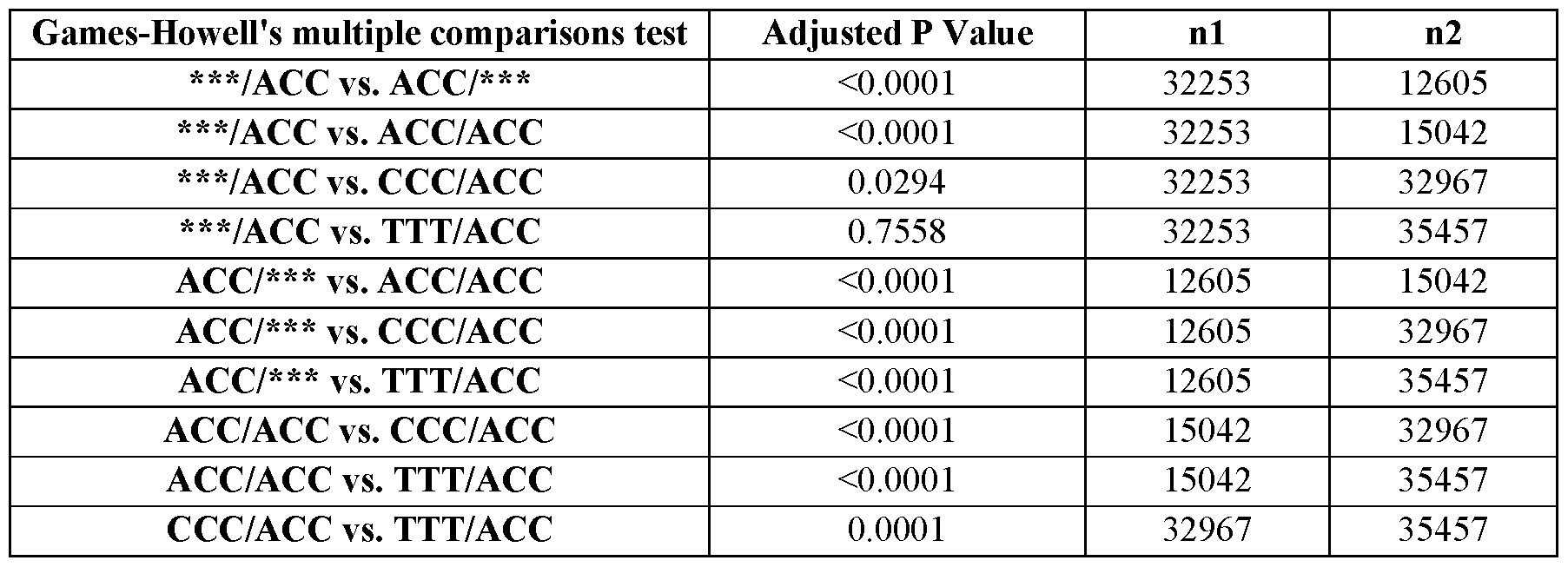


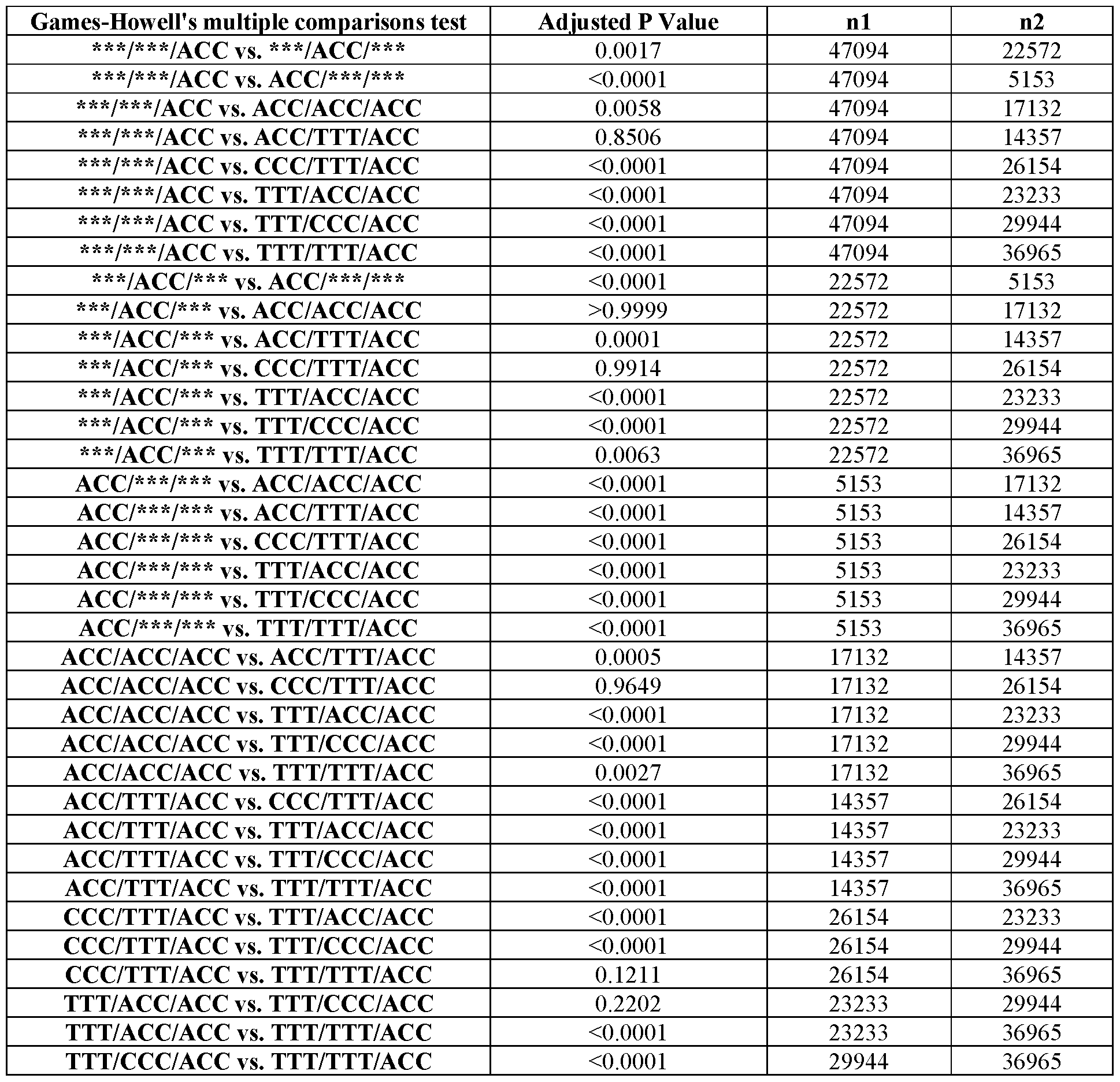


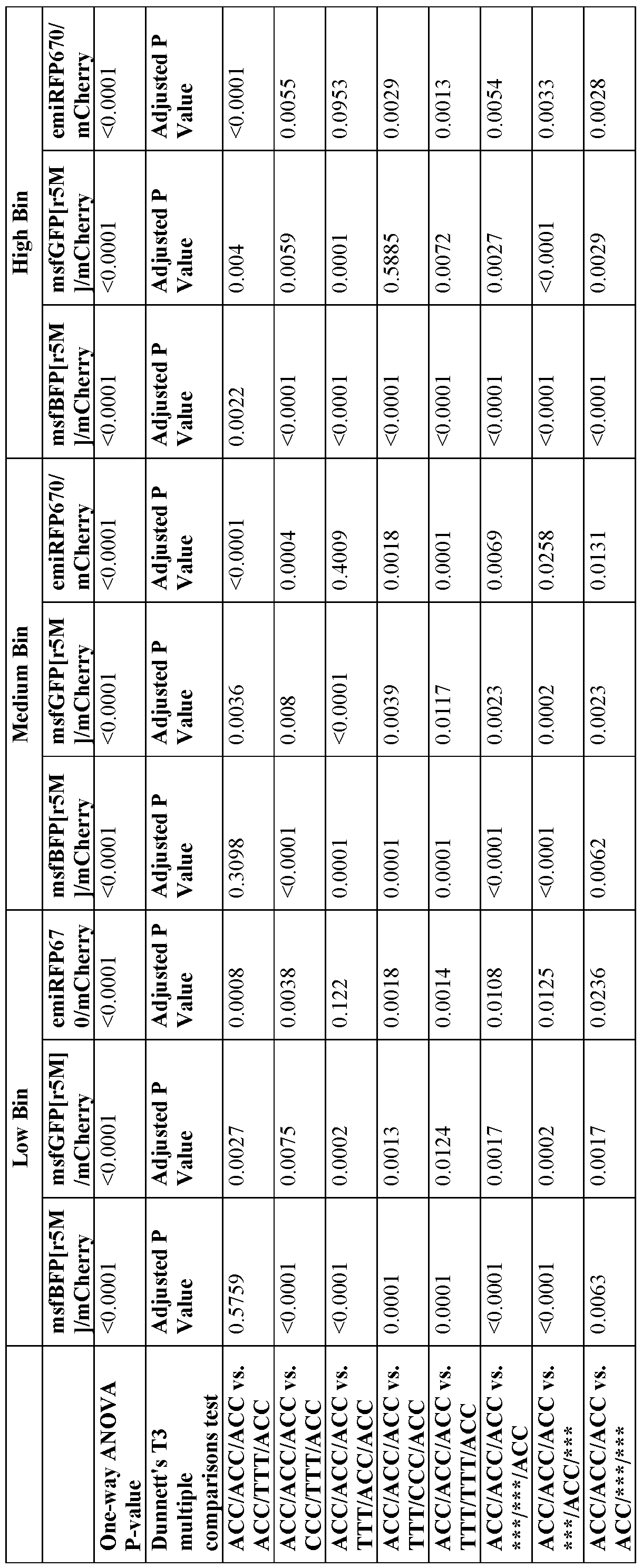
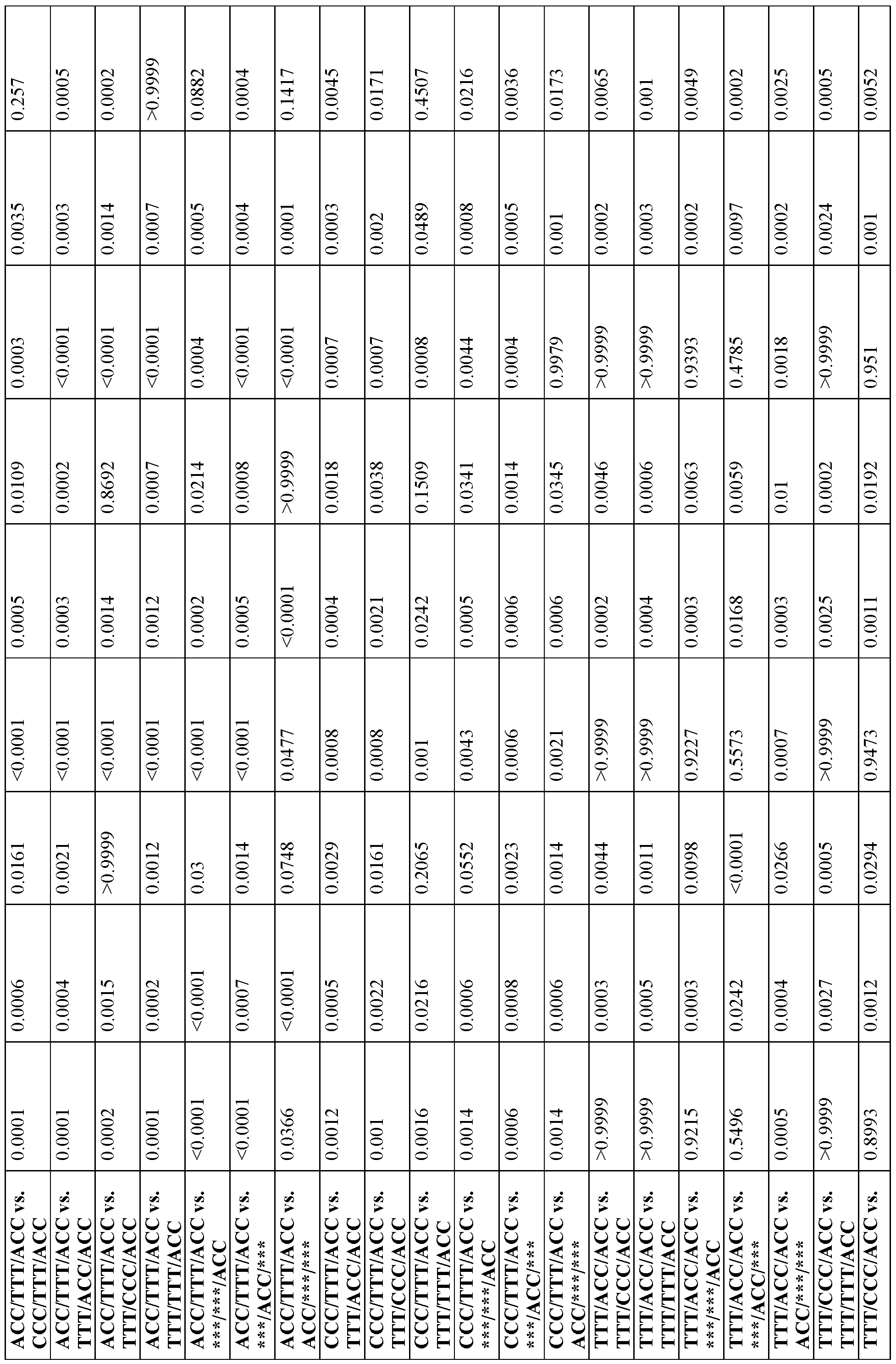

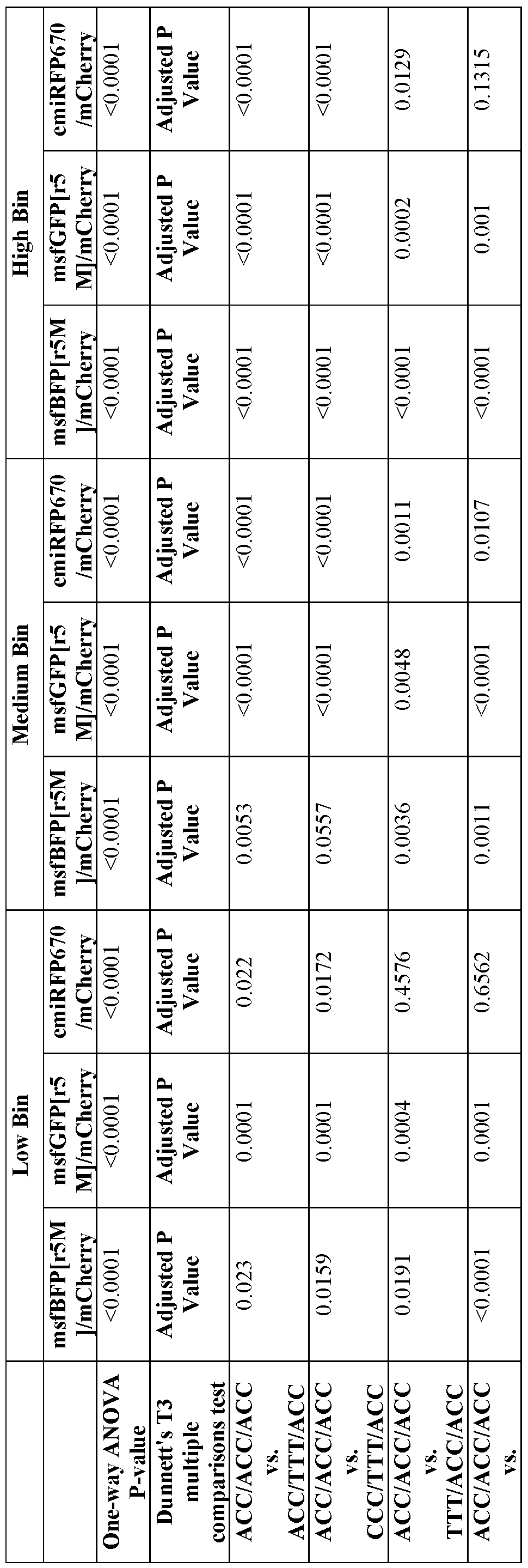


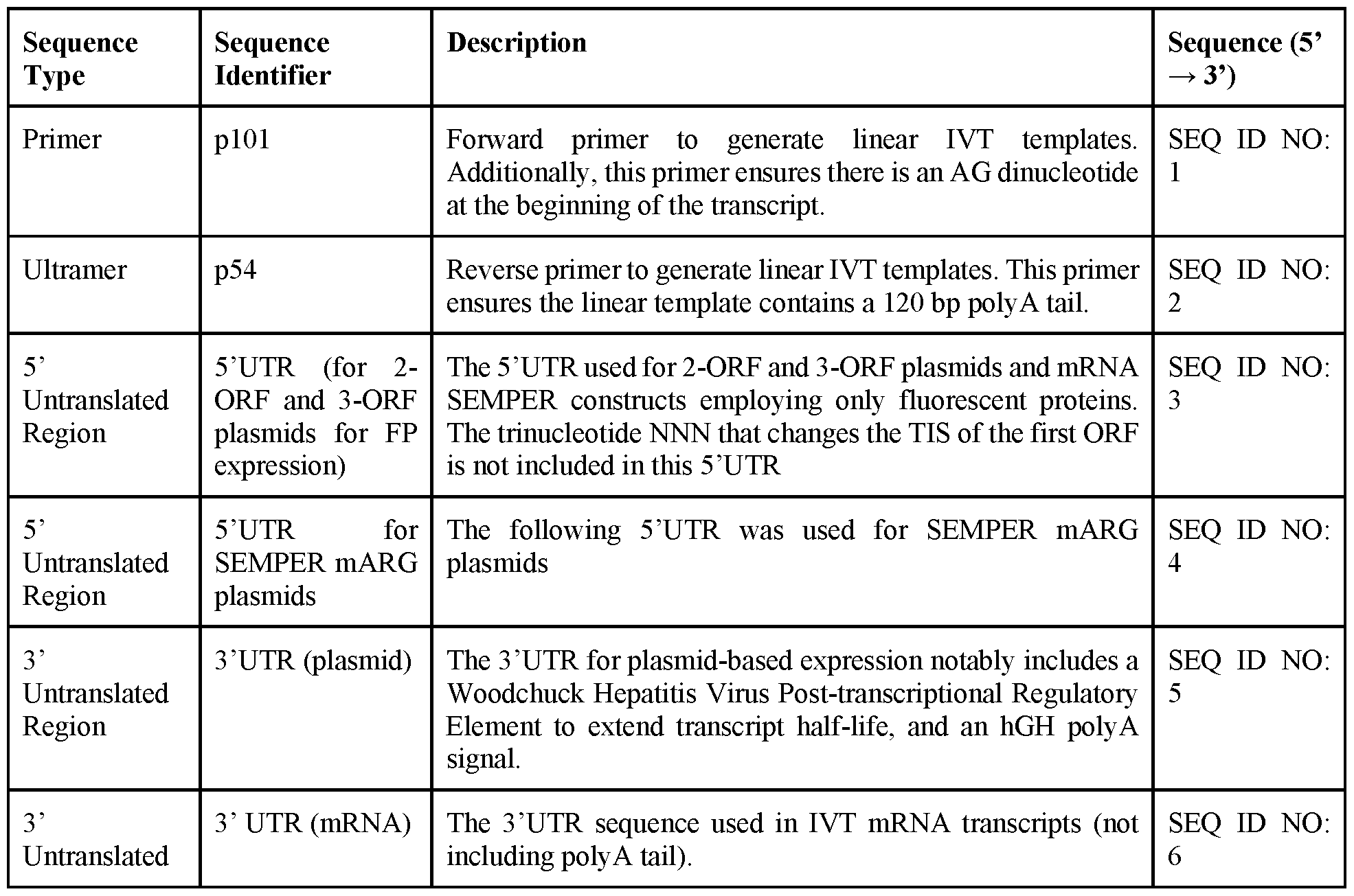
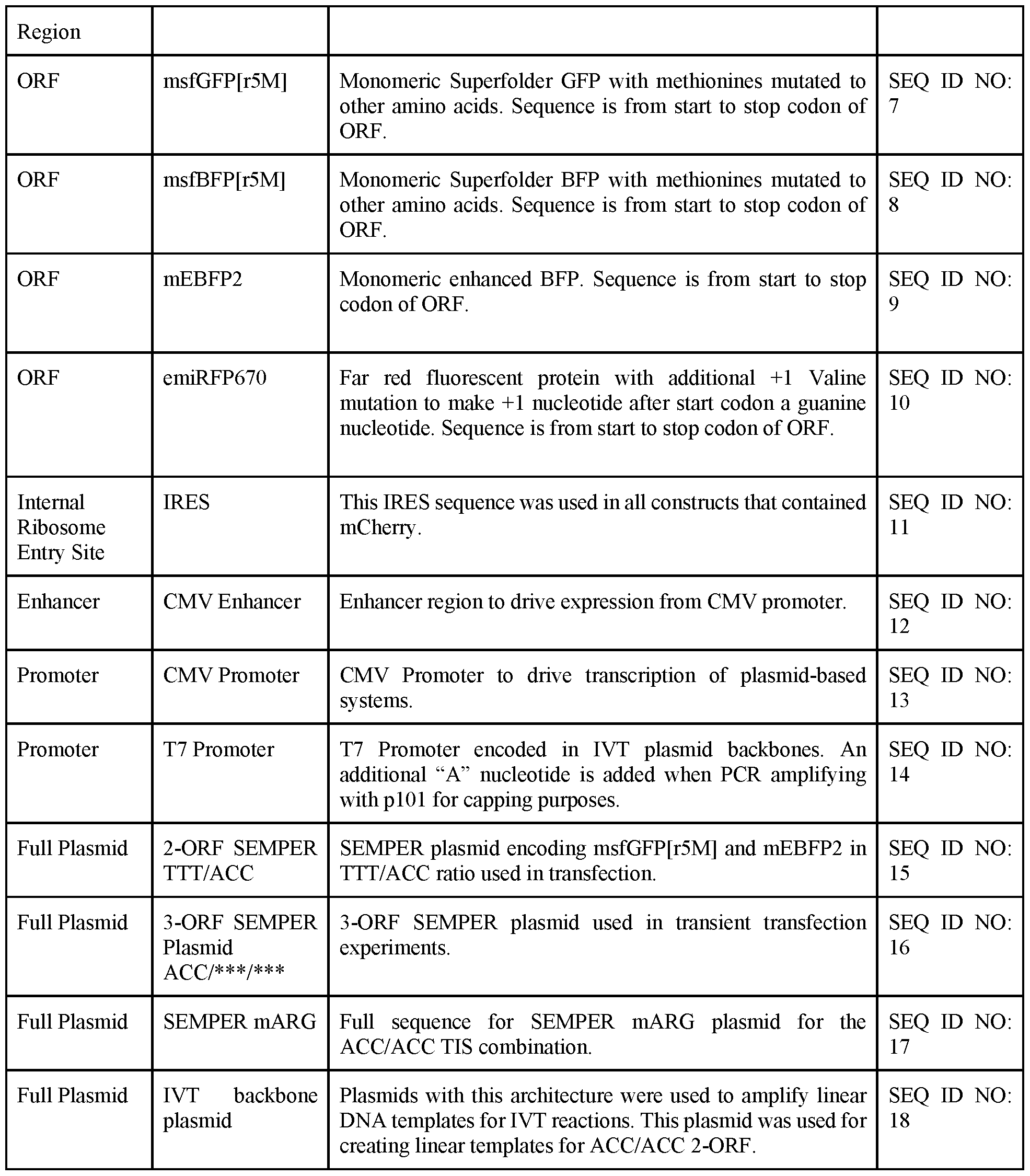
Claims
Applications Claiming Priority (2)
| Application Number | Priority Date | Filing Date | Title |
|---|---|---|---|
| US202363463791P | 2023-05-03 | 2023-05-03 | |
| US63/463,791 | 2023-05-03 |
Publications (1)
| Publication Number | Publication Date |
|---|---|
| WO2024229296A1 true WO2024229296A1 (en) | 2024-11-07 |
Family
ID=93293686
Family Applications (1)
| Application Number | Title | Priority Date | Filing Date |
|---|---|---|---|
| PCT/US2024/027553 Pending WO2024229296A1 (en) | 2023-05-03 | 2024-05-02 | Mammalian polycistronic expression system for direct translation from rna and secretion of cargo |
Country Status (2)
| Country | Link |
|---|---|
| US (1) | US20240366793A1 (en) |
| WO (1) | WO2024229296A1 (en) |
Families Citing this family (3)
| Publication number | Priority date | Publication date | Assignee | Title |
|---|---|---|---|---|
| CN119709849B (en) * | 2025-01-20 | 2025-10-28 | 扬州大学 | Rice male sterile gene PMP1 and application thereof |
| CN120173960B (en) * | 2025-03-27 | 2025-11-21 | 中国水产科学研究院珠江水产研究所 | Application of myostatin gene and its mutants in regulating growth and molting in giant freshwater prawns |
| CN120254001B (en) * | 2025-06-09 | 2025-09-02 | 中国中医科学院中医药健康产业研究所 | ER alpha functionalized HEMT biosensor and construction method and application thereof |
Citations (4)
| Publication number | Priority date | Publication date | Assignee | Title |
|---|---|---|---|---|
| WO2001055369A1 (en) * | 2000-01-28 | 2001-08-02 | The Scripps Research Institute | Synthetic internal ribosome entry sites and methods of identifying same |
| WO2018213353A1 (en) * | 2017-05-16 | 2018-11-22 | Cairn Biosciences, Inc. | Multiplex assay |
| US20210171582A1 (en) * | 2019-11-22 | 2021-06-10 | California Institute Of Technology | Method for robust control of gene expression |
| WO2023288090A1 (en) * | 2021-07-16 | 2023-01-19 | California Institute Of Technology | Stoichiometric expression of messenger polycistrons |
-
2024
- 2024-05-02 WO PCT/US2024/027553 patent/WO2024229296A1/en active Pending
- 2024-05-02 US US18/653,868 patent/US20240366793A1/en active Pending
Patent Citations (4)
| Publication number | Priority date | Publication date | Assignee | Title |
|---|---|---|---|---|
| WO2001055369A1 (en) * | 2000-01-28 | 2001-08-02 | The Scripps Research Institute | Synthetic internal ribosome entry sites and methods of identifying same |
| WO2018213353A1 (en) * | 2017-05-16 | 2018-11-22 | Cairn Biosciences, Inc. | Multiplex assay |
| US20210171582A1 (en) * | 2019-11-22 | 2021-06-10 | California Institute Of Technology | Method for robust control of gene expression |
| WO2023288090A1 (en) * | 2021-07-16 | 2023-01-19 | California Institute Of Technology | Stoichiometric expression of messenger polycistrons |
Non-Patent Citations (1)
| Title |
|---|
| PATEL, Y. D ET AL.: "Control of multigene expression stoichiometry in mammalian cells using synthetic promoters", ACS SYNTHETIC BIOLOGY, vol. 10, 2021, pages 1155 - 1165, XP055918933, DOI: 10.1021/acssynbio.0c00643 * |
Also Published As
| Publication number | Publication date |
|---|---|
| US20240366793A1 (en) | 2024-11-07 |
Similar Documents
| Publication | Publication Date | Title |
|---|---|---|
| JP7289265B2 (en) | Lipid nanoparticle mRNA vaccine | |
| US20250367131A1 (en) | Ionizable lipids and methods of manufacture and use thereof | |
| US20240366793A1 (en) | Mammalian polycistronic expression system for direct translation from rna and secretion of cargo | |
| US20220402977A1 (en) | Self-assembling viral spike-eabr nanoparticles | |
| US20230016245A1 (en) | Stoichiometric expression of messenger polycistrons | |
| CN116917266A (en) | Ionizable lipids and methods of making and using the same | |
| WO2025217472A1 (en) | Immunoregulatory antigen-presenting vesicles | |
| WO2025250902A1 (en) | Designed escrt-recruiting domain (erd) adapter systems and co-localized immune cell-targeting proteins induce efficient budding of enveloped nanoparticles (enps) that display high levels of immunogens | |
| WO2025212862A1 (en) | Engineered viral and mammalian escrt-recruiting domains (erds) induce efficient budding of enveloped nanoparticles (enps) for various immunogens | |
| WO2025250901A1 (en) | Co-delivery of a tetherin antagonist rescues budding of enveloped nanoparticles (enps) in tetherin-expressing cells | |
| EA041756B1 (en) | VACCINES BASED ON mRNA IN LIPID NANOPARTICLES |
Legal Events
| Date | Code | Title | Description |
|---|---|---|---|
| 121 | Ep: the epo has been informed by wipo that ep was designated in this application |
Ref document number: 24800627 Country of ref document: EP Kind code of ref document: A1 |
|
| WWE | Wipo information: entry into national phase |
Ref document number: 2024800627 Country of ref document: EP |
|
| NENP | Non-entry into the national phase |
Ref country code: DE |
|
| ENP | Entry into the national phase |
Ref document number: 2024800627 Country of ref document: EP Effective date: 20251203 |
|
| ENP | Entry into the national phase |
Ref document number: 2024800627 Country of ref document: EP Effective date: 20251203 |