WO2024218345A1 - Cytotoxicity targeting chimeras for antibody-drug conjugates and bispecific antibodies - Google Patents
Cytotoxicity targeting chimeras for antibody-drug conjugates and bispecific antibodies Download PDFInfo
- Publication number
- WO2024218345A1 WO2024218345A1 PCT/EP2024/060805 EP2024060805W WO2024218345A1 WO 2024218345 A1 WO2024218345 A1 WO 2024218345A1 EP 2024060805 W EP2024060805 W EP 2024060805W WO 2024218345 A1 WO2024218345 A1 WO 2024218345A1
- Authority
- WO
- WIPO (PCT)
- Prior art keywords
- seq
- formula
- antibody
- cells
- heavy chain
- Prior art date
- Legal status (The legal status is an assumption and is not a legal conclusion. Google has not performed a legal analysis and makes no representation as to the accuracy of the status listed.)
- Pending
Links
Classifications
-
- A—HUMAN NECESSITIES
- A61—MEDICAL OR VETERINARY SCIENCE; HYGIENE
- A61P—SPECIFIC THERAPEUTIC ACTIVITY OF CHEMICAL COMPOUNDS OR MEDICINAL PREPARATIONS
- A61P35/00—Antineoplastic agents
-
- A—HUMAN NECESSITIES
- A61—MEDICAL OR VETERINARY SCIENCE; HYGIENE
- A61K—PREPARATIONS FOR MEDICAL, DENTAL OR TOILETRY PURPOSES
- A61K39/00—Medicinal preparations containing antigens or antibodies
- A61K39/395—Antibodies; Immunoglobulins; Immune serum, e.g. antilymphocytic serum
-
- A—HUMAN NECESSITIES
- A61—MEDICAL OR VETERINARY SCIENCE; HYGIENE
- A61K—PREPARATIONS FOR MEDICAL, DENTAL OR TOILETRY PURPOSES
- A61K47/00—Medicinal preparations characterised by the non-active ingredients used, e.g. carriers or inert additives; Targeting or modifying agents chemically bound to the active ingredient
- A61K47/50—Medicinal preparations characterised by the non-active ingredients used, e.g. carriers or inert additives; Targeting or modifying agents chemically bound to the active ingredient the non-active ingredient being chemically bound to the active ingredient, e.g. polymer-drug conjugates
- A61K47/51—Medicinal preparations characterised by the non-active ingredients used, e.g. carriers or inert additives; Targeting or modifying agents chemically bound to the active ingredient the non-active ingredient being chemically bound to the active ingredient, e.g. polymer-drug conjugates the non-active ingredient being a modifying agent
- A61K47/54—Medicinal preparations characterised by the non-active ingredients used, e.g. carriers or inert additives; Targeting or modifying agents chemically bound to the active ingredient the non-active ingredient being chemically bound to the active ingredient, e.g. polymer-drug conjugates the non-active ingredient being a modifying agent the modifying agent being an organic compound
- A61K47/555—Medicinal preparations characterised by the non-active ingredients used, e.g. carriers or inert additives; Targeting or modifying agents chemically bound to the active ingredient the non-active ingredient being chemically bound to the active ingredient, e.g. polymer-drug conjugates the non-active ingredient being a modifying agent the modifying agent being an organic compound pre-targeting systems involving an organic compound, other than a peptide, protein or antibody, for targeting specific cells
-
- A—HUMAN NECESSITIES
- A61—MEDICAL OR VETERINARY SCIENCE; HYGIENE
- A61K—PREPARATIONS FOR MEDICAL, DENTAL OR TOILETRY PURPOSES
- A61K47/00—Medicinal preparations characterised by the non-active ingredients used, e.g. carriers or inert additives; Targeting or modifying agents chemically bound to the active ingredient
- A61K47/50—Medicinal preparations characterised by the non-active ingredients used, e.g. carriers or inert additives; Targeting or modifying agents chemically bound to the active ingredient the non-active ingredient being chemically bound to the active ingredient, e.g. polymer-drug conjugates
- A61K47/51—Medicinal preparations characterised by the non-active ingredients used, e.g. carriers or inert additives; Targeting or modifying agents chemically bound to the active ingredient the non-active ingredient being chemically bound to the active ingredient, e.g. polymer-drug conjugates the non-active ingredient being a modifying agent
- A61K47/68—Medicinal preparations characterised by the non-active ingredients used, e.g. carriers or inert additives; Targeting or modifying agents chemically bound to the active ingredient the non-active ingredient being chemically bound to the active ingredient, e.g. polymer-drug conjugates the non-active ingredient being a modifying agent the modifying agent being an antibody, an immunoglobulin or a fragment thereof, e.g. an Fc-fragment
- A61K47/6801—Drug-antibody or immunoglobulin conjugates defined by the pharmacologically or therapeutically active agent
- A61K47/6803—Drugs conjugated to an antibody or immunoglobulin, e.g. cisplatin-antibody conjugates
- A61K47/68037—Drugs conjugated to an antibody or immunoglobulin, e.g. cisplatin-antibody conjugates the drug being a camptothecin [CPT] or derivatives
-
- A—HUMAN NECESSITIES
- A61—MEDICAL OR VETERINARY SCIENCE; HYGIENE
- A61K—PREPARATIONS FOR MEDICAL, DENTAL OR TOILETRY PURPOSES
- A61K47/00—Medicinal preparations characterised by the non-active ingredients used, e.g. carriers or inert additives; Targeting or modifying agents chemically bound to the active ingredient
- A61K47/50—Medicinal preparations characterised by the non-active ingredients used, e.g. carriers or inert additives; Targeting or modifying agents chemically bound to the active ingredient the non-active ingredient being chemically bound to the active ingredient, e.g. polymer-drug conjugates
- A61K47/51—Medicinal preparations characterised by the non-active ingredients used, e.g. carriers or inert additives; Targeting or modifying agents chemically bound to the active ingredient the non-active ingredient being chemically bound to the active ingredient, e.g. polymer-drug conjugates the non-active ingredient being a modifying agent
- A61K47/68—Medicinal preparations characterised by the non-active ingredients used, e.g. carriers or inert additives; Targeting or modifying agents chemically bound to the active ingredient the non-active ingredient being chemically bound to the active ingredient, e.g. polymer-drug conjugates the non-active ingredient being a modifying agent the modifying agent being an antibody, an immunoglobulin or a fragment thereof, e.g. an Fc-fragment
- A61K47/6835—Medicinal preparations characterised by the non-active ingredients used, e.g. carriers or inert additives; Targeting or modifying agents chemically bound to the active ingredient the non-active ingredient being chemically bound to the active ingredient, e.g. polymer-drug conjugates the non-active ingredient being a modifying agent the modifying agent being an antibody, an immunoglobulin or a fragment thereof, e.g. an Fc-fragment the modifying agent being an antibody or an immunoglobulin bearing at least one antigen-binding site
-
- A—HUMAN NECESSITIES
- A61—MEDICAL OR VETERINARY SCIENCE; HYGIENE
- A61K—PREPARATIONS FOR MEDICAL, DENTAL OR TOILETRY PURPOSES
- A61K47/00—Medicinal preparations characterised by the non-active ingredients used, e.g. carriers or inert additives; Targeting or modifying agents chemically bound to the active ingredient
- A61K47/50—Medicinal preparations characterised by the non-active ingredients used, e.g. carriers or inert additives; Targeting or modifying agents chemically bound to the active ingredient the non-active ingredient being chemically bound to the active ingredient, e.g. polymer-drug conjugates
- A61K47/51—Medicinal preparations characterised by the non-active ingredients used, e.g. carriers or inert additives; Targeting or modifying agents chemically bound to the active ingredient the non-active ingredient being chemically bound to the active ingredient, e.g. polymer-drug conjugates the non-active ingredient being a modifying agent
- A61K47/68—Medicinal preparations characterised by the non-active ingredients used, e.g. carriers or inert additives; Targeting or modifying agents chemically bound to the active ingredient the non-active ingredient being chemically bound to the active ingredient, e.g. polymer-drug conjugates the non-active ingredient being a modifying agent the modifying agent being an antibody, an immunoglobulin or a fragment thereof, e.g. an Fc-fragment
- A61K47/6891—Pre-targeting systems involving an antibody for targeting specific cells
- A61K47/6897—Pre-targeting systems with two or three steps using antibody conjugates; Ligand-antiligand therapies
-
- C—CHEMISTRY; METALLURGY
- C07—ORGANIC CHEMISTRY
- C07K—PEPTIDES
- C07K16/00—Immunoglobulins [IGs], e.g. monoclonal or polyclonal antibodies
- C07K16/18—Immunoglobulins [IGs], e.g. monoclonal or polyclonal antibodies against material from animals or humans
- C07K16/28—Immunoglobulins [IGs], e.g. monoclonal or polyclonal antibodies against material from animals or humans against receptors, cell surface antigens or cell surface determinants
- C07K16/2803—Immunoglobulins [IGs], e.g. monoclonal or polyclonal antibodies against material from animals or humans against receptors, cell surface antigens or cell surface determinants against the immunoglobulin superfamily
- C07K16/2809—Immunoglobulins [IGs], e.g. monoclonal or polyclonal antibodies against material from animals or humans against receptors, cell surface antigens or cell surface determinants against the immunoglobulin superfamily against the T-cell receptor (TcR)-CD3 complex
-
- C—CHEMISTRY; METALLURGY
- C07—ORGANIC CHEMISTRY
- C07K—PEPTIDES
- C07K16/00—Immunoglobulins [IGs], e.g. monoclonal or polyclonal antibodies
- C07K16/44—Immunoglobulins [IGs], e.g. monoclonal or polyclonal antibodies against material not provided for elsewhere, e.g. haptens, metals, DNA, RNA, amino acids
-
- A—HUMAN NECESSITIES
- A61—MEDICAL OR VETERINARY SCIENCE; HYGIENE
- A61K—PREPARATIONS FOR MEDICAL, DENTAL OR TOILETRY PURPOSES
- A61K39/00—Medicinal preparations containing antigens or antibodies
- A61K2039/505—Medicinal preparations containing antigens or antibodies comprising antibodies
-
- C—CHEMISTRY; METALLURGY
- C07—ORGANIC CHEMISTRY
- C07K—PEPTIDES
- C07K2317/00—Immunoglobulins specific features
- C07K2317/30—Immunoglobulins specific features characterized by aspects of specificity or valency
- C07K2317/31—Immunoglobulins specific features characterized by aspects of specificity or valency multispecific
-
- C—CHEMISTRY; METALLURGY
- C07—ORGANIC CHEMISTRY
- C07K—PEPTIDES
- C07K2317/00—Immunoglobulins specific features
- C07K2317/50—Immunoglobulins specific features characterized by immunoglobulin fragments
- C07K2317/55—Fab or Fab'
-
- C—CHEMISTRY; METALLURGY
- C07—ORGANIC CHEMISTRY
- C07K—PEPTIDES
- C07K2317/00—Immunoglobulins specific features
- C07K2317/70—Immunoglobulins specific features characterized by effect upon binding to a cell or to an antigen
- C07K2317/73—Inducing cell death, e.g. apoptosis, necrosis or inhibition of cell proliferation
Definitions
- the present disclosure relates to heterobifunctional molecules, referred to as cytotoxicity targeting chimeras (CyTaCs) or antibody recruiting molecules (ARMs) that are able to simultaneously bind a target cell-surface protein as well as an exogenous antibody protein, such as an antibody drug conjugate or bispecific antibody or bispecific antigen binding fragment thereof.
- CyTaCs cytotoxicity targeting chimeras
- ARMs antibody recruiting molecules
- the present disclosure also relates to agents capable of binding to a receptor on a surface of a pathogenic cell and inducing the depletion of the pathogenic cell in a subject for use in the treatment of cancer, inflammatory diseases, autoimmune diseases, viral infection, or bacterial infection.
- Antibody-based therapeutics have promising properties as drug candidates for these indications due to their selectivity for pathogenic cell-surface targets and their ability to direct immune surveillance to target-expressing tissues or cells to induce depletion of the pathogenic cells. Examples of such depletion mechanisms include antibody-dependent cellular cytotoxicity (ADCC), antibody-dependent cellular phagocytosis (ADCP), and complement- dependant cytotoxicity (CDC).
- ADCC antibody-dependent cellular cytotoxicity
- ADCP antibody-dependent cellular phagocytosis
- CDC complement- dependant cytotoxicity
- antibody-based therapeutics often suffer from a lack of bioavailability, high cost, thermal instability, and difficult manufacturing due to their size, complexity and peptide based structures.
- small molecule therapeutics often provide affordability, stability, and the convenience of oral dosing, but may suffer from poor selectivity and off-target effects, while also lacking the immune control of therapeutic antibodies.
- ADCs Antibody-drug conjugates
- bispecific antibodies or bispecific antigen binding fragments thereof, including bispecific T-cell engagers have also shown promise in the treatment of a range of diseases.
- these therapeutics often suffer from high cost, instability, safety concerns, and difficult manufacturing due to their complexity.
- small molecule therapeutics often provide affordability, stability, and the convenience of oral dosing, but may suffer from poor selectivity and off-target effects, while also lacking the immune control of antibody-based therapeutics.
- compositions and related methods are provided in the present disclosure.
- the present disclosure provides an antibody-drug conjugate comprising an anti-cotinine antibody or antigen-binding fragment thereof covalently bound to a cytotoxic agent.
- the anti-cotinine antibody or antigen-binding fragment thereof comprises a heavy chain CDR1 having SEQ ID NO: 1 , a heavy chain CDR2 having SEQ ID NO: 2, a heavy chain CDR3 having SEQ ID NO: 3, a light chain CDR1 having SEQ ID NO: 4, a light chain CDR2 having SEQ ID NO: 5, and a light chain CDR3 having SEQ ID NO: 6.
- the cytotoxic agent is bound to the antibody or antigen-binding fragment thereof via a linker.
- the cytotoxic agent is Dxd (derivative of exatecan, also referred to as exatecan derivative for ADC).
- the ratio of cytotoxic agent to antibody or antigen-binding fragment thereof is in a range of about 1 : 1 to about 10:1.
- the antibody or antigen-binding fragment thereof comprises a heavy chain variable region (VH) as set forth in SEQ ID NO: 7 and a light chain variable region (VL) as set forth in SEQ ID NO: 8.
- the antibody comprises a heavy chain as set forth in SEQ ID NO: 9 and a light chain as set forth in SEQ ID NO: 10.
- the present disclosure provides a combination comprising the antibody- drug conjugate as disclosed herein and a heterobifunctional molecule comprising a moiety that binds a target cell-surface protein covalently linked to a cotinine moiety.
- the present disclosure provides a bispecific antibody or bispecific antigen binding fragment thereof comprising a cotinine binding domain and a CD3 binding domain.
- the cotinine binding domain comprises a heavy chain CDR1 having SEQ ID NO: 1, a heavy chain CDR2 having SEQ ID NO: 2, a heavy chain CDR3 having SEQ ID NO: 3, a light chain CDR1 having SEQ ID NO: 4, a light chain CDR2 having SEQ ID NO: 5, and a light chain CDR3 having SEQ ID NO: 6.
- the CD3 binding domain comprises: (i) a heavy chain CDR1 having SEQ ID NO: 16, a heavy chain CDR2 having SEQ ID NO: 17, a heavy chain CDR3 having SEQ ID NO: 18, a light chain CDR1 having SEQ ID NO: 19, a light chain CDR2 having SEQ ID NO: 20, and a light chain CDR3 having SEQ ID NO: 21 ; or (ii) a heavy chain CDR1 having SEQ ID NO: 30, a heavy chain CDR2 having SEQ I D NO: 31 , a heavy chain CDR3 having SEQ I D NO: 32, a light chain CDR 1 having SEQ ID NO: 33, a light chain CDR2 having SEQ ID NO: 34, and a light chain CDR3 having SEQ ID NO: 35.
- the cotinine binding domain comprises a first single chain variable fragment (scFv) that binds a cotinine moiety
- the CD3 binding domain comprises a second scFv that binds CD3.
- the scFv that binds a cotinine moiety comprises a heavy chain CDR1 having SEQ ID NO: 1, a heavy chain CDR2 having SEQ ID NO: 2, a heavy chain CDR3 having SEQ ID NO: 3, a light chain CDR1 having SEQ ID NO: 4, a light chain CDR2 having SEQ ID NO: 5, and a light chain CDR3 having SEQ ID NO: 6.
- the scFv that binds a cotinine moiety comprises a heavy chain variable region (VH) and a light chain variable region (VL) joined by a first polypeptide linker.
- the scFv that binds a cotinine moiety comprises a VH as set forth in SEQ ID NO: 7 and a VL as set forth in SEQ ID NO: 8.
- the scFv that binds a cotinine moiety is as set forth in SEQ ID NO: 15.
- the scFv that binds CD3 comprises (i) a heavy chain CDR1 having SEQ ID NO: 16, a heavy chain CDR2 having SEQ ID NO: 17, a heavy chain CDR3 having SEQ ID NO: 18, a light chain CDR1 having SEQ ID NO: 19, a light chain CDR2 having SEQ ID NO: 20, and a light chain CDR3 having SEQ ID NO: 21 ; or (ii) a heavy chain CDR1 having SEQ ID NO: 30, a heavy chain CDR2 having SEQ ID NO: 31, a heavy chain CDR3 having SEQ ID NO: 32, a light chain CDR1 having SEQ ID NO: 33, a light chain CDR2 having SEQ ID NO: 34, and a light chain CDR3 having SEQ ID NO: 35.
- the scFv that binds CD3 comprises a VH and a VL joined by a second polypeptide linker.
- the scFv that binds CD3 comprises (i) a VH as set forth in SEQ ID NO: 22 and VL as set forth in SEQ ID NO: 23; or (ii) a VH as set forth in SEQ ID NO: 36 and VL as set forth in SEQ ID NO: 37.
- the scFv that binds CD3 is as set forth in SEQ ID NO: 24.
- the scFv that binds a cotinine moiety and the scFv that binds CD3 are joined by a third polypeptide linker.
- the bispecific antibody or bispecific antigen binding fragment thereof is a bispecific T cell engager.
- the bispecific antibody or bispecific antigen binding fragment thereof is a bispecific T cell engager is as set forth in SEQ ID NO: 25 or SEQ ID NO: 29.
- the bispecific antibody or bispecific antigen binding fragment thereof is a bispecific antibody.
- the bispecific antibody comprises: a cotinine binding domain comprising a heavy chain comprising a heavy chain CDR1 having SEQ ID NO: 1 , a heavy chain CDR2 having SEQ ID NO: 2, a heavy chain CDR3 having SEQ ID NO: 3, and a light chain comprising a light chain CDR1 having SEQ ID NO: 4, a light chain CDR2 having SEQ I D NO: 5, and a light chain CDR3 having SEQ I D NO: 6; and a CD3 binding domain comprising (i) a heavy chain comprising a heavy chain CDR1 having SEQ ID NO: 16, a heavy chain CDR2 having SEQ ID NO: 17, and a heavy chain CDR3 having SEQ ID NO: 18, and a light chain comprising a light chain CDR1 having SEQ ID NO: 19, a light chain CDR2 having SEQ ID NO: 20, and a light chain CDR3 having SEQ ID NO
- the cotinine binding domain comprises a heavy chain comprising a heavy chain variable region (VH) as set forth in SEQ ID NO: 7 and a light chain comprising a light chain variable region (VL) as set forth in SEQ ID NO: 8.
- the CD3 binding domain comprises (i) a heavy chain comprising a heavy chain variable region (VH) as set forth in SEQ ID NO: 22 and a light chain comprising a light chain variable region (VL) as set forth in SEQ ID NO: 23; or (ii) a heavy chain comprising a heavy chain variable region (VH) as set forth in SEQ ID NO: 36 and a light chain comprising a light chain variable region (VL) as set forth in SEQ ID NO: 37.
- the cotinine binding domain comprises a heavy chain as set forth in SEQ ID NO: 28 and a light chain as set forth in SEQ ID NO: 10; and the CD3 binding domain comprises a heavy chain as set forth in SEQ ID NO: 26 and a light chain as set forth in SEQ ID NO: 27.
- the present disclosure provides a combination comprising the bispecific antibody or bispecific antigen binding fragment thereof, including a bispecific T cell engager, as disclosed herein and a heterobifunctional molecule comprising a moiety that binds a target cell-surface protein covalently linked to a cotinine moiety.
- the present disclosure provides a polynucleotide encoding the bispecific antibody or bispecific antigen binding fragment thereof, including a bispecific T cell engager, as disclosed herein.
- the present disclosure provides an expression vector comprising the polynucleotide encoding the bispecific antibody or bispecific antigen binding fragment thereof, including a bispecific T cell engager, as disclosed herein.
- the present disclosure provides a cell comprising the polynucleotide encoding the bispecific antibody or bispecific antigen binding fragment thereof, including a bispecific T cell engager, as disclosed herein.
- the present disclosure provides a cell comprising the expression vector comprising the polynucleotide encoding the bispecific antibody or bispecific antigen binding fragment thereof, including a bispecific T cell engager, as disclosed herein.
- the present disclosure provides a method of treating and/or preventing a disease or disorder in a patient in need thereof, comprising: administering to the patient a therapeutically effective amount of a combination comprising an antibody-drug conjugate as disclosed herein and a heterobifunctional molecule as disclosed herein.
- the present disclosure provides a method of treating and/or preventing a disease or disorder in a patient in need thereof, comprising: administering to the patient a therapeutically effective amount of a combination comprising a bispecific antibody or bispecific antigen binding fragment thereof, including a bispecific T cell engager, as disclosed herein and a heterobifunctional molecule as disclosed herein.
- the present disclosure provides a combination comprising an antibody- drug conjugate as disclosed herein and a heterobifunctional molecule as disclosed herein for use in therapy.
- the present disclosure provides a combination comprising a bispecific antibody or bispecific antigen binding fragment thereof, including a bispecific T cell engager, as disclosed herein and a heterobifunctional molecule as disclosed herein for use in therapy.
- the present disclosure provides a combination comprising an antibody- drug conjugate as disclosed herein and a heterobifunctional molecule as disclosed herein for use in the treatment of a disease or disorder.
- the present disclosure provides a combination comprising a bispecific antibody or bispecific antigen binding fragment thereof, including a bispecific T cell engager, as disclosed herein and a heterobifunctional molecule as disclosed herein for use in the treatment of a disease or disorder.
- the present disclosure provides use of a combination comprising an antibody-drug conjugate as disclosed herein and a heterobifunctional molecule as disclosed herein in the manufacture of a medicament for the treatment of a disease or disorder.
- the present disclosure provides use of a combination comprising a bispecific antibody or bispecific antigen binding fragment thereof, including a bispecific T cell engager, as disclosed herein and a heterobifunctional molecule as disclosed herein in the manufacture of a medicament for the treatment of a disease or disorder.
- FIG. 1 Schematic representation of a combination of a cytotoxicity targeting chimera (CyTaC) and an antibody-drug conjugate.
- FIG. 2 LCMS chromatograms of unconjugated and conjugated anti-cotinine antibody.
- FIG. 2A shows a LCMS chromatogram of unconjugated anti-cotinine antibody.
- FIG. 2B shows a LCMS chromatogram of conjugated anti-cotinine antibody.
- FIG. 3 Graphs showing results of PSMA targeting CyTaCs for antibody drug conjugate (ADC) cell killing assay described in Example 2.
- FIG. 3A shows % cell death of PSMA expressing cells (LNCAP) and control cells (CHO) treated with anti-cotinine targeting ADC (100 nM) and PSMA targeting CyTaC (varying concentrations).
- FIG. 3A shows % cell death of PSMA expressing cells (LNCAP) and control cells (CHO) treated with anti-cotinine targeting ADC (100 nM) and PSMA targeting CyTaC (varying concentrations).
- 3B shows % cell death of PSMA expressing cells (LNCAP) and control cells (CHO) each treated with (i) PSMA targeting CyTaC alone (20 pM), (ii) ADC alone (100 nM), or (iii) PSMA targeting CyTaC (20 pM) and ADC (100 nM).
- FIG. 4 Graph showing results of T cell activation reporter assay using cotinine/CD3 bispecific antibody and CCR2 targeting CyTaC molecule as described in Example 3.
- composition “comprising” encompasses “including” or “consisting” e.g. a composition “comprising” X may consist exclusively of X or may include something additional, e.g., X + Y.
- pathogenic cells includes a cell subset that causes or is capable of causing disease.
- examples of pathogenic cells include, but are not limited to, pathogenic immune cells, cancer or tumor cells, and stromal cells.
- a pathogenic cell can also be a pathogenic agent capable of causing an infection, such as a virus or a bacterial cell.
- pathogenic immune cells includes a particular immune cell subset that causes or is capable of causing disease. These cellular subsets are resident cells or are recruited to particular locations and secrete cytokines, chemokines and other mediators and contribute to the persistence and progression of disease such as cancer in the case of a tumor microenvironment or chronic inflammation of the lung in the case of asthma. Examples of pathogenic immune cells include, but are not limited to myeloid-derived suppressor cells (MDSCs), T regulatory cells (Tregs), neutrophils, macrophages, B regulatory cells (Bregs), CD8 regulatory cells, (CD8regs), and exhausted T cells.
- MDSCs myeloid-derived suppressor cells
- T regulatory cells T regulatory cells
- neutrophils neutrophils
- macrophages macrophages
- B regulatory cells B regulatory cells
- CD8 regulatory cells CD8 regulatory cells
- composition refers to a formulation of a compound of the invention and a medium generally accepted in the art for the delivery of the biologically active compound to mammals, e.g., humans.
- a medium includes all pharmaceutically acceptable carriers, diluents or excipients therefor.
- an amount of a compound, or antibody, or antigen-binding portion thereof, according to the invention refers to an amount of a compound, or antibody, or antigen-binding portion thereof, according to the invention, which when administered to a patient in need thereof, is sufficient to effect treatment for disease-states, conditions, or disorders for which the compounds have utility. Such an amount would be sufficient to elicit the biological or medical response of a tissue system, or patient that is sought by a researcher or clinician.
- the amount of a compound according to the invention which constitutes a therapeutically effective amount will vary depending on such factors as the compound and its biological activity, the composition used for administration, the time of administration, the route of administration, the rate of excretion of the compound, the duration of the treatment, the type of disease-state or disorder being treated and its severity, drugs used in combination with or coincidentally with the compounds of the invention, and the age, body weight, general health, sex and diet of the patient.
- a therapeutically effective amount can be determined routinely by one of ordinary skill in the art having regard to their own knowledge, the state of the art, and this disclosure.
- alkyl represents a saturated, linear or branched hydrocarbon moiety having the specified number of carbon atoms.
- C 1-3 alkyl refers to an unsubstituted alkyl moiety containing 1 , 2 or 3 carbon atoms; exemplary alkyls include methyl, ethyl and propyl.
- alkylene represents a saturated, linear or branched hydrocarbon moiety having the specified number of carbon atoms, with two points of attachment. The two points of attachment can be from the same or different carbon atoms.
- C 1-3 alkylene refers to an unsubstituted alkylene moiety containing 1 , 2 or 3 carbon atoms with two points of attachment; exemplary C 1-3 alkylene groups include methylene, ethylene and propylene.
- alkenyl represents an unsaturated, linear or branched hydrocarbon moiety having the specified number of carbon atoms.
- C 2-6 alkenyl refers to an unsubstituted alkenyl moiety containing 2, 3, 4, 5, or 6 carbon atoms; exemplary alkenyls include propenyl, butenyl, pentenyl and hexenyl.
- alkenylene represents an unsaturated, linear or branched hydrocarbon moiety having the specified number of carbon atoms, with two points of attachment. The two points of attachment can be from the same or different carbon atoms.
- C 2-6 alkenylene refers to an unsubstituted alkenylene moiety containing 2, 3, 4, 5, or 6 carbon atoms with two points of attachment; exemplary C 2-6 alkenylene groups include propenylene, butenylene, pentenylene and hexenylene.
- cycloalkyl represents a saturated cyclic hydrocarbon moiety having the specified number of carbon atoms.
- C 3-6 cycloalkyl refers to an unsubstituted cycloalkyl moiety containing 3, 4, 5 or 6 carbon atoms; exemplary cycloalkyls include cyclopropyl, cyclobutyl, cyclopentyl, and cyclohexyl.
- cycloalkylene represents a saturated cyclic hydrocarbon moiety having the specified number of carbon atoms, with two points of attachment. The two points of attachment can be from the same or different carbon atoms.
- C 4-6 cycloalkylene refers to an unsubstituted cycloalkylene moiety containing 4, 5, or 6 carbon atoms with two points of attachment.
- Exemplary cycloalkylene groups include cyclobutane-1,3-diyl, cyclopentane-1,3- diyl, cyclohexane-1,3-diyl, or cyclohexane-1,4-diyl.
- cycloalkenylene represents an unsaturated cyclic hydrocarbon moiety having the specified number of carbon atoms, with two points of attachment. The two points of attachment can be from the same or different carbon atoms.
- C 3-6 cycloalkenylene refers to an unsubstituted cycloalkenylene moiety containing 3, 4, 5, or 6 carbon atoms with two points of attachment.
- heterocycloalkylene refers to a saturated cyclic hydrocarbon moiety containing 1 or 2 heteroatoms independently selected from oxygen, sulphur or nitrogen atoms, with two points of attachment. The two points of attachment can be from the same or different carbon atoms.
- the term “3- to 6-membered heterocycloalkylene” refers to a 3- to 6-membered saturated cyclic moiety containing 2, 3, 4 or 5 carbon atoms in addition to 1 or 2 oxygen, sulphur or nitrogen atoms, with two points of attachment.
- the 3- to 6-membered heterocycloalkylene group contains 1 oxygen or nitrogen atom.
- such group contains 3 carbon atoms and 1 oxygen or nitrogen atom, such as azetidindiyl or oxetandiyl.
- such group contains 4 or 5 carbon atoms and 1 oxygen or nitrogen atom, such as tetrahydrofurandiyl, tetrahydropyrandiyl, pyrrolidindiyl or piperidindiyl.
- bridged bicyclic cycloalkylene refers to a saturated bicyclic hydrocarbon moiety having at least one bridge, with two points of attachment.
- a “bridge” is an unbranched chain of atoms or an atom or a valence bond connecting two bridgeheads, where a “bridgehead” is any skeletal atom of the ring system which is bonded to three or more skeletal atoms (excluding hydrogen). The two points of attachment can be from the same or different carbon atoms.
- C 7-9 bridged bicyclic cycloalkylene refers to an unsubstituted bridged bicyclic cycloalkylene moiety containing 7, 8, or 9 carbon atoms with two points of attachment.
- arylene refers to a monocyclic or bicyclic ring system wherein at least one ring in the system is aromatic, with two points of attachment.
- exemplary arylene groups include phenylene, biphenylene, naphthylene, and anthracylene.
- heteroarylene refers to a monocyclic or bicyclic ring system wherein at least one ring in the system is aromatic, and having, in addition to carbon atoms, from one to five heteroatoms independently selected from oxygen, sulphur or nitrogen atoms, with two points of attachment.
- the term “5- to 6-membered heteroarylene” refers to a 5- to 6-membered cyclic aromatic moiety containing 2, 3, 4 or 5 carbon atoms in addition to 1 , 2, or 3 heteroatoms independently selected from oxygen, sulphur or nitrogen atoms, with two points of attachment.
- salts, including pharmaceutically acceptable salts, of the compounds according to Formula (I) may be prepared. Indeed, in certain embodiments of the invention, salts including pharmaceutically-acceptable salts of the compounds according to Formula (I) may be preferred over the respective free or unsalted compound. Accordingly, the invention is further directed to salts, including pharmaceutically- acceptable salts, of the compounds according to Formula (I). The invention is further directed to free or unsalted compounds of Formula (I).
- salts including pharmaceutically acceptable salts, of the compounds of the invention are readily prepared by those of skill in the art.
- Representative pharmaceutically acceptable acid addition salts include, but are not limited to, 4-acetamidobenzoate, acetate, adipate, alginate, ascorbate, aspartate, benzenesulfonate (besylate), benzoate, bisulfate, bitartrate, butyrate, calcium edetate, camphorate, camphorsulfonate (camsylate), caprate (decanoate), caproate (hexanoate), caprylate (octanoate), cinnamate, citrate, cyclamate, digluconate, 2,5-dihydroxybenzoate, disuccinate, dodecylsulfate (estolate), edetate (ethylenediaminetetraacetate), estolate (lauryl sulfate), ethane-1 ,2-disulfonate (edisylate), ethanesulfonate (esylate), formate, fumarate, galactarate
- Representative pharmaceutically acceptable base addition salts include, but are not limited to, aluminium, 2-amino-2-(hydroxymethyl)-1 ,3-propanediol (TRIS, tromethamine), arginine, benethamine (N-benzylphenethylamine), benzathine (N,N'- dibenzylethylenediamine), b/s-(2-hydroxyethyl)amine, bismuth, calcium, chloroprocaine, choline, clemizole (1-p chlorobenzyl-2-pyrrolidine-T-ylmethylbenzimidazole), cyclohexylamine, dibenzylethylenediamine, diethylamine, diethyltriamine, dimethylamine, dimethylethanolamine, dopamine, ethanolamine, ethylenediamine, L-histidine, iron, isoquinoline, lepidine, lithium, lysine, magnesium, meglumine (N-methylglucamine), piperazine, piperidine, potassium
- the compounds according to Formula (I) may contain one or more asymmetric centers (also referred to as a chiral center) and may, therefore, exist as individual enantiomers, diastereomers, or other stereoisomeric forms, or as mixtures thereof.
- Chiral centers such as chiral carbon atoms, may be present in a substituent such as an alkyl group.
- the stereochemistry of a chiral center present in a compound of Formula (I), or in any chemical structure illustrated herein if not specified the structure is intended to encompass all individual stereoisomers and all mixtures thereof.
- compounds according to Formula (I) containing one or more chiral centers may be used as racemic mixtures, enantiomerically enriched mixtures, or as enantiomerically pure individual stereoisomers.
- a mixture of stereoisomers in which the relative configuration of all of the stereocenters is known may be depicted using the symbol “&” together with an index number (e.g., “&1”).
- a group of two stereogenic centers labeled with the symbol “&1” represents a mixture of two possible stereoisomers in which the two stereogenic centers have a relative configuration as depicted.
- Divalent groups are groups having two points of attachment. For all divalent groups, unless otherwise specified, the orientation of the group is implied by the direction in which the formula or structure of the group is written.
- Ranges provided herein include all values within a particular range described and values about an endpoint for a particular range.
- Concentrations described herein are determined at ambient temperature and pressure. This may be, for example, the temperature and pressure at room temperature or in a particular portion of a process stream. Preferably, concentrations are determined at a standard state of 25 °C and 1 bar of pressure.
- the present disclosure provides an antibody, or antigen-binding fragment thereof, that binds to a cotinine moiety.
- anti-cotinine antibody or antigen-binding fragment thereof refers to an antibody, or antigen binding fragment thereof that binds to a cotinine moiety.
- Cotinine has the following structure:
- the term “cotinine moiety” refers to cotinine or an analog of cotinine.
- Compounds of Formula (I) described herein comprise a cotinine moiety linked via a linker to a target-binding moiety, such as a PSMA-binding moiety.
- the cotinine moiety has the following structure: wherein R 1 is C 1-4 alkyl or C 3-6 cycloalkyl.
- R 1 is methyl, ethyl, 1-propyl, 2-propyl, 1-butyl, 2-butyl, or t-butyl.
- R 1 is methyl.
- R 1 is ethyl.
- R 1 is cyclopropyl, cyclobutyl, cyclopentyl, or cyclohexyl.
- antibody is used herein in the broadest sense to refer to molecules with an immunoglobulin-like domain (for example IgG, IgM, IgA, IgD or lgE) and includes monoclonal, recombinant, polyclonal, chimeric, human, humanised, multispecific antibodies, including bispecific antibodies, and heteroconjugate antibodies; a single variable domain (e.g. , a domain antibody (DAB)), antigen binding antibody fragments, Fab, F(ab’)2, Fv, disulphide linked Fv, single chain Fv, disulphide-linked scFv, diabodies, TANDABS, etc.
- DAB domain antibody
- antibody refers to a heterotetrameric glycoprotein with an approximate molecular weight of 150,000 daltons.
- An intact antibody is composed of two identical heavy chains (HCs) and two identical light chains (LCs) linked by covalent disulphide bonds. This H2L2 structure folds to form three functional domains comprising two antigen-binding fragments, known as ‘Fab’ fragments, and a ‘Fc’ crystallisable fragment.
- the Fab fragment is composed of the variable domain at the amino- terminus, variable heavy (VH) or variable light (VL), and the constant domain at the carboxyl terminus, CH1 (heavy) and CL (light).
- the Fc fragment is composed of two domains formed by dimerization of paired CH2 and CH3 regions. The Fc may elicit effector functions by binding to receptors on immune cells or by binding C1q, the first component of the classical complement pathway.
- the five classes of antibodies IgM, IgA, IgG, IgE and IgD are defined by distinct heavy chain amino acid sequences, which are called p, a, y, E and 5 respectively, each heavy chain can pair with either a K or A light chain.
- CDRs are defined as the complementarity determining region amino acid sequences of an antibody or antigen binding fragment thereof. These are the hypervariable regions of immunoglobulin heavy and light chains. There are three heavy chain and three light chain CDRs (or CDR regions) in the variable portion of an immunoglobulin. Thus, “CDRs” as used herein refers to all three heavy chain CDRs, all three light chain CDRs, all heavy and light chain CDRs, or at least two CDRs.
- variable domain sequences and variable domain regions within full-length antigen binding sequences are numbered according to the Kabat numbering convention.
- the terms “CDR”, “CDRL1”, “CDRL2”, “CDRL3”, “CDRH1”, “CDRH2”, “CDRH3” used in the Examples follow the Kabat numbering convention.
- Kabat et al. Sequences of Proteins of Immunological Interest, 4th Ed., U.S. Department of Health and Human Services, National Institutes of Health (1987).
- an antibody described herein is humanized.
- the Fc region of an antibody described herein is modified to increase ADCC activity, ADCP activity, and/or CDC activity, suitable modifications of which are provided below.
- the Fc region of an antibody described herein is modified to increase ADCC activity.
- Fc engineering methods can be applied to modify the functional or pharmacokinetics properties of an antibody. Effector function may be altered by making mutations in the Fc region that increase or decrease binding to C1q or Fey receptors and modify CDC or ADCC activity respectively. Modifications to the glycosylation pattern of an antibody can also be made to change the effector function.
- the in vivo half-life of an antibody can be altered by making mutations that affect binding of the Fc to the FcRn (neonatal Fc receptor).
- effector function refers to one or more of antibody-mediated effects including antibody-dependent cell-mediated cytotoxicity (ADCC), antibody-mediated complement activation including complement-dependent cytotoxicity (CDC), complement- dependent cell-mediated phagocytosis (CDCP), antibody dependent complement-mediated cell lysis (ADCML), and Fc-mediated phagocytosis or antibody-dependent cellular phagocytosis (ADCP).
- ADCC antibody-dependent cell-mediated cytotoxicity
- CDC complement-dependent cytotoxicity
- DCP complement-dependent cell-mediated phagocytosis
- ADCML antibody dependent complement-mediated cell lysis
- FcR Fc receptors
- FcR Fc receptors
- FcR Fc receptors
- FcR FcyRI
- FcyRII CD32
- FcyRIII CD16
- FcRn C1q
- type II Fc receptors FcRs
- Significant biological effects can be a consequence of effector functionality.
- the ability to mediate effector function requires binding of the antigen binding protein or antibody to an antigen and not all antigen binding proteins or antibodies will mediate every effector function.
- Effector function can be assessed in a number of ways including, for example, evaluating ADCC effector function of antibody coated to target cells mediated by Natural Killer (NK) cells via FcyRIII, or monocytes/macrophages via FcyRI, or evaluating CDC effector function of antibody coated to target cells mediated by complement cascade via C1q.
- NK Natural Killer
- an antibody, or antigen binding fragment thereof, of the present invention can be assessed for ADCC effector function in a Natural Killer cell assay.
- Examples of assays to determine CDC function include those described in J Imm Meth, 1995, 184: 29-38.
- Antibodies, or antigen binding fragments thereof, of the present invention may include any of the following mutations.
- Fc engineering can be used to enhance complement-based effector function.
- K326W/E333S; S267E/H268F/S324T; and lgG1/lgG3 cross subclass can increase C1q binding;
- E345R Diebolder et al., Science, 2014, 343: 1260-1293
- E345R/E430G/S440Y results in preformed IgG hexamers (Wang et al., Protein Cell, 2018, 9(1): 63-73).
- Fc engineering can be used to enhance ADCC. For example (with reference to lgG1), F243L/R292P/Y300LA/305I/P396L; S239D/I332E; and
- S298A/E333A/K334A increase FcyRllla binding
- S239D/I332E/A330L increases FcyRllla binding and decreases FcyRllb binding
- G236A/S239D/I332E improves binding to FcyRlla, improves the FcyRlla/FcyRllb binding ratio (activating/inhibitory ratio), and enhances phagocytosis of antibody-coated target cells by macrophages.
- Fc engineering can be used to enhance ADCP.
- G236A/S239D/I332E increases FcyRlla binding and increases FcyRIHa binding (Richards, J. et al., Mol. Cancer Then, 2008, 7: 2517-2527).
- Fc engineering can be used to increase co-engagement with FcRs.
- FcRs For example (with reference to lgG1), S267E/L328F increases FcyRllb binding; N325S/L328F increases FcyRlla binding and decreases FcyRIHa binding Wang et al., Protein Cell, 2018, 9(1): 63-73).
- an antibody, or antigen binding fragment thereof, of the present invention may comprise a heavy chain constant region with an altered glycosylation profile, such that the antibody, or antigen binding fragment thereof, has an enhanced effector function, e.g., enhanced ADCC, enhanced CDC, or both enhanced ADCC and CDC.
- an enhanced effector function e.g., enhanced ADCC, enhanced CDC, or both enhanced ADCC and CDC.
- suitable methodologies to produce an antibody, or antigen binding fragment thereof, with an altered glycosylation profile are described in WO 2003/011878, WO 2006/014679 and EP1229125.
- an antibody, or antigen binding fragment thereof comprising a chimeric heavy chain constant region.
- the antibody, or antigen binding fragment thereof comprises an lgG1/lgG3 chimeric heavy chain constant region, such that the antibody, or antigen binding fragment thereof, has an enhanced effector function, for example enhanced ADCC or enhanced CDC, or enhanced ADCC and CDC functions.
- a chimeric antibody, or antigen binding fragment thereof, of the invention may comprise at least one CH2 domain from lgG3.
- the antibody, or antigen binding fragment thereof comprises one CH2 domain from lgG3 or both CH2 domains may be from lgG3.
- the chimeric antibody, or antigen binding fragment thereof comprises an I gG 1 CH1 domain, an lgG3 CH2 domain, and an lgG3 CH3 domain. In a further embodiment, the chimeric antibody, or antigen binding fragment thereof, comprises an lgG1 CH1 domain, an lgG3 CH2 domain, and an lgG3 CH3 domain except for position 435 that is histidine.
- the chimeric antibody, or antigen binding fragment thereof comprises an lgG1 CH1 domain and at least one CH2 domain from lgG3.
- the chimeric antibody, or antigen binding fragment thereof comprises an lgG1 CH1 domain and the following residues, which correspond to lgG3 residues, in a CH2 domain: 274Q, 276K, 296F, 300F and 339T.
- the chimeric antibody, or antigen binding fragment thereof also comprises 356E, which corresponds to an lgG3 residue, within a CH3 domain.
- the antibody, or antigen binding fragment thereof also comprises one or more of the following residues, which correspond to lgG3 residues within a CH3 domain: 358M, 384S, 392N, 397M, 4221, 435R, and 436F.
- Also provided is a method of producing an antibody, or antigen binding fragment thereof, according to the invention comprising the steps of: a) culturing a recombinant host cell comprising an expression vector comprising a nucleic acid sequence encoding a chimeric Fc region having both lgG1 and lgG3 Fc region amino acid residues (e.g. as described above); and b) recovering the antibody, or antigen binding fragment thereof.
- Such methods for the production of antibody, or antigen binding fragment thereof, with chimeric heavy chain constant regions can be performed, for example, using the COMPLEGENT technology system available from BioWa, Inc. (Princeton, NJ) and Kyowa Hakko Kirin Co., Ltd.
- the COMPLEGENT system comprises a recombinant host cell comprising an expression vector in which a nucleic acid sequence encoding a chimeric Fc region having both I gG 1 and lgG3 Fc region amino acid residues is expressed to produce an antibody, or antigen binding fragment thereof, having enhanced CDC activity, i.e.
- CDC activity is increased relative to an otherwise identical antibody, or antigen binding fragment thereof, lacking such a chimeric Fc region, as described in WO 2007/011041 and US 2007/0148165, each of which are incorporated herein by reference.
- CDC activity may be increased by introducing sequence specific mutations into the Fc region of an IgG chain.
- the present invention also provides a method of producing an antibody, or antigen binding fragment thereof, according to the invention comprising the steps of: a) culturing a recombinant host cell comprising an expression vector comprising a nucleic acid encoding the antibody, or antigen binding fragment thereof, optionally wherein the FUT8 gene encoding alpha-1, 6-fucosyltransferase has been inactivated in the recombinant host cell; and b) recovering the antibody, or antigen binding fragment thereof.
- Such methods for the production of an antibody, or antigen binding fragment thereof can be performed, for example, using the POTELLIGENT technology system available from BioWa, Inc. (Princeton, NJ) in which CHOK1SV cells lacking a functional copy of the FUT8 gene produce monoclonal antibodies having enhanced ADCC activity that is increased relative to an identical monoclonal antibody produced in a cell with a functional FUT8 gene as described in US Patent No. 7,214,775, US Patent No. 6,946,292, WO 00/61739 and WO 02/31240, all of which are incorporated herein by reference. Those of ordinary skill in the art will also recognize other appropriate systems.
- the antibody, or antigen binding fragment thereof is produced in a host cell in which the FUT8 gene has been inactivated. In a further embodiment, the antibody, or antigen binding fragment thereof, is produced in a -/- FUT8 host cell. In a further embodiment, the antibody, or antigen binding fragment thereof, is afucosylated at Asn297 (igGi).
- an antibody, or antigen binding fragment thereof comprising a heavy chain constant region that comprises a both a mutated and chimeric heavy chain constant region, individually described above.
- an antibody, or antigen binding fragment thereof comprising at least one CH2 domain from lgG3 and one CH2 domain from lgG1 , and wherein the lgG1 CH2 domain has one or more mutations at positions selected from 239, 332 and 330 (for example the mutations may be selected from S239D, I332E and A330L), such that the antibody, or antigen binding fragment thereof, has enhanced effector function, e.g.
- the lgG1 CH2 domain has the mutations S239D and I332E. In another embodiment, the lgG1 CH2 domain has the mutations S239D, A330L, and I332E.
- an antibody, or antigen binding fragment thereof comprising both a chimeric heavy chain constant region and an altered glycosylation profile, as individually described above.
- the antibody, or antigen binding fragment thereof comprises an altered glycosylation profile such that the ratio of fucose to mannose is 0.8:3 or less.
- the heavy chain constant region comprises at least one CH2 domain from lgG3 and one CH2 domain from lgG1 and has an altered glycosylation profile such that the ratio of fucose to mannose is 0.8:3 or less, for example wherein the antibody, or antigen binding fragment thereof, is defucosylated.
- Said antibody, or antigen binding fragment thereof has an enhanced effector function, e.g. enhanced ADCC or enhanced CDC, or enhanced ADCC and enhanced CDC, in comparison to an equivalent antibody, or antigen binding fragment thereof, with an lgG1 heavy chain constant region lacking said glycosylation profile.
- the antibody, or antigen binding fragment thereof has at least one lgG3 heavy chain CH2 domain and at least one heavy chain constant domain from lgG1 wherein both IgG CH2 domains are mutated in accordance with the limitations described herein.
- a method of producing an antibody, or antigen binding fragment thereof comprising the steps of: a) culturing a recombinant host cell containing an expression vector comprising a nucleic acid sequence encoding a chimeric Fc domain having both I gG 1 and lgG3 Fc domain amino acid residues (e.g. as described above); and wherein the FLIT8 gene encoding alpha- 1 ,6-fucosyltransferase has been inactivated in the recombinant host cell; and b) recovering the antibody, or antigen binding fragment thereof.
- Such methods for the production of an antibody, or antigen binding fragment thereof can be performed, for example, using the ACCRETAMAB technology system available from BioWa, Inc. (Princeton, NJ) that combines the POTELLIGENT and COMPLEGENT technology systems to produce an antibody, or antigen binding fragment thereof, having both enhanced ADCC and CDC activity relative to an otherwise identical monoclonal antibody that lacks a chimeric Fc domain and that is fucosylated.
- the ACCRETAMAB technology system available from BioWa, Inc. (Princeton, NJ) that combines the POTELLIGENT and COMPLEGENT technology systems to produce an antibody, or antigen binding fragment thereof, having both enhanced ADCC and CDC activity relative to an otherwise identical monoclonal antibody that lacks a chimeric Fc domain and that is fucosylated.
- an antibody, or antigen binding fragment thereof comprising a mutated and chimeric heavy chain constant region wherein said antibody, or antigen binding fragment thereof, has an altered glycosylation profile such that the antibody, or antigen binding fragment thereof, has enhanced effector function, e.g. enhanced ADCC or enhanced CDC, or both enhanced ADCC and CDC.
- the mutations are selected from positions 239, 332 and 330, e.g. S239D, I332E and A330L.
- the heavy chain constant region comprises at least one CH2 domain from lgG3 and one CH1 domain from lgG1.
- the heavy chain constant region has an altered glycosylation profile such that the ratio of fucose to mannose is 0.8:3 or less, e.g. the antibody, or antigen binding fragment thereof, is defucosylated, such that said antibody, or antigen binding fragment thereof, has an enhanced effector function in comparison with an equivalent non-chimeric antibody, or antigen binding fragment thereof, lacking said mutations and lacking said altered glycosylation profile.
- the anti-cotinine antibody, or antigen binding fragment thereof comprises a heavy chain CDR1 having SEQ ID NO: 1 , a heavy chain CDR2 having SEQ ID NO: 2, a heavy chain CDR3 having SEQ ID NO: 3, a light chain CDR1 having SEQ ID NO: 4, a light chain CDR2 having SEQ ID NO: 5, and a light chain CDR3 having SEQ ID NO: 6.
- the anti-cotinine antibody has a heavy chain and a light chain, the heavy chain comprising a CDR1 having SEQ ID NO: 1 , a CDR2 having SEQ ID NO: 2, and a CDR3 having SEQ ID NO: 3, and the light chain comprising a CDR1 having SEQ ID NO: 4, a CDR2 having SEQ ID NO: 5, and a CDR3 having SEQ ID NO: 6.
- the anti-cotinine antibody is of I gG 1 isotype.
- the anti- cotinine antibody is of lgG1 isotype comprising a substitution in an Fc region to increase or enhance ADCC activity.
- the anti-cotinine antibody is of I gG 1 isotype comprising a substitution in an Fc region to increase or enhance ADCC activity, wherein the substitution is S239D/I332E or S239D/I332E/A330L, wherein residue numbering is according to the Ell Index.
- the anti-cotinine antibody is of lgG1 isotype comprising a substitution in an Fc region to increase or enhance ADCC activity, wherein the substitution is S239D/I332E, wherein residue numbering is according to the Ell Index.
- the anti-cotinine antibody, or antigen binding fragment thereof comprises a heavy chain variable region (VH) having SEQ ID NO: 7 and a light chain variable region (VL) having SEQ ID NO: 8.
- the anti-cotinine antibody has a heavy chain and a light chain, the heavy chain comprising a heavy chain variable region (VH) having SEQ ID NO: 7, and the light chain comprising a light chain variable region (VL) having SEQ ID NO: 8.
- the anti-cotinine antibody is of lgG1 isotype.
- the anti-cotinine antibody is of lgG1 isotype comprising a substitution in an Fc region to increase or enhance ADCC activity.
- the anti- cotinine antibody is of lgG1 isotype comprising a substitution in an Fc region to increase or enhance ADCC activity, wherein the substitution is S239D/I332E or S239D/I332E/A330L, wherein residue numbering is according to the Ell Index.
- the anti- cotinine antibody is of lgG1 isotype comprising a substitution in an Fc region to increase or enhance ADCC activity, wherein the substitution is S239D/I332E, wherein residue numbering is according to the Ell Index.
- the anti-cotinine antibody has a heavy chain comprising SEQ ID NO: 9 and a light chain comprising SEQ ID NO: 10.
- ADCs Antibody-Drug Conjugates
- an immunoconjugate (interchangeably referred to as an “antibody-drug conjugate,” “ADC” or “antigen binding protein-drug conjugate”) comprising an antibody or antigen-binding fragment thereof as disclosed herein conjugated to one or more drugs, such as a cytotoxic agent, such as a chemotherapeutic agent, an immunotherapeutic agent, a growth inhibitory agent, a toxin (e.g., a protein toxin, such as an enzymatically active toxin of bacterial, fungal, plant, or animal origin, or fragments thereof), an antiviral agent, a radioactive isotope (i.e., a radioconjugate), an antibiotic, or a small interfering RNA (siRNA).
- drugs such as a cytotoxic agent, such as a chemotherapeutic agent, an immunotherapeutic agent, a growth inhibitory agent, a toxin (e.g., a protein toxin, such as an enzymatically active toxin
- Immunoconjugates have been used for the local delivery of cytotoxic agents, i.e., drugs that kill or inhibit the growth or proliferation of cells, in the treatment of cancer (Lambert, J. (2005) Curr. Opinion in Pharmacology 5:543-549; Wu et al. (2005) Nature Biotechnology 23(9): 1137-1146; Payne, G. (2003) Cancer Cell 3:207-212; Syrigos and Epenetos (1999) Anticancer Research 19:605-614; Niculescu-Duvaz and Springer (1997) Adv. Drug Deliv. Rev. 26: 151-172; U.S. Pat. No. 4,975,278).
- cytotoxic agents i.e., drugs that kill or inhibit the growth or proliferation of cells
- Immunoconjugates allow for, inter alia, the targeted delivery of a drug moiety to a tumor, and intracellular accumulation therein, where systemic administration of unconjugated drugs may result in unacceptable levels of toxicity to normal cells (Tsuchikama and An, Protein and Cell, (2016) 9:33-46).
- Immunoconjugates can enable selective delivery of a potent cytotoxic payload to target cancer cells, resulting in improved efficacy, reduced systemic toxicity, and preferable pharmacokinetics (PK)/pharmacodynamics (PD) and biodistribution compared to traditional chemotherapy (Tsuchikama and An 2018); Beck A. et al. (2017) Nature Rev. Drug Disc. 16: 315-337).
- an immunoconjugate comprises an antigen binding protein, such as an antibody or antigen binding fragment thereof, and a drug, such as toxin, such as a chemotherapeutic agent.
- the drug can be modified (e.g., via standard synthetic chemistry) to allow its chemical attachment (e.g., to contain a reaction handle to allow its chemical attachment) to a reactive end of a linker that joins the drug to the antigen binding protein.
- Immunoconjugate drugs such as chemotherapeutic agents, useful in the generation of immunoconjugates are described herein.
- Enzymatically active toxins and fragments thereof that can be used include diphtheria A chain, nonbinding active fragments of diphtheria toxin, exotoxin A chain (from Pseudomonas aeruginosa), ricin A chain, abrin A chain, modeccin A chain, alpha-sarcin, Aleurites fordii proteins, dianthin proteins, Phytolaca americana proteins (PAPI, PAPII, and PAP-S), momordica charantia inhibitor, curcin, crotin, sapaonaria officinalis inhibitor, gelonin, mitogellin, restrictocin, phenomycin, enomycin, and the tricothecenes.
- diphtheria A chain nonbinding active fragments of diphtheria toxin
- exotoxin A chain from Pseudomonas aeruginosa
- ricin A chain abrin A chain
- modeccin A chain alpha-
- a radioactive material such as a radionucleotide
- a radionucleotide may be used as the drug in an ADC.
- a variety of radionucleotides are available for the production of radioconjugated antibodies. Examples include 212 Bi, 131 l, 131 ln, 90 Y, and 186 Re.
- Antigen binding proteins (such as antibodies or antigen binding fragments thereof) of the present disclosure may also be conjugated to one or more toxins, including, but not limited to, a calicheamicin, a maytansinoid, a dolastatin, an aurostatin, a trichothecene, and CC1065, and a derivative of these toxins that have toxin activity.
- toxins including, but not limited to, a calicheamicin, a maytansinoid, a dolastatin, an aurostatin, a trichothecene, and CC1065, and a derivative of these toxins that have toxin activity.
- Suitable cytotoxic agents include, but are not limited to, an auristatin including dovaline-valine-dolaisoleunine-dolaproine- phenylalanine (MMAF) and monomethyl auristatin E (MMAE) as well as an ester form of MMAE, a DNA minor groove binding agent, a DNA minor groove alkylating agent, an enediyne, a lexitropsin, a duocarmycin, a taxane (such as paclitaxel and docetaxel), a puromycin, a dolastatin, a maytansinoid, and a vinca alkaloid.
- an auristatin including dovaline-valine-dolaisoleunine-dolaproine- phenylalanine (MMAF) and monomethyl auristatin E (MMAE) as well as an ester form of MMAE
- a DNA minor groove binding agent a DNA minor groove alkylating agent,
- cytotoxic agents include exatecan, Dxd (derivative of exatecan), topotecan, morpholino-doxorubicin, rhizoxin, cyanomorpholino-doxorubicin, dolastatin-10, echinomycin, combretatstatin, chalicheamicin, maytansine, DM-1 , DM-4, and netropsin.
- cytotoxic agents include anti-tubulin agents, such as an auristatin, a vinca alkaloid, a podophyllotoxin, a taxane, a baccatin derivative, a cryptophysin, a maytansinoid, a combretastatin, or a dolastatin.
- anti-tubulin agents such as an auristatin, a vinca alkaloid, a podophyllotoxin, a taxane, a baccatin derivative, a cryptophysin, a maytansinoid, a combretastatin, or a dolastatin.
- the conjugation process may lead to heterogeneity in drug-antibody attachment, varying in both the number of drugs bound to each antibody molecule (mole ratio [MR]), and the site of attachment.
- the drug-to-antibody MR is typically between 0 and 10, such as 2, 4, 6, or 8.
- the immunoconjugate comprises an antigen binding protein (such as an antibody) conjugated to a dolastatin or a dolostatin peptidic analog or derivative, an auristatin (U.S. Pat. Nos. 5,635,483; 5,780,588).
- an auristatin U.S. Pat. Nos. 5,635,483; 5,780,588.
- Dolastatins and auristatins have been shown to interfere with microtubule dynamics, GTP hydrolysis, and nuclear and cellular division (Woyke et al. (2001) Antimicrob. Agents and Chemother. 45(12):3580-3584) and have anticancer (U.S. Pat. No.5, 663, 149) and antifungal activity (Pettit et al.
- the dolastatin or auristatin (a pentapeptide derivative of dolastatin) drug moiety may be attached to the antibody through the N (amino) terminus or the C (carboxyl) terminus of the peptidic drug moiety (WO 02/088172).
- exemplary auristatin embodiments include the N-terminus linked monomethylauristatin drug moieties DE and DF, disclosed in “Monomethylvaline Compounds Capable of Conjugation to Ligands,” U.S. Patent No. 7,498,298.
- MMAE refers to monomethyl auristatin E.
- MMAF dovaline-valine-dolaisoleuine-dolaproine-phenylalanine.
- peptide- based drug moieties can be prepared by forming a peptide bond between two or more amino acids and/or peptide fragments. Such peptide bonds can be prepared, for example, according to the liquid phase synthesis method (see E. Schroder and K. Lubke, “The Peptides,” volume 1 , pp 76-136, 1965, Academic Press) that is well known in the field of peptide chemistry.
- the auristatin/dolastatin drug moieties may be prepared according to the methods of: U.S. Pat. No.
- Maytansine and Maytansinoids are mitototic inhibitors that act by inhibiting tubulin polymerization. Maytansine was first isolated from the east African shrub Maytenus serrata (U.S. Pat. No. 3,896, 111). Subsequently, it was discovered that certain microbes also produce maytansinoids, such as maytansinol and C-3 maytansinol esters (U.S. Pat. No. 4,151,042). Highly cytotoxic maytansinoid drugs can be prepared from ansamitocin precursors produced by fermentation of microorganisms such as Actinosynnema. Methods for isolating ansamitocins are described in U.S. Patent No.6,573,074.
- Synthetic maytansinol and derivatives and analogues thereof are disclosed, for example, in U.S. Pat. Nos. 4, 137,230; 4,248,870; 4,256,746; 4,260,608; 4,265,814; 4,294,757; 4,307,016; 4,308,268; 4,308,269; 4,309,428; 4,313,946; 4,315,929; 4,317,821 ; 4,322,348; 4,331,598; 4,361 ,650; 4,364,866; 4,424,219; 4,450,254; 4,362,663; and 4,371 ,533.
- Antibody-maytansinoid conjugates are prepared by chemically linking an antigen binding protein (such as an antibody) to a maytansinoid molecule without significantly diminishing the biological activity of either the antibody or the maytansinoid molecule. See, e.g., U.S. Pat. No. 5,208,020.
- An average of 3- 4 maytansinoid molecules conjugated per antibody molecule has shown efficacy in enhancing cytotoxicity of target cells without negatively affecting the function or solubility of the antibody, although even one molecule of toxin/antibody would be expected to enhance cytotoxicity over the use of naked antibody.
- Maytansinoids are well known in the art and can be synthesized by known techniques or isolated from natural sources.
- Suitable maytansinoids are disclosed, for example, in U.S. Pat. No. 5,208,020 and in the other patents and nonpatent publications referred to hereinabove. Maytansinoids are maytansinol and maytansinol analogues modified in the aromatic ring or at other positions of the maytansinol molecule, such as various maytansinol esters. Methods for preparing maytansinoids for linkage with antibodies are disclosed, e.g., in U.S. Patent Nos. 6,570,024 and 6,884,874.
- Calicheamicin The calicheamicin family of antibiotics is capable of producing double- stranded DNA breaks at sub-picomolar concentrations.
- conjugates of the calicheamicin family see, e.g., U.S. Pat. Nos. 5,712,374, 5,714,586, 5,739, 116, 5,767,285, 5,770,701 , 5,770,710, 5,773,001, and 5,877,296.
- Structural analogues of calicheamicin that may be used include, but are not limited to, ⁇ 1 I , ⁇ 2 I , ⁇ 3 I , N-acetyl- ⁇ 1 I , PSAG and ⁇ 1 I (Hinman et al., Cancer Research 53:3336-3342 (1993), Lode et al., Cancer Research 58:2925-2928 (1998) and the aforementioned U.S. patents).
- Another anti-tumor drug that the antibody can be conjugated to is QFA, which is an antifolate.
- QFA Another anti-tumor drug that the antibody can be conjugated to is an antifolate.
- Both calicheamicin and QFA have intracellular sites of action and do not readily cross the plasma membrane. Therefore, cellular uptake of these agents through antibody mediated internalization greatly enhances their cytotoxic effects.
- Cytotoxic agents such as antitumor agents, that can be conjugated to an antigen binding protein (such as an antibody or antigen binding fragment thereof) include BCNU, streptozoicin, vincristine and 5-fluorouracil, the family of agents known collectively LL-E33288 complex described in U.S. Pat. Nos. 5,053,394 and 5,770,710, as well as esperamicins (U.S. Pat. No. 5,877,296).
- Enzymatically active toxins and fragments thereof that can be used include diphtheria A chain, nonbinding active fragments of diphtheria toxin, exotoxin A chain (from Pseudomonas aeruginosa), ricin A chain, abrin A chain, modeccin A chain, alpha-sarcin, Aleurites fordii proteins, dianthin proteins, Phytolaca americana proteins (PAPI, PAPII, and PAP-S), momordica charantia inhibitor, curcin, crotin, sapaonaria officinalis inhibitor, gelonin, mitogellin, restrictocin, phenomycin, enomycin and the tricothecenes. See, for example, WO 93/21232 published Oct. 28, 1993.
- the present disclosure further contemplates an immunoconjugate formed between an antigen binding protein (such as an antibody or antigen binding fragment thereof) and a compound with nucleolytic activity (e.g., a ribonuclease or a DNA endonuclease such as a deoxyribonuclease; DNase).
- an antigen binding protein such as an antibody or antigen binding fragment thereof
- a compound with nucleolytic activity e.g., a ribonuclease or a DNA endonuclease such as a deoxyribonuclease; DNase.
- the antigen binding protein such as an antibody or antigen binding fragment thereof
- radioactive isotopes are available for the production of radioconjugated antibodies. Examples include At211, 1131 , 1125, Y90, Re186, Re188, Sm153, Bi212, P32, Pb212 and radioactive isotopes of Lu.
- the conjugate When used for detection, it may comprise a radioactive atom for scintigraphic studies, for example tc99m or 1123, or a spin label for nuclear magnetic resonance (NMR) imaging (also known as magnetic resonance imaging, mri), such as iodine- 123 again, iodine-131, indium-111 , fluorine-19, carbon-13, nitrogen-15, oxygen-17, gadolinium, manganese or iron.
- NMR nuclear magnetic resonance
- the radio- or other labels may be incorporated in the conjugate in known ways.
- the peptide may be biosynthesized or may be synthesized by chemical amino acid synthesis using suitable amino acid precursors involving, for example, fluorine-19 in place of hydrogen.
- Labels such as tc99m or 1123, Re186, Re188 and In111 can be attached via a cysteine residue in the peptide.
- Yttrium-90 can be attached via a lysine residue.
- the IODOGEN method (Fraker et al. (1978) Biochem. Biophys. Res. Commun. 80: 49-57) can be used to incorporate iodine-123. “Monoclonal Antibodies in Immunoscintigraphy” (Chatal, CRC Press 1989) describes other methods in detail.
- an anti-cotinine antigen binding protein (such as an antibody or antigen binding fragment thereof) disclosed herein is an immunoconjugate comprising an antigen binding protein, such as an antibody or antigen binding fragment thereof according to the disclosure as herein described including, but not limited to, an antibody conjugated to one or more cytotoxic agents, such as a chemotherapeutic agent, a drug, a growth inhibitory agent, a toxin (e.g., a protein toxin, an enzymatically active toxin of bacterial, fungal, plant, or animal origin, or fragments thereof), or a radioactive isotope (i.e., a radioconjugate).
- cytotoxic agents such as a chemotherapeutic agent, a drug, a growth inhibitory agent, a toxin (e.g., a protein toxin, an enzymatically active toxin of bacterial, fungal, plant, or animal origin, or fragments thereof), or a radioactive isotope (i.e
- the anti-cotinine antibody or antigen binding fragment thereof is conjugated to a toxin such as an auristatin, e.g., monomethyl auristatin E (MMAE) or monomethyl auristatin F (MMAF).
- auristatin e.g., monomethyl auristatin E (MMAE) or monomethyl auristatin F (MMAF).
- MMAE monomethyl auristatin E
- MMAF monomethyl auristatin F
- the anti-cotinine antibody or antigen binding fragment thereof is conjugated to AFP, MMAF, MMAE, AEB, AEVB or auristatin E.
- the anti-cotinine antibody or antigen binding fragment thereof is conjugated to paclitaxel, docetaxel, CC-1065, SN-38, Dxd (derivative of exatecan), exatecan, topotecan, morpholino- doxorubicin, rhizoxin, cyanomorpholino-doxorubicin, dolastatin-10, echinomycin, combretatstatin, calicheamicin, or netropsin.
- the anti-cotinine antibody or antigen binding fragment thereof is conjugated to an auristatin, a maytansinoid, or calicheamicin.
- the anti-cotinine antibody or antigen binding fragment thereof is conjugated to AFP, MMAP, MMAE, AEB, AEVB, auristatin E, vincristine, vinblastine, vindesine, vinorelbine, VP-16, camptothecin, paclitaxel, docetaxel, epothilone A, epothilone B, nocodazole, colchicines, colcimid, estramustine, cemadotin, discodermolide, maytansinol, maytansine, DM1, DM2, DM3, DM4 or eleutherobin.
- the anti-cotinine antibody or antigen binding fragment thereof is conjugated to a topoisomerase inhibitor. In some embodiments, the anti-cotinine antibody or antigen binding fragment thereof is conjugated to a topoisomerase inhibitor selected from exatecan or Dxd (derivative of exatecan).
- the antibody-drug conjugate comprises an anti-cotinine antibody or antigen-binding fragment thereof covalently bound to a cytotoxic agent.
- the anti-cotinine antibody or antigen-binding fragment thereof covalently bound to a cytotoxic agent comprises a heavy chain CDR1 having SEQ ID NO: 1 , a heavy chain CDR2 having SEQ ID NO: 2, a heavy chain CDR3 having SEQ ID NO: 3, a light chain CDR1 having SEQ ID NO: 4, a light chain CDR2 having SEQ ID NO: 5, and a light chain CDR3 having SEQ ID NO: 6.
- the anti-cotinine antibody or antigen-binding fragment thereof covalently bound to a cytotoxic agent comprises a heavy chain variable region (VH) as set forth in SEQ ID NO: 7 and a light chain variable region (VL) as set forth in SEQ ID NO: 8.
- the anti-cotinine antibody covalently bound to a cytotoxic agent comprises a heavy chain as set forth in SEQ ID NO: 9 and a light chain as set forth in SEQ ID NO: 10.
- the disclosure provides antibody-drug conjugates having the following general structure:
- ABP-((Linker)n-Ctx) m wherein ABP is an antigen binding protein, such as an anti-cotinine antibody or antigen- binding fragment thereof;
- Linker is either absent or a cleavable or non-cleavable linker
- Ctx is any cytotoxic agent described herein; n is 0, 1, 2, or 3; and m is 1 , 2, 3, 4, 5, 6, 7, 8, 9 or 10.
- Exemplary linkers include 6-maleimidocaproyl (MC), maleimidopropanoyl (MP), valine- citrulline (val-cit), alanine-phenylalanine (ala-phe), glycine-glycine-phenylalanine-glycine (gly- gly-phe-gly), p-aminobenzyloxycarbonyl (PAB), N-Succinimidyl 4-(2-pyridylthio)pentanoate (SPP), N-succinimidyl 4-(N- maleimidomethyl)cyclohexane-1 carboxylate (SMCC), and N- succinimidyl (4-iodo-acetyl) aminobenzoate (SIAB).
- MC 6-maleimidocaproyl
- MP maleimidopropanoyl
- val-cit valine- citrulline
- alanine-phenylalanine ala-phe
- the antibody-drug conjugate comprises an anti-cotinine antibody or antigen-binding fragment thereof covalently bound to Dxd. In some embodiments, the antibody-drug conjugate comprises an anti-cotinine antibody or antigen-binding fragment thereof covalently bound to Dxd via a linker. In some embodiments, the linker comprises gly-gly-phe-gly. In some embodiments, the antibody-drug conjugate comprises an anti-cotinine antibody or antigen-binding fragment thereof covalently bound to deruxtecan. In some embodiments, the ratio of cytotoxic agent to antibody or antigen-binding fragment thereof is in a range of about 1 :1 to about 10:1.
- the ratio of cytotoxic agent to antibody or antigen-binding fragment thereof is about 1:1, about 2:1, about 3:1 , about 4:1 , about 5:1, about 6:1, about 7:1, about 8:1, about 9:1 , or about 10:1.
- the antibody-drug conjugate comprises an anti- cotinine antibody or antigen-binding fragment thereof covalently bound to Dxd via a linker comprising gly-gly-phe-gly.
- the linker is as depicted in the following structure: wherein indicates the point of attachment to the antibody or antigen-binding fragment thereof and indicates the point of attachment to the cytotoxic agent, such as Dxd.
- the antibody-drug conjugate comprises a Dxd moiety as depicted in the following structure: wherein the wavy line indicates the position of binding to the linker, if the linker is present, or the antibody or antigen-binding fragment thereof, if the linker is absent.
- the antibody-drug conjugate comprises an anti-cotinine antibody or antigen-binding fragment thereof covalently bound to deruxtecan as depicted in the following structure:
- m 1, 2, 3, 4, 5, 6, 7, 8, 9, or 10.
- the present disclosure also provides a pharmaceutical composition
- a pharmaceutical composition comprising an antibody-drug conjugate as disclosed herein, and a pharmaceutically acceptable excipient, carrier, or diluent.
- the present disclosure also provides a bispecific antibody or bispecific antigen binding fragment thereof, including a bispecific T-cell engager, that binds to CD3 and a cotinine moiety.
- CD3 is an activating T cell antigen.
- An “activating T cell antigen” as used herein can refer to an antigenic determinant expressed on the surface of a T lymphocyte, particularly a cytotoxic T lymphocyte, which is capable of inducing T cell activation upon interaction with an antigen binding molecule.
- interaction of an antigen binding molecule with an activating T cell antigen may induce T cell activation by triggering the signaling cascade of the T cell receptor complex.
- a T cell engager disclosed herein is capable of inducing T cell activation.
- T cell activation can refer to one or more cellular response of a T lymphocyte, particularly a cytotoxic T lymphocyte, selected from: proliferation, differentiation, cytokine secretion, cytotoxic effector molecule release, cytotoxic activity, and expression of activation markers.
- the bispecific T-cell engager binds to both the CD3 antigen on cytotoxic T lymphocytes (CTLs) and a target cell-surface protein found on target-expressing cells with binding to the target cell-surface protein mediated by a heterobivalent molecule comprising a cotinine moiety covalently linked to a moiety that binds the target cell-surface protein. In some cases, this activates and crosslinks CTLs with target-expressing cells, which results in the CTL-mediated cell death of the target-expressing cells.
- CTLs cytotoxic T lymphocytes
- a bispecific antibody or bispecific antigen binding fragment thereof provided herein comprises a cotinine binding domain and a CD3 binding domain.
- cotinine binding domain refers to antibodies and other protein constructs (e.g., single chain variable fragments or scFvs), which are capable of binding to a cotinine moietyor a derivative thereof.
- the cotinine binding domain is an antibody.
- the cotinine binding domain is a scFv.
- CD3 binding domain refers to antibodies and other protein constructs (e.g., single chain variable fragments or scFvs), which are capable of binding to CD3. This does not include the natural cognate receptor.
- the CD3 binding domain is an antibody.
- the CD3 binding domain is a scFv.
- a cotinine binding domain comprises a single chain variable fragment (scFv). In some embodiments, a cotinine binding domain comprises an antibody heavy chain and an antibody light chain. In some embodiments, a CD3 binding domain comprises a single chain variable fragment (scFv). In some embodiments, a CD3 binding domain comprises an antibody heavy chain and an antibody light chain that specifically binds CD3.
- a bispecific antibody or bispecific antigen binding fragment thereof comprising a cotinine binding domain and a CD3 binding domain is a bispecific antibody.
- a bispecific antibody or bispecific antigen binding fragment thereof comprising a cotinine binding domain and a CD3 binding domain is a bispecific antibody with an immunoglobulin format.
- a bispecific antibody or bispecific antigen binding fragment thereof comprises a cotinine binding domain comprising a heavy chain CDR1 having SEQ ID NO: 1 , a heavy chain CDR2 having SEQ ID NO: 2, a heavy chain CDR3 having SEQ ID NO: 3, a light chain CDR1 having SEQ ID NO: 4, a light chain CDR2 having SEQ ID NO: 5, and a light chain CDR3 having SEQ ID NO: 6.
- a bispecific antibody or bispecific antigen binding fragment thereof comprises a CD3 binding domain comprising a heavy chain CDR1 having SEQ ID NO: 16, a heavy chain CDR2 having SEQ ID NO: 17, a heavy chain CDR3 having SEQ ID NO: 18, a light chain CDR1 having SEQ ID NO: 19, a light chain CDR2 having SEQ ID NO: 20, and a light chain CDR3 having SEQ ID NO: 21.
- a bispecific antibody or bispecific antigen binding fragment thereof comprises a CD3 binding domain comprising a heavy chain CDR1 having SEQ ID NO: 30, a heavy chain CDR2 having SEQ ID NO: 31 , a heavy chain CDR3 having SEQ ID NO: 32, a light chain CDR1 having SEQ ID NO: 33, a light chain CDR2 having SEQ ID NO: 34, and a light chain CDR3 having SEQ ID NO: 35.
- a bispecific antibody or bispecific antigen binding fragment thereof comprises a cotinine binding domain and a CD3 binding domain
- the cotinine binding domain comprises a heavy chain CDR1 having SEQ ID NO: 1, a heavy chain CDR2 having SEQ ID NO: 2, a heavy chain CDR3 having SEQ ID NO: 3, a light chain CDR1 having SEQ ID NO: 4, a light chain CDR2 having SEQ ID NO: 5, and a light chain CDR3 having SEQ ID NO: 6
- the CD3 binding domain comprises a heavy chain CDR1 having SEQ ID NO: 16, a heavy chain CDR2 having SEQ ID NO: 17, a heavy chain CDR3 having SEQ ID NO: 18, a light chain CDR1 having SEQ ID NO: 19, a light chain CDR2 having SEQ ID NO: 20, and a light chain CDR3 having SEQ ID NO: 21.
- a bispecific antibody or bispecific antigen binding fragment thereof comprises a cotinine binding domain and a CD3 binding domain
- the cotinine binding domain comprises a heavy chain CDR1 having SEQ ID NO: 1, a heavy chain CDR2 having SEQ ID NO: 2, a heavy chain CDR3 having SEQ ID NO: 3, a light chain CDR1 having SEQ ID NO: 4, a light chain CDR2 having SEQ ID NO: 5, and a light chain CDR3 having SEQ ID NO: 6
- the CD3 binding domain comprises a heavy chain CDR1 having SEQ ID NO: 30, a heavy chain CDR2 having SEQ ID NO: 31 , a heavy chain CDR3 having SEQ ID NO: 32, a light chain CDR1 having SEQ ID NO: 33, a light chain CDR2 having SEQ ID NO: 34, and a light chain CDR3 having SEQ ID NO: 35.
- the bispecific antibody or bispecific antigen binding fragment thereof comprises a first single chain variable fragment (scFv) that binds a cotinine moiety, and a second scFv that binds CD3.
- the scFv that binds a cotinine moiety comprises a heavy chain CDR1 having SEQ ID NO: 1, a heavy chain CDR2 having SEQ ID NO: 2, a heavy chain CDR3 having SEQ ID NO: 3, a light chain CDR1 having SEQ ID NO: 4, a light chain CDR2 having SEQ ID NO: 5, and a light chain CDR3 having SEQ ID NO: 6.
- the scFv that binds a cotinine moiety comprises a heavy chain variable region (VH) and a light chain variable region (VL) joined by a first polypeptide linker.
- the scFv that binds a cotinine moiety comprises a VH as set forth in SEQ ID NO: 7 and a VL as set forth in SEQ ID NO: 8.
- the scFv that binds a cotinine moiety comprises a VH as set forth in SEQ ID NO: 7 and a VL as set forth in SEQ ID NO: 8 joined by a first polypeptide linker.
- the scFv that binds a cotinine moiety is as set forth in SEQ ID NO: 15.
- the scFv that binds CD3 comprises a heavy chain CDR1 having SEQ ID NO: 16, a heavy chain CDR2 having SEQ ID NO: 17, a heavy chain CDR3 having SEQ ID NO: 18, a light chain CDR1 having SEQ ID NO: 19, a light chain CDR2 having SEQ ID NO: 20, and a light chain CDR3 having SEQ ID NO: 21.
- the scFv that binds CD3 comprises a VH and a VL joined by a second polypeptide linker.
- the scFv that binds CD3 comprises a VH as set forth in SEQ ID NO: 22 and VL as set forth in SEQ ID NO: 23.
- the scFv that binds CD3 comprises a VH as set forth in SEQ ID NO: 22 and VL as set forth in SEQ ID NO: 23 joined by a second polypeptide linker.
- the scFv that binds CD3 comprises a heavy chain CDR1 having SEQ ID NO: 30, a heavy chain CDR2 having SEQ ID NO: 31 , a heavy chain CDR3 having SEQ ID NO: 32, a light chain CDR1 having SEQ ID NO: 33, a light chain CDR2 having SEQ ID NO: 34, and a light chain CDR3 having SEQ ID NO: 35.
- the scFv that binds CD3 comprises a VH and a VL joined by a second polypeptide linker. In some embodiments, the scFv that binds CD3 comprises a VH as set forth in SEQ ID NO: 36 and a VL as set forth in SEQ ID NO: 37. In some embodiments, the scFv that binds CD3 comprises a VH as set forth in SEQ ID NO: 36 and a VL as set forth in SEQ ID NO: 37 joined by a second polypeptide linker. In some embodiments, the scFv that binds CD3 is as set forth in SEQ ID NO: 24.
- the bispecific antibody or bispecific antigen binding fragment thereof (or bispecific T-cell engager) comprises a first scFv that binds a cotinine moiety, and a second scFv that binds CD3, wherein the first scFv and the second scFv are joined by a third polypeptide linker.
- the bispecific antibody or bispecific antigen binding fragment thereof is a bispecific T-cell engager is as set forth in SEQ ID NO: 25.
- the bispecific antibody or bispecific antigen binding fragment thereof is a bispecific T-cell engager is as set forth in SEQ ID NO: 29.
- the bispecific antibody or bispecific antigen binding fragment thereof is a bispecific antibody that binds a cotinine moiety and CD3.
- the bispecific antibody comprises a cotinine binding domain comprising a heavy chain and a light chain that bind a cotinine moiety; and a CD3 binding domain comprising a heavy chain and a light chain that bind CD3.
- the cotinine binding domain comprises a heavy chain comprising a heavy chain CDR1 having SEQ ID NO: 1 , a heavy chain CDR2 having SEQ ID NO: 2, and a heavy chain CDR3 having SEQ ID NO: 3, and a light chain comprising a light chain CDR1 having SEQ ID NO: 4, a light chain CDR2 having SEQ ID NO: 5, and a light chain CDR3 having SEQ ID NO: 6.
- the cotinine binding domain comprises a heavy chain comprising a heavy chain variable region (VH) as set forth in SEQ ID NO: 7 and a light chain comprising a light chain variable region (VL) as set forth in SEQ ID NO: 8.
- the cotinine binding domain comprises a heavy chain as set forth in SEQ ID NO: 28 and a light chain as set forth in SEQ ID NO: 10.
- the CD3 binding domain comprises a heavy chain comprising a heavy chain CDR1 having SEQ ID NO: 16, a heavy chain CDR2 having SEQ ID NO: 17, and a heavy chain CDR3 having SEQ ID NO: 18, and a light chain comprising a light chain CDR1 having SEQ ID NO: 19, a light chain CDR2 having SEQ ID NO: 20, and a light chain CDR3 having SEQ ID NO: 21.
- the CD3 binding domain comprises a heavy chain comprising a heavy chain variable region (VH) as set forth in SEQ ID NO: 22 and a light chain comprising a light chain variable region (VL) as set forth in SEQ ID NO: 23.
- the CD3 binding domain comprises a heavy chain as set forth in SEQ ID NO: 26 and a light chain as set forth in SEQ ID NO: 27.
- the bispecific antibody or bispecific antigen binding fragment thereof is a bispecific antibody that binds a cotinine moiety and CD3, wherein the bispecific antibody comprises a cotinine binding domain comprising a heavy chain comprising a heavy chain variable region (VH) as set forth in SEQ ID NO: 7 and a light chain comprising a light chain variable region (VL) as set forth in SEQ ID NO: 8; and a CD3 binding domain comprising a heavy chain comprising a heavy chain variable region (VH) as set forth in SEQ ID NO: 22 and a light chain comprising a light chain variable region (VL) as set forth in SEQ ID NO: 23.
- VH heavy chain variable region
- VL light chain variable region
- the bispecific antibody or bispecific antigen binding fragment thereof is a bispecific antibody that binds a cotinine moiety and CD3, wherein the bispecific antibody comprises a cotinine binding domain comprising a heavy chain as set forth in SEQ ID NO: 28 and a light chain as set forth in SEQ ID NO: 10; and a CD3 binding domain comprising a heavy chain as set forth in SEQ ID NO: 26 and a light chain as set forth in SEQ ID NO: 27.
- the present disclosure also provides a pharmaceutical composition
- a pharmaceutical composition comprising a bispecific antibody or bispecific antigen binding fragment thereof (e.g., bispecific T-cell engager) as disclosed herein, and a pharmaceutically acceptable excipient, carrier, or diluent.
- a bispecific antibody or bispecific antigen binding fragment thereof e.g., bispecific T-cell engager
- a pharmaceutically acceptable excipient, carrier, or diluent e.g., bispecific T-cell engager
- a polynucleotide encoding one or more bispecific antibodies or bispecific antigen binding fragments thereof, including bispecific T cell engagers, as described herein is provided.
- polynucleotide or “nucleic acid” refer to messenger RNA (mRNA), RNA, genomic RNA (gRNA), plus strand RNA (RNA(+)), minus strand RNA (RNA(-)), genomic DNA (gDNA), complementary DNA (cDNA) or recombinant DNA.
- Polynucleotides include single and double stranded polynucleotides.
- polynucleotides include expression vectors, viral vectors, and transfer plasmids, and compositions and cells comprising the same.
- polynucleotides encode a bispecific antibody or bispecific antigen binding fragment thereof (e.g., bispecific T cell engager) or polypeptide contemplated herein, including, but not limited to a bispecific T cell engager having the sequence of SEQ ID NO: 25 or a polynucleotide sequence encoding SEQ ID NO: 25.
- isolated polynucleotide refers to a polynucleotide that has been purified from the sequences which flank it in a naturally-occurring state, e.g., a DNA fragment that has been removed from the sequences that are normally adjacent to the fragment.
- isolated polynucleotide also refers to a complementary DNA (cDNA), a recombinant DNA, or other polynucleotide that does not exist in nature and that has been made by the hand of man.
- Polynucleotides can be prepared, manipulated and/or expressed using any of a variety of well-established techniques known and available in the art.
- a nucleotide sequence encoding the polypeptide can be inserted into appropriate vector.
- the present disclosure provides a cell comprising the polynucleotide encoding the bispecific antibody or bispecific antigen binding fragment thereof (e.g., bispecific T cell engager) as disclosed herein.
- the present invention provides vectors which comprise a polynucleotide encoding one or more bispecific antibodies or bispecific antigen binding fragments thereof (e.g., bispecific T cell engagers) as described herein.
- vector is used herein to refer to a nucleic acid molecule capable transferring or transporting another nucleic acid molecule.
- the transferred nucleic acid is generally linked to, e.g., inserted into, the vector nucleic acid molecule.
- a vector may include sequences that direct autonomous replication in a cell or may include sequences sufficient to allow integration into host cell DNA.
- Useful vectors include, for example, plasmids (e.g., DNA plasmids or RNA plasmids), transposons, cosmids, bacterial artificial chromosomes and viral vectors.
- Useful viral vectors include, e.g., replication defective retroviruses and lentiviruses.
- the vectors are expression vectors.
- Expression vectors may be used to produce bispecific antibodies or bispecific antigen binding fragments thereof (e.g., bispecific T cell engagers) and polypeptides contemplated herein.
- expression vectors may include additional components which allow for the production of viral vectors, which in turn comprise a polynucleotide contemplated herein.
- Viral vectors may be used for delivery of the polynucleotides contemplated herein to a subject or a subject’s cells. Examples of expression vectors include, but are not limited to, plasmids, autonomously replicating sequences and transposable elements.
- Additional exemplary vectors include, without limitation, plasmids, phagemids, cosmids, transposons, artificial chromosomes such as yeast artificial chromosome (YAC), bacterial artificial chromosome (BAG), or PI -derived artificial chromosome (PAG), bacteriophages such as lambda phage or Ml 3 phage, and animal viruses.
- artificial chromosomes such as yeast artificial chromosome (YAC), bacterial artificial chromosome (BAG), or PI -derived artificial chromosome (PAG)
- bacteriophages such as lambda phage or Ml 3 phage
- animal viruses include, without limitation, plasmids, phagemids, cosmids, transposons, artificial chromosomes such as yeast artificial chromosome (YAC), bacterial artificial chromosome (BAG), or PI -derived artificial chromosome (PAG), bacteriophages such as lambda phage or
- expression vectors are pCIneo vectors (Promega) for expression in mammalian cells; pLenti4/V5-DESTTM pLenti6/V5-DESTTM and pLenti6.2/V5- GW/lacZ (Invitrogen)) for lentivirus-mediated gene transfer and expression in mammalian cells.
- the coding sequences of the bispecific antibodies or bispecific antigen binding fragments thereof e.g.
- bispecific T cell engagers and polypeptides disclosed herein can be ligated into such expression vectors for the expression of the bispecific antibodies or bispecific antigen binding fragments thereof (e.g., bispecific T cell engagers) and/or polypeptides in mammalian cells.
- the expression vectors provided herein are BACs which comprise a polynucleotide as described herein.
- the BACs additionally comprise one or more polynucleotides encoding for proteins necessary to allow the production of a viral vector when expressed in a producer or packaging cell line.
- PCT applications WO2017/089307 and WO2017/089308 describe expression vectors used to produce retroviral vectors, in particular lentiviral vectors.
- the expression vectors described in WO2017/089307 and WO2017/089308, comprising a polynucleotide as described herein are provided.
- control elements or “regulatory sequences” present in an expression vector are those non-translated regions of the vector-origin of replication, selection cassettes, promoters, enhancers, translation initiation signals (Shine Dalgarno sequence or Kozak sequence), introns, a polyadenylation sequence, 5’ and 3’ untranslated regions - which interact with host cellular proteins to carry out transcription and translation.
- Such elements may vary in their strength and specificity.
- any number of suitable transcription and translation elements including ubiquitous promoters and inducible promoters may be used.
- the present disclosure provides a cell comprising the expression vector comprising the polynucleotide encoding the bispecific antibodies or bispecific antigen binding fragments thereof (e.g., bispecific T cell engager) as disclosed herein.
- the disclosure provides a combination comprising an antibody-drug conjugate as disclosed herein and a heterobivalent molecule comprising a cotinine moiety covalently linked to a target binding moiety.
- the combination comprises an antibody-drug conjugate as disclosed herein and a heterobifunctional molecule comprising a moiety that binds a target cell-surface protein covalently linked to a cotinine moiety.
- the disclosure provides a combination comprising a bispecific antibody or bispecific antigen binding fragment thereof (e.g., bispecific T cell engager) as disclosed herein and a heterobivalent molecule comprising a cotinine moiety covalently linked to a target binding moiety.
- the combination comprises a bispecific antibody or bispecific antigen binding fragment thereof (e.g., bispecific T cell engager) as disclosed herein and a heterobifunctional molecule comprising a moiety that binds a target cell-surface protein covalently linked to a cotinine moiety.
- heterobifunctional molecule is a compound of Formula (I): or a pharmaceutically acceptable salt thereof, wherein:
- T is a target binding moiety
- R 1 is C 1-4 alkyl or C 3-6 cycloalkyl
- L’ is a bond, y is an integer of 1 to 9; w is an integer of 0 to 5;
- Y is a bond or a divalent spacer moiety of one to twelve atoms in length
- L is a divalent linker of Formula (L-a), (L-b), (L-c), (L-d), (L-e), (L-f), (L-g), (L-h), (L-i), (L-j), (L- k), (L-m), (L-n-i), (L-n-ii), (L-n-ii), (L-n-iv), (L-p), (L-q), (L-r), or (L-s); wherein each represents a covalent bond to the Y group of Formula (I), or when Y is a bond, a covalent bond to the T group of Formula (I), and each represents a covalent bond to the L group of Formula (I).
- L is a divalent linker of Formula (L-a): wherein:
- Ring A and Ring B are each independently C 4-6 cycloalkylene;
- L 1a is C 3-5 linear alkylene, wherein 1 or 2 methylene units are replaced with -O- or -NR a -;
- each R a is independently hydrogen or C 1-3 alkyl;
- L 2a is -O-, -NHC(O)-, or -CH2-O-; wherein represents a covalent bond to the L’ group of Formula (I), or when L’ is a bond, a covalent bond to the Y group of Formula (I), or when both L’ and Y are a bond, a covalent bond to the T group of Formula (I), and represents a covalent bond to the methylene group of Formula (I).
- Ring A and Ring B of Formula (L-a) are each independently
- L is a divalent linker of Formula (L-a-i): (L-a-i), or a stereoisomer thereof, wherein:
- Ring A is C 4-6 cycloalkylene
- L 1a is C 3-5 linear alkylene, wherein 1 or 2 methylene units are replaced with -O- or -NR a -; each R a is independently hydrogen or C 1-3 alkyl; and
- L 2a is -O-, -NHC(O)-, or -CH 2 -O-; wherein represents a covalent bond to the L’ group of Formula (I), or when L’ is a bond, a covalent bond to the Y group of Formula (I), or when both L’ and Y are a bond, a covalent bond to the T group of Formula (I), and represents a covalent bond to the methylene group of Formula (I).
- Ring A of Formula (L-a-i) is
- L is a divalent linker of Formula (L-a-ii): (L-a-ii), or a stereoisomer thereof, wherein:
- L 1a is C 3-5 linear alkylene, wherein 1 or 2 methylene units are replaced with -O- or -NR a -; each R a is independently hydrogen or C1-3 alkyl;
- L 2a is -O-, -NHC(O)-, or -CH2-O-; p is 1 or 2; and m is 1 or 2; wherein represents a covalent bond to the L’ group of Formula (I), or when L’ is a bond, a covalent bond to the Y group of Formula (I), or when both L’ and Y are a bond, a covalent bond to the T group of Formula (I), and represents a covalent bond to the methylene group of Formula (I).
- L 1a of Formula (L-a), (L-a-i), or (L-a-ii) is selected from wherein: j is 1, 2, 3, or 4; k is 0, 1 , 2, or 3; the sum of j and k is 2, 3, or 4; q is 1 or 2; r is 1 or 2; s is 0 or 1 ; the sum of q, r, and s is 2 or 3;
- X 1 and X 2 are independently -O- or NR a ; and each R a is independently hydrogen or C 1-3 alkyl; wherein represents a covalent bond to the C(O) group of Formula (L-a), (L-a-i), or (L-a- ii), and represents a covalent bond to Ring B of Formula (L-a) or to the cyclohexylene group of Formula (L-a-i) or (L-a-ii).
- L 1a of Formula (L-a), (L-a-i), or (L-a-ii) is selected from - (CH 2 ) 2 O-, -(CH 2 ) 3 O-, -(CH 2 ) 4 O-, -(CH 2 ) 2 OCH 2 -, -(CH 2 ) 3 OCH 2 -, -(CH 2 ) 2 O(CH 2 ) 2 -, -CH 2 OCH 2 -, - CH 2 O(CH 2 ) 2 -, -CH 2 O(CH 2 ) 3 -, -CH 2 OCH 2 O-, or -CH 2 OCH 2 OCH 2 -.
- L 1a of Formula (L-a), (L-a-i), or (L-a-ii) is selected from -(CH 2 ) 2 O-, -(CH 2 ) 3 O-, -(CH 2 ) 2 OCH 2 -, or - (CH 2 ) 3 OCH 2 -.
- L 1a of Formula (L-a), (L-a-i), or (L-a-ii) is selected from -(CH 2 ) 2 NR a -, -(CH 2 ) 3 NR a -, -(CH 2 ) 4 NR a -, -(CH 2 ) 2 NR a CH 2 -, -(CH 2 ) 3 NR a CH 2 -, -(CH 2 ) 2 NR a (CH 2 ) 2 - -CH 2 NR a CH 2 -, -CH 2 NR a (CH 2 ) 2 -, -CH 2 NR a (CH 2 ) 3 -, -CH 2 NR a CH 2 NR a -, or -
- L 1 a of Formula (L-a), (L-a-i), or (L-a-ii) is selected from -(CH 2 ) 2 NR a -, -(CH 2 ) 3 NR a - , -(CH 2 ) 2 NR a CH 2 -, or -(CH 2 ) 3 NR a CH 2 -, wherein R a is hydrogen or C 1-3 alkyl.
- L 1a of Formula (L-a), (L-a-i), or (L-a-ii) is selected from -(CH 2 ) 2 NH-, -(CH 2 ) 3 NH-, -(CH 2 ) 4 NH-, -(CH 2 ) 2 NHCH 2 -, -(CH 2 ) 3 NHCH 2 -, -(CH 2 ) 2 NH(CH 2 ) 2 -, -CH 2 NHCH 2 -, -CH 2 NH(CH 2 ) 2 - , -CH 2 NH(CH 2 ) 3 -, -CH 2 NHCH 2 NH-, or -CH 2 NHCH 2 NHCH 2 -.
- L 1a of Formula (L-a), (L-a-i), or (L-a-ii) is selected from -(CH 2 ) 2 NH-, -(CH 2 ) 3 NH-, -(CH 2 ) 2 NHCH 2 -, or - (CH 2 ) 3 NHCH 2 -.
- L 1a of Formula (L-a), (L-a-i), or (L-a-ii) is selected from -CH 2 OCH 2 NR a -, -CH 2 NR a CH 2 O-, -CH 2 OCH 2 NR a CH 2 -, -CH 2 NR a CH 2 OCH 2 -, wherein R a is independently hydrogen or C 1-3 alkyl.
- L 1a of Formula (L-a), (L-a-i), or (L-a-ii) is selected from -CH 2 OCH 2 NH-, -CH 2 NHCH 2 O-, -CH 2 OCH 2 NHCH 2 -, - CH 2 NHCH 2 OCH 2 -.
- L is a divalent linker of Formula (L-a-iii): (L-a-iii), or a stereoisomer thereof, wherein: p is 1 or 2; m is 1 or 2; and n is 1 , 2, or 3; wherein represents a covalent bond to the L’ group of Formula (I), or when L’ is a bond, a covalent bond to the Y group of Formula (I), or when both L’ and Y are a bond, a covalent bond to the T group of Formula (I), and represents a covalent bond to the methylene group of Formula (I).
- L is a divalent linker of Formula (L-a) selected from the group consisting of:
- L is a divalent linker of Formula (L-b): (L-b), or a stereoisomer thereof, wherein:
- Ring A is C 4-6 cycloalkylene or C 7-9 bridged bicyclic cycloalkylene
- L 1 b is -CH 2 -NH-C(O)-, -NHC(O)-, or -C(O)NH-;
- L 2b is C 6-12 linear alkylene, wherein 1, 2, 3, or 4 methylene units are replaced with -O-, -NR 1 b -
- L 2b is , wherein n is 1 , 2, 3, or 4, and represents a covalent bond to L 1 b ; and each R 1b is independently hydrogen or C1-3 alkyl; wherein represents a covalent bond to the L’ group of Formula (I), or when L’ is a bond, a covalent bond to the Y group of Formula (I), or when both L’ and Y are a bond, a covalent bond to the T group of Formula (I), and represents a covalent bond to the methylene group of Formula (I).
- Ring A of Formula (L-b) is N-(2-aminoethyl)
- L is a divalent linker of Formula (L-b-i): (L-b-i), or a stereoisomer thereof, wherein:
- L 1 b is -CH 2 -NH-C(O)-, -NHC(O)-, or -C(O)NH-;
- L 2b is C 6-12 linear alkylene, wherein 1, 2, 3, or 4 methylene units are replaced with -O-, -NR 1 b - , -C(O)NR 1 b -, or -NR 1 b C(O)-; or L 2b is , wherein n is 1 , 2, 3, or 4, and represents a covalent bond to L 1 b ; each R 1b is independently hydrogen or C1-3 alkyl; p is 1 or 2; and m is 1 or 2; wherein represents a covalent bond to the L’ group of Formula (I), or when L’ is a bond, a covalent bond to the Y group of Formula (I), or when both L’ and Y are a bond, a covalent bond to the T group of Formula (I), and represents a covalent bond to the methylene group of Formula (I).
- L 2b of Formula (L-b) or (L-b-i) is selected from wherein: j is 1, 2, 3, 4, 5, 6, 7, 8, 9, or 10; k is 1 , 2, 3, 4, 5, 6, 7, 8, 9, or 10; the sum of j and k is 5, 6, 7, 8, 9, 10, or 11; q is 1 , 2, 3, 4, 5, 6, 7, 8, or 9; r is 1 , 2, 3, 4, 5, 6, 7, 8, or 9; s is 0, 1 , 2, 3, 4, 5, 6, 7, or 8; the sum of q, r, and s is 4, 5, 6, 7, 8, 9, or 10; t is 1, 2, 3, 4, 5, 6, or 7; u is 1 , 2, 3, 4, 5, 6, or 7; v is 1 , 2, 3, 4, 5, 6, or 7; w is 0, 1 , 2, 3, 4, 5, or 6; the sum of t, u, v, and w is 3, 4, 5, 6, 7, 8, or 9; a is 1 , 2, 3, 4, or 5; b is 1 , 2, 3, 4, or 5; c is 1
- L is a divalent linker of Formula (L-b) selected from the group consisting of:
- L is a divalent linker of Formula (L-c): (L-c), or a stereoisomer thereof, wherein:
- L 1c is C 2-10 linear alkylene, wherein 1, 2, or 3 methylene units are replaced with -O-, -NH-, - NHC(O)-, or -C(O)NH-;
- Ring A is C 4-6 cycloalkylene or C7-9 bridged bicyclic cycloalkylene
- L 2c is -O- or a saturated C 2-10 linear alkylene, wherein 1 , 2, or 3 methylene units are replaced with -O-, -NH-, -NHC(O)-, or -C(O)NH-; wherein represents a covalent bond to the L’ group of Formula (I), or when L’ is a bond, a covalent bond to the Y group of Formula (I), or when both L’ and Y are a bond, a covalent bond to the T group of Formula (I), and represents a covalent bond to the methylene group of Formula (I).
- L is a divalent linker of Formula (L-c-i): (L-c-i) , or a stereoisomer thereof, wherein:
- L 1c is C 2-10 linear alkylene, wherein 1, 2, or 3 methylene units are replaced with -O-, -NH-, - NHC(O)-, or -C(O)NH-;
- L 2c is -O- or a saturated C 2-10 linear alkylene, wherein 1 , 2, or 3 methylene units are replaced with -O-, -NH-, -NHC(O)-, or -C(O)NH-; p is 1 or 2; and m is 1 or 2; wherein represents a covalent bond to the L’ group of Formula (I), or when L’ is a bond, a covalent bond to the Y group of Formula (I), or when both L’ and Y are a bond, a covalent bond to the T group of Formula (I), and represents a covalent bond to the methylene group of Formula (I).
- L 1 c of Formula (L-c) or (L-c-i) is selected from wherein: j is 1, 2, 3, 4, 5, 6, 7, 8, or 9; k is 0, 1 , 2, 3, 4, 5, 6, 7, or 8; the sum of j and k is 1 , 2, 3, 4, 5, 6, 7, 8, or 9; q is 1 , 2, 3, 4, 5, 6, or 7; r is 1 , 2, 3, 4, 5, 6, or 7; s is 0, 1 , 2, 3, 4, 5, or 6; the sum of q, r, and s is 2, 3, 4, 5, 6, 7, or 8; t is 1, 2, 3, 4, or 5; u is 1 , 2, 3, 4, or 5; v is 1 , 2, 3, 4, or 5; w is 0, 1 , 2, 3, or 4; the sum of t, u, v, and w is 3, 4, 5, 6, or 7; and
- X 1 , X 2 and X 3 are independently -O-, -NH-, -NHC(O)-, or -C(O)NH-; wherein represents a covalent bond to the C(O) group of Formula (L-c) or (L-c-i), and represents a covalent bond to the ring of Formula (L-c) or (L-c-i).
- L 2c of Formula (L-c) or (L-c-i) is selected from wherein: j is 0, 1, 2, 3, 4, 5, 6, 7, 8, or 9; k is 0, 1 , 2, 3, 4, 5, 6, 7, 8, or 9; the sum of j and k is 1 , 2, 3, 4, 5, 6, 7, 8, or 9; q is 0, 2, 3, 4, 5, 6, or 7; r is 1 , 2, 3, 4, 5, 6, 7, or 8; s is 0, 1 , 2, 3, 4, 5, 6, or 7; the sum of q, r, and s is 1, 2, 3, 4, 5, 6, 7, or 8; t is 0, 1 , 2, 3, 4, or 5; u is 1 , 2, 3, 4, 5, or 6; v is 1 , 2, 3, 4, 5, or 6; w is 0, 1 , 2, 3, 4, or 5; the sum of t, u, v, and w is 2, 3, 4, 5, 6, or 7; and
- X 1 , X 2 and X 3 are independently -O-, -NH-, -NHC(O)-, or -C(O)NH-; wherein represents a covalent bond to the ring of Formula (L-c) or (L-c-i), and represents a covalent bond to the methylene group of Formula (I).
- L is a divalent linker of Formula (L-c) selected from the group consisting of:
- L is a divalent linker of Formula (L-d): wherein:
- L 1d is C 12-31 linear alkylene, wherein 1, 2, 3, 4, 5, 6, 7, 8, 9, 10, or 11 methylene units are replaced with -NH-, -O-, -C(O)NH-, -NHC(O)-, or -NHC(O)-NH-; wherein represents a covalent bond to the L’ group of Formula (I), or when L’ is a bond, a covalent bond to the Y group of Formula (I), or when both L’ and Y are a bond, a covalent bond to the T group of Formula (I), and represents a covalent bond to the methylene group of Formula (I).
- L 1d is a C 12 , C 13 , C 14 , C15, C 16 , C 17 , C 18 , C 19 , C 20 , C 21 , C 22 , C 23 , C 24 , C 25 , C 26 , C 27 , C 28 , C 29 , C 30 , or C 31 linear alkylene, wherein 1 , 2, 3, 4, 5, 6, 7, 8, 9, 10, or 11 methylene units are replaced with -NH-, -O-, -C(O)NH-, -NHC(O)-, or -NHC(O)- NH-.
- L 1 d is C-i 2.22 linear alkylene, for example, C 12 , C 13 , C 14 , C 15 , C 16 , C 17 , C 18 , C 19 , C 20 , C 21 , or C 22 , wherein 1 , 2, 3, 4, or 5 methylene units are replaced with -NH-, -O-, -C(O)NH-, -NHC(O)-, or -NHC(O)-NH-.
- L 1 d of Formula (L-d) is selected from wherein: j is 1, 2, 3, 4, 5, 6, 7, 8, 9, 10, 11 , 12, 13, 14, 15, 16, 17, 18, 19, or 20; k is 1 , 2, 3, 4, 5, 6, 7, 8, 9, 10, 11, 12, 13, 14, 15, 16, 17, 18, 19, or 20; the sum of j and k is 11 , 12, 13, 14, 15, 16, 17, 18, 19, 20, or 21 ; q is 1 , 2, 3, 4, 5, 6, 7, 8, 9, 10, 11, 12, 13, 14, 15, 16, 17, 18, or 19; r is 1 , 2, 3, 4, 5, 6, 7, 8, 9, 10, 11, 12, 13, 14, 15, 16, 17, 18, or 19; s is 0, 1 , 2, 3, 4, 5, 6, 7, 8, 9, 10, 11, 12, 13, 14, 15, 16, 17, or 18; the sum of q, r, and s is 10, 11, 12, 13, 14, 15, 16, 17, 18, 19, or 20; t is 1, 2, 3, 4, 5, 6, 7, 8, 9, 10, 11 , 12, 13, 14, 15, 16, or 17; u is 1 , 2, 3, 4, 5, 6, 7, 8, 9, 10, 11, 12, 13, 14, 15, 16, or 17; v is
- X 1 , X 2 , X 3 , X 4 , and X 5 are independently -NH-, -O-, -C(O)NH-, -NHC(O)-, or -NHC(O)-NH-; wherein represents a covalent bond to the C(O) group of Formula (L-d), and represents a covalent bond to the methylene group of Formula (I).
- L 1d of Formula (L-d) is wherein n is 4, 5, 6, 7, 8, 9, or 10; wherein represents a covalent bond to the C(O) group of Formula (L-d), and represents a covalent bond to the methylene group of Formula (I).
- L is a divalent linker of Formula (L-d) selected from the group consisting of:
- L is a divalent linker of Formula (L-e): wherein: n is an integer of 3 to 50; wherein represents a covalent bond to the L’ group of Formula (I), or when L’ is a bond, a covalent bond to the Y group of Formula (I), or when both L’ and Y are a bond, a covalent bond to the T group of Formula (I), and represents a covalent bond to the methylene group of Formula (I).
- n of Formula (L-e) is 3 to 25, 3 to 10, 3 to 8, 3 to 7, 3 to 5, or 3 to 4. In another embodiment, n of Formula (L-e) is 5 to 22, 7 to 15, or 9 to 13. In another embodiment, n of Formula (L-e) is 3, 4, 5, 7, 8, 11 , 22, or 50.
- n of Formula (L-e) is 12 to 50, 15 to 30, 17 to 25, 18 to 24, 18 to 20, 20 to 22, or 22 to 24. In another embodiment, n of Formula (L-e) is 12, 13, 14, 15, 16, 17, 18, 19, 20, 21, 22, 23, 24, 25, 26, 27, 28, 29, 30, 31 , 32, 33, 34, 35, 36, 37, 38, 39, 40, 41, 42, 43, 44, 45, 46, 47, 48, 49, and/or 50. In another embodiment, n of Formula (L-e) is 19 or 23.
- L is a divalent linker of Formula (L-f): (L-f), or a stereoisomer thereof, wherein:
- L 1f is a bond; C 1-6 linear alkylene, wherein 0, 1 , or 2 methylene units are replaced with -O-, - NH-, or -C(O)-; or -(C 3-6 cycloalkylene)-NHC(O)-;
- L 2f is a bond, -NHC(O)-, -C(O)NH-, or a C 1-6 linear alkylene, wherein 0, 1, or 2 methylene units are replaced with -O-; and each of Z 1 and Z 2 is independently N or CH; wherein represents a covalent bond to the L’ group of Formula (I), or when L’ is a bond, a covalent bond to the Y group of Formula (I), or when both L’ and Y are a bond, a covalent bond to the T group of Formula (I), and represents a covalent bond to the methylene group of Formula (I).
- L 1f of Formula (L-f) is selected from wherein: j is 1, 2, 3, 4, or 5; k is 0, 1 , 2, 3, or 4; the sum of j and k is 1 , 2, 3, 4, or 5; q is 1 , 2, or 3; r is 1 , 2, or 3; s is 0, 1 , 2; the sum of q, r, and s is 2, 3, or 4; and
- X 1 and X 2 are independently -O-, -NH-, or -C(O)-; or -(C 3-6 cycloalkylene)-NHC(O)-; wherein represents a covalent bond to the C(O) group of Formula (L-f), and represents a covalent bond to the ring of Formula (L-f).
- L 2f of Formula (L-f) is selected from wherein: j is 1, 2, 3, 4, or 5; k is 0, 1 , 2, 3, or 4; the sum of j and k is 1 , 2, 3, 4, or 5; q is 1 , 2, or 3; r is 1 , 2, or 3; s is 0, 1 , 2; and the sum of q, r, and s is 2, 3, or 4; wherein represents a covalent bond to the ring of Formula (L-f), and represents a covalent bond to the methylene group of Formula (I).
- L is a divalent linker of Formula (L-f) selected from the group consisting of:
- L is a divalent linker of Formula (L-g): wherein:
- Ring A is a 5 to 6 membered heteroarylene having 1 or 2 nitrogen ring atoms
- L 1g is a bond, -CH 2 -, -NH-, or -O-;
- L 2g is wherein n is 1, 2, 3, 4, or 5, and represents a covalent bond to
- L 1g wherein represents a covalent bond to the L’ group of Formula (I), or when L’ is a bond, a covalent bond to the Y group of Formula (I), or when both L’ and Y are a bond, a covalent bond to the T group of Formula (I), and represents a covalent bond to the methylene group of Formula (I).
- L is a divalent linker of Formula (L-g-i): wherein:
- L 1g is a bond, -CH 2 -, -NH-, or -O-;
- L 2g is wherein n is 1, 2, 3, 4, or 5, and represents a covalent bond to
- L 1g; Z 1 , Z 2 , and Z 3 are each independently selected from N or CH, provided that one or two of Z 1 , Z 2 , and Z 3 is N; wherein represents a covalent bond to the L’ group of Formula (I), or when L’ is a bond, a covalent bond to the Y group of Formula (I), or when both L’ and Y are a bond, a covalent bond to the T group of Formula (I), and represents a covalent bond to the methylene group of Formula (I).
- L is a divalent linker of Formula (L-g) selected from the group consisting of: In another embodiment, L is a divalent linker of Formula (L-h):
- each Z 1 is independently N or CH;
- L 1 h is a bond, -C(O)-, -C(O)-NH-, or -NHC(O)-;
- L 2h is C 2-10 linear alkylene or , wherein n is 1, 2, 3, or 4, and represents a covalent bond to L 1 h and represents a covalent bond to L 3h ;
- L 3h is a bond, -C(O)CH 2 -, -O-(C 3.6 cycloalkylene)-O-, or -C(O)NH(CH 2 ) 3 OCH 2 -;
- L 4h is a bond, -C(O)-, -CH 2 C(O)-, or -C(O)CH 2 -; and m is 1 , 2, or 3; wherein represents a covalent bond to the L’ group of Formula (I), or when L’ is a bond, a covalent bond to the Y group of Formula (I), or when both L’ and Y are a bond, a covalent bond to the T group of Formula (I), and represents a covalent bond to the methylene group of Formula (I).
- L is a divalent linker of Formula (L-h) selected from the group consisting of:
- L is a divalent linker of Formula (L-i): wherein: L 1 ' is a bond, C1-12 linear alkylene, or , wherein n is 1 , 2, 3, 4, or 5, and represents a covalent bond to L 3 ' and represents a covalent bond to NH;
- L 2 ' is a bond, C1-12 linear alkylene, or , wherein n is 1, 2, 3, 4, or 5, and represents a covalent bond to HN; and L 3 ' is a bond or -C(O)-; wherein represents a covalent bond to the L’ group of Formula (I), or when L’ is a bond, a covalent bond to the Y group of Formula (I), or when both L’ and Y are a bond, a covalent bond to the T group of Formula (I), and represents a covalent bond to the methylene group of Formula (I).
- L is a divalent linker of Formula (L-i) selected from the group consisting of:
- L is a divalent linker of Formula (L-j): (L-j), or a stereoisomer thereof, wherein:
- Z 1 is C, CH, or N; each of Z 2 , Z 3 , Z 4 and Z 5 is independently CH or N, provided that no more than two of Z 2 , Z 3 , Z 4 and Z 5 are N;
- L 1j is -NH-, -C(O)NH-, -NHC(O)-, or -O-;
- L 2j is C 1-6 linear alkylene or , wherein n is 1 or 2, and represents a covalent bond to L 1j ; and l represents a single bond or a double bond; wherein represents a covalent bond to the L’ group of Formula (I), or when L’ is a bond, a covalent bond to the Y group of Formula (I), or when both L’ and Y are a bond, a covalent bond to the T group of Formula (I), and represents a covalent bond to the methylene group of Formula (I).
- L is a divalent linker of Formula (L-j) selected from the group consisting of:
- L is a divalent linker of Formula (L-k): , or a stereoisomer thereof, wherein:
- Ring A is phenyl or a 5 or 6 membered heteroarylene having 1 or 2 nitrogen ring atoms; each of Z 1 and Z 2 is independently CH or N;
- L 1k is a bond, -C(O)-, -C(O)NH- or -NHC(O)-; and L 2k is a C 3 -8 straight chain alkylene or , wherein n is 1, 2, or 3, and represents a covalent bond to L 1 k ; wherein represents a covalent bond to the L’ group of Formula (I), or when L’ is a bond, a covalent bond to the Y group of Formula (I), or when both L’ and Y are a bond, a covalent bond to the T group of Formula (I), and represents a covalent bond to the methylene group of Formula (I).
- L is a divalent linker of Formula (L-k) selected from the group consisting of:
- L is a divalent linker of Formula (L-m): , or a stereoisomer thereof, wherein:
- Z 1 is CH or N; m is 1 or 2; p is 1 or 2;
- L 1 m is a bond, -C(O)-, -C(O)NH-, -NHC(O)-, -S(O) 2 NH- or -NHS(O) 2 -; and L 2m is C 3-6 linear alkylene, C 3-6 cycloalkylene, or , wherein n is 1 or 2, and represents a covalent bond to L 1 m ; wherein represents a covalent bond to the L’ group of Formula (I), or when L’ is a bond, a covalent bond to the Y group of Formula (I), or when both L’ and Y are a bond, a covalent represents a covalent bond to the methylene group of Formula (I).
- L is a divalent linker of Formula (L-m) selected from the group consisting of:
- L is a divalent linker of Formula (L-n-i): wherein represents a covalent bond to the L’ group of Formula (I), or when L’ is a bond, a covalent bond to the Y group of Formula (I), or when both L’ and Y are a bond, a covalent bond to the T group of Formula (I), and represents a covalent bond to the methylene group of Formula (I).
- L is a divalent linker of Formula (L-n-ii): wherein represents a covalent bond to the L’ group of Formula (I), or when L’ is a bond, a covalent bond to the Y group of Formula (I), or when both L’ and Y are a bond, a covalent bond to the T group of Formula (I), and represents a covalent bond to the methylene group of Formula (I).
- L is a divalent linker of Formula (L-n-iii): wherein represents a covalent bond to the L’ group of Formula (I), or when L’ is a bond, a covalent bond to the Y group of Formula (I), or when both L’ and Y are a bond, a covalent bond to the T group of Formula (I), and represents a covalent bond to the methylene group of Formula (I).
- L is a divalent linker of Formula (L-n-iv): wherein represents a covalent bond to the L’ group of Formula (I), or when L’ is a bond, a covalent bond to the Y group of Formula (I), or when both L’ and Y are a bond, a covalent bond to the T group of Formula (I), and represents a covalent bond to the methylene group of Formula (I).
- L is a divalent linker of Formula (L-p): (L-p), or a stereoisomer thereof, wherein y is an integer of 1 to 9; wherein represents a covalent bond to the L’ group of Formula (I), or when L’ is a bond, a covalent bond to the Y group of Formula (I), or when both L’ and Y are a bond, a covalent bond to the T group of Formula (I), and represents a covalent bond to the methylene group of Formula (I).
- L is a divalent linker of Formula (L-q): or a stereoisomer thereof, wherein: Ring A, Ring B, Ring C, and Ring D are each independently C 4-6 cycloalkylene;
- L 1a , L 3a , and L 4a are each independently C 3-5 linear alkylene, wherein 1 or 2 methylene units are replaced with -O- or -NR a -; each R a is independently hydrogen or C1-3 alkyl; and L 2a is -O-, -NHC(O)-, or -CH 2 -O-; wherein represents a covalent bond to the L’ group of Formula (I), or when L’ is a bond, a covalent bond to the Y group of Formula (I), or when both L’ and Y are a bond, a covalent bond to the T group of Formula (I), and represents a covalent bond to the methylene group of Formula (I).
- L is a divalent linker of Formula (L-q-i): stereoisomer thereof, wherein:
- L 1a , L 3a , and L 4a are each independently C 3-5 linear alkylene, wherein 1 or 2 methylene units are replaced with -O- or -NR a -; each R a is independently hydrogen or C 1-3 alkyl; and
- L 2a is -O-, -NHC(O)-, or -CH 2 -O-; wherein represents a covalent bond to the L’ group of Formula (I), or when L’ is a bond, a covalent bond to the Y group of Formula (I), or when both L’ and Y are a bond, a covalent bond to the T group of Formula (I), and represents a covalent bond to the methylene group of Formula (I).
- L is a divalent linker of Formula (L-q-ii): , or a stereoisomer thereof, wherein: p is 1, 2, or 3; m is 1, 2, or 3; and n is 1, 2, or 3; wherein represents a covalent bond to the L’ group of Formula (I), or when L’ is a bond, a covalent bond to the Y group of Formula (I), or when both L’ and Y are a bond, a covalent bond to the T group of Formula (I), and represents a covalent bond to the methylene group of Formula (I).
- L is a divalent linker of Formula (L-q) having the following structure:
- L is a divalent linker of Formula (L-r): wherein n is an integer of 10 to 30; wherein represents a covalent bond to the L’ group of Formula (I), or when L’ is a bond, a covalent bond to the Y group of Formula (I), or when both L’ and Y are a bond, a covalent bond to the T group of Formula (I), and represents a covalent bond to the methylene group of Formula (I).
- n of Formula (L-r) is 10 to 20, 10 to 18, 12 to 16, or 13 to 15.
- n of Formula (L-r) is 10, 11 , 12, 13, 14, 15, 16, 17, 18, 19, 20, 21, 22, 23, 24, 25, 26, 27, 28, 29, or 30.
- n of Formula (L-r) is 14.
- L is a divalent linker of Formula (L-s): wherein n is an integer of 10 to 30; wherein represents a covalent bond to the L’ group of Formula (I), or when L’ is a bond, a covalent bond to the Y group of Formula (I), or when both L’ and Y are a bond, a covalent bond to the T group of Formula (I), and represents a covalent bond to the methylene group of Formula (I).
- n of Formula (L-s) is 10 to 20, 10 to 18, 12 to 16, or 13 to 15. In another embodiment, n of Formula (L-s) is 15 to 30, 17 to 28, 18 to 26, 19 to 25, 20 to 24, or 21 to 23. In another embodiment, n of Formula (L-s) is 10, 11, 12, 13, 14, 15, 16, 17, 18, 19, 20, 21 , 22, 23, 24, 25, 26, 27, 28, 29, or 30. In another embodiment, n of Formula (L-s) is 14 or 22.
- Y is selected from a bond; -NH-; -(C1-12 alkylene)- , wherein 1, 2, or 3 methylene units are replaced with -O-, -NH-, -N(CH 3 )-, -C(O)-, -NHC(O)-, -C(O)NH-, -(C 3-6 cycloalkylene)-, -(C 3-6 cycloalkenylene)-, 3- to 10-membered heterocycloalkylene, arylene, or heteroarylene; or -(C 2-12 alkenylene)-, wherein 1 , 2, or 3 methylene units are replaced with -O-, -NH-, -N(CH 3 )-, -C(O)-, -NHC(O)-, -C(O)NH-, -(C 3-6 cycloalkylene)-, -(C 3-6 cycloalkenylene)-, 3- to 10-membered heterocyclo
- Y is selected from a bond; -NH-; -(C 1-6 alkylene)-O-; -O-(C 1 -6 alkylene)-; -(C 2-6 alkenylene)-O-; -(C 1-6 alkylene)-C(O)-; -(C 2-6 alkenylene)-C(O)-; phenylene; piperidinylene; hydroxypiperidinylene; fluoropiperidinylene; azetidinylene; -C(O)- piperazinylene-; -(C 1-6 alkylene)-oxopiperazinylene-; pyrrolidinylene; 7- to 9-membered bridged bicyclic heterocycloalkylene; -(C 1-6 alkylene)-O-phenylene-; -(C 2-6 alkenylene)-O- piperidinylene; -(C 1-5 alkylene)-NH-, wherein 0, 1 , or
- Y is selected from the group consisting of:
- Y is a bond. In another embodiment, Y is another embodiment, Y is: In another embodiment, R 1 is methyl, ethyl, 1-propyl, 2-propyl, 1-butyl, 2-butyl, or t- butyl. In another embodiment, R 1 is methyl. In another embodiment, R 1 is ethyl. In another embodiment, R 1 is cyclopropyl, cyclobutyl, cyclopentyl, or cyclohexyl.
- y of L’ is 2 to 8, 3 to 7, 4 to 7, or 5 to 7. In another embodiment, y of L’ is 1, 2, 3, 4, 5, 6, 7, 8, or 9.
- w of L’ is 0 to 4, 0 to 3, 0 to 2, or 1 to 2. In another embodiment, w of L’ is 0, 1 , 2, 3, 4, or 5. In another embodiment, L’ is a bond.
- T is (Formula A), wherein R 2 of Formula A is hydrogen or C 1-4 alkyl; and R 3 of Formula A is hydrogen or C 1-4 alkyl.
- R 2 and R 3 of Formula A are each independently hydrogen, methyl, ethyl, 1-propyl, 2-propyl, 1-butyl, 2-butyl, or t-butyl.
- R 2 of Formula A is isopropyl and R 3 of Formula A is methyl.
- R 2 of Formula A is t-butyl and R 3 of Formula A is hydrogen.
- T is (Formula A), wherein R 2 of Formula A is hydrogen or C 1-4 alkyl; and R 3 of Formula A is hydrogen or C 1-4 alkyl.
- R 2 and R 3 of Formula A are each independently hydrogen, methyl, ethyl, 1-propyl, 2-propyl, 1-butyl, 2-butyl, or t-butyl.
- R 2 of Formula A is isopropyl and R 3 of Formula A is
- T is N
- T is N
- T is N
- T is N
- T is:
- R 2 and R 3 of Formula G1 , Formula G2, Formula G3, and Formula G4 are each independently F or H.
- T is ), wherein R 2 of Formula H is hydrogen or C 1-4 alkyl; and R 3 of Formula H is hydrogen or C 1-4 alkyl.
- R 2 and R 3 of Formula H are each independently hydrogen, methyl, ethyl, 1 -propyl, 2-propyl, 1-butyl, 2-butyl, or t- butyl.
- R 2 of Formula H is isopropyl and R 3 of Formula H is methyl.
- R 2 of Formula H is t-butyl and R 3 of Formula H is hydrogen.
- T is wherein Q is C 1-5 alkylene, wherein 0, 1 , or 2 methylene units are replaced with -O-; and Ar is an optionally substituted 5- to 10-membered aromatic ring or 9- or 10-membered unsaturated fused bicyclic ring.
- Q is -CH 2 -, -CH(CH 3 )-, -CH 2 CH 2 CH 2 -, -CH(CH 2 CH 3 )-, or - CH 2 CH 2 O-.
- Q is -CH 2 - or -CH(CH 3 )-.
- Q is - CH(CH 3 )-.
- Ar is an optionally substituted 5-, 6-, 7-, 8-, 9-, or 10- membered aromatic ring. In another embodiment, Ar is an optionally substituted 6-membered aromatic ring. In another embodiment, Ar is an optionally substituted 9-membered aromatic ring. In another embodiment, Ar is an optionally substituted 9- or 10-membered unsaturated fused bicyclic ring. In another embodiment, Ar is an optionally substituted 9-membered unsaturated fused bicyclic ring.
- Ar is phenyl, pyridinyl, indolyl, indolinyl, dihydrobenzofuranyl, or benzofuranyl, and each Ar is substituted with 0, 1 , or 2 substituent groups.
- Ar is phenyl, 2-pyridinyl, 3-pyridinyl, 4-pyridinyl, 2-indolyl, 3-indolyl, 4-indolyl, 5- indolyl, 6-indolyl, 7-indolyl, 2-indolinyl, 3-indolinyl, 4-indolinyl, 5-indolinyl, 6-indolinyl, 7- indolinyl, 2-di hydrobenzofuranyl, 3-dihydrobenzofuranyl, 4-dihydrobenzofuranyl, 5- dihydrobenzofuranyl, 6-dihydrobenzofuranyl, 7-dihydrobenzofuranyl, 2-benzofuranyl, 3- be
- the Ar substituent groups are independently selected from C 1- 3 alkyl, C 1-3 alkoxy, C 1-3 haloalkyl, C 1-3 haloalkoxy, or halo. In another embodiment, the Ar substituent groups are independently selected from methyl, ethyl, methoxy, ethoxy, bromo, chloro, or trifluoromethyl.
- the compound of Formula (I) is selected from a compound as listed in Table 2: Table 2
- the compound of Formula (I) is selected from a compound as listed in Table 3:
- the compounds of Formula (I) as disclosed herein are heterobifunctional synthetic agents designed such that one terminus interacts with a cell surface target, while the other terminus binds a specific antibody, including specific antibodies that form a portion of an antibody-drug conjugate or a bispecific antibody or bispecific antigen binding fragment thereof, including a bispecific T-cell engager. More specifically, the ARM simultaneously binds the cell surface target as well as the specific antibody. This ternary complex directs immune surveillance to target expressing tissue/cells and unites the mechanisms of antibody function with the dose-control of small molecules.
- This mechanism may include increased cell killing of targeting-expressing cells, depletion of target-expressing cells, antibody dependent cellular cytotoxicity (ADCC), antibody dependent cellular phagocytosis (ADCP), or complement dependant cytotoxicity (CDC).
- ADCC antibody dependent cellular cytotoxicity
- ADCP antibody dependent cellular phagocytosis
- CDC complement dependant cytotoxicity
- the same Fc receptor expressing immune cells that initiate destruction of the ARM/antibody tagged cells also participate in presentation of endogenous antigens for the potential for long term cellular immunity.
- the compounds of Formula (I) as disclosed herein include a target-binding moiety that is capable of binding a target protein (e.g., a receptor) present on the surface of a cell.
- a target protein e.g., a receptor
- a person skilled in the art can select molecules known to bind the target protein for use as the target-binding moiety in the ARM.
- the target of the target binding moiety is a cell surface protein. In a further embodiment, the target of the target binding moiety is a target protein expressed on a pathogenic cell.
- the pathogenic cell is a pathogenic immune cell, a tumor cell or cancer cell, or a stromal cell (including stromal cells present in a tumor microenvironment).
- the target of the target binding moiety is present on the surface of a pathogenic agent selected from a virus or a bacterial cell.
- a virus expressing cell surface targets include, but are not limited to, influenza.
- cell surface targets on influenza virus include, but are not limited to, neuraminidase.
- the pathogenic immune cells are monocytes, myeloid derived suppressor cells (MDSC), such as monocytic MDSCs (mMDSCs) and polymorphonuclear MDSCs (PMN_MDSCs), T regulatory cells (Tregs), neutrophils (e.g., N2 neutrophils), macrophages (e.g., M2 macrophages), B regulatory cells (Bregs, memory B cells), plasma cells, CD8 cells (e.g., CD8 regulatory cells (CD8regs), memory CD8 cells, effector CD8 cells, naive CD8 Tcells, TEMRA), exhausted T cells, eosinophils, basophils, mast cells, dendritic cells, natural killer (NK cells), innate lymphoid cells, NK T cells (NKT), or y ⁇ T cells.
- MDSC myeloid derived suppressor cells
- mMDSCs monocytic MDSCs
- PMN_MDSCs polymorphonuclear MDSCs
- the pathogenic immune cells are myeloid derived suppressor cells (MDSC), such as monocytic MDSCs (mMDSCs) and polymorphonuclear MDSCs (PMN_MDSCs), T regulatory cells (Tregs), neutrophils (e.g., N2 neutrophils), macrophages (e.g., M2 macrophages), B regulatory cells (Bregs), CD8 regulatory cells (CD8regs), or exhausted T cells.
- MDSC myeloid derived suppressor cells
- mMDSCs monocytic MDSCs
- PMN_MDSCs polymorphonuclear MDSCs
- T regulatory cells T regulatory cells
- neutrophils e.g., N2 neutrophils
- macrophages e.g., M2 macrophages
- Bregs B regulatory cells
- CD8 regulatory cells CD8regs
- the tumor cells or cancer cells are solid tumor cells.
- the tumor cells or cancer cells are lung cancer cells (e.g., non-small cell lung cancer (NSCLC) cells), hepatocellular carcinoma (HCC) cells, colorectal cancer (CRC) cells, cervical cancer cells (e.g., cervical squamous cell carcinoma (CESC) cells), head and neck cancer cells (e.g., head and neck squamous cell carcinoma (HNSC) cells), pancreatic cancer cells, prostate cancer cells (e.g., metastatic castration-resistant prostate cancer (mCRPC) cells), ovarian cancer cells, endometrial cancer cells, brain cancer cells, endocrine cancer cells, testicular cancer cells, bladder cancer cells, bone cancer cells, esophogeal cancer cells, gastric cancer cells, renal cell cancer cells, melanoma cancer cells, thyroid cancer cells, or breast cancer cells, preferably cells selected from mCRPC cells, breast cancer cells, lung cancer cells, colorectal cancer cells, or renal cell cancer cells.
- lung cancer cells e.g., non-small
- the stromal cells are cancer associated fibroblasts (CAFs).
- the target of the target binding moiety is selected from a G protein- coupled receptor (GPCR), an enzyme (such as a dehydrogenase, an esterase, a phosphodiesterase, a hydrolase, a lipase, a phosphatase, a kinase, a reductase, or a transferase), a transporter (e.g., an ion channel), a protease, or a receptor.
- GPCR G protein- coupled receptor
- an enzyme such as a dehydrogenase, an esterase, a phosphodiesterase, a hydrolase, a lipase, a phosphatase, a kinase, a reductase, or a transferase
- a transporter e.g., an ion channel
- protease or a receptor.
- the target of the target binding moiety is selected from a GPCR, an enzyme (such as a dehydrogenase, an esterase, a phosphodiesterase, a hydrolase, a lipase, a phosphatase, a kinase, a reductase, or a transferase), a transporter (e..g, an ion channel), a protease, or a receptor, wherein the target is associated with and/or expressed on immune cells (including pathogenic immune cells), tumor cells or cancer cells, or stromal cells (including stromal cells present in a tumor microenvironment).
- an enzyme such as a dehydrogenase, an esterase, a phosphodiesterase, a hydrolase, a lipase, a phosphatase, a kinase, a reductase, or a transferase
- a transporter e..g, an ion channel
- the target of the target binding moiety is selected from 15- hydroxyprostaglandin dehydrogenases, 5-hydroxytryptamine receptors, activated leukocyte cell adhesion molecules, ADAM metallopeptidases, adenosine receptors, adenosine deaminases, adrenoceptor beta, advanced glycosylation end-product specific receptors, membrane alanyl aminopeptidases, alkaline phosphatases, calcium voltage-gated channels, cannabinoid receptors, carcinoembryonic antigen related cell adhesion molecules, C-C motif chemokine receptors, CD14, CD19, CD200 receptors, CD22, CD274, CD276, CD33, CD37, CD38, CD3e, CD4, CD44, CD48, CD70, CD74, CD80, CD99, muscarinic cholinergic receptors, nicotinic cholinergic receptors, coagulation factor II thrombin receptors, colony stimulating factor
- the target of the target binding moiety is a target as listed in Table 4:
- the target of the target binding moiety is a chemokine receptor (CCR).
- the target of the target binding moiety is selected from CCR1 , CCR2, CCR3, or CCR5.
- the target of the target binding moiety is selected from C-C motif chemokine receptor (CCR) 2 (CCR2), CCR1 , CCR3, CCR4, CCR5, CCR6, CCR7, CCR8, CCR9, CCR10, C-X-C motif chemokine receptor 1 (CXCR1), C-X-C motif chemokine receptor 2 (CXCR2), C-X-C motif chemokine receptor 3 (CXCR3), C-X-C motif chemokine receptor 4 (CXCR4), C-X-C motif chemokine receptor 5 (CXCR5), C-X-C motif chemokine receptor 6 (CXCR6), atypical chemokine receptor 3 (ACKR3), integrin avp
- the target-binding moiety T is a small molecule that binds a target as listed in Table 4.
- a person skilled in the art can select small molecules known to bind the target protein for use as the target-binding moiety in the ARM.
- the target-binding small molecule is modified to include a functional group such as -NH 2 or-COOH to facilitate covalent coupling of the target-binding small molecule to the divalent linker moiety by amide bond formation.
- the present disclosure also provides a pharmaceutical composition
- a pharmaceutical composition comprising a compound of Formula (I) as disclosed herein, and a pharmaceutically acceptable excipient, carrier, or diluent.
- the compounds of Formula (I) and pharmaceutically acceptable salts thereof are capable of simultaneously binding a cell surface-expressed target and an antibody-drug conjugate comprising an anti-cotinine antibody, or antigen binding fragment thereof to form a ternary complex for the treatment and/or prevention of diseases or disorders associated with target-expressing cells.
- the present disclosure provides a method of treating and/or preventing a disease or disorder in a patient in need thereof comprising administering to the patient a therapeutically effective amount of a combination comprising an antibody-drug conjugate as disclosed herein and the compound of Formula (I), or a pharmaceutically acceptable salt thereof, wherein the disease or disorder is selected from a cancer, an inflammatory disease, an autoimmune disease, a viral infection, or a bacterial infection.
- the compound and the antibody-drug conjugate are administered simultaneously.
- the compound and the antibody-drug conjugate are administered simultaneously from a single composition, including as a fixed- dose composition or by pre-mixing the compound and the antibody-drug conjugate prior to administration.
- the compound and the antibody-drug conjugate can be pre- mixed about 2 seconds to about 30 seconds, about 30 seconds to about 2 minutes, about 2 minutes to about 10 minutes, about 10 minutes to about 30 minutes, or about 30 minutes to about 2 hours prior to administration.
- the compound and the antibody-drug conjugate are administered simultaneously from two separate compositions.
- the compound and the antibody-drug conjugate are administered sequentially.
- the compound and the antibody-drug conjugate whether administered simultaneously or sequentially may be administered by the same route or may be administered by different routes.
- the compound and the antibody-drug conjugate are both administered intraveneously or subcutaneously, in the same composition or in separate compositions.
- the compound is administered orally and the antibody-drug conjugate is administered intravenously or subcutaneously.
- the compound and the antibody-drug conjugate are administered in a molar ratio of compound to antibody-drug conjugate of about 2: 1 , about 1.8:1, about 1.6: 1, about 1.5:1, about 1.4:1 , about 1.3:1 , about 1.2: 1, about 1 :1, about 1:1.2, about 1:1.3, about 1 : 1.4, about 1 : 1.5, about 1: 1.6, about 1 :1.8, about 1 :2, about 2:1 to about 1.5:1, about 1.5: 1 to about 1.2:1, about 1.2: 1 to about 1 :1 , about 1 :1 to about 1:1.2, about 1 :1.2 to about 1 : 1.5, or about 1: 1.5 to about 1 :2.
- the compound and the antibody-drug conjugate are present as a combination in a molar ratio of compound to antibody-drug conjugate of about 2: 1 , about 1.8:1, about 1.6: 1, about 1.5:1, about 1.4:1 , about 1.3:1 , about 1.2: 1, about 1 :1, about 1:1.2, about 1:1.3, about 1 : 1.4, about 1 :1.5, about 1:1.6, about 1 :1.8, about 1 :2, about 2:1 to about 1.5:1, about 1.5: 1 to about 1.2:1, about 1.2: 1 to about 1 :1 , about 1 :1 to about 1:1.2, about 1 :1.2 to about 1 : 1.5, or about 1: 1.5 to about 1 :2.
- the compound and the antibody-drug conjugate are administered at a dosage of compound of 0.0001 mg/kg to 1 mg/kg and antibody-drug conjugate of 0.01 mg/kg to 100 mg/kg.
- the compound is administered at a dosage of about 0.0001 mg/kg to about 0.0002 mg/kg, about 0.0002 mg/kg to about 0.0003 mg/kg, about 0.0003 mg/kg to about 0.0004 mg/kg, about 0.0004 mg/kg to about 0.0005 mg/kg, about 0.0005 mg/kg to about 0.001 mg/kg, about 0.001 mg/kg to about 0.002 mg/kg, about 0.002 mg/kg to about 0.003 mg/kg, about 0.003 mg/kg to about 0.004 mg/kg, about 0.004 mg/kg to about 0.005 mg/kg, about 0.005 mg/kg to about 0.01 mg/kg, about 0.01 mg/kg to about 0.02 mg/kg, about 0.02 mg/kg to about 0.
- the compound and the antibody-drug conjugate are administered at a dosage of compound of 0.007 mg to 70 mg and antibody-drug conjugate of 0.7 mg to 7000 mg.
- the compound is administered at a dosage of about 0.007 mg to about 0.01 mg, about 0.01 mg to about 0.02 mg, about 0.02 mg to about 0.03 mg, about 0.03 mg to about 0.04 mg, about 0.04 mg to about 0.05 mg, about 0.05 mg to about 0.1 mg, about 0.1 mg to about 0.2 mg, about 0.2 mg to about 0.3 mg, about 0.3 mg to about 0.4 mg, about 0.4 mg to about 0.5 mg, about 0.5 mg to about 1 mg, about 1 mg to about 2 mg, about 2 mg to about 3 mg, about 3 mg to about 4 mg, about 4 mg to about 5 mg, about 5 mg to about 10 mg, about 10 mg to about 20 mg, about 20 mg to about 30 mg, about 30 mg to about 40 mg, about 40 mg to about 50 mg, about 50 mg to about 60 mg.
- the compound and the antibody-drug conjugate are administered in a molar ratio and/or dosage as described herein once every week, once every two weeks, once every three weeks, once every four weeks, once every five weeks, or once every six weeks for a period of one week to one year, such as a period of one week, one month, two months, three months, four months, five months, six months, seven months, eight months, nine months, ten months, eleven months, or twelve months.
- the present disclosure provides a therapeutically effective amount of the compound of Formula (I), or a pharmaceutically acceptable salt thereof, and the antibody-drug conjugate for use in therapy.
- the compound of Formula (I), or a pharmaceutically acceptable salt thereof, and the antibody-drug conjugate can be used in treating or preventing a disease or disorder selected from a cancer, an inflammatory disease, an autoimmune disease, a viral infection, or a bacterial infection.
- the present disclosure provides a therapeutically effective amount of the compound of Formula (I), or a pharmaceutically acceptable salt thereof, and the antibody-drug conjugate for the manufacture of a medicament.
- the medicament can be used in treating or preventing a disease or disorder selected from a cancer, an inflammatory disease, an autoimmune disease, a viral infection, or a bacterial infection.
- the disease or disorder is mediated by chemokine receptor 2 (CCR2) and/or is associated with CCR2-positive pathogenic cells.
- CCR2-positive cell types are identified by testing for expression of CCR2 such as by immunohistochemistry or flow cytometry.
- the disease or disorder is mediated by C-X-C motif chemokine receptor 3 (CXCR3) and/or is associated with CXCR3-positive pathogenic cells.
- CXCR3-positive cell types are identified by testing for expression of CXCR3 such as by immunohistochemistry or flow cytometry.
- the disease or disorder is mediated by PSMA and/or is associated with PSMA-positive pathogenic cells.
- PSMA-positive cell types are identified by testing for expression of PSMA such as by immunohistochemistry or flow cytometry.
- the disease or disorder is mediated by integrin ⁇ V ⁇ 6 and/or is associated with integrin ⁇ V ⁇ 6-positive pathogenic cells.
- integrin ⁇ V ⁇ 6-positive cell types are identified by testing for expression of integrin ⁇ V ⁇ 6 such as by immunohistochemistry or flow cytometry.
- the disease or disorder is mediated by folate receptor a (FR ⁇ ) and/or folate receptor p (FRP) and/or is associated with FR ⁇ - and/or FR ⁇ -positive pathogenic cells.
- FR ⁇ - and/or FR ⁇ -positive cell types are identified by testing for expression of FR ⁇ and/or FR ⁇ such as by immunohistochemistry or flow cytometry.
- the disease or disorder is mediated by fibroblast activation protein (FAP) and/or is associated with FAP-positive pathogenic cells.
- FAP-positive cell types are identified by testing for expression of FAP such as by immunohistochemistry or flow cytometry.
- the disease or disorder is mediated by chemokine receptor 8 (CCR8) and/or is associated with CCR8-positive pathogenic cells.
- CCR8-positive cell types are identified by testing for expression of CCR8 such as by immunohistochemistry or flow cytometry.
- the disease or disorder is a cancer selected from lung cancer (e.g., non-small cell lung cancer (NSCLC)), hepatocellular carcinoma (HCC), colorectal cancer (CRC), cervical cancer (e.g., cervical squamous cell carcinoma (CESC)), head and neck cancer (e.g., head and neck squamous cell carcinoma (HNSC)), pancreatic cancer, prostate cancer (e.g., metastatic castration-resistant prostate cancer (mCRPC)), ovarian cancer, endometrial cancer, brain cancer, endocrine cancer, testicular cancer, bladder cancer, bone cancer, esophogeal cancer, gastric cancer, renal cell cancer, melanoma cancer, thyroid cancer, or breast cancer, preferably a cancer selected from mCRPC, breast cancer, lung cancer, colorectal cancer, or renal cell cancer.
- lung cancer e.g., non-small cell lung cancer (NSCLC)
- HCC hepatocellular carcinoma
- CRC colorectal cancer
- the disease or disorder is a solid tumor.
- the disease or disorder is a solid tumor selected from lung cancer (e.g., NSCLC), HCC, CRC, cervical cancer (e.g., CESC), head and neck cancer (e.g., HNSC), pancreatic cancer, prostate cancer (e.g., mCRPC), ovarian cancer, endometrial cancer, brain cancer, endocrine cancer, testicular cancer, bladder cancer, bone cancer, esophogeal cancer, gastric cancer, renal cell cancer, melanoma cancer, thyroid cancer, or breast cancer, preferably a solid tumor selected from mCRPC, breast cancer, lung cancer, colorectal cancer, or renal cell cancer.
- the disease or disorder is a PD-1 relapsed or refractory cancer, such as a PD-1 relapsed or refractory lung cancer (e.g., NSCLC), HCC, CRC, cervical cancer (e.g., CESC), head and neck cancer (e.g., HNSC), pancreatic cancer, prostate cancer (e.g., mCRPC), ovarian cancer, endometrial cancer, brain cancer, endocrine cancer, testicular cancer, bladder cancer, bone cancer, esophogeal cancer, gastric cancer, renal cell cancer, melanoma cancer, thyroid cancer, or breast cancer, preferably a PD-1 relapsed or refractory breast cancer, lung cancer, head and neck cancer, or cervical cancer.
- a PD-1 relapsed or refractory lung cancer e.g., NSCLC
- HCC e.g., CRC
- cervical cancer e.g., CESC
- head and neck cancer e.g.,
- the disease or disorder is a non-solid cancer. In a further embodiment, the disease or disorder is a leukemia, a lymphoma, or a myeloma.
- the disease or disorder is a viral infection.
- the viral infection is caused by an influenza virus, a coronavirus (e.g., COVID- 19), or a hepatitis B virus.
- the disease or disorder is a bacterial infection.
- the bacterial infection is a chronic bacterial infection.
- the disease is an autoimmune or inflammatory disease selected from vitiligo and type I diabetes.
- the present disclosure provides a method of increasing antibody- dependent cell cytotoxicity (ADCC) of target-expressing cells comprising contacting the cells with an effective amount of the compound of Formula (I), or pharmaceutically acceptable salt thereof, and an antibody-drug conjugate as disclosed herein, wherein the target-binding moiety of the compound binds the target expressed on the cells.
- ADCC antibody- dependent cell cytotoxicity
- the present disclosure provides a method of increasing antibody dependent cellular phagocytosis (ADCP) of target-expressing cells comprising contacting the cells with an effective amount of the compound of Formula (I), or pharmaceutically acceptable salt thereof, and an antibody-drug conjugate as disclosed herein, wherein the target-binding moiety of the compound binds the target expressed on the cells.
- ADCP antibody dependent cellular phagocytosis
- the present disclosure provides a method of increasing complement dependant cytotoxicity (CDC) of target-expressing cells comprising contacting the cells with an effective amount of the compound of Formula (I), or pharmaceutically acceptable salt thereof, and an antibody-drug conjugate as disclosed herein, wherein the target-binding moiety of the compound binds the target expressed on the cells.
- CDC complement dependant cytotoxicity
- a compound of Formula (I), or pharmaceutically acceptable salt thereof, and an antibody-drug conjugate as disclosed herein may be administered as a conditioning therapy or combination therapy to improve efficacy in treatment of solid tumor cancers.
- a compound of Formula (I), or pharmaceutically acceptable salt thereof, and an antibody-drug conjugate as disclosed herein may be administered as a neoadjuvant treatment for other therapies, including but not limited to immunotherapy, surgical resection, radiation, and/or chemotherapy.
- the present disclosure provides method of increasing cell killing of target-expressing cells comprising: contacting the cells with an effective amount of a combination comprising an antibody-drug conjugate as disclosed herein and a heterobifunctional molecule as disclosed herein, wherein the target-binding moiety of the compound binds the target expressed on the cells.
- the present disclosure provides a method of depleting target- expressing cells comprising: contacting the cells with an effective amount of a combination comprising an antibody-drug conjugate as disclosed herein and a heterobifunctional molecule as disclosed herein, wherein the target-binding moiety of the compound binds the target expressed on the cells.
- the target-expressing cells are CCR2-expressing cells.
- the CCR2-expressing cells are myeloid-derived suppressor cells (MDSCs), T regulatory cells (Tregs), neutrophils, macrophages, B regulatory cells (Bregs), CD8 regulatory cells, (CD8regs), exhausted T cells, or cancer-associated fibroblasts (CAFs).
- the target-expressing cells are CXCR3-expressing cells.
- the CXCR3-expressing cells are activated T cells, autoreactive T cells, T regulatory cells (Tregs), CD4 regulatory T cells (CD4regs), CD8 regulatory T cells, (CD8regs), T helper (Th) T cells, Th1 T cells, natural killer T (NKT) cells, natural killer (NK) cells, dendritic cells, B cells, y ⁇ T cells, or tumor cells.
- the target-expressing cells are PSMA-expressing cells.
- the PSMA-expressing cells are tumor cells.
- the target-expressing cells are integrin ⁇ V ⁇ 6-expressing cells.
- the integrin ⁇ V ⁇ 6-expressing cells are tumor cells.
- the target-expressing cells are FR ⁇ - and/or FR ⁇ -expressing cells.
- the FR ⁇ - and/or FR ⁇ -expressing cells are myeloid derived suppressor cells (MDSCs), macrophages, B cells, or tumor cells.
- the target-expressing cells are FAP-expressing cells.
- the FAP-expressing cells are cancer-associated fibroblasts (CAFs), macrophages, or tumor cells.
- the target-expressing cells are CCR8-expressing cells.
- the CCR8-expressing cells are T regulatory cells (Tregs) or tumor cells.
- the target-expressing cells are pathogenic cells.
- the pathogenic cell is a pathogenic immune cell, a tumor cell or cancer cell, or a stromal cell.
- the pathogenic immune cells are monocytes, myeloid derived suppressor cells (MDSC), such as monocytic MDSCs (mMDSCs) and polymorphonuclear MDSCs (PMN_MDSCs), T regulatory cells (Tregs), neutrophils (e.g., N2 neutrophils), macrophages (e.g., M2 macrophages), B regulatory cells (Bregs, memory B cells), plasma cells, CD8 cells (e.g., CD8 regulatory cells (CD8regs), memory CD8 cells, effector CD8 cells, naive CD8 Tcells, TEMRA), exhausted T cells, eosinophils, basophils, mast cells, dendritic cells, natural killer (NK cells), innate lymphoid cells, NK T cells (NKT), or y ⁇ T cells.
- MDSC myeloid derived suppressor cells
- mMDSCs monocytic MDSCs
- PMN_MDSCs polymorphonuclear MDSCs
- the pathogenic immune cells are myeloid derived suppressor cells (MDSC), such as monocytic MDSCs (mMDSCs) and polymorphonuclear MDSCs (PMN_MDSCs), T regulatory cells (Tregs), neutrophils (e.g., N2 neutrophils), macrophages (e.g., M2 macrophages), B regulatory cells (Bregs), CD8 regulatory cells (CD8regs), exhausted T cells.
- MDSC myeloid derived suppressor cells
- mMDSCs monocytic MDSCs
- PMN_MDSCs polymorphonuclear MDSCs
- T regulatory cells T regulatory cells
- neutrophils e.g., N2 neutrophils
- macrophages e.g., M2 macrophages
- Bregs B regulatory cells
- CD8 regulatory cells CD8regs
- the tumor cells or cancer cells are lung cancer cells (e.g., non-small cell lung cancer (NSCLC) cells), hepatocellular carcinoma (HCC) cells, colorectal cancer (CRC) cells, cervical cancer cells (e.g., cervical squamous cell carcinoma (CESC) cells), head and neck cancer cells (e.g., head and neck squamous cell carcinoma (HNSC) cells), pancreatic cancer cells, prostate cancer cells (e.g., metastatic castration-resistant prostate cancer (mCRPC) cells), ovarian cancer cells, endometrial cancer cells, brain cancer cells, endocrine cancer cells, testicular cancer cells, bladder cancer cells, bone cancer cells, esophogeal cancer cells, gastric cancer cells, renal cell cancer cells, melanoma cancer cells, thyroid cancer cells, or breast cancer cells, preferably cells selected from mCRPC cells, breast cancer cells, lung cancer cells, colorectal cancer cells, or renal cell cancer cells.
- lung cancer cells e.g., non-small
- the stromal cells are cancer associated fibroblasts (CAFs).
- the compounds of Formula (I) and pharmaceutically acceptable salts thereof are capable of simultaneously binding a cell surface-expressed target and a bispecific antibody or bispecific antigen binding fragment thereof comprising a cotinine binding domain to form a ternary complex for the treatment and/or prevention of diseases or disorders associated with target-expressing cells.
- the compounds of Formula (I) and pharmaceutically acceptable salts thereof are capable of simultaneously binding a cell surface-expressed target and a bispecific T-cell engager comprising a scFv that binds a cotinine moiety to form a ternary complex for the treatment and/or prevention of diseases or disorders associated with target-expressing cells.
- the present disclosure provides a method of treating and/or preventing a disease or disorder in a patient in need thereof comprising administering to the patient a therapeutically effective amount of a combination comprising a bispecific antibody or bispecific antigen binding fragment thereof (e.g., a bispecific T-cell engager) as disclosed herein and the compound of Formula (I), or a pharmaceutically acceptable salt thereof, wherein the disease or disorder is selected from a cancer, an inflammatory disease, an autoimmune disease, a viral infection, or a bacterial infection.
- a bispecific antibody or bispecific antigen binding fragment thereof e.g., a bispecific T-cell engager
- the compound and the bispecific antibody or bispecific antigen binding fragment thereof are administered simultaneously.
- the compound and the bispecific antibody or bispecific antigen binding fragment thereof are administered simultaneously from a single composition, including as a fixed-dose composition or by pre- mixing the compound and the bispecific antibody or bispecific antigen binding fragment thereof (e.g., a bispecific T-cell engager) prior to administration.
- the compound and the bispecific antibody or bispecific antigen binding fragment thereof can be pre-mixed about 2 seconds to about 30 seconds, about 30 seconds to about 2 minutes, about 2 minutes to about 10 minutes, about 10 minutes to about 30 minutes, or about 30 minutes to about 2 hours prior to administration.
- the compound and the bispecific antibody or bispecific antigen binding fragment thereof are administered simultaneously from two separate compositions.
- the compound and the bispecific antibody or bispecific antigen binding fragment thereof are administered sequentially.
- the compound and the bispecific antibody or bispecific antigen binding fragment thereof may be administered by the same route or may be administered by different routes.
- the compound and the bispecific antibody or bispecific antigen binding fragment thereof are both administered intraveneously or subcutaneously, in the same composition or in separate compositions.
- the compound is administered orally and the bispecific antibody or bispecific antigen binding fragment thereof (e.g., a bispecific T-cell engager) is administered intravenously or subcutaneously.
- the compound and the bispecific antibody or bispecific antigen binding fragment thereof are administered in a molar ratio of compound to bispecific antibody or bispecific antigen binding fragment thereof (e.g., a bispecific T-cell engager) of about 2: 1 , about 1.8:1, about 1.6:1, about 1.5:1 , about 1.4:1, about 1.3:1, about 1.2: 1, about 1:1 , about 1:1.2, about 1: 1.3, about 1 :1.4, about 1:1.5, about 1:1.6, about 1: 1.8, about 1:2, about 2:1 to about 1.5:1, about 1.5:1 to about 1.2: 1 , about 1.2: 1 to about 1:1 , about 1 : 1 to about 1 :1.2, about 1 : 1.2 to about 1 : 1.5, or about 1 : 1.5 to about 1 :2.
- the compound and the bispecific antibody or bispecific antigen binding fragment thereof are present as a combination in a molar ratio of compound to bispecific antibody or bispecific antigen binding fragment thereof (e.g., a bispecific T-cell engager) of about 2:1 , about 1.8:1, about 1.6: 1 , about 1.5:1, about 1.4: 1, about 1.3:1, about 1.2:1 , about 1 : 1, about 1 :1.2, about 1: 1.3, about 1:1.4, about 1 :1.5, about 1:1.6, about 1: 1.8, about 1 :2, about 2:1 to about 1.5:1, about 1.5: 1 to about 1.2:1, about 1.2:1 to about 1: 1 , about 1 : 1 to about 1 :1.2, about 1 : 1 .2 to about 1:1.5, or about 1 :1.5 to about 1 :2.
- the compound and the bispecific antibody or bispecific antigen binding fragment thereof are administered at a dosage of compound of 0.0001 mg/kg to 1 mg/kg and bispecific antibody or bispecific antigen binding fragment thereof (e.g., a bispecific T-cell engager) of 0.01 mg/kg to 100 mg/kg.
- the compound is administered at a dosage of about 0.0001 mg/kg to about 0.0002 mg/kg, about 0.0002 mg/kg to about 0.0003 mg/kg, about 0.0003 mg/kg to about 0.0004 mg/kg, about 0.0004 mg/kg to about 0.0005 mg/kg, about 0.0005 mg/kg to about 0.001 mg/kg, about 0.001 mg/kg to about 0.002 mg/kg, about 0.002 mg/kg to about 0.003 mg/kg, about 0.003 mg/kg to about 0.004 mg/kg, about 0.004 mg/kg to about 0.005 mg/kg, about 0.005 mg/kg to about 0.01 mg/kg, about 0.01 mg/kg to about 0.02 mg/kg, about 0.02 mg/kg to about 0.03 mg/kg, about 0.03 mg/kg to about 0.04 mg/kg, about 0.04 mg/kg to about 0.05 mg/kg, about 0.05 mg/kg to about 0.1 mg/kg, about 0.1 mg/kg to about 0.1 mg/kg, about
- the compound and the bispecific antibody or bispecific antigen binding fragment thereof are administered at a dosage of compound of 0.007 mg to 70 mg and bispecific antibody or bispecific antigen binding fragment thereof (e.g., a bispecific T-cell engager) of 0.7 mg to 7000 mg.
- the compound is administered at a dosage of about 0.007 mg to about 0.01 mg, about 0.01 mg to about 0.02 mg, about 0.02 mg to about 0.03 mg, about 0.03 mg to about 0.04 mg, about 0.04 mg to about 0.05 mg, about 0.05 mg to about 0.1 mg, about 0.1 mg to about 0.2 mg, about 0.2 mg to about 0.3 mg, about 0.3 mg to about 0.4 mg, about 0.4 mg to about 0.5 mg, about 0.5 mg to about 1 mg, about 1 mg to about 2 mg, about 2 mg to about 3 mg, about 3 mg to about 4 mg, about 4 mg to about 5 mg, about 5 mg to about 10 mg, about 10 mg to about 20 mg, about 20 mg to about 30 mg, about 30 mg to about 40 mg, about 40 mg to about 50 mg, about 50 mg to about 60 mg, and/or about 60 mg to about 70 mg, and the bispecific antibody or bispecific antigen binding fragment thereof (e.g., a bispecific T-cell engager) is administered at a dosage of the bispecific antibody or bispecific anti
- the compound and the bispecific antibody or bispecific antigen binding fragment thereof are administered in a molar ratio and/or dosage as described herein once every week, once every two weeks, once every three weeks, once every four weeks, once every five weeks, or once every six weeks for a period of one week to one year, such as a period of one week, one month, two months, three months, four months, five months, six months, seven months, eight months, nine months, ten months, eleven months, or twelve months.
- the present disclosure provides a therapeutically effective amount of the compound of Formula (I), or a pharmaceutically acceptable salt thereof, and the bispecific antibody or bispecific antigen binding fragment thereof (e.g., a bispecific T-cell engager) for use in therapy.
- the compound of Formula (I), or a pharmaceutically acceptable salt thereof, and the bispecific antibody or bispecific antigen binding fragment thereof (e.g., a bispecific T-cell engager) can be used in treating or preventing a disease or disorder selected from a cancer, an inflammatory disease, an autoimmune disease, a viral infection, or a bacterial infection.
- the present disclosure provides a therapeutically effective amount of the compound of Formula (I), or a pharmaceutically acceptable salt thereof, and the bispecific antibody or bispecific antigen binding fragment thereof (e.g., a bispecific T-cell engager) for the manufacture of a medicament.
- the medicament can be used in treating or preventing a disease or disorder selected from a cancer, an inflammatory disease, an autoimmune disease, a viral infection, or a bacterial infection.
- the disease or disorder is mediated by chemokine receptor 2 (CCR2) and/or is associated with CCR2-positive pathogenic cells.
- CCR2-positive cell types are identified by testing for expression of CCR2 such as by immunohistochemistry or flow cytometry.
- the disease or disorder is mediated by C-X-C motif chemokine receptor 3 (CXCR3) and/or is associated with CXCR3-positive pathogenic cells.
- CXCR3-positive cell types are identified by testing for expression of CXCR3 such as by immunohistochemistry or flow cytometry.
- the disease or disorder is mediated by PSMA and/or is associated with PSMA-positive pathogenic cells.
- PSMA-positive cell types are identified by testing for expression of PSMA such as by immunohistochemistry or flow cytometry.
- the disease or disorder is mediated by integrin ⁇ V ⁇ 6 and/or is associated with integrin ⁇ V ⁇ 6-positive pathogenic cells.
- integrin ⁇ V ⁇ 6-positive cell types are identified by testing for expression of integrin ⁇ V ⁇ 6 such as by immunohistochemistry or flow cytometry.
- the disease or disorder is mediated by folate receptor ⁇ (FR ⁇ ) and/or folate receptor ⁇ (FR ⁇ ) and/or is associated with FR ⁇ - and/or FR ⁇ -positive pathogenic cells.
- FR ⁇ - and/or FR ⁇ -positive cell types are identified by testing for expression of FR ⁇ and/or FR ⁇ such as by immunohistochemistry or flow cytometry.
- the disease or disorder is mediated by fibroblast activation protein (FAP) and/or is associated with FAP-positive pathogenic cells.
- FAP-positive cell types are identified by testing for expression of FAP such as by immunohistochemistry or flow cytometry.
- the disease or disorder is mediated by chemokine receptor 8 (CCR8) and/or is associated with CCR8-positive pathogenic cells.
- CCR8-positive cell types are identified by testing for expression of CCR8 such as by immunohistochemistry or flow cytometry.
- the disease or disorder is a cancer selected from lung cancer (e.g., non-small cell lung cancer (NSCLC)), hepatocellular carcinoma (HCC), colorectal cancer (CRC), cervical cancer (e.g., cervical squamous cell carcinoma (CESC)), head and neck cancer (e.g., head and neck squamous cell carcinoma (HNSC)), pancreatic cancer, prostate cancer (e.g., metastatic castration-resistant prostate cancer (mCRPC)), ovarian cancer, endometrial cancer, brain cancer, endocrine cancer, testicular cancer, bladder cancer, bone cancer, esophogeal cancer, gastric cancer, renal cell cancer, melanoma cancer, thyroid cancer, or breast cancer, preferably a cancer selected from mCRPC, breast cancer, lung cancer, colorectal cancer, or renal cell cancer.
- lung cancer e.g., non-small cell lung cancer (NSCLC)
- HCC hepatocellular carcinoma
- CRC colorectal cancer
- the disease or disorder is a solid tumor.
- the disease or disorder is a solid tumor selected from lung cancer (e.g., NSCLC), HCC, CRC, cervical cancer (e.g., CESC), head and neck cancer (e.g., HNSC), pancreatic cancer, prostate cancer (e.g., mCRPC), ovarian cancer, endometrial cancer, brain cancer, endocrine cancer, testicular cancer, bladder cancer, bone cancer, esophogeal cancer, gastric cancer, renal cell cancer, melanoma cancer, thyroid cancer, or breast cancer, preferably a solid tumor selected from mCRPC, breast cancer, lung cancer, colorectal cancer, or renal cell cancer.
- the disease or disorder is a PD-1 relapsed or refractory cancer, such as a PD-1 relapsed or refractory lung cancer (e.g., NSCLC), HCC, CRC, cervical cancer (e.g., CESC), head and neck cancer (e.g., HNSC), pancreatic cancer, prostate cancer (e.g., mCRPC), ovarian cancer, endometrial cancer, brain cancer, endocrine cancer, testicular cancer, bladder cancer, bone cancer, esophogeal cancer, gastric cancer, renal cell cancer, melanoma cancer, thyroid cancer, or breast cancer, preferably a PD-1 relapsed or refractory breast cancer, lung cancer, head and neck cancer, or cervical cancer.
- a PD-1 relapsed or refractory lung cancer e.g., NSCLC
- HCC e.g., CRC
- cervical cancer e.g., CESC
- head and neck cancer e.g.,
- the disease or disorder is a non-solid cancer. In a further embodiment, the disease or disorder is a leukemia, a lymphoma, or a myeloma.
- the disease or disorder is a viral infection.
- the viral infection is caused by an influenza virus, a coronavirus (e.g., COVID- 19), or a hepatitis B virus.
- the disease or disorder is a bacterial infection.
- the bacterial infection is a chronic bacterial infection.
- the disease is an autoimmune or inflammatory disease selected from vitiligo and type I diabetes.
- the present disclosure provides a method of increasing antibody- dependent cell cytotoxicity (ADCC) of target-expressing cells comprising contacting the cells with an effective amount of the compound of Formula (I), or pharmaceutically acceptable salt thereof, and a bispecific antibody or bispecific antigen binding fragment thereof (e.g., a bispecific T-cell engager) as disclosed herein, wherein the target-binding moiety of the compound binds the target expressed on the cells.
- ADCC antibody- dependent cell cytotoxicity
- the present disclosure provides a method of increasing antibody dependent cellular phagocytosis (ADCP) of target-expressing cells comprising contacting the cells with an effective amount of the compound of Formula (I), or pharmaceutically acceptable salt thereof, and a bispecific antibody or bispecific antigen binding fragment thereof (e.g., a bispecific T-cell engager) as disclosed herein, wherein the target-binding moiety of the compound binds the target expressed on the cells.
- ADCP antibody dependent cellular phagocytosis
- the present disclosure provides a method of increasing complement dependant cytotoxicity (CDC) of target-expressing cells comprising contacting the cells with an effective amount of the compound of Formula (I), or pharmaceutically acceptable salt thereof, and a bispecific antibody or bispecific antigen binding fragment thereof (e.g., a bispecific T-cell engager) as disclosed herein, wherein the target-binding moiety of the compound binds the target expressed on the cells.
- CDC complement dependant cytotoxicity
- a compound of Formula (I), or pharmaceutically acceptable salt thereof, and a bispecific antibody or bispecific antigen binding fragment thereof may be administered as a conditioning therapy or combination therapy to improve efficacy in treatment of solid tumor cancers.
- a compound of Formula (I), or pharmaceutically acceptable salt thereof, and a bispecific antibody or bispecific antigen binding fragment thereof may be administered as a neoadjuvant treatment for other therapies, including but not limited to immunotherapy, surgical resection, radiation, and/or chemotherapy.
- the present disclosure provides method of increasing cell killing of target-expressing cells comprising: contacting the cells with an effective amount of a combination comprising a bispecific antibody or bispecific antigen binding fragment thereof (e.g., a bispecific T-cell engager) as disclosed herein and a heterobifunctional molecule as disclosed herein, wherein the target-binding moiety of the compound binds the target expressed on the cells.
- a bispecific antibody or bispecific antigen binding fragment thereof e.g., a bispecific T-cell engager
- a heterobifunctional molecule as disclosed herein
- the present disclosure provides a method of depleting target- expressing cells comprising: contacting the cells with an effective amount of a combination comprising a bispecific antibody or bispecific antigen binding fragment thereof (e.g., a bispecific T-cell engager) as disclosed herein and a heterobifunctional molecule as disclosed herein, wherein the target-binding moiety of the compound binds the target expressed on the cells.
- a bispecific antibody or bispecific antigen binding fragment thereof e.g., a bispecific T-cell engager
- a heterobifunctional molecule as disclosed herein
- the target-expressing cells are CCR2-expressing cells.
- the CCR2-expressing cells are myeloid-derived suppressor cells (MDSCs), T regulatory cells (Tregs), neutrophils, macrophages, B regulatory cells (Bregs), CD8 regulatory cells, (CD8regs), exhausted T cells, or cancer-associated fibroblasts (CAFs).
- the target-expressing cells are CXCR3-expressing cells.
- the CXCR3-expressing cells are activated T cells, autoreactive T cells, T regulatory cells (Tregs), CD4 regulatory T cells (CD4regs), CD8 regulatory T cells, (CD8regs), T helper (Th) T cells, Th1 T cells, natural killer T (NKT) cells, natural killer (NK) cells, dendritic cells, B cells, y ⁇ T cells, or tumor cells.
- the target-expressing cells are PSMA-expressing cells. In a further embodiment, the PSMA-expressing cells are tumor cells. In a further embodiment, the target-expressing cells are integrin ⁇ V ⁇ 6-expressing cells. In a further embodiment, the integrin ⁇ V ⁇ 6-expressing cells are tumor cells.
- the target-expressing cells are FR ⁇ - and/or FR ⁇ -expressing cells.
- the FR ⁇ - and/or FR ⁇ -expressing cells are myeloid derived suppressor cells (MDSCs), macrophages, B cells, or tumor cells.
- the target-expressing cells are FAP-expressing cells.
- the FAP-expressing cells are cancer-associated fibroblasts (CAFs), macrophages, or tumor cells.
- the target-expressing cells are CCR8-expressing cells.
- the CCR8-expressing cells are T regulatory cells (Tregs) or tumor cells.
- the target-expressing cells are pathogenic cells.
- the pathogenic cell is a pathogenic immune cell, a tumor cell or cancer cell, or a stromal cell.
- the pathogenic immune cells are monocytes, myeloid derived suppressor cells (MDSC), such as monocytic MDSCs (mMDSCs) and polymorphonuclear MDSCs (PMN_MDSCs), T regulatory cells (Tregs), neutrophils (e.g., N2 neutrophils), macrophages (e.g., M2 macrophages), B regulatory cells (Bregs, memory B cells), plasma cells, CD8 cells (e.g., CD8 regulatory cells (CD8regs), memory CD8 cells, effector CD8 cells, naive CD8 Tcells, TEMRA), exhausted T cells, eosinophils, basophils, mast cells, dendritic cells, natural killer (NK cells), innate lymphoid cells, NK T cells (NKT), or y ⁇ T cells.
- MDSC myeloid derived suppressor cells
- mMDSCs monocytic MDSCs
- PMN_MDSCs polymorphonuclear MDSCs
- the pathogenic immune cells are myeloid derived suppressor cells (MDSC), such as monocytic MDSCs (mMDSCs) and polymorphonuclear MDSCs (PMN_MDSCs), T regulatory cells (Tregs), neutrophils (e.g., N2 neutrophils), macrophages (e.g., M2 macrophages), B regulatory cells (Bregs), CD8 regulatory cells (CD8regs), exhausted T cells.
- MDSC myeloid derived suppressor cells
- mMDSCs monocytic MDSCs
- PMN_MDSCs polymorphonuclear MDSCs
- T regulatory cells T regulatory cells
- neutrophils e.g., N2 neutrophils
- macrophages e.g., M2 macrophages
- Bregs B regulatory cells
- CD8 regulatory cells CD8regs
- the tumor cells or cancer cells are lung cancer cells (e.g., non-small cell lung cancer (NSCLC) cells), hepatocellular carcinoma (HCC) cells, colorectal cancer (CRC) cells, cervical cancer cells (e.g., cervical squamous cell carcinoma (CESC) cells), head and neck cancer cells (e.g., head and neck squamous cell carcinoma (HNSC) cells), pancreatic cancer cells, prostate cancer cells (e.g., metastatic castration-resistant prostate cancer (mCRPC) cells), ovarian cancer cells, endometrial cancer cells, brain cancer cells, endocrine cancer cells, testicular cancer cells, bladder cancer cells, bone cancer cells, esophogeal cancer cells, gastric cancer cells, renal cell cancer cells, melanoma cancer cells, thyroid cancer cells, or breast cancer cells, preferably cells selected from mCRPC cells, breast cancer cells, lung cancer cells, colorectal cancer cells, or renal cell cancer cells.
- lung cancer cells e.g., non-small
- the stromal cells are cancer associated fibroblasts (CAFs). Combination Therapies
- Combination therapies according to the present invention thus comprise the administration of at least one compound of Formula (I) or a pharmaceutically acceptable salt thereof, and the use of at least one other pharmaceutically active agent.
- the compounds of the invention and the other pharmaceutically active agents may be administered together in a single pharmaceutical composition or separately and, when administered separately this may occur simultaneously or sequentially in any order.
- the amounts of the compounds of the invention and the other pharmaceutically active agents and the relative timings of administration will be selected in order to achieve the desired combined therapeutic effect.
- the compound of the present invention when administered in combination with one or more other therapeutically active agents normally administered by the inhaled, intravenous, oral, intranasal, ocular topical or other route, that the resultant pharmaceutical composition may be administered by the same route. Alternatively, the individual components of the composition may be administered by different routes.
- the compounds and pharmaceutical composition disclosed herein are used in combination with, or include, one or more additional therapeutic agents.
- the additional therapeutic agent is a checkpoint inhibitor or an immune modulator.
- the checkpoint inhibitor is selected from a PD-1 inhibitor (e.g., an anti-PD-1 antibody including, but not limited to, pembrolizumab, nivolumab, cemiplimab, or dostarlimab), a PD-L1 inhibitor (e.g., an anti-PD-L1 antibody including, but not limited to, atezolizumab, avelumab, or durvalumab), or a CTLA-4 inhibitor (e.g. , an anti-CTLA-4 antibody including, but not limited to, ipilimumab or tremilumumab).
- a PD-1 inhibitor e.g., an anti-PD-1 antibody including, but not limited to, pembrolizumab, nivolumab, cemiplimab, or dostarlimab
- a PD-L1 inhibitor e.g., an anti-PD-L1 antibody including, but not limited to, atezolizumab, a
- the checkpoint inhibitor is selected from a CD226 axis inhibitor, including but not limited to a TIGIT inhibitor (e.g., an anti-TIGIT antibody), a CD96 inhibitor (e.g., an anti-CD96 antibody), and/or a PVRIG inhibitor (e.g., an anti-PVRIG antibody).
- a TIGIT inhibitor e.g., an anti-TIGIT antibody
- a CD96 inhibitor e.g., an anti-CD96 antibody
- PVRIG inhibitor e.g., an anti-PVRIG antibody
- the immune modulator is an ICOS agonist (e.g., an anti-ICOS antibody including, but not limited to feladilimab), a PARP inhibitor (e.g., niraparib, olaparib), or a STING agonist.
- ICOS agonist e.g., an anti-ICOS antibody including, but not limited to feladilimab
- PARP inhibitor e.g., niraparib, olaparib
- STING agonist e.g., a STING agonist
- the ARMs described herein are administered as a raw chemical or are formulated as pharmaceutical compositions.
- Pharmaceutical compositions disclosed herein include an ARM and one or more of: a pharmaceutically acceptable carrier, diluent or excipient.
- An ARM is present in the composition in an amount which is effective to treat a particular disease, disorder or condition of interest.
- the activity of the ARM can be determined by one skilled in the art, for example, as described in the biological assays described below. Appropriate concentrations and dosages can be readily determined by one skilled in the art.
- the ARM is present in the pharmaceutical composition in an amount from about 25 mg to about 500 mg.
- the ARM is present in the pharmaceutical composition in an amount of about 0.01 mg to about 300 mg. In certain embodiments, the ARM is present in the pharmaceutical composition in an amount of about 0.01 mg, 0.1 mg, 1 mg, 5 mg, 10 mg, 25 mg, 50 mg, 100 mg, 200 mg, 300 mg, 400 mg or about 500 mg.
- compositions of the invention are prepared by combining a compound of the invention with an appropriate pharmaceutically acceptable carrier, diluent or excipient, and in specific embodiments are formulated into preparations in solid, semi-solid, liquid or gaseous forms, such as tablets, capsules, powders, granules, ointments, solutions, suppositories, injections, inhalants, gels, microspheres, and aerosols.
- Exemplary routes of administering such pharmaceutical compositions include, without limitation, oral, topical, transdermal, inhalation, parenteral (e.g., intramuscular, subcutaneous, intravenous, or intradermal), sublingual, buccal, rectal, vaginal, and intranasal.
- parenteral e.g., intramuscular, subcutaneous, intravenous, or intradermal
- sublingual e.g., sublingual
- buccal e.g., subcutaneous, intravenous, or intradermal
- vaginal e.g., intranasal
- Pharmaceutical compositions of the invention are formulated so as to allow the active ingredients contained therein to be bioavailable upon administration of the composition to a patient.
- compositions that will be administered to a subject or patient take the form of one or more dosage units, where for example, a tablet may be a single dosage unit, and a container of a compound of the invention in aerosol form may hold a plurality of dosage units.
- Actual methods of preparing such dosage forms are known, or will be apparent, to those skilled in this art; for example, see Remington: The Science and Practice of Pharmacy, 20th Edition (Philadelphia. College of Pharmacy and Science, 2000).
- the composition to be administered will, in any event, contain a therapeutically effective amount of a compound of the invention, or a pharmaceutically acceptable salt thereof, for treatment of a disease or condition of interest in accordance with the teachings described herein.
- compositions disclosed herein are prepared by methodologies well known in the pharmaceutical art.
- a pharmaceutical composition intended to be administered by injection is prepared by combining a compound of the invention with sterile, distilled water so as to form a solution.
- a surfactant is added to facilitate the formation of a homogeneous solution or suspension.
- Surfactants are compounds that non-covalently interact with the compound of the invention so as to facilitate dissolution or homogeneous suspension of the compound in the aqueous delivery system.
- the ARMs approach described herein provides the following advantages: uniting the pharmacology of antibodies with the dose-control of small molecules, dose controlled PK/PD allowing temporal cell depletion, simpler multimerization, and rapid reversal of cell depletion through dosing of the antibody-binding component (e.g., cotinine hapten) which can uncouple therapeutic effects from potential adverse events.
- the ARMs approach disclosed herein provides a route to both small molecule-activated antibody-drug conjugates and small molecule-activated bispecific antibodies or bispecific antigen binding fragments thereof (e.g., bispecific T-cell engagers).
- Anti-cotinine antibody having a heavy chain sequence of SEQ ID NO: 9 and a light chain sequence of SEQ ID NO: 10 was diluted from the original storage solution (122.94 mg/mL) into 3.86 mg/mL (by UV 280 nm) reaction medium with commercial PBS pH 7.4 (1X). Then, 500 ⁇ L of the anti-cotinine antibody was placed in a 1mL vial and warmed up to 37°C on a thermal mixer. 13 ⁇ L of 10 mM Tris-(2-carboxyethyl)phosphine hydrochloride (TCEP) solution made using de-ionized water was added. The resultant medium was incubated on a thermal mixer at 500 rpm at 37°C for 90min.
- TCEP Tris-(2-carboxyethyl)phosphine hydrochloride
- the reaction vial was cooled to 23°C. Then, 13 ⁇ L of 10 mM deruxtecan (molecular weight 1034.07, commercially sourced) in DMSO solution was added. The vial was incubated for 2 hours at 500 rpm. The conjugation medium was ultra- filtered by a pre-conditioned Amicro spin filter (MWCO 10k, 0.5mL, Millipore) into PBS (50 ⁇ L, 6.5 mg/mL at UV 280 nm). The resultant anti-cotinine ADC was analyzed by analytical LCMS as described below and shown in FIG. 2.
- ADC antibody-drug conjugate
- This assay utilized (i) an anti-cotinine antibody having a heavy chain sequence of SEQ ID NO: 9 and a light chain sequence of SEQ ID NO: 10 conjugated with Deruxtecan and (ii) a Prostate Specific Membrane Antigen (PSMA) Cytotoxicity Targeting Chimera (CyTaC) to target PSMA expressing cells for death.
- PSMA Prostate Specific Membrane Antigen
- a T-cell Activation reporter assay was conducted using the following four assay components: (i) ARM compound of Formula (I) targeting CCR2 (concentrations ranging from 1 pM to 10 pM) (ii) a cotinine and CD3 bispecific antibody comprising a cotinine binding domain comprising a heavy chain of SEQ ID NO: 28 and a light chain of SEQ ID NO: 10; and a CD3 binding domain comprising a heavy chain of SEQ ID NO: 26 and a light chain of SEQ ID NO: 27 (concentrations ranging from 0.01 ⁇ g I mL to 200 ⁇ g I mL); (iii) target cells: CHOK1 cells engineered to overexpress either human CCR2 (typically 1000-20,000 cells per well) and (iv) reporter cells: Jurkat cells engineered to express CD3 with the reporter gene luciferase under the control of the NFAT promoter (typically 3000-75,000 cells per well).
- Reagents were combined in a final volume of 20 ⁇ L in a 384 - well tissue culture treated plate. All four assay components were incubated together for about 12-18 hours. Thereafter, BioGio Detection reagent (Promega) was added to the wells to lyse the cells and provide a substrate for the luciferase reporter protein. Luminescence signal was measured on a microplate reader and signakbackground was calculated by dividing the signal of a test well by the signal obtained when no heterobivalent compound of Formula (I) was added.
- CD3 Variable heavy chain amino acid sequence
- CD3 Variable light chain amino acid sequence
- CD3 Variable heavy chain amino acid sequence
- CD3 Variable light chain amino acid sequence
Landscapes
- Health & Medical Sciences (AREA)
- Chemical & Material Sciences (AREA)
- Life Sciences & Earth Sciences (AREA)
- Immunology (AREA)
- Medicinal Chemistry (AREA)
- Engineering & Computer Science (AREA)
- Bioinformatics & Cheminformatics (AREA)
- General Health & Medical Sciences (AREA)
- Veterinary Medicine (AREA)
- Animal Behavior & Ethology (AREA)
- Public Health (AREA)
- Pharmacology & Pharmacy (AREA)
- Epidemiology (AREA)
- Organic Chemistry (AREA)
- Molecular Biology (AREA)
- Proteomics, Peptides & Aminoacids (AREA)
- Genetics & Genomics (AREA)
- Biophysics (AREA)
- Biochemistry (AREA)
- Microbiology (AREA)
- Mycology (AREA)
- Chemical Kinetics & Catalysis (AREA)
- General Chemical & Material Sciences (AREA)
- Nuclear Medicine, Radiotherapy & Molecular Imaging (AREA)
- Peptides Or Proteins (AREA)
Abstract
Description
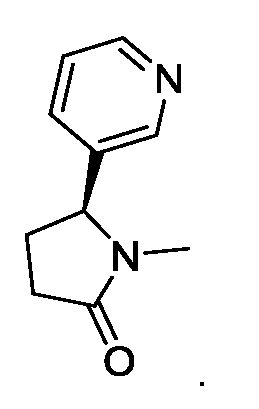


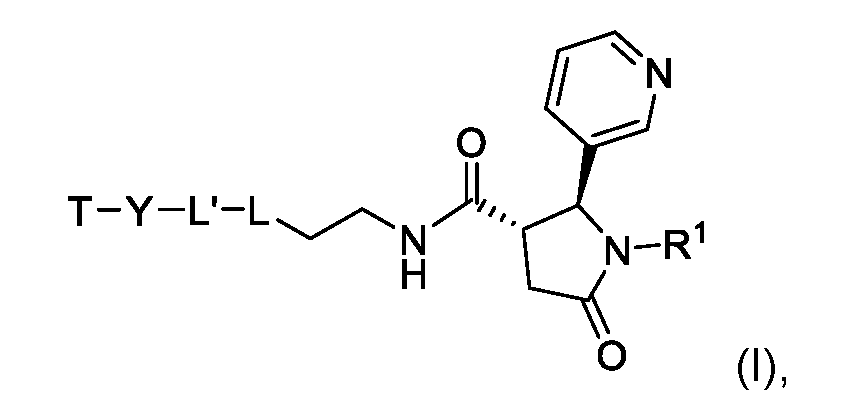


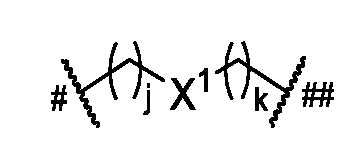


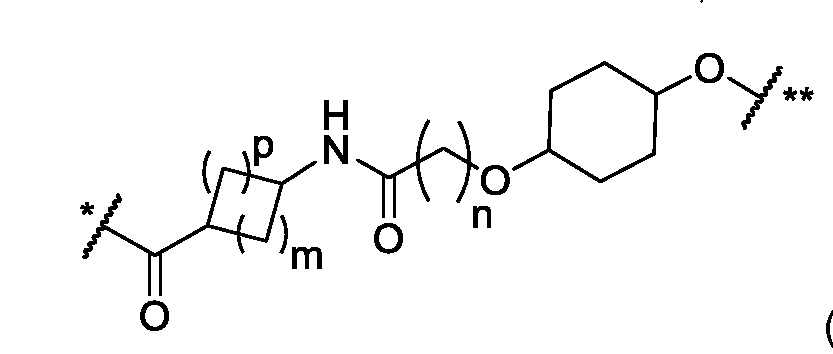


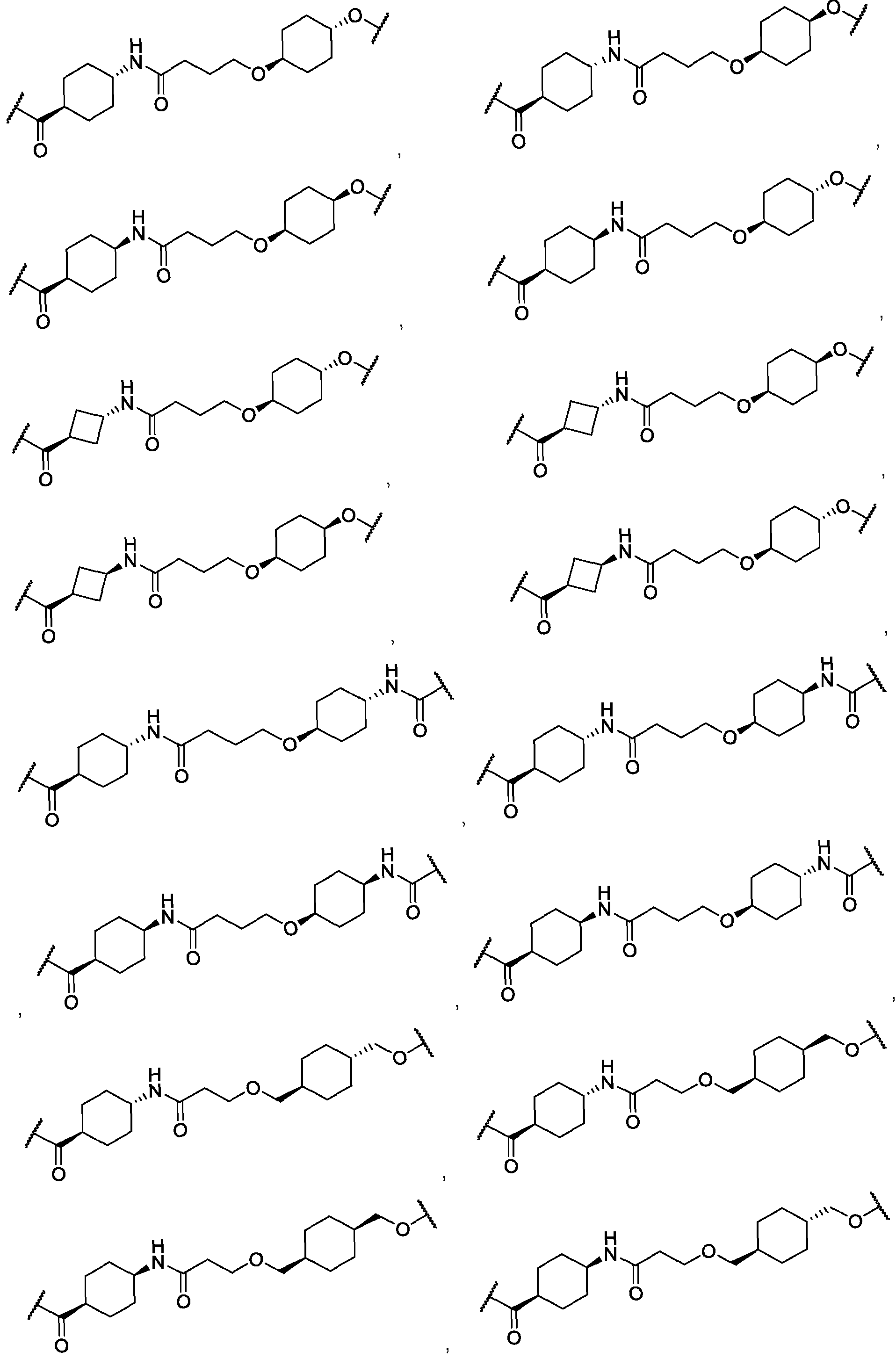


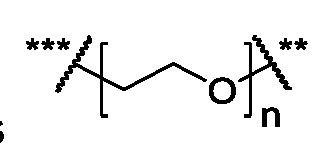




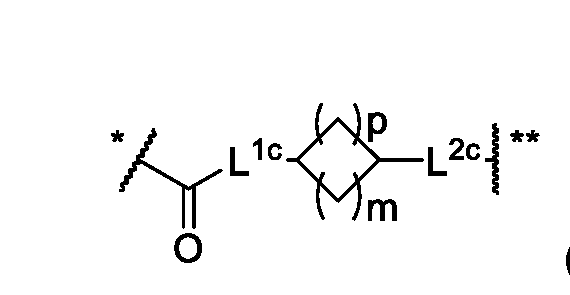






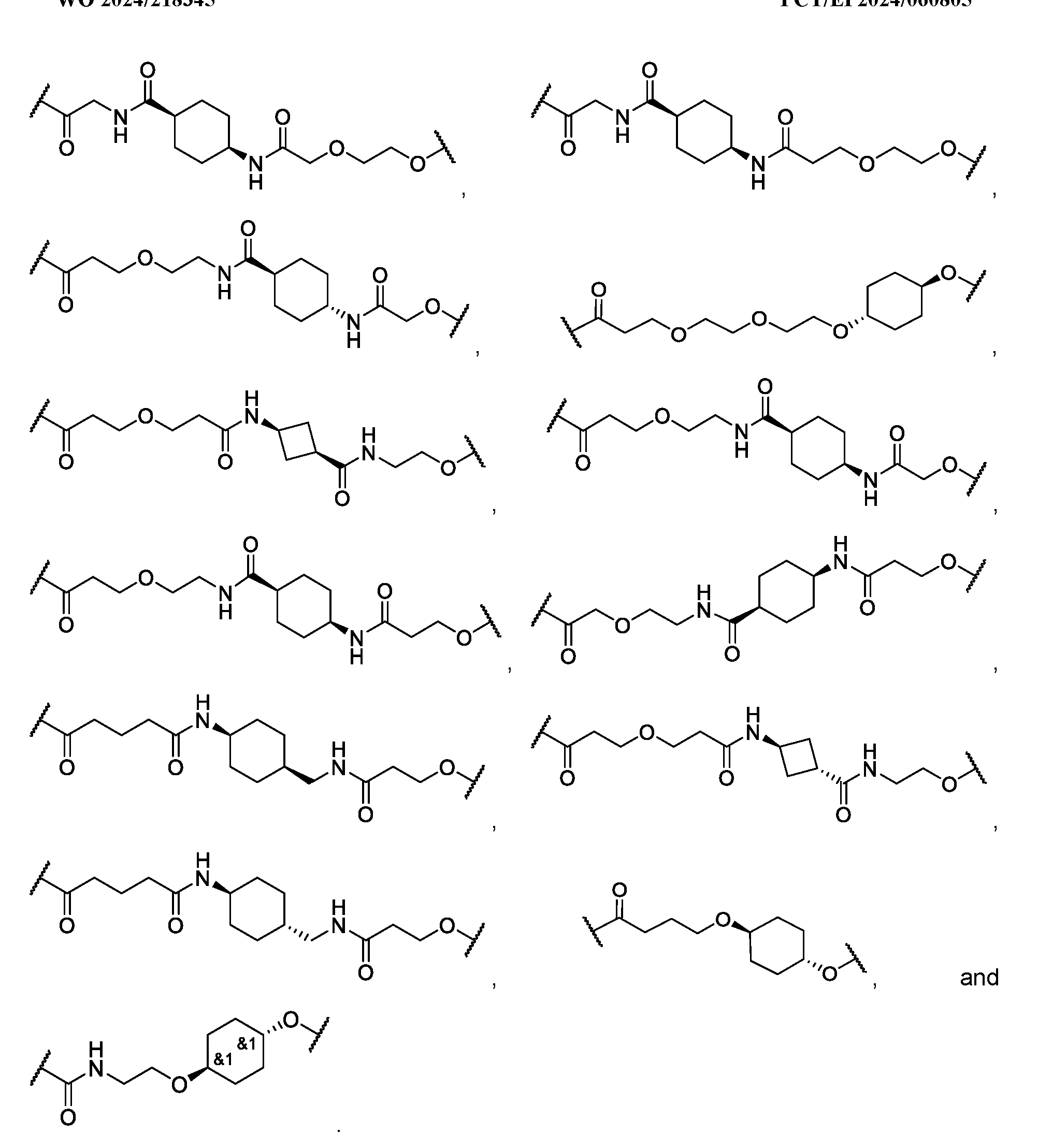


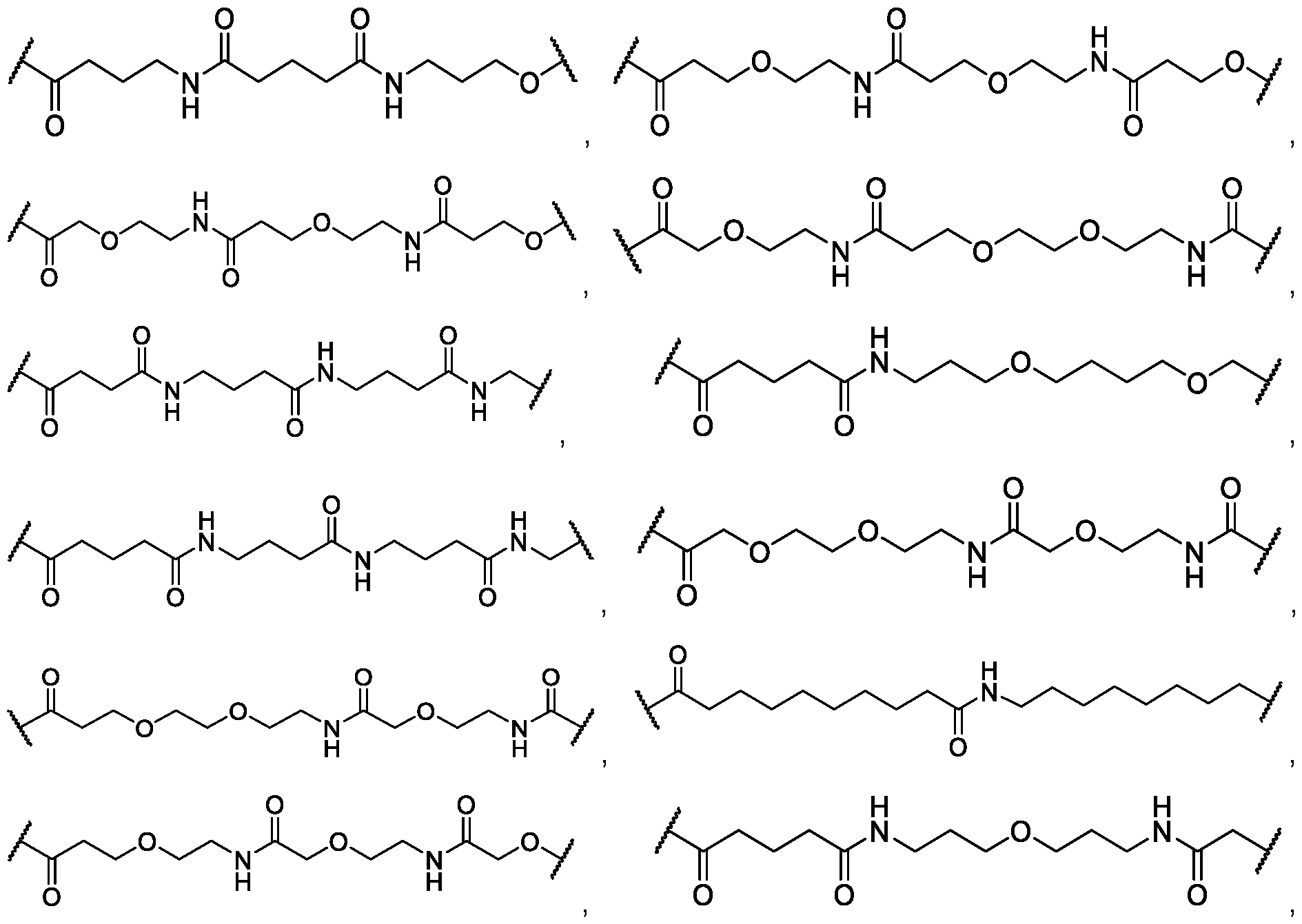
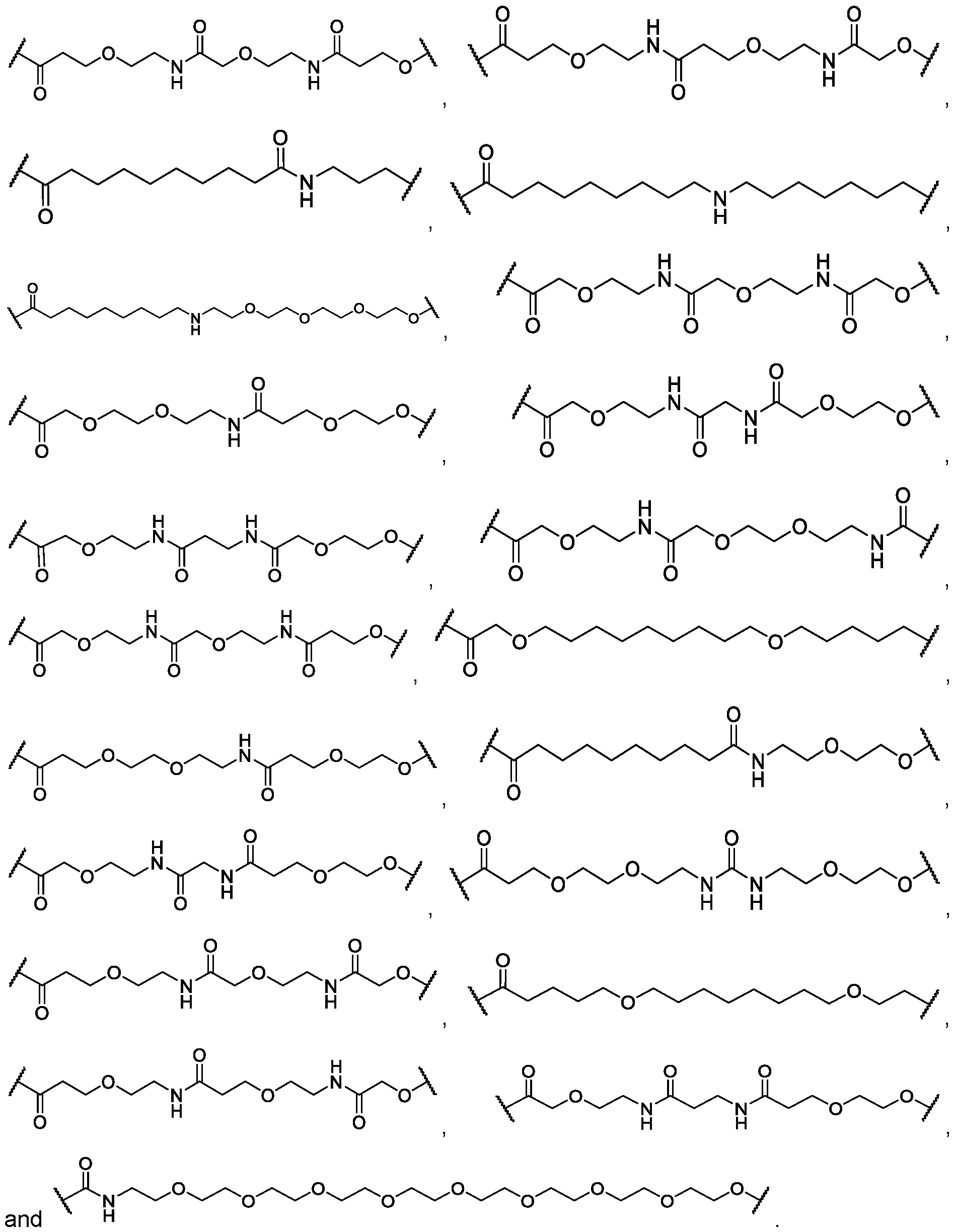


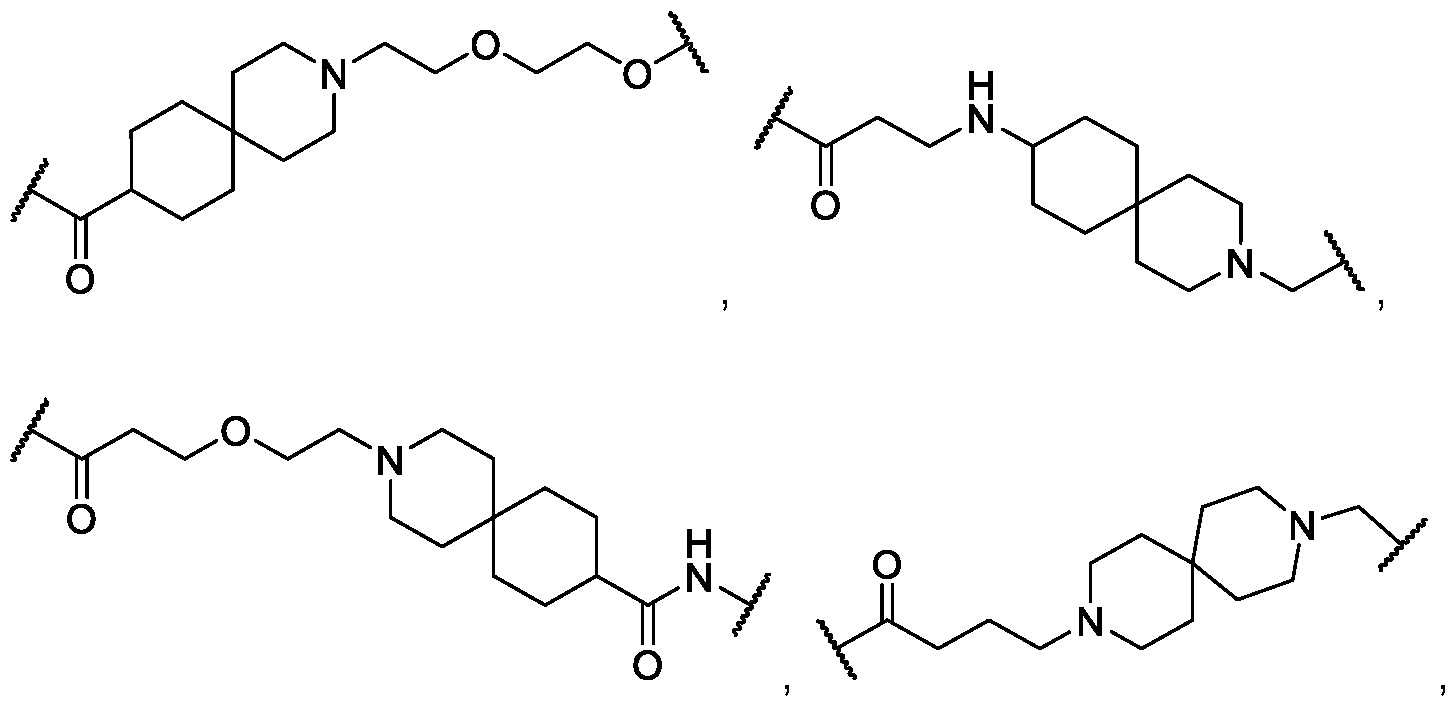






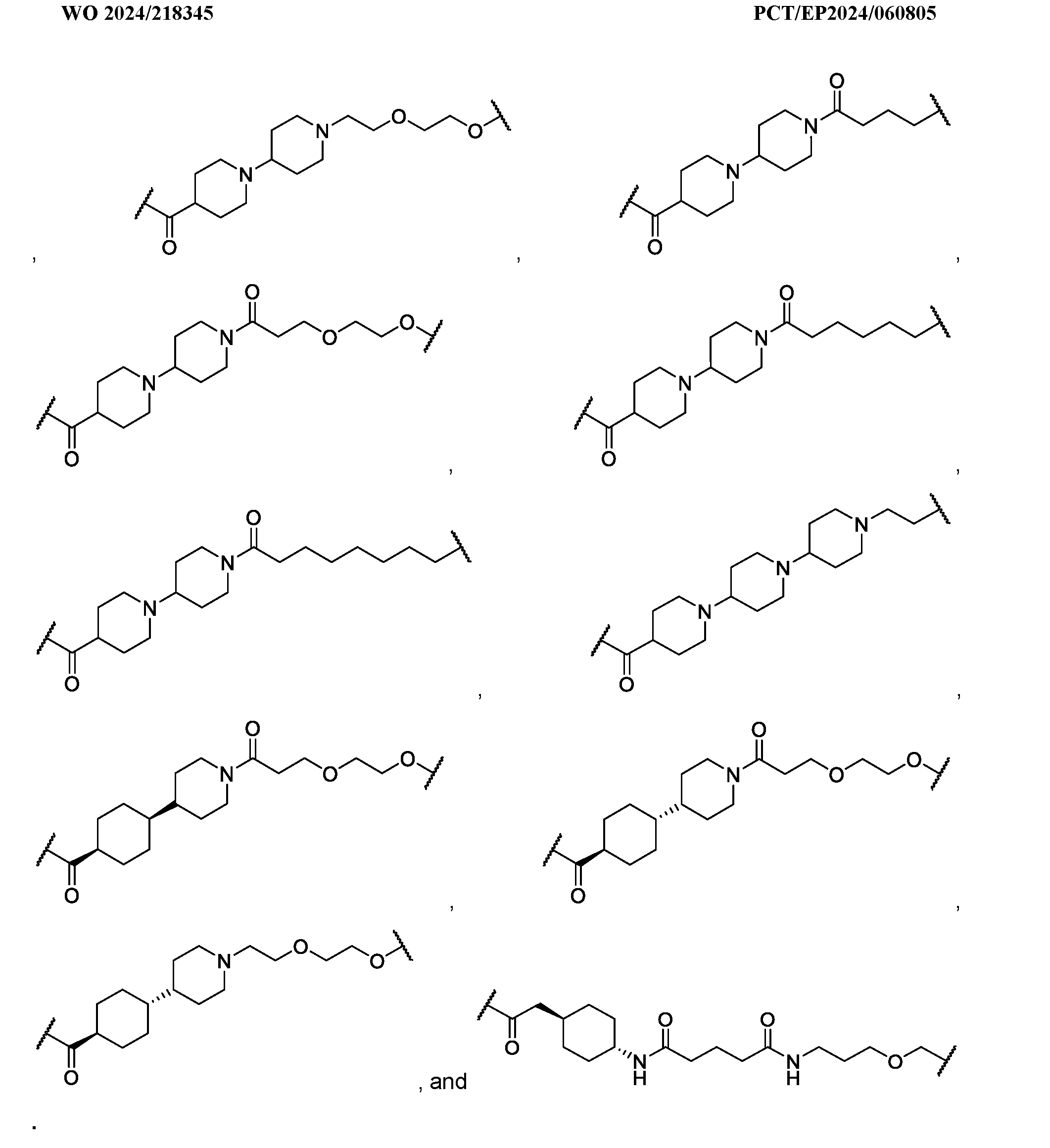




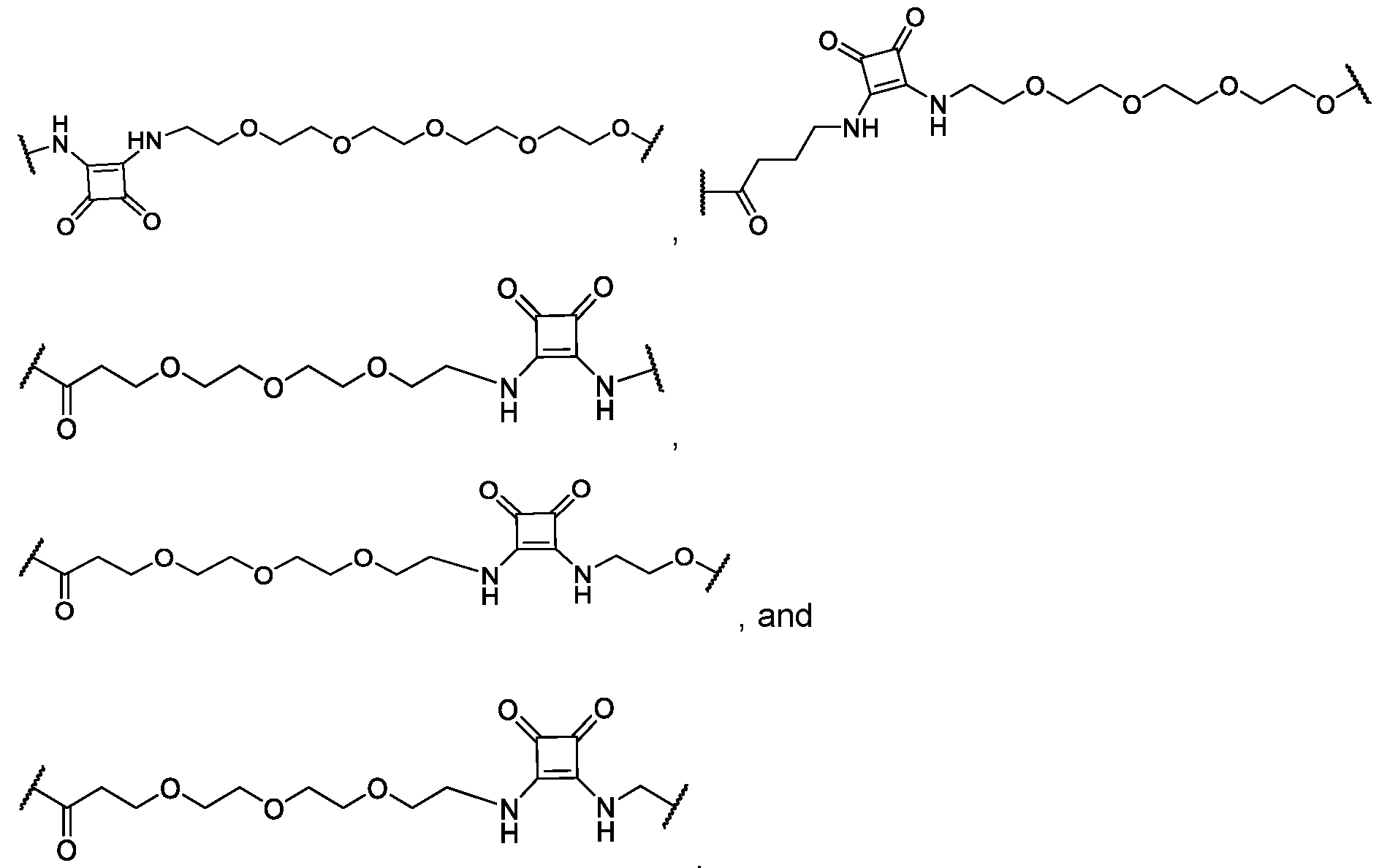






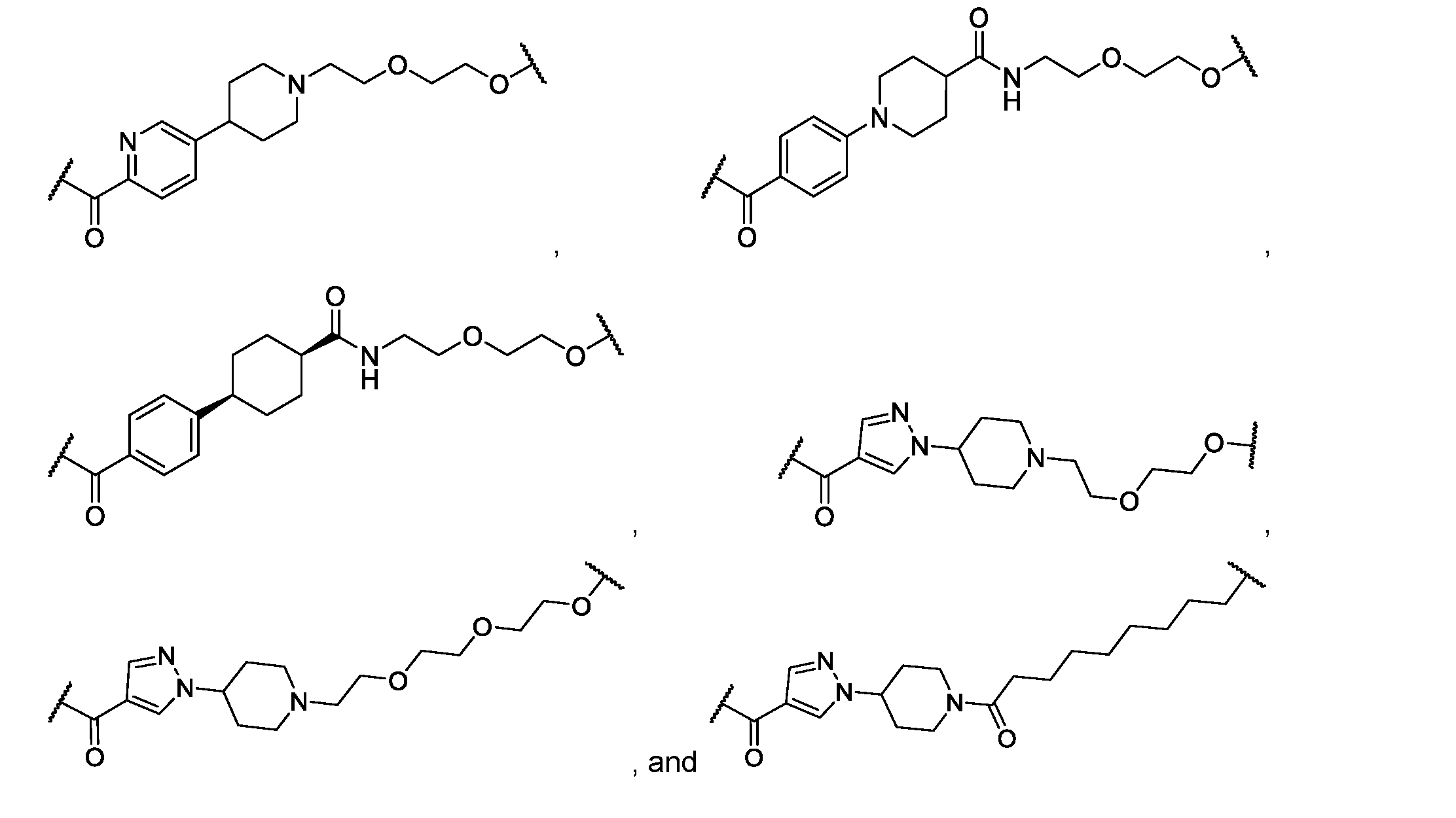

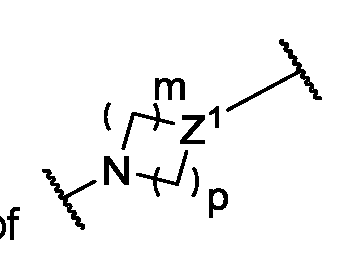


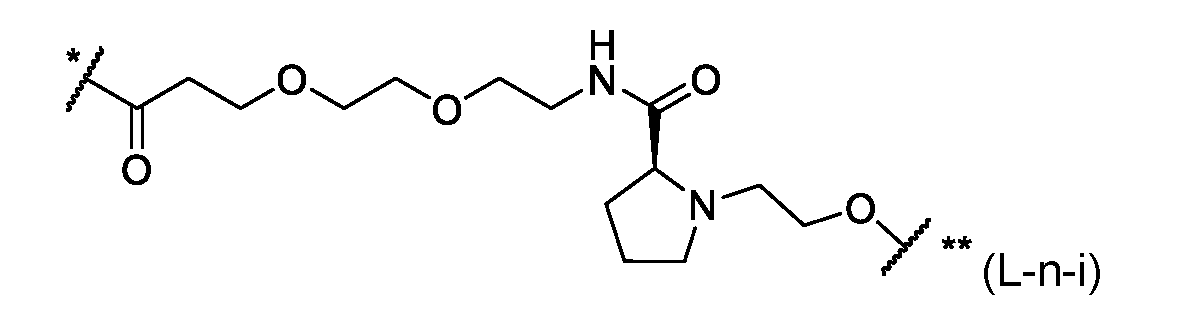


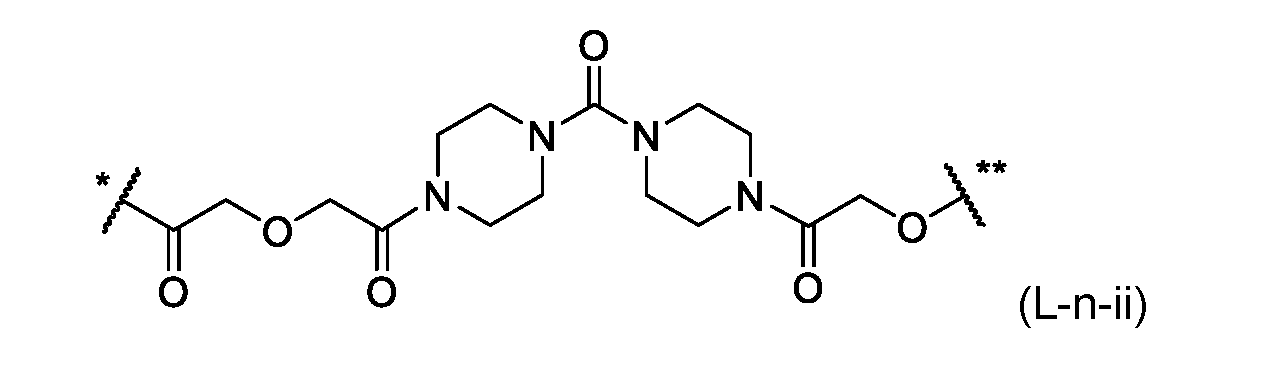


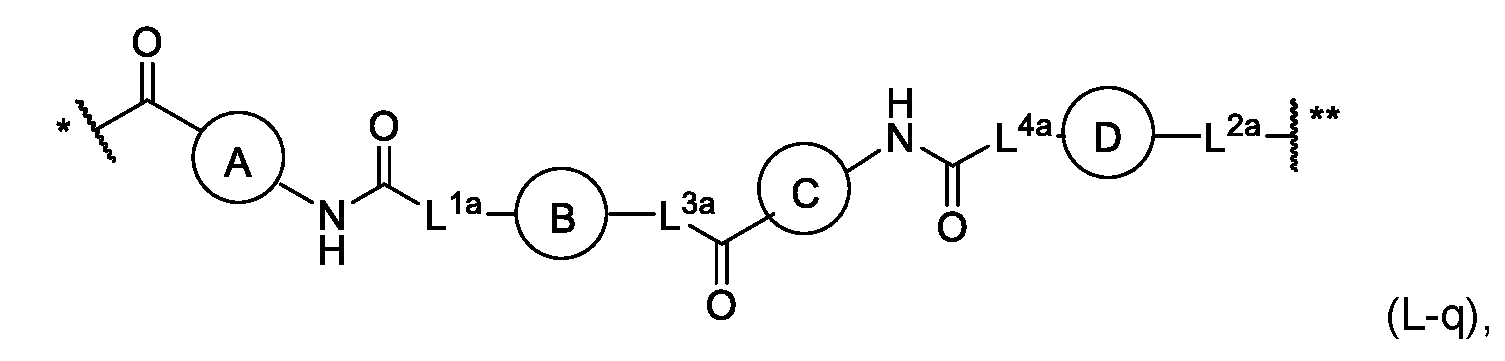


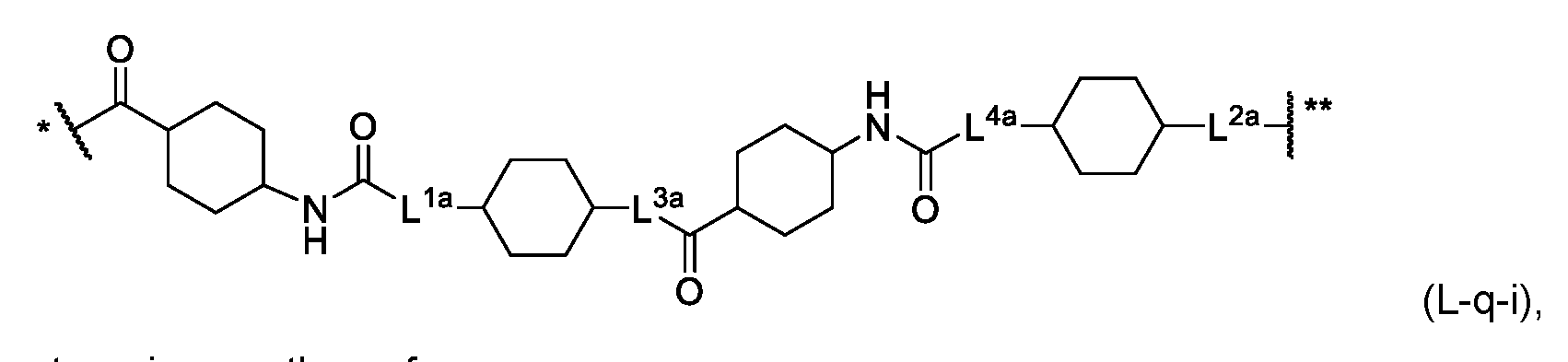


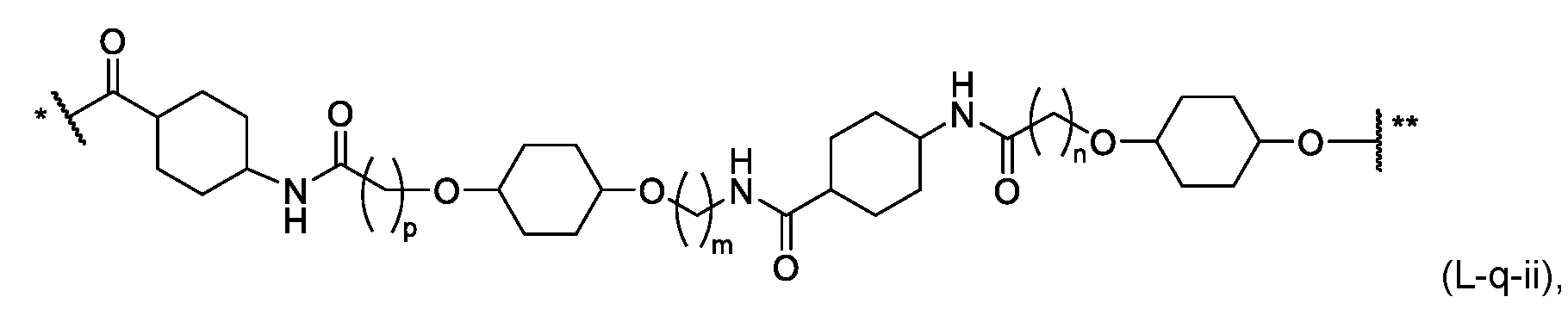


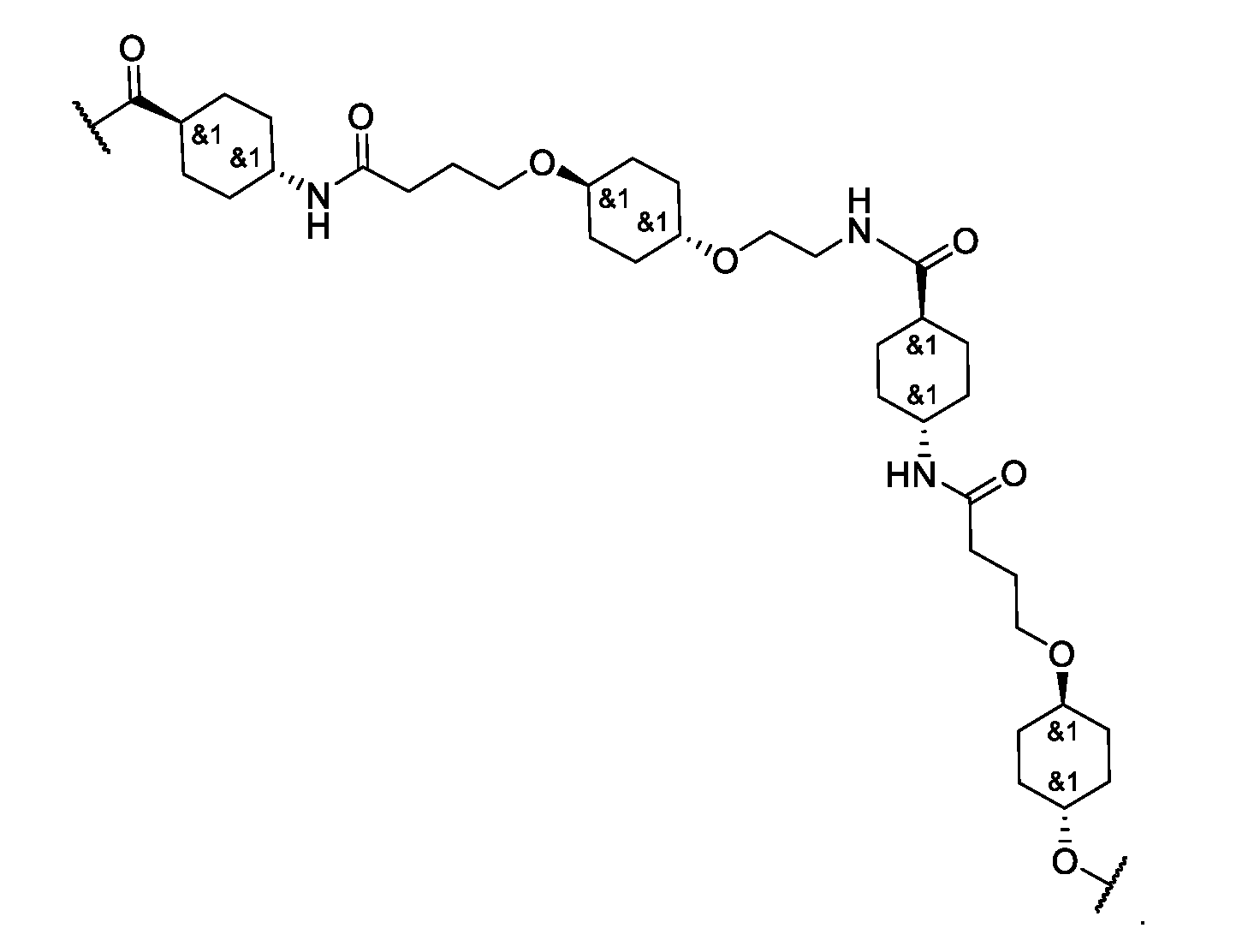
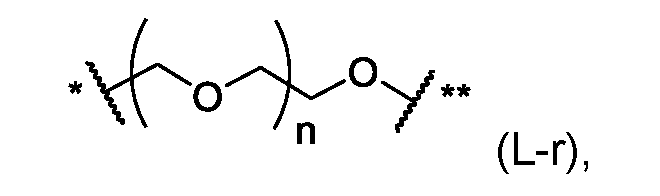


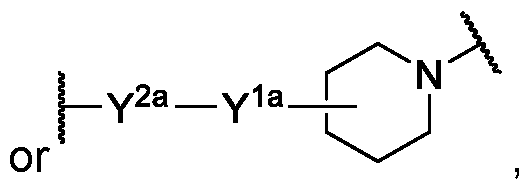
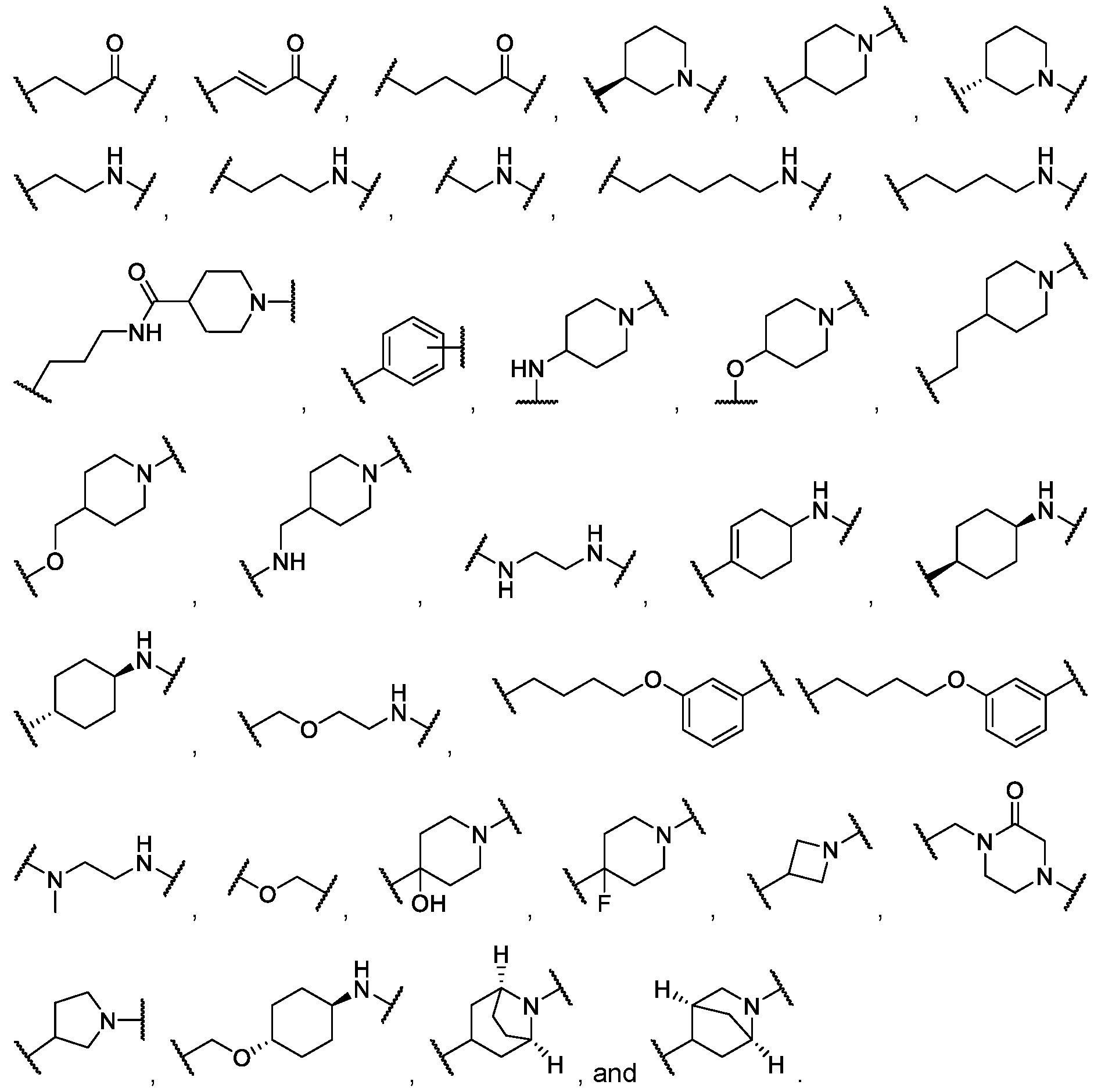
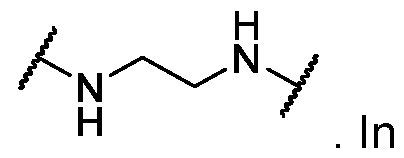
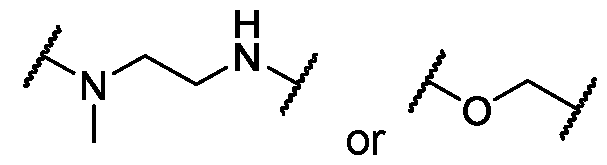


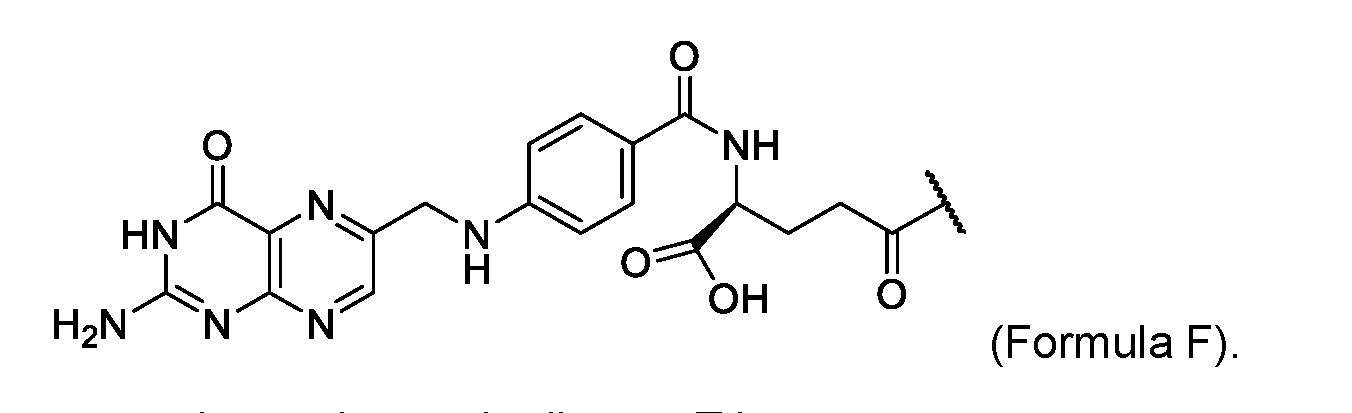


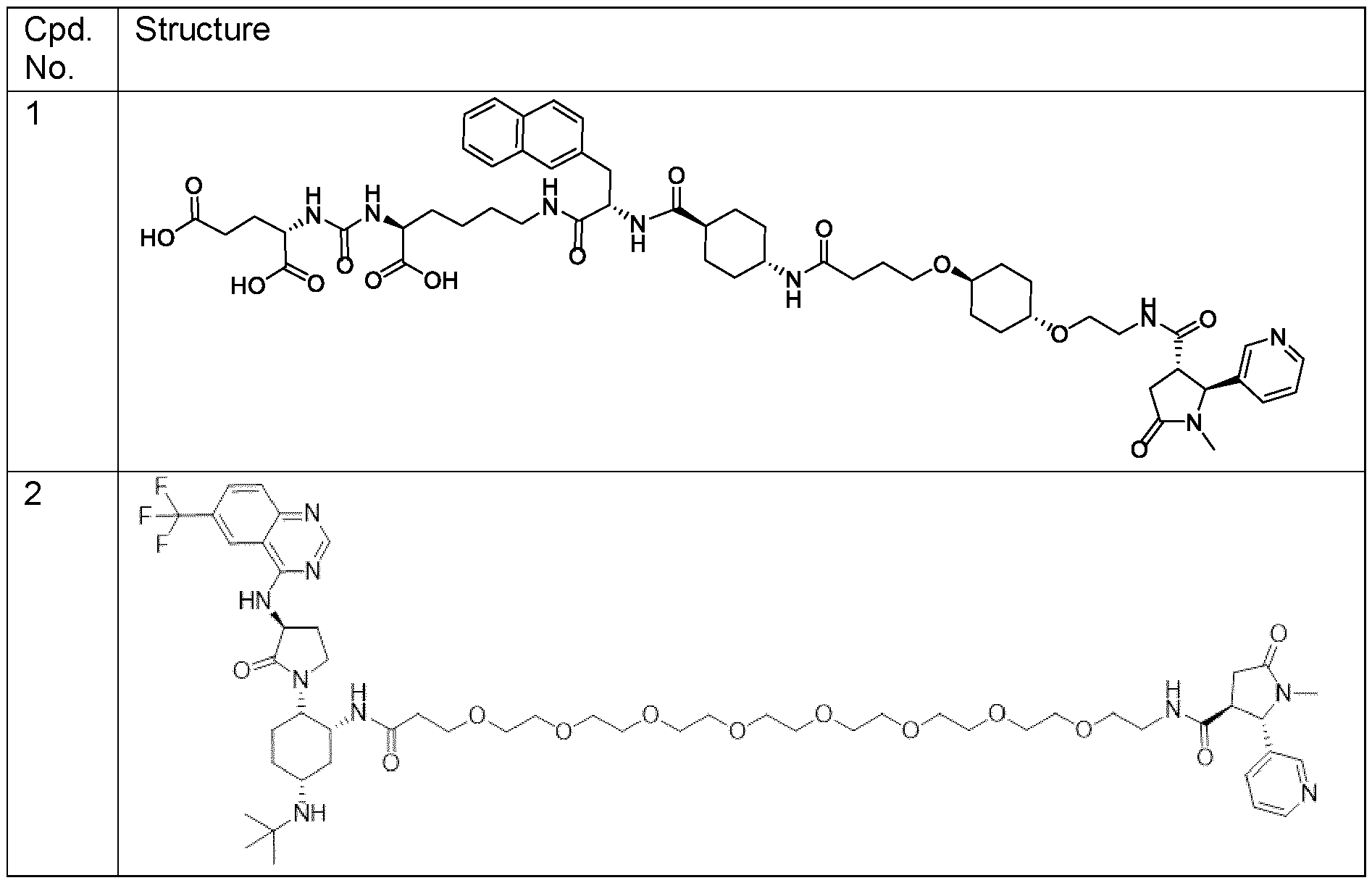


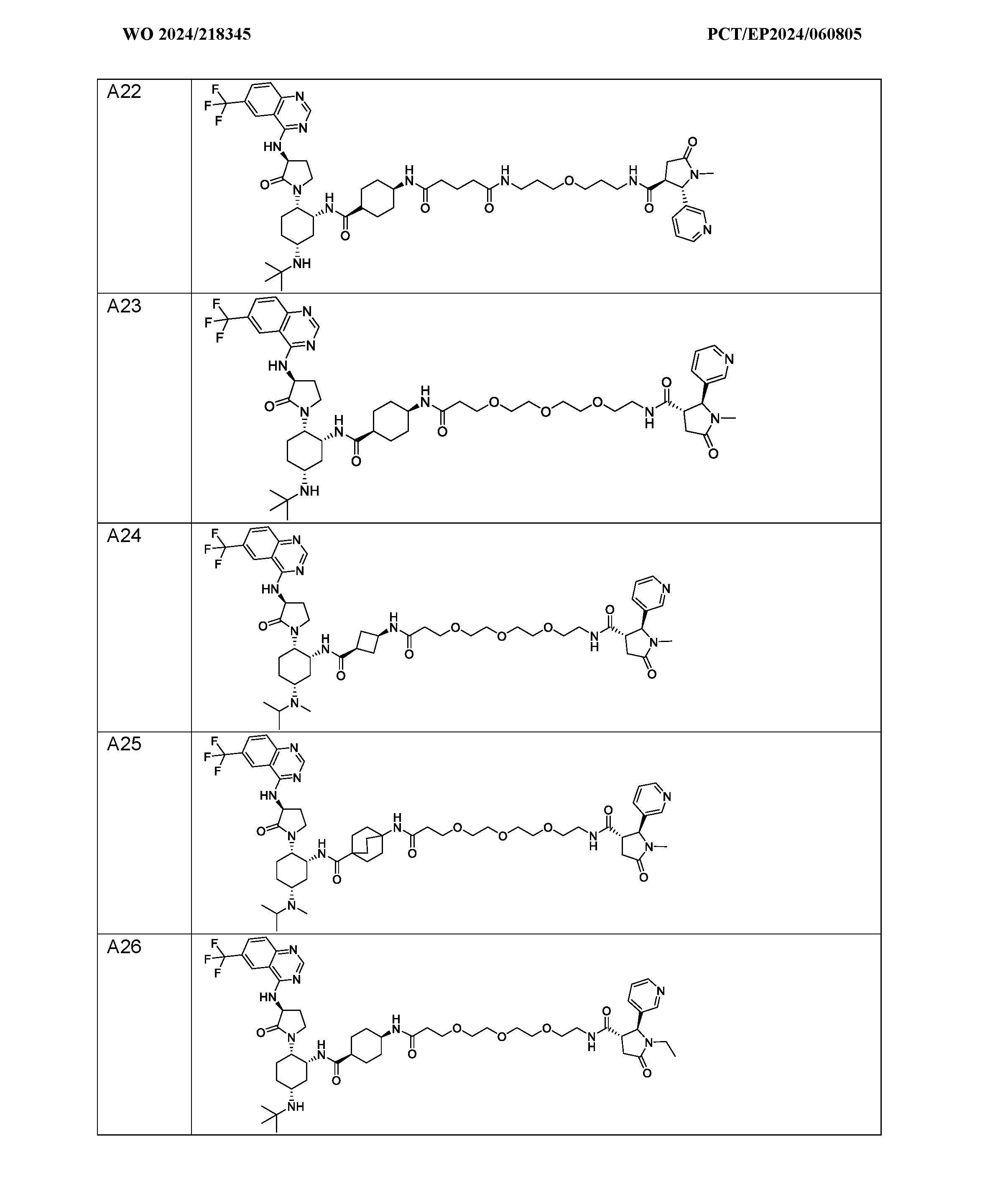
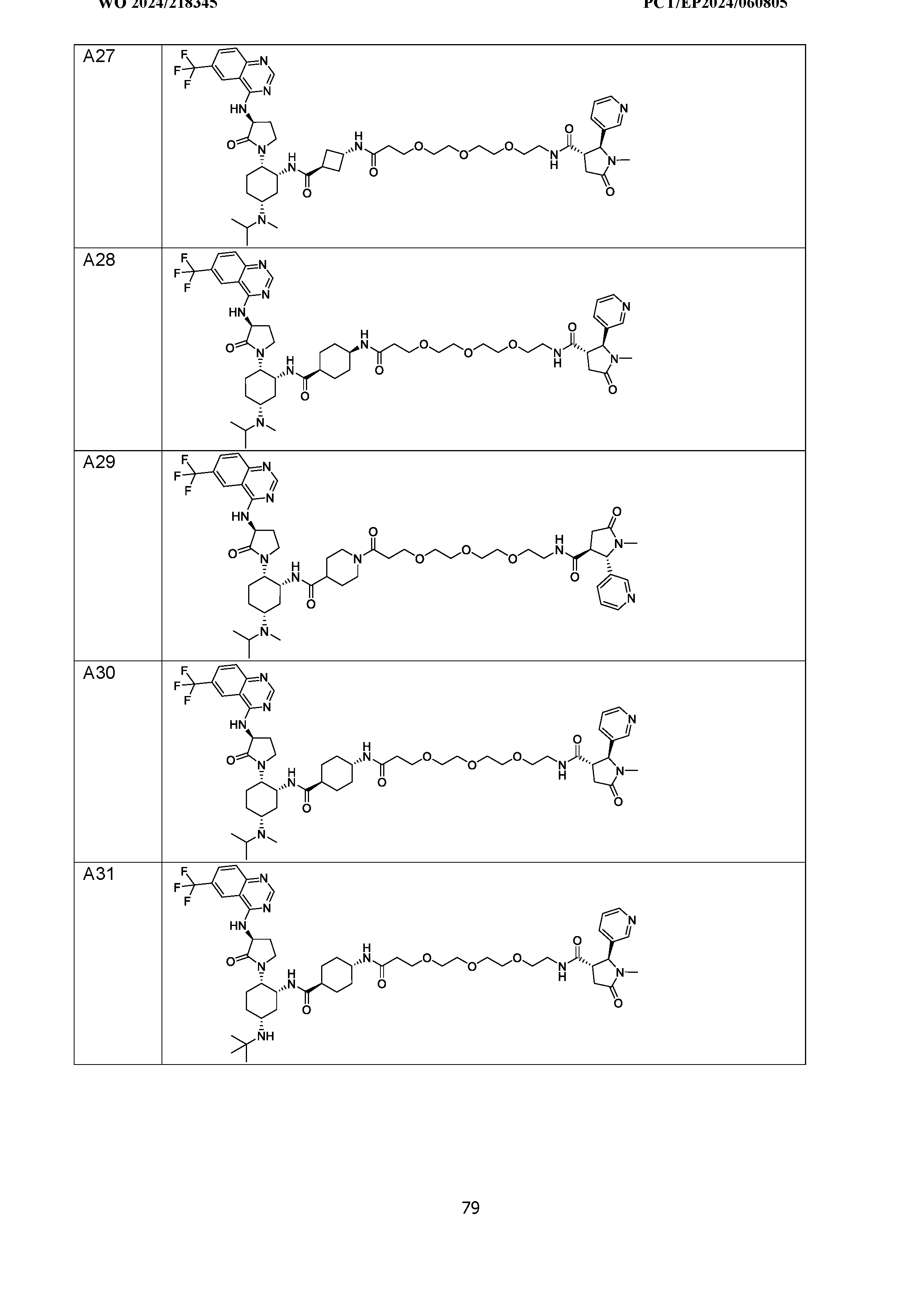


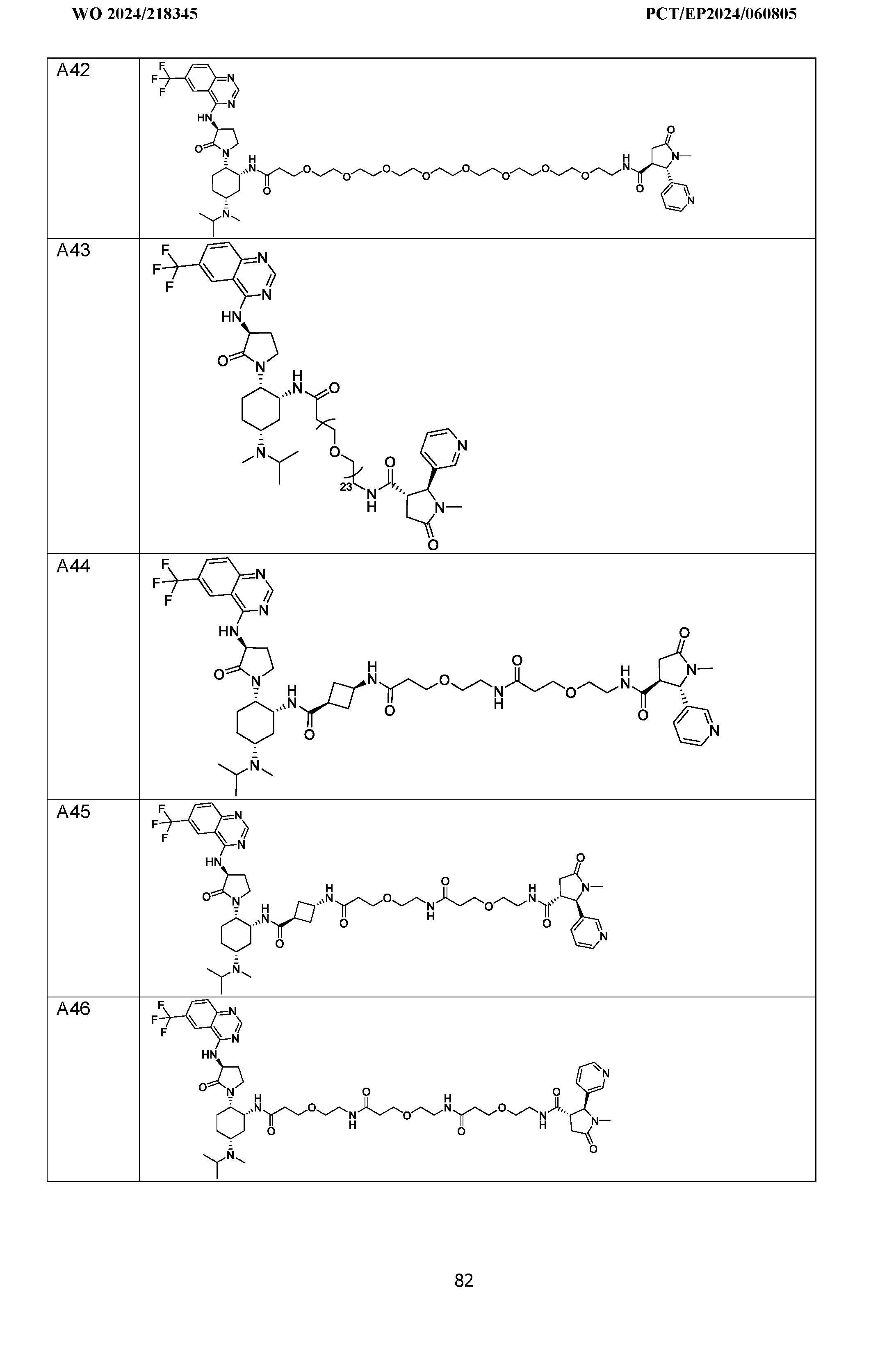


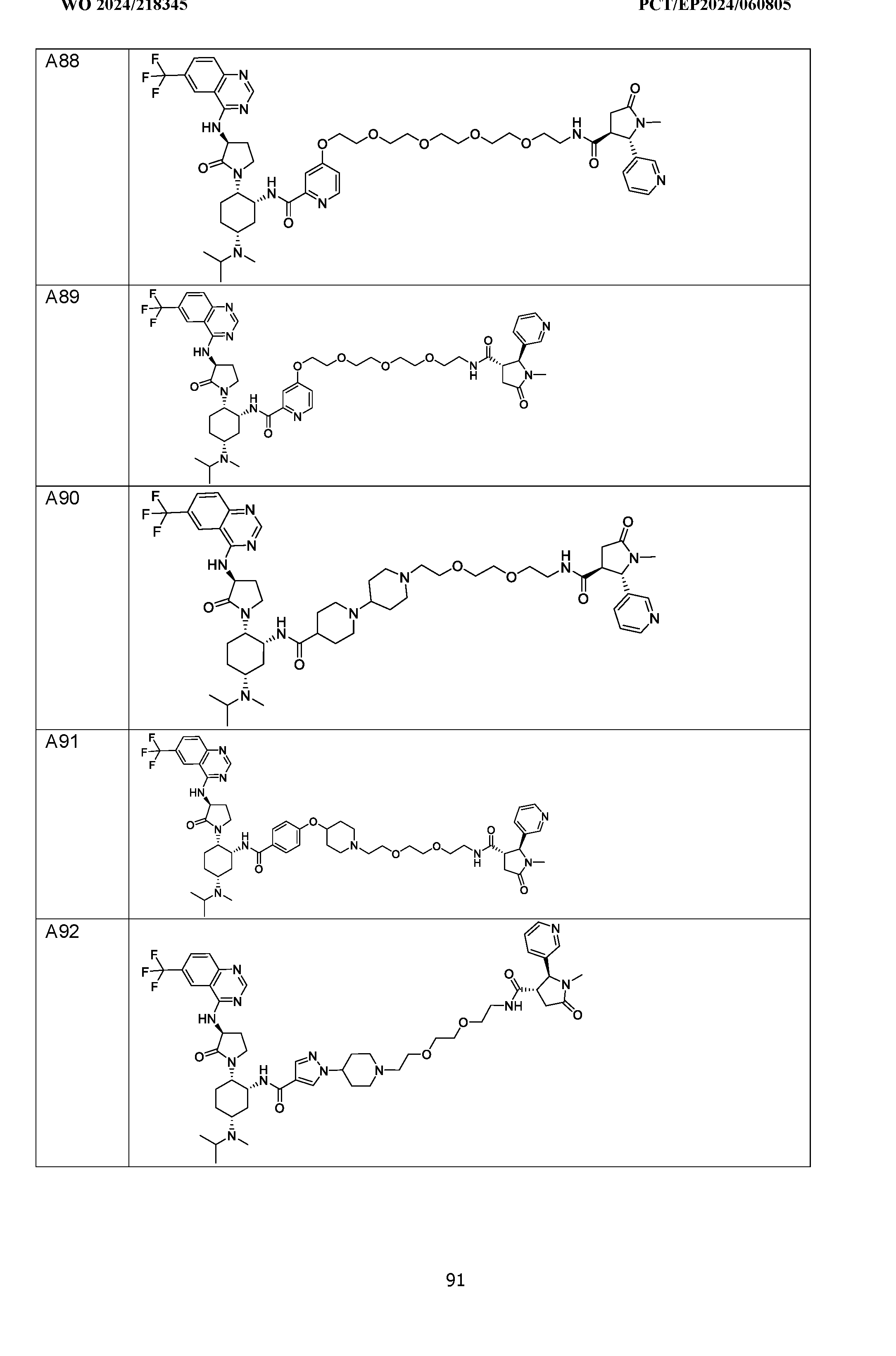


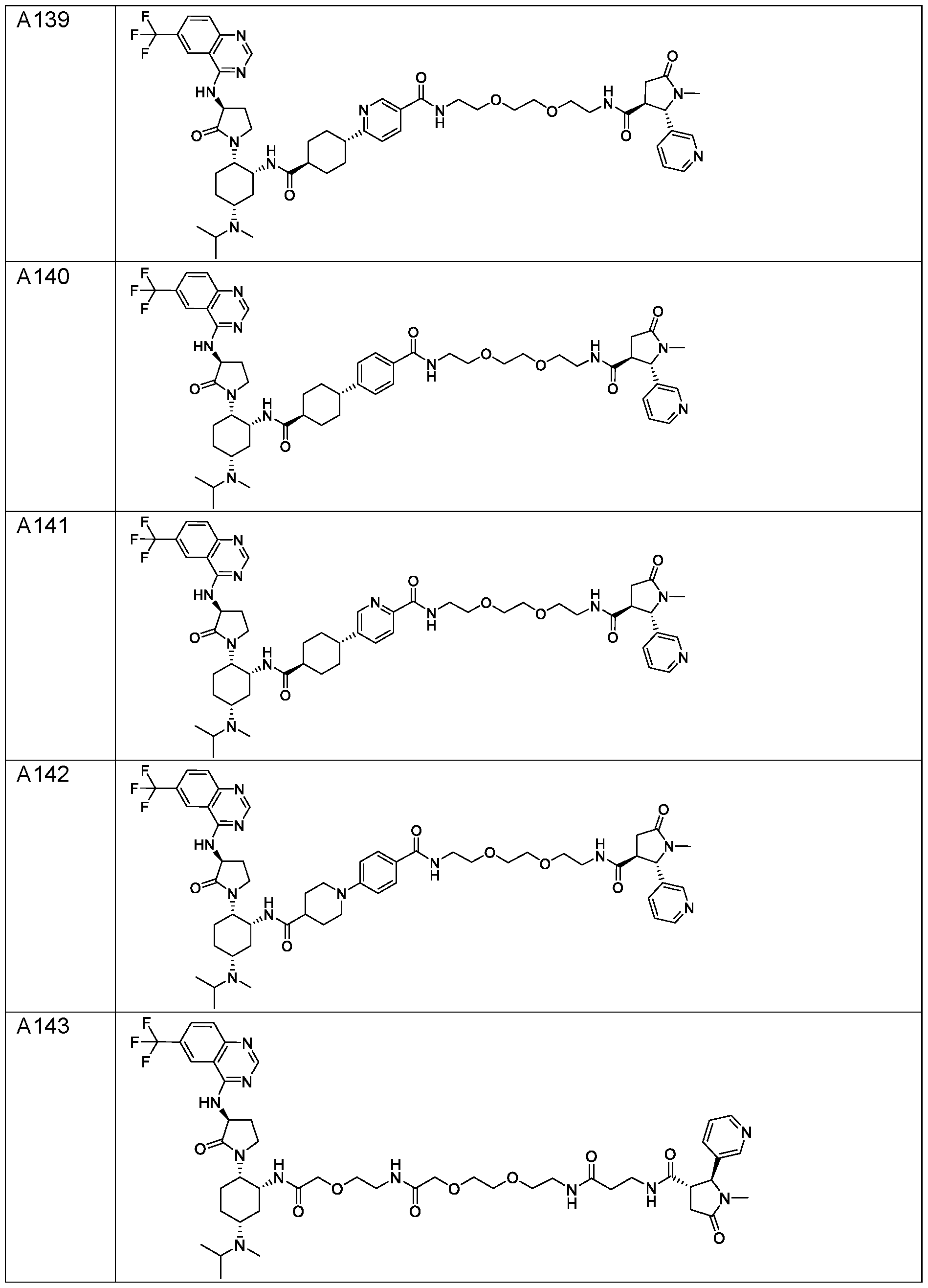


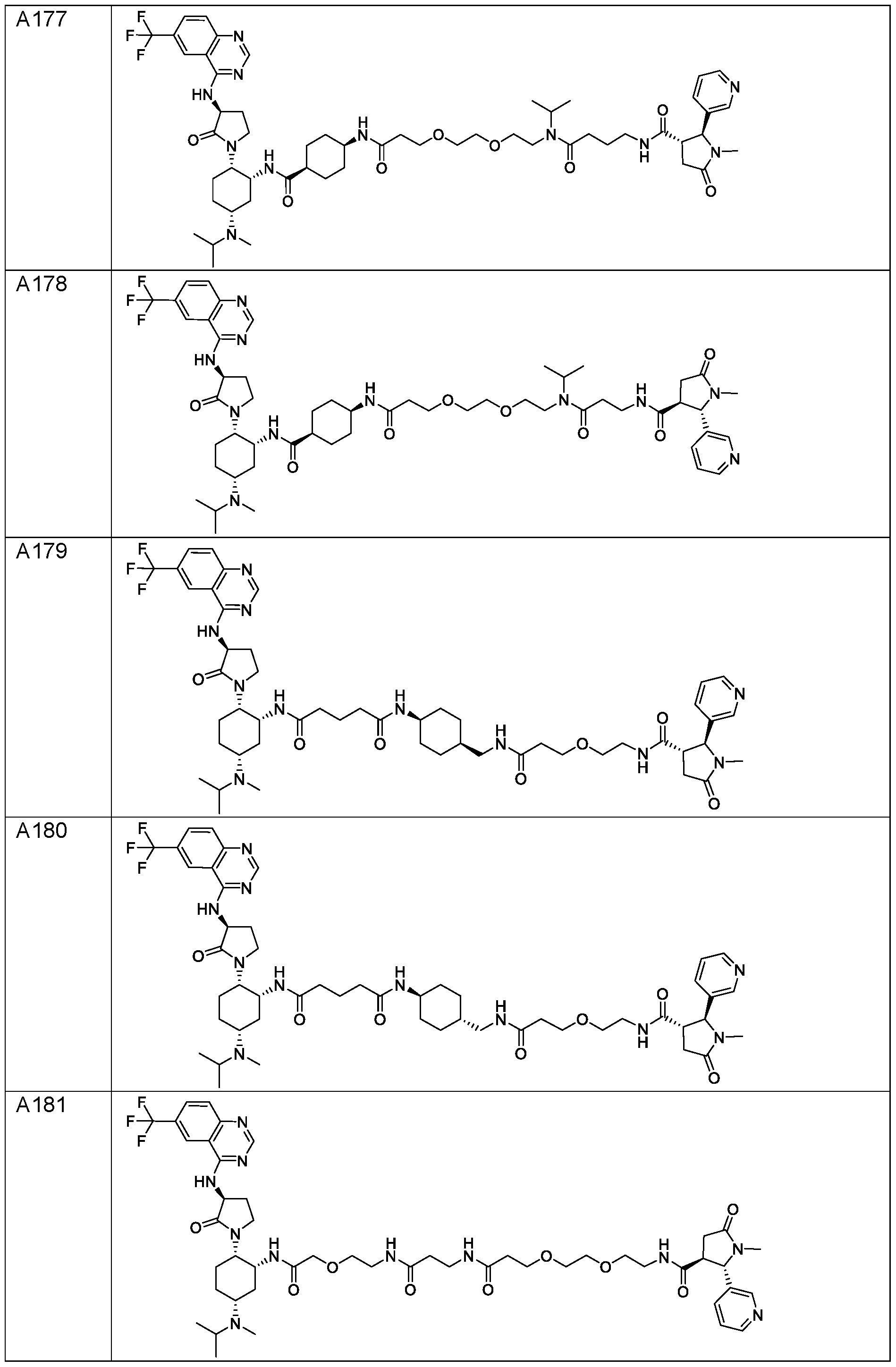

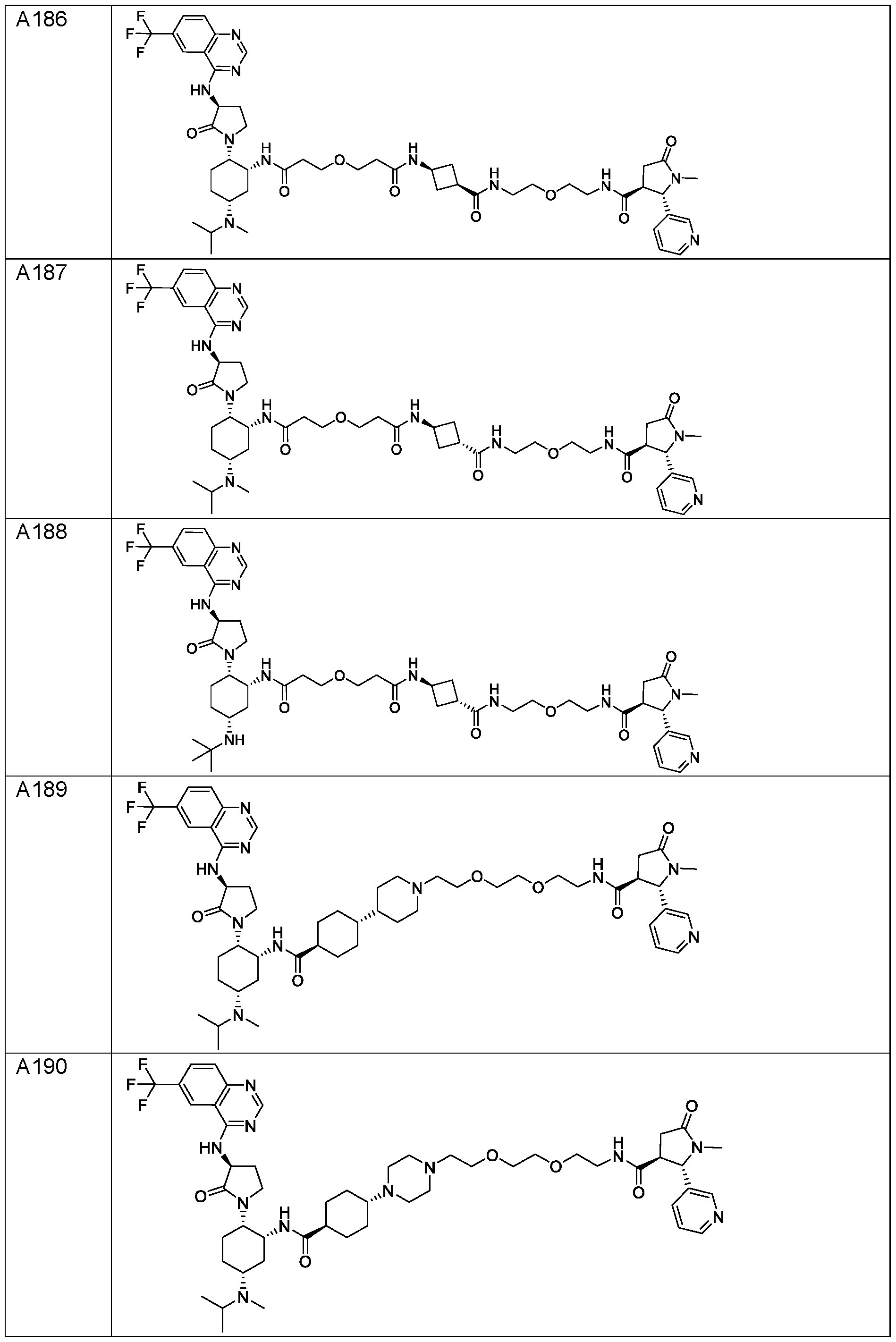


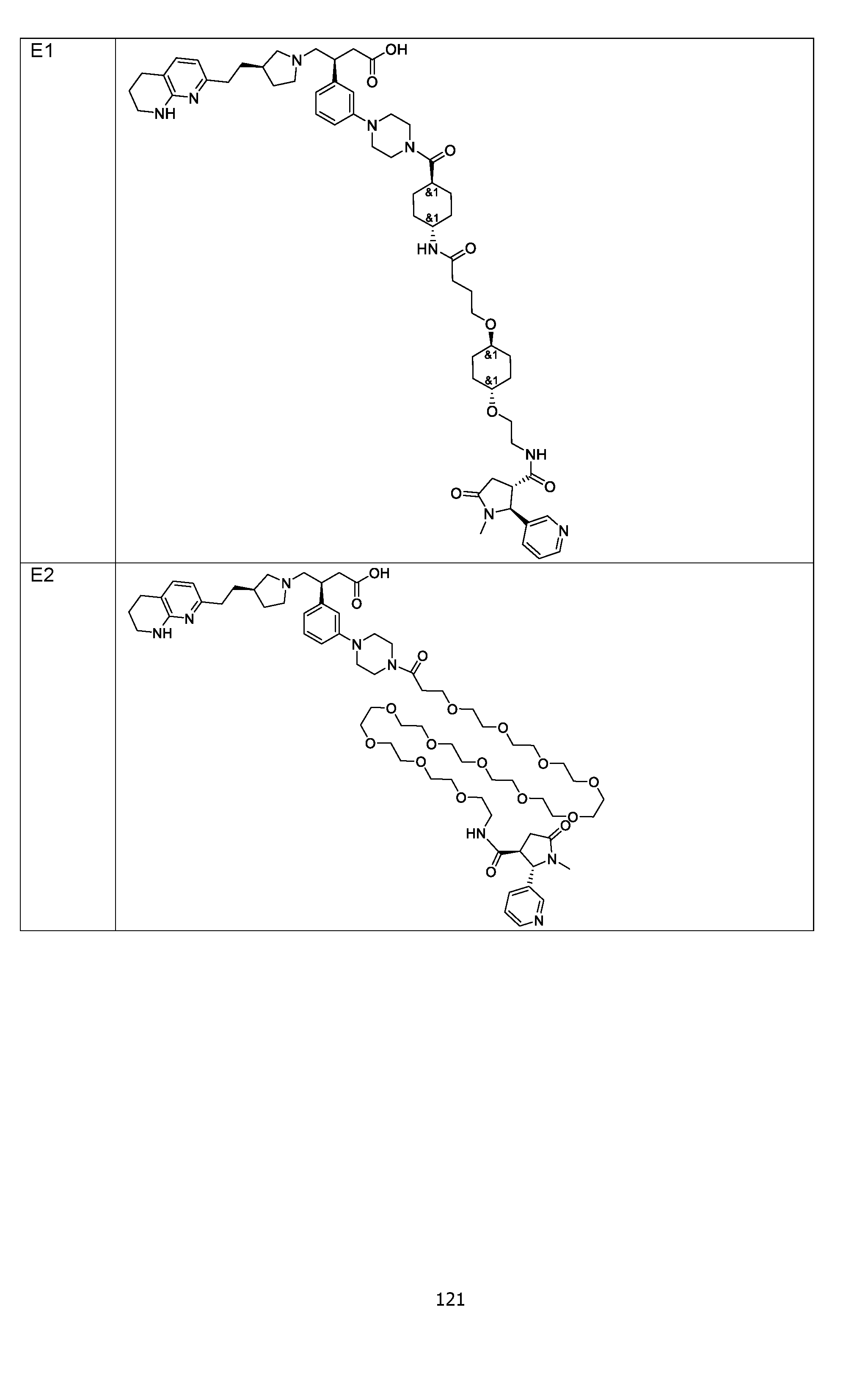


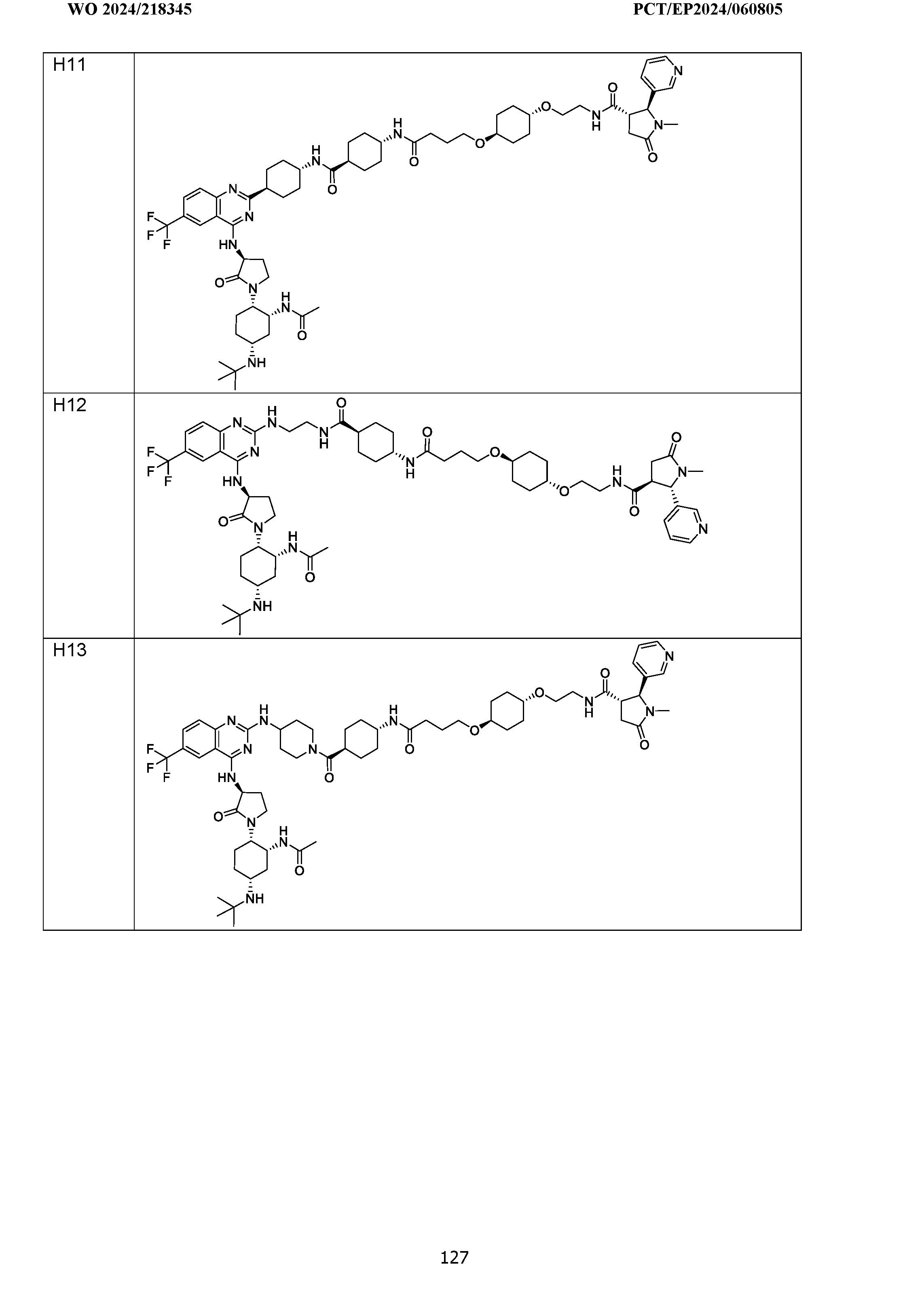


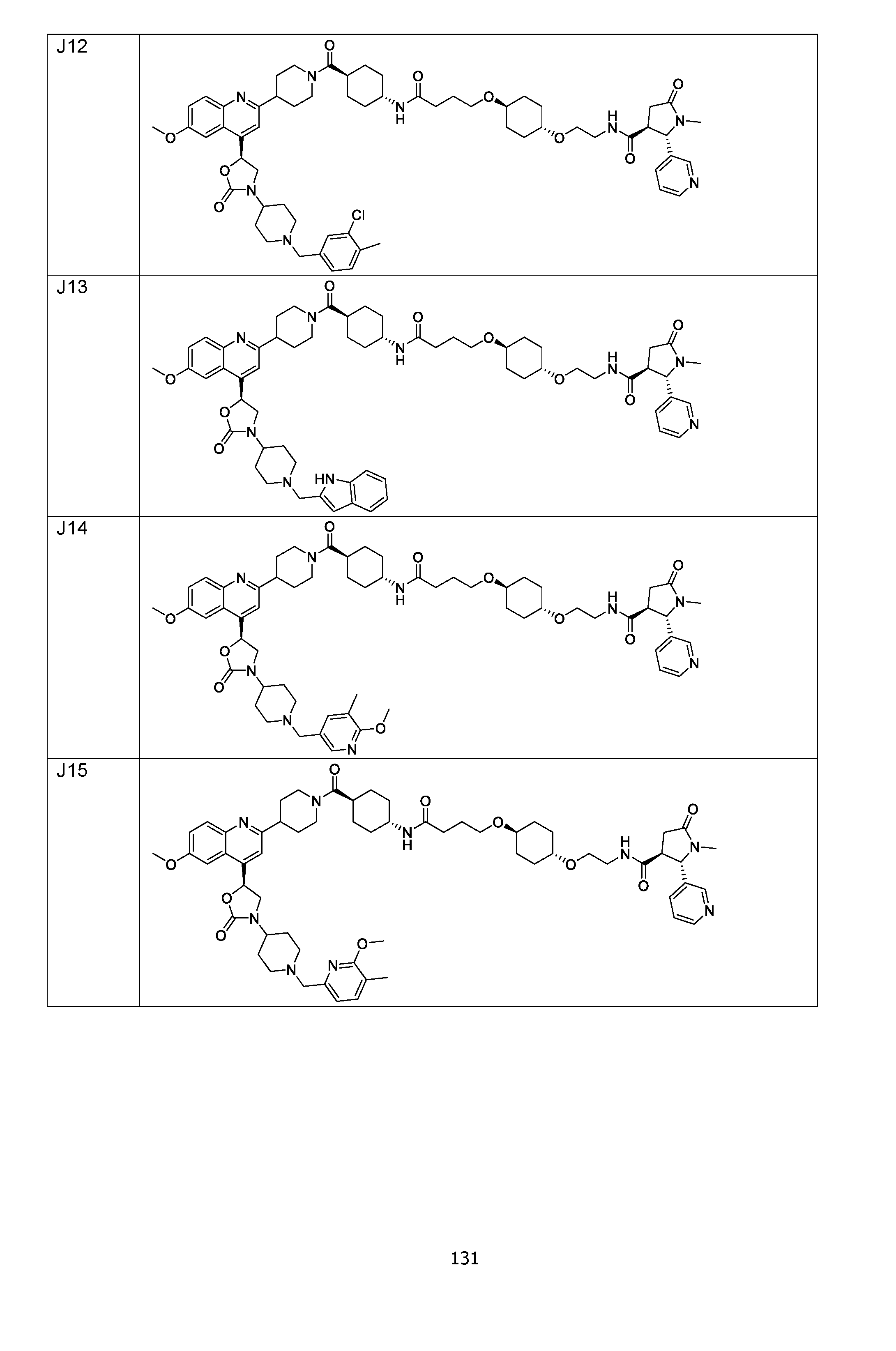

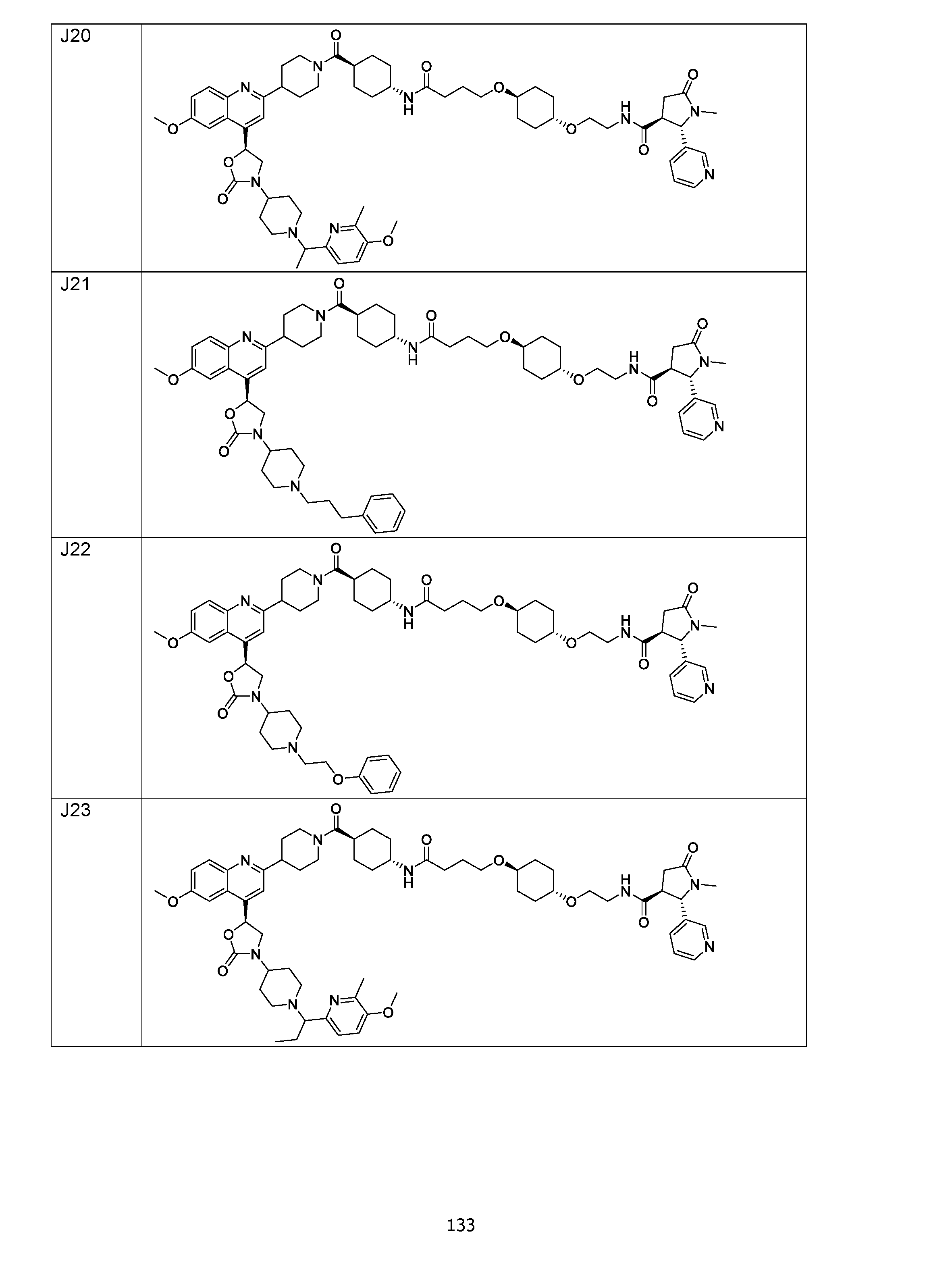
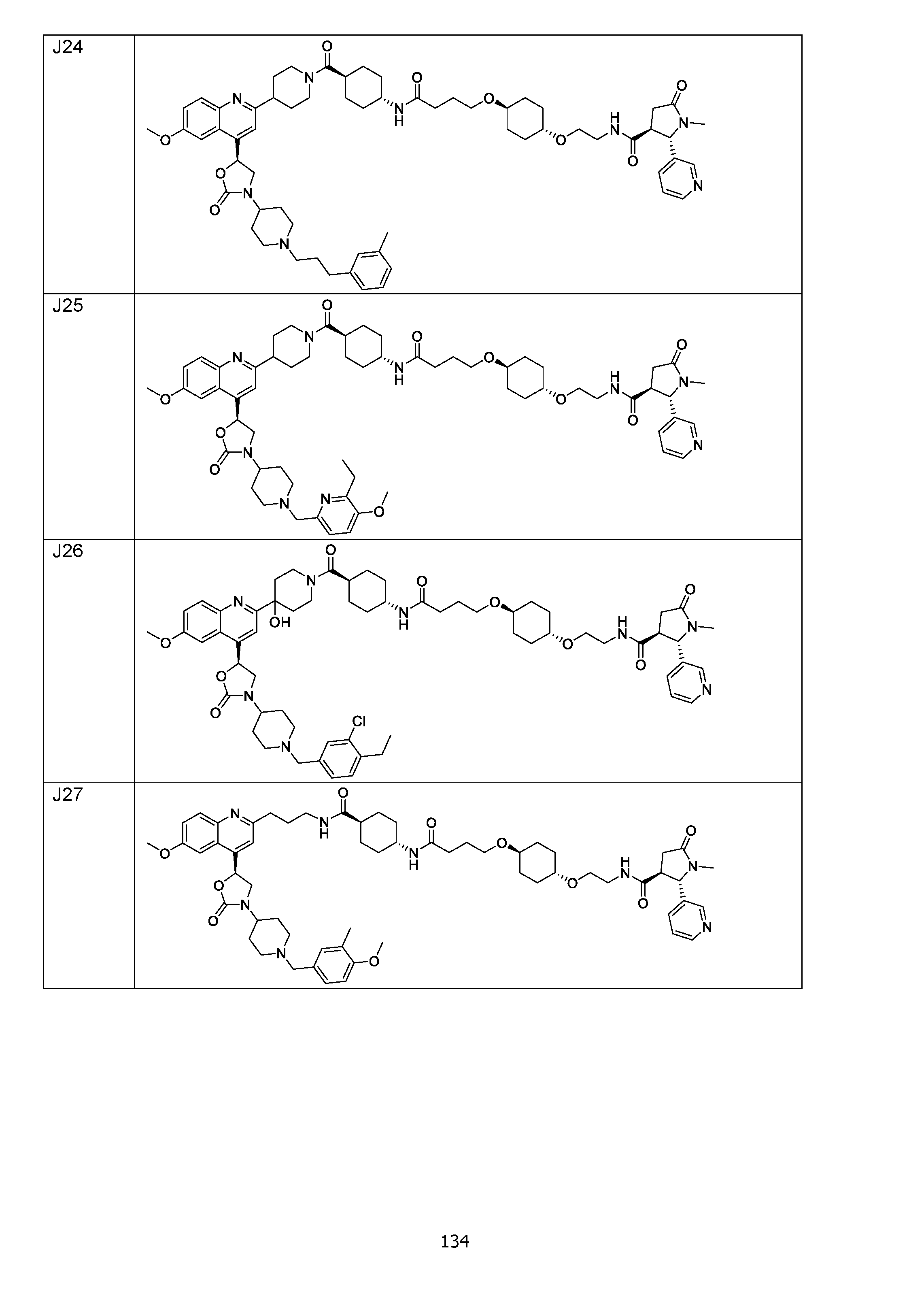
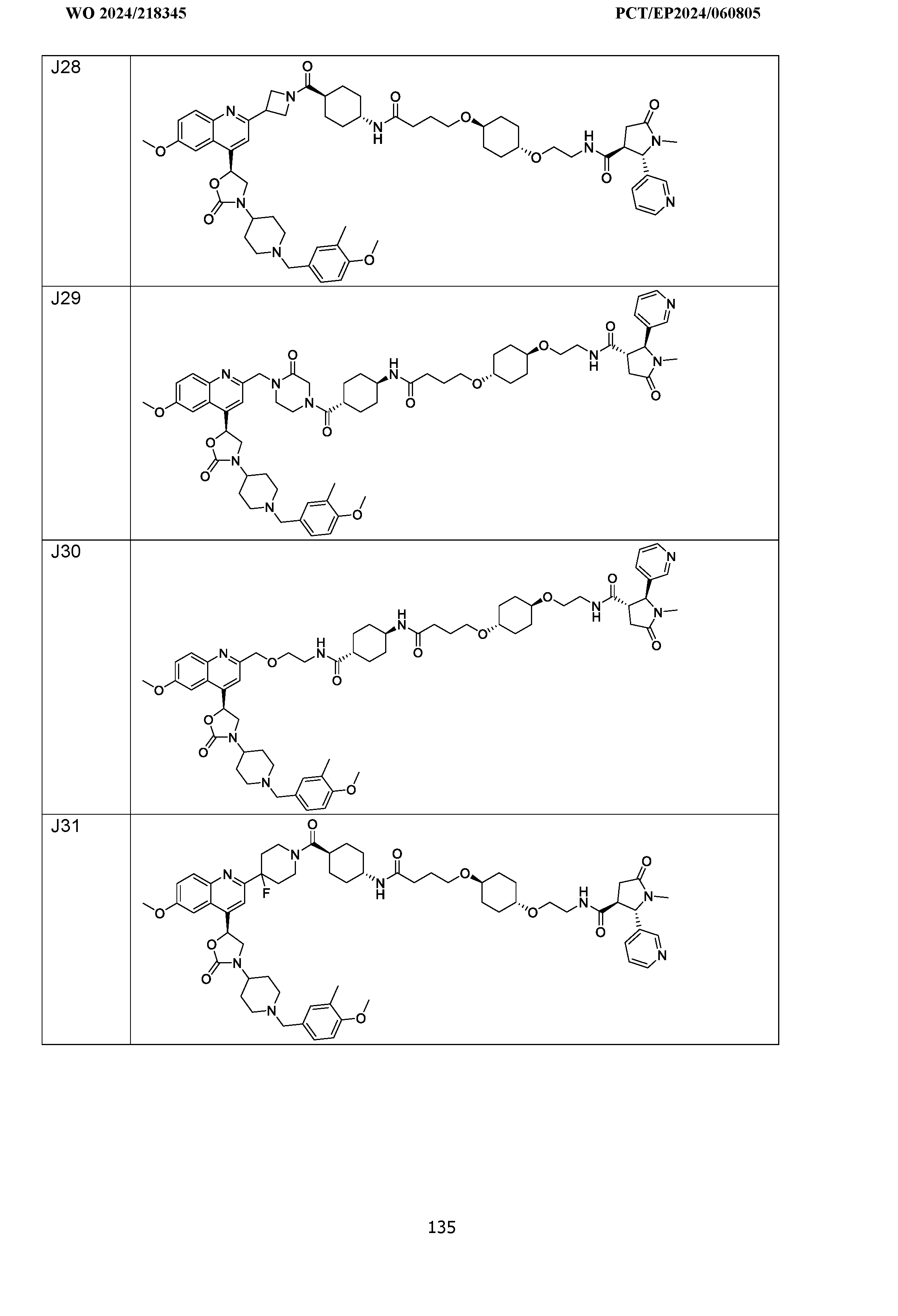
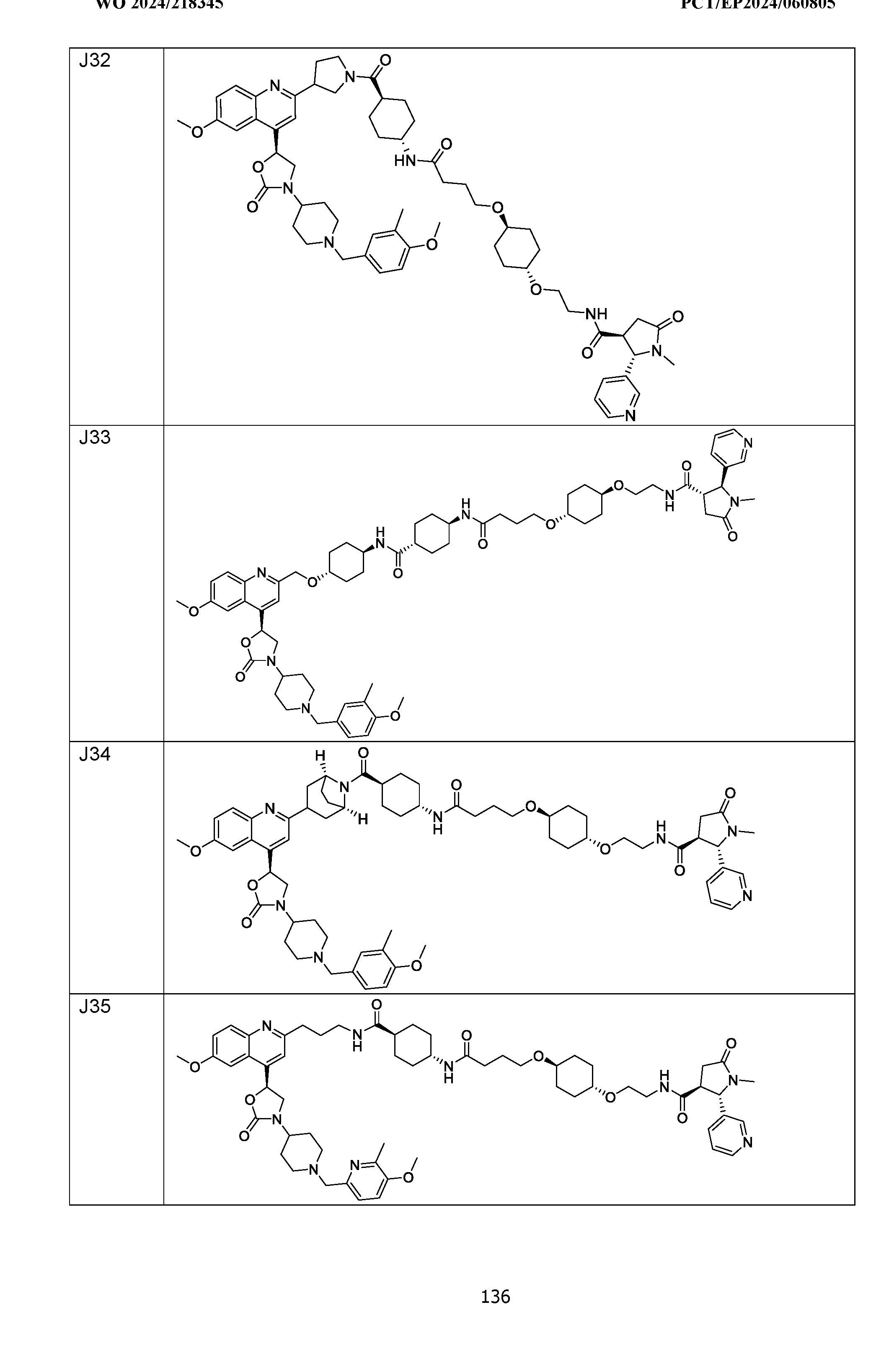


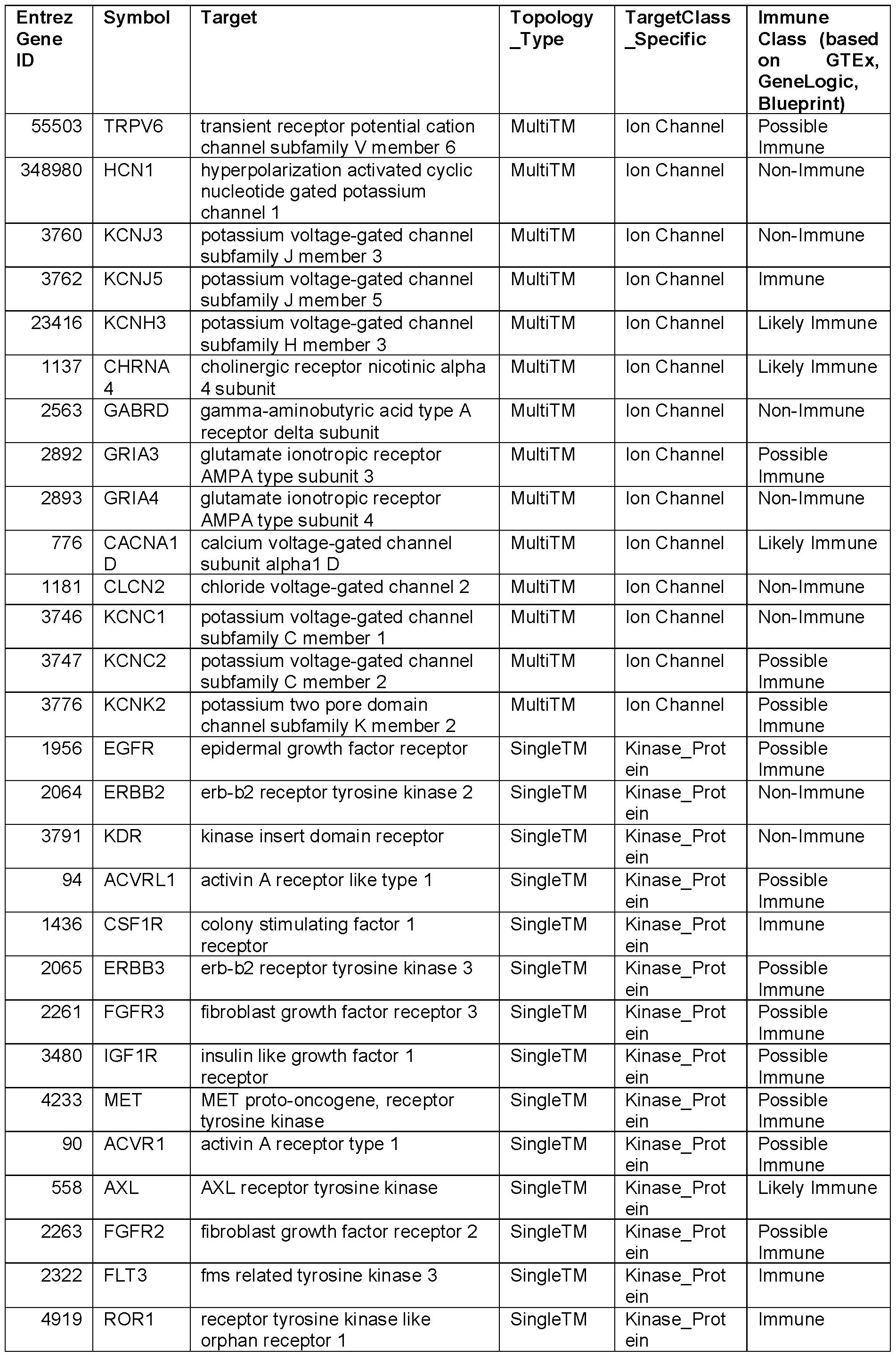
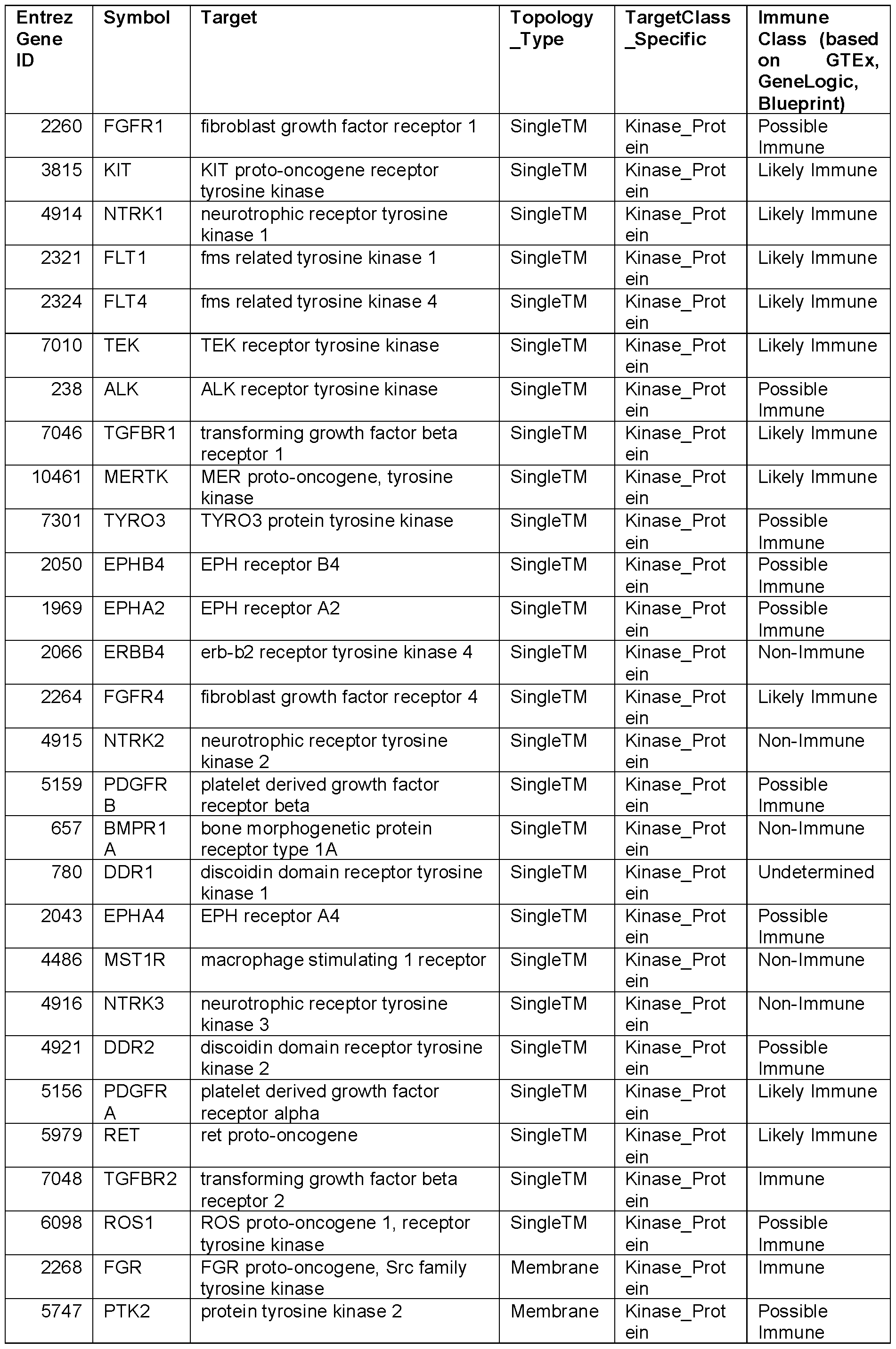
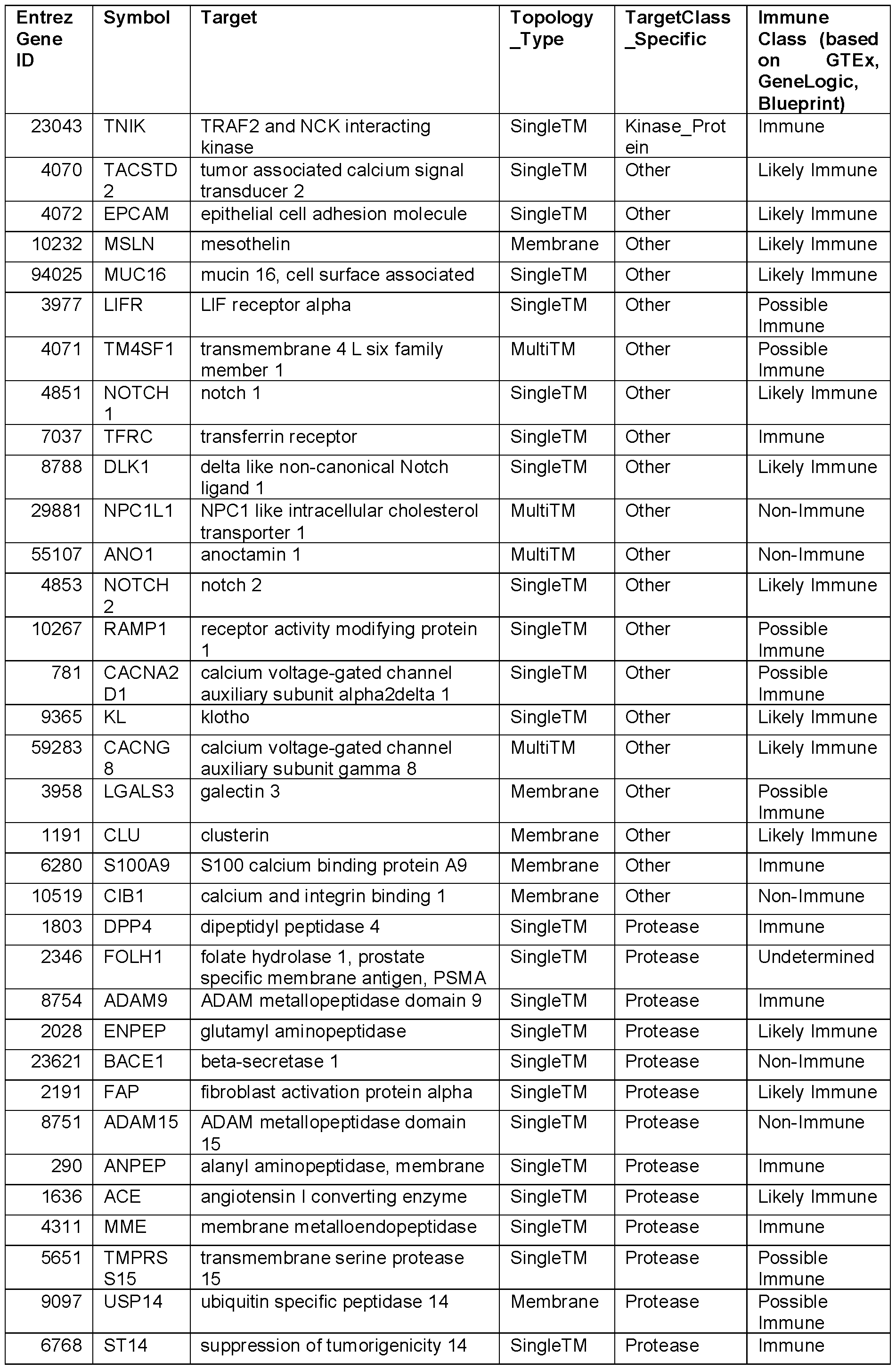


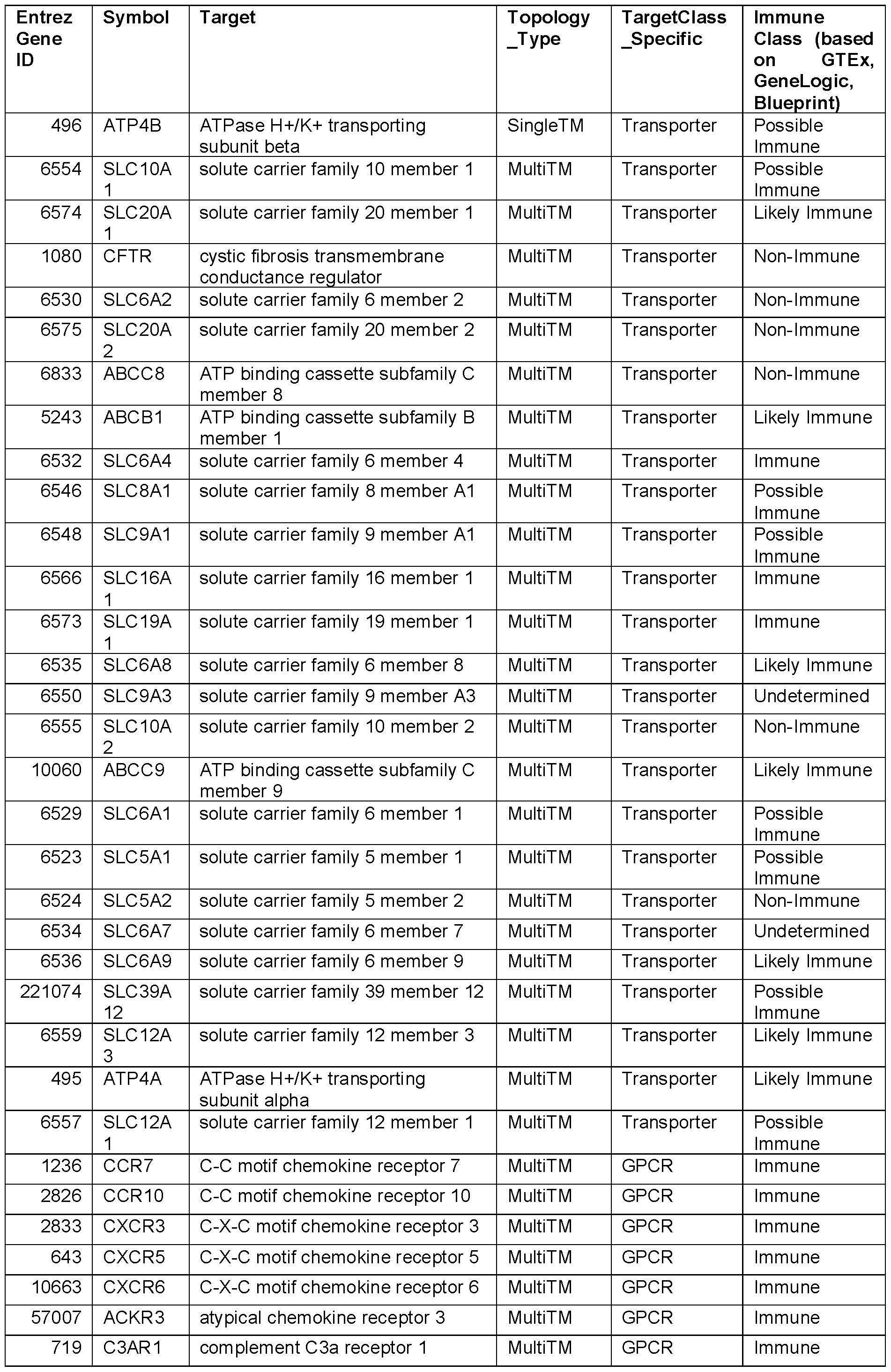


Claims


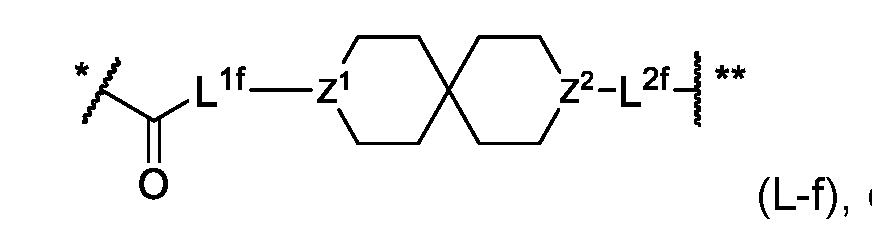


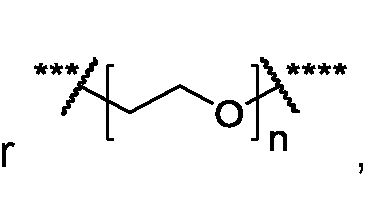


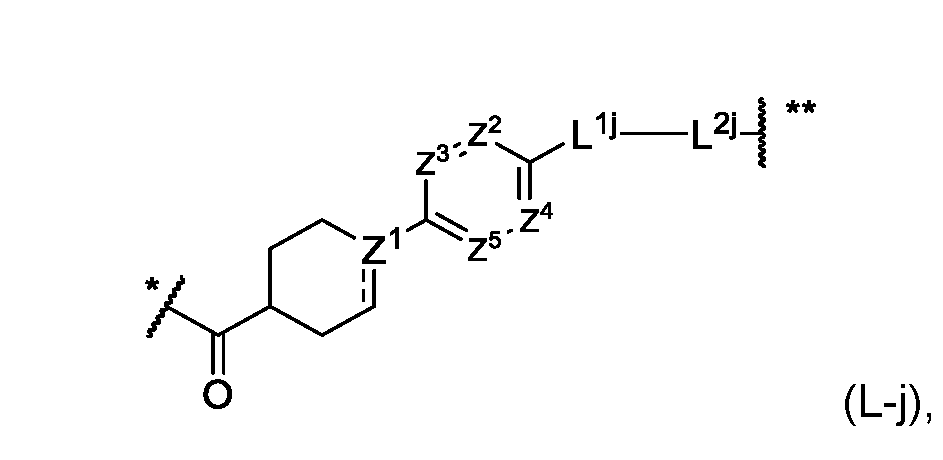
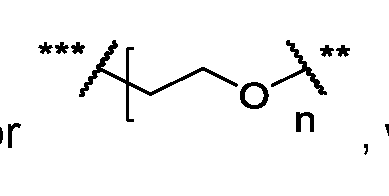


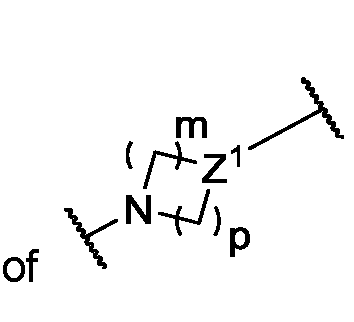


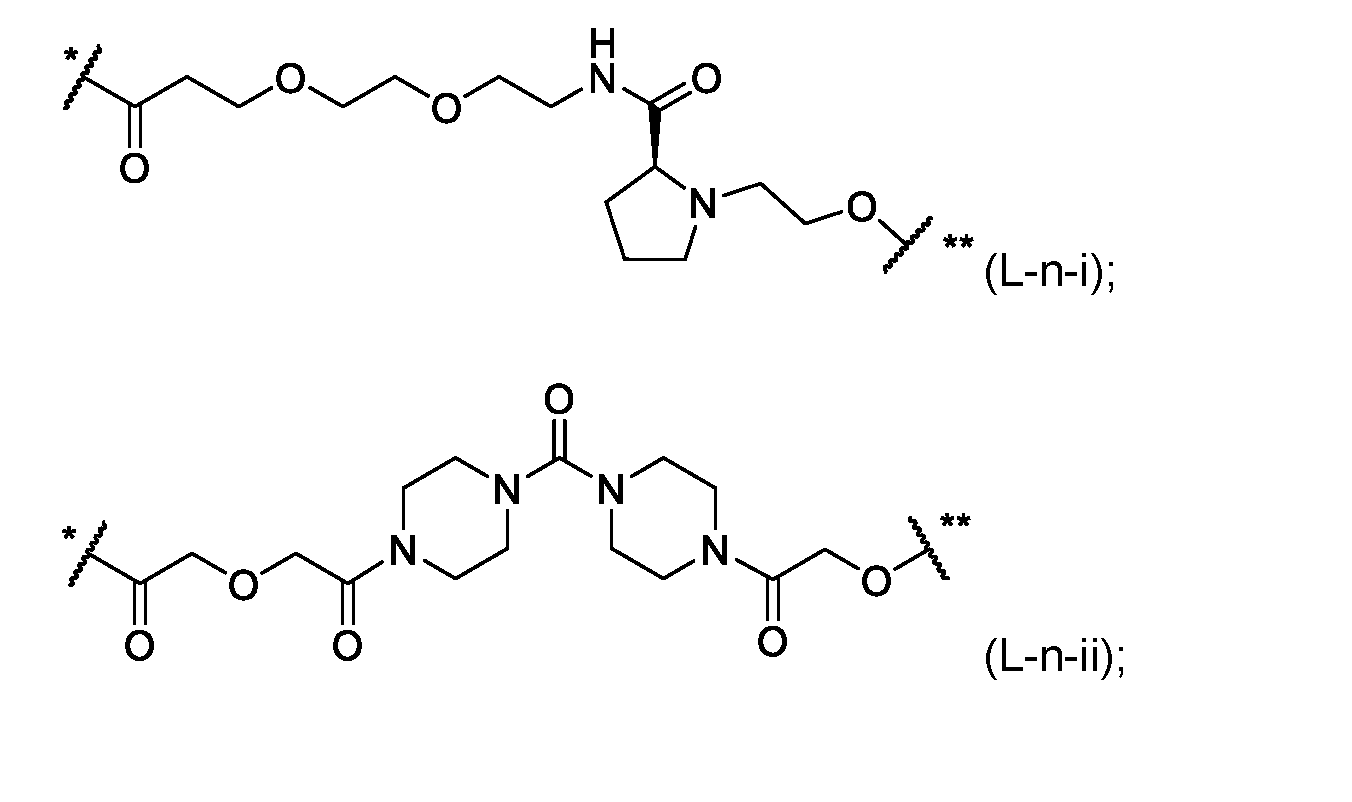


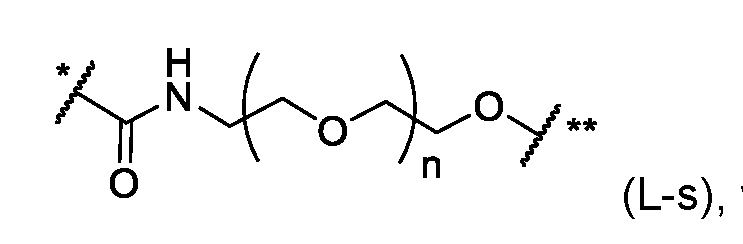


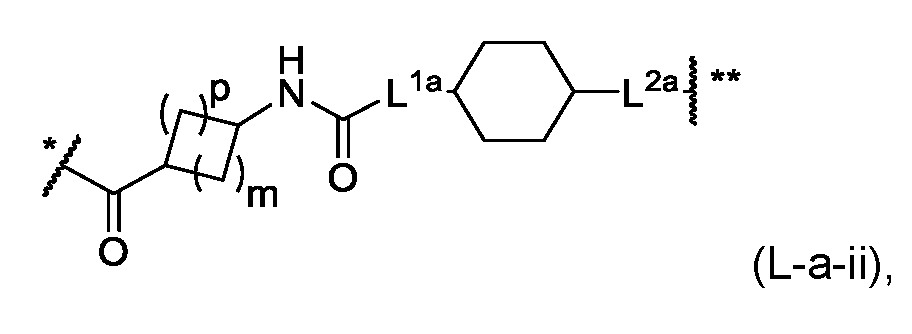


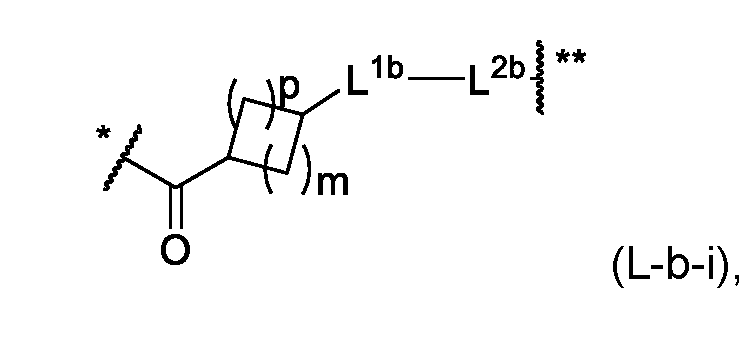

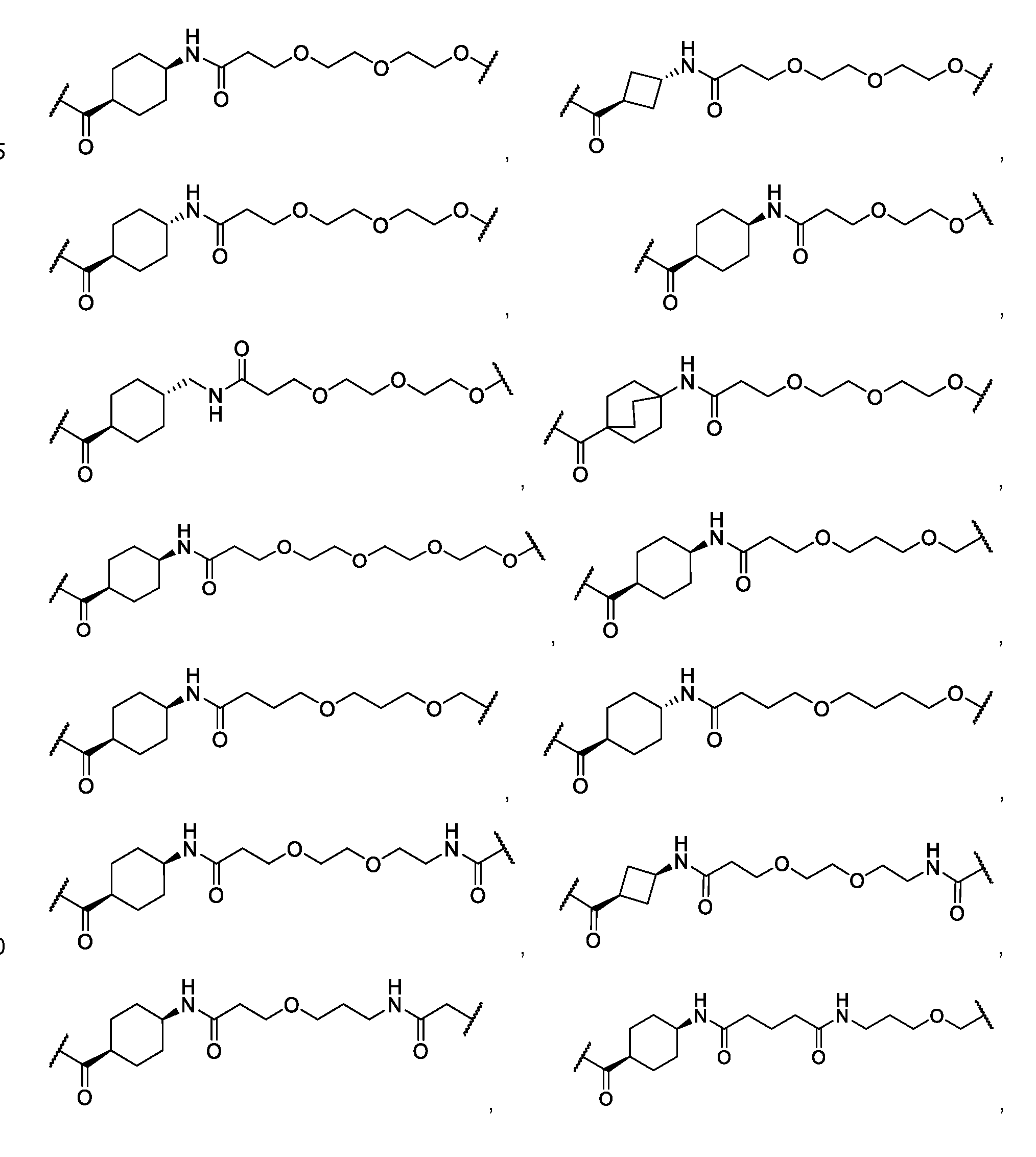


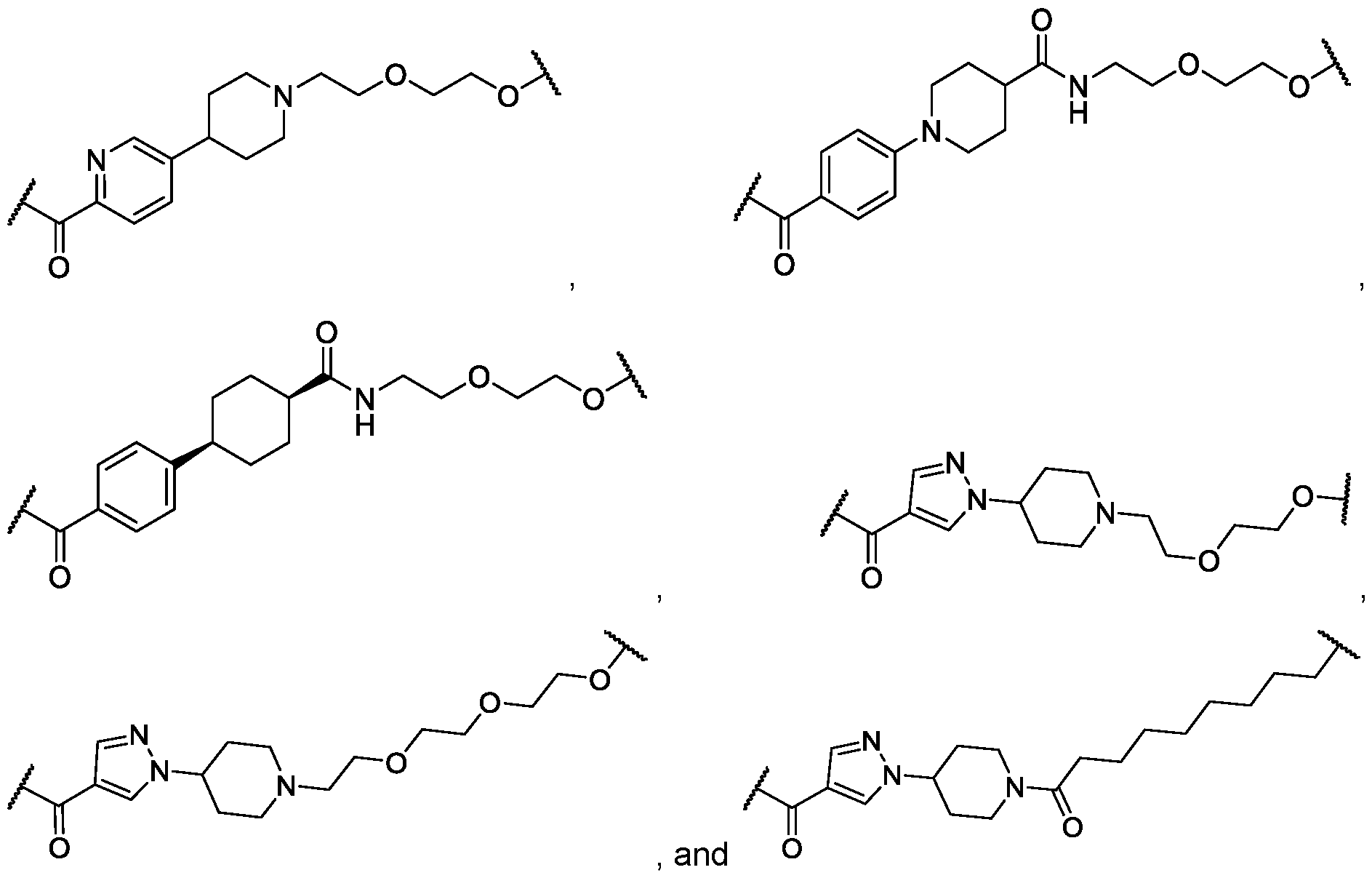

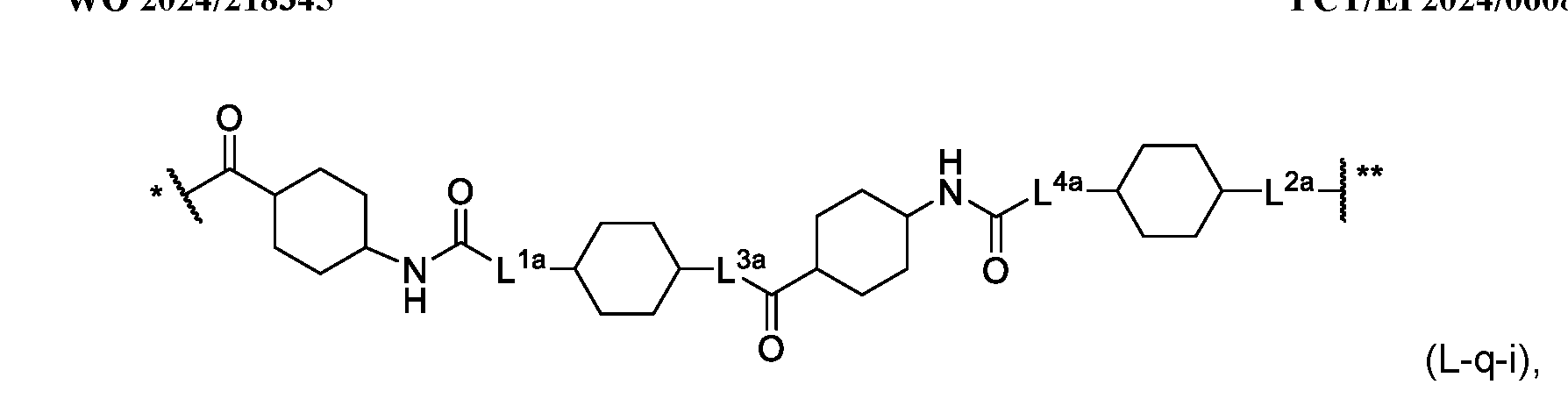






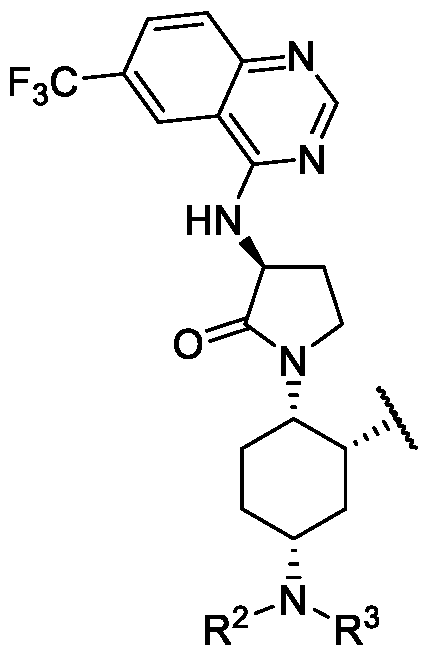


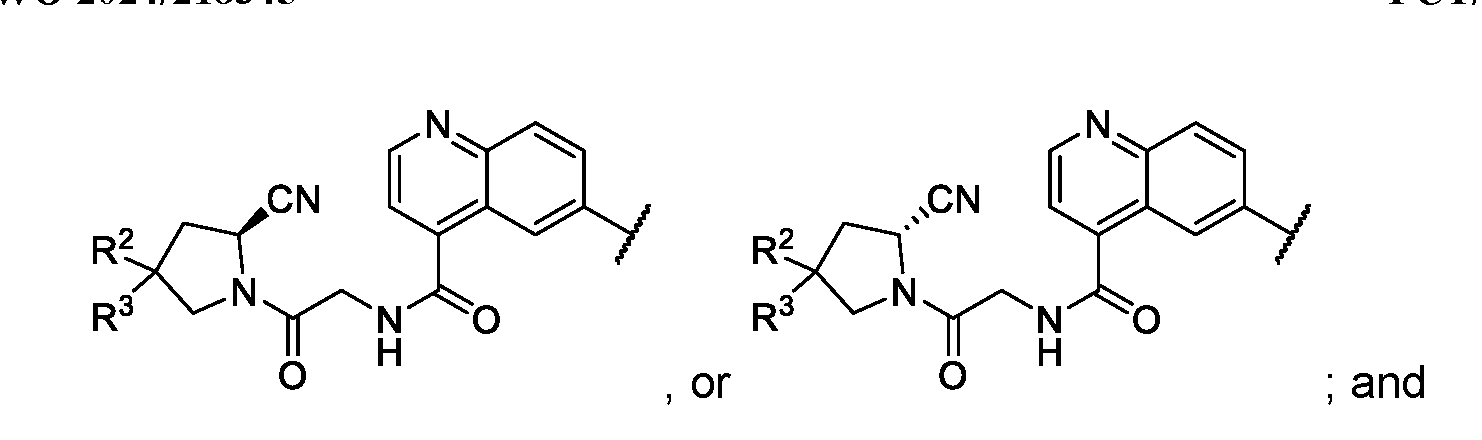


Applications Claiming Priority (2)
| Application Number | Priority Date | Filing Date | Title |
|---|---|---|---|
| US202363461171P | 2023-04-21 | 2023-04-21 | |
| US63/461,171 | 2023-04-21 |
Publications (1)
| Publication Number | Publication Date |
|---|---|
| WO2024218345A1 true WO2024218345A1 (en) | 2024-10-24 |
Family
ID=91070203
Family Applications (1)
| Application Number | Title | Priority Date | Filing Date |
|---|---|---|---|
| PCT/EP2024/060805 Pending WO2024218345A1 (en) | 2023-04-21 | 2024-04-19 | Cytotoxicity targeting chimeras for antibody-drug conjugates and bispecific antibodies |
Country Status (1)
| Country | Link |
|---|---|
| WO (1) | WO2024218345A1 (en) |
Citations (61)
| Publication number | Priority date | Publication date | Assignee | Title |
|---|---|---|---|---|
| US3896111A (en) | 1973-02-20 | 1975-07-22 | Research Corp | Ansa macrolides |
| US4137230A (en) | 1977-11-14 | 1979-01-30 | Takeda Chemical Industries, Ltd. | Method for the production of maytansinoids |
| US4151042A (en) | 1977-03-31 | 1979-04-24 | Takeda Chemical Industries, Ltd. | Method for producing maytansinol and its derivatives |
| US4248870A (en) | 1978-10-27 | 1981-02-03 | Takeda Chemical Industries, Ltd. | Maytansinoids and use |
| US4256746A (en) | 1978-11-14 | 1981-03-17 | Takeda Chemical Industries | Dechloromaytansinoids, their pharmaceutical compositions and method of use |
| US4260608A (en) | 1978-11-14 | 1981-04-07 | Takeda Chemical Industries, Ltd. | Maytansinoids, pharmaceutical compositions thereof and methods of use thereof |
| US4265814A (en) | 1978-03-24 | 1981-05-05 | Takeda Chemical Industries | Matansinol 3-n-hexadecanoate |
| US4294757A (en) | 1979-01-31 | 1981-10-13 | Takeda Chemical Industries, Ltd | 20-O-Acylmaytansinoids |
| US4307016A (en) | 1978-03-24 | 1981-12-22 | Takeda Chemical Industries, Ltd. | Demethyl maytansinoids |
| US4308269A (en) | 1979-06-11 | 1981-12-29 | Takeda Chemical Industries, Ltd. | Maytansinoids, pharmaceutical compositions thereof and method of use thereof |
| US4308268A (en) | 1979-06-11 | 1981-12-29 | Takeda Chemical Industries, Ltd. | Maytansinoids, pharmaceutical compositions thereof and method of use thereof |
| US4309428A (en) | 1979-07-30 | 1982-01-05 | Takeda Chemical Industries, Ltd. | Maytansinoids |
| US4313946A (en) | 1981-01-27 | 1982-02-02 | The United States Of America As Represented By The Secretary Of Agriculture | Chemotherapeutically active maytansinoids from Trewia nudiflora |
| US4315929A (en) | 1981-01-27 | 1982-02-16 | The United States Of America As Represented By The Secretary Of Agriculture | Method of controlling the European corn borer with trewiasine |
| US4317821A (en) | 1979-06-08 | 1982-03-02 | Takeda Chemical Industries, Ltd. | Maytansinoids, their use and pharmaceutical compositions thereof |
| US4322348A (en) | 1979-06-05 | 1982-03-30 | Takeda Chemical Industries, Ltd. | Maytansinoids |
| US4331598A (en) | 1979-09-19 | 1982-05-25 | Takeda Chemical Industries, Ltd. | Maytansinoids |
| US4362663A (en) | 1979-09-21 | 1982-12-07 | Takeda Chemical Industries, Ltd. | Maytansinoid compound |
| US4364866A (en) | 1979-09-21 | 1982-12-21 | Takeda Chemical Industries, Ltd. | Maytansinoids |
| US4371533A (en) | 1980-10-08 | 1983-02-01 | Takeda Chemical Industries, Ltd. | 4,5-Deoxymaytansinoids, their use and pharmaceutical compositions thereof |
| US4424219A (en) | 1981-05-20 | 1984-01-03 | Takeda Chemical Industries, Ltd. | 9-Thiomaytansinoids and their pharmaceutical compositions and use |
| US4450254A (en) | 1980-11-03 | 1984-05-22 | Standard Oil Company | Impact improvement of high nitrile resins |
| US4975278A (en) | 1988-02-26 | 1990-12-04 | Bristol-Myers Company | Antibody-enzyme conjugates in combination with prodrugs for the delivery of cytotoxic agents to tumor cells |
| US5053394A (en) | 1988-09-21 | 1991-10-01 | American Cyanamid Company | Targeted forms of methyltrithio antitumor agents |
| US5208020A (en) | 1989-10-25 | 1993-05-04 | Immunogen Inc. | Cytotoxic agents comprising maytansinoids and their therapeutic use |
| WO1993021232A1 (en) | 1992-04-10 | 1993-10-28 | Research Development Foundation | IMMUNOTOXINS DIRECTED AGAINST c-erbB-2 (HER-2/neu) RELATED SURFACE ANTIGENS |
| US5635483A (en) | 1992-12-03 | 1997-06-03 | Arizona Board Of Regents Acting On Behalf Of Arizona State University | Tumor inhibiting tetrapeptide bearing modified phenethyl amides |
| US5663149A (en) | 1994-12-13 | 1997-09-02 | Arizona Board Of Regents Acting On Behalf Of Arizona State University | Human cancer inhibitory pentapeptide heterocyclic and halophenyl amides |
| US5712374A (en) | 1995-06-07 | 1998-01-27 | American Cyanamid Company | Method for the preparation of substantiallly monomeric calicheamicin derivative/carrier conjugates |
| US5714586A (en) | 1995-06-07 | 1998-02-03 | American Cyanamid Company | Methods for the preparation of monomeric calicheamicin derivative/carrier conjugates |
| US5739116A (en) | 1994-06-03 | 1998-04-14 | American Cyanamid Company | Enediyne derivatives useful for the synthesis of conjugates of methyltrithio antitumor agents |
| US5770710A (en) | 1987-10-30 | 1998-06-23 | American Cyanamid Company | Antitumor and antibacterial substituted disulfide derivatives prepared from compounds possessing a methlytrithio group |
| US5770701A (en) | 1987-10-30 | 1998-06-23 | American Cyanamid Company | Process for preparing targeted forms of methyltrithio antitumor agents |
| US5780588A (en) | 1993-01-26 | 1998-07-14 | Arizona Board Of Regents | Elucidation and synthesis of selected pentapeptides |
| WO2000061739A1 (en) | 1999-04-09 | 2000-10-19 | Kyowa Hakko Kogyo Co., Ltd. | Method for controlling the activity of immunologically functional molecule |
| WO2002031240A2 (en) | 2000-10-06 | 2002-04-18 | Milliken & Company | Face plate for spun-like textured yarn |
| EP1229125A1 (en) | 1999-10-19 | 2002-08-07 | Kyowa Hakko Kogyo Co., Ltd. | Process for producing polypeptide |
| WO2002088172A2 (en) | 2001-04-30 | 2002-11-07 | Seattle Genetics, Inc. | Pentapeptide compounds and uses related thereto |
| WO2003011878A2 (en) | 2001-08-03 | 2003-02-13 | Glycart Biotechnology Ag | Antibody glycosylation variants having increased antibody-dependent cellular cytotoxicity |
| US6570024B2 (en) | 2000-09-12 | 2003-05-27 | Smithkline Beecham Corporation | Process and intermediates |
| US6573074B2 (en) | 2000-04-12 | 2003-06-03 | Smithkline Beecham Plc | Methods for ansamitocin production |
| EP1391213A1 (en) | 2002-08-21 | 2004-02-25 | Boehringer Ingelheim International GmbH | Compositions and methods for treating cancer using maytansinoid CD44 antibody immunoconjugates and chemotherapeutic agents |
| US6946292B2 (en) | 2000-10-06 | 2005-09-20 | Kyowa Hakko Kogyo Co., Ltd. | Cells producing antibody compositions with increased antibody dependent cytotoxic activity |
| WO2006014679A1 (en) | 2004-07-21 | 2006-02-09 | Glycofi, Inc. | Immunoglobulins comprising predominantly a glcnac2man3glcnac2 glycoform |
| WO2007011041A1 (en) | 2005-07-22 | 2007-01-25 | Kyowa Hakko Kogyo Co., Ltd. | Genetically modified antibody composition |
| US20070148165A1 (en) | 2005-07-22 | 2007-06-28 | Kyowa Hakko Kogyo Co., Ltd. | Recombinant antibody composition |
| US7256257B2 (en) | 2001-04-30 | 2007-08-14 | Seattle Genetics, Inc. | Pentapeptide compounds and uses related thereto |
| US7498298B2 (en) | 2003-11-06 | 2009-03-03 | Seattle Genetics, Inc. | Monomethylvaline compounds capable of conjugation to ligands |
| WO2017089307A1 (en) | 2015-11-24 | 2017-06-01 | Glaxosmithkline Intellectual Property Development Limited | Transient transfection method for retroviral production |
| WO2017089308A1 (en) | 2015-11-24 | 2017-06-01 | Glaxosmithkline Intellectual Property Development Limited | Stable cell lines for retroviral production |
| EP3473274A1 (en) * | 2016-06-21 | 2019-04-24 | Seoul National University R & DB Foundation | Antibody-drug composite platform using bispecific antibody |
| WO2022057562A1 (en) | 2020-09-18 | 2022-03-24 | 华为技术有限公司 | Communication method and communication apparatus |
| WO2023017484A1 (en) * | 2021-08-13 | 2023-02-16 | Glaxosmithkline Intellectual Property Development Limited | Cytotoxicity targeting chimeras |
| WO2023017483A1 (en) * | 2021-08-13 | 2023-02-16 | Glaxosmithkline Intellectual Property Development Limited | Cytotoxicity targeting chimeras for ccr2-expressing cells |
| WO2023161881A1 (en) * | 2022-02-25 | 2023-08-31 | Glaxosmithkline Intellectual Property Development Limited | Cytotoxicity targeting chimeras for ccr2-expressing cells |
| WO2023161878A1 (en) * | 2022-02-25 | 2023-08-31 | Glaxosmithkline Intellectual Property Development Limited | Cytotoxicity targeting chimeras for folate receptor-expressing cells |
| WO2023161874A1 (en) * | 2022-02-25 | 2023-08-31 | Glaxosmithkline Intellectual Property Development Limited | Cytotoxicity targeting chimeras for c-c chemokine receptor 2-expressing cells |
| WO2023161879A1 (en) * | 2022-02-25 | 2023-08-31 | Glaxosmithkline Intellectual Property Development Limited | Cytotoxicity targeting chimeras for fibroblast activation protein-expressing cells |
| WO2023161875A1 (en) * | 2022-02-25 | 2023-08-31 | Glaxosmithkline Intellectual Property Development Limited | Cytotoxicity targeting chimeras for prostate specific membrane antigen-expressing cells |
| WO2023161876A1 (en) * | 2022-02-25 | 2023-08-31 | Glaxosmithkline Intellectual Property Development Limited | Cytotoxicity targeting chimeras for cxcr3-expressing cells |
| WO2023161877A1 (en) * | 2022-02-25 | 2023-08-31 | Glaxosmithkline Intellectual Property Development Limited | Cytotoxicity targeting chimeras for integrin avb6-expressing cells |
-
2024
- 2024-04-19 WO PCT/EP2024/060805 patent/WO2024218345A1/en active Pending
Patent Citations (70)
| Publication number | Priority date | Publication date | Assignee | Title |
|---|---|---|---|---|
| US3896111A (en) | 1973-02-20 | 1975-07-22 | Research Corp | Ansa macrolides |
| US4151042A (en) | 1977-03-31 | 1979-04-24 | Takeda Chemical Industries, Ltd. | Method for producing maytansinol and its derivatives |
| US4137230A (en) | 1977-11-14 | 1979-01-30 | Takeda Chemical Industries, Ltd. | Method for the production of maytansinoids |
| US4265814A (en) | 1978-03-24 | 1981-05-05 | Takeda Chemical Industries | Matansinol 3-n-hexadecanoate |
| US4307016A (en) | 1978-03-24 | 1981-12-22 | Takeda Chemical Industries, Ltd. | Demethyl maytansinoids |
| US4361650A (en) | 1978-03-24 | 1982-11-30 | Takeda Chemical Industries, Ltd. | Fermentation process of preparing demethyl maytansinoids |
| US4248870A (en) | 1978-10-27 | 1981-02-03 | Takeda Chemical Industries, Ltd. | Maytansinoids and use |
| US4256746A (en) | 1978-11-14 | 1981-03-17 | Takeda Chemical Industries | Dechloromaytansinoids, their pharmaceutical compositions and method of use |
| US4260608A (en) | 1978-11-14 | 1981-04-07 | Takeda Chemical Industries, Ltd. | Maytansinoids, pharmaceutical compositions thereof and methods of use thereof |
| US4294757A (en) | 1979-01-31 | 1981-10-13 | Takeda Chemical Industries, Ltd | 20-O-Acylmaytansinoids |
| US4322348A (en) | 1979-06-05 | 1982-03-30 | Takeda Chemical Industries, Ltd. | Maytansinoids |
| US4317821A (en) | 1979-06-08 | 1982-03-02 | Takeda Chemical Industries, Ltd. | Maytansinoids, their use and pharmaceutical compositions thereof |
| US4308268A (en) | 1979-06-11 | 1981-12-29 | Takeda Chemical Industries, Ltd. | Maytansinoids, pharmaceutical compositions thereof and method of use thereof |
| US4308269A (en) | 1979-06-11 | 1981-12-29 | Takeda Chemical Industries, Ltd. | Maytansinoids, pharmaceutical compositions thereof and method of use thereof |
| US4309428A (en) | 1979-07-30 | 1982-01-05 | Takeda Chemical Industries, Ltd. | Maytansinoids |
| US4331598A (en) | 1979-09-19 | 1982-05-25 | Takeda Chemical Industries, Ltd. | Maytansinoids |
| US4362663A (en) | 1979-09-21 | 1982-12-07 | Takeda Chemical Industries, Ltd. | Maytansinoid compound |
| US4364866A (en) | 1979-09-21 | 1982-12-21 | Takeda Chemical Industries, Ltd. | Maytansinoids |
| US4371533A (en) | 1980-10-08 | 1983-02-01 | Takeda Chemical Industries, Ltd. | 4,5-Deoxymaytansinoids, their use and pharmaceutical compositions thereof |
| US4450254A (en) | 1980-11-03 | 1984-05-22 | Standard Oil Company | Impact improvement of high nitrile resins |
| US4313946A (en) | 1981-01-27 | 1982-02-02 | The United States Of America As Represented By The Secretary Of Agriculture | Chemotherapeutically active maytansinoids from Trewia nudiflora |
| US4315929A (en) | 1981-01-27 | 1982-02-16 | The United States Of America As Represented By The Secretary Of Agriculture | Method of controlling the European corn borer with trewiasine |
| US4424219A (en) | 1981-05-20 | 1984-01-03 | Takeda Chemical Industries, Ltd. | 9-Thiomaytansinoids and their pharmaceutical compositions and use |
| US5770701A (en) | 1987-10-30 | 1998-06-23 | American Cyanamid Company | Process for preparing targeted forms of methyltrithio antitumor agents |
| US5770710A (en) | 1987-10-30 | 1998-06-23 | American Cyanamid Company | Antitumor and antibacterial substituted disulfide derivatives prepared from compounds possessing a methlytrithio group |
| US4975278A (en) | 1988-02-26 | 1990-12-04 | Bristol-Myers Company | Antibody-enzyme conjugates in combination with prodrugs for the delivery of cytotoxic agents to tumor cells |
| US5053394A (en) | 1988-09-21 | 1991-10-01 | American Cyanamid Company | Targeted forms of methyltrithio antitumor agents |
| US5208020A (en) | 1989-10-25 | 1993-05-04 | Immunogen Inc. | Cytotoxic agents comprising maytansinoids and their therapeutic use |
| WO1993021232A1 (en) | 1992-04-10 | 1993-10-28 | Research Development Foundation | IMMUNOTOXINS DIRECTED AGAINST c-erbB-2 (HER-2/neu) RELATED SURFACE ANTIGENS |
| US5635483A (en) | 1992-12-03 | 1997-06-03 | Arizona Board Of Regents Acting On Behalf Of Arizona State University | Tumor inhibiting tetrapeptide bearing modified phenethyl amides |
| US5780588A (en) | 1993-01-26 | 1998-07-14 | Arizona Board Of Regents | Elucidation and synthesis of selected pentapeptides |
| US5877296A (en) | 1994-06-03 | 1999-03-02 | American Cyanamid Company | Process for preparing conjugates of methyltrithio antitumor agents |
| US5739116A (en) | 1994-06-03 | 1998-04-14 | American Cyanamid Company | Enediyne derivatives useful for the synthesis of conjugates of methyltrithio antitumor agents |
| US5767285A (en) | 1994-06-03 | 1998-06-16 | American Cyanamid Company | Linkers useful for the synthesis of conjugates of methyltrithio antitumor agents |
| US5773001A (en) | 1994-06-03 | 1998-06-30 | American Cyanamid Company | Conjugates of methyltrithio antitumor agents and intermediates for their synthesis |
| US5663149A (en) | 1994-12-13 | 1997-09-02 | Arizona Board Of Regents Acting On Behalf Of Arizona State University | Human cancer inhibitory pentapeptide heterocyclic and halophenyl amides |
| US5712374A (en) | 1995-06-07 | 1998-01-27 | American Cyanamid Company | Method for the preparation of substantiallly monomeric calicheamicin derivative/carrier conjugates |
| US5714586A (en) | 1995-06-07 | 1998-02-03 | American Cyanamid Company | Methods for the preparation of monomeric calicheamicin derivative/carrier conjugates |
| WO2000061739A1 (en) | 1999-04-09 | 2000-10-19 | Kyowa Hakko Kogyo Co., Ltd. | Method for controlling the activity of immunologically functional molecule |
| US7214775B2 (en) | 1999-04-09 | 2007-05-08 | Kyowa Hakko Kogyo Co., Ltd. | Method of modulating the activity of functional immune molecules |
| EP1229125A1 (en) | 1999-10-19 | 2002-08-07 | Kyowa Hakko Kogyo Co., Ltd. | Process for producing polypeptide |
| US6573074B2 (en) | 2000-04-12 | 2003-06-03 | Smithkline Beecham Plc | Methods for ansamitocin production |
| US6570024B2 (en) | 2000-09-12 | 2003-05-27 | Smithkline Beecham Corporation | Process and intermediates |
| US6884874B2 (en) | 2000-09-12 | 2005-04-26 | Smithkline Beecham Corporation | Process and intermediates |
| WO2002031240A2 (en) | 2000-10-06 | 2002-04-18 | Milliken & Company | Face plate for spun-like textured yarn |
| US6946292B2 (en) | 2000-10-06 | 2005-09-20 | Kyowa Hakko Kogyo Co., Ltd. | Cells producing antibody compositions with increased antibody dependent cytotoxic activity |
| US6884869B2 (en) | 2001-04-30 | 2005-04-26 | Seattle Genetics, Inc. | Pentapeptide compounds and uses related thereto |
| US7098308B2 (en) | 2001-04-30 | 2006-08-29 | Seattle Genetics, Inc. | Pentapeptide compounds and uses related thereto |
| WO2002088172A2 (en) | 2001-04-30 | 2002-11-07 | Seattle Genetics, Inc. | Pentapeptide compounds and uses related thereto |
| US7256257B2 (en) | 2001-04-30 | 2007-08-14 | Seattle Genetics, Inc. | Pentapeptide compounds and uses related thereto |
| US7423116B2 (en) | 2001-04-30 | 2008-09-09 | Seattle Genetics Inc. | Pentapeptide compounds and uses related thereto |
| WO2003011878A2 (en) | 2001-08-03 | 2003-02-13 | Glycart Biotechnology Ag | Antibody glycosylation variants having increased antibody-dependent cellular cytotoxicity |
| EP1391213A1 (en) | 2002-08-21 | 2004-02-25 | Boehringer Ingelheim International GmbH | Compositions and methods for treating cancer using maytansinoid CD44 antibody immunoconjugates and chemotherapeutic agents |
| US7498298B2 (en) | 2003-11-06 | 2009-03-03 | Seattle Genetics, Inc. | Monomethylvaline compounds capable of conjugation to ligands |
| WO2006014679A1 (en) | 2004-07-21 | 2006-02-09 | Glycofi, Inc. | Immunoglobulins comprising predominantly a glcnac2man3glcnac2 glycoform |
| WO2007011041A1 (en) | 2005-07-22 | 2007-01-25 | Kyowa Hakko Kogyo Co., Ltd. | Genetically modified antibody composition |
| US20070148165A1 (en) | 2005-07-22 | 2007-06-28 | Kyowa Hakko Kogyo Co., Ltd. | Recombinant antibody composition |
| WO2017089307A1 (en) | 2015-11-24 | 2017-06-01 | Glaxosmithkline Intellectual Property Development Limited | Transient transfection method for retroviral production |
| WO2017089308A1 (en) | 2015-11-24 | 2017-06-01 | Glaxosmithkline Intellectual Property Development Limited | Stable cell lines for retroviral production |
| EP3473274A1 (en) * | 2016-06-21 | 2019-04-24 | Seoul National University R & DB Foundation | Antibody-drug composite platform using bispecific antibody |
| WO2022057562A1 (en) | 2020-09-18 | 2022-03-24 | 华为技术有限公司 | Communication method and communication apparatus |
| WO2023017484A1 (en) * | 2021-08-13 | 2023-02-16 | Glaxosmithkline Intellectual Property Development Limited | Cytotoxicity targeting chimeras |
| WO2023017483A1 (en) * | 2021-08-13 | 2023-02-16 | Glaxosmithkline Intellectual Property Development Limited | Cytotoxicity targeting chimeras for ccr2-expressing cells |
| WO2023161881A1 (en) * | 2022-02-25 | 2023-08-31 | Glaxosmithkline Intellectual Property Development Limited | Cytotoxicity targeting chimeras for ccr2-expressing cells |
| WO2023161878A1 (en) * | 2022-02-25 | 2023-08-31 | Glaxosmithkline Intellectual Property Development Limited | Cytotoxicity targeting chimeras for folate receptor-expressing cells |
| WO2023161874A1 (en) * | 2022-02-25 | 2023-08-31 | Glaxosmithkline Intellectual Property Development Limited | Cytotoxicity targeting chimeras for c-c chemokine receptor 2-expressing cells |
| WO2023161879A1 (en) * | 2022-02-25 | 2023-08-31 | Glaxosmithkline Intellectual Property Development Limited | Cytotoxicity targeting chimeras for fibroblast activation protein-expressing cells |
| WO2023161875A1 (en) * | 2022-02-25 | 2023-08-31 | Glaxosmithkline Intellectual Property Development Limited | Cytotoxicity targeting chimeras for prostate specific membrane antigen-expressing cells |
| WO2023161876A1 (en) * | 2022-02-25 | 2023-08-31 | Glaxosmithkline Intellectual Property Development Limited | Cytotoxicity targeting chimeras for cxcr3-expressing cells |
| WO2023161877A1 (en) * | 2022-02-25 | 2023-08-31 | Glaxosmithkline Intellectual Property Development Limited | Cytotoxicity targeting chimeras for integrin avb6-expressing cells |
Non-Patent Citations (42)
| Title |
|---|
| "Monoclonal Antibodies in Immunoscintigraphy", 1989, CRC PRESS |
| BECK A. ET AL., NATURE REV. DRUG DISC., vol. 16, 2017, pages 315 - 337 |
| CHAPPEL ET AL., THE JOURNAL OF BIOLOGICAL CHEMISTRY, vol. 268, 1993, pages 25124 - 25131 |
| CHOTHIA ET AL., NATURE, vol. 342, 1989, pages 877 - 883 |
| DIEBOLDER ET AL., SCIENCE, vol. 343, 2014, pages 1260 - 1293 |
| DORONINA, NAT BIOTECHNOL, vol. 21, no. 7, 2003, pages 778 - 784 |
| E. SCHRODERK. LUBKE: "The Peptides", vol. 1, 1965, ACADEMIC PRESS, pages: 76 - 136 |
| FRAKER ET AL., BIOCHEM. BIOPHYS. RES. COMMUN., vol. 80, 1978, pages 49 - 57 |
| GREVYS ET AL., J IMMUNOL., vol. 194, no. 11, 2015, pages 5497 - 5508 |
| HINMAN ET AL., CANCER RESEARCH, vol. 53, 1993, pages 3336 - 3342 |
| HINMAN, CANCER RES., vol. 53, 1993, pages 3336 - 3342 |
| HOLLIGERHUDSON, NATURE BIOTECHNOLOGY, vol. 23, no. 9, 2005, pages 1137 - 1146 |
| J IMM METH, vol. 184, 1995, pages 29 - 38 |
| KABAT ET AL.: "Sequences of Proteins of Immunological Interest", 1987, U.S. DEPARTMENT OF HEALTH AND HUMAN SERVICES |
| KIM HYORI ET AL: "Application of bispecific antibody against antigen and hapten for immunodetection and immunopurification", EXPERIMENTAL & MOLECULAR MEDICINE, vol. 45, no. 9, 27 September 2013 (2013-09-27), pages e43 - e43, XP093076756, Retrieved from the Internet <URL:http://www.nature.com/articles/emm201383> DOI: 10.1038/emm.2013.83 * |
| LAMBERT, J., CURR. OPINION IN PHARMACOLOGY, vol. 5, 2005, pages 543 - 549 |
| LAZAR ET AL., PNAS, vol. 103, 2006, pages 4005 - 4010 |
| LIU ET AL., PROC. NATL. ACAD. SCI. USA, vol. 93, 1996, pages 8618 - 8623 |
| LODE ET AL., CANCER RES., vol. 58, 1998, pages 2928 |
| LODE ET AL., CANCER RESEARCH, vol. 58, 1998, pages 2925 - 2928 |
| MANDLER ET AL., BIOCONJUGATE CHEM., vol. 13, 2002, pages 786 - 791 |
| MANDLER ET AL., J. NAT. CANCER INST, vol. 92, no. 19, 2000, pages 1573 - 1581 |
| MANDLER, BIOORGANIC & MED. CHEM. LETTERS, vol. 10, 2000, pages 1025 - 1028 |
| MIMOTO ET AL., MABS, vol. 5, no. 2, 2013, pages 229 - 236 |
| MONNET ET AL., MABS, vol. 6, no. 2, 2014, pages 422 - 436 |
| MONOMETHYLVALINE COMPOUNDS CAPABLE OF CONJUGATION TO LIGANDS |
| NICULESCU-DUVAZSPRINGER, ADV. DRUG DELIV. REV, vol. 26, 1997, pages 151 - 172 |
| PAYNE, G., CANCER CELL, vol. 3, 2003, pages 207 - 212 |
| PETTIT ET AL., ANTI-CANCER DRUG DESIGN, vol. 13, 1998, pages 243 - 277 |
| PETTIT ET AL., ANTIMICROB. AGENTS CHEMOTHER., vol. 42, 1998, pages 2961 - 2965 |
| PETTIT ET AL., J. AM. CHEM. SOC., vol. 111, 1989, pages 5463 - 5465 |
| PETTIT ET AL., J. CHEM. SOC. PERKIN TRANS., vol. 15, 1996, pages 859 - 863 |
| PETTIT, G. R. ET AL., SYNTHESIS, 1996, pages 719 - 725 |
| RICHARDS, J. ET AL., MOL. CANCER THER., vol. 7, 2008, pages 2517 - 2527 |
| ROWLAND ET AL., CANCER IMMUNOL. IMMUNOTHER., vol. 21, 1986, pages 183 - 87 |
| SHIELDS ET AL., J BIOL CHEM., vol. 277, no. 30, 2002, pages 26733 - 40 |
| SHIELDS ET AL., THE JOURNAL OF BIOLOGICAL CHEMISTRY, vol. 276, 2001, pages 6591 - 6604 |
| SYRIGOSEPENETOS, ANTICANCER RESEARCH, vol. 19, 1999, pages 605 - 614 |
| TAM ET AL., ANTIBODIES, vol. 6, no. 3, 2017, pages 12 |
| TSUCHIKAMAAN, PROTEIN AND CELL, vol. 9, 2018, pages 33 - 46 |
| WANG ET AL., PROTEIN CELL, vol. 9, no. 1, 2018, pages 63 - 73 |
| WOYKE ET AL., ANTIMICROB. AGENTS AND CHEMOTHER, vol. 45, no. 12, 2001, pages 3580 - 3584 |
Similar Documents
| Publication | Publication Date | Title |
|---|---|---|
| US12466893B2 (en) | Antigen binding proteins | |
| JP7260621B2 (en) | BCMA (CD269/TNFRSF17) binding protein | |
| JP7096301B2 (en) | Bound anti-CD38 antibody | |
| JP6677784B2 (en) | Anti-B7-H4 antibody and immunoconjugate | |
| JP6886398B2 (en) | ANTI-CLL-1 antibody and immune complex | |
| JP2022002515A (en) | Anti-b7-h4 antibodies and immunoconjugates | |
| CN104936617B (en) | CD33 antibody and its use in the treatment of cancer | |
| TWI851585B (en) | Anti-steap1 antigen-binding protein | |
| JP2020055870A (en) | Anti-NTB-A antibodies and related compositions and methods | |
| TW202330036A (en) | Manufacturing method of antibody-drug conjugates | |
| JP2025090684A (en) | Antibody-drug conjugates for use in methods of treating chemotherapy-resistant cancers - Patents.com | |
| WO2024218345A1 (en) | Cytotoxicity targeting chimeras for antibody-drug conjugates and bispecific antibodies | |
| HK40102023A (en) | Antigen binding proteins | |
| HK40022680A (en) | Antigen binding proteins | |
| HK1241386A1 (en) | Anti-cll-1 antibodies and immunoconjugates | |
| NZ616433B2 (en) | Bcma (cd269/tnfrsf17) -binding proteins |
Legal Events
| Date | Code | Title | Description |
|---|---|---|---|
| 121 | Ep: the epo has been informed by wipo that ep was designated in this application |
Ref document number: 24725057 Country of ref document: EP Kind code of ref document: A1 |
|
| WWE | Wipo information: entry into national phase |
Ref document number: 2024725057 Country of ref document: EP |
|
| NENP | Non-entry into the national phase |
Ref country code: DE |
|
| ENP | Entry into the national phase |
Ref document number: 2024725057 Country of ref document: EP Effective date: 20251121 |
|
| ENP | Entry into the national phase |
Ref document number: 2024725057 Country of ref document: EP Effective date: 20251121 |
|
| ENP | Entry into the national phase |
Ref document number: 2024725057 Country of ref document: EP Effective date: 20251121 |
|
| ENP | Entry into the national phase |
Ref document number: 2024725057 Country of ref document: EP Effective date: 20251121 |