WO2024209363A1 - Substituted indazole propionic acid derivative compounds and uses thereof as ampk activators - Google Patents
Substituted indazole propionic acid derivative compounds and uses thereof as ampk activators Download PDFInfo
- Publication number
- WO2024209363A1 WO2024209363A1 PCT/IB2024/053239 IB2024053239W WO2024209363A1 WO 2024209363 A1 WO2024209363 A1 WO 2024209363A1 IB 2024053239 W IB2024053239 W IB 2024053239W WO 2024209363 A1 WO2024209363 A1 WO 2024209363A1
- Authority
- WO
- WIPO (PCT)
- Prior art keywords
- pharmaceutically acceptable
- tautomer
- acceptable salt
- compound
- alkyl
- Prior art date
- Legal status (The legal status is an assumption and is not a legal conclusion. Google has not performed a legal analysis and makes no representation as to the accuracy of the status listed.)
- Ceased
Links
Classifications
-
- C—CHEMISTRY; METALLURGY
- C07—ORGANIC CHEMISTRY
- C07D—HETEROCYCLIC COMPOUNDS
- C07D231/00—Heterocyclic compounds containing 1,2-diazole or hydrogenated 1,2-diazole rings
- C07D231/54—Heterocyclic compounds containing 1,2-diazole or hydrogenated 1,2-diazole rings condensed with carbocyclic rings or ring systems
- C07D231/56—Benzopyrazoles; Hydrogenated benzopyrazoles
-
- A—HUMAN NECESSITIES
- A61—MEDICAL OR VETERINARY SCIENCE; HYGIENE
- A61K—PREPARATIONS FOR MEDICAL, DENTAL OR TOILETRY PURPOSES
- A61K31/00—Medicinal preparations containing organic active ingredients
- A61K31/33—Heterocyclic compounds
- A61K31/395—Heterocyclic compounds having nitrogen as a ring hetero atom, e.g. guanethidine or rifamycins
- A61K31/41—Heterocyclic compounds having nitrogen as a ring hetero atom, e.g. guanethidine or rifamycins having five-membered rings with two or more ring hetero atoms, at least one of which being nitrogen, e.g. tetrazole
- A61K31/415—1,2-Diazoles
- A61K31/416—1,2-Diazoles condensed with carbocyclic ring systems, e.g. indazole
-
- A—HUMAN NECESSITIES
- A61—MEDICAL OR VETERINARY SCIENCE; HYGIENE
- A61K—PREPARATIONS FOR MEDICAL, DENTAL OR TOILETRY PURPOSES
- A61K45/00—Medicinal preparations containing active ingredients not provided for in groups A61K31/00 - A61K41/00
- A61K45/06—Mixtures of active ingredients without chemical characterisation, e.g. antiphlogistics and cardiaca
-
- A—HUMAN NECESSITIES
- A61—MEDICAL OR VETERINARY SCIENCE; HYGIENE
- A61P—SPECIFIC THERAPEUTIC ACTIVITY OF CHEMICAL COMPOUNDS OR MEDICINAL PREPARATIONS
- A61P1/00—Drugs for disorders of the alimentary tract or the digestive system
-
- A—HUMAN NECESSITIES
- A61—MEDICAL OR VETERINARY SCIENCE; HYGIENE
- A61P—SPECIFIC THERAPEUTIC ACTIVITY OF CHEMICAL COMPOUNDS OR MEDICINAL PREPARATIONS
- A61P29/00—Non-central analgesic, antipyretic or antiinflammatory agents, e.g. antirheumatic agents; Non-steroidal antiinflammatory drugs [NSAID]
-
- A—HUMAN NECESSITIES
- A61—MEDICAL OR VETERINARY SCIENCE; HYGIENE
- A61P—SPECIFIC THERAPEUTIC ACTIVITY OF CHEMICAL COMPOUNDS OR MEDICINAL PREPARATIONS
- A61P37/00—Drugs for immunological or allergic disorders
-
- C—CHEMISTRY; METALLURGY
- C07—ORGANIC CHEMISTRY
- C07D—HETEROCYCLIC COMPOUNDS
- C07D401/00—Heterocyclic compounds containing two or more hetero rings, having nitrogen atoms as the only ring hetero atoms, at least one ring being a six-membered ring with only one nitrogen atom
- C07D401/02—Heterocyclic compounds containing two or more hetero rings, having nitrogen atoms as the only ring hetero atoms, at least one ring being a six-membered ring with only one nitrogen atom containing two hetero rings
- C07D401/10—Heterocyclic compounds containing two or more hetero rings, having nitrogen atoms as the only ring hetero atoms, at least one ring being a six-membered ring with only one nitrogen atom containing two hetero rings linked by a carbon chain containing aromatic rings
-
- C—CHEMISTRY; METALLURGY
- C07—ORGANIC CHEMISTRY
- C07D—HETEROCYCLIC COMPOUNDS
- C07D403/00—Heterocyclic compounds containing two or more hetero rings, having nitrogen atoms as the only ring hetero atoms, not provided for by group C07D401/00
- C07D403/02—Heterocyclic compounds containing two or more hetero rings, having nitrogen atoms as the only ring hetero atoms, not provided for by group C07D401/00 containing two hetero rings
- C07D403/10—Heterocyclic compounds containing two or more hetero rings, having nitrogen atoms as the only ring hetero atoms, not provided for by group C07D401/00 containing two hetero rings linked by a carbon chain containing aromatic rings
-
- C—CHEMISTRY; METALLURGY
- C07—ORGANIC CHEMISTRY
- C07D—HETEROCYCLIC COMPOUNDS
- C07D405/00—Heterocyclic compounds containing both one or more hetero rings having oxygen atoms as the only ring hetero atoms, and one or more rings having nitrogen as the only ring hetero atom
- C07D405/02—Heterocyclic compounds containing both one or more hetero rings having oxygen atoms as the only ring hetero atoms, and one or more rings having nitrogen as the only ring hetero atom containing two hetero rings
- C07D405/04—Heterocyclic compounds containing both one or more hetero rings having oxygen atoms as the only ring hetero atoms, and one or more rings having nitrogen as the only ring hetero atom containing two hetero rings directly linked by a ring-member-to-ring-member bond
-
- C—CHEMISTRY; METALLURGY
- C07—ORGANIC CHEMISTRY
- C07D—HETEROCYCLIC COMPOUNDS
- C07D405/00—Heterocyclic compounds containing both one or more hetero rings having oxygen atoms as the only ring hetero atoms, and one or more rings having nitrogen as the only ring hetero atom
- C07D405/02—Heterocyclic compounds containing both one or more hetero rings having oxygen atoms as the only ring hetero atoms, and one or more rings having nitrogen as the only ring hetero atom containing two hetero rings
- C07D405/10—Heterocyclic compounds containing both one or more hetero rings having oxygen atoms as the only ring hetero atoms, and one or more rings having nitrogen as the only ring hetero atom containing two hetero rings linked by a carbon chain containing aromatic rings
-
- C—CHEMISTRY; METALLURGY
- C07—ORGANIC CHEMISTRY
- C07D—HETEROCYCLIC COMPOUNDS
- C07D409/00—Heterocyclic compounds containing two or more hetero rings, at least one ring having sulfur atoms as the only ring hetero atoms
- C07D409/02—Heterocyclic compounds containing two or more hetero rings, at least one ring having sulfur atoms as the only ring hetero atoms containing two hetero rings
- C07D409/10—Heterocyclic compounds containing two or more hetero rings, at least one ring having sulfur atoms as the only ring hetero atoms containing two hetero rings linked by a carbon chain containing aromatic rings
-
- C—CHEMISTRY; METALLURGY
- C07—ORGANIC CHEMISTRY
- C07D—HETEROCYCLIC COMPOUNDS
- C07D417/00—Heterocyclic compounds containing two or more hetero rings, at least one ring having nitrogen and sulfur atoms as the only ring hetero atoms, not provided for by group C07D415/00
- C07D417/02—Heterocyclic compounds containing two or more hetero rings, at least one ring having nitrogen and sulfur atoms as the only ring hetero atoms, not provided for by group C07D415/00 containing two hetero rings
- C07D417/10—Heterocyclic compounds containing two or more hetero rings, at least one ring having nitrogen and sulfur atoms as the only ring hetero atoms, not provided for by group C07D415/00 containing two hetero rings linked by a carbon chain containing aromatic rings
-
- C—CHEMISTRY; METALLURGY
- C07—ORGANIC CHEMISTRY
- C07D—HETEROCYCLIC COMPOUNDS
- C07D471/00—Heterocyclic compounds containing nitrogen atoms as the only ring hetero atoms in the condensed system, at least one ring being a six-membered ring with one nitrogen atom, not provided for by groups C07D451/00 - C07D463/00
- C07D471/02—Heterocyclic compounds containing nitrogen atoms as the only ring hetero atoms in the condensed system, at least one ring being a six-membered ring with one nitrogen atom, not provided for by groups C07D451/00 - C07D463/00 in which the condensed system contains two hetero rings
- C07D471/04—Ortho-condensed systems
Definitions
- Adenosine 5’-monophosphate-activated protein kinase is a highly conserved serine/threonine kinase that functions as a central regulator of energy homeostasis.
- AMPK has been demonstrated to mediate multiple pathways within intestinal epithelial cells, including direct modulation of substrates involved in tight junction stability, polarity, differentiation, nutrient transport, and autophagy. Strengthening the intestinal barrier could have therapeutic potential for metabolic- and inflammatory-related diseases associated with intestinal permeability or a “leaky gut”.
- the present invention provides, in part, a compound of Formula (I): a pharmaceutically acceptable salt, a tautomer, or a pharmaceutically acceptable salt of the tautomer thereof, wherein: - A 1 is CR 8 , or N; - A 2 is CH 2 , CHD, CD 2 , S, O, or NH; - A 3 is CH, CD, or N; - R 1 is H, D, C 1-8 alkyl, C 3-6 cycloalkyl, or 4-6 membered heterocycloalkyl, each of which is optionally substituted; - R 2 , R 3 , R 5 , and R 6 are each independently H, D, OH, or halogen; - R 4 is monocyclic aryl, bicyclic ary
- the present invention further provides 3-[6-Chloro-5-(2'- hydroxy[1,1'-biphenyl]-4-yl)-1H-indazol-3-yl]propanoic acid.
- the present invention comprising administering to a subject in need thereof a therapeutically effective amount of the compound of Formula (I), a pharmaceutically acceptable salt, a tautomer, or a pharmaceutically acceptable salt of the tautomer thereof, wherein the condition is an inflammatory condition, an autoimmune condition, or a functional gastrointestinal disorder.
- the present invention also provides a method for treating a condition, comprising: a) administering to a subject in need thereof a therapeutically effective amount of the compound of Formula (I), a pharmaceutically acceptable salt, a tautomer, or a pharmaceutically acceptable salt of the tautomer thereof; and b) administering a therapeutically effective amount of an additional therapeutic agent.
- the present invention further provides a compound of Formula (I), a pharmaceutically acceptable salt, a tautomer, or a pharmaceutically acceptable salt of the tautomer thereof, for use as a medicament.
- the present invention also provides a compound of Formula (I), a pharmaceutically acceptable salt, a tautomer, or a pharmaceutically acceptable salt of the tautomer thereof, for use in the treatment of an inflammatory condition, an autoimmune condition, or a functional gastrointestinal disorder.
- the present invention provides use of a compound of Formula (I), a pharmaceutically acceptable salt, a tautomer, or a pharmaceutically acceptable salt of the tautomer thereof, in the manufacture of a medicament for the treatment of an inflammatory condition, an autoimmune condition, or a functional gastrointestinal disorder.
- the present invention further provides use of a compound of Formula (I), a pharmaceutically acceptable salt, a tautomer, or a pharmaceutically acceptable salt of the tautomer thereof, as a medicament.
- the present invention further provides use of a compound of Formula (I), a pharmaceutically acceptable salt, a tautomer, or a pharmaceutically acceptable salt of the tautomer thereof, in treating an inflammatory condition, an autoimmune condition, or a functional gastrointestinal disorder.
- the present invention provides crystalline 3-[6-Chloro-5-(2'-hydroxy[1,1'-biphenyl]-4-yl)- 1H-indazol-3-yl]propanoic acid, a pharmaceutically acceptable salt, a tautomer, or a pharmaceutically acceptable salt of the tautomer thereof. It is to be understood that both the foregoing general description and the following detailed description are exemplary and explanatory only and are not restrictive of the invention, as claimed. BRIEF DESCRIPTION OF THE DRAWINGS FIG.1 shows the PXRD of the compound of Example 1, form 1.
- Adenosine 5’-monophosphate-activated protein kinase (AMPK) is a highly conserved serine/threonine kinase that functions as a central regulator of energy homeostasis (Herzig, S. et al. Nat Rev Mol Cell Biol 19:121-135 (2016)).
- AMPK exists as a heterotrimeric protein complex consisting of a catalytic ⁇ -subunit, scaffolding ⁇ -subunit, and regulatory ⁇ -subunit. Multiple isoforms (e.g., two ⁇ , two ⁇ , three ⁇ ) encoded by different genes enable up to twelve possible AMPK heterotrimeric complexes, with each AMPK heterotrimeric complex having a distinct cellular and tissue expression profile.
- AMPK is activated by upstream kinases, including liver kinase ⁇ 1 (LKB1) and calcium/calmodulin-dependent protein kinase ⁇ (CamKK ⁇ ), which phosphorylate the Thr172 active site residue within the ⁇ -subunit of AMPK.
- LLB1 liver kinase ⁇ 1
- CamKK ⁇ calcium/calmodulin-dependent protein kinase ⁇
- AMPK is also activated when the ratio of intracellular adenosine monophosphate (AMP):adenosine triphosphate (ATP) or to a lesser extent adenosine diphosphate (ADP):ATP is increased under conditions of energetic stress, such as nutrient starvation, inflammation, and hypoxia (Xiao, B. et al. Nature 449:496-500 (2007)).
- AMPK phosphorylates direct substrates involved in pathways that promote ATP production (e.g., fatty acid oxidation, glycolysis, glucose uptake, autophagy, and mitophagy) and inhibit ATP consumption (e.g., synthesis of glucose, lipids, and proteins; cell growth) to restore energy balance.
- AMPK can regulate and reprogram metabolism through transcriptional changes by phosphorylating factors that induce or repress gene transcription.
- AICAR functions as an AMP mimetic, whereas metformin indirectly increases cytosolic AMP by inhibiting mitochondrial respiration and the release of ATP.
- AMP can bind the ⁇ -subunit of AMPK to allosterically activate AMPK.
- direct AMPK agonists can bind the allosteric drug and metabolism (ADaM) site between the ⁇ and ⁇ subunits of AMPK to activate and protect AMPK from dephosphorylation.
- ADaM allosteric drug and metabolism
- pan- ⁇ and ⁇ 1-selective AMPK agonists have been described.
- AMPK activity can be altered due to pathological conditions, including metabolic and inflammatory diseases, such as obesity, diabetes, cardiovascular disease, and cancer. Additionally, there is evidence that AMPK can promote and maintain intestinal barrier function (Sahoo, S. et al. Nat Commun 12:4246 (2021); Wu, Z. et al. J Cell Physiol 237:3705-3716 (2022)).
- AMPK has been demonstrated to mediate multiple pathways within intestinal epithelial cells, including direct modulation of substrates involved in tight junction stability, polarity, differentiation, nutrient transport, and autophagy (Sun, X. et al. Open Biol 7:170104 (2017); Rowart, P. et al. Int J Mol Sci 13:2040 (2016); Zhu, MJ. et al. Tissue Barrier 6:1-13 (2016); Tsukita, K. et al. Int J Mol Sci 20:6012 (2018)). Strengthening the intestinal barrier could have therapeutic potential for metabolic- and inflammatory-related diseases associated with intestinal permeability or a “leaky gut” (Odenwald, MA. Et al.
- AMPK activators have been developed for systemic administration. Given the functional attributes of AMPK in energy and tissue homeostasis, there is a need for potent and direct, gut-targeted activators of AMPK to treat conditions associated with AMPK activation.
- AMPK-activating compounds pharmaceutically acceptable salts, tautomers, or pharmaceutically acceptable salts of the tautomers thereof.
- AMPK-activating pharmaceutical compositions comprising the AMPK-activating compounds, pharmaceutically acceptable salts, tautomers, or pharmaceutically acceptable salts of the tautomers thereof and at least one pharmaceutically acceptable excipient.
- AMPK-activating compounds or pharmaceutically acceptable salts, tautomers, or pharmaceutically acceptable salts of the tautomers thereof, and methods of administering the AMPK-activating compounds, a pharmaceutically acceptable salt thereof, a tautomer thereof, or a pharmaceutically acceptable salt of the tautomer thereof, in a subject in need thereof to treat a condition.
- the AMPK-activating compounds, pharmaceutically acceptable salts, tautomers, or pharmaceutically acceptable salts of the tautomers thereof disclosed herein may be used to treat a metabolic disorder, an inflammatory disorder, an autoimmune disorder, a disorder of gastrointestinal barrier dysfunction, a functional gastrointestinal disorder, a central nervous system disorder, an eating disorder, a nutritional disorder, or an allergy.
- the AMPK-activating compounds, pharmaceutically acceptable salts, tautomers, or pharmaceutically acceptable salts of the tautomers thereof disclosed herein may be used to treat a metabolic disorder, an inflammatory disorder, an autoimmune disorder, a disorder of gastrointestinal barrier dysfunction, or a functional gastrointestinal disorder.
- compounds of the invention include conformational isomers (e.g., cis and trans isomers) and all optical isomers (e.g., enantiomers and diastereomers), racemic, diastereomeric and other mixtures of such isomers, tautomers thereof, where they may exist.
- compounds of the invention include solvates, hydrates, isomorphs, polymorphs, esters, salt forms, prodrugs, and isotopically labelled versions thereof, where they may be formed.
- the singular form “a”, “an”, and “the” include plural references unless indicated otherwise.
- “a” substituent includes one or more substituents.
- the term “about” when used to modify a numerically defined parameter means that the parameter may vary by as much as 10% below or above the stated numerical value for that parameter.
- a dose of about 5 mg means 5 mg ⁇ 10%, i.e., it may vary between 4.5 mg and 5.5 mg.
- the term “and/or” means one or more.
- X and/or Y shall be understood to mean either “X and Y” or “X or Y” and shall be taken to provide explicit support for both meanings or for either meaning.
- “Optional” or “optionally” means that the subsequently described event or circumstance may, but need not occur, and the description includes instances where the event or circumstance occurs and instances in which it does not.
- the terms “optionally substituted” and “substituted or unsubstituted” are used interchangeably to indicate that the particular group being described may have no non-hydrogen substituents (i.e., unsubstituted), or the group may have one or more non-hydrogen substituents (i.e., substituted). If not otherwise specified, the total number of substituents that may be present is equal to the number of H atoms present on the unsubstituted form of the group being described.
- halo refers to chloro.
- Cyano refers to a substituent having a carbon atom joined to a nitrogen atom by a triple bond, i.e., -C ⁇ N.
- Hydrox refers to an -OH group.
- the term C 1 -C x includes C 1 -C 2 , C 1 -C 3 ... C 1 -C x .
- a group designated as “C 1 -C 4 ” indicates that there are one to four carbon atoms in the moiety, i.e., groups containing 1 carbon atom, 2 carbon atoms, 3 carbon atoms, or 4 carbon atoms.
- “C 1 -C 4 alkyl” indicates that there are one to four atom carbons in the alkyl group, i.e., the alkyl group is selected from methyl, ethyl, propyl, isopropyl, n-butyl, isobutyl, sec-butyl, and t-butyl.
- Carbocyclic or “carbocycle” refer to a ring or ring system where the atoms forming the backbone of the ring are all carbon atoms. The term is distinguished from “heterocyclic” rings or “heterocycles” in which the ring backbone contains at least one atom which is different from carbon. In some embodiments, at least one of the two rings of a bicyclic carbocycle is aromatic. In some embodiments, both rings of a bicyclic carbocycle are aromatic. For example. Carbocycle includes cycloalkyl and aryl.
- Alkyl refers to a saturated, monovalent aliphatic hydrocarbon radical that has a specified number of carbon atoms, including straight chain or branched chain groups. Alkyl groups may contain, but are not limited to, 1 to 12 carbon atoms (“C 1 ⁇ C 12 alkyl”), 1 to 8 carbon atoms (“C 1 ⁇ C 8 alkyl”), 1 to 6 carbon atoms (“C 1 ⁇ C 6 alkyl”), 1 to 5 carbon atoms (“C 1 ⁇ C 5 alkyl”), 1 to 4 carbon atoms (“C 1 ⁇ C 4 alkyl”), 1 to 3 carbon atoms (“C 1 ⁇ C 3 alkyl”), or 1 to 2 carbon atoms (“C 1 ⁇ C 2 alkyl”).
- Alkyl groups may be optionally substituted, unsubstituted, or substituted, as further defined herein.
- haloalkyl refers to an alkyl group wherein at least one of the hydrogen atoms of the alkyl group has been replaced by at least one of the same or different halogen atoms.
- fluoroalkyl means an alkyl as defined herein substituted with one, two or three fluoro atoms.
- exemplary (C 1 )fluoroalkyl compounds include fluoromethyl, difluoromethyl and trifluoromethyl;
- exemplary (C 2 )fluoroalkyl compounds include 1-fluoroethyl, 2-fluoroethyl, 1,1- difluoroethyl, 1,2-difluoroethyl, 1,1,1-trifluoroethyl, 1,1,2-trifluoroethyl, and the like.
- Examples of fully substituted fluoroalkyl groups include trifluoromethyl (-CF 3 ) and pentafluoroethyl (-C 2 F 5 ).
- Alkoxy refers to an alkyl group, as defined herein, that is single bonded to an oxygen atom. The attachment point of an alkoxy radical to a molecule is through the oxygen atom. An alkoxy radical may be depicted as alkyl-O- or O(C 1-x alkyl).
- Alkoxy groups may contain, but are not limited to, 1 to 8 carbon atoms (“C 1 -C 8 alkoxy”), 1 to 6 carbon atoms (“C 1 -C 6 alkoxy”), 1 to 4 carbon atoms (“C 1 -C 4 alkoxy”), or 1 to 3 carbon atoms (“C 1 -C 3 alkoxy”).
- Alkoxy groups include, but are not limited to, methoxy, ethoxy, n-propoxy, isobutoxy, and the like.
- Alkoxyalkyl refers to an alkyl group, as defined herein, that is substituted by an alkoxy group, as defined herein.
- Alkoxyalkyl may be depicted as C 1-x alkylene-O-C 1-y alkyl. Examples include, but are not limited to, CH 3 OCH 2 - and CH 3 CH 2 OCH 2 -.
- Cycloalkyl refers to a fully saturated hydrocarbon ring system that has the specified number of carbon atoms, which may be a monocyclic, bridged or fused bicyclic or polycyclic ring system that is connected to the base molecule through a carbon atom of the cycloalkyl ring.
- Cycloalkyl groups may contain, but are not limited to, 3 to 12 carbon atoms (“C 3 -C 12 cycloalkyl”), 3 to 8 carbon atoms (“C 3 -C 8 cycloalkyl”), 3 to 6 carbon atoms (“C 3 -C 6 cycloalkyl”), 3 to 5 carbon atoms (“C 3 -C 5 cycloalkyl”) or 3 to 4 carbon atoms (“C 3 -C 4 cycloalkyl”).
- Representative cycloalkyl rings include cyclopropyl, cyclobutyl, cyclopentyl, cyclohexyl, cycloheptyl, and cyclooctyl.
- Polycyclic cycloalkyl groups include, for example, adamantanyl, 1,2-dihydronaphthalenyl, 1,4- dihydronaphthalenyl, tetraenyl, decalinyl, 3,4-dihydronaphthalenyl-1(2H)-one, spiro[2.2]pentyl, norbornyl, and bicyclo[1.1.1]pentyl.
- Cycloalkyl groups may be optionally substituted, unsubstituted or substituted, as further defined herein.
- Cycloalkoxy refers to a cycloalkyl group, as defined herein, that is single bonded to an oxygen atom.
- a cycloalkoxy radical may be depicted as cycloalkyl-O- or OC 1-x cycloalkyl.
- Cycloalkoxy groups may contain, but are not limited to, 3 to 8 carbon atoms (“C 3 -C 8 cycloalkoxy”), 3 to 6 carbon atoms (“C 3 -C 6 cycloalkoxy”), and 3 to 4 carbon atoms (“C 3 -C 4 cycloalkoxy”).
- Representative cycloalkyl rings include cyclopropyl, cyclobutyl, cyclopentyl, cyclohexyl, cycloheptyl, and cyclooctyl.
- Polycyclic cycloalkyl groups include, for example, adamantanyl, 1,2-dihydronaphthalenyl, 1,4-dihydronaphthalenyl, tetraenyl, decalinyl, 3,4-dihydronaphthalenyl- 1(2H)-one, spiro[2.2]pentyl, norbornyl, and bicyclo[1.1.1]pentyl.
- Heterocycloalkyl refers to a fully saturated ring system containing the specified number of ring atoms and containing at least one heteroatom selected from N, O and S as a ring member, where ring S atoms are optionally substituted by one or two oxo groups (i.e., S(O) q , where q is 0, 1 or 2) and where the heterocycloalkyl ring is connected to the base molecule via a ring atom, which may be C or N.
- Heterocycloalkyl rings include rings which are spirocyclic, bridged, or fused to one or more other heterocycloalkyl or carbocyclic rings, where such spirocyclic, bridged, or fused rings may themselves be saturated, partially unsaturated or aromatic to the extent unsaturation or aromaticity makes chemical sense, provided the point of attachment to the base molecule is an atom of the heterocycloalkyl portion of the ring system.
- Heterocycloalkyl rings may contain 1 to 4 heteroatoms selected from N, O, and S(O) q as ring members, or 1 to 2 ring heteroatoms, provided that such heterocycloalkyl rings do not contain two contiguous oxygen or sulfur atoms.
- Heterocycloalkyl rings may be optionally substituted, unsubstituted or substituted, as further defined herein. Such substituents may be present on the heterocyclic ring attached to the base molecule, or on a spirocyclic, bridged or fused ring attached thereto. Heterocycloalkyl rings may include, but are not limited to, 3-8 membered heterocycloalkyl groups, for example 4-7 or 4-6 membered heterocycloalkyl groups, in accordance with the definition herein.
- heterocycloalkyl rings include, but are not limited to a monovalent radical of oxirane (oxiranyl), thiirane (thiiranyl), aziridine (aziridinyl), oxetane (oxetanyl), thietane (thietanyl), azetidine (azetidinyl), tetrahydrofuran (tetrahydrofuranyl), tetrahydrothiophene (tetrahydrothiophenyl), pyrrolidine (pyrrolidinyl), tetrahydropyran (tetrahydropyranyl), tetrahydrothiopyran (tetrahydrothiopyranyl), piperidine (piperidinyl), 1,4-dioxane (1,4-dioxanyl), 1,4-oxathiarane (1,4-oxathiaranyl), morpholine (morpholinyl),
- bridged and fused heterocycloalkyl groups include, but are not limited to a monovalent radical of 1-oxa-5-azabicyclo-[2.2.1]heptane, 3-oxa-8-azabicyclo- [3.2.1]octane, 3-azabicyclo-[3.1.0]hexane, or 2-azabicyclo-[3.1.0]hexane.
- Aryl refers to monocyclic, bicyclic (e.g., biaryl, fused) or polycyclic ring systems that contain the specified number of ring atoms, in which all carbon atoms in the ring are of sp 2 hybridization and in which the pi electrons are in conjugation.
- Aryl groups may contain, but are not limited to, 6 to 20 carbon atoms (“C 6 -C 20 aryl”), 6 to 14 carbon atoms (“C 6 -C 14 aryl”), 6 to 12 carbon atoms (“C 6 -C 12 aryl”), or 6 to 10 carbon atoms (“C 6 -C 10 aryl”).
- Fused aryl groups may include an aryl ring (e.g., a phenyl ring) fused to another aryl ring. Examples include, but are not limited to, phenyl, biphenyl, naphthyl, anthracenyl, phenanthrenyl, indanyl, and indenyl.
- Aryl groups may be optionally substituted, unsubstituted or substituted, as further defined herein.
- heteroaryl or “heteroaromatic” refer to monocyclic, bicyclic (e.g., heterobiaryl, fused) or polycyclic ring systems that contain the specified number of ring atoms and include at least one heteroatom selected from N, O and S as a ring member in a ring in which all carbon atoms in the ring are of sp 2 hybridization and in which the pi electrons are in conjugation.
- Heteroaryl groups may contain, but are not limited to, 5 to 20 ring atoms (“5-20 membered heteroaryl”), 5 to 14 ring atoms (“5-14 membered heteroaryl”), 5 to 12 ring atoms (“5-12 membered heteroaryl”), 5 to 10 ring atoms (“5-10 membered heteroaryl”), 5 to 9 ring atoms (“5- 9 membered heteroaryl”), or 5 to 6 ring atoms (“5-6 membered heteroaryl”).
- Heteroaryl rings are attached to the base molecule via a ring atom of the heteroaromatic ring.
- heteroaryl groups include, but are not limited to, pyrrolyl, furanyl, thiophenyl, pyrazolyl, imidazolyl, isoxazolyl, oxazolyl, isothiazolyl, thiazolyl, triazolyl, oxadiazolyl, thiadiazolyl, tetrazolyl, pyridinyl, pyridizinyl, pyrimidinyl, pyrazinyl, benzofuranyl, benzothiophenyl, indolyl, benzimidazolyl, indazolyl, quinolinyl, isoquinolinyl, purinyl, triazinyl, naphthyridinyl, cinnolinyl, quinazolinyl, qui
- heteroaryl groups examples include, but are not limited to, pyrrolyl, furanyl, thiophenyl, pyrazolyl, imidazolyl, isoxazolyl, oxazolyl, isothiazolyl, thiazolyl, triazolyl, pyridinyl, pyrimidinyl, pyrazinyl and pyridazinyl rings.
- Heteroaryl groups may be optionally substituted, unsubstituted or substituted, as further defined herein.
- monocyclic heteroaryl groups include, but are not limited to a monovalent radical of pyrrole (pyrrolyl), furan (furanyl), thiophene (thiophenyl), pyrazole (pyrazolyl), imidazole (imidazolyl), isoxazole (isoxazolyl), oxazole (oxazolyl), isothiazole (isothiazolyl), thiazolyl (thiazolyl), 1,2,3-triazole (1,2,3-triazolyl), 1,3,4-triazole (1,3,4-triazolyl), 1-oxa-2,3-diazole (1-oxa-2,3-diazolyl), 1-oxa-2,4-diazole (1-oxa- 2,4-diazolyl), 1-oxa-2,5-diazole (1-oxa-2,5-diazolyl), 1-oxa-3,4-diazole (1-o
- fused ring heteroaryl groups include, but are not limited to benzofuran (benzofuranyl), benzothiophene (benzothiophenyl), indole (indolyl), benzimidazole (benzimidazolyl), indazole (indazolyl), benzotriazole (benzotriazolyl), pyrrolo[2,3-b]pyridine (pyrrolo[2,3-b]pyridinyl), pyrrolo[2,3-c]pyridine (pyrrolo[2,3-c]pyridinyl), pyrrolo[3,2-c]pyridine (pyrrolo[3,2-c]pyridinyl), pyrrolo[3,2-b]pyridine (pyrrolo[3,2-b]pyridinyl), imidazo[4,5-b]pyridine (imidazo[4,5-b]pyridinyl), imidazo[4,5-c]pyridine (imidazo[4,5-c]pyridine (imidazo[4,5-c]pyr
- Amino refers to a group -NH 2 , which is unsubstituted. Where the amino is described as substituted or optionally substituted, the term includes groups of the form -NR x R y , where each of R x and R y are independently defined as further described herein.
- alkylamino refers to a group -NR x R y , wherein one of R x and R y is an alkyl moiety and the other is H
- dialkylamino refers to -NR x R y wherein both of R x and R y are alkyl moieties, where the alkyl moieties have the specified number of carbon atoms (e.g., -NH(C 1 ⁇ C 4 alkyl) or -N(C 1 ⁇ C 4 alkyl) 2 ).
- alkylamino or “aminoalkyl” refer to a radical of the formula -NHR x or -NR x R y , wherein each R x and R y are independently H, an alkyl group, or an alkylene group.
- alkylamino can refer to a group -NR x R y , wherein one of R x and R y is an alkyl moiety and the other is H; and “dialkylamino” can refer to -NR x R y , wherein both of R x and R y are alkyl moieties, where the alkyl moieties have the specified number of carbon atoms (e.g., -NH(C 1 ⁇ C 4 alkyl) or -N(C 1 ⁇ C 4 alkyl) 2 ).
- aminoalkyl refers to -NH-alkylene or alkylene- NH-alkylene, wherein each alkyklene is independent substituted or unsubstituted.
- pharmaceutically acceptable means the substance (e.g., the compounds described herein) and any salt thereof, or composition containing the substance or salt of the invention is suitable for administration to a subject or patient.
- “Deuterium enrichment factor” as used herein means the ratio between the deuterium abundance and the natural abundance of deuterium, each relative to hydrogen abundance.
- An atomic position designated as having deuterium typically has a deuterium enrichment factor of, in particular embodiments, at least 1000 (15% deuterium incorporation), at least 2000 (30% deuterium incorporation), at least 3000 (45% deuterium incorporation), at least 3500 (52.5% deuterium incorporation), at least 3500 (52.5% deuterium incorporation at each designated deuterium atom), at least 4000 (60% deuterium incorporation), at least 4500 (67.5% deuterium incorporation), at least 5000 (75% deuterium incorporation), at least 5500 (82.5% deuterium incorporation), at least 6000 (90% deuterium incorporation), at least 6333.3 (95% deuterium incorporation), at least 6466.7 (97% deuterium incorporation), at least 6600 (99% deuterium incorporation), or at least 6633.3 (99.5% deuterium incorporation).
- treating embraces both preventative, i.e., prophylactic, and palliative treatment, i.e., relieve, alleviate, or slow the progression of the patient’s disease (or condition) or any tissue damage associated with the disease.
- subject, “individual” or “patient,” used interchangeably refer to any animal, including mammals. Mammals according to the invention include canine, feline, bovine, caprine, equine, ovine, porcine, rodents, lagomorphs, primates, humans and the like, and encompass mammals in utero. In an embodiment, humans are suitable subjects. Human subjects may be of any gender and at any stage of development.
- the phrase “therapeutically effective amount” refers to the amount of active compound or pharmaceutical agent that elicits the biological or medicinal response in a tissue, system, animal, individual or human that is being sought by a researcher, veterinarian, medical doctor or other clinician, which may include one or more of the following: (1) preventing the disease; for example, preventing a disease, condition or disorder in an individual that may be predisposed to the disease, condition or disorder but does not yet experience or display the pathology or symptomatology of the disease; (2) inhibiting the disease; for example, inhibiting a disease, condition or disorder in an individual that is experiencing or displaying the pathology or symptomatology of the disease, condition or disorder (i.e., arresting (or slowing) further development of the pathology or symptomatology or both); and (3) ameliorating the disease; for example, ameliorating a disease, condition or disorder in an individual that is experiencing or displaying the pathology or symptomatology of the disease, condition or disorder (i.e., reversing the pathology or symptomatology
- AMPK-activating compounds In some embodiments, the compounds disclosed herein are pan-AMPK-activating compounds.
- the present disclosure provides a compound of Formula (I): a pharmaceutically acceptable salt, a tautomer, or a pharmaceutically acceptable salt of the tautomer thereof, wherein: - A 1 is CR 8 , or N; - A 2 is CH 2 , CHD, CD 2 , S, O, or NH; - A 3 is CH, CD, or N; - R 1 is H, D, C 1-8 alkyl, C 3-6 cycloalkyl, or 4-6 membered heterocycloalkyl, each of which is optionally substituted; - R 2 , R 3 , R 5 , and R 6 are each independently H, D, OH, or halogen; - R 4 is monocyclic aryl, bicyclic aryl, monocyclic heteroaryl, or bicyclic heteroaryl, each of which is optionally
- the compound is of Formula (Ia): or a pharmaceutically acceptable salt, tautomer, or pharmaceutically acceptable salt of the tautomer thereof.
- a 1 is CR 8 .
- a 1 is N.
- R 8 is H.
- R 8 is halogen.
- a 1 is CH or CF.
- a 2 is O or NH.
- a 2 is CH 2 or S.
- a 2 is CH 2 .
- a 2 is S.
- a 3 is CH.
- a 3 is N.
- a 1 is N and A 3 is N.
- R 1 is H, D, or C 1-8 alkyl. In some embodiments, R 1 is C 3- 6 cycloalkyl or 4-6 membered heterocycloalkyl. In some embodiments, R 1 is -6-O-3,4,5- trihydroxy-tetrahydro-2H-pyran-2-carboxylic acid. In a preferred embodiment, R 1 is H. In some embodiments, R 2 is H. In some embodiments, R 2 is halogen. In some embodiments, R 2 is F. In some embodiments, R 2 is Cl. In some embodiments, R 3 is H. In some embodiments, R 3 is halogen. In some embodiments, R 3 is F. In some embodiments, R 3 is Cl. In some embodiments, R 5 is H.
- R 5 is halogen. In some embodiments, R 5 is F. In some embodiments, R 5 is Cl. In some embodiments, R 6 is H. In some embodiments, R 6 is halogen. In some embodiments, R 6 is OH. In some embodiments, R 6 is F. In some embodiments, R 6 is Cl. In a preferred embodiment, R 2 is halogen; and R 3 , R 5 , and R 6 are each independently H. In a preferred embodiment, R 2 , R 3 , R 5 , and R 6 are each independently H. In some embodiments, R 4 is 6-membered monocyclic aryl. In some embodiments, R 4 is 6-membered monocyclic aryl substituted with 1, 2, or 3 R a .
- R 4 is 5 or 6- membered monocyclic heteroaryl substituted with 1, 2, or 3 R a .
- R 4 is phenyl, wherein R 9 , R 10 , R 11 , R 12 , and R 13 are each independently H, D, Cl, F, CN, C 1-3 alkyl, C 1-6 alkylene-OH, C 1-6 alkylene-OC 1-6 alkyl, OH, OC 1-6 alkyl, OC 1-6 haloalkyl, O(C 1- 3 alkylene)heterocycloalkyl, O(C 1-3 alkylene)-C(O)NR x R y , C 1-3 alkylene-NR x R y , C(O)OH, C(O)OC 1- 3 alkyl, C 0-2 alkylene-C(O)NR x R y , SO 2 NR x R y , S(O)(NR x )R y , NR x
- R 4 is 6-membered monocyclic heteroaryl, wherein at least one of R 9 , R 10 , R 11 , R 12 , and R 13 is C 1-3 alkoxy, halogen, hydroxy, or C(O)NH 2 .
- R 7 is C 1-3 alkyl. In some embodiments, R 7 is C 3-6 cycloalkyl. In some embodiments, R 7 is cyclopropyl. In some embodiments, R 7 is cyano. In some embodiments, R 7 is halogen. In a preferred embodiment, R 7 is Cl. In a preferred embodiment, R 7 is F.
- the present disclosure also provides a compound of Formula (II): a pharmaceutically acceptable salt, a tautomer, or a pharmaceutically acceptable salt of the tautomer thereof, wherein: - R 2 is H, D or halogen; - R 7 is Cl or CN; - A 2 is CH 2 , CHD, CD 2 , S, or NH; - A 4 is CR 9 or N; - R 9 is H, F, Cl, C 1-3 alkyl, C 1-3 alkylene-O-C 1-3 alkyl, C 1-3 alkylene-NH 2 , COOH, C(O)OC 1- 3 alkyl, C 1-3 alkylene-C(O)NH 2 , C(O)NHC 1-3 alkyl, C(O)N(C 1-3 alkyl) 2 , C 1-6 alkylene(C 1- 6 haloalkyl)NH 2 , C 0-2 alkylene-NH(C(O)C 1-3 alkyl), OC 1-3 alkyl
- R 7 is CN. In a preferred embodiment, R 7 is Cl. In some embodiments, R 9 is H, F, Cl, C 1-3 alkyl, C 1-3 alkylene-O-C 1-3 alkyl, C 1-3 alkylene- NH 2 , COOH, C(O)OC 1-3 alkyl, C 1-3 alkylene-C(O)NH 2 , C(O)NHC 1-3 alkyl, C(O)N(C 1-3 alkyl) 2 , C 1- 3 haloalkylene-NH 2 , C 0-2 alkylene-NH(C(O)C 1-3 alkyl), OC 1-3 alkyl, OC 1-3 haloalkyl, OC 1-3 alkylene- heterocycloalkyl, OC 1-3 alkylene-C(O)NH 2 , NHSO 2 C 1-3 alkyl, N(C 1-3 alkyl)(C(O)C 1-3 alkyl), SC 1- 3 alkyl, S-C 1-3 alkyl
- R 9 is H, C 1-3 alkylene-O-C 1-3 alkyl, C 1-3 alkylene-NH 2 , C 1-3 alkylene-C(O)NH 2 , C 1- 3 alkylene(C 1-3 haloalkyl)NH 2 , or C 0-2 alkylene-NH(C(O)C 1-3 alkyl).
- R 9 is NHSO 2 C 1-3 alkyl or N(C 1-3 alkyl)(C(O)C 1-3 alkyl).
- R 9 is SC 1-3 alkyl, S-C 1- 3 alkylene-C(O)NH 2 , SO(NH)C 1-3 alkyl, SO 2 NH 2 , or SO 2 C 1-3 alkyl.
- R 9 is H.
- R 9 is C(O)NH 2 .
- R 9 is C 1-3 alkylene- NH 2 .
- R 10 is H or D.
- R 10 is OH.
- R 11 is H, F, Cl, or CN.
- R 11 is O(C 1-3 alkyl) or O(C 1-3 haloalkyl). In a preferred embodiment, R 11 is H.
- the present disclosure further provides a compound of Formula (III): a acceptable salt of the tautomer thereof, wherein: - R 9 is H, D, halogen, C 1-3 alkyl, C(O)NH 2 , C 1-3 alkylene-NH 2 , C 1-3 alkylene-O-C 1-3 alkyl, C(O)OC 1-3 alkyl, C(O)OH, OC 1-3 alkyl, OC 1-3 haloalkyl, -O(C 1-3 alkyl)SO 2 NH 2 , C 1- 6 alkylene(C 1-6 haloalkyl)NH 2 , SC 1-3 alkyl, or -C(O)NR x R y , wherein each R x and R y are independently H or C 1-6 alkyl; and - R 11 is H, D, halogen, CN, or -O(C 1-3 alkyl); or R 9 and R 11 together with the carbon atom to which R 9 and R 11 are bound form an
- R 9 is H or -C(O)NR x R y , wherein each R x and R y are independently H or C 1-6 alkyl; and R 11 is H or -O(C 1-3 alkyl); or R 9 and R 11 together with the carbon atom to which R 9 and R 11 are bound form an optionally substituted ring.
- the present disclosure also provides compounds of Formula (IVa), Formula (IVb), or Formula (IVc): a pharmaceutically acceptable salt, a tautomer, or a pharmaceutically acceptable salt of the tautomer thereof, wherein each R 9 , R 10 , and R 11 are independently H, C 1-3 alkyl, C 1- 3 alkylene-OH, or OC 1-3 alkyl.
- R 9 , R 10 , and R 11 are each independently H.
- R 10 is C 1-3 alkyl, C 1-3 alkylene-OH or OC 1-3 alkyl.
- the present disclosure also provides a compound of Formula (V): a acceptable salt of the tautomer thereof, wherein: - R 10 is H, D, or OH; - R 9 and R 11 together with the carbon atom to which R 9 and R 11 are bound form an optionally substituted ring, wherein the ring is 5- or 6-membered heterocycloalkyl or 5- or 6-membered heteroaryl, wherein the ring is optionally substituted with C 1-3 alkyl, OH, or oxo.
- the ring is 6-membered heterocycloalkyl. In a preferred embodiment, the ring is 5-membered heterocycloalkyl. In some embodiments, the ring is 6- membered heteroaryl. In a preferred embodiment, the ring is 5-membered heteroaryl. In a preferred embodiment, the ring is substituted with C 1-3 alkyl. In a preferred embodiment, the ring is substituted with OH. In a preferred embodiment, the ring is substituted with oxo.
- the compound of the disclosure is selected from the group consisting of: 3-(6-Chloro-5-(2’-hydroxy-[1,1’-biphenyl]-4-yl)-1H-indazol-3-yl)propanoic acid; 3-(6-chloro-5-(2’-hydroxy-6’-methyl-[1,1’-biphenyl]-4-yl)-1H-indazol-3-yl)propanoic acid; 3-(6-chloro-5-(2’-hydroxy-3’-methoxy-[1,1’-biphenyl]-4-yl)-1H-indazol-3-yl)propanoic acid; 3-(6-chloro-5-(2’-hydroxy-3’-methoxy-6’-methyl-[1,1’-biphenyl]-4-yl)-1H-indazol-3-yl)propanoic acid; 3-(6-chloro-5-(2’-hydroxy-3’-methoxy-6’-methyl
- the compound is 3-[6-chloro-5-(2'-hydroxy[1,1'-biphenyl]-4- yl)-1H-indazol-3-yl]propanoic acid, a pharmaceutically acceptable salt, a tautomer, or a pharmaceutically acceptable salt of the tautomer thereof.
- the compound is 3-[6-chloro-5-(2'-hydroxy[1,1'-biphenyl]-4-yl)-1H-indazol-3-yl]propanoic acid.
- the compound has the structure: .
- Any compound herein can be least 1% pure, at least 2% pure, at least 3% pure, at least 6% pure, at least 7% pure, at least 8% pure, at least 9% pure, at least 10% pure, at least 11% pure, at least 12% pure, at least 13% pure, at least 14% pure, at least 15% pure, at least 16% pure, at least 17% pure, at least 18% pure, at least 19% pure, at least 20% pure, at least 21% pure, at least 22% pure, at least 23% pure, at least 24% pure, at least 25% pure, at least 26% pure, at least 27% pure, at least 28% pure, at least 29% pure, at least 30% pure, at least 31% pure, at least 32% pure, at least 33% pure, at least 34% pure, at least 35% pure, at least 36% pure, at least 37% pure, at least 38% pure, at least 39% pure, at least 40% pure, at least 41% pure, at least 42% pure, at least 43% pure, at least 44% pure, at least
- salts encompassed within the term “pharmaceutically acceptable salts” refer to the compounds of this invention which are generally prepared by reacting the free base or free acid with a suitable organic or inorganic acid, or a suitable organic or inorganic base, respectively, to provide a salt of the compound of the invention that is suitable for administration to a subject or patient.
- suitable salts see Paulekun, G. S. et al., Trends in Active Pharmaceutical Ingredient Salt Selection Based on Analysis of the Orange Book Database, J. Med. Chem.2007; 50(26), 6665-6672.
- Examples include, but are not limited to, acetate, adipate, aspartate, benzoate, besylate, bicarbonate/carbonate, bisulfate/sulfate, borate, camsylate, citrate, cyclamate, edisylate, esylate, formate, fumarate, gluceptate, gluconate, glucuronate, hexafluorophosphate, hibenzate, hydrochloride/chloride, hydrobromide/bromide, hydroiodide/iodide, isethionate, lactate, malate, maleate, malonate, mesylate, methylsulfate, naphthylate, 2-napsylate, nicotinate, nitrate, orotate, oxalate, palmitate, pamoate, phosphate/hydrogen phosphate/dihydrogen phosphate, pyroglutamate, saccharate, stearate, succinate, tanna
- the resulting salt may precipitate out and be collected by filtration or may be recovered by evaporation of the solvent.
- Solvates The compounds of the invention, and pharmaceutically acceptable salts thereof, may exist in unsolvated and solvated forms.
- the term ‘solvate’ is used herein to describe a molecular complex comprising the compound of the invention, a pharmaceutically acceptable salt thereof, a tautomer thereof, or a pharmaceutically acceptable salt of the tautomer thereof, and one or more pharmaceutically acceptable solvent molecules, for example, ethanol.
- the term ‘hydrate’ is employed when said solvent is water.
- Isolated site hydrates are ones in which the water molecules are isolated from direct contact with each other by intervening organic molecules.
- channel hydrates the water molecules lie in lattice channels where they are next to other water molecules.
- metal-ion coordinated hydrates the water molecules are bonded to the metal ion.
- the complex may have a well-defined stoichiometry independent of humidity.
- the water/solvent content may be dependent on humidity and drying conditions. In such cases, non-stoichiometry will be the norm.
- Complexes Also included within the scope of the invention are multi-component complexes (other than salts and solvates) wherein the drug and at least one other component are present in stoichiometric or non-stoichiometric amounts. Complexes of this type include clathrates (drug- host inclusion complexes) and co-crystals.
- the latter are typically defined as crystalline complexes of neutral molecular constituents which are bound together through non-covalent interactions, for example, hydrogen bonded complex (cocrystal) may be formed with either a neutral molecule or with a salt.
- Co-crystals may be prepared by melt crystallization, by recrystallization from solvents, or by physically grinding the components together – see Chem Commun, 17;1889-1896, by O. Almarsson and M. J. Zaworotko (2004).
- Solid form The compounds of the invention may exist in a continuum of solid states ranging from fully amorphous to fully crystalline.
- amorphous refers to a state in which the material lacks long range order at the molecular level and, depending upon temperature, may exhibit the physical properties of a solid or a liquid. Typically, such materials do not give distinctive X-ray diffraction patterns and, while exhibiting the properties of a solid, are more formally described as a liquid. Upon heating, a change from solid to liquid properties occurs which is characterized by a change of state, typically second order (‘glass transition’).
- glass transition typically second order
- crystalline refers to a solid phase in which the material has a regular ordered internal structure at the molecular level and gives a distinctive X-ray diffraction pattern with defined peaks.
- Such materials when heated sufficiently will also exhibit the properties of a liquid, but the change from solid to liquid is characterized by a phase change, typically first order (‘melting point’).
- the compounds of the invention may also exist in a mesomorphic state (mesophase or liquid crystal) when subjected to suitable conditions.
- the mesomorphic state is intermediate between the true crystalline state and the true liquid state (either melt or solution) and consists of two dimensional order on the molecular level.
- Mesomorphism arising as the result of a change in temperature is described as ‘thermotropic’ and that resulting from the addition of a second component, such as water or another solvent, is described as ‘lyotropic’.
- a compound of the disclosure is a crystalline of the compound.
- the compound is crystalline 3-[6-Chloro-5-(2'- hydroxy[1,1'-biphenyl]-4-yl)-1H-indazol-3-yl]propanoic acid, a pharmaceutically acceptable salt, a tautomer, or a pharmaceutically acceptable salt of the tautomer thereof.
- the compound is crystalline 3-[6-Chloro-5-(2'-hydroxy[1,1'-biphenyl]-4-yl)-1H- indazol-3-yl]propanoic acid, a pharmaceutically acceptable salt, a tautomer, or a pharmaceutically acceptable salt of the tautomer thereof, having an X-ray powder diffraction pattern comprising diffraction peaks of about 12.6 ⁇ 0.2, about 18.8 ⁇ 0.2, about 19.7 ⁇ 0.2, and about 24.4 ⁇ 0.2 degrees two theta.
- Stereoisomers Compounds of the invention may exist as two or more stereoisomers.
- Stereoisomers of the compounds may include cis and trans isomers (geometric isomers), optical isomers such as R and S enantiomers, diastereomers, rotational isomers, atropisomers, and conformational isomers.
- compounds of the invention containing one or more asymmetric carbon atoms may exist as two or more stereoisomers.
- Cis/trans isomers may also exist for saturated rings. Cis/trans isomers may be separated by conventional techniques well known to those skilled in the art, for example, chromatography and fractional crystallization.
- the pharmaceutically acceptable salts, tautomers, or pharmaceutically acceptable salts of the tautomers of compounds of the invention may also contain a counterion which is optically active (e.g., d-lactate or l-lysine) or racemic (e.g. dl-tartrate or dl-arginine).
- optically active e.g., d-lactate or l-lysine
- racemic e.g. dl-tartrate or dl-arginine
- Conventional techniques for the preparation/isolation of individual enantiomers include chiral synthesis from a suitable optically pure precursor or resolution of the racemate (or the racemate of a salt or derivative) using, for example, chiral high pressure liquid chromatography (HPLC).
- the racemate (or a racemic precursor) may be reacted with a suitable optically active compound, for example, an alcohol, or, in the case where a compound of the invention contains an acidic or basic moiety, a base or acid such as 1-phenylethylamine or tartaric acid.
- a suitable optically active compound for example, an alcohol, or, in the case where a compound of the invention contains an acidic or basic moiety, a base or acid such as 1-phenylethylamine or tartaric acid.
- the resulting diastereomeric mixture may be separated by chromatography, fractional crystallization, or by using both of said techniques, and one or both of the diastereoisomers converted to the corresponding pure enantiomer(s) by means well known to a skilled person.
- Chiral compounds of the invention may be obtained in enantiomerically-enriched form using chromatography, typically HPLC Concentration of the eluate affords the enriched mixture. Chiral chromatography using sub-and supercritical fluids may be employed. Methods for chiral chromatography useful in some embodiments of the present invention are known in the art (see, for example, Smith, Roger M., Loughborough University, Loughborough, UK; Chromatographic Science Series (1998), 75 (Supercritical Fluid Chromatography with Packed Columns), pp.223-249 and references cited therein). When any racemate crystallizes, crystals of two different types are possible.
- the first type is the racemic compound (true racemate) referred to above wherein one homogeneous form of crystal is produced containing both enantiomers in equimolar amounts.
- the second type is the racemic mixture or conglomerate wherein two crystal forms are produced in equimolar amounts each comprising a single enantiomer. While both of the crystal forms present in a racemic mixture have identical physical properties, they may have different physical properties compared to the true racemate. Racemic mixtures may be separated by conventional techniques known to those skilled in the art – see, for example, Stereochemistry of Organic Compounds by E. L. Eliel and S. H. Wilen (Wiley, 1994).
- tautomeric isomerism (‘tautomerism’) may occur. This may take the form of proton tautomerism in compounds of the invention containing, for example, an imino/amino, keto/enol, or oxime/nitroso group, lactam/lactim or so-called valence tautomerism in compounds which contain an aromatic moiety. It follows that a single compound may exhibit more than one type of isomerism. It must be emphasized that while, for conciseness, the compounds of the invention have been drawn herein in a single tautomeric form, all possible tautomeric forms are included within the scope of the invention.
- the present invention includes all pharmaceutically acceptable isotopically-labeled compounds of the invention wherein one or more atoms are replaced by atoms having the same atomic number, but an atomic mass or mass number different from the atomic mass or mass number which predominates in nature.
- isotopes suitable for inclusion in the compounds of the invention may include isotopes of hydrogen, such as 2 H (D, deuterium) and 3 H (T, tritium), carbon, such as 11 C, 13 C and 14 C, chlorine, such as 36 Cl, fluorine, such as 18 F, iodine, such as 123 I and 125 I, nitrogen, such as 13 N and 15 N, oxygen, such as 15 O, 17 O and 18 O, phosphorus, such as 32 P, and sulfur, such as 35 S.
- isotopically-labelled compounds of the invention for example those incorporating a radioactive isotope, are useful in one or both of drug or substrate tissue distribution studies.
- radioactive isotopes such as, tritium and 14 C are particularly useful for this purpose in view of their ease of incorporation and ready means of detection.
- Substitution with positron emitting isotopes such as, 11 C, 18 F, 15 O and 13 N, may be useful in Positron Emission Topography (PET) studies for examining substrate receptor occupancy.
- PET Positron Emission Topography
- Substitution with deuterium may afford certain therapeutic advantages resulting from greater metabolic stability, for example increased in vivo half-life, reduced dosage requirements, reduced CYP450 inhibition (competitive or time dependent), or an improvement in therapeutic index or tolerability.
- the disclosure provides deuterium-labeled (or deuterated) compounds and salts, where the formula and variables of such compounds and salts are each and independently as described herein.
- “Deuterated” means that at least one of the atoms in the compound is deuterium in an abundance that is greater than the natural abundance of deuterium (typically approximately 0.015%).
- the hydrogen atom actually represents a mixture of H and D, with about 0.015% being D.
- the concentration of the deuterium incorporated into the deuterium-labeled compounds and salt of the invention may be defined by the deuterium enrichment factor. It is understood that one or more deuterium may exchange with hydrogen under physiological conditions.
- the deuterium compound is selected from any one of the compounds set forth in Table 5 shown in the Examples section.
- one or more hydrogen atoms on certain metabolic sites on the compounds of the invention are deuterated.
- the deuterium compound is selected from the group consisting of: , , conventional techniques known to those skilled in the art or by processes analogous to those described in the accompanying Examples and Preparations using an appropriate isotopically- labeled reagent in place of the non-labeled reagent previously employed.
- Pharmaceutically acceptable solvates in accordance with the invention include those wherein the solvent of crystallization may be isotopically substituted, e.g., D 2 O, d 6 -acetone, d 6 - DMSO.
- Prodrugs A compound of the invention may be administered in the form of a prodrug.
- certain derivatives of a compound of the invention which may have little or no pharmacological activity themselves may, when administered into or onto the body, be converted into a compound of the invention having the desired activity, for example by hydrolytic cleavage, particularly hydrolytic cleavage promoted by an esterase or peptidase enzyme.
- Such derivatives are referred to as ‘prodrugs’. Further information on the use of prodrugs may be found in ‘The Expanding Role of Prodrugs in Contemporary Drug Design and Development, Nature Reviews Drug Discovery, 17, 559-587 (2016) (J. Rautio et al.).
- Prodrugs in accordance with the invention may, for example, be produced by replacing appropriate functionalities present in compounds of the invention with certain moieties known to those skilled in the art as ‘pro-moieties’ as described, for example, in ‘Design of Prodrugs’ by H. Bundgaard (Elsevier, 1985).
- a prodrug in accordance with the invention may be (a) an ester or amide derivative of a carboxylic acid when present in a compound of the invention; (b) an ester, carbonate, carbamate, phosphate or ether derivative of a hydroxyl group when present in a compound of the invention; (c) an amide, imine, carbamate or amine derivative of an amino group when present in a compound of the invention; (d) a thioester, thiocarbonate, thiocarbamate or sulfide derivatives of a thiol group when present in a compound of the invention; or an oxime or imine derivative of a carbonyl group when present in a compound of the invention.
- Certain compounds of the invention may themselves act as prodrugs of other compounds the invention It is also possible for two compounds of the invention to be joined together in the form of a prodrug. In certain circumstances, a prodrug of a compound of the invention may be created by internally linking two functional groups in a compound of the invention, for instance by forming a lactone. Metabolites Also included within the scope of the invention are active metabolites of compounds of the invention, that is, compounds formed in vivo upon administration of the drug, often by oxidation or dealkylation.
- Some examples of metabolites in accordance with the invention include, but are not limited to, (I) where the compound of the invention contains an alkyl group, a hydroxyalkyl derivative thereof (-CH > -COH): (ii) where the compound of the invention contains an alkoxy group, a hydroxy derivative thereof (-OR -> -OH); (iii) where the compound of the invention contains a tertiary amino group, a secondary amino derivative thereof (-NRR' -> -NHR or –NHR'); (iv) where the compound of the invention contains a secondary amino group, a primary derivative thereof (-NHR -> -NH 2 ); (v) where the compound of the invention contains a phenyl moiety, a phenol derivative thereof (-Ph -> -PhOH); (vi) where the compound of the invention contains an amide group, a carboxylic acid derivative thereof (-CONH 2 -> COOH); and (vii) where the compound contains a hydroxy or carboxylic acid
- a metabolite of a compound disclosed herein can comprise an O-3,4,5-trihydroxytetrahydro-2H-pyran-2-carboxylic acid moiety.
- the metabolite is 6-((3-(6-chloro-5-(2'-hydroxy-[1,1'-biphenyl]-4-yl)-1H-indazol-3- yl)propanoyl)oxy)-3,4,5-trihydroxytetrahydro-2H-pyran-2-carboxylic acid, a pharmaceutically acceptable salt, a tautomer, or a pharmaceutically acceptable salt of the tautomer thereof.
- the metabolite has the structure: , a acceptable salt of the tautomer thereof.
- the metabolite is 6-((4'-(3-(2-carboxyethyl)-6-chloro-1H- indazol-5-yl)-[1,1'-biphenyl]-2-yl)oxy)-3,4,5-trihydroxytetrahydro-2H-pyran-2-carboxylic acid, a pharmaceutically acceptable salt, a tautomer, or a pharmaceutically acceptable salt of the tautomer thereof.
- the metabolite has the structure: , a pharmaceutically acceptabl eutically acceptable salt of the tautomer thereof.
- the metabolite is 3-(6-chloro-5-(2'-(sulfooxy)-[1,1'-biphenyl]- 4-yl)-1H-indazol-3-yl)propanoic acid, a pharmaceutically acceptable salt, a tautomer, or a pharmaceutically acceptable salt of the tautomer thereof.
- the metabolite is 3-(6-chloro-5-(2’-(sulfooxy)-[1,1’-biphenyl]-4-yl)-1H-indazol-3-yl)propanoic acid further comprising a hydroxyl group, or a pharmaceutically acceptable salt, a tautomer, or a pharmaceutically acceptable salt of the tautomer thereof.
- the metabolite has the structure: , a salt of the tautomer Pharmaceutical Compositions
- the invention comprises pharmaceutical compositions.
- the compound per se, pharmaceutically acceptable salts, tautomers, or pharmaceutically acceptable salts of the tautomers thereof will simply be referred to as the compounds of the invention.
- a “pharmaceutical composition” refers to a mixture of one or more of the compounds of the invention, or a pharmaceutically acceptable salt, tautomer, solvate, hydrate or prodrug thereof as an active ingredient, and at least one pharmaceutically acceptable excipient.
- excipient is used herein to describe any ingredient other than the compound(s) of the invention. The choice of excipient will to a large extent depend on factors such as the mode of administration, the effect of the excipient on solubility and stability, and the nature of the dosage form.
- excipient includes any and all solvents, dispersion media, coatings, antibacterial and antifungal agents, isotonic and absorption delaying agents, carriers, diluents and the like that are physiologically compatible.
- excipients include one or more of water, saline, phosphate buffered saline, dextrose, glycerol, ethanol and the like, as well as combinations thereof, and may include isotonic agents, for example, sugars, sodium chloride, or polyalcohols such as mannitol, or sorbitol in the composition.
- excipients also include various organic solvents (such as hydrates and solvates).
- the pharmaceutical compositions may, if desired, contain additional excipients such as flavorings, binders/binding agents, lubricating agents, disintegrants, sweetening or flavoring agents, coloring matters or dyes, and the like.
- excipients such as citric acid
- disintegrants such as starch, alginic acid and certain complex silicates
- binding agents such as sucrose, gelatin and acacia.
- excipients include calcium carbonate, calcium phosphate, various sugars and types of starch, cellulose derivatives, gelatin, vegetable oils and polyethylene glycols.
- lubricating agents such as magnesium stearate, sodium lauryl sulfate and talc are often useful for tableting purposes.
- Solid compositions of a similar type may also be employed in soft and hard filled gelatin capsules.
- excipients therefore, also include lactose or milk sugar and high molecular weight polyethylene glycols.
- the active compound therein may be combined with various sweetening or flavoring agents, coloring matters or dyes and, if desired, emulsifying agents or suspending agents, together with additional excipients such as water, ethanol, propylene glycol, glycerin, or combinations thereof.
- excipients also include pharmaceutically acceptable substances such as wetting agents or minor amounts of auxiliary substances such as wetting or emulsifying agents, preservatives, or buffers, which enhance the shelf life or effectiveness of the compound.
- the compositions of this invention may be in a variety of forms. These include, for example, liquid, semi-solid and solid dosage forms, such as liquid solutions (e.g., injectable and infusible solutions), dispersions or suspensions, tablets, capsules, pills, powders, liposomes and suppositories. The form depends on the intended mode of administration and therapeutic application. Typical compositions are in the form of injectable or infusible solutions, such as compositions similar to those used for passive immunization of humans with antibodies in general.
- parenteral e.g., intravenous, subcutaneous, intraperitoneal, intramuscular
- the compound is administered by intravenous infusion or injection.
- the compound is administered by intramuscular or subcutaneous injection.
- Oral administration of a solid dosage form may be, for example, presented in discrete units, such as hard or soft capsules, pills, cachets, lozenges, or tablets, each containing a predetermined amount of at least one compound of the invention.
- the oral administration may be in a powder or granule form.
- the oral dosage form is sub-lingual, such as, for example, a lozenge.
- the compounds of the invention are ordinarily combined with one or more adjuvants.
- Such capsules or tablets may comprise a controlled release formulation.
- the dosage forms also may comprise buffering agents or may be prepared with enteric coatings.
- a compound of the disclosure is administered orally.
- a compound of the disclosure is administered orally as a soft capsule, pill, or tablet.
- a compound of the disclosure is administered orally in immediate release form.
- a compound of the disclosure is administered orally in extended release form.
- oral administration may be in a liquid dosage form.
- Liquid dosage forms for oral administration include, for example, pharmaceutically acceptable emulsions, solutions, suspensions, syrups, and elixirs containing inert diluents commonly used in the art (e.g., water). Such compositions also may comprise adjuvants, such as one or more of wetting, emulsifying, suspending, flavoring (e.g., sweetening), or perfuming agents.
- the invention comprises a parenteral dosage form.
- Parenteral administration includes, for example, subcutaneous injections, intravenous injections, intraperitoneally, intramuscular injections, intrasternal injections, and infusion.
- Injectable preparations may be formulated according to the known art using one or more of suitable dispersing, wetting agents, or suspending agents.
- the invention comprises a topical dosage form.
- Topical administration includes, for example, dermal and transdermal administration, such as via transdermal patches or iontophoresis devices, intraocular administration, or intranasal or inhalation administration.
- Compositions for topical administration also include, for example, topical gels, sprays, ointments, and creams.
- a topical formulation may include a compound which enhances absorption or penetration of the active ingredient through the skin or other affected areas.
- Typical formulations for this purpose include gels, hydrogels, lotions, solutions, creams, ointments, dusting powders, dressings, foams, films, skin patches, wafers, implants, sponges, fibers, bandages and microemulsions. Liposomes may also be used.
- Typical excipients include alcohol, water, mineral oil, liquid petrolatum, white petrolatum, glycerin, polyethylene glycol and propylene glycol. Penetration enhancers may be incorporated – see, for example, B. C. Finnin and T. M. Morgan, J. Pharm.
- Formulations suitable for topical administration to the eye include, for example, eye drops wherein the compound of this invention is dissolved or suspended in a suitable excipient.
- a typical formulation suitable for ocular or aural administration may be in the form of drops of a micronized suspension or solution in isotonic, Ph-adjusted, sterile saline.
- Other formulations suitable for ocular and aural administration include ointments, biodegradable (i.e., absorbable gel sponges, collagen) and non-biodegradable (i.e., silicone) implants, wafers, lenses and particulate or vesicular systems, such as niosomes or liposomes.
- a preservative such as benzalkonium chloride.
- Such formulations may also be delivered by iontophoresis.
- the compounds of the invention are conveniently delivered in the form of a solution or suspension from a pump spray container that is squeezed or pumped by the patient or as an aerosol spray presentation from a pressurized container or a nebulizer, with the use of a suitable propellant.
- Formulations suitable for intranasal administration are typically administered in the form of a dry powder (either alone, as a mixture, for example, in a dry blend with lactose, or as a mixed component particle, for example, mixed with phospholipids, such as phosphatidylcholine) from a dry powder inhaler or as an aerosol spray from a pressurized container, pump, spray, atomizer (preferably an atomizer using electrohydrodynamics to produce a fine mist), or nebulizer, with or without the use of a suitable propellant, such as 1,1,1,2-tetrafluoroethane or 1,1,1,2,3,3,3-heptafluoropropane.
- a suitable propellant such as 1,1,1,2-tetrafluoroethane or 1,1,1,2,3,3,3-heptafluoropropane.
- the powder may comprise a bioadhesive agent, for example, chitosan or cyclodextrin.
- the invention comprises a rectal dosage form.
- rectal dosage form may be in the form of, for example, a suppository. Cocoa butter is a traditional suppository base, but various alternatives may be used as appropriate.
- Other excipients and modes of administration known in the pharmaceutical art may also be used.
- Pharmaceutical compositions of the invention may be prepared by any of the well- known techniques of pharmacy, such as effective formulation and administration procedures. The above considerations in regard to effective formulations and administration procedures are well known in the art and are described in standard textbooks.
- Acceptable excipients are nontoxic to subjects at the dosages and concentrations employed, and may comprise one or more of the following: 1) buffers such as phosphate, citrate, or other organic acids; 2) salts such as sodium chloride; 3) antioxidants such as ascorbic acid or methionine; 4) preservatives such as octadecyldimethylbenzyl ammonium chloride, hexamethonium chloride, benzalkonium chloride, benzethonium chloride, phenol, butyl or benzyl alcohol; 5) alkyl parabens such as methyl or propyl paraben, catechol, resorcinol, cyclohexanol, 3-pentanol, or m-cresol; 6) low molecular weight (less than about 10 residues) polypeptides; 7) proteins such as serum albumin, gelatin, or immunoglobulins; 8) hydrophilic polymers such as polyvinylpyrrolidone;
- Liposome containing compounds of the invention may be prepared by methods known in the art (See, for example, Chang, H.I.; Yeh, M.K.; Clinical development of liposome-based drugs: formulation, characterization, and therapeutic efficacy; Int J Nanomedicine 2012; 7; 49- 60).
- Particularly useful liposomes may be generated by the reverse phase evaporation method with a lipid composition comprising phosphatidylcholine, cholesterol and PEG-derivatized phosphatidylethanolamine (PEG-PE). Liposomes are extruded through filters of defined pore size to yield liposomes with the desired diameter.
- microcapsules prepared, for example, by coacervation techniques or by interfacial polymerization, for example, hydroxymethylcellulose or gelatin-microcapsules and poly-(methylmethacrylate) microcapsules, respectively, in colloidal drug delivery systems (for example, liposomes, albumin microspheres, microemulsions, nano-particles and nanocapsules) or in macroemulsions.
- colloidal drug delivery systems for example, liposomes, albumin microspheres, microemulsions, nano-particles and nanocapsules
- sustained-release preparations include semi-permeable matrices of solid hydrophobic polymers containing a compound of the invention, which matrices are in the form of shaped articles, e.g., films, or microcapsules.
- sustained-release matrices include polyesters, hydrogels (for example, poly(2-hydroxyethyl-methacrylate), or ‘poly(vinylalcohol)), polylactides, copolymers of L-glutamic acid and 7 ethyl-L-glutamate, non-degradable ethylene-vinyl acetate, degradable lactic acid-glycolic acid copolymers such as those used in leuprolide acetate for depot suspension (injectable microspheres composed of lactic acid-glycolic acid copolymer and leuprolide acetate), sucrose acetate isobutyrate, and poly-D-(-)-3-hydroxybutyric acid.
- the formulations to be used for intravenous administration must be sterile. This is readily accomplished by, for example, filtration through sterile filtration membranes.
- Compounds of the invention are generally placed into a container having a sterile access port, for example, an intravenous solution bag or vial having a stopper pierceable by a hypodermic injection needle.
- Suitable emulsions may be prepared using commercially available fat emulsions, such as a lipid emulsions comprising soybean oil, a fat emulsion for intravenous administration (e.g., comprising safflower oil, soybean oil, egg phosphatides and glycerin in water), emulsions containing soya bean oil and medium-chain triglycerides, and lipid emulsions of cottonseed oil.
- a lipid emulsions comprising soybean oil
- a fat emulsion for intravenous administration e.g., comprising safflower oil, soybean oil, egg phosphatides and glycerin in water
- emulsions containing soya bean oil and medium-chain triglycerides emulsions containing soya bean oil and medium-chain triglycerides
- lipid emulsions of cottonseed oil such as a lipid emulsions comprising soybean oil, a
- the active ingredient may be either dissolved in a pre-mixed emulsion composition or alternatively it may be dissolved in an oil (e.g., soybean oil, safflower oil, cottonseed oil, sesame oil, corn oil or almond oil) and an emulsion formed upon mixing with a phospholipid (e.g., egg phospholipids, soybean phospholipids or soybean lecithin) and water.
- an oil e.g., soybean oil, safflower oil, cottonseed oil, sesame oil, corn oil or almond oil
- a phospholipid e.g., egg phospholipids, soybean phospholipids or soybean lecithin
- Suitable emulsions will typically contain up to 20% oil, for example, between 5 and 20%.
- the fat emulsion may comprise fat droplets between 0.1 and 1.0 ⁇ m, particularly 0.1 and 0.5 ⁇ m, and have a Ph in the range of 5.5 to 8.0.
- the emulsion compositions may be those prepared by mixing a compound of the invention with a lipid emulsions comprising soybean oil or the components thereof (soybean oil, egg phospholipids, glycerol and water).
- Compositions for inhalation or insufflation include solutions and suspensions in pharmaceutically acceptable aqueous or organic solvents, or mixtures thereof, and powders.
- the liquid or solid compositions may contain suitable pharmaceutically acceptable excipients as set out above.
- the compositions are administered by the oral or nasal respiratory route for local or systemic effect.
- compositions in preferably sterile pharmaceutically acceptable solvents may be nebulized by use of gases. Nebulized solutions may be breathed directly from the nebulizing device or the nebulizing device may be attached to a face mask, tent or intermittent positive pressure breathing machine. Solution, suspension or powder compositions may be administered, preferably orally or nasally, from devices which deliver the formulation in an appropriate manner.
- a drug product intermediate (DPI) is a partly processed material that must undergo further processing steps before it becomes bulk drug product. Compounds of the invention may be formulated into drug product intermediate DPI containing the active ingredient in a higher free energy form than the crystalline form.
- the drug product intermediate contains a compound of the invention isolated and stabilized in the amorphous state (for example, amorphous solid dispersions (ASDs)).
- ASDs amorphous solid dispersions
- ASD Advanced Drug Delivery
- SDD spray dried dispersions
- HME melt extrudates
- co-precipitates amorphous drug nanoparticles
- nano-adsorbates amorphous solid dispersions
- amorphous solid dispersions comprise a compound of the invention and a polymer excipient.
- Other excipients as well as concentrations of said excipients and the compound of the disclosure are well known in the art and are described in standard textbooks. See, for example, “Amorphous Solid Dispersions Theory and Practice” by Navnit Shah et al.
- a compound of the invention is administered in an amount effective to treat a condition as described herein.
- the compounds of the invention may be administered as compound per se, or alternatively, as a pharmaceutically acceptable salt, tautomer, or pharmaceutically acceptable salt of the tautomer.
- the compound per se, pharmaceutically acceptable salt, tautomer, or pharmaceutically acceptable salt of the tautomer thereof will simply be referred to as the compounds of the invention.
- the compounds of the invention are administered by any suitable route in the form of a pharmaceutical composition adapted to such a route, and in a dose effective for the treatment intended.
- the compounds of the invention may be administered orally, rectally, vaginally, parenterally, topically, intranasally, or by inhalation.
- the compounds of the invention may be administered orally.
- Oral administration may involve swallowing, so that the compound enters the gastrointestinal tract, or buccal or sublingual administration may be employed by which the compound enters the bloodstream directly from the mouth.
- the compounds of the invention may also be administered parenterally, for example directly into the bloodstream, into muscle, or into an internal organ.
- Suitable means for parenteral administration include intravenous, intraarterial, intraperitoneal, intrathecal, intraventricular, intraurethral, intrasternal, intracranial, intramuscular and subcutaneous.
- Suitable devices for parenteral administration include needle (including microneedle) injectors, needle-free injectors, and infusion techniques.
- the compounds of the invention may also be administered topically to the skin or mucosa, that is, dermally or transdermally.
- the compounds of the invention may also be administered intranasally or by inhalation.
- the compounds of the invention may be administered rectally or vaginally.
- the compounds of the invention may also be administered directly to the eye or ear.
- the dosage regimen for the compounds of the invention or compositions containing said compounds is based on a variety of factors, including the type, age, weight, sex and medical condition of the patient; the severity of the condition; the route of administration; and the activity of the particular compound employed. Thus, the dosage regimen may vary widely.
- the total daily dose of a compound of the invention is typically from about 0.01 to about 100 mg/kg (i.e., mg compound of the invention per kg body weight) for the treatment of the indicated conditions discussed herein.
- total daily dose of the compound of the invention is from about 0.1 to about 50 mg/kg, and in another embodiment, from about 0.5 to about 30 mg/kg. It is not uncommon that the administration of the compounds of the invention will be repeated a plurality of times in a day (typically no greater than 4 times). Multiple doses per day typically may be used to increase the total daily dose, if desired.
- the compound, pharmaceutically acceptable salt, tautomer, or pharmaceutically acceptable salt of the tautomer thereof is administered once a day, twice a day, or three times a day. In a preferred embodiment, the compound, pharmaceutically acceptable salt, tautomer, or pharmaceutically acceptable salt of the tautomer thereof is administered once a day. In a preferred embodiment, the compound, pharmaceutically acceptable salt, tautomer, or pharmaceutically acceptable salt of the tautomer thereof is administered twice a day. In a preferred embodiment, the compound, pharmaceutically acceptable salt, tautomer, or pharmaceutically acceptable salt of the tautomer thereof is administered three times a day.
- the compound, pharmaceutically acceptable salt, tautomer, or pharmaceutically acceptable salt of the tautomer thereof may be provided in an amount of from about 1 mg to about 2500 mg. In a preferred embodiment, the compound, pharmaceutically acceptable salt, tautomer, or pharmaceutically acceptable salt of the tautomer thereof may be provided in an amount of from about 1 mg to about 100 mg. In a preferred embodiment, the compound, pharmaceutically acceptable salt, tautomer, or pharmaceutically acceptable salt of the tautomer thereof may be provided in an amount of from about 1 mg to about 50 mg. In a preferred embodiment, the compound, pharmaceutically acceptable salt, tautomer, or pharmaceutically acceptable salt of the tautomer thereof may be provided in an amount of from about 1 mg to about 25 mg.
- the compound, pharmaceutically acceptable salt, tautomer, or pharmaceutically acceptable salt of the tautomer thereof may be provided in an amount of from about 150 mg to about 2500 mg. In some embodiments, the compound, pharmaceutically acceptable salt, tautomer, or pharmaceutically acceptable salt of the tautomer thereof may be provided in an amount of from about 150 mg to about 500 mg. In a preferred embodiment, the compound, pharmaceutically acceptable salt, tautomer, or pharmaceutically acceptable salt of the tautomer thereof may be provided in an amount of from about 100 mg to about 1000 mg. In some embodiments, the compound, pharmaceutically acceptable salt, tautomer, or pharmaceutically acceptable salt of the tautomer thereof may be provided in an amount of from about 500 mg to about 1500 mg.
- the compound, pharmaceutically acceptable salt, tautomer, or pharmaceutically acceptable salt of the tautomer thereof may be provided in an amount of from about 1500 mg to about 2500 mg. In some embodiments, the compound, pharmaceutically acceptable salt, tautomer, or pharmaceutically acceptable salt of the tautomer thereof may be provided in an amount of from about 2500 mg to about 5000 mg.
- the compound, pharmaceutically acceptable salt, tautomer, or pharmaceutically acceptable salt of the tautomer thereof disclosed herein may be provided in an amount of about 5 mg. In a preferred embodiment, the compound, pharmaceutically acceptable salt, tautomer, or pharmaceutically acceptable salt of the tautomer thereof disclosed herein may be provided in an amount of about 10 mg. In a preferred embodiment, the compound, pharmaceutically acceptable salt, tautomer, or pharmaceutically acceptable salt of the tautomer thereof disclosed herein may be provided in an amount of about 15 mg. In a preferred embodiment, the compound, pharmaceutically acceptable salt, tautomer, or pharmaceutically acceptable salt of the tautomer thereof disclosed herein may be provided in an amount of about 25 mg.
- the compound, pharmaceutically acceptable salt, tautomer, or pharmaceutically acceptable salt of the tautomer thereof disclosed herein may be provided in an amount of about 50 mg. In a preferred embodiment, the compound, pharmaceutically acceptable salt, tautomer, or pharmaceutically acceptable salt of the tautomer thereof disclosed herein may be provided in an amount of about 75 mg. In a preferred embodiment, the compound, pharmaceutically acceptable salt, tautomer, or pharmaceutically acceptable salt of the tautomer thereof disclosed herein may be provided in an amount of about 100 mg. In a preferred embodiment, the compound, pharmaceutically acceptable salt, tautomer, or pharmaceutically acceptable salt of the tautomer thereof disclosed herein may be provided in an amount of about 250 mg.
- the condition or disorder is a metabolic disorder, an inflammatory disorder, an autoimmune disorder, a disorder of gastrointestinal barrier dysfunction, a functional gastrointestinal disorder, an eating disorder, a nutritional disorder, an allergy, or a central nervous system (CNS) disorder.
- the AMPK- activating compounds of the disclosure may be administered to a subject in need thereof to treat a metabolic disorder.
- the AMPK-activating compounds of the disclosure may be administered to a subject in need thereof to treat an inflammatory or autoimmune disorder.
- the AMPK-activating compounds of the disclosure may be administered to a subject in need thereof to treat a disorder of gastrointestinal barrier dysfunction or a functional gastrointestinal disorder.
- the AMPK-activating compounds disclosed herein may treat a metabolic disorder or a complication resulting from a metabolic condition selected from the group consisting of type 2 diabetes, gestational diabetes, insulin resistance, hyperglycemia, hypercholesterolemia, hypertriglyceridemia (elevated levels of triglyceride-rich-lipoproteins), obesity, abdominal obesity, vascular restenosis, hyperinsulinemia, glucose intolerance, atherosclerosis, Metabolic Syndrome, hypertension, high hepatic glucose output, high blood glucose concentrations, nonalcoholic steatohepatitis (NASH), dyslipidemia, mixed dyslipidemia, diabetic dyslipidemia, protection against ischemia and reperfusion damage, a lipid disorder, elevated levels of plasma triglycerides, elevated levels of free fatty acids, elevated levels of cholesterol, high levels of low density lipoprotein (LDL), low levels of high density lipoprotein (HDL), chronic kidney disease, diabetic nephropathy, diabetic retinopathy, diabet
- the AMPK activating compounds of the disclosure may treat a metabolic disorder selected from the group consisting of type 2 diabetes, gestational diabetes, hyperglycemia, metabolic syndrome, obesity, hypercholesterolemia, or hypertension.
- the AMPK activating compounds disclosed herein may treat an inflammatory disorder or an autoimmune disorder selected from the group consisting of inflammatory bowel disease, ulcerative colitis, Crohn’s disease, checkpoint inhibitor-induced colitis, psoriasis, celiac disease, graft-versus-host disease (GVHD), radiation-induced enteritis, chemotherapy-induced enteritis, and necrotizing enterocolitis.
- a metabolic disorder selected from the group consisting of type 2 diabetes, gestational diabetes, hyperglycemia, metabolic syndrome, obesity, hypercholesterolemia, or hypertension.
- the AMPK activating compounds disclosed herein may treat an inflammatory disorder or an autoimmune disorder selected from the group consisting of inflammatory bowel disease, ulcerative colitis, Crohn’s disease, checkpoint inhibitor-induced colitis
- the AMPK- activating compounds disclosed herein may treat gastrointestinal injury resulting from toxic insults such as radiation or chemotherapy.
- the AMPK-activating compounds of the disclosure may treat an inflammatory disorder or an autoimmune disorder selected from the group consisting of inflammatory bowel disease, colitis, ulcerative colitis, and Crohn’s disease.
- the AMPK-activating compounds of the disclosure may treat inflammatory bowel disease.
- the AMPK-activating compounds of the disclosure may treat colitis.
- the AMPK-activating compounds of the disclosure may treat ulcerative colitis.
- the AMPK-activating compounds of the disclosure may treat Crohn’s disease.
- the AMPK-activating compounds disclosed herein may treat a disorder of gastrointestinal barrier dysfunction, such as environmental enteric dysfunction or spontaneous bacterial peritonitis. In some embodiments, the AMPK-activating compounds disclosed herein may treat ischemic colitis or sclerosing cholangitis. In some embodiments, the AMPK-activating compounds disclosed herein may treat a functional gastrointestinal disorder selected from the group consisting of irritable bowel syndrome, functional dyspepsia, functional abdominal bloating, functional abdominal distension, functional diarrhea, functional constipation, gastroparesis, disorders related to microbiome dysbiosis, and opioid-induced constipation.
- the AMPK-activating compounds of the disclosure may treat a functional gastrointestinal disorder selected from the group consisting of irritable bowel syndrome, functional diarrhea, celiac disease, and functional constipation.
- the AMPK-activating compounds disclosed herein may treat an eating disorder or a nutritional disorder selected from the group consisting of hyperphagia, cachexia, anorexia nervosa, short bowel syndrome, intestinal failure, and intestinal insufficiency.
- the AMPK-activating compounds of the disclosure may treat complications associated with an eating disorder or a nutritional disorder, such as left ventricular hypertrophy.
- the AMPK-activating compounds disclosed herein may treat an allergy, such as food allergies and celiac sprue. In some embodiments, the AMPK-activating compounds disclosed herein may treat nausea and vomiting. In some embodiments, the AMPK-activating compounds disclosed herein may treat a central nervous system disorder selected from the group consisting of a mood disorder, anxiety, depression, an affective disorder, schizophrenia, malaise, cognition disorder, addiction, autism, epilepsy, a neurodegenerative disorder, Alzheimer’s disease, Parkinson’s disease, Lewy Body dementia, episodic cluster headaches, migraines, and pain.
- a central nervous system disorder selected from the group consisting of a mood disorder, anxiety, depression, an affective disorder, schizophrenia, malaise, cognition disorder, addiction, autism, epilepsy, a neurodegenerative disorder, Alzheimer’s disease, Parkinson’s disease, Lewy Body dementia, episodic cluster headaches, migraines, and pain.
- the AMPK-activating compounds of the disclosure can decrease fatty acid synthesis; increase fatty acid oxidation; increase ketogenesis; decrease cholesterol synthesis, lipogenesis, and/or triglyceride synthesis; decrease blood glucose levels and/or concentrations; improve glucose homeostasis; normalize glucose metabolism; decrease blood pressure; increase HDL levels; decrease LDL levels; decrease plasma triglyceride levels; decrease fatty acid levels; decrease hepatic glucose output; improve insulin action; decrease blood pressure; improve insulin sensitivity; suppress hepatic glucose output; inhibit de novo lipogenesis; simulate muscle glucose uptake; modulate insulin secretion by pancreatic ⁇ cells; decrease body weight; increase skeletal muscle mass; or prevent the loss of skeletal muscle mass.
- the AMPK-activating compounds disclosed herein can treat or reduce systemic infection or systemic inflammation from having a leaky gut barrier.
- the AMPK-activating compounds disclosed herein are pan-AMPK activators.
- Co-administration The compounds of the invention may be used alone, or in combination with one or more other therapeutic agents.
- the invention provides any of the uses, methods or compositions as defined herein wherein the compound of the invention, pharmaceutically acceptable salt, tautomer, or pharmaceutically acceptable salt of the tautomer thereof, is used in combination with one or more other therapeutic agent discussed herein.
- the administration of two or more compounds “in combination” means that all of the compounds are administered closely enough in time to affect treatment of the subject.
- the two or more compounds may be administered simultaneously or sequentially, via the same or different routes of administration, on same or different administration schedules and with or without specific time limits depending on the treatment regimen. Additionally, simultaneous administration may be carried out by mixing the compounds prior to administration or by administering the compounds at the same point in time but as separate dosage forms at the same or different site of administration. Examples of “in combination” include, but are not limited to, “concurrent administration,” “co-administration,” “simultaneous administration,” “sequential administration” and “administered simultaneously”.
- a compound of the invention and the one or more other therapeutic agents may be administered as a fixed or non-fixed combination of the active ingredients.
- fixed combination means a compound of the invention, pharmaceutically acceptable salt, tautomer, or pharmaceutically acceptable salt of the tautomer thereof, and the one or more therapeutic agents, are both administered to a subject simultaneously in a single composition or dosage.
- non-fixed combination means that a compound of the invention, pharmaceutically acceptable salt, tautomer, or pharmaceutically acceptable salt of the tautomer thereof, and the one or more therapeutic agents are formulated as separate compositions or dosages such that they may be administered to a subject in need thereof simultaneously or at different times with variable intervening time limits, wherein such administration provides effective levels of the two or more compounds in the body of the subject.
- the compounds of this invention are administered in combination with the specifically named agents including the pharmaceutically acceptable salts of the specifically named agents and the pharmaceutically acceptable solvates of said agents and salts.
- the present invention also provides any of the uses, methods or compositions as defined above wherein the compound of Formula I, Ia, II, III, IVa-c, and V, pharmaceutically acceptable salt, tautomer, or pharmaceutically acceptable salt of the tautomer thereof, is used in combination with another pharmacologically active compound, particularly one of the functionally-defined classes or specific compounds listed below.
- These agents may be administered as part of the same or separate dosage forms, via the same or different routes of administration, and on the same or different administration schedules according to standard pharmaceutical practice known to one skilled in the art.
- Suitable agents for use in combination therapy with a compound of Formula I, Ia, II, III, IVa-c, and V, pharmaceutically acceptable salt, tautomer, or pharmaceutically acceptable salt of the tautomer thereof include: sulfasalazine, mesalazine, prednisone, azathioprine, infliximab, adalimumab, belimumab, becertolizumab, natalizumab, vedolizumab, hydrocortisone, budesonide, cyclosporin, tacrolimus, fexofenadine, 6-mercaptopurine, methotrexate, ursodeoxycholic acid, obeticholic acid, anti-histamines, rifampin, prednisone, methotrexate, azathioprine, cyclophosphamide, hydroxychloroquine, mofetil, sodium mycophenolate, tacroli
- Suitable agents for use in combination therapy with a compound of Formula I, Ia, II, III, IVa-c, and V, pharmaceutically acceptable salt, tautomer, or pharmaceutically acceptable salt of the tautomer thereof include: a 5-lipoxygenase activating protein (FLAP) antagonist; a leukotriene antagonist (LTRA) such as an antagonist of LTB 4 , LTC 4 , LTD 4 , LTE 4 , CysLT 1 or CysLT 2 , e.g., montelukast or zafirlukast; a histamine receptor antagonist, such as a histamine type 1 receptor antagonist or a histamine type 2 receptor antagonist, e.g., loratidine, fexofenadine, desloratidine, levocetirizine, methapyrilene or cetirizine; an ⁇ 1-adrenoceptor agonist or an ⁇ 2-adrenoceptor agonist, e.g., phenylep
- kits comprising the compound of the invention or pharmaceutical compositions comprising the compound of the invention.
- a kit may include, in addition to the compound of the invention or pharmaceutical composition thereof, diagnostic or therapeutic agents.
- a kit may also include instructions for use in a diagnostic or therapeutic method.
- the kit includes the compound or a pharmaceutical composition thereof and a diagnostic agent.
- the kit includes the compound or a pharmaceutical composition thereof and one or more therapeutic agents, such as the therapeutic agents for co-administration described herein.
- the invention comprises kits that are suitable for use in performing the methods of treatment described herein.
- the kit contains a first dosage form comprising one or more of the compounds of the invention in quantities sufficient to carry out the methods of the invention.
- the kit comprises one or more compounds of the invention in quantities sufficient to carry out the methods of the invention and a container for the dosage and a container for the dosage.
- a compound may interfere with reactions at other sites of the molecule if left unprotected. Accordingly, such functionalities may be protected by an appropriate protecting group (PG) which may be removed in a subsequent step.
- PG protecting group
- Suitable protecting groups for amine and carboxylic acid protection include those protecting groups commonly used in peptide synthesis (such as N-t-butoxycarbonyl (Boc), benzyloxycarbonyl (Cbz), and 9- fluorenylmethylenoxycarbonyl (Fmoc) for amines and lower alkyl or benzyl esters for carboxylic acids) which are generally not chemically reactive under the reaction conditions described and may typically be removed without chemically altering other functionality in a compound of the invention.
- protecting groups commonly used in peptide synthesis such as N-t-butoxycarbonyl (Boc), benzyloxycarbonyl (Cbz), and 9- fluorenylmethylenoxycarbonyl (Fmoc) for amines and lower alkyl or benzyl esters for carboxylic acids
- Boc N-t-butoxycarbonyl
- Cbz benzyloxycarbonyl
- Fmoc 9- fluorenylmethylenoxy
- the observed ions are reported as MS m/z and may be positive ions of the compound [M] + , compound plus a proton [M+H] + , or compound plus a sodium ion [M+Na] + . In some cases the only observed ions may be fragment ions reported as [M+H-(fragment lost)] + . Where relevant, the reported ions are assigned for isotopes of chlorine ( 35 Cl and/or 37 Cl), bromine ( 79 Br and/or 81 Br) and tin ( 120 Sn). Wherein TLC, chromatography or HPLC has been used to purify compounds, one skilled in the art may choose any appropriate solvent or combination of solvents to purify the desired compound.
- Ac 2 O is acetic anhydride
- B 2 (Pin) 2 is bis(pinacolato)diboron
- br is broad
- tBu is tert-butyl
- °C degrees Celcius
- CDCl 3 is deuterochloroform
- ⁇ is chemical shift
- d is doublet
- dd is doublet of doublets
- ddd is doublet of doublet of doublets
- dt is doublet of triplets
- DCM dichloromethane
- DMF is N,N-dimethylformamide
- DMSO-d 6 is deuterodimethylsulfoxide
- EtOAc is ethyl acetate
- EtOH is ethanol
- Et 3 N is triethylamine
- g is gram
- HPLC high pressure liquid chromatography
- h is hour(s)
- KOAc is potassium acetate
- L is liter
- LC liquid chromat
- Heteroaryl halide Intermediates (1a) can be prepared based on methods known in the literature (Tetrahedron Letters 2007, 48, 2457; WO2011008572; Bioorganic & Medicinal Chemistry 2014, 22, 1156; Journal of Organic Chemistry 2023, 88, 13049) in combination with standard functional group interconversions that are described in Reaction Scheme II, Reaction Scheme III, and Reaction Scheme IV. Boronate Intermediates (1b) can be prepared as described in WO2011061168 or WO2014140078.
- Intermediates (1c) can be prepared by transition metal catalyzed cross-coupling of halide and boronate Intermediates (1a) and (1b), or (1e) and (1d), using procedures analogous to ACS Medicinal Chemistry Letters 2020, 11, 825; Journal of Medicinal Chemistry 2021, 64, 4498; WO2019201297; WO2016164285; Journal of Medicinal Chemistry 2014, 57, 5129; WO2019213570.
- Compounds of Formula (I) can be prepared by transesterification or hydrolysis of Intermediates (1c) based upon procedures well known in the literature (WO2012137089; Tetrahedron Letters 2018, 59, 2917; WO2022150574; WO2022229341).
- the borylation of Intermediate (1a) to afford Intermediate (1d) may be effected under standard palladium-catalyzed reaction conditions, using a catalyst such as [1,1′- bis(diphenylphosphino)ferrocene]dichloropalladium(II), a base such as potassium acetate, and a borylating reagent such as bis(pinacolato)diboron, in a suitable solvent such as dioxane, at a temperature preferably between 80–110 ⁇ C.
- a catalyst such as [1,1′- bis(diphenylphosphino)ferrocene]dichloropalladium(II)
- a base such as potassium acetate
- a borylating reagent such as bis(pinacolato)diboron
- the cross-coupling between halide Intermediate (1a) and boronate Intermediate (1b), or between halide Intermediate (1e) and boronate Intermediate (1d), to afford Intermediate (1c) may be effected using a catalyst such as bis(triphenylphosphine)palladium(II) dichloride or [1,1′-bis(diphenylphosphino)ferrocene] dichloro-palladium(II) and a base such as potassium fluoride, potassium carbonate, or sodium bicarbonate, in a suitable solvent such as aqueous dioxane or aqueous 1,2-dimethoxyethane, at an appropriate temperature, preferably between 80–110 ⁇ C.
- a catalyst such as bis(triphenylphosphine)palladium(II) dichloride or [1,1′-bis(diphenylphosphino)ferrocene] dichloro-palladium(II) and a base such as potassium fluoride, potassium carbonate,
- ester Intermediate (1c) to a compound of Formula (I) may be effected under standard conditions for cleavage of the -C(O)OR ester.
- R small alkyl, such as methyl or ethyl
- hydrolysis to afford carboxylic acid of Formula (I) may be effected with a suitable metal hydroxide, such as sodium hydroxide, potassium hydroxide, or lithium hydroxide, in a solvent such as water, or a mixed aqueous–organic solvent such as aqueous methanol, ethanol, and/or tetrahydrofuran at an appropriate temperature, preferably between 0–110 ⁇ C.
- acid-promoted cleavage of the tert-butyl ester to afford carboxylic acid of Formula (I) may be effected with a suitable acid and solvent combination, such as trifluoroacetic acid in dichloromethane, or hydrogen chloride in dioxane, at an appropriate temperature, preferably between 0–30 ⁇ C.
- a suitable acid and solvent combination such as trifluoroacetic acid in dichloromethane, or hydrogen chloride in dioxane
- Reaction Scheme IB depicts an alternate route to Intermediates (1c) via introduction of an alternative R 4 group. Although Reaction Scheme IB depicts variants of the R 4 group, one skilled in the art will recognize that analogous procedures may be applied to prepare analogous derivatives at any of the R 2 –R 6 substituents.
- Bis(boronate) Intermediates (1f) can be prepared according to literature references (Chemistry - An Asian Journal 2013, 8, 1368; Organometallics 2002, 21, 4886; Organometallics 2014, 33, 1291).
- the mono-boronate Intermediates (1g) can be prepared by a selective mono-cross-coupling of bis(boronate) Intermediates (1f) with heteroaryl halide Intermediates (1a) (ACS Macro Letters 2012, 1, 392; WO2016115360; US20160072072; ACS Catalysis 2021, 11, 5968).
- the Intermediates (1c) can be prepared by transition metal catalyzed cross-coupling of boronate Intermediates (1g) with appropriate (heteroaryl)halides Intermediates (1h) using procedures analogous to ACS Medicinal Chemistry Letters 2020, 11, 825; Journal of Medicinal Chemistry 2021, 64, 4498; WO2019201297; WO2016164285; Journal of Medicinal Chemistry 2014, 57, 5129; WO2019213570.
- the cross-coupling between halide Intermediate (1a) and (bis)boronate Intermediate (1f) may be effected using a catalyst such as tetrakis(triphenylphosphine)palladium(0) or bis(triphenylphosphine)palladium(II) dichloride, and a base such as potassium carbonate or sodium carbonate, in a suitable solvent such as aqueous dioxane or aqueous tetrahydrofuran, at an appropriate temperature, preferably between 80–120 ⁇ C.
- a catalyst such as tetrakis(triphenylphosphine)palladium(0) or bis(triphenylphosphine)palladium(II) dichloride
- a base such as potassium carbonate or sodium carbonate
- the cross-coupling between boronate Intermediate (1 g) and halide Intermediate (1 h), to afford Intermediate (1c) may be effected using a catalyst such as bis(triphenylphosphine)palladium(II) dichloride or [1,1′- bis(diphenylphosphino)ferrocene]dichloro-palladium(II) and a base such as potassium fluoride, potassium carbonate, or sodium bicarbonate, in a suitable solvent such as aqueous dioxane or aqueous 1,2-dimethoxyethane, at an appropriate temperature, preferably between 80–110 ⁇ C.
- a catalyst such as bis(triphenylphosphine)palladium(II) dichloride or [1,1′- bis(diphenylphosphino)ferrocene]dichloro-palladium(II) and a base such as potassium fluoride, potassium carbonate, or sodium bicarbonate
- a suitable solvent such as
- Substituted (aza)indole Intermediates (2a) can be prepared based on methods reported in the literature (RSC Advances 2014, 4, 4672; WO2014049133; European Journal of Organic Chemistry 2008, 5, 783; WO2019236957; Journal of Medicinal Chemistry 2021, 64, 14968; RSC Advances 2017, 7, 52852; US20190185469; WO2013010880).
- Intermediates (2b) can be synthesized from (aza)indole Intermediates (2a) based on literature procedures (RSC Advances 2018, 8, 13121; WO2011123946; WO2020173400).
- Unsaturated Intermediates (2c) can be prepared by olefination of aldehyde Intermediates (2b) under standard conditions (WO200979767; Chemical Reviews 1989, 89, 863; Organic Letters 2017, 19, 1500; European Journal of Medicinal Chemistry 2022, 234, 114248; European Journal of Medicinal Chemistry 2010, 45, 298; WO2016102633).
- Intermediates (2d) can be prepared by reduction of unsaturated Intermediates (2c) with appropriate choice of reaction conditions to avoid undesired reduction of other functional groups; hydrogenation with a platinum catalyst can promote selective olefin reduction in the presence of halides (Journal of the American Chemical Society 1922, 44, 1397; Journal of the American Chemical Society 1960, 82, 6090; WO200876805; US2020247768).
- Intermediates (2d) can be prepared directly from Intermediates (2b) by reaction with malonate derivatives (Synthetic Communications 25, 3067; US5350872; EP3275867; WO201535223; Bioorganic & Medicinal Chemistry 2017, 25, 2995).
- Aldehyde Intermediate (2b) may be prepared from fused pyrrole Intermediate (2a) by reaction with sodium nitrite and an acid, preferably hydrochloric acid, in a suitable solvent, such as aqueous N,N-dimethylformamide, aqueous dioxane, aqueous acetone, or water, at an appropriate temperature, preferably between 0–30 ⁇ C.
- a suitable solvent such as aqueous N,N-dimethylformamide, aqueous dioxane, aqueous acetone, or water, at an appropriate temperature, preferably between 0–30 ⁇ C.
- Olefin Intermediate (2c) may be synthesized from aldehyde Intermediate (2b) by reaction with an appropriate olefinating reagent, preferably (carbethoxymethylene)triphenylphosphorane or (tert- butoxycarbonylmethylene)triphenylphosphorane, in an appropriate solvent such as tetrahydrofuran, dichloromethane, or ethanol, at an appropriate temperature, preferably between 20–70 ⁇ C.
- Reduction of olefin Intermediate (2c) to Intermediate (2d) may be achieved by catalytic hydrogenation, preferably using platinum oxide as catalyst and hydrogen gas as reductant, in a suitable solvent such as ethanol or ethyl acetate, at an appropriate temperature, preferably between 20–40 ⁇ C.
- Intermediate (2d) may be prepared directly from aldehyde Intermediate (2b) by reaction with a malonate derivative, preferably 2,2-dimethyl-1,3- dioxane-4,6-dione, and a base and a reducing agent, preferably triethylamine and formic acid, in an appropriate solvent, preferably dioxane, at an appropriate temperature, preferably between 50–100 ⁇ C.
- a malonate derivative preferably 2,2-dimethyl-1,3- dioxane-4,6-dione
- a base and a reducing agent preferably triethylamine and formic acid
- N-protected Intermediates (3b) can be prepared from Intermediates (3a) using standard protecting group strategies as described in P.G.M. Wuts, Greene’s Protective Groups in Organic Synthesis, John Wiley & Sons, New York, 2014. General approaches for homologation of carboxylic acid derivatives are described in Synthesis 1979, 1979, 633.
- Carboxylic acid Intermediate (3c) can be synthesized by hydrolysis or deprotection of ester Intermediate (3b) (WO2012137089; Tetrahedron Letters 2018, 59, 2917; WO2022150574; WO2022229341).
- Alcohol Intermediate (3d) can be prepared by reduction of carboxylic acid Intermediate (3c) using hydride sources as described in Advanced Synthesis & Catalysis 2021, 363, 4867; Journal of Medicinal Chemistry 2011, 54, 1333. Alcohol Intermediate (3d) can be converted to leaving group Intermediate (3e) as described in Synthesis 2006, 10, 1635; Journal of the American Chemical Society 2020, 142, 2766; Chemical Communications 2018, 54, 1877.
- Nitrile Intermediate (3f) can be prepared from Intermediate (3e) by reaction with a cyanide source (Organic Letters 2017, 19, 4742; WO2022204150). Alternatively, nitrile Intermediate (3f) can be prepared directly from alcohol Intermediate (3d) (Tetrahedron Letters 1999, 40, 7355).
- Ester Intermediate (3g) can be synthesized from nitrile Intermediate (3f) by treatment with alcoholic acid both to convert the nitrile and to cleave an acid-labile N-protecting group (Synthetic Communications 2003, 33, 3271; European Journal of Organic Chemistry 2000, 21, 3575).
- N-Protected Intermediate (3b) may be prepared from Intermediate (3a) by reaction with an appropriate protecting group reagent and an acid or base as appropriate.
- the 2- tetrahydropyranyl protecting group may be introduced using 3,4-dihydro-2H-pyran and p- toluenesulfonic acid in a solvent such as THF, at an appropriate temperature, preferably between 20–50 ⁇ C.
- the (2-(trimethylsilyl)ethoxy)methyl protecting group may be introduced using (2-(trimethylsilyl)ethoxy)methyl chloride and an appropriate base, such as sodium hydride, potassium tert-butoxide, or N,N-diisopropylethylamine, in a solvent such as tetrahydrofuran or N,N-dimethylformamide, at an appropriate temperature, preferably between 0–30 ⁇ C.
- the conversion of ester Intermediate (3b) to acid Intermediate (3c) may be effected under standard conditions for cleavage of the -C(O)OR ester.
- R small alkyl, such as methyl or ethyl
- hydrolysis to afford carboxylic acid Intermediate (3c) may be effected with a suitable metal hydroxide, such as sodium hydroxide, potassium hydroxide, or lithium hydroxide, in a solvent such as water, or a mixed aqueous–organic solvent such as aqueous methanol, ethanol, and/or tetrahydrofuran at an appropriate temperature, preferably between 20–60 ⁇ C.
- a suitable metal hydroxide such as sodium hydroxide, potassium hydroxide, or lithium hydroxide
- R tert-butyl
- Intermediate (3c) may be effected with a suitable acid and solvent combination, such as trifluoroacetic acid in dichloromethane, or hydrogen chloride in dioxane, at an appropriate temperature, preferably between 0–30 ⁇ C.
- Reduction of acid Intermediate (3c) to alcohol Intermediate (3d) may be effected with an appropriate hydride source, preferably borane, borane tetrahydrofuran complex, or lithium aluminum hydride in a solvent such as tetrahydrofuran or diethyl ether, at an appropriate temperature, preferably between 0–60 ⁇ C.
- Leaving group Intermediate (3e) may be prepared from alcohol Intermediate (3d) by reaction with an activating reagent and a base, preferably methanesulfonic anhydride or methanesulfonyl chloride and triethylamine or pyridine, in a suitable solvent such as dichloromethane, at an appropriate temperature, preferably between 0–30 ⁇ C.
- Nitrile Intermediate (3f) may be prepared from leaving group Intermediate (3e) by reaction with a cyanide source in an appropriate solvent, such as trimethylsilyl cyanide and potassium fluoride in N,N-dimethylformamide, or sodium cyanide in dimethylsulfoxide, at an appropriate temperature, preferably between 25–90 ⁇ C.
- Ester Intermediate (3g) may be synthesized by treating nitrile Intermediate (3f) with alcoholic acid, preferably sulfuric acid or hydrogen chloride in methanol or ethanol; the acidic reaction conditions also cleave the acid- labile N-protecting group.
- alcoholic acid preferably sulfuric acid or hydrogen chloride in methanol or ethanol
- Substituted (aza)indazole intermediates (4a) are commercially available and are well- known in the literature, as is their conversion to 3-iodo Intermediates (4b) and then to N- protected Intermediates (4c) (European Journal of Medicinal Chemistry 2020, 203, 11255; Synlett 2009, 615–619; Journal of Organic Chemistry 2009, 74, 6331; WO2023196720; WO2023091707; WO2022133037; WO2013030138; WO2018011628; Journal of Medicinal Chemistry 2017, 60, 2361; P.G.M. Wuts, Greene’s Protective Groups in Organic Synthesis, John Wiley & Sons, New York, 2014).
- Cross coupling product Intermediates (4f) can be prepared from halide Intermediates (4e) and boronate Intermediates (1b) by methods analogous to those described in Reaction Scheme IA for the conversion of Intermediates (1a) to Intermediates (1c).
- Compounds of Formula (I) can be prepared from Intermediates (4f) by sequential cleavage of the N-protecting group to Intermediate (4g) followed by ester hydrolysis, or by sequential ester hydrolysis to Intermediate (4h) followed by cleavage of the N-protecting group.
- Hydrolysis of Intermediates (4f) or Intermediates (4g) can be conducted based upon procedures well known in the literature (WO2012137089; Tetrahedron Letters 2018, 59, 2917; WO2022150574; WO2022229341).
- Cleavage of N- protecting groups from Intermediates (4f) or Intermediates (4h) can be conducted based on P.G.M. Wuts, Greene’s Protective Groups in Organic Synthesis, John Wiley & Sons, New York, 2014.
- Intermediate (4b) can be prepared by iodination of Intermediate (4a) by reaction with an appropriate iodinating reagent such as iodine or N-iodosuccinimide, in the presence of a base such as potassium hydroxide or potassium tert-butoxide, in an appropriate solvent such as N,N- dimethylformamide or tetrahydrofuran, at an appropriate temperature, preferably between 0–30 ⁇ C.
- N-Protected Intermediate (4c) may be prepared from Intermediate (4b) by reaction with an appropriate protecting group reagent and an acid or base as appropriate.
- the 2- tetrahydropyranyl protecting group may be introduced using 3,4-dihydro-2H-pyran and p- toluenesulfonic acid in a solvent such as tetrahydrofuran, at an appropriate temperature, preferably between 20–50 ⁇ C.
- the (2-(trimethylsilyl)ethoxy)methyl protecting group may be introduced using 2-(trimethylsilyl)ethoxymethyl chloride and an appropriate base, such as sodium hydride, potassium tert-butoxide, or N,N-diisopropylethylamine, in a solvent such as tetrahydrofuran or N,N-dimethylformamide at an appropriate temperature, preferably between 0–30 ⁇ C.
- a transition metal catalyst and a ligand preferably Pd 2 (dba) 3 and Xantphos
- a transition metal catalyst and a ligand preferably copper(I)iodide and 1,10-phenanthroline
- an appropriate solvent such as toluene or ethanol
- an appropriate base preferably potassium fluoride or cesium carbonate
- a transition metal catalyst and a ligand preferably copper(I)iodide and N-(2,6-difluorophenyl)-6-hydroxypicolinamide
- the cross-coupling between halide Intermediate (4e) and boronate Intermediate (1b) may be effected using a catalyst such as bis(triphenylphosphine)palladium(II) dichloride or [1,1′- bis(diphenylphosphino)ferrocene] dichloro-palladium(II) and a base such as potassium fluoride, potassium carbonate, or sodium bicarbonate, in a suitable solvent such as aqueous dioxane or aqueous 1,2-dimethoxyethane, at an appropriate temperature, preferably between 80–110 ⁇ C.
- a catalyst such as bis(triphenylphosphine)palladium(II) dichloride or [1,1′- bis(diphenylphosphino)ferrocene] dichloro-palladium(II) and a base such as potassium fluoride, potassium carbonate, or sodium bicarbonate
- a suitable solvent such as aqueous dioxane or
- ester Intermediate (4f) to Intermediate (4h), or of ester Intermediate (4g) to a compound of Formula (I), may be effected under standard conditions for cleavage of the -C(O)OR ester.
- R small alkyl, such as methyl or ethyl
- hydrolysis to afford a carboxylic acid may be effected with a suitable metal hydroxide, such as sodium hydroxide, potassium hydroxide, or lithium hydroxide, in a solvent such as water, or a mixed aqueous–organic solvent such as aqueous methanol, ethanol, and/or tetrahydrofuran at an appropriate temperature, preferably between 0–110 ⁇ C.
- acid-promoted cleavage of the tert-butyl ester to afford a carboxylic acid may be effected with a suitable acid and solvent combination, such as trifluoroacetic acid in dichloromethane, or hydrogen chloride in dioxane, at an appropriate temperature, preferably between 0–30 ⁇ C.
- a suitable acid and solvent combination such as trifluoroacetic acid in dichloromethane, or hydrogen chloride in dioxane
- the 2-tetrahydropyranyl protecting group may be removed by treatment of Intermediate (4f) or Intermediate (4h) with an appropriate acid, preferably trifluoroacetic acid, in an appropriate solvent such as dichloromethane, at an appropriate temperature, preferably between 10–30 ⁇ C.
- the (2-(trimethylsilyl)ethoxy)methyl protecting group may be removed by treatment of Intermediate (4f) or Intermediate (4h) with an appropriate acid–solvent combination, such as trifluoroacetic acid–dichloromethane, or hydrochloric acid–methanol, at an appropriate temperature, preferably between 10–50 ⁇ C.
- the (2-(trimethylsilyl)ethoxy)methyl protecting group may be removed by treatment of Intermediate (4f) or Intermediate (4h) with an appropriate fluoride source, such as tetra-N- butylammonium fluoride, in an appropriate solvent, such as tetrahydrofuran, at an appropriate temperature, preferably between 20–60 ⁇ C.
- LC Method B Xbridge C182.1 mm ⁇ 50 mm, 5 ⁇ ; A: 0.0375% TFA in H 2 O, B: 0.01875% TFA in CH 3 CN, Gradient 1%–5% B over 0.6 min, then to 100% B over 3.4 min; 0.8 mL/min; 40 °C.
- LC Method C Xbridge C182.1 mm ⁇ 50 mm, 5 ⁇ ; A: 0.0375% TFA in H 2 O, B: 0.01875% TFA in CH 3 CN, Gradient 10% B for 0.5 min, then to 100% B over 3.5 min; 0.8 mL/min, 40 °C.
- LC Method D Xbridge C182.1 mm ⁇ 50 mm, 5 ⁇ ; A: 0.0375% TFA in H 2 O, B: 0.01875% TFA in CH 3 CN, Gradient 25% B for 0.5 min, then to 100% B over 3.0 min; 0.8 mL/min, 40 °C.
- LC Method E Xbridge C182.1 mm ⁇ 50 mm, 5 ⁇ ; A: 0.05% NH 4 OH in H 2 O, B: CH 3 CN, Gradient 5% B for 0.5 min, then to 100% B over 2.9 min; 0.8 mL/min, 40 °C.
- LC Method F Xbridge C182.1 mm ⁇ 50 mm, 5 ⁇ ; A: 0.05% NH 4 OH in H 2 O, B: CH 3 CN, Gradient 5% B for 0.5 min, then to 100% B over 2.9 min; 0.8 mL/min, 60 °C.
- LC Method G Waters Atlantis C184.6 ⁇ 50mm, 5 ⁇ ; A: 0.05% TFA in H 2 O, B: 0.05% TFA in CH 3 CN, Gradient 5–95% B over 4 min; 2 mL/min. Preparation 1. Ethyl (E)-3-(5- yl)acrylate.
- 1,4-Bis(4,4,5,5-tetramethyl-1,3,2-dioxaborolan-2-yl)benzene 35.8 g, 109 mmol
- Pd(PPh 3 ) 4 (2.51 g, 2.17 mmol)
- an aqueous solution of K 2 CO 3 0.2 M, 72.4 mL, 145 mmol
- ethyl 3-(5-bromo-6-chloro-1H-indazol-3-yl)propanoate (12 g, 36 mmol) in dioxane (150 mL).
- Pd(dppf)Cl 2 (1.10 g, 1.51 mmol) was added and the mixture was heated to 80 ⁇ C for 17 h, then was cooled to ambient temperature. The mixture was partitioned between EtOAc (2 ⁇ ) and H 2 O, and the combined organics were dried over MgSO 4 , filtered, and concentrated. The residue was purified via silica gel chromatography (20–50% EtOAc:heptane) to afford a solid which was slurried in EtOH.
- Pd(dppf)Cl 2 -CH 2 Cl 2 (19 mg, 0.026 mmol) was added to a mixture of 4-bromobenzamide (58 mg, 0.29 mmol), ethyl 3-(6-chloro-5-(4-(4,4,5,5-tetramethyl-1,3,2-dioxaborolan-2-yl)phenyl)- 1H-indazol-3-yl)propanoate (120 mg, 0.26 mmol), and K 2 CO 3 (109 mg, 0.79 mmol) in dioxane (5 mL) and H 2 O (1 mL) and the resulting mixture was heated at 80 ⁇ C for 2 h.
- 4-bromobenzamide 58 mg, 0.29 mmol
- Pd(dppf)Cl 2 (8.2 mg, 0.010 mmol) was added and the mixture was heated at 60 °C for 22 h. The mixture was cooled and was combined with an analogous mixture from a reaction that was run on identical scale. The combined mixtures were partitioned between EtOAc and H 2 O. The organic layer was washed with saturated aqueous NaHCO 3 solution, then was concentrated.
- Ethyl 3-(6-chloro-5-(2'-hydroxy-[1,1'-biphenyl]-4-yl)-1H-pyrazolo[4,3-b]pyridin-3- yl)propanoate was prepared from ethyl (E)-3-(6-chloro-5-(2'-hydroxy-[1,1'-biphenyl]-4-yl)-1H- pyrazolo[4,3-b]pyridin-3-yl)acrylate by a procedure analogous to Preparation 10.
- Aqueous NaOH solution (1 M, 0.50 mL, 0.50 mmol) was added to a mixture of methyl (6-chloro-5-(2'-hydroxy-[1,1'-biphenyl]-4-yl)-1-(tetrahydro-2H-pyran-2-yl)-1H-indazol-3- yl)glycinate (20 mg, 0.041 mmol) and MeOH (0.5 mL).
- the mixture was heated at 50 °C for 1 h, then was cooled and was diluted with aqueous HCl solution (1 M) until a precipitate formed.
- Methyl 2-((6-c nyl]-4-yl)-1-(tetrahydro-2H-pyran- 2-yl)-1H-indazol-3-yl)thio)acetae Methyl 2-((6-chloro-5-(2'-hydroxy-[1,1'-biphenyl]-4-yl)-1-(tetrahydro-2H-pyran-2-yl)-1H- indazol-3-yl)thio)acetate was prepared from methyl 2-((5-bromo-6-chloro-1-(tetrahydro-2H- pyran-2-yl)-1H-indazol-3-yl)thio)acetate by an analogous method to Preparation 21.
- LiOH-H 2 O (303 mg, 7.2 mmol) was added to a solution of ethyl 3-(5-bromo-6-chloro-1- (tetrahydro-2H-pyran-2-yl)-1H-indazol-3-yl)propanoate (1.0 g, 2.4 mmol) in THF (10 mL), MeOH (10 mL), and H 2 O (10 mL) at 15 °C. After 3 h, the mixture was concentrated to remove organic solvents, then the pH was adjusted to ⁇ 3 by addition of aqueous HCl solution.
- Triethylamine (1.49 mL, 10.7 mmol) and methanesulfonic anhydride (1.49 g, 8.56 mmol) were added sequentially to a solution of 3-(5-bromo-6-chloro-1-(tetrahydro-2H-pyran-2-yl)-1H- indazol-3-yl)propan-1-ol (0.80 g, 2.1 mmol) in DCM (45 mL) at 0 °C. The resulting mixture was stirred for 18 h at 10 °C, then was partitioned between DCM (30 mL) and H 2 O (2 ⁇ 20 mL).
- Trimethylsilyl cyanide (425 mg, 4.28 mmol) and KF (249 mg, 4.28 mmol) were added sequentially to a solution of 3-(5-bromo-6-chloro-1-(tetrahydro-2H-pyran-2-yl)-1H-indazol-3- yl)propyl methanesulfonate (0.96 g, 2.1 mmol) in DMF (20 mL). The resulting mixture was heated for 16 h at 90 °C, then was cooled and was partitioned between EtOAc and H 2 O. The organic layer was washed with brine, then was dried over Na 2 SO 4 and was concentrated.
- Methyl 1-(tetrahydro-2H-pyran-2- yl)-1H-indazol-5-yl)-2- - Methyl 4'-(3-(3-(tert-butoxy)-3-oxopropyl)-6-chloro-1-(tetrahydro-2H-pyran-2-yl)-1H- indazol-5-yl)-2-hydroxy-[1,1'-biphenyl]-4-carboxylate was prepared from tert-butyl 3-(5-bromo-6- chloro-1-(tetrahydro-2H-pyran-2-yl)-1H-indazol-3-yl)propanoate, 1,4-bis(4,4,5,5-tetramethyl- 1,3,2-dioxaborolan-2-yl)benzene, and methyl 4-bromo-3-hydroxybenzoate by procedures analogous to Preparations 3 and 7.
- Example 1.3-(6-Chloro-5- 3-yl)propanoic acid Aqueous NaOH solution (1.0 M, 26.0 mL, 26.0 mmol) was added to a solution of ethyl 3- (6-chloro-5-(2'-hydroxy-[1,1'-biphenyl]-4-yl)-1H-indazol-3-yl)propanoate (2.14 g, 5.08 mmol) in inhibitor-free THF (12.5 mL) and EtOH (12.5 mL). After 4 h, the mixture was concentrated to remove the organics, then the aqueous residue was diluted with H 2 O (25 mL).
- Example 5.3-(5-(4'- 3-yl)propanoic acid LiOH-H 2 O (27 mg, 3-(5-(4'-carbamoyl-2'- hydroxy-[1,1'-biphenyl]-4-yl)-6-chloro-1H-indazol-3-yl)propanoate (95 mg, 0.21 mmol) in MeOH (3 mL) and H 2 O (1 mL), and the resulting mixture was stirred for 16 h. The mixture was concentrated to remove the organics, then the aqueous residue was acidified to pH ⁇ 3 by addition of aqueous HCl solution (1 M).
- Example 7.3-(6-Chloro-5- indazol-3-yl)propanoic acid Synthesized from 4-bromopyridin-3-ol by analogous methods as described for 3-(5-(4'- carbamoyl-[1,1'-biphenyl]-4-yl)-6-chloro-1H-indazol-3-yl)propanoic acid.
- the tubes were subjected to vacuum centrifugation in a Genevac evaporator set at the HPLC mixture setting for approximately 4 hours to remove the CH 3 CN.
- 10 mL of 0.1% formic acid in water:acetonitrile (95:5, % v:v). was added, and the resulting mixture was subjected to centrifugation in a Beckmann centrifuge at 40,000 g for 30 minutes to clarify the supernatant.
- the supernatants were combined and transferred to a 50-mL polypropylene conical tube and directly applied onto a Varian Polaris C18 column (4.6 x 250 mm; 5 mm particle size) through a Jasco HPLC pump at a flow rate of 0.8 mL/min.
- the mobile phase composition commenced at 95% A/5% B, was held at that composition for 5 minutes, followed by a linear gradient to 5% A/95% B at 45 minutes and held until 48 minutes, returned to initial conditions at 60 minutes.
- the mobile phase program and data collection were started by making a dummy injection of water from the autosampler. Fractions were collected every 7 seconds into a wide-welled polypropylene microtiter plate.
- samples were prepared for NMR analysis.
- samples were dissolved in 0.045 mL of deuterated methanol - MeOD “100%” (Cambridge Isotope Laboratories, Andover, MA) and placed in a 1.7 mm NMR tube in a dry argon atmosphere.
- samples were dried and reconstituted in 0.045 mL of dimethyl sulfoxide – DMSO “100%” (Cambridge Isotope Laboratories, Andover, MA) and placed in a 1.7 mm NMR tube in a dry argon atmosphere.
- NMR spectra were recorded on a Bruker Avance 600 MHz (Bruker BioSpin Corporation, Billerica, MA) controlled by Topspin V4.0 and equipped with a 1.7 mm TCI Cryo probe.1D spectra were recorded using an approximate sweep width of 8400 Hz and a total recycle time of approximately 7 s. The resulting time-averaged free induction decays were transformed using an exponential line broadening of 1.0 Hz to enhance signal to noise. The 2D data were recorded using the standard pulse sequences provided by Bruker. At minimum a 1K x 128 data matrix was acquired using a minimum of 2 scans and 16 dummy scans with a spectral width of 10000 Hz in the f2 dimension.
- the 2D data sets were zero-filled to at least 1k data point.
- Post-acquisition data processing was performed with MestReNova V12.1. All conditions for the acquisition of these data are contained in the raw file. Quantitation was achieved using an external standard of 5 mM Benzoic Acid (Cambridge Isotope Laboratories, Andover, MA) and the quantitation plugin in Mnova software.
- the construct was subcloned into pET-14b expression vector (Novagen, Madison, Wisconsin) using standard molecular biology techniques.
- AMPK tricistronic construct was transformed into E. coli BL21-CodonPlusTM (DE3)-RIPL strain (Stratagene), and transformants were selected on LB (Luria-Bertani) agar plates containing ampicillin (100 ⁇ g/mL).
- LB Lia-Bertani
- coli shake flask culture (BL-21, pET-14b, AMPK 111) in a BF410 L working volume bioreactor (New Brunswick Scientific Co.) at 37 oC, 600 rpm, 6 L/minute aeration.
- Optical density sample measurements were made on an UltroSpec 2000 spectrophotometer (Pharmacia Biotech) at 600 nm. When the cell density reached ⁇ 0.9 OD, the temperature was reduced to 18 oC and the culture was induced at 18 oC with 0.1 mM Isopropylthiogalactoside (IPTG).
- IPTG Isopropylthiogalactoside
- the cell paste was collected at ⁇ 18 hours post induction by refrigerated continuous flow centrifugation (Heraeus, rotor #8575) at 15,000 rpm at 4 oC.
- the cell pellets were aliquoted into four portions, flash frozen in liquid nitrogen and were stored at -80 oC until purification.
- frozen cell paste was thawed and resuspended in 50 mL lysis buffer (50 mM Tris, pH 8.0, 150 mM NaCl, 10% glycerol, 2 mM Tris-2-carboxyethyl phosphine (TCEP), 20 mM imidazole and 0.001% Triton X- 100).
- insoluble material was removed by centrifugation at 15,000 rpm in a Sorvall ® RC5 plus centrifuge for 30 min at 4 °C and the supernatant was loaded onto a 5 mL HisTrapTM HP column (GE Healthcare, Piscataway, NJ) and washed with five column volumes of lysis buffer. Bound proteins were eluted using an elution buffer containing 300 mM imidazole.
- the phosphorylated AMPK complex was re-purified on HisTrapTM HP column as before, dialyzed overnight in dialysis buffer.
- the phosphorylated AMPK complex was further purified by gel filtration chromatography with a Superdex 200 HiLoad 16/60 column (GE Healthcare) in SEC buffer (50 mM Tris, pH 8.0, 150 mM NaCl, 10% glycerol, 2 mM TCEP, and 0.001% Triton X-100). The final samples were stored at -20 °C with 25% glycerol.
- AMPK221 A tricistronic AMPK expression construct was designed that included open reading frames encoding the full-length ⁇ 2, ⁇ 2 and ⁇ 1 subunits of human AMPK with a ribosome- binding site (RBS) ahead of each coding region.
- the construct was subcloned into pET-14b expression vector (Novagen, Madison, Wisconsin) using standard molecular biology techniques.
- AMPK tricistronic construct was transformed into E. coli BL21-CodonPlusTM (DE3)- RIPL strain (Stratagene) and transformants were selected on LB (Luria-Bertani) agar plates containing ampicillin (100 ⁇ g/mL).
- LB medium MP Biomedical LB broth #11-3002- 032 containing 100 ⁇ g/mL carbenicillin was inoculated with 100 mL E. coli shake flask culture (BL-21, pET-14b, AMPK 221) in a BF410 L working volume bioreactor (New Brunswick Scientific Co.) at 37 oC, 600 rpm, 6 L/minute aeration.
- Optical density sample measurements were made on an UltroSpec 2000 spectrophotometer (Pharmacia Biotech) at 600 nm.
- the temperature was reduced to 18 oC and the culture was induced at 18 oC with 0.1 mM Isopropylthiogalactoside (IPTG).
- IPTG Isopropylthiogalactoside
- the cell paste was collected at ⁇ 18 hours post induction by refrigerated continuous flow centrifugation (Heraeus, rotor #8575) at 15,000 rpm at 4 oC.
- the cell pellets were aliquoted into four portions, flash frozen in liquid nitrogen and were stored at -80 oC until purification.
- frozen cell paste was thawed and resuspended in 50 mL lysis buffer (50 mM Tris, pH 8.0, 150 mM NaCl, 10% glycerol, 2 mM Tris-2-carboxyethyl phosphine (TCEP), 20 mM imidazole and 0.001% Triton X-100).
- lysis buffer 50 mM Tris, pH 8.0, 150 mM NaCl, 10% glycerol, 2 mM Tris-2-carboxyethyl phosphine (TCEP), 20 mM imidazole and 0.001% Triton X-100.
- TCEP Tris-2-carboxyethyl phosphine
- imidazole 20 mM imidazole
- Triton X-100 Triton X-100
- Bound proteins were eluted using an elution buffer containing 300 mM imidazole. Fractions containing AMPK subunits were pooled based on SDS-10% PAGE analysis and dialyzed overnight in dialysis buffer (50 mM Tris, pH 8.0, 150 mM NaCl, 10% glycerol, 2 mM TCEP, and 0.001% Triton X-100).
- the purified AMPK was phosphorylated on its activation loop Thr 172 by incubating 1.0 ⁇ M AMPK complex in the presence of 200 nM CaMKKB (calmodulin-dependent protein kinase B)obtained from the University of Dundee) in phosphorylation buffer for 30 min at 30 °C.
- the phosphorylated AMPK complex was re-purified on HisTrapTM HP column as before, dialyzed overnight in dialysis buffer.
- the phosphorylated AMPK complex was further purified by gel filtration chromatography with a Superdex 200 HiLoad 16/60 column (GE Healthcare) in SEC buffer (50 mM Tris, pH 8.0, 150 mM NaCl, 10% glycerol, 2 mM TCEP, and 0.001% Triton X-100). The final samples were stored at -20 °C with 25% glycerol.
- a TEV protease site was synthesized and subcloned into the same vector under the p10 promoter.
- the vector was used to make baculovirus using the Bac-to-Bac System (Thermo Fisher) which was subsequently used to express protein in Sf9 cells (Expression Systems, 94-001F).
- Sf9 cells were cultured in ESF 921 medium (Expression Systems, 96-001-01) at a 3 L volume in a sterile 5 L Thomson Optimum Growth Flask with a vent cap (Thomson Instrument Company, 931116) at 27 °C while shaking at 115 rpm with a 2-inch shaking diameter.
- P0 virus was used at 10 mls/L to infect cells at a density ⁇ 2.5x10⁶ vc/ml at >95% viability.
- the harvest time (71 hours post infection) was indicated by percent cell viability ( ⁇ 80%) and increased cell diameter (>3 micron).
- the cell paste was collected by centrifugation in a Thermo Sorvall RC 3BP+ Centrifuge at 5000 x g and frozen at -80 °C.
- the 3 L of culture worth of cell paste was resuspended in 175 mL Lysis/wash buffer (50 mM Tris pH 8.0, 300 mM NaCl, 10% glycerol, 1 mM TCEP).
- Plates were spun at 1000 RPM for 10 seconds. Following a fifteen-minute room temperature incubation, 5 ⁇ L of 30 nM protein phosphatase PP2A (isolation detailed above) diluted in the assay buffer was added to the plate, to dephosphorylate pThr172 of AMPK. Plates were spun at 1000 RPM for 10 seconds. After incubation for 120 minutes, 5 ⁇ L of substrate mixture containing 60 nM okadaic acid (Tocris catalog number 1136), 150 nM SAMS peptide (Perkin Elmer catalog TRF0133-M), and 60 ⁇ M ATP (Teknova catalog number A1204) diluted in assay buffer, was added to the plate. Plates were spun at 1000 RPM for 10 seconds.
- substrate mixture containing 60 nM okadaic acid (Tocris catalog number 1136), 150 nM SAMS peptide (Perkin Elmer catalog TRF0133-M), and 60 ⁇ M ATP (Teknova catalog number A1204) diluted in
- Biochemical profiling of AMPK activators by AMPK221 The biochemical EC 50 (half-maximal concentration required for full activation) of compounds for the activation of AMPK was evaluated by HTRF assay using LANCE Ultra ULight-Acetyl-CoA Carboxylase (SAMS) peptide (commercially available, Perkin Elmer catalog TRF0133-M).5 ⁇ L of 0.3 nM phosphorylated AMPK 221(isolation detailed above) diluted in assay buffer (50 mM HEPES, 1 mM EGTA, 10 mM MgCl2, 0.25 mM DTT, 0.01% Tween-20, 0.01% BSA (pH 7.5) was added to white 384 well plates (Corning catalog number 3824) containing 0.075 ⁇ L of test compound (solubilized and serially diluted in DMSO, in a 11 point, 1 ⁇
- Plates were spun at 1000 RPM for 10 seconds. Following a fifteen-minute room temperature incubation, 5 ⁇ L of 15 nM protein phosphatase PP2A (isolation detailed above) diluted in the assay buffer was added to the plate to dephosphorylate pThr172 of AMPK. Plates were spun at 1000 RPM for 10 seconds. After incubation for 120 minutes, 5 ⁇ L of substrate mixture containing 30 nM okadaic acid (Tocris catalog number 1136), 150 nM SAMS peptide (Perkin Elmer catalog TRF0133-M) and 240 ⁇ M ATP (Teknova catalog number A1204), diluted in assay buffer, was added to the plate. Plates were spun at 1000 RPM for 10 seconds.
- EC 50 values were determined from this data using a 4- parameter fit algorithm and are presented in Table 2.
- Table 2 Biochemical profiling of AMPK activators by AMPK 111 and AMPK221 AMPK 111 EC 50 AMPK 221
- the divergence slit was set at 15 mm continuous illumination. Diffracted radiation was detected by a PSD-Lynx Eye detector, with the detector PSD opening set at 4.111 degrees. The X-ray tube voltage and amperage were set to 40 kV and 40 mA respectively. In addition, the energy dispersive detector, a nickel filter was used to screen out unwanted wavelengths. Data was collected in the Theta-Theta goniometer at the Cu wavelength from 3.0 to 40.0 degrees 2-Theta using a step size of 0.0160 degrees and a step time of 1.0 second. The antiscatter screen was set to a fixed distance of 1.5 mm. Samples were rotated at 15/min during collection.
- FIG.1 shows the PXRD of the compound of Example 1, form 1.
- Table 3 Peak list for Form 1, Example 1 using threshold >3%. Angle Rel.
- the metabolite profile of Example 1 is evaluated in liver microsomes and hepatocytes (mouse, rat, rabbit, dog, monkey, and human), recombinant human cytochrome P450 enzymes, recombinant human UGT enzymes, and plasma from animals (mouse, rat, and dog).
- the metabolite profile of Example 1 is comprised of oxidation and glucuronidation.
- MetaSite moleukination and glucuronidation.
- MetaSite was used to predicts metabolic transformations related to cytochrome P450 and flavin-containing monooxygenase mediated reactions in phase I metabolism of Example 1-D.
- Example 1-D1 to Example 1-D24 in Table 5 may afford certain therapeutic advantages resulting from greater metabolic stability, for example increased in vivo half-life, reduced dosage requirements, reduced CYP450 inhibition (competitive or time dependent), or an improvement in therapeutic index or tolerability.
- a person with ordinary skill may make additional deuterated analogues of Example 1 with different combinations of Y 1 -Y 5 as provided in Table 5. Such additional deuterated analogues may provide similar therapeutic advantages that may be achieved by the deuterated analogues.
- the compounds shown in Table 5 are prophetic deuterated analogues (PDA) of Example 1. The PDAs are predicted based on the metabolic profile of Example 1. Table 5.
- Example 1 e r Y 2 Y 3 Y 4a ; Y 4b 5 N umb Y Y 1-D1 D H H H H 1-D2 H D H H H 1-D3 H H D H H 1-D4 H H H D H 1-D5 H H H H H D 1-D6 D D H H H 1-D7 D H D H H 1-D8 D H H H 1-D9 D H H H D 1-D10 H D D H H 1-D11 H D H D H 1-D12 H D H H D 1-D13 H H D D H 1-D14 H H D H D 1-D15 H H H D D 1-D16 D D D H H 1-D17 D D H D H 1-D18 D D H H D 1-D19 H D D D H 1-D20 H D D H D 1-D21 H H D D D 1-D22 D D D D H 1-D23 D D D H D 1-D24 H D D D D D D D EMBODIMENTS The following non-limiting embodiments provide illustrative examples of the invention, but do not limit the
- Embodiment 1 A compound of Formula (I): a pharmaceutically acceptable salt of the tautomer thereof, wherein: - A 1 is CR 8 , or N; - A 2 is CH 2 , CHD, CD 2 , S, O, or NH; - A 3 is CH, CD, or N; - R 1 is H, D, C 1-8 alkyl, C 3-6 cycloalkyl, or 4-6 membered heterocycloalkyl; - R 2 , R 3 , R 5 , and R 6 are each independently H, D, OH, or halogen; - R 4 is monocyclic aryl, bicyclic aryl, monocyclic heteroaryl, or bicyclic heteroaryl, each of which is optionally substituted with R 9 , R 10 , R 11 , R 12 , or R 13 , wherein R 9 , R 10 , R 11 , R 12 , and R 13 are each independently H, D, halogen, CN, oxo,
- Embodiment 1 The compound of embodiment 1, the pharmaceutically acceptable salt, the tautomer, or the pharmaceutically acceptable salt of the tautomer thereof, wherein A 1 is CH or CF.
- Embodiment 3 The compound of embodiment 1 or 2, the pharmaceutically acceptable salt, the tautomer, or the pharmaceutically acceptable salt of the tautomer thereof, wherein A 2 is CH 2 or S.
- Embodiment 4. The compound of any one of embodiments 1-3, the pharmaceutically acceptable salt, the tautomer, or the pharmaceutically acceptable salt of the tautomer thereof, wherein A 3 is N.
- Embodiment 5. The compound of embodiment 1, the pharmaceutically acceptable salt, the tautomer, or the pharmaceutically acceptable salt of the tautomer thereof, wherein A 1 is N and A 3 is N.
- Embodiment 11 The compound of any one of embodiments 1-10, the pharmaceutically acceptable salt, the tautomer, or the pharmaceutically acceptable salt of the tautomer thereof, wherein R 4 is 6-membered monocyclic heteroaryl, wherein at least one of R 9 , R 10 , R 11 , R 12 , and R 13 is C 1-3 alkoxy, halogen, hydroxy, or C(O)NH 2 .
- Embodiment 12 is 6-membered monocyclic heteroaryl, wherein at least one of R 9 , R 10 , R 11 , R 12 , and R 13 is C 1-3 alkoxy, halogen, hydroxy, or C(O)NH 2 .
- Embodiment 13 The compound of embodiment 12, the pharmaceutically acceptable salt, the tautomer, or the pharmaceutically acceptable salt of the tautomer thereof, wherein R 10 is OH.
- Embodiment 14 The compound of embodiment 12 or 13, the pharmaceutically acceptable salt, the tautomer, or the pharmaceutically acceptable salt of the tautomer thereof, wherein R 7 is Cl.
- Embodiment 15. The compound of any one of embodiments 12-14, the pharmaceutically acceptable salt, the tautomer, or the pharmaceutically acceptable salt of the tautomer thereof, wherein A 2 is CH 2 or S.
- Embodiment 16 Embodiment 16.
- Embodiment 17 The compound of embodiment 16, the pharmaceutically acceptable salt, the tautomer, or the pharmaceutically acceptable salt of the tautomer thereof, wherein: - R 9 is H or -C(O)NR x R y , wherein each R x and R y is independently H, D, or C 1-6 alkyl; and - R 11 is H or -O(C 1-3 alkyl); or R 9 and R 11 together with the carbon atom to which R 9 and R 11 are bound form an optionally substituted ring.
- Embodiment 19 The compound of embodiment 18, or the pharmaceutically acceptable salt, the tautomer, or the pharmaceutically acceptable salt of the tautomer thereof, wherein R 9 , R 10 , and R 11 are each independently H.
- Embodiment 21 The compound of embodiment 1, the pharmaceutically acceptable salt, the tautomer, or the pharmaceutically acceptable salt of the tautomer thereof, wherein the compound has the structure Formula (IVa), Formula (IVb), or Formula (IVc): OC 1- 3 al
- Embodiment 23. The compound of embodiment 21, the pharmaceutically acceptable salt, the tautomer, or the pharmaceutically acceptable salt of the tautomer thereof, wherein the ring is 5-membered heteroaryl.
- Embodiment 24. The compound of any one of embodiments 21-23, the pharmaceutically acceptable salt, the tautomer, or the pharmaceutically acceptable salt of the tautomer thereof, wherein the ring is substituted with C 1-3 alkyl, OH, or oxo.
- Embodiment 30 A method for treating a condition, comprising administering to a subject in need thereof a therapeutically effective amount of the compound of any of embodiments 1 to 28, a pharmaceutically acceptable salt, a tautomer, or a pharmaceutically acceptable salt of the tautomer thereof, wherein the condition is an inflammatory condition, an autoimmune condition, or a functional gastrointestinal disorder.
- Embodiment 31 A method for treating a condition, comprising administering to a subject in need thereof a therapeutically effective amount of the compound of any of embodiments 1 to 28, a pharmaceutically acceptable salt, a tautomer, or a pharmaceutically acceptable salt of the tautomer thereof, wherein the condition is an inflammatory condition, an autoimmune condition, or a functional gastrointestinal disorder.
- the inflammatory condition or the autoimmune condition is selected from the group consisting of inflammatory bowel disease, ulcerative colitis, Crohn’s disease, celiac disease, atopic dermatitis, psoriasis, rheumatoid arthritis, and lupus.
- the functional gastrointestinal disorder is selected from the group consisting of irritable bowel syndrome, functional diarrhea, celiac disease, and functional constipation.
- Embodiment 33 The method of any one of embodiments 30-32, wherein the administering is oral.
- Embodiment 34 The method of any one of embodiments 30-33, wherein the therapeutically effective amount is from about 1 mg to about 2500 mg.
- Embodiment 35 The method of any one of embodiments 30-34, wherein the administering is once a day.
- Embodiment 36 The method of any one of embodiments 30-34, wherein the administering is twice a day.
- Embodiment 37 A method for treating a condition, comprising: a) administering to a subject in need thereof a therapeutically effective amount of the compound of any of embodiments 1 to 28, a pharmaceutically acceptable salt, a tautomer, or a pharmaceutically acceptable salt of the tautomer thereof; and b) administering a therapeutically effective amount of an additional therapeutic agent.
- Embodiment 38 The method of embodiment 37, wherein the condition is an inflammatory condition, an autoimmune condition, or a functional gastrointestinal disorder.
- Embodiment 39 Embodiment 39.
- inflammatory condition or the autoimmune condition is selected from the group consisting of inflammatory bowel disease, ulcerative colitis, Colitis, and Crohn’s disease.
- the functional gastrointestinal disorder is selected from the group consisting of irritable bowel syndrome, functional diarrhea, celiac disease, and functional constipation.
- Embodiment 41 The method of any one of embodiments 37-40, wherein the administering of the compound, or pharmaceutically acceptable salt thereof, is oral.
- the method of any one of embodiments 37-41, wherein the therapeutically effective amount of the compound, a pharmaceutically acceptable salt, a tautomer, or a pharmaceutically acceptable salt of the tautomer thereof, is from about 1 mg to about 2500 mg.
- the method of any one of embodiments 37-42, wherein the therapeutically effective amount of the compound, a pharmaceutically acceptable salt, a tautomer, or a pharmaceutically acceptable salt of the tautomer thereof is from about 1 mg to about 100 mg.
- Embodiment 46. Use of a compound according to any of embodiments 1 to 28, a pharmaceutically acceptable salt, a tautomer, or a pharmaceutically acceptable salt of the tautomer thereof, in the manufacture of a medicament for the treatment of an inflammatory condition, an autoimmune condition, or a functional gastrointestinal disorder.
- Embodiment 48 Use of a compound according to any one of embodiments 1 to 28, a pharmaceutically acceptable salt, a tautomer, or a pharmaceutically acceptable salt of the tautomer thereof, as a medicament.
- Embodiment 48 Use of a compound according to any one of embodiments 1 to 28, a pharmaceutically acceptable salt, a tautomer, or a pharmaceutically acceptable salt of the tautomer thereof, in treating an inflammatory condition, an autoimmune condition, or a functional gastrointestinal disorder.
- Embodiment 49 Use of a compound according to any one of embodiments 1 to 28, a pharmaceutically acceptable salt, a tautomer, or a pharmaceutically acceptable salt of the tautomer thereof, in treating an inflammatory condition, an autoimmune condition, or a functional gastrointestinal disorder.
- Embodiment 50 Crystalline 3-[6-Chloro-5-(2’-hydroxy[1,1’-biphenyl]-4-yl)-1H-indazol-3- yl]propanoic acid, a pharmaceutically acceptable salt, a tautomer, or a pharmaceutically acceptable salt of the tautomer thereof.
- Embodiment 50 The crystalline compound of embodiment 49 having an X-ray powder diffraction pattern comprising diffraction peaks 12.6 ⁇ 0.2, 18.8 ⁇ 0.2, 19.7 ⁇ 0.2, and 24.4 ⁇ 0.2 degrees two theta.
- Each of the embodiments described herein may be combined with any other embodiment(s) described herein not inconsistent with the embodiment(s) with which it is combined.
- any of the compounds described in the Examples, or pharmaceutically acceptable salts thereof may be claimed individually or grouped together with one or more other compounds of the Examples, or pharmaceutically acceptable salts thereof, for any of the embodiment(s) described herein.
- each of the embodiments described herein envisions within its scope pharmaceutically acceptable salts of the compounds described herein. It will be apparent to those skilled in the art that various modifications and variations may be made in the present invention without departing from the scope or spirit of the invention. Other embodiments of the invention will be apparent to those skilled in the art from consideration of the specification and practice of the invention disclosed herein. It is intended that the specification and examples be considered as exemplary only, with a true scope and spirit of the invention being indicated by the following claims.
Landscapes
- Chemical & Material Sciences (AREA)
- Organic Chemistry (AREA)
- Health & Medical Sciences (AREA)
- Life Sciences & Earth Sciences (AREA)
- Veterinary Medicine (AREA)
- Public Health (AREA)
- General Health & Medical Sciences (AREA)
- Medicinal Chemistry (AREA)
- Animal Behavior & Ethology (AREA)
- Pharmacology & Pharmacy (AREA)
- Chemical Kinetics & Catalysis (AREA)
- Nuclear Medicine, Radiotherapy & Molecular Imaging (AREA)
- General Chemical & Material Sciences (AREA)
- Bioinformatics & Cheminformatics (AREA)
- Engineering & Computer Science (AREA)
- Epidemiology (AREA)
- Immunology (AREA)
- Pain & Pain Management (AREA)
- Rheumatology (AREA)
- Pharmaceuticals Containing Other Organic And Inorganic Compounds (AREA)
Abstract
Description
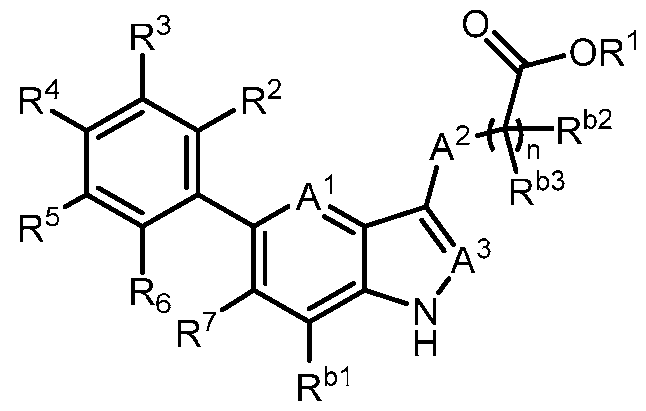

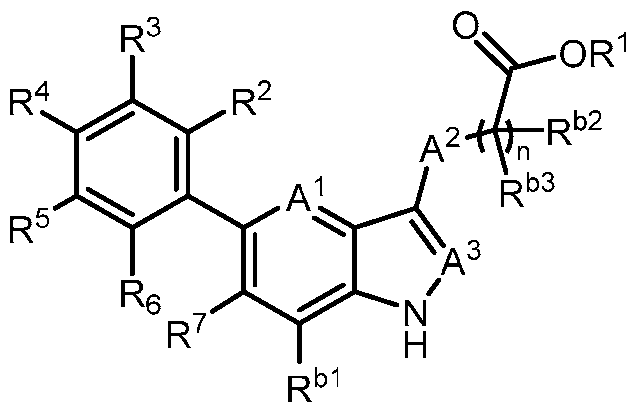

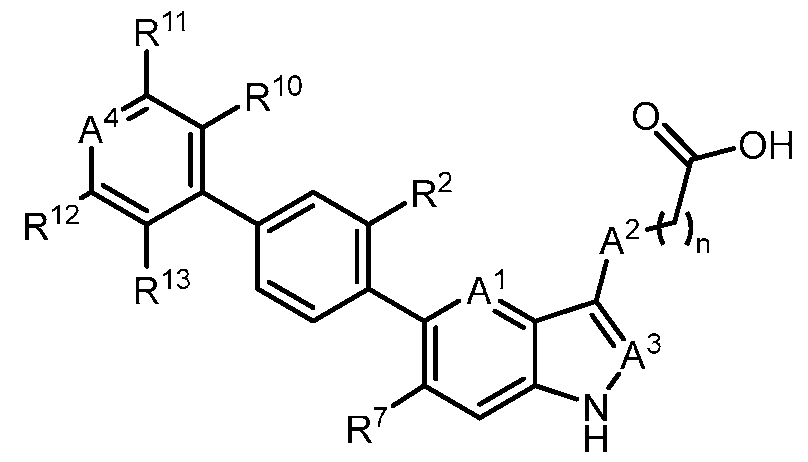
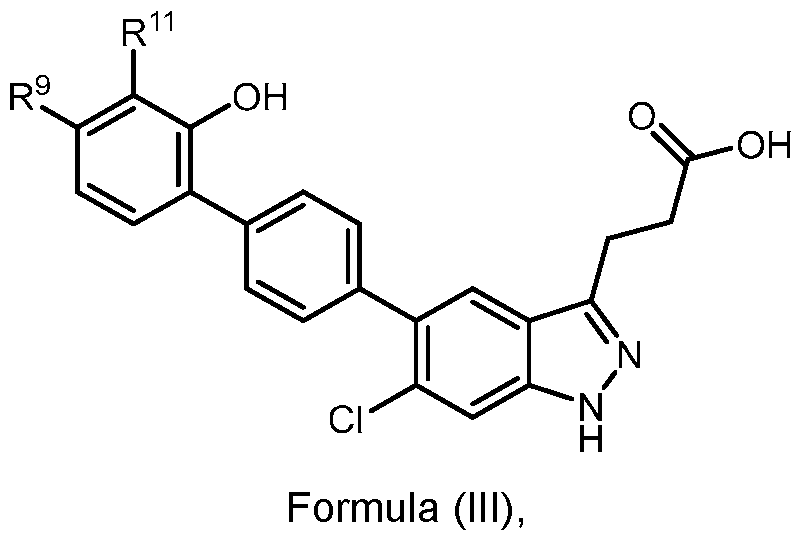


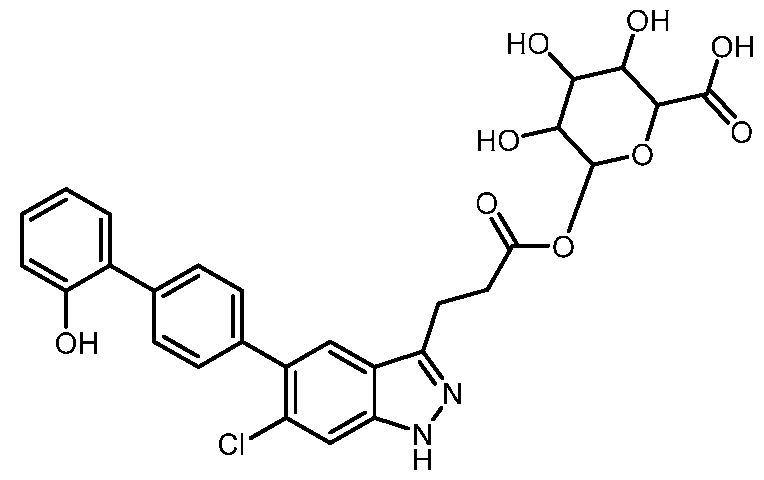

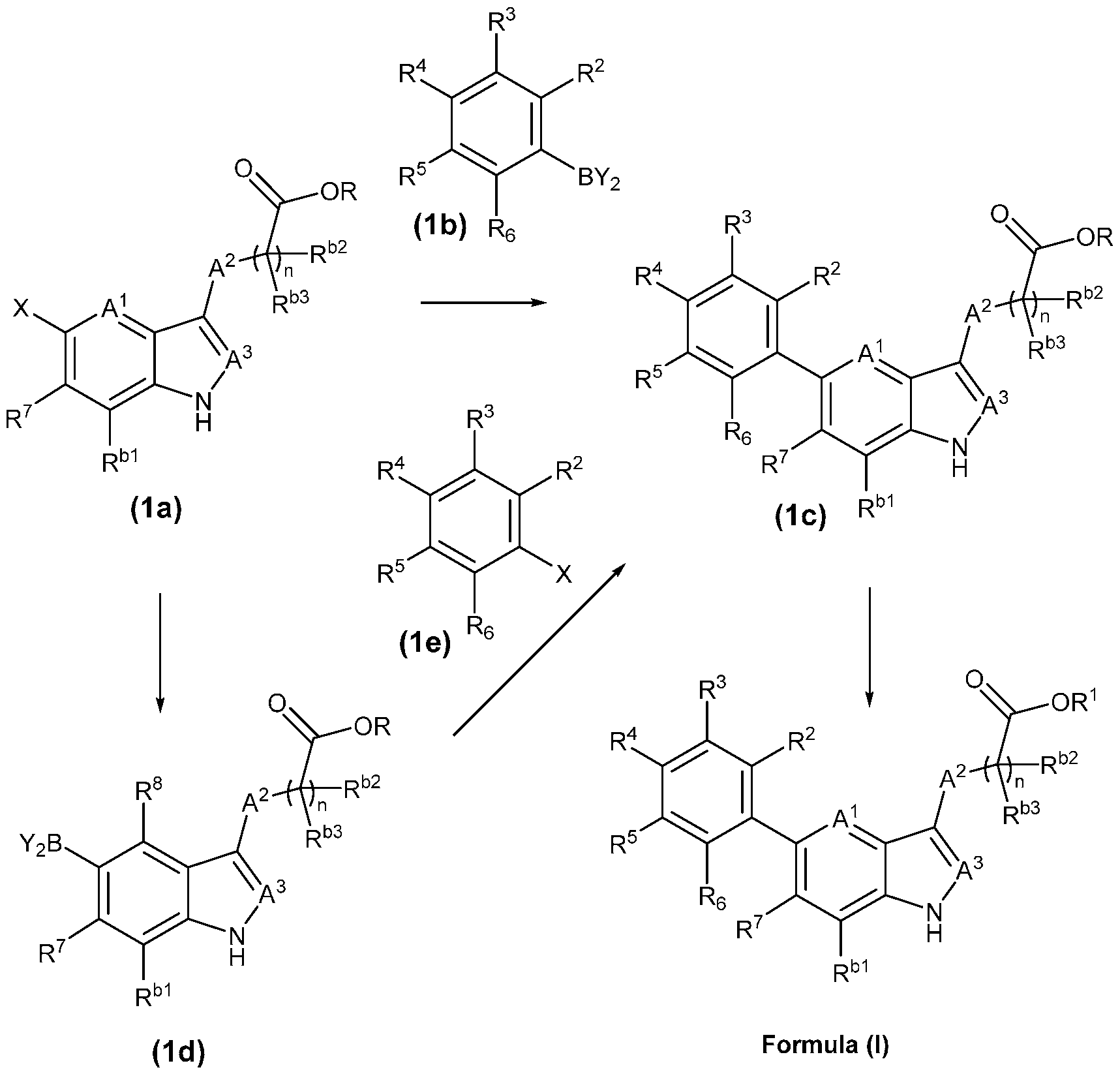

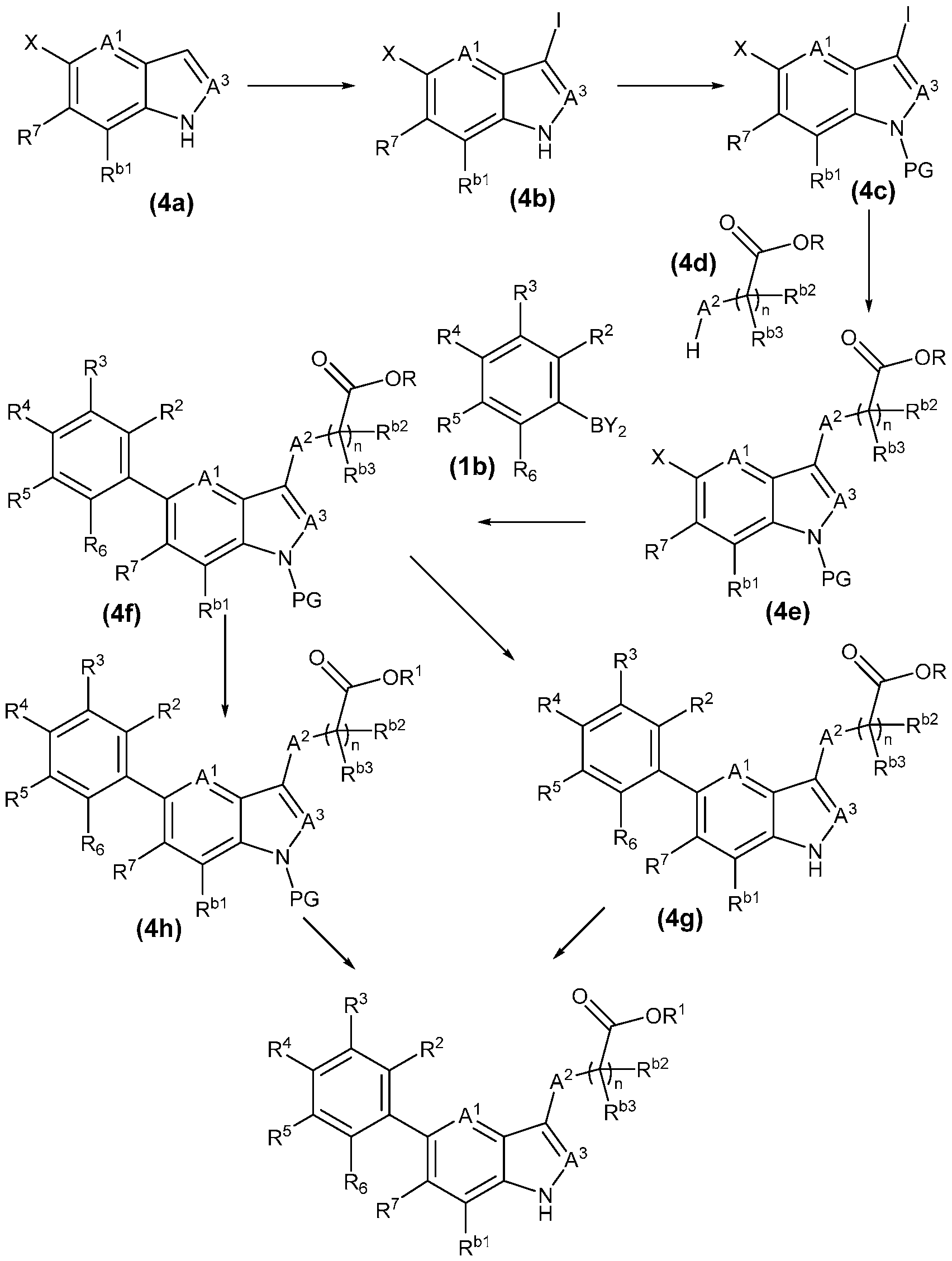
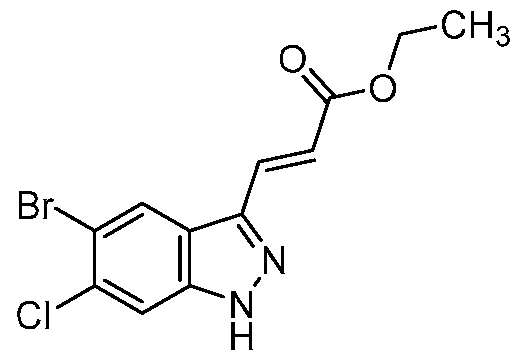

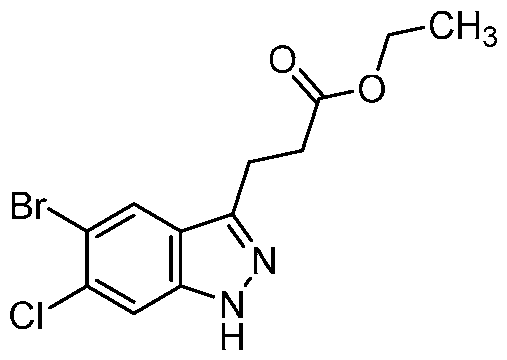
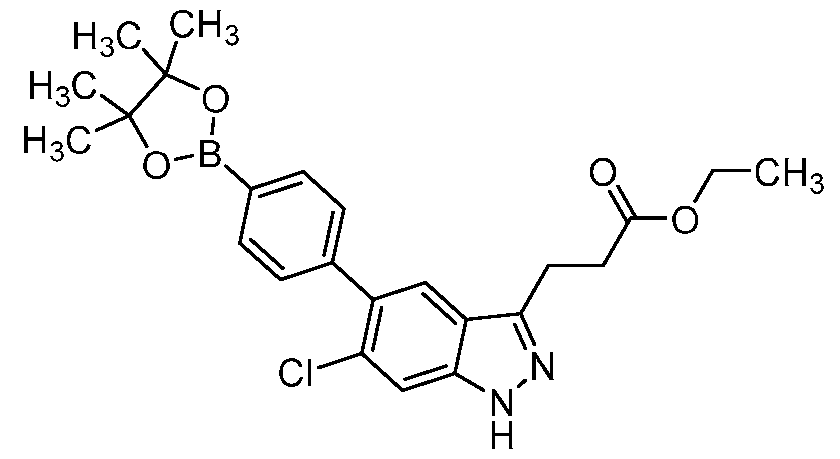
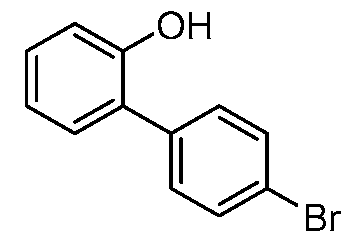

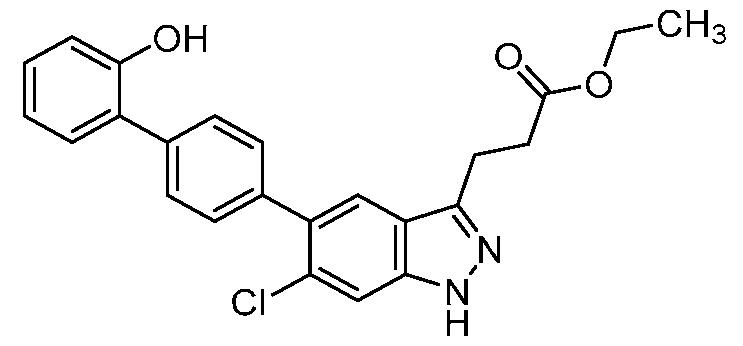
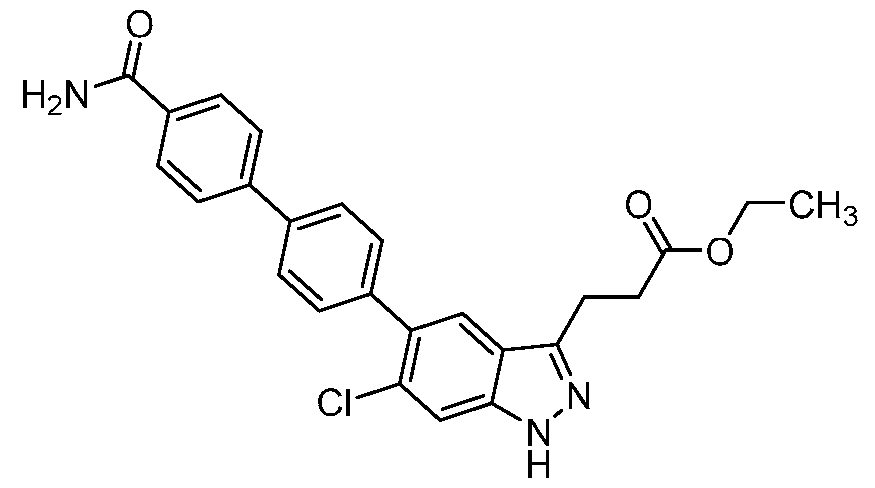


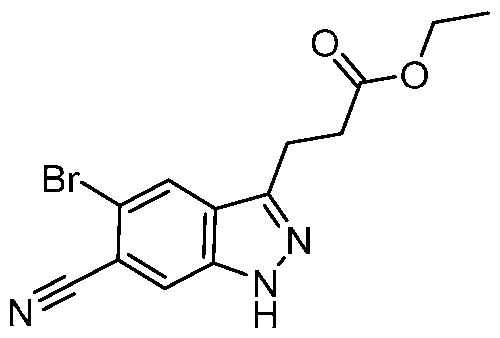


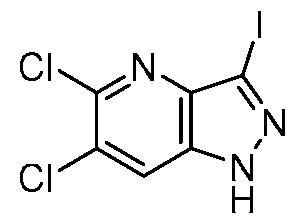

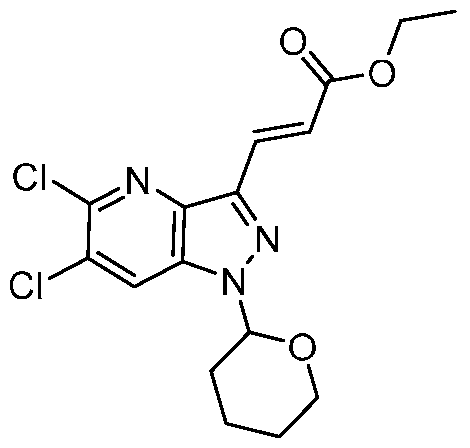
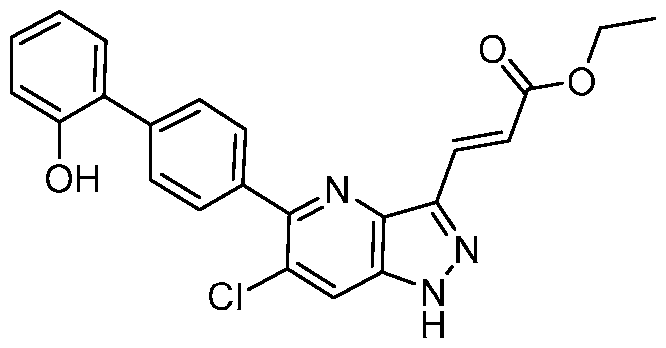


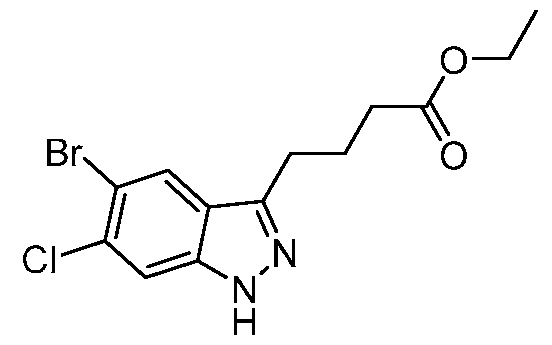


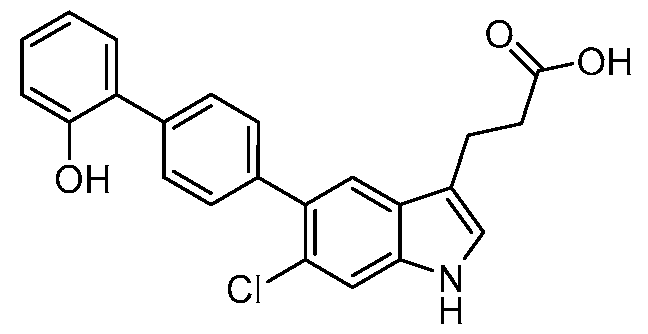

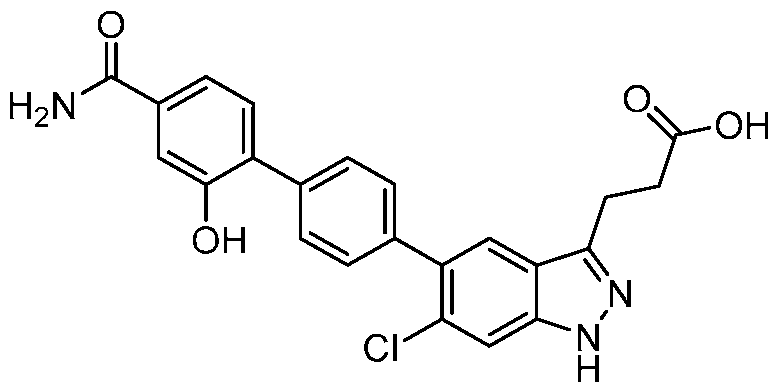
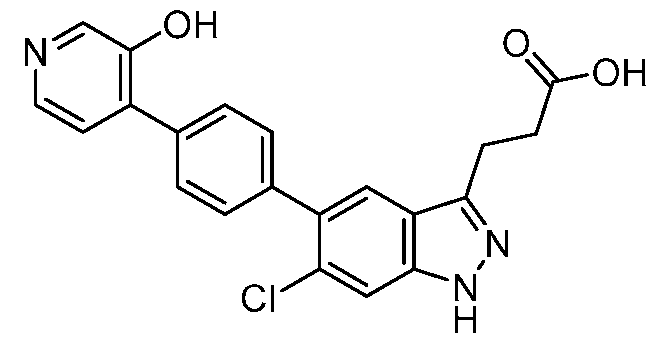
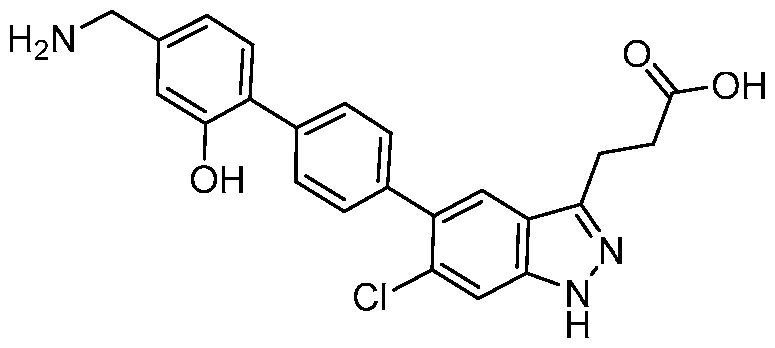


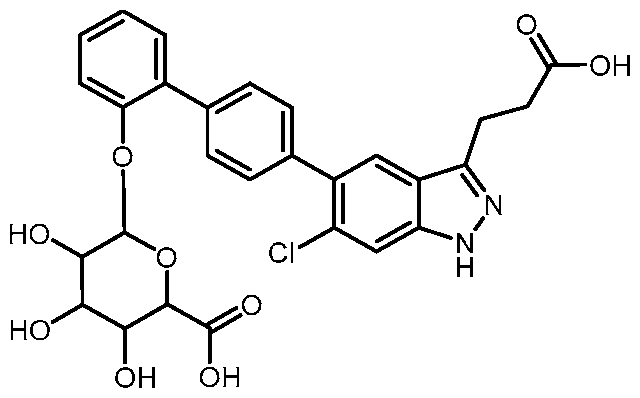
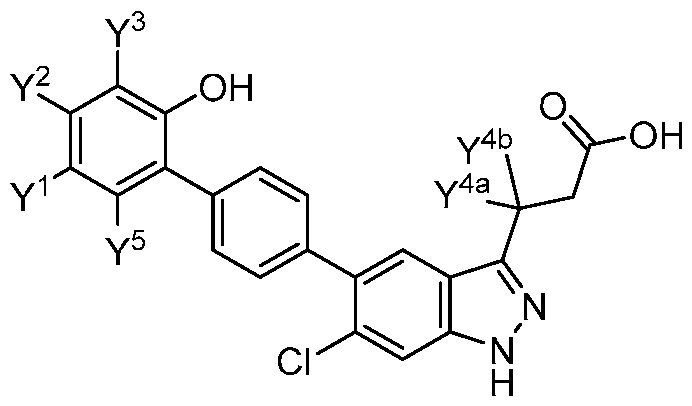
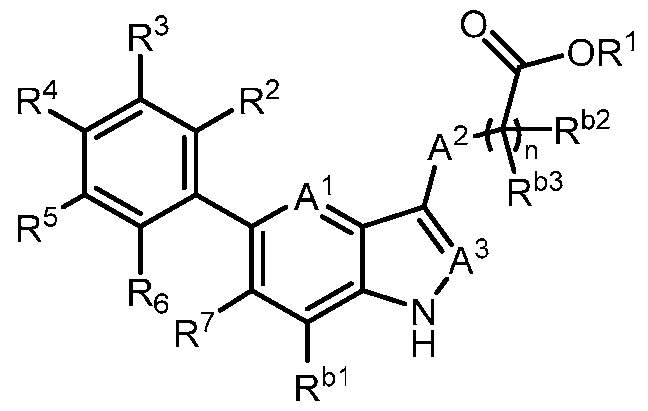
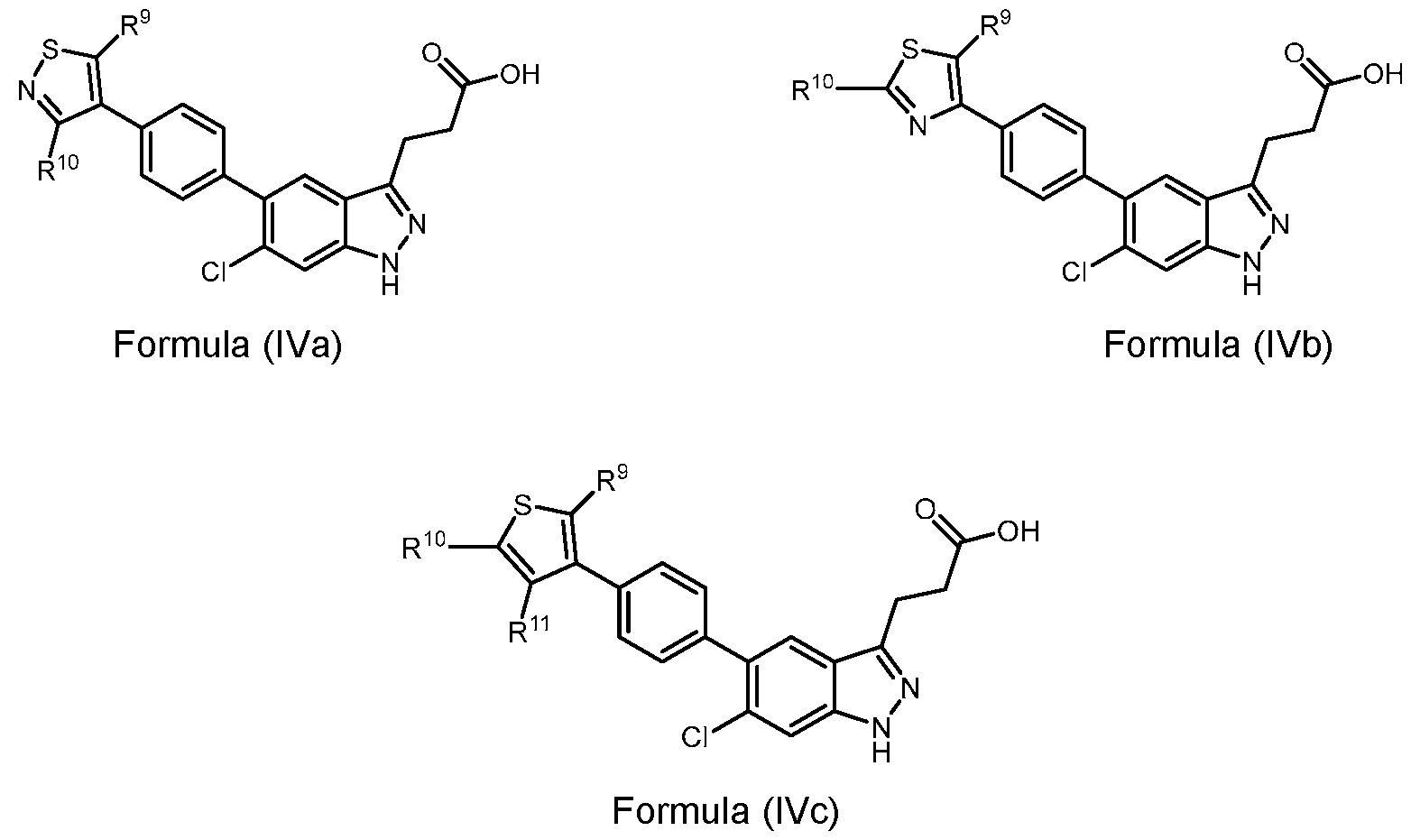


Claims
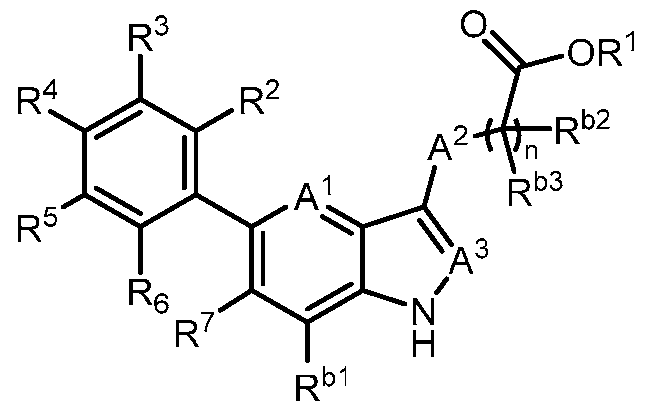

Priority Applications (9)
| Application Number | Priority Date | Filing Date | Title |
|---|---|---|---|
| KR1020257036972A KR20250164854A (en) | 2023-04-06 | 2024-04-03 | Substituted indazole propionic acid derivative compounds and their use as AMPK activators |
| CN202480023808.3A CN121039104A (en) | 2023-04-06 | 2024-04-03 | Substituted indazole propionic acid derivatives and their use as AMPK activators |
| EP24718603.4A EP4688750A1 (en) | 2023-04-06 | 2024-04-03 | Substituted indazole propionic acid derivative compounds and uses thereof as ampk activators |
| AU2024249981A AU2024249981A1 (en) | 2023-04-06 | 2024-04-03 | Substituted indazole propionic acid derivative compounds and uses thereof as ampk activators |
| CR20250419A CR20250419A (en) | 2023-04-06 | 2024-04-03 | COMPOUNDS OF SUBSTITUTED INDAZOLE PROPIONIC ACID DERIVATIVES AND THEIR USES |
| IL323522A IL323522A (en) | 2023-04-06 | 2025-09-22 | Substituted indazole propionic acid derivative compounds and uses thereof as ampk activators |
| MX2025011902A MX2025011902A (en) | 2023-04-06 | 2025-10-03 | Substituted indazole propionic acid derivative compounds and uses thereof as ampk activators |
| DO2025000253A DOP2025000253A (en) | 2023-04-06 | 2025-10-06 | COMPOUNDS OF SUBSTITUTED INDAZOLE PROPIONIC ACID DERIVATIVES AND THEIR USES |
| CONC2025/0013813A CO2025013813A2 (en) | 2023-04-06 | 2025-10-06 | Substituted indazolpropionic acid derivatives and their uses as AMPK activators |
Applications Claiming Priority (2)
| Application Number | Priority Date | Filing Date | Title |
|---|---|---|---|
| US202363494598P | 2023-04-06 | 2023-04-06 | |
| US63/494,598 | 2023-04-06 |
Publications (1)
| Publication Number | Publication Date |
|---|---|
| WO2024209363A1 true WO2024209363A1 (en) | 2024-10-10 |
Family
ID=90721385
Family Applications (1)
| Application Number | Title | Priority Date | Filing Date |
|---|---|---|---|
| PCT/IB2024/053239 Ceased WO2024209363A1 (en) | 2023-04-06 | 2024-04-03 | Substituted indazole propionic acid derivative compounds and uses thereof as ampk activators |
Country Status (13)
| Country | Link |
|---|---|
| US (1) | US20240336572A1 (en) |
| EP (1) | EP4688750A1 (en) |
| KR (1) | KR20250164854A (en) |
| CN (1) | CN121039104A (en) |
| AR (1) | AR132329A1 (en) |
| AU (1) | AU2024249981A1 (en) |
| CO (1) | CO2025013813A2 (en) |
| CR (1) | CR20250419A (en) |
| DO (1) | DOP2025000253A (en) |
| IL (1) | IL323522A (en) |
| MX (1) | MX2025011902A (en) |
| TW (1) | TWI899933B (en) |
| WO (1) | WO2024209363A1 (en) |
Citations (39)
| Publication number | Priority date | Publication date | Assignee | Title |
|---|---|---|---|---|
| US5350872A (en) | 1992-07-17 | 1994-09-27 | Biogal Gyogyszergrar | Process for the preparation of carboxylic acids and derivatives of them |
| WO2008076805A2 (en) | 2006-12-15 | 2008-06-26 | Bristol-Myers Squibb Company | Arylpropionamide, arylacrylamide, arylpropynamide, or arylmethylurea analogs as factor xia inhibitors |
| WO2009079767A1 (en) | 2007-12-21 | 2009-07-02 | University Health Network | Indazolyl, benzimidazolyl, benzotriazolyl substituted indolinone derivatives as kinase inhibitors useful in the treatment of cancer |
| WO2009089359A1 (en) | 2008-01-09 | 2009-07-16 | Array Biopharma Inc. | Pyrazolopyridines as kinase inhibitors |
| WO2009149837A1 (en) | 2008-06-09 | 2009-12-17 | Bayer Schering Pharma Aktiengesellschaft | Substituted 4- (indazolyl) -1,4-dihydropyridines and methods of use thereof |
| WO2011008572A2 (en) | 2009-07-14 | 2011-01-20 | Albany Molecular Research, Inc. | 5-ht3 receptor modulators, methods of making, and use thereof |
| WO2011061168A1 (en) | 2009-11-17 | 2011-05-26 | Novartis Ag | Aryl-pyridine derivatives as aldosterone synthase inhibitors |
| WO2011123946A1 (en) | 2010-04-06 | 2011-10-13 | University Health Network | Kinase inhibitors and method of treating cancer with same |
| WO2011138265A2 (en) | 2010-05-03 | 2011-11-10 | Evotec Ag | Indole and indazole derivatives as orexin receptor antagonists |
| WO2012119046A2 (en) | 2011-03-02 | 2012-09-07 | Bioenergenix | Heterocyclic compounds for the inhibition of pask |
| WO2012137089A1 (en) | 2011-04-05 | 2012-10-11 | Pfizer Limited | Pyrrolo [2, 3 -d] pyrimidine derivatives as inhibitors of tropomyosin- related kinases |
| WO2013010880A1 (en) | 2011-07-18 | 2013-01-24 | Almirall, S.A. | New crth2 antagonists |
| WO2013030138A1 (en) | 2011-09-01 | 2013-03-07 | F. Hoffmann-La Roche Ag | Pyrrolopyrazine kinase inhibitors |
| WO2014049133A1 (en) | 2012-09-28 | 2014-04-03 | H. Lundbeck A/S | New positive allosteric modulators of nicotinic acetylcholine receptor |
| WO2014140078A1 (en) | 2013-03-14 | 2014-09-18 | Boehringer Ingelheim International Gmbh | Substituted 2-aza-bicyclo[2.2.1]heptane-3-carboxylic acid (cyano-methyl)-amides inhibitors of cathepsin c |
| WO2015035223A1 (en) | 2013-09-09 | 2015-03-12 | Peloton Therapeutics, Inc. | Aryl ethers and uses thereof |
| WO2016004272A1 (en) | 2014-07-02 | 2016-01-07 | Pharmacyclics Llc | Inhibitors of bruton's tyrosine kinase |
| US20160072072A1 (en) | 2014-09-05 | 2016-03-10 | Samsung Display Co., Ltd. | Condensed cyclic compound and organic light-emitting device including the same |
| WO2016102633A1 (en) | 2014-12-23 | 2016-06-30 | Genfit | Heterocyclic derivatives as rorgamma modulators |
| WO2016115360A1 (en) | 2015-01-14 | 2016-07-21 | Coferon, Inc. | C-myc ligands capable of dimerizing in an aqueous solution, and methods of using same |
| WO2016164285A1 (en) | 2015-04-08 | 2016-10-13 | Merck Sharp & Dohme Corp. | Indazole and azaindazole btk inhibitors |
| WO2018011628A1 (en) | 2016-07-11 | 2018-01-18 | Lifesci Pharmaceuticals, Inc. | Therapeutic inhibitory compounds |
| EP3275867A1 (en) | 2015-03-24 | 2018-01-31 | Shanghai Yingli Pharmaceutical Co. Ltd. | Condensed ring derivative, and preparation method, intermediate, pharmaceutical composition and use thereof |
| WO2018229543A2 (en) | 2017-06-14 | 2018-12-20 | Lifesci Pharmaceuticals, Inc. | Therapeutic inhibitory compounds |
| US20190185469A1 (en) | 2017-12-18 | 2019-06-20 | Bristol-Myers Squibb Company | 4-azaindole compounds |
| WO2019201297A1 (en) | 2018-04-18 | 2019-10-24 | 南京明德新药研发有限公司 | Benzopyrazole compound used as rho kinase inhibitor |
| WO2019213570A1 (en) | 2018-05-04 | 2019-11-07 | Remedy Plan, Inc. | Cancer treatments targeting cancer stem cells |
| WO2019236957A1 (en) | 2018-06-07 | 2019-12-12 | The Regents Of The University Of Michigan | Prc1 inhibitors and methods of treatment therewith |
| WO2020142547A1 (en) * | 2018-12-31 | 2020-07-09 | The Board Of Trustees Of The Leland Stanford Junior University | Methods and formulations to treat mitochondrial dysfunction |
| US20200247768A1 (en) | 2019-02-06 | 2020-08-06 | Albireo Ab | Benzothiazepine compounds and their use as bile acid modulators |
| WO2020173400A1 (en) | 2019-02-25 | 2020-09-03 | 河南迈英诺医药科技有限公司 | Jak inhibitor compound and use thereof |
| WO2022133037A1 (en) | 2020-12-17 | 2022-06-23 | Blossomhill Therapeutics, Inc. | Macrocycles and their use |
| WO2022150574A1 (en) | 2021-01-08 | 2022-07-14 | Cornell University | Inhibitors of mycobacterium tuberculosis lipoamide dehydrogenase |
| WO2022204150A1 (en) | 2021-03-22 | 2022-09-29 | Blue Oak Pharmaceuticals, Inc. | Compounds and compositions for treating cns disorders |
| WO2022221526A1 (en) | 2021-04-14 | 2022-10-20 | Biocryst Pharmaceuticals, Inc. | Bicyclic heteroaromatic inhibitors of klk5 |
| WO2022229341A1 (en) | 2021-04-29 | 2022-11-03 | Boehringer Ingelheim International Gmbh | Heterocyclic compounds capable of activating sting |
| WO2023091707A1 (en) | 2021-11-19 | 2023-05-25 | Theravance Biopharma R&D Ip, Llc | Bicyclic inhibitors of jak and methods of use |
| WO2023147312A1 (en) * | 2022-01-25 | 2023-08-03 | Evvia Therapeutics, Inc. | Ampk agonists and methods of use thereof |
| WO2023196720A2 (en) | 2022-04-04 | 2023-10-12 | Brenig Therapeutics, Inc. | Lrrk2 inhibitors |
Family Cites Families (2)
| Publication number | Priority date | Publication date | Assignee | Title |
|---|---|---|---|---|
| US8889730B2 (en) * | 2012-04-10 | 2014-11-18 | Pfizer Inc. | Indole and indazole compounds that activate AMPK |
| KR20230012597A (en) * | 2020-05-19 | 2023-01-26 | 칼리오페, 인크. | AMPK activator |
-
2024
- 2024-04-03 CN CN202480023808.3A patent/CN121039104A/en active Pending
- 2024-04-03 CR CR20250419A patent/CR20250419A/en unknown
- 2024-04-03 EP EP24718603.4A patent/EP4688750A1/en active Pending
- 2024-04-03 WO PCT/IB2024/053239 patent/WO2024209363A1/en not_active Ceased
- 2024-04-03 TW TW113112725A patent/TWI899933B/en active
- 2024-04-03 KR KR1020257036972A patent/KR20250164854A/en active Pending
- 2024-04-03 AU AU2024249981A patent/AU2024249981A1/en active Pending
- 2024-04-04 US US18/626,467 patent/US20240336572A1/en active Pending
- 2024-04-05 AR ARP240100843A patent/AR132329A1/en unknown
-
2025
- 2025-09-22 IL IL323522A patent/IL323522A/en unknown
- 2025-10-03 MX MX2025011902A patent/MX2025011902A/en unknown
- 2025-10-06 DO DO2025000253A patent/DOP2025000253A/en unknown
- 2025-10-06 CO CONC2025/0013813A patent/CO2025013813A2/en unknown
Patent Citations (39)
| Publication number | Priority date | Publication date | Assignee | Title |
|---|---|---|---|---|
| US5350872A (en) | 1992-07-17 | 1994-09-27 | Biogal Gyogyszergrar | Process for the preparation of carboxylic acids and derivatives of them |
| WO2008076805A2 (en) | 2006-12-15 | 2008-06-26 | Bristol-Myers Squibb Company | Arylpropionamide, arylacrylamide, arylpropynamide, or arylmethylurea analogs as factor xia inhibitors |
| WO2009079767A1 (en) | 2007-12-21 | 2009-07-02 | University Health Network | Indazolyl, benzimidazolyl, benzotriazolyl substituted indolinone derivatives as kinase inhibitors useful in the treatment of cancer |
| WO2009089359A1 (en) | 2008-01-09 | 2009-07-16 | Array Biopharma Inc. | Pyrazolopyridines as kinase inhibitors |
| WO2009149837A1 (en) | 2008-06-09 | 2009-12-17 | Bayer Schering Pharma Aktiengesellschaft | Substituted 4- (indazolyl) -1,4-dihydropyridines and methods of use thereof |
| WO2011008572A2 (en) | 2009-07-14 | 2011-01-20 | Albany Molecular Research, Inc. | 5-ht3 receptor modulators, methods of making, and use thereof |
| WO2011061168A1 (en) | 2009-11-17 | 2011-05-26 | Novartis Ag | Aryl-pyridine derivatives as aldosterone synthase inhibitors |
| WO2011123946A1 (en) | 2010-04-06 | 2011-10-13 | University Health Network | Kinase inhibitors and method of treating cancer with same |
| WO2011138265A2 (en) | 2010-05-03 | 2011-11-10 | Evotec Ag | Indole and indazole derivatives as orexin receptor antagonists |
| WO2012119046A2 (en) | 2011-03-02 | 2012-09-07 | Bioenergenix | Heterocyclic compounds for the inhibition of pask |
| WO2012137089A1 (en) | 2011-04-05 | 2012-10-11 | Pfizer Limited | Pyrrolo [2, 3 -d] pyrimidine derivatives as inhibitors of tropomyosin- related kinases |
| WO2013010880A1 (en) | 2011-07-18 | 2013-01-24 | Almirall, S.A. | New crth2 antagonists |
| WO2013030138A1 (en) | 2011-09-01 | 2013-03-07 | F. Hoffmann-La Roche Ag | Pyrrolopyrazine kinase inhibitors |
| WO2014049133A1 (en) | 2012-09-28 | 2014-04-03 | H. Lundbeck A/S | New positive allosteric modulators of nicotinic acetylcholine receptor |
| WO2014140078A1 (en) | 2013-03-14 | 2014-09-18 | Boehringer Ingelheim International Gmbh | Substituted 2-aza-bicyclo[2.2.1]heptane-3-carboxylic acid (cyano-methyl)-amides inhibitors of cathepsin c |
| WO2015035223A1 (en) | 2013-09-09 | 2015-03-12 | Peloton Therapeutics, Inc. | Aryl ethers and uses thereof |
| WO2016004272A1 (en) | 2014-07-02 | 2016-01-07 | Pharmacyclics Llc | Inhibitors of bruton's tyrosine kinase |
| US20160072072A1 (en) | 2014-09-05 | 2016-03-10 | Samsung Display Co., Ltd. | Condensed cyclic compound and organic light-emitting device including the same |
| WO2016102633A1 (en) | 2014-12-23 | 2016-06-30 | Genfit | Heterocyclic derivatives as rorgamma modulators |
| WO2016115360A1 (en) | 2015-01-14 | 2016-07-21 | Coferon, Inc. | C-myc ligands capable of dimerizing in an aqueous solution, and methods of using same |
| EP3275867A1 (en) | 2015-03-24 | 2018-01-31 | Shanghai Yingli Pharmaceutical Co. Ltd. | Condensed ring derivative, and preparation method, intermediate, pharmaceutical composition and use thereof |
| WO2016164285A1 (en) | 2015-04-08 | 2016-10-13 | Merck Sharp & Dohme Corp. | Indazole and azaindazole btk inhibitors |
| WO2018011628A1 (en) | 2016-07-11 | 2018-01-18 | Lifesci Pharmaceuticals, Inc. | Therapeutic inhibitory compounds |
| WO2018229543A2 (en) | 2017-06-14 | 2018-12-20 | Lifesci Pharmaceuticals, Inc. | Therapeutic inhibitory compounds |
| US20190185469A1 (en) | 2017-12-18 | 2019-06-20 | Bristol-Myers Squibb Company | 4-azaindole compounds |
| WO2019201297A1 (en) | 2018-04-18 | 2019-10-24 | 南京明德新药研发有限公司 | Benzopyrazole compound used as rho kinase inhibitor |
| WO2019213570A1 (en) | 2018-05-04 | 2019-11-07 | Remedy Plan, Inc. | Cancer treatments targeting cancer stem cells |
| WO2019236957A1 (en) | 2018-06-07 | 2019-12-12 | The Regents Of The University Of Michigan | Prc1 inhibitors and methods of treatment therewith |
| WO2020142547A1 (en) * | 2018-12-31 | 2020-07-09 | The Board Of Trustees Of The Leland Stanford Junior University | Methods and formulations to treat mitochondrial dysfunction |
| US20200247768A1 (en) | 2019-02-06 | 2020-08-06 | Albireo Ab | Benzothiazepine compounds and their use as bile acid modulators |
| WO2020173400A1 (en) | 2019-02-25 | 2020-09-03 | 河南迈英诺医药科技有限公司 | Jak inhibitor compound and use thereof |
| WO2022133037A1 (en) | 2020-12-17 | 2022-06-23 | Blossomhill Therapeutics, Inc. | Macrocycles and their use |
| WO2022150574A1 (en) | 2021-01-08 | 2022-07-14 | Cornell University | Inhibitors of mycobacterium tuberculosis lipoamide dehydrogenase |
| WO2022204150A1 (en) | 2021-03-22 | 2022-09-29 | Blue Oak Pharmaceuticals, Inc. | Compounds and compositions for treating cns disorders |
| WO2022221526A1 (en) | 2021-04-14 | 2022-10-20 | Biocryst Pharmaceuticals, Inc. | Bicyclic heteroaromatic inhibitors of klk5 |
| WO2022229341A1 (en) | 2021-04-29 | 2022-11-03 | Boehringer Ingelheim International Gmbh | Heterocyclic compounds capable of activating sting |
| WO2023091707A1 (en) | 2021-11-19 | 2023-05-25 | Theravance Biopharma R&D Ip, Llc | Bicyclic inhibitors of jak and methods of use |
| WO2023147312A1 (en) * | 2022-01-25 | 2023-08-03 | Evvia Therapeutics, Inc. | Ampk agonists and methods of use thereof |
| WO2023196720A2 (en) | 2022-04-04 | 2023-10-12 | Brenig Therapeutics, Inc. | Lrrk2 inhibitors |
Non-Patent Citations (67)
| Title |
|---|
| "Polymorphism in Pharmaceutical Solids", 1995, MARCEL DEKKER |
| "Polymorphism in Pharmaceutical Solids. New York", 2016, INFORMA HEALTHCARE USA, INC. |
| ACS CATALYSIS, vol. 11, 2021, pages 5968 |
| ACS MACRO LETTERS, vol. 1, 2012, pages 392 |
| ACS MEDICINAL CHEMISTRY LETTERS, vol. 11, 2020, pages 825 |
| ADVANCED SYNTHESIS & CATALYSIS, vol. 363, 2021, pages 4867 |
| ANSEL, HOWARD C. ET AL.: "Ansel's Pharmaceutical Dosage Forms and Drug Delivery Systems. Philadelphia", 2004, LIPPINCOTT, WILLIAMS & WILKINS |
| B. C. FINNINT. M. MORGAN, J. PHARM. SCI., vol. 88, 1999, pages 955 - 958 |
| BIOORGANIC & MEDICINAL CHEMISTRY, vol. 22, 2014, pages 1156 |
| BIOORGANIC & MEDICINAL CHEMISTRY, vol. 25, 2017, pages 2995 |
| CHANG, H.I.YEH, M.K.: "Clinical development of liposome-based drugs: formulation, characterization, and therapeutic efficacy", INT J NANOMEDICINE, vol. 7, 2012, pages 49 - 60, XP055069345, DOI: 10.2147/IJN.S26766 |
| CHEMICAL COMMUNICATIONS, vol. 54, 2018, pages 1877 |
| CHEMICAL REVIEWS, vol. 89, 1989, pages 863 |
| CHEMISTRY - AN ASIAN JOURNAL, vol. 8, 2013, pages 1368 |
| DALVIE ET AL.: "Assessment of Three Human in Vitro Systems in the Generation of Major Human Excretory and Circulating Metabolites", CHEMICAL RESEARCH IN TOXICOLOGY, vol. 22, no. 2, 2009, pages 357 - 368 |
| E. L. ELIELS. H. WILEN: "Stereochemistry of Organic Compounds", 1994, WILEY |
| EUROPEAN JOURNAL OF MEDICINAL CHEMISTRY, vol. 203, 2020, pages 11255 |
| EUROPEAN JOURNAL OF MEDICINAL CHEMISTRY, vol. 213, 2021, pages 113192 |
| EUROPEAN JOURNAL OF MEDICINAL CHEMISTRY, vol. 234, 2022, pages 114248 |
| EUROPEAN JOURNAL OF MEDICINAL CHEMISTRY, vol. 45, 2010, pages 298 |
| EUROPEAN JOURNAL OF ORGANIC CHEMISTRY, vol. 21, 2000, pages 3575 |
| EUROPEAN JOURNAL OF ORGANIC CHEMISTRY, vol. 5, 2008, pages 783 |
| GODZIEN, J. ET AL., CHAPTER FIFTEEN - METABOLITE ANNOTATION AND IDENTIFICATION |
| H. BUNDGAARD: "Design of Prodrugs", 1985, ELSEVIER |
| HALEBLIAN, J PHARM SCI, vol. 64, no. 8, August 1975 (1975-08-01), pages 1269 - 1288 |
| HERZIG, S. ET AL., NAT REV MOL CELL BIOL, vol. 19, 2018, pages 121 - 135 |
| J. RAUTIO: "The Expanding Role of Prodrugs in Contemporary Drug Design and Development", NATURE REVIEWS DRUG DISCOVERY, vol. 17, 2018, pages 559 - 587, XP055646794, DOI: 10.1038/nrd.2018.46 |
| JOUNGMOK KIM ET AL: "AMPK activators: mechanisms of action and physiological activities", EXPERIMENTAL & MOLECULAR MEDICINE, vol. 48, 1 January 2016 (2016-01-01), pages e224 - 1, XP055723561, DOI: 10.1038/emm.2016.16 * |
| JOURNAL OF MEDICINAL CHEMISTRY, vol. 54, 2011, pages 1333 |
| JOURNAL OF MEDICINAL CHEMISTRY, vol. 57, 2014, pages 5129 |
| JOURNAL OF MEDICINAL CHEMISTRY, vol. 60, 2017, pages 2361 |
| JOURNAL OF MEDICINAL CHEMISTRY, vol. 64, 2021, pages 14968 |
| JOURNAL OF ORGANIC CHEMISTRY, vol. 74, 2009, pages 6331 |
| JOURNAL OF ORGANIC CHEMISTRY, vol. 88, 2023, pages 13049 |
| JOURNAL OF THE AMERICAN CHEMICAL SOCIETY, vol. 142, 2020, pages 2766 |
| JOURNAL OF THE AMERICAN CHEMICAL SOCIETY, vol. 44, 1922, pages 1397 |
| JOURNAL OF THE AMERICAN CHEMICAL SOCIETY, vol. 82, 1960, pages 6090 |
| KIM, J. ET AL., EXP MOL MED, vol. 48, 2016, pages e224 |
| KING, R.: "Biotransformations in Drug Metabolism", DRUG METABOLISM HANDBOOK INTRODUCTION, Retrieved from the Internet <URL:https://doi.org/10.1002/9781119851042.ch3> |
| N. H. HARTSHORNEA. STUART: "Crystals and the Polarizing Microscope", 1970 |
| O. ALMARSSONM. J. ZAWOROTKO: "For a general review of multi-component complexes", CHEM COMMUN, vol. 17, 2004, pages 1889 - 1896 |
| ODENWALD, MA. ET AL., CLIN GASTRENTEROL HEPATOL, vol. 11, 2013, pages 1075 - 1083 |
| ORGANIC LETTERS, vol. 19, 2017, pages 4742 |
| ORGANOMETALLICS, vol. 21, 2002, pages 4886 |
| ORGANOMETALLICS, vol. 33, 2014, pages 1291 |
| P.G.M. WUTS: "Greene's Protective Groups in Organic Synthesis", 2014, JOHN WILEY & SONS |
| PAULEKUN, G. S. ET AL.: "Trends in Active Pharmaceutical Ingredient Salt Selection Based on Analysis of the Orange Book Database", J. MED. CHEM., vol. 50, no. 26, 2007, pages 6665 - 6672 |
| ROWE, RAYMOND C.: "Handbook of Pharmaceutical Excipients. Chicago", 2005, PHARMACEUTICAL PRESS |
| RSC ADVANCES, vol. 4, 2014, pages 4672 |
| RSC ADVANCES, vol. 7, 2017, pages 52852 |
| RSC ADVANCES, vol. 8, 2018, pages 13121 |
| SAHOO, S. ET AL., NAT COMMUN, vol. 12, 2021, pages 4246 |
| SMITH, ROGER M.: "Chromatographic Science Series", vol. 75, 1998, LOUGHBOROUGH UNIVERSITY, article "Supercritical Fluid Chromatography with Packed Columns", pages: 223 - 249 |
| SUN, X. ET AL., OPEN BIOL, vol. 7, 2017, pages 170104 |
| SYNLETT, 2009, pages 615 - 619 |
| SYNTHESIS, 1979, pages 633 |
| SYNTHESIS, vol. 10, 2006, pages 1635 |
| SYNTHESIS, vol. 16, 2011, pages 2651 |
| SYNTHETIC COMMUNICATIONS, vol. 33, 2003, pages 3271 |
| TETRAHEDRON LETTERS, vol. 40, 1999, pages 7355 |
| TETRAHEDRON LETTERS, vol. 48, 2007, pages 2457 |
| TETRAHEDRON LETTERS, vol. 59, 2018, pages 2917 |
| TSUKITA, K. ET AL., INT J MOL SCI, vol. 20, 2018, pages 6012 |
| WU, Y. ET AL.: "Metabolite Identification in the Preclinical and Clinical Phase of Drug Development", CURRENT DRUG METABOLISH, vol. 22, no. 11, 2021, pages 838 - 857 |
| WU, Z. ET AL., J CELL PHYSIOL, vol. 237, 2022, pages 3705 - 3716 |
| XIAO, B. ET AL., NATURE, vol. 449, 2007, pages 496 - 500 |
| ZHU, MJ. ET AL., TISSUE BARRIER, vol. 6, 2018, pages 1 - 13 |
Also Published As
| Publication number | Publication date |
|---|---|
| TW202448861A (en) | 2024-12-16 |
| MX2025011902A (en) | 2025-11-03 |
| AR132329A1 (en) | 2025-06-18 |
| TWI899933B (en) | 2025-10-01 |
| AU2024249981A1 (en) | 2025-10-16 |
| DOP2025000253A (en) | 2025-11-30 |
| CR20250419A (en) | 2025-10-07 |
| US20240336572A1 (en) | 2024-10-10 |
| IL323522A (en) | 2025-11-01 |
| KR20250164854A (en) | 2025-11-25 |
| CO2025013813A2 (en) | 2025-10-20 |
| EP4688750A1 (en) | 2026-02-11 |
| CN121039104A (en) | 2025-11-28 |
Similar Documents
| Publication | Publication Date | Title |
|---|---|---|
| CA3124898C (en) | Heterocyclic compound, intermediate, preparation method therefor and application thereof | |
| US9783511B2 (en) | Carbamate benzoxazine propionic acids and acid derivatives for modulation of RORgamma activity and the treatment of disease | |
| AU2007311591B2 (en) | Biaryl ether urea compounds | |
| ES2938863T3 (en) | Triazole azoles of cyclohexyl acid as lysophosphatidic acid (LPA) antagonists | |
| ES2962367T3 (en) | N-linked pyrazole carbamoyl cyclohexylic acids as lysophosphatidic acid (LPA) receptor antagonists | |
| ES2944304T3 (en) | Pyrazole cyclohexylic acid azines as LPA antagonists | |
| ES2948793T3 (en) | Cycloheptylic acids as LPA antagonists | |
| EP2593432A1 (en) | N-sulfonylbenzamide derivatives useful as voltage gated sodium channel inhibitors | |
| WO2017050732A1 (en) | Bicyclic compounds as atx inhibitors | |
| JP2020007360A (en) | Substituted n-(2-amino)-2-oxoethylbenzamide inhibitor of autotaxin and preparation thereof, and application in treatments of lpa depending or lpa mediated diseases | |
| US12338241B2 (en) | Bicyclic sulfones and sulfoxides and methods of use thereof | |
| AU2019353144B2 (en) | Compounds and compositions for treating conditions associated with APJ receptor activity | |
| TW202404969A (en) | Heteroaryl compounds for the treatment of pain | |
| AU2014340249B2 (en) | Substituted pyrimidine compounds and their use as SYK inhibitors | |
| TW202122382A (en) | Hydantoin derivative | |
| TW201837028A (en) | Dual MAGL and FAAH inhibitors | |
| JP6322275B2 (en) | N- (2-cyanoheterocyclyl) pyrazolopyridone as Janus kinase inhibitor | |
| US20240336572A1 (en) | Substituted indazole propionic acid derivative compounds and uses thereof | |
| KR20120097400A (en) | Bicyclic thiazoles as allosteric modulators of mglur5 receptors | |
| WO2025032440A1 (en) | Klf2 inducing compounds and uses thereof | |
| WO2024215817A1 (en) | Novel 5-cycloproylquinoline derivatives as plpro inhibitors | |
| EP4213832A1 (en) | Modified benzofuran-carboxamides as glucosylceramide synthase inhibitors |
Legal Events
| Date | Code | Title | Description |
|---|---|---|---|
| 121 | Ep: the epo has been informed by wipo that ep was designated in this application |
Ref document number: 24718603 Country of ref document: EP Kind code of ref document: A1 |
|
| WWE | Wipo information: entry into national phase |
Ref document number: 323522 Country of ref document: IL |
|
| WWE | Wipo information: entry into national phase |
Ref document number: 825512 Country of ref document: NZ |
|
| WWP | Wipo information: published in national office |
Ref document number: 825512 Country of ref document: NZ |
|
| WWE | Wipo information: entry into national phase |
Ref document number: AU2024249981 Country of ref document: AU |
|
| WWE | Wipo information: entry into national phase |
Ref document number: 2501006700 Country of ref document: TH |
|
| WWE | Wipo information: entry into national phase |
Ref document number: DZP2025001381 Country of ref document: DZ Ref document number: 202592586 Country of ref document: EA Ref document number: 2025557975 Country of ref document: JP |
|
| WWE | Wipo information: entry into national phase |
Ref document number: 202517095177 Country of ref document: IN Ref document number: MX/A/2025/011902 Country of ref document: MX |
|
| WWE | Wipo information: entry into national phase |
Ref document number: P2025-03158 Country of ref document: AE |
|
| REG | Reference to national code |
Ref country code: BR Ref legal event code: B01A Ref document number: 112025020671 Country of ref document: BR |
|
| ENP | Entry into the national phase |
Ref document number: 2024249981 Country of ref document: AU Date of ref document: 20240403 Kind code of ref document: A |
|
| WWE | Wipo information: entry into national phase |
Ref document number: 11202506410T Country of ref document: SG |
|
| WWP | Wipo information: published in national office |
Ref document number: 11202506410T Country of ref document: SG |
|
| WWP | Wipo information: published in national office |
Ref document number: MX/A/2025/011902 Country of ref document: MX |
|
| ENP | Entry into the national phase |
Ref document number: 1020257036972 Country of ref document: KR Free format text: ST27 STATUS EVENT CODE: A-0-1-A10-A15-NAP-PA0105 (AS PROVIDED BY THE NATIONAL OFFICE) |
|
| WWE | Wipo information: entry into national phase |
Ref document number: KR1020257036972 Country of ref document: KR |
|
| WWE | Wipo information: entry into national phase |
Ref document number: 2025127159 Country of ref document: RU Ref document number: 2024718603 Country of ref document: EP |
|
| NENP | Non-entry into the national phase |
Ref country code: DE |
|
| WWP | Wipo information: published in national office |
Ref document number: 202517095177 Country of ref document: IN |
|
| ENP | Entry into the national phase |
Ref document number: 2024718603 Country of ref document: EP Effective date: 20251106 |
|
| ENP | Entry into the national phase |
Ref document number: 2024718603 Country of ref document: EP Effective date: 20251106 |
|
| ENP | Entry into the national phase |
Ref document number: 2024718603 Country of ref document: EP Effective date: 20251106 |
|
| ENP | Entry into the national phase |
Ref document number: 2024718603 Country of ref document: EP Effective date: 20251106 |
|
| ENP | Entry into the national phase |
Ref document number: 2024718603 Country of ref document: EP Effective date: 20251106 |
|
| WWP | Wipo information: published in national office |
Ref document number: 2025127159 Country of ref document: RU |