WO2024206676A1 - Compositions and methods for the targeting of lpa - Google Patents
Compositions and methods for the targeting of lpa Download PDFInfo
- Publication number
- WO2024206676A1 WO2024206676A1 PCT/US2024/022042 US2024022042W WO2024206676A1 WO 2024206676 A1 WO2024206676 A1 WO 2024206676A1 US 2024022042 W US2024022042 W US 2024022042W WO 2024206676 A1 WO2024206676 A1 WO 2024206676A1
- Authority
- WO
- WIPO (PCT)
- Prior art keywords
- sequence
- seq
- exon
- grna
- nucleic acid
- Prior art date
- Legal status (The legal status is an assumption and is not a legal conclusion. Google has not performed a legal analysis and makes no representation as to the accuracy of the status listed.)
- Ceased
Links
Classifications
-
- C—CHEMISTRY; METALLURGY
- C12—BIOCHEMISTRY; BEER; SPIRITS; WINE; VINEGAR; MICROBIOLOGY; ENZYMOLOGY; MUTATION OR GENETIC ENGINEERING
- C12N—MICROORGANISMS OR ENZYMES; COMPOSITIONS THEREOF; PROPAGATING, PRESERVING, OR MAINTAINING MICROORGANISMS; MUTATION OR GENETIC ENGINEERING; CULTURE MEDIA
- C12N15/00—Mutation or genetic engineering; DNA or RNA concerning genetic engineering, vectors, e.g. plasmids, or their isolation, preparation or purification; Use of hosts therefor
- C12N15/09—Recombinant DNA-technology
- C12N15/11—DNA or RNA fragments; Modified forms thereof; Non-coding nucleic acids having a biological activity
- C12N15/113—Non-coding nucleic acids modulating the expression of genes, e.g. antisense oligonucleotides; Antisense DNA or RNA; Triplex- forming oligonucleotides; Catalytic nucleic acids, e.g. ribozymes; Nucleic acids used in co-suppression or gene silencing
-
- C—CHEMISTRY; METALLURGY
- C12—BIOCHEMISTRY; BEER; SPIRITS; WINE; VINEGAR; MICROBIOLOGY; ENZYMOLOGY; MUTATION OR GENETIC ENGINEERING
- C12N—MICROORGANISMS OR ENZYMES; COMPOSITIONS THEREOF; PROPAGATING, PRESERVING, OR MAINTAINING MICROORGANISMS; MUTATION OR GENETIC ENGINEERING; CULTURE MEDIA
- C12N9/00—Enzymes; Proenzymes; Compositions thereof; Processes for preparing, activating, inhibiting, separating or purifying enzymes
- C12N9/14—Hydrolases (3)
- C12N9/16—Hydrolases (3) acting on ester bonds (3.1)
- C12N9/22—Ribonucleases [RNase]; Deoxyribonucleases [DNase]
-
- C—CHEMISTRY; METALLURGY
- C12—BIOCHEMISTRY; BEER; SPIRITS; WINE; VINEGAR; MICROBIOLOGY; ENZYMOLOGY; MUTATION OR GENETIC ENGINEERING
- C12N—MICROORGANISMS OR ENZYMES; COMPOSITIONS THEREOF; PROPAGATING, PRESERVING, OR MAINTAINING MICROORGANISMS; MUTATION OR GENETIC ENGINEERING; CULTURE MEDIA
- C12N2310/00—Structure or type of the nucleic acid
- C12N2310/10—Type of nucleic acid
- C12N2310/20—Type of nucleic acid involving clustered regularly interspaced short palindromic repeats [CRISPR]
-
- C—CHEMISTRY; METALLURGY
- C12—BIOCHEMISTRY; BEER; SPIRITS; WINE; VINEGAR; MICROBIOLOGY; ENZYMOLOGY; MUTATION OR GENETIC ENGINEERING
- C12N—MICROORGANISMS OR ENZYMES; COMPOSITIONS THEREOF; PROPAGATING, PRESERVING, OR MAINTAINING MICROORGANISMS; MUTATION OR GENETIC ENGINEERING; CULTURE MEDIA
- C12N2320/00—Applications; Uses
- C12N2320/10—Applications; Uses in screening processes
- C12N2320/11—Applications; Uses in screening processes for the determination of target sites, i.e. of active nucleic acids
Definitions
- Lipoproteins are globular, micelle-like particles that consist of a non-polar core of acylglycerols and cholesteryl esters surrounded by an amphiphilic coating of protein, phospholipid and cholesterol. Lipoproteins have been classified into at least five categories based on their functional and physical properties: chylomicrons, very low-density lipoproteins (VLDL), intermediate density lipoproteins (IDL), low density lipoproteins (LDL), and high-density lipoproteins (HDL).
- VLDL very low-density lipoproteins
- IDL intermediate density lipoproteins
- LDL low density lipoproteins
- HDL high-density lipoproteins
- Chylomicrons transport dietary lipids from intestine to tissues
- VLDLs, IDLs and LDLs all transport triacylglycerols and cholesterol from the liver to tissues
- HDLs transport endogenous cholesterol from tissues to the liver.
- Lipoprotein particles undergo continuous metabolic processing and have variable properties and compositions. Lipoprotein densities increase without increasing particle diameter because the density of their outer coatings is less than that of the inner core.
- the protein components of lipoproteins are known as apolipoproteins and at least nine different forms of apolipoproteins are distributed in significant amounts among the various human lipoproteins.
- the lipoprotein(a) particle was identified nearly 50 years ago and is comprised of a highly unique LDL particle in which one apolipoprotein B (apoB) protein is linked via a disulfide bond to a single apolipoprotein(a) (apo(a)) protein.
- the apo(a) protein shares a high degree of homology with plasminogen, particularly within the kringle IV (KIV) type 2 repetitive domain.
- Lp(a) levels of circulating Lp(a) are inversely proportional to the number of kringle IV type 2 variable repeats present in the molecule and, as both alleles are co-expressed within individuals, can display heterozygous isoform profiles in the plasma (Kraft et al., Eur J Hum. Genet. 4(2):74 (1996)). It is thought that this kringle repeat domain in apo(a) may be responsible for its pro-thrombotic and anti-fibrinolytic properties, potentially enhancing atherosclerotic progression. Importantly, recent genetic association studies revealed that Lp(a) was an independent risk factor for myocardial infarction, stroke, peripheral vascular disease and abdominal aortic aneurysm (Rifai et al., Clin. Chem. 2004;
- aspects of the present disclosure are directed to systems and methods of modulating expression of a lipoprotein(a) (LPA) gene target nucleic acid in a cell.
- LPA lipoprotein(a)
- the present disclosure provides systems comprising or encoding engineered CasX proteins and guide ribonucleic acid variants (gRNA) that have utility in the modification of a target nucleic acid of a lipoprotein(a) (LPA ) gene in eukaryotic cells.
- gRNA guide ribonucleic acid variants
- the systems and compositions are useful in a variety of methods for target nucleic acid modification, which methods are also provided.
- the present disclosure also provides vectors and LNP formulations for the delivery of the systems to cells for the modification of the LPA gene.
- the present disclosure also provides methods for treating subjects having an LPA-related disease.
- the present disclosure also provides methods for optimizing the encoding sequences.
- FIG. 1 depicts a schematic of the relative locations in the human LPA locus that the 142 TTC spacers target, as described in Example 1. Spacers are indicated by black vertical bars.
- KV denotes a Kringle V domain.
- FIG. 2 is a bar graph showing the quantification of percent editing measured as indel rate detected by next-generation sequencing (NGS) at the mouse PCSK9 locus in Hepal-6 cells transfected with the indicated engineered CasX mRNAs and targeting spacers and harvested at 20 hours post-transfection, as described in Example 5.
- NGS next-generation sequencing
- FIG. 3 A is a plot illustrating the percent reduction of secreted PCSK9 level, relative to the non-targeting (NT) control, for primary human hepatocytes from lot #31 treated with the indicated doses of lipid nanoparticles (LNPs) formulated with CasX 515 or CasX 812 mRNA and a EGS'AV-targeting gRNA with spacer 6.1, as described in Example 6.
- LNPs lipid nanoparticles
- FIG. 3B is a plot illustrating the percent reduction of secreted PCSK9 level, relative to the non-targeting (NT) control, for primary human hepatocytes from lot #31 treated with the indicated doses of LNPs formulated with CasX 515 or CasX 812 mRNA and &PCSK9- targeting gRNA with spacer 6.8, as described in Example 6.
- FIG. 3C is a plot illustrating the percent reduction of secreted PCSK9 level, relative to the non-targeting (NT) control, for primary human hepatocytes from lot #51 treated with the indicated doses of LNPs formulated with CasX 515 or CasX 812 mRNA and &PCSK9- targeting gRNA with spacer 6.1, as described in Example 6.
- FIG. 3D is a plot illustrating the percent reduction of secreted PCSK9 level, relative to the non-targeting (NT) control, for primary human hepatocytes from lot #51 treated with the indicated doses of LNPs formulated with CasX 515 or CasX 812 mRNA and &PCSK9- targeting gRNA with spacer 6.8, as described in Example 6.
- FIG. 3D is a plot illustrating the percent reduction of secreted PCSK9 level, relative to the non-targeting (NT) control, for primary human hepatocytes from lot #51 treated with the indicated doses of LNPs formulated with CasX 515 or CasX 812 mRNA and &PCSK9- targeting gRNA with spacer 6.8, as described in Example 6.
- 4A is a plot depicting the results of an editing assay measured as indel rate detected by NGS at the PCSK9 locus in primary human hepatocytes from lot #31 treated with the indicated doses of LNPs formulated with CasX 515 or CasX 812 mRNA and &PCSK9- targeting gRNA with spacer 6.8, as described in Example 6.
- FIG. 4B is a plot depicting the results of an editing assay measured as indel rate detected by NGS at the PCSK9 locus in primary human hepatocytes from lot #51 treated with the indicated doses of LNPs formulated with CasX 515 or CasX 812 mRNA and &PCSK9- targeting gRNA with spacer 6.1, as described in Example 6.
- FIG. 4C is a plot depicting the results of an editing assay measured as indel rate detected by NGS at the PCSK9 locus in primary human hepatocytes from lot #51 treated with the indicated doses of LNPs formulated with CasX 515 or CasX 812 mRNA and &PCSK9- targeting gRNA with spacer 6.8, as described in Example 6.
- FIG. 5 A is a schematic illustrating versions 1-3 (“VI -V3”) of chemical modifications made to gRNA scaffold variant 235, as described in Example 5. Structural motifs are highlighted. Standard ribonucleotides are depicted as open circles, and 2’0Me- modified ribonucleotides are depicted as black circles. Phosphorothioate bonds are indicated with * below or beside the bond. For the v2 profile, the addition of three 3’ uracils (3’UUU) is annotated with “U”s in the relevant circles.
- FIG. 5B is a schematic illustrating versions 4-6 (“V4-V6”) of chemical modifications made to gRNA scaffold variant 235, as described in Example 5. Structural motifs are highlighted. Standard ribonucleotides are depicted as open circles, and 2’0Me- modified ribonucleotides are depicted as black circles. Phosphorothioate bonds are indicated with * below or beside the bond.
- FIG. 6 is a plot illustrating the quantification of percent knockout of B2M in HepG2 cells co-transfected with 100 ng of CasX 491 mRNA and with the indicated doses of end- modified (vl) or unmodified (vO) 2 -targeting gRNAs with spacer 7.37, as described in Example 5. Editing level was determined by flow cytometry as the population of cells with loss of surface presentation of the HLA complex due to successful editing at the B2M locus.
- FIG. 7 is a schematic illustrating versions 7-9 (“V7-V9”) of chemical modifications made to gRNA scaffold variant 316, as described in Example 7. Structural motifs are highlighted. Standard ribonucleotides are depicted as open circles, and 2’OMe-modified ribonucleotides are depicted as black circles. Phosphorothioate bonds are indicated with * below or beside the bond.
- FIG. 8 A is a schematic of gRNA scaffold variant 174, as described in Example 7.
- FIG. 8B is a schematic of gRNA scaffold variant 235, as described in Example 7. Highlighted structural motifs are the same as in FIG. 8A. The differences between variant 174 and variant 235 lie in the extended stem motif and several single-nucleotide changes (indicated with asterisks). Variant 316 maintains the shorter extended stem from variant 174 but harbors the four substitutions found in scaffold 235 (gRNA scaffold variant 235 sequence: SEQ ID NO: 465).
- FIG. 8C is a schematic of gRNA scaffold variant 316, as described in Example 7. Highlighted structural motifs are the same as in FIG. 8 A (gRNA scaffold variant 316 sequence: SEQ ID NO: 466). Variant 316 maintains the shorter extended stem from variant 174 (FIG. 8 A) but harbors the four substitutions found in scaffold 235 (FIG. 8B).
- FIG. 9 is a plot displaying a correlation between indel rate (depicted as edit fraction) at the PCSK9 locus as measured by NGS (x-axis) and secreted PCSK9 levels (ng/mL) detected by enzyme-linked immunosorbent assay (ELISA) (y-axis) in HepG2 cells lipofected with CasX 491 mRNA and EGS'AV-targeting gRNAs containing the indicated scaffold variant and spacer combination, as described in Example 7.
- ELISA enzyme-linked immunosorbent assay
- FIG. 10A is a plot depicting the results of an editing assay measured as indel rate detected by NGS at the human 7>2A7 locus in HepG2 cells treated with the indicated doses of LNPs formulated with CasX 491 mRNA and the indicated 7>2A/-targeting gRNA, as described in Example 7.
- FIG. 10B is a plot illustrating the quantification of percent knockout of B2M in HepG2 cells treated with the indicated doses of LNPs formulated with CasX 491 mRNA and the indicated 2A7-targeting gRNA, as described in Example 7. Editing level was determined by flow cytometry as population of cells that did not have surface presentation of the HLA complex due to successful editing at the B2M locus.
- FIG. 11 A is a plot depicting the results of an editing assay measured as indel rate detected by NGS at the mouse ROSA26 locus in Hepal-6 cells treated with the indicated doses of LNPs formulated with CasX 676 mRNA #2 and the indicated AOX426-targeting gRNA with either the vl or v5 modification profile, as described in Example 7.
- FIG. 1 IB is a plot illustrating the quantification of percent editing measured as indel rate detected by NGS at the ROSA26 locus in mice treated with LNPs formulated with CasX 676 mRNA #2 and the indicated chemically-modified AON42d-targeting gRNA, as described in Example 7.
- FIG. 12 is a bar graph showing the results of the editing assay measured as indel rate detected by NGS as the mouse PCSK9 locus in mice treated with LNPs formulated with CasX 676 mRNA #1 and the indicated chemically-modified EGS' -targeting gRNA, as described in Example 7. Untreated mice served as experimental control.
- FIG. 13 A is a schematic illustrating versions 1-3 (“V1-V3”) of chemical modifications made to gRNA scaffold variant 316, as described in Example 7. Structural motifs are highlighted. Standard ribonucleotides are depicted as open circles, and 2’0Me- modified ribonucleotides are depicted as black circles. Phosphorothioate bonds are indicated with * below or beside the bond.
- FIG. 13B is a schematic illustrating versions 4-6 (“V4-V6”) of chemical modifications made to gRNA scaffold variant 316, as described in Example 7. Structural motifs are highlighted. Standard ribonucleotides are depicted as open circles, and 2’0Me- modified ribonucleotides are depicted as black circles. Phosphorothioate bonds are indicated with * below or beside the bond.
- FIG. 14 is a bar graph showing the level of apo(a) secretion in primary human hepatocytes treated with mRNA encoding CasX 515 and indicated gRNA, relative to cells treated with a non-targeting (NT) gRNA.
- Treatment with LPA targeted gRNA shows reduction greater than 90% as measured by protein analysis normalized to total secreted protein, as described in Example 9.
- FIG. 15 is a plot illustrating the quantification of editing rate as the percent of on- target editing of LPA in HEK293 cells nucleofected with one of 7 gRNAs targeting LPA and a plasmid encoding CasX 515 as described in Example 10.
- Guide RNA IDs are displayed in order of decreasing estimated guide specificity.
- a host cell includes two or more such host cells
- an engineered CasX protein includes one or more engineered CasX protein(s)
- a nucleic acid sequence includes one or more nucleic acid sequences, and the like.
- the term “about” is understood by persons of ordinary skill in the art and may vary to some extent depending upon the context in which it is used. If there are uses of the term which are not clear to persons of ordinary skill in the art given the context in which the term “about” is used, “about” will mean up to plus or minus 10% of the particular term.
- ranges disclosed herein also include any and all possible subranges and combinations of subranges thereof.
- a range includes each individual member.
- a group having 1-3 members refers to groups having 1, 2, or 3 members.
- a group having 1-5 members refers to groups having 1, 2, 3, 4, or 5 members, and so forth.
- CasX protein refers to a family of proteins, including e.g., all naturally-occurring CasX proteins (“reference CasX”), as well as engineered CasX proteins with sequence modifications possessing one or more improved characteristics relative to a CasX protein from which it was derived, described more fully, herein below.
- the term “specificity” as used herein with respect to editing refers to the ratio of average level of on-targeting editing divided by the average level of off-target editing.
- off-target effects refers to unintended cleavage and mutations at untargeted genomic sites showing a similar but not an identical sequence compared to the target site. In some embodiments the off-target effects are determined in an in vitro cell-free assay. In some embodiments the off-target effects are determined in a cellbased assay.
- polynucleotide and nucleic acid refer to a polymeric form of nucleotides of any length, either ribonucleotides or deoxyribonucleotides.
- terms “polynucleotide” and “nucleic acid” encompass singlestranded DNA; double-stranded DNA; multi-stranded DNA; single-stranded RNA; doublestranded RNA; multi -stranded RNA; genomic DNA; cDNA; DNA-RNA hybrids; and a polymer comprising purine and pyrimidine bases or other natural, chemically or biochemically modified, non-natural, or derivatized nucleotide bases.
- Hybridizable or “complementary” are used interchangeably to mean that a nucleic acid (e.g., RNA, DNA) comprises a sequence of nucleotides that enables it to non-covalently bind, i.e., form Watson-Crick base pairs and/or G/U base pairs, “anneal”, or “hybridize,” to another nucleic acid in a sequence-specific, antiparallel, manner (i.e., a nucleic acid specifically binds to a complementary nucleic acid) under the appropriate in vitro and/or in vivo conditions of temperature and solution ionic strength.
- a nucleic acid e.g., RNA, DNA
- anneal i.e., antiparallel
- sequence of a polynucleotide need not be 100% complementary to that of its target nucleic acid to be specifically hybridizable; it can have at least about 70%, at least about 80%, or at least about 90%, or at least about 95% sequence identity and still hybridize to the target nucleic acid.
- a polynucleotide may hybridize over one or more segments such that intervening or adjacent segments are not involved in the hybridization event (e.g., a loop structure or hairpin structure, a 'bulge', ‘bubble’ and the like).
- intervening or adjacent segments are not involved in the hybridization event.
- a gene may include accessory element sequences including, but not necessarily limited to, promoter sequences, terminators, translational regulatory sequences such as ribosome binding sites and internal ribosome entry sites, enhancers, silencers, insulators, boundary elements, replication origins, matrix attachment sites and locus control regions.
- Coding sequences encode a gene product upon transcription or transcription and translation; the coding sequences of the disclosure may comprise fragments and need not contain a full-length open reading frame.
- a gene can include both the strand that is transcribed as well as the complementary strand containing the anticodons.
- downstream refers to a nucleotide sequence that is located 3' to a reference nucleotide sequence.
- downstream nucleotide sequences relate to sequences that follow the starting point of transcription. For example, the translation initiation codon of a gene is located downstream of the start site of transcription.
- upstream refers to a nucleotide sequence that is located 5' to a reference nucleotide sequence.
- upstream nucleotide sequences relate to sequences that are located on the 5' side of a coding region or starting point of transcription. For example, most promoters are located upstream of the start site of transcription.
- adjacent to refers to sequences that are next to, or adjoining each other in a polynucleotide or polypeptide.
- two sequences can be considered to be adjacent to each other and still encompass a limited amount of intervening sequence, e.g., 1, 2, 3, 4, 5, 6, 7, 8, 9 or 10 nucleotides or amino acids.
- regulatory element is used interchangeably herein with the term “regulatory sequence,” and is intended to include promoters, enhancers, and other expression regulatory elements. It will be understood that the choice of the appropriate regulatory element will depend on the encoded component to be expressed (e.g., protein or RNA) or whether the nucleic acid comprises multiple components that require different polymerases or are not intended to be expressed as a fusion protein.
- accessory element is used interchangeably herein with the term “accessory sequence,” and is intended to include coding and non-coding sequences that enhance expression, trafficking of the nucleic acid, or the function of mRNA or protein and include, inter alia, polyadenylation signals (poly(A) signal), enhancer elements, introns, posttranscriptional regulatory elements (PTREs), nuclear localization signals (NLS), deaminases, DNA glycosylase inhibitors, additional promoters, factors that stimulate CRISPR-mediated homology-directed repair (e.g. in cis or in trans), self-cleaving sequences, and fusion domains, for example a fusion domain fused to a CRISPR protein.
- poly(A) signal polyadenylation signals
- PTREs posttranscriptional regulatory elements
- NLS nuclear localization signals
- deaminases DNA glycosylase inhibitors
- additional promoters factors that stimulate CRISPR-mediated homology-directed repair (e.g. in cis or in
- accessory element or elements will depend on the encoded component to be expressed (e.g., protein or RNA) or whether the nucleic acid comprises multiple components that require different polymerases or are not intended to be expressed as a fusion protein.
- promoter refers to a DNA sequence that contains a transcription start site and additional sequences to facilitate polymerase binding and transcription.
- exemplary eukaryotic promoters include elements such as a TATA box, and/or B recognition element (BRE) and assists or promotes the transcription and expression of an associated transcribable polynucleotide sequence and/or gene (or transgene).
- a promoter can be synthetically produced or can be derived from a known or naturally occurring promoter sequence or another promoter sequence.
- a promoter can be proximal or distal to the gene to be transcribed.
- a promoter can also include a chimeric promoter comprising a combination of two or more heterologous sequences to confer certain properties.
- a promoter of the present disclosure can include variants of promoter sequences that are similar in composition, but not identical to, other promoter sequence(s) known or provided herein.
- a promoter can be classified according to criteria relating to the pattern of expression of an associated coding or transcribable sequence or gene operably linked to the promoter, such as constitutive, developmental, tissue-specific, inducible, etc.
- a promoter can also be classified according to its strength. As used in the context of a promoter, “strength” refers to the rate of transcription of the gene controlled by the promoter.
- a “strong” promoter means the rate of transcription is high, while a “weak” promoter means the rate of transcription is relatively low.
- a promoter of the disclosure can be a Polymerase II (Pol II) promoter. Polymerase II transcribes all protein coding and many non-coding genes.
- a representative Pol II promoter includes a core promoter, which is a sequence of about 100 base pairs surrounding the transcription start site, and serves as a binding platform for the Pol II polymerase and associated general transcription factors.
- the promoter may contain one or more core promoter elements such as the TATA box, BRE, Initiator (INR), motif ten element (MTE), downstream core promoter element (DPE), downstream core element (DCE), although core promoters lacking these elements are known in the art.
- a promoter of the disclosure can be a Polymerase III (Pol III) promoter.
- Pol III transcribes DNA to synthesize small ribosomal RNAs such as the 5S rRNA, tRNAs, and other small RNAs.
- Representative Pol III promoters use internal control sequences (sequences within the transcribed section of the gene) to support transcription, although upstream elements such as the TATA box are also sometimes used. All Pol III promoters are envisaged as within the scope of the instant disclosure.
- Enhancers refers to regulatory DNA sequences that, when bound by specific proteins called transcription factors, regulate the expression of an associated gene. Enhancers may be located in the intron of the gene, or 5’ or 3’ of the coding sequence of the gene. Enhancers may be proximal to the gene (z.e., within a few tens or hundreds of base pairs (bp) of the promoter), or may be located distal to the gene (z.e., thousands of bp, hundreds of thousands of bp, or even millions of bp away from the promoter). A single gene may be regulated by more than one enhancer, all of which are envisaged as within the scope of the instant disclosure.
- PTRE post-transcriptional regulatory element
- Recombinant means that a particular nucleic acid (DNA or RNA) is the product of various combinations of cloning, restriction, and/or ligation steps resulting in a construct having a structural coding or non-coding sequence distinguishable from endogenous nucleic acids found in natural systems.
- DNA sequences encoding the structural coding sequence can be assembled from cDNA fragments and short oligonucleotide linkers, or from a series of synthetic oligonucleotides, to provide a synthetic nucleic acid which is capable of being expressed from a recombinant transcriptional unit contained in a cell or in a cell-free transcription and translation system.
- sequences can be provided in the form of an open reading frame uninterrupted by internal non-translated sequences, or introns, which are typically present in eukaryotic genes.
- Genomic DNA comprising the relevant sequences can also be used in the formation of a recombinant gene or transcriptional unit. Sequences of non-translated DNA may be present 5’ or 3’ from the open reading frame, where such sequences do not interfere with manipulation or expression of the coding regions, and may indeed act to modulate production of a desired product by various mechanisms (see “enhancers” and “promoters”, above).
- recombinant polynucleotide or “recombinant nucleic acid” refers to one which is not naturally occurring, e.g., is made by the artificial combination of two otherwise separated segments of sequence through human intervention.
- This artificial combination is often accomplished by either chemical synthesis means, or by the artificial manipulation of isolated segments of nucleic acids, e.g., by genetic engineering techniques. Such is usually done to replace a codon with a redundant codon encoding the same or a conservative amino acid, while typically introducing or removing a sequence recognition site. Alternatively, it is performed to join together nucleic acid segments of desired functions to generate a desired combination of functions.
- This artificial combination is often accomplished by either chemical synthesis means, or by the artificial manipulation of isolated segments of nucleic acids, e.g., by genetic engineering techniques.
- recombinant polypeptide or “recombinant protein” refers to a polypeptide or protein which is not naturally occurring, e.g., is made by the artificial combination of two otherwise separated segments of amino sequence through human intervention.
- a protein that comprises a heterologous amino acid sequence is recombinant.
- Lp(a) or “lipoprotein(a)” comprises apo(a) and an LDL-like particle containing apoB.
- the apo(a) protein is linked to the apoB by a disulfide bond.
- apolipoprotein A or “apo(a)” means a protein sequence comprising apo(a).
- the apo(a) is encoded by the LPA gene.
- apolipoprotein B or “apoB” means a protein sequence comprising apoB.
- the apoB protein is encoded by xe. APOB gene.
- lipoprotein such as VLDL, LDL and HDL
- VLDL VLDL
- LDL LDL
- HDL lipid-derived lipoprotein
- atherosclerosis means a hardening of the arteries affecting large and medium-sized arteries and is characterized by the presence of fatty deposits.
- the fatty deposits are called “atheromas” or “plaques,” which consist mainly of cholesterol and other fats, calcium and scar tissue, and damage the lining of arteries.
- coronary heart disease (CHD) means a narrowing of the small blood vessels that supply blood and oxygen to the heart, which is often a result of atherosclerosis.
- dyslipidemia refers to a disorder of lipid and/or lipoprotein metabolism, including lipid and/or lipoprotein overproduction or deficiency. Dyslipidemias can be manifested by elevation of lipids such as chylomicron, cholesterol and triglycerides as well as lipoproteins such as low-density lipoprotein (LDL) cholesterol.
- LDL low-density lipoprotein
- high density lipoprotein-C or “HDL-C” means cholesterol associated with high-density lipoprotein particles. Concentration of HDL-C in serum (or plasma) is typically quantified in mg/dL or nmol/L. “Serum HDL-C” and “plasma HDL-C” mean HDL-C in serum and plasma, respectively.
- low density lipoprotein-cholesterol means cholesterol carried in low density lipoprotein particles. Concentration of LDL-C in serum (or plasma) is typically quantified in mg/dL or nmol/L. “Serum LDL-C” and “plasma LDL-C” mean LDL- C in the serum and plasma, respectively.
- hypercholesterolemia means a condition characterized by elevated cholesterol or circulating (plasma) cholesterol, LDL-cholesterol and VLDL- cholesterol, as per the guidelines of the Expert Panel Report of the National Cholesterol Educational Program (NCEP) of Detection, Evaluation of Treatment of high cholesterol in adults (see, Arch. Int. Med. 148: 36 (1988)).
- NCEP National Cholesterol Educational Program
- hyperlipidemia or “hyperlipemia” is a condition characterized by elevated serum lipids or circulating (plasma) lipids. This condition manifests an abnormally high concentration of fats.
- the lipid fractions in the circulating blood are cholesterol, low- density lipoproteins, very low density lipoproteins, chylomicrons and triglycerides.
- the Fredrickson classification of hyperlipidemias is based on the pattern of TG and cholesterol- rich lipoprotein particles, as measured by electrophoresis or ultracentrifugation and is commonly used to characterize primary causes of hyperlipidemias such as hypertriglyceridemia.
- triglyceride or “TG” means a lipid or neutral fat consisting of glycerol combined with three fatty acid molecules.
- hypertriglyceridemia means a condition characterized by elevated triglyceride levels. Its etiology includes primary (i.e., genetic causes) and secondary (other underlying causes such as diabetes, metabolic syndrome/insulin resistance, obesity, physical inactivity, cigarette smoking, excess alcohol, and a diet very high in carbohydrates) factors or, most often, a combination of both
- diabetes mellitus or “diabetes” is a syndrome characterized by disordered metabolism and abnormally high blood sugar (hyperglycemia) resulting from insufficient levels of insulin or reduced insulin sensitivity.
- the characteristic symptoms are excessive urine production (polyuria) due to high blood glucose levels, excessive thirst and increased fluid intake (polydipsia) attempting to compensate for increased urination, blurred vision due to high blood glucose effects on the eye's optics, unexplained weight loss, and lethargy.
- diabetes dyslipidemia or “type 2 diabetes with dyslipidemia” means a condition characterized by Type 2 diabetes, reduced HDL-C, elevated triglycerides (TG), and elevated small, dense LDL particles.
- lipid nanoparticle refers to a particle having at least one dimension on the order of nanometers (e.g., 1-1,000 nm) comprising one or more lipids (e.g., cationic lipids, non-cationic lipids, helper phospholipids, and PEG-modified lipids), as well as cholesterol. Specific components of LNP are described more fully, below.
- lipid nanoparticles are included in a formulation that can be used to deliver an active agent or therapeutic agent, such as a nucleic acid (e.g., mRNA) to a target site of interest (e.g., cell, tissue, organ, tumor, and the like).
- an active agent or therapeutic agent such as a nucleic acid (e.g., mRNA)
- a target site of interest e.g., cell, tissue, organ, tumor, and the like.
- the lipid nanoparticles of the disclosure comprise a nucleic acid.
- Such lipid nanoparticles typically comprise neutral lipids, charged lipids, steroids and polymer conjugated lipids.
- the active agent or therapeutic agent, such as a nucleic acid may be encapsulated in the lipid portion of the lipid nanoparticle or an aqueous space enveloped by some or all of the lipid portion of the lipid nanoparticle, thereby protecting it from enzymatic degradation or other undesirable effects induced by the mechanisms of the host organism or cells; e.g., an adverse immune response.
- lipid nanoparticle refers to particles having at least one dimension on the order of nanometers (e.g., 1-1,000 nm) comprising one or more lipids (e.g., cationic lipids, non- cationic lipids, and PEG-modified lipids).
- lipid nanoparticles are included in a formulation that can be used to deliver an active agent or therapeutic agent, such as a nucleic acid (e.g., mRNA) to a target site of interest (e.g., cell, tissue, organ, tumor, and the like).
- the lipid nanoparticles of the disclosure comprise a nucleic acid.
- Such lipid nanoparticles typically comprise neutral lipids, charged lipids, steroids and polymer conjugated lipids.
- the active agent or therapeutic agent such as a nucleic acid, may be encapsulated in the lipid portion of the lipid nanoparticle or an aqueous space enveloped by some or all of the lipid portion of the lipid nanoparticle, thereby protecting it from enzymatic degradation or other undesirable effects induced by the mechanisms of the host organism or cells e.g. an adverse immune response.
- lipid encapsulated refers to a lipid nanoparticle that provides an active agent or therapeutic agent, such as a nucleic acid (e.g., mRNA), with full encapsulation, partial encapsulation, or both.
- a nucleic acid e.g., mRNA
- the nucleic acid is fully encapsulated in the lipid nanoparticle.
- contacting means establishing a physical connection between two or more entities.
- contacting a target nucleic acid with a guide nucleic acid means that the target nucleic acid and the guide nucleic acid are made to share a physical connection; e.g., can hybridize if the sequences share sequence similarity.
- the disclosure provides systems and methods useful for editing a target nucleic acid sequence.
- editing is used interchangeably with “modifying” and “modification” and includes but is not limited to cleaving, nicking, deleting, knocking in, knocking out, and the like.
- cleavage it is meant the breakage of the covalent backbone of a target nucleic acid molecule (e.g., RNA, DNA). Cleavage can be initiated by a variety of methods including, but not limited to, enzymatic or chemical hydrolysis of a phosphodiester bond. Both single-stranded cleavage and double-stranded cleavage are possible, and doublestranded cleavage can occur as a result of two distinct single-stranded cleavage events.
- knock-out refers to the elimination of a gene or the expression of a gene.
- a gene can be knocked out by either a deletion or an addition of a nucleotide sequence that leads to a disruption of the reading frame.
- a gene may be knocked out by replacing a part of the gene with an irrelevant sequence.
- knockdown refers to reduction in the expression of a gene or its gene product(s). As a result of a gene knock-down, the protein activity or function may be attenuated or the protein levels may be reduced or eliminated.
- HDR homology-directed repair
- non-homologous end joining refers to the repair of double-strand breaks in DNA by direct ligation of the break ends to one another without the need for a homologous template (in contrast to homology-directed repair, which requires a homologous sequence to guide repair). NHEJ often results in the loss (deletion) or insertion of nucleotide sequence near the site of the double- strand break.
- micro-homology mediated end joining refers to a mutagenic double-strand break repair mechanism, which always associates with deletions flanking the break sites without the need for a homologous template (in contrast to homology-directed repair, which requires a homologous sequence to guide repair). MMEJ often results in the loss (deletion) of nucleotide sequence near the site of the double- strand break.
- a polynucleotide or polypeptide has a certain percent "sequence similarity" or “sequence identity” to another polynucleotide or polypeptide, meaning that, when aligned, that percentage of bases or amino acids are the same, and in the same relative position, when comparing the two sequences.
- Sequence similarity (sometimes referred to as percent similarity, percent identity, or homology) can be determined in a number of different manners. To determine sequence similarity, sequences can be aligned using the methods and computer programs that are known in the art, including BLAST, available over the world wide web at ncbi.nlm.nih.gov/BLAST.
- Percent complementarity between particular stretches of nucleic acid sequences within nucleic acids can be determined using any convenient method.
- Example methods include BLAST programs (basic local alignment search tools) and PowerBLAST programs (Altschul et al., J. Mol. Biol., 1990, 215, 403-410; Zhang and Madden, Genome Res., 1997, 7, 649-656) or by using the Gap program (Wisconsin Sequence Analysis Package, Version 8 for Unix, Genetics Computer Group, University Research Park, Madison Wis.), e.g., using default settings, which uses the algorithm of Smith and Waterman (Adv. Appl. Math., 1981, 2, 482-489).
- polypeptide refers to a polymer of amino acid residues linked via peptide bonds and which may be composed of two or more polypeptide chains.
- Polypeptide chains can be of any length, and in some embodiments can include coded and non-coded amino acids, chemically or biochemically modified or derivatized amino acids, and polypeptides having modified peptide backbones.
- the term includes fusion proteins, including, but not limited to, fusion proteins with a heterologous amino acid sequences.
- polypeptide refers of at least two amino acid monomers joined together through peptide bonds.
- amino acid may be the L-optical isomer or the D-optical isomer. More specifically, the terms “polypeptide,” “protein,” and “peptide” refer to a molecule composed of two or more amino acids in a specific order; for example, the order as determined by the base sequence of nucleotides in the gene or RNA coding for the protein.
- a protein can be a portion of a larger protein, for example, a domain, a subdomain, or a motif of the protein.
- a protein can be a variant (or mutation) of a protein, wherein one or more amino acid residues are inserted into, deleted from, and/or substituted into the naturally occurring, or reference, amino acid sequence of a protein.
- a polypeptide can be a single linear polymer chain of amino acids bonded together by peptide bonds between the carboxyl and amino groups of adjacent amino acid residues.
- Polypeptides can be modified, for example, by the addition of carbohydrate, phosphorylation, etc.
- Proteins can comprise one or more polypeptides.
- a protein or a variant thereof can be naturally occurring or recombinant.
- Methods for detection and/or measurement of polypeptides in biological material are well known in the art and include, but are not limited to, Western-blotting, flow cytometry, ELIS As, RIAs, and various proteomics techniques.
- An exemplary method to measure or detect a polypeptide is an immunoassay, such as e.g., an ELISA This type of protein quantitation can be based on an antibody capable of capturing a specific antigen, and a second antibody capable of detecting the captured antigen.
- Exemplary assays for detection and/or measurement of polypeptides/proteins are described e.g., in Harlow, E. and Lane, D. Antibodies: A Laboratory Manual, (1988), Cold Spring Harbor Laboratory Press.
- fragment refers, as used herein refers to a portion of a protein that has less than the full length of the protein and optionally maintains the function of the protein.
- a “vector” or “expression vector” is a replicon, such as plasmid, phage, virus, or cosmid, which can include another DNA segment, i.e., an expression cassette, so as to bring about the replication or expression of the other DNA segment in a cell.
- a “mutation” refers to an insertion, deletion, substitution, duplication, or inversion of one or more amino acids or nucleotides as compared to a wildtype or reference amino acid sequence or to a wild-type or reference nucleotide sequence.
- isolated is meant to describe a polynucleotide, a polypeptide, or a cell that is in an environment different from that in which the polynucleotide, the polypeptide, or the cell naturally occurs.
- An isolated genetically modified host cell may be present in a mixed population of genetically modified host cells.
- a “host cell,” as used herein, denotes a eukaryotic cell, a prokaryotic cell, or a cell from a multicellular organism (e.g., a cell line) cultured as a unicellular entity, which eukaryotic or prokaryotic cells are used as recipients for a nucleic acid (e.g., a vector), and include the progeny of the original cell which has been genetically modified by the nucleic acid. It is understood that the progeny of a single cell may not necessarily be completely identical in morphology or in genomic or total DNA complement as the original parent, due to natural, accidental, or deliberate mutation.
- a “recombinant host cell” (also referred to as a “genetically modified host cell”) is a host cell into which has been introduced a heterologous nucleic acid, e.g., a vector.
- a group of amino acids having aliphatic side chains consists of glycine, alanine, valine, leucine, and isoleucine; a group of amino acids having aliphatic-hydroxyl side chains consists of serine and threonine; a group of amino acids having amide-containing side chains consists of asparagine and glutamine; a group of amino acids having aromatic side chains consists of phenylalanine, tyrosine, and tryptophan; a group of amino acids having basic side chains consists of lysine, arginine, and histidine; and a group of amino acids having sulfur-containing side chains consists of cysteine and methionine.
- Exemplary conservative amino acid substitution groups are: valine-leucine-isoleucine, phenylalanine-tyrosine, lysine-arginine,
- terapéuticaally effective amount refers to an amount of a drug or a biologic, alone or as a part of a composition, that is capable of having any detectable, beneficial effect on any symptom, aspect, measured parameter or characteristics of a disease state or condition when administered in one or repeated doses to a subject in need thereof, such e.g., as a human or an experimental animal. Such effect need not be absolute to be beneficial.
- administering means a method of giving a dosage of a compound (e.g., a composition of the disclosure) or a composition (e.g., a pharmaceutical composition) to a subject.
- treatment or “treating,” are used interchangeably herein and refer to an approach for obtaining beneficial or desired results, including but not limited to a therapeutic benefit and/or a prophylactic benefit.
- Therapeutic benefit refers to eradication or amelioration of the underlying disorder or disease being treated.
- a therapeutic benefit can also be achieved with the eradication or amelioration of one or more of the symptoms or an improvement in one or more clinical parameters associated with the underlying disease such that an improvement is observed in the subject, notwithstanding that the subject may still be afflicted with the underlying disorder.
- a “subject” is a mammal. Mammals include, but are not limited to, domesticated animals, non-human primates, humans, dogs, rabbits, mice, rats and other rodents.
- low-density lipoprotein refers to one of the five major groups of lipoprotein, from least dense (lower weight-volume ratio particles) to most dense (larger weight-volume ratio particles): chylomicrons, very low-density lipoproteins (VLDL), low- density lipoproteins (LDL), intermediate-density lipoproteins (IDL), and high-density lipoproteins (HDL).
- VLDL very low-density lipoproteins
- LDL low- density lipoproteins
- IDL intermediate-density lipoproteins
- HDL high-density lipoproteins
- Lipoproteins transfer lipids (fats) around the body in the extracellular fluid thereby facilitating the transfer of fats to the cells body via receptor-mediated endocytosis.
- An LDL particle is about 220-275 angstroms in diameter.
- LDL receptor refers to a receptor protein of 839 amino acids (after removal of 21 -amino acid signal peptide) that mediates the endocytosis of cholesterol-rich LDL particles. It is a cell-surface receptor that recognizes the apoprotein Bl 00 and apoE protein found in chylomicron remnants and VLDL remnants (IDL) resulting in the binding and endocytosis of LDL-cholesterol. This process occurs in all nucleated cells, but mainly in the liver which removes approximately 70% of LDL from the circulation.
- the present disclosure provides systems comprising an engineered CasX nuclease protein and one or more guide ribonucleic acids (gRNA), as well as nucleic acids encoding the engineered CasX nuclease proteins and gRNA, for use in modifying an LPA gene, inclusive of coding and non-coding regions.
- gRNA guide ribonucleic acids
- a “system”, used interchangeably with “composition” can comprise an engineered CasX nuclease protein and one or more gRNAs of the disclosure as gene editing pairs, nucleic acids (DNA, RNA or vectors) encoding the engineered CasX nuclease proteins and gRNA, as well as vectors or lipid nanoparticles (LNP) comprising the nucleic acids or engineered CasX nuclease protein and one or more gRNAs the disclosure.
- a “system”, used interchangeably with “composition” can comprise an engineered CasX nuclease protein and one or more gRNAs of the disclosure as gene editing pairs, nucleic acids (DNA, RNA or vectors) encoding the engineered CasX nuclease proteins and gRNA, as well as vectors or lipid nanoparticles (LNP) comprising the nucleic acids or engineered CasX nuclease protein and one or more gRNAs the disclosure.
- the LPA gene encodes a serine proteinase that inhibits the activity of tissue-type plasminogen activator I.
- the encoded protein constitutes a substantial portion of lipoprotein(a).
- Apo(a) is known to be proteolytically cleaved, leading to the formation of the so-called mini-Lp(a). Apo(a) fragments accumulate and attach to atherosclerotic lesions and promote thrombogenesis.
- the gene comprises the sequence that spans chr6: 160,531,482-160,664 of the human genome (GRCh38/hg38) (the notation refers to the chromosome 6 (chr6), starting at the 160,531,482 bp to 160,664,275 bp on chromosome 6.
- the human LPA gene is described in part in the NCBI database (ncbi.nlm.nih.gov) as Reference Sequence NG 016147.1, which is incorporated by reference herein.
- the LPA locus has 39 exons that produces an mRNA of 13938 bp, encoding apo(a), having 2040 amino acids, the main constituent of lipoprotein(a) (Lp(a)).
- the human LPA gene (HGNC: 6667 NCBI Entrez Gene: 4018) encodes a protein (P08519) having the sequence
- the disclosure provides systems specifically designed to modify the LPA gene in eukaryotic cells.
- the systems of the disclosure are designed to knock-down or knock-out the LPA gene.
- any portion of the LPA gene can be targeted using the programable compositions and methods provided herein, described more fully, herein.
- the disclosure provides systems comprising one or more engineered CasX proteins or nucleic acids encoding the engineered CasX proteins, and one or more guide nucleic acid variants (gRNA) as a CasX:gRNA system designed to target and edit specific locations in the target nucleic acid sequence of the LPA gene.
- the disclosure provides vectors encoding the CasX:gRNA components, which, when delivered to the target cells, are expressed and associate as gene editing pairs capable of modifying the LPA gene.
- the disclosure provides LNP that comprise an mRNA that encodes the CasX component and one or more gRNA that, when delivered to the target cells, express the CasX, which associates with the gRNA as a gene editing pair capable of modifying the LPA gene.
- LNP that comprise an mRNA that encodes the CasX component and one or more gRNA that, when delivered to the target cells, express the CasX, which associates with the gRNA as a gene editing pair capable of modifying the LPA gene.
- the present disclosure provides engineered CasX nuclease proteins, and nucleic acids encoding same, that can be used to modify a target nucleic acid of an LPA gene in eukaryotic cells.
- the engineered CasX proteins employed in the systems described herein are Class 2, Type V nucleases. Although members of Class 2, Type V CRISPR-Cas systems have differences, they share some common characteristics that distinguish them from the Cas9 systems.
- Type V nucleases possess a single RNA-guided RuvC domaincontaining effector but no HNH domain, and they recognize a TC motif protospacer adjacent motif (PAM) 5' upstream to the target region on the non-targeted strand, which is different from Cas9 systems which rely on G-rich PAM at 3' side of target sequences.
- Type V nucleases generate staggered double-stranded breaks distal to the PAM sequence, unlike Cas9, which generates a blunt end in the proximal site close to the PAM.
- Type V nucleases degrade ssDNA in trans when activated by target dsDNA or ssDNA binding in cis.
- the CasX proteins of the embodiments recognize a 5'-TC PAM motif and produce staggered ends cleaved solely by the RuvC domain.
- Engineered CasX proteins of the disclosure comprise the following domains: a nontarget strand binding (NTSB) domain, a target strand loading (TSL) domain, a helical I domain, a helical II domain, an oligonucleotide binding domain (OBD), and a RuvC DNA cleavage domain, and, in some cases, domains can be further divided into subdomains, as listed in Tables 2 and 3.
- an engineered CasX protein can bind and/or modify (e.g., catalyze a single strand break (a "nickase"), or catalyze a double strand break) a target nucleic acid at a specific sequence targeted by an associated gRNA, which hybridizes to a sequence within the target nucleic acid sequence.
- the engineered CasX comprises a nuclease domain having double-stranded cleavage activity that generates a double-stranded break within 18-26 nucleotides 5' of a PAM site on the target strand and 10- 18 nucleotides 3' on the non-target strand, resulting in overhangs that can facilitate a higher degree of editing efficiency or insertion of a donor template nucleic acid by HDR or HITI repair mechanisms of the host cell, compared to other CRISPR systems.
- the disclosure provides naturally-occurring CasX proteins (referred to herein as a "reference CasX protein”), which were subsequently modified to create the engineered CasX proteins of the disclosure.
- reference CasX proteins can be isolated from naturally occurring prokaryotes, such as Deltaproteobacteria, Planctomycetes, or Candidates Sungbacteria species.
- a reference CasX protein (interchangeably referred to herein as a reference CasX polypeptide) is a Class 2, Type V CRISPR/Cas endonuclease belonging to the CasX (interchangeably referred to as Casl2e) family of proteins that interacts with a guide RNA to form a ribonucleoprotein (RNP) complex.
- Casl2e Type V CRISPR/Cas endonuclease belonging to the CasX (interchangeably referred to as Casl2e) family of proteins that interacts with a guide RNA to form a ribonucleoprotein (RNP) complex.
- RNP ribonucleoprotein
- a reference CasX protein is isolated or derived from Deltaproteobacter , and comprises a sequence of SEQ ID NO: 1.
- a reference CasX protein is isolated or derived from Planctomycetes, and comprises a sequence of SEQ ID NO: 2.
- a reference CasX protein is isolated or derived from Candidates Sungbacteria, and comprises a sequence of SEQ ID NO: 3.
- the present disclosure provides highly-modified engineered CasX proteins having multiple mutations relative to one or more reference CasX proteins. Any changes in the amino acid sequence of a reference CasX protein which results in a CasX and that leads to an improved characteristic relative to the reference CasX protein is considered an engineered CasX protein of the disclosure, provided the CasX retains the ability to form an RNP with a gRNA and retains nuclease activity.
- Exemplary improved characteristics of the engineered CasX embodiments, relative to reference CasX comprising sequences of SEQ ID NOS: 1-3 include, but are not limited to improved ability to utilize a greater spectrum of PAM sequences in the editing and/or binding of target nucleic acid, increased nuclease activity, improved editing efficiency, improved editing specificity for the target nucleic acid, decreased off-target editing or cleavage, increased percentage of a eukaryotic genome that can be efficiently edited, increased activity of the nuclease, improved ability to form cleavage-competent ribonucleoprotein (RNP) complexes with gRNA, and improved ribonucleoprotein (RNP) complex stability.
- RNP ribonucleoprotein
- the engineered CasX proteins of the disclosure have an enhanced ability to efficiently edit and/or bind target DNA, when complexed with a guide RNA scaffold as an RNP, utilizing a PAM TC motif, including PAM sequences selected from TTC, ATC, GTC, or CTC, compared to an RNP of a reference CasX protein and a reference gRNA.
- the PAM sequence is located at least 1 nucleotide 5’ to the non-target strand of the protospacer having identity with the targeting sequence of the gRNA in an assay system compared to the editing efficiency and/or binding of an RNP comprising the reference CasX protein and reference gRNA in a comparable assay system.
- the one or more of the improved characteristics of the engineered CasX is at least about 1.1 to about 100,000-fold improved relative to the reference CasX protein of SEQ ID NO: 1, SEQ ID NO: 2, or SEQ ID NO: 3, when assayed in a comparable fashion.
- the improvement is at least about 1.1 -fold, at least about 2-fold, at least about 5-fold, at least about 10-fold, at least about 50-fold, at least about 100-fold, at least about 500-fold, at least about 1000-fold, at least about 5000-fold, at least about 10,000-fold, or at least about 100,000-fold compared to the reference CasX protein of SEQ ID NO: 1, SEQ ID NO: 2, or SEQ ID NO: 3.
- the engineered CasX protein can comprise one or more amino acid substitutions, insertions, deletions, swapped domains from a second CasX protein, or any combinations thereof, relative to a reference CasX protein sequence or a parental CasX variant protein from which it was derived.
- the disclosure provides engineered CasX proteins wherein the engineered CasX protein comprises a RuvC cleavage domain, wherein the RuvC cleavage domain comprises the sequence of amino acids 648-812 of SEQ ID NO: 2 with one or more amino acid modifications relative to the RuvC cleavage domain sequence.
- the one or more amino acid modifications of the RuvC domain comprise a modification at a position selected from the group consisting of 1658, A708, and P793 relative to SEQ ID NO: 2.
- Mutations can be introduced in any one or more domains of the reference CasX protein or in a CasX variant to result in an engineered CasX protein, and may include, for example, deletion of part or all of one or more domains, or one or more amino acid substitutions, deletions, or insertions in any domain of the reference CasX protein or the CasX variant protein from which it was derived.
- an engineered CasX protein comprises a sequence of SEQ ID NOS: 4-7, as set forth in Table 1. In some embodiments, an engineered CasX protein consists of a sequence of SEQ ID NOS: 4-7, as set forth in Table 1.
- an engineered CasX protein comprises a sequence at least 70% identical, at least 75% identical, at least 80% identical, at least 81% identical, at least 82% identical, at least 83% identical, at least 84% identical, at least 85% identical, at least 86% identical, at least 86% identical, at least 87% identical, at least 88% identical, at least 89% identical, at least 90% identical, at least 91% identical, at least 92% identical, at least 93% identical, at least 94% identical, at least 95% identical, at least 96% identical, at least 97% identical, at least 98% identical, at least 99% identical, at least 99.5% identical to a sequence of SEQ ID NOS: 4, as set forth in Table 1.
- an engineered CasX protein comprises a sequence of SEQ ID NO: 4.
- an engineered CasX protein comprises a sequence of SEQ ID NO: 5, or a sequence at least 60% identical, at least 65% identical, at least 70% identical, at least 75% identical, at least 80% identical, at least 81% identical, at least 82% identical, at least 83% identical, at least 84% identical, at least 85% identical, at least 86% identical, at least 86% identical, at least 87% identical, at least 88% identical, at least 89% identical, at least 90% identical, at least 91% identical, at least 92% identical, at least 93% identical, at least 94% identical, at least 95% identical, at least 96% identical, at least 97% identical, at least 98% identical, at least 99% identical, at least 99.5% identical thereto.
- an engineered CasX protein comprises a sequence of SEQ ID NO: 5.
- an engineered CasX protein comprises a sequence of SEQ ID NO: 6, or a sequence at least 60% identical, at least 65% identical, at least 70% identical, at least 75% identical, at least 80% identical, at least 81% identical, at least 82% identical, at least 83% identical, at least 84% identical, at least 85% identical, at least 86% identical, at least 86% identical, at least 87% identical, at least 88% identical, at least 89% identical, at least 90% identical, at least 91% identical, at least 92% identical, at least 93% identical, at least 94% identical, at least 95% identical, at least 96% identical, at least 97% identical, at least 98% identical, at least 99% identical, at least 99.5% identical thereto.
- an engineered CasX protein comprises a sequence of SEQ ID NO: 6. In some embodiments, an engineered CasX protein comprises a sequence of SEQ ID NO: 7, or a sequence at least 60% identical, at least 65% identical, at least 70% identical, at least 75% identical, at least 80% identical, at least 81% identical, at least 82% identical, at least 83% identical, at least 84% identical, at least 85% identical, at least 86% identical, at least 86% identical, at least 87% identical, at least 88% identical, at least 89% identical, at least 90% identical, at least 91% identical, at least 92% identical, at least 93% identical, at least 94% identical, at least 95% identical, at least 96% identical, at least 97% identical, at least 98% identical, at least 99% identical, at least 99.5% identical thereto.
- an engineered CasX protein comprises a sequence of SEQ ID NO: 7.
- the foregoing engineered CasX proteins retain the functional properties of the ability to form an RNP with a gRNA and retain nuclease activity.
- Additional engineered CasX proteins contemplated for use in the systems of the disclosure are selected from the group consisting of SEQ ID NOS: 8-342 and 19863-20023, or a sequence having at least about at least about 70%, at least about 75%, at least about 80%, at least about 85%, at least about 90%, at least about 95%, at least about 96%, at least about 97%, at least about 98%, or at least about 99% sequence identity thereto.
- the engineered CasX protein contemplated for use in the systems of the disclosure is a CasX engineered protein comprising an amino acid sequence having two or more modifications relative to a CasX 515 protein of SEQ ID NO: 20024, and wherein the two or more modifications result in an engineered CasX having one or more improved characteristics compared to unmodified parental CasX 515, and wherein the one or more improved characteristics may include an increase in one or more of editing activity, editing specificity, specificity ratio (i.e., the average level of on-targeting editing divided by the average level of off-target editing), editing activity and editing specificity, and editing activity and specificity ratio of the CasX engineered protein.
- the improved characteristics are determined compared to the unmodified parental CasX 515 (SEQ ID NO: 20024) in an in vitro assay under comparable conditions.
- the engineered CasX comprises two or more mutations relative to the CasX protein of SEQ ID NO: 20024 (CasX 515), wherein the two mutations are selected from the group consisting of 4.1. G & 64.R.Q, 4.1. G & 169.
- the number refers to the amino acid residue location in the sequence, the first amino acid letter is the original residue and the second is the residue resulting from the mutation, replacing the first residue.
- the engineered CasX protein comprises three mutations in the sequence of CasX 515 (SEQ ID NO: 20024), wherein the three mutations are selected from the group consisting of 27.-.R, 169. L.K, and 329. G.K; 27. -.R, 171. A.D, and 224. G.T; and 35.R.P, 171. A. Y, and 304.M.T, which may be combined in select permutations, and wherein the mutations result in one or more improved characteristics compared to unmodified CasX 515.
- a “chimeric CasX” protein refers to both a CasX protein containing at least two domains from different sources, as well a CasX protein containing at least one domain that itself is chimeric. Accordingly, in some embodiments, a chimeric CasX protein is one that includes at least two domains isolated or derived from different sources, such as from two different naturally occurring CasX proteins, (e.g., from two different CasX reference proteins).
- the chimeric CasX protein is one that contains at least one domain that is a chimeric domain, e.g., in some embodiments, part of a domain comprises a substitution from a different CasX protein (from a reference CasX protein, or another engineered CasX protein).
- the helical I-II domain of the engineered CasX protein derived from SEQ ID NO: 2 is replaced with the corresponding helical I-II sequence from SEQ ID NO: 1, resulting in a chimeric CasX protein.
- the helical I-II domain and NTSB domain of the engineered CasX protein derived from SEQ ID NO: 2 is replaced with the corresponding helical I-II and NTSB sequences from SEQ ID NO: 1, resulting in a chimeric CasX protein.
- an engineered CasX protein is a chimeric CasX protein, and comprises at least one chimeric domain.
- the at least one chimeric domain can be any of the NTSB, TSL, helical I, helical II, OBD or RuvC domains as described herein.
- a portion of the non-contiguous domain can be replaced with the corresponding portion from any other source.
- chimeric RuvC domain comprises amino acids 660 to 823 of SEQ ID NO: 1 and amino acids 921 to 978 of SEQ ID NO: 2.
- a chimeric RuvC domain comprises amino acids 647 to 810 of SEQ ID NO: 2 and amino acids 934 to 986 of SEQ ID NO: 1.
- the engineered CasX proteins have a NTSB and a portion of the helical I-II domain derived from the reference CasX sequence of SEQ ID NO: 1, while the other domains are derived from the reference CasX sequence of SEQ ID NO: 2, it being understood that the engineered variants have additional amino acid changes at select locations (relative to the reference sequence), and the resulting chimeric CasX proteins were determined to have improved characteristics relative to the reference CasX proteins.
- the chimeric helical I domain of the chimeric CasX proteins of SEQ ID NOS: 4-7 comprise amino acids 59-102 of SEQ ID NO: 2, or a sequence having at least about 70%, at least about 80%, at least about 90%, at least about 95%, or at least about 99% sequence identity thereto (helical I-I), and comprises amino acids 192-332 of SEQ ID NO: 1, or at least about 70%, at least about 80%, at least about 90%, at least about 95%, or at least about 99% sequence identity thereto (helical I-II).
- chimeric CasX 515 (SEQ ID NO: 5) has an NTSB and the helical I-II domain derived from the reference CasX sequence of SEQ ID NO: 1, and an insertion of P793 relative to the sequence of CasX 491 (SEQ ID NO: 4), wherein the resulting CasX 515 exhibits enhanced specificity for the modification of a target nucleic acid relative to CasX 491.
- the skilled artisan will understand that the domain boundaries indicated in Table 2 below are approximate, and that protein fragments whose boundaries differ from those given in the table below by 1, 2, or 3 amino acids may have the same activity as the domains described below.
- engineered CasX proteins comprising a heterologous protein (z.e., a protein not derived from a CasX) fused to the CasX for use in the systems of the disclosure.
- the engineered CasX protein is fused to one or more proteins or domains thereof that has a different activity of interest, resulting in a fusion protein.
- a heterologous polypeptide (a fusion partner) for use with an engineered CasX protein in the systems of the disclosure provides for subcellular localization, z.e., the heterologous polypeptide contains a subcellular localization sequence (e.g., a nuclear localization signal (NLS) for targeting to the nucleus, a sequence to keep the fusion protein out of the nucleus, e.g., a nuclear export sequence (NES) to escort the engineered CasX protein through the nuclear pore complex, a sequence to keep the fusion protein retained in the cytoplasm, a mitochondrial localization signal for targeting to the mitochondria, a chloroplast localization signal for targeting to a chloroplast, an ER retention signal, and the like).
- a subcellular localization sequence e.g., a nuclear localization signal (NLS) for targeting to the nucleus
- NES nuclear export sequence
- a subject RNA-guided polypeptide or a conditionally active RNA-guided polypeptide and/or subject engineered CasX fusion protein does not include a NLS so that the protein is not targeted to the nucleus (which can be advantageous, e.g., when the target nucleic acid sequence is an RNA that is present in the cytosol).
- a fusion partner can provide a tag (z.e., the heterologous polypeptide is a detectable label) for ease of tracking and/or purification (e.g., a fluorescent protein, e.g., green fluorescent protein (GFP), yellow fluorescent protein (YFP), red fluorescent protein (RFP), cyan fluorescent protein (CFP), mCherry, tdTomato, and the like; a histidine tag, e.g., a 6XHis tag; a hemagglutinin (HA) tag; a FLAG tag; a Myc tag; and the like).
- a fluorescent protein e.g., green fluorescent protein (GFP), yellow fluorescent protein (YFP), red fluorescent protein (RFP), cyan fluorescent protein (CFP), mCherry, tdTomato, and the like
- a histidine tag e.g., a 6XHis tag
- HA hemagglutinin
- FLAG tag a FLAG tag
- an engineered CasX protein is fused to one or more nuclear localization signals (NLS).
- NLS nuclear localization signals
- the disclosure contemplates assembly of multiple NLS in various configurations for linkage to the engineered CasX protein utilized in the embodiments described herein.
- a single NLS is linked at or near (e.g., within 20 amino acids of) the N-terminus of the engineered CasX protein.
- a single NLS is linked at or near the N-terminus and/or at or near the C-terminus of the engineered CasX protein.
- the N-terminal NLS comprises one or more a c-MYC NLS.
- the C-terminal NLS comprises one or more c-MYC NLS.
- 2, 3, 4 or more NLS are linked by linker peptides at or near the C-terminus and/or the N-terminus of the engineered CasX protein.
- linker peptides at or near the C-terminus and/or the N-terminus of the engineered CasX protein.
- an NLS at or near the N- or C-terminus of a protein can be within 1, 2, 3, 4, 5, 6, 7, 8, 9, 10, 11, 12, 13, 14, 15, 16, 17, 18, 19 or 20 amino acids of the N- or C-terminus.
- the NLS linked to the N-terminus of the engineered CasX protein are identical to the NLS linked to the C-terminus.
- the NLS linked to the N-terminus of the engineered CasX protein are different to the NLS linked to the C-terminus.
- non-limiting examples of NLSs suitable for use with an engineered CasX protein in the systems of the disclosure include sequences having at least about 80%, at least about 90%, or at least about 95% identity or are identical to sequences derived from: the NLS of the SV40 virus large T-antigen, having the amino acid sequence PKKKRKV (SEQ ID NO: 361); the NLS from nucleoplasmin (e.g., the nucleoplasmin bipartite NLS with the sequence KRPAATKKAGQAKKKK (SEQ ID NO: 362); the c-MYC NLS having the amino acid sequence PAAKRVKLD (SEQ ID NO: 363) or RQRRNELKRSP (SEQ ID NO: 364).
- the NLS linked to the N- terminus of the engineered CasX protein is selected from the group consisting of the N- terminal sequences as set forth in Table 4.
- the NLS linked to the C- terminus of the CasX protein is selected from the group consisting of the C-terminal sequences as set forth in Table 5.
- NLSs suitable for use with an engineered CasX in the systems of the disclosure include sequences having at least about 80%, at least about 90%, or at least about 95% identity or are identical to one or more sequences of Table 5.
- the skilled artisan will understand that the disclosure of NLS sequences in Tables 4 and 5 as N- or C-terminal, respectively, is exemplary only. Any of the NLS sequences disclosed in Table 4 or 5 may be located at or near the N or C terminus, or both.
- the one or more NLSs are linked to the engineered CasX protein or to adjacent NLS with a linker peptide.
- the linker peptide is selected from the group consisting of SR, RS, TS, GS, GGS, PPP, GGS, VGS, (G)n (SEQ ID NO: 429), (GS)n (SEQ ID NO: 430), (GSGGS)n (SEQ ID NO: 431), (GGSGGS)n (SEQ ID NO: 432), (GGGS)n (SEQ ID NO: 433), GGSG (SEQ ID NO: 434), GGSGG (SEQ ID NO: 435), GSGSG (SEQ ID NO: 436), GSGGG (SEQ ID NO: 437), GGGSG (SEQ ID NO: 438), GSSSG (SEQ ID NO: 439), GPGP (SEQ ID NO: 440), GGP, PPP, PPAPPA (SEQ ID NO: 441), PPPG (SEQ ID NO: 442), PPPGPPP (SEQ ID NO: 443), PPP(GGGS)n (SEQ ID NO: 44
- NLS are of sufficient strength to drive accumulation of an engineered CasX fusion protein in the nucleus of a eukaryotic cell. Detection of accumulation in the nucleus may be performed by any suitable technique. For example, a detectable marker may be fused to an engineered CasX fusion protein such that location within a cell may be visualized. Cell nuclei may also be isolated from cells, the contents of which may then be analyzed by any suitable process for detecting protein, such as immunohistochemistry, Western blot, or enzyme activity assay. Accumulation in the nucleus may also be determined indirectly. e. Sequences encoding engineered CasX proteins
- nucleic acids such as mRNA and DNA, comprising sequences encoding engineered CasX proteins of the disclosure.
- the sequences encoding CasX proteins were generated based using one or more parameters.
- Non-limiting examples of such parameters include the codon usage in human host cells (e.g., utilizing the codon adaptation index (CAI)) or codon-usage tables derived from biologies intended for use as therapeutics.
- CAI codon adaptation index
- sequences encoding CasX proteins that are codon-optimized for expression in a human cell.
- the disclosure provides an mRNA sequence encoding CasX 491 (SEQ ID NO: 4), or a sequence having at least about 70%, at least about 80%, at least about 85%, at least about 90%, at least about 95%, at least about 96%, at least about 97%, at least about 98%, or having at least about 99% sequence identity thereto.
- the mRNA sequence encoding CasX 491 comprises the nucleic acid sequence of SEQ ID NO: 19699, or a sequence having at least about 50%, at least about 60%, at least about 70%, at least about 80%, at least about 85%, at least about 90%, at least about 95%, at least about 96%, at least about 97%, at least about 98%, or having at least about 99% sequence identity thereto.
- the disclosure provides an mRNA sequence encoding CasX 515 (SEQ ID NO: 5), or a sequence having at least about 70%, at least about 80%, at least about 85%, at least about 90%, at least about 95%, at least about 96%, at least about 97%, at least about 98%, or having at least about 99% sequence identity thereto.
- the mRNA sequence encoding CasX 515 comprises the nucleic acid sequence of SEQ ID NO: 19700, or a sequence having at least about 50%, at least about 60%, at least about 70%, at least about 80%, at least about 85%, at least about 90%, at least about 95%, at least about 96%, at least about 97%, at least about 98%, or having at least about 99% sequence identity thereto.
- the disclosure provides an mRNA sequence encoding CasX 676 (SEQ ID NO: 6), or a sequence having at least about 70%, at least about 80%, at least about 85%, at least about 90%, at least about 95%, at least about 96%, at least about 97%, at least about 98%, or having at least about 99% sequence identity thereto.
- the mRNA sequence encoding CasX 676 comprises the nucleic acid sequence of SEQ ID NO: 19701, or a sequence having at least about 50%, at least about 60%, at least about 70%, at least about 80%, at least about 85%, at least about 90%, at least about 95%, at least about 96%, at least about 97%, at least about 98%, or having at least about 99% sequence identity thereto.
- the disclosure provides an mRNA sequence encoding CasX 812 (SEQ ID NO: 7), or a sequence having at least about 70%, at least about 80%, at least about 85%, at least about 90%, at least about 95%, at least about 96%, at least about 97%, at least about 98%, or having at least about 99% sequence identity thereto.
- the mRNA sequence encoding CasX 812 comprises the nucleic acid sequence of SEQ ID NO: 19702, or a sequence having at least about 50%, at least about 60%, at least about 70%, at least about 80%, at least about 85%, at least about 90%, at least about 95%, at least about 96%, at least about 97%, at least about 98%, or having at least about 99% sequence identity thereto.
- Exemplary sequences encoding engineered CasX are provided as SEQ ID NOS: 19699-19702,19735, 19751, 19752, and 19816-19820 of Table 6.
- T can be substituted by U to generate the corresponding RNA.
- U can be substituted with T to generate the corresponding DNA sequence.
- Table 6 RNA and DNA sequences encoding CasX
- an mRNA is or comprises natural nucleosides (e.g., adenosine, guanosine, cytidine, uridine); nucleoside analogs (e.g., 2-aminoadenosine, 2-thiothymidine, inosine, pyrrolo-pyrimidine, 3-methyl adenosine, 5-methylcytidine, C-5 propynyl-cytidine, C-5 propynyl-uridine, 2- aminoadenosine, C5-bromouridine, C5-fluorouridine, C5-iodouridine, C5-propynyl-uridine, C5-propynyl-cytidine, C5-methylcytidine, 2-aminoadenosine, 7-deazaadenosine, 7- de
- the mRNA comprises one or more nonstandard nucleotide residues.
- the nonstandard nucleotide residues may include, e.g., 5-methyl-cytidine (“5 mC”), Nl-methyl-pseudouridine (“m ⁇
- 5 mC 5-methyl-cytidine
- / Nl-methyl-pseudouridine
- 2sU 2-thio-uridine
- one or more of the uridine residues of the mRNA of the disclosure are replaced with Nl-methyl-pseudouridine. See, e.g., U.S. Pat. No. 8,278,036 or WO2011012316, incorporated by reference herein, for a discussion of such residues and their incorporation into mRNA.
- the mRNA encoding the engineered CasX protein of the disclosure has Nl-methyl-pseudouridine nucleosides replacing one or more, or all uridines in the mRNA sequence portion encoding the engineered CasX protein. In some embodiments, the mRNA encoding the engineered CasX protein of the disclosure has Nl-methyl-pseudouridine nucleosides replacing one or more, or all uridines in the sequence encoding the engineered CasX protein and one or more additional sequences of the mRNA; e.g., the UTR.
- the mRNA encoding the engineered CasX protein of the disclosure has Nl-methyl-pseudouri dine nucleosides replacing one or more, or all uridines (from the 5' end to the 3' end) in the complete mRNA sequence. See, e.g., U.S. Pat. No. 8,278,036 or WO2011012316, incorporated by reference herein, for a discussion of such residues and their incorporation into mRNA.
- the mRNA encoding CasX 515 has N1 -methylpseudouridine nucleosides replacing one or more, or all uridines in the mRNA sequence.
- the mRNA encoding CasX 812 has Nl-methyl-pseudouri dine nucleosides replacing one or more, or all uridines in the mRNA sequence.
- the mRNA encoding CasX 491 has Nl-methyl-pseudouri dine nucleosides replacing one or more, or all uridines in the mRNA sequence.
- the mRNA encoding CasX 676 has Nl-methyl-pseudouri dine nucleosides replacing one or more, or all uridines in the mRNA sequence.
- the mRNA sequence encoding the engineered CasX protein comprises the sequence of SEQ ID NO: 19817, or a sequence having at least about 50%, at least about 60%, at least about 70%, at least about 80%, at least about 90%, at least about 95%, at least about 95%, at least about 96%, at least about 97%, at least about 98%, or at least about 99% sequence identity thereto.
- the mRNA sequence encoding the engineered CasX protein comprises the sequence of SEQ ID NO: 19817.
- the mRNA sequence encoding the engineered CasX protein consists of the sequence of SEQ ID NO: 19817.
- the mRNA sequence encoding the engineered CasX protein comprises the sequence of SEQ ID NO: 19818, or a sequence having at least about 50%, at least about 60%, at least about 70%, at least about 80%, at least about 90%, at least about 95%, at least about 95%, at least about 96%, at least about 97%, at least about 98%, or at least about 99% sequence identity thereto.
- the mRNA sequence encoding the engineered CasX protein comprises the sequence of SEQ ID NO: 19818.
- the mRNA sequence encoding the engineered CasX protein consists of the sequence of SEQ ID NO: 19818.
- the mRNA sequence encoding the engineered CasX protein comprises the sequence of SEQ ID NO: 19819, or a sequence having at least about 50%, at least about 60%, at least about 70%, at least about 80%, at least about 90%, at least about 95%, at least about 95%, at least about 96%, at least about 97%, at least about 98%, or at least about 99% sequence identity thereto.
- the mRNA sequence encoding the engineered CasX protein comprises the sequence of SEQ ID NO: 19819.
- the mRNA sequence encoding the engineered CasX protein consists of the sequence of SEQ ID NO: 19819.
- the mRNA sequence encoding the engineered CasX protein comprises the sequence of SEQ ID NO: 19820, or a sequence having at least about 50%, at least about 60%, at least about 70%, at least about 80%, at least about 90%, at least about 95%, at least about 95%, at least about 96%, at least about 97%, at least about 98%, or at least about 99% sequence identity thereto.
- the mRNA sequence encoding the engineered CasX protein comprises the sequence of SEQ ID NO: 19820.
- the mRNA sequence encoding the engineered CasX protein consists of the sequence of SEQ ID NO: 19820.
- the DNA sequence encoding the engineered CasX protein is selected from the group consisting of SEQ ID NOS: 19735, 19751, 19752, and 19816. f. 5’ untranslated region (UTR)
- the 5' UTR of an mRNA molecule can be a key determinant of both the stability of the mRNA and how efficiently it is translated into protein.
- the 5' UTR in conjunction with the 5' cap structure, serves as a binding site and recruitment platform for the translation pre-initiation complex as well as additional regulatory proteins that may positively or negatively affect translation. Structures within the 5' UTR can enhance translation by recruiting initiation factors or other protein or RNA factors, reduce translation by physically blocking ribosome binding and scanning, and contribute to the stability of the mRNA by affecting both hydrolysis and nuclease digestion.
- An exemplary 5’ UTR sequence for use in the mRNA of the disclosure is provided in Table 7. Table 7 lists the RNA sequence, RNA sequence with N1 -methylpseudouridine substituted in place of uridine, and DNA sequence of the 5’ UTR.
- the mRNA comprises a 5’ cap linked 5’ to the 5’ UTR of the mRNA sequence of any of the embodiments described herein.
- the 5’ cap is a 7-methylguanylate cap.
- the 5’ cap has the nucleic acid sequence of m7G(5’)ppp(5’)mAG.
- the 5' cap has the nucleic acid sequence of m7G(5')ppp (5'(A,G(5')ppp(5')A or G(5')ppp(5')G. h. 3’ UTR
- 3’ UTR sequences can have a significant impact on mRNA stability and translation efficiency, and can determine both subcellular localization and tissue-specific expression. Factors influencing these properties include microRNA binding sites, AU-rich elements that recruit an array of RNA-binding proteins, Pumilio binding elements, and other binding sites for RNA-binding proteins. While many of these interactions with the 3' UTR are known to negatively impact stability or expression, some can enhance translation. The effects of a 3' UTR sequence can be highly cell-type specific due to differential expression of microRNAs and RNA binding proteins, which provides opportunities for engineering tissue-specific expression into a therapeutic mRNA.
- the 3' UTR for use in the mRNA of the disclosure is a mouse 3' UTR. In some embodiments, the 3' UTR is a mouse HBA gene 3' UTR.
- Table 8 An exemplary 3’ UTR sequence for use in the mRNA of the disclosure is provided in Table 8.
- Table 8 lists the RNA sequence, RNA sequence with N1 -methylpseudouridine substituted in place of uridine, and DNA sequence of the 3’ UTR.
- the 3’ UTR for use in the mRNA of the disclosure comprises the sequence of SEQ ID NO: 19824, or a sequence having at least about 50%, at least about 60%, at least about 70%, at least about 80%, at least about 90%, at least about 95%, or at least about 99% identity thereto.
- the 3’ UTR comprises the sequence of SEQ ID NO: 19824.
- the 3’ UTR consists of the sequence of SEQ ID NO: 19824.
- the 3’ UTR comprises the sequence of SEQ ID NO: 19825, or a sequence having at least about 50%, at least about 60%, at least about 70%, at least about 80%, at least about 90%, at least about 95%, or at least about 99% identity thereto.
- the 3’ UTR comprises the sequence of SEQ ID NO: 19825.
- the 3’ UTR consists of the sequence of SEQ ID NO: 19825. i. Poly(A) sequence
- the mRNAs of the disclosure comprise a poly(A) sequence.
- the poly(A) sequence comprises at least about 40, at least about 50, at least about 60, at least about 70, at least about 80, at least about 90, at least about 100, at least about 110, at least about 120, at least about 130, at least about 140, at least about 150, at least about 160, at least about 170, at least about 180, at least about 185, or at least about 190 adenine nucleotides.
- the poly(A) sequence comprises about 40-190 adenine nucleotides.
- the poly(A) sequence comprises about 50-150 adenine nucleotides.
- the poly(A) sequence comprises about 70-90 adenine nucleotides.
- the poly(A) sequence comprises about 78-82 adenine nucleotides.
- the poly(A) sequence comprises 80 adenine nucleotides.
- the poly(A) sequence comprises the nucleic acid sequence of AAAAAAAAAAAAAAAAAAAAAAAAAAAAAAAAAAAAAAAAAAAAAAAAAAAAAAAAAAAAAAAAAAAAAAAAAAAAAAAAAAAAAAAAAAAAAAAAAAAAAAAAAAAAAAAAAAAAAAAAAAAAAAAAAAAAAAAAAAAAAAAAAAAAAAAAAAAAAAAAAAAAAAAAAAAAAAAAAAAAAAAAAAAAAAAAAAAA (SEQ ID NO: 19826). j. mRNA sequences of the systems
- the disclosure provides systems comprising mRNA sequences comprising the following components in 5’ to 3’ orientation: a 5' UTR; a start codon; a sequence encoding a CasX protein; a stop codon; and a 3' UTR.
- the mRNA sequences comprise the following components in 5’ to 3’ orientation: a 5' UTR; a start codon; an NLS; a sequence encoding a CasX protein; a stop codon; and a 3’ UTR.
- the mRNA sequences comprise the following components in 5’ to 3’ orientation: a 5' UTR; a start codon; a sequence encoding a CasX protein; an NLS; a stop codon; and a 3’ UTR.
- the mRNA sequences comprise the following components in 5’ to 3’ orientation: a 5' UTR; a start codon; an NLS; a sequence encoding a CasX protein; an NLS; a stop codon; and a 3’ UTR.
- the mRNA comprises the following components in 5’ to 3’ orientation: a 5’ cap; a 5' UTR; a start codon; an NLS; a sequence encoding a CasX protein; a stop codon; a 3' UTR; and a poly(A) sequence.
- the mRNA comprises the following components in 5’ to 3’ orientation: a 5’ cap; a 5' UTR; a start codon; a sequence encoding a CasX protein; an NLS; a stop codon; a 3' UTR; and a poly(A) sequence.
- the mRNA comprises the following components in 5’ to 3’ orientation: a 5’ cap; a 5' UTR; a start codon; an NLS; a sequence encoding a CasX protein; an NLS; a stop codon; a 3' UTR; and a poly(A) sequence.
- the mRNA comprises the following components in 5’ to 3’ orientation: a 5’ cap; a 5' UTR; a start codon; a sequence encoding a CasX protein; a stop codon; a 3' UTR; and a poly (A) sequence.
- the mRNA has Nl-methyl-pseudouri dine nucleosides replacing one or more, or all uridines in the complete mRNA sequence.
- the disclosure provides an mRNA sequence comprising the sequence of SEQ ID NO: 19830 or SEQ ID NO: 19834, or a sequence having at least about 70%, at least about 80%, at least about 90%, at least about 95%, at least about 95%, at least about 96%, at least about 97%, at least about 98%, or at least about 99% sequence identity thereto.
- the disclosure provides an mRNA sequence comprising the sequence of SEQ ID NO: 19831 or SEQ ID NO: 19835, or a sequence having at least about 70%, at least about 80%, at least about 90%, at least about 95%, at least about 95%, at least about 96%, at least about 97%, at least about 98%, or at least about 99% sequence identity thereto.
- the disclosure provides an mRNA sequence comprising the sequence of SEQ ID NO: 19832 or SEQ ID NO: 19836, or a sequence having at least about 70%, at least about 80%, at least about 90%, at least about 95%, at least about 95%, at least about 96%, at least about 97%, at least about 98%, or at least about 99% sequence identity thereto.
- the disclosure provides an mRNA sequence comprising the sequence of SEQ ID NO: 19833 or SEQ ID NO: 19837, or a sequence having at least about 70%, at least about 80%, at least about 90%, at least about 95%, at least about 95%, at least about 96%, at least about 97%, at least about 98%, or at least about 99% sequence identity thereto.
- RNA sequences are provided in Table 9. Table 9 lists the RNA sequences, RNA sequences with N1 -methylpseudouridine substituted in place of uridine, and DNA sequences of the mRNAs.
- the sequences in Table 9 include, from 5’ to 3’, AGG nucleotides 5’ of the 5’ UTR, a 5’ UTR, GCCACC (SEQ ID NO: 19829) nucleotides, a start codon, a sequence encoding a c-MYC NLS, a sequence encoding a linker, a sequence encoding CasX, a sequence encoding a linker, a sequence encoding a c-MYC NLS, a stop codon, a 3’ UTR, and a sequence corresponding to a partial Xbal restriction site (UCUAG, SEQ ID NO: 19827; myCmyAG, SEQ ID NO: 19828; or TCTAG, SEQ ID NO: 19741, for RNA, N1 -methylpseudouridine substituted RNA, and DNA sequences, respectively).
- the present disclosure provides systems comprising a messenger RNA (mRNA) sequence encoding an engineered CasX protein and one or more guide ribonucleic acids (gRNA) for use in modifying an LPA target nucleic acid in a cell.
- mRNA messenger RNA
- gRNA guide ribonucleic acids
- the term "gRNA” covers naturally-occurring molecules and gRNA variants, including chimeric gRNA variants comprising domains from different gRNA.
- gRNAs of the disclosure comprise a scaffold and a targeting sequence complementary to a target nucleic acid of a cell.
- a "system”, used interchangeably with “composition” can comprise an mRNA encoding an engineered CasX protein and one or more gRNAs of any of the embodiments disclosed herein, which can be utilized as gene editing pairs.
- the disclosure provides systems comprising an mRNA encoding an engineered CasX protein and one or more gRNA as a CasX:gRNA system designed, upon expression of the engineered CasX protein in a transfected cell, to form a ribonucleoprotein (RNP) complex with the gRNA, to target and edit specific locations in the LPA target nucleic acid sequence of the cell.
- a CasX:gRNA system designed, upon expression of the engineered CasX protein in a transfected cell, to form a ribonucleoprotein (RNP) complex with the gRNA, to target and edit specific locations in the LPA target nucleic acid sequence of the cell.
- RNP ribonucleoprotein
- the gRNA provides target specificity to the complex by including a targeting sequence (or “spacer”) having a nucleotide sequence that is complementary to a sequence of the target nucleic acid sequence while the engineered CasX protein of the system provides the site-specific activity such as cleavage or nicking of the target sequence that is guided to a target site (e.g., stabilized at a target site) within a target nucleic acid sequence by virtue of its association with the gRNA. Both single-stranded cleavage and double-stranded cleavage are possible, and double-stranded cleavage can occur as a result of two distinct single-stranded cleavage events by the engineered CasX protein.
- indels are introduced in the target nucleic acid by the CasX:gRNA systems of the embodiments described herein and cellular repair systems that can disrupt the protein reading frame of the targeted gene.
- gRNAs and formulations of mRNAs and gRNAs for use in the editing of target nucleic acids are described herein, below. a. Reference gRNA and gRNA variants
- a “reference gRNA” refers to a CRISPR guide ribonucleic acid comprising a wild-type sequence of a naturally-occurring gRNA.
- a gRNA scaffold of the disclosure may be subjected to one or more mutagenesis methods, such as the mutagenesis methods described in W02022120095A1 and WO2020247882A1, incorporated by reference herein, which may include Deep Mutational Evolution (DME), deep mutational scanning (DMS), error prone PCR, cassette mutagenesis, random mutagenesis, staggered extension PCR, gene shuffling, domain swapping, or chemical modification to generate one or more gRNA variants with enhanced or varied properties relative to the gRNA scaffold that was modified.
- DME Deep Mutational Evolution
- DMS deep mutational scanning
- error prone PCR cassette mutagenesis
- random mutagenesis random mutagenesis
- staggered extension PCR gene shuffling
- domain swapping or chemical modification to generate one or more
- Table 10 provides the sequences of reference gRNA tracr and scaffold sequences.
- the disclosure provides gRNA sequences wherein the gRNA has a scaffold comprising a sequence having one or more nucleotide modifications relative to a reference gRNA sequence of any one of SEQ ID NOS: 451-463 of Table 10.
- the gRNAs of the systems of the disclosure comprise two segments: a targeting sequence and a protein-binding segment.
- the targeting segment of a gRNA includes a nucleotide sequence (referred to interchangeably as a guide sequence, a spacer, a targeter, or a targeting sequence) that is complementary to (and therefore hybridizes with) a specific sequence (a target site) within the target nucleic acid sequence (e.g., a strand of a double stranded target DNA, a target ssRNA, a target ssDNA, etc.), described more fully below.
- the targeting sequence of a gRNA is capable of binding to a target nucleic acid sequence, including, in the context of the present disclosure, a coding sequence, a complement of a coding sequence, a non-coding sequence, and to accessory elements.
- the protein-binding segment (or “activator” or “protein-binding sequence”) interacts with (e.g., binds to) a CasX protein as a complex, forming an RNP (described more fully, below).
- the protein-binding segment is alternatively referred to herein as a “scaffold”, which is comprised of several regions, described more fully, below.
- the properties and characteristics of CasX gRNA, both wild-type and variants, are described in WO2020247882A1, US20220220508A1, and W02022120095A1, incorporated by reference herein.
- the gRNA occurs naturally as a dual guide RNA (dgRNA), wherein the targeter and the activator portions each have a duplex-forming segment that have complementarity with one another and hybridize to one another to form a double stranded duplex (dsRNA duplex for a gRNA).
- dgRNA dual guide RNA
- targeter and the activator portions each have a duplex-forming segment that have complementarity with one another and hybridize to one another to form a double stranded duplex (dsRNA duplex for a gRNA).
- crRNA crRNA-like molecule
- CasX dual guide RNA and therefore of a CasX single guide RNA when the “activator” and the "targeter” are linked together, e.g., by intervening nucleotides.
- the crRNA has a 5' region that anneals with the tracrRNA followed by the nucleotides of the targeting sequence.
- the scaffolds are designed such that the activator and targeter portions are covalently linked to one another (rather than hybridizing to one another) and comprise a single molecule, and can be referred to as a “single-molecule gRNA,” “single guide RNA”, a “single-molecule guide RNA,” a “one- molecule guide RNA”, or a “sgRNA”.
- the gRNA of the disclosure are all single molecule versions.
- the assembled gRNAs of the disclosure comprise distinct structured regions, or domains: the RNA triplex, the scaffold stem loop, the extended stem loop, the pseudoknot, and the targeting sequence that, in the embodiments of the disclosure is specific for a target nucleic acid and is located on the 3’ end of the gRNA.
- the RNA triplex, the scaffold stem loop, the pseudoknot and the extended stem loop, together with the unstructured triplex loop that bridges portions of the triplex, together, are referred to as the “scaffold” of the gRNA.
- the scaffold stem further comprises a bubble.
- the scaffold further comprises a triplex loop region.
- the scaffold further comprises a 5’ unstructured region.
- the gRNA scaffolds of the disclosure for use in the CasX:gRNA systems comprise a scaffold stem loop having the sequence of CCAGCGACUAUGUCGUAGUGG (SEQ ID NO: 542), or a sequence having 1, 2, 3, 4, or 5 mismatches thereto.
- the gRNA scaffolds of the disclosure comprise a scaffold stem loop having the sequence of CCAGCGACUAUGUCGUAGUGG (SEQ ID NO: 542) or a sequence having 1, 2, 3, 4, or 5 mismatches thereto.
- Each of the structured domains contribute to establish the global RNA fold of the guide and retain functionality of the guide; particularly the ability to properly complex with the CasX protein.
- the guide scaffold stem interacts with the helical I domain of CasX protein, while residues within the triplex, triplex loop, and pseudoknot stem interact with the OBD of the CasX protein. Together, these interactions confer the ability of the guide to bind and form an RNP with the CasX that retains stability, while the spacer (or targeting sequence) directs and defines the specificity of the RNP for binding a specific sequence of DNA.
- Site-specific binding and/or cleavage of a target nucleic acid sequence (e.g., genomic DNA) by the CasX protein can occur at one or more locations (e.g., a sequence of a target nucleic acid) determined by base-pairing complementarity between the targeting sequence of the gRNA and the target nucleic acid sequence.
- the gRNA of the disclosure have sequences complementarity to and therefore can hybridize with the target nucleic acid that is adjacent to a sequence complementary to a TC protospacer adjacent motif (PAM) motif or a PAM sequence, such as ATC, CTC, GTC, or TTC.
- PAM TC protospacer adjacent motif
- a targeting sequence can be modified by a user to hybridize with a specific target nucleic acid sequence, so long as the location of the PAM sequence is considered.
- the targeting sequences of the gRNA By selection of the targeting sequences of the gRNA, defined regions of the target nucleic acid sequence or sequences bracketing a particular location within the target nucleic acid can be modified or edited using the CasX:gRNA systems described herein.
- the targeting sequence of the gRNA has between 15 and 22 consecutive nucleotides. In some embodiments, the targeting sequence has 15, 16, 17, 18, 19, 20, 21, or 22 consecutive nucleotides. In some embodiments, the targeting sequence consists of 20 consecutive nucleotides.
- the targeting sequence consists of 19 consecutive nucleotides. In some embodiments, the targeting sequence consists of 18 consecutive nucleotides. In some embodiments, the targeting sequence consists of 17 consecutive nucleotides. In some embodiments, the targeting sequence consists of 16 consecutive nucleotides. In some embodiments, the targeting sequence consists of 15 consecutive nucleotides.
- the target nucleic acid comprises a PAM sequence located 5’ of the targeting sequence with at least a single nucleotide separating the PAM from the first nucleotide of the targeting sequence.
- the PAM is located on the nontargeted strand of the target region, i.e. the strand that is complementary to the target nucleic acid.
- the targeting sequence is complementary to a single sequence in the LPA locus; i.e., the sequence is not duplicated in the gene.
- the targeting sequence is complementary to a nucleic acid sequence that is unique within the LPA locus.
- the use of a targeting sequence complementary to a single and/or unique sequence in the LPA locus avoids the introduction of multiple breaks in the LPA gene. Sequences within the LPA locus are highly repetitive, with multiple kringle IV (KIV) type 2 domains within the LPA coding sequence (see FIG. 1).
- the targeting sequence for use in the systems of the disclosure is not complementary to a sequence encoding a Kringle domain.
- the human LPA locus is found on chromosome 6, along with two genes that share a high degree of homologous sequences: the PLG gene, which encoded plasminogen, and the LPA- ⁇ e. pseudogene, LPAL2.
- a targeting sequence is not complementary to the human /./fd-like pseudogene, LPAL2.
- a targeting sequence is not complementary to human PLG.
- the targeting sequence for use in the systems of the disclosure is complementary to an exon of the LPA gene.
- the targeting sequence of the gRNA for use in the systems of the disclosure is complementary to a sequence of an exon selected from the group consisting of exon 1, exon 2, exon 3, exon 4, exon 5, exon 6, exon 7, exon 8, exon 9, exon 10, exon 11, exon 12, exon 13, exon 14, exon 15, exon 16, exon 17, exon 18, exon 19, exon 20, exon 21, exon 22, exon 23, exon 24, exon 25, exon 26, exon 27, exon 28, exon 29, exon 30, exon 31, exon 32, exon 33, exon 34, exon 35, exon 36, exon 37, exon 38, and exon 39, wherein the identities of the exons correspond to those of human reference genome build hg38.
- the targeting sequence of the gRNA for use in the systems of the disclosure is complementary to a sequence of an exon selected from the group consisting of exon 2, exon 17, exon 18, exon 19, exon 20, exon 21, exon 22, exon 23, exon 24, exon 25, exon 26, exon 27, exon 28, exon 29, exon 31, exon 32, exon 33, exon 34, exon 35, exon 36, exon 37, exon 38, and exon 39, wherein the identities of the exons correspond to those of human reference genome build hg38.
- the targeting sequence of the gRNA for use in the systems of the disclosure is complementary to a sequence of an exon encoding a Kringle IV (KIV)-l, a KIV-2 I, a KIV-2 II, a KIV-2 III, a KIV-2 IV, a KIV-2 V, a KIV-2 VI, a KIV-3, a KIV-4, a KIV-5, a KIV-6, a KIV-6, a KIV-7, a KIV-8, a KIV-9, a KIV-10, a K V, a Protease 1, a Protease 2, a Protease 3, a Protease 4, a Protease 5, or a Protease 6 domain, wherein the identities of the domains correspond to those of human reference genome build hg38.
- KIV Kringle IV
- the targeting sequence for use in the systems of the disclosure is complementary to an intron of the LPA gene.
- the targeting sequence of the gRNA for use in the systems of the disclosure is complementary to a sequence of an intron selected from the group consisting of intron 1, intron 2, intron 3, intron 4, intron 5, intron 6, intron 7, intron 8, intron 9, intron 10, intron 11, intron 12, intron 13, intron 14, intron 15, intron 16, intron 17, intron 18, intron 19, intron 20, intron 21, intron 22, intron 23, intron 24, intron 25, intron 26, intron 27, intron 28, intron 29, intron 30, intron 31, intron 32, intron 33, intron 34, intron 35, intron 36, intron 37, and intron 38, wherein the identities of the introns correspond to those of human reference genome build hg38.
- the targeting sequence of the gRNA for use in the systems of the disclosure is complementary to a sequence of an intron selected from the group consisting of intron 1, intron 7, intron 17, intron 18, intron 19, intron 24, intron 26, intron 28, intron 33, intron 37, intron 38, wherein the identities of the introns correspond to those of human reference genome build hg38.
- the targeting sequence of the gRNA is complementary to a sequence of an LPA intron-exon junction.
- the targeting sequence of the gRNA is complementary to a sequence encoding an untranslated region (UTR) of the /./N gene.
- the targeting sequence is complementary to a cis-regulatory element of the LPA gene. In some embodiments, the targeting sequence for use in the systems of the disclosure is complementary to a sequence proximal to the transcription start site of the LPA gene, e.g., within about 300 nucleotides, about 310 nucleotides, about 320 nucleotides, or about 330 nucleotides of the transcription start site. In some embodiments, the targeting sequence for use in the systems of the disclosure is complementary to a sequence that is known to be devoid of a single nucleotide polymorphism (SNP). In some embodiments, the targeting sequence is complementary to a sequence that harbors less than 5% SNP in the LPA gene found in the general human population.
- SNP single nucleotide polymorphism
- targeting sequences complementary to LPA target nucleic acids are presented as SEQ ID NOS: 544-19698, and are presented below as Table 11.
- the targeting sequences for an LPA target nucleic acid presented in Table 11 are suitable for linkage to the gRNA scaffolds of the disclosure; e.g., gRNA 174, 235, or 316, or chemically-modified versions thereof.
- the targeting sequence of the gRNA comprises a sequence having at least about 65%, at least about 75%, at least about 85%, or at least about 95% identity to a sequence selected from the group consisting of SEQ ID NOS: 544-19698.
- the targeting sequence of the gRNA is selected from the group consisting of SEQ ID NOS: 544-19698, as set forth in Table 11 with 1, 2, 3, 4, or 5 nucleotide(s) removed from the 3’ end of the sequence.
- the PAM sequence is ATC.
- the targeting sequence for an ATC PAM in the LPA locus comprises SEQ ID NOS: 544-651 and 904-5069, or a sequence that is at least 50% identical, at least 55% identical, at least 60% identical, at least 65% identical, at least 70% identical, at least 75% identical, at least 80% identical, at least 85% identical, at least 90% identical, at least 95% identical, or at least 99% identical to SEQ ID NOS: 544-651 and 904-5069.
- the targeting sequence for an ATC PAM in the LPA locus is selected from the group consisting of SEQ ID NOS: 544-651 and 904-5069.
- the PAM sequence is CTC.
- the targeting sequence for a CTC PAM in the LPA locus comprises SEQ ID NOS: 652-691 and 5070-10230, or a sequence that is at least 50% identical, at least 55% identical, at least 60% identical, at least 65% identical, at least 70% identical, at least 75% identical, at least 80% identical, at least 85% identical, at least 90% identical, at least 95% identical, or at least 99% identical to SEQ ID NOS: 652-691 and 5070-10230.
- the targeting sequence for a CTC PAM is selected from the group consisting of SEQ ID NOS: 652-691 and 5070-10230.
- the PAM sequence is GTC.
- the targeting sequences for a GTC PAM in the LPA locus comprises SEQ ID NOS: 692-748 and 10231- 13209 or a sequence that is at least 50% identical, at least 55% identical, at least 60% identical, at least 65% identical, at least 70% identical, at least 75% identical, at least 80% identical, at least 85% identical, at least 90% identical, at least 95% identical, or at least 99% identical to SEQ ID NOS: 692-748 and 10231-13209.
- the targeting sequence for a GTC PAM is selected from the group consisting of SEQ ID NOS: 692-748 and 10231-13209.
- the PAM sequence is TTC.
- a targeting sequences for a TTC PAM in the LPA locus comprises SEQ ID NOS: 749-903 and 13210-19698, or a sequence that is at least 50% identical, at least 55% identical, at least 60% identical, at least 65% identical, at least 70% identical, at least 75% identical, at least 80% identical, at least 85% identical, at least 90% identical, at least 95% identical, or at least 99% identical to SEQ ID NOS: 749-903 and 13210-19698.
- a targeting sequence for a TTC PAM is selected from the group consisting of SEQ ID NOS: 749-903 and 13210-19698.
- the targeting sequence is linked to a gRNA scaffold of the disclosure as described herein.
- the gRNA scaffold comprises a sequence of SEQ ID NOS: 464-466, or a chemically modified version thereof.
- the targeting sequence of the gRNA comprises a sequence selected from the group consisting of SEQ ID NOS: 762-903, or a sequence that is at least 50% identical, at least 55% identical, at least 60% identical, at least 65% identical, at least 70% identical, at least 75% identical, at least 80% identical, at least 85% identical, at least 90% identical, at least 95% identical, or at least 99% identical thereto.
- a targeting sequence for linkage to a gRNA scaffold is chemically-modified by the addition of a 2’0-methyl group to the last 1, 2, or 3 nucleotides of the 3’ end of the targeting sequence linked to the 3’ end of the scaffold and each of the modified nucleotides is linked to the adjoining nucleotide by a phosphorothioate bond.
- the targeting sequence is complementary to a sequence of an exon, an intron, an exon-intron junction, or a candidate cis-regulatory element (cCRE) of the human LPA gene.
- the LPA exon comprises Exon 2, Exon 18, Exon 18, Exon 19, Exon 20, Exon 21, Exon 22, Exon 23, Exon 24, Exon 25, Exon 26, Exon 27, Exon 28, Exon 29, Exon 31, Exon 32, Exon 33, Exon 34, Exon 35, Exon 26, Exon 27, Exon 38, or Exon 39, wherein the identities of the exons correspond to those of human reference genome build hg38.
- the targeting sequence complementary to Exon 2 comprises a nucleic acid sequence of SEQ ID NO: 864.
- the targeting sequence complementary to Exon 18 comprises a nucleic acid sequence of SEQ ID NOS: 778, 813, 814, 870, or 871.
- the targeting sequence complementary to Exon 19 comprises a nucleic acid sequence of SEQ ID NO: 840, 841, 842, 873, or 874.
- the targeting sequence complementary to Exon 20 comprises a nucleic acid sequence of SEQ ID NO: 779 or 876.
- the targeting sequence complementary to Exon 21 comprises a nucleic acid sequence of SEQ ID NO: 815, 877, or 878.
- the targeting sequence complementary to Exon 22 comprises a nucleic acid sequence of SEQ ID NO: 879. In some embodiments, the targeting sequence complementary to Exon 23 comprises a nucleic acid sequence of SEQ ID NO: 780 or 880. In some embodiments, the targeting sequence complementary to Exon 24 comprises a nucleic acid sequence of SEQ ID NO: 881 or 882. In some embodiments, the targeting sequence complementary to Exon 25 comprises a nucleic acid sequence of SEQ ID NO: 816. In some embodiments, the targeting sequence complementary to Exon 26 comprises a nucleic acid sequence of SEQ ID NO: 781, 817, or 884.
- the targeting sequence complementary to Exon 27 comprises a nucleic acid sequence of SEQ ID NO: 819.
- the targeting sequence complementary to Exon 28 comprises a nucleic acid sequence of SEQ ID NO: 782 or 820.
- the targeting sequence complementary to Exon 29 comprises a nucleic acid sequence of SEQ ID NO: 824.
- the targeting sequence complementary to Exon 31 comprises a nucleic acid sequence of SEQ ID NO: 787 or 825.
- the targeting sequence complementary to Exon 32 comprises a nucleic acid sequence of SEQ ID NO: 788, 789, 826, or 827.
- the targeting sequence complementary to Exon 33 comprises a nucleic acid sequence of SEQ ID NO: 890.
- the targeting sequence complementary to Exon 35 comprises a nucleic acid sequence of SEQ ID NO: 792, 830, 896, or 897.
- the targeting sequence complementary to Exon 36 comprises a nucleic acid sequence of SEQ ID NO: 831 or 898.
- the targeting sequence complementary to Exon 37 comprises a nucleic acid sequence of SEQ ID NO: 793 or 832.
- the targeting sequence complementary to Exon 38 comprises a nucleic acid sequence of SEQ ID NO: 794 or 901.
- the targeting sequence complementary to Exon 38 comprises a nucleic acid sequence of SEQ ID NO: 794 or 901.
- the targeting sequence complementary to Exon 39 comprises a nucleic acid of SEQ ID NO: 837.
- the /./N intron comprises Intron 1, Intron 7, Intron 17, intron 18, Intron 19, Intron 24, Intron 26, Intron 28, Intron 33, Intron 37, or Intron 38, wherein the identities of the introns correspond to those of human reference genome build hg38.
- the targeting sequence complementary to Intron 1 comprises a nucleic acid sequence of SEQ ID NO: 771, 772, 773, 774, 775, 776, 777, 805, 806, 807, 808, 809, 810,
- the targeting sequence complementary to Intron 7 comprises a nucleic acid sequence oof SEQ ID NOS:
- the targeting sequence complementary to Intron 24 comprises a nucleic acid sequence of SEQ ID NO: 883.
- the targeting sequence complementary to Intron 28 comprises a nucleic acid sequence of SEQ ID NOS: 783, 784, 785, 786, 821, 822, 823, 885, 886, 887, 888, or 889.
- the targeting sequence complementary to intron 33 comprises a nucleic acid sequence of SEQ ID NO: 790, 791 828, 829, 891, 892, 893, 894, or 895.
- the targeting sequence complementary to intron 37 comprise a nucleic acid sequence of SEQ ID NO: 833, 834, 835, 843, 844, 889, or 900.
- the targeting sequence complementary to the exon-intron junction of Exon2- Intron 1 comprises a nucleic acid sequence of SEQ ID NO: 862 or 863.
- the targeting sequence complementary to the exon-intron junction of Exonl7- Intron 17 comprises a nucleic acid sequence of SEQ ID NO: 868.
- the targeting sequence complementary to the exon-intron junction of Exon 18-Intron 17 comprises a nucleic acid sequence of SEQ ID NO: 869. In some embodiments, the targeting sequence complementary to the exon-intron junction of Exon 19-Intron 18 comprises a nucleic acid sequence of SEQ ID NO: 872. In some embodiments, the targeting sequence complementary to the exon-intron junction of Exon 20-Intron 19 comprises a nucleic acid sequence of SEQ ID NO: 875. In some embodiments, the targeting sequence complementary to the exon-intron junction of Exon 34-Intron 33 comprises a nucleic acid sequence of SEQ ID NO: 895.
- the targeting sequence complementary to the exon-intron junction of Exon 39-Intron 38 comprises a nucleic acid sequence of SEQ ID NO: 836.
- the targeting sequence may target or be complementary to a cCRE of the human LPA gene, wherein the identities of the cCRE correspond to those of human reference genome build hg38 and may comprise a nucleic acid sequence of SEQ ID NOS: 762, 763, 764, 765, 766, 767, 769, 798, 799, 800, 801, 839, 846, 847, 848, 849, 850, 851, 852, or 853.
- the targeting sequence may target an untranslated region (UTR) of an exon.
- the targeting sequence may target or be complementary to the 3 ’UTR of Exon 39, wherein the identities of exon 39 corresponds to that of human reference genome build hg38 and may comprise a nucleic acid sequence of SEQ ID NO: 795, 796, 797, 838, 845, 902, or 903.
- the targeting sequence may comprise a nucleic acid sequence of any nucleic acid sequence of SEQ ID NO: 768, 770, 802, 803, or 804.
- a targeting sequence of the gRNA comprises a sequence selected from the group consisting of SEQ ID NO: 771, SEQ ID NO: 775, SEQ ID NO: 776, SEQ ID NO: 780, SEQ ID NO: 787, SEQ ID NO: 788, SEQ ID NO: 789, SEQ ID NO: 792,
- SEQ ID NO: 793 SEQ ID NO: 795, SEQ ID NO: 799, SEQ ID NO: 805, SEQ ID NO: 806,
- SEQ ID NO: 807 SEQ ID NO: 809, SEQ ID NO: 811, SEQ ID NO: 813, SEQ ID NO: 814,
- SEQ ID NO: 815 SEQ ID NO: 817, SEQ ID NO: 818, SEQ ID NO: 819, SEQ ID NO: 820,
- SEQ ID NO: 824 SEQ ID NO: 825, SEQ ID NO: 826, SEQ ID NO: 828, SEQ ID NO: 829,
- SEQ ID NO: 843 SEQ ID NO: 851, SEQ ID NO: 852, SEQ ID NO: 853, SEQ ID NO: 854,
- SEQ ID NO: 857 SEQ ID NO: 858, SEQ ID NO: 859, SEQ ID NO: 862, SEQ ID NO: 863, SEQ ID NO: 864, SEQ ID NO: 865, SEQ ID NO: 869, SEQ ID NO: 871, SEQ ID NO: 873,
- SEQ ID NO: 875 SEQ ID NO: 876, SEQ ID NO: 877, SEQ ID NO: 878, SEQ ID NO: 881,
- SEQ ID NO: 898 and SEQ ID NO: 901, or a sequence that is at least 50% identical, at least
- a targeting sequence for linkage to a gRNA scaffold is chemically-modified by the addition of a 2’O-methyl group to the last 1, 2, or 3 nucleotides of the 3’ end of the targeting sequence linked to the 3’ end of the scaffold and each of the modified nucleotides is linked to the adjoining nucleotide by a phosphorothioate bond.
- a targeting sequence of the gRNA comprises a sequence selected from the group consisting of SEQ ID NO: 776, SEQ ID NO: 792, SEQ ID NO: 817, SEQ ID NO: 826, SEQ ID NO: 878, SEQ ID NO: 896, SEQ ID NO: 898, and SEQ ID NO: 901 or a sequence that is at least 50% identical, at least 55% identical, at least 60% identical, at least 65% identical, at least 70% identical, at least 75% identical, at least 80% identical, at least 85% identical, at least 90% identical, at least 95% identical, or at least 99% identical thereto.
- the targeting sequence of the gRNA comprises a sequence selected from the group consisting of SEQ ID NO: 817, SEQ ID NO: 826, SEQ ID NO: 898, and SEQ ID NO: 901.
- a targeting sequence for linkage to a gRNA scaffold of the disclosure e.g., gRNA 174, 235, or 316, or chemically-modified version thereof, may comprise the sequence of SEQ ID NO: 901.
- a targeting sequence for linkage to a gRNA scaffold of the disclosure e.g., gRNA 174, 235, or 316, or chemically-modified version thereof, may comprise the sequence of SEQ ID NO: 817.
- a targeting sequence for linkage to a gRNA scaffold of the disclosure may comprise the sequence of SEQ ID NO: 826.
- a targeting sequence for linkage to a gRNA scaffold of the disclosure e.g., gRNA 174, 235, or 316, or chemically-modified version thereof, may comprise the sequence of SEQ ID NO: 898.
- the targeting sequence of the gRNA is chemically-modified by the addition of a 2’O-methyl group to the last 1, 2, or 3 nucleotides of the 3’ end of the targeting sequence linked to the 3’ end of the scaffold and each of the modified nucleotides is linked to the adjoining nucleotide by a phosphorothioate bond.
- a chemically modified gRNA with a targeting sequence comprises a sequence selected from the group consisting of SEQ ID NOS: 19855-19862, or a sequence having at least about 70%, at least about 80%, at least about 90%, at least about 95%, at least about 96%, at least about 97%, at least about 98%, at least about 99% sequence identity thereto.
- the chemically-modified gRNA targeting an LPA target sequence comprises a sequence selected from the group consisting of SEQ ID NOS: 19855-19862.
- the chemically-modified gRNA targeting an LPA target sequence comprises a sequence of SEQ ID NO: 19855.
- the chemically-modified gRNA targeting an LPA target sequence comprises a sequence of SEQ ID NO: 19856. In some embodiments, the chemically-modified gRNA targeting an LPA target sequence for use in the LNP comprises a sequence of SEQ ID NO: 19857. In some embodiments, the chemically-modified gRNA targeting an LPA target sequence comprises a sequence of SEQ ID NO: 19858. In some embodiments, the chemically-modified gRNA targeting an LPA target sequence comprises a sequence of SEQ ID NO: 19859. In some embodiments, the chemically-modified gRNA targeting an LPA target sequence comprises a sequence of SEQ ID NO: 19860.
- the chemically-modified gRNA targeting an LPA target sequence comprises a sequence of SEQ ID NO: 19861. In some embodiments, the chemically-modified gRNA targeting an LPA target sequence for comprises a sequence of SEQ ID NO: 19862.
- the targeting sequence of the gRNA comprises a sequence of SEQ ID NO: 901. In a particular embodiment, the targeting sequence of the gRNA comprises a sequence of SEQ ID NO: 817. In a particular embodiment, the targeting sequence of the gRNA comprises a sequence of SEQ ID NO: 826. In a particular embodiment, the targeting sequence of the gRNA comprises a sequence of SEQ ID NO: 898.
- the targeting sequence of SEQ ID NO: 901 is chemically-modified by the addition of a 2’O-methyl group to the last 1, 2, or 3 nucleotides of the 3’ end of the targeting sequence linked to the 3’ end of the scaffold and each of the modified nucleotides is linked to the adjoining nucleotide by a phosphorothioate bond.
- a chemically modified gRNA with targeting sequence comprises a sequence of SEQ ID NOS: 19855, or a sequence having at least about 70%, at least about 80%, at least about 90%, at least about 95%, at least about 96%, at least about 97%, at least about 98%, at least about 99% sequence identity thereto.
- Table 11 RNA Sequences of Targeting Sequences Specific to Human LPA
- the gRNA and linked targeting sequence used in a system of the disclosure exhibit a low degree of off-target effects to the DNA of a cell.
- off-target effects refers to off-target effects of unintended cleavage and mutations at untargeted genomic sites showing a similar but not an identical sequence compared to the target site.
- the off-target effects exhibited by a gRNA and linked targeting sequence in a system of the disclosure is less than about 5%, less than about 4%, less than 3%, less than about 2%, less than about 1%, less than about 0.5%, less than 0.1% in cells.
- the off-target effects are determined in silico.
- the off-target effects are determined in an in vitro cell-free assay. In some embodiments the off-target effects are determined in a cell-based assay. In some embodiments the off-target effects are determined in a subject administered a therapeutic dose of a CasX:gRNA system of the disclosure. c. gRNA Modifications
- the disclosure relates to gRNA that comprise one or more modifications relative to a gRNA scaffold from which it was derived.
- a gRNA variant for use in the systems of the disclosure comprises one or more nucleotide substitutions, insertions, deletions, or swapped or replaced domains relative to a gRNA sequence of the disclosure that improve a characteristic relative to the reference gRNA.
- Exemplary regions for modifications and swapped regions or domains include the RNA triplex, the pseudoknot, the scaffold stem loop, and the extended stem loop.
- the gRNA variant of the disclosure comprises at least a first swapped region from a different gRNA, resulting in a chimeric gRNA.
- the gRNA scaffold comprising one or more modifications retains the ability to complex with the engineered CasX described herein as a ribonucleoprotein (RNP).
- RNP ribonucleoprotein
- a representative example of such a chimeric gRNA is guide 316 (SEQ ID NO: 466), in which the extended stem of gRNA scaffold 235 is replaced with the extended stem of gRNA scaffold 174, wherein the resulting 316 variant retains the ability to form an RNP with a CasX protein and, in some cases, exhibits an improved functional characteristic compared to the parent 235, when assessed in an in vitro or in vivo assay under comparable conditions.
- gRNAs that have one or more improved functions, characteristics, or add one or more new functions when the gRNA scaffold variant is compared to a gRNA scaffold from which it was derived, while retaining the functional properties of being able to complex with the CasX and guide the CasX ribonucleoprotein holo complex to the target nucleic acid are envisaged as within the scope of the disclosure.
- the gRNA has an improved characteristic selected from the group consisting of increased editing activity, increased pseudoknot stem stability, increased triplex region stability, increased scaffold stem stability, extended stem stability, reduced off-target folding intermediates, and increased binding affinity to a CasX protein, or any combination thereof.
- the improved characteristic is assessed in an in vitro assay, including the assays of the Examples. In other cases of the foregoing, the improved characteristic is assessed in vivo.
- the gRNA variant scaffold has improved manufacturability compared to the gRNA scaffold from which it was derived.
- the 316 gRNA scaffold has a shorter sequence compared to the 235 scaffold from which it was derived. In some embodiments, the shorter sequence length of the 316 scaffold confers the improvements of a higher fidelity in the ability to create the guide synthetically with the correct and complete sequence, as well as an enhanced ability to be successfully incorporated into an LNP.
- Table 13 provides exemplary gRNA variant scaffold sequences of the disclosure that are utilized as gRNA scaffolds or for the generation of the gRNAs for use in the CasX:gRNA systems of the disclosure.
- the gRNA variant scaffold for use in the systems comprises any one of the sequences listed in Table 13 or a sequence having at least about 50%, at least about 60%, at least about 70%, at least about 80%, at least about 90%, at least about 95%, at least about 95%, at least about 96%, at least about 97%, at least about 98%, at least about 99% sequence identity thereto, wherein the gRNA variant
- the gRNA variant scaffold for use in the CasX:gRNA systems comprises any one of the sequences listed in Table 13 wherein the gRNA variant retains the ability to form an RNP with a CasX of the disclosure. It will be understood that in those embodiments wherein a vector comprises a DNA encoding sequence for a gRNA, that thymine (T) bases can be substituted for the uracil (U) bases of any of the gRNA sequence embodiments described herein.
- gRNA variants contemplated for use in the systems of the disclosure are selected from the group consisting of SEQ ID NOS: 467-541. Further gRNA variants for use in the systems of the disclosure are described in International Publication Nos. WO2020247882 and W02022120095, which are hereby incorporated by reference in their entirety. d. gRNA Scaffold 316
- Guide scaffolds can be made by several methods, including recombinantly or by solid-phase RNA synthesis.
- the length of the scaffold can affect the manufacturability when using solid-phase RNA synthesis, with longer lengths resulting in increased manufacturing costs, decreased purity and yield, and higher rates of synthesis failures.
- solid-phase RNA synthesis of the scaffold is preferred to generate the quantities needed for commercial development. While previous experiments had identified gRNA scaffold 235 as having enhanced properties relative to gRNA scaffold 174, its increased length (in nucleotides) rendered its use for LNP formulations problematic due to synthetic manufacturing constraints. Accordingly, alternative sequences were sought.
- the disclosure provides a gRNA wherein the gRNA scaffold and linked targeting sequence has a sequence less than about 115 nucleotides, less than about 110 nucleotides, or less than about 100 nucleotides.
- a gRNA scaffold was designed wherein the scaffold 235 sequence was modified by a domain swap in which the extended stem loop of scaffold 174 replaced the extended stem loop of the 235 scaffold, resulting in the chimeric gRNA scaffold 316, having the sequence ACUGGCGCUUCUAUCUGAUUACUCUGAGCGCCAUCACCAGCGACUAUGUCGUA GUG
- the disclosure provides gRNA 316 variants that are chemically-modified, described below. e. Chemically-modified gRNAs
- the gRNAs have one or more chemical modifications.
- the chemical modification is the addition of a 2’O-methyl group to one or more nucleotides of the sequence.
- the chemical modification is substitution of a phosphorothioate bond between two or more nucleotides of the sequence.
- the first 1, 2, or 3 nucleotides of the 5’ end of the scaffold i.e., A, C, and U in the case of gRNA 174, 235, and 316
- the disclosure provides gRNA with chemical modifications selected from the group consisting of the sequences of SEQ ID NOS: 19704-19712; 19714-19722; 19724-19732, as set forth in Table 27, or a sequence having at least about 70%, at least about 80%, at least about 90%, at least about 95%, at least about 96%, at least about 97%, at least about 98%, at least about 99% sequence identity thereto.
- the gRNA with chemical modifications comprises a scaffold of SEQ ID NOS: 19704-19712; 19714-19722; 19724- 19732, i.e., a sequence of SEQ ID NOS: 19704-19712; 19714-19722; 19724-19732 without the 20 nucleotides of the 3' spacer represented in the foregoing sequences as undefined nucleotides.
- a gRNA with chemical modifications to the scaffold and a targeting sequence complementary to the LPA gene comprises a sequence selected from the group consisting of SEQ ID NOS: 19855-19862, or a sequence having at least about 70%, at least about 80%, at least about 90%, at least about 95%, at least about 96%, at least about 97%, at least about 98%, at least about 99% sequence identity thereto.
- a gRNA with chemical modifications to the scaffold and a targeting sequence complementary to the LPA gene comprises a sequence selected from the group consisting of SEQ ID NOS: 19855-19862.
- a schematic of the structure of gRNA variants 174, 235, and 316 are shown in FIGS. 8A-8C, respectively.
- the gRNA with chemical modifications exhibit improved stability compared to gRNA without chemical modifications.
- the gRNA Upon delivery or expression of the components of the system in a target cell, the gRNA is capable of complexing as an RNP with a CasX protein and binding to the target nucleic acid of the LPA gene.
- a gRNA variant has an improved ability to form an RNP complex with a CasX protein when compared to a reference gRNA or a gRNA variant from which it was derived. Improving ribonucleoprotein complex formation may, in some embodiments, improve the efficiency with which functional RNPs are assembled.
- RNPs comprising a gRNA variant and its targeting sequence are competent for gene editing or modification of a target nucleic acid.
- the present disclosure relates to polynucleotides encoding the engineered CasX proteins and gRNAs that have utility in the editing of the LPA gene. Additionally, the disclosure provides vectors comprising polynucleotides encoding the engineered CasX proteins and the gRNAs described herein. In some cases, the vectors are utilized for the expression and recovery of the engineered CasX protein and gRNA components of the gene editing pair. In other cases, the vectors are utilized for the delivery of the encoding polynucleotides to target cells for the editing of the target nucleic acid, as described more fully, below.
- sequences encoding the engineered CasX protein and a gRNA are templated on the same vector. In some embodiments, sequences encoding the engineered CasX protein and a gRNA are templated on different vectors. In some embodiments, the gRNA is not encoded by a longer polynucleotide.
- Suitable vectors are described, for example, in W02022120095A1 and WO2020247882A1, incorporated by reference herein. As described in W02022120095A1 and WO2020247882A1, depending on the host/vector system utilized, any of a number of suitable transcription and translation control elements, including constitutive and inducible promoters, transcription enhancer elements, transcription terminators, etc. may be used in the expression vector.
- the disclosure provides polynucleotide sequences encoding the engineered CasX proteins of any of the embodiments described herein, including the engineered CasX proteins of SEQ ID NOS: 4-7 as set forth in Table 1, or sequences having at least about 50%, at least about 60%, at least about 70%, at least about 80%, at least about 90%, at least about 95%, at least about 96%, at least about 97%, at least about 98%, or at least about 99% sequence identity thereto.
- the disclosure provides an isolated polynucleotide sequence encoding a gRNA variant of any of the embodiments described herein.
- the disclosure provides polynucleotides encoding a gRNA scaffold sequence of SEQ ID NOS: 464-466 as set forth in Table 10, or a sequence having at least about 50%, at least about 60%, at least about 70%, at least about 80%, at least about 90%, at least about 95%, at least about 96%, at least about 97%, at least about 98%, at least about 99% sequence identity thereto, wherein the expressed gRNA variant retains the ability to form an RNP with a CasX.
- the disclosure provides polynucleotide sequences encoding gRNA scaffolds of SEQ ID NOS: 464-466 comprising targeting sequences of SEQ ID NOS: 749-903 and 13210-19698, or sequences having at least about 65%, at least about 75%, at least about 85%, or at least about 95% identity thereto.
- the disclosure relates to methods to produce polynucleotide sequences encoding the engineered CasX protein or the gRNA of any of the embodiments described herein, including variants thereof, as well as methods to express the proteins expressed or RNA transcribed by the polynucleotide sequences.
- the methods include producing a polynucleotide sequence coding for the engineered CasX protein or the gRNA of any of the embodiments described herein and incorporating the encoding gene into an expression vector.
- the vector is designed for transduction of cells for modification of the LPA target nucleic acid.
- Such vectors can include a retroviral vector, a lentiviral vector, an adenoviral vector, an adeno-associated viral (AAV) vector, a herpes simplex virus (HSV) vector, a plasmid, a minicircle, a nanoplasmid, a DNA vector, and an RNA vector.
- the expression vector is designed for production of engineered CasX protein, an mRNA encoding CasX, or gRNA in either a cell-free system or in a host cell.
- the methods include transforming an appropriate host cell with an expression vector comprising the encoding polynucleotide, and culturing the host cell under conditions causing or permitting the resulting engineered CasX protein, mRNA encoding same, or the gRNA of any of the embodiments described herein to be expressed or transcribed in the transformed host cell, thereby producing the engineered CasX protein, mRNA encoding same, or the gRNA, which are recovered by methods described herein (e.g., in the Examples, below) or by standard purification methods known in the art. Standard recombinant techniques in molecular biology are used to make the polynucleo
- nucleic acid sequences that encode the engineered CasX protein or the gRNA of any of the embodiments described herein are used to generate recombinant DNA molecules that direct the expression in appropriate host cells.
- Several cloning strategies are suitable for performing the present disclosure, many of which are used to generate a construct that comprises a gene coding for a composition of the present disclosure, or its complement.
- the cloning strategy is used to create a gene that encodes a construct that comprises nucleotides encoding the engineered CasX protein or the gRNA that is used to transform a host cell for expression of the composition.
- a construct is first prepared containing the DNA sequence encoding an engineered CasX protein or a gRNA. Exemplary methods for the preparation of such constructs are described in the Examples. The construct is then used to create an expression vector suitable for transforming a host cell, such as a prokaryotic or eukaryotic host cell for the expression and recovery of the protein construct, in the case of the engineered CasX, or the gRNA. Where desired, the host cell is an E. coli. In other embodiments, the host cell is a eukaryotic cell.
- the eukaryotic host cell can be selected from Baby Hamster Kidney fibroblast (BHK) cells, human embryonic kidney 293 (HEK293), human embryonic kidney 293T (HEK293T), NSO cells, SP2/0 cells, YO myeloma cells, P3X63 mouse myeloma cells, PER cells, PER.C6 cells, hybridoma cells, NIH3T3 cells, CV-1 (simian) in Origin with SV40 genetic material (COS), HeLa, Chinese hamster ovary (CHO), yeast cells, or other eukaryotic cells known in the art suitable for the production of recombinant products. Exemplary methods for the creation of expression vectors, the transformation of host cells and the expression and recovery of the engineered CasX protein, mRNA encoding same, or the gRNA are described in the Examples.
- the gene encoding the engineered CasX protein or the gRNA construct can be made in one or more steps, either fully synthetically or by synthesis combined with enzymatic processes, such as restriction enzyme-mediated cloning, PCR and overlap extension, including methods more fully described in the Examples.
- the methods disclosed herein can be used, for example, to ligate sequences of polynucleotides encoding the various components into a gene of a desired sequence.
- Genes encoding polypeptide compositions are assembled from oligonucleotides using standard techniques of gene synthesis.
- the nucleotide sequence encoding an engineered CasX protein is codon optimized using one or more parameters to enhance expression in the target cell.
- the modifications to the mRNA by codon optimization and/or substitution of modified nucleotides in the sequence results in an improved characteristic of at least about 1.1 to about 100,000-fold improved relative to the unmodified mRNA.
- Nonlimiting examples of such parameters include the codon usage in human host cells (e.g., utilizing the codon adaptation index (CAI)), minimizing rare codons, utilizing codon-usage tables derived from biologies intended for use as therapeutics, utilizing an mRNA stability index, or reducing GC content.
- CAI codon adaptation index
- codon-optimization and codon usage in various organisms is known in the art. See, for example, www.genscript.com/tools/codon-frequency- table.
- This type of optimization can entail a mutation of an encoding nucleotide sequence to mimic the codon preferences of the intended host organism or cell while encoding the same protein. Thus, the codons can be changed, but the encoded protein remains unchanged. For example, if the intended target cell of the engineered CasX protein was a human cell, a human codon-optimized CasX-encoding nucleotide sequence could be used.
- a mouse codon-optimized CasX-encoding nucleotide sequence could be generated.
- the gene design can be performed using algorithms that optimize codon usage and amino acid composition appropriate for the host cell utilized in the production of the engineered CasX protein or the gRNA.
- a library of polynucleotides encoding the components of the constructs is created and then assembled, as described above.
- the resulting genes are then assembled and the resulting genes used to transform a host cell and produce and recover the engineered CasX protein or the gRNA compositions for evaluation of its properties or for use in the modification of the LPA gene, as described herein.
- a nucleotide sequence encoding a gRNA is operably linked to a control element, e.g., a transcriptional control element, such as a promoter.
- a nucleotide sequence encoding an engineered CasX protein is operably linked to a control element, e.g., a transcriptional control element, such as a promoter.
- the promoter is a constitutively active promoter.
- the promoter is a regulatable promoter.
- the promoter is an inducible promoter.
- the promoter is a tissue-specific promoter.
- the promoter is a cell type-specific promoter.
- the transcriptional control element (e.g., the promoter) is functional in a targeted cell type or targeted cell population.
- the transcriptional control element can be functional in eukaryotic cells, e.g., hepatocytes or a liver sinusoidal endothelial cell.
- Non-limiting examples of Pol II promoters operably linked to the polynucleotide encoding the engineered CasX of the disclosure include, but are not limited to EF-lalpha, EFlalpha core promoter, Jens Tomoe (JeT), promoters from cytomegalovirus (CMV), CMV immediate early (CMVIE), CMV enhancer, herpes simplex virus (HSV) thymidine kinase, early and late simian virus 40 (SV40), the SV40 enhancer, long terminal repeats (LTRs) from retrovirus, mouse metallothionein-I, adenovirus major late promoter (Ad MLP), CMV promoter full-length promoter, the minimal CMV promoter, the chicken P-actin promoter (CBA), CBA hybrid (CBh), chicken P-actin promoter with cytomegalovirus enhancer (CB7), chicken beta- Actin promoter and rabbit beta-Globin splice accept
- the Pol II promoter is EF-lalpha, wherein the promoter enhances transfection efficiency, the transgene transcription or expression of the engineered CasX protein, the proportion of expression-positive clones and the copy number of the episomal vector in long-term culture.
- Non-limiting examples of Pol III promoters operably linked to the polynucleotide encoding the gRNA variants of the disclosure include, but are not limited to U6, mini U6, U6 truncated promoters, 7 SK, and Hl variants, BiHl (Bidrectional Hl promoter), BiU6, Bi7SK, BiHl (Bidirectional U6, 7SK, and Hl promoters), gorilla U6, rhesus U6, human 7SK, human Hl promoters, and truncated versions and sequence variants thereof.
- the pol III promoter enhances the transcription of the gRNA.
- the Pol III promoter is U6, wherein the promoter enhances expression of the CRISPR gRNA.
- the promoter linked to the gene encoding the tropism factor is CMV promoter. Experimental details and data for the use of such promoters are provided in the Examples.
- the expression vector may also contain a ribosome binding site for translation initiation, and a transcription terminator.
- the expression vector may also include appropriate sequences for amplifying expression.
- the expression vector may also include nucleotide sequences encoding protein tags (e.g., 6xHis tag, hemagglutinin tag, fluorescent protein, etc.) that can be fused to the engineered CasX protein protein that are used for purification or detection.
- Recombinant expression vectors of the disclosure can also comprise elements that facilitate robust expression of the proteins and the gRNAs of the disclosure.
- recombinant expression vectors can include one or more of a polyadenylation signal (poly(A)), an intronic sequence or a post-transcriptional regulatory element such as a woodchuck hepatitis post-transcriptional regulatory element (WPRE).
- exemplary poly(A) sequences include hGH poly(A) signal (short), HSV TK poly(A) signal, synthetic polyadenylation signals, SV40 poly(A) signal, P-globin poly(A) signal and the like.
- a person of ordinary skill in the art will be able to select suitable elements to include in the recombinant expression vectors described herein.
- the polynucleotides encoding the engineered CasX proteins or the gRNA sequences can be individually cloned into an expression vector. Selection of the appropriate vector and promoter is well within the level of ordinary skill in the art, as it relates to controlling expression, e.g., for modifying expression of the engineered CasX protein.
- the expression vector may also contain a ribosome binding site for translation initiation and a transcription terminator.
- the expression vector may also include appropriate sequences for amplifying expression.
- the expression vector may also include nucleotide sequences encoding protein tags (e.g., 6xHis tag, hemagglutinin tag, FLAG tag, fluorescent protein, etc.) that can be fused to the CasX protein, thus resulting in a CasX fusion protein that can be used for purification or detection.
- protein tags e.g., 6xHis tag, hemagglutinin tag, FLAG tag, fluorescent protein, etc.
- the nucleic acid sequence is inserted into the vector by a variety of procedures.
- DNA is inserted into an appropriate restriction endonuclease site(s) using techniques known in the art.
- Vector components generally include, but are not limited to, one or more of a signal sequence, an origin of replication, one or more marker genes, an enhancer element, a promoter, and a transcription termination sequence. Construction of suitable vectors containing one or more of these components employs standard ligation techniques which are known to the skilled artisan. Such techniques are well known in the art and well described in the scientific and patent literature. Various vectors are publicly available.
- the vector may, for example, be in the form of a plasmid, cosmid, viral particle, or phage that may conveniently be subjected to recombinant DNA procedures, and the choice of vector will often depend on the host cell into which it is to be introduced.
- the vector may be an autonomously replicating vector, z.e., a vector, which exists as an extrachromosomal entity, the replication of which is independent of chromosomal replication, e.g., a plasmid.
- the vector may be one which, when introduced into a host cell, is integrated into the host cell genome and replicated together with the chromosome(s) into which it has been integrated.
- expression of the engineered CasX protein or an mRNA encoding same can be determined using any nucleic acid or protein assay known in the art.
- the presence of transcribed mRNA of the engineered CasX protein can be detected and/or quantified by conventional hybridization assays (e.g., Northern blot analysis), amplification procedures (e.g RT-PCR), SAGE (U.S. Pat. No. 5,695,937), and array-based technologies (see e.g, U.S. Pat. Nos. 5,405,783, 5,412,087 and 5,445,934), using probes complementary to any region of CasX polynucleotide.
- hybridization assays e.g., Northern blot analysis
- amplification procedures e.g RT-PCR
- SAGE U.S. Pat. No. 5,695,937
- array-based technologies see e.g, U.S. Pat. Nos. 5,405,783, 5,412,087 and 5,445,93
- a vector is created for the transcription of the gene encoding the engineered CasX protein and expression and recovery of the resulting encoding mRNA.
- the mRNA is generated by in vitro transcription (IVT) using a PCR product or linearized plasmid DNA template and a T7 RNA polymerase, wherein the plasmid contains a T7 promoter. If using a PCR product, DNA sequences encoding candidate mRNAs will be cloned into a plasmid containing a T7 promoter, wherein the plasmid DNA template will be linearized and then used to perform IVT reactions for expression of the mRNA. Exemplary methods for the generation of such vectors and the production and recovery of the mRNA are provided in the Examples, below.
- the present disclosure provides particle compositions for delivery of the CasX:gRNA systems to cells or to subjects for the modification of the LPA gene.
- the disclosure provides synthetic nanoparticles that encapsidate gRNA variants and mRNA encoding engineered CasX proteins of any of the embodiments described herein.
- materials for the creation of biodegradable polymeric nanoparticles include polylactide, poly (lactic-co-glycolic acid) (PLGA), poly(ethyl cyanoacrylate), poly(butyl cyanoacrylate), poly(isobutyl cyanoacrylate), and poly(isohexyl cyanoacrylate), polyglutamic acid (PGA), poly (e-caprolactone) (PCL), cyclodextrin, and natural polymers for instance chitosan, albumin, gelatin, and alginate are the most utilized polymers for the synthesis of PNP (Production and clinical development of nanoparticles for gene delivery.
- PLGA poly (lactic-co-glycolic acid)
- PGA poly(ethyl cyanoacrylate), poly(butyl cyanoacrylate), poly(isobutyl cyanoacrylate), and poly(isohexyl cyanoacrylate)
- PGA polyglutamic acid
- PCL poly
- the disclosure provides virus-like particles for delivery of the engineered CasX protein and gRNA (see, WO2021113772A1, incorporated by reference herein).
- the disclosure provides lipid nanoparticles that encapsidate gRNA variants and mRNA encoding engineered CasX proteins of any of the embodiments described herein, described more fully, below.
- the particles are lipid nanoparticles that separately encapsulate a gRNA variant and a mRNA encoding engineered CasX proteins of any of the embodiments, and the two types of particles are administered separately.
- LNP Lipid Nanoparticles
- the present disclosure provides lipid nanoparticles (LNP) for delivery to cells or to subjects for the modification of the LPA gene.
- LNPs of the disclosure are tissue-specific, have excellent biocompatibility, and can deliver the CasX: gRNA systems with high efficiency, and thus can be used for the modification (e.g. editing) of the target nucleic acid.
- nucleic acid polymers are unstable in biological fluids and cannot penetrate into the cytoplasm of target cells, thus requiring delivery systems.
- Lipid nanoparticles have proven useful for both the protection and delivery of nucleic acids to tissues and cells.
- mRNA in LNPs to encode an engineered CasX protein eliminates the possibility of undesirable genome integration compared to DNA vectors.
- mRNA efficiently transfects both mitotic and non-mitotic cells, as it does not require to enter into the nucleus since it exerts its function in the cytoplasmic compartment.
- the disclosure comprises lipid nanoparticles and compositions comprising same that may be used for a variety of purposes, including the delivery of encapsulated or associated (e.g., complexed) therapeutic agents such as nucleic acids to cells, both in vitro and in vivo.
- encapsulated or associated (e.g., complexed) therapeutic agents such as nucleic acids
- the disclosure comprises methods of treating or preventing diseases or disorders in a subject in need thereof by contacting the subject with a lipid nanoparticle that encapsulates or is associated with a suitable therapeutic agent, such as the systems, gRNAs and mRNAs described herein.
- the lipid nanoparticles are useful for the delivery of nucleic acids, including, e.g., the mRNA comprising a sequence encoding the CasX of the disclosure, including the sequences of SEQ ID NOS: 4-7 as set forth in Table 1 and the gRNA embodiments of the disclosure, including the sequences of SEQ ID NOS: 464-466 of Table 13.
- the present disclosure provides LNP in which the gRNA and mRNA comprising a sequence encoding the engineered CasX are incorporated into single LNP particles.
- the present disclosure provides LNP in which the gRNA and mRNA comprising a sequence encoding the engineered CasX are incorporated into separate LNP particles, which can be formulated together in varying ratios for administration.
- the mRNA for incorporation into the LNP of the disclosure comprise a sequence that encodes any of the engineered CasX described herein, including the sequences of SEQ ID NOS: 4-7 as set forth in Table 1.
- the mRNA encoding the engineered CasX for incorporation into the LNP of the disclosure comprise the sequences selected from the group consisting of SEQ ID NOS: 19699-19702, 19813-19820, and 19830-19837.
- the mRNA encoding the engineered CasX for incorporation into the LNP of the disclosure comprise the sequences selected from the group consisting of SEQ ID NOS: 19700, 19818, 19831 and 19835.
- the mRNA further comprises a 5' cap sequence linked 5’ to the 5’ UTR of the mRNA sequence wherein the 5’ cap has the nucleic acid sequence selected from the group consisting of m7G(5’)ppp(5’)mAG, m7G(5')ppp (5'(A,G(5')ppp(5')A and G(5')ppp(5')G.
- the gRNA scaffold for use in the LNP comprises the sequence of SEQ ID NO: 466 or a chemically modified version thereof.
- the chemically- modified gRNA targeting an LPA target sequence for use in the LNP comprises a sequence selected from the group consisting of SEQ ID NOS: 19855-19862, or a sequence having at least about 70%, at least about 80%, at least about 90%, at least about 95%, at least about 96%, at least about 97%, at least about 98%, at least about 99% sequence identity thereto.
- the chemically-modified gRNA targeting an LPA target sequence for use in the LNP comprises a sequence selected from the group consisting of SEQ ID NOS: 19855- 19862.
- the chemically-modified gRNA targeting an LPA target sequence for use in the LNP comprises a sequence of SEQ ID NO: 19855. In some embodiments, the chemically-modified gRNA targeting an LPA target sequence for use in the LNP comprises a sequence of SEQ ID NO: 19856. In some embodiments, the chemically- modified gRNA targeting an LPA target sequence for use in the LNP comprises a sequence of SEQ ID NO: 19857. In some embodiments, the chemically-modified gRNA targeting an LPA target sequence for use in the LNP comprises a sequence of SEQ ID NO: 19858. In some embodiments, the chemically-modified gRNA targeting an LPA target sequence for use in the LNP comprises a sequence of SEQ ID NO: 19859.
- the chemically- modified gRNA targeting an LPA target sequence for use in the LNP comprises a sequence of SEQ ID NO: 19860. In some embodiments, the chemically-modified gRNA targeting an LPA target sequence for use in the LNP comprises a sequence of SEQ ID NO: 19861. In some embodiments, the chemically-modified gRNA targeting an LPA target sequence for use in the LNP comprises a sequence of SEQ ID NO: 19862.
- the lipid nanoparticles and compositions of certain embodiments of the disclosure may be used to induce expression of a desired protein both in vitro and in vivo by contacting cells with a lipid nanoparticle comprising one or more novel ionizable lipids described herein, wherein the lipid nanoparticle encapsulates or is associated with a nucleic acid that is expressed to produce the desired protein (e.g., a messenger RNA encoding the engineered CasX protein).
- a desired protein e.g., a messenger RNA encoding the engineered CasX protein
- the lipid nanoparticles and compositions may be used to decrease the expression of the LPA target gene both in vitro and in vivo by contacting cells with a lipid nanoparticle comprising one or more novel cationic lipids described herein, wherein the lipid nanoparticle encapsulates or is associated with one or more nucleic acids of the CasX:gRNA systems of the disclosure that modify the target nucleic acid.
- the lipid nanoparticles and compositions of embodiments of the disclosure may also be used for codelivery of different nucleic acids (e.g., mRNA and plasmid DNA) separately or in combination, such as may be useful to provide an effect requiring colocalization of different nucleic acids (e.g., mRNA encoding for a suitable gene modifying enzyme and gRNA for targeting of the target nucleic acid).
- nucleic acids e.g., mRNA and plasmid DNA
- the mRNA of the disclosure encoding the engineered CasX protein may be provided in a solution to be mixed with a lipid solution such that the mRNA may be encapsulated in the lipid nanoparticles.
- a suitable mRNA solution may be any aqueous solution containing mRNA to be encapsulated at various concentrations.
- a suitable mRNA solution may contain an mRNA at a concentration of or greater than about 0.01 mg/ml, 0.05 mg/ml, 0.06 mg/ml, 0.07 mg/ml, 0.08 mg/ml, 0.09 mg/ml, 0.1 mg/ml, 0.15 mg/ml, 0.2 mg/ml, 0.3 mg/ml, 0.4 mg/ml, 0.5 mg/ml, 0.6 mg/ml, 0.7 mg/ml, 0.8 mg/ml, 0.9 mg/ml, 1.0 mg/ml, 1.25 mg/ml, 1.5 mg/ml, 1.75 mg/ml, or 2.0 mg/ml.
- a suitable mRNA solution may contain an mRNA at a concentration ranging from about 0.01-2.0 mg/ml, 0.01-1.5 mg/ml, 0.01-1.25 mg/ml, 0.01-1.0 mg/ml, 0.01-0.9 mg/ml, 0.01-0.8 mg/ml, 0.01-0.7 mg/ml, 0.01-0.6 mg/ml, 0.01-0.5 mg/ml, 0.01-0.4 mg/ml, 0.01-0.3 mg/ml, 0.01-0.2 mg/ml, 0.01-0.1 mg/ml, 0.05-1.0 mg/ml, 0.05-0.9 mg/ml, 0.05-0.8 mg/ml, 0.05-0.7 mg/ml, 0.05-0.6 mg/ml, 0.05-0.5 mg/ml, 0.05-0.4 mg/ml, 0.05-0.3 mg/ml, 0.05-0.2 mg/ml, 0.05-0.1 mg/ml, 0.1-1.0 mg/ml, 0.2-
- a suitable mRNA solution may contain an mRNA at a concentration up to about 5.0 mg/ml, 4.0 mg/ml, 3.0 mg/ml, 2.0 mg/ml, 1.0 mg/ml, 0.9 mg/ml, 0.8 mg/ml, 0.7 mg/ml, 0.6 mg/ml, 0.5 mg/ml, 0.4 mg/ml, 0.3 mg/ml, 0.2 mg/ml, 0.1 mg/ml, 0.05 mg/ml, 0.04 mg/ml, 0.03 mg/ml, 0.02 mg/ml, 0.01 mg/ml, or 0.05 mg/ml.
- the lipid composition usually consists of an ionizable amino lipid, a helper lipid (usually a phospholipid), cholesterol, and a polyethylene gly col-lipid conjugate (PEG-lipid) to improve the colloidal stability in biological environments by reducing aspecific absorption of plasma proteins and forming a hydration layer over the nanoparticles, and are formulated at typical mole ratios of 50: 10:37-39: 1.5-2.5, with variations made to adjust individual properties.
- ionizable lipid means an amine-containing lipid which can be easily protonated, and for example, it may be a lipid of which charge state changes depending on the surrounding pH.
- the ionizable lipid may be protonated (positively charged) at a pH below the pKa of a cationic lipid, and it may be substantially neutral at a pH over the pKa.
- the LNP may comprise a protonated ionizable lipid and/or an ionizable lipid showing neutrality.
- the LNP has a pKa of 5 to 8, 5.5 to 7.5, 6 to 7, or 6.5 to 7. The pKa of the LNP is important for in vivo stability and release of the nucleic acid payload of the LNP.
- the LNP having the foregoing pKa ranges may be safely delivered to a target organ (for example, the liver, lung, heart, spleen, as well as to tumors) and/or target cell (hepatocyte, LSEC, cardiac cell, cancer cell, etc.) in vivo, and after endocytosis, exhibit a positive charge to release the encapsulated payload through electrostatic interaction with an anionic protein of the endosome membrane.
- a target organ for example, the liver, lung, heart, spleen, as well as to tumors
- target cell hepatocyte, LSEC, cardiac cell, cancer cell, etc.
- the ionizable lipid is an ionizable compound having characteristics similar to lipids generally, and through electrostatic interaction with a nucleic acid (for example, an mRNA of the disclosure), may play a role of encapsulating the nucleic acid within the LNP with high efficiency.
- a nucleic acid for example, an mRNA of the disclosure
- the ionizable cationic lipid comprises from about 46 mol % to about 66 mol % of the total lipid present in the particle.
- the LNP comprising an ionizable lipid comprising an amine may have one or more kinds of the following characteristics: (1) encapsulating a drug with high efficiency; (2) uniform size of prepared particles (or having a low PDI value); and/or (3) excellent nucleic acid delivery efficiency to organs such as liver, lung, heart, spleen, as well as to tumors, and/or cells constituting such organs (for example, hepatocytes, LSEC, cardiac cells, cancer cells, etc.).
- the lipid composition usually consists of an ionizable amino lipid, a helper lipid (usually a phospholipid), cholesterol, and a polyethylene gly col-lipid conjugate (PEG-lipid) to improve the colloidal stability in biological environments by reducing aspecific absorption of plasma proteins and forming a hydration layer over the nanoparticles and are formulated at typical mole ratios of 50: 10:37-39: 1.5-2.5, with variations made to adjust individual properties.
- PEG-lipid forms the surface lipid
- the size of the LNP can be readily varied by varying the proportion of surface (PEG) lipid to the core (ionizable cationic) lipids.
- the PEG-lipid can be varied from ⁇ 1 to 5 mol% to modify particle properties such as size, stability, and circulation time.
- the cationic lipid form plays a crucial role both in nucleic acid encapsulation through electrostatic interactions and intracellular release by disrupting endosomal membranes.
- the mRNA are encapsulated within the LNP by the ionic interactions they form with the positively charged cationic (or ionizable) lipid.
- Non-limiting examples of ionizable cationic lipid components utilized in the LNP of the disclosure are selected from DLin-MC3-DMA (heptatriaconta-6,9,28,31-tetraen- 19-yl4-(dimethylamino)butanoate), DLin- KC2-DMA (2,2-dilinoleyl-4-(2- dimethylaminoethyl)-[l,3]-dioxolane), and TNT (1, 3, 5-triazinane-2, 4, 6-trione) and TT (Nl,N3,N5-tris(2-aminoethyl)benzene-l,3,5-tricarboxamide).
- DLin-MC3-DMA heptatriaconta-6,9,28,31-tetraen- 19-yl4-(dimethylamino)butanoate
- DLin- KC2-DMA 2,2-dilinoleyl-4-(2-
- Non-limiting examples of helper lipids utilized in the LNP of the disclosure are selected from DSPC (1,2-distearoyl-sn- glycero-3 -phosphocholine), POPC (2-Oleoyl-l- palmitoyl-sn-glycero-3-phosphocholine) and DOPE (l,2-Dioleoyl-sn-glycero-3 -phosphoethanolamine).
- Cholesterol and PEG-DMG ((R)- 2,3- bis(octadecyloxy)propyl-l -(methoxy polyethylene glycol 2000) carbamate) or PEG-DSG (l,2-Distearoyl-rac-glycero-3-methylpolyoxy ethylene glycol 2000) are components utilized for the stability, circulation, and size of the LNP.
- the ionizable cationic lipid in the nucleic acid-lipid particles of the disclosure may comprise, for example, one or more ionizable cationic lipids wherein the ionizable cationic lipid is a dialkyl lipid. In another embodiment, the ionizable cationic lipid is a trialkyl lipid.
- the ionizable cationic lipid is selected from the group consisting of l,2-dilinoleyloxy-N,N-dimethylaminopropane (DLinDMA), l,2-dilinolenyloxy-N,N-dimethylaminopropane (DLinDMA), l,2-di-.gamma.-linolenyloxy- N,N-dimethylaminopropane (gamma.
- the ionizable cationic lipid is selected from the group consisting of l,2-dilinoleyloxy-N,N-dimethylaminopropane (DLinDMA), l,2-dilinolenyloxy-N,N-dimethylaminopropane (DLenDMA), 1,2-di-. gamma. - linolenyloxy-N,N-dimethylaminopropane (.gamma.-DLenDMA; a salt thereof, or a mixture thereof.
- DLinDMA l,2-dilinoleyloxy-N,N-dimethylaminopropane
- DLenDMA l,2-dilinolenyloxy-N,N-dimethylaminopropane
- a salt thereof or a
- the N/P ratio (nitrogen from the cationic/ionizable lipid and phosphate from the nucleic acid) is in the range of is about 3: 1 to 7: 1, or about 4: 1 to 6:1, or is 3: 1, or is 4: 1, or is 5: 1, or is 6: 1, or is 7: 1.
- the phospholipid of the elements of the LNP plays a role of covering and protecting a core formed by interaction of the ionizable lipid and nucleic acid in the LNP, and may facilitate cell membrane permeation and endosomal escape during intracellular delivery of the nucleic acid by binding to the phospholipid bilayer of a target cell.
- a phospholipid which can promote fusion of the LNP may be used without limitation, and for example, it may be one or more kinds selected from the group consisting of dioleoylphosphatidylethanolamine (DOPE), distearoylphosphatidylcholine (DSPC), palmitoyloleoylphosphatidylcholine (POPC), egg phosphatidylcholine (EPC), dioleoylphosphatidylcholine (DOPC), dipalmitoylphosphatidylcholine (DPPC), dioleoylphosphatidylglycerol (DOPG), dipalmitoylphosphatidylglycerol (DPPG), distearoylphosphatidylethanolamine (DSPE), phosphatidylethanolamine (PE), dipalmitoylphosphatidylethanolamine, 1,2-dioleoyl-sn- glycero-3 -phosphoethanol
- the cholesterol of the elements of the LNP may provide morphological rigidity to lipid filling in the LNP and be dispersed in the core and surface of the nanoparticle to improve the stability of the nanoparticle.
- lipid-PEG (polyethyleneglycol) conjugate refers to a form in which lipid and PEG are conjugated and means a lipid in which a polyethylene glycol (PEG) polymer which is a hydrophilic polymer is bound to one end.
- PEG polyethylene glycol
- the lipid-PEG conjugate contributes to the particle stability in serum of the nanoparticle within the LNP, and plays a role of preventing aggregation between nanoparticles.
- the lipid-PEG conjugate may protect nucleic acids from degrading enzyme during in vivo delivery of the nucleic acids and enhance the stability of nucleic acids in vivo and increase the half-life of the drug encapsulated in the nanoparticle.
- PEG-lipid conjugates include, but are not limited to, PEG-DAG conjugates, PEG-DAA conjugates, and mixtures thereof.
- the PEG-lipid conjugate is selected from the group consisting of a PEG-diacylglycerol (PEG-DAG) conjugate, a PEG- dialkyloxypropyl (PEG-DAA) conjugate, a PEG-phospholipid conjugate, a PEG-ceramide (PEG-Cer) conjugate, and a mixture thereof.
- PEG-lipid conjugate is a PEG-DAA conjugate.
- the PEG-DAA conjugate in the lipid particle may comprise a PEG-didecyloxypropyl (Cio) conjugate, a PEG- dilauryloxypropyl (C12) conjugate, a PEG-dimyristyloxypropyl (C14) conjugate, a PEG- dipalmityloxypropyl (Cie) conjugate, a PEG-distearyl oxy propyl (Cis) conjugate, or mixtures thereof.
- the PEG-DAA conjugate is a PEG- dimyristyloxypropyl (C14) conjugate.
- the lipid-PEG conjugate may be PEG bound to phospholipid such as phosphatidylethanolamine (PEG-PE), PEG conjugated to ceramide (PEG-CER, ceramide-PEG conjugate, ceramide-PEG, cholesterol or PEG conjugated to derivative thereof, PEG-c-DOMG, PEG-DMG, PEG-DLPE, PEG-DMPE, PEG-DPPC, PEG-DSPE(DSPE-PEG), and a mixture thereof, and for example, may be Cl 6- PEG2000 ceramide (N-palmitoyl-sphingosine-l- ⁇ succinyl[methoxy(polyethylene glycol)2000] ⁇ ), DMG-PEG 2000, 14:0 PEG2000 PE.
- PEG-PE phosphatidylethanolamine
- PEG-CER PEG conjugated to ceramide
- ceramide-PEG conjugate ceramide-PEG
- cholesterol or PEG conjugated to derivative thereof PEG-c-DOMG
- the conjugated lipid that inhibits aggregation of particles comprises from about 0.5 mol % to about 3 mol % of the total lipid present in the particle.
- the average molecular weight of the lipid-PEG conjugate may be 100 daltons to 10,000 daltons, 200 daltons to 8,000 daltons, 500 daltons to 5,000 daltons, 1,000 daltons to 3,000 daltons, 1,000 daltons to 2,600 daltons, 1,500 daltons to 2,600 daltons, 1,500 daltons to 2,500 daltons, 2,000 daltons to 2,600 daltons, 2,000 daltons to 2,500 daltons, or 2,000 daltons.
- the lipid in the lipid-PEG conjugate any lipid capable of binding to polyethyleneglycol may be used without limitation, and the phospholipid and/or cholesterol which are other elements of the LNP may be also used.
- the lipid in the lipid- PEG conjugate may be ceramide, dimyristoylglycerol (DMG), succinoyl-diacylglycerol (s- DAG), distearoylphosphatidylcholine (DSPC), distearoylphosphatidylethanolamine (DSPE), or cholesterol, but not limited thereto.
- the PEG may be directly conjugated to the lipid or linked to the lipid via a linker moiety.
- Any linker moiety suitable for binding PEG to the lipid may be used, and for example, includes an ester-free linker moiety and an ester-containing linker moiety.
- the ester-free linker moiety includes not only amido (-C(O)NH-), amino (- NR-), carbonyl (-C(O)-), carbamate (-NHC(O)O-), urea (-NHC(O)NH-), disulfide (-S-S-), ether (-O-), succinyl (-(O)CCH2CH2C(O)-), succinamidyl (-NHC(O)CH2CH2C(O)NH-), ether, disulfide but also combinations thereof (for example, a linker containing both a carbamate linker moiety and an amido linker moiety), but not limited thereto.
- the nucleic acid-lipid particle has a total lipid:mRNA mass ratio of from about 5:1 to about 15: 1.
- the weight ratio of the ionizable lipid and nucleic acid comprised in the LNP may be 1 to 20: 1, 1 to 15: 1, 1 to 10: 1, 5 to 20: 1, 5 to 15: 1, 5 to 10: 1, 7.5 to 20: 1, 7.5 to 15: 1, or 7.5 to 10: 1.
- the LNP may comprise the ionizable lipid of 20 to 50 parts by weight, phospholipid of 10 to 30 parts by weight, cholesterol of 20 to 60 parts by weight (or 20 to 60 parts by weight), and lipid-PEG conjugate of 0.1 to 10 parts by weight (or 0.25 to 10 parts by weight, 0.5 to 5 parts by weight).
- the LNP may comprise the ionizable lipid of 20 to 50 % by weight, phospholipid of 10 to 30 % by weight, cholesterol of 20 to 60 % by weight (or 30 to 60 % by weight), and lipid-PEG conjugate of 0.1 to 10 % by weight (or 0.25 to 10 % by weight, 0.5 to 5 % by weight) based on the total nanoparticle weight.
- the LNP may comprise the ionizable lipid of 25 to 50 % by weight, phospholipid of 10 to 20 % by weight, cholesterol of 35 to 55 % by weight, and lipid-PEG conjugate of 0.1 to 10 % by weight (or 0.25 to 10 % by weight, 0.5 to 5 % by weight), based on the total nanoparticle weight.
- the approach to formulating the LNP of the disclosure is to dissolve lipids in an organic solvent such as ethanol, which is then mixed through a micromixer with the nucleic acid dissolved in an acidic buffer (usually pH 4). At this pH the ionizable cationic lipid is positively charged and interacts with the negatively-charged nucleic acid polymers. The resulting nanostructures containing the nucleic acids are then converted to neutral LNP when dialyzed against a neutral buffer during the ethanol removal step.
- the LNP formed by this have a distinct electron-dense nanostructured core where the ionizable cationic lipids are organized into inverted micelles around the encapsulated mRNA molecules, as opposed to the traditional bilayer liposomal structures.
- the LNP may have an average diameter of 20nm to 200nm, 20 to 180nm, 20nm to 170nm, 20nm to 150nm, 20nm to 120nm, 20nm to lOOnm, 20nm to 90nm, 30nm to 200nm, 30 to 180nm, 30nm to 170nm, 30nm to 150nm, 30nm to 120nm, 30nm to lOOnm, 30nm to 90nm, 40nm to 200nm, 40 to 180nm, 40nm to 170nm, 40nm to 150nm, 40nm to 120nm, 40nm to lOOnm, 40nm to 90nm, 40nm to 80nm, 40nm to 70nm, 50nm to 200nm, 50 to 180nm, 50nm to 170nm, 50nm to 150nm, 50nm to 120nm, 50nm to lOOnm, 50
- the LNP may be sized for easy introduction into organs or tissues, including but not limited to liver, lung, heart, spleen, as well as to tumors.
- organs or tissues including but not limited to liver, lung, heart, spleen, as well as to tumors.
- the LNP may specifically target liver tissue.
- the LNP may imitate metabolic behaviors of natural lipoproteins very similarly and may be usefully applied for the lipid metabolism process by the liver and therapeutic mechanism through this.
- the diameter of the fenestrae leading from the sinusoidal lumen to the hepatocytes and LSEC is about 140 nm in mammals and about 100 nm in humans, so the composition for drug delivery having a diameter in the above ranges may have excellent drug delivery efficiency to hepatocytes and LSEC than the LNP having the diameter outside the above range.
- the LNP comprised in the composition for nucleic acid delivery into target cells may comprise the ionizable lipid : phospholipid : cholesterol : lipid- PEG conjugate in the range described above or at a molar ratio of 20 to 50: 10 to 30:30 to 60:0.5 to 5, at a molar ratio of 25 to 45: 10 to 25:40 to 50:0.5 to 3, at a molar ratio of 25 to 45: 10 to 20:40 to 55:0.5 to 3, or at a molar ratio of 25 to 45: 10 to 20:40 to 55: 1.0 to 1.5.
- the LNP comprising components at a molar ratio in the above range may have excellent drug delivery efficiency specific to cells of target organs.
- the LNP according to one example exhibits a positive charge under the acidic pH condition by showing a pKa of 5 to 8, 5.5 to 7.5, 6 to 7, or 6.5 to 7, and may encapsulate a nucleic acid with high efficiency by easily forming a complex with a nucleic acid through electrostatic interaction with a therapeutic agent such as a nucleic acid showing a negative charge, and it may be usefully used as a composition for intracellular or in vivo drug delivery of a drug (for example, nucleic acid).
- a drug for example, nucleic acid
- encapsulation refers to encapsulating a delivery substance for surrounding and embedding it in vivo efficiently, and the drug encapsulation efficiency (encapsulation efficiency) mean the content of the drug encapsulated in the LNP for the total drug content used for preparation.
- the encapsulation efficiency of the nucleic acids of the composition in the LNP may be 70% or more, 75% or more, 80% or more, 85% or more, 90% or more, 91% or more, 92% or more, 94% or more, or 95% or more.
- the encapsulation efficiency of the nucleic acids of the composition in the LNP is over 80% to 99% or less, over 80% to 97% or less, over 80% to 95% or less, 85% or more to 95% or less, 87% or more to 95% or less, 90% or more to 95% or less, 91% or more to 95% or less, 91% or more to 94% or less, over 91% to 95% or less, 92% or more to 99% or less, 92% or more to 97% or less, or 92% or more to 95% or less.
- "encapsulation efficiency” means the percentage of LNP particles containing the nucleic acids to be incorporated within the LNP.
- the mRNA encoding the engineered CasX protein and a gRNA of any of the embodiments of the disclosure are fully encapsulated in the nucleic acid-lipid particle.
- the target organs to which a nucleic acid is delivered by the LNP include, but are not limited to the liver, lung, heart, spleen, as well as to tumors.
- the LNP according to one example is liver tissue-specific and has excellent biocompatibility and can deliver the nucleic acids of a composition with high efficiency, and thus it can be usefully used in related technical fields such as lipid nanoparticle-mediated gene therapy.
- the target cell to which the nucleic acids are delivered by the LNP may be a hepatocyte and/or LSEC in vivo.
- the disclosure provides LNP formulated for delivery of the nucleic acids of the embodiments to cells ex vivo.
- the disclosure also provides a pharmaceutical composition
- a pharmaceutical composition comprising an mRNA encoding an engineered CasX protein and a gRNA variant described herein, and a pharmaceutically acceptable carrier.
- the nucleic acid-lipid particle has an electron dense core.
- the disclosure provides nucleic acid-lipid particles comprising: (a) an mRNA encoding the engineered CasX and a gRNA variant described herein; (b) one or more ionizable cationic lipids or salts thereof comprising from about 50 mol % to about 85 mol % of the total lipid present in the particle; (c) one or more noncationic lipids comprising from about 13 mol % to about 49.5 mol % of the total lipid present in the particle; and (d) one or more conjugated lipids that inhibit aggregation of particles comprising from about 0.5 mol % to about 2 mol % of the total lipid present in the particle.
- the CasX mRNA and gRNA may be present in the same nucleic acid- lipid particle, or they may be present in different nucleic acid-lipid particles.
- the disclosure provides nucleic acid-lipid particles comprising: (a) an mRNA encoding the CasX described herein; (b) a ionizable cationic lipid or a salt thereof comprising from about 52 mol % to about 62 mol % of the total lipid present in the particle; (c) a mixture of a phospholipid and cholesterol or a derivative thereof comprising from about 36 mol % to about 47 mol % of the total lipid present in the particle; and (d) a PEG-lipid conjugate comprising from about 1 mol % to about 2 mol % of the total lipid present in the particle.
- the formulation is a four- component system comprising about 1.4 mol % PEG-lipid conjugate (e.g., PEG2000-C- DMA), about 57.1 mol % ionizable cationic lipid (e.g., DLin-K-C2-DMA) or a salt thereof, about 7.1 mol % DPPC (or DSPC), and about 34.3 mol % cholesterol (or derivative thereof).
- PEG-lipid conjugate e.g., PEG2000-C- DMA
- 57.1 mol % ionizable cationic lipid e.g., DLin-K-C2-DMA
- a salt thereof e.g., DLin-K-C2-DMA
- DPPC or DSPC
- 34.3 mol % cholesterol or derivative thereof.
- the nucleic acid-lipid particle comprises: (a) an mRNA encoding the engineered CasX protein and a gRNA of any of the embodiments described herein; (b) a ionizable cationic lipid or a salt thereof comprising from about 46.5 mol % to about 66.5 mol % of the total lipid present in the particle; (c) cholesterol or a derivative thereof comprising from about 31.5 mol % to about 42.5 mol % of the total lipid present in the particle; and (d) a PEG-lipid conjugate comprising from about 1 mol % to about 2 mol % of the total lipid present in the particle.
- the formulation is a three-component system which is phospholipid-free and comprises about 1.5 mol % PEG- lipid conjugate (e.g., PEG2000-C-DMA), about 61.5 mol % ionizable cationic lipid (e.g., DLin-K-C2-DMA) or a salt thereof, and about 36.9 mol % cholesterol (or derivative thereof).
- PEG- lipid conjugate e.g., PEG2000-C-DMA
- ionizable cationic lipid e.g., DLin-K-C2-DMA
- a salt thereof e.g., DLin-K-C2-DMA
- the nucleic acid-lipid particle comprises: (a) an mRNA encoding the engineered CasX protein and a gRNA of any of the embodiments described herein; (b) one or more ionizable lipids or salts thereof comprising from about 2 mol % to about 50 mol % of the total lipid present in the particle; (c) one or more non-cationic lipids comprising from about 5 mol % to about 90 mol % of the total lipid present in the particle; and (d) one or more conjugated lipids that inhibit aggregation of particles comprising from about 0.5 mol % to about 20 mol % of the total lipid present in the particle.
- the nucleic acid-lipid particle comprises: (a) an mRNA encoding the engineered CasX protein and a gRNA of any of the embodiments described herein; (b) a ionizable cationic lipid or a salt thereof comprising from about 30 mol % to about 50 mol % of the total lipid present in the particle; (c) a mixture of a phospholipid and cholesterol or a derivative thereof comprising from about 47 mol % to about 69 mol % of the total lipid present in the particle; and (d) a PEG-lipid conjugate comprising from about 1 mol % to about 3 mol % of the total lipid present in the particle.
- the formulation is a four-component system which comprises about 2 mol % PEG-lipid conjugate (e.g., PEG2000-C-DMA), about 40 mol % ionizable cationic lipid (e.g., DLin-K-C2-DMA) or a salt thereof, about 10 mol % DPPC (or DSPC), and about 48 mol % cholesterol (or derivative thereof).
- PEG-lipid conjugate e.g., PEG2000-C-DMA
- 40 mol % ionizable cationic lipid e.g., DLin-K-C2-DMA
- a salt thereof e.g., DLin-K-C2-DMA
- 10 mol % DPPC or DSPC
- 48 mol % cholesterol or derivative thereof.
- the nucleic acid-lipid particle comprises: (a) an mRNA encoding the engineered CasX protein and a gRNA of any of the embodiments described herein; (b) one or more ionizable cationic lipids or salts thereof comprising from about 50 mol % to about 65 mol % of the total lipid present in the particle; (c) one or more noncationic lipids comprising from about 25 mol % to about 45 mol % of the total lipid present in the particle; and (d) one or more conjugated lipids that inhibit aggregation of particles comprising from about 5 mol % to about 10 mol % of the total lipid present in the particle.
- the nucleic acid-lipid particle comprises: (a) an mRNA encoding the engineered CasX protein and a gRNA of any of the embodiments described herein; (b) a ionizable cationic lipid or a salt thereof comprising from about 50 mol % to about 60 mol % of the total lipid present in the particle; (c) a mixture of a phospholipid and cholesterol or a derivative thereof comprising from about 35 mol % to about 45 mol % of the total lipid present in the particle; and (d) a PEG-lipid conjugate comprising from about 5 mol % to about 10 mol % of the total lipid present in the particle.
- the non-cationic lipid mixture in the formulation comprises: (i) a phospholipid of from about 5 mol % to about 10 mol % of the total lipid present in the particle; and (ii) cholesterol or a derivative thereof of from about 25 mol % to about 35 mol % of the total lipid present in the particle.
- the formulation is a four-component system which comprises about 7 mol % PEG-lipid conjugate (e.g., PEG750-C-DMA), about 54 mol % ionizable cationic lipid (e.g., DLin-K-C2-DMA) or a salt thereof, about 7 mol % DPPC (or DSPC), and about 32 mol % cholesterol (or derivative thereof).
- PEG-lipid conjugate e.g., PEG750-C-DMA
- ionizable cationic lipid e.g., DLin-K-C2-DMA
- a salt thereof e.g., DLin-K-C2-DMA
- DPPC or DSPC
- 32 mol % cholesterol or derivative thereof.
- the nucleic acid-lipid particle comprises: (a) an mRNA encoding the engineered CasX protein and a gRNA of any of the embodiments described herein; (b) a ionizable cationic lipid or a salt thereof comprising from about 55 mol % to about 65 mol % of the total lipid present in the particle; (c) cholesterol or a derivative thereof comprising from about 30 mol % to about 40 mol % of the total lipid present in the particle; and (d) a PEG-lipid conjugate comprising from about 5 mol % to about 10 mol % of the total lipid present in the particle.
- the formulation is a three- component system which is phospholipid-free and comprises about 7 mol % PEG-lipid conjugate (e.g., PEG750-C-DMA), about 58 mol % ionizable cationic lipid (e.g., DLin-K-C2- DMA) or a salt thereof, and about 35 mol % cholesterol (or derivative thereof).
- PEG-lipid conjugate e.g., PEG750-C-DMA
- 58 mol % ionizable cationic lipid e.g., DLin-K-C2- DMA
- a salt thereof e.g., DLin-K-C2- DMA
- the nucleic acid-lipid particle comprises: (a) an mRNA encoding the engineered CasX protein and a gRNA of any of the embodiments described herein; (b) a ionizable cationic lipid or a salt thereof comprising from about 48 mol % to about 62 mol % of the total lipid present in the particle; (c) a mixture of a phospholipid and cholesterol or a derivative thereof, wherein the phospholipid comprises about 7 mol % to about 17 mol % of the total lipid present in the particle, and wherein the cholesterol or derivative thereof comprises about 25 mol % to about 40 mol % of the total lipid present in the particle; and (d) a PEG-lipid conjugate comprising from about 0.5 mol % to about 3.0 mol % of the total lipid present in the particle.
- the systems encoding or comprising engineered CasX proteins and gRNA of the disclosure have utility in the modification or editing of an LPA target nucleic acid in a population of cells, when used with a guide ribonucleic acid having a targeting sequence complementary to the target nucleic acid to be modified or edited. Such systems are useful for various applications, including as therapeutics, diagnostics, and for research.
- programmable CasX:gRNA systems are provided herein.
- modifying includes, but is not limited to, cleaving, nicking, editing, deleting, knocking out, knocking down, mutating, exon-skipping and the like.
- the editing event may be a cleavage event followed by introducing random insertions or deletions (indels) or other mutations (e.g., a substitution, duplication, or inversion of one or more nucleotides), for example by utilizing the imprecise non-homologous DNA end joining (NHEJ) repair pathway, which may generate, for example, a frame shift mutation.
- the modification comprises introducing an in-frame mutation in the target nucleic acid.
- the modification comprises introducing a frame-shifting mutation in the target nucleic acid.
- the modification comprises introducing a premature stop codon in the coding sequence in the target nucleic acid.
- the modification results in expression of a non-functional protein in the modified cells of the population.
- the apo(a) protein activity or function may be attenuated or the protein levels may be reduced or eliminated.
- the disclosure provides systems specifically designed for use in the methods to modify the target nucleic acid of an LPA gene in eukaryotic cells; either in vitro, ex vivo, or in vivo in a subject.
- any portion of the gene can be targeted using the programmable systems and methods provided herein.
- the disclosure provides for a method of modifying a target nucleic acid sequence of a LPA gene in a population of cells, the method comprising introducing into each cell of the population: i) a CasX:gRNA system comprising a CasX and a gRNA of any of the embodiments described herein; ii) a nucleic acid encoding the CasX and gRNA of any of the embodiments described herein; iii) a vector selected from the group consisting of a retroviral vector, a lentiviral vector, an adenoviral vector, an adeno-associated viral (AAV) vector, and a herpes simplex virus (HSV) vector, and comprising the nucleic acid of (iv), above; v) an LNP or a synthetic nanoparticle comprising a gRNA and a mRNA encoding the engineered CasX protein; or vi) combinations of two or more of (i) to (v), wherein the target nucle
- the LPA gene in the cells of the population is modified such that expression of the apolipoprotein A is decreased by at least about 10%, at least about 20%, at least about 30%, at least about 40%, at least about 50%, at least about 60%, at least about 70%, at least about 80%, or at least about 90% in comparison to a cell where the LPA gene has not been modified.
- the LPA gene of the cells of the population is modified such that at least about 10%, at least about 20%, at least about 30%, at least about 40%, at least about 50%, at least about 60%, at least about 70%, at least about 80%, or at least about 90% of the modified cells do not express a detectable level of apolipoprotein(a).
- the LPA gene of the cells of the population is modified such that in the cells of the population such that at least about 10%, at least about 20%, at least about 30%, at least about 40%, at least about 50%, at least about 60%, at least about 70%, at least about 80%, or at least about 90% of the modified cells do not express a detectable level of apolipoprotein(a).
- the modifying of the cell occurs in vitro. In some embodiments of the method, the modifying of the cell occurs ex vivo, wherein the modified cells can be administered to a subject In some embodiments of the method, the modifying of the cell occurs in vivo.
- the cell is a eukaryotic cell. In some embodiments of the method, the eukaryotic cell is selected from the group consisting of a rodent cell, a mouse cell, a rat cell, a primate cell, and a non-human primate cell. In some embodiments of the method, the eukaryotic cell is a human cell. In some embodiments of the method, the cell may be a hepatocyte and/or LSEC (liver sinusoidal endothelial cells).
- the systems provided herein for modification of the target nucleic acid comprise an mRNA encoding an engineered CasX protein comprising a sequence selected from the group consisting of SEQ ID NOS: 19699-19702 and 19830- 19837, or a sequence at least 60% identical, at least 70% identical, at least 80% identical, at least 81% identical, at least 82% identical, at least 83% identical, at least 84% identical, at least 85% identical, at least 86% identical, at least 86% identical, at least 87% identical, at least 88% identical, at least 89% identical, at least 89% identical, at least 90% identical, at least 91% identical, at least 92% identical, at least 93% identical, at least 94% identical, at least 95% identical, at least 96% identical, at least 97% identical, at least 98% identical, at least 99% identical, or at least 99.5% identical thereto.
- the systems provided herein for modification of the target nucleic acid comprise an mRNA encoding an engineered CasX protein comprising a sequence selected from the group consisting of SEQ ID NOS: 19699-19702.
- the systems are formulated in LNP that encapsulate the mRNA encoding the engineered CasX protein comprising a sequence selected from the group consisting of SEQ ID NOS: 19699-19702 and a gRNA selected from the group consisting of SEQ ID NOS: 19855-19862.
- the mRNAs are encoded by DNA that are incorporated into vectors, such as a recombinant Adeno- Associated Viral (AAV) vector, for delivery of the CasX of the disclosure.
- AAV Adeno- Associated Viral
- the system is introduced into the cells using LNP comprising mRNA encoding the engineered CasX protein and gRNA of any of the embodiments disclosed herein.
- LNP components and formulations for use in the system are described herein, below.
- the LNP comprises an mRNA encoding the engineered CasX 515 (SEQ ID NO: 5), or a sequence having at least about 70%, at least about 80%, at least about 85%, at least about 90%, at least about 95%, at least about 96%, at least about 97%, at least about 98%, or having at least about 99% sequence identity thereto.
- the LNP comprises an mRNA encoding the engineered CasX 812 (SEQ ID NO: 7), or a sequence having at least about 70%, at least about 80%, at least about 85%, at least about 90%, at least about 95%, at least about 96%, at least about 97%, at least about 98%, or having at least about 99% sequence identity thereto.
- the LNP comprises an mRNA encoding the engineered CasX 491 (SEQ ID NO: 4), or a sequence having at least about 70%, at least about 80%, at least about 85%, at least about 90%, at least about 95%, at least about 96%, at least about 97%, at least about 98%, or having at least about 99% sequence identity thereto.
- the LNP comprises an mRNA encoding the engineered CasX 676 (SEQ ID NO: 6), or a sequence having at least about 70%, at least about 80%, at least about 85%, at least about 90%, at least about 95%, at least about 96%, at least about 97%, at least about 98%, or having at least about 99% sequence identity thereto.
- the LNP further encompass a gRNA variant of the disclosure having a targeting sequence complementary to the target nucleic acid.
- the LNP comprises gRNA comprising a sequence of scaffold variant 174 (SEQ ID NO: 464) and a linked targeting sequence complementary to the LPA gene.
- the LNP comprises a gRNA comprising a sequence of scaffold variant 235 (SEQ ID NO: 465) and a linked targeting sequence complementary to the LPA gene including a sequence of an exon, an intron, an exon-intron junction, or a cCRE of the human LPA gene, including Exon 2, Exon 18, Exon 18, Exon 19, Exon 20, Exon 21, Exon 22, Exon 23, Exon 24, Exon 25, Exon 26, Exon 27, Exon 28, Exon 29, Exon 31, Exon 2, Exon 18, Exon 18, Exon 19, Exon 20, Exon 21, Exon 22, Exon 23, Exon 24, Exon 25, Exon 26, Exon 27, Exon 28, Exon 29, Exon 31, Exon
- Exon 33 Exon 34, Exon 35, Exon 26, Exon 27, Exon 38, Exon 39, Intron 1, Intron 7, Intron 17, intron 18, Intron 19, Intron 24, Intron 26, Intron 28, Intron 33, Intron 37, or Intron 38,Exon2-Intron 1, Exonl7-Intron 17, Exon 19-Intron 18, Exon20-Intron 19, Exon34-Intron
- the LNP comprises gRNA comprising a sequence of scaffold variant 316 (SEQ ID NO: 466) and a linked targeting sequence complementary to the LPA gene.
- the LNP comprises gRNA variant 316 with chemical modifications, including the scaffold portion of the sequences of SEQ ID NOS: 19724-19732 (i.e., the portion without the 20 3' terminal nucleotides), with a linked targeting sequence complementary to the LPA gene that is also chemically-modified, as described herein.
- the LNP comprises an mRNA of SEQ ID NO: 19835 encoding the engineered CasX 515 (SEQ ID NO: 5) and gRNA variant 316 with chemical modifications selected from the group consisting of SEQ ID NOS: 19855-19862.
- the cells to be modified are selected from the group consisting of rodent cells, mouse cells, rat cells, and non-human primate cells.
- the cells to be modified are human cells.
- the modification of the population of cells occurs in vivo in a subject, wherein the subject is selected from the group consisting of a rodent, a mouse, a rat, a non-human primate, and a human.
- the modified cell is a hepatocyte, or a cell of the intestine, the kidney, the central nervous system, a smooth muscle cell, a macrophage, a cell of the retina, or a cell of arterial walls such as the endothelium.
- the LNP can be administered by a route of administration selected from the group consisting of intravenous, intraarterial, intraportal vein injection, intraperitoneal, intramuscular, intracerebroventricular, intracisternal, intrathecal, intracranial, intralumbar, intraocular, subcutaneous, and oral routes.
- the systems and methods described herein can be used to engineer a variety of cells in which expression of the LPA gene is reduced, e.g. knocked-down or knocked-out.
- the present disclosure provides particle compositions for delivery of the CasX:gRNA systems described herein, to cells or to subjects for the modification of an LPA gene.
- Particles envisaged as within the scope of the instant disclosure include, but are not limited to, nanoparticles such as synthetic nanoparticles, polymeric nanoparticles, lipid
- particles of the disclosure may encapsulate payloads such as gRNA variants, as described herein, optionally in combination with mRNA encoding the CasX proteins of any of the embodiments described herein.
- particles of the disclosure may encapsulate payloads of gRNA and engineered CasX proteins, for example when associated as a ribonucleoprotein (RNP) complex.
- the particles are synthetic nanoparticles that encapsulate payloads of gRNA variants and mRNA encoding engineered CasX proteins of any of the embodiments described herein.
- the synthetic nanoparticles comprise biodegradable polymeric nanoparticles (PNP).
- materials for the creation of biodegradable polymeric nanoparticles (PNP) include polylactide, poly (lactic- co-glycolic acid) (PLGA), poly(ethyl cyanoacrylate), poly(butyl cyanoacrylate), poly(isobutyl cyanoacrylate), and poly(isohexyl cyanoacrylate), polyglutamic acid (PGA), poly (e-caprolactone) (PCL), cyclodextrin, and natural polymers for instance chitosan, albumin, gelatin, and alginate, which are the most utilized polymers for the synthesis of PNP (Production and clinical development of nanoparticles for gene delivery.
- the particles are lipid nanoparticles that encapsulate gRNA variants and mRNA encoding the engineered CasX protein of any of the embodiments described herein, described more fully, below.
- LNP Lipid Nanoparticle
- the present disclosure provides lipid nanoparticles (LNP) for delivery of the CasX:gRNA systems described herein to cells or to subjects for the modification of an LPA gene.
- LNPs of the disclosure are tissue-specific, have excellent biocompatibility, and can deliver the CasX:gRNA systems with high efficiency, and thus can be used for the modification of the targeted gene.
- the disclosure further provides LNP compositions and pharmaceutical compositions comprising a plurality of the LNP described herein.
- nucleic acid polymers are unstable in biological fluids and cannot penetrate into the cytoplasm of target cells, thus requiring delivery systems.
- Lipid nanoparticles have proven useful for both the protection and delivery of nucleic acids to tissues and cells.
- the use of mRNA in LNPs to encode the CasX eliminates the possibility of undesirable genome integration, as compared to DNA vectors.
- mRNA efficiently transfects both mitotic and non-mitotic cells, as it does not require entry into the nucleus since it exerts its function in the cytoplasmic compartment.
- LNPs as a delivery platform thus offer the additional advantage of being able to co-formulate both the mRNA encoding the engineered CasX protein and the gRNA into single LNP particles.
- the disclosure provides lipid nanoparticles and compositions that may be used for a variety of purposes, including the delivery of encapsulated or associated (e.g., complexed) therapeutic agents such as nucleic acids to cells, both in vitro and in vivo.
- the disclosure provides methods of treating or preventing diseases or disorders in a subject in need thereof by contacting the subject with a lipid nanoparticle that encapsulates or is associated with a suitable therapeutic agent complexed through various physical, chemical or electrostatic interactions between one or more of the lipid components used in the compositions to make LNPs.
- the suitable therapeutic agent comprises a CasX:gRNA system as described herein.
- the lipid nanoparticles are useful for the delivery of nucleic acids, including, e.g., the mRNA encoding the engineered CasX proteins of the disclosure, including the sequences of SEQ ID NOS: 19830-19837, and the gRNA variants of the disclosure, including the scaffold sequences of SEQ ID NOS: 464-541, with a linked targeting sequence of the disclosure.
- the present disclosure provides LNP in which the gRNA and mRNA encoding the CasX are incorporated into single LNP particles.
- the present disclosure provides LNP in which the gRNA and mRNA encoding the engineered CasX protein are incorporated into separate populations of LNPs, which can be formulated together in varying ratios for administration.
- the mRNA for incorporation into the LNP comprises a sequence of SEQ ID NOS: 19830-19837.
- the gRNA for use in the LNP comprises a scaffold sequence of SEQ ID NOS: 464-541, and the scaffold of SEQ ID NOS: 19703-19732, with a linked targeting sequence of the disclosure.
- the gRNA for use in the LNP comprises a sequence of SEQ ID NOS: 19704-19712; 19714-19722; or 19724- 19732 with a linked targeting sequence of the disclosure.
- the gRNA for use in the LNP are chemically-modified.
- a chemically-modified gRNA for use in the LNP comprises a sequence selected from the group consisting of SEQ ID NOS: 19855-19862.
- the lipid nanoparticles and lipid nanoparticle compositions of certain embodiments of the disclosure may be used to modify expression of a desired protein both in vitro and in vivo by contacting cells with a lipid nanoparticle comprising one or more ionizable lipids described herein, wherein the lipid nanoparticle encapsulates or is associated with a nucleic acid that is expressed to produce the desired protein (e.g., a messenger RNA encoding the CasX protein).
- a desired protein e.g., a messenger RNA encoding the CasX protein
- the lipid nanoparticles and compositions may be used to modify the expression of a target gene both in vitro and in vivo by contacting cells with a lipid nanoparticle comprising one or more novel cationic lipids described herein, wherein the lipid nanoparticle encapsulates or is associated with one or more nucleic acids of the CasX:gRNA systems of the disclosure that modify the targeted gene.
- the lipid nanoparticles and compositions of embodiments of the disclosure may also be used for co-delivery of different nucleic acids (e.g., mRNA and plasmid DNA) separately or in combination, such as may be useful to provide an effect requiring colocalization of different nucleic acids (e.g., mRNA encoding for a suitable gene modifying factor or enzyme and gRNA for targeting of the gene).
- nucleic acids e.g., mRNA and plasmid DNA
- LNPs and LNP compositions described herein include at least one cationic lipid, at least one conjugated lipid, at least one steroid or derivative thereof, at least one additional lipid, or any combination thereof.
- the lipid compositions of the disclosure can include an ionizable lipid, such as an ionizable cationic lipid, a helper lipid (usually a phospholipid), cholesterol, and a polyethylene gly col-lipid conjugate (PEG- lipid) to improve the colloidal stability in biological environments by, for example, reducing a specific absorption of plasma proteins and forming a hydration layer over the nanoparticles.
- Such lipid compositions can be formulated at typical mole ratios of 50: 10:37-39: 1.5-2.5 or 20-50:8-65:25-40: 1-2.5, with variations made to adjust individual properties.
- the LNPs and LNP compositions of the present disclosure are configured to protect and deliver an encapsulated payload of the systems of the disclosure to tissues and cells, both in vitro and in vivo.
- Various embodiments of the LNPs and LNP compositions of the present disclosure are described in further detail herein.
- the LNPs and LNP compositions of the present disclosure include at least one cationic lipid.
- the cationic lipid is an ionizable cationic lipid that has a net positive charge at a selected pH, such as physiological pH.
- the ionizable cationic lipid has a pKa less than 7 such that the LNPs and LNP compositions achieve efficient encapsulation of the payload at a relatively low pH.
- the cationic lipid has a pKa of 5 to 8, 5.5 to 7.5, 6 to 7, or 6.5 to 7.
- the cationic lipid may be protonated at a pH below the pKa of the cationic lipid, and it may be substantially neutral at a pH over the pKa.
- the LNPs and LNP compositions may be safely delivered to a target organ (for example, the liver, lung, heart, spleen, as well as to tumors) and/or cell (hepatocyte, LSEC, cardiac cell, cancer cell, etc.) in vivo, and after endocytosis, exhibit a positive charge to release the encapsulated payload through electrostatic interaction with an anionic protein of the endosome membrane.
- ionizable lipid means an amine-containing lipid which can be easily protonated, and, for example, it may be a lipid of which charge state changes depending on the surrounding pH.
- the ionizable lipid may be protonated (positively charged) at a pH below the pKa of a cationic lipid, and it may be substantially neutral at a pH over the pKa.
- the LNP may comprise a protonated ionizable lipid and/or an ionizable lipid showing neutrality.
- the LNP has a pKa of 5 to 8, 5.5 to 7.5, 6 to 7, or 6.5 to 7.
- the pKa of the LNP is important for in vivo stability and release of the nucleic acid payload of the LNP in the target cell or organ.
- the LNP having the foregoing pKa ranges may be safely delivered to a target organ (for example, the liver, lung, heart, spleen, as well as to tumors) and/or target cell (hepatocyte, LSEC, cardiac cell, cancer cell, etc.) in vivo, and after endocytosis, exhibit a positive charge to release the encapsulated payload through electrostatic interaction with an anionic protein of the endosome membrane.
- a target organ for example, the liver, lung, heart, spleen, as well as to tumors
- target cell hepatocyte, LSEC, cardiac cell, cancer cell, etc.
- the ionizable lipid is an ionizable compound having characteristics similar to lipids generally, and when the pH of the formulation buffer is kept below its pKa, the ionizable lipid through electrostatic interaction with a nucleic acid (for example, an mRNA of the disclosure), may play a role of encapsulating the nucleic acid payloads within the LNP with high efficiency.
- a nucleic acid for example, an mRNA of the disclosure
- the ionizable lipid is an ionizable cationic lipid, and comprises from about 46 mol % to about 66 mol % of the total lipid present in the particle.
- the LNP comprising an ionizable lipid comprising an amine may have one or more kinds of the following characteristics: (1) the ability to encapsulate a nucleic acid with high efficiency; (2) uniform size of prepared particles (or having a low PDI value); and/or (3) excellent nucleic acid delivery efficiency to organs such as liver, lung, heart, spleen, bone marrow, as well as to tumors, and/or cells constituting such organs (for example, hepatocytes, LSEC, cardiac cells, cancer cells, etc.).
- the cationic lipid form plays a crucial role both in nucleic acid encapsulation through electrostatic interactions and intracellular release by disrupting endosomal membranes.
- the nucleic acid payloads are encapsulated within the LNP by the ionic interactions they form with the positively charged cationic lipid.
- Nonlimiting examples of cationic lipid components utilized in the LNP of the disclosure are selected from DLin-MC3-DMA (heptatriaconta-6,9,28,31-tetraen-19-yl4- (dimethylamino)butanoate), DLin- KC2-DMA (2,2-dilinoleyl-4-(2-dimethylaminoethyl)- [l,3]-dioxolane), and TNT (1, 3, 5-triazinane-2, 4, 6-trione) and TT (Nl,N3,N5-tris(2- aminoethyl)benzene-l,3,5-tricarboxamide).
- DLin-MC3-DMA heptatriaconta-6,9,28,31-tetraen-19-yl4- (dimethylamino)butanoate
- DLin- KC2-DMA 2,2-dilinoleyl-4-(2-dimethylaminoethy
- Non-limiting examples of helper lipids utilized in the LNP of the disclosure are selected from DSPC (l,2-distearoyl-sn-glycero-3- phosphocholine), POPC (2-Oleoyl-l- palmitoyl-sn-glycero-3 -phosphocholine) and DOPE (l,2-Dioleoyl-sn-glycero-3 -phosphoethanolamine), l,2-dioleoyl-sn-glycero-3-phospho-(l'- rac-glycerol) DOPG, l,2-Dimyristoyl-sn-glycero-3-phosphoethanolamine (DMPE), 1,2- dilauroyl-sn-glycero-3 -phosphocholine (DLPC), sphingolipid, and ceramide.
- DSPC l,2-distearoyl-sn-glycero-3- phosphocholine
- POPC 2-Oleoyl-l-
- Cholesterol and PEG-DMG ((R)-2,3- bis(octadecyloxy)propyl-l -(methoxy polyethylene glycol 2000) carbamate), PEG-DSG (l,2-Distearoyl-rac-glycero-3 -methylpoly oxy ethylene glycol 2000), or DSPE-PEG2k (l,2-distearoyl-sn-glycero-3-phosphoethanolamine-N-[amino(polyethylene glycol)-2000]), are components utilized in the LNP of the disclosure for the stability, circulation, and size of the LNP.
- the cationic lipid in the LNP of the disclosure comprises a tertiary amine.
- the tertiary amine includes alkyl chains connected to N of the tertiary amine with ether linkages.
- the alkyl chains comprise C12-C30 alkyl chains having 0 to 3 double bonds.
- the alkyl chains comprise C16-C22 alkyl chains.
- the alkyl chains comprise C18 alkyl chains.
- the cationic lipid in the LNP of the disclosure may comprise, for example, one or more ionizable cationic lipids wherein the ionizable cationic lipid is a dialkyl lipid. In other embodiments, the ionizable cationic lipid is a trialkyl lipid.
- the cationic lipid in the LNP of the disclosure is selected from l,2-dilinoleyloxy-N,N-dimethylaminopropane (DLinDMA), l,2-dilinolenyloxy-N,N- dimethylaminopropane (DLenDMA), 2,2-dilinoleyl-4-(2-dimethylaminoethyl)-[l,3]- di oxolane (DLin-K-C2-DMA), 2, 2-dilinoleyl-4-(3-dimethylaminopropyl)-[l,3]-di oxolane (DLin-K-C3-DMA), 2, 2-dilinoleyl-4-(4-dimethylaminobutyl)-[l,3]-di oxolane (DLin-K-C4- DMA), 2,2-dilinoleyl-5-dimethylaminomethyl-[l,
- the cationic lipid in the LNP of the disclosure is selected from heptatriaconta-6,9,28,3 l-tetraen-19-yl4-(dimethylamino)butanoate (DLin-MC3-DMA), 2,2-dilinoleyl-4-(2-dimethylaminoethyl)-[l,3]-dioxolane (DLin- KC2-DMA), (1,3,5- triazinane-2, 4, 6-trione) (TNT), Nl,N3,N5-tris(2-aminoethyl)benzene-l,3,5-tricarboxamide (TT), and any combination of the forgoing.
- DLin-MC3-DMA 2,2-dilinoleyl-4-(2-dimethylaminoethyl)-[l,3]-dioxolane
- TNT 1,3,5- triazinane-2, 4, 6-trione
- TNT Nl,N3,N
- the N/P ratio (nitrogen from the cationic/ionizable lipid and phosphate from the nucleic acid) in the LNP of the disclosure is in the range of is about 3 : 1 to 7: 1, or about 4: 1 to 6: 1, or is 3: 1, or is 4: 1, or is 5: 1, or is 6: 1, or is 7: 1.
- the LNPs and LNP compositions of the present disclosure include at least one conjugated lipid.
- the conjugated lipid may be selected from a polyethyleneglycol (PEG)-lipid conjugate, a polyamide (ATTA)-lipid conjugate, a cationic-polymer-lipid conjugate (CPL), and any combination of the foregoing.
- conjugated lipids can inhibit aggregation of the LNPs of the disclosure.
- the conjugated lipid of the LNP of the disclosure comprises a pegylated lipid.
- the terms “polyethyleneglycol (PEG)-lipid conjugate,” “pegylated lipid” "lipid-PEG conjugate”, “lipid-PEG”, “PEG-lipid”, “PEG-lipid”, or “lipid-PEG” are used interchangeably herein and refer to a lipid attached to a polyethylene glycol (PEG) polymer which is a hydrophilic polymer.
- PEG polyethylene glycol
- the pegylated lipid contributes to the stability of the LNPs and LNP compositions and reduces aggregation of the LNPs.
- the size of the LNP can be readily varied by varying the proportion of surface (PEG) lipid to the core (ionizable cationic) lipids.
- the PEG-lipid of the LNP of the disclosure can be varied from ⁇ 1 to 5 mol% to modify particle properties such as size, stability, and circulation time.
- the lipid-PEG conjugate contributes to the particle stability in serum of the nanoparticle within the LNP and plays a role of preventing aggregation between nanoparticles.
- the lipid-PEG conjugate may protect nucleic acids, such as mRNAs encoding the CasX proteins of the disclosure, or gRNAs of the disclosure, from degrading enzymes during in vivo delivery of the nucleic acids and enhance the stability of the nucleic acids in vivo and increase the half-life of the delivered nucleic acids encapsulated in the nanoparticle.
- nucleic acids such as mRNAs encoding the CasX proteins of the disclosure, or gRNAs of the disclosure
- PEG-lipid conjugates include, but are not limited to, PEGDAG conjugates, PEG-DAA conjugates, and mixtures thereof.
- the PEG-lipid conjugate is selected from the group consisting of a PEG-diacylglycerol (PEGDAG) conjugate, a PEG-dialkyloxypropyl (PEG-DAA) conjugate, a PEG-phospholipid conjugate, a PEG-ceramide (PEG-Cer) conjugate, and a mixture thereof.
- PEGDAG PEG-diacylglycerol
- PEG-DAA PEG-dialkyloxypropyl
- PEG-phospholipid conjugate a PEG-ceramide conjugate
- PEG-Cer PEG-ceramide conjugate
- the pegylated lipid of the LNP of the disclosure is selected from a PEG-ceramide, a PEG-diacylglycerol, a PEG-dialkyloxypropyl, a PEG- dialkoxypropylcarbamate, a PEG-phosphatidylethanoloamine, a PEG-phospholipid, a PEG- succinate diacylglycerol, and any combination of the foregoing.
- the pegylated lipid of the LNP of the disclosure is a PEG- dialkyloxypropyl.
- the pegylated lipid is selected from PEG- di decyl oxy propyl (CIO), PEG-dilauryloxypropyl (C12), PEG-dimyristyloxypropyl (C14), PEG-dipalmityloxypropyl (Cl 6), PEG-distearyloxypropyl (Cl 8), and any combination of the foregoing.
- the lipid-PEG conjugate of the LNP of the disclosure may be PEG bound to phospholipid such as phosphatidylethanolamine (PEG-PE), PEG conjugated to ceramide (PEG-CER, ceramide-PEG conjugate, ceramide-PEG, cholesterol or PEG conjugated to derivative thereof, PEG-c-DOMG, PEG-DMG, PEG-DLPE, PEG-DMPE, PEG-DPPC, PEG-DSPE(DSPE-PEG), and a mixture thereof, and for example, may be Cl 6- PEG2000 ceramide (N-palmitoyl-sphingosine-l- ⁇ succinyl[methoxy(polyethylene glycol)2000] ⁇ ), DMG-PEG 2000, 14:0 PEG2000 PE.
- PEG-PE phosphatidylethanolamine
- PEG-CER PEG conjugated to ceramide
- ceramide-PEG conjugate ceramide-PEG
- cholesterol or PEG conjugated to derivative thereof
- the pegylated lipid of the LNP of the disclosure is selected from l-(monomethoxy-polyethyleneglycol)-2,3-dimyristoylglycerol, 4-O-(2',3'- di(tetradecanoyloxy)propyl- 1 -0-(co-methoxy(polyethoxy)ethyl)butanedioate (PEG-S-DMG), co-methoxy(polyethoxy)ethyl-N-(2,3-di(tetradecanoxy)propyl)carbamate, 2,3- di(tetradecanoxy)propyl-N-(co-methoxy(polyethoxy)ethyl)carbamate, and any combination of the foregoing.
- PEG-S-DMG co-methoxy(polyethoxy)ethyl-N-(2,3-di(tetradecanoxy)propyl)carbamate
- the pegylated lipid of the LNP of the disclosure is selected from mPEG2000-l,2-di-0-alkyl-sn3-carbomoylglyceride (PEG-C-DOMG), l-[8'-(l,2- dimyristoyl-3-propanoxy)-carboxamido-3',6'-dioxaoctanyl]carbamoyl-w-methyl- poly(ethylene glycol) (2 KPEG-DMG), and any combination of the foregoing.
- PEG-C-DOMG mPEG2000-l,2-di-0-alkyl-sn3-carbomoylglyceride
- KPEG-DMG l-[8'-(l,2- dimyristoyl-3-propanoxy)-carboxamido-3',6'-dioxaoctanyl]carbamoyl-w-methyl- poly(ethylene glycol)
- the PEG is directly attached to the lipid of the pegylated lipid. In other embodiments, the PEG is attached to the lipid of the pegylated lipid by a linker moiety selected from an ester-free linker moiety or an ester-containing linker moiety.
- Nonlimiting examples of the ester-free linker moiety include amido (-C(O)NH-), amino (-NR-), carbonyl (-C(O)-), carbamate (-NHC(O)O-), urea (-NHC(O)NH-), disulfide (-S-S-), ether (- O-), succinyl (-(O)CCH2CH2C(O)-), succinamidyl (-NHC(O)CH2CH2C(O)NH-), ether, disulfide and combinations thereof.
- the linker may contain a carbamate linker moiety and an amido linker moiety.
- Non-limiting examples of the ester-containing linker moiety include carbonate (-OC(O)O-), succinoyl, phosphate ester (-O-(O)POH-O-), sulfonate ester, and combinations thereof.
- the PEG moiety of the pegylated lipid of the LNP of the disclosure described herein may have an average molecular weight ranging from about 550 daltons to about 10,000 daltons. In certain embodiments, the PEG moiety has an average molecular weight of from about 750 daltons to about 5,000 daltons, about 1,000 daltons to about 4,000 daltons, about 1,500 daltons to about 3,000 daltons, about 750 daltons to about 3,000 daltons, or about 1750 daltons to about 2,000 daltons.
- the conjugated lipid (e.g., pegylated lipid) comprises from about 1 mol % to about 60 mol %, from about 2 mol % to about 50 mol %, from about 5 mol % to about 40 mol %, or from about 5 mol % to about 20 mol % of the total lipid present in the LNPs and/or LNP compositions. In certain embodiments, the conjugated lipid comprises from about 0.5 mol % to about 3 mol % of the total lipid present in the particle.
- the conjugated lipid (e.g., pegylated lipid) of the LNP of the disclosure comprises at least about 1, 2, 5, 10, 15, 20, 25, 30, 35, 40, 45, 50, 55, or 60 mol %, or an intermediate range of any of the foregoing, of the total lipid present in the LNPs and/or LNP compositions.
- the lipid in the lipid-PEG conjugate of the LNP of the disclosure any lipid capable of binding to polyethyleneglycol may be used without limitation, and the phospholipid and/or cholesterol which are other elements of the LNP may be also used.
- the lipid in the lipid-PEG conjugate may be ceramide, dimyristoylglycerol (DMG), succinoyl-diacylglycerol (s-DAG), distearoylphosphatidylcholine (DSPC), distearoylphosphatidylethanolamine (DSPE), or cholesterol, but not limited thereto.
- the PEG may be directly conjugated to the lipid or linked to the lipid via a linker moiety.
- Any linker moiety suitable for binding PEG to the lipid may be used, and for example, includes an ester-free linker moiety and an ester-containing linker moiety.
- the ester-free linker moiety includes not only amido (-C(O)NH-), amino (-NR-), carbonyl (-C(O)-), carbamate (-NHC(O)O-), urea (- NHC(O)NH-), disulfide (-S-S-), ether (-O-), succinyl (-(O)CCH2CH2C(O)-), succinamidyl (- NHC(O)CH2CH2C(O)NH-), ether, disulfide but also combinations thereof (for example, a linker containing both a carbamate linker moiety and an amido linker moiety), but not limited thereto.
- the ester-containing linker moiety includes for example, carbonate (-OC(O)O-), succinoyl, phosphate ester (-O-(O)POH-O-), sulfonate ester, and combinations thereof, but not limited thereto.
- the LNPs and LNP compositions of the present disclosure include at least one steroid or derivative thereof.
- the steroid comprises cholesterol.
- the LNPs and LNP compositions comprise a cholesterol derivative selected from cholestanol, cholestanone, cholestenone, coprostanol, cholesteryl-2'- hydroxyethyl ether, cholesteryl-4'-hydroxybutyl ether, and any combination of the foregoing.
- the steroid (e.g., cholesterol) of the LNP of the disclosure comprises from about 1 mol % to about 60 mol %, from about 2 mol % to about 50 mol %, from about 5 mol % to about 40 mol %, or from about 5 mol % to about 20 mol % of the total lipid present in the LNPs and/or LNP compositions.
- the steroid (e.g., cholesterol) of the LNP of the disclosure comprises at least about 1, 2, 5, 10, 15, 20, 25, 30, 35, 40, 45, 50, 55, or 60 mol %, or an intermediate range of any of the foregoing, of the total lipid present in the LNPs and/or LNP compositions.
- the LNPs and LNP compositions of the present disclosure include at least one additional lipid.
- the additional lipid is non-cationic lipid selected from an anionic lipid, a neutral lipid, or both.
- the additional lipid comprises at least one phospholipid.
- the phospholipid is selected from an anionic phospholipid, a neutral phospholipid, or both.
- the phospholipid of the elements of the LNPs and LNP compositions can play a role in covering and protecting a core of the LNP formed by interaction of the cationic lipid and nucleic acid in the LNP and may facilitate cell membrane permeation and endosomal escape during intracellular delivery of the nucleic acid by binding to the phospholipid bilayer of a target cell.
- a phospholipid which can promote fusion of the LNP to a cell may include without limitation, any of the phospholipids selected from the group described below.
- the LNPs and LNP compositions comprise at least one phospholipid selected from, but not limited to, dipalmitoyl-phosphatidylcholine (DPPC), distearoyl-phosphatidylcholine (DSPC), dioleoyl-phosphatidylethanolamine (DOPE), dioleoyl-phosphatidylcholine (DOPC), dioleoyl-phosphatidylglycerol (DOPG), palmitoyloleoyl-phosphatidylcholine (POPC), palmitoyloleoyl-phosphatidylethanolamine (POPE), palmitoyloleyol-phosphatidylglycerol (POPG), dipalmitoylphosphatidylethanolamine (DPPE), dipalmitoyl-phosphatidylglycerol (DPPG), dimyristoylphosphatidylethanolamine (DMPE), distearoyl-phosphatidylcholine (DPPC), diste
- the additional lipid (e.g., phospholipid) of the LNP of the disclosure comprises from about 1 mol % to about 60 mol %, from about 2 mol % to about 50 mol %, from about 5 mol % to about 40 mol %, or from about 5 mol % to about 20 mol % of the total lipid present in the LNPs and/or LNP compositions.
- the additional lipid (e.g., phospholipid) of the LNP of the disclosure comprises at least about 1, 2, 5, 10, 15, 20, 25, 30, 35, 40, 45, 50, 55, or 60 mol %, or an intermediate range of any of the foregoing, of the total lipid present in the LNPs and/or LNP compositions.
- the total lipid present in the LNPs and/or LNP compositions comprises the combination of the cationic lipid or ionizable cationic lipid, the conjugated lipid, (e.g., pegylated lipid), the steroid (e.g., cholesterol), and the additional lipid (e.g., phospholipid).
- the LNPs and/or LNP compositions may be prepared by dissolving the total lipids (or a portion thereof) in an organic solvent (e.g., ethanol) followed by mixing through a micromixer with the payload (e.g., nucleic acids of the systems) dissolved in an acidic buffer (e.g., pH 4).
- the cationic lipid is positively charged and interacts with the negatively-charged nucleic acid polymers.
- the resulting nanostructures containing the nucleic acids are then converted to neutral LNPs when dialyzed against a neutral buffer which may then be followed by removal of the organic solvent (e.g., ethanol) and exchange the LNPs into physiologically relevant buffer.
- the LNPs and/or LNP compositions thus formed have a distinct electron-dense nanostructured core where the cationic lipids are organized into inverted micelles around the encapsulated payload, as opposed to traditional bilayer liposomal structures.
- the LNP may form a bleb-like structure with nucleic acids in aqueous pockets along the non-electron dense lipid core.
- the LNPs and/or LNP compositions comprise from about 50 mol % to about 85 mol % of the cationic lipid or ionizable cationic lipid, from about 0.5 mol % to about 10 mol % of the conjugated lipid, (e.g., pegylated lipid), from about 0.5 mol % to about 10 mol % of the steroid (e.g., cholesterol) and from about 5 mol % to about 50 mol % of the additional lipid (e.g., phospholipid).
- the conjugated lipid e.g., pegylated lipid
- the steroid e.g., cholesterol
- the additional lipid e.g., phospholipid
- the LNPs and/or LNP compositions comprise from about 50 mol % to about 85 mol % of the cationic lipid or ionizable cationic lipid, from about 0.5 mol % to about 5 mol % of the conjugated lipid, (e.g., pegylated lipid), from about 0.5 mol % to about 5 mol % of the steroid (e.g., cholesterol) and from about 5 mol % to about 20 mol % of the additional lipid (e.g., phospholipid).
- the conjugated lipid e.g., pegylated lipid
- the steroid e.g., cholesterol
- the additional lipid e.g., phospholipid
- the LNPs and/or LNP compositions of the disclosure comprise cationic lipid : additional lipid (e.g., phospholipid) : steroid (e.g., cholesterol) : conjugated lipid, (e.g., pegylated lipid) at a molar ratio of 20 to 50: 10 to 30:30 to 60:0.5 to 5, at a molar ratio of 25 to 45: 10 to 25:40 to 50:0.5 to 3, at a molar ratio of 25 to 45: 10 to 20:40 to 55:0.5 to 3, or at a molar ratio of 25 to 45: 10 to 20:40 to 55: 1.0 to 1.5.
- additional lipid e.g., phospholipid
- steroid e.g., cholesterol
- conjugated lipid e.g., pegylated lipid
- the LNPs and/or LNP compositions of the disclosure have a total lipid: payload ratio (mass/mass) of from about 1 to about 100. In some embodiments, the total lipid: payload ratio is about 1 to about 50, from about 2 to about 25, from about 3 to about 20, from about 4 to about 15, or from about 5 to about 10. In some embodiments, the total lipid: payload ratio is about 5 to about 15, e.g., about 5, 6, 7, 8, 9, 10, 11, 12, 13, 14, 15, or an intermediate range of any of the foregoing. [00304] In certain embodiments, the LNPs of the disclosure comprise a total lipid: nucleic acid mass ratio of from about 5: 1 to about 15: 1.
- the weight ratio of the cationic lipid and nucleic acid comprised in the LNP may be 1 to 20: 1, 1 to 15: 1, 1 to 10: 1, 5 to 20: 1, 5 to 15: 1, 5 to 10: 1, 7.5 to 20: 1, 7.5 to 15: 1, or 7.5 to 10: 1.
- the LNP of the disclosure may comprise the cationic lipid of 20 to 50 parts by weight, the phospholipid of 10 to 30 parts by weight, cholesterol of 20 to 60 parts by weight (or 20 to 60 parts by weight), and lipid-PEG conjugate of 0.1 to 10 parts by weight (or 0.25 to 10 parts by weight, 0.5 to 5 parts by weight).
- the LNP may comprise the cationic lipid of 20 to 50 % by weight, phospholipid of 10 to 30 % by weight, cholesterol of 20 to 60 % by weight (or 30 to 60 % by weight), and lipid-PEG conjugate of 0.1 to 10 % by weight (or 0.25 to 10 % by weight, 0.5 to 5 % by weight) based on the total nanoparticle weight.
- the LNP may comprise the cationic lipid of 25 to 50 % by weight, phospholipid of 10 to 20 % by weight, cholesterol of 35 to 55 % by weight, and lipid-PEG conjugate of 0.1 to 10 % by weight (or 0.25 to 10 % by weight, 0.5 to 5 % by weight), based on the total nanoparticle weight.
- the LNPs of the present disclosure have a mean diameter of from about 20 to 200 nm, 20 to 180 nm, 20 to 170 nm, 20 to 150 nm, 20 to 120 nm, 20 to 100 nm, 20 to 90 nm, 30 to 200 nm, 30 to 180 nm, 30 to 170 nm, 30 to 150 nm, 30 to 120 nm, 30 to 100 nm, 30 to 90 nm, 40 to 200 nm, 40 to 180 nm, 40 to 170 nm, 40 to 150 nm, 40 to 120 nm, 40 to 100 nm, 40 to 90 nm, 40 to 80 nm, 40 to 70 nm, 50 to 200 nm, 50 to 180 nm, 50 to 170 nm, 50 to 150 nm, 50 to 120 nm, 50 to 100 nm, 50 to 90 nm, 60 to 200 nm, 60 to 180 nm, 60
- the LNPs and/or LNP compositions of the disclosure have a positive charge at acidic pH and may encapsulate the payload (e.g., therapeutic agent) through electrostatic charges produced by negative charges of the payload (e.g., therapeutic agent).
- the term “encapsulation,” refers to the mixture of lipids surrounding and embedding the payload (e.g., therapeutic agent) at physiological conditions, forming the LNPs.
- the term “encapsulation efficiency,” as used herein is the amount of payload (e.g., therapeutic agent) encapsulated by the LNPs divided by the total amount of payload (e.g., therapeutic agent) used to load the payload (e.g., therapeutic agent) into the LNPs.
- the encapsulation efficiency of the LNPs and/or LNP compositions may be 70% or more, 75% or more, 80% or more, 85% or more, 90% or more, 91% or more, 92% or more, 94% or more, or 95% or more. In other embodiments, the encapsulation efficiency of the LNPs and/or LNP compositions is about 80% to 99%, about 85% to 98%, about 88% to 95%, about 90% to 95%, or the payload (e.g., nucleic acids of the systems) may be fully encapsulated within the lipid portion of the LNPs compositions, and thereby protected from enzymatic degradation.
- the payload e.g., nucleic acids of the systems
- the payload (e.g., therapeutic agent) is not substantially degraded after exposure of the LNPs and/or LNP compositions to a nuclease at 37° C. for at least about 20, 30, 45, or 60 minutes or at least about 2, 3, 4, 5, 6, 7, 8, 9, 10, 12, 14, 16, 18, 20, 22, 24, 26, 28, 30, 32, 34, or 36 hours.
- the payload (e.g., nucleic acids of the systems) is complexed with the lipid portion of the LNPs and/or LNP compositions.
- the LNPs and/or LNP compositions of the present disclosure are non-toxic to mammals such as humans.
- the term “fully encapsulated” indicates that the payload (e.g., the nucleic acids of the system) in the LNPs and/or LNP compositions is not significantly degraded after exposure to conditions that significantly degrade free DNA, RNA, or protein. In a fully encapsulated system, less than about 25%, more preferably less than about 10%, and most preferably less than about 5% of the payload (e.g., nucleic acids of the system) in the LNPs and/or LNP compositions is degraded by conditions that would degrade 100% of a nonencapsulated payload. “Fully encapsulated” also indicates that the LNPs and/or LNP compositions are serum-stable, and do not decompose into their component parts upon in vivo administration.
- the amount of the LNPs and/or LNP compositions having the payload (e.g., therapeutic agent), encapsulated therein is from about 30% to about 100%, from about 40% to about 100%, from about 50% to about 100%, from about 60% to about 100%, from about 70% to about 100%, from about 80% to about 100%, from about 90% to about 100%, from about 30% to about 95%, from about 40% to about 95%, from about 50% to about 95%, from about 60% to about 95%, %, from about 70% to about 95%, from about 80% to about 95%, from about 85% to about 95%, from about 90% to about 95%, from about 30% to about 90%, from about 40% to about 90%, from about 50% to about 90%, from about 60% to about 90%, from about 70% to about 90%, from about 80% to about 90%, or at least about 30%, 35%, 40%, 45%, 50%, 55%, 60%, 65%, 70%, 75%, 80%, 85%, 90%, 91%, 92%, 93%, 94%,
- the amount of the payload (e.g., the nucleic acids), encapsulated within the LNPs and/or LNP compositions is from about 30% to about 100%, from about 40% to about 100%, from about 50% to about 100%, from about 60% to about 100%, from about 70% to about 100%, from about 80% to about 100%, from about 90% to about 100%, from about 30% to about 95%, from about 40% to about 95%, from about 50% to about 95%, from about 60% to about 95%, %, from about 70% to about 95%, from about 80% to about 95%, from about 85% to about 95%, from about 90% to about 95%, from about 30% to about 90%, from about 40% to about 90%, from about 50% to about 90%, from about 60% to about 90%, from about 70% to about 90%, from about 80% to about 90%, or at least about 30%, 35%, 40%, 45%, 50%, 55%, 60%, 65%, 70%, 75%, 80%, 85%, 90%, 91%, 92%, 93%, 94%,
- the nucleic acids of the disclosure may be provided in a solution to be mixed with a lipid solution such that the nucleic acids may be encapsulated in the lipid nanoparticles.
- a suitable nucleic acid solution may be any aqueous solution containing the nucleic acid to be encapsulated at various concentrations.
- a suitable nucleic acid solution may contain the nucleic acid (or nucleic acids) at a concentration of or greater than about 0.01 mg/ml, 0.05 mg/ml, 0.06 mg/ml, 0.07 mg/ml, 0.08 mg/ml, 0.09 mg/ml, 0.1 mg/ml, 0.15 mg/ml, 0.2 mg/ml, 0.3 mg/ml, 0.4 mg/ml, 0.5 mg/ml, 0.6 mg/ml, 0.7 mg/ml, 0.8 mg/ml, 0.9 mg/ml, 1.0 mg/ml, 1.25 mg/ml, 1.5 mg/ml, 1.75 mg/ml, or 2.0 mg/ml.
- the nucleic acid comprises an mRNA encoding an CasX
- a suitable mRNA solution may contain the mRNA at a concentration ranging from about 0.01-2.0 mg/ml, 0.01- 1.5 mg/ml, 0.01-1.25 mg/ml, 0.01-1.0 mg/ml, 0.01-0.9 mg/ml, 0.01-0.8 mg/ml, 0.01-0.7 mg/ml, 0.01-0.6 mg/ml, 0.01-0.5 mg/ml, 0.01-0.4 mg/ml, 0.01-0.3 mg/ml, 0.01-0.2 mg/ml, 0.01-0.1 mg/ml, 0.05-1.0 mg/ml, 0.05-0.9 mg/ml, 0.05-0.8 mg/ml, 0.05-0.7 mg/ml, 0.05-0.6 mg/ml, 0.05-0.5 mg/ml, 0.05-0.4 mg/ml, 0.05-0.3 mg/ml, 0.05-0.2 mg/ml, 0.05-0.3 mg/
- a suitable mRNA solution may contain an mRNA at a concentration up to about 5.0 mg/ml, 4.0 mg/ml, 3.0 mg/ml, 2.0 mg/ml, 1.0 mg/ml, 0.9 mg/ml, 0.8 mg/ml, 0.7 mg/ml, 0.6 mg/ml, 0.5 mg/ml, 0.4 mg/ml, 0.3 mg/ml, 0.2 mg/ml, 0.1 mg/ml, 0.05 mg/ml, 0.04 mg/ml, 0.03 mg/ml, 0.02 mg/ml, 0.01 mg/ml, or 0.05 mg/ml.
- a suitable gRNA solution may contain an gRNA at a concentration up to about 5.0 mg/ml, 4.0 mg/ml, 3.0 mg/ml, 2.0 mg/ml, 1.0 mg/ml, 0.9 mg/ml, 0.8 mg/ml, 0.7 mg/ml, 0.6 mg/ml, 0.5 mg/ml, 0.4 mg/ml, 0.3 mg/ml, 0.2 mg/ml, 0.1 mg/ml, 0.05 mg/ml, 0.04 mg/ml, 0.03 mg/ml, 0.02 mg/ml, 0.01 mg/ml, or 0.05 mg/ml.
- the LNP may have an average diameter of 20nm to 200nm, 20 to 180nm, 20nm to 170nm, 20nm to 150nm, 20nm to 120nm, 20nm to lOOnm, 20nm to 90nm, 30nm to 200nm, 30 to 180nm, 30nm to 170nm, 30nm to 150nm, 30nm to 120nm, 30nm to lOOnm, 30nm to 90nm, 40nm to 200nm, 40 to 180nm, 40nm to 170nm, 40nm to 150nm, 40nm to 120nm, 40nm to lOOnm, 40nm to 90nm, 40nm to 80nm, 40nm to 70nm, 50nm to 200nm, 50 to 180nm, 50nm to 170nm, 50nm to 150nm, 50nm to 120nm, 50nm to lOOnm,
- the LNP may be sized for easy introduction into organs or tissues, including but not limited to liver, lung, heart, spleen, as well as to tumors.
- organs or tissues including but not limited to liver, lung, heart, spleen, as well as to tumors.
- the LNP may specifically target liver tissue. Without wishing to be bound by theory, it is thought that one mechanism by which LNP may be used to deliver therapeutic agents is through the imitation of the metabolic behaviors of natural lipoproteins, and so LNP may be usefully delivered to a subject through the lipid metabolism processes carried out by the liver.
- the diameter of the fenestrae leading from the sinusoidal lumen to the hepatocytes and LSEC is about 140 nm in mammals and about 100 nm in humans, so the LNP composition for therapeutic agent delivery having LNPs with a diameter in the above ranges may have excellent delivery efficiency to hepatocytes and LSEC when compared to LNP having the diameter outside the above range.
- the LNPs of the LNP composition may comprise the cationic lipid : phospholipid : cholesterol : lipid-PEG conjugate in the range described above or at a molar ratio of 20 to 50: 10 to 30:30 to 60:0.5 to 5, at a molar ratio of 25 to 45: 10 to 25:40 to 50:0.5 to 3, at a molar ratio of 25 to 45: 10 to 20:40 to 55:0.5 to 3, or at a molar ratio of 25 to 45: 10 to 20:40 to 55: 1.0 to 1.5.
- the LNP comprising components at a molar ratio in the above range may have excellent delivery efficiency of therapeutic agents specific to cells of target organs.
- the LNP exhibit a positive charge under the acidic pH condition by showing a pKa of 5 to 8, 5.5 to 7.5, 6 to 7, or 6.5 to 7, and may encapsulate a nucleic acid with high efficiency by easily forming a complex with a nucleic acid through electrostatic interaction with a therapeutic agent such as a nucleic acid showing a negative charge.
- the LNP may be usefully used as a composition for intracellular or in vivo delivery of a therapeutic agent (for example, nucleic acid).
- encapsulate or “encapsulation” refers to incorporation of a therapeutic agent efficient delivery, i.e., by surrounding it by the particle surface and/or embedding it within the particle interior.
- the encapsulation efficiency means the content of the therapeutic agent encapsulated in the LNP relative the total therapeutic agent content used for preparation of the LNP.
- the encapsulation of the nucleic acids of the composition in the LNP may be 70% or more, 75% or more, 80% or more, 85% or more, 90% or more, 91% or more, 92% or more, 94% or more, or 95% or more of LNP in the composition encapsulate nucleic acids.
- the encapsulation of the nucleic acids of the composition in the LNP is such that between 80% to 99%, between 80% to 97%, between 80% to 95%, between 85% to 95%, between 87% to 95%, between 90% to 95%, between 91% or more to 95% or less, 91% or more to 94% or less, over 91% to 95% or less, 92% to 99%, between 92% to 97%, or between 92% to 95% of the LNP in the composition encapsulate nucleic acids.
- the mRNA encoding the CasX and a gRNA of any of the embodiments of the disclosure are fully encapsulated in the LNP.
- the target organs to which a nucleic acid is delivered by the LNP include, but are not limited to the liver, lung, heart, spleen, as well as to tumors.
- the LNP according to one example is liver tissue-specific and has excellent biocompatibility and can deliver the nucleic acids of a composition with high efficiency, and thus it can be usefully used in related technical fields such as lipid nanoparticle-mediated gene therapy.
- the target cell to which the nucleic acids are delivered by the LNP according to one example may be a hepatocyte and/or LSEC in vivo.
- the disclosure provides LNP formulated for delivery of the nucleic acids of the embodiments to cells ex vivo.
- the disclosure provides a pharmaceutical composition
- a pharmaceutical composition comprising a plurality of LNPs comprising nucleic acids, such as mRNA encoding an engineered CasX protein and/or a gRNA variant described herein, and a pharmaceutically acceptable carrier.
- the LNP comprising the nucleic acid(s) has an electron dense core.
- LNP comprising one or more nucleic acids comprising: (a) an mRNA encoding the CasX, and/or a gRNA variant described herein; (b) one or more cationic lipids or ionizable cationic lipids or salts thereof comprising from about 50 mol % to about 85 mol % of the total lipid present in the LNP; (c) one or more non-cationic lipids comprising from about 13 mol % to about 49.5 mol % of the total lipid present in the LNP; and (d) one or more conjugated lipids that inhibit aggregation of LNPs comprising from about 0.5 mol % to about 2 mol % of the total lipid present in the particle.
- the disclosure provides LNP comprising one or more nucleic acids comprising: (a) an mRNA encoding the engineered CasX protein , and/or a gRNA variant described herein; (b) one or more cationic lipids or ionizable cationic lipids or salts thereof comprising from about 22 mol % to about 85 mol % of the total lipid present in the LNP; (c) one or more non-cationic/phospholipids comprising from about 10 mol % to about 70 mol % of the total lipid present in the LNP; (d) 15 mol % to about 50 mol % sterol, and (d) 1 mol % to about 5 mol % lipid-PEG or lipid-PEG-peptide in the particle.
- the CasX mRNA and gRNA may be present in the same nucleic acid-lipid particle, or they may be present in different nucleic acid-lipid particles.
- LNP comprising one or more nucleic acids comprising: (a) an mRNA encoding the engineered CasX protein described herein; (b) a cationic lipid or a salt thereof comprising from about 52 mol % to about 62 mol % of the total lipid present in the LNP; (c) a mixture of a phospholipid and cholesterol or a derivative thereof comprising from about 36 mol % to about 47 mol % of the total lipid present in the LNP; and (d) a PEG- lipid conjugate comprising from about 1 mol % to about 2 mol % of the total lipid present in the LNP.
- the formulation is a four-component system comprising about 1.4 mol % PEG-lipid conjugate (e.g., PEG2000-C-DMA), about 57.1 mol % cationic lipid (e.g., DLin-K-C2-DMA) or a salt thereof, about 7.1 mol % DPPC (or DSPC), and about 34.3 mol % cholesterol (or derivative thereof).
- PEG-lipid conjugate e.g., PEG2000-C-DMA
- 57.1 mol % cationic lipid e.g., DLin-K-C2-DMA
- a salt thereof e.g., DLin-K-C2-DMA
- DPPC or DSPC
- 34.3 mol % cholesterol or derivative thereof.
- the LNP comprising one or more nucleic acids comprises: (a) an mRNA encoding the engineered CasX protein and/or a gRNA of any of the embodiments described herein; (b) a cationic lipid or a salt thereof comprising from about 46.5 mol % to about 66.5 mol % of the total lipid present in the LNP; (c) cholesterol or a derivative thereof comprising from about 31.5 mol % to about 42.5 mol % of the total lipid present in the LNP; and (d) a PEG-lipid conjugate comprising from about 1 mol % to about 2 mol % of the total lipid present in the LNP.
- the formulation is a three-component system which is phospholipid-free and comprises about 1.5 mol % PEG- lipid conjugate (e.g., PEG2000-C-DMA), about 61.5 mol % cationic lipid (e.g., DLin-K-C2- DMA) or a salt thereof, and about 36.9 mol % cholesterol (or derivative thereof).
- PEG- lipid conjugate e.g., PEG2000-C-DMA
- 61.5 mol % cationic lipid e.g., DLin-K-C2- DMA
- a salt thereof e.g., DLin-K-C2- DMA
- the LNP comprising one or more nucleic acids comprises: (a) an mRNA encoding the engineered CasX protein and/or a gRNA of any of the embodiments described herein; (b) one or more cationic lipid or ionizable cationic lipids or salts thereof comprising from about 2 mol % to about 50 mol % of the total lipid present in the LNP; (c) one or more non-cationic lipid or ionizable cationic lipids comprising from about 5 mol % to about 90 mol % of the total lipid present in the LNP; and (d) one or more conjugated lipids that inhibit aggregation of particles comprising from about 0.5 mol % to about 20 mol % of the total lipid present in the LNP.
- the LNP comprising one or more nucleic acids comprises: (a) an mRNA encoding the engineered CasX protein and a gRNA of any of the embodiments described herein; (b) a cationic lipid or a salt thereof comprising from about 30 mol % to about 50 mol % of the total lipid present in the LNP; (c) a mixture of a phospholipid and cholesterol or a derivative thereof comprising from about 47 mol % to about 69 mol % of the total lipid present in the LNP; and (d) a PEG-lipid conjugate comprising from about 1 mol % to about 3 mol % of the total lipid present in the LNP.
- the formulation is a four-component system which comprises about 2 mol % PEG-lipid conjugate (e.g., PEG2000-C-DMA), about 40 mol % cationic lipid (e.g., DLin-K-C2-DMA) or a salt thereof, about 10 mol % DPPC (or DSPC), and about 48 mol % cholesterol (or derivative thereof).
- PEG-lipid conjugate e.g., PEG2000-C-DMA
- 40 mol % cationic lipid e.g., DLin-K-C2-DMA
- a salt thereof e.g., DLin-K-C2-DMA
- 10 mol % DPPC or DSPC
- 48 mol % cholesterol or derivative thereof.
- the LNP comprising one or more nucleic acids comprises: (a) an mRNA encoding the engineered CasX protein and a gRNA of any of the embodiments described herein; (b) one or more cationic lipid or ionizable cationic lipids or salts thereof comprising from about 50 mol % to about 65 mol % of the total lipid present in the LNP; (c) one or more non-cationic lipid or ionizable cationic lipids comprising from about 25 mol % to about 45 mol % of the total lipid present in the LNP; and (d) one or more conjugated lipids that inhibit aggregation of particles comprising from about 5 mol % to about 10 mol % of the total lipid present in the LNP.
- the LNP comprising one or more nucleic acids comprises:
- the non-cationic lipid mixture in the formulation comprises: (i) a phospholipid of from about 10 mol % to about 70 mol % of the total lipid present in the LNP; (ii) cholesterol or a derivative thereof of from about 15 mol % to about 50 mol % of the total lipid present in the LNP; and 1-5% lipid-PEG or lipid-PEG-peptide.
- the formulation is a four-component system which comprises about 7 mol % PEG-lipid conjugate (e.g., PEG750-C-DMA), about 54 mol % cationic lipid (e.g., DLin-K-C2-DMA) or a salt thereof, about 7 mol % DPPC (or DSPC), and about 32 mol % cholesterol (or derivative thereof).
- PEG-lipid conjugate e.g., PEG750-C-DMA
- 54 mol % cationic lipid e.g., DLin-K-C2-DMA
- a salt thereof e.g., DLin-K-C2-DMA
- 7 mol DPPC or DSPC
- 32 mol % cholesterol or derivative thereof.
- the LNP comprising one or more nucleic acids comprises:
- the formulation is a three- component system which is phospholipid-free and comprises about 7 mol % PEG-lipid conjugate (e.g., PEG750-C-DMA), about 58 mol % cationic lipid (e.g., DLin-K-C2-DMA) or a salt thereof, and about 35 mol % cholesterol (or derivative thereof).
- PEG-lipid conjugate e.g., PEG750-C-DMA
- 58 mol % cationic lipid e.g., DLin-K-C2-DMA
- a salt thereof e.g., DLin-K-C2-DMA
- the LNP comprising one or more nucleic acids comprises: (a) an mRNA encoding the engineered CasX protein and/or a gRNA of any of the embodiments described herein; (b) a cationic lipid or a salt thereof comprising from about 48 mol % to about 62 mol % of the total lipid present in the LNP; (c) a mixture of a phospholipid and cholesterol or a derivative thereof, wherein the phospholipid comprises about 7 mol % to about 17 mol % of the total lipid present in the LNP, and wherein the cholesterol or derivative thereof comprises about 25 mol % to about 40 mol % of the total lipid present in the LNP; and (d) a PEG-lipid conjugate comprising from about 0.5 mol % to about 3.0 mol % of the total lipid present in the LNP.
- the CasX:gRNA systems provided herein for a method of modification of an LPA target nucleic acid in a population of cells comprise a sequence encoding a an engineered CasX protein comprising SEQ ID NOS: 19834-19837, or a variant sequence at least 70% identical, at least 80% identical, at least 81% identical, at least 82% identical, at least 83% identical, at least 84% identical, at least 85% identical, at least 86% identical, at least 86% identical, at least 87% identical, at least 88% identical, at least 89% identical, at least 89% identical, at least 90% identical, at least 91% identical, at least 92% identical, at least 93% identical, at least 94% identical, at least 95% identical, at least 96% identical, at least 97% identical, at least 98% identical, at least 99% identical, or at least 99.5% identical thereto, the gRNA scaffold comprises SEQ ID NOS: 464-541 or a sequence at least 70% identical, at least 75% identical, at least
- the CasX is encoded by an mRNA sequence selected from the group consisting of SEQ ID NOS: 19834-19837, and the gRNA scaffold comprises a sequence of SEQ ID NOS: 464-541, and comprises a targeting sequence complementary to an LPA target nucleic acid.
- the cells to be modified are selected from the group consisting of rodent cells, mouse cells, rat cells, and non-human primate cells. In other embodiments of the method, the cells to be modified are human cells.
- the modification of the population of cells occurs in vivo in a subject, wherein the subject is selected from the group consisting of a rodent, a mouse, a rat, a non-human primate, and a human.
- the method of treating an LPA- related disease or disorder in a subject comprises pretreating the subject with a therapeutic agent that increases hepatic LDL receptor (LDLR) expression.
- the therapeutic agent is a PCSK9 inhibitor, such as a monoclonal antibody, nucleic acid-based agent, or a small molecule.
- Exemplary therapeutic agents include, but are not limited to, evolocumab, inclisiran, alirocumab, and MK-0616.
- pretreatment with an inhibitor of PCSK9 may lead to an increase in hepatic LDL receptor (LDLR) expression that, in turn, may facilitate the uptake of an LNP comprising the CasX:gRNA composition that is subsequently administered to the subject.
- LDLR hepatic LDL receptor
- compositions comprising: i) an engineerd CasX protein and a gRNA of any of the embodiments of the disclosure comprising a targeting sequence specific for an LPA gene; ii) one or more nucleic acids encoding the engineered CasX protein and the gRNA of (i); iii) an LNP or synthetic nanoparticle comprising a gRNA and an mRNA encoding the engineered CasX protein.
- the disclosure provides pharmaceutical compositions comprising: i) an engineered CasX protein and a gRNA of any of the embodiments of the disclosure comprising a targeting sequence specific for an LPA gene; ii) one or more nucleic acids encoding the engineered CasX protein and the gRNA of (i); iii) an LNP or synthetic nanoparticle comprising a gRNA and an mRNA encoding an engineered CasX protein, together with one or more pharmaceutically suitable excipients.
- the pharmaceutical composition is formulated for a route of administration selected from the group consisting of intravenous, intraportal vein injection, intraperitoneal, intramuscular, subcutaneous, intraocular, and oral routes.
- the pharmaceutical composition is in a liquid form or a frozen form. In another embodiment, the pharmaceutical composition is in a pre-filled syringe for a single injection. In another embodiment, the pharmaceutical composition is in solid form, for example the pharmaceutical composition is lyophilized.
- Excipients can include a salt, an isotonic agent, a serum protein, a buffer or other pH-controlling agent, an anti-oxidant, a thickener, an uncharged polymer, a preservative or a cryoprotectant. Excipients used in compositions of the disclosure may further include an isotonic agent and a buffer or other pH-controlling agent.
- excipients may be added for the attainment of preferred ranges of pH (about 6.0-8.0) and osmolarity (about 50-400 mmol/L).
- suitable buffers are acetate, borate, carbonate, citrate, phosphate and sulfonated organic molecule buffer. Such buffers may be present in a composition in concentrations from 0.01 to 1.0% (w/v).
- An isotonic agent may be selected from any of those known in the art, e.g. mannitol, dextrose, glucose and sodium chloride, or other electrolytes. In some embodiments the isotonic agent may be glucose or sodium chloride.
- the isotonic agents may be used in amounts that impart to the composition the same or a similar osmotic pressure as that of the biological environment into which it is introduced.
- concentration of isotonic agent in the composition will depend upon the nature of the particular isotonic agent used and may range from about 0.1 to 10%.
- glucose it is preferably used in a concentration of from 1 to 5% w/v, more particularly 5% w/v.
- isotonic agent is sodium chloride, it is preferably employed in amounts of up to 1% w/v, in particular 0.9% w/v.
- the compositions of the invention may further contain a preservative.
- preservatives examples include polyhexamethylene-biguanidine, benzalkonium chloride, stabilized oxychloro complexes (such as those known as Purite®), phenylmercuric acetate, chlorobutanol, sorbic acid, chlorhexidine, benzyl alcohol, parabens, and thimerosal.
- preservatives are present at concentrations from about 0.001 to 1.0%.
- the compositions of the invention may also contain a cryopreservative agent.
- cryopreservatives are glucose, sucrose, mannitol, lactose, trehalose, sorbitol, colloidal silicon dioxide, dextran of molecular weight preferable below 100,000 g/mol, glycerol, and polyethylene glycols of molecular weights below 100,000 g/mol or mixtures thereof. Most preferred are glucose, trehalose and polyethylene glycol. Typically, such cryopreservatives are present at concentrations from about 0.01 to 10%.
- a pharmaceutical formulation is formulated to be compatible with its intended route of administration.
- a composition can be incorporated with excipients and used in the form of tablets, troches, capsules, e.g., gelatin capsules, or coatings, e.g., enteric coatings (Eudragit® or Sureteric®).
- Pharmaceutically compatible binding agents, and/or adjuvant materials can be included in oral formulations.
- the tablets, pills, capsules, troches and the like can contain any of the following ingredients, or compounds of a similar nature: a binder such as microcrystalline cellulose, gum tragacanth or gelatin; an excipient such as starch or lactose, a disintegrating agent such as alginic acid, Primogel, or corn starch; a lubricant such as magnesium stearate or other stearates; a glidant such as colloidal silicon dioxide; a sweetening agent such as sucrose or saccharin; or a flavoring agent such as peppermint, methyl salicylate, or flavoring.
- a binder such as microcrystalline cellulose, gum tragacanth or gelatin
- an excipient such as starch or lactose, a disintegrating agent such as alginic acid, Primogel, or corn starch
- a lubricant such as magnesium stearate or other stearates
- a glidant such as colloidal silicon dioxide
- kits comprising an engineered CasX protein and one or a plurality of the gRNAs of any of the embodiments of the disclosure.
- the gRNAs comprise a targeting sequence specific for an LPA gene target nucleic acid sequence.
- the kits comprise a suitable container (for example a tube, vial or plate).
- the engineered CasX protein comprises a sequence of any one of SEQ ID NOS: 19699-19702 or 19830-19837.
- the gRNA comprises a sequence of any one of SEQ ID NOS: 464-466, or chemically-modified versions of such gRNA, including a sequence selected from the group consisting of SEQ ID NOS: 19855-19862.
- kits comprising an LNP formulation encapsulating an mRNA encoding an engineered CasX protein and one or a plurality of gRNA of any of the embodiments of the disclosure.
- the kits comprise suitable container (for example a tube, vial or plate).
- the kit comprises the engineered CasX protein comprising a sequence of any one of SEQ ID NOS: 19699-19702 or 19830-19837, and the gRNA comprises a scaffold of any one of SEQ ID NOS: 464-541.
- the gRNA comprises a sequence selected from the group consisting of SEQ ID NOS: 19855-19862.
- the kit comprises a first LNP formulation encapsulating the mRNA, and a second LNP formulation encapsulating the gRNA.
- the mRNA and gRNA are encapsulated in a single LNP formulation.
- the kit comprises a gRNA or a vector encoding a gRNA, wherein the gRNA comprises a scaffold sequence selected from the group consisting of SEQ ID NOS: 464-541, and a targeting sequence complementary to an LPA gene target nucleic acid to be modified.
- kits comprising an engineered CasX protein and gRNA
- the kit comprising an engineered CasX protein comprising a sequence of SEQ ID NOS: 19699-19702 or 19830-19837, and the gRNA comprising a scaffold comprising a sequence of SEQ ID NOS: 464-541 and a targeting sequence complementary to an LPA target nucleic acid to be modified.
- the gRNA is a chemically- modified comprises a sequence selected from the group consisting of SEQ ID NOS: 19855- 19862.
- the kit further comprises a buffer, a nuclease inhibitor, a protease inhibitor, a liposome, a therapeutic agent, a label, a label visualization reagent, or any combination of the foregoing.
- the kit further comprises a pharmaceutically acceptable carrier, diluent or excipient.
- the kit comprises appropriate control compositions for gene modification applications, and instructions for use.
- the kit comprises a vector comprising a sequence encoding an engineered CasX protein of the disclosure and a CasX gRNA of the disclosure.
- the disclosure provides compositions for use in the treatment a subject having an LPA-related disease. In some embodiments, the disclosure provides compositions for use in the manufacture of a medicament for the treatment a subject having an LPA-related disease. In some embodiments, the composition comprises an engineered CasX protein of any of the embodiments disclosed herein. In some embodiments, the composition comprises a gRNA of any of the embodiments disclosed herein. In some embodiments, the composition comprises a nucleic acid encoding an engineered CasX protein of any of the embodiments disclosed herein. In some embodiments, the composition comprises an mRNA encoding an engineered CasX protein of any of the embodiments disclosed herein.
- the composition comprises a gene editing pair of an engineered CasX protein and a gRNA.
- the composition comprises a vector of any of the embodiments disclosed herein.
- the composition comprises an LNP of any of the embodiments disclosed herein.
- the composition comprises a combination of the foregoing. IX. Therapeutic Methods
- the present disclosure relates to methods of treating a LPA-related disease or disorder in a subject in need thereof, using the systems of the disclosure.
- the present disclosure provides methods of treating an LPA-related disorder in a subject in need thereof, including but not limited to cardiovascular disease, metabolic disease, hyperglycemia, prediabetes, diabetes (type I and type II), obesity, insulin resistance, metabolic syndrome and diabetic dyslipidemia, or inflammatory disease.
- the subject has Lp(a) levels >70 nmol/L, >80 nmol/L, >90 nmol/L, >100 nmol/L, >110 nmol/L, >120 nmol/L, >130 nmol/L, >140 nmol/L, >150 nmol/L, >160 nmol/L, >170 nmol/L, >175 nmol/L, >180 nmol/L, >190 nmol/L, >200 nmol/L, >250 nmol/L, >300 nmol/L, >350 nmol/L, or >400 nmol/L.
- the subject is selected from the group consisting of a rodent, a mouse, a rat, and a non-human primate. In other embodiments of the method of treatment, the subject is a human.
- the methods of the disclosure are utilized in the treatment of cardiovascular diseases, disorders or conditions (CVD) including, but not limited to one or more of coronary artery disease, coronary heart disease (CHD), acute myocardial infarction (AMI), chronic CHD, cardiovascular events, arterial hypertension (HT), aortic stenosis (e.g., calcific aortic valve stenosis), aneurysm (e.g., abdominal aortic aneurysm), angina, arrhythmia, atherosclerosis, cerebrovascular disease, cerebrovascular stroke dyslipidemia, hypercholesterolemia, hyperlipidemia, hypertension, hypertriglyceridemia, myocardial infarction, peripheral vascular disease (e.g., peripheral artery disease), stroke, ischemia, elevated lipoprotein(a) levels, elevated apoprotein(a) levels, or combinations thereof.
- CVD cardiovascular diseases, disorders or conditions
- CVD cardiovascular diseases, disorders or conditions
- CVD cardiovascular diseases, disorders or conditions
- CVD cardiovascular
- the methods of the disclosure are utilized in the treatment of inflammatory diseases, disorders or conditions including, but not limited to, elevated Lp(a) associated CVD risk, recurrent cardiovascular events with elevated Lp(a), aortic stenosis (e.g., calcific aortic valve stenosis associated with high Lp(a)), coronary artery disease (CAD), Alzheimer's Disease and thromboembolic diseases such as, but not limited to, stroke, thrombosis, myocardial infarction and peripheral vascular disease.
- inflammatory diseases, disorders or conditions including, but not limited to, elevated Lp(a) associated CVD risk, recurrent cardiovascular events with elevated Lp(a), aortic stenosis (e.g., calcific aortic valve stenosis associated with high Lp(a)), coronary artery disease (CAD), Alzheimer's Disease and thromboembolic diseases such as, but not limited to, stroke, thrombosis, myocardial infarction and
- compositions for use in the methods of treatment of a subject with an LPA-related disease have been used to design the compositions for use in the methods of treatment of a subject with an LPA-related disease. Additionally, the methods can be used to treat a subject in advance of any symptom of disease. As described herein, the methods of treatment can prevent, treat and/or ameliorate an LPA-related disease of a subject.
- the disclosure provides a method of treating an LPA- related disease in a subject in need thereof, comprising administering a therapeutically effective dose of i) a composition comprising an engineered CasX protein and a gRNA of any of the embodiments described herein; ii) an LNP comprising a gRNA and an mRNA encoding a CasX of any of the embodiments described herein; iii) one or more nucleic acids encoding or comprising the compositions of (i) or (ii); iv) a vector selected from the group consisting of a retroviral vector, a lentiviral vector, an adenoviral vector, an adeno-associated viral (AAV) vector, a herpes simplex virus (HSV) vector and comprising the nucleic acids of (iii); or v) combinations of two or more of (i)-(iv), wherein the LPA gene of the cells is modified by the CasX protein.
- a composition comprising an engine
- the disclosure provides a method of treating an LPA-related disease in a subject in need thereof, comprising administering a therapeutically effective dose of an LNP comprising a gRNA and an mRNA encoding a CasX to the subject, wherein the LPA gene of the cells is modified by the CasX protein.
- the modification comprises introducing a singlestranded break in the LPA target nucleic acid sequence.
- the modification comprises introducing a double-stranded break in the LPA target nucleic acid sequence.
- expression of the LPA gene is reduced or eliminated in the modified cells of the subject.
- the method comprises administering to the subject one or more therapeutically effective doses of a system of the disclosure, wherein the contacting of the cells of the subject with the engineered CasX and the gRNA results in modification of the target nucleic acid of the cells by the components of the CasX:gRNA system.
- the method comprises administering to the subject one or more therapeutically effective doses of an mRNA comprising a sequence encoding the engineered CasX of the disclosure, including the sequences of SEQ ID NOS: 4-7 as set forth in Table 1.
- the method comprises administering to the subject one or more therapeutically effective doses of an mRNA comprising a sequence selected from the group consisting of 19830-19841, or a sequence having at least about 70%, at least about 80%, at least about 90%, at least about 95%, at least about 96%, at least about 97%, at least about 98%, at least about 99% sequence identity thereto.
- the method comprises administering to the subject one or more therapeutically effective doses of an mRNA comprising a sequence selected from the group consisting of 19830-19841.
- the method comprises administering to the subject one or more therapeutically effective doses of a gRNA embodiment of the disclosure, including the sequences of SEQ ID NOS: 464-466 of Table 13, with a linked targeting sequence complementary to a target nucleic acid of the LPA gene.
- the targeting sequence of the gRNA is selected from the group consisting of SEQ ID NOS: 749-903 and 13210-19698.
- the targeting sequence of the gRNA comprises a sequence selected from the group consisting of SEQ ID NO: 817, SEQ ID NO: 826, SEQ ID NO: 898, and SEQ ID NO: 901.
- a targeting sequence for linkage to a gRNA scaffold of the disclosure may comprise the sequence of SEQ ID NO: 901.
- the method comprises administering to the subject one or more therapeutically effective doses of a chemically modified gRNA with a targeting sequence comprising a sequence selected from the group consisting of SEQ ID NOS: 19855-19862, or a sequence having at least about 70%, at least about 80%, at least about 90%, at least about 95%, at least about 96%, at least about 97%, at least about 98%, at least about 99% sequence identity thereto.
- the chemically-modified gRNA targeting an LPA target sequence comprises a sequence selected from the group consisting of SEQ ID NOS: 19855-19862. In some embodiments, the chemically-modified gRNA targeting an LPA target sequence comprises a sequence of SEQ ID NO: 19855. In some embodiments, the chemically-modified gRNA targeting an LPA target sequence comprises a sequence of SEQ ID NO: 19856. In some embodiments, the chemically-modified gRNA targeting an LPA target sequence comprises a sequence of SEQ ID NO: 19857. In some embodiments, the chemically-modified gRNA targeting an LPA target sequence comprises a sequence of SEQ ID NO: 19858.
- the chemically-modified gRNA targeting an LPA target sequence comprises a sequence of SEQ ID NO: 19859. In some embodiments, the chemically-modified gRNA targeting an LPA target sequence comprises a sequence of SEQ ID NO: 19860. In some embodiments, the chemically-modified gRNA targeting an LPA target sequence comprises a sequence of SEQ ID NO: 19861. In some embodiments, the chemically-modified gRNA targeting an LPA target sequence for comprises a sequence of SEQ ID NO: 19862.
- the method comprises administering to the subject one or more therapeutically effective doses of an mRNA comprising a sequence selected from the group consisting of 19830-19841, or a sequence having at least about 70%, at least about 80%, at least about 90%, at least about 95%, at least about 96%, at least about 97%, at least about 98%, at least about 99% sequence identity thereto and a chemically modified gRNA with a targeting sequence comprising a sequence selected from the group consisting of SEQ ID NOS: 19855-19862, or a sequence having at least about 70%, at least about 80%, at least about 90%, at least about 95%, at least about 96%, at least about 97%, at least about 98%, at least about 99% sequence identity thereto.
- an mRNA comprising a sequence selected from the group consisting of 19830-19841, or a sequence having at least about 70%, at least about 80%, at least about 90%, at least about 95%, at least about 96%, at least about 97%, at least about 98%, at
- the method comprises administering to the subject one or more therapeutically effective doses of an mRNA comprising a sequence selected from the group consisting of 19830-19841 and a chemically modified gRNA with a targeting sequence comprising a sequence selected from the group consisting of SEQ ID NOS: 19855-19862.
- the method comprises administering to the subject one or more therapeutically effective doses of an LNP comprising a gRNA and an mRNA encoding the engineered CasX protein according to a treatment regimen, wherein the contacting of the cells of the subject with the LNP results in modification of the target nucleic acid of the cells by the components of the CasX:gRNA system.
- the gRNA scaffold is selected from the group consisting of variant 174 (SEQ ID NO: 464), 235 (SEQ ID NO: 465), and 316 (SEQ ID NO: 464), or chemically modified versions thereof, the mRNA encodes an engineered CasX protein selected from the group consisting of 491 (SEQ ID NO: 4), 515 (SEQ ID NO: 5), 676 (SEQ ID NO: 6), and 812 (SEQ ID NO: 7), the targeting sequence of the gRNA is selected from the group consisting of SEQ ID NOS: 749-903 and 13210-19698.
- the CasX:gRNA components are encapsidated either singly or in combination in an LNP formulation of an embodiment described herein.
- the engineered CasX is encoded by an mRNA comprising a sequence selected from the group consisting of SEQ ID NOS: 19830- 19837, or a sequence having at least about 70%, at least about 80%, at least about 90%, at least about 95%, at least about 96%, at least about 97%, at least about 98%, at least about 99% sequence identity thereto.
- the engineered CasX is encoded by an mRNA comprising a sequence selected from the group consisting of SEQ ID NOS: 19830- 19837.
- the engineered CasX is encoded by an mRNA comprising a sequence of SEQ ID NO: 19830.
- the engineered CasX is encoded by an mRNA comprising a sequence of SEQ ID NO: 19831. In some embodiments, the engineered CasX is encoded by an mRNA comprising a sequence of SEQ ID NO: 19832. In some embodiments, the engineered CasX is encoded by an mRNA comprising a sequence of SEQ ID NO: 19833. In some embodiments, the engineered CasX is encoded by an mRNA comprising a sequence of SEQ ID NO: 19834. In some embodiments, the engineered CasX is encoded by an mRNA comprising a sequence of SEQ ID NO: 19835.
- the engineered CasX is encoded by an mRNA comprising a sequence of SEQ ID NO: 19836. In some embodiments, the engineered CasX is encoded by an mRNA comprising a sequence of SEQ ID NO: 19837.
- the chemically-modified gRNA targeting LPA for use in the systems of the disclosure comprises a sequence selected from the group consisting of SEQ ID NOS: 19855-19862, or a sequence having at least about 70%, at least about 80%, at least about 90%, at least about 95%, at least about 96%, at least about 97%, at least about 98%, at least about 99% sequence identity thereto.
- the chemically-modified gRNA targeting LPA for use in the systems of the disclosure comprises a sequence selected from the group consisting of SEQ ID NOS: 19855-19862.
- the chemically-modified gRNA comprises the sequence of SEQ ID NO: 19855.
- the chemically-modified gRNA comprises the sequence of SEQ ID NO: 19856.
- the chemically-modified gRNA comprises the sequence of SEQ ID NO: 19857.
- the chemically-modified gRNA comprises the sequence of SEQ ID NO: 19858.
- the chemically- modified gRNA comprises the sequence of SEQ ID NO: 19859.
- the chemically-modified gRNA comprises the sequence of SEQ ID NO: 19860. In some embodiments, the chemically-modified gRNA comprises the sequence of SEQ ID NO: 19861. In some embodiments, the chemically-modified gRNA comprises the sequence of SEQ ID NO: 19862.
- the subject is selected from the group consisting of a rodent, a mouse, a rat, and a non-human primate.
- the subject is a human.
- the cell of the subject for modification is a hepatocyte, or a cell of the intestine, the kidney, the central nervous system, a smooth muscle cell, a macrophage, a cell of the retina, or a cell of arterial walls such as the endothelium.
- the method of treatment of the subject results in improvements in quantifiable markers or clinically-relevant endpoints of the disease.
- RNA and protein levels are discussed above and are well known to those skilled in the art.
- glucose levels or insulin resistance can be measured and quantified by standard tests known in the art.
- Other metabolic markers include, but are not limited to cytokine levels associated with inflammatory disease, Lp(a), triglycerides, apo(a), apo(b), very low-density lipoproteins (VLDL), VLDL-remnants, intermediate-density lipoproteins (IDL), low-density lipoproteins (LDL) or cholesterol levels.
- the method of treatment results in a decrease in one or more markers by at least about 5%, at least about 10%, at least about 15%, at least about 20%, at least about 25%, at least about 30%, at least about 35%, at least about 40%, at least about 45%, at least about 50%, at least about 55%, at least about 60%, at least about 65%, at least about 70%, at least about 75%, at least about 80%, at least about 85%, at least about 90%, at least about 95%, or at least about 99%, or a range defined by any two of these values.
- the method of treatment results in reduction of Lp(a) expression by at least about 15%, at least about 20%, at least about 25%, at least about 30%, at least about 35%, at least about 40%, at least about 45%, at least about 50%, at least about 55%, at least about 60%, at least about 65%, at least about 70%, at least about 75%, at least about 80%, at least about 85%, at least about 90%, at least about 95%, or at least about 99%, or a range defined by any two of these values.
- Lp(a) expression is reduced to at least about >400 nmol/L, at least about >3800 nmol/L, at least about >360 nmol/L, at least about >350 nmol/L, at least about >340 nmol/L, at least about >320 nmol/L, at least about >300 nmol/L, at least about >280 nmol/L, at least about >260 nmol/L, at least about >240 nmol/L, at least about >220 nmol/L, at least about >200 nmol/L, at least about >180 nmol/L, at least about >160 nmol/L, at least about >140 nmol/L, at least about >120 nmol/L, at least about >110 nmol/L, at least about >100 nmol/L, at least about >90 nmol/L, at least about >80 nmol/L, at least about >70 nmol/L, or at least about >60 n
- the method of treatment results in improvement in at least one clinical endpoint selected from the group consisting of change from baseline in LDL- cholesterol, decrease in plaque atheroma volume, reduction in in coronary plaque, reduction in atherosclerotic cardiovascular disease (ASCVD), cardiovascular death, nonfatal myocardial infarction, ischemic stroke, nonfatal stroke, coronary revascularization, unstable angina, visual acuity, peripheral arterial disease, oxidized phospholipid levels, reduction in aortic valve stenosis, and reduction of thrombosis.
- ASCVD atherosclerotic cardiovascular disease
- the method of treatment results in improvement in at least two clinically-relevant endpoints selected from the group consisting of change from baseline in LDL-cholesterol, decrease in plaque atheroma volume, reduction in in coronary plaque, reduction in atherosclerotic cardiovascular disease (ASCVD), cardiovascular death, nonfatal myocardial infarction, ischemic stroke, nonfatal stroke, coronary revascularization, unstable angina, visual acuity, peripheral arterial disease, oxidized phospholipid levels, reduction in aortic valve stenosis, reduction of thrombosis.
- endpoints selected from the group consisting of change from baseline in LDL-cholesterol, decrease in plaque atheroma volume, reduction in in coronary plaque, reduction in atherosclerotic cardiovascular disease (ASCVD), cardiovascular death, nonfatal myocardial infarction, ischemic stroke, nonfatal stroke, coronary revascularization, unstable angina, visual acuity, peripheral arterial disease, oxidized phospholipid levels, reduction in aortic
- the method results in improvement in at least two clinically- relevant endpoints selected from the group consisting of change from baseline in LDL- cholesterol, decrease in plaque atheroma volume, reduction in in coronary plaque, reduction in atherosclerotic cardiovascular disease (ASCVD), cardiovascular death, nonfatal myocardial infarction, ischemic stroke, nonfatal stroke, coronary revascularization, unstable angina, visual acuity, peripheral arterial disease, oxidized phospholipid levels, reduction in aortic valve stenosis, or reduction of thrombosis.
- ASCVD atherosclerotic cardiovascular disease
- This example describes the methods and criteria used to identify spacers for targeting the human LPA locus using CasX. Briefly, a pipeline algorithm was designed and used to determine all possible spacer sequences (also referred to herein as "targeting sequences") with NTC PAMs throughout the human LPA locus, which were then computationally filtered to define an initial group of TTC spacers for experimental screening and assessment.
- targeting sequences also referred to herein as "targeting sequences”
- the reference transcript NM_005577.4 (Ensembl ID ENST00000316300.10) was aligned with the human reference genome build hg38 (GRCh38) to extract the full sequence of the human LPA locus.
- the target search region used to determine all potential spacers was defined as starting at 10KB upstream of the transcription start site (TSS) through 5KB downstream of the transcription stop site. Spacers were determined based on the availability of NTC PAMs; consequently, a total of 19,155 NTC spacers (RNA sequences provided in SEQ ID NO: 544- 19698), which are 20 base pairs in length, were identified throughout the target LPA locus.
- spacers were then functionally annotated by overlaying key genomic features based on their positioning, i.e., determining whether the putative spacer targeted an exon, an intron, or a candidate cis-regulatory element (cCRE), was proximal to the transcriptional start site (“TSS-proximal”), and/or overlapped with a common site of genetic variation (e.g., SNPs). Furthermore, a sequence conservation analysis was performed, such that each nucleotide within an edit window for each spacer sequence was evaluated and scored to determine the extent of evolutionary conservation at the individual bases across 100 model organisms (Pollard KS et al., Detection of nonneutral substitution rates on mammalian phylogenies. Genome Res.
- the edit window of a spacer was defined as the region of the target DNA that would be subjected to indel formation following CasX-gRNA cleavage.
- the resulting PhyloP score which was determined by calculating the mean of conservation scores for each base within the edit window, is believed to provide an indication of the likelihood of the spacer to perturb the target gene function.
- the extracted spacers were subjected to a set of filtering criteria. Firstly, non-specific spacers were excluded by performing a computational prediction analysis of off-target sites for each gRNA spacer. Briefly, off-target sites with NTC PAMs were identified and categorized based on the number of mismatched bases from the on-target sequence, and spacers with one or more off-target sites within one mismatch of the on-target sequence were excluded.
- spacers that are expected to achieve a functional knockdown of the LPA mRNA and secreted Lp(a) levels spacers that met one or more of the following inclusion criteria were selected for inclusion: spacers that were functionally annotated to target an exon or a cCRE of the human LPA locus, spacers that were evolutionarily conserved with a mean PhyloP score > 0.8, and any additional spacers that were TSS-proximal. This resulted in a filtered set of 360 NTC spacers (sequences listed in Table 14).
- TTC spacers that did not overlap with a SNP having a minor allele frequency (MAF) of > 0.05 were selected for experimental screening and evaluation.
- MAF minor allele frequency
- Table 15 RNA sequences and edit window of 142 TTC spacers targeting the human
- FIG. 1 illustrates a schematic of the relative locations in the human LPA gene that these 142 spacers target.
- KIV-2 Kringle IV Type 2
- FIG. 1 illustrates a schematic of the relative locations in the human LPA gene that these 142 spacers target.
- the majority of the 142 TTC spacers do not target the Kringle IV Type 2 (KIV-2) repeat region, demonstrating that the computational algorithm was able to exclude non-specific spacers with high off-target activity and identified unique spacers for targeting the human LPA locus.
- KIV-2 Kringle IV Type 2
- the identification of a highly specific spacer is believed to be particularly important for targeting the LPA locus for several reasons.
- the repetitive Kringle regions within the LPA coding sequence are believed to make the locus prone to chromosomal rearrangements. Specifically, it is possible that introducing a double stranded break within an LPA Kringle repeat would lead the DNA to undergo homology-dependent repair with another Kringle repeat, and thereby introduce a deleterious chromosomal rearrangement.
- LPA and PLG genes are homologs that both contain Kringle repeat regions and share sequence homology in both the untranslated and coding regions (McLean, J., et al., Nature 1987;
- Lentiviral plasmid cloning Lentiviral plasmid cloning, lentivirus production, and lentivirus transduction:
- Lentiviral plasmid constructs with sequences coding for CasX protein 515, and guide scaffold variant 235 with LPA -targeting spacers were generated and cloned upstream of a P2A-mScarlet coding region on a lentiviral plasmid using standard molecular cloning techniques.
- the spacers utilized were a subset of the 142 spacers provided in Table 15 (but with thymine substituted for uracil in the sequences of Table 15), above, or a control spacer targeting the B2M locus.
- Cloned and sequence-validated constructs were midi-prepped and subjected to quality assessment prior to transfection into HEK293T cells for lentiviral production.
- Lentiviral particles were produced by transfecting HEK293T at a confluency of 70%-90% using lipofectamine-based transfection of the CasX and gRNA plasmids, a lentiviral packaging plasmid, and VSV-G envelope plasmids.
- media was changed 12 hours post-transfection, and virus was harvested 36-48 hours posttransfection.
- Viral supernatants were filtered using 0.45 pm membrane filters, diluted in media if appropriate, and added to HepG2 target cells cultured in HepG2 medium (EMEM with 10% FBS and 1% penicillin-streptomycin) at a multiplicity of infection (MOI) of about 1.
- Supplemental DEAE-Dextran was added at 8 pg/ml to enhance transduction efficiency, if necessary.
- Transduced cells were grown for three days in HepG2 medium in a 37° C incubator with 5% CO2. Cells were then harvested and genomic DNA was extracted.
- NGS next-generation sequencing
- Genomic DNA was amplified via PCR with primers specific to the target genomic location of interest to form a target amplicon. These primers contained additional sequence at the 5' ends to introduce Illumina reads 1 and 2 sequences. Further, they contained a 16- nucleotide random sequence that functioned as a unique molecular identifier (UMI). The quality and quantification of the amplicon was assessed using a Fragment Analyzer DNA analyzer kit (Agilent, dsDNA 35-1500 bp). Amplicons were sequenced on the Illumina MiSeqTM according to the manufacturer’s instructions.
- UMI unique molecular identifier
- Raw fastq sequencing files were processed by trimming for quality and adapter sequences and merging read 1 and read 2 into a single insert sequence; insert sequences were then analyzed by the CRISPResso2 program. The percentage of reads modified in a window around the 3' end of the spacer was determined. The editing activity of the CasX molecule was quantified as the total percent of reads that contained deletions anywhere within this window (Table 16). Each LPA spacer was assessed in 1-3 independent replicates. Table 16, below, provides the mean deletion rate, the standard deviation, and the number of replicates for the tested spacers.
- CasX 515 and gRNAs with many of the tested spacers successfully edited the LPA locus in HepG2 cells, with varying levels of activity.
- Spacer TG-48-017 produced the highest level of editing, with a deletion rate of approximately 59%.
- Lentiviral plasmids were cloned and lentiviruses were produced as described in Example 2, above.
- the spacers used in the constructs were a subset of the spacers tested in Example 2 (with thymine substituted for uracil in the sequences of Table 15 that were utilized), chosen to represent a range of editing levels and positions in the LPA locus, or a control spacer targeting the B2M locus.
- Cells were transduced as described in Example 2, except that the primary human hepatocytes were transduced at a relatively high dose of lentivirus, with an MOI of approximately 6, and cells were grown for five days before they were harvested and genomic DNA was extracted.
- Table 17, below provides the level of editing (deletion rate) produced by the constructs for each individual spacer, rounded to the nearest hundredth.
- Table 17 Editing of LPA locus by CasX:gRNA [00377] CasX 515 and gRNAs with the tested spacers edited the LPA locus in primary human hepatocytes with varying levels of activity. Spacer TG-48-280 produced the highest level of editing, with a deletion rate of 72%, followed by spacer TG-48-351, with a deletion rate of 56%.
- LPA -targeting sequences were narrowed to 60 top hits with greatest activity by lentiviral screening in primary human hepatocytes (PHH) for secreted apo(a) knockdown, and in HepG2 cells for editing activity, using the methodology described in Example 2.
- Lentiviral plasmids were cloned and lentiviruses were produced as described in Example 2, above.
- the /./N -targeting sequences used in the constructs were the 142 LPA- targeting sequences listed in Table 15 (but with thymine substituted for uracil in the sequences of Table 15), or a control targeting sequence targeting the Z2A7 locus.
- Cells were transduced as described in Example 2, except that the primary human hepatocytes were transduced at a target MOI of at least 2, and cells were grown for six days before they were harvested.
- PHHs (Lonza lot# HUM183121) were plated onto collagen-coated 96-well plates and cultured in H+ media for the duration of the experiment. The day after plating, LV stocks were thawed and titers were normalized to a final volume of 50 uL. PHHs were then treated with LV and DEAE-Dextran (8 pg/mL) in order to maximize LV transduction efficiency. After 24 hours, a full media change was performed. The final media collection was performed 7 days after plating with the last full media change being performed 72 hours prior to collection. Five replicates were tested for each condition.
- AUC values were compared to a standard curve of fixed apo(a) concentrations to quantify final protein concentrations. While a standard curve was not included for every Jess run, 2 or more calibrator samples were included across multiple Jess runs to 1) calculate protein concentrations based on a previous standard curve and 2) evaluate protein concentrations from multiple Jess runs.
- Table 19 provides a list of the 60 /./N -targeting sequences that were selected for further evaluation.
- results demonstrate that CasX 515 and an LPA -targeting gRNA were able to edit the LPA locus in primary human hepatocytes, thereby functionally reducing apo(a) secretion.
- the results of assays described herein were used to select /./N -targeting sequences that are highly effective for editing the LPA locus and achieving a marked decrease in secreted apo(a) levels.
- Example 5 Demonstration that altering the UTR sequences of the engineered CasX mRNA can affect CasX-mediated editing
- 5’ and 3’ UTRs are essential and required for efficient translation of mRNA.
- experiments were performed to demonstrate that altering the 5’ and 3’ UTR sequences of the engineered CasX mRNA affects CasX-mediated editing at a target locus when CasX mRNA and targeting gRNAs were delivered in vitro via transfection.
- CasX 676 mRNA was generated by IVT. Briefly, constructs encoding for a 5 ’UTR region, a codon-optimized CasX 676 with flanking c-MYC NLSes, and a 3 ’UTR region were cloned into a plasmid containing a T7 promoter and 80-nucleotide poly(A) tail. The resulting plasmid was linearized prior to use for IVT reactions, which were carried out with CleanCap® AG and Nl-methyl-pseudouri dine.
- the CleanCap® AG contains a m7G(5')ppp(5')mAG structure, where “m7G” denotes N 7 -m ethylguanosine, “mA” denotes 2’O-methyladenosine, and (5’)ppp(5’) denotes a 5’ to 5’ triphosphate bridge.
- An extra guanine nucleotide was incorporated following the CleanCap® AG to enhance transcription initiation, resulting in the incorporation of m7G(5’)ppp(5’)mAGG as the full 5’ cap structure. Meanwhile, the substitution of the uridine ribonucleoside to Nl-methyl-pseudouri dine improves mRNA performance and reduces mRNA immunogenicity.
- IVT reactions were subsequently subjected to DNase digestion to remove template DNA and purification using an oligo-dT column.
- two mRNAs encoding CasX 676 with different pairs of 5’ and 3’ UTRs were generated for assessment in vitro.
- the encoding sequences of the two CasX mRNA configurations are detailed in Table 20.
- Full- length RNA sequences encoding the CasX mRNA with the chemical modifications are listed in Table 21.
- Table 21 Full-length RNA sequences of CasX mRNA molecules assessed in this example.
- Modification ‘m ⁇ ’ Nl-methyl-pseudouridine
- gRNAs targeting the mouse PCSK9 locus were designed using gRNA scaffold 174 with a vl modification profile (see Example 5) and chemically synthesized.
- the sequences of the PCSK9-targeting spacers are listed in Table 22.
- Table 22 Sequences of spacers targeting the mouse PCSK9 locus assayed in this example
- Editing at the mouse PCSK9 locus was assessed by delivering in vitro transcribed CasX mRNA (CasX mRNA #1 or CasX mRNA #2; see Table 20) and synthesized gRNAs targeting PCSK9 into Hepal-6 cells via transfection. Briefly, each well of 20,000 Hepal-6 cells were lipofected with in vitro transcribed mRNA coding for CasX 676 and PCSK9- targeting gRNA. After a media change, transfected cells were harvested at 20 hours posttransfection for editing assessment at the PCSK9 locus by next-generation sequencing (NGS). As experimental controls, individual transfections of CasX mRNA #1 and CasX mRNA #2 without gRNAs were performed.
- NGS next-generation sequencing
- Genomic DNA (gDNA) from harvested cells were extracted using the Zymo Quick- DNA Miniprep Plus kit following the manufacturer’s instructions.
- Target amplicons were formed by amplifying regions of interest from 50-100 ng of extracted gDNA with a set of primers targeting the human PCSK9 locus. These gene-specific primers contained an additional sequence at the 5' ends to introduce Illumina reads 1 and 2 sequences. Further, they contained a 16-nucleotide random sequence that functioned as a unique molecular identifier (UMI). The quality and quantification of the amplicon was assessed using a Fragment Analyzer DNA analyzer kit (Agilent, dsDNA 35-1500 bp).
- FIG. 2 shows the quantification of percent editing measured as indel rate at the PCSK9 locus in mouse Hepal-6 cells transfected with CasX 676 mRNA #1 or CasX 676 mRNA #2 with the indicated PCS'AV-targeting gRNAs.
- the data demonstrate that for all targeting spacers tested in this experiment, CasX mRNA #2, the mRNA with a synthetic 5’ UTR and a mouse HBA 3’ UTR, consistently exhibited higher editing levels at the mouse PCSK9 locus compared to editing levels achieved by CasX mRNA #1, the mRNA with human HBA 5’ and 3’ UTRs.
- the highest level of editing rate achieved was with spacer 27.116, where use of CasX mRNA #2 resulted in -35% editing efficiency compared to -20% editing level by CasX mRNA #1 (FIG. 2).
- Example 6 CasX mRNA and /Y.SA -targeting gRNA can be delivered via LNPs to achieve editing at the human PCSK9 locus in vitro
- the resulting plasmid was linearized prior to use for IVT reactions, which were carried out with CleanCap® AG and Nl-methyl-pseudouri dine (as described in Example 5).
- the DNA sequences encoding the CasX 515 or CasX 812 mRNA molecules are listed in Table 23, with the corresponding mRNA sequences with the chemical modifications listed in Table 24.
- the protein sequences for CasX 515 and CasX 812 resulting from expression of the IVT mRNA molecules are listed in Table 25.
- Table 23 Encoding sequences of the two CasX mRNA molecules assessed in this example*.
- Table 24 Full-length RNA sequences of CasX mRNA molecules assessed in this example.
- the CleanCap® AG 5’ cap is not shown in the table.
- Modification ‘m ⁇ ’ N1- methyl-pseudouridine
- Table 25 Full-length protein sequences of CasX molecules assessed in this example.
- gRNAs targeting the human PCSK9 locus were designed using gRNA scaffold 316 and chemically synthesized.
- the sequences of the CS P-targeting gRNAs with the vl modification profile are listed in Table 26. Schematics of the sites of chemical modifications for the vl-v6 profiles of the gRNA scaffold variant 316 are shown in FIG. 13 A and FIG. 13B.
- Table 26 Sequences of chemically modified gRNAs targeting the human PCSK9 locus assayed in this example
- LNPs lipid nanoparticles
- GenVoy-ILMTM lipids were encapsulated into LNPs using GenVoy-ILMTM lipids on the Precision NanoSystems Inc. (PNI) IgniteTM Benchtop System and following the manufacturer’s guidelines.
- GenVoy-ILMTM lipids are manufactured by PNI, with a proprietary composition of ionizable lipid:DSPC:cholesterol:stabilizer at 50: 10:37.5:2.5 mol%.
- LNPs equal mass ratios of CasX mRNA and gRNA were diluted in PNI Formulation Buffer, pH 4.0.
- GenVoy-ILMTM was diluted 1 : 1 in anhydrous ethanol.
- mRNA/gRNA co-formulations were performed using a 6: 1 N/P ratio.
- the RNA and lipids were run through a PNI laminar flow cartridge at a predetermined flow rate ratio (RNA: Genvoy-ILMTM) on the PNI IgniteTM Benchtop System.
- the LNPs were diluted in PBS, pH 7.4, to decrease the ethanol concentration and increase the pH, which increases the stability of the particles.
- Buffer exchange of the mRNA/sgRNA-LNPs was achieved by overnight dialysis into PBS, pH 7.4, at 4°C using 10k Slide-A-LyzerTM Dialysis Cassettes (Thermo ScientificTM). Following dialysis, the mRNA/gRNA-LNPs were concentrated to > 0.5 mg/mL using 100 kDa Amicon®-Ultra Centrifugal Filters (Millipore) and then filter-sterilized. Formulated LNPs were analyzed on a Stunner (Unchained Labs) to determine their diameter and poly dispersity index (PDI).
- PDI poly dispersity index
- RNA concentration was determined by RiboGreenTM assay using Invitrogen's Quant-iTTM RibogreenTM RNA assay kit.
- LNPs were used in various experiments as described herein to deliver CasX mRNA and gRNA to target cells and tissue. Delivery of LNPs encapsulating CasX mRNA and targeting gRNA into primary human hepatocytes:
- LNPs LNPs
- These LNPs were formulated to encapsulate CasX 515 or CasX 812 mRNA and a PGS' -targeting gRNA incorporating scaffold variant 316 with either spacer 6.1 or 6.8 (vl; see Table 25).
- Media was changed two days after LNP treatment, and cells were cultured for three additional days prior to harvesting 1) the media supernatant to measure PCSK9 secretion levels and 2) treated cells for gDNA extraction for editing assessment at the PCSK9 locus by NGS.
- amplicons were amplified from 200 ng of extracted gDNA with primers targeting the human PCSK9 locus and processed as described in Example 5.
- PCSK9 secretion levels were measured by ELISA using the BioLegend® ELISA MAXTM kit following the manufacturer’s instructions.
- Treatment with LNPs co-encapsulating a non-targeting gRNA with CasX 515 mRNA served as an experimental control.
- FIGS. 3 A-3D demonstrate that the effects from treatment with LNPs to deliver either CasX 515 or CasX 812 mRNA were comparable, such that similar levels of reduced PCSK9 secretion were observed in a dose-dependent manner.
- FIGS. 4A-4C show that use of either CasX 515 or CasX 812 mRNA resulted in similar levels of editing at the PCSK9 locus in primary human hepatocytes in a dose-dependent manner, corroborating findings observed in FIGS. 3A-3D.
- Example 7 Design and assessment of modified gRNAs in improving editing when delivered together with CasX mRNA in vitro and in vivo
- All gRNAs tested in this example were chemically synthesized and were derived from gRNA scaffolds 174, 235, and 316.
- the sequences of gRNA scaffolds 174, 235, and 316 and their chemical modification profiles are listed in Table 27.
- the sequences of the resulting gRNAs, including spacers targeting PCSK9, B2KP or R()SA26. i and their chemical modification profiles assayed in this example are listed in Table 28.
- a schematic of the structure of gRNA scaffold variants 174, 235, and 316 are shown in FIGS. 8A-8C, respectively, and the sites of chemical modifications of the gRNA variants are shown schematically in FIGS. 5A, 5B, 7, 13A, and 13B.
- gRNAs annotated with a vl’ design contain one less phosphorothioate bond on the 3’ end of the gRNA.
- gRNAs annotated with vl* contain one extra phosphorothioate bond on the 3 ’end of the gRNA.
- gRNAs annotated with a v9* contain an extra phosphorothioate bond on the 3 ’ end of the gRNA.
- Target DNA oligonucleotides with fluorescent moieties on the 5’ ends were purchased commercially (sequences listed in Table 29). Double-stranded DNA (dsDNA) targets were formed by mixing the oligos in a 1 : 1 ratio in lx cleavage buffer (20 mM Tris HC1 pH 7.5, 150 mM NaCl, 1 mM TCEP, 5% glycerol, 10 mM MgCh), following by heating to 95°C for 10 minutes, and then allowing the solution to cool to room temperature.
- dsDNA Double-stranded DNA
- CasX ribonucleoproteins were reconstituted with CasX 491 and the indicated gRNAs at a final concentration of 1 pM with 1.2-fold excess of the indicated gRNA in lx cleavage buffer. RNPs were allowed to form at 37°C for 10 minutes.
- cleavage reactions were prepared with final RNP concentrations of 100 nM and final target concentrations of 100 nM. Reactions were carried out at 37°C and initiated by the addition of the labeled target substrate (Table 29). Aliquots were taken at 0.5, 1, 2, 5, 10, and 30 minutes and quenched by adding an equal volume of 95% formamide with 25 mM EDTA. Samples were denatured by heating at 95°C for 10 minutes and resolved on a 10% urea-PAGE gel. Gels were imaged and quantified as above.
- CasX was assumed to act as a single-turnover enzyme under the assayed conditions, as indicated by the observation that sub-stoichiometric amounts of enzyme would fail to cleave a greater-than-stoichiometric amount of target substrate even under extended time-scales, and instead would approach a plateau that scaled with the amount of enzyme present.
- the fraction of target substrate cleaved over long time-scales by an equimolar amount of RNP would be indicative of the fraction of RNP that was properly formed and active for cleavage.
- the cleavage traces were fitted with a biphasic rate model, as the cleavage reaction clearly deviated from monophasic under this concentration regime. The plateau of each fit was determined and reported as the active fraction for each RNP in Table 32.
- DNA templates encoding for CasX 491 (see Table 30 for encoding sequences) used for in vitro transcription were generated by PCR using forward primers containing a T7 promoter, followed by agarose gel extraction of the appropriately sized DNA. 25 ng/pL final concentration of template DNA was used in each in vitro transcription reaction that was carried out following the manufacturer's recommended protocol with slight modifications. Following in vitro transcription reaction incubation for 2-3 hours at 37°C, which were carried out with CleanCap® AG and Nl-methyl-pseudouri dine, DNAse digestion of template DNA and column-based purification using the Zymo RNA miniprep kit were performed. The poly(A) tail was added using E.
- coli PolyA Polymerase following the manufacturer's protocol, followed by column-based purification as stated above. Poly(A) tailed in vitro transcribed RNA was eluted in RNAse free water, analyzed on an Agilent TapeStation for integrity, and flash frozen prior to storage at -80°C.
- transfected cells were harvested for editing assessment at the PCSK9 locus by NGS; 2) media supernatant was harvested to measure secreted PCSK9 protein levels by ELISA.
- NGS For editing analysis by NGS, amplicons were amplified from 200 ng of extracted gDNA with a set of primers targeting the PCSK9 locus and processed as described earlier in Example 5. Secreted PCSK9 levels in the media supernatant were also analyzed using a fluorescence resonance energy transfer-based immunoassay from CISBio following the manufacturer’s instructions.
- Vl through v6 variants of chemically-modified CS P-targeting gRNAs were assessed for their effects on editing potency and consequential effects on secreted PCSK9 levels in vitro.
- 100 ng of in vitro transcribed mRNA coding for CasX variant 491 and a P2A and mScarlet fluorescent protein was transfected into HepG2 cells with 50 ng of the indicated chemically-modified gRNA using lipofectamine. After a media change, the following were harvested at 28 hours post-transfection: 1) transfected cells for editing assessment at the PCSK9 locus by NGS as described above; 2) media supernatant to measure secreted PCSK9 protein levels by ELISA, as described above.
- a 7>2A7-targeting gRNA was used as a non-targeting control.
- LNP co-formulations were generated as described in Example 6. Delivery of LNPs encapsulating CasX mRNA and targeting gRNAs in vitro:
- mice were euthanized, and the liver tissue was harvested for gDNA extraction using the Zymo Research Quick DNA/RNA Miniprep kit following the manufacturer’s instructions.
- Target amplicons were then amplified from the extracted gDNA with a set of primers targeting the mouse ROSA26 locus and processed for editing assessment by NGS as described earlier in Example 5. The results of this experiment are shown in FIG. 11B.
- the vl profile was designed as a simple end-protected structure, where the first and last three nucleotides were modified with 2’0Me and phosphorothioate bonds.
- 3’UUU tail was added to mimic the termination sequence used in cellular transcription systems and to move the modified nucleotides outside of the region of the spacer involved in target recognition.
- the v3 profile included the end protection as in vl, as well as the addition of 2’0Me modifications at all nucleotides identified to be potentially modifiable based on structural analysis.
- the v4 profile was modeled based on v3, but with all the modifications in the triplex region removed, as this structure was predicted to be more sensitive to any perturbation of the RNA helical structure and backbone flexibility.
- the v5 profile maintained chemical modifications in the scaffold stem and extended stem regions, while the v6 profile harbored modifications only in the extended stem.
- the extended stem is a region that would become fully exposed to solvent in the RNP and is amenable to replacement by other hairpin structures, and therefore presumably relatively insensitive to chemical modifications.
- the minimally modified vl gRNA was initially assessed against an unmodified gRNA (vO) to determine the potential benefit of such chemical modifications on editing when the gRNA was co-delivered with CasX mRNA to target cells.
- Modified (vl) and unmodified (vO) 7>2A7-targeting gRNAs with spacer 7.37 were co-transfected with CasX mRNA into HepG2 cells, and editing at the B2M locus was measured by loss of surface presentation of the B2M-dependent HLA complex, as detected by flow cytometry (FIG. 6).
- v4 chemical modifications resulted in a reasonable cleavage rate in the excess RNP condition, but exhibited very low fraction competence.
- the difference between v3 and v4 modifications confirmed that modifications in the triplex region prevented the formation of any active RNP, either due to the inability of the gRNA to fold properly or a disruption in the gRNA-protein interactions.
- the reduced fraction competence resulting from appending v4 modifications suggest that while the gRNA was able to successfully assemble with the CasX protein to form a cleavage-competent RNP, a large majority of the gRNA was misfolded, or that the appended chemical modifications reduced the affinity of the gRNA for the CasX protein and impeded the efficiency of RNP formation.
- v5 or v6 profiles resulted in competent fractions that were comparable to, but slightly lower than, those obtained for reactions using the vl and v2 modifications. While the kcieave values were relatively consistent between v5 and v6 gRNAs, both v5 and v6 gRNAs achieved nearly half of the kcieave values for vl and v2 gRNAs. The reduced kcieave value for v6 gRNA was particularly surprising, given the lack of expected interaction between the gRNA and CasX protein in the modified extended stem.
- v5 and v6 gRNAs resulted in editing levels, measured by indel rate and PCSK9 secretion, that were slightly lower than the levels attained with use of vl and v2 gRNAs (Table 33).
- the results show that use of vl and v2 gRNAs, which harbored end modifications, resulted in -80-85% editing at the PCSK9 locus, indicating that adding chemical modifications to the gRNA ends was sufficient to achieve efficient editing with CasX.
- Table 33 Editing levels measured by indel rate at PCSK9 locus by NGS and secreted PCSK9 levels by ELISA in HepG2 cells co-transfected with CasX 491 mRNA and various chemically-modified /X.SA -targeting gRNAs using scaffold 235 and either spacer 6.7 or 6.8.
- vl and v5 profiles were further tested in another cell-based assay to assess their effects on editing efficiency.
- LNPs were formulated to co-encapsulate CasX 676 mRNA #2 and vl and v5 chemically-modified AON42d-targeting gRNAs using the newly-designed gRNA scaffold 316 (described further in the following sub-section).
- the “v5” profile was modified slightly for application to the 316 scaffold.
- Three 2’ OMe modifications in the nonbase-paired region immediately 5’ of the extended stem were removed to restrict modifications to the two stemloop regions.
- Hepal-6 hepatocytes were treated with the resulting LNPs at various doses and harvested eight days post-treatment to assess editing at the ROSA26 locus, measured as indel rate detected by NGS (FIG. 11 A).
- the data demonstrate that treatment with LNPs delivering the v5 RO SA 26-targeting gRNA resulted in markedly lower editing levels across the range of doses compared to the levels achieved with the vl counterpart (FIG. 11 A).
- FIG. 11 A There are several possible explanations for the differences in relative activity observed with use of v5 gRNA in FIG. 11 A relative to that observed in Table 33.
- FIG. 1 IB shows the results of the editing assay as percent editing measured as indel rate at the ROSA26 locus.
- the data demonstrate that use of the v5 gRNA resulted in ⁇ 5-fold lower editing compared to that achieved with use of the vl gRNA, under more relevant testing conditions of in vivo LNP delivery.
- the reduced editing may be attributed to modifications in the extended stem region.
- the extended stem of the gRNA has minimal interactions with the CasX protein, it is possible that addition of 2’ OMe groups at the first base-pair disrupted either the CasX protein-gRNA interactions or the complex RNA fold where the extended stem meets the pseudoknot and triplex regions. More specifically, inclusion of the 2’0Me groups might have adversely affected the basal base-pairs of the gRNA extended stem and residues R49, K50, and K51 of the CasX protein.
- gRNA scaffold variant 174 and 316 using an in vitro cleavage assay [00430] Previous work had established gRNA scaffold variant 235 as the top-performing scaffold variant across multiple delivery conditions. However, the longer length of scaffold 235 (119 bp, when using a 20 bp spacer) relative to gRNAs including scaffold 174 (109 bp, when using a 20 bp spacer) increased the difficulty of solid-phase RNA synthesis, which would result in increased manufacturing costs, decreased purity and yield, and higher rates of synthesis failures.
- a chimeric gRNA scaffold was designed primarily on the basis of the scaffold 235 sequence, but the extended stemloop of scaffold 235 was replaced with the shorter extended stemloop of scaffold variant 174 (FIGS. 8A-8C).
- the resulting chimeric scaffold, named scaffold 316 was synthesized in parallel with scaffold 174 and CGS' -targeting spacers 6.7 and 6.8, and 2A/-targeting spacer 7.9 harboring the vl chemical modification profile, with 2’0Me and phosphorothioate bonds on the first and last three nucleotides of all gRNAs (see Table 28).
- Scaffold variant 174 was chosen as the comparator rather than variant 235 because variant 174 was the best previously characterized scaffold with the same length as variant 316.
- Assays were also performed with equimolar amounts of RNP and DNA target over a longer time course to assess the fraction of expected RNP active for cleavage.
- the CasX RNP is essentially single-turnover over the tested timescale, and the concentrations used are expected to be substantially higher than the KD of the DNA-binding reaction, the amount of cleaved DNA should approximate the amount of active RNP.
- the active fraction of CasX RNPs incorporating scaffold 316 was 25-30% higher than for CasX RNPs using scaffold 174 (Table 34).
- scaffold 316 harbors mutations expected to stabilize the pseudoknot and triplex structures required for proper gRNA folding.
- Table 34 Parameters of cleavage activity assessed for CasX RNPs with gRNAs containing scaffold variant 174 or 316 with the version 1 (vl) chemical modification profile.
- Scaffold variants 174 and 316 were also assessed in an editing assay where LNPs were formulated to co-encapsulate CasX 491 mRNA and 7>2A7-targeting gRNA harboring either scaffold variant.
- HepG2 cells were treated with the resulting LNPs at various doses and harvested seven days post-treatment to assess editing at the B2M locus, measured as indel rate detected by NGS (FIG. 10 A) and loss of surface presentation of the B2M-dependent HLA complex, as detected by flow cytometry (FIG. 10B).
- the low pH conditions and association of cationic lipids during LNP formulation could adversely affect parts of the gRNA structure and result in unfolding. Consequently, it would be necessary for the gRNA to refold quickly in the cytoplasm upon delivery, both to bind the CasX protein to form the RNP and to evade RNase degradation.
- the stability-increasing mutations in scaffold 316 compared to scaffold 174 might provide a substantial benefit in supporting proper gRNA refolding in the cytoplasm after LNP delivery, while the deliberate folding protocol carried out for the gRNA prior to biochemical experiments likely reduced the impact of these mutations.
- RNPs of either CasX 119, CasX 491 (SEQ ID NO: 4), CasX 515 (SEQ ID NO: 5), or CasX 812 (SEQ ID NO: 7) were assembled with single guide RNAs (sgRNA) with scaffold 316
- the amino acid sequences of CasX 119 and CasX 491 are disclosed in International Publication No. WO2020247882A1, and the amino acid sequence of CasX 515 is disclosed in International Publication No. W02022120095A1.
- RNPs of CasX 515 were assembled with sgRNA with either scaffold 2, 174, 235, or 316 and one of two spacers.
- the RNA sequences of scaffolds 2 and 174 are disclosed in International Publication No. WO2020247882A1
- the RNA sequence of scaffold 235 is disclosed in International Publication No. W02022120095A1.
- RNP of CasX and sgRNA were prepared same-day prior to experiments.
- the CasX protein was incubated with sgRNA at 1 : 1.2 molar ratio.
- the protein was added in 1.2: 1 ratio to guide.
- sgRNA was added to Buffer #1 (20 mM Tris HC1 pH 7.5, 150 mM NaCl, 1 mM TCEP, 5% glycerol, 10 mM MgCh) on ice, then CasX was added to the sgRNA solution, slowly with swirling, and immediately incubated at 37 °C for 20 minutes to form RNP complexes.
- RNP complexes were centrifuged at 4 °C for 5 minutes at 16,000 x g to remove any precipitate. Formation of competent (active) RNP was assessed as described below.
- CasX variants The ability of CasX variants to form active RNP compared to reference CasX was determined using an in vitro cleavage assay.
- the beta-2 microglobulin (B2M) 7.9 and 7.37 target for the cleavage assay was created as follows.
- DNA oligos sequences in Table 35
- Oligo-dye conjugation reactions of 100 uM oligo and 1 mM dye were performed in 100 mM sodium borate pH 8.3 at 4 °C for 16 h.
- Target strands were labeled with Cy5.5 and non-targeting strands (NTS) were labeled with Cyl .5.
- NTS non-targeting strands
- dsDNA Double-stranded DNA targets were formed by mixing the oligos in a 1 : 1 ratio in lx hybridization buffer (20 mM Tris HC1 pH 7.5, 100 mM KC1, 5 mM MgCl2), heating to 95 °C for 10 minutes, and allowing the solution to cool to room temperature.
- *5AmMC6 indicates the 5' Amino Modifier C6 and is not included in as a part of the identified sequence in the sequence listing.
- the target sequences are underlined.
- Cleavage reactions were prepared with final RNP concentrations of 100 nM and final target concentration of 100 nM. Reactions were carried out at 37 °C and initiated by the addition of the dye-labeled dsDNA target. Aliquots were taken at 5, 30, and 60 minutes and quenched by adding to 95% formamide, 25 mM EDTA. Samples were denatured by heating at 95 °C for 10 minutes and run on a 10% urea-PAGE gel. The gels were imaged with a Cytiva Typhoon and quantified using the Cytiva IQTL software.
- Cleavage reactions were set up with a final RNP concentration of 200 nM and a final target concentration of 10 nM. Reactions were carried out at 16 °C, except where otherwise noted, and initiated by the addition of the target DNA. Aliquots were taken at 15, 30, 60, 120, 180, 240, and 480 seconds, and quenched by adding to 95% formamide, 25 mM EDTA. Samples were denatured by heating at 95 °C for 10 minutes and run on a 10% urea- PAGE gel. The gels were imaged with a Cytiva Typhoon and quantified using the Cytiva IQTL software. The apparent first-order rate constant of non-target strand cleavage (kcleave) was determined for each CasX:sgRNA combination replicate individually.
- the active (competent) fraction for each RNP was derived from the cleaved fraction over the total signal at the 60-minute timepoint, upon confirming an increase in cleaved fraction from the 5-minute timepoint, and relative plateau in cleaved fraction from the 30-minute timepoint.
- CasX proteins were used with guide scaffold 316 and spacer 7.9 or guide 316 and spacer 7.37: CasX 119, CasX 491, CasX 515, and CasX 812.
- CasX 119 had the lowest active fraction for both spacers, indicating that CasX 491, CasX 515, and CasX 812 form more active and stable RNP with the identical guides under the tested conditions as compared to CasX 119.
- CasX proteins 491, 515, and 812 did not show consistent trends in their competent fractions across the two spacers, consistent with the expectation that the additional engineering following CasX 491 primarily affects target engagement and cleavage, rather than guide binding or stability.
- CasX 812 against spacer 7.9 exhibited a 9-fold reduction in cleavage rate from on-target rate run at 16 °C and a 2-fold reduction for the 7.37 spacer with a position 5 mismatch.
- CasX 515 showed a 2-fold reduction for mismatched 7.9 and a nearly equivalent cleavage rate for 7.37 with the position 5 mismatch (note that the “equivalent” cleavage rate is due to the increased temperature).
- CasX 812 For the position 15 mismatch substrate, CasX 812 exhibited modest reductions in cleavage rates relative to on-target rates, comparable to the reduction observed for 515. This suggests that the increased sensitivity of CasX 812 to mismatches declines by the PAM distal region, at least for the specific mismatches and spacers tested here.
- the increased sensitivity at positions 5 and 10 in particular correlates with the position of the G329K mutation present in CasX 812. This mutation introduces a positive charge near the RNA spacer around position 8 and may help CasX to better read out distortions caused by mismatches.
- RNPs were complexed using the aforementioned methods. To isolate the effect of sgRNA identity on RNP formation, guide-limiting conditions were employed. sgRNAs with scaffolds 2, 174, 235, or 316 with spacers 7.9 or 7.37 were mixed with CasX 515 at final concentrations of 1 pM for the guide and 1.2 pM for the protein. Fraction competence was calculated as described above, and the results are provided in Table 37. Table 37. Guide variant RNP comparison of fraction competence and Kcleave assay
- Cleavage assays were performed with CasX 515 and guides with reference scaffold 2 compared to guides with scaffolds 174, 235, or 316 with spacer 7.9 or 7.37 to determine relative cleavage rates.
- the mean and standard deviation of three replicates with independent fits are presented in Table 37, above.
- scaffold 316 yielded the highest cleavage rate (0.0851 s -1 ), followed by scaffold 235 (0.0647 s -1 ) and sgl74 (0.0534 s -1 ), versus scaffold 2 (0.0204 s -1 ).
- the fraction competence and k cleave data did not demonstrate differences across the engineered variants that were consistent across both spacers, although all are consistently better than scaffold 2.
- Example 9 Suppression of Apo(a) secretion in primary human hepatocytes
- Table 38 LPA-targeting targeting sequences used in this example. Assessment of apo(a) secretion by Western Blot using an automated capillary separation and detection system, Jess (Bio-Techne):
- AUC values were compared to a standard curve of fixed apo(a) concentrations to quantify final protein concentrations. While a standard curve was not included for every Jess run, 2 or more calibrator samples were included across multiple Jess runs to 1) calculate protein concentrations based on a previous standard curve and 2) evaluate protein concentrations from multiple Jess runs.
- Example 10 Assessment of CasX variant 515 and gRNAs using scaffold variant 235 with Z 4-targeting targeting sequences to induce off-target editing
- HEK293 cells were nucleofected using a Lonza nucleofector with 500 ng of plasmid DNA encoding CasX 515, gRNA with scaffold 235 and LPA -targeting targeting sequences (sequences listed in Table 40), and 100 pmol of a double stranded DNA fragment to be incorporated at cut-sites. Nucleofected cells were then plated onto a 6-well plate and grown for five days, after which they were harvested for genomic DNA (gDNA) extraction using a Zymo QuickDNATM miniprep kit. Samples were normalized and sequenced on an Illumina NextSeqTM. Subsequently, samples were analyzed to identify off-target editing events.
- gDNA genomic DNA
- CSI-seq reads Genomic sites with multiple mapped reads were required to have aligned reads in both orientations to further reduce false positives. Sites with a nearby sequence containing seven or fewer mismatches or RNA/DNA bulges away from the search targeting sequence were identified as potential off-target sites. The number of CSI-seq reads at each site relative to the number of CSI-seq reads at the on- target site was expected to be roughly proportional to the relative amount of off-target editing at that site. FIG.
- 15 presents the level of off-target editing of the tested targeting sequences at the given off-target sites normalized to the level of on-target editing for each targeting sequence, calculated as the number of off-target CSI-seq reads for a targeting sequence at a particular site divided by the number of on-target CSI-reads for the targeting sequence, multiplied by 100.
- Off-target sites were identified using a CSI-seq assay for each LPA- targeting sequence. The results are depicted as the number of off-target CSI-seq reads at a particular off-target site, normalized to the number of on-target CSI-seq reads obtained for that targeting sequence, as described above. Targeting sequences with few off-target sites and relatively few CSI-seq reads at each site were considered to have minimal off-target risk, while targeting sequences with many off-target sites with moderate numbers of CSI-seq reads or a top off-target site with a high number of reads were considered to have a high off-target risk.
- Table 40 Sequences of human LPA-targeting targeting sequences tested in a CSI-seq assay
- Example 11 Functional assessments of CasX:gRNA systems targeting the human LPA locus in Primary Human Hepatocytes
- AUC values were compared to a standard curve of fixed apo(a) concentrations to quantify final protein concentrations. While a standard curve was not included for every Jess run, 2 or more calibrator samples were included across multiple Jess runs to 1) calculate protein concentrations based on a previous standard curve and 2) evaluate protein concentrations from multiple Jess runs.
- mRNA level measurement by qPCR
- Measurement of LPA mRNA expression was performed using a single-step RT- qPCR approach. 25-50 uL of sample lysate was used for RNA extraction. GAPDH primers/probe were used for normalizing transcript levels (IDT; Hs.PT.39a.22214836). Percent change in RNA was calculated by comparing to samples treated with a non-targeting gRNA (Table 43).
- NGS next-generation sequencing
- Genomic DNA was amplified via PCR with primers specific to the target genomic location of interest to form a target amplicon. These primers contained additional sequence at the 5' ends to introduce Illumina reads 1 and 2 sequences. Further, they contained a 16- nucleotide random sequence that functioned as a unique molecular identifier (UMI). The quality and quantification of the amplicon was assessed using a Fragment Analyzer DNA analyzer kit (Agilent, dsDNA 35-1500 bp). Amplicons were sequenced on the Illumina MiSeqTM according to the manufacturer’s instructions.
- UMI unique molecular identifier
- Raw fastq sequencing files were processed by trimming for quality and adapter sequences and merging read 1 and read 2 into a single insert sequence; insert sequences were then analyzed by the CRISPResso2 program. The percentage of reads modified in a window around the 3' end of the targeting sequence was determined. The editing activity of the CasX molecule was quantified as the total percent of reads that contained deletions anywhere within this window (Table 43). Each LPA- targeting sequence was assessed in 1-3 independent replicates. Table 43, below, provides the mean deletion rate for the tested LPA -targeting sequences.
- Table 41 LPA-targeting targeting sequences used in this example.
- Table 42 Full-length protein sequence of CasX 515 molecule with NLS.
- the DNA sequence encoding the CasX 515 mRNA molecule is provided in Table 45, and the corresponding mRNA sequence showing the chemical modifications is provided in Table 46.
- the protein sequence for CasX 515 resulting from expression of the IVT mRNA molecule is provided in Table 47.
- gRNAs targeting the human LPA locus were chemically synthesized by methods known in the art) that, in each case, were converted into the chemically-modified vl versions (detailed in Example 7) for delivery.
- the sequences of the 8 LPA -targeting sequences are listed in Table 44 in Example 11.
- LNPs lipid nanoparticles
- CasX 515 mRNA and targeting gRNAs were encapsulated into LNPs made from Ionizable lipid mix containing ALC0315 Ionizable lipid: 18:0 PC (DSPC): Cholesterol: DMG-PEG2000 using an in-house custom-made T-mixer at N/P 6.
- LNPs as a coformulation (containing both mRNA and sgRNA in a single formulation) or split formulations (containing either CasX mRNA or only sgRNA) were diluted at a fixed ratio for coformulation or separately for split formulation in a 25 mM sodium acetate buffer, pH 4.0.
- ALC315 Ionizable lipid mix at a molar ratio of 50: 10:38.5: 1.5% of above-mentioned lipids using anhydrous ethanol.
- the RNA and lipid phases were run through a custom-made T-mixer at a flow rate ratio of 3 : 1 and a flow rate of 20 mL/min.
- the LNPs were transferred and dialyzed using a 10 KDa membrane dialysis cassette (Thermo ScientificTM) and buffer exchanged into lx PBS to decrease the ethanol concentration and increase the pH to 7.4, leading to formation of a mature and stabilized particles.
- the RNA-LNPs were buffer exchanged into 300 mM sucrose in PBS at pH 7.4 storage buffer and concentrated to appropriate concentration using 100 kDa Amicon®-Ultra Centrifugal Filters (Millipore) and sterile- filtered.
- Formulated LNPs were then subjected to one free-thaw cycle at -80°C and analyzed on a Stunner (Unchained Labs) to determine their average particle size (d.
- Encapsulation efficiency and RNA concentration was determined by RiboGreenTM assay using Invitrogen's Quant-iTTM RibogreenTM RNA assay kit.
- LNPs were used in various experiments as described herein to deliver CasX mRNA and gRNA to target cells and tissue by mixing a 1 : 1 mass ratio of mRNA containing LNP and gRNA containing LNP.
- LNPs were formulated using a split formulation to encapsulate CasX 515 mRNA and an LPA -targeting gRNA at various doses (7.33e-004 to 19.5 pmol mRNA + gRNA).
- Media was changed 24 h after LNP treatment, and cells were cultured in a Geltrex-sandwich for five additional days prior to harvesting 1) the media supernatant to measure LPA secretion levels and 2) treated cells for gDNA extraction for editing assessment at the LPA locus by NGS.
- amplicons were amplified from 200 ng of extracted gDNA with primers targeting the human LPA locus and processed as described in Example 5.
- Treatment with LNPs encapsulating a non-targeting gRNA and CasX 515 mRNA served as an experimental control.
- apo(a) secreted into conditioned media was collected 6 days after treatment, and 72 hours following a media change for a given cell line/sample. Total protein was quantified and diluted to 2 pg/uL prior to Western blotting. Apo(a) was detected using a monoclonal apo(a) antibody (Abeam: Ab208184). Compass software was used to calculate the amount of protein detected, by measuring the area under the curve (AUC) for the apo(a) peak detected at ⁇ 450kDa. AUC values were compared to a standard curve of fixed apo(a) concentrations to quantify final protein concentrations. While a standard curve was not included for every Jess run, 2 or more calibrator samples were included across multiple Jess runs to 1) calculate protein concentrations based on a previous standard curve and 2) evaluate protein concentrations from multiple Jess runs.
- AUC area under the curve
- NGS next-generation sequencing
- Genomic DNA was amplified via PCR with primers specific to the target genomic location of interest to form a target amplicon. These primers contained additional sequence at the 5' ends to introduce Illumina reads 1 and 2 sequences. Further, they contained a 16- nucleotide random sequence that functioned as a unique molecular identifier (UMI). The quality and quantification of the amplicon was assessed using a Fragment Analyzer DNA analyzer kit (Agilent, dsDNA 35-1500 bp). Amplicons were sequenced on the Illumina MiSeqTM according to the manufacturer’s instructions.
- UMI unique molecular identifier
- Raw fastq sequencing files were processed by trimming for quality and adapter sequences and merging read 1 and read 2 into a single insert sequence; insert sequences were then analyzed by the CRISPResso2 program. The percentage of reads modified in a window around the 3' end of the targeting sequence was determined. The editing activity of the CasX molecule was quantified as the total percent of reads that contained deletions anywhere within this window. Maximum response (Emax) and the concentration producing 50% of Emax (EC 50 ) are reported in Table 49. Each LPA- targeting sequence was assessed in 2-5 independent replicates.
- Table 47 Full-length protein sequence of CasX 515 + NLS molecule.
- Example 13 Evaluation of LPA targeting in a mouse model
- CasX 515 mRNA and gRNA is encapsulated into LNPs using ALC-0315 based lipid mix. After formulation, the LNPs are dialyzed into PBS, pH 7.4, to decrease the ethanol concentration and increase the pH, which increases the stability of the particles. Buffer exchange of the mRNA/gRNA-LNPs is achieved by overnight dialysis into PBS, pH 7.4, at 4°C using 10k Slide-A-LyzerTM Dialysis or Cassettes (Thermo ScientificTM) or 12-14 kDa dialysis tubing (Repligen). Formulated LNPs are analyzed on a Malvern Zetasizer to determine their diameter and poly dispersity index (PDI).
- PDI poly dispersity index
- Encapsulation efficiency and RNA concentration is determined by RiboGreenTM assay using Invitrogen's Quant-iTTM RiboGreenTM RNA assay kit.
- the LNPs described above are used to deliver CasX 515 mRNA and gRNA for delivery to target tissues in vivo.
- LPA -targeting gRNA using scaffold 316 with spacers from Table 50 are encapsulated within the same LNP using a 1 : 1 mass ratio for mRNA:gRNA.
- Formulated LNPs are buffer-exchanged to PBS for in vivo injection. Briefly, LNPs are administered intravenously through the tail-vein into 20-week-old Pxb mice at 3 mg/Kg. Naive, uninjected animals serve as negative experimental controls. Fourteen days post-administration, mice are euthanized, and the blood and liver tissue are harvested.
- Blood serum is collected for apo(a) Western blot via Jess, liver tissue is homogenized for apo(a) protein Western blot, mRNA extraction and for gDNA extraction using the Zymo Research Quick DNA/RNA Miniprep kit following the manufacturer’s instructions.
- Extracted gDNA is processed and analyzed as described in Example 12.
- qPCR assay for LPA mRNA knockdown [00485] Extracted mRNA is processed and analyzed RT-qPCR. Measurement of LPA mRNA expression is performed using a single-step RT-qPCR approach. 25-50uL of sample lysate is used for RNA extraction. GAPDH primers/probe are used for normalizing transcript levels (IDT; Hs.PT.39a.22214836). Percent change in mRNA is calculated by comparing to samples treated with a non-targeting sequence.
- Serum and liver tissue from animal samples is assayed as described in Example 12.
- the experiments are expected to provide results quantifying editing, mRNA knockdown, and therapeutic levels of apo(a) reduction in a mouse model.
Landscapes
- Life Sciences & Earth Sciences (AREA)
- Health & Medical Sciences (AREA)
- Engineering & Computer Science (AREA)
- Genetics & Genomics (AREA)
- Chemical & Material Sciences (AREA)
- Organic Chemistry (AREA)
- Bioinformatics & Cheminformatics (AREA)
- Biomedical Technology (AREA)
- Molecular Biology (AREA)
- Wood Science & Technology (AREA)
- Zoology (AREA)
- Biotechnology (AREA)
- General Engineering & Computer Science (AREA)
- Microbiology (AREA)
- Biochemistry (AREA)
- General Health & Medical Sciences (AREA)
- Medicinal Chemistry (AREA)
- Physics & Mathematics (AREA)
- Biophysics (AREA)
- Plant Pathology (AREA)
- Micro-Organisms Or Cultivation Processes Thereof (AREA)
- Medicines That Contain Protein Lipid Enzymes And Other Medicines (AREA)
Abstract
Description

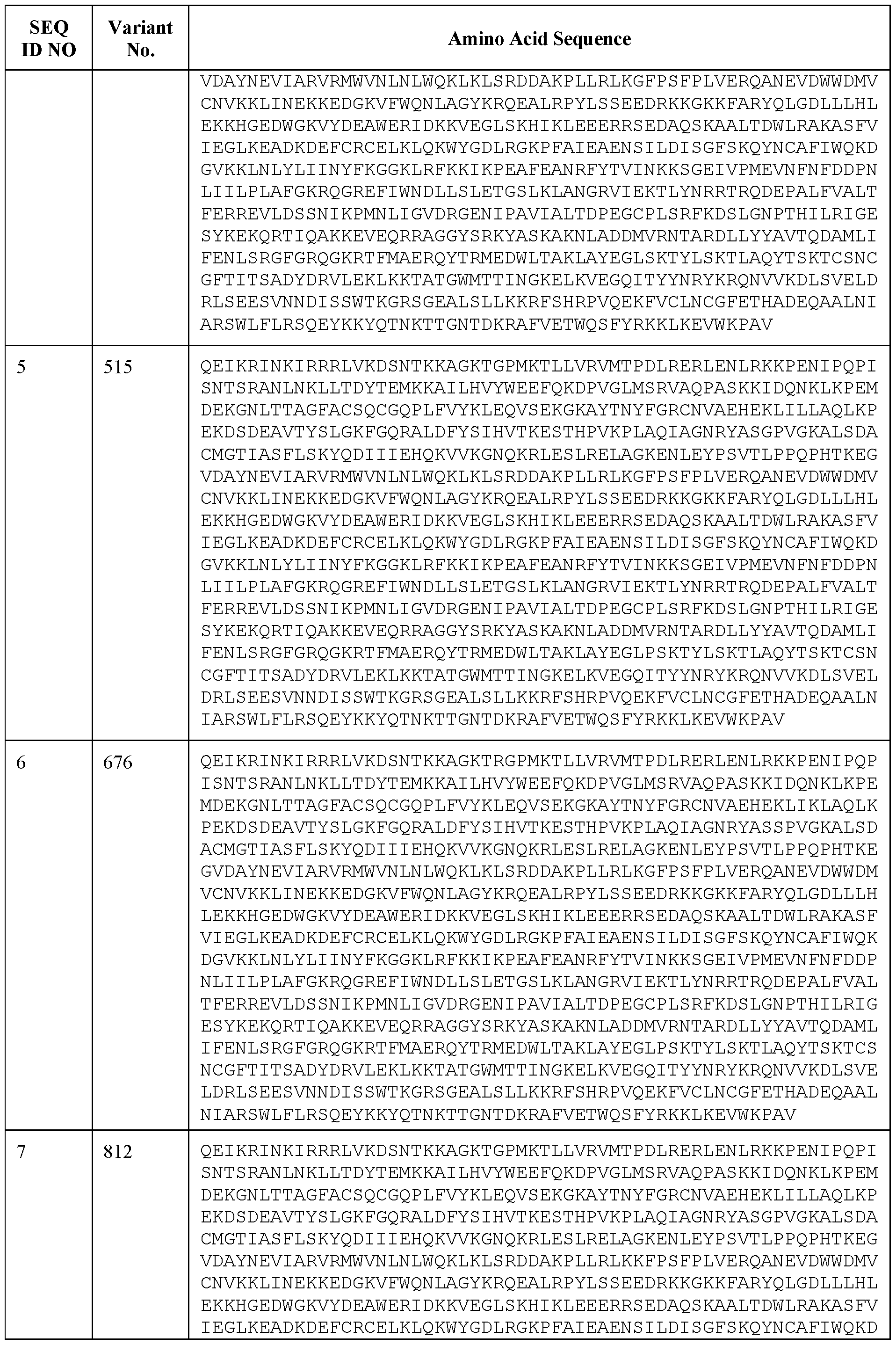
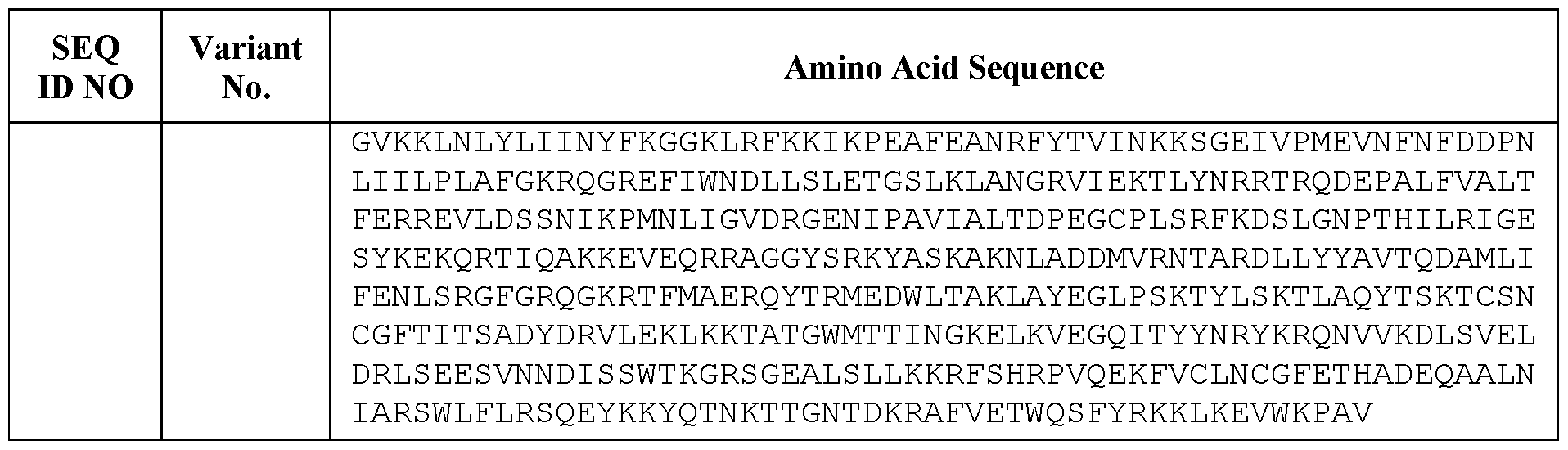


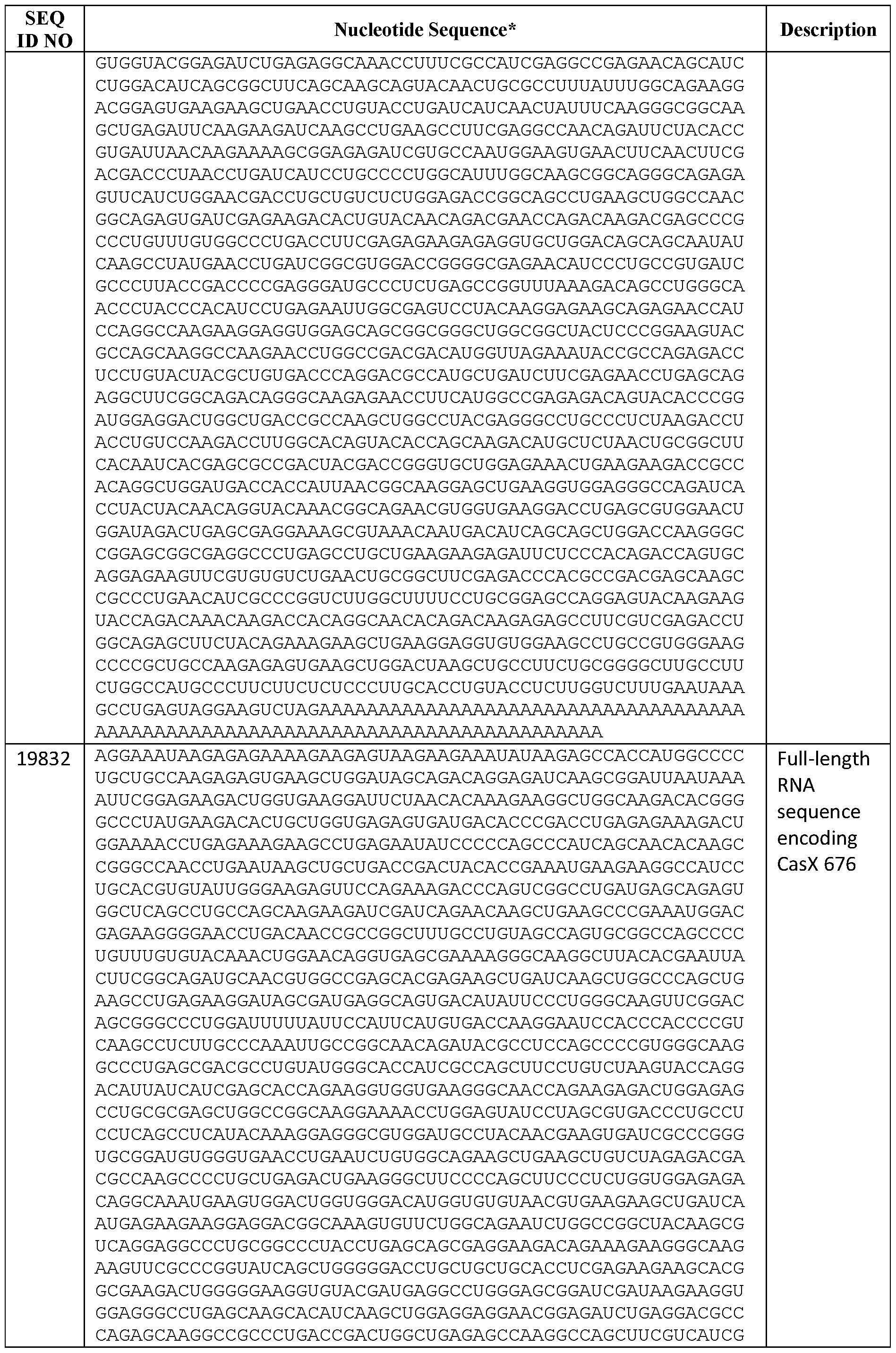

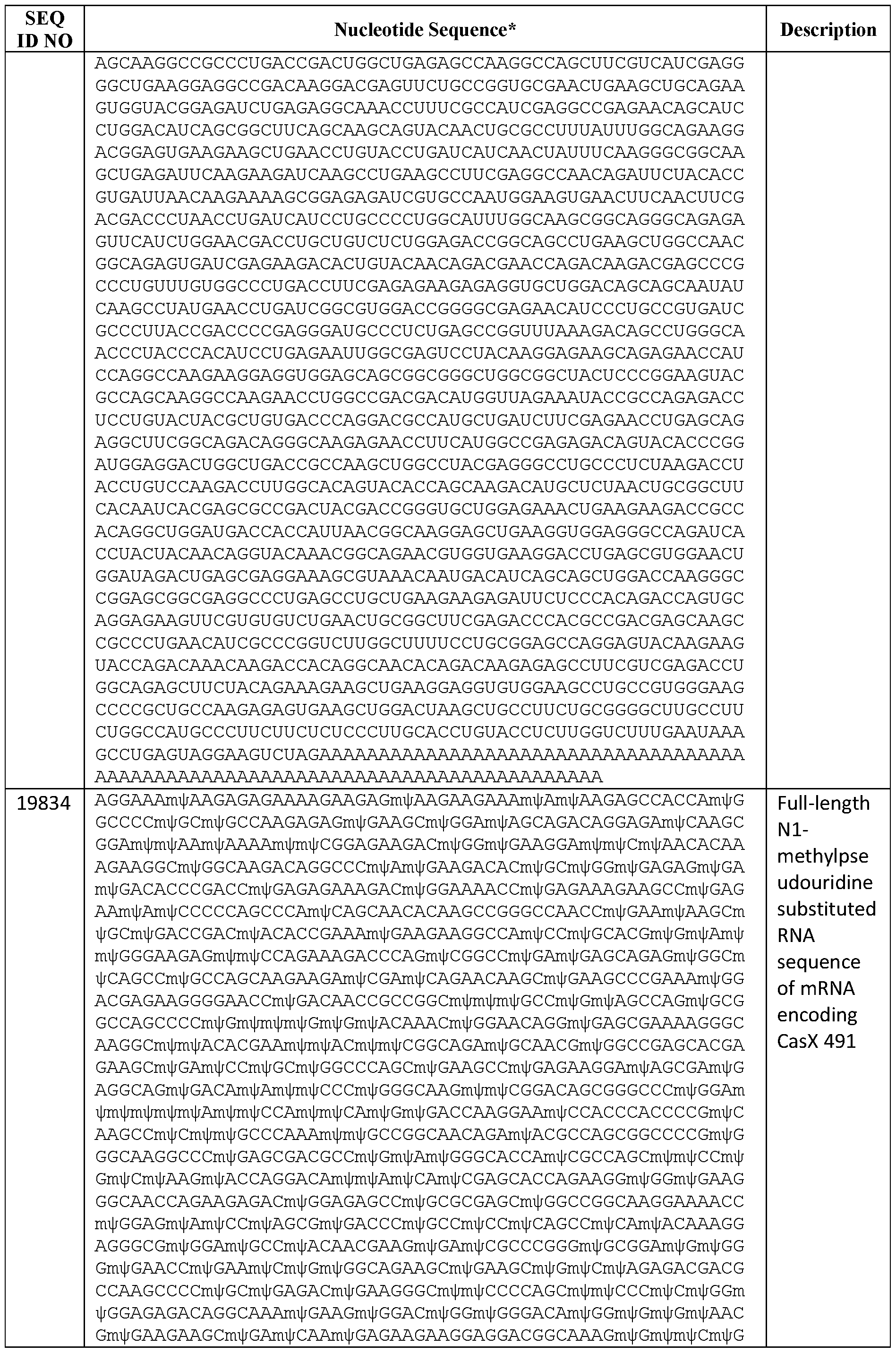
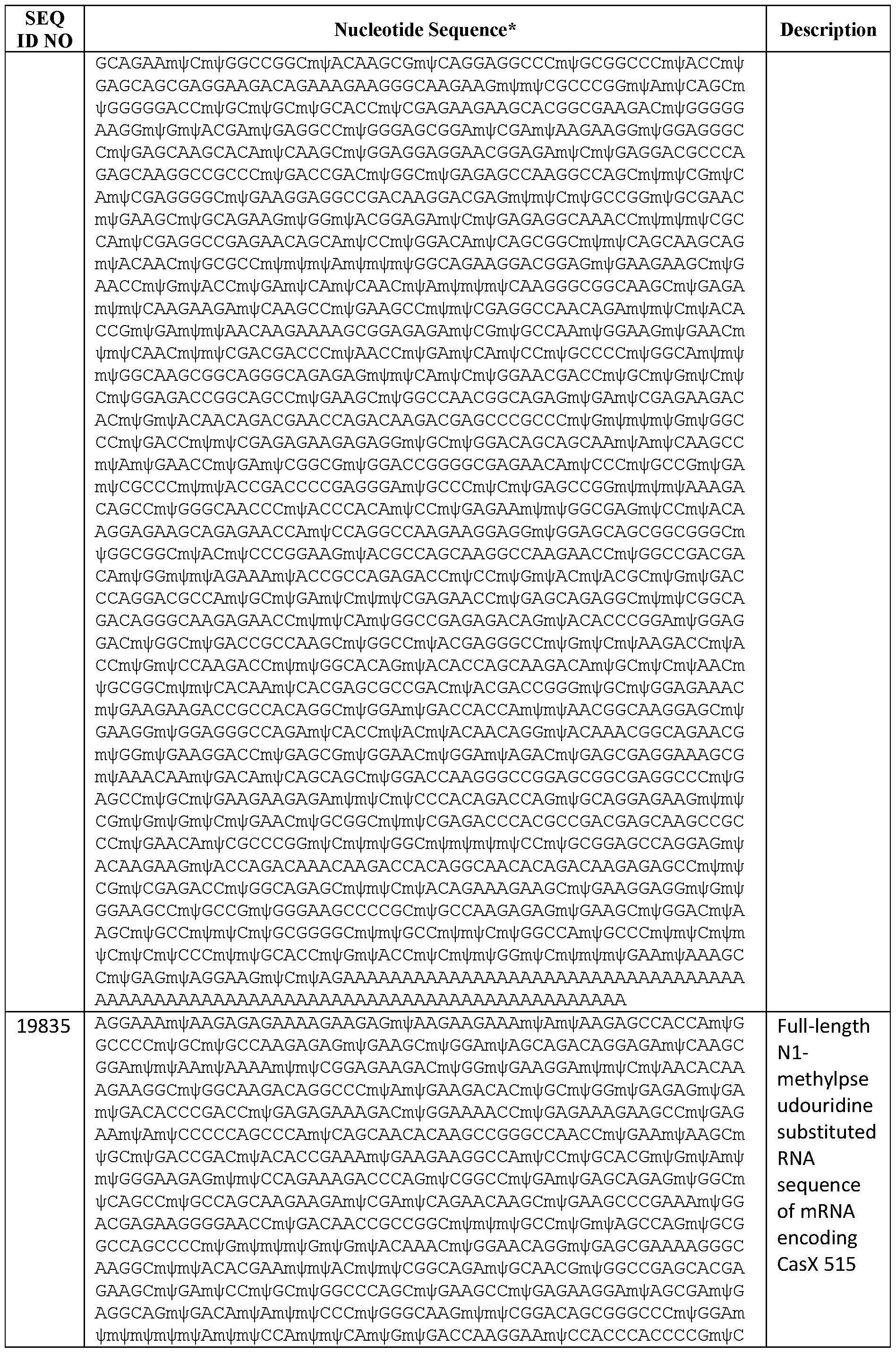


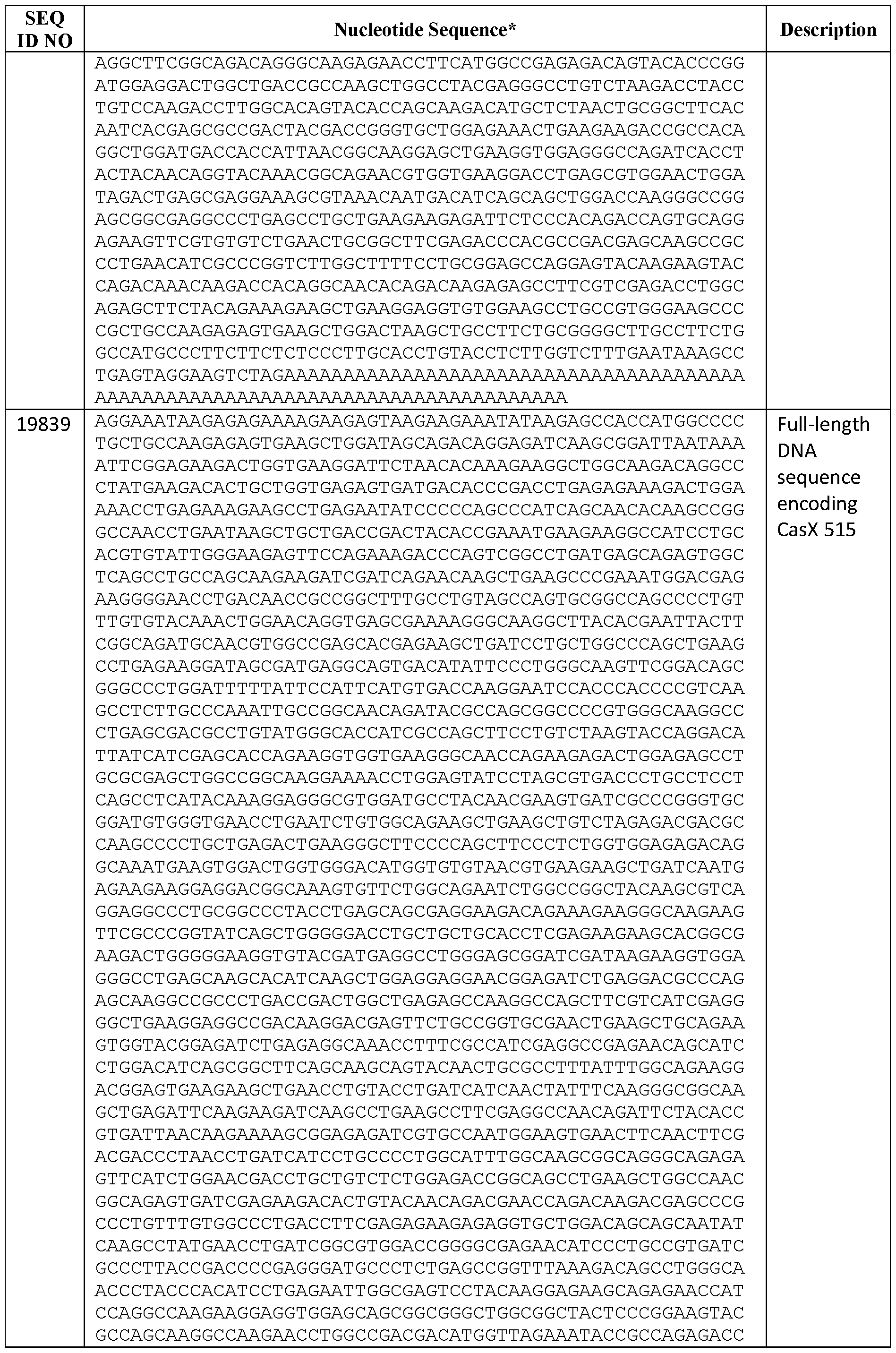
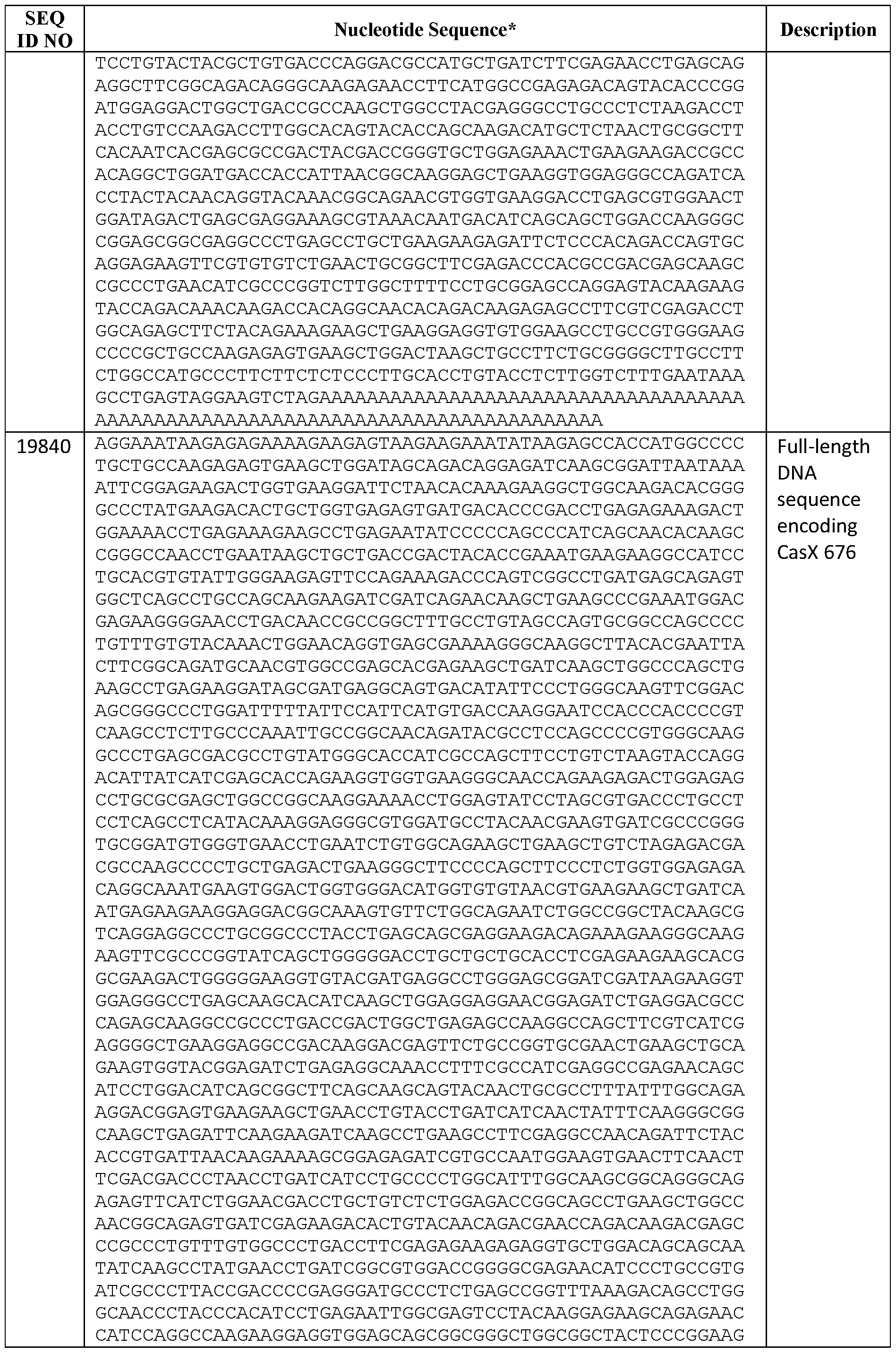


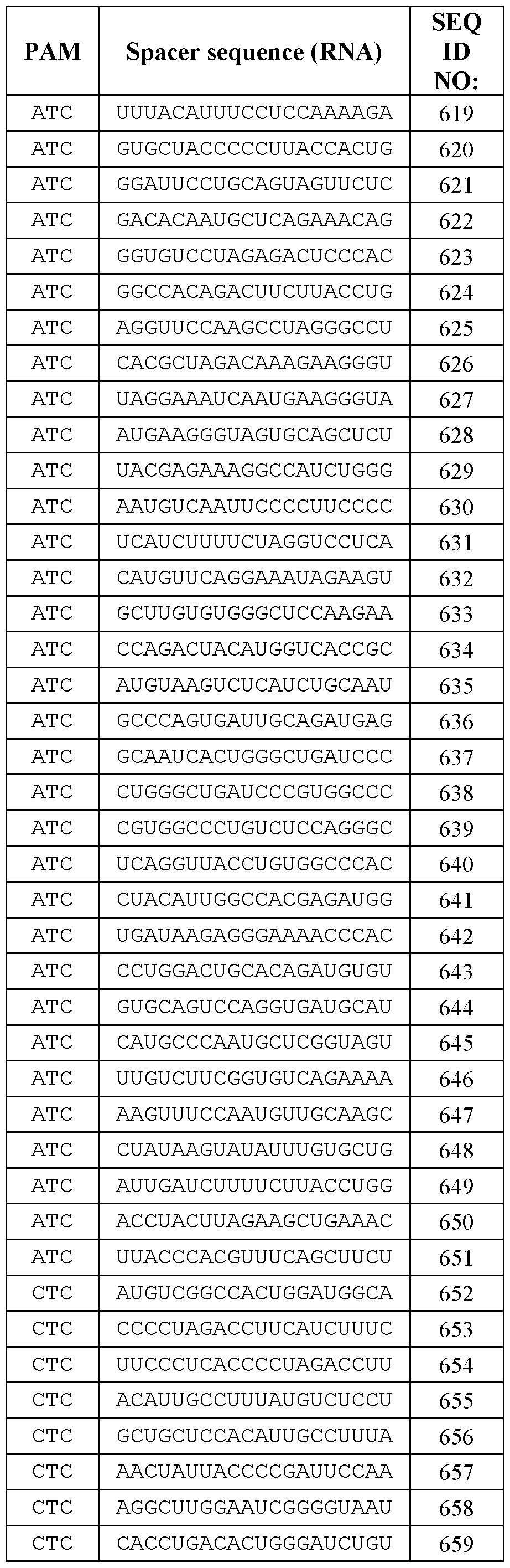


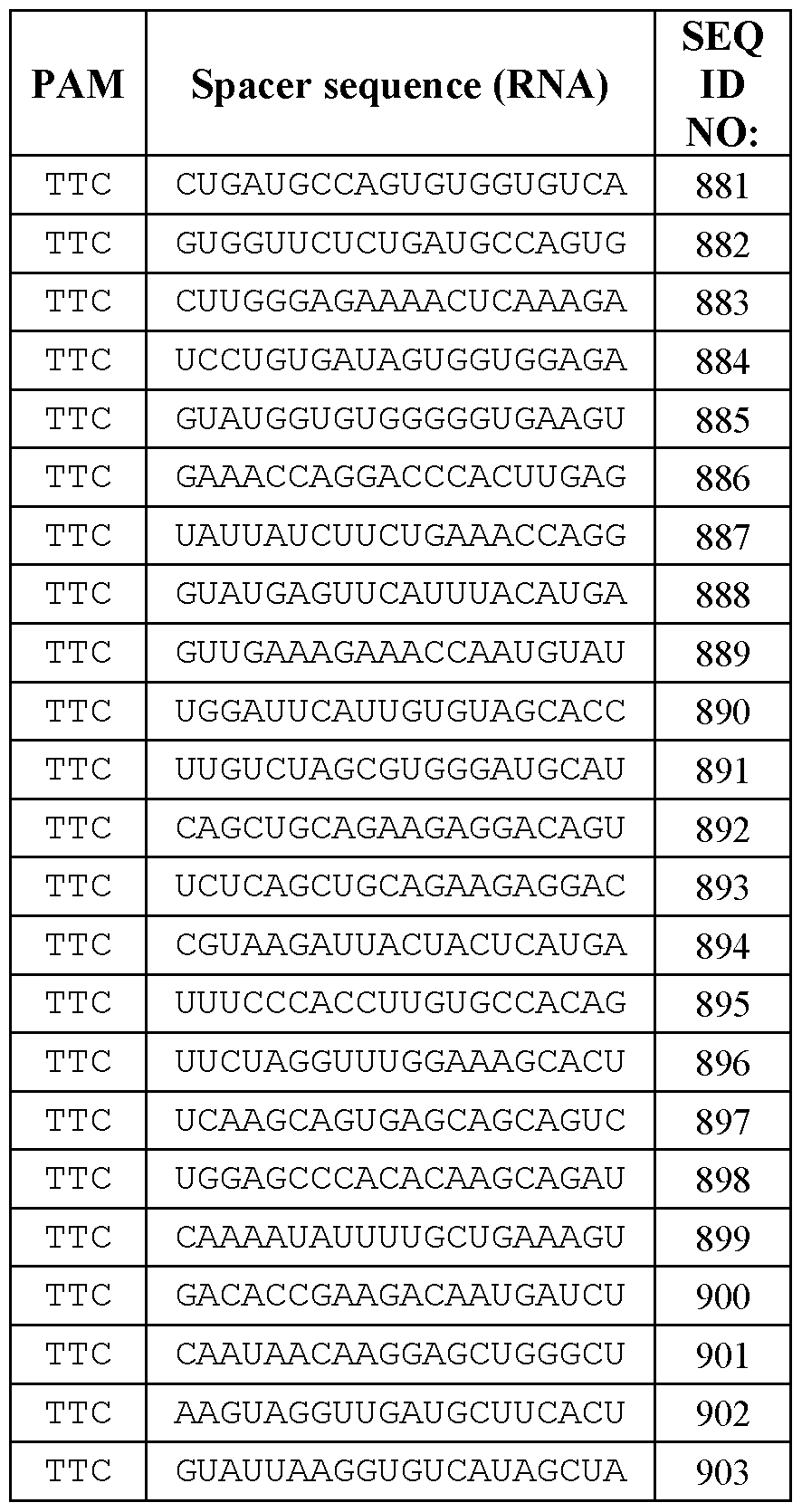


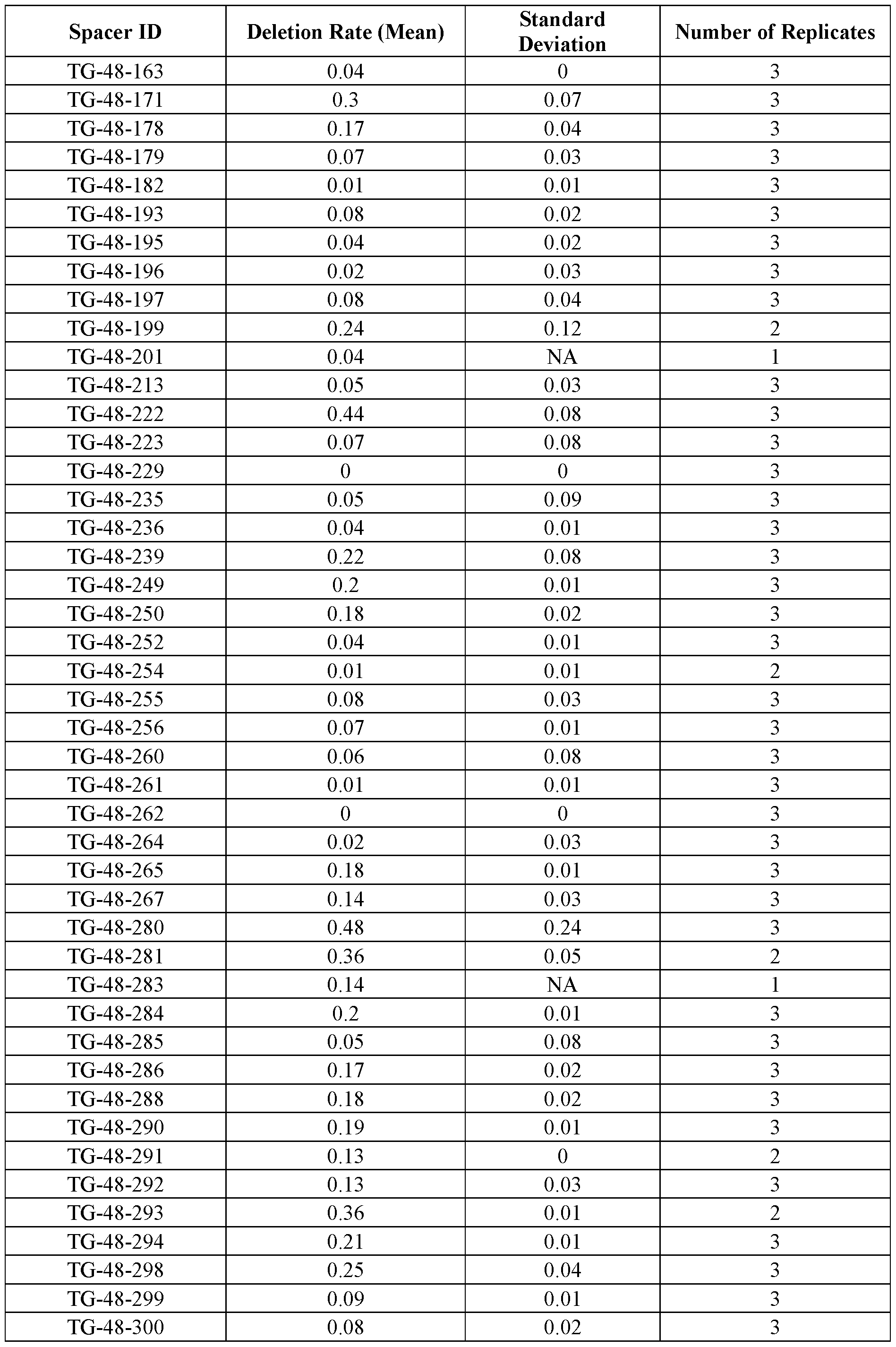
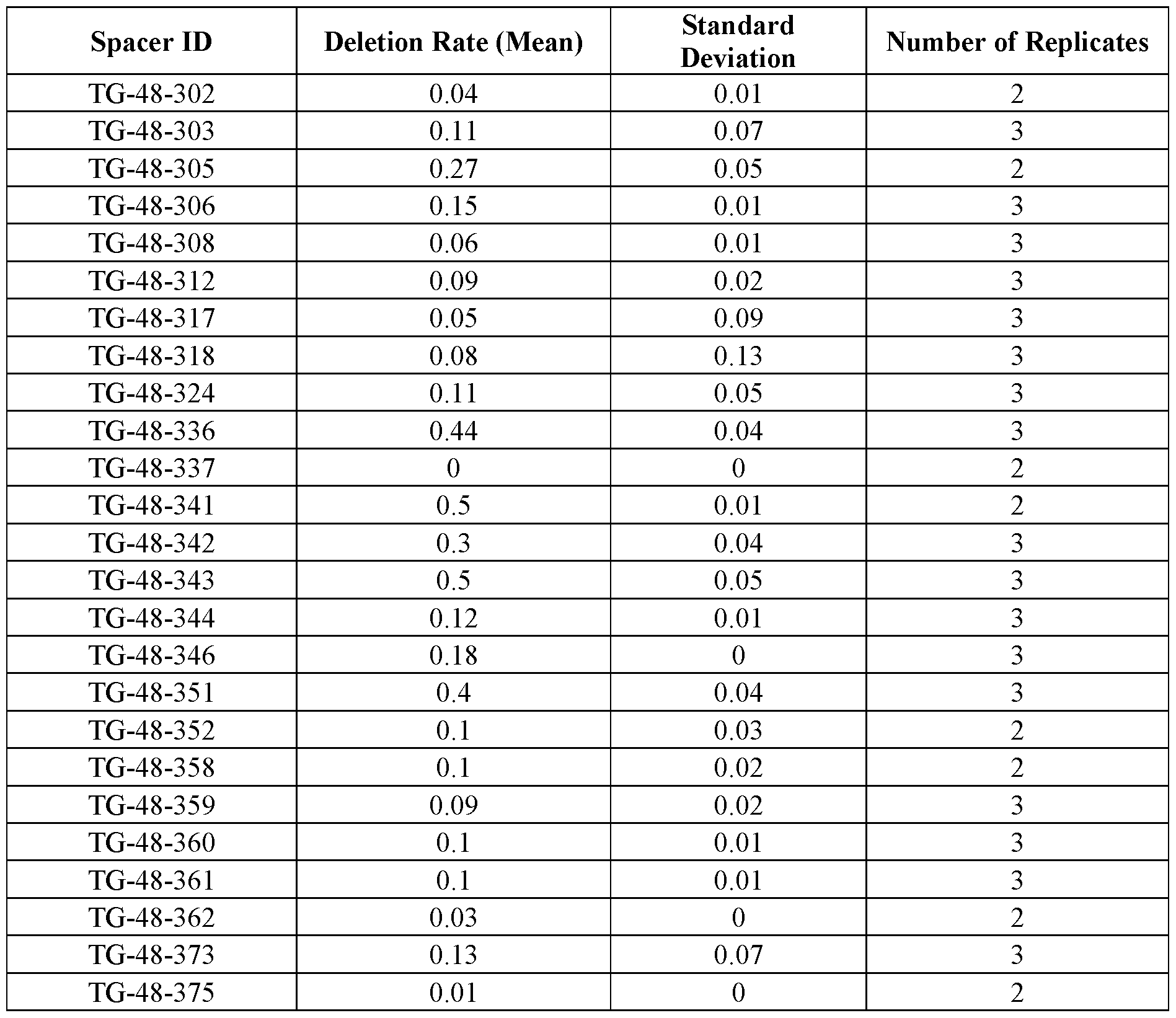


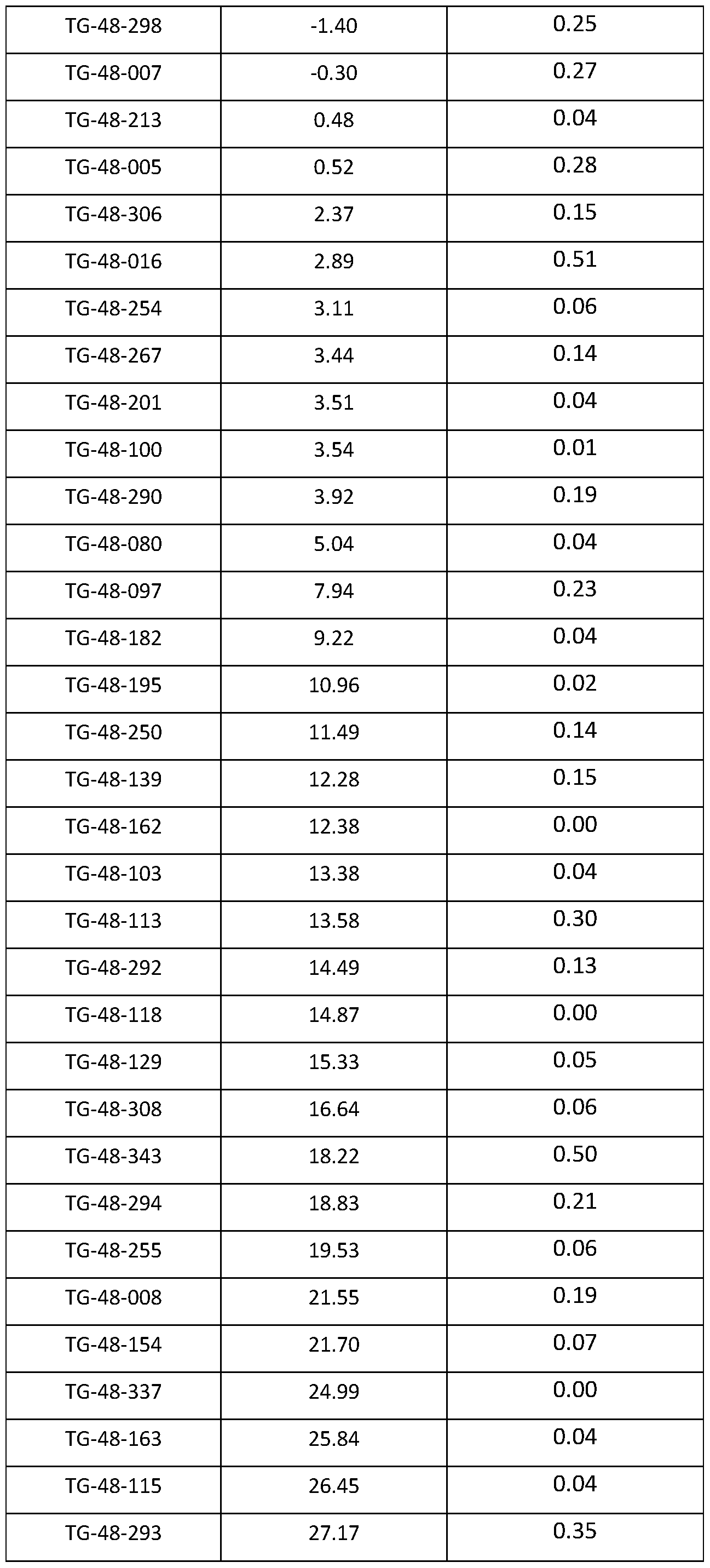


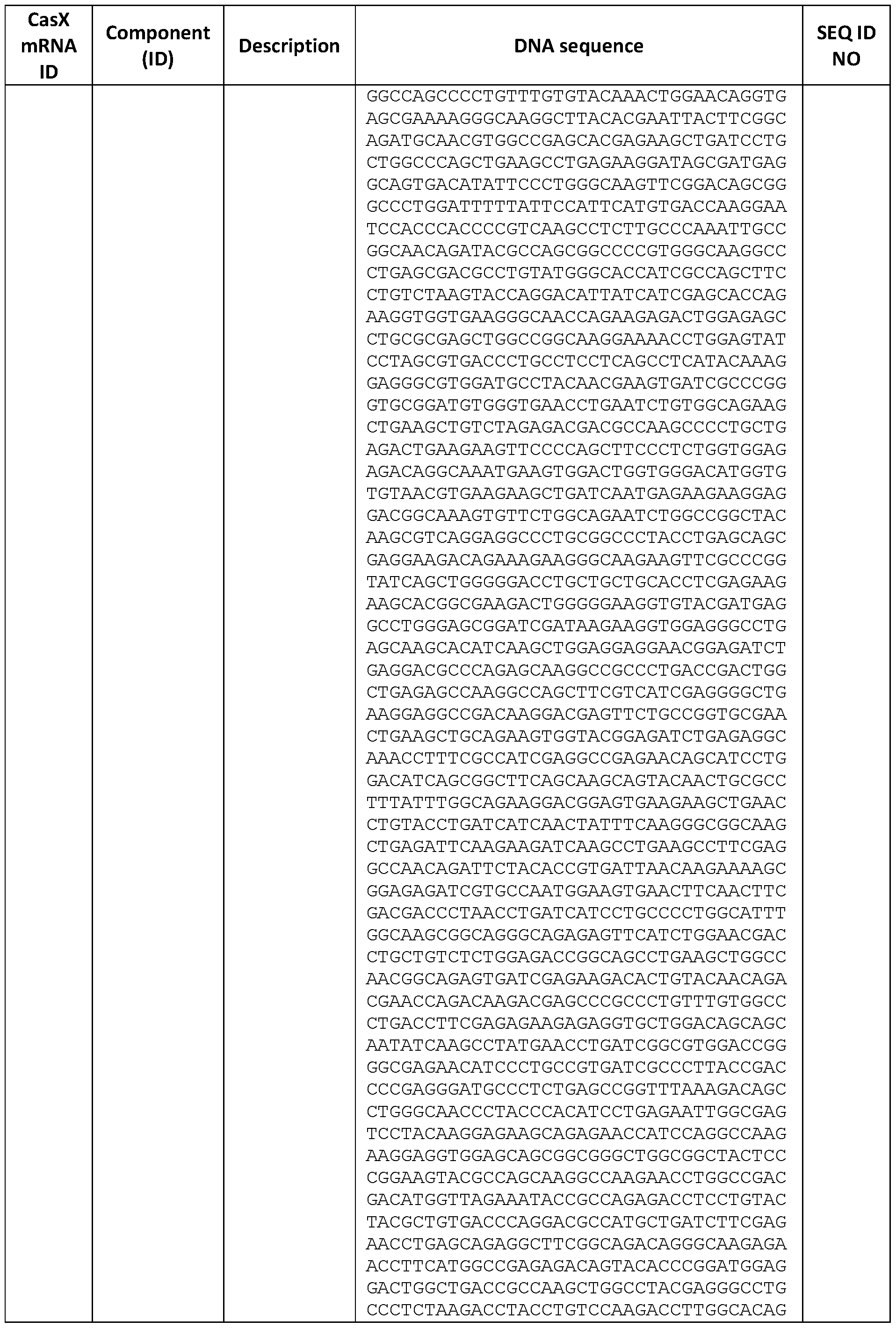
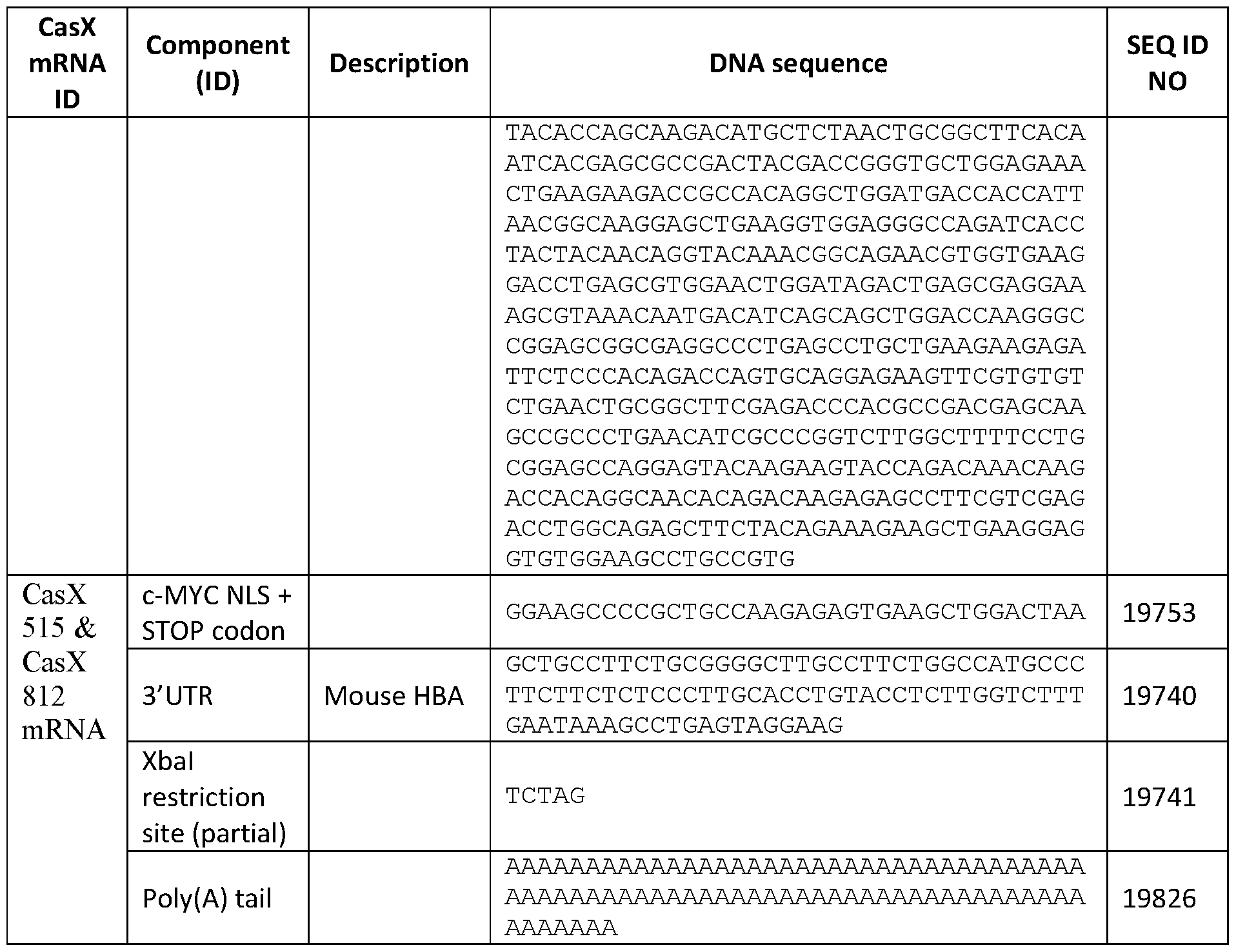


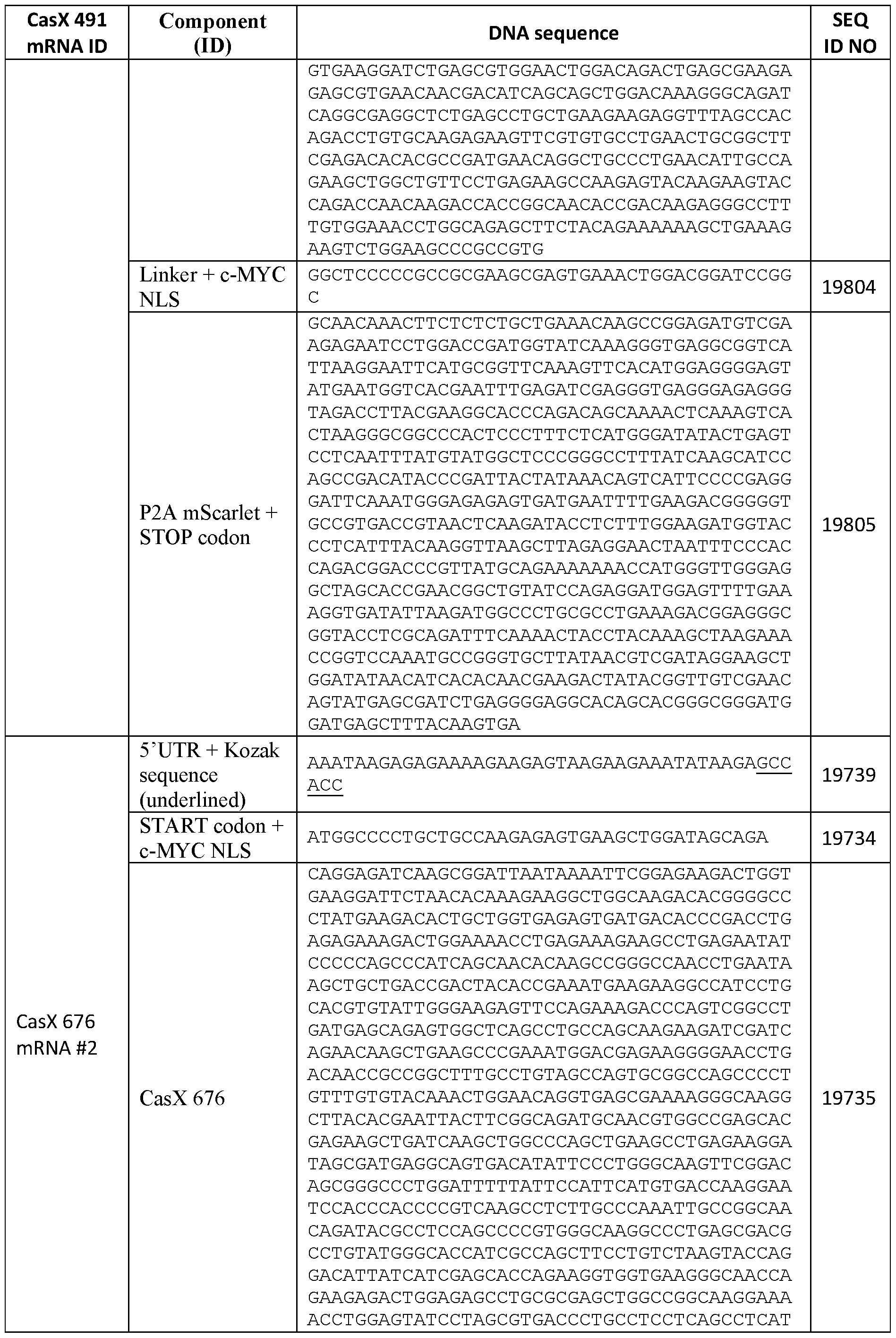


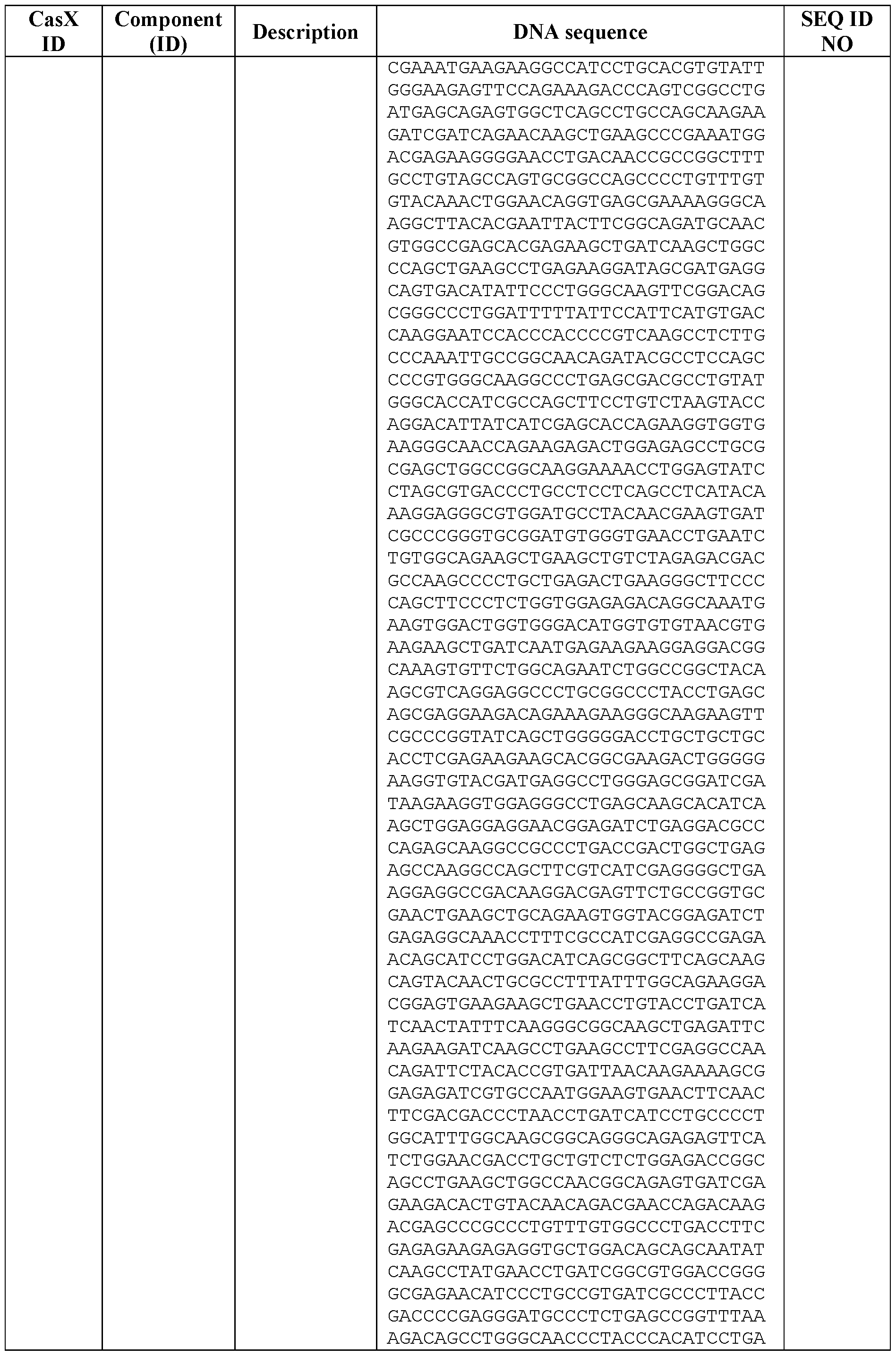


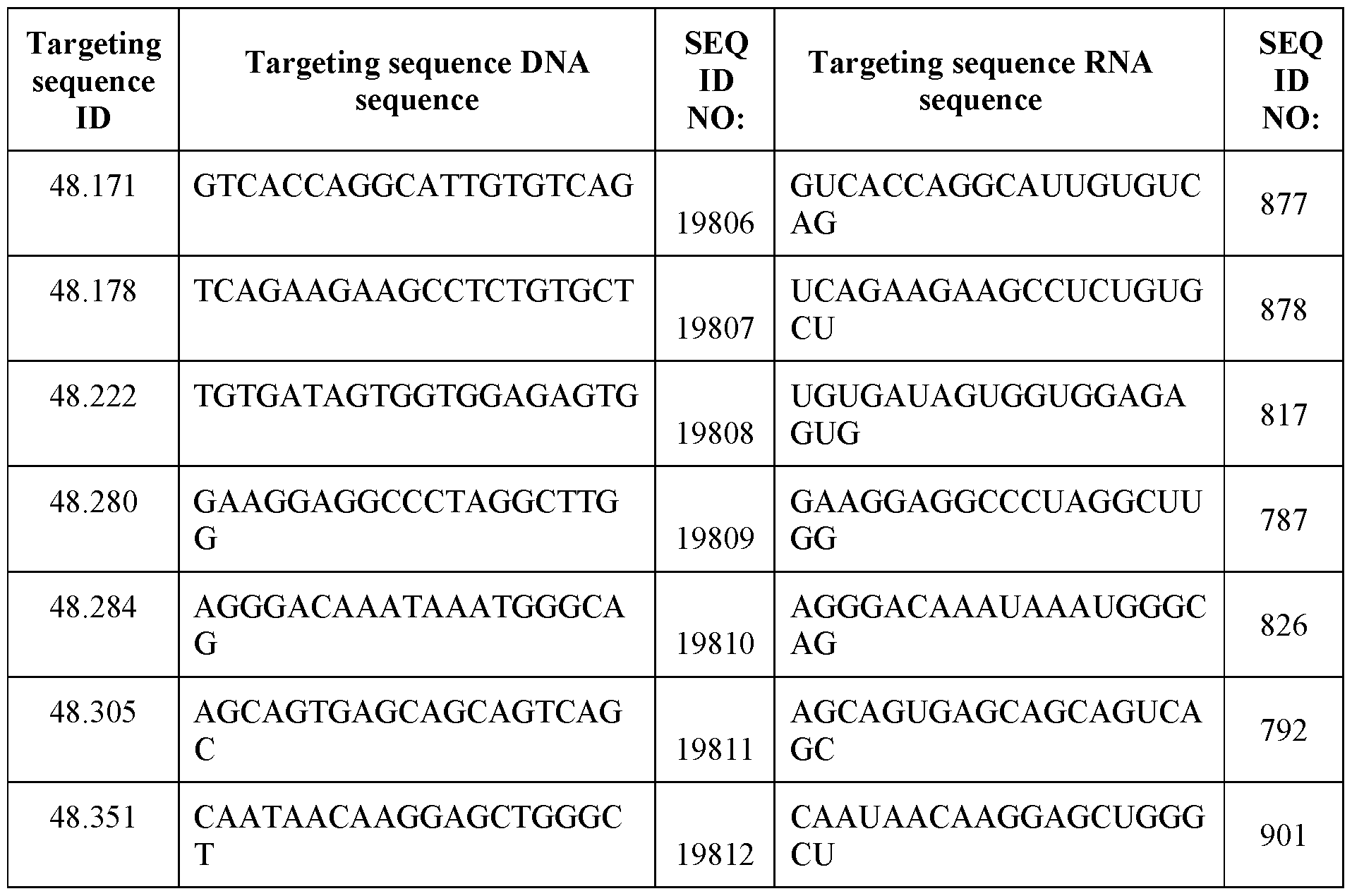


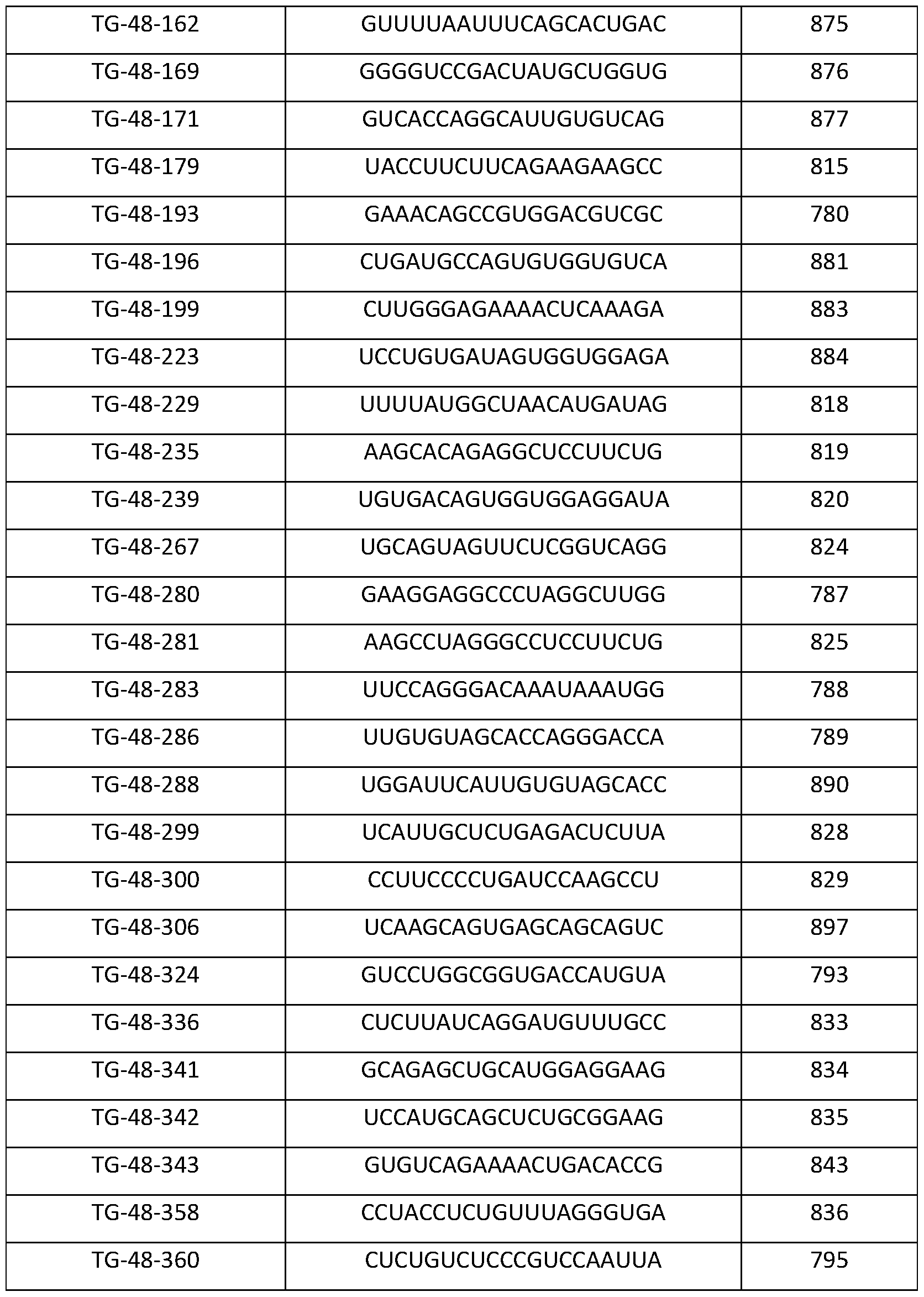


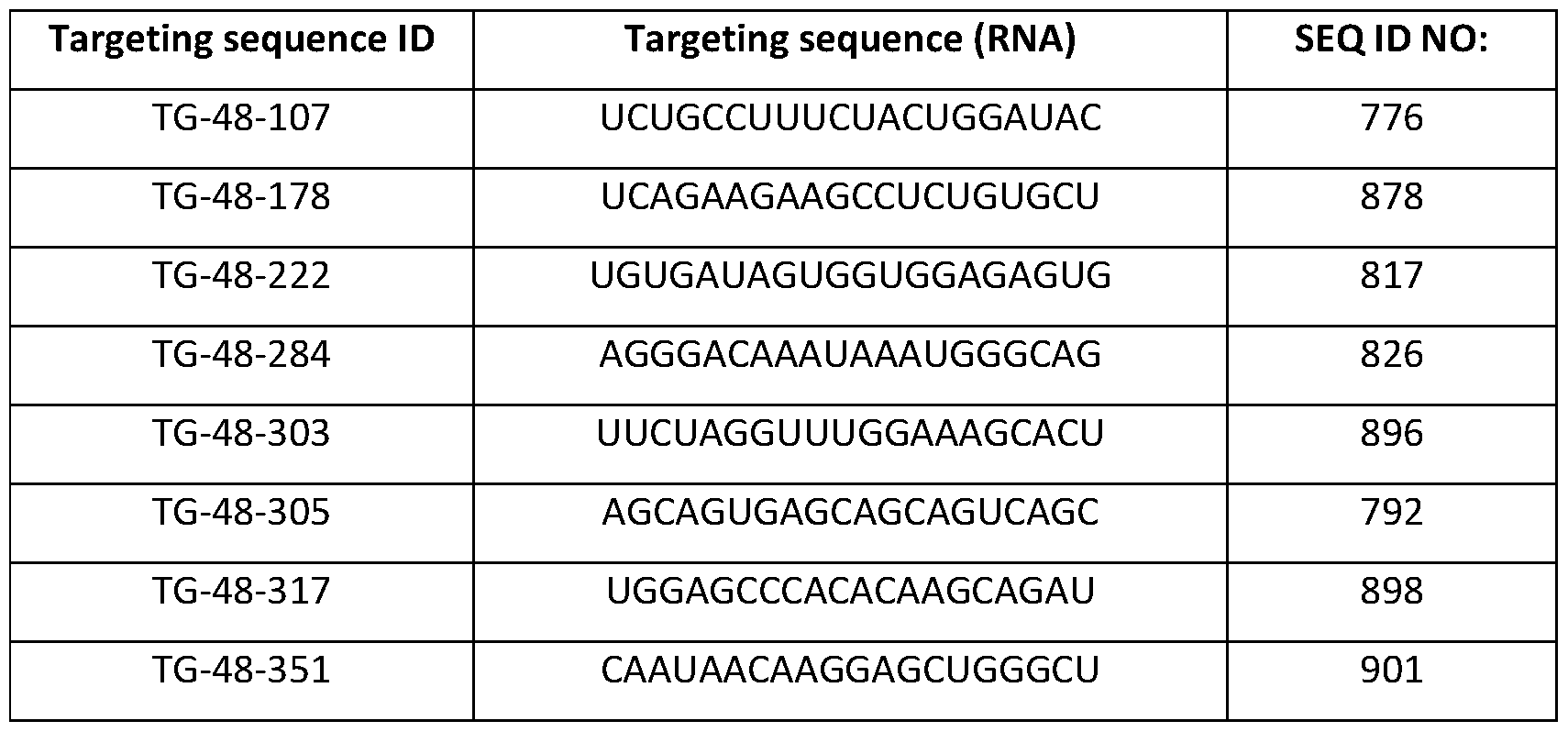
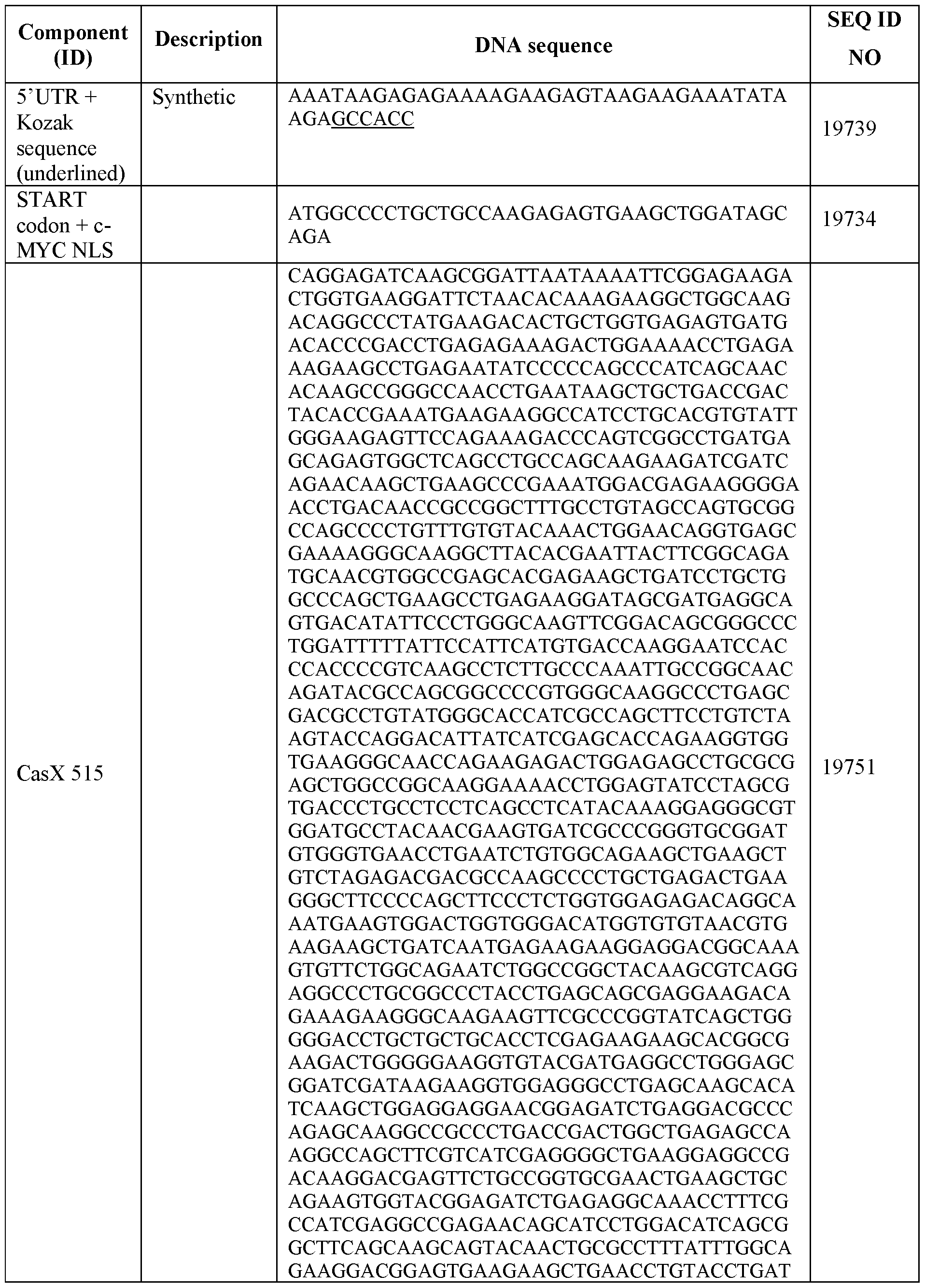


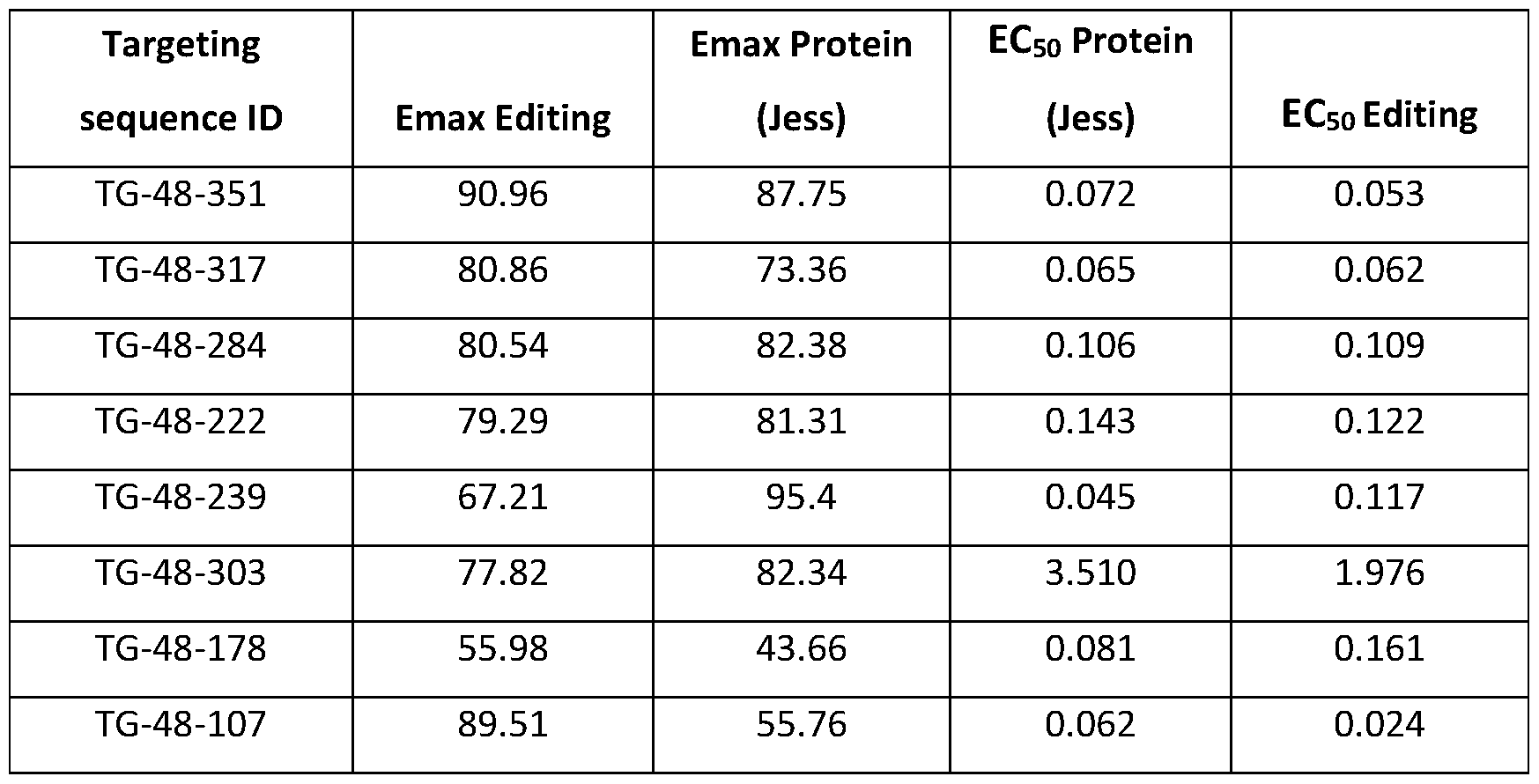


Claims
Priority Applications (2)
| Application Number | Priority Date | Filing Date | Title |
|---|---|---|---|
| AU2024242151A AU2024242151A1 (en) | 2023-03-29 | 2024-03-28 | Compositions and methods for the targeting of lpa |
| EP24722368.8A EP4689113A1 (en) | 2023-03-29 | 2024-03-28 | Compositions and methods for the targeting of lpa |
Applications Claiming Priority (6)
| Application Number | Priority Date | Filing Date | Title |
|---|---|---|---|
| US202363492875P | 2023-03-29 | 2023-03-29 | |
| US63/492,875 | 2023-03-29 | ||
| US202363505885P | 2023-06-02 | 2023-06-02 | |
| US63/505,885 | 2023-06-02 | ||
| US202463563109P | 2024-03-08 | 2024-03-08 | |
| US63/563,109 | 2024-03-08 |
Publications (1)
| Publication Number | Publication Date |
|---|---|
| WO2024206676A1 true WO2024206676A1 (en) | 2024-10-03 |
Family
ID=90922484
Family Applications (1)
| Application Number | Title | Priority Date | Filing Date |
|---|---|---|---|
| PCT/US2024/022042 Ceased WO2024206676A1 (en) | 2023-03-29 | 2024-03-28 | Compositions and methods for the targeting of lpa |
Country Status (4)
| Country | Link |
|---|---|
| EP (1) | EP4689113A1 (en) |
| AU (1) | AU2024242151A1 (en) |
| TW (1) | TW202444921A (en) |
| WO (1) | WO2024206676A1 (en) |
Cited By (2)
| Publication number | Priority date | Publication date | Assignee | Title |
|---|---|---|---|---|
| WO2025072293A1 (en) * | 2023-09-27 | 2025-04-03 | Scribe Therapeutics Inc. | Optimized mrnas encoding casx proteins |
| WO2025166323A3 (en) * | 2024-02-02 | 2025-09-18 | Editas Medicine, Inc. | Crispr-related methods and compositions targeting lipoprotein (a) expression |
Citations (35)
| Publication number | Priority date | Publication date | Assignee | Title |
|---|---|---|---|---|
| US5208036A (en) | 1985-01-07 | 1993-05-04 | Syntex (U.S.A.) Inc. | N-(ω, (ω-1)-dialkyloxy)- and N-(ω, (ω-1)-dialkenyloxy)-alk-1-yl-N,N,N-tetrasubstituted ammonium lipids and uses therefor |
| US5264618A (en) | 1990-04-19 | 1993-11-23 | Vical, Inc. | Cationic lipids for intracellular delivery of biologically active molecules |
| US5279833A (en) | 1990-04-04 | 1994-01-18 | Yale University | Liposomal transfection of nucleic acids into animal cells |
| US5283185A (en) | 1991-08-28 | 1994-02-01 | University Of Tennessee Research Corporation | Method for delivering nucleic acids into cells |
| US5405783A (en) | 1989-06-07 | 1995-04-11 | Affymax Technologies N.V. | Large scale photolithographic solid phase synthesis of an array of polymers |
| US5412087A (en) | 1992-04-24 | 1995-05-02 | Affymax Technologies N.V. | Spatially-addressable immobilization of oligonucleotides and other biological polymers on surfaces |
| WO1996010390A1 (en) | 1994-09-30 | 1996-04-11 | Inex Pharmaceuticals Corp. | Novel compositions for the introduction of polyanionic materials into cells |
| US5695937A (en) | 1995-09-12 | 1997-12-09 | The Johns Hopkins University School Of Medicine | Method for serial analysis of gene expression |
| US5785992A (en) | 1994-09-30 | 1998-07-28 | Inex Pharmaceuticals Corp. | Compositions for the introduction of polyanionic materials into cells |
| US20060083780A1 (en) | 2004-06-07 | 2006-04-20 | Protiva Biotherapeutics, Inc. | Cationic lipids and methods of use |
| US20060240554A1 (en) | 2005-02-14 | 2006-10-26 | Sirna Therapeutics, Inc. | Lipid nanoparticle based compositions and methods for the delivery of biologically active molecules |
| WO2009127060A1 (en) | 2008-04-15 | 2009-10-22 | Protiva Biotherapeutics, Inc. | Novel lipid formulations for nucleic acid delivery |
| WO2011012316A2 (en) | 2009-07-31 | 2011-02-03 | Ludwig-Maximilians-Universität | Rna with a combination of unmodified and modified nucleotides for protein expression |
| US20110071208A1 (en) | 2009-06-05 | 2011-03-24 | Protiva Biotherapeutics, Inc. | Lipid encapsulated dicer-substrate interfering rna |
| US20110076335A1 (en) | 2009-07-01 | 2011-03-31 | Protiva Biotherapeutics, Inc. | Novel lipid formulations for delivery of therapeutic agents to solid tumors |
| US20110117125A1 (en) | 2008-01-02 | 2011-05-19 | Tekmira Pharmaceuticals Corporation | Compositions and methods for the delivery of nucleic acids |
| US8278036B2 (en) | 2005-08-23 | 2012-10-02 | The Trustees Of The University Of Pennsylvania | RNA containing modified nucleosides and methods of use thereof |
| US9738593B2 (en) | 2014-06-25 | 2017-08-22 | Acuitas Therapeutics Inc. | Lipids and lipid nanoparticle formulations for delivery of nucleic acids |
| US10166298B2 (en) | 2015-10-28 | 2019-01-01 | Acuitas Therapeutics, Inc. | Lipids and lipid nanoparticle formulations for delivery of nucleic acids |
| US10221127B2 (en) | 2015-06-29 | 2019-03-05 | Acuitas Therapeutics, Inc. | Lipids and lipid nanoparticle formulations for delivery of nucleic acids |
| WO2019104058A1 (en) * | 2017-11-22 | 2019-05-31 | The Regents Of The University Of California | Type v crispr/cas effector proteins for cleaving ssdnas and detecting target dnas |
| WO2019204668A1 (en) * | 2018-04-18 | 2019-10-24 | Casebia Therapeutics Limited Liability Partnership | Compositions and methods for knockdown of apo(a) by gene editing for treatment of cardiovascular disease |
| US20190336608A1 (en) | 2016-06-09 | 2019-11-07 | Curevac Ag | Cationic carriers for nucleic acid delivery |
| US20190381180A1 (en) | 2016-06-09 | 2019-12-19 | Curevac Ag | Hybrid carriers for nucleic acid cargo |
| WO2020247882A1 (en) | 2019-06-07 | 2020-12-10 | Scribe Therapeutics Inc. | Engineered casx systems |
| WO2020247883A2 (en) | 2019-06-07 | 2020-12-10 | Scribe Therapeutics Inc. | Deep mutational evolution of biomolecules |
| WO2021113772A1 (en) | 2019-12-06 | 2021-06-10 | Scribe Therapeutics Inc. | Particle delivery systems |
| US11219634B2 (en) | 2015-01-21 | 2022-01-11 | Genevant Sciences Gmbh | Methods, compositions, and systems for delivering therapeutic and diagnostic agents into cells |
| WO2022120095A1 (en) | 2020-12-03 | 2022-06-09 | Scribe Therapeutics Inc. | Engineered class 2 type v crispr systems |
| WO2022125843A1 (en) | 2020-12-09 | 2022-06-16 | Scribe Therapeutics Inc. | Aav vectors for gene editing |
| WO2022261150A2 (en) | 2021-06-09 | 2022-12-15 | Scribe Therapeutics Inc. | Particle delivery systems |
| WO2023049872A2 (en) | 2021-09-23 | 2023-03-30 | Scribe Therapeutics Inc. | Self-inactivating vectors for gene editing |
| WO2023235818A2 (en) | 2022-06-02 | 2023-12-07 | Scribe Therapeutics Inc. | Engineered class 2 type v crispr systems |
| WO2023240162A1 (en) | 2022-06-08 | 2023-12-14 | Scribe Therapeutics Inc. | Aav vectors for gene editing |
| WO2023240027A1 (en) | 2022-06-07 | 2023-12-14 | Scribe Therapeutics Inc. | Particle delivery systems |
-
2024
- 2024-03-28 AU AU2024242151A patent/AU2024242151A1/en active Pending
- 2024-03-28 WO PCT/US2024/022042 patent/WO2024206676A1/en not_active Ceased
- 2024-03-28 EP EP24722368.8A patent/EP4689113A1/en active Pending
- 2024-03-28 TW TW113111759A patent/TW202444921A/en unknown
Patent Citations (41)
| Publication number | Priority date | Publication date | Assignee | Title |
|---|---|---|---|---|
| US5208036A (en) | 1985-01-07 | 1993-05-04 | Syntex (U.S.A.) Inc. | N-(ω, (ω-1)-dialkyloxy)- and N-(ω, (ω-1)-dialkenyloxy)-alk-1-yl-N,N,N-tetrasubstituted ammonium lipids and uses therefor |
| US5405783A (en) | 1989-06-07 | 1995-04-11 | Affymax Technologies N.V. | Large scale photolithographic solid phase synthesis of an array of polymers |
| US5445934A (en) | 1989-06-07 | 1995-08-29 | Affymax Technologies N.V. | Array of oligonucleotides on a solid substrate |
| US5279833A (en) | 1990-04-04 | 1994-01-18 | Yale University | Liposomal transfection of nucleic acids into animal cells |
| US5264618A (en) | 1990-04-19 | 1993-11-23 | Vical, Inc. | Cationic lipids for intracellular delivery of biologically active molecules |
| US5283185A (en) | 1991-08-28 | 1994-02-01 | University Of Tennessee Research Corporation | Method for delivering nucleic acids into cells |
| US5412087A (en) | 1992-04-24 | 1995-05-02 | Affymax Technologies N.V. | Spatially-addressable immobilization of oligonucleotides and other biological polymers on surfaces |
| US5785992A (en) | 1994-09-30 | 1998-07-28 | Inex Pharmaceuticals Corp. | Compositions for the introduction of polyanionic materials into cells |
| WO1996010390A1 (en) | 1994-09-30 | 1996-04-11 | Inex Pharmaceuticals Corp. | Novel compositions for the introduction of polyanionic materials into cells |
| US5753613A (en) | 1994-09-30 | 1998-05-19 | Inex Pharmaceuticals Corporation | Compositions for the introduction of polyanionic materials into cells |
| US5695937A (en) | 1995-09-12 | 1997-12-09 | The Johns Hopkins University School Of Medicine | Method for serial analysis of gene expression |
| US20060083780A1 (en) | 2004-06-07 | 2006-04-20 | Protiva Biotherapeutics, Inc. | Cationic lipids and methods of use |
| US20060240554A1 (en) | 2005-02-14 | 2006-10-26 | Sirna Therapeutics, Inc. | Lipid nanoparticle based compositions and methods for the delivery of biologically active molecules |
| US8278036B2 (en) | 2005-08-23 | 2012-10-02 | The Trustees Of The University Of Pennsylvania | RNA containing modified nucleosides and methods of use thereof |
| US20110117125A1 (en) | 2008-01-02 | 2011-05-19 | Tekmira Pharmaceuticals Corporation | Compositions and methods for the delivery of nucleic acids |
| WO2009127060A1 (en) | 2008-04-15 | 2009-10-22 | Protiva Biotherapeutics, Inc. | Novel lipid formulations for nucleic acid delivery |
| US20110071208A1 (en) | 2009-06-05 | 2011-03-24 | Protiva Biotherapeutics, Inc. | Lipid encapsulated dicer-substrate interfering rna |
| US20110076335A1 (en) | 2009-07-01 | 2011-03-31 | Protiva Biotherapeutics, Inc. | Novel lipid formulations for delivery of therapeutic agents to solid tumors |
| WO2011012316A2 (en) | 2009-07-31 | 2011-02-03 | Ludwig-Maximilians-Universität | Rna with a combination of unmodified and modified nucleotides for protein expression |
| US10106490B2 (en) | 2014-06-25 | 2018-10-23 | Acuitas Therapeutics, Inc. | Lipids and lipid nanoparticle formulations for delivery of nucleic acids |
| US9738593B2 (en) | 2014-06-25 | 2017-08-22 | Acuitas Therapeutics Inc. | Lipids and lipid nanoparticle formulations for delivery of nucleic acids |
| US11219634B2 (en) | 2015-01-21 | 2022-01-11 | Genevant Sciences Gmbh | Methods, compositions, and systems for delivering therapeutic and diagnostic agents into cells |
| US10221127B2 (en) | 2015-06-29 | 2019-03-05 | Acuitas Therapeutics, Inc. | Lipids and lipid nanoparticle formulations for delivery of nucleic acids |
| US10166298B2 (en) | 2015-10-28 | 2019-01-01 | Acuitas Therapeutics, Inc. | Lipids and lipid nanoparticle formulations for delivery of nucleic acids |
| US20200121809A1 (en) | 2015-10-28 | 2020-04-23 | Erikc A. HARWOOD | Lipid nanoparticle formulations |
| US20190336608A1 (en) | 2016-06-09 | 2019-11-07 | Curevac Ag | Cationic carriers for nucleic acid delivery |
| US20190381180A1 (en) | 2016-06-09 | 2019-12-19 | Curevac Ag | Hybrid carriers for nucleic acid cargo |
| WO2019104058A1 (en) * | 2017-11-22 | 2019-05-31 | The Regents Of The University Of California | Type v crispr/cas effector proteins for cleaving ssdnas and detecting target dnas |
| WO2019204668A1 (en) * | 2018-04-18 | 2019-10-24 | Casebia Therapeutics Limited Liability Partnership | Compositions and methods for knockdown of apo(a) by gene editing for treatment of cardiovascular disease |
| US20220220508A1 (en) | 2019-06-07 | 2022-07-14 | Scribe Therapeutics Inc. | Engineered casx systems |
| WO2020247882A1 (en) | 2019-06-07 | 2020-12-10 | Scribe Therapeutics Inc. | Engineered casx systems |
| WO2020247883A2 (en) | 2019-06-07 | 2020-12-10 | Scribe Therapeutics Inc. | Deep mutational evolution of biomolecules |
| WO2021113772A1 (en) | 2019-12-06 | 2021-06-10 | Scribe Therapeutics Inc. | Particle delivery systems |
| WO2022120095A1 (en) | 2020-12-03 | 2022-06-09 | Scribe Therapeutics Inc. | Engineered class 2 type v crispr systems |
| WO2022125843A1 (en) | 2020-12-09 | 2022-06-16 | Scribe Therapeutics Inc. | Aav vectors for gene editing |
| WO2022261150A2 (en) | 2021-06-09 | 2022-12-15 | Scribe Therapeutics Inc. | Particle delivery systems |
| WO2022261149A2 (en) | 2021-06-09 | 2022-12-15 | Scribe Therapeutics Inc. | Particle delivery systems |
| WO2023049872A2 (en) | 2021-09-23 | 2023-03-30 | Scribe Therapeutics Inc. | Self-inactivating vectors for gene editing |
| WO2023235818A2 (en) | 2022-06-02 | 2023-12-07 | Scribe Therapeutics Inc. | Engineered class 2 type v crispr systems |
| WO2023240027A1 (en) | 2022-06-07 | 2023-12-14 | Scribe Therapeutics Inc. | Particle delivery systems |
| WO2023240162A1 (en) | 2022-06-08 | 2023-12-14 | Scribe Therapeutics Inc. | Aav vectors for gene editing |
Non-Patent Citations (27)
| Title |
|---|
| "Immunology Methods Manual", 1997, ACADEMIC PRESS |
| "Pharmaceutical Principles of Solid Dosage Forms", 1993, TECHNONIC PUBLISHING CO., INC. |
| "Production and clinical development of nanoparticles for gene delivery", MOLECULAR THERAPY-METHODS & CLINICAL DEVELOPMENT, vol. 3, 2016, pages 16023 |
| "Remington's Pharmaceutical Sciences", 2023, ELSEVIER PUBLISHING |
| "Short Protocols in Molecular Biology", 1999, JOHN WILEY & SONS |
| "Viral Vectors", 1995, ACADEMIC PRESS |
| ALTSCHUL ET AL., J. MOL. BIOL., vol. 215, 1990, pages 403 - 410 |
| ARCH. INT. MED., vol. 148, 1988, pages 36 |
| BOLLAG ET AL.: "The Merck Index", 1996, MERCK PUBLISHING GROUP |
| CLARKE ET AL., NEJM, vol. 361, 2009, pages 2518 - 2528 |
| DOERFLER ALEXANDRIA M. ET AL: "LPA disruption with AAV-CRISPR potently lowers plasma apo(a) in transgenic mouse model: A proof-of-concept study", MOLECULAR THERAPY- METHODS & CLINICAL DEVELOPMENT, vol. 27, 13 October 2022 (2022-10-13), GB, pages 337 - 351, XP093045293, ISSN: 2329-0501, DOI: 10.1016/j.omtm.2022.10.009 * |
| DOYLEGRIFFITHS: "Cell and Tissue Culture: Laboratory Procedures in Biotechnology", 1998, JOHN WILEY & SONS |
| ERQOU ET AL., JAMA, vol. 302, 2009, pages 412 - 23 |
| HARLOW, E.LANE, D.: "Antibodies: A Laboratory Manual", 1988, COLD SPRING HARBOR LABORATORY PRESS |
| KAMSTRUP ET AL., CIRCULATION, vol. 117, 2008, pages 176 - 84 |
| KENT WJ ET AL.: "The human genome browser at UCSC", GENOME RES., vol. 12, no. 6, 2002, pages 996 - 1006, XP007901725, DOI: 10.1101/gr.229102. Article published online before print in May 2002 |
| KRAFT ET AL., EUR J HUM. GENET., vol. 4, no. 2, 1996, pages 74 |
| LIU J ET AL.: "CasX enzymes comprise a distinct family of RNA-guided genome editors", NATURE, vol. 566, 2019, pages 218 - 223, XP036746431, DOI: 10.1038/s41586-019-0908-x |
| LIU JUN-JIE ET AL: "CasX enzymes comprise a distinct family of RNA-guided genome editors", NATURE,, vol. 566, no. 7743, 4 February 2019 (2019-02-04), pages 218 - 223, XP036746431, DOI: 10.1038/S41586-019-0908-X * |
| MCLEAN, J. ET AL., NATURE, vol. 330, 1987, pages 132 - 137 |
| POLLARD KS ET AL.: "Detection of nonneutral substitution rates on mammalian phylogenies", GENOME RES., vol. 20, no. 1, 2010, pages 110 - 121, XP093111876, DOI: 10.1101/gr.097857.109 |
| RIFAI ET AL., CLIN. CHEM., vol. 50, 2004, pages 1364 - 71 |
| SAMBROOK ET AL.: "Molecular Cloning: A Laboratory Manual", 2001, HARBOR LABORATORY PRESS |
| SCHMIDT K. ET AL., J LIPID RES., vol. 57, no. 8, 2016, pages 1339 - 1359 |
| SMITHWATERMAN, ADV. APPL. MATH., vol. 2, 1981, pages 482 - 489 |
| TSUCHIDA CA ET AL.: "Chimeric CRISPR-CasX enzymes and guide RNAs for improved genome editing activity", MOL CELL, vol. 82, no. 6, 2022, pages 1199 - 1209, XP086997790, DOI: 10.1016/j.molcel.2022.02.002 |
| ZHANGMADDEN, GENOME RES., vol. 7, 1997, pages 649 - 656 |
Cited By (2)
| Publication number | Priority date | Publication date | Assignee | Title |
|---|---|---|---|---|
| WO2025072293A1 (en) * | 2023-09-27 | 2025-04-03 | Scribe Therapeutics Inc. | Optimized mrnas encoding casx proteins |
| WO2025166323A3 (en) * | 2024-02-02 | 2025-09-18 | Editas Medicine, Inc. | Crispr-related methods and compositions targeting lipoprotein (a) expression |
Also Published As
| Publication number | Publication date |
|---|---|
| AU2024242151A1 (en) | 2025-09-25 |
| EP4689113A1 (en) | 2026-02-11 |
| TW202444921A (en) | 2024-11-16 |
Similar Documents
| Publication | Publication Date | Title |
|---|---|---|
| US20240124537A1 (en) | Compositions and methods for the targeting of pcsk9 | |
| US20250034536A1 (en) | Polynucleotides encoding engineered meganucleases having specificity for recognition sequences in the dystrophin gene | |
| AU2024242151A1 (en) | Compositions and methods for the targeting of lpa | |
| WO2023240074A1 (en) | Compositions and methods for the targeting of pcsk9 | |
| US20220090047A1 (en) | Genetic modification of the hydroxyacid oxidase 1 gene for treatment of primary hyperoxaluria | |
| US20240299585A1 (en) | Engineered meganucleases having specificity for a recognition sequence in the hydroxyacid oxidase 1 gene | |
| WO2024206620A1 (en) | Messenger rna encoding casx | |
| US20240011003A1 (en) | Engineered meganucleases having specificity for a recognition sequence in the transthyretin gene | |
| US20250228973A1 (en) | Gene editing methods for treating alpha-1 antitrypsin (aat) deficiency | |
| WO2024206555A1 (en) | Compositions and methods for the targeting of pcsk9 | |
| US20240408235A1 (en) | Gene editing methods for treating alpha-1 antitrypsin (aat) deficiency | |
| EP4689115A1 (en) | Repressor fusion protein systems | |
| WO2025240940A1 (en) | Compositions and methods for the targeting of apolipoprotein c3 | |
| HK40119835A (en) | Compositions and methods for the targeting of pcsk9 | |
| WO2025166325A1 (en) | MODIFIED GUIDE RNAs |
Legal Events
| Date | Code | Title | Description |
|---|---|---|---|
| 121 | Ep: the epo has been informed by wipo that ep was designated in this application |
Ref document number: 24722368 Country of ref document: EP Kind code of ref document: A1 |
|
| WWE | Wipo information: entry into national phase |
Ref document number: AU2024242151 Country of ref document: AU Ref document number: 825089 Country of ref document: NZ |
|
| ENP | Entry into the national phase |
Ref document number: 2024242151 Country of ref document: AU Date of ref document: 20240328 Kind code of ref document: A |
|
| WWP | Wipo information: published in national office |
Ref document number: 825089 Country of ref document: NZ |
|
| WWE | Wipo information: entry into national phase |
Ref document number: 2024722368 Country of ref document: EP |
|
| NENP | Non-entry into the national phase |
Ref country code: DE |
|
| ENP | Entry into the national phase |
Ref document number: 2024722368 Country of ref document: EP Effective date: 20251029 |
|
| ENP | Entry into the national phase |
Ref document number: 2024722368 Country of ref document: EP Effective date: 20251029 |
|
| ENP | Entry into the national phase |
Ref document number: 2024722368 Country of ref document: EP Effective date: 20251029 |
|
| ENP | Entry into the national phase |
Ref document number: 2024722368 Country of ref document: EP Effective date: 20251029 |
|
| ENP | Entry into the national phase |
Ref document number: 2024722368 Country of ref document: EP Effective date: 20251029 |