WO2024173556A2 - Uses of certain 1,4-oxazepane-2-carboxamides as dpp1 inhibitors - Google Patents
Uses of certain 1,4-oxazepane-2-carboxamides as dpp1 inhibitors Download PDFInfo
- Publication number
- WO2024173556A2 WO2024173556A2 PCT/US2024/015802 US2024015802W WO2024173556A2 WO 2024173556 A2 WO2024173556 A2 WO 2024173556A2 US 2024015802 W US2024015802 W US 2024015802W WO 2024173556 A2 WO2024173556 A2 WO 2024173556A2
- Authority
- WO
- WIPO (PCT)
- Prior art keywords
- compound
- alkyl
- dpp1
- administration period
- dipeptidyl peptidase
- Prior art date
- Legal status (The legal status is an assumption and is not a legal conclusion. Google has not performed a legal analysis and makes no representation as to the accuracy of the status listed.)
- Ceased
Links
Classifications
-
- A—HUMAN NECESSITIES
- A61—MEDICAL OR VETERINARY SCIENCE; HYGIENE
- A61K—PREPARATIONS FOR MEDICAL, DENTAL OR TOILETRY PURPOSES
- A61K31/00—Medicinal preparations containing organic active ingredients
- A61K31/33—Heterocyclic compounds
- A61K31/395—Heterocyclic compounds having nitrogen as a ring hetero atom, e.g. guanethidine or rifamycins
- A61K31/55—Heterocyclic compounds having nitrogen as a ring hetero atom, e.g. guanethidine or rifamycins having seven-membered rings, e.g. azelastine, pentylenetetrazole
- A61K31/553—Heterocyclic compounds having nitrogen as a ring hetero atom, e.g. guanethidine or rifamycins having seven-membered rings, e.g. azelastine, pentylenetetrazole having at least one nitrogen and one oxygen as ring hetero atoms, e.g. loxapine, staurosporine
-
- A—HUMAN NECESSITIES
- A61—MEDICAL OR VETERINARY SCIENCE; HYGIENE
- A61P—SPECIFIC THERAPEUTIC ACTIVITY OF CHEMICAL COMPOUNDS OR MEDICINAL PREPARATIONS
- A61P11/00—Drugs for disorders of the respiratory system
-
- C—CHEMISTRY; METALLURGY
- C07—ORGANIC CHEMISTRY
- C07D—HETEROCYCLIC COMPOUNDS
- C07D267/00—Heterocyclic compounds containing rings of more than six members having one nitrogen atom and one oxygen atom as the only ring hetero atoms
- C07D267/02—Seven-membered rings
- C07D267/08—Seven-membered rings having the hetero atoms in positions 1 and 4
- C07D267/10—Seven-membered rings having the hetero atoms in positions 1 and 4 not condensed with other rings
-
- C—CHEMISTRY; METALLURGY
- C07—ORGANIC CHEMISTRY
- C07D—HETEROCYCLIC COMPOUNDS
- C07D413/00—Heterocyclic compounds containing two or more hetero rings, at least one ring having nitrogen and oxygen atoms as the only ring hetero atoms
- C07D413/02—Heterocyclic compounds containing two or more hetero rings, at least one ring having nitrogen and oxygen atoms as the only ring hetero atoms containing two hetero rings
- C07D413/12—Heterocyclic compounds containing two or more hetero rings, at least one ring having nitrogen and oxygen atoms as the only ring hetero atoms containing two hetero rings linked by a chain containing hetero atoms as chain links
-
- C—CHEMISTRY; METALLURGY
- C07—ORGANIC CHEMISTRY
- C07D—HETEROCYCLIC COMPOUNDS
- C07D413/00—Heterocyclic compounds containing two or more hetero rings, at least one ring having nitrogen and oxygen atoms as the only ring hetero atoms
- C07D413/14—Heterocyclic compounds containing two or more hetero rings, at least one ring having nitrogen and oxygen atoms as the only ring hetero atoms containing three or more hetero rings
-
- C—CHEMISTRY; METALLURGY
- C07—ORGANIC CHEMISTRY
- C07D—HETEROCYCLIC COMPOUNDS
- C07D417/00—Heterocyclic compounds containing two or more hetero rings, at least one ring having nitrogen and sulfur atoms as the only ring hetero atoms, not provided for by group C07D415/00
- C07D417/02—Heterocyclic compounds containing two or more hetero rings, at least one ring having nitrogen and sulfur atoms as the only ring hetero atoms, not provided for by group C07D415/00 containing two hetero rings
- C07D417/12—Heterocyclic compounds containing two or more hetero rings, at least one ring having nitrogen and sulfur atoms as the only ring hetero atoms, not provided for by group C07D415/00 containing two hetero rings linked by a chain containing hetero atoms as chain links
Definitions
- DPP1 Dipeptidyl peptidase 1
- cathepsin C Dipeptidyl peptidase 1
- cathepsin C Dipeptidyl peptidase 1
- the earliest discovery of DPP1 was by Gutman and Fruton in 1948 (J Biol Chem, 174, 851-858); subsequently, its earliest description in human cDNA occurred in 1995 (FEBS Lett, 369, 326- 330).
- DPP1 is the only member of the papain-like protease family that has a tetramer effect, and is composed of four identical subunits. Each subunit is composed of an N-terminal fragment, a heavy chain and a light chain (J Biol Chem, 270, 21626-21631).
- DPP1 High levels of DPP1 are expressed by many tissues of the lungs, kidneys, liver and spleen (Biol. Chem. Hoppe Seyler 373: 367-373, 1992). As such it has the same role in activating serine protease in haematopoietic stem cells, and there is also relatively high expression of DPP1 in neutrophils, cytotoxic lymphocytes, natural killer cells, alveolar macrophages and mastocytes. The latest data has shown that, apart from being an important enzyme in lysosomal protein degradation, DPP1 also plays a role as a key enzyme in the activation of the following cell serine protease particles: cytotoxic T lymphocytes and natural killer cells (granzymes A and B; Proc.
- cathepsin C inhibitors exhibit potential for use in treatment in various inflammatory diseases.
- DPP 1 In view of the effect of DPP 1 on certain pro-inflammatory serine proteases, clinical applications that suppress its activity and therefore suppress downstream serine protease activity may have favorable prospects.
- W02004/110988 relates to a nitrile derivative and its use as a DPP1 inhibitor.
- W02009/074829 relates to peptidyl nitriles and their use as DPP1 inhibitors.
- WO2010/128324 relates to a-aminonitriles and their use as DPP1 inhibitors.
- WO2012/119941 relates to peptidyl nitriles and their use as DPP1 inhibitors.
- WO2013/041497 relates to N-[-l-cyano-2-(phenyl)ethyl)-2- azabicyclo[2.2.1]heptane-3-carboxamide and its use as aDPPl inhibitor.
- W02001/096285 and W02003/048123 relate to P-aminonitriles and their cysteine protease inhibitory activity.
- DPP1 has been implicated in a number of disease states, and because no DPP1 inhibitors have been approved by a regulatory authority, there remains a need for novel DPP1 inhibitors.
- the present invention provides a method of treating a disorder associated with altered DPP1 activity in a subject in need of treatment, comprising administering an effective amount of a compound of formulae (I), or a pharmaceutically acceptable salt thereof, to the subject for an administration period: wherein,
- G is a 5-12 membered carbon ring, a 5-12 membered monocyclic heterocycle containing
- Li bonds G by replacing any hydrogen atom on ring G, and is a bond, C1-3 alkylene, - NH-, -N(Ci-4alkyl)-, -O-, -S-, C2-6ortho-alkenyl, C2-6ortho-alkynyl, -CO- or -CONH-, wherein the alkylene, ortho-alkenyl or ortho-alkynyl is optionally substituted with 1-3 halogen, C1-4 alkyl, cyano, hydroxyl, NH2 and -COOH groups;
- the compound in one embodiment of a compound of Formula (I), or a pharmaceutically acceptable salt thereof, the compound is a compound of Formula (Ib), or a pharmaceutically acceptable salt thereof: wherein,
- the compound for use in one of the methods provided herein, or a pharmaceutically acceptable salt thereof is selected from one of the following:
- the compound for use in one of the methods provided herein, or a pharmaceutically acceptable salt thereof is selected from one of the following: [027] In another embodiment, the compound for used in one of the methods provided herein,
- the compound for use in one of the methods provided herein, or a pharmaceutically acceptable salt thereof is selected from one of the following:
- the compound for use in one of the methods provided herein, or a pharmaceutically acceptable salt thereof is selected from one of the following:
- the compound for use in one of the methods provided herein, or a pharmaceutically acceptable salt thereof is selected from one of the following:
- the compound for use in one of the methods provided herein, or a pharmaceutically acceptable salt thereof is selected from one of the following:
- the compounds and methods provided herein can be used to treat any disease where altered DPP1 activity is thought to play a role.
- the method of treatment is a method of treating an obstructive disease of the airway, e.g., cystic fibrosis (CF), asthma or bronchiectasis (e.g., non-CF bronchiectasis).
- CF cystic fibrosis
- bronchiectasis e.g., non-CF bronchiectasis
- the method of treatment is a method for treating chronic rhinosinusitis (CRS).
- the method of treatment is a method for treating hidradenitis suppurativa (HS).
- the method of treatment is a method for treating cancer.
- the method of treatment is a method of treating lupus nephritis.
- the method of treatment is a method of treating rheumatoid arthritis.
- the method of treatment is a method of treating inflammatory bowel disease (IBD).
- the method of treatment is a method of treating Granulomatosis with polyangiitis (GPA).
- the method of treatment is a method for giant cell arteritis, polyarteritis nodosa, anti-GBM disease (Goodpasture’s), systemic scleroderma, diabetic nephropathy, diabetic neuropathy, diabetic retinopathy, diabetic ulcers, Duchenne muscular dystrophy, bronchiolitis obliterans, atopic dermatitis, pyoderma gangrenosum, sweet’s syndrome, dermatomyositis/polymyositis, neutrophilic dermatoses, thrombosis, bronchopulmonary dysplasia, amyotrophic lateral sclerosis, sickle cell anemia, psoriasis, or a ventilator-induced lung injury.
- GBM disease Goodpasture’s
- systemic scleroderma diabetic nephropathy
- diabetic neuropathy diabetic neuropathy
- diabetic retinopathy diabetic ulcers
- Duchenne muscular dystrophy bronchiolitis
- FIG. 1 is a graph of percent inhibition of human DPP1 as a function of INSM-201 concentration, with the IC50 shown at the dashed line.
- FIG. 2 is a graph is a graph of percent inhibition of mouse DPP1 as a function of INSM-201 concentration, with the IC50 shown at the dashed line.
- FIG. 3 is a graph of percent inhibition of DPP1 in HL-60 cells as a function of INSM-
- FIG. 4 is a graph of percent inhibition of human DPP1 as a function of INSM-202 concentration, with the IC50 shown at the dashed line.
- FIG. 5 is a graph of percent inhibition of mouse DPP1 as a function of INSM-202 concentration, with the IC50 shown at the dashed line.
- FIG. 6 is a graph of percent inhibition of DPP1 in HL-60 cells as a function of INSM-
- FIG. 7 is a graph of percent inhibition of human DPP1 as a function of INSM-202 concentration, with the IC50 shown at the dashed line.
- FIG. 8 is a graph of percent inhibition of mouse DPP1 as a function of INSM-203 concentration, with the IC50 shown at the dashed line.
- FIG. 9 is a graph of percent inhibition of DPP1 in HL-60 cells as a function of INSM-
- the carbon, hydrogen, oxygen, sulphur, nitrogen or halogen in relation to the groups and compounds mentioned in the present invention all include their isotopes, and, the carbon, hydrogen, oxygen, sulphur, nitrogen or halogen in relation to the groups and compounds mentioned in the present invention more preferably are replaced by one or more of their corresponding isotopes, whereby the isotopes of carbon include 12 C, 13 C and 14 C, the isotopes of hydrogen include protium (H), deuterium (deuterium is also referred to as deuterohydrogen), tritium (T, also referred to as heavy hydrogen), the isotopes of oxygen including 16 O, 17 O and 18 O, the isotopes of sulphur including 32 S, 33 S, 34 S and 36 S, the isotopes of nitrogen including 14 N and 15 N, the isotope of fluorine 19 F, the is
- Halogen in this document refers to F, Cl, Br, I or their isotopes.
- Halogenated or halogen substitution refers to substitution by one or more of the above F, Cl, Br or I or their isotopes, the upper limit of the number of halogen substitution groups is equal to the total number of substitutable hydrogens, and unless specifically defined, the number of halogen substitution groups is any integer between 1 and that upper limit, if the number of halogen substitution groups is greater than 1, substitution by the same or a different halogen is possible. Customarily, 1-5 halogen substitutions, 1-3 halogen substitutions, 1-2 halogen substitution and 1 halogen substitution are involved.
- “Deuterium” refers to an isotope of hydrogen (H).
- “Deuteration” refers to the hydrogen atoms on an alkyl, cycloalkyl, alkylene, aryl, heteroaryl, alkenyl or alkynyl group undergoing deuteration by at least one isotope, the upper limit of deuteration is equal to the total number of substitutable hydrogens of the substituted groups, and unless specifically defined, the deuteration number is any integer between 1 and the upper limit, preferably being 1-20 deuterium atom substitutions, more preferably being 1- 10 deuterium atom substitutions, yet more preferably being 1-6 deuterium atom substitutions, even more preferably being 1-3 deuterium atoms substitutions.
- C x-y refers to a group which contains x to y carbon atoms
- C 1-6 alkyl refers to an alkyl that contains 1-6 carbon atoms.
- Alkyl refers to a monovalent straight chain or branch-chain saturated aliphatic hydrocarbon group, and if there is no special explanation, it is an alkyl with 1 to 20 carbon atoms, preferably being an alkyl with 1 to 8 carbon atoms, more preferably being an alkyl with 1 to 6 carbon atoms, and yet more preferably being an alkyl with 1 to 4 carbon atoms.
- Non- restrictive embodiments include methyl, ethyl, n-propyl, isopropyl, n-butyl, sec-butyl, neobutyl, tert-butyl, n-pentyl, isopentyl, neopentyl, n-hexyl and their various branch-chain isomers.
- Alkylene refers to a divalent straight chain and branch-chain alkyl. Embodiments of alkylene include but are not limited to methylene and ethylidene etc.
- Halogenated alkyl refers to the situation where one or more hydrogens in an alkyl are replaced by one or more halogen atoms (i.e. fluorine, bromine, iodine or their isotopes), the upper limit of the number of halogen substitution groups is equal to the total number of hydrogens substitutable in the alkyl, and unless specifically defined, the number of halogen substitution groups is any integer between 1 and the upper limit.
- halogen atoms i.e. fluorine, bromine, iodine or their isotopes
- alkyls undergo 1-5 halogen substitutions, or 1-3 halogen substitutions, or 1-2 halogen substitutions or 1 halogen substitution; if the number of halogen substitution groups is greater than 1, substitution with the same or a different halogen can take place; specific examples include but are not limited to -CF 3 , -CH 2 Cl, -CH 2 CF 3 , -CCl 2 and CF 3 etc.
- “Alkoxy” or “alkyloxy” refers to -O-alkyl. For instance -O-C 1 -8 alkyl, -O-C 1 -6 alkyl, -O- C 1 -4 alkyl or -O-C 1 -2 alkyl.
- Non-restrictive embodiments include methoxy, ethoxy, n- propoxy, isopropoxy, n-butoxy, sec-butoxy, tert-butoxy, n-pentyloxy, n-hexaoxy, cyclopropoxy and cyclobutoxy etc.; said alkoxy can be arbitrarily substituted by a substitution group.
- “Halogenated alkoxy” refers to -O- halogenated alkyl.
- halogenated C 1- 8 alkyl For instance -O- halogenated C 1- 8 alkyl, -O- halogenated C 1-6 alkyl, -O- halogenated C 1-4 alkyl, or -O- halogenated C 1-2 alkyl;
- the upper limit of the halogen substitution groups is equal to the total number of substitutable hydrogens of the substituted group, and unless specifically defined, the number of halogen substitution groups is any integer between 1 and the upper limit, preferably being 1-5 halogen substitutions, 1-3 halogen substitutions, 1-2 halogen substitutions or 1 halogen substitution; if the number of halogen substitution groups is greater than 1, substitution by the same or a different halogen is possible; non-restrictive embodiments include monofluoromethoxy, difluoromethoxy, trifluoromethoxy and difluoroethoxy etc.
- Alkylamine or “alkanamine” refers to an ammonia group that undergoes substitution by one or two alkyls, it is also written -N-(alkyl) 2 or -NH- alkyl, the latter also being written as monoalkylamine.
- Non-restrictive embodiments include dimethylamine, monomethylamine, diethylamine and monoethylamine etc.
- Cycloalkyl refers to a saturated or partially unsaturated, non-aromatic carbocyclic hydroxyl containing no heterocyclic atoms.
- Cycloalkyls can be single rings, double rings or multiple rings, double rings or multiple rings can be fused rings, spiro rings, bridged rings or these in a combined form, double rings or multiple rings can be comprised of one or more aromatic rings, but the overall ring system is not aromatic, and the binding sites can be on aromatic rings or non-aromatic rings.
- cycloalkyls contain 3 to 20 carbon atoms, and may contain 3-8 carbon atoms, and furthermore even contain 3-6 carbon atoms; where single monocyclic cycloalkyls are concerned, these contain 3-15 carbon atoms, or 3-10 carbon atoms, or 3-8 carbon atoms, or 3-6 carbon atoms; where double ring or multiple ring cycloalkyls are concerned, these contain 5-12 carbon atoms, or contain 5-11 carbon atoms, or contain 6-10 carbon atoms.
- Carbon ring or “carbocyclic” refers to a substituted or un-substituted carbon ring group, and includes single carbon rings or double ring bridged rings, double fused rings, double spiro rings and multi-membered rings with three or more rings, customarily having 3 to 14 carbon atoms, preferably having 3-12 carbon atoms, and more preferably having 6-8 carbon atoms or having 3-6 carbon atoms.
- single ring carbon rings include cyclopropyl, cyclobutyl, cyclopentyl, cyclohexyl, cycloheptyl or phenyl etc., double ring bridged rings, double ring fused rings, double ring spiro rings rings etc.
- Heterocycle or “heterocyclyl” refers to a substituted or un-substituted, saturated or unsaturated, aromatic ring or non-aromatic ring, and unless specifically stated, includes 1 to 5 heteroatoms selected fromN, O or S, preferably containing 1 to 4 heteroatoms, more preferably containing 1-3 heteroatoms, including monocyclic heterocycles, double ring bridged heterocycles, double ring fused heterocycles and double ring spiro heterocycles, as well as heterocycles with three or more rings etc.
- these are 3 to 15 membered heterocycles, more preferably these are 4-14 membered heterocycles, and more preferably these are 4-10 membered heterocycles or 5-12 membered heterocycles, and even more preferably 5-8 membered heterocycles or 5-6 membered heterocycles.
- Heterocycles are preferably saturated heterocycles, such as 5-12 membered saturated heterocycles, and more preferably are 5-8 membered saturated heterocycles, 7 membered saturated heterocycles or 5-6 membered saturated heterocycles.
- the N or S ring atom of the heterocyclyl can be oxidised to various oxidised states.
- the heterocyclyl can bind to a heteroatom or carbon atom
- non-restrictive embodiments include glycidyl, azacyclic propyl, oxyheterocyclic butyl, azacyclic butyl, 1,3- dioxypentyl, 1,4-dioxypentyl, 1,3-dioxane, piperazinyl, azacyclic heptyl, pyridyl, furyl, thienyl, pyranyl, N-alkylpyrrolyl, pyrimidyl, pyrazinyl, pyrazolyl, pyridazinyl, imidazolyl, piperidyl, piperidinyl, morpholinyl, thio-morpholinyl, 1,3-dithianyl, dihydro furyl, dihydropyranyl, dithiopentyl, tetrahydrofuryl, tetrahydropyrrolyl, tetrahydr
- Aryl refers to an aromatic group, including 5- and 6- membered monocyclic aromatic groups containing 0 to 4 N, S or O atoms, and a multiple ring system possessing at least one aromatic ring. In concept, this includes aromatic carbon rings and heteroaromatic rings, such as phenyl, pyrrole, furan, thiophene, thiazole, isothiazole, imidazole, triazole, tetrazole, pyrazol, oxazole, isooxazole, pyridine, pyrazine, pyridazine and pyridine etc.
- multiple ring aromatic groups such as naphthalene, benzoxazole, benzodioxazole, benzothiazole, benzoimidazole, benzothiophene, methylenedioxybenzene, quinoline, isoquinoline, naphthyridine, indole, benzofuran, purine, benzofuran, deazapurine or indolizine.
- aromatic groups such as naphthalene, benzoxazole, benzodioxazole, benzothiazole, benzoimidazole, benzothiophene, methylenedioxybenzene, quinoline, isoquinoline, naphthyridine, indole, benzofuran, purine, benzofuran, deazapurine or indolizine.
- aromatic heterocycles also known as “aromatic heterocycles”, “heteroaryls” or “heteroaromatic rings”.
- “Spiro ring” refers to multiple ring groups where there is a shared carbon atom (referred to as the spiro atom) between the rings, these can include 0 to 1 or more double-bonds or triplebonds, they can contain 0 to 5 heteroatoms selected from N, O, S, P or Si. Customarily, spiro rings are 6 to 14 membered rings, or 6 to 12 membered rings, or 6 to 10 membered rings.
- spiro rings are spiro [3.3] (representing 3 membered ring spiro 3 membered ring), spiro [3.4], spiro [3.5], spiro [3.6], spiro [4.4], spiro [4.5], spiro [4.6], spiro [5.5], or spiro [5.6]
- fused ring refers to a multiple ring group where two adjacent atoms and one chemical bond are shared by rings, and these may contain one or more double-bonds or triple -bonds, fused rings can contain 0 to 5 heteroatoms of N, S, O, P or Si and their oxidised states. Customarily fused rings are 5 to 30 membered rings, or 5 to 14 membered rings, or 5 to 12 membered rings, or 5 to 10 membered rings.
- fused rings are 3,4 cyclo (indicating a three membered ring and a four membered ring forming a fused ring, which according to the IUPC naming rules may consist of a fused ring with a three membered ring as the base ring or a four membered ring as the base ring, this also applies to the following) 3,5 cyclo, 3,6 cyclo, 4,4 cyclo, 4,5 cyclo, 4,6 cyclo, 5,5 cyclo, 5,6 cyclo and 6,6 cyclo.
- Non-restrictive examples of fused rings include purine, quinoline, isoquinoline, benzopyran, benzofuran, benzothiophene, said fused rings optionally substituted by any substitution group.
- Bridge ring refers to two rings sharing two non-adjacent ring atoms, these can contain 1 or more double-bonds or triple-bonds.
- Bridge rings can contain 0 to 5 heteroatoms selected from N, S, O, P or Si and their oxidised states. Customarily bridged rings have 5 to 20 ring atoms, or 5 to 14, or 5 to 12 or 5 to 10.
- “Substitution” or “substitution group” unless specifically stated otherwise, refers to arbitrary substitution occurring at any chemically feasible position, the number of substitution groups satisfying chemical bonding rules.
- substitution groups include but are not limited to: C 1-6 alkyl, C 2-6 alkenyl, C 2-6 alkynyl, C 3-8 heteroalkyl, C 5-12 aryl, 5-12 membered heteroaryl, hydroxyl, C 1-6 alkoxy, C 5-12 aryloxy, thiol, C 1-6 alkylthio, cyano, halogen, C 1- 6 alkylthio carbonyl, C 1-6 alkanamine formyl, N-carbazochrome, nitryl, methylsilyl, ortho- sulfonyl, sulfonyl, sulfoxide, halogenated C1-6alkyl, halogenated C1-6alkoxy, azyl, phosphonic acid, -CO 2 (C 1-6 alkyl), -OC( ⁇ O)(C 1-6 alkyl), -OCO 2 (C 1-6 alkyl), -C( ⁇ O)NH 2 , -C( ⁇ O)N(
- “Pharmaceutically acceptable salt” refers to compounds of the present invention maintaining free acid or free alkali bioavailability and characteristics, and said free acid is obtained by reaction of a non-toxic inorganic alkali or organic alkali, or said free alkali is obtained by reaction of a non-toxic inorganic acid or organic acid.
- “Stereoisomer” refers to an isomer occurring in molecule atoms due to different spatial orientation modes, including cis-trans isomers, enantiomers and conformational isomers.
- Solid refers to stoichiometric or non-stoichiometric substances resulting from intermolecular combining of compounds of the present invention or their salts due to noncovalent forces. If the solvent is water, these are hydrates.
- Co-crystal refers to crystals formed due to the effects of hydrogen bonds or noncovalent bonds forming due to binding between active pharmaceutical ingredients (API) and a co-crystal former (CCF), whereby the pure state of the API and CCF is a solid at room temperature, and there is a fixed stoichiometric ratio between each ingredient.
- Co-crystals are a type of multi-component crystal, and as such they include a binary co-crystal formed between the neutral solid and the salt or solvate.
- a point of attachment bond denotes a bond that is a point of attachment between two chemical entities, one of which is depicted as being attached to the point of attachment bond and the other of which is not depicted as being attached to the point of attachment bond.
- “ XY ” indicates that the chemical entity “XY” is bonded to another chemical entity via the point of attachment bond.
- the specific point of attachment to the non-depicted chemical entity can be specified by inference.
- the compound CH 3 -R L wherein R L is H or “ XY ” infers that when R L is “XY”, the point of attachment bond is the same bond as the bond by which R L is depicted as being bonded to CH 3 .
- the compounds of Formula (I), (Ia) and (Ib), and their pharmaceutically acceptable salts are dipeptidyl peptidase 1 (DPP1 or cathepsin C) inhibitors, and thus may be used in any disease area where DPP1 plays a role. As such, in one aspect of the invention, a method of treatment is provided.
- the method of treatment comprises, administering to a subject in need of, for an administration period, a composition comprising an effective amount of a compound of Formula (I), (Ia) or (Ib), or a pharmaceutically acceptable salt thereof.
- a subject s symptom(s) or clinical outcome are improved during the administration period or subsequent to the administration period, as compared to the respective symptom(s) or clinical outcome measured prior to the administration period.
- “Prior to the administration period”, as used herein, refers to a time period of from about 28 days prior to the initial administration of the pharmaceutical composition or compound of Formula (I) provided herein, to immediately prior to the initial administration of the pharmaceutical composition or compound of Formula (I).
- “prior to the administration period” is from about 28 days prior to about 1 day prior to the administration period. In another embodiment, prior to the administration period is from about 21 days prior to about 1 day prior to the administration period. In another embodiment, prior to the administration period is from about 14 days prior to about 1 day prior to the administration period. In even another embodiment, prior to the administration period is from about 10 days prior to about 1 day prior to the administration period. In yet even another embodiment, prior to the administration period is from about 7 days prior to about 1 day prior to the administration period. In even yet another embodiment, prior to the administration period is from about 4 days prior to about 1 day prior to the administration period.
- treatment As used herein, the terms “treatment”, “treating,” “ameliorating” and variations thereof, are used interchangeably. These terms refer to an approach for obtaining beneficial or desired results including but not limited to a therapeutic benefit and/or a prophylactic benefit.
- Therapeutic benefit refers to any therapeutically relevant improvement in or effect on one or more diseases, conditions, or symptoms under treatment.
- treating in one embodiment, includes: (1) preventing or delaying the appearance of clinical symptoms of the state, disorder or condition developing in the patient that may be afflicted with or predisposed to the state, disorder or condition but does not yet experience or display clinical or subclinical symptoms of the state, disorder or condition; (2) inhibiting the state, disorder or condition (e.g., arresting, reducing or delaying the development of the disease, or a relapse thereof in case of maintenance treatment, of at least one clinical or subclinical symptom thereof); (3) relieving the condition (for example, by causing regression, or reducing the severity of the state, disorder or condition or at least one of its clinical or subclinical symptoms).
- an effective amount refers to the amount of an agent that is sufficient to achieve an outcome, for example, to effect beneficial or desired results.
- the therapeutically effective amount may vary depending upon one or more of: the subject and disease condition being treated, the weight and age of the subject, the severity of the disease condition, the manner of administration and the like.
- the terms “subject,” “individual,” and “patient” are used interchangeably herein to refer to a vertebrate, such as a mammal.
- the mammal may be, for example, a mouse, a rat, a rabbit, a cat, a dog, a pig, a sheep, a horse, a non-human primate (e.g., cynomolgus monkey, chimpanzee), or a human.
- a subject’s tissues, cells, or derivatives thereof, obtained in vivo or cultured in vitro are also encompassed.
- a human subject may be an adult, a teenager, a child (2 years to 14 years of age), an infant (1 month to 24 months), or a neonate (up to 1 month).
- the adults are seniors about 65 years or older, or about 60 years or older.
- the present invention provides a method of treating a disorder associated with altered DPP1 activity in a subject in need of treatment, comprising administering to the subject for an administration period, a composition comprising an effective amount of a compound of Formula (I), or a pharmaceutically acceptable salt thereof: wherein, [082] G is a 5-12 membered carbon ring, a 5-12 membered monocyclic heterocycle containing 1-3 heteroatoms selected from N, S or O or a fused ring of formula [083] L 1 bonds G by replacing any hydrogen atom on G, and is a bond, C 1-3 alkylene, -NH-, - N(C 1-4 alkyl)-, -O-, -S-, C 2-6 ortho-alkenyl, C 2-6 ortho-alkynyl, -CO- or -CONH-, wherein the alkylene, ortho-alkenyl or
- G is in a further embodiment, Rc is halogen, Ci-2alkyl or C1-2 alkoxy. In a further embodiment, Rc is methoxy or ethoxy. In yet another embodiment, Rc is hydroxyl.
- G is a substituted cyclopentane, cyclohexane, cycloheptane or [109]
- G is . , , , , .
- Rc is halogen, C 1-2 alkyl or C 1-2 alkoxy.
- Rc is methoxy or ethoxy.
- Rc is hydroxyl.
- G is .
- R 1 , R 2 and R 3 are each H.
- Rc is hydroxyl, C 1-4 alkyl, or C 1-4 alkoxy.
- G is substituted by one or more R G groups.
- each R G is independently selected from F, Cl, Br, I, methyl, ethyl, propyl, SF 5 and CN; said methyl, ethyl and propyl optionally being substituted with 1-3 groups selected from F, Cl, Br and I.
- Rc is halogen, C1-2alkyl or C1-2 alkoxy.
- Rc is methoxy or ethoxy.
- Rc is hydroxyl.
- R 1 , R 2 and R 3 are each independently selected from H, deuterium, halogen, C 1-4 alkyl, C 1-4 alkoxy, C 2-6 alkenyl and C 2-6 alkynyl, said alkyl, alkoxy, alkenyl and alkynyl having arbitrarily undergone substitution with 1-3 groups selected from halogen, C 1- 4 alkyl, cyano, hydroxyl, NH 2 and COOH.
- each of R 1 , R 2 and R 3 are H.
- Z is CH.
- Rc is halogen, C 1-2 alkyl or C 1-2 alkoxy.
- G is .
- R 1 and R 2 form a C 3-6 cycloalkyl or a 4-7 membered heterocycle containing 1-3 heteroatoms selected from N, S or O with the carbon atoms they are linked with, said cycloalkyl or heterocycle having arbitrarily undergone substitution with 1-3 groups selected from halogen, cyano, hydroxyl, NH 2 , COOH and C 1-4 alkyl.
- R1, R2 and R3 are each independently selected from H, deuterium, halogen, C 1-4 alkyl or C 1-4 alkoxy, said alkyl and alkoxy having arbitrarily undergone substitution with 1-3 groups selected from halogen, C 1-4 alkyl, cyano, hydroxyl, NH 2 and COOH.
- R 1 and R 2 form a C 3-6 cycloalkyl with the carbon atoms they are linked with, said cycloalkyl having arbitrarily undergone substitution with 1-3 groups selected from halogen, cyano, hydroxyl, NH 2 , COOH and C 1-4 alkyl;
- R 1 , R 2 and R 3 are each independently selected from H, deuterium, F, Cl, Br, methyl, ethyl, methoxy or ethoxy, said methyl, ethyl, methoxy or ethoxy having arbitrarily undergone substitution with 1-3 groups selected from F, Cl, Br, cyano, hydroxyl and NH 2 ;
- L 1 is a bond.
- Rc is hydroxyl, C 1-4 alkyl, or C 1-4 alkoxy. In even a further embodiment, Rc is hydroxyl, methoxy, ethoxy, methyl, ethyl or propyl.
- L 1 is a bond; Y 1 and Y 2 are both independently selected from CR 4 or N; X 1 is N, X 2 is C(O) and X 3 is O.
- NH, S or O In one embodiment of a compound of Formula (I), or a pharmaceutically acceptable salt thereof, for use in one of the methods provided herein, NH, S or O.
- A is .
- A is , , [126]
- the compound for use in one of the methods provided herein is selected from one of the following structures:
- the compound for use in one of the methods provided herein, or a pharmaceutically acceptable salt thereof is selected from one of the following:
- the compound for use in one of the methods provided herein, or a pharmaceutically acceptable salt thereof is selected from one of the following:
- the compound for use in one of the methods provided herein, or a pharmaceutically acceptable salt thereof is selected from one of the following:
- the compound for use in one of the methods provided herein, or a pharmaceutically acceptable salt thereof is selected from one of the following:
- the compound for use in one of the methods provided herein, or a pharmaceutically acceptable salt thereof is selected from one of the following:
- the compound for use in one of the methods provided herein, or a pharmaceutically acceptable salt thereof is selected from one of the following: [134]
- the compounds of Formula (I), (la), (lb), or pharmaceutically acceptable salts thereof may be used on their own but will generally be administered in the form of a pharmaceutical composition in which the Formula (I), (la), (lb) compound/salt (active ingredient) is in association with pharmaceutically acceptable adjuvant(s), diluents(s) or carrier(s).
- Conventional procedures for the selection and preparation of suitable pharmaceutical formulations are described in, for example, “Pharmaceuticals - The Science of Dosage Form Designs”, M. E. Aulton, Churchill Livingstone, 2nd Ed. 2002.
- this disclosure provides a method of treating a disorder associated with altered DPP1 activity in a subject in need of treatment, comprising administering an effective amount of a compound of formulae (I), or a pharmaceutically acceptable salt thereof, to the subject for an administration period: wherein the disorder associated with altered DPP1 activity is selected from rheumatoid arthritis, ulcerative colitis, chronic obstructive pulmonary disease (COPD), asthma, lupus nephritis, granulomatosis with polyangiitis (GPA), chronic rhinosinusitis with nasal polyps, chronic rhinosinusitis without nasyl polyps, hidradenitis suppurativa (HS) or neutrophilic asthma.
- COPD chronic obstructive pulmonary disease
- GPA granulomatosis with polyangiitis
- HS hidradenitis suppurativa
- this disclosure provides a method of treating a disorder associated with altered DPP1 activity in a subject in need of treatment, comprising administering an effective amount of a compound of formulae (I), or a pharmaceutically acceptable salt thereof, to the subject for an administration period: wherein the disorder associated with altered DPP1 activity is selected from rheumatoid arthritis, ulcerative colitis, lupus nephritis, granulomatosis with polyangiitis (GPA), chronic rhinosinusitis with nasal polyps, chronic rhinosinusitis without nasyl polyps), chronic rhinosinusitis with nasal polyps, chronic rhinosinusitis without nasyl polyps, hidradenitis suppurativa (HS) or neutrophilic asthma.
- the disorder associated with altered DPP1 activity is selected from rheumatoid arthritis, ulcerative colitis, lupus nephritis, granulomatosis with polyangiitis
- this present disclosure provides a compound selected from
- this present disclosure provides a compound having structure or a pharmaceutically acceptable salt or deuterated form thereof.
- this present disclosure provides a compound having structure [141] In embodiments, this present disclosure provides a compound having structure , p y p thereof.
- the present disclosure provides a pharmaceutical composition(s) comprising an effective amount of a compound of Formula (I), (la), (lb), or a pharmaceutically acceptable salt thereof, as hereinbefore defined in association with pharmaceutically acceptable adjuvant(s), diluent(s) or carrier(s).
- the disclosure further provides a process for the preparation of a pharmaceutical composition of the disclosure which comprises mixing a compound of Formula (I), (la), (lb), or a pharmaceutically acceptable salt thereof, as hereinbefore defined with a pharmaceutically acceptable adjuvant(s), diluents(s) or carrier(s).
- compositions may be administered topically (e.g., to the skin or to the lung and/or airways) in the form, e.g., of creams, solutions, suspensions, heptafluoroalkane (HF A) aerosols and dry powder formulations, for example, formulations in the inhaler device known as the Turbuhaler®; or systemically, e.g., by oral administration in the form of tablets, capsules, syrups, powders or granules; or by parenteral administration in the form of a sterile solution, suspension or emulsion for injection (including intravenous, subcutaneous, intramuscular, intravascular or infusion); or by rectal administration in the form of suppositories.
- HF A heptafluoroalkane
- the compound of the disclosure may be admixed with adjuvant(s), diluent(s) or carrier(s), for example, lactose, saccharose, sorbitol, mannitol; starch, for example, potato starch, com starch or amylopectin; cellulose derivative; binder, for example, gelatine or polyvinylpyrrolidone; disintegrant, for example cellulose derivative, and/or lubricant, for example, magnesium stearate, calcium stearate, polyethylene glycol, wax, paraffin, and the like, and then compressed into tablets.
- adjuvant(s) for example, lactose, saccharose, sorbitol, mannitol
- starch for example, potato starch, com starch or amylopectin
- cellulose derivative for example, gelatine or polyvinylpyrrolidone
- disintegrant for example cellulose derivative
- lubricant for example, magnesium stearate,
- the cores may be coated with a suitable polymer dissolved or dispersed in water or readily volatile organic solvent(s).
- the tablet may be coated with a concentrated sugar solution which may contain, for example, gum arabic, gelatine, talcum and titanium dioxide.
- the compound of the disclosure may be admixed with, for example, a vegetable oil or polyethylene glycol.
- Hard gelatine capsules may contain granules of the compound using pharmaceutical excipients like the abovementioned excipients for tablets. Additionally, liquid or semisolid formulations of the compound of the disclosure may be filled into hard gelatine capsules.
- Liquid preparations for oral application may be in the form of syrups, solutions or suspensions. Solutions, for example may contain the compound of the disclosure, the balance being sugar and a mixture of ethanol, water, glycerol and propylene glycol. Optionally such liquid preparations may contain coloring agents, flavoring agents, saccharine and/or carboxymethylcellulose as a thickening agent. Furthermore, other excipients known to those skilled in art may be used when making formulations for oral use.
- the dosage administered will vary with the compound of Formula (I), (la), (lb), employed, the mode of administration, and the treatment outcome desired.
- the daily dosage of the compound of Formula (I), (la), (lb), if inhaled may be in the range from 0.05 micrograms per kilogram body weight (pg/kg) to 100 micrograms per kilogram body weight (pg/kg).
- the daily dosage of the compound of the disclosure may be in the range from 0.01 micrograms per kilogram body weight (pg/kg) to 100 milligrams per kilogram body weight (mg/kg).
- the compounds of Formula (I), (la), (lb), or pharmaceutically acceptable salts thereof may be used on their own but will generally be administered in the form of a pharmaceutical composition in which the Formula (I), (la), (lb) compound/salt (active ingredient) is in association with pharmaceutically acceptable adjuvant(s), diluents(s) or carrier(s).
- a pharmaceutical composition in which the Formula (I), (la), (lb) compound/salt (active ingredient) is in association with pharmaceutically acceptable adjuvant(s), diluents(s) or carrier(s).
- Conventional procedures for the selection and preparation of suitable pharmaceutical formulations are described in, for example, “Pharmaceuticals - The Science of Dosage Form Designs”, M. E. Aulton, Churchill Livingstone, 2nd Ed. 2002.
- the pharmaceutical composition will preferably comprise from 0.05 to 99 %w (per cent by weight), more preferably from 0.05 to 80 %w, still more preferably from 0.10 to 70 %w, and even more preferably from 0.10 to 50 %w, of active ingredient, all percentages by weight being based on total composition.
- a compound of the present invention is administered to a patient in a method for treating an obstructive disease of the airway.
- the obstructive disease of the airway in one embodiment, is asthma (e.g., bronchial, allergic, intrinsic, extrinsic, exercise-induced, drug-induced (including aspirin and NSAID-induced and dust-induced asthma, both intermittent and persistent and of all severities) airway hyper-responsiveness, chronic obstructive pulmonary disease (COPD), bronchitis (e.g., infectious bronchitis, eosinophilic bronchitis), emphysema, cystic fibrosis (CF), bronchiectasis (e.g., non-CF bronchiectasis (NCFBE) and bronchiectasis associated with CF), cystic fibrosis; sarcoidosis; alpha-1 antitrypsin (Al AT), a chronic obstruct
- the method of treatment provided herein are used to treat cystic fibrosis (CF).
- CF is caused by abnormalities in the CF transmembrane conductance regulator protein, causing chronic lung infections (particularly with Pseudomonas aeruginosa) and excessive inflammation, and leading to bronchiectasis, declining lung function, respiratory insufficiency and quality of life.
- the inflammatory process is dominated by neutrophils that produce NE, as well as other destructive NSPs including CatG and PR3, that directly act upon extracellular matrix proteins and play a role in the host response to inflammation and infection (Dittrich et al., Eur Respir J. 2018;51(3)).
- the methods provided herein employ reversible inhibitors of DPP 1.
- the compounds of Formula (I), (la), (lb), administered via the methods provided herein have beneficial effects via inhibiting the activation of NSPs and decreasing inflammation, which in turn leads to a decrease in pulmonary exacerbations, a decrease in the rate of pulmonary exacerbations, and/or an improvement in lung function (e.g., forced expiratory volume in 1 second [FEVi]) in CF patients.
- beneficial effects via inhibiting the activation of NSPs and decreasing inflammation, which in turn leads to a decrease in pulmonary exacerbations, a decrease in the rate of pulmonary exacerbations, and/or an improvement in lung function (e.g., forced expiratory volume in 1 second [FEVi]) in CF patients.
- a method for treating CF comprising administering to a CF patient in need of treatment, a composition comprising an effective amount of a compound of Formula (I), (la), (lb) or a pharmaceutically acceptable salt thereof.
- Administration routes include oral administration.
- Administration schedules and administration periods can be determined by the user of the method, e.g., a prescribing physician.
- administration is once daily.
- administration is twice daily.
- administration is every other day, every third day, 3* per week or 4/ per week.
- a composition comprising an effective amount of a compound of Formula (I), (la), (lb), or a pharmaceutically acceptable salt thereof, is administered to a CF patient in need of treatment for an administration period.
- the method comprises improving the lung function of the patient during the administration period, as compared to the lung function of the patient prior to the administration period.
- the compound is administered orally, once daily.
- the improvement in lung function in one embodiment is measured by spirometry.
- Improving the lung function of the patient comprises increasing the patient’s forced expiratory volume in 1 second (FEVi), increasing the patient’s forced vital capacity (FVC), increasing the patient’s peak expiratory flow rate (PEFR), or increasing the patient’s forced expiratory flow between 25% and 75% of FVC (FEF(25-75%)), as compared to the respective value prior to the administration period.
- Increasing, in one embodiment, is by about 5%, by about 10%, by about 15%, by about 20%, by about 25%, by about 30%, by about 35%, by about 40%, by about 45% or by about 50% of the respective value.
- Increasing, in one embodiment, is by at least about 5%, by at least about 10%, by at least about 15%, by at least about 20%, by at least about 25%, by at least about 30%, by at least about 35%, by at least about 40%, by at least about 45% or by at least about 50%.
- the increasing is by about 5% to about 50%, by about 5% to about 40%, by about 5% to about 30% or by about 5% to about 20%.
- increasing is by about 10% to about 50%, by about 15% to about 50%, by about 20% to about 50%, or by about 25% to about 50%.
- a composition comprising an effective amount of a compound of Formula (I), (la), (lb), or a pharmaceutically acceptable salt thereof, is administered to a bronchiectasis patient in need of treatment for an administration period.
- Bronchiectasis is considered a pathological endpoint that results from many disease processes and is a persistent or progressive condition characterized by dilated thick-walled bronchi.
- the symptoms vary from intermittent episodes of expectoration and infection localized to the region of the lung that is affected to persistent daily expectoration often of large volumes of purulent sputum. Bronchiectasis may be associated with other non-specific respiratory symptoms.
- Bronchiectasis is considered a pathological endpoint that results from many disease processes and is a persistent or progressive condition characterized by dilated thick-walled bronchi.
- the symptoms vary from intermittent episodes of expectoration and infection localized to the region of the lung that is affected to persistent daily expectoration often of large volumes of purulent sputum. Bronchiectasis may be associated with other non-specific respiratory symptoms.
- the underlying pathological process of bronchiectasis without wishing to be bound by theory, has been reported as damage to the airways which results from an event or series of events where inflammation is central to the process (Guideline for non-CF Bronchiectasis, Thorax, July 2010, V. 65(Suppl 1), incorporated by reference herein in its entirety for all purposes).
- the methods provided herein employ reversible inhibitors of DPP1.
- the compounds of Formula (I), (la), (lb), administered via the methods provided herein have beneficial effects via decreasing inflammation and mucus hypersecretion, which in some embodiments, leads to a decrease in pulmonary exacerbations, a decrease in the rate of pulmonary exacerbations, and/or an improvement in lung function (cough, sputum production, and forced expiratory volume in 1 second [FEVi]) in bronchiectasis patients.
- the methods provided herein modify bronchiectasis progression by reducing the accelerated rate of lung function decline or lung tissue destruction.
- the bronchiectasis is non-CF bronchiectasis.
- the method for treating bronchiectasis comprises improving lung function of the patient during the administration period, as compared to the lung function of the patient prior to the administration period.
- a pulmonary exacerbation in one embodiment, is characterized by three or more of the following symptoms exhibited for at least 48 hours by the patient: (1) increased cough; (2) increased sputum volume or change in sputum consistency; (3) increased sputum purulence; (4) increased breathlessness and/or decreased exercise tolerance; (5) fatigue and/or malaise; (6) hemoptysis.
- the three or more symptoms result in a physician’s decision to prescribe an antibiotic(s) to the patient exhibiting the symptoms.
- the method comprises decreasing the rate of pulmonary exacerbation in the subject, compared to the rate of pulmonary exacerbation experienced by the subject prior to the administration period of the composition, or compared to a control subject with bronchiectasis that is not subject to the method of treatment.
- the bronchiectasis is non-CF bronchiectasis.
- a method for treating chronic rhinosinusitis (CRS) in a subject in need thereof comprises in one embodiment, administering to the subject for an administration period, a pharmaceutical composition comprising an effective amount of a compound of Formula (I), (la), (lb), or a pharmaceutically acceptable salt thereof.
- the chronic rhinosinusitis is chronic rhinosinusitis without nasal polyps (CRSsNP), or chronic rhinosinusitis with nasal polyps (CRSwNP). In some embodiments, the chronic rhinosinusitis is chronic rhinosinusitis without nasal polyps (CRSsNP). In some embodiments, the chronic rhinosinusitis is chronic rhinosinusitis with nasal polyps (CRSwNP). In some embodiments, the chronic rhinosinusitis is refractory chronic rhinosinusitis. In some embodiments, the refractory chronic rhinosinusitis is refractory chronic rhinosinusitis without nasal polyps (CRSsNP). In some embodiments, the refractory chronic rhinosinusitis is refractory chronic rhinosinusitis with nasal polyps (CRSwNP).
- the subject exhibits one or more symptoms of CRS.
- the one or more symptoms of CRS are: (a) nasal congestion; (b) nasal obstruction; (c) nasal discharge; (d) post-nasal drip; (e) facial pressure; (f) facial pain; (g) facial fullness; (h) reduced smell; (i) depression; (j) mucosal edema; (k) mucopurulent discharge; (1) obstruction of the middle meatus; (m) mucosal changes within the ostiomeatal complex and sinuses; (n) rhinorrhea; or (o) any combinations thereof.
- obstruction of the middle meatus is mucosal obstruction, edematous obstruction, or a combination thereof.
- the administration of the pharmaceutical composition reduces, diminishes the severity of, delays the onset of, or eliminates one or more symptoms of CRS.
- the one or more symptoms of CRS are: (a) nasal congestion; (b) nasal obstruction; (c) nasal discharge; (d) post-nasal drip; (e) facial pressure; (f) facial pain; (g) facial fullness; (h) reduced smell; (i) depression; (j) mucosal edema; (k) mucopurulent discharge; (1) obstruction of the middle meatus; (m) mucosal changes within the ostiomeatal complex and sinuses; (n) rhinorrhea; (o) or any combinations thereof.
- the administration of the pharmaceutical composition enhances sinus drainage.
- the methods comprise reducing a composite severity score of one or more symptoms of CRS.
- the “composite severity score” is a quantitative measure of all the symptoms of CRS exhibited by the subject.
- the composite severity score is a sum total of all the daily symptoms exhibited by the subject.
- the composite severity score is reduced during or subsequent to the administration period, as compared to the composite severity score measured prior to the administration period.
- the one or more symptoms of CRS exhibited by the subject may be any symptoms described herein or known in the art to be associated with CRS.
- the one or more symptoms of CRS are: nasal congestion, reduced smell, rhinorrhea, or any combination thereof.
- the rhinorrhea is anterior rhinorrhea.
- the rhinorrhea is posterior rhinorrhea.
- the methods comprise decreasing the Sino-Nasal Outcome Test- 22 (SNOT-22) score of the subject during the administration period or subsequent to the administration period, compared to the SNOT-22 score of the subject prior to the administration period.
- SNOT-22 is a patient-reported measure of outcome developed for use in CRS with or without nasal polyps and contains 22 individual questions. The questions cover a broad range of health and health-related quality of life problems including physical problems, functional limitations and emotional consequences. The theoretical range of the SNOT-22 score is 0-110, with lower scores implying a better health- related quality of life. Further details of SNOT-22 are provided in Hopkins, et al., Clin. Otolaryngol. 2009, 34, 447-454, and Kennedy, et al., Ann Allergy Asthma Immunol. 2013 October; 111(4): 246-251, the contents of which are incorporated herein by reference in its entirety.
- Hidradenitis suppurativa is a chronic relapsing inflammatory disorder.
- the symptoms include skin lesions that are often associated hair follicles, and may be painful, inflamed and/or swollen. In some cases, when the skin lesions heal, they can recur, and may lead to tunnels under the skin and progressive scarring. Since HS is a chronic condition, it can persist for many years and also, worsen over time, with serious effects on quality of life, physochological and emotional well-being. In fact, HS pateints have increased rates of anxiety and depression with a risk of suicide two and a half times that of the general population.
- HS patients are categorized according to disease severity, termed Hurley staging, as mild (Stage I), moderate (Stage II), or severe (Stage III). Although more than 200,000 cases of HS are diagnosed in the U.S. per year, this disease can be difficult to diagnose and requires specialized care. HS may be mistaken for an infection, an ingrown hair or other conditions. Moreover, current treatment options are limited and lack efficacy.
- a method of treating HS in a subject in need thereof comprises in one embodiment, administering to the subject for an administration period, a pharmaceutical composition comprising an effective amount of a compound of Formula (I), (la), (lb), or a pharmaceutically acceptable salt thereof.
- the method of treating HS comprises reducing neutrophilic inflammation in the subject.
- the HS in one embodiment is Hurley Stage I HS, Hurley Stage II HS or Hurley Stage III HS.
- the HS is Hurley Stage I HS.
- the HS is Hurley Stage II HS.
- the HS is Hurley Stage III HS.
- the disorder mediated by dipeptidyl peptidase 1 is Granulomatosis with polyangiitis (GPA).
- the disclosure provides methods of treating cancer in a subject in need thereof, comprising, administering to the subject, a pharmaceutical composition comprising an effective amount of any one of the compounds disclosed herein.
- the disclosure provides methods of treating cancer-induced pain in a subject having cancer, comprising, administering to the subject for an administration period, a pharmaceutical composition comprising an effective amount of any one of the compounds disclosed herein.
- the cancer-induced pain is cancer-induced bone pain.
- the disclosure also provides methods of treating cancer-induced bone pain in a subject having cancer, comprising, administering to the subject for an administration period, a pharmaceutical composition comprising an effective amount of any one of the compounds disclosed herein.
- the cancer comprises a primary solid tumor.
- the cancer is selected from the group consisting of bladder cancer, lung cancer, brain cancer, ovarian cancer, pancreatic cancer, colorectal cancer, prostate cancer, liver cancer, hepatocellular carcinoma, kidney cancer, stomach cancer, skin cancer, fibroid cancer, lymphoma, virus-induced cancer, oropharyngeal cancer, testicular cancer, thymus cancer, thyroid cancer, melanoma, and bone cancer.
- the cancer is bladder cancer. In some embodiments, the cancer is lung cancer. In some embodiments, the cancer is brain cancer. In some embodiments, the cancer is ovarian cancer. In some embodiments, the cancer is pancreatic cancer. In some embodiments, the cancer is colorectal cancer. In some embodiments, the cancer is prostate cancer. In some embodiments, the cancer is liver cancer. In some embodiments, the cancer is hepatocellular carcinoma. In some embodiments, the cancer is kidney cancer. In some embodiments, the cancer is stomach cancer. In some embodiments, the cancer is skin cancer. In some embodiments, the cancer is fibroid cancer. In some embodiments, the cancer is lymphoma. In some embodiments, the cancer is virus-induced cancer.
- the cancer is oropharyngeal cancer. In some embodiments, the cancer is testicular cancer. In some embodiments, the cancer is thymus cancer. In some embodiments, the cancer is thyroid cancer. In some embodiments, the cancer is melanoma. In some embodiments, the cancer is bone cancer. In some embodiments, the fibroid cancer is leiomyosarcoma.
- the breast cancer comprises ductal carcinoma, lobular carcinoma, medullary carcinoma, colloid carcinoma, tubular carcinoma, or inflammatory breast cancer.
- the breast cancer comprises ductal carcinoma.
- the breast cancer comprises lobular carcinoma.
- the breast cancer comprises medullary carcinoma.
- the breast cancer comprises colloid carcinoma.
- the breast cancer comprises tubular carcinoma.
- the breast cancer comprises inflammatory breast cancer.
- the breast cancer is triple-negative breast cancer. In some embodiments, the breast cancer does not respond to hormonal therapy or therapeutics that target the HER2 protein receptors.
- the lymphoma is Hodgkin’s lymphoma, non-Hodgkin’s lymphoma, diffuse large B-cell lymphoma, B-cell immunoblastic lymphoma, Natural Killer cell lymphoma, T-cell lymphoma, Burkitt lymphoma or Kaposi’s Sarcoma.
- the lymphoma is Hodgkin’s lymphoma. In some embodiments, the lymphoma is non-Hodgkin’s lymphoma.
- the lymphoma is diffuse large B-cell lymphoma. In some embodiments, the lymphoma is B-cell immunoblastic lymphoma. In some embodiments, the lymphoma is Natural Killer cell lymphoma. In some embodiments, the lymphoma is T-cell lymphoma. In some embodiments, the lymphoma is Burkitt lymphoma. In some embodiments, the lymphoma is Kaposi’s Sarcoma.
- the brain cancer is astrocytoma, anaplastic astrocytoma, glioblastoma multiforme, oligodendroglioma, ependymoma, meningioma, schwannoma, or medulloblastoma.
- the brain cancer is astrocytoma.
- the brain cancer is anaplastic astrocytoma.
- the brain cancer is glioblastoma multiforme.
- the brain cancer is oligodendroglioma.
- the brain cancer is ependymoma.
- the brain cancer is meningioma.
- the brain cancer is schwannoma.
- the brain cancer is medulloblastoma.
- the cancer is liquid tumor.
- the liquid tumor is selected from the group consisting of acute myeloid leukemia (AML), acute lymphoblastic leukemia, acute lymphocytic leukemia, acute promyelocytic leukemia, chronic myeloid leukemia, hairy cell leukemia, myeloproliferative disorders, Natural Killer cell leukemia, blastic plasmacytoid dendritic cell neoplasm, chronic myelogenous leukemia (CML), mastocytosis, chronic lymphocytic leukemia (CLL), multiple myeloma (MM), and myelodysplastic syndrome (MDS).
- AML acute myeloid leukemia
- CML chronic myelogenous leukemia
- CLL chronic lymphocytic leukemia
- MM multiple myeloma
- MDS myelodysplastic syndrome
- the liquid tumor is acute myeloid leukemia (AML). In some embodiments, the liquid tumor is acute lymphoblastic leukemia. In some embodiments, the liquid tumor is acute lymphocytic leukemia. In some embodiments, the liquid tumor is acute promyelocytic leukemia. In some embodiments, the liquid tumor is chronic myeloid leukemia. In some embodiments, the liquid tumor is hairy cell leukemia. In some embodiments, the liquid tumor is a myeloproliferative disorder. In some embodiments, the liquid tumor is Natural Killer cell leukemia. In some embodiments, the liquid tumor is blastic plasmacytoid dendritic cell neoplasm.
- the liquid tumor is chronic myelogenous leukemia (CML). In some embodiments, the liquid tumor is mastocytosis. In some embodiments, the liquid tumor is chronic lymphocytic leukemia (CLL). In some embodiments, the liquid tumor is multiple myeloma (MM). In some embodiments, the liquid tumor is myelodysplastic syndrome (MDS).
- CML chronic myelogenous leukemia
- CLL chronic lymphocytic leukemia
- MDS myelodysplastic syndrome
- the cancer is a pediatric cancer.
- the pediatric cancer is neuroblastoma, Wilms tumor, rhabdomyosarcoma, retinoblastoma, osteosarcoma or Ewing sarcoma.
- the pediatric cancer is neuroblastoma.
- the pediatric cancer is Wilms tumor.
- the pediatric cancer is rhabdomyosarcoma.
- the pediatric cancer is retinoblastoma.
- the pediatric cancer is osteosarcoma.
- the pediatric cancer is Ewing sarcoma.
- the cancer is metastatic cancer.
- the subject is at a risk for developing metastatic cancer.
- the metastatic cancer comprises metastasis of breast cancer to the brain, bone, pancreas, lymph nodes, and/or liver.
- the metastatic cancer comprises metastasis of bone cancer to the lung.
- the metastatic cancer comprises metastasis of colorectal cancer to the peritoneum, the pancreas, the stomach, the lung, the liver, the kidney, and/or the spleen.
- the metastatic cancer comprises metastasis of stomach cancer to the mesentery, the spleen, the pancreas, the lung, the liver, the adrenal gland, and/or the ovary.
- the metastatic cancer comprises metastasis of leukemia to the lymph nodes, the lung, the liver, the hind limb, the brain, the kidney, and/or the spleen.
- the metastatic cancer comprises metastasis of liver cancer to the intestine, the spleen, the pancreas, the stomach, the lung, and/or the kidney.
- the metastatic cancer comprises metastasis of lymphoma to the kidney, the ovary, the liver, the bladder, and/or the spleen.
- the metastatic cancer comprises metastasis of hematopoietic cancer to the intestine, the lung, the liver, the spleen, the kidney, and/or the stomach.
- the metastatic cancer comprises metastasis of melanoma to lymph nodes and/or the lung.
- the metastatic cancer comprises metastasis of pancreatic cancer to the mesentery, the ovary, the kidney, the spleen, the lymph nodes, the stomach, and/or the liver.
- the metastatic cancer comprises metastasis of prostate cancer to the lung, the pancreas, the kidney, the spleen, the intestine, the liver, the bone, and/or the lymph nodes.
- the metastatic cancer comprises metastasis of ovarian cancer to the diaphragm, the liver, the intestine, the stomach, the lung, the pancreas, the spleen, the kidney, the lymph nodes, and/or the uterus. In some embodiments, the metastatic cancer comprises metastasis of myeloma to the bone.
- the metastatic cancer comprises metastasis of lung cancer to the bone, the brain, the lymph nodes, the liver, the ovary, and/or the intestine.
- the metastatic cancer comprises metastasis of kidney cancer to the liver, the lung, the pancreas, the stomach, the brain, and/or the spleen.
- the metastatic cancer comprises metastasis of bladder cancer to the bone, the liver and/or the lung.
- the metastatic cancer comprises metastasis of thyroid cancer to the bone, the liver and/or the lung.
- the methods disclosed herein comprise treating cancer-induced bone pain (CIBP) in a subject having metastasis of a cancer to the bone.
- the subject has metastasis of prostate cancer, breast cancer, lung cancer, or myeloma to the bone.
- the subject is identified as having metastasis to the bone by the use of any one of the following methods: plain film radiography, computed tomography, technetium 99m bone scan, magnetic resonance imaging, fluorodeoxyglucose positron emission tomography, fluorine positron emission tomography, and/or choline positron emission tomography, but is not yet feeling cancer-induced bone pain.
- the subject is suffering from cancer-induced bone pain, which is indicative of metastasis of a previously treated or untreated primary tumor to the bone.
- the cancer has metastasized to vertebrae, pelvis, long bones, or ribs.
- administration of the composition diminishes the severity of, delays the onset of, or eliminates a symptom of cancer.
- the symptom of cancer is cancer-induced bone pain (CIBP).
- the CIBP is neuropathic pain.
- the CIBP is inflammatory pain.
- the CIBP is spontaneous pain.
- the symptom of cancer is nociceptive hypersensitivity.
- the symptom of cancer is allodynia.
- the allodynia is tactile allodynia.
- the tactile allodynia is static mechanical allodynia.
- the tactile allodynia is dynamic mechanical allodynia.
- the subject has bone cancer or metastasis to the bone.
- a method for treating lupus nephritis (LN) in a subject in need thereof comprises administering to the subject for an administration period, a pharmaceutical composition comprising an effective amount of a compound of Formula (I), (la), (lb), or a pharmaceutically acceptable salt thereof.
- RA Rheumatoid arthritis
- DMARDs disease-modifying antirheumatic drugs
- NSAIDs non-steroidal antiinflammatory agents
- the present invention provides a method for treating RA using reversible inhibitors of DPP1 of Formula (I), (la), (lb) or pharmaceutically acceptable salts thereof.
- a method of for treating RA in a subject in need thereof comprises administering to the subject for an administration period, a pharmaceutical composition comprising an effective amount of a compound of Formula (I), (la), (lb), or a pharmaceutically acceptable salt thereof.
- the method comprises reducing neutrophilic inflammation in the subject.
- IBD Inflammatory bowel disease
- the present invention addresses the need for novel IBD therapies.
- a method for treating an inflammatory bowel disease (IBD) in a subject in need thereof comprises administering to the subject for an administration period, a pharmaceutical composition comprising an effective amount of a compound of Formula (I), (la), (lb), or a pharmaceutically acceptable salt thereof.
- the IBD is Crohn’s disease or ulcerative colitis.
- the method comprises reducing neutrophilic inflammation in the subject.
- the length of the administration period in any given case may depend on the nature and severity of the condition being treated and/or prevented and be determined by the physician. In one embodiment, the administration period starts at about the time of condition/disease diagnosis and continues for the lifetime of the patient.
- the administration period is about 30 days, about 35 days, about 40 days, about 45 days, about 50 days, about 1 month, about 2 months, about 3 months, about 4 months, about 5 months, about 6 months, about 7 months, about 8 months, about 9 months, about 10 months, about 11 months, about 12 months, about 13 months, about 14 months, about 15 months, about 16 months, about 17 months, about 18 months, about 19 months, about 20 months, about 21 months, about 22 months, about 23 months, about 24 months, about 30 months, about 36 months, about 4 years, about 5 years, about 10 years, about 15 years or about 20 years.
- the compounds or compositions disclosed herein may be administered for a period of about 24 weeks.
- the compounds or compositions disclosed herein may be administered for a period of about 52 weeks.
- the administration period is at least about 1 month, at least about 2 months, at least about 3 months, at least about 4 months, at least about 5 months, at least about 6 months, at least about 7 months, at least about 8 months, at least about 9 months, at least about 10 months, at least about 11 months, at least about 12 months, at least about 13 months, at least about 14 months, at least about 15 months, at least about 16 months, at least about 17 months, at least about 18 months, at least about 19 months, at least about 20 months, at least about 21 months, at least about 22 months, at least about 23 months, at least about 24 months, at least about 30 months, at least about 36 months, at least about 4 years, at least about 5 years, at least about 10 years, at least about 15 years or at least about 20 years.
- the administration period for the methods provided herein is at least about 30 days, at least about 35 days, at least about 40 days, at least about 45 days, at least about 50 days, at least about 2 months, at least about 3 months, at least about 4 months or at least about 6 months, at least about 7 months, at least about 8 months, at least about 9 months, at least about 10 months, at least about 11 months, at least about 1 year, at least about 2 years, at least about 3 years, at least about 4 years, at least about 5 years.
- the administration period for the methods provided herein, in another embodiment is from about 30 days to about 180 days.
- the administration period is from about 30 days to about 36 months, or from about 30 days to about 30 months, or from about 30 days to about 24 months, or from about 30 days to about 18 months, or from about 30 days to about 12 months, or from about 30 days to about 6 months, or from about 6 months to about 30 months, or from about 6 months to about 24 months, or from about 6 months to about 18 months, or from about 12 months to about 36 months, or from about 12 months to about 24 months.
- the administration period is from about 1 year to about 30 years.
- the administration period in one embodiment, is from about 1 year to about 25 years, 1 year to about 20 years, from about 1 year to about 15 years, from about 1 year to about 10 years, from about 1 year to about 5 years, from about 1 year to about 3 years, from about 1 year to about 2 years, from about 2 years to about 15 years, from about 2 year to about 10 years, from about 2 years to about 8 years, from about 2 year to about 5 years, from about 2 years to about 4 years, or from about 2 years to about 3 years.
- the subject is administered the composition once daily during the administration period.
- the patient is administered the composition twice daily, or every other day, or once a week during the administration period. In another embodiment, administration is every other day, every third day, 3 ⁇ per week or 4 ⁇ per week during the administration period.
- the oral dosage form is administered once daily during the administration period. In a further embodiment, the oral dosage form is administered at approximately the same time every day, e.g., prior to breakfast.
- the composition comprising an effective amount of Formula (I), (Ia), (Ib) is administered 2 ⁇ daily during the administration period.
- the composition comprising an effective amount of Formula (I), (Ia), (Ib) is administered 1 ⁇ per week, every other day, every third day, 2 ⁇ per week, 3 ⁇ per week, 4 ⁇ per week, or 5 ⁇ per week during the administration period.
- Administration in one embodiment, is via the oral route.
- the composition is administered once daily.
- EXAMPLES [200] The present disclosure is further illustrated by reference to the following Examples. However, it should be noted that the Examples, like the embodiments described above, are illustrative and are not to be construed as restricting the scope of the invention in any way.
- INT-2 tert-butyl(S)-(1-cyano-2-(2-fluoro-4-(4,4,5,5-tetramethyl- 1,3,2-dioxaborolan-2-yl)phenyl)ethyl)carbamate, is used as a reactant to obtain one of the compounds described herein.
- (S)-N-((S)-1-cyano-2-(2-fluoro-4-(3-methyl-2-oxo-2,3- dihydrobenzo[d]oxazol-5-yl)phenyl)ethyl)-1,4-oxazepane-2-carboxamide (compound 1) is synthesized according to the following scheme.
- Compound 1A (for synthesis method refer to WO 2016/016242, incorporated by reference herein in its entirety) is dissolved in 1,4-dioxane and water.
- intermediate 2a potassium carbonate, and Pd(dppf)Cl 2 DCM are added and are UHDFWHG ⁇ DW ⁇ IRU ⁇ KRXUV ⁇
- the mixture is cooled to room temperature and a saturated aqueous solution of sodium chloride is then added.
- Ethyl acetate is used for extraction, and the organic phase is combined, and dried with anhydrous sodium sulphate, and is filtered and concentrated and the residue is subjected to separation and purification by silica gel column chromatography, yielding the compound 1B as a white solid.
- Compound 1B is dissolved in formic acid, and is allowed to react overnight at room temperature.
- a saturated aqueous solution of ammonium chloride is dripped in and an extraction reaction takes place, a saturated aqueous solution of sodium chloride is added, and ethyl acetate is used for extraction, the organic phase is washed using a saturated aqueous solution of sodium chloride, and is dried with anhydrous sodium sulphate, is filtered and concentrated, and yields the compound 1D as a light yellow solid, which is used directly in the next reaction step.
- Compound1D is dissolved in formic acid, and is UHDFWHG ⁇ IRU ⁇ PLQXWHV ⁇ DW ⁇ The product is concentrated until dry, and ethyl acetate is added.
- a saturated aqueous solution of sodium bicarbonate is then added to adjust the pH to about 8, and the organic layer is separated.
- Ethyl acetate is used for extraction, and the organic phase is combined, anhydrous sodium sulphate is used for drying, and filtration and concentration is carried out.
- the residue is subjected to separation and purification, e.g., by silica gel column chromatography.
- N-((S)-1-cyano-2-(2-methoxy-4-(3-methyl-2-oxo-2,3- dihydrobenzo[d]oxazol-5-yl)phenyl)ethyl)-1,4-oxazepane-2-carboxamide (compound 2), is synthesized as follows: ompound [225] Compound 2A is dissolved in DCM, and CBr 4 is then added. Then, PPh 3 is slowly added, and reacted at room temperature for 1 hour.
- (S)-N-((S)-l-cyano-2-(3-fluoro-4-(3-methyl-2-oxo-2,3- dihydrobenzo[d]oxazol-5-yl)phenyl)ethyl)-l,4-oxazepane-2-carboxamide (compound 3), is synthesized according to the following scheme.
- Compound 3 is prepared from compound 3A with reference to the preparation method of compound 2, above.
- (S)-N-((S)-l-cyano-2-(5-(l-methyl-2-oxoindolin-6-yl)thiophen-2- yl)ethyl)-l,4-oxazepane-2-carboxamide (compound 4) is synthesized according to the following scheme:
- (S)-N-((S)-l-cyano-2-(5-(3-methyl-2-oxo-2,3- dihydrobenzo[d]oxazol-5-yl)thi ophen-2 -yl)ethyl)-l,4-oxazepane-2-carboxamide (compound 5) is synthesized according to the following scheme.
- (S)-N-((S)-2-(4-(7-acetamido-2,3-dihydro-lH-inden-4-yl)-2- fluorophenyl)-l -cyanoethyl)- l,4-oxazepane-2-carboxamide (compound 6) is synthesized according to the following synthesis route.
- (S)-N-((S)-l-cyano-2-(4-(l,l-dioxido-2,3- dihydrobenzo[b]thiophen-5-yl)-2-fluorophenyl)ethyl)-l,4-oxazepane-2-carboxamide (compound 7) is synthesized according to the following synthesis route.
- INT-3 is dissolved in dichloromethane, then triethylamine and HATU are added. The mixture is reacted while stirring at room temperature for 1 hour. Then, compound 7C is added, and left at room temperature overnight. After the reaction finishes, concentration is carried out, and the raw product 7D is obtained.
- (S)-N-((S)-l-cyano-2-(3-fluoro-4’-(pentafluoro-16-sulfaneyl)-[l,r- biphenyl]-4-yl)ethyl)-l,4-oxazepane-2-carboxamide (compound 8) is synthesized according to the following synthesis route.
- INT-2 is dissolved in dioxane, and 4-bromophenylsulfur pentafluoride, potassium carbonate and Pd(dppf)C12 are added. Then, water is added, and the reaction is carried out under protective nitrogen at 100 °C for 4 hours. Cconcentration, separation and purification is carried out by silica gel column chromatography. This yields compound 8A.
- (S)-N-((S)-l-cyano-2-(3-fhioro-3’-(pentafluoro-16-sulfaneyl)-[l,r- biphenyl]-4-yl)ethyl)-l,4-oxazepane-2-carboxamide (compound 9) is synthesized according to the following synthesis route.
- INT-2 is dissolved in dioxane, and 3 -bromophenylsulfur pentafluoride, potassium carbonate and Pd(dppf)C12 are added. Then, water is added, then the mixture is reacted at 100 °C for 4 hours in protective nitrogen. Concentration, separation and purification by silica gel column chromatography is carried out. This yields compound 9A.
- (S)-N-((S)-1-cyano-2-(2-fluoro-4-(1-oxo-1,2,3,4- tetrahydroisoquinolin-6-yl)phenyl)ethyl)-1,4-oxazepane-2-carboxamide (compound 10) is synthesized according to the following synthesis route.
- Compound 4A, INT-2, Pd(dppf)Cl 2 and potassium carbonate are added sequentially to 1,4-dioxane and water.
- (S)-N-((S)-l-cyano-2-(4-(cyclopentylethynyl)-2- fluorophenyl)ethyl)-l,4-oxazepane-2-carboxamide (compound 11) is synthesized according to the following synthesis route.
- (S)-N-((S)-l-cyano-2-(4-(5-cyano-4-methylthiazol-2-yl)-2- fluorophenyl)ethyl)-l,4-oxazepane-2-carboxamide (compound 12) is synthesized according to the following synthesis route.
- (S)-N-((S)-2-(4-(benzo[d]thiazol-2-yl)-2-fluorophenyl)-l- cyanoethyl)-l,4-oxazepane-2-carboxamide (compound 13) is synthesized according to the following synthesis route.
- INT-2 is dissolved in 1,4-dioxane, bis(pinacolato)diboron, potassium acetate, and Pd(dppf)C12 • DCM are added, and then heated to 100 °C and are reacted for 2 hours after addition of protective nitrogen. After cooling to room temperature, filtration and concentration takes place, and the residue is subjected to separation and purification by silica gel column chromatography. This yields compound 13B as a colourless liquid.
- (S)-N-((S)-l-cyano-2-(3-fluoro-4’-((4-methylpiperazin-l- yl)methyl)-[l,r-biphenyl]-4-yl)ethyl)-l,4-oxazepane-2-carboxamide (compound 14) is synthesized according to the following synthesis route.
- Compound 14B is dissolved in formic acid, and is stirred overnight at room temperature. Water and dichloromethane are added, and sodium bicarbonate is used to adjust pH to alkaline. The organic phase is separated, and the aqueous phase is subjected to extraction with dichloromethane. The organic phase is combined, and is then dried with anhydrous sodium sulphate, and is concentrated. The residue that is obtained is subjected to separation and purification with silica gel column chromatography. This yields compound 14C, as a brown oil substance.
- (S)-N-((S)-l-cyano-2-(2-fluoro-4-(4-methylthiazol-2- yl)phenyl)ethyl)-l,4-oxazepane-2-carboxamide (compound 15) is synthesized according to the following synthesis route.
- INT-3 is dissolved in DMF, and HATU and DIPEA are added under protective nitrogen and are stirred. Compound 15C is added, and is reacted at room temperature for 1 hour. Water is added to the reaction, and ethyl acetate is used for extraction, and the organic layer is combined, and anhydrous sodium sulphate is used for drying. Concentration is then carried out. After concentration, the residue is subject to silica gel column chromatography separation and purification. This yields compound 15D.
- (S)-N-((S)-2-(4-(l-acetylindolin-5-yl)-2-fluorophenyl)-l- cyanoethyl)-l,4-oxazepane-2-carboxamide (compound 16) is synthesized according to the following synthesis route.
- Compound 16 A, INT-2, Pd(dppf)C12 • DCM and potassium carbonate are dissolved in 1,4-di oxane. Water is added and then nitrogen is used to replace the atmosphere 3 times, then these react under nitrogen for 4 hours at 90 °C. The reaction liquid is concentrated until dry, and dichloromethane is added to dissolve, then filtration and concentration takes place. The residue is then subject to separation and purification by silica gel column chromatography and this yields the title compound 16B as a white solid.
- (S)-N-((S)-l-cyano-2-(4’-cyano-3’-cyclopropyl-3-fluoro-[l,r- biphenyl]-4-yl)ethyl)-l,4-oxazepane-2-carboxamide (compound 17) is synthesized according to the following synthesis route.
- INT-3 is dissolved in dichloromethane, then triethylamine and HATU are added. The mixture is reacted while stirring at room temperature for 1 hour. Compound 17C is added, and left at room temperature overnight. After the reaction finishes, concentration is carried out, and the product 17D is used directly in the next reaction step.
- (S)-N-((S)-l-cyano-2-(2-fluoro-4-(3-oxoisoindolin-5- yl)phenyl)ethyl)-l,4-oxazepane-2-carboxamide (compound 30) is synthesized according to the following synthesis route.
- Compound 30B is dissolved in formic acid, then is reacted at 50 °C for 10 minutes, is concentrated until dry. Ethyl acetate is then added, a saturated aqueous solution of sodium bicarbonate is dripped in to adjust pH to about 8, the organic layer is separated, and the organic phases extracted with ethyl acetate. After the organic phase is combined, anhydrous sodium sulphate is used for drying, then filtration and concentration is carried out and this yields compound 30C. [315] Compound 30C is dissolved in N,N-dimethylformamide, and INT-3, triethylamine and HATU are added, after which they react for 1 hour at room temperature.
- (S)-N-((S)-l-cyano-2-(2-fluoro-4-(2-methyl-3-oxoisoindolin-5- yl)phenyl)ethyl)-l,4-oxazepane-2-carboxamide (compound 31) is synthesized according to the following synthesis route.
- Compound 31 [318] Compound 30A is dissolved in dry N,N-dimethylformamide, cooled to 0 °C under protective nitrogen, and sodium hydride is added in batches; after addition is complete, the mixture reacts for 20 minutes, and methyl iodide is dripped into the system. After addition of the methyl iodide is complete, the reaction takes place at room temperature for 30 minutes. Water is added to quench the reaction, and ethyl acetate is used for extraction, then the organic phase is combined, and is washed with saturated domestic salt water, is dried with anhydrous sodium sulphate, is filtered and the filtrate vacuum is concentrated, and the residue is subjected to silica gel column chromatography separation. This yields compound 31 A.
- Compound 43B is dissolved in methanol, magnesium filings are added, and the mixture is subjected to ultrasound for 2 hours at 50 °C, and then is reacted at room temperature for 16 hours. The product is then filtered and concentrated, yielding 43C, a white oily substance, and this used directly in the next step.
- LC/MS Method AN01 001 012 [346] LC-MS data was generated using a Waters Acquity system: TUV detector, SQD2 MS detector, Sedere SEDEX 80 (light scattering detector).
- Solvent A Water with Formic Acid (0.1% V/V)
- LC-MS data was generated using a Waters Acquity system: TUV detector, SQD2 MS detector, Sedere SEDEX 80 (light scattering detector).
- Solvent A Water with Formic Acid (0.1% V/V)
- reaction mixture was diluted with water (100 mL) and extracted with DCM (3x100 mL). The combined organic layers were washed with brine (100 mL), dried over Na 2 SO4, filtered and concentrated under reduced pressure.
- the crude residue was purified by silica gel flash chromatography (40 g, gradient: Cyclohexane/EtOAc from 100:0 to 90:10) to afford Bl-2-5 as a colorless oil (737 mg, 83%).
- INSM-201 -N-[(1S)-1-cyano-2-[4-(3-methyl-2-oxo-2,3-dihydro-1,3-benzoxazol-5- yl)phenyl]ethyl]-6-hydroxy-1,4-oxazepane-2-carboxamide (INSM-201).
- INSM-201 was prepared using general procedure C, starting from B1-2-11-(S)* (1 eq., 50.0 mg, 0.093 mmol).
- the crude residue was purified by preparative HPLC (gradient: H 2 O (+ 0.1% TFA) / Acetonitrile, from 85:15 to 70:30, column: XBridge C18 (30x150(5 ⁇ m)), Flow Rate: 43 mL/min).
- the collected fractions containing INSM-201 were combined and the organic solvent was removed under reduced pressure.
- the resulting aqueous layer was basified with solid NaHCO 3 until pH ⁇ 8 and extracted with DCM (3x30 mL).
- the combined organic layers were dried over Na 2 SO 4 , filtered and concentrated under reduced pressure.
- the reaction mixture was quenched at room temperature with a saturated aqueous NH4Cl solution (10 mL) and then diluted with water (50 mL) and EtOAc (50 mL). The two layers were separated and the aqueous layer was extracted with EtOAc (2x50 mL). The combined organic layers were dried over Na 2 SO 4 , filtered and concentrated under reduced pressure.
- the crude residue was purified by silica gel flash chromatography (25 g, gradient: Cyclohexane/EtOAc from 100:0 to 90:10) to afford B1-3-1 as a colorless oil (412 mg, 79%, diastereomeric mixture).
- the crude residue was first purified by C18 reversed-phase flash chromatography (12g, gradient: H 2 O (+ 0.1%TFA) / Acetonitrile, from 100:0 to 50:50).
- the collected fractions containing INSM-202 were combined and the organic solvent was removed under reduced pressure.
- the resulting aqueous layer was basified with solid NaHCO 3 until pH ⁇ 8 and extracted with DCM (3x50 mL).
- the combined organic layers were dried over Na 2 SO 4 , filtered and concentrated under reduced pressure.
- the resulting residue was purified by preparative HPLC (gradient: H 2 O (+ 0.1% TFA) / Acetonitrile, from 85:15 to 70:30, column: XBridge PFP (30x150(5 ⁇ m)), Flow Rate: 43 mL/min).
- the collected fractions containing INSM-202 were combined and the organic solvent was removed under reduced pressure.
- the resulting aqueous layer was basified with solid NaHCO 3 until pH ⁇ 8 and extracted with DCM (3x50 mL). The combined organic layers were dried over Na 2 SO 4 , filtered and concentrated under reduced pressure.
- Recombinant human DPP1 enzyme (R&D Systems; Minneapolis, MN) was first proteolytically processed into its mature form using recombinant human cathepsin L (R&D Systems) in a buffer consisting of 20 mM citric acid pH 4.5, 150 mM NaCl, 1 mM EDTA and 10 mM DTT.
- a crude lysate of HL-60 cells (ATCC; Manassas, VA) is used as a source of human DPP1 enzyme in the assay.
- Lysate was prepared in 1% Triton X-100 in PBS at a concentration of 20,000 live cells per pL of lysis buffer and centrifuged at 16,000 x g for 10 minutes at 4 °C, after which supernatant was collected and flash-frozen in liquid nitrogen.
- Test articles were applied to activated human DPP1 enzyme in Assay Buffer (25 mM MES pH 6.0, 50 mM NaCl, 5 mM DTT) in a total reaction volume of 125 pL. 25 pL of compound in Assay Buffer plus 5% DMSO was first added to 50 pL of activated human DPP1 enzyme at a concentration of 1 ng/pL and allowed to pre-incubate for 10 minutes at 37 °C after which 50 pL of 1000 ⁇ M H-Gly-Arg-AMC substrate (Bachem; St. Torrance, CA) was added, giving final substrate concentration of 400 ⁇ M and a final DMSO concentration of 1%.
- Assay Buffer 25 mM MES pH 6.0, 50 mM NaCl, 5 mM DTT
- Substrate cleavage was measured for 90 minutes at 37°C, with fluorescence at Excitation/Emission 350/450 nm measured every 5 minutes.
- DPP1 concentration was interpolated based on its activity relative to a standard curve of activated human recombinant DPP1 enzyme.
- IC50 was defined as the compound concentration at which 50% of enzyme activity was inhibited when compared to the no-compound control.
- Test articles were applied to active mouse DPP1 enzyme (R&D Systems; Minneapolis, MN) in Assay Buffer (50 mM MES pH 5.5, 50 mM NaCl, 5 mM DTT) in a total reaction volume of 125 pL. 25 pL of compound in Assay Buffer plus 5% DMSO was first added to 50 pL of active mouse DPP1 enzyme at a concentration of 62.5 pg/pL and allowed to pre-incubate for 10 minutes at 37 °C after which 50 pL of 1000 ⁇ M H-Gly-Arg-AMC substrate (Bachem; St. Torrance, CA) was added, giving final substrate concentration of 400 ⁇ M and a final DMSO concentration of 1%.
- Assay Buffer 50 mM MES pH 5.5, 50 mM NaCl, 5 mM DTT
- Substrate cleavage was measured for 90 minutes at 37°C, with fluorescence at Excitation/Emission 350/450 nm measured every 5 minutes.
- DPP1 concentration was interpolated based on its activity relative to a standard curve of recombinant active mouse DPP1 enzyme.
- IC50 was defined as the compound concentration at which 50% of enzyme activity was inhibited when compared to the no-compound control.
- HL-60 cells ATCC; Manassas, VA
- RPML1640 supplemented with 20% heat-inactivated FBS and IX Antibiotic Antimycotic (Cytiva; Marlborough, MA).
- Media was changed every three to four days and cells were not allowed to exceed IxlO 6 cells per mL.
- Prior to assay cells were collected by centrifugation at 500 ref for 3 minutes, resuspended in RPMI and counted. Cells were diluted in RPMI to a concentration of 5xl0 5 live cells per mL and transferred to black 96-well plates for assay, 60 pL per well.
- Test articles were diluted in RPMI plus 0.5% DMSO, and 20 pL was added to each assay well. Compound was allowed to pre-incubate with cells with gentle shaking at 100 rpm for 60 minutes at 37 °C in a cell culture incubator maintained at 5% CO2, after which 20 pL of 500 ⁇ M H-Gly-Phe-AFC substrate (MP Biomedicals; Solon, OH) in RPMI was added to each well. Plates were returned to the incubator with shaking at 100 rpm for 30 minutes, after which fluorescence was measured at Excitation/Emission 400/505 nm. Percent (%) Inhibition was calculated from RFU values compared to control cell wells that received only RPMI plus 0.5% DMSO.
- IC50 was defined as the compound concentration at which 50% of enzyme activity was inhibited when compared to the no-compound control.
- IC50 values for INSM-201, INSM-202, INSM-203 and INSM-204 are provided in Table 1.
- IC50 curves are also provided in Figures 1-9 for INSM-201 ( Figures 1-3), INSM-202 ( Figures 4-6), INSM-203 ( Figures 7-9).
- a fresh 50-mL tube is placed on ice and a fresh 40/70 pm cell strainer (CLS431750, Sigma) is inserted into the top of the Falcon tube. Both ends of two femurs and two tibias are cut with bone cutters and flush bone marrow of all bones from one single mouse are placed into the cell strainer. 5-mL of ice-cold RPMI (RPMI medium containing 10 mM HEPES, pH 7.4) was used for each femur or tibia using a blunt needle (25 G needle), totalling about 20 mL per tube.
- the cell pellet is resuspended in 400 pL of ice-cold MACS buffer (PH7.2 PBS plus 0.5% BSA and 2mM EDTA) for one adult mouse (optimized for 4 bones/mouse).
- ice-cold MACS buffer PH7.2 PBS plus 0.5% BSA and 2mM EDTA
- Magnetic separation LS Column (MACS, Miltenyi, 130 042 401) is prepared by placing it in the magnetic field of MACS Separator and rinsing with 3 mL of ice-cold MACS buffer.
- the cell pellet is resuspended with 2 mL ice-cold complete IMDM medium and the cells are counted. The cells are then ready for neutrophil differentiation.
- the resulting undifferentiated bone marrow cells are in complete IMDM medium (IMDM with 10% FBS and 1% antibiotics); and the concentration of cells is adjusted to 1 x 10 5 cells/mL, supplemented with 50 ng/ml of SCF (BioLegend, 579704) and 50 ng/ml of IL 3 (BioLegend, 575504).
- the cells are subgrouped and the respective DPP1 inhibitors are added accordingly.
- Cells are then cultivated in a flask at 37 °C for 3 days. [457] Cells are checked each day for expansion and maintaining a final concentration between 2-10 x io 5 cells/ml. On day 3, cells are counted.
- 3-4 million cells for each group are harvested and lystates prepared for NSPs activity detection.
- the left cells are resuspended at 2 * 10 5 cells/mL in fresh medium supplemented with 50 ng/ml of SCF, 50 ng/ml of IL 3 and 50 ng/ml of G-CSF (BioLegend, 574604).
- the DPP1 inhibitors are refreshed in the medium.
- Cells are then cultivated in a flask at 37°C for another 2 days.
- NE Neutrophil elastase
- PR3 proteinase 3
- CatG cathepsin G enzyme activities were determined in mouse progenitor cell lysates via kinetic assays using the following peptide substrates (final concentrations are indicated): for NE, 100 ⁇ M N-methoxysuccinyl-Ala-Ala- Pro-Val-7-amido-4-methylcoumarin (Sigma, St.
- INSM-201 observed concentration-dependent reduction in NE activity, and the maximum inhibition observed was -85% at 0.1 ⁇ M regardless of day.
- the low dose INSM- 201 observed fluctuations in inhibition depending on the day (range: 42-78%).
- INSM-202 appeared to reach NE inhibition plateau by 0.02 ⁇ M, and the maximum inhibition observed was -85%, regardless of day.
- INSM-203 appeared to reach inhibition plateau by 0.02 ⁇ M, and the max inhibition observed was -85%, regardless of day.
- Results of the PR3 activity assays are provided in Table 3.
- INSM-201 observed concentration-dependent reduction in PR3 activity, and the max inhibition observed was -95% at 1 ⁇ M on D5 and D7. Low dose fluctuations in inhibition were observed for INSM-201, depending on the day (range: 36%-72%).
- INSM-202 appeared to reach an inhibition plateau by 0.02 ⁇ M, and the max inhibition observed was -95%, regardless of day.
- INSM-203 appeared to reach inhibition plateau by 0.02 ⁇ M; and the max inhibition observed was -90%, regardless of day.
- Results of the CatG activity assays are provided in Table 4.
- INSM-201 observed concentration-dependent reduction in CatG activity, and the max inhibition observed was -95% at 1 ⁇ M, regardless of day.
- Low dose INSM-201 observed fluctuations in inhibition depending on the day (range: 27-78%).
- INSM-202 appeared to reach inhibition plateau by 0.02 ⁇ M, and the max inhibition observed was -95%, regardless of day.
- INSM-203 appeared to reach an inhibition plateau by 0.02 ⁇ M, and the max inhibition was observed to be -95%, regardless of day.
- All, documents, patents, patent applications, publications, product descriptions, and protocols which are cited throughout this application are incorporated herein by reference in their entireties for all purposes.
Landscapes
- Chemical & Material Sciences (AREA)
- Organic Chemistry (AREA)
- Health & Medical Sciences (AREA)
- Animal Behavior & Ethology (AREA)
- General Health & Medical Sciences (AREA)
- Veterinary Medicine (AREA)
- Public Health (AREA)
- Life Sciences & Earth Sciences (AREA)
- Medicinal Chemistry (AREA)
- Pharmacology & Pharmacy (AREA)
- Nuclear Medicine, Radiotherapy & Molecular Imaging (AREA)
- General Chemical & Material Sciences (AREA)
- Engineering & Computer Science (AREA)
- Bioinformatics & Cheminformatics (AREA)
- Chemical Kinetics & Catalysis (AREA)
- Pulmonology (AREA)
- Epidemiology (AREA)
- Pharmaceuticals Containing Other Organic And Inorganic Compounds (AREA)
Abstract
Description


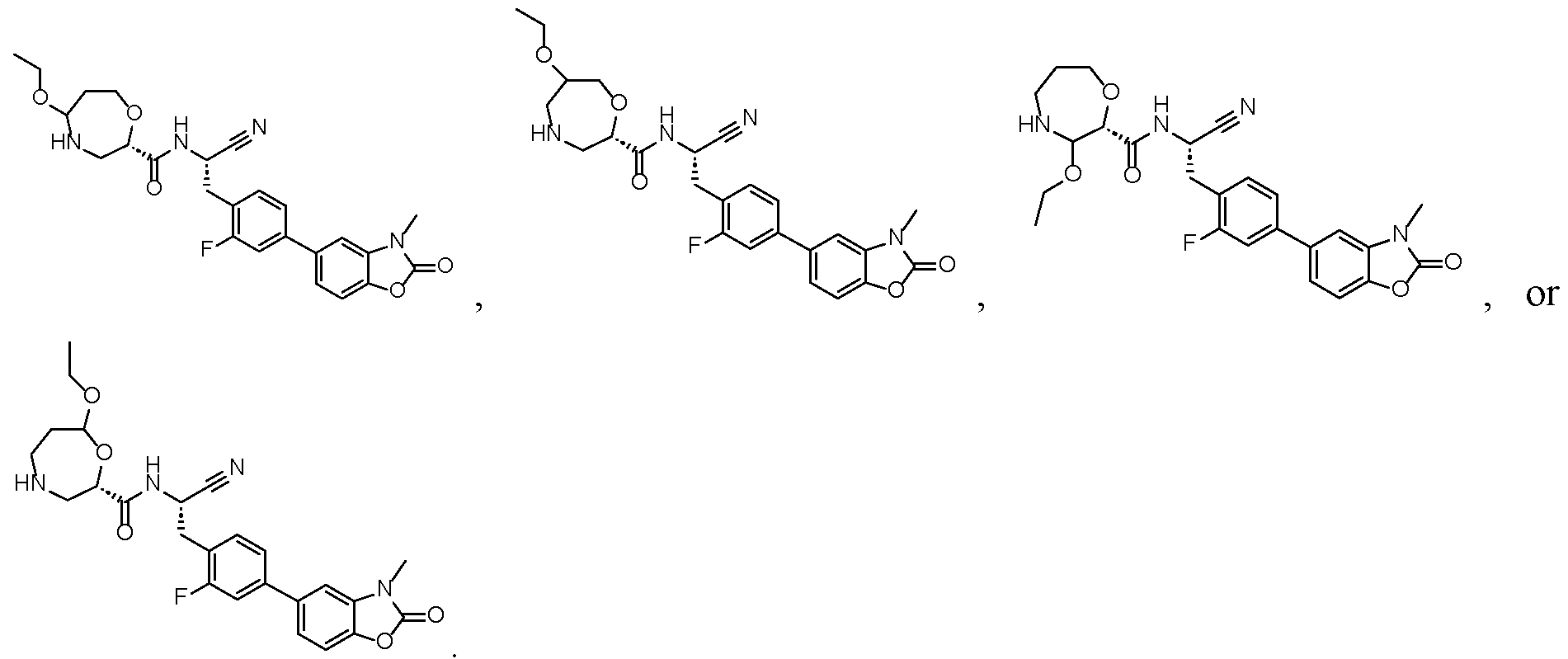


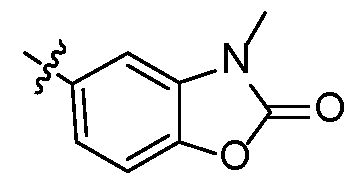


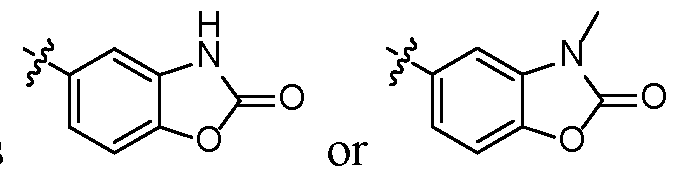


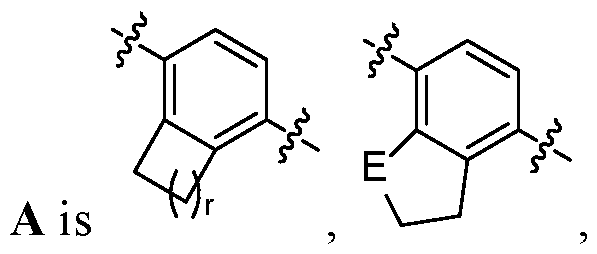

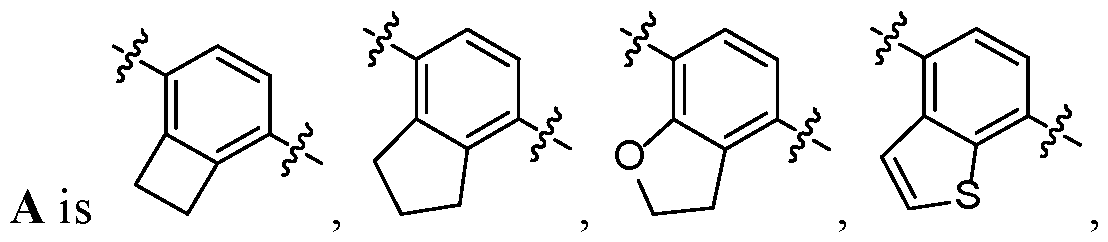


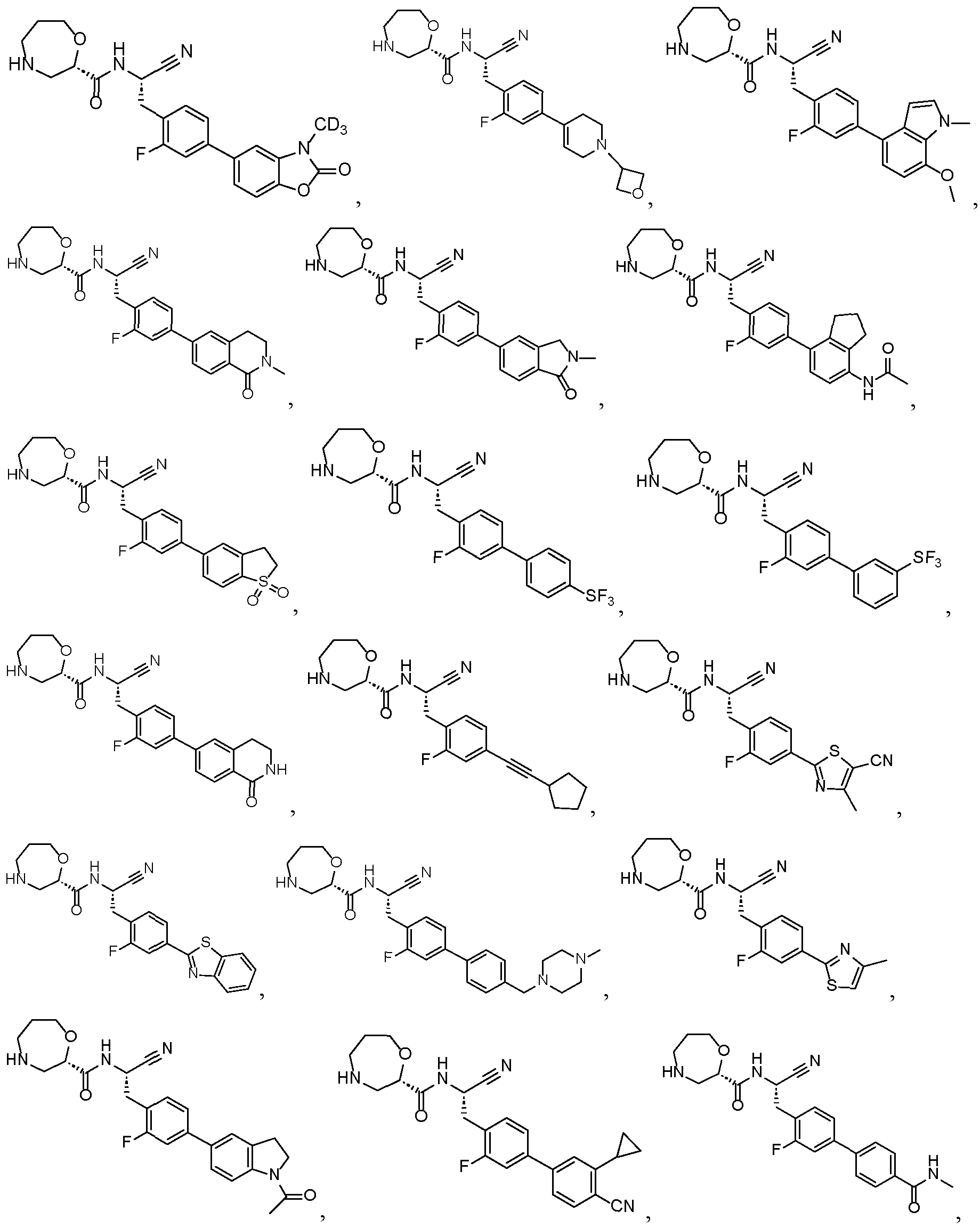


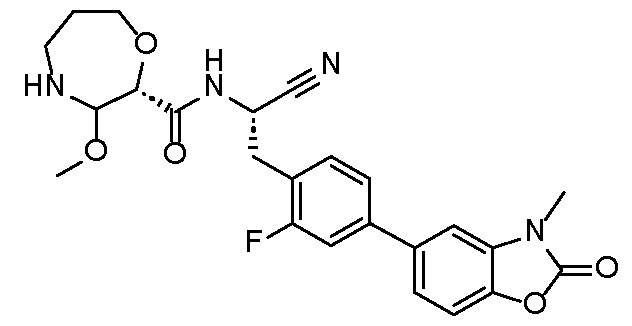
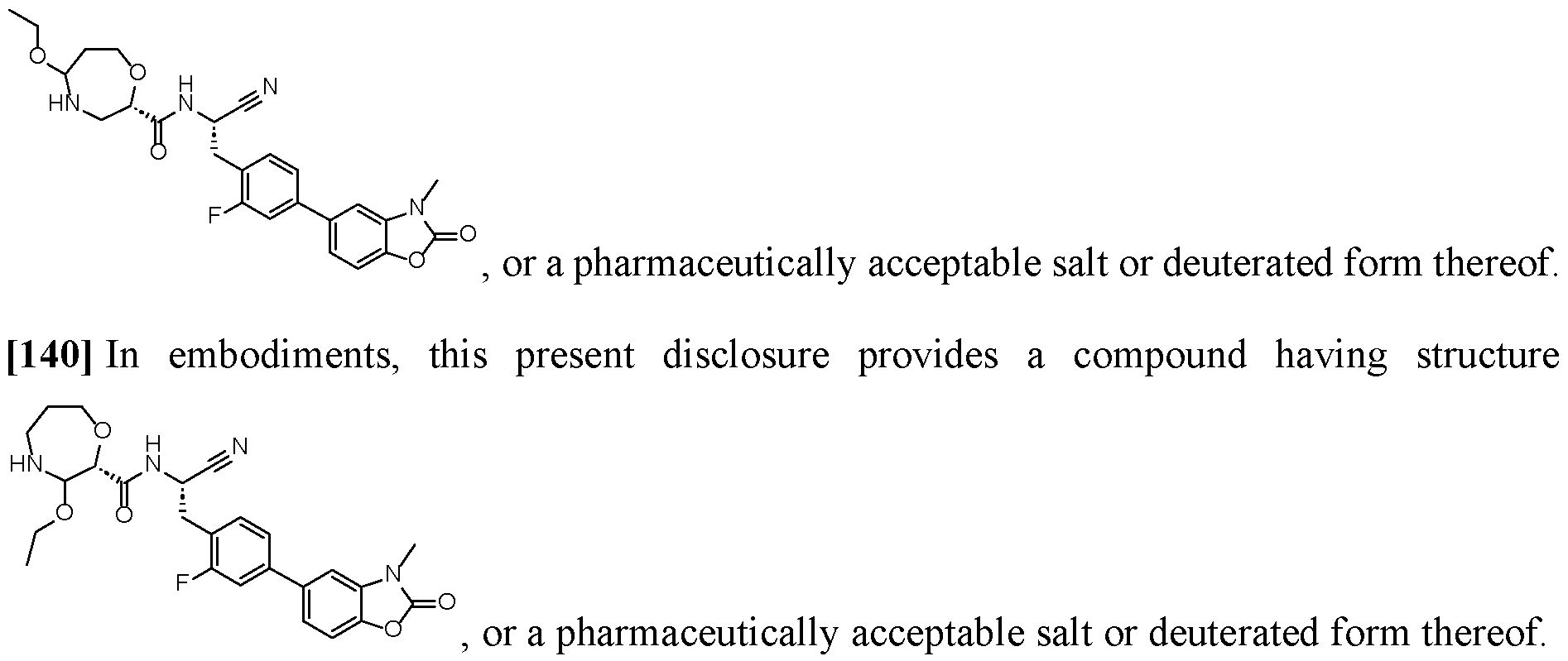
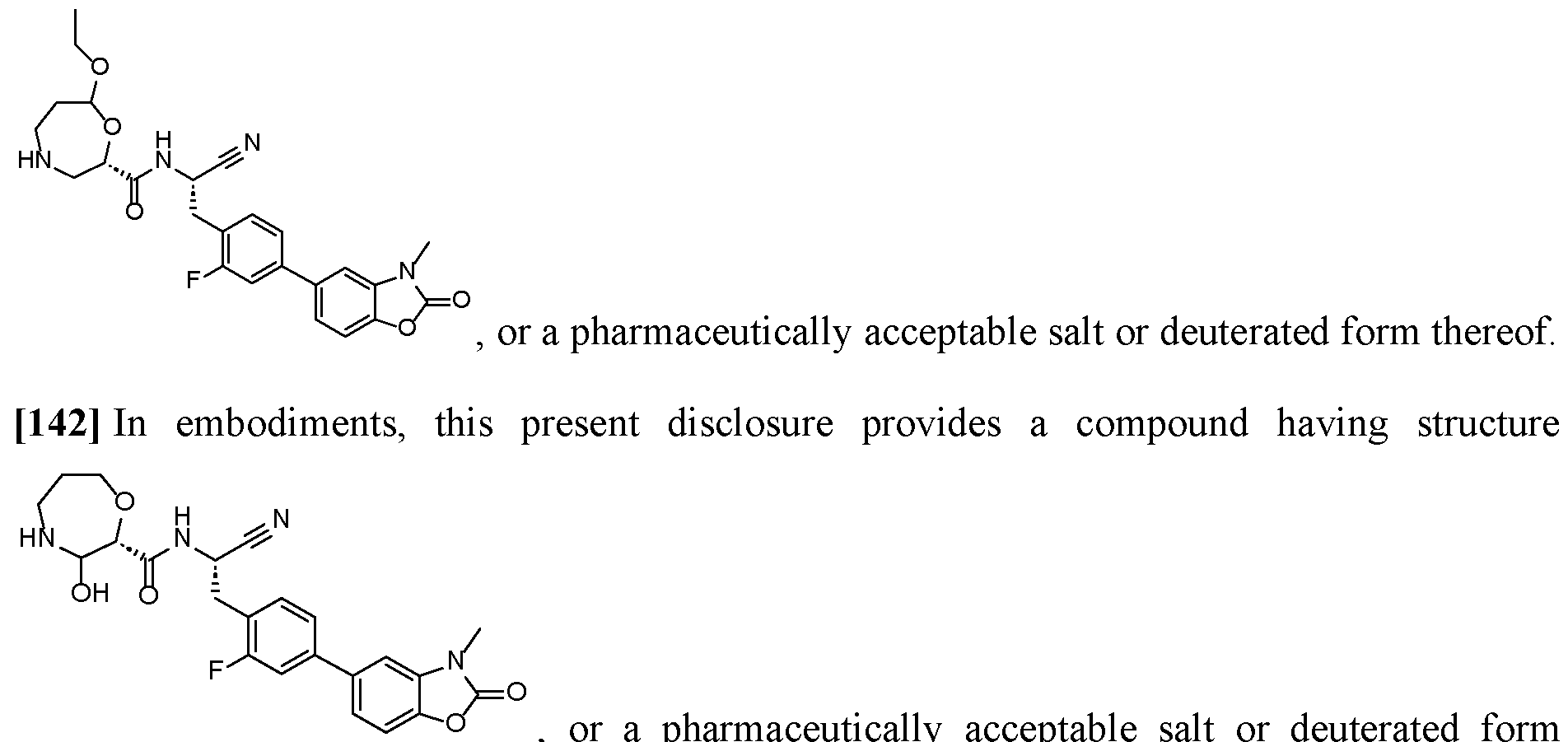


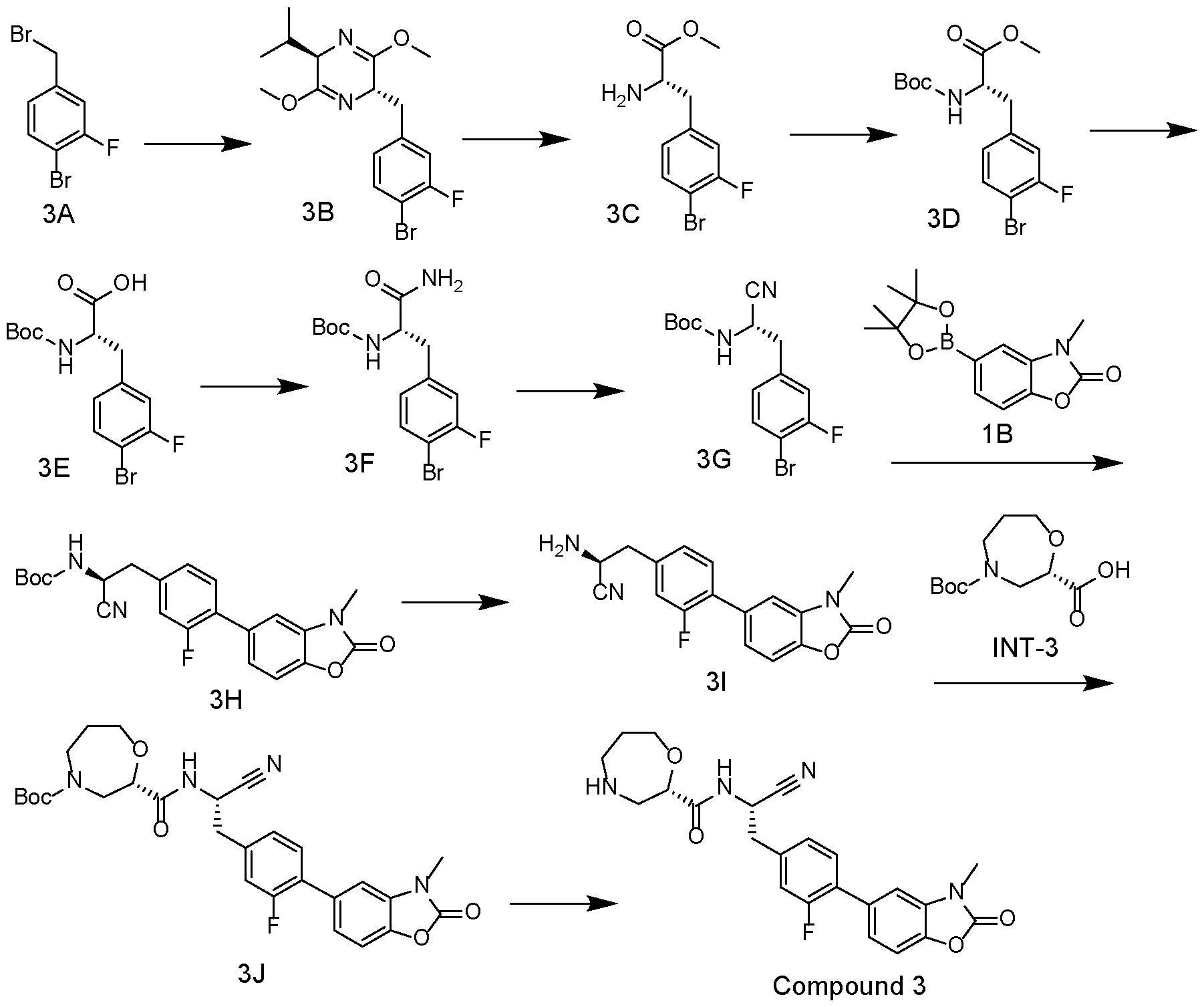


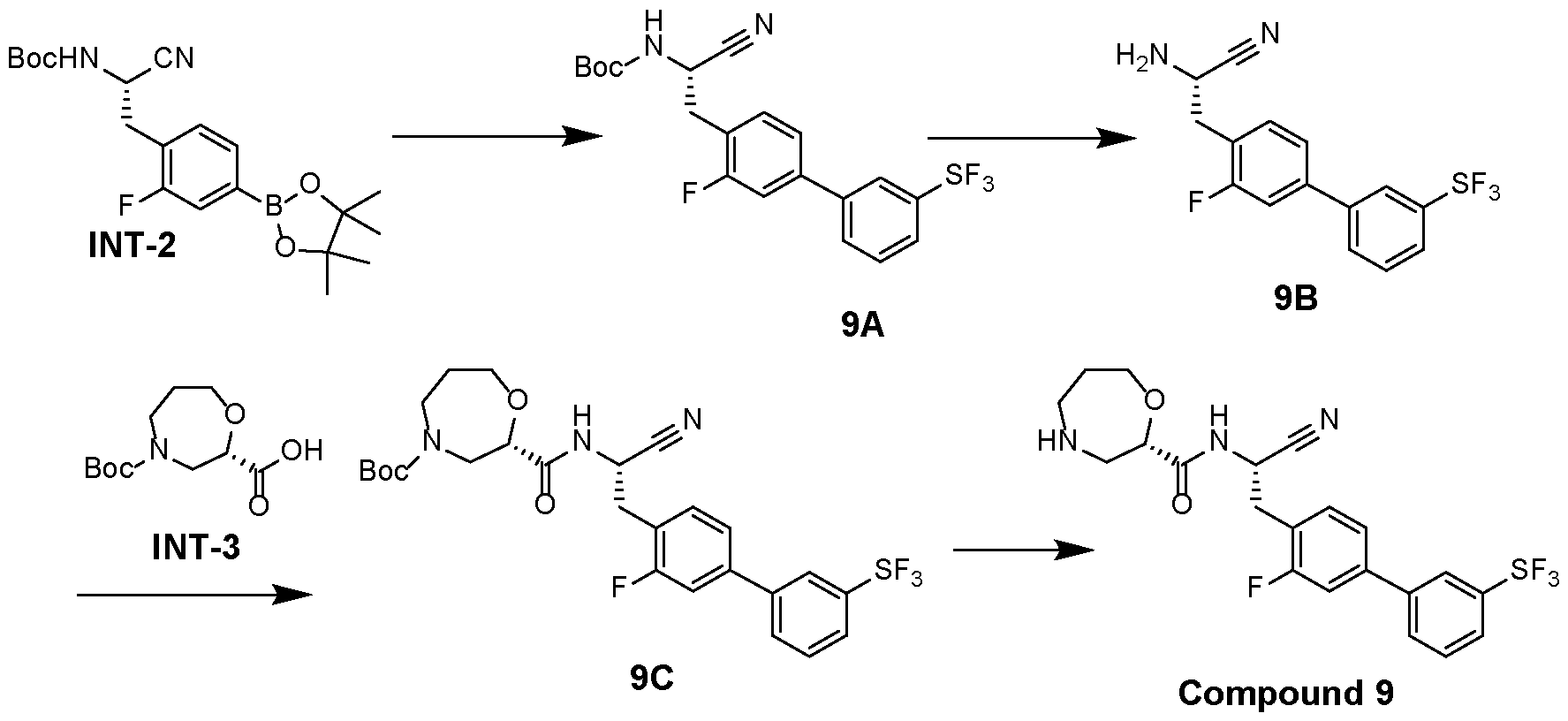


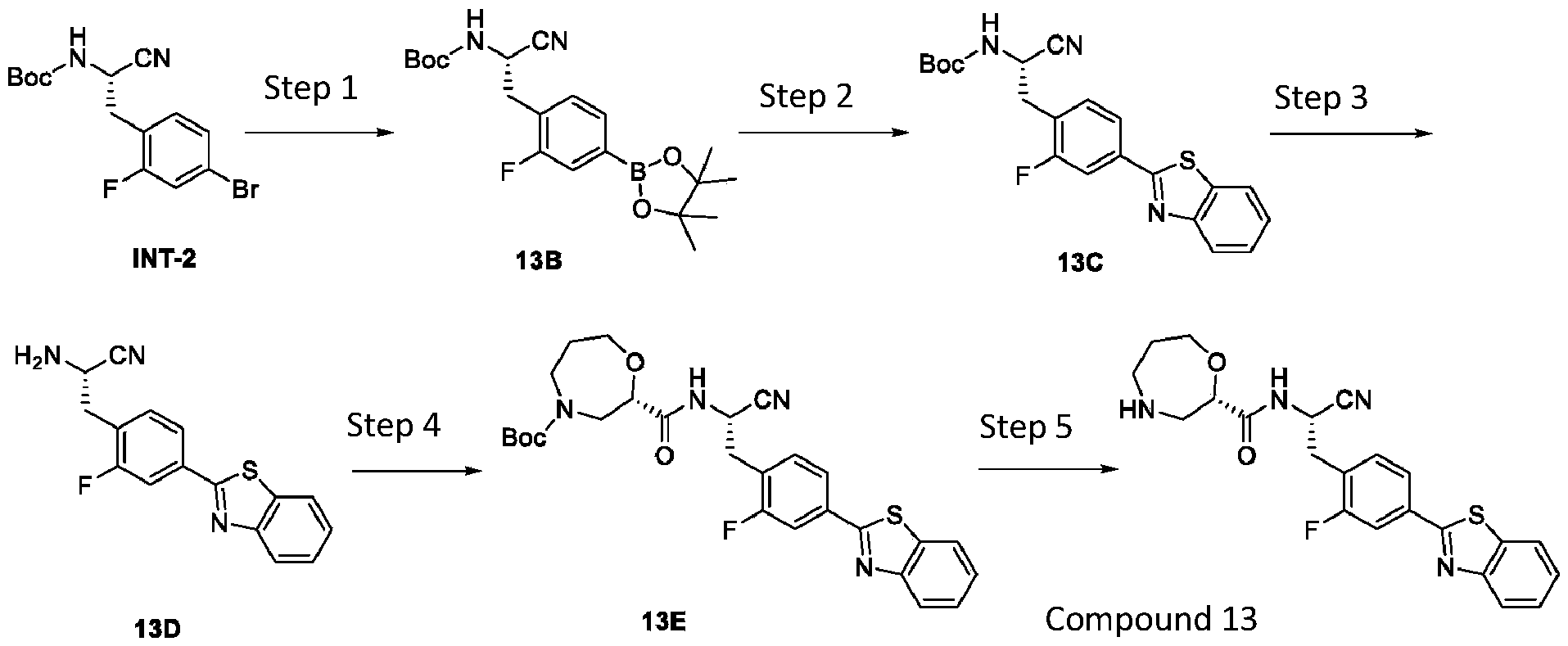


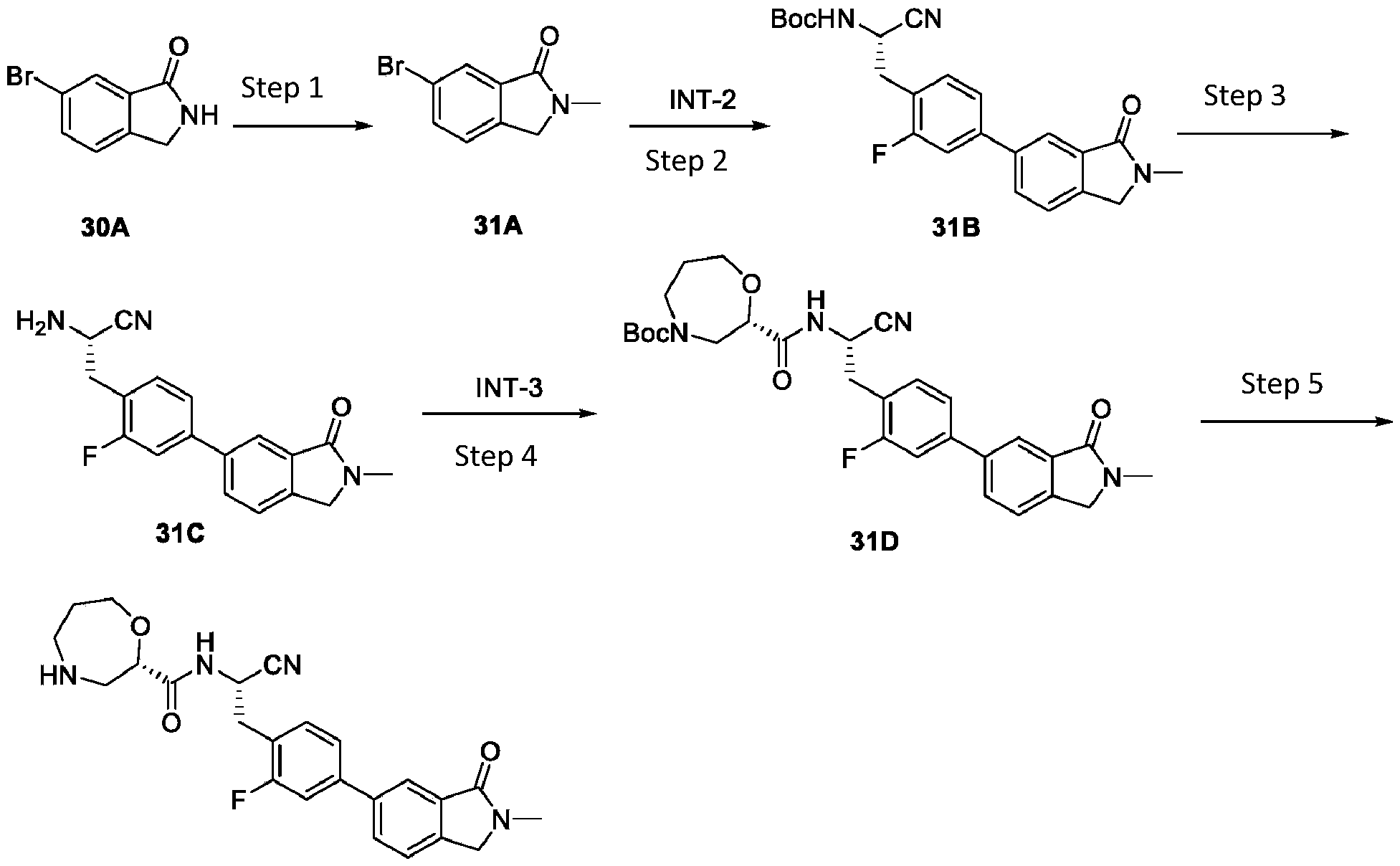
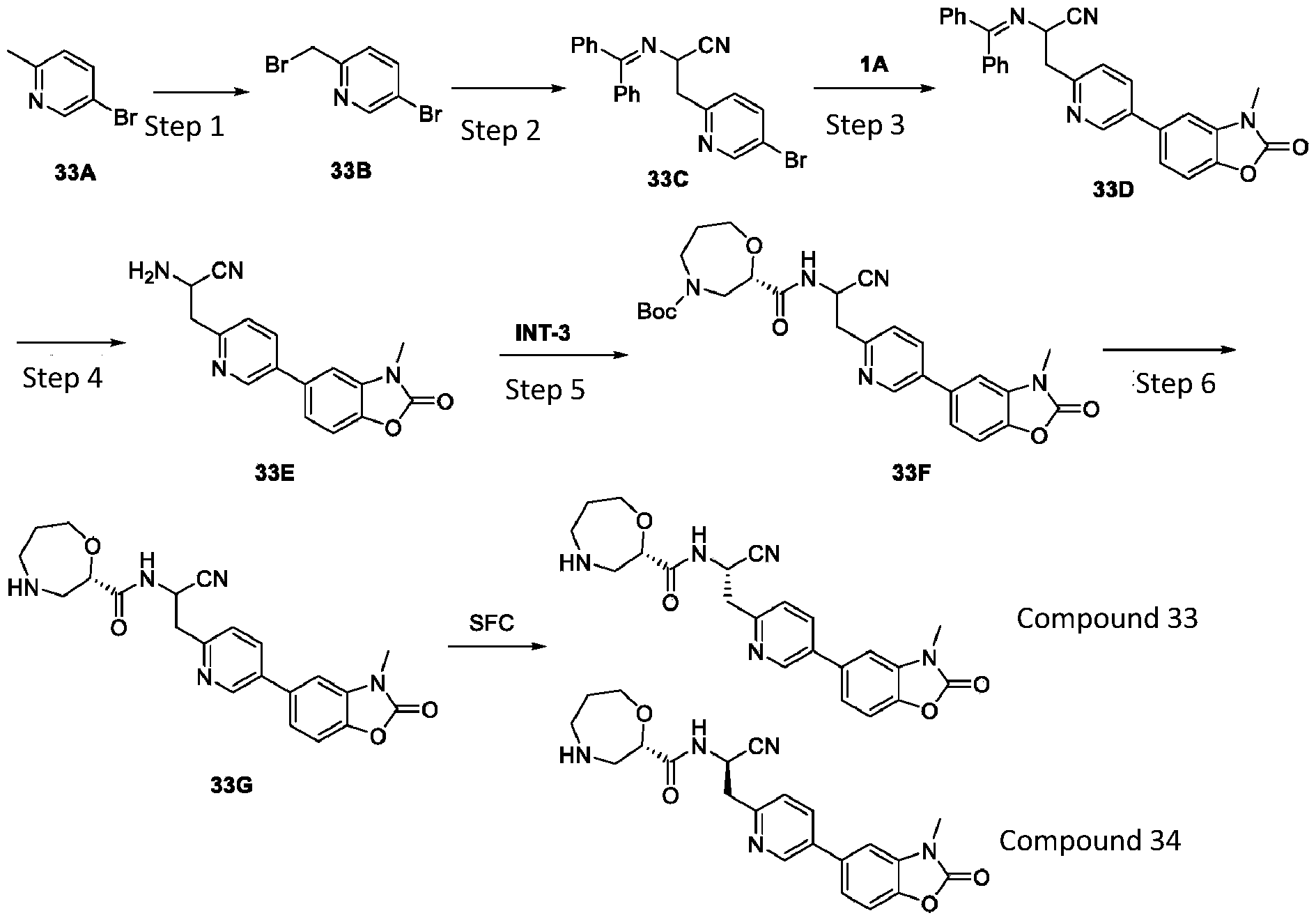


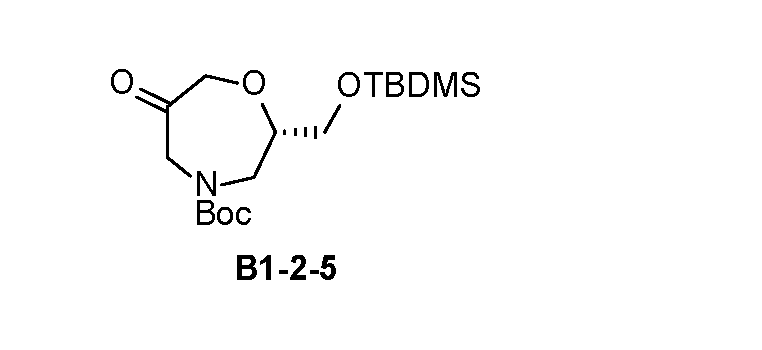

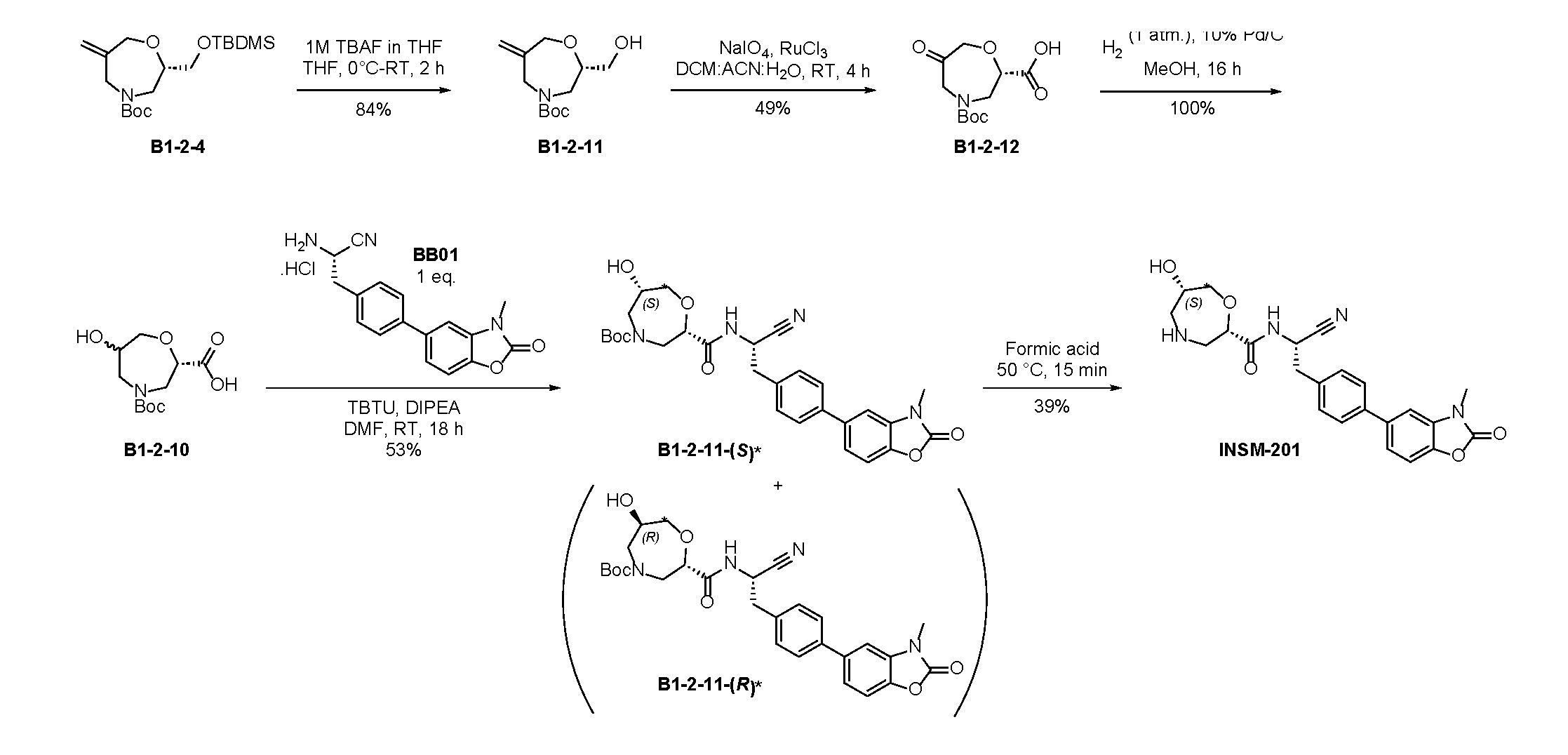

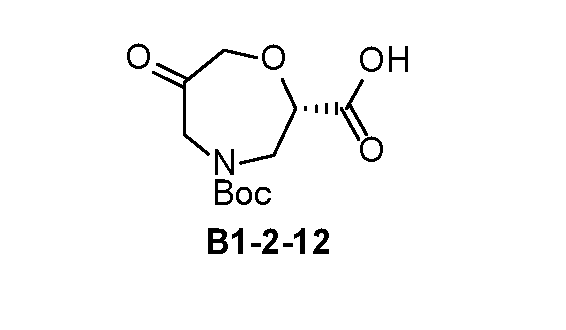


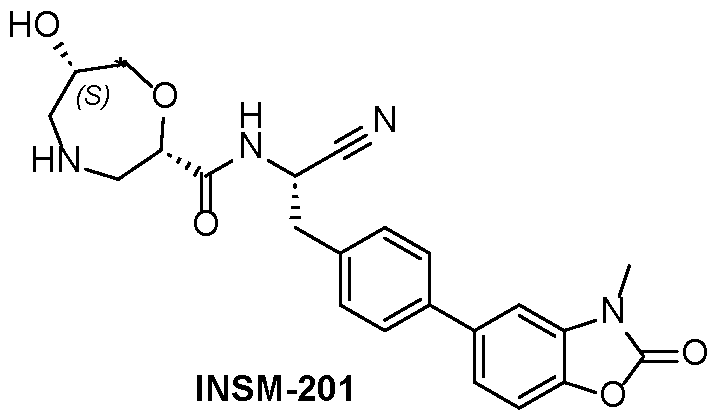


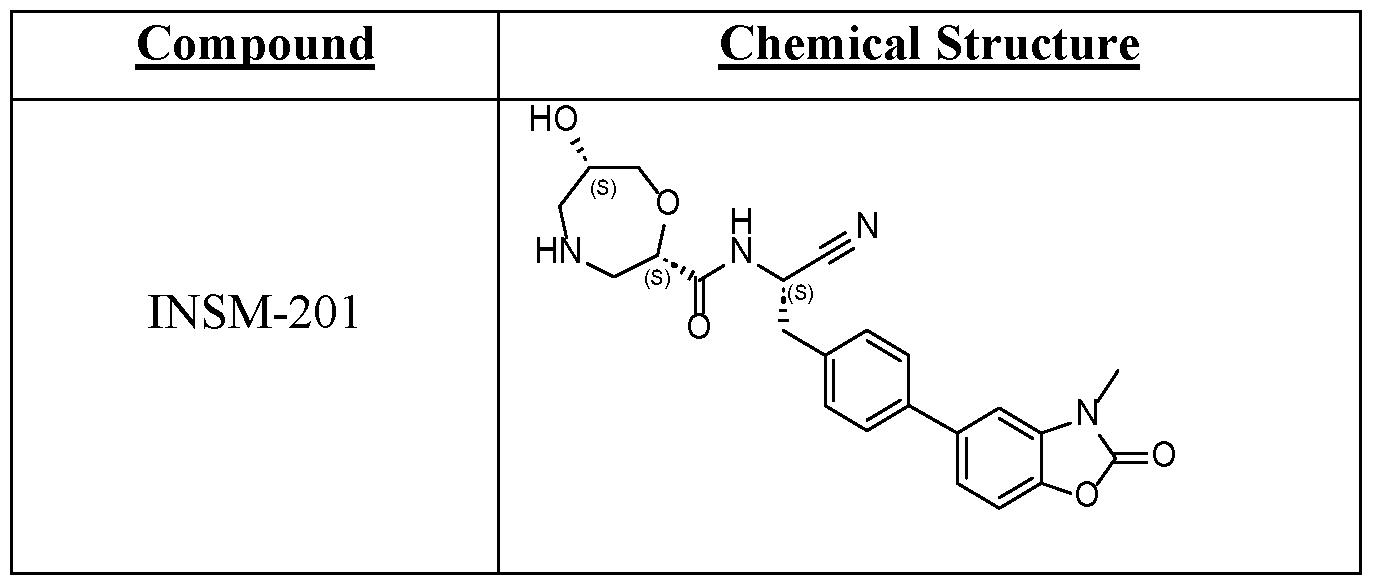
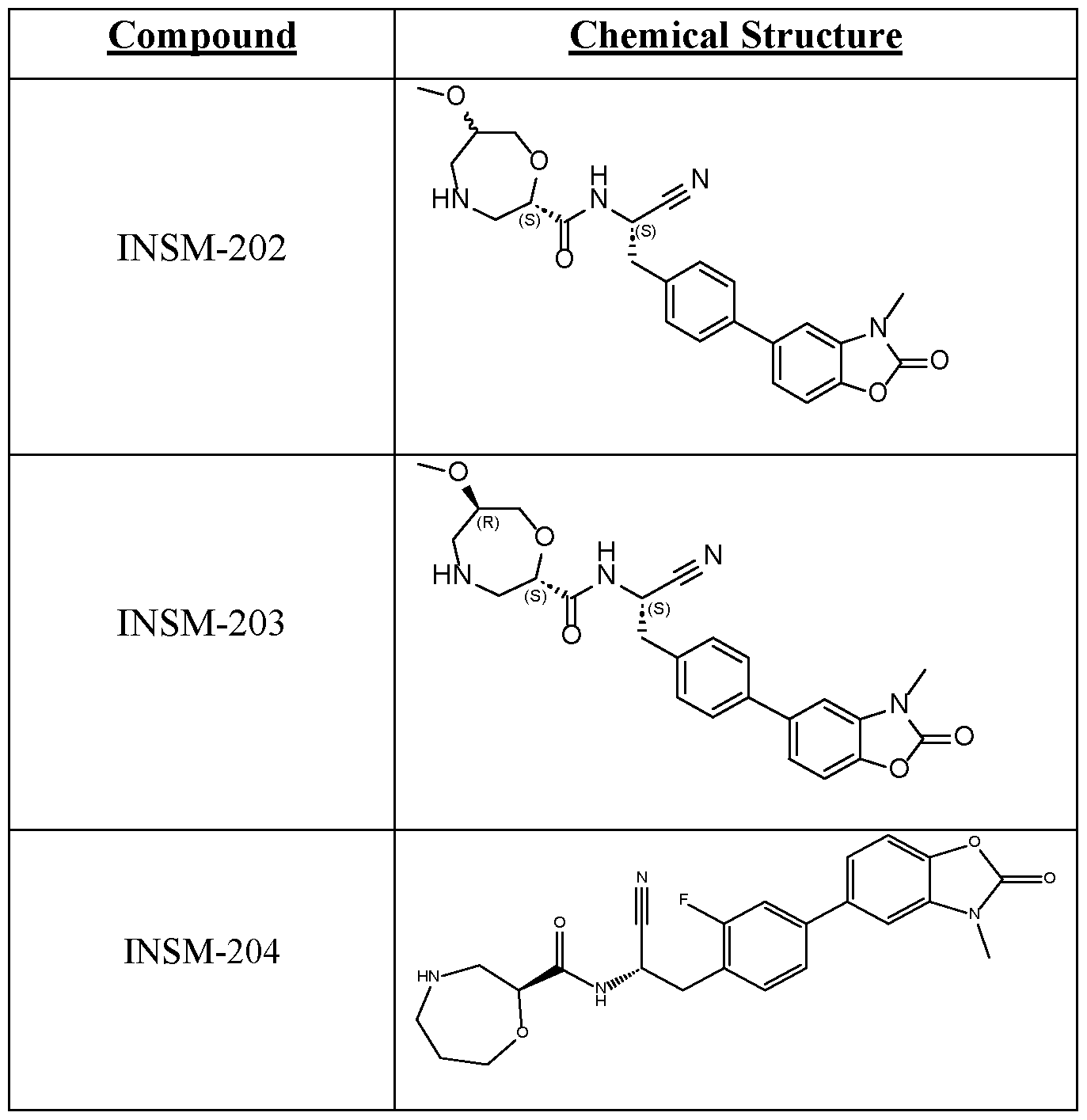


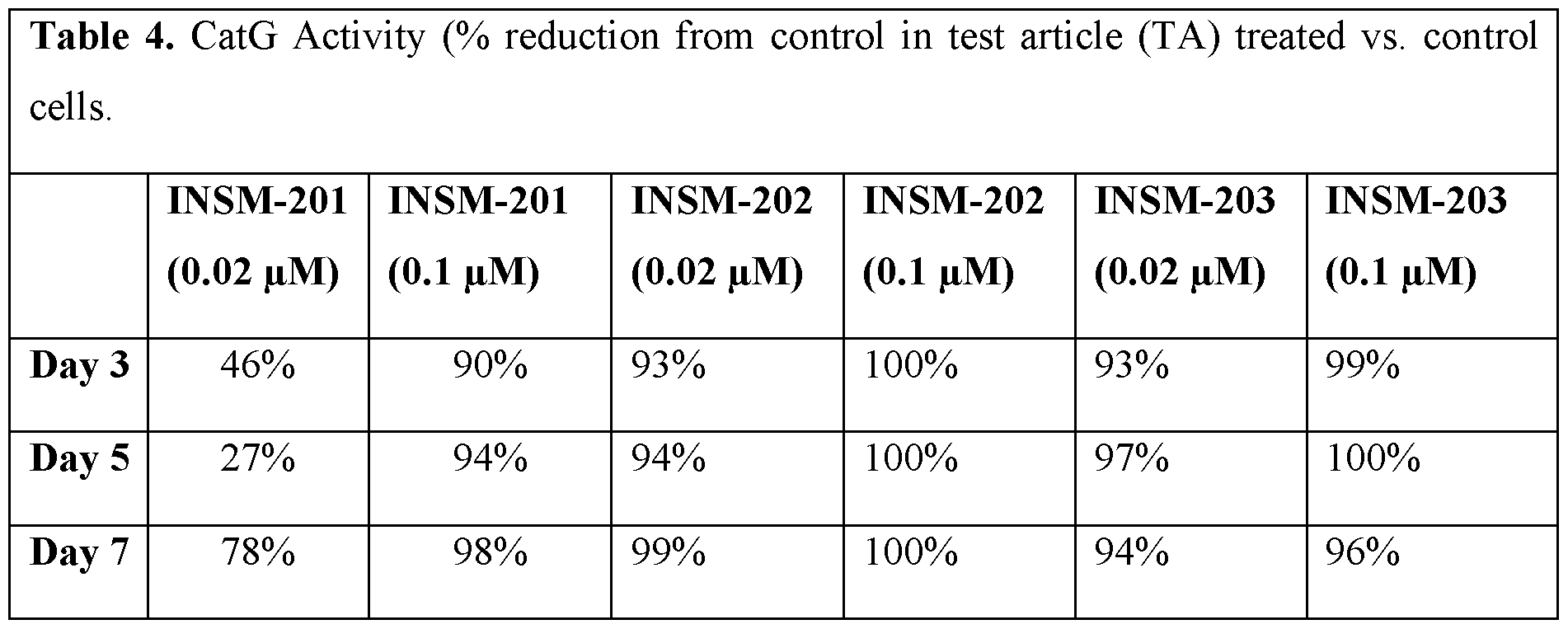
Claims


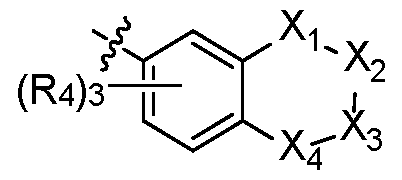

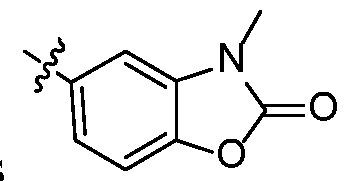
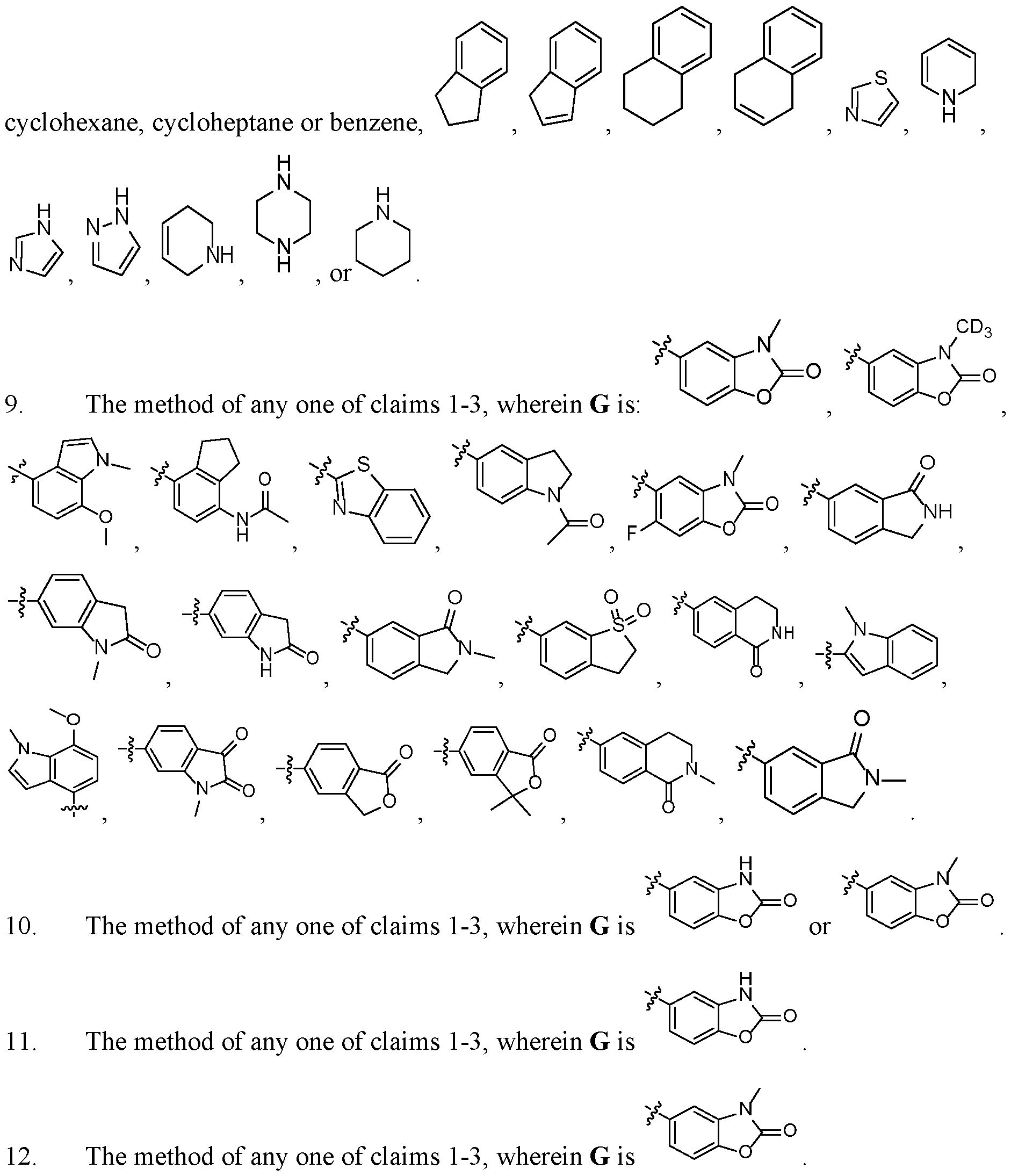


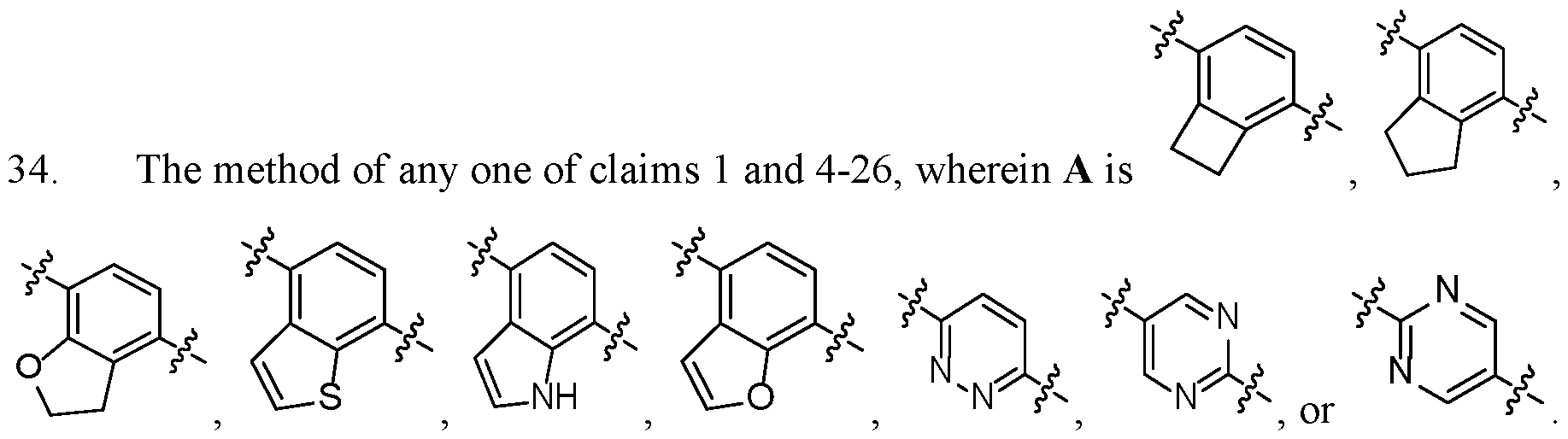
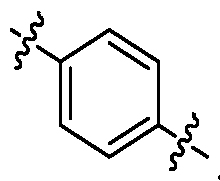
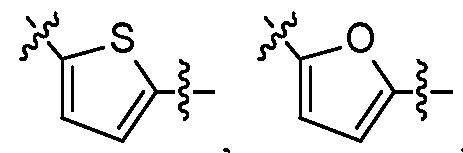


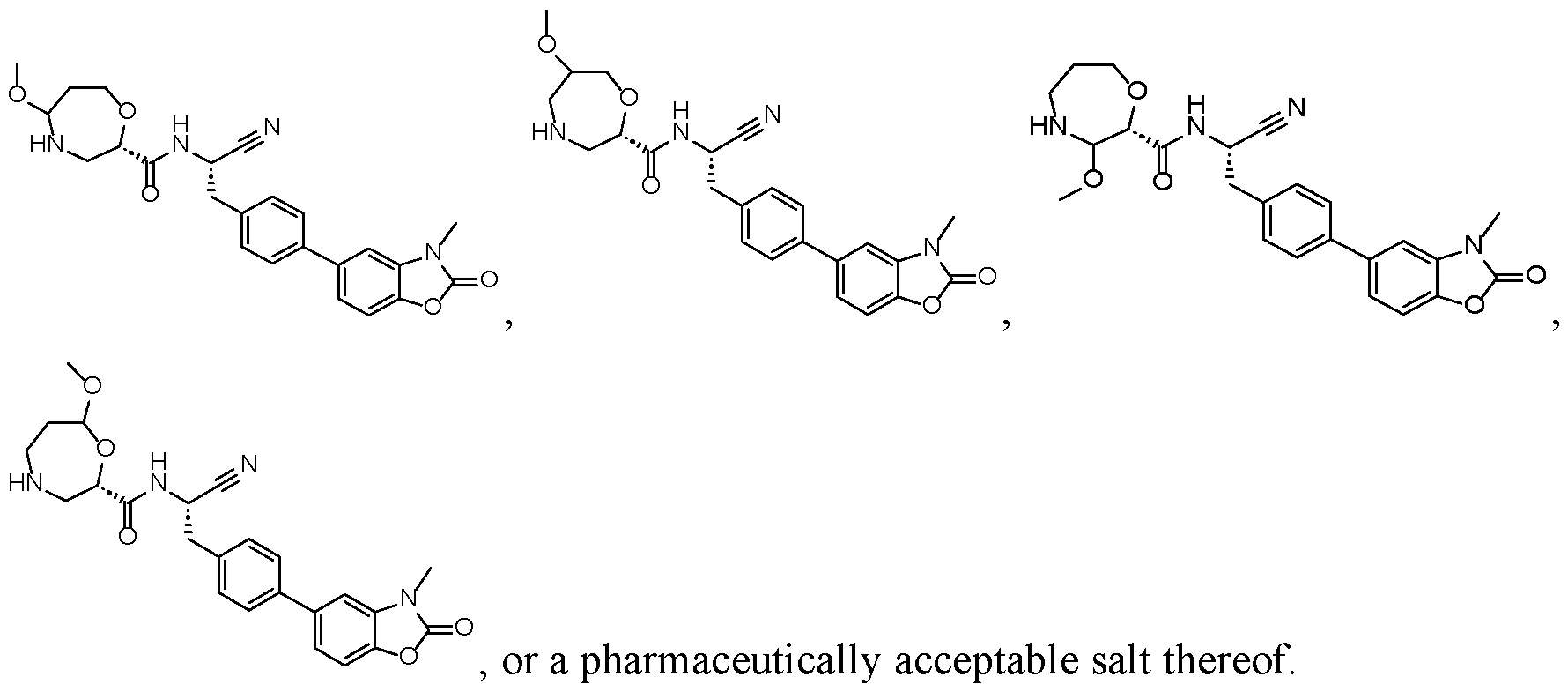


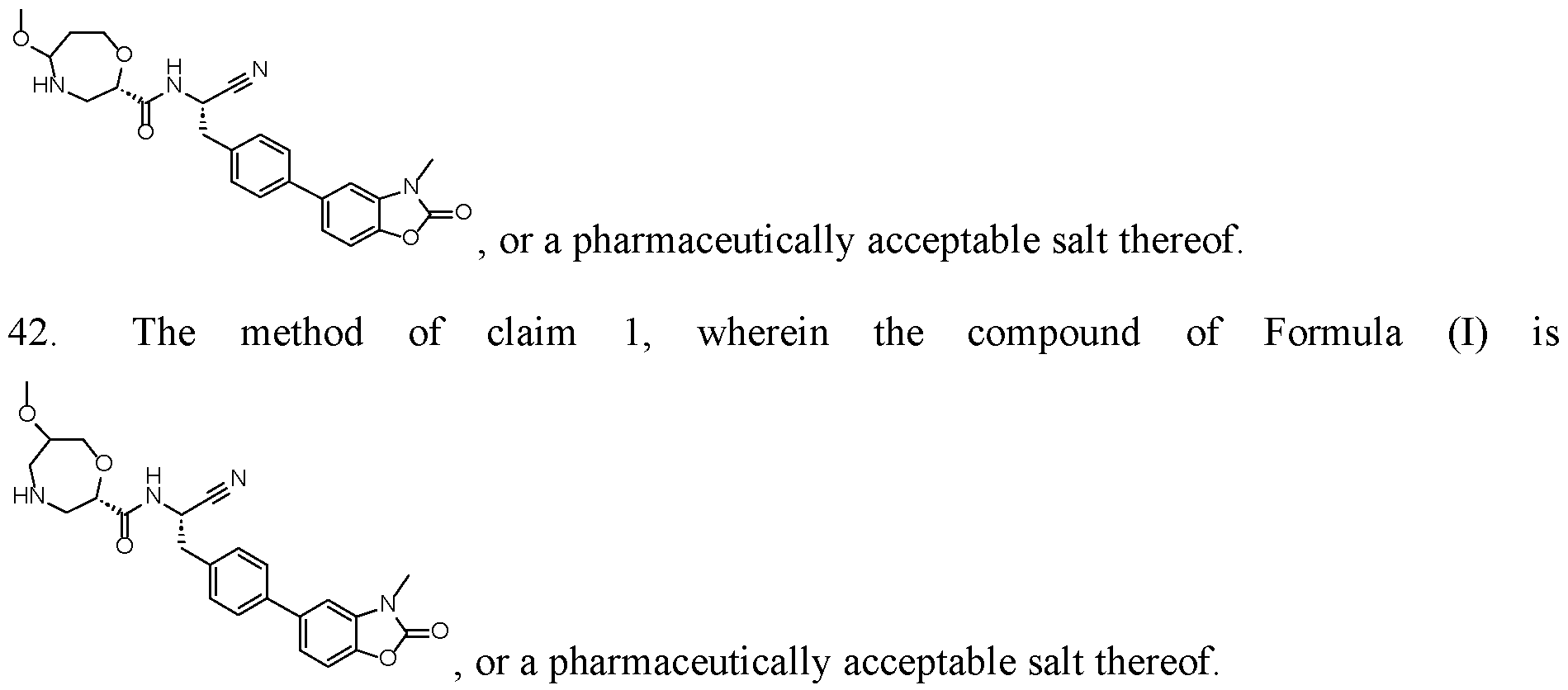


Priority Applications (2)
| Application Number | Priority Date | Filing Date | Title |
|---|---|---|---|
| EP24757621.8A EP4665717A2 (en) | 2023-02-15 | 2024-02-14 | Uses of certain 1,4-oxazepane-2-carboxamides as dpp1 inhibitors |
| CN202480012754.0A CN120693326A (en) | 2023-02-15 | 2024-02-14 | Use of certain 1,4-oxazepane-2-carboxamides as DPP1 inhibitors |
Applications Claiming Priority (4)
| Application Number | Priority Date | Filing Date | Title |
|---|---|---|---|
| US202363445955P | 2023-02-15 | 2023-02-15 | |
| US63/445,955 | 2023-02-15 | ||
| US202363599868P | 2023-11-16 | 2023-11-16 | |
| US63/599,868 | 2023-11-16 |
Publications (2)
| Publication Number | Publication Date |
|---|---|
| WO2024173556A2 true WO2024173556A2 (en) | 2024-08-22 |
| WO2024173556A3 WO2024173556A3 (en) | 2024-10-17 |
Family
ID=92420737
Family Applications (1)
| Application Number | Title | Priority Date | Filing Date |
|---|---|---|---|
| PCT/US2024/015802 Ceased WO2024173556A2 (en) | 2023-02-15 | 2024-02-14 | Uses of certain 1,4-oxazepane-2-carboxamides as dpp1 inhibitors |
Country Status (3)
| Country | Link |
|---|---|
| EP (1) | EP4665717A2 (en) |
| CN (1) | CN120693326A (en) |
| WO (1) | WO2024173556A2 (en) |
Cited By (3)
| Publication number | Priority date | Publication date | Assignee | Title |
|---|---|---|---|---|
| WO2025056038A1 (en) * | 2023-09-15 | 2025-03-20 | Insmed Incorporated | Dipeptidyl peptidase 1 inhibitors and uses thereof |
| US12479837B2 (en) | 2023-01-06 | 2025-11-25 | Insmed Incorporated | Reversible DPP1 inhibitors and uses thereof |
| EP4484423A4 (en) * | 2022-02-22 | 2026-01-07 | Haisco Pharmaceuticals Pte Ltd | METHOD FOR PRODUCING A NITROGEN-CONTAINING HETEROCYCLASSIC COMPOUND |
Family Cites Families (4)
| Publication number | Priority date | Publication date | Assignee | Title |
|---|---|---|---|---|
| NO2699580T3 (en) * | 2014-01-24 | 2018-02-24 | ||
| AU2019217870A1 (en) * | 2018-02-07 | 2020-08-27 | Insmed Incorporated | Certain (2S)-N-[(1S)-1-cyano-2-phenylethyl]-1,4-oxazepane-2-carboxamides for treating ANCA associated vasculitides |
| EP4497473A3 (en) * | 2020-08-26 | 2025-04-23 | Haisco Pharmaceuticals Pte. Ltd. | Nitrile derivative that acts as inhibitor of dipeptidyl peptidase 1 and use thereof |
| WO2024026433A2 (en) * | 2022-07-28 | 2024-02-01 | Insmed Incorporated | Novel dpp1 inhibitors and uses thereof |
-
2024
- 2024-02-14 WO PCT/US2024/015802 patent/WO2024173556A2/en not_active Ceased
- 2024-02-14 CN CN202480012754.0A patent/CN120693326A/en active Pending
- 2024-02-14 EP EP24757621.8A patent/EP4665717A2/en active Pending
Cited By (3)
| Publication number | Priority date | Publication date | Assignee | Title |
|---|---|---|---|---|
| EP4484423A4 (en) * | 2022-02-22 | 2026-01-07 | Haisco Pharmaceuticals Pte Ltd | METHOD FOR PRODUCING A NITROGEN-CONTAINING HETEROCYCLASSIC COMPOUND |
| US12479837B2 (en) | 2023-01-06 | 2025-11-25 | Insmed Incorporated | Reversible DPP1 inhibitors and uses thereof |
| WO2025056038A1 (en) * | 2023-09-15 | 2025-03-20 | Insmed Incorporated | Dipeptidyl peptidase 1 inhibitors and uses thereof |
Also Published As
| Publication number | Publication date |
|---|---|
| WO2024173556A3 (en) | 2024-10-17 |
| EP4665717A2 (en) | 2025-12-24 |
| CN120693326A (en) | 2025-09-23 |
Similar Documents
| Publication | Publication Date | Title |
|---|---|---|
| WO2024173556A2 (en) | Uses of certain 1,4-oxazepane-2-carboxamides as dpp1 inhibitors | |
| US12365673B2 (en) | Nitrile derivative that acts as inhibitor of dipeptidyl peptidase 1 and use thereof | |
| CN112312904B (en) | Spirocyclic compounds | |
| ES2525581T3 (en) | N-sulfonylbenzamide derivatives useful as voltage-dependent sodium channel inhibitors | |
| JP6058023B2 (en) | Sulfonamide derivatives | |
| JP6067031B2 (en) | N-aminosulfonylbenzamide | |
| ES2526675T3 (en) | N-sulfonylbenzamides as voltage dependent sodium channel inhibitors | |
| ES2548228T3 (en) | Benzimidazole and imidazopyridine derivatives as sodium channel modulators | |
| ES2533065T3 (en) | Benzenesulfonamides useful as sodium channel inhibitors | |
| ES2526541T3 (en) | N-sulfonylbenzamides as voltage dependent sodium channel inhibitors | |
| EP3788039B1 (en) | Factor xiia inhibitors | |
| EP2760838B1 (en) | Derivatives of 1-phenyl-2-pyridinyl alkyl alcohols as phosphodiesterase inhibitors | |
| EA008939B1 (en) | Nicotinamide derivatives useful as pde4 inhibitors | |
| EP4561565A2 (en) | Novel dpp1 inhibitors and uses thereof | |
| HK1225730B (en) | (2s)-n-[(1s)-1-cyano-2-phenylethyl]-1,4-oxazepane-2-carboxamides as dipeptidyl peptidase i inhibitors | |
| HK1225730A1 (en) | (2s)-n-[(1s)-1-cyano-2-phenylethyl]-1,4-oxazepane-2-carboxamides as dipeptidyl peptidase i inhibitors | |
| JP2013506694A (en) | Compounds as lysophosphatidic acid receptor antagonists | |
| JP2010512410A (en) | Method for preventing or treating myocardial ischemia | |
| KR20100098710A (en) | 4-(4-cyano-2-thioaryl)dihydropyrimidinones and use thereof | |
| HU229137B1 (en) | 8,8a-dihydro-indeno[1,2-d]thiazole derivatives having sulphoneamid- or sulphone substitutents in the 2 position, method for production thereof and use thereof as a medicament | |
| WO2025059526A1 (en) | Dipeptidyl peptidase 1 inhibitors and uses thereof | |
| JP2009523842A (en) | Pyridine derivatives as sodium channel modulators | |
| US6486154B1 (en) | (Hetero) aryl-sulfonamide derivatives, their preparation and their use as factor XA inhibitors | |
| JP7471291B2 (en) | 5-hydroxy-7-oxabicyclo[2.2.1]heptane-2-carboxamide derivatives for inducing cartilage formation to treat joint injuries - Patents.com | |
| WO2025165806A1 (en) | Dipeptidyl peptidase 1 inhibitors and uses thereof |
Legal Events
| Date | Code | Title | Description |
|---|---|---|---|
| 121 | Ep: the epo has been informed by wipo that ep was designated in this application |
Ref document number: 24757621 Country of ref document: EP Kind code of ref document: A2 |
|
| ENP | Entry into the national phase |
Ref document number: 2025544832 Country of ref document: JP Kind code of ref document: A |
|
| WWE | Wipo information: entry into national phase |
Ref document number: 2025544832 Country of ref document: JP |
|
| WWE | Wipo information: entry into national phase |
Ref document number: 202480012754.0 Country of ref document: CN |
|
| WWE | Wipo information: entry into national phase |
Ref document number: 2024757621 Country of ref document: EP |
|
| NENP | Non-entry into the national phase |
Ref country code: DE |
|
| WWP | Wipo information: published in national office |
Ref document number: 202480012754.0 Country of ref document: CN |
|
| 121 | Ep: the epo has been informed by wipo that ep was designated in this application |
Ref document number: 24757621 Country of ref document: EP Kind code of ref document: A2 |
|
| ENP | Entry into the national phase |
Ref document number: 2024757621 Country of ref document: EP Effective date: 20250915 |
|
| WWP | Wipo information: published in national office |
Ref document number: 2024757621 Country of ref document: EP |