WO2024138000A1 - Prodrugs of topoisomerase i inhibitor for adc conjugations and methods of use thereof - Google Patents
Prodrugs of topoisomerase i inhibitor for adc conjugations and methods of use thereof Download PDFInfo
- Publication number
- WO2024138000A1 WO2024138000A1 PCT/US2023/085450 US2023085450W WO2024138000A1 WO 2024138000 A1 WO2024138000 A1 WO 2024138000A1 US 2023085450 W US2023085450 W US 2023085450W WO 2024138000 A1 WO2024138000 A1 WO 2024138000A1
- Authority
- WO
- WIPO (PCT)
- Prior art keywords
- compound
- formula
- antibody
- amino acid
- antigen
- Prior art date
- Legal status (The legal status is an assumption and is not a legal conclusion. Google has not performed a legal analysis and makes no representation as to the accuracy of the status listed.)
- Ceased
Links
Classifications
-
- A—HUMAN NECESSITIES
- A61—MEDICAL OR VETERINARY SCIENCE; HYGIENE
- A61K—PREPARATIONS FOR MEDICAL, DENTAL OR TOILETRY PURPOSES
- A61K47/00—Medicinal preparations characterised by the non-active ingredients used, e.g. carriers or inert additives; Targeting or modifying agents chemically bound to the active ingredient
- A61K47/50—Medicinal preparations characterised by the non-active ingredients used, e.g. carriers or inert additives; Targeting or modifying agents chemically bound to the active ingredient the non-active ingredient being chemically bound to the active ingredient, e.g. polymer-drug conjugates
- A61K47/51—Medicinal preparations characterised by the non-active ingredients used, e.g. carriers or inert additives; Targeting or modifying agents chemically bound to the active ingredient the non-active ingredient being chemically bound to the active ingredient, e.g. polymer-drug conjugates the non-active ingredient being a modifying agent
- A61K47/68—Medicinal preparations characterised by the non-active ingredients used, e.g. carriers or inert additives; Targeting or modifying agents chemically bound to the active ingredient the non-active ingredient being chemically bound to the active ingredient, e.g. polymer-drug conjugates the non-active ingredient being a modifying agent the modifying agent being an antibody, an immunoglobulin or a fragment thereof, e.g. an Fc-fragment
- A61K47/6801—Drug-antibody or immunoglobulin conjugates defined by the pharmacologically or therapeutically active agent
- A61K47/6803—Drugs conjugated to an antibody or immunoglobulin, e.g. cisplatin-antibody conjugates
- A61K47/68037—Drugs conjugated to an antibody or immunoglobulin, e.g. cisplatin-antibody conjugates the drug being a camptothecin [CPT] or derivatives
-
- A—HUMAN NECESSITIES
- A61—MEDICAL OR VETERINARY SCIENCE; HYGIENE
- A61K—PREPARATIONS FOR MEDICAL, DENTAL OR TOILETRY PURPOSES
- A61K47/00—Medicinal preparations characterised by the non-active ingredients used, e.g. carriers or inert additives; Targeting or modifying agents chemically bound to the active ingredient
- A61K47/50—Medicinal preparations characterised by the non-active ingredients used, e.g. carriers or inert additives; Targeting or modifying agents chemically bound to the active ingredient the non-active ingredient being chemically bound to the active ingredient, e.g. polymer-drug conjugates
- A61K47/51—Medicinal preparations characterised by the non-active ingredients used, e.g. carriers or inert additives; Targeting or modifying agents chemically bound to the active ingredient the non-active ingredient being chemically bound to the active ingredient, e.g. polymer-drug conjugates the non-active ingredient being a modifying agent
- A61K47/68—Medicinal preparations characterised by the non-active ingredients used, e.g. carriers or inert additives; Targeting or modifying agents chemically bound to the active ingredient the non-active ingredient being chemically bound to the active ingredient, e.g. polymer-drug conjugates the non-active ingredient being a modifying agent the modifying agent being an antibody, an immunoglobulin or a fragment thereof, e.g. an Fc-fragment
- A61K47/6835—Medicinal preparations characterised by the non-active ingredients used, e.g. carriers or inert additives; Targeting or modifying agents chemically bound to the active ingredient the non-active ingredient being chemically bound to the active ingredient, e.g. polymer-drug conjugates the non-active ingredient being a modifying agent the modifying agent being an antibody, an immunoglobulin or a fragment thereof, e.g. an Fc-fragment the modifying agent being an antibody or an immunoglobulin bearing at least one antigen-binding site
- A61K47/6851—Medicinal preparations characterised by the non-active ingredients used, e.g. carriers or inert additives; Targeting or modifying agents chemically bound to the active ingredient the non-active ingredient being chemically bound to the active ingredient, e.g. polymer-drug conjugates the non-active ingredient being a modifying agent the modifying agent being an antibody, an immunoglobulin or a fragment thereof, e.g. an Fc-fragment the modifying agent being an antibody or an immunoglobulin bearing at least one antigen-binding site the antibody targeting a determinant of a tumour cell
-
- A—HUMAN NECESSITIES
- A61—MEDICAL OR VETERINARY SCIENCE; HYGIENE
- A61K—PREPARATIONS FOR MEDICAL, DENTAL OR TOILETRY PURPOSES
- A61K47/00—Medicinal preparations characterised by the non-active ingredients used, e.g. carriers or inert additives; Targeting or modifying agents chemically bound to the active ingredient
- A61K47/50—Medicinal preparations characterised by the non-active ingredients used, e.g. carriers or inert additives; Targeting or modifying agents chemically bound to the active ingredient the non-active ingredient being chemically bound to the active ingredient, e.g. polymer-drug conjugates
- A61K47/51—Medicinal preparations characterised by the non-active ingredients used, e.g. carriers or inert additives; Targeting or modifying agents chemically bound to the active ingredient the non-active ingredient being chemically bound to the active ingredient, e.g. polymer-drug conjugates the non-active ingredient being a modifying agent
- A61K47/68—Medicinal preparations characterised by the non-active ingredients used, e.g. carriers or inert additives; Targeting or modifying agents chemically bound to the active ingredient the non-active ingredient being chemically bound to the active ingredient, e.g. polymer-drug conjugates the non-active ingredient being a modifying agent the modifying agent being an antibody, an immunoglobulin or a fragment thereof, e.g. an Fc-fragment
- A61K47/6889—Conjugates wherein the antibody being the modifying agent and wherein the linker, binder or spacer confers particular properties to the conjugates, e.g. peptidic enzyme-labile linkers or acid-labile linkers, providing for an acid-labile immuno conjugate wherein the drug may be released from its antibody conjugated part in an acidic, e.g. tumoural or environment
-
- A—HUMAN NECESSITIES
- A61—MEDICAL OR VETERINARY SCIENCE; HYGIENE
- A61P—SPECIFIC THERAPEUTIC ACTIVITY OF CHEMICAL COMPOUNDS OR MEDICINAL PREPARATIONS
- A61P35/00—Antineoplastic agents
Definitions
- Abnormal proliferation for example, cancer
- cancer is caused by both external factors (e.g., tobacco, chemicals, radiation and infectious organisms) and internal factors (inherited mutations, immune system conditions, the mutations that occur from metabolism). These causal factors may act together or in sequence to initiate or promote abnormal proliferation.
- Cancer is treated by surgery, radiation, chemotherapy, hormones and immunotherapy.
- anti-proliferation drugs there is a need for more effective anti-proliferation drugs.
- the ideal anti-proliferation therapy would enable targeted delivery of highly cytotoxic agents to tumor cells and would leave normal cells unaffected.
- Conventional chemotherapeutic treatment is limited because of the toxic side-effects that arise from effects of the drug on non-cancerous cells.
- Various approaches to targeted drug delivery have been tried, including the use of conjugates of tumor targeted probes (such as antibodies or growth factors) with toxins such as pseudomonas or diphtheria toxins, which arrest the synthesis of proteins and cells.
- the side effects include reaction of the immune system due to non-human components of the conjugates.
- the half-life of the drug conjugates was limited due to elimination from the circulation through renal filtration, and schematic degradation, uptake by the reticuloendothelial system (RES), and accumulation in non-targeted organs and tissues.
- RES reticuloendothelial system
- Another approach uses passive drug carriers such as polymers, liposomes, and polymeric micelles to take advantage of the hyper-permeability of vascular endothelia of tumor tissue.
- Protein conjugates such as antibody conjugates, utilize the selective binding of a binding agent to deliver a payload to targets within tissues of subjects.
- the payload can be a therapeutic moiety that is capable of taking action at the target.
- linkers and payloads to antibodies are available. Many conjugates are prepared by non-selective covalent linkage to cysteine or lysine residues in the antibody.
- the present disclosure provides an antibody-drug conjugate comprising an antibody or an antigen-binding fragment thereof conjugated to a compound having Formula (I) or a pharmaceutically acceptable salt thereof, wherein R 1 , R 2 , R 3 , and R 4 are independently hydrogen, a C 1-5 alkyl, or aryl; AA is a natural or a nonnatural amino acid; p is an integer from 1 to 6, and indicates the point of attachment to the antibody or the antigen-binding fragment thereof, directly or via a linker.
- said compound of Formula (I) comprises [014]
- said antibody or said antigen-binding fragment thereof is conjugated to a compound having a structure according to Formula (II) or a pharmaceutically acceptable salt thereof, wherein R 1 , R 2 , R 3 , and R 4 are independently hydrogen or a C 1-5 alkyl; A is a Click chemistry adduct; W is NH, O, CO, CH 2 , a phenyl, or a combination of two or more thereof; AA is a natural or a nonnatural amino acid; m is an integer from 0 to 8; n is 0 or 1; p is an integer from 1 to 6, and indicates the point of attachment to the antibody or the antigen-binding fragment thereof, directly or via a linker.
- R 1 , R 2 , R 3 , and R 4 are independently hydrogen or a C 1-5 alkyl
- A is a Click chemistry adduct
- W is NH, O, CO, CH 2 , a phen
- the click chemistry adduct is a product of a copper-free click chemistry reaction selected from: (a) strain-promoted azide/dibenzocyclooctyne-amine (DBCO) click chemistry; (b) inverse electron demand Diels-Alder (IED-DA) tetrazine/trans-cyclooctene (TCO) click chemistry; (c) inverse electron demand Diels-Alder (IED-DA) tetrazine/norbonene click chemistry; (d) Diels-Alder maleimide/furan click-chemistry; (e) Staudinger ligation; and (f) nitrile-oxide/norbonene cycloaddition click chemistry.
- DBCO strain-promoted azide/dibenzocyclooctyne-amine
- IED-DA inverse electron demand Diels-Alder
- TCO inverse electron demand Diels-Al
- the click chemistry adduct comprises a triazole or a diazine.
- the click chemistry adduct is selected from the group consisting of: , and any regio-isomers or entantiomers thereof, where R’ is H or a C 1-3 alkyl and Z is C or N.
- AA comprises a natural amino acid selected from glycine, alanine, valine, leucine, isoleucine, phenylalanine, tyrosine, threonine, lysine, asparagine, glutamine, aspartic acid, and glutamic acid.
- AA comprises a nonnatural amino acid selected from the group consisting of an R-amino acid, an N-methyl amino acid, [020]
- said compound of Formula (II) comprises [021]
- said compound of Formula (II) comprises [022]
- the present disclosure provides an antibody-drug conjugate having a structure according to Formula (III) or a pharmaceutically acceptable salt thereof, wherein Ab is an antibody or an antigen-binding fragment thereof; R 1 , R 2 , R 3 , and R 4 are independently hydrogen or a C 1-5 alkyl; A is a Click chemistry adduct; LL is a linker or a bond connecting said Ab and said A; AA is a natural or a nonnatural amino acid; m is an integer from 0 to 8; n is 0 or 1; p is an integer from 1 to 6; and q is an integer from 1 to 10.
- the present disclosure provides an antibody-drug conjugate having a structure according to Formula (IVa or IVb) or a pharmaceutically acceptable salt thereof, wherein Ab is an antibody or an antigen-binding fragment thereof; R is a side chain of any natural or nonnatural amino acid; and n is an integer from 1 to 5.
- the present disclosure provides an antibody-drug conjugate having a structure according to Formula (IVc, IVd, IVe, IVf, IVg, IVh, IVi, IVj, or IVk)
- Ab is an antibody or an antigen-binding fragment thereof; R is a side chain of any natural or nonnatural amino acid; and n is an integer from 1 to 5.
- said antibody or said antigen-binding fragment thereof comprises Gln295 and/or Gln297, and wherein the drug payload is conjugated to said antibody or antigen-binding fragment through the side chains of Gln295 and/or Gln297.
- said antibody or said antigen-binding fragement thereof is selected from an anti-HER2 antibody, an anti-STEAP2 antibody, an anti-MET antibody, an anti- EGFRVIII antibody, an anti-MUC16 antibody, an anti-PRLR antibody, an anti-PSMA antibody, an anti-FGFR2 antibody, an anti-FOLR1 antibody, an anti-HER2/HER2 bispecific antibody, an anti- MET/MET bispecific antibody, or an antigen-binding fragment thereof.
- the antibody or antigen-binding fragment thereof is an anti- HER2/HER2 bispecific antibody.
- the anti-HER2/HER2 bispecific antibody comprises: a first antigen-binding domain (D1); and a second antigen-binding domain (D2); wherein D1 specifically binds a first epitope of human HER2; and wherein D2 specifically binds a second epitope of human HER2.
- said antibody and linker-drug payload is conjugated site- specifically by using a transglutaminase.
- said transglutaminase is a microbial transglutaminase.
- the present disclosure provides a pharmaceutical composition comprising an antibody-drug conjugate according to any one the above embodiments, co- formulated together with one or more pharmaceutically acceptable diluents, excipients, and/or addititves.
- the present disclosure provides a composition comprising a population of the antibody-drug conjugates according to any one of the above embodiments, having a drug-antibody ratio (DAR) of about 0.5 to about 30.0.
- the composition has a DAR of about 1.0 to about 2.5.
- the composition has a DAR of about 2.
- the composition has a DAR of about 3.0 to about 4.5.
- the composition has a DAR of about 4. [037] In one embodiment, the composition has a DAR of about 6.5 to about 8.5. [038] In one embodiment, the composition has a DAR of about 8. [039] In another aspect, the present disclosure provides a method for treating cancer in a subject in need thereof comprsing the step of administering to the subject a thereapeutically effective amount of the antibody-drug conjugate according to any one of the above embodiments,or the pharmaceutical composition of the above embodiments. [040] In another aspect, the present disclosure provides a process for manufacturing a linker-payload compound having the formula selected from the group consisting of (D’) to (N’):
- R 1 , R 2 , R 3 , and R 4 are independently hydrogen or a C 1-5 alkyl
- B is selected from the group consisting of W is NH, O, CO, CH 2 , a phenyl, or a combination of two or more thereof
- R 5 , R 6 , R 7 and R 8 are independently hydrogen, -NH 2 , or a side chain of any natural or non- natural amino acid
- the method comprising a step of exposing a payload having an amino group to an activated intermediate having a para-nitro-phenyl carbonate in the presence of a base and a coupling catalyst to afford said linker-payload compound (D’)-(G’), wherein said coupling catalyst is 4- Hydroxy-2-methylquinoline (MeHYQ).
- the present disclosure provides a process for manufacturing a linker-payload compound having the formula (D-1) (D-1), or a pharmaceutically acceptable salt thereof, wherein R 1 , R 2 , R 3 , and R 4 are independently hydrogen or a C 1-5 alkyl, and R 5 and R 6 are independently hydrogen, -NH2, or a side chain of any natural or non- natural amino acid, the method comprising a step of exposing a drug payload having an amino group to an activated intermediate having a para-nitro-phenyl carbonate in the presence of a base and a coupling catalyst to afford said linker-payload compound (D), wherein said coupling catalyst is 4-Hydroxy-2-methylquinoline (MeHYQ).
- the activated intermediate having a para-nitro-phenyl carbonate has a structure according to formula I-I: [043]
- the present disclosure also relates to a process for manufacturing a linker-payload compound having the formula (D-1) or a pharmaceutically acceptable salt thereof, wherein R 1 , R 2 , R 3 , and R 4 are independently hydrogen or a C 1-5 alkyl, and R 5 and R 6 are independently hydrogen, -NH2, or a side chain of any natural or non- natural amino acid, said process comprising: (a) providing a compound of Formula (I-1) having the structure: whe re X is selected from the group consisting of ; and (b) reacting the compound of Formula (I1) with a compound of Formula (P-I):
- the compound of Formula (D-1) has the following structure: [045]
- the step (b) of reacting the compound of Formula (I-1) with the compound of Formula (P-I) further comprises reacting the compound of Formula (P-I), wherein R is PG, with a protecting group removing agent prior to said reacting with the compound of Formula (I-1).
- the PG is selected from the group consisting of allyloxycarbonyl (Alloc), benzyloxycarbonyl (Cbz), tert-butyloxycarbonyl (Boc), and 9- fluorenylmethoxycarbonyl (Fmoc).
- the compound of Formula (I-1) has the following structure: [ 048]
- the compound of Formula (P-I) has the following structure:
- the process for manufacturing a linker-payload compound having the formula (D-1) further comprises the steps of providing a compound of Formula (V) having the structure: ; and forming the compound of Formula (I-1) from the compound of Formula (V) prior to the step (a).
- the step of forming the compound of Formula (I-1) comprises reacting the compound of Formula (V) with a compound of Formula (VIa) or Formula (VIb): where X is halogen, to produce the compound of Formula (I-1).
- the process further comprises providing a compound of Formula (VII) having the structure: wherein PG is a suitable protecting group protecting group, and forming the compound of Formula (V) from the compound of Formula (VII).
- the PG 1 is selected from the group consisting of allyloxycarbonyl (Alloc), benzyloxycarbonyl (Cbz), tert-butyloxycarbonyl (Boc), and 9- fluorenylmethoxycarbonyl (Fmoc).
- the compound of Formula (VII) has the following structure: [054]
- the step of forming the compound of Formula (V) comprises reacting the compound of Formula (VII) with a compound of Formula (VIII): (VIII), to produce the compound of Formula (V).
- the process further comprising the steps of providing a compound of Formula (IX) having the structure: (IX), and forming the compound of Formula (VII) from the compound of Formula (IX).
- the compound of Formula (IX) has the following structure: [057]
- the step of forming the compound of Formula (VII) comprises reacting the compound of Formula (IX) with a compound of Formula (X): (X), to produce the compound of Formula (VII).
- the process further comprises the steps of providing a compound of Formula (XI) having the structure: (XI), and forming the compound of Formula (IX) from the compound of Formula (XI).
- the compound of Formula (XI) has the following structure: [060]
- the step of forming the compound of Formula (IX) comprises reacting the compound of Formula (XI) with a compound of Formula (XII): (XII), to produce the compound of Formula (IX).
- the process further comprises providing a compound of Formula (XIII) having the structure: (XIII), and forming the compound of Formula (VIII) from the compound of Formula (XIII).
- the step of forming the compound of Formula (VIII) comprises reacting the compound of Formula (XIII) with a compound of Formula (XII): (XII), to produce the compound of Formula (VIII).
- the process further comprises the steps of providing a compound of Formula (XIV) having the structure: where R a is halogen; and R b is C 1-6 alkyl, and forming the compound of Formula (XIII) from the compound of Formula (XIV).
- R a is bromine.
- the compound of Formula (XIV) has the following structure: .
- the step of forming the compound of Formula (XIII) comprises reacting the compound of Formula (XIV) with a base to produce the compound of Formula (XIII).
- the base is selected from the group consisting of sodium methoxide (NaOMe), potassium tert-butoxide (t-BuOK), sodium hydride (NaH), and lithium diisopropylamide (LDA)
- the process further comprises the steps of providing a compound of Formula (XV) having the structure: XV), and forming the compound of Formula (XIV) from the compound of Formula (XV).
- the compound of Formula (XV) has the following structure: [070]
- the step of forming the compound of Formula (XIV) comprises reacting the compound of Formula (XV) with a compound of Formula (XVI): (XVI) to produce the compound of Formula (XIV).
- the process further comprises the steps of providing a compound of Formula (XVII) having the structure: , and forming the compound of Formula (XV) from the compound of Formula (XVII).
- the step of forming the compound of Formula (XV) comprises reacting the compound of Formula (XVII) with a bromination agent to produce the compound of Formula (XVII).
- the bromination agent is CHBr 3 .
- the process further comprises the steps of providing a compound of Formula (XVIII) having the structure: (XVIII), and forming the compound of Formula (P-I) from the compound of Formula (XVIII).
- the compound of Formula (XVIII) has the following structure: [076]
- the step of forming the compound of Formula (P-I) comprises reacting the compound of Formula (XVIII) with a compound of Formula (XIX): (XIX); to produce the compound of Formula (P-I).
- the process further comprises the steps of providing a compound of Formula (XX) having the structure: (XX), and forming the compound of Formula (XVIII) from the compound of Formula (XX).
- the compound of Formula (XX) has the following structure: [079]
- the step of forming the compound of Formula (XVIII) comprises reacting the compound of Formula (XX) with a compound of Formula (XXI): (XXI); to produce the compound of Formula (XVIII).
- the process further comprises the steps of providing a compound of Formula (XXII) having the structure: (XXII), and forming the compound of Formula (XX) from the compound of Formula (XXII).
- the compound of Formula (XXII) has the following structure: [082]
- the present disclosure also relates to a process for preparation of a compound of Formula (I-1): or a pharmaceutically acceptable salt thereof, where X is selected from the group consisting of R 1 , R 2 , R 3 , and R 4 are independently hydrogen or a C 1-5 alkyl, and R 5 and R 6 are independently hydrogen, -NH 2 , or a side chain of any natural or non- natural amino acid, said process comprising: (a) providing a compound of Formula (V) having the structure: (V); and (b) forming the compound of Formula (I-1) from the compound of Formula (V).
- step (b) of forming the compound of Formula (I-1) comprises reacting the compound of Formula (V) with a compound of Formula (VIa) or Formula (VIb): where X is halogen, to produce the compound of Formula (I-1).
- the process further comprises the steps of providing a compound of Formula (VII) having the structure: where in PG 1 is a suitable protecting group protecting group, and forming the compound of Formula (V) from the compound of Formula (VII).
- the compound of Formula (VII) has the following structure: [087]
- the step of forming the compound of Formula (V) comprises reacting the compound of Formula (VII) with a compound of Formula (VIII): (VIII), to produce the compound of Formula (V).
- the process further comprises the steps of providing a compound of Formula (IX) having the structure: (IX), and forming the compound of Formula (VII) from the compound of Formula (IX).
- the compound of Formula (IX) has the following structure: [090]
- the step of forming the compound of Formula (VII) comprises reacting the compound of Formula (IX) with a compound of Formula (X): (X), to produce the compound of Formula (VII).
- the process further comprises the steps of providing a compound of Formula (XI) having the structure: (XI), and forming the compound of Formula (IX) from the compound of Formula (XI).
- the compound of Formula (XI) has the following structure: [093]
- the step of forming the compound of Formula (IX) comprises reacting the compound of Formula (XI) with a compound of Formula (XII): (XII), to produce the compound of Formula (IX).
- the present disclosure also relates to a process for preparation of a compound of Formula (XVIII): or a pharmaceutically acceptable salt thereof, wherein R 1 , R 2 , R 3 , and R 4 are independently hydrogen or a C 1-5 alkyl, and R 5 and R 6 are independently hydrogen, -NH 2 , or a side chain of any natural or non- natural amino acid.
- This process comprises: (a) providing a compound of Formula (XX) having the structure: (XX), and (b) forming the compound of Formula (XVIII) from the compound of Formula (XX).
- the compound of Formula (XVIII) has the following structure: [096]
- the compound of Formula (XX) has the following structure: [097]
- the step of forming the compound of Formula (XVIII) comprises reacting the compound of Formula (XX) with a compound of Formula (XXI): to produce the compound of Formula (XVIII).
- the process further comprises the steps of providing a compound of Formula (XXII) having the structure: (XXII), and forming the compound of Formula (XX) from the compound of Formula (XXII).
- the compound of Formula (XXII) has the following structure: .
- the present disclosure also relates to a process for preparation of a compound of Formula (D-1): or a pharmaceutically acceptable salt thereof, wherein R 1 , R 2 , R 3 , and R 4 are independently hydrogen or a C 1-5 alkyl, and R 5 and R 6 are independently hydrogen, -NH 2 , or a side chain of any natural or non- natural amino acid.
- This process comprises: (a) providing a compound of Formula (I-1) having the structure: wherein X is selected from the group consisting of (b) reacting the compound of Formula (I-1) with a compound of Formula (P-I): wherein R is H or PG; and PG is a suitable protecting group, to produce the compound of Formula (D-1).
- the compound of Formula (D-1) has the following structure: [0102] In one embodiment, the compound of Formula (I-1) has the following structure: [0103] In one embodiment, the step (b) of reacting the compound of Formula (I-1) with the compound of Formula (P-I) further comprises reacting the compound of Formula (P-I), wherein R is PG, with a protecting group removing agent prior to said reacting with the compound of Formula (I-1).
- the PG is selected from the group consisting of allyloxycarbonyl (Alloc), benzyloxycarbonyl (Cbz), tert-butyloxycarbonyl (Boc), and 9- fluorenylmethoxycarbonyl (Fmoc).
- the compound of Formula (P-I) has the following structure: her comprises the steps of providing a compound of Formula (XVIII) having the structure: (XVIII), and forming the compound of Formula (P-I) from the ).
- the compound of Formula (XVIII) has the following structure: .
- the step of forming the compound of Formula (P-I) comprises reacting the compound of Formula (XVIII) with a compound of Formula (XIX): (XIX) to produce the compound of Formula (P-I).
- the present disclosure also relates to a process for preparation of a compound of Formula (D-1): or a pharmaceutically acceptable salt thereof, wherein R 1 , R 2 , R 3 , and R 4 are independently hydrogen or a C 1-5 alkyl, and R 5 and R 6 are independently hydrogen, -NH 2 , or a side chain of any natural or non- natural amino acid, said process comprising: (a) providing a compound of Formula (XXIII): and (b) reacting the compound of Formula (XXIII) with a compound having the structure: in the presence of an activating reagent and a base to produce the compound of Formula (D-1).
- the compound of Formula (D-1) has the following structure: [0111]
- the present disclosure provides a compound of Formula (I-1): or a pharmaceutically acceptable salt thereof, where X is selected from the group consisting of R 1 , R 2 , R 3 , and R 4 are independently hydrogen or a C 1-5 alkyl, and R 5 and R 6 are independently hydrogen, -NH2, or a side chain of any natural or non- natural amino acid.
- the compound of Formula (I-1) has the following structure: [0113]
- the present disclosure provides a compound of Formula (XVIII): or a pharmaceutically acceptable salt thereof, wherein R 1 , R 2 , R 3 , and R 4 are independently hydrogen or a C 1-5 alkyl, and R 5 and R 6 are independently hydrogen, -NH2, or a side chain of any natural or non- natural amino acid.
- the compound of Formula (XVIII) has the following structure: [0115]
- the present disclosure provides a linker-payload compound of formula (D), (D), or a pharmaceutically acceptable salt thereof, wherein R 1 , R 2 , R 3 , and R 4 are independently hydrogen or a C 1-5 alkyl, and R 5 and R 6 are independently hydrogen, -NH2, or a side chain of any natural or non- natural amino acid.
- the present disclosure provides a linker-payload compound having the formula selected from the group consisting of (D’) to (N’):
- R 1 , R 2 , R 3 , and R 4 are independently hydrogen or a C 1-5 alkyl
- B is selected from the group consisting of W is NH, O, CO, CH 2 , a phenyl, or a combi nation of two or more thereof
- R 5 , R 6 , R 7 and R 8 are independently hydrogen, -NH 2 , or a side chain of any natural or non- natural amino acid
- the method comprising a step of exposing a payload having an amino group to an activated intermediate having a para-nitro-phenyl carbonate in the presence of a base and a coupling catalyst to afford said linker-payload compound (D’)-(G’), wherein said coupling catalyst is 4- Hydroxy-2-methylquinoline (MeHYQ).
- FIG. 1 is a schematic demonstrating two-step site-specific generation of Dxd- ADCs according to an embodiment of the disclosure.
- the first step is conjugation of one or more first linkers (L1-B’) with a glutamine residue on an antibody via a transglutaminase (e.g., MTG)- mediated conjugation reaction.
- L1-B first linkers
- MTG transglutaminase
- FIGS. 2A and 2B are schematics demonstrating specific non-limiting embodiments of the disclosure.
- Figure 2A is a schematic of a two-step site-specific generation of Dxd-ADCs with glutamine residues at position 295 having a DAR of 2 times n times m according to an embodiment of the present disclosure.
- Figure 2B is a schematic of a two-step site- specific generation of Dxd-ADCs with a glutamine residue at positions 295 and 297 having a DAR of 4 times n times m according to an embodiment of the present disclosure.
- FIG. 3A is a schematic demonstrating two-step site-specific generation of one specific embodiment of a Dxd-ADC according to the disclosure.
- the first step is to conjugate a linear first linker 1 (L1-B’) comprising one azide moiety (-N 3 ) to glutamine residues at positions 295 and 297 of an antibody via an MTG-mediated conjugation reaction, generating an antibody having 4 azide-comprising linkers attached to it (Ab-(N 3 ) 4 ).
- the second step is to attach Ab-(N 3 )4 to a specific Linker2-Payload (L2P) via the azide-cycloalkyne 1,3 cycloaddition reaction, generating a Dxd-ADC with a DAR of 4.
- L1-B’ linear first linker 1
- L2P specific Linker2-Payload
- Figure 3B depicts schematics of ADCs and exemplary amino azido linkers having a DAR of 2 or 4 suitable for use in an embodiment of the present disclosure depicted in Figure 3A.
- Figure 4A is a schematic demonstrating two-step site-specific generation of one specific embodiment of a Dxd-ADC according to the disclosure. The first step is to conjugate a branched first linker 1 (L1-B’) comprising two azide moieties (-N 3 ) to glutamine residues at positions 295 and 297 of an antibody via an MTG-mediated conjugation reaction, generating an antibody having 8 azide-comprising linkers attached to it (Ab-(N 3 ) 8 ).
- L1-B’ branched first linker 1
- the first step is to conjugate a branched first linker 1 (L1-B’) comprising two azide moieties (-N 3 ) to glutamine residues at positions 295 and 297 of an antibody via an MTG-mediated conjugation reaction, generating
- the second step is to attach Ab-(N 3 ) 8 to a specific Linker2-Payload (L2P) via the azide-cycloalkyne 1,3 cycloaddition reaction, generating a Dxd-ADC with a DAR of 8.
- Figure 4B depicts schematics of ADCs and exemplary branched alkyl azide amine linkers suitable for use in an embodiment of the present disclosure depicted in Figure 4A.
- Figure 5 is a schematic of 2-step antibody-drug conjugation according to an embodiment of the present disclosure. Step 1: site-specific conjugation of Handle-functionalized amine with an Antibody generated a drug conjugate containing 2, 4 or 8 handles per antibody.
- FIG. 6 depicts an exemplary conjugation procedure according to the present disclosure.
- Figure 7A depicts three approaches to the preparation of antibody-drug conjugates according to the disclosure.
- the handle may be bivalent or multivalent.
- An amine handle can be conjugated to an antibody via transglutaminase-mediated conjugation to generate an Ab-Handle; another moiety in the handle of the Ab-Handle can be clicked with a linker-payload to generate an ADC.
- the linker- payload has a dienophile, or vice versa.
- the linker-payload may be conjugated to an antibody directly; LL containing an amine moiety that can be conjugated with an antibody via transglutaminase-mediated conjugation; LL containing a moiety reacting with cysteine-SH can be conjugated to antibody-cystine via Michael addition.
- Figure 8 is a graph showing Linker-ProDXd LP1 in mouse whole blood (SEQ ID NO: 2121).
- Figure 9 shows the schematic process of the preparation of the liver S9 and the liver microsomes from hepatocytes.
- the terms “treat” or “treatment” of a state, disorder or condition include: (1) preventing, delaying, or reducing the incidence and/or likelihood of the appearance of at least one clinical or sub-clinical symptom of the state, disorder or condition developing in a subject that may be afflicted with or predisposed to the state, disorder or condition but does not yet experience or display clinical or subclinical symptoms of the state, disorder or condition; or (2) inhibiting the state, disorder or condition, i.e., arresting, reducing or delaying the development of the disease or a relapse thereof or at least one clinical or sub-clinical symptom thereof; or (3) relieving the disease, i.e., causing regression of the state, disorder or condition or at least one of its clinical or sub-clinical symptoms.
- treatment comprises methods wherein cells are ablated in such manner where disease is indirectly impacted.
- treatment comprises depleting immune cells as a hematopoietic conditioning regimen prior to therapy.
- subject or patient or patient or “individual” or “animal”, as used herein, refers to humans, veterinary animals (e.g., cats, dogs, cows, horses, sheep, pigs, etc.) and experimental animal models of diseases (e.g., mice, rats). In a preferred embodiment, the subject is a human.
- the term “effective” applied to dose or amount refers to that quantity of a compound or pharmaceutical composition that is sufficient to result in a desired activity upon administration to a subject in need thereof. Note that when a combination of active ingredients is administered, the effective amount of the combination may or may not include amounts of each ingredient that would have been effective if administered individually. The exact amount required will vary from subject to subject, depending on the species, age, and general condition of the subject, the severity of the condition being treated, the particular drug or drugs employed, the mode of administration, and the like. [0135]
- pharmaceutically acceptable salt refers to any salt suitable for administration to a patient.
- Suitable salts include, but are not limited to, those disclosed in Berge et al., "Pharmaceutical Salts", J. Pharm. Sci., 1977, 66:1, incorporated herein by reference.
- Examples of salts include, but are not limited to, acid derived, base derived, organic, inorganic, amine, and alkali or alkaline earth metal salts, including but not limited to calcium salts, magnesium salts, potassium salts, sodium salts, salts of hydrochloric acid, hydrobromic acid, sulfuric acid, nitric acid, phosphoric acid, acetic acid, propionic acid, glycolic acid, pyruvic acid, oxalic acid, maleic acid, malonic acid, succinic acid, fumaric acid, tartaric acid, citric acid, benzoic acid, cinnamic acid, mandelic acid, methane sulfonic acid, ethane sulfonic acid, p toluene sulfonic acid,
- a payload described herein (e.g., a rifamycin analog described herein) comprises a tertiary amine, where the nitrogen atom in the tertiary amine is the atom through which the payload is bonded to a linker or a linker-spacer.
- bonding to the tertiary amine of the payload yields a quaternary amine in the linker-payload molecule.
- the positive charge on the quaternary amine can be balanced by a counter ion (e.g., chloro, bromo, iodo, or any other suitably charged moiety such as those described herein).
- Ranges can be expressed herein as from “about” or “approximately” one particular value and/or to “about” or “approximately” another particular value. When such a range is expressed, another embodiment includes from the one particular value and/or to the other particular value. [0137] By “comprising” or “containing” or “including” is meant that at least the named compound, element, particle, or method step is present in the composition or article or method, but does not exclude the presence of other compounds, materials, particles, or method steps, even if the other such compounds, material, particles, or method steps have the same function as what is named.
- alkyl is given its ordinary meaning in the art and may include saturated aliphatic groups, including straight-chain alkyl groups, branched-chain alkyl groups, cycloalkyl (alicyclic) groups, alkyl substituted cycloalkyl groups, and cycloalkyl substituted alkyl groups.
- a straight chain or branched chain alkyl has about 1–20 carbon atoms in its backbone (e.g., C1–C20 for straight chain, C2–C20 for branched chain), and alternatively, about 1–10 carbon atoms, or about 1 to 6 carbon atoms.
- a cycloalkyl ring has from about 3–10 carbon atoms in their ring structure where such rings are monocyclic or bicyclic, and alternatively about 5, 6 or 7 carbons in the ring structure.
- an alkyl group may be a lower alkyl group, wherein a lower alkyl group comprises 1–4 carbon atoms (e.g., C1–C4 for straight chain lower alkyls).
- alkenyl refers to an alkyl group, as defined herein, having one or more double bonds.
- alkynyl refers to an alkyl group, as defined herein, having one or more triple bonds.
- aryl used alone or as part of a larger moiety as in “aralkyl,” “aralkoxy,” or “aryloxyalkyl,” refers to monocyclic or bicyclic ring systems having a total of five to fourteen ring members, wherein at least one ring in the system is aromatic and wherein each ring in the system contains 3 to 7 ring members.
- aryl may be used interchangeably with the term “aryl ring.”
- aryl refers to an aromatic ring system which includes, but not limited to, phenyl, biphenyl, naphthyl, binaphthyl, anthracyi and the like, which may bear one or more substituents.
- aryl is a group in which an aromatic ring is fused to one or more non-aromatic rings, such as indanyl, phthalimidyl, naphthimidyl, phenanthridinyl, or tetrahydronaphthyl, and the like.
- heteroatom means one or more of oxygen, sulfur, nitrogen, phosphorus, or silicon (including, any oxidized form of nitrogen, sulfur, phosphorus, or silicon; the quaternized form of any basic nitrogen or; a substitutable nitrogen of a heterocyclic ring.
- halogen means F, Cl, Br, or I; the term “halide” refers to a halogen radical or substituent, namely -F, -Cl, -Br, or -I.
- click chemistry refers to a class of biocompatible small molecule reactions commonly used in bioconjugation, allowing the joining of substrates of choice with specific biomolecules. Click chemistry is not a single specific reaction, but describes a way of generating products that follow examples in nature, which also generates substances by joining small modular units. Click chemistry is not limited to biological conditions: the concept of a "click" reaction may be used in chemoproteomic, pharmacological, and various biomimetic applications.
- click chemistry reactiions include: (a) strain-promoted azide/dibenzocyclooctyne-amine (DBCO) click chemistry; (b) inverse electron demand Diels-Alder (IED-DA) tetrazine/trans-cyclooctene (TCO) click chemistry; (c) inverse electron demand Diels-Alder (IED-DA) tetrazine/norbonene click chemistry; (d) Diels-Alder maleimide/furan click-chemistry; (e) Staudinger ligation; and (f) nitrile-oxide/norbonene cycloaddition click chemistry.
- DBCO strain-promoted azide/dibenzocyclooctyne-amine
- IED-DA inverse electron demand Diels-Alder
- TCO inverse electron demand Diels-Alder
- IED-DA inverse electron demand Diels-Al
- adduct e.g., “an adduct of group B” or “a click chemistry adduct” of the present disclosure encompasses any moiety comprising the product of an addition reaction, e.g., an addition reaction of group B or a click chemistry addition reaction, independent of the synthetic steps taken to produce the moiety.
- covalent attachment means formation of a covalent bond, i.e., a chemical bond that involves sharing of one or more electron pairs between two atoms. Covalent bonding may include different interactions, including but not limited to ⁇ -bonding, ⁇ -bonding, metal-to-metal bonding, agostic interactions, bent bonds, and three-center two-electron bonds.
- first group is said to be “capable of covalently attaching” to a second group
- first group is capable of forming a covalent bond with the second group, directly or indirectly, e.g., through the use of a catalyst or under specific reaction conditions.
- groups capable of covalently attaching to each other may include, e.g., an amine and a carboxylic acid (forming an amide bond), a diene and a dienophile (via a Diels-Alder reaction), and an azide and an alkyne (forming a triazole via a 1,3-cycloaddition reaction).
- compounds of the disclosure may contain “optionally substituted” moieties.
- substituted means that one or more hydrogens of the designated moiety are replaced with a suitable substituent.
- an “optionally substituted” group may have a suitable substituent at each substitutable position of the group, and when more than one position in any given structure may be substituted with more than one substituent selected from a specified group, the substituent may be either the same or different at every position.
- Combinations of substituents envisioned by this disclosure are preferably those that result in the formation of stable or chemically feasible compounds.
- stable refers to compounds that are not substantially altered when subjected to conditions to allow for their production, detection, and, in certain embodiments, their recovery, purification, and use for one or more of the purposes disclosed herein.
- structures depicted herein are also meant to include all isomeric (e.g., enantiomeric, diastereomeric, and geometric (or conformational)) forms of the structure; for example, the R and S configurations for each asymmetric center, (Z) and (E) double bond isomers, and (Z) and (E) conformational isomers.
- the compounds of the disclosure are anhydrous and non-solvated.
- anhydrous is meant that the crystalline form of the compound contains essentially no bound water in the crystal lattice structure, i.e., the compound does not form a crystalline hydrate.
- crystalline form is meant to refer to a certain lattice configuration of a crystalline substance. Different crystalline forms of the same substance typically have different crystalline lattices (e.g., unit cells) which are attributed to different physical properties that are characteristic of each of the crystalline forms. In some instances, different lattice configurations have different water or solvent content.
- Crystalline forms of a substance include both solvated (e.g., hydrated) and non- solvated (e.g., anhydrous) forms.
- a hydrated form is a crystalline form that includes water in the crystalline lattice.
- Hydrated forms can be stoichiometric hydrates, where the water is present in the lattice in a certain water/molecule ratio such as for hemihydrates, monohydrates, dihydrates, etc. Hydrated forms can also be non-stoichiometric, where the water content is variable and dependent on external conditions such as humidity.
- the compounds of the disclosure are substantially isolated. By “substantially isolated” is meant that a particular compound is at least partially isolated from impurities.
- a compound of the disclosure comprises less than about 50%, less than about 40%, less than about 30%, less than about 20%, less than about 15%, less than about 10%, less than about 5%, less than about 2.5%, less than about 1%, or less than about 0.5% of impurities.
- Impurities generally include anything that is not the substantially isolated compound including, for example, other crystalline forms and other substances.
- Certain groups, moieties, substituents, and atoms are depicted with a wavy line. The wavy line can intersect or cap a bond or bonds. The wavy line indicates the atom through which the groups, moieties, substituents, or atoms are bonded.
- a phenyl group that is substituted with a propyl group depicted as: has the following structure: [0158]
- the expression “HER2” or “human epidermal growth factor receptor 2” refers to a member of the human epidermal growth factor receptor family.
- the protein is also known as NEU; NGL; HER2; TKR1; CD340; HER-2; MLN 19; HER-2/neu.
- HER2 can refer to the amino acid sequence as set forth in NCBI accession No. NP_004439.2. Amplification or over- expression of this oncogene has been shown to play an important role in the development and progression of certain aggressive types of breast cancer.
- HER2 means human HER2 unless specified as being from a non-human species, e.g., “mouse HER2,” “monkey HER2,” etc.
- an antibody that binds HER2 or an “anti-HER2 antibody” includes antibodies and antigen-binding fragments thereof that specifically recognize HER2.
- an “anti-HER2/HER2” antibody e.g., an “anti-HER2/HER2 bispecific antibody” includes antibodies and antigen-binding fragments thereof that specifically recognize two different HER2 epitopes.
- bispecific antibodies and antigen-binding fragments thereof comprise a first antigen-binding domain (D1) which specifically binds a first epitope of human HER2 and a second antigen-binding domain (D2) which specifically binds a second epitope of human HER2.
- D1 first antigen-binding domain
- D2 second antigen-binding domain
- the expression “STEAP2,” as used herein, refers to six-transmembrane epithelial antigen of prostate 2.
- STEAP2 is an integral, six-transmembrane-spanning protein that is highly expressed in prostate epithelial cells and is a cell-surface marker for prostate cancer, for example STEAP2 was found to be expressed in significant levels on an LNCaP prostate cell line (Porkka, et al. Lab Invest 2002, 82:1573–1582).
- STEAP2 (UniProtKB/Swiss-Prot: Q8NFT2.3) is a 490- amino acid protein encoded by STEAP2 gene located at the chromosomal region 7q21 in humans, see e.g., the amino acid sequence of human STEAP2 as set forth in Tables 5 and 6.
- an antibody that binds STEAP2 or an “anti-STEAP2 antibody” includes antibodies and antigen-binding fragments thereof that specifically recognize STEAP2.
- an antibody that binds MET or an “anti-MET antibody” includes antibodies and antigen-binding fragments thereof that specifically recognize MET.
- an “anti-MET/MET” antibody e.g., an “anti-MET/MET bispecific antibody” includes antibodies and antigen-binding fragments thereof that specifically recognize two different MET epitopes.
- bispecific antibodies and antigen-binding fragments thereof comprise a first antigen-binding domain (D1) which specifically binds a first epitope of human MET and a second antigen-binding domain (D2) which specifically binds a second epitope of human MET.
- D1 first antigen-binding domain
- D2 second antigen-binding domain
- All amino acid abbreviations used in this disclosure are those accepted by the United States Patent and Trademark Office as set forth in 37 C.F.R. ⁇ 1.822 (B)(J).
- the term “protein” means any amino acid polymer having more than about 20 amino acids covalently linked via amide bonds.
- protein includes biotherapeutic proteins, recombinant proteins used in research or therapy, trap proteins and other Fc-fusion proteins, chimeric proteins, antibodies, monoclonal antibodies, human antibodies, bispecific antibodies, antibody fragments, nanobodies, recombinant antibody chimeras, scFv fusion proteins, cytokines, chemokines, peptide hormones, and the like. Proteins can be produced using recombinant cell-based production systems, such as the insect bacculovirus system, yeast systems (e.g., Pichia sp.), mammalian systems (e.g., CHO cells and CHO derivatives like CHO- K1 cells).
- yeast systems e.g., Pichia sp.
- mammalian systems e.g., CHO cells and CHO derivatives like CHO- K1 cells.
- natural amino acid and “natural amino acid side chain” means any naturally occurring amino acid, and side chain thereof, respectively. These include 20 L-amino acids naturally occurring in the human body.
- nonnatural (also spelled non-natural and non natural) amino acid” and “nonnatural amino acid side chain” means an amino acid, and side chain thereof, respectively, which does not naturally occur in the subject organism, e.g., a human. Such nonnatural amino acids may be produced synthetically or generated naturally in a different setting, e.g., in a different organism.
- Non-limiting examples of nonnatural amino acids may include D-amino acids, homo- amino acids, beta-homo-amino acids, N-methyl amino acids, ⁇ -methyl amino acids, and amino acids that occur in, e.g., microbial peptides, such as citrulline (Cit), hydroxyproline (Hyp), norleucine (Nle), 3-nitrotyrosine, nitroarginine, ornithine (Orn), naphtylalanine (Nal), Abu, DAB, methionine sulfoxide or methionine sulfone.
- microbial peptides such as citrulline (Cit), hydroxyproline (Hyp), norleucine (Nle), 3-nitrotyrosine, nitroarginine, ornithine (Orn), naphtylalanine (Nal), Abu, DAB, methionine sulfoxide or methionine sulfone.
- the term "glutaminyl-modified antibody” refers to an antibody with at least one covalent linkage from a glutamine side chain to a primary amine compound of the present disclosure.
- the primary amine compound is linked through an amide linkage on the glutamine side chain.
- the glutamine is an endogenous glutamine.
- the glutamine is an endogenous glutamine made reactive by polypeptide engineering (e.g., via amino acid deletion, insertion, substitution, or mutation on the polypeptide).
- the glutamine is polypeptide engineered with an acyl donor glutamine-containing tag (e.g., glutamine-containing peptide tags, Q- tags or TGase recognition tag).
- TGase recognition tag refers to a sequence of amino acids comprising an acceptor glutamine residue and that when incorporated into (e.g., appended to) a polypeptide sequence, under suitable conditions, is recognized by a TGase and leads to cross-linking by the TGase through a reaction between an amino acid side chain within the sequence of amino acids and a reaction partner.
- the recognition tag may be a peptide sequence that is not naturally present in the polypeptide comprising the TGase recognition tag.
- the TGase recognition tag comprises at least one Gln.
- the TGase recognition tag comprises an amino acid sequence XXQX, wherein X is any amino acid (e.g., conventional amino acid Leu, Ala, Gly, Ser, Val, Phe, Tyr, His, Arg, Asn, Glu, Asp, Cys, Gln, Ile, Met, Pro, Thr, Lys, or Trp or nonconventional amino acid).
- X is any amino acid (e.g., conventional amino acid Leu, Ala, Gly, Ser, Val, Phe, Tyr, His, Arg, Asn, Glu, Asp, Cys, Gln, Ile, Met, Pro, Thr, Lys, or Trp or nonconventional amino acid).
- the acyl donor glutamine- containing tag comprises an amino acid sequence selected from the group consisting of LLQGG (SEQ ID NO:1936), LLQG (SEQ ID NO:1937), LSLSQG (SEQ ID NO:1938), gGGLLQGG (SEQ ID NO:1939), gLLQG (SEQ ID NO:1940), LLQ, gSPLAQSHGG (SEQ ID NO:1941), gLLQGGG (SEQ ID NO:1942), gLLQGG (SEQ ID NO:1943), gLLQ (SEQ ID NO:1944), LLQLLQGA (SEQ ID NO:1945), LLQGA (SEQ ID NO:1946), LLQYQGA (SEQ ID NO:1947), LLQGSG (SEQ ID NO:1948), LLQYQG (SEQ ID NO:1949), LLQLLQG (SEQ ID NO:1950), SLLQG (SEQ ID NO:1936),
- antibody means any antigen-binding molecule or molecular complex comprising at least one complementarity determining region (CDR) that specifically binds to or interacts with a particular antigen.
- CDR complementarity determining region
- antibody includes immunoglobulin molecules comprising four polypeptide chains, two heavy (H) chains and two light (L) chains inter-connected by disulfide bonds, as well as multimers thereof (e.g., IgM).
- Each heavy chain comprises a heavy chain variable region (abbreviated herein as HCVR or VH) and a heavy chain constant region.
- the heavy chain constant region comprises three domains, CH1, CH2, and CH3.
- Each light chain comprises a light chain variable region (abbreviated herein as LCVR or VL) and a light chain constant region.
- the light chain constant region comprises one domain (CL1).
- the VH and VL regions can be further subdivided into regions of hypervariability, termed complementarity determining regions (CDRs), interspersed with regions that are more conserved, termed framework regions (FR).
- CDRs complementarity determining regions
- FR framework regions
- Each VH and VL is composed of three CDRs and four FRs, arranged from amino-terminus to carboxy-terminus in the following order: FR1, CDR1, FR2, CDR2, FR3, CDR3, FR4.
- the FRs of the antibody can be identical to the human germline sequences, or can be naturally or artificially modified.
- An amino acid consensus sequence can be defined based on a side-by-side analysis of two or more CDRs.
- the term “antibody,” as used herein, also includes antigen-binding fragments of full antibody molecules.
- Antigen-binding fragments of an antibody can be derived, e.g., from full antibody molecules using any suitable standard techniques such as proteolytic digestion or recombinant genetic engineering techniques involving the manipulation and expression of DNA encoding antibody variable and optionally constant domains.
- DNA is known and/or is readily available from, e.g., commercial sources, DNA libraries (including, e.g., phage-antibody libraries), or can be synthesized.
- the DNA can be sequenced and manipulated chemically or by using molecular biology techniques, for example, to arrange one or more variable and/or constant domains into a suitable configuration, or to introduce codons, create cysteine residues, modify, add or delete amino acids, etc.
- Non-limiting examples of antigen-binding fragments include: (i) Fab fragments; (ii) F(ab′)2 fragments; (iii) Fd fragments; (iv) Fv fragments; (v) single-chain Fv (scFv) molecules; (vi) dAb fragments; and (vii) minimal recognition units consisting of the amino acid residues that mimic the hypervariable region of an antibody (e.g., an isolated complementarity determining region (CDR) such as a CDR3 peptide), or a constrained FR3-CDR3-FR4 peptide.
- CDR complementarity determining region
- an antigen-binding fragment of an antibody will typically comprise at least one variable domain.
- the variable domain can be of any size or amino acid composition and will generally comprise at least one CDR which is adjacent to or in frame with one or more framework sequences.
- the VH and VL domains can be situated relative to one another in any suitable arrangement.
- the variable region can be dimeric and contain VH-VH, VH-VL or VL- VL dimers.
- the antigen-binding fragment of an antibody can contain a monomeric VH or VL domain.
- an antigen-binding fragment of an antibody can contain at least one variable domain covalently linked to at least one constant domain.
- Non-limiting, exemplary configurations of variable and constant domains that can be found within an antigen- binding fragment of an antibody of the present description include: (i) VH-CH1; (ii) VH-CH2; (iii) VH-CH3; (iv) VH-CH1-CH2; (V) VH-CH1-CH2- CH3; (vi) VH-CH2-CH3; (vii) VH-CL; (viii) VL-CH1; (ix) VL-CH2; (x) VL-CH3; (xi) VL-CH1-CH2; (xii) VL-CH1-CH2-CH3; (xiii) VL-CH2-CH3; and (xiv) VL-CL.
- variable and constant domains can be either directly linked to one another or can be linked by a full or partial hinge or linker region.
- a hinge region can consist of at least 2 (e.g., 5, 10, 15, 20, 40, 60, or more) amino acids which result in a flexible or semi-flexible linkage between adjacent variable and/or constant domains in a single polypeptide molecule.
- an antigen-binding fragment of an antibody of the present description can comprise a homo-dimer or hetero-dimer (or other multimer) of any of the variable and constant domain configurations listed herein in non-covalent association with one another and/or with one or more monomeric VH or VL domain (e.g., by disulfide bond(s)).
- antigen-binding fragments can be monospecific or multispecific (e.g., bispecific).
- a multispecific antigen-binding fragment of an antibody will typically comprise at least two different variable domains, wherein each variable domain is capable of specifically binding to a separate antigen or to a different epitope on the same antigen.
- CDC complement-dependent cytotoxicity
- ADCC antibody-dependent cell-mediated cytotoxicity
- ADCC antibody-dependent cell-mediated cytotoxicity
- FcRs Fc receptors
- NK Natural Killer
- CDC and ADCC can be measured using assays that are well known and available in the art. (See, e.g., U.S. Pat. Nos.5,500,362 and 5,821,337, and Clynes et al. (1998) Proc. Natl. Acad. Sci. (USA) 95:652-656).
- the constant region of an antibody is important in the ability of an antibody to fix complement and mediate cell-dependent cytotoxicity.
- the isotype of an antibody can be selected on the basis of whether it is desirable for the antibody to mediate cytotoxicity.
- the antibodies of the description e.g., anti-HER2 antibodies, or anti-HER2/HER2 bispecific antibodies, or anti-MET antibodies, or anti-MET/MET bispecific antibodies, or anti-STEAP2 antibodies, are human antibodies.
- the term “human antibody,” as used herein, is intended to include antibodies having variable and constant regions derived from human germline immunoglobulin sequences.
- the human antibodies of the description can include amino acid residues not encoded by human germline immunoglobulin sequences (e.g., mutations introduced by random or site-specific mutagenesis in vitro or by somatic mutation in vivo), for example in the CDRs and in particular CDR3.
- human antibody as used herein, is not intended to include antibodies in which CDR sequences derived from the germline of another mammalian species, such as a mouse, have been grafted onto human framework sequences.
- the antibodies can, in some embodiments, be recombinant human antibodies.
- recombinant human antibody is intended to include all human antibodies that are prepared, expressed, created or isolated by recombinant means, such as antibodies expressed using a recombinant expression vector transfected into a host cell (described further below), antibodies isolated from a recombinant, combinatorial human antibody library (described further below), antibodies isolated from an animal (e.g., a mouse) that is transgenic for human immunoglobulin genes (See, e.g., Taylor et al. (1992) Nucl. Acids Res. 20:6287-6295) or antibodies prepared, expressed, created or isolated by any other means that involves splicing of human immunoglobulin gene sequences to other DNA sequences.
- Such recombinant human antibodies have variable and constant regions derived from human germline immunoglobulin sequences. In certain embodiments, however, such recombinant human antibodies are subjected to in vitro mutagenesis (or, when an animal transgenic for human Ig sequences is used, in vivo somatic mutagenesis) and thus the amino acid sequences of the VH and VL regions of the recombinant antibodies are sequences that, while derived from and related to human germline VH and VL sequences, may not naturally exist within the human antibody germline repertoire in vivo. [0183] Human antibodies can exist in two forms that are associated with hinge heterogeneity.
- an immunoglobulin molecule comprises a stable four chain construct of approximately 150-160 kDa in which the dimers are held together by an interchain heavy chain disulfide bond.
- the dimers are not linked via inter-chain disulfide bonds and a molecule of about 75-80 kDa is formed composed of a covalently coupled light and heavy chain (half-antibody).
- These forms have been extremely difficult to separate, even after affinity purification.
- the frequency of appearance of the second form in various intact IgG isotypes is due to, but not limited to, structural differences associated with the hinge region isotype of the antibody.
- a single amino acid substitution in the hinge region of the human IgG4 hinge can significantly reduce the appearance of the second form (Angal et al.
- the antibodies of the description can be isolated or purified antibodies.
- An “isolated antibody” or “purified antibody,” as used herein, means an antibody that has been identified and separated and/or recovered from at least one component of its natural environment. For example, an antibody that has been separated or removed from at least one component of an organism, or from a tissue or cell in which the antibody naturally exists or is naturally produced, is an “isolated antibody” for purposes of the present description.
- an antibody that has been purified from at least one component of a reaction or reaction sequence is a “purified antibody” or results from purifying the antibody.
- An isolated antibody also includes an antibody in situ within a recombinant cell.
- Isolated antibodies are antibodies that have been subjected to at least one purification or isolation step.
- an isolated antibody or purified antibody can be substantially free of other cellular material and/or chemicals.
- the antibodies disclosed herein can comprise one or more amino acid substitutions, insertions and/or deletions in the framework and/or CDR regions of the heavy and light chain variable domains as compared to the corresponding germline sequences from which the antibodies were derived.
- Such mutations can be readily ascertained by comparing the amino acid sequences disclosed herein to germline sequences available from, for example, public antibody sequence databases.
- the present description includes antibodies, and antigen-binding fragments thereof, which are derived from any of the amino acid sequences disclosed herein, wherein one or more amino acids within one or more framework and/or CDR regions are mutated to the corresponding residue(s) of the germline sequence from which the antibody was derived, or to the corresponding residue(s) of another human germline sequence, or to a conservative amino acid substitution of the corresponding germline residue(s) (such sequence changes are referred to herein collectively as “germline mutations”).
- a person of ordinary skill in the art can easily produce numerous antibodies and antigen-binding fragments which comprise one or more individual germline mutations or combinations thereof.
- all of the framework and/or CDR residues within the VH and/or VL domains are mutated back to the residues found in the original germline sequence from which the antibody was derived.
- only certain residues are mutated back to the original germline sequence, e.g., only the mutated residues found within the first 8 amino acids of FR1 or within the last 8 amino acids of FR4, or only the mutated residues found within CDR1, CDR2 or CDR3.
- one or more of the framework and/or CDR residue(s) are mutated to the corresponding residue(s) of a different germline sequence (i.e., a germline sequence that is different from the germline sequence from which the antibody was originally derived).
- a different germline sequence i.e., a germline sequence that is different from the germline sequence from which the antibody was originally derived.
- the antibodies of the present description can contain any combination of two or more germline mutations within the framework and/or CDR regions, e.g., wherein certain individual residues are mutated to the corresponding residue of a particular germline sequence while certain other residues that differ from the original germline sequence are maintained or are mutated to the corresponding residue of a different germline sequence.
- antibodies and antigen-binding fragments that contain one or more germline mutations can be easily tested for one or more desired property such as, improved binding specificity, increased binding affinity, improved or enhanced antagonistic or agonistic biological properties (as the case may be), reduced immunogenicity, improved drug-to-antibody ratio (DAR) for antibody-drug conjugates, etc.
- Antibodies and antigen-binding fragments obtained in this general manner are encompassed within the present description.
- the term “aglycosylated antibody” refers to an antibody that does not comprise a glycosylation sequence that might interfere with a transglutamination reaction, for instance an antibody that does not have saccharide group at N297 on one or more heavy chains.
- an antibody heavy chain has an N297 mutation.
- the antibody is mutated to no longer have an asparagine residue at position 297 according to the EU numbering system as disclosed by Kabat et al.
- an antibody heavy chain has an N297Q or an N297D mutation.
- Such an antibody can be prepared by site-directed mutagenesis to remove or disable a glycosylation sequence or by site-directed mutagenesis to insert a glutamine residue at site apart from any interfering glycosylation site or any other interfering structure.
- Such an antibody also can be isolated from natural or artificial sources.
- Aglycosylated antibodies also include antibodies comprising a T299 or S298P or other mutations, or combinations of mutations that result in a lack of glycosylation.
- the term “deglycosylated antibody” refers to an antibody in which a saccharide group at is removed to facilitate transglutaminase-mediated conjugation. Saccharides include, but are not limited to, N-linked oligosaccharides. In some embodiments, deglycosylation is performed at residue N297. In some embodiments, removal of saccharide groups is accomplished enzymatically, included but not limited to via PNGase.
- epitope refers to an antigenic determinant that interacts with a specific antigen binding site in the variable region of an antibody molecule known as a paratope.
- a single antigen can have more than one epitope.
- different antibodies can bind to different areas on an antigen and can have different biological effects.
- Epitopes can be either conformational or linear.
- a conformational epitope is produced by spatially juxtaposed amino acids from different segments of the linear polypeptide chain.
- a linear epitope is one produced by adjacent amino acid residues in a polypeptide chain.
- an epitope can include moieties of saccharides, phosphoryl groups, or sulfonyl groups on the antigen.
- conjugated protein or “conjugated antibody” as used herein refers to a protein or an antibody covalently linked to one or more chemical moieties.
- the chemical moiety can include an amine compound of the present disclosure.
- Linkers (LL) and payloads (P) suitable for use with the present disclosure are described in detail herein.
- a conjugated antibody comprising a therapeutic moiety is an antibody-drug conjugate (ADC), also referred to as an antibody-payload conjugate, or an antibody-linker-payload conjugate.
- ADC antibody-drug conjugate
- ADC antibody-drug conjugate
- DAR drug-to-Antibody Ratio
- Linker Antibody Ratio or (LAR), also denoted as the lower case l in some embodiments, is the average number of reactive primary amine compounds conjugated to a binding agent of the present disclosure.
- binding agents e.g., antibodies
- primary amine compounds comprising, e.g., a suitable azide or alkyne.
- the resulting binding agent which is functionalized with an azide or an alkyne can subsequently react with a therapeutic moiety comprising the corresponding azide or alkyne via the 1,3-cycloaddition reaction.
- pharmaceutically acceptable amount refers to an amount effective or sufficient in treating, reducing, alleviating, or modulating the effects or symptoms of at least one health problem in a subject in need thereof.
- a pharmaceutically acceptable amount of an antibody or antibody-drug conjugate is an amount effective for modulating a biological target using the antibody or antibody-drug-conjugates provided herein.
- Suitable pharmaceutically acceptable amounts include, but are not limited to, from about 0.001% up to about 10%, and any amount in between, such as about 0.01%, about 0.02%, about 0.03%, about 0.04%, about 0.05%, about 0.06%, about 0.07%, about 0.08%, about 0.09%, about 0.1%, about 0.2%, about 0.3%, about 0.4%, about 0.5%, about 0.6%, about 0.7%, about 0.8%, about 0.9%, about 1%, about 2%, about 3%, about 4%, about 5%, about 6%, about 7%, about 8%, about 9%, or about 10% of an antibody or antibody-drug-conjugate provided herein.
- reaction pH refers to the pH of a reaction after all reaction components or reactants have been added.
- the term “substantial identity” or “substantially identical,” when referring to a nucleic acid or fragment thereof, indicates that, when optimally aligned with appropriate nucleotide insertions or deletions with another nucleic acid (or its complementary strand), there is nucleotide sequence identity in at least about 95%, and more preferably at least about 96%, 97%, 98% or 99% of the nucleotide bases, as measured by any well-known algorithm of sequence identity, such as FASTA, BLAST or gap, as discussed below.
- a nucleic acid molecule having substantial identity to a reference nucleic acid molecule can, in certain instances, encode a polypeptide having the same or substantially similar amino acid sequence as the polypeptide encoded by the reference nucleic acid molecule.
- the term “substantial similarity” or “substantially similar” means that two peptide sequences, when optimally aligned, such as by the programs gAP or BESTFIT using default gap weights, share at least 95% sequence identity, even more preferably at least 98% or 99% sequence identity.
- residue positions which are not identical differ by conservative amino acid substitutions.
- a “conservative amino acid substitution” is one in which an amino acid residue is substituted by another amino acid residue having a side chain (R group) with similar chemical properties (e.g., charge or hydrophobicity).
- R group side chain
- a conservative amino acid substitution will not substantially change the functional properties of a protein.
- the percent sequence identity or degree of similarity can be adjusted upwards to correct for the conservative nature of the substitution. Means for making this adjustment are well-known to those of skill in the art. See, e.g., Pearson (1994) Methods Mol. Biol.24: 307-331.
- Examples of groups of amino acids that have side chains with similar chemical properties include (1) aliphatic side chains: glycine, alanine, valine, leucine and isoleucine; (2) aliphatic-hydroxyl side chains: serine and threonine; (3) amide-containing side chains: asparagine and glutamine; (4) aromatic side chains: phenylalanine, tyrosine, and tryptophan; (5) basic side chains: lysine, arginine, and histidine; (6) acidic side chains: aspartate and glutamate, and (7) sulfur-containing side chains are cysteine and methionine.
- conservative amino acids substitution groups are: valine-leucine-isoleucine, phenylalanine-tyrosine, lysine-arginine, alanine-valine, glutamate-aspartate, and asparagine-glutamine.
- a conservative replacement is any change having a positive value in the PAM250 log-likelihood matrix disclosed in Gonnet et al. (1992) Science 256: 1443-1445.
- a “moderately conservative” replacement is any change having a nonnegative value in the PAM250 log-likelihood matrix.
- Sequence similarity for polypeptides which is also referred to as sequence identity, is typically measured using sequence analysis software.
- Protein analysis software matches similar sequences using measures of similarity assigned to various substitutions, deletions and other modifications, including conservative amino acid substitutions.
- gCG software contains programs such as gap and Bestfit which can be used with default parameters to determine sequence homology or sequence identity between closely related polypeptides, such as homologous polypeptides from different species of organisms or between a wild type protein and a mutein thereof. See, e.g., gCG Version 6.1.
- Polypeptide sequences also can be compared using FASTA using default or recommended parameters, a program in gCG Version 6.1.
- FASTA e.g., FASTA2 and FASTA3 provides alignments and percent sequence identity of the regions of the best overlap between the query and search sequences (Pearson (2000) supra).
- Protein-Drug Conjugate Compounds [0199] According to the foregoing objective and others, the present disclosure provides protein-drug conjugate compounds, e.g., antibody-drug conjugate compounds, and precursors and intermediates thereof, pharmaceutical compositions, and methods for treating certain diseases in a subject in need of such treatment.
- protein-drug conjugate compounds e.g., antibody-drug conjugate compounds, and precursors and intermediates thereof, pharmaceutical compositions, and methods for treating certain diseases in a subject in need of such treatment.
- the protein-drug conjugate compounds provided herein comprise a glutaminyl-modified binding agent conjugated with a primary amine compound linked to a therapeutic moiety, e.g., camptothecin analog moiety, as described herein. Also provided are specific and efficient methods for producing protein-drug conjugates, e.g., antibody-drug conjugates, utilizing a combination of transglutaminase and 1,3- cycloaddition techniques. According to the disclosure, the protein-drug conjugate compounds provided herein comprise prodrugs of topoisomerase I inhibitor, e.g., prodrugs of Dxd.
- the present disclosure provides an antibody or an antigen-binding fragment thereof conjugated to a compound having Formula (I) or a pharmaceutically acceptable salt thereof, wherein R 1 , R 2 , R 3 , and R 4 are independently hydrogen, a C 1-5 alkyl, or aryl; AA is a natural or a nonnatural amino acid; p is an integer from 1 to 6, and indicates the point of attachment to the antibody or the antigen-binding fragment thereof, directly or via a linker. [0201] In one embodiment, the compound of Formula (I) is conjugated directly to the antibody or the antigen-binding fragment thereof.
- the compound of Formula (I) is conjugated to the antibody or the antigen-binding fragment thereof via a bivalent linker.
- p is 1.
- p is 2, i.e., [AA] 2 is a peptide dimer of two amino acids.
- p is 3.
- p is 4.
- p is 5.
- p is 6.
- amino acids may be the same or different from each other.
- p is 2 and the two amino acids are different from each other.
- p is 1 and the amino acid is a natural amino acid.
- p is 1 and the natural amino acid is selected from glycine, alanine, valine, leucine, isoleucine, phenylalanine, tyrosine, threonine, lysine, asparagine, glutamine, aspartic acid, and glutamic acid.
- p is 1 and the natural amino acid is selected from glycine, phenylalanine, threonine, lysine, glutamine, and glutamic acid.
- p is 1 and the amino acid is a nonnatural amino acid.
- p is 1 and the nonnatural amino acid is selected from the group consisting of an R- amino acid, an N-methyl amino acid, [0206]
- p is 2, i.e., [AA]2 is a peptide dimer of two amino acids.
- p is 2 and both amino acids are glycines.
- R 1 is H.
- R 2 is H.
- R 3 is H.
- R 2 and R 3 are both Hs.
- R 4 is H.
- R 4 is a C 1-5 alkyl.
- R 4 is a C 1 alkyl (a methyl).
- the compound of Formula (I) is referred to as a payload.
- the compound of Formula (I) comprises a compound selected from the group consisting of:
- said antibody or said antigen-binding fragment thereof is conjugated to a compound having a structure according to Formula (II) or a pharmaceutically acceptable salt thereof, wherein R 1 , R 2 , R 3 , and R 4 are independently hydrogen or a C 1-5 alkyl; A is a click chemistry adduct; W is NH, O, CO, CH 2 , a phenyl, or a combination of two or more thereof; AA is a natural or a nonnatural amino acid; m is an integer from 0 to 8; n is 0 or 1; p is an integer from 1 to 6, and indicates the point of attachment to the antibody or the antigen-binding fragment thereof, directly or via a linker.
- R 1 , R 2 , R 3 , and R 4 are independently hydrogen or a C 1-5 alkyl
- A is a click chemistry adduct
- W is NH, O, CO, CH 2 , a phenyl, or a combination of two or more thereof
- the click chemistry adduct is a product of a copper-free click chemistry reaction selected from: (a) strain-promoted azide/dibenzocyclooctyne-amine (DBCO) click chemistry; (b) inverse electron demand Diels-Alder (IED-DA) tetrazine/trans-cyclooctene (TCO) click chemistry; (c) inverse electron demand Diels-Alder (IED-DA) tetrazine/norbonene click chemistry; (d) Diels-Alder maleimide/furan click-chemistry; (e) Staudinger ligation; and (f) nitrile-oxide/norbonene cycloaddition click chemistry.
- DBCO strain-promoted azide/dibenzocyclooctyne-amine
- IED-DA inverse electron demand Diels-Alder
- TCO inverse electron demand Diels-Al
- the click chemistry adduct is a product of a strain- promoted azide/dibenzocyclooctyne-amine (DBCO) click chemistry reaction.
- the click chemistry adduct is a product of inverse electron demand Diels-Alder (IED- DA) tetrazine/trans-cyclooctene (TCO) click chemistry reaction.
- the click chemistry adduct comprises a triazole.
- the click chemistry adduct comprises a diazine.
- the click chemistry adduct is selected from the group consisting of:
- R’ is H or a C1-3 alkyl and Z is C or N.
- the click chemistry adduct is , [0218]
- R 1 is H.
- R 2 is H.
- R 3 is H.
- R 2 and R 3 are both Hs.
- R 4 is H.
- R 4 is a C 1-5 alkyl.
- R 4 is a C 1 alkyl (a methyl).
- W is O.
- W is NH.
- W is CO.
- W is CH 2 . In one embodiment, W is a phenyl. In one embodiment, W is OCH 2 . In one embodiment, W is -OCH 2 -CO-NH-. In one embodiment, W is -O-CO-NH-. In one embodiment, W is [0222] In on e embodiment, m is 0. In another embodiment, m is 1. In another embodiment, m is 2. In another embodiment, m is 3. In another embodiment, m is 4. In another embodiment, m is 5. In another embodiment, m is 6. In another embodiment, m is 7. In another embodiment, m is 8. [0223] In one particular embodiment, m is 4. [0224] In one embodiment, n is 0. In another embodiment, n is 1.
- p is 1. In another embodiment, p is 2, i.e., [AA] 2 is a peptide dimer of two amino acids. In another embodiment, p is 3. In another embodiment, p is 4. In another embodiment, p is 5. In another embodiment, p is 6. In any embodiment where p is greater than one, amino acids may be the same or different from each other. In one embodiment, p is 2 and the two amino acids are different from each other. [0226] In one embodiment, p is 1 and the amino acid is a natural amino acid.
- p is 1 and the natural amino acid is selected from glycine, alanine, valine, leucine, isoleucine, phenylalanine, tyrosine, threonine, lysine, asparagine, glutamine, aspartic acid, and glutamic acid.
- p is 1 and the natural amino acid is selected from glycine, phenylalanine, threonine, lysine, glutamine, and glutamic acid.
- p is 1 and the amino acid is a nonnatural amino acid.
- p is 1 and the nonnatural amino acid is selected from the group consisting of an R- amino acid, an N-methyl amino acid, .
- p is 2, i.e., [AA]2 is a peptide dimer of two amino acids. In one embodiment, p is 2 and both amino acids are glycines.
- said compound of Formula (II) comprises a compound having structure selected from the group consisting of:
- said compound of Formula (II) comprises [0231]
- an antibody-drug conjugate having a structure according to Formula (III) or a pharmaceutically acceptable salt thereof, wherein Ab is an antibody or an antigen-binding fragment thereof; R 1 , R 2 , R 3 , and R 4 are independently hydrogen or a C 1-5 alkyl; A is a click chemistry adduct; W is NH, O, CO, CH 2 , a phenyl, or a combination of two or more thereof; LL is a linker or a bond connecting said Ab and said A; AA is a natural or a nonnatural amino acid; m is an integer from 0 to 8; n is 0 or 1; p is an integer from 1 to 6; and q is an integer from 1 to 10.
- the click chemistry adduct is a product of a copper-free click chemistry reaction selected from: (a) strain-promoted azide/dibenzocyclooctyne-amine (DBCO) click chemistry; (b) inverse electron demand Diels-Alder (IED-DA) tetrazine/trans-cyclooctene (TCO) click chemistry; (c) inverse electron demand Diels-Alder (IED-DA) tetrazine/norbonene click chemistry; (d) Diels-Alder maleimide/furan click-chemistry; (e) Staudinger ligation; and (f) nitrile-oxide/norbonene cycloaddition click chemistry.
- DBCO strain-promoted azide/dibenzocyclooctyne-amine
- IED-DA inverse electron demand Diels-Alder
- TCO inverse electron demand Diels-Al
- the click chemistry adduct is a product of a strain- promoted azide/dibenzocyclooctyne-amine (DBCO) click chemistry reaction.
- the click chemistry adduct is a product of inverse electron demand Diels-Alder (IED- DA) tetrazine/trans-cyclooctene (TCO) click chemistry reaction.
- the click chemistry adduct comprises a triazole.
- the click chemistry adduct comprises a diazine.
- the click chemistry adduct is selected from the group consisting of:
- R’ is H or a C1-3 alkyl and Z is C or N.
- the click chemistry adduct is [0237]
- R 1 is H.
- R 2 is H.
- R 3 is H.
- R 2 and R 3 are both Hs.
- R 4 is H.
- R 4 is a C 1-5 alkyl.
- R 4 is a C 1 alkyl (a methyl).
- m is 0. In another embodiment, m is 1. In another embodiment, m is 2. In another embodiment, m is 3. In another embodiment, m is 4. In another embodiment, m is 5.
- n is 0. In another embodiment, n is 1. [0243] In one embodiment, p is 1. In another embodiment, p is 2, i.e., [AA] 2 is a peptide dimer of two amino acids. In another embodiment, p is 3. In another embodiment, p is 4. In another embodiment, p is 5. In another embodiment, p is 6. In any embodiment where p is greater than one, amino acids may be the same or different from each other. In one embodiment, p is 2 and the two amino acids are different from each other.
- p is 1 and the amino acid is a natural amino acid.
- p is 1 and the natural amino acid is selected from glycine, alanine, valine, leucine, isoleucine, phenylalanine, tyrosine, threonine, lysine, asparagine, glutamine, aspartic acid, and glutamic acid.
- p is 1 and the natural amino acid is selected from glycine, phenylalanine, threonine, lysine, glutamine, and glutamic acid.
- p is 1 and the amino acid is a nonnatural amino acid.
- p is 1 and the nonnatural amino acid is selected from the group consisting of an R- amino acid, an N-methyl amino acid, .
- p is 2, i.e., [AA] 2 is a peptide dimer of two amino acids.
- p is 2 and both amino acids are glycines.
- LL is a bivalent or a multivalent linker selected from the group consisting of
- LL is a bivalent or a multivalent linker selected from the group consisting of
- LL is a bivalent or a multivalent linker selected from the group consisting of where n is 0 , 1, 2, 3, 4, 5, 6, 7, 8, 9, 10, 11, 12, 13, 14, or 15.
- the linker comprises a self-immolative group.
- a self- immolative group, a self-immolative linker, or a self-immolative spacer, can be any such group known to those of skill in the art.
- Self-immolative linker displays an important role in the cascade mechanism of release of the compound linked.
- the self-immolative group is p-aminobenzyl (PAB) or a derivative thereof.
- PAB p-aminobenzyl
- PABC p-aminobenzyloxycarbonyl
- a self-immolative group is capable of carrying out a chemical reaction which releases the remaining atoms of a linker from a payload.
- q is 1. In another embodiment, q is 2. In another embodiment, q is 3. In another embodiment, q is 4. In another embodiment, q is 5. In another embodiment, q is 6. In another embodiment, q is 7. In another embodiment, q is 8. In another embodiment, q is 9. In another embodiment, q is 10.
- an antibody-drug conjugate having a structure or a pharmaceutically acceptable salt thereof wherein Ab is an antibody or an antigen-binding fragment thereof; R is a side chain of any natural or nonnatural amino acid; and n is an integer from 1 to 5.
- an antibody-drug conjugate having a structure or a pharmaceutically acceptable salt thereof wherein Ab is an antibody or an antigen-binding fragment thereof; and n is an integer from 1 to 5.
- presented herein is an antibody-drug conjugate having a structure or a pharmaceutically acceptable salt thereof, wherein Ab is an antibody or an antigen-binding fragment thereof; and n is an integer from 1 to 5..
- presented herein is an antibody-drug conjugate having a structure according to Formula (IVa or IVb):
- the present disclosure provides an antibody-drug conjugate having a structure according to Formula (IVc, IVd, IVe, IVf, IVg, IVh, IVi, IVj, or IVk)
- R is a side chain of any natural or nonnatural amino acid
- n is an integer from 1 to 5.
- R is a hydrogen.
- R is a side chain of a natural amino acid.
- R is a side chain of a natural amino acid selected from glycine, alanine, valine, leucine, isoleucine, phenylalanine, tyrosine, threonine, lysine, asparagine, glutamine, aspartic acid, and glutamic acid.
- R is a side chain of a natural amino acid selected from glycine, phenylalanine, threonine, lysine, glutamine, and glutamic acid. [0259] In one embodiment, R is a side chain of a a nonnatural amino acid.
- R is a side chain of a nonnatural amino acid selected from the group consisting of an R-amino acid, an N-methyl amino acid, [0260]
- said antibody or said antigen-binding fragment thereof comprises Gln295 and/or Gln297 (i.e., a glutamine residue in position 295 and/or 297), and the payload (e.g., a prodrug of DXd) is conjugated to said antibody or antigen-binding fragment through the side chains of Gln295 and/or Gln297, directly or via a linker.
- the payloads of the present disclosure are prodrugs of a topoisomerase I inhibitor.
- the payloads of the present disclosure are camptothecin analogs and/or derivatives.
- Camptothecin CPT
- Camptothecin (CPT) is a topoisomerase poison. It was discovered in 1966 by M. E. Wall and M. C. Wani in systematic screening of natural products for anticancer drugs. It was isolated from the bark and stem of Camptotheca acuminata (Camptotheca, Happy tree), a tree native to China used as a cancer treatment in Traditional Chinese Medicine. Camptothecin showed remarkable anticancer activity in preliminary clinical trials.
- camptothecin analogs have been approved and are used in cancer chemotherapy today: topotecan, irinotecan, belotecan, and deruxtecan (Dxd).
- topotecan irinotecan
- belotecan belotecan
- deruxtecan Dxd
- Trastuzumab deruxtecan T-Dxd is an antibody-drug conjugate that includes a human epidermal growth factor receptor 2 (HER2)-directed antibody trastuzumab and a topoisomerase I inhibitor conjugate deruxtecan (Dxd, a derivative of exatecan). It was approved for use in the United States in December 2019.
- Exatecan shown below, is a camptothecin analog.
- the payload of the present disclosure is a prodrug of deruxtecan (Dxd).
- the payload of the present disclosure is a compound having the structure P-I: wherein R 1 , R 2 , R 3 , a nd R 4 are independently hydrogen or a C 1-5 alkyl; AA is a natural or a nonnatural amino acid; and p is an integer from 1 to 6, or a pharmaceutically acceptable salt thereof.
- p is 1.
- p is 2, i.e., [AA] 2 is a peptide dimer of two amino acids.
- p is 3.
- amino acids may be the same or different from each other. In one embodiment, p is 2 and the two amino acids are different from each other. [0267] In one embodiment, p is 1 and the amino acid is a natural amino acid. In one embodiment, p is 1 and the natural amino acid is selected from glycine, alanine, valine, leucine, isoleucine, phenylalanine, tyrosine, threonine, lysine, asparagine, glutamine, aspartic acid, and glutamic acid.
- p is 1 and the natural amino acid is selected from glycine, phenylalanine, threonine, lysine, glutamine, and glutamic acid.
- p is 1 and the amino acid is a nonnatural amino acid.
- p is 1 and the nonnatural amino acid is selected from the group consisting of an R- amino acid, an N-methyl amino acid,
- p is 2, i.e., [AA] 2 is a peptide dimer of two amino acids.
- p is 2 and both amino acids are glycines.
- R 1 is H.
- R 2 is H.
- R 3 is H. In one embodiment, R 2 and R 3 are both Hs.
- R 4 is H. In another embodiment, R 4 is a C 1-5 alkyl. In one particular embodiment, R 4 is a C1 alkyl (a methyl).
- the compound of Formula (I) is selected from the group consisting of the compounds of Table 1. Table 1. Structures of EXT, DXd, and the prodrugs of DXd according to embodiments of the present disclosure
- the present disclosure also relates to a pharmaceutical composition comprising a therapeutically effective amount of the payload as described above or a pharmaceutically acceptable salt thereof and one or more pharmaceutically acceptable carriers, diluents, or excipients.
- the present disclosure also relates to a process for manufacturing a linker-payload compound having the formula (D’)-(G’)
- R 1 , R 2 , R 3 , and R 4 are independently hydrogen or a C 1-5 alkyl
- B is selected from the group consisting of W is NH, O, CO, CH 2 , a phenyl, or a combi nation of two or more thereof
- R 5 , R 6 , R 7 and R 8 are independently hydrogen, -NH 2 , or a side chain of any natural or non- natural amino acid
- the method comprising a step of exposing a payload having an amino group to an activated intermediate having a para-nitro-phenyl carbonate in the presence of a base and a coupling catalyst to afford said linker-payload compound (D’)-(G’), wherein said coupling catalyst is 4- Hydroxy-2-methylquinoline (MeHYQ).
- the present disclosure also relates to process for manufacturing a linker-payload compound having the formula (D-1) (D-1), or a pharmaceutically acceptable salt thereof, wherein R 1 , R 2 , R 3 , and R 4 are independently hydrogen or a C 1-5 alkyl, and R 5 and R 6 are independently hydrogen, -NH2, or a side chain of any natural or non-natural amino acid, the method comprising a step of exposing a payload having an amino group to an activated intermediate having a para-nitro-phenyl carbonate in the presence of a base and a coupling catalyst to afford said linker-payload compound (D-1), wherein said coupling catalyst is 4- Hydroxy-2-methylquinoline (MeHYQ).
- MeHYQ 4- Hydroxy-2-methylquinoline
- the payload having an amino group has a structure according to Formula P-I: herein R 1 w , R 2 , R 3 , and R 4 are independently hydrogen or a C 1-5 alkyl; AA is a natural or a nonnatural amino acid; and p is an integer from 1 to 6, or a pharmaceutically acceptable salt thereof.
- the amino group of the payload is the amino terminal of the AA.
- the activated intermediate having a para-nitro-phenyl carbonate has a structure according to formula I-I:
- the present disclosure also relates to a process for manufacturing a linker-payload compound having the formula (D-1) or a pharmaceutically acceptable salt thereof, wherein R 1 , R 2 , R 3 , and R 4 are independently hydrogen or a C 1-5 alkyl, and R 5 and R 6 are independently hydrogen, -NH 2 , or a side chain of any natural or non- natural amino acid, said process comprising: (a) providing a compound of Formula (I-1) having the structure: where X is selected from the group consisting of (b) reacting the compound of Formula (I-1) with a compound of Formula (P-I): wherein R is H or PG; and PG is a suitable protecting group; to produce the compound of Formula (D-1).
- the compound of Formula (D-1) has the following structure: [0283]
- the step (b) of reacting the compound of Formula (I-1) with the compound of Formula (P-I) further comprises reacting the compound of Formula (P-I), wherein R is PG, with a protecting group removing agent prior to said reacting with the compound of Formula (I-1).
- the PG is selected from the group consisting of allyloxycarbonyl (Alloc), benzyloxycarbonyl (Cbz), tert-butyloxycarbonyl (Boc), and 9- fluorenylmethoxycarbonyl (Fmoc).
- the protecting group removing agent is selected from the group consisting of Pd(PPh)3, PhSiH3, H2, piperidine, and trifluoroacetic acid (TFA).
- the compound of Formula (I-1) has the following structure: [0287]
- the compound of Formula (P-I) has the following structure: [0288]
- the process for manufacturing a linker-payload compound having the formula (D-1) further comprises the steps of providing a compound of Formula (V) having the structure: ; and forming the compound of Formula (I-1) from the compound of Formula (V) prior to the step (a).
- the step of forming the compound of Formula (I-1) comprises reacting the compound of Formula (V) with a compound of Formula (VIa) or Formula (VIb): where X ⁇ is halogen, to produce the compound of Formula (I-1).
- the compound of Formula (VIa) is selected from the group [0291]
- the compound of Formula (VIb) is [0292]
- the process further comprises p roviding a compound of Formula (VII) having the structure: wherein PG is a suitable protecting group protecting group, and forming the compound of Formula (V) from the compound of Formula (VII).
- the PG 1 is selected from the group consisting of allyloxycarbonyl (Alloc), benzyloxycarbonyl (Cbz), tert-butyloxycarbonyl (Boc), and 9- fluorenylmethoxycarbonyl (Fmoc).
- the compound of Formula (VII) has the following structure: .
- the step of forming the compound of Formula (V) comprises reacting the compound of Formula (VII) with a compound of Formula (VIII): (VIII), to produce the compound of Formula (V).
- the process further comprising the steps of providing a compound of Formula (IX) having the structure: (IX), and forming the compound of Formula (VII) from the compound of Formula (IX).
- the compound of Formula (IX) has the following structure: [0298]
- the step of forming the compound of Formula (VII) comprises reacting the compound of Formula (IX) with a compound of Formula (X): (X), to produce the compound of Formula (VII).
- the process further comprises the steps of providing a compound of Formula (XI) having the structure: , and forming the compound of Formula (IX) from the compound of Formula (XI).
- the compound of Formula (XI) has the following structure: .
- the step of forming the compound of Formula (IX) comprises reacting the compound of Formula (XI) with a compound of Formula (XII): , to produce the compound of Formula (IX).
- the process further comprises providing a compound of Formula (XIII) having the structure: forming the compound of Formula (VIII) from the compound of Formula (XIII).
- the step of forming the compound of Formula (VIII) comprises reacting the compound of Formula (XIII) with a compound of Formula (XII): to produce the compound of Formula (VIII).
- the process further comprises the steps of providing a compound of Formula (XIV) having the structure: where in R a is halogen; R b is C 1-6 alkyl; and forming the compound of Formula (XIII) from the compound of Formula (XIV).
- R a is bromine.
- the compound of Formula (XIV) has the following structure: [0307]
- the step of forming the compound of Formula (XIII) comprises reacting the compound of Formula (XIV) with a base to produce the compound of Formula (XIII).
- the base is selected from the group consisting of sodium methoxide (NaOMe), potassium tert-butoxide (t-BuOK), sodium hydride (NaH), and lithium diisopropylamide (LDA)
- the reaction between the compound of Formula (XIV) and a base is carried out in a suitable solvent, such as methanol (MeOH), tetrahydrofuran (THF), dimethylformamide (DMF), or a mixture thereof.
- the process further comprises the steps of providing a compound of Formula (XV) having the structure: forming the compound of Formula (XIV) from the compound of Formula (XV).
- the compound of Formula (XV) has the following structure: [0312]
- the step of forming the compound of Formula (XIV) comprises reacting the compound of Formula (XV) with a compound of Formula (XVI): to produce the compound of Formula (XIV).
- the compound of Formula (XV) is reacted with methyl glycolate in the presence of AgOTf to produce the compound of Formula (XIV).
- the process further comprises the steps of providing a compound of Formula (XVII) having the structure: and forming the compound of Formula (XV) from the compound of Formula (XVII).
- the step of forming the compound of Formula (XV) comprises reacting the compound of Formula (XVII) with a bromination agent to produce the compound of Formula (XVII).
- the bromination agent is CHBr 3 .
- the compound of Formula (XVII) is reacted with CHBr 3 in a non-polar solvent in the presence of a base, such as potassium tert-butoxide (t-BuOK).
- the process further comprises the steps of providing a compound of Formula (XVIII) having the structure: (XVIII), and forming the compound of Formula (P-I) from the compound of Formula (XVIII).
- the compound of Formula (XVIII) has the following structure: [0320]
- the step of forming the compound of Formula (P-I) comprises reacting the compound of Formula (XVIII) with a compound of Formula (XIX): to produce the compound of Formula (P-I).
- the process further comprises the steps of providing a compound of Formula (XX) having the structure: , and forming the compound of Formula (XVIII) from the compound of Formula (XX).
- the compound of Formula (XX) has the following structure: [0323]
- the step of forming the compound of Formula (XVIII) comprises reacting the compound of Formula (XX) with a compound of Formula (XXI): ; to produce the compound of Formula (XVIII).
- the process further comprises the steps of providing a compound of Formula (XXII) having the structure: , and forming the compound of Formula (XX) from the compound of Formula (XXII).
- the compound of Formula (XXII) has the following structure: [0326]
- the present disclosure also relates to a process for preparation of a compound of Formula (I-1): or a pharmaceutically acceptable salt thereof, where X is selected from the group consisting of said process comprising: (a) providing a compound of Formula (V) having the structure: (b) forming the compound of Formula (I-1) from the compound of Formula (V).
- step (b) of forming the compound of Formula (I-1) comprises reacting the compound of Formula (V) with a compound of Formula (VIa) or Formula (VIb): where X is halogen, to produce the compound of Formula (I-1).
- the compound of Formula (VIa) is selected from the group [0330]
- the compound of Formula (VIb) is [0331]
- the process further comprises t he steps of providing a compound of Formula (VII) having the structure: wherein PG 1 is a suitable protecting group protecting group, and forming the compound of Formula (V) from the compound of Formula (VII).
- the compound of Formula (VII) has the following structure: [0333]
- the step of forming the compound of Formula (V) comprises reacting the compound of Formula (VII) with a compound of Formula (VIII): , to produce the compound of Formula (V).
- the process further comprises the steps of providing a compound of Formula (IX) having the structure: , and forming the compound of Formula (VII) from the compound of Formula (IX).
- the compound of Formula (IX) has the following structure: [0336]
- the step of forming the compound of Formula (VII) comprises reacting the compound of Formula (IX) with a compound of Formula (X): (X), to produce the compound of Formula (VII).
- the process further comprises the steps of providing a compound of Formula (XI) having the structure: and forming the compound of Formula (IX) from the compound of Formula (XI).
- the compound of Formula (XI) has the following structure: [0339]
- the step of forming the compound of Formula (IX) comprises reacting the compound of Formula (XI) with a compound of Formula (XII): , to produce the compound of Formula (IX).
- the present disclosure also relates to a process for preparation of a compound of Formula (XVIII): or a pharmaceutically acceptable salt thereof, wherein R 1 , R 2 , R 3 , and R 4 are independently hydrogen or a C 1-5 alkyl, and R 5 and R 6 are independently hydrogen, -NH2, or a side chain of any natural or non- natural amino acid.
- This process comprises: (a) providing a compound of Formula (XX) having the structure: (b) forming the compound of Formula (XVIII) from the compound of Formula (XX). [0341] In one embodiment, the compound of Formula (XVIII) has the following structure: . [0342] In one embodiment, the compound of Formula (XX) has the following structure: [0343] In one embodiment, the step of forming the compound of Formula (XVIII) comprises reacting the compound of Formula (XX) with a compound of Formula (XXI): to produce the compound of Formula (XVIII).
- the process further comprises the steps of providing a compound of Formula (XXII) having the structure: , and forming the compound of Formula (XX) from the compound of Formula (XXII).
- the compound of Formula (XXII) has the following structure: [0346]
- the present disclosure also relates to a process for preparation of a compound of Formula (D-1): or a pharmaceutically acceptable salt thereof, wherein R 1 , R 2 , R 3 , and R 4 are independently hydrogen or a C 1-5 alkyl, and R 5 and R 6 are independently hydrogen, -NH 2 , or a side chain of any natural or non- natural amino acid.
- This process comprises: (a) providing a compound of Formula (I-1) having the structure: wherein X is selected from the group consisting of (b) reacting the compound of Formula (I-1) with a compound of Formula (P-I): wherein R is H or PG; and PG is a suitable protecting group, to produce the compound of Formula (D-1).
- the compound of Formula (D-1) has the following structure: [0348] In one embodiment, the compound of Formula (I-1) has the following structure: [0349] In one embodiment, the step (b) of reacting the compound of Formula (I-1) with the compound of Formula (P-I) further comprises reacting the compound of Formula (P-I), wherein R is PG, with a protecting group removing agent prior to said reacting with the compound of Formula (I-1).
- the PG is selected from the group consisting of allyloxycarbonyl (Alloc), benzyloxycarbonyl (Cbz), tert-butyloxycarbonyl (Boc), and 9- fluorenylmethoxycarbonyl (Fmoc).
- the protecting group removing agent is selected from the group consisting of Pd(PPh) 3 , PhSiH 3 , H 2 , piperidine, and trifluoroacetic acid (TFA).
- the compound of Formula (P-I) has the following structure: [0353] In one embodiment, the process further comprises the steps of providing a compound of Formula (XVIII) having the structure: , and forming the compound of Formula (P-I) from the compound of Formula (XVIII). [0354] In one embodiment, the compound of Formula (XVIII) has the following structure: [0355] In one embodiment, the step of forming the compound of Formula (P-I) comprises reacting the compound of Formula (XVIII) with a compound of Formula (XIX): to produce the compound of Formula (P-I).
- the present disclosure also relates to a process for preparation of a compound of Formula (D-1): or a pharmaceutically acceptable salt thereof, wherein R 1 , R 2 , R 3 , and R 4 are independently hydrogen or a C 1-5 alkyl, and R 5 and R 6 are independently hydrogen, -NH 2 , or a side chain of any natural or non- natural amino acid, said process comprising: (a) providing a compound of Formula (XXIII): (XXIII); and (b) reacting the compound of Formula (XXIII) with a compound having the structure: in the presence of an activating reagent and a base to produce the compound of Formula (D-1).
- the compound of Formula (D-1) has the following structure: [0358]
- the present disclosure provides a linker-payload compound of formulas (D)-(G),
- R 1 , R 2 , R 3 , and R 4 are independently hydrogen or a C 1-5 alkyl, and R 5 , R 6 , R 7 and R 8 are independently hydrogen, -NH 2 , or a side chain of any natural or nonnatural amino acid.
- R 1 , R 2 , R 3 , and R 4 are each hydrogens.
- R 6 is H.
- R 5 is selected from hydrogen and a side chain of alanine, valine, leucine, isoleucine, phenylalanine, tyrosine, threonine, lysine, asparagine, glutamine, aspartic acid, and glutamic acid. In one embodiment, R 5 is selected from hydrogen and a side chain of phenylalanine, threonine, lysine, glutamine, and glutamic acid. [0362] In one embodiment, R 7 is H. In one embodiment, R 7 is a side chain of glutamic acid. [ 0363] In one embodiment, R 8 is H. In one embodiment, R 8 is -CH 2 -SO 3 H. [0364] In one embodiment, the present disclosure provides a linker-payload having a structure selected from the group of Table 3, below. Table 3. Structures of Linker-ProDXds
- Table 4 provides further characterization of non-limiting examples of the linker-payloads according to the present disclosure.
- Table 4. List of Linker-ProDXds with corresponding Payloads 09 10 10 10 11 22 96 29 36 10 90 90 78 78 78 78 78 [0366]
- the present disclosure provides a compound of Formula (I-1): or a pharmaceutically acceptable salt thereof, where X is selected from the group consisting of R 1 , R 2 , R 3 , and R 4 are independently hydrogen or a C 1-5 alkyl, and R 5 and R 6 are independently hydrogen, -NH2, or a side chain of any natural or non- natural amino acid.
- the compound of Formula (I-1) has the following structure: [ 0368]
- the present disclosure provides a compound of Formula (XVIII): or a pharmaceutically acceptable salt thereof, wherein R 1 , R 2 , R 3 , and R 4 are independently hydrogen or a C 1-5 alkyl, and R 5 and R 6 are independently hydrogen, -NH 2 , or a side chain of any natural or non- natural amino acid.
- the compound of Formula (XVIII) has the following structure: Therapeutic Formulation and Administration [0370]
- the present disclosure provides pharmaceutical compositions comprising the protein-drug conjugates of the present disclosure.
- the present disclosure provides compositions comprising a population of protein-drug conjugates according to the present disclosure having a drug-antibody ratio (DAR) of about 0.5 to about 14.0.
- DAR drug-antibody ratio
- the composition has a DAR of about 1.0 to about 2.5.
- the composition has a DAR of about 2.
- the composition has a DAR of about 3.0 to about 4.5.
- the composition has a DAR of about 4.
- the composition has a DAR of about 6.5 to about 8.5.
- the composition has a DAR of about 8.
- the composition has a DAR of about 10 to about 14. [0379] In one embodiment, the composition has a DAR of about 12. [0380]
- the compositions of the disclosure are formulated with suitable carriers, excipients, and other agents that provide improved transfer, delivery, tolerance, and the like. A multitude of appropriate formulations can be found in the formulary known to all pharmaceutical chemists: Remington's Pharmaceutical Sciences, Mack Publishing Company, Easton, PA.
- formulations include, for example, powders, pastes, ointments, jellies, waxes, oils, lipids, lipid (cationic or anionic) containing vesicles (such as LIPOFECTINTM, Life Technologies, Carlsbad, CA), DNA conjugates, anhydrous absorption pastes, oil-in-water and water-in-oil emulsions, emulsions carbowax (polyethylene glycols of various molecular weights), semi-solid gels, and semi-solid mixtures containing carbowax.
- vesicles such as LIPOFECTINTM, Life Technologies, Carlsbad, CA
- DNA conjugates such as LIPOFECTINTM, Life Technologies, Carlsbad, CA
- DNA conjugates such as LIPOFECTINTM, Life Technologies, Carlsbad, CA
- DNA conjugates such as LIPOFECTINTM, Life Technologies, Carlsbad, CA
- DNA conjugates such as LIPOFECTINTM, Life Technologies, Carlsbad, CA
- the dose of a protein-drug conjugate administered to a patient may vary depending upon the age and the size of the patient, target disease, conditions, route of administration, and the like.
- the suitable dose is typically calculated according to body weight or body surface area.
- intravenously administer the protein-drug conjugate of the present disclosure normally at a single dose of about 0.01 to about 20 mg/kg body weight, more preferably about 0.02 to about 7, about 0.03 to about 5, or about 0.05 to about 3 mg/kg body weight.
- the frequency and the duration of the treatment can be adjusted.
- Effective dosages and schedules for administering a protein-drug conjugate may be determined empirically; for example, patient progress can be monitored by periodic assessment, and the dose adjusted accordingly. Moreover, interspecies scaling of dosages can be performed using well-known methods in the art (e.g., Mordenti et al., 1991, Pharmaceut. Res.8:1351).
- Various delivery systems are known and can be used to administer the pharmaceutical composition of the disclosure, e.g., encapsulation in liposomes, microparticles, microcapsules, recombinant cells capable of expressing the mutant viruses, receptor mediated endocytosis (see, e.g., Wu et al., 1987, J. Biol.
- Methods of introduction include, but are not limited to, intradermal, intramuscular, intraperitoneal, intravenous, subcutaneous, intranasal, epidural, and oral routes.
- the composition may be administered by any convenient route, for example by infusion or bolus injection, by absorption through epithelial or mucocutaneous linings (e.g., oral mucosa, rectal and intestinal mucosa, etc.) and may be administered together with other biologically active agents. Administration can be systemic or local.
- a pharmaceutical composition of the present disclosure can be delivered subcutaneously or intravenously with a standard needle and syringe.
- a pen delivery device readily has applications in delivering a pharmaceutical composition of the present disclosure.
- a pen delivery device can be reusable or disposable.
- a reusable pen delivery device generally utilizes a replaceable cartridge that contains a pharmaceutical composition. Once all of the pharmaceutical composition within the cartridge has been administered and the cartridge is empty, the empty cartridge can readily be discarded and replaced with a new cartridge that contains the pharmaceutical composition. The pen delivery device can then be reused.
- a disposable pen delivery device there is no replaceable cartridge. Rather, the disposable pen delivery device comes prefilled with the pharmaceutical composition held in a reservoir within the device. Once the reservoir is emptied of the pharmaceutical composition, the entire device is discarded.
- Numerous reusable pen and autoinjector delivery devices have applications in the subcutaneous delivery of a pharmaceutical composition of the present disclosure. Examples include, but are not limited to AUTOPENTM (Owen Mumford, Inc., Woodstock, UK), DISETRONICTM pen (Disetronic Medical Systems, Bergdorf, Switzerland), HUMALOG MIX 75/25TM pen, HUMALOGTM pen, HUMALIN 70/30TM pen (Eli Lilly and Co., Indianapolis, IN), NOVOPENTM I, II and III (Novo Nordisk, Copenhagen, Denmark), NOVOPEN JUNIORTM (Novo Nordisk, Copenhagen, Denmark), BDTM pen (Becton Dickinson, Franklin Lakes, NJ), OPTIPENTM, OPTIPEN PROTM, OPTIPEN STARLETTM, and OPTICLIKTM (Sanofi-Aventis, Frankfurt, Germany), to name only a few.
- Examples of disposable pen delivery devices having applications in subcutaneous delivery of a pharmaceutical composition of the present disclosure include, but are not limited to the SOLOSTARTM pen (Sanofi-Aventis), the FLEXPENTM (Novo Nordisk), and the KWIKPENTM (Eli Lilly), the SURECLICKTM Autoinjector (Amgen, Thousand Oaks, CA), the PENLETTM (Haselmeier, Stuttgart, Germany), the EPIPEN (Dey, L.P.), and the HUMIRATM Pen (Abbott Labs, Abbott Park IL), to name only a few.
- the pharmaceutical composition can be delivered in a controlled release system.
- a pump may be used (see Langer, supra; Sefton, 1987, CRC Crit. Ref. Biomed. Eng.14:201).
- polymeric materials can be used; see, Medical Applications of Controlled Release, Langer and Wise (eds.), 1974, CRC Pres., Boca Raton, Florida.
- a controlled release system can be placed in proximity of the composition’s target, thus requiring only a fraction of the systemic dose (see, e.g., Goodson, 1984, in Medical Applications of Controlled Release, supra, vol.2, pp.115-138). Other controlled release systems are discussed in the review by Langer, 1990, Science 249:1527- 1533.
- the injectable preparations may include dosage forms for intravenous, subcutaneous, intracutaneous and intramuscular injections, drip infusions, etc. These injectable preparations may be prepared by methods publicly known. For example, the injectable preparations may be prepared, e.g., by dissolving, suspending or emulsifying the antibody or its salt described above in a sterile aqueous medium or an oily medium conventionally used for injections.
- aqueous medium for injections there are, for example, physiological saline, an isotonic solution containing glucose and other auxiliary agents, etc., which may be used in combination with an appropriate solubilizing agent such as an alcohol (e.g., ethanol), a polyalcohol (e.g., propylene glycol, polyethylene glycol), a nonionic surfactant [e.g., polysorbate 80, HCO-50 (polyoxyethylene (50 mol) adduct of hydrogenated castor oil)], etc.
- an alcohol e.g., ethanol
- a polyalcohol e.g., propylene glycol, polyethylene glycol
- a nonionic surfactant e.g., polysorbate 80, HCO-50 (polyoxyethylene (50 mol) adduct of hydrogenated castor oil
- the oily medium there are employed, e.g., sesame oil, soybean oil, etc., which may be used in combination with a solubilizing agent such as benzyl benzoate, benzyl alcohol, etc.
- a solubilizing agent such as benzyl benzoate, benzyl alcohol, etc.
- the injection thus prepared is preferably filled in an appropriate ampoule.
- the pharmaceutical compositions for oral or parenteral use described above are prepared into dosage forms in a unit dose suited to fit a dose of the active ingredients.
- dosage forms in a unit dose include, for example, tablets, pills, capsules, injections (ampoules), suppositories, etc.
- the amount of the aforesaid antibody contained is generally about 5 to about 500 mg per dosage form in a unit dose; especially in the form of injection, it is preferred that the aforesaid antibody is contained in about 5 to about 100 mg and in about 10 to about 250 mg for the other dosage forms.
- Therapeutic uses of the protein-drug conjugates, linker-payloads and payloads [0388]
- the protein-drug conjugates, e.g., ADCs, disclosed herein are useful, inter alia, for the treatment, prevention and/or amelioration of a disease, disorder or condition in need of such treatment.
- the present invention provides a method of treating a condition in a subject in need thereof comprising administering to the subject a therapeutically effective amount of a compound (e.g., an antibody-drug conjugate, a linker-payload and/or a payload) according to the disclosure, or the composition comprising any compound according to the present disclosure.
- a compound e.g., an antibody-drug conjugate, a linker-payload and/or a payload
- the protein-drug conjugates, e.g., ADCs, disclosed herein are useful for treating cancer.
- the protein-drug conjugates, e.g., ADCs, disclosed herein are useful for treating a cancer selected from the group consisting of breast cancer, ovarian cancer, prostate cancer, lung cancer, liver cancer, or brain cancer.
- the protein-drug conjugates, e.g., ADCs, disclosed herein are useful for treating HER2+ breast cancer. In one embodiment, the protein-drug conjugates, e.g., ADCs, disclosed herein are useful for treating prostate cancer.
- the present disclosure provides a method of selectively delivering a compound into a cell. In one embodiment, the method of selectively delivering a compound into a cell comprises linking the compound to a targeted antibody. In one embodiment, the compound is a payload as described above. In one embodiment, the cell is a mammalian cell. In one embodiment, the cell is a human cell. In one embodiment, the cell is a cancer cell.
- the cancer cell is selected from the group consisting of a breast cancer cell, an ovarian cancer cell, a prostate cancer cell, a lung cancer cell, a liver cancer cell, or a brain cancer cell.
- the present disclosure provides a method of selectively delivering into a cell a compound having the structure P-I:
- the present disclosure provides a method of selectively targeting an antigen on a surface of a cell with a compound.
- the method of selectively targeting an antigen on a surface of a cell with a compound comprises linking the compound to a targeted antibody.
- the compound is a payload as described above.
- the cell is a mammalian cell.
- the cell is a human cell.
- the cell is a cancer cell.
- the cancer cell is selected from the group consisting of a breast cancer cell, an ovarian cancer cell, a prostate cancer cell, a lung cancer cell, a liver cancer cell, or a brain cancer cell.
- the present disclosure provides a method of selectively targeting an antigen on a surface of a cell with a compound having the structure P-I: wherein R 1 , R 2 , R 3 , an d R 4 are independently hydrogen or a C 1-5 alkyl; AA is a natural or a nonnatural amino acid; and p is an integer from 1 to 6, or a pharmaceutically acceptable salt thereof.
- the compound having the structure P-I is selected from the group consisting of:
- binding agent is any molecule capable of binding with some specificity to a given binding partner.
- the binding agent is within a mammal where the interaction can result in a therapeutic use.
- the binding agent is in vitro where the interaction can result in a diagnostic use.
- the binding agent is capable of binding to a cell or cell population.
- Suitable binding agents of the present disclosure include proteins that bind to a binding partner, wherein the binding agent comprises one or more glutamine residues.
- Suitable binding agents include, but are not limited to, antibodies, lymphokines, hormones, growth factors, viral receptors, interleukins, or any other cell binding or peptide binding molecules or substances.
- the binding agent is an antibody.
- the antibody is selected from monoclonal antibodies, polyclonal antibodies, antibody fragments (Fab, Fab’, and F(ab)2, minibodies, diabodies, triabodies, and the like).
- Antibodies herein can be humanized using methods described in US Patent No. 6,596,541 and US Publication No. 2012/0096572, each incorporated by reference in their entirety.
- BA is a humanized monoclonal antibody.
- BA can be a monoclonal antibody that binds HER2, MET, or STEAP2.
- BA is a bispecific antibody, e.g., an anti-HER2/HER2 bispecific antibody, or an anti-MET/MET bispecific antibody.
- the antibody can be any antibody deemed suitable to the practitioner of skill.
- the antibody comprises at least one glutamine residue in at least one polypeptide chain sequence.
- the antibody comprises one or more gln295 residues.
- the antibody comprises two heavy chain polypeptides, each with one gln295 residue.
- the antibody comprises one or more glutamine residues at a site other than a heavy chain 295.
- Such antibodies can be isolated from natural sources or engineered to comprise one or more glutamine residues. Techniques for engineering glutamine residues into an antibody polypeptide chain are within the skill of the practitioners in the art.
- the antibody is aglycosylated.
- the antibody can be in any form known to those of skill in the art.
- the antibody comprises a light chain.
- the light chain is a kappa light chain.
- the light chain is a lambda light chain.
- the antibody comprises a heavy chain. In some aspects, the heavy chain is an IgA.
- the heavy chain is an IgD. In some aspects, the heavy chain is an IgE. In some aspects, the heavy chain is an IgG. In some aspects, the heavy chain is an IgM. In some aspects, the heavy chain is an IgG1. In some aspects, the heavy chain is an IgG2. In some aspects, the heavy chain is an IgG3. In some aspects, the heavy chain is an IgG4. In some aspects, the heavy chain is an IgA1. In some aspects, the heavy chain is an IgA2. [0402] In some embodiments, the antibody is an antibody fragment. In some aspects, the antibody fragment is an Fv fragment. In some aspects, the antibody fragment is a Fab fragment. In some aspects, the antibody fragment is a F(ab′)2 fragment.
- the antibody fragment is a Fab′ fragment. In some aspects, the antibody fragment is an scFv (sFv) fragment. In some aspects, the antibody fragment is an scFv-Fc fragment. [0403] In some embodiments, the antibody is a monoclonal antibody. In some embodiments, the antibody is a polyclonal antibody. [0404] In some embodiments, the antibody is a chimeric antibody. In some embodiments, the antibody is a humanized antibody. In some embodiments, the antibody is a human antibody. [0405] The antibody can have binding specificity for any antigen deemed suitable to those of skill in the art.
- the antigen is a transmembrane molecule (e.g., receptor) or a growth factor.
- exemplary antigens include, but are not limited to, molecules such as renin; a growth hormone, including human growth hormone and bovine growth hormone; growth hormone releasing factor; parathyroid hormone; thyroid stimulating hormone; lipoproteins; alpha1-antitrypsin; insulin A-chain; insulin B-chain; proinsulin; follicle stimulating hormone; calcitonin; luteinizing hormone; glucagon; clotting factors such as factor vmc, factor IX, tissue factor (TF), and von Willebrands factor; anti-clotting factors such as Protein C; atrial natriuretic factor; lung surfactant; a plasminogen activator, such as urokinase or human urine or tissue-type plasminogen activator (t-PA); bombesin; thrombin; hemopoietic growth factor; tumor necrosis factor-alpha and -be
- antigens also include, but are not limited to, BCMA, SLAMF7, B7H4, gPNMB, UPK3A, and LGR5.
- Exemplary antigens also include, but are not limited to, MUC16, PSMA, STEAP2, and HER2.
- antigens also include, but are not limited to, hematologic targets, e.g., CD22, CD30, CD33, CD79a, and CD79b.
- hematologic targets e.g., CD22, CD30, CD33, CD79a, and CD79b.
- binding agents are prepared to interact with and bind to antigens defined as tumor antigens, which include antigens specific for a type of tumor or antigens that are shared, overexpressed or modified on a particular type of tumor.
- tumor antigens include: alpha-actinin-4 with lung cancer, ARTC1 with melanoma, BCR-ABL fusion protein with chronic myeloid leukemia, B- RAF, CLPP or Cdc27 with melanoma, CASP-8 with squamous cell carcinoma, and hsp70-2 with renal cell carcinoma as well as the following shared tumor-specific antigens, for example: BAGE- 1, gAGE, gnTV, KK-LC-1, MAGE-A2, NA88-A, TRP2-INT2.
- the antigen is PRLR or HER2. In some embodiments, the antibody binds STEAP2, MUC16, EGFR, EGFRVIII, FGR2, or PRLR. [0409] In some embodiments, the antigens include HER2. In some embodiments, the antigens include STEAP2. In some embodiments, the antigens include MET. In some embodiments, the antigens include EGFRVIII. In some embodiments, the antigens include MUC16. In some embodiments, the antigens include PRLR. In some embodiments, the antigens include PSMA. In some embodiments, the antigens include FGFR2.
- the BA is an anti-HER2 antibody, an anti-STEAP2 antibody, an anti-MET antibody, an anti-EGFRVIII antibody, an anti-MUC16 antibody, an anti- PRLR antibody, an anti-PSMA antibody, or an anti-FGFR2 antibody, an anti-HER2/HER2 bispecific antibody, an anti-MET/MET bispecific antibody, or an anti-FOLR1 antibody, or an antigen-binding fragment thereof.
- the BA targets a cancer selected from the group consisting of breast cancer, ovarian cancer, prostate cancer, lung cancer, liver cancer, or brain cancer.
- the antibody is an anti HER2 antibody.
- the antibody is trastuzumab, pertuzumab (2C4) or margetuximab (MGAH22).
- the antibody is trastuzumab.
- protein-drug conjugates, e.g., ADCs, according to the disclosure comprise anti-HER2 antibody.
- the anti-HER2 antibody may include those described in WO 2019/212965 A1.
- the antibody is an anti-HER2/HER2 bispecific antibody, which comprises a first antigen-binding domain (D1) which specifically binds a first epitope of human HER2 and a second antigen-binding domain (D2) which specifically binds a second epitope of human HER2.
- D1 and D2 domains of an anti-HER2/HER2 bispecific antibody are non-competitive with one another. Non-competition between D1 and D2 for binding to HER2 means that, the respective monospecific antigen binding proteins from which D1 and D2 were derived do not compete with one another for binding to human HER2.
- Exemplary antigen- binding protein competition assays are known in the art.
- D1 and D2 bind to different (e.g., non-overlapping, or partially overlapping) epitopes on HER2.
- the present disclosure provides protein-drug conjugates comprising a bispecific antigen-binding molecule comprising: a first antigen-binding domain (D1); and a second antigen-binding domain (D2); wherein D1 specifically binds a first epitope of human HER2; and wherein D2 specifically binds a second epitope of human HER2.
- Anti-HER2/HER2 bispecific antibodies may be constructed using the antigen- binding domains of two separate monospecific anti-HER2 antibodies.
- a collection of monoclonal monospecific anti-HER2 antibodies may be produced using standard methods known in the art.
- the individual antibodies thus produced may be tested pairwise against one another for cross-competition to a HER2 protein. If two different anti-HER2 antibodies are able to bind to HER2 at the same time (i.e., do not compete with one another), then the antigen-binding domain from the first anti-HER2 antibody and the antigen-binding domain from the second, non- competitive anti-HER2 antibody can be engineered into a single anti-HER2/HER2 bispecific antibody in accordance with the present disclosure.
- a bispecific antigen-binding molecule can be a single multifunctional polypeptide, or it can be a multimeric complex of two or more polypeptides that are covalently or non-covalently associated with one another.
- any antigen binding construct which has the ability to simultaneously bind two separate, non-identical epitopes of the HER2 molecule is regarded as a bispecific antigen-binding molecule.
- Any of the bispecific antigen-binding molecules described herein, or variants thereof, may be constructed using standard molecular biological techniques (e.g., recombinant DNA and protein expression technology) as will be known to a person of ordinary skill in the art.
- the disclosure provides a pharmaceutical composition
- a pharmaceutical composition comprising a recombinant human antibody or fragment thereof which specifically binds HER2 and a pharmaceutically acceptable carrier.
- the antibody may bind two separate epitopes on the HER2 protein, i.e., the antibody is a HER2/HER2 bispecific antibody.
- the disclosure features a composition which is a combination of an anti- HER2/HER2 antibody and a second therapeutic agent.
- the second therapeutic agent is any agent that is advantageously combined with an anti-HER2/HER2 antibody. Additional combination therapies and co-formulations involving the anti-HER2/HER2 bispecific antibodies of the present disclosure are disclosed elsewhere herein.
- the disclosure provides therapeutic methods for targeting/killing tumor cells expressing HER2 using an anti-HER2/HER2 bispecific antibody of the disclosure, wherein the therapeutic methods comprise administering a therapeutically effective amount of a pharmaceutical composition comprising an anti-HER2/HER2 antibody of the disclosure to a subject in need thereof.
- the anti-HER2/HER2 antibodies (or antigen-binding fragments thereof) can be used for treating breast cancer, or may be modified to be more cytotoxic by methods, including but not limited to, modified Fc domains to increase ADCC (see e.g., Shield et al. (2002) JBC 277:26733), radioimmunotherapy, antibody-drug conjugates, or other methods for increasing the efficiency of tumor ablation.
- the present disclosure also includes the use of an anti-HER2 antibody of the disclosure in the manufacture of a medicament for the treatment of a disease or disorder (e.g., cancer) related to or caused by HER2-expressing cells.
- the disclosure relates to a compound comprising an anti-HER2 antibody or antigen-binding fragment, or a HER2/HER2 bispecific antibody, as disclosed herein, for use in medicine.
- the disclosure relates to a compound comprising an antibody-drug conjugate (ADC) as disclosed herein, for use in medicine.
- ADC antibody-drug conjugate
- the disclosure provides bispecific anti-HER2/HER2 antibodies for diagnostic applications, such as, e.g., imaging reagents.
- the antibody is an anti-six-transmembrane epithelial antigen of prostate 2 (STEAP2), i.e., an anti-STEAP2 antibody.
- STEAP2 which works as a shuttle between the Golgi complex and the plasma membrane, is a metalloreductase which reduces iron and copper, facilitating their import into the cell.
- STEAP2 is mainly localized to epithelial cells of the prostate.
- STEAP2 is also expressed in normal heart, brain, pancreas, ovary, skeletal muscle, mammary gland, testis, uterus, kidney, lung, trachea, colon, and liver.
- STEAP2 is over-expressed in cancerous tissues, including prostate, bladder, cervix, lung, colon, kidney, breast, pancreatic, stomach, uterus, and ovarian tumors (Gomes, I.M. et al., 2012, Mol. Cancer Res.10:573-587; Challita-Eid- P.M., et al., 2003, WO 03/087306; Emtage, P.C.R., 2005, WO 2005/079490).
- suitable anti-STEAP antibodies are those disclosed in US2018/0104357.
- Exemplary anti-STEAP2 antibodies according to the present disclosure are listed in Tables 5 and 6 herein.
- Table 5 sets forth the amino acid sequence identifiers of the heavy chain variable regions (HCVRs) and light chain variable regions (LCVRs), as well as heavy chain complementarity determining regions (HCDR1, HCDR2 and HCDR3), and light chain complementarity determining regions (LCDR1, LCDR2 and LCDR3) of the exemplary anti- STEAP2 antibodies.
- Table 6 sets forth the sequence identifiers of the nucleic acid molecules encoding the HCVRs, LCVRs, HCDR1, HCDR2 HCDR3, LCDR1, LCDR2 and LCDR3 of the exemplary anti-STEAP2 antibodies.
- the present disclosure provides antibodies, or antigen-binding fragments thereof, comprising an HCVR comprising an amino acid sequence selected from any of the HCVR amino acid sequences listed in Table 5, or a substantially similar sequence thereof having at least 90%, at least 95%, at least 98% or at least 99% sequence identity thereto.
- the present disclosure also provides antibodies, or antigen-binding fragments thereof, comprising an LCVR comprising an amino acid sequence selected from any of the LCVR amino acid sequences listed in Table 5, or a substantially similar sequence thereof having at least 90%, at least 95%, at least 98% or at least 99% sequence identity thereto.
- the present disclosure also provides antibodies, or antigen-binding fragments thereof, comprising an HCVR and an LCVR amino acid sequence pair (HCVR/LCVR) comprising any of the HCVR amino acid sequences listed in Table 5 paired with any of the LCVR amino acid sequences listed in Table 5.
- the present disclosure provides antibodies, or antigen-binding fragments thereof, comprising an HCVR/LCVR amino acid sequence pair contained within any of the exemplary anti-STEAP2 antibodies listed in Table 5.
- the HCVR/LCVR amino acid sequence pair is selected from the group consisting of SEQ ID NOs: 250/258 (e.g., H2M11162N).
- the present disclosure also provides antibodies, or antigen-binding fragments thereof, comprising a heavy chain CDR1 (HCDR1) comprising an amino acid sequence selected from any of the HCDR1 amino acid sequences listed in Table 5 or a substantially similar sequence thereof having at least 90%, at least 95%, at least 98% or at least 99% sequence identity.
- HCDR1 heavy chain CDR1
- HCDR2 heavy chain CDR2
- the present disclosure also provides antibodies, or antigen-binding fragments thereof, comprising a heavy chain CDR3 (HCDR3) comprising an amino acid sequence selected from any of the HCDR3 amino acid sequences listed in Table 5 or a substantially similar sequence thereof having at least 90%, at least 95%, at least 98% or at least 99% sequence identity.
- HCDR3 heavy chain CDR3
- LCDR1 light chain CDR1
- the present disclosure also provides antibodies, or antigen-binding fragments thereof, comprising a light chain CDR2 (LCDR2) comprising an amino acid sequence selected from any of the LCDR2 amino acid sequences listed in Table 5 or a substantially similar sequence thereof having at least 90%, at least 95%, at least 98% or at least 99% sequence identity.
- LCDR2 light chain CDR2
- LCDR3 light chain CDR3
- the present disclosure also provides antibodies, or antigen-binding fragments thereof, comprising an HCDR3 and an LCDR3 amino acid sequence pair (HCDR3/LCDR3) comprising any of the HCDR3 amino acid sequences listed in Table 5 paired with any of the LCDR3 amino acid sequences listed in Table 5.
- the present disclosure provides antibodies, or antigen-binding fragments thereof, comprising an HCDR3/LCDR3 amino acid sequence pair contained within any of the exemplary anti-STEAP2 antibodies listed in Table 5.
- the HCDR3/LCDR3 amino acid sequence pair is selected from the group consisting of SEQ ID NOs: 256/264 (e.g., H2M11162N).
- the present disclosure also provides antibodies, or antigen-binding fragments thereof, comprising a set of six CDRs (i.e., HCDR1-HCDR2-HCDR3-LCDR1-LCDR2-LCDR3) contained within any of the exemplary anti-STEAP2 antibodies listed in Table 5.
- the HCDR1-HCDR2-HCDR3-LCDR1-LCDR2-LCDR3 amino acid sequences set is selected from the group consisting of SEQ ID NOs: 252-254-256-260-262-264 (e.g., H2M11162N).
- the present disclosure provides antibodies, or antigen- binding fragments thereof, comprising a set of six CDRs (i.e., HCDR1-HCDR2-HCDR3-LCDR1- LCDR2-LCDR3) contained within an HCVR/LCVR amino acid sequence pair as defined by any of the exemplary anti-STEAP2 antibodies listed in Table 5.
- the present disclosure includes antibodies, or antigen-binding fragments thereof, comprising the HCDR1-HCDR2- HCDR3-LCDR1-LCDR2-LCDR3 amino acid sequences set contained within an HCVR/LCVR amino acid sequence pair selected from the group consisting of SEQ ID NOs: 250/258 (e.g., H2M11162N).
- CDRs within HCVR and LCVR amino acid sequences are well known in the art and can be used to identify CDRs within the specified HCVR and/or LCVR amino acid sequences disclosed herein.
- Exemplary conventions that can be used to identify the boundaries of CDRs include, e.g., the Kabat definition, the Chothia definition, and the AbM definition.
- the Kabat definition is based on sequence variability
- the Chothia definition is based on the location of the structural loop regions
- the AbM definition is a compromise between the Kabat and Chothia approaches. See, e.g., Kabat, "Sequences of Proteins of Immunological Interest," National Institutes of Health, Bethesda, Md.
- the present disclosure also provides nucleic acid molecules encoding anti- STEAP2 antibodies or portions thereof.
- the present disclosure provides nucleic acid molecules encoding any of the HCVR amino acid sequences listed in Table 5; in certain embodiments the nucleic acid molecule comprises a polynucleotide sequence selected from any of the HCVR nucleic acid sequences listed in Table 6, or a substantially similar sequence thereof having at least 90%, at least 95%, at least 98% or at least 99% sequence identity thereto.
- the present disclosure also provides nucleic acid molecules encoding any of the LCVR amino acid sequences listed in Table 5; in certain embodiments the nucleic acid molecule comprises a polynucleotide sequence selected from any of the LCVR nucleic acid sequences listed in Table 6, or a substantially similar sequence thereof having at least 90%, at least 95%, at least 98% or at least 99% sequence identity thereto.
- the present disclosure also provides nucleic acid molecules encoding any of the HCDR1 amino acid sequences listed in Table 5; in certain embodiments the nucleic acid molecule comprises a polynucleotide sequence selected from any of the HCDR1 nucleic acid sequences listed in Table 6, or a substantially similar sequence thereof having at least 90%, at least 95%, at least 98% or at least 99% sequence identity thereto.
- the present disclosure also provides nucleic acid molecules encoding any of the HCDR2 amino acid sequences listed in Table 5; in certain embodiments the nucleic acid molecule comprises a polynucleotide sequence selected from any of the HCDR2 nucleic acid sequences listed in Table 6, or a substantially similar sequence thereof having at least 90%, at least 95%, at least 98% or at least 99% sequence identity thereto.
- the present disclosure also provides nucleic acid molecules encoding any of the HCDR3 amino acid sequences listed in Table 5; in certain embodiments the nucleic acid molecule comprises a polynucleotide sequence selected from any of the HCDR3 nucleic acid sequences listed in Table 6, or a substantially similar sequence thereof having at least 90%, at least 95%, at least 98% or at least 99% sequence identity thereto.
- the present disclosure also provides nucleic acid molecules encoding any of the LCDR1 amino acid sequences listed in Table 5; in certain embodiments the nucleic acid molecule comprises a polynucleotide sequence selected from any of the LCDR1 nucleic acid sequences listed in Table 6, or a substantially similar sequence thereof having at least 90%, at least 95%, at least 98% or at least 99% sequence identity thereto.
- the present disclosure also provides nucleic acid molecules encoding any of the LCDR2 amino acid sequences listed in Table 5; in certain embodiments the nucleic acid molecule comprises a polynucleotide sequence selected from any of the LCDR2 nucleic acid sequences listed in Table 6, or a substantially similar sequence thereof having at least 90%, at least 95%, at least 98% or at least 99% sequence identity thereto.
- the present disclosure also provides nucleic acid molecules encoding any of the LCDR3 amino acid sequences listed in Table 5; in certain embodiments the nucleic acid molecule comprises a polynucleotide sequence selected from any of the LCDR3 nucleic acid sequences listed in Table 6, or a substantially similar sequence thereof having at least 90%, at least 95%, at least 98% or at least 99% sequence identity thereto.
- the present disclosure also provides nucleic acid molecules encoding an HCVR, wherein the HCVR comprises a set of three CDRs (i.e., HCDR1-HCDR2-HCDR3), wherein the HCDR1-HCDR2-HCDR3 amino acid sequence set is as defined by any of the exemplary anti- STEAP2 antibodies listed in Table 5.
- the present disclosure also provides nucleic acid molecules encoding an LCVR, wherein the LCVR comprises a set of three CDRs (i.e., LCDR1-LCDR2-LCDR3), wherein the LCDR1-LCDR2-LCDR3 amino acid sequence set is as defined by any of the exemplary anti- STEAP2 antibodies listed in Table 5.
- the present disclosure also provides nucleic acid molecules encoding both an HCVR and an LCVR, wherein the HCVR comprises an amino acid sequence of any of the HCVR amino acid sequences listed in Table 5, and wherein the LCVR comprises an amino acid sequence of any of the LCVR amino acid sequences listed in Table 5.
- the nucleic acid molecule comprises a polynucleotide sequence selected from any of the HCVR nucleic acid sequences listed in Table 6, or a substantially similar sequence thereof having at least 90%, at least 95%, at least 98% or at least 99% sequence identity thereto, and a polynucleotide sequence selected from any of the LCVR nucleic acid sequences listed in Table 6, or a substantially similar sequence thereof having at least 90%, at least 95%, at least 98% or at least 99% sequence identity thereto.
- the nucleic acid molecule encodes an HCVR and LCVR, wherein the HCVR and LCVR are both derived from the same anti-STEAP2 antibody listed in Table 5.
- the present disclosure also provides recombinant expression vectors capable of expressing a polypeptide comprising a heavy or light chain variable region of an anti-STEAP2 antibody.
- the present disclosure includes recombinant expression vectors comprising any of the nucleic acid molecules mentioned above, i.e., nucleic acid molecules encoding any of the HCVR, LCVR, and/or CDR sequences as set forth in Table 5.
- host cells into which such vectors have been introduced as well as methods of producing the antibodies or portions thereof by culturing the host cells under conditions permitting production of the antibodies or antibody fragments, and recovering the antibodies and antibody fragments so produced.
- the present disclosure includes anti-STEAP2 antibodies having a modified glycosylation pattern.
- modification to remove undesirable glycosylation sites may be useful, or an antibody lacking a fucose moiety present on the oligosaccharide chain, for example, to increase antibody dependent cellular cytotoxicity (ADCC) function (see Shield et al. (2002) JBC 277:26733).
- ADCC antibody dependent cellular cytotoxicity
- modification of galactosylation can be made in order to modify complement dependent cytotoxicity (CDC).
- CDC complement dependent cytotoxicity
- the disclosure provides a pharmaceutical composition comprising a recombinant human antibody or fragment thereof which specifically binds STEAP2 and a pharmaceutically acceptable carrier.
- the disclosure features a composition which is a combination of an anti-STEAP2 antibody and a second therapeutic agent.
- the second therapeutic agent is any agent that is advantageously combined with an anti-STEAP2 antibody. Additional combination therapies and co-formulations involving the anti-STEAP2 antibodies of the present disclosure are disclosed elsewhere herein.
- the disclosure provides therapeutic methods for targeting/killing tumor cells expressing STEAP2 using an anti-STEAP2 antibody of the disclosure, wherein the therapeutic methods comprise administering a therapeutically effective amount of a pharmaceutical composition comprising an anti-STEAP2 antibody of the disclosure to a subject in need thereof.
- the anti-STEAP2 antibodies can be used for treating prostate cancer, or may be modified to be more cytotoxic by methods, including but not limited to, modified Fc domains to increase ADCC (see e.g., Shield et al. (2002) JBC 277:26733), radioimmunotherapy, antibody-drug conjugates, or other methods for increasing the efficiency of tumor ablation.
- the present disclosure also includes the use of an anti-STEAP2 antibody of the disclosure in the manufacture of a medicament for the treatment of a disease or disorder (e.g., cancer) related to or caused by STEAP2-expressing cells.
- the disclosure relates to a compound comprising an anti-STEAP2 antibody or antigen-binding fragment, or a STEAP2xCD3 bispecific antibody, as disclosed herein, for use in medicine.
- the disclosure relates to a compound comprising an antibody-drug conjugate (ADC) as disclosed herein, for use in medicine.
- ADC antibody-drug conjugate
- the disclosure provides monospecific anti-STEAP2 antibodies for diagnostic applications, such as, e.g., imaging reagents.
- the disclosure provides therapeutic methods for stimulating T cell activation using an anti-CD3 antibody or antigen-binding portion of an antibody of the disclosure, wherein the therapeutic methods comprise administering a therapeutically effective amount of a pharmaceutical composition comprising an antibody
- the present disclosure provides an isolated antibody or antigen- binding fragment thereof that binds STEAP2-expressing C4-2 cells with an EC50 of less than 50 nM as measured by FACS analysis.
- the present disclosure provides an isolated antibody or antigen-binding fragment thereof that binds and is internalized by STEAP2-expressing C4-2 cells.
- the disclosure further provides an antibody or antigen-binding fragment that competes for binding to human STEAP2 with a reference antibody comprising an HCVR/LCVR amino acid sequence pair as set forth in Table 5.
- the disclosure provides an antibody or antigen-binding fragment that competes for binding to human STEAP2 with a reference antibody comprising an HCVR/LCVR amino acid sequence pair selected from the group consisting of SEQ ID NOs:2/10; 18/26; 34/42; 50/58; 66/58; 74/58; 82/58; 90/58; 98/58; 106/114; 122/130; 138/146; 154/162; 170/178; 186/194; 202/210; 218/226; 234/242; 250/258; 266/274; 282/290; 298/306; 314/322; 330/338; 346/354; 362/370; and 378/386.
- the disclosure furthermore provides an antibody or antigen-binding fragment, wherein the antibody or antigen-binding fragment thereof binds to the same epitope on human STEAP2 as a reference antibody comprising an HCVR/LCVR amino acid sequence pair as set forth in Table 5.
- the antibody or antigen-binding fragment binds to the same epitope on human STEAP2 as a reference antibody comprising an HCVR/LCVR amino acid sequence pair selected from the group consisting of SEQ ID NOs:2/10; 18/26; 34/42; 50/58; 66/58; 74/58; 82/58; 90/58; 98/58; 106/114; 122/130; 138/146; 154/162; 170/178; 186/194; 202/210; 218/226; 234/242; 250/258; 266/274; 282/290; 298/306; 314/322; 330/338; 346/354; 362/370; and 378/386.
- the disclosure further provides an isolated antibody or antigen-binding fragment thereof that binds human STEAP2, wherein the antibody or antigen-binding fragment comprises: the complementarity determining regions (CDRs) of a heavy chain variable region (HCVR) having an amino acid sequence as set forth in Table 5; and the CDRs of a light chain variable region (LCVR) having an amino acid sequence as set forth in Table 5.
- CDRs complementarity determining regions
- HCVR heavy chain variable region
- LCVR light chain variable region
- the isolated antibody or antigen-binding fragment comprises the heavy and light chain CDRs of a HCVR/LCVR amino acid sequence pair selected from the group consisting of: SEQ ID NOs:2/10; 18/26; 34/42; 50/58; 66/58; 74/58; 82/58; 90/58; 98/58; 106/114; 122/130; 138/146; 154/162; 170/178; 186/194; 202/210; 218/226; 234/242; 250/258; 266/274; 282/290; 298/306; 314/322; 330/338; 346/354; 362/370; and 378/386.
- a HCVR/LCVR amino acid sequence pair selected from the group consisting of: SEQ ID NOs:2/10; 18/26; 34/42; 50/58; 66/58; 74/58; 82/58; 90/58; 98/58; 106/114; 122/130; 138/146; 154
- the isolated antibody or antigen-binding fragment comprises HCDR1-HCDR2-HCDR3-LCDR1-LCDR2-LCDR3 domains, respectively, selected from the group consisting of: SEQ ID NOs:4-6-8-12-14-16; 20-22-24-28-30-32; 36-38-40-44-46- 48; 52-54-56-60-62-64; 68-70-72-60-62-64; 76-78-80-60-62-64; 84-86-88-60-62-64; 92-94-96- 60-62-64; 100-102-104-60-62-64; 108-110-112-116-118-120; 124-126-128-132-134-136; 140- 142-144-148-150-152; 156-158-160-164-166-168; 172-174-176-180-182-184; 188-190-192-196- 198-200; 204-206-208-212-214-216; 220-222-224-228-230-232; 236-238-240-24
- the disclosure provides an isolated antibody or antigen-binding fragment thereof that binds human STEAP2, wherein the antibody or antigen-binding fragment comprises: (a) a heavy chain variable region (HCVR) having an amino acid sequence selected from the group consisting of SEQ ID NOs: 2, 18, 34, 50, 66, 74, 82, 90, 98, 106, 122, 138, 154, 170, 186, 202, 218, 234, 250, 266, 282, 298, 314, 330, 346, 362, and 378; and (b) a light chain variable region (LCVR) having an amino acid sequence selected from the group consisting of SEQ ID NOs: 10; 26; 42; 58114; 130; 146; 162; 178; 194; 210; 226, 242; 258; 274; 290; 306; 322; 338; 354; 370; and 386.
- HCVR heavy chain variable region
- the isolated antibody or antigen-binding fragment of claim 10 wherein the antibody or antigen-binding fragment comprises a HCVR/LCVR amino acid sequence pair selected from the group consisting of: SEQ ID NOs:2/10; 18/26; 34/42; 50/58; 66/58; 74/58; 82/58; 90/58; 98/58; 106/114; 122/130; 138/146; 154/162; 170/178; 186/194; 202/210; 218/226; 234/242; 250/258; 266/274; 282/290; 298/306; 314/322; 330/338; 346/354; 362/370; and 378/386.
- the present disclosure provides antibody-drug conjugates comprising an anti-STEAP2 antibody or antigen-binding fragment thereof as described above and a therapeutic agent (e.g., an anti-tumor agent, e.g., a camptothecin analog, e.g., Dxd).
- a therapeutic agent e.g., an anti-tumor agent, e.g., a camptothecin analog, e.g., Dxd.
- the antibody or antigen-binding fragment and the anti-tumor agent are covalently attached via a linker, as discussed above.
- the anti- STEAP2 antibody or antigen-binding fragment can be any of the anti-STEAP 2 antibodies or fragments described herein.
- protein-drug conjugates e.g., ADCs
- the anti- MET antibody may include those described in US 2018/0134794.
- the antibody is an anti-MET/MET bispecific antibody, which comprises a first antigen-binding domain (D1) which specifically binds a first epitope of human MET and a second antigen-binding domain (D2) which specifically binds a second epitope of human MET.
- the anti-MET/MET bispecific antibody may include those described in US 2018/0134794.
- D1 and D2 domains of an anti- MET/MET bispecific antibody are non-competitive with one another.
- Non-competition between D1 and D2 for binding to MET means that, the respective monospecific antigen binding proteins from which D1 and D2 were derived do not compete with one another for binding to human MET.
- Exemplary antigen- binding protein competition assays are known in the art.
- D1 and D2 bind to different (e.g., non-overlapping, or partially overlapping) epitopes on MET.
- the present disclosure provides protein-drug conjugates comprising a bispecific antigen-binding molecule comprising: a first antigen-binding domain (D1); and a second antigen-binding domain (D2); wherein D1 specifically binds a first epitope of human MET; and wherein D2 specifically binds a second epitope of human MET.
- Anti- MET/MET bispecific antibodies may be constructed using the antigen-binding domains of two separate monospecific anti-MET antibodies. For example, a collection of monoclonal monospecific anti-MET antibodies may be produced using standard methods known in the art. The individual antibodies thus produced may be tested pairwise against one another for cross-competition to a MET protein.
- a bispecific antigen-binding molecule can be a single multifunctional polypeptide, or it can be a multimeric complex of two or more polypeptides that are covalently or non-covalently associated with one another.
- any antigen binding construct which has the ability to simultaneously bind two separate, non-identical epitopes of the MET molecule is regarded as a bispecific antigen-binding molecule.
- Any of the bispecific antigen-binding molecules described herein, or variants thereof, may be constructed using standard molecular biological techniques (e.g., recombinant DNA and protein expression technology) as will be known to a person of ordinary skill in the art.
- the bispecific antigen-binding molecules which comprise a first antigen-binding domain (D1) which specifically binds a first epitope of human MET and a second antigen-binding domain (D2) which specifically binds a second epitope of human MET, may be referred to herein as “MET/MET bispecific antibodies,” “MET x MET bispecific antibodies,” “MET/MET,” “MET x MET” or other related terminology.
- the first epitope of human MET comprises amino acids 192-204 of SEQ ID NO:2109.
- the second epitope of human MET comprises amino acids 305-315 and 421-455 of SEQ ID NO:2109.
- the first epitope of human MET comprises amino acids 192-204 of SEQ ID NO:2109; and the second epitope of human MET comprises amino acids 305-315 and 421-455 of SEQ ID NO:2109.
- Exemplary antigen-binding domains (D1 and D2) that can be included in the MET x MET bispecific antigen-binding molecules provided herein include antigen-binding domains derived from any of the anti-MET antibodies disclosed herein.
- the present disclosure includes MET x MET bispecific antigen-binding molecules comprising a D1 or D2 antigen-binding domain comprising an HCVR comprising an amino acid sequence selected from any of the HCVR amino acid sequences listed in Table 7, or a substantially similar sequence thereof having at least 90%, at least 95%, at least 98% or at least 99% sequence identity thereto.
- MET x MET bispecific antigen-binding molecules comprising a D1 or D2 antigen-binding domain comprising an LCVR comprising an amino acid sequence selected from any of the LCVR amino acid sequences listed in Table 7, or a substantially similar sequence thereof having at least 90%, at least 95%, at least 98% or at least 99% sequence identity thereto.
- MET x MET bispecific antigen-binding molecules comprising a D1 or D2 antigen-binding domain comprising an HCVR and an LCVR amino acid sequence pair (HCVR/LCVR) comprising any of the HCVR amino acid sequences listed in Table 7 paired with any of the LCVR amino acid sequences listed in Table 7.
- the present invention provides MET x MET bispecific antigen-binding molecules comprising a D1 or D2 antigen-binding domain comprising an HCVR/LCVR amino acid sequence pair contained within any of the exemplary anti-MET antibodies listed in Table 7.
- MET x MET bispecific antigen-binding molecules comprising a D1 or D2 antigen-binding domain comprising a heavy chain CDR1 (HCDR1) comprising an amino acid sequence selected from any of the HCDR1 amino acid sequences listed in Table 7 or a substantially similar sequence thereof having at least 90%, at least 95%, at least 98% or at least 99% sequence identity.
- HCDR1 heavy chain CDR1
- MET x MET bispecific antigen-binding molecules comprising a D1 or D2 antigen-binding domain comprising a heavy chain CDR2 (HCDR2) comprising an amino acid sequence selected from any of the HCDR2 amino acid sequences listed in Table 7 or a substantially similar sequence thereof having at least 90%, at least 95%, at least 98% or at least 99% sequence identity.
- HCDR2 heavy chain CDR2
- MET x MET bispecific antigen-binding molecules comprising a D1 or D2 antigen-binding domain comprising a heavy chain CDR3 (HCDR3) comprising an amino acid sequence selected from any of the HCDR3 amino acid sequences listed in Table 7 or a substantially similar sequence thereof having at least 90%, at least 95%, at least 98% or at least 99% sequence identity.
- HCDR3 heavy chain CDR3
- MET x MET bispecific antigen-binding molecules comprising a D1 or D2 antigen-binding domain comprising a light chain CDR1 (LCDR1) comprising an amino acid sequence selected from any of the LCDR1 amino acid sequences listed in Table 7 or a substantially similar sequence thereof having at least 90%, at least 95%, at least 98% or at least 99% sequence identity.
- LCDR1 light chain CDR1
- MET x MET bispecific antigen-binding molecules comprising a D1 or D2 antigen-binding domain comprising a light chain CDR2 (LCDR2) comprising an amino acid sequence selected from any of the LCDR2 amino acid sequences listed in Table 7 or a substantially similar sequence thereof having at least 90%, at least 95%, at least 98% or at least 99% sequence identity.
- LCDR2 light chain CDR2
- MET x MET bispecific antigen-binding molecules comprising a D1 or D2 antigen-binding domain comprising a light chain CDR3 (LCDR3) comprising an amino acid sequence selected from any of the LCDR3 amino acid sequences listed in Table 7 or a substantially similar sequence thereof having at least 90%, at least 95%, at least 98% or at least 99% sequence identity.
- LCDR3 light chain CDR3
- MET x MET bispecific antigen-binding molecules comprising a D1 or D2 antigen-binding domain comprising an HCDR3 and an LCDR3 amino acid sequence pair (HCDR3/LCDR3) comprising any of the HCDR3 amino acid sequences listed in Table 7 paired with any of the LCDR3 amino acid sequences listed in Table 7.
- the present disclosure provides antibodies, or antigen-binding fragments thereof, comprising an HCDR3/LCDR3 amino acid sequence pair contained within any of the exemplary anti-MET antibodies listed in Table 7.
- MET x MET bispecific antigen-binding molecules comprising a D1 or D2 antigen-binding domain comprising a set of six CDRs (i.e., HCDR1-HCDR2-HCDR3- LCDR1-LCDR2-LCDR3) contained within any of the exemplary anti-MET antibodies listed in Table 7.
- the present disclosure provides MET x MET bispecific antigen-binding molecules comprising a D1 or D2 antigen-binding domain comprising a set of six CDRs (i.e., HCDR1-HCDR2-HCDR3-LCDR1-LCDR2-LCDR3) contained within an HCVR/LCVR amino acid sequence pair as defined by any of the exemplary anti-MET antibodies listed in Table 7.
- the MET x MET bispecific antigen-binding molecules provided herein may comprise a D1 antigen-binding domain derived from any of the anti-MET antibodies of Table 7, and a D2 antigen-binding domain derived from any other anti-MET antibody of Table 7.
- the present disclosure includes MET x MET bispecific antigen binding molecules comprising a D1 antigen-binding domain and a D2 antigen- binding domain, wherein the D1 antigen binding domain comprises an HCVR/LCVR amino acid sequence pair of SEQ ID NOs: 2012/2092, or a set of heavy and light chain CDRs (HCDR1- HCDR2-HCDR3-LCDR1-LCDR2-LCDR3) comprising SEQ ID NOs: 2014-2016-2018-2094-2096- 2098, and wherein the D2 antigen-binding domain comprises an HCVR/LCVR amino acid sequence pair of SEQ ID NOs: 2036/2092, or a set of heavy and light chain CDRs (HCDR1- HCDR2-HCDR3-LCDR1-LCDR2-LCDR3) comprising SEQ ID NOs: 2038-2040-2042-2094-2096- 2098.
- the D1 antigen binding domain comprises an HCVR/LCVR amino acid sequence pair of SEQ ID NOs: 2012/2092, or a
- H4H14639D also referred to as bispecific antibody No. 2076, which comprises a D1 derived from H4H13306P2 and a D2 derived from H4H13312P2.
- Table 7 sets forth the amino acid sequence identifiers of the heavy and light chain variable regions and CDRs of selected anti-MET antibodies described herein. (As noted above, all anti-MET antibodies of the present disclosure possess the same light chain variable region, and thus the same light chain CDR sequences as well). The corresponding nucleic acid sequence identifiers are set forth in Table 8.
- Antibodies are typically referred to herein according to the following nomenclature: Fc prefix (e.g. “H4H”), followed by a numerical identifier (e.g. “13290,” “13291,” “13295,” etc.), followed by a “P2” suffix, as shown in Tables 7 and 8.
- Fc prefix e.g. “H4H”
- a numerical identifier e.g. “13290,” “13291,” “13295,” etc.
- P2 nucleic Acid Sequence Identifiers
- an “H4H” antibody has a human IgG4 Fc (all variable regions are fully human as denoted by the first 'H' in the antibody designation).
- an antibody having a particular Fc isotype can be converted to an antibody with a different Fc isotype (e.g., an antibody with a mouse IgG4 Fc can be converted to an antibody with a human IgG1, etc.), but in any event, the variable domains (including the CDRs) – which are indicated by the numerical identifiers shown in Tables 7 and 8 – will remain the same, and the binding properties are expected to be identical or substantially similar regardless of the nature of the Fc domain.
- Antibody conjugation Techniques and linkers for conjugating to residues of an antibody or antigen binding fragment are known in the art. Exemplary amino acid attachments that can be used in the context of this aspect, e.g., lysine (see, e.g., US 5,208,020; US 2010/0129314; Hollander et al., Bioconjugate Chem., 2008, 19:358-361; WO 2005/089808; US 5,714,586; US 2013/0101546; and US 2012/0585592), cysteine (see, e.g., US 2007/0258987; WO 2013/055993; WO 2013/055990; WO 2013/053873; WO 2013/053872; WO 2011/130598; US 2013/0101546; and US 7,750,116), selenoysteine (see, e.g., WO 2008/122039; and Hofer et al., Proc.
- lysine see,
- Lysine conjugation can also proceed through NHS (N-hydroxy succinimide).
- Linkers can also be conjugated to cysteine residues, including cysteine residues of a cleaved interchain disulfide bond, by forming a carbon bridge between thiols (see, e.g., US 9,951,141, and US 9,950,076).
- Linkers can also be conjugated to an antigen-binding protein via attachment to carbohydrates (see, e.g., US 2008/0305497, WO 2014/065661, and Ryan et al., Food & Agriculture Immunol., 2001, 13:127- 130) and disulfide linkers (see, e.g., WO 2013/085925, WO 2010/010324, WO 2011/018611, and Shaunak et al., Nat. Chem. Biol., 2006, 2:312-313).
- Site specific conjugation techniques can also be employed to direct conjugation to particular residues of the antibody or antigen binding protein (see, e.g., Schumacher et al.
- Site specific conjugation techniques include glutamine conjugation via transglutaminase (see e.g., Schibli, Angew Chemie Inter Ed.2010, 49 ,9995).
- Payloads according to the disclosure linked through lysine and/or cysteine, e.g., via a maleimide or amide conjugation, are included within the scope of the present disclosure.
- the protein-drug conjugates of the present disclosure are produced according to a two-step process, where Step 1 is lysine-based linker conjugation, e.g., with an NHS-ester linker, and Step 2 is a payload conjugation reaction (e.g., a 1,3-cycloaddition reaction).
- Step 1 is lysine-based linker conjugation, e.g., with an NHS-ester linker
- Step 2 is a payload conjugation reaction (e.g., a 1,3-cycloaddition reaction).
- Step 1 is cysteine-based linker conjugation, e.g., with a maleimide linker
- Step 2 is a payload conjugation reaction (e.g., a 1,3- cycloaddition reaction).
- the protein-drug conjugates of the present disclosure are produced according to a two-step process, where Step 1 is transglutaminase-mediated site specific conjugation and Step 2 is a payload conjugation reaction (e.g., a 1,3-cycloaddition reaction).
- Step 1 Transglutaminase Mediated Site Specific Conjugation
- proteins e.g., antibodies
- Techniques for conjugating antibodies and primary amine compounds are known in the art.
- Site specific conjugation techniques are employed herein to direct conjugation to glutamine using glutamine conjugation via transglutaminase (see e.g., Schibli, Angew Chemie Inter Ed.2010, 49, 9995).
- Primary amine-comprising compounds (e.g., linkers L1) of the present disclosure can be conjugated to one or more glutamine residues of a binding agent (e.g., a protein, e.g., an antibody) via transglutaminase-based chemo-enzymatic conjugation (see, e.g., Dennler et al., Protein Conjugate Chem. 2014, 25, 569-578, and WO 2017/147542).
- a binding agent e.g., a protein, e.g., an antibody
- one or more glutamine residues of an antibody can be coupled to a primary amine linker compound.
- a binding agent having a glutamine residue e.g., a gln295, i.e. Q295 residue
- a primary amine-containing linker LL described above, in the presence of the enzyme transglutaminase.
- the binding agent is aglycosylated. In certain embodiments, the binding agent is deglycosylated.
- the binding agent (e.g., a protein, e.g., an antibody) comprises at least one glutamine residue in at least one polypeptide chain sequence.
- the binding agent comprises two heavy chain polypeptides, each with one gln295 residue.
- the binding agent comprises one or more glutamine residues at a site other than a heavy chain 295.
- a binding agent, such as an antibody can be prepared by site-directed mutagenesis to insert a glutamine residue at a site without resulting in disabled antibody function or binding.
- an antibody having a gln295 residue and/or an N297Q mutation contains one or more additional naturally occurring glutamine residues in their variable regions, which can be accessible to transglutaminase and therefore capable of conjugation to a linker or a linker-payload.
- An exemplary naturally occurring glutamine residue can be found, e.g., at Q55 of the light chain.
- the binding agent, e.g., antibody, conjugated via transglutaminase can have a higher than expected LAR value (e.g., a LAR higher than 4). Any such antibodies can be isolated from natural or artificial sources.
- the linker-antibody ratio or LAR is from 1, 2, 3, 4, 5, 6, 7, or 8 linker LL molecules per antibody.
- the LAR is from 1 to 8.
- the LAR is from 1 to 6.
- the LAR is from 2 to 4.
- the LAR is from 2 to 3.
- the LAR is from 0.5 to 3.5.
- the LAR is about 1, or about 1.5, or about 2, or about 2.5, or about 3, or about 3.5.
- the LAR is 2. In some embodiments, the LAR is 4.
- linkers LL according to the present disclosure comprise at least one reactive group capable of further reaction after transglutamination.
- the glutaminyl-modified protein e.g., antibody
- the reactive linker-payload compound may comprise a reactive group that is capable of reacting with the reactive group of the linker LL via a click chemistry reaction to form a click chemistry adduct.
- a reactive group according to the present disclosure comprises a moiety that is capable of undergoing a 1,3-cycloaddition reaction.
- the reactive group is an azide.
- the reactive group comprises an alkyne (e.g., a terminal alkyne, or an internal strained alkyne).
- the reactive group comprises a tetrazine.
- the reactive group comprises a strained alkene.
- the reactive group is compatible with the binding agent and transglutamination reaction conditions. [0500]
- the glutamine residue Gln is naturally present in a CH2 or CH3 domain of the BA.
- the glutamine residue Gln is introduced to the BA by modifying one or more amino acids.
- the Gln is Q295 or N297Q.
- the transglutaminase is microbial transglutaminase (MTG).
- the transglutaminase is bacterial transglutaminase (BTG).
- the protein-drug conjugates e.g., ADCs, disclosed herein are useful, inter alia, for the treatment, prevention and/or amelioration of any disease or disorder associated with or mediated by HER2 expression or activity, or treatable by binding HER2 without competing against modified LDL, or and/or promoting HER2 receptor internalization and/or decreasing cell surface receptor number.
- the protein-drug conjugates of the present disclosure (and therapeutic compositions comprising the same) are useful, inter alia, for treating any disease or disorder in which stimulation, activation and/or targeting of an immune response would be beneficial.
- the anti-HER2 protein-drug conjugates including both monospecific anti-HER2 antibodies and bispecific anti-HER2/HER2 antibodies of the present disclosure can be used for the treatment, prevention and/or amelioration of any disease or disorder associated with or mediated by HER2 expression or activity or the proliferation of HER2+ cells.
- the mechanism of action by which the therapeutic methods of the present disclosure are achieved include killing of the cells expressing HER2 in the presence of effector cells, for example, by CDC, apoptosis, ADCC, phagocytosis, or by a combination of two or more of these mechanisms.
- Cells expressing HER2 which can be inhibited or killed using the protein-drug conjugates of the present disclosure include, for example, breast tumor cells.
- the protein-drug conjugates of the present disclosure comprise a bispecific antigen- binding molecule comprising: a first antigen-binding domain (D1); and a second antigen-binding domain (D2); wherein D1 specifically binds a first epitope of human HER2; and wherein D2 specifically binds a second epitope of human HER2.
- D1 and D2 do not compete with one another for binding to human HER2.
- the protein-drug conjugates of the present disclosure can be used to treat, e.g., primary and/or metastatic tumors arising in the prostate, bladder, cervix, lung, colon, kidney, breast, pancreas, stomach, uterus, and/or ovary.
- the protein-drug conjugates of the present disclosure are used to treat one or more of the following cancers: prostate cancer, bladder cancer, cervical cancer, lung cancer, colon cancer, kidney cancer, breast cancer, pancreatic cancer, stomach cancer, uterine cancer, and ovarian cancer.
- the anti-HER2 antibodies or anti-HER2/HER2 bispecific antibodies are useful for treating a patient afflicted with a breast cancer cell that is IHC2+ or more.
- methods are provided comprising administering an anti-HER2 antibody or an anti-HER2/HER2 antibody as disclosed herein to a patient who is afflicted with a breast cancer cell that is IHC2+ or more.
- Analytic/diagnostic methods known in the art such as tumor scanning, etc., can be used to ascertain whether a patient harbors a tumor that is castrate- resistant.
- the present disclosure also includes methods for treating residual cancer in a subject.
- residual cancer means the existence or persistence of one or more cancerous cells in a subject following treatment with an anti-cancer therapy.
- the protein-drug conjugates of the present disclosure are useful, inter alia, for treating any disease or disorder in which stimulation, activation and/or targeting of an immune response would be beneficial.
- protein-drug conjugates comprising the anti-HER2 antibodies or anti HER2/HER2 antibodies of the present disclosure can be used for the treatment, prevention and/or amelioration of any disease or disorder associated with or mediated by HER2 expression or activity or the proliferation of HER2+ cells.
- the mechanism of action by which the therapeutic methods of the present disclosure are achieved include killing of the cells expressing HER2 in the presence of effector cells, for example, by CDC, apoptosis, ADCC, phagocytosis, or by a combination of two or more of these mechanisms.
- Cells expressing HER2 which can be inhibited or killed using the protein-drug conjugates of the present disclosure include, for example, breast tumor cells.
- the present disclosure provides methods for treating a disease or disorder associated with HER2 expression (e.g., breast cancer) comprising administering one or more of the anti-HER2 protein-drug conjugates or anti-HER2/HER2 bispecific protein-drug conjugates described elsewhere herein to a subject after the subject has been determined to have breast cancer (e.g., and IHC2+ breast cancer).
- a disease or disorder associated with HER2 expression e.g., breast cancer
- administering one or more of the anti-HER2 protein-drug conjugates or anti-HER2/HER2 bispecific protein-drug conjugates described elsewhere herein to a subject after the subject has been determined to have breast cancer (e.g., and IHC2+ breast cancer).
- the present disclosure includes methods for treating breast cancer comprising administering protein-drug conjugate comprising an anti-HER2 antibody or antigen-binding molecule or an anti-HER2/HER2 bispecific antibody or antigen-binding molecule to a patient 1 day, 2 days, 3 days, 4 days, 5 days, 6 days, 1 week, 2 weeks, 3 weeks or 4 weeks, 2 months, 4 months, 6 months, 8 months, 1 year, or more after the subject has received hormone therapy (e.g., anti-androgen therapy).
- hormone therapy e.g., anti-androgen therapy
- the present disclosure also includes the use of an anti- HER2 antibody of the present disclosure in the manufacture of a medicament for the treatment of a disease or disorder (e.g., cancer) related to or caused by HER2-expressing cells.
- the present disclosure relates to a protein-drug conjugate comprising an anti-HER2 antibody or antigen-binding fragment or an anti-HER2/HER2 bispecific antibody or antigen-binding fragment, as disclosed herein, for use in medicine.
- the present disclosure relates to a compound comprising an antibody-drug conjugate (ADC) as disclosed herein, for use in medicine.
- ADC antibody-drug conjugate
- the protein-drug conjugates e.g., ADCs, disclosed herein are useful, inter alia, for the treatment, prevention and/or amelioration of any disease or disorder associated with or mediated by STEAP2 expression or activity, or treatable by binding STEAP2 without competing against modified LDL, or and/or promoting STEAP2 receptor internalization and/or decreasing cell surface receptor number.
- the protein-drug conjugates of the present disclosure are useful, inter alia, for treating any disease or disorder in which stimulation, activation and/or targeting of an immune response would be beneficial.
- the anti-STEAP2 protein-drug conjugates of the present disclosure can be used for the treatment, prevention and/or amelioration of any disease or disorder associated with or mediated by STEAP2 expression or activity or the proliferation of STEAP2+ cells.
- the mechanism of action by which the therapeutic methods of the present disclosure are achieved include killing of the cells expressing STEAP2 in the presence of effector cells, for example, by CDC, apoptosis, ADCC, phagocytosis, or by a combination of two or more of these mechanisms.
- Cells expressing STEAP2 which can be inhibited or killed using the protein-drug conjugates of the present disclosure include, for example, prostate tumor cells.
- the protein-drug conjugates of the present disclosure can be used to treat, e.g., primary and/or metastatic tumors arising in the prostate, bladder, cervix, lung, colon, kidney, breast, pancreas, stomach, uterus, and/or ovary.
- the protein-drug conjugates of the present disclosure are used to treat one or more of the following cancers: prostate cancer, bladder cancer, cervical cancer, lung cancer, colon cancer, kidney cancer, breast cancer, pancreatic cancer, stomach cancer, uterine cancer, and ovarian cancer.
- Analytic/diagnostic methods known in the art, such as tumor scanning, etc. can be used to ascertain whether a patient harbors a tumor that is castrate- resistant.
- the present disclosure also includes methods for treating residual cancer in a subject.
- residual cancer means the existence or persistence of one or more cancerous cells in a subject following treatment with an anti-cancer therapy.
- the present disclosure provides methods for treating a disease or disorder associated with STEAP2 expression (e.g., prostate cancer) comprising administering one or more of the anti-STEAP2 protein-drug conjugates described elsewhere herein to a subject after the subject has been determined to have prostate cancer.
- the present disclosure includes methods for treating prostate cancer comprising administering protein-drug conjugate comprising an anti-STEAP2 antibody or antigen-binding molecule to a patient 1 day, 2 days, 3 days, 4 days, 5 days, 6 days, 1 week, 2 weeks, 3 weeks or 4 weeks, 2 months, 4 months, 6 months, 8 months, 1 year, or more after the subject has received hormone therapy (e.g., anti-androgen therapy).
- hormone therapy e.g., anti-androgen therapy
- the present disclosure also includes the use of an anti- STEAP2 antibody of the present disclosure in the manufacture of a medicament for the treatment of a disease or disorder (e.g., cancer) related to or caused by STEAP2-expressing cells.
- the present disclosure relates to a protein-drug conjugate comprising an anti-STEAP2 antibody or antigen-binding fragment, as disclosed herein, for use in medicine.
- the present disclosure relates to a compound comprising an antibody-drug conjugate (ADC) as disclosed herein, for use in medicine.
- ADC antibody-drug conjugate
- Anti-MET Antibody-Drug Conjugates [0517]
- the protein-drug conjugates, e.g., ADCs, disclosed herein are useful, inter alia, for the treatment, prevention and/or amelioration of any disease or disorder associated with or mediated by MET expression or activity, or treatable by binding MET without competing against modified LDL, or and/or promoting MET receptor internalization and/or decreasing cell surface receptor number.
- the protein-drug conjugates of the present disclosure are useful, inter alia, for treating any disease or disorder in which stimulation, activation and/or targeting of an immune response would be beneficial.
- the anti-MET or anti MET/MET bispecific protein-drug conjugates of the present disclosure can be used for the treatment, prevention and/or amelioration of any disease or disorder associated with or mediated by MET expression or activity or the proliferation of MET+ cells.
- the mechanism of action by which the therapeutic methods of the present disclosure are achieved include killing of the cells expressing MET in the presence of effector cells, for example, by CDC, apoptosis, ADCC, phagocytosis, or by a combination of two or more of these mechanisms.
- Cells expressing MET which can be inhibited or killed using the protein-drug conjugates of the present disclosure include, for example, lung tumor cells.
- the protein-drug conjugates of the present disclosure can be used to treat, e.g., primary and/or metastatic tumors arising in the prostate, bladder, cervix, lung, colon, kidney, breast, pancreas, stomach, uterus, and/or ovary.
- the protein-drug conjugates of the present disclosure are used to treat one or more of the following cancers: prostate cancer, bladder cancer, cervical cancer, lung cancer, colon cancer, kidney cancer, breast cancer, pancreatic cancer, stomach cancer, uterine cancer, and ovarian cancer.
- Analytic/diagnostic methods known in the art can be used to ascertain whether a patient harbors a tumor that is castrate- resistant.
- the present disclosure also includes methods for treating residual cancer in a subject.
- residual cancer means the existence or persistence of one or more cancerous cells in a subject following treatment with an anti-cancer therapy.
- the present disclosure provides methods for treating a disease or disorder associated with MET expression (e.g., lung cancer) comprising administering one or more of the anti-MET or anti MET/MET bispecific protein-drug conjugates described elsewhere herein to a subject after the subject has been determined to have lung cancer.
- the present disclosure includes methods for treating lung cancer comprising administering protein-drug conjugate comprising an anti-MET or anti MET/MET bispecific antibody or antigen-binding molecule to a patient 1 day, 2 days, 3 days, 4 days, 5 days, 6 days, 1 week, 2 weeks, 3 weeks or 4 weeks, 2 months, 4 months, 6 months, 8 months, 1 year, or more after the subject has received hormone therapy (e.g., anti-androgen therapy).
- hormone therapy e.g., anti-androgen therapy
- anti-MET antibody-drug conjugates and MET x MET bispecific antibody-drug conjugates of the present disclosure are useful for the treatment of tumors that express (or overexpress) MET.
- the anti-MET antibody-drug conjugates and MET x MET bispecific antibody-drug conjugates may be used to treat primary and/or metastatic tumors arising in the brain and meninges, oropharynx, lung and bronchial tree, gastrointestinal tract, male and female reproductive tract, muscle, bone, skin and appendages, connective tissue, spleen, immune system, blood forming cells and bone marrow, liver and urinary tract, and special sensory organs such as the eye.
- the anti-MET antibody-drug conjugates and MET x MET bispecific antibody-drug conjugates are used to treat one or more of the following cancers: acute myelogenous leukemia, adult T-cell leukemia, astrocytomas, bladder cancer, breast cancer, cervical cancer, cholangiocarcinoma, chronic myeloid leukemia, colorectal cancer, endometrial cancer, esophageal cancer, gastric cancer (e.g., gastric cancer with MET amplification), glioblastomata, head and neck cancer (e.g., head and neck squamous cell carcinoma [HNSCC]), Kaposi's sarcoma, kidney cancer, leiomyosarcomas, liver cancer, lung cancer (e.g., non-small cell lung cancer [NSCLC]), lymphomas, malignant gliomas, malignant mesothelioma, melanoma, mesothelioma, MFH/fibros
- the present disclosure also includes the use of an anti- MET antibody-drug conjugate or a MET x MET bispecific antibody-drug conjugate of the present disclosure in the manufacture of a medicament for the treatment of a disease or disorder (e.g., cancer) related to or caused by MET-expressing cells.
- a disease or disorder e.g., cancer
- the present disclosure relates to a protein-drug conjugate comprising an anti-MET antibody-drug conjugate or a MET x MET bispecific antibody-drug conjugate, as disclosed herein, for use in medicine.
- the present disclosure relates to a compound comprising an antibody-drug conjugate (ADC) as disclosed herein, for use in medicine.
- ADC antibody-drug conjugate
- Combination Therapies and Formulations [0524] The present disclosure provides methods which comprise administering a pharmaceutical composition comprising any of the exemplary protein-drug conjugates (e.g., antibody-drug conjugates), linker-payloads and payloads described herein in combination with one or more additional therapeutic agents.
- exemplary protein-drug conjugates e.g., antibody-drug conjugates
- linker-payloads and payloads described herein in combination with one or more additional therapeutic agents.
- Exemplary additional therapeutic agents that may be combined with or administered in combination with protein-drug conjugates (e.g., antibody-drug conjugates), linker-payloads and payloads of the present disclosure include, e.g., a HER2 antagonist (e.g., an anti-HER2 antibody [e.g., trastuzumab] or a small molecule inhibitor of HER2 or an anti-HER2 antibody-drug conjugate, or an anti-HER2/HER2 bispecific antibody or an anti- HER2/HER2 bispecific antibody-drug conjugate), an EGFR antagonist (e.g., an anti-EGFR antibody [e.g., cetuximab or panitumumab] or small molecule inhibitor of EGFR [e.g., gefitinib or erlotinib]), an antagonist of another EGFR family member such as HER2/ErbB2, ErbB3 or ErbB4 (e.g., anti-ErbB2, anti-ErbB3 or anti-Er
- cytokine inhibitors including small-molecule cytokine inhibitors and antibodies that bind to cytokines such as IL-1, IL-2, IL-3, IL-4, IL-5, IL-6, IL-8, IL-9, IL-11, IL-12, IL-13, IL-17, IL-18, or to their respective receptors.
- compositions of the present disclosure may also be administered as part of a therapeutic regimen comprising one or more therapeutic combinations selected from "ICE”: ifosfamide (e.g., Ifex®), carboplatin (e.g., Paraplatin®), etoposide (e.g., Etopophos®, Toposar®, VePesid®, VP-16); "DHAP”: dexamethasone (e.g., Decadron®), cytarabine (e.g., Cytosar-U®, cytosine arabinoside, ara-C), cisplatin (e.g., Platinol®-AQ); and "ESHAP”: etoposide
- ICE ifosfamide
- carboplatin e.g., Paraplatin®
- etoposide e.g., Etopophos®, Toposar®, VePesid®, VP-16
- DHAP dexamethasone
- the present disclosure also includes therapeutic combinations comprising any of the protein-drug conjugates (e.g., antibody-drug conjugates), linker-payloads and payloads mentioned herein and an inhibitor of one or more of HER2, VEGF, Ang2, DLL4, EGFR, ErbB2, ErbB3, ErbB4, EGFRvIII, cMet, IGF1R, B-raf, PDGFR- ⁇ , PDGFR- ⁇ , FOLH1 (PSMA), PRLR, STEAP1, STEAP2, TMPRSS2, MSLN, CA9, uroplakin, or any of the aforementioned cytokines, wherein the inhibitor is an aptamer, an antisense molecule, a ribozyme, an siRNA, a peptibody, a nanobody or an antibody fragment (e.g., Fab fragment; F(ab')2 fragment; Fd fragment; Fv fragment; scFv; dAb fragment; or other engineered
- the antigen-binding molecules of the disclosure may also be administered and/or co-formulated in combination with antivirals, antibiotics, analgesics, corticosteroids and/or NSAIDs.
- the antigen-binding molecules of the disclosure may also be administered as part of a treatment regimen that also includes radiation treatment and/or conventional chemotherapy.
- the additional therapeutically active component(s) may be administered just prior to, concurrent with, or shortly after the administration of an antigen-binding molecule of the present disclosure; (for purposes of the present disclosure, such administration regimens are considered the administration of an antigen-binding molecule "in combination with" an additional therapeutically active component).
- the present disclosure includes pharmaceutical compositions in which protein- drug conjugates (e.g., antibody-drug conjugates), linker-payloads and/or payloads of the present disclosure are co-formulated with one or more of the additional therapeutically active component(s) as described elsewhere herein.
- Administration Regimens [0529] According to certain embodiments of the present disclosure, multiple doses of a protein-drug conjugate (e.g., an anti-HER2, an anti-HER2/HER2 bispecific, an anti-MET, an anti- MET/MET bispecific, or an anti-STEAP2 antibody-drug conjugate), linker-payload and/or a payload may be administered to a subject over a defined time course.
- the methods according to this aspect of the disclosure comprise sequentially administering to a subject multiple doses of a protein-drug conjugate (e.g., an anti-HER2, an anti-HER2/HER2 bispecific, an anti-MET, an anti- MET/MET bispecific, or an anti-STEAP2 antibody-drug conjugate), linker-payload and/or a payload of the disclosure.
- a protein-drug conjugate e.g., an anti-HER2, an anti-HER2/HER2 bispecific, an anti-MET, an anti- MET/MET bispecific, or an anti-STEAP2 antibody-drug conjugate
- a protein-drug conjugate e.g., an anti-HER2, an anti-HER2/HER2 bispecific, an anti-MET, an anti-MET/MET bispecific, or an anti-STEAP2 antibody-drug conjugate
- linker-payload and/or a payload is administered to the subject at a different point in time, e.g., on different days separated by a predetermined interval (e.g., hours, days, weeks or months).
- the present disclosure includes methods which comprise sequentially administering to the patient a single initial dose of a protein- drug conjugate (e.g., an anti-HER2, an anti-HER2/HER2 bispecific, an anti-MET, an anti- MET/MET bispecific, or an anti-STEAP2 antibody-drug conjugate), linker-payload and/or a payload, followed by one or more secondary doses of the protein-drug conjugate (e.g., an anti- HER2, an anti-HER2/HER2 bispecific, an anti-MET, an anti-MET/MET bispecific, or an anti- STEAP2 antibody-drug conjugate), linker-payload and/or payload, and optionally followed by one or more tertiary doses of the a protein-drug conjugate (e.g., an anti-HER2, an anti-HER2/HER2 bispecific, an anti-MET, an anti-MET/MET bispecific, or an anti-STEAP2 antibody-drug conjugate), linker-payload and/or payload.
- the terms "initial dose,” “secondary doses,” and “tertiary doses,” refer to the temporal sequence of administration of the protein-drug conjugate (e.g., an anti-HER2, an anti- HER2/HER2 bispecific, an anti-MET, an anti-MET/MET bispecific, or an anti-STEAP2 antibody- drug conjugate), linker-payload and/or payload of the disclosure.
- the "initial dose” is the dose which is administered at the beginning of the treatment regimen (also referred to as the "baseline dose”);
- the “secondary doses” are the doses which are administered after the initial dose; and the “tertiary doses” are the doses which are administered after the secondary doses.
- the amount of the protein-drug conjugate e.g., an anti-HER2, an anti- HER2/HER2 bispecific, an anti-MET, an anti-MET/MET bispecific, or an anti-STEAP2 antibody- drug conjugate
- linker-payload and/or payload contained in the initial, secondary and/or tertiary doses varies from one another (e.g., adjusted up or down as appropriate) during the course of treatment.
- two or more (e.g., 2, 3, 4, or 5) doses are administered at the beginning of the treatment regimen as "loading doses" followed by subsequent doses that are administered on a less frequent basis (e.g., "maintenance doses").
- each secondary and/or tertiary dose is administered 1 to 26 (e.g., 1, 11 ⁇ 2, 2, 21 ⁇ 2, 3, 31 ⁇ 2, 4, 41 ⁇ 2, 5, 51 ⁇ 2, 6, 61 ⁇ 2, 7, 71 ⁇ 2, 8, 81 ⁇ 2, 9, 91 ⁇ 2, 10, 101 ⁇ 2, 11, 111 ⁇ 2, 12, 121 ⁇ 2, 13, 131 ⁇ 2, 14, 141 ⁇ 2, 15, 151 ⁇ 2, 16, 161 ⁇ 2, 17, 171 ⁇ 2, 18, 181 ⁇ 2, 19, 191 ⁇ 2, 20, 201 ⁇ 2, 21, 211 ⁇ 2, 22, 221 ⁇ 2, 23, 231 ⁇ 2, 24, 241 ⁇ 2, 25, 251 ⁇ 2, 26, 261 ⁇ 2, or more) weeks after the immediately preceding dose.
- 1 to 26 e.g., 1, 11 ⁇ 2, 2, 21 ⁇ 2, 3, 31 ⁇ 2, 4, 41 ⁇ 2, 5, 51 ⁇ 2, 6, 61 ⁇ 2, 7, 71 ⁇ 2, 8, 81 ⁇ 2, 9, 91 ⁇ 2, 10, 101 ⁇ 2, 11, 111 ⁇ 2, 12, 121 ⁇ 2, 13, 131 ⁇ 2, 14, 141 ⁇ 2, 15, 151 ⁇ 2, 16, 161 ⁇ 2, 17, 171 ⁇ 2, 18, 181 ⁇ 2, 19, 19
- the immediately preceding dose means, in a sequence of multiple administrations, the dose of a protein-drug conjugate (e.g., an anti-HER2, an anti-HER2/HER2 bispecific, an anti-MET, an anti-MET/MET bispecific, or an anti- STEAP2 antibody-drug conjugate), linker-payload and/or payload which is administered to a patient prior to the administration of the very next dose in the sequence with no intervening doses.
- a protein-drug conjugate e.g., an anti-HER2, an anti-HER2/HER2 bispecific, an anti-MET, an anti-MET/MET bispecific, or an anti- STEAP2 antibody-drug conjugate
- linker-payload and/or payload which is administered to a patient prior to the administration of the very next dose in the sequence with no intervening doses.
- the methods according to this aspect of the disclosure may comprise administering to a patient any number of secondary and/or tertiary doses of a protein-drug conjugate (e.g., an anti-HER2, an anti-HER2/HER2 bispecific, an anti-MET, an anti-MET/MET bispecific,or an anti-STEAP2 antibody-drug conjugate), linker-payload and/or payload.
- a protein-drug conjugate e.g., an anti-HER2, an anti-HER2/HER2 bispecific, an anti-MET, an anti-MET/MET bispecific,or an anti-STEAP2 antibody-drug conjugate
- linker-payload e.g., an anti-HER2, an anti-HER2/HER2 bispecific, an anti-MET, an anti-MET/MET bispecific,or an anti-STEAP2 antibody-drug conjugate
- linker-payload e.g., an anti-HER2, an anti-HER2/HER2 bispecific, an anti-MET, an anti-MET/MET bispecific
- each secondary dose may be administered at the same frequency as the other secondary doses. For example, each secondary dose may be administered to the patient 1 to 2 weeks after the immediately preceding dose.
- each tertiary dose may be administered at the same frequency as the other tertiary doses. For example, each tertiary dose may be administered to the patient 2 to 4 weeks after the immediately preceding dose.
- Scheme 2C Synthesis of P8 Scheme 2D. Synthesis of P10 O [0536]
- Five synthetic routes are summarized in Scheme 3, below, based on the last step in the route. All building blocks (A to F) have suitable reactive moieties to be used in the reactions.
- the synthetic schemes of the building blocks and the final linker-payloads are illustrated as follows. ⁇ Route 1 was using fragment F with Exatecan. ⁇ Route 2 was using fragment E with DXd. ⁇ Route 3 was using fragment D with Prodrug or Fmoc protected ProDrug. ⁇ Route 4 was using fragment B with vcPABC-ProDrug ⁇ Route 5 was using fragment A with PEG4-vcPABC-ProDrug Scheme 3. Building blocks and methods for synthesis of linker-payloads.
- Scheme 5D Synthesis of carbonate-DXd LP16
- Scheme 5E Synthesis of linker-DXd LP17
- Example 3 Synthesis of Key intermediates / building blocks [0543]
- Intermediate A was prepared according to Scheme 6 and the below descriptions.
- Scheme 6. Synthesis of Intermediate Aa [1] KO t Bu, CHBr 3 , hexane, -10-25 o C, 16 h.; [2] methyl glycolate, AgOTf, DCM, 25 o C, 1 h.; [3] 30% NaOMe in MeOH, DMSO, 25 o C, 2 h., 47% yield from A-1; [4] DCC, HOSu, DCM, 0-25 o C, 16 h., crude.
- ⁇ Route Da was from A to A-PEG4 (B), to A-PEG4-vcPAB, to A-PEG4-vcPAB-PNP (D).
- ⁇ Route Db was from A with A-PEG4-vcPAB (B), then to A-PEG4-vcPAB-PNP (D) Scheme 11A. Synthesis of Intermediate D (Route Da) Scheme 11B.
- Step [5] DCC, HOSu, DCM, 0-25 o C, 2 h.; Step [6] vcPAB, DMF, 0-25 o C, 16 h.73% yield in 2 steps from Fmoc-amino-PEG4-acid (D-1); Step [7] a) DBU, Et3N, DMF, 25 o C, 16 h., b) intermediate A, 0-25 o C, 1 h., 54% yield; Step [8] PNP, DIPEA, DMAP, DMF, 0-25 o C, 4 h., 37% yield.
- Step 1 Site-specific ADCs conjugation is shown in Figure 5.
- Step 1 is site-specific conjugation of Handle-functionalized amine with an Antibody generated a drug conjugate containing 2, 4 or 8 handles per antibody.
- AL non-branched Handle-functionalized amine
- BL branched Handle-functionalized amine.
- Step 2 is a click reaction between Handle-functionalized antibodies and a Linker- Payload (LP) to generate the site-specific ADCs. Synthesis of Payloads Example 5.
- LP Linker- Payload
- cupric acetate (0 or 0.3 equiv.) was added into the solution.
- the reaction mixture was cooled to 0-5 o C and lead (IV) acetate (1.5 equiv.) was added into the reaction mixture at 0-5 o C.
- the mixture was then stirred at 0-5 o C for an hour and was then allowed to warm to 25-30 o C.
- the reaction mixture was stirred at 25-30 o C for 16 hours until most compound 2 was consumed, which was monitored by LCMS.
- the resulting mixture was filtered through a short silica gel plug and the silica gel was washed with ethyl acetate (2x). The combined filtrate was diluted with ethyl acetate and water.
- Exatecan is commercially available.
- the resulting solution was diluted with ethyl acetate (0.90 L) and washed with brine (180 mL x 2).
- the organic phase was dried over anhydrous sodium sulfate and concentrated in vacuo.
- the residue was co-evaporated with ethyl acetate (180 mL x 4) in vacuo and the residue (50 g) was dissolved in ethyl acetate (400 mL).
- the suspension was refluxed for 20 minutes until it turned clear. And the solution was stood and white solid precipitated.
- the suspension was refluxed for an hour again and it was then cooled to 25 o C naturally and stood for half an hour.
- linker-payload LP4 (12 mg, 35% yield) was obtained as a white solid after purification by prep-HPLC (5-95% acetonitrile in aq. TFA (0.1%)).
- linker-payload LP7 (17 mg, 46% yield) was obtained as a white solid after purification by prep-HPLC (5-95% acetonitrile in aq. TFA (0.1%)).
- Step 2 LP1 [0635] To a solution of COT-PEG4-acid (intermediate Ba) (63 mg, 0.15 mmol, 1.0 eq., synthesized according to WO2018089373) in DMF (2 mL) were added HATU (83 mg, 0.22 mmol, 1.5 eq.) and DIPEA (58 mg, 0.45 mmol, 3.0 eq.), and the reaction mixture was stirred at room temperature for an hour before the addition of vcPAB-P1 (0.16 g, 0.15 mmol, 1.0 eq.). The reaction mixture was stirred at room temperature for 4 hours, which was monitored by LCMS.
- LP1A synthesized from P1 with Fmoc-vcPAB and then reacted with intermediate Bb ⁇ 4-[(2S)-5-(carbamoylamino)-2-[(2S)-2-[1-( ⁇ [(4E)-cyclooct-4-en-1-yloxy]carbonyl ⁇ amino)- 3,6,9,12-tetraoxapentadecan-15-amido]-3-methylbutanamido]pentanamido]phenyl ⁇ methyl N-( ⁇ [( ⁇ [(10S,23S)-10-ethyl-18-fluoro-10-hydroxy-19-methyl-5,9-dioxo-8-oxa-4,15- diazahexacyclo[14.7.1.02,14.04,13.
- the resulting mixture was purified by reversed phase flash chromatography (0-60% acetonitrile in water) to give D-3-PNP as oil, which was dissolved in DMF (2 mL). To the solution were then added HOBt (6.8 mg, 50 ⁇ mol), DIPEA (39 mg, 0.30 mmol) and P1 (69 mg, 0.10 mmol, TFA salt), and the reaction mixture was stirred at room temperature for 2 hours, which was monitored by LCMS. The resulting mixture was directly purified by reversed phase flash chromatography (0-100% acetonitrile in aq. TFA (0.1%)) to give Fmoc-PEG4-vcPAB-P1 as a white solid, which was dissolved in DMF (1 mL).
- the reaction mixture was purified by prep-HPLC to give a white solid (0.13 g, ESI m/z: 587.3 (M + Na) + ), which was dissolved in dry DMF (3 mL). To the solution were added N-Boc-PEG4-acid (70 mg, 0.19 mmol), HATU (87 mg, 0.23 mmol) and DIPEA (99 mg, 0.23 mmol). The reaction mixture was stirred at room temperature for 2 hours, which was monitored by LCMS. The mixture was directly purified by prep-HPLC to give G-2 (0.15 g, 43% yield) as a white solid. ESI m/z: 913.3 (M + H) + .
- LP15 was prepared as shown in Scheme 5C. (2S)-2-[2-(2-Aminoacetamido)acetamido]-N-( ⁇ [( ⁇ [(10S,23S)-10-ethyl-18-fluoro-10-hydroxy- 19-methyl-5,9-dioxo-8-oxa-4,15-diazahexacyclo[14.7.1.02,14.04,13.06,11.020,24]tetracosa- 1,6(11),12,14,16,18,20(24)-heptaen-23-yl]carbamoyl ⁇ methoxy)methyl]carbamoyl ⁇ methyl)- 3-phenylpropanamide (15-1) [0657] To a yellow solution of Fmoc-Gly-Gly-Phe-OH (CAS: 160036-44-2, 50 mg, 0.10 mmol) in dry DMF (1 mL) was
- linker-payload LP15 (12 mg, 24% yield) as a white solid.
- reaction was monitored by TLC (25% ethyl acetate in petroleum ether). The reaction was quenched with water (200 mL) and extracted with ethyl acetate (200 mL x 2). The combined organic solution was washed with brine (150 mL x 2), dried over anhydrous sodium sulfate, and concentrated in vacuo. The residue was purified by silica gel flash chromatography (0-25% ethyl acetate in petroleum ether) to give compound 17-2 (7.8 g, 55% yield) as yellow oil.
- reaction mixture was stirred for 5 minutes before the addition of Fmoc-Val-Ala-OPFP (33 mg, 57 ⁇ mol).
- the reaction mixture was stirred at room temperature under nitrogen protection for half an hour, which was monitored by LCMS.
- the resulting mixture was directly separated by prep- HPLC (5-95% acetonitrile in aq. TFA (0.01 %)) to give Fmoc-17-4 (53 mg, TFA salt) as a light- yellow solid, which was dissolved in dry DMF (1 mL). To the solution was added diethylamine (0.1 mL). The reaction mixture was stirred at room temperature for an hour until Fmoc was totally removed according to LCMS.
- linker- payload LP17 (9.0 mg, 26% yield) as a white solid.
- the resulting suspension was stirred at -10 o C to -5 o C and to the suspension was added a solution of bromoform (3.2 kg, 13 mol, 1.1 L) in hexane (4.0 L) over 1.5 hours, maintaining the temperature between -10 o C to -5 o C.
- the reaction mixture was quenched by cold water at 20-25 o C and cold aq. hydrochloride (1.0 M, 8.0 L) below 25 o C.
- COT-PFP perfluorophenyl 2-(cyclooct-2-yn-1-yloxy)acetate
- reaction mixture was then stirred at 25 o C for 16 hours, and to the solution was added a solution of intermediate Aa (0.344 kg, 1.05 mol, 84.8% purity, 1.2 eq) in DMF (1.5 L).
- the resulting mixture was poured into cold water (9.0 L) and washed with ethyl acetate (9.0 L).
- the resulting mixture was washed with ethyl acetate (5 L x 2) to remove impurities.
- the combined organic solution was dried over anhydrous sodium sulfate and concentrated in vacuo below 40 o C.
- Step 2 click reactions between Handle-functionalized antibodies and a Linker- Payload in Table 3 to generate the site-specific ADCs.
- the Handle- functionalized antibody (Ab-(AL) n or Ab-(BL) n , 1-20mg/mL) in PBS (pH7.4) was incubated with ⁇ 2-10 molar equivalents of a linker-payload (LP) dissolved in an organic solvent such as DMSO or DMA (10mg/mL) to have the reaction mixture containing 5-15% organic solvent (v/v), at 25-37 o C for 1-48 hours while gently shaking. The reaction was monitored by ESI-MS. Upon completion, the excess amount of LP and organic solvent were removed by desalting column with BupH (pH 7.4) and protein aggregates (if any) were removed by size exclusion chromatography (SEC).
- SEC size exclusion chromatography
- T-DXd was conjugated using our in-house Trastuzumab; both T-DXd and Isotype Ab-DXd ADCs were conjugated with Daiichi’s maleimide-tetrapeptide GGFG-linker (“GGFG” disclosed as SEQ ID NO: 2142) DXd, Antibody interchain cysteine conjugations with the maleimide linker payload were accomplished using conventional procedures.
- the resulting solution was mixed with microbial transglutaminase (10U/mL; 5,5U mTG per mg of antibody, Modernist Pantry- ACTIVA TI contains Maltodextrin from Ajinomoto, Japan) resulting in a final concentration of the antibody at 5mg/mL.
- the reaction mixture was incubated at 37°C for 24 hours while gently shaking while monitored by ESI-MS. Upon the completion, the excess amine and mTG were removed by size exclusion chromatography (SEC).
- SEC size exclusion chromatography
- the azido linkers attached antibody resulted in a 808Da mass increase compared to mAb, indicating 4 AL1 was conjugated to the antibody (Ab-(AL1) 4 ) with 4 azido handles.
- the site-specific antibody azido conjugate (2.1mg/mL) in PBS (pH7.4) was mixed with 7 molar equivalents of linker-payload (LP1) in 2mM of DMSO to have the reaction mixture containing 5% organic solvent (v/v), and the solution was set at 32°C for 36 hours while gently shaking.
- the reaction was monitored by ESI-MS.
- the excess amount of linker- payload and protein aggregates were removed by size exclusion chromatography (SEC).
- SDS-PAGE for analysis of ADC integrity and purity [0713]
- SDS-PAGE running conditions include non-reduced and reduced samples (1-2 ⁇ g) along with Precision Plus Protein Dual Color Standards (Bio-rad, 500 ⁇ l, Cat# 1610374) are loaded per lane in (1.0 mm ⁇ 10 well) Novex 4-20% No Tris-Glycine Gel and is run at 180V, 300mA, for 80 minutes.
- a non-reduced sample is prepared using NuPAGE® LDS Sample Buffer (4X) (Thermo Fisher Scientific, Cat#1887691) and the reduced sample is prepared with SDS sample buffer (4X) containing 10% sample reducing agent (10X) (Thermo Fisher Scientific, Cat#1769410).
- SDS sample buffer (4X) containing 10% sample reducing agent (10X) (Thermo Fisher Scientific, Cat#1769410).
- Size Exclusion Chrmoatography for ADC analysis and purification
- SEC Size Exclusion Chrmoatography
- ADCs are purified by Size Exclusion Chromatography (SEC) and concentrated by using ultra centrifugation.
- SEC Size Exclusion Chromatography
- Amicon ® Ultra-4 Centrifugal Filters (Ultracel-10K) are used in Allegra x-12r centrifuge and the solution is stirred after each concentration to avoid high aggregation.
- LC-ESI-MS for intact mass analysis of Antibody and ADC
- Measurement of intact mass for the ADC samples by LC-ESI-MS was performed to determine payload distribution profile and to calculate the average DAR.
- Each testing sample (0.5-1 ⁇ g) was loaded onto Waters Protein BEH C4 Column (300 ⁇ , 1.7 ⁇ m, 2.1 mm X 50 mm; Cat No.186004495) with different gradients of the Mobile Phase A (ddH2O with 0.1% FA) and Mobile Phase B (ACN with 0.1% FA) (as shown in the table below), at the flow rate of 0.25 ⁇ L/min, and monitored at ⁇ 280nm.
- Example 28 In vitro cell based assays and results [0720] The EC50 values for the ADCs and control ADCs, as well the free payload (DXD and Gly-NH2-CH2DXD) are summarized in Table 11, below. The anti-Her2 viability assay protocol is following. [0721] Materials [0722] 96 well, BioCoat cellware, poly-D-lysine, white, opaque bottom [Thermo #136101].
- Envision plate reader [Perkin Elmer Model #2104]. Top Seal A Plus [Perkin Elmer, cat# 6050185]. McCoy’s Medium 5A [Irvine Scientific, cat# 9090]. DME High Glucose [Irvine Scientific, cat# 9033]. MEM Earle's Salts, [Irvine Scientific, cat# 9126]. RPMI medium 1640 [Irvine Scientific, cat# 9160]. Penicillin- Streptomycin L-glutamine Solution 100X [ThermoFisher Scientific, cat# 10378016]. PBS 1X without calcium and magnesium salts [Irvine Scientific, cat# 9240].
- SKBR3 cell-based assay [0729] The cell line used in the anti-proliferation assays was SK-BR-3, a human breast, adenocarcinoma (pleural effusion) cell line; The cells were grown in McCoy's 5a Medium +10% FBS. To run the assay, the cells (80 ⁇ l, 1000 cells) were added to each well in a 96-well plate and incubated for 24 hours at 37 °C with CO2. Next, the cells were treated with test compounds (20 ⁇ l) at various concentrations in appropriate cell culture medium (total volume, 0.1mL).
- the control wells contain cells and the medium but lack the test compounds.
- the plates were incubated for 144 hours at 37 °C with CO2.
- CTG reagent was then added to the wells (100 ⁇ l). After the plates were shaken for 10 min and then incubated for 10 min at room temperature, paste the clear bottom with white back seal and record luminescence with Envision.
- Table 11 List of ADCs and Payloads in vitro Cell Killing Activity
- test compound was provided in 100% DMSO. The stock solution for each compound was diluted into 500 ⁇ M with mixture of 50% acetonitrile, then diluted into mouse blood to achieve a final concentration of 1.0 ⁇ M.1.0 ⁇ M of test compound in duplicate was incubated in blood at 37 °C. Aliquots of 50 uL sample was collected at 0, 15, 30, 60, 120, 240, 480 min, and 24 hours. Reactions were terminated at various time points (0, 15, 30, 60, 120, 240, 480 min, 24 hours) by adding 200 ⁇ L of ice-cold acetonitrile containing internal standard with 1% formic acid and then ultrasound for 30 seconds.
- LC-MS/MS Analysis [0735] A Waters liquid chromatographic system was used. Detection was performed on API4000 Q-Trap and API5500 mass spectrometer equipped with TurboIonSpray (ESI) Interface (Applied Biosystems, Concord, Ontario, Canada). Analyst 1.5 and 1.6.2 software packages (Applied Biosystems) were used to control the LC-MS/MS system, as well as for data acquisition and processing.
- Reactions were terminated at various time points (0, 15, 30, 60, 120, 240, 480 min, 24 hours by adding 200 ⁇ L of ice-cold acetonitrile containing internal standard with 1% formic acid, then ultrasound for 30 seconds. The plate was centrifuged (4000 rpm, 15 min).50 ⁇ L of supernatants were transferred into a daughter plate containing 200 ⁇ L of water in each well. Samples were mixed well and analyzed with UPLC-MS/MS. Table 13. Test Results of LP1 (M2980) Stability in Whole Bood The % was calculated based on initial 1uM as 100% and the standard concentration curve.
- M2980 LP1
- DXd DXd
- the therapeutic molecules as disclosed herein could be considered as a double prodrug approach.
- ADC is a prodrug of its payload, most commonly a cytotoxic agent, and a prodrug of DXd (ProDXd) was designed for conjugation to an antibody as an ADC payload.
- model compound M3385 was prepared using the straightforward Click chemistry as shown the scheme below: Scheme 16. Synthesis of model compound M3385 from LP1 (M2980) [0741] Model M3385 Metabolism Studies using hepatocytes, liver microsomes or liver S9, the soluble fractions of homogenate of hepatocytes. [0742] Figure 9 shows the schematic process for the preparation of the liver S9 and the liver microsomes from hepatocytes. Briefly, hepatocytes are complete liver cells, containing various first-phase and second-phase enzymes that can mediate various metabolic reactions; therefore, it is a better in vitro model to test metabolites.
- Liver S9 is the supernatant obtained by grinding and centrifuging the liver cells.
- the enzymes content is lower compared to Hepatocytes. It mainly contains CYP enzymes and some biphasic enzymes (but no biphasic coenzyme), so additional coenzyme (NADPH and UDPGA, etc.) is needed to mediate the biphasic reaction.
- Liver microsomes are the lower part obtained by grinding and centrifuging the liver cells and mainly mediate a phase reaction.
- test- compound Because the cell membrane is destroyed, the test- compound has no limitation to pass through the cell membrane and is directly exposed to the liver enzymes that are also in liver microsome and S9 (Fonsi et al., “High-Throughput Microsomal Stability Assay for Screening New Chemical Entities in Drug Discovery,” Journal of Biomolecular Screening 13(9):862-869 (2008), which is incorporated by reference herein in its entirety).
- Time zero/T0 199 ⁇ L 2 mg/mL liver S9 solution; 100 ⁇ L of 8 mM NADPH solution; 100 ⁇ L of 20 mM UDPGA solution; and 1200 ⁇ L of ACN were added, vortexed at 1000 rpm for 5 min, then 1 ⁇ L of 4 mM test compound solution was added.
- T240 with a co-fatcor 199 ⁇ L 2 mg/mL liver S9 solution; 100 ⁇ L of 8 mM NADPH solution; and 100 ⁇ L of 20 mM UDPGA solution were added. The T240 sample was prewarmed at 37°C for 5 min and 1 ⁇ L of 4 mM test compound solution was added.
- T240-without a co-factor 199 ⁇ L 2 mg/mL liver S9 solution and 200 ⁇ L of buffer were added. The T240-w/o sample was prewarmed at 37°C for 5 min and 1 ⁇ L of 4 mM test compound solution was added. After 240 min incubation, 1200 ⁇ L of ACN was added and then vortexed at 1000 rpm for 5 min.
- Protein precipitation quenched samples were centrifuged at 14000 rpm for 5 min.
Landscapes
- Health & Medical Sciences (AREA)
- Bioinformatics & Cheminformatics (AREA)
- Engineering & Computer Science (AREA)
- Life Sciences & Earth Sciences (AREA)
- General Health & Medical Sciences (AREA)
- Medicinal Chemistry (AREA)
- Pharmacology & Pharmacy (AREA)
- Chemical & Material Sciences (AREA)
- Animal Behavior & Ethology (AREA)
- Public Health (AREA)
- Veterinary Medicine (AREA)
- Epidemiology (AREA)
- Immunology (AREA)
- Chemical Kinetics & Catalysis (AREA)
- General Chemical & Material Sciences (AREA)
- Nuclear Medicine, Radiotherapy & Molecular Imaging (AREA)
- Organic Chemistry (AREA)
- Cell Biology (AREA)
- Pharmaceuticals Containing Other Organic And Inorganic Compounds (AREA)
- Peptides Or Proteins (AREA)
- Medicines Containing Antibodies Or Antigens For Use As Internal Diagnostic Agents (AREA)
- Medicinal Preparation (AREA)
Abstract
Description


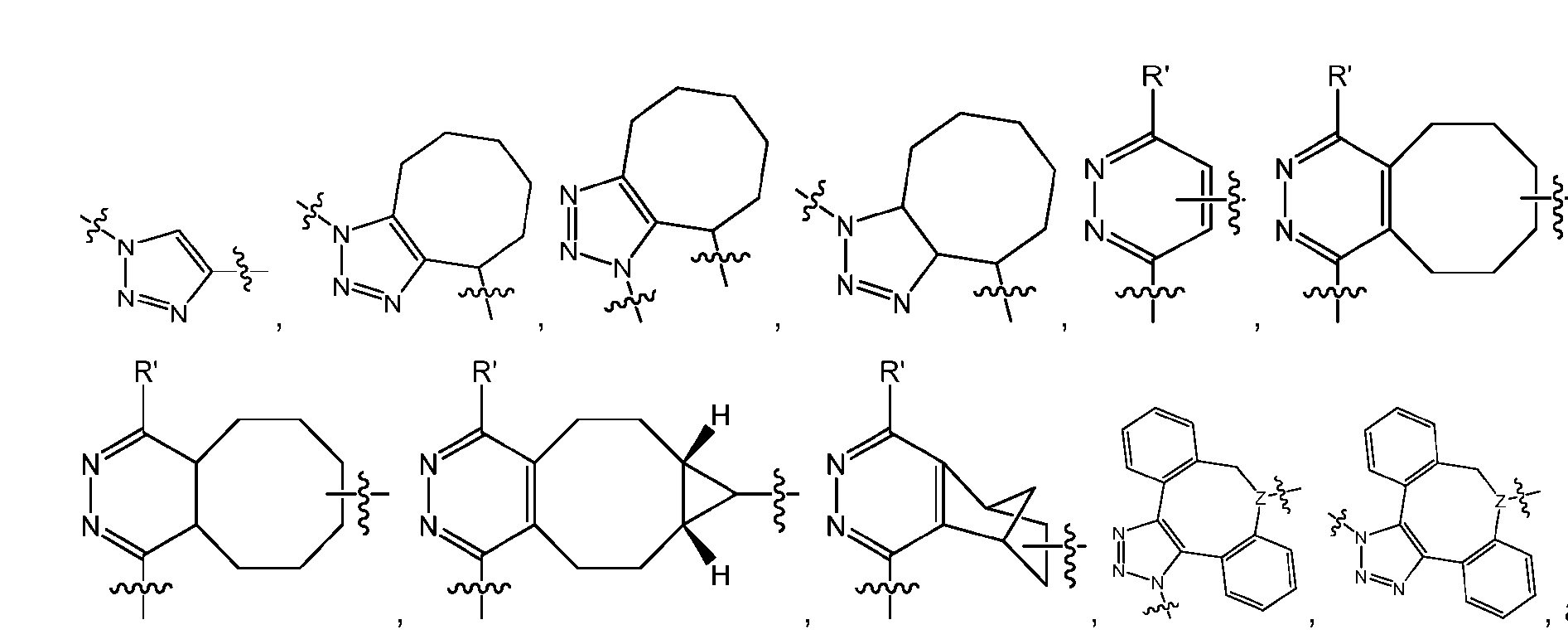


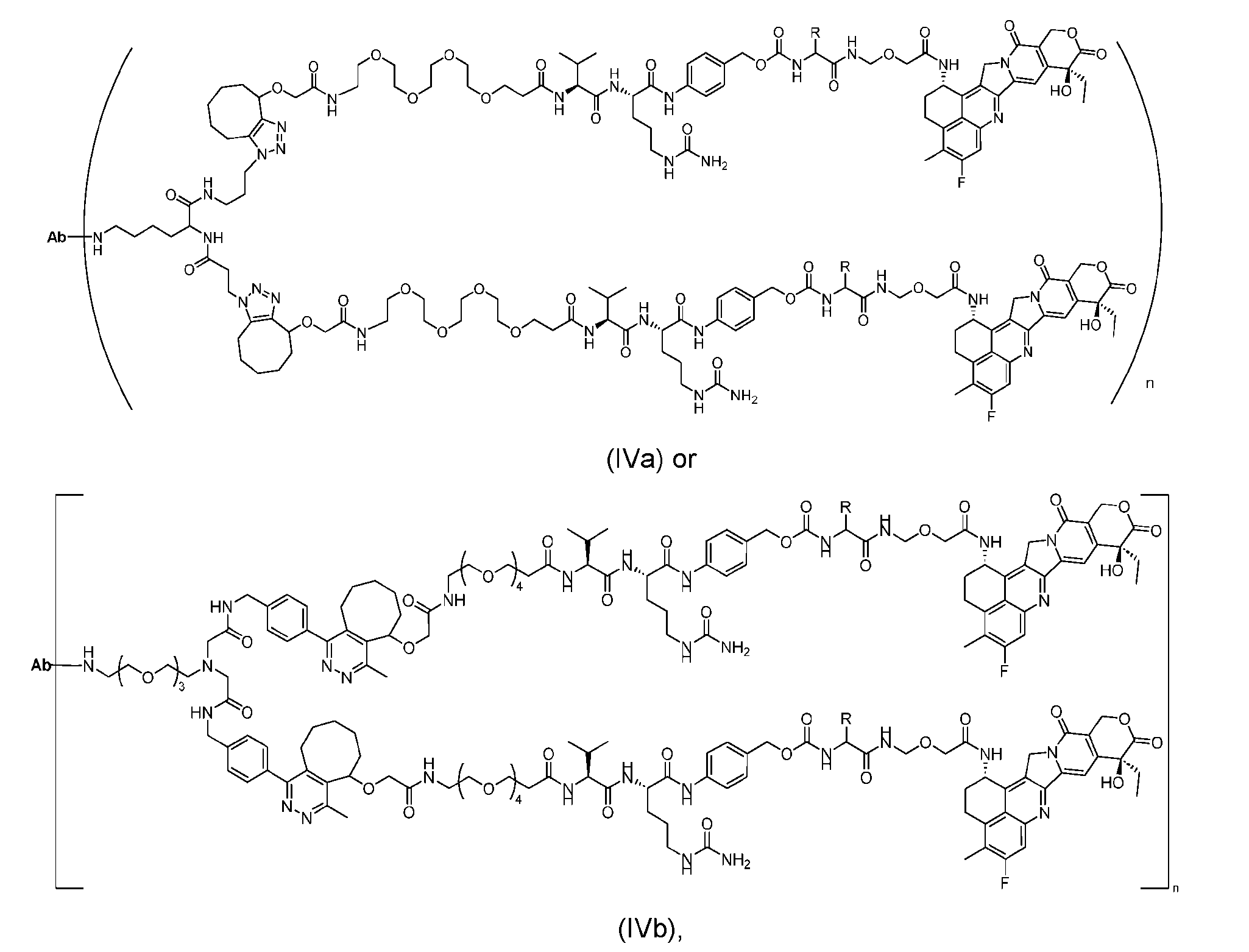
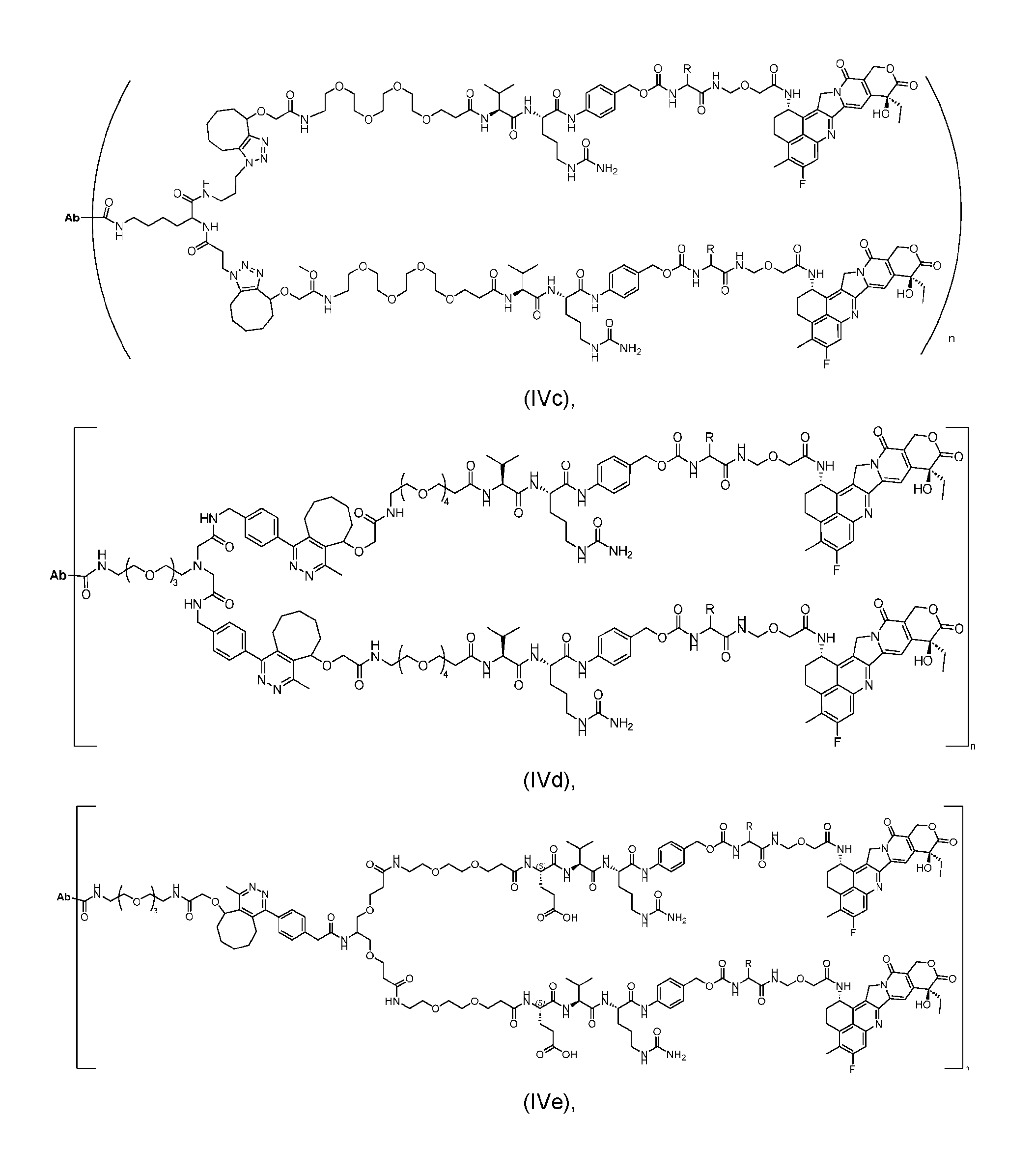

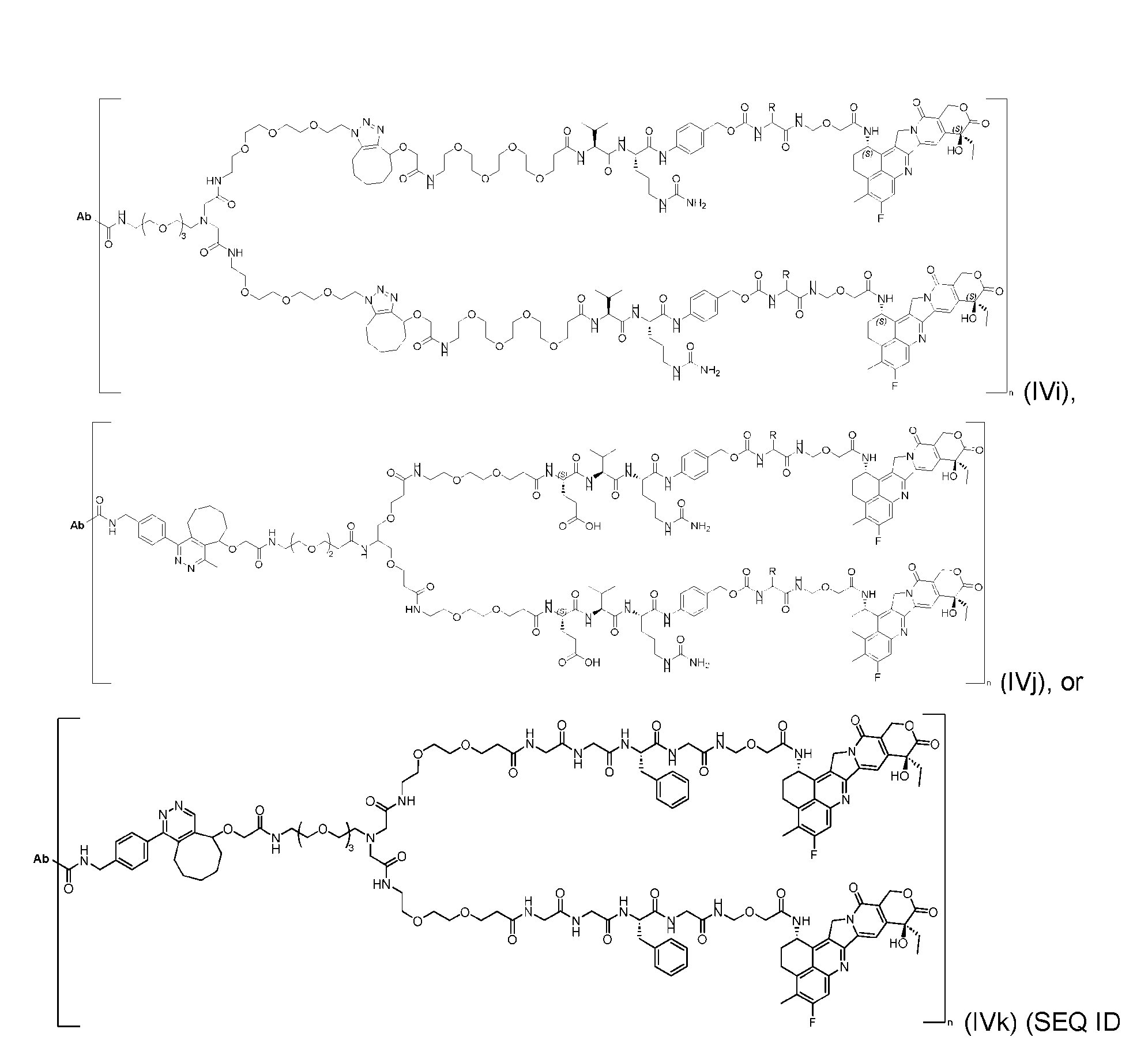
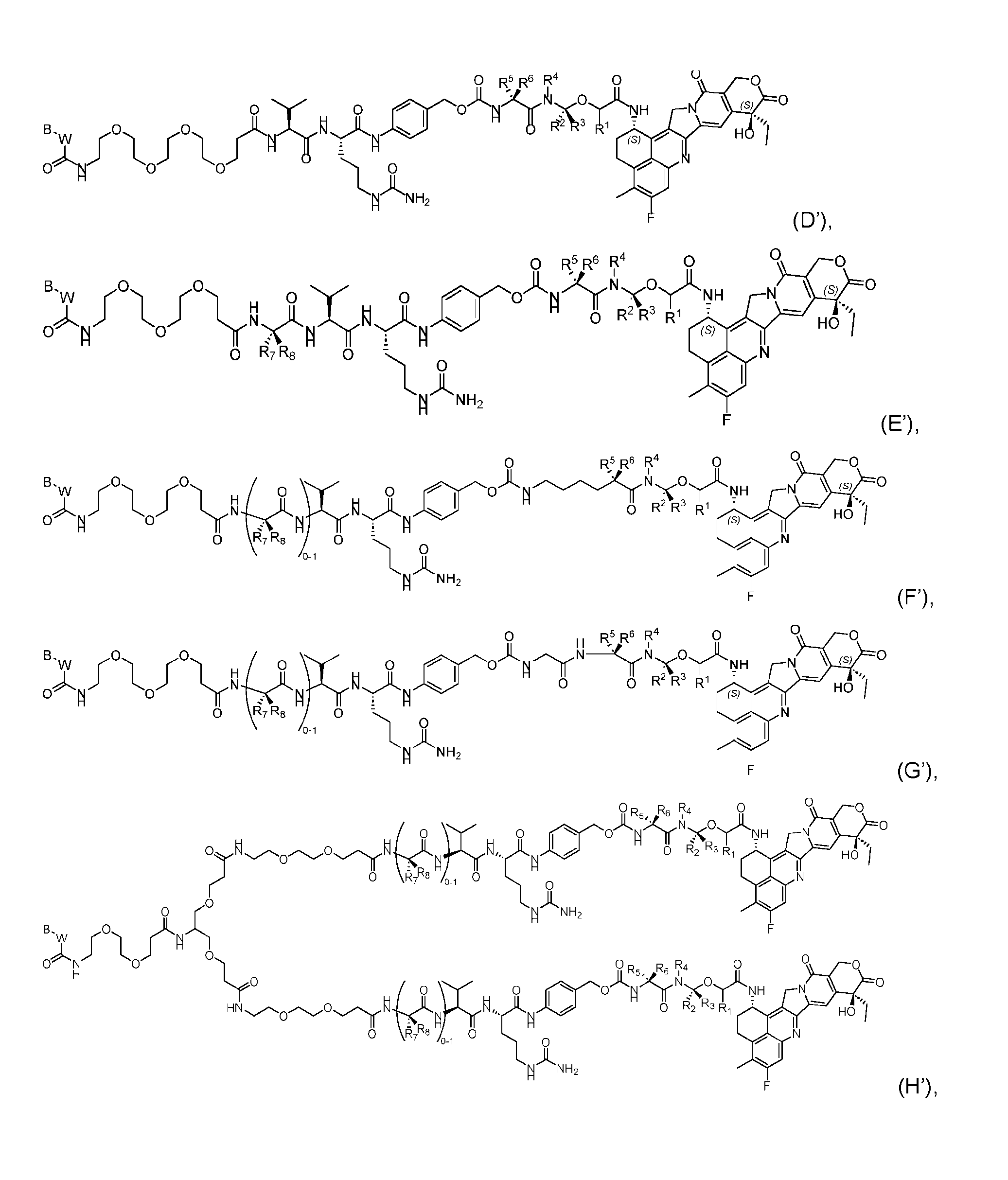
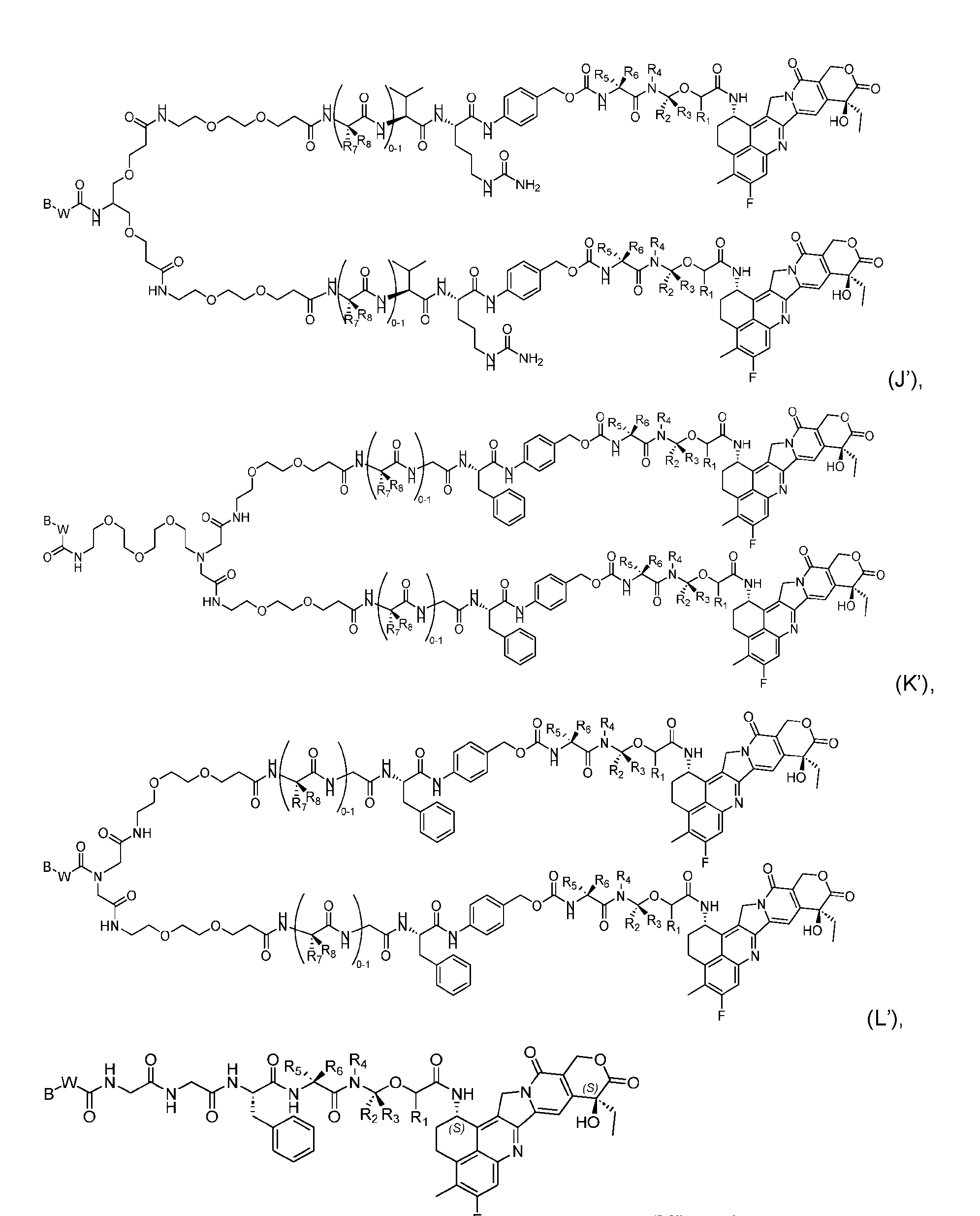

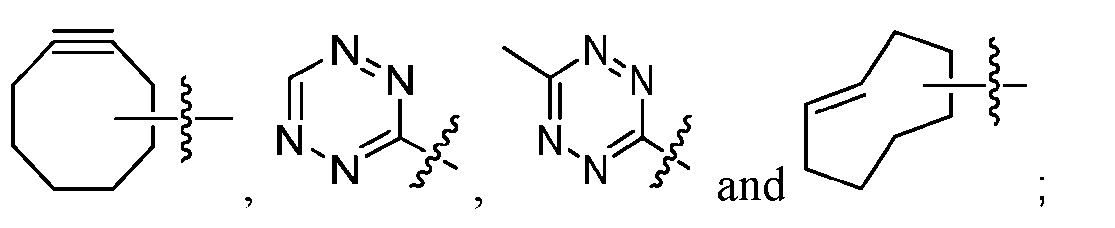


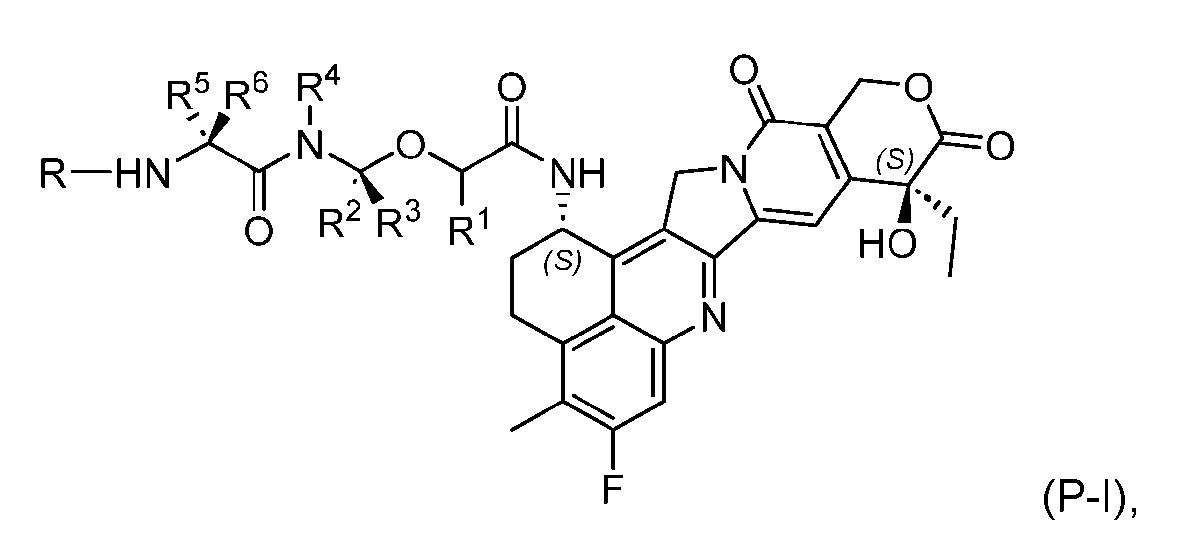

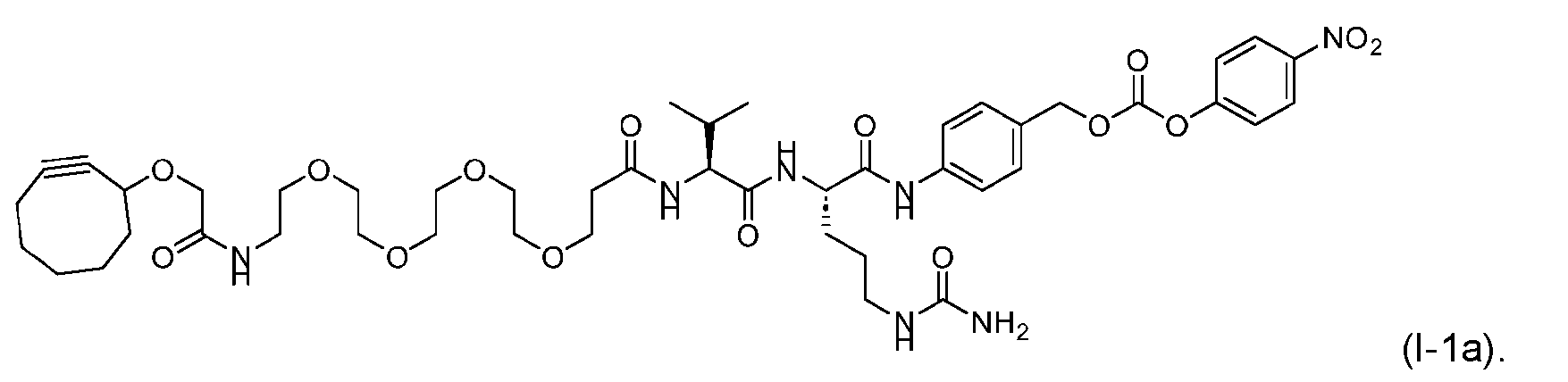


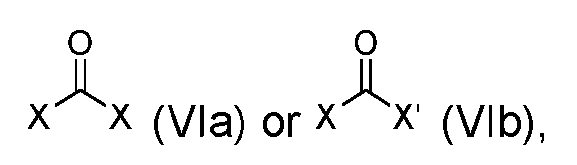
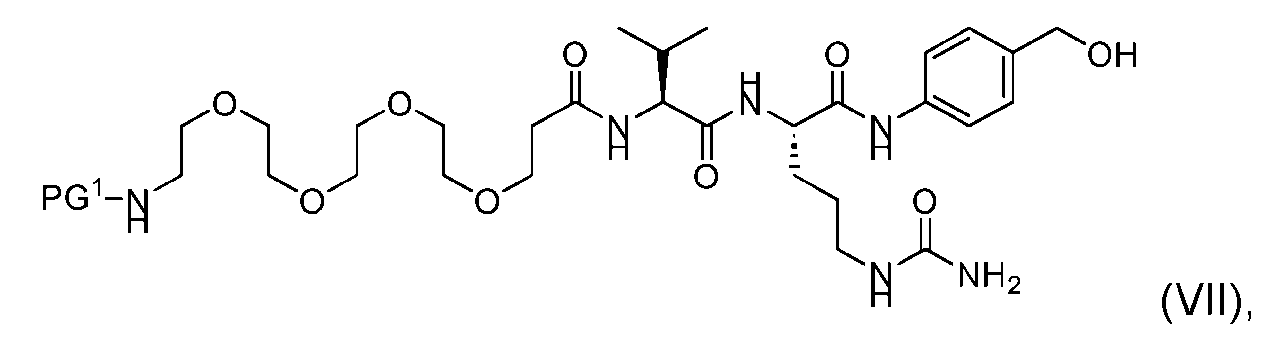


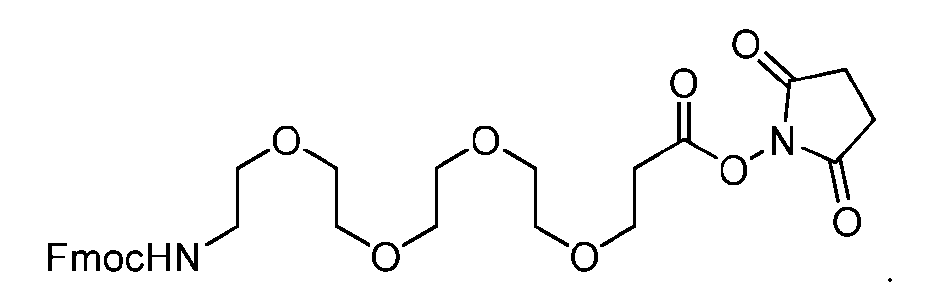
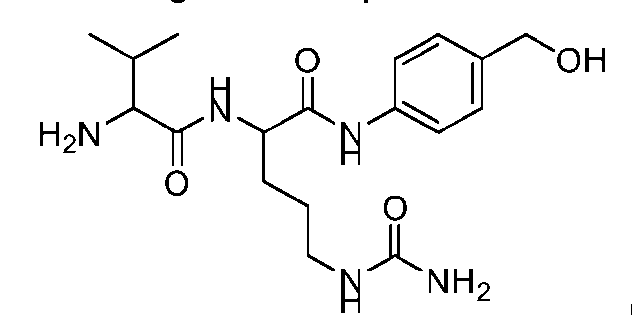

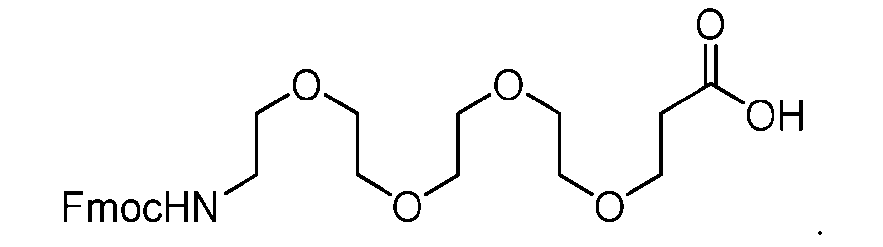


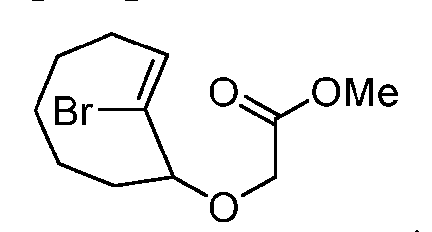

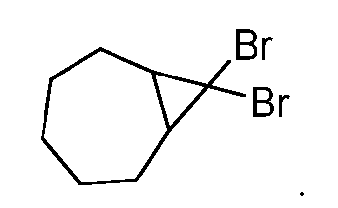


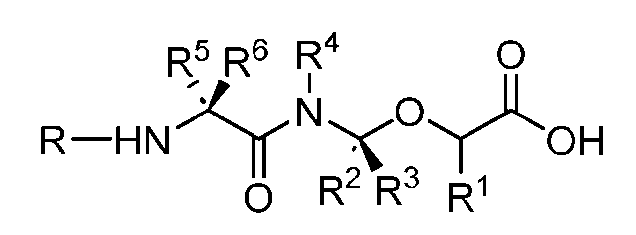


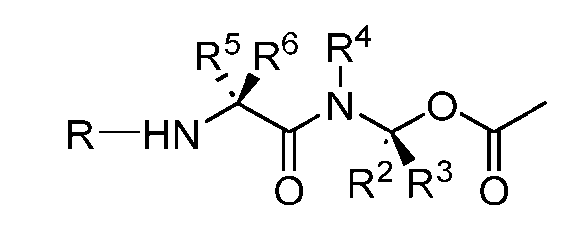
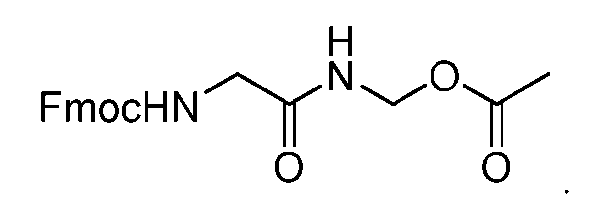
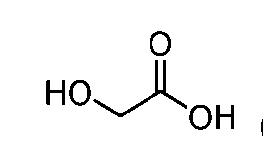

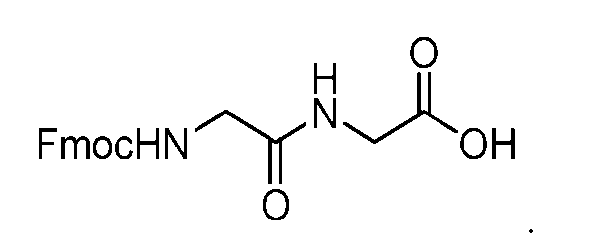

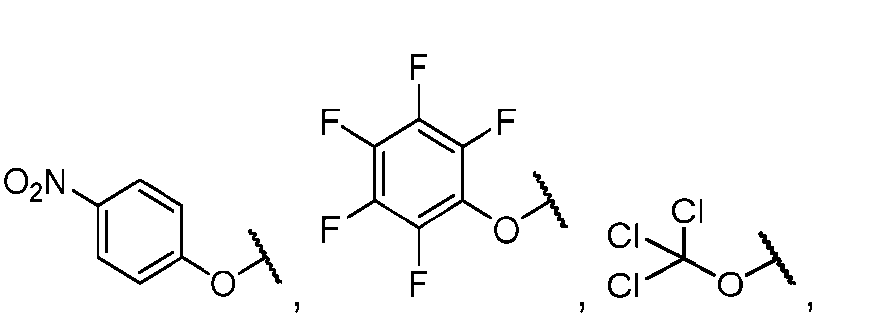
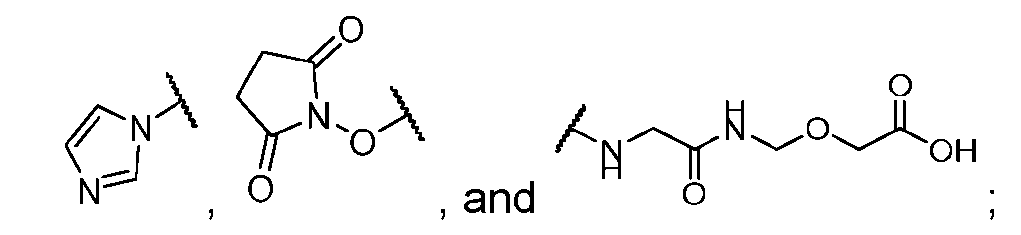
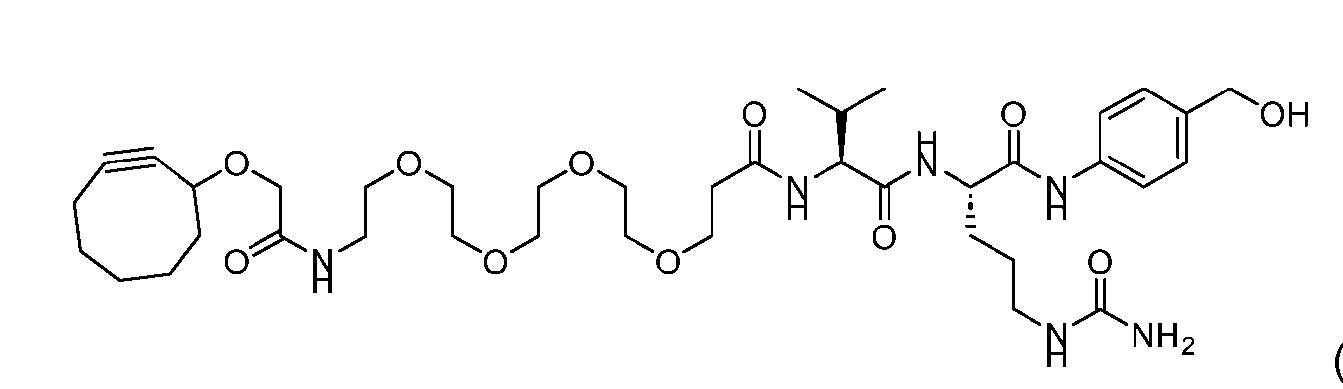


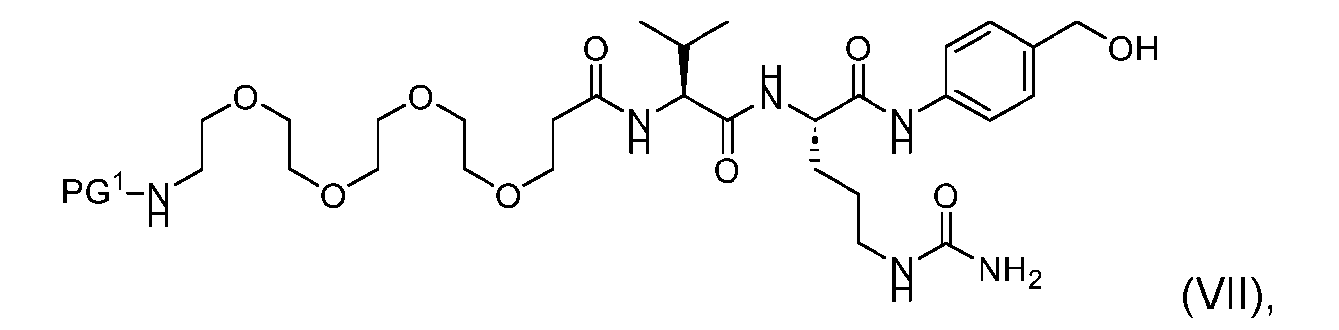
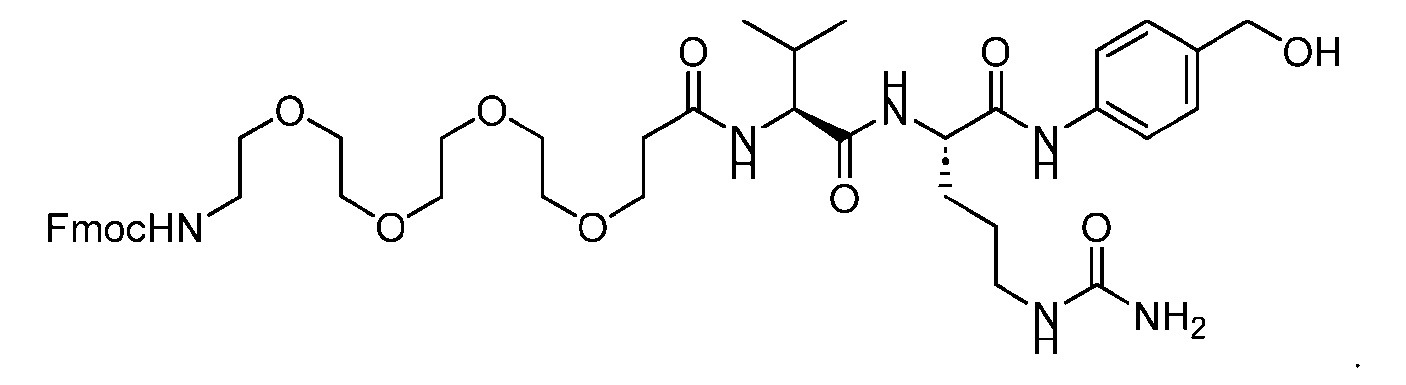


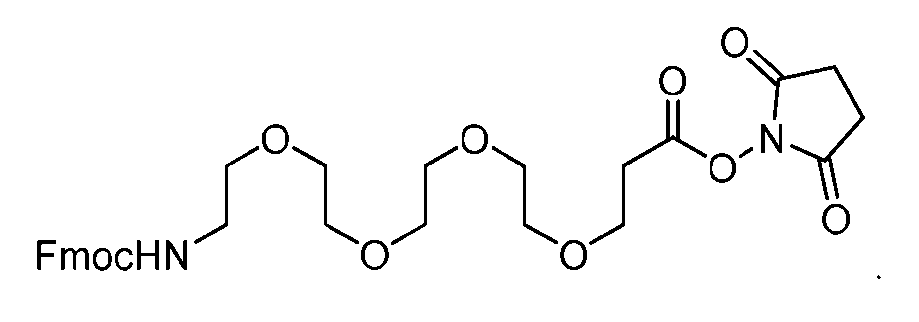


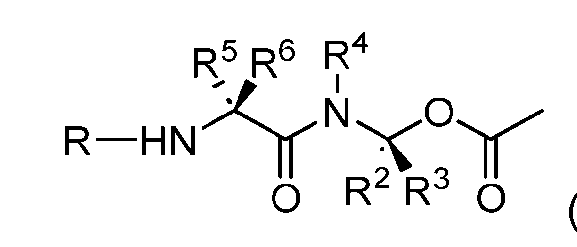

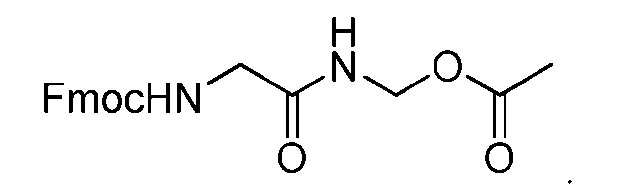


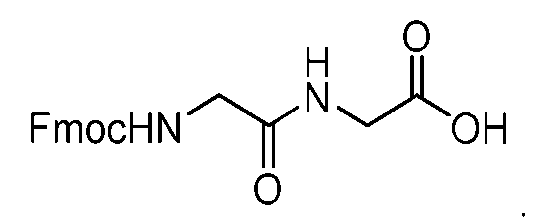


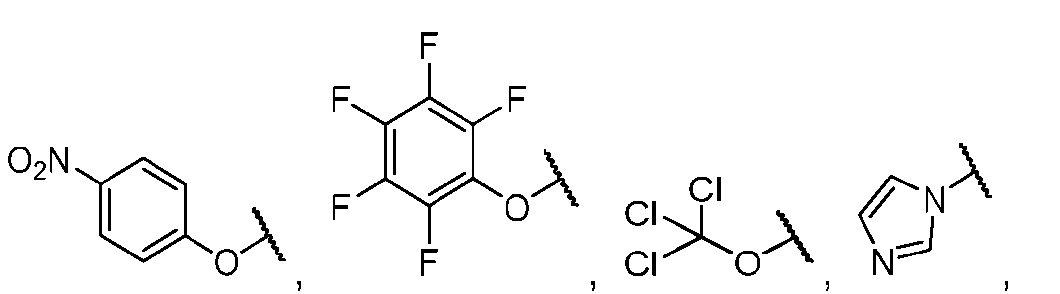



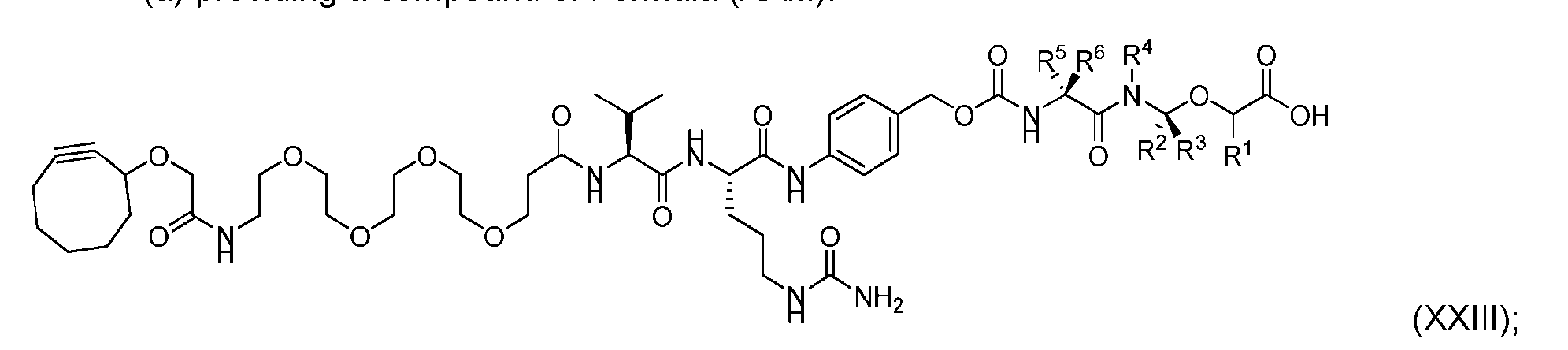

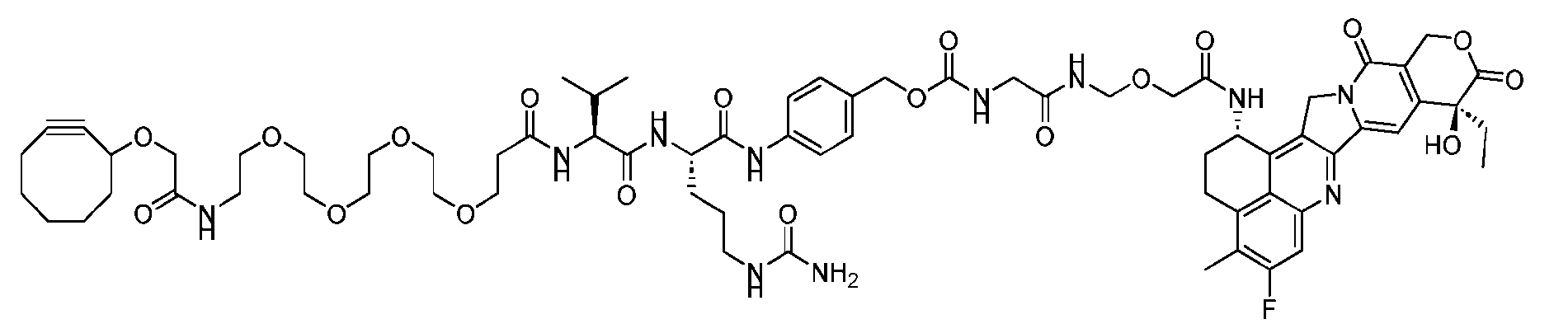


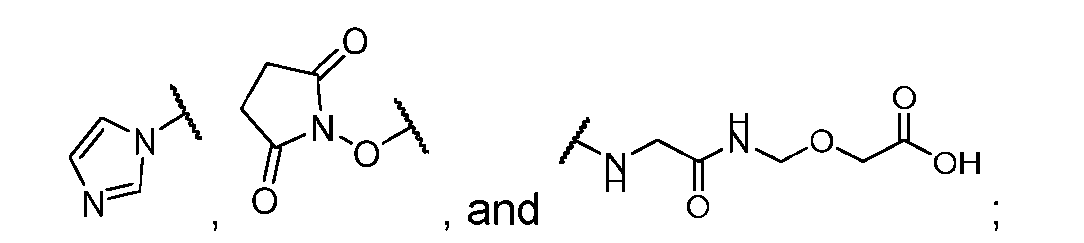
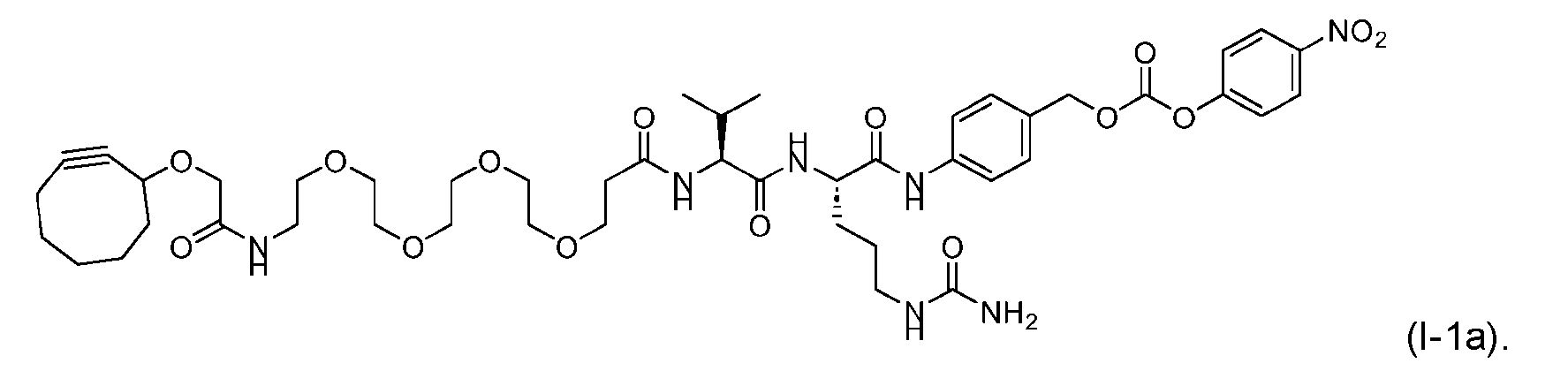
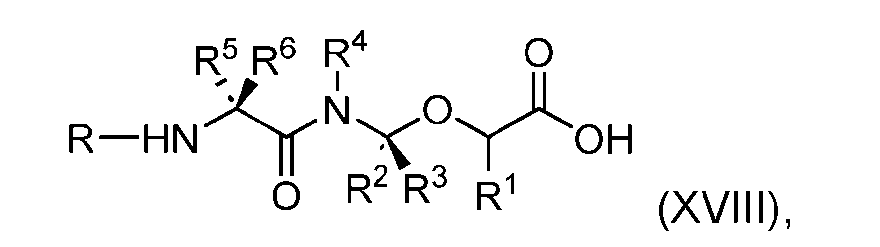
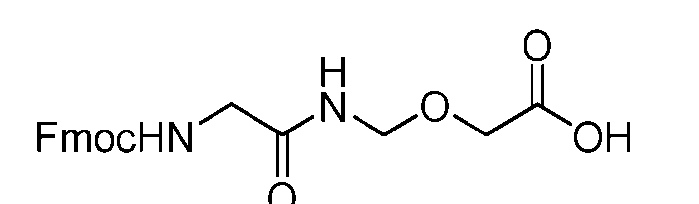



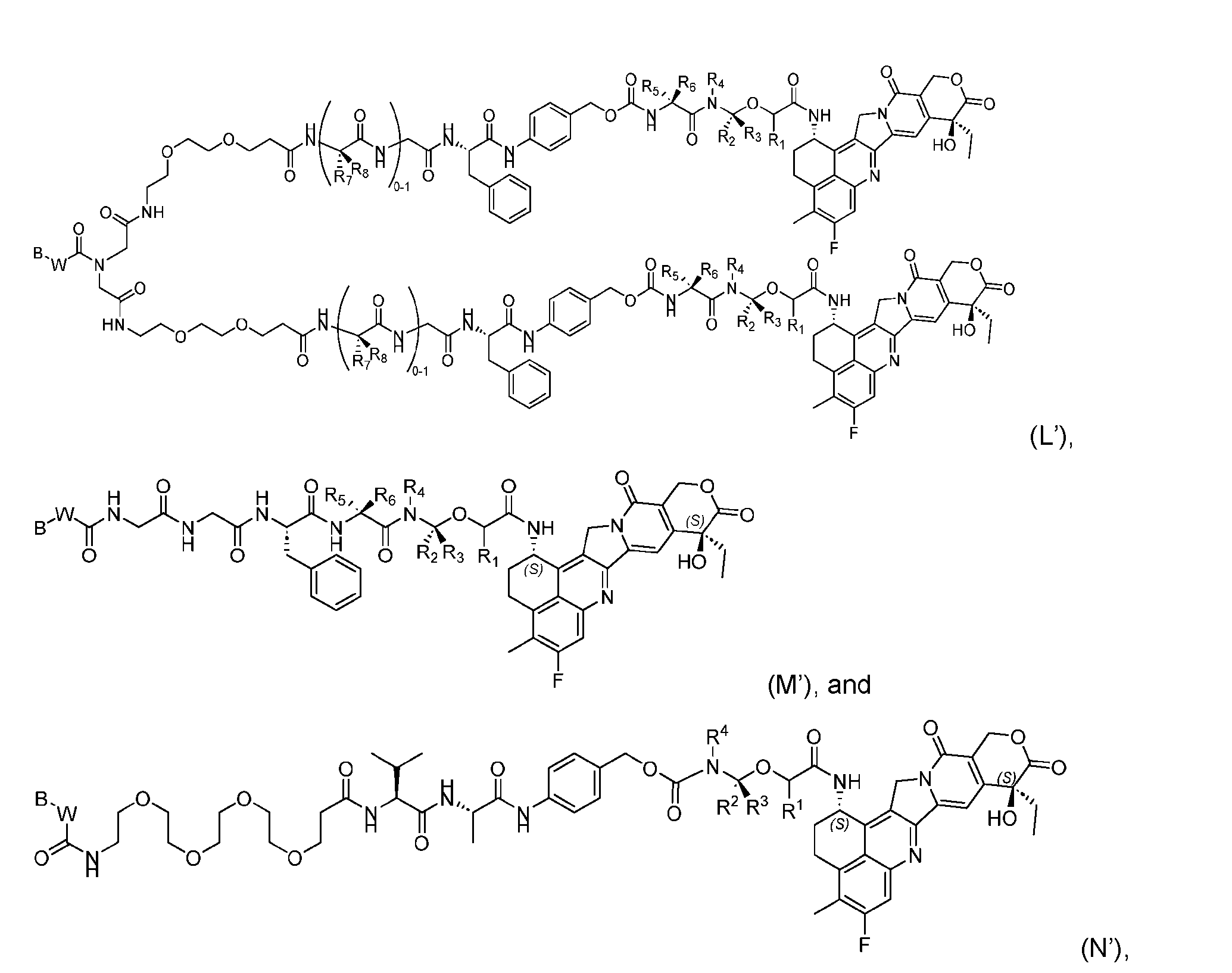

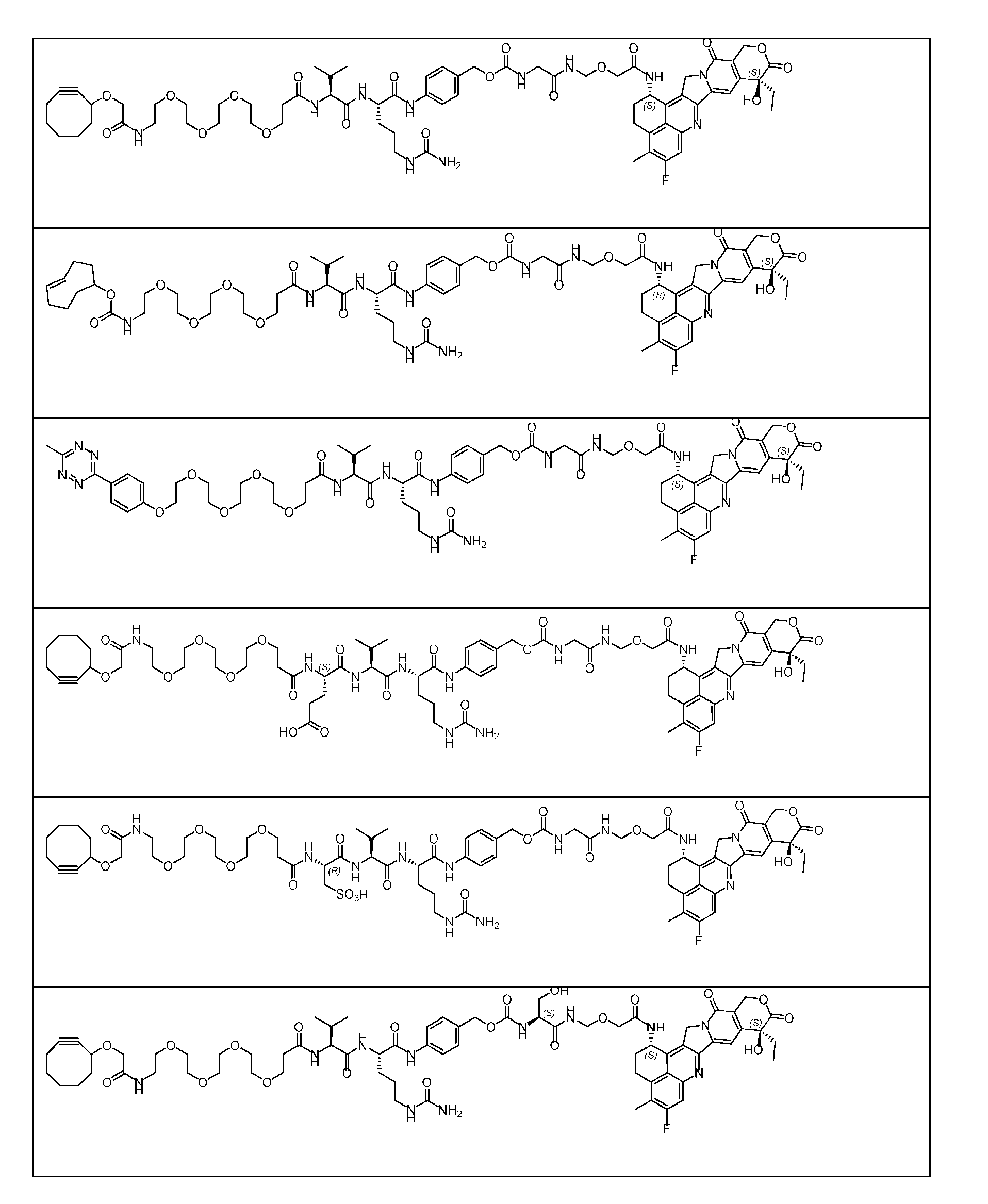
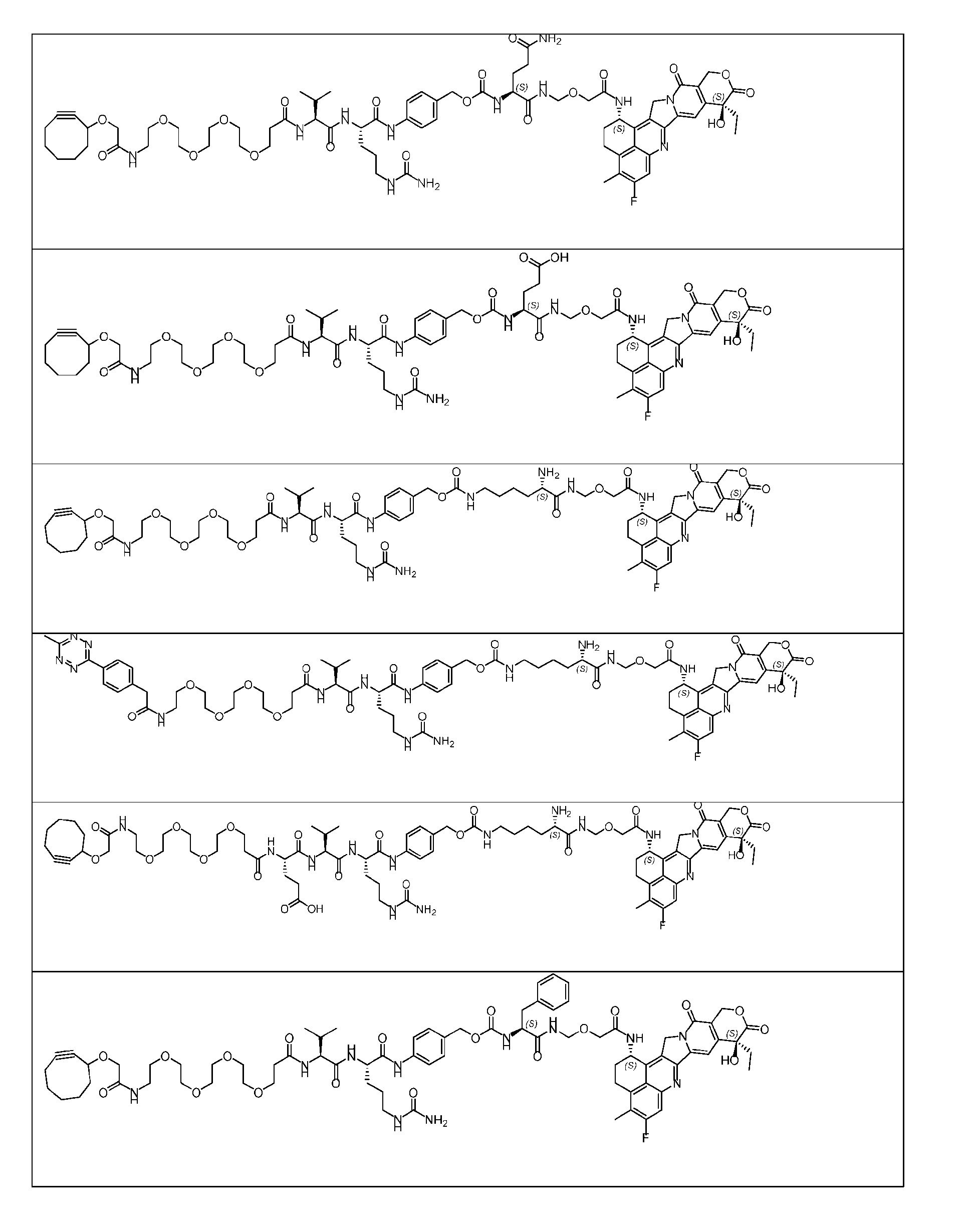
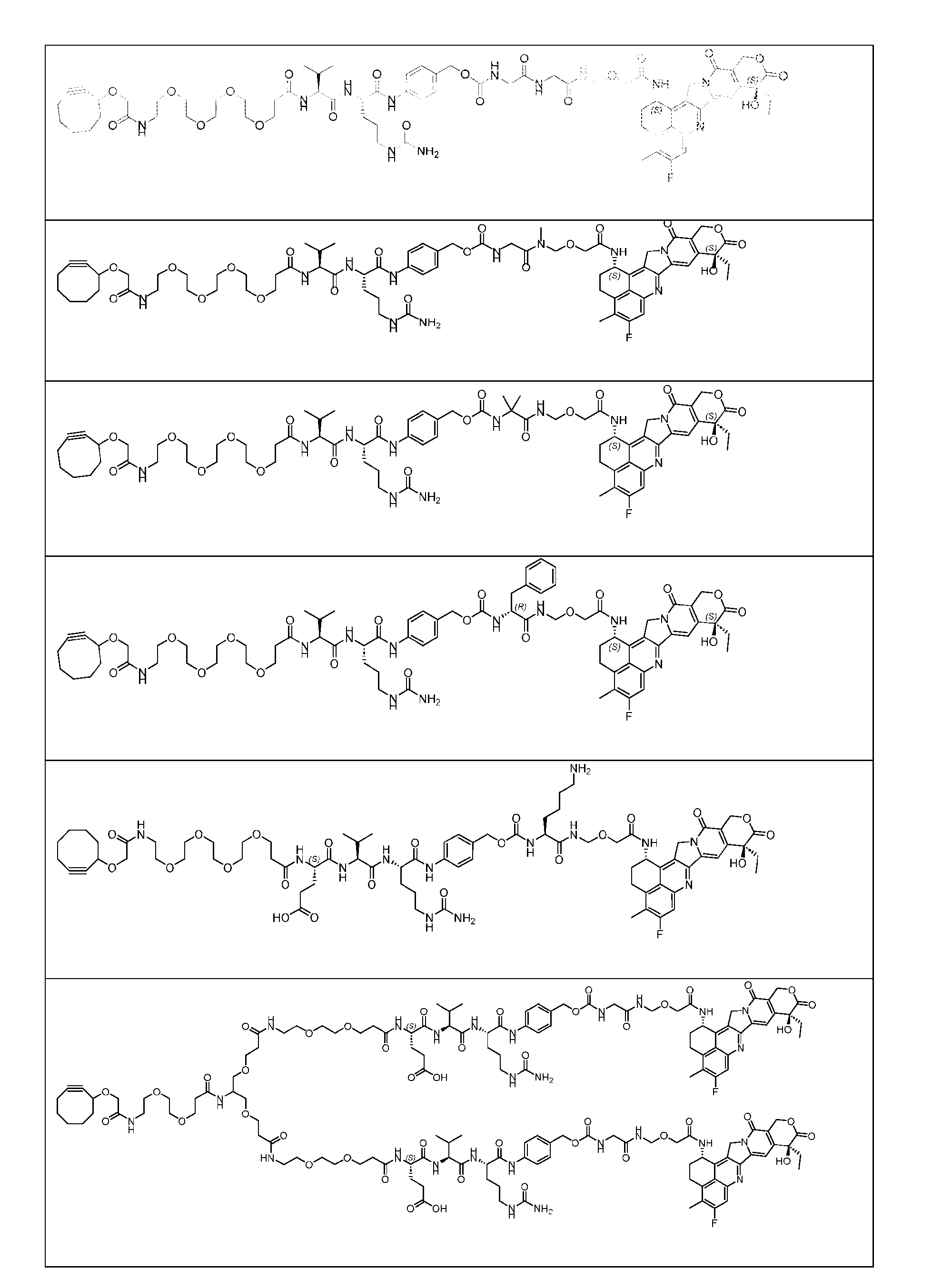
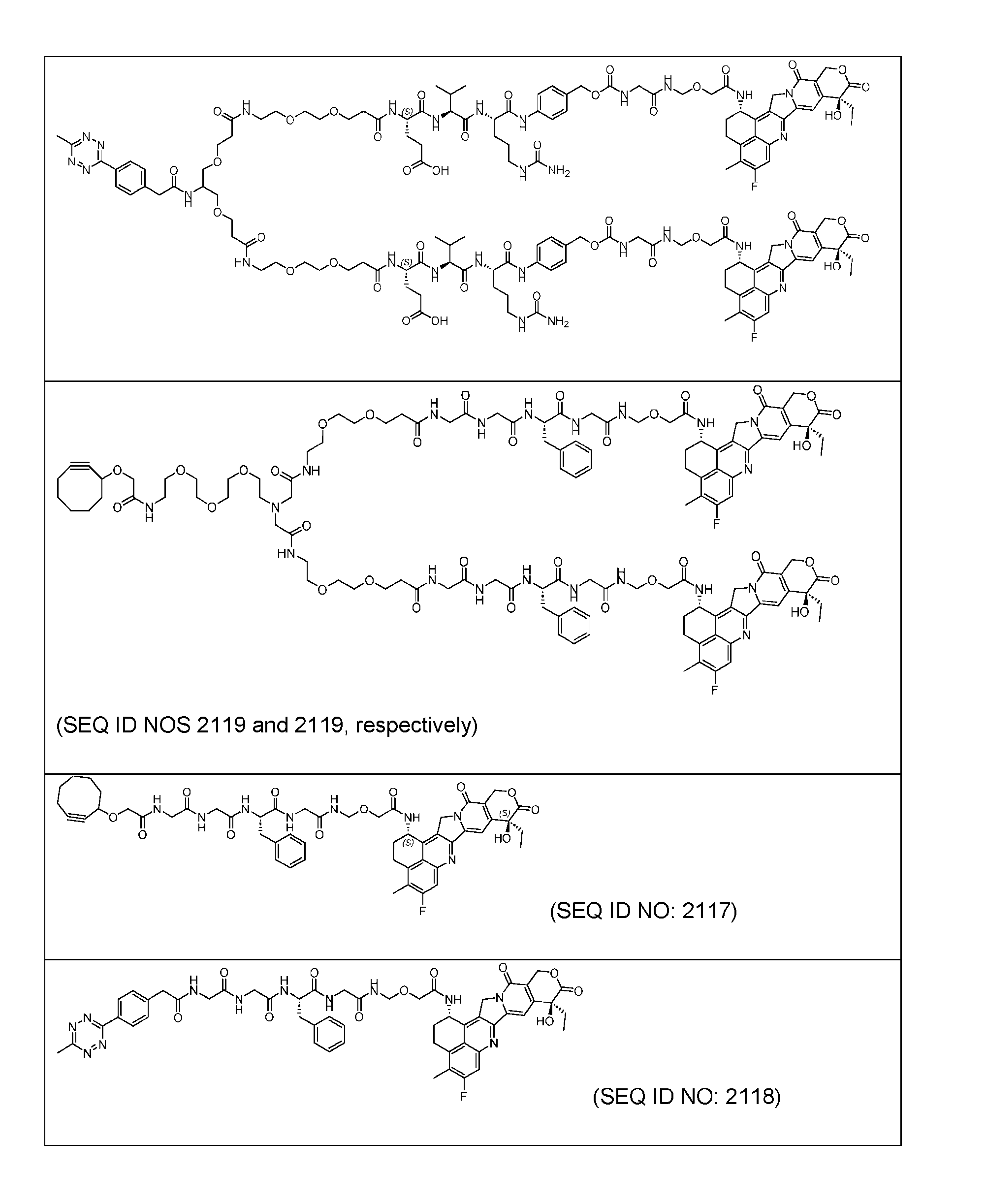


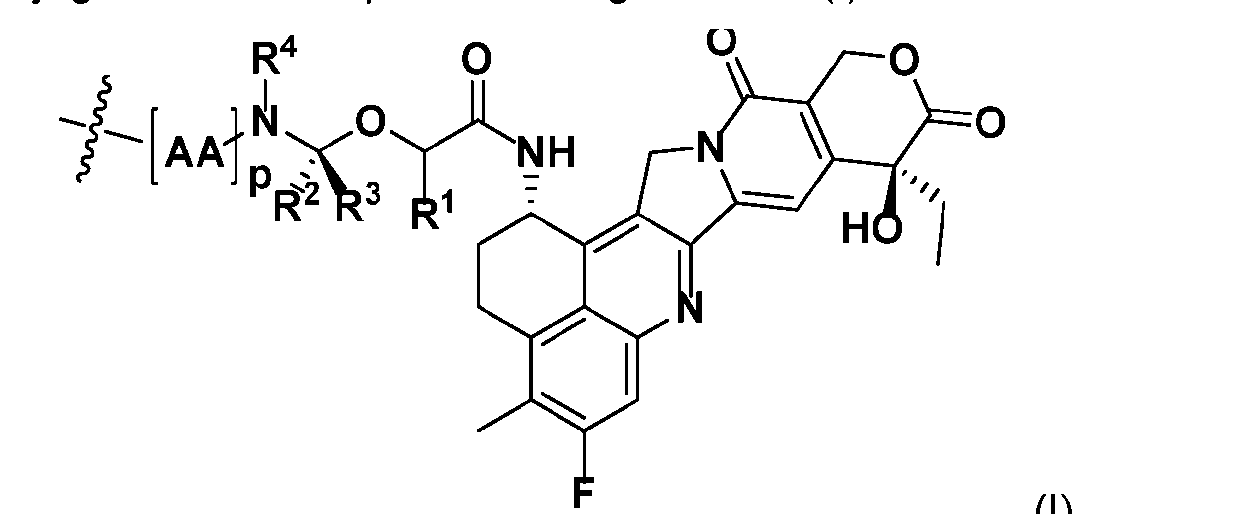
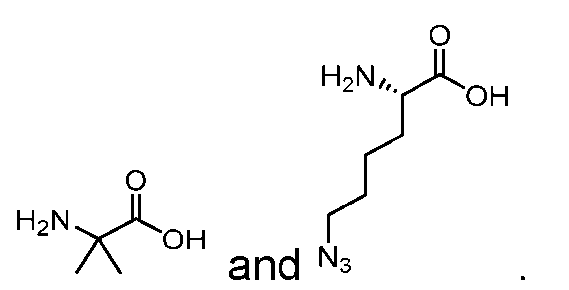

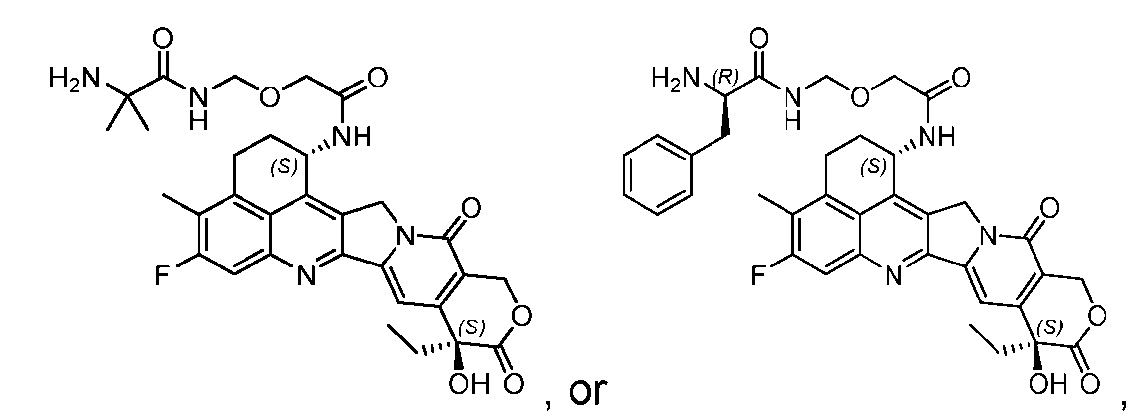
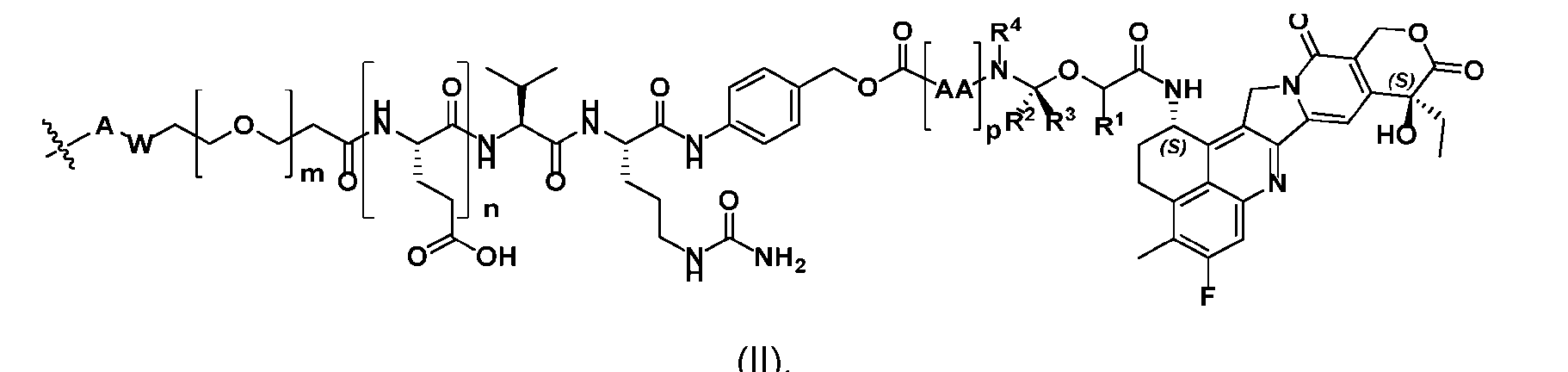

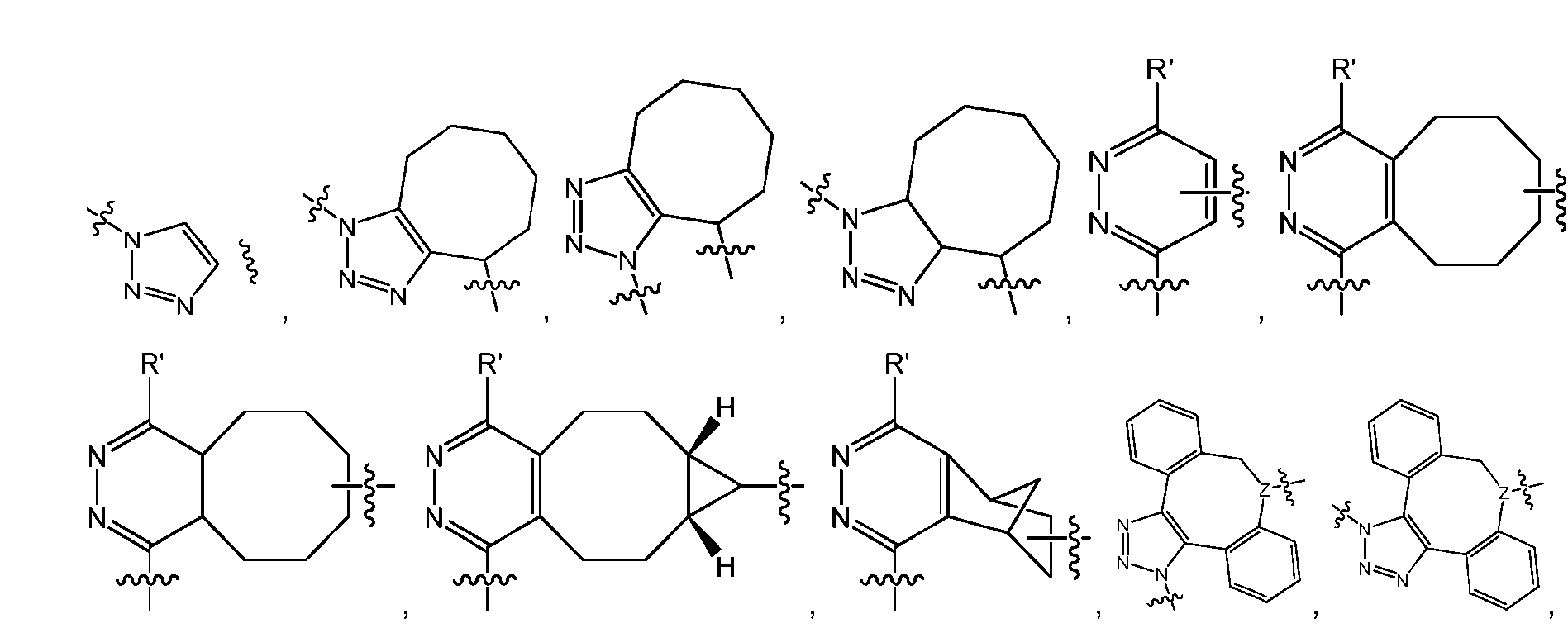
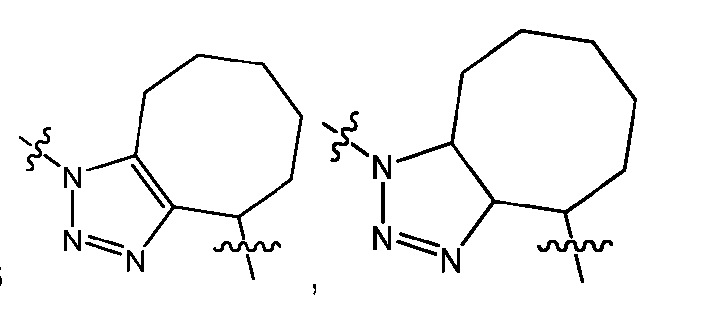
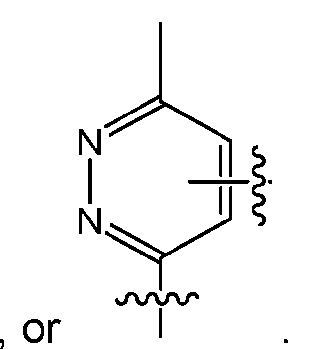


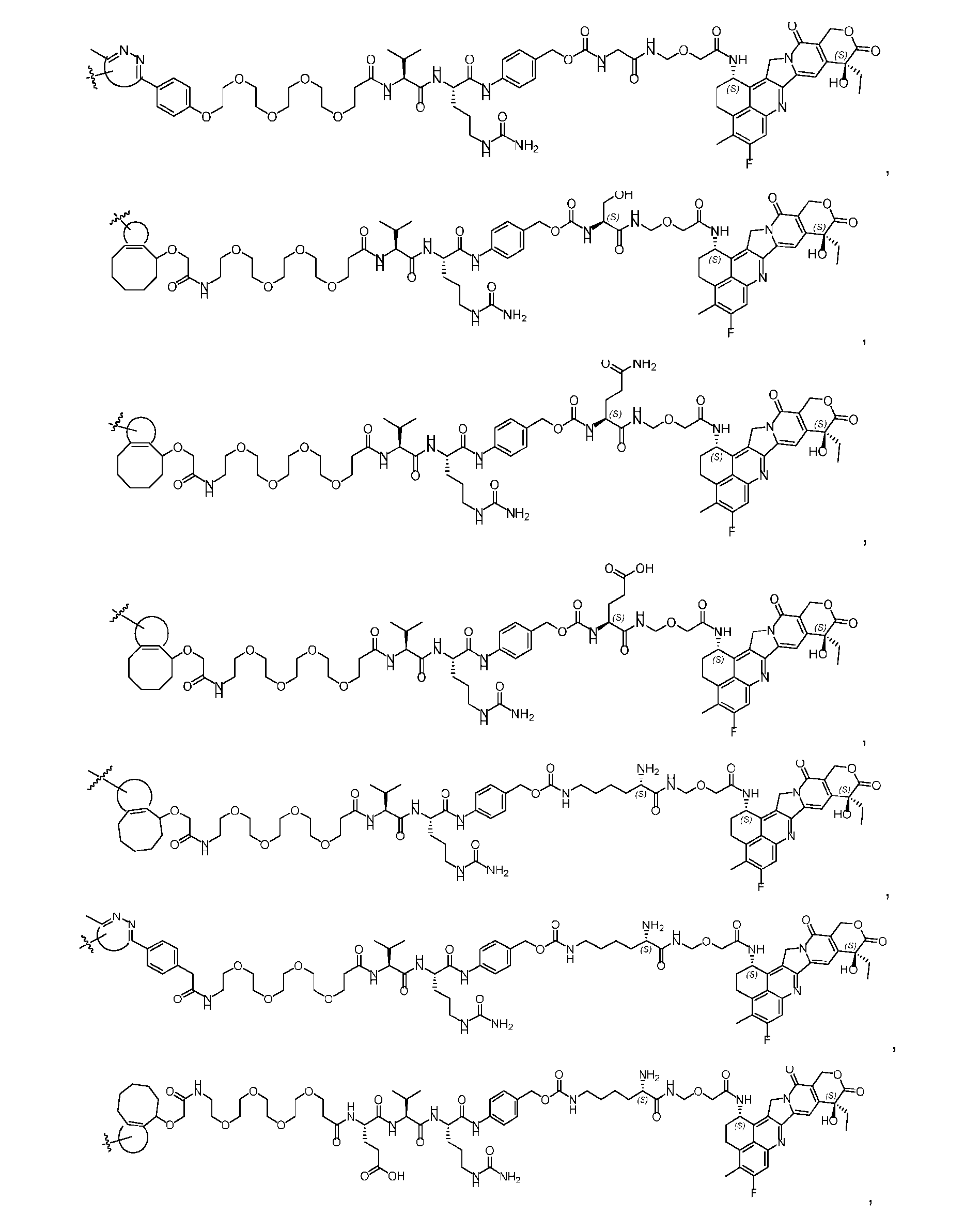
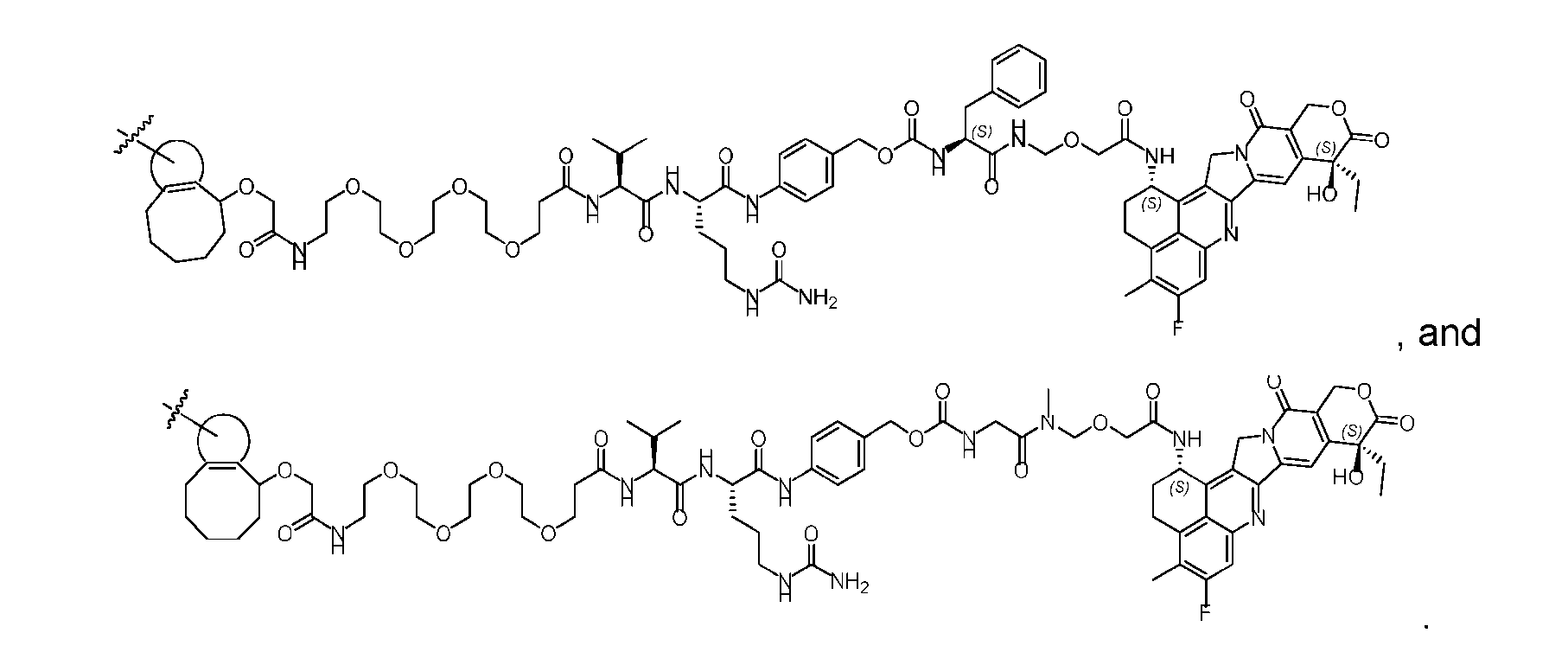

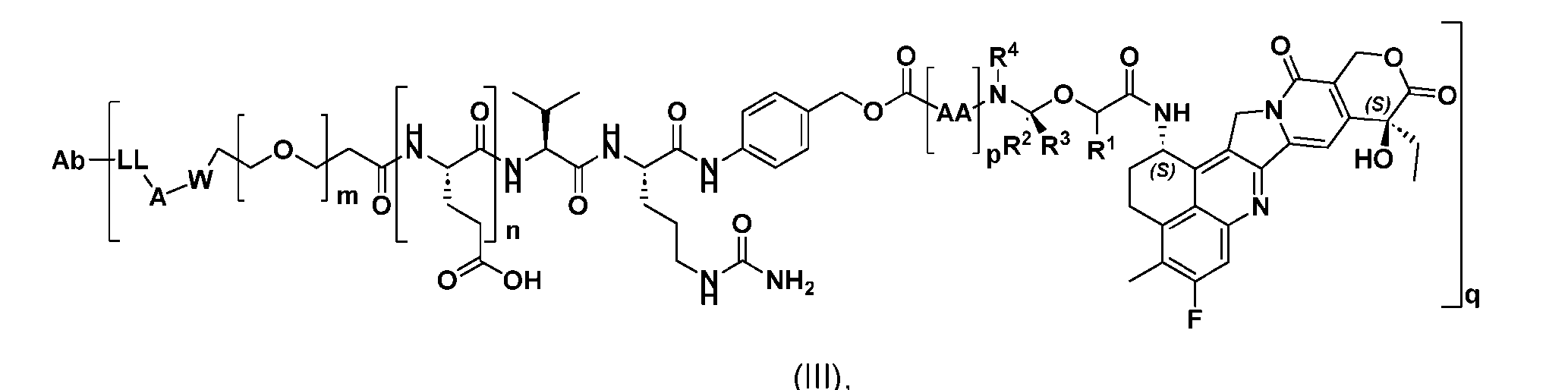
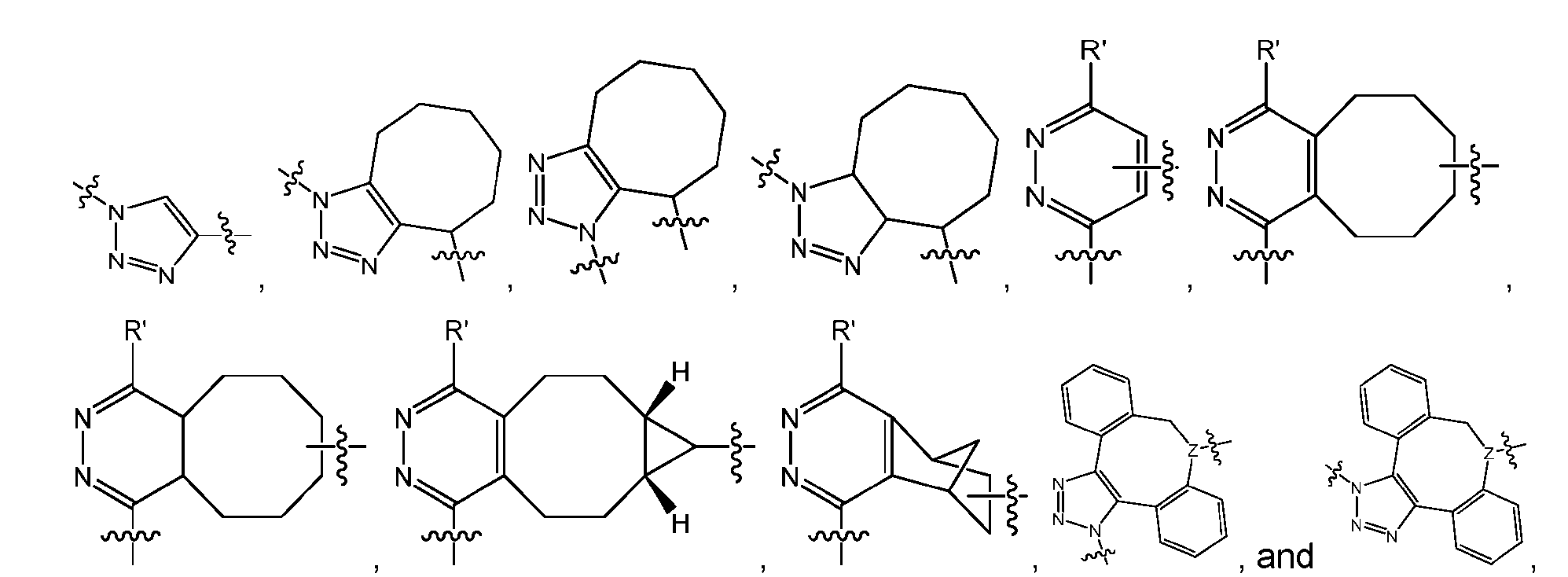


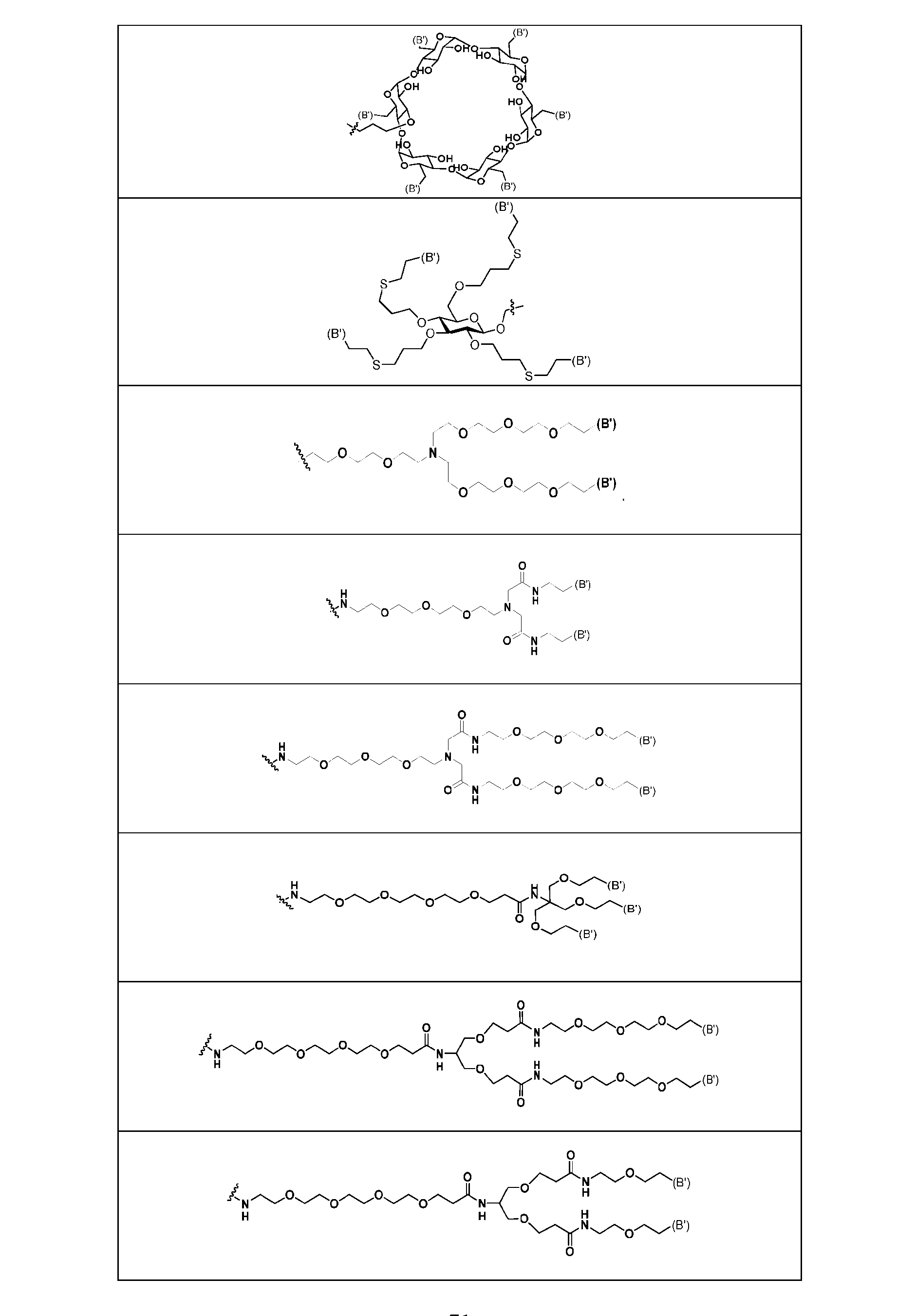
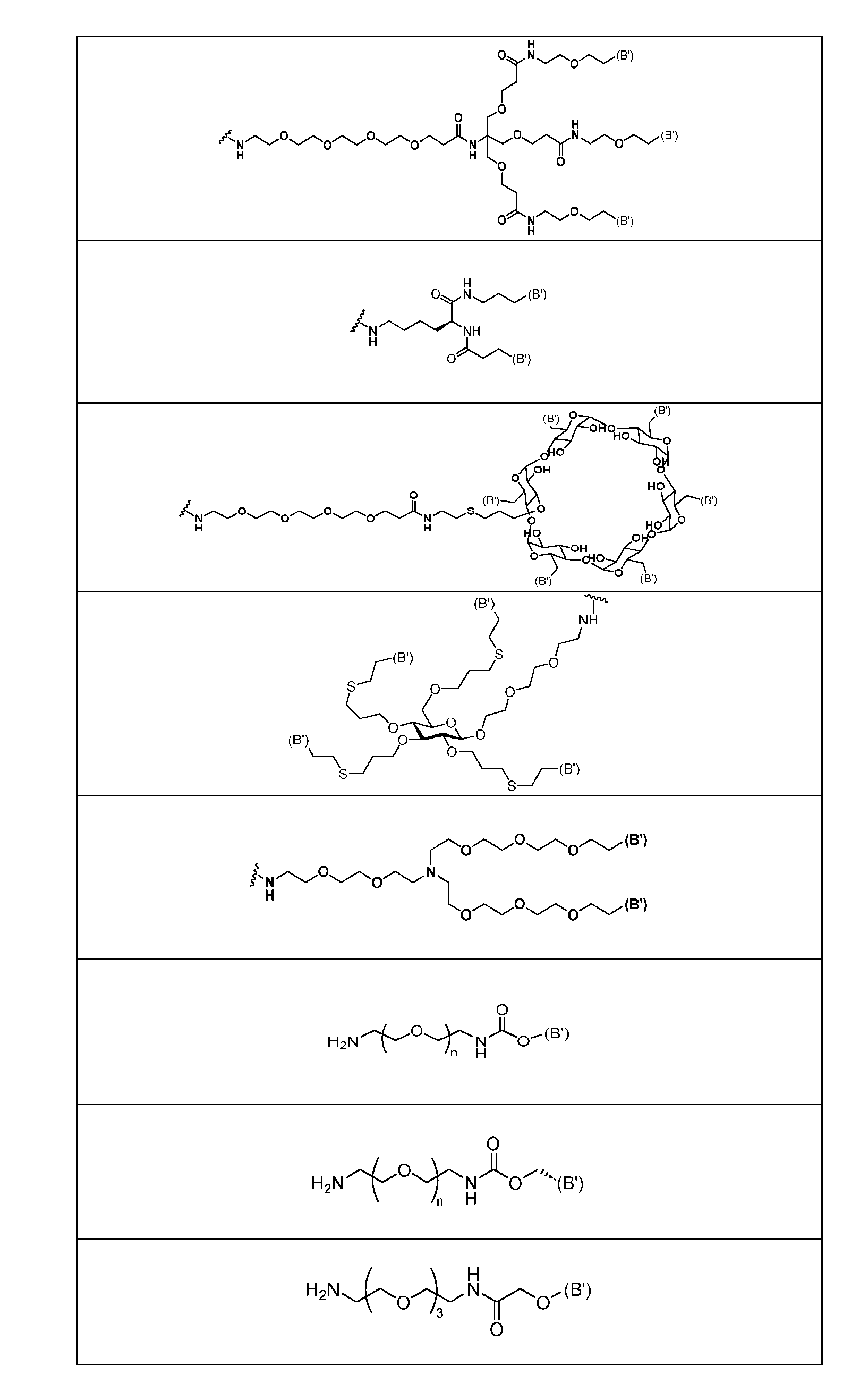


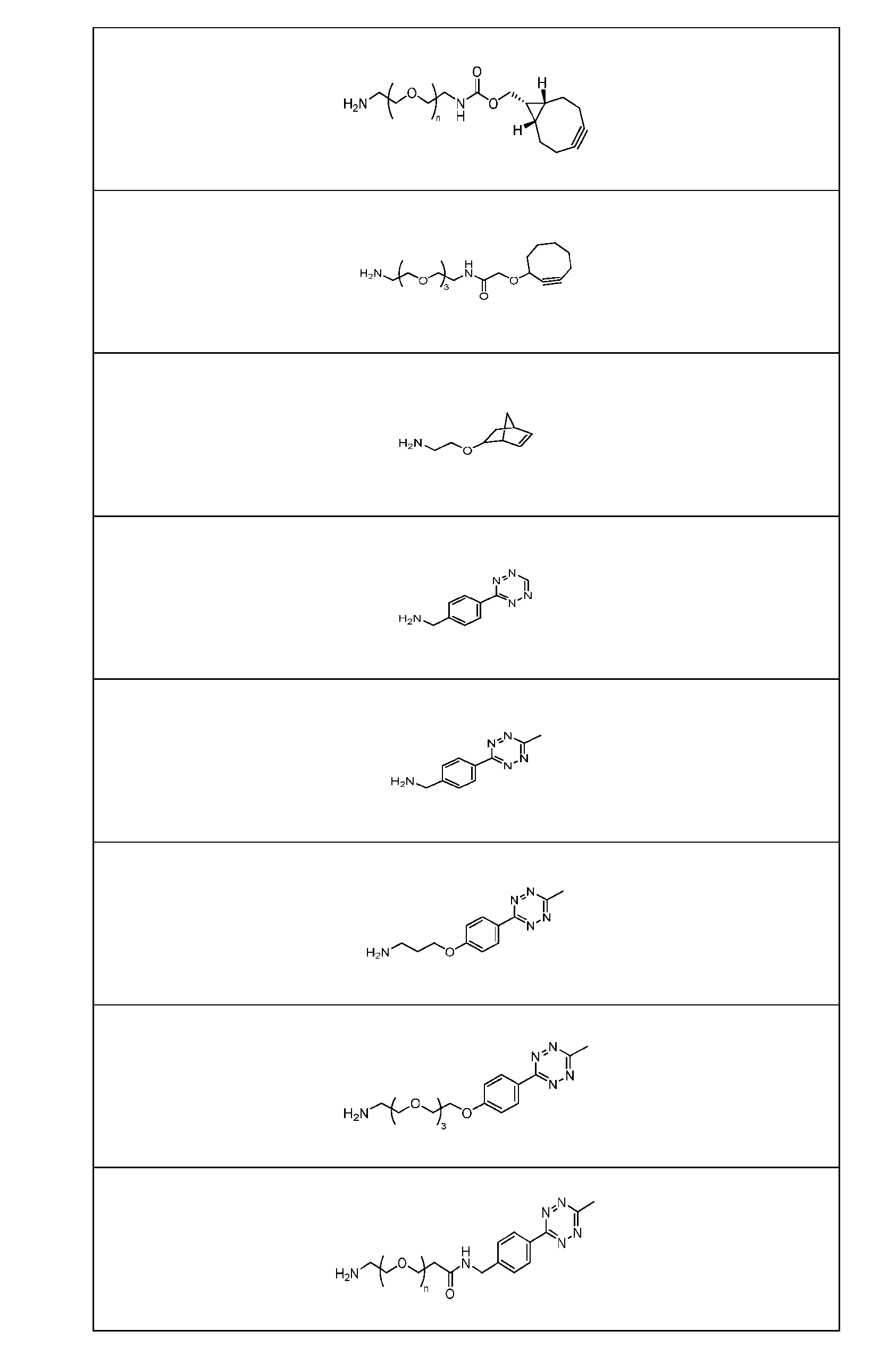
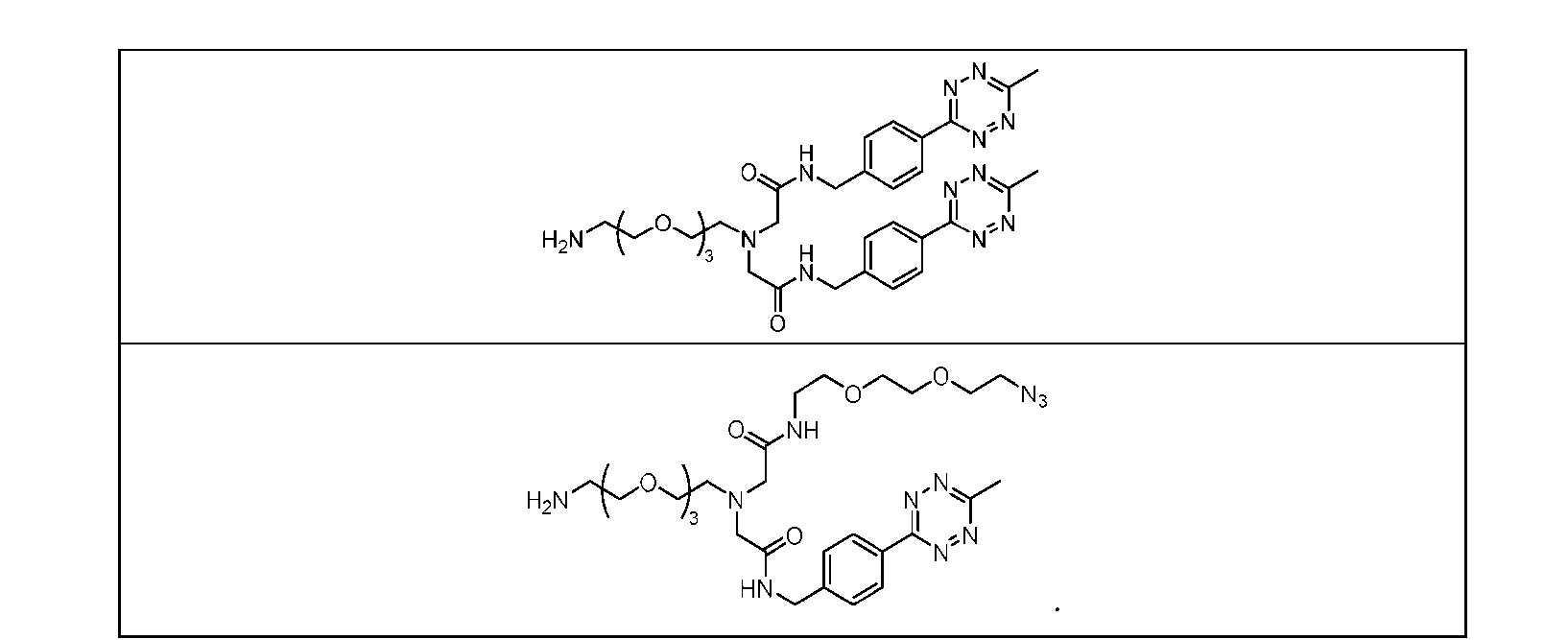
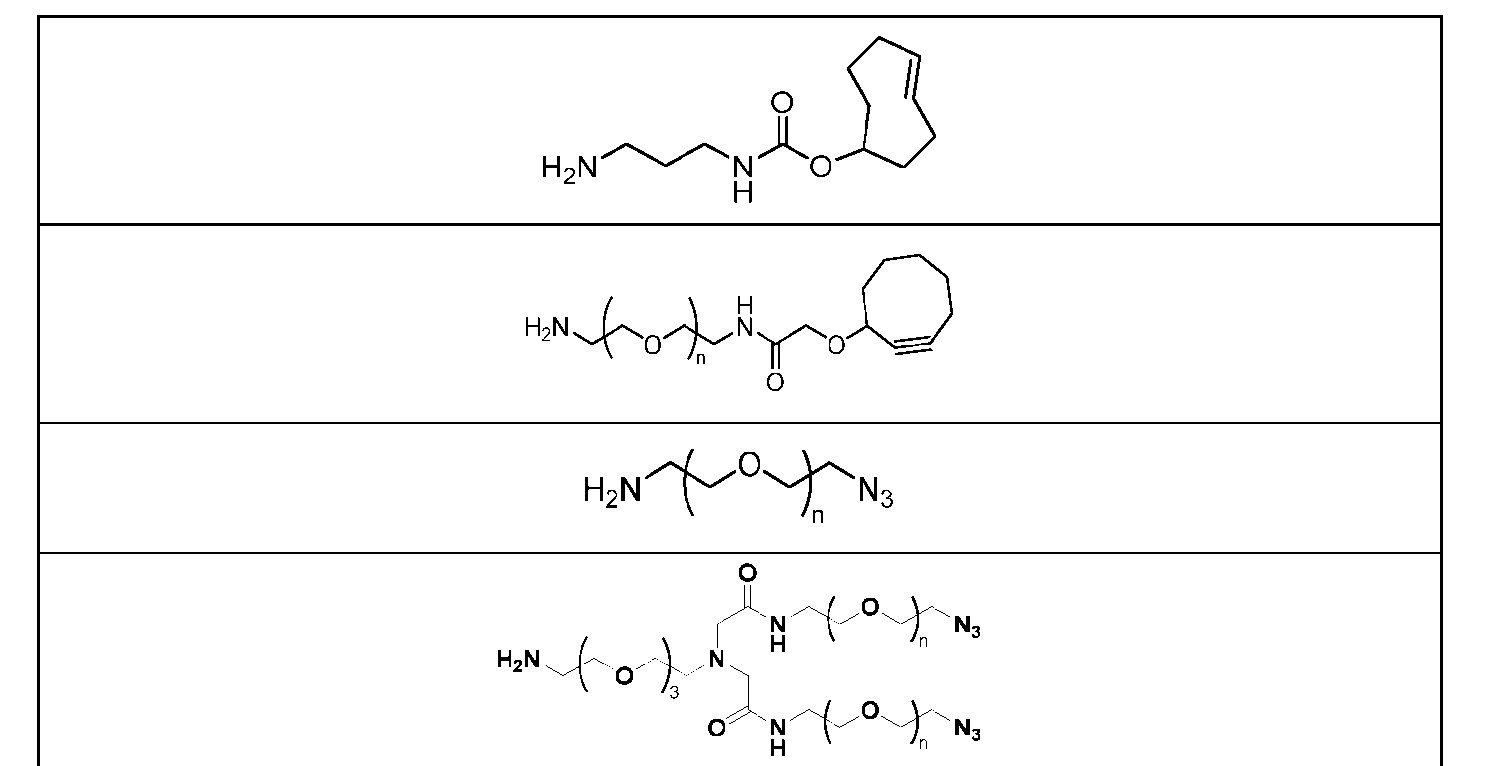

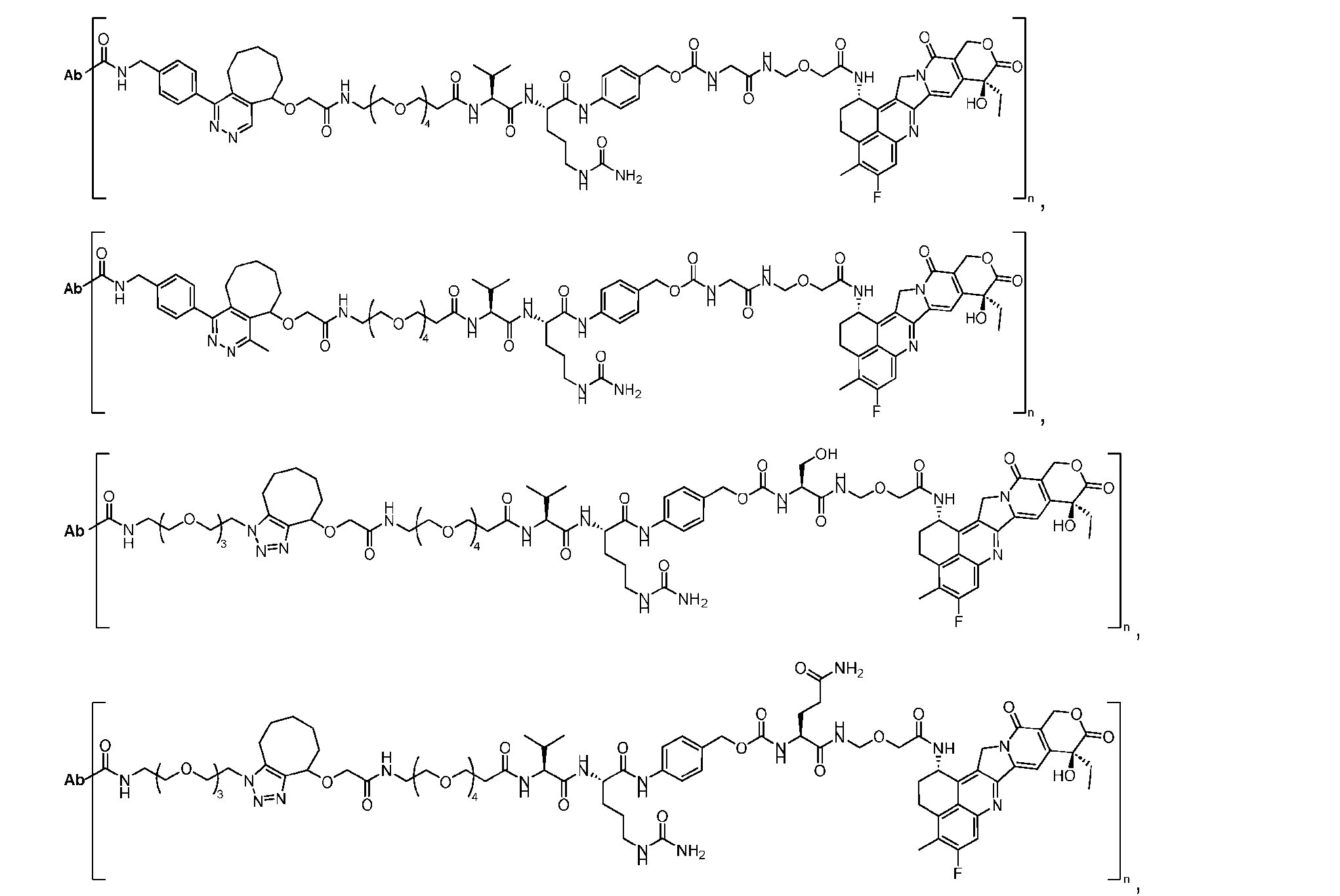
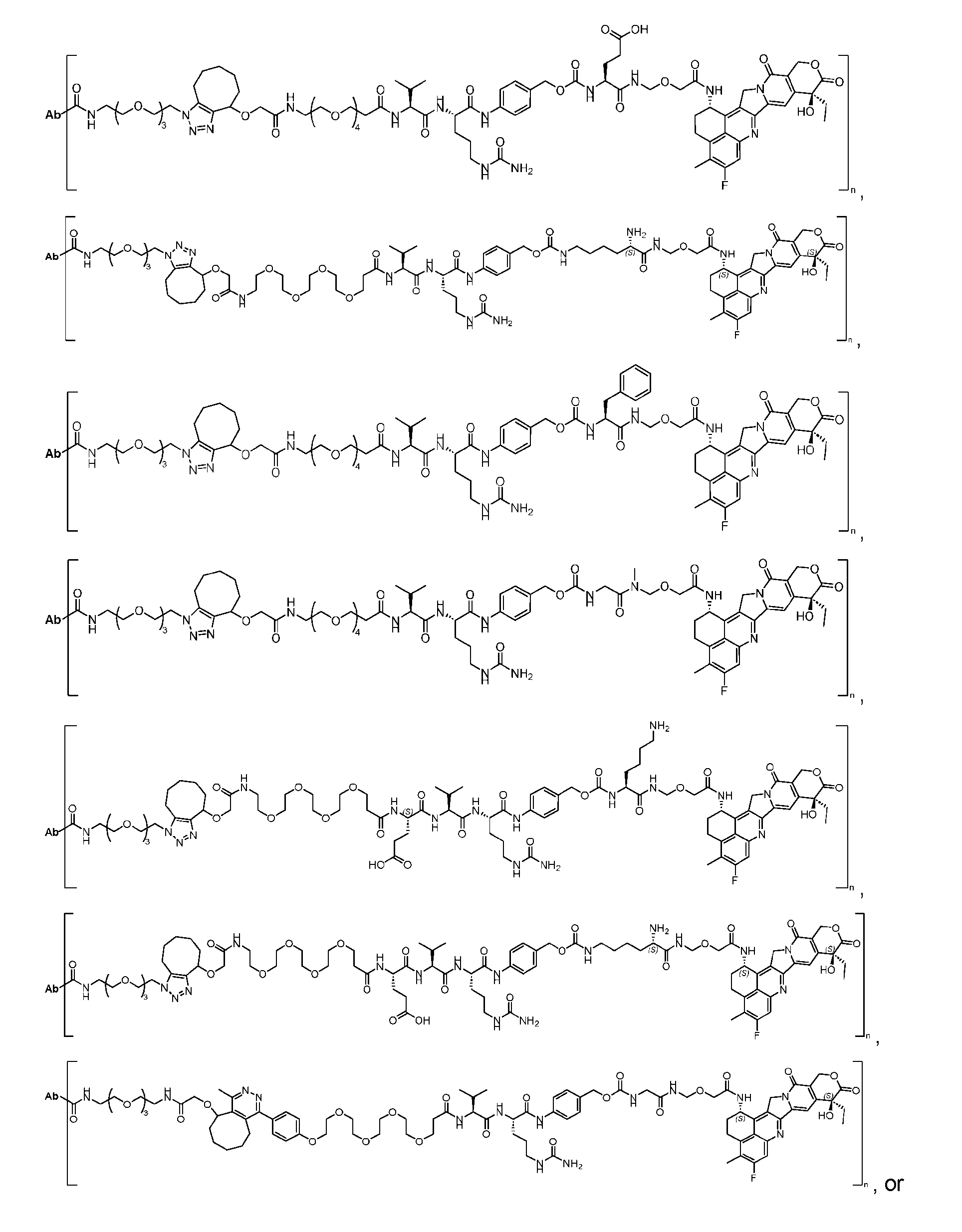
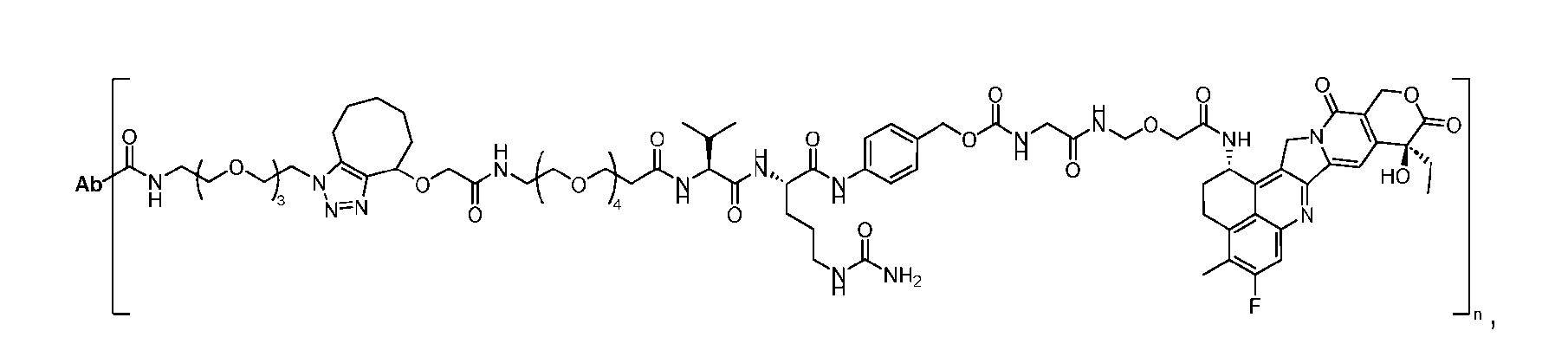
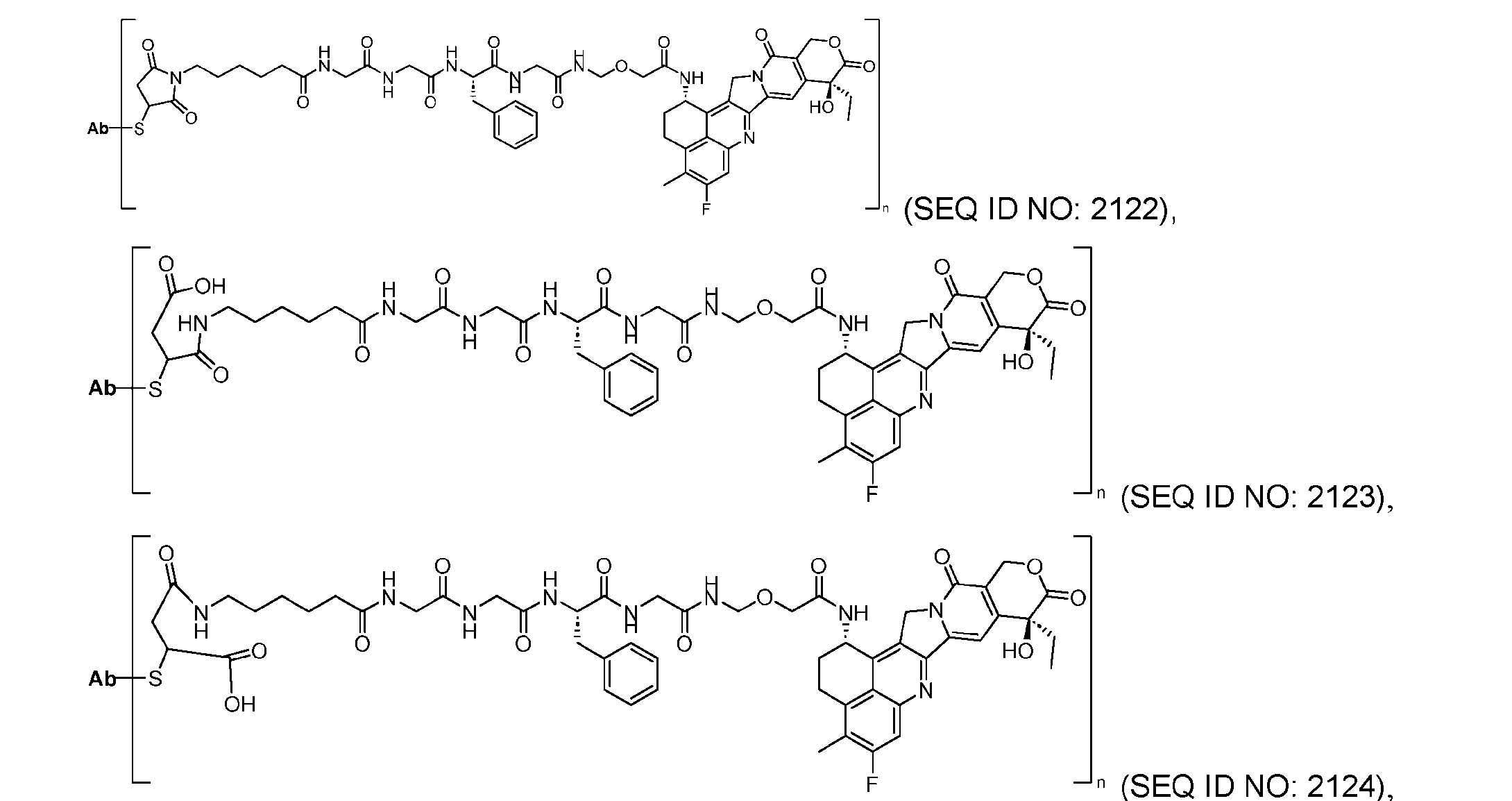
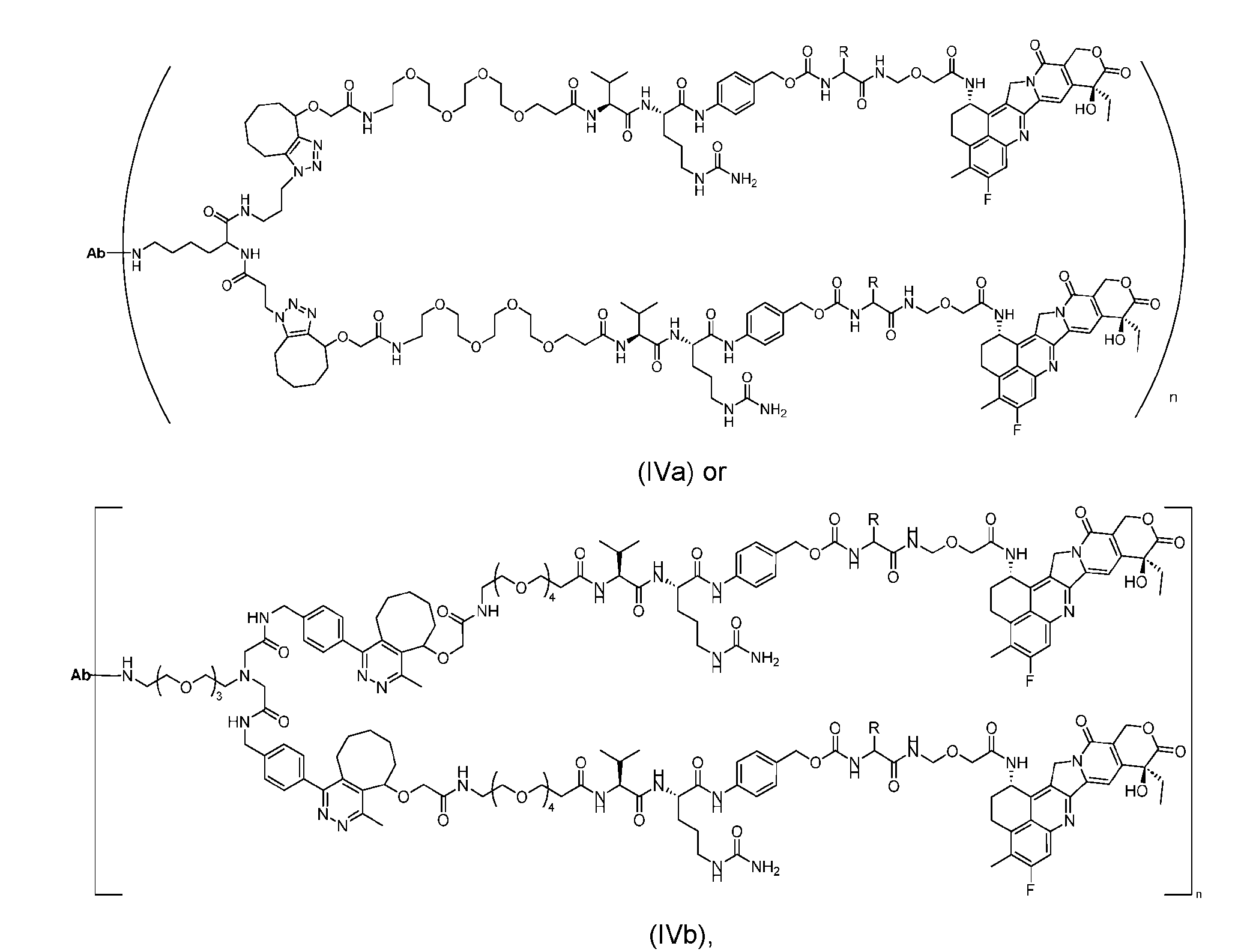
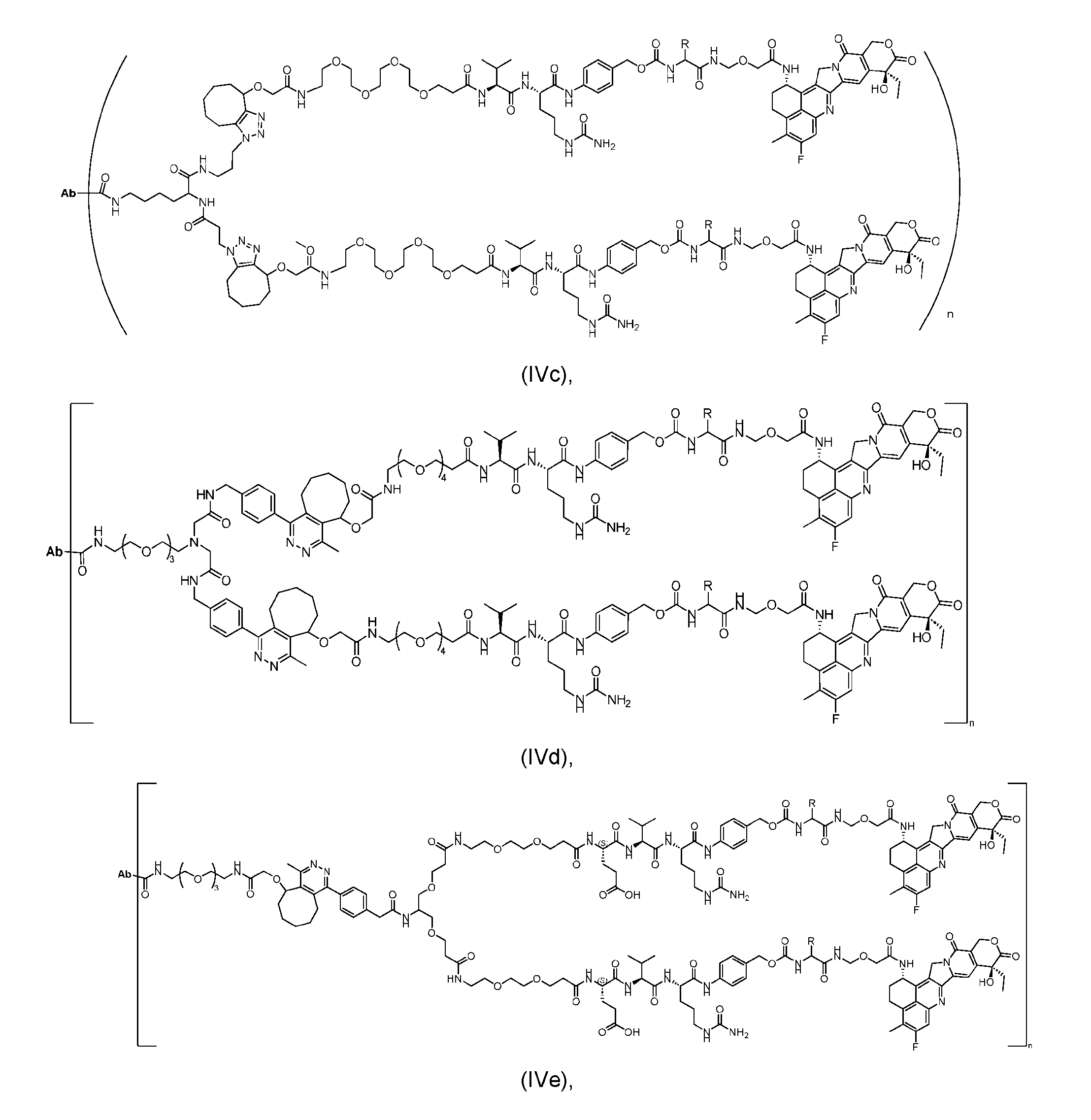

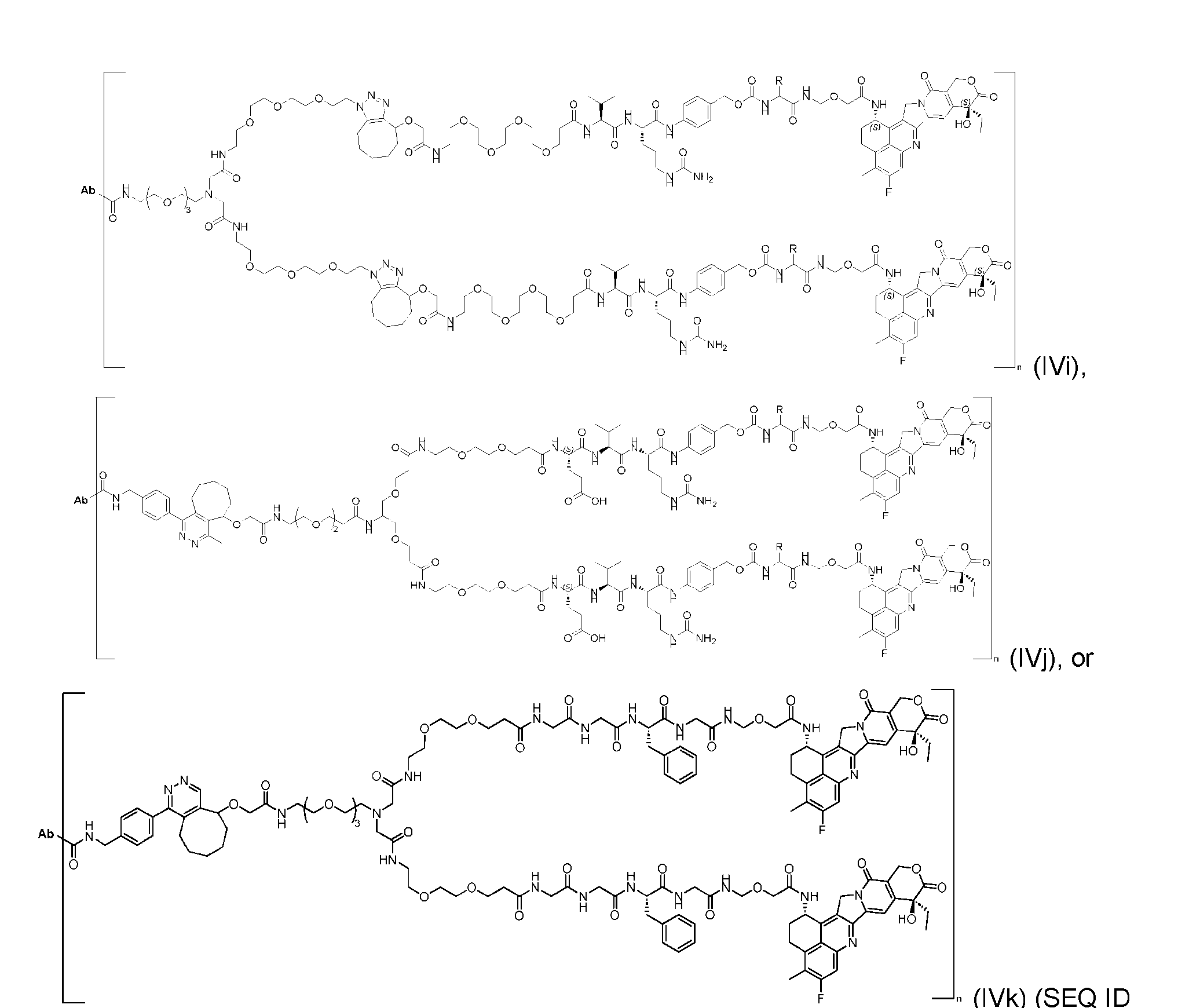
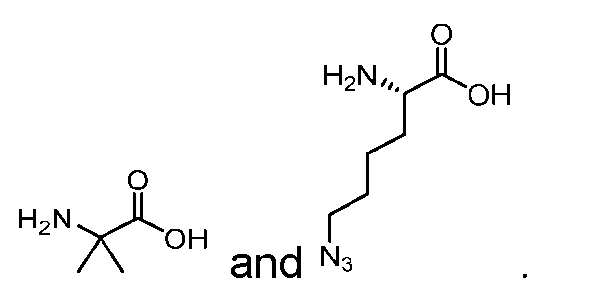
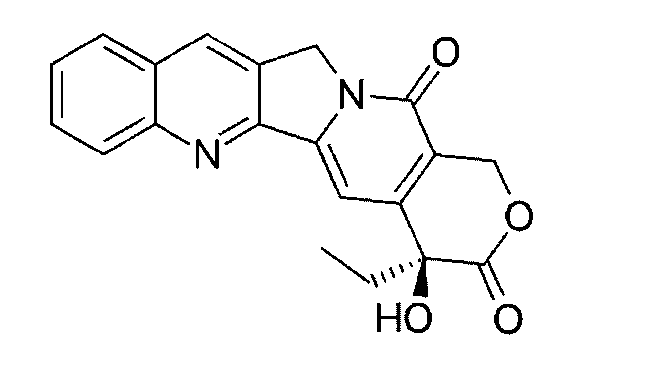

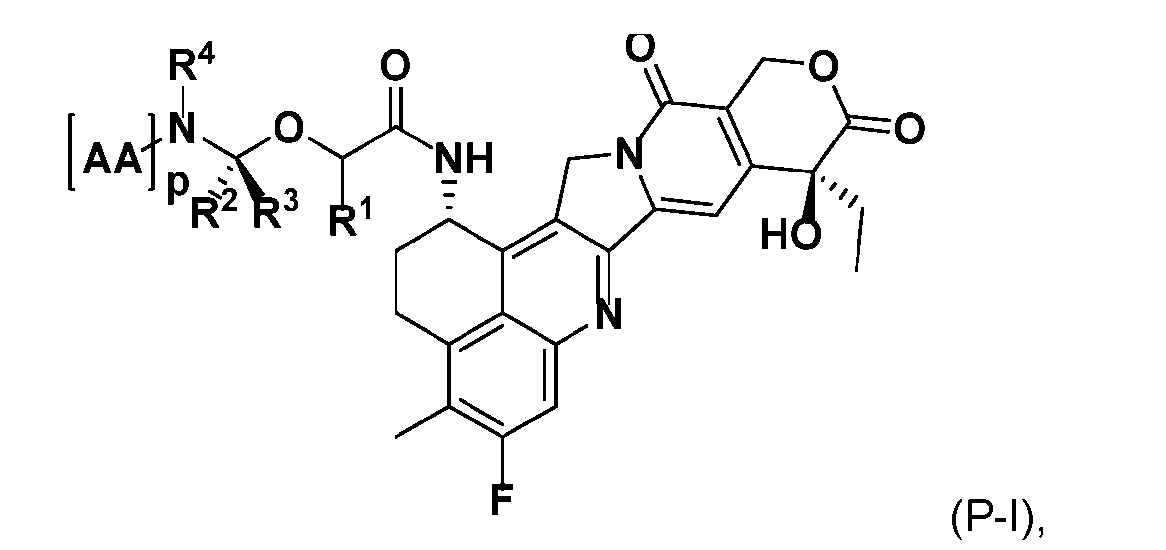


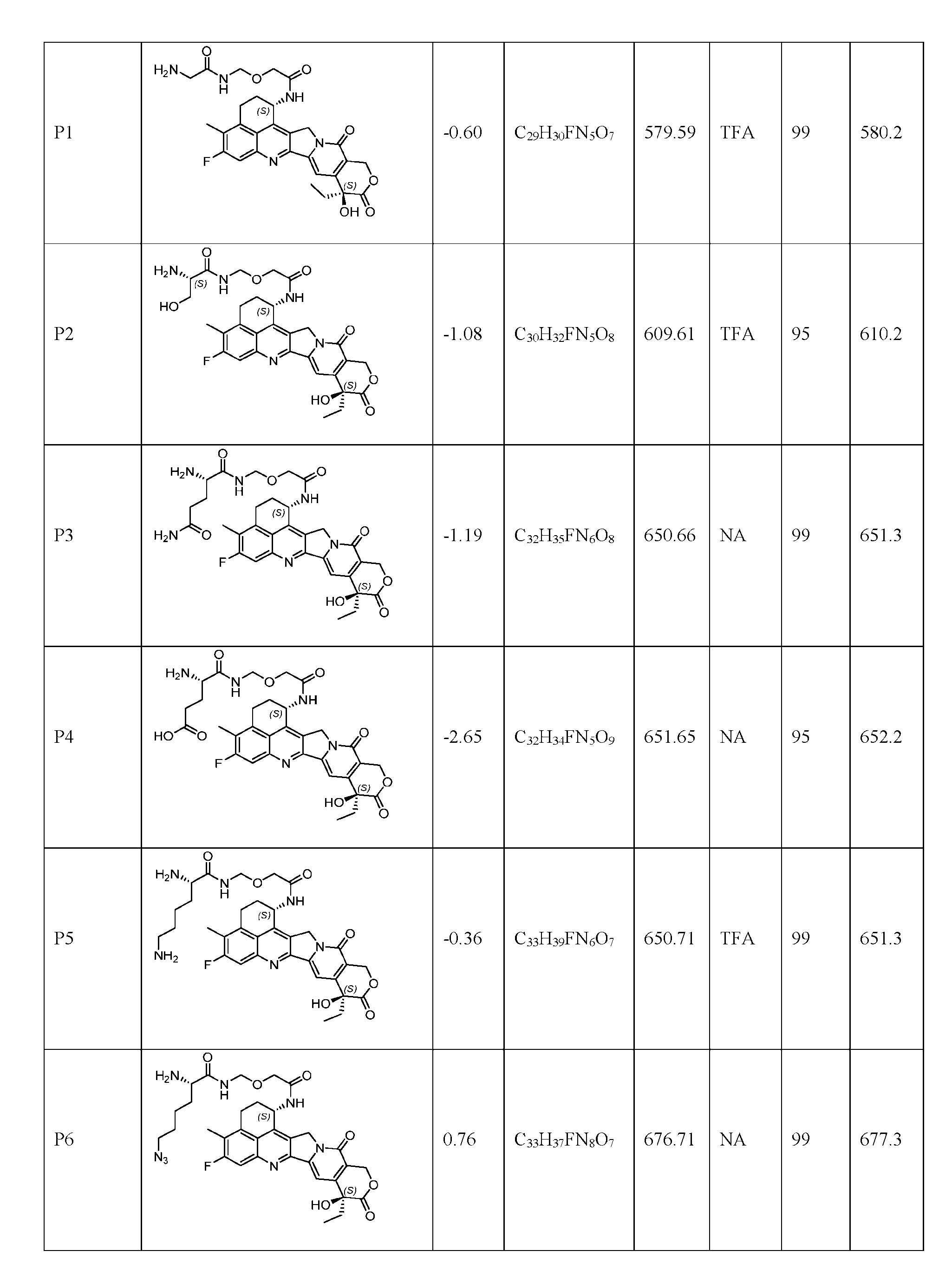
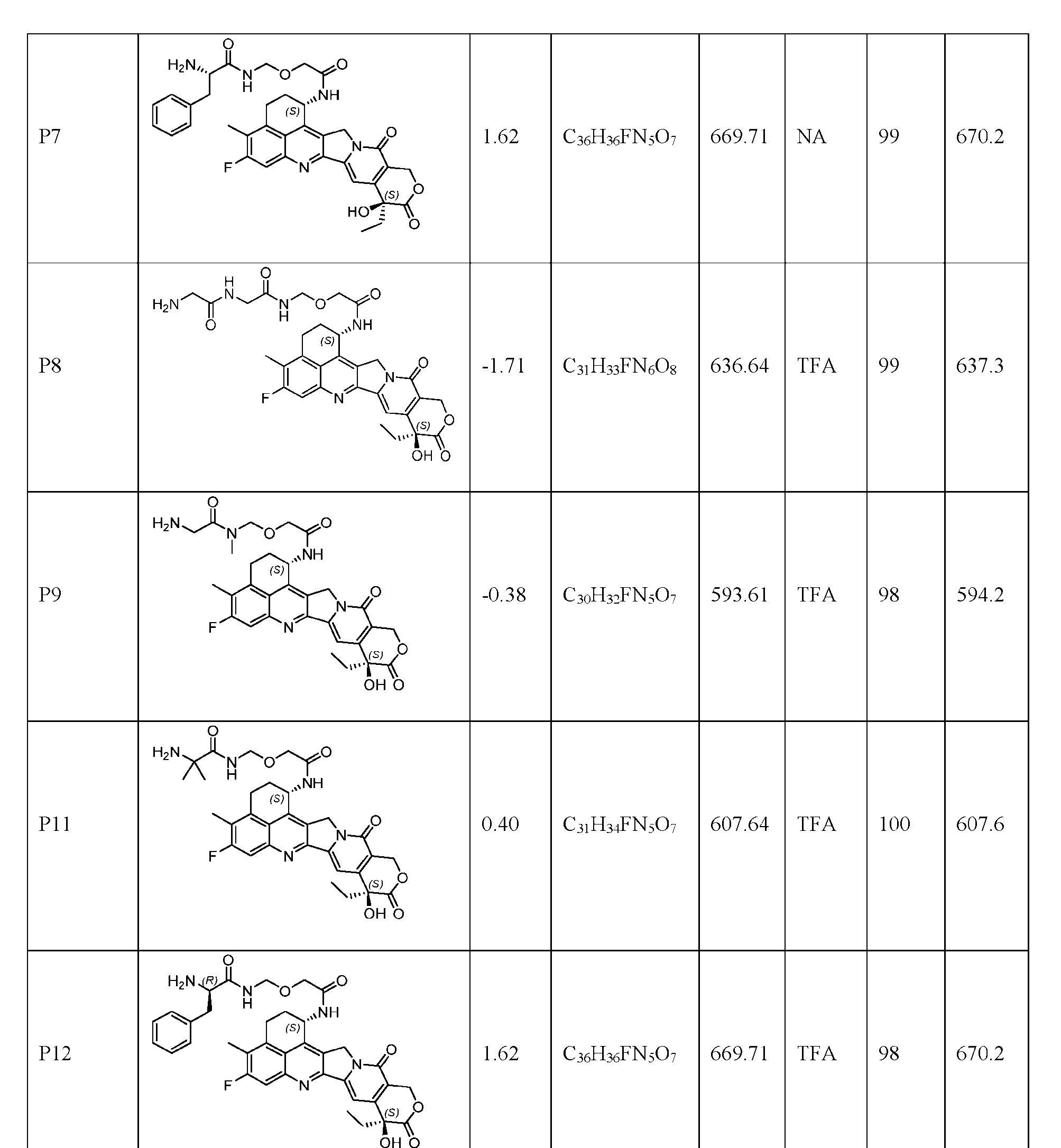
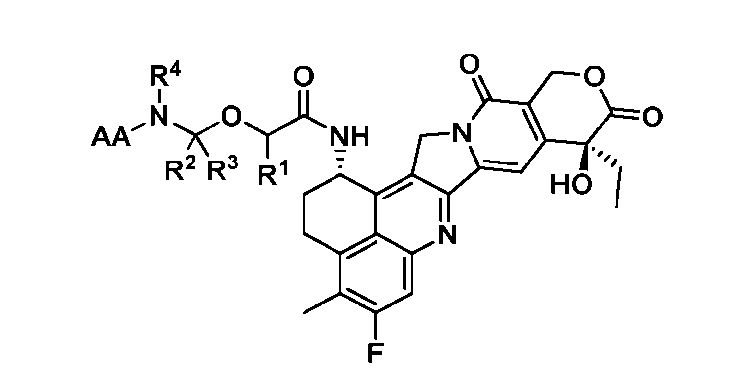


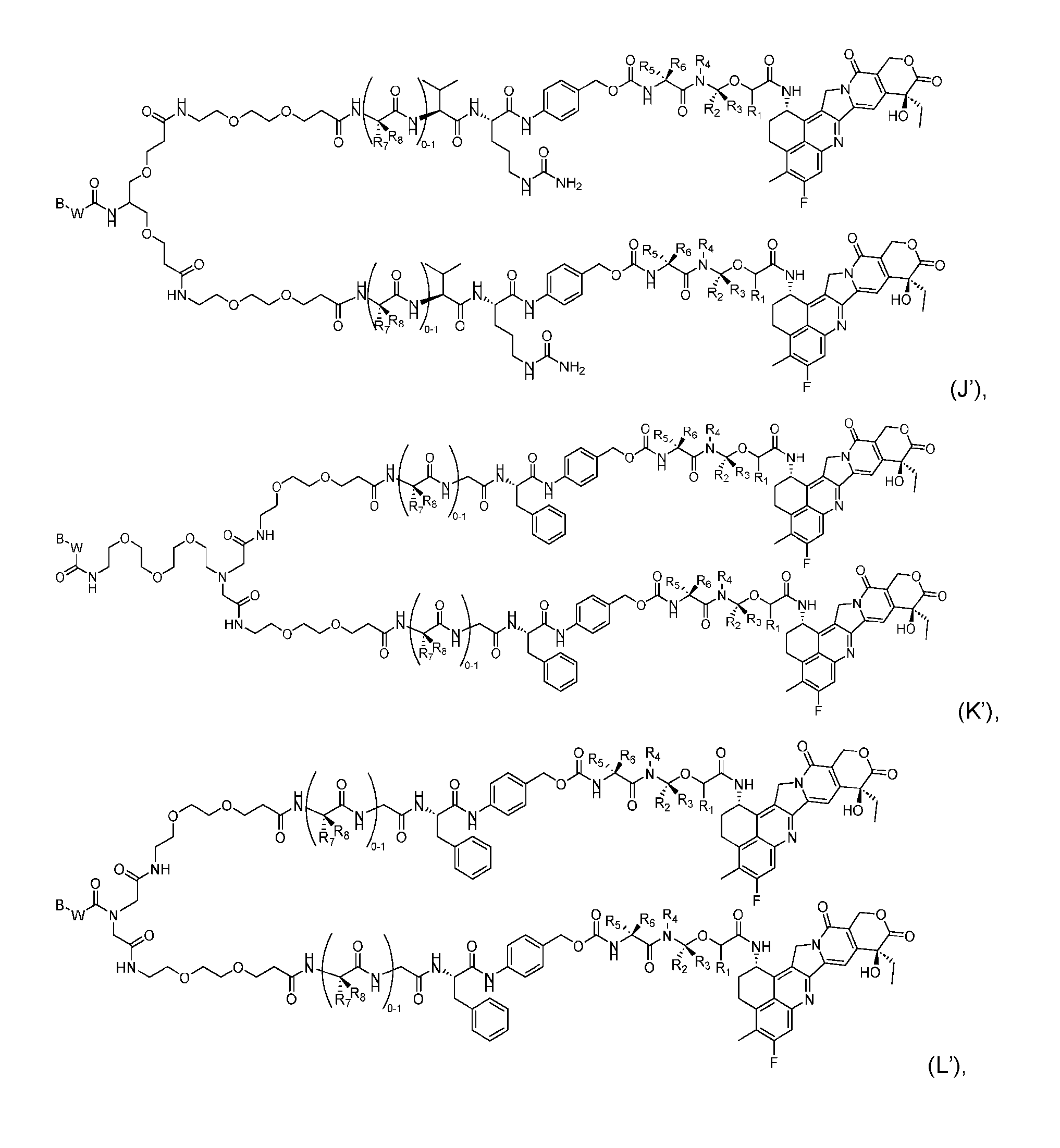


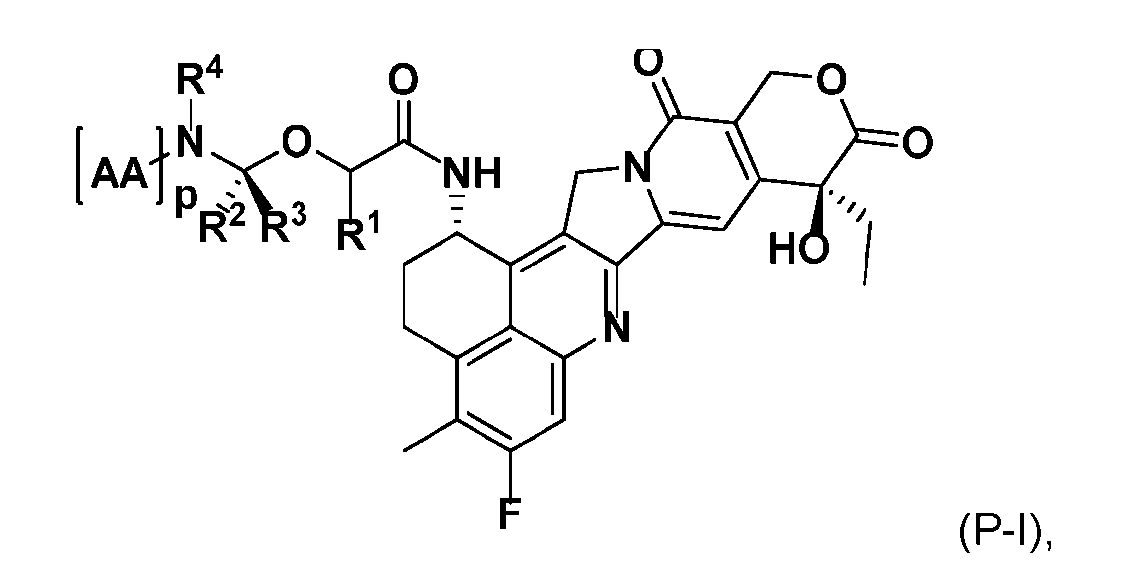
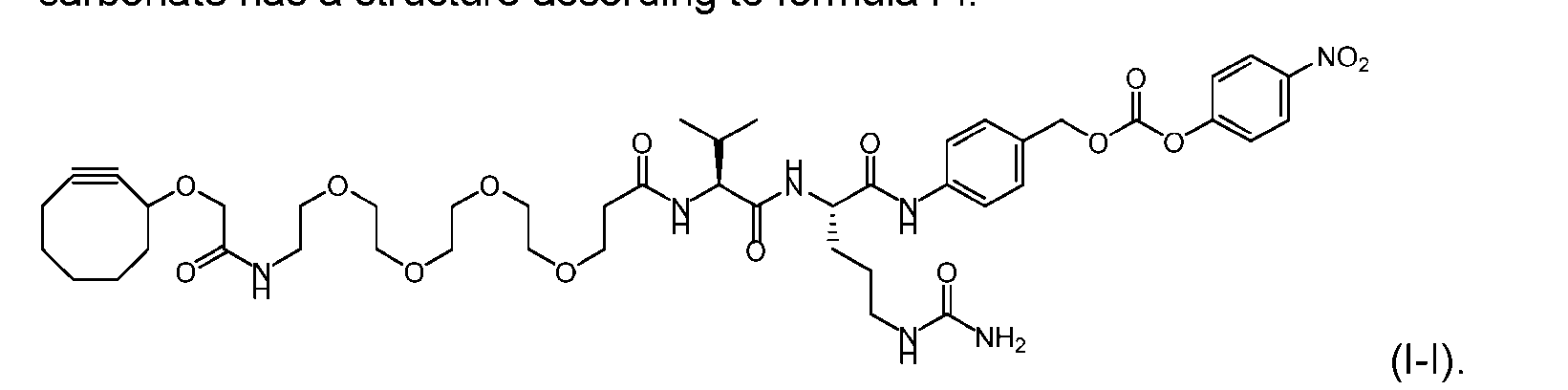



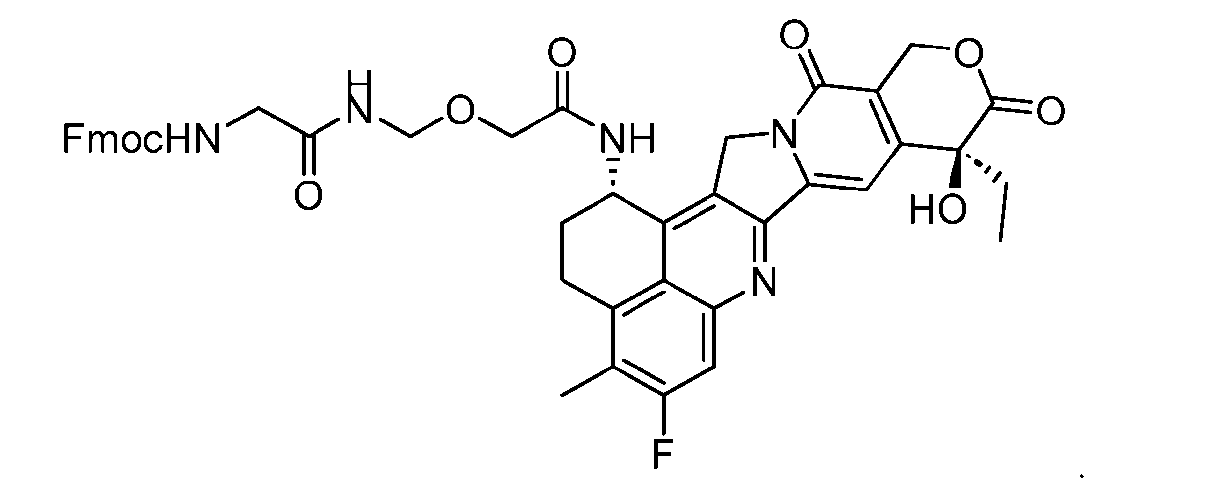

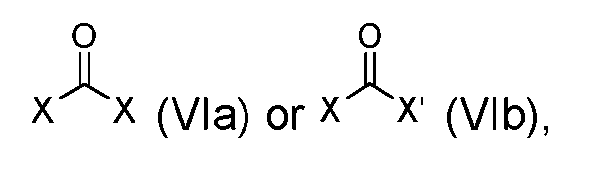

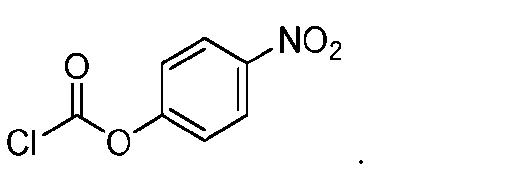
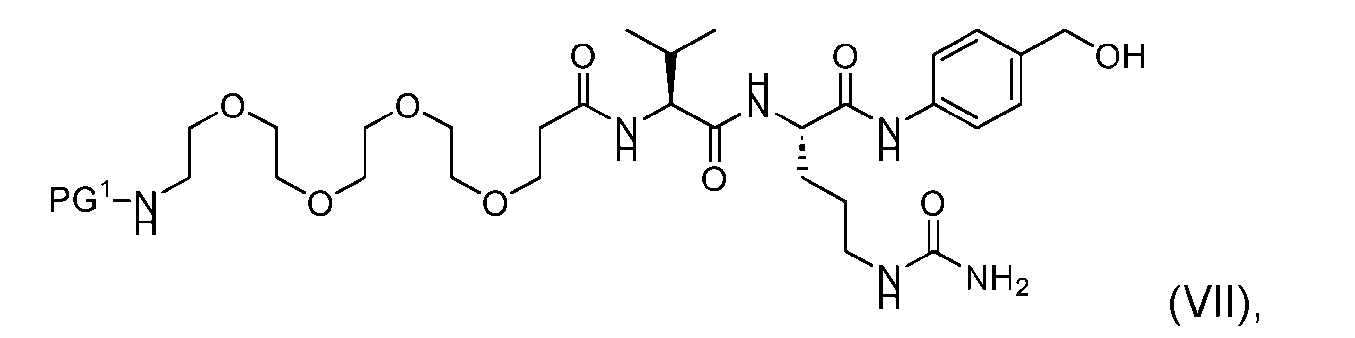

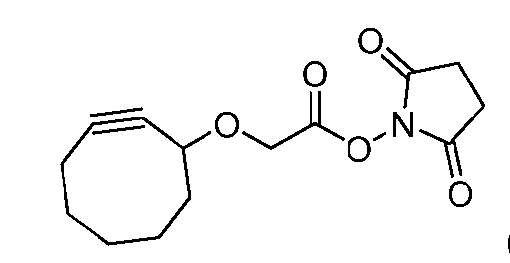


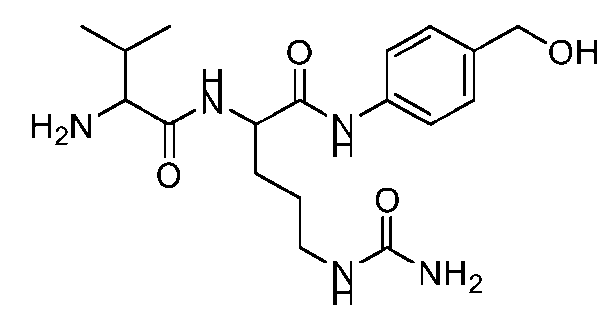
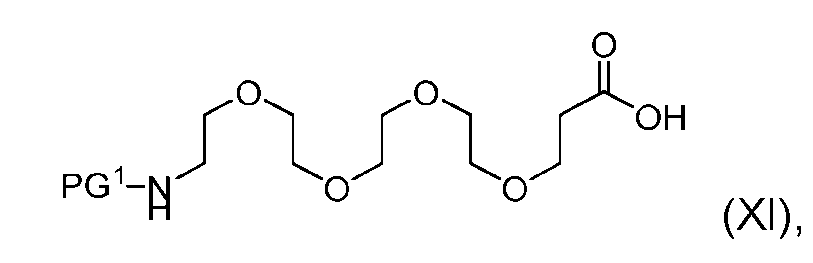

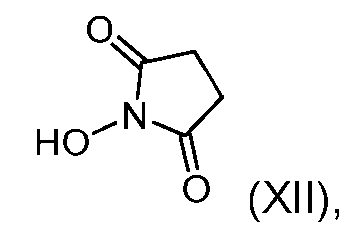


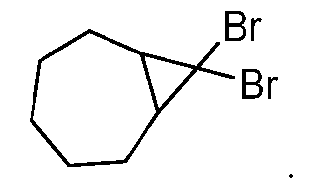


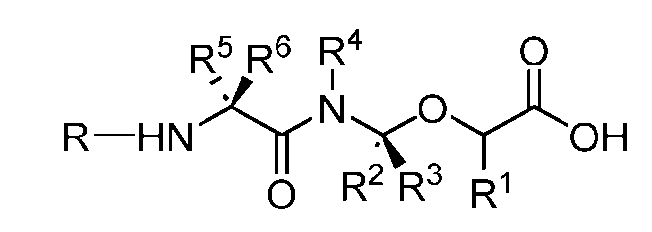


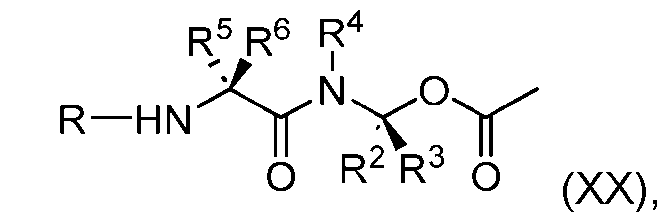


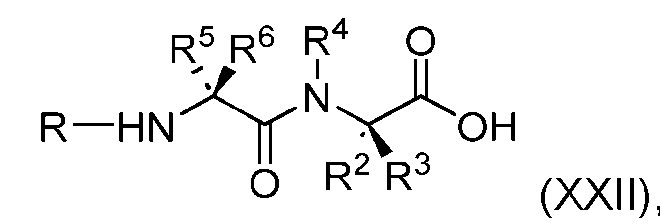
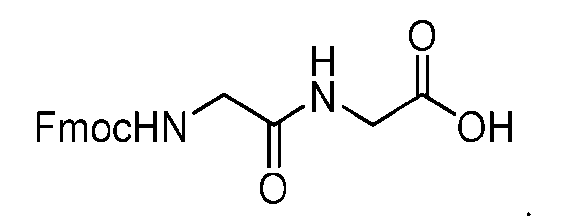

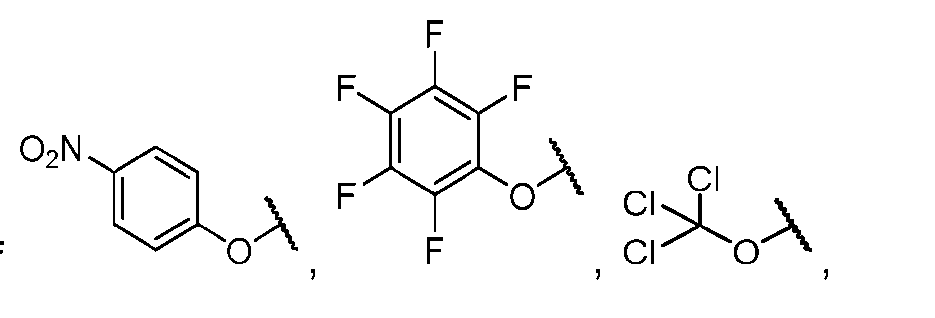

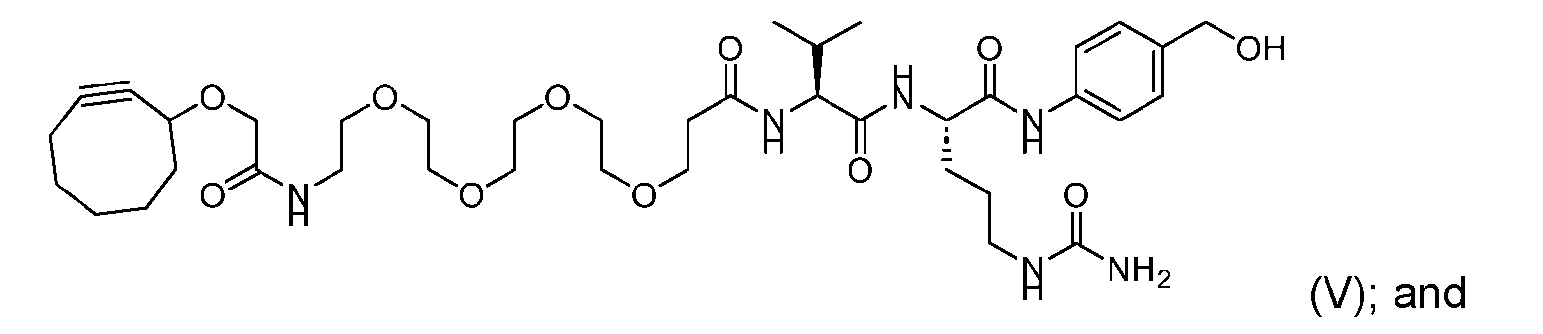


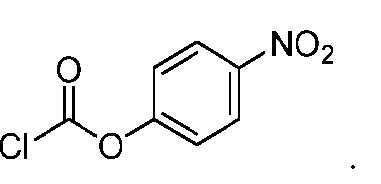

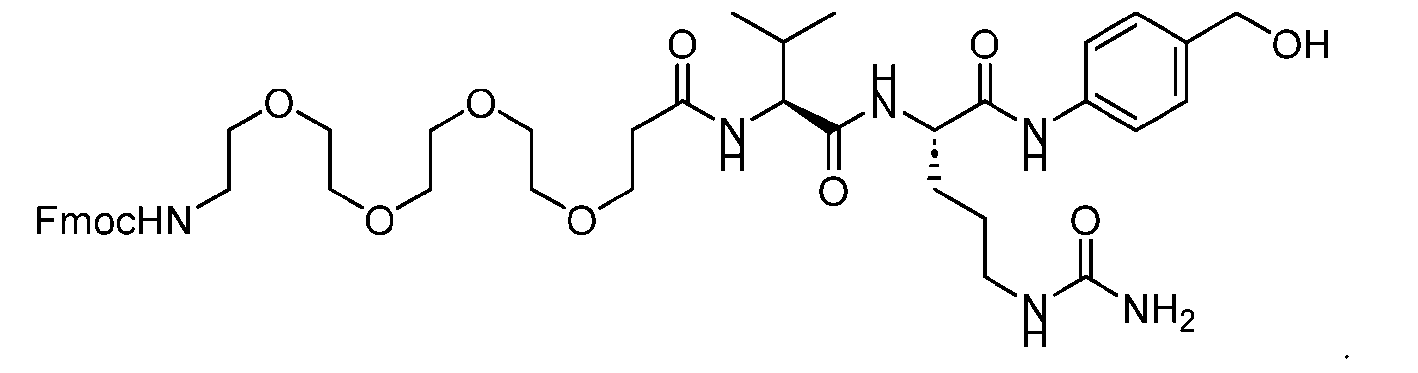

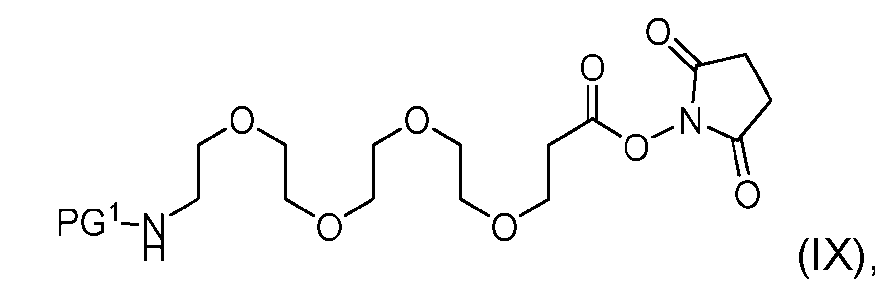


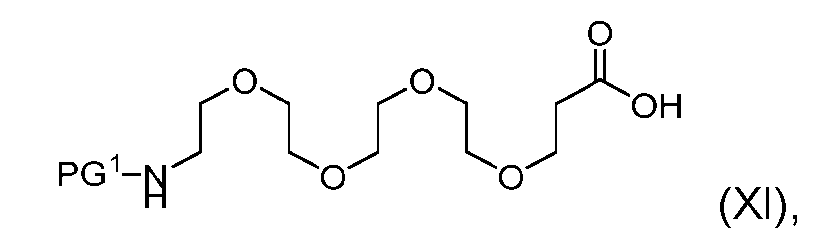
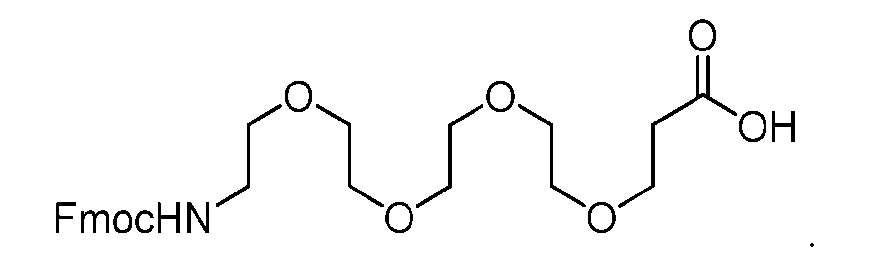


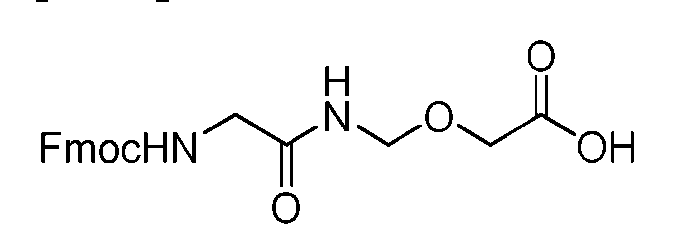
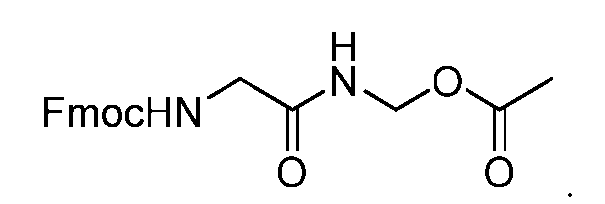


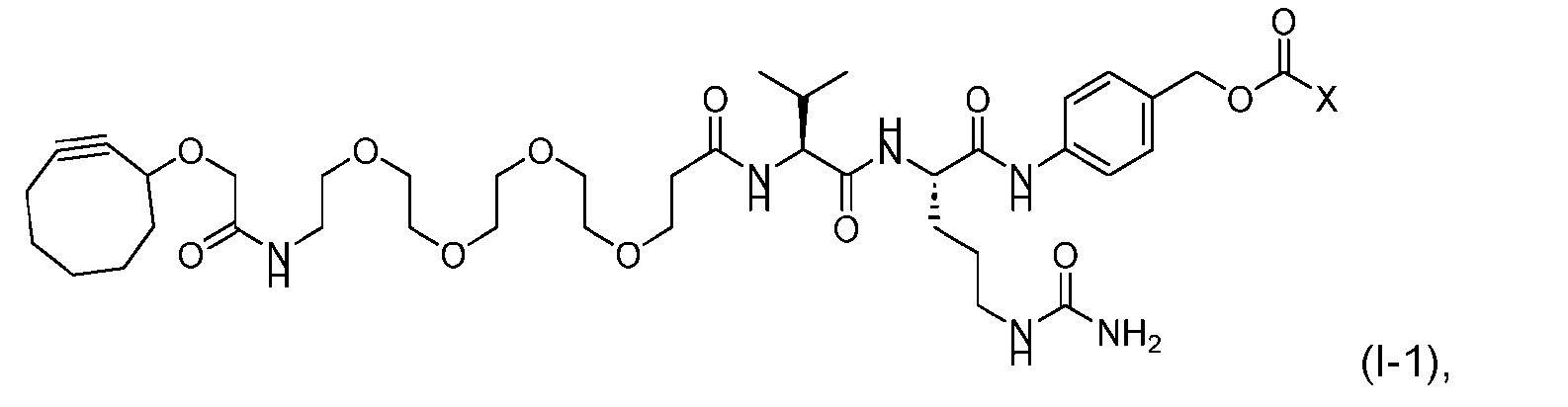
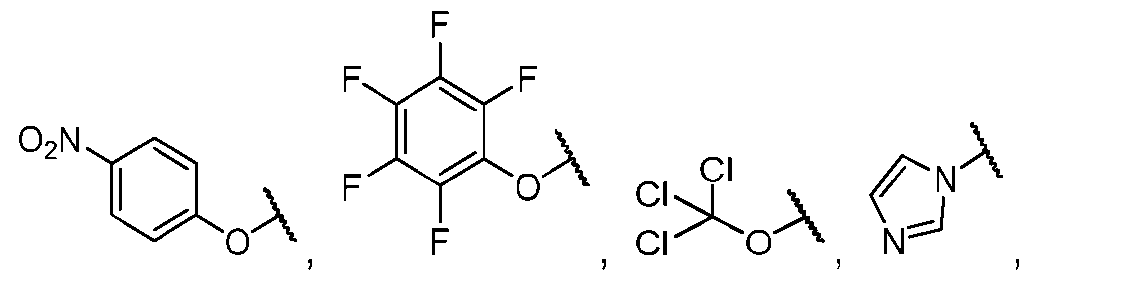


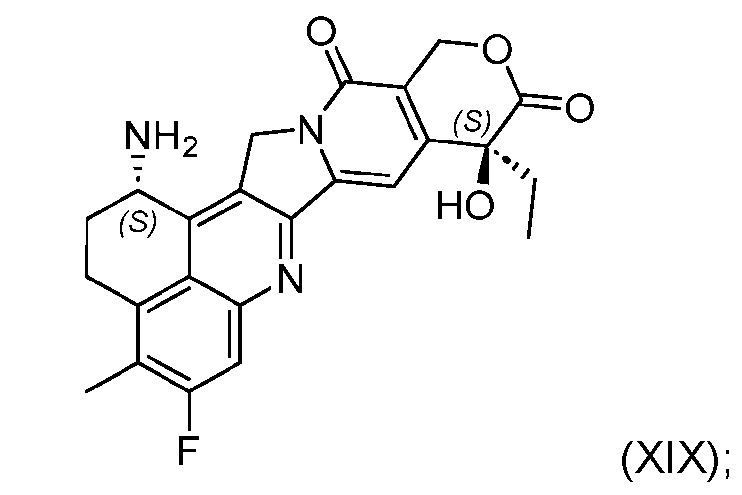


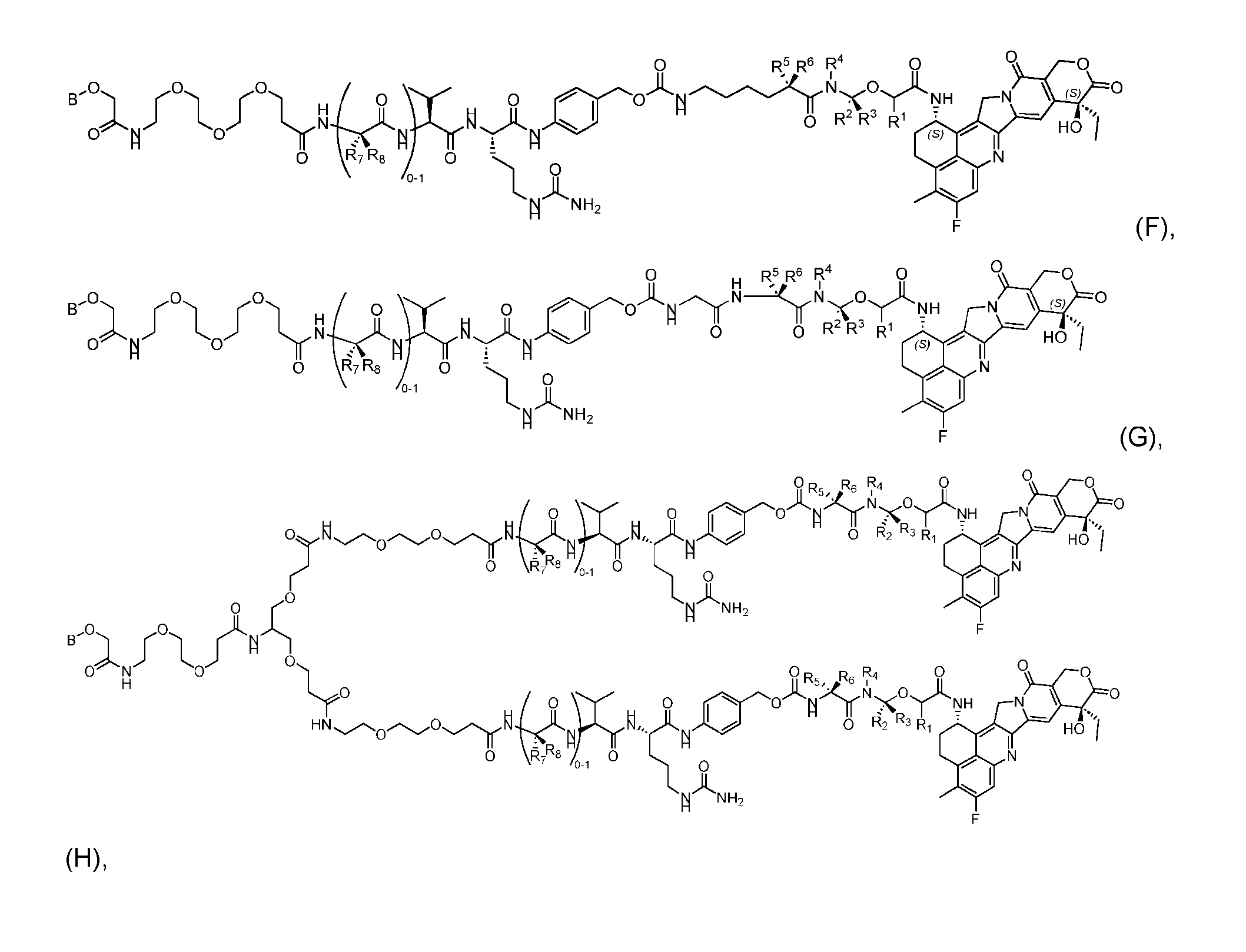
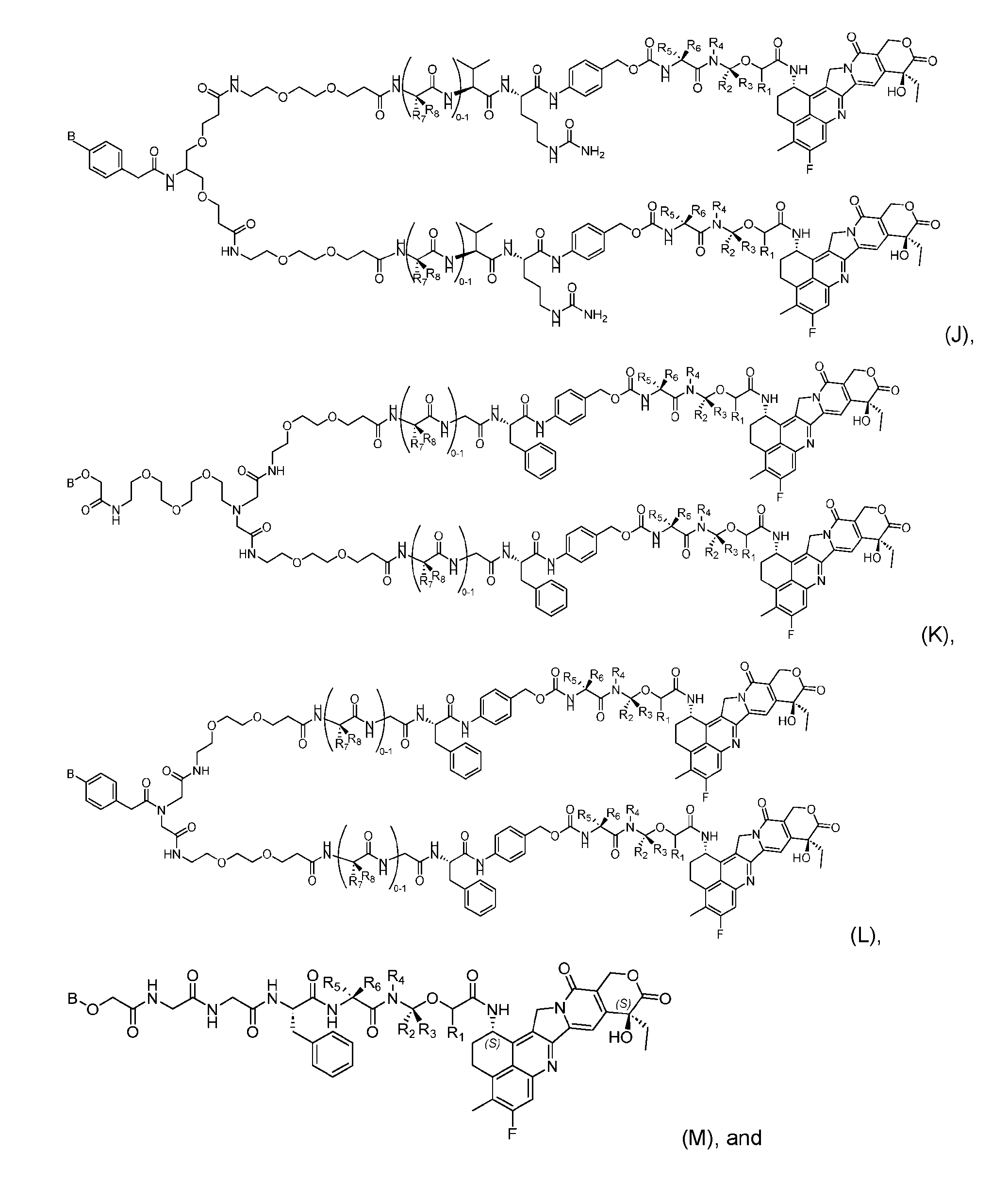
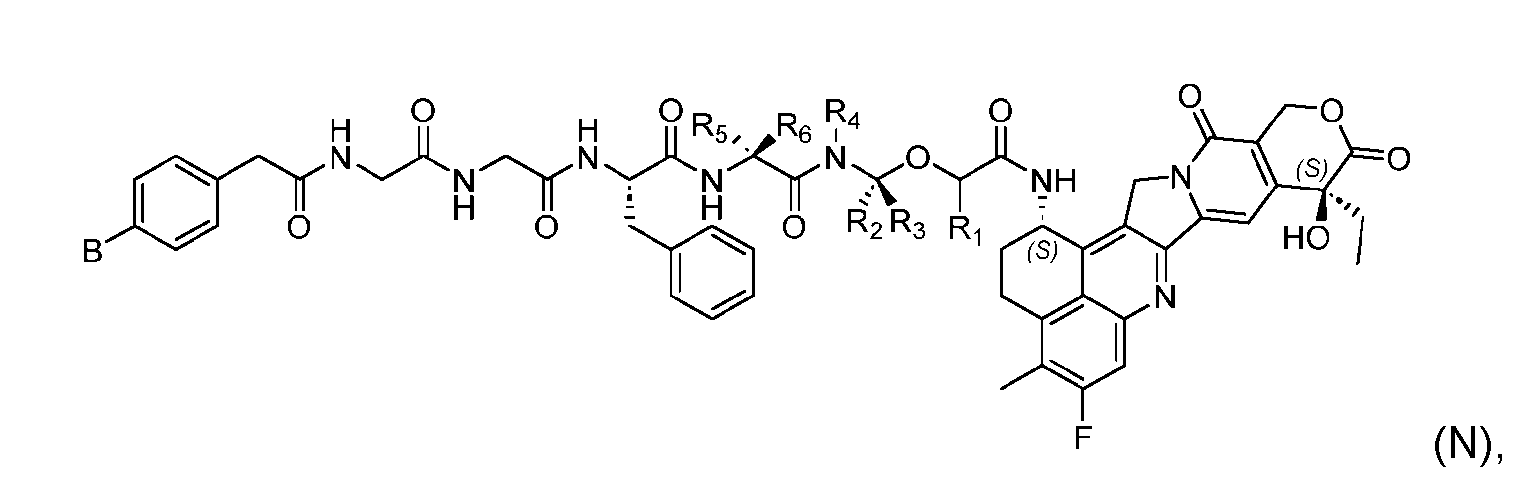
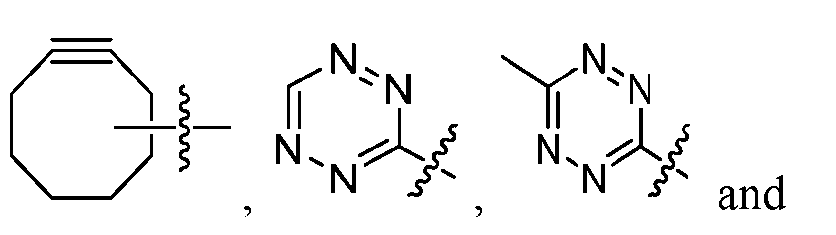
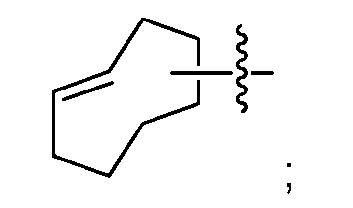


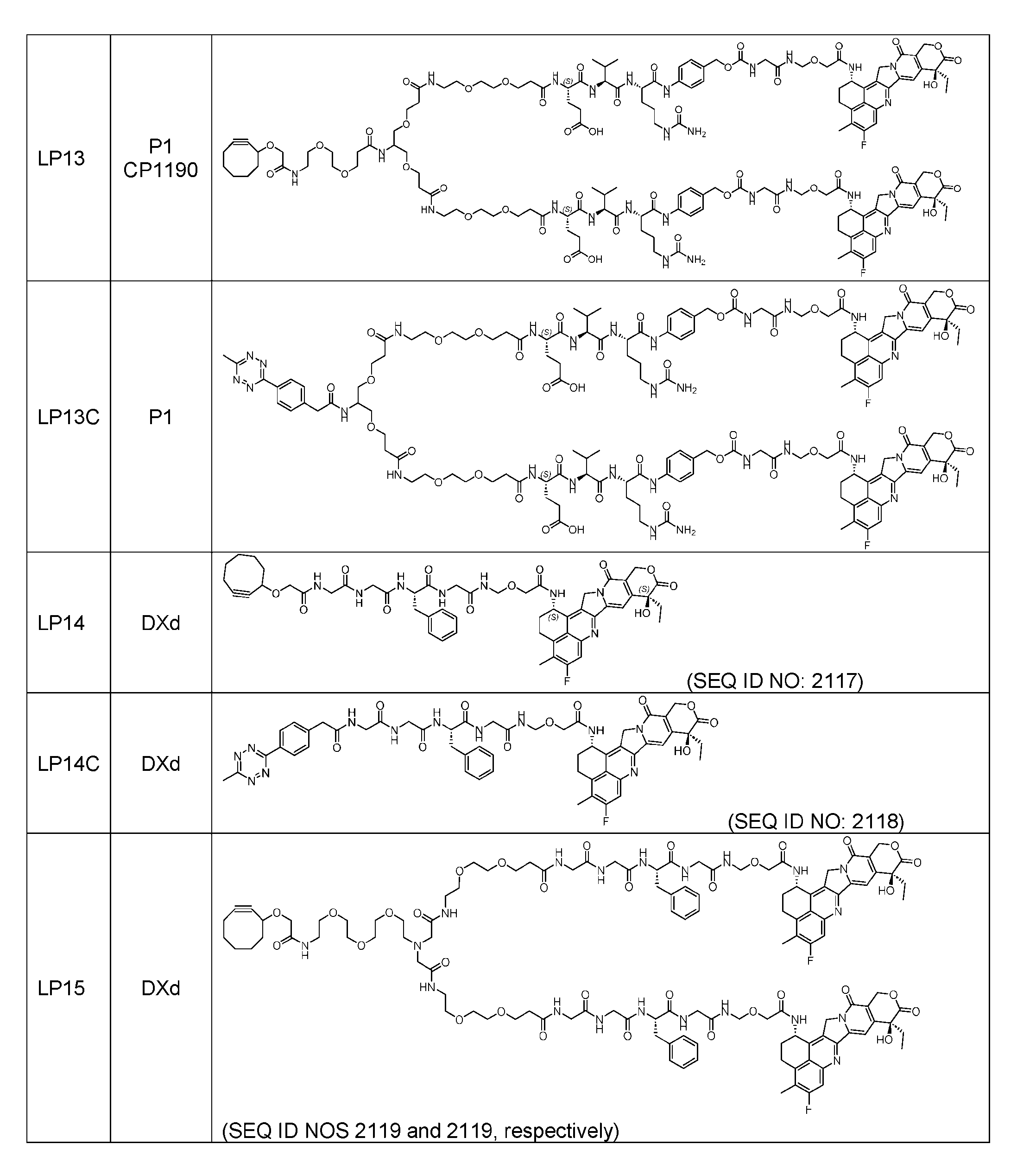


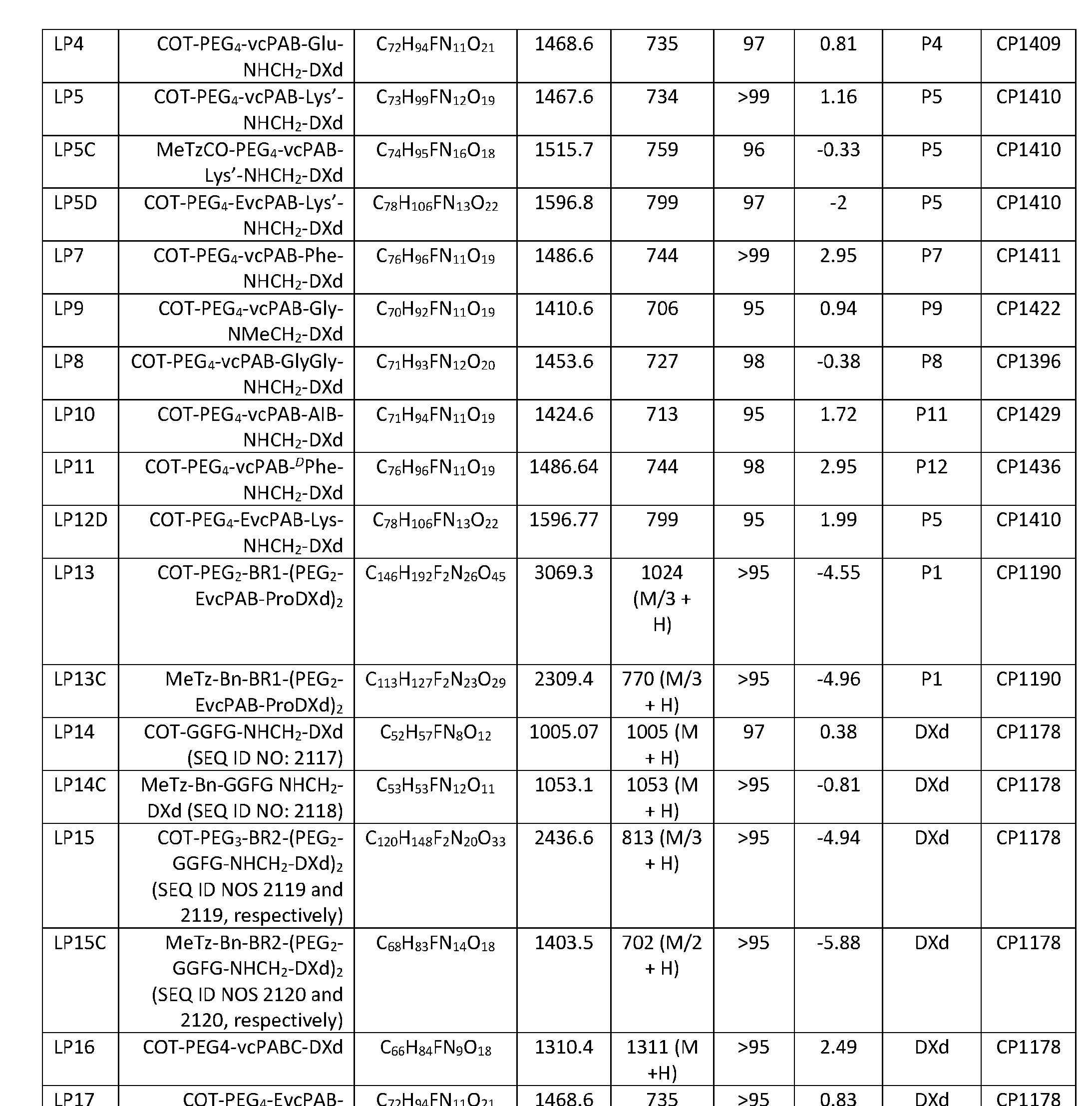
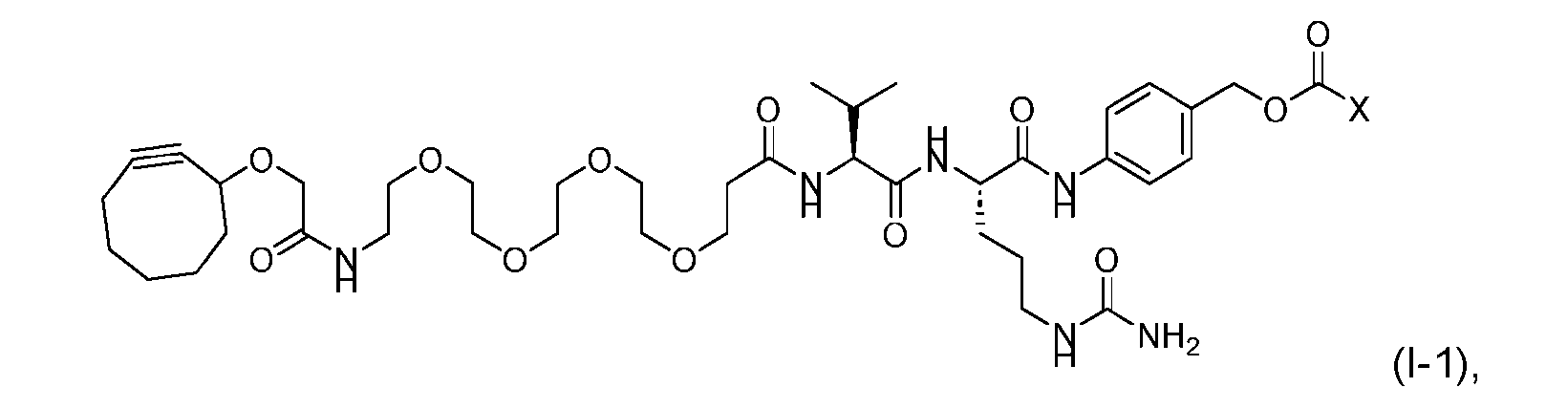
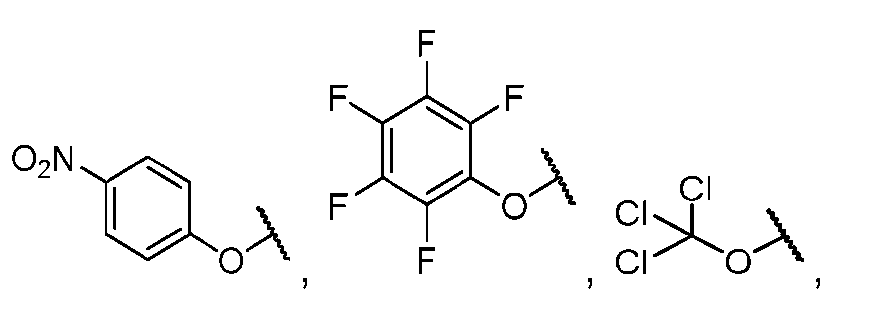


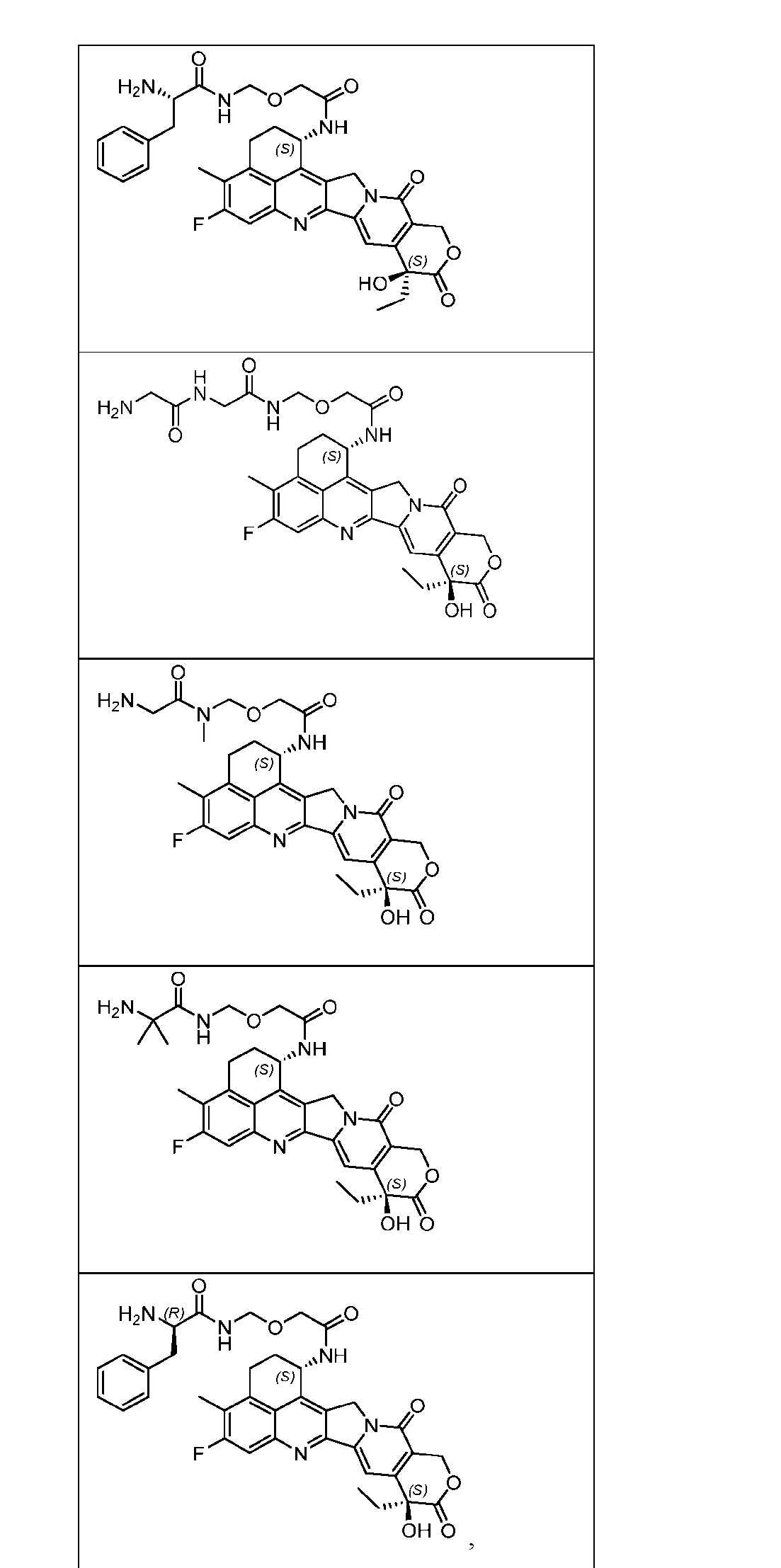
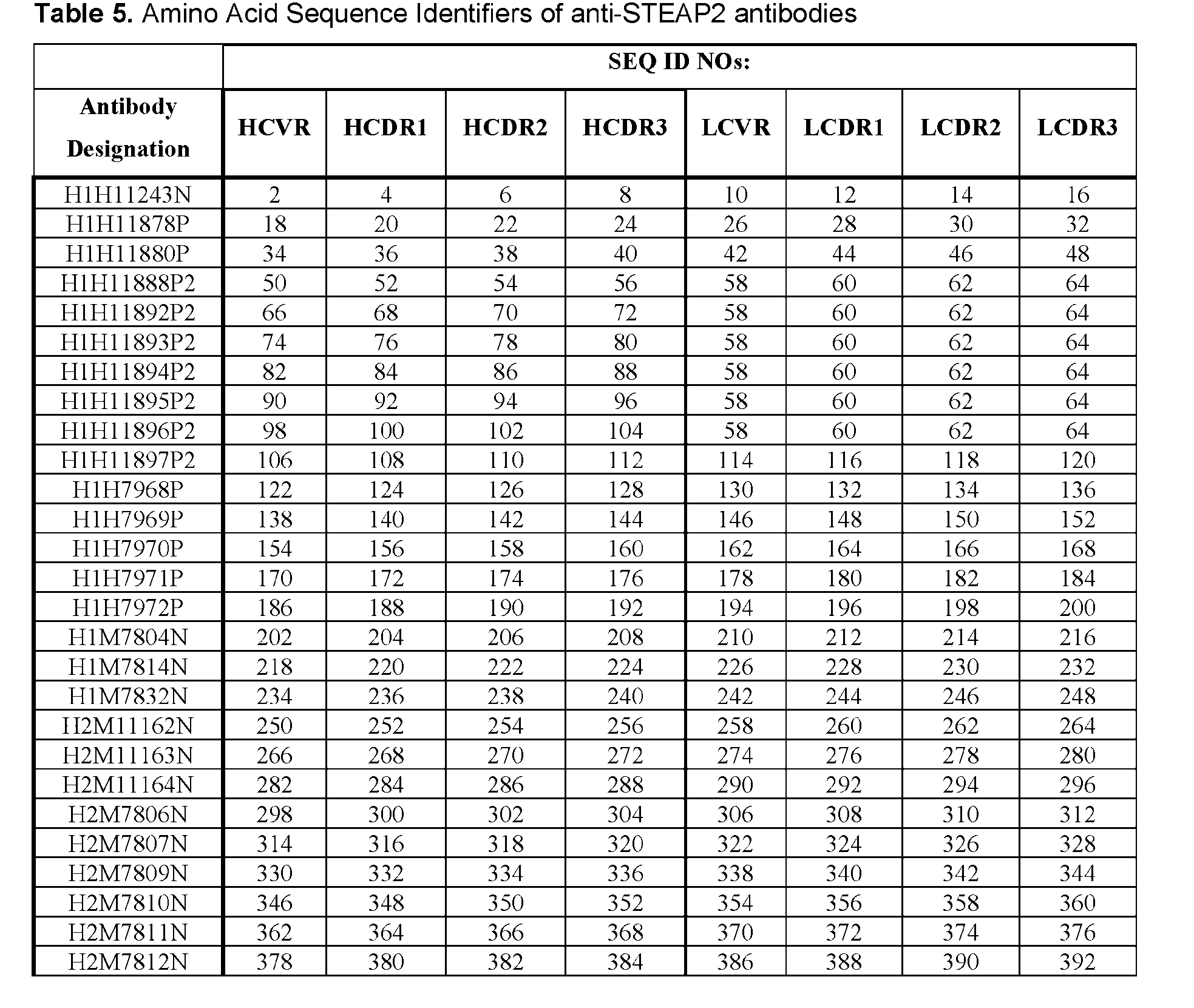


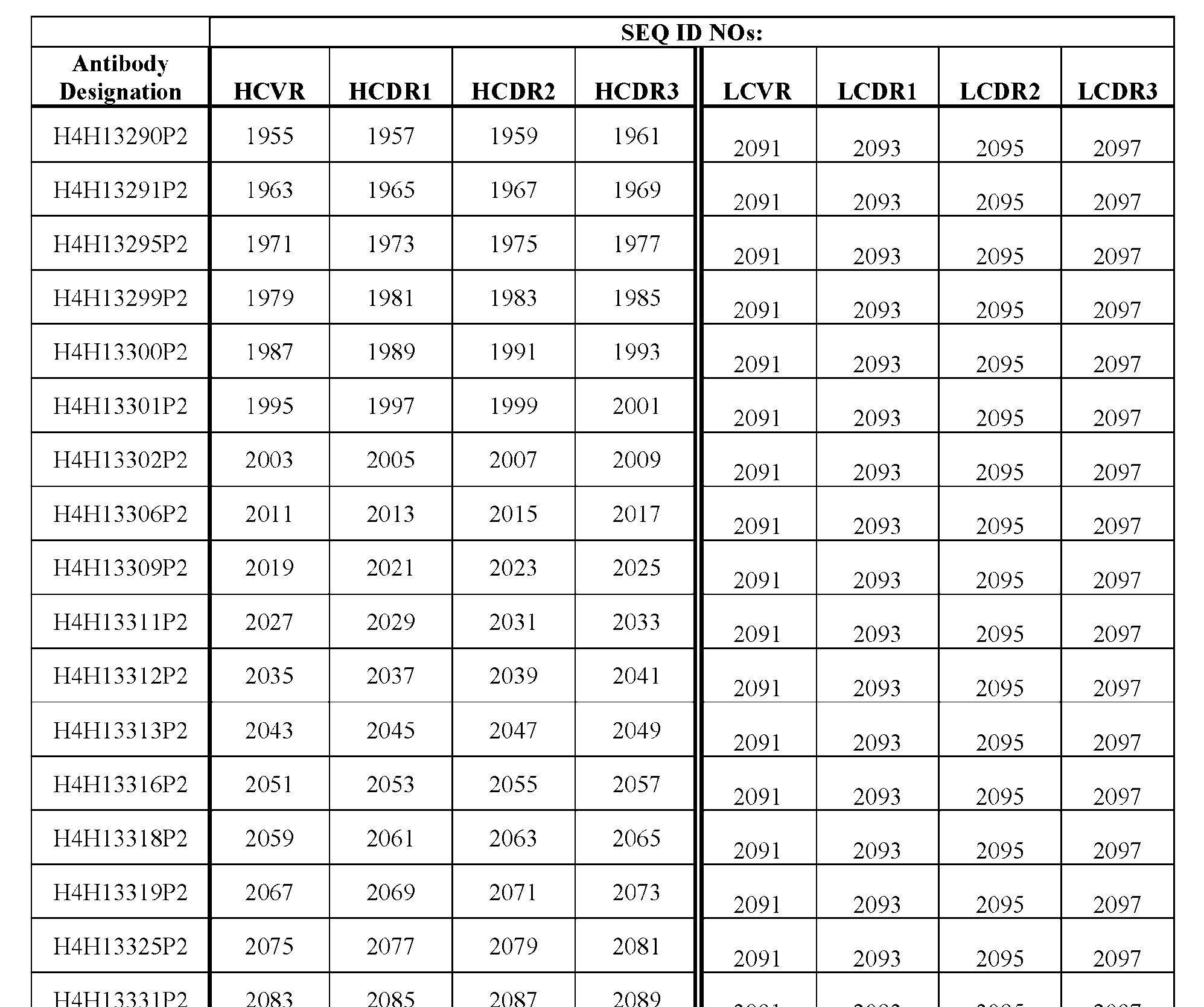

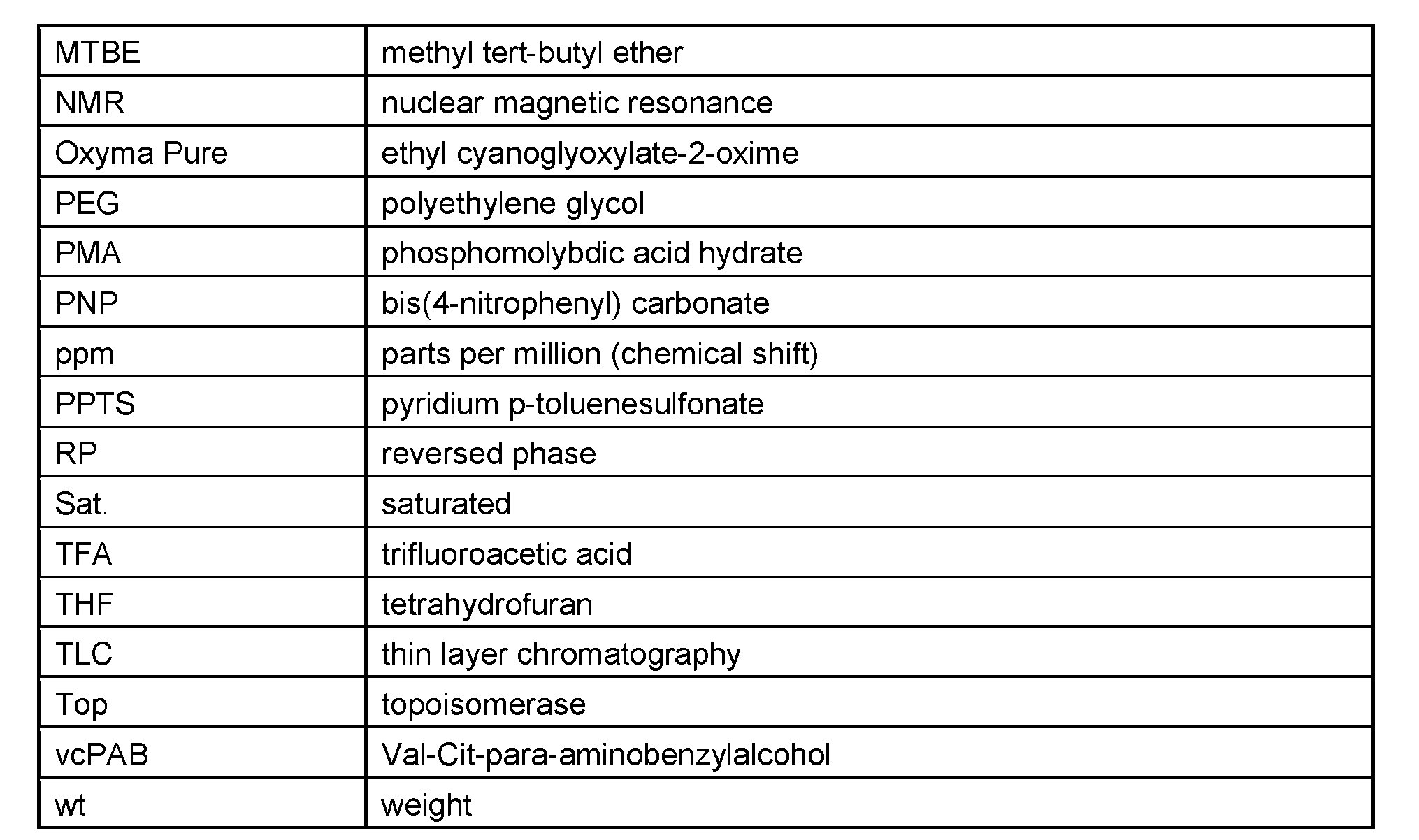
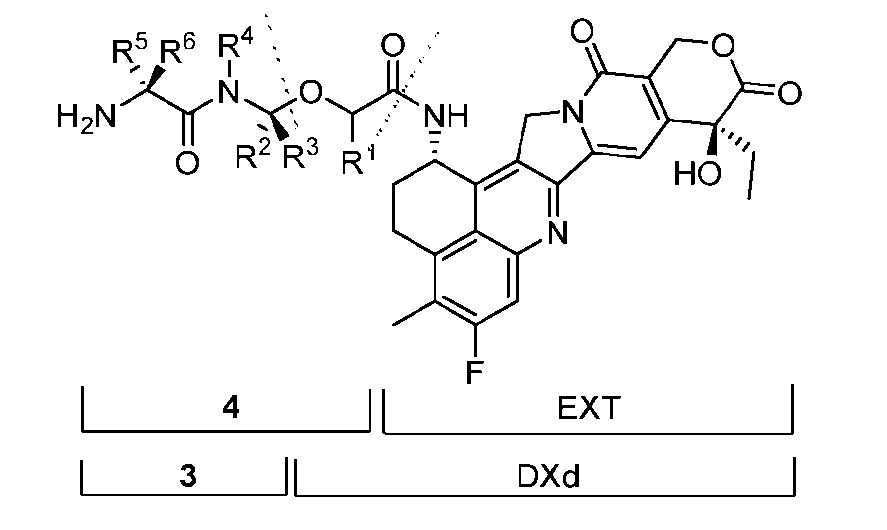


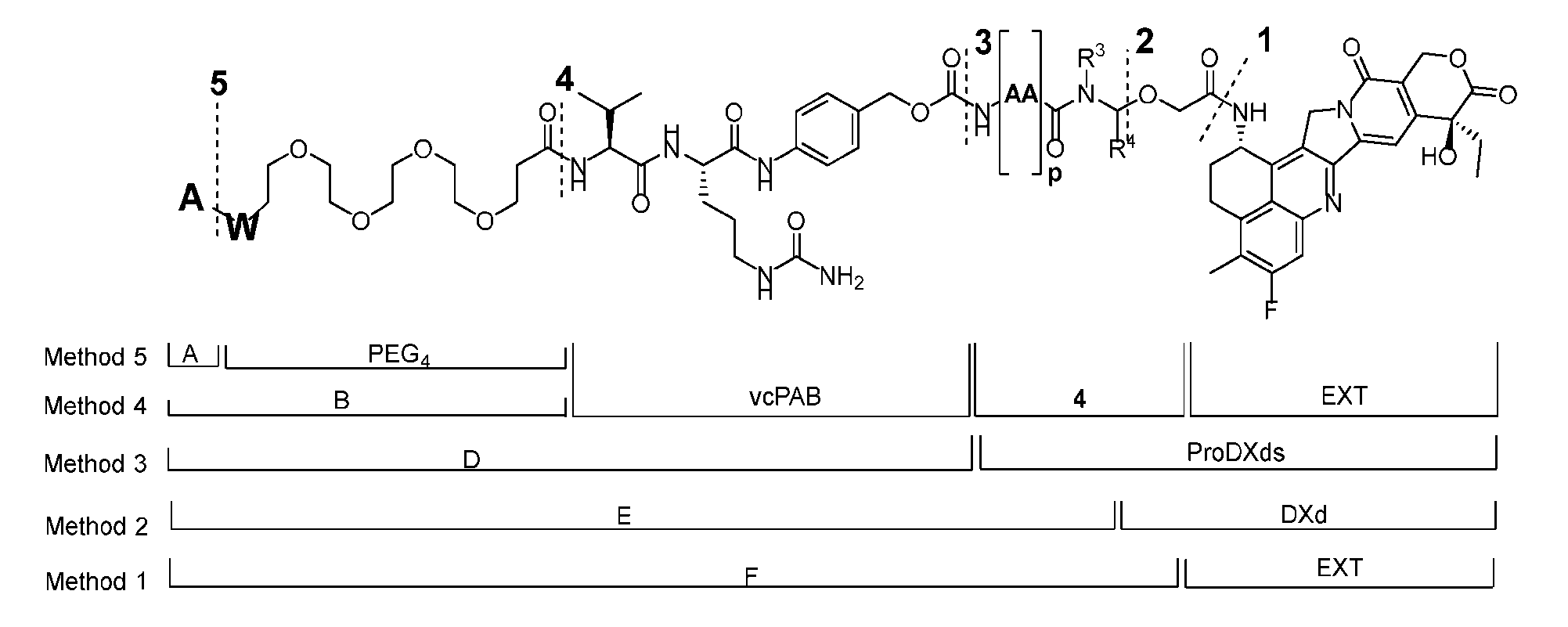

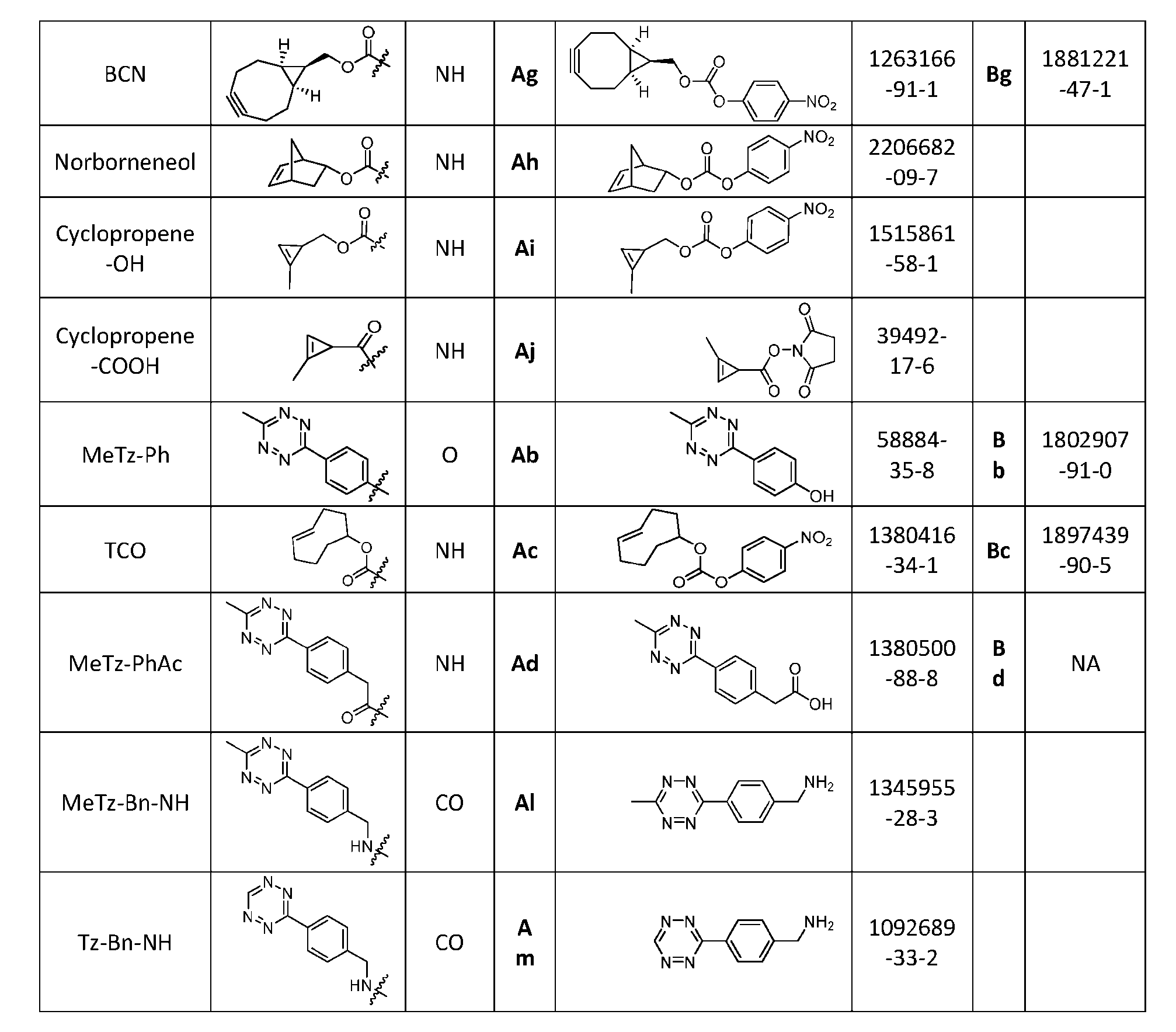


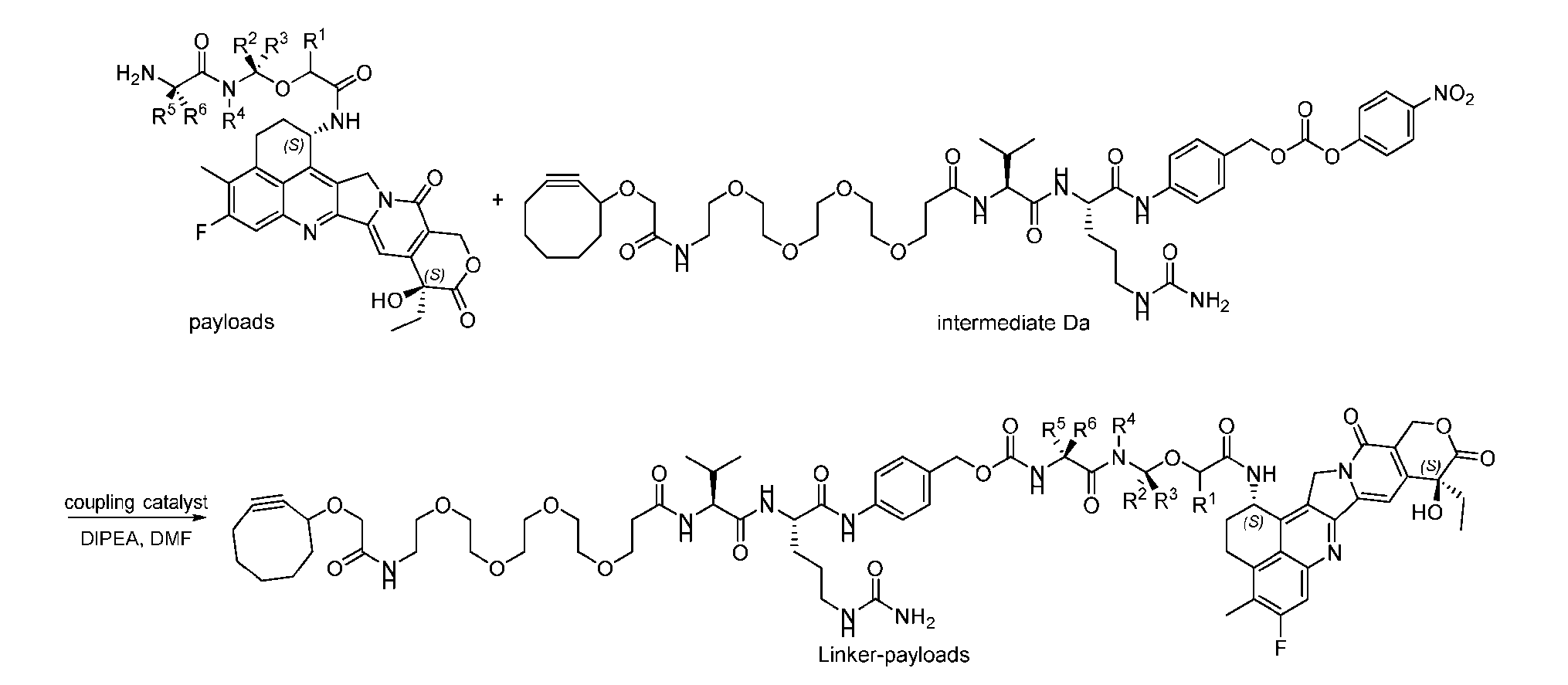

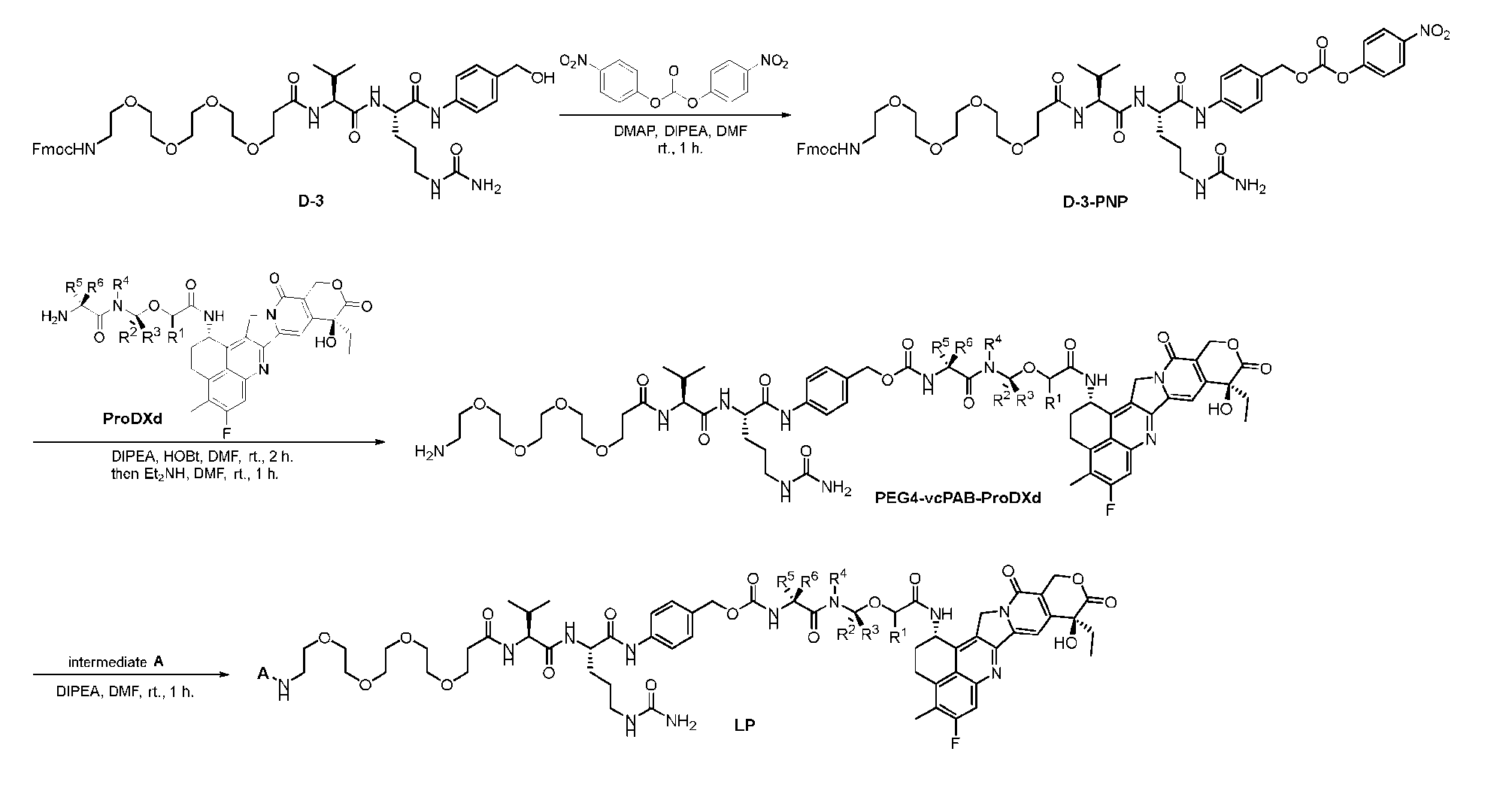

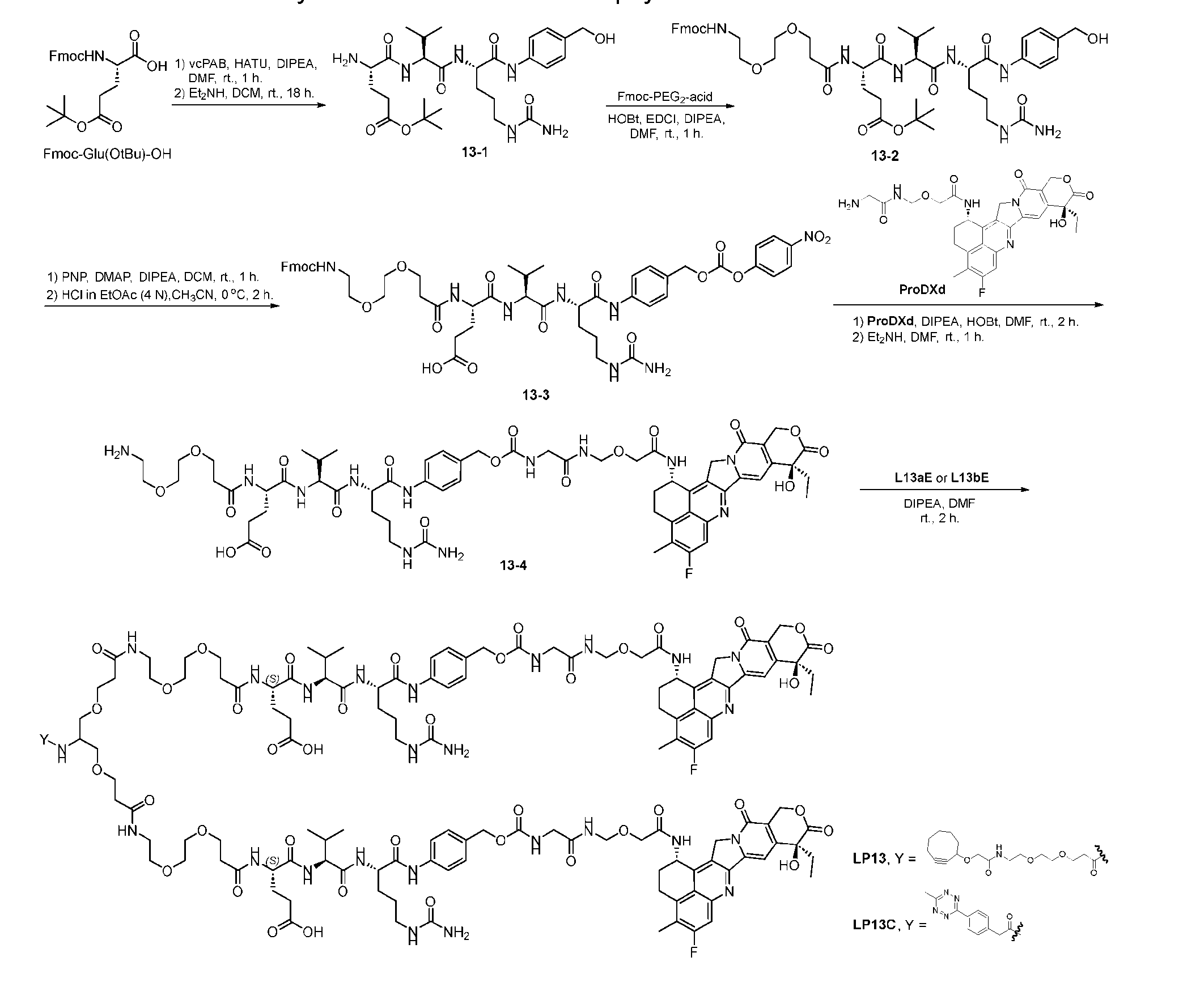

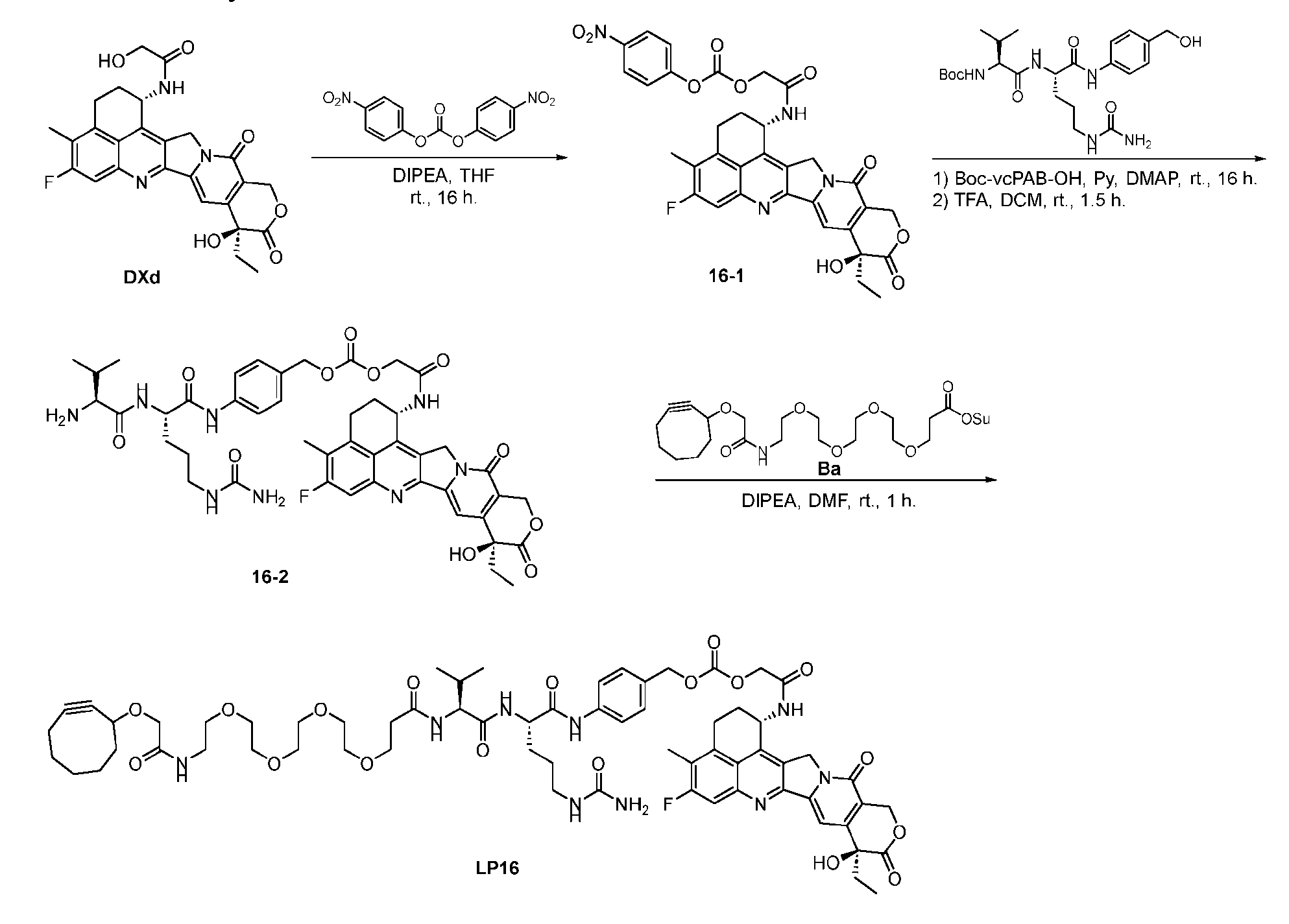
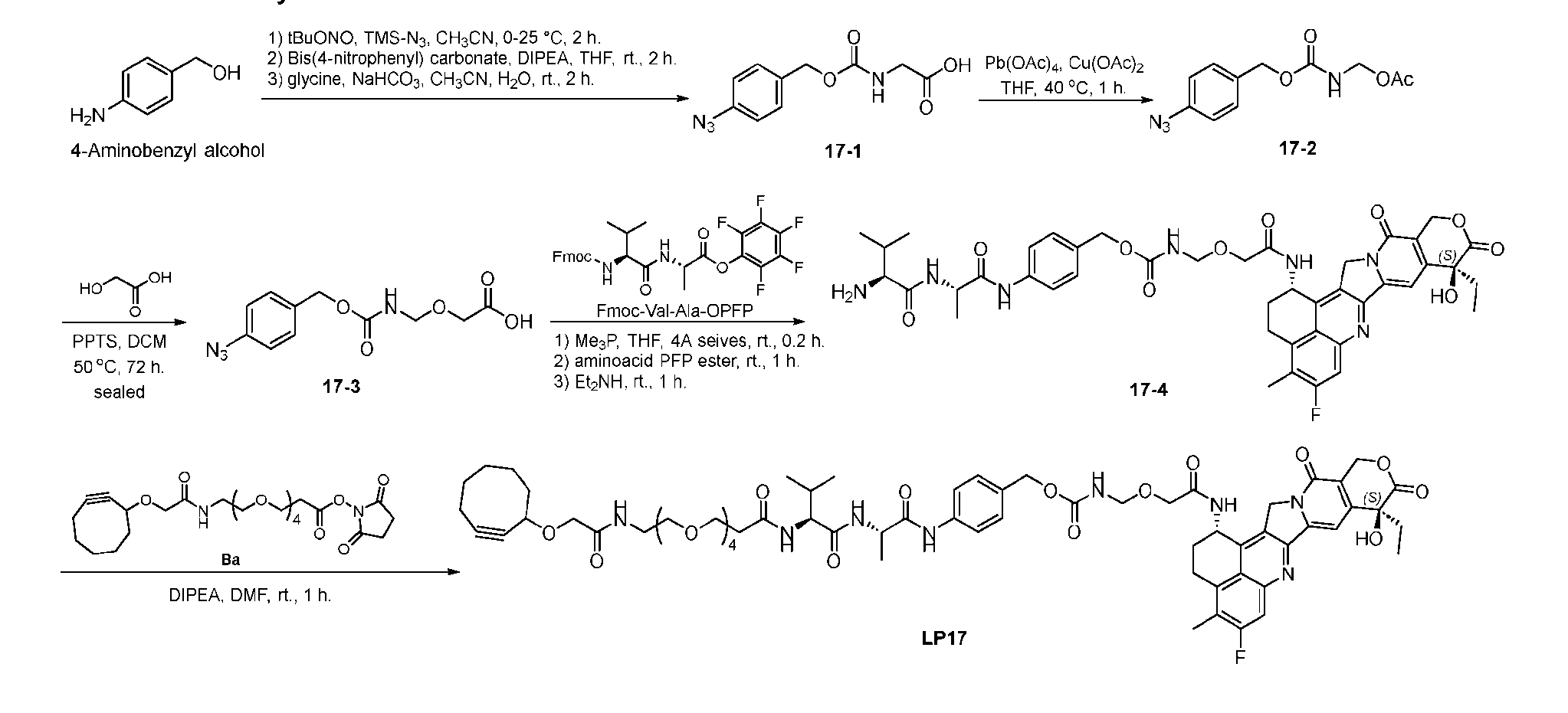


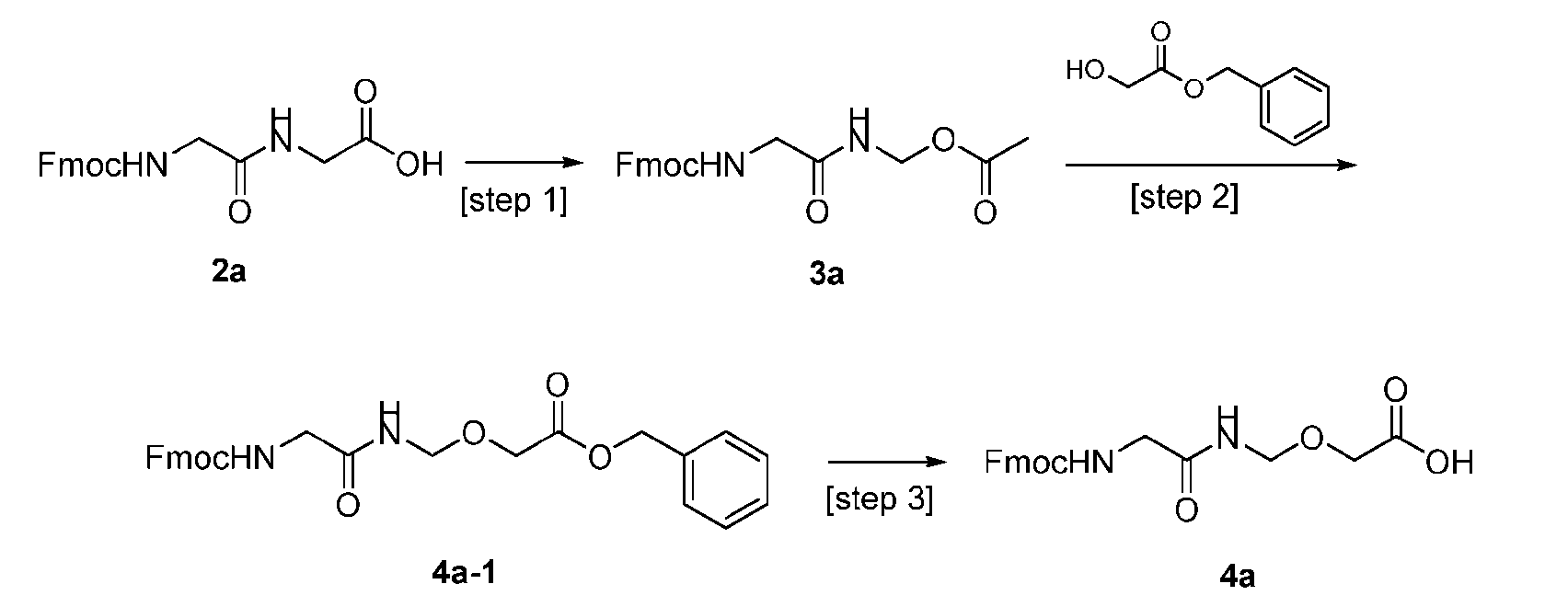

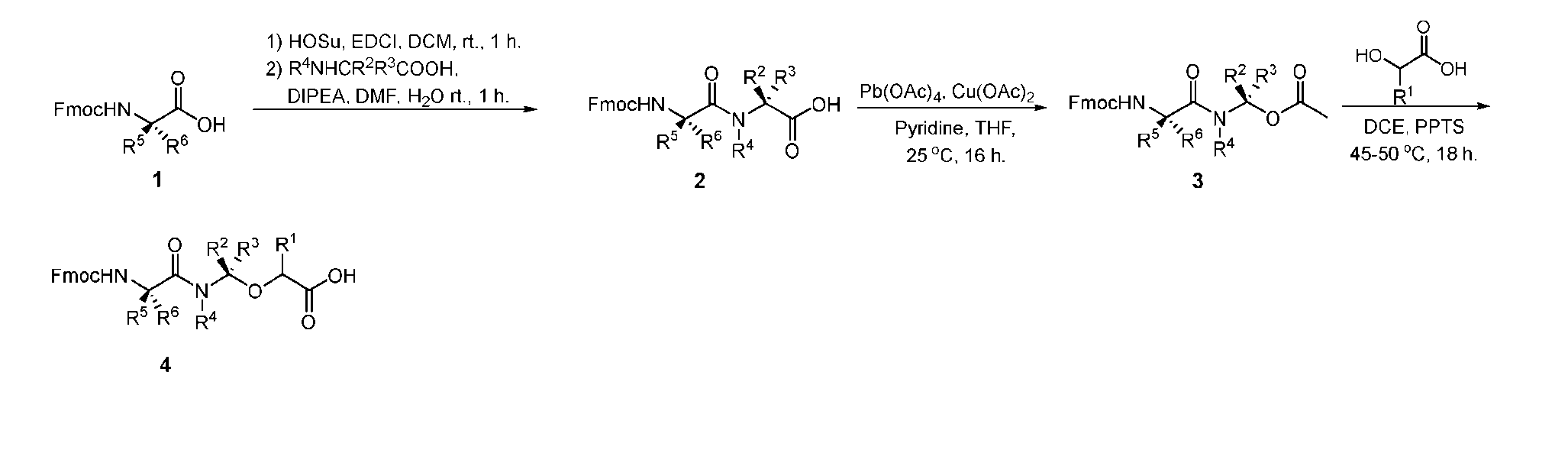
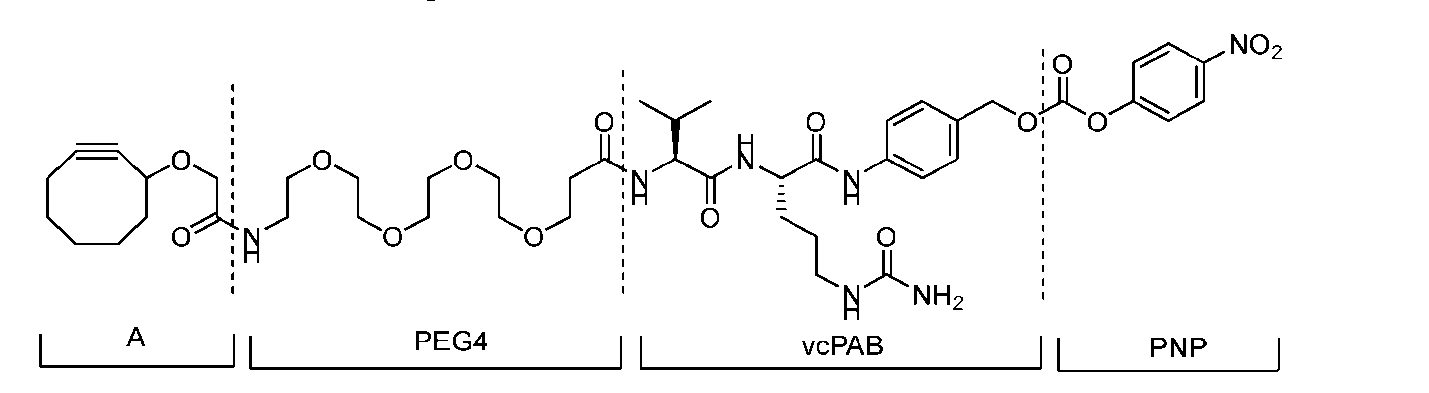

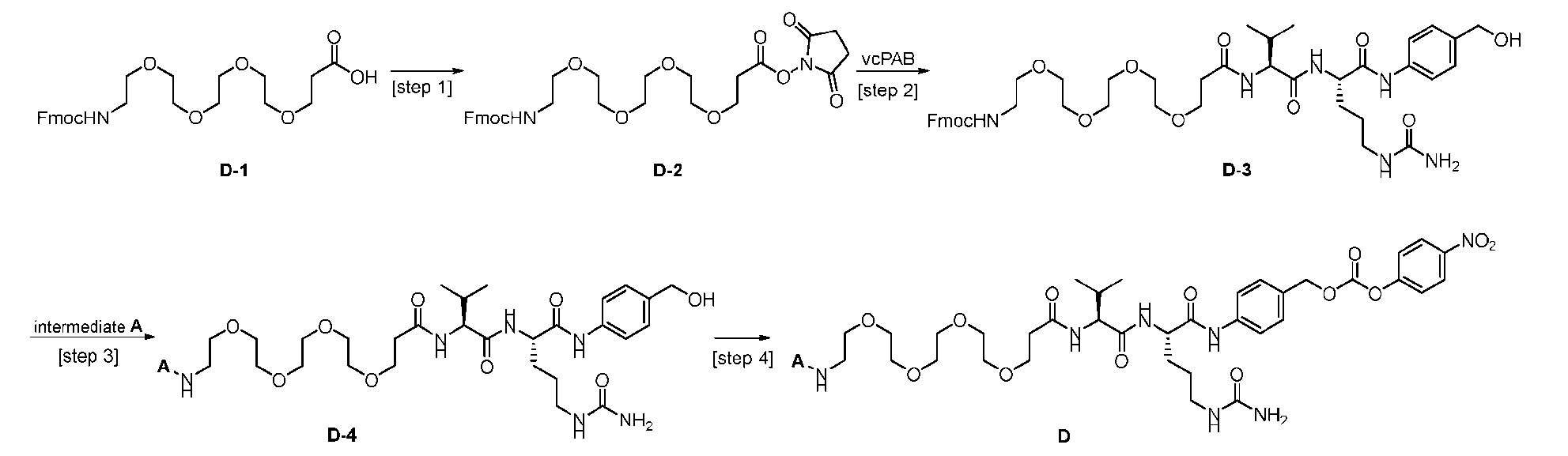
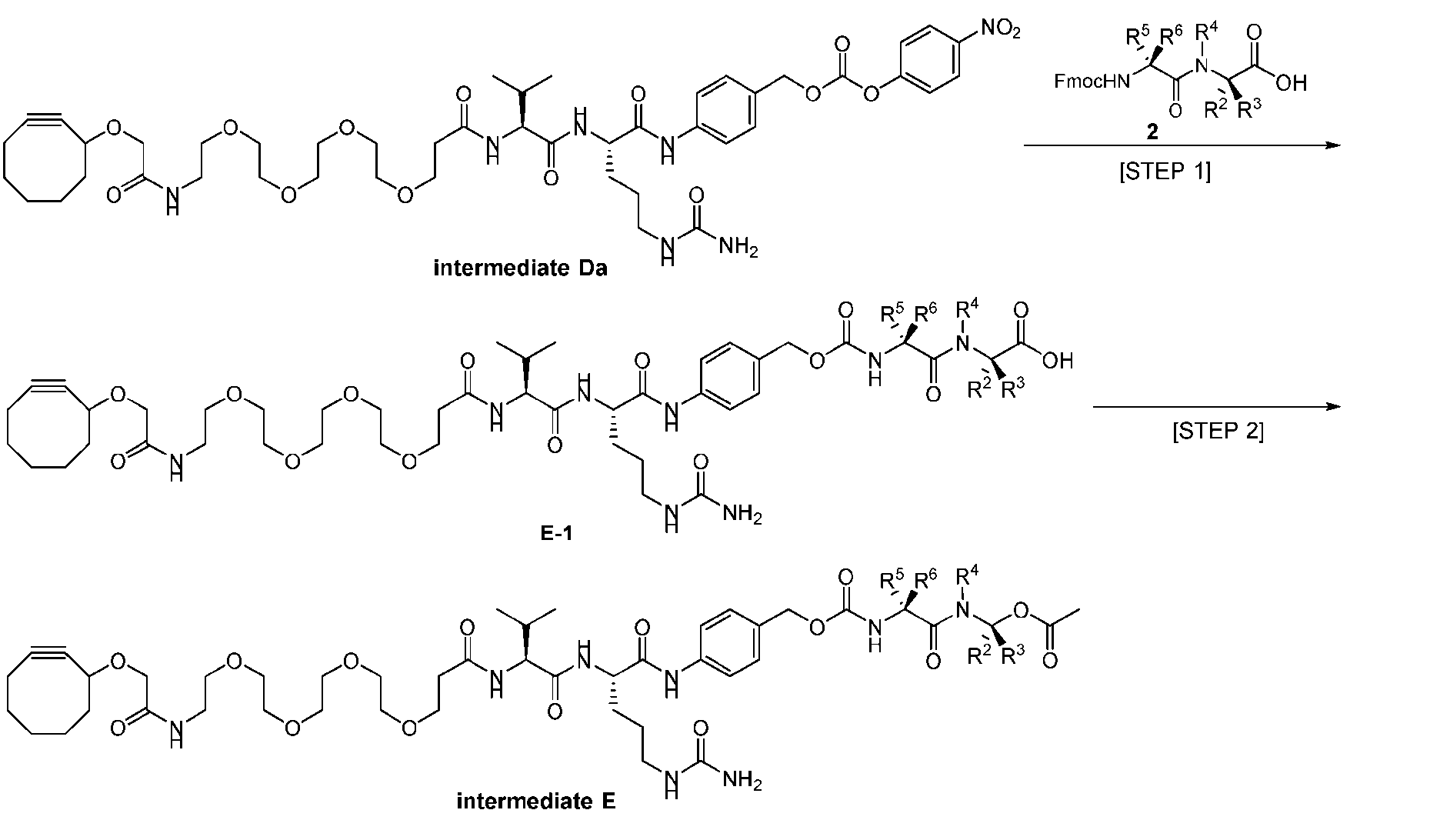


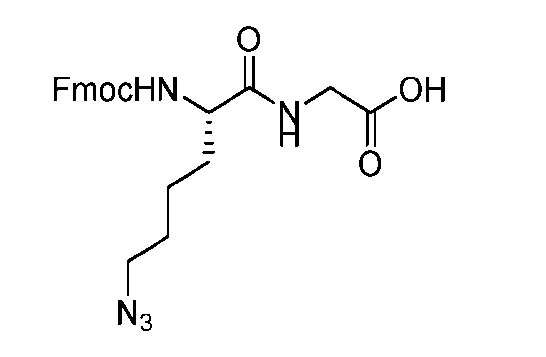


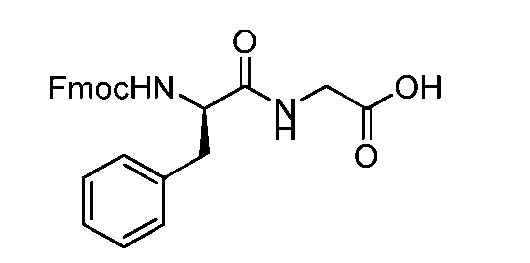


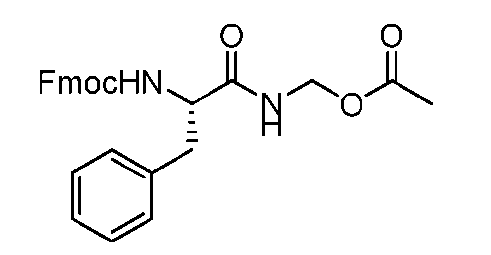


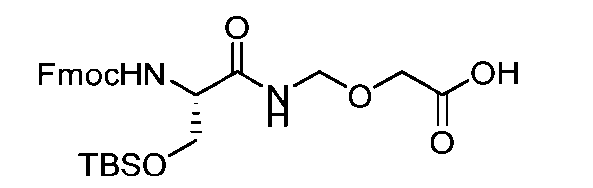

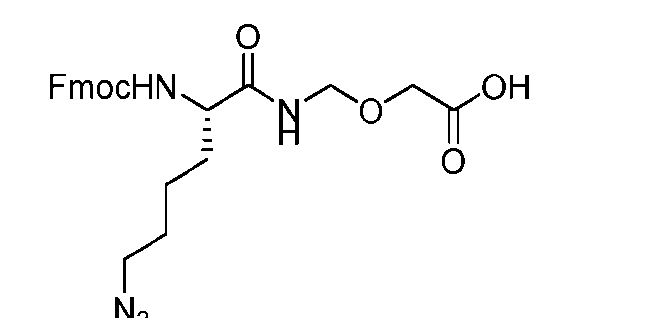



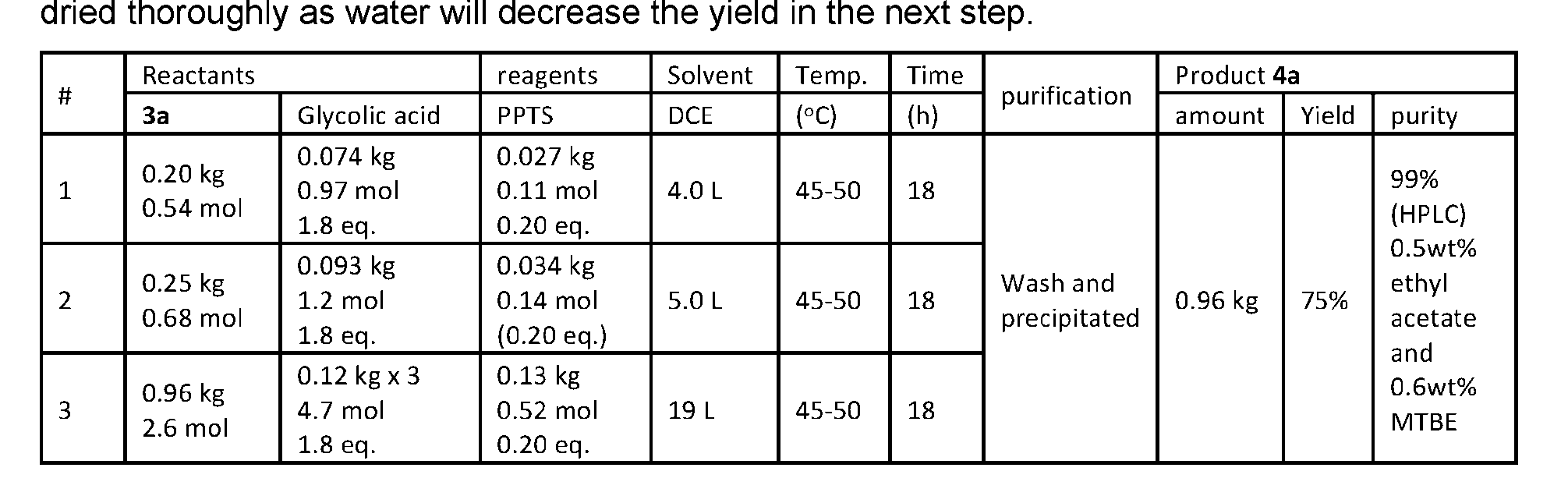

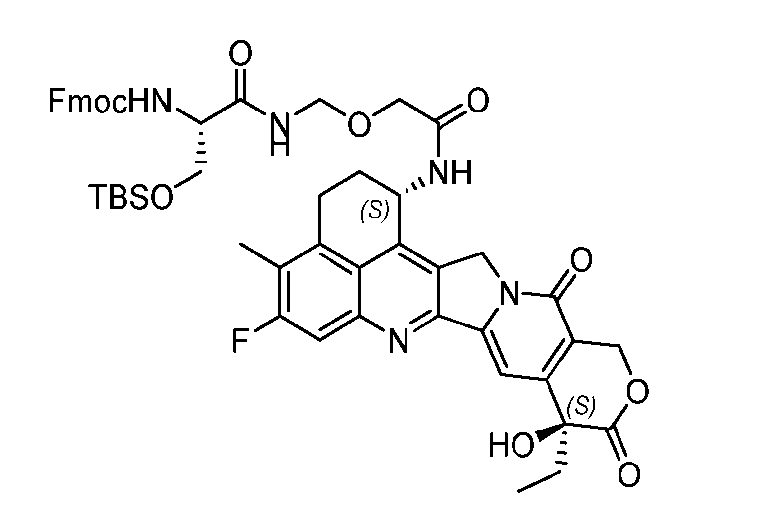
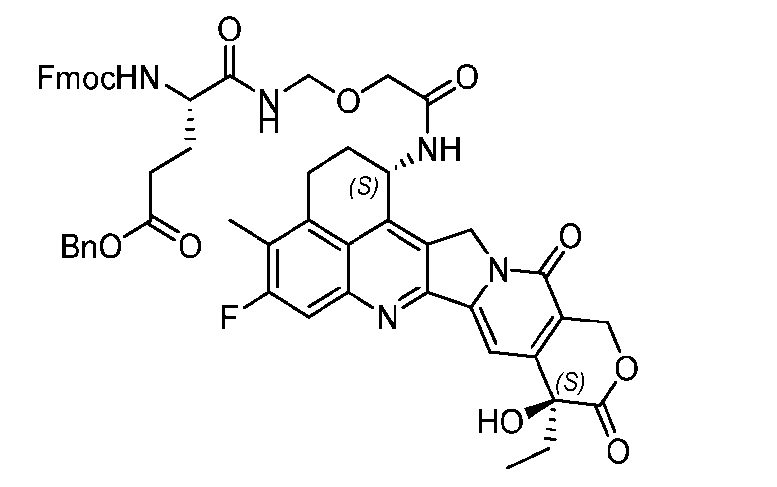


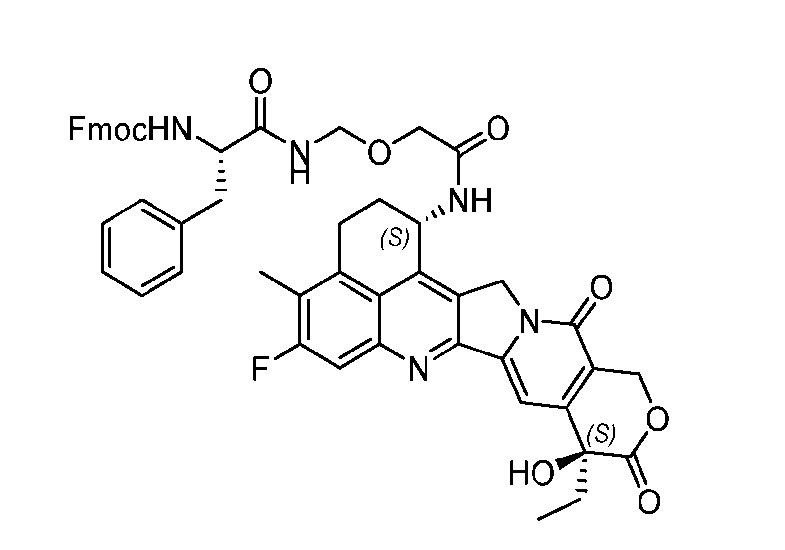


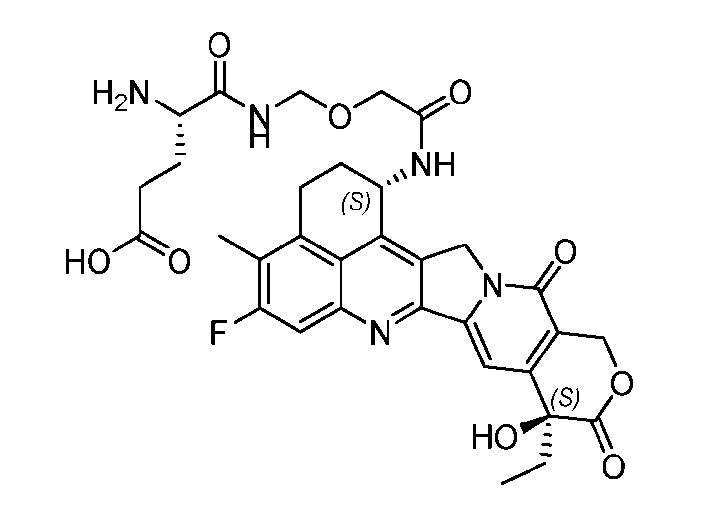


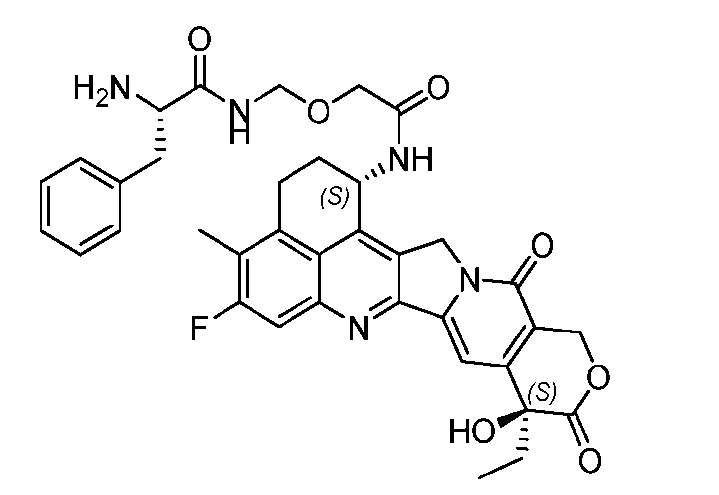


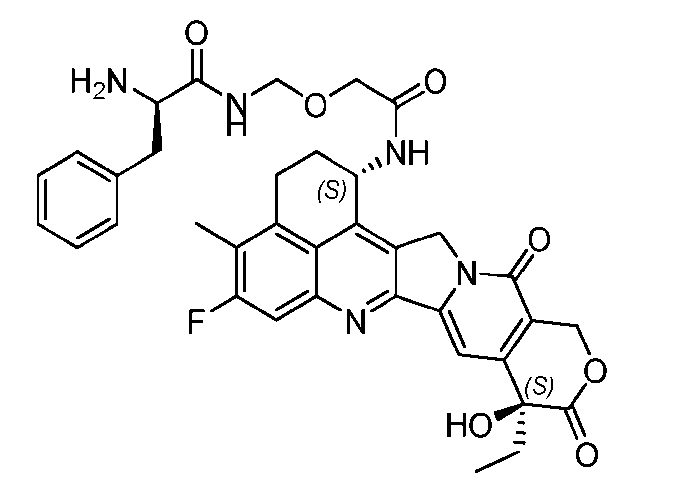

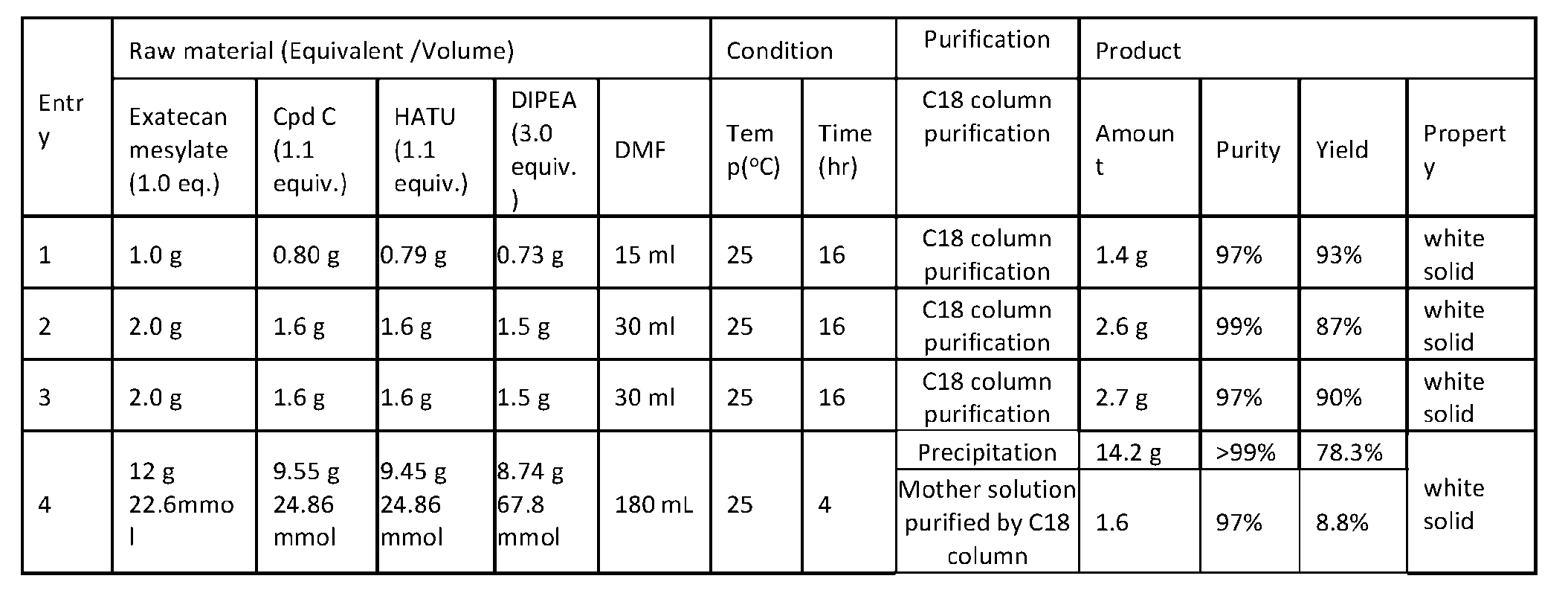

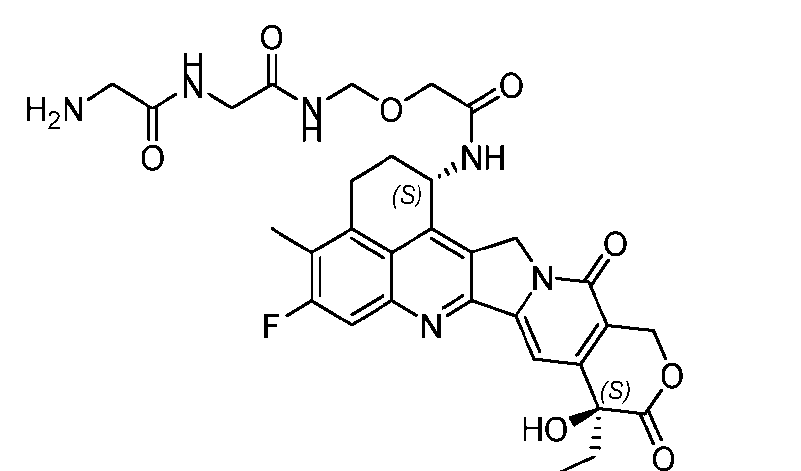
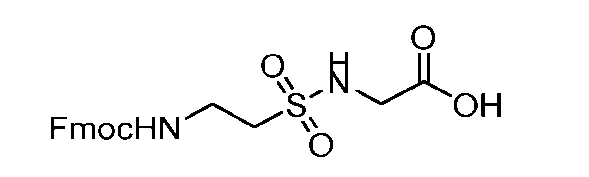
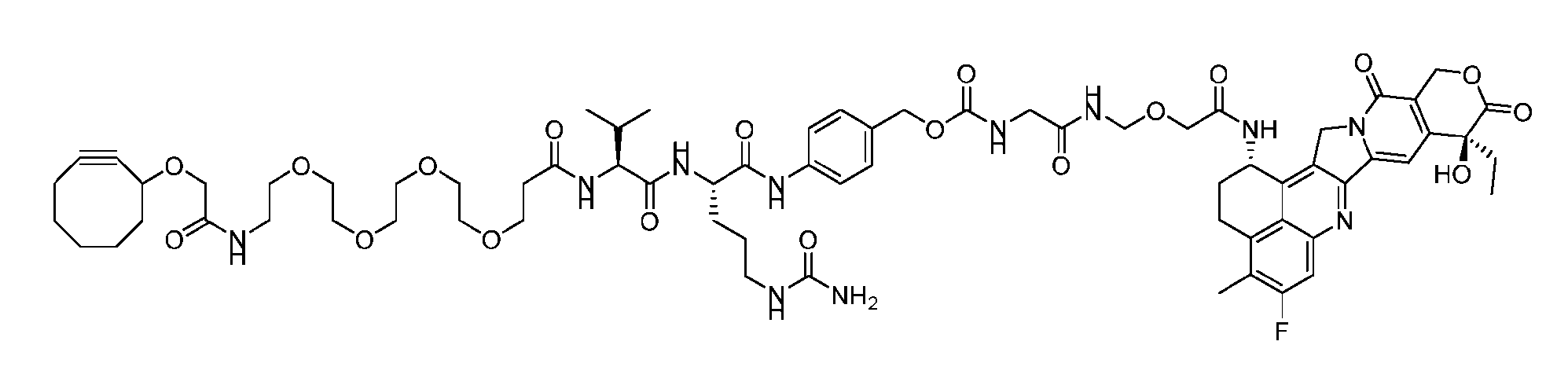

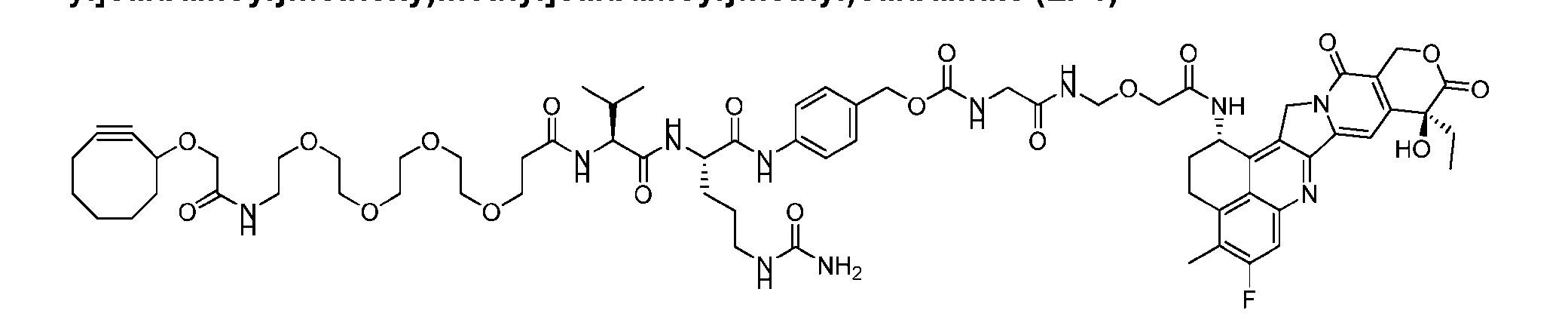

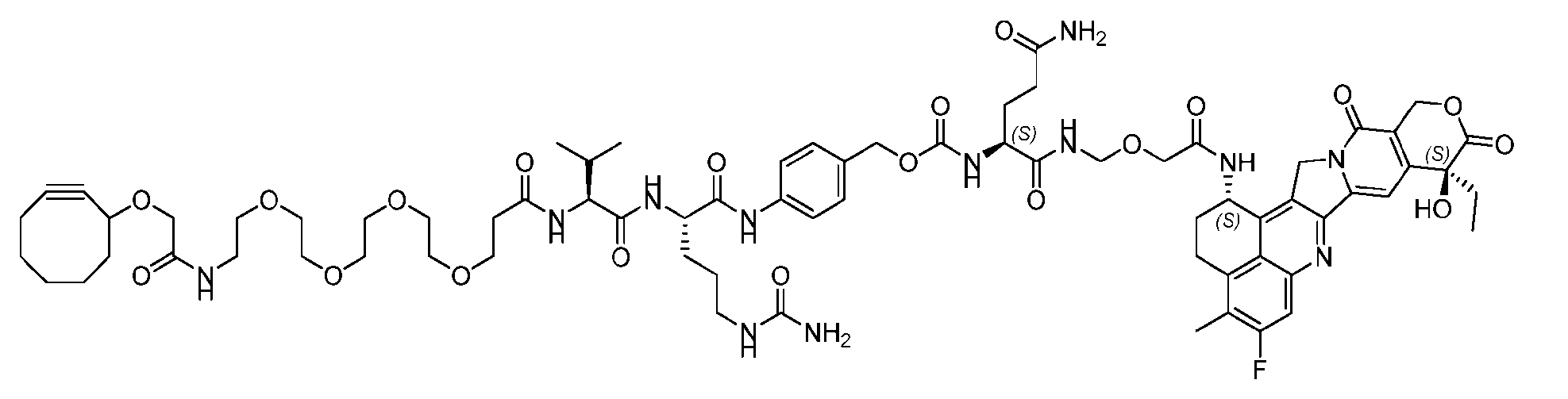



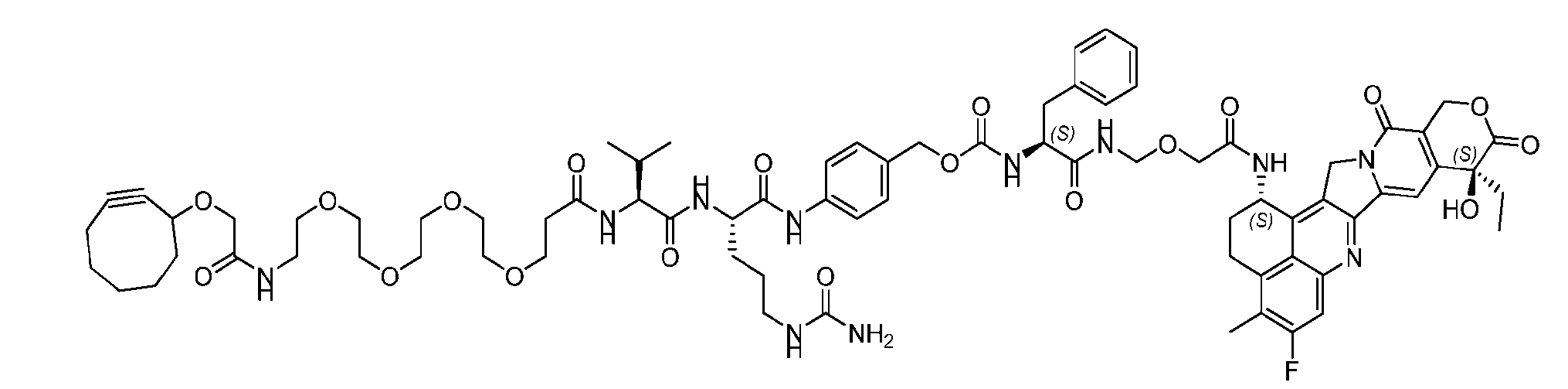


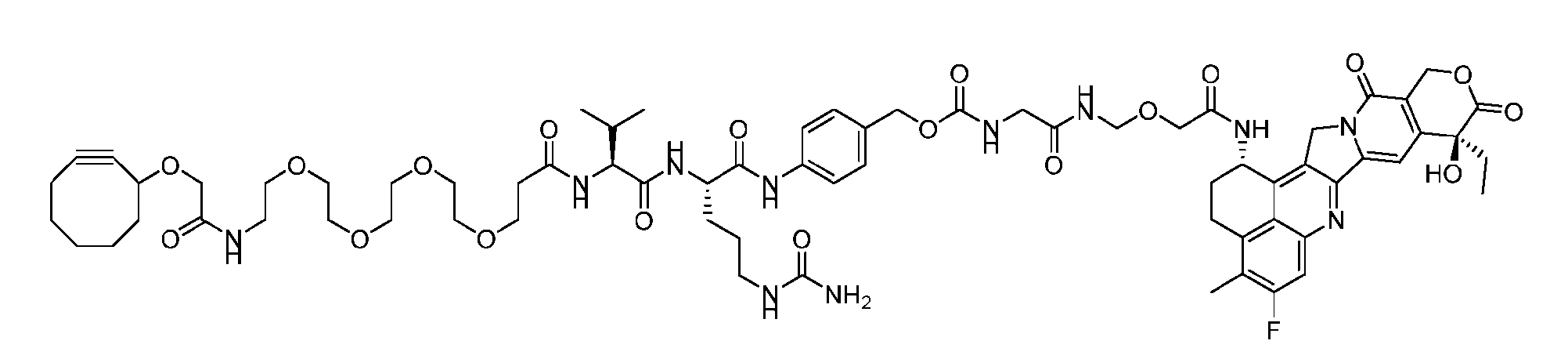

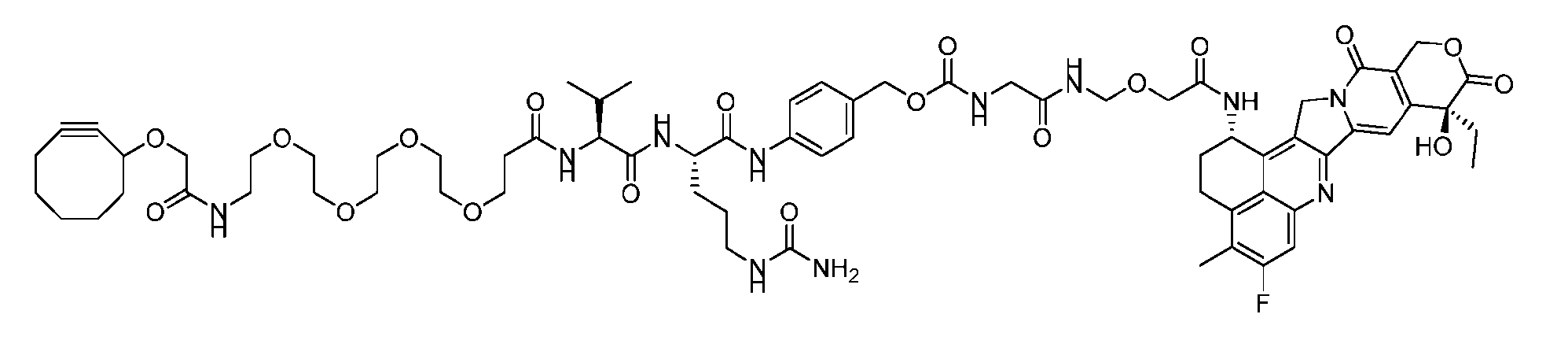
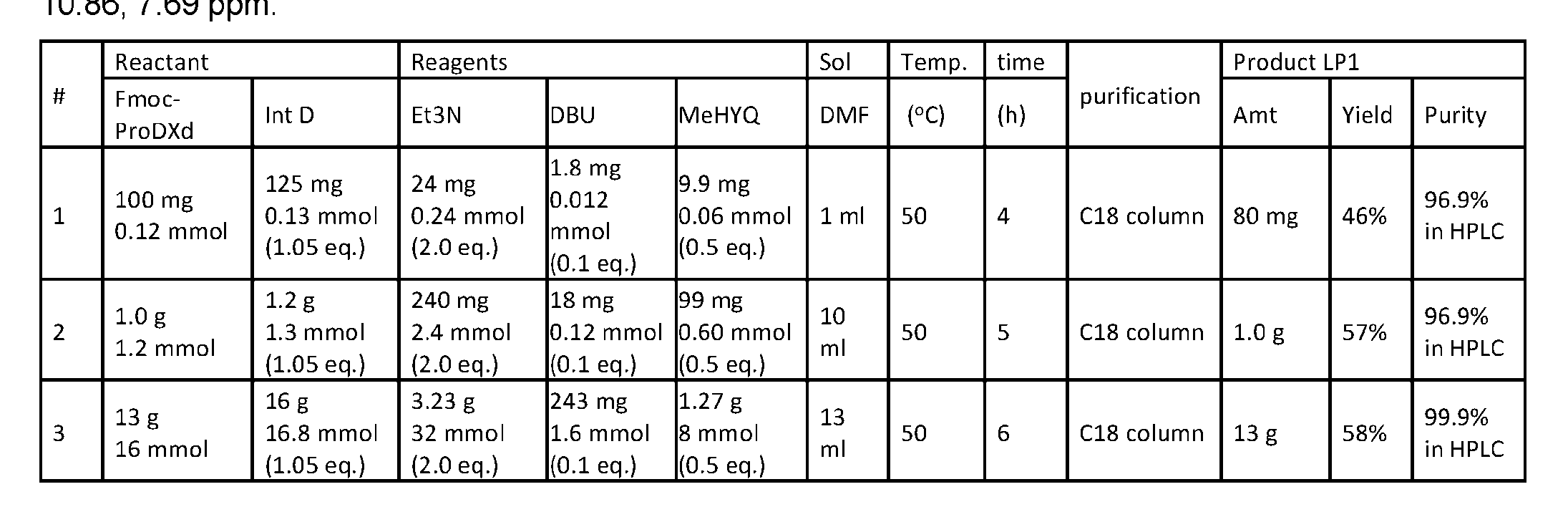


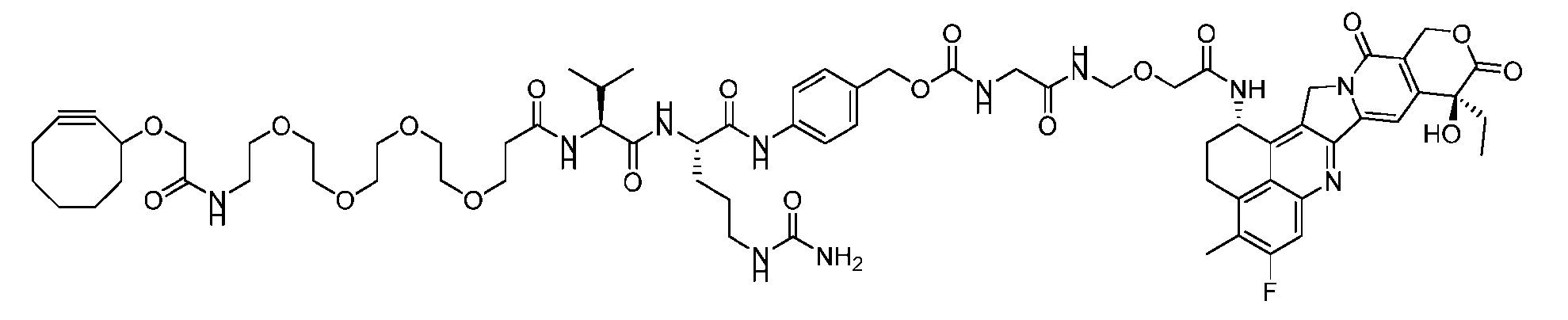
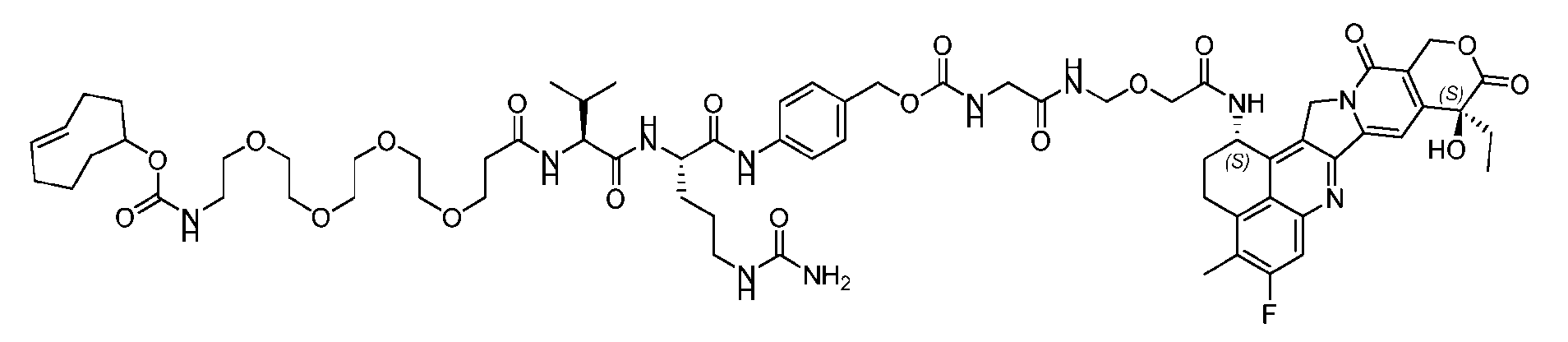
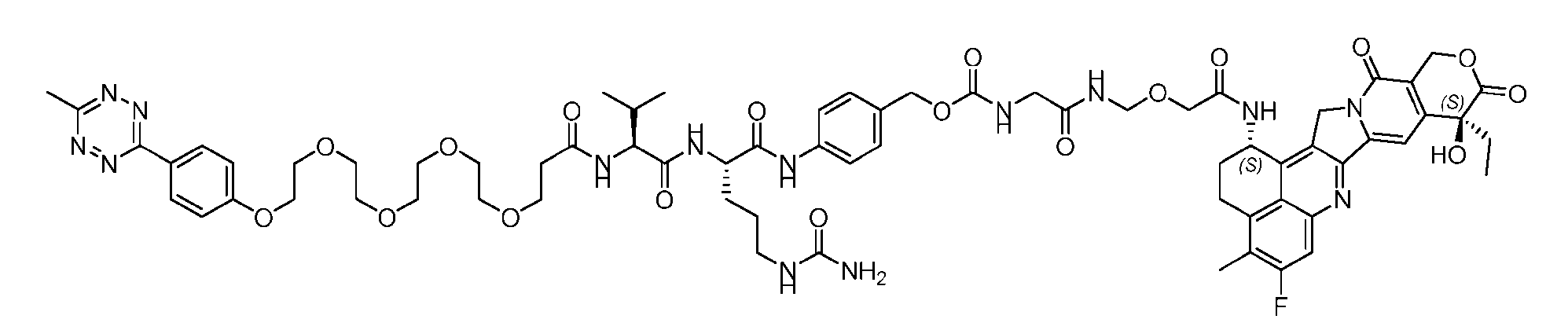


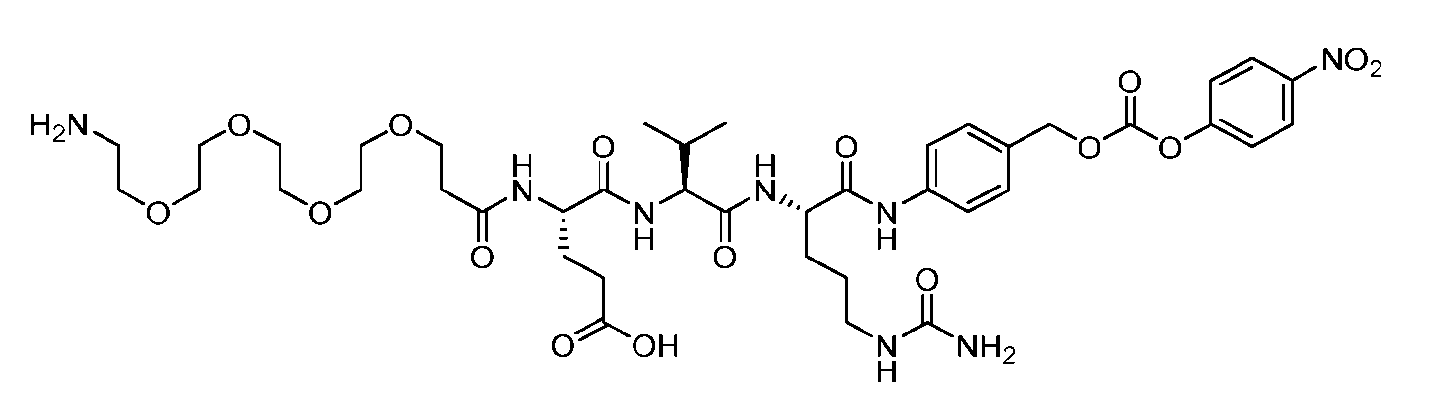


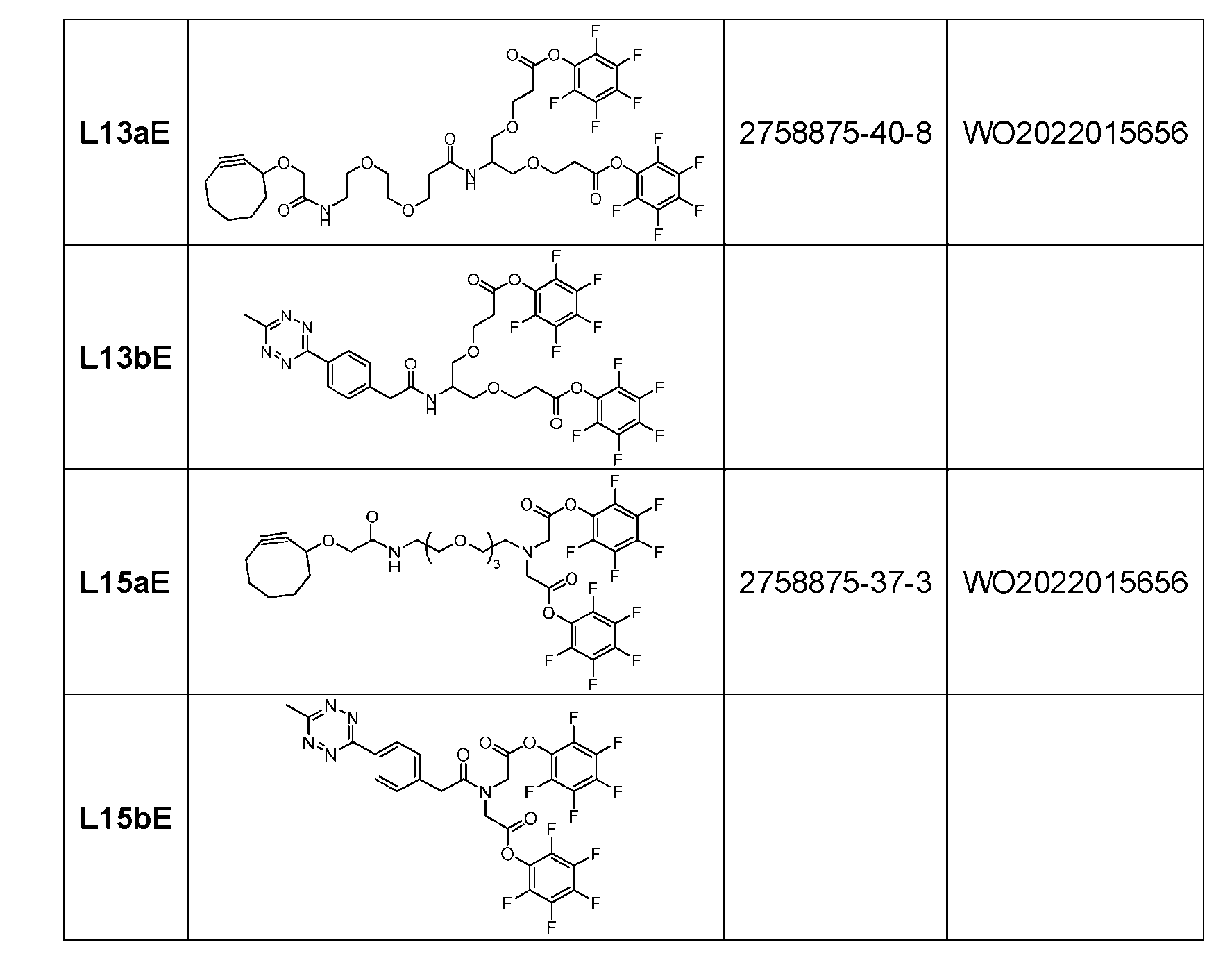


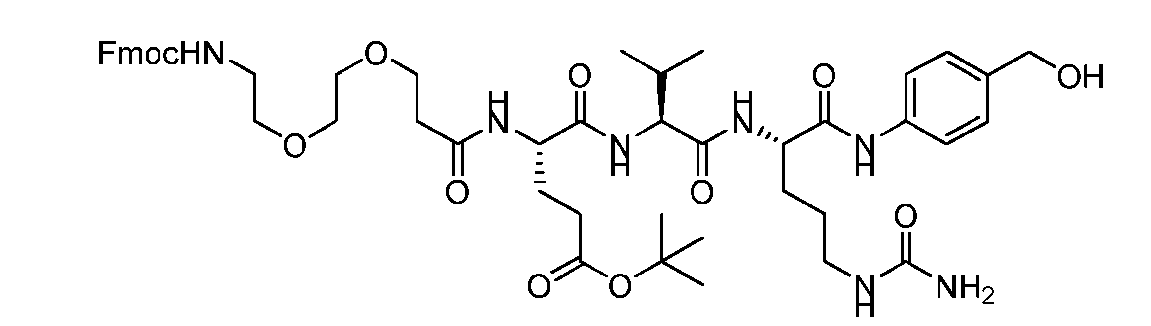
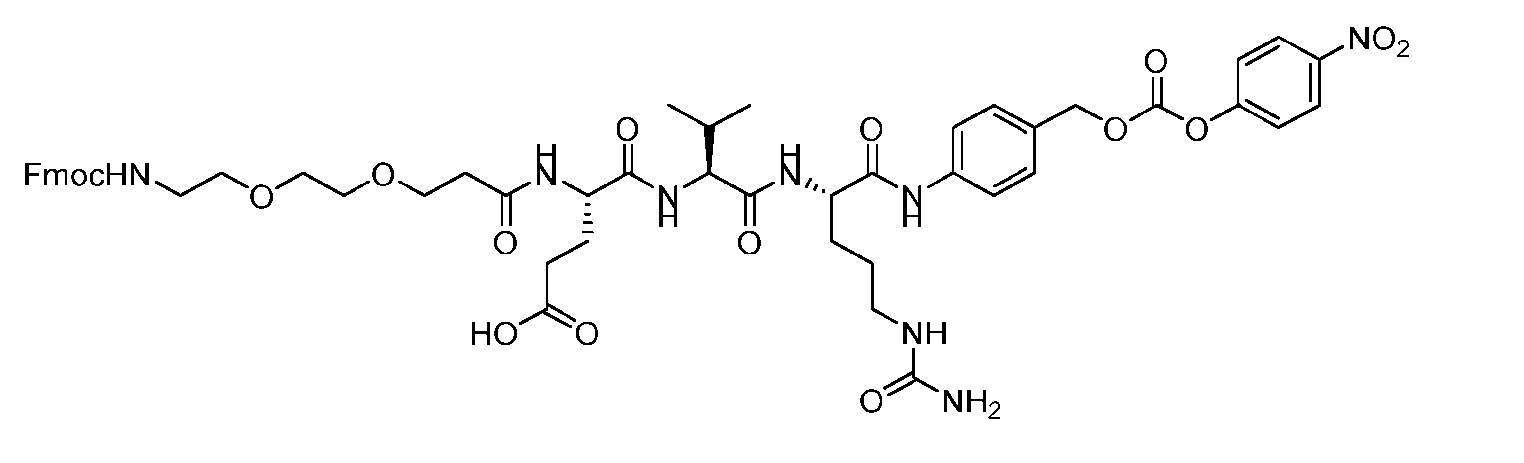

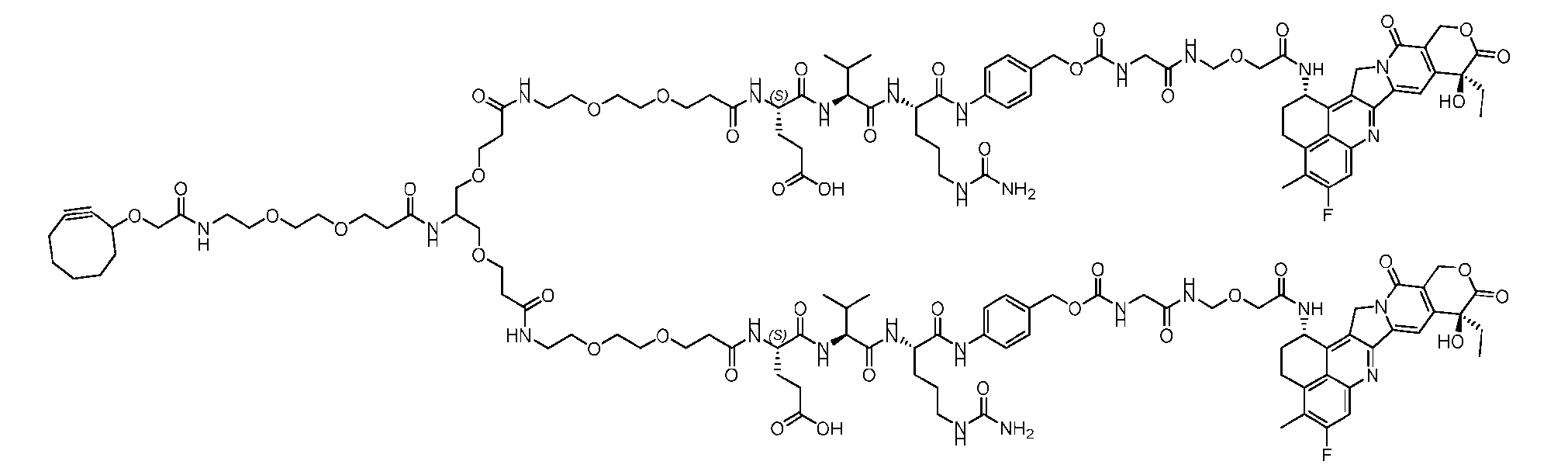





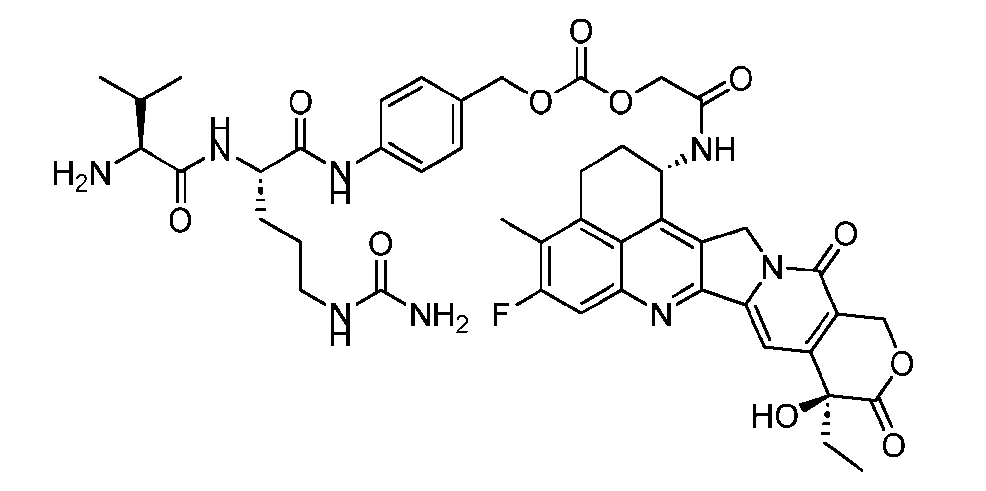
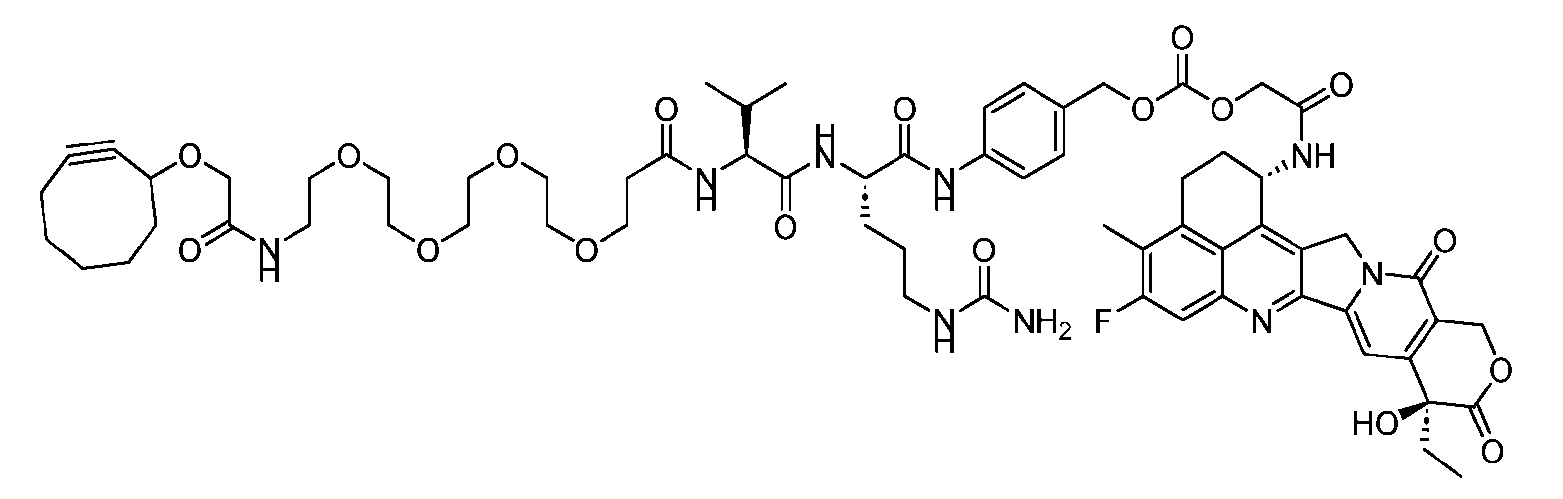
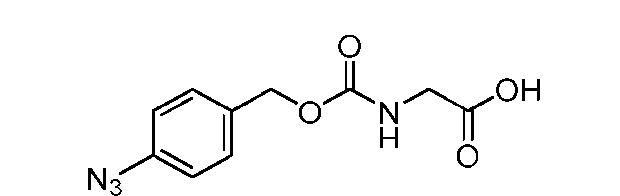


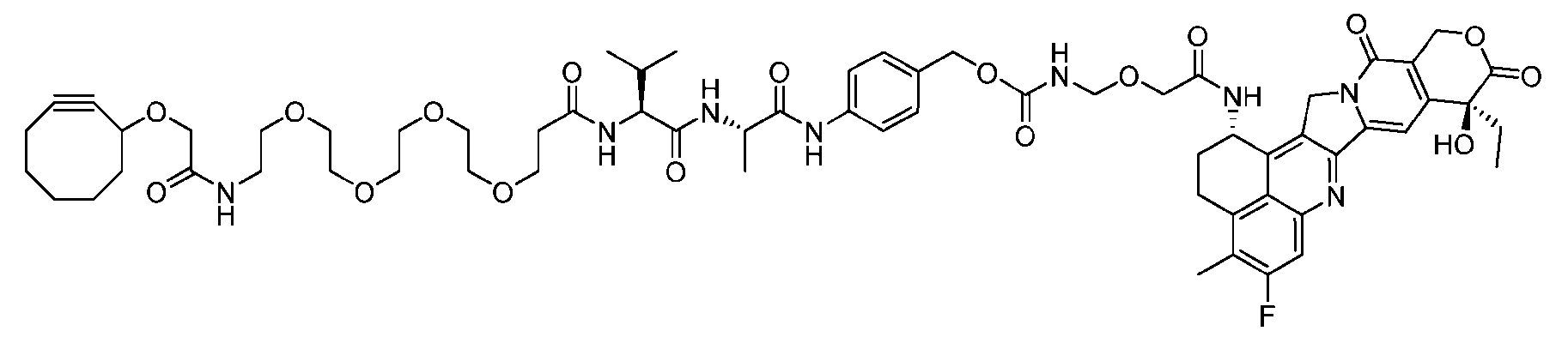


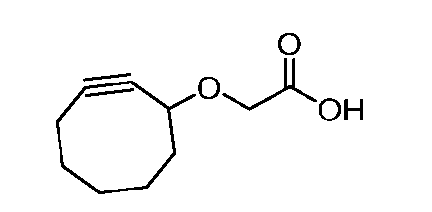
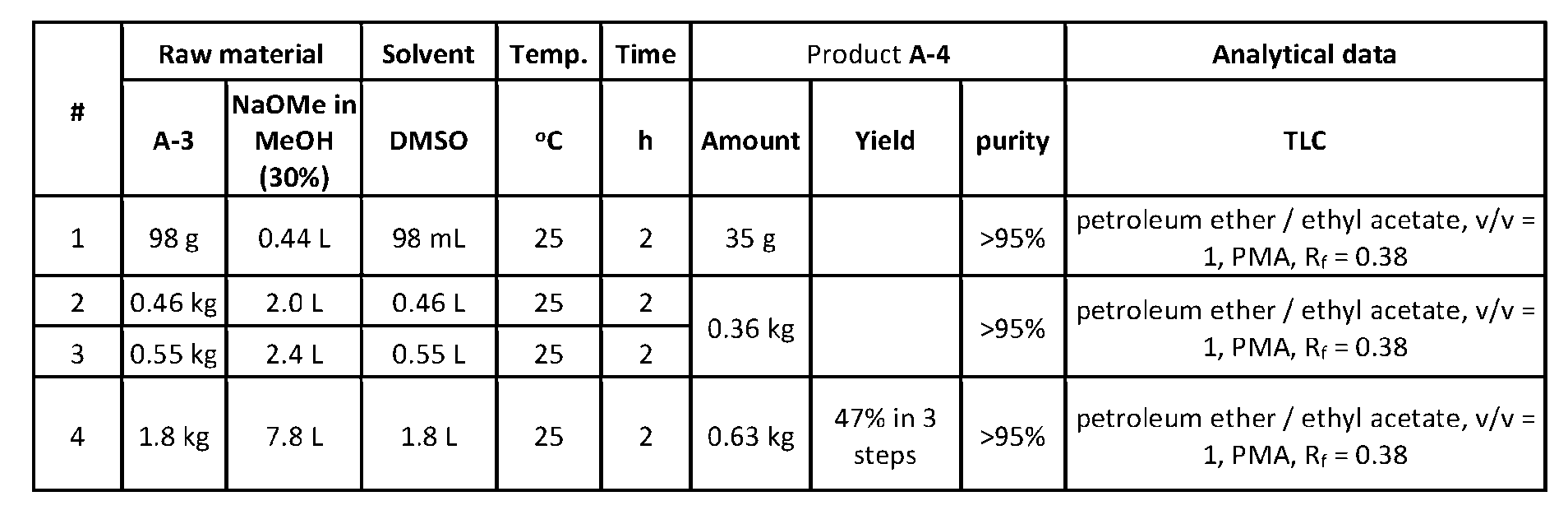

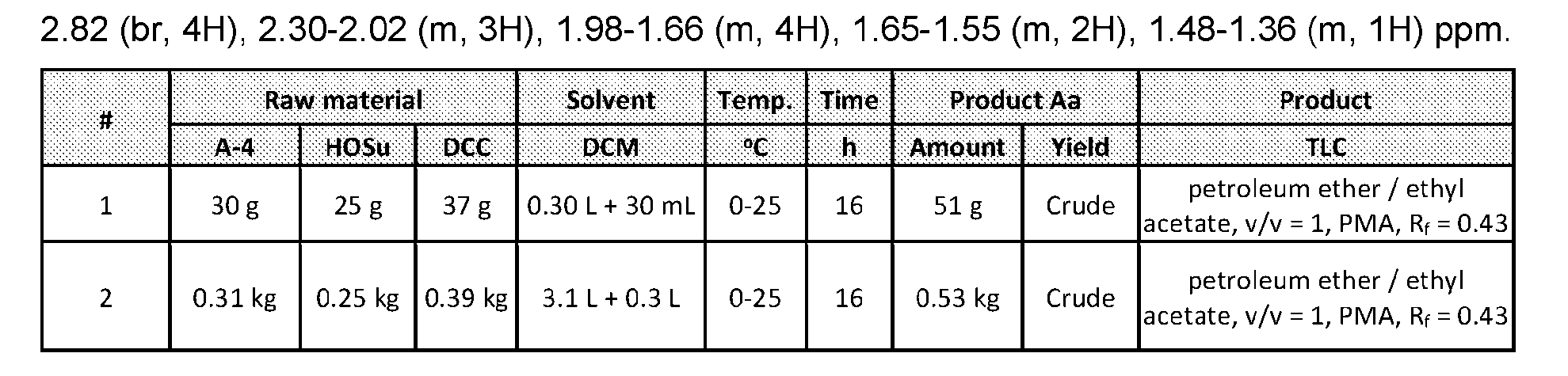

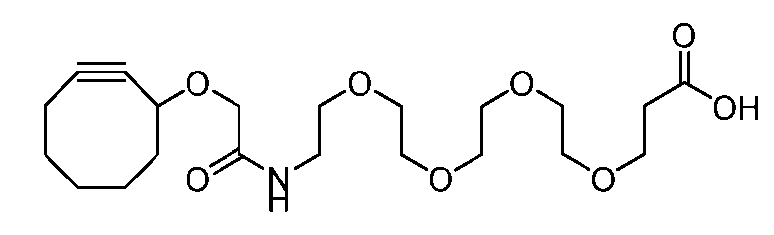

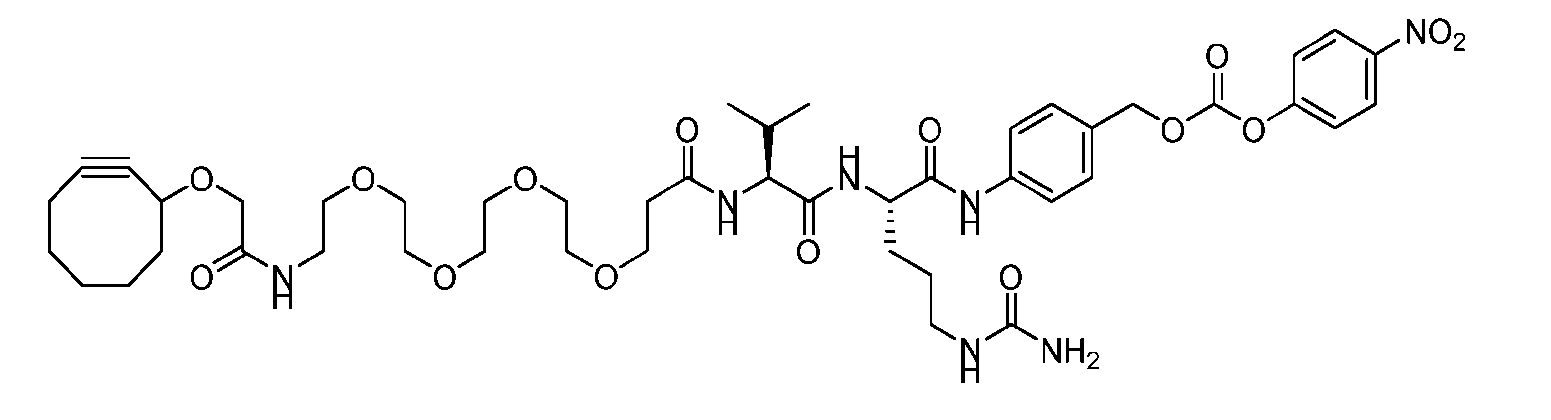


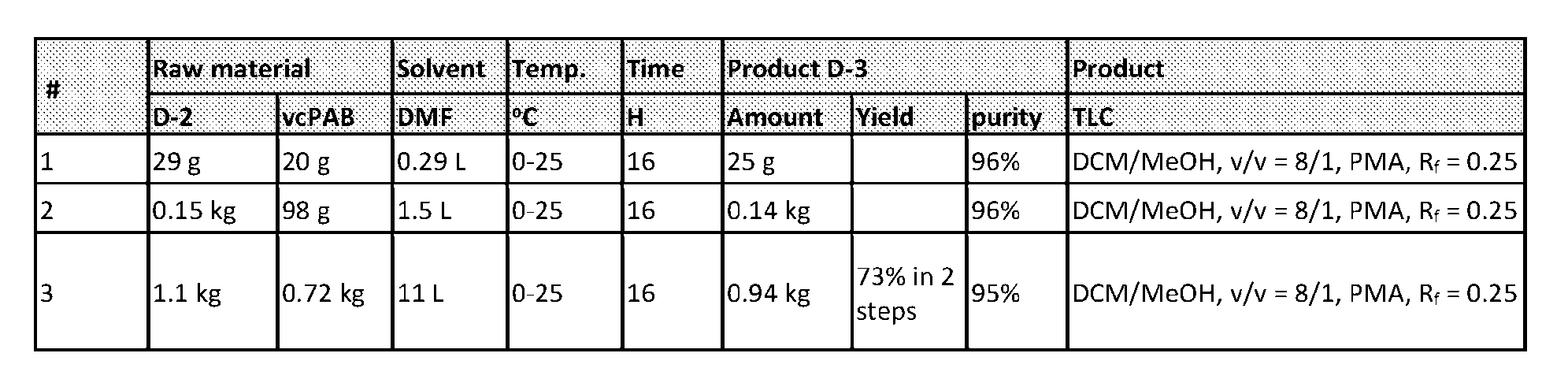
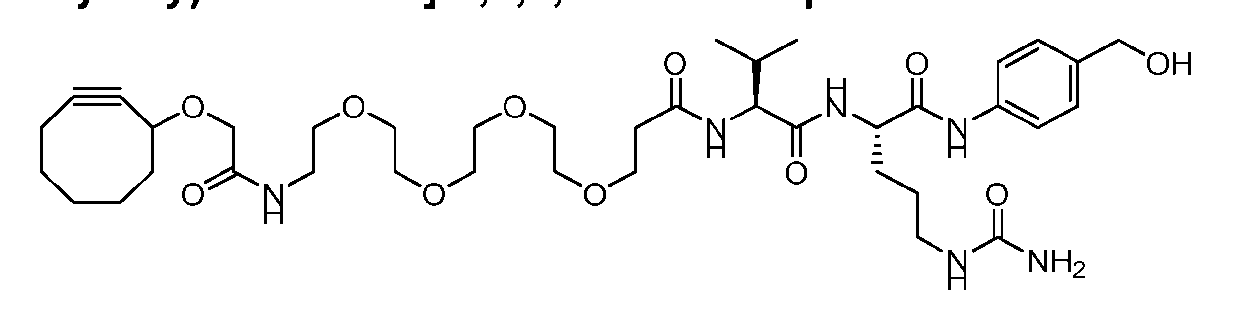
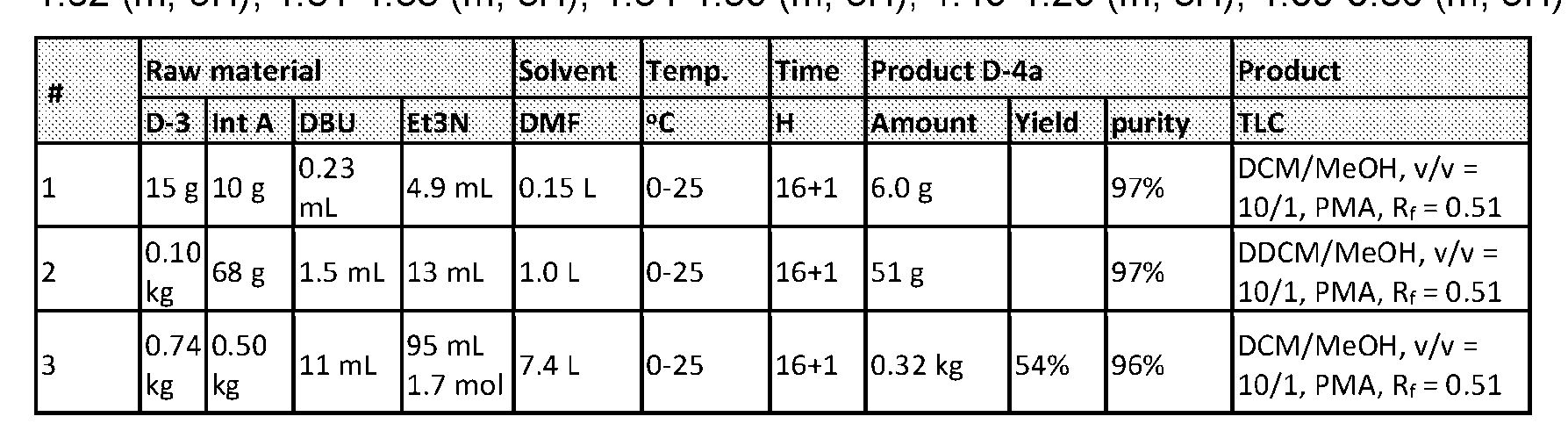

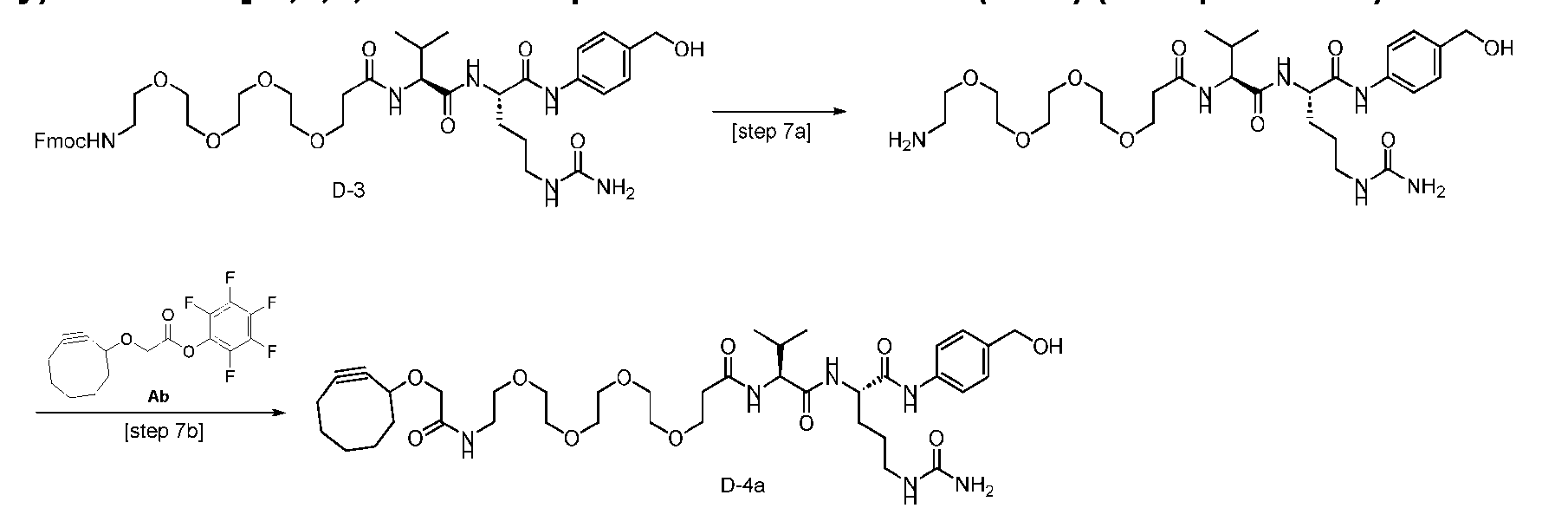


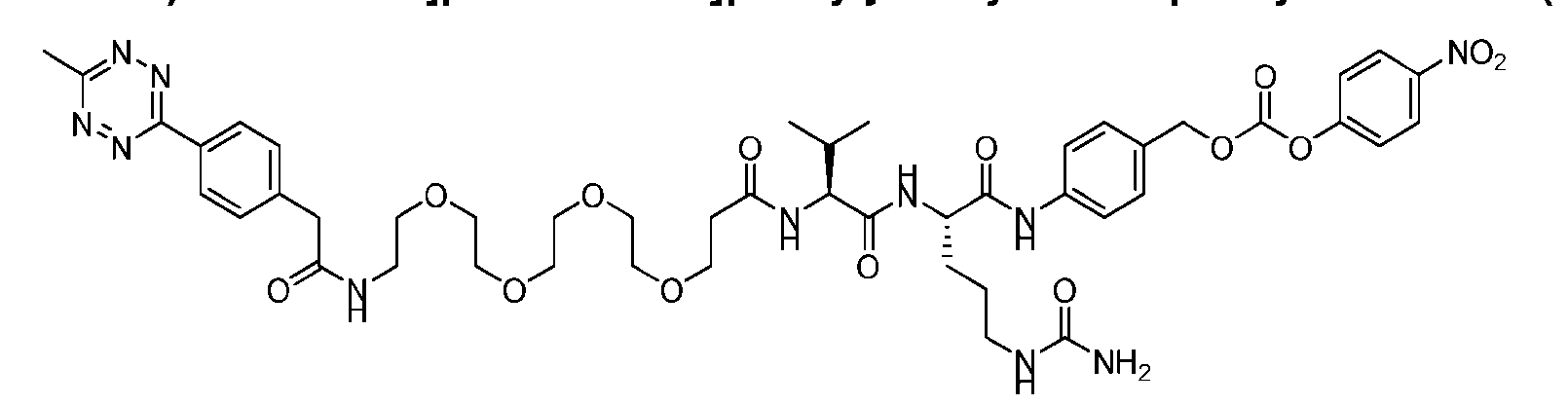


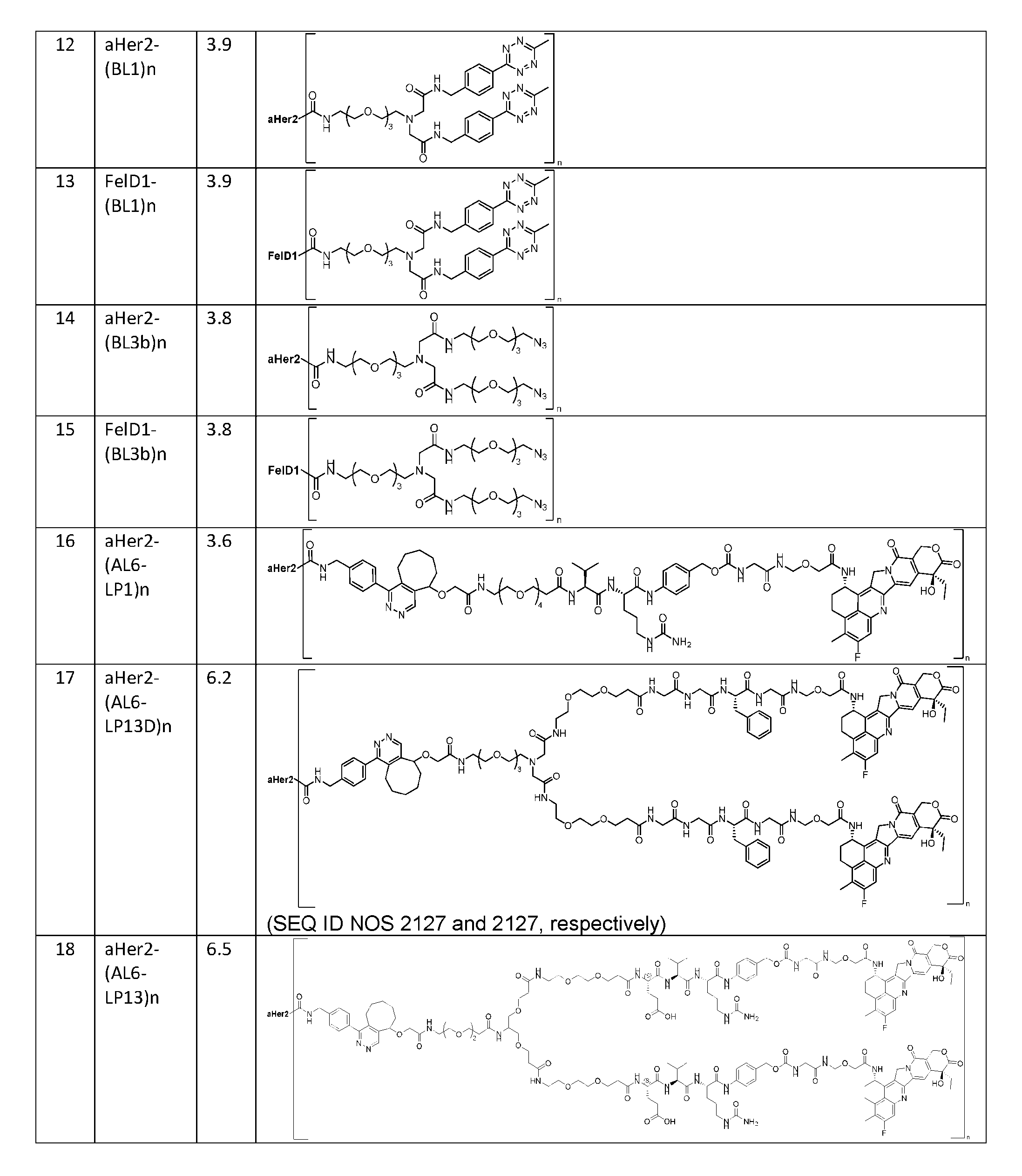

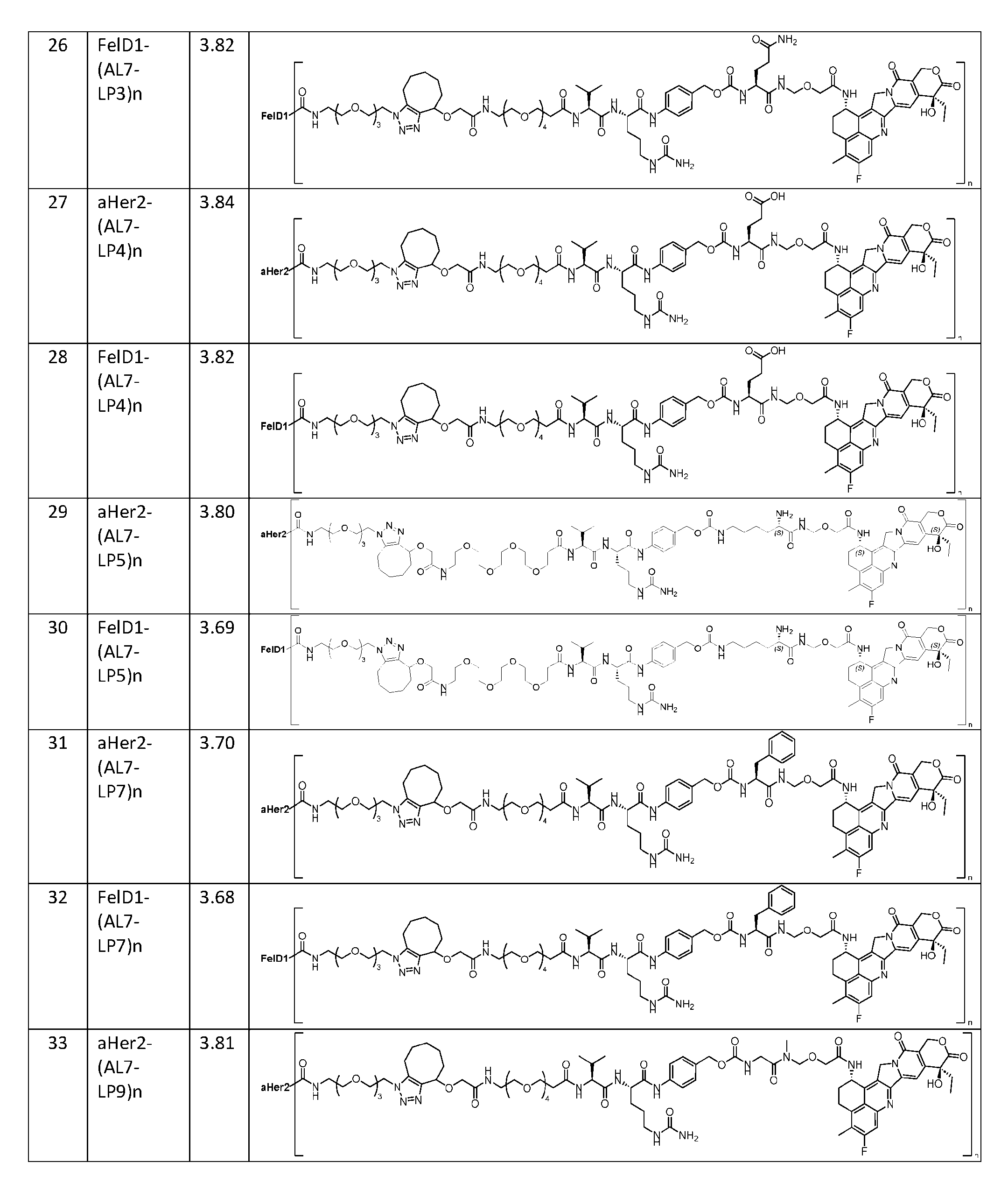
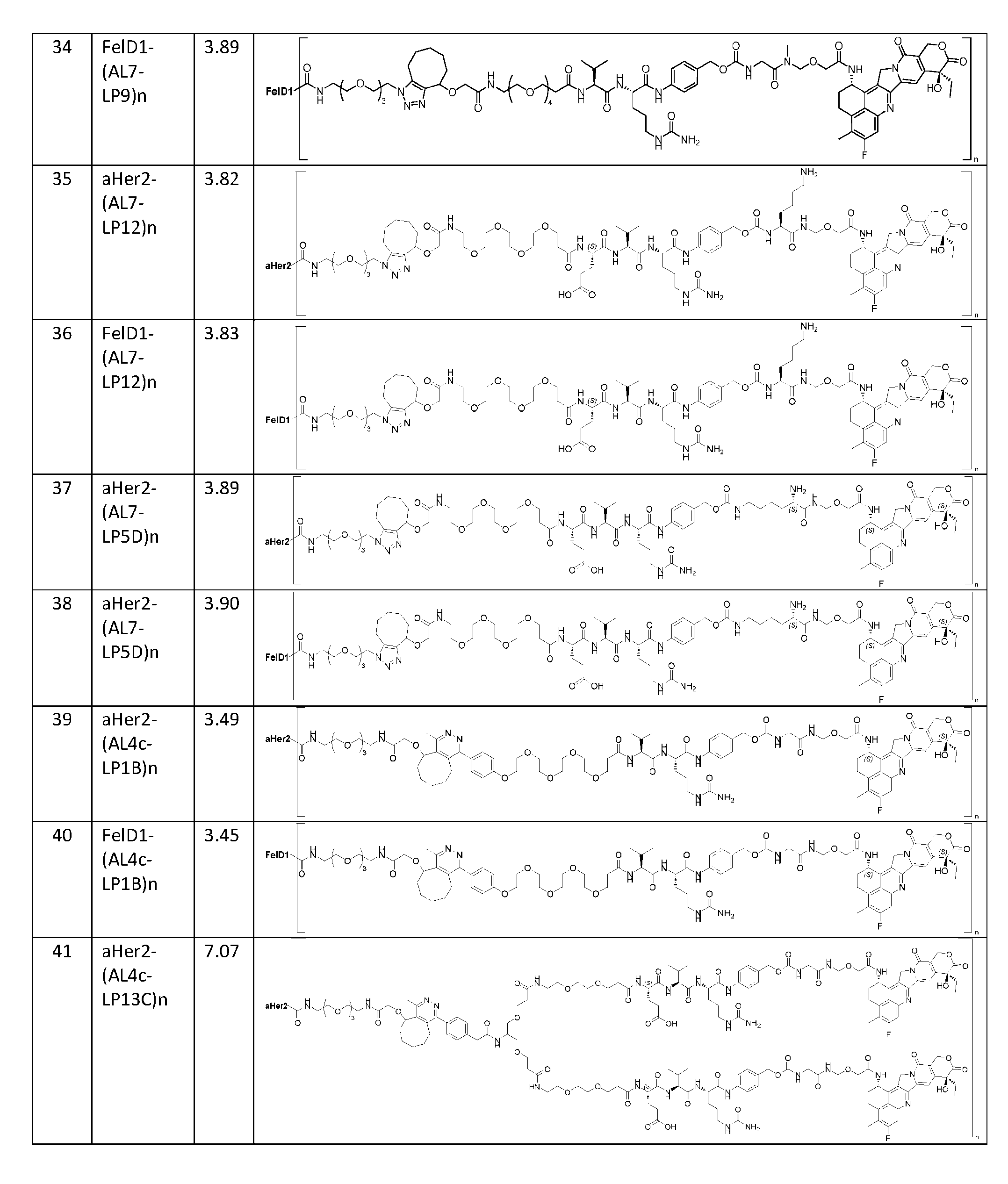

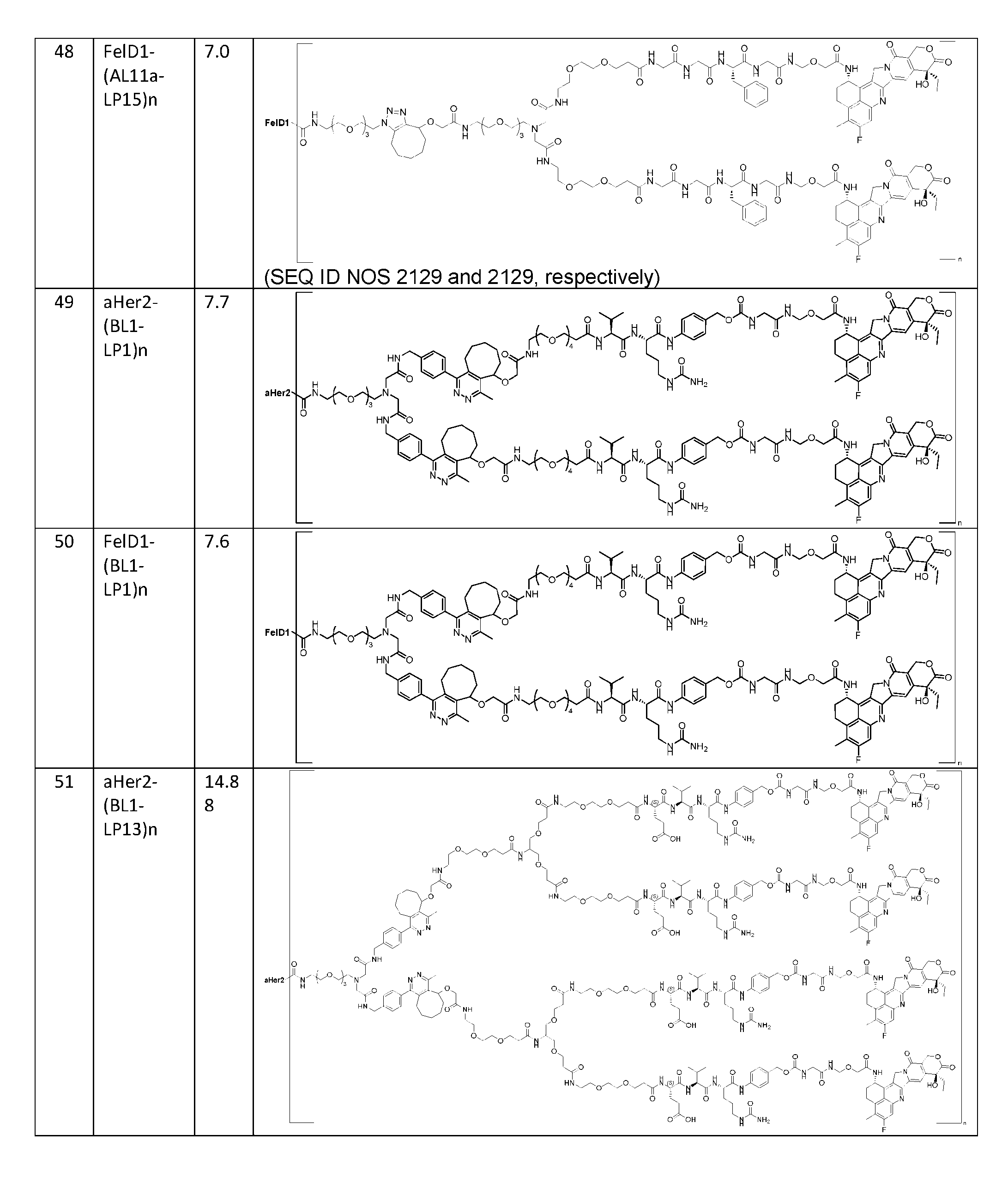
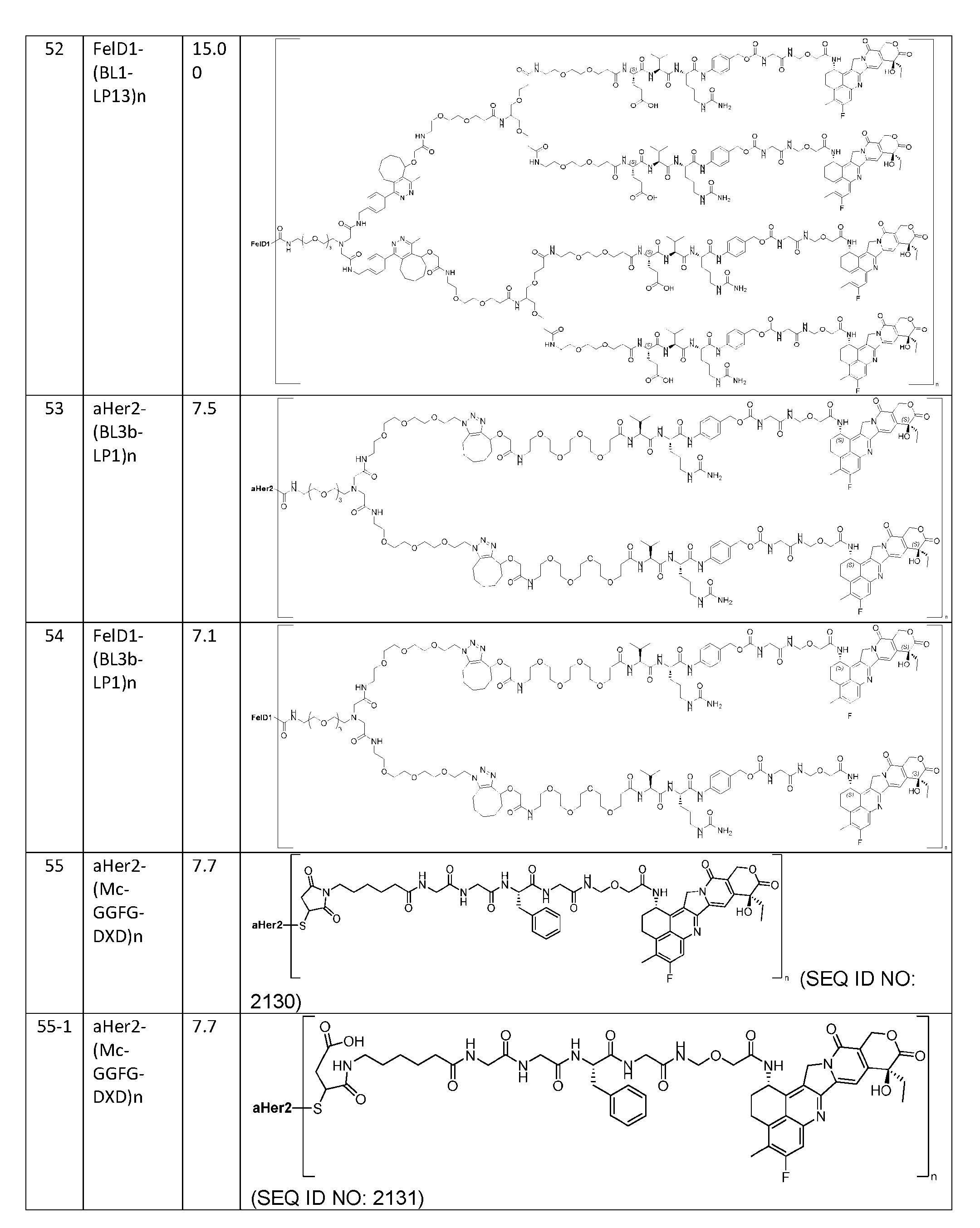


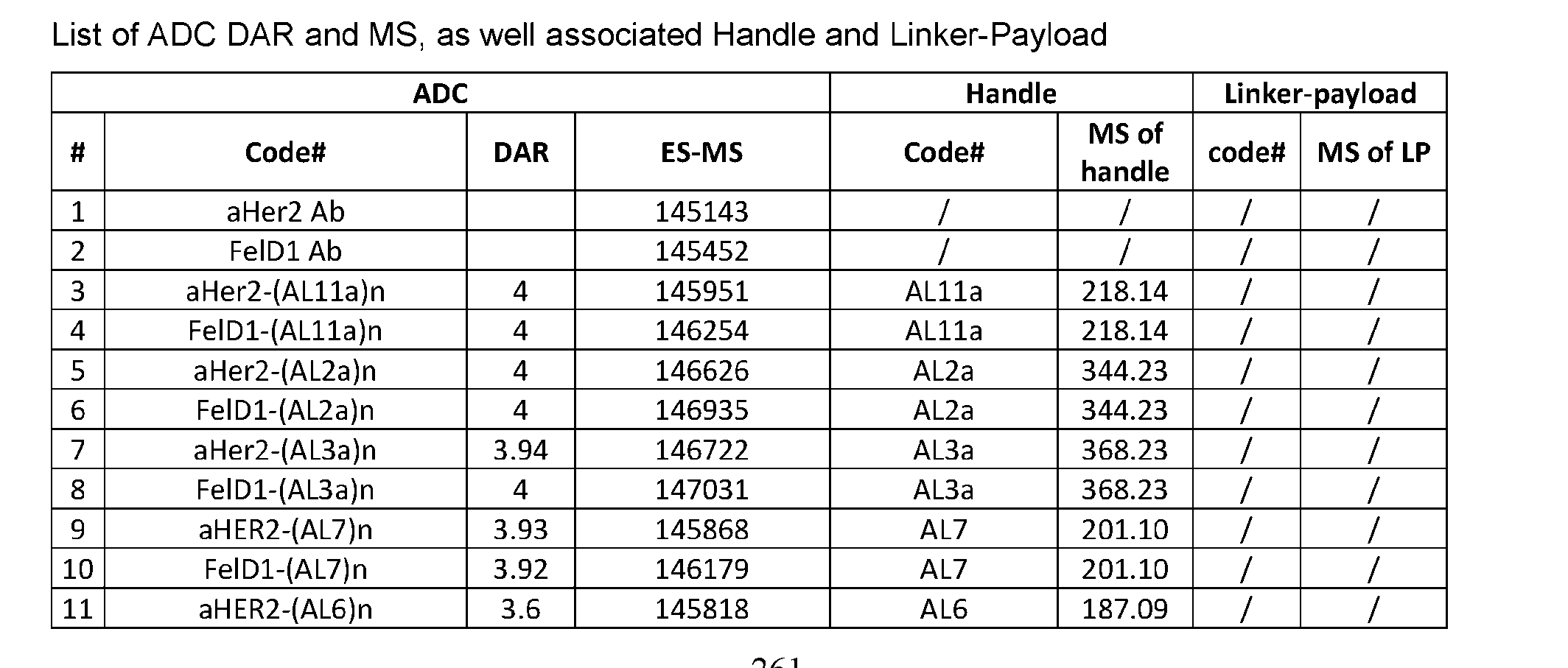
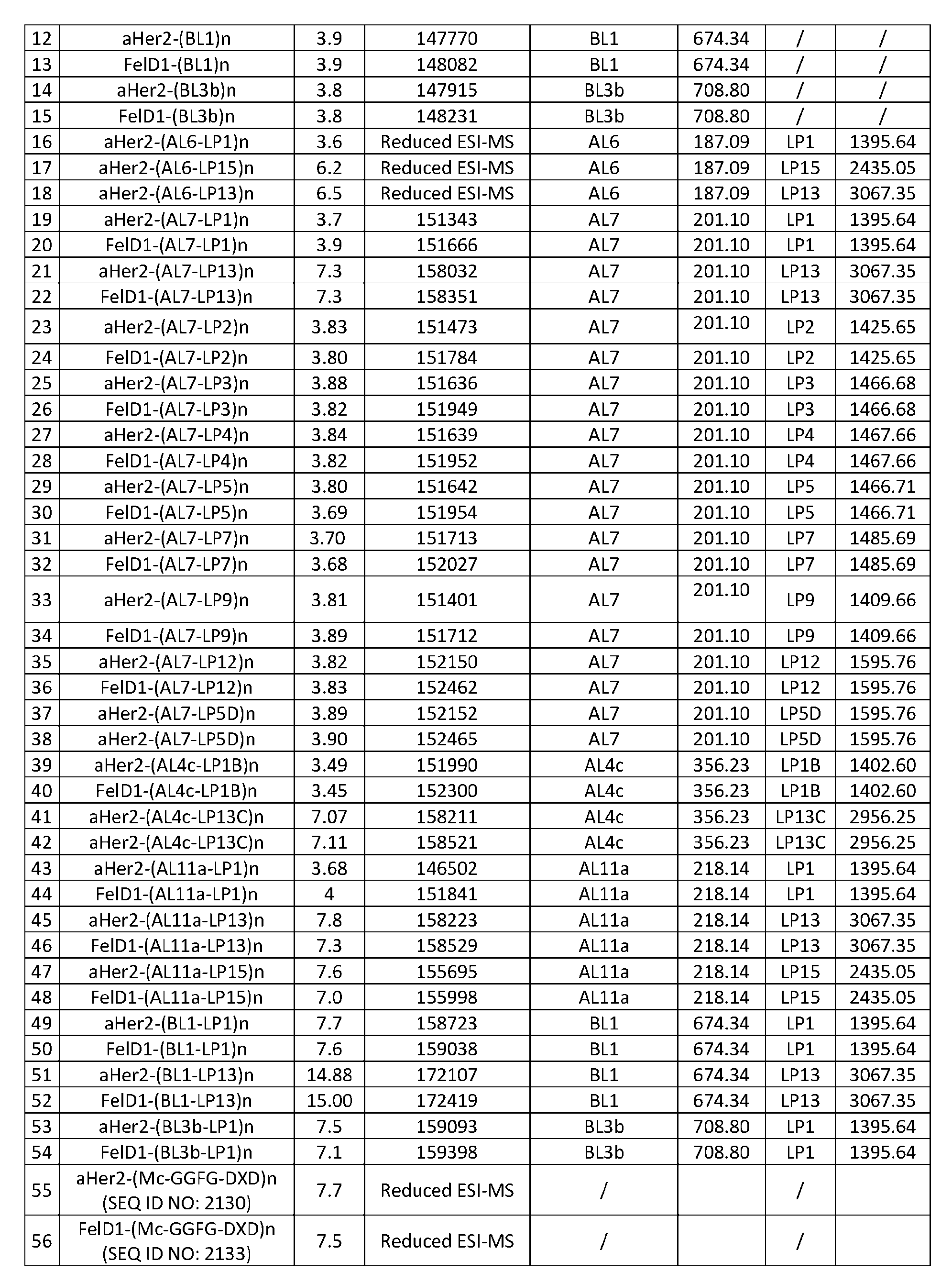

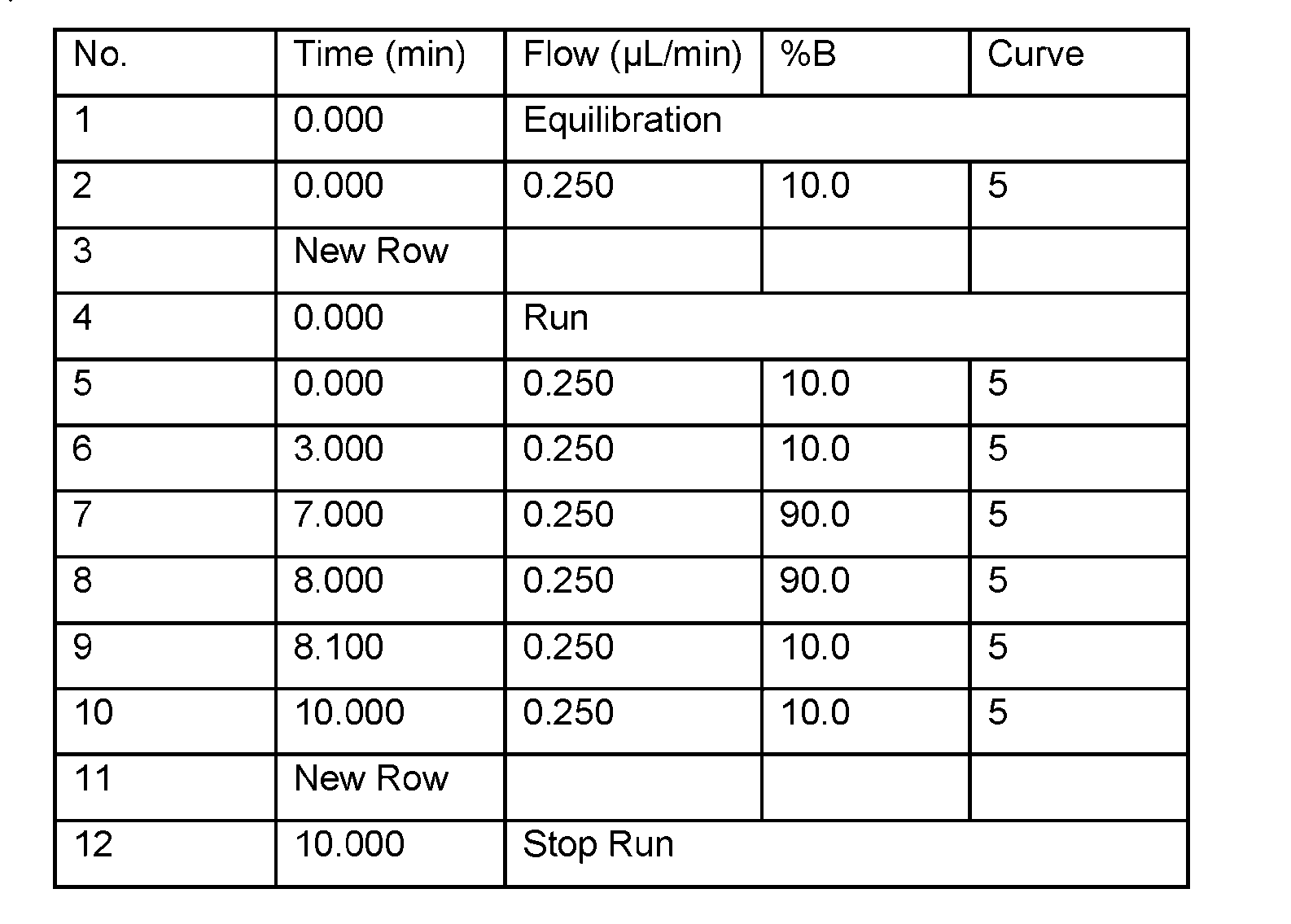

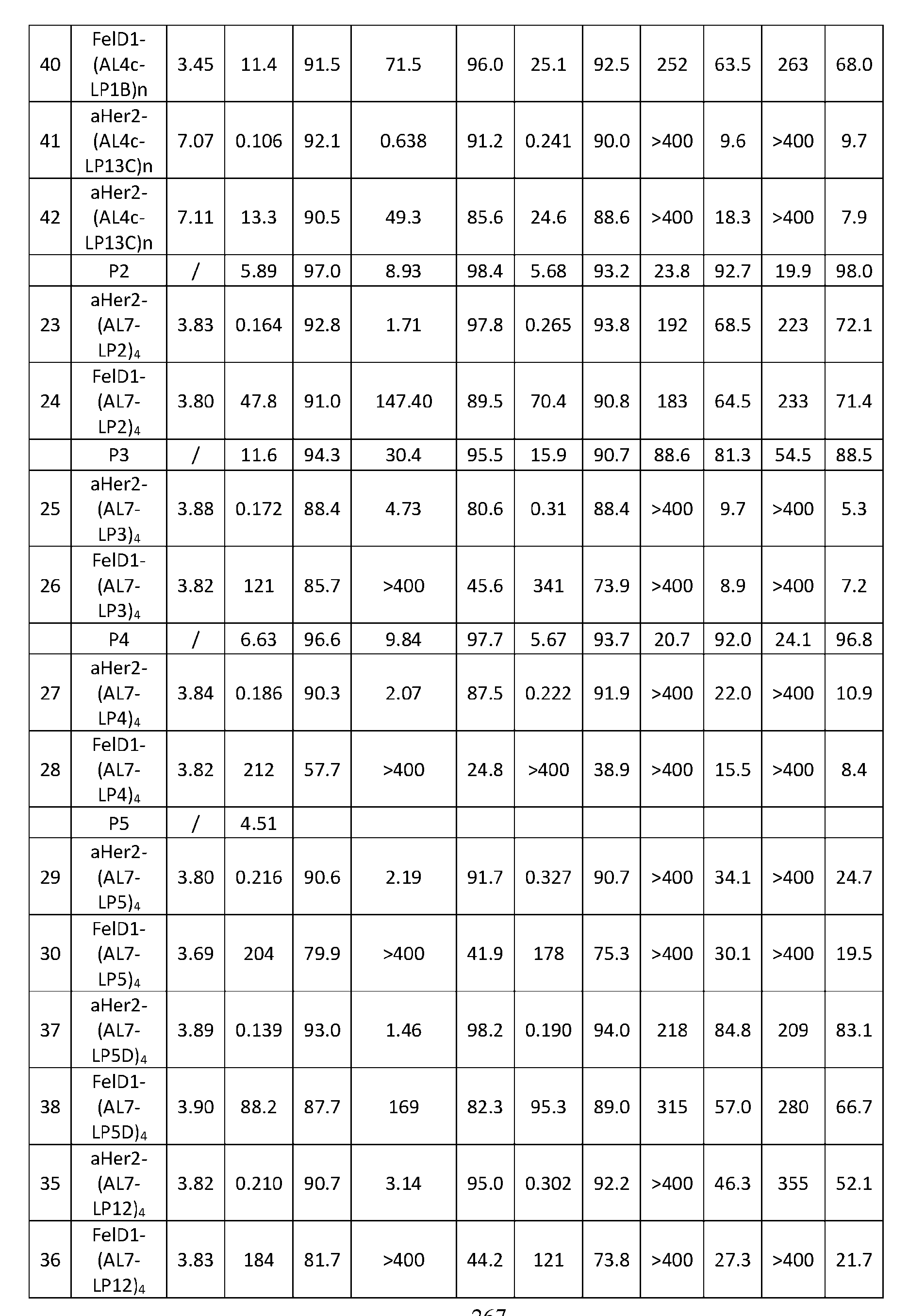
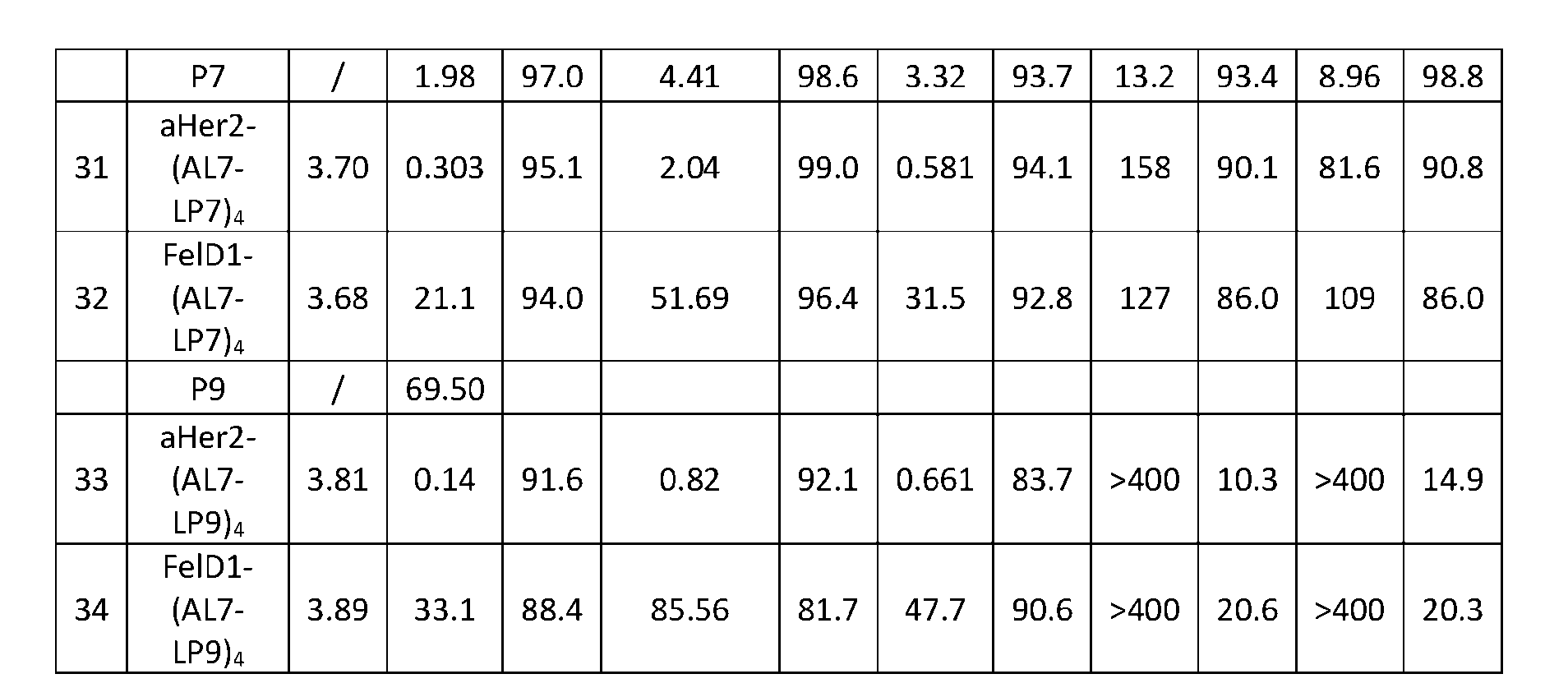
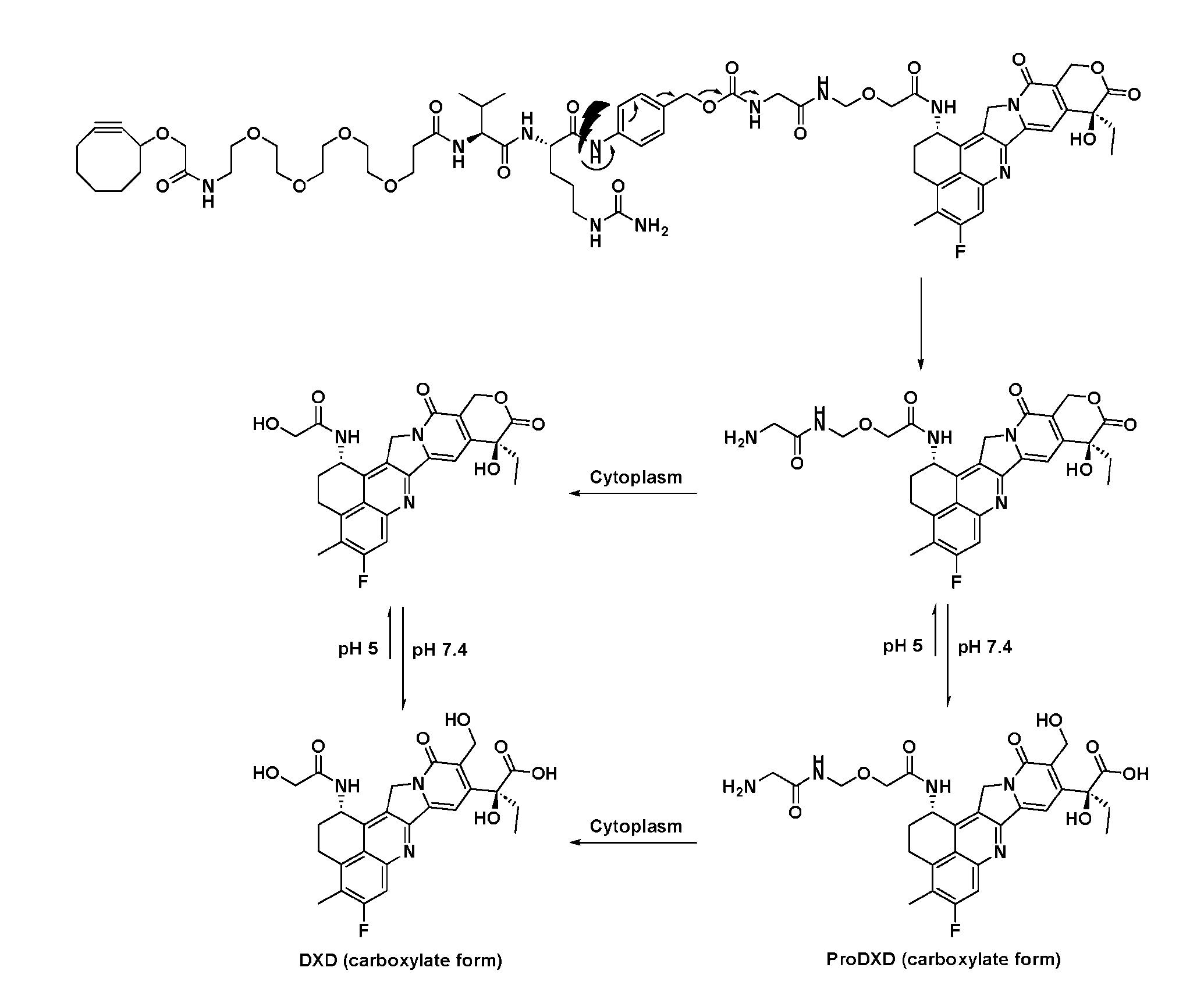
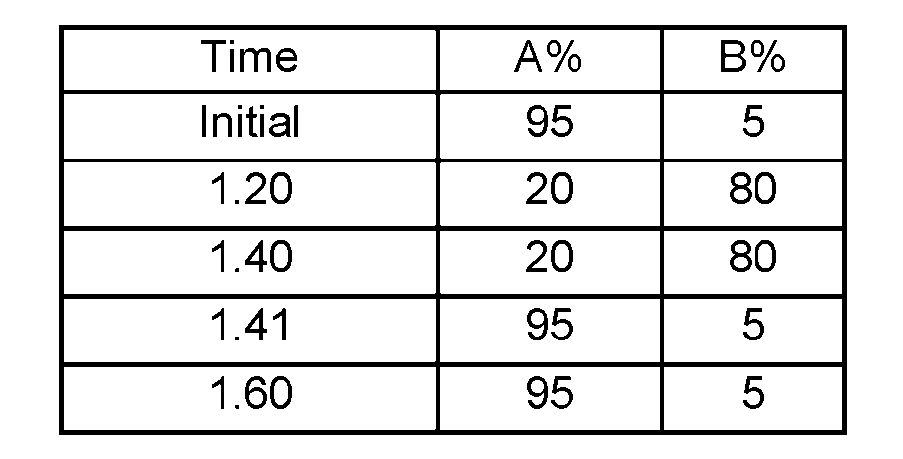

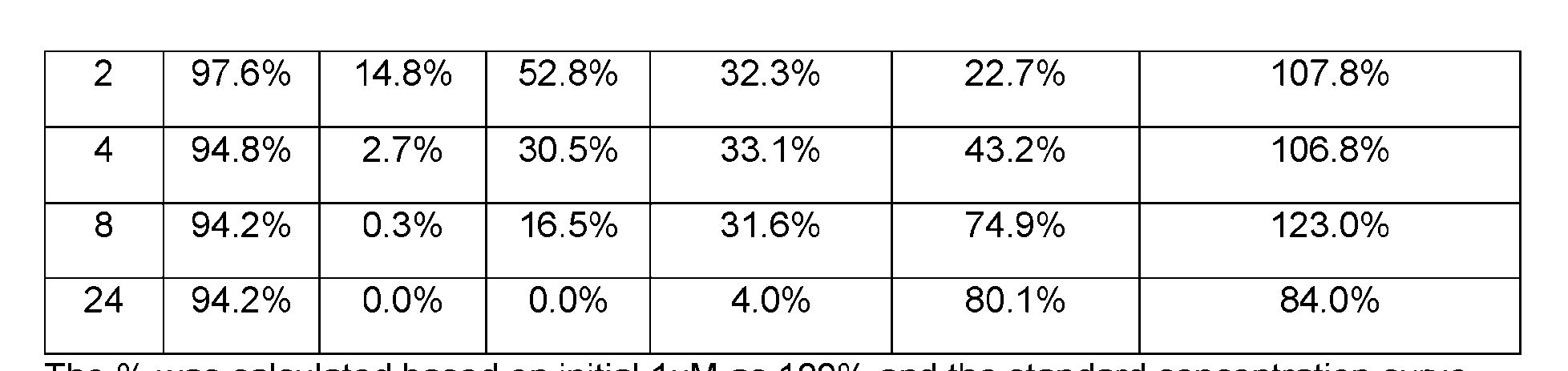
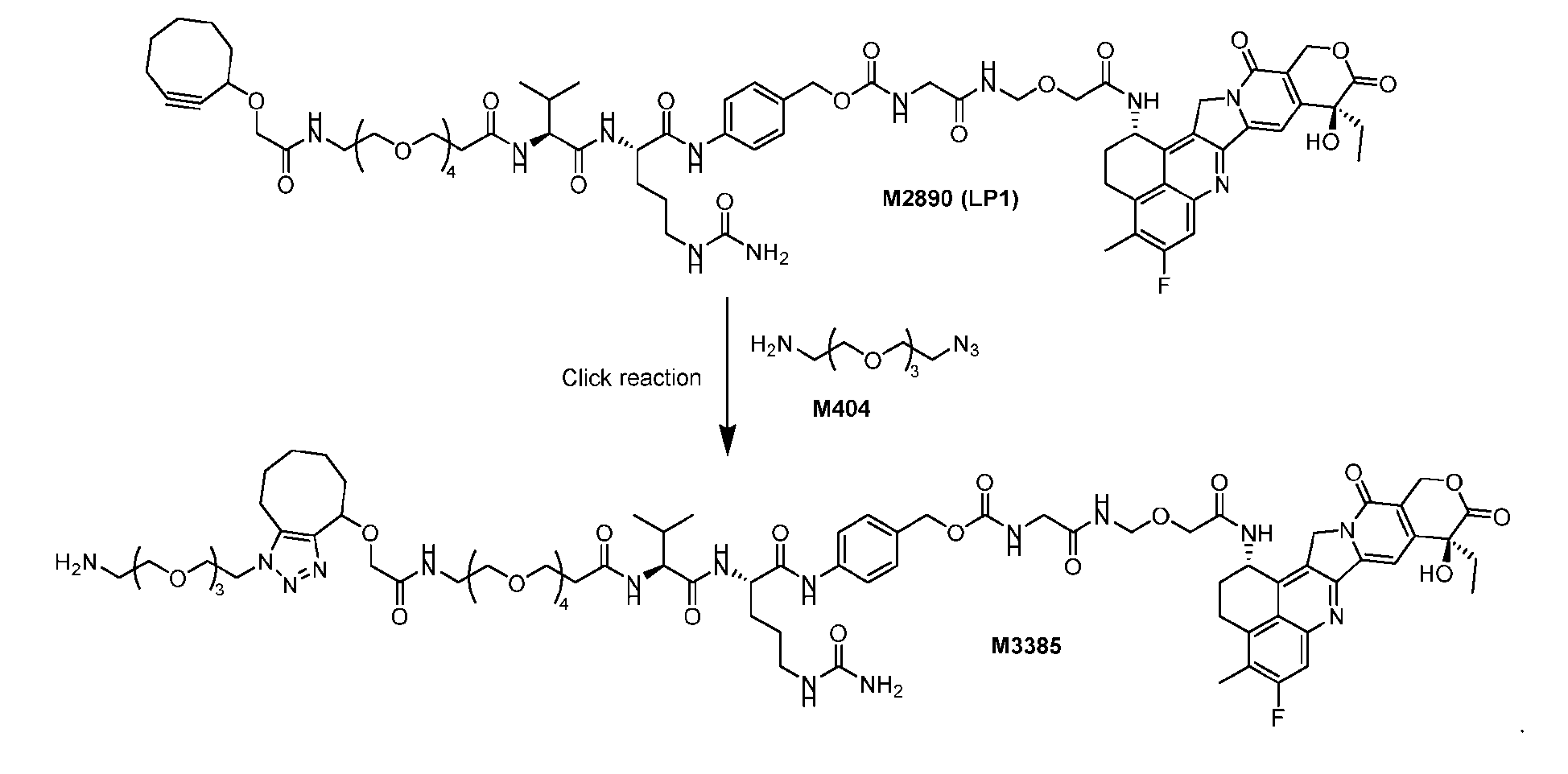



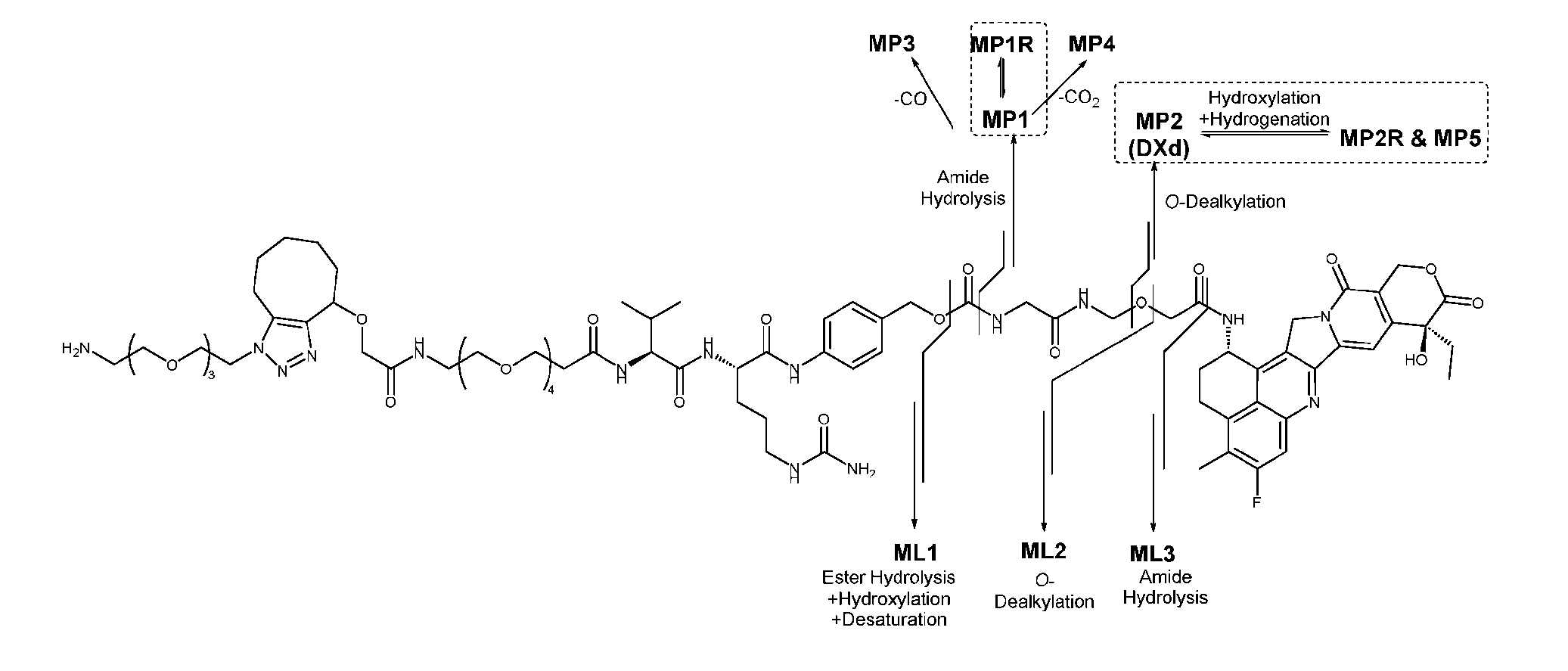
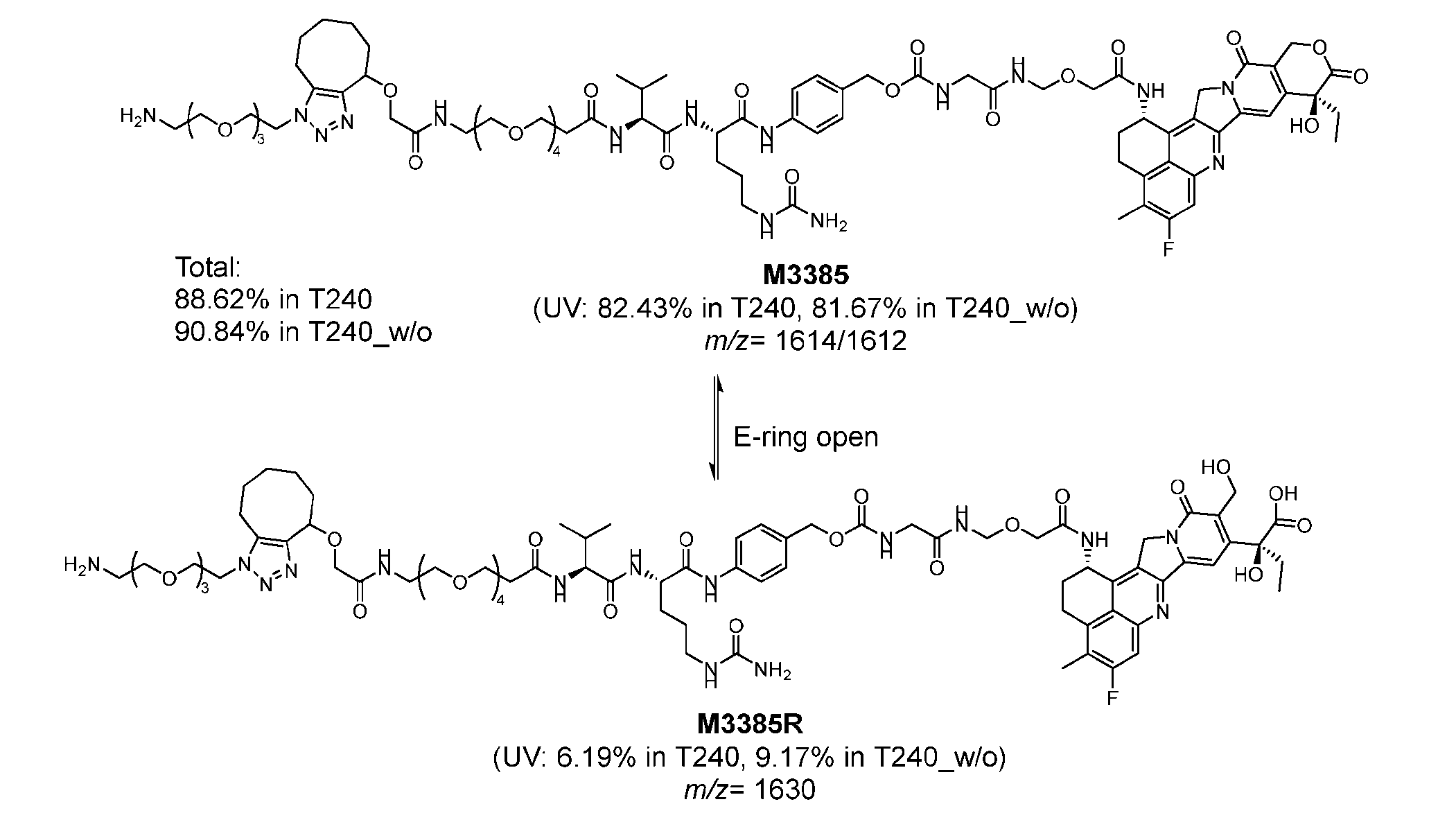
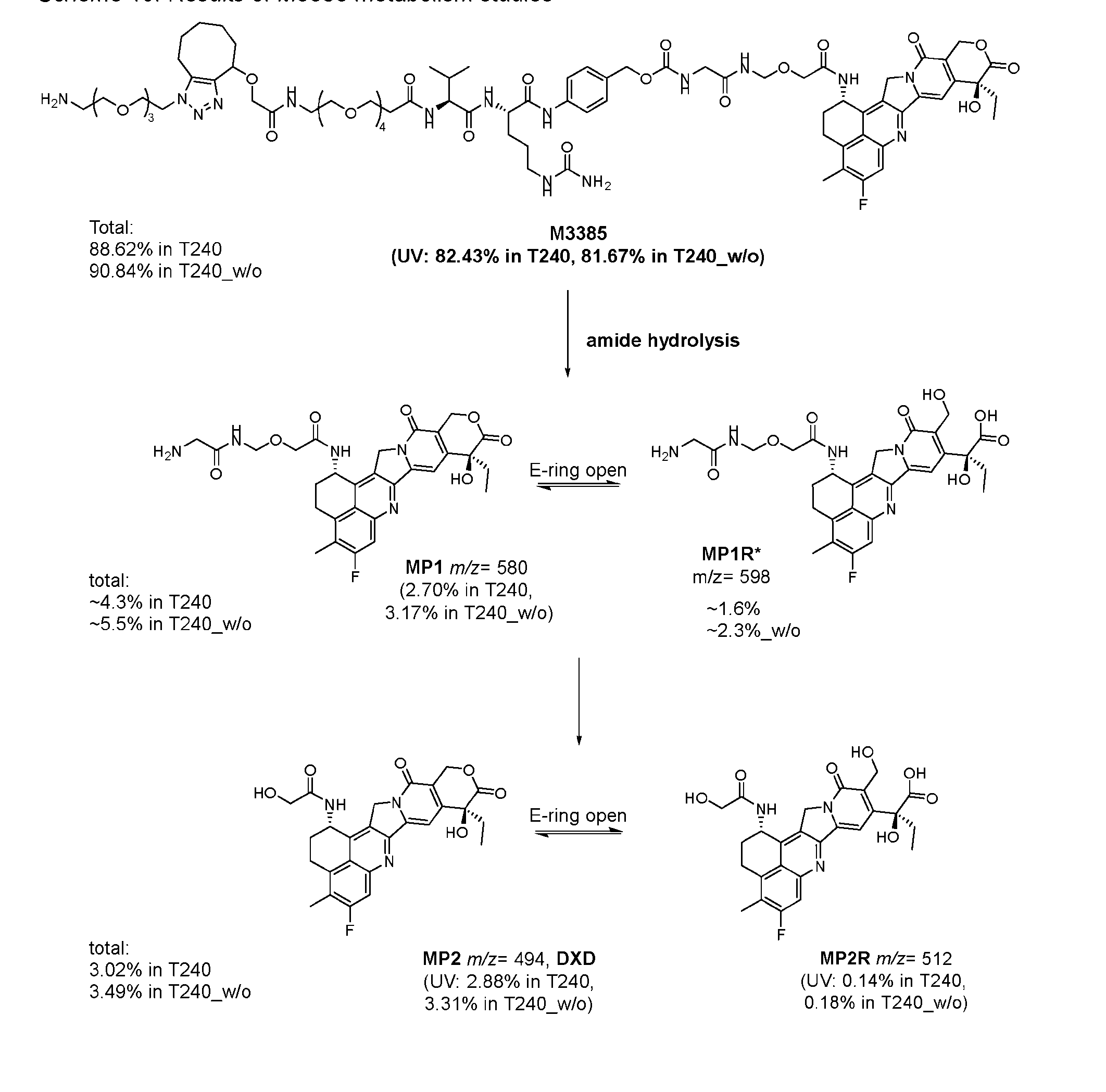
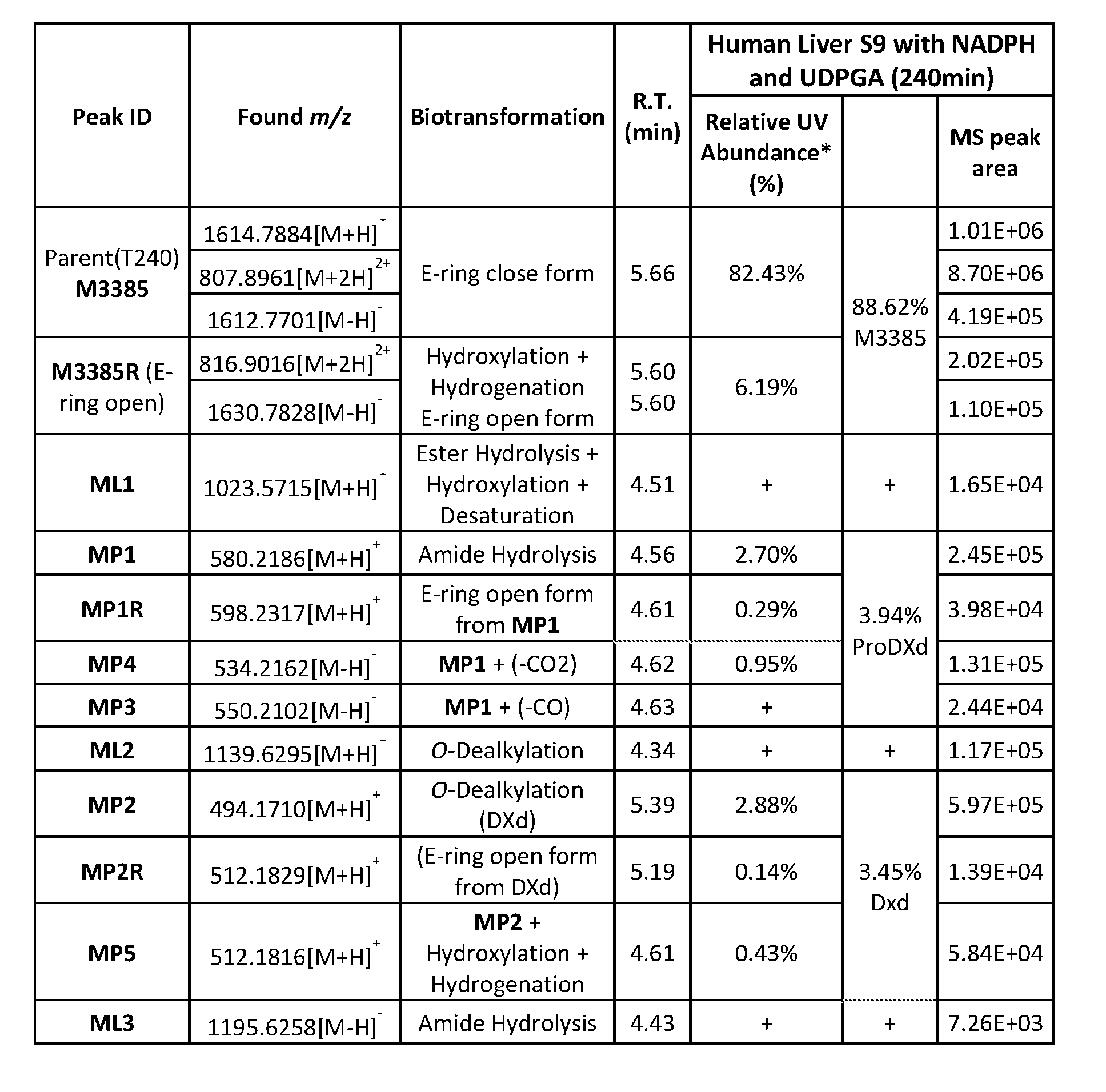

Claims


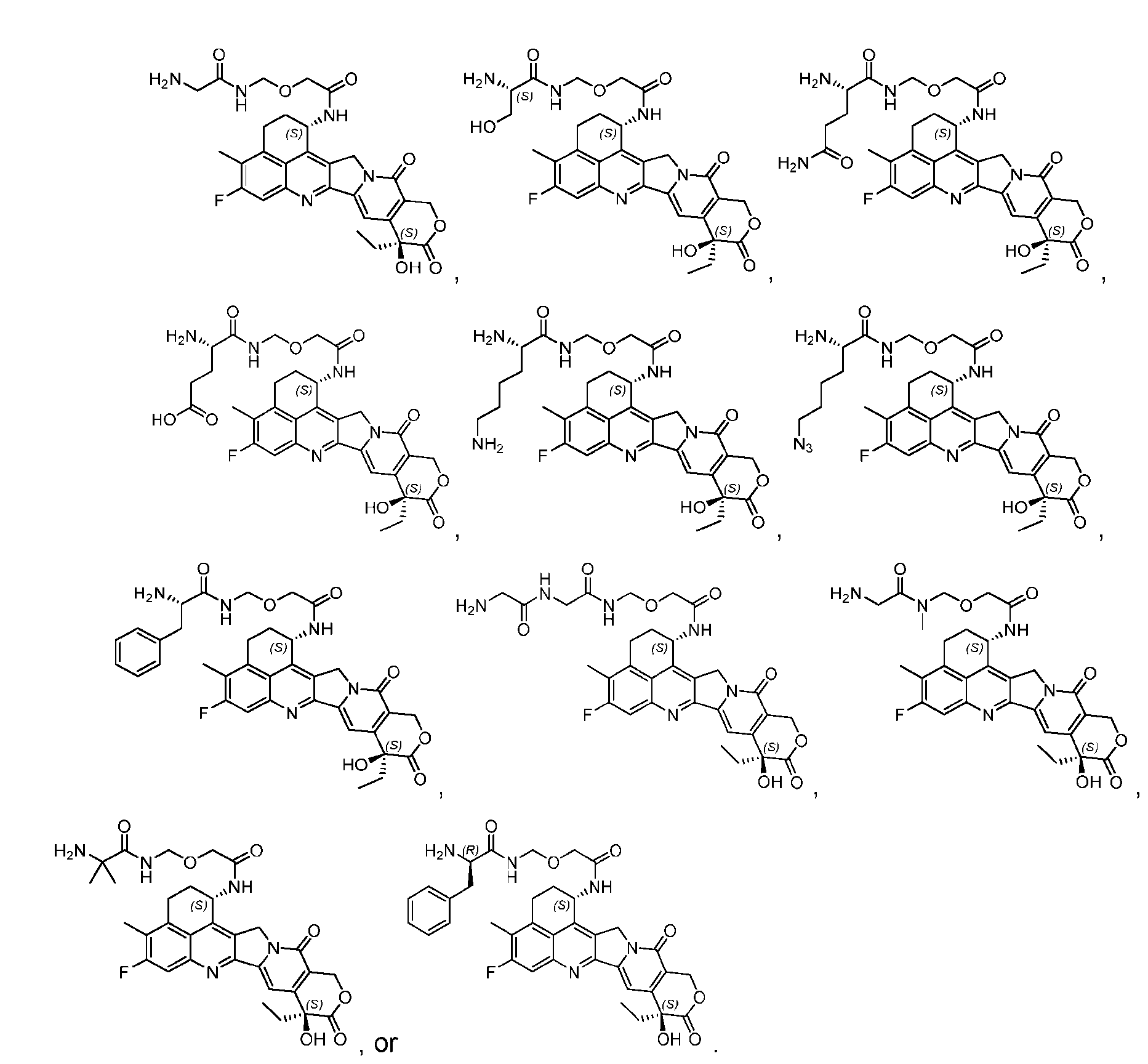


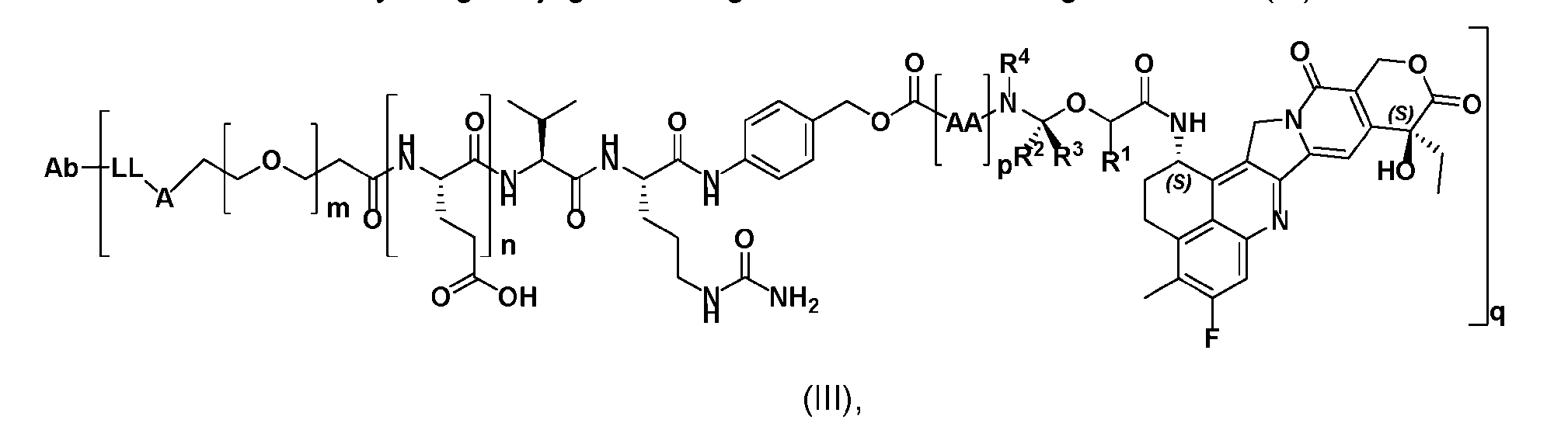

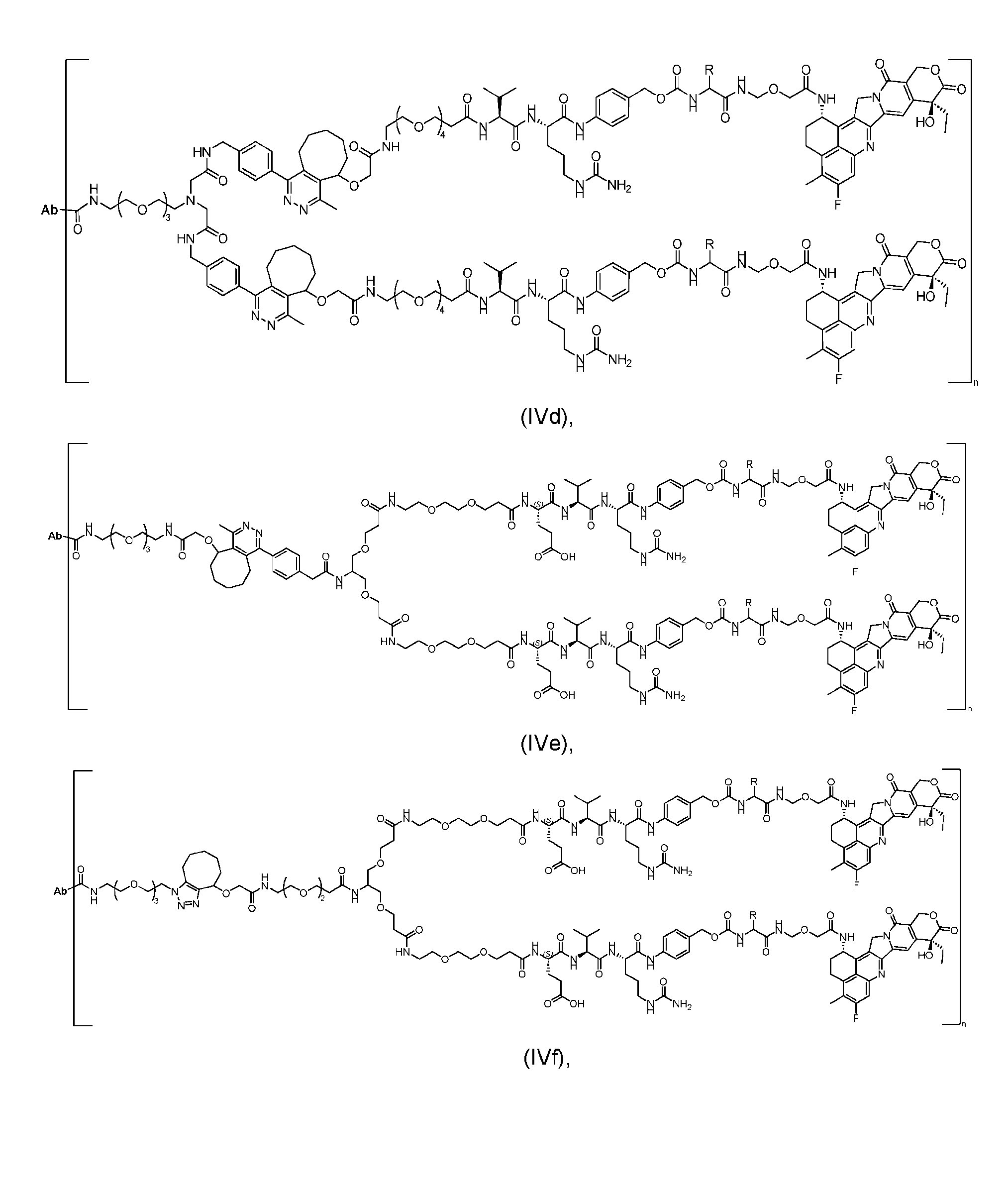

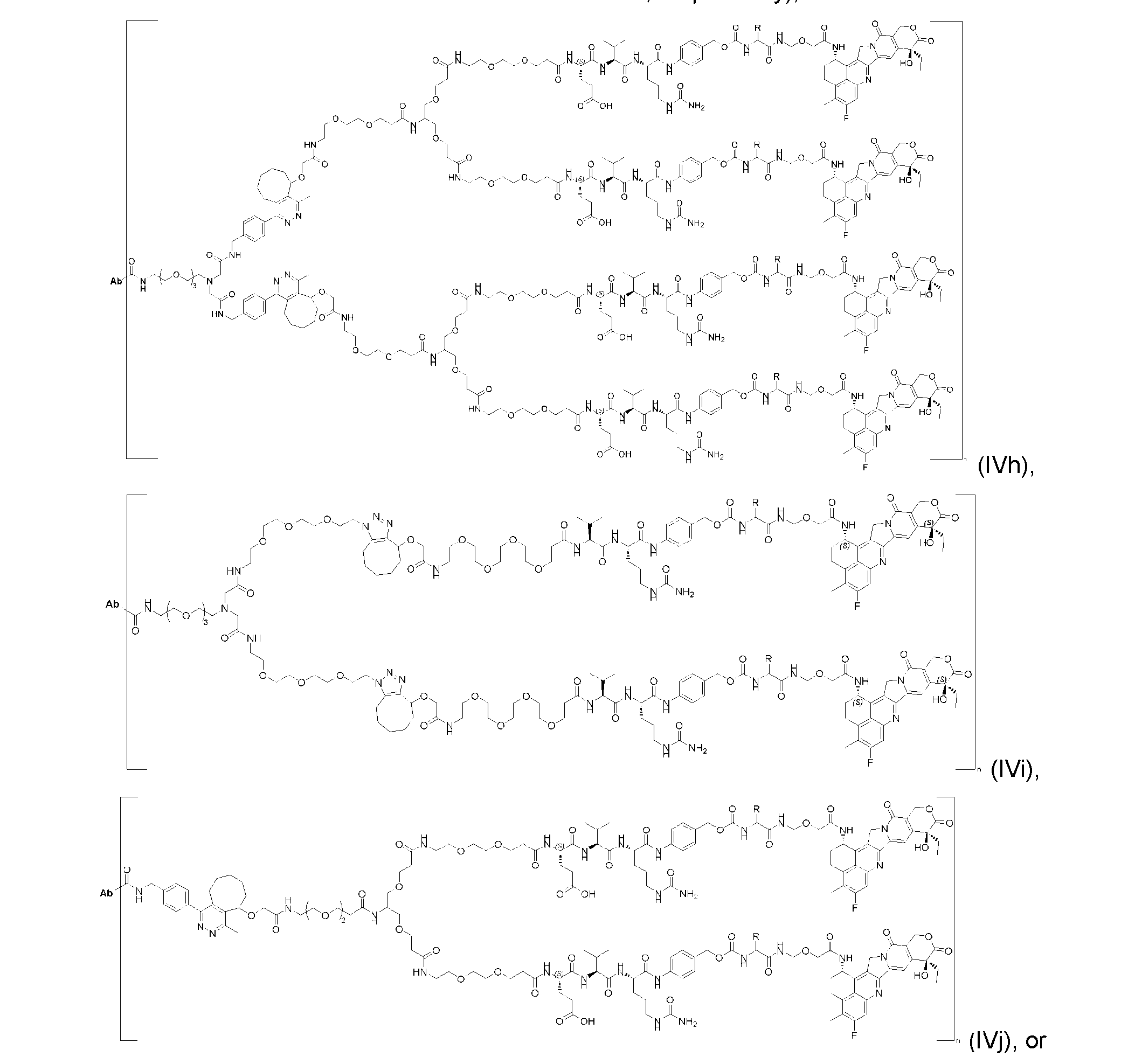
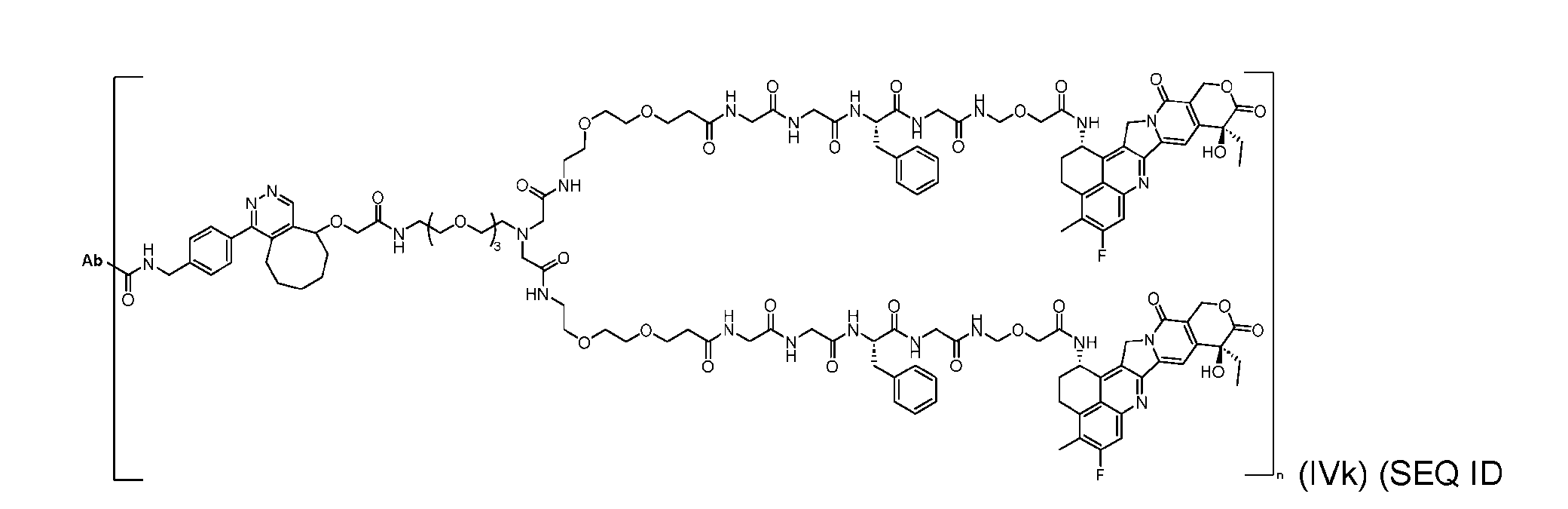
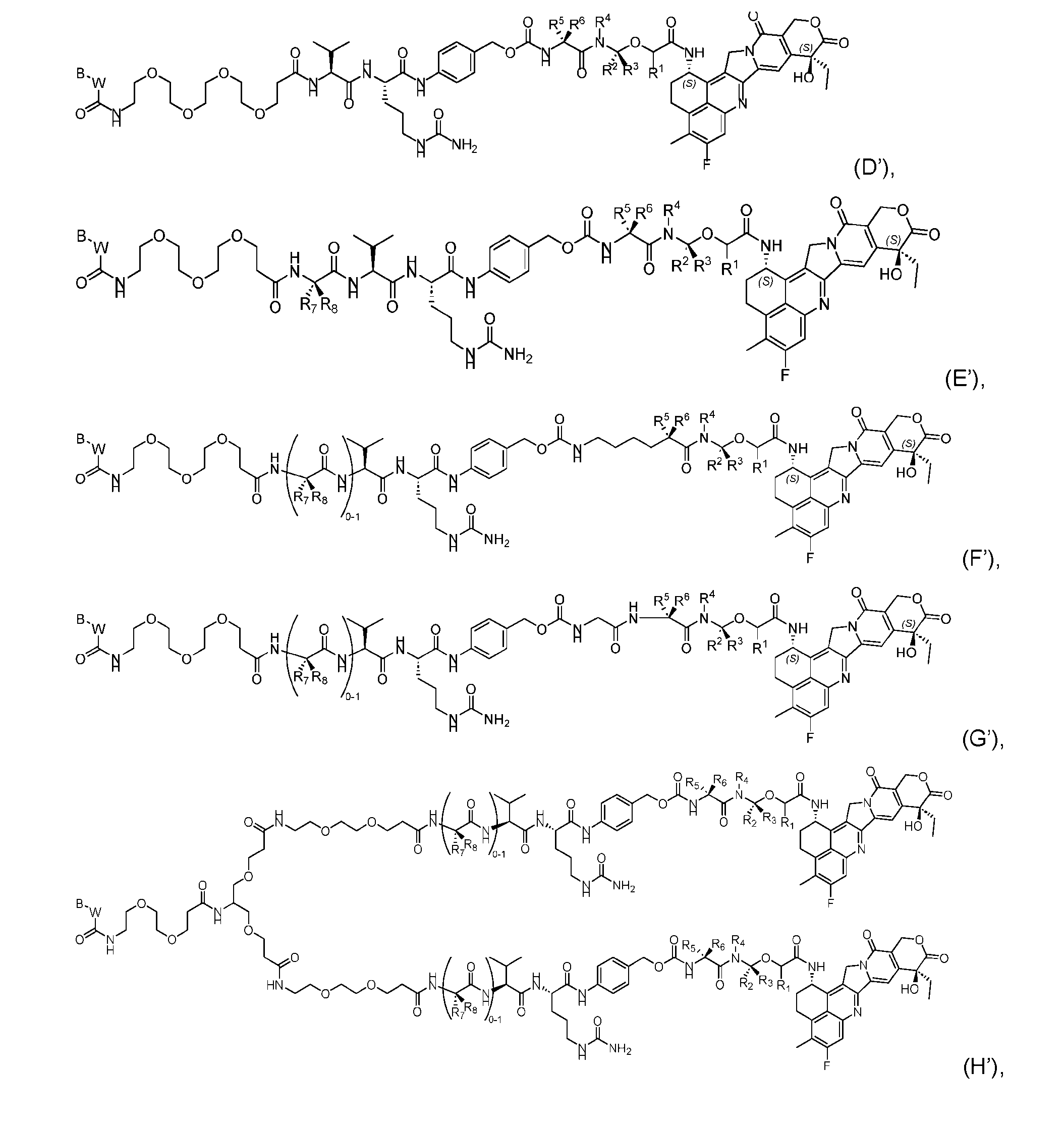
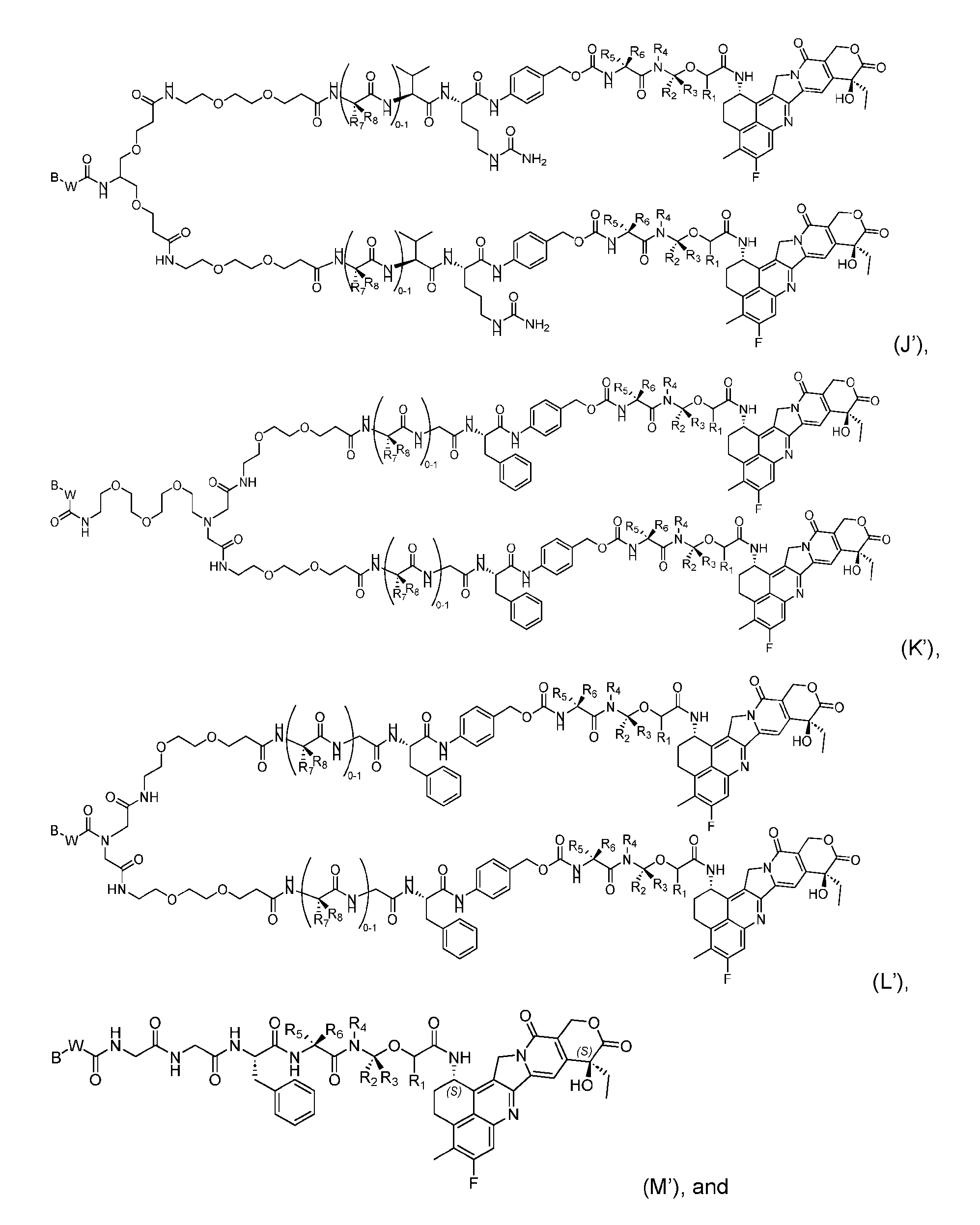


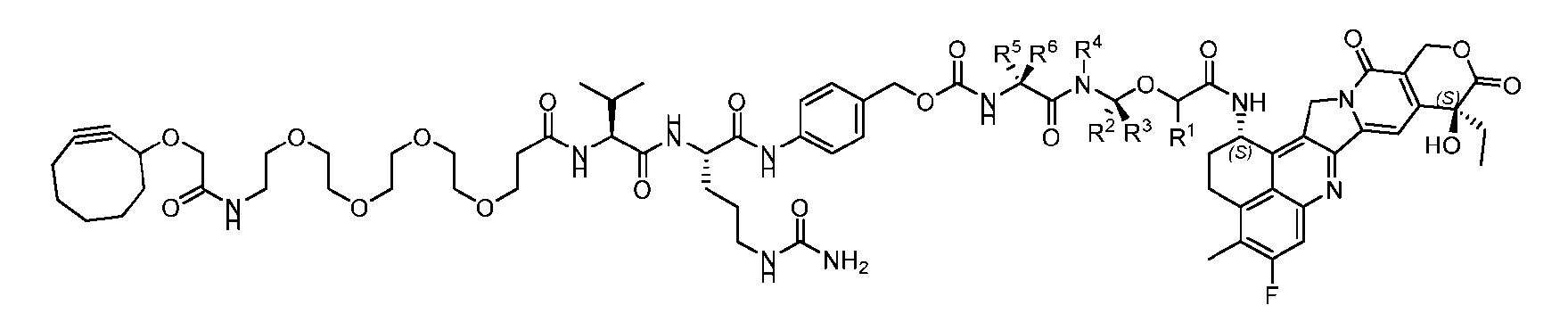

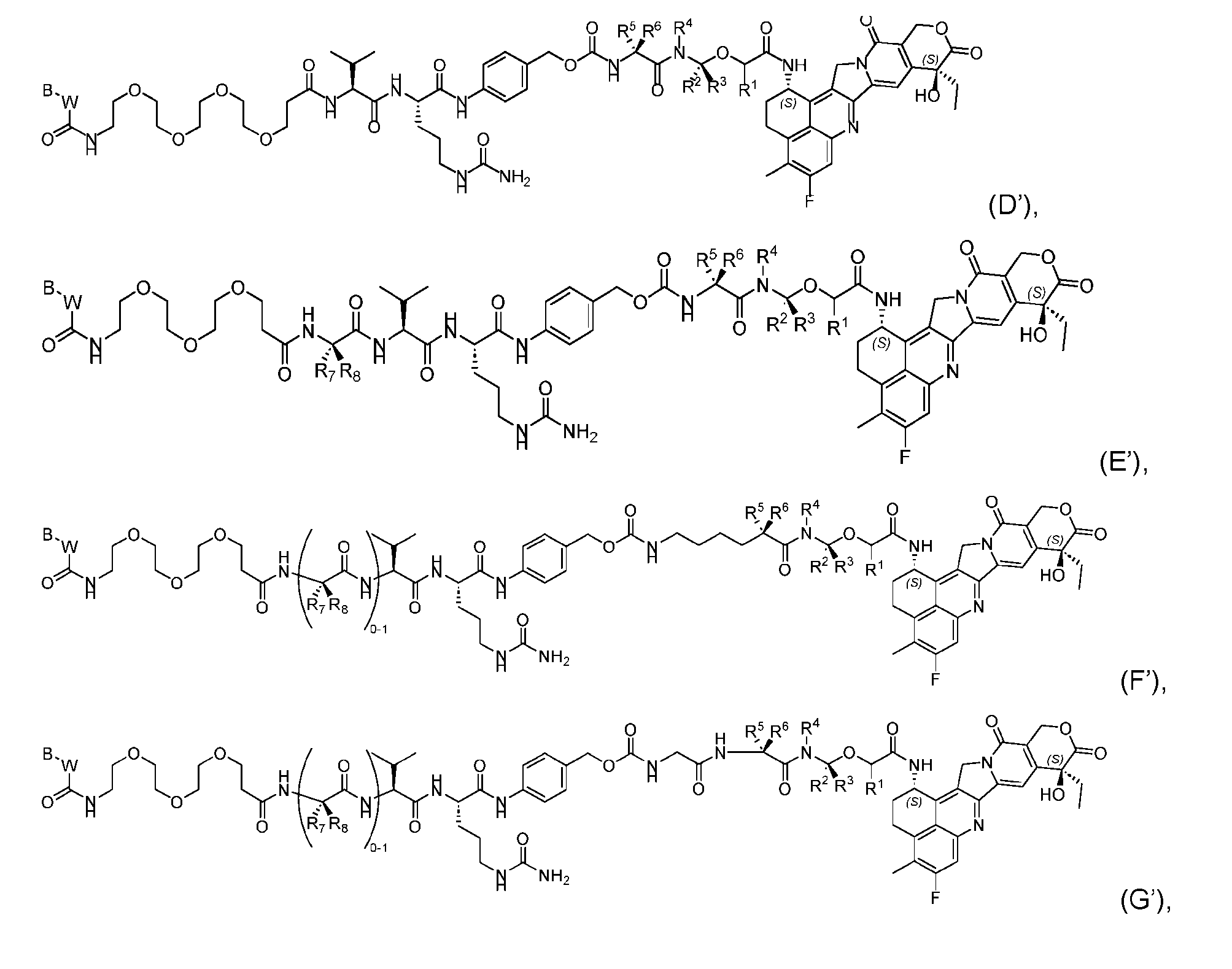


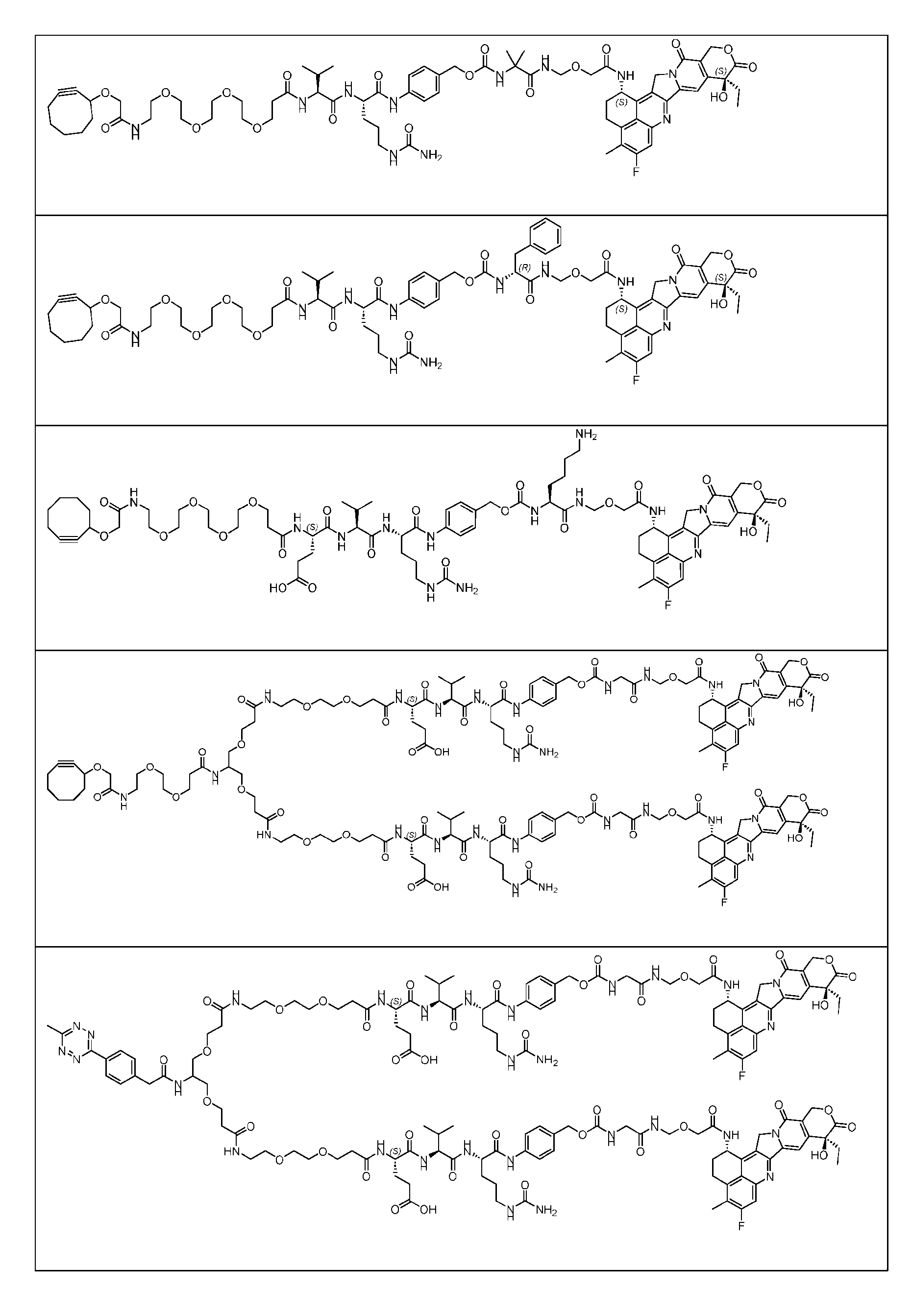
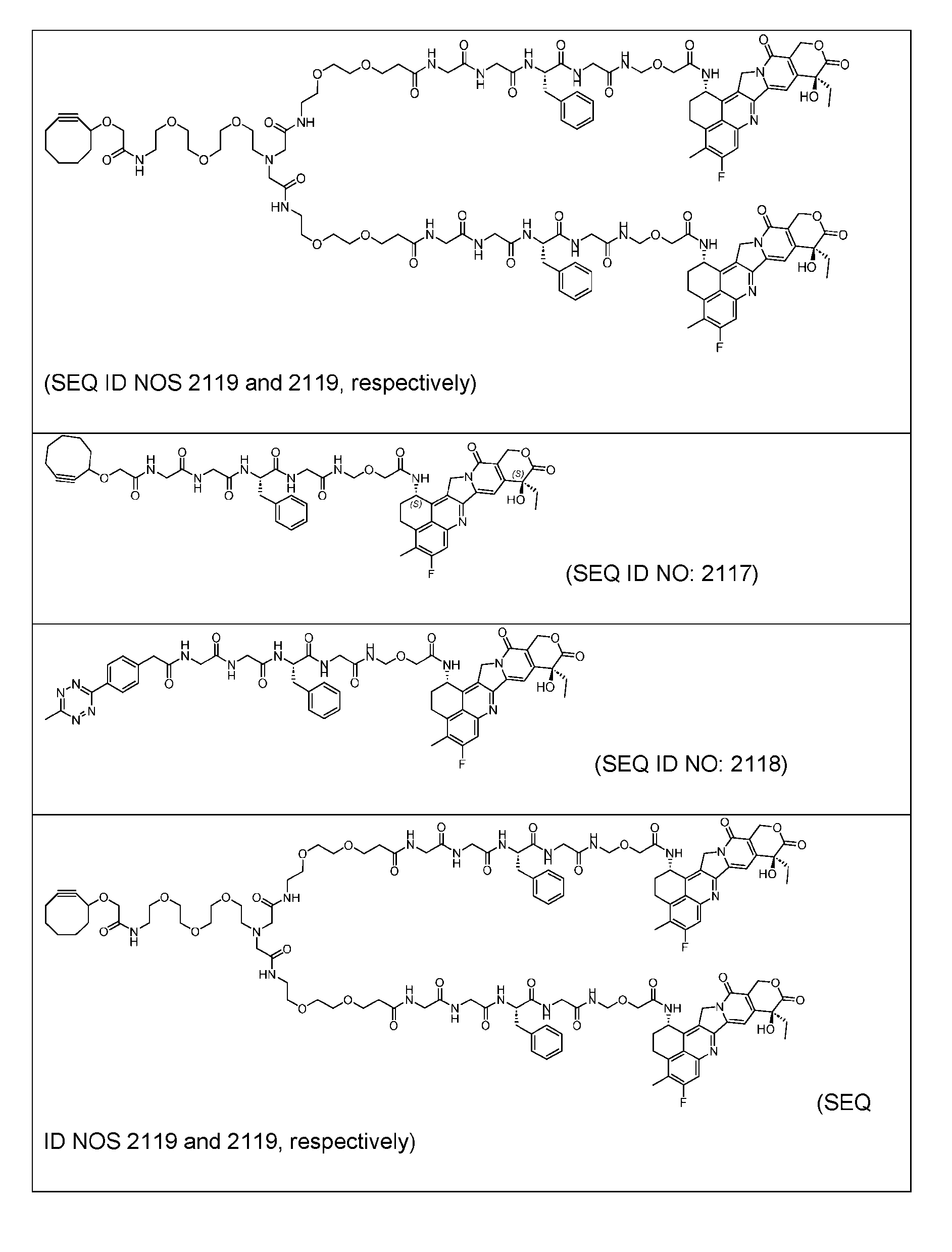
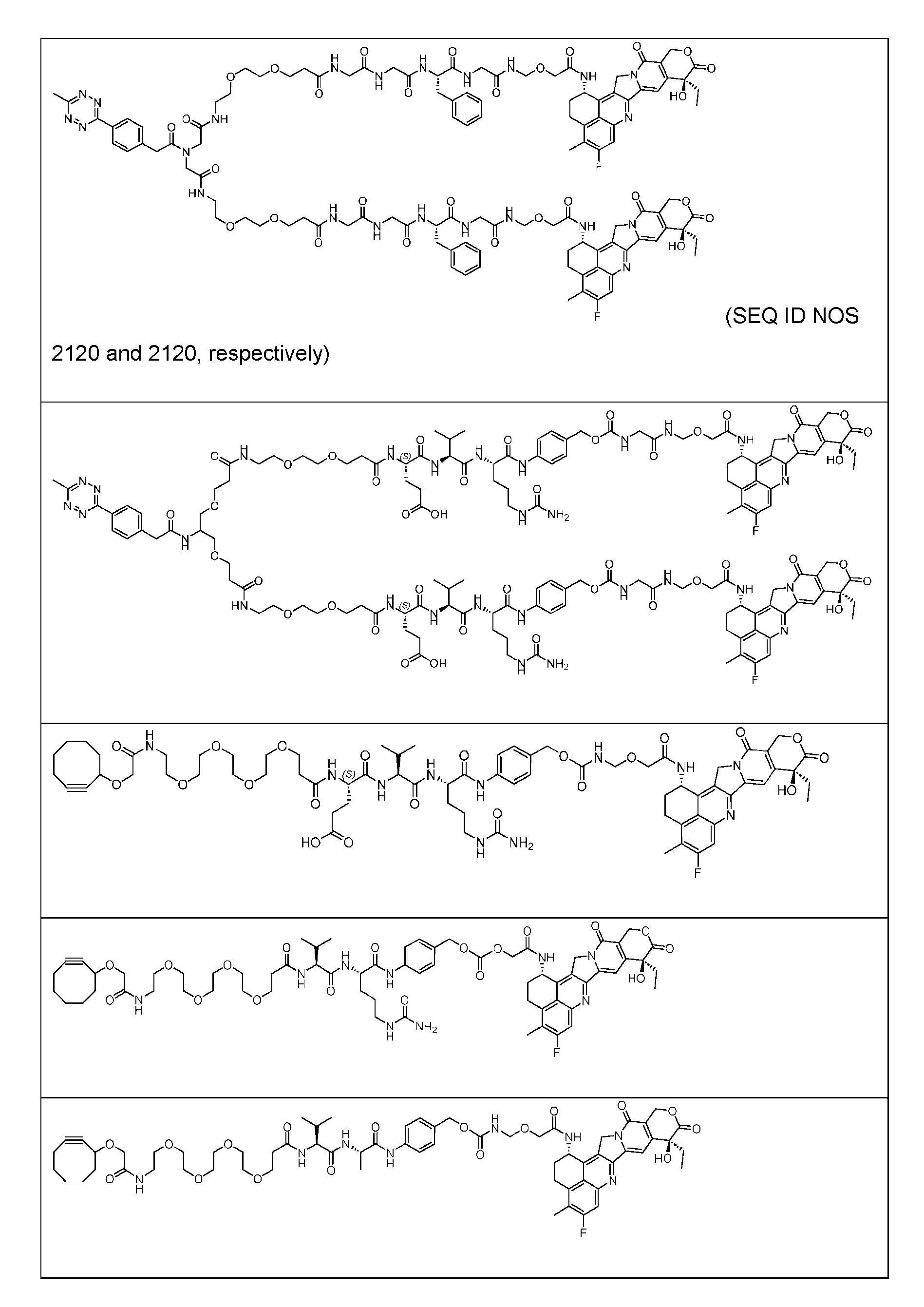


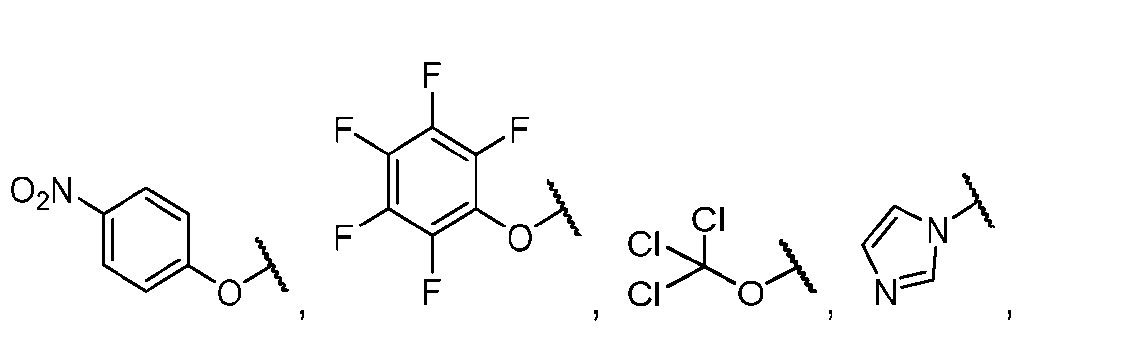


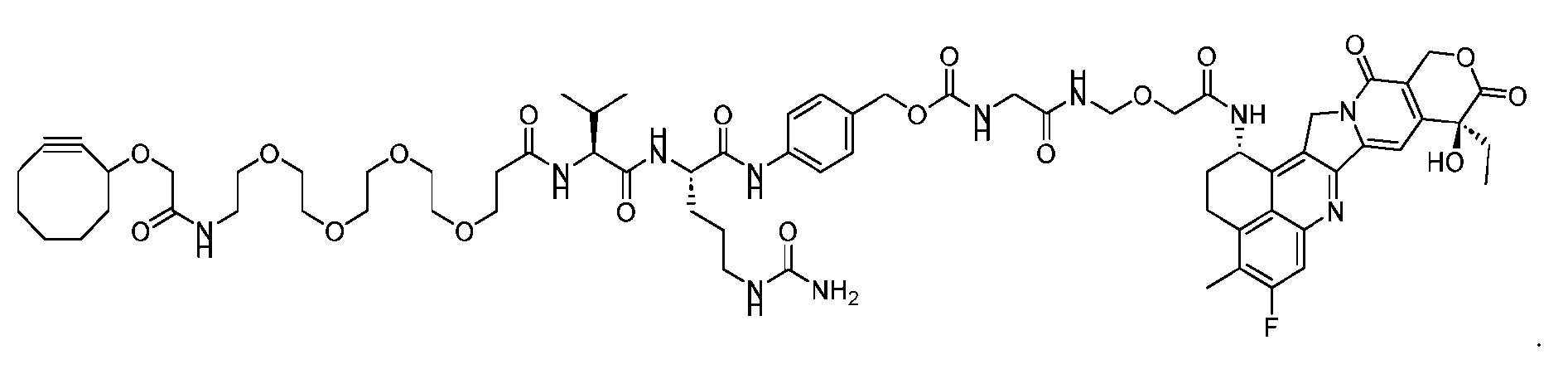


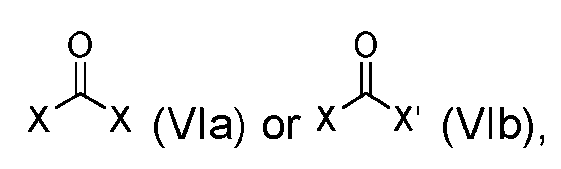

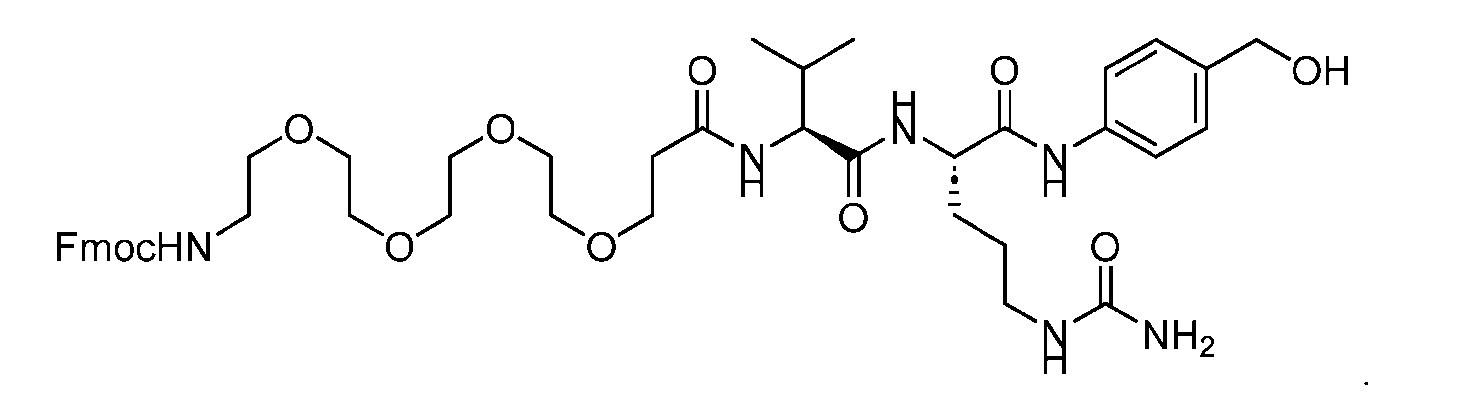
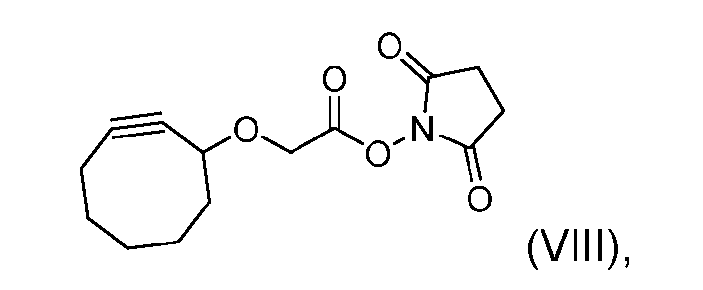

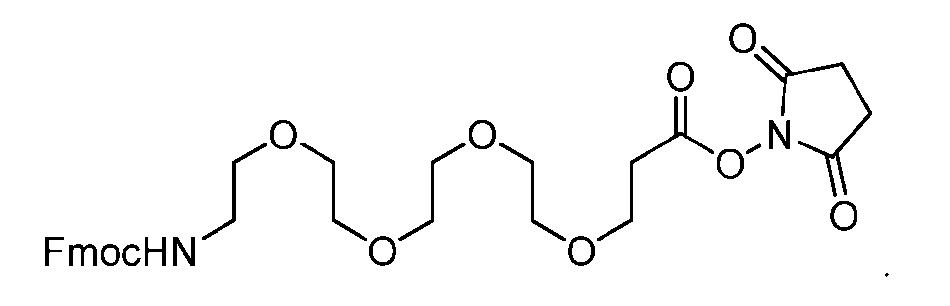

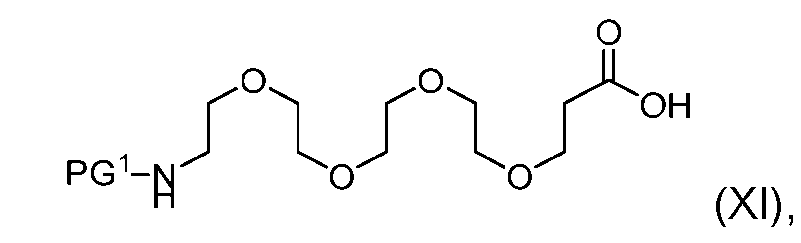


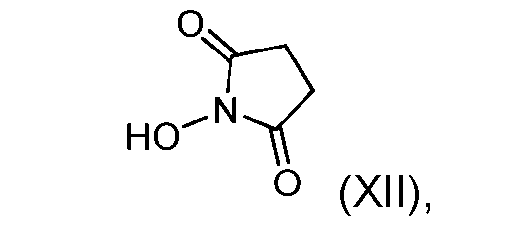
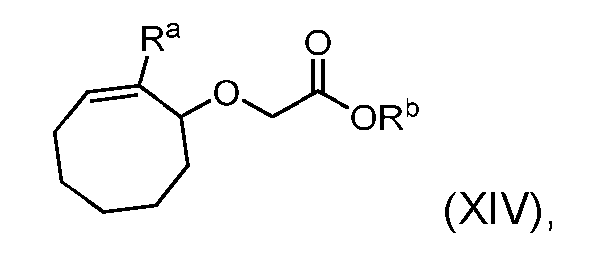


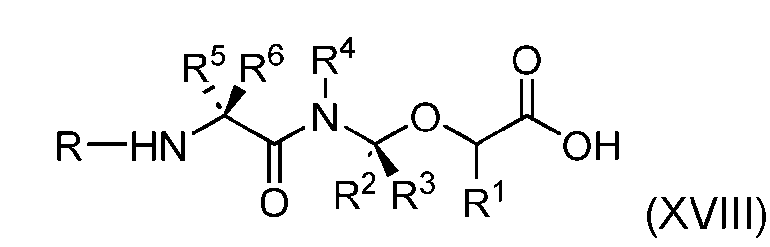
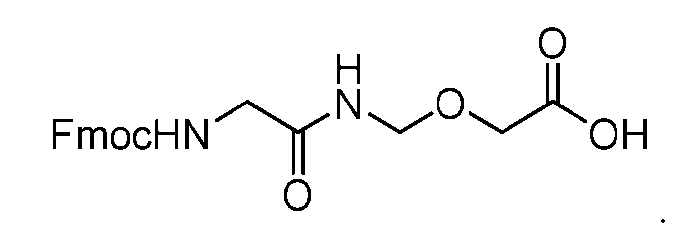

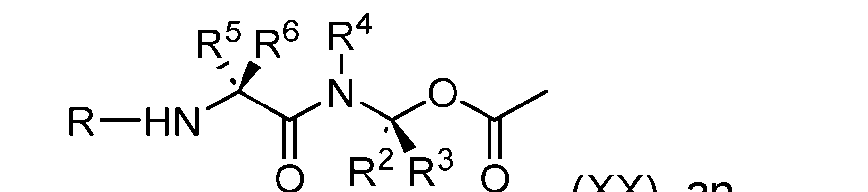


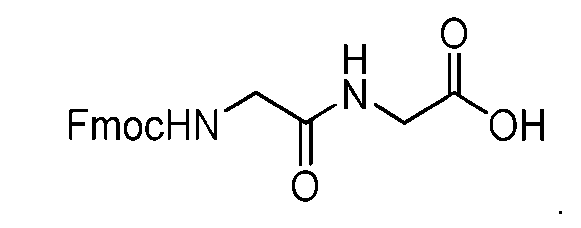
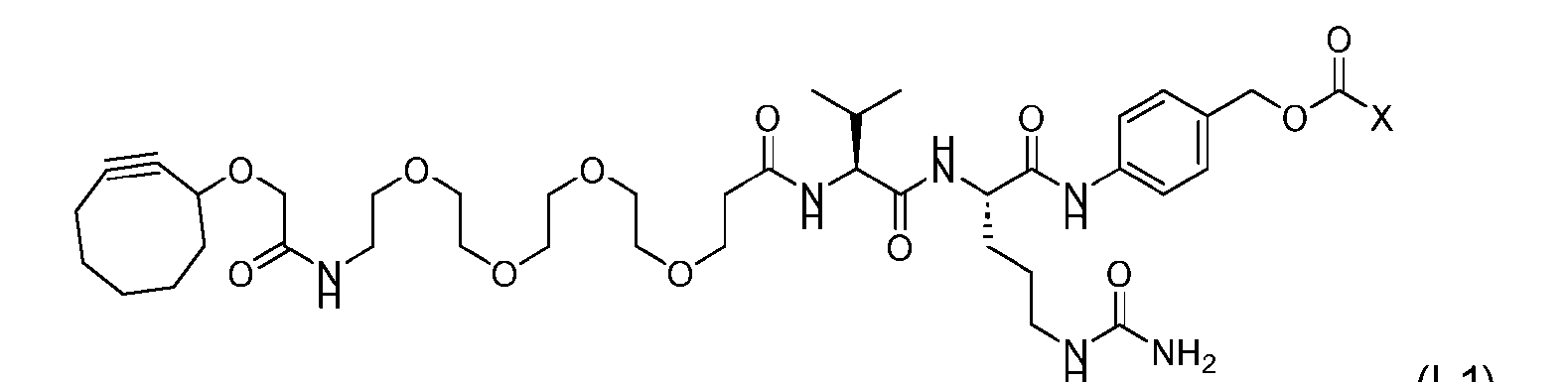
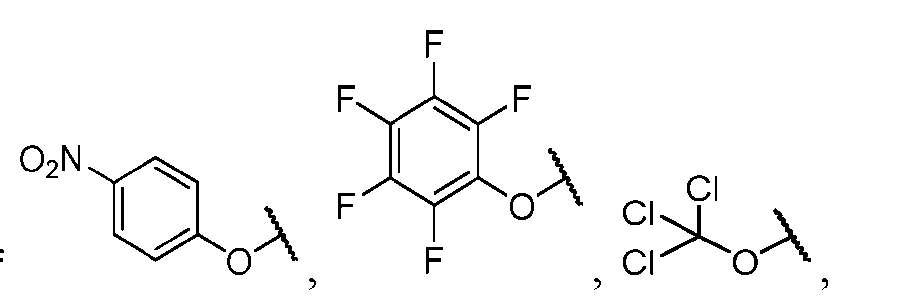


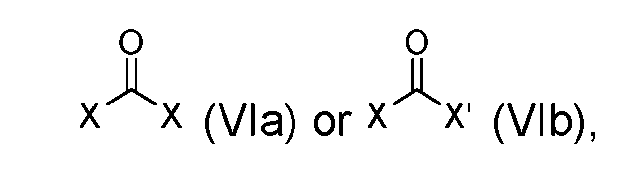
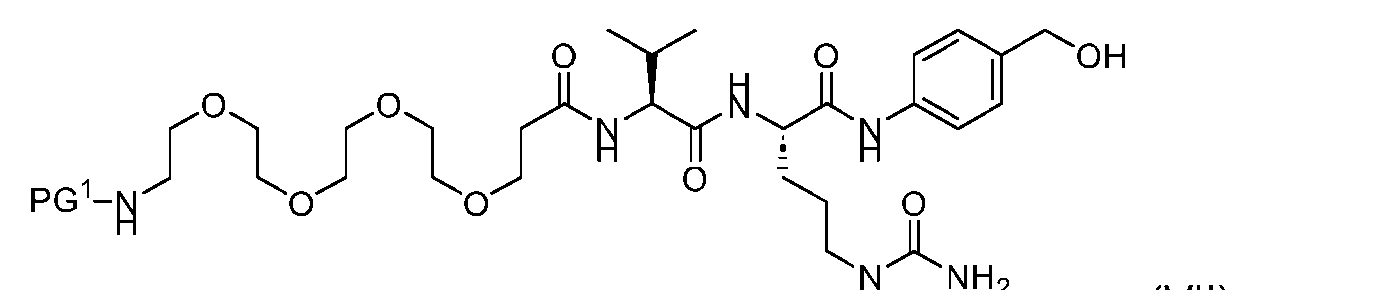
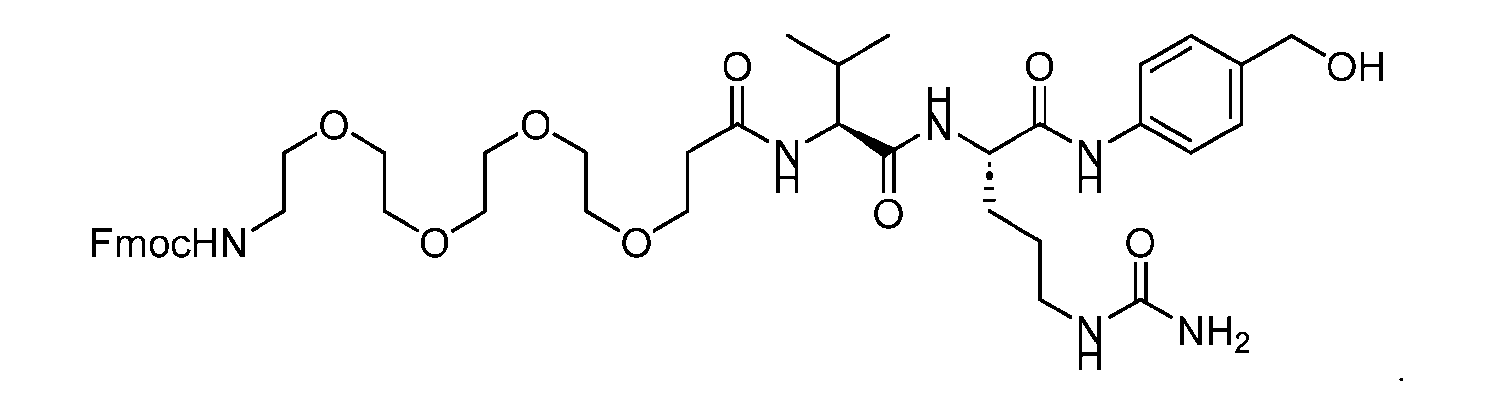
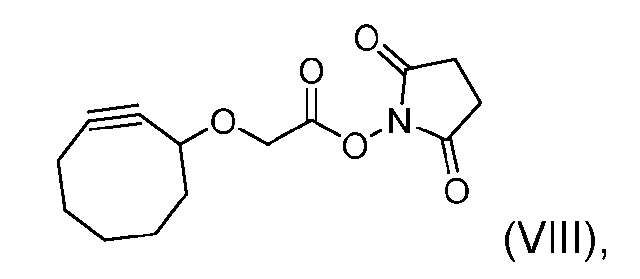

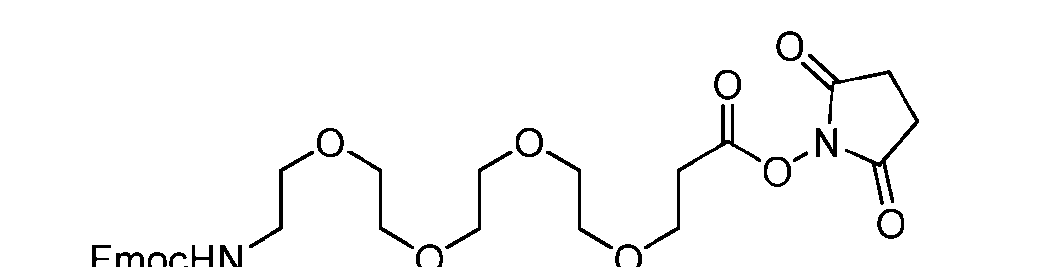
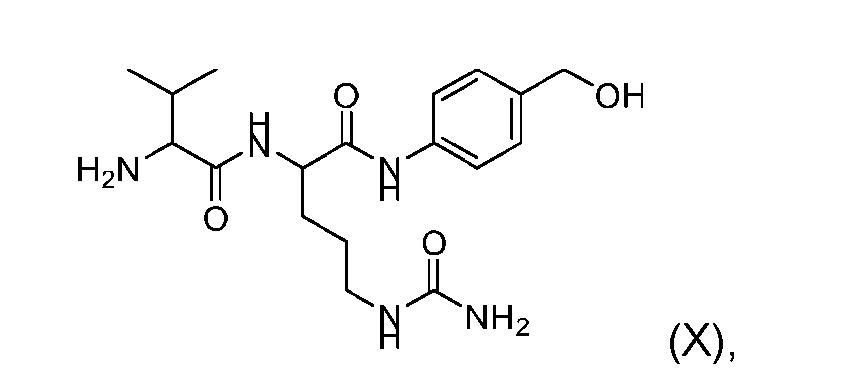


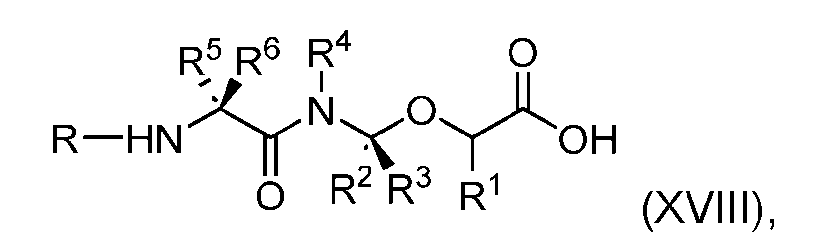


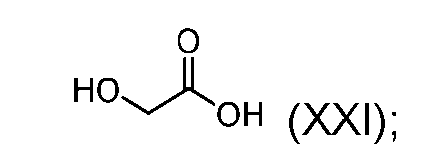
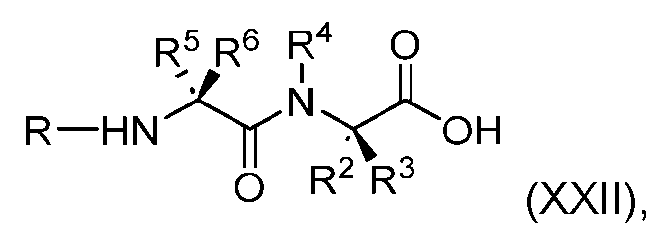

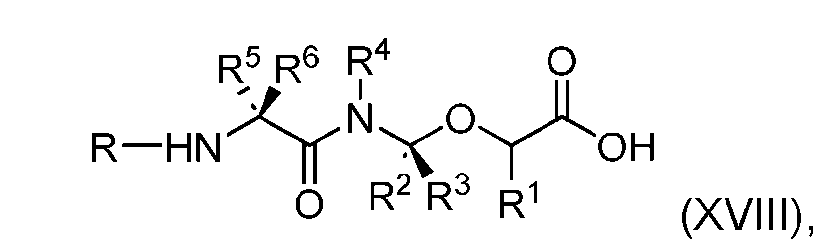


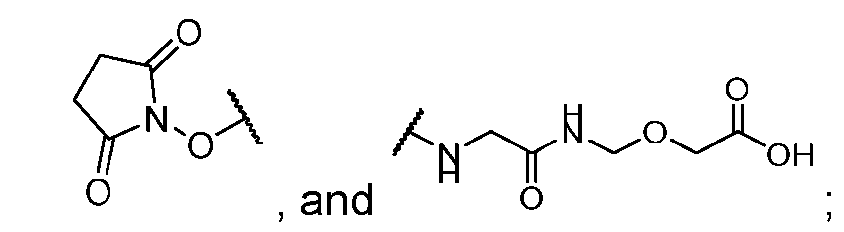

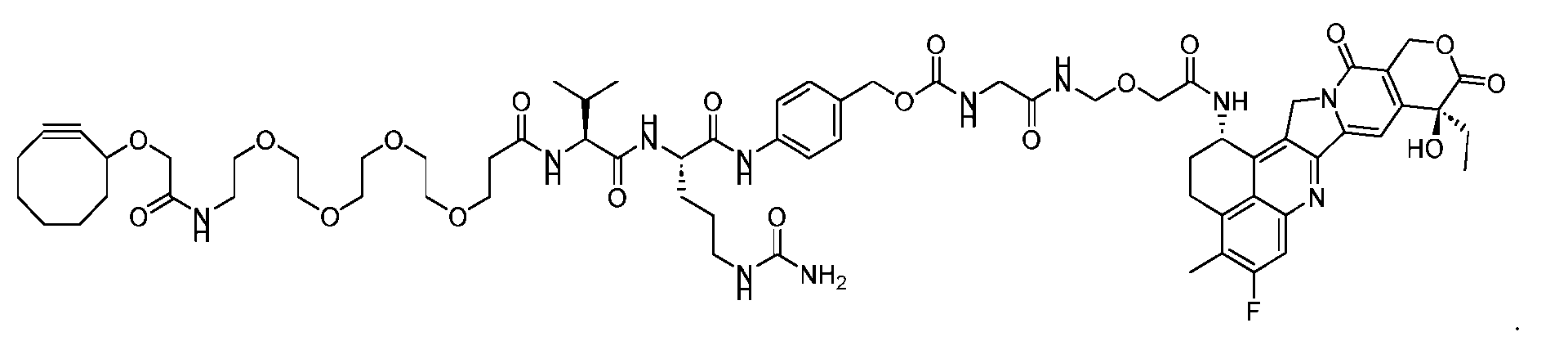
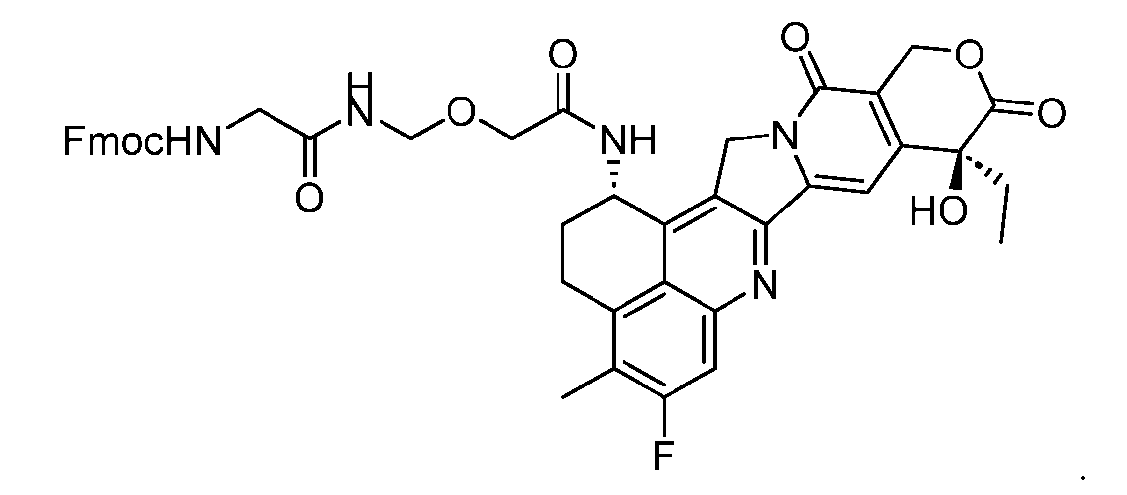
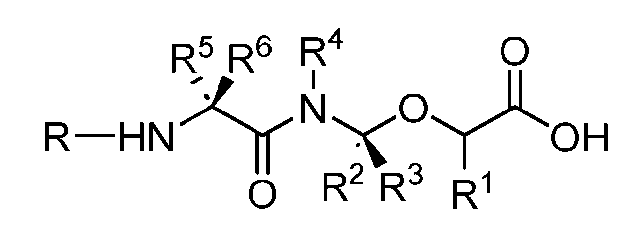
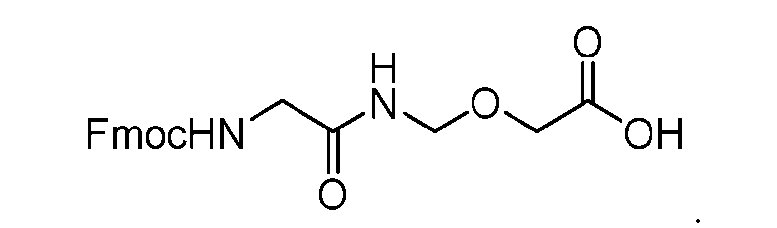



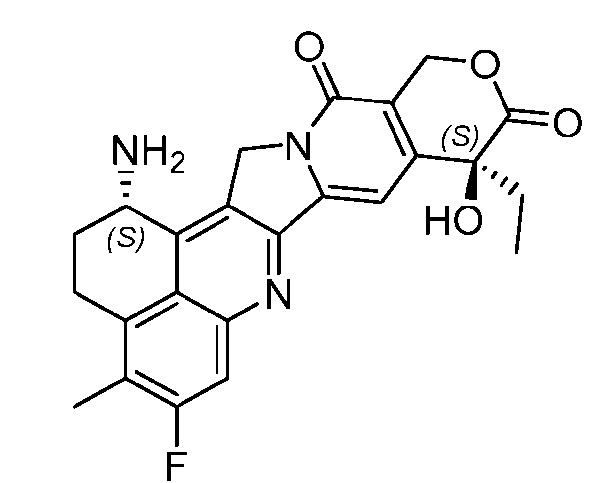
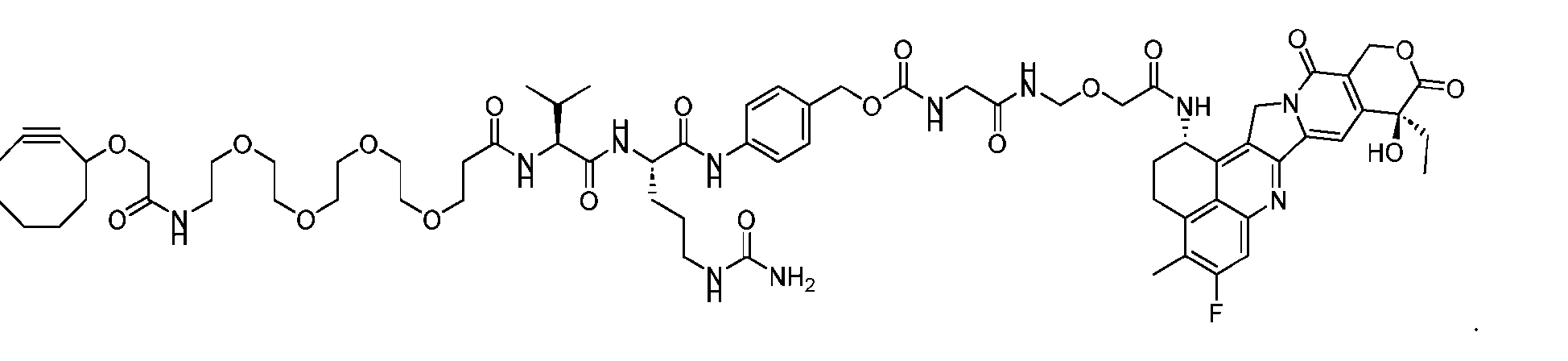
Priority Applications (8)
| Application Number | Priority Date | Filing Date | Title |
|---|---|---|---|
| JP2025536433A JP2026502348A (en) | 2022-12-21 | 2023-12-21 | Prodrugs of topoisomerase I inhibitors for ADC conjugation and methods of use thereof |
| EP23851040.8A EP4637834A1 (en) | 2022-12-21 | 2023-12-21 | Prodrugs of topoisomerase i inhibitor for adc conjugations and methods of use thereof |
| KR1020257024337A KR20250133813A (en) | 2022-12-21 | 2023-12-21 | Prodrugs of topoisomerase I inhibitors for ADC conjugation and methods of using the same |
| AU2023407365A AU2023407365A1 (en) | 2022-12-21 | 2023-12-21 | Prodrugs of topoisomerase i inhibitor for adc conjugations and methods of use thereof |
| CN202380094408.7A CN120752059A (en) | 2022-12-21 | 2023-12-21 | Prodrugs for ADC conjugated topoisomerase I inhibitors and methods of use thereof |
| IL321285A IL321285A (en) | 2022-12-21 | 2023-12-21 | Prodrugs of topoisomerase i inhibitor for adc conjugations and methods of use thereof |
| MX2025007360A MX2025007360A (en) | 2022-12-21 | 2025-06-20 | Prodrugs of topoisomerase i inhibitor for adc conjugations and methods of use thereof |
| CONC2025/0009825A CO2025009825A2 (en) | 2022-12-21 | 2025-07-18 | Topoisomerase I inhibitor prodrugs for ADC conjugates and methods of using these |
Applications Claiming Priority (4)
| Application Number | Priority Date | Filing Date | Title |
|---|---|---|---|
| US202263434230P | 2022-12-21 | 2022-12-21 | |
| US63/434,230 | 2022-12-21 | ||
| US202363472064P | 2023-06-09 | 2023-06-09 | |
| US63/472,064 | 2023-06-09 |
Publications (1)
| Publication Number | Publication Date |
|---|---|
| WO2024138000A1 true WO2024138000A1 (en) | 2024-06-27 |
Family
ID=89897435
Family Applications (1)
| Application Number | Title | Priority Date | Filing Date |
|---|---|---|---|
| PCT/US2023/085450 Ceased WO2024138000A1 (en) | 2022-12-21 | 2023-12-21 | Prodrugs of topoisomerase i inhibitor for adc conjugations and methods of use thereof |
Country Status (11)
| Country | Link |
|---|---|
| US (1) | US20240269308A1 (en) |
| EP (1) | EP4637834A1 (en) |
| JP (1) | JP2026502348A (en) |
| KR (1) | KR20250133813A (en) |
| CN (1) | CN120752059A (en) |
| AU (1) | AU2023407365A1 (en) |
| CL (1) | CL2025001845A1 (en) |
| CO (1) | CO2025009825A2 (en) |
| IL (1) | IL321285A (en) |
| MX (1) | MX2025007360A (en) |
| WO (1) | WO2024138000A1 (en) |
Citations (55)
| Publication number | Priority date | Publication date | Assignee | Title |
|---|---|---|---|---|
| US5208020A (en) | 1989-10-25 | 1993-05-04 | Immunogen Inc. | Cytotoxic agents comprising maytansinoids and their therapeutic use |
| US5500362A (en) | 1987-01-08 | 1996-03-19 | Xoma Corporation | Chimeric antibody with specificity to human B cell surface antigen |
| US5714586A (en) | 1995-06-07 | 1998-02-03 | American Cyanamid Company | Methods for the preparation of monomeric calicheamicin derivative/carrier conjugates |
| US5821337A (en) | 1991-06-14 | 1998-10-13 | Genentech, Inc. | Immunoglobulin variants |
| US6596541B2 (en) | 2000-10-31 | 2003-07-22 | Regeneron Pharmaceuticals, Inc. | Methods of modifying eukaryotic cells |
| WO2003087306A2 (en) | 2002-04-05 | 2003-10-23 | Agensys, Inc. | Nucleic acid and corresponding protein entitled 98p4b6 useful in treatment and detection of cancer |
| WO2005079490A2 (en) | 2004-02-13 | 2005-09-01 | Nuvelo, Inc. | Methods of therapy and diagnosis using targeting of cells that express steap2 polypeptides |
| WO2005081711A2 (en) * | 2003-11-06 | 2005-09-09 | Seattle Genetics, Inc. | Monomethylvaline compounds capable of conjugation to ligands |
| WO2005089808A2 (en) | 2004-03-15 | 2005-09-29 | Wyeth | Antibody calicheamicin conjugates |
| US7087411B2 (en) | 1999-06-08 | 2006-08-08 | Regeneron Pharmaceuticals, Inc. | Fusion protein capable of binding VEGF |
| US20070258987A1 (en) | 2000-11-28 | 2007-11-08 | Seattle Genetics, Inc. | Recombinant Anti-Cd30 Antibodies and Uses Thereof |
| US20080171040A1 (en) | 2004-06-01 | 2008-07-17 | Genentech, Inc. | Antibody-drug conjugates and methods |
| WO2008122039A2 (en) | 2007-04-02 | 2008-10-09 | The Government Of The United States Of America, As Represented By The Secretary, Department Of Health And Human Services | Selenocysteine mediated hybrid antibody molecules |
| US20080305497A1 (en) | 2007-05-23 | 2008-12-11 | Ventana Medical Systems, Inc. | Polymeric carriers for immunohistochemistry and in situ hybridization |
| US20080305044A1 (en) | 2004-11-29 | 2008-12-11 | Seattle Genetics, Inc. | Engineered Antibodies and Immunoconjugates |
| US20090142354A1 (en) | 2006-12-14 | 2009-06-04 | Regeneron Pharmaceuticals, Inc. | Human antibodies to human delta like ligand 4 |
| WO2010010324A1 (en) | 2008-07-21 | 2010-01-28 | Polytherics Limited | Novel reagents and method for conjugating biological molecules |
| US20100129314A1 (en) | 2008-04-30 | 2010-05-27 | Immunogen Inc. | Potent conjugates and hydrophilic linkers |
| US7750116B1 (en) | 2006-02-18 | 2010-07-06 | Seattle Genetics, Inc. | Antibody drug conjugate metabolites |
| WO2010106245A1 (en) | 2009-03-18 | 2010-09-23 | Commissariat A L'energie Atomique Et Aux Energies Alternatives | Novel bifunctional molecules comprising a cycloalkyne or heterocycloalkyne group and a redox group |
| US20110027286A1 (en) | 2009-07-29 | 2011-02-03 | Regeneron Pharmaceuticals, Inc. | High Affinity Human Antibodies to Human Angiopoietin-2 |
| WO2011018611A1 (en) | 2009-08-10 | 2011-02-17 | Ucl Business Plc | Reversible covalent linkage of functional molecules |
| WO2011130598A1 (en) | 2010-04-15 | 2011-10-20 | Spirogen Limited | Pyrrolobenzodiazepines and conjugates thereof |
| WO2012005982A2 (en) | 2010-07-06 | 2012-01-12 | Board Of Supervisors Of Louisiana State University And Agricultural And Mechanical College | Reporter for rna polymerase ii termination |
| US20120096572A1 (en) | 2010-08-02 | 2012-04-19 | Regeneron Pharmaceuticals, Inc. | Mice That Make VL Binding Proteins |
| WO2012166559A1 (en) | 2011-05-27 | 2012-12-06 | Ambrx, Inc. | Compositions containing, methods involving, and uses of non-natural amino acid linked dolastatin derivatives |
| WO2013055993A1 (en) | 2011-10-14 | 2013-04-18 | Seattle Genetics, Inc. | Pyrrolobenzodiazepines and targeted conjugates |
| WO2013055990A1 (en) | 2011-10-14 | 2013-04-18 | Seattle Genetics, Inc. | Pyrrolobenzodiazepines and targeted conjugates |
| WO2013053873A1 (en) | 2011-10-14 | 2013-04-18 | Spirogen Sàrl | Pyrrolobenzodiazepines |
| WO2013053872A1 (en) | 2011-10-14 | 2013-04-18 | Spirogen Sàrl | Synthesis method and intermediates useful in the preparation of pyrrolobenzodiazepines |
| US20130101546A1 (en) | 2011-06-10 | 2013-04-25 | Mersana Therapeutics, Inc. | Protein-Polymer-Drug Conjugates |
| WO2013068874A1 (en) | 2011-11-11 | 2013-05-16 | Pfizer Inc. | Antibody-drug conjugates |
| WO2013085925A1 (en) | 2011-12-05 | 2013-06-13 | Igenica, Inc. | Antibody-drug conjugates and related compounds, compositions, and methods |
| WO2014065661A1 (en) | 2012-10-23 | 2014-05-01 | Synaffix B.V. | Modified antibody, antibody-conjugate and process for the preparation thereof |
| WO2015143092A1 (en) | 2014-03-18 | 2015-09-24 | The Research Foundation For The State University Of New York | Therapeutic agent for treating tumors |
| WO2015146132A1 (en) | 2014-03-26 | 2015-10-01 | 第一三共株式会社 | Anti-cd98 antibody-drug conjugate |
| WO2015155998A1 (en) * | 2014-04-10 | 2015-10-15 | Daiichi Sankyo Company, Limited | Anti-her3 antibody-drug conjugate |
| WO2017147542A2 (en) | 2016-02-26 | 2017-08-31 | Regeneron Pharmaceuticals, Inc. | Optimized transglutaminase site-specific antibody conjugation |
| US20180104357A1 (en) | 2016-09-23 | 2018-04-19 | Regeneron Pharmaceuticals, Inc. | Anti-STEAP2 Antibodies, Antibody-Drug Conjugates, and Bispecific Antigen-Binding Molecules that Bind STEAP2 and CD3, and Uses Thereof |
| US9951141B2 (en) | 2014-06-02 | 2018-04-24 | Regeneron Pharmaceuticals, Inc. | Antibody-drug conjugates, their preparation and their therapeutic use |
| US9950076B2 (en) | 2016-01-25 | 2018-04-24 | Regeneron Pharmaceuticals, Inc. | Maytansinoid derivatives, conjugates thereof, and methods of use |
| US20180134794A1 (en) | 2016-11-16 | 2018-05-17 | Regeneron Pharmaceuticals, Inc. | Anti-met antibodies, bispecific antigen binding molecules that bind met, and methods of use thereof |
| WO2018089373A2 (en) | 2016-11-08 | 2018-05-17 | Regeneron Pharmaceuticals, Inc. | Steroids and protein-conjugates thereof |
| WO2019094395A2 (en) | 2017-11-07 | 2019-05-16 | Regeneron Pharmaceuticals, Inc. | Hydrophilic linkers for antibody drug conjugates |
| WO2019212965A1 (en) | 2018-04-30 | 2019-11-07 | Regeneron Pharmaceuticals, Inc. | Antibodies, and bispecific antigen-binding molecules that bind her2 and/or aplp2, conjugates, and uses thereof |
| WO2021174113A1 (en) | 2020-02-28 | 2021-09-02 | Regeneron Pharmaceuticals, Inc. | Bispecific antigen binding molecules that bind her2, and methods of use thereof |
| WO2021190581A1 (en) * | 2020-03-25 | 2021-09-30 | 江苏恒瑞医药股份有限公司 | Pharmaceutical composition comprising antibody drug conjugate and use thereof |
| WO2022015656A1 (en) | 2020-07-13 | 2022-01-20 | Regeneron Pharmaceuticals, Inc. | Camptothecin analogs conjugated to a glutamine residue in a protein, and their use |
| WO2022078260A1 (en) * | 2020-10-12 | 2022-04-21 | 四川百利药业有限责任公司 | Camptothecin derivative and ligand-drug conjugate thereof |
| WO2022204947A1 (en) * | 2021-03-30 | 2022-10-06 | 上海复旦张江生物医药股份有限公司 | Preparation method for linker drug conjugate and intermediate thereof |
| WO2022262516A1 (en) * | 2021-06-18 | 2022-12-22 | 北京海步医药科技有限公司 | Linker and conjugate therefor |
| WO2023131219A1 (en) * | 2022-01-06 | 2023-07-13 | Virtuoso Binco, Inc. | Conjugates, compositions and methods of use |
| WO2023137026A1 (en) * | 2022-01-12 | 2023-07-20 | Regeneron Pharmaceuticals, Inc. | Camptothecin analogs conjugated to a glutamine residue in a protein, and their use |
| WO2023161291A1 (en) * | 2022-02-22 | 2023-08-31 | Araris Biotech Ag | Peptide linkers comprising two or more payloads |
| WO2023237050A1 (en) * | 2022-06-09 | 2023-12-14 | Beigene, Ltd. | Antibody drug conjugates |
-
2023
- 2023-12-21 WO PCT/US2023/085450 patent/WO2024138000A1/en not_active Ceased
- 2023-12-21 US US18/393,062 patent/US20240269308A1/en active Pending
- 2023-12-21 IL IL321285A patent/IL321285A/en unknown
- 2023-12-21 JP JP2025536433A patent/JP2026502348A/en active Pending
- 2023-12-21 KR KR1020257024337A patent/KR20250133813A/en active Pending
- 2023-12-21 CN CN202380094408.7A patent/CN120752059A/en active Pending
- 2023-12-21 AU AU2023407365A patent/AU2023407365A1/en active Pending
- 2023-12-21 EP EP23851040.8A patent/EP4637834A1/en active Pending
-
2025
- 2025-06-19 CL CL2025001845A patent/CL2025001845A1/en unknown
- 2025-06-20 MX MX2025007360A patent/MX2025007360A/en unknown
- 2025-07-18 CO CONC2025/0009825A patent/CO2025009825A2/en unknown
Patent Citations (59)
| Publication number | Priority date | Publication date | Assignee | Title |
|---|---|---|---|---|
| US5500362A (en) | 1987-01-08 | 1996-03-19 | Xoma Corporation | Chimeric antibody with specificity to human B cell surface antigen |
| US5208020A (en) | 1989-10-25 | 1993-05-04 | Immunogen Inc. | Cytotoxic agents comprising maytansinoids and their therapeutic use |
| US5821337A (en) | 1991-06-14 | 1998-10-13 | Genentech, Inc. | Immunoglobulin variants |
| US5714586A (en) | 1995-06-07 | 1998-02-03 | American Cyanamid Company | Methods for the preparation of monomeric calicheamicin derivative/carrier conjugates |
| US7087411B2 (en) | 1999-06-08 | 2006-08-08 | Regeneron Pharmaceuticals, Inc. | Fusion protein capable of binding VEGF |
| US6596541B2 (en) | 2000-10-31 | 2003-07-22 | Regeneron Pharmaceuticals, Inc. | Methods of modifying eukaryotic cells |
| US20070258987A1 (en) | 2000-11-28 | 2007-11-08 | Seattle Genetics, Inc. | Recombinant Anti-Cd30 Antibodies and Uses Thereof |
| WO2003087306A2 (en) | 2002-04-05 | 2003-10-23 | Agensys, Inc. | Nucleic acid and corresponding protein entitled 98p4b6 useful in treatment and detection of cancer |
| WO2005081711A2 (en) * | 2003-11-06 | 2005-09-09 | Seattle Genetics, Inc. | Monomethylvaline compounds capable of conjugation to ligands |
| WO2005079490A2 (en) | 2004-02-13 | 2005-09-01 | Nuvelo, Inc. | Methods of therapy and diagnosis using targeting of cells that express steap2 polypeptides |
| WO2005089808A2 (en) | 2004-03-15 | 2005-09-29 | Wyeth | Antibody calicheamicin conjugates |
| US20080171040A1 (en) | 2004-06-01 | 2008-07-17 | Genentech, Inc. | Antibody-drug conjugates and methods |
| US20080305044A1 (en) | 2004-11-29 | 2008-12-11 | Seattle Genetics, Inc. | Engineered Antibodies and Immunoconjugates |
| US7750116B1 (en) | 2006-02-18 | 2010-07-06 | Seattle Genetics, Inc. | Antibody drug conjugate metabolites |
| US20090142354A1 (en) | 2006-12-14 | 2009-06-04 | Regeneron Pharmaceuticals, Inc. | Human antibodies to human delta like ligand 4 |
| WO2008122039A2 (en) | 2007-04-02 | 2008-10-09 | The Government Of The United States Of America, As Represented By The Secretary, Department Of Health And Human Services | Selenocysteine mediated hybrid antibody molecules |
| US20080305497A1 (en) | 2007-05-23 | 2008-12-11 | Ventana Medical Systems, Inc. | Polymeric carriers for immunohistochemistry and in situ hybridization |
| US20100129314A1 (en) | 2008-04-30 | 2010-05-27 | Immunogen Inc. | Potent conjugates and hydrophilic linkers |
| WO2010010324A1 (en) | 2008-07-21 | 2010-01-28 | Polytherics Limited | Novel reagents and method for conjugating biological molecules |
| WO2010106245A1 (en) | 2009-03-18 | 2010-09-23 | Commissariat A L'energie Atomique Et Aux Energies Alternatives | Novel bifunctional molecules comprising a cycloalkyne or heterocycloalkyne group and a redox group |
| US20110027286A1 (en) | 2009-07-29 | 2011-02-03 | Regeneron Pharmaceuticals, Inc. | High Affinity Human Antibodies to Human Angiopoietin-2 |
| WO2011018611A1 (en) | 2009-08-10 | 2011-02-17 | Ucl Business Plc | Reversible covalent linkage of functional molecules |
| WO2011130598A1 (en) | 2010-04-15 | 2011-10-20 | Spirogen Limited | Pyrrolobenzodiazepines and conjugates thereof |
| WO2012005982A2 (en) | 2010-07-06 | 2012-01-12 | Board Of Supervisors Of Louisiana State University And Agricultural And Mechanical College | Reporter for rna polymerase ii termination |
| US20120096572A1 (en) | 2010-08-02 | 2012-04-19 | Regeneron Pharmaceuticals, Inc. | Mice That Make VL Binding Proteins |
| WO2012166559A1 (en) | 2011-05-27 | 2012-12-06 | Ambrx, Inc. | Compositions containing, methods involving, and uses of non-natural amino acid linked dolastatin derivatives |
| US20130101546A1 (en) | 2011-06-10 | 2013-04-25 | Mersana Therapeutics, Inc. | Protein-Polymer-Drug Conjugates |
| WO2013053873A1 (en) | 2011-10-14 | 2013-04-18 | Spirogen Sàrl | Pyrrolobenzodiazepines |
| WO2013055990A1 (en) | 2011-10-14 | 2013-04-18 | Seattle Genetics, Inc. | Pyrrolobenzodiazepines and targeted conjugates |
| WO2013053872A1 (en) | 2011-10-14 | 2013-04-18 | Spirogen Sàrl | Synthesis method and intermediates useful in the preparation of pyrrolobenzodiazepines |
| WO2013055993A1 (en) | 2011-10-14 | 2013-04-18 | Seattle Genetics, Inc. | Pyrrolobenzodiazepines and targeted conjugates |
| WO2013068874A1 (en) | 2011-11-11 | 2013-05-16 | Pfizer Inc. | Antibody-drug conjugates |
| WO2013085925A1 (en) | 2011-12-05 | 2013-06-13 | Igenica, Inc. | Antibody-drug conjugates and related compounds, compositions, and methods |
| WO2014065661A1 (en) | 2012-10-23 | 2014-05-01 | Synaffix B.V. | Modified antibody, antibody-conjugate and process for the preparation thereof |
| WO2015143092A1 (en) | 2014-03-18 | 2015-09-24 | The Research Foundation For The State University Of New York | Therapeutic agent for treating tumors |
| WO2015146132A1 (en) | 2014-03-26 | 2015-10-01 | 第一三共株式会社 | Anti-cd98 antibody-drug conjugate |
| WO2015155998A1 (en) * | 2014-04-10 | 2015-10-15 | Daiichi Sankyo Company, Limited | Anti-her3 antibody-drug conjugate |
| US9951141B2 (en) | 2014-06-02 | 2018-04-24 | Regeneron Pharmaceuticals, Inc. | Antibody-drug conjugates, their preparation and their therapeutic use |
| US9950076B2 (en) | 2016-01-25 | 2018-04-24 | Regeneron Pharmaceuticals, Inc. | Maytansinoid derivatives, conjugates thereof, and methods of use |
| WO2017147542A2 (en) | 2016-02-26 | 2017-08-31 | Regeneron Pharmaceuticals, Inc. | Optimized transglutaminase site-specific antibody conjugation |
| US20180104357A1 (en) | 2016-09-23 | 2018-04-19 | Regeneron Pharmaceuticals, Inc. | Anti-STEAP2 Antibodies, Antibody-Drug Conjugates, and Bispecific Antigen-Binding Molecules that Bind STEAP2 and CD3, and Uses Thereof |
| WO2018089373A2 (en) | 2016-11-08 | 2018-05-17 | Regeneron Pharmaceuticals, Inc. | Steroids and protein-conjugates thereof |
| US20180134794A1 (en) | 2016-11-16 | 2018-05-17 | Regeneron Pharmaceuticals, Inc. | Anti-met antibodies, bispecific antigen binding molecules that bind met, and methods of use thereof |
| WO2019094395A2 (en) | 2017-11-07 | 2019-05-16 | Regeneron Pharmaceuticals, Inc. | Hydrophilic linkers for antibody drug conjugates |
| WO2019212965A1 (en) | 2018-04-30 | 2019-11-07 | Regeneron Pharmaceuticals, Inc. | Antibodies, and bispecific antigen-binding molecules that bind her2 and/or aplp2, conjugates, and uses thereof |
| WO2021174113A1 (en) | 2020-02-28 | 2021-09-02 | Regeneron Pharmaceuticals, Inc. | Bispecific antigen binding molecules that bind her2, and methods of use thereof |
| US20220112306A1 (en) * | 2020-02-28 | 2022-04-14 | Regeneron Pharmaceuticals, Inc. | Bispecific antigen binding molecules that bind her2, and methods of use thereof |
| EP4129345A1 (en) * | 2020-03-25 | 2023-02-08 | Jiangsu Hengrui Pharmaceuticals Co., Ltd. | Pharmaceutical composition comprising antibody drug conjugate and use thereof |
| WO2021190581A1 (en) * | 2020-03-25 | 2021-09-30 | 江苏恒瑞医药股份有限公司 | Pharmaceutical composition comprising antibody drug conjugate and use thereof |
| WO2022015656A1 (en) | 2020-07-13 | 2022-01-20 | Regeneron Pharmaceuticals, Inc. | Camptothecin analogs conjugated to a glutamine residue in a protein, and their use |
| US20220072141A1 (en) * | 2020-07-13 | 2022-03-10 | Regeneron Pharmaceuticals, Inc. | Protein-drug conjugates comprising camptothecin analogs and methods of use thereof |
| WO2022078260A1 (en) * | 2020-10-12 | 2022-04-21 | 四川百利药业有限责任公司 | Camptothecin derivative and ligand-drug conjugate thereof |
| EP4227310A1 (en) * | 2020-10-12 | 2023-08-16 | Sichuan Baili Pharmaceutical Co. Ltd. | Camptothecin derivative and ligand-drug conjugate thereof |
| WO2022204947A1 (en) * | 2021-03-30 | 2022-10-06 | 上海复旦张江生物医药股份有限公司 | Preparation method for linker drug conjugate and intermediate thereof |
| WO2022262516A1 (en) * | 2021-06-18 | 2022-12-22 | 北京海步医药科技有限公司 | Linker and conjugate therefor |
| WO2023131219A1 (en) * | 2022-01-06 | 2023-07-13 | Virtuoso Binco, Inc. | Conjugates, compositions and methods of use |
| WO2023137026A1 (en) * | 2022-01-12 | 2023-07-20 | Regeneron Pharmaceuticals, Inc. | Camptothecin analogs conjugated to a glutamine residue in a protein, and their use |
| WO2023161291A1 (en) * | 2022-02-22 | 2023-08-31 | Araris Biotech Ag | Peptide linkers comprising two or more payloads |
| WO2023237050A1 (en) * | 2022-06-09 | 2023-12-14 | Beigene, Ltd. | Antibody drug conjugates |
Non-Patent Citations (36)
| Title |
|---|
| "Swiss-Prot", Database accession no. Q8NFT2.3 |
| AGARWAL ET AL., PROC. NATL. ACAD. SCI., USA, vol. 110, 2013, pages 46 - 51 |
| AL-LAZIKANI ET AL., J. MOL. BIOL., vol. 273, 1997, pages 927 - 948 |
| AL-LAZIKANI ET AL.: "J. Mol. Biol.", vol. 273, 1997, pages: 927 - 948 |
| ALTSCHUL ET AL., J. MOL. BIOL., vol. 215, 1990, pages 403 - 410 |
| ALTSCHUL ET AL., NUCLEIC ACIDS RES., vol. 25, 1997, pages 3389 - 402 |
| ANGAL ET AL., MOLECULAR IMMUNOLOGY, vol. 30, 1993, pages 105 |
| BERGE ET AL.: "Pharmaceutical Salts", J. PHARM. SCI., vol. 66, 1977, pages 1, XP002675560, DOI: 10.1002/jps.2600660104 |
| CARRICO ET AL., NAT. CHEM. BIOL., vol. 3, 2007, pages 321 - 322 |
| CLYNES ET AL., PROC. NATL. ACAD. SCI. (USA, vol. 95, 1998, pages 652 - 656 |
| DENNLER ET AL., PROTEIN CONJUGATE CHEM, vol. 25, 2014, pages 569 - 578 |
| FONSI ET AL.: "High-Throughput Microsomal Stability Assay for Screening New Chemical Entities in Drug Discovery", JOURNAL OF BIOMOLECULAR SCREENING, vol. 13, no. 557756-85-1, 2008, pages 862 - 869 |
| GOMES, I.M ET AL., MOL. CANCER RES., vol. 10, 2012, pages 573 - 587 |
| GONNET ET AL., SCIENCE, vol. 256, 1992, pages 1443 - 1445 |
| GOODSON, MEDICAL APPLICATIONS OF CONTROLLED RELEASE, vol. 2, 1984, pages 115 - 138 |
| HOFER ET AL., PROC. NATL. ACAD. SCI., USA, vol. 105, 2008, pages 12451 - 12456 |
| HOLLANDER ET AL., BIOCONJUGATE CHEM, vol. 19, 2008, pages 358 - 361 |
| HONEGGEPLUCKTHUN, J. MOL. BIOL., vol. 309, 2001, pages 657 - 70 |
| KABAT: "Sequences of Proteins of Immunological Interest", 1991, NATIONAL INSTITUTES OF HEALTH |
| LANGER, SCIENCE, vol. 249, 1990, pages 1527 - 1533 |
| LEFRANC ET AL., DEV. COMP. IMMUNOL, vol. 27, 2003, pages 55 - 77 |
| MACCALLUM ET AL., J. MOL. BIOL., vol. 262, 1996, pages 732 - 745 |
| MARTIN ET AL.: "Proc. Natl. Acad. Sci. USA", vol. 86, 1989, pages: 9268 - 9272 |
| MORDENTI ET AL., PHARMACEUT. RES, vol. 8, 1991, pages 1351 |
| PEARSON, METHODS MOL. BIOL, vol. 24, 1994, pages 307 - 331 |
| PORKKA ET AL., LAB INVEST, vol. 82, 2002, pages 1573 - 1582 |
| POWELL ET AL.: "Compendium of excipients for parenteral formulations", J PHARM SCI TECHNOL, vol. 52, 1998, pages 238 - 311, XP009119027 |
| RABUKA ET AL., NAT. PROTOCOLS, vol. 10, 2012, pages 1052 - 1067 |
| RYAN ET AL., FOOD & AGRICULTURE IMMUNOL, vol. 13, 2001, pages 127 - 130 |
| SCHIBLI, ANGEW CHEMIE INTER, vol. 49, 2010, pages 9995 |
| SCHUMACHER ET AL., J CLIN IMMUNOL, vol. 36, 2016, pages 100 |
| SHAUNAK ET AL., NAT. CHEM. BIOL., vol. 2, 2006, pages 312 - 313 |
| SHIELD ET AL., JBC, vol. 277, 2002, pages 26733 |
| TAYLOR ET AL., NUCL. ACIDS RES, vol. 20, 1992, pages 6287 - 6295 |
| THOMAS SORRELL: "Periodic Table of the Elements, CAS version, Handbook of Chemistry and Physics", 1999, UNIVERSITY SCIENCE BOOKS, article "Organic Chemistry" |
| WU ET AL., J. BIOL. CHEM., vol. 262, 1987, pages 4429 - 4432 |
Also Published As
| Publication number | Publication date |
|---|---|
| MX2025007360A (en) | 2025-09-02 |
| EP4637834A1 (en) | 2025-10-29 |
| CL2025001845A1 (en) | 2025-11-03 |
| AU2023407365A1 (en) | 2025-07-31 |
| CN120752059A (en) | 2025-10-03 |
| KR20250133813A (en) | 2025-09-08 |
| JP2026502348A (en) | 2026-01-22 |
| CO2025009825A2 (en) | 2025-08-08 |
| IL321285A (en) | 2025-08-01 |
| US20240269308A1 (en) | 2024-08-15 |
Similar Documents
| Publication | Publication Date | Title |
|---|---|---|
| JP7776485B2 (en) | Camptothecin analogs conjugated to glutamine residues in proteins and uses thereof | |
| US20230287138A1 (en) | Protein-drug conjugates comprising camptothecin analogs and methods of use thereof | |
| JP2025069133A (en) | Traceless linkers and protein-conjugates thereof | |
| EP3595668A1 (en) | Benzazepine compounds, conjugates, and uses thereof | |
| CN107530422A (en) | CD48 antibody and its conjugate | |
| CA3113378C (en) | Sulfomaleimide-based linkers and corresponding conjugates | |
| IL297027B2 (en) | Antibody-drug conjugates prepared using Diels-Alder compression methods | |
| US20240269308A1 (en) | Prodrugs of topoisomerase i inhibitor for adc conjugations and methods of use thereof | |
| HK40112818A (en) | Protein-drug conjugates comprising camptothecin analogs and methods of use thereof | |
| RU2833323C1 (en) | Conjugate of anti-cea antibody and excatecan analogue and pharmaceutical use thereof | |
| CN121001751A (en) | Antibody-drug conjugates utilizing the inverse electron demand Diels-Alder reaction | |
| WO2025227010A1 (en) | Protein tyrosine kinase 7 antibodies and antibody-drug conjugates | |
| KR20240141822A (en) | Method of using a B7-H3 antibody-drug conjugate in combination with a PD-1 X CTLA-4 bispecific molecule | |
| HK1248538B (en) | Cd48 antibodies and conjugates thereof |
Legal Events
| Date | Code | Title | Description |
|---|---|---|---|
| 121 | Ep: the epo has been informed by wipo that ep was designated in this application |
Ref document number: 23851040 Country of ref document: EP Kind code of ref document: A1 |
|
| WWE | Wipo information: entry into national phase |
Ref document number: 321285 Country of ref document: IL |
|
| ENP | Entry into the national phase |
Ref document number: 2025536433 Country of ref document: JP Kind code of ref document: A |
|
| WWE | Wipo information: entry into national phase |
Ref document number: 2501004183 Country of ref document: TH Ref document number: MX/A/2025/007360 Country of ref document: MX Ref document number: 2025536433 Country of ref document: JP |
|
| WWE | Wipo information: entry into national phase |
Ref document number: AU2023407365 Country of ref document: AU Ref document number: 823286 Country of ref document: NZ |
|
| REG | Reference to national code |
Ref country code: BR Ref legal event code: B01A Ref document number: 112025012907 Country of ref document: BR |
|
| WWE | Wipo information: entry into national phase |
Ref document number: 202517067595 Country of ref document: IN Ref document number: DZ2025001098 Country of ref document: DZ Ref document number: DZP2025001098 Country of ref document: DZ |
|
| WWE | Wipo information: entry into national phase |
Ref document number: 202591876 Country of ref document: EA |
|
| ENP | Entry into the national phase |
Ref document number: 1020257024337 Country of ref document: KR Free format text: ST27 STATUS EVENT CODE: A-0-1-A10-A15-NAP-PA0105 (AS PROVIDED BY THE NATIONAL OFFICE) |
|
| WWE | Wipo information: entry into national phase |
Ref document number: 2023851040 Country of ref document: EP |
|
| NENP | Non-entry into the national phase |
Ref country code: DE |
|
| WWP | Wipo information: published in national office |
Ref document number: 202517067595 Country of ref document: IN Ref document number: 823286 Country of ref document: NZ |
|
| ENP | Entry into the national phase |
Ref document number: 2023407365 Country of ref document: AU Date of ref document: 20231221 Kind code of ref document: A |
|
| WWE | Wipo information: entry into national phase |
Ref document number: 11202504122W Country of ref document: SG |
|
| WWP | Wipo information: published in national office |
Ref document number: 11202504122W Country of ref document: SG |
|
| WWE | Wipo information: entry into national phase |
Ref document number: 202380094408.7 Country of ref document: CN |
|
| WWP | Wipo information: published in national office |
Ref document number: MX/A/2025/007360 Country of ref document: MX |
|
| WWP | Wipo information: published in national office |
Ref document number: 202380094408.7 Country of ref document: CN |
|
| WWP | Wipo information: published in national office |
Ref document number: 2023851040 Country of ref document: EP |