WO2024119193A2 - Mutant il-2 polypeptides and il-2 prodrugs - Google Patents
Mutant il-2 polypeptides and il-2 prodrugs Download PDFInfo
- Publication number
- WO2024119193A2 WO2024119193A2 PCT/US2023/082385 US2023082385W WO2024119193A2 WO 2024119193 A2 WO2024119193 A2 WO 2024119193A2 US 2023082385 W US2023082385 W US 2023082385W WO 2024119193 A2 WO2024119193 A2 WO 2024119193A2
- Authority
- WO
- WIPO (PCT)
- Prior art keywords
- seq
- amino acid
- acid sequence
- antibody
- polypeptide
- Prior art date
- Legal status (The legal status is an assumption and is not a legal conclusion. Google has not performed a legal analysis and makes no representation as to the accuracy of the status listed.)
- Ceased
Links
Classifications
-
- C—CHEMISTRY; METALLURGY
- C07—ORGANIC CHEMISTRY
- C07K—PEPTIDES
- C07K16/00—Immunoglobulins [IGs], e.g. monoclonal or polyclonal antibodies
- C07K16/18—Immunoglobulins [IGs], e.g. monoclonal or polyclonal antibodies against material from animals or humans
- C07K16/24—Immunoglobulins [IGs], e.g. monoclonal or polyclonal antibodies against material from animals or humans against cytokines, lymphokines or interferons
- C07K16/244—Interleukins [IL]
- C07K16/246—IL-2
-
- A—HUMAN NECESSITIES
- A61—MEDICAL OR VETERINARY SCIENCE; HYGIENE
- A61P—SPECIFIC THERAPEUTIC ACTIVITY OF CHEMICAL COMPOUNDS OR MEDICINAL PREPARATIONS
- A61P35/00—Antineoplastic agents
-
- C—CHEMISTRY; METALLURGY
- C07—ORGANIC CHEMISTRY
- C07K—PEPTIDES
- C07K14/00—Peptides having more than 20 amino acids; Gastrins; Somatostatins; Melanotropins; Derivatives thereof
- C07K14/435—Peptides having more than 20 amino acids; Gastrins; Somatostatins; Melanotropins; Derivatives thereof from animals; from humans
- C07K14/52—Cytokines; Lymphokines; Interferons
- C07K14/54—Interleukins [IL]
- C07K14/55—IL-2
-
- C—CHEMISTRY; METALLURGY
- C07—ORGANIC CHEMISTRY
- C07K—PEPTIDES
- C07K16/00—Immunoglobulins [IGs], e.g. monoclonal or polyclonal antibodies
- C07K16/18—Immunoglobulins [IGs], e.g. monoclonal or polyclonal antibodies against material from animals or humans
- C07K16/28—Immunoglobulins [IGs], e.g. monoclonal or polyclonal antibodies against material from animals or humans against receptors, cell surface antigens or cell surface determinants
- C07K16/2803—Immunoglobulins [IGs], e.g. monoclonal or polyclonal antibodies against material from animals or humans against receptors, cell surface antigens or cell surface determinants against the immunoglobulin superfamily
- C07K16/2818—Immunoglobulins [IGs], e.g. monoclonal or polyclonal antibodies against material from animals or humans against receptors, cell surface antigens or cell surface determinants against the immunoglobulin superfamily against CD28 or CD152
-
- A—HUMAN NECESSITIES
- A61—MEDICAL OR VETERINARY SCIENCE; HYGIENE
- A61K—PREPARATIONS FOR MEDICAL, DENTAL OR TOILETRY PURPOSES
- A61K39/00—Medicinal preparations containing antigens or antibodies
- A61K2039/505—Medicinal preparations containing antigens or antibodies comprising antibodies
-
- C—CHEMISTRY; METALLURGY
- C07—ORGANIC CHEMISTRY
- C07K—PEPTIDES
- C07K2317/00—Immunoglobulins specific features
- C07K2317/50—Immunoglobulins specific features characterized by immunoglobulin fragments
- C07K2317/56—Immunoglobulins specific features characterized by immunoglobulin fragments variable (Fv) region, i.e. VH and/or VL
-
- C—CHEMISTRY; METALLURGY
- C07—ORGANIC CHEMISTRY
- C07K—PEPTIDES
- C07K2317/00—Immunoglobulins specific features
- C07K2317/50—Immunoglobulins specific features characterized by immunoglobulin fragments
- C07K2317/56—Immunoglobulins specific features characterized by immunoglobulin fragments variable (Fv) region, i.e. VH and/or VL
- C07K2317/565—Complementarity determining region [CDR]
-
- C—CHEMISTRY; METALLURGY
- C07—ORGANIC CHEMISTRY
- C07K—PEPTIDES
- C07K2317/00—Immunoglobulins specific features
- C07K2317/60—Immunoglobulins specific features characterized by non-natural combinations of immunoglobulin fragments
- C07K2317/62—Immunoglobulins specific features characterized by non-natural combinations of immunoglobulin fragments comprising only variable region components
- C07K2317/622—Single chain antibody (scFv)
-
- C—CHEMISTRY; METALLURGY
- C07—ORGANIC CHEMISTRY
- C07K—PEPTIDES
- C07K2317/00—Immunoglobulins specific features
- C07K2317/70—Immunoglobulins specific features characterized by effect upon binding to a cell or to an antigen
- C07K2317/76—Antagonist effect on antigen, e.g. neutralization or inhibition of binding
-
- C—CHEMISTRY; METALLURGY
- C07—ORGANIC CHEMISTRY
- C07K—PEPTIDES
- C07K2317/00—Immunoglobulins specific features
- C07K2317/90—Immunoglobulins specific features characterized by (pharmaco)kinetic aspects or by stability of the immunoglobulin
- C07K2317/92—Affinity (KD), association rate (Ka), dissociation rate (Kd) or EC50 value
-
- C—CHEMISTRY; METALLURGY
- C07—ORGANIC CHEMISTRY
- C07K—PEPTIDES
- C07K2317/00—Immunoglobulins specific features
- C07K2317/90—Immunoglobulins specific features characterized by (pharmaco)kinetic aspects or by stability of the immunoglobulin
- C07K2317/94—Stability, e.g. half-life, pH, temperature or enzyme-resistance
-
- C—CHEMISTRY; METALLURGY
- C07—ORGANIC CHEMISTRY
- C07K—PEPTIDES
- C07K2319/00—Fusion polypeptide
-
- C—CHEMISTRY; METALLURGY
- C07—ORGANIC CHEMISTRY
- C07K—PEPTIDES
- C07K2319/00—Fusion polypeptide
- C07K2319/50—Fusion polypeptide containing protease site
Definitions
- Interleukin-2 plays a central role in lymphocyte generation, survival, and homeostasis. It has 133 amino acids and consists of four antiparallel, amphipathic alpha- helices that form a quaternary structure essential for its function (Smith, Science (1988) 240:1169-76; Bazan, Science (1992) 257:410-13). [0004] IL-2 exerts its activities by binding to IL-2 receptors (IL-2R), which consist of up to three individual subunits.
- IL-2R IL-2 receptors
- ⁇ (CD25 or Tac antigen), ⁇ (CD122), and ⁇ ( ⁇ c, common ⁇ chain, or CD132) subunits results in a trimeric, high-affinity receptor for IL-2 (KD ⁇ 0.01 nM).
- Dimeric IL-2 receptor consisting of the ⁇ and ⁇ subunits is termed intermediate-affinity IL-2R (KD ⁇ 1 nM).
- the dimeric intermediate-affinity IL-2 receptor binds IL-2 with approximately 100-fold lower affinity than the trimeric high-affinity receptor
- both the dimeric and trimeric IL-2 receptors can transmit signal upon IL-2 binding (Minami et al., Annu Rev Immunol. (1993) 11:245-68).
- the ⁇ subunit while conferring high-affinity binding of the receptor to IL-2, is not essential for IL-2 signaling.
- the ⁇ and ⁇ subunits are essential for IL-2 signaling (Krieg et al., Proc Natl Acad Sci. (2010) 107:11906-11).
- the trimeric IL-2 receptor is expressed by CD4+FoxP3+ regulatory T (Treg) cells.
- mutant human IL-2 polypeptides comprising a mutation at position L36 (e.g., L36I) according to SEQ ID NO:1.
- the present disclosure provides a mutant human IL-2 polypeptide comprising an amino acid sequence that is at least 90% identical to SEQ ID NO:1 and an L36I mutation relative to SEQ ID NO:1.
- the mutant IL-2 polypeptides comprise additional mutations as further described herein.
- the additional one or more IL-2 polypeptide mutations reduce the polypeptide’s binding affinity for CD25.
- the IL-2 polypeptide mutation is a C125A mutation, relative to SEQ ID NO:1.
- the additional one or more mutations are at positions selected from T3, wherein the mutation is an N3A mutation; D20, wherein the mutation is a D20H, D20K, D20L, D20M, D20N, D20Q, D20R, D20S, D20V, or D20Y mutation; R38, wherein the mutation is R38A, R38K, or R38S; F42, wherein the mutation is F42A, F42G, F42I, F42S, F42T, F42Q, F42E, F42N, F42D, F42R, or F42K; Y45, wherein the mutation is Y45A, Y45G, Y45I, Y45S, Y45T, Y45Q, Y45E, Y45N, Y45D, Y45R, or Y45K; E62, wherein the mutation is E62L, E62A, or E62I; E68, wherein the mutation is E68V; L
- the mutant IL-2 polypeptide comprises an amino acid sequence selected from SEQ ID NOs:3 and 5-33, or an amino acid sequence at least 95% identical thereto. In other embodiments, the mutant IL-2 polypeptide comprises an amino acid sequence that is at least 95% identical to SEQ ID NO:2 or 4. [0009] In another aspect, the present disclosure provides an anti-IL-2 antibody or an antigen-binding fragment thereof, comprising heavy chain CDR1-3 of SEQ ID NOs:170-172, respectively, and light chain CDR1-3 of SEQ ID NOs:173- 175, respectively.
- an anti-IL-2 antibody or an antigen-binding fragment thereof herein comprises a light chain variable domain (V L ) comprising SEQ ID NO:190 or an amino acid sequence at least 95% identical thereto, and a heavy chain variable domain (VH) comprising SEQ ID NO:191 or an amino acid sequence at least 95% identical thereto; a V L comprising SEQ ID NO:192 or an amino acid sequence at least 95% identical thereto, and a V H comprising SEQ ID NO:193 or an amino acid sequence at least 95% identical thereto; or a VL comprising SEQ ID NO:194 or an amino acid sequence at least 95% identical thereto, and a VH comprising SEQ ID NO:195 or an amino acid sequence at least 95% identical thereto.
- V L light chain variable domain
- VH heavy chain variable domain
- an anti-IL-2 antigen-binding fragment herein comprises an amino acid sequence selected from SEQ ID NOs:34, 35, 36, and 250-258, or an amino acid sequence at least 90% identical thereto.
- the antibody or antigen-binding fragment when bound to an IL-2 polypeptide, reduces the IL-2 polypeptide’s binding to IL-2R ⁇ (CD122) or to the complex of IL-2 ⁇ and IL-2R ⁇ (CD132).
- the antibody or antigen-binding fragment when in a complex with a human IL-2 polypeptide, enhances the IL-2 polypeptide’s thermal stability.
- the complex has higher thermal stability or Tagg temperature than a complex formed by said IL-2 polypeptide and an IL-2R ⁇ ; and/or the IL-2 polypeptide in the complex has increased Tagg temperature.
- Tagg is increased by more than 2oC, more than 5oC, approximately 10 oC, or more than 10oC.
- anti-IL-2 antibodies or antigen-binding fragments thereof that compete for binding to human IL-2 with, or bind to the same epitope as, the antibodies or antigen-binding fragments specifically exemplified herein.
- the present disclosure provides a prodrug comprising an IL-2 cytokine moiety, a masking moiety, and optionally a carrier moiety, wherein the masking moiety comprises the antibody or antigen-binding fragment herein, and the cytokine moiety comprises SEQ ID NO:1, or an amino acid at least 90% identical thereto (e.g., the mutant IL- 2 polypeptides herein).
- the cytokine moiety comprises a mutant IL-2 polypeptide described herein.
- the IL-2 cytokine moiety comprises an amino acid sequence selected from SEQ ID NOs:1-33.
- the masking moiety is an antibody comprising a VH of SEQ ID NO:191 or an amino acid sequence at least 95% identical thereto, and a VL of SEQ ID NO:190 or an amino acid sequence at least 95% identical thereto.
- the IL-2 cytokine moiety comprises SEQ ID NO:1, wherein and in other embodiments, one or more mutations are selected from T3A, L36I, V69A, Q74P, and C125A.
- the present disclosure also provides a prodrug comprising an IL-2 cytokine moiety, a masking moiety, and optionally a carrier moiety, wherein the masking moiety binds to the cytokine moiety and inhibits a biological activity of the cytokine moiety, and the IL-2 cytokine moiety comprises the mutant IL-2 polypeptide described herein.
- the prodrug comprises an IL-2 cytokine moiety, a masking moiety, and optionally a carrier moiety, wherein the masking moiety binds to the cytokine moiety and inhibits a biological activity of the cytokine moiety, and the IL-2 cytokine moiety comprises the mutant IL-2 polypeptide.
- the masking moiety comprises an extracellular domain (ECD) of IL-2R ⁇ or a functional fragment thereof, or a single chain variable fragment (scFv) or a Fab.
- the masking moiety comprises an IL-2R ⁇ ECD comprising SEQ ID NO:37 or an amino acid sequence at least 90% identical thereto.
- the mutant IL-2 polypeptide comprises an L36I mutation, and may additionally comprise a C125A mutation, and wherein the masking moiety may comprise SEQ ID NO:34 or an amino acid sequence at least 90% identical thereto.
- the mutant IL-2 polypeptide comprises an L36I mutation, a C125A mutation, and the masking moiety may comprise SEQ ID NO:34 or an amino acid sequence at least 90% identical thereto.
- the masking moiety comprises the anti-IL-2 antibody or an antigen-binding fragment thereof.
- the prodrug comprises a carrier moiety selected from an antigen-binding moiety, an Fc domain, albumin or a fragment thereof, and PEG.
- the carrier moiety comprises an antigen-binding moiety that targets an antigen presented on an immune or a cancer cell, wherein the antigen-binding moiety may be a bispecific antibody, a single domain antibody, a Fab, or an scFv.
- the antigen-binding moiety targets an antigen presented on a T cell, an NK cell, a macrophage, or a cell in a tumor microenvironment (TME), wherein the antigen may be selected from PD-1, CD3, CD4, CD8, Tim-3, LAG-3, TIGIT, HER2, signal-regulatory protein alpha (SIRP ⁇ ), CTLA-4, CSF1R, NKG2A, NKG2D, CD16A, NKp30, NKp46, ILT2, ILT4, CD40, CD163, LRRC15, fibroblast activation protein (FAP), an A1 domain of tenascin C (TNC A1), an A2 domain of tenascin C (TNC A2), an extra domain B of fibronectin (EDB), fibronectin ( ⁇ 5 ⁇ 1), vitronectin ( ⁇ v ⁇ 3 and ⁇ v ⁇ 5 integrins), carcinoembryonic antigen (CEA), prostate specific antigen (PSA), prostate specific anti
- the antigen-binding moiety comprises an anti-PD-1 antibody or an antigen-binding fragment thereof, wherein the anti-PD-1 antibody may be selected from nivolumab and pembrolizumab.
- the antigen-binding moiety comprises an anti-CD8 antibody or an antigen-binding fragment thereof, wherein the antigen- binding moiety may comprise OKT8 or humanized OKT8, the heavy and light chain CDR1- 3 derived from OKT8, and/or a light chain variable domain comprising SEQ ID NO:52 or an amino acid sequence at least 90% identical thereto, and a heavy chain variable domain comprising SEQ ID NO:53 or 54 or an amino acid sequence at least 90% identical thereto.
- the carrier moiety comprises an IgG Fc domain or an IgG antibody comprising L234A and L235A (“LALA”) mutations (Eu numbering), and/or knobs-into- holes mutations wherein the IL-2 cytokine moiety and the masking moiety are fused to different polypeptide chains of the Fc domain, to the different heavy chains of the IgG antibody, or to the light chain and the heavy chain, respectively, of the IgG antibody.
- the prodrug comprises one or more cleavable and/or non- cleavable peptide linkers.
- the masking moiety is fused to the carrier moiety through a cleavable or non-cleavable peptide linker.
- the cytokine moiety is fused to the carrier moiety through a cleavable or non-cleavable peptide linker, or to the masking moiety through a cleavable peptide linker.
- the cleavable peptide linker is cleavable by one or more proteases located in a tumor microenvironment (TME), and the cleavage leads to activation of the prodrug in the TME, wherein the cleavable peptide linker may comprise a substrate sequence of urokinase-type plasminogen activator (uPA), matrix, metallopeptidase 2 (MMP2), MMP7, MMP9, MMP14, legumain, or matriptase, and/or substrate sequences of two, three, four, or more proteases that are preferentially expressed in the TME.
- uPA urokinase-type plasminogen activator
- MMP2 metallopeptidase 2
- the cleavable peptide linker comprises an amino acid sequence selected from SEQ ID NOs:55-124, 268, and 269. [0015]
- the present disclosure provides a prodrug comprising the mutant IL-2 polypeptide described herein, wherein the prodrug comprises a first heavy chain polypeptide chain, a second heavy chain polypeptide chain, and one or two light chains, wherein: a.
- the first heavy chain polypeptide chain comprises SEQ ID NO: 275 or an amino acid sequence at least 95% identical thereto
- the second heavy chain polypeptide chain comprises SEQ ID NO: 277 or an amino acid sequence at least 95% (e.g., at least 96, 97, 98, or 99%) identical thereto
- the two identical light chains comprise SEQ ID NO: 276 or an amino acid sequence at least 95% identical thereto; b.
- the first heavy chain polypeptide chain comprises SEQ ID NO: 278 or an amino acid sequence at least 95% (e.g., at least 96, 97, 98, or 99%) identical thereto
- the second heavy chain polypeptide chain comprises SEQ ID NO: 279 or an amino acid sequence at least 95% (e.g., at least 96, 97, 98, or 99%) identical thereto
- the two identical light chains comprise SEQ ID NO: 189 or an amino acid sequence at least 95% identical thereto; c.
- the first and second heavy chain polypeptide chains comprise SEQ ID NO: 286 or an amino acid sequence at least 95% (e.g., at least 96, 97, 98, or 99%) identical thereto, and the two identical light chains comprise SEQ ID NO: 276 or an amino acid sequence at least 95% identical thereto; d. the first and second heavy chain polypeptide chains comprise SEQ ID NO: 187 or an amino acid sequence at least 95% (e.g., at least 96, 97, 98, or 99%) identical thereto, and the two identical light chains comprise SEQ ID NO: 189 or an amino acid sequence at least 95% identical thereto; or e.
- the first heavy chain polypeptide chain comprises SEQ ID NO: 283 or an amino acid sequence at least 95% (e.g., at least 96, 97, 98, or 99%) identical thereto
- the second heavy chain polypeptide chain comprises SEQ ID NO: 284 or an amino acid sequence at least 95% (e.g., at least 96, 97, 98, or 99%) identical thereto
- the one light chain comprises SEQ ID NO: 189 or an amino acid sequence at least 95% identical thereto.
- the present disclosure provides an IL-2 antibody fusion molecule comprising two identical antibody light chains, a first antibody heavy chain, and a second antibody heavy chain, wherein a.
- the light chains each comprise SEQ ID NO:38 or an amino acid sequence at least 90% identical thereto
- the first heavy chain comprises SEQ ID NO:40, 41, 45, 46, or an amino acid sequence at least 95% identical thereto
- the second heavy chain comprises SEQ ID NO:42, 43, 44, or 47 or an amino acid sequence at least 95% identical thereto
- the light chains each comprise SEQ ID NO:38 or an amino acid sequence at least 90% identical thereto
- the first and second heavy chains each comprise SEQ ID NO:40, 41, 48, 49, 50, or 51 or an amino acid sequence at least 95% identical thereto
- c
- the light chains each comprise SEQ ID NO:189 or an amino acid sequence at least 90% identical thereto
- the first heavy chain comprises SEQ ID NO:185 or an amino acid sequence at least 95% identical thereto
- the second heavy chain comprises SEQ ID NO:186 or an amino acid sequence at least 95% identical thereto.
- the light chains and heavy chains respectively comprise (i) SEQ ID NO:207 or an amino acid sequence at least 95% identical thereto, and SEQ ID NO:205, 206, 211, 212, 213, or 214 or an amino acid sequence at least 95% identical thereto, or (ii) SEQ ID NO:208 or an amino acid sequence at least 95% identical thereto, and SEQ ID NO:215 or an amino acid sequence at least 95% identical thereto; or b.
- compositions comprising the mutant human IL- 2 polypeptides, prodrugs, or IL-2 antibody fusion molecules herein and a pharmaceutically acceptable excipient.
- polynucleotides encoding the new proteins (i.e., mutant human IL-2 polypeptides, prodrugs, antibodies or antigen-binding fragments thereof, or IL-2 antibody fusion molecules) herein; expression vectors comprising the polynucleotides; host cells comprising the expression vectors; and methods of producing the new proteins by culturing mammalian host cells that allow expression of the new proteins and isolating the expressed new protein from the culture.
- the present disclosure provides a method of treating a cancer or an infectious disease or modulating (e.g., stimulating) the immune system in a patient in need thereof, comprising administering to the patient a therapeutically effective amount of the present mutant IL-2 polypeptide, prodrug, IL-2 antibody fusion molecule, or pharmaceutical composition.
- mutant IL-2 polypeptides, prodrugs, IL-2 antibody fusion molecules, and pharmaceutical compositions for use in treating a cancer or an infectious disease or modulating (e.g., stimulating) the immune system in a patient (e.g., human patients) in need thereof; and use of these mutant IL-2 polypeptides, prodrugs, and IL- 2 antibody fusion molecules for the manufacture of a medicament for treating a cancer or an infectious disease or modulating (e.g., stimulating) the immune system in a patient in need thereof.
- the patient has a viral infection (e.g., HIV infection); has a cancer selected from the group consisting of leukemia, lymphoma, kidney cancer, bladder cancer, urinary tract cancer, cervical cancer, brain cancer, head and neck cancer, skin cancer, uterine cancer, testicular cancer, esophageal cancer, liver cancer, colorectal cancer, stomach cancer, squamous cell carcinoma, prostate cancer, pancreatic cancer, lung cancer such as non- small cell lung cancer, cholangiocarcinoma, breast cancer, and ovarian cancer, and medullary thyroid cancer; or has an inflammatory or an autoimmune disease, for example one selected from asthma, Type I diabetes, rheumatoid arthritis, allergy, systemic lupus erythematosus, organ graft rejection, and graft-versus-host disease.
- a viral infection e.g., HIV infection
- a cancer selected from the group consisting of leukemia, lymphoma, kidney cancer, bladder cancer, urinary tract cancer,
- FIGs.1A-D show the blocking assay results. The supernatants of the candidate scFv clones were tested for their ability of blocking the binding of Fc-IL-2 to Fc-IL-2R ⁇ .
- FIG.1A is a graph showing the binding affinity of IL-2 (at 1 ⁇ g/ml, 0.3 ⁇ g/ml, and 0.1 ⁇ g/ml) to IL-2R ⁇ .
- FIG. 1B is a graph showing the blocking of IL-2 binding to IL-2R ⁇ .
- FIG.1C is a graph showing the partial inhibition of IL-2 binding to IL-2R ⁇ .
- FIG.1D shows the blocking assay by 100 ⁇ l of the supernatants of the clone K3-23A2, which did not block the binding of IL-2 to IL- 2R ⁇ .
- FIG.2 shows results from the CTLL2 cell-based IL-2 activity inhibition assay using different fusion (scFv-Fc) proteins.
- FIG.3A is a table showing the heavy chains and titer of expression of scFv clones.
- FIG.3B is a graph showing a CTLL2 cell-based IL-2 activity inhibition assay using various scFv clones.
- FIGs.4A and 4B show the binding kinetics of selected scFv-Fc fusion molecules. The name, binding affinity, and response are shown for each clone.
- FIGs.5A-C show the information of PD-1 antibody-IL-2 prodrugs and screening data of the prodrugs following a CTLL2-based activity assay.
- FIG.5A shows the schematic illustrations of the anti-PD-1 antibody Keytruda® (JR11.20.1), the PD-1 antibody-IL-2 fusion molecule (JR11.20.2), and the PD-1 antibody-IL-2 prodrug fusion molecules with theIL-2 moiety of each prodrug having a mask comprising a scFv against IL-2 (JR11.20.3 to JR11.20.6) or IL-2R ⁇ -ECD (JR11.20.7).
- FIG.5B is a table showing the names of the samples/molecules, the plasmid codes and SEQ ID NO for each molecule. The titer of expression and a brief description of each molecule are also included.
- FIG.5C shows the results from the CTLL2 cell-based activity assay of the prodrug samples prior to and after activation.
- FIGs.6A-D show the information and data from the screening of PD-1 antibody- IL-2 prodrugs based on NK92-based activity assay.
- FIG.6A is a table showing the names, plasmid code, SEQ ID NO, and titers of transient expression of additional PD-1-antibody-IL- 2 prodrug molecules masked by scFv’s screened from a yeast library.
- FIG.6B shows the schematic illustrations of the anti-PD-1 antibody-IL-2 prodrug fusion molecules wherein the IL-2 moiety of each prodrug is masked with a mask comprising a scFv against IL-2 (JR11.29.1, JR11.31.1-8).
- FIG.6C shows a SDS-PAGE analysis of the prodrug samples JR11.29.1 and JR11.31.1 prior to activation and all the prodrug sample post protease MMP- 2-based activation. All the samples were able to be digested by MMP-2.
- FIG.6D are panels showing results of a NK92 cell-based activity assay (left panel), which measures the activities of the prodrug samples prior to and after the activation by MMP-2. The activities are shown on the right panel.
- FIGs.7A-C show the information and results from the peptide linker optimization experiment.
- FIG.7A shows the plasmid and SEQ ID NO of each prodrug sample.
- FIG.7B shows schematic illustrations of the anti-PD-1 antibody-IL-2 prodrug fusion molecules with the IL-2 moiety (IL-2v) linked to the heavy chain using different linkers (JR11.101.1-3) or without a linker (JR11.101.4).
- FIG.7C shows results from the SEC-HPLC analysis.
- FIGs.8A-E show the results for ex vivo assay of PD-1 antibody-IL-2 prodrugs with human PBMC.
- FIG.8A is a table that shows the plasmid and SEQ ID NOs of the two prodrug molecules, ASKG812K-C7 and ASKG812K-G3, as well as the control molecule – a PD-1 antibody-IL-2v fusion molecule without a mask (PD1-mab-IL-2vRef).
- the prodrug ASKG812K-G3 does not have a cleavable linker.
- FIG.8B shows the schematic illustrations of the prodrugs.
- IL-2 induces STAT5 Phosphorylation (pSTAT5) in immune cells.
- FIG.9A-D shows the sample information and the enhancement of stability and thermal stability with scFv masks.
- FIG.9A is a table that shows the plasmid and SEQ ID NOs of the three prodrug molecules ASKG812K-C7, ASKG812K-F7, and ASKG812K-G3 as well as the control molecule, which is an ASKG812- ⁇ -ECD prodrug masked with an IL- 2R ⁇ extracellular domain (ECD).
- FIG.9B is a table showing thermostability of the prodrugs.
- FIG.9C shows the schematic illustrations of the prodrugs.
- FIG.9D is a graph showing an accelerated stability study carried out for the prodrugs.
- FIG.10A-C show the sample information and results from a CTLL2 assay of several prodrug molecules.
- FIG.10A is a table that shows the plasmid and SEQ ID NOs of the following molecules: PD-1 antibody-IL-2v reference molecule (EB01-08; PD1-mab-IL- 2v Ref), PD-1 antibody-IL-2v (LL24-68; PD1-mab-IL-2v), PD-1 antibody-IL-2v/L36I (JR11.145.2; PD1-mab-IL-2v/L36I), and PD-1 antibody-IL-2v/L36I masked with F7 (JR11.145.4masked; PD-1 mab-IL-2v/L36I_C7 masked). All of the prodrugs were tested by the CTLL2 assay.
- FIG.10B shows the schematic illustrations of the prodrugs.
- FIG. 10C shows the schematic illustrations of the prodrugs.
- FIGs.11A-F show the schematic illustrations of the structures of antibody- cytokine fusion molecules.
- FIG.11A shows the structure of ASKG222C7-C, wherein the cytokine IL-2 and the scFv mask K1-69C7 or “C7” are fused to the C-termini of an Fc domain.
- FIG.11B shows the structure of ASKG222C7-N, wherein the cytokine IL-2 and the mask C7 are fused to the N-termini of an Fc domain.
- FIG.11C shows the structure of ASKG222A, wherein the antibody comprises the same VL and VH as that of C7; and wherein the IL-2 cytokine is fused to the N-terminus of each of the heavy chains.
- FIG.11D shows the structure of ASKG222B, wherein the antibody comprises the same VL and VH as that of C7; and wherein the IL-2 cytokine is fused to the N-terminus of each of the light chains.
- FIG.11E shows the structure of ASKG222G, which is essentially the same as that of ASKG222A (FIG.11C) except that it has a single Fab.
- FIG.11F shows the structure of ASKG222H, which is essentially the same as that of ASKG222B (FIG.11D) except that it has a single Fab.
- FIG.12A shows the plasmid and sequence information of ASKG222C7-C and ASKG222C7-D.
- FIG.12B shows the DRC-HPLC purity of the molecules expressed in CHO cells and purified by Protein A affinity chromatography.
- FIG.13A shows the plasmid and sequence information of ASKG222A-C7-Ab and ASKG222B-C7-Ab.
- FIG.13B shows the DRC-HPLC purity of the molecules expressed in CHO cells and purified by Protein A affinity chromatography.
- FIGs.14A and 14B show the results of an ex vivo assay using the antibody- cytokine fusion molecules.
- FIG.14A is a graph showing the activity of the antibody-fusion molecules in stimulating the proliferation of Ki67+ regulatory T cells (Treg).
- FIG.14B is a graph showing the activity of the antibody-fusion molecules in stimulating the proliferation of Ki67+ effector T cells (Teff).
- FIG.15 is a graph showing the rat PK data for ASKG222A-C7-Ab. The results showed that ASKG222A-C7-Ab has a half-life of 66-88 hours.
- FIGs.16A-16E show schematic illustrations of the structures of antibody- cytokine fusion molecules and the sequences of the polypeptide chains, which form the fusion molecules.
- FIGs.17A and 17B show the in vivo efficacy and safety results of the two fusion molecules (812mN-mut4 and 812mW5-mut4) in comparison with the reference molecule Ref3, and an anti-mouse PD-1 antibody.
- FIG.18 shows sequence information for the antibody-cytokine fusion molecules.
- FIGs.19A and 19B show the in vivo efficacy and safety results of the fusion molecules (678F3-Fab-B) at two different dosages.
- FIG.20 shows the results of the in vitro cell based activity assay (HEK Blue Reporter Assay).
- FIG.21 shows the schematic drawing of the structure of the fusion molecule 678F3-Fab-B. DETAILED DESCRIPTION OF THE INVENTION [0046] As used herein and in the appended claims, the singular forms “a,” “or,” and “the” include plural referents unless the context clearly dictates otherwise. [0047] Reference to “about” a value or parameter herein includes (and describes) variations that are directed to that value or parameter per se.
- antigen-binding moiety refers to a polypeptide or a set of interacting polypeptides that specifically bind to an antigen, and includes, but is not limited to, an antibody (e.g., a monoclonal antibody, polyclonal antibody, a multi-specific antibody, a dual specific or bispecific antibody, an anti-idiotypic antibody, or a bifunctional hybrid antibody) or an antigen-binding fragment thereof (e.g., a Fab, a Fab’, a F(ab’)2, a Fv, a disulfide linked Fv, a scFv, a single domain antibody (dAb), or
- the antibody may be of any heavy chain isotype (e.g., IgG, IgA, IgM, IgE, or IgD) or subtype (e.g., IgG1, IgG2, IgG3, or IgG4).
- the antibody may be of any light chain isotype (e.g., kappa or lambda).
- the antibody may be human, non-human (e.g., from mouse, rat, rabbit, goat, or another non-human animal), chimeric (e.g., with a non-human variable region and a human constant region), or humanized (e.g., with non-human CDRs and human framework and constant regions).
- the antibody is a derivatized antibody.
- cytokine agonist polypeptide refers to a wildtype cytokine, or an analog thereof.
- An analog of a wildtype cytokine has the same biological specificity (e.g., binding to the same receptor(s) and activating the same target cells) as the wildtype cytokine, although the activity level of the analog may be different from that of the wildtype cytokine.
- the analog may be, for example, a mutein (i.e., mutated polypeptide) of the wildtype cytokine, and may comprise at least one, at least two, at least three, at least four, at least five, at least six, at least seven, at least eight, at least nine, or at least ten mutations relative to the wildtype cytokine.
- prodrug herein refers to a cytokine fusion protein that comprises a cytokine moiety bound by a masking moiety and has not yet been activated to remove the mask from the cytokine moiety.
- cytokine antagonist refers to a moiety (e.g., a polypeptide) that binds to a cytokine and thereby inhibits the cytokine from binding to its receptor on the surface of a target cell and/or exerting its biological functions while being bound by the antagonist or mask.
- cytokine antagonist or mask examples include, without limitations, a polypeptide derived from an extracellular domain of the cytokine’s natural receptor that makes contact with the cytokine and an antibody that binds to the cytokine or an antigen-binding fragment thereof (e.g., scFv).
- effective amount or “therapeutically effective amount” refers to an amount of a compound or composition sufficient to treat a specified disorder, condition, or disease, such as ameliorate, palliate, lessen, and/or delay one or more of its symptoms.
- an effective amount may be an amount sufficient to delay cancer development or progression (e.g., decrease tumor growth rate, and/or delay or prevent tumor angiogenesis, metastasis, or infiltration of cancer cells into peripheral organs), reduce the number of epithelioid cells, cause cancer regression (e.g., shrink or eradicate a tumor), and/or prevent or delay cancer occurrence or recurrence.
- An effective amount can be administered in one or more administrations.
- the term “functional analog” refers to a molecule that has the same biological specificity (e.g., binding to the same ligand) and/or activity (e.g., activating or inhibiting a target cell) as a reference molecule.
- fused refers to the joining of the two polypeptide sequences through a backbone peptide bond.
- Two polypeptides may be fused directly or through a peptide linker that is one or more amino acids long.
- a fusion polypeptide may be made by recombinant technology from a coding sequence containing the respective coding sequences for the two fusion partners, with or without a coding sequence for a peptide linker in between. In some embodiments, fusion encompasses chemical conjugation.
- composition when used to refer to an ingredient in a composition means that the excipient is suitable for administration to a treatment subject, including a human subject, without undue deleterious side effects to the subject and without affecting the biological activity of the active pharmaceutical ingredient (API).
- subject refers to a mammal and includes, but is not limited to, a human, a pet (e.g., a canine or a feline), a farm animal (e.g., cattle or horse), a rodent, or a primate.
- treatment or “treating” is an approach for obtaining beneficial or desired clinical results.
- Beneficial or desired clinical results include, but are not limited to, one or more of the following: alleviating one or more symptoms resulting from a disease, diminishing the extent of a disease, ameliorating a disease state, stabilizing a disease (e.g., preventing or delaying the worsening or progression of the disease), preventing or delaying the spread (e.g., metastasis) of a disease, preventing or delaying the recurrence of a disease, providing partial or total remission of a disease, decreasing the dose of one or more other medications required to treat a disease, increasing the patient’s quality of life, and/or prolonging survival.
- the methods of the present disclosure contemplate any one or more of these aspects of treatment.
- the cytokine prodrugs have fewer side effects (including less immunogenicity risk from the cytokine as compared to the wildtype cytokine), better in vivo PK profiles (e.g., longer half-life) and better target specificity, and are more efficacious as compared to prior cytokine therapeutics.
- the present prodrugs comprise a cytokine moiety comprising a cytokine agonist polypeptide linked to a carrier moiety and masked (bound) by a cytokine antagonist (masking moiety).
- the cytokine antagonist may be, for example, an extracellular domain of a receptor for the cytokine, and is linked to the cytokine moiety or to the carrier moiety through a peptide linker (e.g., a cleavable or non-cleavable peptide linker).
- a peptide linker e.g., a cleavable or non-cleavable peptide linker.
- the prodrugs may be activated at a target site (e.g., at a tumor site or the surrounding environment) in the patient by cleavage of the linker and the consequent release of the cytokine mask from the prodrug, exposing the previously masked cytokine moiety and allowing the cytokine moiety to bind to its receptor on a target cell and exert its biological functions on the target cell.
- a target site e.g., at a tumor site or the surrounding environment
- the prodrugs disclosed herein can engage the target cell via “cis-binding” of a cytokine receptor and an antigen expressed on the cell surface, leading to increased activity of the prodrug without cleavage and removal of the masking moiety.
- the cytokine moiety of the prodrugs may increase in activity at a target site (e.g., at a tumor site or the surrounding environment), where both the antigen targeted by the carrier and a receptor of the cytokine are expressed on the same cell.
- the carriers for the prodrugs are antigen-binding moieties, such as antibodies or antigen-binding fragments thereof, that bind an antigen at the target site.
- the present prodrugs are pro-inflammatory cytokine prodrugs that are metabolized to become pro-inflammatory cytokines at a target site in the body targeted by the carrier moiety.
- the carrier moiety in the prodrug is an antibody or antigen-binding fragment thereof targeting a tumor antigen such that the prodrug is delivered to a tumor site in a patient and is metabolized locally (e.g., inside or in the vicinity of the tumor microenvironment) through cleavage of the linker linking the cytokine mask to the carrier moiety or the cytokine moiety, making the pro-inflammatory cytokine moiety available to interact with its receptor on a target cell and stimulating the target immune cells locally.
- An IL-2 prodrug may comprise a cytokine moiety comprising an IL-2 agonist polypeptide, a carrier moiety, and a masking moiety (an IL-2 antagonist), wherein the cytokine moiety is fused to the carrier moiety directly or through a linker (e.g., cleavable or non-cleavable peptide linker), and the IL-2 antagonist is linked to the IL-2 agonist polypeptide or to the carrier moiety through a cleavable peptide linker.
- the IL-2 agonist polypeptide may be an IL-2 mutein such as an IL-2 mutein described herein derived from a human IL-2.
- the IL-2 mutein may have significantly reduced affinity for CD25 or the trimeric high-affinity IL-2R, as compared to wildtype IL-2.
- the IL-2 mutein has binding affinity for the high-affinity IL-2R that is 100 times, 300 times, 500 times, 1,000 times, or 10,000 times lower as compared to wildtype IL-2.
- all residue numbers in IL-2 and IL-2 muteins described herein are in accordance with the numbering in SEQ ID NO:1.
- the present disclosure further provides a prodrug that comprises a mutant IL-2 polypeptide as described above and a carrier moiety.
- the carrier moiety comprises an antigen-binding moiety, wherein the antigen-binding moiety binds to an antigen expressed on an immune cell.
- the prodrug comprises an antigen-binding moiety, wherein the antigen-binding moiety binds to an antigen expressed on a tumor cell or in the tumor microenvironment.
- the carrier moiety comprises two or more antigen-binding moieties, wherein the antigen-binding moieties bind to two different antigens, wherein one of the antigens is expressed on an immune cell, and the other antigen is expressed on a tumor cell or in the tumor microenvironment.
- the prodrug further comprises a masking moiety, wherein the masking moiety binds to the mutant IL-2 polypeptide and inhibits a biological activity of the mutant IL-2 polypeptide.
- the masking moiety comprises the extracellular domain of an IL-2 receptor subunit.
- the masking moiety comprises the extracellular domain (ECD) of IL-2 receptor beta (IL-2R ⁇ ) or a functional analog thereof.
- the IL-2R ⁇ -ECD comprises an amino acid sequence of SEQ ID NO:37.
- the masking moiety comprises an antibody or the antigen-binding fragment thereof, wherein the antibody binds to IL-2.
- the masking moiety is an scFv.
- the scFv comprises an amino acid sequence selected from SEQ ID NOs:34, 35, and 36.
- the IL-2 prodrug further comprises a cleavable peptide linker.
- the cleavable linker links the masking moiety to the carrier.
- the cleavable linker links the mutant IL-2 polypeptide to the carrier.
- the IL-2 agonist polypeptide is an IL-2 mutein derived from a human IL-2.
- IL-2 with mutations to decrease or eliminate the interaction between IL-2 and CD25 have been disclosed previously.
- WO 2008/0034473 refers to mutations R38W and F42K
- WO 2012/107417 refers to mutation at position 72.
- U.S. Pat. Pub.2003/0124678 refers to introducing the R38W mutation to eliminate IL- 2’s vasopermeability activity.
- Heaton et al. (Cancer Res. (1993) 53:2597-2602; U.S. Pat. 5,229,109) describe introducing two mutations, R38A and F42K, to obtain an IL-2 mutein with reduced ability to induce secretion of pro-inflammatory cytokines from natural killer (NK) cells.
- NK natural killer
- EP2639241B1 refers to IL-2 muteins that are at least 1,000 times less effective than native IL-2 in stimulating T reg cells and refers to IL-2 muteins having the mutations selected from 1) R38K, F42I, Y45N, E62L, and E68V; 2) R38A, F42I, Y45N, E62L, and E68V; 3) R38K, F42K, Y45R, E62L, and E68V; or 4) R38A, F42A, Y45A, and E62A.
- U.S. Pat. Pub.2014/0328791 refers to pegylated IL-2 with reduced affinity for CD25.
- IL-2 mutants were called “non-alpha” IL-2 agonist polypeptides and were shown to preferentially activate T effector cells and natural killer (NK) cells over regulatory T cells.
- Such IL-2 mutants may comprise one or more mutations selected from T3A, R38A, R38K, R38S, F42A, F42G, F42S, F42T, F42Q, F42E, F42N, F42D, F42R, F42K, Y45A, Y45G, Y45S, Y45T, Y45Q, Y45E, Y45N, Y45D, Y45R, Y45K, E62A, E62L, E62I, E68A, E68V, L72G, L72A, L72S, L72T, L72Q, L72E, L72N, L72D, L72R, L72K, and C125S (numbering according to SEQ ID NO:1).
- IL-2 mutants comprising mutations T3A/R38S/F42A/Y45A/E62A/C125S (numbering according to SEQ ID NO:1) showed additional hot spots based on MHC Class II binding predictions using the T Cell Epitope Prediction Tools.
- Table 1 shows the results of the prediction of the wildtype IL-2.
- Table 2 shows the results of the IL-2 mutant with T3A/R38S/F42A/Y45A/E62A/C125S (numbering according to SEQ ID NO:1).
- This mutant is named IL-2V1, which comprises an amino acid sequence of SEQ ID NO:176. Table 1.
- the present invention provides novel IL-2 muteins (mutant IL-2 polypeptides) with lower immunogenicity risk.
- the mutant IL-2 polypeptide comprises a mutation in position L36 (numbering according to SEQ ID NO:1).
- the mutant IL-2 polypeptide comprises an L36I mutation (numbering according to SEQ ID NO:1). In some embodiments, the mutant IL-2 polypeptide comprises an amino acid sequence selected from SEQ ID NOs:2-33, or at least 95%, at least 98%, or at least 99% to an amino acid sequence selected from SEQ ID NOs:2-33. [0067] In some embodiments, the mutant IL-2 polypeptide disclosed herein may further comprise a mutation at A73 (e.g., a mutation to T or another amino acid residue) and/or the K35N mutation.
- A73 e.g., a mutation to T or another amino acid residue
- A73 and K35 are potential glycosylation sites on IL-2, and the mutation of these glycosylation sites modulates the IL-2 mutein’s affinity for the IL-2 receptors.
- the mutant IL-2 polypeptides will have safer clinical profiles and can be used in patients in need of IL-2 activity, such as patients in need of a stimulated immune system (e.g., cancer patients and AIDS patients).
- the mutant IL-2 polypeptides can be used as a separate entity or in a conjugate (e.g., fused to a carrier such as in the present prodrugs).
- the mutant IL-2 polypeptides of the present invention may comprise a mutation at L36 (e.g., L36I) and one or more mutations at position(s) selected from T3, D20, K35, R38, F42, F44, Y45, E62, E68, L72, A73, N88, N90, C125, and Q126 (numbering according to SEQ ID NO:1).
- the mutant IL-2 polypeptide comprises mutations at L36, R38, F42, Y45, and A73 (numbering according to SEQ ID NO:1).
- the mutant human IL-2 polypeptides of the present invention may comprise a K35N mutation and one or more mutations at position(s) selected from T3, D20, R38, F42, F44, Y45, E62, E68, L72, A73, N88, N90, C125, and Q126 (numbering according to SEQ ID NO:1).
- the mutant human IL-2 polypide comprises the mutation K35N and additional mutations at R38, F42, and Y45, with or without a mutation at A73.
- the mutant human IL-2 polypeptides of the present invention may comprise a K35N mutation and one or more mutations at position(s) selected from T3, D20, R38, F42, F44, Y45, E62, E68, L72, A73, N88, N90, C125, and Q126 (numbering according to SEQ ID NO:1).
- the mutant human IL-2 polypeptides may comprise one or more mutations at K35, R38, F42, F44, Y45, E62, E68, L72, and A73 (numbering according to SEQ ID NO:1).
- the mutant human IL-2 polypeptides further comprise one or more mutations at D20, N88, N90, and Q126 (numbering according to SEQ ID NO:1). Additional mutations at T3 and/or C125 may also be included.
- the cytokine antagonist, i.e., the masking moiety, in the present immunoconjugate may comprise a peptide, an antibody, or antibody fragment that binds to the cytokine moiety in the prodrug, thereby masking the cytokine moiety and inhibiting its biological functions.
- the prodrug comprises a masking moiety, wherein the masking moiety binds to a mutant IL-2 polypeptide disclosed herein and inhibits a biological activity of the mutant IL-2 polypeptide.
- IL-2 antagonists may comprise peptides and antibodies that bind IL-2 and interfere with the binding of the IL-2 moiety to its receptors, leading to the reduced biological activities of the IL-2 moiety while masked.
- the IL- 2 antagonist comprises an IL-2R ⁇ or IL-2R ⁇ extracellular domain or its functional analog such as one derived from human IL-2R ⁇ or IL-2R ⁇ .
- the IL-2R ⁇ -ECD comprises an amino acid sequence of SEQ ID NO:37 or an amino acid sequence at least 90% identical thereto.
- the IL-2 antagonist comprises a peptide identified from the screening of a peptide library.
- the masking moiety comprises an antibody or an antigen-binding fragment thereof.
- the IL-2 antagonist comprises an antibody or fragment thereof that blocks the binding of IL-2 or IL-2 muteins to an IL-2 receptor.
- the IL-2 antagonist comprises a scFv, a Fab, or a single chain Fab having the same CDR sequences as an scFv comprising an amino acid sequence selected from SEQ ID NOs:34, 35, and 36.
- the prodrug further comprises a peptide linker (e.g., cleavable or non-cleavable), wherein the peptide linker links the masking moiety to the carrier.
- the peptide linker links the mutant IL-2 polypeptide to the carrier moiety.
- the carrier moiety of the present prodrugs may be an antigen-binding moiety, or a moiety that does not bind an antigen.
- the carrier moiety may improve the PK profiles such as serum half-life of the cytokine agonist polypeptide, and may also target the cytokine agonist polypeptide to a target site in the body, such as a tumor site.
- the carrier moiety may be an antibody or an antigen-binding fragment thereof, or an immunoadhesin.
- the antigen-binding moiety is a full-length antibody with two heavy chains and two light chains, a Fab fragment, a Fab’ fragment, a F(ab’) 2 fragment, a Fv fragment, a disulfide linked Fv fragment, a single domain antibody, a nanobody, or a single-chain variable fragment (scFv).
- the antigen- binding moiety is a bispecific antigen-binding moiety and can bind to two different antigens or two different epitopes on the same antigen. The antigen-binding moiety may provide additional and potentially synergetic therapeutic efficacy to the cytokine agonist polypeptide.
- the cytokine agonist polypeptide and its mask may be fused to the N-terminus or C-terminus of the light chains and/or heavy chains of the antigen-binding moiety.
- the cytokine agonist polypeptide and its mask may be fused to a heavy chain of an antibody or an antigen-binding fragment thereof.
- the cytokine agonist polypeptide and its mask may be fused to the light chain of an antibody or an antigen-binding fragment thereof.
- the cytokine agonist polypeptide is fused to the C- terminus of one or both of the heavy chains of an antibody, and the cytokine’s mask (masking moiety) is fused to the C-terminus of the cytokine agonist polypeptide through a cleavable or non-cleavable peptide linker.
- the cytokine agonist polypeptide is fused to the C-terminus of one of the heavy chains of an antibody, and the cytokine’s mask is fused to the C-terminus of the other heavy chain of the antibody through a cleavable or non- cleavable peptide linker, wherein the two heavy chains contain mutations that allow their specific pairing.
- heterodimers are well known (see, e.g., Spies et al., Mol Imm. (2015) 67(2)(A):95-106).
- the two heavy chain polypeptides in the prodrug may form stable heterodimers through “knobs-into-holes” mutations.
- “Knobs-into- holes” mutations are made to promote the formation of the heterodimers of the antibody heavy chains and are commonly used to make bispecific antibodies (see, e.g., U.S. Pat. 8,642,745).
- the Fc domain of the antibody may comprise a T366W mutation in the CH3 domain of the “knob chain” and T366S, L368A, and/or Y407V mutations in the CH3 domain of the “hole chain.”
- An additional interchain disulfide bridge between the CH3 domains can also be used, e.g., by introducing a Y349C mutation into the CH3 domain of the “knobs chain” and an E356C or S354C mutation into the CH3 domain of the “hole chain” (see, e.g., Merchant et al., Nature Biotech. (1998) 16:677-81).
- the antibody moiety may comprise Y349C and/or T366W mutations in one of the two CH3 domains, and E356C, T366S, L368A, and/or Y407V mutations in the other CH3 domain.
- the antibody moiety may comprise Y349C and/or T366W mutations in one of the two CH3 domains, and S354C (or E356C), T366S, L368A, and/or Y407V mutations in the other CH3 domain, with the additional Y349C mutation in one CH3 domain and the additional E356C or S354C mutation in the other CH3 domain, forming an interchain disulfide bridge (numbering always according to EU index of Kabat; Kabat et al., “Sequences of Proteins of Immunological Interest,” 5th ed., Public Health Service, National Institutes of Health, Bethesda, Md. (1991)).
- knobs-into-holes technologies can be used alternatively or additionally.
- another example of knobs- into-holes mutations for an antibody moiety is having R409D/K370E mutations in the CH3 domain of the “knob chain” and D399K/E357K mutations in the CH3 domain of the “hole chain” (Eu numbering).
- the antibody moiety in the prodrug comprises L234A and L235A (“LALA”) mutations in its Fc domain.
- LALA mutations eliminate complement binding and fixation as well as Fc ⁇ dependent ADCC (see, e.g., Hezareh et al., J. Virol.
- the LALA mutations are present in the antibody moiety in addition to the knobs-into-holes mutations.
- the antibody moiety comprises the M252Y/S254T/T256E (“YTE”) mutations in the Fc domain.
- YTE M252Y/S254T/T256E
- the YTE mutations allow the simultaneous modulation of serum half-life, tissue distribution and activity of IgG 1 (see Dall’Acqua et al., J Biol Chem. (2006) 281:23514-24; and Robbie et al., Antimicrob Agents Chemother. (2013) 57(12):6147-53).
- the YTE mutations are present in the antibody moiety in addition to the knobs-into-holes mutations.
- the antibody moiety has YTE, LALA and knobs-into-holes mutations or any combination thereof.
- the antigen-binding moiety may bind to an antigen on the surface of a cell, such as an immune cell, for example, T cells, NK cells, and macrophages. In other instances, the antigen-binding moiety may bind to a cytokine.
- the antigen-binding moiety may be an antibody or antigen-binding fragment thereof that binds to PD-1, LAG-3, TIM-3, TIGIT, SIRPalpha, CTLA-4, CSF1R, NKG2A, NKG2D, CD16A, NKp30, NKp46, Fibroblast Activation Protein (FAP), the A1 domain of Tenascin-C (TNC A1), the A2 domain of Tenascin-C (TNC A2), the Extra Domain B of Fibronectin (EDB), PSA, 5T4, CD47, CMET, Claudin 6, CD24, or the Melanoma-associated Chondroitin Sulfate Proteoglycan (MCSP), or TGF-beta.
- FAP Fibroblast Activation Protein
- the antibody may have the ability to activate the immune cell and enhance its anti-cancer activity.
- the antigen-binding moiety may be an antibody or antigen-binding fragment thereof that binds to an antigen on the surface of a tumor cell.
- the antigen- binding moiety may bind to FAP alpha, 5T4, Trop-2, PD-L1, HER-2, EGFR, Claudin 18.2, or carcinoembryonic antigen (CEA).
- CEA carcinoembryonic antigen
- the antibody may or may not have antibody-dependent cellular cytotoxicity (ADCC) activity.
- the antibody may also be conjugated to a cytotoxic drug.
- the antigen-binding moiety is an anti-PD1 antibody.
- the anti-PD-1 antibody is pembrolizumab or nivolumab.
- the antigen-binding moiety is an anti-CD8 antibody or a CD8 binding fragment thereof.
- the antigen-binding moiety is an anti-NKG2A, NKG2D, CD16A, NKp30, NKP44, or NKP46 antibody or a binding fragment thereof.
- the PD-1-binding moiety includes an antibody or fragment thereof known in the art that binds to PD-1 and disrupts the interaction between the PD-1 and its ligand (PD-L1) to stimulate an anti-tumor immune response.
- the antibody or antigen-binding portion thereof binds specifically to PD-1.
- antibodies that target PD-1 and which can find use in the present invention include, but are not limited to, nivolumab (BMS-936558, Bristol-Myers Squibb), pembrolizumab (lambrolizumab, MK03475 or MK-3475, Merck), humanized anti-PD-1 antibody JS001 (ShangHai JunShi), monoclonal anti-PD-1 antibody TSR-042 (Tesaro, Inc.), pidilizumab (anti-PD-1 mAb CT-011, Medivation), anti-PD-1 monoclonal Antibody BGB-A317 (BeiGene), and/or anti-PD-1 antibody SHR-1210 (ShangHai HengRui), human monoclonal antibody REGN2810 (Regeneron), human monoclonal antibody MDX-1106 (Bristol-Myers Squibb), and/or humanized
- the PD-1 antibody is from clone: RMP1-14 (rat IgG)—BioXcell cat# BP0146.
- Other suitable anti-PD-1 antibodies include those disclosed in U.S. Pat. No.8,008,449.
- a PD-1 binding moiety comprises a single domain antibody or a nanobody.
- said single domain antibody comprises the ones as disclosed in WO 2019/137541.
- the antigen-binding moiety binds to guanyl cyclase C (GCC), carbohydrate antigen 19-9 (CA19-9), glycoprotein A33 (gpA33), mucin 1 (MUC1), insulin-like growth factor 1 receptor (IGF1-R), human epidermal growth factor receptor 2 (HER2), human epidermal growth factor receptor 3 (HER3), delta-like protein 3 (DLL3), delta-like protein 4 (DLL4), epidermal growth factor receptor (EGFR), glypican-3 (GPC3), c- MET, vascular endothelial growth factor receptor 1 (VEGFR1), vascular endothelial growth factor receptor 2 (VEGFR2), Nectin-4, Liv-1, glycoprotein NMB (GPNMB), prostate specific membrane antigen (PSMA), Trop-2, carbonic anhydrase IX (CA9), endothelin B receptor (ETBR), six transmembrane epithelial antigen of the prostate
- the antigen- binding moiety binds to an epidermal growth factor (EGF)-like domain of DLL3. In some embodiments, the antigen-binding moiety binds to a Delta/Serrate/Lag2 (DSL)-like domain of DLL3. In some embodiments, the antigen-binding moiety binds to an epitope located after the 374 th amino acid of GPC3. In some embodiments, the antigen-binding moiety binds to a heparin sulfate glycan of GPC3. In some embodiments, the antigen-binding moiety binds to Claudin 18.2 and does not bind to Claudin 18.1.
- the antigen-binding moiety binds to Claudin 18.1 with at least 10 times weaker binding affinity than to Claudin 18.2.
- exemplary antigen-binding moieties include trastuzumab, rituximab, brentuximab, cetuximab, panitumumab, GC33 (or a humanized version thereof), anti-EGFR antibody mAb806 (or a humanized version thereof), anti-dPNAG antibody F598, and antigen-binding fragments thereof.
- the antigen-binding moiety has at least 90%, 91%, 92%, 93%, 94%, 95%, 96%, 97%, 98%, or 99% identity to trastuzumab, rituximab, brentuximab, cetuximab, or panitumumab, GC33 (or a humanized version thereof), anti-EGFR antibody mAb806 (or a humanized version thereof), anti-dPNAG antibody F598, or a fragment thereof.
- the antigen-binding moiety has an antibody heavy chain with at least 90%, 91%, 92%, 93%, 94%, 95%, 96%, 97%, 98%, or 99% identity to the antibody heavy chain of trastuzumab, rituximab, brentuximab, cetuximab, panitumumab, GC33 (or a humanized version thereof), anti-EGFR antibody mAb806 (or a humanized version thereof), anti-dPNAG antibody F598, or a fragment thereof.
- the antigen-binding moiety has an antibody light chain with at least 90%, 91%, 92%, 93%, 94%, 95%, 96%, 97%, 98%, or 99% identity to the antibody light chain of trastuzumab, rituximab, brentuximab, cetuximab, panitumumab, GC33 (or a humanized version thereof), anti-EGFR antibody mAb806 (or a humanized version thereof), anti- dPNAG antibody F598, or a fragment thereof.
- the antigen-binding moiety is fused to an IL-2 agonist polypeptide.
- the antigen-binding moiety comprises the six complementarity-determining regions (CDRs) of trastuzumab, rituximab, brentuximab, cetuximab, panitumumab, GC33, anti-EGFR antibody mAb806, or anti-dPNAG antibody F598.
- CDRs complementarity-determining regions
- the “Kabat” CDRs are based on sequence variability and are the most commonly used (Kabat et al., Sequences of Proteins of Immunological Interest, 5th Ed. Public Health Service, National Institutes of Health, Bethesda, Md. (1991)). “Chothia” CDRs refer to the location of the structural loops (Chothia & Lesk, Canonical structures for the hypervariable regions of immunoglobulins, J. Mol. Biol., vol.196, pp.901-917 (1987)). The “AbM” CDRs represent a compromise between the Kabat CDRs and Chothia structural loops, and are used by Oxford Molecular’s AbM antibody modeling software.
- the “Contact” CDRs are based on an analysis of the available complex crystal structures. The residues from each of these CDRs are noted below in Table 3, in reference to common antibody numbering schemes. Unless otherwise specified herein, amino acid numbers in antibodies refer to the Kabat numbering scheme as described in Kabat et al., supra, including when CDR delineations are made in reference to Kabat, Chothia, AbM, or Contact schemes. Using this numbering system, the actual linear amino acid sequence may contain fewer or additional amino acids corresponding to a shortening of, or insertion into, a framework region (FR) or CDR of the variable domain.
- FR framework region
- a heavy chain variable domain may include a single amino acid insert (residue 52a according to Kabat) after residue 52 of H2 and inserted residues (e.g., residues 82a, 82b, and 82c, etc. according to Kabat) after heavy chain FR residue 82.
- the Kabat numbering of residues may be determined for a given antibody by alignment at regions of homology of the sequence of the antibody with a “standard” Kabat numbered sequence. Table 3.
- the CDRs are “extended CDRs,” and encompass a region that begins or terminates according to a different scheme.
- an extended CDR can be as follows: L24—L36, L26—L34, or L26—L36 (VL-CDR1); L46—L52, L46—L56, or L50—L55 (VL-CDR2); L91—L97 (VL-CDR3); H47—H55, H47—H65, H50—H55, H53—H58, or H53—H65 (VH-CDR2); and/or H93—H102 (VH-CDR3).
- the antigen-binding moiety binds to HER2, and comprises a light chain having an amino acid sequence with at least 90%, 91%, 92%, 93%, 94%, 95%, 96%, 97%, 98%, or 99% identity to SEQ ID NO:126, or a fragment thereof, and a heavy chain having an amino acid sequence with at least 90%, 91%, 92%, 93%, 94%, 95%, 96%, 97%, 98%, or 99% identity to SEQ ID NO:127, or a fragment thereof.
- the antigen-binding domain comprises CDR1, CDR2, and CDR3 from SEQ ID NO:126, and CDR1, CDR2, and CDR3 from SEQ ID NO:127.
- the antigen-binding moiety binds to CD20, and comprises a light chain having an amino acid sequence with at least 90%, 91%, 92%, 93%, 94%, 95%, 96%, 97%, 98%, or 99% identity to SEQ ID NO:128, or a fragment thereof, and a heavy chain having an amino acid sequence with at least 90%, 91%, 92%, 93%, 94%, 95%, 96%, 97%, 98%, or 99% identity to SEQ ID NO:129, or a fragment thereof.
- the antigen-binding domain comprises CDR1, CDR2, and CDR3 from SEQ ID NO:128, and CDR1, CDR2, and CDR3 from SEQ ID NO:129.
- the antigen-binding moiety binds to CD30, and comprises a light chain having an amino acid sequence with at least 90%, 91%, 92%, 93%, 94%, 95%, 96%, 97%, 98%, or 99% identity to SEQ ID NO:130, or a fragment thereof, and a heavy chain having an amino acid sequence with at least 90%, 91%, 92%, 93%, 94%, 95%, 96%, 97%, 98%, or 99% identity to SEQ ID NO:131, or a fragment thereof.
- the antigen-binding domain comprises CDR1, CDR2, and CDR3 from SEQ ID NO:130, and CDR1, CDR2, and CDR3 from SEQ ID NO:131.
- the antigen-binding moiety binds to EGFR, and comprises a light chain having an amino acid sequence with at least 90%, 91%, 92%, 93%, 94%, 95%, 96%, 97%, 98%, or 99% identity to SEQ ID NO:132, or a fragment thereof, and a heavy chain having an amino acid sequence with at least 90%, 91%, 92%, 93%, 94%, 95%, 96%, 97%, 98%, or 99% identity to SEQ ID NO:133, or a fragment thereof.
- the antigen-binding domain comprises CDR1, CDR2, and CDR3 from SEQ ID NO:132, and CDR1, CDR2, and CDR3 from SEQ ID NO:133.
- the antigen-binding moiety binds to EGFR, and comprises a light chain having an amino acid sequence with at least 90%, 91%, 92%, 93%, 94%, 95%, 96%, 97%, 98%, or 99% identity to SEQ ID NO:134, or a fragment thereof, and a heavy chain having an amino acid sequence with at least 90%, 91%, 92%, 93%, 94%, 95%, 96%, 97%, 98%, or 99% identity to SEQ ID NO:135, or a fragment thereof.
- the antigen-binding domain comprises CDR1, CDR2, and CDR3 from SEQ ID NO:134, and CDR1, CDR2, and CDR3 from SEQ ID NO:135.
- the antigen-binding moiety binds to c-MET, and comprises a light chain having an amino acid sequence with at least 90%, 91%, 92%, 93%, 94%, 95%, 96%, 97%, 98%, or 99% identity to SEQ ID NO:136, or a fragment thereof, and a heavy chain having an amino acid sequence with at least 90%, 91%, 92%, 93%, 94%, 95%, 96%, 97%, 98%, or 99% identity to SEQ ID NO:137, or a fragment thereof.
- the antigen-binding domain comprises CDR1, CDR2, and CDR3 from SEQ ID NO:136, and CDR1, CDR2, and CDR3 from SEQ ID NO:137.
- the antigen-binding moiety binds to GPC3, and comprises a light chain having an amino acid sequence with at least 90%, 91%, 92%, 93%, 94%, 95%, 96%, 97%, 98%, or 99% identity to SEQ ID NO:138, or a fragment thereof, and a heavy chain having an amino acid sequence with at least 90%, 91%, 92%, 93%, 94%, 95%, 96%, 97%, 98%, or 99% identity to SEQ ID NO:139, or a fragment thereof.
- the antigen-binding domain comprises CDR1, CDR2, and CDR3 from SEQ ID NO:138, and CDR1, CDR2, and CDR3 from SEQ ID NO:139.
- the antigen-binding moiety binds to Claudin 18.2, and comprises a light chain having an amino acid sequence with at least 90%, 91%, 92%, 93%, 94%, 95%, 96%, 97%, 98%, or 99% identity to SEQ ID NO:140, or a fragment thereof, and a heavy chain having an amino acid sequence with at least 90%, 91%, 92%, 93%, 94%, 95%, 96%, 97%, 98%, or 99% identity to SEQ ID NO:141, or a fragment thereof.
- the antigen-binding domain comprises CDR1, CDR2, and CDR3 from SEQ ID NO:140, and CDR1, CDR2, and CDR3 from SEQ ID NO:141.
- the antigen-binding moiety binds to FAP alpha, and comprises a light chain having an amino acid sequence with at least 90%, 91%, 92%, 93%, 94%, 95%, 96%, 97%, 98%, or 99% identity to SEQ ID NO:158 or 159, or a fragment thereof, and a heavy chain having an amino acid sequence with at least 90%, 91%, 92%, 93%, 94%, 95%, 96%, 97%, 98%, or 99% identity to SEQ ID NO:160, or a fragment thereof.
- the antigen-binding domain comprises CDR1, CDR2, and CDR3 from SEQ ID NO:158 or 159, and CDR1, CDR2, and CDR3 from SEQ ID NO:160.
- the antigen-binding moiety binds to FAP alpha, and comprises a light chain variable domain having an amino acid sequence with at least 90%, 91%, 92%, 93%, 94%, 95%, 96%, 97%, 98%, or 99% identity to SEQ ID NO:161, and a heavy chain variable domain having an amino acid sequence with at least 90%, 91%, 92%, 93%, 94%, 95%, 96%, 97%, 98%, or 99% identity to SEQ ID NO:162.
- the antigen-binding domain comprises CDR1, CDR2, and CDR3 from SEQ ID NO:161, and CDR1, CDR2, and CDR3 from SEQ ID NO:162.
- the humanized FAP antibody comprises a light chain amino acid sequence shown in SEQ ID NO:158 or 159 and a heavy chain amino acid sequence shown in SEQ ID NO:160.
- the antigen-binding moiety binds to carcinoembryonic antigen (CEA) and may be derived from antibody PR1A3 (U.S. Pat.8,642,742).
- the anti- CEA antibody comprises a light chain having an amino acid sequence with at least 90%, 91%, 92%, 93%, 94%, 95%, 96%, 97%, 98%, or 99% identity to SEQ ID NO:156, or a fragment thereof, and a heavy chain having an amino acid sequence with at least 90%, 91%, 92%, 93%, 94%, 95%, 96%, 97%, 98%, or 99% identity to SEQ ID NO:157, or a fragment thereof.
- the antigen-binding domain comprises CDR1, CDR2, and CDR3 from SEQ ID NO:154, and CDR1, CDR2, and CDR3 from SEQ ID NO:155.
- the PR1A3 antibody is a humanized antibody comprising a light chain variable domain amino acid sequence shown in SEQ ID NO:156 and a heavy chain variable domain amino acid sequence shown in SEQ ID NO:157.
- the antigen-binding moiety binds to PDL1, and comprises a light chain having an amino acid sequence with at least 90%, 91%, 92%, 93%, 94%, 95%, 96%, 97%, 98%, or 99% identity to SEQ ID NO:167, or a fragment thereof, and a heavy chain having an amino acid sequence with at least 90%, 91%, 92%, 93%, 94%, 95%, 96%, 97%, 98%, or 99% identity to SEQ ID NO:168, or a fragment thereof.
- the antigen-binding domain comprises CDR1, CDR2, and CDR3 from SEQ ID NO:167, and CDR1, CDR2, and CDR3 from SEQ ID NO:168.
- the antigen-binding moiety binds to 5T4, and comprises a light chain variable domain having an amino acid sequence with at least 90%, 91%, 92%, 93%, 94%, 95%, 96%, 97%, 98%, or 99% identity to SEQ ID NO:165 or 166, and a heavy chain variable domain having an amino acid sequence with at least 90%, 91%, 92%, 93%, 94%, 95%, 96%, 97%, 98%, or 99% identity to SEQ ID NO:163 or 164, or a fragment thereof.
- the antigen-binding domain comprises CDR1, CDR2, and CDR3 from SEQ ID NO:165 or 166, and CDR1, CDR2, and CDR3 from SEQ ID NO:163 or 164.
- the antigen-binding moiety binds to Trop-2, and comprises a light chain variable region comprising a CDR1 comprising an amino acid sequence of KASQDVSIAVA (SEQ ID NO:142), a CDR2 comprising an amino acid sequence of SASYRYT (SEQ ID NO:143), and a CDR3 comprising an amino acid sequence of QQHYITPLT (SEQ ID NO:144); and a heavy chain variable region comprising a CDR1 comprising an amino acid sequence of NYGMN (SEQ ID NO:145), a CDR2 comprising an amino acid sequence of WINTYTGEPTYTDDFKG (SEQ ID NO:146), and a CDR3 comprising an amino acid sequence of GGFGSSYWYFDV (SEQ ID NO:142), a CDR2 comprising
- the antigen-binding moiety binds to mesothelin, and comprises light chain variable region comprising a CDR1 comprising an amino acid sequence of SASSSVSYMH (SEQ ID NO:148), a CDR2 comprising an amino acid sequence of DTSKLAS (SEQ ID NO:149), and a CDR3 comprising an amino acid sequence of QQWSGYPLT (SEQ ID NO:150); and a heavy chain variable region comprising a CDR1 comprising an amino acid sequence of GYTMN (SEQ ID NO:151), a CDR2 comprising an amino acid sequence of LITPYNGASSYNQKFRG (SEQ ID NO:152), and a CDR3 comprising an amino acid sequence of GGYDGRGFDY (SEQ ID NO:153).
- the antigen-binding moiety comprises one, two, or three antigen-binding domains.
- the antigen-binding moiety is bispecific and binds to two different antigens selected from the group consisting of HER2, HER3, EGFR, 5T4, FAP alpha, Trop-2, GPC3, VEGFR2, Claudin 18.2 and PD-L1.
- said bispecific antigen-binding moiety binds to two different epitopes of HER2. 2.
- Other Carrier Moieties [0103] Other non-antigen-binding carrier moieties may be used for the present prodrugs.
- an antibody Fc domain e.g., a human IgG1, IgG2, IgG3, or IgG4 Fc
- a polymer e.g., PEG
- an albumin e.g., a human albumin
- the cytokine agonist polypeptide and its antagonist may be fused to an antibody Fc domain, forming an Fc fusion protein.
- the cytokine agonist polypeptide is fused (directly or through a peptide linker) to the C-terminus or N-terminus of one of the Fc domain polypeptide chains, and the cytokine mask is fused to the C-terminus or N-terminus of the other Fc domain polypeptide chain through a cleavable or non-cleavable peptide linker, wherein the two Fc domain polypeptide chains contain mutations that allow their specific pairing.
- the Fc domain comprises the knobs-into-holes mutations described above.
- the Fc domain may comprise also the YTE and/or LALA mutations described above.
- the carrier moiety of the prodrug may comprise an albumin (e.g., human serum albumin) or a fragment thereof.
- An exemplary sequence of albumin is shown in SEQ ID NO:124.
- the albumin or albumin fragment is about 85% or more, about 90% or more, about 91% or more, about 92% or more, about 93% or more, about 94% or more, about 95% or more, about 96% or more, about 97% or more, about 98% or more, about 99% or more, about 99.5% or more, or about 99.8% or more identical to human serum albumin or a fragment thereof.
- the carrier moiety comprises an albumin fragment (e.g., a human serum albumin fragment) that is about 10 or more, 20 or more, 30 or more 40 or more, 50 or more, 60 or more, 70 or more, 80 or more, 90 or more, 100 or more, 120 or more, 140 or more, 160 or more, 180 or more, 200 or more, 250 or more, 300 or more, 350 or more, 400 or more, 450 or more, 500 or more, or 550 or more amino acids in length.
- an albumin fragment e.g., a human serum albumin fragment
- the albumin fragment is between about 10 amino acids and about 584 amino acids in length (such as between about 10 and about 20, about 20 and about 40, about 40 and about 80, about 80 and about 160, about 160 and about 250, about 250 and about 350, about 350 and about 450, or about 450 and about 550 amino acids in length).
- the albumin fragment includes the Sudlow I domain or a fragment thereof, or the Sudlow II domain or the fragment thereof.
- the IL-2 agonist polypeptide may be fused to the carrier moiety with or without a peptide linker.
- the peptide linker may be non-cleavable.
- the peptide linker comprises the amino acid sequence GGS (SEQ ID NO:177), GGGGS (SEQ ID NO:178), GGSGGS (SEQ ID NO:179), GGGSGGGGS (SEQ ID NO:180), GGGGSGGGGSGGGGS (SEQ ID NO:181), GGGGSAAGGGGAGGGGA (SEQ ID NO:182), or GGGGSGGGGSAAGGGGSGGGGS (SEQ ID NO:183).
- the IL-2 mask may be fused to the cytokine moiety or to the carrier through a cleavable linker.
- the cleavable linker may contain one or more (e.g., two or three) cleavable moieties (CM).
- Each CM may be a substrate for an enzyme or protease selected from legumain, plasmin, TMPRSS-3/4, MMP-2, MMP-9, MT1-MMP, cathepsin, caspase, human neutrophil elastase, beta-secretase, uPA, and PSA.
- cleavable linkers include, without limitation, those comprising an amino acid sequence selected from SEQ ID NOs:55- 124.
- the prodrugs and novel IL-2 muteins of the present disclosure may be made by well-known recombinant technology.
- one or more expression vectors comprising the coding sequences for the polypeptide chains of the prodrugs may be transfected into mammalian host cells (e.g., CHO cells), and cells are cultured under conditions that allow the expression of the coding sequences and the assembly of the expressed polypeptides into the prodrug complex.
- mammalian host cells e.g., CHO cells
- the host cells that express no or little uPA, MMP-2 and/or MMP-9 may be used.
- the host cells may contain null mutations (knockout) of the genes for these proteases.
- the prodrugs presented here comprise an antibody fused with one or two of the above said mutant IL-2 polypeptides.
- the prodrug comprises one mutant IL-2 polypeptide.
- the prodrug comprises two identical light chains with an amino acid sequence of SEQ ID NO:38 or an amino acid sequence at least 90% identical thereto, a first heavy chain polypeptide comprising an amino acid sequence of SEQ ID NO:39 or an amino acid sequence at least 90% identical thereto, and a second heavy chain polypeptide chain of amino acid sequence of SEQ ID NO:40 or 41, or an amino acid sequence at least 90% identical thereto.
- the prodrug comprises one mutant IL-2 polypeptide.
- the prodrug comprises two identical light chains with an amino acid sequence of SEQ ID NO:38 or an amino acid sequence at least 90% identical thereto, a first heavy chain polypeptide comprising an amino acid sequence of SEQ ID NO:47 or an amino acid sequence at least 90% identical thereto, and a second heavy chain polypeptide chain of amino acid sequence of SEQ ID NO:45 or 46, or an amino acid sequence at least 90% identical thereto.
- the prodrug comprises two mutant IL-2 polypeptides.
- the prodrug comprises two identical light chains with an amino acid sequence of SEQ ID NO:38 or an amino acid sequence at least 90% identical thereto, and two identical heavy chain polypeptide chains of amino acid sequence of SEQ ID NO:40 or 41, or an amino acid sequence at least 90% identical thereto.
- the prodrug comprises two identical light chains with an amino acid sequence of SEQ ID NO:38 or an amino acid sequence at least 90% identical thereto, a first heavy chain polypeptide comprising an amino acid sequence of SEQ ID NO:42, 43 or 44, or an amino acid sequence at least 90% identical thereto, and a second heavy chain polypeptide chain of amino acid sequence of SEQ ID NO:40, 41, or 125, or an amino acid sequence at least 90% identical thereto.
- the prodrug comprises two identical light chains with an amino acid sequence of SEQ ID NO:38 or an amino acid sequence at least 90% identical thereto, and two identical heavy chain polypeptide chains of amino acid sequence of SEQ ID NO:48, 49, 50 or 51 or an amino acid sequence at least 90% identical thereto.
- Pharmaceutical compositions comprising the prodrugs and muteins (i.e., the active pharmaceutical ingredient or API) of the present disclosure may be prepared by mixing the API having the desired degree of purity with one or more optional pharmaceutically acceptable excipients (see, e.g., Remington's Pharmaceutical Sciences, 16th Edition., Osol, A. Ed.
- compositions in the form of lyophilized formulations or aqueous solutions.
- Pharmaceutically acceptable excipients are generally nontoxic to recipients at the dosages and concentrations employed, and include, but are not limited to: buffers containing, for example, phosphate, citrate, succinate, histidine, acetate, or another inorganic or organic acid or salt thereof; antioxidants including ascorbic acid and methionine; preservatives (such as octadecyldimethylbenzyl ammonium chloride; hexamethonium chloride; benzalkonium chloride; benzethonium chloride; phenol, butyl or benzyl alcohol; alkyl parabens such as methyl or propyl paraben; catechol; resorcinol; cyclohexanol; 3-pentanol; and m-cresol); low molecular weight (less than about 10 residues) polypeptides; proteins, such as serum albumin, ge
- Buffers are used to control the pH in a range which optimizes the therapeutic effectiveness, especially if stability is pH dependent. Buffers are preferably present at concentrations ranging from about 50 mM to about 250 mM. Suitable buffering agents for use with the present invention include both organic and inorganic acids and salts thereof, such as citrate, phosphate, succinate, tartrate, fumarate, gluconate, oxalate, lactate, and acetate. Additionally, buffers may comprise histidine and trimethylamine salts such as Tris.
- Preservatives are added to retard microbial growth, and are typically present in a range from 0.2% - 1.0% (w/v).
- Suitable preservatives for use with the present invention include octadecyldimethylbenzyl ammonium chloride; hexamethonium chloride; benzalkonium halides (e.g., chloride, bromide, iodide), benzethonium chloride; thimerosal, phenol, butyl or benzyl alcohol; alkyl parabens such as methyl or propyl paraben; catechol; resorcinol; cyclohexanol, 3-pentanol, and m-cresol.
- Tonicity agents sometimes known as “stabilizers” are present to adjust or maintain the tonicity of liquid in a composition. When used with large, charged biomolecules such as proteins and antibodies, they are often termed “stabilizers” because they can interact with the charged groups of the amino acid side chains, thereby lessening the potential for inter- and intra-molecular interactions. Tonicity agents can be present in any amount between 0.1% to 25% by weight, or more preferably between 1% to 5% by weight, considering the relative amounts of the other ingredients.
- Preferred tonicity agents include polyhydric sugar alcohols, preferably trihydric or higher sugar alcohols, such as glycerin, erythritol, arabitol, xylitol, sorbitol and mannitol.
- Non-ionic surfactants or detergents also known as “wetting agents” are present to help solubilize the therapeutic agent as well as to protect the therapeutic protein against agitation-induced aggregation, which also permits the formulation to be exposed to shear surface stress without causing denaturation of the active therapeutic protein or antibody.
- Non-ionic surfactants are present in a range of about 0.05 mg/ml to about 1.0 mg/ml, preferably about 0.07 mg/ml to about 0.2 mg/ml.
- Suitable non-ionic surfactants include polysorbates (20, 40, 60, 65, 80, etc.), polyoxamers (184, 188, etc.), PLURONIC ® polyols, TRITON ® , polyoxyethylene sorbitan monoethers (TWEEN ® -20, TWEEN ® -80, etc.), lauromacrogol 400, polyoxyl 40 stearate, polyoxyethylene hydrogenated castor oil 10, 50 and 60, glycerol monostearate, sucrose fatty acid ester, methyl cellulose and carboxymethyl cellulose.
- Anionic detergents that can be used include sodium lauryl sulfate, dioctyle sodium sulfosuccinate and dioctyl sodium sulfonate.
- Cationic detergents include benzalkonium chloride or benzethonium chloride.
- the choice of pharmaceutical carrier, excipient or diluent may be selected with regard to the intended route of administration and standard pharmaceutical practice.
- Pharmaceutical compositions may additionally comprise any suitable binder(s), lubricant(s), suspending agent(s), coating agent(s) or solubilizing agent(s). [0123] There may be different composition/formulation requirements dependent on the different delivery systems.
- compositions useful in the present invention may be formulated to be administered using a mini-pump or by a mucosal route, for example, as a nasal spray or aerosol for inhalation or ingestible solution, or parenterally in which the composition is formulated by an injectable form, for delivery, by, for example, an intravenous, intramuscular or subcutaneous route.
- the pharmaceutical composition of the present disclosure is a lyophilized protein formulation.
- the pharmaceutical composition may be an aqueous liquid formulation. IV. Methods of Treatment [0125]
- the prodrugs and novel IL-2 muteins (mutant IL-2 polypeptides) of the present invention can be used to treat a disease.
- the prodrugs or mutant IL-2 polypeptides are used to treat cancer. In some embodiments, the prodrugs or mutant IL-2 polypeptides are used to treat an infection, for example, when the drug molecule is an antibacterial agent or an antiviral agent.
- the method of treating a disease (such as cancer, a viral infection, or a bacterial infection) in a subject comprises administering to the subject an effective amount of the prodrugs or mutant IL-2 polypeptides disclosed herein.
- the cancer is a solid cancer. In some embodiments, the cancer is a blood cancer or a solid tumor.
- Exemplary cancers that may be treated include, but are not limited to, leukemia, lymphoma, kidney cancer, bladder cancer, urinary tract cancer, cervical cancer, brain cancer, head and neck cancer, skin cancer, uterine cancer, testicular cancer, esophageal cancer, liver cancer, colorectal cancer, stomach cancer, squamous cell carcinoma, prostate cancer, pancreatic cancer, lung cancer such as non-small cell lung cancer, cholangiocarcinoma, breast cancer, and ovarian cancer, and medullary thyroid cancer.
- the prodrugs or mutant IL-2 polypeptides are used to treat a bacterial infection such as sepsis.
- the bacteria causing the bacterial infection are drug-resistant bacteria.
- the antigen-binding moiety (carrier moiety) disclosed herein binds to a bacterial antigen.
- the prodrugs or mutant IL-2 polypeptides are used to treat a viral infection.
- the virus causing the viral infection is hepatitis C (HCV), hepatitis B (HBV), human immunodeficiency virus (HIV), a human papilloma virus (HPV).
- the antigen-binding moiety disclosed herein binds to a viral antigen.
- dosages and routes of administration of the present pharmaceutical compositions are determined according to the weight and conditions of the subject, according to standard pharmaceutical practice.
- the pharmaceutical composition is administered to a subject through any route, including orally, transdermally, by inhalation, intravenously, intra-arterially, intramuscularly, direct application to a wound site, application to a surgical site, intraperitoneally, by suppository, subcutaneously, intradermally, transcutaneously, by nebulization, intrapleurally, intraventricularly, intra-articularly, intraocularly, intracranially, or intraspinally.
- the composition is administered to a subject intravenously.
- the dosage of the pharmaceutical composition is a single dose or a repeated dose.
- the doses are given to a subject once per day, twice per day, three times per day, or four or more times per day. In some embodiments, about 1 or more (such as about 2, 3, 4, 5, 6, or 7 or more) doses are given in a week. In some embodiments, the pharmaceutical composition is administered weekly, once every 2 weeks, once every 3 weeks, once every 4 weeks, weekly for two weeks out of 3 weeks, or weekly for 3 weeks out of 4 weeks. In some embodiments, multiple doses are given over the course of days, weeks, months, or years. In some embodiments, a course of treatment is about 1 or more doses (such as about 2, 3, 4, 5, 7, 10, 15, or 20 or more doses).
- the term “approximately” or “about” as applied to one or more values of interest refers to a value that is similar to a stated reference value. In certain embodiments, the term refers to a range of values that fall within 10%, 9%, 8%, 7%, 6%, 5%, 4%, 3%, 2%, 1%, or less in either direction (greater than or less than) of the stated reference value unless otherwise stated or otherwise evident from the context.
- a mutant human interleukin-2 (IL-2) polypeptide comprising a mutation L36I (numbering according to SEQ ID NO:1); wherein said IL-2 polypeptide comprises an amino acid sequence at least 90% identical as the sequence set forth in SEQ ID NO:1.
- mutant human interleukin-2 polypeptide of embodiment 1 or 2 wherein the mutant IL-2 comprises one or more additional amino acid mutations that abolish or reduce affinity of the mutant IL-2 polypeptide to the high-affinity IL-2 receptor and preserves affinity of the mutant IL-2 polypeptide to the intermediate-affinity IL-2 receptor, each compared to a wildtype IL-2 polypeptide.
- said additional amino acid mutation(s) is at a position selected from the positions corresponding to residue 35, 38, 42, 43, 45, 62, 68, and 72 (numbering according to SEQ ID NO:1). 5.
- mutant interleukin-2 polypeptide of embodiment 1, 2, 3 or 4 wherein the mutant IL- 2 further comprises one or more mutations at a position or positions selected from residue 88, 91, 92, and 126 (numbering according to SEQ ID NO:1). 6.
- said carrier comprises an antigen binding moiety.
- An immunoconjugate comprising a mutant IL-2 polypeptide according to any one of embodiments 1 to 8 and an antigen binding moiety.
- said antigen binding moiety is an antibody or an antibody fragment.
- the immunoconjugate of any one of embodiments 11 and 12, wherein said antigen binding moiety is an immunoglobulin molecule, particularly an IgG molecule. 16.
- said antigen is selected from the group of Fibroblast Activation Protein (FAP), the A1 domain of Tenascin-C (TNC A1), the A2 domain of Tenascin-C (TNC A2), the Extra Domain B of Fibronectin (EDB), Carcinoembryonic Antigen (CEA), PSA, 5T4, PDL1, CD47, HER2, CD20, CD38, BCMA, EGFR, CMET, Claudin 18.2, Claudin 6, CD24, and the Melanoma-associated Chondroitin Sulfate Proteoglycan (MCSP).
- FAP Fibroblast Activation Protein
- FAP Fibroblast Activation Protein
- said masking moiety is an scFv, which comprises an amino acid sequence of SEQ ID NO:34, 35, or 36 or at least 90% identical as that of SEQ ID NO:34, 35, or 36.
- 28. The mutant IL-2 polypeptide or immunoconjugate of any one of embodiments 23 to 27, wherein the masking moiety further comprises a cleavable peptide linker.
- 29. The immunoconjugate of embodiment 17 or 28, wherein said antigen-binding moiety is an antibody against PD-1 or the binding fragment thereof; and wherein said anti-PD-1 antibody is selected from nivolumab and pembrolizumab.
- An immune conjugate comprising two identical light chains and a first heavy chain polypeptide chain and a second heavy chain polypeptide chain; wherein said light chain comprises an amino acid sequence of SEQ ID NO:38 or at least 90% identical as that of SEQ ID NO:38; said first heavy chain polypeptide chain comprises an amino acid sequence selected from SEQ ID NOs:40, 41, 44, and 45 or at least 95% identical as that of SEQ ID NO:40, 41, 44, or 45; and said second heavy chain polypeptide chain comprises an amino acid sequence of SEQ ID NOs:42, 43, 46 and 47 or at least 95% identical as that of SEQ ID NO:42, 43, 46, or 47. 31.
- An immune conjugate comprising two identical light chains and two identical heavy chain polypeptide chains; wherein said light chain comprises an amino acid sequence of SEQ ID NO:38 or at least 90% identical as that of SEQ ID NO:38; said heavy chain polypeptide chain comprises an amino acid sequence selected from SEQ ID NOs:40, 41, 48, 49, 50, and 51 or at least 95% identical as that of SEQ ID NO:40, 41, 48, 49, 50 or 51.
- said antigen-binding moiety is an antibody against CD8 or the binding fragment thereof; and wherein said anti-CD8 antibody is OKT8 or humanized OKT8, or comprises the same heavy chain CDRs and the same light chain CDRs as derived from OKT8.
- said tumor associated antigen is selected from the group of Fibroblast Activation Protein (FAP), the A1 domain of Tenascin-C (TNC A1), the A2 domain of Tenascin-C (TNC A2), the Extra Domain B of Fibronectin (EDB), Carcinoembryonic Antigen (CEA), PSA, 5T4, PDL1, CD47, HER2, CD20, CD38, BCMA, EGFR, CMET, Claudin 18.2, Claudin 6, CD24, and the Melanoma-associated Chondroitin Sulfate Proteoglycan (MCSP).
- FAP Fibroblast Activation Protein
- TPC A1 A1 domain of Tenascin-C
- TMC A2 the Extra Domain B of Fibronectin
- CEA Carcinoe
- 35 An isolated polynucleotide encoding the mutant IL-2 polypeptide or immunoconjugate of any one of embodiments 1 to 34.
- 36 An expression vector comprising the polynucleotide of embodiment 35.
- 37 A host cell comprising the polynucleotide of embodiment 35 or the expression vector of embodiment 36.
- 38. A method of producing a mutant IL-2 polypeptide or an immunoconjugate thereof, comprising culturing the host cell of embodiment 37 under conditions suitable for the expression of the mutant IL-2 polypeptide or the immunoconjugate.
- 39 A mutant IL-2 polypeptide or immunoconjugate produced by the method of embodiment 38. 40.
- a pharmaceutical composition comprising the mutant IL-2 polypeptide or immunoconjugate of any one of embodiments 1 to 34 or 39 and a pharmaceutically acceptable carrier.
- 41. The mutant IL-2 polypeptide or immunoconjugate of any one of embodiments 1 to 34 or 39 for use in the treatment of a disease in an individual in need thereof.
- 42. The mutant IL-2 polypeptide or immunoconjugate of embodiment 41, wherein said disease is cancer.
- 43. Use of the mutant IL-2 polypeptide or immunoconjugate of any one of embodiments 1 to 34 or 39 for manufacture of a medicament for treating a disease in an individual in need thereof. 44.
- a method of treating disease in an individual comprising administering to said individual a therapeutically effective amount of a composition comprising the mutant IL-2 polypeptide or immunoconjugate of any one of embodiments 1 to 34 or 39 in a pharmaceutically acceptable form.
- the method of embodiment 44 wherein said disease is cancer.
- a method of stimulating the immune system of an individual comprising administering to said individual an effective amount of a composition comprising the mutant IL-2 polypeptide or immunoconjugate of any one of embodiments 1 to 34 or 39 in a pharmaceutically acceptable form.
- said CD8 antibody comprises a light chain variable domain of SEQ ID NO:52, or at least 90% identical as that of SEQ ID NO:52, and a heavy chain variable domain of SEQ ID NO:53 or 54 or at least 90% identical to a sequence set forth in SEQ ID NO:53 or 54.
- immunoconjugate of embodiment 28, 29, 32, 33, 34, or 48 wherein said immunoconjugate comprises one or more cleavable peptide linkers; wherein said cleavable linker comprises an amino acid sequence selected from SEQ ID NOs:55-124.
- Example 1 Discovery of IL-2 Mutant Polypeptides with Reduced Immunogenicity
- IL-2V1/L53I IL-2V1/L56I
- IL-2V1/Y45G IL-2V1/Y45G/L53I
- IL-2V1/Y45G/L56I IL-2V1/L70I
- IL-2V1/L72I IL- 2V1/Y45G/L80I
- IL-2V1/Y45G/L118I all mutations relative to SEQ ID NO:1. None of these mutations removed the immunogenic “hot spots” introduced by the “non-alpha” mutations (data not shown).
- the enriched pool was further sorted for scFv binders that blocked the IL- 2/IL-2R ⁇ interacts. Then single clones were plated into six 96-plates. iQue® screening were further performed using both 100 nM IL-2 and 100 nM biotinylated IL-2R ⁇ for the scFv binders that do not block IL-2R alpha interaction.
- the second iQue® screening were performed using both 100 nM biotinylated IL-2 and 100 nM Fc-IL-2 ⁇ for the scFv binders that block IL-2R ⁇ interaction.
- Sixty-eight yeast clones that possessed both characters were collected for further analyses.
- the supernatants of these clones’ culture were collected and tested for the binding to IL-2 and blocking IL-2R ⁇ functions using Fortebio.
- Thirty-six scFv candidates were cloned out fused to an Fc fragment and expressed in ExpiCHO cells. Purified scFv-Fc homodimers were further characterized using Fortebio and CTLL2 neutralization assays.
- Blocking Assay for Selected IL-2 Binders Screened from Human ScFv Yeast Library [0140] The supernatants of the candidate clones were tested for their ability to block the binding of IL-2 to IL2R ⁇ . The blocking was tested using an Octet® Red96e Kinetics binding assay. Biotinylated IL-2R ⁇ was loaded onto Streptavidin (SA) sensors at 1 ⁇ g/ml.
- the binding affinity of IL-2 was confirmed by associating a three-fold serial dilution of Fc-IL-2 (JR8_48.3, comprising SEQ ID NOs:261 and 262, with a starting concentration of 1 ⁇ g/ml), onto the SA sensors loaded with IL-2R ⁇ (FIG.1A).
- Fc-IL-2 was added (JR8.48.3, comprising SEQ ID NOs:261 and 262,) at 1 ⁇ g/ml, 0.3 ⁇ g/ml, and 0.1 ⁇ g/ml, onto the SA sensors loaded with IL-2R ⁇ .
- a one-to-one fitting curve was fitted onto the kinetics results yielding the indicated KD with corresponding binding pattern.
- CTLL2 cells were grown in the RPMI 1640 medium supplemented with L- glutamine, 10% fetal bovine serum, 10% non-essential amino acids, 10% sodium pyruvate, and 55 ⁇ M beta-mercaptoethanol.
- CTLL2 cells were non-adherent and maintained at 5 x 10 4 -1 x 10 6 cells/ml in medium with 100 ng/ml of IL-2. Generally, cells were split twice per week. For bioassays, it was best to use cells no less than 48 hours after passage. Samples were diluted at 2x concentration in 50 ⁇ l/well in a 96 well plate.
- the IL-2 standards were titrated from 20 ng/ml (2x concentration) to 3x serial dilutions for 12 wells. Samples were titer tested as appropriate. CTLL2 cells were washed 5 times to remove IL-2, dispensed 5000 cells/well in 50 ⁇ l and cultured overnight or at least 18 hours with the samples. Subsequently, 100 ⁇ l/well Cell Titer Glo® reagents (Promega) were added and luminescence were measured. [0144] During the CTLL2 assay, 50 nM IL-2 was added to the CTLL2 cells. The purified scFv-Fc fusion proteins together with the positive control (JR8.113.3) were added to the cells.
- the scFvs C7, H5, and B12 were fused to the anti-PD1-antibody HC to mask the mutant human IL-2 (IL-2v) as shown in the drawings in FIG.5C.
- the molecules were transiently expressed in ExpiCHOTM system as shown in FIG.5A and purified by ProA Affinity Chromatography. The purified proteins were activated by hMMP2 digestion, and their IL-2 activities were tested in the CTLL2 assays (FIG.5B).
- C7, H5 and B12 scFvs were all able to mask the IL-2v activity as the ⁇ -ECD did, and IL-2v activity for each prodrug was restored after activation by hMMP2 (FIG.5C).
- prodrug molecules JR11.20.3, JR11.20.6, and JR11.20.7 with masks C7 (or K1-69C7), H5, and ⁇ - ECD showed little activity prior to activation and significantly improved activities after protease-based activation (FIG.5C).
- NK92 Assay a total of eight prodrug molecules (FIG. 6A) were expressed and purified by Protein A Affinity Chromatography. The prodrugs prior to and after the protease digestion were tested by the NK92 cell-based activity assay.
- NK92 cells were grown in the RPMI 1640 medium supplemented with L-glutamine, 10% fetal bovine serum, 10% non-essential amino acids, 10% sodium pyruvate, and 55 pM ⁇ - mercaptoethanol.
- NK92 cells were non-adherent and maintained at 1 x 10 5 - 1 x 10 6 cells/ml in medium with 100 ng/ml of IL-2. Generally, cells were split twice per week. For bioassays, it was best to use cells no less than 48 hours after passage.
- Example 5 Linker Optimization [0150] In Example 4, the linkers between the anti-PD1 antibody HC and the scFv moiety of the prodrug with an anti-PD-1 antibody as the carrier were tested.
- linkers GGGGSGGGGSGPLGVRGGGGSGGGGS (SEQ ID NO:268) (JR11.20.3) and GGGGSGGGGSGPLGVRGGGGS (SEQ ID NO:269) (JR11.20.5) worked well for the molecule assembly and function.
- the linker between the heavy chain (HC) and the cytokine moiety was a GGGGSGGGGSGGGGS (SEQ ID NO:181) or 3x G 4 S linker, a GGGGSGGGGS (SEQ ID NO:180) or 2x G4S linker, or a GGGGS (SEQ ID NO:178) or 1x G4S linker; or there was no peptide linker.
- the molecules were transiently expressed in ExpiCHOTM systems and purified by ProA affinity chromatography. The purified proteins were analyzed by SDS-PAGE gel and SEC-HPLC (FIG.7B).
- Example 6 Ex vivo Assays with Human PBMC [0152] Human PBMCs were first cultured in 6-well plates with anti-CD3 antibody (1 ⁇ g/ml) (pre-coated) and anti-CD28 antibody (1 ⁇ g/ml) for 72 hrs to induce the expression of PD-1 on the T cells. The PBMCs were collected, washed, and resuspended in RPMI1640 complete medium resting on ice for 4 hrs. The rested cells were split into two parts.
- the PBMCs used in the experiments/curves 1a-6a were further pretreated with 40 ⁇ g/ml of an PD-1 antibody, which led to the internalization of the PD-1 expressed on the T cells.
- One part of the cells was incubated for 45 minutes on ice with an anti-PD1 antibody (56 ⁇ g/ml) to mask PD-1 expression. After incubation with the anti-PD1 antibody, the cells were then washed to remove free anti-PD1 antibodies.
- the activated PBMCs with or without anti-PD1 antibody pretreatment were incubated with serially diluted test articles in 96-well plates for 15 minutes in a 37°C incubator.
- IL-2 induces STAT5 Phosphorylation (pSTAT5) in immune cells.
- the phosphorylation of Stat5 in CD4+ T cells, CD8+ T cells, and CD3-CD56+ NK cells were measured by flow cytometry. Data were graphed with GraphPad Prism 9 software.
- the PBMC were then treated with anti-CD3 and anti-CD8 antibodies to induce the expression of PD-1 on the T cells.
- FIG.8B for the CD4+ T cells
- FIG.8C for the CD8+ T cells
- FIG.8D for the NK cells.
- PD-1 antibody-IL-2 prodrug masked by C7 (ASKG812K-C7) showed very low activity with cells with or without prior treatment with the PD-1 antibody.
- PD-1 antibody-IL-2 prodrug masked by C7 showed strong activities post activation (ASKG812K-C7 Act; Tests 2 and 2a in FIGs.8B, 8C, and 8D) for all the cell types, though the activities were significantly higher with the T cells than the NK cells.
- T cells without prior treatment with the PD-1 antibody showed significantly higher activities than the cells with the prior treatment with the PD-1 antibody.
- the treatment with anti-CD3 and anti-CD8 induced the expression of PD-1 on the T cells.
- the pretreatment with PD-1 antibody led to the internalization of the PD-1 expressed on the T cells.
- Example 7 Enhanced Thermostability of the Prodrug Molecules
- Thermal stability studies were conducted for the prodrug molecules on an Unchained Labs UNcle instrument. Briefly, 8.8 ⁇ L of protein samples were loaded into microcuvette (the "Uni") in triplicates. A temperature scan from 25oC to 95oC at a rate of 1oC/min was conducted, and intrinsic fluorescence as well as static light scattering (SLS) was measured.
- SLS static light scattering
- Tm melting point
- Tonset onset of unfolding
- Tagg-266 nm aggregation onset detected at 266 nm
- Tagg-473nm aggregation onset detected at 473 nm
- Tonset and Tm1 were 10 o C and 12 o C higher than the one masked with IL-2R ⁇ -ECD, while Tagg was 22 o C higher than the one masked with IL-2R ⁇ -ECD.
- Both prodrugs masked with F7 and G3 also showed higher Tagg’s than the one masked with IL-2R ⁇ -ECD.
- Accelerated stability study was also carried out for the prodrugs. The purities of the samples stored at 25 o C and 40 o C were tested by a SEC-HPLC method.
- Example 8 Mask F7 Is Able to Mask IL-2v with L36I Mutation
- the PD-1 antibody-IL-2v reference molecule (EB01-08), a PD-1 antibody-IL-2v (LL24-68), a PD-1 antibody-IL-2v/L36I (JR11.145.2), and a prodrug which comprises PD-1 antibody-IL-2v/L36I masked with F7 (JR11.145.4 masked) were expressed and purified.
- the samples were tested using the CTLL2 assay.
- the sample information is shown in FIG.10A.
- the results are shown in FIG.10B.
- the data showed that PD-1 antibody-IL-2v/L36I had similar activity as that of the reference molecule.
- the IL-2 of the fusion molecules are designed to have no or little activity in binding to IL-2R ⁇ , while for the most part retaining its affinity to IL-2R ⁇ and IL-2R ⁇ .
- This class of molecules are designed to be able to selectively stimulate Tregs over Teff and NK cells.
- FIGs.12A-12B A comparison of C-terminus and N-terminus of Fc fragment fusion of K1-69C7 is shown in FIGs.12A-12B.
- Fc fusion molecules (as shown in FIGs.10A and 10B, and FIG. 12A) were expressed in ExpiCHO cells and purified by Protein A affinity column. The SEC- HPLC purities of the two molecules in FIG.12A are shown in FIG.12B.
- FIG.13A An antibody comprising the same VH and VL domains as that of scFv K1-69C7 was constructed, and was fused with an IL-2 polypeptide (FIGs.13A).
- the antibody- cytokine fusion molecules were expressed in ExpiCHO cells and purified by a Protein A affinity column.
- the SEC-HPLC purities of the two molecules in FIG.13A are shown in FIG.13B.
- Three samples, ASKG222C7-C, ASKG222C7-N, and ASKG222A-C7-ab were further purified to high purity and tested in an ex vivo assay.
- Reference samples (R1, an analog of AMG592, and R2, an analog of PT101), wildtype IL-2, and a negative control (human IgG) were also included.
- the ex vivo assay with human PBMC was carried out to examine the abilities of the antibody-cytokine fusion molecules to selectively stimulate the expansion of Treg cells. The induction of Ki67 was used as the readout for this activity assay. [0161] Briefly, an ASKG222 molecule assay dilution was prepared and 100 ⁇ l of 2x of sample was added to the wells of a plate.100 ⁇ l of PBMCs (400-500k cells/well) were added into the wells with the diluted test articles and were cultured for 3 days.
- CD3-CD161a+ cells were defined as NK cells.
- Cells were further treated with Thermo Fisher Invitrogen Foxp3 fixation/permeabilization buffer with anti-Foxp3 and anti-Ki67 staining. Samples were analyzed by flow cytometry and data were graphed with GraphPad Prism 9 software.
- IL-2 was added as the positive control and human antibody (hIgG) was added as the negative control.
- Two reference molecules, R1 (an analog of AMG592 of Amgen) and R2 (an analog of PT101 of Padion Therapeutics) were also included.
- Example 10 Rat PK/PD [0162] 3 male Sprague-Dawley rats 53-58 days old with jugular vein cannula (Envigo) were injected with purified ASKG222A-C7-ab (Lot# LL28-149) at 2 mg/Kg I.V.
- Plasma cytokine levels were determined on T0, 24, 48, 72, 96, 120- and 144- hour samples.
- Test article concentrations in the plasma were determined by ELISA. ELISA plates were coated with 100 ⁇ L/well F(ab’)2 goat anti-human IgG Fc ⁇ (Jackson Immuno- Research, #109-006-170) at 2 ⁇ g/mL in PBS overnight at 4 o C for test article capture.
- Plasma samples were serially diluted from 1:103x 8 wells, and the test article standard was diluted from 2 ⁇ g/mL 3 x 12 wells in 100 ⁇ L/well PBS/10% goat serum. Plates were incubated for 1 hour and washed with D.I. water.
- 100 ⁇ L/well anti- IL2 biotin eBioscience, #13-7028-85 was added at 0.5 ⁇ g/mL in PBS/10% goat serum, incubated for 1 hour and washed with D.I. water.
- FIG.15 shows the PK results of ASKG222A-C7-ab. Three rats were dosed once at 2 mg/kg, IV. The drug concentrations in serum samples is shown at various time points and were measured by ELISA. The data showed that the molecule had a half-life of approximately 68 hours to 88 hours, which is typical for an antibody.
- Example 11 In Vivo Efficacy Study with Colon 26 Syngeneic Tumor Model
- Fusion molecule 812mN-mut4 comprises two identical light chains of an anti- mouse PD-1 antibody, and two identical heavy chain polypeptide chains; wherein the heavy chain polypeptide chain comprises, from N-terminus to C-terminus, the heavy chain of the anti-mouse PD-1 antibody, a mask which binds to IL-2, and an IL-2 mutein.
- the structure of this molecule is illustrated in FIG.16A, and its sequence information is shown in FIG.16D.
- Fusion molecule 812mW5-mut4 has the structure illustrated in FIG.16B.
- Ref3 is an anti-PD-1 antibody-IL-2 mutein fusion molecule, which has a structure as illustrated in FIG.16C. It is a mouse analog of eciskafusp alfa which is currently in clinical development. [0168] All three molecules have the same anti-PD-1 antibody as that of mPD-1 molecule. 812mN-mut4 comprises two copies of the masked IL-2 mutein.
- the human version i.e.
- 812KN-mut4 showed stronger in vitro cell-based biological activity than that of the human version (812KW5- mut4) of 812mW5-mut4, which comprises only one copy of the same masked IL-2 mutein (FIG.20).
- the IL-2 mutein in Ref3 is not masked. It has the strongest in vitro cell-based IL- 2 activity among the three molecules (FIG.20).
- 812KW5-mut4 has weaker activity than 812KN-mut4 and the reference molecule Ref3.
- the IL-2 moieties are the same between the human versions and the mouse versions.
- FIG.17A and FIG.17B The in vivo efficacy and safety results of the two chimeric molecules, Ref3, and the anti-mouse PD-1 antibody are shown in FIG.17A and FIG.17B.
- 812mW5-mut4 has similar anti-tumor efficacy as that of Ref3 (FIG.17A), yet 812mW5- mut4 is safer than Ref3 as there was no body weight drop for 812mW5-mut4, but significant body weight loss was observed with Ref3 (FIG.17B). It was also surprising that 812mW5- mut4 was observed to have stronger in vivo efficacy than that of 812mN-mut4, as the latter was expected to have stronger in vitro cell-based activity.
- Example 12 In Vivo Efficacy Study with CT26 Syngeneic Tumor Model
- 678F3-Fab-B and Ref3 were tested in the CT26 model. 678F3-Fab-B at dosages of 9.93 mg/kg and 29.8 mg/kg showed better efficacy and safety than Ref3 (FIGs.19A and 19B).
- the sequence information of 678F3-Fab-B and Ref3 are shown in FIG.18.
- An illustration of the structure of 678F3-Fab-B is shown in FIG.21.
- SEQUENCES [0172] In the sequences below, boxed residues indicate mutations. Underlines in cleavable linkers indicate protease substrate sequences. Underlined and bolded sequences refer to CDRs.
Landscapes
- Health & Medical Sciences (AREA)
- Chemical & Material Sciences (AREA)
- Organic Chemistry (AREA)
- Life Sciences & Earth Sciences (AREA)
- Immunology (AREA)
- General Health & Medical Sciences (AREA)
- Medicinal Chemistry (AREA)
- Biochemistry (AREA)
- Biophysics (AREA)
- Genetics & Genomics (AREA)
- Molecular Biology (AREA)
- Proteomics, Peptides & Aminoacids (AREA)
- Chemical Kinetics & Catalysis (AREA)
- General Chemical & Material Sciences (AREA)
- Nuclear Medicine, Radiotherapy & Molecular Imaging (AREA)
- Pharmacology & Pharmacy (AREA)
- Animal Behavior & Ethology (AREA)
- Public Health (AREA)
- Veterinary Medicine (AREA)
- Toxicology (AREA)
- Zoology (AREA)
- Gastroenterology & Hepatology (AREA)
- Peptides Or Proteins (AREA)
- Preparation Of Compounds By Using Micro-Organisms (AREA)
Abstract
Description
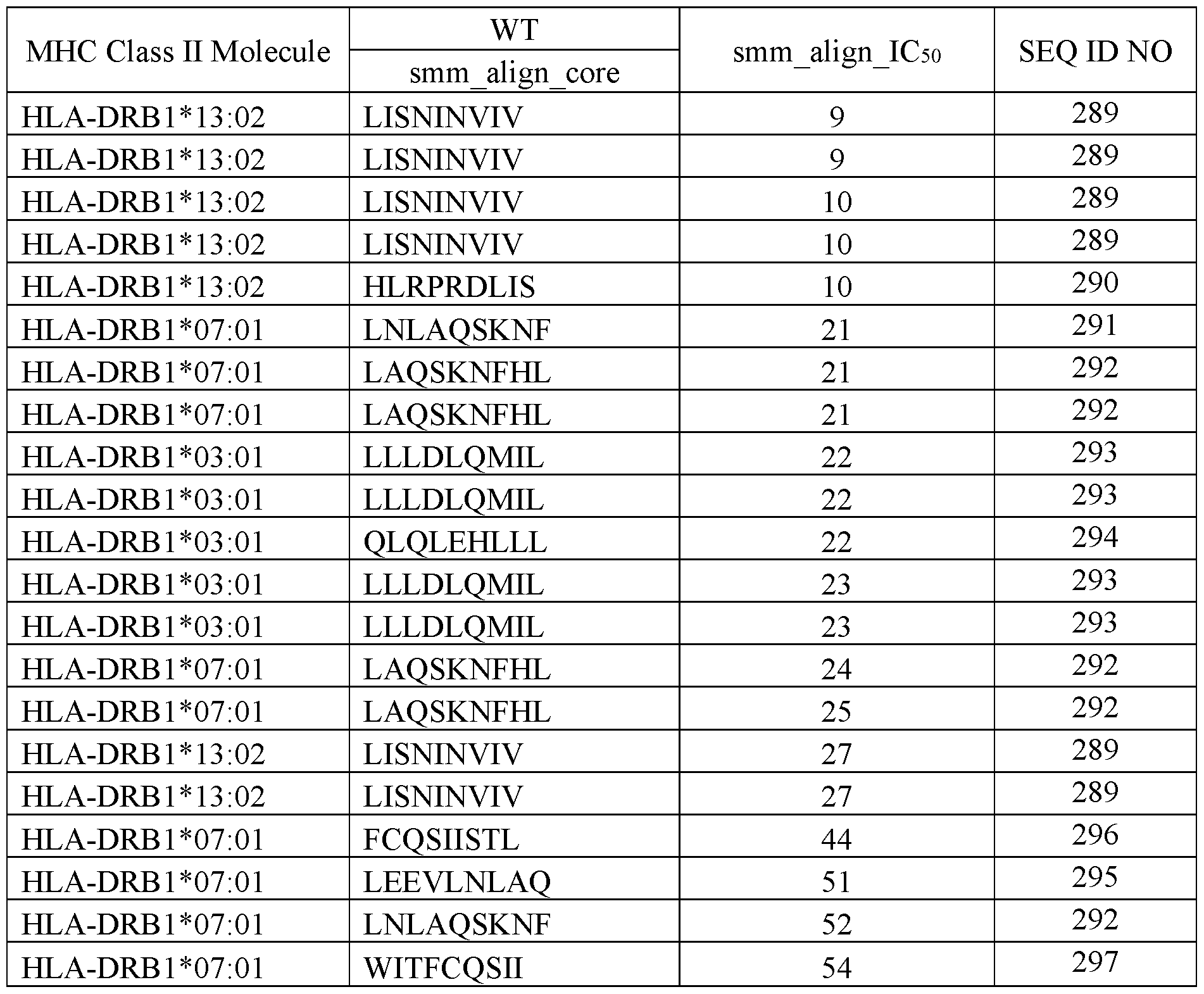


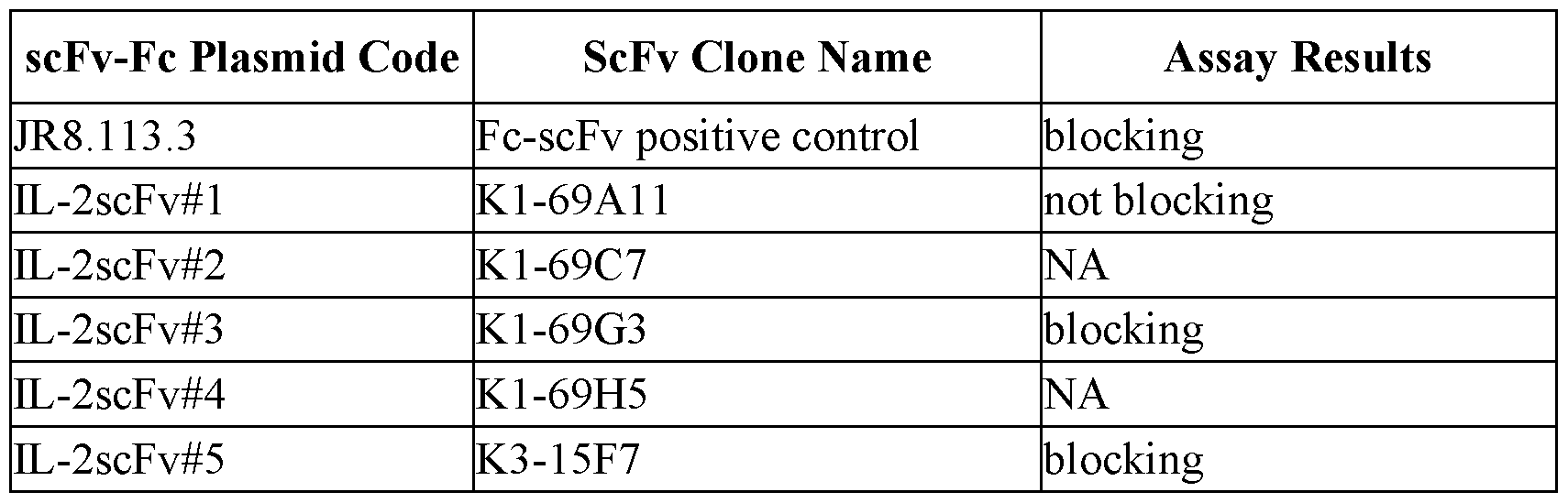

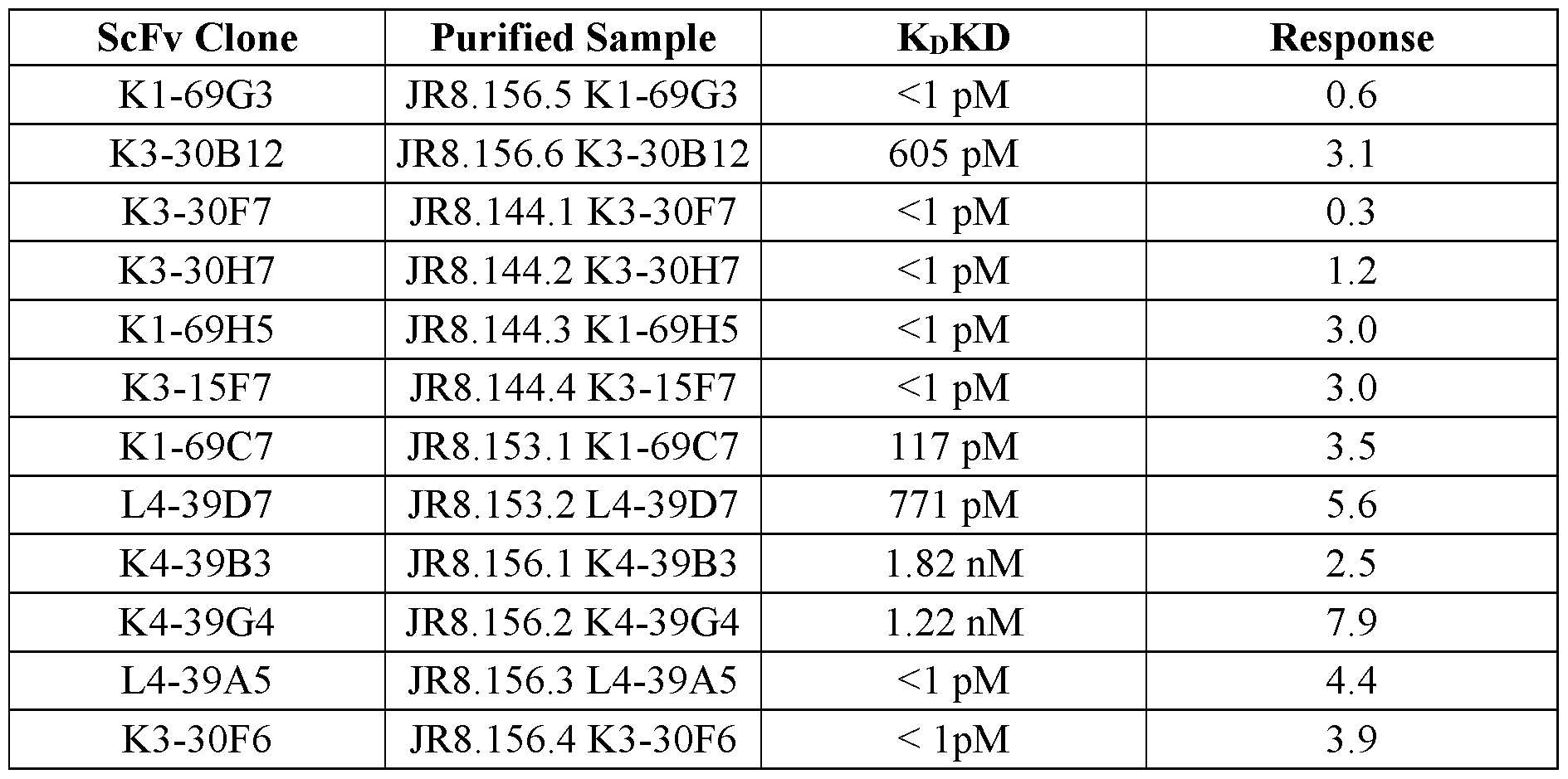


Claims
Priority Applications (6)
| Application Number | Priority Date | Filing Date | Title |
|---|---|---|---|
| AU2023403270A AU2023403270A1 (en) | 2022-12-02 | 2023-12-04 | Mutant il-2 polypeptides and il-2 prodrugs |
| CN202380082316.7A CN120344264A (en) | 2022-12-02 | 2023-12-04 | Mutant IL-2 polypeptides and IL-2 prodrugs |
| JP2025531650A JP2025540100A (en) | 2022-12-02 | 2023-12-04 | Mutant IL-2 Polypeptides and IL-2 Prodrugs |
| EP23841128.4A EP4626472A2 (en) | 2022-12-02 | 2023-12-04 | Mutant il-2 polypeptides and il-2 prodrugs |
| CN202480015930.6A CN120813378A (en) | 2023-12-04 | 2024-12-04 | Chimeric proteins comprising masked IL-2 |
| PCT/US2024/058527 WO2025122660A1 (en) | 2023-12-04 | 2024-12-04 | Chimeric proteins comprising masked il-2 |
Applications Claiming Priority (2)
| Application Number | Priority Date | Filing Date | Title |
|---|---|---|---|
| US202263429940P | 2022-12-02 | 2022-12-02 | |
| US63/429,940 | 2022-12-02 |
Publications (2)
| Publication Number | Publication Date |
|---|---|
| WO2024119193A2 true WO2024119193A2 (en) | 2024-06-06 |
| WO2024119193A3 WO2024119193A3 (en) | 2024-07-11 |
Family
ID=89619189
Family Applications (1)
| Application Number | Title | Priority Date | Filing Date |
|---|---|---|---|
| PCT/US2023/082385 Ceased WO2024119193A2 (en) | 2022-12-02 | 2023-12-04 | Mutant il-2 polypeptides and il-2 prodrugs |
Country Status (1)
| Country | Link |
|---|---|
| WO (1) | WO2024119193A2 (en) |
Cited By (2)
| Publication number | Priority date | Publication date | Assignee | Title |
|---|---|---|---|---|
| WO2025122660A1 (en) * | 2023-12-04 | 2025-06-12 | AskGene Pharma, Inc. | Chimeric proteins comprising masked il-2 |
| US12459980B2 (en) | 2018-07-25 | 2025-11-04 | AskGene Pharma, Inc. | IL-21 prodrugs and methods of use thereof |
Citations (10)
| Publication number | Priority date | Publication date | Assignee | Title |
|---|---|---|---|---|
| US5229109A (en) | 1992-04-14 | 1993-07-20 | Board Of Regents, The University Of Texas System | Low toxicity interleukin-2 analogues for use in immunotherapy |
| US20030124678A1 (en) | 2001-08-13 | 2003-07-03 | University Of Southern California | Interleukin-2 mutants with reduced toxicity |
| EP1870459A1 (en) | 2005-03-31 | 2007-12-26 | Chugai Seiyaku Kabushiki Kaisha | Methods for producing polypeptides by regulating polypeptide association |
| WO2008034473A1 (en) | 2006-09-20 | 2008-03-27 | Dge Dr.-Ing. Günther Engineering Gmbh | Method and device for separating methane and carbon dioxide from biogas |
| US8008449B2 (en) | 2005-05-09 | 2011-08-30 | Medarex, Inc. | Human monoclonal antibodies to programmed death 1 (PD-1) and methods for treating cancer using anti-PD-1 antibodies alone or in combination with other immunotherapeutics |
| WO2012107417A1 (en) | 2011-02-10 | 2012-08-16 | Roche Glycart Ag | Mutant interleukin-2 polypeptides |
| US8642745B2 (en) | 1997-05-02 | 2014-02-04 | Genentech, Inc. | Method for making multispecific antibodies having heteromultimeric and common components |
| US20140328791A1 (en) | 2010-11-12 | 2014-11-06 | Nektar Therapeutics | Conjugates of an IL-2 Moiety and a Polymer |
| EP2639241B1 (en) | 2010-11-12 | 2015-07-08 | Centro de Inmunologia Molecular | Polypeptides derived from il-2 having agonist activity, for the therapy of cancer and chronic infections |
| WO2019137541A1 (en) | 2018-01-15 | 2019-07-18 | Nanjing Legend Biotech Co., Ltd. | Single-domain antibodies and variants thereof against pd-1 |
Family Cites Families (4)
| Publication number | Priority date | Publication date | Assignee | Title |
|---|---|---|---|---|
| JP2007527242A (en) * | 2004-03-05 | 2007-09-27 | カイロン コーポレーション | In vitro test system for predicting patient tolerance of therapeutic agents |
| CA3115461A1 (en) * | 2018-03-09 | 2019-09-12 | AskGene Pharma, Inc. | Novel cytokine prodrugs |
| CN113874390A (en) * | 2019-05-24 | 2021-12-31 | 普罗维瓦疗法香港有限公司 | IL-2 compositions and methods of use |
| US20240199714A1 (en) * | 2021-04-16 | 2024-06-20 | Orionis Biosciences, Inc. | Il-2 based constructs |
-
2023
- 2023-12-04 WO PCT/US2023/082385 patent/WO2024119193A2/en not_active Ceased
Patent Citations (10)
| Publication number | Priority date | Publication date | Assignee | Title |
|---|---|---|---|---|
| US5229109A (en) | 1992-04-14 | 1993-07-20 | Board Of Regents, The University Of Texas System | Low toxicity interleukin-2 analogues for use in immunotherapy |
| US8642745B2 (en) | 1997-05-02 | 2014-02-04 | Genentech, Inc. | Method for making multispecific antibodies having heteromultimeric and common components |
| US20030124678A1 (en) | 2001-08-13 | 2003-07-03 | University Of Southern California | Interleukin-2 mutants with reduced toxicity |
| EP1870459A1 (en) | 2005-03-31 | 2007-12-26 | Chugai Seiyaku Kabushiki Kaisha | Methods for producing polypeptides by regulating polypeptide association |
| US8008449B2 (en) | 2005-05-09 | 2011-08-30 | Medarex, Inc. | Human monoclonal antibodies to programmed death 1 (PD-1) and methods for treating cancer using anti-PD-1 antibodies alone or in combination with other immunotherapeutics |
| WO2008034473A1 (en) | 2006-09-20 | 2008-03-27 | Dge Dr.-Ing. Günther Engineering Gmbh | Method and device for separating methane and carbon dioxide from biogas |
| US20140328791A1 (en) | 2010-11-12 | 2014-11-06 | Nektar Therapeutics | Conjugates of an IL-2 Moiety and a Polymer |
| EP2639241B1 (en) | 2010-11-12 | 2015-07-08 | Centro de Inmunologia Molecular | Polypeptides derived from il-2 having agonist activity, for the therapy of cancer and chronic infections |
| WO2012107417A1 (en) | 2011-02-10 | 2012-08-16 | Roche Glycart Ag | Mutant interleukin-2 polypeptides |
| WO2019137541A1 (en) | 2018-01-15 | 2019-07-18 | Nanjing Legend Biotech Co., Ltd. | Single-domain antibodies and variants thereof against pd-1 |
Non-Patent Citations (15)
| Title |
|---|
| "Remington's Pharmaceutical Sciences", 1980 |
| BAZAN, SCIENCE, vol. 257, 1992, pages 410 - 13 |
| CHOTHIALESK: "Canonical structures for the hypervariable regions of immunoglobulins", J. MOL. BIOL., vol. 196, 1987, pages 901 - 917 |
| DALL'ACQUA ET AL., J BIOL CHEM., vol. 281, 2006, pages 23514 - 24 |
| FONTENOT ET AL., NATURE IMMUNOL., vol. 6, 2005, pages 1142 - 51 |
| HEATON ET AL., CANCER RES., vol. 53, 1993, pages 2597 - 2602 |
| HEZAREH ET AL., J. VIROL., vol. 75, no. 24, 2001, pages 12161 - 8 |
| KABAT ET AL.: "Sequences of Proteins of Immunological Interest", 1991, PUBLIC HEALTH SERVICE |
| KIM ET AL., CYTOKINE GROWTH FACTOR REV., vol. 17, 2006, pages 349 - 66 |
| KRIEG ET AL., PROC NATL ACAD SCI., vol. 107, 2010, pages 11906 - 11 |
| MERCHANT ET AL., NATURE BIOTECH., vol. 16, 1998, pages 677 - 81 |
| MINAMI ET AL., ANNU REV IMMUNOL., vol. 11, 1993, pages 245 - 68 |
| ROBBIE ET AL., ANTIMICROB AGENTS CHEMOTHER., vol. 57, no. 12, 2013, pages 6147 - 53 |
| SMITH, SCIENCE, vol. 240, 1988, pages 1169 - 76 |
| SPIES ET AL., MOL IMM., vol. 67, no. 2, 2015, pages 95 - 106 |
Cited By (2)
| Publication number | Priority date | Publication date | Assignee | Title |
|---|---|---|---|---|
| US12459980B2 (en) | 2018-07-25 | 2025-11-04 | AskGene Pharma, Inc. | IL-21 prodrugs and methods of use thereof |
| WO2025122660A1 (en) * | 2023-12-04 | 2025-06-12 | AskGene Pharma, Inc. | Chimeric proteins comprising masked il-2 |
Also Published As
| Publication number | Publication date |
|---|---|
| WO2024119193A3 (en) | 2024-07-11 |
Similar Documents
| Publication | Publication Date | Title |
|---|---|---|
| AU2020291012B2 (en) | Novel IL-15 prodrugs and methods of use thereof | |
| US12331132B2 (en) | Multispecific polypeptide constructs having constrained CD3 binding and related methods and uses | |
| US20220289822A1 (en) | Novel il-21 prodrugs and methods of use thereof | |
| US12024559B2 (en) | Fusions with CD8 antigen binding molecules for modulating immune cell function | |
| AU2019204236B2 (en) | Tri-specific binding molecules and methods of use thereof | |
| JP7132232B2 (en) | Bispecific binding molecules capable of binding CD137 and tumor antigens and uses thereof | |
| CA3165927A1 (en) | Novel masked cytokines and methods of use thereof | |
| JP7320944B2 (en) | Molecules that specifically bind to B7-H3 and molecules that specifically bind to PD-1 | |
| JP2022512653A (en) | PD-1 single domain antibody and therapeutic composition thereof | |
| US20240076355A1 (en) | Interferon Prodrugs and Methods of Making and Using the Same | |
| CA3090795A1 (en) | Expansion of tumor infiltrating lymphocytes (tils) with adenosine a2a receptor antagonists and therapeutic combinations of tils and adenosine a2a receptor antagonists | |
| CA3137211A1 (en) | Bispecific fusion protein and application thereof | |
| WO2024119193A2 (en) | Mutant il-2 polypeptides and il-2 prodrugs | |
| WO2022178103A1 (en) | Il-2 receptor beta subunit mutants | |
| JP2025186381A (en) | CD137-binding molecules and uses thereof | |
| EP4626472A2 (en) | Mutant il-2 polypeptides and il-2 prodrugs | |
| AU2019251488B2 (en) | Multispecific polypeptide constructs having constrained CD3 binding and related methods and uses | |
| JP2025506142A (en) | Methods for Combining B7-H3 Antibody Drug Conjugates with PD-1 x CTLA-4 Bispecific Molecules |
Legal Events
| Date | Code | Title | Description |
|---|---|---|---|
| WWE | Wipo information: entry into national phase |
Ref document number: CN2023800823167 Country of ref document: CN Ref document number: 202380082316.7 Country of ref document: CN |
|
| ENP | Entry into the national phase |
Ref document number: 2025531650 Country of ref document: JP Kind code of ref document: A |
|
| WWE | Wipo information: entry into national phase |
Ref document number: AU2023403270 Country of ref document: AU Ref document number: 2025531650 Country of ref document: JP |
|
| ENP | Entry into the national phase |
Ref document number: 2023403270 Country of ref document: AU Date of ref document: 20231204 Kind code of ref document: A |
|
| WWE | Wipo information: entry into national phase |
Ref document number: 2023841128 Country of ref document: EP |
|
| NENP | Non-entry into the national phase |
Ref country code: DE |
|
| ENP | Entry into the national phase |
Ref document number: 2023841128 Country of ref document: EP Effective date: 20250702 |
|
| WWP | Wipo information: published in national office |
Ref document number: 202380082316.7 Country of ref document: CN |
|
| 121 | Ep: the epo has been informed by wipo that ep was designated in this application |
Ref document number: 23841128 Country of ref document: EP Kind code of ref document: A2 |
|
| WWP | Wipo information: published in national office |
Ref document number: 2023841128 Country of ref document: EP |