WO2024091437A1 - Exatecan-derived adc linker-payloads, pharmaceutical compositions, and uses thereof - Google Patents
Exatecan-derived adc linker-payloads, pharmaceutical compositions, and uses thereof Download PDFInfo
- Publication number
- WO2024091437A1 WO2024091437A1 PCT/US2023/035666 US2023035666W WO2024091437A1 WO 2024091437 A1 WO2024091437 A1 WO 2024091437A1 US 2023035666 W US2023035666 W US 2023035666W WO 2024091437 A1 WO2024091437 A1 WO 2024091437A1
- Authority
- WO
- WIPO (PCT)
- Prior art keywords
- hydrogen
- realized
- compound
- salt
- disclosure
- Prior art date
- Legal status (The legal status is an assumption and is not a legal conclusion. Google has not performed a legal analysis and makes no representation as to the accuracy of the status listed.)
- Ceased
Links
Classifications
-
- A—HUMAN NECESSITIES
- A61—MEDICAL OR VETERINARY SCIENCE; HYGIENE
- A61K—PREPARATIONS FOR MEDICAL, DENTAL OR TOILETRY PURPOSES
- A61K47/00—Medicinal preparations characterised by the non-active ingredients used, e.g. carriers or inert additives; Targeting or modifying agents chemically bound to the active ingredient
- A61K47/50—Medicinal preparations characterised by the non-active ingredients used, e.g. carriers or inert additives; Targeting or modifying agents chemically bound to the active ingredient the non-active ingredient being chemically bound to the active ingredient, e.g. polymer-drug conjugates
- A61K47/51—Medicinal preparations characterised by the non-active ingredients used, e.g. carriers or inert additives; Targeting or modifying agents chemically bound to the active ingredient the non-active ingredient being chemically bound to the active ingredient, e.g. polymer-drug conjugates the non-active ingredient being a modifying agent
- A61K47/68—Medicinal preparations characterised by the non-active ingredients used, e.g. carriers or inert additives; Targeting or modifying agents chemically bound to the active ingredient the non-active ingredient being chemically bound to the active ingredient, e.g. polymer-drug conjugates the non-active ingredient being a modifying agent the modifying agent being an antibody, an immunoglobulin or a fragment thereof, e.g. an Fc-fragment
- A61K47/6889—Conjugates wherein the antibody being the modifying agent and wherein the linker, binder or spacer confers particular properties to the conjugates, e.g. peptidic enzyme-labile linkers or acid-labile linkers, providing for an acid-labile immuno conjugate wherein the drug may be released from its antibody conjugated part in an acidic, e.g. tumoural or environment
-
- A—HUMAN NECESSITIES
- A61—MEDICAL OR VETERINARY SCIENCE; HYGIENE
- A61K—PREPARATIONS FOR MEDICAL, DENTAL OR TOILETRY PURPOSES
- A61K47/00—Medicinal preparations characterised by the non-active ingredients used, e.g. carriers or inert additives; Targeting or modifying agents chemically bound to the active ingredient
- A61K47/50—Medicinal preparations characterised by the non-active ingredients used, e.g. carriers or inert additives; Targeting or modifying agents chemically bound to the active ingredient the non-active ingredient being chemically bound to the active ingredient, e.g. polymer-drug conjugates
- A61K47/51—Medicinal preparations characterised by the non-active ingredients used, e.g. carriers or inert additives; Targeting or modifying agents chemically bound to the active ingredient the non-active ingredient being chemically bound to the active ingredient, e.g. polymer-drug conjugates the non-active ingredient being a modifying agent
- A61K47/62—Medicinal preparations characterised by the non-active ingredients used, e.g. carriers or inert additives; Targeting or modifying agents chemically bound to the active ingredient the non-active ingredient being chemically bound to the active ingredient, e.g. polymer-drug conjugates the non-active ingredient being a modifying agent the modifying agent being a protein, peptide or polyamino acid
- A61K47/65—Peptidic linkers, binders or spacers, e.g. peptidic enzyme-labile linkers
-
- A—HUMAN NECESSITIES
- A61—MEDICAL OR VETERINARY SCIENCE; HYGIENE
- A61K—PREPARATIONS FOR MEDICAL, DENTAL OR TOILETRY PURPOSES
- A61K47/00—Medicinal preparations characterised by the non-active ingredients used, e.g. carriers or inert additives; Targeting or modifying agents chemically bound to the active ingredient
- A61K47/50—Medicinal preparations characterised by the non-active ingredients used, e.g. carriers or inert additives; Targeting or modifying agents chemically bound to the active ingredient the non-active ingredient being chemically bound to the active ingredient, e.g. polymer-drug conjugates
- A61K47/51—Medicinal preparations characterised by the non-active ingredients used, e.g. carriers or inert additives; Targeting or modifying agents chemically bound to the active ingredient the non-active ingredient being chemically bound to the active ingredient, e.g. polymer-drug conjugates the non-active ingredient being a modifying agent
- A61K47/68—Medicinal preparations characterised by the non-active ingredients used, e.g. carriers or inert additives; Targeting or modifying agents chemically bound to the active ingredient the non-active ingredient being chemically bound to the active ingredient, e.g. polymer-drug conjugates the non-active ingredient being a modifying agent the modifying agent being an antibody, an immunoglobulin or a fragment thereof, e.g. an Fc-fragment
- A61K47/6801—Drug-antibody or immunoglobulin conjugates defined by the pharmacologically or therapeutically active agent
- A61K47/6803—Drugs conjugated to an antibody or immunoglobulin, e.g. cisplatin-antibody conjugates
- A61K47/68037—Drugs conjugated to an antibody or immunoglobulin, e.g. cisplatin-antibody conjugates the drug being a camptothecin [CPT] or derivatives
-
- A—HUMAN NECESSITIES
- A61—MEDICAL OR VETERINARY SCIENCE; HYGIENE
- A61K—PREPARATIONS FOR MEDICAL, DENTAL OR TOILETRY PURPOSES
- A61K47/00—Medicinal preparations characterised by the non-active ingredients used, e.g. carriers or inert additives; Targeting or modifying agents chemically bound to the active ingredient
- A61K47/50—Medicinal preparations characterised by the non-active ingredients used, e.g. carriers or inert additives; Targeting or modifying agents chemically bound to the active ingredient the non-active ingredient being chemically bound to the active ingredient, e.g. polymer-drug conjugates
- A61K47/51—Medicinal preparations characterised by the non-active ingredients used, e.g. carriers or inert additives; Targeting or modifying agents chemically bound to the active ingredient the non-active ingredient being chemically bound to the active ingredient, e.g. polymer-drug conjugates the non-active ingredient being a modifying agent
- A61K47/68—Medicinal preparations characterised by the non-active ingredients used, e.g. carriers or inert additives; Targeting or modifying agents chemically bound to the active ingredient the non-active ingredient being chemically bound to the active ingredient, e.g. polymer-drug conjugates the non-active ingredient being a modifying agent the modifying agent being an antibody, an immunoglobulin or a fragment thereof, e.g. an Fc-fragment
- A61K47/6835—Medicinal preparations characterised by the non-active ingredients used, e.g. carriers or inert additives; Targeting or modifying agents chemically bound to the active ingredient the non-active ingredient being chemically bound to the active ingredient, e.g. polymer-drug conjugates the non-active ingredient being a modifying agent the modifying agent being an antibody, an immunoglobulin or a fragment thereof, e.g. an Fc-fragment the modifying agent being an antibody or an immunoglobulin bearing at least one antigen-binding site
- A61K47/6849—Medicinal preparations characterised by the non-active ingredients used, e.g. carriers or inert additives; Targeting or modifying agents chemically bound to the active ingredient the non-active ingredient being chemically bound to the active ingredient, e.g. polymer-drug conjugates the non-active ingredient being a modifying agent the modifying agent being an antibody, an immunoglobulin or a fragment thereof, e.g. an Fc-fragment the modifying agent being an antibody or an immunoglobulin bearing at least one antigen-binding site the antibody targeting a receptor, a cell surface antigen or a cell surface determinant
-
- A—HUMAN NECESSITIES
- A61—MEDICAL OR VETERINARY SCIENCE; HYGIENE
- A61K—PREPARATIONS FOR MEDICAL, DENTAL OR TOILETRY PURPOSES
- A61K47/00—Medicinal preparations characterised by the non-active ingredients used, e.g. carriers or inert additives; Targeting or modifying agents chemically bound to the active ingredient
- A61K47/50—Medicinal preparations characterised by the non-active ingredients used, e.g. carriers or inert additives; Targeting or modifying agents chemically bound to the active ingredient the non-active ingredient being chemically bound to the active ingredient, e.g. polymer-drug conjugates
- A61K47/51—Medicinal preparations characterised by the non-active ingredients used, e.g. carriers or inert additives; Targeting or modifying agents chemically bound to the active ingredient the non-active ingredient being chemically bound to the active ingredient, e.g. polymer-drug conjugates the non-active ingredient being a modifying agent
- A61K47/68—Medicinal preparations characterised by the non-active ingredients used, e.g. carriers or inert additives; Targeting or modifying agents chemically bound to the active ingredient the non-active ingredient being chemically bound to the active ingredient, e.g. polymer-drug conjugates the non-active ingredient being a modifying agent the modifying agent being an antibody, an immunoglobulin or a fragment thereof, e.g. an Fc-fragment
- A61K47/6835—Medicinal preparations characterised by the non-active ingredients used, e.g. carriers or inert additives; Targeting or modifying agents chemically bound to the active ingredient the non-active ingredient being chemically bound to the active ingredient, e.g. polymer-drug conjugates the non-active ingredient being a modifying agent the modifying agent being an antibody, an immunoglobulin or a fragment thereof, e.g. an Fc-fragment the modifying agent being an antibody or an immunoglobulin bearing at least one antigen-binding site
- A61K47/6851—Medicinal preparations characterised by the non-active ingredients used, e.g. carriers or inert additives; Targeting or modifying agents chemically bound to the active ingredient the non-active ingredient being chemically bound to the active ingredient, e.g. polymer-drug conjugates the non-active ingredient being a modifying agent the modifying agent being an antibody, an immunoglobulin or a fragment thereof, e.g. an Fc-fragment the modifying agent being an antibody or an immunoglobulin bearing at least one antigen-binding site the antibody targeting a determinant of a tumour cell
-
- A—HUMAN NECESSITIES
- A61—MEDICAL OR VETERINARY SCIENCE; HYGIENE
- A61P—SPECIFIC THERAPEUTIC ACTIVITY OF CHEMICAL COMPOUNDS OR MEDICINAL PREPARATIONS
- A61P35/00—Antineoplastic agents
-
- C—CHEMISTRY; METALLURGY
- C07—ORGANIC CHEMISTRY
- C07D—HETEROCYCLIC COMPOUNDS
- C07D491/00—Heterocyclic compounds containing in the condensed ring system both one or more rings having oxygen atoms as the only ring hetero atoms and one or more rings having nitrogen atoms as the only ring hetero atoms, not provided for by groups C07D451/00 - C07D459/00, C07D463/00, C07D477/00 or C07D489/00
- C07D491/22—Heterocyclic compounds containing in the condensed ring system both one or more rings having oxygen atoms as the only ring hetero atoms and one or more rings having nitrogen atoms as the only ring hetero atoms, not provided for by groups C07D451/00 - C07D459/00, C07D463/00, C07D477/00 or C07D489/00 in which the condensed system contains four or more hetero rings
Definitions
- This disclosure represents a class of linker exatecan (camptothecin)-derived linker- payloads with utility for conjugation to antibodies or other targeting moieties to generate antibody-drug conjugates (ADCs), or other targeting ligand conjugates, for oncology indications.
- the compounds comprise topoisomerase-1 inhibitors derived from the exatecan scaffold connected to novel linker structures, which, when conjugated to a targeting moiety, are cytotoxic.
- linker camptothecin-derived -payload compounds wherein the linker structures contain a maleimide attached to a peptide linker, with variation on the amino acid sequence, optional incorporation of PEG units, and terminating with a hemiaminal or p- aminobenzyl carbamate (PABC) connection to a camptothecin-derived payload.
- PABC hemiaminal or p- aminobenzyl carbamate
- linker camptothecin-derived payload compounds Utility of these linker camptothecin-derived payload compounds is demonstrated by conjugation to cysteine residues in various targeting moieties, such as antibodies, to yield antibody drug conjugates (ADCs), which show favorable physical-chemical properties and high target-mediated potency.
- ADCs antibody drug conjugates
- Another embodiment of the disclosure is realized by ADCs disclosed herein.
- the linker- 25601 payloads of the present disclosure provide for potent and novel ADCs active across multiple cancer cell lines, and thereby demonstrate broad utility to be conjugated to several antibodies or other targeting moieties while still retaining favorable properties and efficacy. Exemplary ADCs from the linker-payloads described herein are also detailed.
- any variable not explicitly defined in the embodiment is as defined in Formula (I). In each of the embodiments described herein, each variable is selected independently of the other unless otherwise noted.
- This disclosure is directed to a class of linker camptothecin-derived payload compounds, wherein the linker structures contain a maleimide attached to a peptide linker, with variation on the amino acid sequence and the optional incorporation of PEG units and terminating with a hemiaminal connection to a camptothecin-derived payload.
- An embodiment of the disclosure relates to a class of linker camptothecin-derived -payload compounds, wherein the linker structures contain a maleimide attached to a peptide linker, with variation on the amino acid sequence and the optional incorporation of PEG units and terminating with a PABC connection to a camptothecin-derived payload.
- linker camptothecin-derived payload compounds is conjugated to a targeting moiety that has a free cysteine group, including antibodies, proteins, peptides, polypeptides, and engineered antibodies.
- a targeting moiety that has a free cysteine group
- Still another embodiment of the disclosure relates to the maleimide-containing linker group.
- linker camptothecin-derived - payload compounds also referred to as linker-payload(s)
- pharmaceutically acceptable salts, solvates, or stereoisomer thereof comprising a structure of formula I: 25601 I wherein: Z is selected from hydrogen and -CH 2 C(R x )(R y )CHF 2 ; Z 1 is selected from -NH- and -O-; Z 2 is absent or selected from -CR b R b -, -CH2CR b R b -, and -CR b R b CH2-; each R b is independently selected from hydrogen, -C 1-6 alkyl, and hydroxyl; or two adjacent R b combine to form spirocycloalkyl; each R c is independently selected from hydrogen, -C1-6 alkyl, halogen, and hydroxyl; or two adjacent R c combine to form spirocycloalkyl; R x and R
- X 1 is a PEG of 1 to 24 subunits. Another aspect of this embodiment is realized when X 1 is a PEG of 1 to 12 subunits. Another aspect of this embodiment is realized when X 1 is a PEG that terminates in an OH or OMe group.
- An embodiment of this disclosure is realized when Z is hydrogen.
- Another embodiment of this disclosure is realized when Z is -CH 2 C(R x )(R y )CHF 2 -.
- R x and R y are independently selected from fluorine, chlorine, methyl, ethyl, and hydrogen.
- R x and R y are both fluorine.
- R x and R y are both methyl.
- Another subembodiment of this aspect of the disclosure is realized when one of R x and R y is methyl and the other fluorine.
- each R c is independently selected from hydrogen, OH, CH 3 , CH 2 OH, CHF 2 , CH 2 F, CF 3 , fluorine, and chlorine.
- a subembodiment of this aspect of the disclosure is realized when one R c is hydrogen and the other is OH.
- Another subembodiment of this aspect of the disclosure is realized when one R c is 25601 hydrogen and the other is CH3. Another subembodiment of this aspect of the disclosure is realized when one R c is hydrogen and the other is CH2OH. Another subembodiment of this aspect of the disclosure is realized when one R c is CH 3 and the other is CHF 2 . Another subembodiment of this aspect of the disclosure is realized when one R c is hydrogen and the other is OH. A subembodiment of this aspect of the disclosure is realized when both R c are CH3. A subembodiment of this aspect of the disclosure is realized when both R c are fluorine.
- a subembodiment of this aspect of the disclosure is realized when both R c are hydrogen. [0012] Another embodiment of this disclosure is realized when both R c combine to C3-6 spirocycloalkyl. A subembodiment of this aspect of the disclosure is realized when the spirocyclopropyl, spirocyclobutyl, spirocyclopentyl and spirocyclohexyl. Another subembodiment of this aspect of the disclosure is realized when the spirocycloalkyl is cyclopropyl.
- Another embodiment of Formula I is realized when Q is C l-6 alkyl and the alkyl is selected from methyl, ethyl, propyl, butyl or hexyl. A subembodiment of this aspect of the disclosure is realized when Q is Cl-6 alkyl and the alkyl is methyl.
- Another embodiment of Formula V is realized when Q is OH.
- Another embodiment of this disclosure is realized when Z 2 is absent.
- Another embodiment of this disclosure is realized when Z 2 is -CR b R b -.
- Another embodiment of this disclosure is realized when Z 2 is -CH 2 CR b R b -.
- Another embodiment of this disclosure is realized when Z 2 is -CR b R b CH 2 -.
- each R b is independently selected from hydrogen, OH, and CH3.
- a subembodiment of this aspect of the disclosure is realized when one R b is hydrogen and the other is OH.
- Another subembodiment of this aspect of the disclosure is realized when one R b is hydrogen and the other is CH3.
- a subembodiment of this aspect of the disclosure is realized when both R b are CH3.
- a subembodiment of this aspect of the disclosure is realized when both R b are hydrogen.
- Another embodiment of this disclosure is realized when both R b combine to form a C 3-6 spirocycloalkyl.
- Another subembodiment of this aspect of the disclosure is realized when both R b combine to form spirocyclopropyl. [0019] Another embodiment of this disclosure is realized when Z 1 is -O-. [0020] Another embodiment of this disclosure is realized when Z 1 is -NH-. 25601 [0021] Another embodiment of this disclosure is realized when X is a linking group that is W1. A subembodiment of this aspect of the disclosure is realized when W1 is . Another subembodiment of this aspect of the disclosure is realized when . Another subembodiment of this aspect of the disclosure is realized when R d of W1 is hydrogen.
- R d of W1 is -CH2NHC(O)X 1 Q.
- X is a linking group that is W2.
- W2 is a subembodiment of this aspect of the disclosure.
- R d of W2 is hydrogen.
- R d of W2 is -CH 2 NHC(O)X 1 Q.
- Another embodiment of this disclosure is realized when X is a linking group that is W3.
- Another embodiment of this disclosure is realized when X is a linking group that is W4. [0025] Another embodiment of this disclosure is realized when X is a linking group that is W5. [0026] Another embodiment of this disclosure is realized when X is a linking group that is W6. A subembodiment of this aspect of the disclosure is realized when W6 is 25601 . Another subembodiment of this aspect of the disclosure is realized when W6 is . Another subembodiment of this aspect of the disclosure is realized when R d of W6 is hydrogen. Another subembodiment of this aspect of the disclosure is realized when R d of W6 is -CH 2 NHC(O)X 1 Q.
- Another embodiment of this disclosure is realized when X is a linking group that is W7.
- a subembodiment of this disclosure is realized when W7 is .
- a subembodiment of this disclosure is realized when W7 is R O .
- Another subembodiment of this aspect of the disclosure is realized when R d of W7 is hydrogen.
- Another subembodiment of this aspect of the disclosure is realized when R d of W7 is -CH 2 NHC(O)X 1 Q.
- Another subembodiment of this aspect of the disclosure is realized when X 3 is hydrogen or -C(O)NR a R z .
- Another subembodiment of this aspect of the disclosure is realized when X 3 is hydrogen.
- Another subembodiment of this aspect of the disclosure is realized when X 3 is - C(O)NR a R z wherein R a is selected from hydrogen and C1-6 alkyl, and R z is X 1 .
- Another subembodiment of this aspect of the disclosure is realized when X 3 is -C(O)NR a R z and R a and R z combine to form a C 3-10 cycloalkyl or 3 to 10 membered heterocyclyl.
- An aspect of this subembodiment is realized when R a and R z combine to form cycloalkyl selected from cyclopropyl, cyclobutyl, cyclopentyl and cyclohexyl.
- the 3 to 10 membered heterocyclyl formed by R a and R z is a cyclic amine selected from piperidine, piperazine, azetidine, aziridine, pyrrolidine, azepane, morpholine, pyridine, and 25601 imidazole.
- a further embodiment of disclosure is realized when the cyclic amine is attached to the X 3 carbonyl by its nitrogen atom.
- a further embodiment of this aspect of the invention is realized when the cyclic amine formed by R a and R z is piperidine.
- a further embodiment of this aspect of the invention is realized when the cyclic amine formed by R a and R z is piperazine.
- a further embodiment of this aspect of the invention is realized when the cyclic amine formed by R a and R z is azetidine.
- a further embodiment of this aspect of the invention is realized when the cyclic amine formed by R a and R z is aziridine.
- a further embodiment of this aspect of the invention is realized when the cyclic amine formed by R a and R z is pyrrolidine.
- a further embodiment of this aspect of the invention is realized when the cyclic amine formed by R a and R z is azepane.
- a further embodiment of this aspect of the invention is realized when the cyclic amine formed by R a and R z is pyridine.
- a further embodiment of this aspect of the invention is realized when the cyclic amine formed by R a and R z is imidazole.
- a further embodiment of this aspect of the invention is realized when the cyclic amine formed by R a and R z is [0028]
- Another embodiment of this disclosure is realized when X is a linking group that is W8.
- a subembodiment of this aspect of the disclosure is realized when X 4 is hydrogen.
- a subembodiment of this aspect of the disclosure is realized when X 4 is O .
- An embodiment of this disclosure is realized when each R a is independently selected from hydrogen and methyl. Another embodiment of this disclosure is realized when R a is methyl. Another embodiment of this disclosure is realized when R a is hydrogen.
- An embodiment of the disclosure of Formula I is represented by structural Formula II O 25601 II or a salt, pharmaceutically acceptable salt or solvate thereof, wherein X, Z 2 , and R c are as described herein.
- a subembodiment of the disclosure of Formula II is realized when each R c is independently selected from hydrogen, OH, CH3, CH2OH, CHF2, CH2F, CF3, fluorine, and chlorine.
- a subembodiment of the disclosure of Formula II is realized when one R c is hydrogen and the other is OH.
- Another subembodiment of the disclosure of Formula II is realized when one R c is hydrogen and the other is CH 3 .
- Another subembodiment of the disclosure of Formula II is realized when one R c is hydrogen and the other is CH2OH. Another subembodiment of the disclosure of Formula II is realized when one R c is CH 3 and the other is CHF 2 . Another subembodiment of the disclosure of Formula II is realized when one R c is hydrogen and the other is OH. A subembodiment of the disclosure of Formula II is realized when both R c are CH3. A subembodiment of the disclosure of Formula II is realized when both R c are fluorine. A subembodiment of the disclosure of Formula II is realized when both R c are hydrogen. [0031] Another embodiment of the disclosure of Formula II is realized when Z 2 is -CR b R b .
- Another embodiment of the disclosure of Formula II is realized when Z 2 is -CH2CR b R b .
- Another embodiment of the disclosure of Formula II is realized when Z 2 is -CR b R b CH 2 -.
- a subembodiment of this aspect of the disclosure is realized when each R b is independently selected from hydrogen, OH, and CH3.
- a subembodiment of this aspect of the disclosure is realized when Z 2 is selected from -CH 2 -, -CH 2 CH 2 -, -CH 2 CH(CH 3 )-, -CH2CH(OH)-, and -CH 2 - spirocyclopropyl-.
- a subembodiment of this aspect of the disclosure is realized when Z 2 is -CH 2 - .
- a subembodiment of this aspect of the disclosure is realized when Z 2 is -CH2CH2-.
- Another embodiment of the disclosure of Formula II is realized when X is a linking group that is W1.
- a subembodiment of Formula II is realized when W1 is .
- Another subembodiment of Formula II is realized when O W1 is .
- Another subembodiment of Formula II is realized when R d of W1 is hydrogen.
- Another subembodiment of Formula II is realized when R d of W1 is 25601 -CH2NHC(O)X 1 Q.
- An aspect of this embodiment is realized when X 1 is a PEG of 1 to 24 subunits.
- Another aspect of this embodiment is realized when X 1 is a PEG of 1 to 12 subunits.
- Another embodiment of Formula II is realized when X is a linking group that is W2.
- a subembodiment of Formula II is realized when W2 is .
- Another subembodiment Formula II is realized when W2 is .
- Another subembodiment of Formula II is realized when R d of W2 is hydrogen.
- Another subembodiment of Formula II is realized when R d of W2 is -CH 2 NHC(O)X 1 Q.
- Another embodiment of Formula II is realized when X is a linking group that is W3.
- Another embodiment of Formula II is realized when X is a linking group that is W4.
- Another embodiment of Formula II is realized when X is a linking group that is W5.
- Another embodiment of Formula II is realized when X is a linking group that is W6.
- a subembodiment of Formula II is realized when W6 is a a O .
- Another subembodiment of Formula II is realized O when W6 is .
- Another subembodiment of Formula II is realized when R d of W6 is hydrogen.
- Another subembodiment of Formula II is realized when R d of W6 is -CH2NHC(O)X 1 Q.
- An embodiment of Formula II is realized when each R a is independently selected from hydrogen and methyl. Another embodiment of Formula II is realized when R a is methyl.
- R a is hydrogen.
- An embodiment of the disclosure of Formula I is represented by structural Formula III: O or a salt, pharmaceutically acceptable salt or solvate thereof, wherein X, Z, and R c are as described herein.
- a subembodiment of the disclosure of Formula III is realized when each R c is independently selected from hydrogen, OH, CH 3 , CH 2 OH, CHF 2 , CH 2 F, CF 3 , fluorine, and chlorine.
- a subembodiment of the disclosure of Formula III is realized when one R c is hydrogen and the other is OH.
- Another subembodiment of the disclosure of Formula III is realized when one R c is hydrogen and the other is CH 3 .
- Another subembodiment of the disclosure of Formula III is realized when one R c is hydrogen and the other is CH2OH. Another subembodiment of the disclosure of Formula III is realized when one R c is CH3 and the other is CHF2. Another subembodiment of the disclosure of Formula III is realized when one R c is hydrogen and the other is OH. A subembodiment of the disclosure of Formula III is realized when both R c are CH3. A subembodiment of the disclosure of Formula III is realized when both R c are fluorine. A subembodiment of the disclosure of Formula III is realized when both R c are hydrogen. [0039] Another embodiment of the disclosure of Formula III is realized when Z is hydrogen.
- Another embodiment of the disclosure of Formula III is realized when Z is - CH2C(R x )(R y )CHF2. A subembodiment of this aspect of the disclosure is realized when Z is CH 2 C(F 2 )CHF 2 .
- Another embodiment of Formula III is realized when X is a linking group that is W2. A subembodiment of Formula III is realized when W2 is . Another subembodiment Formula III is 25601 realized when W2 is . Another subembodiment of Formula III is realized when R d of W2 is hydrogen. Another subembodiment of Formula III is realized when R d of W2 is -CH2NHC(O)X 1 Q.
- Another embodiment of Formula III is realized when X is a linking group that is W3. [0043] Another embodiment of Formula III is realized when X is a linking group that is W4. [0044] Another embodiment of Formula III is realized when X is a linking group that is W5. [0045] Another embodiment of Formula III is realized when X is a linking group that is W6. A subembodiment of Formula III is realized when W6 is d a a . Another subembodiment of Formula III is realized when W6 is . Another subembodiment of Formula III is realized when R d of W6 is hydrogen. Another subembodiment of Formula III is realized when R d of W6 is -CH2NHC(O)X 1 Q.
- An embodiment of Formula III is realized when each R a is independently selected from hydrogen and methyl. Another embodiment of Formula III is realized when R a is methyl. Another embodiment of Formula III is realized when R a is hydrogen. [0047] Another embodiment of the disclosure of Formula III is realized when X is a linking group that is W7. A subembodiment of Formula III is realized when W7 is . A subembodiment of Formula III is realized 25601 when W7 is . Another subembodiment of Formula III is realized when R d of W7 is hydrogen. Another subembodiment of Formula III is realized when R d of W7 is -CH2NHC(O)X 1 Q.
- Another subembodiment of Formula III is realized when X 3 is hydrogen or -C(O)NR a R z .
- Another subembodiment of Formula III the disclosure is realized when X 3 is hydrogen.
- Another subembodiment of this aspect of Formula III is realized when X 3 is -C(O)NR a R z wherein R a is selected from hydrogen and C1-6 alkyl, and R z is X 1 .
- Another subembodiment of Formula III is realized when X 3 is -C(O)NR a R z and R a and R z combine to form a C 3-10 cycloalkyl or a 3 to 10 membered heterocyclyl.
- R a and R z combine to form cycloalkyl selected from cyclopropyl, cyclobutyl, cyclopentyl and cyclohexyl.
- Another aspect of this subembodiment is realized when 3 to 10 membered heterocyclyl formed by R a and R z is a cyclic amine selected from piperidine, piperazine, azetidine, aziridine, pyrrolidine, azepane, morpholine, pyridine, and imidazole.
- a further embodiment of disclosure is realized when the cyclic amine is attached to the X 3 carbonyl by by its nitrogen atom.
- a further embodiment of this aspect of the invention is realized when the cyclic amine formed by R a and R z is piperidine.
- a further embodiment of this aspect of the invention is realized when the cyclic amine formed by R a and R z is piperazine.
- a further embodiment of this aspect of the invention is realized when the cyclic amine formed by R a and R z is azetidine.
- a further embodiment of this aspect of the invention is realized when the cyclic amine formed by R a and R z is aziridne.
- a further embodiment of this aspect of the invention is realized when the cyclic amine formed by R a and R z is pyrrolidine.
- a further embodiment of this aspect of the invention is realized when the cyclic amine formed by R a and R z is azepane.
- a further embodiment of this aspect of the invention is realized when the cyclic amine formed by R a and R z is pyridine.
- a further embodiment of this aspect of the invention is realized when the cyclic amine formed by R a and R z is imidazole.
- a further embodiment of this aspect of the invention is realized when the cyclic amine formed by R a and R z is .
- Another embodiment of Formula III is realized when X is a linking group that is W8.
- a subembodiment of Formula III is realized when X is a linking group that is W8 and X 4 is 25601 hydrogen.
- a subembodiment of Formula III is realized when X is a linking group that is W8 and X 4 is .
- An embodiment of Formula III is realized when each R a is independently selected from hydrogen and methyl. Another embodiment of Formula III is realized when R a is methyl. Another embodiment of Formula III is realized when R a is hydrogen.
- R j is selected from OH, -NH2, -NHR k R g , -NHR k NH(CH2)nOR q , -NHR k NH(CH2)nOC(O)CH3, - NHX 1a (CH2)nC(O)R k NHCH2OC(O)CH3, -NHR k NHR L , -NHX 1a R k NHR L , and - NHCH 2 O(CH 2 ) n CH(OH)C(O)OH; R g is C(O)OH or C(O)NH2; R k is an amino acid residue of up to 10 amino acids; R L is selected from : CH 25601 and R p is selected from NH 2 and R q is hydrogen or C1-6 alkyl; X 1a is a PEG of 1 to 24 -CH2CH2O- subunits; R d1 is hydrogen, -CH
- R k is an amino acid residue of up to 10 amino acids.
- R k is selected from 1 to 8, 1 to 6, 1 to 4, 1 to 2, 2 to 8 and 2 to 6 amino acid residues.
- Another subembodiment of Formula V is realized when the amino acid residues of R k are derived from one or more of the same or different amino acids selected from glycine, alanine, phenylalanine, valine, lysine, citrulline, and sarcosine.
- Another subembodiment of Formula V is realized when the amino acid residues of R k are selected from glucamine, glucosamine, and galactosamine.
- Another subembodiment of Formula V is realized when the amino acid residue of R k is glucamine. Another subembodiment of Fromula V is realized when the amino acid residue of R k is glucosamine. Another subembodiment of Formula V is realized when the amino acid residue of R k is galactosamine. [0052] An embodiment of Formula V is realized when R j is OH. [0053] An embodiment of Formula V is realized when R j is NH 2 . [0054] An embodiment of Formula V is realized when R j is -NHR k R g 25601 [0055] An embodiment of Formula V is realized when R j is -NHR k NH(CH2)nOR q .
- R k is an amino acid residue of up to 10 amino acids.
- amino acid residues R k are derived from one or more of the same or different amino acids selected from glycine, alanine, phenylalanine, valine, lysine, citrulline, and sarcosine.
- Another subembodiment of this aspect of the disclosure is realized when the amino acid residues of R k are selected from glucamine, glucosamine, and galactosamine.
- Another subembodiment of this aspect of the disclosure is realized when the amino acid residue of R k is glucamine.
- Another subembodiment of this aspect of the disclosure is realized when the amino acid residue of R k is glucosamine. Another subembodiment of this aspect of the disclosure is realized when the amino acid residue of R k is galactosamine. Another subembodiment of this aspect of the disclosure is realized when R q is hydrogen. Another subembodiment of this aspect of the disclosure is realized when R q is C 1-6 alkyl. Another subembodiment of this aspect of the disclosure is realized when R q is methyl, ethyl, or propyl. [0056] An embodiment of Formula V is realized when R j is -NHR k NHCH2OC(O)CH3.
- R k is an amino acid residue of up to 10 amino acids.
- amino acid residues R k are derived from one or more of the same or different amino acids selected from glycine, alanine, phenylalanine, valine, lysine, citrulline, and sarcosine.
- Another subembodiment of this aspect of the disclosure is realized when the amino acid residues of R k are selected from glucamine, glucosamine, and galactosamine.
- Another subembodiment of this aspect of the disclosure is realized when the amino acid residue of R k is glucamine.
- Another subembodiment of this aspect of the disclosure is realized when the amino acid residue of R k is glucosamine. Another subembodiment of this aspect of the disclosure is realized when the amino acid residue of R k is galactosamine.
- An embodiment of Formula Formula V is realized when R j is - NHX 1a (CH 2 ) 2 C(O)R k NHCH 2 OC(O)CH 3 .
- R k is an amino acid residue of up to 10 amino acids.
- a subembodiment of this aspect of the disclosure is realized when amino acid residues R k are derived from one or more of the same or different amino acids selected from glycine, alanine, phenylalanine, valine, lysine, citrulline, and sarcosine. Another subembodiment of this aspect of the disclosure is realized 25601 when the amino acid residues of R k are selected from glucamine, glucosamine, and galactosamine. Another subembodiment of this aspect of the disclosure is realized when the amino acid residue of R k is glucamine. Another subembodiment of this aspect of the disclosure is realized when the amino acid residue of R k is glucosamine.
- Another subembodiment of this aspect of the disclosure is realized when the amino acid residue of R k is galactosamine. Another subembodiment of this aspect of the disclosure is realized when X 1a is a PEG of 1 to 24 subunits. Another aspect of this embodiment is realized when X 1a is a PEG of 1 to 12 subunits. [0058] An embodiment of Formula V is realized when R j is -NHR k NHR L . A subembodiment of this aspect of the disclosure is realized when R k is an amino acid residue of up to 10 amino acids.
- a subembodiment of this aspect of the disclosure is realized when amino acid residues R k are derived from one or more of the same or different amino acids selected from glycine, alanine, phenylalanine, valine, lysine, citrulline, and sarcosine. Another subembodiment of this aspect of the disclosure is realized when the amino acid residues of R k are selected from glucamine, glucosamine, and galactosamine. Another subembodiment of this aspect of the disclosure is realized when the amino acid residue of R k is glucamine. Another subembodiment of this aspect of the disclosure is realized when the amino acid residue of R k is glucosamine.
- Another subembodiment of this aspect of the disclosure is realized when the amino acid residue of R k is galactosamine. Another subembodiment of this aspect of the disclosure is realized when R L is (a). Another subembodiment of this aspect of the disclosure is realized when R L is (b). Another subembodiment of this aspect of the disclosure is realized when R L is (c). Another subembodiment of this aspect of the disclosure is realized when R p is NH2 when R L is (a), (b), or (c). Another subembodiment of this aspect of the disclosure is realized when R p is O 2 when R L is (a), (b), or (c).
- R j is -NHX 1a R k NHR L .
- R k is an amino acid residue of up to 10 amino acids.
- amino acid residues R k are derived from one or more of the same or different amino acids selected from glycine, alanine, phenylalanine, valine, lysine, citrulline, and sarcosine.
- amino acid residues of R k are selected from 25601 glucamine, glucosamine, and galactosamine.
- R p is NH2 when R L is (a), (b), or (c).
- R p is O when R L is (a), (b), or (c).
- X 1a is a PEG of 1 to 24 subunits.
- Another aspect of this embodiment is realized when X 1a is a PEG of 1 to 12 subunits.
- Fromula V is realized when R j is -NHCH 2 O(CH 2 ) 2 CH(OH)C(O)OH, [0061] Another embodiment of Formula V is realized when R j is -NHR k H and R k is an amino acid residue of up to 10 amino acids.
- R k is derived from one or more of the same or different amino acids selected from glycine, alanine, phenylalanine, valine, lysine, citrulline, and sarcosine.
- Another subembodiment of this aspect of the disclosure is realized when the amino acid residues of R k are selected from glucamine, glucosamine, and galactosamine. Another subembodiment of this aspect of the disclosure is realized when the amino acid residue of R k is glucamine. Another subembodiment of this aspect of the disclosure is realized when the amino acid residue of R k is glucosamine. Another subembodiment of this aspect of the disclosure is realized when the amino acid residue of R k is galactosamine. [0062] Another embodiment of Formula V is realized when R d1 is hydrogen.
- R d1 is CH2NHC(O)X 1a Q, wherein X1a and Q are as described herein.
- R d1 is -CH 2 NHC(O)X 2l Q; whererin X 2l is a PEG of 1 to 24 -CH2CH2O- subunits or PEG-amino sugar, wherein the PEG in the PEG- amino sugar is a polyethylene glycol of 1 to 24 -CH 2 CH 2 O- subunits.
- a subembodiment of this 25601 aspect of the disclosure is realized when the PEG is 4 to 12 -CH2CH2O- subunits.
- Another subembodiment of this aspect of the disclosure is realized when the PEG is 4 -CH2CH2O- subunits. Another subembodiment of this aspect of the disclosure is realized when the PEG is 6 - CH2CH2O- subunits. Another subembodiment of this aspect of the disclosure is realized when the PEG is 8 -CH2CH2O- subunits. Another subembodiment of this aspect of the disclosure is realized when the PEG is 10 -CH 2 CH 2 O- subunits. Another subembodiment of this aspect of the disclosure is realized when the PEG is 12 -CH 2 CH 2 O- subunits.
- Another embodiment of Formula V is realized when the amino sugar of PEG-amino sugar is an open chain sugar derived amino alcohol or glycamine wherein the sugar is selected from glucose, galactose, sorbital, mannitol, xylitol, arabitol, ribitol, glycerol, ethylene glycol, galactitol and the like.
- a subembodiment of this aspect of Formula V is realized when the amino sugar of PEG-amino sugar is a closed chain amino alcohol selected from glucosamine, glucamine, galactosamine, and the like.
- a non-limiting example of an amino-sugar is represented by diamino sugar S1: O .
- Another embodiment of Formula V is realized when Q is C l-6 alkyl selected from methyl, ethyl, propyl, butyl or hexyl. A subembodiment of this aspect of the disclosure is realized when Q is methyl. [0067] Another embodiment of Formula V is realized when Q is H. [0068] Exemplary intermediate linker compounds of the present disclosure, or a salt thereof are described herein.
- linker compounds are selected from Table 1: Table 1 Structure 25601 25601 25601 25601 25601 25601 [0069] or salts, including pharmaceutically acceptable salts, solvates, or stereoisomers thereof, wherein X 1a is a PEG of 1 to 24, 4 to 12, 4, 6, 8, 10, or 12 -CH 2 CH 2 O- subunits and R j is as described herein.
- the compounds of the present disclosure have utility for conjugation to antibodies or other targeting moieties to generate antibody-drug conjugates (ADCs), or other targeting ligand conjugates, for oncology indications.
- ADCs antibody-drug conjugates
- p denotes the number of drug linker moieties conjugated to a targeting moiety, (e.g., antibody).
- the average number of drug linker moieties in a Ligand-Drug Conjugate composition is the drug antibody ratio (DAR) and Ab is a ligand, such as an antibody (Ab) or other targeting moiety.
- DAR drug antibody ratio
- Ab is a ligand, such as an antibody (Ab) or other targeting moiety.
- X is the maleimide containing linker structure attached to a peptide linker that terminates with a hemiaminal or PABC connection to the camptothecin-derived-payload J.
- p is an integer selected from 1, 2, 3, 4, 5, 6, 7, 8, 9, 10, 11, 12, 13, 14, 15, 16, 17, 18, 19, 20, 21, 22, 23, and 24. In some embodiments, p is an integer from 1 to 24, 1 to 12, or 1 to 8, or is 4 or 8. In some embodiments, p is 2, 4, 6, or 8.
- the linker-payload can be conjugated to cysteine residues in various ligand conjugates such as an antibody to yield antibody drug conjugates (ADCs). The cysteine residue of the antibody forms a bond with the reactive maleimide on the linker group.
- the ligand can be any moiety with a free cysteine group including, but not limited to, antibodies, proteins, peptides, polypeptides, or engineered antibodies modified to provide a free cysteine.
- An aspect of this is realized when the ligand is an antibody, preferably an intact antibody.
- the Ligand acts to target and present the drug to the particular target cell population with which the ligand interacts.
- Suitable Ligand include, for example, antibodies, e.g., full-length antibodies and antigen binding fragments thereof, interferons, lymphokines, hormones, growth factors and colony-stimulating factors, vitamins, nutrient transport molecules (such as, but not 25601 limited to, transferrin), or any other cell binding molecule or substance, including small molecules and peptides.
- the ligand can be, for example, a non-antibody protein targeting agent.
- conjugates comprise non-immunoreactive protein, polypeptide, or peptide Ligands instead of an antibody
- useful non-immunoreactive protein, polypeptide, or peptide Ligands include, but are not limited to, transferrin, epidermal growth factors (“EGF”), bombesin, gastrin, gastrin releasing peptide, platelet-derived growth factor, IL-2, IL-6, transforming growth factors (“TGF”), such as TGF- ⁇ and TGF- ⁇ , vaccinia growth factor (“VGF”), insulin and insulinlike growth factors I and II, somatostatin, lectins and apoprotein from low density lipoprotein.
- EGF epidermal growth factors
- TGF transforming growth factors
- VGF vaccinia growth factor
- I and II insulinlike growth factors I and II
- somatostatin insulinlike growth factors I and II
- somatostatin lectins and apoprotein from low density lipoprotein.
- Particularly preferred ligands are antibodies, including intact antibodies.
- the ligand can be an antibody.
- Useful polyclonal antibodies are heterogeneous populations of antibody molecules derived from the sera of immunized animals.
- Useful monoclonal antibodies are homogeneous populations of antibodies to a particular antigenic determinant (e.g., a cancer cell antigen, a viral antigen, a microbial antigen, a protein, a peptide, a carbohydrate, a chemical, nucleic acid, or fragments thereof).
- a monoclonal antibody (mAb) to an antigen-of-interest can be prepared by using any technique known in the art which provides for the production of antibody molecules by continuous cell lines in culture.
- recombinant antibodies such as chimeric and humanized monoclonal antibodies, comprising both human and non-human portions, which can be made using standard recombinant DNA techniques, are useful antibodies.
- a chimeric antibody is a molecule in which different portions are derived from different animal species, such as for example, those having a variable region derived from a murine monoclonal and human immunoglobulin constant regions. (See, e.g., U.S. Pat.
- Humanized antibodies are antibody molecules from non- human species having one or more complementarity determining regions (CDRs) from the non-human species and a framework region from a human immunoglobulin molecule.
- CDRs complementarity determining regions
- Such chimeric and humanized monoclonal antibodies can be produced by recombinant DNA techniques known in the art, for example using methods described in International Publication No. WO 87/02671; European Patent Publication No.0184187each of which is incorporated herein by reference in its entirety.
- Completely human antibodies are particularly desirable and can be produced using transgenic mice that are incapable of expressing endogenous immunoglobulin heavy and light chains genes, but which can express human heavy and light chain genes.
- Antibodies include analogs and derivatives that are either modified, i.e., by the covalent attachment of any type of molecule as long as such covalent attachment permits the antibody to retain its antigen binding immunospecificity.
- derivatives and analogs of the antibodies include those that have been further modified, e.g., by glycosylation, acetylation, PEGylation, phosphorylation, amidation, derivatization by known protecting/blocking groups, proteolytic cleavage, linkage to a cellular antibody or other protein, etc. Any of numerous chemical modifications can be carried out by known techniques including, but not limited to, specific chemical cleavage, acetylation, formylation, metabolic synthesis in the presence of tunicamycin, etc. Additionally, the analog or derivative can contain one or more unnatural amino acids. [0076] In a specific embodiment, known antibodies for the treatment of cancer can be used.
- Antibodies immunospecific for a cancer cell antigen can be obtained commercially or produced by any method known to one of skill in the art such as, e.g., recombinant expression techniques.
- the nucleotide sequence encoding antibodies immunospecific for a cancer cell antigen can be obtained, e.g., from the GenBank database or a database like it, the literature publications, or by routine cloning and sequencing. [0077] In another specific embodiment, antibodies for the treatment of an autoimmune disease are used in accordance with the compositions and methods of the disclosure.
- Antibodies immunospecific for an antigen of a cell that is responsible for producing autoimmune antibodies can be obtained from any organization (e.g., a university scientist or a company) or produced by any method known to one of skill in the art such as, e.g., chemical synthesis or recombinant expression techniques. [0078] In another embodiment, it may be desirable to conjugate components of the linker to the ligand (e.g., antibody) prior to attaching the camptothecin-derived drug component of the ADC.
- An aspect of this disclosure relates to a composition or pharmaceutical composition comprising a compound of Formulae I, II, III, IV, V or a salt, pharmaceutically acceptable salt or solvate thereof and one or more pharmaceutically acceptable carrier(s), diluent(s) or excipients(s).
- composition or pharmaceutical composition comprising a compound of Formulae I, II, III, IV, or V as described herein, or a tautomer, mesomere, racemate, enantiomer, diastereomer thereof, or mixture thereof, or a salt, or pharmaceutically acceptable salt thereof and one or more pharmaceutically acceptable carrier(s), diluent(s) or excipient(s).
- a compound of Formulae I, II, III, IV, V as described herein, or a tautomer, mesomere, racemate, enantiomer, diastereomer thereof, or mixture thereof, or a pharmaceutically acceptable salt thereof for use as a drug or drug component.
- Another aspect of the disclosure relates to a compound of Formulae I, II, III, IV, V as described herein, or a tautomer, mesomere, racemate, enantiomer, diastereomer thereof, or mixture thereof, or a pharmaceutically acceptable salt thereof, or a pharmaceutical composition in the preparation of a medicament for treating or preventing a tumor.
- Another aspect of the disclosure relates to intermediate linker compounds and compositions containing the same. Examples of intermediate linker compounds are represented by W1, W2, W3, W4, W5, W6, W7, W8 of X as described herein.
- the compounds of the disclosure include those identified herein as Examples in the tables below, and pharmaceutically acceptable salts thereof.
- the compounds of the disclosure may contain one or more asymmetric centers and can thus occur as racemates and racemic mixtures, single enantiomers, diastereomeric mixtures and individual diastereomers. Additional asymmetric centers may be present depending upon the nature of the various substituents on the molecule. Each such asymmetric center will independently produce two optical isomers and it is intended that all the possible optical isomers and diastereomers in mixtures and as pure or partially purified compounds are included within the ambit of this disclosure. Unless a specific stereochemistry is indicated, the present disclosure is meant to encompass all such isomeric forms of these compounds.
- the separation can be carried out by methods well known in the art, such as the coupling of a racemic mixture of compounds to an enantiomerically pure compound to form a diastereomeric mixture, followed by separation of the individual diastereomers by standard methods, such as fractional crystallization or chromatography.
- the coupling reaction is often the formation of salts using an enantiomerically pure acid or base.
- the diastereomeric derivatives may then be converted to the pure enantiomers by cleavage of the added chiral residue.
- the racemic mixture of the compounds can also be separated directly by chromatographic methods utilizing chiral stationary phases, which methods are well known in the art.
- any enantiomer of a compound may be obtained by stereoselective synthesis using optically pure starting materials or reagents of known configuration by methods well known in the art.
- the atoms may exhibit their natural isotopic abundances, or one or more of the atoms may be artificially enriched in a particular isotope having the same atomic number, but an atomic mass or mass number different from the atomic mass or mass number predominantly found in nature.
- the present disclosure may include all suitable isotopic variations of the compounds of generic Formulae I, II, III, IV, V.
- H isotopic forms of hydrogen
- protium 1 H
- deuterium 2 H
- Protium is the predominant hydrogen isotope found in nature. Enriching for deuterium may afford certain therapeutic advantages, such as increasing in vivo half-life or reducing dosage requirements, or may provide a compound useful as a standard for characterization of biological samples. For purposes of this disclosure when a compound is said to be “not deuterated” it means not enriched in deuterium beyond the background state.
- Isotopically-enriched compounds within generic Formulae I, II, III, IV, or V can be prepared without undue experimentation by conventional techniques well known to those skilled in the art or by processes analogous to those described in 25601 the Schemes and Examples herein using appropriate isotopically-enriched reagents and/or intermediates.
- a compound of the disclosure can form tautomers, all such tautomeric forms are also included within the scope of the present disclosure.
- any variable e.g., R 5 , etc.
- its definition on each occurrence is independent at every other occurrence.
- combinations of substituents and variables are permissible only if such combinations result in stable compounds.
- Lines drawn into the ring systems from substituents represent that the indicated bond may be attached to any of the substitutable ring atoms. If the ring system is bicyclic, it is intended that the bond be attached to any of the suitable atoms on either ring of the bicyclic moiety.
- one or more silicon (Si) atoms can be incorporated into the compounds of the instant disclosure in place of one or more carbon atoms by one of ordinary skill in the art to provide compounds that are chemically stable and that can be readily synthesized by techniques known in the art from readily available starting materials.
- Carbon and silicon differ in their covalent radius leading to differences in bond distance and the steric arrangement when comparing analogous C-element and Si-element bonds. These differences lead to subtle changes in the size and shape of silicon-containing compounds when compared to carbon.
- size and shape differences can lead to subtle or dramatic changes in potency, solubility, lack of off-target activity, packaging properties, and so on.
- substituents and substitution patterns on the compounds of the instant disclosure can be selected by one of ordinary skill in the art to provide compounds that are chemically stable and that can be readily synthesized by techniques known in the art, as well as those methods set forth below, from readily available starting materials. If a substituent is itself substituted with more than one group, it is understood that these multiple groups may be on the same carbon or on different carbons, so long as a stable structure results.
- compositions comprising a composition
- at least one pharmaceutical excipient means that one member of the specified group is present in the composition, and more than one may additionally be present.
- Components of a composition are typically aliquots of isolated pure material added to the composition, where the purity level of the isolated material added into the composition is the normally accepted purity level for a reagent of the type.
- an effective amount means, for example, providing the amount of compound of Formula IV, that results in a therapeutic response in a patient afflicted with a central nervous system disease or disorder ("condition"), including a response suitable to manage, alleviate, ameliorate, or treat the condition or alleviate, ameliorate, reduce, or eradicate one or more symptoms attributed to the condition and/or long-term stabilization of the condition, for example, as may be determined by the analysis of pharmacodynamic markers or clinical evaluation of patients afflicted with the condition; [0100] “Patient” and “subject” means an animal, such as a mammal (e.g., a human being) and is preferably a human being; [0101] “Prodrug” means compounds that are rapidly transformed, for example, by hydrolysis in blood, in vivo to the parent compound, e.g., conversion of a prodrug of Formula IV or to
- substituted means that one or more of the enumerated substituents can occupy one or more of the bonding positions on the substrate typically occupied by "–H", provided that such substitution does not exceed the normal valency rules for the atom in the bonding configuration presented in the substrate, and that the substitution ultimately provides a stable compound, which is to say that such substitution does not provide compounds with mutually reactive substituents located geminal or vicinal to each other; and wherein the substitution provides a compound sufficiently robust to survive isolation to a useful degree of purity from a reaction mixture.
- substituents are present, one or more of the enumerated substituents for the specified substrate can be present on the substrate in a bonding position normally occupied by the default substituent normally occupying that position.
- a default substituent on the carbon atoms of an alkyl moiety is a hydrogen atom, an optional substituent can replace the default substituent.
- the polyethylene glycol chains can be linked together, for example, in a linear, branched or star shaped configuration.
- the PEG Unit comprises at least 6 subunits, at least 7 subunits, at least 8 subunits, at least 9 subunits, at least 10 subunits, at least 11 subunits, at least 12 subunits, at least 13 subunits, at least 14 subunits, at least 15 subunits, at least 16 subunits, at least 17 subunits, at least 18 subunits, at least 19 subunits, at least 20 subunits, at least 21 subunits, at least 22 subunits, at least 23 subunits, or at least 24 subunits.
- a PEG moiety having 4 repeating - CH2CH2O- can be referred to as -PEG4-, and similarly a PEG moiety having 8 repeating - CH2CH2O- units can be referred to as -PEG8-.
- the term “antibody” as used herein is used in the broadest sense and specifically covers intact monoclonal antibodies, polyclonal antibodies, monospecific antibodies, multispecific antibodies (e.g., bispecific antibodies), and antibody fragments that exhibit the desired biological activity provided that the antibody fragment have the requisite number of attachment sites for a drug-linker.
- the native form of an antibody is a tetramer and consists of two identical pairs of immunoglobulin chains, each pair having one light chain and one heavy chain.
- the light and heavy chain variable regions are together primarily responsible for binding to an antigen.
- the light chain and heavy chain variable domains consist of a framework 25601 region interrupted by three hypervariable regions, also called “complementarity determining regions” or “CDRs.”
- CDRs complementarity determining regions
- the constant regions may be recognized by and interact with the immune system, (see, e.g., Janeway et al., 2001, Immuno. Biology, 5th Ed., Garland Publishing, New York).
- An antibody can be of any type (e.g., IgG, IgE, IgM, IgD, and IgA), class (e.g., IgGl, IgG2, IgG3, IgG4, IgAl and IgA2) or subclass.
- the antibody can be derived from any suitable species. In some aspects, the antibody is of human or murine origin.
- An antibody can be, for example, human, humanized or chimeric.
- alkyl (including the alkyl portions of other moieties, such as trifluoromethyl-alkyl- and alkoxy-) means a straight or branched aliphatic hydrocarbon moiety comprising up to about 20 carbon atoms (for example, a designation of "C 1-20 -alkyl” indicates an aliphatic hydrocarbon moiety of from 1 to 20 carbon atoms).
- alkyls preferably comprise up to about 10 carbon atoms, unless the term is modified by an indication that a shorter chain is contemplated, for example, an alkyl moiety of from 1 up to 8 carbon atoms is designated herein "C1-8-alkyl".
- alkyl is indicated with two hyphens (i.e., "-alkyl-” it indicates that the alkyl moiety is bonded in a manner that the alkyl moiety connects the substituents on either side of it, for example, "-alkyl-OH” indicates an alkyl moiety connecting a hydroxyl moiety to a substrate.
- alkyl is modified by "substituted” or “optionally substituted”, it means that one or more C-H bonds in the alkyl moiety group is substituted, or optionally may be substituted, by a substituent bonded to the alkyl substrate which is called out in defining the moiety.
- cycloalkyl means a moiety having a main hydrocarbon chain forming a mono- or bicyclo- cyclic aliphatic moiety comprising at least 3 carbon atoms (the minimum number necessary to provide a monocyclic moiety) up to the maximum number of specified carbon atoms, generally 8 for a monocyclic moiety and 10 for a bicyclic moiety, inclusive of spirocyclic moieties.
- Examples of cycloalkyl moieties include, but are not limited to, cyclopropyl, cyclobutyl, cyclopentyl or cyclohexyl.
- cycloalkyl also includes non- aromatic, fused multicyclic ring system comprising up to 20 carbon atoms which may optionally be substituted as defined herein for “alkyl” generally. Suitable multicyclic cycloalkyls are, for example, but are not limited to: 1-decalin; norbornyl; adamantly; and the like; [0110]
- alkylene refers to a saturated linear or branched aliphatic 25601 hydrocarbon group having two residues derived from the removal of two hydrogen atoms from the same carbon atom or two different carbon atoms of the parent alkane.
- the alkylene is a linear or branched group having 1 to 20 carbon atoms, preferably 1 to 12 carbon atoms, and more preferably 1 to 6 carbon atoms.
- Non-limiting examples are methylene, ethylene, propylene, butylene, pentylene, and the like.
- a structural formula represents bonding between a moiety and a substrate using a bonding line that terminates in the middle of the structure, for example the following representations: ; whether or not numbered the structure indicates that unless otherwise defined the moiety may be bonded to the substrate through any of available ring atom, for example, the numbered atoms of the example moieties.
- aryl refers to a 6 to 14 membered all-carbon monocyclic ring or polycyclic fused ring (i.e., each ring in the system shares an adjacent pair of carbon atoms with another ring in the system) having a conjugated it-electron system, preferably a 6 to 10 membered aryl, for example, phenyl and naphthyl, and preferably phenyl.
- heteroaryl refers to an aromatic 5-8 membered monocyclic, 8-12 membered bicyclic, or 11-14 membered tricyclic ring system having 1-3 heteroatoms for monocyclic, 1-6 heteroatoms for bicyclic, or 1-9 heteroatoms for tricyclic, said heteroatoms selected from O, N, or S (e.g., carbon atoms and 1-3, 1-6, or 1-9 heteroatoms of N, O, or S for monocyclic, bicyclic, or tricyclic, respectively).
- heteroaryls are pyridyl, pyrazolyl, pyrimidinyl, furanyl, oxazolyl, triazolyl, oxadiazolyl, and thiophenyl.
- the heteroaryl groups herein described may also contain fused rings that share a common carbon-carbon bond.
- heterocyclyl (or heterocycloalkyl) means a non-aromatic saturated monocyclic or multicyclic ring system comprising 3 to 10 ring atoms, preferably 5 to 10 ring atoms, in which one or more of the atoms in the ring system is an element other than carbon, for 25601 example nitrogen (e.g.
- heterocyclyl- or pyrrolidinyl oxygen (e.g. furanyl and tetrahydropyranyl) or sulfur (e.g. tetrahydrothiopheneyl and tetrahydrothiopyranyl); and wherein the heteroatoms can be alone or in combination provided that the moiety does not contain adjacent oxygen and/or sulfur atoms present in the ring system; preferred heterocyclyl moieties contain 5 to 6 ring atoms; the prefix aza, oxa or thia before the heterocyclyl root name means that at least one nitrogen, oxygen or sulfur atom, respectively, is present as a ring atom; the heterocyclyl can be optionally substituted by one or more independently selected substituents; The nitrogen or sulfur atom of the heterocyclyl can be optionally oxidized to the corresponding N-oxide, S-oxide or S,S-dioxide (SO 2 ); non-limiting examples of suitable monocyclic heterocyclyl rings include piperidyl,
- solvate refers to a pharmaceutically acceptable solvate formed by a compound of the present disclosure with one or more solvent molecule(s).
- solvent molecules include water, ethanol, acetonitrile, isopropanol, DMSO, ethyl acetate.
- halogen means fluorine, chlorine, bromine, or iodine; preferred halogens, unless specified otherwise where the term is used, are fluorine, chlorine and bromine, a substituent which is a halogen atom means –F, -Cl, -Br, or –I, and “halo” means fluoro, chloro, bromo, or iodo substituents bonded to the moiety defined, for example, "haloalkyl” means an alkyl, as defined above, wherein one or more of the bonding positions on the alkyl moiety typically occupied by hydrogen atoms are instead occupied by a halo group, perhaloalkyl (or “fully halogenated” alkyl) means that all bonding positions not participating in bonding the alkyl 25601 substituent to a substrate are occupied by a halogen, for example, where the alkyl is selected to be methyl, the term perfluoroalkyl means fluorine, chlorine,
- bonding sequence is indicated by hyphens where moieties are represented in text, for example –alkyl, indicates a single bond between a substrate and an alkyl moiety, -alkyl-X, indicates that an alkyl group bonds an "X" substituent to a substrate, and in structural representation, bonding sequence is indicated by a wavy line terminating a bond representation, for example: , indicates that the methylphenyl moiety is bonded to a substrate through a carbon atom ortho to the methyl substituent, while a bond representation terminated with a wavy line and drawn into a structure without any particular indication of an atom to which it is bonded indicates that the moiety may be bonded to a substrate via any of the atoms in the moiety which are available for bonding as described in the examples above.
- the line —, as a bond generally indicates a mixture of, or either of, the possible isomers, e.g., containing (R)- and (S)- stereochemical configuration.
- the term “DAR” or “Drug Antibody Ratio,” as used herein, refers to the average number of linker/drug moieties attached to the antibodies present in a composition.
- the DAR for the composition is the average of the “p” of all of the individual Antibody-Drug Conjugate molecules present in said composition, and this average is expressed as a decimal.
- the DAR of the composition is a decimal from 0 to 24, 0 to 8, from 0 to 7, from 0 to 6, from 0 to 5, from 0 to 4, from 0 to 3, from 0 to 2, and from 0 to 1.
- the DAR of the composition is a decimal from 1 to 4, 2 to 5, 3 to 6, 4 to 7, 5 to 8, and 6 to 8.
- the DAR of the composition is a decimal from 1 to 3, 2 to 4, 3 to 5, 4 to 6, 5 to 7, and 6 to 8. In further embodiments, for a composition comprising an Antibody-Drug Conjugate of the present disclosure, the DAR of the composition is a decimal from 1 to 2, 2 to 3, 3 to 4, 4 to 5, 5 to 6, 6 to 7, and 7 to 8.
- the DAR of the composition is 1.1, 1.2, 1.3, 1.4, 1.5, 1.6, 1.7, 1.8, 1.9, 2.0, 2.1, 2.2, 2.3, 2.4, 2.5, 2.6, 2.7, 2.8, 2.9, 3.0, 3.1, 3.2, 3.3, 3.4, 3.5, 3.6, 3.7, 3.8, 3.9, 4.0, 4.1, 4.2, 4.3, 4.4, 4.5, 4.6, 4.7, 4.8, 4.9, 5.0, 5.1, 5.2, 5.3, 5.4, 5.5, 5.6, 5.7, 5.8, 5.9, 6.0, 6.1, 6.2, 6.3, 6.4, 6.5, 6.6, 6.7, 6.8, 6.9, 7.0, 7.1, 7.2, 7.3, 7.4, 7.5, 7.6, 7.7, 7.8, 7.9, and 8.0.
- composition as used above, is understood to encompass pharmaceutical compositions.
- Average DAR can be determined by various conventional means such as UV spectroscopy, mass spectroscopy, ELISA assay, radiometric methods, hydrophobic interaction chromatography (HIC), electrophoresis and HPLC.
- UV spectroscopy mass spectroscopy
- ELISA assay ELISA assay
- radiometric methods radiometric methods
- HPLC hydrophobic interaction chromatography
- HPLC hydrophobic interaction chromatography
- unwedged-bolded or unwedged-hashed lines are used in structures containing multiple stereocenters in order to depict relative configuration where it is known.
- a typical, non-limiting, process involves dissolving the inventive compound in desired amounts of the desired solvent (for example, an organic solvent, an aqueous solvent, water or mixtures of two or more thereof) at a higher than ambient temperature, and cooling the solution, with or without an antisolvent present, at a rate sufficient to form crystals which are then isolated by standard methods.
- the desired solvent for example, an organic solvent, an aqueous solvent, water or mixtures of two or more thereof
- Analytical techniques such as, for example I.R. spectroscopy, show the presence of the solvent (including water) in the crystals as a solvate (or hydrate in the case where water is incorporated into the crystalline form).
- Polymorphic forms of the compounds of Formula I, Formula II, Formula III, Formula IV, and Formula V and of the salts, solvates and prodrugs of the compounds of Formula I, Formula II, Formula III, Formula IV, and Formula V are intended 25601 to be included in the present disclosure.
- Certain compounds of the disclosure may exist in different isomeric forms (e.g., enantiomers, diastereoisomers, atropisomers).
- the inventive compounds include all isomeric forms thereof, both in pure form and admixtures of two or more, including racemic mixtures. [0129]
- presenting a structural representation of any tautomeric form of a compound which exhibits tautomerism is meant to include all such tautomeric forms of the compound.
- tautomers include, but are not limited to, ketone/enol tautomeric forms, imine-enamine tautomeric forms, and for example heteroaromatic forms such as the following moieties: .
- pharmaceutically acceptable is employed herein to refer to those compounds, materials, compositions, and/or dosage forms which are, within the scope of sound medical judgment, suitable for use in contact with the tissues of human beings and animals without excessive toxicity, irritation, allergic response, or other problem or complication, commensurate with a reasonable benefit/risk ratio.
- the salts of the compounds of disclosure may be pharmaceutically acceptable salts or non-pharmaceutical salts useful in the preparation of the compounds according to the disclosure.
- pharmaceutically acceptable salts refer to derivatives wherein the parent compound is modified by making acid or base salts thereof. Salts in the solid form may exist in more than one crystal structure and may also be in the form of hydrates. Examples of pharmaceutically acceptable salts include, but are not limited to, mineral or organic acid salts of basic residues such as amines; alkali or organic salts of acidic residues such as carboxylic acids; and the like.
- the pharmaceutically acceptable salts include the conventional non-toxic salts or the quaternary ammonium salts of the parent compound formed, for example, from non-toxic inorganic or organic acids.
- such conventional non-toxic salts include those derived from inorganic acids such as formic, hydrochloric, hydrobromic, sulfuric, sulfamic, phosphoric, 25601 nitric and the like; and the salts prepared from organic acids such as acetic, propionic, succinic, glycolic, stearic, lactic, malic, tartaric, citric, ascorbic, pamoic, maleic, hydroxymaleic, phenylacetic, glutamic, benzoic, salicylic, sulfanilic, 2-acetoxybenzoic, fumaric, toluenesulfonic, methanesulfonic, ethane disulfonic, oxalic, isethionic, and the like.
- Salts derived from inorganic bases include aluminum, ammonium, calcium, copper, ferric, ferrous, lithium, magnesium, manganic salts, manganous, potassium, sodium, zinc, and the like. [0133] When the compound of the present disclosure is basic, salts may be prepared from pharmaceutically acceptable non-toxic acids, including inorganic and organic acids.
- Such acids include acetic, benzenesulfonic, benzoic, camphorsulfonic, citric, ethanesulfonic, fumaric, gluconic, glutamic, hydrobromic, hydrochloric, isethionic, lactic, maleic, malic, mandelic, methanesulfonic, mucic, nitric, pamoic, pantothenic, phosphoric, succinic, sulfuric, tartaric, p- toluenesulfonic acid, and the like.
- the salts are citric, hydrobromic, hydrochloric, maleic, phosphoric, sulfuric, fumaric, and tartaric acids.
- the salts of the acidic compounds are formed by reactions with the appropriate inorganic or organic base.
- adjacent means connected to the same carbon atom.
- chemotherapeutic drug refers to a chemical compound that can be used to treat tumors. This definition also includes antihormonal agents that act to modulate, reduce, block, or inhibit the effects of hormones that promote cancer growth, which are often in the form of systemic or holistic therapy. They can be hormones.
- chemotherapeutic drugs include alkylating agents, such as thiotepa; cyclosphamide (CYTOXANTM); alkyl sulfonate such as busulfan, improsulfan and piposul-fan; aziridine such as benaodopa, carboquone, meturedopa and uredopa; aziridine and methylamelamine including altretamine, triethy lenemelamine, triethy lenephosphor-amide, triethylenethiophosphoramide and trimethylolomela-mine; nitrogen mustards such as chlorambucil, chlornaphaz-ine, cholophosphamide, estramustine, ifosfamide, mechlorethamine, nitrobin hydrochloride; melphalan, novembichin, phenesterine, prednimustine, trofosfamide, uramustine; nitrosureas such as carmustine, chlorozotoc
- anti-hormonal agents that can modulate or inhibit the effects of hormones on tumors, such as anti-estrogens, including tamoxifen, raloxifene, aromatase inhibitor 4(5)-imidazole, 4- hydroxytamoxifen, trioxifene, keoxifene, LYll 7018, ona-pristone and Fareston; and anti- androgens such as flutamide, nilutamide, bicalutamide, leuprolide and goserelin; and pharmaceutically acceptable salt, acid or derivative of any of the above substances.
- anti-estrogens including tamoxifen, raloxifene, aromatase inhibitor 4(5)-imidazole, 4- hydroxytamoxifen, trioxifene, keoxifene, LYll 7018, ona-pristone and Fareston; and anti- androgens such as flutamide, nilutamide, bicalutamide, leup
- treating or “treatment” (of, e.g., a disease, disorder, or conditions or associated symptoms, which together or individually may be referred to as “indications”) as used 25601 herein include: inhibiting the disease, disorder or condition, i.e., arresting or reducing the development of the disease or its biological processes or progression or clinical symptoms thereof; or relieving the disease, i.e., causing regression of the disease or its biological processes or progression and/or clinical symptoms thereof.
- subjects treated by the methods described herein are generally mammals, including humans and non-human animals (e.g., laboratory animals and companion animals).
- composition means the amount of the subject compound that will elicit the biological or medical response of a tissue, system, animal or human that is being sought by the researcher, veterinarian, medical doctor or other clinician.
- composition as used herein is intended to encompass a product comprising a compound of the disclosure or a pharmaceutically acceptable salt thereof, together with one or more additional specified ingredients in the specified amounts, as well as any product which results, directly or indirectly, from combination of the specified ingredients in the specified amounts.
- Such term in relation to a pharmaceutical composition is intended to encompass a product comprising the active ingredient(s), which include a compound of the disclosure or a pharmaceutically acceptable salt thereof, optionally together with one or more additional active ingredients, and the inert ingredient(s) that make up the carrier, as well as any product which results, directly or indirectly, from combination, complexation or aggregation of any two or more of the ingredients, or from dissociation of one or more of the ingredients, or from other types of reactions or interactions of one or more of the ingredients.
- the pharmaceutical compositions of the present disclosure encompass any composition made by admixing a compound of the present disclosure, or a pharmaceutically acceptable salt thereof, and a pharmaceutically acceptable carrier.
- additional embodiments of the present disclosure are each directed to a method for the treatment a disease, disorder, or condition, or one or more symptoms thereof (“indications”) which method comprises administering to a subject in need of such treatment a therapeutically effective amount of a compound of the disclosure, or a pharmaceutically acceptable salt thereof, or a pharmaceutical composition comprising said compound or salt thereof.
- the present disclosure is directed to a method for the manufacture of a medicament for use in a subject comprising combining a compound of the present disclosure, or a pharmaceutically acceptable salt thereof, with a pharmaceutical carrier or diluent.
- One such embodiment provides a method of treating or preventing a cancer selected from breast cancer, ovarian cancer, cervical cancer, uterine cancer, prostate cancer, kidney cancer, urethral cancer, bladder cancer, liver cancer, stomach cancer, endometrial cancer, salivary gland cancer, esophageal cancer, melanoma, glioma, neuroblastoma, sarcoma, lung cancer (for example, small cell lung cancer and non-small cell lung cancer) colon cancer, rectal cancer, colorectal cancer, leukemia (for example, acute lymphocytic leukemia, acute myeloid leukemia, acute promyelocytic leukemia, chronic myeloid leukemia, chronic lymphocytic leukemia), bone cancer, skin cancer, thyroid cancer, pancreatic cancer, and lymphoma (for example, Hodgkin’s lymphoma, non-Hodgkin’s lymphoma, or recurrent anaplastic large cell lymphoma) in a subject in need thereof,
- the subject is a human.
- Another aspect of the disclosure relates to a method for treating and/or preventing a tumor, comprising administering to a patient in need thereof a therapeutically effective amount of the compound, or a pharmaceutically acceptable salt or solvate thereof, or the pharmaceutical composition comprising the compound according to the present disclosure.
- Combinations with additional therapeutic agents are also contemplated in the instant methods. For example, combinations of the compounds of Formula IV of the present disclosure with PPAR- ⁇ (i.e., PPAR-gamma) agonists and PPAR- ⁇ (i.e., PPAR-delta) agonists are useful in the treatment of certain malignancies.
- PPAR- ⁇ and PPAR- ⁇ are the nuclear peroxisome proliferator-activated receptors ⁇ and ⁇ .
- PPAR- ⁇ agonists have been shown to inhibit the angiogenic response to VEGF in vitro; both troglitazone and rosiglitazone maleate inhibit the development of retinal neovascularization in mice (Arch. Ophthamol.2001; 119:709-717).
- PPAR- ⁇ agonists and PPAR- ⁇ / ⁇ agonists include, but are not limited to, thiazolidinediones (such as DRF2725, CS-011, troglitazone, rosiglitazone, and pioglitazone), fenofibrate, gemfibrozil, clofibrate, GW2570, SB219994, AR-H039242, JTT-501, MCC-555, 25601 GW2331, GW409544, NN2344, KRP297, NP0110, DRF4158, NN622, GI262570, PNU182716, DRF552926, 2-[(5,7-dipropyl-3-trifluoromethyl-1,2-benzisoxazol-6-yl)oxy]-2-methylpropionic acid (disclosed in USSN 09/782,856), and 2(R)-7-(3-(2-chloro-4-(4-fluorophenoxy)
- Another embodiment of the instant disclosure is the use of the compounds of Formula IV of the present disclosure in combination with gene therapy for the treatment of cancer.
- Gene therapy can be used to deliver any tumor suppressing gene. Examples of such genes include, but are not limited to, p53, which can be delivered via recombinant virus-mediated gene transfer (see U.S.
- Patent No.6,069,134 for example
- a uPA/uPAR antagonist ("Adenovirus-Mediated Delivery of a uPA/uPAR Antagonist Suppresses Angiogenesis-Dependent Tumor Growth and Dissemination in Mice," Gene Therapy, August 1998;5(8):1105-13), and interferon gamma (J. Immunol.2000;164:217-222).
- the compounds of Formula IV may also be administered in combination with an inhibitor of inherent multidrug resistance (MDR), in particular MDR associated with high levels of expression of transporter proteins.
- MDR inherent multidrug resistance
- MDR inhibitors include inhibitors of p-glycoprotein (P-gp), such as LY335979, XR9576, OC144-093, R101922, VX853 and PSC833 (valspodar), or a pharmaceutically acceptable salt thereof.
- P-gp p-glycoprotein
- the compounds of Formula IV of the present disclosure may also be administered with an immunologic-enhancing drug, such as levamisole, isoprinosine and Zadaxin, or a pharmaceutically acceptable salt thereof.
- the compounds of Formula IV of the present disclosure may also be useful for treating or preventing cancer in combination with P450 inhibitors including: xenobiotics, quinidine, tyramine, ketoconazole, testosterone, quinine, methyrapone, caffeine, phenelzine, doxorubicin, troleandomycin, cyclobenzaprine, erythromycin, cocaine, furafyline, cimetidine, dextromethorphan, ritonavir, indinavir, amprenavir, diltiazem, terfenadine, verapamil, cortisol, itraconazole, mibefradil, nefazodone and nelfinavir, or a pharmaceutically acceptable salt thereof.
- P450 inhibitors including: xenobiotics, quinidine, tyramine, ketoconazole, testosterone, quinine, methyrapone, caffeine, phenelzine, doxorubi
- the compounds of Formula IV of the present disclosure may also be useful for treating 25601 or preventing cancer in combination with Pgp and/or BCRP inhibitors including: cyclosporin A, PSC833, GF120918, cremophorEL, fumitremorgin C, Ko132, Ko134, Iressa, Imatnib mesylate, EKI-785, Cl1033, novobiocin, diethylstilbestrol, tamoxifen, resperpine, VX-710, tryprostatin A, flavonoids, ritonavir, saquinavir, nelfinavir, omeprazole, quinidine, verapamil, terfenadine, ketoconazole, nifidepine, FK506, amiodarone, XR9576, indinavir, amprenavir, cortisol, testosterone, LY335979, OC144-093, erythromycin, vincristine, digoxin
- the compounds of Formula IV of the present disclosure may also be useful for treating or preventing cancer, including bone cancer, in combination with bisphosphonates, including but not limited to: etidronate (Didronel), pamidronate (Aredia), alendronate (Fosamax), risedronate (Actonel), zoledronate (Zometa), ibandronate (Boniva), incadronate or cimadronate, clodronate, EB-1053, minodronate, neridronate, piridronate and tiludronate including any and all pharmaceutically acceptable salts, derivatives, hydrates and mixtures thereof.
- bisphosphonates including but not limited to: etidronate (Didronel), pamidronate (Aredia), alendronate (Fosamax), risedronate (Actonel), zoledronate (Zometa), ibandronate (Boniva), incadronate or cimadronate, clo
- the compounds of Formula IV of the present disclosure may also be useful for treating or preventing breast cancer in combination with aromatase inhibitors.
- aromatase inhibitors include but are not limited to: anastrozole, letrozole and exemestane, or a pharmaceutically acceptable salt thereof.
- the compounds of Formula IV of the present disclosure may also be useful for treating or preventing cancer in combination with siRNA therapeutics.
- the compounds of Formula IV of the present disclosure may also be administered in combination with ⁇ -secretase inhibitors and/or inhibitors of NOTCH signaling.
- Such inhibitors include compounds described in WO 01/90084, WO 02/30912, WO 01/70677, WO 03/013506, WO 02/36555, WO 03/093252, WO 03/093264, WO 03/093251, WO 03/093253, WO 2004/039800, WO 2004/039370, WO 2005/030731, WO 2005/014553, USSN 10/957,251, WO 2004/089911, WO 02/081435, WO 02/081433, WO 03/018543, WO 2004/031137, WO 2004/031139, WO 2004/031138, WO 2004/101538, WO 2004/101539 and WO 02/47671 (including LY-450139), or a pharmaceutically acceptable salt thereof.
- specific anticancer agents useful in the present combination therapies include, but are not limited to: pembrolizumab (Keytruda ® ), abarelix (Plenaxis depot ® ); aldesleukin (Prokine ® ); Aldesleukin (Proleukin ® ); Alemtuzumabb (Campath ® ); alitretinoin (Panretin ® ); allopurinol (Zyloprim ® ); altretamine (Hexalen ® ); amifostine 25601 (Ethyol ® ); anastrozole (Arimidex ® ); arsenic trioxide (Trisenox ® ); asparaginase (Elspar ® ); azacitidine (Vidaza ® ); bevacuzimab (Avastin ® ); bexarotene capsules (Targretin ® ); bexarotene gel (T
- the scope of the instant disclosure encompasses the use of the compounds of Formula IV of the present disclosure in combination with a second compound selected from: an estrogen receptor modulator, an androgen receptor modulator, a retinoid receptor modulator, a cytotoxic/cytostatic agent, an antiproliferative agent, a prenyl-protein transferase inhibitor, an HMG-CoA reductase inhibitor, an HIV protease inhibitor, a reverse transcriptase inhibitor, an angiogenesis inhibitor, PPAR- ⁇ agonists, PPAR- ⁇ agonists, an inhibitor of inherent multidrug resistance, an anti-emetic agent, an agent useful in the treatment of anemia, an agent useful in the treatment of neutropenia, an immunologic-enhancing drug, an inhibitor of cell proliferation and survival signaling, a bisphosphonate, an aromatase inhibitor, an siRNA therapeutic, ⁇ -secretase and/or NOTCH inhibitors, agents that interfere with receptor tyrosine kinases (RTK
- Yet another example of the disclosure is a method of treating cancer that comprises administering a therapeutically effective amount of a compound of Formula IV of the present disclosure in combination with paclitaxel or trastuzumab.
- the therapeutic combination disclosed herein may be used in combination with one or more other active agents, including but not limited to, other anti-cancer agents that are used in the prevention, treatment, control, amelioration, or reduction of risk of a particular disease or condition (e.g., cell-proliferation disorders).
- a compound of Formula IV of the present disclosure is combined with one or more other anti-cancer agents for use in the prevention, treatment, control amelioration, or reduction of risk of a particular disease or condition for which the compounds of Formula IV of the present disclosure are useful.
- Such other active agents may be administered, by a route and in an amount commonly used therefor, prior to, contemporaneously, or sequentially with a compound of the present disclosure.
- the instant disclosure also includes a pharmaceutical composition useful for treating or preventing cancer that comprises a therapeutically effective amount of compounds of Formula IV of the present disclosure and a second compound selected from: an estrogen receptor modulator, an androgen receptor modulator, a retinoid receptor modulator, a cytotoxic/cytostatic agent, an antiproliferative agent, a prenyl-protein transferase inhibitor, an HMG-CoA reductase inhibitor, an HIV protease inhibitor, a reverse transcriptase inhibitor, an angiogenesis inhibitor, a PPAR- ⁇ agonist, a PPAR- ⁇ agonist, an inhibitor of cell proliferation and survival signaling, a bisphosphonate, an aromatase inhibitor, an siRNA therapeutic, ⁇ -secretase and/or NOTCH inhibitors, agents that interfere with receptor tyrosine kinases (RTKs), an agent that interferes with a cell cycle checkpoint, and any of the therapeutic agents listed above.
- a second compound selected from: an estrogen receptor modulator,
- the disclosure further relates to a method of treating cancer in a human patient comprising administration of an and a PD-1 antagonist to the patient.
- the compound of the disclosure and the PD-1 antagonist may be administered concurrently or sequentially.
- the PD-1 antagonist is an anti-PD-1 antibody, or antigen binding fragment thereof.
- the PD-1 antagonist is an anti-PD-L1 antibody, or antigen binding fragment thereof.
- the PD-1 antagonist is an anti-PD-1 antibody, independently selected from pembrolizumab, nivolumab, cemiplimab, sintilimab, tislelizumab, atezolizumab (MPDL3280A), camrelizumab and toripalimab.
- the PD-L1 antagonist is an anti-PD-L1 antibody independently selected from atezolizumab, durvalumab and avelumab.
- the PD-1 antagonist is pembrolizumab.
- the method comprises administering 200 mg of pembrolizumab to the patient about every three weeks.
- the method comprises administering 400 mg of pembrolizumab to the patient about every six weeks. [0161] In further sub-embodiments, the method comprises administering 2 mg/kg of pembrolizumab to the patient about every three weeks. In particular sub-embodiments, the patient is a pediatric patient. [0162] In some embodiments, the PD-1 antagonist is nivolumab. In particular sub- embodiments, the method comprises administering 240 mg of nivolumab to the patient about every two weeks. In other sub-embodiments, the method comprises administering 480 mg of nivolumab to the patient about every four weeks.
- the PD-1 antagonist is cemiplimab. In particular embodiments, the method comprises administering 350 mg of cemiplimab to the patient about every 3 weeks. [0164] In some embodiments, the PD-1 antagonist is atezolizumab. In particular sub- embodiments, the method comprises administering 1200 mg of atezolizumab to the patient about every three weeks. [0165] In some embodiments, the PD-1 antagonist is durvalumab. In particular sub- embodiments, the method comprises administering 10 mg/kg of durvalumab to the patient about every two weeks. [0166] In some embodiments, the PD-1 antagonist is avelumab.
- the method comprises administering 800 mg of avelumab to the patient about every two weeks.
- the anti-human PD-1 antibody or antigen-binding fragment thereof
- the anti- human PD-1 antibody or antigen-binding fragment thereof
- Either of the anti-human PD-1 antibody (or antigen-binding fragment thereof), and/or a compound of Formula IV of the present disclosure, or a pharmaceutically acceptable salt thereof, may be administered separately, by the same or different route of administration, or together in the same pharmaceutical composition as the other agent(s).
- the weight ratio of the anti-human PD-1 antibody (or antigen-binding fragment thereof) to a compound of Formula IV of the present disclosure may be varied and will depend upon the therapeutically effective dose of each 25601 agent. Generally, a therapeutically effective dose of each will be used. Combinations including at least one anti-human PD-1 antibody (or antigen-binding fragment thereof), a compound of Formula IV of the present disclosure, and optionally other active agents will generally include a therapeutically effective dose of each active agent. In such combinations, the anti-human PD-1 antibody (or antigen-binding fragment thereof), the compounds of Formula IV, and other active agents may be administered separately or in conjunction. In addition, the administration of one element may be prior to, concurrent with, or subsequent to the administration of other agent(s).
- this disclosure provides an anti-human PD-1 antibody (or antigen- binding fragment thereof), and/or a compound of Formula IV, and at least one other active agent as a combined preparation for simultaneous, separate or sequential use in treating cancer.
- the disclosure also provides the use of a compound of Formula IV of the present disclosure, for treating cancer, where the patient has previously (e.g., within 24-hours) been treated with an anti-human PD-1 antibody (or antigen-binding fragment thereof).
- the disclosure also provides the use of an anti-human PD-1 antibody (or antigen-binding fragment thereof) for treating a cellular proliferative disorder, where the patient has previously (e.g., within 24-hours) been treated with an antibody-linker-payload compound (ADC)a compound of Formula IV of the present disclosure.
- ADC antibody-linker-payload compound
- the present disclosure further relates to methods of treating cancer, said method comprising administering to a subject in need thereof a combination therapy that comprises (a) a compound of Formula IV of the present disclosure, and (b) an anti-human PD-1 antibody (or antigen-binding fragment thereof); wherein the anti-human PD-1 antibody (or antigen-binding fragment thereof) is administered once every 21 days.
- the present disclosure relates to methods of treating cancer, said method comprising administering to a subject in need thereof a combination therapy that comprises: (a) a compound of Formula IV of the present disclosure, and (b) an anti-human PD-1 antibody (or antigen-binding fragment thereof.
- a combination therapy that comprises: (a) a compound of Formula IV of the present disclosure, and (b) an anti-human PD-1 antibody (or antigen-binding fragment thereof.
- the cancer occurs as one or more solid tumors or lymphomas.
- the cancer is selected from the group consisting of advanced or metastatic solid tumors and lymphomas.
- the cancer is selected from the group consisting of malignant melanoma, head and neck squamous cell carcinoma, MSI-H cancer, MMR deficient cancer, non-small cell lung cancer, urothelial carcinoma, gastric or gastroesophageal junction adenocarcinoma, breast 25601 adenocarcinoma, and lymphomas.
- the lymphoma is selected from the group consisting of diffuse large B-cell lymphoma, follicular lymphoma, mantle cell lymphoma, small lymphocytic lymphoma, mediastinal large B-cell lymphoma, splenic marginal zone B-cell lymphoma, extranodal marginal zone B-cell lymphoma of mucosa-associated lymphoid tissue (malt), nodal marginal zone B-cell lymphoma, lymphoplasmacytic lymphoma, primary effusion lymphoma, Burkitt lymphoma, anaplastic large cell lymphoma (primary cutaneous type), anaplastic large cell lymphoma (systemic type), peripheral T-cell lymphoma, angioimmunoblastic T-cell lymphoma, adult T-cell lymphoma/leukemia, nasal type extranodal NK/T-cell lymphoma, enteropathy-associated T-cell lymphoma, gamma
- the cellular proliferative disorder is a cancer that has metastasized, for example, a liver metastases from colorectal cancer.
- the cellular proliferative disorder is a cancer is classified as stage III cancer or stage IV cancer. In instances of these embodiments, the cancer is not surgically resectable.
- the anti-human PD-1 antibody (or antigen binding fragment thereof) is administered by intravenous infusion or subcutaneous injection.
- the present disclosure provides compositions comprising a compound of Formula IV, a pharmaceutically acceptable carrier, and an anti-human PD-1 antibody (or antigen-binding fragment thereof).
- compositions comprising a compound of Formula IV, a pharmaceutically acceptable carrier, and pembrolizumab.
- the present disclosure provides compositions comprising a compound of Formula IV, a pharmaceutically acceptable carrier, and two additional therapeutic agents, one of which is an anti-human PD-1 antibody (or antigen-binding fragment thereof), and the other of which is independently selected from the group consisting of anticancer agents.
- a compound of the present disclosure may be employed in conjunction with anti-emetic agents to treat nausea or emesis, including acute, delayed, late-phase, and anticipatory emesis, which may result from the use of a compound of the present disclosure, alone or with radiation therapy.
- a compound of the present disclosure may be used in conjunction with other anti-emetic agents, especially neurokinin-1 receptor antagonists, 25601 5HT3 receptor antagonists, such as ondansetron, granisetron, tropisetron, and zatisetron, GABAB receptor agonists, such as baclofen, a corticosteroid such as Decadron (dexamethasone), Kenalog, Aristocort, Nasalide, Preferid, Benecorten or others such as disclosed in U.S.Patent Nos.2,789,118, 2,990,401, 3,048,581, 3,126,375, 3,929,768, 3,996,359, 3,928,326 and 3,749,712, an antidopaminergic, such as the phenothiazines (for example prochlorperazine, fluphenazine, thioridazine and mesoridazine), metoclopramide,
- phenothiazines for example
- conjunctive therapy with an anti-emesis agent selected from a neurokinin-1 receptor antagonist, a 5HT3 receptor antagonist and a corticosteroid for the treatment or prevention of emesis that may result upon administration of the compounds of Formula IV.
- the compounds of Formula IV may also be administered with an agent useful in the treatment of anemia.
- an anemia treatment agent is, for example, a continuous erythropoiesis receptor activator (such as epoetin alfa).
- the compounds of Formula IV may also be administered with an agent useful in the treatment of neutropenia.
- Such a neutropenia treatment agent is, for example, a hematopoietic growth factor which regulates the production and function of neutrophils such as a human granulocyte colony stimulating factor, (G-CSF).
- G-CSF human granulocyte colony stimulating factor
- Examples of a G-CSF include filgrastim.
- the compounds of Formula IV may be useful when co-administered with other treatment modalities, including but not limited to, radiation therapy, surgery, and gene therapy. Accordingly, in one embodiment, the methods of treating cancer described herein, unless stated otherwise, can optionally include the administration of an effective amount of radiation therapy. For radiation therapy, ⁇ -radiation is preferred.
- the methods of treating cancers described herein can optionally include the administration of an effective amount of radiation (i.e., the methods of treating cancers described herein optionally include the administration of radiation therapy).
- the methods of treating cancer described herein include methods of treating cancer that comprise administering a therapeutically effective amount of a compound of Formula IV in combination with radiation therapy and/or in combination with a second compound selected from: an estrogen receptor modulator, an androgen receptor modulator, a retinoid receptor modulator, a cytotoxic/cytostatic agent, an antiproliferative agent, a prenyl-protein transferase inhibitor, an HMG-CoA reductase inhibitor, an HIV protease inhibitor, a reverse transcriptase 25601 inhibitor, an angiogenesis inhibitor, PPAR- ⁇ agonists, PPAR- ⁇ agonists, an inhibitor of inherent multidrug resistance, an anti-emetic agent, an agent useful in the treatment of anemia, an agent useful in the treatment of neutropenia, an immuno
- kits [0183] In one aspect, provided is a kit comprising a therapeutically effective amount of a compound of Formula IV of the present disclosure or a pharmaceutically acceptable salt, solvate or ester of said compound and a pharmaceutically acceptable carrier, vehicle or diluent.
- kits comprising an amount of a compound of Formula IV of the present disclosure, and an amount of at least one additional therapeutic agent listed above, wherein the amounts of the two or more active ingredients result in a desired therapeutic effect.
- the compound of Formula IV of the present disclosure, and the one or more additional therapeutic agents are provided in the same container.
- the compound of Formula IV of the present disclosure, and the one or more additional therapeutic agents are provided in separate containers.
- the present disclosure includes within its scope prodrugs of the compounds of this disclosure. In general, such prodrugs will be functional derivatives of the compounds of this disclosure which are readily convertible in vivo into the required compound.
- the terms "administration of” or “administering a” compound shall encompass the treatment of the various conditions described with the compound specifically disclosed or with a compound which may not be specifically disclosed, but which converts to the specified compound in vivo after administration to the patient.
- Conventional 25601 procedures for the selection and preparation of suitable prodrug derivatives are described, for example, in "Design of Prodrugs,” ed. H. Bundgaard, Elsevier, 1985. Metabolites of these compounds include active species produced upon introduction of compounds of this disclosure into the biological milieu.
- the compounds of Formula IV may be administered by oral, parenteral (e.g., intramuscular, intraperitoneal, intravenous, ICV, intracisternal injection or infusion, subcutaneous injection, or implant), by inhalation spray, nasal, vaginal, rectal, sublingual, buccal or topical routes of administration and may be formulated, alone or together, in suitable dosage unit formulations containing conventional non-toxic pharmaceutically acceptable carriers, adjuvants and vehicles appropriate for each route of administration. In addition to the treatment of warm-blooded animals the compounds of the disclosure are effective for use in humans.
- the pharmaceutical compositions for the administration of the compounds of this disclosure may conveniently be presented in dosage unit form and may be prepared by any of the methods well known in the art of pharmacy.
- compositions are prepared by uniformly and intimately bringing the active ingredient into association with a liquid carrier or a finely divided solid carrier or both, and then, if necessary, shaping the product into the desired formulation.
- the active compound is included in an amount sufficient to produce the desired effect upon the process or condition of diseases.
- composition is intended to encompass a product comprising the specified ingredients in the specified amounts, as well as any product which results, directly or indirectly, from combination of the specified ingredients in the specified amounts.
- compositions containing the active ingredient may be in a form suitable for oral use, for example, as tablets, troches, lozenges, aqueous or oily suspensions, dispersible powders or granules, emulsions, solutions, hard or soft capsules, or syrups or elixirs.
- Compositions intended for oral use may be prepared according to any method known to the art for the manufacture of pharmaceutical compositions and such compositions may contain one or more agents selected from the group consisting of sweetening agents, flavoring agents, coloring agents and preserving agents in order to provide pharmaceutically elegant and palatable preparations. Tablets contain the active ingredient in admixture with non-toxic pharmaceutically 25601 acceptable excipients which are suitable for the manufacture of tablets.
- excipients may be for example, inert diluents, such as calcium carbonate, sodium carbonate, lactose, calcium phosphate or sodium phosphate; granulating and disintegrating agents, for example, corn starch, or alginic acid; binding agents, for example starch, gelatin or acacia; and lubricating agents, for example magnesium stearate, stearic acid or talc.
- the tablets may be uncoated, or they may be coated by known techniques to delay disintegration and absorption in the gastrointestinal tract and thereby provide a sustained action over a longer period.
- a time delay material such as glyceryl monostearate or glyceryl distearate may be employed.
- Formulations for oral use may also be presented as hard gelatin capsules wherein the active ingredient is mixed with an inert solid diluent, for example, calcium carbonate, calcium phosphate or kaolin, or as soft gelatin capsules wherein the active ingredient is mixed with water or an oil medium, for example peanut oil, liquid paraffin, or olive oil.
- an inert solid diluent for example, calcium carbonate, calcium phosphate or kaolin
- an oil medium for example peanut oil, liquid paraffin, or olive oil.
- Aqueous suspensions contain the active materials in admixture with excipients suitable for the manufacture of aqueous suspensions.
- excipients are suspending agents, for example sodium carboxymethylcellulose, methylcellulose, hydroxy-propylmethylcellulose, sodium alginate, polyvinyl-pyrrolidone, gum tragacanth and gum acacia; dispersing or wetting agents may be a naturally-occurring phosphatide, for example lecithin, or condensation products of an alkylene oxide with fatty acids, for example polyoxyethylene stearate, or condensation products of ethylene oxide with long chain aliphatic alcohols, for example heptadecaethyleneoxycetanol, or condensation products of ethylene oxide with partial esters derived from fatty acids and a hexitol such as polyoxyethylene sorbitol monooleate, or condensation products of ethylene oxide with partial esters derived from fatty acids and hexitol anhydrides, for example polyethylene sorbitan
- the aqueous suspensions may also contain one or more preservatives, for example ethyl, or n-propyl, p-hydroxybenzoate, one or more coloring agents, one or more flavoring agents, and one or more sweetening agents, such as sucrose or saccharin.
- Oily suspensions may be formulated by suspending the active ingredient in a vegetable oil, for example arachis oil, olive oil, sesame oil or coconut oil, or in a mineral oil such as liquid paraffin.
- the oily suspensions may contain a thickening agent, for example beeswax, hard 25601 paraffin or acetyl alcohol. Sweetening agents such as those set forth above, and flavoring agents may be added to provide a palatable oral preparation.
- compositions may be preserved by the addition of an antioxidant such as ascorbic acid.
- Dispersible powders and granules suitable for preparation of an aqueous suspension by the addition of water provide the active ingredient in admixture with a dispersing or wetting agent, suspending agent and one or more preservatives. Suitable dispersing or wetting agents and suspending agents are exemplified by those already mentioned above. Additional excipients, for example sweetening, flavoring and coloring agents, may also be present.
- the pharmaceutical compositions of the disclosure may also be in the form of oil-in- water emulsions.
- the oily phase may be a vegetable oil, for example olive oil or arachis oil, or a mineral oil, for example liquid paraffin or mixtures of these.
- Suitable emulsifying agents may be naturally- occurring gums, for example gum acacia or gum tragacanth, naturally-occurring phosphatides, for example soy bean, lecithin, and esters or partial esters derived from fatty acids and hexitol anhydrides, for example sorbitan monooleate, and condensation products of the said partial esters with ethylene oxide, for example polyoxyethylene sorbitan monooleate.
- the emulsions may also contain sweetening and flavoring agents.
- Syrups and elixirs may be formulated with sweetening agents, for example glycerol, propylene glycol, sorbitol or sucrose. Such formulations may also contain a demulcent, a preservative and flavoring and coloring agents.
- the pharmaceutical compositions may be in the form of a sterile injectable aqueous or oleagenous suspension. This suspension may be formulated according to the known art using those suitable dispersing or wetting agents and suspending agents which have been mentioned above.
- the sterile injectable preparation may also be a sterile injectable solution or suspension in a non-toxic parenterally-acceptable diluent or solvent, for example as a solution in 1,3-butane diol.
- a non-toxic parenterally-acceptable diluent or solvent for example as a solution in 1,3-butane diol.
- acceptable vehicles and solvents that may be employed are water, Ringer's solution and isotonic sodium chloride solution.
- sterile, fixed oils are conventionally employed as a solvent or suspending medium.
- any bland fixed oil may be employed including synthetic mono- or diglycerides.
- fatty acids such as oleic acid find use in the preparation of injectables.
- the compounds of the present disclosure may also be administered in the form of suppositories for rectal administration of the drug.
- compositions can be prepared by 25601 mixing the drug with a suitable non-irritating excipient which is solid at ordinary temperatures but liquid at the rectal temperature and will therefore melt in the rectum to release the drug.
- suitable non-irritating excipient which is solid at ordinary temperatures but liquid at the rectal temperature and will therefore melt in the rectum to release the drug.
- Such materials are cocoa butter and polyethylene glycols.
- creams, ointments, jellies, solutions or suspensions and the like, containing the compounds of the present disclosure are employed.
- transdermal patches may also be used for topical administration.
- the pharmaceutical composition and method of the present disclosure may further comprise other therapeutically active compounds as noted herein which are usually applied in the treatment of the above-mentioned pathological conditions.
- an appropriate dosage level of the compounds of this disclosure will generally be about 0.01 to 500 mg per kg patient body weight per day which can be administered in single or multiple doses.
- a suitable dosage level may be about 0.01 to 250 mg/kg per day, about 0.05 to 100 mg/kg per day, or about 0.1 to 50 mg/kg per day. Within this range the dosage may be 0.05 to 0.5, 0.5 to 5 or 5 to 50 mg/kg per day.
- compositions may be provided in the form of tablets containing 1.0 to 1000 milligrams of the active ingredient, particularly 1.0, 5.0, 10.0, 15.0.20.0, 25.0, 50.0, 75.0, 100.0, 150.0, 200.0, 250.0, 300.0, 400.0, 500.0, 600.0, 750.0, 800.0, 900.0, and 1000.0 milligrams of the active ingredient for the symptomatic adjustment of the dosage to the patient to be treated.
- the compounds may be administered on a regimen of 1 to 4 times per day or may be administered once or twice per day.
- tert-butyl (((9H-fluoren-9-yl)methoxy)carbonyl)glycylglycinate (I-1c, 60 g, 146 mmol) in DMF (250 mL) was added diethylamine (78 g, 1.1 mol) at 20°C, and the mixture was stirred at 20 °C for 1 h.
- the extra Et2NH was evaporated under reduced pressure, and the crude tert-butyl glycylglycinate (I-1d) DMF solution was used directly as is.
- I-1e (((9H-fluoren-9-yl)methoxy)carbonyl)glycylglycine (I-1e, 65 g, 183 25601 mmol) in DMF (650 mL) was added HATU (77 g, 202 mmol), and the reaction was stirred at 20 °C for 5 min before DIPEA (50 g, 385 mmol) and tert-butyl L-phenylalaninate (I-1f, 52 g, 202 mmol) were added. The mixture was stirred at 20 °C for 2 h.
- Step D synthesis of compound I-1h
- tert-butyl (((9H-fluoren-9-yl)methoxy)carbonyl)glycylglycyl-L- phenylalaninate I-1g, 95 g, 170 mmol
- DCM 200 mL
- TFA 200 mL
- the mixture was concentrated under reduced pressure, and the crude product was triturated with MTBE (1 L) at RT for 1 h.
- Step F – synthesis of compound I-1j [0210] To a solution of tert-butyl (((9H-fluoren-9-yl)methoxy)carbonyl)glycylglycyl-L- phenylalanylglycylglycinate (I-1i, 65 g, 97 mmol) in DCM (120 mL) was added TFA (120 mL). The mixture was stirred at 45 °C for 2 h. The mixture was concentrated under reduced pressure. The crude product was triturated with MTBE (1 L) at RT for 20 min.
- the filter cake was diluted with MTBE (500 mL) and water (500 mL). The two layers were then separated. The aqueous phase was extracted with EtOAc (500 mL). Then, THF (500 mL) was added to the combined organic extracts. The organics were washed with brine (2 x 800 mL), dried over anhydrous MgSO4, filtered through Celite®, and concentrated under reduced pressure. The residue was purified by preparative HPLC (40-57% MeCN/water). The desired fractions were concentrated under vacuum at 30 °C.
- Step B – synthesis of compound I-2d [0213] To a stirred solution of tert-butyl (((9H-fluoren-9-yl)methoxy)carbonyl)-L-alanyl-L- alaninate (I-2c, 2.06 kg, 4.70 mol) in DCM (6.0 L) was added trifluoroacetic acid (6.0 L) in portions at 15 °C under nitrogen atmosphere. The resulting mixture was stirred for 3 h at 20 °C under nitrogen. The resulting mixture was concentrated under reduced pressure and diluted with water (20 L). The resulting mixture was filtered, and the filter cake was washed with water (2 x 5 L).
- tert-butyl (((9H-fluoren-9-yl)methoxy)carbonyl)-L-alanyl-L- alanylglycinate (I-2e, 1.80 kg, 1.21 mol) in DCM (3.6 L) was added TFA (3.6 L) in portions at 15 °C under nitrogen atmosphere.
- TFA 3.6 L
- the resulting mixture was stirred for 0.5 h at 20 °C under nitrogen.
- the resulting mixture was concentrated under reduced pressure, diluted with MTBE (20 L), and filtered.
- (S)-3-((tert-butoxycarbonyl)amino)-2-(2,5-dioxo-2,5-dihydro-1H-pyrrol-1-yl)propanoic acid (I-3b, 350 mg, 1.2 mmol) was dissolved in DCM (820 ⁇ l) and TFA (410 ⁇ l, 5.3 mmol). 25601 The reaction was stirred at RT for 2 h, and concentrated under reduced pressure to an oil. The material was then precipitated with Et2O (20 mL), followed by sonication.
- Step B synthesis of compound I-7d
- Glycylglycine (I-7c, 12 g, 93 mmol) and sodium bicarbonate (7.8 g, 93 mmol) were dissolved in water (150 mL).
- This aqueous solution was added to a solution of 2,5- dioxopyrrolidin-1-yl (((9H-fluoren-9-yl)methoxy)carbonyl)glycylglycinate (I-7b, 35 g, 78 mmol) in 1,4-dioxane (380 mL). The mixture was stirred at 25 °C for 18 h. The solution was concentrated under reduced pressure. At the same time, the pH value was adjusted to pH 2 ⁇ 3 by addition of 10% aqueous citric acid. The resulting white solid was precipitated, filtered, and washed with cold water.
- I-7d (((9H-fluoren-9-yl)methoxy)carbonyl)glycylglycylglycylglycine (I-7d, 25601 5.0 g, 11 mmol) in DMF (50 mL) was added copper(II) acetate (0.78 g, 4.3 mmol), acetic acid (1.4 mL, 25 mmol) and lead(IV) tetraacetate (24 g, 53 mmol). The reaction was heated to 60 °C for 1 h.
- Step B synthesis of compound I-8c [0227] L-Alanyl-L-Alanine (I-8b, 19 g, 120 mmol) and sodium bicarbonate (9.87 g, 118 mmol) were dissolved in water (40 mL).
- the aqueous solution was added to a solution of 2,5- dioxopyrrolidin-1-yl (((9H-fluoren-9-yl)methoxy)carbonyl)-L-alaninate (I-8a, 40 g, 98 mmol) in 1,4-dioxane (160 mL). The mixture was stirred at about 25 °C for 17 h. The solution was concentrated to a small volume (10 mL), and at the same time, the pH value was adjusted close 25601 to pH 2 ⁇ 3 by addition of 10% aqueous citric acid. The resultant gelatinous precipitate was filtered and washed with cold water.
- Step D synthesis of compound I-8e
- Glycine (I-1b, 7.5 g, 100 mmol) and sodium bicarbonate (8.4 g, 100 mmol) were dissolved in water (300 mL). This aqueous solution was added to a solution of 2,5- dioxopyrrolidin-1-yl (((9H-fluoren-9-yl)methoxy)carbonyl)-L-alanyl-L-alanyl-L-alaninate (I-8d, 46 g, 84 mmol) in 1,4-dioxane (800 mL) for 0.5 h at 0 °C. The mixture was stirred at 25 °C for 18 h.
- Step D synthesis of compound I-9 [0234] To a solution of (9H-fluoren-9-yl)methyl ((2S)-1-(((2S)-1-((4-(28-hydroxy-27-oxo- 2,5,8,11,14,17,20,23-octaoxa-26-azaoctacosan-28-yl)phenyl)amino)-1-oxopropan-2-yl)amino)- 25601 1-oxopropan-2-yl)carbamate (I-9e, 200 mg, 0.22 mmol) in DMF (1.1 mL) was added bis(4- nitrophenyl) carbonate (135 mg, 0.45 mmol).
- H2 1.0 atm
- the reaction mixture was stirred under H2 (1.0 atm) for 1 day.
- Step B synthesis of compound I-11 [0238]
- bis(4-nitrophenyl) carbonate (1.37 g, 4.5 mmol) and DIPEA (0.39 mL, 2.3 mmol) in MeCN (4.5 mL) and DMF (2.0 mL) was stirred at RT for 3 h.
- reaction mixture was then directly purified by reverse phase column chromatography (10-90% MeCN/H 2 O with 0.1% formic acid modifier) to afford tert-butyl ((2S)-1-(((2S)-1-((4-(2-morpholino-1-(((4- nitrophenoxy)carbonyl)oxy)-2-oxoethyl)phenyl)amino)-1-oxopropan-2-yl)amino)-1-oxopropan- 2-yl)carbamate (I-11) as a solid.
- MS: m/z 666 [M+Na].
- 2-(4-((S)-2-((S)-2-((tert- butoxycarbonyl)amino)propanamido)propanamido)phenyl)-2-hydroxyacetic acid I-14c, 580 mg, 1.4 mmol
- N-methyl-2,5,8,11,14,17,20,23-octaoxapentacosan-25-amine (I-14d, 730 mg, 1.8 mmol) and NMM (0.31 mL, 1.8 mmol) in DMF (2.8 mL) was added HATU (700 mg, 1.8 mmol).
- Step D synthesis of compound I-14 [0243]
- Step B synthesis of compound I-27c
- 5S,8S,13R -13-((benzyloxy)methyl)-1-(9H-fluoren-9-yl)-5,8- dimethyl-3,6,9-trioxo-2,12-dioxa-4,7,10-triazatetradecan-14-oic acid (I-27b, 60 mg, 0.10 mmol) and HATU (46 mg, 0.12 mmol) in DMF (0.30 mL) were added (1S,9S)-9-ethyl-5-fluoro-9- hydroxy-4-methyl-10,13-dioxo-2,3,9,10,13,15-hexahydro-1H,12H- benzo[de]pyrano[3',4':6,7]indolizino[1,2-b]quinolin-1-aminium methanesulfonate (I-15a, 0.33 mL, 0.12-0.13
- Step C – synthesis of compound I-28d [0259] To a mixture of (R)-29-((tert-butoxycarbonyl)amino)-26-oxo-2,5,8,11,14,17,20,23- octaoxa-27-azahentriacontan-31-oic acid (I-28c, 0.28 g, 0.45 mmol) and DCM (5.0 mL) was added TFA (0.15 mL, 1.9 mmol). The reaction was stirred at RT overnight. Then, another portion of TFA was added, and the reaction was stirred at RT for ⁇ 5.5 hrs.
- Step D synthesis of compound I-28 [0260] To a mixture of (R)-29-amino-26-oxo-2,5,8,11,14,17,20,23-octaoxa-27- azahentriacontan-31-oic acid, TFA (I-28d, 280 mg, 0.45 mmol) and maleic anhydride (45 mg, 0.45 mmol) was added absolute ethanol (3.0 mL), followed by triethylamine (0.20 mL, 1.4 mmol). The mixture was stirred at RT for ⁇ 4 hr 20 min, before another portion of maleic anhydride (14 mg) was added. The reaction was then stirred at RT overnight.
- Step B synthesis of compound I-29d benzyl ((17S,23S,24R,25R,26R)-23,24,25,26,27-pentahydroxy-15,20-dioxo-17- (((2S,3R,4R,5R)-2,3,4,5,6-pentahydroxyhexyl)carbamoyl)-3,6,9,12-tetraoxa-16,21- 25601 diazaheptacosyl)carbamate (I-29c, 1.0 g, 1.2 mmol) was added to a flask containing water (3.9 mL) and EtOH (20 mL).
- Step C synthesis of compound I-29e (S)-2-(1-amino-3,6,9,12-tetraoxapentadecan-15-amido)-N 1 ,N 5 -bis((2S,3R,4R,5R)-2,3,4,5,6- pentahydroxyhexyl)pentanediamide (I-29d, 200 mg, 0.28 mmol) was added to a vial with DMF (2.0 mL), N-ethyl-N-isopropylpropan-2-amine (72 mg, 0.56 mmol) and 16-((2,5- dioxopyrrolidin-1-yl)oxy)-16-oxo-4,7,10,13-tetraoxahexadecanoic acid (110 mg, 0.28 mmol).
- DMF 2.0 mL
- N-ethyl-N-isopropylpropan-2-amine 72 mg, 0.56 mmol
- Step D synthesis of compound I-29 Following a similar HATU protocol to that described in step A using I-29e and I-3c, with purification by C18 flash column chromatography (0-60% MeCN in water), afforded (2S,38S,44S,45R,46R,47R)-2-(2,5-dioxo-2,5-dihydro-1H-pyrrol-1-yl)-44,45,46,47,48- pentahydroxy-5,20,36,41-tetraoxo-38-(((2S,3R,4R,5R)-2,3,4,5,6- pentahydroxyhexyl)carbamoyl)-8,11,14,17,24,27,30,33-octaoxa-4,21,37,42- tetraazaoctatetracontanoic acid (I-29) as a solid.
- Example 1 25601 Preparation of Example 1 Step A – synthesis of compound 1b [0262] To a solution of (R)-3-hydroxydihydrofuran-2(3H)-one (1a, 2.2 g, 21.6 mmol) in MeOH (20 mL) was added Dowex 50W X8, hydrogen form, strongly acidic, 200-400 mesh resin (1.1g). The reaction was stirred at RT for 2 h 20 min. The mixture was filtered over Celite, and the filtrate was concentrated under reduced pressure.
- the mixture was then cooled, diluted with 3:1 CHCl 3 :IPA (100 mL), and 1M HCl (12 mL). After extraction, the mixture was passed through a hydrophobic membrane phase separator. The aqueous layer was washed with the 3:1 CHCl 3 :IPA mixture again (100 mL), and that mixture was passed through a phase separator. The combined organic layers were passed through a phase separator again and concentrated under reduced pressure.
- Step F synthesis of compound 1 [0267] To a solution of (5S,8S,15R)-1-(2,5-dioxo-2,5-dihydro-1H-pyrrol-1-yl)-15-hydroxy-5,8- dimethyl-3,6,9-trioxo-12-oxa-4,7,10-triazahexadecan-16-oate (1g, 66 mg, 0.15 mmol) and N- 25601 methylmorpholine (0.020 mL, 0.18 mmol) in DMF (1.0 mL) was added HATU (57 mg, 0.15 mmol).
- Step B synthesis of compound 13c [0270]
- Example 26 Preparation of Example 26 Step A – synthesis of compound 26 [0273] A mixture of 28-(4-((S)-2-((S)-2-((((9H-fluoren-9- yl)methoxy)carbonyl)amino)propanamido)propanamido)phenyl)-27-oxo-2,5,8,11,14,17,20,23- octaoxa-26-azaoctacosan-28-yl (1-(((1S,9S)-9-ethyl-5-fluoro-9-hydroxy-4-methyl-10,13-dioxo- 2,
- Example 8 The following compounds of the present disclosure in Table 8 were made using similar methods described in Example 26, with subtle variations in reaction times and substituting the appropriate reactants and/or reagents (I-22, and/or 1f (with other appropriate commercially available NHS esters)): Table 8 25601 I-30 O O 1013 O O H O O N O F O O O F O O OH H O O N N H N N O N H O H O from I-25, with 4-methylpiperidine and NMM; 40 °C during Fmoc-deprotection Example 28 Preparation of Example 28 Step A – synthesis of compound 28a [0275] A mixture of 1-(4-((S)-2-((S)-2-((tert- butoxycarbonyl)amino)propanamido)propanamido)phenyl)-2-morpholino-2-oxoethyl (1- (((1S,9S)-9-ethyl-5-fluoro-9-h Oydroxy-4-methyl-10,
- reaction mixture was then directly purified by reverse phase column chromatography (10-60% MeCN/water with 0.1% formic acid modifier) to afford 1-(4-((S)-2-((S)-2-(3-(2,5-dioxo-2,5-dihydro-1H-pyrrol-1- yl)propanamido)propanamido)propanamido)phenyl)-2-morpholino-2-oxoethyl (1-(((1S,9S)-9- ethyl-5-fluoro-9-hydroxy-4-methyl-10,13-dioxo-2,3,9,10,13,15-hexahydro-1H,12H- benzo[de]pyrano[3',4':6,7]indolizino[1,2-b]quinolin-1-yl)amino)-2-methyl-1-oxopropan-2- yl)carbamate formate (28).
- Mixture B In a separate vial, a mixture of (S)-29-(2,5-dioxo-2,5-dihydro-1H-pyrrol-1- 25601 yl)-26-oxo-2,5,8,11,14,17,20,23-octaoxa-27-azatriacontan-30-oic acid (I-3, 47 mg, 0.082 mmol) and COMU (23 mg, 0.054 mmol) in DMF (0.30 mL) was cooled to 0 °C, at which point 2,6- lutidine (19 ⁇ L, 0.17 mmol) was added.
- the solution was characterized by LCMS (Agilent PLRP-S column, 1000 ⁇ , 5 ⁇ m, 15-90% MeCN/H2O with 0.1% formic acid, 80 °C column temperature) and SEC (Acquity UPLC Protein BEH SEC, 200 ⁇ , 1.7 ⁇ m, 100 mM sodium phosphate, 200 mM NaCl, 0.02% azide, 5% IPA added to mobile phase for hydrophobic ADCs).
- LCMS Alent PLRP-S column, 1000 ⁇ , 5 ⁇ m, 15-90% MeCN/H2O with 0.1% formic acid, 80 °C column temperature
- SEC Acquity UPLC Protein BEH SEC, 200 ⁇ , 1.7 ⁇ m, 100 mM sodium phosphate, 200 mM NaCl, 0.02% azide, 5% IPA added to mobile phase for hydrophobic ADCs.
- ROR1 ADC Data [0286] The following Table 11 demonstrates average DAR and percent aggregation for ROR1 ADCs utilizing the illustrative compounds of the present disclosure and the aforementioned conjugation protocol: Table 11 25601 *Note: Baseline parental Cirmtuzumab aggregation ⁇ 2% ROR1 EMT6 Cytotoxicity Assay Protocol [0287] Illustrative ROR1 ADCs of the present disclosure were subjected to a cell-based cytotoxicity assay (EMT6 cells) utilizing the following protocol: [0288] EMT6 cells were washed once with PBS (without calcium or magnesium), then 5 mL of 0.25% Trypsin-EDTA (catalog number is 25200056 from Thermo Fisher) was added, and the flask was incubated at 37oC for ⁇ 3 minutes.
- EMT6 cells were washed once with PBS (without calcium or magnesium), then 5 mL of 0.25% Trypsin-EDTA (catalog number
- cell culture medium RPMI 1640 (Gibco TM 72400-047) + 10% FBS (Gibco TM 26140-079)
- FBS Gibco TM 26140-079
- the cells were transferred to a 15 mL conical tube, and centrifuged at 300 g for 5 minutes. The cell pellet was then resuspended in 2 mL of cell culture medium, and cells were counted with a Vi-CELL (viability of all cell lines was >95%).
- the cells were then plated onto 96-well plates (Corning TM 3904), with 200 viable cells in 90 ⁇ L of cell culture medium per well and incubated in a cell culture incubator overnight.
- the CellTiter-Glo TM Buffer was thawed and equilibrated to RT, and the appropriate volume of CellTiter-Glo TM Buffer was transferred into the amber bottle containing CellTiter-Glo TM Substrate to reconstitute the lyophilized enzyme/substrate mixture (Promega TM catalog #G7573). Then, 100 ⁇ L of CellTiter-Glo TM Reagent was added to each well, and the contents were mixed for 2 minutes on an orbital shaker to induce cell lysis. The plate was allowed to incubate at RT for 10 minutes to stabilize luminescent signal. The luminescence was recorded on a PerkinElmer Multimode Plate Reader EnVision TM .
- the solution was characterized by LCMS (Agilent PLRP-S column, 1000 ⁇ , 5 ⁇ m, 15-90% MeCN/H2O with 0.1% formic acid, 80 °C column temperature) and SEC (Acquity UPLC Protein BEH SEC, 200 ⁇ , 1.7 ⁇ m, 100 mM sodium phosphate, 200 mM NaCl, 0.02% azide, 5% IPA added to mobile phase for hydrophobic ADCs).
- LCMS Alent PLRP-S column, 1000 ⁇ , 5 ⁇ m, 15-90% MeCN/H2O with 0.1% formic acid, 80 °C column temperature
- SEC Acquity UPLC Protein BEH SEC, 200 ⁇ , 1.7 ⁇ m, 100 mM sodium phosphate, 200 mM NaCl, 0.02% azide, 5% IPA added to mobile phase for hydrophobic ADCs.
- the ADC was purified via AKTA TM (desalting column, histidine pH 6.5 buffer, monitoring at 280 nm) and characterized via LCMS and SEC (as described above).
- Trop2 N87 Cytotoxicity Assay Protocol [0296] Illustrative Trop2 ADCs of the present disclosure were subjected to a cell-based cytotoxicity assay (NCI-N87 cells) utilizing the following protocol: Step 1: Seed 384-well Plates for Assay (45 uL per well) on day 0 Cells (NCI-N87) were quickly thawed in a cryo-vial by incubating them in a 37 °C water bath for ⁇ 1 min until there is just a small bit of ice left in the vial.
- the vial was promptly removed and wiped down with 70% ethanol.
- the cells were transferred from the vial to a sterile centrifuge tube containing 8 mL of pre-warmed cell culture medium (RPMI-1640 (Cat#30-2001) + 10% FBS + 1% P/S).
- the vial was flushed with an additional 1 mL of medium to ensure complete transfer of cells to the centrifuge tube.
- the cells were then centrifuged at 150g for 5 minutes. The supernatant was aspirated, and the cell pellet was resuspended in 10-20 mL cell culture medium (RPMI-1640 (Cat#30-2001) + 10% FBS + 1% P/S). Cells were counted using Vi-cell and prepared 1,500 cells/45 uL per well.
- Step 2 Add ADCs on day 1 The ADC vials and reference stock were taken out and allowed to thaw at RT. The tubes were centrifuged at 2000g for 30 seconds. The 10X Intermediate assay plates (Waters plate, Cat# 186002632) were prepared using a Bravo liquid handler.
- Step 3 CellTiter-Glo 2.0 Assay (Promega, Cat#G9242) on day 7 (CellTiter-Glo kit stored at -70 °C) The CellTiter-Glo® 2.0 Reagent was thawed at 4°C overnight (Did not expose the reagent to temperatures above 25 °C).
- the kit was equilibrated to RT for approximately 30 minutes. Added 20 uL of CellTiter-Glo® 2.0 Reagent to 50 uL of medium containing cells using Standard Cassette Combi. The contents were mixed for 2-3 minutes on an orbital shaker to induce cell lysis. The plates were spun down at 150g for 30 seconds. The plates were allowed to incubate at RT for 5 minutes to stabilize the luminescent signal. The luminescence was recorded to calculate an EC50 value, using an integration time of 0.25–1 second per well as a guideline.
Landscapes
- Health & Medical Sciences (AREA)
- Bioinformatics & Cheminformatics (AREA)
- Engineering & Computer Science (AREA)
- Chemical & Material Sciences (AREA)
- Life Sciences & Earth Sciences (AREA)
- Medicinal Chemistry (AREA)
- Pharmacology & Pharmacy (AREA)
- Animal Behavior & Ethology (AREA)
- General Health & Medical Sciences (AREA)
- Public Health (AREA)
- Veterinary Medicine (AREA)
- Epidemiology (AREA)
- Organic Chemistry (AREA)
- Immunology (AREA)
- Cell Biology (AREA)
- Proteomics, Peptides & Aminoacids (AREA)
- Chemical Kinetics & Catalysis (AREA)
- General Chemical & Material Sciences (AREA)
- Nuclear Medicine, Radiotherapy & Molecular Imaging (AREA)
- Pharmaceuticals Containing Other Organic And Inorganic Compounds (AREA)
- Medicinal Preparation (AREA)
- Nitrogen And Oxygen Or Sulfur-Condensed Heterocyclic Ring Systems (AREA)
- Peptides Or Proteins (AREA)
Abstract
Description


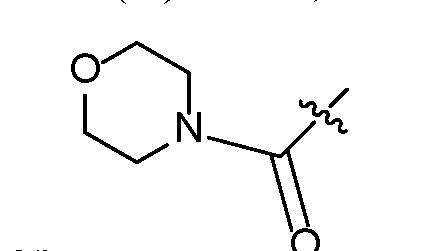


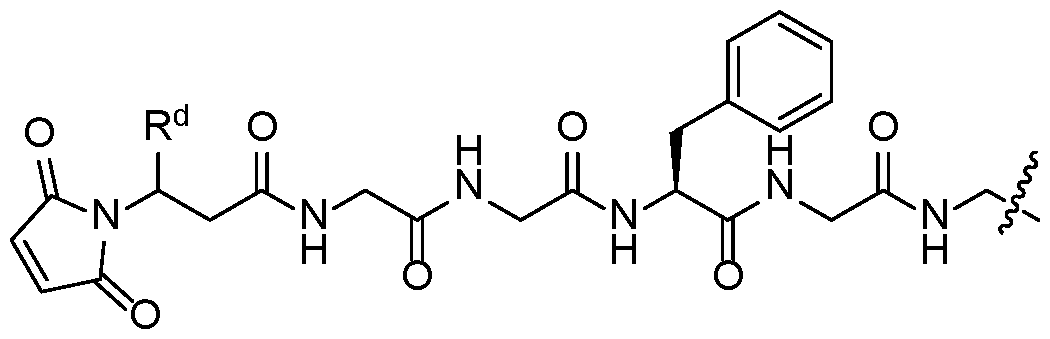
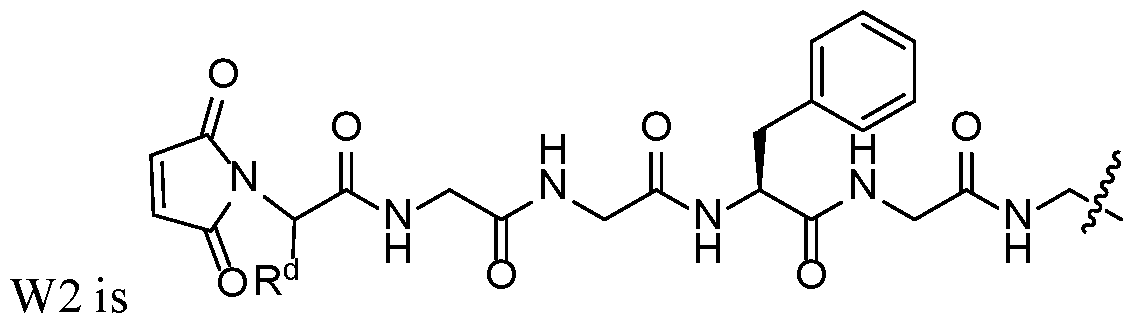

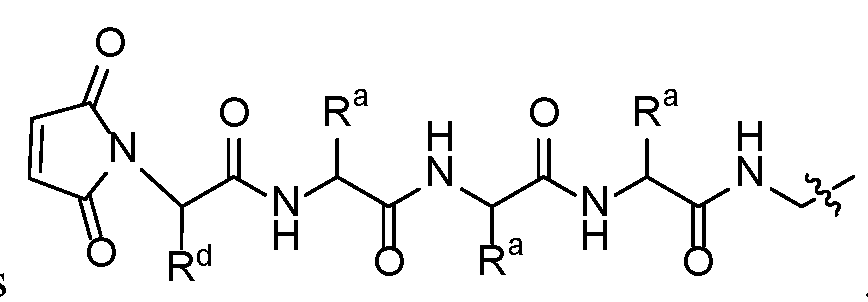

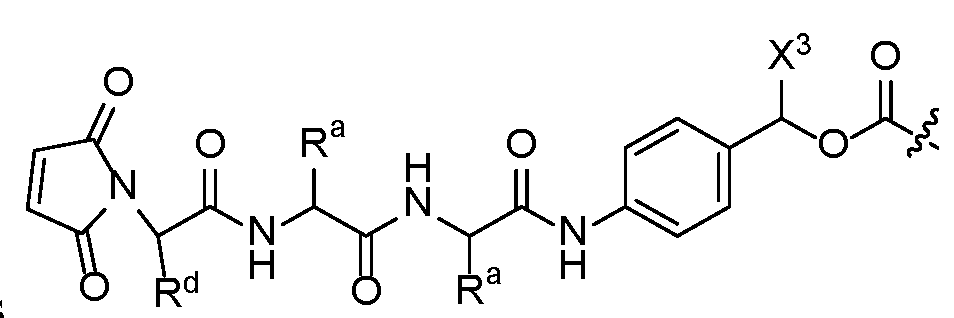


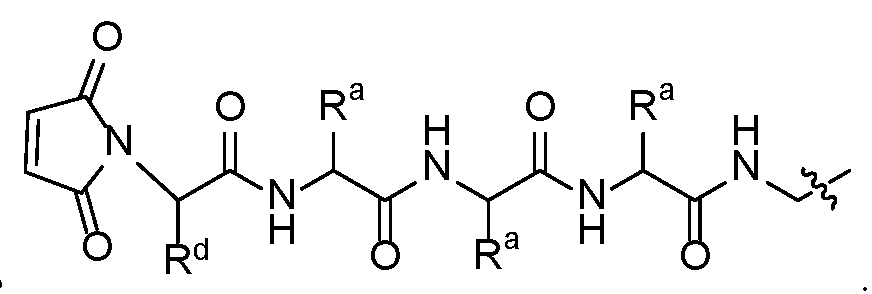


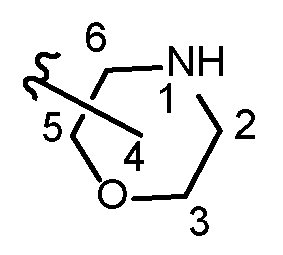


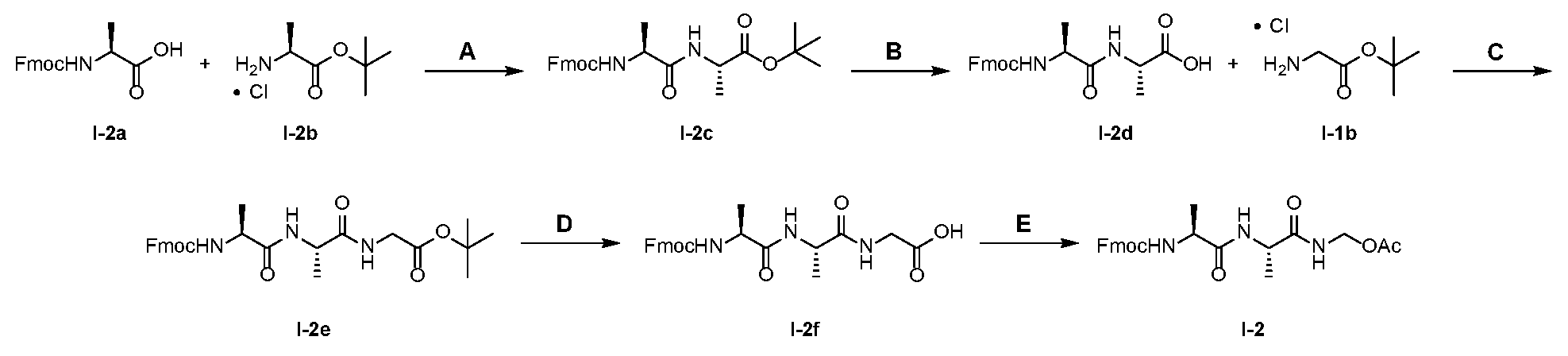


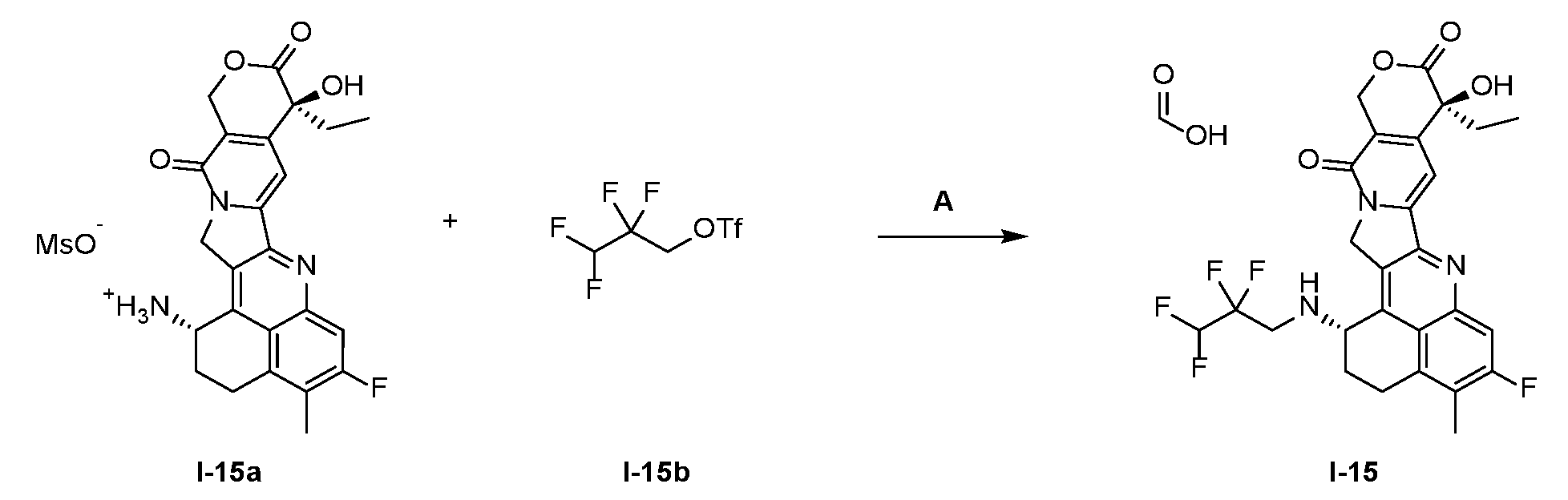


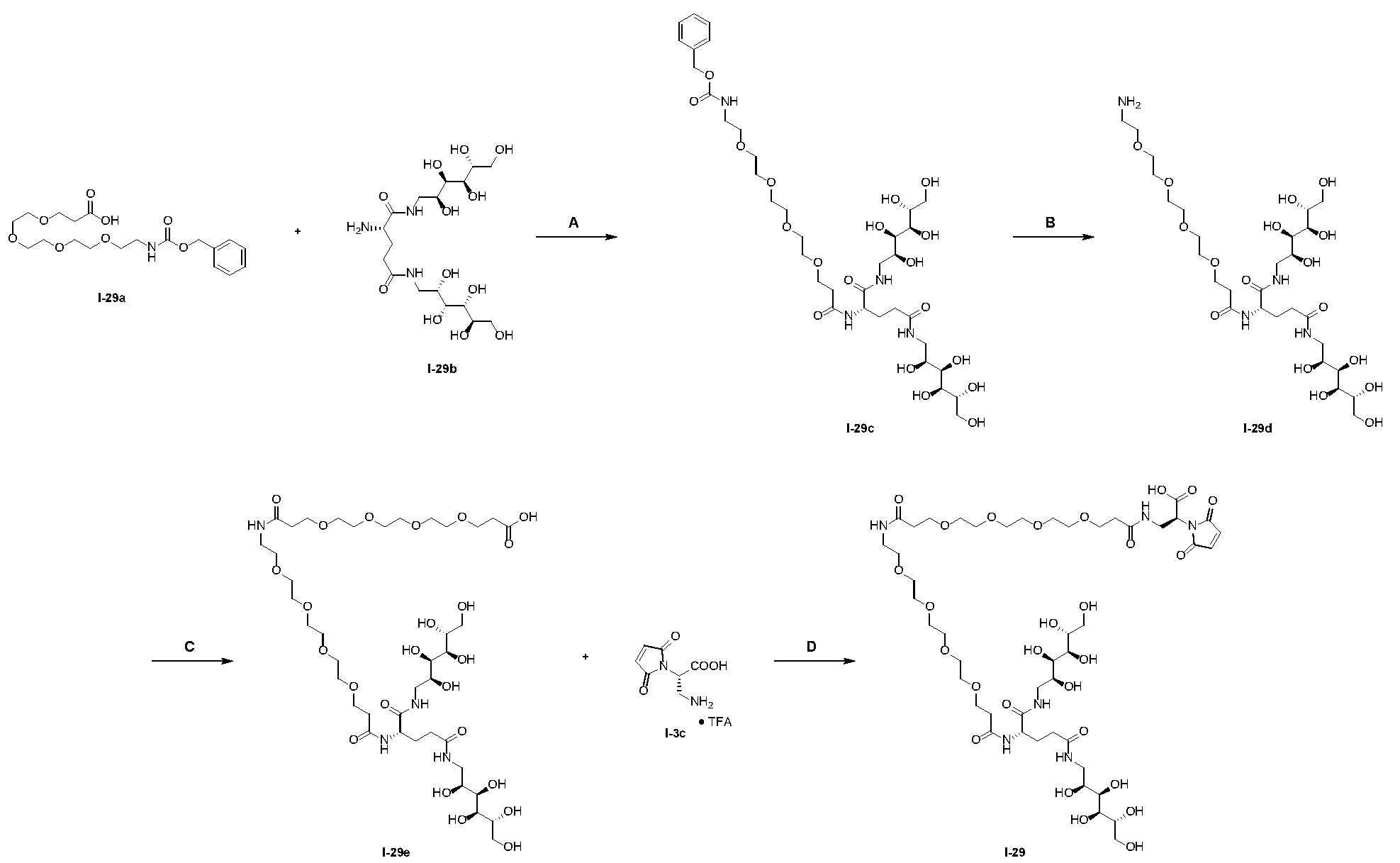


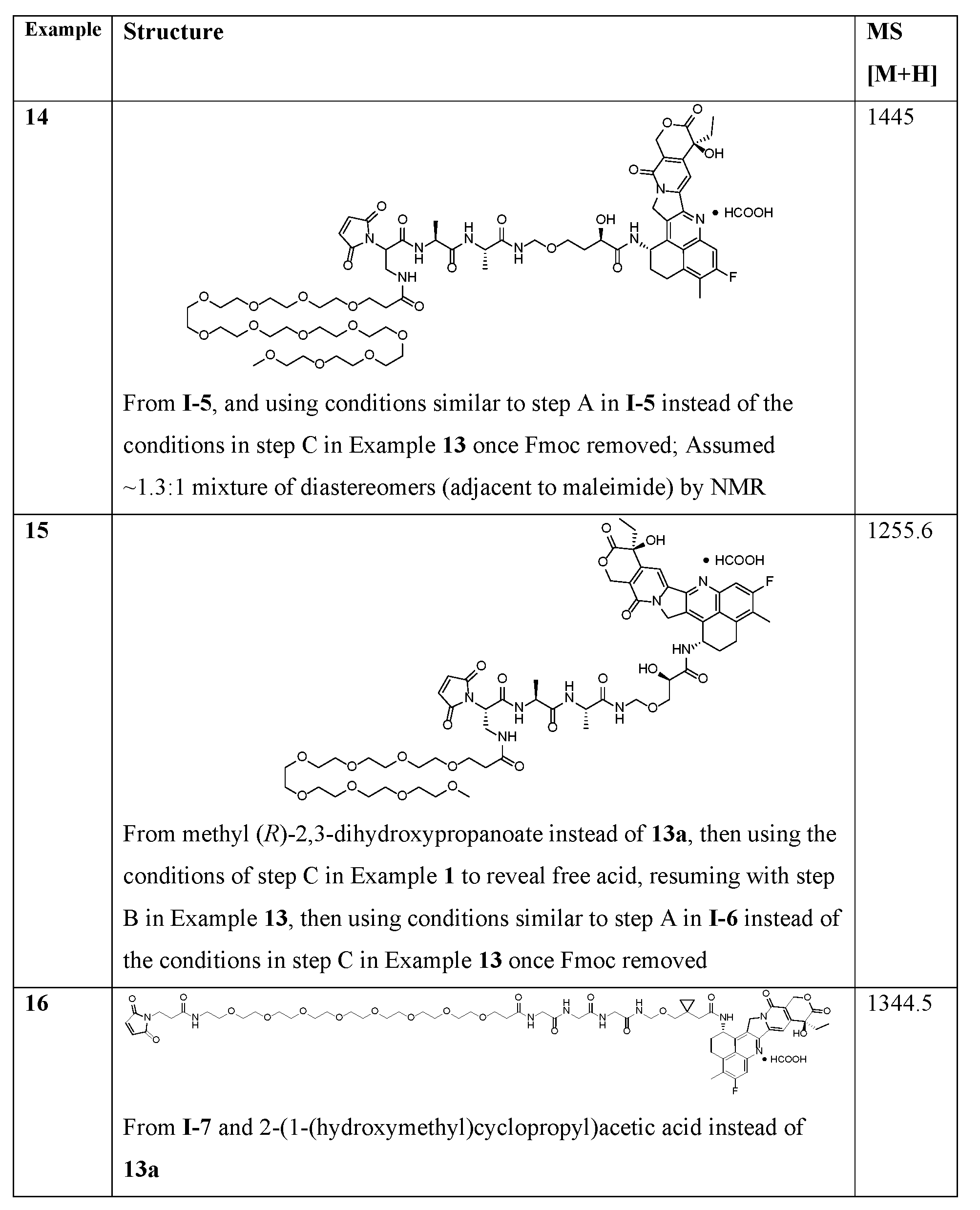


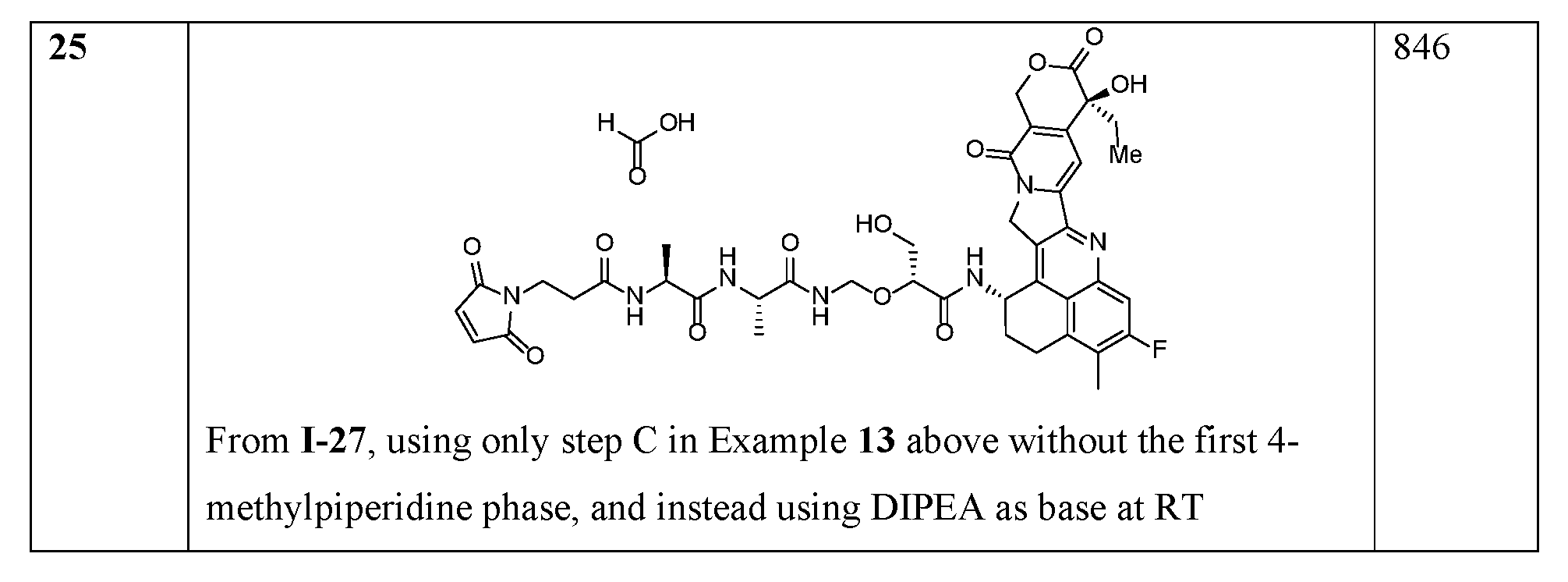


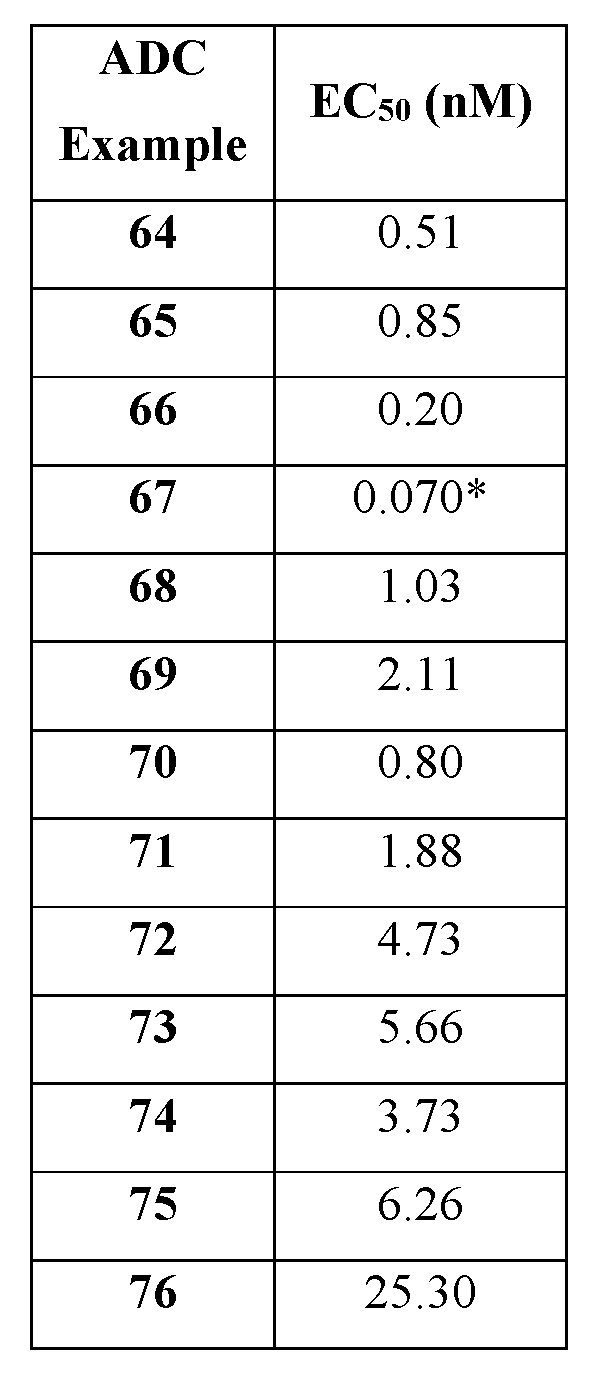
Claims

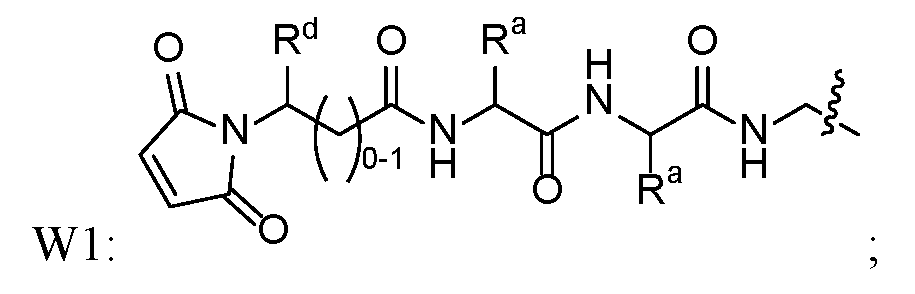


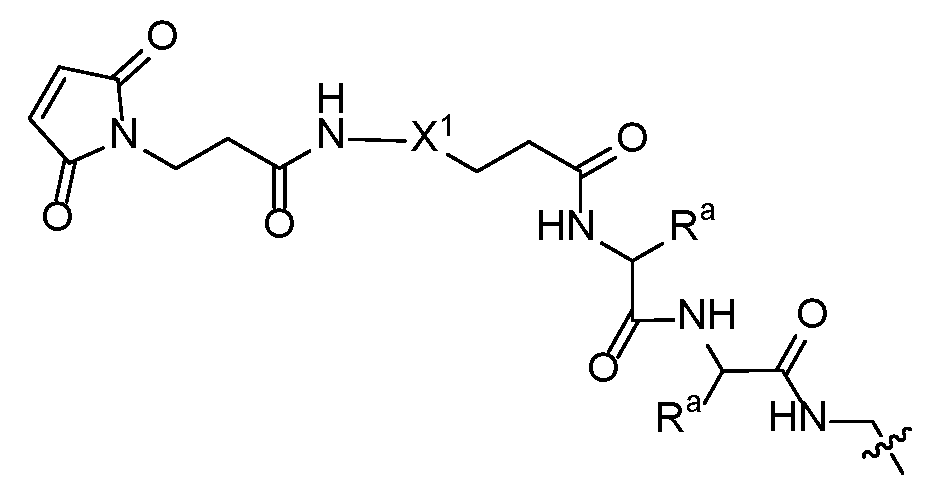


Priority Applications (11)
| Application Number | Priority Date | Filing Date | Title |
|---|---|---|---|
| CR20250146A CR20250146A (en) | 2022-10-25 | 2023-10-23 | EXATECAN-DERIVED ADC LINKERS-PAYLOADS, PHARMACEUTICAL COMPOSITIONS, AND USES THEREOF |
| EP23805296.3A EP4608453A1 (en) | 2022-10-25 | 2023-10-23 | Exatecan-derived adc linker-payloads, pharmaceutical compositions, and uses thereof |
| JP2024556485A JP2025523332A (en) | 2022-10-25 | 2023-10-23 | Exatecan-derived ADC linker-payload, pharmaceutical compositions, and uses thereof |
| PE2025000849A PE20251547A1 (en) | 2022-10-25 | 2023-10-23 | EXATECAN-DERIVED ADC LINKERS-PAYLOADS, PHARMACEUTICAL COMPOSITIONS, AND USES THEREOF |
| AU2023366166A AU2023366166A1 (en) | 2022-10-25 | 2023-10-23 | Exatecan-derived adc linker-payloads, pharmaceutical compositions, and uses thereof |
| IL320396A IL320396A (en) | 2022-10-25 | 2023-10-23 | Exatecan-derived adc linker-payloads, pharmaceutical compositions, and uses thereof |
| CN202380088628.9A CN120417935A (en) | 2022-10-25 | 2023-10-23 | Exitecan-derived ADC linker-payload and its pharmaceutical composition and use |
| KR1020257016727A KR20250079227A (en) | 2022-10-25 | 2023-10-23 | Exatecan-derived ADC linker-payload, pharmaceutical composition, and uses thereof |
| CONC2025/0004988A CO2025004988A2 (en) | 2022-10-25 | 2025-04-22 | Exatecan-derived ADC linkers-payloads, pharmaceutical compositions, and uses thereof |
| DO2025000099A DOP2025000099A (en) | 2022-10-25 | 2025-04-23 | EXATECAN-DERIVED ADC LINKERS-PAYLOADS, PHARMACEUTICAL COMPOSITIONS, AND USES THEREOF |
| MX2025004726A MX2025004726A (en) | 2022-10-25 | 2025-04-23 | Exatecan-derived adc linker-payloads, pharmaceutical compositions, and uses thereof |
Applications Claiming Priority (2)
| Application Number | Priority Date | Filing Date | Title |
|---|---|---|---|
| US202263419150P | 2022-10-25 | 2022-10-25 | |
| US63/419,150 | 2022-10-25 |
Publications (1)
| Publication Number | Publication Date |
|---|---|
| WO2024091437A1 true WO2024091437A1 (en) | 2024-05-02 |
Family
ID=88779316
Family Applications (1)
| Application Number | Title | Priority Date | Filing Date |
|---|---|---|---|
| PCT/US2023/035666 Ceased WO2024091437A1 (en) | 2022-10-25 | 2023-10-23 | Exatecan-derived adc linker-payloads, pharmaceutical compositions, and uses thereof |
Country Status (17)
| Country | Link |
|---|---|
| US (1) | US20240208987A1 (en) |
| EP (1) | EP4608453A1 (en) |
| JP (1) | JP2025523332A (en) |
| KR (1) | KR20250079227A (en) |
| CN (1) | CN120417935A (en) |
| AR (1) | AR130844A1 (en) |
| AU (1) | AU2023366166A1 (en) |
| CL (1) | CL2025001168A1 (en) |
| CO (1) | CO2025004988A2 (en) |
| CR (1) | CR20250146A (en) |
| DO (1) | DOP2025000099A (en) |
| GE (1) | GEAP202516765A (en) |
| IL (1) | IL320396A (en) |
| MX (1) | MX2025004726A (en) |
| PE (1) | PE20251547A1 (en) |
| TW (1) | TW202432099A (en) |
| WO (1) | WO2024091437A1 (en) |
Cited By (1)
| Publication number | Priority date | Publication date | Assignee | Title |
|---|---|---|---|---|
| WO2025149667A1 (en) * | 2024-01-12 | 2025-07-17 | Pheon Therapeutics Ltd | Antibody drug conjugates and uses thereof |
Citations (53)
| Publication number | Priority date | Publication date | Assignee | Title |
|---|---|---|---|---|
| US2789118A (en) | 1956-03-30 | 1957-04-16 | American Cyanamid Co | 16-alpha oxy-belta1, 4-pregnadienes |
| US2990401A (en) | 1958-06-18 | 1961-06-27 | American Cyanamid Co | 11-substituted 16alpha, 17alpha-substituted methylenedioxy steroids |
| US3048581A (en) | 1960-04-25 | 1962-08-07 | Olin Mathieson | Acetals and ketals of 16, 17-dihydroxy steroids |
| US3126375A (en) | 1964-03-24 | Chioacyl | ||
| US3749712A (en) | 1970-09-25 | 1973-07-31 | Sigma Tau Ind Farmaceuti | Triamcinolone acetonide esters and process for their preparation |
| US3928326A (en) | 1972-05-19 | 1975-12-23 | Bofors Ab | Process for the separation of stereoisomeric mixtures into their components and components obtained hereby |
| US3929768A (en) | 1972-05-19 | 1975-12-30 | Bofors Ab | Steroids, processes for their manufacture and preparations containing same |
| US3996359A (en) | 1972-05-19 | 1976-12-07 | Ab Bofors | Novel stereoisomeric component A of stereoisomeric mixtures of 2'-unsymmetrical 16,17-methylenedioxy steroid 21-acylates, compositions thereof, and method of treating therewith |
| US4166452A (en) | 1976-05-03 | 1979-09-04 | Generales Constantine D J Jr | Apparatus for testing human responses to stimuli |
| US4256108A (en) | 1977-04-07 | 1981-03-17 | Alza Corporation | Microporous-semipermeable laminated osmotic system |
| US4265874A (en) | 1980-04-25 | 1981-05-05 | Alza Corporation | Method of delivering drug with aid of effervescent activity generated in environment of use |
| EP0184187A2 (en) | 1984-12-04 | 1986-06-11 | Teijin Limited | Mouse-human chimaeric immunoglobulin heavy chain, and chimaeric DNA encoding it |
| WO1987002671A1 (en) | 1985-11-01 | 1987-05-07 | International Genetic Engineering, Inc. | Modular assembly of antibody genes, antibodies prepared thereby and use |
| US4816397A (en) | 1983-03-25 | 1989-03-28 | Celltech, Limited | Multichain polypeptides or proteins and processes for their production |
| US4816567A (en) | 1983-04-08 | 1989-03-28 | Genentech, Inc. | Recombinant immunoglobin preparations |
| US5585089A (en) | 1988-12-28 | 1996-12-17 | Protein Design Labs, Inc. | Humanized immunoglobulins |
| US6069134A (en) | 1991-03-06 | 2000-05-30 | Board Of Regents, The University Of Texas System | Methods and compositions comprising DNA damaging agents and p53 |
| WO2001070677A1 (en) | 2000-03-20 | 2001-09-27 | Merck Sharp & Dohme Limited | Sulphonamido-substituted bridged bicycloalkyl derivatives |
| WO2001090084A1 (en) | 2000-05-24 | 2001-11-29 | Merck Sharp & Dohme Limited | Benzodiazepine derivatives as app modulators |
| WO2002030912A1 (en) | 2000-10-13 | 2002-04-18 | Merck Sharp & Dohme Limited | Benzodiazepine derivatives as inhibitors of gamma secretase |
| WO2002036555A1 (en) | 2000-11-02 | 2002-05-10 | Merck Sharp & Dohme Limited | Sulfamides as gamma-secretase inhibitors |
| WO2002047671A2 (en) | 2000-11-17 | 2002-06-20 | Eli Lilly And Company | Lactam compound to inhibit beta-amyloid peptide release or synthesis |
| WO2002081435A1 (en) | 2001-04-05 | 2002-10-17 | Merck Sharp & Dohme Limited | Sulphones which modulate the action of gamma secretase |
| WO2002081433A1 (en) | 2001-04-05 | 2002-10-17 | Merck Sharp & Dohme Limited | Sulphones which modulate the action of gamma secretase |
| WO2003013506A1 (en) | 2001-08-06 | 2003-02-20 | Merck Sharp & Dohme Limited | Sulphonamides for control of beta-amyloid production |
| WO2003018543A1 (en) | 2001-08-21 | 2003-03-06 | Merck Sharp & Dohme Limited | Novel cyclohexyl sulphones |
| WO2003093252A1 (en) | 2002-05-01 | 2003-11-13 | Merck Sharp & Dohme Limited | Heteroaryl substituted spirocyclic sulfamides for inhibition of gamma secretase |
| WO2003093251A1 (en) | 2002-05-01 | 2003-11-13 | Merck Sharp & Dohme Limited | Alkenyl-substituted spirocyclic sulfamides as inhibitors of gamma-secretase |
| WO2003093264A1 (en) | 2002-05-01 | 2003-11-13 | Merck Sharp & Dohme Limited | Oxadiazole derivatives for inhibition of gamma secretase |
| WO2003093253A1 (en) | 2002-05-01 | 2003-11-13 | Merck Sharp & Dohme Limited | Alkynyl-substituted spirocyclic sulfamides for the treatment of alzheimer's disease |
| WO2004031138A1 (en) | 2002-10-04 | 2004-04-15 | Merck Sharp & Dohme Limited | Novel sulphones for inhibition of gamma secretase |
| WO2004031137A1 (en) | 2002-10-04 | 2004-04-15 | Merck Sharp & Dohme Limited | Cyclohexyl sulphone derivatives as gamma-secretase inhibitors |
| WO2004031139A1 (en) | 2002-10-04 | 2004-04-15 | Merck Sharp & Dohme Limited | Cyclohexyl sulphones as gamma-secretase inhibitors |
| WO2004039370A1 (en) | 2002-11-01 | 2004-05-13 | Merck Sharp & Dohme Limited | Sulfonamides, sulfamates and sulfamides as gamma-secretase inhibitors |
| WO2004039800A1 (en) | 2002-11-01 | 2004-05-13 | Merck Sharp & Dohme Limited | Cyclic sulfamides for inhibition of gamma-secretase |
| WO2004089911A1 (en) | 2003-04-10 | 2004-10-21 | Merck Sharp & Dohme Limited | Pyrazole derivatives as gamma-secretase inhibitors useful in the treatment of alzheimer’s disease |
| WO2004101539A1 (en) | 2003-05-16 | 2004-11-25 | Merck Sharp & Dohme Limited | Cyclic sulfonamides for inhibition of gamma-secretase |
| WO2005014553A1 (en) | 2003-08-05 | 2005-02-17 | Merck Sharp & Dohme Limited | Novel gamma-secretase inhibitors |
| WO2005030731A1 (en) | 2003-09-24 | 2005-04-07 | Merck Sharp & Dohme Limited | Gamma-secretase inhibitors |
| US7091186B2 (en) | 2001-09-24 | 2006-08-15 | Seattle Genetics, Inc. | p-Amidobenzylethers in drug delivery agents |
| US20100062008A1 (en) | 2002-07-31 | 2010-03-11 | Seattle Genetics, Inc. | Drug conjugates and their use for treating cancer, an autoimmune disease or an infectious disease |
| WO2014057687A1 (en) | 2012-10-11 | 2014-04-17 | 第一三共株式会社 | Antibody-drug conjugate |
| WO2015057699A2 (en) | 2013-10-15 | 2015-04-23 | Seattle Genetics, Inc. | Pegylated drug-linkers for improved ligand-drug conjugate pharmacokinetics |
| WO2017062271A2 (en) | 2015-10-06 | 2017-04-13 | Merck Sharp & Dohme Corp. | Antibody drug conjugate for anti-inflammatory applications |
| WO2017072662A1 (en) | 2015-10-29 | 2017-05-04 | Novartis Ag | Antibody conjugates comprising toll-like receptor agonist |
| CN112125915A (en) | 2019-09-18 | 2020-12-25 | 四川百利药业有限责任公司 | Camptothecin derivative and conjugate thereof |
| US20210353764A1 (en) | 2018-09-26 | 2021-11-18 | Jiangsu Hengrui Medicine Co., Ltd. | Ligand-drug conjugate of exatecan analogue, preparation method therefor and application thereof |
| CA3186295A1 (en) * | 2020-06-08 | 2021-12-16 | Baili-Bio (Chengdu) Pharmaceutical Co., Ltd. | Camptothecin drug having high-stability hydrophilic connecting unit and conjugate thereof |
| CN113816969A (en) | 2021-04-30 | 2021-12-21 | 联宁(苏州)生物制药有限公司 | Irinotecan compound, antibody drug conjugate thereof and application thereof |
| WO2022048883A1 (en) * | 2020-09-04 | 2022-03-10 | Merck Patent Gmbh | Anti-ceacam5 antibodies and conjugates and uses thereof |
| WO2022068878A1 (en) | 2020-09-30 | 2022-04-07 | 映恩生物制药(苏州)有限公司 | Antitumor compound, and preparation method therefor and use thereof |
| EP3995496A1 (en) * | 2020-09-15 | 2022-05-11 | Sichuan Baili Pharmaceutical Co., Ltd | Camptothecin drug and antibody conjugate thereof |
| WO2022166762A1 (en) * | 2021-02-05 | 2022-08-11 | 四川科伦博泰生物医药股份有限公司 | Camptothecin compound, preparation method therefor, and application thereof |
Family Cites Families (12)
| Publication number | Priority date | Publication date | Assignee | Title |
|---|---|---|---|---|
| ES2895254T3 (en) * | 2014-01-31 | 2022-02-18 | Daiichi Sankyo Co Ltd | Anti-HER2 drug-antibody conjugate |
| JP2015208975A (en) * | 2014-04-30 | 2015-11-24 | キヤノン株式会社 | Image recording method |
| WO2017214322A1 (en) * | 2016-06-08 | 2017-12-14 | Abbvie Inc. | Anti-b7-h3 antibodies and antibody drug conjugates |
| WO2018053552A2 (en) * | 2016-09-19 | 2018-03-22 | Cellerant Therapeutics, Inc. | Isoquinolidinobenzodiazepines |
| MY209065A (en) * | 2018-09-30 | 2025-06-18 | Jiangsu Hansoh Pharmaceutical Group Co Ltd | Anti-b7h3 antibody-exatecan analog conjugate and medicinal use thereof |
| TWI824043B (en) * | 2018-10-25 | 2023-12-01 | 西班牙商瑪製藥股份有限公司 | Drug antibody conjugates |
| MA54545A (en) * | 2018-12-21 | 2021-10-27 | Regeneron Pharma | RIFAMYCIN ANALOGS AND ANTIBODY-DRUG CONJUGATE THEREOF |
| AU2020301289B2 (en) * | 2019-06-28 | 2024-11-07 | Shanghai Fudan-Zhangjiang Bio-Pharmaceutical Co., Ltd. | Antibody-drug conjugate, intermediate thereof, preparation method therefor and application thereof |
| WO2021151984A1 (en) * | 2020-01-31 | 2021-08-05 | Innate Pharma | Treatment of cancer |
| CN113274507B (en) * | 2020-02-20 | 2025-02-28 | 亚飞(上海)生物医药科技有限公司 | Preparation and use of immunostimulatory coupled complexes for targeted delivery and activation |
| WO2022082066A1 (en) * | 2020-10-18 | 2022-04-21 | Ardeagen Corporation | Anti-cspg4 binding agents, conjugates thereof and methods of using the same |
| WO2022228494A1 (en) * | 2021-04-29 | 2022-11-03 | 上海汇连生物医药有限公司 | Preparation method for and application of antibody conjugated drug |
-
2023
- 2023-10-23 AU AU2023366166A patent/AU2023366166A1/en active Pending
- 2023-10-23 KR KR1020257016727A patent/KR20250079227A/en active Pending
- 2023-10-23 US US18/491,850 patent/US20240208987A1/en active Pending
- 2023-10-23 WO PCT/US2023/035666 patent/WO2024091437A1/en not_active Ceased
- 2023-10-23 GE GEAP202516765A patent/GEAP202516765A/en unknown
- 2023-10-23 CN CN202380088628.9A patent/CN120417935A/en active Pending
- 2023-10-23 EP EP23805296.3A patent/EP4608453A1/en active Pending
- 2023-10-23 IL IL320396A patent/IL320396A/en unknown
- 2023-10-23 JP JP2024556485A patent/JP2025523332A/en active Pending
- 2023-10-23 CR CR20250146A patent/CR20250146A/en unknown
- 2023-10-23 PE PE2025000849A patent/PE20251547A1/en unknown
- 2023-10-23 AR ARP230102831A patent/AR130844A1/en unknown
- 2023-10-23 TW TW112140330A patent/TW202432099A/en unknown
-
2025
- 2025-04-17 CL CL2025001168A patent/CL2025001168A1/en unknown
- 2025-04-22 CO CONC2025/0004988A patent/CO2025004988A2/en unknown
- 2025-04-23 DO DO2025000099A patent/DOP2025000099A/en unknown
- 2025-04-23 MX MX2025004726A patent/MX2025004726A/en unknown
Patent Citations (57)
| Publication number | Priority date | Publication date | Assignee | Title |
|---|---|---|---|---|
| US3126375A (en) | 1964-03-24 | Chioacyl | ||
| US2789118A (en) | 1956-03-30 | 1957-04-16 | American Cyanamid Co | 16-alpha oxy-belta1, 4-pregnadienes |
| US2990401A (en) | 1958-06-18 | 1961-06-27 | American Cyanamid Co | 11-substituted 16alpha, 17alpha-substituted methylenedioxy steroids |
| US3048581A (en) | 1960-04-25 | 1962-08-07 | Olin Mathieson | Acetals and ketals of 16, 17-dihydroxy steroids |
| US3749712A (en) | 1970-09-25 | 1973-07-31 | Sigma Tau Ind Farmaceuti | Triamcinolone acetonide esters and process for their preparation |
| US3928326A (en) | 1972-05-19 | 1975-12-23 | Bofors Ab | Process for the separation of stereoisomeric mixtures into their components and components obtained hereby |
| US3929768A (en) | 1972-05-19 | 1975-12-30 | Bofors Ab | Steroids, processes for their manufacture and preparations containing same |
| US3996359A (en) | 1972-05-19 | 1976-12-07 | Ab Bofors | Novel stereoisomeric component A of stereoisomeric mixtures of 2'-unsymmetrical 16,17-methylenedioxy steroid 21-acylates, compositions thereof, and method of treating therewith |
| US4166452A (en) | 1976-05-03 | 1979-09-04 | Generales Constantine D J Jr | Apparatus for testing human responses to stimuli |
| US4256108A (en) | 1977-04-07 | 1981-03-17 | Alza Corporation | Microporous-semipermeable laminated osmotic system |
| US4265874A (en) | 1980-04-25 | 1981-05-05 | Alza Corporation | Method of delivering drug with aid of effervescent activity generated in environment of use |
| US4816397A (en) | 1983-03-25 | 1989-03-28 | Celltech, Limited | Multichain polypeptides or proteins and processes for their production |
| US4816567A (en) | 1983-04-08 | 1989-03-28 | Genentech, Inc. | Recombinant immunoglobin preparations |
| EP0184187A2 (en) | 1984-12-04 | 1986-06-11 | Teijin Limited | Mouse-human chimaeric immunoglobulin heavy chain, and chimaeric DNA encoding it |
| WO1987002671A1 (en) | 1985-11-01 | 1987-05-07 | International Genetic Engineering, Inc. | Modular assembly of antibody genes, antibodies prepared thereby and use |
| US5585089A (en) | 1988-12-28 | 1996-12-17 | Protein Design Labs, Inc. | Humanized immunoglobulins |
| US6069134A (en) | 1991-03-06 | 2000-05-30 | Board Of Regents, The University Of Texas System | Methods and compositions comprising DNA damaging agents and p53 |
| WO2001070677A1 (en) | 2000-03-20 | 2001-09-27 | Merck Sharp & Dohme Limited | Sulphonamido-substituted bridged bicycloalkyl derivatives |
| WO2001090084A1 (en) | 2000-05-24 | 2001-11-29 | Merck Sharp & Dohme Limited | Benzodiazepine derivatives as app modulators |
| WO2002030912A1 (en) | 2000-10-13 | 2002-04-18 | Merck Sharp & Dohme Limited | Benzodiazepine derivatives as inhibitors of gamma secretase |
| WO2002036555A1 (en) | 2000-11-02 | 2002-05-10 | Merck Sharp & Dohme Limited | Sulfamides as gamma-secretase inhibitors |
| WO2002047671A2 (en) | 2000-11-17 | 2002-06-20 | Eli Lilly And Company | Lactam compound to inhibit beta-amyloid peptide release or synthesis |
| WO2002081435A1 (en) | 2001-04-05 | 2002-10-17 | Merck Sharp & Dohme Limited | Sulphones which modulate the action of gamma secretase |
| WO2002081433A1 (en) | 2001-04-05 | 2002-10-17 | Merck Sharp & Dohme Limited | Sulphones which modulate the action of gamma secretase |
| WO2003013506A1 (en) | 2001-08-06 | 2003-02-20 | Merck Sharp & Dohme Limited | Sulphonamides for control of beta-amyloid production |
| WO2003018543A1 (en) | 2001-08-21 | 2003-03-06 | Merck Sharp & Dohme Limited | Novel cyclohexyl sulphones |
| US7091186B2 (en) | 2001-09-24 | 2006-08-15 | Seattle Genetics, Inc. | p-Amidobenzylethers in drug delivery agents |
| WO2003093251A1 (en) | 2002-05-01 | 2003-11-13 | Merck Sharp & Dohme Limited | Alkenyl-substituted spirocyclic sulfamides as inhibitors of gamma-secretase |
| WO2003093252A1 (en) | 2002-05-01 | 2003-11-13 | Merck Sharp & Dohme Limited | Heteroaryl substituted spirocyclic sulfamides for inhibition of gamma secretase |
| WO2003093264A1 (en) | 2002-05-01 | 2003-11-13 | Merck Sharp & Dohme Limited | Oxadiazole derivatives for inhibition of gamma secretase |
| WO2003093253A1 (en) | 2002-05-01 | 2003-11-13 | Merck Sharp & Dohme Limited | Alkynyl-substituted spirocyclic sulfamides for the treatment of alzheimer's disease |
| US20100062008A1 (en) | 2002-07-31 | 2010-03-11 | Seattle Genetics, Inc. | Drug conjugates and their use for treating cancer, an autoimmune disease or an infectious disease |
| WO2004031138A1 (en) | 2002-10-04 | 2004-04-15 | Merck Sharp & Dohme Limited | Novel sulphones for inhibition of gamma secretase |
| WO2004031137A1 (en) | 2002-10-04 | 2004-04-15 | Merck Sharp & Dohme Limited | Cyclohexyl sulphone derivatives as gamma-secretase inhibitors |
| WO2004031139A1 (en) | 2002-10-04 | 2004-04-15 | Merck Sharp & Dohme Limited | Cyclohexyl sulphones as gamma-secretase inhibitors |
| WO2004039370A1 (en) | 2002-11-01 | 2004-05-13 | Merck Sharp & Dohme Limited | Sulfonamides, sulfamates and sulfamides as gamma-secretase inhibitors |
| WO2004039800A1 (en) | 2002-11-01 | 2004-05-13 | Merck Sharp & Dohme Limited | Cyclic sulfamides for inhibition of gamma-secretase |
| WO2004089911A1 (en) | 2003-04-10 | 2004-10-21 | Merck Sharp & Dohme Limited | Pyrazole derivatives as gamma-secretase inhibitors useful in the treatment of alzheimer’s disease |
| WO2004101539A1 (en) | 2003-05-16 | 2004-11-25 | Merck Sharp & Dohme Limited | Cyclic sulfonamides for inhibition of gamma-secretase |
| WO2004101538A1 (en) | 2003-05-16 | 2004-11-25 | Merck Sharp & Dohme Limited | Cyclohexyl sulphones as gamma-secretase inhibitors |
| WO2005014553A1 (en) | 2003-08-05 | 2005-02-17 | Merck Sharp & Dohme Limited | Novel gamma-secretase inhibitors |
| WO2005030731A1 (en) | 2003-09-24 | 2005-04-07 | Merck Sharp & Dohme Limited | Gamma-secretase inhibitors |
| WO2014057687A1 (en) | 2012-10-11 | 2014-04-17 | 第一三共株式会社 | Antibody-drug conjugate |
| US9808537B2 (en) | 2012-10-11 | 2017-11-07 | Daiichi Sankyo Company, Limited | Antibody-drug conjugate |
| US11103593B2 (en) | 2013-10-15 | 2021-08-31 | Seagen Inc. | Pegylated drug-linkers for improved ligand-drug conjugate pharmacokinetics |
| WO2015057699A2 (en) | 2013-10-15 | 2015-04-23 | Seattle Genetics, Inc. | Pegylated drug-linkers for improved ligand-drug conjugate pharmacokinetics |
| WO2017062271A2 (en) | 2015-10-06 | 2017-04-13 | Merck Sharp & Dohme Corp. | Antibody drug conjugate for anti-inflammatory applications |
| WO2017072662A1 (en) | 2015-10-29 | 2017-05-04 | Novartis Ag | Antibody conjugates comprising toll-like receptor agonist |
| US20210353764A1 (en) | 2018-09-26 | 2021-11-18 | Jiangsu Hengrui Medicine Co., Ltd. | Ligand-drug conjugate of exatecan analogue, preparation method therefor and application thereof |
| CN112125915A (en) | 2019-09-18 | 2020-12-25 | 四川百利药业有限责任公司 | Camptothecin derivative and conjugate thereof |
| CA3186295A1 (en) * | 2020-06-08 | 2021-12-16 | Baili-Bio (Chengdu) Pharmaceutical Co., Ltd. | Camptothecin drug having high-stability hydrophilic connecting unit and conjugate thereof |
| WO2022048883A1 (en) * | 2020-09-04 | 2022-03-10 | Merck Patent Gmbh | Anti-ceacam5 antibodies and conjugates and uses thereof |
| EP3995496A1 (en) * | 2020-09-15 | 2022-05-11 | Sichuan Baili Pharmaceutical Co., Ltd | Camptothecin drug and antibody conjugate thereof |
| WO2022068878A1 (en) | 2020-09-30 | 2022-04-07 | 映恩生物制药(苏州)有限公司 | Antitumor compound, and preparation method therefor and use thereof |
| WO2022166762A1 (en) * | 2021-02-05 | 2022-08-11 | 四川科伦博泰生物医药股份有限公司 | Camptothecin compound, preparation method therefor, and application thereof |
| EP4289851A1 (en) * | 2021-02-05 | 2023-12-13 | Sichuan Kelun-Biotech Biopharmaceutical Co., Ltd. | Camptothecin compound, preparation method therefor, and application thereof |
| CN113816969A (en) | 2021-04-30 | 2021-12-21 | 联宁(苏州)生物制药有限公司 | Irinotecan compound, antibody drug conjugate thereof and application thereof |
Non-Patent Citations (13)
| Title |
|---|
| "Adenovirus-Mediated Delivery of a uPA/uPAR Antagonist Suppresses Angiogenesis-Dependent Tumor Growth and Dissemination in Mice", GENE THERAPY, vol. 5, no. 8, August 1998 (1998-08-01), pages 1105 - 13 |
| "Design of Prodrugs", 1985, ELSEVIER |
| A. L. BINGHAM ET AL., CHEM. COMMUN., 2001, pages 603 - 604 |
| ARCH. OPHTHAMOL., vol. 119, 2001, pages 709 - 717 |
| CANCER SCI, vol. 107, 2016, pages 1039 - 1046 |
| CLINICAL CANCER RESEARCH, vol. 22, no. 20, 2016, pages 5097 - 5108 |
| DIASS, J. O. ET AL., ORGANOMETALLICS, vol. 5, 2006, pages 1188 - 1198 |
| E. C. VAN TONDER ET AL., AAPS PHARMSCITECH., vol. 5, no. 1, 2004 |
| HALL ET AL., AM. J. HUM. GENET., vol. 61, 1997, pages 785 - 789 |
| J. IMMUNOL., vol. 164, 2000, pages 217 - 222 |
| M. CAIRA ET AL., J. PHARMACEUTICAL SCI., vol. 93, no. 3, 2004, pages 601 - 611 |
| SHOWELL, G.A. ET AL., BIOORGANIC & MEDICINAL CHEMISTRY LETTERS, vol. 16, 2006, pages 2555 - 2558 |
| T. HIGUCHIV. STELLA: "Bioreversible Carriers in Drug Design", vol. 14, 1987, AMERICAN PHARMACEUTICAL ASSOCIATION, article "Pro-drugs as Novel Delivery Systems" |
Cited By (1)
| Publication number | Priority date | Publication date | Assignee | Title |
|---|---|---|---|---|
| WO2025149667A1 (en) * | 2024-01-12 | 2025-07-17 | Pheon Therapeutics Ltd | Antibody drug conjugates and uses thereof |
Also Published As
| Publication number | Publication date |
|---|---|
| IL320396A (en) | 2025-06-01 |
| MX2025004726A (en) | 2025-06-02 |
| CR20250146A (en) | 2025-05-26 |
| AU2023366166A1 (en) | 2025-05-01 |
| TW202432099A (en) | 2024-08-16 |
| CL2025001168A1 (en) | 2025-08-18 |
| DOP2025000099A (en) | 2025-06-15 |
| CO2025004988A2 (en) | 2025-05-19 |
| JP2025523332A (en) | 2025-07-23 |
| AR130844A1 (en) | 2025-01-22 |
| GEAP202516765A (en) | 2025-08-25 |
| KR20250079227A (en) | 2025-06-04 |
| EP4608453A1 (en) | 2025-09-03 |
| US20240208987A1 (en) | 2024-06-27 |
| PE20251547A1 (en) | 2025-06-05 |
| CN120417935A (en) | 2025-08-01 |
Similar Documents
| Publication | Publication Date | Title |
|---|---|---|
| JP6378182B2 (en) | Hyperproliferative | Serine / threonine kinase inhibitor for treatment of disease | |
| JP6097289B2 (en) | Quinazoline compounds as serine / threonine kinase inhibitors | |
| AU2019269391A1 (en) | MCL-1 inhibitors | |
| AU2023336062A1 (en) | Exatecan-derived topoisomerase-1 inhibitors pharmaceutical compositions, and uses thereof | |
| CN111433210A (en) | Fused tricyclic pyrazolo-dihydropyrazinyl-pyridone compounds as antiviral agents | |
| CN102858754A (en) | RAF inhibitor compounds and methods of use thereof | |
| CN115093429B (en) | Macrocyclic compounds and uses thereof | |
| AU2023366166A1 (en) | Exatecan-derived adc linker-payloads, pharmaceutical compositions, and uses thereof | |
| TW202444723A (en) | Camptothecin derivatives, pharmaceutical compositions and preparation methods and applications thereof | |
| CN112028891B (en) | Adenosine receptor antagonists | |
| WO2024148932A1 (en) | Egfr c797s mutation inhibitor and pharmaceutical use thereof | |
| CN111377854B (en) | CXCR4 inhibitors and uses thereof | |
| TW202430140A (en) | Auristatin linker-payloads, pharmaceutical compositions, and uses thereof | |
| WO2023120696A1 (en) | 1h-pyrazole-3-amine derivative having bicyclic backbone | |
| JP2025542248A (en) | PNU anthracycline-derived linker-payload, pharmaceutical compositions and uses thereof | |
| WO2025228381A1 (en) | Antibody-drug conjugate and use thereof | |
| WO2025228384A1 (en) | Antibody-drug conjugates and use thereof | |
| HK40104086A (en) | Mcl-1 inhibitors | |
| HK40091854A (en) | Antibody-drug conjugates and uses thereof | |
| WO2022166610A1 (en) | Pyridazinone heterocyclic compound, preparation method therefor and use thereof |
Legal Events
| Date | Code | Title | Description |
|---|---|---|---|
| 121 | Ep: the epo has been informed by wipo that ep was designated in this application |
Ref document number: 23805296 Country of ref document: EP Kind code of ref document: A1 |
|
| WWE | Wipo information: entry into national phase |
Ref document number: 2024556485 Country of ref document: JP |
|
| WWE | Wipo information: entry into national phase |
Ref document number: 202517036542 Country of ref document: IN |
|
| WWE | Wipo information: entry into national phase |
Ref document number: AU2023366166 Country of ref document: AU |
|
| WWE | Wipo information: entry into national phase |
Ref document number: 820714 Country of ref document: NZ |
|
| WWE | Wipo information: entry into national phase |
Ref document number: 320396 Country of ref document: IL |
|
| WWE | Wipo information: entry into national phase |
Ref document number: P2025-01217 Country of ref document: AE Ref document number: MX/A/2025/004726 Country of ref document: MX |
|
| ENP | Entry into the national phase |
Ref document number: 2023366166 Country of ref document: AU Date of ref document: 20231023 Kind code of ref document: A |
|
| WWP | Wipo information: published in national office |
Ref document number: 202517036542 Country of ref document: IN |
|
| ENP | Entry into the national phase |
Ref document number: 20257016727 Country of ref document: KR Kind code of ref document: A |
|
| WWE | Wipo information: entry into national phase |
Ref document number: DZ2025000588 Country of ref document: DZ Ref document number: DZP2025000588 Country of ref document: DZ |
|
| ENP | Entry into the national phase |
Ref document number: 16765 Country of ref document: GE |
|
| WWE | Wipo information: entry into national phase |
Ref document number: 202591287 Country of ref document: EA |
|
| WWE | Wipo information: entry into national phase |
Ref document number: 2023805296 Country of ref document: EP |
|
| NENP | Non-entry into the national phase |
Ref country code: DE |
|
| WWE | Wipo information: entry into national phase |
Ref document number: 11202502750Y Country of ref document: SG |
|
| WWP | Wipo information: published in national office |
Ref document number: 11202502750Y Country of ref document: SG |
|
| ENP | Entry into the national phase |
Ref document number: 2023805296 Country of ref document: EP Effective date: 20250526 |
|
| WWP | Wipo information: published in national office |
Ref document number: MX/A/2025/004726 Country of ref document: MX |
|
| WWP | Wipo information: published in national office |
Ref document number: 1020257016727 Country of ref document: KR |
|
| REG | Reference to national code |
Ref country code: BR Ref legal event code: B01A Ref document number: 112025008054 Country of ref document: BR |
|
| WWE | Wipo information: entry into national phase |
Ref document number: 202380088628.9 Country of ref document: CN |
|
| WWP | Wipo information: published in national office |
Ref document number: 202380088628.9 Country of ref document: CN |
|
| WWP | Wipo information: published in national office |
Ref document number: 2023805296 Country of ref document: EP |
|
| ENP | Entry into the national phase |
Ref document number: 112025008054 Country of ref document: BR Kind code of ref document: A2 Effective date: 20250424 |