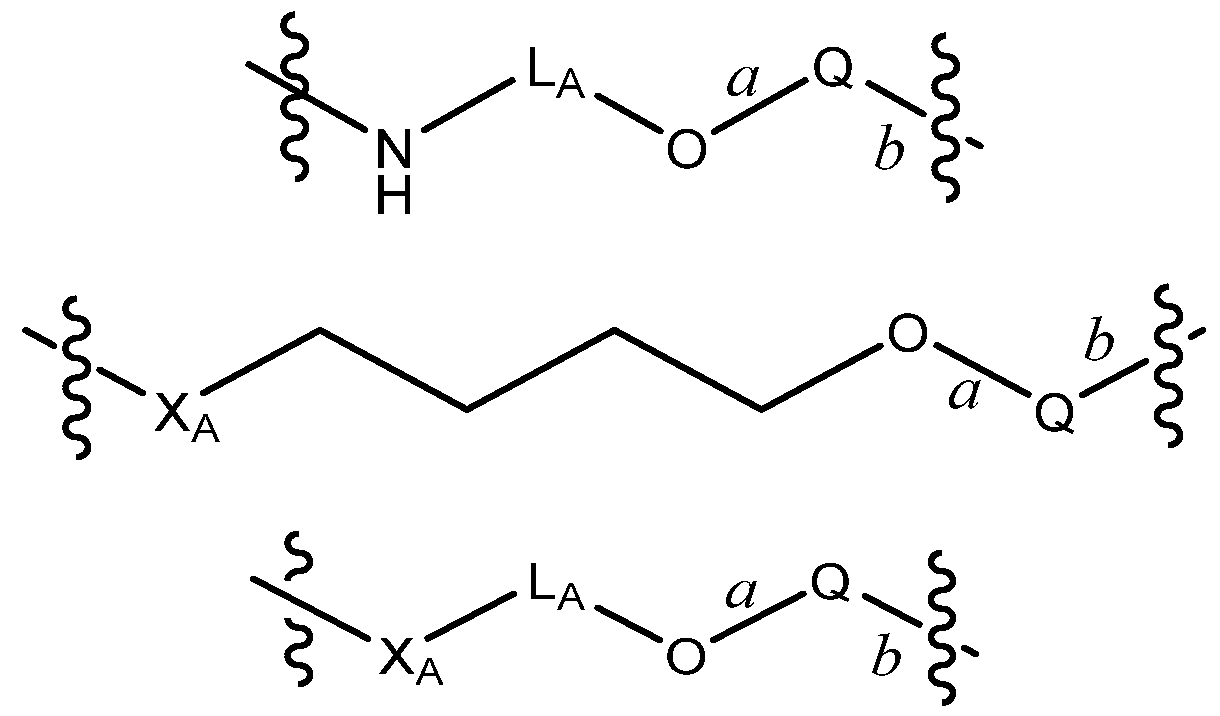
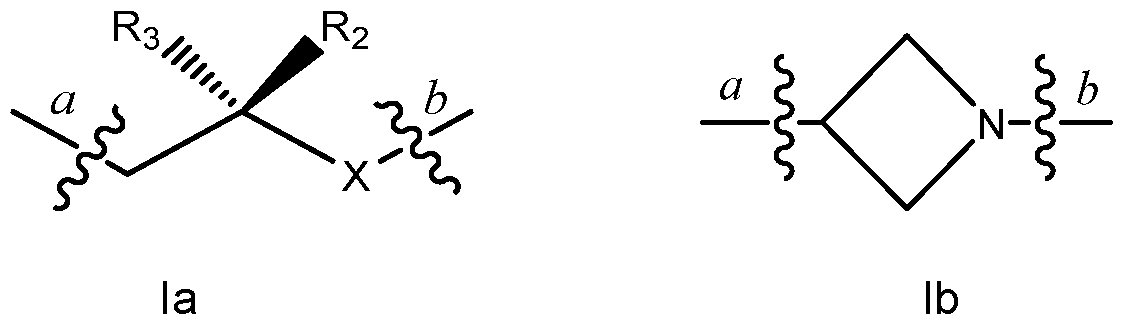
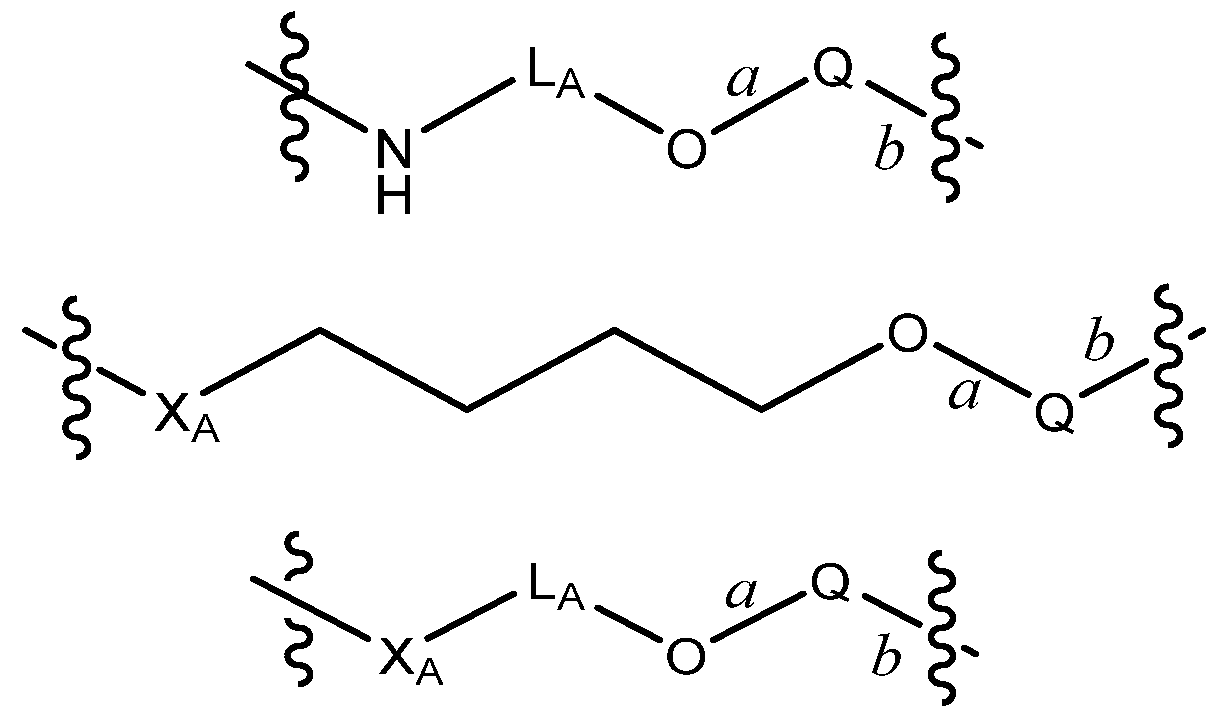
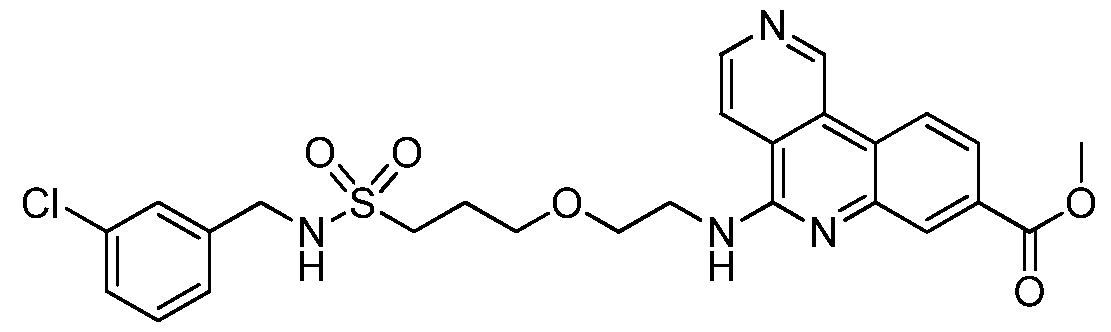
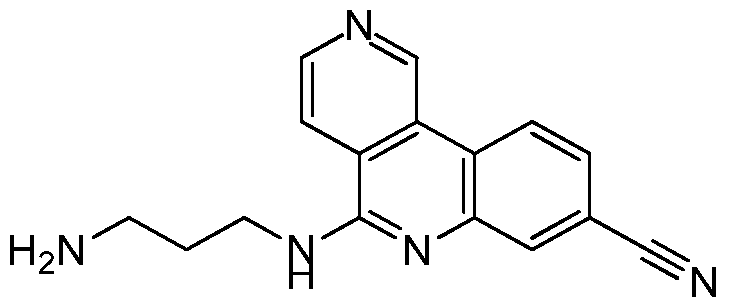
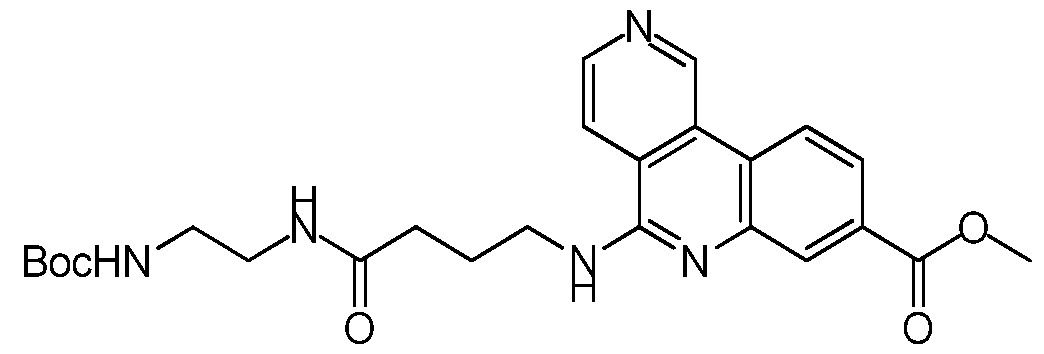
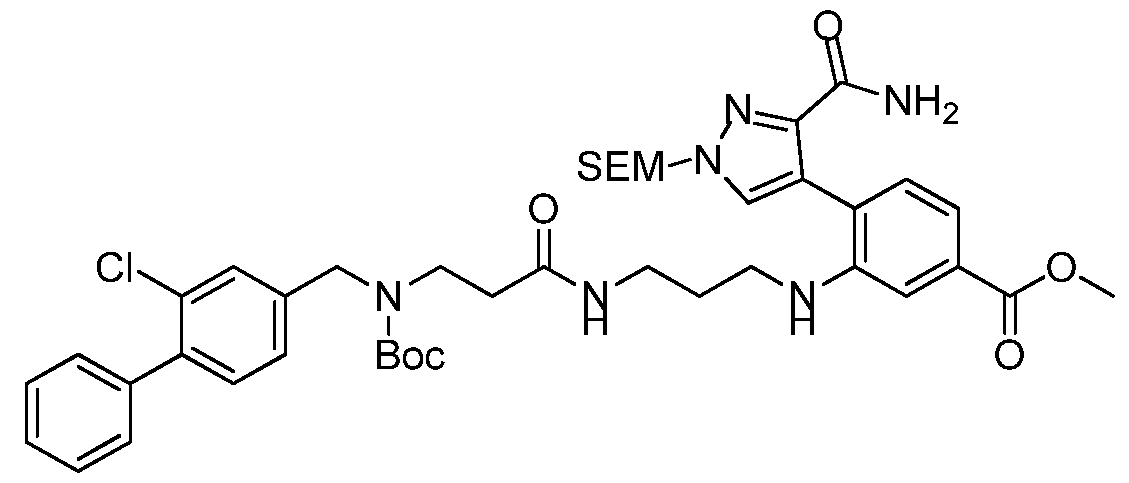
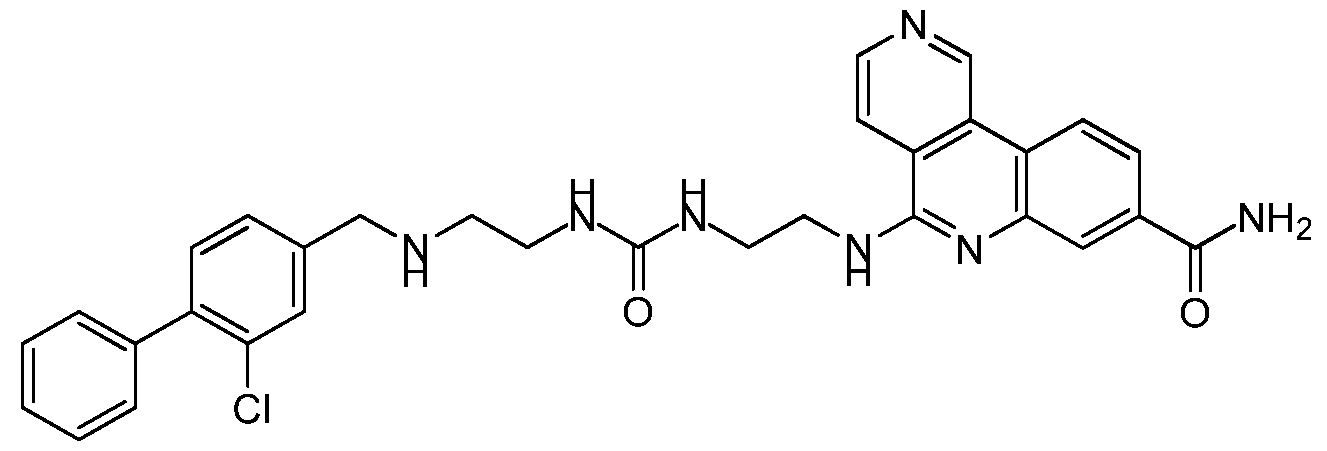
NOVEL COMPOUNDS, COMPOSITIONS AND THERAPEUTIC USES THEREOF INTRODUCTION [001] The present invention relates to novel therapeutic compounds. More specifically, the present invention relates to novel therapeutic compounds that inhibit Casein Kinase 2 alpha subunit (CK2α (CSNK2A1) and/or CK2α’ (CSNK2A2)) and as part of the CK2 holoenzyme. The novel therapeutic compounds are therefore useful for the treatment and/or prevention of diseases and conditions in which CK2α activity is implicated, such as, for example but not limited to, the treatment and/or prevention of proliferative disorders (e.g. cancer), viral infections, inflammation, diabetes, vascular and ischemic disorders, neurodegeneration and the regulation of circadian rhythm. [002] The present invention also relates to pharmaceutical compositions comprising the novel therapeutic compounds defined herein, to processes for synthesising these compounds and to their use for the treatment of diseases and/or conditions in which CK2α activity is implicated. BACKGROUND OF THE INVENTION [003] CK2α is a serine/threonine kinase that is a key regulator of many cellular processes and is involved in cellular proliferation and anti-apoptotic mechanisms (Battistutta & Lolli, Mol. Cell. Biochem.2011). It mainly exists as a holoenzyme composed of two catalytic (α and/or α’) and a dimer of regulatory (β) subunits, but it can also be found as the isolated subunits (Niefind et al, EMBO J 2001). Unlike most other kinases, it is constitutively active and more than 300 proteins have been identified as putative CK2α substrates, making it one of the most pleiotropic proteins in eukaryotic systems (Meggio & Pinna, FASEB 2003). [004] CK2α is a pro-survival kinase that operates across multiple signaling pathways to convey a proliferative and anti-apoptotic phenotype to cells. Consequently, cancer cells are often described as being addicted to CK2α activity and a high-profile genome-wide CRISPR- Cas9 screen highlighted CK2α as a top tier, high priority drug target for Colorectal Cancer (CRC) (Behan et al, Nature 2019). The target is well validated by human data that correlates poor patient survival in numerous tumor types, including CRC, with increased CK2α expression (Lin et al, PLoS ONE 2011). Additionally, data from clinical samples shows CK2α expression is upregulated in numerous tumor types (Ortega et al, PLoS ONE 2014; Di Maira et al, 2019).
[005] The human genetics of CRC are well characterized and approximately 80% tumors are identified as being wnt pathway mutation driven (e.g. APC, β-catenin) (Zhan et al, Oncogene 2017). The wnt pathway is known to be sensitive to and amplified by CK2α activity and can be inhibited by loss of CK2α function (Gao & Wang, JBC 2006). For example, in animal models, CK2α inhibition prevents tumor growth that is driven by different mutations in the wnt pathway (Dowling et al, ACS 2016). [006] CK2α also contributes to the malignant phenotype in cholangiocarcinoma (CCA), which is known to be a wnt-dysregulated tumor type (Zhan et al, Oncogene 2017). CK2α is over-expressed in human CCA samples and CCA tumor cell lines (Di Maira et al, Oncogenesis 2019); and disruption of CK2α activity in CCA cell models is reported to inhibit tumorigenic properties (Zakharia et al, Translational Oncology 2019). [007] It is hypothesised that a CK2α inhibitor given either as a monotherapy, in combination with standard of care chemotherapy or in combination with other targeted therapies in development, such as, but not limited to, KRAS inhibitors, will inhibit CRC tumor growth by reversing aberrant upregulation of wnt signaling to restore the normal balance of apoptosis and proliferation. [008] Existing CK2α inhibitors target the highly conserved ATP binding site. This design strategy often leads to a poor selectivity profile for such inhibitors over other kinases. There is therefore a need for potent and more selective CK2α inhibitors that bind to the catalytic ATP site of CK2α (to drive potent enzyme inhibition) but also interact with other areas of CK2α, such as the αD site (to drive high levels of selectivity over other kinases). [009] The present invention was devised with the foregoing in mind. SUMMARY OF THE INVENTION [0010] In one aspect, the present invention provides a compound of Formula I as defined herein, and/or a pharmaceutically acceptable salt, hydrate or solvate thereof. [0011] In another aspect, the present invention provides a pharmaceutical composition which comprises a compound of Formula I as defined herein, or a pharmaceutically acceptable salt, hydrate or solvate thereof, and one or more pharmaceutically acceptable excipients. [0012] In another aspect, the present invention provides a compound of Formula I as defined herein, or a pharmaceutically acceptable salt, hydrate or solvate thereof, or a pharmaceutical composition as defined herein, for use in therapy.
[0013] In another aspect, the present invention provides a compound of Formula I as defined herein, or a pharmaceutically acceptable salt, hydrate or solvate thereof, or a pharmaceutical composition as defined herein, for use in the treatment of a disease or condition in which CK2α activity is implicated. [0014] In another aspect, the present invention provides a compound of Formula I as defined herein, or a pharmaceutically acceptable salt, hydrate or solvate thereof, or a pharmaceutical composition as defined herein, for use in the treatment of a disease or condition associated with aberrant activity of CK2α. [0015] In another aspect, the present invention provides a compound of Formula I as defined herein, or a pharmaceutically acceptable salt, hydrate or solvate thereof, or a pharmaceutical composition as defined herein, for use in the treatment of proliferative disorders (e.g. cancer or benign neoplasms), viral infections, an inflammatory disease or condition, diabetes, vascular and ischemic disorders, neurodegenerative disorders and/or the regulation of circadian rhythm. [0016] In another aspect, the present invention provides a compound of Formula I as defined herein, or a pharmaceutically acceptable salt, hydrate or solvate thereof, or a pharmaceutical composition as defined herein, for use in the treatment of a cancer. [0017] In another aspect, the present invention provides a compound of Formula I as defined herein, or a pharmaceutically acceptable salt, hydrate or solvate thereof, or a pharmaceutical composition as defined herein, for use in the treatment of a viral infection. [0018] In another aspect, the present invention provides the use of a compound of Formula I as defined herein, or a pharmaceutically acceptable salt, hydrate or solvate thereof, in the manufacture of a medicament for use in the treatment of a disease or condition in which CK2α activity is implicated. [0019] In another aspect, the present invention provides the use of a compound of Formula I as defined herein, or a pharmaceutically acceptable salt, hydrate or solvate thereof, in the manufacture of a medicament for use in the treatment of a disease or condition associated with aberrant activity of CK2α. [0020] In another aspect, the present invention provides the use of a compound of Formula I as defined herein, or a pharmaceutically acceptable salt, hydrate or solvate thereof, in the manufacture of a medicament for use in the treatment of proliferative disorders (e.g. cancer or benign neoplasms), viral infections, an inflammatory disease or condition, diabetes, vascular and ischemic disorders, neurodegenerative disorders and/or the regulation of circadian rhythm.
[0021] In another aspect, the present invention provides the use of a compound of Formula I as defined herein, or a pharmaceutically acceptable salt, hydrate or solvate thereof, in the manufacture of a medicament for use in the treatment of a cancer. [0022] In another aspect, the present invention provides the use of a compound of Formula I as defined herein, or a pharmaceutically acceptable salt, hydrate or solvate thereof, in the manufacture of a medicament for use in the treatment of a viral infection. [0023] In another aspect, the present invention provides a method of treating a disease or condition in which CK2α activity is implicated, said method comprising administering to a subject in need thereof an effective amount of a compound of Formula I as defined herein, or a pharmaceutically acceptable salt, hydrate or solvate thereof, or a pharmaceutical composition as defined herein. [0024] In another aspect, the present invention provides a method of treating a disease or condition associated with aberrant activity of CK2α, said method comprising administering to a subject in need thereof an effective amount of a compound of Formula I as defined herein, or a pharmaceutically acceptable salt, hydrate or solvate thereof, or a pharmaceutical composition as defined herein. [0025] In another aspect, the present invention provides a method of treating a proliferative disorder (e.g. cancer or benign neoplasms), a viral infection, an inflammatory disease or condition, diabetes, vascular and ischemic disorders, neurodegenerative disorders and/or regulating cardiac rhythm, said method comprising administering to a subject in need thereof an effective amount of a compound of Formula I as defined herein, or a pharmaceutically acceptable salt, hydrate or solvate thereof, or a pharmaceutical composition as defined herein. [0026] In another aspect, the present invention provides a method of treating cancer, said method comprising administering to a subject in need thereof an effective amount of a compound of Formula I as defined herein, or a pharmaceutically acceptable salt, hydrate or solvate thereof, or a pharmaceutical composition as defined herein. [0027] In another aspect, the present invention provides a method of treating a viral infection, said method comprising administering to a subject in need thereof an effective amount of a compound of Formula I as defined herein, or a pharmaceutically acceptable salt, hydrate or solvate thereof, or a pharmaceutical composition as defined herein. [0028] In another aspect, the present invention provides a combination treatment comprising a compound of Formula I, or a pharmaceutically acceptable salt, hydrate or solvate thereof, as defined herein, with one or more additional therapeutic agents.
[0029] In another aspect, the present invention provides processes for preparing compounds of Formula I as defined herein, or a pharmaceutically acceptable salt, hydrate or solvate thereof, as defined herein, with one or more additional therapeutic agents. [0030] Preferred, suitable, and optional features of any one particular aspect of the present invention are also preferred, suitable, and optional features of any other aspect. DETAILED DESCRIPTION OF THE INVENTION Definitions [0031] Unless otherwise stated, the following terms used in the specification and claims have the following meanings set out below. [0032] It is to be appreciated that references to “treating” or “treatment” include prophylaxis as well as the alleviation of established symptoms of a condition. “Treating” or “treatment” of a state, disorder or condition therefore includes: (1) preventing or delaying the appearance of clinical symptoms of the state, disorder or condition developing in a human that may be afflicted with or predisposed to the state, disorder or condition but does not yet experience or display clinical or subclinical symptoms of the state, disorder or condition, (2) inhibiting the state, disorder or condition, i.e., arresting, reducing or delaying the development of the disease or a relapse thereof (in case of maintenance treatment) or at least one clinical or subclinical symptom thereof, or (3) relieving or attenuating the disease, i.e., causing regression of the state, disorder or condition or at least one of its clinical or subclinical symptoms. [0033] A “therapeutically effective amount” means the amount of a compound that, when administered to a mammal for treating a disease, is sufficient to effect such treatment for the disease. The "therapeutically effective amount" will vary depending on the compound, the disease and its severity and the age, weight, etc., of the mammal to be treated. [0034] References to “Casein Kinase 2 alpha” or “CK2α” herein include CK2α (CSNK2A1) and/or CK2α’ (CSNK2A2). Where reference is made to the compounds of the present invention defined herein inhibiting CK2α or being CK2α inhibitors, we mean that the compounds function as inhibitors of CK2α (CSNK2A1) and/or CK2α’ (CSNK2A2) and the CK2 holoenzyme. In a particular embodiment, the compounds of the invention inhibit CK2α (CSNK2A1). In another embodiment, the compounds of the invention inhibit CK2α’ (CSNK2A2). [0035] The compounds and intermediates described herein may be named according to either the IUPAC (International Union for Pure and Applied Chemistry) or CAS (Chemical Abstracts Service) nomenclature systems. It should be understood that unless expressly stated to the
contrary, the terms “compounds of Formula I”, “compounds of the invention” and the more general term “compounds” refer to and include any and all compounds described by and/or with reference to Formula I herein. It should also be understood that these terms encompass all stereoisomers, i.e. cis and trans isomers, as well as optical isomers, i.e. R and S enantiomers, of such compounds, in substantially pure form and/or any mixtures of the foregoing in any ratio. This understanding extends to pharmaceutical compositions and methods of treatment that employ or comprise one or more compounds of the Formula I, either by themselves or in combination with additional agents. [0036] Unless specified otherwise, atoms are referred to herein by their chemical symbol as appearing in the IUPAC periodic table of the Elements. For example, “C” refers to a carbon atom. [0037] The term "(m-nC)" or "(m-nC) group" used alone or as a prefix, refers to any group having m to n carbon atoms. [0038] In this specification the term “alkyl” includes both straight and branched chain alkyl groups. References to individual alkyl groups such as “propyl” are specific for the straight chain version only and references to individual branched chain alkyl groups such as “isopropyl” are specific for the branched chain version only. For Example, “(1-6C)alkyl” includes (1- 4C)alkyl, (1-3C)alkyl, propyl, isopropyl and t-butyl. A similar convention applies to other radicals, for example “phenyl(1-6C)alkyl” includes phenyl(1-4C)alkyl, benzyl, 1-phenylethyl and 2-phenylethyl. [0039] An “alkylene” group is an alkyl group that is positioned between and serves to connect two other chemical groups. Thus, “(1-6C)alkylene” means a linear saturated divalent hydrocarbon radical of one to six carbon atoms or a branched saturated divalent hydrocarbon radical of three to six carbon atoms, for example, methylene, ethylene, propylene, 2- methylpropylene, pentylene, and the like. [0040] “(3-6C)cycloalkyl” means a hydrocarbon ring containing from 3 to 6 carbon atoms, for example, cyclopropyl, cyclobutyl, cyclopentyl or cyclohexyl. [0041] “(3-6C)cycloalkoxy” refers to cycloalkoxy groups (i.e. O-cycloalkyl group) wherein the cycloalkyl group means a hydrocarbon ring containing from 3 to 6 carbon atoms, for example, -O-cyclopropyl, -O-cyclobutyl, -O-cyclopentyl or -O-cyclohexyl. [0042] The term “halo”, “halogen” or “halogeno” refers to fluoro, chloro, bromo and iodo. [0043] As used herein by themselves or in conjunction with another term or terms, “haloalkyl” and “haloalkyl group” refer to alkyl groups in which one or more hydrogen atoms are replaced by halogen atoms. Representative examples include, but are not limited to, –CF
3, –CHF
2,
–CH
2F, –CF
2CF
3, –CHFCF
3, and –CH
2CF
3. Suitably, a haloalkyl group is selected from –CHF
2 and –CF
3, suitably –CF
3. [0044] As used herein by themselves or in conjunction with another term or terms, “haloalkoxy” and “haloalkoxy group” refer to alkoxy groups (i.e. O-alkyl groups) in which one or more hydrogen atoms are replaced by halogen atoms. Representative examples include, but are not limited to, –OCF
3, –OCHF
2, –OCH
2F, and –OCF
2CF
3. Suitably, a haloalkoxy group is selected from –OCHF
2 and –OCF
3, suitably –OCF
3. [0045] The term “heterocyclyl”, “heterocyclic” or “heterocycle” means a non-aromatic saturated or partially saturated monocyclic, fused, bridged, or spiro bicyclic heterocyclic ring system(s). Monocyclic heterocyclic rings contain from about 3 to 12 (suitably from 3 to 7) ring atoms, with from 1 to 5 (suitably 1, 2 or 3) heteroatoms selected from nitrogen, oxygen or sulfur in the ring. Bicyclic heterocycles contain from 7 to 17 member atoms, suitably 7 to 12 member atoms, in the ring. Bicyclic heterocyclic(s) rings may be fused, spiro, or bridged ring systems. Examples of heterocyclic groups include cyclic ethers such as, but not limited to, oxiranyl, oxetanyl, tetrahydrofuranyl, dioxanyl, and substituted cyclic ethers. Heterocycles containing nitrogen include, for example, azetidinyl, pyrrolidinyl, piperidinyl, piperazinyl, tetrahydrotriazinyl, tetrahydropyrazolyl, and the like. Typical sulfur containing heterocycles include tetrahydrothienyl, dihydro-1,3-dithiol, tetrahydro-2H-thiopyran, and hexahydrothiepine. Other heterocycles include dihydrooxathiolyl, tetrahydrooxazolyl, tetrahydro-oxadiazolyl, tetrahydrodioxazolyl, tetrahydrooxathiazolyl, hexahydrotriazinyl, tetrahydrooxazinyl, morpholinyl, thiomorpholinyl, tetrahydropyrimidinyl, dioxolinyl, octahydrobenzofuranyl, octahydrobenzimidazolyl, and octahydrobenzothiazolyl. For heterocycles containing sulfur, the oxidized sulfur heterocycles containing SO or SO2 groups are also included. Examples include the sulfoxide and sulfone forms of tetrahydrothienyl and thiomorpholinyl such as, but not limited to, tetrahydrothiene 1,1-dioxide and thiomorpholinyl 1,1-dioxide. A suitable value for a heterocyclyl group which bears 1 or 2 oxo (=O) or thioxo (=S) substituents is, for example, 2-oxopyrrolidinyl, 2-thioxopyrrolidinyl, 2-oxoimidazolidinyl, 2-thioxoimidazolidinyl, 2-oxopiperidinyl, 2,5-dioxopyrrolidinyl, 2,5-dioxoimidazolidinyl or 2,6- dioxopiperidinyl. Particular heterocyclyl groups are saturated monocyclic 3 to 7 membered heterocyclyls containing 1, 2 or 3 heteroatoms selected from nitrogen, oxygen or sulfur, for example azetidinyl, tetrahydrofuranyl, tetrahydropyranyl, pyrrolidinyl, morpholinyl, tetrahydrothienyl, tetrahydrothienyl 1,1-dioxide, thiomorpholinyl, thiomorpholinyl 1,1-dioxide, piperidinyl, homopiperidinyl, piperazinyl or homopiperazinyl. As the skilled person would appreciate, any heterocycle may be linked to another group via any suitable atom, such as via a carbon or nitrogen atom. However, reference herein to piperidino or morpholino refers to a piperidin-1-yl or morpholin-4-yl ring that is linked via the ring nitrogen.
[0046] By “bridged ring systems” is meant ring systems in which two rings share more than two atoms, see for example Advanced Organic Chemistry, by Jerry March, 4
th Edition, Wiley Interscience, pages 131-133, 1992. Examples of bridged heterocyclyl ring systems include, aza-bicyclo[2.2.1]heptane, 2-oxa-5-azabicyclo[2.2.1]heptane, aza-bicyclo[2.2.2]octane, aza- bicyclo[3.2.1]octane and quinuclidine. [0047] By “spiro bicyclic ring systems” we mean that the two ring systems share one common spiro carbon atom, i.e. the heterocyclic ring is linked to a further carbocyclic or heterocyclic ring through a single common spiro carbon atom. Examples of spiro ring systems include 6- azaspiro[3.4]octane, 2-oxa-6-azaspiro[3.4]octane, 2-azaspiro[3.3]heptanes, 2-oxa-6- azaspiro[3.3]heptanes, 7-oxa-2-azaspiro[3.5]nonane, 6-oxa-2-azaspiro[3.4]octane, 2-oxa-7- azaspiro[3.5]nonane and 2-oxa-6-azaspiro[3.5]nonane. [0048] The term “heteroaryl” or “heteroaromatic” means an aromatic mono-, bi-, or polycyclic ring incorporating one or more (for example 14, particularly 1, 2 or 3) heteroatoms selected from nitrogen, oxygen or sulfur. The term heteroaryl includes both monovalent species and divalent species. Examples of heteroaryl groups are monocyclic and bicyclic groups containing from five to twelve ring members, and more usually from five to ten ring members. The heteroaryl group can be, for example, a 5- or 6-membered monocyclic ring or a 9- or 10- membered bicyclic ring, for example a bicyclic structure formed from fused five and six membered rings or two fused six membered rings. Each ring may contain up to about four heteroatoms typically selected from nitrogen, sulfur and oxygen. Typically, the heteroaryl ring will contain up to 3 heteroatoms, more usually up to 2, for example a single heteroatom. In one embodiment, the heteroaryl ring contains at least one ring nitrogen atom. The nitrogen atoms in the heteroaryl rings can be basic, as in the case of an imidazole or pyridine, or essentially non-basic as in the case of an indole or pyrrole nitrogen. In general, the number of basic nitrogen atoms present in the heteroaryl group, including any amino group substituents of the ring, will be less than five. [0049] Examples of heteroaryl include furyl, pyrrolyl, thienyl, oxazolyl, isoxazolyl, imidazolyl, pyrazolyl, thiazolyl, isothiazolyl, oxadiazolyl, thiadiazolyl, triazolyl, tetrazolyl, pyridyl, pyridazinyl, pyrimidinyl, pyrazinyl, 1,3,5-triazenyl, benzofuranyl, indolyl, isoindolyl, benzothienyl, benzoxazolyl, benzimidazolyl, benzothiazolyl, benzothiazolyl, indazolyl, purinyl, benzofurazanyl, quinolyl, isoquinolyl, quinazolinyl, quinoxalinyl, cinnolinyl, pteridinyl, naphthyridinyl, carbazolyl, phenazinyl, benzisoquinolinyl, pyridopyrazinyl, thieno[2,3b]-furanyl-, 2H-furo[3,2b]-pyranyl-, 5H-pyrido[2,3-d]-ooxazinyl-, 1H-pyrazolo[4,3-d]-oxazolyl, 4H-imidazo[4,5d]thiazolyl, pyrazino[2,3d]pyridazinyl, -imidazo[2,1b]thiazolyl, -imidazo[1,2b][1,2,4]-triazinyl. “Heteroaryl” also covers partially aromatic bi- or polycyclic ring systems wherein at least one ring is an
aromatic ring and one or more of the other ring(s) is a nonaromatic, saturated or partially saturated ring, provided at least one ring contains one or more heteroatoms selected from nitrogen, oxygen or -sulfur-. Examples of partially aromatic heteroaryl groups include for example, tetrahydroisoquinolinyl, tetrahydroquinolinyl, 2-oxo-1,2,3,4-tetrahydroquinolinyl, dihydrobenzthienyl, dihydrobenzfuranyl, 2,3-dihydro-benzo[1,4]dioxinyl, benzo[1,3]dioxolyl, 2,2-dioxo-1,3-dihydro-2-benzothienyl, 4,5,6,7-tetrahydrobenzofuranyl, indolinyl, 1,2,3,4-tetrahydro-1,8-naphthyridinyl, 1,2,3,4-tetrahydropyrido[2,3-b]pyrazinyl, 3,4-dihydro-2H-pyrido[3,2-b][1,4]oxazinyl and 6,8-dihydro-5H-[1,2,4]triazolo[4,3-a]pyrazinyl. [0050] Examples of five membered heteroaryl groups include but are not limited to pyrrolyl, furanyl, thienyl, imidazolyl, furazanyl, oxazolyl, oxadiazolyl, oxatriazolyl, isoxazolyl, thiazolyl, isothiazolyl, pyrazolyl, triazolyl and tetrazolyl groups. [0051] Examples of six membered heteroaryl groups include but are not limited to pyridyl, pyrazinyl, pyridazinyl, pyrimidinyl and triazinyl. [0052] A bicyclic heteroaryl group may be, for example, a group selected from: a benzene ring fused to a 5- or 6-membered ring containing 1, 2 or 3 ring heteroatoms; a pyridine ring fused to a 5- or 6-membered ring containing 1, 2 or 3 ring heteroatoms; a pyrimidine ring fused to a 5- or 6-membered ring containing 1 or 2 ring heteroatoms; a pyrrole ring fused to a 5- or 6-membered ring containing 1, 2 or 3 ring heteroatoms; a pyrazole ring fused to a 5- or 6-membered ring containing 1 or 2 ring heteroatoms; a pyrazine ring fused to a 5- or 6-membered ring containing 1 or 2 ring heteroatoms; an imidazole ring fused to a 5- or 6-membered ring containing 1 or 2 ring heteroatoms; an oxazole ring fused to a 5- or 6-membered ring containing 1 or 2 ring heteroatoms; an isoxazole ring fused to a 5- or 6-membered ring containing 1 or 2 ring heteroatoms; a thiazole ring fused to a 5- or 6-membered ring containing 1 or 2 ring heteroatoms; an isothiazole ring fused to a 5- or 6-membered ring containing 1 or 2 ring heteroatoms; a thiophene ring fused to a 5- or 6-membered ring containing 1, 2 or 3 ring heteroatoms; a furan ring fused to a 5- or 6-membered ring containing 1, 2 or 3 ring heteroatoms; a cyclohexyl ring fused to a 5- or 6-membered heteroaromatic ring containing 1, 2 or 3 ring heteroatoms; and a cyclopentyl ring fused to a 5- or 6-membered heteroaromatic ring containing 1, 2 or 3 ring heteroatoms.
[0053] Particular examples of bicyclic heteroaryl groups containing a six membered ring fused to a five membered ring include but are not limited to benzfuranyl, benzthiophenyl, benzimidazolyl, benzoxazolyl, benzisoxazolyl, benzthiazolyl, benzisothiazolyl, isobenzofuranyl, indolyl, isoindolyl, indolizinyl, indolinyl, isoindolinyl, purinyl (e.g., adeninyl, guaninyl), indazolyl, benzodioxolyl and pyrazolopyridinyl groups. [0054] Particular examples of bicyclic heteroaryl groups containing two fused six membered rings include but are not limited to quinolinyl, isoquinolinyl, chromanyl, thiochromanyl, chromenyl, isochromenyl, chromanyl, isochromanyl, benzodioxanyl, quinolizinyl, benzoxazinyl, benzodiazinyl, pyridopyridinyl, quinoxalinyl, quinazolinyl, cinnolinyl, phthalazinyl, naphthyridinyl and pteridinyl groups. [0055] The term “aryl” means a cyclic or polycyclic aromatic ring having from 5 to 12 carbon atoms. The term aryl includes both monovalent species and divalent species. Examples of aryl groups include, but are not limited to, phenyl, biphenyl, naphthyl and the like. In particular embodiment, an aryl is phenyl. [0056] This specification also makes use of several composite terms to describe groups comprising more than one functionality. Such terms will be understood by a person skilled in the art. For Example, heterocyclyl(m-nC)alkyl comprises (m-nC)alkyl substituted by heterocyclyl. [0057] The term “aryl(1-2C)alkyl” means an aryl group covalently attached to a (1-2C)alkylene group, both of which are defined herein. Examples of aryl-(1-2C)alkyl groups include benzyl, phenylethyl, and the like. [0058] “Heteroaryl(1-3C)alkyl” means a heteroaryl group covalently attached to a (1- 3C)alkylene group, both of which are defined herein. Examples of heteroaryl-alkyl groups include pyridin-3-ylmethyl, 2-(benzofuran-2-yl)ethyl, and the like. [0059] “Heterocyclyl(1-2C)alkyl” means a heterocyclyl group covalently attached to a (1- 2C)alkylene group, both of which are defined herein. [0060] “(3-6C)cycloalkyl-(1-2C)alkyl” means a (3-6C)cycloalkyl group covalently attached to a (1-2C)alkylene group, both of which are defined herein. [0061] The term "optionally substituted" refers to either groups, structures, or molecules that are substituted and those that are not substituted. The term “wherein a/any CH, CH
2, CH
3 group or heteroatom (i.e. NH) within a R
1 group is optionally substituted” suitably means that (any) one of the hydrogen radicals of the R
1 group is substituted by a relevant stipulated group.
[0062] Where optional substituents are chosen from “one or more” groups it is to be understood that this definition includes all substituents being chosen from one of the specified groups or the substituents being chosen from two or more of the specified groups. [0063] A wavy bond (

used herein to show a point of attachment. [0064] The phrase “compound of the invention” means those compounds which are disclosed herein, both generically and specifically. [0065] As used herein by itself or in conjunction with another term or terms, “pharmaceutically acceptable” refers to materials that are generally chemically and/or physically compatible with other ingredients (such as, for example, with reference to a formulation), and/or are generally physiologically compatible with the recipient (such as, for example, a subject) thereof. [0066] As used herein by themselves or in conjunction with another term or terms, “subject(s)” and “patient(s)”, suitably refer to mammals, in particular humans. Compounds of the invention [0067] In a first aspect, the present invention relates to a compound, or pharmaceutically acceptable salt, hydrate or solvate thereof, having the structural formula I shown below: R
L-L-R
R I wherein: L is linker that separates R
L from R
R by 7 to 13, 8 to 12, 9 to 11, or 8, 9 or 10 bond lengths, with the proviso that L is not a group of the formula:
wherein Q is selected from formula Ia or Ib shown below:
wherein:
bond a in formulae Ia and Ib corresponds with bond a in the above formula and bond b in formulae Ia and Ib corresponds with bond b in the above formula; R
2 and R
3 are each independently selected from hydrogen or methyl; and X is NH or O; R
L is selected from one of formulae Ic, Id, Ie, If, Ig, Ih, Ii, Ij, Ik or Il shown below:
Ie
Ij
Il wherein: R
a and R
e are each independently selected from hydrogen, methyl or halo; R
b and R
d are each independently selected from hydrogen, halo, cyano, (1-4C)alkyl, (3-6C)cycloalkyl, -[CH
2]
0-3-(1-4C)alkoxy, -[CH
2]
0-3-C(O)NH
2, -[CH
2]
0-3-C(O)NH(1-4C)alkyl, -[CH
2]
0-3-C(O)N[(1-4C)alkyl]
2, -[CH
2]
0-3-NH
2, -[CH
2]
0-3-NH(1-4C)alkyl, -[CH
2]
0-3-N[(1-4C)alkyl]
2, -[CH
2]
0-3-S(O)
q-(1-4C)alkyl (wherein q is 0, 1 or 2), -[CH
2]
0-3-C(O)(1-4C)alkyl,
-[CH
2]
0-3-C(O)OH, -[CH
2]
0-3-C(O)O-(1-4C)alkyl, -[CH
2]
0-3-N(R
f)C(O)-(1-4C)alkyl (wherein R
f is hydrogen or methyl), -[CH
2]
0-3-S(O)
2NH(1-4C)alkyl, -[CH
2]0-3-S(O)2N[(1-4C)alkyl]
2, -[CH
2]
0-3-N(R
g)SO
2-(1-4C)alkyl (wherein R
g is hydrogen or methyl), a group of the formula: -Y
1-[CH
2]0-3-Z
1 wherein Y
1 is absent, -O-, -NH-, -NMe-, -S-, -S(O)- or -S(O)2-; and Z
1 is (3-6C)cycloalkyl, phenyl, a 4- to 6-membered heterocyclyl or 5 or 6-membered heteroaryl; and wherein: any alkyl, alkoxy, cycloalkyl or -[CH
2]- moiety within a R
b and R
d substituent group is optionally substituted by one or more substituents selected from halo, hydroxy, cyano, amino, -C(O)OH, -C(O)NH
2, (1-2C)alkoxy, or (3- 4C)cycloalkoxy; and Z
1 is optionally substituted by one or more substituents selected from: halo, hydroxy, cyano, amino, -C(O)OH, -C(O)NH
2, (1-2C)alkoxy, (1-2C)alkyl, (3- 4C)cycloalkyl, (3-4C)cycloalkoxy, -C(O)NH(1-2C)alkyl, -C(O)N[(1-2C)alkyl]
2, - NH(1-2C)alkyl, -N[(1-2C)alkyl]
2, -S(O)q-(1-2C)alkyl (wherein q is 0, 1 or 2), - C(O)(1-2C)alkyl, -C(O)O-(1-2C)alkyl, -N(R
f)C(O)-(1-2C)alkyl, -S(O)2NH(1- 2C)alkyl, -S(O)2N[(1-2C)alkyl]
2, or -NHSO2-(1-2C)alkyl, and wherein any (1- 2C)alkoxy, (1-2C)alkyl, (3-4C)cycloalkyl or (3-4C)cycloalkoxy group is optionally substituted by one or more substituents selected from halo, cyano, hydroxy, (1-2C)alkyl, (1-2C)alkoxy or (1-2C)alkoxy-(1-2C)alkyl; R
c is selected from hydrogen, halo, cyano, -C(O)NH
2, (1-4C)alkyl, -[CH
2]0-3-(1-4C)alkoxy, -[CH
2]
0-3-(3-6C)cycloalkoxy, -[CH
2]
0-3-C(O)NH
2, -[CH
2]
0-3-C(O)NH(1-4C)alkyl, -[CH
2]
0-3-C(O)N[(1-4C)alkyl]
2,
-[CH
2]
0-3-NH
2, -[CH
2]
0-3-NH(1-4C)alkyl, -[CH
2]
0-3-N[(1-4C)alkyl]
2, -[CH
2]
0-3-S(O)
q-(1-4C)alkyl (wherein q is 0, 1 or 2), -[CH
2]0-3-C(O)(1-4C)alkyl, -[CH
2]
0-3-C(O)OH, -[CH
2]
0-3-C(O)O-(1-4C)alkyl, -[CH
2]0-3-N(Rh)C(O)-(1-4C)alkyl (wherein Rh is hydrogen or methyl), -[CH
2]0-3-S(O)2NH(1-4C)alkyl, -[CH
2]0-3-S(O)2N[(1-4C)alkyl]
2, -[CH
2]0-3-N(Ri)SO2-(1-4C)alkyl (wherein Ri is hydrogen or methyl), a group of the formula: -Y2-[CH
2]0-3-Z
2 wherein Y2 is absent, -O-, -NH-, -NMe-, -S-, -S(O)- or -S(O)2-; and Z
2 is (3-6C)cycloalkyl, phenyl, a 4- to 6-membered heterocyclyl or 5 or 6-membered heteroaryl; and wherein: any alkyl, alkoxy, cycloalkyl or -[CH
2]- moiety within a R
c substituent group is optionally substituted by one or more substituents selected from halo, hydroxy, cyano, amino, -C(O)OH, -C(O)NH
2, (1-2C)alkoxy, or (3-4C)cycloalkoxy; and Z
2 is optionally substituted by one or more substituents selected from: halo, hydroxy, cyano, amino, -C(O)OH, -C(O)NH
2, (1-2C)alkoxy, (1-2C)alkyl, (3- 4C)cycloalkyl, (3-4C)cycloalkoxy, -C(O)NH(1-2C)alkyl, -C(O)N[(1-2C)alkyl]
2, - NH(1-2C)alkyl, -N[(1-2C)alkyl]
2, -S(O)q-(1-2C)alkyl (wherein q is 0, 1 or 2), - C(O)(1-2C)alkyl, -C(O)O-(1-2C)alkyl, -N(R
f)C(O)-(1-2C)alkyl, -S(O)2NH(1- 2C)alkyl, -S(O)2N[(1-2C)alkyl]
2, or -NHSO2-(1-2C)alkyl, and wherein any (1- 2C)alkoxy, (1-2C)alkyl, (3-4C)cycloalkyl or (3-4C)cycloalkoxy group is optionally substituted by one or more substituents selected from halo, cyano, hydroxy, (1-2C)alkyl, (1-2C)alkoxy or (1-2C)alkoxy-(1-2C)alkyl; R
100 is (1-2C)alkyl optionally substituted by hydroxy or halo; R
100a is selected from hydrogen or methyl;
or R
100 and R
100a are linked to form a cyclopropyl or cyclobutyl ring; R
101 is hydrogen or (1-2C)alkyl optionally substituted by hydroxy or halo; R
101a is selected from hydrogen or methyl; or R
101 and R
101a are linked to form a cyclopropyl or cyclobutyl ring; integer a is 0, 1 or 2; Q
1 is selected from -NR
102-, -O-, -S- or -CH-; R
102 is hydrogen or (1-2C)alkyl; represents a single or double bond; Q
2 is N or CR
a; Q
3 is N or CR
b; Q
4 is N or CR
c; Q
5 is N or CR
d; Q
6 is N or CR
e; R
a, R
b, R
c, R
d and R
e are each as defined above; with the proviso that one to three of Q
2, Q
3, Q
4, Q
5 or Q
6 is/are N; Q
7 is N or CR
f; Q
8 is N or CR
f; Q
9 is N or CR
f; Q
10 is N or CR
f; with the proviso that one or two of Q
7, Q
8, Q
9 or Q
10 is/are N; each R
f present is independently selected from hydrogen, methyl or halo; Ring A is a five-membered heteroaryl ring optionally substituted by one R
b and/or one or two R
c substituents; R
R is selected from one of formulae Im, In, Io, Ip, Iq or Ir shown below:
wherein: denotes the point of attachment; denotes an optional double bond; R
1 is selected from -C(O)OH or -C(O)NH
2; R
2 is selected from: (i) -C(O)NHR
2a or -C(O)OR
2a, wherein R
2a is (1-4C)alkyl optionally substituted by halo, hydroxy, amino or carboxyl; (ii) -N(R
2b)C(O)R2c, wherein R
2b is hydrogen or methyl and R2c is (1- 4C)alkyl optionally substituted by halo, hydroxy, amino or carboxyl; (iii) -CN; (iv) a 5- or 6-membered heteroaryl comprising one, two, three or four nitrogen atoms; (v) oxetanyl, tetrahydrofuranyl or tetrahydropyranyl; R
3 is selected from methyl, fluoro or chloro and integer b is 0 or 1; R
4 is a group R
1 or R
2 as defined above;
X
1 is CH, CR
x1 or N; X
2 is CH, CR
x2 or N; X
3 is CH, CR
x3 or N; X
4 is CH, CR
x4 or N; X
5 / X
10 / X
11 are each independently CH or N; with the proviso that: if X
2 is N and R
4 is a R
1 group, then either at least one of X
1, X
3 or X
4 is N or CR
x1, CR
x3, CR
x4 respectively, and/or X
5 / X
10 / X
11 is N, and/or integer b is 1; Rx1, Rx2, Rx3 and Rx4 are each independently selected from methyl, hydroxy, fluoro, chloro or NR
50R
51, wherein R
50 and R
51 are each independently selected from hydrogen, (1-2C)alkyl or (3-4C)cycloalkyl; X
6 is CH, CR
x5, O, S, NH, NMe or N; X
7 is CH, CR
x6, O, S, NH, NMe or N; X
8 is CH, CR
x7, O, S, NH, NMe or N; X
9 is C or N; X
12 is CH or C(O); with the proviso that only one of X
6, X
7 or X
8 can be O, S, NH or NMe; and R
x5, R
x6 and R
x7 are each independently selected from methyl, hydroxy, fluoro, chloro or NR
52R
53, wherein R
52 and R
53 are each independently selected from hydrogen, (1-2C)alkyl or (3-4C)cycloalkyl. [0068] The provisos described in relation to the first aspect of the invention will be understood to be applicable to all embodiments of the compounds of the invention described herein, where relevant. [0069] Suitably, in the compounds of formula I: (i) only one or two of X
5 / X
10 / X
11 can be N; and (ii) one to five of X1, X2, X3, X4 or X
5 / X
10 / X
11 is/are N. [0070] Particular compounds of the invention include, for example, compounds of the formula I, or pharmaceutically acceptable salts, hydrates and/or solvates thereof, wherein, unless otherwise stated, each of R
L, L and R
R each have any of the meanings defined hereinbefore or are as defined in any one of paragraphs (1) to (108) hereinafter:- (1) L is linker that separates R
L from R
R by 7 to 13, 8 to 12, or 8, 9 or 10 bond lengths, with the proviso that L is not a group of the formula:
wherein Q is selected from formula Ia or Ib shown below:
Ia Ib wherein: bond a in formulae Ia and Ib corresponds with bond a in the above formula and bond b in formulae Ia and Ib corresponds with bond b in the above formula; R
2 and R
3 are each hydrogen; and X is NH or O; (2) L is linker that separates R
L from R
R by 8 to 12, or 10 bond lengths, with the proviso that L is not a group of the formula:
wherein Q is selected from formula Ia or Ib shown below:
Ia Ib wherein: bond a in formulae Ia and Ib corresponds with bond a in the above formula and bond b in formulae Ia and Ib corresponds with bond b in the above formula; R
2 and R
3 are each hydrogen; and X is NH or O; (3) L is linker that separates R
L from R
R by 8, 9, or 10 bond lengths, with the proviso that L is not a group of the formula:
wherein Q is selected from formula Ia or Ib shown below:
Ia Ib wherein: bond a in formulae Ia and Ib corresponds with bond a in the above formula and bond b in formulae Ia and Ib corresponds with bond b in the above formula; R
2 and R
3 are each hydrogen; and X is NH or O; (4) L is linker [that suitably separates R
L from R
R by 7 to 13, 8 to 12, or 8, 9 or 10 bond lengths] selected from: (i) a group of the formula
wherein L
A is selected from: (i) a (4C)alkylene substituted by one or more R
LA substituent groups; (ii) a (3C)alkylene or a (5C)alkylene optionally substituted by one or more R
LA substituent groups; (iii) a (0-3C)alkylene-(3-6C)cycloalkylene-(0-3C)alkylene- group optionally substituted by one or more R
LA substituent groups; each R
LA group present is selected from hydroxy, halo, (1-2C)alkyl, (1- 2C)hydroxyalkyl or (1-2C)haloalkyl;
X
A is selected from: -O-, -S-, -SO-, -SO
2-, -N(Me)-, -C(O)-, -C(O)O-, -OC(O)-, - C(O)N(R
xa)-, -N(R
xa)C(O)-, -N(R
xb)C(O)N(R
xa)-, -S(O)
2N(R
xa)- or -N(R
xa)SO
2-, wherein R
xa and R
xb are selected from hydrogen or methyl; Q is selected from formula Ia or Ib shown below:
wherein: bond a in formulae Ia and Ib corresponds with bond a in the above formula and bond b in formulae Ia and Ib corresponds with bond b in the above formula; R
2 and R
3 are each independently selected from hydrogen or methyl; and X is NH or O; (ii) a group of the formula:
wherein: XB is selected from: -O-, -S-, -SO-, -SO2-, -N(Rxa)-, -C(O)-, -C(O)O-, - OC(O)-, -C(O)N(Rxa)-, -N(Rxa)C(O)-, -N(Rxb)C(O)N(Rxa)-, -S(O)2N(Rxa)- or - N(Rxa)SO2-, wherein Rxa and Rxb are selected from hydrogen or methyl; LB is absent or selected from: (i) a (1-5C)alkylene optionally substituted by one or more R
LA substituent groups; (ii) a (0-3C)alkylene-(3-6C)cycloalkylene-(0-3C)alkylene- group optionally substituted by one or more R
LA substituent groups; QB is selected from a 5 or 6-membered heteroaryl ring, a 9 or 10- membered bicyclic heteroaryl ring, a phenyl, or a 4 to 6 membered heterocyclic ring; LC is absent or selected from:
(i) a (1-5C)alkylene optionally substituted by one or more R
LA substituent groups; (ii) a (0-3C)alkylene-(3-6C)cycloalkylene-(0-3C)alkylene- group optionally substituted by one or more R
LA substituent groups; and XC is selected from: -O-, -S-, -SO-, -SO2-, -N(Rxa)-, -C(O)-, -C(O)O-, - OC(O)-, -C(O)N(R
xa)-, -N(R
xa)C(O)-, -N(R
xb)C(O)N(R
xa)-, -S(O)
2N(R
xa)- or - N(R
xa)SO
2-, wherein R
xa and R
xb are selected from hydrogen or methyl; (iii) a group of the formula:
wherein: XB and LB are each as defined above; XD is absent or selected from: -O-, -S-, -SO-, -SO2-, -N(Rxa)-, -C(O)-, - C(O)O-, -OC(O)-, -C(O)N(Rxa)-, -N(Rxa)C(O)-, -N(Rxb)C(O)N(Rxa)-, - S(O)2N(Rxa)- or -N(Rxa)SO2-, wherein Rxa and Rxb are selected from hydrogen or methyl; QC is selected a 5 to 7 membered heterocyclic ring; (iv) a group of the formula:
wherein: XB, LB, LC and XC are each as defined above; XE is selected from: -O-, -S-, -SO-, -SO2-, -N(Rxa)-, -C(O)-, -C(O)O-, - OC(O)-, -C(O)N(Rxa)-, -N(Rxa)C(O)-, -N(Rxb)C(O)N(Rxa)-, -S(O)2N(Rxa)- or - N(R
xa)SO
2-, wherein R
xa and R
xb are selected from hydrogen or methyl; wherein X
E is not -O- when X
B is -NH-, L
B is butylene, L
C is ethylene, and X
C is -NH- or -O-; (v) a group of the formula:
wherein: X
B, L
B, L
C and X
E are each as defined above; (vi) a group of the formula:
wherein: XB and XC are each as defined above; integer m is 1 or 2; (5) L is linker [that suitably separates R
L from R
R by 7 to 13, 8 to 12, or 8, 9 or 10 bond lengths] selected from: (i) a group of the formula
wherein LA is selected from: (i) a (4C)alkylene substituted by one or more R
LA substituent groups; (ii) a (3C)alkylene or a (5C)alkylene optionally substituted by one or more R
LA substituent groups; (iii) a (0-2C)alkylene-(3-6C)cycloalkylene-(1-3C)alkylene- group optionally substituted by one or more R
LA substituent groups; each R
LA group present is selected from hydroxy, halo, (1-2C)alkyl, (1C)hydroxyalkyl or (1C)haloalkyl; XA is selected from: -O-, -S-, -SO-, -SO2-, -N(Me)-, -N(Rxa)C(O)-, - N(Rxb)C(O)N(Rxa)-, -S(O)2N(Rxa)- or -N(Rxa)SO2-, wherein Rxa and Rxb are selected from hydrogen or methyl;
Q is selected from formula Ia or Ib shown below:
wherein: bond a in formulae Ia and Ib corresponds with bond a in the above formula and bond b in formulae Ia and Ib corresponds with bond b in the above formula; R
2 and R
3 are each independently selected from hydrogen or methyl; and X is NH or O; (ii) a group of the formula:
wherein: X
B is selected from: -O-, -S-, -SO-, -SO
2-, -N(R
xa)-, -N(R
xa)C(O)-, - N(Rxb)C(O)N(Rxa)-, -S(O)2N(Rxa)- or -N(Rxa)SO2-, wherein Rxa and Rxb are selected from hydrogen or methyl; LB is absent or selected from: (i) a (1-3C)alkylene optionally substituted by one or more R
LA substituent groups; (ii) a (0-2C)alkylene-(3-6C)cycloalkylene-(1-3C)alkylene- group optionally substituted by one or more R
LA substituent groups; QB is selected from a 5 or 6-membered heteroaryl ring, a 9 or 10- membered bicyclic heteroaryl ring, a phenyl, or a 4 to 6 membered heterocyclic ring; LC is absent or selected from: (i) a (1-5C)alkylene optionally substituted by one or more R
LA substituent groups;
(ii) a (0-2C)alkylene-(3-6C)cycloalkylene-(1-3C)alkylene- group optionally substituted by one or more R
LA substituent groups; and X
C is selected from: -O-, -N(R
xa)-, -C(O)-, -C(O)O-, -OC(O)-, -C(O)N(R
xa)-, - N(R
xa)C(O)-, -N(R
xb)C(O)N(R
xa)-, -S(O)
2N(R
xa)- or -N(R
xa)SO
2-, wherein R
xa and Rxb are selected from hydrogen or methyl; (iii) a group of the formula:
wherein: XB and LB are each as defined above; XD is absent or selected from: -O-, -N(Rxa)-, -C(O)-, -C(O)O-, -OC(O)-, - C(O)N(Rxa)-, -N(Rxa)C(O)-, -N(Rxb)C(O)N(Rxa)-, -S(O)2N(Rxa)- or - N(Rxa)SO2-, wherein Rxa and Rxb are selected from hydrogen or methyl; QC is selected a 5 to 7 membered heterocyclic ring; (iv) a group of the formula:
wherein: XB, LB, LC and XC are each as defined above; XE is selected from: -O-,-N(Rxa)-, -C(O)-, -C(O)O-, -OC(O)-, -C(O)N(Rxa)-, - N(Rxa)C(O)-, -N(Rxb)C(O)N(Rxa)-, -S(O)2N(Rxa)- or -N(Rxa)SO2-, wherein Rxa and Rxb are selected from hydrogen or methyl; wherein XE is not -O- when XB is -NH-, LB is butylene, LC is ethylene, and XC is -NH- or -O-; (v) a group of the formula:
wherein: X
B, L
B, L
C and X
E are each as defined above;
(vi) a group of the formula:
wherein: XB and XC are each as defined above; integer m is 2; (6) L is linker [that suitably separates R
L from R
R by 7 to 13, 8 to 12, or 8, 9 or 10 bond lengths] selected from: (i) a group of the formula
wherein L
A is selected from: (i) a (4C)alkylene substituted by one or more R
LA substituent groups; (ii) a (3C)alkylene or a (5C)alkylene optionally substituted by one or more R
LA substituent groups; (iii) a (0-1C)alkylene-(3-6C)cycloalkylene-(1-3C)alkylene- group optionally substituted by one or more R
LA substituent groups; each R
LA group present is selected from hydroxy, halo or (1-2C)alkyl; XA is selected from: -O-, -S-, -SO-, -SO2-, -N(Me)-, -S(O)2N(Rxa)- or -N(Rxa)SO2-, wherein Rxa and Rxb are selected from hydrogen or methyl; Q is selected from formula Ia or Ib shown below:
Ia Ib wherein: bond a in formulae Ia and Ib corresponds with bond a in the above formula and bond b in formulae Ia and Ib corresponds with bond b in the above formula; R
2 and R
3 are both hydrogen; and X is NH or O; (ii) a group of the formula:
wherein: XB is selected from: -O-, -S-, -SO-, -SO2-, -N(Rxa)-, -S(O)2N(Rxa)- or - N(Rxa)SO2-, wherein Rxa and Rxb are selected from hydrogen or methyl; LB is absent or selected from: (i) a (1-3C)alkylene optionally substituted by one or more R
LA substituent groups; QB is selected from a 5 or 6-membered heteroaryl ring, a 9 or 10- membered bicyclic heteroaryl ring, a phenyl, or a 4 to 6 membered heterocyclic ring; LC is absent or selected from: (i) a (1-5C)alkylene optionally substituted by one or more R
LA substituent groups; XC is selected from: -O-, -N(Rxa)-, -C(O)-, -C(O)O-, -OC(O)-, -C(O)N(Rxa)-, -N(Rxa)C(O)- or -N(Rxb)C(O)N(Rxa)-, wherein Rxa and Rxb are selected from hydrogen or methyl; (iii) a group of the formula:
wherein:
X
B and L
B are each as defined above; X
D is absent or selected from: -O-, -N(R
xa)-, -C(O)-, -C(O)O-, -OC(O)- or - C(O)N(R
xa)- wherein R
xa and R
xb are selected from hydrogen or methyl; Q
C is selected a 5 to 7 membered heterocyclic ring; (iv) a group of the formula:
wherein: XB, LB, LC and XC are each as defined above; XE is selected from: -O-,-N(Rxa)-, -C(O)-, -C(O)O-, -OC(O)-, -C(O)N(Rxa)-, - N(Rxa)C(O)-, -N(Rxb)C(O)N(Rxa)-, -S(O)2N(Rxa)- or -N(Rxa)SO2-, wherein Rxa and Rxb are selected from hydrogen or methyl; wherein XE is not -O- when XB is -NH-, LB is butylene, LC is ethylene, and XC is -NH- or -O-; (v) a group of the formula:
wherein: XB, LB, LC and XE are each as defined above; (vi) a group of the formula:
wherein: XB and XC are each as defined above; integer m is 2; (7) L is linker [that suitably separates R
L from R
R by 7 to 13, 8 to 12, or 8, 9 or 10 bond lengths] selected from: (i) a group of the formula
wherein L
A is selected from: (i) a (4C)alkylene substituted by one or more R
LA substituent groups; (ii) a (3C)alkylene or a (5C)alkylene optionally substituted by one or more R
LA substituent groups; (iii) a (3-5C)cycloalkylene-(1-3C)alkylene- group optionally substituted by one or more R
LA substituent groups; each R
LA group present is selected from (1-2C)alkyl; X
A is selected from: -N(Me)-, -S(O)
2N(R
xa)- or -N(R
xa)SO
2-, wherein R
xa and R
xb are selected from hydrogen or methyl; Q is selected from formula Ia or Ib shown below:
wherein: bond a in formulae Ia and Ib corresponds with bond a in the above formula and bond b in formulae Ia and Ib corresponds with bond b in the above formula; R
2 and R
3 are both hydrogen; and X is NH or O; (ii) a group of the formula:
wherein: X
B is selected from: -N(R
xa)- or -S(O)
2N(R
xa)-, wherein R
xa and R
xb are selected from hydrogen or methyl; LB is absent or selected from: (i) a (1-2C)alkylene optionally substituted by one or more R
LA substituent groups; QB is selected from a 5-membered heteroaryl ring, a 9-membered bicyclic heteroaryl ring, a phenyl, or a 5 to 6 membered heterocyclic ring; LC is absent or selected from: (i) a (2-4C)alkylene optionally substituted by one or more R
LA substituent groups; XC is selected from: -O-, -N(Rxa)-, -C(O)N(Rxa)- or -N(Rxa)C(O)-, wherein Rxa and Rxb are selected from hydrogen or methyl; (iii) a group of the formula:
wherein: XB and LB are each as defined above; XD is absent or selected from: -O-, -N(Rxa)- or -C(O)N(Rxa)- wherein Rxa and Rxb are selected from hydrogen or methyl; QC is selected a 5 to 6 membered heterocyclic ring; (iv) a group of the formula:
wherein: X
B, L
B, L
C and X
C are each as defined above;
X
E is selected from: -O-,-N(R
xa)-, -C(O)N(R
xa)-, -N(R
xa)C(O)-, -N(R
xb)C(O)N(R
xa)-, -S(O)
2N(R
xa)- or -N(R
xa)SO
2-, wherein R
xa and R
xb are selected from hydrogen or methyl; wherein X
E is not -O- when X
B is -NH-, L
B is butylene, L
C is ethylene, and XC is -NH- or -O-; (v) a group of the formula:
wherein: XB, LB, LC and XE are each as defined above; (vi) a group of the formula:
wherein: XB and XC are each as defined above; integer m is 2; (8) L is linker [that suitably separates R
L from R
R by 7 to 13, 8 to 12, or 8, 9 or 10 bond lengths] selected from: (i) a group of the formula
wherein LA is selected from: (i) a (4C)alkylene substituted by one R
LA substituent groups;
(ii) a (3C)alkylene or a (5C)alkylene optionally substituted by one or more R
LA substituent groups; (iii) a (4C)cycloalkylene-(1-2C)alkylene- group optionally substituted by one or more R
LA substituent groups; each R
LA group present is methyl; X
A is selected from: -N(Me)-, -S(O)
2N(H)- or -N(H)SO
2-; Q is selected from formula Ia or Ib shown below:
Ia Ib wherein: bond a in formulae Ia and Ib corresponds with bond a in the above formula and bond b in formulae Ia and Ib corresponds with bond b in the above formula; R
2 and R
3 are both hydrogen; and X is NH or O; (ii) a group of the formula:
wherein: XB is selected from: -N(H)-, -N(Me)- or -S(O)2N(H)-; LB is absent, methylene, ethylene, propylene or butylene; QB is selected from a triazole, pyrrolidine, benzoimidazole, piperidine, phenyl, imidazole, pyrazole, oxazole or oxadiazole; LC is absent or selected from ethylene, propylene, -C(CH3)2CH
2CH
2 or butylene; XC is selected from: -O-, -N(H)-, -N(Me)-, -C(O)N(Me)-, -C(O)N(H)-, N(Me)C(O)-or -N(H)C(O)-; (iii) a group of the formula:
wherein: X
B and L
B are each as defined above; XD is absent or selected from: -O-, -N(H)- , -N(Me)-, -C(O)N(H)- or - C(O)N(Me)-; QC is a pyrrolidine, piperazine or piperidine; (iv) a group of the formula:
wherein: XB, LB, LC and XC are each as defined above; XE is selected from: -O-,-N(H)-, -N(Me)-, -C(O)N(H)-, -C(O)N(Me)- - N(H)C(O)-, N(Me)C(O)- -N(H)C(O)N(H)-, N(Me)C(O)N(H)-, N(H)C(O)N(Me)-, N(Me)C(O)N(H)-, -S(O)2N(H)-, -S(O)2N(Me)-, -N(H)SO2- or -N(Me)SO2-; wherein XE is not -O- when XB is -NH-, LB is butylene, LC is ethylene, and XC is -NH- or -O-; (v) a group of the formula:
wherein: XB, LB, LC and XE are each as defined above; (vi) a group of the formula:
wherein: X
B and X
C are each as defined above;
integer m is 2; (9) L is linker [that suitably separates R
L from R
R by 7 to 13, 8 to 12, or 8, 9 or 10 bond lengths] selected from: (i) a group of the formula
wherein L
A is selected from: (i) a (4C)alkylene substituted by one R
LA substituent groups; (ii) a propylene or a pentylene; (iii) a (4C)cycloalkylene-(1-2C)alkylene- group optionally substituted by one or more R
LA substituent groups; each R
LA group present is methyl; XA is selected from: -N(Me)-, -S(O)2N(H)- or -N(H)SO2-; Q is selected from formula Ia or Ib shown below:
wherein: bond a in formulae Ia and Ib corresponds with bond a in the above formula and bond b in formulae Ia and Ib corresponds with bond b in the above formula; R
2 and R
3 are both hydrogen; and X is NH or O; (ii) a group of the formula:
wherein: X
B is selected from: -N(H)-- or -S(O)
2N(H)-; LB is absent, methylene, ethylene, propylene or butylene; QB is selected from a triazole, pyrrolidine, benzoimidazole, piperidine, phenyl, imidazole, pyrazole, oxazole or oxadiazole; LC is absent or selected from ethylene, propylene, -C(CH3)2CH
2CH
2- or butylene; XC is selected from: -O-, -N(H)- or -N(Me)- ; (iii) a group of the formula:
wherein: XB and LB are each as defined above; XD is absent or selected from: -O-, -N(H)-; QC is a pyrrolidine, piperazine or piperidine; (iv) a group of the formula:
wherein: XB, LB, LC and XC are each as defined above; XE is selected from: -O-,-N(H)-, -N(Me)-, -C(O)N(H)-, -C(O)N(Me)- - N(H)C(O)-, N(Me)C(O)- -N(H)C(O)N(H)-, N(Me)C(O)N(H)-, N(H)C(O)N(Me)-, N(Me)C(O)N(H)-, -S(O)
2N(H)-, -S(O)
2N(Me)-, -N(H)SO
2- or -N(Me)SO
2-; wherein X
E is not -O- when X
B is -NH-, L
B is butylene, L
C is ethylene, and X
C is -NH- or -O-;
(v) a group of the formula:
wherein: XB, LB, LC and XE are each as defined above; (vi) a group of the formula:
wherein: XB and XC are each as defined above; integer m is 2; (10) L is linker selected from:
Ĩ11) R
L is selected from one of formulae Ic, Id, Ie, If, Ig, Ih, Ii, Ij or II shown below:
Ie
Ij
Il wherein: denotes the point of attachment; and denotes an optional double bond; (12) R
L is selected from one of formulae Ic, Id, Ie, If, Ig, Ih, Ii or Ij shown below:
Ih
Ij wherein: denotes the point of attachment; and denotes an optional double bond; (13) R
L is selected from one of the formulae shown below:
wherein: denotes the point of attachment; and denotes an optional double bond; (14) R
L is selected from one of the formulae shown below:
wherein: denotes the point of attachment; and denotes an optional double bond; (15) R
L is selected from one of the formulae shown below:
wherein: denotes the point of attachment; and denotes an optional double bond; (16) R
a and R
e are each independently selected from hydrogen, methyl, fluoro, chloro or bromo; (17) R
a and R
e are each independently selected from hydrogen, fluoro, chloro or bromo; (18) R
a and R
e are each independently selected from hydrogen or chloro; (19) R
a and R
e are both hydrogen; (20) R
b and R
d are each independently selected from hydrogen, halo, cyano, (1- 4C)alkyl, (3-6C)cycloalkyl -[CH
2]0-2-(1-4C)alkoxy,
-[CH
2]
0-2-C(O)NH
2, -[CH
2]
0-2-C(O)NH(1-4C)alkyl, -[CH
2]
0-2-C(O)N[(1-4C)alkyl]
2, -[CH
2]
0-2-NH(1-4C)alkyl, -[CH
2]0-2-N[(1-4C)alkyl]
2, -[CH
2]
0-2-S(O)
q-(1-4C)alkyl (wherein q is 0, 1 or 2), -[CH
2]
0-2-C(O)(1-4C)alkyl, -[CH
2]0-2-C(O)OH, -[CH
2]0-2-C(O)O-(1-4C)alkyl, -[CH
2]0-2-N(H)C(O)-(1-4C)alkyl, -[CH
2]0-2-S(O)2NH(1-4C)alkyl, -[CH
2]0-2-S(O)2N[(1-4C)alkyl]
2, -[CH
2]0-2-N(H)SO2-(1-4C)alkyl, a group of the formula: -Y
1-[CH
2]0-2-Z
1 wherein Y
1 is absent, -O-, -NH-, -NMe-, -S-, -S(O)- or -S(O)2-; and Z
1 is (3-6C)cycloalkyl, phenyl, a 4- to 6-membered heterocyclyl or 5 or 6-membered heteroaryl; and wherein: any alkyl, alkoxy, cycloalkyl or -[CH
2]- moiety within a R
b and R
d substituent group is optionally substituted by one or more substituents selected from halo, hydroxy, cyano, amino, -C(O)OH, -C(O)NH
2, (1-2C)alkoxy, or (3- 4C)cycloalkoxy; and Z
1 is optionally substituted by one or more substituents selected from: halo, hydroxy, cyano, amino, -C(O)OH, -C(O)NH
2, (1-2C)alkoxy, (1-2C)alkyl, (3- 4C)cycloalkyl, (3-4C)cycloalkoxy, -C(O)NH(1-2C)alkyl, -C(O)N[(1-2C)alkyl]
2, - NH(1-2C)alkyl, -N[(1-2C)alkyl]
2, -S(O)q-(1-2C)alkyl (wherein q is 0, 1 or 2), - C(O)(1-2C)alkyl, -C(O)O-(1-2C)alkyl, -N(H)C(O)-(1-2C)alkyl, -S(O)
2NH(1- 2C)alkyl, -S(O)
2N[(1-2C)alkyl]
2, or -NHSO
2-(1-2C)alkyl, and wherein any (1- 2C)alkoxy, (1-2C)alkyl, (3-4C)cycloalkyl or (3-4C)cycloalkoxy group is
optionally substituted by one or more substituents selected from halo, cyano, hydroxy, (1-2C)alkyl, (1-2C)alkoxy or (1-2C)alkoxy-(1-2C)alkyl; (21) R
b and R
d are each independently selected from hydrogen, halo, cyano, (1- 4C)alkyl, (3-6C)cycloalkyl, -[CH
2]0-2-(1-4C)alkoxy, -[CH
2]
0-2-C(O)NH
2, -[CH
2]
0-2-C(O)NH(1-2C)alkyl, -[CH
2]0-2-C(O)N[(1-2C)alkyl]
2, -[CH
2]0-2-NH(1-2C)alkyl, -[CH
2]0-2-N[(1-2C)alkyl]
2, -[CH
2]0-2-S(O)q-(1-2C)alkyl (wherein q is 0, 1 or 2), -[CH
2]0-2-C(O)(1-2C)alkyl, -[CH
2]0-2-C(O)OH, -[CH
2]0-2-C(O)O-(1-2C)alkyl, -[CH
2]0-2-N(H)C(O)-(1-2C)alkyl, -[CH
2]0-2-S(O)2NH(1-2C)alkyl, -[CH
2]0-2-S(O)2N[(1-2C)alkyl]
2, -[CH
2]0-2-N(H)SO2-(1-2C)alkyl, a group of the formula: -Y
1-[CH
2]0-2-Z
1 wherein Y
1 is absent, -O-, -NH-, -NMe-, -S-, -S(O)- or -S(O)2-; and Z
1 is (3-6C)cycloalkyl, phenyl, a 4- to 6-membered heterocyclyl or 5 or 6-membered heteroaryl; and wherein: any alkyl, alkoxy, cycloalkyl or -[CH
2]- moiety within a R
b and R
d substituent group is optionally substituted by one or more substituents selected from halo, hydroxy, cyano, amino, -C(O)OH, -C(O)NH
2, (1-2C)alkoxy, or (3- 4C)cycloalkoxy; and Z
1 is optionally substituted by one or more substituents selected from: halo, hydroxy, cyano, amino, -C(O)OH, -C(O)NH
2, (1-2C)alkoxy, (1-2C)alkyl, (3-
4C)cycloalkyl, (3-4C)cycloalkoxy, -C(O)NH(1-2C)alkyl, -C(O)N[(1-2C)alkyl]
2, - NH(1-2C)alkyl, -N[(1-2C)alkyl]
2, -S(O)
q-(1-2C)alkyl (wherein q is 0, 1 or 2), - C(O)(1-2C)alkyl, -C(O)O-(1-2C)alkyl, -N(H)C(O)-(1-2C)alkyl, -S(O)
2NH(1- 2C)alkyl, -S(O)
2N[(1-2C)alkyl]
2, or -NHSO
2-(1-2C)alkyl, and wherein any (1- 2C)alkoxy, (1-2C)alkyl, (3-4C)cycloalkyl or (3-4C)cycloalkoxy group is optionally substituted by one or more substituents selected from halo, cyano, hydroxy, (1-2C)alkyl, (1-2C)alkoxy or (1-2C)alkoxy-(1-2C)alkyl; (22) R
b and R
d are each independently selected from hydrogen, halo, cyano, (1- 4C)alkyl, (3-6C)cycloalkyl, -[CH
2]0-1-(1-4C)alkoxy, -[CH
2]0-1-C(O)NH
2, -[CH
2]0-1-C(O)NH(1-2C)alkyl, -[CH
2]0-1-C(O)N[(1-2C)alkyl]
2, -[CH
2]0-1-NH(1-2C)alkyl, -[CH
2]0-1-N[(1-2C)alkyl]
2, -[CH
2]0-1-S(O)q-(1-2C)alkyl (wherein q is 0, 1 or 2), -[CH
2]0-1-C(O)(1-2C)alkyl, -[CH
2]0-1-C(O)OH, -[CH
2]0-1-C(O)O-(1-2C)alkyl, -[CH
2]0-1-N(H)C(O)-(1-2C)alkyl, -[CH
2]0-1-S(O)2NH(1-2C)alkyl, -[CH
2]0-1-S(O)2N[(1-2C)alkyl]
2, -[CH
2]0-1-N(H)SO2-(1-2C)alkyl, a group of the formula: -Y
1-[CH
2]0-1-Z
1 wherein Y
1 is absent, -O-, -NH-, -NMe-, -S-, -S(O)- or -S(O)2-; and Z
1 is (3-6C)cycloalkyl, phenyl, a 4- to 6-membered heterocyclyl or 5 or 6-membered heteroaryl; and wherein:
any alkyl, alkoxy, cycloalkyl or -[CH
2]- moiety within a R
b and R
d substituent group is optionally substituted by one or more substituents selected from halo, hydroxy, cyano, amino, -C(O)OH, -C(O)NH
2, (1-2C)alkoxy, or (3- 4C)cycloalkoxy; and Z
1 is optionally substituted by one or more substituents selected from: halo, hydroxy, cyano, amino, -C(O)OH, -C(O)NH
2, (1-2C)alkoxy, (1-2C)alkyl, (3- 4C)cycloalkyl, (3-4C)cycloalkoxy, -C(O)NH(1-2C)alkyl, -C(O)N[(1-2C)alkyl]
2, - NH(1-2C)alkyl, -N[(1-2C)alkyl]
2, -S(O)q-(1-2C)alkyl (wherein q is 0, 1 or 2), - C(O)(1-2C)alkyl, -C(O)O-(1-2C)alkyl, -N(H)C(O)-(1-2C)alkyl, -S(O)2NH(1- 2C)alkyl, -S(O)2N[(1-2C)alkyl]
2, or -NHSO2-(1-2C)alkyl, and wherein any (1- 2C)alkoxy, (1-2C)alkyl, (3-4C)cycloalkyl or (3-4C)cycloalkoxy group is optionally substituted by one or more substituents selected from halo, cyano, hydroxy, (1-2C)alkyl, (1-2C)alkoxy or (1-2C)alkoxy-(1-2C)alkyl; (23) R
b and R
d are each independently selected from hydrogen, halo, cyano, (1- 4C)alkyl, (3-6C)cycloalkyl, -[CH
2]0-1-(1-4C)alkoxy, -[CH
2]0-1-C(O)NH
2, -[CH
2]0-1-C(O)NH(1-2C)alkyl, -[CH
2]0-1-C(O)N[(1-2C)alkyl]
2, -[CH
2]0-1-NH(1-2C)alkyl, -[CH
2]0-1-N[(1-2C)alkyl]
2, -[CH
2]0-1-C(O)(1-2C)alkyl, -[CH
2]0-1-C(O)OH, -[CH
2]0-1-C(O)O-(1-2C)alkyl, -[CH
2]0-1-N(H)C(O)-(1-2C)alkyl, -[CH
2]0-1-N(H)SO2-(1-2C)alkyl, a group of the formula: -Y
1-[CH
2]
0-1-Z
1 wherein Y
1 is absent, -O-, -NH-, -NMe-, -S-, -S(O)- or -S(O)
2-; and Z
1 is (3-6C)cycloalkyl, phenyl, a 4- to 6-membered heterocyclyl or 5 or 6-membered heteroaryl;
and wherein: any alkyl, alkoxy, cycloalkyl or -[CH
2]- moiety within a R
b and R
d substituent group is optionally substituted by one or more substituents selected from halo, hydroxy, cyano, amino, -C(O)OH, -C(O)NH
2, (1-2C)alkoxy, or (3- 4C)cycloalkoxy; and Z
1 is optionally substituted by one or more substituents selected from: halo, hydroxy, cyano, amino, -C(O)OH, -C(O)NH
2, (1-2C)alkoxy, (1-2C)alkyl, (3- 4C)cycloalkyl, (3-4C)cycloalkoxy, -C(O)NH(1-2C)alkyl, -C(O)N[(1-2C)alkyl]
2, - NH(1-2C)alkyl, -N[(1-2C)alkyl]
2, -S(O)q-(1-2C)alkyl (wherein q is 0, 1 or 2), - C(O)(1-2C)alkyl, -C(O)O-(1-2C)alkyl, -N(H)C(O)-(1-2C)alkyl, -S(O)2NH(1- 2C)alkyl, -S(O)2N[(1-2C)alkyl]
2, or -NHSO2-(1-2C)alkyl, and wherein any (1- 2C)alkoxy, (1-2C)alkyl, (3-4C)cycloalkyl or (3-4C)cycloalkoxy group is optionally substituted by one or more substituents selected from halo, cyano, hydroxy, (1-2C)alkyl, (1-2C)alkoxy or (1-2C)alkoxy-(1-2C)alkyl; (24) R
b and R
d are each independently selected from hydrogen, halo, cyano, (1- 4C)alkyl, (3-6C)cycloalkyl, -[CH
2]0-1-(1-4C)alkoxy, -[CH
2]0-1-C(O)NH
2, -[CH
2]0-1-C(O)NH(1-2C)alkyl, -[CH
2]0-1-C(O)N[(1-2C)alkyl]
2, -[CH
2]0-1-C(O)(1-2C)alkyl, -[CH
2]0-1-C(O)OH, -[CH
2]0-1-C(O)O-(1-2C)alkyl, a group of the formula: -Y
1-[CH
2]0-1-Z
1 wherein Y
1 is absent, -O-, -NH-, -NMe-, -S-, -S(O)- or -S(O)2-; and Z
1 is (3-6C)cycloalkyl, phenyl, a 4- to 6-membered heterocyclyl or 5 or 6-membered heteroaryl; and wherein: any alkyl, alkoxy, cycloalkyl or -[CH
2]- moiety within a R
b and R
d substituent group is optionally substituted by one or more substituents selected from halo,
hydroxy, cyano, amino, -C(O)OH, -C(O)NH
2, (1-2C)alkoxy, or (3- 4C)cycloalkoxy; and Z
1 is optionally substituted by one or more substituents selected from: halo, hydroxy, cyano, amino, -C(O)OH, -C(O)NH
2, (1-2C)alkoxy, (1-2C)alkyl, (3- 4C)cycloalkyl, (3-4C)cycloalkoxy, -C(O)NH(1-2C)alkyl, -C(O)N[(1-2C)alkyl]
2, - NH(1-2C)alkyl, -N[(1-2C)alkyl]
2, -S(O)
q-(1-2C)alkyl (wherein q is 0, 1 or 2), - C(O)(1-2C)alkyl, -C(O)O-(1-2C)alkyl, -N(H)C(O)-(1-2C)alkyl, -S(O)
2NH(1- 2C)alkyl, -S(O)2N[(1-2C)alkyl]
2, or -NHSO2-(1-2C)alkyl, and wherein any (1- 2C)alkoxy, (1-2C)alkyl, (3-4C)cycloalkyl or (3-4C)cycloalkoxy group is optionally substituted by one or more substituents selected from halo, cyano, hydroxy, (1-2C)alkyl, (1-2C)alkoxy or (1-2C)alkoxy-(1-2C)alkyl; (25) R
b and R
d are each independently selected from hydrogen, halo, cyano, (1- 4C)alkyl, (3-6C)cycloalkyl, -[CH
2]0-1-(1-4C)alkoxy, -[CH
2]0-1-C(O)NH
2, -[CH
2]0-1-C(O)NH(1-2C)alkyl, -[CH
2]0-1-C(O)N[(1-2C)alkyl]
2, -[CH
2]0-1-C(O)(1-2C)alkyl, -[CH
2]0-1-C(O)OH, -[CH
2]0-1-C(O)O-(1-2C)alkyl, a group of the formula: -Y
1-[CH
2]0-1-Z
1 wherein Y
1 is absent, -O-, -NH-, -NMe-, -S-, -S(O)- or -S(O)2-; and Z
1 is (3-6C)cycloalkyl, phenyl, a 4- to 6-membered heterocyclyl or 5 or 6-membered heteroaryl; and wherein: any alkyl, alkoxy, cycloalkyl or -[CH
2]- moiety within a R
b and R
d substituent group is optionally substituted by one or more substituents selected from halo, hydroxy, cyano, amino, -C(O)OH, -C(O)NH
2, (1-2C)alkoxy, or (3- 4C)cycloalkoxy; and Z
1 is optionally substituted by one or more substituents selected from: halo, hydroxy, cyano, amino, -C(O)OH, -C(O)NH
2, (1-2C)alkoxy, (1-2C)alkyl, (3-
4C)cycloalkyl, (3-4C)cycloalkoxy, -NH(1-2C)alkyl, -C(O)(1-2C)alkyl, -C(O)O- (1-2C)alkyl or -N(H)C(O)-(1-2C)alkyl, and wherein any (1-2C)alkoxy, (1- 2C)alkyl, (3-4C)cycloalkyl or (3-4C)cycloalkoxy group is optionally substituted by one or more substituents selected from halo, cyano, hydroxy, (1-2C)alkyl, (1-2C)alkoxy or (1-2C)alkoxy-(1-2C)alkyl; (26) R
b and R
d are each independently selected from hydrogen, halo, cyano, (1- 3C)alkyl, (3-6C)cycloalkyl, -[CH
2]0-1-(1-3C)alkoxy, -[CH
2]0-1-C(O)NH
2, -[CH
2]0-1-C(O)NH(1-2C)alkyl, a group of the formula: -Y
1-[CH
2]0-1-Z
1 wherein Y
1 is absent, -O-, -NH-, -NMe-, -S-, -S(O)- or -S(O)2-; and Z
1 is (3-6C)cycloalkyl, phenyl, a 4- to 6-membered heterocyclyl or 5 or 6-membered heteroaryl; and wherein: any alkyl, alkoxy, cycloalkyl or -[CH
2]- moiety within a R
b and R
d substituent group is optionally substituted by one or more substituents selected from halo, hydroxy, cyano, amino, -C(O)OH, -C(O)NH
2, (1-2C)alkoxy, or (3- 4C)cycloalkoxy; and Z
1 is optionally substituted by one or more substituents selected from: halo, hydroxy, cyano, amino, -C(O)OH, -C(O)NH
2, (1-2C)alkoxy, (1-2C)alkyl, (3- 4C)cycloalkyl or (3-4C)cycloalkoxy, and wherein any (1-2C)alkoxy, (1-2C)alkyl, (3-4C)cycloalkyl or (3-4C)cycloalkoxy group is optionally substituted by one or more substituents selected from halo, cyano, hydroxy, (1-2C)alkyl, (1- 2C)alkoxy or (1-2C)alkoxy-(1-2C)alkyl; (27) R
b and R
d are each independently selected from hydrogen, halo, cyano, (1- 3C)alkyl, -[CH
2]
0-1-(1-3C)alkoxy, a group of the formula: -Y
1-[CH
2]
0-1-Z
1 wherein Y
1 is absent, -O-, -NH- or -NMe-; and
Z
1 is (3-6C)cycloalkyl, phenyl, a 4- to 6-membered heterocyclyl or 5 or 6-membered heteroaryl; and wherein: any alkyl, alkoxy, cycloalkyl or -[CH
2]- moiety within a R
b and R
d substituent group is optionally substituted by one or more substituents selected from halo, hydroxy, cyano, amino, -C(O)OH, -C(O)NH
2, (1-2C)alkoxy, or (3- 4C)cycloalkoxy; and Z
1 is optionally substituted by one or more substituents selected from: halo, hydroxy, cyano, amino, -C(O)OH, -C(O)NH
2, (1-2C)alkoxy, (1-2C)alkyl, (3- 4C)cycloalkyl or (3-4C)cycloalkoxy, and wherein any (1-2C)alkoxy, (1-2C)alkyl, (3-4C)cycloalkyl or (3-4C)cycloalkoxy group is optionally substituted by one or more substituents selected from halo, cyano, hydroxy, (1-2C)alkyl, (1- 2C)alkoxy or (1-2C)alkoxy-(1-2C)alkyl; (28) R
b and R
d are each independently selected from hydrogen, halo, cyano, (1- 3C)alkyl,-(1-3C)alkoxy, a group of the formula: -Y
1-[CH
2]0-1-Z
1 wherein Y
1 is absent, -O-, -NH- or -NMe-; and Z
1 is (3-6C)cycloalkyl, phenyl, a 5- or 6-membered heterocyclyl or 5 or 6-membered heteroaryl; and wherein: any alkyl, alkoxy, cycloalkyl or -[CH
2]- moiety within a R
b and R
d substituent group is optionally substituted by one or more substituents selected from halo, hydroxy or cyano; and Z
1 is optionally substituted by one or more substituents selected from: halo, hydroxy, cyano, amino, -C(O)OH, -C(O)NH
2, (1-2C)alkoxy, (1-2C)alkyl, (3- 4C)cycloalkyl or (3-4C)cycloalkoxy, and wherein any (1-2C)alkoxy, (1-2C)alkyl, (3-4C)cycloalkyl or (3-4C)cycloalkoxy group is optionally substituted by one or more substituents selected from halo, cyano, hydroxy, (1-2C)alkyl, (1- 2C)alkoxy or (1-2C)alkoxy-(1-2C)alkyl; (29) R
b and R
d are each independently selected from hydrogen, halo, cyano, (1- 2C)alkyl,-(1-2C)alkoxy, a group of the formula:
-Y
1-Z
1 wherein Y
1 is absent, -O- -NH- or -NMe-; and Z
1 is (3-6C)cycloalkyl or phenyl; and wherein: any alkyl, alkoxy, cycloalkyl or -[CH
2]- moiety within a R
b and R
d substituent group is optionally substituted by one or more substituents selected from halo, hydroxy or cyano; and Z
1 is optionally substituted by one or more substituents selected from: halo, hydroxy, cyano, amino, -C(O)OH, -C(O)NH
2, (1-2C)alkoxy, (1-2C)alkyl, (3- 4C)cycloalkyl or (3-4C)cycloalkoxy, and wherein any (1-2C)alkoxy, (1-2C)alkyl, (3-4C)cycloalkyl or (3-4C)cycloalkoxy group is optionally substituted by one or more substituents selected from halo, cyano, hydroxy, (1-2C)alkyl, (1- 2C)alkoxy or (1-2C)alkoxy-(1-2C)alkyl; (30) R
b and R
d are each independently selected from hydrogen, halo, cyano, (1- 2C)alkyl,-(1-2C)alkoxy, a group of the formula: -Y
1-Z
1 wherein Y
1 is -O-; and Z
1 is (3-4C)cycloalkyl; and wherein: any alkyl, alkoxy, cycloalkyl or -[CH
2]- moiety within a R
b and R
d substituent group is optionally substituted by one or more substituents selected from halo, hydroxy or cyano; and Z
1 is optionally substituted by one or more substituents selected from: halo, hydroxy, cyano, amino, -C(O)OH, -C(O)NH
2, (1-2C)alkoxy, (1-2C)alkyl, (3- 4C)cycloalkyl or (3-4C)cycloalkoxy, and wherein any (1-2C)alkoxy, (1-2C)alkyl, (3-4C)cycloalkyl or (3-4C)cycloalkoxy group is optionally substituted by one or more substituents selected from halo, cyano, hydroxy, (1-2C)alkyl, (1- 2C)alkoxy or (1-2C)alkoxy-(1-2C)alkyl; (31) R
b and R
d are each independently selected from hydrogen, fluoro, chloro, bromo, cyano, (1-2C)alkyl,-(1-2C)alkoxy, a group of the formula:
-Y
1-Z
1 wherein Y
1 is -O-; and Z
1 is (3-4C)cycloalkyl; and wherein: any alkyl, alkoxy, cycloalkyl or -[CH
2]- moiety within a R
b and R
d substituent group is optionally substituted by one or more substituents selected from halo, hydroxy or cyano; (32) R
b and R
d are each independently selected from hydrogen, fluoro, chloro, bromo, cyano, methyl, methoxy, ethyl, ethoxy, -CH
2OH, -CH
2OCH3, -CH
2CN, - CH
2CH
2OH, -CF3, -OCF3, -O-CH
2CH
2OH, -O-CH
2CF3, -C(O)NH
2, -CH
2-C(O)NH
2, -CH(CH3)CN, -C(CH3)2CN or O-cyclobutyl ; (33) R
b and R
d are each independently selected from hydrogen, fluoro, chloro, bromo, cyano, methyl, methoxy, ethyl, ethoxy, -CH
2OH, -CH
2CN, -CH
2CH
2OH, -O- CH
2CH
2OH, -CH(CH3)CN, -C(CH3)2CN or O-cyclobutyl ; (34) One of R
b and R
d is hydrogen or halogen and the other is selected from any one of the options defined in paragraphs (19) to (32) above; (35) One of R
b and R
d is hydrogen or halogen and the other is selected from hydrogen, fluoro, chloro, bromo, cyano, methyl, methoxy, ethyl, ethoxy, -CH
2OH, -CH
2CN, - CH
2CH
2OH, -O-CH
2CH
2OH, -CH(CH3)CN, -C(CH3)2CN or O-cyclobutyl; (36) R
c is selected from hydrogen, halo, cyano, -C(O)NH
2, (1-4C)alkyl, -[CH
2]0-2-(1-4C)alkoxy, -[CH
2]0-2-(3-6C)cycloalkoxy, -[CH
2]0-2-C(O)NH
2, -[CH
2]0-2-C(O)NH(1-4C)alkyl, -[CH
2]0-2-C(O)N[(1-4C)alkyl]
2, -[CH
2]0-2-NH(1-4C)alkyl, -[CH
2]0-2-N[(1-4C)alkyl]
2, -[CH
2]
0-2-S(O)
q-(1-4C)alkyl (wherein q is 0, 1 or 2), -[CH
2]
0-2-C(O)(1-4C)alkyl, -[CH
2]
0-2-C(O)OH, -[CH
2]
0-2-C(O)O-(1-4C)alkyl,
-[CH
2]
0-2-N(R
h)C(O)-(1-4C)alkyl (wherein R
h is hydrogen or methyl), -[CH
2]
0-2-S(O)
2NH(1-4C)alkyl, -[CH
2]
0-2-S(O)
2N[(1-4C)alkyl]
2, -[CH
2]
0-2-N(R
i)SO
2-(1-4C)alkyl (wherein R
i is hydrogen or methyl), a group of the formula: -Y
2-[CH
2]
0-2-Z
2 wherein Y
2 is absent, -O-, -NH-, -NMe-, -S-, -S(O)- or -S(O)
2-; and Z
2 is (3-6C)cycloalkyl, phenyl, a 4- to 6-membered heterocyclyl or 5 or 6-membered heteroaryl; and wherein: any alkyl, alkoxy, cycloalkyl or -[CH
2]- moiety within a R
c substituent group is optionally substituted by one or more substituents selected from halo, hydroxy, cyano, amino, -C(O)OH, -C(O)NH
2, (1-2C)alkoxy, or (3-4C)cycloalkoxy; and Z
2 is optionally substituted by one or more substituents selected from: halo, hydroxy, cyano, amino, -C(O)OH, -C(O)NH
2, (1-2C)alkoxy, (1-2C)alkyl, (3- 4C)cycloalkyl, (3-4C)cycloalkoxy, -C(O)NH(1-2C)alkyl, -C(O)N[(1-2C)alkyl]
2, - NH(1-2C)alkyl, -N[(1-2C)alkyl]
2, -S(O)q-(1-2C)alkyl (wherein q is 0, 1 or 2), - C(O)(1-2C)alkyl, -C(O)O-(1-2C)alkyl, -N(R
f)C(O)-(1-2C)alkyl, -S(O)2NH(1- 2C)alkyl, -S(O)2N[(1-2C)alkyl]
2, or -NHSO2-(1-2C)alkyl, and wherein any (1- 2C)alkoxy, (1-2C)alkyl, (3-4C)cycloalkyl or (3-4C)cycloalkoxy group is optionally substituted by one or more substituents selected from halo, cyano, hydroxy, (1-2C)alkyl, (1-2C)alkoxy or (1-2C)alkoxy-(1-2C)alkyl; (37) R
c is selected from hydrogen, halo, cyano, -C(O)NH
2, (1-3C)alkyl, -[CH
2]0-2-(1-3C)alkoxy, -[CH
2]0-2-(3-6C)cycloalkoxy, -[CH
2]0-2-C(O)NH
2, -[CH
2]0-2-C(O)NH(1-3C)alkyl, -[CH
2]
0-2-C(O)N[(1-3C)alkyl]
2, -[CH
2]
0-2-NH(1-3C)alkyl, -[CH
2]
0-2-N[(1-3C)alkyl]
2, -[CH
2]
0-2-S(O)
q-(1-3C)alkyl (wherein q is 0, 1 or 2),
-[CH
2]
0-2-C(O)(1-3C)alkyl, -[CH
2]
0-2-C(O)OH, -[CH
2]
0-2-C(O)O-(1-3C)alkyl, -[CH
2]
0-2-N(H)C(O)-(1-3C)alkyl, -[CH
2]0-2-S(O)2NH(1-3C)alkyl, -[CH
2]
0-2-S(O)
2N[(1-3C)alkyl]
2, -[CH
2]
0-2-N(H)SO
2-(1-3C)alkyl, a group of the formula: -Y2-[CH
2]0-2-Z
2 wherein Y2 is absent, -O-, -NH-, -NMe-, -S-, -S(O)- or -S(O)2-; and Z
2 is (3-6C)cycloalkyl, phenyl, a 4- to 6-membered heterocyclyl or 5 or 6-membered heteroaryl; and wherein: any alkyl, alkoxy, cycloalkyl or -[CH
2]- moiety within a R
c substituent group is optionally substituted by one or more substituents selected from halo, hydroxy, cyano, amino, -C(O)OH, -C(O)NH
2, (1-2C)alkoxy, or (3-4C)cycloalkoxy; and Z
2 is optionally substituted by one or more substituents selected from: halo, hydroxy, cyano, amino, -C(O)OH, -C(O)NH
2, (1-2C)alkoxy, (1-2C)alkyl, (3- 4C)cycloalkyl, (3-4C)cycloalkoxy, -C(O)NH(1-2C)alkyl, -C(O)N[(1-2C)alkyl]
2, - NH(1-2C)alkyl, -N[(1-2C)alkyl]
2, -S(O)q-(1-2C)alkyl (wherein q is 0, 1 or 2), - C(O)(1-2C)alkyl, -C(O)O-(1-2C)alkyl, -N(R
f)C(O)-(1-2C)alkyl, -S(O)2NH(1- 2C)alkyl, -S(O)2N[(1-2C)alkyl]
2, or -NHSO2-(1-2C)alkyl, and wherein any (1- 2C)alkoxy, (1-2C)alkyl, (3-4C)cycloalkyl or (3-4C)cycloalkoxy group is optionally substituted by one or more substituents selected from halo, cyano, hydroxy, (1-2C)alkyl, (1-2C)alkoxy or (1-2C)alkoxy-(1-2C)alkyl; (38) R
c is selected from hydrogen, halo, cyano, -C(O)NH
2, (1-3C)alkyl, -[CH
2]0-1-(1-3C)alkoxy, -[CH
2]
0-1-(3-6C)cycloalkoxy, -[CH
2]
0-1-C(O)NH
2, -[CH
2]
0-1-C(O)NH(1-3C)alkyl, -[CH
2]
0-1-C(O)N[(1-3C)alkyl]
2,
-[CH
2]
0-1-NH(1-3C)alkyl, -[CH
2]
0-1-N[(1-3C)alkyl]
2, -[CH
2]
0-1-S(O)
q-(1-3C)alkyl (wherein q is 0, 1 or 2), -[CH
2]
0-1-C(O)(1-3C)alkyl, -[CH
2]0-1-C(O)OH, -[CH
2]
0-1-C(O)O-(1-3C)alkyl, -[CH
2]
0-1-N(H)C(O)-(1-3C)alkyl, -[CH
2]0-1-S(O)2NH(1-3C)alkyl, -[CH
2]0-1-S(O)2N[(1-3C)alkyl]
2, -[CH
2]0-1-N(H)SO2-(1-3C)alkyl, a group of the formula: -Y2-[CH
2]0-1-Z
2 wherein Y2 is absent, -O-, -NH-, -NMe-, -S-, -S(O)- or -S(O)2-; and Z
2 is (3-6C)cycloalkyl, phenyl, a 4- to 6-membered heterocyclyl or 5 or 6-membered heteroaryl; and wherein: any alkyl, alkoxy, cycloalkyl or -[CH
2]- moiety within a R
c substituent group is optionally substituted by one or more substituents selected from halo, hydroxy, cyano, amino, -C(O)OH, -C(O)NH
2, (1-2C)alkoxy, or (3-4C)cycloalkoxy; and Z
2 is optionally substituted by one or more substituents selected from: halo, hydroxy, cyano, amino, -C(O)OH, -C(O)NH
2, (1-2C)alkoxy, (1-2C)alkyl, (3- 4C)cycloalkyl, (3-4C)cycloalkoxy, -C(O)NH(1-2C)alkyl, -C(O)N[(1-2C)alkyl]
2, - NH(1-2C)alkyl, -N[(1-2C)alkyl]
2, -S(O)q-(1-2C)alkyl (wherein q is 0, 1 or 2), - C(O)(1-2C)alkyl, -C(O)O-(1-2C)alkyl, -N(R
f)C(O)-(1-2C)alkyl, -S(O)2NH(1- 2C)alkyl, -S(O)2N[(1-2C)alkyl]
2, or -NHSO2-(1-2C)alkyl, and wherein any (1- 2C)alkoxy, (1-2C)alkyl, (3-4C)cycloalkyl or (3-4C)cycloalkoxy group is optionally substituted by one or more substituents selected from halo, cyano, hydroxy, (1-2C)alkyl, (1-2C)alkoxy or (1-2C)alkoxy-(1-2C)alkyl; (39) R
c is selected from hydrogen, halo, cyano, -C(O)NH
2, (1-3C)alkyl, -[CH
2]
0-1-(1-3C)alkoxy, -[CH
2]
0-1-(3-6C)cycloalkoxy,
-[CH
2]
0-1-C(O)NH
2, -[CH
2]
0-1-C(O)NH(1-3C)alkyl, -[CH
2]
0-1-C(O)N[(1-3C)alkyl]
2, -[CH
2]
0-1-NH(1-3C)alkyl, -[CH
2]0-1-N[(1-3C)alkyl]
2, -[CH
2]
0-1-C(O)(1-3C)alkyl, -[CH
2]
0-1-C(O)OH, -[CH
2]0-1-C(O)O-(1-3C)alkyl, -[CH
2]0-1-N(H)C(O)-(1-3C)alkyl, a group of the formula: -Y2-[CH
2]0-1-Z
2 wherein Y2 is absent, -O-, -NH-, -NMe-, -S-, -S(O)- or -S(O)2-; and Z
2 is (3-6C)cycloalkyl, phenyl, a 4- to 6-membered heterocyclyl or 5 or 6-membered heteroaryl; and wherein: any alkyl, alkoxy, cycloalkyl or -[CH
2]- moiety within a R
c substituent group is optionally substituted by one or more substituents selected from halo, hydroxy, cyano, amino, -C(O)OH, -C(O)NH
2, (1-2C)alkoxy, or (3-4C)cycloalkoxy; and Z
2 is optionally substituted by one or more substituents selected from: halo, hydroxy, cyano, amino, -C(O)OH, -C(O)NH
2, (1-2C)alkoxy, (1-2C)alkyl, (3- 4C)cycloalkyl, (3-4C)cycloalkoxy, -C(O)NH(1-2C)alkyl, -C(O)N[(1-2C)alkyl]
2, - NH(1-2C)alkyl, -N[(1-2C)alkyl]
2, -S(O)q-(1-2C)alkyl (wherein q is 0, 1 or 2), - C(O)(1-2C)alkyl, -C(O)O-(1-2C)alkyl, -N(R
f)C(O)-(1-2C)alkyl, -S(O)2NH(1- 2C)alkyl, -S(O)2N[(1-2C)alkyl]
2, or -NHSO2-(1-2C)alkyl, and wherein any (1- 2C)alkoxy, (1-2C)alkyl, (3-4C)cycloalkyl or (3-4C)cycloalkoxy group is optionally substituted by one or more substituents selected from halo, cyano, hydroxy, (1-2C)alkyl, (1-2C)alkoxy or (1-2C)alkoxy-(1-2C)alkyl; (40) R
c is selected from hydrogen, halo, cyano, -C(O)NH
2, (1-3C)alkyl, -[CH
2]
0-1-(1-3C)alkoxy, -[CH
2]
0-1-(4-6C)cycloalkoxy, -[CH
2]
0-1-C(O)NH
2,
-[CH
2]
0-1-NH(1-3C)alkyl, -[CH
2]
0-1-C(O)(1-3C)alkyl, -[CH
2]
0-1-C(O)OH, -[CH
2]
0-1-C(O)O-(1-3C)alkyl, -[CH
2]0-1-N(H)C(O)-(1-3C)alkyl, a group of the formula: -Y
2-[CH
2]
0-1-Z
2 wherein Y2 is absent, -O-, -NH-, -NMe-, -S-, -S(O)- or -S(O)2-; and Z
2 is (3-6C)cycloalkyl, phenyl, a 4- to 6-membered heterocyclyl or 5 or 6-membered heteroaryl; and wherein: any alkyl, alkoxy, cycloalkyl or -[CH
2]- moiety within a R
c substituent group is optionally substituted by one or more substituents selected from halo, hydroxy, cyano, amino, -C(O)OH, -C(O)NH
2, (1-2C)alkoxy, or (3-4C)cycloalkoxy; and Z
2 is optionally substituted by one or more substituents selected from: halo, hydroxy, cyano, amino, -C(O)OH, -C(O)NH
2, (1-2C)alkoxy, (1-2C)alkyl, (3- 4C)cycloalkyl, (3-4C)cycloalkoxy, -C(O)NH(1-2C)alkyl, -C(O)N[(1-2C)alkyl]
2, - NH(1-2C)alkyl, -N[(1-2C)alkyl]
2, -S(O)q-(1-2C)alkyl (wherein q is 0, 1 or 2), - C(O)(1-2C)alkyl, -C(O)O-(1-2C)alkyl, -N(R
f)C(O)-(1-2C)alkyl, -S(O)2NH(1- 2C)alkyl, -S(O)2N[(1-2C)alkyl]
2, or -NHSO2-(1-2C)alkyl, and wherein any (1- 2C)alkoxy, (1-2C)alkyl, (3-4C)cycloalkyl or (3-4C)cycloalkoxy group is optionally substituted by one or more substituents selected from halo, cyano, hydroxy, (1-2C)alkyl, (1-2C)alkoxy or (1-2C)alkoxy-(1-2C)alkyl; (41) R
c is selected from hydrogen, halo, cyano, -C(O)NH
2, (1-3C)alkyl, -[CH
2]0-1-(1-3C)alkoxy, a group of the formula: -Y2-[CH
2]0-1-Z
2 wherein Y
2 is absent, -O-, -NH-, -NMe-, -S-, -S(O)- or -S(O)
2-; and Z
2 is (3-6C)cycloalkyl, phenyl, a 4- to 6-membered heterocyclyl or 5 or 6-membered heteroaryl; and wherein:
any alkyl, alkoxy, cycloalkyl or -[CH
2]- moiety within a R
c substituent group is optionally substituted by one or more substituents selected from halo, hydroxy, cyano, amino, -C(O)OH, -C(O)NH
2, (1-2C)alkoxy, or (3-4C)cycloalkoxy; and Z
2 is optionally substituted by one or more substituents selected from: halo, hydroxy, cyano, amino, -C(O)OH, -C(O)NH
2, (1-2C)alkoxy, (1-2C)alkyl, (3- 4C)cycloalkyl, (3-4C)cycloalkoxy, -C(O)NH(1-2C)alkyl, -C(O)N[(1-2C)alkyl]
2, - NH(1-2C)alkyl, -N[(1-2C)alkyl]
2, -S(O)
q-(1-2C)alkyl (wherein q is 0, 1 or 2), - C(O)(1-2C)alkyl, -C(O)O-(1-2C)alkyl, -N(R
f)C(O)-(1-2C)alkyl, -S(O)2NH(1- 2C)alkyl, -S(O)2N[(1-2C)alkyl]
2, or -NHSO2-(1-2C)alkyl, and wherein any (1- 2C)alkoxy, (1-2C)alkyl, (3-4C)cycloalkyl or (3-4C)cycloalkoxy group is optionally substituted by one or more substituents selected from halo, cyano, hydroxy, (1-2C)alkyl, (1-2C)alkoxy or (1-2C)alkoxy-(1-2C)alkyl; (42) R
c is selected from hydrogen, halo, cyano, -C(O)NH
2, (1-3C)alkyl, -(1-3C)alkoxy, a group of the formula: -Y2-[CH
2]0-1-Z
2 wherein Y2 is absent, -O-, -NH- or -NMe-; and Z
2 is (3-6C)cycloalkyl, phenyl, a 5 or 6-membered heterocyclyl or 5 or 6-membered heteroaryl; and wherein: any alkyl, alkoxy, cycloalkyl or -[CH
2]- moiety within a R
c substituent group is optionally substituted by one or more substituents selected from halo, hydroxy, cyano, amino, -C(O)OH, -C(O)NH
2, (1-2C)alkoxy, or (3-4C)cycloalkoxy; and Z
2 is optionally substituted by one or more substituents selected from: halo, hydroxy, cyano, amino, -C(O)OH, -C(O)NH
2, (1-2C)alkoxy, (1-2C)alkyl, (3- 4C)cycloalkyl, (3-4C)cycloalkoxy, -C(O)NH(Me), -C(O)N(Me)2, -NH(Me), - N(Me)2, -S(O)q-(Me) (wherein q is 0, 1 or 2), -C(O)(Me), -C(O)O-(Me), - N(R
f)C(O)-(Me), -S(O)2NH(Me), -S(O)2N(Me)2, or -NHSO2-(Me), and wherein any (1-2C)alkoxy, (1-2C)alkyl, (3-4C)cycloalkyl or (3-4C)cycloalkoxy group is optionally substituted by one or more substituents selected from halo, cyano, hydroxy, (1-2C)alkyl, (1-2C)alkoxy or (1-2C)alkoxy-(1-2C)alkyl; (43) R
c is selected from hydrogen, halo, (1-3C)alkyl, -(1-3C)alkoxy, a group of the formula: -Y
2-[CH
2]
0-1-Z
2
wherein Y
2 is absent or -O-; and Z
2 is (3-6C)cycloalkyl, phenyl or 6-membered heteroaryl; and wherein: any alkyl, alkoxy, cycloalkyl or -[CH
2]- moiety within a R
c substituent group is optionally substituted by one or more substituents selected from halo, hydroxy, cyano, amino, -C(O)OH, -C(O)NH
2, (1-2C)alkoxy, or (3-4C)cycloalkoxy; and Z
2 is optionally substituted by one or more substituents selected from: halo, hydroxy, cyano, amino, -C(O)OH, -C(O)NH
2, (1-2C)alkoxy, (1-2C)alkyl, (3- 4C)cycloalkyl or (3-4C)cycloalkoxy and wherein any (1-2C)alkoxy, (1-2C)alkyl, (3-4C)cycloalkyl or (3-4C)cycloalkoxy group is optionally substituted by one or more substituents selected from halo, cyano, hydroxy, (1-2C)alkyl, (1- 2C)alkoxy or (1-2C)alkoxy-(1-2C)alkyl; (44) R
c is selected from hydrogen, fluoro, chloro, bromo, methyl, ethyl, methoxy, ethoxy, a group of the formula: -Y2-Z
2 wherein Y2 is absent or -O-; and Z
2 is (3-6C)cycloalkyl, phenyl or 6-membered heteroaryl; and wherein: any alkyl, alkoxy, cycloalkyl or -[CH
2]- moiety within a R
c substituent group is optionally substituted by one or more substituents selected from halo, hydroxy, cyano or amino; and Z
2 is optionally substituted by one or more substituents selected from: halo, hydroxy, cyano, amino, -C(O)OH, -C(O)NH
2, (1-2C)alkoxy, (1-2C)alkyl, (3- 4C)cycloalkyl or (3-4C)cycloalkoxy and wherein any (1-2C)alkoxy, (1-2C)alkyl, (3-4C)cycloalkyl or (3-4C)cycloalkoxy group is optionally substituted by one or more substituents selected from halo, cyano, hydroxy, (1-2C)alkyl, (1- 2C)alkoxy or (1-2C)alkoxy-(1-2C)alkyl; (45) R
c is selected from hydrogen, fluoro, chloro, bromo, methyl, ethyl, methoxy, ethoxy, a group of the formula: -Y
2-Z
2
wherein Y
2 is absent or -O-; and Z
2 is cyclopropyl, cyclobutyl, cyclopentyl, phenyl, pyridine, pyrazine or pyrimidine; and wherein: any alkyl, alkoxy, cycloalkyl or -[CH
2]- moiety within a R
c substituent group is optionally substituted by one or more substituents selected from halo, hydroxy, cyano or amino; and Z
2 is optionally substituted by one or more substituents selected from: halo, hydroxy, cyano, amino, -C(O)OH, -C(O)NH
2, (1-2C)alkoxy, (1-2C)alkyl, (3- 4C)cycloalkyl or (3-4C)cycloalkoxy and wherein any (1-2C)alkoxy, (1-2C)alkyl, (3-4C)cycloalkyl or (3-4C)cycloalkoxy group is optionally substituted by one or more substituents selected from halo, cyano, hydroxy, (1-2C)alkyl, (1- 2C)alkoxy or (1-2C)alkoxy-(1-2C)alkyl; (46) R
c is selected from hydrogen, fluoro, chloro, bromo, methyl, ethyl, methoxy, ethoxy, a group of the formula: -Y2-Z
2 wherein Y2 is absent or -O-; and Z
2 is cyclopropyl, cyclobutyl, cyclopentyl, phenyl, pyridine, pyrazine or pyrimidine; and wherein: any alkyl, alkoxy, cycloalkyl or -[CH
2]- moiety within a R
c substituent group is optionally substituted by one or more substituents selected from fluoro, chloro, bromo or hydroxy; and Z
2 is optionally substituted by one or more substituents selected from: halo, hydroxy, (1-2C)alkoxy, (1-2C)alkyl, (3-4C)cycloalkyl or (3-4C)cycloalkoxy and wherein any (1-2C)alkoxy, (1-2C)alkyl, (3-4C)cycloalkyl or (3-4C)cycloalkoxy group is optionally substituted by one or more substituents selected from fluoro, chloro, cyano or hydroxy; (47) R
c is selected from hydrogen, fluoro, chloro, methyl, methoxy, a group of the formula:
wherein Y
2 is absent or -O-; and Z
2 is cyclopropyl, cyclobutyl, cyclopentyl, phenyl, pyridine, pyrazine or pyrimidine; and wherein: any alkyl, alkoxy, cycloalkyl or -[CH
2]- moiety within a R
c substituent group is optionally substituted by one or more substituents selected from fluoro, chloro or hydroxy; and Z
2 is optionally substituted by one or more substituents selected from: methyl, ethyl, methoxy or ethoxy and wherein any methyl, ethyl, methoxy or ethoxy group is optionally substituted by one or more substituents selected from cyano or hydroxy; (48) R
c is selected from hydrogen, fluoro, chloro, methyl, -CF3, methoxy, -OCF3, cyclopropyl, cyclobutyl, cyclopentyl, phenyl, pyridine, pyrazine, pyrimidine, -O- cyclopropyl, -O-cyclobutyl, -O-cyclopentyl, -phenyl-O-(1-2Calkyl)-OH, -phenyl- (1-2Calkyl)-OH or -phenyl-(1-2Calkyl)-CN; (49) R
c is selected from hydrogen, fluoro, chloro, methyl, -CF3, methoxy, -OCF3, cyclopropyl, cyclobutyl, cyclopentyl, phenyl, pyridine, pyrazine, pyrimidine, -O- cyclopropyl, -O-cyclobutyl, -O-cyclopentyl, -phenyl-O-CH
2CH
2-OH, -phenyl-CH
2- OH, -phenyl-CH
2CH
2-OH or -phenyl-CH
2-CN; (50) R100 is (1-2C)alkyl optionally substituted by hydroxy; (51) R100 is methyl or methoxy; (52) R100a is hydrogen; (53) R100a is methyl; (54) R100 and R100a are linked to form a cyclopropyl ring; (55) R100 and R100a are linked to form a cyclobutyl ring; (56) R101 is hydrogen or methyl optionally substituted by hydroxy or halo; (57) R101 is hydrogen; (58) R
101a is hydrogen; (59) R
101 and R
101a are linked to form a cyclopropyl ring; (60) R
101 and R
101a are linked to form a cyclobutyl ring; (61) integer a is 0 or 1; (62) Q
1 is selected from -NR
102-, -O- or -CH-, wherein R
102 is hydrogen or methyl; (63) Q
1 is selected from -NH- or -NMe-; (64) represents a double bond; (65) Q
2 is N or CR
a;
Q
3 is N or CR
b; Q
4 is N or CR
c; Q
5 is N or CR
d; Q
6 is N or CR
e; R
a, R
b, R
c, R
d and R
e are each as defined in any one of paragraphs (15) to (18), (19) to (34) and (35) to (48) above; with the proviso that one to three of Q
2, Q
3, Q
4, Q
5 or Q
6 is/are N; (66) Q
2 is N or CH; Q
3 is N or CR
b; Q
4 is N or CR
c; Q
5 is N or CR
d; Q
6 is N or CH; R
b, R
c and R
d are each as defined in any one of paragraphs (26) to (34) and (41) to (48) above; with the proviso that one or two of Q
2, Q
3, Q
4, Q
5 or Q
6 is/are N; (67) Q
2 is N; Q
3 is CR
b; Q
4 is CR
c; Q
5 is CR
d; Q
6 is CH; R
b, R
c and R
d are each as defined in any one of paragraphs (26) to (34) and (41) to (48) above; (68) Q
2 is CH; Q
3 is N; Q
4 is CR
c; Q
5 is CR
d; Q
6 is CH; R
c and R
d are each as defined in any one of paragraphs (26) to (34) and (41) to (48) above; (69) Q
2 is CH; Q
3 is CR
b; Q
4 is CR
c; Q
5 is N; Q
6 is CH; R
b and R
c are each as defined in any one of paragraphs (26) to (34) and (41) to (48) above; (70) Q
2 is CH;
Q
3 is CR
b; Q
4 is CR
c; Q
5 is CR
d; Q
6 is N; R
b, R
c and R
d are each as defined in any one of paragraphs (26) to (34) and (41) to (48) above; (71) Q
7 is N or CR
f; Q
8 is N or CR
f; Q
9 is N or CR
f; Q
10 is N or CR
f; with the proviso that one or two of Q
7, Q
8, Q
9 or Q
10 is/are N; each R
f present is independently selected from hydrogen, methyl, fluoro, chloro or bromo; (72) Q
7 is N or CR
f; Q
8 is N or CR
f; Q
9 is N or CR
f; Q
10 is N or CR
f; with the proviso that one or two of Q
7, Q
8, Q
9 or Q
10 is/are N; each R
f present is independently selected from hydrogen (73) Q
7 is N; Q
8 is CH; Q
9 is CH; Q
10 is CH; (74) Ring A is a five-membered heteroaryl ring comprising one, two or three heteroatoms selected from N, O or S, optionally substituted by one R
b (as defined herein) and/or one or two R
c substituents (as defined herein); (75) Ring A is a five-membered heteroaryl ring comprising one or two heteroatoms selected from N, O or S, optionally substituted by one R
b (as defined in any one of paragraphs (26) to (34) above) and/or one or two R
c substituents (as defined in any one of paragraphs (41) to (48) above); (76) Ring A is a five-membered heteroaryl ring comprising one or two heteroatoms selected from N or S, optionally substituted by one R
b (as defined in any one of paragraphs (30) to (34) above) and/or one or two R
c substituents (as defined in any one of paragraphs (46) to (48) above);
(77) Ring A is a pyrazole or a thiazole optionally substituted by one R
b (as defined in any one of paragraphs (30) to (34) above) and/or one or two R
c substituents (as defined in any one of paragraphs (46) to (48) above); (78) Ring A is a pyrazole or a thiazole substituted one, two or three groups independently selected from phenyl, methyl and chloro; (79) R
R is selected from one of formulae Im or In shown below:
wherein: denotes the point of attachment; denotes an optional double bond; (80) R
R is selected from one of formulae Io or Ip shown below:
wherein: denotes the point of attachment; denotes an optional double bond; (81) R
R is selected from one of formulae Iq or Ir shown below:
wherein: denotes the point of attachment; (82) R
R is selected from any one of the formulae shown below:
wherein: denotes the point of attachment; and R
5 is hydrogen, methyl or ethyl. (83) R
1 is -C(O)OH; (84) R
1 is -C(O)NH
2; (85) R
2 is selected from: (i) -C(O)NHR
2a or -C(O)OR
2a, wherein R
2a is (1-3C)alkyl optionally substituted by halo, hydroxy, amino or carboxyl; (ii) -N(H)C(O)R
2c, wherein R
2c is (1-3C)alkyl optionally substituted by halo, hydroxy, amino or carboxyl; (iii) -CN; (iv) a 5- or 6-membered heteroaryl comprising one, two, three or four nitrogen atoms; (v) oxetanyl, tetrahydrofuranyl or tetrahydropyranyl; (86) R2 is selected from: (i) -C(O)NHR
2a or -C(O)OR
2a, wherein R
2a is (1-2C)alkyl optionally substituted by hydroxy, amino or carboxyl;
(ii) -N(H)C(O)R
2c, wherein R
2c is (1-2C)alkyl optionally substituted by halo, hydroxy, amino or carboxyl; (iii) -CN; (iv) a 5- or 6-membered heteroaryl comprising two, three or four nitrogen atoms; (v) oxetanyl, tetrahydrofuranyl or tetrahydropyranyl; (87) R
2 is selected from: (i) -C(O)NHMe or -C(O)OMe; (ii) -N(H)C(O)R2c, wherein R2c is (1-2C)alkyl; (iii) -CN; (iv) a 5- or 6-membered heteroaryl comprising two, three or four nitrogen atoms; (88) R2 is selected from: (v) -N(H)C(O)R2c, wherein R2c is (1-2C)alkyl; (vi) -CN; (vii) a 5-membered heteroaryl comprising three or four nitrogen atoms; (89) R2 is selected from -N(H)C(O)Me, -CN or tetrazole; (90) R3 is selected from methyl, fluoro or chloro and integer b is 0; (91) R3 is selected from methyl, fluoro or chloro and integer b is 1; (92) R4 is a group R1 as defined above; (93) R4 is a group R2 as defined above; (94) X1 is CH or N; X2 is CH or N; X3 is CH or N; X4 is CH or N; X
5 / X
10 / X
11 are each independently CH or N; X
12, when present, is CH or C(O); with the proviso that: (i) only one or two of X
5 / X
10 / X
11 can be N; (ii) one, two or three of X
1, X
2, X
3, X
4 or X
5 / X
10 / X
11 is/are N; and (iii) if X
2 is N and R
4 is a R
1 group, then either at least one of X
1, X
3 or X
4 is N, and/or one or two of X
5 / X
10 / X
11 is N, and/or integer b is 1;
(95) X
1 is CH or N; X
2 is N; X
3 is CH or N; X
4 is CH or N; X
5 / X
10 / X
11 are each independently CH or N; X
12, when present, is CH or C(O); with the proviso that: (i) only one or two of X
5 / X
10 / X
11 can be N; (ii) one, two or three of X1, X2, X3, X4 or X
5 / X
10 / X
11 is/are N; and (iii) if X2 is N and R4 is a R1 group, then either at least one of X1, X3 or X4 is N, and/or one or two of X
5 / X
10 / X
11 is N, and/or integer b is 1; (96) X1 is CH or N; X2 is N; X3 is CH or N; X4 is CH or N; X
5 CH or N; X
10 and X
11 are both CH; X
12, when present, is CH or C(O); with the proviso that: (i) one, two or three of X1, X2, X3, X4 or X
5 is/are N; and (ii) if X2 is N and R4 is a R1 group, then either at least one of X1, X3 or X4 is N, and/or X
5 is N, and/or integer b is 1; (97) X1 is CH; X2 is N; X3 is CH; X4 is CH; X
5 CH or N; X
10 and X
11 are both CH; X
12, when present, is C(O); with the proviso that: (i) one or two of X
1, X
2, X
3, X
4 or X
5 is/are N; and (ii) if R
4 is a R
1 group, then either X
5 is N, and/or integer b is 1; (98) X
1 is CH;
X
2 is N; X
3 is CH; X
4 is CH; X
5 CH; X
10 and X
11 are both CH; X
12, when present, is C(O); with the proviso that: (i) if R4 is a R1 group, then integer b is 1; (99) X
5 / X
10 / X
11 are each independently CH or N; X
6 is CH, NH, NMe or N; X
7 is CH, NH, NMe or N; X
8 is CH, NH, NMe or N; X
9 is C or N X
12, when present, is CH or C(O); with the proviso that only one or two of X
5 / X
10 / X
11 can be N; and only one of X
6, X
7 or X
8 can be NH or NMe; (100) X
5 / X
10 / X
11 are each independently CH or N; X
6 is CH, NH or N; X
7 is CH, NH or N; X
8 is CH, NH or N; X
9 is C or N X
12, when present, is CH or C(O); with the proviso that only one or two of X
5 / X
10 / X
11 can be N; and only one of X
6, X
7 or X
8 can be NH; (101) X
5 is CH; X
6 is CH, NH or N; X
7 is CH, NH or N; X
8 is CH, NH or N; X
9 is C or N; X
10 and X
11 are both CH; X
12, when present, is CH or C(O); with the proviso that only one of X
6, X
7 or X
8 can be NH; (102) X
5 is CH;
X
6 is CH; X
7 is NH or N; X
8 is CH, NH or N; X
9 is C or N; X
10 and X
11 are both CH; X
12, when present, is CH or C(O); with the proviso that only one of X
7 or X
8 can be NH; (103) X
5 is CH; X
6 is CH; X
7 is N; X
8 is NH; X
9 is C; X
10 and X
11 are both CH; X
12, when present, is C(O); (104) X
5 is CH; X
6 is CH; X
7 is N; X
8 is CH; X
9 is N; X
10 and X
11 are both CH; X
12, when present, is CH; (105) X
5 is CH; X
6 is CH; X
7 is NH; X
8 is N; X
9 is C; X
10 and X
11 are both CH; X
12, when present, is C(O); (106) R
5 is hydrogen or (1-2C)alkyl; (107) R
5 is hydrogen or methyl; (108) R
5 is hydrogen. [0071] Suitably, in any of the definitions of formula I set out herein, at least one of R
a, R
b, R
c, R
d or R
e is a non-hydrogen substituent. By “non-hydrogen substituent” we mean a substituent selected from any one of the options defined herein for R
a, R
b, R
c, R
d or R
e other than hydrogen. More suitably, one to four of R
a, R
b, R
c, R
d or R
e is/are a non-hydrogen
substituent(s). Most suitably, one to three of R
a, R
b, R
c, R
d or R
e is/are a non-hydrogen substituent(s). [0072] Suitably, in any of the definitions of formula I set out herein, up to four of R
a, R
b, R
c, R
d or R
e are hydrogen and the remainder are non-hydrogen substituents (i.e. selected from any one of the options set out herein for R
a, R
b, R
c, R
d or R
e other than hydrogen). More suitably, two to four of R
a, R
b, R
c, R
d or R
e are hydrogen and the remainder are non-hydrogen substituents. [0073] In a particular group of compounds of formula I, if R
c is a group of the formula -Y2-[CH
2]0-3-Z
2, then R
b and R
d cannot be a group of the formula -Y
1-[CH
2]0-3-Z
1. [0074] In a further group of compounds of formula I, if one or both of R
b and R
d is a group of the formula -Y
1-[CH
2]0-3-Z
1 as defined herein, then R
c cannot be a group of the formula -Y2- [CH
2]0-3-Z
2. [0075] Suitably, when R
R is a group of the formula Iq or Ir, L is a group of the formula:
wherein: XB, LB, LC and XE are each as defined above; or L is linker selected from:
. [0076] In a particular group of compounds of formula I: (i) if R
c is a group of the formula -Y
2-[CH
2]
0-3-Z
2 then R
b and R
d cannot be a group of the formula -Y
1-[CH
2]
0-3-Z
1; and/or (ii) if one or both of R
b and R
d is a group of the formula -Y
1-[CH
2]
0-3-Z
1 as defined herein, then R
c cannot be a group of the formula -Y
2-[CH
2]
0-3-Z
2. [0077] In another particular group of compounds of formula I: (i) if R
c is a group of the formula -Y
2-[CH
2]
0-3-Z
2 then R
b and R
d cannot be a group of the formula -Y
1-[CH
2]
0-3-Z
1; and
(ii) if one of R
b and R
d is a group of the formula -Y
1-[CH
2]
0-3-Z
1 as defined herein, then the other cannot be a group of the formula -Y
1-[CH
2]
0-3-Z
1 and R
c cannot be a group of the formula -Y
2-[CH
2]
0-3-Z
2. [0078] Suitably, in any of the definitions of formula I set out herein, a heteroaryl is a 5- or 6- membered heteroaryl ring comprising one, two or three heteroatoms selected from N, O or S, unless specified otherwise. [0079] Suitably, in any of the definitions of formula I set out herein, a heterocyclyl group is a 4-, 5- or 6-membered heterocyclyl ring comprising one, two or three heteroatoms selected from N, O or S, unless specified otherwise. Most suitably, a heterocyclyl group is a 4-, 5- or 6-membered ring comprising one or two heteroatoms selected from N, O or S [e.g. morpholinyl (e.g.4-morpholinyl), piperidinyl, piperazinyl or pyrrolidinyl]. [0080] Suitably, in any of the definitions of formula I set out herein, L is as defined in formula I above or as defined in any one of paragraphs (1) to (10) above. More suitably, L is as defined in any one of paragraphs (3) to (10) above. Even more suitably, L is as defined in any one of paragraphs (6) to (10) above. Most suitably, L is as defined in any one of paragraphs (7), (8), (9) or (10) above. [0081] Suitably, in any of the definitions of formula I set out herein, R
L is as defined in any one of paragraphs (11) to (15) above. More suitably, R
L is as defined in any one of paragraphs (12) to (15) above. Most suitably, R
L is as defined in any one of paragraphs (13), (14) or (15) above. [0082] Suitably, in any of the definitions of formula I set out herein, R
a and R
e are as defined in any one of paragraphs (16) to (19) above. More suitably, R
a and R
e are as defined in any one of paragraphs (17), (18) or (19) above. Even more suitably, R
a and R
e are as defined in any one of paragraphs (18) or (19) above. Most suitably, R
a and R
e are as defined in paragraph (19) above. [0083] In a particular group of compounds of formula I, R
a and R
e are as defined in paragraph (17) above, and L and R
L, and any group associated therewith, are each as defined in formula I above. [0084] In a particular group of compounds of formula I, R
a and R
e are as defined in paragraph (19) above, and L and R
L, and any group associated therewith, are each as defined in formula I above. [0085] Suitably, in any of the definitions of formula I set out herein, R
b and R
d are as defined in any one of paragraphs (20) to (35) above. More suitably, R
b and R
d are as defined in any one of paragraphs (25) to (35) above. Even more suitably, R
b and R
d are as defined in any
one of paragraphs (31) to (35) above. Most suitably, R
b and R
d are as defined in any one of paragraphs (32), (33), (34) or (35) above. [0086] In a particular group of compounds of formula I, R
b and R
d are as defined in paragraph (25) above, and L and R
L, and any group associated therewith, are each as defined in formula I above. [0087] In a particular group of compounds of formula I, R
b and R
d are as defined in paragraph (31) above, and L and R
L, and any group associated therewith, are each as defined in formula I above. [0088] In a particular group of compounds of formula I, R
b and R
d are as defined in paragraph (33) above, and L and R
L, and any group associated therewith, are each as defined in formula I above. [0089] In a particular group of compounds of formula I, R
b and R
d are as defined in paragraph (34) above, and L and R
L, and any group associated therewith, are each as defined in formula I above. [0090] In a particular group of compounds of formula I, R
b and R
d are as defined in paragraph (35) above, and L and R
L, and any group associated therewith, are each as defined in formula I above. [0091] Suitably, in any of the definitions of formula I set out herein, R
c is as defined in any one of paragraphs (36) to (49) above. More suitably, R
c is as defined in any one of paragraphs (41) to (49) above. Even more suitably, R
c is as defined in any one of paragraphs (43) to (49) above. Yet even more suitable, R
c is as defined in any one of paragraphs (45) to (49) above. Most suitably, R
c is as defined in paragraphs (46), (47), (48) or (49) above. [0092] In a particular group of compounds of formula I, R
c is as defined in paragraph (41) above, and L and R
L, and any group associated therewith, are each as defined in formula I above. [0093] In a particular group of compounds of formula I, R
c is as defined in paragraph (43) above, and L and R
L, and any group associated therewith, are each as defined in formula I above. [0094] In a particular group of compounds of formula I, R
c is as defined in paragraph (45) above, and L and R
L, and any group associated therewith, are each as defined in formula I above.
[0095] In a particular group of compounds of formula I, R
c is as defined in paragraph (47) above, and L and R
L, and any group associated therewith, are each as defined in formula I above. [0096] In a particular group of compounds of formula I, R
c is as defined in paragraph (48) above, and L and R
L, and any group associated therewith, are each as defined in formula I above. [0097] In a particular group of compounds of formula I, R
c is as defined in paragraph (49) above, and L and R
L, and any group associated therewith, are each as defined in formula I above. [0098] In a particular group of compounds of formula I defined herein: L is as defined in any one of paragraphs (1) to (10) above; R
L is as defined in any one of paragraphs (11) to (15) above; R
a and R
e are both as defined in paragraph (16) above; R
b and R
d are both as defined in any one of paragraphs (20) to (35) above; and R
c is as defined in any one of paragraphs (36) to (49) above. [0099] In a particular group of compounds of formula I defined herein: L is as defined in any one of paragraphs (1) to (10) above; R
L is as defined in any one of paragraphs (11) to (15) above; R
a and R
e are both as defined in paragraph (18) above; R
b and R
d are both as defined in any one of paragraphs (20) to (35) above; and R
c is as defined in any one of paragraphs (36) to (49) above. [00100] In a particular group of compounds of formula I defined herein: L is as defined in any one of paragraphs (1) to (10) above; R
L is as defined in any one of paragraphs (11) to (15) above; R
a and R
e are both as defined in paragraph (19) above; R
b and R
d are both as defined in any one of paragraphs (20) to (35) above; and R
c is as defined in any one of paragraphs (36) to (49) above. [00101] In a particular group of compounds of formula I defined herein: L is as defined in any one of paragraphs (1) to (10) above;
R
L is as defined in any one of paragraphs (11) to (15) above; R
a and R
e are both as defined in paragraph (19) above; R
b and R
d are both as defined in any one of paragraphs (26) to (35) above; and R
c is as defined in any one of paragraphs (36) to (49) above. [00102] In a particular group of compounds of formula I defined herein: L is as defined in any one of paragraphs (1) to (10) above; R
L is as defined in any one of paragraphs (11) to (15) above; R
a and R
e are both as defined in paragraph (19) above; R
b and R
d are both as defined in any one of paragraphs (31) to (35) above; and R
c is as defined in any one of paragraphs (36) to (49) above. [00103] In a particular group of compounds of formula I defined herein: L is as defined in any one of paragraphs (1) to (10) above; R
L is as defined in any one of paragraphs (11) to (15) above; R
a and R
e are both as defined in paragraph (19) above; R
b and R
d are both as defined in any one of paragraphs (32) to (35) above; and R
c is as defined in any one of paragraphs (36) to (49) above. [00104] In a particular group of compounds of formula I defined herein: L is as defined in any one of paragraphs (1) to (10) above; R
L is as defined in any one of paragraphs (11) to (15) above; R
a and R
e are both as defined in paragraph (19) above; R
b and R
d are both as defined in paragraph (33) above; and R
c is as defined in any one of paragraphs (36) to (49) above. [00105] In a particular group of compounds of formula I defined herein: L is as defined in any one of paragraphs (1) to (10) above; R
L is as defined in any one of paragraphs (11) to (15) above; R
a and R
e are both as defined in paragraph (19) above; R
b and R
d are both as defined in paragraph (34) above; and R
c is as defined in any one of paragraphs (36) to (49) above.
[00106] In a particular group of compounds of formula I defined herein: L is as defined in any one of paragraphs (1) to (10) above; R
L is as defined in any one of paragraphs (11) to (15) above; R
a and R
e are both as defined in paragraph (19) above; R
b and R
d are both as defined in paragraph (35) above; and R
c is as defined in any one of paragraphs (36) to (49) above. [00107] In a particular group of compounds of formula I defined herein: L is as defined in any one of paragraphs (1) to (10) above; R
L is as defined in any one of paragraphs (11) to (15) above; R
a and R
e are both as defined in paragraph (19) above; R
b and R
d are both as defined in any one of paragraphs (20) to (35) above; and R
c is as defined in any one of paragraphs (41) to (49) above. [00108] In a particular group of compounds of formula I defined herein: L is as defined in any one of paragraphs (1) to (10) above; R
L is as defined in any one of paragraphs (11) to (15) above; R
a and R
e are both as defined in paragraph (19) above; R
b and R
d are both as defined in any one of paragraphs (20) to (35) above; and R
c is as defined in any one of paragraphs (43) to (49) above. [00109] In a particular group of compounds of formula I defined herein: L is as defined in any one of paragraphs (1) to (10) above; R
L is as defined in any one of paragraphs (11) to (15) above; R
a and R
e are both as defined in paragraph (19) above; R
b and R
d are both as defined in any one of paragraphs (20) to (35) above; and R
c is as defined in any one of paragraphs (45) to (49) above. [00110] In a particular group of compounds of formula I defined herein: L is as defined in any one of paragraphs (1) to (10) above; R
L is as defined in any one of paragraphs (11) to (15) above; R
a and R
e are both as defined in paragraph (19) above;
R
b and R
d are both as defined in any one of paragraphs (20) to (35) above; and R
c is as defined in paragraph (47) above. [00111] In a particular group of compounds of formula I defined herein: L is as defined in any one of paragraphs (1) to (10) above; R
L is as defined in any one of paragraphs (11) to (15) above; R
a and R
e are both as defined in paragraph (19) above; R
b and R
d are both as defined in any one of paragraphs (20) to (35) above; and R
c is as defined in paragraph (48). [00112] In a particular group of compounds of formula I defined herein: L is as defined in any one of paragraphs (1) to (10) above; R
L is as defined in any one of paragraphs (11) to (15) above; R
a and R
e are both as defined in paragraph (19) above; R
b and R
d are both as defined in any one of paragraphs (20) to (35) above; and R
c is as defined in paragraph (49). [00113] In a particular group of compounds of formula I defined herein: L is as defined in any one of paragraphs (1) to (10) above; R
L is as defined in any one of paragraphs (11) to (15) above; R
a and R
e are both as defined in paragraph (19) above; R
b and R
d are both as defined in any one of paragraphs (26) to (35) above; and R
c is as defined in any one of paragraphs (41) to (49) above. [00114] In a particular group of compounds of formula I defined herein: L is as defined in any one of paragraphs (1) to (10) above; R
L is as defined in any one of paragraphs (11) to (15) above; R
a and R
e are both as defined in paragraph (19) above; R
b and R
d are both as defined in any one of paragraphs (31) to (35) above; and R
c is as defined in any one of paragraphs (42) to (49) above. [00115] In a particular group of compounds of formula I defined herein: L is as defined in any one of paragraphs (1) to (10) above;
R
L is as defined in any one of paragraphs (11) to (15) above; R
a and R
e are both as defined in paragraph (19) above; R
b and R
d are both as defined in any one of paragraphs (32) to (35) above; and R
c is as defined in any one of paragraphs (45) to (49) above. [00116] In a particular group of compounds of formula I defined herein: L is as defined in any one of paragraphs (1) to (10) above; R
L is as defined in any one of paragraphs (11) to (15) above; R
a and R
e are both as defined in paragraph (19) above; R
b and R
d are both as defined in paragraph (33) above; and R
c is as defined in paragraph (47) above. [00117] In a particular group of compounds of formula I defined herein: L is as defined in any one of paragraphs (1) to (10) above; R
L is as defined in any one of paragraphs (11) to (15) above; R
a and R
e are both as defined in paragraph (19) above; R
b and R
d are both as defined in paragraph (34) above; and R
c is as defined in paragraph (48) above. [00118] In a particular group of compounds of formula I defined herein: L is as defined in any one of paragraphs (1) to (10) above; R
L is as defined in any one of paragraphs (11) to (15) above; R
a and R
e are both as defined in paragraph (19) above; R
b and R
d are both as defined in paragraph (35) above; and R
c is as defined in paragraph (49) above. [00119] In a particular group of compounds of formula I defined herein: L is as defined in any one of paragraphs (3) to (10) above; R
L is as defined in any one of paragraphs (11) to (15) above; R
a and R
e are both as defined in paragraph (19) above; R
b and R
d are both as defined in any one of paragraphs (26) to (35) above; and R
c is as defined in any one of paragraphs (41) to (49) above.
[00120] In a particular group of compounds of formula I defined herein: L is as defined in any one of paragraphs (5) to (10) above; R
L is as defined in any one of paragraphs (11) to (15) above; R
a and R
e are both as defined in paragraph (19) above; R
b and R
d are both as defined in any one of paragraphs (31) to (35) above; and R
c is as defined in any one of paragraphs (43) to (49) above. [00121] In a particular group of compounds of formula I defined herein: L is as defined in any paragraph (6) above; R
L is as defined in any one of paragraphs (11) to (15) above; R
a and R
e are both as defined in paragraph (19) above; R
b and R
d are both as defined in any one of paragraphs (32) to (35) above; and R
c is as defined in any one of paragraphs (45) to (49) above. [00122] In a particular group of compounds of formula I defined herein: L is as defined in paragraph (7) above; R
L is as defined in any one of paragraphs (11) to (15) above; R
a and R
e are both as defined in paragraph (19) above; R
b and R
d are both as defined in paragraph (33) above; and R
c is as defined in paragraph (47) above. [00123] In a particular group of compounds of formula I defined herein: L is as defined in paragraph (8) above; R
L is as defined in any one of paragraphs (11) to (15) above; R
a and R
e are both as defined in paragraph (19) above; R
b and R
d are both as defined in paragraph (34) above; and R
c is as defined in paragraph (46) above. [00124] In a particular group of compounds of formula I defined herein: L is as defined in paragraph (9) above; R
L is as defined in any one of paragraphs (11) to (15) above; R
a and R
e are both as defined in paragraph (19) above;
R
b and R
d are both as defined in paragraph (35) above; and R
c is as defined in paragraph (49) above. [00125] In a particular group of compounds of formula I defined herein: L is as defined in paragraph (10) above; R
L is as defined in any one of paragraphs (11) to (15) above; R
a and R
e are both as defined in paragraph (19) above; R
b and R
d are both as defined in paragraph (35) above; and R
c is as defined in paragraph (49) above. [00126] Suitably, in any of the definitions of formula I set out herein, R100 is as defined in formula I above, or as defined in any one of paragraphs (50) or (51) above. [00127] Suitably, in any of the definitions of formula I set out herein, R100a is as defined in formula I above, or as defined in any one of paragraphs (52) or (53) above. [00128] Suitably, in any of the definitions of formula I set out herein, R101 is as defined in formula I above, or as defined in any one of paragraphs (56) or (57) above. [00129] Suitably, in any of the definitions of formula I set out herein, R101a is as defined in formula I above, or as defined in paragraph (58) above. [00130] Suitably, in any of the definitions of formula I set out herein, integer a is as defined in formula I above, or as defined in paragraph (61) above. [00131] Suitably, in any of the definitions of formula I set out herein, Q1 is as defined in formula I above, or as defined in any one of paragraphs (62) or (63) above. [00132] Suitably, in any of the definitions of formula I set out herein, Q
2, Q
3, Q
4, Q
5 and Q
6 is as defined in formula I above, or as defined in any one of paragraphs (65) to (70) above. More, suitably, Q
2, Q
3, Q
4, Q
5 and Q
6 is as defined in formula I above, or as defined in any one of paragraphs (66) to (69) above. [00133] Suitably, in any of the definitions of formula I set out herein, Q
7, Q
8, Q
9 and Q
10 is as defined in formula I above, or as defined in any one of paragraphs (71) to (73) above. More suitably, in any of the definitions of formula I set out herein, Q
7, Q
8, Q
9 and Q
10 is as defined in formula I above, or as defined in any one of paragraphs (72) or (73) above. [00134] Suitably, in any of the definitions of formula I set out herein, ring A is as defined in formula I above, or as defined in any one of paragraphs (74) to (78) above. More suitably, ring A is as defined in any one of paragraphs (76), (77) or (78) above.
[00135] Suitably, in any of the definitions of formula I set out herein, R
R is as defined in formula I above or as defined in any one of paragraphs (79) to (82) above. [00136] Suitably, in any of the definitions of formula I set out herein, R
1 is as defined in paragraph (83) or (84) above. [00137] Suitably, in any of the definitions of formula I set out herein, R2 is as defined in any one of paragraphs (85) to (89) above. More suitably, R
2 is as defined in any one of paragraphs (87) to (89) above. Even more suitably, R
2 is as defined in any one of paragraphs (88) or (89) above. [00138] Suitably, in any of the definitions of formula I set out herein, R3 is as defined in any one of paragraphs (90) or (91) above. More suitably, R3 is as defined in paragraph (90) above. [00139] Suitably, in any of the definitions of formula I set out herein, R4 is as defined in any one of paragraphs (92) or (93) above. More suitably, R4 is as defined in paragraph (92) above. [00140] Suitably, in any of the definitions of formula I set out herein, X1, X2, X3, X4 and X
5 / X
10 / X
11 are as defined in any one of paragraphs (94) to (98) above. More suitably, X1, X2, X3, X4 and X
5 / X
10 / X
11 are as defined in any one of paragraphs (95) to (98) above. Even more suitably, X1, X2, X3, X4 and X
5 / X
10 / X
11 are as defined in any one of paragraphs (96), (97) or (98) above. [00141] Suitably, in any of the definitions of formula I set out herein, X
6, X
7, X
8, X
9 and X
5 / X
10 / X
11 are as defined in any one of paragraphs (99) to (105) above. More suitably, X
6, X
7, X
8, X
9 and X
5 / X
10 / X
11 are as defined in any one of paragraphs (101) to (105) above. Even more suitably, X
6, X
7, X
8, X
9 and X
5 / X
10 / X
11 are as defined in any one of paragraphs (102) to (105) above. Yet even more suitably, X
6, X
7, X
8, X
9 and X
5 / X
10 / X
11 are as defined in any one of paragraphs (103), (104) or (105) above. [00142] Suitably, in any of the definitions of formula I set out herein, R5 is as defined in any one of paragraphs (106), (107) or (108) above. More suitably, R5 is as defined in paragraph (108) above. [00143] In a particular group of compounds of formula I, R
R is as defined in paragraph (79) above, and L and R
L, and any group associated therewith, are each as defined in formula I above. [00144] In a particular group of compounds of formula I, R
R is as defined in paragraph (80) above, and L and R
L, and any group associated therewith, are each as defined in formula I above.
[00145] In a particular group of compounds of formula I, R
R is as defined in paragraph (81) above, and L and R
L, and any group associated therewith, are each as defined in formula I above. [00146] In a particular group of compounds of formula I, R
R is as defined in paragraph (82) above, and L and R
L, and any group associated therewith, are each as defined in formula I above. [00147] In a particular group of compounds of formula I, R
R is as defined in any one of paragraphs (79) to (82) above, R1 is as defined in paragraph (83) or (84) above or R2 is as defined in any one of paragraphs (85) to (89) above, and L and R
L, and any group associated therewith, are each as defined in formula I above. More suitably, R
R is as defined in any one of paragraphs (79) to (82) above, R1 is as defined in paragraph (83) or (84) above or R2 is as defined in paragraph (89) above, and L and R
L, and any group associated therewith, are each as defined in formula I above. [00148] In a particular group of compounds of formula I, R
R is as defined in any one of paragraphs (80) to (82) above, R3 is as defined in paragraph (90) or (91) above or R4 is as defined in paragraph (92) or (93) above, and L and R
L, and any group associated therewith, are each as defined in formula I above. More suitably, R
R is as defined in any one of paragraphs (80) to (82) above, R3 is as defined in paragraph (90) above or R3 is as defined in paragraph (92) above, and L and R
L, and any group associated therewith, are each as defined in formula I above. [00149] In a particular group of compounds of formula I, R
R is as defined in any one of paragraphs (80) to (82) above, R4 is as defined in paragraph (92) or (93) above and/or R5 is as defined in any one of paragraphs (106) to (108), and L and R
L, and any group associated therewith, are each as defined in formula I above. More suitably, R
R is as defined in any one of paragraphs (80) to (82) above, R4 is as defined in paragraph (92) above and/or R5 is as defined in paragraph (108) above, and L and R
L, and any group associated therewith, are each as defined in formula I above. [00150] In a particular group of compounds of the invention, the compound is a compound of formula I defined herein in which R
L is as defined in paragraph (11) above and R
a and R
e are as defined in paragraph (19) above, i.e. the compounds have the formula Is shown below, or a pharmaceutically acceptable salt thereof:
wherein L, R
R, R
b, R
c and R
d, and any groups associated therewith, each have any one of the definitions set out hereinbefore. [00151] In a particular group of compounds of formula Is: L is as defined in any one of paragraphs (1) to (10) above; R
R is as defined in any one of paragraphs (79) to (82) above; R
b and R
d are both as defined in any one of paragraphs (20) to (35) above; R
c is as defined in any one of paragraphs (37) to (49) above. [00152] In a particular group of compounds of formula Is: L is as defined in any one of paragraphs (3) to (10) above; R
R is as defined in any one of paragraphs (79) to (82) above; R
b and R
d are both as defined in any one of paragraphs (25) to (35) above; R
c is as defined in any one of paragraphs (41) to (49) above. [00153] In a particular group of compounds of formula Is: L is as defined in any one of paragraphs (6) to (10) above; R
R is as defined in any one of paragraphs (79) to (82) above; R
b and R
d are both as defined in any one of paragraphs (31) to (35) above; R
c is as defined in any one of paragraphs (45) to (49) above. [00154] In a particular group of compounds of formula Is: L is as defined in any one of paragraphs (7), (8), (9) or (10) above; R
R is as defined in any one of paragraphs (79) to (82) above; R
b and R
d are both as defined in any one of paragraphs (33), (34) or (35) above;
R
c is as defined in any one of paragraphs (47), (48) or (49) above. [00155] In a particular group of compounds of formula Is: L is as defined in paragraph (9) above; R
R is as defined in any one of paragraphs (79) to (82) above; R
b and R
d are both as defined in paragraph (35) above; R
c is as defined in paragraph (49) above. [00156] In a particular group of compounds of formula Is: L is as defined in paragraph (10) above; R
R is as defined in any one of paragraphs (79) to (82) above; R
b and R
d are both as defined in paragraph (35) above; R
c is as defined in paragraph (49) above. [00157] In a particular group of compounds of the invention, the compound is a compound of formula I defined herein in which R
L is as defined in paragraph (10) above and R
a and R
e are as defined in paragraph (18) above, i.e. the compounds have the formula It shown below, or a pharmaceutically acceptable salt thereof:
wherein L, R
R, a, R
101, R
101a, Q
1, R
b, R
c and R
d each have any one of the definitions set out herein. [00158] In a particular group of compounds of formula It:
L is as defined in any one of paragraphs (1) to (10) above; R
R is as defined in any one of paragraphs (79) to (82) above; Integer a is as defined in paragraph (61) above; R
101 is as defined in any one of paragraphs (56) or (57) above; R101a is as defined in paragraph (58) above; Q
1 is as defined in any one of paragraphs (62) or (63) above; R
b and R
d are both as defined in any one of paragraphs (20) to (35) above; R
c is as defined in any one of paragraphs (36) to (49) above. [00159] In a particular group of compounds of formula It: L is as defined in any one of paragraphs (3) to (10) above; R
R is as defined in any one of paragraphs (79) to (82) above; Integer a is as defined in paragraph (61) above; R101 is as defined in any one of paragraphs (56) or (57) above; R101a is as defined in paragraph (58) above; Q1 is as defined in any one of paragraphs (62) or (63) above; R
b and R
d are both as defined in any one of paragraphs (25) to (35) above; R
c is as defined in any one of paragraphs (41) to (49) above. [00160] In a particular group of compounds of formula It: L is as defined in any one of paragraphs (6) to (10) above; R
R is as defined in any one of paragraphs (79) to (82) above; Integer a is as defined in paragraph (61) above; R101 is as defined in any one of paragraphs (56) or (57) above; R101a is as defined in paragraph (58) above; Q1 is as defined in any one of paragraphs (62) or (63) above; R
b and R
d are both as defined in any one of paragraphs (31) to (35) above; R
c is as defined in any one of paragraphs (45) to (49) above. [00161] In a particular group of compounds of formula It: L is as defined in any one of paragraphs (7), (8), (9) or (10) above;
R
R is as defined in any one of paragraphs (79) to (82) above; Integer a is as defined in paragraph (61) above; R
101 is as defined in paragraph (57) above; R
101a is as defined in paragraph (58) above; Q1 is as defined in any one of paragraphs (62) or (63) above; R
b and R
d are both as defined in any one of paragraphs (33), (34) or (35) above; R
c is as defined in any one of paragraphs (47), (48) or (49) above. [00162] In a particular group of compounds of formula It: L is as defined in paragraph (10) above; R
R is as defined in any one of paragraphs (79) to (82) above; Integer a is as defined in paragraph (61) above; R101 is as defined in paragraph (57) above; R101a is as defined in paragraph (58) above; Q1 is as defined in paragraph (63) above; R
b and R
d are both as defined in paragraph (35) above; R
c is as defined in paragraph (49) above. [00163] In a particular group of compounds of formula It: L is as defined in paragraph (10) above; R
R is as defined in any one of paragraphs (79) to (82) above; Integer a is as defined in paragraph (61) above; R101 is as defined in paragraph (57) above; R101a is as defined in paragraph (58) above; Q1 is as defined in paragraph (63) above; R
b and R
d are both as defined in paragraph (35) above; R
c is as defined in paragraph (49) above. [00164] In a particular group of compounds of the invention, the compound is a compound of formula I defined herein in which R
L is as defined in paragraph (11) above, i.e. the compounds have the formula Iu shown below, or a pharmaceutically acceptable salt thereof:
wherein L, R
R, a, R
101, R
101a and ring A each have any one of the definitions set out herein. [00165] In a particular group of compounds of formula Iu: L is as defined in any one of paragraphs (1) to (10) above; R
R is as defined in any one of paragraphs (79) to (82) above; Integer a is as defined in paragraph (61) above; R
101 is as defined in any one of paragraphs (56) or (57) above; R101a is as defined in paragraph (58) above; Ring A is as defined in any one of paragraphs (74) to (78) above. [00166] In a particular group of compounds of formula Iu: L is as defined in any one of paragraphs (3) to (10) above; R
R is as defined in any one of paragraphs (79) to (82) above; Integer a is as defined in paragraph (61) above; R101 is as defined in any one of paragraphs (56) or (57) above; R101a is as defined in paragraph (58) above; Ring A is as defined in any one of paragraphs (75) to (78) above. [00167] In a particular group of compounds of formula Iu: L is as defined in any one of paragraphs (6) to (10) above; R
R is as defined in any one of paragraphs (79) to (82) above; Integer a is as defined in paragraph (61) above; R101 is as defined in any one of paragraphs (56) or (57) above; R101a is as defined in paragraph (58) above; Ring A is as defined in any one of paragraphs (76), (77) or (78) above.
[00168] In a particular group of compounds of formula Iu: L is as defined in any one of paragraphs (7), (8), (9) or (10) above; R
R is as defined in any one of paragraphs (79) to (82) above; Integer a is as defined in paragraph (61) above; R101 is as defined in paragraph (57) above; R
101a is as defined in paragraph (58) above; Ring A is as defined in paragraphs (77) or (78) above. [00169] In a particular group of compounds of formula Iu: L is as defined in paragraph (9) above; R
R is as defined in any one of paragraphs (79) to (82) above; Integer a is as defined in paragraph (61) above; R101 is as defined in paragraph (57) above; R101a is as defined in paragraph (58) above; Ring A is as defined in paragraph (78) above. [00170] In a particular group of compounds of formula Iu: L is as defined in paragraph (10) above; R
R is as defined in any one of paragraphs (79) to (82) above; Integer a is as defined in paragraph (61) above; R101 is as defined in paragraph (57) above; R101a is as defined in paragraph (58) above; Ring A is as defined in paragraph (78) above. [00171] In a particular group of compounds of the invention, the compound is a compound of formula I defined herein in which R
R is as defined in paragraph (79) above, i.e. the compounds have the formula Iv shown below, or a pharmaceutically acceptable salt thereof:
wherein L, R
L and R1 each have any one of the definitions set out herein. [00172] In a particular group of compounds of formula Iv: L is as defined in any one of paragraphs (1) to (10) above; R
L is as defined in any one of paragraphs (11) to (15) above; R1 is as defined in any one of paragraphs (83) or (84) above. [00173] In a particular group of compounds of formula Iv: L is as defined in any one of paragraphs (3) to (10) above; R
L is as defined in any one of paragraphs (12) to (15) above; R1 is as defined in any one of paragraphs (83) or (84) above. [00174] In a particular group of compounds of formula Iv: L is as defined in any one of paragraphs (6) to (10) above; R
L is as defined in any one of paragraphs (13) to (15) above; R1 is as defined in any one of paragraphs (83) or (84) above. [00175] In a particular group of compounds of formula Iv: L is as defined in any one of paragraphs (7), (8), (9) or (10) above; R
L is as defined in any one of paragraphs (12) or (15) above; R
1 is as defined in any one of paragraphs (83) or (84) above. [00176] In a particular group of compounds of formula Iv: L is as defined in paragraph (9) above; R
L is as defined in any one of paragraphs (14) or (15) above; R
1 is as defined in any one of paragraphs (83) or (84) above. [00177] In a particular group of compounds of formula Iv:
L is as defined in paragraph (10) above; R
L is as defined in any one of paragraphs (14) or (15) above; R
1 is as defined in any one of paragraphs (83) or (84) above. [00178] In a particular group of compounds of the invention, the compound is a compound of formula I defined herein in which R
R is as defined in paragraph (79) above, i.e. the compounds have the formula Iw shown below, or a pharmaceutically acceptable salt thereof:
wherein L, R
L and R2 each have any one of the definitions set out herein. [00179] In a particular group of compounds of formula Iw: L is as defined in any one of paragraphs (1) to (10) above; R
L is as defined in any one of paragraphs (11) to (15) above; R2 is as defined in any one of paragraphs (85) to (88) above. [00180] In a particular group of compounds of formula Iw: L is as defined in any one of paragraphs (3) to (10) above; R
L is as defined in any one of paragraphs (12) to (15) above; R2 is as defined in any one of paragraphs (86), (87) or (88) above. [00181] In a particular group of compounds of formula Iw: L is as defined in any one of paragraphs (6) to (10) above; R
L is as defined in any one of paragraphs (13) to (15) above; R
2 is as defined in any one of paragraphs (86), (87) or (88) above. [00182] In a particular group of compounds of formula Iw: L is as defined in any one of paragraphs (7), (8), (9) or (10) above; R
L is as defined in any one of paragraphs (14) or (15) above;
R
2 is as defined in any one of paragraphs (87) or (88) above. [00183] In a particular group of compounds of formula Iw: L is as defined in paragraph (9) above; R
L is as defined in any one of paragraphs (14) or (15) above; R2 is as defined in paragraph (88) above. [00184] In a particular group of compounds of formula Iw: L is as defined in paragraph (10) above; R
L is as defined in any one of paragraphs (14) or (15) above; R2 is as defined in paragraph (88) above. [00185] In a particular group of compounds of the invention, the compound is a compound of formula I defined herein in which R
R is as defined in paragraph (80) above, X
5, X
10 and X
11 are as defined in paragraph (105) and R3 is as defined in paragraph (90), i.e. the compounds have the formula Ix shown below, or a pharmaceutically acceptable salt thereof:
wherein L, R
L, R4, X
6, X
7, X
8 and X
9 each have any one of the definitions set out herein. [00186] In a particular group of compounds of formula Ix: L is as defined in any one of paragraphs (1) to (10) above; R
L is as defined in any one of paragraphs (11) to (15) above; R4 is as defined in any one of paragraphs (92) or (93) above; X
6, X
7, X
8 and X
9 are as defined in any one of paragraphs (98) to (104) above. [00187] In a particular group of compounds of formula Ix: L is as defined in any one of paragraphs (3) to (10) above; R
L is as defined in any one of paragraphs (12) to (15) above; R4 is as defined in any one of paragraphs (92) or (93) above;
X
6, X
7, X
8 and X
9 are as defined in any one of paragraphs (100) to (105) above. [00188] In a particular group of compounds of formula Ix: L is as defined in any one of paragraphs (6) to (10) above; R
L is as defined in any one of paragraphs (13) to (15) above; R4 is as defined in any one of paragraphs (92) or (93) above; X
6, X
7, X
8 and X
9 are as defined in any one of paragraphs (101) to (105) above. [00189] In a particular group of compounds of formula Ix: L is as defined in any one of paragraphs (7), (8), (9) or (10) above; R
L is as defined in any one of paragraphs (14) or (15) above; R4 is as defined in paragraph (92) above; X
6, X
7, X
8 and X
9 are as defined in any one of paragraphs (102) to (105) above. [00190] In a particular group of compounds of formula Ix: L is as defined in paragraph (9) above; R
L is as defined in any one of paragraphs (14) or (15) above; R4 is as defined in paragraph (92) above; X
6, X
7, X
8 and X
9 are as defined in any one of paragraphs (103), (104) or (105) above. [00191] In a particular group of compounds of formula Ix: L is as defined in paragraph (10) above; R
L is as defined in any one of paragraphs (14) or (15) above; R4 is as defined in paragraph (92) above; X
6, X
7, X
8 and X
9 are as defined in any one of paragraphs (103), (104) or (105) above. [00192] In a particular group of compounds of the invention, the compound is a compound of formula I defined herein in which R
R is as defined in paragraph (81) above, X
5, X
10 and X
11 are as defined in paragraph (105) and R3 is as defined in paragraph (90), i.e. the compounds have the formula Iy shown below, or a pharmaceutically acceptable salt thereof:
wherein L, R
L, R4, X1, X2, X3, X4 and X
12 each have any one of the definitions set out herein. [00193] In a particular group of compounds of formula Iy: L is as defined in any one of paragraphs (1) to (10) above; R
L is as defined in any one of paragraphs (11) to (15) above; R4 is as defined in any one of paragraphs (92) or (93) above; X1, X2, X3, X4 and X
12 are as defined in any one of paragraphs (94) to (98) above. [00194] In a particular group of compounds of formula Iy: L is as defined in any one of paragraphs (3) to (10) above; R
L is as defined in any one of paragraphs (12) to (15) above; R4 is as defined in any one of paragraphs (92) or (93) above; X1, X2, X3, X4 and X
12 are as defined in any one of paragraphs (95) to (98) above. [00195] In a particular group of compounds of formula Iy: L is as defined in any one of paragraphs (6) to (10) above; R
L is as defined in any one of paragraphs (13) to (15) above; R4 is as defined in any one of paragraphs (92) or (93) above; X1, X2, X3, X4 and X
12 are as defined in any one of paragraphs (96), (97) or (98) above. [00196] In a particular group of compounds of formula Iy: L is as defined in any one of paragraphs (7), (8), (9) or (10) above; R
L is as defined in any one of paragraphs (14) or (15) above; R4 is as defined in any one of paragraphs (92) or (93) above;
X
1, X
2, X
3, X
4 and X
12 are as defined in any one of paragraphs (97) or (98) above. [00197] In a particular group of compounds of formula Iy: L is as defined in paragraph (9) above; R
L is as defined in any one of paragraphs (14) or (15) above; R4 is as defined in any paragraph (92) above; X
1, X
2, X
3, X
4 and X
12 are as defined in paragraph (98) above. [00198] In a particular group of compounds of formula Iy: L is as defined in paragraph (10) above; R
L is as defined in any one of paragraphs (14) or (15) above; R4 is as defined in any paragraph (92) above; X1, X2, X3, X4 and X
12 are as defined in paragraph (98) above. [00199] In a particular group of compounds of the invention, the compound is a compound of formula I defined herein in which R
R is as defined in paragraph (80) above, X
5, X
10 and X
11 are as defined in paragraph (104) and R3 is as defined in paragraph (89), i.e. the compounds have the formula Iy shown below, or a pharmaceutically acceptable salt thereof:
wherein L, R
L, R4, X
6, X
7, X
8, X
9 and X
12 each have any one of the definitions set out herein. [00200] In a particular group of compounds of formula Iz: L is as defined in any one of paragraphs (1) to (10) above; R
L is as defined in any one of paragraphs (11) to (15) above; R4 is as defined in any one of paragraphs (92) or (93) above; X
6, X
7, X
8, X
9 and X
12 are as defined in any one of paragraphs (99) to (105) above.
[00201] In a particular group of compounds of formula Iz: L is as defined in any one of paragraphs (3) to (10) above; R
L is as defined in any one of paragraphs (12) to (15) above; R
4 is as defined in any one of paragraphs (92) or (93) above; X
6, X
7, X
8, X
9 and X
12 are as defined in any one of paragraphs (100) to (105) above. [00202] In a particular group of compounds of formula Iz: L is as defined in any one of paragraphs (6) to (10) above; R
L is as defined in any one of paragraphs (13) to (15) above; R4 is as defined in any one of paragraphs (92) or (93) above; X
6, X
7, X
8, X
9 and X
12 are as defined in any one of paragraphs (101) to (105) above. [00203] In a particular group of compounds of formula Iz: L is as defined in any one of paragraphs (7), (8), (9) or (10) above; R
L is as defined in any one of paragraphs (14) or (15) above; R4 is as defined in any one of paragraphs (92) or (93) above; X
6, X
7, X
8, X
9 and X
12 are as defined in any one of paragraphs (102) to (105) above. [00204] In a particular group of compounds of formula Iz: L is as defined in paragraph (9) above; R
L is as defined in any one of paragraphs (14) or (15) above; R4 is as defined in paragraph (92) above; X
6, X
7, X
8, X
9 and X
12 are as defined in paragraphs (103), (104) or (105) above. [00205] In a particular group of compounds of formula Iz: L is as defined in paragraph (10) above; R
L is as defined in any one of paragraphs (14) or (15) above; R4 is as defined in paragraph (92) above; X
6, X
7, X
8, X
9 and X
12 are as defined in paragraphs (103), (104) or (105) above. [00206] Particular compounds of the present invention include any of the compounds described in the example section of the present application, or a pharmaceutically acceptable salt, hydrate or solvate thereof, and, in particular, any of the following: 5‐[4‐({4‐[({2‐chloro‐[1,1'‐biphenyl]‐4‐yl}methyl)amino]butyl}amino)butyl]benzo[c]2,6‐
naphthyridine‐8‐carboxylic acid; 5‐{[2‐({4‐[({2‐chloro‐[1,1'‐biphenyl]‐4‐yl}methyl)amino]butyl}amino)ethyl]amino}benzo[c]2,6‐ naphthyridine‐8‐carboxylic acid; 5‐{[3‐({4‐[({2‐chloro‐[1,1'‐biphenyl]‐4‐yl}methyl)amino]butyl}amino)propyl]amino}benzo[c]2,6‐ naphthyridine‐8‐carboxylic acid; 5-((2-((2-(((2-chloro-[1,1'-biphenyl]-4- yl)methyl)amino)ethyl)amino)ethyl)amino)benzo[c][2,6]naphthyridine-8-carboxylic acid; 5-(3-(3-(((2-Chloro-[1,1'-biphenyl]-4-yl)methyl)amino)propanamido)propyl)-4-oxo-4,5- dihydro-3H-pyrazolo[3,4-c]quinoline-7-carboxylic acid; 5-((2-(4-(((2-Chloro-[1,1'-biphenyl]-4- yl)methyl)amino)butanamido)ethyl)amino)benzo[c][2,6]naphthyridine-8-carboxylic acid; 5-((2-((4-(((2-chloro-[1,1'-biphenyl]-4- yl)methyl)amino)butyl)amino)ethyl)amino)benzo[c][2,6]naphthyridine-8-carboxamide; 5-((2-((4-((3-Chlorobenzyl)amino)butyl)amino)ethyl)amino)benzo[c][2,6]naphthyridine-8- carboxamide; 5-((2-((4-(((2-Chloro-2'-(hydroxymethyl)-[1,1'-biphenyl]-4- yl)methyl)amino)butyl)amino)ethyl)amino)benzo[c][2,6]naphthyridine-8-carboxamide; 5-((2-((4-((3-Chloro-4-(pyridin-3- yl)benzyl)amino)butyl)amino)ethyl)amino)benzo[c][2,6]naphthyridine-8-carboxamide; 5-((2-((4-((3-Chloro-4-(pyridin-4- yl)benzyl)amino)butyl)amino)ethyl)amino)benzo[c][2,6]naphthyridine-8-carboxamide; 5-((2-((4-(((1H-Indol-2-yl)methyl)amino)butyl)amino)ethyl)amino)benzo[c][2,6]naphthyridine- 8-carboxamide; 5-((2-((4-(((5-Chloro-1H-indol-2- yl)methyl)amino)butyl)amino)ethyl)amino)benzo[c][2,6]naphthyridine-8-carboxamide; 5-((2-((4-(((4-Methyl-3-phenyl-1H-pyrazol-5- yl)methyl)amino)butyl)amino)ethyl)amino)benzo[c][2,6]naphthyridine-8-carboxamide; 5-((2-((4-(((4-chloro-3-phenyl-1H-pyrazol-5- yl)methyl)amino)butyl)amino)ethyl)amino)benzo[c][2,6]naphthyridine-8-carboxamide; 5-((2-((4-(((3-Phenyl-1H-pyrazol-5- yl)methyl)amino)butyl)amino)ethyl)amino)benzo[c][2,6]naphthyridine-8-carboxamide;
5-((2-((4-(((5-Fluoro-1H-indol-2- yl)methyl)amino)butyl)amino)ethyl)amino)benzo[c][2,6]naphthyridine-8-carboxamide; 5-((2-((4-((3-Chloro-4- fluorobenzyl)amino)butyl)amino)ethyl)amino)benzo[c][2,6]naphthyridine-8-carboxamide; 5-((2-((4-((3-Chloro-4- (trifluoromethoxy)benzyl)amino)butyl)amino)ethyl)amino)benzo[c][2,6]naphthyridine-8- carboxamide; 5-((2-((4-(((6-Chloro-1H-indol-2- yl)methyl)amino)butyl)amino)ethyl)amino)benzo[c][2,6]naphthyridine-8-carboxamide; 5-((2-((4-(((6-Fluoro-1H-indol-2- yl)methyl)amino)butyl)amino)ethyl)amino)benzo[c][2,6]naphthyridine-8-carboxamide; 5-((2-((4-(((5-Methoxy-1H-indol-2- yl)methyl)amino)butyl)amino)ethyl)amino)benzo[c][2,6]naphthyridine-8-carboxamide; 5-((2-((4-(((4-methyl-5-phenylpyridin-2- yl)methyl)amino)butyl)amino)ethyl)amino)benzo[c][2,6]naphthyridine-8-carboxamide; 5-((2-((4-(((5-(Trifluoromethyl)-1H-indol-2- yl)methyl)amino)butyl)amino)ethyl)amino)benzo[c][2,6]naphthyridine-8-carboxamide; 5-((2-((4-(((2-Methoxy-[1,1'-biphenyl]-4- yl)methyl)amino)butyl)amino)ethyl)amino)benzo[c][2,6]naphthyridine-8-carboxamide; 5-((2-((4-(((2-Cyano-[1,1'-biphenyl]-4- yl)methyl)amino)butyl)amino)ethyl)amino)benzo[c][2,6]naphthyridine-8-carboxamide; 5-((2-((4-(((2-Fluoro-[1,1'-biphenyl]-4- yl)methyl)amino)butyl)amino)ethyl)amino)benzo[c][2,6]naphthyridine-8-carboxamide; 5-((2-((4-(((2-Chloro-2'-(cyanomethyl)-[1,1'-biphenyl]-4- yl)methyl)amino)butyl)amino)ethyl)amino)benzo[c][2,6]naphthyridine-8-carboxamide; 5-((2-((4-((3-Chloro-4-(pyrazin-2- yl)benzyl)amino)butyl)amino)ethyl)amino)benzo[c][2,6]naphthyridine-8-carboxamide; 5-((2-((4-(((5-Chloro-6-phenylpyridin-3- yl)methyl)amino)butyl)amino)ethyl)amino)benzo[c][2,6]naphthyridine-8-carboxamide; 5-((2-((4-(((2-Chloro-2'-(2-hydroxyethyl)-[1,1'-biphenyl]-4- yl)methyl)amino)butyl)amino)ethyl)amino)benzo[c][2,6]naphthyridine-8-carboxamide;
5-((2-((4-(((6-Chloroquinolin-2- yl)methyl)amino)butyl)amino)ethyl)amino)benzo[c][2,6]naphthyridine-8-carboxamide; 5-((2-((4-(((6-(Trifluoromethyl)quinolin-2- yl)methyl)amino)butyl)amino)ethyl)amino)benzo[c][2,6]naphthyridine-8-carboxamide; 5-((2-((4-(((5-Phenylthiazol-2- yl)methyl)amino)butyl)amino)ethyl)amino)benzo[c][2,6]naphthyridine-8-carboxamide; 5-((2-((4-((3-Chloro-4- cyclobutoxybenzyl)amino)butyl)amino)ethyl)amino)benzo[c][2,6]naphthyridine-8- carboxamide; 5-((2-((4-((3-Cyano-4- cyclobutoxybenzyl)amino)butyl)amino)ethyl)amino)benzo[c][2,6]naphthyridine-8- carboxamide; 5-((2-((4-((3-Cyano-4- (trifluoromethoxy)benzyl)amino)butyl)amino)ethyl)amino)benzo[c][2,6]naphthyridine-8- carboxamide; 5-((3-(3-(((2-Chloro-[1,1'-biphenyl]-4- yl)methyl)amino)propanamido)propyl)amino)benzo[c][2,6]naphthyridine-8-carboxylic acid; 5-((2-((3-(((2-Chloro-[1,1'-biphenyl]-4- yl)methyl)amino)propyl)amino)ethyl)amino)benzo[c][2,6]naphthyridine-8-carboxylic acid; 6-(3-(3-(((2-Chloro-[1,1'-biphenyl]-4-yl)methyl)amino)propanamido)propyl)-5,6- dihydroimidazo[1,5-c]quinazoline-8-carboxylic acid; 5-((2-((4-(((2-chloro-[1,1'-biphenyl]-4- yl)methyl)amino)butyl)amino)ethyl)amino)benzo[c][2,6]naphthyridine-8-carbonitrile; N-(5-((2-((4-(((2-chloro-[1,1'-biphenyl]-4- yl)methyl)amino)butyl)amino)ethyl)amino)benzo[c][2,6]naphthyridin-8-yl)acetamide; 5-((2-(4-(((2-Chloro-[1,1'-biphenyl]-4- yl)methyl)amino)butanamido)ethyl)amino)benzo[c][2,6]naphthyridine-8-carboxamide; 5-((3-(3-(((2-Chloro-[1,1'-biphenyl]-4- yl)methyl)amino)propoxy)propyl)amino)benzo[c][2,6]naphthyridine-8-carboxamide; 5-((2-(4-(((2-Chloro-[1,1'-biphenyl]-4-yl)methyl)amino)-N- methylbutanamido)ethyl)(methyl)amino)benzo[c][2,6]naphthyridine-8-carboxamide;
5-((3-(3-(((2-Chloro-[1,1'-biphenyl]-4- yl)methyl)amino)propanamido)propyl)amino)benzo[c][2,6]naphthyridine-8-carboxamide; 5-((3-(3-(((2-chloro-[1,1'-biphenyl]-4-yl)methyl)amino)-N- methylpropanamido)propyl)amino)benzo[c][2,6]naphthyridine-8-carboxamide; 5-((2-(4-(((2-Chloro-[1,1'-biphenyl]-4- yl)methyl)amino)butanamido)ethyl)(methyl)amino)benzo[c][2,6]naphthyridine-8-carboxamide; 5-((3-(3-(((2-Chloro-[1,1'-biphenyl]-4-yl)methyl)amino)propanamido)-3- methylbutyl)amino)benzo[c][2,6]naphthyridine-8-carboxamide; 5-((2-(4-(((2-Chloro-[1,1'-biphenyl]-4-yl)methyl)amino)-N- methylbutanamido)ethyl)amino)benzo[c][2,6]naphthyridine-8-carboxamide; 5-((2-(4-(2-(((2-Chloro-[1,1'-biphenyl]-4-yl)methyl)amino)ethyl)-1H-1,2,3-triazol-1- yl)ethyl)amino)benzo[c][2,6]naphthyridine-8-carboxamide; 5-((2-(5-(2-(((2-Chloro-[1,1'-biphenyl]-4-yl)methyl)amino)ethyl)-1,2,4-oxadiazol-3- yl)ethyl)amino)benzo[c][2,6]naphthyridine-8-carboxamide; 5-((3-(N-(2-(((2-chloro-[1,1'-biphenyl]-4- yl)methyl)amino)ethyl)sulfamoyl)propyl)amino)benzo[c][2,6]naphthyridine-8-carboxamide; 5-((2-(2-(2-(((2-chloro-[1,1'-biphenyl]-4-yl)methyl)amino)ethyl)oxazol-5- yl)ethyl)amino)benzo[c][2,6]naphthyridine-8-carboxamide; 5-((2-(3-(2-(((2-Chloro-[1,1'-biphenyl]-4-yl)methyl)amino)ethyl)-1,2,4-oxadiazol-5- yl)ethyl)amino)benzo[c][2,6]naphthyridine-8-carboxamide; 5-((2-(5-(2-(((2-Chloro-[1,1'-biphenyl]-4-yl)methyl)amino)ethyl)-4H-1,2,4-triazol-3- yl)ethyl)amino)benzo[c][2,6]naphthyridine-8-carboxamide; 5-((2-(4-(2-(((2-Chloro-[1,1'-biphenyl]-4-yl)methyl)amino)ethyl)-1H-imidazol-1- yl)ethyl)amino)benzo[c][2,6]naphthyridine-8-carboxamide; 5-((2-(2-(2-((3-Chloro-4-(trifluoromethoxy)benzyl)amino)ethyl)oxazol-5- yl)ethyl)amino)benzo[c][2,6]naphthyridine-8-carboxamide; 5-((2-(5-(2-((3-Chloro-4-(trifluoromethoxy)benzyl)amino)ethyl)-4H-1,2,4-triazol-3- yl)ethyl)amino)benzo[c][2,6]naphthyridine-8-carboxamide; 5-((2-(2-(2-(((2-Chloro-[1,1'-biphenyl]-4-yl)methyl)amino)ethyl)-1H-imidazol-5- yl)ethyl)amino)benzo[c][2,6]naphthyridine-8-carboxamide; 5-((2-(4-(2-((3-Chloro-4-(trifluoromethoxy)benzyl)amino)ethyl)-1H-imidazol-1- yl)ethyl)amino)benzo[c][2,6]naphthyridine-8-carboxamide;
5-((2-((4-((3-Chloro-4- (trifluoromethoxy)benzyl)amino)butyl)(methyl)amino)ethyl)amino)benzo[c][2,6]naphthyridine- 8-carboxamide; 3-((3-Chloro-4-(trifluoromethoxy)benzyl)amino)-N-(3-((8-cyanobenzo[c][2,6]naphthyridin-5- yl)amino)propyl)propenamide; 5-((2-(4-(2-(((2-Chloro-[1,1'-biphenyl]-4-yl)methyl)amino)ethyl)-1H-1,2,3-triazol-1- yl)ethyl)amino)benzo[c][2,6]naphthyridine-8-carboxylic acid; 5-((3-(4-((((2-Chloro-[1,1'-biphenyl]-4-yl)methyl)amino)methyl)-1H-1,2,3-triazol-1- yl)propyl)amino)benzo[c][2,6]naphthyridine-8-carboxamide; 4-((3-(3-(((2-Chloro-[1,1'-biphenyl]-4-yl)methyl)amino)propanamido)propyl)amino)-3H- pyrazolo[3,4-c]quinoline-7-carboxylic acid; 5-((2-((4-((3-Chloro-4- (trifluoromethoxy)benzyl)amino)butyl)amino)ethyl)amino)benzo[c][2,6]naphthyridine-8- carboxylic acid; 6-(3-(3-(((2-Chloro-[1,1'-biphenyl]-4-yl)methyl)amino)propanamido)propyl)-5-oxo-5,6- dihydrobenzo[c][2,6]naphthyridine-8-carboxylic acid; 5-((2-((4-(((5-(Trifluoromethyl)-1H-indol-2- yl)methyl)amino)butyl)amino)ethyl)amino)benzo[c][2,6]naphthyridine-8-carboxylic acid; 5-((2-(((3-(((2-Chloro-[1,1'-biphenyl]-4- yl)methyl)amino)cyclobutyl)methyl)amino)ethyl)amino)benzo[c][2,6]naphthyridine-8- carboxamide; 5-((2-(3-(2-(((2-Chloro-[1,1'-biphenyl]-4- yl)methyl)amino)ethyl)ureido)ethyl)amino)benzo[c][2,6]naphthyridine-8-carboxamide; 5-((2-(3-(((2-Chloro-[1,1'-biphenyl]-4- yl)methyl)amino)propylsulfonamido)ethyl)amino)benzo[c][2,6]naphthyridine-8-carboxamide; 5-((3-(2-(((2-Chloro-[1,1'-biphenyl]-4- yl)methyl)amino)ethylsulfonamido)propyl)amino)benzo[c][2,6]naphthyridine-8-carboxamide; N
1-(2-((8-(2H-tetrazol-5-yl)benzo[c][2,6]naphthyridin-5-yl)amino)ethyl)-N
4-((2-chloro-[1,1'- biphenyl]-4-yl)methyl)butane-1,4-diamine; 5-((2-((4-((3-Chloro-4-(pyrimidin-5- yl)benzyl)amino)butyl)amino)ethyl)amino)benzo[c][2,6]naphthyridine-8-carboxamide;
5-((2-((4-(((6-Methyl-5-phenylpyridin-2- yl)methyl)amino)butyl)amino)ethyl)amino)benzo[c][2,6]naphthyridine-8-carboxamide; 5-((2-((4-((3-Chloro-4-(pyridin-2- yl)benzyl)amino)butyl)amino)ethyl)amino)benzo[c][2,6]naphthyridine-8-carboxamide; 5-((2-((4-(((2-Chloro-2'-(2-hydroxyethoxy)-[1,1'-biphenyl]-4- yl)methyl)amino)butyl)amino)ethyl)amino)benzo[c][2,6]naphthyridine-8-carboxamide; 5-(3-(3-((3-chloro-4-(trifluoromethoxy)benzyl)amino)propanamido)propyl)-4-oxo-4,5-dihydro- 3H-pyrazolo[3,4-c]quinoline-7-carboxylic acid; 5-((4-(2-(((2-chloro-[1,1'-biphenyl]-4- yl)methyl)amino)ethoxy)butyl)amino)benzo[c][2,6]naphthyridine-8-carboxamide; 5-((2-(N-(3-(((2-chloro-[1,1'-biphenyl]-4- yl)methyl)amino)propyl)sulfamoyl)ethyl)amino)benzo[c][2,6]naphthyridine-8-carboxamide; 5-((2-(1-(2-(((2-Chloro-[1,1'-biphenyl]-4-yl)methyl)amino)ethyl)-1H-pyrazol-4- yl)ethyl)amino)benzo[c][2,6]naphthyridine-8-carboxamide; 5-((2-(1-(2-((3-Chloro-4-(trifluoromethoxy)benzyl)amino)ethyl)-1H-pyrazol-4- yl)ethyl)amino)benzo[c][2,6]naphthyridine-8-carboxamide; 5-((3-(3-((3-Chloro-4- (trifluoromethoxy)benzyl)amino)propoxy)propyl)amino)benzo[c][2,6]naphthyridine-8- carboxamide; 5-((4-(2-(((2-Chloro-[1,1'-biphenyl]-4- yl)methyl)amino)ethyl)phenethyl)amino)benzo[c][2,6]naphthyridine-8-carboxamide; 5-((4-(2-((3-Chloro-4- (trifluoromethoxy)benzyl)amino)ethoxy)butyl)amino)benzo[c][2,6]naphthyridine-8- carboxamide; 5-((3-(2-(((2-Chloro-[1,1'-biphenyl]-4- yl)methyl)amino)ethyl)phenethyl)amino)benzo[c][2,6]naphthyridine-8-carboxamide; 5-((3-((3-((3-Chloro-4-(trifluoromethoxy)benzyl)amino)propyl)amino)-3- oxopropyl)amino)benzo[c][2,6]naphthyridine-8-carboxamide; 5-((2-(4-((3-Chloro-4- (trifluoromethoxy)benzyl)amino)butanamido)ethyl)amino)benzo[c][2,6]naphthyridine-8- carboxamide;
5-((2-(4-((((2-Chloro-[1,1'-biphenyl]-4-yl)methyl)amino)methyl)piperidin-1- yl)ethyl)amino)benzo[c][2,6]naphthyridine-8-carboxamide; 5-((2-(5-(((2-Chloro-[1,1'-biphenyl]-4-yl)methyl)amino)-2H-indazol-2- yl)ethyl)amino)benzo[c][2,6]naphthyridine-8-carboxamide; 5-((2-(6-(((2-Chloro-[1,1'-biphenyl]-4-yl)methyl)amino)-1H-benzo[d]imidazol-2- yl)ethyl)amino)benzo[c][2,6]naphthyridine-8-carboxamide; 5-((2-((3-(((3-Chloro-4- (trifluoromethoxy)benzyl)amino)methyl)cyclobutyl)amino)ethyl)amino)benzo[c][2,6]naphthyrid ine-8-carboxamide; 5-((2-(3-(2-((3-Chloro-4-(trifluoromethoxy)benzyl)amino)ethyl)pyrrolidin-1- yl)ethyl)amino)benzo[c][2,6]naphthyridine-8-carboxamide; 5-((2-(3-(N-(3-chlorobenzyl)sulfamoyl)propoxy)ethyl)amino)benzo[c][2,6]naphthyridine-8- carboxamide; (S)-5-((2-((4-((3-Chlorobenzyl)amino)pentyl)oxy)ethyl)amino)benzo[c][2,6]naphthyridine-8- carboxamide; 5-((4-(4-(((2-Chloro-[1,1'-biphenyl]-4-yl)methyl)amino)-1H-1,2,3-triazol-1- yl)butyl)amino)benzo[c][2,6]naphthyridine-8-carboxamide; 5-((3-(3-((3-Chlorobenzyl)amino)propanamido)propyl)amino)benzo[c][2,6]naphthyridine-8- carboxamide; 5-((3-(3-((3-Chloro-4- (trifluoromethoxy)benzyl)amino)propanamido)propyl)amino)benzo[c][2,6]naphthyridine-8- carboxamide; 5-((3-(3-((3-Chloro-4- cyclopropoxybenzyl)amino)propanamido)propyl)amino)benzo[c][2,6]naphthyridine-8- carboxamide; 5-((3-(3-((3-Chloro-4- cyclopropylbenzyl)amino)propanamido)propyl)amino)benzo[c][2,6]naphthyridine-8- carboxamide; 5-((3-(3-((3-chloro-4- (cyclopentyloxy)benzyl)amino)propanamido)propyl)amino)benzo[c][2,6]naphthyridine-8- carboxamide;
5-((3-(3-((3-chloro-4- cyclobutoxybenzyl)amino)propanamido)propyl)amino)benzo[c][2,6]naphthyridine-8- carboxamide; 5-((3-(3-(((6-Chloro-1H-indol-2- yl)methyl)amino)propanamido)propyl)amino)benzo[c][2,6]naphthyridine-8-carboxamide; 5-((3-(3-((3-Fluoro-4- (trifluoromethoxy)benzyl)amino)propanamido)propyl)amino)benzo[c][2,6]naphthyridine-8- carboxamide; 5-((3-(3-((3,4-Dichlorobenzyl)amino)propanamido)propyl)amino)benzo[c][2,6]naphthyridine- 8-carboxamide; 5-((3-(3-((3,5-Dichlorobenzyl)amino)propanamido)propyl)amino)benzo[c][2,6]naphthyridine- 8-carboxamide; 5-((3-(3-((3-Chloro-4- (trifluoromethyl)benzyl)amino)propanamido)propyl)amino)benzo[c][2,6]naphthyridine-8- carboxamide; 5-((3-(3-((3-Chloro-5- fluorobenzyl)amino)propanamido)propyl)amino)benzo[c][2,6]naphthyridine-8-carboxamide; 5-((3-(3-(((6-Chloro-1-methyl-1H-indol-2- yl)methyl)amino)propanamido)propyl)amino)benzo[c][2,6]naphthyridine-8-carboxamide; 5-((3-(3-(((4-Chloro-3-phenyl-1H-pyrazol-5- yl)methyl)amino)propanamido)propyl)amino)benzo[c][2,6]naphthyridine-8-carboxamide; 5-((3-(3-(((4-Chloro-1-methyl-3-phenyl-1H-pyrazol-5- yl)methyl)amino)propanamido)propyl)amino)benzo[c][2,6]naphthyridine-8-carboxamide; 5-((3-(3-(((6-(Trifluoromethyl)pyridin-3- yl)methyl)amino)propanamido)propyl)amino)benzo[c][2,6]naphthyridine-8-carboxamide; 5-((3-(3-(((5-Chloropyridin-3- yl)methyl)amino)propanamido)propyl)amino)benzo[c][2,6]naphthyridine-8-carboxamide; 5-((3-(3-(((5-(Trifluoromethyl)pyridin-2- yl)methyl)amino)propanamido)propyl)amino)benzo[c][2,6]naphthyridine-8-carboxamide; 5-((3-(3-((3-Chloro-4- cyclopentylbenzyl)amino)propanamido)propyl)amino)benzo[c][2,6]naphthyridine-8- carboxamide;
5-((3-(3-((3-(2- Hydroxyethyl)benzyl)amino)propanamido)propyl)amino)benzo[c][2,6]naphthyridine-8- carboxamide; 5-((3-(3-((3- (Hydroxymethyl)benzyl)amino)propanamido)propyl)amino)benzo[c][2,6]naphthyridine-8- carboxamide; 5-((3-(3-((3-(2- Hydroxyethoxy)benzyl)amino)propanamido)propyl)amino)benzo[c][2,6]naphthyridine-8- carboxamide; 5-((3-(3-((3-Cyanobenzyl)amino)propanamido)propyl)amino)benzo[c][2,6]naphthyridine-8- carboxamide; 5-((3-(3-((3-Chloro-4- cyclopentylbenzyl)amino)propanamido)propyl)amino)benzo[c][2,6]naphthyridine-8- carboxamide; 5-((3-(3-(((6-Methylpyridin-2- yl)methyl)amino)propanamido)propyl)amino)benzo[c][2,6]naphthyridine-8-carboxamide; 5-((3-(3-((3-Cyano-4- (trifluoromethoxy)benzyl)amino)propanamido)propyl)amino)benzo[c][2,6]naphthyridine-8- carboxamide; 5-((3-(3-((3-Chloro-5- (hydroxymethyl)benzyl)amino)propanamido)propyl)amino)benzo[c][2,6]naphthyridine-8- carboxamide; 5-((3-(3-((3- (Cyanomethyl)benzyl)amino)propanamido)propyl)amino)benzo[c][2,6]naphthyridine-8- carboxamide; 5-((3-(3-((3-cyano-4- cyclobutoxybenzyl)amino)propanamido)propyl)amino)benzo[c][2,6]naphthyridine-8- carboxamide; 5-((3-(3-(((2-cyano-[1,1'-biphenyl]-4- yl)methyl)amino)propanamido)propyl)amino)benzo[c][2,6]naphthyridine-8-carboxamide; 5-((3-(3-(((6-(trifluoromethoxy)quinolin-2- yl)methyl)amino)propanamido)propyl)amino)benzo[c][2,6]naphthyridine-8-carboxamide;
5-((3-(3-((3-cyano-4- cyclopropylbenzyl)amino)propanamido)propyl)amino)benzo[c][2,6]naphthyridine-8- carboxamide; 5-((3-(3-(((6-Cyclopropylpyridin-3- yl)methyl)amino)propanamido)propyl)amino)benzo[c][2,6]naphthyridine-8-carboxamide; 5-((3-(3-(((5-Cyclopropylpyridin-2- yl)methyl)amino)propanamido)propyl)amino)benzo[c][2,6]naphthyridine-8-carboxamide; 5-((3-(3-((3,5-Difluoro-4- (trifluoromethoxy)benzyl)amino)propanamido)propyl)amino)benzo[c][2,6]naphthyridine-8- carboxamide; 5-((3-(3-((3-Chloro-5- (cyanomethyl)benzyl)amino)propanamido)propyl)amino)benzo[c][2,6]naphthyridine-8- carboxamide; 5-((2-(2-(2-((3-Chloro-4- (trifluoromethoxy)benzyl)amino)ethoxy)ethoxy)ethyl)amino)benzo[c][2,6]naphthyridine-8- carboxamide; 5-((2-(4-(2-((3-Chloro-4-(trifluoromethoxy)benzyl)amino)ethyl)-1H-1,2,3-triazol-1- yl)ethyl)amino)benzo[c][2,6]naphthyridine-8-carboxamide; 5-((2-(4-(2-(((6-Methyl-5-phenylpyridin-2-yl)methyl)amino)ethyl)-1H-1,2,3-triazol-1- yl)ethyl)amino)benzo[c][2,6]naphthyridine-8-carboxamide; 5-((2-(4-(2-((3-chlorobenzyl)amino)ethyl)-1H-1,2,3-triazol-1- yl)ethyl)amino)benzo[c][2,6]naphthyridine-8-carboxamide; 5-((2-(4-(2-(((5-(Trifluoromethyl)-1H-indol-2-yl)methyl)amino)ethyl)-1H-1,2,3-triazol-1- yl)ethyl)amino)benzo[c][2,6]naphthyridine-8-carboxamide; 5-((2-(4-(2-((3-chloro-5-fluorobenzyl)amino)ethyl)-1H-1,2,3-triazol-1- yl)ethyl)amino)benzo[c][2,6]naphthyridine-8-carboxamide; 5-((2-(4-(2-((3,5-dichlorobenzyl)amino)ethyl)-1H-1,2,3-triazol-1- yl)ethyl)amino)benzo[c][2,6]naphthyridine-8-carboxamide; 5-((2-(4-(2-(((6-Chloro-1H-indol-2-yl)methyl)amino)ethyl)-1H-1,2,3-triazol-1- yl)ethyl)amino)benzo[c][2,6]naphthyridine-8-carboxamide; 5-((2-(4-(2-((3-Chloro-4-cyclobutoxybenzyl)amino)ethyl)-1H-1,2,3-triazol-1- yl)ethyl)amino)benzo[c][2,6]naphthyridine-8-carboxamide;
5-((2-(4-(2-((3-Chloro-4-cyclopropylbenzyl)amino)ethyl)-1H-1,2,3-triazol-1- yl)ethyl)amino)benzo[c][2,6]naphthyridine-8-carboxamide; 5-((2-(4-(2-((3-fluoro-4-(trifluoromethoxy)benzyl)amino)ethyl)-1H-1,2,3-triazol-1- yl)ethyl)amino)benzo[c][2,6]naphthyridine-8-carboxamide; 5-((2-(4-(2-(((2-Chloro-2'-(2-hydroxyethoxy)-[1,1'-biphenyl]-4-yl)methyl)amino)ethyl)-1H- 1,2,3-triazol-1-yl)ethyl)amino)benzo[c][2,6]naphthyridine-8-carboxamide; 5-((2-(4-(2-(((5-Chloro-6-phenylpyridin-3-yl)methyl)amino)ethyl)-1H-1,2,3-triazol-1- yl)ethyl)amino)benzo[c][2,6]naphthyridine-8-carboxamide; 5-((2-(4-(2-(((1-Methyl-5-(trifluoromethyl)-1H-indol-2-yl)methyl)amino)ethyl)-1H-1,2,3-triazol- 1-yl)ethyl)amino)benzo[c][2,6]naphthyridine-8-carboxamide; 5-((3-(3-((3-Chloro-4- cyclobutoxybenzyl)amino)propanamido)propyl)amino)benzo[c][2,6]naphthyridine-8- carboxylic acid; 5-((3-(3-((3-Chloro-4-cyclobutoxybenzyl)amino)-N- methylpropanamido)propyl)amino)benzo[c][2,6]naphthyridine-8-carboxamide; 5-((3-(3-((3-Chloro-4- (trifluoromethoxy)benzyl)amino)propanamido)propyl)amino)benzo[c][2,6]naphthyridine-8- carboxylic acid; 5-((3-(3-((3-Chloro-4- (trifluoromethoxy)benzyl)amino)propoxy)propyl)amino)benzo[c][2,6]naphthyridine-8- carboxylic acid; 5-((3-((3-((3-Chloro-4-(trifluoromethoxy)benzyl)amino)propyl)amino)-3- oxopropyl)amino)benzo[c][2,6]naphthyridine-8-carboxylic acid; 5-((4-(2-((3-Chloro-4- (trifluoromethoxy)benzyl)amino)ethoxy)butyl)amino)benzo[c][2,6]naphthyridine-8-carboxylic acid; 5-((4-((2-((3-Chloro-4-(trifluoromethoxy)benzyl)amino)ethyl)amino)-4- oxobutyl)amino)benzo[c][2,6]naphthyridine-8-carboxylic acid; 5-((2-(4-((3-Chloro-4- (trifluoromethoxy)benzyl)amino)butanamido)ethyl)amino)benzo[c][2,6]naphthyridine-8- carboxylic acid; 5-(2-(4-((3-Chloro-4-(trifluoromethoxy)benzyl)amino)butoxy)ethyl)-4-oxo-4,5-dihydro-3H- pyrazolo[3,4-c]quinoline-7-carboxylic acid;
5-(4-(3-((3-Chloro-4-(trifluoromethoxy)benzyl)amino)propoxy)piperidin-1- yl)benzo[c][2,6]naphthyridine-8-carboxylic acid; 5-(4-(4-((3-Chloro-4-(trifluoromethoxy)benzyl)amino)butyl)piperazin-1- yl)benzo[c][2,6]naphthyridine-8-carboxylic acid; (R)-5-(3-(3-((3-Chloro-4-(trifluoromethoxy)benzyl)amino)propoxy)pyrrolidin-1- yl)benzo[c][2,6]naphthyridine-8-carboxylic acid; (S)-5-(3-(3-((3-Chloro-4-(trifluoromethoxy)benzyl)amino)propoxy)pyrrolidin-1- yl)benzo[c][2,6]naphthyridine-8-carboxylic acid; N-(3-((8-(2H-tetrazol-5-yl)benzo[c][2,6]naphthyridin-5-yl)amino)propyl)-3-((3-chloro-4- cyclobutoxybenzyl)amino)propenamide; N-(3-((8-(2H-tetrazol-5-yl)benzo[c][2,6]naphthyridin-5-yl)amino)propyl)-3-((3-chloro-4- (trifluoromethoxy)benzyl)amino)propenamide; N-(2-(4-(2-(((2-chloro-[1,1'-biphenyl]-4-yl)methyl)amino)ethyl)-1H-1,2,3-triazol-1-yl)ethyl)-8- (2H-tetrazol-5-yl)benzo[c][2,6]naphthyridin-5-amine; 5-(3-(3-((3-Chloro-4-(trifluoromethoxy)benzyl)amino)propanamido)propyl)-4-oxo-4,5-dihydro- 3H-pyrazolo[3,4-c]quinoline-7-carboxamide; 5-((2-((3-(((2-Chloro-[1,1'-biphenyl]-4- yl)methyl)amino)cyclobutyl)methoxy)ethyl)amino)benzo[c][2,6]naphthyridine-8-carboxamide; 5-((2-((5-((3-Chlorophenyl)amino)pentyl)oxy)ethyl)amino)benzo[c][2,6]naphthyridine-8- carboxamide; 5-(3-(4-(((5-Cyclobutoxy-1H-indol-2-yl)methyl)amino)butoxy)azetidin-1- yl)benzo[c][2,6]naphthyridine-8-carboxamide; (S)-5-(3-(3-((3-chloro-4-(trifluoromethoxy)benzyl)amino)propoxy)pyrrolidin-1- yl)benzo[c][2,6]naphthyridine-8-carboxamide; 5-(4-(4-((3,5-Difluoro-4-(trifluoromethoxy)benzyl)amino)-1H-1,2,3-triazol-1- yl)butoxy)benzo[c][2,6]naphthyridine-8-carboxylic acid; 5-(2-(4-(2-((3,5-Difluoro-4-(trifluoromethoxy)benzyl)amino)ethyl)-1H-1,2,3-triazol-1- yl)ethoxy)benzo[c][2,6]naphthyridine-8-carboxylic acid; 5-(2-((3-((3,5-Difluoro-4- (trifluoromethoxy)benzyl)amino)cyclobutyl)methoxy)ethoxy)benzo[c][2,6]naphthyridine-8- carboxylic acid; or
(S)-5-(2-((4-((3,5-difluoro-4- (trifluoromethoxy)benzyl)amino)pentyl)oxy)ethoxy)benzo[c][2,6]naphthyridine-8-carboxylic acid. [00207] Though the present invention may relate to any compound or particular group of compounds defined herein by way of optional, preferred or suitable features or otherwise in terms of particular embodiments, the present invention may also relate to any compound or particular group of compounds that specifically excludes said optional, preferred or suitable features or particular embodiments. [00208] Suitably, the present invention excludes any individual compounds not possessing the biological activity defined herein. Salts and Solvates [00209] The compounds (including final products and intermediates) described herein may be isolated and used per se or may be isolated in the form of a salt, suitably pharmaceutically acceptable salts. It should be understood that the terms “salt(s)” and “salt form(s)” used by themselves or in conjunction with another term or terms encompasses all inorganic and organic salts, including industrially acceptable salts, as defined herein, and pharmaceutically acceptable salts, as defined herein, unless otherwise specified. As used herein, industrially acceptable salts are salts that are generally suitable for manufacturing and/or processing (including purification) as well as for shipping and storage, but may not be salts that are typically administered for clinical or therapeutic use. Industrially acceptable salts may be prepared on a laboratory scale, i.e. multi-gram or smaller, or on a larger scale, i.e. up to and including a kilogram or more. [00210] Pharmaceutically acceptable salts, as used herein, are salts that are generally chemically and/or physically compatible with the other ingredients comprising a formulation, and/or are generally physiologically compatible with the recipient thereof. Pharmaceutically acceptable salts may be prepared on a laboratory scale, i.e. multi-gram or smaller, or on a larger scale, i.e. up to and including a kilogram or more. It should be understood that pharmaceutically acceptable salts are not limited to salts that are typically administered or approved by the FDA or equivalent foreign regulatory body for clinical or therapeutic use in humans. A practitioner of ordinary skill will readily appreciate that some salts are both industrially acceptable as well as pharmaceutically acceptable salts. It should be understood that all such salts, including mixed salt forms, are within the scope of the application. [00211] In one embodiment, the compounds of Formula I and sub-formulae thereof are isolated as pharmaceutically acceptable salts.
[00212] A suitable pharmaceutically acceptable salt of a compound of the invention is, for example, an acid-addition salt of a compound of the invention which is sufficiently basic, for example, an acid-addition salt with, for example, an inorganic or organic acid, for example hydrochloric, hydrobromic, sulfuric, phosphoric, trifluoroacetic, formic, citric or maleic acid. In addition a suitable pharmaceutically acceptable salt of a compound of the invention which is sufficiently acidic is an alkali metal salt, for example a sodium or potassium salt, an alkaline earth metal salt, for example a calcium or magnesium salt, an ammonium salt or a salt with an organic base which affords a physiologically-acceptable cation, for example a salt with methylamine, dimethylamine, trimethylamine, piperidine, morpholine or tris-(2-hydroxyethyl)amine. [00213] In general, salts of the present application can be prepared in situ during the isolation and/or purification of a compound (including intermediates), or by separately reacting the compound (or intermediate) with a suitable organic or inorganic acid or base (as appropriate) and isolating the salt thus formed. The degree of ionisation in the salt may vary from completely ionised to almost non-ionised. In practice, the various salts may be precipitated (with or without the addition of one or more co-solvents and/or anti-solvents) and collected by filtration or the salts may be recovered by evaporation of solvent(s). Salts of the present application may also be formed via a “salt switch” or ion exchange/double displacement reaction, i.e. reaction in which one ion is replaced (wholly or in part) with another ion having the same charge. One skilled in the art will appreciate that the salts may be prepared and/or isolated using a single method or a combination of methods. [00214] Representative salts include, but are not limited to, acetate, aspartate, benzoate, besylate, bicarbonate/carbonate, bisulphate/sulphate, borate, camsylate, citrate, edisylate, esylate, formate, fumarate, gluceptate, gluconate, glucuronate, hexafluorophosphate, hibenzate, hydrochloride/chloride, hydrobromide/bromide, hydroiodide/iodide, isethionate, lactate, malate, maleate, malonate, mesylate, methylsulphate, naphthylate, 2-napsylate, nicotinate, nitrate, orotate, oxalate, palmitate, pamoate, phosphate/hydrogen phosphate/dihydrogen phosphate, saccharate, stearate, succinate, tartrate, tosylate, trifluoroacetate and the like. Other examples of representative salts include alkali or alkaline earth metal cations such as, but not limited to, sodium, lithium, potassium, calcium, magnesium, and the like, as well as non-toxic ammonium, quaternary ammonium and amine cations including, but not limited to, ammonium, tetramethylammonium, tetraethylammonium, lysine, arginine, benzathine, choline, tromethamine, diolamine, glycine, meglumine, olamine and the like. [00215] Certain compounds of the Formula I and sub-formulae thereof may exist in solvated as well as unsolvated forms such as, for example, hydrated forms. It is to be understood that
the invention encompasses all such solvated forms that possess the biological activity described herein. Polymorphs [00216] It is also to be understood that certain compounds of the Formula I and sub-formulae thereof may exhibit polymorphism, and that the invention encompasses all such forms that possess the biological activity described herein. N-oxides [00217] Compounds of the Formula I and sub-formulae thereof containing an amine function may also form N-oxides. A reference herein to a compound of the Formula I and sub-formulae thereof that contains an amine function also includes the N-oxide. Where a compound contains several amine functions, one or more than one nitrogen atom may be oxidised to form an N-oxide. Particular examples of N-oxides are the N-oxides of a tertiary amine or a nitrogen atom of a nitrogen-containing heterocycle. N-Oxides can be formed by treatment of the corresponding amine with an oxidizing agent such as, but not limited to, hydrogen peroxide or a per-acid (e.g. a peroxycarboxylic acid), see for example Advanced Organic Chemistry, by Jerry March, 4
th Edition, Wiley Interscience, pages. More particularly, N-oxides can be made by the procedure of L. W. Deady (Syn. Comm. 1977, 7, 509-514) in which the amine compound is reacted with m-chloroperoxybenzoic acid (mCPBA), for example, in an inert solvent such as, but not limited to, dichloromethane. Tautomers [00218] Compounds of the Formula I and sub-formulae thereof may exist in a number of different tautomeric forms and references to compounds of the Formula I and sub-formulae thereof include all such forms. For the avoidance of doubt, where a compound can exist in one of several tautomeric forms, and only one is specifically described or shown, all others are nevertheless embraced by Formula I and sub-formulae thereof. Examples of tautomeric forms include keto-, enol-, and enolate-forms, as in, for example, the following tautomeric pairs: keto/enol (illustrated below), pyrimidone/hydroxypyrimidine, imine/enamine, amide/imino alcohol, amidine/amidine, nitroso/oxime, thioketone/enethiol, and nitro/aci-nitro.

keto enol enolate Isomers
[00219] Compounds that have the same molecular formula but differ in the nature or sequence of bonding of their atoms or the arrangement of their atoms in space are termed “isomers”. Isomers that differ in the arrangement of their atoms in space are termed “stereoisomers”. Stereoisomers that are not mirror images of one another are termed “diastereomers” and those that are non-superimposable mirror images of each other are termed “enantiomers”. When a compound has an asymmetric center, for example, it is bonded to four different groups, a pair of enantiomers is possible. An enantiomer can be characterized by the absolute configuration of its asymmetric center and is described by the R- and S-sequencing rules of Cahn and Prelog, or by the manner in which the molecule rotates the plane of polarized light and designated as dextrorotatory or levorotatory (i.e., as (+) or (-)-isomers respectively). A chiral compound can exist as either individual enantiomer or as a mixture thereof. A mixture containing equal proportions of the enantiomers is called a “racemic mixture”. [00220] Certain compounds of Formula I and sub-formulae thereof may have one or more asymmetric centres and therefore can exist in a number of stereoisomeric configurations. Consequently, such compounds can be synthesized and/or isolated as mixtures of enantiomers and/or as individual (pure) enantiomers, and, in the case of two or more asymmetric centres, single diastereomers and/or mixtures of diastereomers. It should be understood that the present application includes all such enantiomers and diastereomers and mixtures thereof in all ratios. Isotopes [00221] The compounds of the present invention are described herein using structural formulas that do not specifically recite the mass numbers or the isotope ratios of the constituent atoms. As such it is intended that the present application includes compounds in which the constituent atoms are present in any ratio of isotope forms. For example, carbon atoms may be present in any ratio of
12C,
13C, and
14C; hydrogen atoms may be present in any ratio of
1H,
2H, and
3H; etc. Preferably, the constituent atoms in the compounds of the present invention are present in their naturally occurring ratios of isotope forms. Prodrugs and Metabolites [00222] The compounds of Formula I and sub-formulae thereof may be administered in the form of a pro-drug which is broken down in the human or animal body to release a compound of the invention. A pro-drug may be used to alter the physical properties and/or the pharmacokinetic properties of a compound of the invention. A pro-drug can be formed when the compound of the invention contains a suitable group or substituent to which a property- modifying group can be attached. Examples of pro-drugs include in vivo cleavable ester derivatives that may be formed at a carboxy group or a hydroxy group in a compound of the
Formula I and in-vivo cleavable amide derivatives that may be formed at a carboxy group or an amino group in a compound of the Formula I and sub-formulae thereof. [00223] Accordingly, the present invention includes those compounds of the Formula I and sub-formulae thereof as defined hereinbefore when made available by organic synthesis and when made available within the human or animal body by way of cleavage of a pro-drug thereof. Accordingly, the present invention includes those compounds of the Formula I that are produced by organic synthetic means and also such compounds that are produced in the human or animal body by way of metabolism of a precursor compound, that is a compound of the Formula I and sub-formulae thereof may be a synthetically-produced compound or a metabolically-produced compound. [00224] A suitable pharmaceutically acceptable pro-drug of a compound of the Formula I and sub-formulae thereof is one that is based on reasonable medical judgement as being suitable for administration to the human or animal body without undesirable pharmacological activities and without undue toxicity. [00225] Various forms of pro-drug have been described, for example in the following documents :- a) Methods in Enzymology, Vol.42, p.309-396, edited by K. Widder, et al. (Academic Press, 1985); b) Design of Pro-drugs, edited by H. Bundgaard, (Elsevier, 1985); c) A Textbook of Drug Design and Development, edited by Krogsgaard-Larsen and H. Bundgaard, Chapter 5 “Design and Application of Pro-drugs”, by H. Bundgaard p.113-191 (1991); d) H. Bundgaard, Advanced Drug Delivery Reviews, 8, 1-38 (1992); e) H. Bundgaard, et al., Journal of Pharmaceutical Sciences, 77, 285 (1988); f) N. Kakeya, et al., Chem. Pharm. Bull., 32, 692 (1984); g) T. Higuchi and V. Stella, “Pro-Drugs as Novel Delivery Systems”, A.C.S. Symposium Series, Volume 14; and h) E. Roche (editor), “Bioreversible Carriers in Drug Design”, Pergamon Press, 1987. [00226] A suitable pharmaceutically acceptable pro-drug of a compound of the Formula I and sub-formulae thereof that possesses a carboxy group is, for example, an in vivo cleavable ester thereof. An in vivo cleavable ester of a compound of the Formula I containing a carboxy group is, for example, a pharmaceutically acceptable ester which is cleaved in the human or animal body to produce the parent acid. Suitable pharmaceutically acceptable
esters for carboxy include C
1-6alkyl esters such as, but not limited to, methyl, ethyl and tert- butyl, C
1-6alkoxymethyl esters such as, but not limited to, methoxymethyl esters, C
1- 6alkanoyloxymethyl esters such as, but not limited to, pivaloyloxymethyl esters, 3-phthalidyl esters, C
3-8cycloalkylcarbonyloxy- C
1-6alkyl esters such as, but not limited to, cyclopentylcarbonyloxymethyl and 1-cyclohexylcarbonyloxyethyl esters, 2-oxo-1,3- dioxolenylmethyl esters such as, but not limited to, 5-methyl-2-oxo-1,3-dioxolen-4-ylmethyl esters and C
1-6alkoxycarbonyloxy- C
1-6alkyl esters such as, but not limited to, methoxycarbonyloxymethyl and 1-methoxycarbonyloxyethyl esters. [00227] A suitable pharmaceutically acceptable pro-drug of a compound of the Formula I and sub-formulae thereof that possesses a hydroxy group is, for example, an in vivo cleavable ester or ether thereof. An in vivo cleavable ester or ether of a compound of the Formula I and sub-formulae thereof containing a hydroxy group is, for example, a pharmaceutically acceptable ester or ether which is cleaved in the human or animal body to produce the parent hydroxy compound. Suitable pharmaceutically acceptable ester forming groups for a hydroxy group include inorganic esters such as, but not limited to, phosphate esters (including phosphoramidic cyclic esters). Further suitable pharmaceutically acceptable ester forming groups for a hydroxy group include C1-10alkanoyl groups such as, but not limited to, acetyl, benzoyl, phenylacetyl and substituted benzoyl and phenylacetyl groups, C1- 10alkoxycarbonyl groups such as, but not limited to, ethoxycarbonyl, N,N –(C1-6)2carbamoyl, 2- dialkylaminoacetyl and 2-carboxyacetyl groups. Examples of ring substituents on the phenylacetyl and benzoyl groups include aminomethyl, N-alkylaminomethyl, N,N- dialkylaminomethyl, morpholinomethyl, piperazin-1-ylmethyl and 4-(C1-4alkyl)piperazin-1- ylmethyl. Suitable pharmaceutically acceptable ether forming groups for a hydroxy group include ^-acyloxyalkyl groups such as, but not limited to, acetoxymethyl and pivaloyloxymethyl groups. [00228] A suitable pharmaceutically acceptable pro-drug of a compound of the Formula I and sub-formulae thereof that possesses a carboxy group is, for example, an in vivo cleavable amide thereof, for example an amide formed with an amine such as, but not limited to, ammonia, a C1-4alkylamine such as, but not limited to, methylamine, a (C1-4alkyl)2amine such as, but not limited to, dimethylamine, N-ethyl-N-methylamine or diethylamine, a C1- 4alkoxy- C2-4alkylamine such as, but not limited to, 2-methoxyethylamine, a phenyl-C1- 4alkylamine such as, but not limited to, benzylamine and amino acids such as, but not limited to, glycine or an ester thereof. [00229] A suitable pharmaceutically acceptable pro-drug of a compound of the Formula I and sub-formulae thereof that possesses an amino group is, for example, an in vivo cleavable amide derivative thereof. Suitable pharmaceutically acceptable amides from an amino group
include, for example an amide formed with C
1-10alkanoyl groups such as, but not limited to, an acetyl, benzoyl, phenylacetyl and substituted benzoyl and phenylacetyl groups. Examples of ring substituents on the phenylacetyl and benzoyl groups include aminomethyl, N- alkylaminomethyl, N,N-dialkylaminomethyl, morpholinomethyl, piperazin-1-ylmethyl and 4- (C1-4alkyl)piperazin-1-ylmethyl. [00230] The in vivo effects of a compound of the Formula I and sub-formulae thereof may be exerted in part by one or more metabolites that are formed within the human or animal body after administration of a compound of the Formula I and sub-formulae thereof. As stated hereinbefore, the in vivo effects of a compound of the Formula I and sub-formulae thereof may also be exerted by way of metabolism of a precursor compound (a pro-drug). Synthesis [00231] The compounds of the present invention can be prepared by any suitable technique known in the art. Particular methods for forming compounds of formula I defined herein are shown below and in the accompanying examples. [00232] In the description of the synthetic methods described herein and in any referenced synthetic methods that are used to prepare the starting materials, it is to be understood that all proposed reaction conditions, including choice of solvent, reaction atmosphere, reaction temperature, duration of the experiment and workup procedures, can be selected by a person skilled in the art. [00233] It is understood by one skilled in the art of organic synthesis that the functionality present on various portions of the molecule must be compatible with the reagents and reaction conditions utilised. [00234] It will be appreciated that during the synthesis of the compounds of the invention in the processes defined herein, or during the synthesis of certain starting materials, it may be desirable to protect certain substituent groups to prevent their undesired reaction. The skilled chemist will appreciate when such protection is required, and how such protecting groups may be put in place, and later removed. [00235] For Examples of protecting groups see one of the many general texts on the subject, for example, ‘Protective Groups in Organic Synthesis’ by Theodora Green (publisher: John Wiley & Sons). Protecting groups may be removed by any convenient method described in the literature or known to the skilled chemist as appropriate for the removal of the protecting group in question, such methods being chosen so as to effect removal of the protecting group with the minimum disturbance of groups elsewhere in the molecule.
[00236] Thus, if reactants include, for example, groups such as amino, carboxy or hydroxy it may be desirable to protect the group in some of the reactions mentioned herein. [00237] By way of example, a suitable protecting group for an amino or alkylamino group is, for example, an acyl group, for example an alkanoyl group such as, but not limited to, acetyl, an alkoxycarbonyl group, for example a methoxycarbonyl, ethoxycarbonyl or tbutoxycarbonyl group, an arylmethoxycarbonyl group, for example benzyloxycarbonyl, or an aroyl group, for example benzoyl. The deprotection conditions for the above protecting groups necessarily vary with the choice of protecting group. Thus, for example, an acyl group such as an alkanoyl or alkoxycarbonyl group or an aroyl group may be removed by, for example, hydrolysis with a suitable base such as, but not limited to, an alkali metal hydroxide, for example lithium or sodium hydroxide. Alternatively, an acyl group such as a tertbutoxycarbonyl group may be removed, for example, by treatment with a suitable acid as hydrochloric, sulfuric or phosphoric acid or trifluoroacetic acid and an arylmethoxycarbonyl group such as a benzyloxycarbonyl group may be removed, for example, by hydrogenation over a catalyst such as palladium on carbon, or by treatment with a Lewis acid for example boron tris(trifluoroacetate). A suitable alternative protecting group for a primary amino group is, for example, a phthaloyl group which may be removed by treatment with an alkylamine, for example dimethylaminopropylamine, or with hydrazine. [00238] A suitable protecting group for a hydroxy group is, for example, an acyl group, for example an alkanoyl group such as acetyl, an aroyl group, for example benzoyl, or an arylmethyl group, for example benzyl. The deprotection conditions for the above protecting groups will necessarily vary with the choice of protecting group. Thus, for example, an acyl group such as an alkanoyl or an aroyl group may be removed, for example, by hydrolysis with a suitable base such as an alkali metal hydroxide, for example lithium, sodium hydroxide or ammonia. Alternatively, an arylmethyl group such as a benzyl group may be removed, for example, by hydrogenation over a catalyst such as palladium on carbon. [00239] A suitable protecting group for a carboxy group is, for example, an esterifying group, for example a methyl or an ethyl group which may be removed, for example, by hydrolysis with a base such as sodium hydroxide, or for example a t-butyl group which may be removed, for example, by treatment with an acid, for example an organic acid such as trifluoroacetic acid, or for example a benzyl group which may be removed, for example, by hydrogenation over a catalyst such as palladium on carbon. [00240] Resins may also be used as a protecting group.
[00241] The methodology employed to synthesise a compound of formula (I) will vary depending on the nature of L, R
L, R
R and any substituent groups associated therewith. Suitable processes for their preparation are described further in the accompanying Examples. [00242] Once a compound of formula (I) has been synthesised by any one of the processes defined herein, the processes may then further comprise one or more of the additional steps of: (i) removing any residual protecting groups present; (ii) converting the compound formula (I) into another compound of formula (I); (iii) forming a pharmaceutically acceptable salt, hydrate or solvate of the compound of formula I; and/or (iv) forming a prodrug of the compound of formula I. [00243] An Example of (ii) above is when a compound of formula (I) is synthesised and then one or more of the groups of L, R
L and R
R may be further reacted to change the nature of the group and provide an alternative compound of formula (I). [00244] The resultant compounds of formula (I) can be isolated and purified using techniques well known in the art. [00245] According to a further aspect of the invention, there is provided a process for preparing a compound of formula (I) as hereinbefore described. Pharmaceutical Compositions [00246] According to a further aspect of the invention there is provided a pharmaceutical composition which comprises a compound of the invention as defined hereinbefore, or a pharmaceutically acceptable salt, hydrate or solvate thereof, in association with a pharmaceutically acceptable diluent or carrier. [00247] The compositions of the invention may be in a form suitable for oral use (for example as tablets, lozenges, hard or soft capsules, aqueous or oily suspensions, emulsions, dispersible powders or granules, syrups or elixirs), for topical use (for example as creams, ointments, gels, or aqueous or oily solutions or suspensions), for administration by inhalation (for example as a finely divided powder or a liquid aerosol), for administration by insufflation (for example as a finely divided powder) or for parenteral administration (for example as a sterile aqueous or oily solution for intravenous, subcutaneous, intramuscular, intraperitoneal or intramuscular dosing or as a suppository for rectal dosing). [00248] The compositions of the invention may be obtained by conventional procedures using conventional pharmaceutical excipients, well known in the art. Thus, compositions intended
for oral use may contain, for example, one or more colouring, sweetening, flavouring and/or preservative agents. [00249] An effective amount of a compound of the present invention for use in therapy is an amount sufficient to treat or prevent a proliferative condition referred to herein, slow its progression and/or reduce the symptoms associated with the condition. [00250] The amount of active ingredient that is combined with one or more excipients to produce a single dosage form will necessarily vary depending upon the individual treated and the particular route of administration. For example, a formulation intended for oral administration to humans will generally contain, for example, from 0.5 mg to 1.5 g of active agent (more suitably from 0.5 to 600 mg, for example from 1 to 200 mg) compounded with an appropriate and convenient amount of excipients which may vary from about 5 to about 98 percent by weight of the total composition. [00251] The size of the dose for therapeutic or prophylactic purposes of a compound of the Formula I will naturally vary according to the nature and severity of the conditions, the age and sex of the animal or patient and the route of administration, according to well-known principles of medicine. [00252] It is to be noted that dosages and dosing regimens may vary with the type and severity of the condition to be alleviated, and may include the administration of single or multiple doses, i.e. QD (once daily), BID (twice daily), etc., over a particular period of time (days or hours). It is to be further understood that for any particular subject or patient, specific dosage regimens may need to be adjusted over time according to the individual need and the professional judgment of the person administering or supervising the administration of the pharmaceutical compositions. For example, doses may be adjusted based on pharmacokinetic or pharmacodynamic parameters, which may include clinical effects such as toxic effects and/or laboratory values. Thus, the present application encompasses intra- patient dose-escalation as determined by the person skilled in the art. Procedures and processes for determining the appropriate dosage(s) and dosing regimen(s) are well-known in the relevant art and would readily be ascertained by the skilled artisan. As such, one of ordinary skill would readily appreciate and recognize that the dosage ranges set forth herein are exemplary only and are not intended to limit the scope or practice of the pharmaceutical compositions described herein. [00253] In using a compound of the invention for therapeutic or prophylactic purposes it will generally be administered so that a daily dose in the range, for example, 0.1 mg/kg to 75 mg/kg body weight is received, given if required in divided doses. In general lower doses will be administered when a parenteral route is employed. Thus, for example, for intravenous or
intraperitoneal administration, a dose in the range, for example, 0.1 mg/kg to 30 mg/kg body weight will generally be used. Similarly, for administration by inhalation, a dose in the range, for example, 0.05 mg/kg to 25 mg/kg body weight will be used. [00254] For the compounds of the present invention, oral administration is particularly suitable. The compounds of the present invention may be formulated as a tablet, capsule or solution for oral administration. Suitably, the compound of the present invention is formulated in a unit dosage form (e.g. a tablet or capsule) for oral administration. Typically, unit dosage forms will contain about 0.5 mg to 1.5 g of a compound of this invention. Therapeutic Uses and Applications [00255] The compounds of the present invention are potent inhibitors of Casein Kinase 2 alpha (CK2α). Data showing the CK2α inhibition for the exemplified compounds is presented in the accompanying example section. [00256] The compounds of the present invention are designed to bind to the catalytic ATP site of CK2α (to drive potent enzyme inhibition) and the αD site (to drive high levels of selectivity over other kinases) [Brear et al, Chem Sci 2016]. [00257] Accordingly, the compounds of formula I are useful for the treatment and/or prevention of diseases and conditions in which CK2α activity is implicated, such as, for example, but not limited to, the treatment and/or prevention of proliferative disorders (e.g. cancer), viral infections, inflammation, diabetes, vascular and ischemic disorders, neurodegeneration and the regulation of circadian rhythm. [00258] In another aspect, the present invention provides a compound of Formula I as defined herein, or a pharmaceutically acceptable salt, hydrate or solvate thereof, or a pharmaceutical composition as defined herein, for use in therapy. [00259] In another aspect, the present invention provides a compound of Formula I as defined herein, or a pharmaceutically acceptable salt, hydrate or solvate thereof, or a pharmaceutical composition as defined herein, for use in the treatment of a disease or condition in which CK2α activity is implicated. [00260] In another aspect, the present invention provides the use of a compound of Formula I as defined herein, or a pharmaceutically acceptable salt, hydrate or solvate thereof, in the manufacture of a medicament for use in the treatment of a disease or condition in which CK2α activity is implicated. [00261] In another aspect, the present invention provides a method of treating a disease or condition in which CK2α activity is implicated, said method comprising administering to a subject in need thereof an effective amount of a compound of Formula I as
defined herein, or a pharmaceutically acceptable salt, hydrate or solvate thereof, or a pharmaceutical composition as defined herein. [00262] In another aspect, the present invention provides a compound of Formula I as defined herein, or a pharmaceutically acceptable salt, hydrate or solvate thereof, or a pharmaceutical composition as defined herein, for use in the treatment of a disease or condition associated with aberrant activity of CK2α. [00263] In another aspect, the present invention provides the use of a compound of Formula I as defined herein, or a pharmaceutically acceptable salt, hydrate or solvate thereof, in the manufacture of a medicament for use in the treatment of a disease or condition associated with aberrant activity of CK2α. [00264] In another aspect, the present invention provides a method of treating a disease or condition associated with aberrant activity of CK2α, said method comprising administering to a subject in need thereof an effective amount of a compound of Formula I as defined herein, or a pharmaceutically acceptable salt, hydrate or solvate thereof, or a pharmaceutical composition as defined herein. [00265] In another aspect, the present invention provides a compound of Formula I as defined herein, or a pharmaceutically acceptable salt, hydrate or solvate thereof, or a pharmaceutical composition as defined herein, for use in the treatment of proliferative disorders (e.g. cancer or benign neoplasms), viral infections, an inflammatory disease or condition, diabetes, vascular and ischemic disorders, neurodegenerative disorders and/or the regulation of circadian rhythm. [00266] In another aspect, the present invention provides the use of a compound of Formula I as defined herein, or a pharmaceutically acceptable salt, hydrate or solvate thereof, in the manufacture of a medicament for use in the treatment of proliferative disorders (e.g. cancer or benign neoplasms), viral infections, an inflammatory disease or condition, diabetes, vascular and ischemic disorders, neurodegenerative disorders and/or the regulation of circadian rhythm. [00267] In another aspect, the present invention provides a method of treating a proliferative disorder (e.g. cancer or benign neoplasms), a viral infection, an inflammatory disease or condition, diabetes, vascular and ischemic disorders, neurodegenerative disorders and/or regulating cardiac rhythm, said method comprising administering to a subject in need thereof an effective amount of a compound of Formula I as defined herein, or a pharmaceutically acceptable salt, hydrate or solvate thereof, or a pharmaceutical composition as defined herein.
[00268] In another aspect, the present invention provides a compound of Formula I as defined herein, or a pharmaceutically acceptable salt, hydrate or solvate thereof, or a pharmaceutical composition as defined herein, for use in the treatment of a proliferative disorder. [00269] In another aspect, the present invention provides the use of a compound of Formula I as defined herein, or a pharmaceutically acceptable salt, hydrate or solvate thereof, in the manufacture of a medicament for use in the treatment of a proliferative disorder (e.g. cancer or a benign neoplasms). [00270] In another aspect, the present invention provides a method of treating a proliferative disorder (e.g. cancer or benign neoplasms), said method comprising administering to a subject in need thereof an effective amount of a compound of Formula I as defined herein, or a pharmaceutically acceptable salt, hydrate or solvate thereof, or a pharmaceutical composition as defined herein. [00271] The terms "proliferative disorder" and “proliferative condition” are used interchangeably herein and pertain to an unwanted or uncontrolled cellular proliferation of excessive or abnormal cells which is undesired, such as, neoplastic or hyperplastic growth, whether in vitro or in vivo. [00272] Examples of proliferative conditions include, but are not limited to, pre- malignant and malignant cellular proliferation, including but not limited to, cancers, psoriasis, bone diseases, fibroproliferative disorders (e.g. of connective tissues), and atherosclerosis. Any type of cell may be treated, including but not limited to, lung, colon, breast, ovarian, prostate, liver, pancreas, brain, blood and skin. [00273] In certain aspects of the present invention, the proliferative disorder is cancer, suitably a cancer selected from lung, colon/colorectal, breast, ovarian, prostate, liver, pancreas, brain, blood, cholangiocarcinoma and skin cancer. [00274] In a particular aspect of the invention, the proliferative disorder is colon/colorectal, cholangiocarcinoma, ovarian or prostate cancer. [00275] In a particular aspect of the invention, the proliferative disorder is colorectal cancer. [00276] In certain aspects of the present invention, the proliferative disorder is hematopoietic tumour, including: myelogenous and granulocytic leukemia (malignancy of the myeloid and granulocytic white blood cell series); lymphatic, lymphocytic, and lymphoblastic leukemia (malignancy of the lymphoid and lymphocytic blood cell series); polycythemia vera
and erythremia (malignancy of various blood cell products, but with red cells predominating); and myelofibrosis. [00277] A benign neoplasm may be, for example, hemangiomas, hepatocellular adenoma, cavernous haemangioma, focal nodular hyperplasia, acoustic neuromas, neurofibroma, bile duct adenoma, bile duct cystanoma, fibroma, lipomas, leiomyomas, mesotheliomas, teratomas, myxomas, nodular regenerative hyperplasia, trachomas, pyogenic granulomas, moles, uterine fibroids, thyroid adenomas, adrenocortical adenomas or pituitary adenomas. The benign neoplasm may be endometrial implants or a keratocystic odontogenic tumor. [00278] In another aspect, the present invention provides a compound of Formula I as defined herein, or a pharmaceutically acceptable salt, hydrate or solvate thereof, or a pharmaceutical composition as defined herein, for use in the treatment of a cancer. [00279] In another aspect, the present invention the use of a compound of Formula I as defined herein, or a pharmaceutically acceptable salt, hydrate or solvate thereof, in the manufacture of a medicament for use in the treatment of a cancer. [00280] In another aspect, the present invention provides a method of treating cancer, said method comprising administering to a subject in need thereof an effective amount of a compound of Formula I as defined herein, or a pharmaceutically acceptable salt, hydrate or solvate thereof, or a pharmaceutical composition as defined herein. [00281] The cancer may be non-metastatic or metastatic and which may be a solid tumour or a haematological (“liquid”) cancer. The cancer may, for example, be selected from: (1) Carcinoma, including for example tumours derived from stratified squamous epithelia (squamous cell carcinomas) and tumours arising within organs or glands (adenocarcinomas). Examples include breast, colon, lung, prostate, ovary, esophageal carcinoma (including, but not limited to, esophageal adenocarcinoma and squamous cell carcinoma), basal-like breast carcinoma, basal cell carcinoma (a form of skin cancer), squamous cell carcinoma (various tissues), head and neck carcinoma (including, but not limited to, squamous cell carcinomas), stomach carcinoma (including, but not limited to, stomach adenocarcinoma, gastrointestinal stromal tumor), signet ring cell carcinoma, bladder carcinoma (including transitional cell carcinoma (a malignant neoplasm of the bladder)), bronchogenic carcinoma, colorectal carcinoma (including, but not limited to, colon carcinoma and rectal carcinoma), anal carcinoma, gastric carcinoma, lung carcinoma (including but not limited to small cell carcinoma (SCLC) and non-small cell carcinoma of the lung (NSCLC), lung adenocarcinoma, squamous cell carcinoma, large cell carcinoma, bronchioloalveolar carcinoma, and mesothelioma), neuroendocrine tumors (including but not limited to carcinoids of the gastrointestinal tract,
breast, and other organs), adrenocortical carcinoma, thyroid carcinoma, pancreatic carcinoma (including, but not limited to, pancreatic ductal adenocarcinoma, pancreatic adenocarcinoma, acinar cell carcinoma, intraductal papillary mucinous neoplasm with invasive carcinoma, mucinous cystic neoplasm with invasive carcinoma, islet cell carcinoma and neuroendocrine tumors), breast carcinoma (including, but not limited to, ductal carcinoma, lobular carcinoma, inflammatory breast cancer, clear cell carcinoma, mucinous carcinoma), ovarian carcinoma (including, but not limited to, ovarian epithelial carcinoma or surface epithelial-stromal tumor including serous tumor, endometrioid tumor and mucinous cystadenocarcinoma, sex-cord- stromal tumor), liver and bile duct carcinoma (including, but not limited to, hepatocellular carcinoma, cholangiocarcinoma and hemangioma), prostate carcinoma, adenocarcinoma, brain tumours (including, but not limited to glioma, glioblastoma and medulloblastoma), germ cell tumors, sweat gland carcinoma, sebaceous gland carcinoma, papillary carcinoma, papillary adenocarcinoma, cystadenocarcinoma, kidney carcinoma (including, but not limited to, renal cell carcinoma, clear cell carcinoma and Wilm's tumor), medullary carcinoma, ductal carcinoma in situ or bile duct carcinoma, choriocarcinoma, seminoma, embryonal carcinoma, cervical carcinoma, uterine carcinoma (including, but not limited to, endometrial adenocarcinoma, uterine papillary serous carcinoma, uterine clear-cell carcinoma, uterine sarcomas and leiomyosarcomas, mixed mullerian tumors), testicular carcinoma, osteogenic carcinoma, epithelial carcinoma, sarcomatoid carcinoma, nasopharyngeal carcinoma, laryngeal carcinoma; oral and oropharyngeal squamous carcinoma; (2) Sarcomas, including: osteosarcoma and osteogenic sarcoma (bone); chondrosarcoma (cartilage); leiomyosarcoma (smooth muscle); rhabdomyosarcoma (skeletal muscle); mesothelial sarcoma and mesothelioma (membranous lining of body cavities); fibrosarcoma (fibrous tissue); angiosarcoma and hemangioendothelioma (blood vessels); liposarcoma (adipose tissue); glioma and astrocytoma (neurogenic connective tissue found in the brain); myxosarcoma (primitive embryonic connective tissue); chordoma, endotheliosarcoma, lymphangiosarcoma, lymphangioendotheliosarcoma, synovioma, Ewing's sarcoma, mesenchymous and mixed mesodermal tumor (mixed connective tissue types) and other soft tissue sarcomas; (3) Myeloma and multiple myeloma; (4) Hematopoietic tumours, including: myelogenous and granulocytic leukemia (malignancy of the myeloid and granulocytic white blood cell series); lymphatic, lymphocytic, and lymphoblastic leukemia (malignancy of the lymphoid and lymphocytic blood cell series); polycythemia vera and erythremia (malignancy of various blood cell products, but with red cells predominating); myelofibrosis.
(5) Lymphomas, including: Hodgkin and Non-Hodgkin lymphomas; (6) Solid tumors of the nervous system including medulloblastoma, craniopharyngioma, ependymoma, pinealoma, hemangioblastoma, acoustic neuroma, oligodendroglioma, meningioma, neuroblastoma and schwannoma; (7) Melanoma, uveal melanoma and retinoblastoma; and (8) Mixed Types, including, e.g., adenosquamous carcinoma, mixed mesodermal tumor, carcinosarcoma or teratocarcinoma. [00282] Suitably, a compound of the invention, or a pharmaceutically acceptable salt thereof may be for use in the treatment of a cancer selected from cancer selected from, colon/colorectal cancer, cholangiocarcinoma, gastric cancer, skin cancer (e.g. basal cell carcinoma), ovarian, prostate, breast cancer, liver cancer, pancreatic cancer, brain cancer, blood cancers (leukaemia’s, myelomas), bladder cancer, bone cancer, head and neck cancer, renal cancer and lung cancer. [00283] More suitably, the cancer is selected from colon/colorectal cancer, prostate cancer, ovarian cancer, basal cell carcinoma or cholangiocarcinoma. [00284] In a particular aspect of the present invention, the cancer is basal cell carcinoma. [00285] In a further aspect of the present invention, the cancer is colorectal cancer. [00286] In a further aspect of the present invention, the cancer is cholangiocarcinoma. [00287] In a further aspect of the present invention, the cancer is prostate cancer. [00288] In a further aspect of the present invention, the cancer is ovarian cancer. [00289] [00290] In another aspect of the present invention, the cancer is a hematopoietic tumour. [00291] It is hypothesised that the compounds of the present invention will be particularly suited to the treatment of wnt pathway driven cancers, e.g. wnt pathway mutated colorectal cancer or cholangiocarcinoma (Di Maira et al, 2019). [00292] In addition to CK2α having a very well characterized function in wnt pathway activity, it also plays a role in other key cellular pathways known to be upregulated in cancer, such as, but not limited to, the DNA damage response (Ruzzene & Pinna, 2010; Montenarh, Transl. Cancer Res 2016). Thus, the compounds of the present invention may have a further use in the treatment of PARP insensitive tumors in prostate/ovarian cancer.
[00293] CK2α has also recently been identified as a key host protein required for viral replication (e.g. in SARS-CoV2) and as such could represent an antiviral treatment (Gordon et al. Nature 2020). [00294] Thus, in another aspect, the present invention provides a compound of Formula I as defined herein, or a pharmaceutically acceptable salt, hydrate or solvate thereof, or a pharmaceutical composition as defined herein, for use in the treatment of a viral infection. [00295] In another aspect, the present invention provides the use of a compound of Formula I as defined herein, or a pharmaceutically acceptable salt, hydrate or solvate thereof, in the manufacture of a medicament for use in the treatment of a viral infection. [00296] In another aspect, the present invention provides a method of treating a viral infection, said method comprising administering to a subject in need thereof an effective amount of a compound of Formula I as defined herein, or a pharmaceutically acceptable salt, hydrate or solvate thereof, or a pharmaceutical composition as defined herein. [00297] Suitably, the virus is a coronavirus, e.g. SARS-CoV2. Routes of Administration [00298] The compounds of the invention or pharmaceutical compositions comprising these compounds may be administered to a subject by any convenient route of administration, whether systemically/ peripherally or topically (i.e., at the site of desired action). [00299] Routes of administration include, but are not limited to, oral (e.g. by ingestion); buccal; sublingual; transdermal (e.g. by a patch, plaster, etc.); transmucosal (e.g. by a patch, plaster, etc.); intranasal (e.g. by nasal spray); ocular (e.g. by eye drops, eye ointment etc.); pulmonary (e.g. by inhalation or insufflation therapy, for example via an aerosol, for example by the nose or mouth); rectal (e.g. by suppository or enema); vaginal (e.g. by pessary); parental, for example by injection, including subcutaneous, intradermal, intramuscular, intravenous, intraarterial, intracardiac, intrathecal, intraspinal, intracapsular, subcapsular, intraorbital, intraperitoneal, intratracheal, subcuticular, intraarticular, subarachnoid, and intrasternal; by implant of a depot or reservoir dosage form, for example subcutaneously or intramuscularly. [00300] The compounds of the present invention are particularly suitable for oral administration. Combination Therapies [00301] The compounds of the invention and salts, solvates thereof defined hereinbefore may be applied as a sole therapy or may involve, in addition to the compound of the invention, one or more additional therapeutic agents, e.g. an anti-tumour agent.
[00302] In the context of cancer treatment, in addition to the compound of the invention therapy may involve conventional surgery or radiotherapy or chemotherapy. Such chemotherapy may include one or more of the following categories of anti-tumour agents:- - other antiproliferative/antineoplastic drugs and combinations thereof, as used in medical oncology, such as, but not limited to, alkylating agents (for example cisplatin, oxaliplatin, carboplatin, cyclophosphamide, nitrogen mustard, melphalan, chlorambucil, busulphan, temozolamide and nitrosoureas); antimetabolites (for example gemcitabine and antifolates such as, but not limited to, fluoropyrimidines like 5-fluorouracil and tegafur, raltitrexed, methotrexate, cytosine arabinoside, and hydroxyurea); antitumour antibiotics (for example anthracyclines like adriamycin, bleomycin, doxorubicin, daunomycin, epirubicin, idarubicin, mitomycin-C, dactinomycin and mithramycin); antimitotic agents (for example vinca alkaloids like vincristine, vinblastine, vindesine and vinorelbine and taxoids like taxol and taxotere and polokinase inhibitors); and topoisomerase inhibitors (for example epipodophyllotoxins like etoposide and teniposide, amsacrine, topotecan and camptothecin); - cytostatic agents such as, but not limited to, antioestrogens (for example tamoxifen, fulvestrant, toremifene, raloxifene, droloxifene and iodoxyfene), antiandrogens (for example bicalutamide, flutamide, nilutamide and cyproterone acetate), LHRH antagonists or LHRH agonists (for example goserelin, leuprorelin and buserelin), progestogens (for example megestrol acetate), aromatase inhibitors (for example as anastrozole, letrozole, vorazole and exemestane) and inhibitors of 5 ^-reductase such as, but not limited to, finasteride; - anti-invasion agents [for example c-Src kinase family inhibitors like 4-(6-chloro-2,3- methylenedioxyanilino)-7-[2-(4-methylpiperazin-1-yl)ethoxy]-5-tetrahydropyran-4- yloxyquinazoline (AZD0530; International Patent Application WO 01/94341), N-(2-chloro-6- methylphenyl)-2-{6-[4-(2-hydroxyethyl)piperazin-1-yl]-2-methylpyrimidin-4-ylamino}thiazole- 5-carboxamide (dasatinib, BMS-354825; J. Med. Chem., 2004, 47, 6658-6661) and bosutinib (SKI-606), and metalloproteinase inhibitors like marimastat, inhibitors of urokinase plasminogen activator receptor function or antibodies to Heparanase]; - inhibitors of growth factor function: for example such inhibitors include growth factor antibodies and growth factor receptor antibodies (for example the anti-erbB2 antibody trastuzumab [Herceptin™], the anti-EGFR antibody panitumumab, the anti-erbB1 antibody cetuximab [Erbitux, C225] and any growth factor or growth factor receptor antibodies disclosed by Stern et al. (Critical reviews in oncology/haematology, 2005, Vol. 54, pp11-29); such inhibitors also include tyrosine kinase inhibitors, for example inhibitors of the epidermal growth factor family (for example EGFR family tyrosine kinase inhibitors such as, but not limited to, N-(3-chloro-4-fluorophenyl)-7-methoxy-6-(3-morpholinopropoxy)quinazolin-4-amine (gefitinib,
ZD1839), N-(3-ethynylphenyl)-6,7-bis(2-methoxyethoxy)quinazolin-4-amine (erlotinib, OSI-774) and 6-acrylamido-N-(3-chloro-4-fluorophenyl)-7-(3-morpholinopropoxy)-quinazolin- 4-amine (CI 1033), erbB2 tyrosine kinase inhibitors such as, but not limited to, lapatinib); inhibitors of the hepatocyte growth factor family; inhibitors of the insulin growth factor family; inhibitors of the platelet-derived growth factor family such as, but not limited to, imatinib and/or nilotinib (AMN107); inhibitors of serine/threonine kinases (for example Ras/Raf signalling inhibitors such as, but not limited to, farnesyl transferase inhibitors, for example sorafenib (BAY 43-9006), tipifarnib (R115777) and lonafarnib (SCH66336)), inhibitors of cell signalling through MEK and/or AKT kinases, c-kit inhibitors, abl kinase inhibitors, PI3 kinase inhibitors, Plt3 kinase inhibitors, CSF-1R kinase inhibitors, IGF receptor (insulin-like growth factor) kinase inhibitors; aurora kinase inhibitors (for example AZD1152, PH739358, VX-680, MLN8054, R763, MP235, MP529, VX-528 AND AX39459) and cyclin dependent kinase inhibitors such as, but not limited to, CDK2 and/or CDK4 inhibitors; - antiangiogenic agents such as, but not limited to, those which inhibit the effects of vascular endothelial growth factor, [for example the anti-vascular endothelial cell growth factor antibody bevacizumab (Avastin™) and for example, a VEGF receptor tyrosine kinase inhibitor such as, but not limited to, vandetanib (ZD6474), vatalanib (PTK787), sunitinib (SU11248), axitinib (AG-013736), pazopanib (GW 786034) and 4-(4-fluoro-2-methylindol-5-yloxy)-6- methoxy-7-(3-pyrrolidin-1-ylpropoxy)quinazoline (AZD2171; Example 240 within WO 00/47212), compounds such as, but not limited to, those disclosed in International Patent Applications WO97/22596, WO 97/30035, WO 97/32856 and WO 98/13354 and compounds that work by other mechanisms (for example linomide, inhibitors of integrin ^v ^3 function and angiostatin)]; - vascular damaging agents such as, but not limited to, Combretastatin A4 and compounds disclosed in International Patent Applications WO 99/02166, WO 00/40529, WO 00/41669, WO 01/92224, WO 02/04434 and WO 02/08213; - an endothelin receptor antagonist, for example zibotentan (ZD4054) or atrasentan; - antisense therapies, for example those which are directed to the targets listed above, such as, but not limited to, ISIS 2503, an anti-ras antisense; - gene therapy approaches, including for example approaches to replace aberrant genes such as, but not limited to, aberrant p53 or aberrant BRCA1 or BRCA2, GDEPT (gene-directed enzyme pro-drug therapy) approaches such as, but not limited to, those using cytosine deaminase, thymidine kinase or a bacterial nitroreductase enzyme and approaches
to increase patient tolerance to chemotherapy or radiotherapy such as multi-drug resistance gene therapy; and - immunotherapy approaches, including for example ex-vivo and in-vivo approaches to increase the immunogenicity of patient tumour cells, such as, but not limited to, transfection with cytokines such as interleukin 2, interleukin 4 or granulocyte-macrophage colony stimulating factor, approaches to decrease T-cell anergy, approaches using transfected immune cells such as, but not limited to, cytokine-transfected dendritic cells, approaches using cytokine-transfected tumour cell lines and approaches using anti-idiotypic antibodies. [00303] In a particular embodiment, the antiproliferative treatment defined hereinbefore may involve, in addition to the compound of the invention, conventional surgery or radiotherapy or chemotherapy. [00304] In a further particular embodiment, the antiproliferative treatment defined hereinbefore may involve, in addition to the compound of the invention, standard chemotherapy for the cancer concerned. [00305] In a particular embodiment, the antiproliferative treatment defined hereinbefore may involve, in addition to the compound of the invention, therapy with K-ras inhibitors and/or DNA damage repair inhibitors (e.g. PARP inhibitors). [00306] Such conjoint treatment may be achieved by way of the simultaneous, sequential or separate dosing of the individual components of the treatment. Such combination products employ the compounds of this invention within the dosage range described hereinbefore and the other pharmaceutically-active agent within its approved dosage range. [00307] According to this aspect of the invention there is provided a combination for use in the treatment of a cancer (for example a cancer involving a solid tumour) comprising a compound of the invention as defined hereinbefore, or a pharmaceutically acceptable salt, hydrate or solvate thereof, and another anti-tumour agent. [00308] According to this aspect of the invention there is provided a combination for use in the treatment of a proliferative condition, such as, but not limited to, cancer (for example a cancer involving a solid tumour), comprising a compound of the invention as defined hereinbefore, or a pharmaceutically acceptable salt, hydrate or solvate thereof, and any one of the anti-tumour agents listed herein above. [00309] In a further aspect of the invention there is provided a compound of the invention or a pharmaceutically acceptable salt, hydrate or solvate thereof, for use in the
treatment of cancer in combination with another anti-tumour agent, optionally selected from one listed herein above. [00310] Herein, where the term “combination” is used it is to be understood that this refers to simultaneous, separate or sequential administration. In one aspect of the invention “combination” refers to simultaneous administration. In another aspect of the invention “combination” refers to separate administration. In a further aspect of the invention “combination” refers to sequential administration. Where the administration is sequential or separate, the delay in administering the second component should not be such as to lose the beneficial effect of the combination. In one embodiment, a combination refers to a combination product. [00311] According to a further aspect of the invention there is provided a pharmaceutical composition which comprises a compound of the invention, or a pharmaceutically acceptable salt, hydrate or solvate thereof, in combination with an anti-tumour agent (optionally selected from one listed herein above), in association with a pharmaceutically acceptable diluent or carrier. Biological Activity [00312] The biological assay described in the example section (Biological Assay 1) may be used to measure the pharmacological effects of the compounds of the present invention. [00313] Although the pharmacological properties of the compounds of formula I vary with structural change, as expected, the compounds of the invention were found to be active in the assays described in Biological Assay 1. In general, the compounds of the invention demonstrate an IC50 of 500 nM or less in the assay described in Biological Assay 1, with preferred compounds of the invention demonstrating an IC50 of 100 nM or less and the most preferred compounds of the invention demonstrating an IC50 of 30 nM or less. [00314] Compounds of the invention may also show activity in Assay 3 described in the accompanying Biological Assay section. EXAMPLES [00315] The invention will now be illustrated, but not limited, by reference to the specific embodiments described in the following examples. Compounds are named using conventional IUPAC nomenclature, or as named by the chemical supplier.
[00316] The following synthetic procedures are provided for illustration of the methods used; for a given preparation or step the precursor used may not necessarily derive from the individual batch synthesized according to the step in the description given. Analytical Methods (AM) [00317] Where examples and preparations cite analytical data, the following analytical methods were used unless otherwise specified. All LCMS spectra were obtained by using one of the below methods. Method 1 (AM1): (5-95 A-B_1.5 min_220 & 254 nm): Instrument: Agilent 1100\G1956A; Column: Kinetex@ 5um EVO C1830 ^ 2.1 mm ^ 5 ^m; Run Time: 1.5 min; Solvents: A) 0.0375% TFA in H
2O (v/v), B) 0.01875% TFA in acetonitrile (v/v). The gradient runs with 5% B; Gradient: 5-95% B with A, 0.8 min; hold at 95% B to 1.2 min; 5% B at 1.21 min and hold at 5% B to1.5 min @ 1.5 mL/min, 50°C. Method 2 (AM2): (5-95 A-B_1.5 min_220 & 254 nm): Instrument: Agilent 1200\G6110A; Column: Kinetex@ 5um EVO C1830 ^ 2.1 mm ^ 5 ^m; Run Time: 1.5 min; Solvents: A) 0.0375% TFA in H
2O (v/v), B) 0.01875% TFA in acetonitrile (v/v). The gradient runs with 5% B; Gradient: 5-95% B with A, 0.8 min; hold at 95% B to 1.2 min; 5% B at 1.21 min and hold at 5% B to1.5 min @ 1.5 mL/min, 50°C. Method 3 (AM3): (5 ^95 A ^B_1.55 min_220 & 254 nm): Instrument: SHIMADZU LCMS-2020; Column: Kinetex EVO C1830 ^ 2.1 mm ^ 5 ^m; Run Time: 1.55 min; Solvents: A) 0.0375% TFA in H
2O (v/v), B) 0.01875% TFA in acetonitrile (v/v). The gradient runs with 5% B; Gradient: 5 ^95% B with A, 0.8 min; hold at 95% B to 1.2 min; 5% B at 1.21 min and hold at 5% B to 1.55 min @ 1.5 mL/min, 50°C. Method 4 (AM4): (5 ^95 A ^B_1.5 min_220 & 254 nm): Instrument: Agilent 1200 LC/G1956A MSD; Column: Kinetex EVO C1830 ^ 2.1 mm ^ 5 ^m; Run Time: 1.5 min; Solvents: A) 0.0375% TFA in H
2O (v/v), B) 0.01875% TFA in acetonitrile (v/v). The gradient runs with 5% B; Gradient: 5 ^95% B with A, 0.8 min; hold at 95% B to 1.2 min; 5% B at 1.21 min and hold at 5% B to 1.5 min @ 1.5 mL/min, 50°C. Method 5 (AM5): (0-60 A ^B_1.55 min_220 & 254 nm): Instrument: SHIMADZU LCMS-2020; Column: Kinetex EVO C1830 ^ 2.1 mm ^ 5 ^m; Run Time: 1.55 min; Solvents: A) 0.0375% TFA in H
2O (v/v), B) 0.01875% TFA in ACN (v/v). The gradient runs with 0% B; Gradient: 0 ^60% B with A, 0.8 min; hold at 60% B to 1.20 min; 0% B at 1.21 min and hold at 0% B to 1.55 min @ 1.5 mL/min, 50°C.
Method 6 (AM6): (0 ^60 C ^D_2.20 min_220 & 254 nm): Instrument: SHIMADZU LCMS-2020; Column: Kinetex EVO C1830 ^ 2.1 mm ^ 5 ^m; Run Time: 2.20 min; Solvents: A) 0.025% NH
3·H2O in H
2O (v/v), B) acetonitrile. The gradient runs with 0% B; Gradient: 0 ^60% B with A, 1.2 min; hold at 60% B to 1.6 min; 0% B at 1.61 min and hold at 0% B to 2.2 min @ 1.5 mL/min, 40°C. Method 7 (AM7): (5-95 C ^D_1.5 min_R_220&254_POS): Instrument: SHIMADZU LCMS- 2020; Column: Kinetex EVO C1830 ^ 2.1 mm ^ 5 ^m; Run Time: 1.5 min; Solvents A) 0.025% NH3·H2O in H
2O(v/v) B) Acetonitrile. The gradient runs with 5% B. Gradient: 5-95% B with A 0.8 min, hold at 95% B to 1.2 min; 5% B at 1.21 min and hold at 5% B to 1.5 min @ 1.5 ml/min, 40°C. Method 8 (AM8): (10 ^80 C ^D_2.00 min_220 & 254 nm): Instrument: Agilent 1200\G6110A; Column: ACE Excel 5 C1830 ^ 2.1 mm ^ 5 ^m; Run Time: 2.00 min; Solvents: A) 0.025% NH3•H
2O in H
2O (v/v), B) Acetonitrile (v/v). The gradient runs with 10% B; Gradient: 10 ^80% B with A, 1.2 min; hold at 80% B to 1.6 min; 10% B at 1.61 min and hold at 10% B to 2.00 min @ 1.0 mL/min, 40°C. Method 9 (AM9): (10 ^80 A ^B_7 min_220 & 254 nm): Instrument: SHIMADZU LCMS-2020; Column: AB:Xtimate C1830 ^ 2.1 mm ^ 3 ^m; Run Time: 7.0 min; Solvents: A) 0.0375% TFA in H
2O (v/v), B) 0.01875% TFA in acetonitrile (v/v). The gradient runs with 10% B; Gradient: 10 ^80% B with A, 6.5 min; hold at 80% B to 7 min; 10% B at 6.5 min and hold at 10% B to 7 min @ 1.5 mL/min, 50°C.
1H NMR spectra were acquired on a Bruker Avance Ⅲ spectrometer at 400 MHz using residual undeuterated solvent as reference. The spectra were processed using interpretation software ACD Spectrus processor or equivalent software. Purification Methods (PM) Chromatography
Reverse-phase HPLC conditions
Abbreviations [00318] Wherein the following abbreviations have been used, the following meanings apply:
ACN is acetonitrile, AM is analytical method, aq. is aqueous, Boc
2O is Di-tert-butyl dicarbonate, Br2 is Bromine solution, CBr
4 is carbon tetrabromide, CDI is 1,1’-carbonyldiimidazole, CHCl3-d is deuterated chloroform, Cs2CO3 is cesium carbonate, CsF is cesium fluoride, CuI is copper iodide, DCE is dichloroethane, DCM is dichloromethane, DIPEA is N,N-diisopropylethylamine, DMAP is dimethylaminopyridine, DME is 1,2-dimethoxyethane, DMF is N,N-dimethylformamide, DMP is Dess-Martin periodinane, DMS is dimethylsulfide, DMSO is dimethyl sulfoxide, DMSO-d6 is dimethyl sulfoxide, DPPF is 1,1’-ferrocenediyl-bis(diphenylphosphine), EA is Ethyl acetate, EDCI is N-(3-dimethylaminopropyl)-N’-ethylcarbodiimide hydrochloride, EtOH is ethanol, FA is formic acid, Fmoc is 9-fluorenylmethoxycarbonyl, h is Hours,
NMR is nuclear magnetic resonance, HATU is (1-[Bis(dimethylamino)methylene]-1H-1,2,3-triazolo[4,5-b]pyridinium 3-oxide hexafluorophosphate, HCl is hydrochloric acid, HOBt is 1-hydroxybenzotriazole, H
2O is water, HPLC is high performance liquid chromatography, KF is potassium fluoride, K2CO3 is potassium carbonate, LAH is lithium aluminum hydride, LCMS is Liquid Chromatography Mass Spectrometry, LiOH.H
2O is Lithium hydroxide monohydrate, MeOH is methanol, MeOH-d4 is deuterated methanol, min is minutes, MS are molecular sieves, MTBE is methyltertbutylether, N2 is nitrogen gas, NaBH(OAc)3 is sodium triacetoxyborohydride, NaBH3CN is sodium cyanoborohydride NaH is sodium hydride, NaHCO3 is sodium bicarbonate, NaOAc is sodium acetate, NaOH is sodium hydroxide, NaOMe is sodium methoxide, NH4Cl is ammonium chloride, Na2SO4 is anhydrous sodium sulphate, n-BuLi is n-Butyllithium,
NCS is N-chlorosuccinimide, Pd/C is palladium on carbon, Pd(PPh
3)
4 is Tetrakis(triphenylphosphine)palladium(0), Pd(dppf)Cl
2 is [1,1′-Bis(diphenylphosphino)ferrocene]dichloropalladium(II), Pd(dppf)Cl2.CHCl2 is [1,1′-Bis(diphenylphosphino)ferrocene]dichloropalladium(II), complex with dichloromethane, PE is Petroleum ether, PM is purification method, POCl3 is phosphorous oxychloride, PPh3 is triphenylphosphine, rt is retention time, RT is room temperature, RuPhos Pd G3 is (2-Dicyclohexylphosphino-2′,6′-diisopropoxy-1,1′-biphenyl)[2-(2′-amino-1,1′- biphenyl)]palladium(II) methanesulfonate, SEM is silylethoxymethyl, SOCl2 is thionyl chloride, TBAC is tetrabutylammonium chloride, TBAF is tetrabutylammonium fluoride, TBAI is tetramethylammonium iodide, TEA is triethylamine, TFA is trifluoroacetic acid, TFAA is trifluoroacetic anhydride, THF is tetrahydrofuran, TLC is thin layer chromatography, TMEDA is N’-tetramethylethylenediamine, T3P is propylphosphonic anhydride XPhos-Pd-G3 is (2-Dicyclohexylphosphino-2′,4′,6′-triisopropyl-1,1′-biphenyl)[2-(2′-amino-1,1′- biphenyl)]palladium(II) methanesulfonate and 9-BBN is 9-Borabicyclo[3.3.1]nonane.
Preparation of Intermediates [00319] The following Preparations describe the methods used for common intermediates required for synthesis of the Examples. [00320] Compound 1.1 may be prepared according to the method described in J. Med. Chem.2011, 54 (2), 635-654. Synthesis of Intermediate A Methyl 5-((2-((tert-butoxycarbonyl)amino)ethyl)amino)benzo[c][2,6]naphthyridine-8- carboxylate, 1.3

[00321] To a stirred mixture of compound 1.1 (Journal of Medicinal Chemistry, 2011, 54 (2), 635–654) (6 g, 20.68 mmol) and tert-butyl (2-aminoethyl)carbamate (4.55 mL, 28.96 mmol) in DMSO (60 mL) was added DIPEA (9 mL, 51.67 mmol) at RT, the mixture was heated to 70 °C and stirred for 17 h. The reaction mixture was added to H
2O (300 mL), precipitating a grey solid that was collected by filtration and dried under vacuum. This crude product was triturated in EtOH (60 mL), filtered and dried under vacuum to afford compound 1.3 (7.2 g, 87.8% yield) as a grey solid. [00322]
1H NMR (400 MHz, DMSO-d6) δ: 10.07 (s, 1H), 8.90 (d, J = 5.6 Hz, 1H), 8.76 (d, J = 8.4 Hz, 1H), 8.23 (d, J = 5.6 Hz, 1H), 8.17 (s, 1H), 8.05 (t, J = 4.8 Hz, 1H), 7.83 (dd, J = 8.4 Hz, 1.6 Hz, 1H), 7.03 (t, J = 5.6 Hz, 1H), 3.92 (s, 3H), 3.65 (q, J = 5.6 Hz, 2H), 3.33 ^3.29 (m, 2H), 1.36 (s, 9H) ppm. Methyl 5-((2-aminoethyl)amino)benzo[c][2,6]naphthyridine-8-carboxylate, Intermediate A
[00323] A mixture of compound 1.3 (1.11 g, 2.88 mmol) in a solution of HCl in 1,4-dioxane (4 M, 10 mL, 40 mmol) was stirred at 25 °C for 5 h. The reaction mixture was concentrated in vacuo to afford Intermediate A (1.33 g, HCl salt) as a yellow solid, which was used directly without further purification. [00324] LCMS (AM1): rt = 0.561 min, (297.0 [M+H]
+), 88.7% purity. Synthesis of Intermediate 1.11 4-(((2-chloro-[1,1'-biphenyl]-4-yl)methyl)amino)butan-1-ol 1.5
[00325] A mixture of 3-chloro-4-phenylbenzaldehyde (CAS 57592-44-6, 10 g, 42.00 mmol) (Bioorganic and Medicinal Chemistry, 2017, 25 (13), 3471–3482), 4-aminobutan-1-ol (8.01 g, 89.88 mmol) and 4Å MS (20 g) in MeOH (200 mL) was stirred at RT for 18 h, and then NaBH
3CN (9 g, 143.22 mmol) added. The mixture was stirred for 4 h at RT. The reaction mixture was filtered, the filtrate was concentrated in vacuo to give a residue that was added to H
2O (200 mL) and the aq. mixture was extracted with EA (200 mL x 3). The combined organic phases were washed with brine (300 mL), dried (Na
2SO
4), filtered and concentrated in vacuo. The crude product was purified (PM16) to give compound 1.5 (6.9 g, 23.77 mmol, 51.6% yield) as a light brown gum. [00326]
1H NMR (CHCl3-d, 400 MHz) δ: 7.37 ^7.34 (m, 6H), 7.25 ^7.19 (m, 2H), 3.74 (s, 2H), 3.56 (m, 2H), 3.38 (bs, 2H), 2.68 (t, J = 5.6 Hz, 2H), 1.63 ^1.58 (m, 4H) ppm. tert-butyl ((2-chloro-[1,1'-biphenyl]-4-yl)methyl)(4-hydroxybutyl)carbamate 1.6
[00327] To a mixture of compound 1.5 (6.9 g, 23.77 mmol) in THF (45 mL) and H
2O (15 mL) was added NaHCO3 (4.00 g, 47.62 mmol) and (Boc)2O (6 g, 27.49 mmol) at RT. The mixture was stirred for 18 h. To the reaction mixture was added H
2O (100 mL), extracted with EA (100 mL x 3) and the combined organic phases washed (brine, 100 mL), dried (Na2SO4), filtered and concentrated in vacuo. The residue was purified (PM17) to afford compound 1.6 (7.0 g, 17.99 mmol, 75% yield) as a light brown oil. [00328] LCMS (AM1): rt = 0.839 min, (334.1 [M-
tBu+2H]
+), 99.3% purity. tert-butyl ((2-chloro-[1,1'-biphenyl]-4-yl)methyl)(4-oxobutyl)carbamate 1.7
[00329] To a solution of compound 1.6 (1.5 g, 3.85 mmol) in DCM (30 mL) was added (1,1,1- trisacetyloxy)-1,1-dihydro-1,2-benziodoxol-3(1H)-one (DMP, 2 g, 4.72 mmol) at RT. The reaction mixture was then stirred for 15 h. The reaction mixture filtered, the filtrate concentrated in vacuo and purified (PM18) to afford compound 1.7 (1.01 g, 62.9% yield) as a colourless oil. [00330] LCMS (AM1): rt = 0.979 min, (332.0 [M-
tBu+2H]
+), 81.6% purity. methyl 5-((2-((4-((tert-butoxycarbonyl)((2-chloro-[1,1'-biphenyl]-4- yl)methyl)amino)butyl)amino)ethyl)amino)benzo[c][2,6]naphthyridine-8-carboxylate 1.8
[00331] To a mixture of compound 1.7 (1 g, 2.40 mmol) and NaOAc (1.06 g, 12.92 mmol) in MeOH (20 mL) was added Intermediate A (2.23 g, 3.35 mmol, HCl salt) at RT and the reaction mixture was stirred for 1 hr. NaBH
3CN (324 mg, 5.16 mmol) was added and the reaction mixture stirred at RT for 17 h. The reaction mixture was filtered and the filter cake was washed with EA (20 mL x 2). The filtrate was then concentrated in vacuo and purified (PM22) to afford compound 1.8 (240 mg, 12.4% yield, TFA salt) as a yellow solid. [00332] LCMS (AM2): rt = 0.879 min, (668.3 [M+H]
+), 96.9% purity. methyl 5-((2-((tert-butoxycarbonyl)(4-((tert-butoxycarbonyl)((2-chloro-[1,1'-biphenyl]-4- yl)methyl)amino)butyl)amino)ethyl)amino)benzo[c][2,6]naphthyridine-8-carboxylate 1.9
[00333] To a mixture of compound 1.8 (240 mg, 0.298 mmol, TFA salt) in THF (10 mL) was added DMAP (20 mg, 0.163 mmol), Boc
2O (142.5 mg, 0.653 mmol) and TEA (1.80 mmol, 0.25 mL), sequentially at RT. The reaction mixture was then heated to reflux for 18 h. The reaction mixture was concentrated in vacuo to afford compound 1.9 (330 mg) as a brown solid, which was used directly without further purification. [00334] LCMS (AM1): rt = 0.946 min, (768.3 [M+H]
+), 91.6% purity. 5-((2-((tert-butoxycarbonyl)(4-((tert-butoxycarbonyl)((2-chloro-[1,1'-biphenyl]-4- yl)methyl)amino)butyl)amino)ethyl)amino)benzo[c][2,6]naphthyridine-8-carboxylic acid Intermediate B
[00335] A mixture of compound 1.9 (330 mg, 0.43 mmol) and LiOH.H
2O (180 mg, 4.29 mmol) in H
2O (8 mL) and THF (16 mL) was stirred at 25 °C for 8 h. The reaction mixture was added to aq. HCl (0.1 N, 50 mL) and the resulting aq. mixture was extracted with EA (20 mL x 3). The organic phases combined, washed (brine, 30 mL), dried (Na
2SO
4), filtered and concentrated in vacuo to afford Intermediate B (200 mg) as a yellow solid, which was used directly without further purification. [00336] LCMS (AM1): rt = 0.890 min, (754.3 [M+H]
+), 89% purity. tert-butyl (4-((tert-butoxycarbonyl)(2-((8-carbamoylbenzo[c][2,6]naphthyridin-5- yl)amino)ethyl)amino)butyl)((2-chloro-[1,1'-biphenyl]-4-yl)methyl)carbamate 1.10
[00337] To a mixture of Intermediate B (200 mg, 0.27 mmol) in DMF (10 mL) was added NH4Cl (400 mg, 7.48 mmol), HOBt (160 mg, 1.18 mmol,), DIPEA (1 mL) and EDCI (230 mg, 1.20 mmol), sequentially at RT. The reaction mixture was then heated to 70 °C for 8 h. The reaction mixture was poured into H
2O (100 mL) and extracted with EA (30 mL x 2). The combined organic phases were washed (brine, 30 mL), dried (Na2SO4), filtered and concentrated in vacuo to afford compound 1.10 (200 mg) as a yellow gum, which was used directly without further purification. [00338] LCMS (AM1): rt = 0.877 min, (753.3 [M+H]
+), 88.0% purity. tert-butyl (4-((tert-butoxycarbonyl)(2-((8-cyanobenzo[c][2,6]naphthyridin-5- yl)amino)ethyl)amino)butyl)((2-chloro-[1,1'-biphenyl]-4-yl)methyl)carbamate 1.11
[00339] To a solution of compound 1.10 (195 mg, 0.26 mmol) and TEA (1 mL) in DCM (20 mL) was added TFAA (0.5 mL) dropwise at RT, the reaction mixture was then stirred for 12 h. The reaction mixture was concentrated in vacuo and purified (PM23) to afford compound 1.11 (130 mg, 68% yield) as a light yellow solid. [00340] LCMS (AM1): rt = 1.024 min, (735.3 [M+H]
+), 94.6% purity. Synthesis of Intermediate 1.17 5-((2-((tert-butoxycarbonyl)amino)ethyl)amino)benzo[c][2,6]naphthyridine-8-carboxylic acid 1.12
[00341] A mixture of compound 1.3 (7.2 g, 18.16 mmol) and LiOH.H
2O (7.62 g, 181.62 mmol) in THF (100 mL) and H
2O (50 mL) was stirred at RT for 19 h. The reaction mixture was added to H
2O (200 mL) and the pH of the mixture adjusted to pH4 with aq. HCl (1 N). The precipitate was collected by filtration and dried under vacuum to afford compound 1.12 (6.44 g, 91.3% yield) as a light yellow solid. [00342]
1H NMR (400 MHz, DMSO-d6) δ: 13.14 (br s, 1H), 10.10 (s, 1H), 8.93 (d, J = 5.2 Hz, 1H), 8.78 (d, J = 8.4 Hz, 1H), 8.32 (br s, 2H), 7.87 (d, J = 1.2 Hz, 1H), 7.07 (s, 1H), 3.69 (m, 2H), 3.36 ^3.34 (m, 2H), 1.35 (s, 9H) ppm. tert-butyl (2-((8-carbamoylbenzo[c][2,6]naphthyridin-5-yl)amino)ethyl)carbamate 1.13
[00343] To a mixture of compound 1.12 (6.44 g, 16.84 mmol), NH4Cl (9 g, 168.26 mmol), HOBt (4.55 g, 33.68 mmol) and DIPEA (14.6 mL) in DMF (150 mL) was added EDCI (6.46 g, 33.68 mmol) at RT. The reaction mixture was heated to 70 °C and stirred for 3 h. The reaction
mixture was added to H
2O (600 mL) and a white solid precipitated which was collected by filtration. The filter cake was triturated in EA:MeOH (400 mL, v:v = 20:1). The precipitate was collected by filtration and dried under vacuum to afford compound 1.13 (6.39 g, 99.5% yield) as a white solid. [00344]
1H NMR (400 MHz, DMSO-d6) δ: 10.07 (s, 1H), 8.87 (d, J = 5.2 Hz, 1H), 8.70 (d, J = 8.4 Hz, 1H), 8.22 (d, J = 6.0 Hz, 1H), 8.15 (s, 1H), 8.14 (d, J = 1.6 Hz, 1H), 7.95 ^7.91 (m, 1H), 7.81 (dd, J = 8.4 Hz, 1.6 Hz, 1H), 7.42 (s, 1H ), 7.03 (t, J = 5.2 Hz, 1H), 3.67 ^3.63 (m, 2H), 3.35 ^3.33 (m, 2H), 1.37 (s, 9H) ppm. tert-butyl (2-((8-aminobenzo[c][2,6]naphthyridin-5-yl)amino)ethyl)carbamate 1.14
[00345] To a solution of NaOH (590 mg, 14.76 mmol) in H
2O (20 mL) was added Br2 (0.24 mL, 4.66 mmol) at 0 °C. The reaction was stirred at 0 °C for 30 min, then compound 1.13 (700 mg, 1.84 mmol) added. The reaction mixture was stirred at 0 °C for 30 min, then the mixture was heated to 70 °C and stirred for 2 h. The pH of the combined reaction mixture was adjusted to pH7 with aq. HCl (1 N). The resultant mixture was extracted with EA:MeOH (v/v = 20:1, 100 mL x 3). The combined organic phase was washed (brine, 200 mL), dried (Na2SO4), filtered and concentrated in vacuo to afford compound 1.14 (720 mg) as a brown solid, which was used directly without further purification. [00346] LCMS (AM2): rt = 0.634 min, (354.1 [M+H]
+), 90.1% purity. tert-butyl (2-((8-acetamidobenzo[c][2,6]naphthyridin-5-yl)amino)ethyl)carbamate 1.15
[00347] To a mixture of compound 1.14 (80 mg, 0.226 mmol), TEA (0.1 mL, 0.72 mmol) and N,N-dimethylpyridin-4-amine (14 mg, 0.115 mmol) in DCM (2 mL) was added acetic anhydride (0.1 mL, 0.27 mmol) at RT. The reaction mixture was heated to 50 °C and stirred for 2 h. The
reaction mixture was added to H
2O (40 mL), extracted with EA (20 mL x 2) and the combined organic phase was washed (brine, 20 mL), dried (Na
2SO
4), filtered and concentrated in vacuo to afford compound 1.15 (90 mg) as a brown solid, which was used directly without further purification. [00348] LCMS (AM2): rt = 0.605 min, (396.2 [M+H]
+), 88.2% purity. N-(5-((2-aminoethyl)amino)benzo[c][2,6]naphthyridin-8-yl)acetamide 1.16
[00349] To a mixture of compound 1.15 (90 mg, 0.23 mmol) in DCM (2 mL) was added TFA (0.5 mL, 6.75 mmol) at RT, and the mixture was stirred for 2 h. The reaction mixture was concentrated in vacuo to afford compound 1.16 (100 mg, TFA salt) as a brown oil, which was used directly without further purification. [00350] LCMS (AM4): rt = 0.196 min, (296.1 [M+H]
+), 89.6% purity. tert-butyl (4-((2-((8-acetamidobenzo[c][2,6]naphthyridin-5- yl)amino)ethyl)amino)butyl)((2-chloro-[1,1'-biphenyl]-4-yl)methyl)carbamate 1.17
[00351] To a mixture of compound 1.7 (90 mg, 0.193 mmol) and compound 1.16 (100 mg, 0.244 mmol, TFA salt) in DCE (4 mL) was added NaOAc (76 mg, 0.926 mmol) at RT. The mixture was stirred for 2 h, NaBH(OAc)3 (100 mg, 0.472 mmol) was added in one portion and the reaction mixture stirred for 15 h. The reaction mixture was concentrated in vacuo and the crude product purified (PM24) to afford compound 1.17 (37 mg, TFA salt) as a yellow solid. [00352] LCMS (AM4): rt = 0.875 min, (667.3 [M+H]
+), 71% purity.
Synthesis of Intermediate 1.24 tert-butyl (4-(cyanomethoxy)butyl)carbamate, 1.19
[00353] To a mixture of tert-butyl (4-hydroxybutyl)carbamate (7 g, 36.99 mmol) and 2- bromoacetonitrile (8.87 g, 73.98 mmol) in DCM (100 mL) was added silver(I) oxide (18.55 g, 80.05 mmol) and TBAI (2.94 g, 7.96 mmol) at 25 °C, the mixture was stirred for 16 h. The mixture was filtered, the filtrate washed with aq. NaHCO3 (100 mL), dried with Na2SO4, filtered and concentrated in vacuo. The crude product was purified (PM8) to afford compound 1.19 (1.0 g, 4.38 mmol, 11.8% yield) as a yellow oil. [00354]
1H NMR (CHCl
3-d, 400 MHz) δ: 4.56 (br s, 1H), 4.24 (s, 2H), 3.62 ^3.59 (t, 2H), 3.18 ^3.13 (m, 2H), 1.71 ^1.63 (m, 2H), 1.58 ^1.53 (m, 2H), 1.45 (s, 9H) ppm. tert-butyl (4-(2-aminoethoxy)butyl)carbamate, 1.20
[00355] To a solution of compound 1.19 (1.0 g, 4.38 mmol) in MeOH (10 mL) was added ammonium hydroxide (2 mL, 25% wt.) and Raney nickel (100 mg, 1.17 mmol) under N
2 at 25 °C. The suspension was degassed and purged with H
2 (x3). The mixture was stirred under H
2 (45 psi) at 25 °C for 16 h. The mixture was filtered and the filtrate concentrated in vacuo to afford compound 1.20 (1 g) as a green oil, which was used directly. tert-butyl (4-(2-(((2-chloro-[1,1'-biphenyl]-4-yl)methyl)amino)ethoxy)butyl)carbamate 1.21
[00356] A mixture of 3-chloro-4-phenylbenzaldehyde (CAS 57592-44-6, 480 mg, 2.22 mmol) and compound 1.20 (640 mg, 2.75 mmol) in MeOH (10 mL) was stirred at 25 °C for 6 h. NaBH(OAc)3 (2.82 g, 13.29 mmol) was added and the mixture stirred for 12 h. The reaction
mixture was concentrated in vacuo to give a residue, which was purified (PM25) to afford compound 1.21 (730 mg, 1.69 mmol, 76.1% yield, FA salt, 100% purity) as a white solid. [00357] LCMS (AM3): rt = 0.865 min, (433.5 [M+H]
+), 96.77% purity. (9H-fluoren-9-yl)methyl (2-(4-((tert-butoxycarbonyl)amino)butoxy)ethyl)((2-chloro-[1,1'- biphenyl]-4-yl)methyl)carbamate 1.22
[00358] To a mixture of compound 1.21 (600 mg, 1.39 mmol) and NaHCO3 (233 mg, 2.77 mmol) in dioxane (5 mL) and H
2O (5 mL) was added (9H-fluoren-9-yl)methyl carbonochloridate (396 mg, 1.53 mmol) at 0 °C. The mixture was warmed to 20 °C and stirred for 1 h. The mixture was diluted with H
2O (20 mL) and the aq. phase was extracted with EA (20 mL ^ 3). The combined organic phase were washed (brine, 50 mL), dried Na
2SO
4, filtered and concentrated in vacuo. The residue was purified (PM2) to afford compound 1.22 (800 mg, 1.22 mmol, 88.1% yield, 100% purity) as a colourless oil. [00359] LCMS (AM3): rt = 1.152 min, (655.4 [M+H]
+), 100% purity. (9H-fluoren-9-yl)methyl(2-(4-aminobutoxy)ethyl)((2-chloro-[1,1'-biphenyl]-4- yl)methyl)carbamate 1.23
[00360] A mixture of compound 1.22 (800 mg, 1.22 mmol) in a solution of HCl in 1,4-dioxane (4 M, 6 mL) was stirred at 20 °C for 1 h. The reaction mixture was concentrated in vacuo to afford compound 1.23 (700 mg) as a colourless oil which was used directly without further purification. [00361] LCMS (AM3): rt = 0.886 min, (555.3 [M+H]
+), 87% purity.
methyl 5-((4-(2-(((2-chloro-[1,1'-biphenyl]-4- yl)methyl)amino)ethoxy)butyl)amino)benzo[c][2,6]naphthyridine-8-carboxylate 1.24
[00362] To a mixture of compound 1.23 (650 mg, 1.17 mmol) and compound 1.1 (363 mg, 1.17 mmol) in DMSO (4 mL) was added DIPEA (482 mg, 3.73 mmol) at RT. The mixture was heated to 70 °C and stirred for 12 h. The reaction mixture was filtered, the filtrate concentrated in vacuo and purified (PM26) to afford compound 1.24 (350 mg, 0.603 mmol, 51.5% yield, 98% purity) as yellow oil. [00363] LCMS (AM3): rt = 0.745 min, (569.1 [M+H]
+), 98.2% purity. Synthesis of Intermediate 1.25 methyl 5-((tert-butoxycarbonyl)(2-((tert-butoxycarbonyl)(4-((tert-butoxycarbonyl)((2- chloro-[1,1'-biphenyl]-4- yl)methyl)amino)butyl)amino)ethyl)amino)benzo[c][2,6]naphthyridine-8-carboxylate 1.88
[00364] To a mixture of compound 1.8 (190 mg, 0.243 mmol, TFA salt), DMAP (30 mg, 0.246 mmol) and TEA (400 mg, 3.95 mmol) in THF (10 mL) was added (Boc)
2O (200 mg, 0.916 mmol) at RT. The mixture was heated to reflux and stirred for 18 h. The mixture was concentrated in vacuo to afford compound 1.88 (0.5 g) as a light brown solid, which was used directly without purification. [00365] LCMS (AM2): rt = 1.012 min, (868.4 [M+H]
+), 87.2% purity.
5-((tert-butoxycarbonyl)(2-((tert-butoxycarbonyl)(4-((tert-butoxycarbonyl)((2-chloro- [1,1'-biphenyl]-4-yl)methyl)amino)butyl)amino)ethyl)amino)benzo[c][2,6]naphthyridine- 8-carboxylic acid 1.89
[00366] A mixture of compound 1.88 (0.5 g) and LiOH.H
2O (625.00 mg, 14.89 mmol) in THF (5 mL), H
2O (5 mL) and MeOH (5 mL) was stirred at RT for 18 h. The pH of the reaction mixture was adjusted to pH7 with aq. HCl (1 N) and extracted with EA (20 mL x 3). The combined organic phase was dried (Na
2SO
4) and concentrated in vacuo to give compound 1.89 (200 mg) as a light brown solid, used directly without purification. [00367] LCMS (AM2): rt = 0.961 min, (854.3 [M+H]
+), 74.9% purity. tert-butyl (4-((tert-butoxycarbonyl)(2-((tert-butoxycarbonyl)(8- carbamoylbenzo[c][2,6]naphthyridin-5-yl)amino)ethyl)amino)butyl)((2-chloro-[1,1'- biphenyl]-4-yl)methyl)carbamate 1.25
[00368] To a mixture of compound 1.89 (200 mg, 0.23 mmol), NH4Cl (400 mg, 7.48 mmol), HOBt (160 mg, 1.18 mmol) and DIPEA (1 mL, 5.74 mmol) in DMF (20 mL) was added EDCI (230 mg, 1.20 mmol) at RT. The reaction mixture was heated to 70°C and stirred for 8 h. The reaction mixture was added to H
2O (100 mL), the mixture extracted with EA (30 mL x 2), the combined organic phase washed (brine, 30 mL), dried (Na2SO4), filtered and concentrated in vacuo to afford compound 1.25 (200 mg) as a yellow gum, which was used directly without further purification. [00369] LCMS (AM1): rt = 0.877 min, (753.3 [M+H]
+), 88% purity
Synthesis of Intermediate C methyl 5-((3-((tert-butoxycarbonyl)amino)propyl)amino)benzo[c][2,6]naphthyridine-8- carboxylate, 1.26
[00370] A mixture of compound 1.1 (10 g, 36.67 mmol), tert-butyl N-(3- aminopropyl)carbamate (8.31 g, 47.67 mmol) and DIPEA (16 mL, 91.86 mmol) in DMSO (150 mL) was heated to 70 °C and stirred for 15 h. The reaction mixture was added to H
2O (1 L), the aq. mixture extracted with EA (500 mL x 2), the combined organic phase washed (brine, 500 mL), dried (Na2SO4), filtered and concentrated in vacuo. The crude product was triturated in EtOH (100 mL) and then filtered and dried under vacuum to afford compound 1.26 (10.2 g, 65.7% yield) as a yellow solid. [00371] LCMS (AM1): rt = 0.833 min, (411.2 [M+H]
+), 95.6% purity. 5-((3-((tert-butoxycarbonyl)amino)propyl)amino)benzo[c][2,6]naphthyridine-8- carboxylic acid, 1.27
[00372] To a mixture of compound 1.26 (10.2 g, 24.10 mmol) in THF (50 mL) and H
2O (50 mL) was added LiOH.H
2O (3.46 g, 82.46 mmol) at RT. The reaction mixture was heated to 40 °C and stirred for 15 h. The reaction mixture was added to H
2O (200 mL) and the pH adjusted to pH3 with aq. HCl (1 M). The resulting precipitate was collected by filtration and dried in vacuo to afford compound 1.27 (9.5 g, 98.1% yield) as a yellow solid, which was used directly without further purification. [00373] LCMS (AM1): rt = 0.765 min, (397.2 [M+H]
+), 97.5% purity.
tert-butyl (3-((8-carbamoylbenzo[c][2,6]naphthyridin-5-yl)amino)propyl)carbamate, 1.28
[00374] To a mixture of compound 1.27 (9.5 g, 23.65 mmol), NH4Cl (7.6 g, 142.08 mmol), HOBt (6.39 g, 47.30 mmol) and DIPEA (16.5 mL, 94.73 mmol) in DMF (150 mL) was added EDCI (9.07 g, 47.30 mmol) at RT. The reaction mixture was then heated to 70 °C and stirred for 14 h. The reaction mixture was added to H
2O (600 mL), the mixture extracted with EA (200 mL x 5), the combined organic phase washed (brine, 500 mL x 2), dried (Na2SO4), filtered and concentrated in vacuo to afford compound 1.28 (9.1 g, 94.4% yield) as a yellow solid, which was used directly without further purification. [00375] LCMS (AM1): rt = 0.756 min, (396.2 [M+H]
+), 96.77% purity. 5-((3-aminopropyl)amino)benzo[c][2,6]naphthyridine-8-carboxamide, 1.29
[00376] To a mixture of compound 1.28 (9.1 g, 23.01 mmol) in 1,4-dioxane (50 mL) was added a solution of HCl in 1,4-dioxane (4 M, 50 mL) dropwise at RT, and the mixture stirred for 15 h. The reaction mixture was concentrated in vacuo to afford compound 1.29 (9.2 g, HCl salt) as a yellow solid, which was used without further purification. benzyl (3-((3-((8-carbamoylbenzo[c][2,6]naphthyridin-5-yl)amino)propyl)amino)-3- oxopropyl)carbamate, 1.30
[00377] To a mixture of compound 1.29 (8.2 g, 24.71 mmol, HCl salt) and 3- (benzyloxycarbonylamino)propanoic acid (6.18 g, 27.68 mmol) in DCM (100 mL) was added TEA (16 mL) followed by T
3P (19 mL, 50% purity, 31.95 mmol) at 30 °C and the reaction mixture was stirred for 1 h. The reaction mixture was concentrated in vacuo. The residue was triturated in H
2O (200 mL) and filtered, and the obtained filter cake was triturated again in ACN (100 mL) and filtered. The filter cake was dried under vacuum to afford compound 1.30 (8.5 g) as a yellow solid, which was used directly without further purification. [00378] LCMS (AM2): rt = 0.748 min, (501.2 [M+H]
+), 96.77% purity. 5-((3-(3-aminopropanamido)propyl)amino)benzo[c][2,6]naphthyridine-8-carboxamide, Intermediate C
[00379] A mixture of compound 1.30 (1 g, 2.00 mmol) and Pd/C (100 mg, 2.00 mmol, 10% Pd/C) in MeOH (50 mL) and THF (50 mL) was stirred under a H
2 balloon at RT for 22 h. The reaction mixture was filtered through a pad of Celite
® and the filtrate concentrated in vacuo to afford Intermediate C (760 mg, 81% yield, 78% purity) as a yellow solid, which was used directly without further purification. [00380] LCMS (AM1): rt = 0.669 min, (367.1 [M+H]
+), 76.3% purity. Synthesis of Intermediate 1.32 3-chloro-4-cyclobutoxybenzaldehyde 1.32
[00381] A mixture of bromocyclobutane (0.25 mL, 2.65 mmol), 3-chloro-4- hydroxybenzaldehyde (200 mg, 1.28 mmol) and K2CO3 (440 mg, 3.18 mmol) in DMF (10 mL) was stirred at 80 °C for 15 h. The reaction mixture was poured into H
2O (60 mL), the mixture
extracted with EA (20 mL x 3), the combined organic phase washed with brine (30 mL), dried over Na
2SO
4, filtered and concentrated in vacuo to give the crude product which was purified (PM11) to afford compound 1.32 (134 mg, 49.8% yield) as a colourless oil. [00382] LCMS (AM1): rt = 0.969 min, (211.0 [M+H]
+), 66.6% purity. Synthesis of Intermediate 1.33 3-chloro-4-(cyclopentyloxy)benzaldehyde 1.33
[00383] A mixture of bromocyclopentane (0.274 mL, 2.56 mmol,), 3-chloro-4-hydroxy- benzaldehyde (200 mg, 1.28 mmol) and K
2CO
3 (441 mg, 3.19 mmol) in DMF (10 mL) was stirred at 80 °C for 15 h. The reaction mixture was poured onto H
2O (60 mL), the resulting mixture was extracted with EA (20 mL x 3), the combined organic phase washed with brine (30 mL), dried over Na
2SO
4, filtered and concentrated in vacuo. The crude product was purified (PM11) to afford compound 1.33 (270 mg, 93.9% yield) as a colourless oil. [00384] LCMS (AM3): rt = 1.017 min, (266.0 [M+H
2O+Na]
+), 96.9% purity. Synthesis of Intermediate 1.37 2-(((2-chloro-[1,1'-biphenyl]-4-yl)methyl)amino)ethanol 1.34
[00385] A mixture of 3-chloro-4-phenylbenzaldehyde (CAS 57592-44-6, 1 g, 4.62 mmol) and 2-aminoethanol (846 mg, 13.85 mmol) in MeOH (20 mL) was stirred at RT for 1 h,
NaBH(OAc)3 (1.96 g, 9.23 mmol) was added and the reaction mixture was stirred for 4 h. The reaction mixture was poured onto H
2O (100 mL), the mixture extracted with EA (60 mL x 2), the combined organic phase washed (brine, 100 mL), dried (Na2SO4), filtered and concentrated in vacuo to afford compound 1.34 (1.07 g, 88.6% yield) as a colourless oil, which was used directly without purification.
[00386] LCMS (AM3): rt = 0.745 min, (261.9 [M+H]
+), 85.8% purity. tert-butyl ((2-chloro-[1,1'-biphenyl]-4-yl)methyl)(2-hydroxyethyl)carbamate 1.35
[00387] To a mixture of compound 1.34 (1.07 g, 4.09 mmol) and NaHCO3 (687 mg, 8.18 mmol) in THF (10 mL) and H
2O (10 mL) was added Boc2O (1.07 g, 4.91 mmol) at RT, the reaction mixture stirred for 16 h. The reaction mixture was poured onto H
2O (100 mL), extracted with EA (50 mL x 2), the combined organic phase washed (brine, 100 mL), dried (Na2SO4), filtered and concentrated in vacuo. The residue was purified (PM6) to afford compound 1.35 (1.24 g, 83.8% yield) as a colourless oil. [00388] LCMS (AM3): rt = 0.989 min, (384.2 [M+Na]
+), 83.3% purity. tert-butyl ((2-chloro-[1,1'-biphenyl]-4-yl)methyl)(2-oxoethyl)carbamate 1.36
[00389] To a solution of compound 1.35 (780 mg, 2.16 mmol) in DCM (15 mL) was added DMP (1.1 g, 2.59 mmol) in portions at RT, the reaction mixture was stirred for 18 h. The reaction mixture was filtered and the filtrate was concentrated in vacuo. The residue was purified (PM11) to afford compound 1.36 (660 mg) as a colourless oil. [00390]
1H NMR (400 MHz, DMSO-d6) δ: 9.58 ^9.54 (m, 1H), 7.47 ^7.32 (m, 7H), 7.23 ^7.16 (m, 1H), 4.57 ^4.16 (m, 2H), 3.89 ^3.50 (m, 2H), 1.52 ^1.50 (m, 9H) ppm. Methyl 5-((2-((2-((tert-butoxycarbonyl)((2-chloro-[1,1'-biphenyl]-4- yl)methyl)amino)ethyl)amino)ethyl)amino)benzo[c][2,6]naphthyridine-8-carboxylate 1.37
[00391] To a mixture of compound 1.36 (112 mg, 0.311 mmol) and NaOAc (102 mg, 1.24 mmol) in MeOH (5 mL) was added Intermediate A (170 mg, 0.311 mmol, HCl salt) followed by NaBH
3CN (80 mg, 1.27 mmol) at RT, the reaction was stirred for 16 h. The reaction mixture was filtered and concentrated in vacuo to give a residue, which was purified (PM27) to afford compound 1.37 (40 mg, 20% yield) as a yellow solid. [00392] LCMS (AM1): rt = 0.809 min, (640.2 [M+H]
+), 36.4% purity. Synthesis of Intermediate D 3-(((2-chloro-[1,1'-biphenyl]-4-yl)methyl)amino)propanoic acid, 1.39
[00393] A solution of 3-chloro-4-phenylbenzaldehyde (CAS 57592-44-6, 10 g, 46.15 mmol) and 3-aminopropanoic acid (12.34 g, 138.46 mmol) in MeOH (200 mL) was stirred at 34 °C for 1 h.
NaBH(OAc)3 (19.56 g, 92.31 mmol) was added slowly and the reaction mixture was stirred at 34 °C for 14 h. The reaction mixture was filtered and concentrated in vacuo to give a residue that was purified (PM28) to afford compound 1.39 (11.9 g, 41.07 mmol, 89% yield) as a colourless oil. [00394] LCMS (AM3): rt = 0.758 min, (290.1 [M+H]
+), 50% purity. 3-((tert-butoxycarbonyl)((2-chloro-[1,1'-biphenyl]-4-yl)methyl)amino)propanoic acid, Intermediate D
[00395] To a solution of compound 1.39 (11.9 g, 41.07 mmol) in THF (75 mL) and H
2O (75 mL) was added sodium bicarbonate (5.18 g, 61.60 mmol) and (Boc)2O (10.76 g, 49.28 mmol) sequentially at 30 °C, the mixture was stirred for 2 h. The reaction mixture was filtered and concentrated, and the residue was purified (PM28) to afford Intermediate D (13.8 g, 35.40 mmol, 86.2% yield) as a yellow oil. [00396] LCMS (AM3): rt = 0.997 min, (412.1 [M+Na]
+).92% purity. Synthesis of Intermediate 1.44 Methyl 5-((3-((tert- butoxycarbonyl)(methyl)amino)propyl)amino)benzo[c][2,6]naphthyridine-8- carboxylate 1.40
[00397] To a solution of compound 1.1 (500 mg, 1.83 mmol) in DMSO (10 mL) was added DIPEA (473 mg, 3.67 mmol) and tert-butyl (3-aminopropyl)(methyl)carbamate (517 mg, 2.75 mmol) at RT. The mixture was heated to 75 °C and stirred for 12 h. The mixture was poured into 50 mL of iced-H
2O, the precipitate was collected by filtration and dried under vacuum to afford compound 1.40 (750 mg, 1.43 mmol, 77.9% yield) as a red solid. [00398] LCMS (AM3): rt = 0.757 min, (425.2 [M+H]
+), 80.9% purity. 5-((3-((tert-butoxycarbonyl)(methyl)amino)propyl)amino)benzo[c][2,6]naphthyridine-8- carboxylic acid 1.41
[00399] To a solution of compound 1.40 (740 mg, 1.41 mmol) in THF (10 mL), MeOH (1 mL) and H
2O (1 mL) was added NaOH (564 mg, 14.10 mmol) at RT. The mixture was heated to 50 °C and stirred for 2 h. The reaction mixture was concentrated in vacuo and purified (PM29) to afford compound 1.41 (550 mg, 1.31 mmol, 93.1% yield) as a red solid. [00400] LCMS (AM3): rt = 0.782 min, (411.4 [M+H]
+), 98.2% purity. tert-butyl (3-((8-carbamoylbenzo[c][2,6]naphthyridin-5- yl)amino)propyl)(methyl)carbamate 1.42
[00401] To a solution of compound 1.41 (550 mg, 1.34 mmol) in THF (10 mL) was added DIPEA (519 mg, 4.02 mmol), NH4Cl (143 mg, 2.68 mmol) and HATU (662 mg, 1.74 mmol) sequentially at 25 °C, the reaction mixture was stirred for 12 h. The reaction mixture was poured into 50 mL of iced-H
2O and the precipitate was collected by filtration and dried under vacuum to afford compound 1.42 (400 mg, 0.93 mmol, 69.4% yield) as a red solid. [00402] LCMS (AM3): rt = 0.697 min, (410.3 [M+H]+), 95.3% purity. 5-((3-(methylamino)propyl)amino)benzo[c][2,6]naphthyridine-8-carboxamide 1.43
[00403] To a solution of compound 1.42 (380 mg, 0.92 mmol) in 1,4-dioxane (10 mL) was added a solution of HCl in dioxane (4 M, 5 mL) at 0 °C. The reaction mixture was warmed to 25 °C and stirred for 0.5 h. The reaction mixture was concentrated in vacuo to afford
compound 1.43 (400 mg, 0.89 mmol, 96.6% yield, HCl salt) as a light yellow solid, which was used directly without further purification. [00404] LCMS (AM5): rt = 0.621 min, (310.2 [M+H]+), 77.5% purity. tert-butyl (3-((3-((8-carbamoylbenzo[c][2,6]naphthyridin-5- yl)amino)propyl)(methyl)amino)-3-oxopropyl)((2-chloro-[1,1'-biphenyl]-4- yl)methyl)carbamate 1.44

[00405] To a solution of Intermediate D (100 mg, 0.25 mmol) in THF (10 mL) was added HATU (117 mg, 0.31 mmol), compound 1.43 (137 mg, 0.31 mmol, HCl salt) and DIPEA (99 mg, 0.77 mmol) sequentially at 25 °C, the reaction mixture was stirred for 12 h. The reaction mixture was concentrated in vacuo and purified (PM30) to afford compound 1.44 (130 mg, 0.19 mmol, 74.4% yield) as a yellow solid. [00406] LCMS (AM3): rt = 0.913 min, (681.3 [M+H]
+), 100% purity. Synthesis of Intermediate 1.49 4-formyl-[1,1'-biphenyl]-2-carbonitrile 1.49
[00407] To a mixture of phenylboronic acid (174 mg, 1.43 mmol) and 2-bromo-5- formylbenzonitrile (200 mg, 952.26 ^mol) in 1,4-dioxane (1 mL) and H
2O (0.1 mL) was added K
2CO
3 (329.02 mg, 2.38 mmol) and XPhos-Pd-G3 (80.60 mg, 95.23 ^mol), sequentially at 25 °C under N2. The mixture was then heated to 90 °C and stirred for 12 h. The mixture was concentrated in vacuo and purified (PM32) to afford compound 1.49 (100 mg, 477.74 ^mol, 50.1% yield, 99% purity) as a white solid.
[00408] LCMS (AM3): rt = 0.911 min, (208.0 [M+H]
+), 99.0% purity. [00409]
1H NMR (400 MHz, CHCl
3-d) δ: 10.09 (s, 1H), 8.28 (d, J = 1.6 Hz, 1H), 8.16 (dd, J = 1.6, 8.4 Hz, 1H), 7.73 (d, J = 8.4 Hz, 1H), 7.66 ^7.59 (m, 2H), 7.59 ^7.53 (m, 3H) ppm. Synthesis of Intermediate 1.51 6-(trifluoromethoxy)quinoline-2-carbaldehyde 1.51
[00410] To a mixture of 2-methyl-6-(trifluoromethoxy)quinoline (ref: US6288075) (100 mg, 440.18 ^mol) in 1,4-dioxane (5 mL) was added selenium dioxide (195.37 mg, 1.76 mmol) at 25 °C under N
2, the mixture was heated to 80 °C and stirred for 12 h. The reaction mixture was concentrated in vacuo and purified (PM33) to afford compound 1.51 (20 mg, 82.93 ^mol, 18.8% yield) as yellow oil. [00411] LCMS (AM3): rt = 0.885 min, (242.1 [M+H]
+), 64.18% purity. [00412]
1H NMR (400 MHz, CHCl3-d) δ: 10.23 (s, 1H), 8.36 ^8.30 (m, 2H), 8.09 (d, J = 8.8 Hz, 1H), 7.74 ^7.68 (m, 2H) ppm. Synthesis of Intermediate 1.67 (4-Chloro-5-phenyl-1H-pyrazol-3-yl)methanol 1.66
[00413] To a mixture of 5-phenyl-1H-pyrazol-3-yl methanol (800 mg, 4.59 mmol) (Journal of Medicinal Chemistry, 1998, 41(13), 2390 ^2410) in ACN (10 mL) was added NCS (919.87 mg, 6.89 mmol) under N
2 at 25 °C. The mixture was stirred at 25 °C for 12 h. The mixture was filtered and the filtrate was concentrated in vacuo to give a residue. The obtained residue was purified (PM34) to afford compound 1.66 (250 mg, 1.14 mmol, 24.8% yield, 95% purity) as a white solid. [00414] LCMS (AM3): rt = 0.813 min, (209.1 [M+H]
+), 94.39% purity.
4-Chloro-5-phenyl-1H-pyrazole-3-carbaldehyde 1.67
[00415] To a mixture of compound 1.66 (250 mg, 1.20 mmol) in DCM (10 mL) was added manganese (IV) oxide (1.04 g, 11.98 mmol) under N
2 at 25 °C. The mixture was stirred at 25 °C for 12 h. The mixture was filtered and the filtrate was concentrated in vacuo to give a residue which was further purified (PM35) to afford compound 1.67 (60 mg, 281.67 ^mol, 23.5% yield, 97% purity) as a white solid. [00416] LCMS (AM3): rt = 0.858 min, (207.0 [M+H]
+), 96.49% purity. Synthesis of Intermediate F and Intermediate G 5-((2-Aminoethyl)amino)benzo[c][2,6]naphthyridine-8-carboxamide, Intermediate F
[00417] A mixture of compound 1.13 (14.4 g, 37.75 mmol) and TFA (1.35 mol, 100.00 mL) in DCM (50 mL) was stirred at RT for 18 h. The reaction mixture was concentrated in vacuo to afford Intermediate F (21.2 g, TFA salt) as a yellow solid, which was used directly without further purification. [00418] LCMS (AM3): rt = 0.666 min, (282.0 [M+H]
+), 100% purity. Benzyl (4-((2-((8-carbamoylbenzo[c][2,6]naphthyridin-5- yl)amino)ethyl)amino)butyl)carbamate, 1.69
[00419] A mixture of Intermediate F (21.2 g, 53.63 mmol, TFA salt), benzyl (4- oxobutyl)carbamate (7 g, 31.64 mmol) (ref: WO2018170306) and DIPEA (126.31 mmol, 21.99 mL) in MeOH (250 mL) was stirred at RT for 14 h, then NaBH(OAc)3 (20 g, 94.37 mmol) was added. The reaction mixture was stirred at RT for 4 h. The reaction mixture was filtered and the filtrate was concentrated in vacuo. The residue was purified (PM34) to afford compound 1.69 (3.7 g, 19.5% yield, TFA salt) as a yellow solid. [00420] LCMS (AM3): rt = 0.750 min, (487.2 [M+H]
+), 100% purity. tert-Butyl (4-(((benzyloxy)carbonyl)amino)butyl)(2-((8- carbamoylbenzo[c][2,6]naphthyridin-5-yl)amino)ethyl)carbamate, 1.70
[00421] A mixture of compound 1.69 (3.7 g, 6.16 mmol, TFA salt), TEA (24.43 mmol, 3.4 mL) and Boc2O (6.53 mmol, 1.5 mL) in MeOH (40 mL) was stirred at RT for 18 h. The reaction mixture was concentrated in vacuo. The obtained residue was dissolved in EA and MeOH (v:v = 10:1, 100 mL), and the resulting solution was washed with H
2O (100 mL) and brine (100 mL ^ 2). The organic layer was dried (Na
2SO
4), filtered and concentrated in vacuo to afford compound 1.70 (1.23 g, 2.10 mmol, 34% yield) as a yellow solid, which was used directly without further purification. [00422] LCMS (AM3): rt = 0.839 min, (587.3 [M+H]
+), 87.7% purity. tert-Butyl (4-aminobutyl)(2-((8-carbamoylbenzo[c][2,6]naphthyridin-5- yl)amino)ethyl)carbamate, Intermediate G
[00423] A mixture of compound 1.70 (1.23 g, 2.10 mmol) and 10% Pd/C (100 mg) in MeOH (10 mL) and aq. ammonia (1 mL) was hydrogenated under hydrogen at 15 psi at RT for 72 h.
The reaction mixture was filtered and the filtrate was concentrated in vacuo to afford Intermediate G (810 mg, 85.4% yield) as a yellow solid, which was used directly without purification. [00424] LCMS (AM3): rt = 0.700 min, (453.1 [M+H]
+), 83% purity. Synthesis of Intermediate 1.74 (2-((2-Bromophenethoxy)methoxy)ethyl)trimethylsilane 1.72
[00425] A mixture of 2-(2-bromophenyl)ethanol (500 mg, 2.49 mmol), DIPEA (5.74 mmol, 1 mL) and (2-(chloromethoxy)ethyl)trimethylsilane (2.83 mmol, 0.5 mL) in DCM (10 mL) was stirred at 40 °C for 18 h. The reaction mixture was concentrated in vacuo and purified (PM11) to afford compound 1.72 (550 mg, 66.8% yield) as a colourless oil. [00426]
1H NMR (400 MHz, MeOH-d
4) δ: 7.54 (dd, J = 8.0 Hz, 0.8 Hz, 1H), 7.37 ^7.31 (m, 1H), 7.30 ^7.24 (m, 1H), 7.13 ^7.09 (m, 1H), 4.63 (s, 2H), 3.76 (t, J = 6.8 Hz, 2H), 3.55 ^3.51 (t, 2H), 3.03 (t, J = 6.8 Hz, 2H), 0.87 (t, J = 8.0 Hz, 2H), 0.00 (s, 9H) ppm. 2-Chloro-2'-(2-((2-(trimethylsilyl)ethoxy)methoxy)ethyl)-[1,1'-biphenyl]-4-carbaldehyde 1.73
[00427] A mixture of compound 1.72 (150 mg, 0.453 mmol), (2-chloro-4- formylphenyl)boronic acid (CAS 1063712-34-4, 125 mg, 0.678 mmol) and K2CO3 (125 mg, 0.904 mmol) in 1,4-dioxane (8 mL) and H
2O (2 mL) was degassed and purged with N2 three times, then Pd(dppf)Cl2 (33 mg, 0.045 mmol) was added at RT. The reaction mixture was heated to 80 °C and stirred for 16 h. The reaction mixture was diluted with EA (40 mL) and the organic phase was washed (brine, 40 mL), dried (Na2SO4), filtered and concentrated in vacuo. The residue was purified (PM11) to afford compound 1.73 (130 mg) as a colourless oil.
[00428]
1H NMR (400 MHz, MeOH-d
4) δ: 10.02 (s, 1H), 8.04 (d, J = 1.6 Hz, 1H), 7.91 (dd, J = 8.0 Hz, 2.0 Hz, 1H), 7.51 (d, J = 8.0 Hz, 1H), 7.40 ^7.27 (m, 3H), 7.12 ^7.08 (m, 1H), 4.49 (s, 2H), 3.56 ^3.53 (m, 2H), 3.46 ^3.41 (m, 2H), 2.75 ^2.64 (m, 2H), 0.82 ^0.77 (m, 2H), -0.03 (s, 9H) ppm. tert-Butyl (2-((8-carbamoylbenzo[c][2,6]naphthyridin-5-yl)amino)ethyl)(4-(((2-chloro-2'- (2-((2-(trimethylsilyl)ethoxy)methoxy)ethyl)-[1,1'-biphenyl]-4- yl)methyl)amino)butyl)carbamate 1.74
[00429] A mixture of compound 1.73 (130 mg, 0.333 mmol), Intermediate G (80 mg, 0.177 mmol) and DIPEA (0.574 mmol, 0.1 mL) in MeOH (10 mL) was stirred at 30 °C for 16 h, then NaBH(OAc)3 (150 mg, 0.708 mmol) was added. The reaction mixture was stirred at 30 °C for another 2 h. The reaction mixture was filtered and the filtrate was concentrated in vacuo. The crude product was purified (PM36) to afford compound 1.74 (117 mg, 70.3% yield, TFA salt) as a yellow solid. [00430] LCMS (AM4): rt = 0.829 min, (827.3 [M+H]
+), 97.29% purity. [00431] The following intermediates in Table 1 were made with non-critical changes or substitutions to the exemplified procedure in Intermediate 1.74, that would be understood by one skilled in the art using Intermediate G and suitable aldehyde. Table 1
Synthesis of Intermediate 1.76 tert-Butyl (2-((8-carbamoylbenzo[c][2,6]naphthyridin-5-yl)amino)ethyl)(4-(((5- (trifluoromethyl)-1H-indol-2-yl)methyl)amino)butyl)carbamate 1.76
[00432] A mixture of 5-(trifluoromethyl)-1H-indole-2-carbaldehyde (CAS 1367793-79-0, 84.92 mg, 187.66 ^mol) and Intermediate G (40 mg, 187.66 ^mol) in MeOH (5 mL) was stirred at 25 °C for 1 h, then NaBH(OAc)3 (159.09 mg, 750.62 ^mol) was added. The mixture was stirred at 25 °C for 11 h. The reaction mixture was concentrated in vacuo and purified (PM37) to afford compound 1.76 (100 mg, 152.38 ^mol, 81.2% yield) as a yellow solid. [00433] LCMS (AM3): rt = 0.829 min, (650.3 [M+H]
+), 99.86% purity. [00434] The following intermediates in Table 2 were made with non-critical changes or substitutions to the exemplified procedure in Intermediate 1.76, that would be understood by one skilled in the art using Intermediate G and a suitable aldehyde. Table 2
Synthesis of Intermediate H
tert-butyl ((2-chloro-[1,1'-biphenyl]-4-yl)methyl)(3-((3,3-diethoxypropyl)amino)-3- oxopropyl)carbamate, 1.77
[00435] To a solution of Intermediate D (10 g, 25.65 mmol), 3,3-diethoxypropan-1-amine (4.53 g, 30.78 mmol) and TEA (10.71 mL, 76.95 mmol) in THF (100 mL) was added T3P (24.48 g, 38.47 mmol, 50% in EA) at 0 °C. The resulting mixture was stirred at 0 °C for 2 h. The mixture was diluted with H
2O (500 mL) and extracted with EA (200 mL ^ 2). The combined organic phases were washed (brine, 200 mL), dried (Na2SO4) and concentrated in vacuo. The residue was purified (PM5) to give compound 1.77 (11.2 g, 21.58 mmol, 84.1% yield) as a colourless oil. [00436] LCMS (AM3): rt = 1.057 min, (541.2 [M+Na]
+), 76% purity. tert-butyl ((2-chloro-[1,1'-biphenyl]-4-yl)methyl)(3-oxo-3-((3-oxopropyl)amino)propyl) carbamate, Intermediate H
[00437] A solution of compound 1.77 (1 g, 1.93 mmol) in AcOH (5 mL) and H
2O (5 mL) was stirred at 30 °C for 2. The mixture was basified with saturated aq. NaHCO3 solution to pH = 8 and then extracted with EA (50 mL ^ 2). The combined organic phases were washed (brine, 50 mL), dried (Na
2SO
4) and concentrated in vacuo to give Intermediate H (850 mg, 1.91 mmol, 99.1% yield) as a colourless oil, which was used directly without further purification. [00438] LCMS (AM3): rt = 0.961 min, (467.2 [M+Na]
+), 86.8% purity. Synthesis of Intermediate 1.83
Methyl 5‐(4‐{bis[(tert‐butoxy)carbonyl]amino}butyl)benzo[c]2,6‐naphthyridine‐8‐ carboxylate 1.81
[00439] To a solution of tert‐butyl N‐(but‐3‐en‐1‐yl)‐N‐[(tert‐butoxy)carbonyl]carbamate (600 mg, 2.21 mmol) (WO2002081467) in anhydrous THF (6 mL) was added a solution of 9-BBN (0.5 M, 4.86 mL) in THF dropwise under N2 at 20 °C. The resulting reaction mixture was stirred at 20 °C for 16 h. Consequently, tert-butyl N-[4-(9-borabicyclo[3.3.1]nonan-9-yl)butyl]-N-tert- butoxycarbonyl-carbamate was obtained as a solution in THF (approximately 0.204 M), which was added to a solution of compound 1.1 (170 mg, 623.43 ^mol), Pd(dppf)Cl
2.CH
2Cl
2 (50.91 mg, 62.34 ^mol) and K3PO4 (397.00 mg, 1.87 mmol) in anhydrous DMF (10 mL) under N2. The resulting reaction mixture was stirred at 85 °C for 18 h. The reaction mixture was diluted with H
2O (30 mL) and extracted with EA (20 mL x 2). The combined organic layers were washed (brine, 10 mL), dried (Na
2SO
4) and filtered. The filtrate was concentrated in vacuo and the residue was purified (PM19) to afford compound 1.81 (60 mg, 117.74 ^mol, 18.9% yield) as a yellow solid. [00440] LCMS (AM3): rt = 1.101 min, (532.5 [M+Na]
+). Methyl 5‐(4‐aminobutyl)benzo[c]2,6‐naphthyridine‐8‐carboxylate 1.82
[00441] To a solution of compound 1.81 (60 mg, 118 ^mol) in EA (4 mL) was added a solution of HCl in EA (4 M, 2.82 mL) and the mixture was stirred at 25°C for 1 h. The reaction mixture was concentrated in vacuo to afford compound 1.82 (40 mg, HCl salt) as a yellow solid, which was used without purification. [00442] LCMS (AM3): rt = 0.690 min, (310.2 [M+H]
+).
Methyl 5‐[4‐({4‐[({2‐chloro‐[1,1'‐biphenyl]‐4- yl}methyl)amino]butyl}amino)butyl]benzo[c]2,6‐ naphthyridine‐8‐carboxylate 1.83
[00443] To a solution of compound 1.7 (50.2 mg, 129 ^mol) and compound 1.82 (40 mg, 129 ^mol) in MeOH (1 mL) was added NaBH
3CN (16.3 mg, 259 ^mol) at 20°C and the mixture was stirred at 20°C for 1 h. The mixture was diluted with EA (5 mL), washed with saturated aq. NaHCO
3 solution (3 ^ 5 mL), dried (Na
2SO
4), filtered and concentrated in vacuo. The residue was purified (PM48) to afford compound 1.83 (40 mg, 61.3 ^mol, 47.4 % yield) as a yellow solid. [00444] LCMS (AM3): rt = 0.818 min, (581.5 [M+H]
+), 89% purity. Synthesis of Intermediate 1.85 5‐[(2‐aminoethyl)amino]benzo[c]2,6‐naphthyridine‐8‐carboxylic acid 1.84
[00445] A mixture of Intermediate A (300 mg, 1.01 mmol) and LiOH.H
2O (212 mg, 5.06 mmol) in MeOH (5 mL) was stirred at 25°C for 1 h under N
2. The reaction mixture was adjusted to pH 6 with aq. HCl (1 M), then diluted with H
2O (10 mL) and extracted with EA (3 ^ 10 mL). The combined organic layers were washed with H
2O (2 ^ 10 mL) and brine (10 mL), dried (Na
2SO
4) and filtered. The filtrate was concentrated in vacuo to give compound 1.84 (200 mg, 708 ^mol, 70.0% yield) as a dark brown oil, which was used directly without further purification. 5‐({2‐[(4‐{[(tert‐butoxy)carbonyl]({2‐chloro‐[1,1'‐biphenyl]‐4‐ yl}methyl)amino}butyl)amino]ethyl}amino)benzo[c]2,6‐naphthyridine‐8‐carboxylic acid 1.85
[00446] A mixture of compound 1.7 (200 mg, 516 ^mol), compound 1.84 (140 mg, 496 ^mol) and NaBH
3CN (48 mg, 764 ^mol) in MeOH (2 mL) was stirred at 70°C for 2 h The reaction mixture was diluted with H
2O (10 mL) and extracted with EA (3 ^ 10 mL). The combined organic layers were washed with H
2O (2 ^ 10 mL) and brine (10 mL), dried (Na2SO4) and filtered. The filtrate was concentrated in vacuo to give compound 1.85 (200 mg, 306 ^mol, 59.3% yield) as a dark brown solid, which was used directly without further purification. Synthesis of Intermediate 1.87 Methyl 5‐[(3‐aminopropyl)amino]benzo[c]2,6‐naphthyridine‐8‐carboxylate 1.86
[00447] A solution of compound 1.26 (280 mg, 682 ^mol) in dioxane (15 mL) was treated with a solution of HCl in dioxane (4 M, 15 mL) and stirred at 25°C for 1 h under N2. The reaction mixture was concentrated in vacuo to give compound 1.86 (300 mg, HCl salt) as a black solid. [00448]
1H NMR (400 MHz, DMSO-d6) δ: 10.18 (s, 1H), 9.05 (d, J = 5.6 Hz, 1H), 8.88 (d, J = 8.4 Hz, 2H), 8.20 ^8.13 (m, 3H), 8.01 (d, J = 7.9 Hz, 1H), 3.94 (s, 3H), 3.51 ^3.48 (m, 2H), 3.42 (d, J = 5.1 Hz, 2H), 2.15 ^2.07 (m, 2H) ppm. Methyl 5‐({3‐[(4‐{[(tert‐butoxy)carbonyl]({2‐chloro‐[1,1'‐biphenyl]‐4‐ yl}methyl)amino}butyl)amino]propyl}amino)benzo[c]2,6‐naphthyridine‐8‐carboxylate 1.8
[00449] A mixture of compound 1.7 (100 mg, 258 ^mol), compound 1.86 (80.0 mg, 258 ^mol) and NaBH
3CN (25.0 mg, 398 ^mol) in MeOH (2 mL) was stirred at 70°C for 2 h. The reaction mixture was used directly in the next step without work-up. 5‐({3‐[(4‐{[(tert‐butoxy)carbonyl]({2‐chloro‐[1,1'‐biphenyl]‐4‐ yl}methyl)amino}butyl)amino]propyl}amino)benzo[c]2,6‐naphthyridine‐8‐carboxylic acid 1.87
[00450] The reaction mixture containing compound 1.8 (175 mg, 258 ^mol) was treated with LiOH.H
2O (54.0 mg, 1.29 mmol) in MeOH (3 mL) and stirred at 70°C for 1 h. The reaction mixture was adjusted to pH 5 with aq. HCl (1 M), then diluted with H
2O (10 mL) and extracted with EA (3 ^ 10 mL). The combined organic layers were washed with H
2O (2 ^ 10 mL) and brine (10 mL), dried (Na
2SO
4), filtered and concentrated in vacuo to give compound 1.87 (150 mg, 224 ^mol, 87.5% yield) as a yellow solid, which was used directly without further purification. Synthesis of Intermediate 1.95 Methyl 5-((3-((tert-butoxycarbonyl)amino)-3- methylbutyl)amino)benzo[c][2,6]naphthyridine-8-carboxylate 1.91
[00451] To a solution of compound 1.1 (250 mg, 916.81 ^mol) in DMSO (10 mL) was added DIPEA (236.98 mg, 1.83 mmol) and tert-butyl N-(3-amino-1,1-dimethyl-propyl)carbamate (229.84 mg, 962.65 ^mol, HCl salt) at RT. The mixture was heated to 80 °C and stirred for 12 h. The mixture was poured into H
2O and extracted with EA (50 mL ^ 2). The combined organic phases were washed (brine, 50 mL), dried (Na
2SO
4) and concentrated in vacuo. The residue
was purified (PM38) to afford compound 1.91 (300 mg, 542.95 ^mol, 53.8% yield, TFA salt) as a yellow solid. [00452] LCMS (AM3): rt = 0.826 min, (439.8 [M+H]
+), 59.6% purity 5-((3-((tert-Butoxycarbonyl)amino)-3-methylbutyl)amino)benzo[c][2,6]naphthyridine-8- carboxylic acid 1.92
[00453] To a solution of compound 1.91 (280 mg, 506.75 ^mol) in THF (15 mL), MeOH (1.5 mL) and H
2O (1.5 mL) was added LiOH.H
2O (425.30 mg, 10.13 mmol) at 20 °C. The mixture was stirred for 12 h. The organic solvent was removed under vacuum and the aq. phase was acidified with 1 N HCl to pH = 5. The mixture was extracted with EA (50 mL ^ 2). The combined organic phase was dried (Na2SO4), filtered and concentrated in vacuo to afford compound 1.92 (280 mg), which was used directly without further purification. [00454] LCMS (AM3): rt = 0.789 min, (425.2 [M+H]
+), 79.27% purity. tert-Butyl (4-((8-carbamoylbenzo[c][2,6]naphthyridin-5-yl)amino)-2-methylbutan-2- yl)carbamate 1.93
[00455] To a solution of compound 1.92 (280 mg, 659.61 ^mol) in THF (10 mL) was added HATU (300.97 mg, 791.53 ^mol), DIPEA (170.50 mg, 1.32 mmol) and NH
4Cl (38.81 mg, 725.57 ^mol), sequentially at 25 °C. The mixture was stirred at 25 °C for 12 h. The mixture was concentrated and purified (PM39) to afford compound 1.93 (120 mg, 283.35 ^mol, 43% yield) as a yellow solid. [00456] LCMS (AM3): rt = 0.763 min, (424.1 [M+H]
+), 99.6% purity.
5-((3-Amino-3-methylbutyl)amino)benzo[c][2,6]naphthyridine-8-carboxamide 1.94
[00457] To a solution of compound 1.93 (120 mg, 283.35 ^mol) in DCM (2 mL) was added TFA (770.00 mg, 6.75 mmol) at 25 °C. The mixture was stirred for 1 h. The reaction was concentrated in vacuo to afford compound 1.94 (120 mg, TFA salt), which was used directly without purification. [00458] LCMS (AM3): rt = 0.511 min, (324.2 [M+H]
+), 93.4% purity. tert-Butyl (3-((4-((8-carbamoylbenzo[c][2,6]naphthyridin-5-yl)amino)-2-methylbutan-2- yl)amino)-3-oxopropyl)((2-chloro-[1,1'-biphenyl]-4-yl)methyl)carbamate 1.95
[00459] To a solution of Intermediate D (87.0 mg, 223.15 ^mol) in THF (10 mL) was added DIPEA (57.70 mg, 446.46 ^mol) and HATU (101.86 mg, 267.89 ^mol) at 25 °C. After stirring for 30 min, compound 1.94 (94.5 mg, 292.22 ^mol) was added. The mixture was stirred at 25 °C for 11.5 h. The mixture was concentrated in vacuo and purified (PM40) to afford compound 1.95 (120 mg, 148.28 ^mol, 50.7% yield, TFA salt) as a yellow solid. [00460] LCMS (AM3): rt = 0.844 min, (695.4 [M+H]
+), 77.6% purity. Synthesis of Intermediate 1.100 3-Chloro-4-cyclopentylbenzaldehyde 1.100
[00461] To a solution of 3-Chloro-4-cyclopentylphenylmethanol (CAS 1228582-57-7, 220 mg, 1.04 mmol) in DCM (20 mL) was added manganese (IV) oxide (907.74 mg, 10.44 mmol) at 30 °C. The reaction mixture was stirred at 30 °C for 12 h. The mixture was filtered and the filtrate was concentrated in vacuo. The crude product was purified (PM13) to afford compound 1.100 (150 mg, 718.79 ^mol, 62.6% yield) as a colourless oil. [00462]
1H NMR (400 MHz, CHCl3-d) δ: 9.94 (s, 1H), 7.86 (d, J = 1.5 Hz, 1H), 7.73 (dd, J = 1.6, 7.9 Hz, 1H), 7.48 (d, J = 7.8 Hz, 1H), 3.56 ^3.47 (m, 1H), 2.20 ^2.10 (m, 2H), 1.90 ^1.70 (m, 4H), 1.65 ^1.55 (m, 2H) ppm. Synthesis of Intermediate 1.105 tert-Butyl (2-((8-carbamoylbenzo[c][2,6]naphthyridin-5-yl)amino)ethyl)(4-(((2-chloro-2'- (cyanomethyl)-[1,1'-biphenyl]-4-yl)methyl)amino)butyl)carbamate 1.105
[00463] To a mixture of compound 1.104 (100 mg, 0.135 mmol, TFA salt) in 1,4-dioxane (8 mL) and H
2O (2 mL) was added K
2CO
3 (80 mg, 0.579 mmol) followed by 2-(2- bromophenyl)acetonitrile (0.035 mL, 0.27 mmol). The reaction mixture was degassed and purged with N
2 (x3), then Pd(dppf)Cl
2 (10 mg, 0.014 mmol) was added. The reaction was heated to 80 °C and stirred for 16 h under N
2. The reaction mixture was concentrated in vacuo and the residue was purified (PM40) to afford compound 1.105 (27 mg, 23% yield, TFA salt) as a yellow solid. [00464] LCMS (AM5): rt = 0.666 min, (692.2 [M+H]
+), 92.9% purity. Synthesis of Intermediate 1.108 (2-((2-(2-Bromophenoxy)ethoxy)methoxy)ethyl)trimethylsilane 1.107
[00465] A mixture of 2-(2-bromophenoxy)ethanol (230 mg, 1.06 mmol), DIPEA (0.46 mL, 2.65 mmol) and (2-(chloromethoxy)ethyl)trimethylsilane (0.28 mL, 1.59 mmol) in DCM (10 mL) was stirred at RT for 20 h. The reaction mixture was concentrated in vacuo and purified (PM14) to afford compound 1.107 (170 mg, 46.2% yield) as a colourless oil. [00466]
1H NMR (400 MHz, MeOH-d
4) δ: 7.52 (dd, J = 8.0 Hz, 1.6 Hz, 1H), 7.31 ^7.27 (m, 1H), 7.04 (dd, J = 8.4 Hz, 1.2 Hz, 1H), 6.87 ^6.83 (m, 1H), 4.77 (s, 2H), 4.21 ^4.19 (m, 2H), 3.94 ^3.91 (m, 2H), 3.71 ^3.67 (m, 2H), 0.93 (t, J = 8.0 Hz, 2H), 0.01 (s, 9H) ppm. 2-Chloro-2'-(2-((2-(trimethylsilyl)ethoxy)methoxy)ethoxy)-[1,1'-biphenyl]-4- carbaldehyde 1.108
[00467] A mixture of compound 1.107 (170 mg, 0.489 mmol), (2-chloro-4- formylphenyl)boronic acid (180 mg, 0.976 mmol) and K
2CO
3 (170 mg, 1.23 mmol) in 1,4- dioxane (8 mL) and H
2O (2 mL) was degassed and purged with N
2 (x3), then Pd(dppf)Cl
2 (36 mg, 0.049 mmol) was added. The reaction was degassed and purged with N
2 (x3). The reaction mixture was heated to 80 °C and stirred for 18 h. The reaction mixture was filtered and the filtrate was concentrated in vacuo. The crude product was purified by prep-TLC (PM8) to afford compound 1.108 (90 mg, crude) as a light brown oil, which was used directly. Synthesis of Intermediate 1.117 Methyl 5-((3-(3-aminopropoxy)propyl)amino)benzo[c][2,6]naphthyridine-8-carboxylate 1.113
[00468] A mixture of 3,3'-oxybis(propan-1-amine) (1.37 g, 10.34 mmol), compound 1.1 (600 mg, 2.07 mmol) and DIPEA (534.63 mg, 4.14 mmol) in DMSO (6 mL) was heated to 65 °C and stirred for 16 h. The mixture was poured into H
2O and extracted with EA (50 mL ^ 2). The combined organic phases were washed (brine, 50 mL), dried (Na
2SO
4), filtered and concentrated in vacuo. The residue was purified (PM46) to afford compound 1.113 (500 mg, 1.29 mmol, 62.3% yield) as a brown oil. [00469] LCMS (AM3): rt = 0.686 min, (369.1 [M+H]
+), 95.4% purity. Methyl 5-((3-(3-(((2-chloro-[1,1'-biphenyl]-4- yl)methyl)amino)propoxy)propyl)amino)benzo[c][2,6]naphthyridine-8-carboxylate 1.114
[00470] A mixture of compound 1.113 (440 mg, 1.13 mmol) and 3-chloro-4- phenylbenzaldehyde (CAS 57592-44-6, 220 mg, 1.02 mmol) in MeOH (2 mL) was stirred at 25 °C for 3 h, then NaBH3CN (127.62 mg, 2.03 mmol) was added. The mixture was stirred at 25 °C for 12 h. The mixture was concentrated in vacuo and purified (PM40) to afford compound 1.114 (120 mg, 0.167 mmol, 16.4% yield, TFA salt) as a yellow solid. [00471] LCMS (AM3): rt = 0.813 min, (569.2 [M+H]
+), 94.5% purity. Methyl 5-((3-(3-((tert-butoxycarbonyl)((2-chloro-[1,1'-biphenyl]-4- yl)methyl)amino)propoxy)propyl)amino)benzo[c][2,6]naphthyridine-8-carboxylate 1.115
[00472] To a mixture of compound 1.114 (170 mg, 0.299 mmol, TFA salt) and TEA (90.68 mg, 0.896 mmol) in DCM (10 mL) was added Boc
2O (78.24 mg, 0.358 mmol) at 25 °C. The
mixture was stirred at 25 °C for 1 h. The mixture was diluted with H
2O (30 mL) and extracted with DCM (30 mL ^ 2). The combined organic phases were washed (brine, 50 mL), dried (Na
2SO
4), filtered and concentrated in vacuo to afford compound 1.115 (130 mg, 0.194 mmol, 65% yield) as a yellow oil, which was used directly without further purification. [00473] LCMS (AM3): rt = 0.942 min, (669.3 [M+H]
+), 89.5% purity. 5-((3-(3-((tert-Butoxycarbonyl)((2-chloro-[1,1'-biphenyl]-4- yl)methyl)amino)propoxy)propyl)amino)benzo[c][2,6]naphthyridine-8-carboxylic acid 1.116
[00474] To a mixture of compound 1.115 (130 mg, 0.194 mmol) in THF (9 mL), MeOH (1 mL) and H
2O (1 mL) was added LiOH.H
2O (81.52 mg, 1.94 mmol) at 25 °C. The mixture was stirred at 25 °C for 20 h. The organic solvent was removed in vacuo. The remaining aq. phase was acidified with HCl (1 N, 5 mL) and extracted with EA (15 mL ^ 2). The combined organic phases were washed (brine, 20 mL), dried (Na2SO4), filtered and concentrated in vacuo to afford compound 1.116 (130 mg) as a yellow oil which was used directly without further purification. [00475] LCMS (AM3): rt = 0.865 min, (655.3 [M+H]
+), 93.4% purity. tert-Butyl(3-(3-((8-carbamoylbenzo[c][2,6]naphthyridin-5-yl)amino)propoxy)propyl)((2- chloro-[1,1'-biphenyl]-4-yl)methyl)carbamate 1.117
[00476] To a mixture of compound 1.116 (120 mg, 0.183 mmol) in THF (5 mL) was added HATU (90 mg, 0.237 mmol), DIPEA (74.20 mg, 0.574 mmol) and NH
4Cl (50 mg, 0.935 mmol), sequentially at 25 °C. The mixture was stirred at 25 °C for 14 h. The mixture was poured into H
2O (20 mL) and the aq. phase was extracted with EA (20 mL ^ 2). The combined organic phases were washed (brine, 30 mL), dried (Na
2SO
4), filtered and concentrated in vacuo to afford compound 1.117 (130 mg) as a yellow oil which was used directly without further purification. [00477] LCMS (AM3): rt = 0.865 min, (654.3 [M+H]
+), 85% purity. Synthesis of Intermediate 1.118 5-((2-(3-Chloropropylsulfonamido)ethyl)amino)benzo[c][2,6]naphthyridine-8- carboxamide 1.118
[00478] To a mixture of Intermediate F (250 mg, 0.787 mmol, HCl salt) and TEA (239 mg, 2.36 mmol) in DMF (10 mL) was added 3-chloropropane-1-sulfonyl chloride (208.93 mg, 1.18 mmol) at 0 °C. The mixture was warmed to 25 °C and stirred for 2 h. The mixture was concentrated in vacuo and purified (PM39) to afford compound 1.118 (150 mg, 0.356 mmol, 45.2% yield) as a yellow solid. [00479] LCMS (AM3): rt = 0.616 min, (422.2 [M+H]
+), 100% purity. Synthesis of Intermediate 1.141 Ethyl 4-methyl-3-phenyl-1H-pyrazole-5-carboxylate 1.139
[00480] To a mixture of compound 1.138 (ref: WO2015095767, 400 mg, 1.43 mmol) and phenylboronic acid (261.22 mg, 2.14 mmol) in 1,4-dioxane (5 mL) and H
2O (0.5 mL) was added Pd(dppf)Cl2.CH
2Cl2 (116.64 mg, 142.83 ^mol) and sodium carbonate (378.45 mg, 3.57
mmol) under N
2 at RT. The mixture was stirred at 85 °C for 12 h. The mixture was concentrated in vacuum and purified (PM40) to afford compound 1.139 (300 mg, 1.19 mmol, 83% yield) as a brown gum. [00481] LCMS (AM3): rt = 0.906 min, (231.2 [M+H]
+), 91.1% purity. (4-Methyl-3-phenyl-1H-pyrazol-5-yl)methanol 1.140
[00482] To a mixture of compound 1.139 (300 mg, 1.19 mmol) in THF (10 mL) was added LAH (44.99 mg, 1.19 mmol) in portions at 0 °C under N2. The mixture was then warmed to 25 °C and stirred for 5 h. The mixture was cooled to 0 °C, diluted with EA (10 mL) and quenched with H
2O (0.2 mL) followed by addition of aq. 10% NaOH (0.2 mL) and H
2O (0.6 mL). The resulting suspension was dried (Na2SO4), filtered and concentrated in vacuo to afford compound 1.140 (300 mg) as a brown gum, which was used directly without purification. [00483] LCMS (AM3): rt = 0.747 min, (171.1 [M-H
2O+H]
+), 59.5% purity. 4-Methyl-3-phenyl-1H-pyrazole-5-carbaldehyde 1.141
[00484] To a mixture of compound 1.140 (300 mg, 1.59 mmol) in DCM (10 mL) was added manganese (IV) oxide (1.39 g, 15.94 mmol) at 25 °C. The mixture was stirred at 25 °C for 12 h. The mixture was concentrated in vacuo and purified (PM24) afford compound 1.141 (100 mg, 520.92 ^mol, 32.7% yield) as a white solid. [00485] LCMS (AM3): rt = 0.845 min, (187.2 [M+H]
+), 96.7% purity. Synthesis of Intermediate I tert-Butyl 3-chloro-4-(trifluoromethoxy)benzyl(4-oxobutyl)carbamate, Intermediate I
[00486] To a solution of tert-Butyl 3-chloro-4-(trifluoromethoxy)benzyl(4- hydroxybutyl)carbamate (Ref: WO2022185041, 1.45 g, 3.64 mmol) in DCM (10 mL) was added DMP (1.86 g, 4.37 mmol) at 20 °C. The resulting mixture was stirred at 20 °C for 1 h. The mixture was concentrated in vacuo and purified (PM8) to afford Intermediate I (1.15 g, 2.91 mmol, 79.7% yield) as a light yellow oil. [00487] LCMS (AM3): rt = 1.036 min, (418.1 [M+Na]
+), 72.2% purity. Synthesis of Intermediate 1.163 Methyl 5-((2-((tert- butoxycarbonyl)(methyl)amino)ethyl)amino)benzo[c][2,6]naphthyridine-8-carboxylate 1.159
[00488] A mixture of compound 1.1 (500 mg, 1.83 mmol), tert-butyl (2- aminoethyl)(methyl)carbamate (383.39 mg, 2.20 mmol) and DIPEA (710.93 mg, 5.50 mmol) in DMSO (10 mL) was stirred at 80 °C for 15 h. The mixture was poured into H
2O (100 mL) and extracted with EA (100 mL ^ 2). The combined organic phases were washed (brine, 50 mL), dried (Na2SO4) and concentrated in vacuo to afford compound 1.159 (600 mg) as an off-white solid, which was used directly without further purification. [00489] LCMS (AM3): rt = 0.818 min, (411.2 [M+H]
+), 83.7% purity. 5-((2-((tert-Butoxycarbonyl)(methyl)amino)ethyl)amino)benzo[c][2,6]naphthyridine-8- carboxylic acid 1.160
[00490] To a mixture of compound 1.159 (600 mg, 1.46 mmol) in THF (10 mL), MeOH (10 mL) and H
2O (10 mL) was added LiOH.H
2O (184.02 mg, 4.39 mmol) at 25 °C. The resulting mixture was stirred at 25 °C for 3 h. The solvent was removed under reduced pressure and the residue was acidified with aq. HCl (1 N) to pH4. The resulting solid was collected by filtration and dried under vacuum to afford compound 1.160 (350 mg) as a yellow solid, which was used directly without further purification. [00491] LCMS (AM3): rt = 0.761 min, (397.1 [M+H]
+), 90% purity. tert-Butyl(2-((8-carbamoylbenzo[c][2,6]naphthyridin-5- yl)amino)ethyl)(methyl)carbamate 1.161
[00492] To a solution of compound 1.160 (350 mg, 882.86 ^mol) in DMF (10 mL) was added HOBt (180 mg, 1.33 mmol), EDCI (250 mg, 1.30 mmol), DIPEA (170 mg, 1.32 mmol) and NH4Cl (150 mg, 2.80 mmol) at 20 °C. The resulting mixture was stirred at 20 °C for 15 h. The reaction mixture was poured into H
2O (50 mL), and the resulting solid collected by filtration and dried under vacuum to afford compound 1.161 (230 mg) as a yellow solid, which was used directly without further purification. [00493] LCMS (AM3): rt = 0.730 min, (396.2 [M+H]
+), 73.8% purity. 5-((2-(Methylamino)ethyl)amino)benzo[c][2,6]naphthyridine-8-carboxamide 1.162
[00494] To a solution of compound 1.161 (230 mg, 581.61 ^mol) in 1,4-dioxane (5 mL) was added a solution of HCl in 1,4-dioxane (4 M, 5 mL) at 20 °C. The resulting mixture was stirred at 20 °C for 15 h. The mixture was concentrated in vacuo to afford compound 1.162 (200 mg, HCl salt) as a yellow solid, which was used directly without further purification. [00495] LCMS (AM3): rt = 0.172 min, (296.1 [M+H]
+),94.9% purity. tert-Butyl (4-((2-((8-carbamoylbenzo[c][2,6]naphthyridin-5- yl)amino)ethyl)(methyl)amino)butyl)(3-chloro-4-(trifluoromethoxy)benzyl)carbamate 1.163
[00496] To a solution of compound 1.162 (50 mg, 169.30 ^mol) in MeOH (5 mL) was added DIPEA (44 mg, 340.44 ^mol) and Intermediate I (67.01 mg, 169.30 ^mol) at 20 °C. The resulting mixture was stirred at 20 °C for 14 h, then NaBH(OAc)3 (72 mg, 339.72 ^mol) was added. The mixture was stirred for 1 h. The mixture was filtered, concentrated in vacuo and purified (PM38) to afford compound 1.163 (50 mg, 63.36 ^mol, 37.4% yield, TFA salt) as yellow solid. [00497] LCMS (AM3): rt = 0.769 min, (675.3 [M+H]
+), 50.5% purity. Synthesis of Intermediate 1.164 tert-Butyl (2-((8-carbamoylbenzo[c][2,6]naphthyridin-5-yl)amino)ethyl)(4-((3-chloro-4- (pyridin-2-yl)benzyl)amino)butyl)carbamate 1.164
[00498] To a mixture of compound 1.104 (100 mg, 0.135 mmol, TFA salt) in 1,4-dioxane (8 mL) and H
2O (2 mL) was added K
2CO
3 (80 mg, 0.579 mmol) followed by addition of 2- bromopyridine (26 ^L, 0.273 mmol) and Pd(dppf)Cl
2 (10 mg, 0.014 mmol) at RT. The reaction was degassed and purged with N2 (x3), then it was heated to 80 °C and stirred for 16 h. The reaction mixture was filtered and the filtrate was concentrated in vacuo. The crude product was purified (PM40) to afford compound 1.164 (38 mg, 36% yield, TFA salt) as a yellow solid. [00499] LCMS (AM4): rt = 0.666 min, (654.2 [M+H]
+), 96.3% purity. Synthesis of Intermediate 1.166 4-methyl-5-phenylpicolinaldehyde 1.166
[00500] To a mixture of phenylboronic acid (100 mg, 0.82 mmol) in 1,4-dioxane (8 mL) and H
2O (2 mL) was added K
2CO
3 (172 mg, 1.24 mmol) followed by addition of 6-bromo-5- methylnicotinaldehyde (100 mg, 0.5 mmol) and Pd(dppf)Cl
2 (36 mg, 0.049 mmol) at RT. The reaction was degassed and purged with N2 (x3), then it was heated to 80 °C and stirred for 2 h. The reaction mixture was poured into H
2O (50 mL) and the resulting mixture was extracted with EA (25 mL ^ 2). The combined organic phases were washed (brine, 50 mL), dried (Na
2SO
4), filtered and concentrated in vacuo. The crude product was purified (PM12) to afford compound 1.166 (84 mg, 84.9% yield) as a brown oil. [00501] LCMS (AM3): rt = 0.602 min, (198.1 [M+H]
+), 99.7% purity. Synthesis of Intermediate J N-((2-Chloro-[1,1'-biphenyl]-4-yl)methyl)but-3-yn-1-amine, 1.169
[00502] A mixture of but-3-yn-1-amine hydrochloride (974.47 mg, 9.23 mmol, HCl salt), NaOAc (946.56 mg, 11.54 mmol) and 3-chloro-4-phenylbenzaldehyde (CAS 57592-44-6, 500 mg, 2.31 mmol) in MeOH (20 mL) was stirred at 20 °C for 12 h, then NaBH(OAc)3 (1.96 g, 9.23 mmol) was added. The mixture was stirred at 20 °C for 3 h. The mixture was filtered, and the filtrate was concentrated in vacuo. The residue was purified (PM46) to afford compound 1.169 (500 mg, 1.85 mmol, 80.3% yield) as a yellow oil. [00503] LCMS (AM3): rt = 0.794 min, (270.5 [M+H]
+), 100% purity. tert-Butyl but-3-yn-1-yl((2-chloro-[1,1'-biphenyl]-4-yl)methyl)carbamate, Intermediate J
[00504] To a mixture of compound 1.169 (500 mg, 1.85 mmol) and TEA (562.65 mg, 5.56 mmol) in THF (10 mL) was added Boc
2O (444.96 mg, 2.04 mmol) at 20 °C. The mixture was stirred at 20 °C for 12 h. The mixture was concentrated in vacuo and purified (PM6) to afford Intermediate J (370 mg, 1.00 mmol, 54% yield) as a colourless oil. [00505]
1H NMR (400 MHz, CHCl3-d) δ: 7.48 ^7.29 (m, 7H), 7.19 (br s, 1H), 4.55 (s, 2H), 3.51- 3.33 (m, 2H), 2.52 ^2.40 (m, 2H), 2.00 (t, J = 2.4 Hz, 1H), 1.54 ^1.45 (m, 9H) ppm. Synthesis of Intermediate 1.172 Methyl 5-((2-azidoethyl)amino)benzo[c][2,6]naphthyridine-8-carboxylate 1.170
[00506] To a mixture of 2-azidoethanamine hydrochloride (205.23 mg, 2.38 mmol) and compound 1.1 (500 mg, 1.61 mmol) in DMSO (3 mL) was added DIPEA (710.94 mg, 5.50 mmol) at RT. The mixture was heated to 80 °C and stirred for 16 h. The mixture was poured
into a solution of H
2O (40 mL) and EtOH (10 mL), and the resulting precipitate was collected by filtration and dried under vacuum to afford compound 1.170 (550 mg, 1.71 mmol, 93% yield) as a grey solid. [00507] LCMS (AM3): rt = 0.782 min, (323.4 [M+H]
+), 74.8% purity. methyl 5-((2-(4-(2-((tert-Butoxycarbonyl)((2-chloro-[1,1'-biphenyl]-4- yl)methyl)amino)ethyl)-1H-1,2,3-triazol-1-yl)ethyl)amino)benzo[c][2,6]naphthyridine-8- carboxylate 1.171
[00508] To a mixture of Intermediate J (150 mg, 0.405 mmol) and compound 1.170 (131 mg, 0.406 mmol) in DMF (3.5 mL) and MeOH (0.5 mL) was added CuI (20 mg, 0.105 mmol) at RT. The mixture was heated to 100 °C and stirred for 16 h under N2. The mixture was diluted with H
2O (30 mL) and the aq. phase was extracted with EA (20 mL ^ 3). The combined organic phases were washed (brine, 50 mL), dried (Na2SO4), filtered and concentrated in vacuo. The residue was purified (PM40) to afford compound 1.171 (240 mg, 0.347 mmol, 85.5% yield) as a brown solid. [00509] LCMS (AM3): rt = 1.059 min, (692.0 [M+H]
+), 87.3% purity. tert-Butyl (2-(1-(2-((8-carbamoylbenzo[c][2,6]naphthyridin-5-yl)amino)ethyl)-1H-1,2,3- triazol-4-yl)ethyl)((2-chloro-[1,1'-biphenyl]-4-yl)methyl)carbamate 1.172
[00510] A solution of compound 1.171 (240 mg, 346.72 ^mol) in a solution of NH3 in MeOH (7 M, 5 mL) was stirred at 80 °C for 12 h in a sealed tube. The mixture was concentrated in
vacuo to afford compound 1.172 (230 mg) as a yellow solid, which was used directly without purification. [00511] LCMS (AM3): rt = 0.943 min, (677.1 [M+H]
+), 71.8% purity. Synthesis of Intermediate K Methyl 5-((2-(4-(2-((tert-butoxycarbonyl)amino)ethyl)-1H-1,2,3-triazol-1-yl)ethyl)amino) benzo[c][2,6]naphthyridine-8-carboxylate, 1.173
[00512] To a mixture of compound 1.170 (2.6 g, 8.07 mmol) in DMF (70 mL) and MeOH (10 mL) was added tert-butyl but-3-yn-1-ylcarbamate (1.37 g, 8.07 mmol) and CuI (307.25 mg, 1.61 mmol) at RT. The reaction mixture was heated to 100 °C and stirred for 12 h under N2. The mixture was diluted with H
2O (100 mL) and the aq. phase was extracted with EA (100 mL ^ 3). The combined organic phases were washed (brine, 200 mL), dried (Na
2SO
4), filtered and concentrated in vacuo. The residue was purified (PM46) to afford compound 1.173 (3.7 g, 7.15 mmol, 88.7% yield) as a yellow solid. [00513] LCMS (AM3): rt = 0.839 min, (492.5 [M+H]
+), 97.8% purity. 5-((2-(4-(2-((tert-Butoxycarbonyl)amino)ethyl)-1H-1,2,3-triazol-1-yl)ethyl)amino) benzo[c][2,6]naphthyridine-8-carboxylic acid, 1.174
[00514] To a mixture of compound 1.173 (3.7 g, 7.15 mmol) in THF (30 mL), MeOH (30 mL) and H
2O (30 mL) was added LiOH.H
2O (1.50 g, 35.75 mmol) at 20 °C. The reaction mixture was stirred at 20 °C for 12 h. The solvent was removed in vacuo and the aq. was acidified with aq. HCl to pH3. The resulting precipitate was collected by filtration and dried under vacuum to afford compound 1.174 (2.2 g, 4.61 mmol, 64.4% yield) as a yellow solid.
[00515] LCMS (AM3): rt = 0.785 min, (478.5 [M+H]
+), 94.2% purity. tert-Butyl (2-(1-(2-((8-carbamoylbenzo[c][2,6]naphthyridin-5-yl)amino)ethyl)-1H-1,2,3- triazol-4-yl)ethyl)carbamate, 1.175
[00516] To a solution of compound 1.174 (2.2 g, 4.61 mmol) in DMF (50 mL) was added HATU (2.10 g, 5.53 mmol) and DIPEA (1.79 g, 13.82 mmol, 2.41 mL) at 20 °C. After being stirred for 30 min, NH4Cl (739.33 mg, 13.82 mmol) was added. The reaction mixture was stirred at 20 °C for 1.5 h. The reaction mixture was diluted with H
2O (60 mL) and then extracted with EA (100 mL ^ 3). The combined organic layer was washed (brine, 80 mL ^ 3), dried (Na
2SO
4), filtered and concentrated in vacuo to afford compound 1.175 (2.5 g) as a yellow solid, which was used directly without further purification. [00517] LCMS (AM3): rt = 0.746 min, (477.5 [M+H]
+), 77.1% purity. 5-((2-(4-(2-Aminoethyl)-1H-1,2,3-triazol-1-yl)ethyl)amino)benzo[c][2,6]naphthyridine-8- carboxamide, Intermediate K
[00518] To a solution of compound 1.175 (2.5 g, 5.25 mmol) in MeOH (10 mL) was added a solution of HCl in MeOH (4 M, 20 mL) slowly at 0 °C. The reaction mixture was stirred at 20 °C for 12 h. The reaction mixture was concentrated in vacuo to afford Intermediate K (1.2 g) as a yellow solid, which was used directly without purification. [00519] LCMS (AM5): rt = 0.698 min, (377.5 [M+H]
+), 94.4% purity. Synthesis of Intermediate 1.184
Ethyl 4-(3-((tert-butoxycarbonyl)((2-chloro-[1,1'-biphenyl]-4- yl)methyl)amino)propanamido)-3-oxobutanoate 1.177
[00520] To a mixture of Intermediate D (2.07 g, 5.31 mmol) and DIPEA (2.06 g, 15.91 mmol) in DMF (20 mL) was added HATU (2.42 g, 6.36 mmol) at 20 °C. After stirring at 20 °C for 0.5 h, ethyl 4-amino-3-oxobutanoate (963 mg, 5.30 mmol, HCl salt) (ref: EP1650201) was added. The mixture was stirred at 20 °C for 15 h. The mixture was diluted with H
2O (20 mL) and the aq. phase was extracted with EA (20 mL ^ 3). The combined organic phase was washed (brine, 50 mL ^ 3), dried (Na2SO4), filtered and concentrated in vacuo. The residue was purified (PM55) to afford compound 1.177 (1.5 g, 2.90 mmol, 54.7% yield) as a yellow oil. [00521] LCMS (AM3): rt = 1.010 min, (539.3 [M+Na]
+), 100% purity. Ethyl 2-(2-(2-((tert-butoxycarbonyl)((2-chloro-[1,1'-biphenyl]-4- yl)methyl)amino)ethyl)oxazol-5-yl)acetate 1.178
[00522] To a mixture of compound 1.177 (750 mg, 1.45 mmol) in DMF (2 mL) was added POCl3 (480 mg, 3.13 mmol) at RT. The reaction was heated to 60 °C and stirred for 0.5 h under N2. The reaction mixture was quenched with saturated NaHCO3 (20 mL) and the aq. phase was extracted with EA (20 mL ^ 2). The combined organic phase was washed (brine, 30 mL ^ 2), dried (Na2SO4), filtered and concentrated in vacuo. The residue was purified (PM6) to afford compound 1.178 (520 mg, 1.04 mmol, 35.9% yield) as a yellow oil. [00523]
1H NMR (400 MHz, CHCl3-d) δ: 7.45 ^7.37 (m, 5H), 7.36 ^7.28 (m, 2H), 7.17 (br s, 1H), 6.87 (s, 1H), 4.45 ^4.35 (br m, 2H), 4.24 ^4.18 (q, 2H), 3.70 ^3.60 (m, 4H), 3.10 ^2.95 (br m, 2H), 1.55 ^1.43 (br s, 9H), 1.28 (t, J = 7.2 Hz, 3H) ppm.
2-(2-(2-((tert-butoxycarbonyl)((2-chloro-[1,1'-biphenyl]-4-yl)methyl)amino)ethyl)oxazol- 5-yl)acetic acid 1.179
[00524] To a mixture of compound 1.178 (520 mg, 1.04 mmol) in THF (9 mL), MeOH (1 mL) and H
2O (1 mL) was added LiOH.H
2O (437.26 mg, 10.42 mmol) at 20 °C. The reaction was stirred at 20 °C for 16 h. The mixture was adjusted to pH 6 by adding aq. HCl (1 N) and the aq. phase was extracted with EA (15 mL ^ 3). The combined organic phase was washed (brine, 30 mL), dried (Na
2SO
4), filtered and concentrated in vacuo to afford compound 1.179 (510 mg) as a yellow oil, which was used directly without purification. [00525] LCMS (AM3): rt = 1.003 min, (471.3 [M+H]
+), 93.9% purity. tert-butyl(2-(5-(2-amino-2-oxoethyl)oxazol-2-yl)ethyl)((2-chloro-[1,1'-biphenyl]-4- yl)methyl)carbamate 1.180
[00526] To a mixture of compound 1.179 (510 mg, 1.08 mmol) in THF (10 mL) was added HATU (494.12 mg, 1.30 mmol) and DIPEA (419.88 mg, 3.25 mmol) at 20 °C. After stirring at 20 °C for 0.5 h, NH4Cl (173.78 mg, 3.25 mmol) was added. The mixture was warmed to 35 °C and stirred for 2 h. The reaction mixture was diluted with H
2O (30 mL) and the aq. phase was extracted with EA (30 mL ^ 2). The combined organic phase was washed (brine, 50 mL), dried (Na
2SO
4), filtered and concentrated in vacuo to afford compound 1.180 (450 mg) as a yellow oil, which was used directly without purification. tert-butyl((2-chloro-[1,1'-biphenyl]-4-yl)methyl)(2-(5-(cyanomethyl)oxazol-2- yl)ethyl)carbamate 1.181
[00527] To a mixture of compound 1.180 (400 mg, 851.14 ^mol) in THF (10 mL) was added Burgess reagent (608.50 mg, 2.55 mmol) at 20 °C. The reaction was stirred at 20 °C for 0.5 h. The reaction mixture was concentrated in vacuo and the obtained residue was purified (PM2) to afford compound 1.181 (330 mg, 730.18 ^mol, 85.8% yield) as a yellow oil. [00528] LCMS (AM3): rt = 1.061 min, (452.3 [M+H]
+), purity: 93.35%. tert-butyl(2-(5-(2-aminoethyl)oxazol-2-yl)ethyl)((2-chloro-[1,1'-biphenyl]-4- yl)methyl)carbamate 1.182
[00529] To a solution of compound 1.181 (330 mg, 730.18 ^mol) and NH3.H
2O (910 mg, 7.79 mmol, 1 mL, 30%) in MeOH (10 mL) was added Raney Ni (30 mg) under N
2. The suspension was degassed under vacuum and purged with H
2 three times. The reaction mixture was hydrogenated under 15 psi at 20 °C for 12 h. The catalyst was removed by filtration and the filtrate was concentrated in vacuo to afford compound 1.182 (310 mg) as a yellow oil, which was used directly without purification. [00530] LCMS (AM3): rt = 0.867 min, (456.3 [M+H]
+), purity: 87.6%. Methyl 5-((2-(2-(2-((tert-butoxycarbonyl)((2-chloro-[1,1'-biphenyl]-4- yl)methyl)amino)ethyl)oxazol-5-yl)ethyl)amino)benzo[c][2,6]naphthyridine-8- carboxylate 1.183
[00531] To a mixture of compound 1.182 (260 mg, 570.21 ^mol) and compound 1.1 (176.69 mg, 570.21 ^mol) in DMSO (5 mL) was added DIPEA (147.39 mg, 1.14 mmol) at RT. The mixture was heated to 70 °C and stirred for 16 h. The reaction mixture was diluted with H
2O (30 mL) and the aq. phase was extracted with EA (30 mL ^ 3). The combined organic phase was washed (brine, 80 mL), dried (Na
2SO
4), filtered and concentrated in vacuo. The residue was purified (PM40) to afford compound 1.183 (200 mg, 288.93 ^mol, 50.7% yield) as a yellow solid. [00532] LCMS (AM3): rt = 1.016 min, (691.9 [M+H]
+), purity: 95.5%. tert-butyl (2-(5-(2-((8-carbamoylbenzo[c][2,6]naphthyridin-5-yl)amino)ethyl)oxazol-2- yl)ethyl)((2-chloro-[1,1'-biphenyl]-4-yl)methyl)carbamate 1.184
[00533] A solution of compound 1.183 (100 mg, 144.47 ^mol) in NH
3 in MeOH solution (7 M, 5 mL) was stirred at 80 °C for 16 h in a sealed tube. The reaction mixture was concentrated in vacuo to afford compound 1.184 (100 mg) as a yellow solid, which was used directly without purification. [00534] LCMS (AM3): rt = 0.916 min, (677.0 [M+H]
+), purity: 76.6%. Synthesis of Intermediate 1.187 Methyl 5-((2-(2-(2-aminoethoxy)ethoxy)ethyl)amino)benzo[c][2,6]naphthyridine-8- carboxylate 1.186
[00535] To a mixture of compound 1.1 (500 mg, 1.83 mmol) and 2,2'-(ethane-1,2- diylbis(oxy))diethanamine (543.49 mg, 3.67 mmol) in DMSO (10 mL) was added DIPEA (710.94 mg, 5.50 mmol) at RT. The mixture was heated to 80 °C and stirred for 12 h. The mixture was concentrated in vacuo and the obtained residue was purified (PM40) to afford compound 1.186 (150 mg, 304.35 ^mol, 16.6% yield) as a light yellow solid. [00536] LCMS (AM3): rt = 0.675 min, (385.2 [M+H]
+), 65.4% purity. 5-((2-(2-(2-Aminoethoxy)ethoxy)ethyl)amino)benzo[c][2,6]naphthyridine-8- carboxamide 1.187
[00537] A solution of compound 1.186 (150 mg, 304.35 ^mol) in saturated NH3 in MeOH solution (7 M, 10 mL) was stirred at 85 °C for 12 h in a sealed tube. The reaction mixture was concentrated in vacuo to afford compound 1.187 (140 mg) as yellow oil, which was used directly without further purification. [00538] LCMS (AM3): rt = 0.532 min, (370.1 [M+H]
+), 48.7% purity. Synthesis of Intermediate 1.192 3-(((2-Chloro-[1,1'-biphenyl]-4-yl)methyl)amino)propanenitrile 1.188
[00539] A mixture of 3-chloro-4-phenylbenzaldehyde (CAS 57592-44-6, 600 mg, 2.77 mmol) and 3-aminopropanenitrile (240 mg, 3.42 mmol) in MeOH (5 mL) was stirred at 20 °C for 6 h, then NaBH(OAc)3 (2.35 g, 11.08 mmol) was added. The reaction mixture was stirred at 20 °C for 12 h. The mixture was concentrated in vacuo and the residue was purified (PM46) to afford compound 1.188 (1.2 g) as a white solid, which was used directly without purification. [00540] LCMS (AM3): rt = 0.766 min, (271.5 [M+H]
+), 78.56% purity. tert-Butyl ((2-chloro-[1,1'-biphenyl]-4-yl)methyl)(2-cyanoethyl)carbamate 1.189
[00541] To a mixture of compound 1.188 (1.2 g, 4.43 mmol) and TEA (896.95 mg, 8.86 mmol) in THF (20 mL) was added Boc2O (967.28 mg, 4.43 mmol) at 20 °C. The reaction mixture was stirred at 20 °C for 12 h. The mixture was concentrated in vacuo and the residue was purified (PM6) to afford compound 1.189 (750 mg, 2.02 mmol, 45.6% yield) as a colourless oil. [00542]
1H NMR (400 MHz, MeOH-d4) δ: 7.45 ^7.25 (m, 8H), 4.56 (s, 2H), 3.65 ^3.52 (br m, 2H), 2.78 ^2.65 (br m, 2H), 1.54 ^1.45 (m, 9H) ppm. tert-Butyl ((2-chloro-[1,1'-biphenyl]-4-yl)methyl)(3-(hydroxyamino)-3- iminopropyl)carbamate 1.190
[00543] To a mixture of compound 1.189 (400 mg, 1.08 mmol) and hydroxylamine hydrochloride (299.8 mg, 4.31 mmol) in EtOH (20 mL) was added Na2CO3 (571.5 mg, 5.39 mmol) at RT. The mixture was then heated to 80 °C and stirred for 16 h. The mixture was concentrated in vacuo and the residue was diluted with H
2O (30 mL). The aq. phase was extracted with EA (30 mL ^ 2). The combined organic phase was washed (brine, 50 mL), dried
(Na
2SO
4), filtered and concentrated in vacuo to afford compound 1.190 (400 mg, 990.34 ^mol, 91.8% yield) as a colourless oil, which was used directly without further purification. [00544] LCMS (AM3): rt = 0.859 min, (404.4 [M+H]
+), 76.6% purity. Methyl 5-((2-(3-(2-((tert-butoxycarbonyl)((2-chloro-[1,1'-biphenyl]-4- yl)methyl)amino)ethyl)-1,2,4-oxadiazol-5-yl)ethyl)amino)benzo[c][2,6]naphthyridine-8- carboxylate 1.191
[00545] A mixture of Intermediate L (100 mg, 307.39 ^mol), HATU (175.32 mg, 461.09 ^mol) and DIPEA (119.18 mg, 922.17 ^mol) in DMF (1 mL) was stirred at 35 °C for 0.5 h, then compound 1.190 (124.16 mg, 307.39 ^mol) was added. The resulting mixture was stirred at 35 °C for 2 h. The reaction mixture was diluted with H
2O (20 mL) and the aq. phase was extracted with EA (30 mL ^ 2). The combined organic phase was washed (brine, 50 mL), dried (Na2SO4), filtered and concentrated in vacuo to give the intermediate product. The intermediate product was then re-dissolved in DMF (8 mL) and heated to 110 °C for 16 h. The reaction mixture was concentrated in vacuo and the residue was purified (PM57) to afford compound 1.191 (160 mg, 230.82 ^mol, 82% yield) as a yellow solid. [00546] LCMS (AM3): rt = 1.056 min, (692.9 [M+H]
+), purity: 91.9%. tert-Butyl (2-(5-(2-((8-carbamoylbenzo[c][2,6]naphthyridin-5-yl)amino)ethyl)-1,2,4- oxadiazol-3-yl)ethyl)((2-chloro-[1,1'-biphenyl]-4-yl)methyl)carbamate 1.192
[00547] A mixture of compound 1.191 (150 mg, 216.39 ^mol) in saturated NH3 in MeOH solution (10 mL) was stirred at 80 °C for 16 h in a sealed tube. The reaction mixture was concentrated in vacuo to afford compound 1.192 (140 mg) as a yellow solid, which was used directly without further purification. [00548] LCMS (AM3): rt = 0.938 min, (678.0 [M+H]
+), purity: 58.8%. Synthesis of Intermediate 1.195 tert-Butyl ((2-chloro-[1,1'-biphenyl]-4-yl)methyl)(3-hydrazinyl-3-iminopropyl)carbamate 1.193
[00549] A mixture of compound 1.189 (600 mg, 1.62 mmol) and hydrazine hydrate (809.88 mg, 16.18 mmol) in a freshly prepared methanolic solution of NaOMe (2.45 M, 10 mL) was stirred at 70 °C for 5 h. The reaction mixture was acidified with FA and concentrated in vacuo. The residue was purified (PM58) to afford compound 1.193 (180 mg, 446.74 ^mol, 27.6% yield) as a yellow solid. [00550] LCMS (AM3): rt = 0.861 min, (403.1 [M+H]
+), 99.7% purity. Methyl 5-((2-(5-(2-((tert-butoxycarbonyl)((2-chloro-[1,1'-biphenyl]-4- yl)methyl)amino)ethyl)-4H-1,2,4-triazol-3-yl)ethyl)amino)benzo[c][2,6]naphthyridine-8- carboxylate 1.194
[00551] A mixture of Intermediate L (121.11 mg, 372.29 ^mol), HATU (212.33 mg, 558.43 ^mol) and DIPEA (144.34 mg, 1.12 mmol) in DMF (5 mL) was stirred at 35 °C for 0.5 h, then
compound 1.193 (150 mg, 372.29 ^mol) was added. The reaction mixture was stirred at 35 °C for 2 h, then heated to 110 °C and stirred for 12 h. The reaction mixture was diluted with H
2O (20 mL) and the aq. phase was extracted with EA (30 mL ^ 2). The combined organic phase was washed (brine, 50 mL), dried (Na2SO4), filtered and concentrated in vacuo. The obtained residue was purified (PM59) to afford compound 1.194 (110 mg, 158.91 ^mol, 42.7% yield) as a yellow solid. [00552] LCMS (AM3): rt = 0.944 min, (692.2 [M+H]
+), 100% purity. tert-Butyl (2-(5-(2-((8-carbamoylbenzo[c][2,6]naphthyridin-5-yl)amino)ethyl)-4H-1,2,4- triazol-3-yl)ethyl)((2-chloro-[1,1'-biphenyl]-4-yl)methyl)carbamate 1.195
[00553] A mixture of compound 1.194 (110 mg, 158.91 ^mol) in Ammonia in MeOH (7 M, 8 mL) was stirred at 80 °C for 16 h in a sealed tube. The reaction mixture was concentrated in vacuo to afford compound 1.195 (100 mg) as a white solid, which was used directly without purification. [00554] LCMS (AM3): rt = 0.878 min, (677.0 [M+H]
+), 73.3% purity. Synthesis of Intermediate 1.201 4-((4-Bromo-3-chlorobenzyl)amino)butan-1-ol 1.197
[00555] A mixture of 4-bromo-3-chloro-benzaldehyde (10 g, 45.57 mmol) and 4-aminobutan- 1-ol (4.06 g, 45.55 mmol) in MeOH (200 mL) was stirred at RT for 2 h, then NaBH(OAc)3 (38.63 g, 182.26 mmol) added. The reaction mixture was stirred at RT for 2 h. The reaction mixture was filtered and the filtrate was concentrated in vacuo. The residue was dissolved in EA (200
mL) and then filtered. The filtrate was concentrated in vacuo to afford compound 1.197 (20.4 g) as a light brown oil, which was used directly without further purification. [00556] LCMS (AM3): rt = 0.525 min, (294.0 [M+H]
+), 47.0 % purity. tert-Butyl 4-bromo-3-chlorobenzyl(4-hydroxybutyl)carbamate 1.198
[00557] To mixture of compound 1.197 (20.4 g, 69.72 mmol) in THF (100 mL) and H
2O (100 mL) was added NaHCO3 (11.71 g, 139.44 mmol) followed by Boc2O (20 mL, 87.06 mmol) at RT. The reaction mixture was stirred at RT for 2 h. The reaction mixture was filtered, the filtrate was diluted with H
2O (100 mL) and extracted with EA (50 mL ^ 2). The combined organic phase was washed (brine, 100 mL), dried (Na2SO4), filtered and concentrated in vacuo. The residue was purified (PM3) to afford compound 1.198 (14.1 g, 44.8% yield) as a colorless oil. [00558] LCMS (AM4): rt = 1.074 min, (414.0, [M+Na]
+), 87.3 % purity. tert-Butyl 4-bromo-3-chlorobenzyl(4-oxobutyl)carbamate 1.199
[00559] To a solution of compound 1.198 (14.1 g, 31.24 mmol) in DCM (150 mL) was added DMP (16 g, 37.72 mmol) in portions at RT. The reaction mixture was stirred at RT for 17 h. The reaction mixture was filtered and the filtrate was concentrated in vacuo. The crude product was purified (PM6) to afford compound 1.199 (10 g, 72.9% yield) as a colorless oil. [00560] LCMS (AM3): rt = 1.049 min, (413.9, [M+Na]
+), 59.0 % purity. tert-Butyl 4-bromo-3-chlorobenzyl(4-((2-((8-carbamoylbenzo[c][2,6]naphthyridin-5- yl)amino)ethyl)amino)butyl)carbamate 1.200
[00561] A mixture of compound 1.199 (3 g, 6.83 mmol), Intermediate F (4 g, 10.12 mmol, TFA salt) and DIPEA (7.50 mL, 43.06 mmol) in MeOH (200 mL) was stirred at RT for 16 h, then NaBH(OAc)3 (5.79 g, 27.32 mmol) was added. The reaction mixture was stirred at RT for 1 h. The reaction mixture was filtered and the filtrate was concentrated in vacuo. The crude product was purified (PM60) to afford compound 1.200 (0.6 g, 10.8% yield, TFA salt) as a yellow solid. [00562] LCMS (AM4): rt = 0.765 min, (657.0 [M+H]
+), 95.0% purity. tert-Butyl (4-((2-((8-carbamoylbenzo[c][2,6]naphthyridin-5- yl)amino)ethyl)amino)butyl)((2-chloro-2'-(hydroxymethyl)-[1,1'-biphenyl]-4- yl)methyl)carbamate 1.201
[00563] To a mixture of compound 1.200 (150 mg, 0.185 mmol, TFA salt) in 1,4-dioxane (8 mL) and H
2O (2 mL) was added K2CO3 (102 mg, 0.738 mmol) followed by addition of (2- (hydroxymethyl)phenyl)boronic acid (30 mg, 0.197 mmol) and Pd(dppf)Cl2 (14 mg, 0.019 mmol) at RT. The reaction mixture was degassed and purged with N2 (x3). The reaction mixture was heated to 80 °C and stirred for 3 h. The reaction mixture was filtered and the filtrate was concentrated in vacuo. The crude product was purified (PM40) to afford compound 1.201 (88 mg, 55.5% yield, TFA salt) as a yellow solid. [00564] LCMS (AM4): rt = 0.749 min, (683.2 [M+H]
+), 80.3% purity. Synthesis of Intermediate 1.203
tert-Butyl (4-((2-((8-carbamoylbenzo[c][2,6]naphthyridin-5- yl)amino)ethyl)amino)butyl)(3-chloro-4-(pyridin-3-yl)benzyl)carbamate 1.203
[00565] To a mixture of compound 1.200 (100 mg, 0.123 mmol, TFA salt) in 1,4-dioxane (8 mL) and H
2O (2 mL) was added K
2CO
3 (68 mg, 0.492 mmol) followed by addition of pyridin- 3-ylboronic acid (16 mg, 0.130 mmol) and Pd(dppf)Cl
2 (9 mg, 0.012 mmol) at RT. The reaction mixture was degassed and purged with N
2 (x3), then it was heated to 80 °C and stirred for 15 h. The reaction mixture was filtered and the filtrate was concentrated in vacuo. The crude product was purified (PM40) to afford compound 1.203 (80 mg, 84.4% yield, TFA salt) as a yellow solid. [00566] LCMS (AM4): rt = 0.669 min, (654.2 [M+H]
+), 99.6% purity. Synthesis of Intermediate 1.204 tert-Butyl (4-((2-((8-carbamoylbenzo[c][2,6]naphthyridin-5- yl)amino)ethyl)amino)butyl)(3-chloro-4-(pyridin-4-yl)benzyl)carbamate 1.204
[00567] To a mixture of compound 1.200 (250 mg, 0.308 mmol, TFA salt) in 1,4-dioxane (8 mL) and H
2O (2 mL) was added K
2CO
3 (170 mg, 1.23 mmol) followed by pyridin-4-ylboronic acid (95 mg, 0.773 mmol) and Pd(dppf)Cl
2 (23 mg, 0.031 mmol) at RT. The reaction mixture was degassed and purged with N
2 (x3), then it was heated to 80 °C and stirred for 15 h. The reaction mixture was filtered and the filtrate was concentrated in vacuo. The crude product was purified (PM40) to afford compound 1.204 (84 mg, 35.5% yield, TFA salt) as a yellow solid.
[00568] LCMS (AM3): rt = 0.770 min, (654.1 [M+H]
+), 100% purity. Synthesis of Intermediate L 3-((8-(Methoxycarbonyl)benzo[c][2,6]naphthyridin-5-yl)amino)propanoic acid, Intermediate L
[00569] To a mixture of 3-aminopropanoic acid (1.04 g, 11.62 mmol) and compound 1.1 (600 mg, 1.94 mmol) in DMSO (4 mL) was added DIPEA (2.23 g, 17.22 mmol) at RT. The reaction mixture was heated to 100 °C and stirred for 12 h. The mixture was concentrated in vacuo and the obtained solid was triturated with a mixture of EtOH (30 mL) and H
2O (40 mL). The resulting mixture was filtered and the solid was dried in vacuo to afford Intermediate L (400 mg, 1.23 mmol, 63.5% yield) as a grey solid. [00570] LCMS (AM3): rt = 0.711 min, (326.4 [M+H]
+), purity: 71.9%. Synthesis of Intermediate M 4-(((2-Chloro-[1,1'-biphenyl]-4-yl)methyl)amino)butanoic acid, 1.206
[00571] To a solution of 4-aminobutanoic acid (5.71 g, 55.39 mmol) in MeOH (30 mL) was added 3-chloro-4-phenylbenzaldehyde (CAS 57592-44-6, 3 g, 13.85 mmol) at 25 °C. After stirring for 2 h, NaBH(OAc)3 (8.80 g, 41.54 mmol) was added. The reaction mixture was stirred at 25 °C for 12 h. The mixture was filtered and the filtrate was concentrated and the residue purified (PM39) to afford compound 1.206 (1.9 g, 6.25 mmol, 45.2% yield) as a white solid. [00572] LCMS (AM3): rt = 0.787 min, (304.5 [M+H]
+), 98.9% purity.
4-((tert-Butoxycarbonyl)((2-chloro-[1,1'-biphenyl]-4-yl)methyl)amino)butanoic acid; Intermediate M
[00573] To a mixture of compound 1.206 (1.5 g, 4.94 mmol) in THF (20 mL) and H
2O (2 mL) was added NaHCO3 (829.6 mg, 9.88 mmol) and Boc2O (1.19 g, 5.43 mmol) at 25 °C. The reaction mixture was stirred at 25 °C for 2 h. The mixture was concentrated and the residue was purified (PM61) to afford Intermediate M (1.8 g, 4.46 mmol, 90.3% yield) as a white solid. [00574] LCMS (AM3): rt = 0.962 min, (426.1 [M+Na]
+), 85.4% purity. Synthesis of Intermediate 1.211 Methyl 5-((2-((tert- butoxycarbonyl)(methyl)amino)ethyl)(methyl)amino)benzo[c][2,6]naphthyridine-8- carboxylate 1.207
[00575] To a solution of compound 1.1 (300 mg, 1.10 mmol) in DMSO (10 mL) was added DIPEA (284.38 mg, 2.20 mmol) and tert-butyl N-methyl-N-[2-(methylamino)ethyl]carbamate (248.55 mg, 1.32 mmol) at RT. The reaction mixture was then heated to 80 °C and stirred for 12 h. The mixture was poured into H
2O (50 mL) and extracted with EA (50 mL ^ 3). The combined organic phases were washed (brine, 50 mL), dried (Na
2SO
4) and concentrated in vacuo to afford compound 1.207 (450 mg, 1.06 mmol, 96.4% yield), which was used directly without further purification. [00576] LCMS (AM3): rt = 0.842 min, (425.2 [M+H]
+), 81.9% purity. 5-((2-((tert- Butoxycarbonyl)(methyl)amino)ethyl)(methyl)amino)benzo[c][2,6]naphthyridine-8- carboxylic acid 1.208
[00577] To a solution of compound 1.207 (400 mg, 942.30 ^mol) in THF (20 mL), MeOH (2 mL) and H
2O (2 mL) was added LiOH.H
2O (395.42 mg, 9.42 mmol) at 20 °C. The reaction mixture was stirred at 20 °C for 12 h. The reaction mixture was concentrated and the residue was purified (PM46) to afford compound 1.208 (300 mg, 730.88 ^mol, 70.5% yield) as colourless oil. [00578] LCMS (AM3): rt = 0.754 min, (411.2 [M+H]
+), 100% purity. tert-Butyl (2-((8-carbamoylbenzo[c][2,6]naphthyridin-5- yl)(methyl)amino)ethyl)(methyl)carbamate 1.209
[00579] To a solution of compound 1.208 (280 mg, 682.15 ^mol) in THF (10 mL) was added HATU (311.25 mg, 818.58 ^mol) followed by DIPEA (176.32 mg, 1.36 mmol) and NH
4Cl (40.14 mg, 750.37 ^mol), sequentially at 25 °C. The reaction mixture was stirred at 25 °C for 12 h. The mixture was concentrated and the residue was purified (PM39) to afford compound 1.209 (160 mg, 390.74 ^mol, 57.3% yield) as a yellow solid. [00580] LCMS (AM3): rt = 0.790 min, (410.1 [M+H]
+), 96.4% purity. 5-(Methyl(2-(methylamino)ethyl)amino)benzo[c][2,6]naphthyridine-8-carboxamide 1.210
[00581] To a solution of compound 1.209 (140 mg, 341.90 ^mol) in 1,4-dioxane (5 mL) was added a solution of HCl in 1,4-dioxane (4 M, 10 mL) at 25 °C. The reaction mixture was stirred at 25 °C for 0.5 h. The mixture was concentrated in vacuo to afford compound 1.210 (100 mg, 289.16 ^mol, 84.6% yield, HCl salt) as a yellow solid, which was used directly without purification. [00582] LCMS (AM3): rt = 0.374 min, (310.2 [M+H]
+), 88.0% purity. tert-Butyl (4-((2-((8-carbamoylbenzo[c][2,6]naphthyridin-5- yl)(methyl)amino)ethyl)(methyl)amino)-4-oxobutyl)((2-chloro-[1,1'-biphenyl]-4- yl)methyl)carbamate 1.211
[00583] To a solution of Intermediate M (99.27 mg, 245.79 ^mol) in THF (10 mL) was added DIPEA (63.53 mg, 491.58 ^mol) followed by HATU (112.15 mg, 294.95 ^mol) and compound 1.210 (85 mg, 245.79 ^mol, HCl salt), sequentially at 25 °C. The reaction mixture was stirred at 25 °C for 12 h. The mixture was poured into H
2O (50 mL) and extracted with EA (50 mL ^ 3). The combined organic phases were washed (brine, 50 mL), dried over Na
2SO
4 and concentrated in vacuo to give the residue which was purified (PM62) to afford compound 1.211 (150 mg, 185.35 ^mol, 62.8% yield, TFA salt) as a yellow solid. [00584] LCMS (AM4): rt = 0.867 min, (695.0 [M+H]
+), 81.5% purity. Synthesis of Intermediate 1.218 tert-Butyl (2-(4-formyl-1H-pyrazol-1-yl)ethyl)carbamate 1.213
[00585] To a solution of 1H-pyrazole-4-carbaldehyde (1 g, 7.54 mmol, HCl salt) in ACN (20 mL) was added tert-butyl N-(2-bromoethyl)carbamate (2.54 g, 11.32 mmol) and Cs2CO3 (4.92
g, 15.09 mmol) at RT. The mixture was then heated to 80 °C and stirred for 12 h. The reaction mixture was filtered and the filtrate was concentrated in vacuo. The residue was purified (PM2) to afford compound 1.213 (1.8 g, 7.52 mmol, 95.0% yield) as a colourless oil. [00586] LCMS (AM3): rt = 0.623 min, (140.1 [M-tBuCO
2+2H]
+), 95.5% purity. (E)-tert-Butyl (2-(4-(2-nitrovinyl)-1H-pyrazol-1-yl)ethyl)carbamate 1.214
[00587] To a solution of compound 1.213 (1.3 g, 5.43 mmol) in EtOH (10 mL) was added nitromethane (331.64 mg, 5.43 mmol) followed by AcOH (525.00 mg, 8.74 mmol) and piperidine (431.10 mg, 5.06 mmol), sequentially at 35 °C. The reaction mixture was stirred at 35 °C for 12 h. The reaction mixture was poured into H
2O (50 mL) and extracted with EA (50 mL ^ 2). The combined organic phases were washed (brine, 50 mL), dried (Na
2SO
4) and concentrated in vacuo to afford compound 1.214 (1 g, 3.54 mmol, 65.2% yield) as a yellow solid. [00588] LCMS (AM3): rt = 0.834 min, (283.1 [M+H]
+), 88.1% purity. tert-Butyl (2-(4-(2-aminoethyl)-1H-pyrazol-1-yl)ethyl)carbamate 1.215
[00589] To a solution of LAH (161.34 mg, 4.25 mmol) in THF (15 mL) was added compound 1.214 (400 mg, 1.42 mmol) at 20 °C. The reaction mixture was stirred at 20 °C for 12 h. The reaction mixture was cooled to 0 °C and quenched by addition of H
2O (0.2 mL) and 10% NaOH aq. (0.2 mL) slowly. After stirring for 0.5 h, Na
2SO
4 (15 g) was added and the resulting suspension was stirred for 0.5 h and then filtered. The filtrate was concentrated in vacuo and the residue was purified (PM63) to afford compound 1.215 (170 mg, 461.52 ^mol, 32.6% yield, TFA salt) as a colourless oil. Methyl 5-((2-(1-(2-((tert-butoxycarbonyl)amino)ethyl)-1H-pyrazol-4- yl)ethyl)amino)benzo[c][2,6]naphthyridine-8-carboxylate 1.216
[00590] To a solution of compound 1.1 (100 mg, 366.72 ^mol) in DMSO (5 mL) was added DIPEA (94.79 mg, 733.44 ^mol) and compound 1.215 (135.08 mg, 366.72 ^mol) at RT. The reaction mixture was then heated to 80 °C and stirred for 12 h. The reaction mixture was poured into H
2O (50 mL) and extracted with EA (50 mL ^ 2). The combined organic phases were washed (brine, 50 mL), dried (Na
2SO
4) and concentrated in vacuo. The residue was purified (PM40) to afford compound 1.216 (160 mg, 264.65 ^mol, 60.1% yield, TFA salt) as a yellow solid. [00591] LCMS (AM3): rt = 0.807 min, (491.3 [M+H]
+), 97.6% purity. Methyl 5-((2-(1-(2-aminoethyl)-1H-pyrazol-4-yl)ethyl)amino)benzo[c][2,6]naphthyridine- 8-carboxylate 1.217
[00592] To a solution of compound 1.216 (160 mg, 264.65 ^mol) in DCM (2 mL) was added TFA (3.08 g, 27.01 mmol) at 30 °C. The reaction mixture was stirred at 30 °C for 1 h. The reaction mixture was concentrated in vacuo to afford compound 1.217 (150 mg, TFA salt) as a colourless oil, which was used without purification. [00593] LCMS (AM3): rt = 0.668 min, (391.2 [M+H]
+), 96.6% purity. Methyl 5-((2-(1-(2-(((2-chloro-[1,1'-biphenyl]-4-yl)methyl)amino)ethyl)-1H-pyrazol-4- yl)ethyl)amino)benzo[c][2,6]naphthyridine-8-carboxylate 1.218
[00594] To a solution of compound 1.217 (93.13 mg, 184.62 ^mol) in MeOH (2 mL) was added 3-chloro-4-phenylbenzaldehyde (CAS 57592-44-6, 40 mg, 184.62 ^mol) at 25 °C. After stirring for 2 h, NaBH(OAc)3 (117.38 mg, 553.86 ^mol) was added, and the reaction mixture was stirred at 25 °C for 12 h. The reaction mixture was concentrated in vacuo and the residue was purified (PM64) to afford compound 1.218 (80 mg, 113.46 ^mol, 41.0% yield, TFA salt) as a yellow oil. [00595] LCMS (AM3): rt = 0.823 min, (591.1 [M+H]
+), 99.5% purity. Synthesis of Intermediate 1.220 tert-Butyl (2-((8-carbamoylbenzo[c][2,6]naphthyridin-5-yl)amino)ethyl)(4-((3-chloro-4- (pyrazin-2-yl)benzyl)amino)butyl)carbamate 1.220
[00596] To a mixture of compound 1.104 (100 mg, 0.135 mmol, TFA salt) in 1,4-dioxane (8 mL) and H
2O (2 mL) was added K2CO3 (80 mg, 0.578 mmol) followed by 2-bromopyrazine (43 mg, 0.27 mmol) and Pd(dppf)Cl2 (10 mg, 0.014 mmol) at RT. The reaction mixture was degassed and purged with N2 (x3), then it was heated to 80 °C and stirred for 16 h. The reaction mixture was concentrated in vacuo and the residue was purified (PM40) to afford compound 1.220 (35 mg, 33.1% yield, TFA salt) as a yellow solid. [00597] LCMS (AM5): rt = 0.615 min, (655.2 [M+H]
+), 98.5% purity. s of Intermediate 1.221
tert-Butyl (4-((2-((8-carbamoylbenzo[c][2,6]naphthyridin-5- yl)amino)ethyl)amino)butyl)(3-chloro-4-(pyrimidin-5-yl)benzyl)carbamate 1.221
[00598] To a mixture of compound 1.200 (210 mg, 0.288 mmol, HCl salt) in 1,4-dioxane (10 mL) and H
2O (1 mL) was added K2CO3 (160 mg, 1.16 mmol) followed by pyrimidin-5-yl boronic acid (36 mg, 0.291 mmol) and Pd(PPh3)4 (33 mg, 0.029 mmol), sequentially at RT. The reaction mixture was degassed and purged with N2 (x3), then heated to 80 °C and stirred for 3 h. The reaction mixture was poured onto H
2O (100 mL) and the resulting mixture was filtered. The filtrate was extracted with EA (50 mL ^ 2) and the combined organic phases were washed (brine, 50 mL), dried (Na2SO4), filtered and concentrated in vacuo. The residue was purified (PM65) to afford compound 1.221 (58 mg, 28.2% yield, HCl salt) as a yellow solid. [00599] LCMS (AM4): rt = 0.713 min, (655.2 [M+H]
+), 78.4% purity Synthesis of Intermediate 1.222 tert-Butyl (4-((2-((8-carbamoylbenzo[c][2,6]naphthyridin-5-yl)amino)ethyl)amino)-4- oxobutyl)((2-chloro-[1,1'-biphenyl]-4-yl)methyl)carbamate 1.222
[00600] A mixture of Intermediate M (180 mg, 0.446 mmol), DIPEA (0.24 mL, 1.38 mmol) and HATU (200 mg, 0.526 mmol) in DMF (4 mL) was stirred at RT for 0.5 h, then Intermediate F (215 mg, 0.677 mmol, HCl salt) was added. The reaction mixture was stirred at RT for another 1.5 h. The reaction mixture was poured into H
2O (40 mL) and the resulting mixture was extracted with EA (20 mL ^ 3). The combined organic phases were washed (brine, 40
mL), dried (Na
2SO
4), filtered and concentrated in vacuo. The residue was purified (PM24) to afford compound 1.222 (160 mg, 53.8% yield) as a light yellow solid. [00601] LCMS (AM3): rt = 0.828 min, (667.3 [M+H]
+), 100% purity. Synthesis of Intermediate 1.227 3-((3-Chloro-4-(trifluoromethoxy)benzyl)amino)propanenitrile 1.223
[00602] A mixture of 3-chloro-4-(trifluoromethoxy)benzaldehyde (CAS 83279-39-4, 1 g, 4.45 mmol) and 3-aminopropanenitrile (780.32 mg, 11.13 mmol) in MeOH (20 mL) was stirred at 35 °C for 12 h, then NaBH(OAc)3 (3.78 g, 17.81 mmol) was added. The reaction mixture was stirred at 35 °C for 3 h. The mixture was filtered and the filtrate was concentrated in vacuo. The residue was purified (PM46) to afford compound 1.223 (820 mg, 2.94 mmol, 66.1% yield) as a brown oil. [00603] LCMS (AM3): rt = 0.717 min, (278.9 [M+H]
+), 100% purity. tert-Butyl 3-chloro-4-(trifluoromethoxy)benzyl(2-cyanoethyl)carbamate 1.224
[00604] To a mixture of compound 1.223 (820 mg, 2.94 mmol) and TEA (893.31 mg, 8.83 mmol) in THF (10 mL) was added Boc
2O (706.45 mg, 3.24 mmol) at 20 °C. The reaction mixture was stirred at 20 °C for 16 h. The mixture was concentrated in vacuo and the residue was purified (PM6) to afford compound 1.224 (1 g, 2.64 mmol, 89.7% yield) as a colourless oil. [00605] LCMS (AM3): rt = 1.207 min, (323.5 [M-tBu+2H]
+), 91.3% purity. tert-Butyl 3-chloro-4-(trifluoromethoxy)benzyl(3-hydrazinyl-3-iminopropyl)carbamate
[00606] To a mixture of compound 1.224 (900 mg, 2.38 mmol) in a methanolic solution of NaOMe (2.45 M, 22.50 mL) was added hydrazine hydrate (1.55 g, 30.86 mmol) at RT. The reaction mixture was heated to 70 °C and stirred for 5 h. The mixture was adjusted to pH 7 by adding an aq. solution of FA (4 N). The mixture was filtered and the filtrate was concentrated in vacuo to give a residue that was purified (PM66) to afford compound 1.225 (170 mg, 413.81 ^mol, 17.4% yield) as a colourless oil. [00607] LCMS (AM3): rt = 0.842 min, (411.1 [M+H]
+), 79.8% purity. Methyl 5-((2-(5-(2-((tert-butoxycarbonyl)(3-chloro-4- (trifluoromethoxy)benzyl)amino)ethyl)-4H-1,2,4-triazol-3- yl)ethyl)amino)benzo[c][2,6]naphthyridine-8-carboxylate 1.226
[00608] To a solution of Intermediate L (102.94 mg, 316.44 ^mol) in DMF (2 mL) was added HATU (144.38 mg, 379.73 ^mol) and DIPEA (122.69 mg, 949.33 ^mol) at 30 °C. The resulting mixture was stirred at 30 °C for 0.5 h and then compound 1.225 (130 mg, 316.44 ^mol) was added. The reaction mixture was stirred at 30 °C for 4 h, and then heated to 110 °C and stirred for 16 h. The mixture was diluted with H
2O (20 mL) and the aq. phase was extracted with EA (20 mL ^ 3). The combined organic phases were washed (brine, 50 mL), dried with Na2SO4, filtered and concentrated in vacuo. The residue was purified (PM67) to afford compound 1.226 (50 mg, 71.42 ^mol, 22.6% yield) as a yellow solid. [00609] LCMS (AM3): rt = 0.933 min, (700.3 [M+H]
+), purity: 96.7%.
tert-Butyl (2-(5-(2-((8-carbamoylbenzo[c][2,6]naphthyridin-5-yl)amino)ethyl)-4H-1,2,4- triazol-3-yl)ethyl)(3-chloro-4-(trifluoromethoxy)benzyl)carbamate 1.227
[00610] A mixture of compound 1.226 (50 mg, 71.42 ^mol) in NH3 in MeOH solution (7 M, 10 mL) was stirred at 80 °C for 40 h in a 30 ml sealed tube. The mixture was concentrated in vacuo to afford compound 1.227 (50 mg) as a white solid which was used without further purification. [00611] LCMS (AM3): rt = 0.880 min, (685.2 [M+H]
+), purity: 59.9%. Synthesis of Intermediate 1.233 N-(3-Chloro-4-(trifluoromethoxy)benzyl)-2-(1H-imidazol-4-yl)ethanamine 1.228
[00612] To a mixture of 3-chloro-4-(trifluoromethoxy)benzaldehyde (CAS 83279-39-4, 2 g, 8.91 mmol) and 2-(1H-imidazol-4-yl)ethanamine (3.28 g, 17.81 mmol, 2 ^ HCl salt) in DCE (50 mL) was added DIPEA (5.76 g, 44.53 mmol) and NaBH(OAc)3 (7.55 g, 35.62 mmol), sequentially at 20 °C. The reaction mixture was stirred at 20 °C for 12 h. The mixture was concentrated in vacuo and the residue was purified (PM61) to afford compound 1.228 (1.1 g, 3.44 mmol, 38.6% yield) as a yellow oil. [00613]
1H NMR (400 MHz, CHCl
3-d) δ: 7.49 (s, 1H), 7.36 (d, J = 1.6 Hz, 1H), 7.22-7.14 (m, 2H), 6.75 (s, 1H), 3.73 (s, 2H), 2.85 (t, J = 6.4 Hz, 2H), 2.74 (t, J = 6.4 Hz, 2H) ppm. tert-Butyl (2-(1H-imidazol-4-yl)ethyl)(3-chloro-4-(trifluoromethoxy)benzyl)carbamate 1.229
[00614] To a mixture of compound 1.228 (900 mg, 2.82 mmol) in DCM (20 mL) was added Boc
2O (552.94 mg, 2.53 mmol) at 20 °C. The reaction mixture was stirred at 20 °C for 2 h. The mixture was concentrated in vacuo and the residue was purified (PM61) to afford compound 1.229 (600 mg, 1.43 mmol, 50.8% yield) as a brown oil. [00615]
1H NMR (400 MHz, CHCl
3-d) δ: 7.56 (s, 1H), 7.30–7.22 (m, 2H), 7.12 (d, J = 7.8 Hz, 1H), 6.79 (br s, 1H), 4.33 (s, 2H), 3.67–3.40 (m, 2H), 2.95–2.80 (m, 2H), 1.46 (s, 9H) ppm. tert-Butyl 3-chloro-4-(trifluoromethoxy)benzyl(2-(1-(cyanomethyl)-1H-imidazol-4- yl)ethyl)carbamate 1.230
[00616] To a mixture of compound 1.229 (180 mg, 428.75 ^mol) and 2-bromoacetonitrile (128.57 mg, 1.07 mmol) in ACN (4 mL) was added K
2CO
3 (177.77 mg, 1.29 mmol) at RT. The reaction mixture was heated to 80 °C and stirred for 16 h. The mixture was diluted with H
2O (30 mL) and the aq. phase was extracted with EA (30 mL ^ 2). The combined organic phases were washed (brine, 50 mL), dried (Na2SO4), filtered and concentrated in vacuo. The residue was purified (PM3) to afford compound 1.230 (200 mg) as a black oil. [00617] LCMS (AM3): rt = 0.782 min, (459.2 [M+H]
+), 91.9% purity. tert-Butyl (2-(1-(2-aminoethyl)-1H-imidazol-4-yl)ethyl)(3-chloro-4- (trifluoromethoxy)benzyl)carbamate 1.231
[00618] To a solution of compound 1.230 (200 mg, 435.86 ^mol) in MeOH (10 mL) was added Raney Ni (40.00 mg) and aq. ammonium hydroxide solution (728.00 mg, 6.23 mmol,
30% NH
3) under N
2 at 20 °C. The suspension was degassed and purged with H
2 (x3). The reaction mixture was hydrogenated (15 psi) at 20 °C for 16 h. The mixture was filtered and the filtrate was concentrated in vacuo to afford compound 1.231 (200 mg) as a brown solid, which was used without purification. [00619] LCMS (AM3): rt = 0.803 min, (463.4 [M+H]
+), purity: 76.1%. Methyl 5-((2-(4-(2-((tert-butoxycarbonyl)(3-chloro-4- (trifluoromethoxy)benzyl)amino)ethyl)-1H-imidazol-1- yl)ethyl)amino)benzo[c][2,6]naphthyridine-8-carboxylate 1.232
[00620] To a mixture of compound 1.231 (200 mg, 432.07 ^mol) and compound 1.1 (129.60 mg, 475.27 ^mol) in DMSO (5 mL) was added DIPEA (167.52 mg, 1.30 mmol) at RT. The reaction mixture was heated to 80 °C and stirred for 12 h. The mixture was diluted with H
2O (30 mL) and extracted with EA (30 mL ^ 2). The combined organic phases were washed (brine, 50 mL ^ 2), dried (Na
2SO
4), filtered and concentrated in vacuo. The residue was purified (PM68) to afford compound 1.232 (110 mg, 157.34 ^mol, 36.4% yield) as a yellow solid. [00621] LCMS (AM3): rt = 0.934 min, (699.0 [M+H]
+), purity: 97.7%. tert-Butyl (2-(1-(2-((8-carbamoylbenzo[c][2,6]naphthyridin-5-yl)amino)ethyl)-1H- imidazol-4-yl)ethyl)(3-chloro-4-(trifluoromethoxy)benzyl)carbamate 1.233
[00622] A mixture of compound 1.232 (110 mg, 157.34 ^mol) in a methanolic solution of ammonia (7 M, 10 mL) was stirred at 80 °C in a 30 mL sealed tube for 36 h. The mixture was
concentrated in vacuo to afford compound 1.233 (110 mg) as a white solid, which was used without purification. [00623] LCMS (AM3): rt = 0.862 min, (684.2 [M+H]
+), purity: 86.2%. Synthesis of Intermediate 1.234 tert-Butyl (3-((3-((8-carbamoylbenzo[c][2,6]naphthyridin-5-yl)amino)propyl)amino)-3- oxopropyl)((2-chloro-[1,1'-biphenyl]-4-yl)methyl)carbamate 1.234
[00624] To a mixture of Intermediate D (117.50 mg, 301.39 ^mol) and HATU (171.90 mg, 452.09 ^mol) in DMF (5 mL) was added DIPEA (77.91 mg, 602.78 ^mol) followed by compound 1.29 (100 mg, 301.39 ^mol) at 25 °C. The resulting mixture was stirred at 25 °C for 2 h. The mixture was poured into H
2O (50 mL) and extracted with EA (50 mL ^ 2). The combined organic phases were washed (brine, 50 mL ^ 3), dried (Na2SO4) and concentrated in vacuo to give compound 1.234 (150 mg) as a brown solid, which was used without further purification. [00625] LCMS (AM3): rt = 0.861 min, (667.4 [M+H]
+), 50.9% purity. Synthesis of Intermediate 1.239 Methyl 5-((2-((tert- butoxycarbonyl)amino)ethyl)(methyl)amino)benzo[c][2,6]naphthyridine-8-carboxylate 1.235
[00626] A mixture of compound 1.1 (300 mg, 1.03 mmol), tert-butyl N-[2-(methylamino)ethyl] carbamate (269.20 mg, 1.55 mmol) and DIPEA (358.81 ^L, 2.06 mmol) in DMSO (5 mL) was stirred at 70 °C for 15 h. The reaction mixture was poured into H
2O and the precipitate was collected by filtration to afford compound 1.235 (300 mg) as a brown solid, which was used without purification. [00627] LCMS (AM3): rt = 0.845 min, (411.2 [M+H]+), 98.4% purity. 5-((2-((tert-Butoxycarbonyl)amino)ethyl)(methyl)amino)benzo[c][2,6]naphthyridine-8- carboxylic acid 1.236
[00628] To a mixture of compound 1.235 (300 mg, 730.88 ^mol) in THF (5 mL), MeOH (5 mL) and H
2O (5 mL) was added LiOH.H
2O (61.34 mg, 1.46 mmol) at 20 °C. The resulting mixture was stirred at 20 °C for 15 h. The solvent was removed in vacuo and the mixture was acidified with aq.1 N HCl to pH 4. The formed precipitate was collected by filtration and dried under vacuum to afford compound 1.236 (250 mg) as a brown solid, which was used without purification. [00629] LCMS (AM3): rt =0.777 min, (397.2 [M+H]
+), 90.9% purity. tert-Butyl (2-((8-carbamoylbenzo[c][2,6]naphthyridin-5- yl)(methyl)amino)ethyl)carbamate 1.237
[00630] To a mixture of compound 1.236 (250 mg, 630.61 ^mol), EDCI (181.34 mg, 945.92 ^mol), HOBt (127.82 mg, 945.92 ^mol) and DIPEA (122.25 mg, 945.92 ^mol) in DMF (5 mL) was added NH
4Cl (168.66 mg, 3.15 mmol) at 20 °C. The resulting mixture was stirred at 20 °C for 15 h. The mixture was poured into H
2O (50 mL) and extracted with a mixed solution of DCM and MeOH (50 mL ^ 2, 10:1). The combined organic phases were washed (brine, 50
mL), dried over Na
2SO
4 and concentrated to afford compound 1.237 (120 mg) as a brown solid, which was used without purification. [00631] LCMS (AM3): rt = 0.681 min, (396.2 [M+H]
+), 83.8% purity. 5-((2-Aminoethyl)(methyl)amino)benzo[c][2,6]naphthyridine-8-carboxamide 1.238
[00632] To a solution of compound 1.237 (120 mg, 303.45 ^mol) in 1,4-dioxane (5 mL) was added a solution of HCl in 1,4-dioxane (4 M, 3 mL) at 20 °C. The resulting mixture was stirred at 20 °C for 1 h. The mixture was concentrated in vacuo and the residue was triturated with MTBE (10 mL), filtered and dried under reduced pressure to afford compound 1.238 (100 mg, HCl salt) as yellow solid. [00633] LCMS (AM3): rt = 0.234 min, (296.2 [M+H]
+) 81.0% purity. tert-Butyl (4-((2-((8-carbamoylbenzo[c][2,6]naphthyridin-5- yl)(methyl)amino)ethyl)amino)-4-oxobutyl)((2-chloro-[1,1'-biphenyl]-4- yl)methyl)carbamate 1.239
[00634] To a solution of Intermediate M (121.73 mg, 301.39 ^mol) and HATU (171.90 mg, 452.09 ^mol) in DMF (5 mL) was added DIPEA (104.99 ^L, 602.78 ^mol) followed by compound 1.238 (100 mg, 301.39 ^mol) at 20 °C. The resulting mixture was stirred at 20 °C for 2 h. The mixture was poured into H
2O (50 mL) and extracted with EA (50 mL ^ 2). The combined organic phases were washed (brine, 50 mL), dried (Na
2SO
4) and concentrated to afford compound 1.239 (150 mg) as a yellow solid that was used without further purification.
[00635] LCMS (AM3): rt=0.909 min, (681.4 [M+H]
+), 44.0% purity. Synthesis of Intermediate 1.241 2-Chloro-2'-hydroxy-[1,1'-biphenyl]-4-carbaldehyde 1.240
[00636] To a mixture of 4-Bromo-3-chlorobenzaldehyde (500 mg, 2.28 mmol) and (2- hydroxyphenyl)boronic acid (345.67 mg, 2.51 mmol) in 1,4-dioxane (5 mL) and H
2O (1 mL) was added Pd(dppf)Cl
2 (166.70 mg, 227.83 ^mol) and Na
2CO
3 (482.95 mg, 4.56 mmol), sequentially at RT. The reaction mixture was heated to 80 °C and stirred for 16 h under N2. The mixture was concentrated in vacuo and the residue was purified (PM6) to afford compound 1.240 (350 mg, 1.50 mmol, 66.0% yield) as a purple solid. [00637] LCMS (AM3): rt = 0.880 min, (233.1 [M+H]
+), 79.1% purity. 2-Chloro-2'-(2-hydroxyethoxy)-[1,1'-biphenyl]-4-carbaldehyde 1.241
[00638] To a mixture of 2-bromoethanol (177.25 mg, 1.42 mmol) and compound 1.240 (300 mg, 1.29 mmol) in DMF (8 mL) was added K2CO3 (356.41 mg, 2.58 mmol) at RT. The mixture was heated to 80 °C and stirred for 12 h. The reaction mixture was diluted with H
2O (30 mL) and extracted with EA (30 mL ^ 2). The combined organic phases were washed (brine, 50 mL ^ 3), dried (Na2SO4), filtered and concentrated in vacuo. The residue was purified (PM4) to afford compound 1.241 (200 mg, 722.77 ^mol, 56.0% yield) as a yellow oil. [00639] LCMS (AM3): rt = 0.909 min, (277.5 [M+H]
+), 90.1% purity. Synthesis of Intermediate 1.251 3-((3-Chloro-4-(trifluoromethoxy)benzyl)amino)propanoic acid 1.242
[00640] To a solution of 3-chloro-4-(trifluoromethoxy)benzaldehyde (CAS 83279-39-4, 7 g, 31.17 mmol) in MeOH (50 mL) was added 3-aminopropanoic acid (8.33 g, 93.51 mmol) at 20 °C. After stirring for 24 h at 20 °C, NaBH(OAc)3 (19.82 g, 93.51 mmol) was added. The reaction mixture was stirred at 20 °C for 1 h. The mixture was filtered and the filtrate was concentrated in vacuo. The residue was purified (PM40) to afford compound 1.242 (7 g, 17.00 mmol, 54.5% yield, TFA salt) as a yellow oil. [00641] LCMS (AM3): rt = 0.703 min, (298.1 [M+H]
+), 98.7% purity. 3-((tert-Butoxycarbonyl)(3-chloro-4-(trifluoromethoxy)benzyl)amino)propanoic acid 1.243
[00642] To a solution of compound 1.242 (7 g, 23.52 mmol) in THF (50 mL) and H
2O (10 mL) was added NaHCO3 (3.95 g, 47.03 mmol) and Boc2O (7.70 g, 35.28 mmol) at 20 °C. The reaction mixture was stirred at 20 °C for 12 h. The reaction mixture was acidified to pH 3 with aq. HCl (1 M) and then extracted with EA (50 mL ^ 3). The combined organic layers were washed (brine, 20 mL), dried (Na2SO4), filtered and concentrated in vacuo. The residue was purified (PM2) to afford compound 1.243 (5.55 g, 13.95 mmol, 59.3% yield) as a yellow oil. [00643] LCMS (AM3): rt = 0.998 min, (420.0 [M+Na]
+), 98.4% purity. Ethyl 4-(3-((tert-butoxycarbonyl)(3-chloro-4- (trifluoromethoxy)benzyl)amino)propanamido)-3-oxobutanoate 1.244
[00644] To a mixture of compound 1.243 (5.9 g, 14.83 mmol) and HATU (6.77 g, 17.80 mmol) in DMF (50 mL) was added DIPEA (5.75 g, 44.50 mmol) at 30 °C. After stirring at 30 °C for 30 min, Ethyl 4-amino-3-oxobutanoate hydrochloride (2.69 g, 14.84 mmol, HCl salt) was added and the mixture was stirred at 30 °C for 2 h. The mixture was diluted with H
2O (100 mL) and the aq. phase was extracted with EA (100 mL ^ 3). The combined organic phases were washed (brine, 200 mL), dried (Na
2SO
4), filtered and concentrated in vacuo. The residue was purified (PM46) to afford compound 1.244 (3.9 g, 7.43 mmol, 50.1% yield) as a red oil. [00645] LCMS (AM3): rt = 1.030 min, (525.1 [M+H]
+), 74.0% purity. Ethyl 2-(2-(2-((tert-butoxycarbonyl)(3-chloro-4- (trifluoromethoxy)benzyl)amino)ethyl)oxazol-5-yl)acetate 1.245
[00646] To a mixture of compound 1.244 (2.8 g, 5.33 mmol) in THF (40 mL) was added Burgess reagent (3.81 g, 16.00 mmol) at 20 °C. The mixture was stirred at 20 °C for 2 h. The mixture was concentrated in vacuo and the residue was purified (PM4) to afford compound 1.245 (1.3 g, 2.56 mmol, 48% yield) as a yellow oil. [00647] LCMS (AM3): rt = 1.100 min, (507.2 [M+H]
+), 94.0% purity. 2-(2-(2-((tert-Butoxycarbonyl)(3-chloro-4-(trifluoromethoxy)benzyl)amino)ethyl)oxazol- 5-yl)acetic acid 1.246
[00648] To a mixture of compound 1.245 (1.1 g, 2.17 mmol) in THF (20 mL), MeOH (2 mL) and H
2O (2 mL) was added LiOH.H
2O (910.56 mg, 21.70 mmol) at 20 °C. The mixture was stirred at 20 °C for 14 h. The mixture was acidified to pH 6 with aq. HCl (1 N) and the aq. phase was extracted with EA (30 mL ^ 3). The combined organic phases were washed (brine,
80 mL), dried (Na
2SO
4), filtered and concentrated in vacuo to afford compound 1.246 (1.1 g) as a yellow oil, which was used without further purification. [00649] LCMS (AM3): rt = 1.002 min, (479.4 [M+H]
+), 99.2% purity. tert-Butyl (2-(5-(2-amino-2-oxoethyl)oxazol-2-yl)ethyl)(3-chloro-4- (trifluoromethoxy)benzyl)carbamate 1.247
[00650] To a mixture of compound 1.246 (500 mg, 1.04 mmol), EDCI (400.34 mg, 2.09 mmol) and HOBt (282.18 mg, 2.09 mmol) in DMF (5 mL) was added DIPEA (404.86 mg, 3.13 mmol) and NH4Cl (223.42 mg, 4.18 mmol) at 30 °C. The mixture was stirred at 30 °C for 12 h. The mixture was diluted with H
2O (30 mL) and the aq. phase was extracted with EA (30 mL ^ 3). The combined organic phases were washed (brine, 80 mL ^ 3), dried (Na2SO4), filtered and concentrated in vacuo to afford compound 1.247 (500 mg) as a yellow oil which was used without further purification. tert-Butyl 3-chloro-4-(trifluoromethoxy)benzyl(2-(5-(cyanomethyl)oxazol-2- yl)ethyl)carbamate 1.248
[00651] To a mixture of compound 1.247 (500 mg, 1.05 mmol) in THF (10 mL) was added Burgess reagent (500 mg, 2.10 mmol) at 20 °C. The mixture was stirred at 20 °C for 1 h. The mixture was concentrated in vacuo and the residue was purified (PM3) to afford compound 1.248 (400 mg, 861.16 ^mol, 82.3% yield) as a yellow oil. [00652] LCMS (AM3): rt = 0.948 min, (460.2 [M+H]
+), purity: 99.2%.
tert-Butyl (2-(5-(2-aminoethyl)oxazol-2-yl)ethyl)(3-chloro-4- (trifluoromethoxy)benzyl)carbamate 1.249
[00653] To a solution of compound 1.248 (350 mg, 753.51 ^mol) and aq. ammonium hydroxide (2.73 g, 23.37 mmol, 30%) in MeOH (15 mL) was added Raney-Ni (50 mg) under N
2 at 20 °C. The suspension was degassed under vacuum and purged with hydrogen three times. The mixture was hydrogenated at 15 psi at 20 °C for 16 h. The mixture was filtered and the filtrate was concentrated in vacuo to afford compound 1.249 (260 mg, 560.49 ^mol, 74.4% yield) as a colourless oil, which was used without purification. [00654] LCMS (AM3): rt = 0.862 min, (464.4 [M+H]
+), purity: 95.5%. Methyl 5-((2-(2-(2-((tert-butoxycarbonyl)(3-chloro-4- (trifluoromethoxy)benzyl)amino)ethyl)oxazol-5- yl)ethyl)amino)benzo[c][2,6]naphthyridine-8-carboxylate 1.250
[00655] To a mixture of compound 1.249 (260 mg, 560.49 ^mol) and compound 1.1 (173.68 mg, 560.49 ^mol) in DMSO (2 mL) was added DIPEA (217.32 mg, 1.68 mmol) at RT. The mixture was then heated to 70 °C and stirred for 12 h. The mixture was diluted with H
2O (50 mL) and the aq. phase was extracted with EA (50 mL ^ 3). The combined organic phases were washed (brine, 100 mL), dried (Na2SO4), filtered and concentrated in vacuo. The residue was purified (PM40) to afford compound 1.250 (350 mg, 499.93 ^mol, 89.2% yield) as a yellow solid. [00656] LCMS (AM3): rt = 1.001 min, (700.4 [M+H]
+), purity: 93.3%.
tert-Butyl (2-(5-(2-((8-carbamoylbenzo[c][2,6]naphthyridin-5-yl)amino)ethyl)oxazol-2- yl)ethyl)(3-chloro-4-(trifluoromethoxy)benzyl)carbamate 1.251
[00657] A mixture of compound 1.250 (150 mg, 214.25 ^mol) in saturated NH3 in MeOH (7 M, 15 mL) was stirred at 80 °C in a 30 mL sealed tube for 16 h. The mixture was concentrated in vacuo to afford compound 1.251 (140 mg, 204.35 ^mol, 95.4% yield) as a yellow solid which was used without purification. [00658] LCMS (AM3): rt = 0.901min, (685.2 [M+H]
+), purity: 62.6%. Synthesis of Intermediate 1.257 Methyl 5-((2-((tert- butoxycarbonyl)(methyl)amino)ethyl)amino)benzo[c][2,6]naphthyridine-8-carboxylate 1.253
[00659] A mixture of compound 1.1 (300 mg, 1.03 mmol), tert-butyl N-(2-aminoethyl)-N- methyl-carbamate (270.29 mg, 1.55 mmol) and DIPEA (267.31 mg, 2.07 mmol) in DMSO (5 mL) was stirred at 70 °C for 15 h. The mixture was poured into H
2O and extracted with EA (100 mL ^ 2). The combined organic phases were washed (brine, 50 mL), dried (Na
2SO
4) and concentrated to give compound 1.253 (420 mg) as a brown solid, which was used without further purification. [00660] LCMS (AM3): rt = 0.774 min, (411.2 [M+H]+), 67.1% purity. 5-((2-((tert-Butoxycarbonyl)(methyl)amino)ethyl)amino)benzo[c][2,6]naphthyridine-8- carboxylic acid 1.254
[00661] To a solution of compound 1.253 (420 mg, 1.02 mmol) in THF (10 mL) and H
2O (5 mL) was added LiOH.H
2O (85.88 mg, 2.05 mmol) at 15 °C. The resulting mixture was stirred at 15 °C for 15 h. The solvent was removed under reduced pressure and the residue was acidified with aq.1 N HCl solution to pH 5. The precipitate was collected by filtration and dried under vacuum to afford compound 1.254 (350 mg) as yellow solid. [00662] LCMS (AM3): rt =0.782 min, (397.1 [M+H]
+), 92.5% purity. tert-Butyl (2-((8-carbamoylbenzo[c][2,6]naphthyridin-5- yl)amino)ethyl)(methyl)carbamate 1.255
[00663] To a solution of compound 1.254 (350 mg, 882.86 ^mol), EDCI (253.87 mg, 1.32 mmol), HOBt (178.94 mg, 1.32 mmol) and DIPEA (228.21 mg, 1.77 mmol) in DMF (10 mL) was added NH4Cl (141.68 mg, 2.65 mmol) at 15 °C. The resulting mixture was stirred at 15 °C for 3 h. The mixture was poured into H
2O (50 mL) and extracted with EA (50 mL ^ 2). The combined organic layer was washed (brine, 50 mL), dried (Na2SO4) and concentrated in vacuo to afford compound 1.255 (300 mg) as a yellow solid, which was used without further purification. [00664] LCMS (AM3): rt = 0.749 min, (396.2 [M+H]
+), 60.8% purity. 5-((2-(Methylamino)ethyl)amino)benzo[c][2,6]naphthyridine-8-carboxamide 1.256
[00665] To a solution of compound 1.255 (300 mg, 758.62 ^mol) in 1,4-dioxane (5 mL) was added a solution of HCl in 1,4-dioxane (4 M, 5 mL) at 15 °C. The resulting mixture was stirred at 15 °C for 15 h. The mixture was concentrated in vacuo and the residue was triturated with MTBE (50 mL) and filtered. The solid was dried under vacuum to afford compound 1.256 (220 mg, HCl salt) as a yellow solid. [00666] LCMS (AM3): rt = 0.265 min, (296.2 [M+H]
+), 93.7% purity. tert-Butyl (4-((2-((8-carbamoylbenzo[c][2,6]naphthyridin-5- yl)amino)ethyl)(methyl)amino)-4-oxobutyl)((2-chloro-[1,1'-biphenyl]-4- yl)methyl)carbamate 1.257
[00667] To a solution of Intermediate M (100 mg, 247.59 ^mol) and HATU (141.21 mg, 371.38 ^mol) in DMF (5 mL) was added DIPEA (64.00 mg, 495.17 ^mol) followed by compound 1.256 (98.58 mg, 297.10 ^mol) at 15 °C. The resulting mixture was stirred at 15 °C for 2 h. The mixture was poured into H
2O (50 mL) and extracted with EA (50 mL ^ 2). The combined organic phases were washed (brine, 50 mL), dried (Na2SO4) and concentrated in vacuo to afford compound 1.257 (160 mg) as a yellow oil. [00668] LCMS (AM3): rt = 0.906 min, (681.3 [M+H]
+), 86.7% purity. Synthesis of Intermediate 1.258 tert-Butyl (2-((8-carbamoylbenzo[c][2,6]naphthyridin-5-yl)amino)ethyl)(4-(((5- phenylthiazol-2-yl)methyl)amino)butyl)carbamate 1.258
[00669] To a solution of Intermediate G (100 mg, 220.97 ^mol) in DCE (2 mL) was added 5- phenylthiazole-2-carbaldehyde (62.72 mg, 331.46 ^mol) at 30 °C. The mixture was stirred at 30 °C for 2 h and then NaBH(OAc)3 (93.67 mg, 441.94 ^mol) was added. The mixture was stirred at 30 °C for additional 12 h. The mixture was poured into H
2O and quenched with saturated NaHCO3 aq. The aq. phase was extracted with a solvent mixture (EA:MeOH = 20:1, 50 mL) and the organic layer was concentrated in vacuo to give compound 1.258 (40 mg) as a yellow oil, which was used without further purification. Synthesis of Intermediate 1.261 Methyl 5-((3-aminopropyl)amino)benzo[c][2,6]naphthyridine-8-carboxylate 1.259
[00670] To a solution of compound 1.26 (155 mg, 0.38 mmol) in 1,4-dioxane (5 mL) was added a solution of HCl in 1,4-dioxane (4 M, 15 mL) at 25 °C. The mixture was stirred at 25 °C for 0.5 h. The mixture was concentrated in vacuo to give a residue which was purified (PM48) to afford compound 1.259 (100 mg, 0.28 mmol, 73.7% yield, HCl salt) as a yellow solid. [00671] LCMS (AM1): rt = 0.628 min, (311.1 [M+H]
+), 97.2% purity. Methyl 5-((3-(3-((tert-butoxycarbonyl)(3-chloro-4- (trifluoromethoxy)benzyl)amino)propanamido)propyl)amino)benzo[c][2,6]naphthyridin e-8-carboxylate 1.260
[00672] To a solution of compound 1.243 (170 mg, 0.43 mmol) in DMF (5 mL) was added DIPEA (165 mg, 1.28 mmol) and HATU (211 mg, 0.55 mmol) at 35 °C. After being stirred for 0.5 h, compound 1.259 (159 mg, 0.51 mmol) was added. The mixture was stirred at 35 °C
for 11.5 h. The mixture was concentrated in vacuo to give a residue which was purified (PM48) to afford compound 1.260 (170 mg, 0.24 mmol, 57.1% yield) as a light yellow solid. [00673] LCMS (AM3): rt = 0.953 min, (690.3 [M+H]
+), 99.2% purity. Methyl 5-((3-(3-((3-chloro-4- (trifluoromethoxy)benzyl)amino)propanamido)propyl)amino)benzo[c][2,6]naphthyridin e-8-carboxylate 1.261
[00674] To a solution of compound 1.260 (140 mg, 202.8 ^mol) in 1,4-dioxane (2 mL) was added a solution of HCl in 1,4-dioxane (4 M, 1 mL) at 25 °C. The mixture was stirred at 25 °C for 0.5 h. The mixture was concentrated in vacuo to afford compound 1.261 (100 mg, 158.83 ^mol, 78.3% yield, HCl salt) as a yellow solid, which was used without further purification. [00675] LCMS (AM3): rt = 0.613 min, (590.0 [M+H]
+), 99.6% purity. Synthesis of Intermediate 1.268 Ethyl 2-(2-(2-((tert-butoxycarbonyl)((2-chloro-[1,1'-biphenyl]-4-yl)methyl)amino)ethyl)- 1H-imidazol-5-yl)acetate 1.262
[00676] A mixture of compound 1.244 (2.9 g, 5.61 mmol) and NH4OAc (4.32 g, 56.09 mmol) in toluene (60 mL) was stirred at reflux for 14 h. The reaction mixture was filtered and the filtrate was concentrated in vacuo. The residue was purified (PM40) to afford compound 1.262 (0.28 g) as a brown gum. [00677] LCMS (AM3): rt = 0.921 min, (498.3 [M+H]
+),74.9% purity.
2-(2-(2-((tert-Butoxycarbonyl)((2-chloro-[1,1'-biphenyl]-4-yl)methyl)amino)ethyl)-1H- imidazol-5-yl)acetic acid 1.263
[00678] To a mixture of compound 1.262 (0.28 g, 562.23 ^mol) in THF (2 mL) and H
2O (1 mL) was added LiOH.H
2O (95 mg, 2.26 mmol) at 35 °C. The resulting mixture was stirred at 35 °C for 2 h. The reaction mixture was poured onto H
2O (30 mL) and the aq. phase was adjusted to pH 5 with aq. HCl solution (1 N). The resulting mixture was extracted with EA (50 mL ^ 2). The combined organic phases were washed (brine, 50 mL), dried (Na2SO4), filtered and concentrated in vacuo to afford compound 1.263 (260 mg) as a brown solid, which was used without further purification. [00679] LCMS (AM3): rt = 0.852 min, (470.3 [M+H]
+), 84.2% purity. tert-Butyl (2-(5-(2-amino-2-oxoethyl)-1H-imidazol-2-yl)ethyl)((2-chloro-[1,1'-biphenyl]-4- yl)methyl)carbamate 1.264
[00680] To a mixture of compound 1.263 (260 mg, 553.24 ^mol), NH4Cl (177 mg, 3.31 mmol), HOBt (150 mg, 1.11 mmol) and DIPEA (0.385 mL) in DMF (4 mL) was added EDCI (212 mg, 1.11 mmol) at RT. The reaction mixture was heated to 70 °C and stirred for 2 h. The reaction mixture was filtered, and the filtrate was purified (PM48) to afford compound 1.264 (140 mg, 54% yield) as a brown solid. [00681] LCMS (AM3): rt = 0.850 min, (469.3 [M+H]
+), 96.9% purity.
tert-Butyl ((2-chloro-[1,1'-biphenyl]-4-yl)methyl)(2-(5-(cyanomethyl)-1H-imidazol-2- yl)ethyl)carbamate 1.265
[00682] A mixture of compound 1.264 (130 mg, 0.277 mmol) and Burgess reagent (100 mg, 0.42 mmol) in THF (3 mL) was stirred at RT for 16 h. The mixture was poured into H
2O and extracted with EA (50 mL ^ 2). The combined organic phases were washed (brine, 30 mL), dried (Na
2SO
4), filtered and concentrated in vacuo to afford compound 1.265 (100 mg) as a brown solid, which was used without further purification. [00683] LCMS (AM3): rt = 0.888 min, (451.3 [M+H]
+), 67.9% purity. tert-Butyl (2-(5-(2-aminoethyl)-1H-imidazol-2-yl)ethyl)((2-chloro-[1,1'-biphenyl]-4- yl)methyl)carbamate 1.266
[00684] A mixture of compound 1.265 (90 mg, 199.57 ^mol), aq. ammonia (0.1 mL, 25%) and Raney-Ni (18 mg, 0.210 mmol) in MeOH (2 mL) was stirred under a H
2 atmosphere (15 psi) at RT for 23 h. The reaction mixture was filtered and the filtrate was concentrated in vacuo to afford compound 1.266 (120 mg) as a yellow solid, which was used without purification. Methyl 5-((2-(2-(2-((tert-butoxycarbonyl)((2-chloro-[1,1'-biphenyl]-4- yl)methyl)amino)ethyl)-1H-imidazol-5-yl)ethyl)amino)benzo[c][2,6]naphthyridine-8- carboxylate 1.267
[00685] A mixture of compound 1.266 (120 mg, 263.74 ^mol), compound 1.1 (108 mg, 0.396 mmol) and DIPEA (0.115 mL, 660.24 ^mol) in DMSO (3 mL) was stirred at 80 °C for 17 h. H
2O (20 mL) was added to the reaction mixture and the mixture was extracted with EA (20 mL ^ 3). The combined organic phases were washed (brine, 20 mL), dried (Na
2SO
4), filtered and concentrated in vacuo. The crude product was purified (PM70) to afford compound 1.267 (70 mg) as a yellow solid. [00686] LCMS (AM3): rt = 0.912 min, (691.4 [M+H]
+), 69.7% purity. tert-Butyl (2-(5-(2-((8-carbamoylbenzo[c][2,6]naphthyridin-5-yl)amino)ethyl)-1H- imidazol-2-yl)ethyl)((2-chloro-[1,1'-biphenyl]-4-yl)methyl)carbamate 1.268
[00687] A solution of compound 1.267 (70 mg, 101.27 ^mol) in saturated NH
3 in MeOH (10 mL, 7 M) was stirred in a 30 mL sealed tube at 90 °C for 48 h. The reaction mixture was concentrated in vacuo and the residue was purified (PM71) to afford compound 1.268 (30 mg, 43.8% yield) as a yellow solid. [00688] LCMS (AM3): rt = 0.860 min, (676.3 [M+H]
+), 100% purity. Synthesis of Intermediate 1.325 tert-Butyl 3-chloro-4-(trifluoromethoxy)benzyl(3-((3,3-diethoxypropyl)amino)-3- oxopropyl)carbamate 1.324
[00689] To a solution of compound 1.243 (1.3 g, 3.27 mmol), 3,3-diethoxypropan-1-amine (577.35 mg, 3.92 mmol) and TEA (1.4 mL, 10.06 mmol) in THF (30 mL) was added T3P (50% in EA) (6.73 mmol, 4 mL) at 20 °C. The resulting mixture was stirred at 20 °C for 1 h. The residue was poured into water (100 mL) and extracted with EA (50 mL ^ 3). The combined organic phases were washed (brine, 50 mL ^ 3), dried with anhydrous sodium sulfate, filtered and concentrated in vacuo. The residue was purified (PM2) to give compound 1.324 (933 mg, 1.77 mmol, 54.1% yield) as a yellow oil. [00690] LCMS (AM3): rt = 1.072 min, (549.3 [M+Na]
+), 78.2% purity. tert-Butyl 3-chloro-4-(trifluoromethoxy)benzyl(3-oxo-3-((3- oxopropyl)amino)propyl)carbamate 1.325
[00691] A mixture of compound 1.324 (533 mg, 1.01 mmol) in a solution of AcOH (6 mL, 104.91 mmol), THF (3 mL) and water (3 mL) was stirred at 20 °C for 1 h. The mixture was basified with saturated aq. sodium bicarbonate solution to pH = 8 and then extracted with EA (20 mL ^ 3). The combined organic phases were washed (brine, 30 mL ^ 3), dried (Na2SO4), filtered and concentrated in vacuo to afford compound 1.325 (513 mg) as a yellow oil. [00692] LCMS (AM3): rt =0.975 min, (453.1 [M+H]
+), 82.9% purity. Synthesis of Intermediate 1.333 Methyl 5-((2-cyanoethyl)amino)benzo[c][2,6]naphthyridine-8-carboxylate 1.329
[00693] To a solution of compound 1.1 (300 mg, 1.10 mmol) and 3-aminopropanenitrile (80.97 mg, 1.16 mmol) in DMSO (10 mL) was added DIPEA (2.20 mmol, 383.25 ^L) at RT. The mixture was heated to 80 °C and stirred for 12 h. MeOH (10 mL) was added and the precipitate was collected by filtration and dried under vacuum to give compound 1.329 (200 mg, 652.92 ^mol, 54% yield) as a white solid. [00694] LCMS (AM3): rt = 0.777 min, (307.1 [M+H]
+), 60.3% purity. Methyl 5-((3-(hydroxyamino)-3-iminopropyl)amino)benzo[c][2,6]naphthyridine-8- carboxylate 1.330
[00695] To a solution of compound 1.329 (120 mg, 391.75 ^mol) in EtOH (10 mL) was added hydroxylamine hydrochloride (108.89 mg, 1.57 mmol) and sodium carbonate (166.08 mg, 1.57 mmol) at RT. The mixture was heated to 80 °C and stirred for 12 h. H
2O (5 mL) was added and the precipitate was collected by filtration and dried under vacuum to afford compound 1.330 (120 mg, 353.62 ^mol, 72.2% yield) as a white solid. [00696] LCMS (AM3): rt = 0.672 min, (340.1 [M+H]
+), 82.3% purity. Methyl 5-((2-(5-(2-((tert-butoxycarbonyl)((2-chloro-[1,1'-biphenyl]-4- yl)methyl)amino)ethyl)-1,2,4-oxadiazol-3-yl)ethyl)amino)benzo[c][2,6]naphthyridine-8- carboxylate 1.331
[00697] To a mixture of compound 1.330 (100 mg, 294.68 ^mol) in DMF (10 mL) was added Intermediate D (126.38 mg, 324.15 ^mol), EDCI (67.79 mg, 353.62 ^mol), HOBt (47.78 mg,
353.62 ^mol) and DIPEA (102.66 ^L, 589.37 ^mol), sequentially at RT. The mixture was heated to 80 °C and stirred for 2 h. The reaction mixture was concentrated in vacuo and the residue was purified (PM46)) to give compound 1.331 (120 mg, 173.11 ^mol, 49% yield) as a yellow solid. [00698] LCMS (AM3): rt = 0.973 min, (693.2 [M+H]
+), 87.8% purity. 5-((2-(5-(2-((tert-Butoxycarbonyl)((2-chloro-[1,1'-biphenyl]-4-yl)methyl)amino)ethyl)- 1,2,4-oxadiazol-3-yl)ethyl)amino)benzo[c][2,6]naphthyridine-8-carboxylic acid 1.332
[00699] To a solution of compound 1.331 (120 mg, 173.11 ^mol) in THF (9 mL), MeOH (1 mL) and H
2O (1 mL), was added LiOH.H
2O (72.64 mg, 1.73 mmol) at 20 °C. The reaction mixture was stirred at 20 °C for 12 h. The reaction mixture was acidified with aq.1 M HCl to pH 4 and extracted with EA (10 mL ^ 3). The combined organic layers were washed (brine, 10 mL), dried (Na
2SO
4), filtered and concentrated in vacuo to give compound 1.332 (100 mg, 147.24 ^mol, 85% yield) as a yellow solid. [00700] LCMS (AM3): rt = 0.974 min, (679.3 [M+H]
+), 90.9% purity. tert-Butyl (2-(3-(2-((8-carbamoylbenzo[c][2,6]naphthyridin-5-yl)amino)ethyl)-1,2,4- oxadiazol-5-yl)ethyl)((2-chloro-[1,1'-biphenyl]-4-yl)methyl)carbamate 1.333
[00701] To a solution of compound 1.332 (97.98 mg, 144.26 ^mol) in THF (10 mL) was added HATU (65.82 mg, 173.11 ^mol) and DIPEA (50.25 ^L, 288.52 ^mol) at 25 °C. After
being stirred for 10 min, NH4Cl (8.49 mg, 158.69 ^mol) was added. The mixture was stirred at 25 °C for 12 h. The mixture was poured into H
2O (50 mL) and extracted with EA (10 mL ^ 3). The combined organic layers were washed (brine, 10 mL), dried (Na2SO4), filtered and concentrated to give compound 1.333 (100 mg) as a yellow solid. [00702] LCMS (AM3): rt = 0.916 min, (678.1 [M+H]
+), 65.0% purity. Synthesis of Intermediate 1.335 tert-Butyl (2-(N-(3-((8-carbamoylbenzo[c][2,6]naphthyridin-5- yl)amino)propyl)sulfamoyl)ethyl)carbamate 1.334
[00703] To a solution of compound 1.29 (150 mg, 452.08 ^mol) and DIPEA (157.49 ^L, 904.16 ^mol) in DMF (15 mL) was added tert-butyl (2-(chlorosulfonyl)ethyl)carbamate at 20 °C (132.21 mg, 542.50 ^mol) (Protein and Peptide Letters, 2017, 24 (1), 56–63). The resulting mixture was stirred at 20 °C for 0.5 h. The mixture was poured into H
2O (50 mL) and extracted with EA (50 mL ^ 2). The combined organic layers were washed (brine, 100 mL), dried (Na2SO4), filtered and concentrated in vacuo. The residue was purified (PM40) to give compound 1.334 (200 mg, 378.05 ^mol, 83.6% yield) as a yellow solid. [00704] LCMS (AM3): rt = 0.645 min, (503.3 [M+H]
+), 41.1% purity. 5-((3-(2-Aminoethylsulfonamido)propyl)amino)benzo[c][2,6]naphthyridine-8- carboxamide 1.335
[00705] To a solution of compound 1.334 (200 mg, 397.94 ^mol) in DCM (20 mL) was added TFA (67.53 mmol, 5 mL) at 25 °C. The mixture was stirred at 25 °C for 0.5 h. The mixture was
concentrated in vacuo to afford compound 1.335 (200 mg, TFA salt) as a brown oil, which was used without purification. [00706] LCMS (AM3): rt = 0.202 min, (403.4 [M+H]
+), 92.2% purity. Synthesis of Intermediate 1.338 tert-Butyl (2-(((2-chloro-[1,1'-biphenyl]-4-yl)methyl)amino)ethyl)carbamate 1.336
[00707] A solution of tert-butyl N-(2-aminoethyl)carbamate (2.96 g, 18.46 mmol) and 3-chloro- 4-phenylbenzaldehyde (CAS 57592-44-6, 1 g, 4.62 mmol) in MeOH (30 mL) was stirred at 25 °C for 2 h, then NaBH(OAc)3 (2.93 g, 13.85 mmol) was added. The mixture was stirred at 25 °C for 12 h. The mixture was concentrated to give a residue which was purified (PM46) to give compound 1.336 (1.1 g, 2.70 mmol, 58.6% yield, FA salt) as a white solid. [00708] LCMS (AM3): rt = 0.767 min, (361.2 [M+H]
+), 95.0% purity. (9H-fluoren-9-yl)methyl (2-((tert-butoxycarbonyl)amino)ethyl)((2-chloro-[1,1'-biphenyl]- 4-yl)methyl)carbamate 1.337
[00709] To a solution of compound 1.336 (1.1 g, 2.70 mmol) and DIPEA (941.73 ^L, 5.41 mmol) in DCM (10 mL) was added (9H-fluoren-9-yl)methyl chloroformate (839.23 mg, 3.24 mmol) at 25 °C. The mixture was stirred at 25 °C for 1 h. The reaction mixture was concentrated in vacuo and the residue purified (PM46) to afford compound 1.337 (1.4 g, 2.23 mmol, 79.9% yield) as a white solid. [00710] LCMS (AM3): rt = 1.113 min, (483.1 [M-tBuCO2+2H]
+), 96.7% purity
(9H-fluoren-9-yl)methyl (2-aminoethyl)((2-chloro-[1,1'-biphenyl]-4-yl)methyl)carbamate 1.338
[00711] To a solution of compound 1.337 (1.4 g, 2.23 mmol) in 1,4-dioxane (6 mL) was added a solution of HCl in 1,4-dioxane (4 M, 6 mL) at 25 °C. The mixture was stirred at 25 °C for 1 h. The mixture was concentrated in vacuo and the residue purified (PM61) to give compound 1.338 (1 g, 2.07 mmol, 93% yield) as a white solid. [00712] LCMS (AM3): rt = 0.842 min, (483.1 [M+H]
+), 93.9% purity. Synthesis of Intermediate 1.344 tert-Butyl (3-(((2-chloro-[1,1'-biphenyl]-4-yl)methyl)amino)propyl)carbamate 1.339
[00713] A solution of tert-butyl N-(3-aminopropyl)carbamate (3.22 g, 18.48 mmol) and 3- chloro-4-phenylbenzaldehyde (CAS 57592-44-6, 1 g, 4.62 mmol) in MeOH (30 mL) was stirred at 25 °C for 2 h, then NaBH(OAc)3 (2.93 g, 13.86 mmol) was added. The mixture was stirred at 25 °C for 12 h. The mixture was acidified with TFA (2 mL) and concentrated in vacuo to give compound 1.339 (2.2 g, TFA salt) as a yellow solid, which was used without purification. (9H-fluoren-9-yl)methyl (3-((tert-butoxycarbonyl)amino)propyl)((2-chloro-[1,1'- biphenyl]-4-yl)methyl)carbamate 1.340

[00714] To a solution of compound 1.339 (2.2 g, 4.50 mmol) and DIPEA (13.50 mmol, 2.35 mL) in DCM (20 mL) was added (9H-fluoren-9-yl) methyl chloroformate (1.40 g, 5.40 mmol) at 25 °C. The mixture was stirred at 25 °C for 1 h. The reaction mixture was concentrated in
vacuo and the residue was purified (PM40) to afford compound 1.340 (2.6 g, 3.66 mmol, 81.3% yield) as a white solid. [00715] LCMS (AM3): rt = 1.217 min, (597.2 [M+H]
+), 83.6% purity. (9H-fluoren-9-yl) methyl (3-aminopropyl)((2-chloro-[1,1'-biphenyl]-4- yl)methyl)carbamate 1.341
[00716] To a solution of compound 1.340 (2.6 g, 3.66 mmol) in 1,4-dioxane (20 mL) was added a solution of HCl in 1,4-dioxane (4 M, 10 mL) at 20 °C. The reaction mixture was stirred at 20 °C for 1 h, then the mixture was concentrated in vacuo to give compound 1.341 (1.8 g, 3.62 mmol, 99% yield), which was used without purification. 9H-fluoren-9-ylmethyl N-[3-[2-(tert-butoxycarbonylamino)ethylsulfonylamino]propyl]- N-[(3-chloro-4-phenyl-phenyl)methyl]carbamate 1.342
[00717] To a solution of compound 1.341 (1 g, 2.01 mmol) and DIPEA (4.02 mmol, 700.88 ^L) in DMF (15 mL) was added tert-butyl (2-(chlorosulfonyl)ethyl)carbamate (588.40 mg, 2.41 mmol) at 15 °C. The resulting mixture was stirred at 15 °C for 0.5 h. The mixture was poured into H
2O (100 mL) and extracted with EA (100 mL ^ 2). The combined organic layers were washed (brine, 100 mL), dried (Na
2SO
4) and concentrated in vacuo. The residue was purified (PM3) to afford compound 1.342 (250 mg, 354.98 ^mol, 17.6% yield) as a colourless oil. [00718] LCMS (AM3): rt = 1.158 min, (604.3 [M-tBuCO
2+2H]
+), 23% purity. (9H-fluoren-9-yl)methyl (3-(2-aminoethylsulfonamido)propyl)((2-chloro-[1,1'-biphenyl]- 4-yl)methyl)carbamate 1.343
[00719] To a solution of compound 1.342 (250 mg, 354.98 ^mol) in 1,4-dioxane (10 mL) was added a solution of HCl in 1,4-dioxane (4 M, 5 mL) at 25 °C. The mixture was stirred at 25 °C for 1 h. The mixture was concentrated in vacuo and the residue was purified (PM74) to afford compound 1.343 (100 mg, 165.52 ^mol, 46.6% yield) as a white solid. [00720] LCMS (AM3): rt = 0.910 min, (604.3 [M+H]
+), 97.3% purity. Methyl 5-((2-(N-(3-(((2-chloro-[1,1'-biphenyl]-4- yl)methyl)amino)propyl)sulfamoyl)ethyl)amino)benzo[c][2,6]naphthyridine-8- carboxylate 1.344
[00721] A solution of compound 1.1 (40 mg, 146.69 ^mol), compound 1.343 (93.05 mg, 154.02 ^mol) and DIPEA (293.38 ^mol, 51.10 ^L) in DMSO (5 mL) was stirred at 80 °C for 12 h. The mixture was poured into H
2O (50 mL) and extracted with EA (50 mL ^ 2). The combined organic phases were washed (brine, 50 mL), dried (Na2SO4) and concentrated in vacuo. The residue was purified (PM75) to afford compound 1.344 (100 mg, 136.58 ^mol, 93.1% yield, TFA salt) as a yellow solid. [00722] LCMS (AM3): rt = 0.840 min, (618.0 [M+H]
+), 95.5% purity Synthesis of Intermediate 1.347 tert-Butyl (3-((3-((8-carbamoylbenzo[c][2,6]naphthyridin-5- yl)amino)propyl)(methyl)amino)-3-oxopropyl)carbamate 1.346
[00723] To a solution of 3-(tert-butoxycarbonylamino)propanoic acid (200 mg, 1.06 mmol) and HATU (439.79 mg, 1.16 mmol) in DMF (5 mL) was added DIPEA (1.16 mmol, 201.34 ^L) at 20 °C. After stirring for 0.5 h, compound 1.43 (200 mg, 578.33 ^mol) was added. The mixture was stirred at 20 °C for 1.5 h. The mixture was poured into H
2O (50 mL) and extracted with EA (50 mL ^ 2). The combined organic phases were washed (brine, 50 mL), dried (Na
2SO
4) and concentrated. The residue was purified (PM40) to afford compound 1.346 (200 mg, 378.73 ^mol, 65.5% yield) as yellow solid. [00724] LCMS (AM3): rt = 0.727 min, (481.2 [M+H]
+), 91.2% purity. 5-((3-(3-Amino-N-methylpropanamido)propyl)amino)benzo[c][2,6]naphthyridine-8- carboxamide 1.347
[00725] To a solution of compound 1.346 (200 mg, 378.73 ^mol) in MeOH (2 mL) was added a solution of HCl in 1,4-dioxane (4 M, 2 mL) at 20 °C. The resulting mixture was stirred at 20 °C for 3 h. The mixture was concentrated in vacuo and the residue was dried under vacuum to afford compound 1.347 (150 mg, HCl salt) as a yellow solid. [00726] LCMS (AM3): rt = 0.155 min, (381.5 [M+H]
+), 98.7% purity. Synthesis of Intermediate 1.348 Methyl 5-((2-(1-(2-((3-chloro-4-(trifluoromethoxy)benzyl)amino)ethyl)-1H-pyrazol-4- yl)ethyl)amino)benzo[c][2,6]naphthyridine-8-carboxylate 1.348
[00727] A solution of compound 1.217 (150 mg, 297.35 ^mol), 3-chloro-4- (trifluoromethoxy)benzaldehyde (66.77 mg, 297.35 ^mol) and DIPEA (594.69 ^mol, 103.58 ^L) in MeOH (6 mL) was stirred at 20 °C for 2 h, then NaBH
3CN (186.85 mg, 2.97 mmol) was added. The mixture was stirred at 20 °C for 12 h. The mixture was concentrated in vacuo to give a residue which was purified (PM76) to afford compound 1.348 (90 mg, 126.22 ^mol, 42.5% yield, TFA salt) as yellow oil. [00728] LCMS (AM3): rt = 0.789 min, (599.0 [M+H]
+), 29.4% purity. Synthesis of Intermediate 1.354 N-((2-chloro-[1,1'-biphenyl]-4-yl)methyl)-2-(1H-imidazol-4-yl)ethanamine 1.349
[00729] To a mixture of 2-(1H-imidazol-4-yl)ethanamine (3.40 g, 18.47 mmol, 2 ^ HCl salt) in DCE (60 mL) was added DIPEA (45.93 mmol, 8 mL) followed by 3-chloro-4- phenylbenzaldehyde (CAS 57592-44-6, 2 g, 9.23 mmol) and NaBH(OAc)3 (8.00 g, 37.75 mmol), sequentially at 35 °C. The reaction mixture was stirred at 35 °C for 15 h. The reaction mixture was filtered and the filtrate was concentrated in vacuo. The residue was purified (PM48) to afford compound 1.349 (1.66 g, 45.8% yield, 2 ^ HCl salt) as a white solid. [00730] LCMS (AM3): rt = 0.703 min, (312.0 [M+H]
+), 98.4% purity. tert-Butyl (2-(1H-imidazol-4-yl)ethyl)((2-chloro-[1,1'-biphenyl]-4-yl)methyl)carbamate 1.350
[00731] To a mixture of compound 1.349 (1.66 g, 4.31 mmol, 2 ^ HCl salt) and TEA (2.50 mL, 17.99 mmol) in MeOH (60 mL) was added Boc2O (0.99 mL, 4.31 mmol) at RT. The reaction mixture was stirred at RT for 20 h. The reaction mixture was concentrated in vacuo and the residue was purified (PM40) to afford compound 1.350 (1.46 g, 62.4% yield, TFA salt) as a colourless oil. [00732] LCMS (AM3): rt = 0.870 min, (412.1 [M+H]
+), 97.1% purity. tert-Butyl ((2-chloro-[1,1'-biphenyl]-4-yl)methyl)(2-(1-(cyanomethyl)-1H-imidazol-4- yl)ethyl)carbamate 1.351
[00733] A mixture of compound 1.350 (1.46 g, 2.78 mmol, TFA salt), 2-bromoacetonitrile (6.93 mmol, 0.462 mL) and K2CO3 (1.5 g, 10.85 mmol) in ACN (20 mL) was stirred under reflux for 15 h. The reaction mixture was filtered and the filtrate was concentrated in vacuo. The residue was purified (PM21) to afford compound 1.351 (1.05 g, 80.5% yield) as a dark brown gum. [00734] LCMS (AM3): rt = 0.885 min, (451.2 [M+H]
+), 88.4% purity. tert-Butyl (2-(1-(2-aminoethyl)-1H-imidazol-4-yl)ethyl)((2-chloro-[1,1'-biphenyl]-4- yl)methyl)carbamate 1.352
[00735] A mixture of compound 1.351 (1.05 g, 2.24 mmol), 25% aq. NH
3 solution (6.49 mmol, 1 mL) and Raney Ni (200 mg, 2.33 mmol) in MeOH (20 mL) was stirred under a H
2 balloon at RT for 23 h. The reaction mixture was filtered and the filtrate was concentrated in vacuo. The residue was purified (PM38) to afford compound 1.352 (180 mg, 0.316 mmol, 14% yield, TFA salt) as a yellow solid. [00736] LCMS (AM3): rt = 0.805 min, (455.2 [M+H]
+), 100% purity. Methyl 5-((2-(4-(2-((tert-butoxycarbonyl)((2-chloro-[1,1'-biphenyl]-4- yl)methyl)amino)ethyl)-1H-imidazol-1-yl)ethyl)amino)benzo[c][2,6]naphthyridine-8- carboxylate 1.353
[00737] A mixture of compound 1.352 (180 mg, 0.316 mmol, TFA salt), compound 1.1 (86 mg, 0.315 mmol) and DIPEA (0.947 mmol, 0.165 mL) in DMSO (4 mL) was stirred at 80 °C for 17 h. The reaction mixture was added to H
2O (40 mL), the precipitate was collected by filtration and purified (PM77) to afford compound 1.353 (40 mg, 0.058 mmol, 18.3% yield) as a yellow solid. [00738] LCMS (AM3): rt = 0.935 min, (691.2 [M+H]
+), 100% purity. tert-Butyl (2-(1-(2-((8-carbamoylbenzo[c][2,6]naphthyridin-5-yl)amino)ethyl)-1H- imidazol-4-yl)ethyl)((2-chloro-[1,1'-biphenyl]-4-yl)methyl)carbamate 1.354
[00739] A mixture of compound 1.353 (40 mg, 0.058 mmol) in saturated NH
3 in MeOH (7M, 10 mL) was stirred in a 30 mL sealed tube at 80 °C for 20 h. The reaction mixture was concentrated in vacuo to afford compound 1.354 (40 mg) as a light yellow solid, which was used directly without further purification. [00740] LCMS (AM3): rt = 0.783 min, (676.4 [M+H]
+), 54.9% purity. Synthesis of Intermediate 1.372 tert-Butyl (4-(2-iodoethoxy)butyl)carbamate 1.372
[00741] To a mixture of compound 1.54 (1.3 g, 5.57 mmol), imidazole (569.03 mg, 8.36 mmol) and PPh
3 (2.19 g, 8.36 mmol) in DCM (10 mL) was added iodine (2.12 g, 8.36 mmol) at 0 °C under N
2. The mixture was then warmed to 25 °C and stirred for 12 h. The excess iodine was quenched with saturated aq. Na
2SO
3 solution (30mL) and the mixture was extracted with EA (50 mL ^ 3). The combined organic phase was washed (brine, 50 mL), dried (Na2SO4), filtered and concentrated in vacuo. The residue was purified (PM8) to afford compound 1.372 (1.4 g, 4.08 mmol, 73.2% yield) as a yellow oil. [00742]
1H NMR (400 MHz, MeOH-d
4) δ: 3.70 (t, J = 6.4 Hz, 2H), 3.52 (t, J = 6.0 Hz, 2H), 3.31 (t, J = 6.4 Hz, 2H), 3.08 (t, J = 6.8 Hz, 2H), 1.65-1.54 (m, 4H), 1.45 (s, 9H) ppm. Synthesis of Intermediate 1.380 (9H-fluoren-9-yl)methyl ((2-chloro-[1,1'-biphenyl]-4-yl)methyl)(2-(3- chloropropylsulfonamido)ethyl)carbamate 1.375
[00743] To a solution of compound 1.338 (800 mg, 1.66 mmol) in DMF (10 mL) was added TEA (3.31 mmol, 461.08 ^L) and 3-chloropropane-1-sulfonyl chloride (351.90 mg, 1.99 mmol), and the reaction mixture was stirred at 25 °C for 1 h. The mixture was poured into H
2O (100 mL) and extracted with EA (50 mL ^ 2). The combined organic phases were washed (brine,
50 mL), dried (Na
2SO
4) and concentrated in vacuo. The residue was purified (PM48) to give compound 1.375 (1 g, 1.60 mmol, 96.8% yield) as a white solid. [00744] LCMS (AM3): rt = 1.109 min, (623.1 [M+H]
+), 90.5% purity. 3-Azido-N-(2-(((2-chloro-[1,1'-biphenyl]-4-yl)methyl)amino)ethyl)propane-1- sulfonamide 1.376
[00745] To a solution of compound 1.375 (1 g, 1.60 mmol) in DMF (10 mL) was added sodium azide (521.26 mg, 8.02 mmol), and the resulting mixture heated to 50 °C and stirred for 3 h. The mixture was diluted with H
2O (100 mL) and extracted with EA (50 mL ^ 2). The combined organic phases were washed (brine, 50 mL), dried over Na2SO4 and concentrated in vacuo. The residue was purified (PM46) to give compound 1.376 (500 mg, 1.10 mmol, 68.8% yield) as colourless oil. [00746] LCMS (AM3): rt = 0.788 min, (408.2 [M+H]
+), 75.8% purity. tert-Butyl (2-(3-azidopropylsulfonamido)ethyl)((2-chloro-[1,1'-biphenyl]-4- yl)methyl)carbamate 1.377
[00747] To a solution of compound 1.376 (500 mg, 1.23 mmol) in DCM (10 mL) was added Boc2O (321.02 mg, 1.47 mmol) and TEA (148.84 mg, 1.47 mmol), and the resulting mixture was stirred at 10 °C for 15 h. The mixture was concentrated in vacuo and the residue was purified (PM46) to afford compound 1.377 (400 mg, 747.98 ^mol, 61% yield) as a colourless oil. [00748] LCMS (AM3): rt = 1.046 min, (408.1 [M-tBuCO2+2H]
+), 71.2% purity.
tert-Butyl (2-(3-aminopropylsulfonamido)ethyl)((2-chloro-[1,1'-biphenyl]-4- yl)methyl)carbamate 1.378
[00749] To a solution of compound 1.377 (400 mg, 747.98 ^mol) in THF (5 mL) and H
2O (1 mL) was added PPh3 (294.28 mg, 1.12 mmol), and the resulting mixture was stirred at 10 °C for 15 h. The mixture was concentrated and the residue was purified (PM2) to afford compound 1.378 (160 mg, 331.93 ^mol, 44.4% yield) as a colourless oil. [00750] LCMS (AM3): rt = 0.841 min, (482.1 [M+H]
+), 34.6% purity. Methyl 5-[3-[2-[tert-butoxycarbonyl-[(3-chloro-4-phenyl- phenyl)methyl]amino]ethylsulfamoyl]propylamino]benzo[c][2,6]naphthyridine-8- carboxylate 1.379
[00751] A mixture of compound 1.1 (64.28 mg, 207.45 ^mol), compound 1.378 (100 mg, 207.45 ^mol) and DIPEA (53.62 mg, 414.91 ^mol) in DMSO (2 mL) was heated to 70 °C for 15 h. The mixture was poured into H
2O and extracted with EA (50 mL ^ 2). The combined organic phases were washed (brine, 50 mL), dried (Na2SO4) and concentrated. The residue was purified (PM46) to afford compound 1.379 (50 mg, 69.61 ^mol, 33.6% yield) as a yellow solid. [00752] LCMS (AM3): rt = 0.987 min, (718.4 [M+H]
+), 52.9% purity. tert-Butyl (2-(3-((8-carbamoylbenzo[c][2,6]naphthyridin-5- yl)amino)propylsulfonamido)ethyl)((2-chloro-[1,1'-biphenyl]-4-yl)methyl)carbamate 1.380
[00753] A mixture of compound 1.379 (40 mg, 55.69 ^mol) in saturated NH
3 in MeOH (7 M, 10 mL) was heated to 80 °C and stirred for 15 h in a 30 mL sealed tube. The reaction was concentrated to afford compound 1.380 (35 mg, 49.77 ^mol, 89.4% yield) as a yellow solid. [00754] LCMS (AM3): rt = 0.894 min, (703.2 [M+H]
+), 62.0% purity. Synthesis of Intermediate 1.385 tert-Butyl (4-((2-((8-(2H-tetrazol-5-yl)benzo[c][2,6]naphthyridin-5-yl)amino)ethyl)(tert- butoxycarbonyl)amino)butyl)((2-chloro-[1,1'-biphenyl]-4-yl)methyl)carbamate 1.385
[00755] To a mixture of compound 1.11 (95 mg, 0.122 mmol) and NH4Cl (66 mg, 1.23 mmol) in DMF (10 mL) was added sodium azide (220 mg, 3.38 mmol), and the reaction mixture was heated to 100 °C and stirred for 23 h. The reaction mixture was diluted with H
2O (60 mL) and adjusted to pH 8 with saturated aq. NaHCO3 solution. The resulting mixture was extracted with EA (30 mL ^ 2), the combined organic phase was washed (brine, 30 mL), dried (Na
2SO
4), filtered and concentrated in vacuo. The residue was purified (PM191) to afford compound 1.385 (60 mg, 63% yield) as a yellow solid. [00756] LCMS (AM1): rt = 0.918 min, (778.3 [M+H]
+), 100% purity. Synthesis of Intermediate 1.387
Methyl 5-((3-(3-((tert-butoxycarbonyl)((2-chloro-[1,1'-biphenyl]-4- yl)methyl)amino)propanamido)propyl)amino)benzo[c][2,6]naphthyridine-8-carboxylate 1.386
[00757] To a mixture of Intermediate D (300 mg, 0.769 mmol), compound 1.259 (370 mg, 1.07 mmol, HCl salt) and TEA (4.45 mmol, 0.62 mL) in DCM (10 mL) was added T
3P (1.51 mmol, 0.9 mL, 50% in EA) dropwise at 0 °C. The reaction mixture was then warmed to RT and stirred for 15 h. The mixture was concentrated in vacuo and the residue was purified (PM40) to afford compound 1.386 (130 mg, 20.3% yield, TFA salt) as a light yellow solid. [00758] LCMS (AM1): rt = 0.837 min, (682.2 [M+H]
+), 95.5% purity. 5-((3-(3-((tert-Butoxycarbonyl)((2-chloro-[1,1'-biphenyl]-4- yl)methyl)amino)propanamido)propyl)amino)benzo[c][2,6]naphthyridine-8-carboxylic acid 1.387
[00759] To a solution of compound 1.386 (120 mg, 0.176 mmol) in THF (5 mL), MeOH (5 mL) and H
2O (5 mL) was added LiOH.H
2O (14.76 mg, 0.352 mmol) at 20 °C. The reaction mixture was stirred at 20 °C for 1 h. The reaction mixture was poured into H
2O (20 mL) and acidified to pH 5 with aq. HCl (1 M). The mixture was extracted with EA (20 mL ^ 2), and the combined organic phases were washed (brine, 30 mL), dried (Na2SO4), filtered and concentrated in vacuo to afford compound 1.387 (120 mg , 97% yield) as light yellow solid, which was used directly without further purification. [00760] LCMS (AM3): rt = 0.918 min, (668.3 [M+H]
+), 92.9% purity.
Synthesis of Intermediate 1.388 Methyl 5-((2-(4-((tert-butoxycarbonyl)((2-chloro-[1,1'-biphenyl]-4- yl)methyl)amino)butanamido)ethyl)amino)benzo[c][2,6]naphthyridine-8-carboxylate 1.388
[00761] To a mixture of Intermediate M (340 mg, 0.842 mmol), Intermediate A (460 mg, 1.38 mmol, HCl salt) and TEA (5.03 mmol, 0.7 mL) in DCM (10 mL) was added T
3P (1.68 mmol, 1 mL, 50% in EA) dropwise at 0 °C. The reaction mixture was warmed to RT and stirred for 2 h. The reaction mixture was diluted with saturated aq. NaHCO
3 solution (20 mL) and filtered through a pad of celite
^. The filter cake was washed with EA (20 mL ^ 5) and the filtrate was concentrated in vacuo. The residue was purified (PM21) to afford compound 1.388 (220 mg) as a white solid. [00762] LCMS (AM2): rt = 0.933 min, (682.3 [M+H]
+), 62.8% purity. Synthesis of Intermediate 1.393 N-((2-chloro-[1,1'-biphenyl]-4-yl)methyl)-3,3-diethoxypropan-1-amine 1.389
[00763] A mixture of 3-chloro-4-phenylbenzaldehyde (CAS 57592-44-6, 1 g, 4.20 mmol), 3,3- diethoxypropan-1-amine (800 mg, 5.43 mmol) and 4 ^Å MS (2 g, 4.20 mmol) in MeOH (20 mL) was stirred at 25 °C for 2 h, then NaBH
3CN (1.5 g, 23.87 mmol) was added. The mixture was stirred at 25 °C for 4 h. The mixture was poured into H
2O (50 mL) and extracted with EA (50 mL ^ 3). The combined organic phases were washed (brine, 100 mL), dried (Na2SO4) and
concentrated in vacuo to afford compound 1.389 (1.7 g), which was used directly without further purification. [00764] LCMS (AM1): rt = 0.714 min, (348.1 [M+H]
+), 81.1% purity. tert-Butyl ((2-chloro-[1,1'-biphenyl]-4-yl)methyl)(3,3-diethoxypropyl)carbamate 1.390
[00765] To a mixture of compound 1.389 (0.5 g, 1.44 mmol) and NaHCO3 (0.3 g, 3.57 mmol) in THF (20 mL) and H
2O (7 mL) was added (Boc)2O (0.65 g, 2.98 mmol) at 25 °C. The mixture was stirred at 25 °C for 5 h. The mixture was poured into H
2O (50 mL) and extracted with EA (50 mL ^ 3). The combined organic phases were washed (brine, 50 mL), dried (Na
2SO
4) and concentrated in vacuo to afford compound 1.390 (0.9 g), which was used directly without further purification. [00766] LCMS (AM1): rt = 1.008 min, (470.2 [M+Na]
+), 95.6% purity. tert-Butyl ((2-chloro-[1,1'-biphenyl]-4-yl)methyl)(3-oxopropyl)carbamate 1.391
[00767] A mixture of compound 1.390 (0.49 g, 1.09 mmol) in HOAc (5 mL), H
2O (5 mL) and THF (3 mL) was stirred at 25 °C for 40 h. The solution was slowly poured into saturated aq. NaHCO
3 solution (200 mL) and extracted with EA (50 mL ^ 2). The combined organic phases were washed (brine, 100 mL), dried over Na2SO4 and concentrated in vacuo. The residue was purified (PM9) to afford compound 1.391 (220 mg, 544.89 ^mol, 49.8% yield) as a colourless oil. [00768] LCMS (AM3): rt = 1.075 min, (318.2 [M-tBu+2H]
+), 92.6% purity.
Methyl 5-((2-((3-((tert-butoxycarbonyl)((2-chloro-[1,1'-biphenyl]-4- yl)methyl)amino)propyl)amino)ethyl)amino)benzo[c][2,6]naphthyridine-8-carboxylate 1.392
[00769] A mixture of compound 1.391 (210 mg, 0.562 mmol), Intermediate A (205.61 mg, 0.618 mmol, HCl salt) and NaOAc (138.23 mg, 1.69 mmol) in DCE (10 mL) was stirred at 20 °C for 1 h, then NaBH(OAc)3 (238.09 mg, 1.12 mmol) was added. The reaction mixture was stirred at 20 °C for 15 h. The reaction mixture was concentrated in vacuo and the residue was purified (PM46) to afford compound 1.392 (110 mg, 29.2% yield) as light yellow solid. [00770] LCMS (AM3): rt = 0.921 min, (654.2 [M+H]
+), 97.4% purity. 5-((2-((3-((tert-Butoxycarbonyl)((2-chloro-[1,1'-biphenyl]-4- yl)methyl)amino)propyl)amino)ethyl)amino)benzo[c][2,6]naphthyridine-8-carboxylic acid 1.393
[00771] To a mixture of compound 1.392 (110 mg, 0.164 mmol) in THF (2 mL), H
2O (2 mL) and MeOH (2 mL) was added LiOH.H
2O (14 mg, 0.33 mmol) at 25 °C. The resulting mixture was stirred at 25 °C for 1 h. The reaction mixture was acidified with aq. HCl (1 M) to pH 5 and the resulting mixture was extracted with EA (20 mL ^ 3). The combined organic phases were washed (brine, 50 mL), dried (Na2SO4), filtered and concentrated in vacuo to afford compound 1.393 (100 mg) as a light yellow solid, which was used directly without further purification. [00772] LCMS (AM3): rt = 0.869 min, (640.2 [M+H]
+), 99.0% purity. Synthesis of intermediate 1.420 Methyl 5-cyclobutoxy-1H-indole-2-carboxylate 1.418
[00773] A mixture of methyl 5-hydroxy-1H-indole-2-carboxylate (850 mg, 4.45 mmol) (Bioorganic and Medicinal Chemistry Letters, 2000, 10 (5), 483–486), bromocyclobutane (1.70 mL, 18.01 mmol) and K
2CO
3 (1.53 g, 11.07 mmol) in DMF (15 mL) was stirred at 80 °C for 20 h. The reaction mixture was poured into H
2O (45 mL), extracted with EA (20 mL ^ 2), the combined organic phase washed (brine, 40 mL), dried (Na
2SO
4), filtered and concentrated in vacuo. The residue was purified (PM8) to afford compound 1.418 (700 mg, 60.3% yield) as a yellow solid. [00774] LCMS (AM3): rt = 0.942 min, (246.3 [M+H]
+), 93.9% purity. (5-Cyclobutoxy-1H-indol-2-yl)methanol 1.419
[00775] To a mixture of LAH (260 mg, 6.85 mmol) in THF (20 mL) was added compound 1.418 (650 mg, 2.65 mmol) in THF (5 mL) at 0 °C. The reaction mixture was warmed to room temperature, stirred for 2 h, then the reaction quenched with H
2O (0.5 mL) followed by aq. 10% NaOH solution (0.5 mL) and H
2O (1 mL). The reaction mixture was stirred for 1 h, then Na2SO4 added, the mixture filtered and the filtrate concentrated in vacuo to afford compound 1.419 (470 mg, 81.6% yield) as a white solid, which was used directly without purification. [00776] LCMS (AM3): rt = 0.840 min, (218.3 [M+H]
+), 90.3% purity. 5-Cyclobutoxy-1H-indole-2-carbaldehyde 1.420
[00777] A mixture of compound 1.419 (470 mg, 2.16 mmol) and MnO2 (1.88 g, 21.63 mmol) in DCM (20 mL) was stirred at room temperature for 12 h. The reaction mixture was filtered and the filtrate was concentrated in vacuo. The residue was purified (PM8) to afford compound 1.420 (370 mg, 58.8% yield) as a brown solid. [00778] LCMS (AM4): rt = 0.846 min, (216.1 [M+H]
+), 74.2 % purity. Synthesis of Intermediate 1.427 Methyl 1-(4-((tert-butoxycarbonyl)amino)butyl)-1H-1,2,3-triazole-4-carboxylate 1.422
[00779] To a solution of tert-butyl (4-azidobutyl)carbamate, (CAS 129392-85-4, 11.3 g, 52.74 mmol) and CuI (2 g, 10.50 mmol) in DMF (100 mL) and MeOH (15 mL) was added methyl prop-2-ynoate (5 mL, 60.07 mmol). The reaction mixture was then heated to 100 °C and stirred for 2 h. The reaction mixture was poured into a mixture of H
2O : EA (v/v = 3:1, 400 mL) and filtered. The filtrate was extracted with EA (100 mL ^ 3). The combined organic phase was washed (brine, 200 mL ^ 2), dried (Na2SO4), filtered and concentrated in vacuo. The residue was triturated with a mixture of MTBE:EtOH (v/v = 2:1, 120 mL) and then filtered. The solid was dried in vacuum to afford compound 1.422 (11 g, 69.9% yield) as a white solid. [00780]
1H NMR (400 MHz, MeOH-d
4) δ: 8.55 (s, 1H), 4.49 (t, J = 7.2 Hz, 2H), 3.91 (s, 3H), 3.07 (t, J = 6.8 Hz, 2H), 1.98–1.90 (quin, 2H), 1.50–1.44 (quin, 2H), 1.42 (s, 9H) ppm. tert-Butyl (4-(4-carbamoyl-1H-1,2,3-triazol-1-yl)butyl)carbamate 1.423
[00781] A mixture of compound 1.422 (11 g, 36.87 mmol) in NH
3/MeOH (7 M, 100 mL) was stirred at RT for 16 h. The reaction mixture was concentrated in vacuo to afford compound 1.423 (10.45 g, 100% yield) as a white solid, which was used directly without purification. [00782] LCMS (AM3): rt = 0.662 min, (306.1 [M+Na]
+), 87.5% purity. tert-Butyl (4-(4-amino-1H-1,2,3-triazol-1-yl)butyl)carbamate 1.424
[00783] To a solution of NaOH (4.07 g, 101.65 mmol) in H
2O (40 mL) was added Br2 (1.31 mL, 25.41 mmol) at 0 °C. The reaction mixture was stirred at 0 °C for 30 min before compound 1.423 (3.6 g, 12.71 mmol) was added. The reaction mixture was stirred at RT for 30 min, then heated to 80 °C and stirred for 2 h. The reaction mixture was neutralized by slow addition of conc. HCl and concentrated in vacuo. The residue was purified (PM39) to afford compound 1.424 (0.9 g, 24.1% yield) as a yellow solid. [00784] LCMS (AM3): rt = 0.688 min, (256.2 [M+H]
+), 87% purity. tert-Butyl (4-(4-(((2-chloro-[1,1'-biphenyl]-4-yl)methyl)amino)-1H-1,2,3-triazol-1- yl)butyl)carbamate 1.425
[00785] A mixture of 3-chloro-4-phenylbenzaldehyde (CAS 57592-44-6, 0.25 g, 1.15 mmol), compound 1.424 (0.3 g, 1.18 mmol) and AcOH (2.34 mmol, 0.134 mL) in DCE (10 mL) was stirred at 80 °C for 0.5 h. The reaction mixture was cooled to RT and NaBH(OAc)3 (1.20 g, 5.66 mmol) was added. The reaction mixture was stirred at RT for 0.5 h. The reaction mixture was concentrated in vacuo and the residue was purified (PM79) to afford compound 1.425 (0.39 g, 72.8% yield) as a colourless oil. [00786] LCMS (AM3): rt = 1.012 min, (456.4 [M+H]
+), 99% purity.
1-(4-Aminobutyl)-N-((2-chloro-[1,1'-biphenyl]-4-yl)methyl)-1H-1,2,3-triazol-4-amine 1.426
[00787] A mixture of compound 1.425 (0.39 g, 0.855 mmol) and TFA (5 mL, 67.53 mmol) in DCM (5 mL) was stirred at RT for 0.5 h. The reaction mixture was concentrated in vacuo to afford compound 1.426 (0.5 g, TFA salt) as a brown oil, which was used directly without further purification. [00788] LCMS (AM3): rt = 0.819 min, (356.3 [M+H]
+), 97.2% purity. Methyl 5-((4-(4-(((2-chloro-[1,1'-biphenyl]-4-yl)methyl)amino)-1H-1,2,3-triazol-1- yl)butyl)amino)benzo[c][2,6]naphthyridine-8-carboxylate 1.427
[00789] A mixture of compound 1.426 (0.5 g, 1.06 mmol, TFA salt), compound 1.1 (0.23 g, 843 mmol) and DIPEA (3.44 mmol, 0.6 mL) in DMSO (4 mL) was stirred at 80 °C for 14 h. The reaction mixture was filtered and the filtrate was purified (PM40) to afford compound 1.427 (0.25 g, 36.1% yield, 2 ^ TFA salt) as a yellow solid. [00790] LCMS (AM3): rt = 0.901 min, (592.4 [M+H]
+), 100% purity. Synthesis of Intermediate 1.431 tert-Butyl (4-(2-((3-chloro-4-(trifluoromethoxy)benzyl)amino)ethoxy)butyl)carbamate 1.428
[00791] To a solution of 3-chloro-4-(trifluoromethoxy)benzaldehyde (CAS 83279-39-4, 1 g, 4.45 mmol) and compound 1.20 (1.28 g, 5.52 mmol) in MeOH (10 mL) was added NaBH(OAc)3 (5.66 g, 26.72 mmol) at 25 °C. The mixture was stirred at 25 °C for 12 h. The mixture was concentrated in vacuo and purified (PM40) to give compound 1.428 (1.2 g, 2.15 mmol, 48.4% yield, TFA salt) as a colourless oil. [00792] LCMS (AM3): rt = 0.677 min, (441.0 [M+H]
+), 99.6% purity (9H-Fluoren-9-yl)methyl (2-(4-((tert-butoxycarbonyl)amino)butoxy)ethyl)(3-chloro-4- (trifluoromethoxy)benzyl)carbamate 1.429
[00793] To a solution of compound 1.428 (1.1 g, 1.98 mmol) and NaHCO3 (832.64 mg, 9.91 mmol) in 1,4-dioxane (4 mL) and H
2O (4 mL) was added Fmoc-Cl (1.03 g, 3.96 mmol) at 0 °C. The mixture was then warmed to 25 °C and stirred for 12 h. The mixture was poured into H
2O (70 mL) and the aq. phase was extracted with EA (50 mL ^ 3). The combined organic phase was washed (brine, 70 mL ^ 3), dried (Na2SO4), filtered and concentrated in vacuo. The residue was purified (PM6) to give compound 1.429 (720 mg, 1.09 mmol, 54.8% yield) as a light yellow oil. [00794] LCMS (AM3): rt = 1.207 min, (663.3 [M+H]
+), 35.86 % purity. (9H-Fluoren-9-yl)methyl (2-(4-aminobutoxy)ethyl)(3-chloro-4- (trifluoromethoxy)benzyl)carbamate 1.430
[00795] Compound 1.429 (720 mg, 1.09 mmol) in a solution of HCl in 1,4-dioxane (4 M, 8 mL) was stirred at 25 °C for 1 h. The mixture was concentrated in vacuo to afford compound 1.430 (700 mg, HCl salt) as a colourless oil. [00796] LCMS (AM3): rt = 0.895 min, (563.3 [M+H]
+) , 83.5% purity.
Methyl 5-((4-(2-((3-chloro-4- (trifluoromethoxy)benzyl)amino)ethoxy)butyl)amino)benzo[c][2,6]naphthyridine-8- carboxylate 1.431
[00797] To a solution of compound 1.1 (320 mg, 1.17 mmol) and compound 1.430 (660.69 mg, 1.17 mmol) in DMSO (10 mL) was added DIPEA (454.99 mg, 3.52 mmol). The mixture was heated to 70 °C and stirred for 12 h. The mixture was poured into H
2O (80 mL) and the aq. phase was extracted with EA (40 mL ^ 3). The combined organic phase was washed (brine, 80 mL ^ 3), dried (Na2SO4), filtered and concentrated in vacuo. The residue was purified (PM48) to afford compound 1.431 (347 mg, 565.65 ^mol, 48.2% yield, HCl salt) as a yellow solid. [00798] LCMS (AM3): rt = 0.625 min, (577.0 [M+H]
+),26.6% purity. Synthesis of Intermediate 1.436 2-(3-(2-Aminoethyl)phenyl)acetonitrile 1.433
[00799] To a solution of 2,2'-(1,3-phenylene)diacetonitrile (1 g, 6.40 mmol) in MeOH (10 mL) was added Raney Ni (548.55 mg, 6.40 mmol) under N2. The suspension was degassed under vacuum and purged with hydrogen three times. The mixture was then hydrogenated under H
2 atmosphere at 25 °C for 12 h. The reaction mixture was filtered and the filtrate was concentrated to give compound 1.433 (1.39 g) as a yellow oil. [00800] LCMS (AM6): rt = 1.087 min, (161.0 [M+H]
+), 39.9% purity.
Methyl 5-((3-(cyanomethyl)phenethyl)amino)benzo[c][2,6]naphthyridine-8-carboxylate 1.434
[00801] To a solution of compound 1.1 (750 mg, 2.75 mmol) and compound 1.433 (1.36 g, 8.25 mmol) in DMSO (10 mL) was added DIPEA (1.07 g, 8.25 mmol). The mixture was heated to 70 °C and stirred for 12 h. The residue was poured into H
2O (50 mL) and the aq. phase was extracted with EA (30 mL ^ 3). The combined organic phase was washed (brine, 60 mL ^ 3), dried (Na2SO4), filtered and concentrated in vacuo. The residue was purified (PM48) to give compound 1.434 (1.3 g, 2.13 mmol, 77.5% yield) as a yellow oil. [00802] LCMS (AM3): rt = 0.827 min, (397.2 [M+H]
+), 65.0% purity. Methyl 5-((3-(2-aminoethyl)phenethyl)amino)benzo[c][2,6]naphthyridine-8-carboxylate 1.435
[00803] To a solution of compound 1.434 (1.3 g, 3.28 mmol) in MeOH (10 mL) was added Raney Ni (280.93 mg, 3.28 mmol) under N2. The suspension was degassed and purged with H
2 (x3) The mixture was hydrogenated under H
2 atmosphere at 25 °C for 32 h. The reaction mixture was filtered and the filtrate was concentrated in vacuo. The residue was purified (PM48) to afford compound 1.435 (273 mg, 624.81 ^mol, 19.1% yield, HCl salt) as a yellow solid. [00804] LCMS (AM3): rt = 0.534 min, (401.0 [M+H]
+) , 52.7% purity. Methyl 5-((3-(2-(((2-chloro-[1,1'-biphenyl]-4- yl)methyl)amino)ethyl)phenethyl)amino)benzo[c][2,6]naphthyridine-8-carboxylate 1.436
[00805] To a solution of compound 1.435 (108 mg, 247.18 ^mol) in DCE (2 mL) was added DIPEA (63.89 mg, 494.35 ^mol) and 3-chloro-4-phenylbenzaldehyde (CAS 57592-44-6, 56.23 mg, 259.54 ^mol), then NaBH3CN (155.33 mg, 2.47 mmol) was added, and the mixture was stirred at 25 °C for 12 h. The mixture was concentrated in vacuo and purified (PM61) to afford compound 1.436 (140 mg, 200.29 ^mol, 81.0% yield) as a yellow solid. [00806] LCMS (AM3): rt = 0.762 min, (601.1 [M+H]
+), 86.1% purity. Synthesis of Intermediate 1.442 tert-Butyl N-[2-[4-(benzyloxycarbonylaminomethyl)-1-piperidyl]ethyl]carbamate 1.438
[00807] To a solution of benzyl (piperidin-4-ylmethyl)carbamate (3 g, 12.08 mmol) and K2CO3 (15.03 g, 108.73 mmol) in DMF (10 mL) was added tert-butyl N-(2-bromoethyl)carbamate (4.06 g, 18.12 mmol). The mixture was stirred at 25 °C for 12 h. The mixture was poured into H
2O (50 mL) and the aq. phase was extracted with EA (50 mL ^ 4). The combined organic phase was washed (brine, 100 mL ^ 3), dried (Na2SO4), filtered and concentrated in vacuo. The residue was purified (PM2) to give compound 1.438 (4.3 g, 9.23 mmol, 76.4% yield) as a light yellow solid. [00808] LCMS (AM3): rt = 0.771 min, (392.3 [M+H]
+), 84.4% purity. Benzyl ((1-(2-aminoethyl)piperidin-4-yl)methyl)carbamate 1.439
[00809] Compound 1.438 (4.3 g, 10.98 mmol) in a solution of HCl in MeOH (27.5 mL, 4 M) was stirred at 25 °C for 1 h. The mixture was concentrated in vacuo to give compound 1.439 (3.7 g, HCl salt) as a white solid. [00810] LCMS (AM3): rt = 0.780 min, (292.2 [M+H]
+), 45.4% purity. Methyl 5-((2-(4-((((benzyloxy)carbonyl)amino)methyl)piperidin-1- yl)ethyl)amino)benzo[c][2,6]naphthyridine-8-carboxylate 1.440
[00811] To a solution of compound 1.1 (1 g, 3.67 mmol) and compound 1.439 (3.61 g, 11.00 mmol) in DMSO (20 mL) was added DIPEA (1.42 g, 11.00 mmol). The mixture was heated to 80 °C and stirred for 12 h. The mixture was poured into H
2O (100 mL) and the resulting mixture was extracted with EA (50 mL ^ 2). The combined organic phase was washed (brine, 100 mL), dried (Na2SO4) and concentrated in vacuo. The obtained residue was purified (PM48) to afford compound 1.440 (1.06 g, 1.90 mmol, 51.8% yield) as a yellow solid. [00812] LCMS (AM3): rt = 0.647 min, (528.1 [M+H]
+), 95.4% purity. Methyl 5-((2-(4-(aminomethyl)piperidin-1-yl)ethyl)amino)benzo[c][2,6]naphthyridine-8- carboxylate 1.441
[00813] To a solution of compound 1.440 (1.06 g, 2.01 mmol) in EA (20 mL) was added 10% Pd(OH)
2 on carbon (453.30 mg) under N
2. The suspension was degassed under vacuum and purged with hydrogen three times. The mixture was hydrogenated under H
2 atmosphere at 25 °C for 3 h. The catalyst was removed by filtration and the filtrate was concentrated in vacuo. The obtained residue was purified (PM48) to afford compound 1.441 (530 mg, 1.23 mmol, 61.4% yield, HCl salt) as a yellow solid.
[00814] LCMS (AM3): rt = 0.595 min, (394.1 [M+H]
+), 75.6% purity. Methyl 5-((2-(4-((((2-chloro-[1,1'-biphenyl]-4-yl)methyl)amino)methyl)piperidin-1- yl)ethyl)amino)benzo[c][2,6]naphthyridine-8-carboxylate 1.442
[00815] To a solution of compound 1.441 (200 mg, 465.18 ^mol) in MeOH (5 mL) was added DIPEA (120.24 mg, 930.36 ^mol) and 3-chloro-4-phenylbenzaldehyde (CAS 57592-44-6, 110.87 mg, 511.70 ^mol) followed by NaBH
3CN (292.32 mg, 4.65 mmol), the mixture was stirred at 25 °C for 12 h. The mixture was concentrated in vacuo and purified (PM48) to afford compound 1.442 (214 mg, 356.58 ^mol, 76.7% yield) as a yellow solid. [00816] LCMS (AM3): rt = 0.789 min, (594.3 [M+H]
+), 99.6% purity. Synthesis of Intermediate 1.451 (E)-tert-Butyl 3-(cyanomethylene)pyrrolidine-1-carboxylate 1.444
[00817] To a solution of 2-diethoxyphosphorylacetonitrile (4.78 g, 26.99 mmol) in THF (50 mL) was added potassium tert-butoxide (3.63 g, 32.39 mmol) at 0 °C under N2. After being stirred for 10 min, tert-butyl 3-oxopyrrolidine-1-carboxylate (CAS 101385-93-7, 5 g, 26.99 mmol) was added and the reaction mixture was warmed to 25 °C and stirred for 12 h. The reaction mixture was diluted with H
2O (100 mL) and the aq. phase was extracted with EA (80 mL ^ 3). The combined organic phase was washed (brine, 100 mL ^ 3), dried (Na
2SO
4), filtered and concentrated in vacuo. The residue was purified (PM8) to give compound 1.444 (2.2 g, 10.46 mmol, 38.7% yield) as a yellow oil. [00818] LCMS (AM3): rt = 0.877 min, (153.1 [M-56+H]
+), 99.5% purity. tert-Butyl 3-(2-aminoethyl)pyrrolidine-1-carboxylate 1.445
[00819] To a solution of compound 1.444 (3.8 g, 8.95 mmol) in MeOH (50 mL) was added Raney Ni (905.01 mg, 8.95 mmol) and ammonium hydroxide (4.92 mL, 35.80 mmol, 28%) under N
2. The suspension was degassed and purged with H
2 (x3). The mixture was hydrogenated under H
2 atmosphere at 25 °C for 12 h. The catalyst was removed by filtration and the filtrate was concentrated in vacuo to give compound 1.445 (1.8 g) as a yellow oil. [00820] LCMS (AM3): rt = 0.696 min, (159.2 [M-tBu+2H]
+), 52.2% purity. tert-Butyl 3-(2-((3-chloro-4-(trifluoromethoxy)benzyl)amino)ethyl)pyrrolidine-1- carboxylate 1.446
[00821] To a solution of compound 1.445 (2 g, 9.33 mmol) in MeOH (20 mL) was added 3- chloro-4-(trifluoromethoxy)benzaldehyde (CAS 83279-39-4, 2.10 g, 9.33 mmol). After being stirred at 20 °C for 12 h, NaBH3CN (3.52 g, 56.00 mmol) was added and stirred at 20°C for 1 h. The mixture was concentrated in vacuo and purified (PM40) to afford compound 1.446 (1.2 g, 2.84 mmol, 30.4% yield) as a yellow oil. [00822] LCMS (AM3): rt = 0.828 min, (367.1 [M-tBu+2H]
+), 37.7% purity. tert-Butyl 3-(2-(N-(3-chloro-4-(trifluoromethoxy)benzyl)-2,2,2- trifluoroacetamido)ethyl)pyrrolidine-1-carboxylate 1.447
[00823] To a solution of compound 1.446 (1.15 g, 2.72 mmol) in DCM (10 mL) was added TFAA (856.78 mg, 4.08 mmol) and TEA (687.96 mg, 6.80 mmol) at 0 °C. The mixture was stirred at 0 °C for 1 h. The mixture was concentrated in vacuo and purified (PM40) to afford compound 1.447 (1.5 g) as a brown oil.
[00824] LCMS (AM3): rt = 1.095 min, (463.1 [M-tBu+2H]
+), 38.6% purity. N-(3-Chloro-4-(trifluoromethoxy)benzyl)-2,2,2-trifluoro-N-(2-(pyrrolidin-3- yl)ethyl)acetamide 1.448
[00825] To a solution of compound 1.447 (500 mg, 963.62 ^mol) in DCM (5 mL) was added TFA (3.08 g, 27.01 mmol) at 20 °C. The mixture was stirred at 20 °C for 1 h. The mixture was concentrated in vacuo to afford compound 1.448 (625 mg, TFA salt) as a yellow oil. [00826] LCMS (AM3): rt = 0.864 min, (419.1 [M+H]
+) , 93.9% purity. tert-Butyl (2-(3-(2-(N-(3-chloro-4-(trifluoromethoxy)benzyl)-2,2,2- trifluoroacetamido)ethyl)pyrrolidin-1-yl)ethyl)carbamate 1.449
[00827] To a solution of compound 1.448 (575 mg, 1.08 mmol) and tert-butyl N-(2- oxoethyl)carbamate (257.69 mg, 1.62 mmol) in DCE (10 mL) was added DIPEA (278.97 mg, 2.16 mmol) and NaBH(OAc)3 (1.14 g, 5.40 mmol). The mixture was stirred at 20 °C for 2 h. The mixture was concentrated in vacuo and the residue was purified (PM80) to afford compound 1.449 (266 mg, 473.36 ^mol, 43.9% yield) as a yellow oil. [00828] LCMS (AM3): rt = 0.936 min, (562.2 [M+H]
+), 19.5% purity. N-(2-(1-(2-Aminoethyl)pyrrolidin-3-yl)ethyl)-N-(3-chloro-4-(trifluoromethoxy)benzyl)- 2,2,2-trifluoroacetamide 1.450
[00829] Compound 1.449 (266 mg, 473.36 ^mol) in a solution of HCl in MeOH (4 mL, 4 M) was stirred at 20 °C for 1 h. The mixture was concentrated in vacuo to afford compound 1.450 (120 mg, HCl salt) as a yellow oil. [00830] LCMS (AM3): rt = 0.653 min, (461.9 [M+H]
+) ,92.8% purity. Methyl 5-((2-(3-(2-(N-(3-chloro-4-(trifluoromethoxy)benzyl)-2,2,2- trifluoroacetamido)ethyl)pyrrolidin-1-yl)ethyl)amino)benzo[c][2,6]naphthyridine-8- carboxylate 1.451
[00831] To a solution of compound 1.1 (40 mg, 146.69 ^mol) and compound 1.450 (94.84 mg, 205.36 ^mol) in DMSO (2 mL) was added DIPEA (94.79 mg, 733.44 ^mol). The mixture was heated to 80 °C for 12 h. The mixture was diluted with H
2O (50 mL) and extracted with EA (50 mL ^ 2). The combined organic phase was washed (brine, 50 mL), dried over Na2SO4 and concentrated in vacuo. The residue was purified (PM40) to afford compound 1.451 (75 mg, 107.44 ^mol, 73.2% yield) as a yellow solid. [00832] LCMS (AM3): rt = 0.931 min, (698.2 [M+H]
+) ,57.5% purity. Synthesis of Intermediate 1.458 tert-Butyl (2-(3-bromopropoxy)ethyl)carbamate 1.453
[00833] To a solution of tert-butyl (2-(3-hydroxypropoxy)ethyl)carbamate (ref: US2007/155767A1, 8 g, 36.48 mmol) in DCM (80 mL) was added CBr4 (18.15 g, 54.73 mmol)
and triphenyl phosphine (9.57 g, 36.48 mmol) at 25 °C. The resulting mixture was stirred at 25 °C for 12 h. The reaction mixture was poured into H
2O (100 mL) and the aq. phase was extracted with DCM (80 mL ^ 2). The combined organic phase was washed (brine, 100 mL ^ 2), dried (Na
2SO
4), filtered and concentrated in vacuo. The residue was purified (PM7) to afford compound 1.453 (4.3 g, 15.24 mmol, 41.8% yield) as a yellow oil. [00834]
1H NMR (400 MHz, CHCl
3-d) δ: 4.86 (br s, 1H), 3.57 (t, J = 5.8 Hz, 2H), 3.53–3.47 (m, 4H), 3.34–3.28 (m, 2H), 2.13–2.07 (quin, 2H), 1.45 (s, 9H) ppm. di-tert-Butyl(((disulfanediylbis(propane-3,1-diyl))bis(oxy))bis(ethane-2,1- diyl))dicarbamate 1.454
[00835] To a solution of compound 1.453 (1 g, 3.54 mmol) in DMF (10 mL) was added NaSH (993.36 mg, 17.72 mmol) at 0 °C. The mixture was warmed to 20 °C and stirred for 1 h. The reaction mixture was poured into H
2O (50 mL) and the aq. phase was extracted with EA (20 mL ^ 4). The combined organic phase was washed (brine, 50 mL ^ 3), dried (Na
2SO
4), filtered and concentrated in vacuo to afford compound 1.454 (1.1 g, 2.35 mmol, 66.2% yield) as a colourless oil. [00836] LCMS (AM3): rt = 1.015 min, (469.2 [M+H]
+), 69.3% purity. tert-Butyl (2-(3-(chlorosulfonyl)propoxy)ethyl)carbamate 1.455
[00837] To a mixture of compound 1.454 (600 mg, 1.28 mmol) and TBAC (1.42 g, 5.12 mmol) in a solution of H
2O (57.66 ^L, 3.20 mmol) and ACN (10 mL) was added NCS (769.28 mg, 5.76 mmol) at 0 °C. The mixture was stirred at 0 °C for 1 h. The mixture was concentrated in vacuo to afford compound 1.455 (450 mg) as a colourless oil, which was used without purification. tert-Butyl (2-(3-(N-(3-chlorobenzyl)sulfamoyl)propoxy)ethyl)carbamate 1.456
[00838] To a solution of (3-chlorophenyl)methanamine (422.28 mg, 2.98 mmol) and DIPEA (385.42 mg, 2.98 mmol) in THF (5 mL) was added compound 1.455 (450 mg, 1.49 mmol) at 20 °C. The mixture was stirred at 20 °C for 1 h. The mixture was concentrated in vacuo and the residue was purified (PM3) to afford compound 1.456 (520 mg, 1.23 mmol, 82.7% yield) as a white solid. [00839] LCMS (AM3): rt = 0.915 min, (351.1 [M-tBu+2H]
+), 96.5% purity. 3-(2-Aminoethoxy)-N-(3-chlorobenzyl)propane-1-sulfonamide 1.457
[00840] Compound 1.456 (520 mg, 1.28 mmol) in a solution of HCl in MeOH (5 mL, 4 M) was stirred at 20 °C for 0.5 h. The mixture was concentrated in vacuo to afford compound 1.457 (420 mg, HCl salt) as a white solid. [00841] LCMS (AM3): rt = 0.632 min, (307.1 [M+H]
+) ,95.2% purity. Methyl 5-((2-(3-(N-(3- chlorobenzyl)sulfamoyl)propoxy)ethyl)amino)benzo[c][2,6]naphthyridine-8- carboxylate 1.458
[00842] A solution of compound 1.1 (240 mg, 880.13 ^mol), compound 1.457 (378.04 mg, 1.23 mmol) and DIPEA (568.74 mg, 4.40 mmol) in DMSO (5 mL) was stirred at 80 °C for 12 h. The mixture was diluted with H
2O (50 mL) and extracted with EA (50 mL ^ 2). The combined organic phase was washed (brine, 50 mL), dried (Na2SO4) and concentrated in vacuo. The residue was purified (PM40) to afford compound 1.458 (430 mg, 791.85 ^mol, 89.9% yield) as a yellow solid.
[00843] LCMS (AM3): rt = 0.855 min, (543.2 [M+H]
+), 39% purity. Synthesis of Intermediate 1.464 tert-Butyl (5-(cyanomethoxy)pentyl)carbamate 1.460
[00844] To a solution of tert-butyl (5-hydroxypentyl)carbamate (4 g, 19.68 mmol) in DCM (50 mL) was added 2-bromoacetonitrile (4.72 g, 39.36 mmol), TBAI (1.45 g, 3.94 mmol) and Ag2O (4.56 g, 19.68 mmol) at 25 °C. The reaction mixture was stirred at 25 °C for 12 h. The mixture was filtered and concentrated in vacuo, and the residue was purified (PM8) to afford compound 1.460 (280 mg, 1.16 mmol, 5.9% yield) as a colourless oil. [00845]
1H NMR (400 MHz, CHCl3-d) δ: 4.56 (br s, 1H), 4.23 (s, 2H), 3.57 (t, J = 6.4 Hz, 2H), 3.11 (q, J = 6.0 Hz, 2H), 1.67–1.60 (quin, 2H), 1.54–1.42 (m, 2H), 1.44 (s, 9H), 1.42–1.35 (m, 2H) ppm. tert-Butyl (5-(2-aminoethoxy)pentyl)carbamate 1.461
[00846] To a solution of compound 1.460 (400 mg, 1.65 mmol) in MeOH (10 mL) was added Raney Ni (141.43 mg, 1.65 mmol) and ammonium hydroxide (826.46 mg, 6.60 mmol, 28%) under N
2. The suspension was degassed and purged with H
2 (x3). The mixture was hydrogenated under H
2 at 25 °C for 12 h. The catalyst was removed by filtration and the filtrate was concentrated in vacuo to give compound 1.461 (423 mg) as a light yellow oil, which was used without purification. Methyl 5-((2-((5-((tert- butoxycarbonyl)amino)pentyl)oxy)ethyl)amino)benzo[c][2,6]naphthyridine-8- carboxylate 1.462
[00847] A solution of compound 1.1 (300 mg, 1.10 mmol), compound 1.461 (379.43 mg, 1.54 mmol) and DIPEA (426.56 mg, 3.30 mmol) in DMSO (5 mL) was stirred at 80 °C for 12 h. The mixture was diluted with H
2O (50 mL) and extracted with EA (50 mL ^ 2). The combined organic phase was washed (brine, 50 mL), dried (Na
2SO
4) and concentrated in vacuo. The residue was purified (PM40) to afford compound 1.462 (500 mg, 1.04 mmol, 94.2% yield) as a yellow oil. [00848] LCMS (AM3): rt = 0.874 min, (483.2 [M+H]
+), 72 % purity. Methyl 5-((2-((5-aminopentyl)oxy)ethyl)amino)benzo[c][2,6]naphthyridine-8- carboxylate 1.463
[00849] Compound 1.462 (500 mg, 1.04 mmol) in a solution of HCl in MeOH (5 mL, 4 M) was stirred at 20 °C for 1 h. The mixture was concentrated in vacuo to afford compound 1.463 (450 mg, HCl salt) as a yellow solid. [00850] LCMS (AM3): rt = 0.690 min, (383.2 [M+H]
+) ,97.9% purity. 5-((2-((5-((3-Chlorophenyl)amino)pentyl)oxy)ethyl)amino)benzo[c][2,6]naphthyridine-8- carboxylic acid 1.464
[00851] To a solution of compound 1.463 (400 mg, 954.85 ^mol) and 1-chloro-3-iodo- benzene (273.22 mg, 1.15 mmol) in t-BuOH (4 mL) was added sodium tert-butoxide (275.29 mg, 2.86 mmol) and Brettphos Pd G3 (86.56 mg, 95.48 ^mol). The reaction mixture was heated to 100 °C and stirred for 12 h under N
2. The mixture was concentrated in vacuo and purified (PM46) to afford compound 1.464 (150 mg, 286.24 ^mol, 29.9% yield) as a yellow solid.
[00852] LCMS (AM3): rt = 0.705 min, (479.0 [M+H]
+), 91.4% purity. Synthesis of Intermediate 1.515 Tert-butyl (2-(5-nitro-2H-indazol-2-yl)ethyl)carbamate 1.511
[00853] To a mixture of 5-nitro-2H-indazole (CAS 65750-01-8, 1 g, 6.13 mmol) in ACN (10 mL) was added K2CO3 (1.69 g, 12.26 mmol) and tert-butyl (2-bromoethyl)carbamate (2.06 g, 9.19 mmol) at 25 °C. The mixture was stirred at 25 °C for 12 h. The mixture was filtered and concentrated in vacuo. The residue was purified (PM2) to afford compound 1.511 (400 mg, 1.31 mmol, 21.3% yield) as a light yellow solid. [00854] LCMS (AM3): rt = 0.694 min, (306.9 [M+H]
+), 99.4% purity. 2-(5-Nitro-2H-indazol-2-yl)ethanamine 1.512
[00855] A mixture of compound 1.511 (400 mg, 1.31 mmol) in a solution of HCl in 1,4- dioxane (7 mL, 4 M) was stirred at 25 °C for 0.5 h. The precipitate was collected by filtration and dried under vacuum to afford compound 1.512 (300 mg) as a light yellow solid, which was used without purification. [00856] LCMS (AM3): rt = 0.233 min, (207.2 [M+H]
+), 76.1% purity. Methyl 5-((2-(5-nitro-2H-indazol-2-yl)ethyl)amino)benzo[c][2,6]naphthyridine-8- carboxylate 1.513
[00857] To a mixture of compound 1.512 (300 mg, 1.10 mmol) and compound 1.1 (272.23 mg, 1.32 mmol) in DMSO (5 mL) was added DIPEA (426.56 mg, 3.30 mmol). The mixture was heated to 80 °C and stirred for 12 h. The mixture was poured into H
2O (10 mL) and the aq. phase was extracted with EA (50 mL ^ 3). The combined organic phase was washed (brine, 50 mL), dried (Na
2SO
4), filtered and concentrated in vacuo. The residue was purified (PM2) to afford compound 1.513 (250 mg, 508.56 ^mol, 46.2% yield) as a yellow solid. [00858] LCMS (AM3): rt = 0.847 min, (443.2 [M+H]
+), 90.9% purity. Methyl 5-((2-(5-amino-2H-indazol-2-yl)ethyl)amino)benzo[c][2,6]naphthyridine-8- carboxylate 1.514
[00859] To a mixture of compound 1.513 (250 mg, 565.07 ^mol) and NH4Cl (302.25 mg, 5.65 mmol) in EtOH (10 mL) and H
2O (2 mL) was added iron powder (63.12 mg, 1.13 mmol) under N
2. The mixture was heated to 65 °C and stirred for 1 h. The mixture was filtered, the filtrate was diluted with H
2O (100 mL) and the aq. phase was extracted with EA (100 mL ^ 2). The combined organic phase was washed (brine, 50 mL), dried (Na2SO4), filtered and concentrated in vacuo to afford compound 1.514 (200 mg) as a yellow solid, which was used without further purification. [00860] LCMS (AM3): rt = 0.510 min, (412.9 [M+H]
+), 89.6% purity. Methyl 5-((2-(5-(((2-chloro-[1,1'-biphenyl]-4-yl)methyl)amino)-2H-indazol-2- yl)ethyl)amino)benzo[c][2,6]naphthyridine-8-carboxylate 1.515
[00861] A mixture of compound 1.514 (190.36 mg, 461.55 ^mol) and 3-chloro-4- phenylbenzaldehyde (CAS 57592-44-6, mg, 461.55 ^mol) in MeOH (5 mL) was stirred at 25 °C for 1 h before NaBH(OAc)3 (195.64 mg, 923.09 ^mol) was added. The mixture was stirred at 25 °C for 11 h. The mixture was concentrated in vacuo and the residue was purified (PM81) to afford compound 1.515 (70 mg, 70.79 ^mol, 15.3% yield) as a yellow solid. [00862] LCMS (AM3): rt = 0.940 min, (613.2 [M+H]
+), 62.3% purity. Synthesis of Intermediate 1.540 Methyl 5-((3-(3-((tert- butoxycarbonyl)amino)propanamido)propyl)amino)benzo[c][2,6]naphthyridine-8- carboxylate 1.538
[00863] To a solution of 3-((tert-butoxycarbonyl)amino)propanoic acid (609.66 mg, 3.22 mmol) in DMF (15 mL) was added HATU (1.47 g, 3.87 mmol) and DIPEA (832.89 mg, 6.44 mmol). After being stirred at 20 °C for 0.5 h, compound 1.259 (1 g, 3.22 mmol) was added. The reaction mixture was stirred at 20 °C for 2 h. The reaction mixture was diluted with H
2O (50 mL) and extracted with EA (50 mL ^ 2). The combined organic layer was washed (brine, 80 mL ^ 2), dried (Na
2SO
4), filtered and concentrated in vacuo. The residue was purified (PM40) to afford compound 1.538 (940 mg, 1.95 mmol, 60.6% yield) as a yellow oil. [00864] LCMS (AM3): rt = 0.793 min, (482.4 [M+H]
+), 94.2 % purity. 5-((3-(3-((Tert- butoxycarbonyl)amino)propanamido)propyl)amino)benzo[c][2,6]naphthyridine-8- carboxylic acid 1.539
[00865] To a mixture of compound 1.538 (940 mg, 1.58 mmol) in MeOH (8 mL), THF (8 mL) and H
2O (8 mL) was added LiOH.H
2O (132.46 mg, 3.16 mmol) at 20 °C. The reaction mixture was stirred at 20 °C for 12 h. The reaction mixture was diluted with H
2O (30 mL) and acidified with aq. HCl (1 M) to pH 4. The precipitate was collected by filtration and dried under vacuum to afford compound 1.539 (700 mg) as a yellow solid, which was used directly without purification. [00866] LCMS (AM3): rt = 0.734 min, (468.5 [M+H]
+), 96.5% purity. 5-((3-(3-Aminopropanamido)propyl)amino)benzo[c][2,6]naphthyridine-8-carboxylic acid 1.540
[00867] A mixture of compound 1.539 (700 mg, 1.50 mmol) in a solution of HCl in 1,4- dioxane (15 mL, 4 M) was stirred at 20 °C for 2 h. The reaction mixture was concentrated in vacuo to afford compound 1.540 (300 mg, 742.83 ^mol, 49.6% yield, HCl salt) as a yellow solid, which was used directly without purification. [00868] LCMS (AM5): rt = 0.729 min, (368.5 [M+H]
+), 57.2% purity. Synthesis of Intermediate 1.541 Methyl 5-((3-(3-((3-chloro-4- (trifluoromethoxy)benzyl)amino)propoxy)propyl)amino)benzo[c][2,6]naphthyridine-8- carboxylate 1.541
[00869] A mixture of compound 1.113 (500 mg, 1.23 mmol), 3-chloro-4- (trifluoromethoxy)benzaldehyde (CAS 83279-39-4, 277.32 mg, 1.23 mmol) and NaOAc
(405.22 mg, 4.94 mmol) in MeOH (15 mL) was stirred at 20 °C for 12 h before NaBH(OAc)3 (785.18 mg, 3.70 mmol) was added. The reaction mixture was stirred at 20 °C for 3 h. The reaction mixture was poured into H
2O (20 mL) and extracted with EA (30 mL ^ 3). The combined organic phase was washed (brine, 20 mL), dried (Na
2SO
4), filtered and concentrated in vacuo. The residue was purified (PM40) to afford compound 1.541 (400 mg, 578.86 ^mol, 46.9% yield, TFA salt) as a yellow oil. [00870] LCMS (AM3): rt = 0.815 min, (577.0 [M+H]
+), 49.0% purity. Synthesis of Intermediate 1.544 Methyl 5-((3-((3-((tert-butoxycarbonyl)amino)propyl)amino)-3- oxopropyl)amino)benzo[c][2,6]naphthyridine-8-carboxylate 1.542
[00871] To a solution of Intermediate L (300 mg, 922.17 ^mo) in DMF (15 mL) was added DIPEA (178.77 mg, 1.38 mmol) and HATU (525.96 mg, 1.38 mmol). After stirring at 25 °C for 0.5 h, tert-butyl (3-aminopropyl)carbamate (321.36 mg, 1.84 mmol) was added. The reaction mixture was stirred at 25 °C for 1 h. The mixture was poured into H
2O (60 mL) and extracted with EA (30 mL ^ 3). The combined organic phase was washed (brine, 50 mL), dried (Na2SO4), filtered and concentrated in vacuo to afford compound 1.542 (342 mg, 710.22 ^mol) as a brown oil, which was used directly without further purification. [00872] LCMS (AM3): rt = 0.806 min, (482.4 [M+H]
+), 92.1% purity. Methyl 5-((3-((3-aminopropyl)amino)-3-oxopropyl)amino)benzo[c][2,6]naphthyridine-8- carboxylate 1.543
[00873] To a solution of compound 1.542 (342 mg, 710.22 ^mol) in DCM (10 mL) was added TFA (15.40 g, 135.06 mmol) at 20 °C. The reaction mixture was stirred at 20 °C for 0.1 h. The reaction mixture was concentrated in vacuo to afford compound 1.543 (230 mg, 464.22 ^mol) as a yellow solid, which was used directly without purification. [00874] LCMS (AM3): rt = 0.692 min, (382.5 [M+H]
+), 94.6% purity. Methyl 5-((3-((3-((3-chloro-4-(trifluoromethoxy)benzyl)amino)propyl)amino)-3- oxopropyl)amino)benzo[c][2,6]naphthyridine-8-carboxylate 1.544
[00875] A mixture of compound 1.543 (180 mg, 363.31 ^mol), 3-chloro-4- (trifluoromethoxy)benzaldehyde (CAS 83279-39-4, 81.59 mg, 363.31 ^mol) and DIPEA (93.91 mg, 726.61 ^mol) in MeOH (3 mL) was stirred at 20 °C for 12 h before NaBH3CN (68.49 mg, 1.09 mmol) was added. The reaction mixture was stirred at 20 °C for 3 h. The reaction mixture was filtered and the filtrate was concentrated in vacuo. The residue was purified (PM44) to afford compound 1.544 (200 mg, 284.08 ^mol, 78.2% yield, TFA salt) as a yellow solid. [00876] LCMS (AM3): rt = 0.815 min, (590.1 [M+H]
+), 51.9% purity. Synthesis of Intermediate 1.549 Tert-butyl (3-((8-cyanobenzo[c][2,6]naphthyridin-5-yl)amino)propyl)carbamate 1.545
[00877] To a solution of compound 1.28 (500 mg, 1.26 mmol) in THF (10 mL) was added Burgess reagent (301.31 mg, 1.26 mmol) slowly at 0 °C. The reaction mixture was warmed to 20 °C and stirred for 3.5 h. The reaction mixture was filtered and the filtrate was concentrated
in vacuo. The residue was purified (PM40) to afford compound 1.545 (380 mg, 773.20 ^mol, 61.2% yield, TFA salt) as a yellow solid. [00878] LCMS (AM3): rt = 0.836 min, (378.5 [M+H]
+), 95.2% purity. Tert-butyl (3-((8-(2H-tetrazol-5-yl)benzo[c][2,6]naphthyridin-5- yl)amino)propyl)carbamate 1.546
[00879] A mixture of compound 1.545 (270 mg, 715.35 ^mol), NH4Cl (382.65 mg, 7.15 mmol) and sodium azide (930.09 mg, 14.31 mmol) in DMF (20 mL) was stirred at 100 °C for 12 h. The reaction mixture was diluted with H
2O (50 mL) and extracted with EA (40 mL ^ 2). The organic layer was washed (brine, 50 mL ^ 2), dried (Na
2SO
4), filtered and concentrated in vacuo. The residue was purified (PM40) to afford compound 1.546 (150 mg, 356.75 ^mol, 49.9% yield) as a yellow solid. [00880] LCMS (AM3): rt = 0.798 min, (421.5 [M+H]
+), 99.5% purity. N1-(8-(2H-tetrazol-5-yl)benzo[c][2,6]naphthyridin-5-yl)propane-1,3-diamine 1.547
[00881] A mixture of compound 1.546 (150 mg, 356.75 ^mol) in a solution of HCl in MeOH (10 mL, 4 M) was stirred at 20 °C for 0.1 h. The reaction mixture was concentrated in vacuo to afford compound 1.547 (160 mg) as grey solid. [00882] LCMS (AM5): rt = 0.730 min, (321.1 [M+H]
+), 95.0% purity.
Tert-butyl (3-((3-((8-(2H-tetrazol-5-yl)benzo[c][2,6]naphthyridin-5- yl)amino)propyl)amino)-3-oxopropyl)carbamate 1.548
[00883] To a solution of 3-((tert-butoxycarbonyl)amino)propanoic acid (84.84 mg, 448.42 ^mol) in DMF (10 mL) was added HATU (255.75 mg, 672.62 ^mol) and DIPEA (115.91 mg, 896.83 ^mol) at 20 °C. After being stirred at 20 °C for 0.5 h, compound 1.547 (160 mg, 448.42 ^mol, HCl salt) was added. The reaction mixture was stirred at 20 °C for 1.5 h. The reaction mixture was diluted with H
2O (50 mL) and then extracted with EA (50 mL ^ 2). The organic layer was washed (brine, 80 mL), dried (Na2SO4), filtered and concentrated in vacuo. The residue was purified (PM40) to afford compound 1.548 (100 mg, 203.44 ^mol, 45.4% yield) as a yellow oil. [00884] LCMS (AM3): rt = 0.783 min, (492.4 [M+H]
+), 71.4% purity. N-(3-((8-(2H-tetrazol-5-yl)benzo[c][2,6]naphthyridin-5-yl)amino)propyl)-3- aminopropanamide 1.549
[00885] A mixture of compound 1.548 (100 mg, 203.44 ^mol) in a solution of HCl in MeOH (2 mL, 4 M) was stirred at 20 °C for 0.1 h. The reaction mixture was concentrated in vacuo to afford compound 1.549 (100 mg, HCl salt) as a yellow oil. [00886] LCMS (AM5): rt = 0.756 min, (392.4 [M+H]
+), 94.4% purity. Synthesis of Intermediate 1.551 5-((3-Aminopropyl)amino)benzo[c][2,6]naphthyridine-8-carbonitrile 1.550
[00887] To a solution of compound 1.545 (300 mg, 794.83 ^mol) in DCM (15 mL) was added TFA (23.10 g, 202.59 mmol) at 20 °C. The reaction mixture was stirred at 20 °C for 0.1 h. The reaction mixture was concentrated in vacuo to afford compound 1.550 (450 mg, TFA salt) as a yellow oil. [00888] LCMS (AM5): rt = 0.773 min, (278.6 [M+H]
+), 26.9% purity. Tert-butyl 3-chloro-4-(trifluoromethoxy)benzyl(3-((3-((8- cyanobenzo[c][2,6]naphthyridin-5-yl)amino)propyl)amino)-3-oxopropyl)carbamate 1.551
[00889] To a solution of compound 1.243 (548.87 mg, 1.38 mmol) in DMF (20 mL) was added EDCI (330.65 mg, 1.72 mmol), HOBt (233.06 mg, 1.72 mmol) and DIPEA (222.92 mg, 1.72 mmol) at 20 °C. After being stirred for 0.5 h, compound 1.550 (450 mg, 1.15 mmol, TFA salt) was added. The reaction mixture was stirred at 20 °C for 3 h. The reaction mixture was diluted with H
2O (40 mL) and then extracted with EA (40 mL ^ 2). The organic layer was washed (brine, 80 mL ^ 2), dried (Na
2SO
4), filtered and concentrated in vacuo to give compound 1.551 (800 mg) as a yellow oil, which was used directly without purification. [00890] LCMS (AM3): rt = 0.975 min, (657.1 [M+H]
+), 91.8% purity. Synthesis of Intermediate 1.552 5-((2-(4-(2-((Tert-butoxycarbonyl)((2-chloro-[1,1'-biphenyl]-4-yl)methyl)amino)ethyl)- 1H-1,2,3-triazol-1-yl)ethyl)amino)benzo[c][2,6]naphthyridine-8-carboxylic acid 1.552
[00891] To a mixture of compound 1.171 (500 mg, 496.14 ^mol) in THF (10 mL), MeOH (10 mL) and H
2O (10 mL) was added LiOH.H
2O (41.64 mg, 992.28 ^mol) at 20 °C. The reaction mixture was stirred at 20 °C for 12 h. The organic solvent was removed under reduced pressure and the aq. phase was acidified with aq. 1 N HCl to pH 5. The mixture was then extracted with EA (50 mL ^ 2). The combined organic phase was washed (brine, 50 mL), dried (Na
2SO
4) and concentrated to afford compound 1.552 (300 mg) as a yellow solid. [00892] LCMS (AM3): rt = 0.961 min, (678.2 [M+H]
+), 81.7% purity. Synthesis of Intermediate 1.554 N-((2-Chloro-[1,1'-biphenyl]-4-yl)methyl)prop-2-yn-1-amine 1.553
[00893] A solution of 3-chloro-4-phenylbenzaldehyde (CAS 57592-44-6, 1 g, 4.62 mmol) and prop-2-yn-1-amine (254.21 mg, 4.62 mmol) in MeOH (15 mL) was stirred at 20 °C for 12 h, then NaBH(OAc)3 (978.21 mg, 4.62 mmol) was added. The reaction mixture was stirred at 20 °C for 3 h. The reaction mixture was concentrated in vacuo to afford compound 1.553 (1 g,) as a yellow oil, which was used directly without purification. [00894] LCMS (AM3): rt = 0.815 min, (256.6 [M+H]
+), 55.4% purity. Tert-butyl ((2-chloro-[1,1'-biphenyl]-4-yl)methyl)(prop-2-yn-1-yl)carbamate 1.554
[00895] To a solution of compound 1.553 (1 g, 3.91 mmol) in MeOH (15 mL) was added NaHCO
3 (328.48 mg, 3.91 mmol) and Boc
2O (853.39 mg, 3.91 mmol) at 20 °C. The reaction mixture was stirred at 20 °C for 1 h. The reaction mixture was concentrated in vacuo and purified (PM8) to afford compound 1.554 (1 g, 2.81 mmol, 71.9% yield) as a yellow oil. [00896] LCMS (AM3): rt = 1.126 min, (300.4 [M+H-55]
+), 86.3% purity. Synthesis of Intermediate 1.557 Methyl 5-((3-azidopropyl)amino)benzo[c][2,6]naphthyridine-8-carboxylate 1.555
[00897] A mixture of compound 1.1 (0.5 g, 1.83 mmol), 3-azidopropan-1-amine hydrochloride (183.58 mg, 1.83 mmol) (Chemistry; A European Journal, 2017, 23, (27), 6535 ^6543) and DIPEA (473.96 mg, 3.67 mmol) in DMSO (20 mL) was stirred at 70 °C for 12 h. The mixture was poured into H
2O (100 mL), and the precipitate was collected by filtration and dried under vacuum to afford compound 1.555 (380 mg, 1.13 mmol, 61.6% yield) as a brown solid. [00898] LCMS (AM3): rt = 0.786 min, (337.0 [M+H]
+), 79.0% purity. Methyl 5-((3-(4-(((tert-butoxycarbonyl)((2-chloro-[1,1'-biphenyl]-4- yl)methyl)amino)methyl)-1H-1,2,3-triazol-1- yl)propyl)amino)benzo[c][2,6]naphthyridine-8-carboxylate 1.556
[00899] A mixture of compound 1.554 (402.04 mg, 1.13 mmol), compound 1.555 (380 mg, 1.13 mmol) and CuI (43.03 mg, 225.96 ^mol) in a mixture solvent of DMF (21 mL) and MeOH
(3 mL) was stirred at 100 °C for 12 h. The reaction mixture was diluted with H
2O (50 mL) and then extracted with EA (60 mL ^ 2). The organic layer was washed (brine, 80 mL), dried (Na
2SO
4), filtered and concentrated in vacuo. The residue was purified (PM40) to afford compound 1.556 (300 mg, 433.40 ^mol, 38.4% yield) as a yellow solid. [00900] LCMS (AM3): rt = 0.982 min, (692.2 [M+H]
+), 56.1% purity. Tert-butyl ((1-(3-((8-carbamoylbenzo[c][2,6]naphthyridin-5-yl)amino)propyl)-1H-1,2,3- triazol-4-yl)methyl)((2-chloro-[1,1'-biphenyl]-4-yl)methyl)carbamate 1.557
[00901] A solution of compound 1.556 (300 mg, 433.40 ^mol) in a solution of NH3 in MeOH (10 mL, 7 M) was stirred in a sealed tube at 90 °C for 12 h. The reaction mixture was concentrated in vacuo to afford compound 1.557 (200 mg, 295.34 ^mol, 68.1% yield) as a yellow solid. [00902] LCMS (AM3): rt = 0.906 min, (677.3 [M+H]
+), 72.1% purity Synthesis of Intermediate 1.562 Methyl 5-((2-((4- (((benzyloxy)carbonyl)amino)butyl)amino)ethyl)amino)benzo[c][2,6]naphthyridine-8- carboxylate 1.558
[00903] A solution of Intermediate A (1 g, 3.00 mmol), TEA (608.14 mg, 6.01 mmol) and benzyl (4-oxobutyl)carbamate (864.31 mg, 3.91 mmol) in MeOH (20 mL) was stirred at 20 °C for 12.5 h, then NaBH(OAc)3 (1.91 g, 9.01 mmol) was added. The reaction mixture was stirred
at 20 °C for 3 h. The reaction mixture was concentrated in vacuo and purified (PM40) to afford compound 1.558 (1.5 g, 2.44 mmol, 81.1% yield, TFA salt) as a yellow oil. [00904] LCMS (AM3): rt = 0.788 min, (502.2 [M+H]
+), 45.7% purity. Methyl 5-((2-((4-(((benzyloxy)carbonyl)amino)butyl)(tert- butoxycarbonyl)amino)ethyl)amino)benzo[c][2,6]naphthyridine-8-carboxylate 1.559
[00905] A solution of compound 1.558 (1.3 g, 2.59 mmol), Boc
2O (565.66 mg, 2.59 mmol) and NaHCO
3 (435.46 mg, 5.18 mmol) in MeOH (20 mL) was stirred at 20 °C for 5 h. The reaction mixture was filtered and concentrated in vacuo. The residue was purified (PM40) to afford compound 1.559 (0.31 g, 433.13 ^mol, 16.7% yield, TFA salt) as a yellow oil. [00906] LCMS (AM3): rt = 0.922 min, (602.3 [M+H]
+), 41.3% purity. 5-((2-((4-(((Benzyloxy)carbonyl)amino)butyl)(tert- butoxycarbonyl)amino)ethyl)amino)benzo[c][2,6]naphthyridine-8-carboxylic acid 1.560
[00907] To a mixture of compound 1.559 (310 mg, 515.21 ^mol) in THF (10 mL), MeOH (10 mL) and H
2O (10 mL) was added LiOH.H
2O (43.24 mg, 1.03 mmol) at 20 °C. The reaction mixture was stirred at 20 °C for 2 h. The organic solvents were removed under reduced pressure and then the aq. phase was acidified with aq. 1 N HCl to pH 6. The mixture was extracted with EA (80 mL ^ 2) and the combined organic phase was washed (brine, 80 mL), dried (Na
2SO
4), filtered and concentrated in vacuo to afford compound 1.560 (300 mg, 510.50 ^mol, 99.1% yield) as a yellow oil, which was used directly without purification. [00908] LCMS (AM3): rt = 0.858 min, (588.2 [M+H]
+), 90.1% purity.
5-((2-((4-Aminobutyl)(tert- butoxycarbonyl)amino)ethyl)amino)benzo[c][2,6]naphthyridine-8-carboxylic acid 1.561
[00909] To a solution of compound 1.560 (300 mg, 510.50 ^mol) in MeOH (10 mL) was added 10% palladium on carbon (50 mg) at 20 °C. The resulting suspension was hydrogenated under one atmosphere H
2 at 20 °C for 1 h. The catalyst was removed by filtration and the filtrate was concentrated to afford compound 1.561 (200 mg, 440.98 ^mol, 86.4% yield) as a yellow oil. [00910] LCMS (AM3): rt = 0.742 min, (454.2 [M+H]
+), 90.0% purity. 5-((2-((Tert-butoxycarbonyl)(4-(((5-(trifluoromethyl)-1H-indol-2- yl)methyl)amino)butyl)amino)ethyl)amino)benzo[c][2,6]naphthyridine-8-carboxylic acid 1.562
[00911] A solution of compound 1.561 (150 mg, 330.74 ^mol), DIPEA (85.49 mg, 661.47 ^mol) and 5-(trifluoromethyl)-1H-indole-2-carbaldehyde (CAS 1367793-79-0, 70.50 mg, 330.74 ^mol) in MeOH (3 mL) was stirred at 20 °C for 12.5 h, then NaBH3CN (62.35 mg, 992.21 ^mol) was added. The reaction mixture was stirred at 20 °C for 3 h. The reaction mixture was filtered and concentrated in vacuo. The residue was purified (PM82) to afford compound 1.562 (30 mg, 46.10 ^mol, 13.9% yield) as a white solid. [00912] LCMS (AM3): rt = 0.861 min, (651.3 [M+H]
+), 55.2% purity.
Synthesis of Intermediate 1.569 Methyl 5-((2-(4-((tert- butoxycarbonyl)amino)butanamido)ethyl)amino)benzo[c][2,6]naphthyridine-8- carboxylate 1.567
[00913] To a solution of 4-((tert-butoxycarbonyl)amino)butanoic acid (250 mg, 1.23 mmol) in DMF (10 mL) was added HATU (701.58 mg, 1.85 mmol) and DIPEA (317.96 mg, 2.46 mmol) at 20 °C. After being stirred for 0.1 h, Intermediate A (491.23 mg, 1.48 mmol, HCl salt) was added. The mixture was stirred at 20 °C for additional 2 h. The reaction mixture was diluted with H
2O (100 mL) and then extracted with EA (50 mL ^ 2). The combined organic phase was washed (brine, 100 mL), dried (Na
2SO
4) and concentrated to afford compound 1.567 (550 mg, 923.49 ^mol, 75.1% yield) as a yellow solid, which was used directly without purification. [00914] LCMS (AM3): rt = 0.821 min, (482.2 [M+H]
+), 98.0% purity. Methyl 5-((2-(4-aminobutanamido)ethyl)amino)benzo[c][2,6]naphthyridine-8- carboxylate 1.568
[00915] To a solution of compound 1.567 (550 mg, 1.14 mmol) in MeOH (15 mL) was added a solution of HCl in MeOH (15 mL, 4 M) at 20 °C. The reaction mixture was stirred at 20 °C for 0.1 h. The reaction mixture was concentrated in vacuo and purified (PM40) to afford compound 1.568 (380 mg, 996.26 ^mol, 87.2% yield) as a yellow oil. [00916] LCMS (AM3): rt = 0.788 min, (382.2 [M+H]
+), 62.0% purity.
Methyl 5-((2-(4-((3-chloro-4- (trifluoromethoxy)benzyl)amino)butanamido)ethyl)amino)benzo[c][2,6]naphthyridine- 8-carboxylate 1.569
[00917] A mixture of compound 1.568 (360 mg, 861.47 ^mol), DIPEA (222.68 mg, 1.72 mmol) and 3-chloro-4-(trifluoromethoxy)benzaldehyde (193.46 mg, 861.47 ^mol) in MeOH (10 mL) was stirred at 20 °C for 1.1 h, then NaBH3CN (162.41 mg, 2.58 mmol) was added. The reaction mixture was stirred at 20 °C for 0.5 h. The reaction mixture was filtered and the filtrate was concentrated in vacuo. The residue was purified (PM83) to afford compound 1.569 (300 mg, 508.48 ^mol, 59.0% yield) as a grey solid. [00918] LCMS (AM3): rt = 0.817 min, (590.2 [M+H]
+), 65.5% purity. Synthesis of Intermediate 1.570 5-((2-((Tert-butoxycarbonyl)(4-((3-chloro-4- (trifluoromethoxy)benzyl)amino)butyl)amino)ethyl)amino)benzo[c][2,6]naphthyridine- 8-carboxylic acid 1.570
[00919] A mixture of compound 1.561 (95 mg, 167.38 ^mol), DIPEA (21.63 mg, 167.38 ^mol) and 3-chloro-4-(trifluoromethoxy)benzaldehyde (CAS 83279-39-4, 37.59 mg, 167.38 ^mol) in MeOH (3 mL) was stirred at 20 °C for 12.5 h, then NaBH3CN (10.52 mg, 167.38 ^mol) was added. The reaction mixture was stirred at 20 °C for 3 h. The reaction mixture was filtered and the filtrate was concentrated in vacuo. The residue was purified (PM84) to afford compound 1.570 (50 mg, 64.42 ^mol, 38.5% yield, TFA salt) as a yellow solid.
[00920] LCMS (AM3): rt = 0.840 min, (662.2 [M+H]
+), 27.8% purity. Synthesis of Intermediate 1.572 N-((2-chloro-[1,1'-biphenyl]-4-yl)methyl)-N-(2-(1-(2-(N-(8- cyanobenzo[c][2,6]naphthyridin-5-yl)-2,2,2-trifluoroacetamido)ethyl)-1H-1,2,3-triazol-4- yl)ethyl)-2,2,2-trifluoroacetamide 1.571
[00921] To a solution of EXAMPLE 51 (300 mg, 519.86 ^mol) in DCM (20 mL) was added TFAA (218.37 mg, 1.04 mmol) and TEA (263.02 mg, 2.60 mmol) at 20 °C. The reaction mixture was stirred at 20 °C for 0.1 h. The reaction mixture was concentrated in vacuo and purified (PM85) to afford compound 1.571 (60 mg, 69.36 ^mol, 13.3% yield) as a yellow oil. [00922] LCMS (AM3): rt = 1.074 min, (751.2 [M+H]
+), 51.8% purity. N-(2-(1-(2-((8-(2H-tetrazol-5-yl)benzo[c][2,6]naphthyridin-5-yl)amino)ethyl)-1H-1,2,3- triazol-4-yl)ethyl)-N-((2-chloro-[1,1'-biphenyl]-4-yl)methyl)-2,2,2-trifluoroacetamide 1.572
[00923] A mixture of compound 1.571 (60 mg, 79.89 ^mol), sodium azide (50 mg, 769.11 ^mol) and NH
4Cl (42.73 mg, 798.85 ^mol) in DMF (10 mL) was stirred at 100 °C for 12 h. The reaction mixture was diluted with H
2O (50 mL) and extracted with EA (50 mL ^ 2). The combined organic phase was washed (brine, 100 mL), dried (Na2SO4), filtered and
concentrated. The residue was purified (PM40) to afford compound 1.572 (45 mg, 55.41 ^mol, 69.4% yield, TFA salt) as a yellow solid. [00924] LCMS (AM3): rt = 0.939 min, (698.4 [M+H]
+), 84.4% purity. Synthesis of Intermediate 1.579 (R)-Benzyl 3-(3-((tert-butoxycarbonyl)amino)propoxy)pyrrolidine-1-carboxylate 1.575 Cbz
[00925] To a solution of (R)-benzyl 3-hydroxypyrrolidine-1-carboxylate (1 g, 4.52 mmol) in DMF (15 mL) was added NaH (198.85 mg, 4.97 mmol, 60% dispersion in oil) slowly at 0 °C. After being stirred for 0.5 h, tert-butyl (3-bromopropyl)carbamate (1.18 g, 4.97 mmol) was added. The reaction mixture was stirred at 0 °C for 3 h. The mixture was diluted with iced H
2O (50 mL) slowly and then extracted with EA (80 mL ^ 2). The combined organic phase was washed (brine, 100 mL), dried (Na2SO4), filtered and concentrated in vacuo. The residue was purified (PM2) to afford compound 1.575 (820 mg, 2.17 mmol, 47.9% yield) as a colourless oil. [00926]
1H NMR (400 MHz, CHCl3-d) δ: 7.40 ^7.28 (m, 5H), 5.20 ^5.09 (m, 2H), 4.77 (br s, 1H), 4.05 ^3.98 (m, 1H), 3.54 ^3.42 (m, 6H), 3.24 ^3.12 (m, 2H), 2.05 ^1.86 (m, 2H), 1.77 ^1.70 (quin, 2H), 1.43 (s, 9H) ppm. (R)-Tert-butyl (3-(pyrrolidin-3-yloxy)propyl)carbamate 1.576
[00927] To a solution of compound 1.575 (700 mg, 1.85 mmol) in MeOH (8 mL) was added 10% Pd/C (100 mg) at 20 °C. The resulting suspension was hydrogenated under one atmosphere H
2 pressure at 20 °C for 12 h. The catalyst was removed by filtration and the filtrate was concentrated to afford compound 1.576 (460 mg) as a colourless oil, which was used directly without purification.
(R)-methyl 5-(3-(3-((tert-butoxycarbonyl)amino)propoxy)pyrrolidin-1- yl)benzo[c][2,6]naphthyridine-8-carboxylate 1.577
[00928] A mixture of compound 1.576 (460 mg, 1.88 mmol), compound 1.1 (513.39 mg, 1.88 mmol) and DIPEA (486.65 mg, 3.77 mmol) in DMSO (10 mL) was stirred at 80 °C for 12 h. The reaction mixture was diluted with H
2O (50 mL) and extracted with EA (50 mL ^ 2). The combined organic layer was washed (brine, 80 mL), dried (Na
2SO
4), filtered and concentrated in vacuo. The residue was purified (PM48) to afford compound 1.577 (600 mg, 1.25 mmol, 66.3% yield) as a dark brown oil. [00929] LCMS (AM3): rt = 0.844 min, (481.1 [M+H]
+), 80.2% purity. (R)-Methyl 5-(3-(3-aminopropoxy)pyrrolidin-1-yl)benzo[c][2,6]naphthyridine-8- carboxylate 1.578
[00930] To a solution of compound 1.577 (600 mg, 1.25 mmol) in MeOH (5 mL) was added a solution of HCl in MeOH (10 mL, 4 M) at 20 °C. The reaction mixture was stirred at 20 °C for 1 h. The reaction mixture was concentrated in vacuo to afford compound 1.578 (600 mg, HCl salt) as a brown solid, which was used directly without purification. [00931] LCMS (AM5): rt = 0.806 min, (381.3 [M+H]
+), 74.8% purity. (R)-Methyl 5-(3-(3-((3-chloro-4-(trifluoromethoxy)benzyl)amino)propoxy)pyrrolidin-1- yl)benzo[c][2,6]naphthyridine-8-carboxylate 1.579
[00932] A mixture of compound 1.578 (600 mg, 1.22 mmol), DIPEA (474.93 mg, 3.67 mmol) and 3-chloro-4-(trifluoromethoxy)benzaldehyde (CAS 83279-39-4, 288.83 mg, 1.29 mmol) in MeOH (15 mL) was stirred at 20 °C for 12 h, then NaBH(OAc)3 (778.84 mg, 3.67 mmol) was added. The reaction mixture was stirred at 20 °C for 3 h. The reaction mixture was filtered and the filtrate was concentrated in vacuo. The residue was purified (PM86) to afford compound 1.579 (200 mg, 319.76 ^mol, 26.1% yield, HCl salt) as a yellow oil. [00933] LCMS (AM3): rt = 0.822 min, (589.3 [M+H]
+), 100% purity. Synthesis of Intermediate 1.585 (S)-Benzyl 3-(3-((tert-butoxycarbonyl)amino)propoxy)pyrrolidine-1-carboxylate 1.581
[00934] To a solution of (S)-benzyl 3-hydroxypyrrolidine-1-carboxylate (CAS 100858-32-0, 1 g, 4.52 mmol) in DMF (15 mL) was added NaH (198.85 mg, 4.97 mmol, 60% wt.) slowly at 0 °C. After being stirred for 0.5 h, tert-butyl (3-bromopropyl)carbamate (1.18 g, 4.97 mmol) was added. The reaction mixture was stirred at 0 °C for 3 h. The mixture was diluted with iced H
2O (50 mL) slowly and extracted with EA (80 mL ^ 2). The combined organic phase was washed (brine, 100 mL), dried (Na2SO4), filtered and concentrated in vacuo to give compound 1.581 (900 mg, 2.28 mmol, 52.6% yield) as a colourless oil, which was used directly without purification. (S)-Tert-butyl (3-(pyrrolidin-3-yloxy)propyl)carbamate 1.582
[00935] To a solution of compound 1.581 (900 mg, 2.28 mmol) in MeOH (8 mL) was added 10% Pd/C (100 mg) at 20 °C. The resulting suspension was hydrogenated under one atmosphere H
2 pressure at 20 °C for 12 h. The catalyst was removed by filtration and the filtrate was concentrated in vacuo to afford compound 1.582 (560 mg, 2.29 mmol, 96.38% yield) as a colourless oil, which was used directly without purification. (S)-Methyl 5-(3-(3-((tert-butoxycarbonyl)amino)propoxy)pyrrolidin-1- yl)benzo[c][2,6]naphthyridine-8-carboxylate 1.583
[00936] A mixture of compound 1.582 (560 mg, 2.29 mmol), DIPEA (592.43 mg, 4.58 mmol) and compound 1.1 (624.99 mg, 2.29 mmol) in DMSO (5 mL) was stirred at 80 °C for 12 h. The reaction mixture was diluted with H
2O (50 mL) and then extracted with EA (100 mL ^ 2). The combined organic phase was washed (brine, 80 mL), dried (Na
2SO
4), filtered and concentrated in vacuo to afford compound 1.583 (800 mg, 1.66 mmol, 72.63% yield) as a brown oil, which was used directly without purification. [00937] LCMS (AM3): rt = 0.841 min, (481.3 [M+H]
+), 76.2% purity. (S)-Methyl 5-(3-(3-aminopropoxy)pyrrolidin-1-yl)benzo[c][2,6]naphthyridine-8- carboxylate 1.584
[00938] To a solution of compound 1.583 (800 mg, 1.66 mmol) in MeOH (5 mL) was added a solution of HCl in MeOH (10 mL, 4 M) at 20 °C. The reaction mixture was stirred at 20 °C for 1 h. The reaction mixture was concentrated in vacuo to afford compound 1.584 (800 mg) as a brown solid, which was used directly without purification. [00939] LCMS (AM5): rt = 0.800 min, (381.3 [M+H]
+), 82.8% purity.
(S)-Methyl 5-(3-(3-((3-chloro-4-(trifluoromethoxy)benzyl)amino)propoxy)pyrrolidin-1- yl)benzo[c][2,6]naphthyridine-8-carboxylate 1.585
[00940] A mixture of compound 1.584 (800 mg, 1.63 mmol, 3 ^ HCl salt), DIPEA (633.26 mg, 4.90 mmol) and 3-chloro-4-(trifluoromethoxy)benzaldehyde (CAS 83279-39-4, 385.11 mg, 1.71 mmol) in MeOH (15 mL) was stirred at 20 °C for 12 h, then NaBH(OAc)3 (1.04 g, 4.90 mmol) was added. The reaction mixture was stirred at 20 °C for 3 h. The reaction mixture was filtered and the filtrate was purified (PM87) to afford compound 1.585 (260 mg, 415.69 ^mol, 25.6% yield, HCl salt) as a yellow oil. [00941] LCMS (AM3): rt = 0.825 min, (589.3 [M+H]
+), 100% purity. Synthesis of Intermediate 1.594 2-(6-Nitro-1H-benzo[d]imidazol-2-yl)ethanamine 1.591
[00942] A mixture of 4-nitrobenzene-1,2-diamine (4.5 g, 29.39 mmol) and 3-aminopropanoic acid (4.50 g, 50.51 mmol) in aq. HCl solution (50 mL, 6 M) was stirred at 100 °C for 12 h. The mixture was cooled to RT and basified to pH 8 by adding saturated aq. Na2CO3 solution. The mixture was filtered and the filtrate was concentrated in vacuo. The residue was purified (PM61) to afford compound 1.591 (3 g, 14.55 mmol, 49.5% yield) as a yellow solid. [00943] LCMS (AM8): rt = 0.799 min, (207.1 [M+H]
+), 86.4% purity. Methyl 5-((2-(6-nitro-1H-benzo[d]imidazol-2-yl)ethyl)amino)benzo[c][2,6]naphthyridine- 8-carboxylate 1.592
[00944] To a mixture of compound 1.591 (500.00 mg, 2.42 mmol) and compound 1.1 (500 mg, 1.83 mmol) in DMSO (6 mL) was added DIPEA (710.93 mg, 5.50 mmol). The mixture was heated to 70 °C and stirred for 12 h. The mixture was poured into H
2O (100 mL) and the precipitate was collected by filtration. The filter cake was washed with H
2O (20 mL ^ 3) and dried in vacuo to afford compound 1.592 (425 mg) as a brown solid, which was used directly without purification. [00945] LCMS (AM3): rt = 0.804 min, (443.1 [M+H]
+), 72.4% purity. Methyl 5-((2-(6-amino-1H-benzo[d]imidazol-2- yl)ethyl)amino)benzo[c][2,6]naphthyridine-8-carboxylate 1.593
[00946] To a mixture of compound 1.592 (750 mg, 1.70 mmol) in EtOH (10 mL) and H
2O (2 mL) was added iron powder (946.68 mg, 16.95 mmol) and NH4Cl (906.78 mg, 16.95 mmol). The mixture was then heated to 60 °C and stirred for 1 h. The mixture was diluted with H
2O (60 mL) and filtered. The filtrate was extracted with EA (40 mL ^ 3) and the combined organic phase was washed (brine, 100 mL), dried (Na2SO4), filtered and concentrated in vacuo to afford compound 1.593 (80 mg, 193.97 ^mol, 11.4% yield) as a yellow solid. [00947] LCMS (AM3): rt = 0.724 min, (413.2 [M+H]
+), 95.3% purity. Methyl 5-((2-(6-(((2-chloro-[1,1'-biphenyl]-4-yl)methyl)amino)-1H-benzo[d]imidazol-2- yl)ethyl)amino)benzo[c][2,6]naphthyridine-8-carboxylate 1.594
[00948] A mixture of 3-chloro-4-phenylbenzaldehyde (CAS 57592-44-6, 63.04 mg, 290.95 ^mol) and compound 1.593 (60 mg, 145.47 ^mol) in MeOH (4 mL) was stirred at 30 °C for 12 h, then NaBH
3CN (91.42 mg, 1.45 mmol) was added. The mixture was stirred at 30 °C for 2 h. The mixture was concentrated in vacuo and the residue was purified (PM61) to afford compound 1.594 (40 mg, 63.28 ^mol, 43.5% yield) as a brown solid. [00949] LCMS (AM3): rt = 0.860 min, (613.1 [M+H]
+), 97.4% purity. Synthesis of Intermediate 1.597 Methyl 5-((2-((3-(((tert- butoxycarbonyl)amino)methyl)cyclobutyl)amino)ethyl)amino)benzo[c][2,6]naphthyridi ne-8-carboxylate 1.595
[00950] A mixture of Intermediate A (500 mg, 1.50 mmol), DIPEA (388.37 mg, 3.00 mmol) and tert-butyl ((3-oxocyclobutyl)methyl)carbamate (299.36 mg, 1.50 mmol) in MeOH (10 mL) was stirred for 0.5 h, then NaBH
3CN (944.19 mg, 15.02 mmol) was added. The mixture was stirred at 30 °C for 11.5 h. The mixture was concentrated in vacuo and purified (PM88) to afford compound 1.595 (300 mg, 625.56 ^mol, 41.6% yield) as a yellow solid. [00951] LCMS (AM3): rt = 0.830 min, (480.2 [M+H]
+), 96.4% purity. Methyl 5-((2-((3- (aminomethyl)cyclobutyl)amino)ethyl)amino)benzo[c][2,6]naphthyridine-8-carboxylate 1.596
[00952] A mixture of compound 1.595 (250 mg, 521.30 ^mol) in a solution of HCl in MeOH (10.00 mL, 4 M) was stirred at 30 °C for 0.5 h The mixture was concentrated in vacuo to afford compound 1.596 (220 mg, HCl salt) as a yellow solid, which was used directly without purification. [00953] LCMS (AM3): rt = 0.705 min, (380.2 [M+H]
+), 97.7% purity. Methyl 5-((2-((3-(((3-chloro-4- (trifluoromethoxy)benzyl)amino)methyl)cyclobutyl)amino)ethyl)amino)benzo[c][2,6]na phthyridine-8-carboxylate 1.597
[00954] A mixture of compound 1.596 (220 mg, 528.95 ^mol, HCl salt), DIPEA (136.73 mg, 1.06 mmol) and 3-chloro-4-(trifluoromethoxy)benzaldehyde (CAS 83279-39-4, 118.78 mg, 528.95 ^mol) in MeOH (5 mL) was stirred at 30 °C for 11 h, then NaBH
3CN (332.41 mg, 5.29 mmol) was added. The mixture was stirred at 30 °C for 1 h. The mixture was concentrated in vacuo and the residue was purified (PM89) to afford compound 1.597 (150 mg) as a yellow solid. [00955] LCMS (AM3): rt = 0.810 min, (588.3 [M+H]
+), 59.5% purity. Synthesis of Intermediate 1.603 Benzyl 4-(3-((tert-butoxycarbonyl)amino)propoxy)piperidine-1-carboxylate 1.599
[00956] To a mixture of benzyl 4-hydroxypiperidine-1-carboxylate (CAS 95798-23-5, 5 g, 21.25 mmol) in DMF (50 mL) was added NaH (934.97 mg, 23.38 mmol, 60% wt.) at 0 °C. The reaction mixture was stirred for 0.5 h then tert-butyl (3-bromopropyl)carbamate (6.07 g, 25.50 mmol) was added and the mixture was warmed to 20 °C and stirred for 3 h. The mixture was
quenched with H
2O (60 mL) and the aq. phase was extracted with EA (60 mL ^ 2). The combined organic phase was washed (brine, 100 mL ^ 3), dried (Na
2SO
4), filtered and concentrated in vacuo. The residue was purified (PM2) to afford compound 1.599 (4 g, 10.19 mmol, 47.9% yield) as a colourless oil. [00957]
1H NMR (400 MHz, CHCl
3-d) δ: 7.39 ^7.29 (m, 5H), 5.13 (s, 2H), 4.88 (br s, 1H), 3.80 ^3.70 (m, 2H), 3.52 (t, J = 8.0 Hz, 2H), 3.50 ^3.44 (m, 1H), 3.30 ^3.17 (m, 4H), 1.87 ^1.73 (m, 4H), 1.65 ^1.52 (m, 2H), 1.44 (s, 9H) ppm. Tert-butyl (3-(piperidin-4-yloxy)propyl)carbamate 1.600
[00958] To a solution of compound 1.599 (1.7 g, 4.33 mmol) in MeOH (10 mL) was added 10% Pd/C (1 g, 4.33 mmol) under N
2. The resulting suspension was degassed under vacuum and purged with hydrogen three times. The mixture was hydrogenated under one atmosphere H
2 pressure at 20 °C for 12 h. The catalyst was removed by filtration and the filtrate was concentrated in vacuo to afford compound 1.600 (1.2 g) as a colourless oil. [00959] LCMS (AM3): rt = 0.871 min, (203.2 [M-tBu+2H]
+), 100% purity. Methyl 5-(4-(3-((tert-butoxycarbonyl)amino)propoxy)piperidin-1- yl)benzo[c][2,6]naphthyridine-8-carboxylate 1.601
[00960] To a mixture of compound 1.600 (500 mg, 1.94 mmol) and compound 1.1 (500 mg, 1.83 mmol) in DMSO (8 mL) was added DIPEA (473.96 mg, 3.67 mmol). The mixture was heated to 80 °C and stirred for 2 h. The mixture was cooled to RT and diluted with H
2O (50 mL). The mixture was extracted with EA (50 mL ^2). The combined organic phase was washed (brine, 50 mL), dried (Na2SO4) and concentrated in vacuo. The residue was purified (PM40) to afford compound 1.601 (800 mg, 1.62 mmol, 88.2% yield) as a yellow solid.
[00961] LCMS (AM3): rt = 0.985 min, (495.3 [M+H]
+), 85.5% purity. Methyl 5-(4-(3-aminopropoxy)piperidin-1-yl)benzo[c][2,6]naphthyridine-8-carboxylate 1.602
[00962] To a mixture of compound 1.601 (500 mg, 1.01 mmol) in MeOH (10 mL) was added a solution of HCl in 1,4-dioxane (8 mL, 4 M) at 20 °C. The mixture was stirred at 20 °C for 1.5 h. The mixture was concentrated in vacuo to afford compound 1.602 (450 mg, HCl salt) as a yellow solid, which was used directly without purification. [00963] LCMS (AM3): rt = 0.778 min, (395.3 [M+H]
+), 61.7% purity. Methyl 5-(4-(3-((3-chloro-4-(trifluoromethoxy)benzyl)amino)propoxy)piperidin-1- yl)benzo[c][2,6]naphthyridine-8-carboxylate 1.603
[00964] A mixture of compound 1.602 (200 mg, 464.12 ^mol, HCl salt), DIPEA (179.95 mg, 1.39 mmol) and 3-chloro-4-(trifluoromethoxy)benzaldehyde (104.22 mg, 464.12 ^mol) in MeOH (3 mL) was stirred at 35 °C for 12 h, then NaBH3CN (590.19 mg, 2.78 mmol) was added. The mixture was stirred at 35 °C for 0.5 h. The mixture was concentrated in vacuo and the residue was purified (PM90) to afford compound 1.603 (100 mg, 165.83 ^mol, 35.7% yield) as a yellow oil. [00965] LCMS (AM3): rt = 0.903 min, (603.2 [M+H]
+), 98.6% purity.
Synthesis of Intermediate 1.616 Methyl 3-(((2-chloro-[1,1'-biphenyl]-4-yl)methyl)amino)cyclobutanecarboxylate 1.611
[00966] A solution of (2-chloro-[1,1'-biphenyl]-4-yl)methanamine (ref: Bioorganic and Medicinal Chemistry, 2017, 25(13), 3471 ^3482, 8 g, 36.75 mmol) and methyl 3- oxocyclobutanecarboxylate (CAS 695-95-4, 4.71g, 36.75 mmol) in MeOH (20 mL) was stirred at 25 °C for 12 h, then NaBH3CN (2.31 g, 36.75 mmol) was added. The reaction mixture was stirred at 25 °C for 2 h. The mixture was filtered, and the filtrate was concentrated in vacuo. The residue was purified (PM46) to afford compound 1.611 (4 g, 28.9% yield) as a pale oil. [00967] LCMS (AM3): rt = 0.817 min, 330.2 [M+H]
+, 21.4% purity. Methyl 3-((tert-butoxycarbonyl)((2-chloro-[1,1'-biphenyl]-4- yl)methyl)amino)cyclobutanecarboxylate 1.612
[00968] A solution of compound 1.611 (2.3 g, 6.97 mmol), (Boc)
2O (2.28 g, 10.46 mmol) and NaHCO
3 (1.17 g, 13.95 mmol) in THF (15ml) was stirred at 25 °C for 2 h. The mixture was diluted with H
2O (15 mL) and extracted with EA (20 mL ^ 3). The combined organic phase was dried with Na2SO4 and concentrated in vacuo to afford compound 1.612 (3.5 g, 99.8% yield) as a colourless oil, which was used directly without further purification. [00969] LCMS (AM3): rt = 0.980 min, 330.0 [M-tBuCO2+2H]
+, 77.6% purity.
Tert-butyl ((2-chloro-[1,1'-biphenyl]-4-yl)methyl)(3-
[00970] To a three-neck flask was added LAH (264.84 mg, 6.98 mmol) and THF (20 mL), and the mixture was cooled to 0 °C. The reaction mixture was degassed with N
2. A solution of compound 1.612 (2 g, 4.65 mmol) in THF (20 mL) was added dropwise and tthe mixture was stirred at 0 °C for 1 h. The mixture was quenched with EA (20 mL) and H
2O (20 mL), Na
2SO
4 (20 g) was added. The mixture was filtered and the filtrate was concentrated in vacuo. The residue was purified (PM3) to afford compound 1.613 (1.35 g, 72.2% yield, 100% purity) as a colourless oil. [00971] LCMS (AM3): rt=0.957 min, 402.2 [M+H]
+, 98.8% purity. Tert-butyl ((2-chloro-[1,1'-biphenyl]-4-yl)methyl)(3-formylcyclobutyl)carbamate 1.614
[00972] A mixture of compound 1.613 (550 mg, 1.37 mmol) and DMP (715 mg, 1.69 mmol) in DCM (15 mL) was stirred at RT for 4 h. The reaction mixture was concentrated in vacuo and purified (PM8) to afford compound 1.614 (290 mg, 48.8% yield) as a colourless oil. [00973] LCMS (AM3): rt = 1.074 min, (422.3 [M+Na]
+), 92.0% purity. Methyl 5-((2-(((3-((tert-butoxycarbonyl)((2-chloro-[1,1'-biphenyl]-4- yl)methyl)amino)cyclobutyl)methyl)amino)ethyl)amino)benzo[c][2,6]naphthyridine-8- carboxylate 1.615
[00974] A mixture of compound 1.614 (270 mg, 0.675 mmol), Intermediate A (405 mg, 1.22 mmol, HCl salt) and DIPEA (1.55 mmol, 0.27 mL) in MeOH (30 mL) was stirred at RT for 1 h, then NaBH(OAc)3 (572 mg, 2.70 mmol) was added. The reaction mixture was then stirred at RT for 1 h. The reaction mixture was concentrated in vacuo and the residue was purified (PM91) to afford compound 1.615 (230 mg, 50.1% yield) as a white solid. [00975] LCMS (AM3): rt = 0.990 min, (680.3 [M+H]
+), 99.4% purity. Tert-butyl (3-(((2-((8-carbamoylbenzo[c][2,6]naphthyridin-5- yl)amino)ethyl)amino)methyl)cyclobutyl)((2-chloro-[1,1'-biphenyl]-4- yl)methyl)carbamate 1.616
[00976] A mixture of compound 1.615 (230 mg, 0.338 mmol) in a solution of NH
3 in MeOH (15 mL, 7 M) was stirred in a sealed tube at 90 °C for 16 h. The reaction mixture was concentrated in vacuo to afford compound 1.616 (260 mg) as a colourless oil, which was used directly without purification. [00977] LCMS (AM1): rt = 0.810 min, (665.3 [M+H]
+), 30.5% purity. Synthesis of Intermediate 1.620 Methyl 5-(piperazin-1-yl)benzo[c][2,6]naphthyridine-8-carboxylate 1.617
[00978] A solution of compound 1.1 (600 mg, 1.76 mmol), piperazine (1.52 g, 17.60 mmol) and TEA (1.45 g, 14.37 mmol) in DMSO (6 mL) was stirred at 80 °C for 1 h. The mixture was poured into H
2O and extracted with EA (50 mL ^ 2). The combined organic phase was washed (brine, 100 mL), dried (Na
2SO
4) and concentrated in vacuo. The residue was purified (PM48) to afford compound 1.617 (640 mg, HCl salt) as a brown solid. [00979] LCMS (AM3): rt = 0.734 min, (323.2 [M+H]
+), 81.3% purity. Methyl 5-(4-(4-(((benzyloxy)carbonyl)amino)butyl)piperazin-1- yl)benzo[c][2,6]naphthyridine- 8-carboxylate 1.618
[00980] A solution of compound 1.617 (590 mg, 1.64 mmol, HCl salt), DIPEA (847.81 mg, 6.56 mmol) and benzyl (4-oxobutyl)carbamate (1.09 g, 4.92 mmol) in MeOH (15 mL) was stirred at 20 °C for 12 h, then NaBH(OAc)3 (1.74 g, 8.20 mmol) was added. The reaction mixture was stirred at 20 °C for 1 h. The mixture was filtered and the filtrate was concentrated in vacuo. The residue was purified (PM46) to afford compound 1.618 (700 mg, 662.44 ^mol, FA salt) as a brown gum. [00981] LCMS (AM3): rt = 0.671 min, (528.1 [M+H]
+), 51.0% purity. Methyl 5-(4-(4-aminobutyl)piperazin-1-yl)benzo[c][2,6]naphthyridine-8-carboxylate 1.619
[00982] To a solution of compound 1.618 (380 mg, 662.44 ^mol, FA salt) in MeOH (20 mL) was added aq. ammonium hydroxide solution (5 mL, 38.95 mmol, 30%) followed by 10% Pd/C (100 mg, 10%) under N2 at 20 °C. The reaction vessel was with H
2 (x3), then hydrogenated under one atmosphere H
2 at 20 °C for 4 h. The catalyst was removed by filtration and the filtrate was concentrated in vacuo to afford compound 1.619 (200 mg, 208.28 ^mol, 76.7% yield) as a yellow gum. [00983] LCMS (AM3): rt = 0.651 min, (394.2 [M+H]
+), 90.9% purity. Methyl 5-(4-(4-((3-chloro-4-(trifluoromethoxy)benzyl)amino)butyl)piperazin-1-yl)benzo [c][2,6]naphthyridine-8-carboxylate 1.620
[00984] A mixture of compound 1.619 (190 mg, 482.87 ^mol) and 3-chloro-4- (trifluoromethoxy)benzaldehyde (CAS 83279-39-4, 97 mg, 431.95 ^mol) in MeOH (5 mL) was stirred at 20 °C for 12 h, then NaBH(OAc)3 (409.36 mg, 1.93 mmol) was added. The reaction mixture was stirred at 20 °C for 1 h. The mixture was filtered and the filtrate was concentrated in vacuo. The residue was purified (PM92) to afford compound 1.620 (100 mg, 154.30 ^mol, 31.9% yield, FA salt) as a light yellow solid. [00985] LCMS (AM3): rt = 0.653 min, (602.0 [M+H]
+), 51.4% purity. Synthesis of Intermediate 1.628 Methyl 5-((4-(2-aminoethyl)phenethyl)amino)benzo[c][2,6]naphthyridine-8-carboxylate 1.627
[00986] A solution of compound 1.1 (195 mg, 715.11 ^mol), 2,2'-(1,4- phenylene)diethanamine (ref: US2003229102, 352.36 mg, 2.15 mmol) and DIPEA (277.27 mg, 2.15 mmol) in DMSO (4 mL) was stirred at 70 °C for 12 h. The reaction mixture was poured into H
2O (70 mL) and extracted with EA (40 mL ^3). The combined organic phase was washed (brine, 70 mL ^3), dried (Na
2SO
4), filtered and concentrated in vacuo. The residue was purified (PM48) to afford compound 1.627 (219 mg, 481.17 ^mol, 67.3% yield, HCl salt) as a yellow solid. [00987] LCMS (AM3): rt = 0.742 min, (401.2 [M+H]
+), 96.6% purity. Methyl 5-((4-(2-(((2-chloro-[1,1'-biphenyl]-4- yl)methyl)amino)ethyl)phenethyl)amino)benzo[c][2,6]naphthyridine-8-carboxylate 1.628
[00988] A solution of compound 1.627 (185 mg, 423.41 ^mol), DIPEA (109.44 mg, 846.81 ^mol) and 3-chloro-4-phenylbenzaldehyde (CAS 57592-44-6, 96.32 mg, 444.58 ^mol) in MeOH (3 mL) was stirred at 25 °C for 1 h, then NaBH(OAc)3 (89.74 mg, 423.41 ^mol) was added. The mixture was stirred at 25 °C for 11 h. The mixture was concentrated in vacuo and the residue was purified (PM93) to afford compound 1.628 (93 mg, 154.71 ^mol, 36.5% yield, HCl salt) as a light yellow solid. [00989] LCMS (AM3): rt = 0.759 min, (601.1 [M+H]
+), 35.2% purity. sis of Intermediate 1.641
(S)-Tert-butyl (5-(cyanomethoxy)pentan-2-yl)carbamate 1.637
[00990] To a solution of (S)-tert-butyl (5-hydroxypentan-2-yl)carbamate (CAS 104700-48-3, 2.7 g, 13.28 mmol) in DCM (30 mL) was added TBAI (981.21 mg, 2.66 mmol), 2- bromoacetonitrile (3.19 g, 26.56 mmol) and Ag
2O (3.08 g, 13.28 mmol) at 20 °C. The reaction mixture was stirred at 20 °C for 12 h. The reaction mixture was filtered and the filtrate was concentrated in vacuo. The residue was purified (PM10) to afford compound 1.637 (650 mg, 2.68 mmol, 20.2% yield) as a colourless oil. [00991]
1H NMR (400 MHz, CHCl3-d) δ: 4.46 ^4.42 (m, 1H), 4.22 (s, 2H), 3.57 (t, J = 8.0 Hz, 2H), 1.70 ^1.40 (m, 4H), 1.42 (s, 9H), 1.11 (d, J = 6.8 Hz, 3H) ppm. (S)-Tert-butyl (5-(2-aminoethoxy)pentan-2-yl)carbamate 1.638
[00992] To a solution of compound 1.637 (650 mg, 2.68 mmol) in MeOH (15 mL) was added aq. ammonium hydroxide solution (2.73 g, 30%) and Raney Ni (100 mg) under N
2. The reaction mixture was purged with hydrogen and hydrogenated under three atmospheres’ pressure at 20 °C for 12 h. The reaction mixture was filtered and the filtrate was concentrated in vacuo to afford compound 1.638 (650 mg) as a colourless oil, which was used directly without purification. (S)-Methyl 5-((2-((4-((tert- butoxycarbonyl)amino)pentyl)oxy)ethyl)amino)benzo[c][2,6]naphthyridine-8- carboxylate 1.639
[00993] A mixture of compound 1.638 (600 mg, 2.44 mmol), compound 1.1 (664.16 mg, 2.44 mmol) and DIPEA (629.57 mg, 4.87 mmol) in DMSO (20 mL) was stirred at 70 °C for 12
h. The reaction mixture was diluted with H
2O (60 mL) and extracted with EA (80 mL ^ 2). The combined organic phase was washed (brine, 100 mL), dried (Na
2SO
4), filtered and concentrated in vacuo to afford compound 1.639 (1.2 g) as a brown oil, which was used directly without further purification. [00994] LCMS (AM3): rt = 0.852 min, (483.3 [M+H]
+), 59.0% purity. (S)-Methyl 5-((2-((4-aminopentyl)oxy)ethyl)amino)benzo[c][2,6]naphthyridine-8- carboxylate 1.640
[00995] To a solution of compound 1.639 (600 mg, 1.24 mmol) in 1,4-dioxane (5 mL) was added a solution of HCl in MeOH (15 mL, 4 M) at 20 °C. The reaction mixture was stirred at 20 °C for 2 h. The reaction mixture was concentrated in vacuo to afford compound 1.640 (450 mg, 764.80 ^mol, 94.6% yield) as a brown oil, which was used directly without purification. [00996] LCMS (AM5): rt = 0.817 min, (383.2 [M+H]
+), 62.5% purity. (S)-Methyl 5-((2-((4-((3- chlorobenzyl)amino)pentyl)oxy)ethyl)amino)benzo[c][2,6]naphthyridine-8-carboxylate 1.641
[00997] A mixture of compound 1.640 (450 mg, 764.80 ^mol,65% purity), DIPEA (98.84 mg, 764.80 ^mol) and 3-chlorobenzaldehyde (107.50 mg, 764.80 ^mol) in MeOH (10 mL) was stirred at 20 °C for 12 h, then
NaBH(OAc)3 (162.09 mg, 764.80 ^mol) was added. The reaction mixture was stirred at 20 °C for 3 h. The reaction mixture was filtered, diluted with H
2O (40 mL) and extracted with EA (60 mL ^ 2). The combined organic phase was washed (brine, 80
mL), dried (Na
2SO
4), filtered and concentrated in vacuo. The residue was purified (PM94) to afford compound 1.641 (100 mg, 161.02 ^mol, 21.1% yield, TFA salt) as a yellow solid. [00998] LCMS (AM3): rt = 0.782 min, (507.3 [M+H]
+), 54.2% purity. Synthesis of Intermediate 1.659 4-((8-(Methoxycarbonyl)benzo[c][2,6]naphthyridin-5-yl)amino)butanoic acid 1.656
[00999] A mixture of 4-aminobutanoic acid (2.27 g, 22.00 mmol) and compound 1.1 (1 g, 3.67 mmol) and DIPEA (4.27 g, 33.00 mmol) in DMSO (10 mL) was heated to 80 °C for 12 h. The reaction mixture was diluted with H
2O (100 mL) and the precipitate was collected by filtration. The filter cake was dried under vacuum to afford compound 1.656 (800 mg, 64.3% yield) as a brown solid, which was used directly without further purification. [001000] LCMS (AM3): rt = 0.737 min, (340.5 [M+H]
+), 80.8% purity. Methyl 5-((4-((2-((tert-butoxycarbonyl)amino)ethyl)amino)-4- oxobutyl)amino)benzo[c][2,6]naphthyridine-8-carboxylate 1.657
[001001] To a solution of compound 1.656 (378 mg, 1.11 mmol) and HATU (633.08 mg, 1.67 mmol) in DMF (10 mL) was added DIPEA (215.19 mg, 1.67 mmol) at 20 °C. After stirring at 20 °C for 0.5 h, tert-butyl (2-aminoethyl)carbamate (213.41 mg, 1.33 mmol) was added. The mixture was stirred at 20 °C for 2 h. The reaction mixture was diluted with H
2O (100 mL) and extracted with EA (50 mL ^ 3). The combined organic layer was washed by brine (100 mL ^ 2), dried (Na2SO4), filtered and concentrated in vacuo. The residue was purified (PM46) to afford compound 1.657 (410 mg, 76.7% yield) as a brown solid.
[001002] LCMS (AM3): rt = 0.625 min, (482.1 [M+H]
+), 42.0% purity. Methyl 5-((4-((2-aminoethyl)amino)-4-oxobutyl)amino)benzo[c][2,6]naphthyridine-8- carboxylate 1.658
[001003] To a solution compound 1.657 (410 mg, 851.43 ^mol) in DCM (5 mL) was added TFA (126.28 mg, 1.11 mmol) at 20 °C. The mixture was stirred at 20 °C for 1 h. The mixture was concentrated in vacuo to afford compound 1.658 (730 mg, TFA salt) which was used directly without purification. [001004] LCMS (AM3): rt = 0.708 min, (382.5 [M+H]
+), 26.6% purity. Methyl 5-((4-((2-((3-chloro-4-(trifluoromethoxy)benzyl)amino)ethyl)amino)-4- oxobutyl)amino)benzo[c][2,6]naphthyridine-8-carboxylate 1.659
[001005] A solution of compound 1.658 (730 mg, 1.91 mmol) and 3-chloro-4- (trifluoromethoxy)benzaldehyde (CAS 83279-39-4, 515.74 mg, 2.30 mmol) in MeOH (10 mL) was stirred at 25 °C for 12 h, then NaBH
3CN (120.27 mg, 1.91 mmol) was added and the mixture was stirred at 25 °C for 3 h. The mixture was diluted with MeOH (10 mL) and filtered to remove insoluble material. The filtrate was concentrated in vacuo and purified (PM46) to afford compound 1.659 (90 mg, 8.0% yield) as a yellow oil. [001006] LC-MS (AM3): rt = 0.606 min, (590.0 [M+H]
+), 11.6% purity.
Synthesis of Intermediate 1.665 Tert-butyl (3-((2-amino-2-oxoethoxy)methyl)cyclobutyl)((2-chloro-[1,1'-biphenyl]-4- yl)methyl)carbamate 1.662
[001007] To a solution of compound 1.613 (1 g, 2.49 mmol) in THF (20 mL) was added NaH (497.56 mg, 12.44 mmol, 60% dispersion in oil) at 20 °C slowly, followed by 2- iodoacetamide (460.19 mg, 2.49 mmol). The resulting mixture was heated to 60 °C and stirred for 6 h. The reaction mixture was diluted with H
2O (50 mL) and extracted with EA (50 mL ^ 3). The combined organic layer was washed (brine, 100 mL ^ 2), dried (Na
2SO
4), filtered and concentrated in vacuo. The residue was purified (PM46) to afford compound 1.662 (260 mg, 566.48 ^mol, 22.8% yield) as a yellow oil. [001008] LCMS (AM3): rt = 1.097 min, (481.2 [M+Na]
+), 35.1% purity. Tert-butyl (3-((2-aminoethoxy)methyl)cyclobutyl)((2-chloro-[1,1'-biphenyl]-4- yl)methyl)carbamate 1.663
[001009] To a solution of compound 1.662 (260 mg, 566.48 ^mol) in THF (5 mL) was added a solution of borane- THF complex (566.48 ^L, 1 M) at 0 °C under N
2. The mixture was stirred at 0 °C for 2 h. The reaction mixture was quenched with aq. NaOH solution (1 N, 20 mL) and extracted with EA (20 mL ^ 3). The combined organic layer was washed (brine, 10 mL ^ 2), dried (Na
2SO
4), filtered and concentrated in vacuo to afford compound 1.663 (220 mg, 494.39 ^mol, 87.3% yield) as a yellow oil. [001010] LCMS (AM3): rt = 0.915 min, (445.3 [M+H]
+), 77.7% purity.
Methyl 5-((2-((3-((tert-butoxycarbonyl)((2-chloro-[1,1'-biphenyl]-4- yl)methyl)amino)cyclobutyl)methoxy)ethyl)amino)benzo[c][2,6]naphthyridine-8- carboxylate 1.664
[001011] A mixture of compound 1.663 (170 mg, 382.03 ^mol), compound 1.1 (104.17 mg, 382.03 ^mol) and DIPEA (98.75 mg, 764.06 ^mol) in DMSO (2 mL) was stirred at 70 °C for 12 h. The reaction mixture was diluted with H
2O (30 mL) and extracted with EA (25 mL ^ 2). The combined organic layer was washed (brine, 25 mL ^ 2), dried (Na
2SO
4), filtered and concentrated in vacuo. The residue was purified (PM46) to afford compound 1.664 (55 mg, 80.74 ^mol, 21.1% yield) as a light yellow solid. [001012] LCMS (AM3): rt = 1.010 min, (681.4 [M+H]
+), 55.1% purity. 5-((2-((3-((Tert-butoxycarbonyl)((2-chloro-[1,1'-biphenyl]-4- yl)methyl)amino)cyclobutyl)methoxy)ethyl)amino)benzo[c][2,6]naphthyridine-8- carboxylic acid 1.665
[001013] A mixture of compound 1.664 (55 mg, 80.74 ^mol) and LiOH.H
2O (10 mg, 238.30 ^mol) in THF (1 mL) and H
2O (1 mL) was stirred at 20 °C for 1 h. The mixture was neutralized with FA and then concentrated in vacuo to afford compound 1.665 (50 mg) as a white solid. [001014] LCMS (AM3): rt = 0.949 min, (667.3 [M+H]
+), 85.7% purity.
Synthesis of Intermediate 1.700 (S)-5-(3-(3-((tert-butoxycarbonyl)amino)propoxy)pyrrolidin-1- yl)benzo[c][2,6]naphthyridine-8-carboxylic acid 1.698
[001015] To a solution of compound 1.583 (250 mg, 520.23 ^mol) in THF (5 mL), MeOH (5 mL) and H
2O (5 mL) was added LiOH.H
2O (43.66 mg, 1.04 mmol) at 20 °C. The reaction mixture was stirred at 20 °C for 2 h. The organic solvents were removed in vacuo and then acidified with aq. HCl solution (1 M) until pH = 5. The mixture was extracted with EA (20 mL ^ 2) and the combined organic layer was washed (brine, 30 mL), dried (Na2SO4), filtered and concentrated in vacuo to afford compound 1.698 (240 mg, 514.44 ^mol, 98.9% yield) as a yellow oil, that was used directly. (S)-tert-butyl (3-((1-(8-carbamoylbenzo[c][2,6]naphthyridin-5-yl)pyrrolidin-3- yl)oxy)propyl)carbamate 1.699
[001016] To a solution of compound 1.698 (240 mg, 514.44 ^mol) in DMF (3 mL) was added DIPEA (132.98 mg, 1.03 mmol), EDCI (147.93 mg, 771.66 ^mol) and HOBt (104.27 mg, 771.66 ^mol) at 20 °C. After stirring at 20 °C for 0.1 h, NH4Cl (41.28 mg, 771.66 ^mol) was added. The reaction mixture was stirred at 20 °C for 1 h. The reaction mixture was diluted with H
2O (20 mL) and then extracted with EA (30 mL ^ 2). The organic layer was washed (brine, 40 mL), dried (Na
2SO
4), filtered and concentrated in vacuo. The crude product was purified (PM46) to afford compound 1.699 (230 mg, 494.05 ^mol, 96.0% yield) as a yellow solid. [001017] LCMS (AM3): rt = 0.764 min, (466.3 [M+H]
+), 100% purity.
(S)-5-(3-(3-aminopropoxy)pyrrolidin-1-yl)benzo[c][2,6]naphthyridine-8-carboxamide 1.700
[001018] To a solution of compound 1.699 (230 mg, 494.05 ^mol) in DCM (1.5 mL) was added TFA (2.31 g, 20.26 mmol) at 20 °C. The reaction mixture was stirred at 20 °C for 1 h. The reaction mixture was concentrated in vacuo to afford compound 1.700 (160 mg, 364.29 ^mol, 73.7% yield) as a yellow solid, that was used directly. [001019] LCMS (AM3): rt = 0.659 min, (366.2 [M+H]
+), 68.75 % purity. Synthesis of Intermediate 1.777 Methyl 4-oxo-2-(tetrahydro-2H-pyran-2-yl)-4,5-dihydro-2H-pyrazolo[3,4-c]quinoline-7- carboxylate 1.772
[001020] To a mixture of (2-amino-4-(methoxycarbonyl)phenyl)boronic acid (1 g, 4.32 mmol, HCl salt) and methyl 4-iodo-1-(tetrahydro-2H-pyran-2-yl)-1H-pyrazole-3-carboxylate (2.00 g, 5.95 mmol) (Journal of the Chemical Society; Chemical Communications. 1994(5), 583–584) in 1,4-dioxane (10 mL) was added Cs
2CO
3 (2.82 g, 8.64 mmol) and Pd(dppf)Cl
2 (316.15 mg, 432.08 ^mol). The mixture was heated to 120 °C and stirred for 12 h under N2. The mixture was concentrated in vacuo and the residue was purified (PM21) to afford compound 1.772 (750 mg, 2.29 mmol, 53.0% yield). [001021] LCMS (AM3): rt = 0.869 min, (328.5 [M+H]
+), 76.4% purity. Methyl 4-chloro-3H-pyrazolo[3,4-c]quinoline-7-carboxylate 1.773
[001022] A mixture of compound 1.772 (550 mg, 1.68 mmol) in POCl3 (11 g, 71.74 mmol) was stirred at 60 °C for 12 h. The mixture was concentrated in vacuo and the residue was diluted with ACN (10 mL). The mixture was added slowly to iced-H
2O (30 mL), then the mixture was adjusted to pH=8 by adding saturated aq. NaHCO
3 solution. The mixture was filtered and the filter cake was dried under vacuum to afford compound 1.773 (500 mg) as a grey solid, which was used directly without further purification. Methyl 4-((3-((tert-butoxycarbonyl)amino)propyl)amino)-3H-pyrazolo[3,4-c]quinoline-7- carboxylate 1.774
[001023] A mixture of compound 1.773 (600 mg, 2.29 mmol), tert-butyl (3- aminopropyl)carbamate (1.20 g, 6.88 mmol) and DIPEA (592.71 mg, 4.59 mmol) in DMSO (7 mL) was stirred at 70 °C for 12 hThe mixture was poured into H
2O (100 mL) and extracted with EA (50 mL
^ 2). The combined organic phase was washed (brine, 50 mL), dried over Na2SO4 and concentrated in vacuo. The residue was purified (PM40) to afford compound 1.774 (400 mg) as a brown solid. [001024] LCMS (AM3): rt = 0.812 min, (400.4 [M+H]
+), 68.5% purity. Methyl 4-((3-aminopropyl)amino)-3H-pyrazolo[3,4-c]quinoline-7-carboxylate 1.775
[001025] Compound 1.774 (380 mg, 951.33 ^mol) in a solution of HCl in MeOH (4 mL, 4 M) was stirred at 30 °C for 0.5 h. The mixture was concentrated in vacuo and the residue
was purified (PM40) to afford compound 1.775 (160 mg, 476.49 ^mol, 50.1% yield, HCl salt) as a brown solid [001026] LCMS (AM3): rt = 0.377 min, (300.1 [M+H]
+), 96.1% purity. Methyl 4-((3-(3-((tert-butoxycarbonyl)((2-chloro-[1,1'-biphenyl]-4- yl)methyl)amino)propanamido)propyl)amino)-3H-pyrazolo[3,4-c]quinoline-7- carboxylate 1.776
[001027] To a mixture of Intermediate D (178.80 mg, 458.62 ^mol) and DIPEA (215.54 mg, 1.67 mmol) in DMF (5 mL) was added HATU (190.23 mg, 500.32 ^mol) at 30 °C. After stirring at 30 °C for 0.5 h, compound 1.775 (140 mg, 416.93 ^mol, HCl salt) was added. The mixture was stirred at 30 °C for 3 h. The mixture was poured into H
2O (100 mL) and extracted with EA (50 mL
^ 2). The combined organic phase was washed (brine, 50 mL), dried over Na2SO4 and concentrated. The residue was purified (PM95) to afford compound 1.776 (130 mg, 193.69 ^mol, 46.5% yield) as a yellow solid. [001028] LCMS (AM3): rt = 0.909 min, (671.3 [M+H]
+), 99.6% purity. 4-((3-(3-((Tert-butoxycarbonyl)((2-chloro-[1,1'-biphenyl]-4- yl)methyl)amino)propanamido)propyl)amino)-3H-pyrazolo[3,4-c]quinoline-7-carboxylic acid 1.777
[001029] To a mixture of compound 1.776 (130 mg, 193.69 ^mol) in THF (3 mL), MeOH (1 mL) and H
2O (1 mL) was added LiOH.H
2O (32.51 mg, 774.75 ^mol) at 30 °C. The mixture
was stirred at 30 °C for 16 h. The mixture was adjusted to pH = 6 by adding TFA and concentrated in vacuo to afford compound 1.777 (160 mg) as a yellow oil, which was used directly without purification. [001030] LCMS (AM3): rt = 0.906 min, (657.3 [M+H]
+), 90.2% purity. Synthesis of Intermediate 1.807 Methyl 3-amino-4-(1-((2-(trimethylsilyl)ethoxy)methyl)-1H-imidazol-5-yl)benzoate 1.805
[001031] A mixture of methyl 3-amino-4-(4,4,5,5-tetramethyl-1,3,2-dioxaborolan-2- yl)benzoate (900 mg, 3.25 mmol) (ACS Medicinal Chemistry Letters, 2020, 11 (5), 713–719), 5-bromo-1-((2-(trimethylsilyl)ethoxy)methyl)-1H-imidazole (ref: WO2017/165139, 0.9 g, 3.25 mmol), Na2CO3 (688 mg, 6.49 mmol) and RuPhos Pd G3 (272 mg, 0.32 mmol) in 1,4-dioxane (2 mL) and H
2O (0.2 mL) was stirred under a nitrogen atmosphere at 85 °C for 3 h. The mixture was filtered and concentrated in vacuo to give a residue that was purified (PM4) to afford compound 1.805 (135 mg, 0.39 mmol, 12.0% yield) as a light yellow oil. [001032] LCMS (AM3): rt = 0.835 min, (348.2 [M+H]
+), 38.0% purity. Methyl 3-((3-(3-((tert-butoxycarbonyl)((2-chloro-[1,1'-biphenyl]-4- yl)methyl)amino)propanamido)propyl)amino)-4-(1-((2-(trimethylsilyl)ethoxy)methyl)- 1H-imidazol-5-yl)benzoate 1.806
[001033] A mixture of compound 1.805 (126 mg, 0.36 mmol) and Intermediate H (160 mg, 0.35 mmol) in MeOH (3 mL) was stirred at RT for 1 h, then NaBH(OAc)3 (147.85 mg, 0.7 mmol) was added. The mixture was stirred at RT for 20 h. The mixture was concentrated in
vacuo and the residue was purified by prep-TLC (PM2) to afford compound 1.806 (0.12 g, 0.15 mmol, 42.5% yield) as a colourless oil. [001034] LCMS (AM3): rt = 1.089 min, (776.3 [M+H]
+), 39.8% purity. 3-((3-(3-((Tert-butoxycarbonyl)((2-chloro-[1,1'-biphenyl]-4- yl)methyl)amino)propanamido)propyl)amino)-4-(1-((2-(trimethylsilyl)ethoxy)methyl)- 1H-imidazol-5-yl)benzoic acid 1.807
[001035] To a solution of compound 1.806 (120 mg, 0.15 mmol) in THF (5 mL), H
2O (5 mL) and MeOH (1 mL) was added LiOH.H
2O (12.97 mg, 0.31 mmol) at RT. The mixture was stirred at RT for 18 h. The reaction mixture was diluted with aq. HCl (0.1 M, 30 mL) and extracted with EA (20 mL ^ 2). The combined organic phase was washed (brine, 50 mL), dried (Na
2SO
4), filtered and concentrated in vacuo to afford compound 1.807 (95 mg, 0.12 mmol, 76.6% yield) as a light yellow solid, which was used directly without further purification. [001036] LCMS (AM3): rt = 1.045 min, (762.2 [M+H]
+), 88.9% purity. Synthesis of Intermediate 1.813 4-Bromo-1-((2-(trimethylsilyl)ethoxy)methyl)-1H-pyrazole-3-carboxamide 1.809
[001037] To a solution of 4-bromo-1H-pyrazole-3-carboxamide (1 g, 5.26 mmol) in DMF (10 mL) was added NaH (421.06 mg, 10.53 mmol, 60% dispersion in oil) at 0 °C. After stirring for 0.5 h, SEMCl (1.05 g, 6.32 mmol) was added. The reaction mixture was warmed to 25 °C and stirred for 1.5 h. The reaction mixture was poured into H
2O (10 mL) and extracted with EA (10 mL ^ 2). The combined organic layer was washed (brine, 10 mL), dried (Na
2SO
4), filtered
and concentrated in vacuo. The residue was purified (PM6) to afford compound 1.809 (500 mg, 1.56 mmol, 29.7% yield) as a colourless oil. [001038]
1H NMR (400 MHz, CHCl
3-d) δ: 7.66 (s, 1H), 6.74 (br s, 1H), 5.49 (br s, 1H), 5.40 (s, 2H), 3.60-3.56 (t, 2H), 0.97-0.91 (t, 2H), 0.00 (s, 9H) ppm. Methyl 3-amino-4-(3-carbamoyl-1-((2-(trimethylsilyl)ethoxy)methyl)-1H-pyrazol-4- yl)benzoate 1.810
[001039] A mixture of compound 1.809 (400 mg, 1.25 mmol), Methyl 3-amino-4- (4,4,5,5-tetramethyl-1,3,2-dioxaborolan-2-yl)benzoate (CAS 850689-26-8, 380.74 mg, 1.37 mmol), Pd(PPh
3)
4 (72.16 mg, 62.45 ^mol) and Na
2CO
3 (265.12 mg, 2.50 mmol) in DME (1 mL) and H
2O (0.1 mL) was stirred at 90 °C for 12 h under N2. The mixture was concentrated in vacuo and the residue was purified (PM2) to afford compound 1.810 (240 mg, 460.94 ^mol, 36.9% yield) as a red solid [001040] LCMS (AM3): rt = 0.885 min, (391.1 [M+H]
+), 74.5% purity. Methyl 3-((3-(3-((tert-butoxycarbonyl)((2-chloro-[1,1'-biphenyl]-4- yl)methyl)amino)propanamido)propyl)amino)-4-(3-carbamoyl-1-((2- (trimethylsilyl)ethoxy)methyl)-1H-pyrazol-4-yl)benzoate 1.811
[001041] To a solution of compound 1.810 (230 mg, 516.91 ^mol) in MeOH (10 mL) was added Intermediate H (242.23 mg, 620.29 ^mol) at 25 °C. After stirring for 2 h, NaBH3CN
(64.97 mg, 1.03 mmol) was added. The mixture was stirred at 25 °C for 12 h. The mixture was concentrated in vacuo and the residue was purified (PM46) to afford compound 1.811 (160 mg, 195.25 ^mol, 37.8% yield) as a colourless oil. [001042] LCMS (AM3): rt = 1.171 min, (819.3 [M+H]
+), 24.8% purity. 3-((3-(3-((Tert-butoxycarbonyl)((2-chloro-[1,1'-biphenyl]-4- yl)methyl)amino)propanamido)propyl)amino)-4-(3-carbamoyl-1-((2- (trimethylsilyl)ethoxy)methyl)-1H-pyrazol-4-yl)benzoic acid 1.812
[001043] To a solution of compound 1.811 (140 mg, 170.84 ^mol) in THF (9 mL), H
2O (1 mL) and MeOH (1 mL) was added LiOH.H
2O (71.69 mg, 1.71 mmol) at 25 °C. The mixture was stirred at 25 °C for 6 h. The mixture was acidified with aq. HCl (1 M) to pH = 4 and extracted with EA (10 mL ^ 2). The combined organic layer was washed (brine, 50 mL), dried (Na
2SO
4), filtered and concentrated in vacuo. The residue was purified (PM96) to afford compound 1.812 (70 mg, 86.13 ^mol, 50.4% yield) as a white solid. [001044] LCMS (AM3): rt = 1.063 min, (805.4 [M+H]
+), 99.1% purity. 3-((3-(3-((Tert-butoxycarbonyl)((2-chloro-[1,1'-biphenyl]-4- yl)methyl)amino)propanamido)propyl)amino)-4-(3-carbamoyl-1H-pyrazol-4-yl)benzoic acid 1.813
[001045] To a solution of compound 1.812 (50 mg, 61.52 ^mol) in THF (1 mL) was added TBAF•3H
2O (194.1 mg, 615.20 ^mol). The mixture was heated to 70 °C and stirred for 12 h. The mixture was concentrated in vacuo and the residue was purified (PM46) to afford compound 1.813 (40 mg, 57.41 ^mol, 93.3% yield) as a white solid. [001046] LCMS (AM3): rt = 0.922 min, (675.2 [M+H]
+), 96.9% purity. Synthesis of Intermediate 1.816 Methyl 5-(2-(4-((tert-butoxycarbonyl)amino)butoxy)ethyl)-4-oxo-2-(tetrahydro-2H- pyran-2-yl)-4,5-dihydro-2H-pyrazolo[3,4-c]quinoline-7-carboxylate1.814
[001047] A solution of compound 1.772 (300 mg, 0.92 mmol), Cs2CO3 (1.49 g, 1.83 mmol) and compound 1.372 (314 mg, 0.92 mmol) in DMF (2 mL) was stirred at 80 °C for 2 h. The reaction mixture was concentrated in vacuo and the residue was purified (PM97) to afford compound 1.814 (250 mg, 0.46 mmol, 50.3% yield) as a yellow solid. [001048] LCMS (AM3): rt = 0.975 min, (543.4 [M+H]
+), 99.5% purity. Methyl 5-(2-(4-aminobutoxy)ethyl)-4-oxo-4,5-dihydro-3H-pyrazolo[3,4-c]quinoline-7- carboxylate 1.815
[001049] To a solution of compound 1.814 (250 mg, 0.46 mmol) in 1,4-dioxane (1 mL) was added a solution of HCl in 1,4-dioxane (2 mL, 4 M) at RT. The mixture was stirred at RT for 0.5 h. The reaction mixture was concentrated in vacuo to afford compound 1.815 (120 mg, HCl salt) as a yellow solid, which was used directly without further purification.
[001050] LCMS (AM3): rt = 0.645 min, (359.2 [M+H]
+), 51.4% purity. Methyl 5-(2-(4-((3-chloro-4-(trifluoromethoxy)benzyl)amino)butoxy)ethyl)-4-oxo-4,5- dihydro-3H-pyrazolo[3,4-c]quinoline-7-carboxylate 1.816
[001051] To a mixture of compound 1.815 (73 mg, 0.2 mmol, HCl salt), DIPEA (0.1 mL, 0.06 mmol) and 3-chloro-4-(trifluoromethoxy)benzaldehyde (CAS 83279-39-4, 46 mg, 0.2 mmol) in MeOH (1 mL) was added NaBH3CN (19 mg, 0.3 mmol) at RT. The mixture was stirred at RT for 16 h. The reaction mixture was concentrated in vacuo and the residue was purified (PM98) to afford compound 1.816 (60 mg, 0.11 mmol, 52.2% yield) as a white solid. [001052] LCMS (AM3): rt = 0.862 min, (567.3 [M+H]
+), 52.2% purity. Synthesis of Intermediate 1.820 Methyl 3-((3-(3-((tert-butoxycarbonyl)(3-chloro-4- (trifluoromethoxy)benzyl)amino)propanamido)propyl)amino)-4-(4,4,5,5-tetramethyl- 1,3,2-dioxaborolan-2-yl)benzoate 1.817
[001053] A mixture of compound 1.325 (400 mg, 0.88 mmol) and compound 1.804 (367 mg, 1.32 mmol) in MeOH (10 mL) was stirred at RT for 2 h, then NaBH
3CN (111 mg, 1.77 mmol) was added. The mixture was stirred at RT for 16 h. The reaction mixture was
diluted with H
2O (200 mL) and then extracted with EA (100 mL ^ 3). The combined organic layer was washed (brine, 100 mL ^ 2), dried (Na
2SO
4), filtered and concentrated in vacuo to afford compound 1.817 (600 mg, 0.84 mmol, 95.1% yield) as a yellow oil, which was used directly without further purification. Methyl 5-(3-(3-((tert-butoxycarbonyl)(3-chloro-4- (trifluoromethoxy)benzyl)amino)propanamido)propyl)-4-oxo-2-(tetrahydro-2H-pyran-2- yl)-4,5-dihydro-2H-pyrazolo[3,4-c]quinoline-7-carboxylate 1.818
[001054] To a solution of compound 1.817 (600 mg, 0.84 mmol) and methyl 4-iodo-1- (tetrahydro-2H-pyran-2-yl)-1H-pyrazole-3-carboxylate (ref: WO2020150545, 282 mg, 0.84 mmol) in 1,4-dioxane (2 mL) was added Cs2CO3 (547 mg, 1.68 mmol) and Pd(dppf)Cl2 (34 mg, 0.04 mmol) at RT. The mixture was refluxed under a nitrogen atmosphere for 14 h. The reaction mixture was diluted with H
2O (20 mL) and the mixture was extracted with EA (30 mL ^ 3). The combined organic layer was washed (brine, 10 mL ^ 2), dried (Na
2SO
4), filtered and concentrated in vacuo. The residue was purified (PM46) to afford compound 1.818 (200 mg, 0.26 mmol, 31.1% yield) as a white solid. [001055] LCMS (AM3): rt = 1.080 min, (764.2 [M+H]
+), 96.9% purity. 5-(3-(3-((Tert-butoxycarbonyl)(3-chloro-4- (trifluoromethoxy)benzyl)amino)propanamido)propyl)-4-oxo-2-(tetrahydro-2H-pyran-2- yl)-4,5-dihydro-2H-pyrazolo[3,4-c]quinoline-7-carboxylic acid 1.819
[001056] A mixture of compound 1.818 (120 mg, 0.16 mmol) and LiOH.H
2O (19.77 mg, 0.47 mmol) in THF (2 mL) and H
2O (2 mL) was stirred at RT for 2 h. The reaction mixture was neutralized with aq. HCl (1 M) to pH = 5 and concentrated in vacuo to afford compound 1.819 (80 mg) as a yellow oil, which was used directly without further purification. Tert-butyl (3-((3-(7-carbamoyl-4-oxo-2-(tetrahydro-2H-pyran-2-yl)-2H-pyrazolo[3,4- c]quinolin-5(4H)-yl)propyl)amino)-3-oxopropyl)(3-chloro-4- (trifluoromethoxy)benzyl)carbamate 1.820
[001057] To a mixture of compound 1.819 (70 mg, 0.09 mmol) and NH4Cl (10 mg, 0.19 mmol) in DMF (1 mL) was added HATU (53 mg, 0.14 mmol) and DIPEA (24 mg, 0.19 mmol) at RT. The mixture was stirred at RT for 1 h. The reaction mixture was diluted with H
2O (20 mL) and extracted with EA (20 mL ^ 3). The combined organic layer was washed (brine, 10 mL ^ 2), dried (Na2SO4), filtered and concentrated in vacuo to afford compound 1.820 (70 mg) as a yellow oil, which was used directly without further purification. [001058] LCMS (AM3): rt = 1.005 min, (749.3 [M+H]
+), 67.8% purity. Synthesis of Intermediate 1.823
Methyl 3-((3-(3-((tert-butoxycarbonyl)((2-chloro-[1,1'-biphenyl]-4- yl)methyl)amino)propanamido)propyl)amino)-4-(4,4,5,5-tetramethyl-1,3,2- dioxaborolan-2-yl)benzoate 1.821
[001059] A mixture of Intermediate H (500 mg, 1.12 mmol) and compound 1.804 (467.12 mg, 1.69 mmol) in MeOH (10 mL) was stirred at 25 °C for 2 h, then NaBH
3CN (70.62 mg, 1.12 mmol) was added. The mixture was stirred at 25 °C for additional 16 h. The reaction mixture was diluted with H
2O (200 mL) and extracted with EA (100 mL ^ 3). The combined organic layer was washed (brine, 100 mL ^ 2), dried (Na2SO4), filtered and concentrated in vacuo to afford compound 1.821 (750 mg) as a yellow oil, which was used without further purification. [001060] LCMS (AM3): rt = 1.187 min, (706.3 [M+H]
+), 53.5% purity. Methyl 6-(3-(3-((tert-butoxycarbonyl)((2-chloro-[1,1'-biphenyl]-4- yl)methyl)amino)propanamido)propyl)-5-oxo-5,6-dihydrobenzo[c][2,6]naphthyridine-8- carboxylate 1.822
[001061] A mixture of compound 1.821 (300 mg, 424.88 ^mol), methyl 3- bromoisonicotinate (CAS 59786-31-1, 110.15 mg, 509.86 ^mol), Cs2CO3 (276.87 mg, 849.77 ^mol), Pd(dppf)Cl
2 (15.54 mg, 21.24 ^mol) in 1,4-dioxane (2 mL) was stirred at 60 °C for 1 h under N2. The reaction mixture was then heated at 120 °C and stirred for 12 h. The reaction
mixture was diluted with H
2O (20 mL) and extracted with EA (50 mL ^ 3). The combined organic layer was washed (brine, 50 mL ^ 2), dried (Na
2SO
4), filtered and concentrated in vacuo. The residue was purified (PM99) to afford compound 1.822 (160 mg, 234.20 ^mol, 55.1% yield) as a white solid. [001062] LCMS (AM3): rt = 1.071 min, (683.3 [M+H]
+), 82.1 % purity. 6-(3-(3-((Tert-butoxycarbonyl)((2-chloro-[1,1'-biphenyl]-4- yl)methyl)amino)propanamido)propyl)-5-oxo-5,6-dihydrobenzo[c][2,6]naphthyridine-8- carboxylic acid 1.823
[001063] To a solution of compound 1.822 (120 mg, 175.65 ^mol) in H
2O (1 mL) and THF (1 mL) was added LiOH.H
2O (42.07 mg, 1.76 mmol) at 20 °C. The mixture was stirred at 20 °C for 0.5 h. The reaction mixture was neutralized with aq. HCl (1 N) to pH = 6 and concentrated in vacuo to afford compound 1.823 (100 mg, 149.44 ^mol, 85% yield) as a yellow oil, which was used directly without further purification. [001064] LCMS (AM3): rt = 0.939 min, (669.3 [M+H]
+), 74.8 % purity. Synthesis of Intermediate 1.851 tert-Butyl (S)-2-((4-((tert-butoxycarbonyl)amino)pentyl)oxy)acetate 1.847
[001065] To a solution of tert-butyl N-[(2S)-5-hydroxypentan-2-yl]carbamate (5 g, 24.60 mmol) and tert-butyl 2-bromoacetate (9.90 g, 50.76 mmol) in NaOH aq. (10 g dissolved in 25 mL H
2O) was added TBAI (500 mg, 1.35 mmol) at 0 °C. The resulting suspension was stirred at 0 °C for 2 h. The reaction mixture was diluted with H
2O (80 mL) and then extracted with
MTBE (80 mL ^ 2). The combined organic phases were washed (brine, 100 mL), dried (Na
2SO
4), filtered and concentrated in vacuo to give the residue. The residue was purified (PM20) to afford compound 1.847 (7 g, 22.05 mmol, 89.6% yield) as colourless oil. [001066]
1H NMR (400 MHz, CHCl
3-d) δ: 4.37 (s, 1 H) 3.94 (s, 2 H) 3.64 (s, 1 H) 3.51 (t, J = 6.0 Hz, 2 H) 1.70 - 1.61 (m, 2 H) 1.54 - 1.50 (m, 2 H) 1.48 (s, 9 H) 1.43 (s, 9 H) 1.12 (d, J = 6.4 Hz, 3 H) ppm. tert-Butyl (S)-(5-(2-hydroxyethoxy)pentan-2-yl)carbamate 1.848
[001067] To a mixture of LAH (900.00 mg, 23.71 mmol) in cooled THF (50 mL) at 0 °C was added a solution of compound 1.847 (6 g, 18.90 mmol) in THF (50 mL) slowly. The reaction mixture was stirred at 0 °C for 2 h. The reaction mixture was quenched by addition of H
2O (1 mL), NaOH aq. (15% wt., 1 mL) followed by H
2O (3 mL) slowly at 0 °C. After being stirred for 0.5 h, Na
2SO
4 (10 g) was added. The resulting suspension was stirred for 0.5 h and then filtered. The filter cake was washed with EA (100 mL). The filtrate was concentrated in vacuo to give the residue. The residue was purified (PM3) to afford compound 1.848 (3.5 g, 14.15 mmol, 74.8% yield) as colourless oil. [001068]
1H NMR (400 MHz, CHCl
3-d) δ: 3.75 - 3.72 (m, 2H), 3.70 - 3.65 (m, 1H), 3.55 - 3.52 (m, 2H), 3.51 - 3.48 (m, 2 H), 1.69 - 1.60 (m, 2H), 1.53 - 1.48 (m, 2H), 1.45 (s, 9H), 1.13 (d, J = 6.4 Hz, 3H) ppm. Methyl (S)-5-(2-((4-((tert- butoxycarbonyl)amino)pentyl)oxy)ethoxy)benzo[c][2,6]naphthyridine-8-carboxylate 1.849
[001069] To the mixture of compound 1.848 (500 mg, 2.02 mmol) in THF (10 mL) was added NaH (88.94 mg, 2.22 mmol, 60% wt.) at 0 °C. After being stirred at 0 °C for 0.5 h,
compound 1.1 (551.26 mg, 2.02 mmol) was added, the reaction mixture was stirred at 0 °C for 2 h. The reaction mixture was quenched by slow addition of H
2O (0.3 mL) at 0 °C and then concentrated in vacuo to afford compound 1.849 (1 g, crude) as yellow solid. [001070] LCMS (AM3): rt = 1.007 min, (484.2 [M+H]
+), 40.2% purity. (S)-5-(2-((4-((tert-butoxycarbonyl)amino)pentyl)oxy)ethoxy)benzo[c][2,6]naphthyridine- 8-carboxylic acid 1.850
[001071] To a solution of compound 1.849 (1 g, 2.07 mmol) in THF (10 mL) and H
2O (5 mL) was added LiOH.H
2O (200 mg, 4.77 mmol) at 20 °C. The reaction mixture was stirred at 20 °C for 12 h. The reaction mixture was concentrated in vacuo. The mixture was purified (PM46) to afford compound 1.850 (600 mg, 1.11 mmol, 53.7% yield) as yellow solid. [001072] LCMS (AM3): rt = 0.928 min, (470.0 [M+H]
+), 87.5% purity. (S)-5-(2-((4-aminopentyl)oxy)ethoxy)benzo[c][2,6]naphthyridine-8-carboxylic acid 1.851
[001073] To a mixture of compound 1.850 (600 mg, 1.28 mmol) in DCM (10 mL) was added TFA (145.71 mg, 1.28 mmol) at 20 °C. The reaction mixture was stirred at 20 °C for 0.5 h. The reaction mixture was concentrated in vacuo to give the crude product. The crude product was purified (PM46) to afford compound 1.851 (230 mg, 570.04 ^mol, 44.6% yield) as white solid. [001074] LCMS (AM3): rt = 0.876 min, (369.9 [M+H]
+), 91.9% purity.
Synthesis of Intermediate 1.858 tert-Butyl 2-((3-((tert-butoxycarbonyl)amino)cyclobutyl)methoxy)acetate 1.855
[001075] To a solution of tert-butyl (3-(hydroxymethyl)cyclobutyl)carbamate (CAS 130369-05-0, 5 g, 24.84 mmol), tert-butyl 2-bromoacetate (9.69 g, 49.69 mmol) in NaOH aq. (10 g dissolved in 25 mL H
2O) was added TBAI (458.81 mg, 1.24 mmol) at 0 °C. The reaction mixture was stirred at 0 °C for 2 h. The reaction mixture was diluted with H
2O (100 mL) and then extracted with MTBE (100 mL ^ 2). The combined organic phases were washed (brine, 150 mL), dried (Na2SO4), filtered and concentrated in vacuo to give the residue. The residue was purified (PM20) to afford compound 1.855 (9.8 g, crude) as colourless oil. [001076]
1H NMR (400 MHz, CHCl3-d) δ: 4.88 - 4.63 (m, 1H), 4.25 - 4.15 (m, 0.5H), 4.08 - 3.96 (m, 0.5H), 3.94 (d, J = 6.0 Hz, 2H), 3.54 (d, J = 7.2 Hz, 1H), 3.45 (d, J = 5.6 Hz, 1H), 2.48 - 2.43 (m, 1H), 2.27 - 2.19 (m, 1.5H), 2.02 - 1.96 (m, 1H), 1.76 - 1.54 (m, 1.5H), 1.48 (s, 9 H) 1.42 (s, 9 H) ppm. tert-Butyl (3-((2-hydroxyethoxy)methyl)cyclobutyl)carbamate 1.856
[001077] To a solution of compound 1.855 (3 g, 9.51 mmol) in cooled THF (40 mL) at 0 °C was added LAH (400 mg, 10.54 mmol) slowly. The reaction mixture was stirred at 0 °C for 2 h. The reaction mixture was quenched by addition of H
2O (0.4 mL) slowly followed by 15% wt. aq. NaOH (0.4 mL) solution and H
2O (1.2 mL) at 0 °C. After being stirred for 0.5 h, Na2SO4 (5 g) was added, the resulting suspension was stirred for 0.5 h and then filtered and concentrated in vacuo to give a residue which was purified (PM3) to afford compound 1.856 (1 g, 4.08 mmol, 42.8% yield) as colourless oil. [001078]
1H NMR (400 MHz, CHCl3-d) δ: 4.74 (s, 1H), 4.28 - 4.15 (m, 0.5H), 4.05 -3.95 (m, 0.5H), 3.75 - 3.72 (m, 2H), 3.57 - 3.54 (m, 2H), 3.53 - 3.51 (m, 1H), 3.42 (d, J = 5.6 Hz, 1H), 2.49 - 2.41 (m, 1.5H), 2.25 - 2.16 (m, 1.5H), 2.02 - 1.95 (m, 1H), 1.66-1.58 (m, 1H), 1.44 (s, 9H) ppm.
5-(2-((3-((tert- Butoxycarbonyl)amino)cyclobutyl)methoxy)ethoxy)benzo[c][2,6]naphthyridine-8- carboxylic acid 1.857
[001079] To a solution of compound 1.856 (1 g, 4.08 mmol) in THF (20 mL) was added NaH (200 mg, 5.00 mmol, 60% wt.) slowly at 0 °C. After being stirred for 0.5 h at 0 °C, compound 1.1 (1.11 g, 4.08 mmol) was added. The reaction mixture was warmed to 20 °C and stirred for 1.5 h. After completion of the reaction, a solution of LiOH.H
2O (342.12 mg, 8.15 mmol) in H
2O (4 mL) was added. The reaction mixture was stirred at 20 °C for 14 h. The reaction mixture was concentrated in vacuo and the residue purified (PM46) to afford compound 1.857 (1 g, 2.05 mmol, 50.3% yield) as light yellow solid. [001080] LCMS (AM3): rt = 0.914 min, (468.0 [M+H]
+), 94.9% purity. 5-(2-((3-Aminocyclobutyl)methoxy)ethoxy)benzo[c][2,6]naphthyridine-8-carboxylic acid 1.858
[001081] To a solution of compound 1.857 (1 g, 2.14 mmol) in DCM (10 mL) was added TFA (243.89 mg, 2.14 mmol) at 20 °C. The reaction mixture was stirred at 20 °C for 2 h. The reaction mixture was concentrated in vacuo to give the residue. The residue was purified (PM46) to afford compound 1.858 (320 mg, 741.18 ^mol, 34.65% yield, FA salt) as white solid. [001082] LCMS (AM5): rt = 0.873 min, (368.2 [M+H]
+), 95.7% purity. Synthesis of Intermediate 1.882 Methyl 1-(4-((tetrahydro-2H-pyran-2-yl)oxy)butyl)-1H-1,2,3-triazole-4-carboxylate 1.878
[001083] To a solution of 2-(4-azidobutoxy)tetrahydro-2H-pyran (CAS 1391031-38-1, 14 g, 70.26 mmol) and CuI (2.68 g, 14.05 mmol) in a mixed solution of DMF (100 mL) and MeOH (15 mL) was added methyl prop-2-ynoate (CAS 922-67-8, 7.07 g, 84.09 mmol). The reaction mixture was heated to 100 °C and stirred for 2 h. The reaction mixture was filtered and the filtrate was diluted with H
2O (400 mL), the resulting mixture was extracted with EA (100 mL ^ 3). The combined organic phase was washed (brine, 300 mL), dried (Na2SO4), filtered and concentrated in vacuum. The residue was purified (PM4) to afford compound 1.878 (6.4 g, crude) as brown oil [001084] LCMS (AM3): rt = 0.805 min, (200.1 [M-THP+H]
+), 54.3% purity. 1-(4-((Tetrahydro-2H-pyran-2-yl)oxy)butyl)-1H-1,2,3-triazole-4-carboxamide 1.879
[001085] A mixture of compound 1.878 (6.4 g, 22.59 mmol) in NH
3/MeOH (60 mL, saturated with ammonia, 7 M) was stirred at RT for 16 h. The reaction mixture was concentrated in vacuum. The residue was triturated in MTBE (100 mL) and filtered. The filter cake was dried in vacuo to afford compound 1.879 (4.6 g, 15.43 mmol, 68.3% yield) as white solid. [001086] LCMS (AM3): rt = 0.617 min, (291.1 [M+Na]
+), 94.2% purity. 1-(4-((Tetrahydro-2H-pyran-2-yl)oxy)butyl)-1H-1,2,3-triazol-4-amine 1.880
[001087] To a solution of NaOH (4.11 g, 102.87 mmol) in H
2O (50 mL) was added Br
2 (4.11 g, 25.69 mmol) at 0 °C. After being stirred at 0 °C for 30 min, compound 1.879 (4.6 g, 17.14 mmol) was added. The reaction mixture was warmed to RT and stirred for 30 min, then the mixture was heated to 80 °C and stirred for 2 h. The reaction solution was purified (PM46) and the eluent was lyophilized to afford compound 1.880 (1.5 g, crude) as brown oil.
[001088] LCMS (AM3): rt = 0.443 min, (157.2 [M-THP+H]
+), 36.8% purity. N-(3,5-difluoro-4-(trifluoromethoxy)benzyl)-1-(4-((tetrahydro-2H-pyran-2-yl)oxy)butyl)- 1H-1,2,3-triazol-4-amine 1.881
A mixture of compound 1.880 (1.60 g, 7.09 mmol), 3,5-Difluoro-4- (trifluoromethoxy)benzaldehyde (ref: WO2022185041, 1.2 g, 4.99 mmol) and AcOH (597.97 mg, 9.96 mmol) in THF (20 mL) was stirred at 80 °C for 0.5 h. After then the mixture was cooled to 50 °C, NaBH(OAc)
3 (3.18 g, 14.99 mmol) was added. The reaction mixture was stirred at 50 °C for 0.5 h. The reaction mixture was concentrated in vacuum. The residue was purified (PM46) and the eluent was lyophilized to afford compound 1.881 (90 mg, 171.85 ^mol, 3.4% yield) as brown oil. [001089] LCMS (AM3): rt = 0.820 min, (451.2 [M+H]+), 86.4% purity. 4-(4-((3,5-Difluoro-4-(trifluoromethoxy)benzyl)amino)-1H-1,2,3-triazol-1-yl)butan-1-ol 1.882
[001090] A mixture of compound 1.881 (90 mg, 199.82 ^mol) and TFA (27.01 mmol, 2.00 mL) in DCM (2 mL) was stirred at RT for 4 h. The residue was dissolved in MeOH (4 mL) and then K2CO3 (149.48 mg, 1.08 mmol) was added. The mixture was stirred at RT for 2 h and then concentrated in vacuum. The residue was purified (PM46) to afford compound 1.882 (30 mg, 80.27 ^mol, 37.1% yield) as brown oil. [001091] LCMS (AM3): rt =0.883 min, (367.1 [M+H]
+), 98.3% purity. Synthesis of Intermediate 1.887
tert-Butyl (2-(1-(2-hydroxyethyl)-1H-1,2,3-triazol-4-yl)ethyl)carbamate 1.884
[001092] To a solution of 2-azidoethan-1-ol (CAS 1517-05-1, 910.44 mg, 10.46 mmol) and tert-butyl but-3-yn-1-ylcarbamate (CAS 149990-27-2 , 2.3 g, 13.59 mmol) in a mixed solution of DMF (8 mL) and MeOH (2.4 mL) was added CuI (398.24 mg, 2.09 mmol). The mixture was heated to 100 °C and stirred for 2 h under N2. The reaction mixture was diluted with H
2O (50 mL) and extracted with EA (50 mL ^ 3). The combined organic layers were washed (brine, 30 mL ^ 3), dried (Na
2SO
4), filtered and concentrated in vacuo to give a residue. The mixture was purified (PM46) to afford compound 1.884 (1.8 g, 4.92 mmol, 47.0% yield) as blue oil. [001093] LCMS (AM3): rt = 0.776 min, (257.2 [M+H]
+), 69.7% purity. Methyl 5-(2-(4-(2-((tert-butoxycarbonyl)amino)ethyl)-1H-1,2,3-triazol-1- yl)ethoxy)benzo[c][2,6]naphthyridine-8-carboxylate 1.885
[001094] To a solution of compound 1.884 (500 mg, 1.95 mmol) in THF was added NaH (93.63 mg, 2.34 mmol, 60% purity) at 0 °C. After being stirred for 0.5 h, compound 1.1 (531.97 mg, 1.95 mmol) was added, the resulting mixture was warmed to 25 °C and stirred for 1.5 h. The reaction mixture was quenched by addition of H
2O (10 mL) and extracted with EA (30 mL ^ 3). The combined organic layers were washed (brine, 30 mL ^ 2), dried (Na2SO4), filtered and concentrated in vacuo to afford compound 1.885 (700 mg, crude) as brown solid. [001095] LCMS (AM3): rt = 0.767 min, (393.2 [M-Boc+H]
+), 34.9% purity. 5-(2-(4-(2-((tert-Butoxycarbonyl)amino)ethyl)-1H-1,2,3-triazol-1- yl)ethoxy)benzo[c][2,6]naphthyridine-8-carboxylic acid 1.886
[001096] To a solution of compound 1.885 (500 mg, 1.02 mmol) in THF (5 mL) and H
2O (1 mL) was added LiOH.H
2O (127.79 mg, 3.05 mmol) at 25 °C. The mixture was stirred at 25 °C for 0.5 h. The mixture was concentrated in vacuum to give a residue. The residue was purified (PM46) and the eluent was lyophilized to afford compound 1.886 (180 mg, 376.18 ^mol, 37.06% yield) as white solid. [001097] LCMS (AM3): rt = 0.747 min, (479.2 [M +H]
+), 32.7% purity 5-(2-(4-(2-Aminoethyl)-1H-1,2,3-triazol-1-yl)ethoxy)benzo[c][2,6]naphthyridine-8- carboxylic acid 1.887
[001098] To a solution of compound 1.886 (180 mg, 376.18 ^mol) in DCM (5 mL) was added TFA (1.54 g, 13.51 mmol) at 25 °C. The mixture was stirred at 25 °C for 1 h. The mixture was concentrated in vacuum to give a residue. The residue was purified (PM46) and the eluent was lyophilized to afford compound 1.887 (150 mg, 353.43 ^mol, 93.95% yield, FA salt) as yellow oil, [001099] LCMS (AM3): rt = 0.708 min, (379.2 [M +H]
+), 100% purity. Example compounds [001100] The Examples are prepared according to the methods below using the Preparations hereinbefore. Wherein additional materials have been prepared, preparations are included for each Example. Alternatively, wherein commercially available materials are used, only the final steps are included, and no intermediate reference number is necessary.
EXAMPLE 1 5‐[4‐({4‐[({2‐chloro‐[1,1'‐biphenyl]‐4‐yl}methyl)amino]butyl}amino)butyl]benzo[c]2,6‐ naphthyridine‐8‐carboxylic acid
[001101] To a solution of compound 1.83 (20 mg, 34.4 ^mol) in MeOH (2 mL) and H
2O (0.5 mL) was added NaOH (11 mg, 275 ^mol) and the mixture was stirred at 25°C for 1 hr. The reaction mixture was diluted with H
2O (4 mL) and concentrated in vacuo to remove MeOH. The residue was acidified with aq. HCl (1 M), then concentrated in vacuo and purified (PM100) to afford EXAMPLE 1 (2.93 mg, 4.74 ^mol, 13.8% yield, HCl salt) as a white solid. [001102] LCMS (AM3): RT = 0.792 min, (567.5 [M+H]
+), 97.6% purity. [001103]
1H NMR (400 MHz, MeOH-d4) δ: 10.58 (s, 1H), 9.17 ^8.96 (m, 3H), 8.89 (s, 1H), 8.52 ^8.48 (d, 1H), 7.74 (s, 1H), 7.56 (d, J = 7.8 Hz, 1H), 7.51 ^7.37 (m, 6H), 4.28 (s, 2H), 3.73 ^3.63 (m, 2H), 3.25 ^3.09 (m, 6H), 2.28 ^2.15 (m, 2H), 2.02 (d, J = 9.6 Hz, 2H), 1.87 (br s, 4H) ppm. EXAMPLE 2 5‐{[2‐({4‐[({2‐chloro‐[1,1'‐biphenyl]‐4‐ yl}methyl)amino]butyl}amino)ethyl]amino}benzo[c]2,6‐naphthyridine‐8‐carboxylic acid
[001104] A solution of compound 1.85 (200 mg, 306 ^mol) in EA (20 mL) was treated with a solution of HCl in EA (4 M, 20 mL) and stirred at 25°C for 2 h under N
2. The reaction mixture was concentrated in vacuo and purified (PM101) The resulting residue was triturated with H
2O (100 mL) to give EXAMPLE 2 (8.59 mg, 15.1 ^mol, 5% yield) as a yellow solid.
[001105] LCMS (AM3): rt = 0.760 min, (554.3 [M+H]
+), 98.7% purity. [001106]
1H NMR (400 MHz, MeOH-d
4) δ: 10.27 (s,EA 1H), 9.08 (d, J = 6.0 Hz, 1H), 8.85 (d, J = 6.1 Hz, 1H), 8.80 (d, J = 8.5 Hz, 1H), 8.70 (s, 1H), 8.20 ^8.17 (m, 1H), 7.72 (d, J = 1.6 Hz, 1H), 7.56 ^7.52 (m, 1H), 7.49 ^7.37 (m, 6H), 4.31 ^4.21 (m, 4H), 3.59 (t, J = 5.7 Hz, 2H), 3.17 ( s, 4H), 1.96 ^1.88 ( s, 4H) ppm. EXAMPLE 3 5‐{[3‐({4‐[({2‐chloro‐[1,1'‐biphenyl]‐4‐ yl}methyl)amino]butyl}amino)propyl]amino}benzo[c]2,6‐naphthyridine‐8‐carboxylic acid
[001107] To a solution of compound 1.87 (150 mg, 224 ^mol) in EA (10 mL) was added a solution of HCl in EA (4 M, 20 mL) and the mixture stirred at 25°C for 2 h. The reaction mixture was concentrated in vacuo and purified (PM101) to give EXAMPLE 3 (11.07 mg, 19.1 ^mol, 8.5% yield) as a yellow solid. [001108] LCMS (AM3): rt = 0.760 min, (568.3 [M+H]
+), 98.9% purity [001109]
1H NMR (400 MHz, MeOH-d
4) δ: 10.04 (s, 1H), 8.89 (d, J = 5.6 Hz, 1H), 8.73 (d, J = 8.4 Hz, 1H), 8.45 (d, J = 1.3 Hz, 1H), 8.24 (d, J = 5.6 Hz, 1H), 8.07 (d, J = 8.4 Hz, 1H), 7.67 (s, 1H), 7.49 ^7.38 (m, 7H), 4.25 (s, 2H), 3.93 (t, J = 6.4 Hz, 2H), 3.20 ^3.16 (t, 2H), 3.15 ^3.10 (t, 2H), 3.09 ^3.04 (t, 2H), 2.25 ^2.17 (quin, J = 6.8 Hz, 2H), 1.94 ^1.83 (m, 2H), 1.82 ^1.72 (m, 2H) ppm. EXAMPLE 4 5-((2-((2-(((2-chloro-[1,1'-biphenyl]-4- yl)methyl)amino)ethyl)amino)ethyl)amino)benzo[c][2,6]naphthyridine-8-carboxylic acid
[001110] To a mixture of compound 1.37 (40 mg, 0.063 mmol) in THF (1 mL) and H
2O (1 mL) was added LiOH.H
2O (11 mg, 0.262 mmol) at RT. The reaction mixture was stirred at RT for 8 h, then the reaction mixture was acidified with conc. HCl (1 mL) and stirred at RT for 4 h. The reaction mixture was concentrated in vacuo and purified (PM102) to afford EXAMPLE 4 (17.7 mg, 46.1% yield, HCl salt) as a yellow solid. [001111] LCMS (AM1): rt = 0.620 min, (526.1 [M+H]
+), 96.8% purity [001112]
1H NMR (400 MHz, MeOH-d
4) δ: 10.23 (s, 1H), 9.02 (d, J = 6 Hz, 1H), 8.77 (d, J = 8.8 Hz, 1H), 8.72 (d, J = 6 Hz, 1H), 8.62 (s, 1H), 8.15 (dd, J = 8.8 Hz, 1.6 Hz, 1H), 7.73 (d, J = 1.6 Hz, 1H), 7.56 (dd, J = 8.0 Hz, 1.6 Hz, 1H), 7.47 ^7.36 (m, 6H), 4.34 (s, 2H), 4.23 (t, J = 5.2 Hz, 2H), 3.67 (t, J = 5.2 Hz, 2H), 3.62 ^3.57 (m, 4H) ppm. EXAMPLE 5 5-(3-(3-(((2-Chloro-[1,1'-biphenyl]-4-yl)methyl)amino)propanamido)propyl)-4-oxo-4,5- dihydro-3H-pyrazolo[3,4-c]quinoline-7-carboxylic acid
[001113] To a solution of compound 1.813 (35 mg, 50.23 ^mol) in H
2O (1 mL) was added aq. HCl (5 mL, 2 M) at 20 °C. The mixture was stirred at 20 °C for 12 h. The reaction mixture was concentrated in vacuo and the residue was purified (PM103) to afford EXAMPLE 5 (9.45 mg, 15.68 ^mol, 31.2% yield, HCl salt) as an off-white solid. [001114] LCMS (AM3): rt = 0.804 min, (558.1 [M+H]
+), 98.7% purity.
[001115]
1H NMR (400 MHz, MeOH-d
4) δ: 8.54 (d, J = 2.0 Hz, 1H), 8.21 (s, 1H), 8.16 (dd, J = 8.0, 2.0 Hz, 1H), 7.99 (d, J = 8.0 Hz, 1H), 7.71 (d, J = 1.2 Hz, 1H), 7.54-7.52 (m, 1H), 7.44-7.34 (m, 6H), 4.36 (s, 2H), 3.42-3.35 (m, 6H), 2.77 (t, J = 6.4 Hz, 2H), 2.08-2.01 (m, 2H) ppm. EXAMPLE 6 5-((2-(4-(((2-Chloro-[1,1'-biphenyl]-4- yl)methyl)amino)butanamido)ethyl)amino)benzo[c][2,6]naphthyridine-8-carboxylic acid
[001116] A mixture of compound 1.388 (220 mg, 0.322 mmol) in aq. HCl (1 M, 2 mL) was stirred at 80 °C for 15 h, then the reaction mixture was cooled to 0 °C. NaOH (129 mg, 3.23 mmol) was added at 0 °C and the reaction mixture was heated to 50 °C and stirred for 5 h. The reaction mixture was concentrated in vacuo and the residue was purified (PM104) to afford EXAMPLE 6 (50 mg, 34.7% yield, TFA salt) as a light yellow solid. [001117] LCMS (AM1): rt = 0.642 min, (568.2 [M+H]
+), 99.1% purity. [001118]
1H NMR (400 MHz, MeOH-d
4) δ: 10.08 (s, 1H), 8.95 (d, J = 5.6 Hz, 1H), 8.77 (d, J = 8.4 Hz, 1H), 8.65 (s, 1H), 8.25 (d, J = 5.6 Hz, 1H), 8.15 (d, J =8.0 Hz, 1H), 7.67 (d, J = 1.6 Hz, 1H), 7.49–7.35 (m, 7H), 4.27 (s, 2H), 3.91 (t, J = 6.4 Hz, 2H), 3.64 (t, J = 6.4 Hz, 2H), 3.24 (t, J = 7.2 Hz, 2H), 2.52 (t, J = 6.4 Hz, 2H), 2.10–2.02 (quin, 2H) ppm. EXAMPLE 7 5-((2-((4-(((2-chloro-[1,1'-biphenyl]-4- yl)methyl)amino)butyl)amino)ethyl)amino)benzo[c][2,6]naphthyridine-8-carboxamide
[001119] A mixture of compound 1.25 (160 mg, 0.19 mmol) and TFA (5 mL, 67.53 mmol) in DCM (10 mL) was stirred at RT for 2 h. The reaction mixture was concentrated in vacuo to give crude product which was purified (PM44) to afford EXAMPLE 7 (87 mg, 57.5% yield, TFA salt) as a yellow solid. [001120] LCMS (AM4): rt = 0.588 min, (553.2 [M+H]
+), 96.8% purity [001121]
1H NMR (400 MHz, MeOH-d
4) δ: 10.03 (s, 1H), 8.87 (d, J = 5.7 Hz, 1H), 8.70 (d, J = 8.6 Hz, 1H), 8.28 (d, J = 1.7 Hz, 1H), 8.19 (d, J = 5.7 Hz, 1H), 7.90 (dd, J = 1.8, 8.4 Hz, 1H), 7.68 (d, J = 1.6 Hz, 1H), 7.52 ^7.48 (m, 1H), 7.48 ^7.37 (m, 6H), 4.26 (s, 2H), 4.10 ^4.03 (t, 2H), 3.50 ^3.44 (t, 2H), 3.30 ^3.25 (m, 2H), 3.18 ^3.11 (m, 2H), 1.97 ^1.80 (m, 4H) ppm. [001122] The following Examples in Table 3 were made with non-critical changes or substitutions to the exemplified deprotection procedure in EXAMPLE 7 that would be understood by one skilled in the art, using suitably Boc-protected intermediates as described in the scheme below.
Table 3
EXAMPLE 9 5-((2-((4-(((2-Chloro-2'-(hydroxymethyl)-[1,1'-biphenyl]-4- yl)methyl)amino)butyl)amino)ethyl)amino)benzo[c][2,6]naphthyridine-8-carboxamide
[001123] A mixture of compound 1.201 (88 mg, 0.103 mmol, TFA salt) and TFA (67.53 mmol, 5 mL) in DCM (5 mL) was stirred at RT for 1 h. The reaction mixture was concentrated in vacuo and the residue was purified (PM42) to afford EXAMPLE 9 (23.9 mg, 28.7% yield, TFA salt) as a yellow gum. [001124] LCMS (AM3): rt = 0.745 min, (583.1 [M+H]
+), 100% purity. [001125]
1H NMR (400 MHz, MeOH-d
4) δ: 10.04 (br s, 1H), 8.90 (br s, 1H), 8.65 (d, J = 8.4 Hz, 1H), 8.36 ^8.31 (m, 2H), 7.89 (dd, J = 1.2, 8.4 Hz, 1H), 7.68 (d, J = 1.2 Hz, 1H), 7.60 (d, J = 7.6 Hz, 1H), 7.49 (dd, J = 1.6, 8.0 Hz, 1H), 7.45 ^7.41 (t, 1H), 7.39 ^7.33 (m, 2H), 7.09 (d, J = 6.8 Hz, 1H), 4.43 ^4.26 (2 ^ d, 4H), 4.11 (t, J = 5.2 Hz, 2H), 3.51 (t, J = 5.2 Hz, 2H), 3.26 (t, J = 6.8 Hz, 2H), 3.16 (t, J = 6.8 Hz, 2H), 1.94 ^1.82 (br m, 4H) ppm. EXAMPLE 10 5-((2-((4-((3-Chloro-4-(pyridin-3- yl)benzyl)amino)butyl)amino)ethyl)amino)benzo[c][2,6]naphthyridine-8-carboxamide
[001126] A mixture of compound 1.203 (80 mg, 0.104 mmol, TFA salt) and TFA (5 mL, 0.068 mmol) in DCM (5 mL) was stirred at RT for 1 h. The reaction mixture was concentrated in vacuo and the residue was purified (PM105) to afford EXAMPLE 10 (49.15 mg, 60.4% yield, TFA salt) as a yellow solid. [001127] LCMS (AM3): rt = 0.646 min, (554.1 [M+H]
+), 100% purity.
[001128]
1H NMR (400 MHz, MeOH-d4) δ: 10.04 (s, 1H), 8.93 ^8.83 (m, 3H), 8.66 (d, J = 8.8 Hz, 1H), 8.49 (d, J = 8.0 Hz, 1H), 8.32 (s, 1H), 8.32 ^8.29 (d, 1H), 8.00 (td, J =8.0 Hz, 5.6 Hz, 1H), 7.90 (dd, J = 8.4 Hz, 1.6 Hz, 1H), 7.80 (s, 1H), 7.66 ^7.58 (m, 2H), 4.30 (s, 2H), 4.11 (t, J = 5.2 Hz, 2H), 3.51 (t, J = 5.2 Hz, 2H), 3.26 (t, J = 6.8 Hz, 2H), 3.17 (t, J = 6.8 Hz, 2H), 1.96 ^1.80 (m, 4H) ppm. EXAMPLE 11 5-((2-((4-((3-Chloro-4-(pyridin-4- yl)benzyl)amino)butyl)amino)ethyl)amino)benzo[c][2,6]naphthyridine-8-carboxamide
[001129] A mixture of compound 1.204 (84 mg, 0.109 mmol, TFA salt) and TFA (5 mL, 67.53 mmol) in DCM (10 mL) was stirred at RT for 1.5 h. The reaction mixture was concentrated in vacuo and the crude product was purified (PM106) to afford EXAMPLE 11 (64.24 mg, 75.1% yield, TFA salt) as a yellow solid. [001130] LCMS (AM3): rt = 0.651 min, (554.1 [M+H]
+), 100% purity. [001131]
1H NMR (400 MHz, MeOH-d4) δ: 10.05 (s, 1H), 8.90 ^8.84 (m, 3H), 8.71 (d, J = 8.8 Hz, 1H), 8.29 (d, J = 1.6 Hz, 1H), 8.20 (d, J = 5.6 Hz, 1H), 7.98 ^7.96 (d, 2H), 7.90 (dd, J =8.4 Hz, 1.6 Hz, 1H), 7.80 (s, 1H), 7.68 ^7.64 (m, 2H), 4.31 (s, 2H), 4.07 (t, J = 5.2 Hz, 2H), 3.47 (t, J = 5.2 Hz, 2H), 3.30 ^3.25 (m, 2H), 3.18 (t, J = 7.2 Hz, 2H), 1.96 ^1.83 (m, 4H) ppm. EXAMPLE 31 5-((2-((4-(((2-Chloro-2'-(2-hydroxyethyl)-[1,1'-biphenyl]-4- yl)methyl)amino)butyl)amino)ethyl)amino)benzo[c][2,6]naphthyridine-8-carboxamide
[001132] A mixture of compound 1.74 (117 mg, 0.124 mmol, TFA salt) and TFA (27.01 mmol, 2 mL) in DCM (2 mL) was stirred at 30 °C for 2 h. The reaction mixture was concentrated in vacuo and purified (PM120) to afford EXAMPLE 31 (15.55 mg, 18.2% yield, 100% purity, FA salt) as a yellow solid. [001133] LCMS (AM3): rt = 0.746 min, (597.2 [M+H]
+), 100% purity. [001134]
1H NMR (400 MHz, MeOH-d4) δ: 9.96 (s, 1H), 8.83 (d, J = 5.6 Hz, 1H), 8.64 (d, J = 8.4 Hz, 1H), 8.47 (br s, 2H), 8.25 (s, 1H), 8.12 (d, J = 5.6 Hz, 1H), 7.86 (d, J = 8.4 Hz, 1H), 7.64 (s, 1H), 7.46 (d, J = 8.0 Hz, 1H), 7.36 ^7.32 (m, 3H), 7.29 ^7.24 (m, 1H), 7.04 (d, J = 7.6 Hz, 1H), 4.15 (s, 2H), 4.03 (t, J = 4.8 Hz, 2H), 3.51 (t, J = 7.2 Hz, 2H), 3.43 (t, J = 4.8 Hz, 2H), 3.22 (m, 2H), 3.06 (m, 2H), 2.72 ^2.64 (m, 1H), 2.61 ^2.54 (m, 1H), 1.86 (m, 4H) ppm. EXAMPLE 38 5-((3-(3-(((2-Chloro-[1,1'-biphenyl]-4- yl)methyl)amino)propanamido)propyl)amino)benzo[c][2,6]naphthyridine-8-carboxylic acid
[001135] To a solution of compound 1.387 (106 mg, 0.151 mmol) in DCM (10 mL) was added TFA (1.30 g, 11.37 mmol) at 20 °C. The resulting mixture was stirred at 20 °C for 16 h. The reaction mixture was concentrated in vacuo and the residue was purified (PM104) to afford EXAMPLE 38 (100 mg, 81.6% yield, TFA salt) as a light yellow solid. [001136] LCMS (AM3): rt = 0.709 min, (568.1 [M+H]
+), 98.4% purity.
[001137]
1H NMR (400 MHz, MeOH-d
4) δ: 10.07 (s, 1H), 8.97 (d, J = 5.6 Hz, 1H), 8.77 (d, J = 8.4 Hz, 1H), 8.59 (d, J = 1.2 Hz, 1H), 8.37 (d, J = 5.6 Hz, 1H), 8.15 (d, J =8.0 Hz, 1H), 7.67 (d, J = 1.6 Hz, 1H), 7.50–7.47 (m, 1H), 7.46–7.37 (m, 6H), 4.30 (s, 2H), 3.87 (t, J = 6.4 Hz, 2H), 3.42 (t, 2H), 3.38 (t, 2H), 2.78 (t, J = 6.4 Hz, 2H), 2.11–2.04 (quin, 2H) ppm. EXAMPLE 39 5-((2-((3-(((2-Chloro-[1,1'-biphenyl]-4- yl)methyl)amino)propyl)amino)ethyl)amino)benzo[c][2,6]naphthyridine-8-carboxylic acid
[001138] To a mixture of compound 1.393 (100 mg, 0.156 mmol) in DCM (10 mL) was added TFA (27.01 mmol) at 20 °C. The resulting mixture was stirred at 20 °C for 16 h. The reaction mixture was concentrated in vacuo and the residue was purified (PM124) to afford EXAMPLE 39 (40 mg, 40.6% yield, 2 ^ FA salt) as a light yellow solid. [001139] LCMS (AM1): rt = 0.631 min, (540.2 [M+H]
+), 100% purity. [001140]
1H NMR (400 MHz, MeOH-d
4) δ: 9.94 (s, 1H), 8.81 (d, J = 5.6 Hz, 1H), 8.57 (d, J = 8.4 Hz, 1H), 8.28 (s, 2H), 8.09 (d, J = 5.6 Hz, 1H), 8.00 (d, J =8.0 Hz, 1H), 7.87 (s, 1H), 7.49 (s, 1H), 7.43–7.28 (m, 7H), 4.00 (t, J = 4.8 Hz, 2H), 3.97 (s, 2H), 3.43 (t, J = 4.8 Hz, 2H), 3.28–3.25 (m, 2H), 3.05 (t, J = 7.2 Hz, 2H), 2.18–2.10 (quin, 2H) ppm. EXAMPLE 40 6-(3-(3-(((2-Chloro-[1,1'-biphenyl]-4-yl)methyl)amino)propanamido)propyl)-5,6- dihydroimidazo[1,5-c]quinazoline-8-carboxylic acid
[001141] A solution of compound 1.807 (90 mg, 0.11 mmol) and TFA (5.00 mL, 67.53 mmol) in DCM (5 mL) was stirred at RT for 1 h. The solution was concentrated in vacuo, followed by addition of EtOH (20 mL) and K
2CO
3 (1 g). The mixture was stirred at RT for 1 h, filtered and concentrated in vacuo. The residue was purified (PM102) to afford EXAMPLE 40 (20 mg, 0.04 mmol, 33.5% yield) as a white solid. [001142] LCMS (AM4): rt = 0.610 min, (544.1 [M+H]
+), 94.8% purity. [001143]
1H NMR (400 MHz, MeOH-d
4) δ: 8.95 (s, 1H), 8.02 (s, 1H), 7.82 (d, J = 8.4 Hz, 1H), 7.71-7.68 (m, 3H), 7.53-7.50 (m, 1H), 7.47-7.37 (m, 6H), 5.53 (s, 2H), 4.32 (s, 2H), 3.53 (t, J = 7.2 Hz, 2H), 3.38-3.33 (m, 4H), 2.76 (t, J = 6.4 Hz, 2H), 1.95-1.88 (m, 2H) ppm. EXAMPLE 41 5-((2-((4-(((2-chloro-[1,1'-biphenyl]-4- yl)methyl)amino)butyl)amino)ethyl)amino)benzo[c][2,6]naphthyridine-8-carbonitrile
[001144] A solution of compound 1.11 (30 mg, 0.041 mmol) and TFA (1 mL) in DCM (1 mL) was stirred at RT for 4 h. The reaction mixture was concentrated in vacuo and the crude product was purified (PM125) EXAMPLE 41 (11.0 mg, 34% yield, TFA salt) was obtained after lyophilization as a yellow solid. [001145] LCMS (AM1): rt = 0.658 min, (535.2 [M+H]
+), 96.8% purity. [001146]
1H NMR (400 MHz, MeOH-d
4) δ: 10.03 (s, 1H), 8.90 (d, J = 6 Hz, 1H), 8.79 (d, J = 8.4 Hz, 1H), 8.15 (d, J = 4.8 Hz, 1H), 8.10 (d, J = 1.6 Hz, 1H), 7.70 (dd, J = 8.4 Hz, 1.6 Hz,
1H), 7.67 (s, 1H), 7.48 ^7.39 (m, 7H), 4.25 (s, 2H), 4.06 (t, J = 5.2 Hz, 2H), 3.49 ^3.47 (m, 2H), 3.20 (t, J = 7.2 Hz, 2H), 3.15 ^3.11 (m, 2H), 1.83 (t, J = 3.2 Hz, 4H) ppm. EXAMPLE 42 N-(5-((2-((4-(((2-chloro-[1,1'-biphenyl]-4- yl)methyl)amino)butyl)amino)ethyl)amino)benzo[c][2,6]naphthyridin-8-yl)acetamide
[001147] A mixture of compound 1.17 (37 mg, 0.033 mmol, TFA salt) and TFA (5 mL, 67.5 mmol) in DCM (10 mL) was stirred at RT for 17 h. The reaction mixture was concentrated in vacuo and the crude product was purified (PM126) to afford EXAMPLE 42 (16.5 mg, 62.5% yield, TFA salt) as a yellow solid. [001148] LCMS (AM3): rt = 0.767 min, (567.1 [M+H]
+), 100% purity. [001149]
1H NMR (400 MHz, MeOH-d4) δ: 9.94 (s, 1H), 8.78 (d, J = 5.6 Hz, 1H), 8.55 (d, J = 8.8 Hz, 1H), 8.48 (d, J = 2.0 Hz, 1H), 8.21 (d, J = 5.6 Hz, 1H), 7.66 (d, J = 1.6 Hz, 1H), 7.80 ^7.39 (m, 7H), 7.29 (dd, J = 8.8 Hz, 2.0 Hz, 1H), 4.26 (s, 2H), 4.04 (t, J = 5.2 Hz, 2H), 3.46 (t, J = 5.2 Hz, 2H), 3.26 (t, J = 7.2 Hz, 2H), 3.18 (t, J = 7.2 Hz, 2H), 2.16 (s, 3H), 1.99 ^1.86 (m, 4H) ppm. EXAMPLE 43 5-((2-(4-(((2-Chloro-[1,1'-biphenyl]-4- yl)methyl)amino)butanamido)ethyl)amino)benzo[c][2,6]naphthyridine-8-carboxamide
[001150] A mixture of compound 1.222 (160 mg, 0.24 mmol) and TFA (67.53 mmol, 5 mL) in DCM (10 mL) was stirred at RT for 2 h. The reaction mixture was concentrated in vacuo and the residue was dissolved in H
2O (20 mL) to give a solution which was directly lyophilized to afford EXAMPLE 43 (92.98 mg, 56.9% yield, TFA salt) as a yellow solid. [001151] LCMS (AM3): rt = 0.766 min, (567.1 [M+H]
+), 100% purity. [001152]
1H NMR (400 MHz, MeOH-d
4) δ: 10.11 (s, 1H) , 9.01 (d, J = 1.6 Hz, 1H), 8.81 (d, J = 8.8 Hz, 1H), 8.70 (d, J = 1.6 Hz, 1H), 8.34 (d, J = 5.6 Hz, 1H), 8.10 (d, J = 8.8 Hz, 1H), 7.69 (s, 1H), 7.51 (d, J = 6.0 Hz, 1H), 7.44–7.48 (m, 6H), 4.33 (s, 2H), 3.93 (t, J = 6.8 Hz, 2H), 3.63 (t, J = 6.8 Hz, 2H), 3.31–3.28 (m, 2H), 2.57 (t, J = 6.8 Hz, 2H), 2.17–2.10 (m, 2H) ppm. EXAMPLE 44 5-((3-(3-(((2-Chloro-[1,1'-biphenyl]-4- yl)methyl)amino)propoxy)propyl)amino)benzo[c][2,6]naphthyridine-8-carboxamide
[001153] To a mixture of compound 1.117 (125 mg, 0.191 mmol) in DCM (5 mL) was added TFA (1.54 g, 13.51 mmol) at 0 °C. The mixture was warmed to 25 °C and stirred for 1 h. The mixture was concentrated in vacuo and purified (PM44) to afford EXAMPLE 44 (70.67 mg, 0.106 mmol, 55.4% yield, TFA salt) as a yellow solid. [001154] LCMS (AM3): rt = 0.773 min, (554.1 [M+H]
+), 100% purity. [001155]
1H NMR (400 MHz, DMSO-d6) δ: 10.13 (s, 1H), 9.02 ^8.88 (m, 3H), 8.78 (d, J = 8.4 Hz, 1H), 8.42 ^8.38 (d, 1H), 8.37 ^8.33 (s, 1H), 8.25 ^8.20 (s, 1H), 7.92 (d, J = 8.4 Hz, 1H), 7.72 (s, 1H), 7.60 ^7.35 (m, 8H), 4.25 ^4.20 (m, 2H), 3.75 ^3.70 (m, 2H), 3.59 ^3.55 (t, 2H), 3.52 ^3.48 (t, 2H), 3.10 ^3.00 (m, 2H), 2.05 ^1.95 (m, 2H), 1.95 ^1.85 (m, 2H) ppm. EXAMPLE 45
5-((2-(4-(((2-Chloro-[1,1'-biphenyl]-4-yl)methyl)amino)-N- methylbutanamido)ethyl)(methyl)amino)benzo[c][2,6]naphthyridine-8-carboxamide
[001156] To a solution of compound 1.211 (140 mg, 173.00 ^mol, TFA salt) in DCM (10 mL) was added TFA (7.70 g, 67.53 mmol) at 25 °C. The reaction mixture was stirred at 25 °C for 0.5 h. The reaction mixture was concentrated in vacuo and the residue was purified (PM126) to afford EXAMPLE 45 (48.77 mg, 68.50 ^mol, 36.0% yield, TFA salt) as a yellow solid. [001157] LCMS (AM4): rt = 0.804 min, (595.2 [M+H]
+), 99.6% purity. [001158]
1H NMR (400 MHz, DMSO-d
6) δ: 10.19–10.16 (m, 1H), 8.88–8.74 (m, 4H), 8.32–8.23 (m, 2H), 8.09–8.03 (t, 1H), 8.01–7.94 (t, 1H), 7.73 (s, 1H), 7.58–7.41 (m, 7H), 4.21– 4.14 (m, 2H), 3.82–3.65 (m, 4H), 3.23 (s, 3H), 3.00–2.84 (m, 5H), 2.62–2.55 (m, 1H), 2.22 (t, J=6.8 Hz, 1H), 1.89–1.67 (m, 2H) ppm. EXAMPLE 46 5-((3-(3-(((2-Chloro-[1,1'-biphenyl]-4- yl)methyl)amino)propanamido)propyl)amino)benzo[c][2,6]naphthyridine-8- carboxamide
[001159] To a solution of compound 1.234 (150 mg, 225.16 ^mol) in DCM (3 mL) was added TFA (1 mL) at 25 °C. The reaction mixture was stirred at 25 °C for 0.5 h. The reaction mixture was concentrated in vacuo and the residue was purified (PM44) to afford EXAMPLE 46 (69.51 mg, 102.20 ^mol, 45.4% yield, TFA salt) as a yellow solid.
[001160] LCMS (AM3): rt = 0.782 min, (567.2 [M+H]
+), 100% purity. [001161]
1H NMR (400 MHz, MeOH-d
4) δ: 10.07 (s, 1H), 8.99 (d, J = 5.7 Hz, 1H), 8.76 (d, J = 8.4 Hz, 1H), 8.53 (d, J = 1.6 Hz, 1H), 8.44 (d, J = 5.6 Hz, 1H), 8.03 (dd, J = 1.7, 8.5 Hz, 1H), 7.69 (d, J = 1.7 Hz, 1H), 7.55–7.37 (m, 7H), 4.33 (s, 2H), 3.90 (t, J = 6.7 Hz, 2H), 3.45– 3.38 (m, 4H), 2.81 (t, J = 6.7 Hz, 2H), 2.11 (quin, J = 6.5 Hz, 2H) ppm. EXAMPLE 47 5-((3-(3-(((2-chloro-[1,1'-biphenyl]-4-yl)methyl)amino)-N- methylpropanamido)propyl)amino)benzo[c][2,6]naphthyridine-8-carboxamide
[001162] To a solution of compound 1.44 (110 mg, 0.16 mmol) in DCM (5 mL) was added TFA (1.54 g, 13.51 mmol) at 0 °C. The reaction mixture was then warmed to 25 °C and stirred for 0.5 h. The reaction mixture was concentrated in vacuo and purified (PM126) to afford EXAMPLE 47 (59.2 mg, 50.9% yield, TFA salt) as a yellow solid. [001163] LCMS (AM3): rt = 0.750 min, (581.2 [M+H]
+), 96.5% purity. [001164]
1H NMR (400 MHz, MeOH-d4) δ: 10.04 (s, 1H), 8.87 (d, J = 5.6 Hz, 1H), 8.67 (d, J = 8.4 Hz, 1H), 8.27 (d, 1H), 8.19 (s, 1H), 7.85 (d, J = 1.2 Hz, 1H), 7.71 (s, 1H), 7.48 ^7.41 (m, 7H), 4.25 ^4.22 (m, 2H), 3.71 ^3.68 (m, 2H), 3.60 ^3.56 (m, 2H), 3.24 ^3.20 (m, 2H), 3.22 ^3.19 (m, 3H), 2.80 - 2.76 (m, 2H), 2.04 ^2.00 (m, 2H) ppm. EXAMPLE 48 5-((2-(4-(((2-Chloro-[1,1'-biphenyl]-4- yl)methyl)amino)butanamido)ethyl)(methyl)amino)benzo[c][2,6]naphthyridine-8- carboxamide
[001165] To a solution of compound 1.239 (150 mg, 220.19 ^mol) in DCM (5 mL) was added TFA (27.01 mmol, 2 mL) at 20 °C. The resulting mixture was stirred at 20 °C for 15 h. The mixture was concentrated in vacuo and the residue was purified (PM127) to afford EXAMPLE 48 (87.72 mg, 149.44 ^mol, 67.9% yield) as an orange solid. [001166] LCMS (AM3): rt = 0.830 min, (581.4 [M+H]
+), 99.1% purity. [001167]
1H NMR (400 MHz, MeOH-d4) δ: 10.12 (s, 1H), 8.90 (d, J = 5.7 Hz, 1H), 8.76 (d, J = 8.6 Hz, 1H), 8.58 (d, J = 1.5 Hz, 1H), 8.37 (d, J = 5.9 Hz, 1H), 8.05 (dd, J = 1.8, 8.5 Hz, 1H), 7.68 (d, J = 1.6 Hz, 1H), 7.51–7.36 (m, 7H), 4.26 (s, 2H), 3.92 (t, J = 6.7 Hz, 2H), 3.68 (t, J = 6.7 Hz, 2H), 3.51 (s, 3H), 3.16 (t, J = 7.5 Hz, 2H), 2.39 (t, J = 6.7 Hz, 2H), 2.02–1.95 (quin, 2H) ppm. EXAMPLE 49 5-((3-(3-(((2-Chloro-[1,1'-biphenyl]-4-yl)methyl)amino)propanamido)-3- methylbutyl)amino)benzo[c][2,6]naphthyridine-8-carboxamide
[001168] To a solution of compound 1.95 (120 mg, 148.28 ^mol) in DCM (5 mL) was added TFA (1.54 g, 13.51 mmol) at 25 °C. The reaction mixture was stirred for 1 h. The mixture was concentrated in vacuo and purified (PM52) to afford EXAMPLE 49 (69.97 mg, 94.82 ^mol, 63.9% yield, 96.1% purity, TFA salt) as a yellow solid. [001169] LCMS (AM3): rt = 0.771 min, (595.5 [M+H]
+), 96.1% purity
[001170]
1H NMR (400 MHz, MeOH-d
4) δ: 10.09 (s, 1H), 8.99 (d, J = 5.8 Hz, 1H), 8.80 ^8.78 (m, 2H), 8.33 (d, J = 5.8 Hz, 1H), 8.08 (dd, J = 1.6, 8.4 Hz, 1H), 7.70 (d, J = 1.8 Hz, 1H), 7.53 (dd, J = 1.8, 8.0 Hz, 1H), 7.45 ^7.33 (m, 6H), 4.41 (s, 2H), 3.87 ^3.78 (m, 2H), 3.57 (t, J = 7.0 Hz, 2H), 2.89 (t, J = 7.0 Hz, 2H), 2.48 ^2.40 (m, 2H), 1.42 (s, 6H) ppm. EXAMPLE 50 5-((2-(4-(((2-Chloro-[1,1'-biphenyl]-4-yl)methyl)amino)-N- methylbutanamido)ethyl)amino)benzo[c][2,6]naphthyridine-8-carboxamide
[001171] To a solution of compound 1.257 (160 mg, 234.18 ^mol) in DCM (5 mL) was added TFA (1 mL, 15.03 mmol) at 15 °C. The resulting mixture was stirred at 15 °C for 3 h. The solvent was removed in vacuo and the residue was purified (PM126) to afford EXAMPLE 50 (89.12 mg, 127.84 ^mol, 54.6% yield, TFA salt) as a yellow solid. [001172] LCMS (AM3): rt = 0.774 min, (581.4 [M+H]
+), 100% purity. [001173]
1H NMR (400 MHz, DMSO-d6) δ: 10.14 (d, J = 3.5 Hz, 1H), 8.94 (dd, J = 5.6, 11.4 Hz, 3H), 8.77 (dd, J = 8.7, 10.6 Hz, 1H), 8.34–8.20 (m, 3H), 7.95–7.86 (m, 1H), 7.73 (dd, J = 1.3, 4.8 Hz, 1H), 7.56–7.41 (m, 8H), 4.17 (t, J = 5.2 Hz, 2H), 3.85–3.77 (m, 2H), 3.71–3.64 (m, 2H), 3.09–2.97 (m, 3H), 2.62–2.55 (m, 2H), 2.48–2.43 (m, 2H), 1.87–1.77 (m, 2H) ppm. EXAMPLE 51 5-((2-(4-(2-(((2-Chloro-[1,1'-biphenyl]-4-yl)methyl)amino)ethyl)-1H-1,2,3-triazol-1- yl)ethyl)amino)benzo[c][2,6]naphthyridine-8-carboxamide
[001174] A solution of compound 1.172 (230 mg, 339.64 ^mol) in DCM (4 mL) and TFA (6.16 g, 54.02 mmol) was stirred at 35 °C for 3 h. The mixture was concentrated in vacuo and purified (PM44) to afford EXAMPLE 51 (101.08 mg, 146.26 ^mol, 43.1% yield, TFA salt) as a yellow solid. [001175] LCMS (AM3): rt = 0.800 min, (577.2 [M+H]
+), 100% purity. [001176]
1H NMR (400 MHz, DMSO-d6) δ: 10.00 (s, 1H), 8.85 (d, J = 5.6 Hz, 1H), 8.65 (d, J = 8.6 Hz, 1H), 8.22 (d, 1H), 8.19 ^8.17 (d, 1H), 7.97 (s, 1H), 7.89 (dd, J = 8.4, 1.6 Hz, 1H), 7.64 (d, J = 1.2 Hz, 1H), 7.48 ^7.38 (m, 7H), 4.92 ^4.85 (m, 2H), 4.27 (t, J = 5.6 Hz, 2H), 4.22 (s, 2H), 3.28 ^3.25 (t, 2H), 3.07 ^3.04 (t, 2H) ppm. EXAMPLE 52 5-((2-(5-(2-(((2-Chloro-[1,1'-biphenyl]-4-yl)methyl)amino)ethyl)-1,2,4-oxadiazol-3- yl)ethyl)amino)benzo[c][2,6]naphthyridine-8-carboxamide
[001177] To a solution of compound 1.333 (100 mg, 147.45 ^mol) in DCM (4 mL) was added TFA (2 mL, 27.01 mmol) at 35 °C. The reaction mixture was stirred at 35 °C for 1 h. The mixture was concentrated in vacuo and the residue was purified (PM88) to afford EXAMPLE 52 (65.57 mg, 94.74 ^mol, 64.25% yield, TFA salt) as a yellow solid. [001178] LCMS (AM3): rt = 0.787 min, (578.2 [M+H]
+), 100% purity. [001179]
1H NMR (400 MHz, MeOH-d4) δ: 10.03 (s, 1H), 8.90 (d, J = 6.0 Hz, 1H), 8.70 (d, J = 8.4 Hz, 1H), 8.31 (d, J = 1.6 Hz, 1H), 8.27 (d, J = 5.6 Hz, 1H), 7.94 (dd, J = 1.8, 8.4 Hz, 1H), 7.70 (d, J = 1.2 Hz, 1H), 7.52–7.50 (m, 1H), 7.47–7.37 (m, 6H), 4.35 (s, 2H), 4.22 (t, J = 6.6 Hz, 2H), 3.62 (t, J = 7.2 Hz, 2H), 3.39 (t, J = 7.2 Hz, 2H), 3.35–3.32 (m, 2H) ppm. EXAMPLE 53
5-((3-(N-(2-(((2-chloro-[1,1'-biphenyl]-4- yl)methyl)amino)ethyl)sulfamoyl)propyl)amino)benzo[c][2,6]naphthyridine-8- carboxamide
[001180] To a solution of compound 1.380 (35 mg, 49.77 ^mol) in DCM (2 mL) was added TFA (3.08 g, 27.01 mmol, 2 mL), and the resulting mixture was stirred at 15 °C for 1 h. The mixture was concentrated in vacuo and the residue was purified (PM128) to afford EXAMPLE 53 (6.24 mg, 8.53 ^mol, 17% yield, TFA salt) as yellow solid. [001181] LCMS (AM3): rt = 0.748 min, (603.2 [M+H]
+), 98.0% purity. [001182]
1H NMR (400 MHz, MeOH-d4) δ: 10.04 (s, 1H), 8.90 (d, J = 6.0 Hz, 1H), 8.72 (d, J = 8.4 Hz, 1H), 8.36 (d, J = 1.6 Hz, 1H), 8.27 (d, J = 5.6 Hz, 1H), 7.95 (dd, J = 1.6, 8.4 Hz, 1H), 7.69 (d, J = 1.2 Hz, 1H), 7.51–7.40 (m, 7H), 4.30 (s, 2H), 3.96 (t, J = 7.2 Hz, 2H), 3.49 (t, J = 6.0 Hz, 2H), 3.42–3.37 (m, 2H), 3.25 (t, J = 6.0 Hz, 2H), 2.43–2.33 (quin, 2H) ppm. EXAMPLE 54 5-((2-(2-(2-(((2-chloro-[1,1'-biphenyl]-4-yl)methyl)amino)ethyl)oxazol-5- yl)ethyl)amino)benzo[c][2,6]naphthyridine-8-carboxamide
[001183] To a mixture of compound 1.184 (100 mg, 147.67 ^mol) in DCM (3 mL) was added TFA (4.62 g, 40.52 mmol) at 35 °C. The reaction was stirred at 35 °C for 50 min. The reaction mixture was concentrated in vacuo and the residue was purified (PM44) to afford EXAMPLE 54 (87.25 mg, 126.25 ^mol, 85.5% yield, TFA salt) as a yellow solid.
[001184] LCMS (AM3): rt = 0.779 min, (577.2 [M+H]
+), 100% purity. [001185]
1H NMR (400 MHz, MeOH-d
4) δ 10.03 (s, 1H), 8.93 (d, J = 5.6 Hz, 1H), 8.70 (d, J = 8.4 Hz, 1H), 8.39 (s, 1H), 8.33 (d, J = 5.6 Hz, 1H), 7.96 (dd, J = 8.4, 1.2 Hz, 1H), 7.67 (s, 1H), 7.52 ^7.37 (m, 7H), 6.92 (s, 1H), 4.31 (s, 2H), 4.12 (t, J = 6.8 Hz, 2H), 3.49 (t, J = 7.2 Hz, 2H), 3.30 ^3.19 (m, 4H) ppm. EXAMPLE 55 5-((2-(3-(2-(((2-Chloro-[1,1'-biphenyl]-4-yl)methyl)amino)ethyl)-1,2,4-oxadiazol-5- yl)ethyl)amino)benzo[c][2,6]naphthyridine-8-carboxamide
[001186] To a mixture of compound 1.192 (140 mg, 206.44 ^mol) in DCM (4 mL) was added TFA (6.16 g, 54.02 mmol) at 35 °C. The reaction mixture was stirred at 35 °C for 2 h. The mixture was concentrated in vacuo and the residue was purified (PM129) to afford EXAMPLE 55 (38.9 mg, 56.21 ^mol, 27.2% yield, TFA salt) as a yellow solid. [001187] LCMS (AM3): rt = 0.793 min, (578.2 [M+H]
+), 100% purity. [001188]
1H NMR (400 MHz, MeOH-d4) δ: 10.00 (s, 1H), 8.87 (d, J = 5.6 Hz, 1H), 8.66 (d, J = 8.4 Hz, 1H), 8.24 (s, 1H), 8.24 ^8.22 (d, 1H), 7.90 (dd, J = 8.4, 1.6 Hz, 1H), 7.66 (d, J = 1.6 Hz, 1H), 7.51-7.34 (m, 7H), 4.28 (s, 2H), 4.28 ^4.23 (t, 2H), 3.51 ^3.41 (m, 4H), 3.19 ^3.15 (t, 2H) ppm. EXAMPLE 56 5-((2-(5-(2-(((2-Chloro-[1,1'-biphenyl]-4-yl)methyl)amino)ethyl)-4H-1,2,4-triazol-3- yl)ethyl)amino)benzo[c][2,6]naphthyridine-8-carboxamide
[001189] To a mixture of compound 1.195 (100 mg, 147.67 ^mol) in DCM (4 mL) was added TFA (6.16 g, 54.02 mmol) at 35 °C. The reaction mixture was stirred at 35 °C for 2 h. The mixture was concentrated in vacuo and the residue was purified (PM126) to afford EXAMPLE 56 (32.81 mg, 46.53 ^mol, 31.5% yield, TFA salt) as a yellow solid. [001190] LCMS (AM3): rt = 0.775 min, (577.2 [M+H]
+), 98.8% purity. [001191]
1H NMR (400 MHz, MeOH-d4) δ: 10.04 (s, 1H), 8.91 (d, J = 5.6 Hz, 1H), 8.72 (d, J = 8.4 Hz, 1H), 8.35 (d, J = 1.6 Hz, 1H), 8.26 (d, J = 5.6 Hz, 1H), 7.97 (dd, J = 8.4, 1.6 Hz, 1H), 7.68 (d, J = 1.6 Hz, 1H), 7.50 ^7.36 (m, 7H), 4.31 (s, 2H), 4.22 (t, J = 6.4 Hz, 2H), 3.47 (t, J = 7.6 Hz, 2H), 3.38 ^3.33 (m, 2H), 3.21 ^3.18 (t, 2H) ppm. EXAMPLE 57 5-((2-(4-(2-(((2-Chloro-[1,1'-biphenyl]-4-yl)methyl)amino)ethyl)-1H-imidazol-1- yl)ethyl)amino)benzo[c][2,6]naphthyridine-8-carboxamide
[001192] A mixture of compound 1.354 (40 mg, 0.059 mmol) in DCM (10 mL) and TFA (5 mL, 67.53 mmol) was stirred at RT for 2 h. The mixture was concentrated in vacuo and purified (PM130) to give EXAMPLE 57 (10.12 mg, 14.47 ^mol, 54.9% yield, TFA salt) as an off-white solid. [001193] LCMS (AM3): rt = 0.742 min, (576.2 [M+H]+), 98.7% purity. [001194]
1H NMR (400 MHz, MeOH-d
4) δ: 10.00 (s, 1H), 8.86–8.85 (d, 2H), 8.67 (d, J = 8.4 Hz, 1H), 8.13 (d, J = 5.6 Hz, 1H), 8.05 (d, J = 1.6 Hz, 1H), 7.87 (dd, J = 2.0, 8.4 Hz, 1H),
7.70–7.69 (m, 2H), 7.54–7.41 (m, 7H), 4.57 (t, J = 4.4 Hz, 2H), 4.29 (s, 2H), 4.23 (t, J = 4.8 Hz, 2H), 3.32–3.30 (m, 2H), 3.06 (t, J = 8.2 Hz, 2H) ppm. EXAMPLE 58 5-((2-(2-(2-((3-Chloro-4-(trifluoromethoxy)benzyl)amino)ethyl)oxazol-5- yl)ethyl)amino)benzo[c][2,6]naphthyridine-8-carboxamide
[001195] To a mixture of compound 1.251 (140 mg, 204.35 ^mol) in DCM (3 mL) was added TFA (3.40 g, 29.86 mmol) at 35 °C. The mixture was stirred at 35 °C for 2 h. The mixture was concentrated in vacuo and the residue was purified (PM69) to afford EXAMPLE 58 (49.88 mg, 71.36 ^mol, 34.9% yield, TFA salt) as a yellow solid. [001196] LCMS (AM3): rt = 0.768 min, (585.2 [M+H]
+), 100% purity. [001197]
1H NMR (400 MHz, MeOH-d
4) δ: 10.05 (s, 1H), 8.91 (d, J = 5.6 Hz, 1H), 8.71 (d, J = 8.4 Hz, 1H), 8.34 (d, J = 1.6Hz, 1H), 8.28 (d, J = 5.6 Hz, 1H), 7.94 (dd, J = 8.4, 1.6 Hz, 1H), 7.76 (s, 1H), 7.55 (d, J = 0.8 Hz, 2H), 6.89 (s, 1H), 4.29 (s, 2H), 4.10 (t, J = 6.8 Hz, 2H), 3.46 (t, J = 6.8 Hz, 2H), 3.25 ^3.18 (quin, 4H) ppm. EXAMPLE 59 5-((2-(5-(2-((3-Chloro-4-(trifluoromethoxy)benzyl)amino)ethyl)-4H-1,2,4-triazol-3- yl)ethyl)amino)benzo[c][2,6]naphthyridine-8-carboxamide
[001198] To a mixture of compound 1.227 (50 mg, 72.98 ^mol) in DCM (2 mL) was added TFA (3.08 g, 27.01 mmol) at 35 °C. The reaction mixture was stirred at 35 °C for 2 h. The mixture was concentrated in vacuo and the residue was purified (PM130) to afford EXAMPLE 59 (22.31 mg, 31.28 ^mol, 42.9% yield, TFA salt) as a yellow solid. [001199] LCMS (AM3): rt = 0.764 min, (585.2 [M+H]
+), 98.5% purity. [001200]
1H NMR (400 MHz, MeOH-d4) δ: 10.06 (s, 1H), 8.92 (d, J = 5.6 Hz, 1H), 8.74 (d, J = 8.4 Hz, 1H), 8.36 (d, J = 1.6 Hz, 1H), 8.27 (d, J = 5.6 Hz, 1H), 7.98 (dd, J = 8.4, 1.6 Hz, 1H), 7.78 (d, J = 2.0 Hz, 1H), 7.59–7.52 (m, 2H), 4.31 (s, 2H), 4.22 (t, J = 6.4 Hz, 2H), 3.47 (t, J = 7.6 Hz, 2H), 3.36–3.33 (m, 2H), 3.18 (t, J = 7.6 Hz, 2H) ppm. EXAMPLE 60 5-((2-(2-(2-(((2-Chloro-[1,1'-biphenyl]-4-yl)methyl)amino)ethyl)-1H-imidazol-5- yl)ethyl)amino)benzo[c][2,6]naphthyridine-8-carboxamide
[001201] A mixture of compound 1.268 (30 mg, 0.044 mmol) and TFA (2 mL) in DCM (2 mL) was stirred at RT for 1 h. The reaction mixture was concentrated in vacuo and the residue was purified (PM115) to afford EXAMPLE 60 (3.14 mg, 5 ^mol, 10.3% yield, TFA salt) as a yellow gum. [001202] LCMS (AM3): rt = 0.749 min, (576.2 [M+H]
+), 100% purity [001203]
1H NMR (400 MHz, MeOH-d4) δ: 10.00 (s, 1H), 8.84 (d, J = 5.6 Hz, 1H), 8.68 (d, J = 8.4 Hz, 1H), 8.25 (d, J = 2.0 Hz, 1H), 8.22 (d, J = 6.0 Hz, 1H), 7.89 (dd, J = 8.4 Hz, 2.0 Hz, 1H), 7.70 (d, J = 2.0 Hz, 1H), 7.53–7.39 (m, 7H), 7.26 (s, 1H), 4.32 (s, 2H), 4.12 (t, J = 6.4 Hz, 2H), 3.53–3.47 (m, 2H), 3.45–3.40 (m, 2H), 3.20 (t, J = 6.4 Hz, 2H) ppm. EXAMPLE 61
5-((2-(4-(2-((3-Chloro-4-(trifluoromethoxy)benzyl)amino)ethyl)-1H-imidazol-1- yl)ethyl)amino)benzo[c][2,6]naphthyridine-8-carboxamide
[001204] To a mixture of compound 1.233 (110 mg, 160.79 ^mol) in DCM (3 mL) was added TFA (4.62 g, 40.52 mmol) at 20 °C. The reaction mixture was stirred at 20 °C for 1 h. The reaction mixture was concentrated in vacuo and the residue was purified (PM127) to afford EXAMPLE 61 (55.27 mg, 79.18 ^mol, 49.2% yield, TFA salt) as a yellow solid. [001205] LCMS (AM3): rt = 0.760 min, (584.2 [M+H]
+), 100% purity. [001206]
1H NMR (400 MHz, MeOH-d4) δ: 10.00 (s, 1H), 8.89 (s, 1H), 8.88–8.84 (d, 1H), 8.65 (d, J = 8.4 Hz, 1H), 8.15 (d, J = 5.6 Hz, 1H), 8.06 (d, J = 1.6 Hz, 1H), 7.86 (dd, J = 8.4, 2.0 Hz, 1H), 7.78 (d, J = 2.0 Hz, 1H), 7.67 (s, 1H), 7.58–7.52 (m, 2H), 4.56 (t, J = 4.8 Hz, 2H), 4.27 (s, 2H), 4.21 (t, J = 4.8 Hz, 2H), 3.31–3.28 (m, 2H), 3.03 (t, J = 5.6 Hz, 2H) ppm. EXAMPLE 62 5-((2-((4-((3-Chloro-4- (trifluoromethoxy)benzyl)amino)butyl)(methyl)amino)ethyl)amino)benzo[c][2,6]naphth yridine-8-carboxamide
[001207] To a solution of compound 1.163 (50 mg, 63.36 ^mol) in DCM (5 mL) was added TFA (1 mL) at 20 °C. The resulting mixture was stirred at 20 °C for 3 h. The mixture was concentrated in vacuo and purified (PM131) to afford EXAMPLE 62 (25.7 mg, 32.0 ^mol, 50.5% yield, TFA salt) as a yellow gum. [001208] LCMS (AM3): rt = 0.745 min, (575.3 [M+H]
+), 99.6% purity.
[001209]
1H NMR (400 MHz, MeOH-d
4) δ: 10.06 (s, 1H), 8.89 (d, J = 5.6 Hz, 1H), 8.74 (d, J = 8.5 Hz, 1H), 8.22 (d, 1H), 8.19 ^8.18 (d, 1H), 7.93 (dd, J = 1.8, 8.5 Hz, 1H), 7.78 (d, J = 1.8 Hz, 1H), 7.59 ^7.56 (m, 2H), 4.26 (s, 2H), 4.19 ^4.10 (m, 2H), 3.67 ^3.58 (m, 2H), 3.56 ^3.47 (m, 2H), 3.20 ^3.12 (m, 2H), 3.10 (s, 3H), 1.97 ^1.85 (m, 4H) ppm. EXAMPLE 63 3-((3-Chloro-4-(trifluoromethoxy)benzyl)amino)-N-(3-((8- cyanobenzo[c][2,6]naphthyridin-5-yl)amino)propyl)propanamide
[001210] To a solution of compound 1.551 (400 mg, 608.75 ^mol) in DCM (10 mL) was added TFA (15.40 g, 135.06 mmol) at 20 °C. The reaction mixture was stirred at 20 °C for 2 h. The reaction mixture was concentrated in vacuo and purified (PM132) to afford EXAMPLE 63 (37.58 mg, 56.01 ^mol, 9.2% yield, TFA salt) as a yellow solid. [001211] LCMS (AM3): rt = 0.810 min, (557.4 [M+H]
+), 100% purity. [001212]
1H NMR (400 MHz, MeOH-d
4) δ: 10.12 (s, 1H), 9.07 (d, J = 5.6 Hz, 1H), 8.89 (d, J = 8.4 Hz, 1H), 8.60 (d, J = 5.6 Hz, 1H), 8.48 (d, J = 1.2 Hz, 1H), 7.91 (dd, J = 8.8, 1.6 Hz, 1H), 7.82 (d, J = 2.0 Hz, 1H), 7.63 ^7.51 (m, 2H), 4.31 (s, 2H), 3.96 (t, J = 6.8 Hz, 2H), 3.43 (t, J = 6.8 Hz, 2H), 3.37 (t, J = 6.8 Hz, 2H), 2.80 (t, J = 6.8 Hz, 2H), 2.16 ^2.09 (quin, 2H) ppm. EXAMPLE 64 5-((2-(4-(2-(((2-Chloro-[1,1'-biphenyl]-4-yl)methyl)amino)ethyl)-1H-1,2,3-triazol-1- yl)ethyl)amino)benzo[c][2,6]naphthyridine-8-carboxylic acid
[001213] To a solution of compound 1.552 (120 mg, 176.94 ^mol) in DCM (15 mL) was added TFA (23.10 g, 202.60 mmol) at 20 °C. The reaction mixture was stirred at 20 °C for 0.1 h. The reaction mixture was concentrated and purified (PM133) to afford EXAMPLE 64 (62.59 mg, 90.44 ^mol, 51.11% yield, TFA salt) as a yellow solid. [001214] LCMS (AM3): rt = 0.812 min, (578.2 [M+H]
+), 100% purity. [001215]
1H NMR (400 MHz, DMSO-d6) δ: 10.11 (s, 1H), 9.00 ^8.93 (br m, 2H), 8.90 (d, J = 5.6 Hz, 1H), 8.78 (d, J = 8.8 Hz, 1H), 8.25 ^8.16 (m, 3H), 8.05 (s, 1H), 7.88 (dd, J = 8.0, 1.6 Hz, 1H), 7.73 (s, 1H), 7.53 ^7.40 (m, 7H), 4.76 (t, J = 5.6 Hz, 2H), 4.23 (t, J = 5.2 Hz, 2H), 4.05 (t, J = 5.2 Hz, 2H), 3.24 ^3.16 (m, 2H), 2.98 (t, J = 7.6 Hz, 2H) ppm. EXAMPLE 65 5-((3-(4-((((2-Chloro-[1,1'-biphenyl]-4-yl)methyl)amino)methyl)-1H-1,2,3-triazol-1- yl)propyl)amino)benzo[c][2,6]naphthyridine-8-carboxamide
[001216] To a solution of compound 1.557 (200 mg, 295.34 ^mol) in DCM (10 mL) was added TFA (7.70 g, 67.53 mmol) at 20 °C. The reaction mixture was stirred at 20 °C for 2 h. The reaction mixture was concentrated in vacuo and purified (PM94) to afford EXAMPLE 65 (34.04 mg, 49.25 ^mol, 16.7% yield, TFA salt) as a yellow gum. [001217] LCMS (AM3): rt = 0.795 min, (577.5 [M+H]
+), 97.6% purity.
[001218]
1H NMR (400 MHz, MeOH-d
4) δ: 10.01 (s, 1H), 8.92 (d, J = 6.0 Hz, 1H), 8.69 (d, J = 8.4 Hz, 1H), 8.40 (d, J = 1.6 Hz, 1H), 8.33 (d, J = 6.0 Hz, 1H), 8.26 (s, 1H), 7.96 (dd, J = 8.4, 2.0 Hz, 1H), 7.67 (d, J = 1.6 Hz, 1H), 7.52 ^7.35 (m, 7H), 4.69 (t, J = 6.4 Hz, 2H), 4.44 (s, 2H), 4.35 (s, 2H), 3.89 (t, J = 6.8 Hz, 2H), 2.52 (quint, J = 6.8 Hz, 2H) ppm. EXAMPLE 66 4-((3-(3-(((2-Chloro-[1,1'-biphenyl]-4-yl)methyl)amino)propanamido)propyl)amino)-3H- pyrazolo[3,4-c]quinoline-7-carboxylic acid
[001219] To a mixture of compound 1.777 (160 mg, 243.47 ^mol) in DCM (3 mL) was added TFA (4.62 g, 40.52 mmol) at 30 °C. The mixture was stirred at 30 °C for 1 h. The mixture was concentrated in vacuo and the residue was purified (PM134) to afford EXAMPLE 66 (125.84 mg, 187.52 ^mol, 77.0% yield, TFA salt) as a white solid. [001220] LCMS (AM3): rt = 0.777 min, (557.2 [M+H]
+), 100% purity. [001221]
1H NMR (400 MHz, MeOH-d
4) δ: 8.85 (s, 1H), 8.61 (s, 1H), 8.19 (d, J = 4.0 Hz, 1H), 8.11-8.08 (m, 1H), 7.67 (d, J = 1.6 Hz, 1H), 7.50-7.37 (m, 7H), 4.30 (s, 2H), 3.83 (t, J = 6.4 Hz, 2H), 3.44-3.40 (t, 2H), 3.40-3.36 (t, 2H) 2.75 (t, J = 6.4 Hz, 2H), 2.09-2.03 (quin, 2H) ppm. EXAMPLE 67 5-((2-((4-((3-Chloro-4- (trifluoromethoxy)benzyl)amino)butyl)amino)ethyl)amino)benzo[c][2,6]naphthyridine- 8-carboxylic acid
[001222] To a solution of compound 1.570 (25 mg, 37.76 ^mol) in DCM (10 mL) was added TFA (15.40 g, 135.06 mmol) at 20 °C. The reaction mixture was stirred at 20 °C for 2 h. The reaction mixture was concentrated in vacuo and purified (PM94) to afford EXAMPLE 67 (19.61 mg, 29.01 ^mol, 76.83% yield, TFA salt) as a yellow solid. [001223] LCMS (AM3): rt = 0.769 min, (562.4 [M+H]
+), 100% purity. [001224]
1H NMR (400 MHz, MeOH-d
4) δ: 10.04 (s, 1H), 8.87 (d, J = 5.6 Hz, 1H), 8.71 (d, J = 8.4 Hz, 1H), 8.40 (d, J = 1.6 Hz, 1H), 8.19 (d, J = 5.6 Hz, 1H), 8.05 (dd, J = 8.4, 1.6 Hz, 1H), 7.76 (s, 1H), 7.54 (s, 2H), 4.24 (s, 2H), 4.06 (t, J = 5.2 Hz, 2H), 3.47 (t, J = 5.2 Hz, 2H), 3.24 (t, J = 7.2 Hz, 2H), 3.14 (t, J = 7.2 Hz, 2H), 1.88 ^1.82 (m, 4H) ppm. EXAMPLE 68 6-(3-(3-(((2-Chloro-[1,1'-biphenyl]-4-yl)methyl)amino)propanamido)propyl)-5-oxo-5,6- dihydrobenzo[c][2,6]naphthyridine-8-carboxylic acid
[001225] To a solution of compound 1.823 (100 mg, 149.44 ^mol) in DCM (1 mL) was added TFA (17.04 mg, 149.44 ^mol) at 20 °C, and the mixture was stirred at 20 °C for 0.5 h. The reaction mixture was concentrated in vacuo and the residue was purified (PM135) to afford EXAMPLE 68 (62.3 mg, 109.48 ^mol, 73.3% yield) as a white solid. [001226] LCMS (AM3): rt = 0.843 min, (569.2 [M+H]
+), 99.2% purity.
[001227]
1H NMR (400 MHz, DMSO-d
6) δ: 9.93 (s, 1H), 8.83 (d, J = 5.2 Hz, 1H), 8.69 (d, J = 8.0 Hz, 1H), 8.39 (t, J = 2.0 Hz 1H), 8.16-8.15 (d, 1H), 8.12 (s, 1H), 7.87 (d, J = 8.0 Hz, 1H), 7.78 (s, 1 H), 7.61 (d, J = 5.2 Hz, 1H), 7.47-7.35 (m, 6H), 4.41 (t, J = 7.2 Hz, 2H) , 4.00 (s, 2H), 3.25-3.21 (m, 2H), 2.96 (t, J = 6.4 Hz, 2H), 2.61 (t, J = 4.8 Hz, 2H), 1.88-1.81 (m, 2H) ppm. EXAMPLE 69 5-((2-((4-(((5-(Trifluoromethyl)-1H-indol-2- yl)methyl)amino)butyl)amino)ethyl)amino)benzo[c][2,6]naphthyridine-8-carboxylic acid
[001228] To a solution of compound 1.562 (30 mg, 46.10 ^mol) in DCM (5 mL) was added TFA (7.70 g, 67.53 mmol) at 20 °C. The reaction mixture was stirred at 20 °C for 2 h. The reaction mixture was concentrated in vacuo and purified (PM136) to afford EXAMPLE 69 (13.89 mg, 20.90 ^mol, 45.3% yield, TFA salt) as a yellow solid. [001229] LCMS (AM3): rt = 0.778 min, (551.5 [M+H]
+), 98.7% purity. [001230]
1H NMR (400 MHz, MeOH-d
4) δ: 10.04 (s, 1H), 8.87 (d, J = 5.6 Hz, 1H), 8.71 (d, J = 8.4 Hz, 1H), 8.41 (d, J = 1.6 Hz, 1H), 8.19 (d, J = 5.6 Hz, 1H), 8.05 (dd, J = 8.4, 1.6 Hz, 1H), 7.90 (s, 1H), 7.55 (d, J = 8.4 Hz, 1H), 7.43 (dd, J = 8.8, 1.6 Hz, 1H), 6.79 (s, 1H), 4.43 (s, 2H), 4.06 (t, J = 5.2 Hz, 2H), 3.47 (t, J = 5.6 Hz, 2H), 3.23 (t, J = 7.6 Hz, 2H), 3.15 (t, J = 6.8 Hz, 2H), 1.91 ^1.83 (m, 4H) ppm. EXAMPLE 70 5-((2-(((3-(((2-Chloro-[1,1'-biphenyl]-4- yl)methyl)amino)cyclobutyl)methyl)amino)ethyl)amino)benzo[c][2,6]naphthyridine-8- carboxamide
[001231] A mixture of compound 1.616 (260 mg, 0.117 mmol) and TFA (10 mL, 135.06mmol) in DCM (10 mL) was stirred at RT for 1 h. The reaction mixture was concentrated in vacuo and purified (PM137) to afford EXAMPLE 70 (48.07 mg, 51.7% yield, TFA salt) as a yellow solid. [001232] LCMS (AM3): rt = 0.792 min, (565.2 [M+H]
+), 100% purity. [001233]
1H NMR (400 MHz, MeOH-d
4) δ: 10.01 (s, 1H), 8.86 (d, J = 5.6 Hz, 1H), 8.69 (dd, J = 8.4 Hz, 1.6 Hz, 1H), 8.28 (dd, J = 8.0, 1.6 Hz, 1H), 8.19 (d, J = 5.6 Hz, 1H), 7.93 ^7.89 (m, 1H), 7.65 (dd, J = 4.0 Hz, 1.2 Hz, 1H), 7.48 ^7.38 (m, 7H), 4.15 (d, J = 3.6 Hz, 2H), 4.06 (q, J = 4.8 Hz, 2H), 4.01 ^3.74 (2 ^ quin, 1H), 3.50 ^3.38 (m, 4H), 2.96 ^2.86 (m, 1H), 2.65 ^2.50 (m, 2H), 2.44 ^2.36 (m, 1H), 2.15 ^2.05 (m, 1H) ppm. EXAMPLE 71 5-((2-(3-(2-(((2-Chloro-[1,1'-biphenyl]-4- yl)methyl)amino)ethyl)ureido)ethyl)amino)benzo[c][2,6]naphthyridine-8-carboxamide
[001234] To a solution of compound 1.338 (130 mg, 269.15 ^mol) and TEA (269.15 ^mol, 37.46 ^L) in DMF (5 mL) was added CDI (43.64 mg, 269.15 ^mol) at 20 °C under N
2. The mixture was stirred at 20 °C for 1 h and then a solution of Intermediate F (94.08 mg, 296.07 ^mol) in DMF (0.5 mL) was added. The reaction mixture was stirred at 20 °C for 12 h. The reaction mixture was concentrated in vacuo and the residue purified (PM128) to afford EXAMPLE 71 (21.05 mg, 29.56 ^mol, 10% yield, TFA salt) as a yellow solid.
[001235] LCMS (AM3): rt = 0.715 min, (568.1 [M+H]
+), 95.8% purity. [001236]
1H NMR (400 MHz, MeOH-d
4, broad signals) δ: 10.04 (s, 1H), 8.96 (d, J = 5.2 Hz, 1H), 8.73(t, J = 7.2 Hz, 1H), 8.59 (s, 1H), 8.30 (d, J = 5.6 Hz, 1H), 8.02 (d, J = 8.4 Hz, 1H), 7.66 (s, 1H), 7.50–7.25 (m, 7H), 4.36 (s, 2H), 3.89 (t, J = 6.4 Hz, 2H), 3.64 (t, J = 5.6 Hz, 2H), 3.56 (t, J = 6.4 Hz, 2H), 3.35 (t, J = 5.6 Hz, 2H) ppm. EXAMPLE 72 5-((2-(3-(((2-Chloro-[1,1'-biphenyl]-4- yl)methyl)amino)propylsulfonamido)ethyl)amino)benzo[c][2,6]naphthyridine-8- carboxamide
[001237] To a mixture of compound 1.118 (90 mg, 0.213 mmol) and (2-chloro-[1,1'- biphenyl]-4-yl)methanamine (ref: Bioorganic and Medicinal Chemistry, 2017, 25(13), 3471 ^3482, 90.00 mg, 0.393 mmol) in DMF (2 mL) was added NaI (31.98 mg, 0.213 mmol) at RT. The resulting mixture was then heated to 50 °C and stirred for 48 h. The reaction mixture was poured into H
2O and the aq. phase was extracted with EA (50 mL ^ 2). The combined organic phases were washed (brine, 50 mL), dried (Na2SO4) and concentrated in vacuo. The residue was purified (PM127) to afford EXAMPLE 72 (25.23 mg, 0.0348 mmol, 16.3% yield, TFA salt) as a yellow solid. [001238] LCMS (AM3): rt = 0.783 min, (603.0 [M+H]
+), 98.95% purity. [001239]
1H NMR (400 MHz, DMSO-d6) δ: 10.10 (s, 1H), 8.91 ^8.90 (d, 1H), 8.90 ^8.80 (br s, 2H), 8.74 (d, J = 8.4 Hz, 1H), 8.26 (d, J = 5.6 Hz, 1H), 8.17 (s, 2H), 7.85 (dd, J = 8.4, 1.6 Hz, 1H), 7.71 (s, 1H), 7.51 ^7.40 (m, 9H), 4.23 ^4.17 (m, 2H), 3.86 ^3.81 (m, 2H), 3.40 ^3.34 (m, 2H), 3.23 ^3.18 (t, 2H), 3.15 ^3.08 (m, 2H), 2.10 ^2.01 (m, 2H) ppm. EXAMPLE 73
5-((3-(2-(((2-Chloro-[1,1'-biphenyl]-4- yl)methyl)amino)ethylsulfonamido)propyl)amino)benzo[c][2,6]naphthyridine-8- carboxamide
[001240] A mixture of compound 1.335 (128.73 mg, 249.24 ^mol), DIPEA (64.2 mg, 498.48 ^mol) and 3-chloro-4-phenylbenzaldehyde (CAS 57592-44-6, 45 mg, 207.70 ^mol) in MeOH (2 mL) was stirred for 2 h at 25 °C, then
NaBH(OAc)3 (132.06 mg, 623.09 ^mol) was added. The mixture was stirred at 25 °C for 12 h. The mixture was concentrated to give a residue which was purified (PM45) to give EXAMPLE 73 (17.66 mg, 24.63 ^mol, 8.5% yield, TFA salt) as a yellow solid. [001241] LCMS (AM3): rt = 0.767 min, (603.2 [M+H]
+), 100% purity. [001242]
1H NMR (400 MHz, MeOH-d
4) δ: 10.03 (s, 1H), 8.92 (d, J = 6.0 Hz, 1H), 8.73 (d, J = 8.4 Hz, 1H), 8.39 (s, 1H), 8.32 (d, J = 5.6 Hz, 1H), 7.96 (dd, J = 1.6 Hz, 8.4 Hz, 1H), 7.65 (d, J = 1.2 Hz, 1H), 7.47–7.35 (m, 7H), 4.29 (s, 2H), 3.92 (t, J = 6.6 Hz, 2H), 3.51 (s, 4H), 3.35–3.32 (m, 2H), 2.12 (quin, J = 6.4 Hz, 2H) ppm. EXAMPLE 74 N
1-(2-((8-(2H-tetrazol-5-yl)benzo[c][2,6]naphthyridin-5-yl)amino)ethyl)-N
4-((2-chloro- [1,1'-biphenyl]-4-yl)methyl)butane-1,4-diamine
[001243] A mixture of compound 1.385 (55 mg, 0.071 mmol) in a solution of HCl in 1,4- dioxane (4 M, 4 mL) was stirred at RT for 2 h. The reaction mixture was concentrated in vacuo
and the residue was purified (PM138) to afford EXAMPLE 74 (10.37 mg, 22% yield, 2 ^ HCl salt) as a yellow solid. [001244] LCMS (AM1): rt = 0.631 min, (578.2 [M+H]
+), 97.8% purity. [001245]
1H NMR (400 MHz, MeOH-d
4) δ:10.22 (s, 1H), 8.99 (d, J = 6.0 Hz, 1H), 8.87 (d, J = 8.8 Hz, 1H), 8.65–8.62 (m, 2H), 8.14 (dd, J = 8.4 Hz, 1.6 Hz, 1H), 7.71 (d, J =1.6 Hz, 1H), 7.54–7.51 (m, 1H), 7.48–7.39 (m, 6H), 4.28 (s, 2H), 4.19 (t, J = 5.2 Hz, 2H), 3.56 (t, J = 5.6 Hz, 2H), 3.29–3.25 (m, 2H), 3.20 (t, J = 6.8 Hz, 2H), 1.96–1.90 (m, 4H) ppm. EXAMPLE 75 5-((2-((4-((3-Chloro-4-(pyrimidin-5- yl)benzyl)amino)butyl)amino)ethyl)amino)benzo[c][2,6]naphthyridine-8-carboxamide
[001246] A mixture of compound 1.221 (58 mg, 0.081 mmol, HCl salt) in a solution of HCl in 1,4-dioxane (4 M, 10 mL) was stirred at RT for 0.5 h. The reaction mixture was concentrated in vacuo and the residue was purified (PM139) to afford EXAMPLE 75 (19.98 mg, 39.1% yield, 2 ^ HCl salt) as a yellow solid. [001247] LCMS (AM3): rt = 0.691 min, (555.1 [M+H]
+), 100% purity. [001248]
1H NMR (400 MHz, MeOH-d4) δ: 10.28 (s, 1H), 9.26 (s, 1H), 9.06 (d, J = 6.0 Hz, 1H), 8.97 (s, 2H), 8.90 (d, J = 6.0 Hz, 1H), 8.79 (d, J = 8.8 Hz, 1H), 8.55 (d, J = 1.6 Hz, 1H), 8.03 (dd, J =8.4 Hz, 2.0 Hz, 1H), 7.84 (d, J = 1.6 Hz, 1H), 7.68–7.58 (m, 2H), 4.32 (s, 2H), 4.27 (t, J = 5.6 Hz, 2H), 3.60 (t, J = 5.6 Hz, 2H), 3.29–3.24 (m, 2H), 3.19 (t, J = 6.8 Hz, 2H), 1.96–1.86 (m, 4H) ppm. EXAMPLE 76 5-((2-((4-(((6-Methyl-5-phenylpyridin-2- yl)methyl)amino)butyl)amino)ethyl)amino)benzo[c][2,6]naphthyridine-8-carboxamide
[001249] A mixture of compound 1.130 (160 mg, 0.214 mmol, TFA salt) in a solution of HCl in 1,4-dioxane (4 M, 10 mL) was stirred at RT for 18 h. The reaction mixture was concentrated in vacuo and purified (PM140) to afford EXAMPLE 76 (90.13 mg, 69.5% yield, HCl salt) as a yellow solid. [001250] LCMS (AM3): rt = 0.753 min, (534.3 [M+H]
+), 100% purity. [001251]
1H NMR (400 MHz, MeOH-d
4) δ: 10.27 (s, 1H), 9.05 (d, J = 6.0 Hz, 1H), 8.86 (d, J = 6.0 Hz, 1H), 8.78 (d, J = 8.4 Hz, 1H), 8.54 (d, J = 1.6 Hz, 1H), 8.07 ^8.01 (m, 2H), 7.74 (d, J = 8.0 Hz, 1H), 7.56 ^7.46 (m, 3H), 7.43 ^7.41 (t, 2H), 4.56 (s, 2H), 4.26 (t, J = 5.6 Hz, 2H), 3.60 (t, J = 5.6 Hz, 2H), 3.30 ^3.26 (m, 4H), 2.64 (s, 3H), 2.10 ^1.90 (s, 4H) ppm. EXAMPLE 77 5-((2-((4-((3-Chloro-4-(pyridin-2- yl)benzyl)amino)butyl)amino)ethyl)amino)benzo[c][2,6]naphthyridine-8-carboxamide
[001252] A mixture of compound 1.164 (38 mg, 0.057 mmol, TFA salt) in a solution of HCl in 1,4-dioxane (4 M, 5 mL) was stirred at RT for 18 h. The reaction mixture was concentrated in vacuo and purified (PM141) to afford EXAMPLE 77 (4.91 mg, 13.4% yield, FA salt) as an off-white gum. [001253] LCMS (AM3): rt = 0.698 min, (554.2 [M+H]
+), 100% purity. [001254]
1H NMR (400 MHz, MeOH-d
4) δ: 9.97 (s, 1H), 8.83 (d, J = 5.2 Hz, 1H), 8.69 ^8.61 (m, 2H), 8.50 (br s, 2H), 8.25 (d, J = 1.2 Hz, 1H), 8.14 (d, J = 5.6 Hz, 1H), 7.96 ^7.92
(t, 1H), 7.87 (dd, J = 8.4 Hz, 1.6 Hz, 1H), 7.68 ^7.60 (m, 2H), 7.57 ^7.45 (m, 3H), 4.14 (s, 2H), 4.02 (t, J = 4.4 Hz, 2H), 3.43 (t, J = 4.4 Hz, 2H), 3.29 ^3.22 (m, 2H), 3.09 ^2.99 (m, 2H), 1.88 ^1.82 (m, 4H) ppm. EXAMPLE 78 5-((2-((4-(((2-Chloro-2'-(2-hydroxyethoxy)-[1,1'-biphenyl]-4- yl)methyl)amino)butyl)amino)ethyl)amino)benzo[c][2,6]naphthyridine-8-carboxamide
[001255] To a mixture of compound 1.109 (38 mg, 0.043 mmol, FA salt) in 1,4-dioxane (0.5 mL) was added a solution of HCl in 1,4-dioxane (4 M, 0.5 mL) at 30 °C. The reaction mixture was stirred at 30 °C for 1 h. The reaction mixture was concentrated in vacuo and purified (PM142) to afford EXAMPLE 78 (17.59 mg, 60% yield, HCl salt) as a yellow solid. [001256] LCMS (AM3): rt = 0.743 min, (613.3 [M+H]
+), 100% purity. [001257]
1H NMR (400 MHz, MeOH-d
4) δ: 10.27 (s, 1H), 9.06 (d, J = 6.0 Hz, 1H), 8.90 (d, J = 6.0 Hz, 1H), 8.77 (d, J = 8.4 Hz, 1H), 8.54 (d, J = 1.6 Hz, 1H), 8.02 (dd, J = 8.4 Hz, 1.6 Hz, 1H), 7.67 (d, J = 1.6 Hz, 1H), 7.49 (dd, J = 8.0 Hz, 1.6 Hz, 1H), 7.42 ^7.36 (m, 2H), 7.14 ^7.09 (m, 2H), 7.05 ^7.01 (m, 1H), 4.30 ^4.25 (m, 4H), 4.04 (t, J = 5.2 Hz, 2H), 3.70 (t, J = 5.2 Hz, 2H), 3.60 (t, J = 5.6 Hz, 2H), 3.27 (t, J = 6.8 Hz, 2H), 3.21 ^3.15 (m, 2H ), 1.96 ^1.87 (m, 4H) ppm. EXAMPLE 79 5-(3-(3-((3-chloro-4-(trifluoromethoxy)benzyl)amino)propanamido)propyl)-4-oxo-4,5- dihydro-3H-pyrazolo[3,4-c]quinoline-7-carboxylic acid
[001258] To a solution of compound 1.819 (60 mg, 79.98 ^mol) in 1,4-dioxane (2 mL) was added a solution of HCl in 1,4-dioxane (2 mL, 4 M) at 20 °C. The mixture was stirred at 20 °C for 0.5 h. The reaction mixture was concentrated in vacuo and the residue was purified (PM143) to afford EXAMPLE 79 (8.4 mg, 14.84 ^mol, 18.6% yield) as a yellow oil. [001259] LCMS (AM3): rt = 0.784 min, (566.1 [M+H]
+), 100% purity. [001260]
1H NMR (400 MHz, DMSO-d6) δ: 8.56 (s, 1H), 8.19 (t, J = 5.2 Hz, 1H), 8.11- 8.09 (m, 2H), 7.82 (d, J = 8.4 Hz, 1H), 7.75 (s, 1H), 7.53-7.43 (m, 2H), 4.38 (t, J = 7.6 Hz, 2H), 3.80 (s, 2H), 3.23-3.17 (m, 2H), 2.78 (t, J = 6.0 Hz, 2H), 2.40 (t, J = 6.4 Hz, 2H), 1.86-1.76 (m, 2H) ppm. EXAMPLE 80 5-((4-(2-(((2-chloro-[1,1'-biphenyl]-4- yl)methyl)amino)ethoxy)butyl)amino)benzo[c][2,6]naphthyridine-8-carboxamide
[001261] A mixture of compound 1.24 (300 mg, 0.517 mmol) in a solution of NH
3 in MeOH (7 M, 10 mL) was heated to 80 °C and stirred for 16 h in an autoclave. The mixture was concentrated in vacuo to give a residue that was purified (PM122) to give EXAMPLE 80 (208 mg, 0.308 mmol, 59.7% yield, 99% purity, TFA salt) as a yellow solid. [001262] LCMS (AM3): rt = 0.754 min, (554.3 [M+H]
+), 99.5% purity. [001263]
1H NMR (400 MHz, DMSO-d6) δ: 10.12 (s, 1H), 9.04 (br s, 2H), 8.94 (d, J = 5.6 Hz, 1H), 8.77 (d, J = 8.4 Hz, 1H), 8.40 (s, 1H), 8.33 ( br s, 1H), 8.22 (s, 1H), 7.90 (d, J = 7.8
Hz, 1H), 7.71 (d, J = 1.6 Hz, 1H), 7.55 (s, 1H), 7.51 ^7.38 (m, 7H), 4.22 (s, 2H), 3.76 ^3.64 (m, 4H), 3.53 (t, J = 6.4 Hz, 2H), 3.21 ^3.09 (m, 2H), 1.89 ^1.76 (m, 2H), 1.75 ^1.62 (m, 2H) ppm. EXAMPLE 81 5-((2-(N-(3-(((2-chloro-[1,1'-biphenyl]-4- yl)methyl)amino)propyl)sulfamoyl)ethyl)amino)benzo[c][2,6]naphthyridine-8- carboxamide
[001264] A solution of compound 1.344 (100 mg, 136.58 ^mol) in saturated NH3 in MeOH (7 M, 10 mL) was stirred at 80 °C for 14 h in a 30 mL sealed tube. The mixture was concentrated in vacuo and the residue was purified (PM144) to afford EXAMPLE 81 (16.77 mg, 23.20 ^mol, 17% yield, TFA salt) as a yellow solid. [001265] LCMS (AM3): rt = 0.774 min, (603.1 [M+H]
+), 99.2% purity [001266]
1H NMR (400 MHz, MeOH-d
4) δ: 10.00 (s, 1H), 8.85 (d, J = 6.0 Hz, 1H), 8.67 (d, J = 8.4 Hz, 1H), 8.29 (d, J = 1.7 Hz, 1H), 8.17 (d, J = 5.6 Hz, 1H), 7.90 (dd, J = 1.8, 8.4 Hz, 1H), 7.67 (d, J = 2.0 Hz, 1H), 7.50–7.37 (m, 7H), 4.28 (s, 2H), 4.17 (t, J = 7.0 Hz, 2H), 3.62 (t, J = 7.0 Hz, 2H), 3.35 (t, J = 6.8 Hz, 2H), 3.26 (t, J = 8.0 Hz, 2H), 2.09–2.02 (quin, 2H) ppm. EXAMPLE 82 5-((2-(1-(2-(((2-Chloro-[1,1'-biphenyl]-4-yl)methyl)amino)ethyl)-1H-pyrazol-4- yl)ethyl)amino)benzo[c][2,6]naphthyridine-8-carboxamide
[001267] A solution of compound 1.218 (80 mg, 113.46 ^mol) in saturated NH3 in MeOH (10 mL) was heated to 80 °C and stirred for 14 h in a 30 mL sealed tube. The reaction mixture was concentrated in vacuo and the residue was purified (PM45) to afford EXAMPLE 82 (15.24 mg, 22.08 ^mol, 19.5% yield, TFA salt) as a yellow solid. [001268] LCMS (AM3): rt = 0.746 min, (576.0 [M+H]
+), 100% purity. [001269]
1H NMR (400 MHz, MeOH-d4) δ: 10.05 (s, 1H), 8.94–8.92 (m, 1H), 8.75 (d, J = 8.6 Hz, 1H), 8.40–8.31 (m, 2H), 8.00–7.96 (m, 1H), 7.69 (s, 1H), 7.62 (s, 1H), 7.60 (s, 1H), 7.47–7.37 (m, 7H), 4.48 (t, J = 5.8 Hz, 2H), 4.22 (s, 2H), 4.01 (t, J = 7.3 Hz, 2H), 3.51 (t, J = 5.8 Hz, 2H), 3.08 (t, J = 7.3 Hz, 2H) ppm. EXAMPLE 83 5-((2-(1-(2-((3-Chloro-4-(trifluoromethoxy)benzyl)amino)ethyl)-1H-pyrazol-4- yl)ethyl)amino)benzo[c][2,6]naphthyridine-8-carboxamide
[001270] A solution of compound 1.348 (90 mg, 126.22 ^mol) in saturated NH3 in MeOH (5 mL, 7 M) was stirred at 80 °C for 48 h in a 30 mL sealed tube. The mixture was concentrated in vacuo and the residue was purified (PM146) to afford EXAMPLE 83 (32.39 mg, 55.07 ^mol, 43.6% yield) as a yellow solid. [001271] LCMS (AM3): rt = 0.754 min, (584.2 [M+H]
+), 99.3% purity. [001272]
1H NMR (400 MHz, MeOH-d4) δ: 10.06 (s, 1H), 8.95 (d, J = 5.6 Hz, 1H), 8.75 (d, J = 8.4 Hz, 1H), 8.41 (d, J = 1.6 Hz, 1H), 8.36 (d, J = 6.0 Hz, 1H), 8.00 (dd, J = 1.6, 8.4 Hz, 1H), 7.73 (s, 1H), 7.68 (s, 1H), 7.58 (s, 1H), 7.52 (s, 2H), 4.46 (t, J = 5.8 Hz, 2H), 4.24 (s, 2H), 4.01 (t, J = 7.4 Hz, 2H), 3.50 (t, J = 5.8 Hz, 2H), 3.07 (t, J = 7.4 Hz, 2H) ppm. EXAMPLE 84
5-((3-(3-((3-Chloro-4- (trifluoromethoxy)benzyl)amino)propoxy)propyl)amino)benzo[c][2,6]naphthyridine-8- carboxamide
[001273] A solution of compound 1.541 (300 mg, 519.94 ^mol) in a solution of NH
3 in MeOH (10 mL, 7 M) was stirred in a sealed tube at 90 °C for 12 h. The reaction mixture was concentrated in vacuo and purified (PM137) to afford EXAMPLE 84 (61.88 mg, 91.54 ^mol, 17.6% yield, TFA salt) as a yellow solid. [001274] LCMS (AM3): rt = 0.760 min, (562.3 [M+H]
+), 100% purity. [001275]
1H NMR (400 MHz, MeOH-d4) δ: 10.07 (s, 1H), 8.99 (d, J = 6.0 Hz, 1H), 8.78 (d, J = 8.4 Hz, 1H), 8.47 (d, J = 1.6 Hz, 1H), 8.43 (d, J = 6.0 Hz, 1H), 8.03 (dd, J = 8.4, 1.6 Hz, 1H), 7.76 (d, J = 2.0 Hz, 1H), 7.57 ^7.47 (m, 2H), 4.25 (s, 2H), 3.92 (t, J = 7.2 Hz, 2H), 3.67 (t, J = 6.0 Hz, 2H), 3.62 (t, J = 6.0 Hz, 2H), 3.22 (t, J = 7.6 Hz, 2H), 2.21 ^2.14 (quin, 2H), 2.08 ^1.99 (quin, 2H) ppm. EXAMPLE 85 5-((4-(2-(((2-Chloro-[1,1'-biphenyl]-4- yl)methyl)amino)ethyl)phenethyl)amino)benzo[c][2,6]naphthyridine-8-carboxamide
[001276] A solution of compound 1.628 (93 mg, 154.71 ^mol) in a solution of NH
3 in MeOH (5 mL, 7 M) was stirred in a sealed tube at 90 °C for 24 h. The mixture was concentrated in vacuo to give the residue which was purified (PM146) to afford EXAMPLE 85 (57.24 mg, 96.97 ^mol, 62.7% yield, TFA salt) as a yellow solid.
[001277] LCMS (AM3): rt = 0.810 min, (586.4 [M+H]
+), 99.4% purity. [001278]
1H NMR (400 MHz,MeOH-d
4) δ: 10.04 (s, 1H), 8.95 (d, J = 5.6 Hz, 1H), 8.73 (d, J = 8.8 Hz, 1H), 8.35 ^8.33 (m, 2H), 7.99 (dd, J = 8.4, 1.6 Hz, 1H), 7.66 (d, J = 1.2 Hz, 1H), 7.49 ^7.37 (m, 7H), 7.36 (d, J = 8.0 Hz, 2H), 7.22 (d, J = 8.0 Hz, 2H), 4.24 (s, 2H), 4.08 (t, J = 7.2 Hz, 2H), 3.22 ^3.16 (q, 4H), 2.96 ^2.92 (m, 2H) ppm. EXAMPLE 86 5-((4-(2-((3-Chloro-4- (trifluoromethoxy)benzyl)amino)ethoxy)butyl)amino)benzo[c][2,6]naphthyridine-8- carboxamide
[001279] A solution of compound 1.431 (100 mg, 163.01 ^mol) in NH
3 in MeOH (10 mL, 7 M) in a sealed tube was stirred at 90 °C for 24 h. The mixture was concentrated and purified (PM147) to afford EXAMPLE 86 (25.14 mg, 35.70 ^mol, 21.9% yield, TFA salt) as a yellow oil. [001280] LCMS (AM3): rt = 0.748 min, (562.3 [M+H]
+), 96.4% purity. [001281]
1H NMR (400 MHz, MeOH-d
4) δ: 10.07 (s, 1H), 8.97 (d, J = 5.6 Hz, 1H), 8.77 (d, J = 8.4 Hz, 1H), 8.48 (d, J = 1.6 Hz, 1H), 8.43 (d, J = 5.6 Hz, 1H), 8.02 (dd, J = 6.4, 2.0 Hz, 1H), 7.73 (d, J = 2.0 Hz, 1H), 7.56–7.45 (m, 2H), 4.28 (s, 2H), 3.85 (t, J = 7.2 Hz, 2H), 3.76 (t, J = 4.8 Hz, 2H), 3.64 (t, J = 6.0 Hz, 2H), 3.27 (t, J = 4.8 Hz, 2H), 2.05–1.94 (quin, 2H), 1.87– 1.80 (quin, 2H) ppm. EXAMPLE 87 5-((3-(2-(((2-Chloro-[1,1'-biphenyl]-4- yl)methyl)amino)ethyl)phenethyl)amino)benzo[c][2,6]naphthyridine-8-carboxamide
[001282] A solution of compound 1.436 (140 mg, 232.89 ^mol) in NH
3 in MeOH (10 mL, 7 M) in a sealed tube was stirred at 90 °C for 12 h. The mixture was concentrated in vacuo and purified (PM136) to afford EXAMPLE 87 (29.69 mg, 41.56 ^mol, 17.8% yield, TFA salt) as a yellow solid. [001283] LCMS (AM3): rt = 0.730 min, (586.1 [M+H]
+), 98.1% purity. [001284]
1H NMR (400 MHz, MeOH-d4) δ: 10.05 (s, 1H), 8.95 (d, J = 5.6 Hz, 1H), 8.73 (d, J = 8.8 Hz, 1H), 8.38–8.37 (d, 1H), 8.34–8.32 (d, 1H), 7.99 (dd, J = 8.4, 1.6 Hz, 1H), 7.67 (d, J = 1.6 Hz, 1H), 7.51–7.38 (m, 7H), 7.33 (s, 1H), 7.26 (d, J =4.2 Hz, 2H), 7.13–7.09 (m, 1H), 4.26 (s, 2H), 4.10 (t, J = 7.2 Hz, 2H), 3.30–3.27 (m, 2H), 3.19 (t, J = 7.2 Hz, 2H), 3.03– 2.98 (t, J = 7.2 Hz, 2H) ppm. EXAMPLE 88 5-((3-((3-((3-Chloro-4-(trifluoromethoxy)benzyl)amino)propyl)amino)-3- oxopropyl)amino)benzo[c][2,6]naphthyridine-8-carboxamide
[001285] A solution of compound 1.544 (150 mg, 254.24 ^mol) in a solution of NH3 in MeOH (10 mL, 7 M) was stirred in a sealed tube at 90 °C for 12 h. The reaction mixture was concentrated in vacuo and purified (PM137) to afford EXAMPLE 88 (23.48 mg, 34.08 ^mol, 13.4% yield, TFA salt) as a yellow solid. [001286] LCMS (AM3): rt = 0.737 min, (575.4 [M+H]
+), 100% purity.
[001287]
1H NMR (400 MHz, MeOH-d
4) δ: 10.06 (s, 1H), 8.94 (d, J = 5.6 Hz, 1H), 8.76 (d, J = 8.8 Hz, 1H), 8.38 (d, J = 1.6 Hz, 1H), 8.28 (d, J = 5.6 Hz, 1H), 8.00 (dd, J = 8.4, 1.6 Hz, 1H), 7.73 (s, 1H), 7.54 ^7.48 (m, 2H), 4.17 (s, 2H), 4.09 (t, J = 6.0 Hz, 2H), 3.37 (t, J = 6.8 Hz, 2H), 3.11 (t, J = 7.2 Hz, 2H), 2.89 (t, J = 6.0 Hz, 2H), 1.96 ^1.89 (quin, 2H) ppm. EXAMPLE 89 5-((2-(4-((3-Chloro-4- (trifluoromethoxy)benzyl)amino)butanamido)ethyl)amino)benzo[c][2,6]naphthyridine- 8-carboxamide
[001288] A mixture of compound 1.569 (145 mg, 245.77 ^mol) in a solution of NH3 in MeOH (10 mL, 7 M) was stirred in a sealed tube at 90 °C for 12 h. The reaction mixture was concentrated in vacuo and purified (PM137) to afford EXAMPLE 89 (16.17 mg, 23.47 ^mol, 9.55% yield, TFA salt) as a yellow oil. [001289] LCMS (AM3): rt = 0.733 min, (575.1 [M+H]
+), 100% purity. [001290]
1H NMR (400 MHz, MeOH-d
4) δ: 10.07 (s, 1H), 8.95 (d, J = 6.0 Hz, 1H), 8.77 (d, J = 8.4 Hz, 1H), 8.59 (s, 1H), 8.28 (d, J = 5.6 Hz, 1H), 8.03 (dd, J = 8.4, 1.6 Hz, 1H), 7.78 (d, J = 2.0 Hz, 1H), 7.60 ^7.46 (m, 2H), 4.29 (s, 2H), 3.91 (t, J = 6.8 Hz, 2H), 3.62 (t, J = 6.4 Hz, 2H), 3.25 (t, J = 7.6 Hz, 2H), 2.52 (t, J = 6.8 Hz, 2H), 2.07 (quint, J = 7.6 Hz, 2H) ppm. EXAMPLE 90 5-((2-(4-((((2-Chloro-[1,1'-biphenyl]-4-yl)methyl)amino)methyl)piperidin-1- yl)ethyl)amino)benzo[c][2,6]naphthyridine-8-carboxamide
[001291] Compound 1.442 (100 mg, 168.31 ^mol) in a solution of NH3 in MeOH (10 mL, 7 M) in a sealed tube was stirred at 90 °C for 12 h. The mixture was concentrated in vacuo and purified (PM94) to afford EXAMPLE 90 (52.37 mg, 74.04 ^mol, 43.9% yield, TFA salt) as a yellow solid. [001292] LCMS (AM3): rt = 0.806 min, (579.2 [M+H]
+), 98.8% purity. [001293]
1H NMR (400 MHz, MeOH-d4) δ: 10.05 (s, 1H), 8.88 (d, J = 5.6 Hz, 1H), 8.72 (d, J = 8.8 Hz, 1H), 8.32 (d, J = 2.0 Hz, 1H), 8.20 (d, J = 5.6 Hz, 1H), 7.93 (dd, J = 8.4, 2.0 Hz, 1H), 7.72 (s, 1H), 7.54–7.51 (m, 1H), 7.48–7.37 (m, 6H), 4.30 (s, 2H), 4.14 (t, J = 5.2 Hz, 2H), 3.98 (br d, J = 12.0 Hz, 2H), 3.57 (t, J = 5.2 Hz, 2H), 3.24–3.15 (m, 4H), 2.19–2.16 (m, 3H), 1.80–1.70 (m, 2H) ppm. EXAMPLE 91 5-((4-((2-((3-Chloro-4-(trifluoromethoxy)benzyl)amino)ethyl)amino)-4- oxobutyl)amino)benzo[c][2,6]naphthyridine-8-carboxamide
[001294] A solution of compound 1.659 (160 mg, 271.19 ^mol) in a solution of NH3 in MeOH (20 mL, 7 M) was stirred in a sealed tube at 85 °C for 12 h. The mixture was concentrated in vacuo and the residue was purified (PM148) to afford EXAMPLE 91 (27.9 mg, 17.9% yield) as a brown solid. [001295] LCMS (AM3): rt = 0.765 min, (575.3 [M+H]
+), 99.5% purity. [001296]
1H NMR (400 MHz, DMSO-d
6) δ: 10.05 (s, 1H), 8.85 (d, J = 5.6 Hz, 1H), 8.69 (d, J = 8.4 Hz, 1H), 8.27 (d, J = 1.4 Hz, 1H), 8.17 ^8.13 (br s, 1H), 8.13 ^8.12 (d, 1H), 7.97 ^7.93
(t, 1H), 7.87 ^7.83 (t, 1H), 7.79 (dd, J = 8.4, 2.0 Hz, 1H), 7.63 (d, J = 1.6 Hz, 1H), 7.47 ^7.37 (m, 3H), 3.73 (s, 2H), 3.60 (q, J = 5.2 Hz, 2H), 3.17 (q, J = 6.0 Hz 2H), 2.57 ^2.50 (m, 2H), 2.25 (t, J = 7.2 Hz, 2H), 2.00 ^1.90 (quin, 2H) ppm. EXAMPLE 92 5-((2-(5-(((2-Chloro-[1,1'-biphenyl]-4-yl)methyl)amino)-2H-indazol-2- yl)ethyl)amino)benzo[c][2,6]naphthyridine-8-carboxamide
[001297] A mixture of compound 1.515 (40 mg, 40.45 ^mol) in a solution of NH
3 in MeOH (20 mL, 7 M) was heated in a sealed tube at 85 °C for 12 h. The mixture was concentrated in vacuo and the residue was purified (PM149) to afford EXAMPLE 92 (12.20 mg, 20.19 ^mol, 49.9% yield) as a brown oil. [001298] LCMS (AM3): rt = 0.847 min, (598.2 [M+H]
+), 99.6% purity. [001299]
1H NMR (MeOH-d4, 400 MHz) δ: 9.99 (s, 1H), 8.87 (d, J = 5.6 Hz, 1H), 8.66 (d, J = 8.4 Hz, 1H), 8.21–8.17 (m, 2H), 8.12 (s, 1H), 7.94 (dd, J = 8.4, 1.6 Hz, 1H), 7.52–7.49 (m, 2H), 7.46–7.26 (m, 8H), 7.05 (d, J = 8.2 Hz, 1H), 4.83–4.85 (m, 2H), 4.43 (s, 2H), 4.36 (t, J = 5.6 Hz, 2H) ppm. EXAMPLE 93 5-((2-(6-(((2-Chloro-[1,1'-biphenyl]-4-yl)methyl)amino)-1H-benzo[d]imidazol-2- yl)ethyl)amino)benzo[c][2,6]naphthyridine-8-carboxamide
[001300] A mixture of compound 1.594 (60 mg, 97.86 ^mol) in a solution of NH3 in MeOH (10 mL, 7 M) was stirred in a sealed tube at 90 °C for 48 h. The mixture was
concentrated in vacuo and the residue was purified (PM149) to afford EXAMPLE 93 (7.51 mg, 12.56 ^mol, 12.8% yield) as a brown solid. [001301] LCMS (AM3): rt = 0.847 min, (598.2 [M+H]
+), 100% purity. [001302]
1H NMR (400 MHz, MeOH-d
4) δ: 9.96 (s, 1H), 8.81 (d, J = 6.0 Hz, 1H), 8.57 (d, J = 8.4 Hz, 1H), 8.10 (d, J = 5.6 Hz, 1H), 7.96 (d, J = 1.6 Hz, 1H), 7.81 (dd, J = 8.4, 1.6 Hz, 1H), 7.47 ^7.27 (m, 9H), 6.84 (dd, J = 8.8, 2.0 Hz, 1H), 6.48 (d, J = 2.0 Hz, 1H), 4.38 (s, 2H), 4.22 (t, J = 6.0 Hz, 2H), 3.50 (t, J = 6.0 Hz, 2H) ppm. EXAMPLE 94 5-((2-((3-(((3-Chloro-4- (trifluoromethoxy)benzyl)amino)methyl)cyclobutyl)amino)ethyl)amino)benzo[c][2,6]na phthyridine-8-carboxamide
[001303] A mixture of compound 1.597 (100 mg, 170.06 ^mol) in a solution of NH
3 in MeOH (10 mL, 7 M) was stirred at 80 °C for 16 h. The mixture was concentrated in vacuo and the residue was purified (PM150) to afford EXAMPLE 94 (58.57 mg, 73.12 ^mol, 42.9% yield) as a yellow solid. [001304] LCMS (AM3): rt = 0.786 min, (573.2 [M+H]
+), 100% purity. [001305]
1H NMR (400 MHz, MeOH-d4) δ: 10.03 (s, 1H), 8.87 (d, J = 5.6 Hz, 1H), 8.70 (dd, J = 8.4, 2.0 Hz, 1H), 8.31 (t, J = 1.6 Hz, 1H), 8.20 (d, J = 5.6 Hz, 1H), 7.92 (dt, J = 8.4, 2.0 Hz, 1H), 7.78 ^7.76 (m, 1H), 7.56 ^7.54 (m, 2H), 4.26 ^4.22 (m, 2H), 4.08 ^4.18 (m, 1H), 4.06 ^4.02 (q, 2H), 3.94 ^3.86 (m, 1H), 3.38 (t, J = 5.2 Hz, 2H), 3.19 (d, J = 6.8 Hz, 1H), 2.69 ^2.36 (m, 4H), 2.17 ^2.09 (m, 1H) ppm. EXAMPLE 95
5-((2-(3-(2-((3-Chloro-4-(trifluoromethoxy)benzyl)amino)ethyl)pyrrolidin-1- yl)ethyl)amino)benzo[c][2,6]naphthyridine-8-carboxamide
[001306] Compound 1.451 (75 mg, 107.44 ^mol) in a solution of NH
3 in MeOH (10 mL, 7 M) in a sealed tube was stirred at 90 °C for 12 h. The mixture was concentrated in vacuo and the residue was purified (PM151) to afford EXAMPLE 95 (22.55 mg, 34.87 ^mol, 32.4% yield, FA salt) as a yellow solid. [001307] LCMS (AM3): rt = 0.770 min, (587.3 [M+H]
+), 97.9% purity. [001308]
1H NMR (400 MHz, MeOH-d
4) δ: 9.97 (s, 1H), 8.83 (d, J = 5.6 Hz, 1H), 8.66 (d, J = 8.4 Hz, 1H), 8.40 (br s, 1H), 8.21 (d, J = 1.6 Hz, 1H), 8.12 (d, J = 5.6 Hz, 1H), 7.88 (dd, J = 8.4, 1.6 Hz, 1H), 7.73 (s, 1H), 7.53–7.48 (m, 2H), 4.14 (s, 2H), 4.06 (t, J = 5.0 Hz, 2H), 3.87 ( t, J = 9.2 Hz, 1H), 3.59 (t, J = 5.2 Hz, 4H), 3.23 (t, J = 9.2 Hz, 1H), 3.10–3.00 (m, 2H), 2.59– 2.51 (m, 1H), 2.38–2.30 (m, 1H), 1.96–1.76 (m, 3H) ppm. EXAMPLE 96 5-((2-(3-(N-(3- chlorobenzyl)sulfamoyl)propoxy)ethyl)amino)benzo[c][2,6]naphthyridine-8- carboxamide
[001309] Compound 1.458 (300 mg, 552.45 ^mol) in a solution of NH
3 in MeOH (20 mL, 7 M) in a sealed tube was stirred at 90 °C for 12 h. The mixture was concentrated in vacuo and purified (PM152) to afford EXAMPLE 96 (104.07 mg, 196.31 ^mol, 35.5% yield) as a yellow solid. [001310] LCMS (AM3): rt = 0.787 min, (528.1 [M+H]
+), 99.6% purity.
[001311]
1H NMR (400 MHz, MeOH-d
4) δ: 9.87 (s, 1H), 8.74 (d, J = 5.6 Hz, 1H), 8.55 (d, J = 8.4 Hz, 1H), 8.19 (d, J = 1.6 Hz, 1H), 8.10 (d, J = 5.6 Hz, 1H), 7.80 (dd, J = 8.4, 2.0 Hz, 1H), 7.27–7.14 (m, 4H), 4.06 (s, 2H), 3.90 (t, J = 5.2 Hz, 2H), 3.80 (t, J = 5.6 Hz, 2H), 3.62 (t, J = 6.0 Hz, 2H), 3.07 (t, J = 5.6 Hz, 2H), 2.04–1.98 (m, 2H) ppm. EXAMPLE 97 (S)-5-((2-((4-((3- Chlorobenzyl)amino)pentyl)oxy)ethyl)amino)benzo[c][2,6]naphthyridine-8- carboxamide
[001312] A solution of compound 1.641 (100 mg, 161.02 ^mol, TFA salt) in a solution of NH
3 in MeOH (15 mL, 7M) was stirred in a sealed tube at 90 °C for 10 h. The reaction mixture was concentrated in vacuo and purified (PM153) to afford EXAMPLE 97 (18.07 mg, 33.59 ^mol, 20.7% yield, FA salt) as an off-white solid. [001313] LCMS (AM3): rt = 0.713 min, (492.3 [M+H]
+), 100% purity. [001314]
1H NMR (400 MHz, MeOH-d
4) δ: 9.91 (s, 1H), 8.77 (d, J = 5.6 Hz, 1H), 8.59 (d, J = 8.4 Hz, 1H), 8.50 (br s, 1H), 8.21 (d, J = 2.0 Hz, 1H), 8.12 (d, J = 5.6 Hz, 1H), 7.82 (dd, J = 8.4, 2.0 Hz, 1H), 7.40 ^7.32 (m, 3H), 7.28 ^7.25 (m, 1H), 4.01 (d, J = 2.4 Hz, 2H), 3.93 (t, J = 5.6 Hz, 2H), 3.83 (t, J = 5.6 Hz, 2H), 3.63 (t, J = 4.8 Hz, 2H), 3.25 ^3.18 (m, 1H), 1.93 ^1.86 (m, 1H), 1.78 ^1.68 (m, 1H), 1.67 ^1.56 (m, 2H), 1.28 (d, J = 6.4 Hz, 3H) ppm. EXAMPLE 98 5-((4-(4-(((2-Chloro-[1,1'-biphenyl]-4-yl)methyl)amino)-1H-1,2,3-triazol-1- yl)butyl)amino)benzo[c][2,6]naphthyridine-8-carboxamide
[001315] A mixture of compound 1.427 (0.25 g, 305 mmol, 2 ^ TFA salt) in NH
3 in MeOH (10 mL, 7 M) was stirred in a sealed tube at 90 °C for 16 h. The reaction mixture was concentrated in vacuo and the residue was purified (PM154) to afford EXAMPLE 98 (65.95 mg, 37.5% yield) as a yellow solid. [001316] LCMS (AM3): rt = 0.859 min, (577.3 [M+H]
+), 100% purity. [001317]
1H NMR (400 MHz, DMSO-d6) δ: 10.05 (s, 1H), 8.84 (d, J = 5.6 Hz, 1H), 8.69 (d, J = 8.4 Hz, 1H), 8.25 (d, J = 5.6 Hz, 1H), 8.18–8.15 (m, 2H), 7.91 (t, J = 5.2 Hz, 1H), 7.80 (dd, J = 8.4 Hz, 1.6 Hz, 1H), 7.50 (s, 1H), 7.45–7.31 (m, 7H), 7.30–7.28 (m ,1H), 7.23 (s, 1H), 6.01 (t, J = 6.4 Hz, 1H), 4.28 (t, J = 6.8 Hz, 2H), 4.23 (d, J = 6.4 Hz, 2H), 3.65–3.61 (q, 2H), 1.94–1.87 (quin, 2H), 1.71–1.64 (quin, 2H) ppm. Example 99 5-((3-(3-((3- Chlorobenzyl)amino)propanamido)propyl)amino)benzo[c][2,6]naphthyridine-8- carboxamide
[001318] A solution of 3-chlorobenzaldehyde (23.02 mg, 163.75 ^mol) and Intermediate C (60 mg, 163.75 ^mol) in MeOH (1 mL) was stirred at 25 °C for 2 h, then NaBH3CN (102.90 mg, 1.64 mmol) was added. The mixture was stirred at 25 °C for 12 h. The reaction mixture was concentrated in vacuo and purified (PM155) to afford EXAMPLE 99 (23.69 mg, 39.16 ^mol, 23.9% yield, TFA salt) as a yellow solid. [001319] LCMS (AM3): rt = 0.658 min, (491.0 [M+H]
+), 100% purity.
[001320]
1H NMR (400 MHz, MeOH-d
4) δ: 10.04 (s, 1H), 8.96 (d, J = 5.7 Hz, 1H), 8.73 (d, J = 8.4 Hz, 1H), 8.48 (d, J = 1.6 Hz, 1H), 8.40 (d, J = 5.7 Hz, 1H), 8.00 (dd, J = 1.7, 8.4 Hz, 1H), 7.55 (s, 1H), 7.48 ^7.42 (m, 3H), 4.26 (s, 2H), 3.87 (t, J = 6.6 Hz, 2H), 3.41 (t, J = 6.5 Hz, 2H), 3.35 (t, J = 6.7 Hz, 2H), 2.77 (t, J = 6.7 Hz, 2H), 2.11 - 2.04 (quintet, J = 6.6 Hz, 2H) ppm. [001321] The following Examples in Table 4 were made with non-critical changes or substitutions to the exemplified procedure in EXAMPLE 99, that would be understood by one skilled in the art using Intermediate C and compounds of formula (Ic).
Table 4
EXAMPLE 102 5-((3-(3-((3-Chloro-4- cyclopropylbenzyl)amino)propanamido)propyl)amino)benzo[c][2,6]naphthyridine-8- carboxamide
A mixture of Intermediate C (130 mg, 0.277 mmol) and 3-Chloro-4-cyclopropylbenzaldehyde (WO2022185041, 65 mg, 0.36 mmol) in MeOH (10 mL) was stirred at 35 °C for 15 h, then NaBH(OAc)
3 (234 mg, 1.10 mmol) was added. The reaction mixture was stirred at 35 °C for 2 h. The reaction mixture was concentrated in vacuo and the crude product was purified (PM116) to afford EXAMPLE 102 (48.22 mg, 27% yield, TFA salt) as a yellow solid. [001322] LCMS (AM1): rt = 0.742 min, (531.1 [M+H]
+), 100% purity. [001323]
1H NMR (400 MHz, MeOH-d
4) δ: 10.06 (s, 1H), 8.96 (d, J = 5.6 Hz, 1H), 8.75 (d, J = 8.4 Hz, 1H), 8.46 (d, J = 1.6 Hz, 1H), 8.38 (d, J = 5.6 Hz, 1H), 8.00 (dd, J = 8.4 Hz, 1.6 Hz, 1H), 7.52 (d, J = 1.6 Hz, 1H), 7.31 (dd, J = 8.0 Hz, 1.6 Hz, 1H), 7.04 (d, J = 8.0 Hz, 1H), 4.20 (s, 2H), 3.87 (t, J = 6.8 Hz, 2H), 3.40 (t, J = 6.4 Hz, 2H), 3.34 ^3.32 (m, 2H), 2.75 (t, J =
6.8 Hz, 2H), 2.24 ^2.16 (m, 1H), 2.13 ^2.03 (quintet, 2H), 1.07 ^1.02 (m, 2H), 0.71 ^0.66 (m, 2H) ppm. [001324] The following examples in Table 5 were made with non-critical changes or substitutions to the exemplified procedure in EXAMPLE 102, that would be understood by one skilled in the art using Intermediate C and compounds of formula (Ic).
Table 5
EXAMPLE 133 5-((3-(3-((3,5-Difluoro-4- (trifluoromethoxy)benzyl)amino)propanamido)propyl)amino)benzo[c][2,6]naphthyridin e-8-carboxamide
[001325] A mixture of Intermediate C (80 mg, 218.33 ^mol), NaOAc (71.64 mg, 873.32 ^mol) and 3,5-difluoro-4-(trifluoromethoxy)benzaldehyde (49.36 mg, 218.33 ^mol) in MeOH (3 mL) was stirred at 20 °C for 12 h, then NaBH(OAc)3 (138.82 mg, 654.99 ^mol) was added. The reaction mixture was stirred at 20 °C for 3 h. The reaction mixture was filtered and the filtrate was concentrated in vacuo. The crude product was purified (PM126) to afford EXAMPLE 133 (9.8 mg, 14.19 ^mol, 6.5% yield, TFA salt) as a brown solid. [001326] LCMS (AM3): rt = 0.761 min, (577.3 [M+H]
+), 100% purity.
[001327]
1H NMR (400 MHz, MeOH-d
4) δ: 10.07 (s, 1H), 8.93 (d, J = 5.6 Hz, 1H), 8.76 ^8.73 (dd, 1H), 8.41 (s, 1H), 8.31 (d, J = 5.6 Hz, 1H), 7.97 ^7.95 (d, 1H), 7.40 (d, J = 8.1 Hz, 2H), 4.32 (s, 2H), 3.85 (t, J = 6.6 Hz, 2H), 3.41 ^3.33 (m, 4H), 2.78 (t, J = 6.6 Hz, 2H), 2.08 ^2.02 (quintet 2H) ppm. [001328] The following examples in Table 6 were made with non-critical changes or substitutions to the exemplified procedure in EXAMPLE 133, that would be understood by one skilled in the art using Intermediate C and compounds of formula (Ic).
Table 6
EXAMPLE 135 5-((2-(2-(2-((3-Chloro-4- (trifluoromethoxy)benzyl)amino)ethoxy)ethoxy)ethyl)amino)benzo[c][2,6]naphthyridin e-8-carboxamide
[001329] A mixture of compound 1.187 (70 mg, 189.49 ^mol) and 3-chloro-4- (trifluoromethoxy)benzaldehyde (CAS 83279-39-4, 42.55 mg, 189.49 ^mol) in MeOH (1 mL) was stirred at 25 °C for 1 h and then NaBH(OAc)3 (80.32 mg, 378.98 ^mol) was added. The mixture was stirred at 25 °C for 11 h. The reaction mixture was concentrated in vacuo to give a residue which was purified (PM127) to afford EXAMPLE 135 (5.86 mg, 8.47 ^mol, 4.5% yield, TFA salt) as a yellow oil. [001330] LCMS (AM3): rt = 0.754 min, (578.2 [M+H]
+),100% purity. [001331]
1H NMR (400 MHz, MeOH-d4) δ: 10.05 (s, 1H), 8.94 (d, J = 5.6 Hz, 1H), 8.75 (d, J = 8.8 Hz, 1H), 8.36 (d, J = 1.6 Hz, 1H), 8.30 (d, J = 5.6 Hz, 1H), 8.00 (dd, J = 1.6, 8.4 Hz, 1H), 7.68 (d, J = 2.0 Hz, 1H), 7.49 ^7.41 (m, 2H), 4.21 (s, 2H), 4.08 ^4.04 (t, 2H), 3.96 ^3.93 (t, 2H), 3.80 ^3.78 (m, 2H), 3.75 ^3.65 (m, 4H), 3.20 ^3.17 (t, 2H) ppm. EXAMPLE 136 5-((2-(4-(2-((3-Chloro-4-(trifluoromethoxy)benzyl)amino)ethyl)-1H-1,2,3-triazol-1- yl)ethyl)amino)benzo[c][2,6]naphthyridine-8-carboxamide

[001332] A mixture of Intermediate K (60 mg, 145.32 ^mol, HCl salt), NaOAc (35.76 mg, 435.97 ^mol) and 3-chloro-4-(trifluoromethoxy)benzaldehyde (CAS 83279-39-4, 32.63 mg, 145.32 ^mol) in MeOH (2 mL) was stirred at 35 °C for 12.5 h, then NaBH(OAc)3 (123.20 mg, 581.29 ^mol) was added. The reaction mixture was stirred at 35 °C for 3 h. The mixture was concentrated in vacuo and the residue was purified (PM130) to afford EXAMPLE 136 (17.7 mg, 25.32 ^mol, 17.4% yield, TFA salt) as a yellow solid.
[001333] LCMS (AM3): rt = 0.774 min, (585.1 [M+H]
+), 100% purity. [001334]
1H NMR (400 MHz, MeOH-d
4) δ: 10.00 (s, 1H), 8.84 (d, J = 5.6 Hz, 1H), 8.65 (d, J = 8.4 Hz, 1H), 8.19 (d, J = 1.6 Hz, 1H), 8.16 (d, J = 5.6 Hz, 1H), 7.96 (s, 1H), 7.88 (dd, J = 8.4, 1.6 Hz, 1H), 7.74 (s, 1H), 7.53 (s, 2H), 4.83 (t, J = 5.6 Hz, 2H), 4.26 (t, J = 5.6 Hz, 2H), 4.21 (s, 2H), 3.26 ^3.23 (t, 2H), 3.03 ^2.99 (t, 2H) ppm. [001335] The following examples in Table 7 were made with non-critical changes or substitutions to the exemplified procedure in EXAMPLE 136, that would be understood by one skilled in the art using Intermediate K and compounds of formula (Ic).
Table 7
EXAMPLE 149 5-((3-(3-((3-(2- Hydroxyethoxy)benzyl)amino)propanamido)propyl)amino)benzo[c][2,6]naphthyridine- 8-carboxylic acid
[001336] A mixture of compound 1.540 (70 mg, 173.33 ^mol, HCl salt), 3-(2- hydroxyethoxy)benzaldehyde (28.80 mg, 173.33 ^mol) and NaOAc (56.87 mg, 693.31 ^mol) in MeOH (3 mL) was stirred at 20 °C for 12 h before NaBH(OAc)3 (110.21 mg, 519.98 ^mol) was added. The reaction mixture was stirred at 20 °C for 3 h. The reaction mixture was filtered and the filtrate was purified (PM174) to afford EXAMPLE 149 (41.63 mg, 80.43 ^mol, 46.4% yield) as a yellow solid. [001337] LCMS (AM7): rt = 0.641 min, (518.4 [M+H]
+), 96.4% purity.
[001338]
1H NMR (400 MHz, DMSO-d
6) δ: 10.03 (s, 1H), 8.85 (d, J = 5.6 Hz, 1H), 8.65 (d, J = 8.4 Hz, 1H), 8.24 (d, J = 5.6 Hz, 1H), 8.20–8.16 (m, 2H), 7.94 (t, J = 4.8 Hz, 1H), 7.84 (dd, J = 8.4, 1.6 Hz, 1H), 7.19 (t, J = 8.0 Hz, 1H), 7.00 (s, 1H), 6.92 (d, J = 7.6 Hz, 1H), 6.79 (dd, J = 8.0, 2.0 Hz, 1H), 3.94 (t, J = 4.8 Hz, 2H), 3.80 (s, 2H), 3.67 (t, J = 4.8 Hz, 2H), 3.62 (t, J = 5.2 Hz, 2H), 3.19 (q, J = 6.0 Hz, 2H), 2.82 (t, J = 7.2 Hz, 2H), 2.42 (t, J = 7.2 Hz, 2H), 1.88– 1.81 (quin, 2H) ppm. EXAMPLE 150 5-((3-(3-((3-Chloro-4- cyclobutoxybenzyl)amino)propanamido)propyl)amino)benzo[c][2,6]naphthyridine-8- carboxylic acid

[001339] A mixture of compound 1.540 (40 mg, 99.04 ^mol), NaOAc (32.50 mg, 396.18 ^mol) and 3-chloro-4-cyclobutoxybenzaldehyde (ref: WO2022185041, 20.86 mg, 99.04 ^mol) in MeOH (3 mL) was stirred at 20 °C for 12.5 h, then NaBH(OAc)3 (62.97 mg, 297.13 ^mol) was added. The reaction mixture was stirred at 20 °C for 3 h. The reaction mixture was filtered and the filtrate was concentrated in vacuo. The residue was purified (PM136) to afford EXAMPLE 150 (25.26 mg, 34.26 ^mol, 34.6% yield, TFA salt) as a yellow solid. [001340] LCMS (AM3): rt = 0.764 min, (562.5 [M+H]
+), 91.7% purity. [001341]
1H NMR (400 MHz, DMSO-d
6) δ: 10.10 (s, 1H), 8.94 (d, J = 5.6 Hz, 1H), 8.80 ^8.73 (m, 3H), 8.35 (d, J = 5.6 Hz, 1H), 8.27 ^8.18 (m, 2H), 7.88 (d, J = 7.6 Hz, 1H), 7.58 (d, J = 2.4 Hz, 1H), 7.36 (dd, J = 8.4, 2.0 Hz, 1H), 7.02 (d, J = 8.4 Hz, 1H), 4.81 ^4.73 (quin, 1H), 4.10 ^4.06 (m, 2H), 3.72 ^3.66 (m, 2H), 3.26 ^3.21 (q, 2H), 3.13 ^3.03 (m, 2H), 2.54 ^2.41 (m, 4H), 2.09 ^1.99 (m, 2H), 1.94 ^1.86 (quin, 2H), 1.84 ^1.76 (m, 1H), 1.70 ^1.60 (m, 1H) ppm. EXAMPLE 151
5-((3-(3-((3-Chloro-4-cyclobutoxybenzyl)amino)-N- methylpropanamido)propyl)amino)benzo[c][2,6]naphthyridine-8-carboxamide
[001342] A solution of compound 1.347 (70 mg, 167.90 ^mol, HCl salt), 3-chloro-4- cyclobutoxybenzaldehyde (ref: WO2022185041, 35.37 mg, 167.90 ^mol) and DIPEA (43.40 mg, 335.81 ^mol) in MeOH (10 mL) was stirred at 30 °C for 3.5 h, then NaBH
3CN (31.65 mg, 503.71 ^mol) was added. The reaction mixture was stirred at 30 °C for 3 h. The reaction mixture was filtered and the filtrate was concentrated in vacuo. The residue was purified (PM175) to afford EXAMPLE 151 (33.18 mg, 57.69 ^mol, 34.4% yield) as a yellow oil. [001343] LCMS (AM3): rt = 0.897 min, (575.4 [M+H]
+), 100% purity. [001344]
1H NMR (400 MHz, DMSO-d
6) δ: 10.01 (s, 1H), 8.84 (d, J = 5.6 Hz, 1H), 8.64 (d, J = 8.4 Hz, 1H), 8.21 (d, J = 5.2 Hz, 1H), 8.15 (d, J = 1.6 Hz, 1H), 7.81 (dd, J = 1.8, 8.4 Hz, 1H), 7.70–7.62 (br s, 1H), 7.33–7.26 (br s, 1H), 7.20–7.10 (br s, 1H), 6.82 (d, J = 8.2 Hz, 1H), 4.68 (quin, J = 6.8 Hz, 1H), 3.69–3.54 (m, 4H), 3.48 (t, J = 7.2 Hz, 2H), 3.02 (s, 3H), 2.76– 2.69 (br m, 2H), 2.48–2.46 (m, 2H), 2.45–2.35 (m, 2H), 2.12–1.92 (m, 4H), 1.85–1.75 (m, 1H), 1.70–1.60 (quin, 1H) ppm. EXAMPLE 152 5-((3-(3-((3-Chloro-4- (trifluoromethoxy)benzyl)amino)propanamido)propyl)amino)benzo[c][2,6]naphthyridin e-8-carboxylic acid
[001345] To a solution of compound 1.261 (100 mg, 0.16 mmol, HCl salt) in THF (5 mL), H
2O (0.5 mL) and MeOH (0.5 mL) was added LiOH.H
2O (66 mg, 1.60 mmol) at 25 °C. The mixture was stirred at 25 °C for 1 h. The mixture was concentrated in vacuo to give a residue which was purified (PM176) to afford EXAMPLE 152 (93 mg, 0.13 mmol, 83.2% yield, TFA salt) as a yellow solid. [001346] LCMS (AM3): rt = 0.656 min, (576.2 [M+H]
+), 98.5% purity. [001347]
1H NMR (400 MHz, DMSO-d
6) δ: 10.11 (s, 1H), 8.96–8.84 (m, 3H), 8.79 (d, J = 8.4 Hz, 1H), 8.36 (d, J = 5.2 Hz, 1H), 8.31–8.24 (m, 2H), 7.90–7.86 (d, 1H), 7.85–7.84 (d, 1H), 7.67 (dd, J =8.4, 1.2 Hz, 1H), 7.59 (dd, J = 8.4, 1.2 Hz, 1H) 4.21 (s, 2H), 3.75–3.65 (q, J = 5.2 Hz, 2H), 3.25 (q, J = 6.4 Hz, 2H), 3.19–3.09 (m, 2H), 2.57–2.53 (m, 2H), 1.94-1.86 (quin, 2H) ppm. EXAMPLE 153 5-((3-(3-((3-Chloro-4- (trifluoromethoxy)benzyl)amino)propoxy)propyl)amino)benzo[c][2,6]naphthyridine-8- carboxylic acid
[001348] To a mixture of compound 1.541 (400 mg, 693.25 ^mol) in MeOH (5 mL), THF (5 mL) and H
2O (5 mL) was added LiOH.H
2O (58.18 mg, 1.39 mmol). The reaction mixture was stirred at 20 °C for 12 h. The reaction mixture was concentrated under and purified (PM94) to afford EXAMPLE 153 (58.58 mg, 85.97 ^mol, 12.4% yield, TFA salt) as a yellow solid. [001349] LCMS (AM3): rt = 0.776 min, (563.2 [M+H]
+), 99.3% purity. [001350]
1H NMR (400 MHz, MeOH-d4) δ: 10.07 (s, 1H), 8.96 (d, J = 5.6 Hz, 1H), 8.77 (d, J = 8.4 Hz, 1H), 8.56 (d, J = 1.6 Hz, 1H), 8.37 (d, J = 6.0 Hz, 1H), 8.15 (dd, J = 8.4, 1.6 Hz, 1H), 7.74 (d, J = 2.0 Hz, 1H), 7.55–7.47 (q, 2H), 4.25 (s, 2H), 3.89 (t, J = 7.2 Hz, 2H), 3.68 (t,
J = 6.0 Hz, 2H), 3.63 (t, J = 5.6 Hz, 2H), 3.22 (t, J = 7.2 Hz, 2H), 2.19–2.12 (quin, 2H), 2.08– 2.00 (quin, 2H) ppm. EXAMPLE 154 5-((3-((3-((3-Chloro-4-(trifluoromethoxy)benzyl)amino)propyl)amino)-3- oxopropyl)amino)benzo[c][2,6]naphthyridine-8-carboxylic acid
[001351] To a mixture of compound 1.544 (50 mg, 84.75 ^mol) in MeOH (3 mL), THF (3 mL) and H
2O (3 mL) was added LiOH.H
2O (7.11 mg, 169.49 ^mol) at 20 °C. The reaction mixture was stirred at 20 °C for 12 h. The reaction mixture was filtered and the filtrate was purified (PM94) to afford EXAMPLE 154 (28.99 mg, 42.02 ^mol, 49.6% yield, 100% purity, TFA salt) as a yellow solid. [001352] LCMS (AM3): rt = 0.759 min, (576.4 [M+H]
+), 98.6% purity. [001353]
1H NMR (400 MHz, MeOH-d4) δ: 10.05 (s, 1H), 8.94 (d, J = 5.6 Hz, 1H), 8.75 (d, J = 8.8 Hz, 1H), 8.50 (d, J = 1.2 Hz, 1H), 8.30 (d, J = 5.6 Hz, 1H), 8.13 (dd, J = 8.4, 1.6 Hz, 1H), 7.73 (d, J = 2.0 Hz, 1H), 7.53 ^7.47 (m, 2H), 4.17 (s, 2H), 4.09 (t, J = 6.0 Hz, 2H), 3.37 (t, J = 6.4 Hz, 2H), 3.10 (t, J = 7.2 Hz, 2H), 2.89 (t, J = 6.0 Hz, 2H), 1.96 ^1.89 (quin, 2H) ppm. EXAMPLE 155 5-((4-(2-((3-Chloro-4- (trifluoromethoxy)benzyl)amino)ethoxy)butyl)amino)benzo[c][2,6]naphthyridine-8- carboxylic acid
[001354] To a solution of compound 1.431 (80 mg, 130.41 ^mol) in THF (3 mL), H
2O (3 mL) and MeOH (3 mL) was added LiOH.H
2O (27.36 mg, 652.05 ^mol) at 20 °C. The resulting mixture was stirred at 20 °C for 4 h. The mixture was concentrated in vacuo to afford the residue which was purified (PM173) to afford EXAMPLE 155 (43.01 mg, 63.53 ^mol, 48.7% yield, TFA salt) as a yellow gum. [001355] LCMS (AM3): rt = 0.772 min, (563.2 [M+H]
+), 100% purity. [001356]
1H NMR (400 MHz, MeOH-d
4) δ: 10.05 (s, 1H), 8.93 (d, J = 5.6 Hz, 1H), 8.74 (d, J = 8.4 Hz, 1H), 8.52 (s, 1H), 8.33 (d, J = 5.6 Hz, 1H), 8.11 (d, J = 6.8 Hz, 1H), 7.69 (s, 1H), 7.47 (s, 2H), 4.25 (s, 2H), 3.82 (t, J = 7.2 Hz, 2H), 3.78 (t, J = 4.8 Hz, 2H), 3.65 (t, J = 6.4 Hz, 2H), 3.26 (t, J = 4.8 Hz, 2H), 2.01–1.93 (quin, 2H), 1.88–1.80 (quin, 2H) ppm. EXAMPLE 156 5-((4-((2-((3-Chloro-4-(trifluoromethoxy)benzyl)amino)ethyl)amino)-4- oxobutyl)amino)benzo[c][2,6]naphthyridine-8-carboxylic acid
[001357] To a solution of compound 1.659 (40 mg, 67.80 ^mol) in THF (1 mL), H
2O (1 mL) and MeOH (0.5 mL) was added LiOH.H
2O (8.54 mg, 203.39 ^mol) at 25 °C. The resulting mixture was stirred at 25 °C for 1 h. The mixture was concentrated in vacuo and purified (PM124) to afford EXAMPLE 156 (12.73 mg, 30.2% yield, FA salt) as a yellow solid. [001358] LCMS (AM3): rt = 0.737 min, (576.1 [M+H]
+), 100% purity.
[001359]
1H NMR (400 MHz, MeOH-d
4) δ: 9.81 (s, 1H), 8.73 (d, J = 5.6 Hz, 1H), 8.46 (d, J = 8.4 Hz, 1H), 8.37 (br s, 1H), 8.22 (d, J = 1.6 Hz, 1H), 8.04 (d, J = 5.6 Hz, 1H), 7.90 (dd, J = 8.4, 1.6 Hz, 1H), 7.70 (d, J = 2.0 Hz, 1H), 7.51 ^7.41 (qd, 2H), 4.17 (s, 2H), 3.68 (t, J = 6.8 Hz, 2H), 3.57 (t, J = 5.6 Hz, 2H), 3.15 (t, J = 6.0 Hz, 2H), 2.42 (t, J = 6.8 Hz, 2H), 2.11 ^2.02 (m, 2H) ppm. EXAMPLE 157 5-((2-(4-((3-Chloro-4- (trifluoromethoxy)benzyl)amino)butanamido)ethyl)amino)benzo[c][2,6]naphthyridine- 8-carboxylic acid
[001360] To a solution of compound 1.569 (50 mg, 84.75 ^mol) in THF (1 mL), MeOH (1 mL) and H
2O (1 mL) was added LiOH.H
2O (7.11 mg, 169.49 ^mol) at 20 °C. The reaction mixture was stirred at 20 °C for 1 h. The reaction mixture was acidified with aq.1 N HCl to pH 5 and then concentrated in vacuo. The residue was purified (PM177) to afford EXAMPLE 157 (14.36 mg, 24.93 ^mol, 29.4% yield) as an off-white solid. [001361] LCMS (AM3): rt = 0.747 min, (576.1 [M+H]
+), 99.6% purity. [001362]
1H NMR (400 MHz, DMSO-d
6) δ: 10.05 (s, 1H), 8.86 (d, J = 5.6 Hz, 1H), 8.69 (d, J = 8.4 Hz, 1H), 8.21 (d, J = 5.6 Hz, 1H), 8.17 (d, J = 1.6 Hz, 1H), 8.09 (t, J = 5.6 Hz, 1H), 8.04 (t, J = 5.2 Hz, 1H), 7.83 (dd, J = 8.4, 1.6 Hz, 1H), 7.59 (d, J = 2.0 Hz, 1H), 7.46 ^7.44 (m, 1H), 7.39 ^7.36 (m, 1H), 3.65 (s, 2H), 3.43 (t, J = 6.0 Hz, 2H), 2.53 ^2.51 (m, 2H), 2.44 (t, J = 7.2 Hz, 2H), 2.13 (t, J = 7.2 Hz, 2H), 1.66 (quint, J = 6.8 Hz, 2H) ppm. EXAMPLE 158 5-(2-(4-((3-Chloro-4-(trifluoromethoxy)benzyl)amino)butoxy)ethyl)-4-oxo-4,5-dihydro- 3H-pyrazolo[3,4-c]quinoline-7-carboxylic acid
[001363] To a solution of compound 1.816 (50 mg, 0.09 mmol) in THF (2 mL) and H
2O (2mL) was added LiOH.H
2O (20 mg, 0.84 mmol) at RT. The mixture was stirred at RT for 1 h. The reaction mixture was concentrated in vacuo and the residue was purified (PM178) to afford EXAMPLE 158 (29.65 mg, 0.05 mmol, 60.8% yield) as a white solid. [001364] LCMS (AM3): rt = 0.822 min, (553.3 [M+H]
+), 99.7% purity. [001365]
1H NMR (400 MHz, MeOH-d
4) δ: 8.49-8.45 (m, 2H), 8.04-8.01 (m, 1H), 7.92 (d, J = 8.0 Hz, 1H), 7.87 (s, 1H), 7.67 (d, J = 8.4 Hz, 1H), 7.51 (d, J = 8.4 Hz, 1H), 4.68-4.67 (m, 2H), 4.18 (s, 2H), 3.88-3.87 (m, 2H), 3.48 (t, J = 5.2 Hz, 2H), 2.95 (t, J = 8.0 Hz, 2H), 1.87- 1.79 (quin, 2H), 1.58-1.52 (quin, 2H) ppm. EXAMPLE 159 5-(4-(3-((3-Chloro-4-(trifluoromethoxy)benzyl)amino)propoxy)piperidin-1- yl)benzo[c][2,6]naphthyridine-8-carboxylic acid
[001366] To a mixture of compound 1.603 (100 mg, 165.83 ^mol) in THF (9 mL), MeOH (2 mL) and H
2O (2 mL) was added LiOH.H
2O (41.75 mg, 994.97 ^mol) at 35 °C. The mixture was stirred at 35 °C for 12 h. The mixture was adjusted to pH 5 by adding aq. HCl solution (1 N) and concentrated in vacuo. The residue was purified (PM179) to afford EXAMPLE 159 (63.37 mg, 106.51 ^mol, 64.2% yield) as an off-white solid. [001367] LCMS (AM3): rt = 0.850 min, (589.2 [M+H]
+), 99.5% purity.
[001368]
1H NMR (400 MHz, DMSO-d
6) δ: 10.18 (s, 1H), 8.90 (d, J = 5.6 Hz, 2H), 8.33 (d, J = 1.6 Hz, 1H), 8.16 (s, 1H), 8.03 (dd, J = 8.4, 1.6 Hz, 1H), 7.97 (d, J = 5.6 Hz, 1H), 7.67 (d, J = 2.0 Hz, 1H), 7.52 ^7.43 (m, 2H), 3.79 (s, 2H), 3.77 ^3.69 (m, 2H), 3.63 ^3.53 (m, 3H), 3.24 ^3.20 (m, 2H), 2.63 (t, J = 8.2 Hz, 2H), 2.08 ^2.02 (m, 2H), 1.79 ^1.69 (m, 4H) ppm. EXAMPLE 160 5-(4-(4-((3-Chloro-4-(trifluoromethoxy)benzyl)amino)butyl)piperazin-1- yl)benzo[c][2,6]naphthyridine-8-carboxylic acid
[001369] To a solution of compound 1.620 (100 mg, 154.30 ^mol, FA salt) in H
2O (1 mL) and THF (1 mL) was added LiOH.H
2O (20 mg, 476.80 ^mol) at 20 °C. The resulting mixture was stirred at 20 °C for 1 h. The mixture was concentrated in vacuo and the residue was purified (PM124) to afford EXAMPLE 160 (38.99 mg, 61.08 ^mol, 39.6% yield, FA salt) as a yellow solid. [001370] LCMS (AM3): rt = 0.763 min, (588.6 [M+H]
+), 99.3% purity. [001371]
1H NMR (400 MHz, MeOH-d
4) δ: 9.83 (s, 1H), 8.66 (d, J = 5.6 Hz, 1H), 8.58 (d, J = 8.4 Hz, 1H), 8.46 (s, 2H), 8.16 (dd, J = 8.4, 1.2 Hz, 1H), 7.83 (d, J = 2.0 Hz, 1H), 7.70 ^7.67 (m, 1H), 7.61 (dd, J = 8.4, 2.0 Hz, 1H), 7.50 (dd, J = 8.4, 1.2 Hz, 1H), 4.27 (s, 2H), 3.33 ^3.31 (m, 4H), 3.13 (t, J = 6.6 Hz, 2H), 2.90 ^2.86 (m, 4H), 2.72 (t, J = 6.4 Hz, 2H), 1.84 ^1.74 (m, 4H) ppm. EXAMPLE 161 (R)-5-(3-(3-((3-Chloro-4-(trifluoromethoxy)benzyl)amino)propoxy)pyrrolidin-1- yl)benzo[c][2,6]naphthyridine-8-carboxylic acid
[001372] To a solution of compound 1.579 (200 mg, 339.56 ^mol) in MeOH (3 mL), THF (5 mL) and H
2O (5 mL) was added LiOH.H
2O (28.50 mg, 679.11 ^mol). The reaction mixture was stirred at 20 °C for 1 h. The reaction mixture was acidified with aq.1 N HCl to pH 5 and concentrated in vacuo. The residue was purified (PM180) to afford EXAMPLE 161 (133 mg, 229.27 ^mol, 67.5% yield) as a yellow solid. [001373] LCMS (AM3): rt = 0.781 min, (575.2 [M+H]
+), 96.9% purity. [001374]
1H NMR (400 MHz, DMSO-d6) δ: 10.08 (s, 1H), 8.81 (d, J = 6.0 Hz, 1H), 8.73 (d, J = 8.4 Hz, 1H), 8.21 ^8.18 (m, 2H), 7.85 (dd, J = 8.4, 1.6 Hz, 1H), 7.58 (d, J = 2.0 Hz, 1H), 7.46 ^7.34 (m, 2H), 4.20 ^4.16 (m, 1H), 4.14 ^4.09 (m, 1H), 4.08 ^4.00 (m, 1H), 3.87 ^3.81 (m, 1H), 3.79 ^3.76 (m, 1H), 3.64 (s, 2H), 3.55 ^3.45 (s, 2H), 2.53 ^2.51 (m, 2H), 2.10 ^2.03 (m, 2H), 1.68 ^1.60 (quin, 2H) ppm. EXAMPLE 162 (S)-5-(3-(3-((3-Chloro-4-(trifluoromethoxy)benzyl)amino)propoxy)pyrrolidin-1- yl)benzo[c][2,6]naphthyridine-8-carboxylic acid
[001375] To a solution of compound 1.585 (260 mg, 441.42 ^mol) in MeOH (3 mL), THF (5 mL) and H
2O (5 mL) was added LiOH.H
2O (37.05 mg, 882.85 ^mol) at 20 °C. The reaction mixture was stirred at 20 °C for 12 h. The reaction mixture was acidified with aq.1 N HCl to pH 5 and concentrated in vacuo. The residue was purified (PM181) to afford EXAMPLE 162 (74.1 mg, 127.81 ^mol, 28.9% yield) as a yellow solid.
[001376] LCMS (AM3): rt = 0.781 min, (575.1 [M+H]
+), 95.7% purity. [001377]
1H NMR (400 MHz, DMSO-d
6) δ: 10.07 (s, 1H), 8.79 (d, J = 5.6 Hz, 1H), 8.71 (d, J = 8.4 Hz, 1H), 8.19 ^8.17 (m, 2H), 7.85 (dd, J = 8.4, 1.6 Hz, 1H), 7.59 (d, J = 2.0 Hz, 1H), 7.45 ^7.36 (m, 2H), 4.20 ^4.16 (m, 1H), 4.1 (dd, J =12.0, 4.8 Hz, 1H), 4.06 ^4.00 (m, 1H), 3.86 ^3.80 (m, 1H), 3.78 ^3.75 (m, 1H), 3.67 (s, 2H), 3.57 ^3.47 (m, 2H), 2.55 ^2.53 (m, 2H), 2.09 ^2.02 (m, 2H), 1.70 ^1.62 (quin, 2H) ppm. EXAMPLE 163 N-(3-((8-(2H-tetrazol-5-yl)benzo[c][2,6]naphthyridin-5-yl)amino)propyl)-3-((3-chloro-4- cyclobutoxybenzyl)amino)propanamide
[001378] A solution of compound 1.549 (80 mg, 186.96 ^mol), DIPEA (48.33 mg, 373.93 ^mol) and 3-chloro-4-cyclobutoxybenzaldehyde (Ref: WO2022185041, 39.39 mg, 186.96 ^mol) in MeOH (10 mL) was stirred at 20 °C for 3.5 h, then NaBH
3CN (35.25 mg, 560.89 ^mol) was added. The reaction mixture was stirred at 20 °C for 1 h. The reaction mixture was filtered and the filtrate was concentrated in vacuo. The residue was purified (PM182) to afford EXAMPLE 163 (14.19 mg, 24.21 ^mol, 13.0% yield) as a yellow solid. [001379] LCMS (AM3): rt = 0.791 min, (586.2 [M+H]
+), 100% purity. [001380]
1H NMR (400 MHz, MeOH-d4) δ: 9.90 (s, 1H), 8.71 (d, J = 5.6 Hz, 1H), 8.60 (d, J = 8.4 Hz, 1H), 8.29 (d, J = 1.2 Hz, 1H), 8.09 (d, J = 5.6 Hz, 1H), 8.03 (dd, J = 8.4, 1.6 Hz, 1H), 7.36 (d, J = 2.0 Hz, 1H), 7.15 (dd, J = 8.4, 2.4 Hz, 1H), 6.77 (d, J = 8.4 Hz, 1H), 4.68 ^4.54 (m, 1H), 4.00 (s, 2H), 3.81 (t, J = 6.4 Hz, 2H), 3.35 (t, J = 6.0 Hz, 2H), 3.20 (t, J = 6.8 Hz, 2H), 2.77 (t, J = 6.4 Hz, 2H), 2.46 ^2.38 (m, 2H), 2.14 ^2.04 (m, 2H), 1.97 ^1.92 (quin, 2H), 1.88 ^1.62 (m, 2H) ppm.
EXAMPLE 164 N-(3-((8-(2H-tetrazol-5-yl)benzo[c][2,6]naphthyridin-5-yl)amino)propyl)-3-((3-chloro-4- (trifluoromethoxy)benzyl)amino)propanamide
[001381] A mixture of EXAMPLE 63 (220 mg, 395.00 umol), NH
4Cl (211.29 mg, 3.95 mmol) and sodium azide (0.970 g, 14.92 mmol) in DMF (15 mL) was stirred at 100 °C for 12 h. The reaction mixture was diluted with H
2O (30 mL) and extracted with ethyl acetate (50 mL ^ 2). The combined organic layer was washed (brine, 80 mL ^ 2), dried (Na2SO4), filtered and concentrated in vacuo. The residue was purified (PM183) to afford EXAMPLE 164 (22.86 mg, 32.02 ^mol, 8.11% yield, TFA salt) as a yellow solid. [001382] LCMS (AM3): rt = 0.814 min, (600.3 [M+H]
+), 100% purity. [001383]
1H NMR (400 MHz, MeOH-d
4) δ: 10.06 (s, 1H), 8.94 (d, J = 5.6 Hz, 1H), 8.85 (d, J = 8.4 Hz, 1H), 8.64 (d, J = 1.2 Hz, 1H), 8.34 (d, J = 5.6 Hz, 1H), 8.12 (dd, J = 8.4, 1.6 Hz, 1H), 7.77 (d, J = 2.0 Hz, 1H), 7.57 ^7.49 (qd, 2H), 4.32 (s, 2H), 3.87 (t, J = 6.4 Hz, 2H), 3.44 ^3.38 (m, 4H), 2.79 (t, J = 6.4 Hz, 2H), 2.13 ^2.05 (m, 2H) ppm. EXAMPLE 165 N-(2-(4-(2-(((2-chloro-[1,1'-biphenyl]-4-yl)methyl)amino)ethyl)-1H-1,2,3-triazol-1- yl)ethyl)-8-(2H-tetrazol-5-yl)benzo[c][2,6]naphthyridin-5-amine
[001384] To a solution of compound 1.572 (40 mg, 57.30 ^mol) in MeOH (15 mL) was added K
2CO
3 (79.19 mg, 572.99 ^mol), then the reaction mixture was heated to 70 °C and
stirred for 12 h. The reaction mixture was filtered and concentrated in vacuo. The residue was purified (PM136) to afford EXAMPLE 165 (22.93 mg, 32.02 ^mol, 55.9% yield, TFA salt) as a yellow gum. [001385] LCMS (AM3): rt = 0.809 min, (602.5 [M+H]
+), 100% purity. [001386]
1H NMR (400 MHz, DMSO-d
6) δ: 10.13 (s, 1H), 8.99 (br s, 2H), 8.91 (d, J = 3.2 Hz, 1H), 8.89 (s, 1H), 8.38 (d, J = 1.6 Hz, 1H), 8.28 (br s, 1H), 8.19 (d, J = 5.6 Hz, 1H), 8.07 (s, 1H), 8.02 (dd, J = 8.4, 2.0 Hz, 1H), 7.72 (s, 1H), 7.51 ^7.38 (m, 7H), 4.78 (t, J = 6.0 Hz, 2H), 4.24 ^4.20 (m, 2H), 4.10 ^4.05 (m, 2H), 3.24 ^3.16 (m, 2H), 2.99 (t, J = 7.6 Hz, 2H) ppm. EXAMPLE 166 5-(3-(3-((3-Chloro-4-(trifluoromethoxy)benzyl)amino)propanamido)propyl)-4-oxo-4,5- dihydro-3H-pyrazolo[3,4-c]quinoline-7-carboxamide
[001387] To a solution of compound 1.820 (50 mg, 0.07 mmol) in MeOH (4 mL) was added a solution of HCl in MeOH (4 M, 1 mL) at RT. The mixture was stirred at RT for 1 h. The reaction mixture was concentrated in vacuo and the residue was purified (PM136) to afford EXAMPLE 166 (17.5 mg, 0.03 mmol, 43.6% yield, HCl salt) as a white solid. [001388] LCMS (AM3): rt = 0.811 min, (565.1 [M+H]
+), 100% purity. [001389]
1H NMR (400 MHz, MeOH-d
4) δ: 8.52 (s, 1H), 8.14 (d, J = 8.0 Hz, 1H), 8.09 (s, 1H), 7.84 (dd, J = 8.0, 1.2 Hz, 1H), 7.81 (d, J = 2.0 Hz, 1H), 7.59 (dd, J = 8.4, 2.0 Hz, 1H), 7.53-7.50 (m, 1H), 4.51 (t, J = 7.6 Hz, 2H), 4.36 (s, 2H), 3.40-3.36 (t, 2H), 3.36-3.32 (t, 2H), 2.78 (t, J = 6.0 Hz, 2H), 2.07-2.00 (quin, 2H) ppm. EXAMPLE 167
5-((2-((3-(((2-Chloro-[1,1'-biphenyl]-4- yl)methyl)amino)cyclobutyl)methoxy)ethyl)amino)benzo[c][2,6]naphthyridine-8- carboxamide
[001390] A mixture of compound 1.665 (50 mg, 65.20 ^mol), HATU (37.19 mg, 97.80 ^mol), DIPEA (8.43 mg, 65.20 ^mol) and NH
4Cl (6.98 mg, 130.40 ^mol) in DMF (1 mL) was stirred at 20 °C for 0.5 h. The reaction mixture was diluted with H
2O (30 mL) and extracted with EA (25 mL ^ 2). The combined organic layer was washed (brine, 25 mL ^ 2), dried (Na
2SO
4), filtered and concentrated in vacuo to give a yellow solid. The solid was dissolved in MeOH (0.5 mL) and a solution of HCl in MeOH (0.5 mL, 4 M) and stirred at 20 °C for 1.5 h. The reaction mixture was concentrated in vacuo and purified (PM184) to afford EXAMPLE 167 (7.89 mg, 13.94 ^mol, 18.5% yield) as a yellow solid. [001391] LCMS (AM3): rt = 0.801 min, (566.2 [M+H]
+), 100% purity. [001392]
1H NMR: (400 MHz, MeOH-d
4) δ : 10.07 (br s, 1H), 8.98 (br s, 1H), 8.77 (d, J = 8.4 Hz, 1H), 8.44 (s, 1H), 8.40 (d, J = 5.6 Hz, 1H), 8.02 (dd, J = 8.4, 1.2 Hz, 1 H), 7.60 (s, 1H), 7.46 ^7.35 (m, 7H), 4.08 ^4.06 (m, 4H), 3.90 (t, J = 5.6 Hz, 2H), 3.71 ^3.63 (m, 1H), 3.58 (d, J = 6.0 Hz, 2H), 2.48 ^2.33 (m, 3H), 2.03 ^1.95 (m, 2H) ppm. EXAMPLE 168 5-((2-((5-((3-Chlorophenyl)amino)pentyl)oxy)ethyl)amino)benzo[c][2,6]naphthyridine-8- carboxamide
[001393] To a solution of compound 1.464 (150 mg, 286.24 ^mol) in DMF (10 mL) was added HATU (130.99 mg, 344.49 ^mol), DIPEA (121.43 mg, 939.52 ^mol) followed by NH
4Cl
(117.26 mg, 2.19 mmol) at 20 °C. The resulting mixture was stirred at 20 °C for 2 h. The mixture was diluted with H
2O (50 mL) and extracted with EA (50 mL ^ 2). The combined organic phase was washed (brine, 50 mL), dried (Na
2SO
4) and concentrated in vacuo. The residue was purified (PM136) to afford EXAMPLE 168 (33.45 mg, 40.79 ^mol, 13.0% yield, TFA salt) as a yellow solid. [001394] LCMS (AM3): rt = 0.832 min, (478.2 [M+H]
+), 100% purity. [001395]
1H NMR (400 MHz, MeOH-d
4) δ: 10.03 (s, 1H), 8.99 (d, J = 6.0 Hz, 1H), 8.74 (d, J = 8.4 Hz, 1H), 8.45 (d, J = 1.3 Hz, 1H), 8.40 (d, J = 5.6 Hz, 1H), 8.04 (dd, J = 1.3, 8.4 Hz, 1H), 7.13 (t, J = 8.1 Hz, 1H), 6.80 (d, J = 7.9 Hz, 1H), 6.71 (t, J = 1.8 Hz, 1H), 6.64 (dd, J = 1.9, 8.2 Hz, 1H), 4.10 (t, J = 4.9 Hz, 2H), 3.88 (t, J = 4.9 Hz, 2H), 3.57 (t, J = 6.1 Hz, 2H), 2.88 (t, J = 7.3 Hz, 2H), 1.63–1.56 (quin, 2H), 1.55–1.46 (quin, 2H), 1.38–1.30 (quin, 2H) ppm. EXAMPLE 169 5-(3-(4-(((5-Cyclobutoxy-1H-indol-2-yl)methyl)amino)butoxy)azetidin-1- yl)benzo[c][2,6]naphthyridine-8-carboxamide

[001396] To a solution of 5-(3-(4-Aminobutoxy)azetidin-1-yl)benzo[c][2,6]naphthyridine- 8-carboxamide (ref: WO2022185041, 300 mg, 744.65 ^mol) and compound 1.420 (160.68 mg, 746.47 ^mol) in MeOH (10 mL) was added DIPEA (310.65 mg, 2.40 mmol). The mixture was stirred at 20 °C for 12 h before NaBH(OAc)3 (632.83 mg, 2.99 mmol) was added. The mixture was stirred at 20 °C for 1 h. The mixture was concentrated in vacuo and the residue was purified (PM185) to afford EXAMPLE 169 (46.73 mg, 81.27 ^mol, 10.9% yield) as a yellow solid. [001397] LCMS (AM3): rt = 0.759 min, (565.3 [M+H]
+), 98.3% purity. [001398]
1H NMR (400 MHz, MeOH-d
4) δ: 9.95 (s, 1H), 8.73 (d, J = 5.6 Hz, 1H), 8.63 (d, J = 8.4 Hz, 1H), 8.24 (s, 1H), 7.92 (d, J = 6.0 Hz, 1H), 7.87 (dd, J = 8.4, 1.6 Hz, 1H), 7.15 (d, J = 8.8 Hz, 1H), 6.83 (d, J = 2.4 Hz, 1H), 6.61 (dd, J = 8.8, 2.4 Hz, 1H), 6.25 (s, 1H), 4.71– 4.67 (m, 2H), 4.56 (t, J = 7.2 Hz, 1H), 4.46–4.41 (m, 1H), 4.35–4.32 (m, 2H), 3.88 (s, 2H), 3.50
(t, J = 5.6 Hz, 2H), 2.68 (t, J = 6.8 Hz, 2H), 2.43–2.35 (m, 2H), 2.13–2.02 (m, 2H), 1.83–1.74 (m, 2H), 1.69–1.65 (m, 4H) ppm. EXAMPLE 170 (S)-5-(3-(3-((3-chloro-4-(trifluoromethoxy)benzyl)amino)propoxy)pyrrolidin-1- yl)benzo[c][2,6]naphthyridine-8-carboxamide

[001399] A mixture of compound 1.700 (100 mg, 208.57 ^mol), DIPEA (53.91 mg, 417.14 ^mol) and 3-chloro-4-(trifluoromethoxy)benzaldehyde (CAS 83279-39-4, 46.84 mg, 208.57 ^mol) in MeOH (3 mL) was stirred at 20 °C for 12 h, then NaBH(OAc)3 (132.61 mg, 625.72 ^mol) was added. The reaction mixture was stirred at 20 °C for 3 h. The reaction mixture was filtered and concentrated in vacuo and the crude product was purified (PM186) to afford EXAMPLE 170 (13.03 mg, 20.83 ^mol, 10.0 % yield, FA salt) as a yellow solid. [001400] LCMS (AM3): rt = 0.755 min, (574.3 [M+H]
+), 99.1 % purity. [001401]
1H NMR (400 MHz, MeOH-d4) δ: 9.86 (s, 1H), 8.71 (d, J = 5.6 Hz, 1H), 8.52 (d, J = 8.8 Hz, 2H), 8.17-8.15 (m, 2H), 7.80 (dd, J = 8.4, 1.6 Hz, 1H), 7.63 (d, J = 2.0 Hz, 1H), 7.43-7.34 (m, 2H), 4.28 (br s, 1H), 4.16-4.10 (m, 2H), 4.08 (s, 2H), 3.90-3.82 (m, 2H), 3.73- 3.68 (m, 1H), 3.67-3.62 (m, 1H), 3.10 (t, J = 6.8 Hz, 2H), 2.28-2.22 (m, 1H), 2.20-2.09 (m, 1H), 2.03-1.93 (m, 2H) ppm. EXAMPLE 171 5-(4-(4-((3,5-Difluoro-4-(trifluoromethoxy)benzyl)amino)-1H-1,2,3-triazol-1- yl)butoxy)benzo[c][2,6]naphthyridine-8-carboxylic acid

[001402] To a solution of compound 1.882 (30 mg, 81.90 ^mol) in THF (5 mL) was added NaH (6.55 mg, 163.81 ^mol, 60% wt.) at 0 °C. The mixture was then warmed to RT and stirred for 1 h, compound 1.1 (25 mg, 91.68 ^mol) was added. The reaction mixture was then stirred at RT for 16 h. The reaction mixture was quenched by addition of MeOH (1 mL) and the resulting mixture was concentrated in vacuo.. The residue was purified (PM187) to afford EXAMPLE 171 (2.85 mg, 4.81 ^mol, 5.9% yield) as white solid. [001403] LCMS (AM3): rt = 0.949 min, (589.2 [M+H]
+), 99.4% purity. [001404]
1H NMR (400MHz, MeOH-d
4) δ:10.05 (s, 1H), 8.87 (d, J = 4.8 Hz, 1H), 8.76 (d, J = 8.4 Hz, 1H), 8.48 (s, 1H), 8.24 (d, J = 5.2 Hz, 1H), 8.17 (dd, J = 8.4 Hz, 1.2 Hz, 1H), 7.24 (s, 1H), 7.16 (d, J = 8.8 Hz, 2H), 4.68 (t, J = 6.4 Hz, 2H), 4.42 (t, J = 6.8 Hz, 2H), 4.32 (s, 2H), 2.20 - 2.13 (m, 2H), 1.98 - 1.91 (m, 2H) ppm. EXAMPLE 172 5-(2-(4-(2-((3,5-Difluoro-4-(trifluoromethoxy)benzyl)amino)ethyl)-1H-1,2,3-triazol-1- yl)ethoxy)benzo[c][2,6]naphthyridine-8-carboxylic acid
[001405] A solution of compound 1.887 (120 mg, 317.14 ^mol), 3,5-Difluoro-4- (trifluoromethoxy)benzaldehyde (ref: WO2022185041, 100.39 mg, 443.99 ^mol) and DIPEA (204.93 mg, 1.59 mmol) in THF (3 mL) was stirred at 50 °C for 12 h, then NaBH(OAc)3 (201.64 mg, 951.41 ^mol) was added. The reaction mixture was stirred at 50 °C for 2 h. The mixture was concentrated in vacuo to give a residue. The residue was purified (PM188) to afford EXAMPLE 172 (37.88 mg, 60.25 ^mol, 19.00% yield) as white solid.
[001406] LCMS (AM3): rt = 0.721 min, (589.3 [M+H]
+), 94.9% purity. [001407]
1H NMR (400 MHz, METHANOL-d
4) δ: 9.78 (s, 1H), 8.71 (d, J = 5.6 Hz, 1H), 8.44 (d, J = 8.4 Hz, 1H), 8.19 (d, J = 1.2 Hz, 1H), 8.11 (s, 1H), 8.01 - 7.96 (m, 2H), 7.29 (d, J = 8.8 Hz, 2H), 5.05 - 5.02 (m, 2H), 4.98-4.95 (m, 2H), 4.05 (s, 2H), 3.13 (t, J = 6.4 Hz, 2H), 3.05 (t, J = 6.4 Hz, 2H) ppm. EXAMPLE 173 5-(2-((3-((3,5-Difluoro-4- (trifluoromethoxy)benzyl)amino)cyclobutyl)methoxy)ethoxy)benzo[c][2,6]naphthyridin e-8-carboxylic acid
[001408] A mixture of compound 1.858 (150 mg, 362.82 ^mol, FA salt), DIPEA (148.40 mg, 1.15 mmol) and 3,5-Difluoro-4-(trifluoromethoxy)benzaldehyde (ref: WO2022185041, 150 mg, 663.42 ^mol) in THF (10 mL) was stirred at 50 °C for 12.5 h, then NaBH(OAc)3 (230.69 mg, 1.09 mmol) was added. The reaction mixture was stirred at 50 °C for 3 h. The reaction mixture was concentrated in vacuo to give the residue. The residue was purified (PM189) to afford EXAMPLE 173 (46.94 mg, 81.28 ^mol, 22.4% yield) as white solid. [001409] LCMS (AM3): rt = 0.833 min, (578.0 [M+H]
+), 100% purity. [001410]
1H NMR (400 MHz, DMSO-d6) δ: 10.18 (s, 1H), 8.94 (d, J = 5.2 Hz, 1H), 8.90 (dd, J = 8.4, 2.0 Hz, 1H), 8.35 (s, 1H), 8.10 - 8.07 (m, 2H), 7.30 (dd, J = 9.2, 2.4 Hz, 2H), 4.75 (q, J = 6.4 Hz, er2H), 3.89 (q, J = 6.4 Hz, 2H), 3.58 (d, J = 12.4 Hz, 2H), 3.54 (d, J = 7.2 Hz, 1H), 3.49 (d, J =6.0 Hz, 1H), 3.24 - 3.16 (m, 0.5H), 3.03 - 2.96 (m, 0.5H), 2.40 - 2.35 (m, 0.5 H), 2.18 - 2.16 (m, 0.5H), 2.14 - 2.06 (m, 1H), 1.90 - 1.84 (m, 1H), 1.81 - 1.75 (m, 1H), 1.48 - 1.42 (m, 1H) ppm. EXAMPLE 174
(S)-5-(2-((4-((3,5-difluoro-4- (trifluoromethoxy)benzyl)amino)pentyl)oxy)ethoxy)benzo[c][2,6]naphthyridine-8- carboxylic acid

[001411] A mixture of compound 1.851 (230 mg, 622.61 ^mol, FA salt), 3,5-Difluoro-4- (trifluoromethoxy)benzaldehyde (ref: WO2022185041, 230 mg, 1.02 mmol) and DIPEA (241.40 mg, 1.87 mmol) in THF (10 mL) was stirred at 20 °C for 12.5 h, then NaBH(OAc)3 (395.87 mg, 1.87 mmol) was added. The reaction mixture was heated to 40 °C and stirred for 3 h. The reaction mixture was concentrated in vacuo. The residue was purified (PM190) to afford EXAMPLE 174 (32.73 mg, 46.94 ^mol, TFA salt) as off-white solid. [001412] LCMS (AM3): rt = 0.832 min, (580.0 [M+H]
+), 99.5% purity. [001413]
1H NMR (400 MHz, DMSO-d6) δ: 10.20 (s, 1H), 9.00 - 8.94 (m, 2H), 8.91 - 8.83 (m, 1H), 8.80 - 8.70 (m, 1H), 8.36 (s, 1H), 8.12 - 8.07 (m, 2H), 7.54 (d, J = 8.8 Hz, 2H), 4.77 (t, J = 5.2 Hz, 2H), 4.24 - 4.12 (m, 2H), 3.92 (t, J = 4.4 Hz, 2H), 3.60 - 3.57 (m, 2H), 2.53 - 2.51 (m, 1H), 1.87 - 1.81 (m, 1H), 1.71 - 1.61 (m, 1H), 1.59 - 1.46 (m, 2H), 1.23 (d, J = 6.8 Hz, 3H) ppm. Biological assays Assay 1: Biochemical assay for inhibitors of CK2α kinase activity [001414] The inhibitory activity of putative kinase inhibitors and the potency of selected compounds were determined using ADP-Glo™ assay. The kinase reaction was performed in the presence of excess peptide substrate and ATP at a concentration equivalent to Km. Upon termination of the kinase reaction, remaining ATP was depleted leaving only ADP reaction product, which was converted back to ATP with a coupled luciferin/luciferase reaction. The luminescent output from the coupled reaction was quantified and correlated with the kinase activity. [001415] CK2α (residues 2-329) was produced in Escherichia coli BL21 (DE3) for kinase activity screening. Single colonies of the cells were grown in 6x1 L of 2xTY with 100 μg/mL
ampicillin at 37 °C. Isopropyl thio-β-D-galactopyranoside (IPTG) was added to a final concentration of 0.4 mM to induce expression when the optical density at 600 nm reached 0.6. The cells were incubated overnight at 25 °C then harvested by centrifugation at 4,000 g for 20 minutes. The cell pellets were suspended in 20 mM Tris, 500 mM NaCl, pH 8.0 and lysed using a high pressure homogenizer. Protease inhibitor cocktail tablets (one tablet per 50 mL extract; Roche Diagnostics) and DNase I were then added. The crude cell extract was then centrifuged at 10,000 g for 45 minutes, the supernatant was filtered with a 0.22 μm filter. The soluble supernatant was applied on a Ni Sepharose Fast Flow6 column at pH 8.0, washed and eluted in 20 mM Tris pH 8.0, 500 mM NaCl, 200 mM imidazole. After overnight dialysis into 20 mM Tris, pH 8.0, 500 mM NaCl the N-terminal His6-tag was cleaved overnight by TEV protease and passed through a second metal affinity column to remove uncleaved protein and the protease. The cleaved protein was further purified on a Sepharose Q HP anion-exchange column and the main peak fraction from this column was further purified by gel filtration on a Superdex 7516/60 HiPrep column equilibrated with Tris 20 mM, pH 8.0, 500 mM NaCl. Pure protein was concentrated to 15 mg/mL and flash frozen in liquid nitrogen. [001416] Final assay conditions comprised 0.2 nM CK2α, 50 µM peptide substrate (RRRADDSDDDDD), 15 µM ATP in 1x reaction buffer (40 mM Tris pH7.5, 200 mM NaCl, 20 mM MgCl2, 0.1 mg/mL BSA, 1% DMSO). The assay was conducted as follows: 1. Appropriate serial dilutions of test compound were prepared using Echo (Labcyte) and 50 nL of 100x compound in 100% DMSO transferred to the assay plate (white opaque OptiPlate-384, Perkin-Elmer). 2. Enzyme and peptide substrate were prepared in fresh reaction buffer and added to the assay plate in a total volume of 3 µl and incubated at room temperature for 15 minutes. 3. 2 µL of ATP solution freshly prepared in reaction buffer was added to start the reaction. 4. After 120 minutes, the reaction was stopped by addition of 5 µl ADP-Glo reagent (Promega V9102) and the plate incubated at room temperature for a further 60 minutes. 5. 10 µL of Kinase Detection reagent (Promega V9102) was added to assay plate and incubated for a further 30 minutes prior to reading luminescence on an Envision (Perkin- Elmer). Data was analysed to calculate compound IC
50 and K
i as follows: 1. All assay plates contained 32 wells designated as 0% inhibition control wells, which were treated with vehicle only (1% DMSO) and 32 wells designated as 100% inhibition control wells, which were treated with a high concentration of non-specific kinase inhibitor in 1% DMSO.
2. Percent inhibition in each test well was calculated using the formula (MEAN
0%inhibition control wells – test well reading) / (MEAN
0%inhibition control wells – MEAN
100%inhibition control wells) X 100%. 3. IC
50 was determined using a standard 4-parameter fit method (Model 205, XL-fit). 4. Percent activity was calculated for each well using: (Test well reading – MEAN
100%inhibition control wells) / (MEAN
0%inhibition control wells – MEAN
100%inhibition control wells). 5. Morrison K
i was determined using Morrison K
i equation (XL-fit). Assay 2: Biochemical assay for inhibitors of CLK2 kinase activity [001417] The assay was conducted in the same way as described for CK2α, with final assay conditions comprising 20 nM CLK2 (Carna Biosciences-04-127), 50 µM peptide substrate (KRRRLASLR), 100 µM ATP in 1x reaction buffer (40 mM Tris pH7.5, 200 mM NaCl, 20 mM MgCl2, 0.1 mg/mL BSA, 1% DMSO). Assay 3: Cell-based NanoBRET™ assay for inhibitor binding to intracellular CK2α [001418] This assay used the NanoBRET™ System (Promega), an energy transfer technique designed to measure molecular proximity in living cells. The assay measured the apparent affinity of test compounds by competitive displacement of a NanoBRET™ tracer reversibly bound to a NanoLucR luciferase CK2α fusion protein in cells. A fixed concentration of tracer was added to cells expressing the desired NanoLucR-CK2α fusion protein to generate a BRET reporter complex. Introduction of competing compounds resulted in a dose-dependent decrease in NanoBRET™ energy transfer, which allowed quantitation of the apparent intracellular affinity of the target protein for the test compound. [001419] The assay was conducted as follows using HCT116 cell line (ATCC CCL- 247™) transiently transfected with CSNK2A2-NanoLuc® Fusion Vector (Promega NV1191): 1. Cells were resuspended to 2x10
5 cells/mL in Opti-MEM (Invitrogen 11058021). 2. DNA complex was prepared in a final volume of 1.4 ml Opti-MEM containing 15 µg DNA and 42 µl FuGENE HD Transfection reagent (Promega E2311). 3. 20 ml cell suspension was combined with 1 ml DNA complex, added to T75 flask and incubated overnight at 37°C in 5% CO
2 incubator. 4. Appropriate serial dilutions of test compound were prepared and 5 µl/well transferred to the assay plate (white opaque CulturPlate-384, Perkin-Elmer) using Bravo (Agilent) with 5 µl NanoBRET Tracer K-5 (Promega N2501) diluted to the recommended
concentration in assay buffer (Invitrogen 11058021) and 30 µl cell suspension. The plate was incubated for 2 hours at 37°C in 5% CO
2 incubator. 5. 20 µl 3X complete substrate plus inhibitor solution (containing NanoBRET Nano-Glo substrate and extracellular NanoLuc inhibitor diluted to manufacturer’s recommendations in assay medium) was added to each well. 6. Donor emission wavelength (450nm) and acceptor emission wavelength (610nm or 630nm) were measured on the Envision (Perkin-Elmer) and BRET ratio calculated for data analysis: BRET Ratio = (Acceptorsample / Donorsample) × 1,000. 7. All assay plates contained 32 wells designated as 0% inhibition control wells, which were treated with vehicle only (1% DMSO) and 32 wells designated as 100% inhibition control wells, which were treated with a high concentration of non-specific kinase inhibitor in 1% DMSO. Percent inhibition in each test well was calculated using the formula (MEAN0%inhibition control wells – test well reading) / (MEAN0%inhibition control wells – MEAN100%inhibition control wells) X 100%. 8. IC50 was determined using a standard 4-parameter fit method (Model 205, XL-fit).
References Battistutta & Lolli (2011). Structural and functional determinants of protein kinase CK2α: facts and open questions. Mol. Cell. Biochem., 2011, 356, 67–73. Niefind et al (2001). Crystal structure of human protein kinase CK2: insights into basic properties of the CK2 holoenzyme. EMBO J.2001, 20, 5320−5331. Meggio & Pinna (2003). One-thousand-and-one substrates of protein kinas CK2. The FASEB Journal 17, 349-368. Behan et al (2019). Prioritizaion of cancer therapeutic targets using CRISPR-Cas9 screens. Nature 568, 511-516. Lin et al (2011). Overexpression of Nuclear Protein Kinase CK2α Catalytic Subunit (CK2α) as a Poor Prognosticator in Human Colorectal Cancer. PLoS ONE 6, 17193- Ortega et al (2014). Mining CK2 in cancer. PLoS ONE 9, 115609- Di Maira et al. (2019). The protein kinase CK2 contributes to the malignant phenotype of cholangiocarcinoma cells. Oncogenesis 8, 61- Zhan et al (2017). Wnt signaling in cancer. Oncogene 36, 1461-1473. Gao & Wang (2006). Casein Kinase 2 is activated and essential for Wnt/β-Catenin signaling. Journal of Biological Chemistry 281, 189394-18400. Dowling et al (2016). Potent and selective CK2 Kinase Inhibitors with effects on Wnt pathway signaling in vivo. ACS Med. Chem. Lett.7, 300-305. Zakharia et al. (2019). Pre-clinical in vitro and in vivo evidence of an antitumour effect of CX- 4945, a casein kinase II inhibitor, in cholangiocarcinoma. Translational Oncology 12, 143- 153.Brear et al. (2016). Specific inhibition of CK2α from an anchor outside the active site. Chem. Sci.7, 6839-6845. Ruzzene & Pinna (2010). Addiction to protein kinase CK2: A common denominator of diverse cancer cells? Biochimica et Biophysica Acta 1804, 499-504. Montenarh (2016). Protein Kinase CK2 in DNA Damage and repair. Transl. Cancer Res.5, 49-63. Gordon, D.E., Jang, G.M., Bouhaddou, M. et al. (2020). A SARS-CoV-2 protein interaction map reveals targets for drug repurposing. Nature 583, 459–468.