WO2024052685A1 - Cytotoxic imidazo[1,2-a]pyridine compounds and their use in therapy - Google Patents
Cytotoxic imidazo[1,2-a]pyridine compounds and their use in therapy Download PDFInfo
- Publication number
- WO2024052685A1 WO2024052685A1 PCT/GB2023/052319 GB2023052319W WO2024052685A1 WO 2024052685 A1 WO2024052685 A1 WO 2024052685A1 GB 2023052319 W GB2023052319 W GB 2023052319W WO 2024052685 A1 WO2024052685 A1 WO 2024052685A1
- Authority
- WO
- WIPO (PCT)
- Prior art keywords
- solvate
- methyl
- salt
- compound
- dimethyl
- Prior art date
- Legal status (The legal status is an assumption and is not a legal conclusion. Google has not performed a legal analysis and makes no representation as to the accuracy of the status listed.)
- Ceased
Links
Classifications
-
- A—HUMAN NECESSITIES
- A61—MEDICAL OR VETERINARY SCIENCE; HYGIENE
- A61K—PREPARATIONS FOR MEDICAL, DENTAL OR TOILETRY PURPOSES
- A61K47/00—Medicinal preparations characterised by the non-active ingredients used, e.g. carriers or inert additives; Targeting or modifying agents chemically bound to the active ingredient
- A61K47/50—Medicinal preparations characterised by the non-active ingredients used, e.g. carriers or inert additives; Targeting or modifying agents chemically bound to the active ingredient the non-active ingredient being chemically bound to the active ingredient, e.g. polymer-drug conjugates
- A61K47/51—Medicinal preparations characterised by the non-active ingredients used, e.g. carriers or inert additives; Targeting or modifying agents chemically bound to the active ingredient the non-active ingredient being chemically bound to the active ingredient, e.g. polymer-drug conjugates the non-active ingredient being a modifying agent
- A61K47/68—Medicinal preparations characterised by the non-active ingredients used, e.g. carriers or inert additives; Targeting or modifying agents chemically bound to the active ingredient the non-active ingredient being chemically bound to the active ingredient, e.g. polymer-drug conjugates the non-active ingredient being a modifying agent the modifying agent being an antibody, an immunoglobulin or a fragment thereof, e.g. an Fc-fragment
- A61K47/6801—Drug-antibody or immunoglobulin conjugates defined by the pharmacologically or therapeutically active agent
- A61K47/6803—Drugs conjugated to an antibody or immunoglobulin, e.g. cisplatin-antibody conjugates
-
- A—HUMAN NECESSITIES
- A61—MEDICAL OR VETERINARY SCIENCE; HYGIENE
- A61K—PREPARATIONS FOR MEDICAL, DENTAL OR TOILETRY PURPOSES
- A61K47/00—Medicinal preparations characterised by the non-active ingredients used, e.g. carriers or inert additives; Targeting or modifying agents chemically bound to the active ingredient
- A61K47/50—Medicinal preparations characterised by the non-active ingredients used, e.g. carriers or inert additives; Targeting or modifying agents chemically bound to the active ingredient the non-active ingredient being chemically bound to the active ingredient, e.g. polymer-drug conjugates
- A61K47/51—Medicinal preparations characterised by the non-active ingredients used, e.g. carriers or inert additives; Targeting or modifying agents chemically bound to the active ingredient the non-active ingredient being chemically bound to the active ingredient, e.g. polymer-drug conjugates the non-active ingredient being a modifying agent
- A61K47/68—Medicinal preparations characterised by the non-active ingredients used, e.g. carriers or inert additives; Targeting or modifying agents chemically bound to the active ingredient the non-active ingredient being chemically bound to the active ingredient, e.g. polymer-drug conjugates the non-active ingredient being a modifying agent the modifying agent being an antibody, an immunoglobulin or a fragment thereof, e.g. an Fc-fragment
- A61K47/6835—Medicinal preparations characterised by the non-active ingredients used, e.g. carriers or inert additives; Targeting or modifying agents chemically bound to the active ingredient the non-active ingredient being chemically bound to the active ingredient, e.g. polymer-drug conjugates the non-active ingredient being a modifying agent the modifying agent being an antibody, an immunoglobulin or a fragment thereof, e.g. an Fc-fragment the modifying agent being an antibody or an immunoglobulin bearing at least one antigen-binding site
- A61K47/6849—Medicinal preparations characterised by the non-active ingredients used, e.g. carriers or inert additives; Targeting or modifying agents chemically bound to the active ingredient the non-active ingredient being chemically bound to the active ingredient, e.g. polymer-drug conjugates the non-active ingredient being a modifying agent the modifying agent being an antibody, an immunoglobulin or a fragment thereof, e.g. an Fc-fragment the modifying agent being an antibody or an immunoglobulin bearing at least one antigen-binding site the antibody targeting a receptor, a cell surface antigen or a cell surface determinant
-
- A—HUMAN NECESSITIES
- A61—MEDICAL OR VETERINARY SCIENCE; HYGIENE
- A61K—PREPARATIONS FOR MEDICAL, DENTAL OR TOILETRY PURPOSES
- A61K47/00—Medicinal preparations characterised by the non-active ingredients used, e.g. carriers or inert additives; Targeting or modifying agents chemically bound to the active ingredient
- A61K47/50—Medicinal preparations characterised by the non-active ingredients used, e.g. carriers or inert additives; Targeting or modifying agents chemically bound to the active ingredient the non-active ingredient being chemically bound to the active ingredient, e.g. polymer-drug conjugates
- A61K47/51—Medicinal preparations characterised by the non-active ingredients used, e.g. carriers or inert additives; Targeting or modifying agents chemically bound to the active ingredient the non-active ingredient being chemically bound to the active ingredient, e.g. polymer-drug conjugates the non-active ingredient being a modifying agent
- A61K47/68—Medicinal preparations characterised by the non-active ingredients used, e.g. carriers or inert additives; Targeting or modifying agents chemically bound to the active ingredient the non-active ingredient being chemically bound to the active ingredient, e.g. polymer-drug conjugates the non-active ingredient being a modifying agent the modifying agent being an antibody, an immunoglobulin or a fragment thereof, e.g. an Fc-fragment
- A61K47/6835—Medicinal preparations characterised by the non-active ingredients used, e.g. carriers or inert additives; Targeting or modifying agents chemically bound to the active ingredient the non-active ingredient being chemically bound to the active ingredient, e.g. polymer-drug conjugates the non-active ingredient being a modifying agent the modifying agent being an antibody, an immunoglobulin or a fragment thereof, e.g. an Fc-fragment the modifying agent being an antibody or an immunoglobulin bearing at least one antigen-binding site
- A61K47/6851—Medicinal preparations characterised by the non-active ingredients used, e.g. carriers or inert additives; Targeting or modifying agents chemically bound to the active ingredient the non-active ingredient being chemically bound to the active ingredient, e.g. polymer-drug conjugates the non-active ingredient being a modifying agent the modifying agent being an antibody, an immunoglobulin or a fragment thereof, e.g. an Fc-fragment the modifying agent being an antibody or an immunoglobulin bearing at least one antigen-binding site the antibody targeting a determinant of a tumour cell
-
- A—HUMAN NECESSITIES
- A61—MEDICAL OR VETERINARY SCIENCE; HYGIENE
- A61P—SPECIFIC THERAPEUTIC ACTIVITY OF CHEMICAL COMPOUNDS OR MEDICINAL PREPARATIONS
- A61P35/00—Antineoplastic agents
-
- C—CHEMISTRY; METALLURGY
- C07—ORGANIC CHEMISTRY
- C07D—HETEROCYCLIC COMPOUNDS
- C07D471/00—Heterocyclic compounds containing nitrogen atoms as the only ring hetero atoms in the condensed system, at least one ring being a six-membered ring with one nitrogen atom, not provided for by groups C07D451/00 - C07D463/00
- C07D471/02—Heterocyclic compounds containing nitrogen atoms as the only ring hetero atoms in the condensed system, at least one ring being a six-membered ring with one nitrogen atom, not provided for by groups C07D451/00 - C07D463/00 in which the condensed system contains two hetero rings
- C07D471/04—Ortho-condensed systems
-
- C—CHEMISTRY; METALLURGY
- C07—ORGANIC CHEMISTRY
- C07K—PEPTIDES
- C07K16/00—Immunoglobulins [IGs], e.g. monoclonal or polyclonal antibodies
- C07K16/18—Immunoglobulins [IGs], e.g. monoclonal or polyclonal antibodies against material from animals or humans
- C07K16/28—Immunoglobulins [IGs], e.g. monoclonal or polyclonal antibodies against material from animals or humans against receptors, cell surface antigens or cell surface determinants
- C07K16/2803—Immunoglobulins [IGs], e.g. monoclonal or polyclonal antibodies against material from animals or humans against receptors, cell surface antigens or cell surface determinants against the immunoglobulin superfamily
- C07K16/2827—Immunoglobulins [IGs], e.g. monoclonal or polyclonal antibodies against material from animals or humans against receptors, cell surface antigens or cell surface determinants against the immunoglobulin superfamily against B7 molecules, e.g. CD80, CD86
-
- C—CHEMISTRY; METALLURGY
- C07—ORGANIC CHEMISTRY
- C07K—PEPTIDES
- C07K16/00—Immunoglobulins [IGs], e.g. monoclonal or polyclonal antibodies
- C07K16/18—Immunoglobulins [IGs], e.g. monoclonal or polyclonal antibodies against material from animals or humans
- C07K16/28—Immunoglobulins [IGs], e.g. monoclonal or polyclonal antibodies against material from animals or humans against receptors, cell surface antigens or cell surface determinants
- C07K16/2887—Immunoglobulins [IGs], e.g. monoclonal or polyclonal antibodies against material from animals or humans against receptors, cell surface antigens or cell surface determinants against CD20
-
- C—CHEMISTRY; METALLURGY
- C07—ORGANIC CHEMISTRY
- C07K—PEPTIDES
- C07K16/00—Immunoglobulins [IGs], e.g. monoclonal or polyclonal antibodies
- C07K16/18—Immunoglobulins [IGs], e.g. monoclonal or polyclonal antibodies against material from animals or humans
- C07K16/28—Immunoglobulins [IGs], e.g. monoclonal or polyclonal antibodies against material from animals or humans against receptors, cell surface antigens or cell surface determinants
- C07K16/30—Immunoglobulins [IGs], e.g. monoclonal or polyclonal antibodies against material from animals or humans against receptors, cell surface antigens or cell surface determinants from tumour cells
-
- C—CHEMISTRY; METALLURGY
- C07—ORGANIC CHEMISTRY
- C07K—PEPTIDES
- C07K16/00—Immunoglobulins [IGs], e.g. monoclonal or polyclonal antibodies
- C07K16/18—Immunoglobulins [IGs], e.g. monoclonal or polyclonal antibodies against material from animals or humans
- C07K16/32—Immunoglobulins [IGs], e.g. monoclonal or polyclonal antibodies against material from animals or humans against translation products of oncogenes
Definitions
- NMT N-myristoyl transferase
- NMT catalyses an irreversible co-translational transfer of myristic acid (a saturated 14-carbon fatty acid) from myristoyl-Coenzyme A (myr-CoA) to a protein substrate containing an N-terminal glycine with formation of an amide bond (Farazi, T.A., G. Waksman, and J.I. Gordon, J. Biol. Chem., 2001.276(43): p.39501-39504).
- myristic acid a saturated 14-carbon fatty acid
- myr-CoA myristoyl-Coenzyme A
- HsNMT1 human NMT1
- HsNMT2 human NMT2
- Inhibition of human NMT has been suggested as a target for treating or preventing various diseases or disorders, for example hyperproliferative disorders (for example cancers, e.g. human colorectal cancer, gallbladder carcinoma, brain tumors, and lymphomas such as B-cell lymphoma) (Resh MD.1993. Biochern. Biophys.Acta 1115, 307-22; Bertiaume LG, Beuachamp E, WO2017011907), and viral infections such as HIV (Gottlinger HG, Sodroski JG, Haseltine WA. 1989. Proc. Nat. Acad. Sci. USA 86:5781-85; Bryant ML, Ratner L.1990. Proc. Natl. Acad. Sci.
- hyperproliferative disorders for example cancers, e.g. human colorectal cancer, gallbladder carcinoma, brain tumors, and lymphomas such as B-cell lymphoma
- HIV Gottlinger HG, Sodroski
- HsNMT1 and/or HsNMT2 enzyme(s) As NMT plays a key role in protein trafficking, mediation of protein-protein interactions, stabilization of protein structures and signal transduction in living systems, inhibition of the HsNMT1 and/or HsNMT2 enzyme(s) has the potential to disrupt multi-protein pathways. Although it is expected that inhibitors of human NMT will inhibit both HsNMT1 and HsNMT2, their therapeutic and/or prophylactic activity is believed to primarily derive from inhibition of HsNMT1.
- MYX-P2921PCT There are two binding pockets in NMT. One is the myr-CoA binding pocket and the other is the peptide binding pocket. Most NMT inhibitors reported to date target the peptide binding pocket.
- NMT inhibitors Compounds active as inhibitors of NMT have previously been disclosed, see for example WO00/37464 (Roche), WO2010/026365 (University of Dundee), WO2013/083991 (Imperial Innovations Limited), WO2017/001812 (Imperial Innovations Limited), WO2020/128473 (Imperial College Innovations Limited), WO2020/128475 (Imperial College Innovations Limited) and WO2022/058745 (Imperial College Innovations Limited et al.,).
- NMT inhibitors Particular uses of NMT inhibitors have been disclosed, see for example WO2022/090746 (Imperial College Innovations Limited et al.,) and WO2022/082306 (Pacylex Pharmaceuticals Inc.).
- the invention provides a compound of formula (I): wherein: R 1 is a group of formula O-L-A; L is -(CHR 12 )m-; each R 12 is independently H or C1-4alkyl; m is 1, 2 or 3; A is: MYX-P2921PCT – Specification v is 0, 1 or 2; R 9a is H, C 1-4 alkyl or C 1-4 haloalkyl; R 9b is H, C 1-4 alkyl or C 1-4 haloalkyl; R 9c is C 1-4 alkyl or C 1-4 haloalkyl; R 9d is H, C 1-4 alkyl or C 1-4 haloalkyl; R 10 is H, C 1-4 alkyl or C 1-4 haloalkyl; R 11 is H, halo, CN, C 1-4 alkyl, C 1-4 haloalkyl, C 1-4 alkoxy or C 1-4 haloalkoxy;
- a compound of formula (I) may be provided in the form of a salt and/or solvate.
- the compound of formula (I) may be provided in the form of a pharmaceutically acceptable salt and/or solvate.
- the compound of formula (I) may be provided in the form of the pharmaceutically acceptable solvate of the pharmaceutically acceptable salt.
- the compound of formula (I) MYX-P2921PCT – Specification may be provided in the form of a pharmaceutically acceptable salt.
- the compound of formula (I) may be provided in the form of a pharmaceutically acceptable solvate.
- the compound of formula (I) may be provided.
- the invention further provides a pharmaceutical composition comprising a compound of formula (I), or a pharmaceutically acceptable salt and/or solvate thereof and a pharmaceutically acceptable carrier.
- the invention also provides a compound of formula (I), or a pharmaceutically acceptable salt and/or solvate thereof for use as a medicament.
- the invention also provides a compound of formula (I), or a pharmaceutically acceptable salt and/or solvate thereof, for use in the treatment or prevention of a hyperproliferative disorder (e.g. cancer).
- the invention also provides the use of a compound of formula (I), or a pharmaceutically acceptable salt and/or solvate thereof, for the manufacture of a medicament for the treatment or prevention of a hyperproliferative disorder (e.g. cancer).
- the invention also provides a method of treating or preventing a hyperproliferative disorder (e.g. cancer) in a subject, said method comprising administering a therapeutically effective amount of a compound of formula (I), or a pharmaceutically acceptable salt and/or solvate thereof.
- the invention also provides a compound of formula (I) or a pharmaceutically acceptable salt and/or solvate thereof for use in the treatment or prevention of a disease or disorder in which inhibition of human NMT provides a therapeutic or prophylactic effect.
- the invention also provides the use of a compound of formula (I), or a pharmaceutically acceptable salt and/or solvate thereof, for the manufacture of a medicament for the treatment or prevention of a disease or disorder in which inhibition of human NMT provides a therapeutic or prophylactic effect.
- the invention also provides a method of treating or preventing a disease or disorder in which inhibition of human NMT provides a therapeutic or prophylactic effect in a subject, comprising administering a therapeutically effective amount of a compound of formula (I), or a pharmaceutically acceptable salt and/or solvate thereof.
- MYX-P2921PCT – Specification The invention also provides a kit of parts comprising: (a) a first pharmaceutical composition comprising a compound of formula (I), or a pharmaceutically acceptable salt and/or solvate thereof and a pharmaceutically acceptable carrier; and (b) a second pharmaceutical composition comprising a further therapeutic agent, suitably a further compound of formula (I), or a pharmaceutically acceptable salt and/or solvate thereof and a pharmaceutically acceptable carrier.
- Figure 1A shows the effect of treatment of Examples 5 and 14 compared to Comparator Compound 1 and cis-platin on the percentage viability of CA46 cancer cells in vitro.
- Figure 1B shows the effect of treatment of Examples 5 and 14 compared to Comparator Compound 1 and cis-platin on the percentage viability of Panc-1 cancer cells in vitro.
- Figure 1C shows the effect of treatment of Examples 5 and 14 compared to Comparator Compound 1 and cis-platin on the percentage viability of RKO cancer cells in vitro.
- Figure 1D shows the effect of treatment of Examples 5 and 14 compared to Comparator Compound 1 and cis-platin on the percentage viability of MCF-7 cancer cells in vitro.
- Figure 1E shows the effect of treatment of Examples 5 and 14 compared to Comparator Compound 1 and cis-platin on the percentage viability of NCI-H1703 cancer cells in vitro.
- Figure 1F shows the effect of treatment of Examples 5 and 14 compared to Comparator Compound 1 and cis-platin on the percentage viability of SW480 cancer cells in vitro.
- Figure 1G shows the effect of treatment of Examples 5 and 14 compared to Comparator Compound 1 and cis-platin on the percentage viability of MX-1 cancer cells in vitro.
- Figure 1H shows the effect of treatment of Examples 5 and 14 compared to Comparator Compound 1 and cis-platin on the percentage viability of DU4475 cancer cells in vitro.
- Figure 1I shows the effect of treatment of Examples 5 and 14 compared to Comparator Compound 1 and cis-platin on the percentage viability of HCC1806 cancer cells in vitro.
- Figure 2A shows the effect of treatment of Example 12 compared to Comparator Compound 1 and cis-platin on the percentage viability of LU2511 cancer cells in vitro.
- Figure 2B shows the effect of treatment of Example 12 compared to Comparator Compound 1 and cis-platin on the percentage viability of LU0884 cancer cells in vitro.
- Figure 3 shows the effect of treatment of Example 21 compared to vehicle on the tumour volume in a DOHH2 xenograft model.
- Figure 4 shows the effect of treatment of Example 5 compared to vehicle on the tumour volume in a DOHH2 xenograft model.
- Figure 5 shows the effect of treatment of Example 12 compared to vehicle on the tumour volume in a DOHH2 xenograft model.
- Figure 6 shows the effect of treatment of Example 12 compared to vehicle on the tumour volume in a DOHH2 xenograft model.
- Figure 7 Shows the effect of treatment with trastuzumab (2.5 mg/lg), ADC Example 1 (2.5 mg/kg) or Example 12 (2mg/kg) on tumour volume in a mouse xenograft study.
- Figure 8 Shows the effect of treatment with trastuzumab (5 mg/kg), ADC Example 1 (5 mg/kg) or Example 12 (2mg/kg) on tumour volume in a mouse xenograft study.
- Figure 9 Shows the effect of treatment with trastuzumab (2.5 mg/kg), ADC Example 1 (2.5 mg/kg) or Example 12 (2mg/kg) on the body weight of mice in a mouse xenograft study.
- Figure 10 Shows the effect of treatment with trastuzumab (5 mg/kg), ADC Example 1 (5 mg/kg) or Example 12 (2mg/kg) on the body weight of mice in a mouse xenograft study.
- Figure 11 Shows the effect of treatment with trastuzumab (2.5 mg/kg), ADC Example 1 (2.5mg/kg), trastuzumab deruxtecan (2.5mg/kg), and isotype control antibody (5mg/kg) on tumour volume in a mouse gastric cancer xenograft Model.
- Figure 12 Shows the effect of treatment with trastuzumab (5 mg/kg), ADC Example 1 (5mg/kg), trastuzumab deruxtecan (5mg/kg), and isotype control antibody (5mg/kg) on tumour volume in a mouse gastric cancer xenograft Model.
- Figure 13A Shows the % body weight change of the mice following experiments described in Biological Example 8 (and Figure 11, 2.5mg/kg (mpk)).
- Figure 13B Show the % body weight change of the mice following experiments described in Biological Example 8 (and Figure 12, 5mg/kg (mpk)).
- Figure 14 Shows the effect of treatment with ifinatamab (5 mg/kg and 10 mg/kg), ifinatamab- DXd (5 mg/kg and 10 mg/kg), ADC Example 4 (5 mg/kg and 10 mg/kg) and vehicle control on tumour volume in a mouse LNCaP prostate cancer xenograft model.
- Figure 15 Shows the effect of treatment with ifinatamab (5 mg/kg and 10 mg/kg), ifinatamab- DXd (5 mg/kg and 10 mg/kg), ADC Example 4 (5 mg/kg and 10 mg/kg) and vehicle control on body weight in a mouse LNCaP prostate cancer xenograft model.
- Figure 16 Shows the effect of treatment with ifinatamab (5 mg/kg), ifinatamab-DXd (5 mg/kg), ADC Example 4 (2.5 mg/kg, 5 mg/kg and 10 mg/kg) and vehicle control on tumour volume in a mouse VCaP prostate cancer xenograft model.
- Figure 17 Shows the effect of treatment with ifinatamab (5 mg/kg), ifinatamab-DXd (5 mg/kg), ADC Example 4 (2.5 mg/kg, 5 mg/kg and 10 mg/kg) and vehicle control on body weight in a mouse VCaP prostate cancer xenograft model.
- Figure 18 Shows the effect of treatment with sacituzumab (5 mg/kg), sacituzumab govitecan (5 mg/kg) (plus ADC Example 35mg/kg added on Study Days 27 and 34), and ADC Example 3 (5 mg/kg) and vehicle control on tumour volume in a mouse JIMT-1 Breast cancer xenograft model.
- Figure 19 Shows the effect of treatment with sacituzumab (2.5 mg/kg), sacituzumab govitecan (2.5 mg/kg plus ADC Example 3 5mg/kg added on Study Day 27), and ADC Example 3 (2.5 mg/kg) and vehicle control on tumour volume in a mouse JIMT-1 Breast cancer xenograft model.
- MYX-P2921PCT – Specification Figure 20 Shows the effect of treatment with sacituzumab (5 mg/kg), sacituzumab govitecan (5mg/kg) (plus ADC Example 35mg/kg added on Study Days 27 and 34), and ADC Example 3 (5 mg/kg and 10 mg/kg) and vehicle control on body weight in a mouse JIMT-1 Breast cancer xenograft model.
- Figure 21 Shows the effect of treatment with sacituzumab (2.5 mg/kg), sacituzumab govitecan (2.5 mg/kg plus ADC Example 35mg/kg added on Study Day 27) and ADC Example 3 (2.5 mg/kg) and vehicle control on body weight in a mouse JIMT-1 Breast cancer xenograft model.
- C 1-4 alkyl refers to a straight alkyl chain or branched alkyl chain, whether alone or forming part of a large group e.g.
- C 1-4 alkoxy examples of C 1-4 alkyl are methyl, ethyl, propyl and butyl. Reference to “propyl” includes n-propyl and iso-propyl, and reference to “butyl” includes n-butyl, iso-butyl, tert-butyl and sec-butyl. A particular group of exemplary C1-4alkyl groups are methyl, iso-propyl and tert-butyl. An example of C1-4alkoxy is methoxy.
- C 1-4 haloalkyl as used herein, includes straight chain or branched alkyl groups containing 1 to 4 carbon atoms substituted by one or more halo atoms, for example fluoromethyl, difluoromethyl and trifluoromethyl.
- a particular example of C 1-4 haloalkyl is trifluoromethyl.
- C 1-4 haloalkoxy as used herein, includes straight chain or branched alkoxy groups containing 1 to 4 carbon atoms substituted by one or more halo atoms, for example fluoromethyl, difluoromethyl and trifluoromethyl. Examples of C 1-4 haloalkoxy are trifluoromethoxy and trifluoroethoxy.
- heterocycle as used herein, such as in 3 to 7 membered non-aromatic heterocycle, is a fully or partially saturated hydrocarbon ring containing the specified number of carbon atoms and may include the carbon atom through which the cycloalkyl group is attached, wherein at least one of the carbon atoms in the ring is replaced by a heteroatom such as N, S or O.
- the MYX-P2921PCT – Specification heterocycloalkyl may be optionally by up to 3 substituents, such as 1 or 2 e.g. 1 substituent, independently selected from the group consisting of C1-4alkyl (e.g. Me), C1-4haloalkyl (e.g. CF3), C1-4alkoxy (e.g.
- heterocycloalkyl is not substituted.
- 3 to 7 membered non-aromatic heterocycle groups include pyrrolidine, tetrahydrofuan, tetrahydrothiophene, imidazolidine, pyrazolidine, oxazolidine, isoxazolidine, thiazolidine, isothiazolidine, dioxolane, dithiolane, piperidine, tetrahydropyran, thiane, diazinane, morpholine, thiomorpholine, dioxane, triazinane, trioxane, trithiane, azepane, oxepane and diazepane.
- a substituted 3 to 7 membered non-aromatic heterocycle group group is N-methylpiperazine.
- the term “prophylaxis” is used herein to mean the provision in advance, and as such may involve preventing symptoms of a disease or disorder in a subject or preventing recurrence of symptoms of a disease or disorder in an afflicted subject and is not limited to complete prevention of an affliction.
- treatment or “treating” as used herein includes the control, mitigation, reduction, or modulation of the disease state or its symptoms.
- at least one R 12 is H.
- each R 12 is H.
- at least one R 12 is C 1-4 alkyl.
- each R 12 is C 1-4 alkyl.
- m is 1.
- m is 2.
- m is 3.
- v is 0.
- v is 1.
- v is 2.
- R 9a is H.
- R 9a is C 1-4 alkyl.
- R 9a is C 1-4 haloalkyl.
- R 9b is H.
- R 9b is C 1-4 alkyl.
- R 9b is C 1-4 haloalkyl.
- R 9c is C 1-4 alkyl, such as methyl, ethyl, n-propyl, iso-propyl, n-butyl or tert-butyl, for example methyl, iso-propyl or tert-butyl.
- R 9c is methyl.
- R 9c is iso-propyl.
- R 9c is tert-butyl.
- R 9c is C 1- 4 haloalkyl.
- R 9d is H.
- R 9d is C 1-4 alkyl, such as methyl.
- R 9d is C 1-4 haloalkyl.
- R 9c is tert-butyl and R 9d is H. In a second embodiment, R 9c is methyl and R 9d is methyl. In one embodiment, R 10 is H. In a second embodiment, R 10 is C1-4alkyl, such as methyl. In a third embodiment, R 10 is C1-4haloalkyl. In one embodiment, R 11 is H. In a second embodiment, R 11 is halo. In a third embodiment, R 11 Is CN. In a fourth embodiment, R 11 is C1-4alkyl, such as methyl. MYX-P2921PCT – Specification In a fifth embodiment, R 11 is C1-4haloalkyl. In a sixth embodiment, R 11 is C1-4alkoxy.
- R 11 is C1-4haloalkoxy.
- s is 0.
- s is 1.
- s is 2.
- s is 3.
- at least one R 2 is F, Cl or Br, such as Cl or F, especially F.
- each R 2 is F, Cl or Br, such as Cl or F, especially F.
- at least one R 2 is C1-4alkyl and suitably, each R 2 is C1-4alkyl.
- at least one R 2 is OCH3 and suitably, each R 2 is OCH3.
- at least one R 2 is OCF3 and suitably, each R 2 is OCF3.
- s is 1 and R 2 is F. In a second embodiment, s is 2 and each R 2 is F. In one embodiment, Y is CH. In a second embodiment, Y is C1-4alkyl. In one embodiment, R 3 is H. In a second embodiment, R 3 is C1-4alkyl. In one embodiment, R 4 is H. In a second embodiment, R 4 is C1-4alkyl. In one embodiment, R 5 is H. In a second embodiment, R 5 is C 1-4 alkyl, such as methyl. In one embodiment, R 6 is H. In a second embodiment, R 6 is C 1-4 alkyl, such as methyl. In one embodiment, R 5 is methyl and R 6 is H.
- R 5 and R 6 is H.
- q is 0.
- q is 1.
- R 7 is H.
- R 7 is methyl.
- R 8 is H.
- R 8 is methyl.
- R 3 and R 5 and the intervening atoms form a 3 to 7 membered non-aromatic heterocycle composed of the intervening atoms and bond, or the intervening atoms and –(CHR a ) r .
- the R 7 group and the R 5 group and the intervening atoms form a 3 to 7 membered non-aromatic heterocycle composed of the intervening atoms and –(CHR a ) r -.
- r is 1.
- r is 2.
- r is 3.
- r is 4.
- r is 5.
- R a is hydrogen.
- R a is methyl.
- R 2a is H or F
- R 2b is F
- R 5a is H or methyl
- R 6a is H or methyl
- R 9ca is methyl, iso-propyl or tert-butyl
- R 9cb is H or methyl
- R 10a is methyl
- R 11a is methyl
- R 2a is H. In a second embodiment, R 2a is H. In one embodiment, R 5a is H. In a second embodiment, R 5a is methyl. In one embodiment, R 6a is H. In a second embodiment, R 6a is methyl. In one embodiment, R 9ca is methyl. In a second embodiment, R 9ca is iso-propyl. In a third embodiment, R 9ca is tert-butyl. In one embodiment, R 9cb is H.
- R 9cb is methyl.
- R 9ca is tert-butyl and R 9cb is H.
- R 9ca is methyl and R 9cb is methyl.
- the compound of formula (I) is selected from the group consisting of: 1- ⁇ 4-[2-(5-fluoro-2- ⁇ 3-[(methylamino)methyl]imidazo[1,2-a]pyridin-6-yl ⁇ phenoxy)ethyl]-1,5- dimethyl-1H-pyrazol-3-yl ⁇ ethan-1-ol; MYX-P2921PCT – Specification 1-(4-(2-(2-(3-((dimethylamino)methyl)imidazo[1,2-a]pyridin-6-yl)-5-fluorophenoxy)ethyl)-1,5- dimethyl-1H-pyrazol-3-yl)ethan-1-ol; (isomer 1) 1-(4-(2-(2-(3-((dimethylamino)methyl)imi
- Salts and/or solvates thereof are also provided.
- the invention provides 1-(4-(2-(2,3-difluoro-6-(3- ((methylamino)methyl)imidazo[1,2-a]pyridin-6-yl)phenoxy)ethyl)-1,5-dimethyl-1H-pyrazol-3-yl)- 2,2-dimethylpropan-1-ol, or a salt and/or solvate thereof.
- the invention provides a pharmaceutically acceptable solvate of the pharmaceutically acceptable salt of 1-(4- (2-(2,3-difluoro-6-(3-((methylamino)methyl)imidazo[1,2-a]pyridin-6-yl)phenoxy)ethyl)-1,5- dimethyl-1H-pyrazol-3-yl)-2,2-dimethylpropan-1-ol.
- the invention provides a pharmaceutically acceptable salt of 1-(4-(2-(2,3-difluoro-6-(3-((methylamino)methyl)imidazo[1,2- a]pyridin-6-yl)phenoxy)ethyl)-1,5-dimethyl-1H-pyrazol-3-yl)-2,2-dimethylpropan-1-ol.
- the invention provides a pharmaceutically acceptable solvate of 1-(4-(2-(2,3- difluoro-6-(3-((methylamino)methyl)imidazo[1,2-a]pyridin-6-yl)phenoxy)ethyl)-1,5-dimethyl-1H- pyrazol-3-yl)-2,2-dimethylpropan-1-ol.
- the invention provides 1-(4-(2-(2,3- difluoro-6-(3-((methylamino)methyl)imidazo[1,2-a]pyridin-6-yl)phenoxy)ethyl)-1,5-dimethyl-1H- pyrazol-3-yl)-2,2-dimethylpropan-1-ol.
- the invention provides (isomer 1) 1-(4-(2-(2,3-difluoro-6-(3- ((methylamino)methyl)imidazo[1,2-a]pyridin-6-yl)phenoxy)ethyl)-1,5-dimethyl-1H-pyrazol-3-yl)- 2,2-dimethylpropan-1-ol, or a salt and/or solvate thereof.
- the invention provides a pharmaceutically acceptable solvate of the pharmaceutically acceptable salt of (isomer 1) 1-(4-(2-(2,3-difluoro-6-(3-((methylamino)methyl)imidazo[1,2-a]pyridin-6-yl)phenoxy)ethyl)-1,5- dimethyl-1H-pyrazol-3-yl)-2,2-dimethylpropan-1-ol.
- the invention provides a pharmaceutically acceptable salt of (isomer 1) 1-(4-(2-(2,3-difluoro-6-(3- ((methylamino)methyl)imidazo[1,2-a]pyridin-6-yl)phenoxy)ethyl)-1,5-dimethyl-1H-pyrazol-3-yl)- 2,2-dimethylpropan-1-ol.
- the invention provides a pharmaceutically acceptable solvate of (isomer 1) 1-(4-(2-(2,3-difluoro-6-(3-((methylamino)methyl)imidazo[1,2-a]p yridin-6-yl)phenoxy)ethyl)-1,5-dimethyl-1H-pyrazol-3-yl)-2,2-dimethylpropan-1-ol.
- the invention provides (isomer 1) 1-(4-(2-(2,3-difluoro-6-(3- ((methylamino)methyl)imidazo[1,2-a]pyridin-6-yl)phenoxy)ethyl)-1,5-dimethyl-1H-pyrazol-3-yl)- 2,2-dimethylpropan-1-ol.
- the invention provides (isomer 2) 1-(4-(2-(2,3-difluoro-6-(3- ((methylamino)methyl)imidazo[1,2-a]pyridin-6-yl)phenoxy)ethyl)-1,5-dimethyl-1H-pyrazol-3-yl)- 2,2-dimethylpropan-1-ol, or a salt and/or solvate thereof.
- the invention provides a pharmaceutically acceptable solvate of the pharmaceutically acceptable salt of (isomer 2) 1-(4-(2-(2,3-difluoro-6-(3-((methylamino)methyl)imidazo[1,2-a]pyridin-6-yl)phenoxy)ethyl)-1,5- dimethyl-1H-pyrazol-3-yl)-2,2-dimethylpropan-1-ol.
- the invention provides a pharmaceutically acceptable salt of (isomer 2) 1-(4-(2-(2,3-difluoro-6-(3- ((methylamino)methyl)imidazo[1,2-a]pyridin-6-yl)phenoxy)ethyl)-1,5-dimethyl-1H-pyrazol-3-yl)- 2,2-dimethylpropan-1-ol.
- the invention provides a pharmaceutically acceptable solvate of (isomer 2) 1-(4-(2-(2,3-difluoro-6-(3-((methylamino)methyl)imidazo[1,2- a]pyridin-6-yl)phenoxy)ethyl)-1,5-dimethyl-1H-pyrazol-3-yl)-2,2-dimethylpropan-1-ol.
- the invention provides (isomer 2) 1-(4-(2-(2,3-difluoro-6-(3- ((methylamino)methyl)imidazo[1,2-a]pyridin-6-yl)phenoxy)ethyl)-1,5-dimethyl-1H-pyrazol-3-yl)- 2,2-dimethylpropan-1-ol.
- the invention provides 2-(4-(2-(2,3-difluoro-6-(3- ((methylamino)methyl)imidazo[1,2-a]pyridin-6-yl)phenoxy)ethyl)-1,5-dimethyl-1H-pyrazol-3- yl)propan-2-ol, or a salt and/or solvate thereof.
- the invention provides a pharmaceutically acceptable solvate of the pharmaceutically acceptable salt of 2-(4-(2-(2,3- difluoro-6-(3-((methylamino)methyl)imidazo[1,2-a]pyridin-6-yl)phenoxy)ethyl)-1,5-dimethyl-1H- pyrazol-3-yl)propan-2-ol.
- the invention provides a pharmaceutically acceptable salt of 2-(4-(2-(2,3-difluoro-6-(3-((methylamino)methyl)imidazo[1,2-a]pyridin-6- yl)phenoxy)ethyl)-1,5-dimethyl-1H-pyrazol-3-yl)propan-2-ol.
- the invention provides a pharmaceutically acceptable solvate of 2-(4-(2-(2,3-difluoro-6-(3- ((methylamino)methyl)imidazo[1,2-a]pyridin-6-yl)phenoxy)ethyl)-1,5-dimethyl-1H-pyrazol-3- yl)propan-2-ol.
- the invention provides 2-(4-(2-(2,3-difluoro-6-(3- ((methylamino)methyl)imidazo[1,2-a]pyridin-6-yl)phenoxy)ethyl)-1,5-dimethyl-1H-pyrazol-3- yl)propan-2-ol.
- R 9d is H and R 9c and the alcohol has the following stereochemical arrangement: MYX-P2921PCT – Specification .
- R 9d is H and R 9c and the alcohol have the following stereochemical arrangement: . It will be appreciated that for use in medicine the salts of the compounds of formula (I) should be pharmaceutically acceptable.
- Non-pharmaceutically acceptable salts of the compounds of formula (I) may be of use in other contexts such as during preparation of the compounds of formula (I). Suitable pharmaceutically acceptable salts will be apparent to those skilled in the art. Pharmaceutically acceptable salts include those described by Berge et al. (1977). Such pharmaceutically acceptable salts include acid and base addition salts. Pharmaceutically acceptable acid additional salts may be formed with inorganic acids e.g. hydrochloric, hydrobromic, sulphuric, nitric or phosphoric acid and organic acids e.g.
- succinic maleic, acetic, fumaric, citric, tartaric, benzoic, p-toluenesulfonic, methanesulfonic or naphthalenesulfonic acid.
- Other salts e.g. oxalates or formates, may be used, for example in the isolation of compounds of formula (I) and are included within the scope of this invention.
- Certain of the compounds of formula (I) may form acid addition salts with one or more equivalents of the acid.
- the present invention includes within its scope all possible stoichiometric and non- stoichiometric forms.
- the compounds of formula (I) may be prepared in crystalline or non- crystalline form and, if crystalline, may optionally be solvated, e.g. as the hydrate.
- His invention includes within its scope stoichiometric solvates (e.g. hydrates) as well as compounds containing variable amounts of solvent (e.g. water).
- solvent e.g. water
- the present invention encompasses all isomers of formula (I), including all geometric, tautomeric and optical forms, and mixtures thereof (e.g. racemic mixtures). Where additional chiral centres are present in compounds of formula (I), the present invention includes within its scope all possible diastereoisomers, including mixtures thereof.
- the different isomeric forms may be separated or resolved one from the other by conventional methods, or any given isomer may be obtained by conventional synthetic methods or by stereospecific or asymmetric syntheses.
- the present disclosure includes all isotopic forms of the compounds of formula (I) provided herein, or salts and/or solvates thereof whether in a form (i) wherein all atoms of a given atomic number have a mass number (or mixture of mass numbers) which predominates in nature (referred to MYX-P2921PCT – Specification herein as the “natural isotopic form”) or (ii) wherein one or more atoms are replaced by atoms having the same atomic number, but a mass number different from the mass number of atoms which predominates in nature (referred to herein as an “unnatural variant isotopic form”).
- unnatural variant isotopic form also includes embodiments in which the proportion of an atom of given atomic number having a mass number found less commonly in nature (referred to herein as an “uncommon isotope”) has been increased relative to that which is naturally occurring e.g. to the level of >20%, >50%, >75%, >90%, >95% or >99% by number of the atoms of that atomic number (the latter embodiment referred to as an “isotopically enriched variant form”).
- the term “unnatural variant isotopic form” also includes embodiments in which the proportion of an uncommon isotope has been reduced relative to that which is naturally occurring.
- Isotopic forms may include radioactive forms (i.e. they incorporate radioisotopes) and non-radioactive forms. Radioactive forms will typically be isotopically enriched variant forms.
- An unnatural variant isotopic form of a compound of formula (I), or salts and/or solvates thereof may thus contain one or more artificial or uncommon isotopes such as deuterium ( 2 H or D), carbon-11 ( 11 C), carbon-13 ( 13 C), carbon-14 ( 14 C), nitrogen-13 ( 13 N), nitrogen-15 ( 15 N), oxygen- 15 ( 15 O), oxygen-17 ( 17 O), oxygen-18 ( 18 O), phosphorus-32 ( 32 P), sulphur-35 ( 35 S), chlorine-36 ( 36 Cl), chlorine-37 ( 37 Cl), fluorine-18 ( 18 F) iodine-123 ( 123 I), iodine-125 ( 125 I) in one or more atoms or may contain an increased proportion of said isotopes as compared with the proportion that predominates in nature in one or more atom
- Unnatural variant isotopic forms comprising radioisotopes may, for example, be used for drug and/or substrate tissue distribution studies.
- the radioactive isotopes tritium, i.e. 3 H, and carbon- 14, i.e. 14 C, are particularly useful for this purpose in view of their ease of incorporation and ready means of detection.
- Unnatural variant isotopic forms which incorporate deuterium i.e. 2 H or D may afford certain therapeutic advantages resulting from greater metabolic stability, for example, increased in vivo half-life or reduced dosage requirements, and hence may be preferred in some circumstances.
- unnatural variant isotopic forms may be prepared which incorporate positron emitting isotopes, such as 11 C, 18 F, 15 O and 13 N, and would be useful in Positron Emission Topography (PET) studies for examining substrate receptor occupancy.
- a compound of formula (I), or a salt and/or solvate thereof is provided in a natural isotopic form.
- a compound of formula (I), or a salt and/or solvate thereof is provided in an unnatural variant isotopic form.
- the unnatural variant isotopic form is a form in which deuterium (i.e.
- atoms of a compound of formula (I), or a salt and/or solvate thereof are in MYX-P2921PCT – Specification an isotopic form which is not radioactive.
- one or more atoms of a compound of formula (I), or a salt and/or solvate thereof are in an isotopic form which is radioactive.
- radioactive isotopes are stable isotopes.
- the unnatural variant isotopic form is a pharmaceutically acceptable form.
- a compound of formula (I), or a salt and/or solvate thereof whereby a single atom of the compound exists in an unnatural variant isotopic form.
- a compound of formula (I), or a salt and/or solvate thereof is provided whereby two or more atoms exist in an unnatural variant isotopic form.
- Unnatural isotopic variant forms can generally be prepared by conventional techniques known to those skilled in the art or by processes described herein e.g. processes analogous to those described in the accompanying Examples for preparing natural isotopic forms.
- unnatural isotopic variant forms could be prepared by using appropriate isotopically variant (or labelled) reagents in place of the normal reagents employed in the Examples.
- the compounds of formula (I) are intended for use in pharmaceutical compositions it will readily be understood that they are each preferably provided in substantially pure form, for example at least 60% pure, more suitably at least 75% pure and preferably at least 85%, especially at least 98% pure (% are on a weight for weight basis). Impure preparations of the compounds may be used for preparing the more pure forms used in the pharmaceutical compositions.
- the compounds of formula (I), or salts and/or solvates thereof may be made according to the organic synthesis techniques known to those skilled in this field, as well as by the representative methods set forth below, those in the Examples and modifications thereof.
- Patent applications WO2017/001812, WO2020/128473 and WO2020/128475 each incorporated herein by reference in their entirety, provide methods for the synthesis of intermediates which may be of use in the production of compounds of the present invention.
- General Synthesis Schemes Synthesis of Compounds of the Invention Numerous synthetic routes to the compounds of the invention can be devised by a person skilled in the art and the exemplified synthetic routes described below do not limit the invention. Many methods exist in the literature for the synthesis of heterocycles, for example: Joule, J. A.; Mills, K., Heterocyclic Chemistry, 2010, 5 th Edition, Pub. Wiley. A number of possible synthetic routes are exemplified below.
- any initially produced compound according to the invention can be converted into another compound according to the invention by known methods.
- the groups L, A, R 1 , R 2 , s, q, v, R 3 , R 4 , R 5 , R 6 , R 7 , R 8 , R 9a , R 9b , R 9c , R 9d R 10 , R 11 and R 12 are as defined above for the compound of formula (I), unless otherwise stated.
- Compounds of formula (I), wherein R 4 and R 5 are both methyl, can be obtained by reductive amination.
- Compounds of formula (II) wherein R 9d is H may be prepared by reacting a compound of formula (III) with a reducing agent, such as NaBH4 in a solvent such as methanol.
- Compounds of formula (II) wherein R 9d is C1-4alkyl or C1-4haloalkyl may be prepared by reacting a compound of formula (IV), wherein M is a metal ion e.g. Mg or Li in a suitable solvent, such as such as diethyl ether (Et2O) or tetrahydrofuran (THF), with a compound of formula (III), wherein P is C1-4alkyl or C1-4alkoxy.
- a suitable solvent such as such as diethyl ether (Et2O) or tetrahydrofuran (THF)
- Scheme 5a Compounds of formula (III) wherein P is C 1-4 alkyl may be obtained by reacting a compound of formula (V) with an organometallic reagent, such as an organomagnesium or organolithium compound, for example methylmagnesium bromide, iso-propylmagnesium bromide or tert- butyllithium, in a suitable solvent, such as diethyl ether (Et2O) or tetrahydrofuran (THF).
- organometallic reagent such as an organomagnesium or organolithium compound, for example methylmagnesium bromide, iso-propylmagnesium bromide or tert- butyllithium
- Et2O diethyl ether
- THF tetrahydrofuran
- the compound of formula (IX) may be a compound of formula (IXA): wherein P is C1-4alkoxy.
- Compounds of formula (IXA) can be prepared by methods described in WO2017/001812. Intermediates of the Invention The present invention also relates to novel intermediates in the synthesis of compounds of formula (I), such as compounds of formulae (II) to (VII).
- variable groups and associated preferences are as defined previously for compounds of formula (I): - a compound of formula (II): MYX-P2921PCT – Specification ; - a compound of formula (III): , wherein P is C1-4alkyl or C1-4alkoxy; - a compound of formula (V): - a compound of formula (VI) MYX-P2921PCT – Specification - a compound of formula (VII) , wherein P is C 1-4 alkoxy.
- salts such as pharmaceutically acceptable salts of any one of the intermediates disclosed herein, such as any one of compounds of formulae (II) to (VII).
- ADC of the invention or a pharmaceutically acceptable salt thereof
- the same use may be applied to an ADC of the invention, or a pharmaceutically acceptable salt thereof, since the ADC of the invention comprises a compound of formula (I), or a pharmaceutically acceptable salt and/or solvate.
- Hyperproliferative disorders As the compounds of formula (I) have cytotoxic activity, the compounds of formula (I), or pharmaceutically acceptable salts and/or solvates thereof are expected to be useful in the treatment or prevention of a hyperproliferative disorder.
- the compounds of formula (I), or pharmaceutically acceptable salts and/or solvates thereof for use in the treatment or prevention of a hyperproliferative disorder.
- the compounds of formula (I), or pharmaceutically acceptable salts and/or solvates thereof are for use in the treatment of a hyperproliferative disorder.
- the ADCs of the invention have cytotoxic activity
- the ADCs of the invention or pharmaceutically acceptable salts thereof are expected to be useful in the treatment or prevention of a hyperproliferative disorder. Therefore, the invention provides an ADC of the invention or a pharmaceutically acceptable salt thereof for use in the treatment or prevention of a hyperproliferative disorder.
- the ADCs of the invention, or pharmaceutically acceptable salts thereof are for use in the treatment of a hyperproliferative disorder.
- the invention provides the use of the compounds of formula (I), or a pharmaceutically acceptable salt and/or solvate thereof for the manufacture of a medicament for the treatment or prevention of a hyperproliferative disorder.
- the invention provides the use of compounds of formula (I) or pharmaceutically acceptable salts and/or solvates thereof for the manufacture of a medicament for the treatment of a hyperproliferative disorder.
- the invention provides a method of treating or preventing a hyperproliferative disorder in a subject, said method comprising administering a therapeutically effective amount of a compound of formula (I), or a pharmaceutically acceptable salt and/or solvate thereof.
- the invention provides a method of treating a hyperproliferative disorder in a subject, said method comprising administering a therapeutically effective amount of a compound of formula (I), or a pharmaceutically acceptable salt and/or solvate thereof.
- the hyperproliferative disorder is a cancer.
- the cancer is a haematologic malignancy selected from the group consisting of lymphoma (for example B-cell lymphoma, and in particular a lymphoma selected from the group consisting high grade mantle zone lymphoma, follicular lymphoma, plasmablastic lymphoma, diffuse large B-cell lymphoma and Burkitt’s lymphoma), myeloma (for example multiple myeloma), leukaemia (for example a leukaemia selected from the group consisting chronic lymphocytic leukaemia, AML and B-acute lymphocytic leukaemia), and melanoma (for example a melanoma selected from the group consisint of superficial spreading melanoma, nodular melanoma, lentigo maligna melanoma, amelanotic melanoma, and acral lentiginous melanoma).
- lymphoma for example B-cell lympho
- the cancer may additionally, or alternatively, be a solid tumour selected from the group consisting of brain, lung, breast (e.g. triple negative breast cancer or a breast invasive carcinoma), prostate, ovary, colorectal (e.g. colon), gallbladder, kidney and liver cancer.
- the cancer may be ovarian serous cystadenocarcinoma, esophageal carcinoma, lung squamous cell carcinoma, lung adenocarcinoma, bladder urothelial carcinoma, uterine carcinosarcoma, stomach cancer (herein referred to as “gastric cancer”) such as stomach adenocarcinoma, breast invasive carcinoma or liver hepatocellular carcinoma.
- the cancer is breast cancer, for example triple negative breast cancer or a breast invasive carcinoma.
- the cancer is brain, breast, prostate, colon, gallbladder or kidney cancer.
- the cancer is breast, colon or gallbladder cancer.
- the cancer is gastric cancer.
- the cancer may also additionally, or alternatively, be a blastoma, and in particular a neuroblastoma, for example a retinoblastoma, a glioblastoma, a small cell lung carcinoma or an astrocytoma.
- the cancer may be selected from the group consisting of a haematologic malignancy (such as a lymphoma, and in particular a B-cell lymphoma (e.g. high grade mantle zone lymphoma, follicular lymphoma, plasmablastic lymphoma, diffuse large B-cell lymphoma and Burkitt’s lymphoma), a myeloma (e.g multiple myeloma) or a leukaemia (e.g. chronic lymphocytic leukaemia, AML and B-acute lymphocytic leukaemia)), a solid-tumour (such as brain, lung, breast (e.g.
- a haematologic malignancy such as a lymphoma, and in particular a B-cell lymphoma (e.g. high grade mantle zone lymphoma, follicular lymphoma, plasmablastic lymphoma, diffuse large B-cell lymphoma and Burkitt
- triple negative breast cancer or a breast invasive carcinoma prostate, ovary, colorectal (e.g. colon), gallbladder, kidney or liver cancer, or a neuroblastoma (for example a retinoblastoma, a glioblastoma, a small cell lung carcinoma or an astrocytoma)), and a melanoma (such as superficial spreading melanoma, nodular melanoma, lentigo maligna melanoma, amelanotic melanoma, or acral lentiginous melanoma).
- a neuroblastoma for example a retinoblastoma, a glioblastoma, a small cell lung carcinoma or an astrocytoma
- a melanoma such as superficial spreading melanoma, nodular melanoma, lentigo maligna melanoma, amelanotic melanoma, or acral
- the cancer may be selected from the group consisting of diffuse large B-cell lymphoma, Burkitt’s lymphoma, multiple myeloma, neuroblastoma, AML, and B-acute lymphocytic leukaemia.
- the cancer may be selected from the group consisting of diffuse large B-cell lymphoma, Burkitt’s lymphoma, neuroblastoma, AML, B-acute lymphocytic leukaemia and breast cancer.
- the cancer may be selected from the group consisting of diffuse large B-cell lymphoma, neuroblastoma, B-acute lymphocytic leukaemia and triple negative breast cancer.
- the cancer may be selected from the group consisting of diffuse large B-cell lymphoma, Burkitt’s lymphoma, multiple myeloma, neuroblastoma, AML, B-acute lymphocytic leukaemia and triple negative breast cancer.
- the cancer may be selected from the group consisting of multiple myeloma, neuroblastoma, AML, B-acute lymphocytic leukaemia and triple negative MYX-P2921PCT – Specification breast cancer.
- the cancer may be selected from the group consisting of multiple myeloma, neuroblastoma and triple negative breast cancer.
- the cancer is a MYC addicted cancer as described in WO2020/128475, the entire contents of which are incorporated by reference for the purpose of defining the MYC addicted cancer.
- Inhibition of human NMT has been suggested as a target for treating or preventing various diseases or disorders, as described above.
- the present invention provides compounds which are or are expected to be human NMT inhibitors.
- the present invention also provides ADCs which comprise human NMT inhibitors.
- human NMT inhibitor as used herein is intended to cover any moiety which binds to human NMT. Human NMT is suitably HsNMT1.
- the inhibitor may act as a competitive inhibitor, or a partial competitive inhibitor.
- the inhibitor may bind to human NMT at the myr-CoA binding pocket or at the peptide binding pocket (or inhibit human NMT through another mechanism).
- the compounds of formula (I), or pharmaceutically acceptable salts and/or solvates thereof are or are expected to be human NMT inhibitors, it is expected that the compound of the invention suitably binds and inhibits human NMT through the peptide binding pocket.
- the ADCs of the present invention or pharmaceutically acceptable salts thereof comprise NMT inhibitors which are human NMT inhibitors, it is expected that after intracellular release of the NMT inhibitor from the ADCs of the inventon, the NMT inhibitor suitably binds and inhibits human NMT through the peptide binding pocket.
- the compounds of formula (I), or pharmaceutically acceptable salts and/or solvates thereof are or are expected to be human NMT inhibitors
- the compounds of formula (I), or pharmaceutically acceptable salts and/or solvates thereof are expected to be useful in the treatment or prevention of diseases or disorders associated with human NMT activity or are expected to be useful in the treatment or prevention of a disease or disorder by targeting human NMT activity for example, in addition to hyperproliferative diseases such as cancer, viral infections (such as picornaviral infections)).
- the present invention provides a compound of formula (I), or a pharmaceutically acceptable salt and/or solvate thereof for use as a medicament.
- the present invention also provides an ADC of the invention, or a pharmaceutically acceptable salt thereof for use as a medicament.
- a compound of formula (I), or a pharmaceutically acceptable salt and/or solvate thereof for use in the treatment or prevention of a disease or disorder in which inhibition of human NMT provides a therapeutic or prophylactic effect.
- a compound of formula (I), or a pharmaceutically acceptable salt and/or solvate thereof for use in the prevention of a disease or disorder in which inhibition of human NMT provides a prophylactic effect.
- the invention also provides a method for the treatment or prevention of a disease or disorder in a subject in which inhibition of human NMT provides a therapeutic or prophylactic effect in a subject (e.g. a mammal, for example a human), which comprises administering to the subject a therapeutically effective amount of a compound according to formula (I), or a pharmaceutically acceptable salt and/or solvate thereof and a pharmaceutically acceptable carrier.
- a subject e.g. a mammal, for example a human
- the invention also provides a method for the treatment of a disease or disorder in a subject in which inhibition of human NMT provides a therapeutic effect in a subject (e.g.
- a mammal for example a human
- the invention also provides a method for the prevention of a disease or disorder in a subject in which inhibition of human NMT provides a prophylactic effect in a subject (e.g. a mammal, for example a human), which comprises administering to the subject a therapeutically effective amount of a compound according to formula (I), or a pharmaceutically acceptable salt and/or solvate thereof and a pharmaceutically acceptable carrier.
- the invention also provides the use of a compound of formula (I), or a pharmaceutically acceptable salt and/or solvate thereof, for the manufacture of a medicament for the treatment or prevention of a disease or disorder in which inhibition of human NMT provides a therapeutic or prophylactic effect.
- the invention also provides the use of a compound of formula (I), or a pharmaceutically acceptable salt and/or solvate thereof, for the manufacture of a medicament for the treatment of a disease or disorder in which inhibition of human NMT provides a therapeutic effect.
- the invention also provides the use of a compound of formula (I), or a pharmaceutically acceptable salt and/or solvate thereof, for the manufacture of a medicament for the prevention of a disease or disorder in which inhibition of human NMT provides a prophylactic effect.
- disorders in which inhibition of human NMT provides a therapeutic or prophylactic effect include: hyperproliferative disorders such as cancer, viral infections (e.g. human immunodeficiency virus (HIV) or human rhinovirus (HRV)), neurological diseases, ischemia, osteoporosis, diabetes, autoimmune diseases and inflammatory diseases. Therefore, in a suitable embodiment, compounds of formula (I) or pharmaceutically acceptable salts and/or solvates thereof find use the treatment or prevention of those disorders/diseases.
- HIV human immunodeficiency virus
- HRV human rhinovirus
- a compound of formula (I) or a pharmaceutically acceptable salt and/or solvate thereof is for use in the treatment or prevention of a viral infection, and in particular an enteroviral infection, a retroviral infection, a poxviral infection, an arenaviral infection, a flaviviral infection, an alpha herpes viral infection, a varicella infection or a beta herpes viral infection.
- a compound of formula (I) or a pharmaceutically acceptable salt and/or solvate thereof is for use in the treatment of a viral infection, and in particular an enteroviral infection, a retroviral infection, a poxviral infection, an arenaviral infection, a flaviviral infection, an alpha herpes viral infection, a varicella infection or a beta herpes viral infection.
- a compound of formula (I) or a pharmaceutically acceptable salt and/or solvate thereof is for use in the prevention of a viral infection, and in particular an enteroviral infection, a retroviral infection, a poxviral infection, an arenaviral infection, a flaviviral infection, an alpha herpes viral infection, a varicella infection or a beta herpes viral infection.
- the enteroviral infection may be a picornaviral infection (for example a rhinovirus, poliovirus, foot-and-mouth disease virus, coxsackievirus, hepatitis A virus or enterovirus 71 infection);
- the retroviral infection may be a lentiviral infection (for example an HIV infection)).
- the viral infection may be selected from the group consisting of a rhinovirus infection (HRV, also known as the common cold), lentivirus infection (for example HIV infection), poliovirus infection, foot-and- mouth disease virus infection, coxsackievirus infection, hepatitis A virus infection and enterovirus 71 infection.
- HRV rhinovirus infection
- the compound of formula (I), or a pharmaceutically acceptable salt and/or solvate thereof is for use in the treatment or prevention of a viral infection, wherein the viral infection is a picornaviral infection, and even more especially it is a rhinovirus infection (HRV, also known as the common cold).
- HRV also known as the common cold
- the above-mentioned viral infections cause many types of diseases.
- rhinovirus infection causes the common cold
- various picornaviral infections in particular coxsackievirus and enterovirus 71
- coxsackieviruses can also cause a flaccid paralysis, herpangina, acute hemorrhagic conjunctivitis, nonspecific febrile illnesses, rashes, upper respiratory tract disease
- enterovirus 71 can also cause severe neurological diseases in children
- foot-and-mouth disease virus causes foot-and-mouth disease
- hepatitis A virus causes hepatitis A
- HIV infection can cause acquired immunodeficiency syndrome (AIDS)
- poxviruses can cause small pox
- areanaviruses can cause Lassa fever
- Flaviruses can cause Dengue Fever
- alpha herpes viruses can cause a simplex infection, a varicella infection, Marek’s disease or laryngotracheitis
- betaherpesvirinae can cause congenital CMV infection, HHV-6 and HHV-7
- a compound of formula (I) or a pharmaceutically acceptable salt and/or solvate thereof is for use in the treatment or prevention of the above- MYX-P2921PCT – Specification mentioned diseases caused by the viral infections mentioned above.
- a compound of formula (I) is for use in the treatment of the above-mentioned diseases caused by the viral infections mentioned above.
- a compound of formula (I) is for use in the prevention of the above-mentioned diseases caused by the viral infections mentioned above.
- a compound of formula (I) may be used in the treatment or prevention (e.g.
- a compound of formula (I) or a pharmaceutically acceptable salt and/or solvate thereof may be used as the sole active ingredient in a medicament, it is also possible for a compound of formula (I) or a pharmaceutically acceptable salt and/or solvate thereof to be used in combination with one or more further therapeutic agents. Accordingly, the present invention also provides a compound of formula (I), or a pharmaceutically acceptable salt and/or solvate thereof together with a further therapeutic agent.
- the further therapeutic ingredient may be for simultaneous, sequential or separate administration.
- the invention also provides a kit of parts comprising: (a) a first pharmaceutical composition comprising a compound of formula (I) or a pharmaceutically acceptable salt and/or solvate thereof and a pharmaceutically acceptable carrier; and (b) a second pharmaceutical composition comprising a further therapeutic agent, and a pharmaceutically acceptable carrier.
- Such further therapeutic agents may be further compounds of formula (I), or a pharmaceutically acceptable salt and/or solvate thereof.
- the compounds of formula (I), or pharmaceutically acceptable salts and/or solvates thereof can be used in combination with one or more further therapeutic agents useful for the treatment or prevention of hyperproliferative disorders such as cancer or another disease or disorder in which inhibition of human NMT provides a therapeutic or prophylactic effect (for example agents useful for the treatment or prevention of hyperproliferative disorders, viral infections, neurological diseases, ischemia, osteoporosis, diabetes, autoimmune diseases and inflammatory diseases, and in particular hyperproliferative disorders (e.g. cancer) and viral infections (e.g. HRV or HIV infection)).
- the individual components of such combinations can be administered separately at different times during the course of therapy or concurrently in divided or single combination forms.
- a further therapeutic agent when employed in combination with a compound of formula (I), or a pharmaceutically acceptable salt and/or solvate thereof may be used, for example, in those amounts indicated in the Physicians' Desk Reference (PDR) for that agent, or as otherwise determined by one of ordinary skill in the art.
- PDR Physicians' Desk Reference
- a compound of formula (I) or a pharmaceutically acceptable salt and/or solvate thereof is utilized in combination with one or more further therapeutic agent(s), either concurrently or sequentially, the following combination ratios and dosage ranges are suitable: when combined with a further therapeutic agent, a compound of formula (I) or a pharmaceutically acceptable salt and/or solvate thereof may for example be employed in a weight ratio to the further therapeutic agent within the range from about 10:1 to about 1:10.
- a compound of formula (I) or a pharmaceutically acceptable salt and/or solvate thereof is for the treatment or prevention of cancer
- the compound of formula (I) or a pharmaceutically acceptable salt and/or solvate thereof may be utilized in combination with one or more further therapeutic agent(s), either concurrently or sequentially, for the treatment or prevention of cancer.
- the compound of formula (I) or a pharmaceutically acceptable salt and/or solvate thereof may be utilized in combination with one or more further therapeutic agent(s), either concurrently or sequentially, for the treatment of cancer.
- Such conjoint treatment may be achieved by way of the simultaneous, sequential or separate dosing of the compound of formula (I) or a pharmaceutically acceptable salt and/or solvate thereof, and the one or more other therapeutic agents of the treatment.
- Such combination products may employ the NMT inhibitors of this invention within any suitable dosage range, such as, for example, the dosage range described hereinabove, and the other pharmaceutically-active agent may be within its approved dosage range Suitable, but non-limiting, examples of other therapeutic agents which may be administered in combination with the NMT inhibitor include one or more other chemotherapeutic agents.
- the compound of formula (I) or a pharmaceutically acceptable salt and/or solvate thereof is for the treatment or prevention of rhinovirus (HRV, also known as the common cold)
- the compound of formula (I) or a pharmaceutically acceptable salt and/or solvate thereof may be utilized in combination with one or more further therapeutic agent(s), either MYX-P2921PCT – Specification concurrently or sequentially, for the treatment or prevention of HRV and/or for the treatment or prevention of asthma and/or for the treatment or prevention of chronic obstructive pulmonary disease (COPD).
- HRV rhinovirus
- COPD chronic obstructive pulmonary disease
- the further therapeutic agent(s) may be selected from the group consisting of: pleconaril, pirodavir, vapendavir BTA-798, V-073, rupintrivir, enviroxime, IFN- ⁇ (SNG001); corticosteroids (inhaled and oral, for example beclomethasone, fluticasone, budesonide, ciclesonide), beta agonists (for example salbutamol, levosalbutamol, terbutaline, pirbuterol, procaterol, clenbuterol, metaproterenol, fenoterol, bitolterol mesylate, ritodrine, isoprenaline, salmeterol, formoterol, bambuterol, clenbuterol, olodaterol and indacaterol) muscarinic antagonists (for example ipratropium and diphenhydramine), leukotriene receptor antagonists (for example monteluka), cor
- ADCs of the Invention Payloads The compounds of formula (I) are expected to be useful as payloads for an antibody drug conjugate (ADC).
- a payload is a drug which is tethered to an antibody in an ADC and is released at the site of action (targeted by the antibody, typically a cancerous cell e.g. a tumour cell expressing an antigen to which the antibody may bind) after administration, for example as described in Coats et al., Clin Cancer Res 2019;25:5441-8.
- the cancerous cell may express HER2 and the antibody may be trastuzumab or the cancerous cell may express CD20 and the antibody may be rituximab.
- the cancerous cell may express CD276/B7-H3 and the antibody may be ifinatamab.
- the cancerous cell may express Trop-2 and the antibody may be sacituzumab.
- the antibody binds to HER2.
- the antibody is trastuzumab, pertuzumab, margetuximab, ertumaxomab, MM-111, HER2Bi-aATCs, MCLA-128, ZW25, MDX- 210 ado-trastuzumab and fam-trastuzumab.
- the antibody is trastuzumab.
- the antibody is an antibody that has the 6 CDRs of trastuzumab.
- Trastuzumab comprises the heavy chain of SEQ ID NO: 2 and light chain of SEQ ID NO: 1.
- the antibody binds to CD20.
- the antibody is rituximab.
- the antibody is an antibody that has the 6 CDRs of rituximab.
- Rituximab comprises the heavy chain of SEQ ID NO: 4 and light chain of SEQ ID NO: 3. MYX-P2921PCT – Specification
- the antibody binds to Trop-2.
- An ADC comprising said antibody may be for use in the treatment of Metastatic triple-negative breast cancer and metastatic urothelial cancer.
- the antibody is sacituzumab.
- the cancer expresses Trop-2. Sacituzumab comprises the heavy chain of SEQ ID NO: 8 and light chain of SEQ ID NO: 7.
- the antibody binds to CD276 (B7-H3).
- An ADC comprising said antibody may be for use in the treatment of prostate cancer.
- the antibody is ifinatamab.
- the cancer expresses CD276 (B7-H3). Ifinatamab comprises the heavy chain of SEQ ID NO: 6 and light chain of SEQ ID NO: 5.
- the antibody may for example be tethered to a payload, such as the compounds of formula (I) via a linker (a bifunctional group which is capable of forming covalent bonds with the antibody and the compounds of formula (I) e.g. a glucuronide linker as described in WO2007/011968.
- a linker a bifunctional group which is capable of forming covalent bonds with the antibody and the compounds of formula (I) e.g. a glucuronide linker as described in WO2007/011968.
- the antibody has a functional group that can form a bond with a functional group of the linker e.g. a functional group of an amino side chain of the antibody.
- a functional group of the linker e.g. a functional group of an amino side chain of the antibody.
- Useful functional groups that can be present on the antibody, either naturally or via chemical manipulation include, but are not limited to, sulfhydryl (- SH), amino, hydroxyl, carboxy, the anomeric hydroxyl group of a carbohydrate, and carboxyl.
- the antibody functional groups are sulfhydryl and/or amino, especially sulfhydryl. Sulfhydryl groups can be generated by reduction of an intramolecular disulfide bond of an antibody.
- Sulfhydryl groups also can be generated by reaction of an amino group of a lysine moiety of an antibody using 2-iminothiolane (Traut’s reagent) or another sulfhydryl generating reagent.
- the linker forms a bond with a sulfur atom of an antibody.
- the sulfur atom can be derived from a sulfhydryl group of an antibody.
- the linker may be tethered to a compound of formula (I) by forming a covalent bond to a functional group of the compound of formula (I).
- the linker may comprise a carbonyl group which may form a covalent bond to an amino functional group of a compound of formula (I), for example, group NR 5 R 6 .
- the linker forms a covalent bond to a compound of formula (I), such MYX-P2921PCT – Specification as between a carbonyl group in the linker and an amino functional group in the compounds of formula (I)
- the compound of formula (I) must have a suitable functional group for reaction with a suitable functional group on the linker to form a covalent bond.
- an amino group in the compounds of formula (I) must have an available hydrogen atom (for example, R 5 or R 6 is H), in order to permit reaction with the corresponding functional group (e.g.
- the linker may be bound to the compound of formula (I) via a cleavable linkage (e.g. a carbamate derived from the nitrogen atom bearing the R 5 and R 6 groups and a carboxylic acid group on the linker), which when cleaved provides a compound of formula (I) in which R 5 is H.
- the drug loading (referred to as variable “p”) is the average number of NMT inhibitors per antibody. Where the compounds of the invention are bound to cysteine residues, drug loading may range from 1 to 10 NMT inhibitors per antibody, i.e.
- compositions of conjugates include collections of antibodies, conjugated with a range of NMT inhibitors from 1 to 10.
- p is between 1 to 10, for example p is between 2 and 6, 4 and 6, 8 and 10, or 6 and 8. Most suitably, p is around e.g. is 5. Therefore, in one embodiment the invention provides the use of a compound of formula (I), or a salt and/or solvate thereof as a payload for an antibody drug conjugate.
- the invention provides an antibody drug conjugate comprising as payload a compound of formula (I), or a salt and/or solvate thereof.
- the antibody drug conjugate or a salt thereof further comprises a linker.
- the linker has the formula (LI): wherein denotes the point of attachment to a chain terminus (such as a N-terminus) or a functional group on an amino acid side chain of the antibody; and MYX-P2921PCT – Specification denotes the point of attachment to a functional group of the compound of formula (I).
- the linker has the formula (LII): wherein denotes the point of attachment to a chain terminus (such as a N-terminus) or a functional group on an amino acid side chain of the antibody; and denotes the point of attachment to a functional group of the compound of formula (I).
- the linker has the formula (LIII): wherein denotes the point of attachment to a chain terminus (such as a N-terminus) or a functional group on an amino acid side chain of the antibody; and denotes the point of attachment to a functional group of the NMT inhibitor.
- the linker has the formula (LIV): MYX-P2921PCT – Specification wherein denotes the point of attachment to a chain terminus (such as a N-terminus) or a functional group on an amino acid side chain of the antibody; and denotes the point of attachment to a functional group of the NMT inhibitor.
- the ADCs of the invention may be prepared using a drug conjugate or salt and/or solvate thereof which is later covalently bonded to the antibody. Therefore, in one embodiment there is provided a drug conjugate or a salt and/or solvate thereof, which comprises a group capable of forming a covalent bond to a chain terminus (such as a N-terminus) or a functional group on an amino acid side chain of an antibody e.g. a sulfhydryl group.
- the drug conjugate has the formula (DC-1): MYX-P2921PCT – Specification or a salt and/or solvate thereof, wherein is a compound of formula (I) or a salt and/or solvate thereof.
- the drug conjugate is a compound of formula (DC-2): In one embodiment, the drug conjugate is a compound of formula (DC-3): or a salt and/or solvate thereof, wherein is a compound of formula (I) or a salt and/or solvate thereof. In one embodiment, the drug conjugate is a compound of formula (DC-4): MYX-P2921PCT – Specification or a salt and/or solvate thereof, wherein is a compound of formula (I) or a salt and/or solvate thereof.
- is a compound of formula (I)” as used herein would be understood by the skilled person to be the moiety which remains after an NMT inhibitor, such as an NMT inhibitor comprising a suitable functional group for attachment to a linker, such as an amino group (which comprises a hydrogen atom) or an alcohol (-OH), reacts with a suitable functional group on the linker, for example a carbonyl group, thus forming the linker-compound of formula (I) covalent bond.
- an NMT inhibitor such as an NMT inhibitor comprising a suitable functional group for attachment to a linker, such as an amino group (which comprises a hydrogen atom) or an alcohol (-OH)
- the drug conjugate is (1S,2R,3S,4R,5R)-5-(4- ⁇ [( ⁇ [6-(3,4-difluoro-2- ⁇ 2-[3- (1-hydroxy-2,2-dimethylpropyl)-1,5-dimethyl-1H-pyrazol-4-yl]ethoxy ⁇ phenyl)imidazo[1,2- a]pyridin-3yl]methyl ⁇ (methyl)carbamoyl)oxy]methyl ⁇ -2-[3-(3- ⁇ 2-[2-(2,5-dioxo-2,5-dihydro-1H- pyrrol-1-yl)ethoxy]ethoxy ⁇ propanamido)propanamido]phenoxy)-3,4-dihydroxy-2- methylcyclohexane-1-carboxylic acid:
- the ADC of the invention comprises the following formula: , NMT wherein Ab is an antibody as defined herein and represents an NMT inhibitor such as a compound of formula (I) or a pharmaceutically acceptable salt thereof.
- Ab is an antibody as defined herein and represents an NMT inhibitor such as a compound of formula (I) or a pharmaceutically acceptable salt thereof.
- the ADC of the invention, or a salt thereof is bound to the antibody via a sulfhydryl group on the side chain of a cysteine amino acid on the antibody.
- the antibody is trastuzumab or rituximab, especially trastuzumab.
- the antibody is sacituzumab.
- the antibody is ifinatamab.
- the ADC of the invention comprises the following formula: , wherein Ab is an antibody as defined herein.
- Ab is an antibody as defined herein.
- the ADC of the invention, or a salt thereof is bound to the antibody via a sulfhydryl group on the side chain of a cysteine amino acid on the antibody.
- the antibody is trastuzumab or rituximab, especially trastuzumab.
- the antibody is sacituzumab.
- the antibody is ifinatamab.
- p is between 1 to 10, for example p is between 2 and 6, 4 and 6, 8 and 10, or 6 and 8. Most suitably, p is around e.g. is 5.
- Doses and Formulations The amount of active ingredient which is required to achieve a therapeutic effect will, of course, vary with the particular compound, the route of administration, the subject under treatment or prophylaxis, including the type, species, age, weight, sex, and medical condition of the subject and the renal and hepatic function of the subject, and the particular disorder or disease being treated or prevented, as well as its severity. An ordinarily skilled physician, veterinarian or clinician can readily determine and prescribe the effective amount of the drug required to prevent, counter or arrest the progress of the condition.
- Oral dosages of the present invention when used for the indicated effects, will range between about 0.01 mg per kg of body weight per day (mg/kg/day) to about 100 mg/kg/day, suitably 0.01 MYX-P2921PCT – Specification mg per kg of body weight per day (mg/kg/day) to 10 mg/kg/day, and most suitably 0.1 to 5.0 mg/kg/day, for adult humans.
- compositions are suitably provided in the form of tablets or other forms of presentation provided in discrete units containing 0.01, 0.05, 0.1, 0.5, 1.0, 2.5, 5.0, 10.0, 15.0, 25.0, 50.0, 100, and 500 milligrams of the active ingredient for the symptomatic adjustment of the dosage to the patient to be treated.
- a medicament typically contains from about 0.01 mg to about 500 mg of the active ingredient, suitably from about 1 mg to about 100 mg of active ingredient.
- the most suitable doses will range from about 0.1 to about 10 mg/kg/minute during a constant rate infusion.
- compounds of formula (I), or pharmaceutically acceptable salts and/or solvates thereof may be administered in a single daily dose, or the total daily dosage may be administered in divided doses of two, three or four times daily.
- suitably compounds of formula (I), or pharmaceutically acceptable salts and/or solvates thereof can be administered in intranasal form via topical use of suitable intranasal vehicles, or via transdermal routes, using those forms of transdermal skin patches well known to those of ordinary skill in the art.
- the dosage administration will, of course, be continuous rather than intermittent throughout the dosage regimen.
- the dose provided to a subject will typically be a safe and effective dose, i.e.
- a “safe and effective amount” is intended to include an amount of a compound that is effective to achieve a desirable effect in treatment and/or prophylaxis of a disease-state.
- a desirable effect is typically clinically significant and/or measurable, for instance in the context of (a) preventing the disease-state from occurring in a mammal, in particular, when such mammal is predisposed to the disease-state but has not yet been diagnosed as having it; (b) inhibiting the disease-state, i.e., slowing or arresting its development; and/or (c) relieving the disease-state, i.e., causing regression of the disease state or a reduction in associated symptoms.
- the safe and effective amount may be one that is sufficient to achieve the desirable effect either when the compound is administered alone, or alternatively when it is administered in combination with one or more further APIs, which either are further compounds for use of the invention or are different from the compounds for use of the invention.
- a “safe and effective amount” as recited herein can be achieved by any suitable dosage regimen, including but not limited to exemplary dosage regimens described elsewhere herein.
- references herein to administering a safe and effective amount of a compound, such as by a particular administration route include achieving the safe and effective amount via a single dose or by plural doses, such as administered by the specified administration route.
- orally administering a safe and effective amount includes both MYX-P2921PCT – Specification orally administering a single dose and orally administering any plural number of doses, provided that a safe and effective amount is thereby achieved by oral administration.
- the active ingredient While it is possible for the active ingredient to be administered alone, it is preferable for it to be present in a pharmaceutical formulation or composition.
- the invention provides a pharmaceutical formulation or composition comprising a compound according to formula (I) or a pharmaceutically acceptable salt and/or solvate thereof, and a pharmaceutically acceptable dilu- ent, excipient or carrier (collectively referred to herein as “carrier” materials).
- carrier dilu- ent, excipient or carrier
- the invention provides a pharmaceutical composition comprising a compound of formula (I), or a pharmaceutically acceptable salt and/or solvate thereof and a pharmaceutically acceptable carrier.
- the invention also provides a pharmaceutical composition comprising an ADC of the invention or a pharmaceutically acceptable salt thereof and a pharmaceutically acceptable carrier.
- the following uses of the pharmaceutical composition are equally applicable to a pharmaceutical composition comprising the ADC of the invention or a pharmaceutically acceptable salt thereof.
- a pharmaceutical composition comprising a compound of formula (I), or a pharmaceutically acceptable salt and/or solvate (e.g. pharmaceutically acceptable salt) thereof, for use in the treatment or prophylaxis of a disease or disorder as described herein.
- a pharmaceutical composition comprising a compound of formula (I), or a pharmaceutically acceptable salt and/or solvate (e.g. pharmaceutically acceptable salt) thereof, for use in the treatment of a disease or disorder as described herein.
- a pharmaceutical composition comprising a compound of formula (I), or a pharmaceutically acceptable salt and/or solvate (e.g. pharmaceutically acceptable salt) thereof, for use in the prophylaxis of a disease or disorder as described herein.
- a method for the treatment or prophylaxis of a disease or disorder as described herein which comprises administering to a subject in need thereof an effective amount of a pharmaceutical composition comprising a compound of formula (I) or a pharmaceutically acceptable salt and/or solvate (e.g. pharmaceutically acceptable salt) thereof.
- a method for the treatment of a disease or disorder as described herein which comprises administering to a subject in need thereof an effective amount of a pharmaceutical composition comprising a compound of formula (I) or a pharmaceutically acceptable salt and/or solvate (e.g. pharmaceutically acceptable salt) thereof.
- a method for the prophylaxis of a disease or disorder as described herein which comprises administering to a subject in need thereof an effective amount of a pharmaceutical composition comprising a compound of formula (I) or a pharmaceutically acceptable salt and/or solvate (e.g. pharmaceutically acceptable salt) thereof.
- Pharmaceutical compositions of the invention may take the form of a pharmaceutical formulation as described below.
- the invention also provides the use of a pharmaceutical composition comprising a compound of formula (I), or a pharmaceutically acceptable salt and/or solvate thereof (e.g. pharmaceutically acceptable salt) thereof, in the manufacture of a medicament for the treatment or prophylaxis of a disease or disorder as described herein.
- the invention also provides the use of a pharmaceutical composition comprising a compound of formula (I), or a pharmaceutically acceptable salt and/or solvate thereof (e.g. pharmaceutically acceptable salt) thereof, in the manufacture of a medicament for the treatment of a disease or disorder as described herein.
- a pharmaceutical composition comprising a compound of formula (I), or a pharmaceutically acceptable salt and/or solvate thereof (e.g. pharmaceutically acceptable salt) thereof, in the manufacture of a medicament for the prophylaxis of a disease or disorder as described herein.
- the pharmaceutical formulations according to the invention include those suitable for oral, parenteral (including subcutaneous, intradermal, intramuscular, intravenous [bolus or infusion], and intraarticular), intranasal (also known as nasal administration), inhalation (including fine particle dusts or mists which may be generated by means of various types of metered dose pressurized aerosols, nebulizers or insufflators) insufflation, rectal, intraperitoneal and topical (including dermal, buccal, sublingual, and intraocular) administration, although the most suitable route may depend upon, for example, the condition and disorder of the recipient.
- Suitable pharmaceutical formulations according to the invention are those suitable for oral and parenteral administration; and more suitably are those suitable for oral administration.
- Such embodiments are especially suitable for, for example, the treatment or prevention of a hyperproliferative disorder, and in particular a cancer.
- a compound according to formula (I) or a pharmaceutically acceptable salt and/or solvate thereof is administered by intranasal, inhalation (including fine particle dusts or mists which may be generated by means of various types of metered dose pressurized aerosols, nebulizers or insufflators) or insufflation administration.
- Such embodiments are especially suitable for, for example, the treatment or prevention of a picornaviral infection, such as human rhinovirus infection.
- Such a method of administration allows for low doses of the MYX-P2921PCT – Specification compound of the invention to be administered, which can lead to a reduction in side-effects.
- a daily dose of 10 to 0.01 ⁇ g, suitably 1 to 0.01 ⁇ g, and more suitably in the region of as low as 0.1 ⁇ g (100ng) of compound of the invention may be used.
- the formulations may conveniently be presented in unit dosage form and may be prepared by any of the methods well known in the art of pharmacy. All methods include the step of bringing the active ingredient into association with the carrier which constitutes one or more accessory ingredients.
- formulations are prepared by uniformly and intimately bringing into association the active ingredient with liquid carriers or finely divided solid carriers or both and then, if necessary, shaping the product into the desired formulation.
- Formulations of the present invention suitable for oral administration may be presented as discrete units such as capsules, cachets, pills or tablets each containing a predetermined amount of the active ingredient; as a powder or granules; as a solution or a suspension in an aqueous liquid or a non-aqueous liquid, for example as elixirs, tinctures, suspensions or syrups; or as an oil-in-water liquid emulsion or a water-in-oil liquid emulsion.
- the active ingredient may also be presented as a bolus, electuary or paste.
- a tablet may be made by compression or moulding, optionally with one or more accessory ingredients.
- Compressed tablets may be prepared by compressing in a suitable machine the active ingredient in a free-flowing form such as a powder or granules, optionally mixed with a binder, lubricant, inert diluent, lubricating, surface active or dispersing agent.
- Moulded tablets may be made by moulding in a suitable machine a mixture of the powdered compound moistened with an inert liquid diluent.
- the tablets may optionally be coated or scored and may be formulated so as to provide slow or controlled release of the active ingredient therein.
- the compounds of formula (I) or pharmaceutically acceptable salts and/or solvates thereof can, for example, be administered in a form suitable for immediate release or extended release. Immediate release or extended release can be achieved by the use of suitable pharmaceutical compositions comprising a compound of formula (I) or pharmaceutically acceptable salts and/or solvates thereof, or, particularly in the case of extended release, by the use of devices such as subcutaneous implants or osmotic pumps.
- suitable pharmaceutical compositions comprising a compound of formula (I) or pharmaceutically acceptable salts and/or solvates thereof, or, particularly in the case of extended release, by the use of devices such as subcutaneous implants or osmotic pumps.
- the compounds of formula (I), or pharmaceutically acceptable salts and/or solvates thereof may also be administered liposomally.
- compositions for oral administration include suspensions which can contain, for example, microcrystalline cellulose for imparting bulk, alginic acid or sodium alginate as a suspending agent, methylcellulose as a viscosity enhancer, and sweeteners or flavoring agents such as those known in the art; and immediate release tablets which can contain, for example, microcrystalline cellulose, dicalcium phosphate, starch, magnesium stearate, calcium sulfate, MYX-P2921PCT – Specification sorbitol, glucose and/or lactose and/or other excipients, binders, extenders, disintegrants, diluents and lubricants such as those known in the art.
- Suitable binders include starch, gelatin, natural sugars such as glucose or beta-lactose, corn sweeteners, natural and synthetic gums such as acacia, tragacanth or sodium alginate, carboxymethylcellulose, polyethylene glycol, waxes and the like.
- Disintegrators include without limitation starch, methylcellulose, agar, bentonite, xanthan gum and the like.
- the compounds of formula (I), or pharmaceutically acceptable salts and/or solvates thereof can also be delivered through the oral cavity by sublingual and/or buccal administration. Molded tablets, compressed tablets or freeze-dried tablets are exemplary forms which may be used.
- compositions include those formulating a compound of the present invention with fast dissolving diluents such as mannitol, lactose, sucrose and/or cyclodextrins. Also included in such formulations may be high molecular weight excipients such as celluloses (avicel) or polyethylene glycols (PEG). Such formulations can also include an excipient to aid mucosal adhesion such as hydroxy propyl cellulose (HPC), hydroxy propyl methyl cellulose (HPMC), sodium carboxy methyl cellulose (SCMC), maleic anhydride copolymer (e.g., Gantrez), and agents to control release such as polyacrylic copolymer (e.g. Carbopol 934).
- fast dissolving diluents such as mannitol, lactose, sucrose and/or cyclodextrins.
- high molecular weight excipients such as celluloses (avicel) or polyethylene glycols (
- Lubricants, glidants, flavors, coloring agents and stabilizers may also be added for ease of fabrication and use.
- Lubricants used in these dosage forms include sodium oleate, sodium stearate, magnesium stearate, sodium benzoate, sodium acetate, sodium chloride and the like.
- the oral drug components can be combined with any oral, non-toxic, pharmaceutically acceptable inert carrier such as ethanol, glycerol, water, and the like.
- the compounds of formula (I), or pharmaceutically acceptable salts and/or solvates thereof can also be administered in the form of liposome delivery systems, such as small unilamellar vesicles, large unilamellar vesicles and multilamellar vesicles.
- Liposomes can be formed from a variety of phospholipids, 1,2-dipalmitoylphosphatidylcholine, phosphatidyl ethanolamine (cephaline), or phosphatidylcholine (lecithin).
- Formulations for parenteral administration include aqueous and non-aqueous sterile injection solutions which may contain anti-oxidants, buffers, bacteriostats and solutes which render the formulation isotonic with the blood of the intended recipient; and aqueous and non-aqueous sterile suspensions which may include suspending agents and thickening agents.
- the formulations may be presented in unit-dose or multi-dose containers, for example sealed ampoules and vials, and may be stored in a freeze-dried (lyophilised) condition requiring only the addition of the sterile liquid carrier, for example saline or water-for-injection, immediately prior to use.
- sterile liquid carrier for example saline or water-for-injection
- Extemporaneous injection solutions and suspensions may be prepared from sterile powders, granules and tablets of the kind previously described.
- compositions for parenteral administration include injectable solutions or suspensions which can contain, for example, suitable non-toxic, parenterally acceptable diluents or solvents, such as mannitol, 1,3-butanediol, water, Ringer’s MYX-P2921PCT – Specification solution, an isotonic sodium chloride solution, or other suitable dispersing or wetting and suspending agents, including synthetic mono- or diglycerides, and fatty acids, including oleic acid, or Cremaphor.
- suitable non-toxic, parenterally acceptable diluents or solvents such as mannitol, 1,3-butanediol, water, Ringer’s MYX-P2921PCT – Specification solution, an isotonic sodium chloride solution, or other suitable dispersing or wetting and suspending agents, including synthetic mono- or diglycerides, and fatty acids, including oleic acid, or Cremaphor.
- compositions for intranasal, aerosol or inhalation administration include solutions in saline, which can contain, for example, benzyl alcohol or other suitable preservatives, absorption promoters to enhance bioavailability, and/or other solubilizing or dispersing agents such as those known in the art.
- Formulations for rectal administration may be presented as a suppository with the usual carriers such as cocoa butter, synthetic glyceride esters or polyethylene glycol. Such carriers are typically solid at ordinary temperatures, but liquefy and/or dissolve in the rectal cavity to release the drug.
- Formulations for topical administration in the mouth include lozenges comprising the active ingredient in a flavoured basis such as sucrose and acacia or tragacanth, and pastilles comprising the active ingredient in a basis such as gelatin and glycerine or sucrose and acacia.
- exemplary compositions for topical administration include a topical carrier such as Plastibase (mineral oil gelled with polyethylene).
- Suitable unit dosage formulations are those containing an effective dose, as hereinbefore recited, or an appropriate fraction thereof, of the active ingredient.
- the formulations of this invention may include other agents conventional in the art having regard to the type of formulation in question, for example those suitable for oral administration may include flavouring agents.
- the compounds of formula (I) or pharmaceutically acceptable salts and/or solvates thereof are expected to display one of more of the following advantageous properties: - inhibition of human NMT e.g. as demonstrated in the HsNMT1 sensitive fluorescence-base assay of Biological Example 1; - cytotoxic activity e.g. as demonstrated in the cell line assay of Biological Examples 2 and 3; - in vivo cytotoxic activity e.g. as demonstrated in the mouse xenograft model of Biological Example 4.
- the compounds of formula (I) or pharmaceutically acceptable salts and/or solvates thereof may also display one or more of the following advantegous properties: - cellular permeability e.g. as demonstrated in the Caco-2 cell permeability assay of Biological Example 5; - relatively low metabolic stability which is desirable for certain therapeutic applications (e.g. as a payload for an antibody drug conjugate) as demonstrated in the mouse and rat hepatocyte assay of Biological Example 6 and the in vivo mouse xenograft study of Biological Example 7.
- the ADCs or pharmaceutically acceptable salts and/or solvates thereof may also display one or more of the following advantegous properties: - in vivo cytotoxic activity e.g. as demonstrated in the mouse xenograft model of Biological Examples 7, 8, 9, 10 and 11; and - in vivo tolerability e.g. as demonstrated in the mouse xenograft model of Biological Examples 7, 8, 9, 10 and 11. Said properties are expected to make the compounds of formula (I) or pharmaceutically acceptable salts and/or solvates thereof or the ADCs of the invention or pharmaceutically acceptable salts thereof suitable for use in the treatment or prevention (e.g.
- ALT alanine transaminase AST aspartate transaminase ALP alkaline phosphatase
- GGT gamma-glutamyl transferase CK creatine kinase LDH lactate dehydrogenase TP total protein ALB Albumin
- GLO Globulin A/G Albumin/Globulin ratio TBIL total bilirubin BU blood urea nitrogen MYX-P2921PCT – Specification CRE creatinine BUN/C Blood urea nitrogen/creatinine ratio
- GLU Glucose CHO cholesterol TG triglycerides Na sodium K potassium Cl chloride
- Ca calcium P phosphate WBC white blood cells ABNEUT neutrophils ABLYMP lymphocytes ABMONO monocytes ABBASO basophils ABEOS eosinophils PLT plate
- Endotoxin kinetic chromogenic assay Endotoxin was determined by kinetic chromogenic LAL assay using an Endosafe PTS endotoxin system.
- the ADCs were diluted 10-fold in LAL reagent water. All samples were analysed on 0.01 – 1 EU/mL cartridges. The EU/mL value was converted to EU/mg by dividing by the ADC [P] mg/mL.
- Comparator Compound 1 is the compound 4-(2- ⁇ 2-[3-(2-aminoethyl)imidazo[1,2-a]pyridin-6-yl]-5- chlorophenoxy ⁇ ethyl)-N,N,1,5-tetramethyl-1H-pyrazole-3-carboxamide: and was prepared according to the methods described in WO2020/128473.
- Step 3 Intermediate (4): 1,5-Dimethyl-4-vinyl-1H-pyrazole-3-carboxylic acid ethyl ester
- Step 4 Intermediate (5): 1,5-dimethyl-4-(2-oxo-ethyl)-1H-pyrazole-3-carboxylic acid ethyl ester
- Step 5 4-(2-hydroxy-ethyl)-1,5-dimethyl-1H-pyrazole-3-carboxylic acid ethyl ester
- Step 3 Intermediate (10): tert-butyl ((6-bromoimidazo[1,2-a]pyridin-3- yl)methyl)(methyl)carbamate Procedure: To a stirred solution of 1-(6-bromoimidazo[1,2-a]pyridin-3-yl)-N-methylmethanamine (intermediate (9) (4.9 g, 20.248 mmol) in DCM (50 ml) were added triethylamine (5.644 ml, 40.496 mmol) and Boc anhydride (5.576 ml, 24.298 mmol) at 0 0 C and stirred at RT for 16h. The reaction mixture was diluted with water and extracted with DCM, washed with water and brine.
- Step 2 Intermediate (13): tert-butyl ((6-(4-fluoro-2-hydroxyphenyl)imidazo[1,2-a] pyridine- 3-yl)methyl)(methyl)carbamate Procedure: To a stirred solution of (4-fluoro-2-hydroxyphenyl)boronic acid (intermediate (12)) (6.8 g, 20.0 mmol) in 1,4-dioxane (75.0 ml) was added tert-butyl ((6-bromoimidazo[1,2-a]pyridine- 3-yl)methyl)(methyl)carbamate (intermediate (10)) (6.2 g, 40.0 mmol) followed by addition of solution potassium phosphate (12.72 g 60.0 mmol) in water (15.0 ml).
- reaction mixture was degassed under argon balloon for 30 min then tetrakis(triphenylphosphine) palladium(0) (2.31 g, 2.0 mmol) was added and reaction mixture was heated under reflux for 2h. Reaction mixture was cooled to room temperature and evaporated under reduced pressure. The residue was partitioned between ethyl acetate and water.
- Step 3 Intermediate (14): ethyl 4-(2-(2-(3-(((tert- butoxycarbonyl)(methyl)amino)methyl)imidazo[1,2-a]pyridin-6-yl)-5-fluorophenoxy)ethyl)- 1,5-dimethyl-1H-pyrazole-3-carboxylate Procedure: To a stirred solution of tert-butyl ((6-(4-fluoro-2-hydroxyphenyl)imidazo[1,2-a]pyridin- 3-yl)methyl)(methyl)carbamate (intermediate (13)) (1.5 g, 4.041 mmol) and ethyl 4-(2- hydroxyethyl)-1,5-dimethyl-1H-pyrazole-3-carboxylate (intermediate (6)) (1.714 g, 8.081 mmol) in toluene (15.0 ml) was added cyanomethyltributylphosphorane (CMBP) (2.118 ml)
- Step 4 Intermediate (15): 4-(2-(2-(3-(((tert- butoxycarbonyl)(methyl)amino)methyl)imidazo[1,2-a]pyridin-6-yl)-5-fluorophenoxy)ethyl)- 1,5-dimethyl-1H-pyrazole-3-carboxylic acid Procedure: To a stirred solution of ethyl 4-(2-(2-(3-(((tert-butoxycarbonyl)(methyl)amino) methyl)imidazo[1,2-a]pyridin-6-yl)-5-fluorophenoxy)ethyl)-1,5-dimethyl-1H-pyrazole-3- carboxylate (intermediate (14)) (1.5 g, 2.655 mmol) in THF: water (4:1) (15.0 ml) were added ethanol (0.2 ml), LiOH.H2O (0.223 g, 5.31 mmol) at room temperature.
- Step 5 Intermediate (16): tert-butyl ((6-(4-fluoro-2-(2-(3-(methoxy(methyl)carbamoyl)-1,5- dimethyl-1H-pyrazol-4-yl)ethoxy)phenyl)imidazo[1,2-a]pyridin-3- yl)methyl)(methyl)carbamate Procedure: To a stirred solution of 4-(2-(2-(3-(((tert-butoxycarbonyl)(methyl)amino)methyl) imidazo[1,2-a]pyridin-6-yl)-5-fluorophenoxy)ethyl)-5-methyl-1H-pyrazole-3-carboxylic acid (intermediate (15)) (1.3 g, 2.421 mmol) in tetrahydrofuran (15.0 ml) was added N,O- dimethylhydroxylamine hydrochloride (0.354 g, 3.631 mmol).
- Example 8 1-(4-(2-(5-fluoro-2-(3-((methylamino)methyl)imidazo[1,2-a]pyridin-6- yl)phenoxy)ethyl)-1,5-dimethyl-1H-pyrazol-3-yl)-2,2-dimethylpropan-1-ol Step 1 - Intermediate (17): tert-butyl ((6-(2-(2-(1,5-dimethyl-3-pivaloyl-1H-pyrazol-4- yl)ethoxy)-4-fluorophenyl)imidazo[1,2-a]pyridin-3-yl)methyl)(methyl)carbamate Procedure: A stirred solution of tert-butyl ((6-(4-fluoro-2-(2-(3-(methoxy(methyl)carbamoyl)-1,5- dimethyl-1H-pyrazol-4-yl)ethoxy)phenyl)imidazo[1,2-a]pyridin-3-y
- reaction mixture was stirred at -50°C for 2 hrs. TLC was checked which showed formation of product and the reaction mixture was quenched with sat.NH4Cl solution. The reaction mixture was diluted with ethyl acetate, dried over sodium sulphate and concentrated.
- reaction mixture was stirred at ambient temperature for 2h. Upon completion of the reaction, the reaction mixture was concentrated in vacuo. The crude was diluted with ethyl acetate and washed with sat. sodium bicarbonate solution then water and then brine. Organic layer was separated, dried over sodium sulphate and evaporated under vacuum.
- Step 3 - Example 8 1-(4-(2-(5-fluoro-2-(3-((methylamino)methyl)imidazo[1,2-a]pyridin-6- yl)phenoxy)ethyl)-1,5-dimethyl-1H-pyrazol-3-yl)-2,2-dimethylpropan-1-ol Procedure: To a stirred solution of tert-butyl ((6-(4-fluoro-2-(2-(3-(1-hydroxy-2,2-dimethylpropyl)- 1,5-dimethyl-1H-pyrazol-4-yl)ethoxy)phenyl)imidazo[1,2-a]pyridin-3- yl)methyl)(methyl)carbamate (intermediate (18)) (480 mg, 0.829 mmol) in diethyl ether (5 ml) was added 2M HCl in diethyl ether (25 ml) at 0°C.
- Example 11 1-(4-(2-(2-(3- ((dimethylamino)methyl)imidazo[1,2-a]pyridin-6-yl)-5-fluorophenoxy)ethyl)-1,5-dimethyl-1H- pyrazol-3-yl)-2,2-dimethylpropan-1-ol (64 mg, 55.64%).
- LC-MS MH + 494.4, NH4Oac:ACN, R t 3.36 min, 5 min run.
- Example 19 2-(4-(2-(2-(3-((dimethylamino)methyl)imidazo[1,2-a]pyridin-6-yl)-5- fluorophenoxy)ethyl)-1,5-dimethyl-1H-pyrazol-3-yl)propan-2-ol tert-butyl ((6-(2-(3-acetyl-1,5-dimethyl-1H-pyrazol-4- yl)ethoxy)-4-fluorophenyl)imidazo[1,2-a]pyridin-3-yl)methyl)(methyl)carbamate Procedure : A stirred solution of tert-butyl N-( ⁇ 6-[4-fluoro-2-(2- ⁇ 3-[methoxy(methyl)carbamoyl]- 1,5-dimethyl-1H-pyrazol-4-yl ⁇ ethoxy)phenyl]imidazo[1,2-a]pyridin-3-yl ⁇ methyl)-N- methylcarbamate
- reaction mixture was stirred at room temperature for 1 h. TLC and LCMS was checked which showed formation of product and the reaction mixture was quenched with saturated solution of NH4Cl. The reaction mixture was then extracted with ethyl acetate, dried over anhydrous sodium sulphate and concentrated to get crude product which was purified by combiflash column chromatography using MeOH in DCM to afford tert-butyl ((6-(2-(2-(3-acetyl-1,5-dimethyl-1H- pyrazol-4-yl)ethoxy)-4-fluorophenyl)imidazo[1,2-a]pyridin-3-yl)methyl)(methyl)carbamate (19) (700. g, 75.84 mmol).
- Step 2 Intermediate (20): 1-(4-(2-(5-fluoro-2-(3-((methylamino)methyl)imidazo[1,2- a]pyridin-6-yl)phenoxy)ethyl)-1,5-dimethyl-1H-pyrazol-3-yl)ethan-1-one
- Step 3 Intermediate 274: 1-(4-(2-(2-(3-((dimethylamino)methyl)imidazo[1,2-a]pyridine-6- yl)-5-fluorophenoxy)ethyl)-1,5-dimethyl-1H-pyrazol-3-yl)ethan-1-one
- Example 2 1-(4-(2-(2-(3-((dimethylamino)methyl)imidazo[1,2-a]pyridin-6-yl)-5- fluorophenoxy)ethyl)-1,5-dimethyl-1H-pyrazol-3-yl)ethan-1-ol
- Example 2 1-(4-(2-(2-(3-((dimethylamino)methyl)imidazo[1,2-a]pyridin-6-yl)-5- fluorophenoxy)ethyl)-1,5-dimethyl-1H-pyrazol-3-yl)ethan-1-ol (100.0 mg, 49.77%); 1 H NMR (d6- DMSO, 400 MHz) ⁇ 8.48 (s, 1H), 7.56 (d, 1H), 7.50 (s, 1H), 7.42 (t, 1H), 7.32 (d, 1H), 7.03 (d, MYX-P2921PCT – Specification 1H), 6.88 (t, 1H), 4.84 (d, 1H), 4.66 (t, 1H), 4.08 (t, 2H), 3.72 (s, 2H), 3.54 (s, 3H), 2.89-2.79 (m, 2H), 2.14 (s, 6H), 1.87 (s
- reaction mixture was stirred at RT for 1 h. TLC was checked which showed formation of product.
- the reaction mixture was quenched with saturated sodium bicarbonate solution.
- the reaction mixture was then filtered through celite bed and washed with Ethyl acetate. The filtrated was dried over sodium sulphate and concentrated.
- Step 2 Example 1: 1-(4-(2-(5-fluoro-2-(3-((methylamino)methyl)imidazo[1,2-a]pyridin-6- yl)phenoxy)ethyl)-1,5-dimethyl-1H-pyrazol-3-yl)ethan-1-ol
- Example 3 Chiral Separation of racemic 1-(4-(2-(2-(3-((dimethylamino)methyl)imidazo[1,2-a]pyridin-6- yl)-5-fluorophenoxy)ethyl)-1,5-dimethyl-1H-pyrazol-3-yl)ethan-1-ol to produce Example 3 (isomer 1), 1-(4-(2-(2-(3-((dimethylamino)methyl)imidazo[1,2-a]pyridin-6-yl)-5- fluorophenoxy)ethyl)-1,5-dimethyl-1H-pyrazol-3-yl)ethan-1-ol and Example 4 (isomer 2) 1-(4-(2-(2-(3-((dimethylamino)methyl)imidazo[1,2-a]pyridin-6-yl)- 5-fluorophenoxy)ethyl)-1,5-dimethyl-1H-pyrazol-3-yl)ethan-1-ol
- Example 9 (isomer 1) -1-(4-(2-(5-fluoro-2-(3-((methylamino)methyl)imidazo[1,2-a]pyridin-6- yl)phenoxy)ethyl)-1,5-dimethyl-1H-pyrazol-3-yl)-2,2-dimethylpropan-1-ol: Procedure: To a stirred solution of intermediate 18a (45 mg, 0.078 mmol) in diethyl ether (2 ml) was added 2M HCl in diethyl ether (8 ml) at 0°C. Reaction mixture was stirred at RT for 2h.
- Example 9 (isomer 1) 1-(4-(2-(5-fluoro-2-(3- ((methylamino)methyl)imidazo[1,2-a]pyridin-6-yl)phenoxy)ethyl)-1,5-dimethyl-1H-pyrazol-3-yl)- 2,2-dimethylpropan-1-ol (31 mg, 77.36%) as HCl salt.
- Example 10 (isomer 2) -1-(4-(2-(5-fluoro-2-(3-((methylamino)methyl)imidazo[1,2-a]pyridin- 6-yl)phenoxy)ethyl)-1,5-dimethyl-1H-pyrazol-3-yl)-2,2-dimethylpropan-1-ol Procedure: To a stirred solution of intermediate 18b (isomer 2) (22_Peak 2) (28 mg, 0.048 mmol) in diethyl ether (2 ml) was added 2M HCl in diethyl ether (6 ml) at 0°C. Reaction mixture was stirred at rt for 2h.
- Example 10 1-(4-(2-(5- fluoro-2-(3-((methylamino)methyl)imidazo[1,2-a]pyridin-6-yl)phenoxy)ethyl)-1,5-dimethyl-1H- pyrazol-3-yl)-2,2-dimethylpropan-1-ol (18.5 mg, 74.15%) as HCl salt.
- Example 18 2-(4-(2-(5-fluoro-2-(3-((methylamino)methyl)imidazo[1,2-a]pyridin-6- yl)phenoxy)ethyl)-1,5-dimethyl-1H-pyrazol-3-yl)propan-2-ol Step 1 - Intermediate (23): tert-butyl ((6-(4-fluoro-2-(2-(3-(2-hydroxypropan-2-yl)-1,5- dimethyl-1H-pyrazol-4-yl)ethoxy)phenyl)imidazo[1,2-a]pyridin-3- yl)methyl)(methyl)carbamate Procedure: A stirred solution of ethyl 4-(2-(2-(3-(((tert- butoxycarbonyl)(methyl)amino)methyl)imidazo[1,2-a]pyridin-6-yl)-5-fluorophenoxy)ethyl)-1,5- dimethyl-1H-pyrazole-3-car
- reaction mixture was stirred at RT for 2 h. TLC was checked which showed formation of product.
- the reaction mixture was quenched with sat.NH4Cl solution.
- the reaction mixture was then extracted with ethyl acetate, dried over anhydrous sodium sulphate and concentrated to get crude product which was purified by combiflash using 5% MeOH in DCM to afford tert-butyl ((6-(4-fluoro-2-(2-(3-(2-hydroxypropan-2-yl)-1,5-dimethyl-1H-pyrazol- 4-yl)ethoxy)phenyl)imidazo[1,2-a]pyridin-3-yl)methyl)(methyl)carbamate (23) (1.3 g, 66.6%) as off white sticky solid.
- Step 2 Example 18: 2-(4-(2-(5-fluoro-2-(3-((methylamino)methyl)imidazo[1,2-a]pyridin-6- yl)phenoxy)ethyl)-1,5-dimethyl-1H-pyrazol-3-yl)propan-2-ol Procedure : To a solution of tert-butyl ((6-(4-fluoro-2-(2-(3-(2-hydroxypropan-2-yl)-1,5-dimethyl- 1H-pyrazol-4-yl)ethoxy)phenyl)imidazo[1,2-a]pyridin-3-yl)methyl)(methyl)carbamate (intermediate (23)) (1.3 g, 2.358 mmol) in dichloromethane (25.0 ml), Trifluoroacetic acid (1.804 ml, 23.581 mmol) was added at 0°C.
- reaction mixture was stirred at room temperature for 3h. After complete consumption of starting material, reaction mixture was quenched with sodium bicarbonate solution at 0°C and diluted with dichloromethane and organic layer was separated, evaporated to get compound which was purified by combi flash column chromatography using MYX-P2921PCT – Specification 5% MeOH in DCM to afford Example 182-(4-(2-(5-fluoro-2-(3-((methylamino)methyl)imidazo[1,2- a]pyridin-6-yl)phenoxy)ethyl)-1,5-dimethyl-1H-pyrazol-3-yl)propan-2-ol (650.0 mg, 61.05%).
- Step 2 Intermediate (31): 4-(2-(6-(3-(((tert- butoxycarbonyl)(methyl)amino)methyl)imidazo[1,2-a]pyridin-6-yl)-2,3- difluorophenoxy)ethyl)-1,5-dimethyl-1H-pyrazole-3-carboxylic acid
- Step 4 Intermediate (33): tert-butyl ((6-(2-(2-(3-acetyl-1,5-dimethyl-1H-pyrazol-4- yl)ethoxy)-3,4-difluorophenyl)imidazo[1,2-a]pyridin-3-yl)methyl)(methyl)carbamate) Procedure: Addition of MeMgBr to intermediate (32) as used for synthesis of intermediate (19).
- Step 5 Intermediate (34): tert-butyl ((6-(3,4-difluoro-2-(2-(3-(1-hydroxyethyl)-1,5-dimethyl- 1H-pyrazol-4-yl)ethoxy)phenyl)imidazo[1,2-a]pyridin-3-yl)methyl)(methyl)carbamate
- Step 6 Example 5, 1-(4-(2-(2,3-difluoro-6-(3-((methylamino)methyl)imidazo[1,2-a]pyridin- 6-yl)phenoxy)ethyl)-1,5-dimethyl-1H-pyrazol-3-yl)ethan-1-ol
- Step 6 Example 5, 1-(4-(2-(2,3-difluoro-6-(3-((methylamino)methyl)imidazo[1,2-a]pyridin- 6-yl)phenoxy)ethyl)-1,5-dimethyl-1H-pyrazol-3-yl)ethan-1-ol
- Step 2 Intermediate (36): tert-butyl ((6-(3,4-difluoro-2-(2-(3-(1-hydroxy-2,2- dimethylpropyl)-1,5-dimethyl-1H-pyrazol-4-yl)ethoxy)phenyl)imidazo[1,2-a]pyridin-3- yl)methyl)(methyl)carbamate
- Example 13 (isomer 1): 1-(4-(2-(2,3-difluoro-6-(3-((methylamino)methyl)imidazo[1,2- a]pyridin-6-yl)phenoxy)ethyl)-1,5-dimethyl-1H-pyrazol-3-yl)-2,2-dimethylpropan-1-ol Procedure: deprotection of Intermediate (37a) (isomer 1) using the procedure used for Example 9 (isomer 1). Yield: 40 mg, 91.09%.
- Example 15 1-(4-(2-(6-(3-((dimethylamino)methyl)imidazo[1,2-a]pyridin-6-yl)- 2,3-difluorophenoxy)ethyl)-1,5-dimethyl-1H-pyrazol-3-yl)-2,2-dimethylpropan-1-ol
- Example 16 (isomer 2): 1-(4-(2-(6-(3-((dimethylamino)methyl)imidazo[1,2-a]pyridin-6-yl)- 2,3-difluorophenoxy)ethyl)-1,5-dimethyl-1H-pyrazol-3-yl)-2,2-dimethylpropan-1-ol
- Example 6 1-(4-(2-(6-(3-((dimethylamino)methyl)imidazo[1,2-a]pyridin-6-yl)-2,3- difluorophenoxy)ethyl)-1,5-dimethyl-1H-pyrazol-3-yl)ethan-1-ol
- Example 21 2-(4-(2-(2,3-difluoro-6-(3-((methylamino)methyl)imidazo[1,2-a]pyridin-6- yl)phenoxy)ethyl)-1,5-dimethyl-1H-pyrazol-3-yl)propan-2-ol Step 1 – Intermediate 38: tert-butyl ((6-(3,4-difluoro-2-(2-(3-(2-hydroxypropan-2-yl)-1,5- dimethyl-1H-pyrazol-4-yl)ethoxy)phenyl)imidazo[1,2-a]pyridin-3- yl)methyl)(methyl)carbamate Procedure: Conversion of ester intermediate (30) to corresponding gem dimethyl alcohol (38) using procedure used in synthesis of intermediate (23).Yield - 340.0 mg, 39.79%; 1 H NMR (d6- DMSO, 400 MHz) ⁇ 8.52-8.48 (brs, 1H), 7.63 (s,
- Example 23 2-(4-(2-(2-(3-(2-aminoethyl)imidazo[1,2-a]pyridin-6-yl)-5-fluorophenoxy)ethyl)- 1,5-dimethyl-1H-pyrazol-3-yl)propan-2-ol MYX-P2921PCT – Specification Step 1 - Intermediate (48): tert-butyl (2-(6-(4-fluoro-2-hydroxyphenyl)imidazo[1,2-a]pyridin- 3-yl)ethyl)carbamate Procedure: Intermediate (48) was prepared by coupling intermediates 47 and 12 using the procedure used for synthesis of intermediate (29)).Yield: 1.0 g, 76.29%; 1 H NMR (d6-DMSO, 400 MHz) ⁇ 10.27 (s, 1H), 8.36 (s, 1H), 7.70-7.62 (brs, 1H), 7.54 (d, 1H), 7.45-7.38 (m, 2H), 6.98
- Step 2 Intermediate (50): methyl 4-(2-(2-(3-(2-((tert- butoxycarbonyl)amino)ethyl)imidazo[1,2-a]pyridin-6-yl)-5-fluorophenoxy)ethyl)-1,5- dimethyl-1H-pyrazole-3-carboxylate Procedure: Intermediate (50) was synthesized by coupling intermediates 48 and 49 using the same procedure as used to synthesize intermediate (30).
- Step 3 Intermediate (51): 4-(2-(2-(3-(2-((tert-butoxycarbonyl)amino)ethyl)imidazo[1,2- a]pyridin-6-yl)-5-fluorophenoxy)ethyl)-1,5-dimethyl-1H-pyrazole-3-carboxylic acid Procedure: Intermediate (51) was prepared by hydrolysis of intermediate (50) using the procedure used for intermediate (31).
- Step 4 Intermediate (52): tert-butyl (2-(6-(4-fluoro-2-(2-(3-(methoxy(methyl)carbamoyl)- 1,5-dimethyl-1H-pyrazol-4-yl)ethoxy)phenyl)imidazo[1,2-a]pyridin-3-yl)ethyl)carbamate Procedure: Intermediate (52) was prepared by amidation of intermediate 51 using the same procedure as used for synthesis of intermediate (32).
- Intermediate (53) was prepared from intermediate (52) by addition of MeMgBr using the same procedure used to prepare intermediate (33). Yield - 20.0 mg, 21.69%.
- Step 6 Intermediate (54): tert-butyl (2-(6-(4-fluoro-2-(2-(3-(2-hydroxypropan-2-yl)-1,5- dimethyl-1H-pyrazol-4-yl)ethoxy)phenyl)imidazo[1,2-a]pyridin-3-yl)ethyl)carbamate Procedure: Intermediate (54) was prepared from intermediate (53) using the same procedure as used synthesis of Example 19.
- Example 23 2-(4-(2-(2-(3-(2-aminoethyl)imidazo[1,2-a]pyridine-6-yl)-5- fluorophenoxy)ethyl)-1,5-dimethyl-1H-pyrazol-3-yl)propan-2-ol Procedure: Example 23 was prepared from intermediate (54) using the same deprotection procedure as used for Example 18.
- Example 7 1-(4-(2-(2-(3-(2-aminoethyl)imidazo[1,2-a]pyridin-6-yl)-5-fluorophenoxy)ethyl)- 1,5-dimethyl-1H-pyrazol-3-yl)ethan-1-ol Step 1 – Intermediate (55): tert-butyl (2-(6-(4-fluoro-2-(2-(3-(1-hydroxyethyl)-1,5-dimethyl- 1H-pyrazol-4-yl)ethoxy)phenyl)imidazo[1,2-a]pyridine-3-yl)ethyl)carbamate Procedure: Intermediate (55) was prepared by reduction of intermediate (53) using the same procedure as intermediate (21).
- Example 7 1-(4-(2-(2-(3-(2-aminoethyl)imidazo[1,2-a]pyridin-6-yl)-5- fluorophenoxy)ethyl)-1,5-dimethyl-1H-pyrazol-3-yl)ethan-1-ol Procedure: Example 7 was prepared by deprotection of intermediate (55) using the procedure as for Example 1. Yield: 35.0 mg, 98.00%.
- Example 24 1-(4-(2-(2-(3-((dimethylamino)methyl)imidazo[1,2-a]pyridin-6-yl)-5- fluorophenoxy)ethyl)-1,5-dimethyl-1H-pyrazol-3-yl)-2-methylpropan-1-ol
- Step 1 4-bromo-1,5-dimethyl-1H-pyrazole-3-carboxylic acid
- Step 3 4-bromo-1,5-dimethyl-1H-pyrazole-3-carbonitrile
- Step 4 Intermediate (60): 1,5-dimethyl-4-vinyl-1H-pyrazole-3-carbonitrile Procedure: To a solution of 4-bromo-1,5-dimethyl-1H-pyrazole-3-carbonitrile (intermediate (59)) (5.5 g, 27.5 mmol) in DMF (26 ml) was added Vinyl stannane (16.069 ml, 55 mmol). The solution was degassed with argon for 20 min and Pd(PPh 3 ) 4 (1.588 g, 1.375 mmol) was added under argon. The reaction mixture was stirred at 110°C for 16h. TLC showed formation of the product with complete consumption of starting material.
- Step 6 Intermediate (62) tert-butyl ((6-(2-(2-(3-cyano-1,5-dimethyl-1H-pyrazol-4- yl)ethoxy)-4-fluorophenyl)imidazo[1,2-a]pyridin-3-yl)methyl)(methyl)carbamate )
- Step 7 Intermediate (63): tert-butyl ((6-(4-fluoro-2-(2-(3-isobutyryl-1,5-dimethyl-1H- pyrazol-4-yl)ethoxy)phenyl)imidazo[1,2-a]pyridin-3-yl)methyl)(methyl)carbamate Procedure: Intermediate (63) was prepared from intermediate (62) by addition of isopropyl Mg Br using same procedure as used for synthesis of intermediate (23). Yield: 450 mg, 75.19%.
- Step 8 Intermediate (289): 1-(4-(2-(5-fluoro-2-(3-((methylamino)methyl)imidazo[1,2-a]p yridine-6-yl)phenoxy)ethyl)-1,5-dimethyl-1H-pyrazol-3-yl)-2-methylpropan-1-one Procedure: Intermediate 289 was synthesized by deprotection of intermediate (63), using procedure as for intermediate (20).
- Step 10 - Example 24 1-(4-(2-(2-(3-((dimethylamino)methyl)imidazo[1,2-a]pyridin-6-yl)-5- fluorophenoxy)ethyl)-1,5-dimethyl-1H-pyrazol-3-yl)-2-methylpropan-1-ol
- 1-(4-(2-(2-(3-((dimethylamino)methyl)imidazo[1,2-a]pyridin-6-yl)-5- fluorophenoxy)ethyl)-1,5-dimethyl-1H-pyrazol-3-yl)-2-methylpropan-1-ol was prepared by reductive animation of intermediate (290) using procedure used for synthesis of Example 2.Yield: 13 mg, 32.37%; 1 H NMR (d6-DMSO, 400 MHz) ⁇ 8.46 (s, 1H), 7.53 (d, 1H), 7.47 (s, 1H), 7.40 (t, 1H), 7.30 (d, 1H), 7.
- Step 6 Intermediate (79): tert-butyl ((6-(3,4-difluoro-2-(2-(3-(methoxy(methyl)carbamoyl)- 1,5-dimethyl-1H-pyrazol-4-yl)ethoxy)phenyl)imidazo[1,2-a]pyridin-3-yl)methyl)(4- methoxybenzyl)carbamate Procedure: Intermediate (79) was synthesized by amidation of intermediate (78) using the same procedure as used for intermediate (16).
- Step 8 - Intermediate (81) tert-butyl ((6-(3,4-difluoro-2-(2-(3-(1-hydroxy-2,2- dimethylpropyl)-1,5-dimethyl-1H-pyrazol-4-yl)ethoxy)phenyl)imidazo[1,2-a]pyridin-3- yl)methyl)(4-methoxybenzyl)carbamate Procedure: Intermediate (81) was synthesized by reduction of intermediate (80) using the same procedure as for intermediate (21).
- Step 9 Intermediate (82): tert-butyl ((6-(3,4-difluoro-2-(2-(3-(1-hydroxy-2,2- dimethylpropyl)-1,5-dimethyl-1H-pyrazol-4-yl)ethoxy)phenyl)imidazo[1,2-a]pyridine-3- yl)methyl)carbamate Procedure: To a stirred solution of intermediate (81) (130 mg, 0.185 mmol) in acetonitrile (2.7 ml) was added Cerium Ammonium Nitrate (202.573 mg, 0.37 mmol) dissolve in water (0.3 ml) at 0°C. Reaction mixture was stirred at same temperature for 1h.
- Reaction mixture was checked by TLC and LCMS showed SM was consumed. Reaction mixture was quenched with sodium bicarbonate solution and extracted with Ethyl acetate. Organic layer was washed with saturated solution of sodium sulfite, water and brine. Organic layer was concentrated under vacuum to get crude.
- Example 17 1-(4-(2-(6-(3-(aminomethyl)imidazo[1,2-a]pyridin-6-yl)-2,3- difluorophenoxy)ethyl)-1,5-dimethyl-1H-pyrazol-3-yl)-2,2-dimethylpropan-1-ol Procedure: Example 17 was synthesized by deprotecting intermediate (82) using the same procedure as used for Example 9 (isomer 1).
- Example 12 1-(4-(2-(2,3-difluoro-6-(3-((methylamino)methyl)imidazo[1,2-a]pyridin-6- yl)phenoxy)ethyl)-1,5-dimethyl-1H-pyrazol-3-yl)-2,2-dimethylpropan-1-ol
- Step 2 N-methoxy-N,1,5-trimethyl-1H-pyrazole-3-carboxamide MYX-P2921PCT – Specification Procedure: To a stirred solution of 1,5-dimethyl-1H-pyrazole-3-carboxylic acid (intermediate (83)) (16.6 g, 118.571 mmol) in tetrahydrofuran (350.0 ml) was added N,O-Dimethylhydroxylamine hydrochloride (17.34 g, 177.857 mmol).
- Triethylamine (82.633 ml, 592.857 mmol), 1-(3- Dimethylaminopropyl)-3-ethylcarbodiimide hydrochloride (34.095 g, 177.857 mmol) and 1- Hydroxybenzotriazole (24.032 g, 177.857 mmol) were added and the reaction mixture was stirred at RT for 16h. TLC was checked which showed formation of product. The reaction was washed with sodium bicarbonate solution and extracted with ethyl acetate. The organic layer was washed with water, brine, dried over anhydrous sodium sulphate and concentrated under reduced pressure.
- Step 3 1-(1,5-dimethyl-1H-pyrazol-3-yl)-2,2-dimethylpropan-1-one
- N-methoxy-N,1,5-trimethyl-1H-pyrazole-3-carboxamide (intermediate (84)) (15.0 g, 81.922 mmol) in tetrahydrofuran (150.0 ml) was cooled to -50°C and t-butyllithium (1.7M in pentane) (96.379 ml, 163.844 mmol) was added at -50°C. Then the reaction mixture was stirred at -50°C for 2 hrs. TLC was checked which showed formation of product and the reaction mixture was quenched with sat.
- Step 6 2-(1,5-dimethyl-3-pivaloyl-1H-pyrazol-4-yl)acetaldehyde
- Step 7 Intermediate (89): 1-(4-(2-hydroxyethyl)-1,5-dimethyl-1H-pyrazol-3-yl)-2,2- dimethylpropan-1-one
- Step 8 Intermediate (90): tert-butyl ((6-(2-(2-(1,5-dimethyl-3-pivaloyl-1H-pyrazol-4- yl)ethoxy)-3,4-difluorophenyl)imidazo[1,2-a]pyridin-3-yl)methyl)(methyl)carbamate
- Step 9 Intermediate (91): tert-butyl ((6-(3,4-difluoro-2-(2-(3-(1-hydroxy-2,2- dimethylpropyl)-1,5-dimethyl-1H-pyrazol-4-yl)ethoxy)phenyl)imidazo[1,2-a]pyridin-3- yl)methyl)(methyl)carbamate Procedure: To a solution of tert-butyl ((6-(2-(2-(1,5-dimethyl-3-pivaloyl-1H-pyrazol-4-yl)ethoxy)- 3,4-difluorophenyl)imidazo[1,2-a]pyridin-3-yl)methyl)(methyl)carbamate (intermediate (90)) (2.5 g, 4.202 mmol) in methanol (25.0 ml) was added lithium borohydride (0.458 g, 21.008 mmol) .
- Example 20 2-[4-(2- ⁇ 6-[3-(aminomethyl)imidazo[1,2-a]pyridin-6-yl]-2,3- difluorophenoxy ⁇ ethyl)-1,5-dimethyl-1H-pyrazol-3-yl]propan-2-ol
- Example 20 was prepared via the same route as Example 21, starting with tert-butyl N-( ⁇ 6- bromoimidazo[1,2-a]pyridin-3-yl ⁇ methyl)-N-[(4-methoxyphenyl)methyl]carbamate to produce The two amine protecting groups were cleaved sequentially using the procedures as used for Example 17 to yield 60mg (49%) of Example 20.
- Example 22 2- ⁇ 4-[2-(2- ⁇ 3-[(ethylamino)methyl]imidazo[1,2-a]pyridin-6-yl ⁇ -5- fluorophenoxy)ethyl]-1,5-dimethyl-1H-pyrazol-3-yl ⁇ propan-2-ol
- Example 22 was prepared via the same route as Example 18, starting with the corresponding ( ⁇ 6- bromoimidazo[1,2-a]pyridin-3-yl ⁇ methyl)(ethyl)amine. The final deprotection step yielded (466 mg, 55%) of Example 22.
- Example 25 1- ⁇ 4-[2-(2,3-difluoro-6- ⁇ 3-[(methylamino)methyl]imidazo[1,2-a]pyridin-6- yl ⁇ phenoxy)ethyl]-1,5-dimethyl-1H-pyrazol-3-yl ⁇ -2-methylpropan-1-ol
- Example 22 was prepared via the same route as Example 24, starting with intermediate (28). The final step deprotection yielded 38mg, 66% of Example 25.
- Step 2 (1S,2R,3S,4R,5R)-5-(4- ⁇ [( ⁇ [6-(3,4-difluoro-2- ⁇ 2-[3-(1-hydroxy-2,2-dimethylpropyl)-1,5- dimethyl-1H-pyrazol-4-yl]ethoxy ⁇ phenyl)imidazo[1,2-a]pyridin-3-yl]methyl ⁇ (methyl) carbamoyl)oxy]methyl ⁇ -2-(3- ⁇ [(9H-fluoren-9-yloxy)carbonyl]amino ⁇ propanamido)phenoxy)-2,3,4- trihydroxycyclohexane-1-carboxylic acid (ADC Intermediate 2, 105 mg) was dissolved in acetonitrile/water (6/4, v/v, 4 mL), and NaOH (1N, aq., 0.5 mL) was added dropwise at room temperature.
- Step 3 To a solution of (1S,2R,3S,4R,5R)-5-[2-(3-aminopropanamido)-4- ⁇ [( ⁇ [6-(3,4-difluoro -2- ⁇ 2-[3-(1-hydroxy-2,2-dimethylpropyl)-1,5-dimethyl-1H-pyrazol-4-yl]ethoxy ⁇ phenyl)imidazo [1,2-a]pyridin-3-yl]methyl ⁇ (methyl)carbamoyl)oxy]methyl ⁇ phenoxy]-2,3,4-trihydroxycyclohexane- 1-carboxylic acid (ADC Intermediate 3, 40 mg) in acetonitrile/water (6/4, v/v, 2 mL) was added Mal-PEG2-Osu (15 mg), followed by DIEA (14 mL).
- TCEP tris(2-carboxyethyl)phosphine
- the protein containing fractions were pooled and terminally filtered through a suitably sized 0.2 ⁇ m PES filter (chromatography direct / FIL-S-PES-022-13-100-S) under grade A laminar flow.
- the final product was sampled for QC MYX-P2921PCT – Specification testing – monomer and [ADC] mg/ml by SEC HPLC, average DAR (drug antibody ratio) by PLRP- HPLC (polymeric reverse phase HPLC), Residual NMT inhibitor 1 by RP-HPLC, and endotoxin by Endosafe kinetic chromogenic assay.
- ADC Example 3 was prepared using the same method as described for ADC Example 1 except sacituzumab was used as the antibody instead of trastuzumab.
- ADC Example 4 was prepared using the same method as described for ADC Example 1 except ifinatamab was used as the antibody instead of trastuzumab.
- Preparation of ADC Example 5 was prepared using Drug Conjugate 2.
- Drug Conjugate 2 was prepared using the same method as Drug Conjugate 1 except that NMT inhibitor 21 was used instead of NMT inhibitor 1: wherein Steps 1 to 3 are as described for Drug Conjugate 1.
- Herceptin (trastuzumab) was purchased and reconstituted to yield a 25.6mg/mL solution.5% v/v of 500mM Tris, 25mM EDTA, pH 8.5 was added to adjust the pH prior to reduction and conjugation.2.55 molar equivalents of TCEP (tris(2-carboxyethyl)phosphine) relative to antibody was added from a 5mM stock in water and the antibody was left to reduce for 120 minutes. The MYX-P2921PCT – Specification reduced mAb was diluted 1/3 with PBS prior to conjugation.
- the conjugate was then spun down at 4000xG for 15 minutes to pellet the carbon and the supernatant (ADC) was removed and filtered through a 0.2uM PES filter.
- the conjugate was then further purified and concentrated via diafiltration using Amicon15 devices where 6x Diafiltration Volumes (DV’s) of PBS, pH 7.4 were used in the buffer exchange.
- the conjugate was then terminally filtered through a 13mm 0.2 ⁇ m PES filter (chromatography direct / FIL-S-PES-022-13-100-S) under grade A laminar flow and then formulated to 0.02% PS80.
- ADC Example 6 was prepared using the same method as described for ADC Example 1, except Drug Conjugate 3 was used wherein the linker used was GGFG. Structure of Drug Conjugate 3: which may be prepared using the same method as Drug Conjugate 1.
- HsNMT1 IC 50 The IC 50 values for human NMT1 (HsNMT1) of certain Example compounds, and Comparator Compound 1, were measured using a sensitive fluorescence-based assay based on detection of CoA by 7-diethylamino-3-(4-maleimido-phenyl)-4-methylcoumarin, as described in Goncalves, MYX-P2921PCT – Specification V., et al., Analytical Biochemistry, 2012, 421, 342-344 and Goncalves, V., et al., J. Med. Chem, 2012, 55, 3578.
- Example compounds of the invention are shown below in Table 1. The results indicate that the tested Example compounds of the invention are highly potent inhibitors of human NMT.
- Biological Example 2 Cell cytotoxicity in SU-DHL-10 cell line Certain Example compounds of the invention and Comparator Compound 1 were tested in the SU-DHL-10 cell line (human B cell lymphoma). Compounds which show efficacy in this assay are expected to be useful as agents for treating or preventing hyperproliferative disorders such as cancer. Cells were seeded in 96-well microplates and treated with compounds or cisplatin (as a positive control) at 9 increasing concentrations in technical triplicate.
- IC50 of the tested compound and cisplatin were determined following 72h treatment in each cell line. 1. On day 1, 90 ⁇ L of various cell suspensions with the number of cells ranging from 5000-8000 cells/well were seeded into wells of a 96-well plate (Corning). The number of cells to be seeded was previously determined. 2. All 96-wells plates with cells were placed in an incubator overnight at 37°C with 5% CO 2 . 3. On day 2, cells were observed under a microscope ensuring the cells treated with vehicle control were in good condition. 4. A dilution series of the test compounds and cisplatin were prepared at 10X the final concentrations required. 10 ⁇ L/well of 10X compound solution was added to the corresponding plates.
- the final volume was 100 ⁇ L /well for all the plates. Final DMSO concentration was 0.1%. 5. On day 5 (after 72 hours of incubation), 50 ⁇ L of CTG reagent was added to each well. 6. Contents were mixed for 5 minutes on an orbital shaker to facilitate cell lysis. 7. The plate was allowed to incubate at room temperature for 10 minutes to stabilize luminescent signals. Luminescence was recorded using an EnVision Multi Label Reader. Data analysis was performed using GraphPad Prism 8.0. To calculate IC50, a concentration-response curve was generated using a nonlinear regression model with a sigmoidal concentration response. The formula for calculating the % of viable cells was shown below, and the IC50s are automatically generated by GraphPad Prism 8.0.
- IC50 values for certain Example compounds of the invention are provided in Table 2 below. Table 2 also shows IC50 values for Comparator Compound 1. Figures 1A to 2B show percentage inhibition values for certain Example compounds, Comparator Compound 1 and cisplatin (as control) which were tested in certain assays listed above. The results indicate that the tested compounds of the invention display potent cytotoxic activity across the different cell lines. The tested Example compounds were more potent than Comparator Compound 1 across the different cell lines.
- Example 4 Mouse Xenograft Model The in vivo efficacy of certain Example compounds was assessed in a subcutaneous xenograft DOHH-2 Lymphoma Model using 10 female 6-8 week old CB17/SCID Mice. Each mouse was inoculated subcutaneously at the right front region with DOHH-2 tumor cells (5 ⁇ 10 6 ) in 0.1 ml of PBS mixed with matrigel (1:1 PBS:matrigel) for tumor development. The test compound administration started once the mean tumor size reached approximately 100- 150mm 3 .
- Example 5 was dosed intraperitoneally (7 or 20 mg/kg) in a cycle consisting of administration QD for three days followed by a three day no-dosing period followed by QD dosing for a further three days ( Figure 4).
- Example 12 was dosed intraperitoneally (0.7 or 2 mg/kg) in a cycle consisting of administration QD for three days followed by a three day no-dosing period followed by QD dosing for a further three days ( Figure 5).
- Example 12 was dosed at 2mg/pk in a cycle consisting of administration QD for two days followed by either four or six day no-dosing period, and this cycle was repeated three times (Figure 6).
- Example 5 Caco-2 Cell Permeability Assay Certain Example compounds and Compartive Example 1 were tested for their apical to basal (AB) and basal to apical (BA) permeability in Caco-2 cells.
- Cell Culture Caco-2 cells were grown for 10 days in 96-well plates in HBSS buffer containing 10mM HEPES. Both the apical and basal pH was buffered at pH 7.4. The apical/basal volumes were 75 ⁇ l and 250 ⁇ l respectively. The incubation time was 2.5h at 37°C (without shaking) under 5% CO2 & 95% relative humidity.
- AB Assay 75 ⁇ l of cell suspension was added at a density 2.5 ⁇ 10 5 cells/ml to the apical wells. 40ml media was added to the feeder tray. The plates were placed in the incubator (37°C, 5% CO2 and controlled humidity). The Caco-2 cells were grown for 10 days with a media change on every alternate day.
- BA Assay 25 ⁇ l of cell suspension was added at a density of 7.5 ⁇ 10 5 cells/ml to the bottom side (keeping the plate upside down) of apical wells.
- the assembly was incubated at 37oC for 2.5h (without shaking) under 5% CO2 and 95% relative humidity. After incubation the apical plate was separated from the basal plate. Aliquots were taken out from the acceptor and donor wells, diluted and quantified using LC-MS/MS along with initial donor samples.
- Membrane Integrity Test Solution in the apical wells was discarded by inverting the plate and soaking onto tissue paper.250 ⁇ l buffer (pH 7.4) was added to each well of basal plate and 75 ⁇ l of Lucifer Yellow (LY; 0.1mg/ml) in buffer (pH 7.4) to the wells of apical plate. The apical plate was placed onto the basal plate and the lid used to prevent evaporation.
- the assembly was incubated at 37oC for 1h (without shaking) under 5% CO 2 and 95% relative humidity.
- the apical plate was separated from the basal plate. Fluorescence (Ex: 432nm, Em: 530nm) of aliquots (100ul) was measured from basal wells. Fluorescence of 100 ⁇ l buffer (pH 7.4) and 100 ⁇ l LY(0.1mg/ml) was also measured. Wells having more than 1% fluorescence intensity with respect to 0.1mg/ml LY were considered non-integrated membrane. Such wells, if any, were not considered for permeability calculation. Calculation: Drug was detected and quantified by LC-MS/MS. Data generated took the form of an apparent permeability (Papp) value.
- Example 6 Rat hepatocyte half life Certain Example compounds and Comparator Compound 1 were tested for metabolic stability in a metabolic assay using mouse- and rat-derived hepatocytes. Compounds having good metabolic stability in the assay are expected to be especially useful as agents for preventing and/or treating cancer, by having a long half-life in human patients. Frozen pooled rat and mouse hepatocytes obtained from LifeTechnologies were thawed and purified according to the manufacturer’s instructions.
- test compound (4mM) in DMSO was diluted with acetonitrile to provide a 100 ⁇ M sub-stock then further diluted with pH 7.4 Krebs- Henseleit buffer (supplemented with CaCl2, NaHCO3, HEPES, fructose and glycine) to provide a 2 ⁇ M working solution.
- 25 ⁇ L of working solution was incubated at 37 °C, treated with 25 ⁇ L of rat or mouse hepatocyte suspension (containing 1x10 6 cells/mL) and incubated at 37 °C with 5% CO2 level at 95% relative humidity.
- mice were dosed once per week for four weeks with either vehicle alone (Group 1), 2.5 mg/Kg trastuzumab (Group 2), 5mg/Kg trastuzumab (Group 3), 2.5mg/Kg ADC Example 1 (Group 4) or 5mg/Kg ADC Example 1 (Group 5) or 2mg/Kg Example 12 dosed for 2 days followed by a 5 day holiday (Group 6).
- Each group was comprised of 10 mice. Tumour volumes in mice were measured three times per week and tumour volume was calculated using the formula 0.5 (LxW 2 ).
- Tumour Growth Inhibition ((mean(C)-mean (C0))-(mean(T)-mean(T0)))/(mean(C)- mean(C0)) x 100%
- T is the mean tumour volume on the measurement day and T0 is the mean tumour volume of the treated group on Study Day 0.
- C is the mean tumour volume of the control Group 1 mice on the measurement day and C0 is the mean tumour volume on Study Day 0.
- body weights were measured three times weekly for all animals.
- mice treated with ADC Example 1 had a significantly reduced tumour volume compared to animals treated with trastuzumab, 5 mg/kg (Group 3; p ⁇ 0.0001) ( Figure 8).
- Mice treated with ADC Example 1, 5.0 mg/kg (Group 5) had a significantly reduced tumour volume compared to animals treated with ADC Example 1, 2.5 mg/kg (Group 4; p ⁇ 0.0001) (see Table 4).
- Example 12 mice treated with Example 12, 2.0 mg/kg (Group 6) reduced tumour size (see Fig 7 and 8) but MYX-P2921PCT – Specification due to the significant loss in observed body weight in this study group, the study was stopped at day 13.
- ADC Example 1 dosed at 2.5 mg/kg was approximately equieffective at that time point compared to Example 12 (Group 4, see Fig.7) although ADC Example 1 dosed at 5.0 mg/kg was more effective (Fig.8).
- the dose of Example 12 delivered when administered as ADC Example 1 dosed at 2.5 mg/kg is approximately 100 fold lower than Example 12 dosed alone, meaning that ADC Example 1 is approximately 100 fold more potent in vivo than Example 12.
- mice were inoculated subcutaneously in the right flank region with 1 ⁇ 10 7 viable NCI-N87 tumour cells resuspended in 0.1 mL of PBS mixed with Matrigel (1:1) for tumour development.
- 102 mice were assigned to 9 treatment groups on study day 0 when tumour volumes averaged 168.08 mm 3 .
- Dosing commenced the following day, and animals were dosed intravenously with vehicle control, trastuzumab, ADC Example 1, trastuzumab deruxtecan and an isotype control antibody conjugated to NMT inhibitor 1 (Isotype control). The study was terminated on study Day 28.
- mice were dosed once per week for two weeks with either vehicle control (Group 1), 2.5 mg/Kg trastuzumab (Group 2), 5mg/Kg trastuzumab (Group 3), 2.5mg/Kg ADC Example 1 (Group 4), 5mg/Kg ADC Example 1 (Group 5), 2.5mg/Kg trastuzumab deruxtecan (Group 6), 5mg/Kg trastuzumab deruxtecan (Group 7) or 5mg/Kg isotype control antibody (Group 8).
- Table 5 Summary of dosing regimen MYX-P2921PCT – Specification Tumour volumes in mice were measured three times per week and tumour volume was calculated using the formula 0.5 (LxW2).
- T is the mean tumour volume of the treated group on the measurement day and T0 is the mean tumour volume on Study Day 0.
- C is the mean tumour volume of the control Group 1 mice on the measurement day and C0 is the mean tumour volume on Study Day 0.
- body weights were measured three times weekly for all animals. Animals were given Diet Gel for the entire duration on the study.
- Group 8 showed significantly higher tumour volume (p ⁇ 0.0001) compared to Group 6.
- TGI (mean tumour volume of vehicle group – mean tumour volume of treatment group) / (mean tumour volume of vehicle group - mean initial tumour volume) ⁇ 100 MYX-P2921PCT – Specification Biological
- Example 9 LNCaP prostate cancer xenograft model The objective of the study was to evaluate the efficacy of ADC Example 4 in male NOD SCID mice bearing LNCaP tumours. A total of 84 male NOD SCID mice aged 5-8 weeks and weighing 25-30 g were used for the study.
- VcaP prostate cancer xenograft model The objective of this study was to evaluate preclinically the in vivo therapeutic efficacy of ADC Example 4 in the treatment of subcutaneous VcaP human prostate cancer xenograft model in non-castrated male CB17/SCID mice. In this study, 144 mice were inoculated subcutaneously in the right front flank region with 1x10 7 viable VcaP tumour cells resuspended in 0.1 mL of PBS mixed with Matrigel (1:1) for tumour development on Study Day -20.
- mice were assigned to 8 treatment groups when tumour volumes averaged ⁇ 162.16 mm 3 on Study Day 0. Dosing commenced the following day and all animals were dosed intravenously with ADC Example 4, ifinatamab-deruxtecan (ifinatamab-Dxd) or unconjugated ifinatamab. All mice received two doses of test agent, on Study Day 1 and Study Day 8. The study was terminated on Study Day 30.
- the 8 groups were assigned as follows: Group 1 Vehicle control Group 2 Unconjugated ifinatamab 5mpk Group 3 Unconjugated ifinatamab 2.5mpk Group 4 ifinatamab-deruxtecan 5mpk Group 5 ifinatamab-deruxtecan 2.5mpk Group 6 ADC Example 410mpk Group 7 ADC Example 45mpk Group 8 ADC Example 42.5mpk No significant body weight loss was observed in any of the animals on study ( Figure 17). There was a significant decrease (p ⁇ 0.0001) in the tumour volumes of mice treated with ADC Example 4 at all concentrations (Group 8, 2.5mg/kg; Group 7, 5mg/kg and Group 6; 10mg/kg), when compared to vehicle alone (Group 1).
- mice treated with ADC Example 4 at all three concentrations showed significant decreases in tumour volume compared to all other treatment groups (Groups 2-5; p ⁇ 0.0001).
- Groups 2-5 There was also evidence of a dose response, with the greatest tumour volume reduction in Group 6 (10mg/kg), then Group 7 (5mg/kg), followed by Group 8 (2.5mg/kg); significant differences were observed between each group (p ⁇ 0.0001), see Figure 16.
- mice treated with ifinatamab-Dxd 2.5mg/kg (Group 5) and Groups 2, 3 and 4 unconjugated ifinatamab 5mg/kg, unconjugated ifinatamab 2.5mg/kg, ifinatamab-Dxd 5mg/kg, respectively.
- mice were inoculated subcutaneously in the right front flank region with 5x10 6 viable JIMT-1 tumour cells resuspended in 0.1 mL of PBS for tumour development on Study Day -15.
- 80 mice were assigned to 8 treatment groups when tumour volumes averaged ⁇ 160.66 mm 3 on Study Day 0.
- Dosing commenced the following day and all animals were dosed intravenously with ADC Example 3, sacituzumab govitecan or unconjugated sacituzumab. The study was terminated on the Study Day 60.
- the 8 groups were assigned as follows: Group 1 Vehicle control Group 2 Unconjugated sacituzumab 5mpk Group 3 Unconjugated sacituzumab 2.5mpk Group 4 sacituzumab govitecan 5mpk (ADC Example 3, 5 mg/kg added on Days 27 and 34) Group 5 sacituzumab govitecan 2.5mpk (ADC Example 3, 5 mg/kg added on Day 27) Group 6 ADC Example 310mpk Group 7 ADC Example 35mpk Group 8 ADC Example 32.5mpk Significant body weight loss (>10%) was observed for one animal in Group 7. No significant body weight loss was observed in any of the other groups on study, see Figures 20 and 21. On Study Day 10, one animal in Group 2 was found dead.
- Biological Example 3 demonstrates that the tested compounds of the invention display potent activity in a range of diverse cancer cell lines.
- the results of Biological Example 4 demonstrate that the tested compounds of the invention reduce the increase in tumour volume, or significantly decrease tumour volume when compared to vehicle.
- Biological Example 5 demonstrates that the tested compounds of the invention show improved cell permeability compared to Comparator Compound 1.
- Biological Example 6 demonstrates that the tested compounds of the invention have better metabolic stability profiles for certain purposes than Comparator Compound 1.
- Biological Example 7 demonstrates that the tested Example compound is an effective payload for an ADC, and as an ADC reduces tumour growth in a breast cancer xenograft model in vivo without adverse effect on body weight.
- the results of Biological Example 8 further demonstrate that the tested Example compound is an effective payload for an ADC, and as an ADC reduces tumour growth in a gastric cancer xenograft model in vivo without adverse effect on body weight.
- the results of Biological Example 9 indicate that ADC Example 4 is well tolerated in mice at both 5 mg/kg and 10 mg/kg doses in a LNCaP prostate cancer xenograft model. Animals receiving these doses of ADC Example 4 showed a significant reduction in tumour volume, unlike treatment MYX-P2921PCT – Specification with ifinatamab alone which had no significant effect on tumour volume. ADC Example 4 also performed better than ifinatamab-DXd at both doses.
- ADC Example 4 is well tolerated in mice at 2.5 mg/kg, 5 mg/kg and 10 mg/kg doses in a VcaP human prostate cancer xenograft model.
- ADC Example 4 reduced tumour volumes more than ifinatamab-Dxd and unconjugated Infinatamab. Indeed using unconjugated infinatamab showed no significant difference compared to vehicle alone.
- ADC Example 4 resulted in the most increased tumour growth inhibition compared with the controls, see Table 8.
- the results from Biological Example 11 indicate that ADC Example 3 is well tolerated in mice at 2.5 mg/kg, 5 mg/kg and 10 mg/kg doses in a JIMT-1 human breast xenograft model.
- mice treated with ADC Example 3 at all three concentrations showed significant decreases in tumour volume compared to all other treatment groups, also shown by the ⁇ TGI results in Table 9 wherein ADC Example 3 resulted in the most increased tumour growth inhibition. Therefore, the compounds of the invention are expected to be useful pharmaceuticals particularly for the treatment or prevention of hyperproliferative disorders such as cancer.
- the word ‘comprise’, and variations such as ‘comprises’ and ‘comprising’ will be understood to imply the inclusion of a stated integer, step, group of integers or group of steps but not to the exclusion of any other integer, step, group of integers or group of steps. All patents and patent applications referred to herein are incorporated by reference–in their entirety.
Landscapes
- Health & Medical Sciences (AREA)
- Chemical & Material Sciences (AREA)
- Organic Chemistry (AREA)
- Life Sciences & Earth Sciences (AREA)
- Immunology (AREA)
- General Health & Medical Sciences (AREA)
- Medicinal Chemistry (AREA)
- Bioinformatics & Cheminformatics (AREA)
- Engineering & Computer Science (AREA)
- Pharmacology & Pharmacy (AREA)
- Veterinary Medicine (AREA)
- Public Health (AREA)
- Animal Behavior & Ethology (AREA)
- Epidemiology (AREA)
- Genetics & Genomics (AREA)
- Proteomics, Peptides & Aminoacids (AREA)
- Biochemistry (AREA)
- Biophysics (AREA)
- Molecular Biology (AREA)
- Cell Biology (AREA)
- General Chemical & Material Sciences (AREA)
- Chemical Kinetics & Catalysis (AREA)
- Nuclear Medicine, Radiotherapy & Molecular Imaging (AREA)
- Oncology (AREA)
- Pharmaceuticals Containing Other Organic And Inorganic Compounds (AREA)
- Medicinal Preparation (AREA)
- Medicines Containing Antibodies Or Antigens For Use As Internal Diagnostic Agents (AREA)
- Nitrogen Condensed Heterocyclic Rings (AREA)
- Organic Low-Molecular-Weight Compounds And Preparation Thereof (AREA)
- Acyclic And Carbocyclic Compounds In Medicinal Compositions (AREA)
- Peptides Or Proteins (AREA)
Abstract
Description


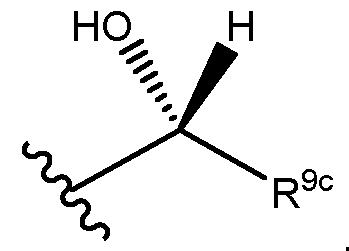


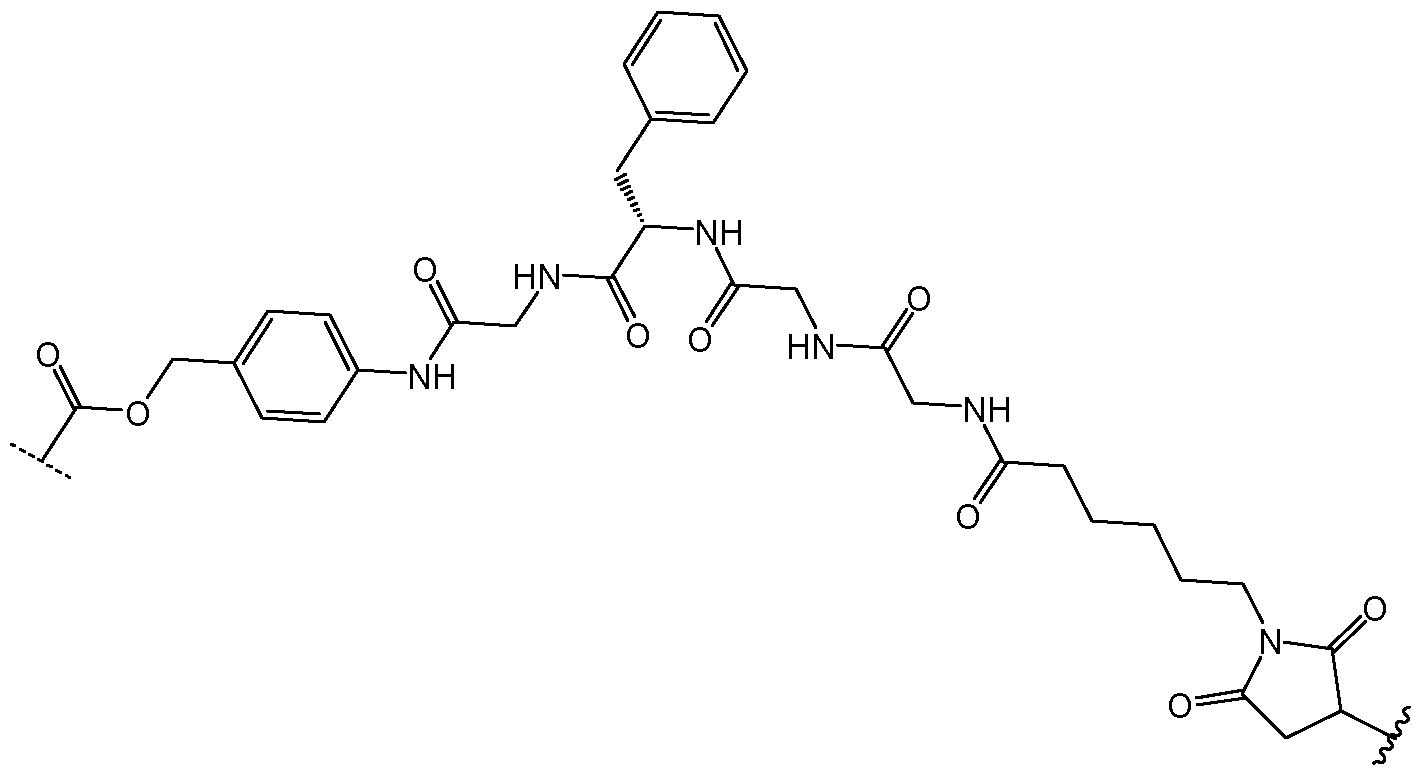
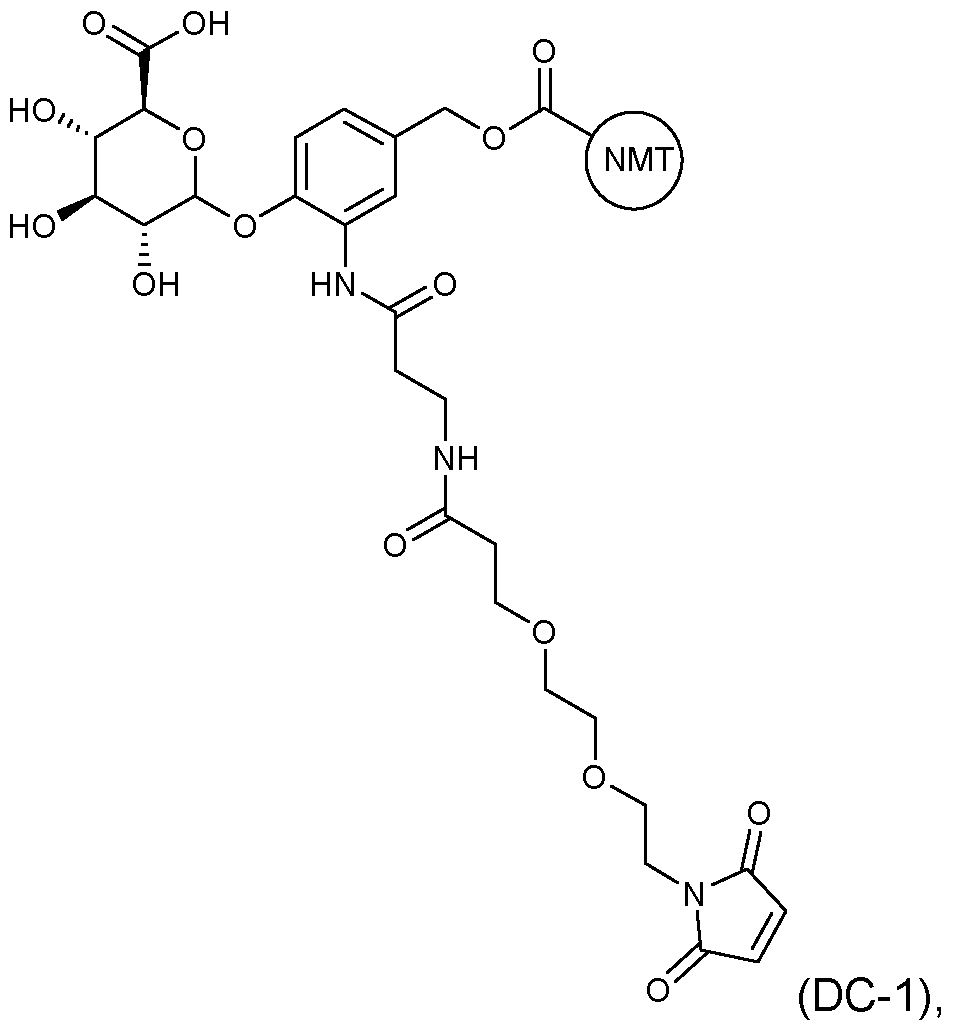


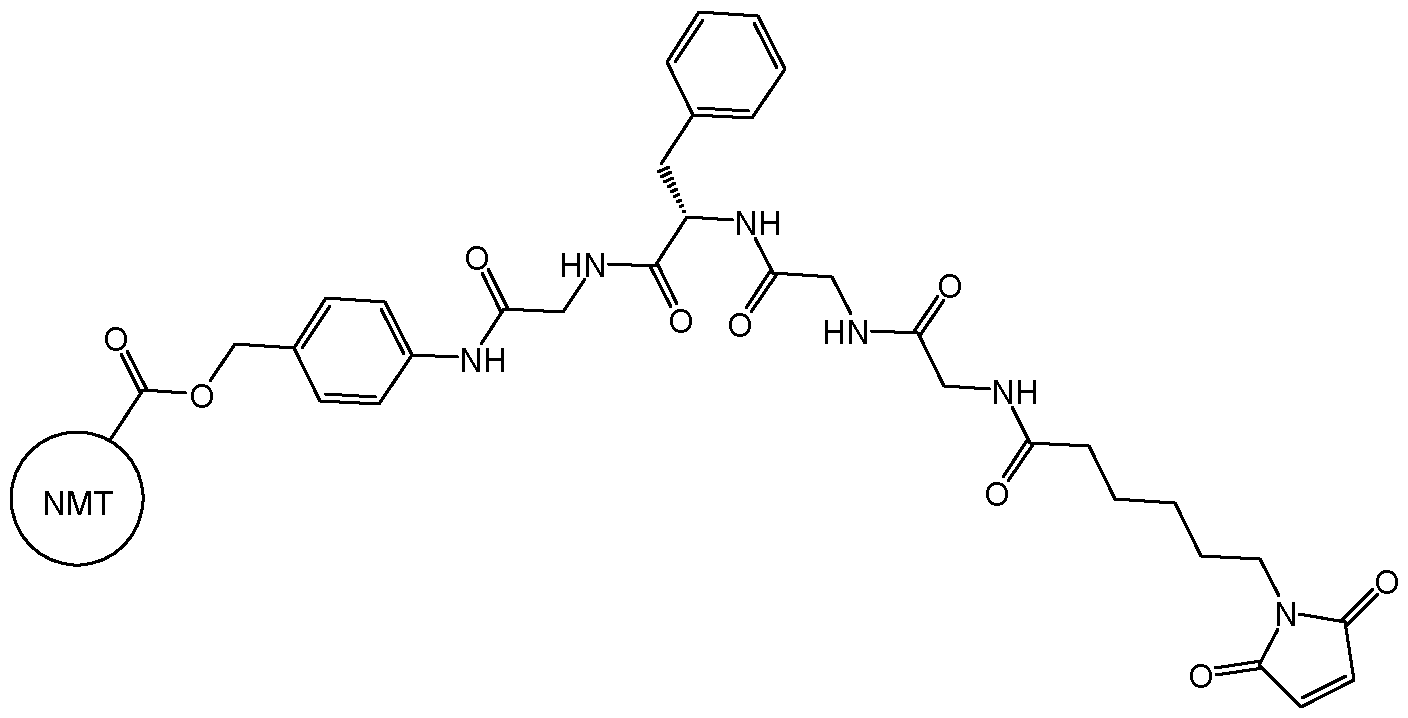


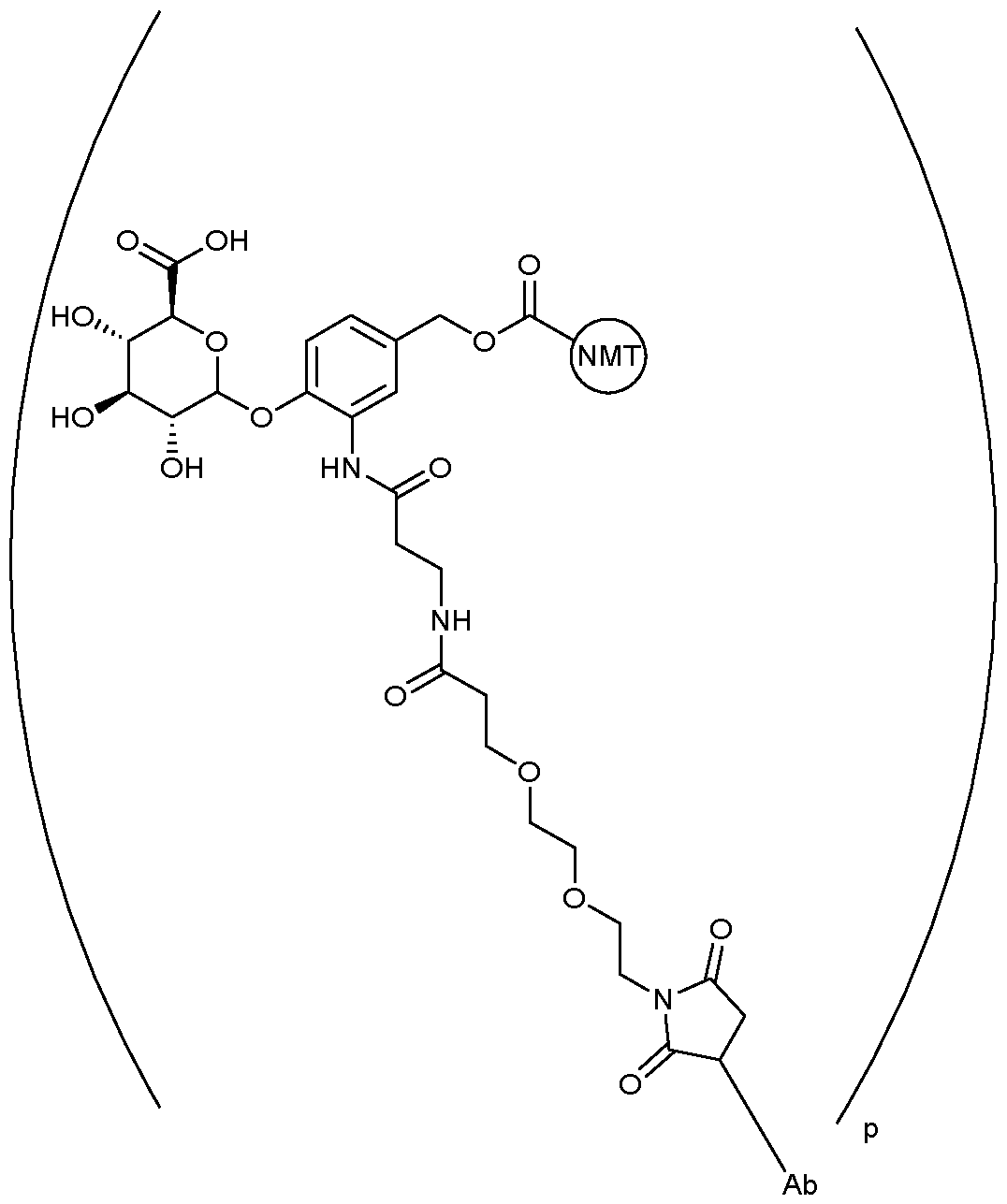
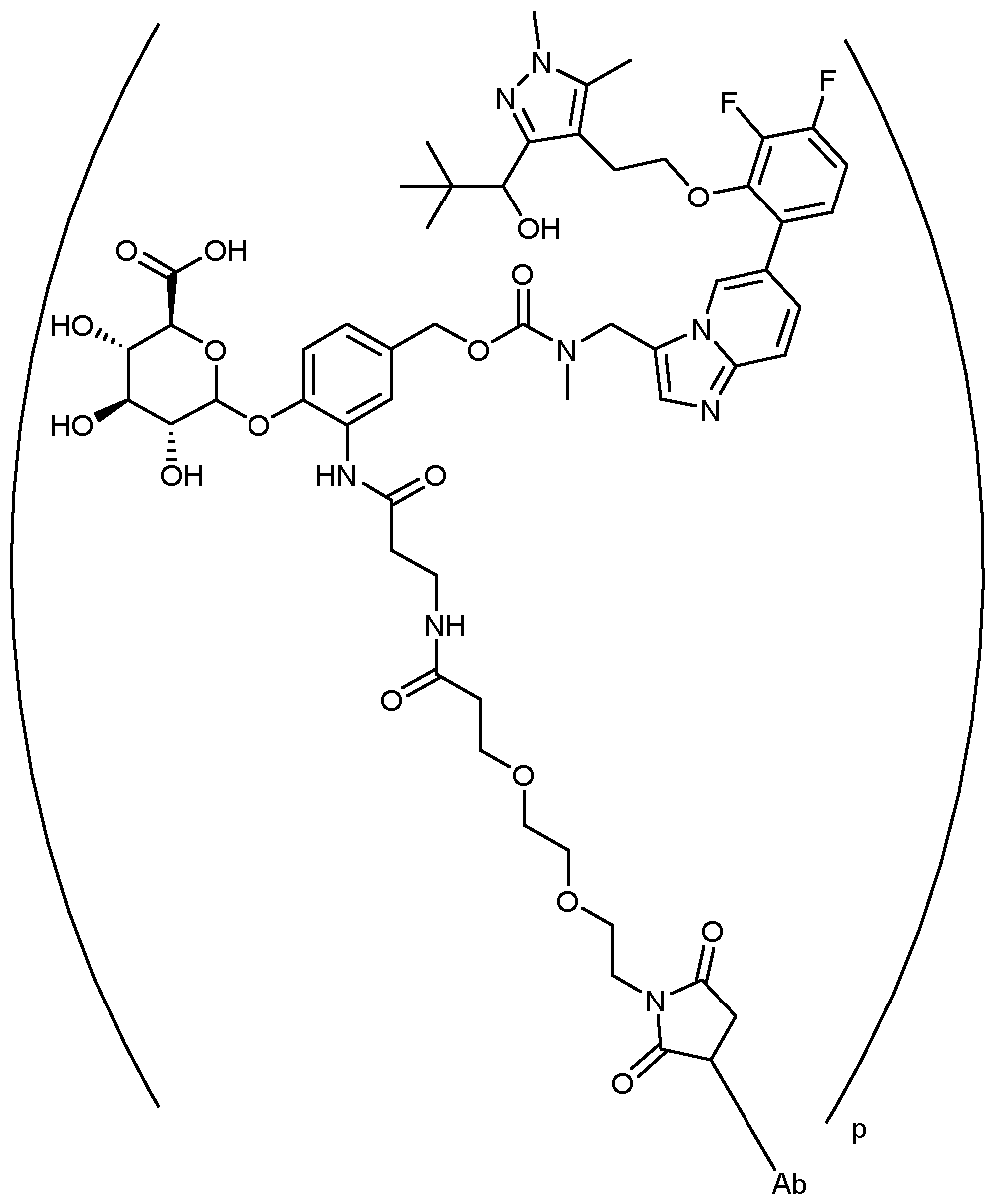





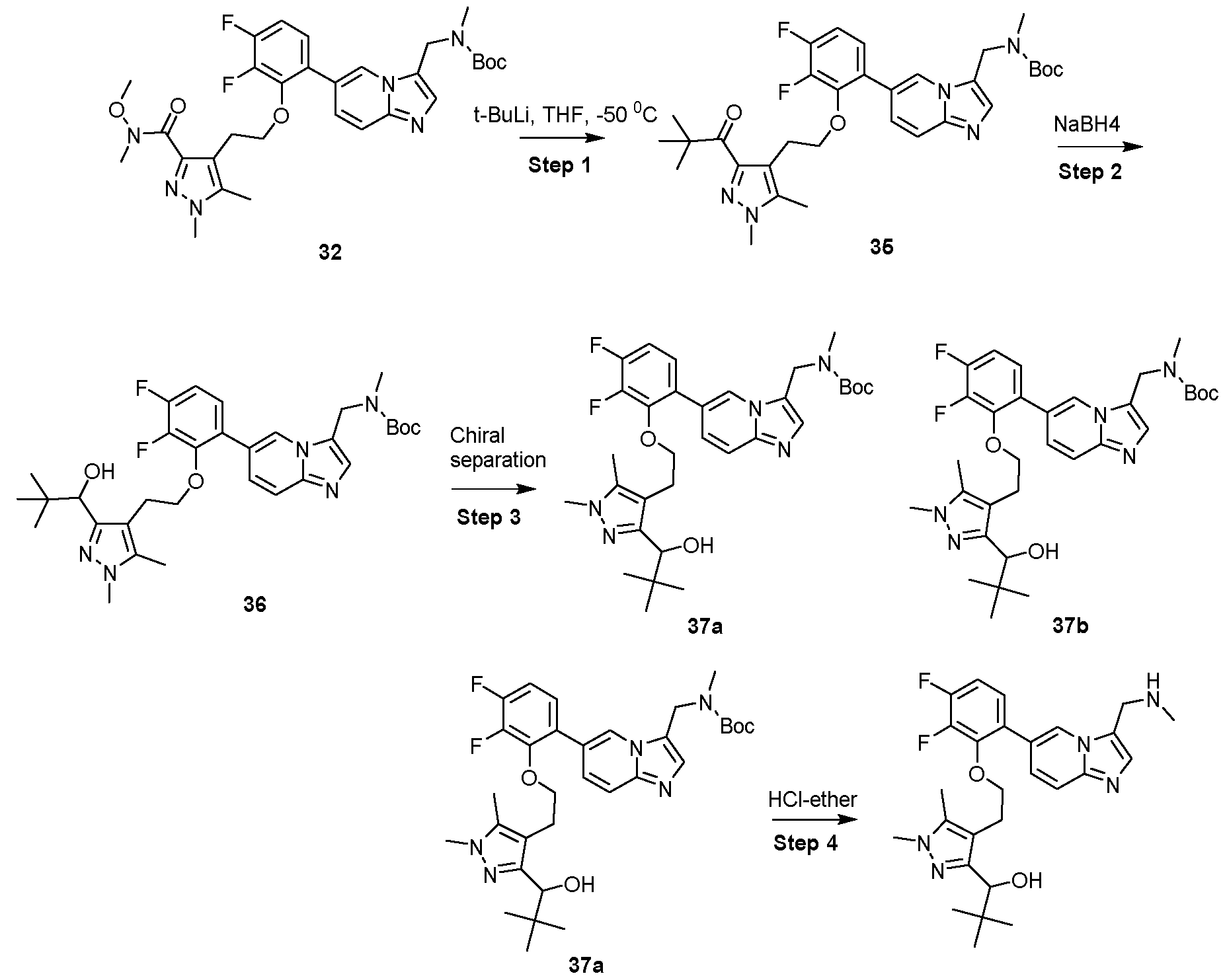

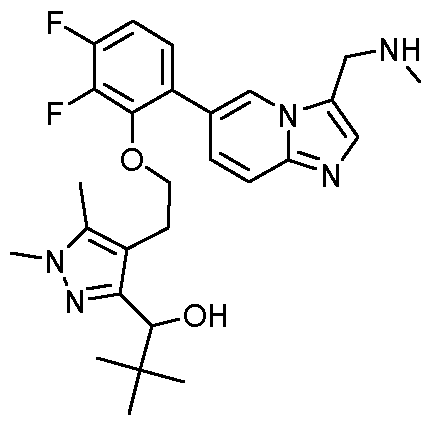
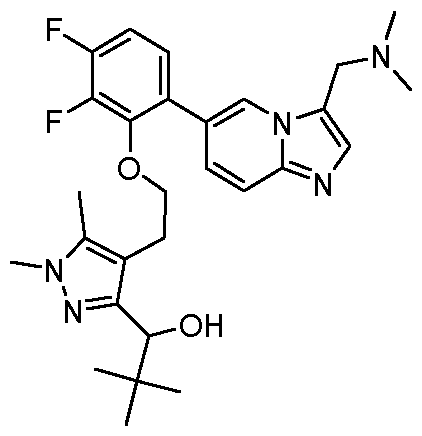


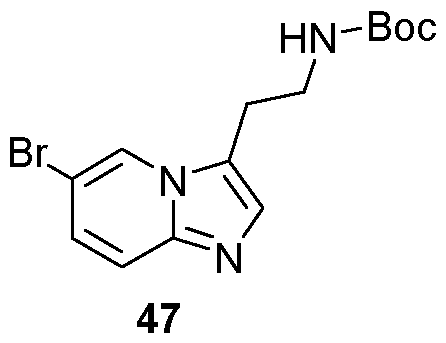


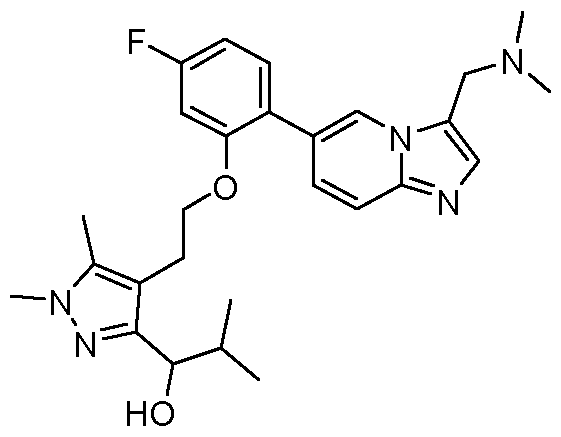

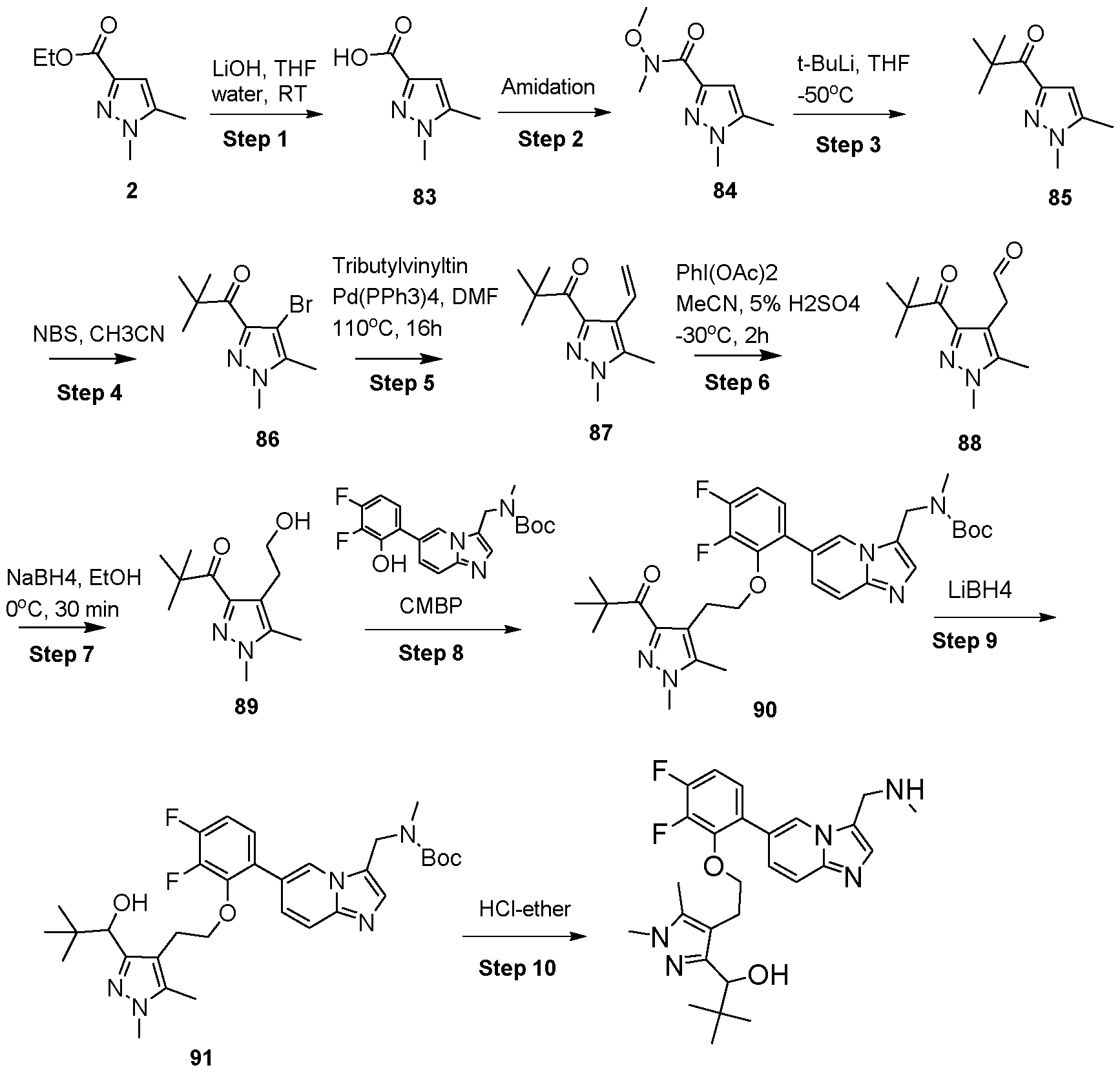


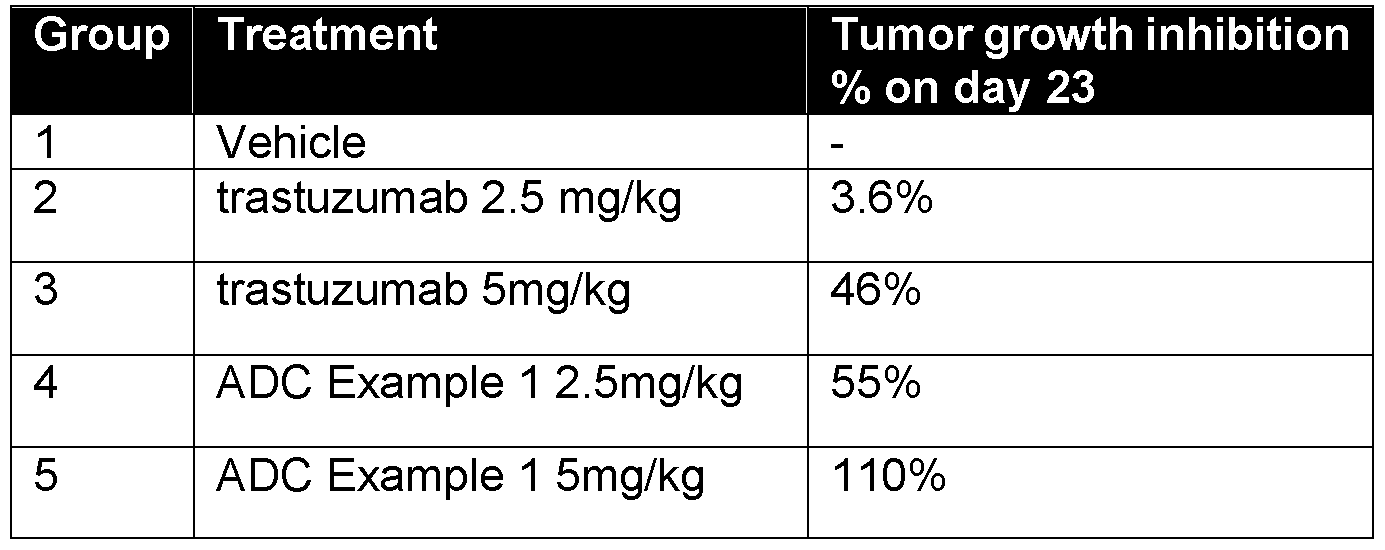


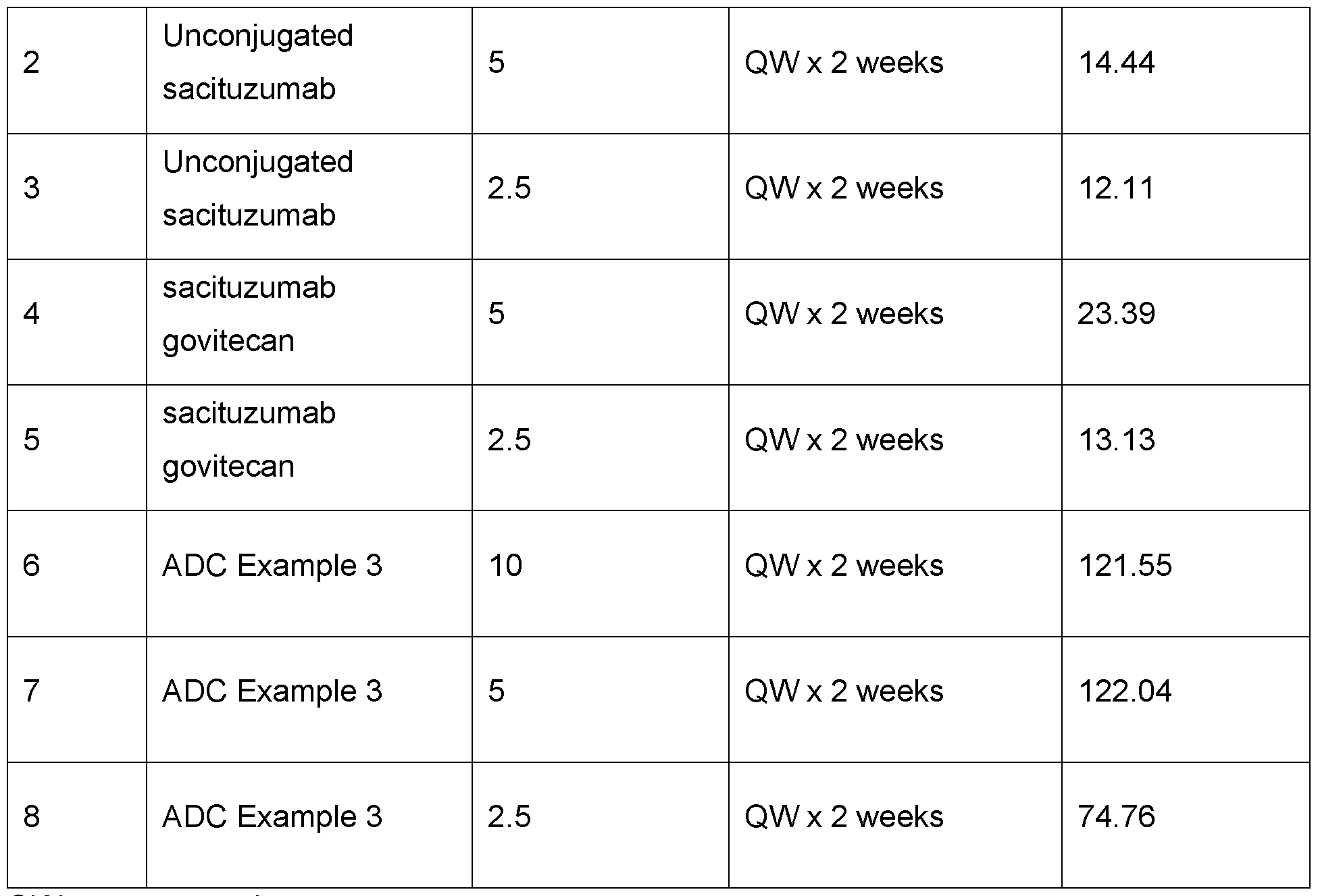
Claims
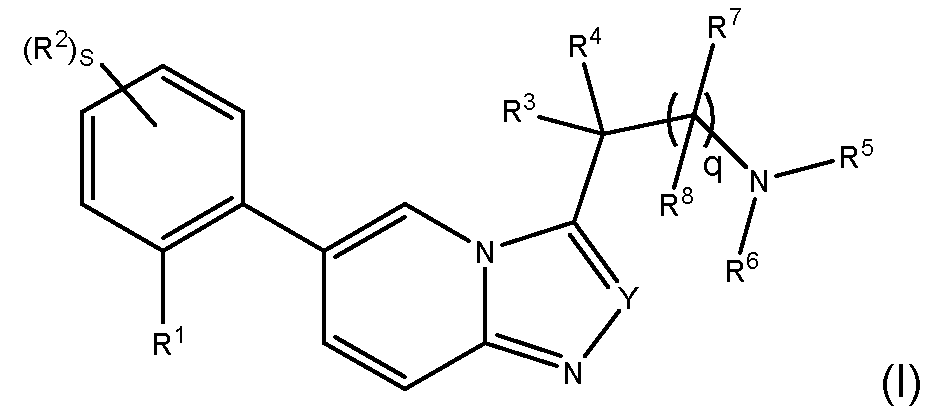

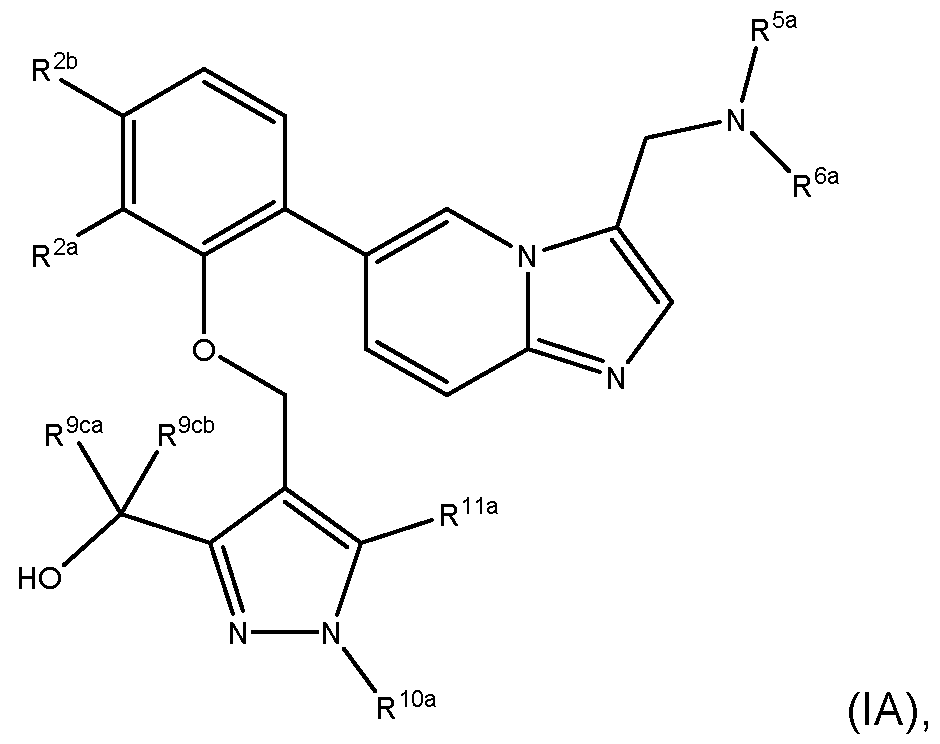
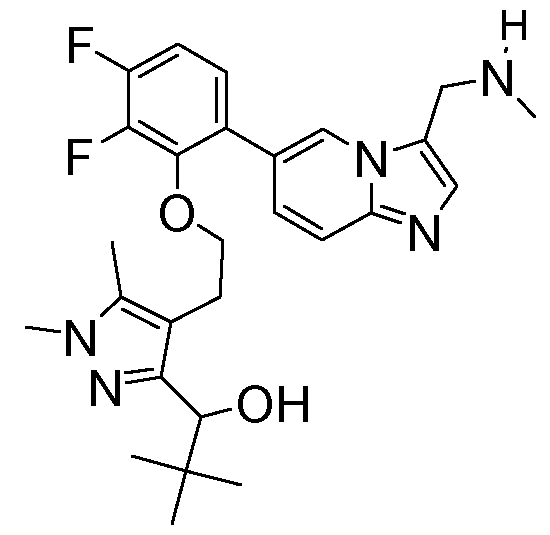


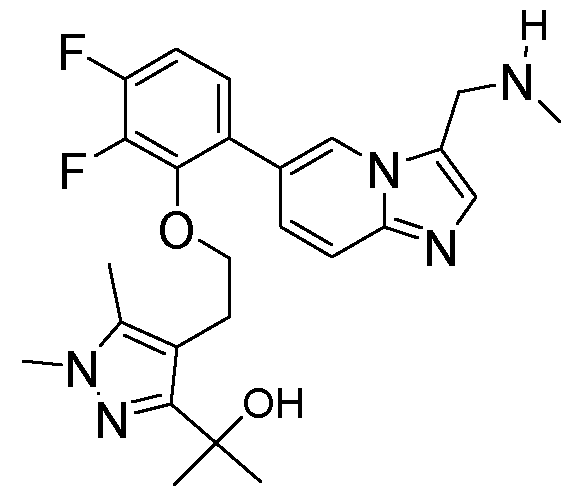

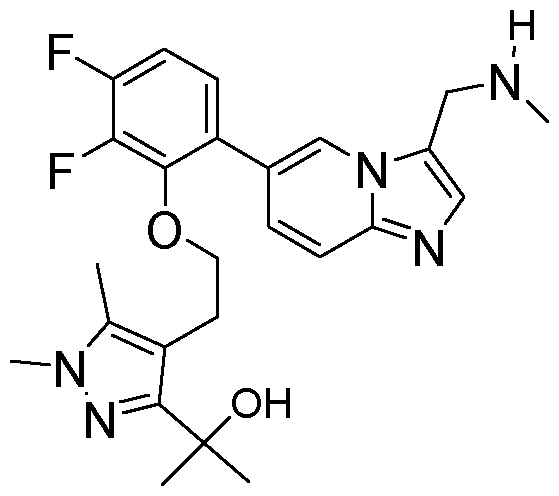


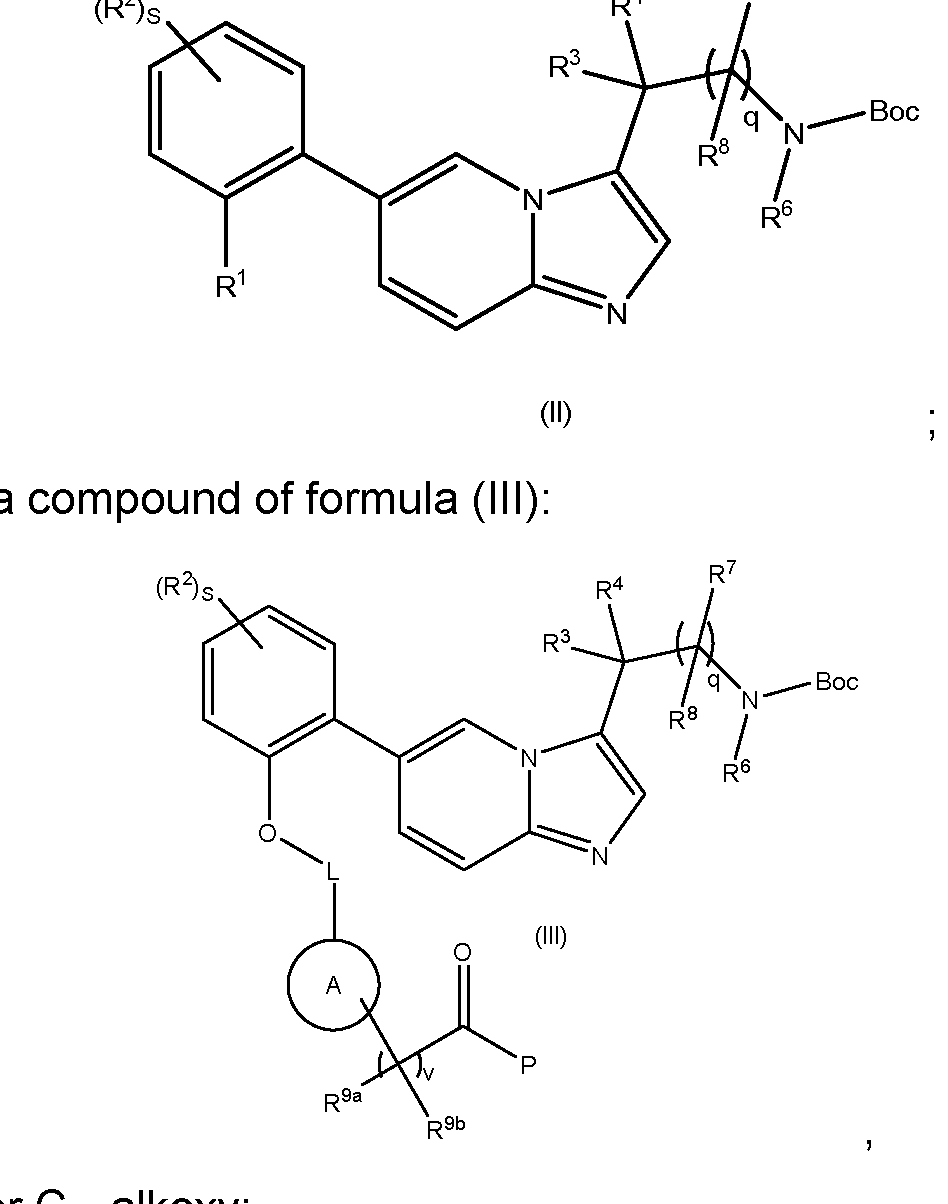
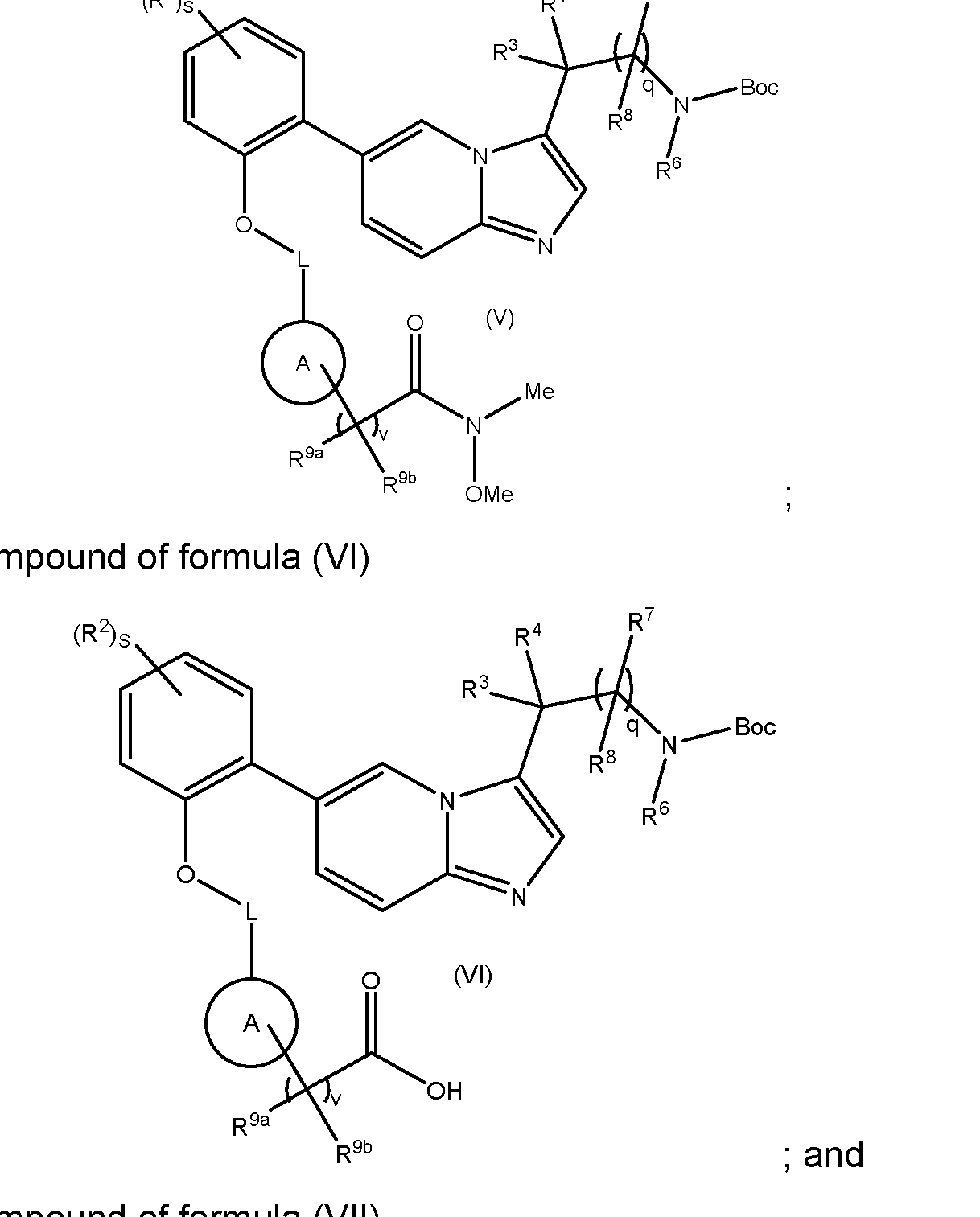
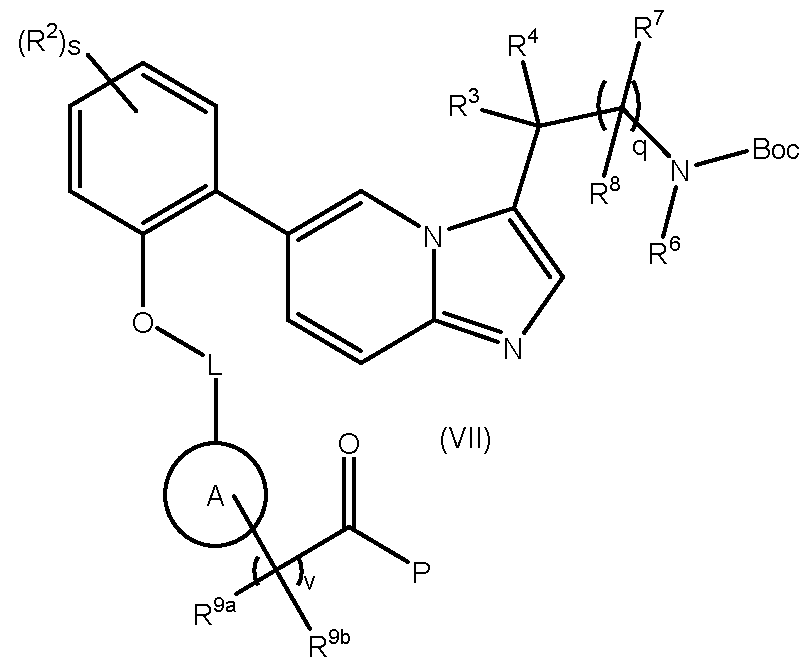


Priority Applications (8)
| Application Number | Priority Date | Filing Date | Title |
|---|---|---|---|
| EP23772564.3A EP4583979A1 (en) | 2022-09-09 | 2023-09-08 | Cytotoxic imidazo[1,2-a]pyridine compounds and their use in therapy |
| JP2025514273A JP2025531807A (en) | 2022-09-09 | 2023-09-08 | Cytotoxic imidazo[1,2-a]pyridine compounds and their use in therapy |
| CN202380064718.4A CN119968369A (en) | 2022-09-09 | 2023-09-08 | Cytotoxic imidazo[1,2-a]pyridine compounds and their use in therapy |
| AU2023336804A AU2023336804A1 (en) | 2022-09-09 | 2023-09-08 | Cytotoxic imidazo[1,2-a]pyridine compounds and their use in therapy |
| KR1020257006771A KR20250061726A (en) | 2022-09-09 | 2023-09-08 | Cytotoxic imidazo[1,2-A]pyridine compounds and their use in therapy |
| IL319292A IL319292A (en) | 2022-09-09 | 2023-09-08 | Cytotoxic imidazo[1,2-a]pyridine compounds and their use in therapy |
| CA3261509A CA3261509A1 (en) | 2022-09-09 | 2023-09-08 | Cytotoxic imidazo[1,2-a]pyridine compounds and their use in therapy |
| MX2025002794A MX2025002794A (en) | 2022-09-09 | 2025-03-07 | Cytotoxic imidazo[1,2-a]pyridine compounds and their use in therapy |
Applications Claiming Priority (8)
| Application Number | Priority Date | Filing Date | Title |
|---|---|---|---|
| EP22194959 | 2022-09-09 | ||
| EP22194984.5 | 2022-09-09 | ||
| EP22194959.7 | 2022-09-09 | ||
| EP22194984 | 2022-09-09 | ||
| GB2305541.1 | 2023-04-14 | ||
| GBGB2305541.1A GB202305541D0 (en) | 2023-04-14 | 2023-04-14 | Novel compounds and their use in therapy |
| GB2305546.0 | 2023-04-14 | ||
| GBGB2305546.0A GB202305546D0 (en) | 2023-04-14 | 2023-04-14 | Novel compounds and their use in therapy |
Publications (1)
| Publication Number | Publication Date |
|---|---|
| WO2024052685A1 true WO2024052685A1 (en) | 2024-03-14 |
Family
ID=88092862
Family Applications (2)
| Application Number | Title | Priority Date | Filing Date |
|---|---|---|---|
| PCT/GB2023/052319 Ceased WO2024052685A1 (en) | 2022-09-09 | 2023-09-08 | Cytotoxic imidazo[1,2-a]pyridine compounds and their use in therapy |
| PCT/GB2023/052318 Ceased WO2024052684A1 (en) | 2022-09-09 | 2023-09-08 | Antibody drug conjugate comprising nmt inhibitor and its use |
Family Applications After (1)
| Application Number | Title | Priority Date | Filing Date |
|---|---|---|---|
| PCT/GB2023/052318 Ceased WO2024052684A1 (en) | 2022-09-09 | 2023-09-08 | Antibody drug conjugate comprising nmt inhibitor and its use |
Country Status (11)
| Country | Link |
|---|---|
| EP (2) | EP4583979A1 (en) |
| JP (2) | JP2025530213A (en) |
| KR (2) | KR20250060207A (en) |
| CN (2) | CN119968369A (en) |
| AU (2) | AU2023336804A1 (en) |
| CA (2) | CA3261444A1 (en) |
| CL (1) | CL2025000594A1 (en) |
| IL (2) | IL319291A (en) |
| MX (2) | MX2025002794A (en) |
| TW (1) | TW202421120A (en) |
| WO (2) | WO2024052685A1 (en) |
Cited By (1)
| Publication number | Priority date | Publication date | Assignee | Title |
|---|---|---|---|---|
| WO2025238587A1 (en) | 2024-05-16 | 2025-11-20 | Daiichi Sankyo Company, Limited | Combination of anti-b7-h3 antibody-drug conjugate and androgen receptor signaling inhibitor |
Families Citing this family (3)
| Publication number | Priority date | Publication date | Assignee | Title |
|---|---|---|---|---|
| WO2025077671A1 (en) * | 2023-10-09 | 2025-04-17 | 浙江海正药业股份有限公司 | Polysubstituted aryl derivative and preparation method therefor and use thereof |
| GB202403391D0 (en) * | 2024-03-08 | 2024-04-24 | Myricx Pharma Ltd | Novel compounds and their use in therapy |
| WO2025256560A1 (en) * | 2024-06-12 | 2025-12-18 | 海南先声再明医药股份有限公司 | Polysubstituted aryl compound, composition thereof and use thereof |
Citations (18)
| Publication number | Priority date | Publication date | Assignee | Title |
|---|---|---|---|---|
| WO2000037464A2 (en) | 1998-12-18 | 2000-06-29 | Basilea Pharmaceutica Ag | 4-(aminoalkoxy)benzofurans as n-myristoyltransferase inhibitors |
| WO2007011968A2 (en) | 2005-07-18 | 2007-01-25 | Seattle Genetics, Inc. | Beta-glucuronide-linker drug conjugates |
| WO2010026365A1 (en) | 2008-09-02 | 2010-03-11 | University Of Dundee | N-myristoyl transferase inhibitors |
| WO2010031690A2 (en) | 2008-09-16 | 2010-03-25 | EnBW Energie Baden-Württemberg AG | Mobile electricity meter for the location-independent power intake of and/or for the location-independent power feed by a mobile storage and consumption unit |
| WO2013083991A1 (en) | 2011-12-06 | 2013-06-13 | Imperial Innovations Limited | Novel compounds and their use in therapy |
| WO2015057699A2 (en) | 2013-10-15 | 2015-04-23 | Seattle Genetics, Inc. | Pegylated drug-linkers for improved ligand-drug conjugate pharmacokinetics |
| WO2015095755A1 (en) | 2013-12-19 | 2015-06-25 | Seattle Genetics, Inc. | Methylene carbamate linkers for use with targeted-drug conjugates |
| WO2017001812A1 (en) | 2015-06-29 | 2017-01-05 | Imperial Innovations Limited | Compounds and their use as inhibitors of n-myristoyl transferase |
| WO2017011907A1 (en) | 2015-07-17 | 2017-01-26 | Pacylex Pharmaceuticals Inc. | Epigenetic silencing of nmt2 |
| WO2018075600A1 (en) | 2016-10-18 | 2018-04-26 | Seattle Genetics, Inc. | Targeted delivery of nicotinamide adenine dinucleotide salvage pathway inhibitors |
| WO2018160683A1 (en) | 2017-02-28 | 2018-09-07 | Seattle Genetics, Inc. | Cysteine mutated antibodies for conjugation |
| WO2018175994A1 (en) | 2017-03-24 | 2018-09-27 | Seattle Genetics, Inc. | Process for the preparation of glucuronide drug-linkers and intermediates thereof |
| WO2018201087A1 (en) | 2017-04-27 | 2018-11-01 | Seattle Genetics, Inc. | Quaternized nicotinamide adenine dinucleotide salvage pathway inhibitor conjugates |
| WO2020128475A1 (en) | 2018-12-19 | 2020-06-25 | Imperial College Innovations Limited | Cancer treatments |
| WO2020128473A1 (en) | 2018-12-19 | 2020-06-25 | Imperial College Innovations Limited | Novel compounds and their use in therapy |
| WO2022058745A2 (en) | 2020-09-18 | 2022-03-24 | Imperial College Innovations Limited | Novel compounds and their use in therapy |
| WO2022082306A1 (en) | 2020-10-20 | 2022-04-28 | Pacylex Pharmaceuticals Inc. | Use of n-myristoyl transferase (nmt) inhibitors in the treatment of cancer, autoimmune disorders, and inflammatory disorders |
| WO2022090746A1 (en) | 2020-11-02 | 2022-05-05 | Imperial College Innovations Limited | Nmt inhibitors for treating senescence-associated diseases or disorders |
Family Cites Families (8)
| Publication number | Priority date | Publication date | Assignee | Title |
|---|---|---|---|---|
| US4816567A (en) | 1983-04-08 | 1989-03-28 | Genentech, Inc. | Recombinant immunoglobin preparations |
| MXPA04004184A (en) | 2001-11-01 | 2005-01-25 | Uab Research Foundation | Combinations of antibodies selective for a tumor necrosis factor-related apoptosis-inducing ligand receptor and other therapeutic agents. |
| AU2005214988A1 (en) | 2004-02-17 | 2005-09-01 | Absalus, Inc. | Super-humanized antibodies against respiratory syncytial virus |
| CA2556752C (en) | 2004-02-23 | 2016-02-02 | Genentech, Inc. | Heterocyclic self-immolative linkers and conjugates |
| NZ553500A (en) | 2004-09-23 | 2009-11-27 | Genentech Inc Genentech Inc | Cysteine engineered antibodies and conjugates withCysteine engineered antibodies and conjugates with a free cysteine amino acid in the heavy chain a free cysteine amino acid in the heavy chain |
| ES2417133T3 (en) | 2005-02-03 | 2013-08-06 | Antitope Limited | Antibodies and human proteins |
| CL2008001334A1 (en) | 2007-05-08 | 2008-09-22 | Genentech Inc | ANTI-MUC16 ANTIBODY DESIGNED WITH CISTEINE; CONJUGADO THAT UNDERSTANDS IT; METHOD OF PRODUCTION; PHARMACEUTICAL FORMULATION THAT UNDERSTANDS IT; AND ITS USE TO TREAT CANCER. |
| AU2008312457B2 (en) | 2007-10-19 | 2014-04-17 | Genentech, Inc. | Cysteine engineered anti-TENB2 antibodies and antibody drug conjugates |
-
2023
- 2023-09-08 KR KR1020257006772A patent/KR20250060207A/en active Pending
- 2023-09-08 KR KR1020257006771A patent/KR20250061726A/en active Pending
- 2023-09-08 IL IL319291A patent/IL319291A/en unknown
- 2023-09-08 TW TW112134263A patent/TW202421120A/en unknown
- 2023-09-08 CA CA3261444A patent/CA3261444A1/en active Pending
- 2023-09-08 WO PCT/GB2023/052319 patent/WO2024052685A1/en not_active Ceased
- 2023-09-08 AU AU2023336804A patent/AU2023336804A1/en active Pending
- 2023-09-08 EP EP23772564.3A patent/EP4583979A1/en active Pending
- 2023-09-08 EP EP23772312.7A patent/EP4583919A1/en active Pending
- 2023-09-08 WO PCT/GB2023/052318 patent/WO2024052684A1/en not_active Ceased
- 2023-09-08 IL IL319292A patent/IL319292A/en unknown
- 2023-09-08 JP JP2025514315A patent/JP2025530213A/en active Pending
- 2023-09-08 CA CA3261509A patent/CA3261509A1/en active Pending
- 2023-09-08 AU AU2023336803A patent/AU2023336803A1/en active Pending
- 2023-09-08 JP JP2025514273A patent/JP2025531807A/en active Pending
- 2023-09-08 CN CN202380064718.4A patent/CN119968369A/en active Pending
- 2023-09-08 CN CN202380064729.2A patent/CN119997982A/en active Pending
-
2025
- 2025-03-04 CL CL2025000594A patent/CL2025000594A1/en unknown
- 2025-03-07 MX MX2025002794A patent/MX2025002794A/en unknown
- 2025-03-07 MX MX2025002793A patent/MX2025002793A/en unknown
Patent Citations (18)
| Publication number | Priority date | Publication date | Assignee | Title |
|---|---|---|---|---|
| WO2000037464A2 (en) | 1998-12-18 | 2000-06-29 | Basilea Pharmaceutica Ag | 4-(aminoalkoxy)benzofurans as n-myristoyltransferase inhibitors |
| WO2007011968A2 (en) | 2005-07-18 | 2007-01-25 | Seattle Genetics, Inc. | Beta-glucuronide-linker drug conjugates |
| WO2010026365A1 (en) | 2008-09-02 | 2010-03-11 | University Of Dundee | N-myristoyl transferase inhibitors |
| WO2010031690A2 (en) | 2008-09-16 | 2010-03-25 | EnBW Energie Baden-Württemberg AG | Mobile electricity meter for the location-independent power intake of and/or for the location-independent power feed by a mobile storage and consumption unit |
| WO2013083991A1 (en) | 2011-12-06 | 2013-06-13 | Imperial Innovations Limited | Novel compounds and their use in therapy |
| WO2015057699A2 (en) | 2013-10-15 | 2015-04-23 | Seattle Genetics, Inc. | Pegylated drug-linkers for improved ligand-drug conjugate pharmacokinetics |
| WO2015095755A1 (en) | 2013-12-19 | 2015-06-25 | Seattle Genetics, Inc. | Methylene carbamate linkers for use with targeted-drug conjugates |
| WO2017001812A1 (en) | 2015-06-29 | 2017-01-05 | Imperial Innovations Limited | Compounds and their use as inhibitors of n-myristoyl transferase |
| WO2017011907A1 (en) | 2015-07-17 | 2017-01-26 | Pacylex Pharmaceuticals Inc. | Epigenetic silencing of nmt2 |
| WO2018075600A1 (en) | 2016-10-18 | 2018-04-26 | Seattle Genetics, Inc. | Targeted delivery of nicotinamide adenine dinucleotide salvage pathway inhibitors |
| WO2018160683A1 (en) | 2017-02-28 | 2018-09-07 | Seattle Genetics, Inc. | Cysteine mutated antibodies for conjugation |
| WO2018175994A1 (en) | 2017-03-24 | 2018-09-27 | Seattle Genetics, Inc. | Process for the preparation of glucuronide drug-linkers and intermediates thereof |
| WO2018201087A1 (en) | 2017-04-27 | 2018-11-01 | Seattle Genetics, Inc. | Quaternized nicotinamide adenine dinucleotide salvage pathway inhibitor conjugates |
| WO2020128475A1 (en) | 2018-12-19 | 2020-06-25 | Imperial College Innovations Limited | Cancer treatments |
| WO2020128473A1 (en) | 2018-12-19 | 2020-06-25 | Imperial College Innovations Limited | Novel compounds and their use in therapy |
| WO2022058745A2 (en) | 2020-09-18 | 2022-03-24 | Imperial College Innovations Limited | Novel compounds and their use in therapy |
| WO2022082306A1 (en) | 2020-10-20 | 2022-04-28 | Pacylex Pharmaceuticals Inc. | Use of n-myristoyl transferase (nmt) inhibitors in the treatment of cancer, autoimmune disorders, and inflammatory disorders |
| WO2022090746A1 (en) | 2020-11-02 | 2022-05-05 | Imperial College Innovations Limited | Nmt inhibitors for treating senescence-associated diseases or disorders |
Non-Patent Citations (12)
| Title |
|---|
| BIOCONJUGATE CHEM, vol. 17, 2006, pages 831 - 840 |
| BRYANT MLRATNER L, PROC. NATL. ACAD. SCI. USA, vol. 87, 1990, pages 523 - 27 |
| COATS ET AL., CLIN CANCER RES, vol. 25, 2019, pages 5441 - 8 |
| CORBIC RAMLJAK ISTANGER JREAL-HOHN ADREIER DWIMMER LREDLBERGER-FRITZ MFISCHL WKLINGEL KMIHOVILOVIC MDBLAAS D, PLOS PATHOGENS, vol. 14, no. 8, pages e1007203 |
| DAVIS MPBOTTLEY, GBEALES LPKILLINGTON, RAROWLANDS DJTUTHILL, TJ, JOURNAL OF VIROLOGY, vol. 82, 2008, pages 4169 - 4174 |
| FARAZI, T.AG. WAKSMANJ.I. GORDON, J. BIOL. CHEM., vol. 276, no. 43, 2001, pages 39501 - 39504 |
| GONCALVES V., ANALYTICAL BIOCHEMISTRY, vol. 421, 2012, pages 342 - 344 |
| GONCALVES, V ET AL., J. MED. CHEM, vol. 55, 2012, pages 3578 |
| GOTTLINGER HGSODROSKI JGHASELTINE WA, PROC. NAT. ACAD. SCI. USA, vol. 86, 1989, pages 5781 - 85 |
| JOULE, J. AMILLS, K: "Heterocyclic Chemistry", 2010, PUB. WILEY |
| MOUSNIER ABELL ASSWIEBODA DPMORALES-SANFRUTOS JPEREZ-DORADO IBRANNIGAN JANEWMAN JRITZEFELD MHUTTON, JAGUEDAN A, NATURE CHEMISTRY, vol. 10, no. 6, 2018, pages 599 - 606 |
| RESH MD, BIOCHERN. BIOPHYS.ACTA, vol. 1115, 1993, pages 307 - 22 |
Cited By (1)
| Publication number | Priority date | Publication date | Assignee | Title |
|---|---|---|---|---|
| WO2025238587A1 (en) | 2024-05-16 | 2025-11-20 | Daiichi Sankyo Company, Limited | Combination of anti-b7-h3 antibody-drug conjugate and androgen receptor signaling inhibitor |
Also Published As
| Publication number | Publication date |
|---|---|
| CL2025000594A1 (en) | 2025-05-09 |
| IL319292A (en) | 2025-04-01 |
| CA3261444A1 (en) | 2024-03-14 |
| MX2025002794A (en) | 2025-06-02 |
| JP2025530213A (en) | 2025-09-11 |
| AU2023336804A1 (en) | 2025-01-16 |
| TW202421120A (en) | 2024-06-01 |
| AU2023336803A1 (en) | 2025-01-23 |
| KR20250060207A (en) | 2025-05-07 |
| WO2024052684A1 (en) | 2024-03-14 |
| EP4583919A1 (en) | 2025-07-16 |
| IL319291A (en) | 2025-04-01 |
| CN119997982A (en) | 2025-05-13 |
| JP2025531807A (en) | 2025-09-25 |
| CN119968369A (en) | 2025-05-09 |
| EP4583979A1 (en) | 2025-07-16 |
| MX2025002793A (en) | 2025-05-02 |
| CA3261509A1 (en) | 2024-03-14 |
| KR20250061726A (en) | 2025-05-08 |
Similar Documents
| Publication | Publication Date | Title |
|---|---|---|
| WO2024052685A1 (en) | Cytotoxic imidazo[1,2-a]pyridine compounds and their use in therapy | |
| EP1948242B1 (en) | Cytotoxic compounds | |
| US11267825B2 (en) | Highly active amino-thiazole substituted indole-2-carboxamides active against the hepatitis B virus (HBV) | |
| ES2382143T3 (en) | 4- (4-Cyano-2-thioaryl) dihydropyrimidinones and their use | |
| US11001564B2 (en) | Substituted chromane-8-carboxamide compounds and analogues thereof, and methods using same | |
| EP3898625B1 (en) | Novel compounds and their use in therapy | |
| JP2022520236A (en) | Compounds, compositions, and methods | |
| ES2911040T3 (en) | Novel heteroaryl amide derivatives as selective inhibitors of histone deacetylase 1 and 2 (HDAC1/2) | |
| US20220081444A1 (en) | 6,7-dihydro-4h-pyrazolo[1,5-a]pyrazine indole-2-carboxamides active against the hepatitis b virus (hbv) | |
| JP2016523974A (en) | IDO inhibitor | |
| JP2019507179A (en) | Inhibitors of WDR5 protein-protein binding | |
| CN111362967A (en) | Benzoxadiazatetetradecene derivatives and use thereof | |
| US20240408064A1 (en) | Ras inhibitors, compositions and methods of use thereof | |
| TW202128699A (en) | Therapeutic compounds | |
| TW201609720A (en) | 1,3,4-thiadiazole compound and its use for treating cancer | |
| US20050164954A1 (en) | N-containing five-membered ring compounds and pharmaceutical agents comprising the same as active ingredient | |
| US20220363686A1 (en) | Novel 6,7-dihydro-4h-pyrazolo[1,5-a]pyrazine indole-2-carboxamides active against the hepatitis b virus (hbv) | |
| US20210355129A1 (en) | Novel urea 6,7-dihydro-4h-pyrazolo[1,5-a]pyrazines active against the hepatitis b virus (hbv) | |
| JP7201800B2 (en) | 3,9-diazaspiro[5,5]undecane-based compounds as inhibitors of FLT3 and AXL | |
| JP4257383B2 (en) | Highly selective Rho kinase inhibitor | |
| JP2011111433A (en) | Uracil compound having ureide structure or salt thereof | |
| ES2686828T3 (en) | Derivatives of macrocyclic polyethers of N-aryl-2-amino-4-aryl-pyrimidines as inhibitors of FLT3 and JAK | |
| US20200031820A1 (en) | 3-carboxylic acid pyrroles as nrf2 regulators | |
| CN119584969A (en) | Combination of anticancer agents comprising a bifunctional compound having G12D mutant KRAS inhibitory activity | |
| CN116768868B (en) | Pyridazinone thio derivative and preparation method and application thereof |
Legal Events
| Date | Code | Title | Description |
|---|---|---|---|
| 121 | Ep: the epo has been informed by wipo that ep was designated in this application |
Ref document number: 23772564 Country of ref document: EP Kind code of ref document: A1 |
|
| DPE1 | Request for preliminary examination filed after expiration of 19th month from priority date (pct application filed from 20040101) | ||
| WWE | Wipo information: entry into national phase |
Ref document number: 817608 Country of ref document: NZ Ref document number: AU2023336804 Country of ref document: AU |
|
| ENP | Entry into the national phase |
Ref document number: 2023336804 Country of ref document: AU Date of ref document: 20230908 Kind code of ref document: A |
|
| WWE | Wipo information: entry into national phase |
Ref document number: 202590138 Country of ref document: EA |
|
| WWE | Wipo information: entry into national phase |
Ref document number: 11202500128R Country of ref document: SG Ref document number: 319292 Country of ref document: IL |
|
| WWP | Wipo information: published in national office |
Ref document number: 11202500128R Country of ref document: SG |
|
| ENP | Entry into the national phase |
Ref document number: 2025514273 Country of ref document: JP Kind code of ref document: A |
|
| WWE | Wipo information: entry into national phase |
Ref document number: MX/A/2025/002794 Country of ref document: MX Ref document number: 2025514273 Country of ref document: JP Ref document number: 202380064718.4 Country of ref document: CN |
|
| REG | Reference to national code |
Ref country code: BR Ref legal event code: B01A Ref document number: 112025004412 Country of ref document: BR |
|
| WWE | Wipo information: entry into national phase |
Ref document number: 202517033093 Country of ref document: IN |
|
| WWE | Wipo information: entry into national phase |
Ref document number: 2023772564 Country of ref document: EP |
|
| NENP | Non-entry into the national phase |
Ref country code: DE |
|
| ENP | Entry into the national phase |
Ref document number: 2023772564 Country of ref document: EP Effective date: 20250409 |
|
| WWP | Wipo information: published in national office |
Ref document number: 202517033093 Country of ref document: IN |
|
| WWP | Wipo information: published in national office |
Ref document number: 202380064718.4 Country of ref document: CN |
|
| WWP | Wipo information: published in national office |
Ref document number: MX/A/2025/002794 Country of ref document: MX |
|
| WWP | Wipo information: published in national office |
Ref document number: 2023772564 Country of ref document: EP |
|
| ENP | Entry into the national phase |
Ref document number: 112025004412 Country of ref document: BR Kind code of ref document: A2 Effective date: 20250307 |