WO2023172968A1 - Anti-gd2 antibodies, immunoconjugates and therapeutic uses thereof - Google Patents
Anti-gd2 antibodies, immunoconjugates and therapeutic uses thereof Download PDFInfo
- Publication number
- WO2023172968A1 WO2023172968A1 PCT/US2023/063957 US2023063957W WO2023172968A1 WO 2023172968 A1 WO2023172968 A1 WO 2023172968A1 US 2023063957 W US2023063957 W US 2023063957W WO 2023172968 A1 WO2023172968 A1 WO 2023172968A1
- Authority
- WO
- WIPO (PCT)
- Prior art keywords
- antibody
- linker
- amino acid
- adc
- antibodies
- Prior art date
- Legal status (The legal status is an assumption and is not a legal conclusion. Google has not performed a legal analysis and makes no representation as to the accuracy of the status listed.)
- Ceased
Links
Classifications
-
- A—HUMAN NECESSITIES
- A61—MEDICAL OR VETERINARY SCIENCE; HYGIENE
- A61K—PREPARATIONS FOR MEDICAL, DENTAL OR TOILETRY PURPOSES
- A61K47/00—Medicinal preparations characterised by the non-active ingredients used, e.g. carriers or inert additives; Targeting or modifying agents chemically bound to the active ingredient
- A61K47/50—Medicinal preparations characterised by the non-active ingredients used, e.g. carriers or inert additives; Targeting or modifying agents chemically bound to the active ingredient the non-active ingredient being chemically bound to the active ingredient, e.g. polymer-drug conjugates
- A61K47/51—Medicinal preparations characterised by the non-active ingredients used, e.g. carriers or inert additives; Targeting or modifying agents chemically bound to the active ingredient the non-active ingredient being chemically bound to the active ingredient, e.g. polymer-drug conjugates the non-active ingredient being a modifying agent
- A61K47/68—Medicinal preparations characterised by the non-active ingredients used, e.g. carriers or inert additives; Targeting or modifying agents chemically bound to the active ingredient the non-active ingredient being chemically bound to the active ingredient, e.g. polymer-drug conjugates the non-active ingredient being a modifying agent the modifying agent being an antibody, an immunoglobulin or a fragment thereof, e.g. an Fc-fragment
- A61K47/6801—Drug-antibody or immunoglobulin conjugates defined by the pharmacologically or therapeutically active agent
- A61K47/6803—Drugs conjugated to an antibody or immunoglobulin, e.g. cisplatin-antibody conjugates
- A61K47/68037—Drugs conjugated to an antibody or immunoglobulin, e.g. cisplatin-antibody conjugates the drug being a camptothecin [CPT] or derivatives
-
- A—HUMAN NECESSITIES
- A61—MEDICAL OR VETERINARY SCIENCE; HYGIENE
- A61K—PREPARATIONS FOR MEDICAL, DENTAL OR TOILETRY PURPOSES
- A61K47/00—Medicinal preparations characterised by the non-active ingredients used, e.g. carriers or inert additives; Targeting or modifying agents chemically bound to the active ingredient
- A61K47/50—Medicinal preparations characterised by the non-active ingredients used, e.g. carriers or inert additives; Targeting or modifying agents chemically bound to the active ingredient the non-active ingredient being chemically bound to the active ingredient, e.g. polymer-drug conjugates
- A61K47/51—Medicinal preparations characterised by the non-active ingredients used, e.g. carriers or inert additives; Targeting or modifying agents chemically bound to the active ingredient the non-active ingredient being chemically bound to the active ingredient, e.g. polymer-drug conjugates the non-active ingredient being a modifying agent
- A61K47/68—Medicinal preparations characterised by the non-active ingredients used, e.g. carriers or inert additives; Targeting or modifying agents chemically bound to the active ingredient the non-active ingredient being chemically bound to the active ingredient, e.g. polymer-drug conjugates the non-active ingredient being a modifying agent the modifying agent being an antibody, an immunoglobulin or a fragment thereof, e.g. an Fc-fragment
- A61K47/6801—Drug-antibody or immunoglobulin conjugates defined by the pharmacologically or therapeutically active agent
- A61K47/6803—Drugs conjugated to an antibody or immunoglobulin, e.g. cisplatin-antibody conjugates
-
- A—HUMAN NECESSITIES
- A61—MEDICAL OR VETERINARY SCIENCE; HYGIENE
- A61K—PREPARATIONS FOR MEDICAL, DENTAL OR TOILETRY PURPOSES
- A61K47/00—Medicinal preparations characterised by the non-active ingredients used, e.g. carriers or inert additives; Targeting or modifying agents chemically bound to the active ingredient
- A61K47/50—Medicinal preparations characterised by the non-active ingredients used, e.g. carriers or inert additives; Targeting or modifying agents chemically bound to the active ingredient the non-active ingredient being chemically bound to the active ingredient, e.g. polymer-drug conjugates
- A61K47/51—Medicinal preparations characterised by the non-active ingredients used, e.g. carriers or inert additives; Targeting or modifying agents chemically bound to the active ingredient the non-active ingredient being chemically bound to the active ingredient, e.g. polymer-drug conjugates the non-active ingredient being a modifying agent
- A61K47/68—Medicinal preparations characterised by the non-active ingredients used, e.g. carriers or inert additives; Targeting or modifying agents chemically bound to the active ingredient the non-active ingredient being chemically bound to the active ingredient, e.g. polymer-drug conjugates the non-active ingredient being a modifying agent the modifying agent being an antibody, an immunoglobulin or a fragment thereof, e.g. an Fc-fragment
- A61K47/6835—Medicinal preparations characterised by the non-active ingredients used, e.g. carriers or inert additives; Targeting or modifying agents chemically bound to the active ingredient the non-active ingredient being chemically bound to the active ingredient, e.g. polymer-drug conjugates the non-active ingredient being a modifying agent the modifying agent being an antibody, an immunoglobulin or a fragment thereof, e.g. an Fc-fragment the modifying agent being an antibody or an immunoglobulin bearing at least one antigen-binding site
- A61K47/6851—Medicinal preparations characterised by the non-active ingredients used, e.g. carriers or inert additives; Targeting or modifying agents chemically bound to the active ingredient the non-active ingredient being chemically bound to the active ingredient, e.g. polymer-drug conjugates the non-active ingredient being a modifying agent the modifying agent being an antibody, an immunoglobulin or a fragment thereof, e.g. an Fc-fragment the modifying agent being an antibody or an immunoglobulin bearing at least one antigen-binding site the antibody targeting a determinant of a tumour cell
- A61K47/6865—Medicinal preparations characterised by the non-active ingredients used, e.g. carriers or inert additives; Targeting or modifying agents chemically bound to the active ingredient the non-active ingredient being chemically bound to the active ingredient, e.g. polymer-drug conjugates the non-active ingredient being a modifying agent the modifying agent being an antibody, an immunoglobulin or a fragment thereof, e.g. an Fc-fragment the modifying agent being an antibody or an immunoglobulin bearing at least one antigen-binding site the antibody targeting a determinant of a tumour cell the tumour determinant being from skin, nerves or brain cancer cell
-
- A—HUMAN NECESSITIES
- A61—MEDICAL OR VETERINARY SCIENCE; HYGIENE
- A61K—PREPARATIONS FOR MEDICAL, DENTAL OR TOILETRY PURPOSES
- A61K47/00—Medicinal preparations characterised by the non-active ingredients used, e.g. carriers or inert additives; Targeting or modifying agents chemically bound to the active ingredient
- A61K47/50—Medicinal preparations characterised by the non-active ingredients used, e.g. carriers or inert additives; Targeting or modifying agents chemically bound to the active ingredient the non-active ingredient being chemically bound to the active ingredient, e.g. polymer-drug conjugates
- A61K47/51—Medicinal preparations characterised by the non-active ingredients used, e.g. carriers or inert additives; Targeting or modifying agents chemically bound to the active ingredient the non-active ingredient being chemically bound to the active ingredient, e.g. polymer-drug conjugates the non-active ingredient being a modifying agent
- A61K47/68—Medicinal preparations characterised by the non-active ingredients used, e.g. carriers or inert additives; Targeting or modifying agents chemically bound to the active ingredient the non-active ingredient being chemically bound to the active ingredient, e.g. polymer-drug conjugates the non-active ingredient being a modifying agent the modifying agent being an antibody, an immunoglobulin or a fragment thereof, e.g. an Fc-fragment
- A61K47/6889—Conjugates wherein the antibody being the modifying agent and wherein the linker, binder or spacer confers particular properties to the conjugates, e.g. peptidic enzyme-labile linkers or acid-labile linkers, providing for an acid-labile immuno conjugate wherein the drug may be released from its antibody conjugated part in an acidic, e.g. tumoural or environment
-
- A—HUMAN NECESSITIES
- A61—MEDICAL OR VETERINARY SCIENCE; HYGIENE
- A61P—SPECIFIC THERAPEUTIC ACTIVITY OF CHEMICAL COMPOUNDS OR MEDICINAL PREPARATIONS
- A61P35/00—Antineoplastic agents
-
- C—CHEMISTRY; METALLURGY
- C07—ORGANIC CHEMISTRY
- C07K—PEPTIDES
- C07K16/00—Immunoglobulins [IGs], e.g. monoclonal or polyclonal antibodies
- C07K16/18—Immunoglobulins [IGs], e.g. monoclonal or polyclonal antibodies against material from animals or humans
- C07K16/28—Immunoglobulins [IGs], e.g. monoclonal or polyclonal antibodies against material from animals or humans against receptors, cell surface antigens or cell surface determinants
- C07K16/30—Immunoglobulins [IGs], e.g. monoclonal or polyclonal antibodies against material from animals or humans against receptors, cell surface antigens or cell surface determinants from tumour cells
- C07K16/3076—Immunoglobulins [IGs], e.g. monoclonal or polyclonal antibodies against material from animals or humans against receptors, cell surface antigens or cell surface determinants from tumour cells against structure-related tumour-associated moieties
- C07K16/3084—Immunoglobulins [IGs], e.g. monoclonal or polyclonal antibodies against material from animals or humans against receptors, cell surface antigens or cell surface determinants from tumour cells against structure-related tumour-associated moieties against tumour-associated gangliosides
Definitions
- the present invention relates to antibodies which bind human GD2 (Disialoganglioside GD2), as well as to isolated nucleic acids and host cells comprising a sequence encoding said antibodies.
- the invention also relates to immunoconjugates comprising said antibodies linked to a growth-inhibitory agent, and to pharmaceutical compositions comprising the immunoconjugates of the invention.
- the invention also relates to the use of the antibodies, immunoconjugates and pharmaceutical compositions of the invention for the treatment of cancer and/or for diagnostic purposes.
- ADCs Antibody-drug conjugates
- mAbs monoclonal antibodies
- ADCETRIS® (Brentuximab vedotin or SGN-35)
- an anti-CD30 antibody conjugated with cytotoxic agent MMAE is designed to treat CD30-positive relapsing lymphoma
- KADCYLA® T-DM1
- T-DM1 KADCYLA®
- Linker technology profoundly impacts ADC potency, specificity, and safety.
- Enzyme-cleavable linkers utilize the differential activities of proteases inside and outside of the cells to achieve control of the drug release.
- a drug can be conjugated to antibody by a number of different linkers and can only be specifically cleaved by the action of lysosomal proteases present inside the cells, and at elevated levels in certain tumor types (Koblinsk et al, 2000). This will ensure the stability of linker in the blood stream to limit the damage to healthy tissue.
- the increased associated hydrophobicity of some enzyme-labile linkers can lead to aggregation of ADC, particularly with strongly hydrophobic drugs.
- linkers which can provide serum stability, as well as increased solubility, allowing efficient conjugation and intracellular delivery of hydrophobic drugs.
- naxitamab (Danyelza®) and dinutuximab (Unituxin®) in the United States, and dinutuximab beta (Qarziba®) in Europe.
- dinutuximab and dinutuximab beta are mouse-human chimeric antibodies (ch14.18) produced in a mouse myeloma cell line designated SP2/0 and CHO (Chinese hamster ovarian) cells, respectively
- naxitamab is a humanized antibody (hu3F8) produced by CHO cells.
- the antibody dinutuximab directed against ganglioside GD2, a carbohydrate-containing sphingolipid antigen uniformly expressed on neuroblastoma, cancer types of neuroectoderm origin, and neural tissue, was FDA-approved for neuroblastoma treatment.
- Application of this antibody combined with cytokines and differentiation factors, has improved patient prognosis and demonstrated that neuroblastoma is susceptible to immunotherapy (Yu et al., 2010; New Engl. J. Med, Vol 363: pp 1324-34; and Suzuki and Cheung., 2015; Expert Opin Ther Targets Vol 19: p. 349-62).
- Dinutuximab improved event- free survival in comparison to the former standard chemotherapeutic treatments.
- neuropathic pain a host of toxicities have been documented (e.g., tachycardia, hypertension, hypotension, fever and urticaria) by far the most debilitating toxicity is neuropathic pain. Indeed despite co-administration of potent analgesics (including opioids), this neuropathic pain often limits the dose and, thereby, the efficacy of anti-GD2 antibodies. This neuropathic pain is likely mediated by the complement- dependent cytotoxicity (CDC) and antibody- dependent cell-mediated cytotoxicity (ADCC).
- CDC complement- dependent cytotoxicity
- ADCC antibody- dependent cell-mediated cytotoxicity
- GD2 disialoganglioside
- neuropathic pain is a common and key dose-limiting adverse event hampering the full treatment potential for patients with the currently marketed GD2 antibodies (dinutuximab, naxitamab). It appears binding of anti-GD2 Ab to GD2 expressed on peripheral somatosensory and visceral nerves mediates intense, acute pain and/or allodynia in various body regions and is associated with peripheral nerve injury in patients (Yuki et al., 1997) and monkeys (EMA/263814/2017, 2017).
- MMAE monomethyl auristatin E
- MTA potent anti-cancer microtubule-targeting agent
- MMAE-ADCs often induce peripheral neuropathy, a frequent adverse event leading to treatment dose reduction or discontinuation and subsequent clinical termination of many MMAE-ADCs.
- MMAE-ADC-induced peripheral neuropathy is attributed to non-specific uptake of the ADC in peripheral nerves and release of MMAE, disrupting microtubules (MTs) and causing neurodegeneration.
- MTs microtubules
- an anti-GD2 ADC which antibody, preferably reduced CDC and ADCC, conjugated to a non-neurotoxic cytotoxic payload (due in part to its chemical configuration and formulation) may more selectively deliver its cytotoxic payload to malignant cells without triggering the toxicities and, especially, the peripheral neuropathies which otherwise limit dosing and therapeutic efficacy.
- Humanized anti-GD2 antibody hu14.18 binds to the disialoganglioside GD2 that is found on the cell surface of tumors, including neuroblastoma, melanoma, sarcoma and others, and on normal tissues, primarily restricted to the central and peripheral nervous system in humans.
- Expression of disialoganglioside GD2 in normal tissues is limited essentially to the central nervous system, peripheral sensory nerve fibers, dermal melanocytes, lymphocytes, and mesenchymal stem cells.
- Treatment with anti-GD2 antibody can induce peripheral neuropathy and pain, which is thought to be related to antibody effector functions such as complement fixation and complement-dependent cytotoxicity (CDC) impacting peripheral nerves.
- CDC complement-dependent cytotoxicity
- Previously hu14.18 antibody was developed with the point mutation K322A (Kabat EU index numbering) in the immunoglobulin IgG 1 constant domains, designated as “hu14.18-lgG1(K322A)” (described in US Patent 8,835,606 B2, herein, incorporated by reference).
- K322A point mutation in hu14.18 antibody was designed to prevent activation of the complement cascade and CDC effector functions, while still maintaining potential for antibody dependent cell-mediated cytotoxicity (ADCC) effector functions.
- ADCC antibody dependent cell-mediated cytotoxicity
- hu14.18-lgG1 (K322A) was produced with low fucosylation to enhance ADCC-activity (as described in US Patent 8,835,606 B2 all amino acid and nucleic acid sequences, herein, incorporated by reference).
- the ADCC-enhanced hu14.18-lgG1 (K322A) may induce less complement-fixation/CDC-mediated pain, while killing tumor cells via an ADCC mechanism of action.
- ADCC-enhanced hu14.18-lgG1(K322A) is in clinical development (phase 2) , but has not been approved.
- a chimeric anti-GD2 antibody with wild- type IgG 1 isotype (dinutuximab) was approved for a defined set of pediatric neuroblastoma patients, and neuropathic pain associated with this treatment is known to occur and can require co-administration with pain relief agents.
- the present invention describes anti-GD2 hu14.18 antibody as an ADC with both ADCC and CDC antibody effector functions reduced or absent, thereby, providing the benefit of a larger therapeutic window to treat unmet medical needs.
- Designing hu14.18 antibodies without significant ADCC or CDC effector functions may reduce the risk of neuropathic pain induced by administration of anti-GD2 hu14.18 antibodies, while the conjugation of a drug to the antibody provides a different mechanism of action for such an anti-GD2-ADC to eliminate tumor cells.
- the combination of anti-GD2 hu14.18 lacking significant ADCC and CDC effector functions that delivers a potent conjugated drug as an ADC improves existing treatments and is likely to fill the (as of yet) unmet medical needs of patients.
- the selected cytotoxic drug should be free of neurotoxic properties.
- Binding of an antibody to a specific antigen target is a property of the antigen- binding fragment (Fab) domain, including the specific light chain and heavy chain variable region complementarity-determining regions (CDR) amino acid sequences.
- Antibody effector functions and binding to Fc gamma receptors (FcyR) and neonatal Fc receptor (FcRn) are properties of the immunoglobulin (Ig) constant domains.
- Ig immunoglobulin
- the same antigen-binding domain amino acid sequences may be expressed fused to different constant domain isotypes, to produce antibodies with the same antigen target-binding specificity, but with different effector function properties.
- the abilities of an antibody to mediate activation of components of the immune system are termed the “effector functions” of the antibody, and important effector functions are mediated through binding to FcyR on immune cells and to complement proteins such as complement component 1q (C1q) in blood and extracellular fluids.
- an antibody links the specific antigen target on a cell to the immune system and can induce directed attack on the target cell by immune functions, such as Antibody-Dependent Cell-mediated Cytotoxicity (ADCC) and Complement-Dependent Cytotoxicity (CDC).
- ADCC Antibody-Dependent Cell-mediated Cytotoxicity
- CDC Complement-Dependent Cytotoxicity
- the present invention is to provides ADC proteins that bind the target GD2 to deliver ADC molecules to cells and without significant antibody effector functions.
- an anti-GD2 hu14.18-lgG1.4(K322A)-delK antibody conjugated to a small molecule toxic payload from the class of Exatecan topoisomerase-l inhibitors for the treatment of different tumor indications, e.g. sarcomas, neuroblastoma and SCLC is described.
- This novel ADC offers a preferred therapeutic window as compared to other GD2 antibody therapies already in clinical use.
- the Fc-part effector functionality was engineered out of the ADC and, instead, the non-neurotoxic payload Exatecan was used to kill tumor cells with a resulting absence of PNS injury and obvious clinical pain signals in rats and monkeys after repeated infusions of Molecule 1.
- GD2“ is a disialoganglioside expressed on tumors of neuroectodermal origin, including human neuroblastoma and melanoma, with highly restricted expression on normal tissues, principally to the central and peripheral nervous system in humans.
- GD2 is defined by the following chemical structure:
- M4344 refers to an adenosine triphosphate
- a "domain” or “region” may be any region of a protein, generally defined on the basis of sequence homologies and often related to a specific structural or functional entity.
- GD2 family members are known to be composed of Ig-like domains.
- the term domain is used in this document to designate either individual Ig-like domains, such as "N-domain” or for groups of consecutive domains, such as "A2-B2 domain”.
- a "coding sequence” or a sequence “encoding” an expression product, such as a polypeptide, protein, or enzyme is a nucleotide sequence that, when expressed, results in the production of that polypeptide, protein, or enzyme, i.e., the nucleotide sequence encodes an amino acid sequence for that polypeptide, protein or enzyme.
- a coding sequence for a protein may include a start codon (usually ATG) and a stop codon.
- references to specific proteins can include a polypeptide having a native amino acid sequence, as well as variants and modified forms regardless of their origin or mode of preparation.
- a protein which has a native amino acid sequence is a protein having the same amino acid sequence as obtained from nature.
- Such native sequence proteins can be isolated from nature or can be prepared using standard recombinant and/or synthetic methods.
- Native sequence proteins specifically encompass naturally occurring truncated or soluble forms, naturally occurring variant forms (e.g. alternatively spliced forms), naturally occurring allelic variants and forms including post- translational modifications.
- Native sequence proteins include proteins carrying post- translational modifications such as glycosylation, or phosphorylation, or other modifications of some amino acid residues.
- the term "gene” means a DNA sequence that codes for, or corresponds to, a particular sequence of amino acids which comprises all or part of one or more proteins or enzymes, and may or may not include regulatory DNA sequences, such as promoter sequences, which determine for example the conditions under which the gene is expressed. Some genes, which are not structural genes, may be transcribed from DNA to RNA, but are not translated into an amino acid sequence. Other genes may function as regulators of structural genes or as regulators of DNA transcription. In particular, the term gene may be intended for the genomic sequence encoding a protein, i.e. a sequence comprising regulator, promoter, intron and exon sequences.
- a sequence "at least 85% identical” to a reference sequence is a sequence having, over its entire length, 85% or more, for instance 90%, 91 %, 92%, 93%, 94%, 95%, 96%, 97%, 98% or 99% sequence identity with the entire length of the reference sequence.
- a “conservative amino acid substitution” is one in which an amino acid residue is substituted by another amino acid residue having a side chain with similar chemical properties (e.g., charge, size or hydrophobicity). In general, a conservative amino acid substitution will not substantially change the functional properties of a protein.
- Examples of groups of amino acids that have side chains with similar chemical properties include 1 ) aliphatic side chains: glycine, alanine, valine, leucine, and isoleucine; 2) aliphatic-hydroxyl side chains: serine and threonine; 3) amide-containing side chains: asparagine and glutamine; 4) aromatic side chains: phenylalanine, tyrosine, and tryptophan; 5) basic side chains: lysine, arginine, and histidine; 6) acidic side chains: aspartic acid and glutamic acid; and 7) sulfur-containing side chains: cysteine and methionine.
- Conservative amino acid substitution groups can also be defined on the basis of amino acid size.
- an "antibody” may e.g. be a natural or conventional type of antibody in which two heavy chains are linked to each other by disulfide bonds and each heavy chain is linked to a light chain by a disulfide bond.
- Each antibody chain contains distinct sequence domains (or regions).
- the light chain of a typical IgG antibody includes two regions, a variable region (VL) and a constant region (CL).
- the heavy chain of a typical IgG antibody includes four regions, namely a variable region (VH) and a constant region (CH), the latter being made up of three constant domains (CH1 , CH2 and CH3).
- VH variable region
- CH constant region
- the variable regions of both light and heavy chains determine binding and specificity to the antigen.
- the constant regions of the light and heavy chains can confer important biological properties, such as antibody chain association, secretion, trans-placental mobility, complement binding, and binding to Fc receptors (FcR).
- the Fv fragment is the N-terminal part of the Fab fragment of an antibody and consists of the variable portions of one light chain and one heavy chain.
- the specificity of the antibody resides in the structural complementarity between the antibody combining site and the antigenic determinant.
- Antibody combining sites are made up of residues that are primarily from the so-called hypervariable or complementarity determining regions (CDRs).
- CDRs Complementarity determining regions
- the light (L) and heavy (H) chains of an antibody each have three CDRs, designated CDR1-L, CDR2-L, CDR3-L and CDR1-H, CDR2-H, CDR3-H, respectively.
- a conventional antibody’s antigen-binding site therefore, includes six CDRs, comprising the CDR set from each of a heavy and a light chain variable region.
- FRs Framework regions
- the light and heavy chains of an immunoglobulin each have four FRs, designated FR1-L, FR2-L, FR3-L, FR4-L, and FR1-H, FR2-H, FR3-H, FR4-H, respectively.
- a "human framework region” is a framework region that is substantially identical (about 85%, or more, for instance 90%, 91 %, 92%, 93%, 94%, 95%, 96%, 97%, 98% or 99%) to the framework region of a naturally occurring human antibody.
- the term "monoclonal antibody” or “mAb” as used herein refers to an antibody molecule of a single amino acid sequence, which is directed against a specific antigen, and is not to be construed as requiring production of the antibody by any particular method.
- a monoclonal antibody may be produced e.g. by a single clone of B cells or hybridoma, but may also be recombinant, e.g. produced by methods involving genetic or protein engineering.
- chimeric antibody refers to an engineered antibody which, in its broadest sense, contains one or more regions from one antibody and one or more regions from one or more other antibodies.
- a chimeric antibody comprises a VH and a VL of an antibody derived from a non-human animal, in association with a CH and a CL of another antibody which is, in some embodiments, a human antibody.
- a non-human animal any animal such as mouse, rat, hamster, rabbit or the like can be used.
- a chimeric antibody may also denote a multispecific antibody having specificity for at least two different antigens.
- humanized antibody refers to an antibody which is wholly or partially of non-human origin and which has been modified to replace certain amino acids, for instance in the framework regions of the VH and VL, in order to avoid or minimize an immune response in humans.
- the constant regions of a humanized antibody are typically human CH and CL regions.
- “Fragments” of antibodies comprise a portion of an intact antibody such as an IgG, in particular an antigen binding region or variable region of the intact antibody.
- antibody fragments include Fv, Fab, F(ab')2, Fab', dsFv, (dsFv)2, scFv, sc(Fv)2, diabodies, as well as bispecific and multispecific antibodies formed from antibody fragments.
- a fragment of a conventional antibody may also be a single domain antibody, such as a heavy chain antibody or VHH.
- Fab denotes an antibody fragment having a molecular weight of about 50,000 Da and antigen binding activity, in which about a half of the N-terminal side of the heavy chain and the entire light chain are bound together through a disulfide bond. It is usually obtained among fragments by treating IgG with a protease, papain.
- F(ab')2 refers to an antibody fragment having a molecular weight of about 100,000 Da and antigen binding activity, which is slightly larger than 2 identical Fab fragments bound via a disulfide bond of the hinge region. It is usually obtained among fragments by treating IgG with a protease, pepsin.
- Fab' refers to an antibody fragment having a molecular weight of about 50,000 Da and antigen binding activity, which is obtained by cutting a disulfide bond of the hinge region of the F(ab')2.
- a single chain Fv (“scFv”) is a covalently linked VH::VL heterodimer which is usually expressed from a gene fusion including VH and VL encoding genes linked by a peptide-encoding linker.
- the human scFv fragments of the invention include CDRs that are held in appropriate conformation, for instance by using gene recombination techniques.
- Divalent and multivalent antibody fragments can form either spontaneously by association of monovalent scFvs, or can be generated by coupling monovalent scFvs by a peptide linker, such as divalent sc(Fv)2.
- dsFv is a VH::VL heterodimer stabilized by a disulphide bond.
- (dsFv)2 denotes two dsFv coupled by a peptide linker.
- an “antibody-drug conjugate”, or “ADC” is an antibody that is conjugated to one or more cytotoxins, each through a linker.
- the antibody is typically a monoclonal antibody specific to an antigen.
- ADCs are designed as a targeted therapy for treating cancer. Unlike chemotherapy alone, these preferred embodiments combine the targeting capabilities of monoclonal antibodies with the cancer-killing ability of cytotoxic drugs and may discriminate between healthy and malignant tissue.
- Molecule 1 refers to the following ADC: wherein: the antibody binds to GD2, said antibody comprising the amino acid sequence of SEQ ID NO:4 and the amino acid sequence of SEQ ID NO:1 , the linker is B-glucuronide, and the growth inhibitory agent is Exatecan.
- hybrida denotes a cell, which is obtained by subjecting a B cell prepared by immunizing a non-human mammal with an antigen to cell fusion with a myeloma cell derived from a mouse or the like which produces a desired monoclonal antibody having an antigen specificity.
- the designation “M3554” is synonymous with Molecule 1.
- purified or “isolated” it is meant, when referring to a polypeptide (e.g. an antibody) or a nucleotide sequence, that the indicated molecule is present in the substantial absence of other biological macromolecules of the same type.
- purified as used herein means at least 75%, 85%, 95%, 96%, 97%, or 98% by weight, of biological macromolecules of the same type are present.
- nucleic acid molecule which encodes a particular polypeptide refers to a nucleic acid molecule which is substantially free of other nucleic acid molecules that do not encode the subject polypeptide; however, the molecule may include some additional bases or moieties which do not deleteriously affect the basic characteristics of the composition.
- the term "subject” denotes a mammal, such as a rodent, a feline, a canine, a primate or a human. In embodiments of the invention, the subject (or patient) is a human.
- the term “peripheral neuropathy” denotes the damage to the nerves located outside of the brain and spinal cord (peripheral nerves) clinically manifesting in weakness, numbness and/or pain.
- neuroopathic pain refers to pain caused by damage or injury to the nerves that transfer information between the brain and spinal cord from the skin, muscles and other parts of the body clinically manifesting as a burning sensation with affected areas often sensitive to the touch.
- Antibodies of the invention may be produced by any technique known in the art, such as, without limitation, any chemical, biological, genetic or enzymatic technique, either alone or in combination.
- antibodies or immunoglobulin chains using standard techniques for production of polypeptides. For instance, they can be synthesized using well-known solid phase methods using a commercially available peptide synthesis apparatus (such as that made by Applied Biosystems, Foster City, California) and following the manufacturer's instructions. Alternatively, antibodies and immunoglobulin chains of the invention can be produced by recombinant DNA techniques, as is well-known in the art. For example, these polypeptides (e.g.
- antibodies can be obtained as DNA expression products after incorporation of DNA sequences encoding the desired polypeptide into expression vectors and introduction of such vectors into suitable eukaryotic or prokaryotic hosts that will express the desired polypeptide, from which they can be later isolated using well-known techniques.
- the invention further relates to a method of producing an antibody of the invention, which method comprises the steps consisting of: (i) culturing a transformed host cell according to the invention; (ii) expressing the antibody; and (iii) recovering the expressed antibody.
- Antibodies of the invention can be suitably separated from the culture medium by conventional immunoglobulin purification procedures such as, for example, protein A- Sepharose, hydroxyapatite chromatography, gel electrophoresis, dialysis, or affinity chromatography.
- a humanized chimeric antibody of the present invention can be produced by obtaining nucleic acid sequences encoding humanized VL and VH regions as previously described, constructing a human chimeric antibody expression vector by inserting them into an expression vector for animal cell having genes encoding human antibody CH and human antibody CL, and expressing the coding sequence by introducing the expression vector into an animal cell.
- any region which belongs to human immunoglobulin heavy chains may be used, for instance those of IgG class are suitable and any one of subclasses belonging to IgG class, such as IgG 1 , lgG2, lgG3 and lgG4, can be used.
- the CL of a human chimeric antibody any region which belongs to human immunoglobulin light chains may be used, and those of kappa class or lambda class can be used.
- Methods for producing humanized or chimeric antibodies may involve conventional recombinant DNA and gene transfection techniques are well known in the art (see e.g. Morrison SL. et al. (1984) and patent documents US 5,202,238; and US 5,204, 244).
- Methods for producing humanized antibodies based on conventional recombinant DNA and gene transfection techniques are well known in the art (see, e. g., Riechmann L. et al. 1988; Neuberger MS. et al. 1985).
- Antibodies can be humanized using a variety of techniques known in the art including, for example, the technique disclosed in the application W02009/032661 , CDR-grafting (EP 239,400; PCT publication WO91/09967; U.S. Pat. Nos. 5,225,539; 5,530,101 ; and 5,585,089), veneering or resurfacing (EP 592,106; EP 519,596; Padlan EA (1991 ); Studnicka GM et al. (1994); Roguska MA. et al. (1994)), and chain shuffling (U.S. Pat. No.5, 565, 332).
- the general recombinant DNA technology for preparation of such antibodies is also known (see European Patent Application EP 125023 and International Patent Application WO 96/02576).
- a Fab of the present invention can be obtained by treating an antibody of the invention (e.g. an IgG) with a protease, such as papain.
- the Fab can be produced by inserting DNA sequences encoding both chains of the Fab of the antibody into a vector for prokaryotic expression, or for eukaryotic expression, and introducing the vector into prokaryotic or eukaryotic cells (as appropriate) to express the Fab.
- a F(ab')2 of the present invention can be obtained treating an antibody of the invention (e.g. an IgG) with a protease, pepsin. Also, the F(ab')2 can be produced by binding a Fab' described below via a thioether bond or a disulfide bond.
- a Fab' of the present invention can be obtained by treating F(ab')2 of the invention with a reducing agent, such as dithiothreitol.
- the Fab' can be produced by inserting DNA sequences encoding Fab' chains of the antibody into a vector for prokaryotic expression, or a vector for eukaryotic expression, and introducing the vector into prokaryotic or eukaryotic cells (as appropriate) to perform its expression.
- a scFv of the present invention can be produced by taking sequences of the CDRs or VH and VL domains as previously described for the antibody of the invention, then constructing a DNA encoding a scFv fragment, inserting the DNA into a prokaryotic or eukaryotic expression vector, and then introducing the expression vector into prokaryotic or eukaryotic cells (as appropriate) to express the scFv.
- CDR grafting may be used, which involves selecting the complementary determining regions (CDRs) according to the invention, and grafting them onto a human scFv fragment framework of known three dimensional structure (see, e. g., W098/45322; WO 87/02671 ; US 5,859,205; US 5,585,089; US 4,816,567;
- Amino acid sequence modification(s) of the antibodies described herein are contemplated. For example, it may be desirable to improve the binding affinity and/or other biological properties of the antibody.
- the hydropathic index of amino acids may be considered.
- the importance of the hydropathic amino acid index for the interactive biologic function of a protein is generally understood in the art. It is accepted that the relative hydropathic character of the amino acid contributes to the secondary structure of the resultant protein, which in turn defines the interaction of the protein with other molecules, for example, enzymes, substrates, receptors, DNA, antibodies, antigens, and the like.
- Each amino acid has been assigned a hydropathic index on the basis of their hydrophobicity and charge characteristics these are: isoleucine (+4.5); valine (+4.2); leucine (+3.8) ; phenylalanine (+2.8); cysteine (+2.5); methionine (+1.9); alanine (+1.8); glycine (-0.4); threonine (-0.7); serine (-0.8); tryptophan (-0.9); tyrosine (-1.3); proline (-1.6); histidine (-3.2); glutamate (-3.5); glutamine (-3.5); aspartate (-3.5); asparagine (-3.5); lysine (- 3.9); and arginine (-4.5).
- a further aspect of the present invention also encompasses function- conservative variants of the polypeptides of the present invention.
- amino acids may be substituted by other amino acids in a protein structure without appreciable loss of activity. Since the interactive capacity and nature of a protein define its biological functional activity, certain amino acid substitutions can be made in a protein sequence, and of course in its encoding DNA sequence, while nevertheless obtaining a protein with like properties. It is thus contemplated that various changes may be made in the antibody sequences of the invention, or corresponding DNA sequences which encode said polypeptides, without appreciable loss of their biological activity.
- Neutral positions can be seen as positions where any amino acid substitution could be incorporated. Indeed, in the principle of alanine-scanning, alanine is chosen since it this residue does not carry specific structural or chemical features. It is generally admitted that if an alanine can be substituted for a specific amino acid without changing the properties of a protein, many other, if not all amino acid substitutions are likely to be also neutral. In the opposite case where alanine is the wild-type amino acid, if a specific substitution can be shown as neutral, it is likely that other substitutions would also be neutral.
- amino acid substitutions are generally based on the relative similarity of the amino acid side-chain substituents, for example, their hydrophobicity, hydrophilicity, charge, size, and the like.
- Exemplary substitutions which take any of the foregoing characteristics into consideration are well known to those of skill in the art and include: arginine and lysine; glutamate and aspartate; serine and threonine; glutamine and asparagine; and valine, leucine and isoleucine.
- ADCC antigen-dependent cell-mediated cytotoxicity
- CDC complement dependent cytotoxicity
- This may be achieved by introducing one or more amino acid substitutions in an Fc region of the antibody.
- cysteine residue(s) may be introduced in the Fc region, thereby allowing inter-chain disulfide bond formation in this region.
- the homodimeric antibody thus generated may have improved internalization capability and/or increased complement-mediated cell killing and/or antibody-dependent cellular cytotoxicity (ADCC) (Caron PC. et al.
- an antibody of the invention may be an antibody with a modified amino acid sequence that results in reduced or eliminated binding to most Fey receptors, which can reduce uptake and toxicity in normal cells and tissues expressing such receptors, e.g. macrophages, liver sinusoidal cells etc.
- Another type of amino acid modification of the antibody of the invention may be useful for altering the original glycosylation pattern of the antibody, i.e. by deleting one or more carbohydrate moieties found in the antibody, and/or adding one or more glycosylation sites that are not present in the antibody.
- Addition or deletion of glycosylation sites to the antibody can conveniently be accomplished by altering the amino acid sequence such that it contains one or more of the above-described tripeptide sequences (for N-linked glycosylation sites).
- Another type of modification involves the removal of sequences identified, either in silico or experimentally, as potentially resulting in degradation products or heterogeneity of antibody preparations.
- deamidation of asparagine and glutamine residues can occur depending on factors such as pH and surface exposure.
- Asparagine residues are particularly susceptible to deamidation, primarily when present in the sequence Asn-Gly, and to a lesser extent in other dipeptide sequences such as Asn-Ala.
- Asn-Gly is present in an antibody or polypeptide, it may therefore be considered to remove the site, typically by conservative substitution to remove one of the implicated residues.
- substitutions in a sequence to remove one or more of the implicated residues are also intended to be encompassed by the present invention.
- Another type of covalent modification involves chemically or enzymatically coupling glycosides to the antibody. These procedures are advantageous in that they do not require production of the antibody in a host cell that has glycosylation capabilities for N-or O- linked glycosylation.
- the sugar(s) may be attached to (a) arginine and histidine, (b) free carboxyl groups, (c) free sulfhydryl groups such as those of cysteine, (d) free hydroxyl groups such as those of serine, threonine, orhydroxyproline, (e) aromatic residues such as those of phenylalanine, tyrosine, or tryptophan, or (f) the amide group of glutamine.
- such methods are described in WG87/05330.
- Removal of carbohydrate moieties present on the antibody may be accomplished chemically or enzymatically.
- Chemical deglycosylation requires exposure of the antibody to the compound trifluoromethanesulfonic acid, or an equivalent compound. This treatment results in the cleavage of most or all sugars except the linking sugar (N- acetylglucosamine or N-acetylgalactosamine), while leaving the antibody intact.
- Chemical deglycosylation is described by Sojahr H. et al. (1987) and by Edge, AS. et al. (1981).
- Enzymatic cleavage of carbohydrate moieties on antibodies can be achieved by the use of a variety of endo- and exo-glycosidases as described by Thotakura, NR. et al. (1987).
- Another type of covalent modification of the antibody comprises linking the antibody to one of a variety of non-proteinaceous polymers, e.g. polyethylene glycol, polypropylene glycol, or polyoxyalkylenes, e.g. in the manner set forth in US Patent Nos. 4,640,835; 4,496,689; 4,301 ,144; 4,670,417; 4,791 ,192 and 4,179,337.
- non-proteinaceous polymers e.g. polyethylene glycol, polypropylene glycol, or polyoxyalkylenes
- the present invention provides immunoconjugates, also referred to herein as ADCs or, more briefly, conjugates. As used herein, all these terms have the same meaning and are interchangeable.
- the immunoconjugates of the present invention may be prepared according to in vitro methods as described herein.
- the present invention provides an ADC comprising an antibody of the invention (such as e.g. mAb1 , or an antibody with similar CDRs as mAb1) covalently linked via a linker to at least one growth inhibitory agent.
- an antibody of the invention such as e.g. mAb1 , or an antibody with similar CDRs as mAb1
- growth inhibitory agent also referred to as an “anti-proliferative agent” refers to a molecule or compound or composition which inhibits growth of a cell, such as a tumor cell, in vitro and/or in vivo.
- the growth inhibitory agent is a cytotoxic drug (also referred to as a cytotoxic agent).
- cytotoxic drug also referred to as a cytotoxic agent.
- the present invention also contemplates radioactive moieties for use as cytotoxic drugs.
- cytotoxic drug refers to a substance that directly or indirectly inhibits or prevents the function of cells and/or causes destruction of the cells.
- cytotoxic drug includes e.g. chemotherapeutic agents, enzymes, antibiotics, toxins such as small molecule toxins or enzymatically active toxins, toxoids, vincas, taxanes, maytansinoids or maytansinoid analogs, tomaymycin or pyrrolobenzodiazepine derivatives, cryptophycin derivatives, leptomycin derivatives, auristatin or dolastatin analogs, prodrugs, topoisomerase I inhibitors, topoisomerase II inhibitors, DNA alkylating agents, anti-tubulin agents, CC-1065 and CC-1065 analogs.
- Topoisomerase I inhibitors are molecules or compounds that inhibit the human enzyme topoisomerase I which is involved in altering the topology of DNA by catalyzing the transient breaking and rejoining of a single strand of DNA. Topoisomerase I inhibitors are highly toxic to dividing cells e.g. of a mammal. Examples of suitable topoisomerase I inhibitors include camptothecin (CPT) and analogs thereof such as topotecan, irinotecan, silatecan, cositecan, Exatecan, lurtotecan, gimatecan, belotecan and rubitecan.
- CPT camptothecin
- the immunoconjugates of the invention comprise the cytotoxic drug Exatecan as the growth inhibitory agent.
- Exatecan has the IUPAC chemical name:
- Exatecan is represented by the following structural formula (I):
- Exatecan is a modified derivative of camptothecin, with an additional alicyclic ring fused to rings A and B that bears a solubilizing primary amine (equivalent to a 7-CH2NH2 substituent on camptothecin). There are also lipophilic substituents at positions 10 and 1 1 on ring A that enhance membrane permeability.
- CPT analogs and other cytotoxic drugs may be used, e.g. as listed above. Examples of some cytotoxic drugs and of methods of conjugation are further given in the application W02008/010101 which is incorporated by reference.
- radioactive moiety refers to a chemical entity (such as a molecule, compound or composition) that comprises or consists of a radioactive isotope suitable for treating cancer, such as At 211 , Bi 212 , Er 109 , 1 131 , 1 125 , Y 90 , In 111 , P 32 , Re 180 , Re 188 , Sm 153 , Sr 89 , or radioactive isotopes of Lu.
- a radioactive isotope suitable for treating cancer such as At 211 , Bi 212 , Er 109 , 1 131 , 1 125 , Y 90 , In 111 , P 32 , Re 180 , Re 188 , Sm 153 , Sr 89 , or radioactive isotopes of Lu.
- radioisotopes generally emit mainly beta-radiation.
- the radioactive isotope is an alpha-emitter isotope, for example Thorium 227 which emits alpha-radi
- an antibody of the present invention is covalently linked via a linker to the at least one growth inhibitory agent.
- Linker means a chemical moiety comprising a covalent bond and/or any chain of atoms that covalently attaches the growth inhibitory agent to the antibody.
- Linkers are well known in the art and include e.g. disulfide groups, thioether groups, acid labile groups, photolabile groups, peptidase labile groups and esterase labile groups. Conjugation of an antibody of the invention with cytotoxic drugs or other growth inhibitory agents may be performed e.g.
- bifunctional protein coupling agents including but not limited to N-succinimidyl pyridyldithiobutyrate (SPDB), butanoic acid 4-[(5-nitro-2-pyridinyl)dithio]- 2,5-dioxo-1-pyrrolidinyl ester (nitro-SPDB), 4-(Pyridin-2-yldisulfanyl)-2-sulfo-butyric acid (sulfo-SPDB), N-succinimidyl (2-pyridyldithio) propionate (SPDP), succinimidyl (N- maleimidomethyl) cyclohexane- 1 -carboxylate (SMCC), iminothiolane (IT), bifunctional derivatives of imidoesters (such as dimethyl adipimidate HCL), active esters (such as disuccinimidyl suberate), aldehydes (such as glutaraldehyde), bis
- a ricin immunotoxin can be prepared as described in Vitetta et al (1987).
- Carbon labeled 1- isothiocyanatobenzyl methyldiethylene triaminepentaacetic acid (MX-DTPA) is an exemplary chelating agent for conjugation of radionucleotide to an antibody (WO 94/11026).
- the linker may be a "cleavable linker", which may facilitate release of the cytotoxic drug or other growth inhibitory agent inside of or in the vicinity of a cell, e.g. a tumor cell.
- the linker is a linker cleavable in an endosome of a mammalian cell.
- an acid-labile linker, a peptidase- sensitive linker, an esterase labile linker, a photolabile linker or a disulfide-containing linker may be used.
- a growth inhibitory agent and a linker, taken together are also referred to as a [(linker)-(growth inhibitory agent)] moiety; for instance, an Exatecan molecule and a linker, taken together, are also referred to as a [(linker)— (Exatecan)] moiety.
- the linker is a linker cleavable by the human enzyme glucuronidase.
- an immunoconjugate of the present invention may thus have the following formula (II) which includes a linker cleavable by glucuronidase:
- the antibody is the antibody of the invention, wherein S is a sulfur atom of the antibody, and wherein n is a number of [(linker)-(growth inhibitory agent)] moieties covalently linked to the antibody.
- the number n may be e.g. between 1 and 10; in more specific embodiments, n is between 7 and 8; in even more specific embodiments, n is between 7.5 and 8.0 (i.e. about 8).
- S is a sulfur atom of a cysteine of the antibody.
- the antibody is mAb1.
- the number n is also referred to as “drug-to-antibody ratio” (or “DAR"); this number n is always to be understood as an average number for any given (preparation of an) immunoconjugate.
- DAR drug-to-antibody ratio
- the linker is a linker cleavable by the human enzyme legumain.
- an immunoconjugate of the present invention may thus have the following formula (III) which includes a linker cleavable by legumain:
- the antibody is the antibody of the invention, wherein S is a sulfur atom of the antibody, and wherein n is a number of [(linker)-(growth inhibitory agent)] moieties covalently linked to the antibody.
- the number n (also referred to as the DAR) may be e.g. between 1 and 10; in more specific embodiments, n is between 7 and 8; in even more specific embodiments, n is between 7.5 and 8.0 (i.e. about 8).
- S is a sulfur atom of a cysteine of the antibody.
- the antibody is mAb1.
- the growth inhibitory agent may be Exatecan, for example.
- the present invention provides an immunoconjugate comprising an antibody according to the invention covalently linked via a linker to Exatecan, wherein the conjugate has the following formula (IV):
- n is a number of [(linker)-(Exatecan)] moieties covalently linked to the antibody.
- the number n (also referred to as the DAR) may be e.g. between 1 and 10; in more specific embodiments, n is between 7 and 8; in even more specific embodiments, n is between 7.5 and 8.0 (i.e. about 8).
- the antibody is mAb1.
- the present invention provides an immunoconjugate comprising an antibody according to the invention covalently linked via a linker to Exatecan, wherein the conjugate has the following formula (V):
- n is a number of [(linker)-(Exatecan)] moieties covalently linked to the antibody.
- the number n (also referred to as the DAR) may be e.g. between 1 and 10; in more specific embodiments, n is between 7 and 8; in even more specific embodiments, n is between 7.5 and 8.0 (i.e. about 8).
- the antibody is mAb1.
- the linker is covalently attached to the antibody at a sulfur atom of a cysteine residue of the antibody.
- this cysteine residue of the antibody may be one of the cysteine residues capable of forming an interchain disulfide bond (also referred to herein as an interchain disulfide bridge).
- the DAR may be up to 8 and, in such cases, the DAR is typically between 7 and 8, such as between 7.5 and 8.0 (i.e. about 8), provided that the antibody is an IgG 1 or has the same number of interchain disulfide bonds as an IgG 1.
- the present invention provides an immunoconjugate comprising an antibody according to the invention covalently linked via a linker to Exatecan, wherein the conjugate has the following formula (VI):
- n is a number of [(linker)-(Exatecan)] moieties covalently linked to the antibody.
- the number n (also referred to as the DAR) may be e.g. between 1 and 10; in more specific embodiments, n is between 7 and 8; in even more specific embodiments, n is between 7.5 and 8.0 (i.e. about 8).
- the present invention provides an immunoconjugate comprising an antibody according to the invention covalently linked via a linker to Exatecan, wherein the conjugate has the following formula (VII):
- n is a number of [(linker)-(Exatecan)] moieties covalently linked to the antibody.
- the number n (also referred to as the DAR) may be e.g. between 1 and 10; in more specific embodiments, n is between 7 and 8; in even more specific embodiments, n is between 7.5 and 8.0 (i.e. about 8).
- any antibody of the invention (as described herein above and below) may be used.
- the immunoconjugate of the invention comprises mAb1 as the antibody.
- the present invention provides an immunoconjugate comprising mAb1 covalently linked via a linker to Exatecan, wherein the conjugate has the following formula (VIII):
- n is a number of [(linker)-(Exatecan)] moieties covalently linked to mAb1.
- the number n (also referred to as the DAR) may be e.g. between 1 and 10; in more specific embodiments, n is between 7 and 8; in even more specific embodiments, n is between 7.5 and 8.0 (i.e. about 8).
- S is a sulfur atom of a cysteine of mAb1 capable of forming an interchain disulfide bridge and the DAR is about 8.
- ADC1 An example of such an immunoconjugate
- the present invention provides an immunoconjugate comprising mAb1 covalently linked via a linker to Exatecan, wherein the conjugate has the following formula (IX):
- S is a sulfur atom of a cysteine of the antibody mAb1
- n is a number of [(linker)-(Exatecan)] moieties covalently linked to mAb1
- the number n (also referred to as the DAR) may be e.g. between 1 and 10; in more specific embodiments, n is between 7 and 8; in even more specific embodiments, n is between 7.5 and 8.0 (i.e. about 8).
- S is a sulfur atom of a cysteine of mAb1 capable of forming an interchain disulfide bridge and the DAR is about 8.
- the number of cytotoxic and/or cytostatic agents linked to the antigen binding moiety of an anti-huLRRC15 ADC can vary (called the “drug-to-antibody ratio,” or “DAR”), and will be limited only by the number of available attachments sites on the antigen binding moiety and the number of agents linked to a single linker. As long as the anti-GD2 ADC does not exhibit unacceptable levels of aggregation under the conditions of use and/or storage, anti-GD2 ADCs with DARs of twenty, or even higher, are contemplated.
- DAR drug-to-antibody ratio
- the linker may be a "non- cleavable linker" (for example an SMCC linker). Release of the growth inhibitory agent from the antibody can occur upon lysosomal degradation of the antibody.
- the immunoconjugate may be a fusion protein comprising an antibody of the invention and a cytotoxic or growth inhibitory polypeptide (as the growth inhibitory agent); such fusion proteins may be made by recombinant techniques or by peptide synthesis, i.e. methods well known in the art.
- a molecule of encoding DNA may comprise respective regions encoding the two portions of the conjugate (antibody and cytotoxic or growth inhibitory polypeptide, respectively) either adjacent to one another or separated by a region encoding a linker peptide.
- an ADC (Molecule 1) was designed by conjugating the humanized ch14.18-derived Ab with Exatecan, a potent DNA topoisomerase I inhibitor, to induce tumor cell apoptosis after ADC internalization and intracellular enzymatic release of the payload in lysosomes.
- both ADCC and CDC activity were engineered out from the Fc part of the Ab to attenuate nerve injury by these mechanisms.
- topoisomerase I inhibitors do not induce peripheral neuropathy by themselves (Verschraegen et al., 2000, Rowinsky 2005) or as part of an ADC (Ogitani et al., 2016), in contrast to microtubule inhibitors (Stagg et al., 2016), the cell killing of relatively high GD2-expresssing tumors, by the payload, was achieved while sparing the peripheral nervous system (PNS) having low GD2-expression, thereby, mitigating pain effects.
- PNS peripheral nervous system
- the antibodies of the present invention may also be used in directed enzyme prodrug therapy such as antibody-directed enzyme prodrug therapy by conjugating the antibodies to a prodrug-activating enzyme which converts a prodrug (e.g. a peptidyl chemotherapeutic agent, see WO81/01145) to an active cytotoxic drug (see, for example, WO 88/07378 and U.S. Patent No. 4,975,278).
- a prodrug e.g. a peptidyl chemotherapeutic agent, see WO81/01145
- an active cytotoxic drug see, for example, WO 88/07378 and U.S. Patent No. 4,975,278.
- the enzyme component of an immunoconjugate useful for ADEPT may include any enzyme capable of acting on a prodrug in such a way as to convert it into its more active, cytotoxic form.
- Enzymes that are useful in this context include, but are not limited to, alkaline phosphatase useful for converting phosphate-containing prodrugs into free drugs; arylsulfatase useful for converting sulfate- containing prodrugs into free drugs; cytosine deaminase useful for converting non-toxic fluorocytosine into the anticancer drug 5-fluorouracil; proteases, such as serratia protease, thermolysin, subtilisin, carboxypeptidases and cathepsins (such as cathepsins B and L), that are useful for converting peptide-containing prodrugs into free drugs; D- alanylcarboxypeptidases, useful for converting prodrugs that contain D-amino acid substituents; carbohydrate-cleaving enzymes such as O-galactosidase and neuraminidase useful for converting glycosylated prodrugs into free drugs; P-lactamase useful for
- Suitable methods for preparing an immunoconjugate of the invention are well known in the art (see e.g. Hermanson G. T., Bioconjugate Techniques, Third Edition, 2013, Academic Press). For instance, methods of conjugating a cytotoxic drug to an antibody via a linker that attaches covalently to cysteine residues of interchain disulfide bridges of the antibody are well known.
- an immunoconjugate of the present invention can be obtained e.g. by a process comprising the steps of:
- the aqueous solution of antibody can be buffered with buffers such as e.g. histidine, potassium phosphate, acetate, citrate or N-2-Hydroxyethylpiperazine-N'-2- ethanesulfonic acid (Hepes buffer).
- the buffer may be chosen depending upon the nature of the antibody.
- the drug-linker compound can be dissolved e.g. in an organic polar solvent such as dimethyl sulfoxide (DMSO) or dimethylacetamide (DMA).
- the antibody is subjected to reduction (e.g. using TCEP) before step (ii).
- reduction conditions to reduce only the interchain disulfide bonds are known in the art.
- the reaction temperature for conjugation is usually between 20 and 40°C.
- the reaction time can vary and is typically from 1 to 24 hours.
- the reaction between the antibody and the drug-linker compound can be monitored by size exclusion chromatography (SEC) with a refractometric and/or UV detector. If the conjugate yield is too low, the reaction time can be extended.
- SEC size exclusion chromatography
- the conjugate can be purified e.g. by SEC, adsorption chromatography (such as ion exchange chromatography, IEC), hydrophobic interaction chromatography (HIC), affinity chromatography, mixed-support chromatography such as hydroxyapatite chromatography, or high performance liquid chromatography (HPLC) such as reverse-phase HPLC. Purification by dialysis or filtration or diafiltration can also be used.
- adsorption chromatography such as ion exchange chromatography, IEC
- HIC hydrophobic interaction chromatography
- HPLC high performance liquid chromatography
- the conjugate-containing solution can be subjected to an additional step (iv) of purification e.g. by chromatography, ultrafiltration and/or diafiltration.
- an additional step of purification e.g. by chromatography, ultrafiltration and/or diafiltration can also be performed with the antibody-containing solution after the reduction reaction, in cases where reduction is performed prior to conjugation.
- the conjugate is recovered at the end of such a process in an aqueous solution.
- the drug-to-antibody ratio is a number that can vary with the nature of the antibody and of the drug-linker compound used along with the experimental conditions used for the conjugation (such as the ratio (drug-linker compound)/(antibody), the reaction time, the nature of the solvent and of the cosolvent if any).
- the contact between the antibody and the drug-linker compound can lead to a mixture comprising several conjugates differing from one another by different drug-to-antibody ratios.
- the DAR that is determined is thus an average value.
- An exemplary method which can be used to determine the DAR consists of measuring spectrophotometrically the ratio of the absorbance at of a solution of purified conjugate at ⁇ D and 280 nm.
- 280 nm is a wavelength generally used for measuring protein concentration, such as antibody concentration.
- the wavelength ⁇ D is selected so as to allow discriminating the drug from the antibody, i.e. as readily known to the skilled person, ⁇ D is a wavelength at which the drug has a high absorbance and ⁇ D is sufficiently remote from 280 nm to avoid substantial overlap in the absorbance peaks of the drug and antibody.
- ⁇ D may be selected as being 370 nm for Exatecan (or for camptothecin or other camptothecin analogs), or 252 nm for maytansinoid molecules.
- a method of DAR calculation may be derived e.g. from Antony S. Dimitrov (ed), LLC, 2009, Therapeutic Antibodies and Protocols, vol 525, 445, Springer Science:
- the absorbances for the conjugate at ⁇ D (AAD) and at 280 nm (A280) are measured either on the monomeric peak of the size exclusion chromatography (SEC) analysis (allowing to calculate the "DAR(SEC)" parameter) or using a classic spectrophotometer apparatus (allowing to calculate the "DAR(UV)” parameter).
- SEC size exclusion chromatography
- UV classic spectrophotometer apparatus
- a D (C D X ⁇ D ⁇ D ) + (C A X ⁇ A ⁇ D )
- a 280 (C D X ⁇ D280 ) + (C A X ⁇ A280 ) wherein :
- CD and C A are respectively the concentrations in the solution of the drug and of the antibody ⁇ D ⁇ D and ⁇ D280 are respectively the molar extinction coefficients of the drug at ⁇ D and 280 nm ⁇ A ⁇ D and ⁇ A280 are respectively the molar extinction coefficients of the antibody at ⁇ D and 280 nm.
- the present invention also provides compounds comprising a linker and a growth inhibitory agent (e.g. a cytotoxic drug), also referred to herein as “drug-linker compounds”.
- a growth inhibitory agent e.g. a cytotoxic drug
- drug-linker compounds also referred to herein as “drug-linker compounds”.
- the present invention provides a compound of the following formula (X):
- drug- linker compound 1 drug- linker compound 1
- compound DL1 compound DL1 or“DL1”.
- the present invention also provides a compound of the following formula (XI):
- the drug-linker compounds of the invention may be prepared by chemical synthesis, for instance as described in the Examples further below.
- the antibodies or immunoconjugates of the invention may be combined with pharmaceutically acceptable carriers, diluents and/or excipients, and optionally with sustained-release matrices including but not limited to the classes of biodegradable polymers, non-biodegradable polymers, lipids or sugars, to form pharmaceutical compositions.
- another aspect of the invention relates to a pharmaceutical composition
- a pharmaceutical composition comprising an antibody or an immunoconjugate of the invention and a pharmaceutically acceptable carrier, diluent and/or excipient.
- “Pharmaceutical” or “pharmaceutically acceptable” refers to molecular entities and compositions that do not produce an adverse, allergic or other unwanted reaction when administered to a mammal, especially a human, as appropriate.
- a pharmaceutically acceptable carrier, diluent or excipient refers to a non-toxic solid, semi-solid or liquid filler, diluent, encapsulating material or formulation auxiliary of any type.
- pharmaceutically acceptable carriers include any and all solvents, dispersion media, coatings, antibacterial and antifungal agents, and the like that are physiologically compatible.
- suitable carriers, diluents and/or excipients include, but are not limited to, one or more of water, amino acids, saline, phosphate buffered saline, buffer phosphate, acetate, citrate, succinate; amino acids and derivates such as histidine, arginine, glycine, proline, glycylglycine; inorganic salts such as NaCI or calcium chloride; sugars or polyalcohols such as dextrose, glycerol, ethanol, sucrose, trehalose, mannitol; surfactants such as polysorbate 80, polysorbate 20, poloxamer 188; and the like, as well as combination thereof.
- isotonic agents such as sugars, polyalcohols, or sodium chloride
- the formulation may also contain an antioxidant such as tryptamine and/or a stabilizing agent such as Tween 20.
- compositions of the invention can be formulated for a topical, oral, parenteral, intranasal, intravenous, intramuscular, subcutaneous or intraocular administration and the like.
- the pharmaceutical compositions contain vehicles which are pharmaceutically acceptable for a formulation for injection. These may be isotonic, sterile, saline solutions (monosodium or disodium phosphate, sodium, potassium, calcium or magnesium chloride and the like or mixtures of such salts), or dry, especially freeze-dried compositions which upon addition, depending on the case, of sterilized water or physiological saline, permit the constitution of injectable solutions.
- the pharmaceutical composition can be administrated through drug combination devices.
- the doses used for the administration can be adapted as a function of various parameters, and for instance as a function of the mode of administration used, of the relevant pathology, or alternatively of the desired duration of treatment.
- an effective amount of the antibody or immunoconjugate of the invention may be dissolved or dispersed in a pharmaceutically acceptable carrier or aqueous medium.
- the pharmaceutical forms suitable for injectable use include sterile aqueous solutions or dispersions; formulations including sesame oil, peanut oil or aqueous propylene glycol; and sterile powders for the extemporaneous preparation of sterile injectable solutions or dispersions; in all such cases, the form must be sterile and injectable with the appropriate device or system for delivery without degradation, and it must be stable under the conditions of manufacture and storage and must be preserved against the contaminating action of microorganisms, such as bacteria and fungi.
- Solutions of active compounds as free base or pharmacologically acceptable salts can be prepared in water suitably mixed with a surfactant. Dispersions can also be prepared in glycerol, liquid polyethylene glycols, and mixtures thereof and in oils. Under ordinary conditions of storage and use, these preparations may contain a preservative to prevent the growth of microorganisms.
- An antibody or immunoconjugate of the invention can be formulated into a pharmaceutical composition in a neutral or salt form.
- Pharmaceutically acceptable salts include the acid addition salts (formed with the free amino groups of the protein) which are formed with inorganic acids such as, for example, hydrochloric or phosphoric acids, or such organic acids as acetic, oxalic, tartaric, or mandelic acid, and the like. Salts formed with the free carboxyl groups can also be derived from inorganic bases such as, for example, sodium, potassium, ammonium, calcium, or ferric hydroxides, and such organic bases as isopropylamine, trimethylamine, glycine, histidine, procaine and the like.
- the carrier can also be a solvent or dispersion medium containing, for example, water, ethanol, polyol (for example, glycerol, propylene glycol, and liquid polyethylene glycol, and the like), suitable mixtures thereof, and vegetables oils.
- the proper fluidity can be maintained, for example, by the use of a coating, such as lecithin, by the maintenance of the required particle size in the case of dispersion and by the use of surfactants.
- the prevention of the action of microorganisms can be brought about by various antibacterial and antifungal agents, for example, parabens, chlorobutanol, phenol, sorbic acid, thimerosal, and the like.
- isotonic agents for example, sugars or sodium chloride.
- Prolonged absorption of the injectable compositions can be brought about by the use in the compositions of agents delaying absorption, for example, aluminum monostearate and gelatin.
- Sterile injectable solutions can be prepared by incorporating the active compounds in the required amount in the appropriate solvent with any of the other ingredients enumerated above, as required, followed by filtered sterilization.
- dispersions can be prepared by incorporating the various sterilized active ingredients into a sterile vehicle which contains the basic dispersion medium and the required other ingredients from those enumerated above.
- methods of preparation include vacuum-drying and freeze-drying techniques which yield a powder of the active ingredient plus any additional desired ingredient from a previously sterile-filtered solution thereof.
- solutions can be administered in a manner compatible with the dosage formulation and in such amount as is therapeutically effective.
- the formulations are easily administered in a variety of dosage forms, such as the type of injectable solutions described above, but drug release capsules and the like can also be employed.
- the solution can be suitably buffered if necessary and the liquid diluent first rendered isotonic with sufficient saline or glucose.
- aqueous solutions are especially suitable for intravenous, intramuscular, subcutaneous and intraperitoneal administration.
- sterile aqueous media which can be employed will be known to those of skill in the art in light of the present disclosure.
- one dosage could be dissolved in 1 ml of isotonic NaCI solution and either added to 1000 ml of hypodermoclysis fluid or injected at the proposed site of infusion, (see for example, "Remington's Pharmaceutical Sciences” 15th Edition, pages 1035-1038 and 1570-1580). Some variation in dosage will necessarily occur depending on the condition of the subject being treated. The person responsible for administration will, in any event, determine the appropriate dose for the individual subject.
- the antibody or immunoconjugate of the invention may be formulated within a therapeutic mixture to comprise e.g. about 0.01 to 100 milligrams per dose or so.
- antibody or immunoconjugate formulated for parenteral administration such as intravenous or intramuscular injection
- other pharmaceutically acceptable forms include e.g. tablets or other solids for oral administration, time release capsules, and any other form currently used.
- liposomes and/or nanoparticles are contemplated for the introduction of polypeptides into host cells.
- the formation and use of liposomes and/or nanoparticles are known to those of skill in the art.
- Nanocapsules can generally entrap compounds in a stable and reproducible way.
- ultrafine particles sized around 0.1 pm
- Biodegradable polyalkyl-cyanoacrylate nanoparticles, or biodegradable polylactide or polylactide coglycolide nanoparticles that meet these requirements are contemplated for use in the present invention, and such particles may be easily made by those of skill in the art.
- Liposomes can be formed from phospholipids that are dispersed in an aqueous medium and spontaneously form multilamellar concentric bilayer vesicles (also termed multilamellar vesicles (MLVs)).
- MLVs generally have diameters of from 25 nm to 4 pm.
- Sonication of MLVs results in the formation of small unilamellar vesicles (SUVs) with diameters in the range of 200 to 500 A, containing an aqueous solution in the core.
- SUVs small unilamellar vesicles
- the physical characteristics of liposomes depend on pH, ionic strength and the presence of divalent cations.
- nanoparticles e.g. lipid implants
- implants e.g. lipid implants
- self-solidifying or -emulsifying systems are also contemplated.
- an antibody of the invention e.g. mAb1
- mAb1 an antibody of the invention
- a cytotoxic drug in a preferred embodiment, Exatecan
- the inventors have also shown that these immunoconjugates of the invention induce a marked anti-tumor activity in vivo when used at doses range from 0.25mg/kg to 10mg/kg, with a single injection or multiple injections.
- the immunoconjugates of the invention show broad activity in a large set of in vitro and in vivo models derived from different tumor types. Moreover, immunoconjugates of the present invention were well tolerated in a non-human primate dose-range finding study. These preclinical data indicate a good therapeutic window for later clinical testing.
- the antibodies, immunoconjugates and pharmaceutical compositions of the invention are, therefore, useful for treating cancers that expressing GD2.
- the present invention provides the antibody, immunoconjugate or pharmaceutical composition of the invention for use as a medicament.
- the invention provides the antibody, immunoconjugate or pharmaceutical composition of the invention for use in the treatment of cancer.
- the invention further provides a method of treating cancer, comprising administering the antibody, immunoconjugate or pharmaceutical composition of the invention to a subject in need thereof.
- the cancers to be treated with antibodies, immunoconjugates, or pharmaceutical compositions of the invention is preferably a cancer expressing GD2, more preferably a cancer overexpressing GD2 as compared to normal (i.e. non-tumoral) cells of the same tissue origin.
- Expression of GD2 by cells may be readily assayed for instance by using an antibody according to the invention (or a commercially available anti-GD2 antibody), for instance as described in the following section "Diagnostic Uses", and e.g. by an immunohistochemical method.
- GD2 is implicated in tumor development and malignant phenotypes through enhanced cell proliferation, motility, migration, adhesion, and invasion, depending on the tumor type. This provides a rationale for targeting disialoganglioside GD2 in cancer therapy for any tumor type which overexpresses GD2. While it is not intended the present invention be limited to any specific mechanism of action, it is known anti-GD2 monoclonal antibodies target GD2-expressing tumor cells, leading to phagocytosis and destruction by means of antibody-dependent cell-mediated cytotoxicity, lysis by complement-dependent cytotoxicity, and apoptosis and necrosis through direct induction of cell death. In addition, anti-GD2 monoclonal antibodies may also prevent homing and adhesion of circulating malignant cells to the extracellular matrix.
- the cancers to be treated with antibodies, immunoconjugates, or pharmaceutical compositions of the present invention are neuroblastomas, melanomas, retinoblastomas, Ewing sarcomas, small cell lung cancer, breast cancer, gliomas, osteosarcomas, and soft tissue sarcomas.
- the cancers to be treated with antibodies, immunoconjugates, or pharmaceutical compositions of the present invention are neuroblastoma and osteosarcoma.
- the antibodies or immunoconjugates of the invention may be used in cancer therapy alone or in combination with any suitable growth inhibitory agent.
- the antibodies of the invention may be conjugated (linked) to a growth inhibitory agent, as described above.
- Antibodies of the invention may thus be useful for targeting said growth inhibitory agent to cancerous cells expressing or over-expressing GD2 on their surface.
- ADCC antibody mediated cellular cytotoxicity
- complement dependent lysis direct inhibition of tumor growth through signals mediated by the antigen targeted by the antibody.
- ADCC antibody-dependent cell-mediated cytotoxicity
- FcRs Fc receptors
- cytotoxic cells e.g. Natural Killer (NK) cells, neutrophils, and macrophages
- NK Natural Killer
- an in vitro ADCC assay such as that described in US Patent No. 5,500,362 or 5,821 ,337 may be performed.
- CDC complement dependent cytotoxicity
- Activation of the classical complement pathway is initiated by the binding of the first component of the complement system to antibodies which are bound to their cognate antigen.
- a CDC assay e.g. as described in Gazzano-Santoro et al. (Journal of Immunological Methods. 1997 Mar;202(2):163-171) may be performed.
- an antibody of the invention may be an antibody with a modified amino acid sequence that results in reduced or eliminated binding to most Fey receptors, which can reduce uptake and toxicity in normal cells and tissues expressing such receptors, e.g. macrophages, liver sinusoidal cells etc..
- An aspect of the invention relates to a method of treating cancer, comprising administering a therapeutically effective amount of the antibody, immunoconjugate or pharmaceutical composition of the invention to a subject in need thereof.
- the term “treating” or “treatment”, as used herein, means reversing, alleviating, inhibiting the progress of, or preventing the disorder or condition to which such term applies, or one or more symptoms of such disorder or condition.
- treating cancer as used herein is meant the inhibition of the growth of malignant cells of a tumor and/or the progression of metastases from said tumor.
- Such treatment can also lead to the regression of tumor growth, i.e., the decrease in size of a measurable tumor. For instance, such treatment can lead to the complete regression of the tumor or metastasis.
- the term “subject” or “patient” or “subject in need thereof or “patient in need thereof’ refers to a subject (e.g. a human or non-human mammal) affected or likely to be affected by a tumor.
- a subject e.g. a human or non-human mammal
- said patient may be a patient who has been determined to be susceptible to a therapeutic agent targeting GD2, in particular to an antibody or immunoconjugate according to the invention, for instance according to a method as described herein below.
- a “therapeutically effective amount” is meant a sufficient amount to treat said cancer disease at a reasonable benefit/risk ratio applicable to any medical treatment. It will be understood, however, that the total daily usage of the antibodies, immunoconjugates and pharmaceutical compositions (collectively referred to as the “therapeutic agent”) of the present invention will be decided by the attending physician within the scope of sound medical judgment.
- the specific therapeutically effective dose level for any particular patient will depend upon a variety of factors including the disorder being treated and the severity of the disorder; activity of the specific therapeutic agent employed; the age, body weight, general health, sex and diet of the patient; the time of administration, route of administration, and rate of excretion of the specific therapeutic agent employed; the duration of the treatment; drugs used in combination or coincidental with the specific therapeutic agent employed; and like factors well known in the medical arts. For example, it is well known within the skill of the art to start doses of the compound at levels lower than those required to achieve the desired therapeutic effect and to gradually increase the dosage until the desired effect is achieved.
- the antibody, immunoconjugate or pharmaceutical composition of the invention may also be used for inhibiting the progression of metastases of a cancer.
- Antibodies, immunoconjugates or pharmaceutical compositions of the invention may also be used in combination with any other therapeutic intervention for treating a cancer (e.g. adjuvant therapy) and/or for reducing the growth of a metastatic cancer.
- the other therapeutic intervention for such combination may be a standard-of-care (SOC) therapeutic agent for the cancer to be treated.
- SOC standard-of-care
- Efficacy of the treatment with an antibody or immunoconjugate or pharmaceutical composition according to the invention may be readily assayed in vivo, for instance in a mouse model of cancer and by measuring e.g. changes in tumor volume between treated and control groups, % tumor regression, partial regression or complete regression.
- GD2 has been reported to be highly expressed on the surface of cancer cells such as neuroblastomas, melanomas, retinoblastomas, Ewing sarcomas, small cell lung cancer, breast cancer, gliomas, osteosarcomas, soft tissue sarcomas or other solid tumors expressing GD2.
- GD2 may be considered a cancer marker and has the potential to be used to indicate the effectiveness of an anti-cancer therapy or to detect recurrence of the disease.
- the antibodies of the invention can be used as component of an assay in the context of a therapy targeting GD2 expressing tumors, in order to determine susceptibility of the patient to the therapeutic agent, monitor the effectiveness of the anti- cancer therapy or detect recurrence of the disease after treatment.
- the same antibody of the invention can be used both as component of the therapeutic agent and as component of the diagnostic assay.
- a further aspect of the invention relates to a use of an antibody according to the invention for detecting GD2 expression ex vivo in a biological sample from a subject.
- Another aspect of the invention relates to the use of an antibody of the invention for detecting GD2 expression in vivo in a subject.
- the antibody When used for detection of GD2, the antibody may be labelled with a detectable molecule such as e.g. a fluorophore or an enzyme.
- Detection of GD2 may be intended for: a) diagnosing the presence of a cancer in a subject, or b) determining susceptibility of a patient having cancer to a therapeutic agent targeting GD2, in particular an antibody or immunoconjugate according to the invention, or c) monitoring effectiveness of an anti-GD2 cancer therapy or detecting a cancer relapse after anti-GD2 cancer therapy, in particular wherein said therapy is therapy with an antibody or immunoconjugate according to the invention;
- the antibodies of the present invention are intended for an in vitro or ex vivo diagnostic use.
- GD2 may be detected using an antibody of the invention in vitro or ex vivo in a biological sample obtained from a subject.
- Use according to the invention may also be an in vivo use.
- an antibody according to the invention can be administered to the subject and antibody-cell complexes can be detected and/or quantified, whereby the detection of said complexes is indicative of a cancer.
- the invention further relates to an in vitro or ex vivo method of detecting the presence of a cancer in a subject, comprising the steps of:
- the invention also relates to an in vitro or ex vivo method of determining susceptibility of a patient having cancer to a therapeutic agent targeting GD2, in particular an antibody or immunoconjugate according to the invention, which method comprises the steps of:
- said control can be a normal, non-cancerous biological sample of the same type, or a reference value determined as representative of the antibody binding level in a normal biological sample of the same type.
- the antibodies of the invention are useful for diagnosing a GD2 expressing cancer, such as a colorectal cancer, gastric cancer, non-small cell lung cancer, pancreatic cancer, esophageal cancer, prostate cancer or other solid tumors expressing GD2.
- a GD2 expressing cancer such as a colorectal cancer, gastric cancer, non-small cell lung cancer, pancreatic cancer, esophageal cancer, prostate cancer or other solid tumors expressing GD2.
- the invention further relates to an in vitro or ex vivo method of monitoring effectiveness of anti-GD2 cancer therapy, comprising the steps of:
- a decreased level of bound antibody to said biological sample compared to control is indicative of effectiveness of said anti-GD2 cancer therapy.
- an increased level of bound antibody to said biological sample compared to control would be indicative of ineffectiveness of said anti-GD2 cancer therapy.
- said control is a biological sample of the same type as the biological sample submitted to analysis, but which was obtained from the subject at an earlier time point during the course of the anti-GD2 cancer therapy.
- the invention further relates to an in vitro or ex vivo method of detecting cancer relapse after anti-GD2cancer therapy, comprising the steps of:
- control may be, in particular, a biological sample of the same type as the biological sample submitted to analysis, but which was obtained from the subject previously, namely upon or after completion of the anti-GD2 cancer therapy.
- Said anti-GD2 cancer therapy is a therapy using an antibody or immunoconjugate according to the invention.
- Said anti-GD2 cancer therapy targets a GD2 expressing cancer, such as neuroblastomas, melanomas, retinoblastomas, Ewing sarcomas, small cell lung cancer, breast cancer, gliomas, osteosarcomas, and soft tissue sarcomas, or other solid tumors expressing GD2.
- antibodies of the invention may be labelled with a detectable molecule or substance, such as a fluorescent molecule or fluorophore, a radioactive molecule, an enzyme or any other labels known in the art that provide (either directly or indirectly) a signal.
- labeling with regard to the antibody according to the invention, is intended to encompass direct labeling of the antibody by coupling (i.e., physically linking) a detectable substance, such as a radioactive agent or a fluorophore (e.g. fluorescein isothiocyanate (FITC) or phycoerythrin (PE) or Indocyanine (Cy5)) to the polypeptide, as well as indirect labeling of the polypeptide by reactivity with a detectable substance.
- a detectable substance such as a radioactive agent or a fluorophore (e.g. fluorescein isothiocyanate (FITC) or phycoerythrin (PE) or Indocyanine (Cy5)
- radioactive molecules include but are not limited to radioactive atoms for scintigraphic studies such as I 123 , I 124 , In 111 , Re 186 , Re 188 , Tc 99
- Antibodies of the invention may also be labelled with a spin label for nuclear magnetic resonance (NMR) imaging (also known as magnetic resonance imaging, MRI), such as iodine-123, indium-111 , fluorine-19, carbon-13, nitrogen-15, oxygen-17, gadolinium, manganese or iron.
- NMR nuclear magnetic resonance
- MRI magnetic resonance imaging
- a "biological sample” encompasses a variety of sample types obtained from a subject that can be used in a diagnostic or monitoring assay.
- Biological samples include but are not limited to blood and other liquid samples of biological origin, solid tissue samples such as a biopsy specimen or tissue cultures or cells derived therefrom, and the progeny thereof. Therefore, biological samples encompass clinical samples, cells in culture, cell supernatants, cell lysates, serum, plasma, biological fluid, and tissue samples, such as tumor samples.
- the biological sample may be a formalin-fixed and paraffin-embedded (FFPE) or frozen tissue sample.
- FFPE formalin-fixed and paraffin-embedded
- the invention also relates to an in vivo method of detecting the presence of a cancer in a subject, comprising the steps of: a) administering an antibody according to the invention to a patient, wherein the antibody is labelled with a detectable molecule; b) detecting localization of said antibody in the patient by imaging, e.g. by detecting the detectable molecule.
- the cancer may be a GD2 expressing cancer, such as neuroblastomas, melanomas, retinoblastomas, Ewing sarcomas, small cell lung cancer, breast cancer, gliomas, osteosarcomas, and soft tissue sarcomas or other solid tumors expressing GD2.
- a GD2 expressing cancer such as neuroblastomas, melanomas, retinoblastomas, Ewing sarcomas, small cell lung cancer, breast cancer, gliomas, osteosarcomas, and soft tissue sarcomas or other solid tumors expressing GD2.
- Antibodies of the invention may also be useful for staging of cancer (e.g., in radio imaging). They may be used alone or in combination with other cancer markers.
- detection or “detected” as used herein include qualitative and/or quantitative detection (i.e. measuring levels) with or without reference to a control.
- diagnosis means the determination of the nature of a medical condition, intended to identify a pathology which affects the subject, based on a number of collected data.
- kits comprising at least one antibody or immunoconjugate of the invention.
- Kits containing antibodies of the invention can find use in detecting the surface protein GD2, or in therapeutic or diagnostic assays.
- Kits of the invention can contain an antibody coupled to a solid support, e.g., a tissue culture plate or beads (e.g., sepharose beads).
- Kits can be provided which contain antibodies for detection and quantification of the surface protein GD2 in vitro, e.g. in an ELISA or a Western blot.
- Such an antibody useful for detection may be provided with a label such as a fluorescent or radiolabel.
- the present invention describes a new ADC drug which was fully optimized according to the following summary:
- the antibody hu14.18-lgG1 ,4(K322A)-delK selected is based on the known CDR sequences of dinutuximab (ch14.18), but further optimized by humanization to reduce immunogenicity risks in patients.
- the antibody moiety contains a HC K322A mutation which eliminates complement activation. This mutation reduces pain side effects, as demonstrated by a pilot trial of humanized anti-GD2 monoclonal antibody (hu14.18K322A) in combination with other drugs, including chemotherapy.
- the antibody moiety is sequence modified (lgG1.4 format) which nearly eliminates binding to most Fey receptors.
- Preclinical tolerability studies in non-human primates demonstrates this modification together with the K322A mutation most is responsible for a near full reduction of pain effects and neurological tissue damages.
- IgG 1.4 modification in an ADC could reduce uptake and associated toxicities in other normal cells and tissues expressing Fey receptors (e.g., macrophages and liver sinusoidal cells)
- the antibody moiety was conjugated to a highly potent topoisomerase-l inhibitor Exatecan to improve antitumor activity compared to naked anti-GD2 antibody therapies.
- a highly potent topoisomerase-l inhibitor Exatecan to improve antitumor activity compared to naked anti-GD2 antibody therapies.
- tubulin toxins e.g., auristatin and maytansines
- this preferred ADC has lower risks of associated neurotoxicities. This is especially advantageous where the ADC target is presented on the surface of peripheral nerves.
- the linker connecting drug and antibody is designed to maximize systemic stability after parenteral application. Moreover the payload-linker moiety based on glucuronide-linkage system ensures good conjugatable, favourable PK characteristics and minor non-specific uptake in target-negative cells and tissues. (6) Exatecan payload of ADCs used for this invention shows combination effects with DNA damage- and response inhibitors, e.g. ATR/ATM inhibitors, and immune checkpoint inhibitors, which might give additional benefit for patients in later clinical studies.
- DNA damage- and response inhibitors e.g. ATR/ATM inhibitors, and immune checkpoint inhibitors
- Example 1A Synthesis of a drug-linker compound with glucuronide-based linker:
- LCMS Column: ATLANTIS dC18 (50x4.6mm) 5 pm; Mobile phase A: 0.1% HCOOH in H2O: ACN (95:5); B: ACN
- LCMS Column: ATLANTIS dC18 (50x4.6mm) 5 ⁇ m; Mobile phase A: 0.1%
- LCMS Column: X-Bridge C8(50X4.6) mm, 3.5
- LCMS Column: Chromolith HR RP-18e (50-4,6 mm); Mobile phase A: 0.05% HCOOH in H 2 O; B: 0.04% HCOOH and 1% H 2 O in ACN; T: 40 °C; Flow: 3,3 ml/min; MS: 100-2000, amu positive; 1% ->100% B: 0 ->2,0min; 100% B: 2,0 ->2,5 min RT (min): 1.95; M+H: 1196.40, Purity: 84.4%.
- LCMS Column: Chromolith HR RP-18e (50-4,6 mm); Mobile phase A: 0.05% HCOOH in H 2 O; B: 0.04% HCOOH and 1% H 2 O in ACN; T: 40 °C; Flow: 3,3 ml/min; MS: 100-2000, amu positive; 1% ->100% B: 0 ->2,0min; 100% B: 2,0 ->2,5 min
- LCMS Column: Chromolith HR RP-18e (50-4,6 mm); Mobile phase A: 0.05% HCOOH in H 2 O; B: 0.04% HCOOH and 1% H 2 O in ACN; T: 40 °C; Flow: 3,3 ml/min; MS:
- LCMS Column: Chromolith HR RP-18e (50-4,6 mm); Mobile phase A: 0.05% HCOOH in H 2 O; B: 0.04% HCOOH and 1% H 2 O in ACN; T: 40 °C; Flow: 3,3 ml/min; MS:
- Example 1 B Synthesis of a drug-linker compound with legumain- cleavable linker: Drug-linker compound 2 (DL2) Step 1
- Solvent B Acetonitril 0.1 %TFA
- reaction mixture was purified via prep HPLC yielding 300mg (0.314 mmol) of trifluoroacetic acid; ⁇ 4-[(2S)-2-[(2S)-2-[(2S)-2-aminopropanamido]propanamido]-3- carbamoylpropanamido]phenyl ⁇ methyl N-[(10S,23S)-10-ethyl-18-fluoro-10-hydroxy-19- methyl-5,9-dioxo-8-oxa-4,15-diazahexacyclo[14.7.1.0 2 , 1 4.04, 13 .06, 11 .0 2 °, 2 4]tetracosa- 1 ,6(1 1) , 12, 14, 16, 18,20(24)-heptaen-23-yl]carbamate.
- reaction mixture was purified via prep HPLC yielding 378mg (0.35 mmol) of DL2.
- Example 2 Preparation of an immunoconjugate: a glucuronide-based conjugate of mAb1 (referred to as ADC1)
- the monoclonal antibody (mAb) was thawed at 2 - 8°C up to 3 days prior to conjugation and stored at 2 - 8°C until use. The mAb was equilibrated at room temperature on the day of conjugation prior to use.
- the mAb solution (25.3 mg/mL) in 25 mM Sodium acetate pH 5.5 was pH adjusted by addition of 4% v/v of 0.5 M Tris, 0.025 EDTA, pH 8.5. Subsequently, interchain disulfides were reduced incubating the pH adjusted mAb solution with 5 molar equivalents (relative to the mAb) of TCEP at 20°C for 2h.
- the solution was incubated with 10 molar equivalents (relative to the mAb) of drug-linker (DL) for 1 h at 20°C to conjugate the DL to the antibody.
- the reaction was stopped by addition of 10 molar equivalents (relative to the mAb) of 20 mM N-acetyl cysteine (NAC) for 20 min at 20°C.
- the pH was again adjusted by addition of 5% v/v of 0.15 M acetic acid and vacuum filtered using a 0.22 pm PES filter unit.
- the reaction mixture was diafiltrated via TFF using Pellicon® Capsule with Ultracel® Membrane, C Screen, 0.1 m 2 .
- Reverse phase was performed on a Polymer Labs PLRP-S 2.1 mm x 50 mm, 5 pm, 1000 A column run at 1.0mL/min/80°C with a 25-minute linear gradient between 0.1% TFA 25% CH3CN (mobile phase B) and 0.1% TFA 50% CH3CN (A). Both reduced antibody and fully conjugated ADCs were analyzed by non-reducing PLRP conditions.
- the method used for sample preparation is given in the following table:
- HIC Hydrophobic Interaction Chromatography
- the ADC molecules are described in order of increasing DAR by decreasing the salt concentration in the mobile phase consisting of 1 .5 M Ammonium sulphate 120 mM Sodium phosphate I pH 6.95.
- As column a Tosoh TSKgel Butyl-NPR Column, 4.6 x 35 mm, 2.5 pm was used. Injection volumes ranged from 1 - 10 pl for antibody/conjugate samples (5- 20 pg protein).
- Typical HIC chromatogram showing the separation of mAb and ADC.
- the chromatogram below shows an overlay of the input mAb and the final BDS:
- Reverse Phase HPLC was performed on a Phenomenex Kinetex Core Shell 2.6pm C8 Column, 100 A, 50 x 4.6 mm column run at 2 mL/min, 60°C with an 8 min linear gradient between 95% A (0.05% TFA/H2O) to 95% B (0.05% TFA/CH3CN). Toxin linker standards were run as NAC quenched. Data were collected at 214nm and spectral analysis at 252, 360 and 280 nm to monitor the linker chromophore and any protein residue in the sample. Samples were deproteinated by cold methanol/salt extraction prior to HPLC analysis: 2 pl 5 M NaCI was added to 50 pl samples, followed by 150 pl ice-cold methanol.
- Endotoxin was determined by kinetic chromogenic LAL assay using an Endosafe PTS endotoxin system (Charles River). Buffers and antibodies were diluted 10-fold in LAL reagent water. The ADCs were diluted 10-fold in LAL reagent water. All samples were analyzed on 0.01 - 1 EU/mL cartridges. The EU/mL value was converted to EU/mg by dividing by the ADC [P] mg/mL.
- results from this study demonstrated potent anti-tumor activity of Molecule 1 resulting in significant efficacy and tumor regression in CHP134 tumors.
- the minimum efficacious dose (MED) defined as the lowest dose to induce a > 20% decrease in tumor volume from baseline (for any time point post treatment initiation), was determined to be approximately 0.5 mg/kg of Molecule 1 in the CHP134 tumor model.
- mice Female athymic nude mice (nu/nu) with established CTG-2735 tumors ( ⁇ 250 mm3) were treated with a single IV injection of Molecule 1 at dose of 10.0 mg/kg at DayO.
- the group size for the vehicle group and the treatment group was 3.
- mice Female athymic nude mice (nu/nu) with established CTG-2264 tumors ( ⁇ 250 mm3) were treated either with a single IV injection of Molecule 1 at dose of 3.0 mg/kg at DayO, with the ATR inhibitor at dose of 10 mg/kg, orally, (p.o.), daily (qd); and with the combination of both treatments.
- Vehicle control was saline and dosed (10mL/kg) at DayO.
- the group size for each treatment group was 3.
- the calculation of the Tumor Growth Inhibition (TGI) was done for Day 23 after treatment start, when the mean tumor volume of the control group reached 1000 mm3(see Figure 11 , 12).
- the cell lines CHP-134, NCI-H446 and MDA-MB-468 were cultured as instructed by vendor and maintained in RPMI1640 medium with GlutaMAXTM supplement (#61870-010, Gibco TM, purchased from Thermo Fisher Scientific, Waltham, MA, USA), 1 mM sodium pyruvate (#11360-070, Gibco TM, Thermo Fisher Scientific) and 10% fetal bovine serum (FBS) (#S0615, Sigma Aldrich, St. Louis, MO, USA).
- the melanoma cell line M21 was cultured in DMEM with stable L-glutamine (#41965-039, Gibco TM, Thermo Fisher Scientific) and 10% FBS.
- Control wells were treated with a respective amount of dimethylsulfoxid (control wells for free payload) or cell culture medium/RPMI 1640 (control wells for ADCs and unconjugated antibody as well as background wells containing no cells). Following 6 days of incubation, 100 pl Cell Titer-Gio® reagent was added to each well and plates were incubated for 2 min with shaking at 300 rpm and for additional 20 min at room temperature (protected from light). Afterwards, luminescent signal was measured on a Varioskan Flash or Varioskan Lux plate reader (Thermo Fisher Scientific) to determine cell viability.
- Relative light units were processed by subtracting the background and by converting to %viability (whereas RLU of untreated control cells is defined as 100%) or %effect (calculated by subtracting 100% from % viability).
- the processed data was used to describe the dose- response by %effect vs. concentration [M] with the equation log(inhibitor) vs. response - variable slope (four parameters) (GraphPad Prism (version 8.2.0) for Windows, GraphPad software, La Jolla California USA, www.graphpad.com). Data were displayed with error bars indicating the standard deviation (SD) of technical triplicates.
- SD standard deviation
- N number of experiments IC 50 : half maximal inhibitory concentration; concentration at which 50% of maximal inhibition was observed; table includes the geomeaInC 50 [nM] calculated from IC 50 values of indicated number of experiments
- FIG. 13 In vitro dose-response curves for hu14.18-lgG1.4 (K322A)-delK- BGIuc Exatecan (Molecule 1), control ADC Rituximab IgG 1 BGIuc Exatecan (Molecule 2) and payload Exatecan (Molecule 4) in CHP-134 cells.
- One representative dose-response curve is shown as means from triplicate values ⁇ SD.
- FIG. 14 In vitro dose-response curves for hu14.18-lgG1.4 (K322A)-delK- BGIuc Exatecan (Molecule 1), control ADC Rituximab IgG 1 BGIuc Exatecan (Molecule 2) and payload Exatecan (Molecule 4) treatment in M21 cells.
- K322A K322A-delK- BGIuc Exatecan
- Molecule 2 control ADC Rituximab IgG 1 BGIuc Exatecan
- Molecule 4 payload Exatecan
- FIG. 15 In vitro dose-response curves for hu14.18-lgG1.4 (K322A)-delK- BGIuc Exatecan (Molecule 1), control ADC Rituximab IgG 1 BGIuc Exatecan (Molecule 2) and payload Exatecan (Molecule 4) treatment in NCI-H446 cells.
- One representative dose- response curve is shown as means from triplicate values ⁇ SD.
- FIG. 16 In vitro dose-response curves for hu14.18-lgG1.4 (K322A)-delK- BGIuc Exatecan (Molecule 1), control ADC Rituximab IgG 1 BGIuc Exatecan (Molecule 2) and payload Exatecan (Molecule 4) in MDA-MB-468 cells.
- K322A dose-response curves for hu14.18-lgG1.4 (K322A)-delK- BGIuc Exatecan
- Molecule 2 control ADC Rituximab IgG 1 BGIuc Exatecan
- Molecule 4 payload Exatecan
- FIG. 17 In vitro dose-response curves for hu14.18-lgG1.4 (K322A)-delK- BGIuc Exatecan (Molecule 1) and hu14.18-lgG1.4 (K322A)-delk (Molecule 3) in CHP-134 cells. Data are presented as means from triplicate values ⁇ SD. Curves depicted in figure are from two independent experiments.
- ADC1 was administered by 30-min i.v. infusion to cynomolgus monkeys, three times with a week interval (on day 1 , 8 and 15), at dosages of 4, 8, 16 and 32 mg/kg, and animals were sacrificed (on day 22) for gross and histopathological examination of a large panel of organs and tissues including peripheral nerve tissues. Also, clinical signs, bodyweight, clinical hematology and biochemistry parameters, as well as toxicokinetics (TK) were included in the study. ADC1 mainly induced dose-dependent effects in the hematolymphoid and gastro-intestinal system resembling Exatecan toxicity (De Jager 2000, Verschraegen 2000, Rowinsky 2005).
- dinutuximab beta as well as of the original dinutuximab, and naxitamab antibodies confirm safety information on acute pain (treatment) issues. Even with GD2 antibodies mutated only for CDC effector functionality by K322A mutation, only partly relieved pain (Dobrenkov and Cheung 2014; Navid et al 2014) and opioid use was still required (Harman et al 2019).
- Molecule 1 To study the initial safety profile of Molecule 1 in monkeys and rats both expressing the identical GD2 glycotope, which can be targeted by the hu14.18 Ab variant (FDA BLA #125516, 2014; EMA/263814/2017, 2017) used for conjugation, Molecule 1 showed the expected Exatecan toxicity profile but did not cause any PNS injury after weekly i.v. repeat-dosing in monkeys and rats. In addition, no indication of pain signals was observed in the normal behavior of animals in their home-cages such as locomotor activity, rearing, and exploration, or when handled.
- the general toxicology program comprised of pilot repeat-dose toxicity studies with Molecule 1 administered once weekly by intravenous infusion for 3 consecutive times (day 1 , 8 and 15) in Wistar rats and cynomolgus monkeys, including toxicokinetic evaluations for exposure confirmation of the ADC (conjugated payload analyzed by Liquid Chromatography-Tandem Mass Spectrometry (LC-MS/MS) and total antibody analyzed by immunoassay) and released payload in plasma ( analysesd by Ultra-Performance LC-MS/MS). Necropsy for macro- and microscopic examinations was scheduled on day 22.
- test item or vehicle was administered by intravenous (iv) slow bolus infusion to rats (tail vein) and 30- minute infusion to cynomolgus monkeys (peripheral vein).
- iv intravenous
- Toxicity indices consisted of daily clinical observations, body weight, food consumption, clinical pathology, immunophenotyping, gross pathology, organ weights, and histopathology. Necropsies included examination of the carcass; external body orifices; abdominal, thoracic, and cranial cavities; and organs.
- Tissues collected at necropsy were preserved in 10% neutral-buffered formalin, Davidson’s (eye and optic nerve) or modified Davidson's (testis) fixative and were processed for routine histologic examination (paraffin wax-embedded tissues and HE stain). Selected organs were weighed prior to fixation. Additionally, unscheduled necropsy and histology was performed on moribund animals.
- Molecule 1 was administered weekly by intravenous infusion for 3 consecutive weeks to four groups of Crl:WI (Han) rats (5 rats/sex/group; Charles River Laboratories, Sulzfeld, Germany) at doses of 0 (vehicle control), 10, 30, and 60 mg/kg of Molecule 1. Satellite groups of 3 rats/sex/group were used for toxicokinetic evaluation of three analytes. Methods: Rats were housed in groups of 2-3 per cage. Physical appearance, behavior and clinical signs of the rats were observed daily. Body weight was recorded prior to the start of treatment and thereafter daily up to the end of the study. Food consumption was recorded for each cage at weekly intervals up to the end of the study by weighing the food per cage which had not been consumed. Hematological examination and clinical chemistry tests were performed on 5 rats/sex/group, one week after the final dosing period (day 22).
- the front wall and top of the enclosures are made of stainless-steel bars, while the lateral and back walls consist of colored plastic material.
- the experimental groups consisted of one animal per sex per group, but extra non-dosed animals were present to ensure social housing groups of two or three subjects.
- Non-human primate housing meets the Italian requirements for laboratory animal welfare including an environmental enrichment program.
- male and female animals were approximately 3-4 years old with body weight ranging between 3.1-3.8 kg.
- Molecule 1 was administered weekly by 30-minutes iv infusion to 1 male and 1 female cynomolgus monkey per group at three dose levels (4, 8 and 16 mg/kg) of test item for 3 consecutive weeks.
- Hematology (ADVIA2120i Siemens analyzer) were investigated in all monkeys during the pre-treatment period, and on day 3 (/.e., 48 h post-1 st dose), day 8 (168 h before 2nd dose), day 15 (before 3rd dose), day 17 (/.e., 48 h post-3rd dose), and day 22 (before sacrifice).
- Immunophenotyping (FACLyric Becton Dickinson flow cytometer, Becton Dickinson antibodies) was performed on the same days to measure absolute and relative counts of total B cells (CD3-, CD20 + ), total (CD3 + ), helper (CD3 + , CD4 + ) and cytotoxic T cells (CD3 + , CD8 + ) and natural killer cells (CD3-, CD16 + ).
- Clinical chemistry (AU480 Beckman Coulter analyzer) was performed during the pre-dose period, and on day 15 and day 22.
- HR heart rate
- ECG electrocardiogram
- systolic and diastolic BP arterial blood pressure
- ECG electrodes single use foam electrodes
- the signals were digitized (A/D converter ACQ-7700, DSI, St. Paul, Minnesota, USA) and continuously recorded once the heart rate reached a steady state, using a software package (Ponemah Physiology Platform 5.20, from DSI supplier).
- a cuff for arterial blood pressure (BP) measurement was connected to a blood pressure monitor (Monitoring vital signs unit CARESCAPETM V100, GE Healthcare, Milwaukee, Wisconsin, USA) and placed on one of the forearms. No statistical analyses were performed due to the low number of animals per group.
- body weight was reduced by -10% to -11 % in both sexes at day 21 (compared to control). Over the 21 -day observation period, body weight gain was almost absent at 60 mg/kg and almost 50% reduced at 30 mg/kg in both sexes, as compared to controls. Food consumption was dose-dependently reduced by 33-37% at 60 mg/kg and 16-19% at 30 mg/kg.
- the selected day 22 for hematological analysis may not have been optimal regarding the regenerative capacity of hematopoiesis in the rat.
- Hematotoxic effects described for Exatecan in rodents such as decreased neutrophils, lymphocytes, and thrombocytes (Verschraegen et al., 2000) may have been partly recovered 7 days after the final dose of Molecule 1.
- total protein (-14%) and albumin (-12%) were decreased at 60 mg/kg only. The latter effects were most probably related to a general catabolic metabolism in absence of any body weight growth over 3 weeks.
- AEs adverse event
- peripheral neuropathy observed with GD2 immunotherapy of currently marketed anti-GD2 antibodies (dinutuximab, naxitamab) in the treatment of patients suffering from neuroblastoma and osteosarcoma.
- GD2 immunotherapy of currently marketed anti-GD2 antibodies (dinutuximab, naxitamab) in the treatment of patients suffering from neuroblastoma and osteosarcoma.
- aDC Molecule 1 In pilot toxicity/TK studies with rats and cynomolgus monkeys with weekly iv dosing (3-times) of the Exatecan-based ADC Molecule 1 , no injury of the PNS was observed on day 22 and no indication of pain was noted in their behavior.
- Molecule 1 led to potent anti-tumor activity in xenografted mice models expressing GD2, even after single dose application. Together these nonclinical data show a positive benefit-risk ratio likely to improve the clinical perspective of treatment of GD2-expressing tumors in children and adult patients against current GD2 immunotherapy.
- no unusual signs of defensive behavior such as hyper-responsiveness, anxiety, or agitation were noted during handling that might have indicated mechanical allodynia.
- no signs indicative of pain were observed such as reduced locomotor activity, rearing, and exploration.
- trained monkeys sitting in a chair received 30-minute i.v. infusion without issues and subsequent measurement of CV function after 1 h that may respond to pain stimuli such as tachycardia or increased blood pressure, albeit non-specifically, appeared to remain normal in monkeys.
- therapeutic methods describe the PNS sparing activity of Molecule 1 so that neurological disorders of the eye (e.g., mydriasis, blurred vision, unequal pupils, or photophobia) may be prevented.
- neurological disorders of the eye e.g., mydriasis, blurred vision, unequal pupils, or photophobia
Landscapes
- Health & Medical Sciences (AREA)
- Engineering & Computer Science (AREA)
- Life Sciences & Earth Sciences (AREA)
- Bioinformatics & Cheminformatics (AREA)
- Chemical & Material Sciences (AREA)
- Medicinal Chemistry (AREA)
- General Health & Medical Sciences (AREA)
- Immunology (AREA)
- Pharmacology & Pharmacy (AREA)
- Veterinary Medicine (AREA)
- Public Health (AREA)
- Animal Behavior & Ethology (AREA)
- Epidemiology (AREA)
- Cell Biology (AREA)
- Organic Chemistry (AREA)
- Oncology (AREA)
- Neurology (AREA)
- General Chemical & Material Sciences (AREA)
- Chemical Kinetics & Catalysis (AREA)
- Nuclear Medicine, Radiotherapy & Molecular Imaging (AREA)
- Neurosurgery (AREA)
- Biomedical Technology (AREA)
- Genetics & Genomics (AREA)
- Molecular Biology (AREA)
- Proteomics, Peptides & Aminoacids (AREA)
- Biophysics (AREA)
- Biochemistry (AREA)
- Peptides Or Proteins (AREA)
- Medicines Containing Antibodies Or Antigens For Use As Internal Diagnostic Agents (AREA)
- Medicines That Contain Protein Lipid Enzymes And Other Medicines (AREA)
- Medicinal Preparation (AREA)
- Pharmaceuticals Containing Other Organic And Inorganic Compounds (AREA)
Abstract
Description

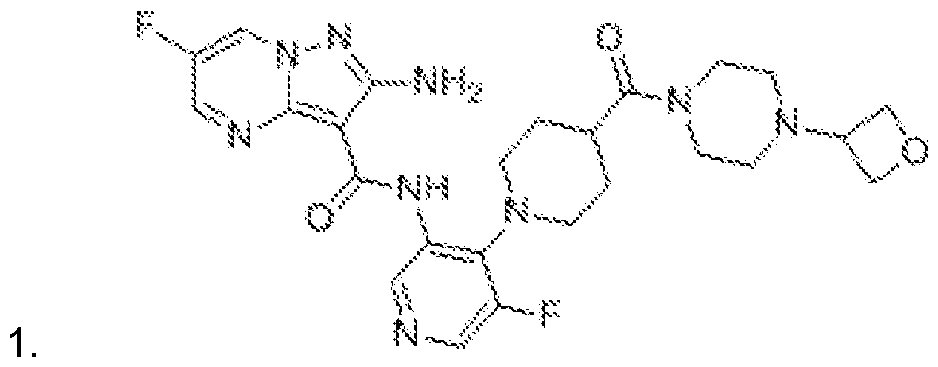

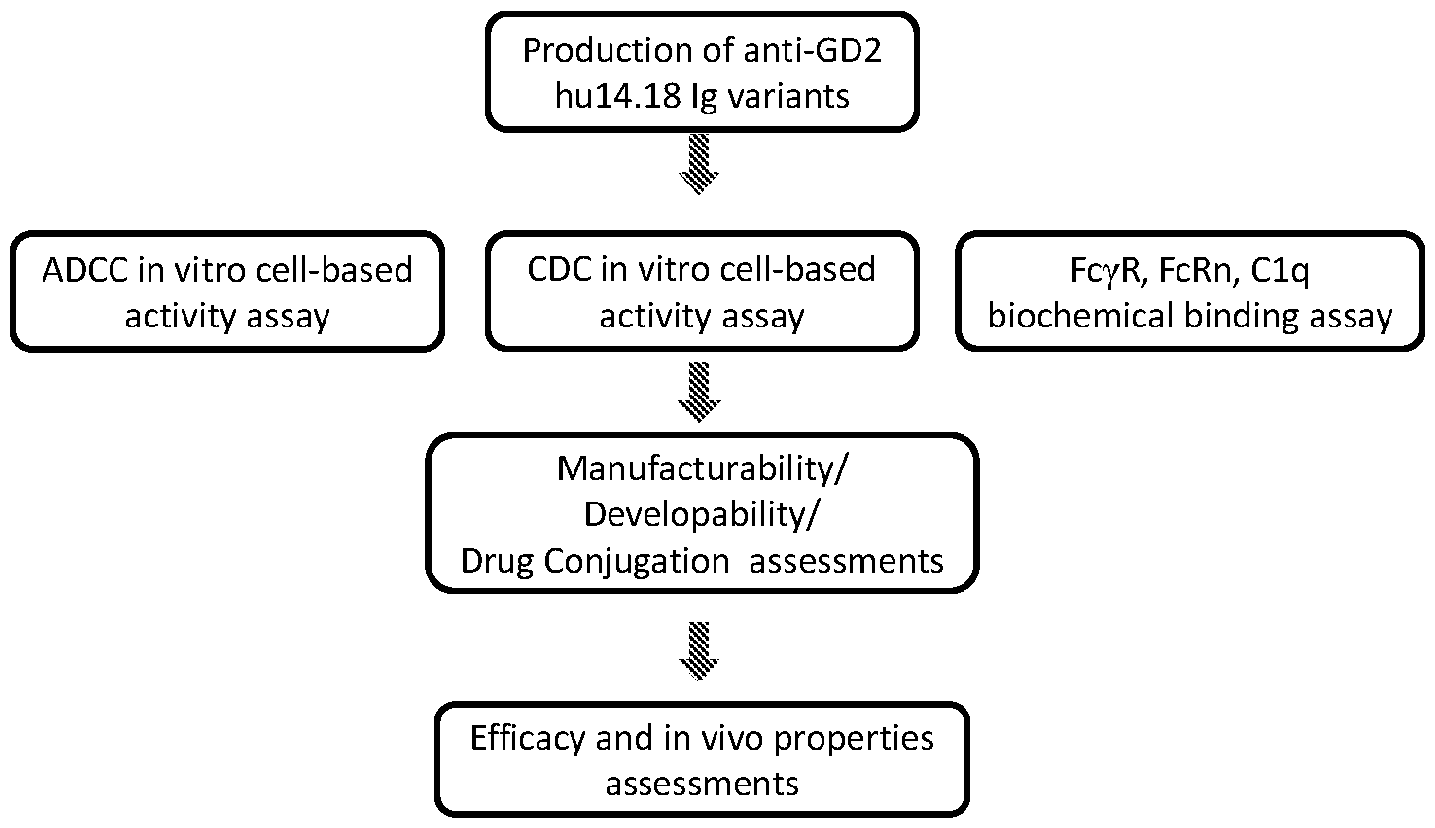
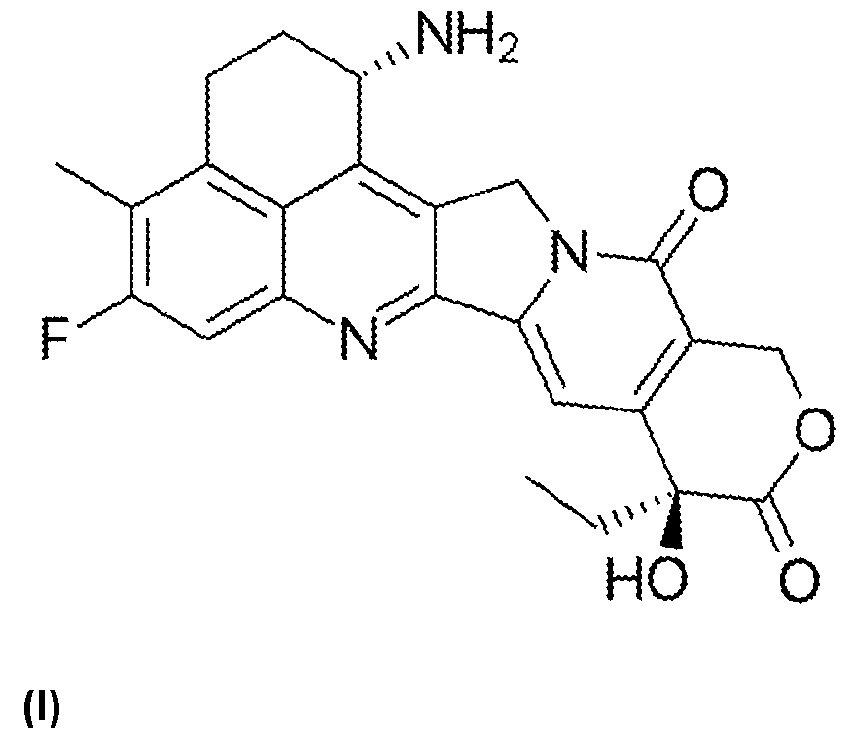


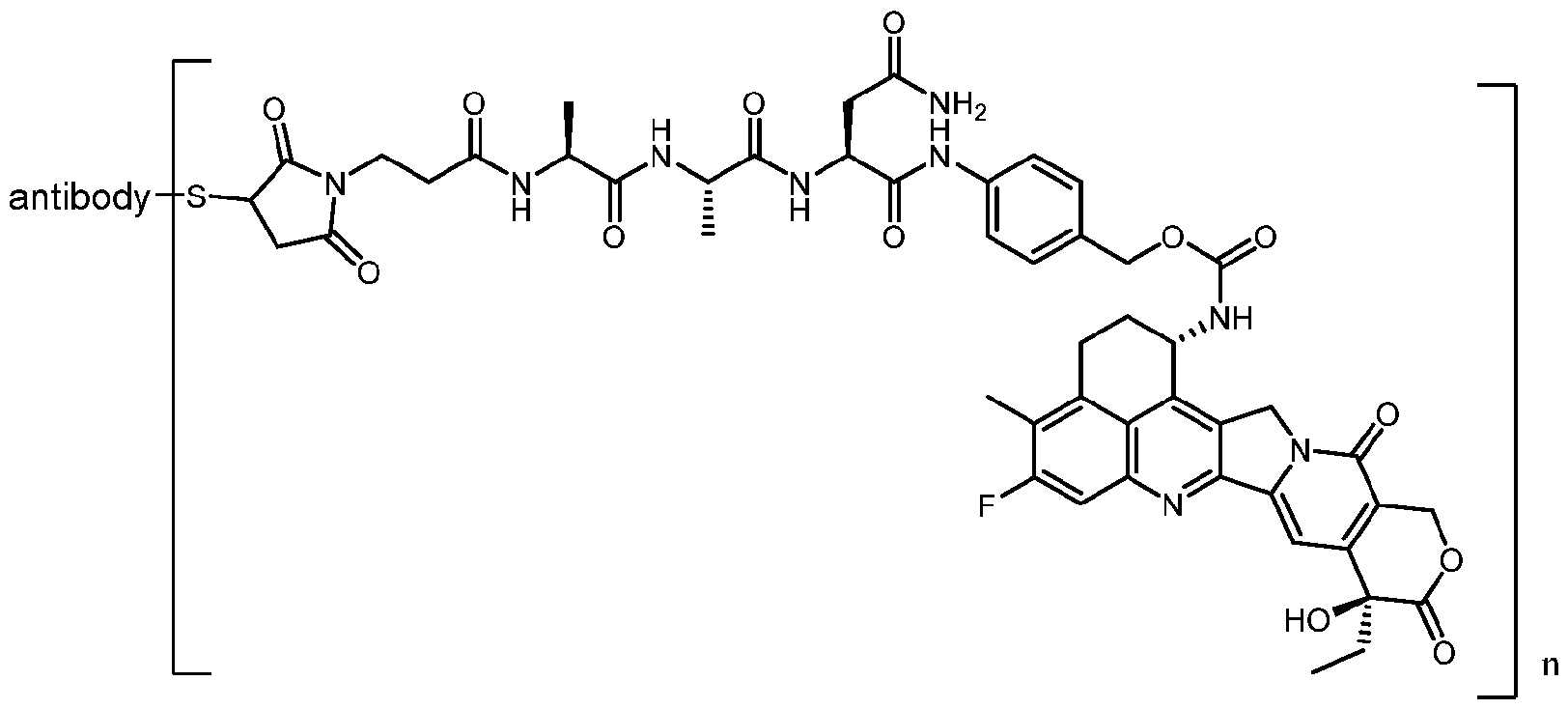
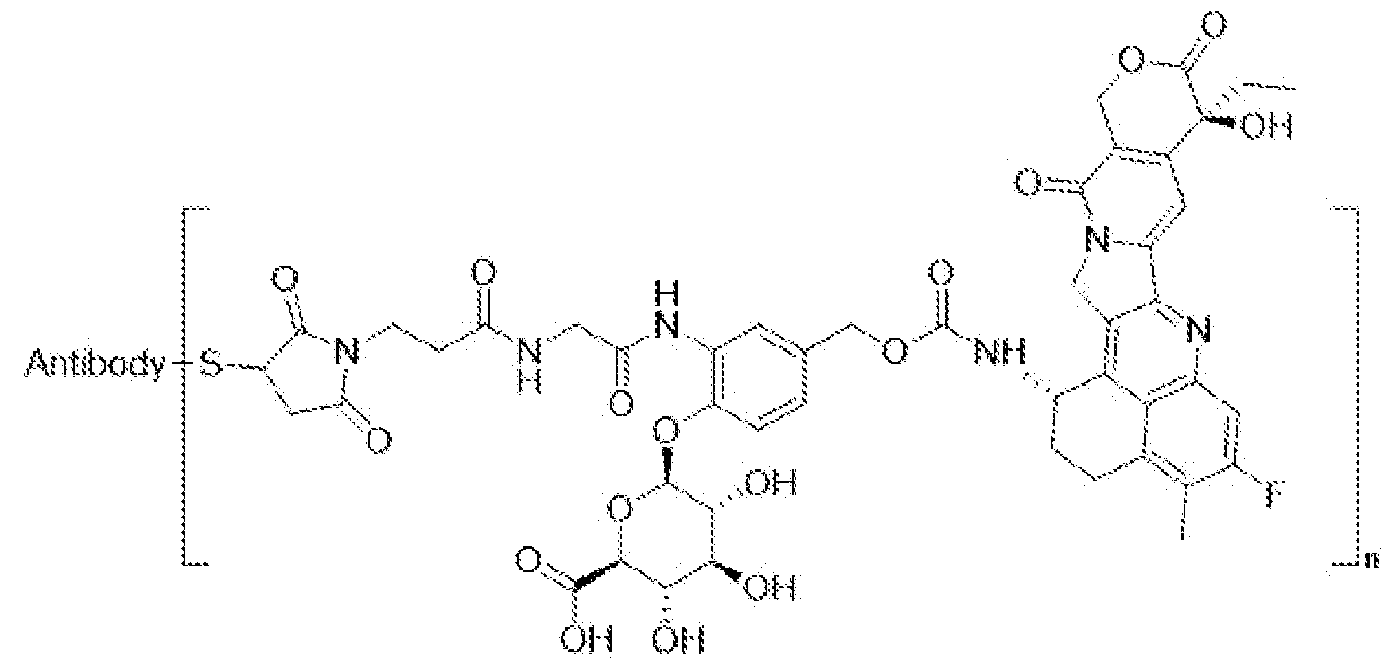


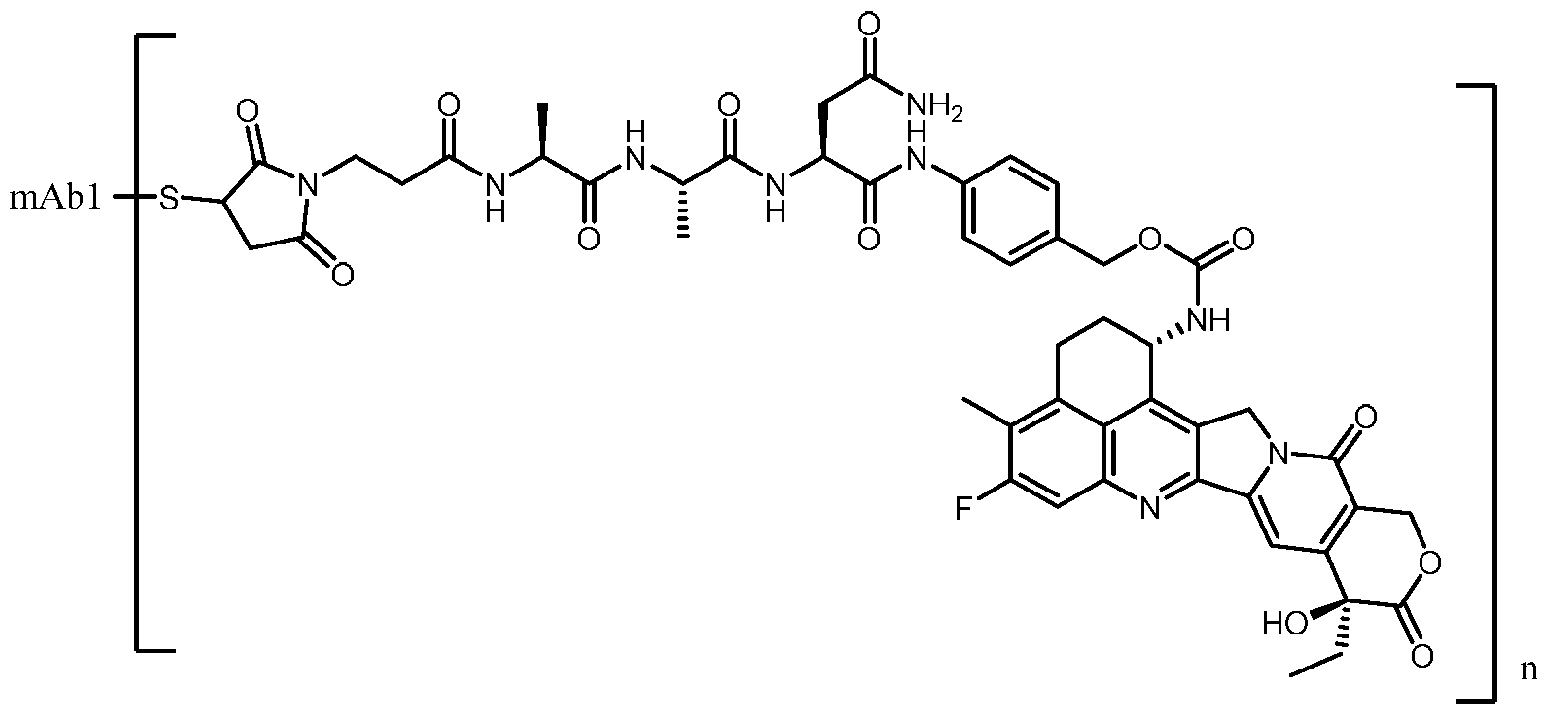
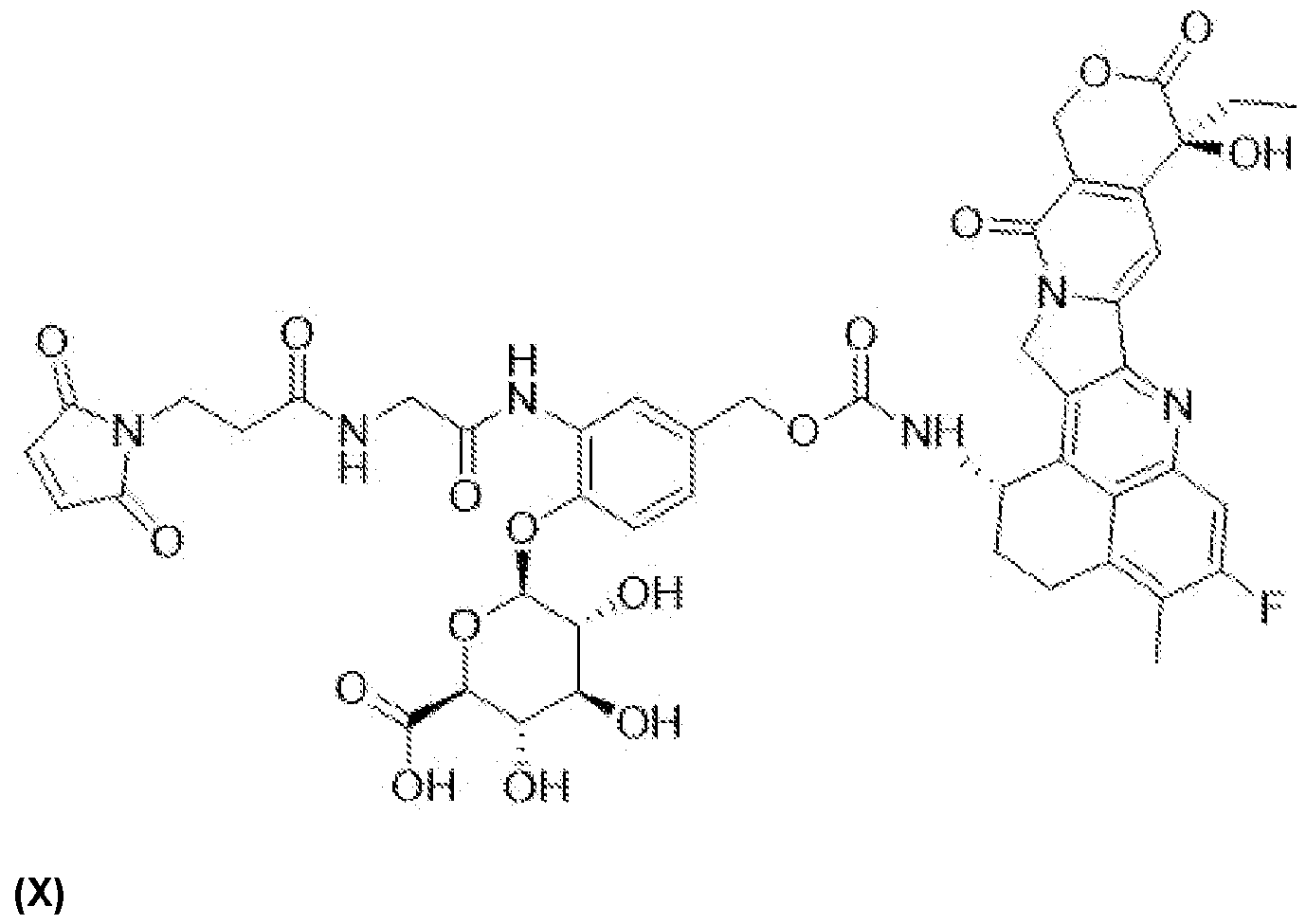

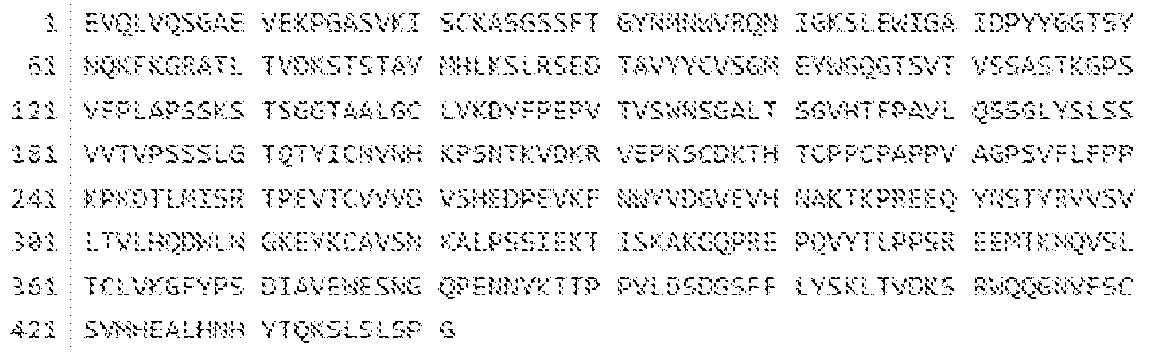


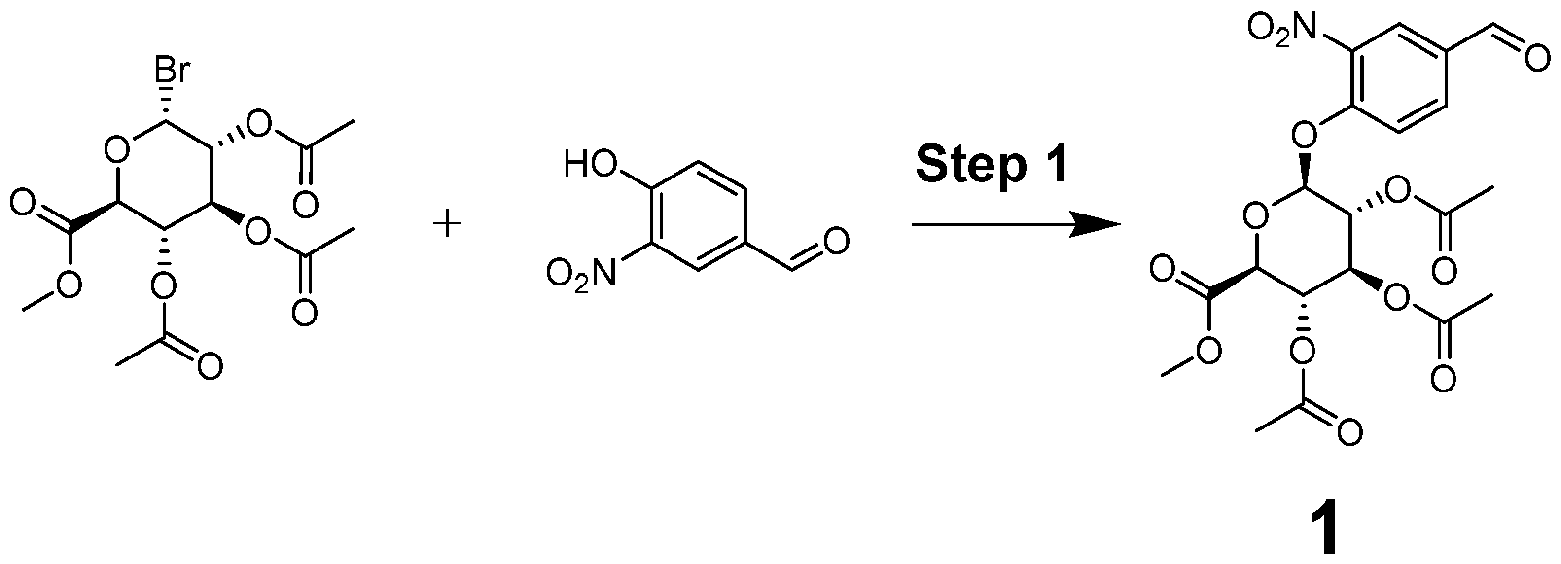


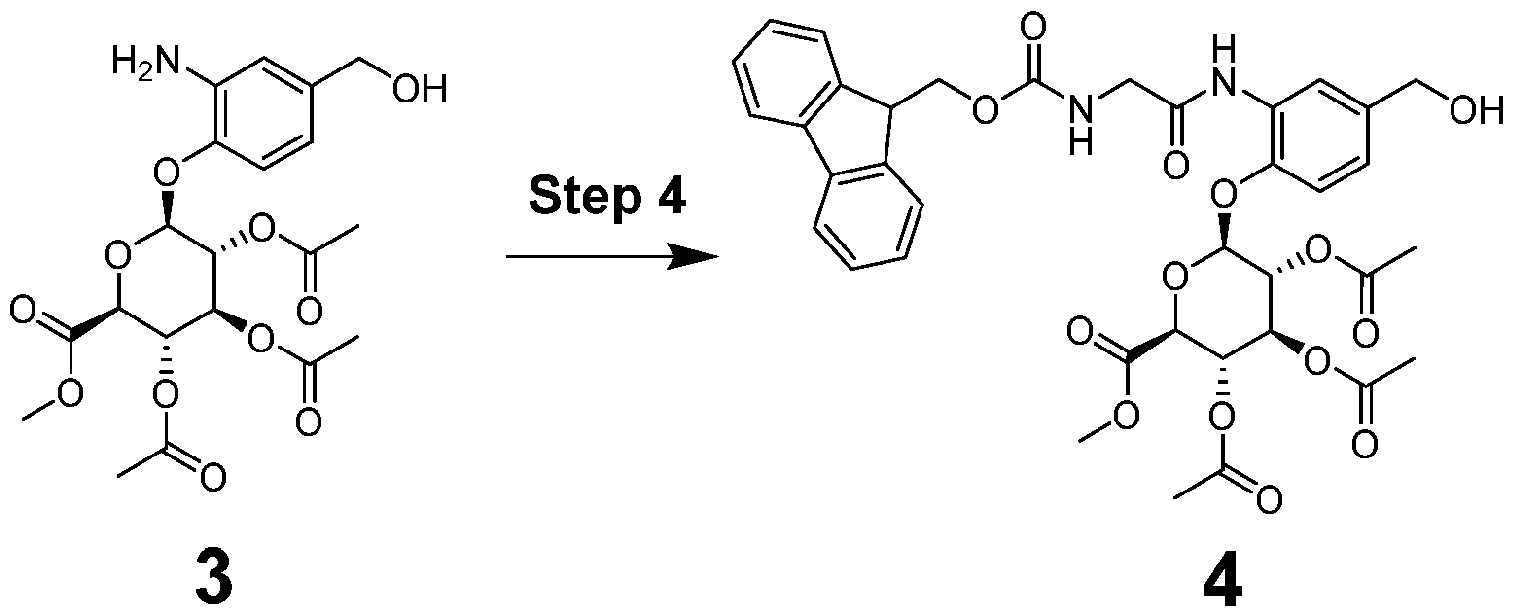


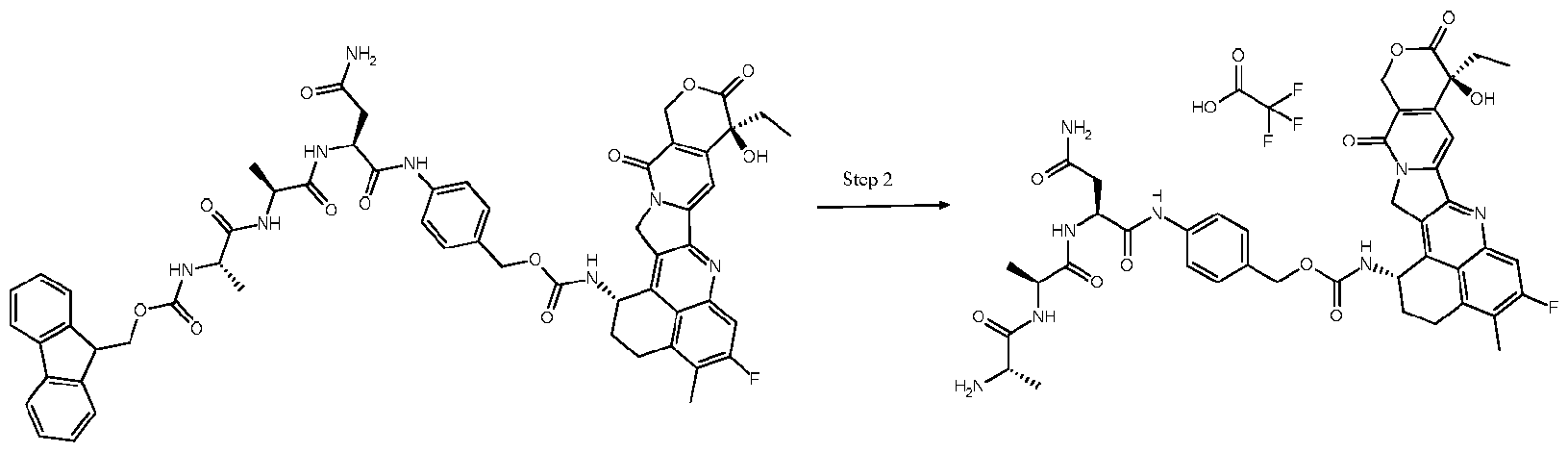
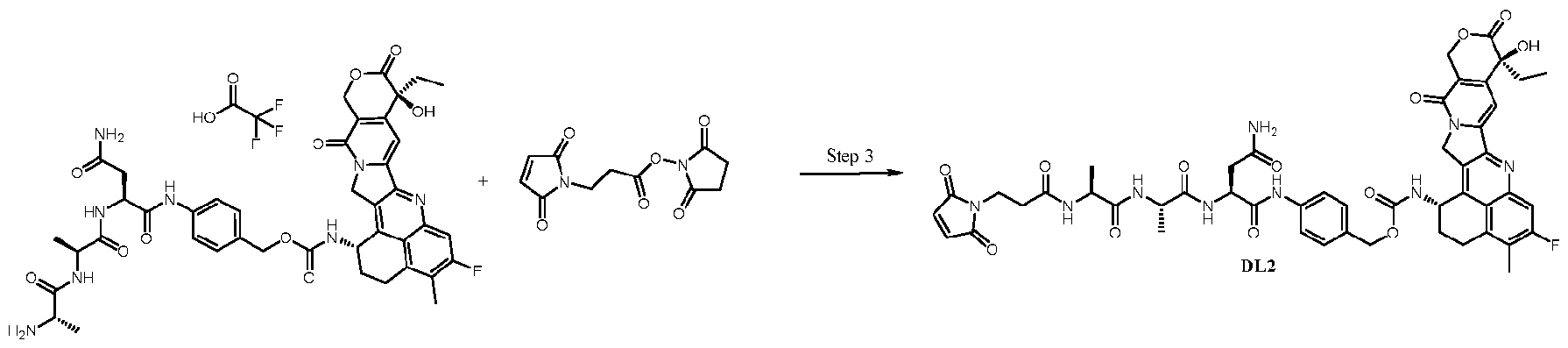


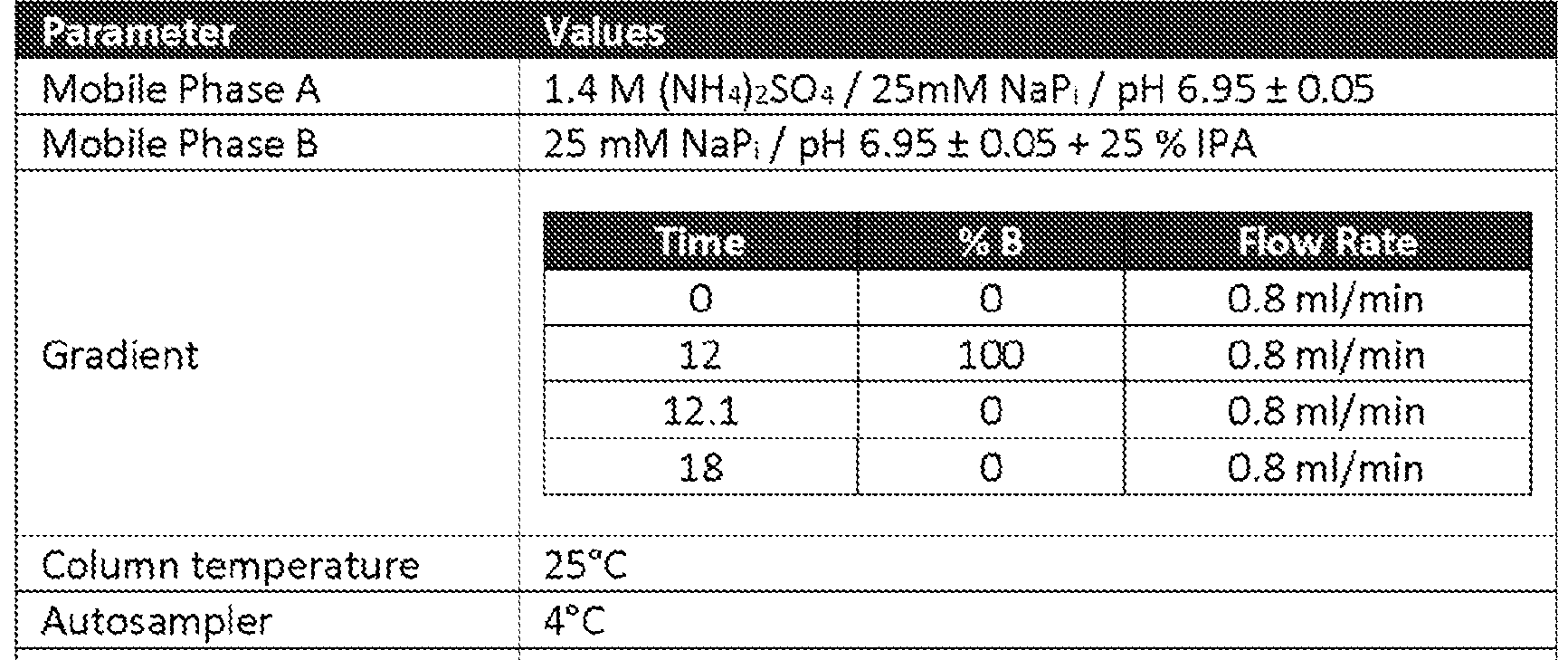


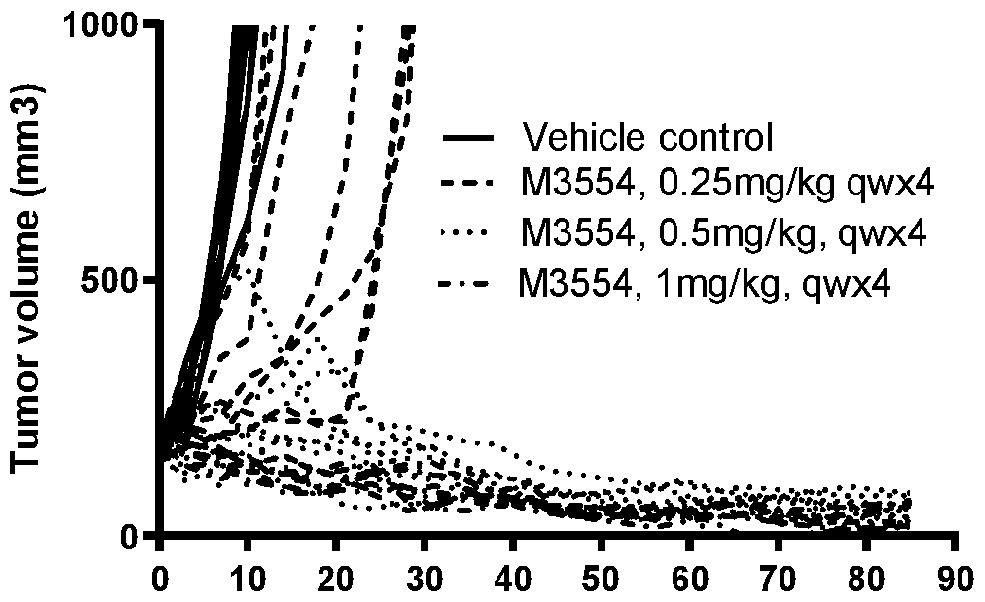


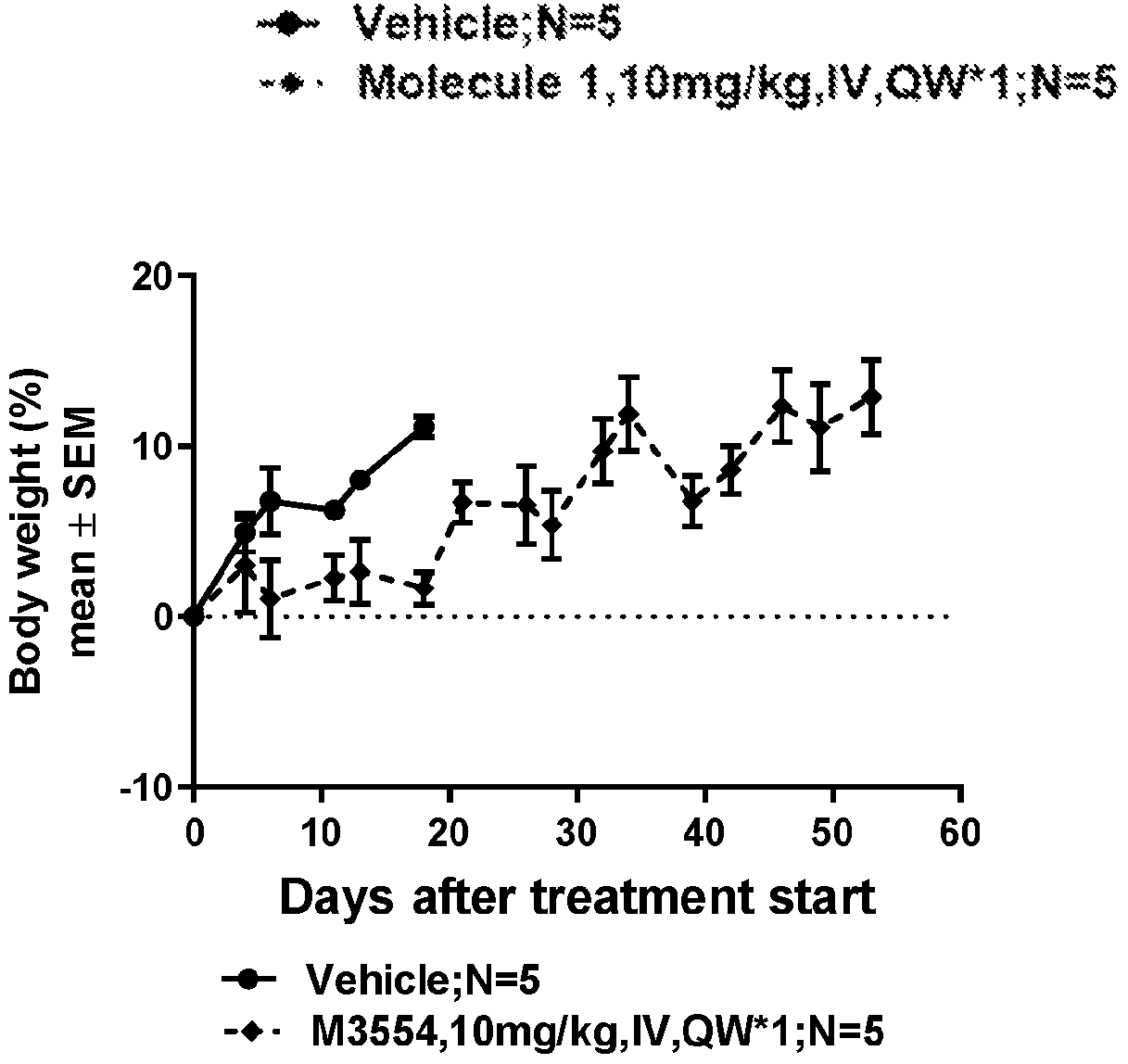


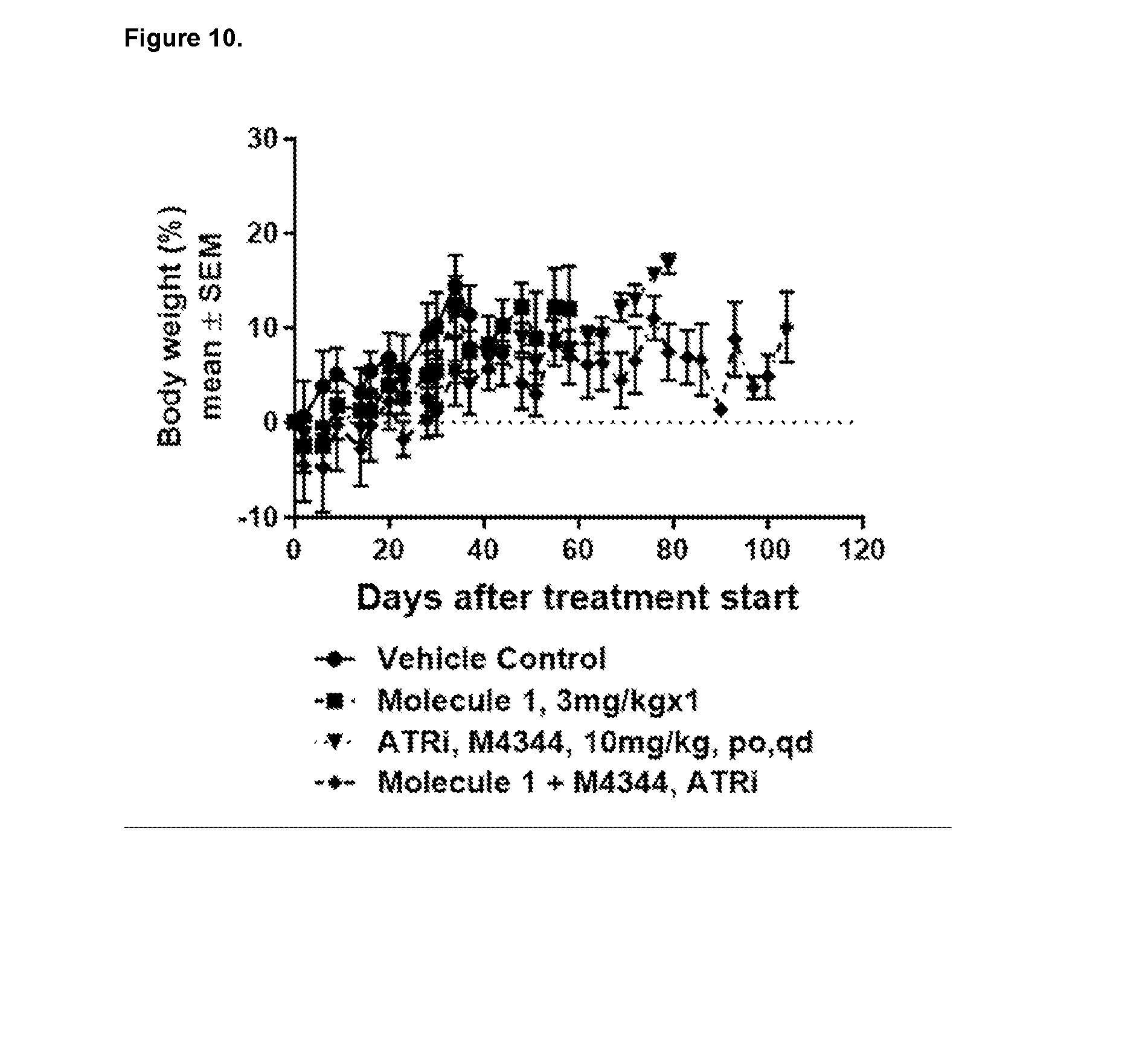


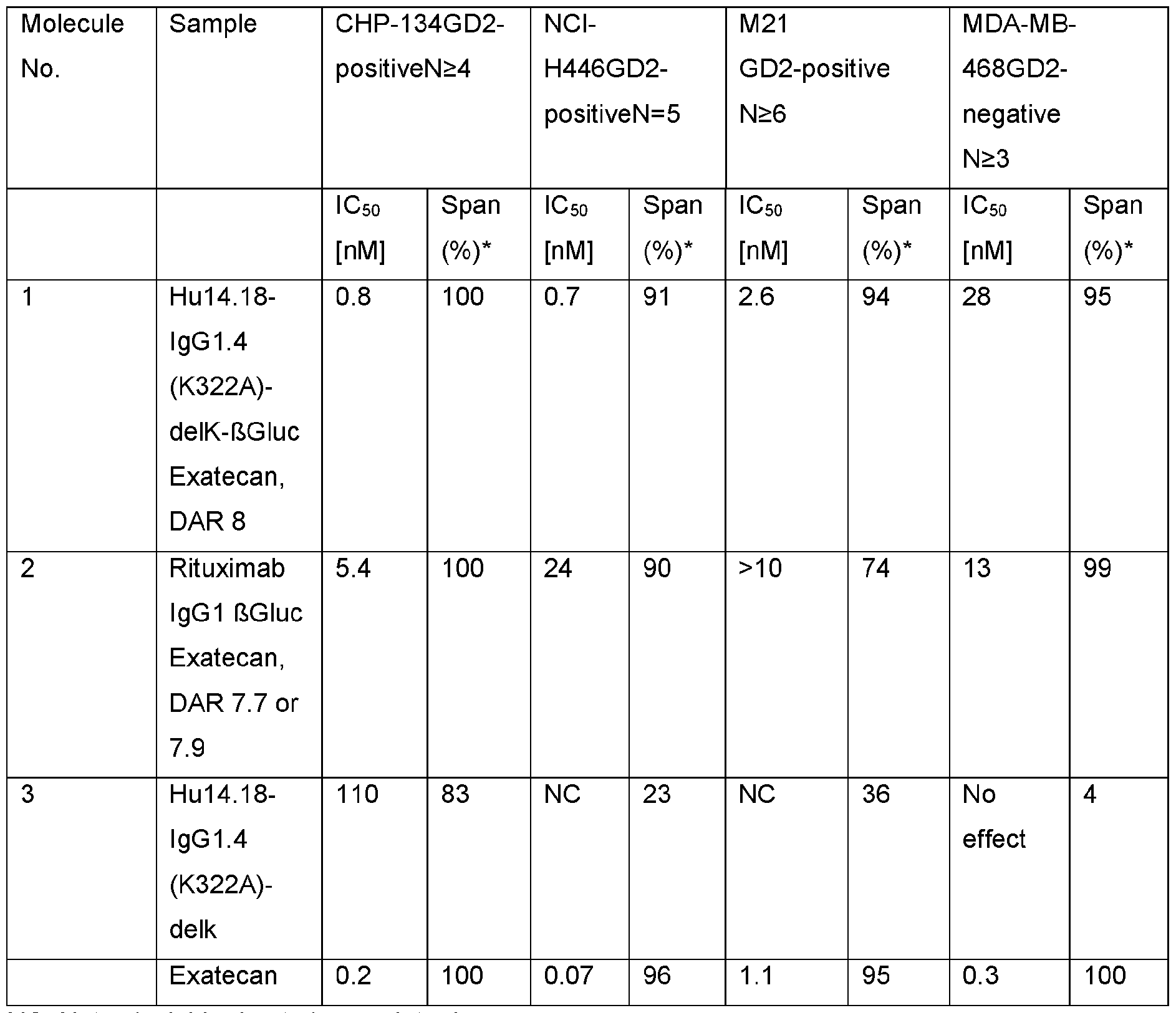
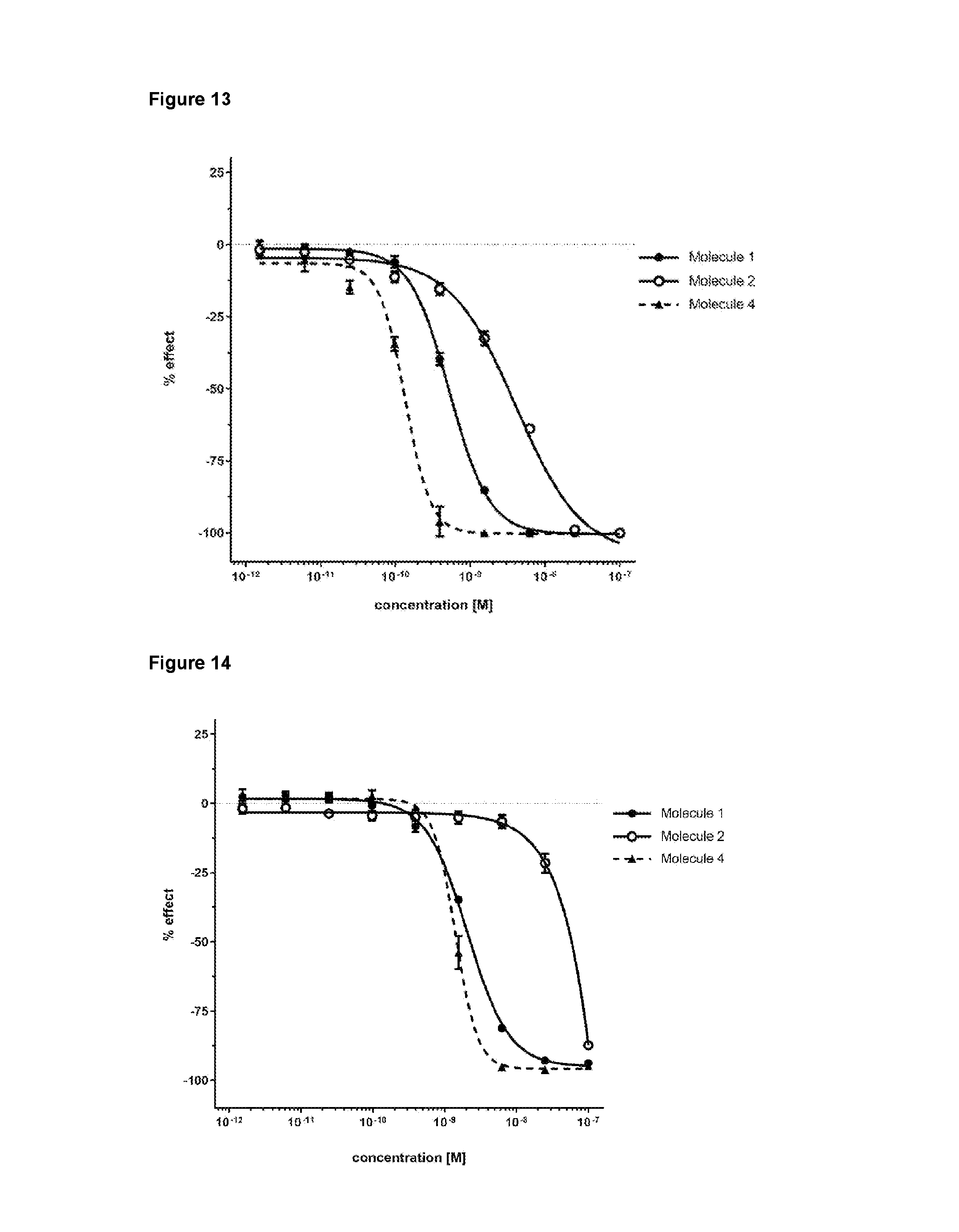


Claims
Priority Applications (9)
| Application Number | Priority Date | Filing Date | Title |
|---|---|---|---|
| MX2024010905A MX2024010905A (en) | 2022-03-09 | 2023-03-08 | Anti-gd2 antibodies, immunoconjugates and therapeutic uses thereof. |
| EP23715695.5A EP4489791A1 (en) | 2022-03-09 | 2023-03-08 | Anti-gd2 antibodies, immunoconjugates and therapeutic uses thereof |
| KR1020247032904A KR20240155334A (en) | 2022-03-09 | 2023-03-08 | Anti-GD2 antibodies, immunoconjugates and therapeutic uses thereof |
| JP2024553330A JP2025509269A (en) | 2022-03-09 | 2023-03-08 | Anti-GD2 Antibodies, Immunoconjugates, and Therapeutic Uses Thereof |
| CA3245528A CA3245528A1 (en) | 2022-03-09 | 2023-03-08 | Anti-gd2 antibodies, immunoconjugates and therapeutic uses thereof |
| US18/844,775 US20250186603A1 (en) | 2022-03-09 | 2023-03-08 | Anti-gd2 antibodies, immunoconjugates and therapeutic uses thereof |
| IL315397A IL315397A (en) | 2022-03-09 | 2023-03-08 | Antibodies against GD2, immunoconjugates and medical uses thereof |
| AU2023230951A AU2023230951A1 (en) | 2022-03-09 | 2023-03-08 | Anti-gd2 antibodies, immunoconjugates and therapeutic uses thereof |
| CN202380036218.XA CN119604314A (en) | 2022-03-09 | 2023-03-08 | Anti-GD2 antibodies, immunoconjugates and therapeutic uses thereof |
Applications Claiming Priority (4)
| Application Number | Priority Date | Filing Date | Title |
|---|---|---|---|
| US202263318256P | 2022-03-09 | 2022-03-09 | |
| US63/318,256 | 2022-03-09 | ||
| US202363488269P | 2023-03-03 | 2023-03-03 | |
| US63/488,269 | 2023-03-03 |
Publications (1)
| Publication Number | Publication Date |
|---|---|
| WO2023172968A1 true WO2023172968A1 (en) | 2023-09-14 |
Family
ID=85937203
Family Applications (1)
| Application Number | Title | Priority Date | Filing Date |
|---|---|---|---|
| PCT/US2023/063957 Ceased WO2023172968A1 (en) | 2022-03-09 | 2023-03-08 | Anti-gd2 antibodies, immunoconjugates and therapeutic uses thereof |
Country Status (12)
| Country | Link |
|---|---|
| US (1) | US20250186603A1 (en) |
| EP (1) | EP4489791A1 (en) |
| JP (1) | JP2025509269A (en) |
| KR (1) | KR20240155334A (en) |
| CN (1) | CN119604314A (en) |
| AU (1) | AU2023230951A1 (en) |
| CA (1) | CA3245528A1 (en) |
| CL (1) | CL2024002653A1 (en) |
| IL (1) | IL315397A (en) |
| MX (1) | MX2024010905A (en) |
| TW (1) | TW202345907A (en) |
| WO (1) | WO2023172968A1 (en) |
Cited By (3)
| Publication number | Priority date | Publication date | Assignee | Title |
|---|---|---|---|---|
| WO2025172525A1 (en) * | 2024-02-15 | 2025-08-21 | Merck Patent Gmbh | Anti-gd2 antibodies and immunoconjugates for the treatment of gd2 positive cancer |
| WO2025207828A1 (en) * | 2024-03-26 | 2025-10-02 | Fulgent Pharma Llc | Nanocomposition comprising modified exatecan and use thereof |
| EP4684803A1 (en) | 2024-07-25 | 2026-01-28 | CeMM - Forschungszentrum für Molekulare Medizin GmbH | Antibody conjugated chemical inducers of degradation of rbm39 and therapeutic uses thereof |
Citations (37)
| Publication number | Priority date | Publication date | Assignee | Title |
|---|---|---|---|---|
| US244A (en) | 1837-06-30 | Edward flint | ||
| US5204A (en) | 1847-07-24 | james cantelo | ||
| US4179337A (en) | 1973-07-20 | 1979-12-18 | Davis Frank F | Non-immunogenic polypeptides |
| WO1981001145A1 (en) | 1979-10-18 | 1981-04-30 | Univ Illinois | Hydrolytic enzyme-activatible pro-drugs |
| US4301144A (en) | 1979-07-11 | 1981-11-17 | Ajinomoto Company, Incorporated | Blood substitute containing modified hemoglobin |
| EP0125023A1 (en) | 1983-04-08 | 1984-11-14 | Genentech, Inc. | Recombinant immunoglobulin preparations, methods for their preparation, DNA sequences, expression vectors and recombinant host cells therefor |
| US4496689A (en) | 1983-12-27 | 1985-01-29 | Miles Laboratories, Inc. | Covalently attached complex of alpha-1-proteinase inhibitor with a water soluble polymer |
| EP0173494A2 (en) | 1984-08-27 | 1986-03-05 | The Board Of Trustees Of The Leland Stanford Junior University | Chimeric receptors by DNA splicing and expression |
| US4640835A (en) | 1981-10-30 | 1987-02-03 | Nippon Chemiphar Company, Ltd. | Plasminogen activator derivatives |
| WO1987002671A1 (en) | 1985-11-01 | 1987-05-07 | International Genetic Engineering, Inc. | Modular assembly of antibody genes, antibodies prepared thereby and use |
| US4670417A (en) | 1985-06-19 | 1987-06-02 | Ajinomoto Co., Inc. | Hemoglobin combined with a poly(alkylene oxide) |
| WO1987005330A1 (en) | 1986-03-07 | 1987-09-11 | Michel Louis Eugene Bergh | Method for enhancing glycoprotein stability |
| EP0239400A2 (en) | 1986-03-27 | 1987-09-30 | Medical Research Council | Recombinant antibodies and methods for their production |
| WO1988007378A1 (en) | 1987-03-09 | 1988-10-06 | Cancer Research Campaign Technology Ltd. | Improvements relating to drug delivery systems |
| US4791192A (en) | 1986-06-26 | 1988-12-13 | Takeda Chemical Industries, Ltd. | Chemically modified protein with polyethyleneglycol |
| US4975278A (en) | 1988-02-26 | 1990-12-04 | Bristol-Myers Company | Antibody-enzyme conjugates in combination with prodrugs for the delivery of cytotoxic agents to tumor cells |
| WO1991009967A1 (en) | 1989-12-21 | 1991-07-11 | Celltech Limited | Humanised antibodies |
| EP0519596A1 (en) | 1991-05-17 | 1992-12-23 | Merck & Co. Inc. | A method for reducing the immunogenicity of antibody variable domains |
| US5202238A (en) | 1987-10-27 | 1993-04-13 | Oncogen | Production of chimeric antibodies by homologous recombination |
| US5208020A (en) | 1989-10-25 | 1993-05-04 | Immunogen Inc. | Cytotoxic agents comprising maytansinoids and their therapeutic use |
| US5225539A (en) | 1986-03-27 | 1993-07-06 | Medical Research Council | Recombinant altered antibodies and methods of making altered antibodies |
| EP0592106A1 (en) | 1992-09-09 | 1994-04-13 | Immunogen Inc | Resurfacing of rodent antibodies |
| WO1994011026A2 (en) | 1992-11-13 | 1994-05-26 | Idec Pharmaceuticals Corporation | Therapeutic application of chimeric and radiolabeled antibodies to human b lymphocyte restricted differentiation antigen for treatment of b cell lymphoma |
| WO1996002576A1 (en) | 1994-07-13 | 1996-02-01 | Chugai Seiyaku Kabushiki Kaisha | Reconstituted human antibody against human interleukin-8 |
| US5500362A (en) | 1987-01-08 | 1996-03-19 | Xoma Corporation | Chimeric antibody with specificity to human B cell surface antigen |
| US5530101A (en) | 1988-12-28 | 1996-06-25 | Protein Design Labs, Inc. | Humanized immunoglobulins |
| US5565332A (en) | 1991-09-23 | 1996-10-15 | Medical Research Council | Production of chimeric antibodies - a combinatorial approach |
| US5821337A (en) | 1991-06-14 | 1998-10-13 | Genentech, Inc. | Immunoglobulin variants |
| WO1998045322A2 (en) | 1997-04-10 | 1998-10-15 | Royal Netherlands Academy Of Arts And Sciences | Diagnosis method and reagents |
| US5859205A (en) | 1989-12-21 | 1999-01-12 | Celltech Limited | Humanised antibodies |
| WO2004091668A1 (en) | 2003-04-15 | 2004-10-28 | Algeta As | Thorium-227 for use in radiotherapy of soft tissue disease |
| WO2005070967A2 (en) * | 2004-01-22 | 2005-08-04 | Merck Patent Gmbh | Anti-cancer antibodies with reduced complement fixation |
| WO2008010101A2 (en) | 2006-07-18 | 2008-01-24 | Sanofi-Aventis | Antagonist antibody against epha2 for the treatment of cancer |
| WO2009032661A1 (en) | 2007-08-29 | 2009-03-12 | Sanofi-Aventis | Humanized anti-cxcr5 antibodies, derivatives thereof and their uses |
| WO2019236954A1 (en) * | 2018-06-07 | 2019-12-12 | Seattle Genetics, Inc. | Camptothecin conjugates |
| WO2022015656A1 (en) * | 2020-07-13 | 2022-01-20 | Regeneron Pharmaceuticals, Inc. | Camptothecin analogs conjugated to a glutamine residue in a protein, and their use |
| WO2022048883A1 (en) * | 2020-09-04 | 2022-03-10 | Merck Patent Gmbh | Anti-ceacam5 antibodies and conjugates and uses thereof |
-
2023
- 2023-03-08 WO PCT/US2023/063957 patent/WO2023172968A1/en not_active Ceased
- 2023-03-08 MX MX2024010905A patent/MX2024010905A/en unknown
- 2023-03-08 EP EP23715695.5A patent/EP4489791A1/en active Pending
- 2023-03-08 JP JP2024553330A patent/JP2025509269A/en active Pending
- 2023-03-08 CN CN202380036218.XA patent/CN119604314A/en active Pending
- 2023-03-08 IL IL315397A patent/IL315397A/en unknown
- 2023-03-08 US US18/844,775 patent/US20250186603A1/en active Pending
- 2023-03-08 CA CA3245528A patent/CA3245528A1/en active Pending
- 2023-03-08 KR KR1020247032904A patent/KR20240155334A/en active Pending
- 2023-03-08 AU AU2023230951A patent/AU2023230951A1/en active Pending
- 2023-03-09 TW TW112108704A patent/TW202345907A/en unknown
-
2024
- 2024-09-04 CL CL2024002653A patent/CL2024002653A1/en unknown
Patent Citations (40)
| Publication number | Priority date | Publication date | Assignee | Title |
|---|---|---|---|---|
| US5204A (en) | 1847-07-24 | james cantelo | ||
| US244A (en) | 1837-06-30 | Edward flint | ||
| US4179337A (en) | 1973-07-20 | 1979-12-18 | Davis Frank F | Non-immunogenic polypeptides |
| US4301144A (en) | 1979-07-11 | 1981-11-17 | Ajinomoto Company, Incorporated | Blood substitute containing modified hemoglobin |
| WO1981001145A1 (en) | 1979-10-18 | 1981-04-30 | Univ Illinois | Hydrolytic enzyme-activatible pro-drugs |
| US4640835A (en) | 1981-10-30 | 1987-02-03 | Nippon Chemiphar Company, Ltd. | Plasminogen activator derivatives |
| US4816567A (en) | 1983-04-08 | 1989-03-28 | Genentech, Inc. | Recombinant immunoglobin preparations |
| EP0125023A1 (en) | 1983-04-08 | 1984-11-14 | Genentech, Inc. | Recombinant immunoglobulin preparations, methods for their preparation, DNA sequences, expression vectors and recombinant host cells therefor |
| US4496689A (en) | 1983-12-27 | 1985-01-29 | Miles Laboratories, Inc. | Covalently attached complex of alpha-1-proteinase inhibitor with a water soluble polymer |
| EP0173494A2 (en) | 1984-08-27 | 1986-03-05 | The Board Of Trustees Of The Leland Stanford Junior University | Chimeric receptors by DNA splicing and expression |
| US4670417A (en) | 1985-06-19 | 1987-06-02 | Ajinomoto Co., Inc. | Hemoglobin combined with a poly(alkylene oxide) |
| WO1987002671A1 (en) | 1985-11-01 | 1987-05-07 | International Genetic Engineering, Inc. | Modular assembly of antibody genes, antibodies prepared thereby and use |
| WO1987005330A1 (en) | 1986-03-07 | 1987-09-11 | Michel Louis Eugene Bergh | Method for enhancing glycoprotein stability |
| EP0239400A2 (en) | 1986-03-27 | 1987-09-30 | Medical Research Council | Recombinant antibodies and methods for their production |
| US5225539A (en) | 1986-03-27 | 1993-07-06 | Medical Research Council | Recombinant altered antibodies and methods of making altered antibodies |
| US4791192A (en) | 1986-06-26 | 1988-12-13 | Takeda Chemical Industries, Ltd. | Chemically modified protein with polyethyleneglycol |
| US5500362A (en) | 1987-01-08 | 1996-03-19 | Xoma Corporation | Chimeric antibody with specificity to human B cell surface antigen |
| WO1988007378A1 (en) | 1987-03-09 | 1988-10-06 | Cancer Research Campaign Technology Ltd. | Improvements relating to drug delivery systems |
| US5202238A (en) | 1987-10-27 | 1993-04-13 | Oncogen | Production of chimeric antibodies by homologous recombination |
| US4975278A (en) | 1988-02-26 | 1990-12-04 | Bristol-Myers Company | Antibody-enzyme conjugates in combination with prodrugs for the delivery of cytotoxic agents to tumor cells |
| US5530101A (en) | 1988-12-28 | 1996-06-25 | Protein Design Labs, Inc. | Humanized immunoglobulins |
| US5585089A (en) | 1988-12-28 | 1996-12-17 | Protein Design Labs, Inc. | Humanized immunoglobulins |
| US5208020A (en) | 1989-10-25 | 1993-05-04 | Immunogen Inc. | Cytotoxic agents comprising maytansinoids and their therapeutic use |
| WO1991009967A1 (en) | 1989-12-21 | 1991-07-11 | Celltech Limited | Humanised antibodies |
| US5859205A (en) | 1989-12-21 | 1999-01-12 | Celltech Limited | Humanised antibodies |
| EP0519596A1 (en) | 1991-05-17 | 1992-12-23 | Merck & Co. Inc. | A method for reducing the immunogenicity of antibody variable domains |
| US5821337A (en) | 1991-06-14 | 1998-10-13 | Genentech, Inc. | Immunoglobulin variants |
| US5565332A (en) | 1991-09-23 | 1996-10-15 | Medical Research Council | Production of chimeric antibodies - a combinatorial approach |
| EP0592106A1 (en) | 1992-09-09 | 1994-04-13 | Immunogen Inc | Resurfacing of rodent antibodies |
| WO1994011026A2 (en) | 1992-11-13 | 1994-05-26 | Idec Pharmaceuticals Corporation | Therapeutic application of chimeric and radiolabeled antibodies to human b lymphocyte restricted differentiation antigen for treatment of b cell lymphoma |
| WO1996002576A1 (en) | 1994-07-13 | 1996-02-01 | Chugai Seiyaku Kabushiki Kaisha | Reconstituted human antibody against human interleukin-8 |
| WO1998045322A2 (en) | 1997-04-10 | 1998-10-15 | Royal Netherlands Academy Of Arts And Sciences | Diagnosis method and reagents |
| WO2004091668A1 (en) | 2003-04-15 | 2004-10-28 | Algeta As | Thorium-227 for use in radiotherapy of soft tissue disease |
| WO2005070967A2 (en) * | 2004-01-22 | 2005-08-04 | Merck Patent Gmbh | Anti-cancer antibodies with reduced complement fixation |
| US8835606B2 (en) | 2004-01-22 | 2014-09-16 | Merck Patent Gmbh | Anti-cancer antibodies with reduced complement fixation |
| WO2008010101A2 (en) | 2006-07-18 | 2008-01-24 | Sanofi-Aventis | Antagonist antibody against epha2 for the treatment of cancer |
| WO2009032661A1 (en) | 2007-08-29 | 2009-03-12 | Sanofi-Aventis | Humanized anti-cxcr5 antibodies, derivatives thereof and their uses |
| WO2019236954A1 (en) * | 2018-06-07 | 2019-12-12 | Seattle Genetics, Inc. | Camptothecin conjugates |
| WO2022015656A1 (en) * | 2020-07-13 | 2022-01-20 | Regeneron Pharmaceuticals, Inc. | Camptothecin analogs conjugated to a glutamine residue in a protein, and their use |
| WO2022048883A1 (en) * | 2020-09-04 | 2022-03-10 | Merck Patent Gmbh | Anti-ceacam5 antibodies and conjugates and uses thereof |
Non-Patent Citations (10)
| Title |
|---|
| "Therapeutic Antibodies and Protocols", vol. 525, 2009, SPRINGER SCIENCE, pages: 445 |
| GAZZANO-SANTORO ET AL., JOURNAL OF IMMUNOLOGICAL METHODS, vol. 202, no. 2, March 1997 (1997-03-01), pages 1035 - 1038 |
| H N LODE ET AL: "Targeted therapy with a novel enediyene antibiotic calicheamicin theta(I)1 effectively suppresses growth and dissemination of liver metastases in a syngeneic model of murine neuroblastoma", CANCER RESEARCH, 1 July 1988 (1988-07-01), XP093054478 * |
| HORWACIK ET AL., CANCER LETTERS, vol. 341, 2013, pages 248 - 264 |
| KALINOVSKY DANIEL V ET AL: "Therapeutic efficacy of antibody-drug conjugates targeting GD2-positive tumors", JOURNAL FOR IMMUNOTHERAPY OF CANCER, vol. 10, no. 6, 28 June 2022 (2022-06-28), pages e004646, XP093054484, DOI: 10.1136/jitc-2022-004646 * |
| KALINOVSKY DANIEL V. ET AL: "Minibody-Based and scFv-Based Antibody Fragment-Drug Conjugates Selectively Eliminate GD2-Positive Tumor Cells", INTERNATIONAL JOURNAL OF MOLECULAR SCIENCES, vol. 24, no. 2, 8 January 2023 (2023-01-08), Basel, CH, pages 1239, XP093054737, ISSN: 1661-6596, DOI: 10.3390/ijms24021239 * |
| MILLER JARED T. ET AL: "Enzyme-Agnostic Lysosomal Screen Identifies New Legumain-Cleavable ADC Linkers", BIOCONJUGATE CHEMISTRY, vol. 32, no. 4, 21 April 2021 (2021-04-21), US, pages 842 - 858, XP093054728, ISSN: 1043-1802, DOI: 10.1021/acs.bioconjchem.1c00124 * |
| NEEDLEMANWUNSCH, J. MOL. BIOL., vol. 48, 1970, pages 443 |
| SUZUKICHEUNG, EXPERT OPIN THER TARGETS, vol. 19, 2015, pages 349 - 62 |
| YU ET AL., NEW ENGL. J. MED, vol. 363, 2010, pages 1324 - 34 |
Cited By (4)
| Publication number | Priority date | Publication date | Assignee | Title |
|---|---|---|---|---|
| WO2025172525A1 (en) * | 2024-02-15 | 2025-08-21 | Merck Patent Gmbh | Anti-gd2 antibodies and immunoconjugates for the treatment of gd2 positive cancer |
| WO2025207828A1 (en) * | 2024-03-26 | 2025-10-02 | Fulgent Pharma Llc | Nanocomposition comprising modified exatecan and use thereof |
| EP4684803A1 (en) | 2024-07-25 | 2026-01-28 | CeMM - Forschungszentrum für Molekulare Medizin GmbH | Antibody conjugated chemical inducers of degradation of rbm39 and therapeutic uses thereof |
| WO2026022395A1 (en) | 2024-07-25 | 2026-01-29 | Cemm - Forschungszentrum Für Molekulare Medizin Gmbh | Antibody conjugated chemical inducers of degradation of rbm39 and therapeutic uses thereof |
Also Published As
| Publication number | Publication date |
|---|---|
| CN119604314A (en) | 2025-03-11 |
| MX2024010905A (en) | 2024-09-17 |
| CA3245528A1 (en) | 2023-09-14 |
| US20250186603A1 (en) | 2025-06-12 |
| IL315397A (en) | 2024-11-01 |
| AU2023230951A1 (en) | 2024-09-05 |
| CL2024002653A1 (en) | 2025-02-07 |
| EP4489791A1 (en) | 2025-01-15 |
| TW202345907A (en) | 2023-12-01 |
| KR20240155334A (en) | 2024-10-28 |
| JP2025509269A (en) | 2025-04-11 |
Similar Documents
| Publication | Publication Date | Title |
|---|---|---|
| US20250122282A2 (en) | Anti-ceacam5 antibodies and conjugates and uses thereof | |
| EP3405490B1 (en) | Mono and bispecific antibodies for epidermal growth factor receptor variant iii and cd3 and their uses | |
| KR102110557B1 (en) | Therapeutic antibodies and uses thereof | |
| TWI883057B (en) | Anti-pd-l1 antibodies and antibody-drug conjugates | |
| WO2023172968A1 (en) | Anti-gd2 antibodies, immunoconjugates and therapeutic uses thereof | |
| KR102649942B1 (en) | Antibody-drug conjugates targeting claudin 18.2 | |
| EP3574016B1 (en) | Nkp46 binding agents | |
| TW202045536A (en) | Anti-cd228 antibodies and antibody-drug conjugates | |
| US20250179210A1 (en) | Anti-ceacam5 antibodies and conjugates and uses thereof | |
| KR20250090287A (en) | Antibodies, antibody-drug conjugates, preparation and uses thereof | |
| KR20250012631A (en) | Dosing of anti-CDH6 antibody-drug conjugates | |
| WO2025172525A1 (en) | Anti-gd2 antibodies and immunoconjugates for the treatment of gd2 positive cancer | |
| TW202600175A (en) | Anti-gd2 antibodies and immunoconjugates for the treatment of gd2 positive cancer | |
| HK40123391A (en) | Anti-gd2 antibodies, immunoconjugates and therapeutic uses thereof | |
| WO2025083069A1 (en) | Her2-binding molecules | |
| WO2025133322A1 (en) | Cnx antigen-binding molecules | |
| KR20250148368A (en) | Anti-cntn4 antibody and conjugate thereof | |
| WO2025210264A1 (en) | Antibody-drug-conjugates binding napi2b | |
| HK40000515B (en) | Mono and bispecific antibodies for epidermal growth factor receptor variant iii and cd3 and their uses |
Legal Events
| Date | Code | Title | Description |
|---|---|---|---|
| 121 | Ep: the epo has been informed by wipo that ep was designated in this application |
Ref document number: 23715695 Country of ref document: EP Kind code of ref document: A1 |
|
| WWE | Wipo information: entry into national phase |
Ref document number: AU23230951 Country of ref document: AU |
|
| WWE | Wipo information: entry into national phase |
Ref document number: 2401005557 Country of ref document: TH |
|
| WWE | Wipo information: entry into national phase |
Ref document number: 315397 Country of ref document: IL |
|
| WWE | Wipo information: entry into national phase |
Ref document number: 12024552096 Country of ref document: PH |
|
| ENP | Entry into the national phase |
Ref document number: 2023230951 Country of ref document: AU Date of ref document: 20230308 Kind code of ref document: A |
|
| WWE | Wipo information: entry into national phase |
Ref document number: MX/A/2024/010905 Country of ref document: MX Ref document number: 814332 Country of ref document: NZ |
|
| WWE | Wipo information: entry into national phase |
Ref document number: 18844775 Country of ref document: US Ref document number: 2024553330 Country of ref document: JP |
|
| WWE | Wipo information: entry into national phase |
Ref document number: 11202406229Y Country of ref document: SG |
|
| REG | Reference to national code |
Ref country code: BR Ref legal event code: B01A Ref document number: 112024018450 Country of ref document: BR |
|
| WWE | Wipo information: entry into national phase |
Ref document number: 202417073838 Country of ref document: IN |
|
| WWE | Wipo information: entry into national phase |
Ref document number: 2024129127 Country of ref document: RU |
|
| ENP | Entry into the national phase |
Ref document number: 20247032904 Country of ref document: KR Kind code of ref document: A |
|
| WWE | Wipo information: entry into national phase |
Ref document number: 1020247032904 Country of ref document: KR |
|
| WWE | Wipo information: entry into national phase |
Ref document number: 2023715695 Country of ref document: EP |
|
| NENP | Non-entry into the national phase |
Ref country code: DE |
|
| ENP | Entry into the national phase |
Ref document number: 2023715695 Country of ref document: EP Effective date: 20241009 |
|
| WWE | Wipo information: entry into national phase |
Ref document number: 202380036218.X Country of ref document: CN |
|
| WWE | Wipo information: entry into national phase |
Ref document number: 11202406229Y Country of ref document: SG |
|
| REG | Reference to national code |
Ref country code: BR Ref legal event code: B01E Ref document number: 112024018450 Country of ref document: BR Free format text: COM RELACAO A MUDANCA DE NOME DO INVENTOR NICHOLAS RASCHE PARA NICOLAS RASCHE SOLICITADA NA PETICAO 870240086878 DE 09/10/2024, APRESENTE DOCUMENTACAO QUE COMPROVE E ESCLARECA A DIVERGENCIA EM RELACAO AO NOME QUE CONSTA NOS DOCUMENTOS DISPONIVEIS NA OMPI. |
|
| WWP | Wipo information: published in national office |
Ref document number: 202380036218.X Country of ref document: CN |
|
| ENP | Entry into the national phase |
Ref document number: 112024018450 Country of ref document: BR Kind code of ref document: A2 Effective date: 20240906 |
|
| WWP | Wipo information: published in national office |
Ref document number: 18844775 Country of ref document: US |