WO2023161782A1 - Novel bicyclic compounds as rad51 inhibitors - Google Patents
Novel bicyclic compounds as rad51 inhibitors Download PDFInfo
- Publication number
- WO2023161782A1 WO2023161782A1 PCT/IB2023/051530 IB2023051530W WO2023161782A1 WO 2023161782 A1 WO2023161782 A1 WO 2023161782A1 IB 2023051530 W IB2023051530 W IB 2023051530W WO 2023161782 A1 WO2023161782 A1 WO 2023161782A1
- Authority
- WO
- WIPO (PCT)
- Prior art keywords
- pyrazol
- dihydro
- propionyl
- pyridin
- methyl
- Prior art date
- Legal status (The legal status is an assumption and is not a legal conclusion. Google has not performed a legal analysis and makes no representation as to the accuracy of the status listed.)
- Ceased
Links
Classifications
-
- C—CHEMISTRY; METALLURGY
- C07—ORGANIC CHEMISTRY
- C07D—HETEROCYCLIC COMPOUNDS
- C07D413/00—Heterocyclic compounds containing two or more hetero rings, at least one ring having nitrogen and oxygen atoms as the only ring hetero atoms
- C07D413/14—Heterocyclic compounds containing two or more hetero rings, at least one ring having nitrogen and oxygen atoms as the only ring hetero atoms containing three or more hetero rings
-
- A—HUMAN NECESSITIES
- A61—MEDICAL OR VETERINARY SCIENCE; HYGIENE
- A61K—PREPARATIONS FOR MEDICAL, DENTAL OR TOILETRY PURPOSES
- A61K31/00—Medicinal preparations containing organic active ingredients
- A61K31/33—Heterocyclic compounds
- A61K31/395—Heterocyclic compounds having nitrogen as a ring hetero atom, e.g. guanethidine or rifamycins
- A61K31/435—Heterocyclic compounds having nitrogen as a ring hetero atom, e.g. guanethidine or rifamycins having six-membered rings with one nitrogen as the only ring hetero atom
- A61K31/4353—Heterocyclic compounds having nitrogen as a ring hetero atom, e.g. guanethidine or rifamycins having six-membered rings with one nitrogen as the only ring hetero atom ortho- or peri-condensed with heterocyclic ring systems
- A61K31/4365—Heterocyclic compounds having nitrogen as a ring hetero atom, e.g. guanethidine or rifamycins having six-membered rings with one nitrogen as the only ring hetero atom ortho- or peri-condensed with heterocyclic ring systems the heterocyclic ring system having sulfur as a ring hetero atom, e.g. ticlopidine
-
- A—HUMAN NECESSITIES
- A61—MEDICAL OR VETERINARY SCIENCE; HYGIENE
- A61K—PREPARATIONS FOR MEDICAL, DENTAL OR TOILETRY PURPOSES
- A61K31/00—Medicinal preparations containing organic active ingredients
- A61K31/33—Heterocyclic compounds
- A61K31/395—Heterocyclic compounds having nitrogen as a ring hetero atom, e.g. guanethidine or rifamycins
- A61K31/435—Heterocyclic compounds having nitrogen as a ring hetero atom, e.g. guanethidine or rifamycins having six-membered rings with one nitrogen as the only ring hetero atom
- A61K31/4353—Heterocyclic compounds having nitrogen as a ring hetero atom, e.g. guanethidine or rifamycins having six-membered rings with one nitrogen as the only ring hetero atom ortho- or peri-condensed with heterocyclic ring systems
- A61K31/4375—Heterocyclic compounds having nitrogen as a ring hetero atom, e.g. guanethidine or rifamycins having six-membered rings with one nitrogen as the only ring hetero atom ortho- or peri-condensed with heterocyclic ring systems the heterocyclic ring system containing a six-membered ring having nitrogen as a ring heteroatom, e.g. quinolizines, naphthyridines, berberine, vincamine
-
- A—HUMAN NECESSITIES
- A61—MEDICAL OR VETERINARY SCIENCE; HYGIENE
- A61K—PREPARATIONS FOR MEDICAL, DENTAL OR TOILETRY PURPOSES
- A61K31/00—Medicinal preparations containing organic active ingredients
- A61K31/33—Heterocyclic compounds
- A61K31/395—Heterocyclic compounds having nitrogen as a ring hetero atom, e.g. guanethidine or rifamycins
- A61K31/435—Heterocyclic compounds having nitrogen as a ring hetero atom, e.g. guanethidine or rifamycins having six-membered rings with one nitrogen as the only ring hetero atom
- A61K31/44—Non condensed pyridines; Hydrogenated derivatives thereof
- A61K31/4427—Non condensed pyridines; Hydrogenated derivatives thereof containing further heterocyclic ring systems
- A61K31/444—Non condensed pyridines; Hydrogenated derivatives thereof containing further heterocyclic ring systems containing a six-membered ring with nitrogen as a ring heteroatom, e.g. amrinone
-
- A—HUMAN NECESSITIES
- A61—MEDICAL OR VETERINARY SCIENCE; HYGIENE
- A61K—PREPARATIONS FOR MEDICAL, DENTAL OR TOILETRY PURPOSES
- A61K31/00—Medicinal preparations containing organic active ingredients
- A61K31/33—Heterocyclic compounds
- A61K31/395—Heterocyclic compounds having nitrogen as a ring hetero atom, e.g. guanethidine or rifamycins
- A61K31/435—Heterocyclic compounds having nitrogen as a ring hetero atom, e.g. guanethidine or rifamycins having six-membered rings with one nitrogen as the only ring hetero atom
- A61K31/47—Quinolines; Isoquinolines
- A61K31/4709—Non-condensed quinolines and containing further heterocyclic rings
-
- A—HUMAN NECESSITIES
- A61—MEDICAL OR VETERINARY SCIENCE; HYGIENE
- A61K—PREPARATIONS FOR MEDICAL, DENTAL OR TOILETRY PURPOSES
- A61K31/00—Medicinal preparations containing organic active ingredients
- A61K31/33—Heterocyclic compounds
- A61K31/395—Heterocyclic compounds having nitrogen as a ring hetero atom, e.g. guanethidine or rifamycins
- A61K31/435—Heterocyclic compounds having nitrogen as a ring hetero atom, e.g. guanethidine or rifamycins having six-membered rings with one nitrogen as the only ring hetero atom
- A61K31/47—Quinolines; Isoquinolines
- A61K31/472—Non-condensed isoquinolines, e.g. papaverine
- A61K31/4725—Non-condensed isoquinolines, e.g. papaverine containing further heterocyclic rings
-
- A—HUMAN NECESSITIES
- A61—MEDICAL OR VETERINARY SCIENCE; HYGIENE
- A61K—PREPARATIONS FOR MEDICAL, DENTAL OR TOILETRY PURPOSES
- A61K31/00—Medicinal preparations containing organic active ingredients
- A61K31/33—Heterocyclic compounds
- A61K31/395—Heterocyclic compounds having nitrogen as a ring hetero atom, e.g. guanethidine or rifamycins
- A61K31/495—Heterocyclic compounds having nitrogen as a ring hetero atom, e.g. guanethidine or rifamycins having six-membered rings with two or more nitrogen atoms as the only ring heteroatoms, e.g. piperazine or tetrazines
- A61K31/496—Non-condensed piperazines containing further heterocyclic rings, e.g. rifampin, thiothixene or sparfloxacin
-
- A—HUMAN NECESSITIES
- A61—MEDICAL OR VETERINARY SCIENCE; HYGIENE
- A61K—PREPARATIONS FOR MEDICAL, DENTAL OR TOILETRY PURPOSES
- A61K31/00—Medicinal preparations containing organic active ingredients
- A61K31/33—Heterocyclic compounds
- A61K31/395—Heterocyclic compounds having nitrogen as a ring hetero atom, e.g. guanethidine or rifamycins
- A61K31/495—Heterocyclic compounds having nitrogen as a ring hetero atom, e.g. guanethidine or rifamycins having six-membered rings with two or more nitrogen atoms as the only ring heteroatoms, e.g. piperazine or tetrazines
- A61K31/505—Pyrimidines; Hydrogenated pyrimidines, e.g. trimethoprim
- A61K31/506—Pyrimidines; Hydrogenated pyrimidines, e.g. trimethoprim not condensed and containing further heterocyclic rings
-
- A—HUMAN NECESSITIES
- A61—MEDICAL OR VETERINARY SCIENCE; HYGIENE
- A61K—PREPARATIONS FOR MEDICAL, DENTAL OR TOILETRY PURPOSES
- A61K31/00—Medicinal preparations containing organic active ingredients
- A61K31/33—Heterocyclic compounds
- A61K31/395—Heterocyclic compounds having nitrogen as a ring hetero atom, e.g. guanethidine or rifamycins
- A61K31/495—Heterocyclic compounds having nitrogen as a ring hetero atom, e.g. guanethidine or rifamycins having six-membered rings with two or more nitrogen atoms as the only ring heteroatoms, e.g. piperazine or tetrazines
- A61K31/505—Pyrimidines; Hydrogenated pyrimidines, e.g. trimethoprim
- A61K31/519—Pyrimidines; Hydrogenated pyrimidines, e.g. trimethoprim ortho- or peri-condensed with heterocyclic rings
-
- A—HUMAN NECESSITIES
- A61—MEDICAL OR VETERINARY SCIENCE; HYGIENE
- A61K—PREPARATIONS FOR MEDICAL, DENTAL OR TOILETRY PURPOSES
- A61K31/00—Medicinal preparations containing organic active ingredients
- A61K31/33—Heterocyclic compounds
- A61K31/395—Heterocyclic compounds having nitrogen as a ring hetero atom, e.g. guanethidine or rifamycins
- A61K31/535—Heterocyclic compounds having nitrogen as a ring hetero atom, e.g. guanethidine or rifamycins having six-membered rings with at least one nitrogen and one oxygen as the ring hetero atoms, e.g. 1,2-oxazines
- A61K31/5375—1,4-Oxazines, e.g. morpholine
- A61K31/5377—1,4-Oxazines, e.g. morpholine not condensed and containing further heterocyclic rings, e.g. timolol
-
- A—HUMAN NECESSITIES
- A61—MEDICAL OR VETERINARY SCIENCE; HYGIENE
- A61P—SPECIFIC THERAPEUTIC ACTIVITY OF CHEMICAL COMPOUNDS OR MEDICINAL PREPARATIONS
- A61P35/00—Antineoplastic agents
-
- C—CHEMISTRY; METALLURGY
- C07—ORGANIC CHEMISTRY
- C07D—HETEROCYCLIC COMPOUNDS
- C07D401/00—Heterocyclic compounds containing two or more hetero rings, having nitrogen atoms as the only ring hetero atoms, at least one ring being a six-membered ring with only one nitrogen atom
- C07D401/02—Heterocyclic compounds containing two or more hetero rings, having nitrogen atoms as the only ring hetero atoms, at least one ring being a six-membered ring with only one nitrogen atom containing two hetero rings
- C07D401/04—Heterocyclic compounds containing two or more hetero rings, having nitrogen atoms as the only ring hetero atoms, at least one ring being a six-membered ring with only one nitrogen atom containing two hetero rings directly linked by a ring-member-to-ring-member bond
-
- C—CHEMISTRY; METALLURGY
- C07—ORGANIC CHEMISTRY
- C07D—HETEROCYCLIC COMPOUNDS
- C07D401/00—Heterocyclic compounds containing two or more hetero rings, having nitrogen atoms as the only ring hetero atoms, at least one ring being a six-membered ring with only one nitrogen atom
- C07D401/14—Heterocyclic compounds containing two or more hetero rings, having nitrogen atoms as the only ring hetero atoms, at least one ring being a six-membered ring with only one nitrogen atom containing three or more hetero rings
-
- C—CHEMISTRY; METALLURGY
- C07—ORGANIC CHEMISTRY
- C07D—HETEROCYCLIC COMPOUNDS
- C07D405/00—Heterocyclic compounds containing both one or more hetero rings having oxygen atoms as the only ring hetero atoms, and one or more rings having nitrogen as the only ring hetero atom
- C07D405/14—Heterocyclic compounds containing both one or more hetero rings having oxygen atoms as the only ring hetero atoms, and one or more rings having nitrogen as the only ring hetero atom containing three or more hetero rings
-
- C—CHEMISTRY; METALLURGY
- C07—ORGANIC CHEMISTRY
- C07D—HETEROCYCLIC COMPOUNDS
- C07D471/00—Heterocyclic compounds containing nitrogen atoms as the only ring hetero atoms in the condensed system, at least one ring being a six-membered ring with one nitrogen atom, not provided for by groups C07D451/00 - C07D463/00
- C07D471/02—Heterocyclic compounds containing nitrogen atoms as the only ring hetero atoms in the condensed system, at least one ring being a six-membered ring with one nitrogen atom, not provided for by groups C07D451/00 - C07D463/00 in which the condensed system contains two hetero rings
- C07D471/04—Ortho-condensed systems
-
- C—CHEMISTRY; METALLURGY
- C07—ORGANIC CHEMISTRY
- C07D—HETEROCYCLIC COMPOUNDS
- C07D495/00—Heterocyclic compounds containing in the condensed system at least one hetero ring having sulfur atoms as the only ring hetero atoms
- C07D495/02—Heterocyclic compounds containing in the condensed system at least one hetero ring having sulfur atoms as the only ring hetero atoms in which the condensed system contains two hetero rings
- C07D495/04—Ortho-condensed systems
Definitions
- the present invention relates to novel bicyclic compounds of formula (I) as inhibitors of RAD51 inhibitors, their pharmaceutically acceptable salts, solvates, polymorphs, tautomers, optical and geometric isomers thereof . )
- the present invention also relates to a process for the manufacture of novel bicyclic compounds of formula (I), pharmaceutical compositions containing them, and their use in the treatment of cancer.
- RAD5 1 gene encodes for RAD51 recombinase, a protein essential for DNA double strand break resolution via homologous recombination.
- Diseases associated with RAD51 include Fanconi Anemia, Complementation Group R and Mirror Movements 2. Among its related pathways are Meiosis and Resolution of D-Loop Structures.
- Gene Ontology (GO) annotations related to this gene include identical protein binding and protein C-terminus binding. An important paralog of this gene is DMC1.
- RAD51 family members are highly similar to bacterial RecA and Saccharomyces cerevisiae Rad51, and are known to be involved in the homologous recombination and repair of DNA.
- This protein can interact with the ssDNA- binding protein RPA and RAD52, and it is thought to play roles in homologous pairing and strand transfer of DNA.
- This protein is also found to interact with BRCA1 and BRCA2, which may be important for the cellular response to DNA damage.
- BRCA2 is shown to regulate both the intracellular localization and DNA- binding ability of this protein.
- RAD51 function is severely compromised during BRCA2 inactivation and may lead to genomic instability and tumorigenesis.
- RAD51 is a 339-amino acid protein that plays a major role in homologous recombination of DNA during double strand break repair. In this process, an ATP dependent DNA strand exchange takes place in which a template strand invades base-paired strands of homologous DNA molecules. RAD51 is involved in the search for homology and strand pairing stages of the process.
- RecA/Rad51 Unlike other proteins involved in DNA metabolism, the RecA/Rad51 family forms a helical nucleoprotein filament on DNA. [Structure. 14 (6): 983-92] This protein can interact with the ssDNA-binding protein RPA, BRCA2, PALB2 [Nature Structural & Molecular Biology. 17 (10): 1247 54.] and RAD52.
- RAD51 protein has a central role in homologous recombinational repair. RAD51 catalyses strand transfer between a broken sequence and its undamaged homologue to allow re- synthesis of the damaged region in an error free manner. This is crucial for preventing spontaneous mutation during DNA replication and repair.
- RAD51 is over- expressed in different cancers. In many of these studies, elevated expression of RAD51 is correlated with decreased patient survival.
- An objective of the present invention is to provide novel bicyclic compounds of formula (I) as RAD51 inhibitors, their pharmaceutically acceptable salts, solvates, polymorphs, tautomers, optical and geometric isomers thereof.
- Yet another objective of the present invention is to provide a process for the manufacture of novel bicyclic compounds of formula (I), pharmaceutical compositions containing them.
- Still another objective of the present invention is to provide novel bicyclic compounds of formula (I) for use in the treatment of cancer.
- the present invention provides novel bicyclic compounds of formula (I) their pharmaceutically acceptable salts, solvates, polymorphs, tautomers, optical and geometric isomers thereof , ) ring A is selected from 6-10 membered aryl, 5-10 membered heteroaryl, 6-10 membered cyclic ring system and 3-10 membered heterocyclyl; ring B is selected from 6-10 membered aryl, 5-10 membered heteroaryl and 3-10 membered heterocyclyl; ring C is selected from 6-10 membered aryl, 5-10 membered heteroaryl and 3-10 membered heterocyclyl; wherein either of A or B or C is optionally substituted by one or more, identical or different substituents; 1 2
- R and R is present or absent and when present is selected from the group consisting of hydrogen, halogen, alkyl, alkoxy, -C(O)alkyl, cycloalkyl, heterocyclyl, aryl, heteroaryl; wherein any of the group is optionally substituted by one or more, identical or different substituents;
- R is selected from the group consisting of hydrogen, halogen, amino, nitro, alkyl, haloalkyl, alkoxy, hydroxyalkyl, cycloalkyl, heterocyclyl, heteroaryl;
- R 4 is selected from the group consisting of hydrogen, alkyl, -C(O)-R 4a wherein any of the group is optionally substituted by one or more, identical or different substituents;
- R 4a is selected from the group consisting of hydrogen, alkyl, haloalkyl, cycloalkyl, heterocyclyl; wherein any of the group is optionally substituted by one or more, identical or different substituents;
- R 5 and R 6 are same or different and each individually is selected from the group consisting of hydrogen, halogen, amino, nitro, alkyl, haloalkyl, cycloalkyl, alkoxy, acylamino, alkylamino, dialkylamino, heterocyclyl; wherein any of the group is optionally substituted by one or more, identical or different substituents;
- R is selected from the group consisting of hydrogen, alkyl and
- n 0 to 2.
- the present invention provides process for the preparation of novel bicyclic compounds of formula (I).
- the present invention provides pharmaceutical composition comprising novel bicyclic compounds of the formula (I) and processes for preparing thereof.
- the present invention provides use of novel bicyclic compounds of formula (I) and pharmaceutically acceptable derivatives, salts and regioisomers thereof, including mixtures thereof in all ratios as a medicament, by inhibiting RAD51 in treating diseases such as cancer.
- the present invention provides novel compounds of formula (la) or a pharmaceutically acceptable salt or a pharmaceutically acceptable regioisomer thereof; wherein,
- x is selected from O, S or N;
- y and “z” independently are selected from N, CR’, wherein R’ is selected from hydrogen, halogen, alkyl; ring C is selected from 6-10 membered aryl, 5-10 membered heteroaryl and 3-10 membered heterocyclyl, optionally substituted by one or more, identical or different substituents;
- R is selected from the group consisting of hydrogen, halogen, amino, nitro, alkyl, haloalkyl, alkoxy, hydroxyalkyl, cycloalkyl, heterocyclyl, heteroaryl;
- R 4 is selected from the group consisting of hydrogen, alkyl, -C(O)-R 4a wherein any of the group is optionally substituted by one or more, identical or different substituents;
- R 4a is selected from the group consisting of hydrogen, alkyl, haloalkyl, cycloalkyl, heterocyclyl; wherein any of the group is optionally substituted by one or more, identical or different substituents;
- R 5 and R 6 are same or different and each individually is selected from the group consisting of hydrogen, halogen, amino, nitro, alkyl, haloalkyl, cycloalkyl, alkoxy, acylamino, alkylamino, dialkylamino, heterocyclyl; wherein any of the group is optionally substituted by one or more, identical or different substituents;
- R is selected from the group consisting of hydrogen, alkyl and
- n 0 to 2.
- the present invention relates to novel compounds of formula (lb) or a pharmaceutically acceptable salt or a pharmaceutically acceptable regioisomer thereof; wherein, ring C is selected from 6-10 membered aryl, 5-10 membered heteroaryl and 3-10 membered heterocyclyl, optionally substituted by one or more, identical or different substituents;
- R and R is present or absent and when present is selected from the group consisting of hydrogen, halogen, alkyl, alkoxy, -C(O)alkyl, cycloalkyl, heterocyclyl, aryl, heteroaryl; wherein any of the group is optionally substituted by one or more, identical or different substituents;
- R is selected from the group consisting of hydrogen, halogen, amino, nitro, alkyl, haloalkyl, alkoxy, hydroxyalkyl, cycloalkyl, heterocyclyl, heteroaryl;
- R 4 is selected from the group consisting of hydrogen, alkyl, -C(O)-R 4a wherein any of the group is optionally substituted by one or more, identical or different substituents;
- R 4a is selected from the group consisting of hydrogen, alkyl, haloalkyl, cycloalkyl, heterocyclyl; wherein any of the group is optionally substituted by one or more, identical or different substituents;
- R 5 and R 6 are same or different and each individually is selected from the group consisting of hydrogen, halogen, amino, nitro, alkyl, haloalkyl, cycloalkyl, alkoxy, acylamino, alkylamino, dialkylamino heterocyclyl; wherein any of the group is optionally substituted by one or more, identical or different substituents;
- R is selected from the group consisting of hydrogen, alkyl and
- n 0 to 2.
- the present invention relates to novel compounds of formula (Ic) or a pharmaceutically acceptable salt or a pharmaceutically acceptable regioisomer thereof; wherein, ring C is selected from 6-10 membered aryl, 5-10 membered heteroaryl and 3-10 membered heterocyclyl, optionally substituted by one or more, identical or different substituents;
- A”, “B”, “C”, and “D” independently are selected from O, S, N, C(R’) 2 , or any of the two A and B or C and D represent CR’ form a double bond, wherein R’ is absent or when present is selected from hydrogen, halogen, alkyl; R is selected from the group consisting of hydrogen, halogen, amino, nitro, alkyl, haloalkyl, alkoxy, hydroxyalkyl, cycloalkyl, heterocyclyl, heteroaryl;
- R 4 is selected from the group consisting of hydrogen, alkyl, -C(O)-R 4a wherein any of the group is optionally substituted by one or more, identical or different substituents;
- R 4a is selected from the group consisting of hydrogen, alkyl, haloalkyl, cycloalkyl, heterocyclyl, wherein any of the group is optionally substituted by one or more, identical or different substituents;
- R 5 and R 6 are same or different and each individually is selected from the group consisting of hydrogen, halogen, amino, nitro, alkyl, haloalkyl, cycloalkyl, alkoxy, acylamino, alkylamino, dialkylamino, heterocyclyl; wherein any of the group is optionally substituted by one or more, identical or different substituents;
- R is selected from the group consisting of hydrogen, alkyl and
- n 0 to 2.
- the present invention relates to novel compounds of formula (Id) or a pharmaceutically acceptable salt or a pharmaceutically acceptable regioisomer thereof; wherein, ring C is selected from 6-10 membered aryl, 5-10 membered heteroaryl and 3-10 membered heterocyclyl, optionally substituted by one or more, identical or different substituents;
- R and R is present or absent and when present is selected from the group consisting of hydrogen, halogen, alkyl, alkoxy, -C(O)alkyl, cycloalkyl, heterocyclyl, aryl, heteroaryl, wherein any of the group is optionally substituted by one or more, identical or different substituents;
- R is selected from the group consisting of hydrogen, halogen, amino, nitro, alkyl, haloalkyl, hydroxyalkyl , cycloalkyl, heterocyclyl, heteroaryl;
- R 4 is selected from the group consisting of hydrogen, alkyl, -C(O)-R 4a wherein any of the group is optionally substituted by one or more, identical or different substituents;
- R 4a is selected from the group consisting of hydrogen, alkyl, haloalkyl, cycloalkyl, heterocyclyl, wherein any of the group is optionally substituted by one or more, identical or different substituents;
- R 5 and R 6 are same or different and each individually is selected from the group consisting of hydrogen, halogen, amino, nitro, alkyl, haloalkyl, cycloalkyl, alkoxy, acylamino, alkylamino, dialkylamino, heterocyclyl; wherein any of the group is optionally substituted by one or more, identical or different substituents;
- R is selected from the group consisting of hydrogen, alkyl and
- n 0 to 2.
- Alkyl refers and is not limited to a hydrocarbon chain that may be a linear or branched chain, containing the indicated number of carbon atoms, for example, a C1-C12 alkyl group may have from 1 to 12 (inclusive) carbon atoms in it.
- Examples of C1-C12 alkyl groups include, but are not limited to, methyl, ethyl, propyl, isopropyl, butyl, isobutyl, sec-butyl, tert-butyl, pentyl, isopentyl, neopentyl, hexyl, and isohexyl.
- alkyl group can be unsubstituted or substituted with one or more suitable groups.
- alkenyl refers and is not limited to a linear, branched unsaturated Ci-C 6 hydrocarbyl group containing a double bond, but are not limited to ethenyl, propenyl, butenyl.
- An alkenyl group can be unsubstituted or substituted with one or more suitable groups.
- alkynyl refers and is not limited to a linear, branched unsaturated Ci-C 6 hydrocarbyl group containing a triple bond, but are not limited to acetylenyl, propynyl, butynyl.
- An alkynyl group can be unsubstituted or substituted with one or more suitable groups.
- amino refers and is not limited to an -N- group, the nitrogen atom of said group being attached to a hydrogen, alkyl, cycloalkyl, aryl, heterocyclyl or any suitable groups.
- An amino group can be unsubstituted or substituted with one or more of the suitable groups.
- Aryl refers and is not limited to an optionally substituted monocylic, bicyclic or polycyclic aromatic carbocyclic ring system of about 6 to 14 carbon atoms.
- Examples of a C 6 -Ci 4 aryl group include, but are not limited to phenyl, naphthyl, biphenyl, anthryl, tetrahydronaphthyl, fluorenyl, indanyl, biphenylenyl, and acenaphthyl.
- Aryl group which can be unsubstituted or substituted with one or more suitable groups.
- Halogen or halo includes fluorine, chlorine, bromine or iodine.
- Halo refers to -OH group.
- cycloalkyl refers and is not limited to a nonaromatic, saturated or partially saturated, monocyclic or polycyclic 3 to 10 member ring system.
- exemplary cycloalkyl groups include cyclopropyl, cyclobutyl, cyclopentyl, cyclohexyl, and the like.
- a cycloalkyl group can be unsubstituted or substituted with one or more suitable groups.
- Heterocyclyl refers and is not limited to a nonaromatic, saturated or partially saturated, monocyclic or polycyclic ring system of 3 to 10 member having at least one heteroatom or heterogroup selected from O, N, S, S(O), S(O) 2 , NH and C(O).
- heterocycloalkyl groups include tetrahydrofuranyl, tetrahydropyranyl, pyrrolidinyl, piperdinyl, piperazinyl, morpholinyl, thiomorpholinyl, 1,3-dioxolanyl, 1 ,4-dioxanyl, azetadine, oxetane, thietane and the like.
- a heterocycloalkyl group can be unsubstituted or substituted with one or more suitable groups.
- Heteroaryl refers and is not limited to an unsaturated, monocyclic, bicyclic, or polycyclic aromatic ring system containing at least one heteroatom selected from oxygen, sulphur and nitrogen.
- C 5 - Cio heteroaryl groups include furan, thiophene, indole, azaindole, oxazole, thiazole, thiadiazole, isoxazole, isothiazole, imidazole, N-methylimidazole, pyridine, pyrimidine, pyrazine, pyrrole, N-methylpyrrole, pyrazole, N-methylpyrazole, 1,3,4- oxadiazole, 1,2,4-triazole, 1 -methyl- 1, 2, 4-triazole, IH-tetrazole, 1 -methyltetrazole, benzoxazole, benzothiazole, benzofuran, benzisoxazole, benzimidazole, benzimidazole
- Bicyclic heteroaryl groups include those where a phenyl, pyridine, pyrimidine or pyridazine ring is fused to a 5 or 6-membered monocyclic heterocyclyl ring having one or two nitrogen atoms in the ring, one nitrogen atom together with either one oxygen or one sulfur atom in the ring, or one O or S ring atom.
- a heteroaryl group can be unsubstituted or substituted with one or more suitable groups.
- Further embodiments of the invention includes use of compounds of formula (I) or pharmaceutically acceptable derivatives, salts and regio-isomers thereof, including mixtures thereof in all ratios as a medicament.
- the general formula of compound (I) shall encompass tautomers and all stereo, optical and geometrical isomers (e.g. enantiomers, diastereomers, E/Z isomers, etc.) and racemates thereof as well as mixtures in different proportions of the separate enantiomers, mixtures of diastereomers, or mixtures of any of the foregoing forms where such isomers and enantiomers exist, as well as salts, including pharmaceutically acceptable salts thereof and solvates thereof such as for instance hydrates including solvates and hydrates of the free compound or solvates and hydrates of a salt of the compound.
- salts including pharmaceutically acceptable salts thereof and solvates thereof such as for instance hydrates including solvates and hydrates of the free compound or solvates and hydrates of a salt of the compound.
- substantially pure stereoisomers can be obtained according to synthetic principles known to a person skilled in the field, e.g. by separation of corresponding mixtures, by using stereochemically pure starting materials and/or by stereoselective synthesis. It is known in the art how to prepare optically active forms, such as by resolution of racemic forms or by synthesis, e.g. starting from optically active starting materials and/or by using chiral reagents.
- the present invention further provides a pharmaceutical composition
- a pharmaceutical composition comprising at least one compound according to formula (I) and/or pharmaceutically usable derivatives, salts, tautomers and regioisomers thereof, including mixtures thereof in all ratios, optional additional second active ingredient, and excipients.
- pharmaceutically acceptable salt or “pharmaceutically acceptable derivatives” is taken to mean an active ingredient, which comprises a compound of the formula (I) in the form of one of its salts, in particular if this salt form imparts improved pharmacokinetic properties on the active ingredient compared with the free form of the active ingredient or any other salt form of the active ingredient used earlier.
- the pharmaceutically acceptable salt form of the active ingredient can also provide this active ingredient for the first time with a desired pharmacokinetic property which it did not have earlier and can even have a positive influence on the pharmacodynamics of this active ingredient with respect to its therapeutic efficacy in the body.
- regioisomer refers to the positional isomers, which is a category of structural isomers, wherein the position or the substituent changes position on the parent structure.
- regioisomer without departing from the scope of compound of formula (I) inherently includes all regioisomers either as a pure regioisomer or mixture of two or more regioisomers thereof. Since the pharmaceutical activity of the regioisomers of the compounds of the present invention may differ, it may be desirable to use the regioisomers. In these cases the regioisomers can be separated at any of the possible stage either as an intermediate or as an end product by the process well known to the person skilled in the art or even employed as such in the synthesis.
- tautomer or “tautomers” refers to the compound of formula (I) of the present invention wherein any hydrogen atom is replaced by a hydroxyl group on a carbon with a double bond.
- the present invention includes all possible tautomeric forms.
- compositions can be adapted for administration via any desired suitable method, for example by oral (including buccal or sublingual), rectal, nasal, topical (including buccal, sublingual or transdermal), vaginal or parenteral (including subcutaneous, intramuscular, intravenous or intradermal) methods.
- oral including buccal or sublingual
- rectal nasal
- topical including buccal, sublingual or transdermal
- vaginal or parenteral including subcutaneous, intramuscular, intravenous or intradermal
- parenteral including subcutaneous, intramuscular, intravenous or intradermal
- compositions adapted for oral administration can be administered as separate units, such as, for example, capsules or tablets; powders or granules; solutions or suspensions in aqueous or non-aqueous liquids; edible foams or foam foods; or oil-in-water liquid emulsions or water-in-oil liquid emulsions.
- the active-ingredient component in the case of oral administration as tablet or capsule, can be combined with an oral, non-toxic and pharmaceutically acceptable inert excipient, such as, for example, ethanol, glycerol, water and the like.
- an oral, non-toxic and pharmaceutically acceptable inert excipient such as, for example, ethanol, glycerol, water and the like.
- Powders are prepared by comminuting the compound to a suitable fine size and mixing it with a pharmaceutical excipient comminuted in a similar manner, such as, for example, an edible carbohydrate, such as, for example, starch or mannitol.
- a flavour, preservative, dispersant and dye may likewise be present.
- Capsules are produced by preparing a powder mixture as described above and filling shaped gelatine shells therewith.
- Glidants and lubricants such as, for example, highly disperse silicic acid, talc, magnesium stearate, calcium stearate or polyethylene glycol in solid form can be added to the powder mixture before the filling operation.
- a disintegrant or solubiliser such as, for example, agar-agar, calcium carbonate or sodium carbonate, may likewise be added in order to improve the availability of the medicament after the capsule has been taken.
- suitable binders include starch, gelatine, natural sugars, such as, for example, glucose or beta-lactose, sweeteners made from maize, natural and synthetic rubber, such as, for example, acacia, tragacanth or sodium alginate, carboxymethylcellulose, polyethylene glycol, waxes, and the like.
- the lubricants used in these dosage forms include sodium oleate, sodium stearate, magnesium stearate, sodium benzoate, sodium acetate, sodium chloride and the like.
- the disintegrants include, without being restricted thereto, starch, methylcellulose, agar, bentonite, xanthan gum and the like.
- the tablets are formulated by, for example, preparing a powder mixture, granulating or dry-pressing the mixture, adding a lubricant and a disintegrant and pressing the entire mixture to give tablets.
- a powder mixture is prepared by mixing the compound comminuted in a suitable manner with a diluent or a base, as described above, and optionally with a binder, such as, for example, carboxymethylcellulose, an alginate, gelatine or polyvinyl-pyrrolidone, a dissolution retardant, such as, for example, paraffin, an absorption accelerator, such as, for example, a quaternary salt, and/or an absorbant, such as, for example, bentonite, kaolin or dicalcium phosphate.
- a binder such as, for example, carboxymethylcellulose, an alginate, gelatine or polyvinyl-pyrrolidone
- a dissolution retardant such as, for example, paraffin
- an absorption accelerator such as, for example, a quaternary salt
- an absorbant such as, for example, bentonite, kaolin or dicalcium phosphate.
- the powder mixture can be granulated by wetting it with a binder, such as, for example, syrup, starch paste, acadia mucilage or solutions of cellulose or polymer materials and pressing it through a sieve.
- a binder such as, for example, syrup, starch paste, acadia mucilage or solutions of cellulose or polymer materials
- the powder mixture can be run through a tableting machine, giving lumps of non-uniform shape which are broken up to form granules.
- the granules can be lubricated by addition of stearic acid, a stearate salt, talc or mineral oil in order to prevent sticking to the tablet casting moulds. The lubricated mixture is then pressed to give tablets.
- the active ingredients can also be combined with a free-flowing inert excipient and then pressed directly to give tablets without carrying out the granulation or dry-pressing steps.
- a transparent or opaque protective layer consisting of a shellac sealing layer, a layer of sugar or polymer material and a gloss layer of wax may be present. Dyes can be added to these coatings in order to be able to differentiate between different dosage units.
- Oral liquids such as, for example, solution, syrups and elixirs, can be prepared in the form of dosage units so that a given quantity comprises a pre-specified amount of the compounds.
- Syrups can be prepared by dissolving the compounds in an aqueous solution with a suitable flavour, while elixirs are prepared using a non-toxic alcoholic vehicle.
- Suspensions can be formulated by dispersion of the compounds in a non-toxic vehicle.
- Solubilisers and emulsifiers such as, for example, ethoxylated isostearyl alcohols and polyoxyethylene sorbitol ethers, preservatives, flavour additives, such as, for example, peppermint oil or natural sweeteners or saccharin, or other artificial sweeteners and the like, can likewise be added.
- the dosage unit formulations for oral administration can, if desired, be encapsulated in microcapsules.
- the formulation can also be prepared in such a way that the release is extended or retarded, such as, for example, by coating or embedding of particulate material in polymers, wax and the like.
- the formulations cab be in the form of liposome delivery systems, such as, for example, small unilamellar vesicles, large unilamellar vesicles and multilamellar vesicles.
- Liposomes can be formed from suitable lipids or phospholipids or both, such as, for example, cholesterol, stearylamine or phosphatidylcholines or the like.
- Pharmaceutical formulations adapted for transdermal administration can be administered as independent plasters for extended, close contact with the epidermis of the recipient.
- the active ingredient can be delivered from the plaster by iontophoresis, as described in general terms in Pharmaceutical Research, 3(6), 318 (1986).
- Pharmaceutical compounds adapted for topical administration can be formulated as ointments, creams, suspensions, lotions, powders, solutions, pastes, gels, sprays, aerosols or oils.
- the formulations are preferably applied as topical ointment or cream.
- the active ingredient can be employed either with a paraffinic or a water-miscible cream base.
- the active ingredient can be formulated to give a cream with an oil-in-water cream base or a water-in-oil base.
- compositions adapted for topical application to the eye include eye drops, in which the active ingredient is dissolved or sus-pended in a suitable carrier, in particular an aqueous solvent.
- compositions adapted for topical application in the mouth encompass lozenges, pastilles and mouthwashes.
- compositions adapted for rectal administration can be administered in the form of suppositories or enemas.
- compositions adapted for nasal administration in which the carrier substance is a solid comprise a coarse powder having a particle size, for example, in the range 20-500 microns, which is administered in the manner in which snuff is taken, i.e. by rapid inhalation via the nasal passages from a container containing the powder held close to the nose.
- suitable formulations for administration as nasal spray or nose drops with a liquid as carrier substance encompass active-ingredient solutions in water or oil.
- compositions adapted for administration by inhalation encompass finely particulate dusts or mists, which can be generated by various types of pressurized dispensers with aerosols, nebulisers or inhalers.
- Pharmaceutical formulations adapted for vaginal administration can be administered as pessaries, tampons, creams, gels, pastes, foams or spray formulations.
- Pharmaceutical formulations adapted for parenteral administration include aqueous and non-aqueous sterile injection solutions comprising antioxidants, buffers, bacteriostatics and solutes, by means of which the formulation is rendered isotonic with the blood of the recipient to be treated; and aqueous and non-aqueous sterile suspensions, which may comprise suspension media and thickeners.
- the formulations can be administered in single-dose or multidose containers, for example sealed ampoules and vials, and stored in freeze-dried (lyophilised) state, so that only the addition of the sterile carrier liquid, for example water for injection purposes, immediately before use is necessary.
- sterile carrier liquid for example water for injection purposes
- Injection solutions and suspensions prepared in accordance with the recipe can be prepared from sterile powders, granules and tablets.
- formulations may also comprise other agents usual in the art with respect to the particular type of formulation; thus, for example, formulations which are suitable for oral administration may comprise flavours.
- a therapeutically effective amount of a compound of the formula (I) and of the other active ingredient depends on a number of factors, including, for example, the age and weight of the animal, the precise disease condition which requires treatment, and its severity, the nature of the formulation and the method of administration, and is ultimately determined by the treating doctor or vet.
- an effective amount of a compound is generally in the range from 0.1 to 100 mg/kg of body weight of the recipient (mammal) per day and particularly typically in the range from 1 to 10 mg/kg of body weight per day.
- the actual amount per day for an adult mammal weighing 70 kg is usually between 70 and 700 mg, where this amount can be administered as an individual dose per day or usually in a series of part-doses (such as, for example, two, three, four, five or six) per day, so that the total daily dose is the same.
- An effective amount of a salt or solvate or of a physiologically functional derivative thereof can be determined as the fraction of the effective amount of the compound per se.
- the present invention relates to a process for preparing novel compounds of formula (I).
- novel bicyclic compounds of formula (I) may be prepared from readily available starting materials using the following general methods and procedures. It will be appreciated that where typical or preferred experimental conditions (i.e. reaction temperatures, time, moles of reagents, solvents etc.) are given, other experimental conditions can also be used unless otherwise stated. Optimum reaction conditions may vary with the particular reactants or solvents used, but such conditions can be determined by the person skilled in the art, using routine optimization procedures. Moreover, by utilizing the procedures described in detail, one of ordinary skill in the art can prepare additional compounds of the present invention claimed herein. All temperatures are in degrees Celsius (°C) unless otherwise noted.
- Example-1 Synthesis of 6-Chloro-3-(5-(4-methoxyphenyl)-l-propionyl-4,5- dihydro-l//-pyrazol-3-yl)-4-methyk
- Step-a Synthesis of l-(2-Amino-5-chlorophenyl)ethan-l-one (la): To a stirred solution of 2-amino-5-chlorobenzonitrile (5.0 g, 32.00 mmol) in dry THF (50 mL) at 0 °C was added methyl magnesium bromide (32.8 mL, 96.0 mmol, 3 M in diethyl ether) slowly in dropwise manner for about 15-20 min. The reaction mixture was heated at 60 °C for 16 h and progress of the reaction was monitored by TLC.
- Step-b Synthesis of 3-Acetyl-6-chloro-4-methylquinolin-2( l//)-one (lb): To a stirred solution of l-(2-amino-5-chlorophenyl)ethan-l-one (3.2 g, 18.80 mmol) in toluene (32 mL) at room temperature was added ethyl acetoacetate (3.68 g, 28.30 mmol) and cerium chloride.heptahydrate (3.51 g, 9.40 mmol) and the reaction mixture was refluxed for 16 h. Progress of the reaction was monitored by TLC.
- Step-c Synthesis of (E)-6-Chloro-3-(3-(4-methoxyphenyl)acryloyl)-4- methylquinolin-2(lH)-one
- (1c) To a stirred solution of 3-acetyl-6-chloro-4- melhylquinolin-2( l /7)-one (1.0 g, 4.20 mmol) in methanol (20 mL) was added anisaldehyde (0.63 g, 4.60 mmol) and the reaction mixture was cooled to 0 °C and then 25% aq. sodium hydroxide (20 mL) was added slowly in drop- wise manner for 10 - 15 min.
- reaction mixture was allowed to stir at room temperature for 16 h and progress of the reaction was monitored by TLC.
- the reaction mixture was cooled to 0 °C and acidified with 6 N HC1 (up to pH ⁇ 4) and extracted with ethyl acetate (3 x 50 mL).
- the combined organic layer was washed with brine (25 mL), dried over Na 2 SO 4 and evaporated under reduced pressure to get the crude compound which was purified by flash column chromatography using 30-40% ethyl acetate in hexane as an eluent to afford the titled compound as off-white solid. Yield: 0.60 g (61%); !
- Step-d 6-Chloro-3-(5-(4-methoxy phenyl )-l-propionyl-4,5-dihydro-lH-pyrazol- 3-yl)-4-methylquinolin-2(l//)-one
- (Id) To a stirred solution of (£)-6-chloro-3-(3- (4-methoxyphenyl)acryloyl)-4-methylquinolin-2(lH)-one (600 mg, 1.69 mmol) in propionic acid (6 mL) was added hydrazine hydrate (0.6 mL) and reaction mixture was refluxed for 3 h. Progress of the reaction was monitored by TLC.
- Example-2 Synthesis of 6-Chloro-3-(l-(cyclopropanecarbonyl)-5-(4- met hoxy phony 1 )-4, 5-dihyd ro- 1 //-py razol-3-y 1 )-4-met hy k
- Step-a 6-Chloro-3-(5-(4-methoxyphenyl)-4,5-dihydro-lH-pyrazol-3-yl)-4- methylquinolin-2(lH)-one
- Step-b 6-Chloro-3-(l-(cyclopropanecarbonyl)-5-(4-methoxyphenyl)-4,5- dihydro- l//-pyrazol-3-yl)-4-methyk]uinolin-2( l//)-one (2): To a stirred solution of (6-chloro-3-(5-(4-methoxyphenyl)-4,5-dihydro-lH-pyrazol-3-yl)-4- melhylquinolin-2( l //)-one (110 mg, 0.29 mmol) in DCM (10 mL) at 0 °C was added pyridine (71 mg, 0.89 mmol), DMAP (5 mg) and cyclopropylcarbonylchloride (47 mg, 0.44 mmol).
- reaction mixture was allowed to warm to room temperature and stirred for 2 h. Progress of the reaction was monitored by TLC.
- the reaction mixture was extracted with DCM (50 mL) and water (20 mL). The organic layer was washed brine (20 mL), dried over Na 2 SO 4 and evaporated under reduced pressure to get crude compound which was purified by flash column chromatography using 50-60% ethyl acetate in hexane as an eluent to afford the titled compound as off-white solid.
- Example-3 Synthesis of 6-chloro-3-(5-(4-methoxyphenyl)-l-(tetrahydro-2H- pyran-4-carbonyl)-4,5-dihydro-lH-pyrazol-3-yl)-4-methylquinolm-2(lH)-one
- the titled compound was synthesized using the same procedure which was followed for 6-Chloro-3-(l-(cyclopropanecarbonyl)-5-(4-methoxyphenyl)-4,5-dihydro-lH- pyrazol-3-yl)-4-methylquinolin-2(lH)-one (Example-2) using 6-Chloro-3-(5-(4- methoxyphenyl)-4,5-dihydro- l //-pyrazol-3-yl)-4-melhylquinolin-2( l //)-one and tetrahydro-2H-pyran-4-carbonyl chloride as starting materials.
- Example-5 Synthesis of 6-Chloro-3-(5-(4-methoxyphenyl)-l-methyl-4,5- dihydro-l//-pyrazol-3-yl)-4-methyk
- Step-a 6-Chloro-3-(5-(4-methoxy phenyl)-l -met hyl-4,5-dihydro-lH-pyrazol-3- yl)-4-methylquinolin-2(l//)-one: To a stirred solution of (E)-6-chloro-3-(3-(4- methoxyphenyl)acryloyl)-4-methylquinolin-2(lH)-one (100 mg 2.8 mmol) in ethanol (10 mL) was added triethyl amine (0.114 mL) and methylhydrazine sulfate (122 mg, 0.8 mmol). The reaction mixture was stirred at 90 °C for 16 h.
- Example-6 Synthesis of 6-Chloro-4-methyl-3-(5-(l-methyl-lH-indol-6-yl)-l- propionyl-4,5-dihydro-l//-pyrazol-3-yl)quinolin-2( l//)-one
- Step-a Synthesis of (E)-6-Chloro-4-methyl-3-(3-(l-methyl-lH-indol-3- yl)acryloyl)quinolin-2(lH)-one
- 6a The titled compound was synthesized using the same procedure which was followed for (E)-6-Chloro-3-(3-(4- methoxyphenyl)acryloyl)-4-methylquinolin-2(lH)-one (compound-lc) using 3- acelyl-6-ch loro-4- melhylquinolin-2( I H)-one and 1 -methyl- lH-indole-6- carbaldehyde as starting materials. Yield: 38%; !
- Step-b 6-Chloro-4-methyl-3-(5-( 1 -methyl- l//-indol-6-yl)-l-propionyl-4, 5- dihydro-l//-pyrazol-3-yl)(]uinolin-2( l//)-one (6):
- the titled compound was synthesized using the same procedure which was followed for 6-Chloro-3-(5-(4- methoxyphenyl)- 1 -propionyl-4,5-dihydro- 1 //-pyrazol-3-yl)-4-melhylquinolin- 2(lH)-one (Example-1). Yield 20%; !
- Step-b Synthesis of 6-chloro-3-(5-(6-methoxypyridin-3-yl)-l-propionyl-4,5- dihydro-lH-pyrazol-3-yl)-4-methylquinolin-2(lH)-one
- Step-a Synthesis of (E)-N-(4-(3-(6-chloro-4-methyl-2-oxo-l,2-dihydroquinolin- 3-yl)-3-oxoprop-l-en-l-yl)phenyl)acetamide (8a)
- Step-b Synthesis of N-(4-(3-(6-chloro-4-methyl-2-oxo-l,2-dihydroquinolin-3- yl)-l-propionyl-4,5-dihydro-lH-pyrazol-5-yl)phenyl)propionamide
- Example-9 Synthesis of :3-(5-(4-Methoxyphenyl)-l-propionyl-4,5-dihydro-lH- pyrazol-3-yl)-4-methyl-l,5-naphthyridin-2( l//)-one
- Step-a Synthesis of 3-Acetyl-4-methyl-l,5-naphthyridin-2( l//)-one (9a): The titled compound was synthesized using the same procedure which was followed for 3-Acetyl-6-chloro-4-methylquinolin-2(lH)-one (compound- lb) using l-(3- aminopyridin-2-yl)ethan-l-one and ethyl acetoacetate as starting materials. Yield: 38%; !
- Step-b Synthesis of (E)-3-(3-(4-Methoxyphenyl)acryloyl)-4-methyl-l,5- naphthyridin-2(lH)-one (9b): The titled compound was synthesized using the same procedure which was followed for (E)-6-Chloro-3-(3-(4- methoxyphenyl)acryloyl)-4-methylquinolin-2(lH)-one (compound-lc) using 3- Acetyl-4-methyl-l,5-naphthyridin-2(lH)-one and 4-methoxybenzaldehyde as starting materials. Yield: 56%; !
- Step-c 3-(5-(4-Methoxyphenyl)-l-propionyl-4,5-dihydro-lH-pyrazol-3-yl)-4- methyl- l,5-naphthyridin-2( l//)-one (9):
- the titled compound was synthesized using the same procedure which was followed for 6-Chloro-3-(5-(4- methoxyphenyl)- 1 -propionyl-4,5-dihydro- lH-pyrazol-3-yl)-4-methylquinolin- 2(lH)-one (Example- 1) using (E)-3-(3-(4-Methoxyphenyl)acryloyl)-4-methyl-l,5- naphthyridin-2(lH)-one as starting material.
- Example-10 Synthesis of 4-Methyl-3-(5-(l-methyl-lH-indol-5-yl)-l-propionyl- 4,5-dihydro-l//-pyrazol-3-yl)quinolin-2( l//)-one
- Step-a Synthesis of (E)-4-Methyl-3-(3-(l-methyl-lH-indol-5- yl)acryloyl)quinolin-2(lH)-one (10a): The titled compound was synthesized using the same procedure which was followed for (E)-6-Chloro-3-(3-(4- methoxyphenyl)acryloyl)-4-methylquinolin-2(lH)-one (compound-lc) using 3- acetyl-4-methylquinolin-2(lH)-one and 1 -methyl- lH-indole-5-carbaldehyde as starting materials. Yield: 59%; !
- Step-b Synthesis of 4-Methyl-3-(5-(l-methyl-lH-indol-5-yl)-l-propionyl-4,5- dihydro-lH-pyrazol-3-yl)quinolin-2( l//)-one:
- the titled compound was synthesized using the same procedure which was followed for 6-Chloro-3-(5-(4- methoxyphenyl)- 1 -propionyl-4,5-dihydro- lH-pyrazol-3-yl)-4-methylquinolin- 2(lH)-one (Example- 1) using (E)-4-Melhyl-3-(3-( 1 -methyl- lH-indol-5- yl)acryloyl)quinolin-2(lH)-one as starting material.
- Step-a Synthesis of (E)-3-(3-(4-Methoxyphenyl)acryloyl)-4-methylquinolin- 2( l//)-one (Ila): The titled compound was synthesized using the same procedure which was followed for (E)-6-Chloro-3-(3-(4-methoxyphenyl)acryloyl)-4- melhylquinolin-2( l //)-one (compound-lc) using 3-acetyl-4-methylquinolin-2(l/7)- one and 4-methoxybenzaldehyde as starting materials. Yield: 63%; !
- Step-b Synthesis of 3-(5-(4-Methoxyphenyl)-l-propionyl-4,5-dihydro-lH- pyrazol-3-yl)-4-methylquinolin-2( l//)-one:
- the titled compound was synthesized using the same procedure which was followed for 6-Chloro-3-(5-(4- methoxyphenyl)- 1 -propionyl-4,5-dihydro- I //-pyrazol-3-yl)-4-melhylquinolin- 2(l/7)-one (Example- 1) using (E)-3-(3-(4-Methoxyphenyl)acryloyl)-4- melhylquinolin-2( l //)-one as starting material.
- Example-12 Synthesis of 4-Methyl-3-(5-(l-methyl-lH-indol-3-yl)-l-propionyl- 4,5-dihydro-l//-pyrazol-3-yl)quinolin-2( l//)-one
- Step-a Synthesis of (E)-4-Methyl-3-(3-(l-methyl-lH-indol-3- yl)acryloyl)quinolin-2(lH)-one (12a): The titled compound was synthesized using the same procedure which was followed for (E)-6-Chloro-3-(3-(4- methoxyphenyl)acryloyl)-4-methylquinolin-2(lH)-one (compound-lc) using 3- acetyl-4-methylquinolin-2(lH)-one and 1 -methyl- lH-indole-3-carbaldehyde as starting materials. Yield: 50%; !
- Step-b 4-methyl-3-(5-(l-methyl-lH-indol-3-yl)-l-propionyl-4,5-dihydro-lH- pyrazol-3-yl)quinolin-2(lH)-one (12): The titled compound was synthesized using the same procedure which was followed for 6-Chloro-3-(5-(4-methoxyphenyl)-l- propionyl-4,5-dihydro-lH-pyrazol-3-yl)-4-methylquinolin-2(lH)-one (Example- 1) using (E)-4-Methyl-3-(3-(l -methyl- lH-indol-3-yl)acryloyl)quinolin-2(lH)-one as starting material.
- Example-13 Synthesis of 3-(5-(4-Methoxyphenyl)-l-propionyl-4,5-dihydro-lH- pyrazol-3-yl)-4-methyl-l,8-naphthyridin-2( l//)-one
- Step-a Synthesis of 3-Acetyl-4-methyl-l,8-naphthyridin-2( l//)-one
- 13a The titled compound was synthesized using the same procedure which was followed for 3-Acetyl-6-chloro-4-methylquinolin-2(lH)-one (compound- lb) using l-(2- aminopyridin-3-yl) ethan-l-one and ethyl acetoacetate as starting materials.
- Step-b Synthesis of (E)-3-(3-(4-Methoxyphenyl)acryloyl)-4-methyl-l,8- naphthyridin-2(lH)-one (13b): The titled compound was synthesized using the same procedure which was followed for (E)-6-Chloro-3-(3-(4- methoxyphenyl)acryloyl)-4-methylquinolin-2(lH)-one (compound-lc) using 3- acetyl-4-methyl-l,8-naphthyridin-2(lH)-one and 4-methoxybenzaldehyde as starting materials. Yield: 55%; !
- Step-c Synthesis of 3-(5-(4-Methoxyphenyl)-l-propionyl-4,5-dihydro-lH- pyrazol-3-yl)-4-methyl-l,8-naphthyridin-2( l//)-one:
- the titled compound was synthesized using the same procedure which was followed for 6-Chloro-3-(5-(4- methoxyphenyl)- 1 -propionyl-4,5-dihydro- lH-pyrazol-3-yl)-4-methylquinolin- 2(lH)-one (Example- 1) using (E)-3-(3-(4-Methoxyphenyl)acryloyl)-4-methyl-l,8- naphthyridin-2(lH)-one as starting material.
- Step-a Synthesis of 5-Bromopyrimidin-4-amme (14a): To a stirred solution of pyrimidin-4-amine (4.0 g, 42.5 mmol) in water (40 mL) was added calcium carbonate (2.10 g, 21 mmol) and followed by the dropwise addition of bromine (4 mL). The reaction mixture was heated at 60 °C for 2 h and the progress of the reaction was monitored by TLC. The reaction mixture was neutralised with aqueous ammonia (20 mL) and extracted with ethyl acetate (200 mL).
- Step-b Synthesis of l-(4-Aminopyrimidm-5-yl)ethan-l-one (14b): To a stirred solution of 5-bromopyrimidin-4-amine (0.5 g, 2.8 mmol) in dioxane (5 mL) was added triethyl amine ( 0.853 mL, 5.78 mmol) and tributyl(l -ethoxy vinyl) stannane (1.35 g, 3.75 mmol). The reaction mixture was stirred at room temperature under nitrogen purging for 10 min. Pd(PPh 3 ) 2 Cl 2 (0.039 g 0.56 mmol) was added to the reaction mixture and it was heated at 90 °C for overnight.
- Step-c 6-Acetyl-5-methylpyrido
- Step-e 6-(5-(4-Methoxyphenyl)-l-propionyl-4,5-dihydro-lH-pyrazol-3-yl)-5- methylpyrido-
- the titled compound was synthesized using the same procedure which was followed for 6-Chloro-3-(5-(4- methoxyphenyl)- 1 -propionyl-4,5-dihydro- lH-pyrazol-3-yl)-4-methylquinolin- 2(lH)-one (Example- 1) using (E)-6-(3-(4-methoxyphenyl) acryloyl)-5- methylpyrido[2,3- ]pyrimidin-7(8H)-one as starting material.
- Step-a Synthesis of l-(2-amino-5-bromophenyl)ethan-l-one (15a):
- Step-b Synthesis of 3-acetyl-6-bromo-4-methylquinolin-2(lH)-one (15b):
- Step-c Synthesis of (E)-6-bromo-3-(3-(4-methoxyphenyl)acryloyl)-4- methylquinolin-2(lH)-one (15c)
- Step-d Synthesis of 6-bromo-3-(5-(4-methoxyphenyl)-l-propionyl-4,5-dihydro- lH-pyrazol-3-yl)-4-methylquinolin-2(lH)-one
- Example-16 6-chloro-3-(5-(4-methoxyphenyl)-l-propionyl-4,5-dihydro-lH- pyrazol-3-yl)-4-methyl-l,5-naphthyridin-2(lH)-one
- Step-b Synthesis of l-(3-amino-6-chloropyridin-2-yl)ethan-l-one (16b)
- Step-e Synthesis of 6-chloro-3-(5-(4-methoxyphenyl)-l-propionyl-4,5-dihydro- lH-pyrazol-3-yl)-4-methyl-l,5-naphthyridin-2(lH)-one
- Example-17 Synthesis of 6-Chloro-3-(5-(4-methoxyphenyl)-l-propionyl-lH- pyrazol-3-yl)quinolin-2( l//)-one
- Step-a Synthesis 3-Acetyl-6-chloroquinolin-2( l//)-one (17a): To a stirred solution of 2-amino-5-chlorobenzaldehyde (3.0 g 1.9 mmol) in xylene (20 mL) was added 2,2,6-trimethyl-4H-l,3-dioxin-4-one (1.91 g 1.3 mmol) and the reaction mixture was heated at 190 °C for 2 h. Progress of the reaction was monitored by TLC. The reaction mixture was cooled to room temperature and filtered. The solid obtained was washed with xylene and dried under vacuum to afford the titled compound. Yield 1.2 g (28%); !
- Step-b Synthesis of (E)-6-Chloro-3-(3-(4-methoxyphenyl)acryloyl)quinolin- 2( l//)-one
- the titled compound was synthesized using the same procedure which was followed for (E)-6-Chloro-3-(3-(4-methoxyphenyl)acryloyl)-4- methylquinolin-2(17/)-one (compound-lc) using 3-Acetyl-6-chloroquinolin-2(lH)- one and 4-methoxybenzaldehyde as starting materials. Yield: 65%.
- Step-c Synthesis of 6-Chloro-3-(5-(4-methoxyphenyl)-l-propionyl-4,5-dihydro- lH-pyrazol-3-yl)quinolin-2( l//)-one:
- Step-a 6-chloro-3-(5-(4-methoxyphenyl)-l-propionyl-4,5-dihydro-lH-pyrazol- 3-yl)-l,4-dimethylquinolin-2(lH)-one
- Example-19 4-(5-(4-methoxyphenyl)-l-propionyl-4,5-dihydro-lH-pyrazol-3- yl)isoquinolin-3(2H)-one
- Step-c Synthesis of (E)-4-(3-(4-methoxyphenyl)acryloyl)isoquinolin-3(2H)-one (19c):
- Step-d Synthesis of 4-(5-(4-methoxyphenyl)-l-propionyl-4,5-dihydro-lH- pyrazol-3-yl)isoquinolin-3(2H)-one
- Example-20 Synthesis of 5-(5-(4-Methoxyphenyl)- l-propionyl-4,5-dihydro- 1H- pyrazol-3-yl)-4-methylthieno-
- Step-a Synthesis of (N-(3-acetylthiophen-2-yl)-3-oxobutanamide (20a): To a stirred solution of l-(2-aminothiophen-3-yl)ethan-l-one (3.0 g 21.24 mmol) in xylene (20 mL) was added 2,2,6-trimethyl-4H-l,3-dioxin-4-one (3.62 g 25.48 mmol) and the reaction mixture was heated at 140 °C for 3 h. Progress of the reaction was monitored by TLC. The reaction mixture was cooled to room temperature and diluted with water (50 mL) and extracted with ethyl acetate (2 X 100 mL).
- Step-b Synthesis of 5-acetyl-4-methylthieno[2,3-b]pyridin-6(7H)-one (25b): A mixture of (N-(3-acetylthiophen-2-yl)-3-oxobutanamide (4.5 g, 19.97 mmol) and cerium chloride heptahydrate (2.22 g, 5.99 mmol) was heated at 150 °C for 30 mins. Progress of the reaction was monitored by TLC. The reaction mixture was cooled to room temperature and diluted with ethyl acetate (200 mL), water (50 mL) and extracted.
- Step-c Synthesis of (E)-5-(3-(4-methoxyphenyl)acryloyl)-4-methylthieno[2,3- b]pyridin-6(7H)-one: (20c):
- Step-f 20 (B): HPLC using a chiral pack IA 5uM, 4.6*250mm, IPA/DCM (90/10) eluent at flow rate of 0.7mL/min at 20°c. The isolated enantiomer at 19.36 min.
- Step-b Synthesis of 5-(5-(6-methoxypyridin-3-yl)-l-propionyl-4,5-dihydro-lH- pyrazol-3-yl)-4-methylthieno[2,3-b]pyridin-6(7H)-one
- Step-a Synthesis of 3-(dichloromethyl)-2-nitrothiophene (22a): To a stirred solution of potassium tert-butoxide (23 mL, 23.2 mmol, IM in THF) in DMF (15 mL) at -78°C was added 2-nitrothiophene (1.0 g, 7.74 mmol dissolved in 5 mL of DMF) and chloroform (1.3 mL) and the reaction mixture was stirred for 5 min. The reaction mixture was quenched with methanol (2 mL), acetic acid (2 mL), diluted with water (20 mL) and extracted with ethyl acetate (3 x 20 mL).
- Step-b Synthesis of 2-nitrothiophene-3-carbaldehyde (22b): A solution of 3- (dichloromethyl)- 2- nitro thiophene (1.0 g, 4.71 mmol) in formic acid was heated at 100°C for 48 h. Progress of the reaction was monitored by TLC. Upon completion, the reaction mixture was cooled to room temperature, concentrated under reduced pressure. The residue was diluted with aq. sodium bicarbonate solution (30 mL) and extracted with ethyl acetate (3 x 25 mL).
- Step-c Synthesis of 2-aminothiophene-3-carbaldehyde (22c): To a stirred solution of 2-nitrothiophene-3-carbaldehyde (1.05 g, 6.68 mmol) in ethanol (13 mL) and water (2 mL) was added iron powder (1.87 g, 33.40 mmol) and ammonium chloride (3.67 g, 66.81 mmol). The reaction mixture was heated at 90 °C for 1 h. Reaction progress was monitored by TLC. The reaction mixture was cooled to RT, filtered through celite bed, and the celite bed was washed with methanol (30 mL). Combined filtrate was evaporated under reduce pressure.
- Step-d Synthesis of 5-acetylthieno[2,3-b]pyridin-6(7H)-one (22d): To a stirred solution of 2-aminothiophene-3-carbaldehyde (500 mg, 3.93 mmol) in DMF (8 mL) was added ethyl acetoacetate (0.75 mL, 5.89 mmol) and molecular sieves (200 mg). The reaction vial was placed in microwave reactor and irradiated at 180°C for 2 h. The reaction mixture was cooled to room temperature and quenched with brine (10 mL) and then extracted with ethyl acetate (3 x 10 mL).
- Step-e Synthesis of (E)-5-(3-(4-methoxyphenyl)acryloyl)thieno[2,3-b]pyridin- 6(7H)-one (22e):
- Step-f Synthesis of -(5-(4-methoxyphenyl)-l-propionyl-4,5-dihydro-lH- pyrazol-3-yl)thieno[2,3-b]pyridin-6(7H)-one
- Step-b 3-acetyl-6-chloro-4-cyclopropylquinolm-2( l//)-one (23b):
- Step-c (E)-6-chloro-4-cyclopropyl-3-(3-(4-methoxyphenyl)acryloyl)qumolm- 2(lH)-one (23c): The titled compound was synthesized using the same procedure which was followed for (E)-6-Chloro-3-(3-(4-methoxyphenyl)acryloyl)-4- melhylquinolin-2( l /7)-one (compound- 1c) using 3-acetyl-6-chloro-4- cyclopropylquinolin-2(lH)-one and 4- methoxybenzaldehyde as starting materials. Yield: 24%; !
- Step-d 6-chloro-4-cyclopropyl-3-(5-(4-methoxyphenyl)-l-propionyl-4,5- dihydro-lH-pyrazol-3-yl)quinolin-2( l//)-one:
- the titled compound was synthesized using the same procedure which was followed for 6-Chloro-3-(5-(4- methoxyphenyl)- 1 -propionyl-4,5-dihydro- lH-pyrazol-3-yl)-4-methylquinolin- 2(lH)-one (Example- 1) using (E)-6-chloro-4-cyclopropyl-3-(3-(4- methoxyphenyl)acryloyl)quinolin-2(lH)-one as starting material.
- Step-a Synthesis of ((/i)-6-chloro-4-methyl-3-(3-( 1 -methyl- lH-indol-3- yl)acryloyl)quinolin-2(lH)-one (24a):
- Step-b Synthesis of 3-(6-chloro-4-methyl-3-(5-( 1 -methyl- lH-indol-3-yl)- 1- propionyl-4,5-dihydro-lH-pyrazol-3-yl)-quinolin-2( l//)-one:
- the titled compound was synthesized using the same procedure which was followed for 6- Chloro-3-(5-(4-methoxyphenyl)-l-propionyl-4,5-dihydro-lH-pyrazol-3-yl)-4- methylquinolin-2(17/)-one (Example- 1) using ((E)-6-chloro-4-methyl-3-(3-(l- methyl-lH-indol-3-yl)acryloyl)quinolin-2(lH)-one as starting material.
- Step-a Synthesis of (E)-5-(3-(5-methoxypyridin-2-yl)acryloyl)-4- methylthieno[2,3-b]pyridin-6(7H)-one (25a): The titled compound was synthesized using the same procedure which was followed for (E)-6-Chloro-3-(3-(4- methoxyphenyl)acryloyl)-4-methylquinolin-2(17/)-one (compound-lc) using 5- acetyl-4-methylthieno[2,3-b]pyridin-6(7H)-one and 5-methoxypicolinaldehyde as starting materials. Yield: 76%; LCMS (m/z): 327.1 [M+H] + .
- Step-b Synthesis of 5-(5-(5-methoxypyridin-2-yl)-l-propionyl-4,5-dihydro-lH- pyrazol-3-yl)-4-methylthieno[2,3-b]pyridin-6(7H)-one:
- the titled compound was synthesized using the same procedure which was followed for 6-chloro-3-(5-(4- methoxyphenyl)-l-propionyl-4,5-dihydro-lH-pyrazol-3-yl)-4-methylquinolin- 2(lH)-one (Example-7) using (E)-5-(3-(5-methoxypyridin-2-yl)acryloyl)-4- methylthieno[2,3-b]pyridin-6(7H)-one as starting material.
- Step-a Synthesis of (E)-4-methyl-5-(3-(6-oxo-l,6-dihydropyridin-3- yl)acryloyl)thieno[2,3-b]pyridin-6(7H)-one (26a): The titled compound was synthesized using the same procedure which was followed for (E)-6-Chloro-3-(3-(4- methoxyphenyl)acryloyl)-4-methylquinolin-2(17/)-one (compound-lc) using 5- acetyl-4-methylthieno[2,3-b]pyridin-6(7H)-one and 6-oxo- 1 ,6-dihydropyridine-3- carbaldehyde as starting materials. Yield: 80% LCMS (m/z): 313.1 [M+H] + .
- Step-b Synthesis of 4-methyl-5-(5-(6-oxo-l,6-dihydropyridin-3-yl)-l- propionyl-4,5-dihydro-lH-pyrazol-3-yl)thieno[2,3-b]pyridin-6(7H)-one:
- the titled compound was synthesized using the same procedure which was followed for 6-chloro-3-(5-(4-methoxyphenyl)-l-propionyl-4,5-dihydro-lH-pyrazol-3-yl)-4- methylquinolin-2(lH)-one (Example-7) using (E)-4-methyl-5-(3-(6-oxo-l,6- dihydropyridin-3-yl)acryloyl)thieno[2,3-b]pyridin-6(7H)-one as starting material.
- Step-a Synthesis of (E)-5-(3-(4-fluorophenyl)acryloyl)-4-methylthieno[2,3- b]pyridin-6(7H)-one (27a): The titled compound was synthesized using the same procedure which was followed for (E)-6-Chloro-3-(3-(4-methoxyphenyl)acryloyl)- 4-methylquinolin-2(17/)-one (compound- 1c) using 5-acetyl-4-methylthieno[2,3- b]pyridin-6(7H)-one and 4-fluorobenzaldehyde as starting materials. Yield: 66%, LCMS (m/z): 314.0 [M+H] + .
- Step-b Synthesis of 5-(5-(4-fluorophenyl)-l-propionyl-4,5-dihydro-lH- pyrazol-3-yl)-4-methylthieno[2,3-b]pyridin-6(7H)-one:
- the titled compound was synthesized using the same procedure which was followed for 6-chloro-3-(5-(4- methoxyphenyl)-l-propionyl-4,5-dihydro-lH-pyrazol-3-yl)-4-methylquinolin- 2(lH)-one (Example-7) using (E)-5-(3-(4-fluorophenyl)acryloyl)-4- methylthieno[2,3-b]pyridin-6(7H)-one as starting material.
- Example-28 Synthesis of 5-(5-(4-chlorophenyl)-l-propionyl-4,5-dihydro-lH- pyrazol-3-yl)-4-methylthieno[2,3-b]pyridin-6(7H)-one
- Step-a (E)-5-(3-(4-chlorophenyl)acryloyl)-4-methylthieno[2,3-b]pyridin-6(7H)- one (28a):
- the titled compound was synthesized using the same procedure which was followed for (E)-6-Chloro-3-(3-(4-methoxyphenyl)acryloyl)-4-methylquinolin- 2( l //)-one (compound-lc) using 5-acetyl-4-methylthieno[2,3-b]pyridin-6(7H)-one and 4-chlorobenzaldehyde as starting materials. Yield: 94%.
- Step-b Synthesis of 5-(5-(4-chlorophenyl)-l-propionyl-4,5-dihydro-lH- pyrazol-3-yl)-4-methylthieno[2,3-b]pyridin-6(7H)-one:
- the titled compound was synthesized using the same procedure which was followed for 6-chloro-3-(5-(4- methoxyphenyl)-l-propionyl-4,5-dihydro-lH-pyrazol-3-yl)-4-methylquinolin- 2(lH)-one (Example-7) using (E)-5-(3-(4-chlorophenyl)acryloyl)-4- methylthieno[2,3-b]pyridin-6(7H)-one as starting material.
- Step-e 28(A): HPLC using a chiral pack IA 5uM, 4.6*250mm, IPA (100) eluent at flow rate of 0.7mL/min at 20°c. The isolated enantiomer at 19.02 min.
- Step-f 28 (B): HPLC using a chiral pack IA 5uM, 4.6*250mm, IPA/DCM (90/10) eluent at flow rate of 0.7mL/min at 20°c. The isolated enantiomer at 26.79 min.
- Step-a Synthesis of (E)-5-(3-(5-methoxythiophen-2-yl)acryloyl)-4- methylthieno[2,3-b]pyridin-6(7H)-one
- (29a) The titled compound was synthesized using the same procedure which was followed for (E)-6-Chloro-3-(3-(4- melhoxyphenyl)acryloyl)-4-melhylquinolin-2( l //)-one (compound-lc) using 5- acetyl-4-methylthieno[2,3-b]pyridin-6(7H)-one and 5-methoxythiophene-2- carbaldehyde as starting materials. Yield: 63%; LCMS (m/z): 332.0 [M+H] + .
- Step-b Synthesis of 5-(5-(5-methoxythiophen-2-yl)-l-propionyl-4,5-dihydro- lH-pyrazol-3-yl)-4-methylthieno[2,3-b]pyridin-6(7H)-one:
- the titled compound was synthesized using the same procedure which was followed for 6-chloro-3-(5-(4- methoxyphenyl)-l-propionyl-4,5-dihydro-lH-pyrazol-3-yl)-4-methylquinolin- 2(lH)-one (Example-7) using (E)-5-(3-(5-methoxythiophen-2-yl)acryloyl)-4- methylthieno[2,3-b]pyridin-6(7H)-one as starting material.
- Step-b Synthesis of 5-(5-(2-methoxythiazol-5-yl)-l-propionyl-4,5-dihydro-lH- pyrazol-3-yl)-4-methylthieno[2,3-b]pyridin-6(7H)-one:
- Step-a Synthesis of (E)-5-(3-(5-bromothiophen-3-yl)acryloyl)-4- methylthieno[2,3-b]pyridin-6(7H)-one (31a): The titled compound was synthesized using the same procedure which was followed for (E)-6-chloro-3-(3-(4- methoxyphenyl)acryloyl)-4-methylquinolin-2(17/)-one (compound-lc) using 5- acetyl-4-methylthieno[2,3-b]pyridin-6(7H)-one and 5-bromothiophene-3- carbaldehyde as starting materials. Yield: 36%; LCMS (m/z): 382.0 [M+2H] + .
- Step-b Synthesis of 5-(5-(5-bromothiophen-3-yl)-l-propionyl-4,5-dihydro-lH- pyrazol-3-yl)-4-methylthieno[2,3-b]pyridin-6(7H)-one:
- the titled compound was synthesized using the same procedure which was followed for 6-chloro-3-(5-(4- methoxyphenyl)-l-propionyl-4,5-dihydro-lH-pyrazol-3-yl)-4-methylquinolin- 2(lH)-one (Example-7) using (E)-5-(3-(5-bromothiophen-3-yl)acryloyl)-4- methylthieno[2,3-b]pyridin-6(7H)-one as starting material.
- Example-32 Synthesis of 4-methyl-5-(5-phenyl-l-propionyl-4,5-dihydro-lH- pyrazol-3-yl)thieno[2,3-b]pyridin-6(7H)-one
- Step-a Synthesis of 5-cinnamoyl-4-methylthieno[2,3-b]pyridin-6(7H)-one
- 32a The titled compound was synthesized using the same procedure which was followed for (E)-6-Chloro-3-(3-(4-methoxyphenyl)acryloyl)-4-methylquinolin- 2(17/)-one (compound-lc) using 5-acetyl-4-methylthieno[2,3-b]pyridin-6(7H)-one and benzaldehyde as starting materials. Yield: 98%, !
- Step-b Synthesis of 4-methyl-5-(5-phenyl-l-propionyl-4,5-dihydro-lH- pyrazol-3-yl)thieno[2,3-b]pyridin-6(7H)-one:
- the titled compound was synthesized using the same procedure which was followed for 6-chloro-3-(5-(4- methoxyphenyl)-l-propionyl-4,5-dihydro-lH-pyrazol-3-yl)-4-methylquinolin- 2(lH)-one (Example-7) using 5-cinnamoyl-4-methylthieno[2,3-b]pyridin-6(7H)-one as starting material.
- Step-a Synthesis of (E)-4-methyl-5-(3-(thiophen-3-yl)acryloyl)thieno[2,3- b]pyridin-6(7H)-one
- (33a) The titled compound was synthesized using the same procedure which was followed for (E)-6-Chloro-3-(3-(4-melhoxyphenyl)acryloyl)- 4-melhylquinolin-2( l //)-one (compound- 1c) using 5-acetyl-4-methylthieno[2,3- b]pyridin-6(7H)-one and thiophene-3-carbaldehyde as starting materials. Yield: 96%. !
- Step-b Synthesis of 4-methyl-5-(l-propionyl-5-(thiophen-3-yl)-4,5-dihydro-lH- pyrazol-3-yl)thieno[2,3-b]pyridin-6(7H)-one:
- the titled compound was synthesized using the same procedure which was followed for 6-chloro-3-(5-(4- methoxyphenyl)-l-propionyl-4,5-dihydro-lH-pyrazol-3-yl)-4-methylquinolin- 2(lH)-one (Example-7) using (E)-4-methyl-5-(3-(thiophen-3-yl)acryloyl)thieno[2,3- b]pyridin-6(7H)-one as starting material.
- Step-e 33 (A): HPLC using a chiral pack IA 5uM, 4.6*250mm, IPA (100) eluent at flow rate of 0.7mL/min at 20°c. The isolated enantiomer at 16.33 min.
- Step-f 33 (B): HPLC using a chiral pack IA 5uM, 4.6*250mm, IPA/DCM (90/10) eluent at flow rate of 0.7mL/min at 20°c. The isolated enantiomer at 21.93 min.
- Example-34 Synthesis of 5-(5-(4-bromothiophen-2-yl)-l-propionyl-4,5- dihydro-lH-pyrazol-3-yl)-4-methylthieno[2,3-b]pyridin-6(7H)-one
- Step-a Synthesis of ((E)-5-(3-(4-bromothiophen-2-yl)acryloyl)-4- methylthieno[2,3-b]pyridin-6(7H)-one (34a): The titled compound was synthesized using the same procedure which was followed for (E)-6-Chloro-3-(3-(4- methoxyphenyl)acryloyl)-4-methylquinolin-2(17/)-one (compound-lc) using 5- acetyl-4-methylthieno[2,3-b]pyridin-6(7H)-one and 4-bromothiophene-2- carbaldehyde as starting materials. Yield: 95%.
- Step-b Synthesis of 5-(5-(4-bromothiophen-2-yl)-l-propionyl-4,5-dihydro-lH- pyrazol-3-yl)-4-methylthieno[2,3-b]pyridin-6(7H)-one:
- the titled compound was synthesized using the same procedure which was followed for 6-chloro-3-(5-(4- methoxyphenyl)-l-propionyl-4,5-dihydro-lH-pyrazol-3-yl)-4-methylquinolin- 2(lH)-one (Example-7) using ((E)-5-(3-(4-bromothiophen-2-yl)acryloyl)-4- methylthieno[2,3-b]pyridin-6(7H)-one as starting material. Yield: 35%.
- ⁇ H-NMR 400 MHz, DMSO-d6): 87.56 (s, 1H), 7.33 (bs,
- Example-35 Synthesis of 4-methyl-5-(l-propionyl-5-(pyridin-4-yl)-4,5- dihydro- IH-py razol-3-y l)thieno[2,3-b] py ridin-6(7H)-one : Step-a: Synthesis of (E)-4-methyl-5-(3-(pyridin-4-yl)acryloyl)thieno[2,3- b]pyridin-6(7H)-one (35a):
- Step-b Synthesis of 4-methyl-5-(l-propionyl-5-(pyridin-4-yl)-4,5-dihydro-lH- pyrazol-3-yl)thieno[2,3-b]pyridin-6(7H)-one (35b):
- Example-36 Synthesis of 4-methyl-5-(l-propionyl-5-(pyridin-3-yl)-4,5- dihydro-lH-pyrazol-3-yl)thieno[2,3-b]pyridin-6(7H)-one
- Step-a Synthesis of (E)-4-methyl-5-(3-(pyridin-3-yl)acryloyl)thieno[2,3- b]pyridin-6(7H)-one (36a): The titled compound was synthesized using the same procedure which was followed for (E)-6-Chloro-3-(3-(4-methoxyphenyl)acryloyl)- 4-methylquinolin-2(lH)-one (compound- 1c) using 5-acetyl-4-methylthieno[2,3- b]pyridin-6(7H)-one and nicotinaldehyde as starting materials. Yield: 98%. LCMS (m/z): 297.1 [M+H] + .
- Step-b Synthesis of 4-methyl-5-(l-propionyl-5-(pyridin-3-yl)-4,5-dihydro-lH- pyrazol-3-yl)thieno[2,3-b]pyridin-6(7H)-one:
- the titled compound was synthesized using the same procedure which was followed for 6-chloro-3-(5-(4- methoxyphenyl)-l-propionyl-4,5-dihydro-lH-pyrazol-3-yl)-4-methylquinolin- 2(lH)-one (Example-7) using (E)-4-methyl-5-(3-(pyridin-3-yl)acryloyl)thieno[2,3- b]pyridin-6(7H)-one as starting material.
- Example-37 Synthesis of 4-methyl-5-(l-propionyl-5-(p-tolyl)-4,5-dihydro-lH- pyrazol-3-yl)thieno[2,3-b]pyridin-6(7H)-one
- Step-a Synthesis of (E)-4-methyl-5-(3-(pyridin-3-yl)acryloyl)thieno[2,3- b]pyridin-6(7H)-one (37a): The titled compound was synthesized using the same procedure which was followed for (E)-6-Chloro-3-(3-(4-melhoxyphenyl)acryloyl)- 4-methylquinolin-2(17/)-one (compound- 1c) using 5-acetyl-4-methylthieno[2,3- b]pyridin-6(7H)-one and 4-methylbenzaldehyde as starting materials. Yield: 96%, !
- Step-b Synthesis of 4-methyl-5-(l-propionyl-5-(p-tolyl)-4,5-dihydro-lH- pyrazol-3-yl)thieno[2,3-b]pyridin-6(7H)-one:
- the titled compound was synthesized using the same procedure which was followed for 6-chloro-3-(5-(4- methoxyphenyl)-l-propionyl-4,5-dihydro-lH-pyrazol-3-yl)-4-methylquinolin- 2(lH)-one (Example-7) using (E)-4-methyl-5-(3-(pyridin-3-yl)acryloyl)thieno[2,3- b]pyridin-6(7H)-one as starting material.
- Step-e 37 (A): HPLC using a chiral pack IA 5uM, 4.6*250mm, IPA (100) eluent at flow rate of 0.7mL/min at 20°c. The isolated enantiomer at 13.13 min, (the levo (-) isomer).
- Step-f 37 (B): HPLC using a chiral pack IA 5uM, 4.6*250mm, IPA/DCM (90/10) eluent at flow rate of 0.7mL/min at 20°c. The isolated enantiomer at 18.87 min, (the dextro (+) isomer).
- Step-a Synthesis of (E)-4-methyl-5-(3-(4-(4-methylpiperazin-l- yl)phenyl)acryloyl)thieno[2,3-b]pyridin-6(7H)-one
- Step-b Synthesis of 4-methyl-5-(5-(4-(4-methylpiperazin-l-yl)phenyl)-l- propionyl-4,5-dihydro-lH-pyrazol-3-yl)thieno[2,3-b]pyridin-6(7H)-one
- Step-a Synthesis of (E)-5-(3-(4-(dimethylamino)phenyl)acryloyl)-4- methylthieno[2,3-b]pyridin-6(7H)-one
- Step-b Synthesis of 5-(5-(4-(dimethylamino)phenyl)-l-propionyl-4,5-dihydro- lH-pyrazol-3-yl)-4-methylthieno[2,3-b]pyridin-6(7H)-on
- Step-a synthesis of 5-acetyl-3-chloro-4-methylthieno[2,3-b]pyridin-6(7H)-one
- Step-b Synthesis of (E)-3-chloro-5-(3-(4-methoxyphenyl)acryloyl)-4- methylthieno[2,3-b]pyridin-6(7H)-one
- Step-c Synthesis of 3-chloro-5-(5-(4-methoxyphenyl)-l-propionyl-4,5-dihydro- lH-pyrazol-3-yl)-4-methylthieno[2,3-b]pyridin-6(7H)-one
- Step-a Synthesis of (E)-4-methyl-5-(3-(5-methylthiophen-2- yl)acryloyl)thieno[2,3-b]pyridin-6(7H)-one
- Step-b Synthesis of 5-(5-(5-methylthiophen-2-yl)-l-propionyl-4,5-dihydro-lH- pyrazol-3-yl)-4-methylthieno[2,3-b]pyridin-6(7H)-one
- Step-b Synthesis of 4-methyl-5-(l-propionyl-5-(4-(trifluoromethyl)phenyl)-4,5- dihydro-lH-pyrazol-3-yl)thieno[2,3-b]pyridin-6(7H)-one:
- the titled compound was synthesized using the same procedure which was followed for 6-chloro-3-(5-(4- methoxyphenyl)-l-propionyl-4,5-dihydro-lH-pyrazol-3-yl)-4-methylquinolin- 2(lH)-one (Example-7) using ((E)-4-methyl-5-(3-(4-
- Example-43 Synthesis of 5-(5-(4-(difluoromethyl)phenyl)-l-propionyl-4,5- dihydro-lH-pyrazol-3-yl)-4-methylthieno[2,3-b]pyridin-6(7H)-one
- Step-a Synthesis of (E)-5-(3-(4-(difluoromethyl)phenyl)acryloyl)-4- methylthieno[2,3-b]pyridin-6(7H)-one
- Step-b Synthesis of 5-(5-(4-(difhioromethyl)phenyl)-l-propionyl-4,5-dihydro- lH-pyrazol-3-yl)-4-methylthieno[2,3-b]pyridin-6(7H)-one
- Example-44 Synthesis of 5-(5-(4-ethylphenyl)-l-propionyl-4,5-dihydro-lH- pyrazol-3-yl)-4-methylthieno[2,3-b]pyridin-6(7H)-one
- Step-a Synthesis of (E)-5-(3-(4-ethylphenyl)acryloyl)-4-methylthieno[2,3- b]pyridin-6(7H)-one
- the titled compound was synthesized using the same procedure which was followed for (E)-6-Chloro-3-(3-(4-melhoxyphenyl)acryloyl)- 4-methylquinolin-2(17/)-one (compound- 1c) using 5-acetyl-4-methylthieno[2,3- b]pyridin-6(7H)-one and 4-ethylbenzaldehyde as starting materials. Yield: 83%.
- Step-b Synthesis of 5-(5-(4-ethylphenyl)-l-propionyl-4,5-dihydro-lH-pyrazol- 3-yl)-4-methylthieno[2,3-b]pyridin-6(7H)-one:
- the titled compound was synthesized using the same procedure which was followed for 6-chloro-3-(5-(4- methoxyphenyl)-l-propionyl-4,5-dihydro-lH-pyrazol-3-yl)-4-methylquinolin- 2(lH)-one (Example-7) using (E)-5-(3-(4-ethylphenyl)acryloyl)-4- methylthieno[2,3-b]pyridin-6(7H)-one as starting material.
- Example-45 Synthesis of 4-methyl-5-(5-(6-methylpyridin-3-yl)-l-propionyl- 4,5-dihydro-lH-pyrazol-3-yl)thieno[2,3-b]pyridin-6(7H)-one
- Step-a Synthesis of (E)-4-methyl-5-(3-(6-methylpyridin-3- yl)acryloyl)thieno[2,3-b]pyridin-6(7H)-one (45a): The titled compound was synthesized using the same procedure which was followed for (E)-6-Chloro-3-(3-(4- methoxyphenyl)acryloyl)-4-methylquinolin-2(17/)-one (compound-lc) using 5- acetyl-4-methylthieno[2,3-b]pyridin-6(7H)-one and 6-methylnicotinaldehyde as starting materials. Yield: 98%. LCMS (m/z): 311.1 [M+H] + .
- Step-b Synthesis of 4-methyl-5-(5-(6-methylpyridin-3-yl)-l-propionyl-4,5- dihydro-lH-pyrazol-3-yl)thieno[2,3-b]pyridin-6(7H)-one:
- the titled compound was synthesized using the same procedure which was followed for 6-chloro-3-(5-(4- methoxyphenyl)-l-propionyl-4,5-dihydro-lH-pyrazol-3-yl)-4-methylquinolin- 2(lH)-one (Example-7) using (E)-4-methyl-5-(3-(6-methylpyridin-3- yl)acryloyl)thieno[2,3-b]pyridin-6(7H)-one as starting material.
- Step-e 45 (A): HPLC using a chiral pack IA 5uM, 4.6*250mm, IPA (100) eluent at flow rate of 0.7mL/min at 20°c. The isolated enantiomer at 19.45 min, (the dextro (+) isomer).
- Step-f 45 (B): HPLC using a chiral pack IA 5uM, 4.6*250mm, IPA/DCM (90/10) eluent at flow rate of 0.7mL/min at 20°c. The isolated enantiomer at 41.22 min, (the levo (-) isomer).
- Example-46 Synthesis of 4-methyl-5-(l-propionyl-5-(4-(pyrrolidin-l- yl)phenyl)-4,5-dihydro-lH-pyrazol-3-yl)thieno[2,3-b]pyridin-6(7H)-one
- Step-a 4-methyl-5(-5-(4-(pyrrolidin-l-yl)phenyl)-4,5-dihydro-lH-pyrazol-3- yl)thieno[2,3-b]pyridin-6(7H)-one
- Step-b Synthesis of 4-methyl-5-(l-propionyl-5-(4-(pyrrolidin-l-yl)phenyl)-4,5- dihydro-lH-pyrazol-3-yl)thieno[2,3-b]pyridin-6(7H)-one
- 4-methyL5(-5-(4-(pyrrolidin-l-yl)phenyl)-4,5-dihydro-lH- pyrazol-3-yl)thieno[2,3-b]pyridin-6(7H)-one 0.05g, 0.131 mmol
- DCM 3mL
- DMAP 0.001g,0.157mmol
- propionyl chloride 0.014g, 0.0131 mmol
- reaction mixture was allowed to warm to room temperature and stirred for 1 h. Progress of the reaction was monitored by TLC.
- the reaction mixture was extracted with DCM (10 mL) and water (10 mL). The organic layer was washed brine (10 mL), dried over Na 2 SO 4 and evaporated under reduced pressure to get crude compound which was purified by flash column chromatography using 3-2% Methanol in DCM as an eluent to afford the titled compound as off-white solid. Yield: 0.012g (19%); !
- Step-a Synthesis of (E)-5-(3-(4-cyclopropylphenyl)acryloyl)-4- methylthieno[2,3-b]pyridin-6(7H)-one (47a): The titled compound was synthesized using the same procedure which was followed for (£)-6-Chloro-3-(3-(4- methoxyphenyl)acryloyl)-4-methylquinolin-2(lH)-one (compound-lc) using 5- acetyl-4-methylthieno[2,3-b]pyridin-6(7H)-one and 4-cyclopropylbenzaldehyde as starting materials. Yield: 86%. !
- Step-b Synthesis of 5-(5-(4-cyclopropylphenyl)-l-propionyl-4,5-dihydro-lH- pyrazol-3-yl)-4-methylthieno[2,3-b]pyridin-6(7H)-one:
- the titled compound was synthesized using the same procedure which was followed for 6-chloro-3-(5-(4- methoxyphenyl)-l-propionyl-4,5-dihydro-lH-pyrazol-3-yl)-4-methylquinolin- 2(lH)-one (Example-7) using (E)-5-(3-(4-cyclopropylphenyl)acryloyl)-4- methylthieno[2,3-b]pyridin-6(7H)-one as starting material.
- Step-a Synthesis of (E)-4-methyl-5-(3-(2-methylthiazol-4- yl)acryloyl)thieno[2,3-b]pyridin-6(7H)-one
- Step-b Synthesis of 4-methyl-5-(5-(2-methylthiazol-4-yl)-l-propionyl-4,5- dihydro-lH-pyrazol-3-yl)thieno[2,3-b]pyridin-6(7H)-one)
- the titled compound was synthesized using the same procedure which was followed for 6-chloro-3-(5-(4-methoxyphenyl)-l-propionyl-4,5-dihydro-lH-pyrazol-3-yl)-4- methylquinolin-2(lH)-one (Example-7) using (E)-4-methyl-5-(3-(2-methylthiazol- 4-yl)acryloyl)thieno[2,3-b]pyridin-6(7H)-one as starting material.
- Step-a Synthesis of (E)-5-(3-(4-isopropylphenyl)acryloyl)-4-methylthieno[2,3- b]pyridin-6(7H)-one
- Step-b Synthesis of 5-(5-(4-isopropylphenyl)-l-propionyl-4,5-dihydro-lH- pyrazol-3-yl)-4-methylthieno[2,3-b]pyridin-6(7H)-one)
- Step-a Synthesis of (E)-5-(3-(4,6-dimethylpyridin-3-yl)acryloyl)-4- methylthieno[2,3-b]pyridin-6(7H)-one
- Step-b Synthesis of 5-(5-(4,6-dimethylpyridin-3-yl)-l-propionyl-4,5-dihydro- lH-pyrazol-3-yl)-4-methylthieno[2,3-b]pyridin-6(7H)-one
- Example-51 Synthesis of 4-methyl-5-(5-(2-methylpyrimidin-5-yl)-l-propionyl- 4,5-dihydro-lH-pyrazol-3-yl)thieno[2,3-b]pyridin-6(7H)-one
- Step-a Synthesis of (E)-4-methyl-5-(3-(2-methylpyrimidin-5- yl)acryloyl)thieno[2,3-b]pyridin-6(7H)-one
- Step-b Synthesis of 4-methyl-5-(5-(2-methylpyrimidin-5-yl)-l-propionyl-4,5- dihydro-lH-pyrazol-3-yl)thieno[2,3-b]pyridin-6(7H)-one
- Example-52 Synthesis of 5-(5-(5-chloro-6-methylpyridin-3-yl)-l-propionyl-4,5- dihydro-lH-pyrazol-3-yl)-4-methylthieno[2,3-b]pyridin-6(7H)-one
- Step-a Synthesis of (E)-5-(3-(5-chloro-6-methylpyridin-3-yl)acryloyl)-4- methylthieno[2,3-b]pyridin-6(7H)-one
- the titled compound was synthesized using the same procedure which was followed for (E)-6-Chloro-3-(3-(4-melhoxyphenyl)acryloyl)-4-melhylquinolin-2( l //)-one (compound- 1c) using 5-acetyl-4-methylthieno[2,3-b]pyridin-6(7H)-one and 5- chloro-6-methylnicotinaldehyde as starting materials. Yield: 99%; LCMS: m/z 344..90 [M+H] + .
- Step-b Synthesis of 5-(5-(5-chloro-6-methylpyridin-3-yl)-l-propionyl-4,5- dihydro-lH-pyrazol-3-yl)-4-methylthieno[2,3-b]pyridin-6(7H)-one
- Example-53 Synthesis of 5-(5-(4-methoxy-6-methylpyridin-3-yl)-l-propionyl- 4,5-dihydro-lH-pyrazol-3-yl)-4-methylthieno[2,3-b]pyridin-6(7H)-one
- Step-a Synthesis of (E)-5-(3-(4-methoxy-6-methylpyridin-3-yl)acryloyl)-4- methylthieno[2,3-b]pyridin-6(7H)-one
- Step-b Synthesis of 5-(5-(4-methoxy-6-methylpyridin-3-yl)-l-propionyl-4,5- dihydro-lH-pyrazol-3-yl)-4-methylthieno[2,3-b]pyridin-6(7H)-one
- Example-54 Synthesis of 5-(5-(5,6-dimethylpyridin-3-yl)-l-propionyl-4,5- dihydro-lH-pyrazol-3-yl)-4-methylthieno[2,3-b]pyridin-6(7H)-one
- Step-a Synthesis of (E)-5-(3-(5,6-dimethylpyridin-3-yl)acryloyl)-4- methylthieno[2,3-b]pyridin-6(7H)-one
- Step-b Synthesis of 5-(5-(5,6-dimethylpyridin-3-yl)-l-propionyl-4,5-dihydro- lH-pyrazol-3-yl)-4-methylthieno[2,3-b]pyridin-6(7H)-one
- the titled compound was synthesized using the same procedure which was followed for 6-chloro-3-(5-(4-methoxyphenyl)-l-propionyl-4,5-dihydro-lH-pyrazol-3-yl)-4- methylquinolin-2(lH)-one (Example-7) using (E)-5-(3-(5,6-dimethylpyridin-3- yl)acryloyl)-4-methylthieno[2,3-b]pyridin-6(7H)-one as starting material.
- Example-55 Synthesis of 5-(5-(5-fluoro-6-methylpyridin-3-yl)-l-propionyl-4,5- dihydro-lH-pyrazol-3-yl)-4-methylthieno[2,3-b]pyridin-6(7H)-one
- Step-a Synthesis of (E)-5-(3-(5-fluoro-6-methylpyridin-3-yl)acryloyl)-4- methylthieno[2,3-b]pyridin-6(7H)-one
- Step-b Synthesis of 5-(5-(5-fluoro-6-methylpyridin-3-yl)-l-propionyl-4,5- dihydro-lH-pyrazol-3-yl)-4-methylthieno[2,3-b]pyridin-6(7H)-one
- Example-56 Synthesis of 5-(5-(4-chloro-6-methylpyridin-3-yl)-l-propionyl-4,5- dihydro-lH-pyrazol-3-yl)-4-methylthieno[2,3-b]pyridin-6(7H)-one
- Step-a Synthesis of (E)-5-(3-(4-chloro-6-methylpyridin-3-yl)acryloyl)-4- methylthieno[2,3-b]pyridin-6(7H)-one
- Step-b Synthesis of 5-(5-(4-chloro-6-methylpyridin-3-yl)-4,5-dihydro-lH- pyrazol-3-yl)-4-methylthieno[2,3-b]pyridin-6(7H)-one
- Step-c Synthesis of 5-(5-(4-chloro-6-methylpyridin-3-yl)-l-propionyl-4,5- dihydro-lH-pyrazol-3-yl)-4-methylthieno[2,3-b]pyridin-6(7H)-one
- Step-a Synthesis of (E)-4-methyl-5-(3-(2-methylthiazol-5- yl)acryloyl)thieno[2,3-b]pyridin-6(7H)-one
- Step-b Synthesis of 5-(5-(2-methoxythiazol-5-yl)-l-propionyl-4,5-dihydro-lH- pyrazol-3-yl)-4-methylthieno[2,3-b]pyridin-6(7H)-one
- the titled compound was synthesized using the same procedure which was followed for 6-chloro-3-(5-(4-methoxyphenyl)-l-propionyl-4,5-dihydro-lH-pyrazol-3-yl)-4- methylquinolin-2(lH)-one (Example-7) using (E)-4-methyl-5-(3-(2-methylthiazol- 5-yl)acryloyl)thieno[2,3-b]pyridin-6(7H)-one as starting material.
- Step-a Synthesis of (E)-5-(3-cyclohexylacryloyl)-4-methylthieno[2,3-b]pyridin- 6(7H)-one
- Step-b Synthesis of 5-(5-cyclohexyl-l-propionyl-4,5-dihydro-lH-pyrazol-3-yl)- 4-methylthieno[2,3-b]pyridin-6(7H)-one
- Step-a Synthesis of (E)-6-chloro-4-methyl-3-(3-(p-tolyl)acryloyl)quinolin- 2(lH)-one
- Step-b Synthesis of 6-chloro-4-methyl-3-(l-propionyl-5-(p-tolyl)-4,5-dihydro- lH-pyrazol-3-yl)quinolin-2(lH)-one
- the titled compound was synthesized using the same procedure which was followed for 6-chloro-3-(5-(4-methoxyphenyl)-l-propionyl-4,5-dihydro-lH-pyrazol-3-yl)-4- methylquinolin-2(lH)-one (Example-7) using (E)-6-chloro-4-methyl-3-(3-(p- tolyl)acryloyl)quinolin-2(lH)-one as starting material.
- Example-60 Synthesis of 4-methyl-3-(l-propionyl-5-(p-tolyl)-4,5-dihydro-lH- pyrazol-3-yl)quinolin-2(lH)-one
- Step-b Synthesis of 4-methyl-3-(l-propionyl-5-(p-tolyl)-4,5-dihydro-lH- pyrazol-3-yl)quinolin-2(lH)-one
- the titled compound was synthesized using the same procedure which was followed for 6-chloro-3-(5-(4-methoxyphenyl)-l-propionyl-4,5-dihydro-lH-pyrazol-3-yl)-4- methylquinolin-2(lH)-one (Example-7) using (E)-4-methyl-3-(3-(p- tolyl)acryloyl)quinolin-2(lH)-one as starting material.
- Step-e 60 (A): HPLC using a chiral pack IA 5uM, 4.6*250mm, IPA (100) eluent at flow rate of 0.7mL/min at 20°c. The isolated enantiomer at 20.97 min.
- Step-f 60 (B): HPLC using a chiral pack IA 5uM, 4.6*250mm, IPA/DCM (90/10) eluent at flow rate of 0.7mL/min at 20°c. The isolated enantiomer at 31.04 min.
- Example-61 Synthesis of 6-chloro-4-methyl-3-(l-propionyl-5-(p-tolyl)-4,5- dihydro-lH-pyrazol-3-yl)-l,5-naphthyridin-2(lH)-one
- Step-a Synthesis of (E)-6-chloro-4-methyl-3-(3-(p-tolyl)acryloyl)-l,5- naphthyridin-2(lH)-one
- Step-b Synthesis of 6-chloro-4-methyl-3-(l-propionyl-5-(p-tolyl)-4,5-dihydro- lH-pyrazol-3-yl)-l,5-naphthyridin-2(lH)-one
- Example-62 Synthesis of 5-(l-acetyl-5-(p-tolyl)-4,5-dihydro-lH-pyrazol-3-yl)- 4-methyl-7,7a-dihydrothieno[2,3-b]pyridin-6(7H)-one
- Step-a Synthesis of 4-methyl-5-(5-(p-tolyl)-4,5-dihydro-lH-pyrazol-3-yl)-7,7a- dihydrothieno[2,3-b]pyridin-6(7H)-one
- Step-b Synthesis of 5-(l-acetyl-5-(p-tolyl)-4,5-dihydro-lH-pyrazol-3-yl)-4- methyl-7,7a-dihydrothieno[2,3-b]pyridin-6(7H)-one
- the titled compound was synthesized using the same procedure which was followed for 6-Chloro-3-(l-(cyclopropanecarbonyl)-5-(4-methoxyphenyl)-4,5-dihydro-lH- pyrazol-3-yl)-4-methylquinolin-2(17T)-one (Example-2) using 4-methyl-5-(5-(p- tolyl)-4,5-dihydro-lH-pyrazol-3-yl)-7,7a-dihydrothieno[2,3-b]pyridin-6(3aH)-one and acetyl chloride as starting material.
- Step-a Synthesis of 5-(l-isobutyryl-5-(p-tolyl)-4,5-dihydro-lH-pyrazol-3-yl)-4- methyl-7,7a-dihydrothieno[2,3-b]pyridin-6(7H)-one
- the titled compound was synthesized using the same procedure which was followed for 6-Chloro-3-(l-(cyclopropanecarbonyl)-5-(4-methoxyphenyl)-4,5-dihydro-lH- pyrazol-3-yl)-4-methylquinolin-2(17/)-one (Example-2) using 4-methyl-5-(5-(p- tolyl)-4,5-dihydro-lH-pyrazol-3-yl)-7,7a-dihydrothieno[2,3-b]pyridin-6(3aH)-one and isobutyryl chloride as starting material.
- Step-a Synthesis of 4-methyl-5-(5-(p-tolyl)-l-(2,2,2-trifluoroacetyl)-4,5- dihydro-lH-pyrazol-3-yl)-7,7a-dihydrothieno[2,3-b]pyridin-6(7H)-one
- the titled compound was synthesized using the same procedure which was followed for 6-Chloro-3-(l-(cyclopropanecarbonyl)-5-(4-methoxyphenyl)-4,5-dihydro-lH- pyrazol-3-yl)-4-methylquinolin-2(17/)-one (Example-2) using 4-methyl-5-(5-(p- tolyl)-4,5-dihydro-lH-pyrazol-3-yl)-7,7a-dihydrothieno[2,3-b]pyridin-6(3aH)-one and 2,2,2-trifluoroacetic anhydride as starting material.
- Step-a Synthesis of (E)-5-(3-(2-chloro-4-methylphenyl)acryloyl)-4- methylthieno[2,3-b]pyridin-6(7H)-one
- Step-b Synthesis of 5-(5-(2-chloro-4-methylphenyl)-l-propionyl-4,5-dihydro- lH-pyrazol-3-yl)-4-methylthieno[2,3-b]pyridin-6(7H)-one
- Example-66 Synthesis of 5-(5-(2-fluoro-4-methylphenyl)-l-propionyl-4,5- dihydro-lH-pyrazol-3-yl)-4-methylthieno[2,3-b]pyridin-6(7H)-one
- Step-a Synthesis of (E)-5-(3-(2-fluoro-4-methylphenyl)acryloyl)-4- methylthieno[2,3-b]pyridin-6(7H)-one
- Step-b Synthesis of 5-(5-(2-fluoro-4-methylphenyl)-l-propionyl-4,5-dihydro- lH-pyrazol-3-yl)-4-methylthieno[2,3-b]pyridin-6(7H)-one
- Step-f 66 (B): HPLC using a chiral pack IA 5uM, 4.6*250mm, IPA/DCM (90/10) eluent at flow rate of 0.7mL/min at 20°c. The isolated enantiomer at 23.59 min.
- Example-67 Synthesis of 6-chloro-4-methyl-3-(l-propionyl-5-(p-tolyl)-4,5- dihydro-lH-pyrazol-3-yl)-l,8-naphthyridin-2(lH)-one
- Step-a Synthesis of (E)-6-chloro-4-methyl-3-(3-(p-tolyl)acryloyl)-l,8- naphthyridin-2(lH)-one
- Step-b Synthesis of 6-chloro-4-methyl-3-(l-propionyl-5-(p-tolyl)-4,5-dihydro- lH-pyrazol-3-yl)-l,8-naphthyridin-2(lH)-one
- the titled compound was synthesized using the same procedure which was followed for 6-chloro-3-(5-(4-methoxyphenyl)-l-propionyl-4,5-dihydro-lH-pyrazol-3-yl)-4- methylquinolin-2(lH)-one (Example-7) using (E)-6-chloro-4-methyl-3-(3-(p- tolyl)acryloyl)-l,8-naphthyridin-2(lH)-one as starting material.
- Step-a Synthesis of (E)-5-(3-(4-(fluoromethyl)phenyl)acryloyl)-4- methylthieno[2,3-b]pyridin-6(7H)-one
- Step-b Synthesis of 5-(5-(4-(fluoromethyl)phenyl)-l-propionyl-4,5-dihydro- lH-pyrazol-3-yl)-4-methylthieno[2,3-b]pyridin-6(7H)-one
- Example-69 Synthesis of 4-methyl-3-(l-propionyl-5-(p-tolyl)-4,5-dihydro-lH- pyrazol-3-yl)-l,5-naphthyridin-2(lH)-one
- Step-a Synthesis of (E)-4-methyl-3-(3-(p-tolyl)acryloyl)-l,5-naphthyridin- 2(lH)-one
- Step-b Synthesis of 4-methyl-3-(l-propionyl-5-(p-tolyl)-4,5-dihydro-lH- pyrazol-3-yl)-l,5-naphthyridin-2(lH)-one
- the titled compound was synthesized using the same procedure which was followed for 6-chloro-3-(5-(4-methoxyphenyl)-l-propionyl-4,5-dihydro-lH-pyrazol-3-yl)-4- methylquinolin-2(lH)-one (Example-7) using (E)-4-methyl-3-(3-(p-tolyl)acryloyl)- l,5-naphthyridin-2(lH)-one as starting material.
- Example-70 Synthesis of 2,4-dimethyl-5-(l-propionyl-5-(p-tolyl)-4,5-dihydro- lH-pyrazol-3-yl)thieno[2,3-b]pyridin-6(7H)-one
- Step-a Synthesis of tert-butyl (3-cyano-5-methylthiophen-2-yl)carbamate :
- Step-b Synthesis of tert-butyl (3-acetyl-5-methylthiophen-2-yl)carbamate :
- Step-c Synthesis of l-(2-amino-5-methylthiophen-3-yl)ethan-l-one
- Step-f Synthesis of (E)-2, 4-dimethyl-5-(3-(p-tolyl)acryloyl)thieno[2,3- b]pyridin-6(7H)-one :
- Step-g Synthesis of 2,4-dimethyl-5-(l-propionyl-5-(p-tolyl)-4,5-dihydro-lH- pyrazol-3-yl)thieno[2,3-b]pyridin-6(7H)-one
- Step-b Synthesis of 5-(5-benzyl-l-propionyl-4,5-dihydro-lH-pyrazol-3-yl)-4- methylthieno[2,3-b]pyridin-6(7H)-one
- Step-b Synthesis of tert-butyl (5-chloro-3-cyanothiophen-2-yl)carbamate (72b):
- Step-c Synthesis of tert-butyl (3-acetyl-5-chlorothiophen-2-yl)carbamate (72c): The titled compound was synthesized using the same procedure which was followed for tert-butyl (3-acetyl-5-methylthiophen-2-yl)carbamate (70b) using tert-butyl (3- cyano-5-methylthiophen-2-yl)carbamate as starting material. Yield: 66%; 'H-NMR (400 MHz, CDC13): 8 10.99 (bs, 1H), 6.96 (s, 1H), 2.42 (s, 3H), 1.54(s, 9H).
- the titled compound was synthesized using the same procedure which was followed for N-(3-acetyl-5-methylthiophen-2-yl)-3-oxobutanamide (70d) using l-(2-amino-5- methylthiophen-3-yl)ethan-l-one as starting material. Yield:70%; 'H-NMR (400 MHz, DMSO-d6): 8 12.14 (bs, 1H), 7.52 (s, 1H), 3.94 (s, 2H). 2.47 (s, 3H). 3.20 (s, 3H).
- Step-f Synthesis of 5-acetyl-2-chloro-4-methylthieno[2,3-b]pyridin-6(7H)-one (72f):
- Step-g Synthesis of (E)-2-chloro-4-methyl-5-(3-(p-tolyl)acryloyl)thieno[2,3- b]pyridin-6(7H)-one (72g):
- Step-h Synthesis of 2-chloro-4-methyl-5-(l-propionyl-5-(p-tolyl)-4,5-dihydro- lH-pyrazol-3-yl)thieno[2,3-b]pyridin-6(7H)-one
- Example-73 Synthesis of 4-methyl-3-(l-propionyl-5-(p-tolyl)-4,5-dihydro-lH- pyrazol-3-yl)-l,8-naphthyridin-2(lH)-one
- Step-a Synthesis of (E)-4-methyl-3-(3-(p-tolyl)acryloyl)-l,8-naphthyridin- 2(lH)-one
- Step-b Synthesis of 4-methyl-3-(l-propionyl-5-(p-tolyl)-4,5-dihydro-lH- pyrazol-3-yl)-l,8-naphthyridin-2(lH)-one
- Example-74 Synthesis of 4-methyl-3-(l-propionyl-5-(p-tolyl)-4,5-dihydro-lH- pyrazol-3-yl)-l,7-naphthyridin-2(lH)-one
- Step-a Synthesis of 3-acetyl-4-methyl-l,7-naphthyridin-2(lH)-one
- l-(3-aminopyridin-4-yl)ethan-l-one 0.3 g 2.20 mmol
- xylene 10 mL
- 2,2,6-trimethyl-4H-l,3-dioxin-4-one 0.6 mL, 4.66 mmol
- cerium chloride, heptahydrate 0.24 g, 0.66mmol
- Step-b Synthesis of (E)-4-methyl-3-(3-(p-tolyl)acryloyl)-l,7-naphthyridin- 2(lH)-one
- Step-c Synthesis of 4-methyl-3-(l-propionyl-5-(p-tolyl)-4,5-dihydro-lH- pyrazol-3-yl)-l,7-naphthyridin-2(lH)-one
- the titled compound was synthesized using the same procedure which was followed for 6-chloro-3-(5-(4-methoxyphenyl)-l-propionyl-4,5-dihydro-lH-pyrazol-3-yl)-4- methylquinolin-2(lH)-one (Example-7) using (E)-4-methyl-3-(3-(p-tolyl)acryloyl)- l,7-naphthyridin-2(lH)-one as starting material.
- Step-f 74 (B): HPLC using a chiral pack IA 5uM, 4.6*250mm, IPA/DCM (90/10) eluent at flow rate of 0.7mL/min at 20°c. The isolated enantiomer at 16.94 min.
- Example-75 Synthesis of 4,7-dimethyl-3-(l-propionyl-5-(p-tolyl)-4,5-dihydro- lH-pyrazol-3-yl)quinolin-2(lH)-one
- Step-a Synthesis of 3-acetyl-4-methyl-l,7-naphthyridin-2(lH)-one
- Step-b Synthesis of (E)-4,7-dimethyl-3-(3-(p-tolyl)acryloyl)quinolin-2(lH)-one
- Step-c Synthesis of 4,7-dimethyl-3-(l-propionyl-5-(p-tolyl)-4,5-dihydro-lH- pyrazol-3-yl)quinolin-2(lH)-one
- the titled compound was synthesized using the same procedure which was followed for 6-chloro-3-(5-(4-methoxyphenyl)-l-propionyl-4,5-dihydro-lH-pyrazol-3-yl)-4- methylquinolin-2(lH)-one (Example-7) using (E)-4,7-dimethyl-3-(3-(p- tolyl)acryloyl)quinolin-2(lH)-one as starting material.
- Example-76 Synthesis of 4,5-dimethyl-3-(l-propionyl-5-(p-tolyl)-4,5-dihydro- lH-pyrazol-3-yl)quinolin-2(lH)-one
- Step-a Synthesis of 3-acetyl-4-methyl-l,7-naphthyridin-2(lH)-one
- Step-b Synthesis of (E)-4,5-dimethyl-3-(3-(p-tolyl)acryloyl)quinolin-2(lH)-one
- Step-c Synthesis of 4,5-dimethyl-3-(l-propionyl-5-(p-tolyl)-4,5-dihydro-lH- pyrazol-3-yl)quinolin-2(lH)-one
- the titled compound was synthesized using the same procedure which was followed for 6-chloro-3-(5-(4-methoxyphenyl)-l-propionyl-4,5-dihydro-lH-pyrazol-3-yl)-4- methylquinolin-2(lH)-one (Example-7) using (E)-4,5-dimethyl-3-(3-(p- tolyl)acryloyl)quinolin-2(lH)-one as starting material.
- Example-77 Synthesis of 4-methyl-7-morpholino-3-(l-propionyl-5-(p-tolyl)- 4,5-dihydro-lH-pyrazol-3-yl)quinolin-2(lH)-one
- Step-c Synthesis of l-(2-amino-4-morpholinophenyl)ethan-l-one (77c): The titled compound was synthesized using the same procedure which was followed for tert-butyl (3-acetyl-5-methylthiophen-2-yl)carbamate (70b) using tert-butyl (3- cyano-5-methylthiophen-2-yl)carbamate as starting material. Yield: 23%; LCMS: m/z 221.20 [M+H] + .
- Step-e Synthesis of (E)-4-methyl-7-morpholino-3-(3-(p-tolyl)acryloyl)quinolin- 2(lH)-one
- Step-f Synthesis of 4-methyl-7-morpholino-3-(l-propionyl-5-(p-tolyl)-4,5- dihydro-lH-pyrazol-3-yl)quinolin-2(lH)-one
- the titled compound was synthesized using the same procedure which was followed for 6-chloro-3-(5-(4-methoxyphenyl)-l-propionyl-4,5-dihydro-lH-pyrazol-3-yl)-4- methylquinolin-2(lH)-one (Example-7) using (E)-4-methyl-7-morpholino-3-(3-(p- tolyl)acryloyl)quinolin-2(lH)-one as starting material.
- Example-78 Synthesis of 4,8-dimethyl-3-(l-propionyl-5-(p-tolyl)-4,5-dihydro- lH-pyrazol-3-yl)-l,7-naphthyridin-2(lH)-one
- 2-methyl-3-nitropyridin-4-ol (2.0 g, 12.90 mmol) was added to a solution of POC13 (10 mL) at room temperature.
- the reaction mixture was stirred at 110°c for 2 h, and progress of the reaction was monitored by TLC. Reaction mixture was brought to room temperature, then evaporated under reduced pressure and quenched with ice water, neutralized with sodium bicarbonate, then extracted with ethyl acetate (2 x 100 mL).
- Step-c Synthesis of l-(2-methyl-3-nitropyridin-4-yl)ethan-l-one (78c):
- Step-e Synthesis of 3-acetyl-4,8-dimethyl-l,7-naphthyridin-2(lH)-one (78e) :
- Step-f Synthesis of (E)-4,8-dimethyl-3-(3-(p-tolyl)acryloyl)-l,7-naphthyridin- 2(lH)-one
- Step-g Synthesis of 4,8-dimethyl-3-(l-propionyl-5-(p-tolyl)-4,5-dihydro-lH- pyrazol-3-yl)-l,7-naphthyridin-2(lH)-one
- Step-f 78 (B): HPLC using a chiral pack IA 5uM, 4.6*250mm, IPA/DCM (90/10) eluent at flow rate of 0.7mL/min at 20°c. The isolated enantiomer at 20.64 min, (the levo (-) isomer).
- Step-a Synthesis of 3-acetyl-6-chloro-4-methyl-l,7-naphthyridin-2(lH)-one
- Step-b Synthesis of (E)-6-chloro-4-methyl-3-(3-(p-tolyl)acryloyl)-l,7- naphthyridin-2(lH)-one
- Step-c Synthesis of 6-chloro-4-methyl-3-(l-propionyl-5-(p-tolyl)-4,5-dihydro- lH-pyrazol-3-yl)-l,7-naphthyridin-2(lH)-one
- the titled compound was synthesized using the same procedure which was followed for 6-chloro-3-(5-(4-methoxyphenyl)-l-propionyl-4,5-dihydro-lH-pyrazol-3-yl)-4- methylquinolin-2(lH)-one (Example-7) using (E)-6-chloro-4-methyl-3-(3-(p- tolyl)acryloyl)-l,7-naphthyridin-2(lH)-one as starting material.
- Example-80 Synthesis of 7-chloro-4-methyl-3-(l-propionyl-5-(p-tolyl)-4,5- dihydro-lH-pyrazol-3-yl)quinolin-2(lH)-one
- Step-b Synthesis of (E)-7-chloro-4-methyl-3-(3-(p-tolyl)acryloyl)quinolin- 2(lH)-one
- Step-c Synthesis of 7-chloro-4-methyl-3-(l-propionyl-5-(p-tolyl)-4,5-dihydro- lH-pyrazol-3-yl)quinolin-2(lH)-one
- the titled compound was synthesized using the same procedure which was followed for 6-chloro-3-(5-(4-methoxyphenyl)-l-propionyl-4,5-dihydro-lH-pyrazol-3-yl)-4- methylquinolin-2(lH)-one (Example-7) using (E)-7-chloro-4-methyl-3-(3-(p- tolyl)acryloyl)quinolin-2(lH)-one as starting material.
- Step-e 80 (A): HPLC using a chiral pack IA 5uM, 4.6*250mm, IPA (100) eluent at flow rate of 0.7mL/min at 20°c. The isolated enantiomer at 17.01 min.
- Step-f 80 (B): HPLC using a chiral pack IA 5uM, 4.6*250mm, IPA/DCM (90/10) eluent at flow rate of 0.7mL/min at 20°c. The isolated enantiomer at 25.77 min.
- Example-81 Synthesis of 4,6-dimethyl-3-(l-propionyl-5-(p-tolyl)-4,5-dihydro- lH-pyrazol-3-yl)-l,7-naphthyridin-2(lH)-one
- Step-a Synthesis of 3-acetyl-4,6-dimethyl-l,7-naphthyridin-2(lH)-one
- Step-b Synthesis of (E)-4,6-dimethyl-3-(3-(p-tolyl)acryloyl)-l,7-naphthyridin- 2(lH)-one
- Step-c Synthesis of 4,6-dimethyl-3-(l-propionyl-5-(p-tolyl)-4,5-dihydro-lH- pyrazol-3-yl)-l,7-naphthyridin-2(lH)-one
- the titled compound was synthesized using the same procedure which was followed for 6-chloro-3-(5-(4-methoxyphenyl)-l-propionyl-4,5-dihydro-lH-pyrazol-3-yl)-4- methylquinolin-2(lH)-one (Example-7) using (E)-4,6-dimethyl-3-(3-(p- tolyl)acryloyl)-l,7-naphthyridin-2(lH)-oneas starting material.
- Example-82 Synthesis of 4-methyl-7-(4-methylpiperazin-l-yl)-3-(l-propionyl- 5-(p-tolyl)-4,5-dihydro-lH-pyrazol-3-yl)quinolin-2(lH)-one
- Step-a Synthesis of 3-acetyl-4-methyl-7-(4-methylpiperazin-l-yl)quinolin- 2(lH)-one
- Step-b Synthesis of (E)-4-methyl-7-(4-methylpiperazin-l-yl)-3-(3-(p- tolyl)acryloyl)quinolin-2(lH)-one
- the titled compound was synthesized using the same procedure which was followed for (E)-6-Chloro-3-(3-(4-melhoxyphenyl)acryloyl)-4-melhylquinolin-2( l //)-one (compound- 1c) using 3-acetyl-4-methyl-7-(4-methylpiperazin-l-yl)quinolin-2(lH)- one and 4-methylbenzaldehyde as starting materials. Yield: 89%; .LCMS: m/z 402.40 [M+H] + .
- Step-c Synthesis of 4-methyl-7-(4-methylpiperazin-l-yl)-3-(l-propionyl-5-(p- tolyl)-4,5-dihydro-lH-pyrazol-3-yl)quinolin-2(lH)-one
- the titled compound was synthesized using the same procedure which was followed for 6-chloro-3-(5-(4-methoxyphenyl)-l-propionyl-4,5-dihydro-lH-pyrazol-3-yl)-4- methylquinolin-2(lH)-one (Example-7) using (E)-4-methyl-7-(4-methylpiperazin- l-yl)-3-(3-(p-tolyl)acryloyl)quinolin-2(lH)-one as starting material.
- Step-f 82 (B): HPLC using a chiral pack IA 5uM, 4.6*250mm, IPA/DCM (90/10) eluent at flow rate of 0.7mL/min at 20°c. The isolated enantiomer at 44.02 min.
- Step-a Synthesis of 3-acetyl-7-fluoro-4-methylquinolin-2(lH)-one
- the titled compound was synthesized using the same procedure which was followed for 3-acetyl-4-methyl-l,7-naphthyridin-2(lH)-one (compound-74a) using l-(2- amino-4-fluorophenyl)ethan-l-one as starting materials. Yield: 39%; !
- Step-b Synthesis of (E)-7-fluoro-4-methyl-3-(3-(p-tolyl)acryloyl)quinolin- 2(lH)-one
- Step-c Synthesis of 7-fluoro-4-methyl-3-(l-propionyl-5-(p-tolyl)-4,5-dihydro- lH-pyrazol-3-yl)quinolin-2(lH)-one
- the titled compound was synthesized using the same procedure which was followed for 6-chloro-3-(5-(4-methoxyphenyl)-l-propionyl-4,5-dihydro-lH-pyrazol-3-yl)-4- methylquinolin-2(lH)-one (Example-7) using (E)-7-fhioro-4-methyl-3-(3-(p- tolyl)acryloyl)quinolin-2(lH)-one as starting material.
- Example-84 Synthesis of 4,7-dimethyl-3-(l-propionyl-5-(p-tolyl)-4,5-dihydro- lH-pyrazol-3-yl)-l,8-naphthyridin-2(lH)-one
- Step-a Synthesis of 3-acetyl-4,7-dimethyl-l,8-naphthyridin-2(lH)-one
- the titled compound was synthesized using the same procedure which was followed for 3-acetyl-4-methyl-l,7-naphthyridin-2(lH)-one (compound-74a) using l-(2- amino-6-methylpyridin-3-yl)ethan-l-one as starting materials.
- Step-b Synthesis of (E)-4,7-dimethyl-3-(3-(p-tolyl)acryloyl)-l,8-naphthyridin- 2(lH)-one
- Step-c Synthesis of 4,7-dimethyl-3-(l-propionyl-5-(p-tolyl)-4,5-dihydro-lH- pyrazol-3-yl)-l,8-naphthyridin-2(lH)-one
- Example-85 Synthesis of 4-methyl-3-(l-propionyl-5-(p-tolyl)-4,5-dihydro-lH- pyrazol-3-yl)-l,6-naphthyridin-2(lH)-one
- Step-a Synthesis of 3-acetyl-4-methyl-l,6-naphthyridin-2(lH)-one
- Step-b Synthesis of (E)-4-methyl-3-(3-(p-tolyl)acryloyl)-l,6-naphthyridin- 2(lH)-one
- Step-c Synthesis of 4-methyl-3-(l-propionyl-5-(p-tolyl)-4,5-dihydro-lH- pyrazol-3-yl)-l,6-naphthyridin-2(lH)-one
- Example-86 Synthesis of 4-methyl-7-morpholino-3-(l-propionyl-5-(p-tolyl)- 4,5-dihydro-lH-pyrazol-3-yl)-l,8-naphthyridin-2(lH)-one
- Step-a Synthesis of 6-chloro-2-((4-methoxybenzyl)amino)nicotinic acid :
- Step-b Synthesis of 6-chloro-N-methoxy-2-((4-methoxybenzyl)amino)-N- methy Inicotinamide :
- Step-c Synthesis of l-(6-chloro-2-((4-methoxybenzyl)amino)pyridin-3- yl)ethan-l-one
- Step-d Synthesis of l-(2-((4-methoxybenzyl)amino)-6-morpholinopyridin-3- yl)ethan-l-one
- Step-e Synthesis of l-(2-amino-6-morpholinopyridin-3-yl)ethan-l-one
- Step-f Synthesis of 3-acetyl-4-methyl-7-morpholino-l,8-naphthyridin-2(lH)- one
- Step-g Synthesis of (E)-4-methyl-7-morpholino-3-(3-(p-tolyl)acryloyl)-l,8- naphthyridin-2(lH)-one
- Step-h Synthesis of 4-methyl-7-morpholino-3-(l-propionyl-5-(p-tolyl)-4,5- dihydro-lH-pyrazol-3-yl)-l,8-naphthyridin-2(lH)-one
- the titled compound was synthesized using the same procedure which was followed for 6-chloro-3-(5-(4-methoxyphenyl)-l-propionyl-4,5-dihydro-lH-pyrazol-3-yl)-4- methylquinolin-2(lH)-one (Example-7) using (E)-4-methyl-7-morpholino-3-(3-(p- tolyl)acryloyl)-l,8-naphthyridin-2(lH)-one as starting material.
- Step-a Synthesis of l-(2-amino-6-(2-methoxyethoxy)pyridin-3-yl)ethan-l-one:
- Step-b Synthesis of 3-acetyl-7-(2-methoxyethoxy)-4-methyl-l,8-naphthyridin- 2(lH)-one
- Step-c Synthesis of (E)-7-(2-methoxyethoxy)-4-methyl-3-(3-(p-tolyl)acryloyl)- l,8-naphthyridin-2(lH)-one
- Step-d Synthesis of 7-(2-methoxyethoxy)-4-methyl-3-(l-propionyl-5-(p-tolyl)- 4,5-dihydro-lH-pyrazol-3-yl)-l,8-naphthyridin-2(lH)-one
- the titled compound was synthesized using the same procedure which was followed for 6-chloro-3-(5-(4-methoxyphenyl)-l-propionyl-4,5-dihydro-lH-pyrazol-3-yl)-4- methylquinolin-2(lH)-one (Example-7) using (E)-7-(2-methoxyethoxy)-4-methyl- 3-(3-(p-tolyl)acryloyl)-l,8-naphthyridin-2(lH)-oneas starting material.
- MDA MB 231 cells were seeded in 96 well plate at a seeding density of 250 cells/well. The cells were allowed to settle overnight under standard incubator conditions (37°C, 5% CO 2 ). Next day treatment with increasing dose of test compounds and reference compounds were done to the respective wells and the cells were further incubated under standard cell culture conditions for another 4 days. On the 5 th day, media was replenished with fresh treatment and cells were incubated for a total of 9 day treatment period. On the day of termination, appropriate volume of Cell Titer Gio reagent was added to the treatment (and control) wells and the plates were kept on a plate shaker @ 300 RPM for 15 min. Luminiscence reading (RLU) was Plates were further kept in the dark for an additional 10 min before taking
- RLU is directly proportional to ATP content and is directly related to number of metabolically active cells in the respective well.
Landscapes
- Chemical & Material Sciences (AREA)
- Organic Chemistry (AREA)
- Health & Medical Sciences (AREA)
- General Health & Medical Sciences (AREA)
- Veterinary Medicine (AREA)
- Pharmacology & Pharmacy (AREA)
- Life Sciences & Earth Sciences (AREA)
- Animal Behavior & Ethology (AREA)
- Medicinal Chemistry (AREA)
- Public Health (AREA)
- Epidemiology (AREA)
- Chemical Kinetics & Catalysis (AREA)
- General Chemical & Material Sciences (AREA)
- Nuclear Medicine, Radiotherapy & Molecular Imaging (AREA)
- Pharmaceuticals Containing Other Organic And Inorganic Compounds (AREA)
- Heterocyclic Carbon Compounds Containing A Hetero Ring Having Oxygen Or Sulfur (AREA)
- Nitrogen Condensed Heterocyclic Rings (AREA)
Abstract
Description
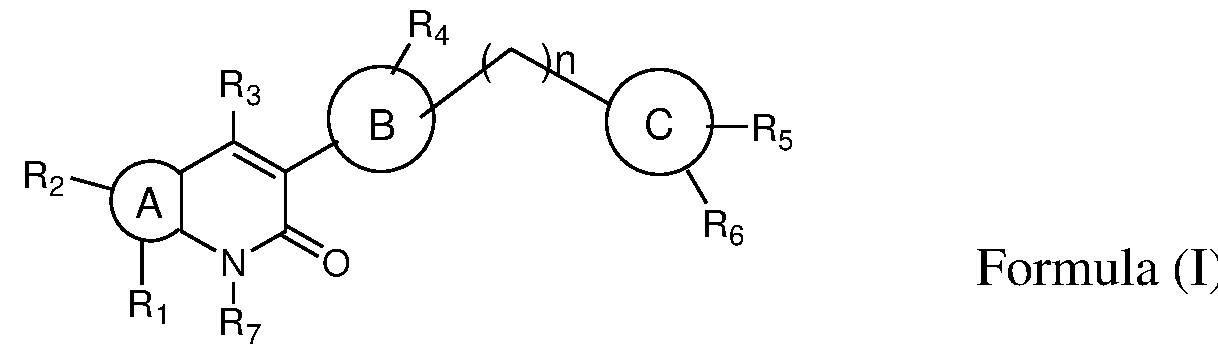


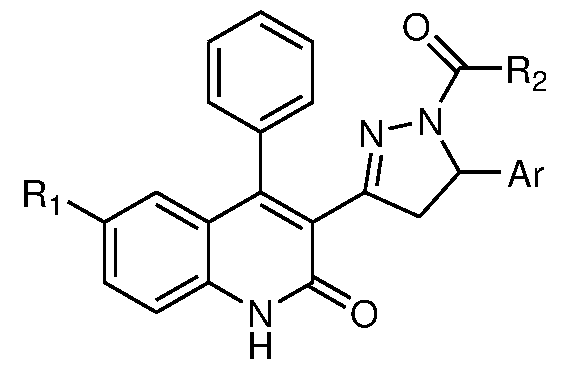
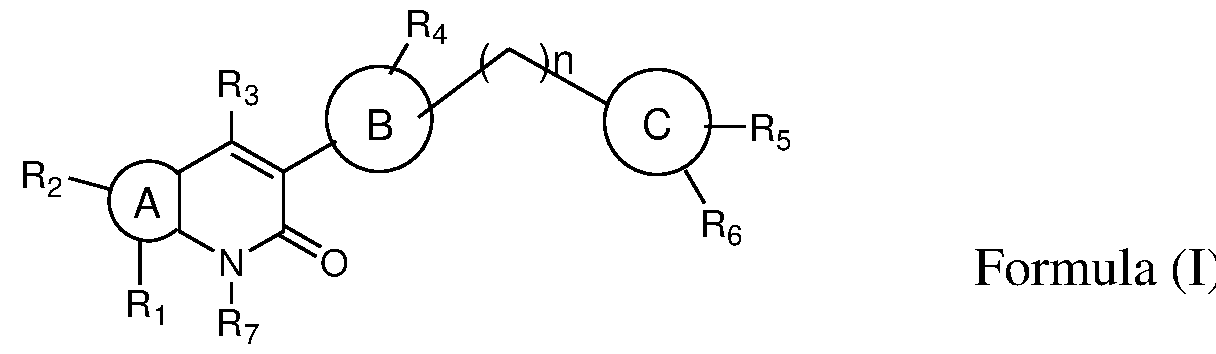


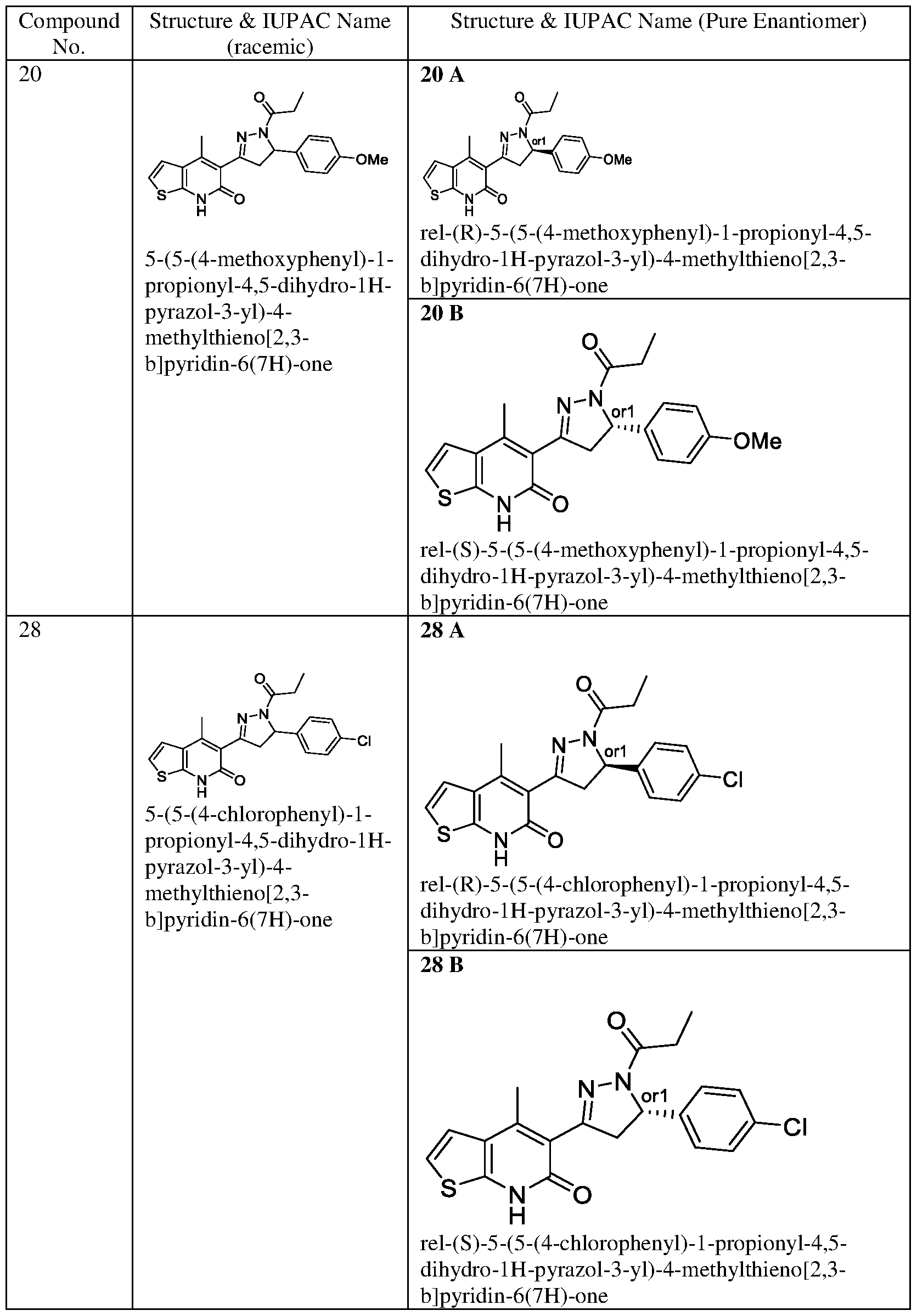
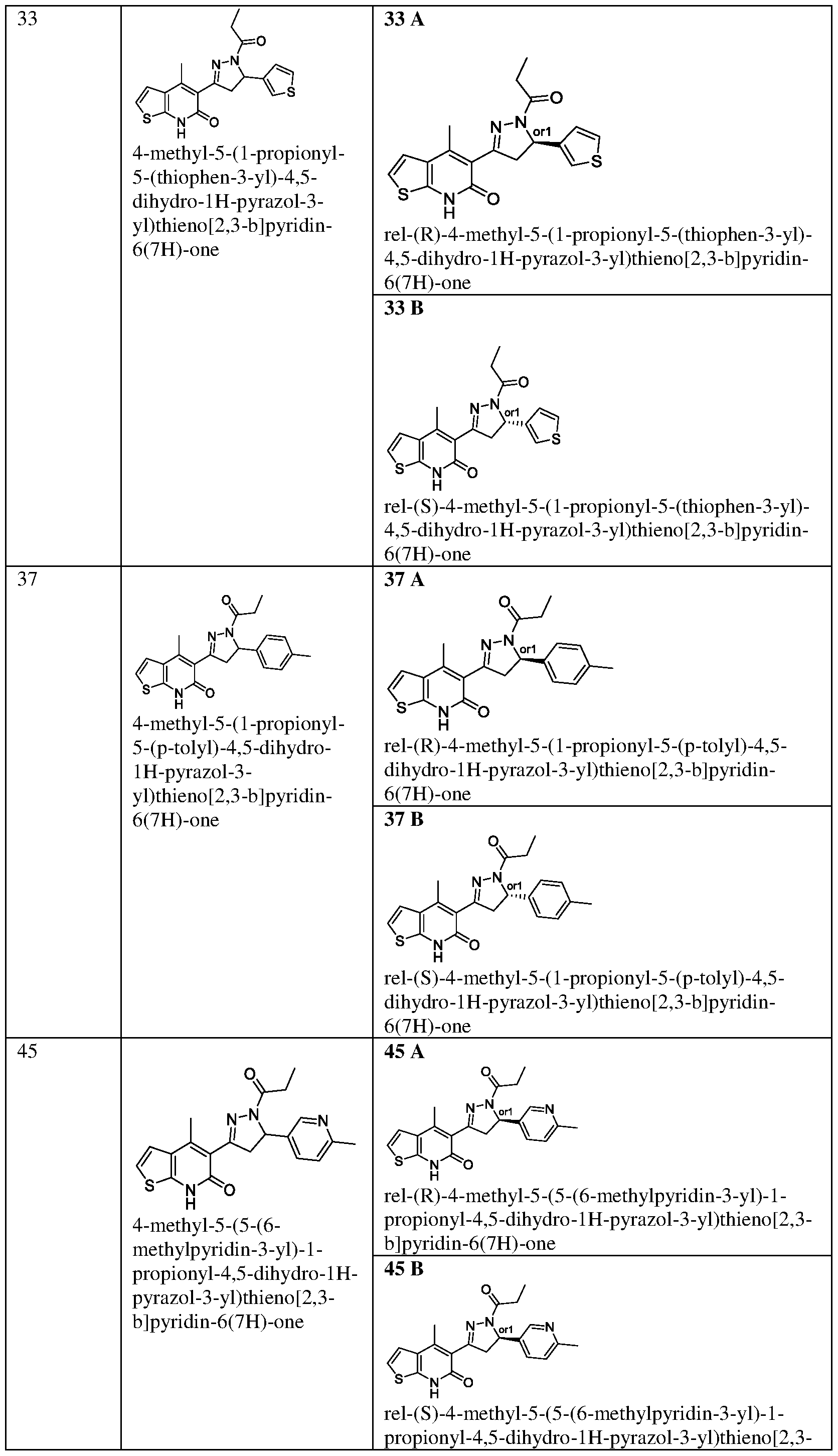

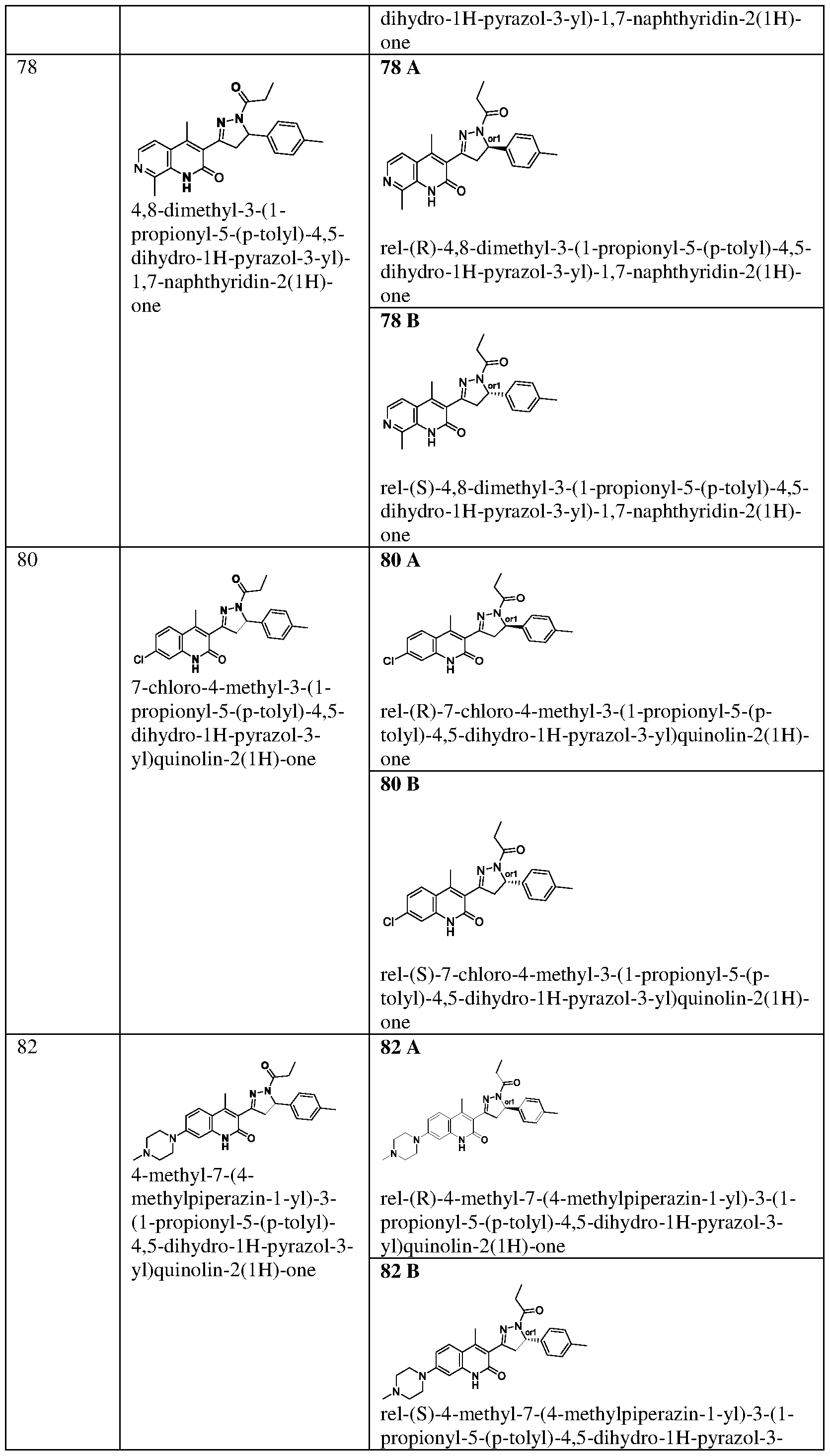





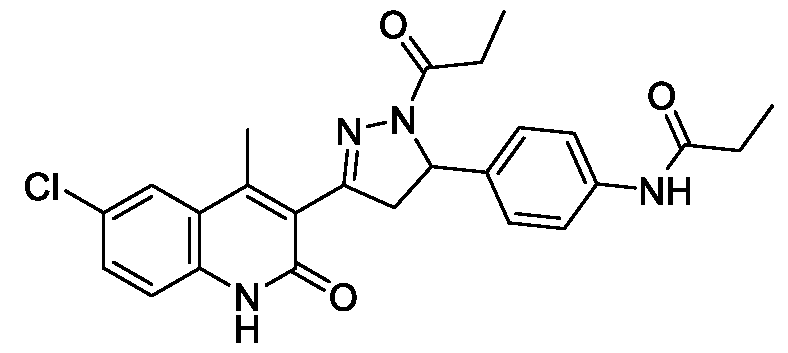
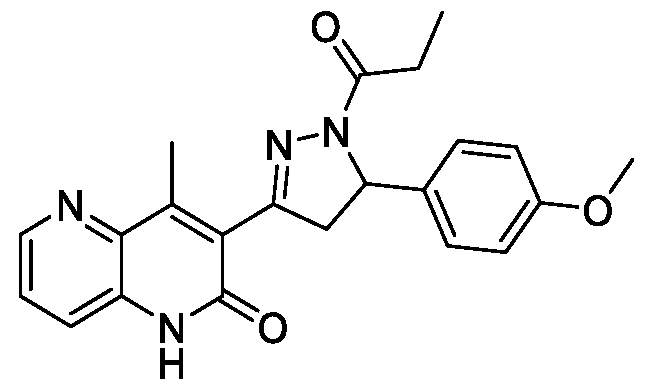

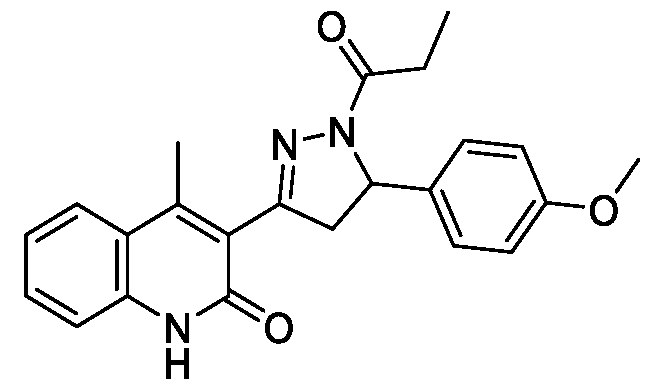
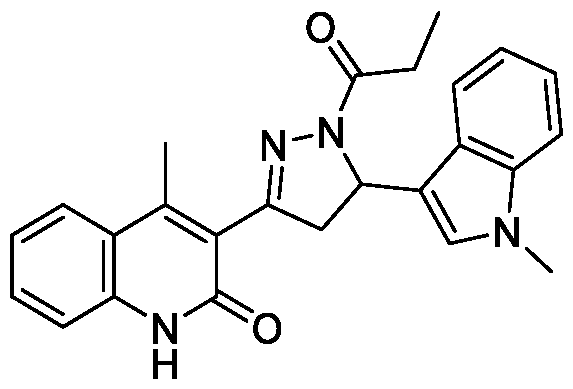


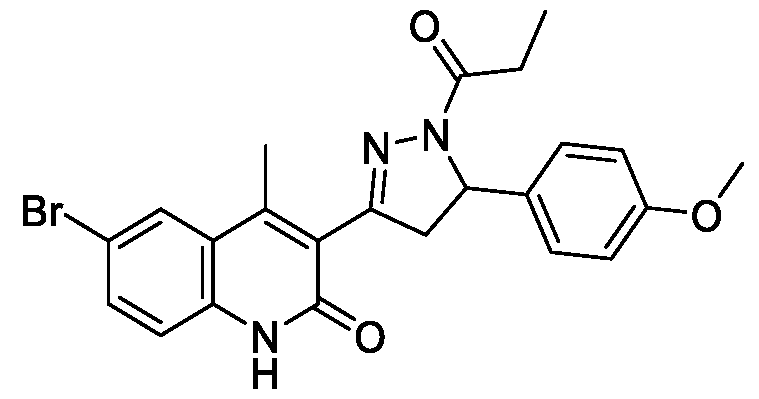


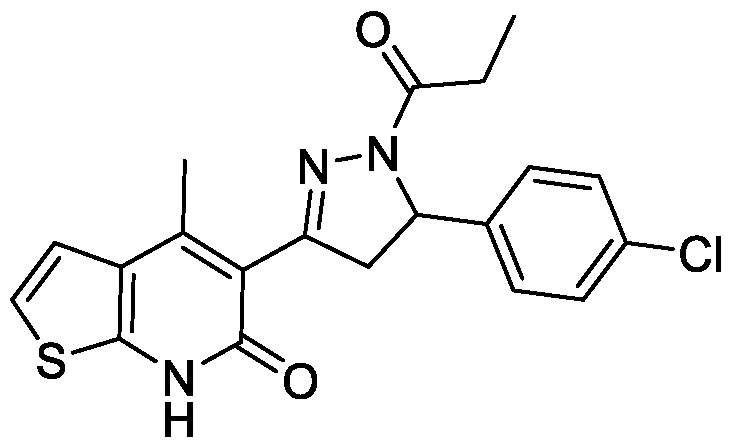
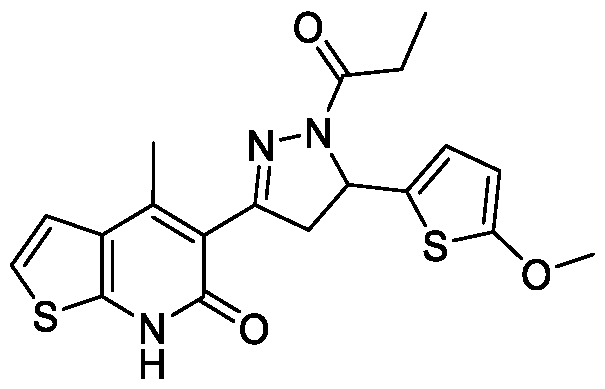


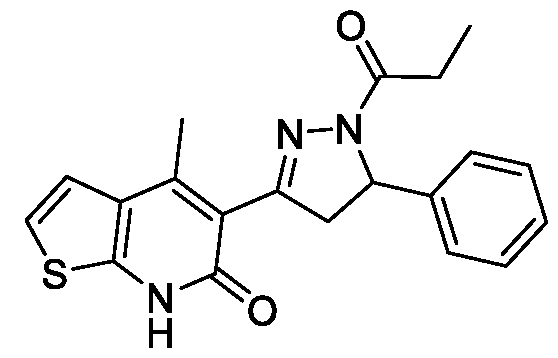


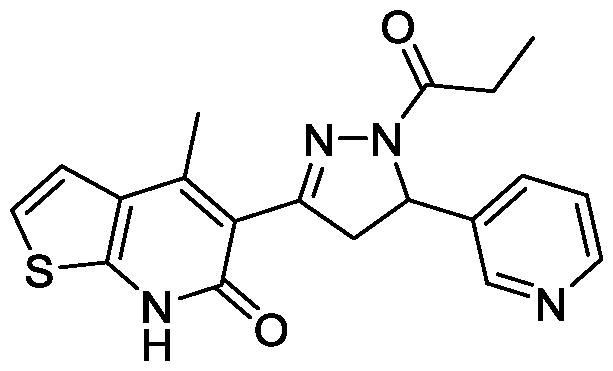
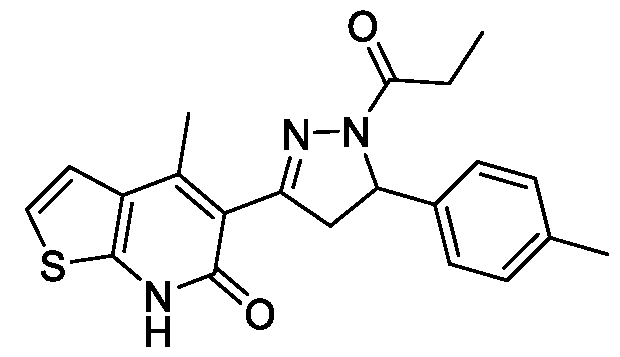


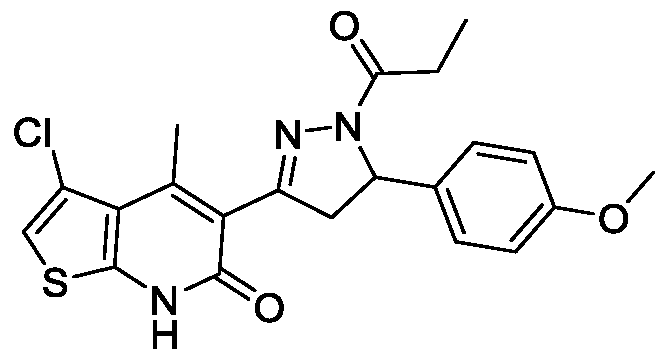
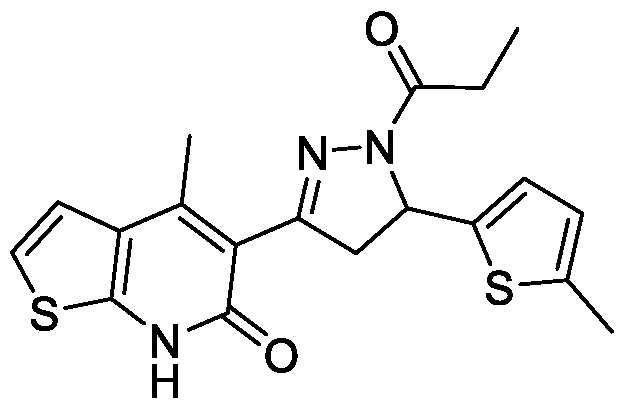


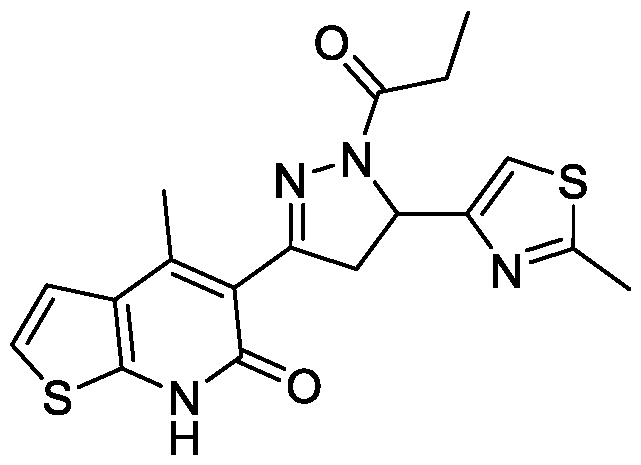


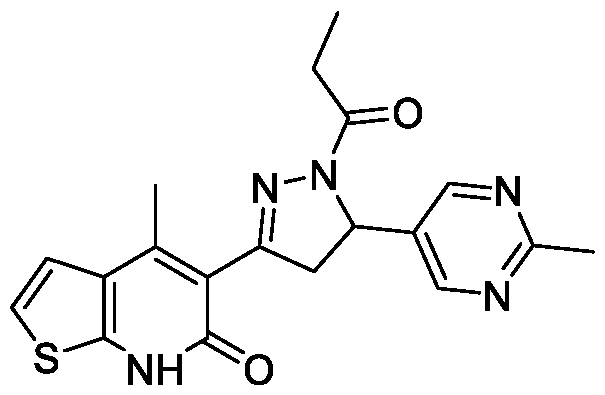


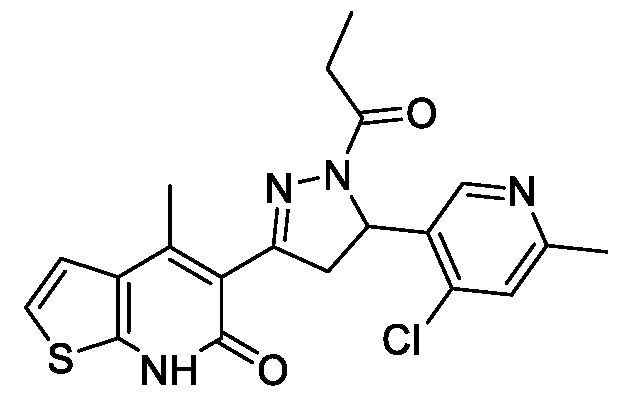

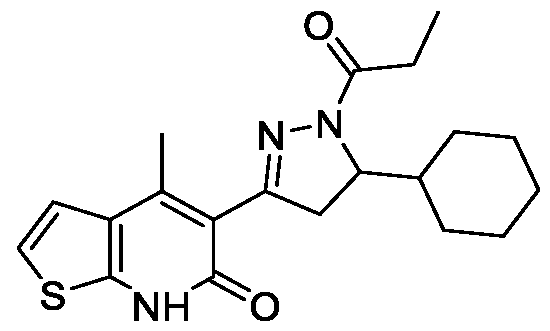

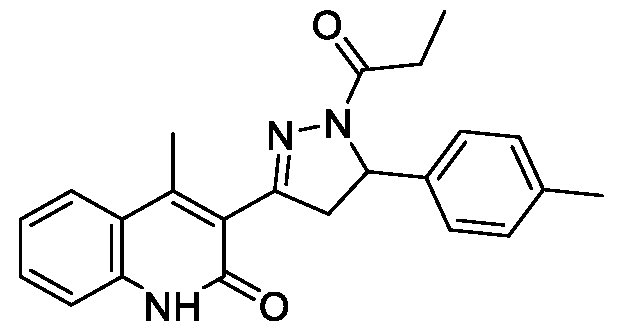


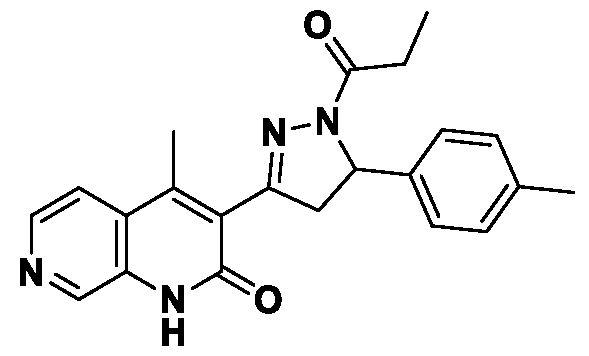


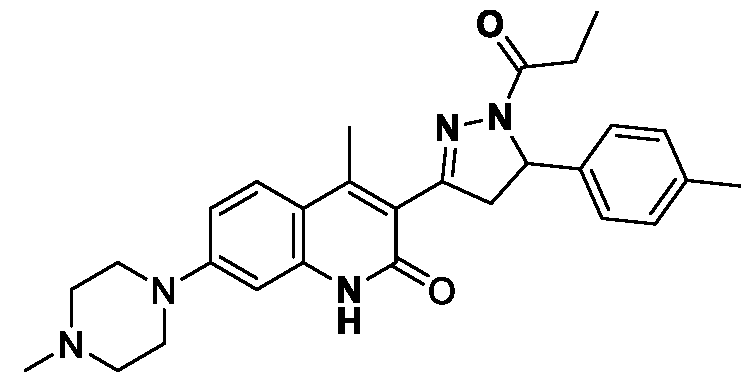


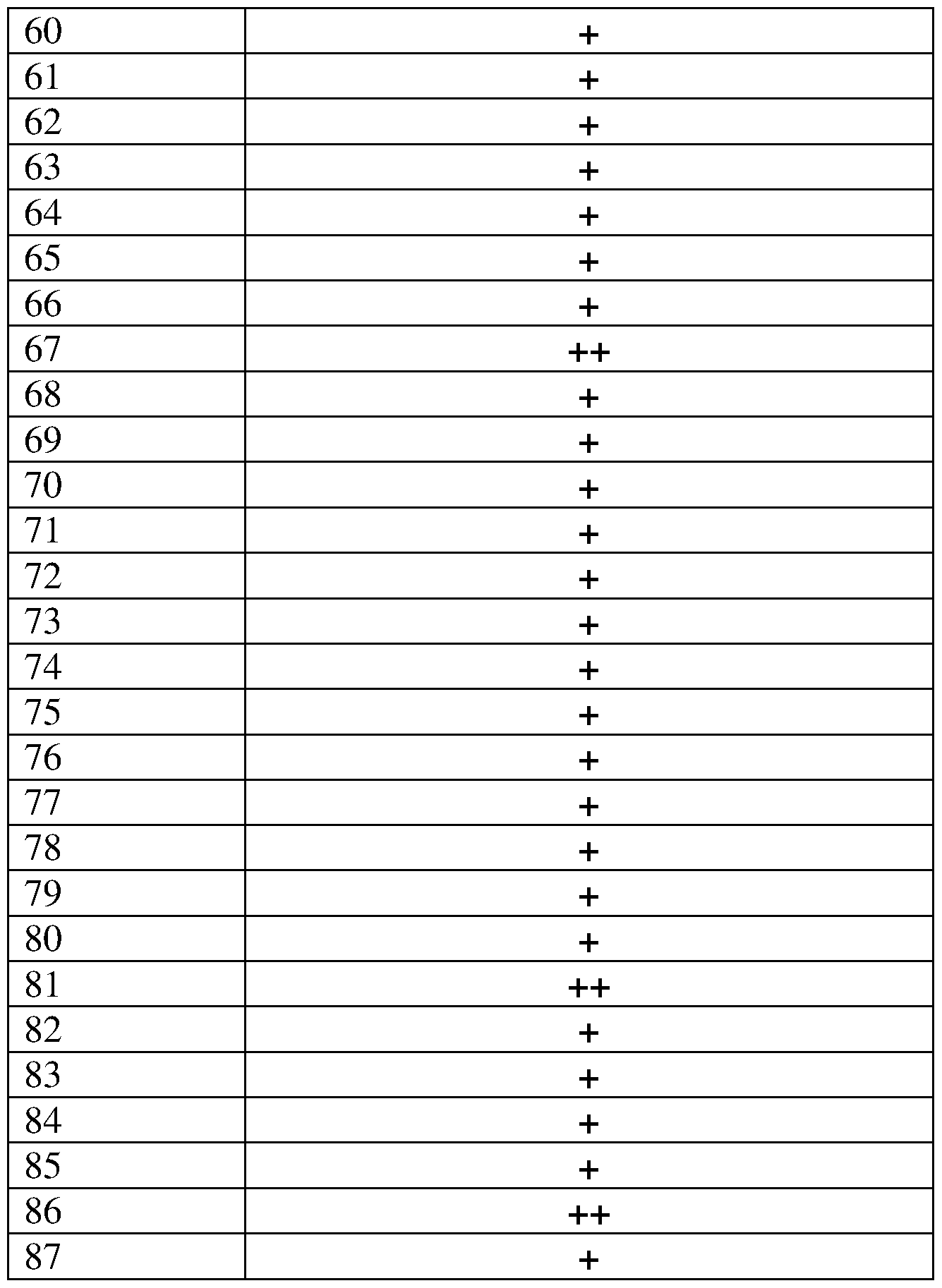

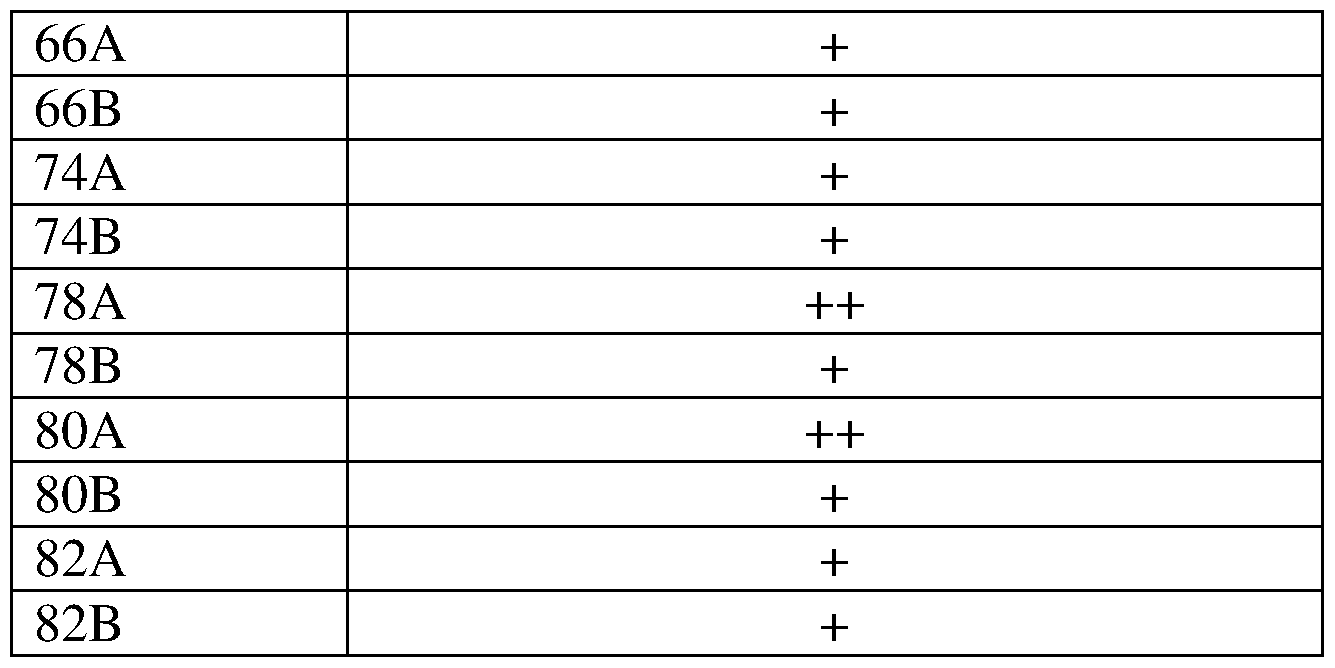
Claims
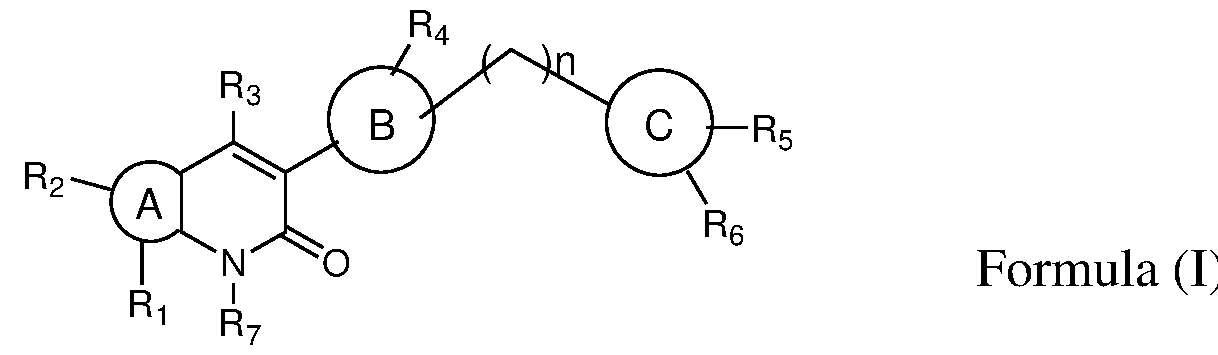


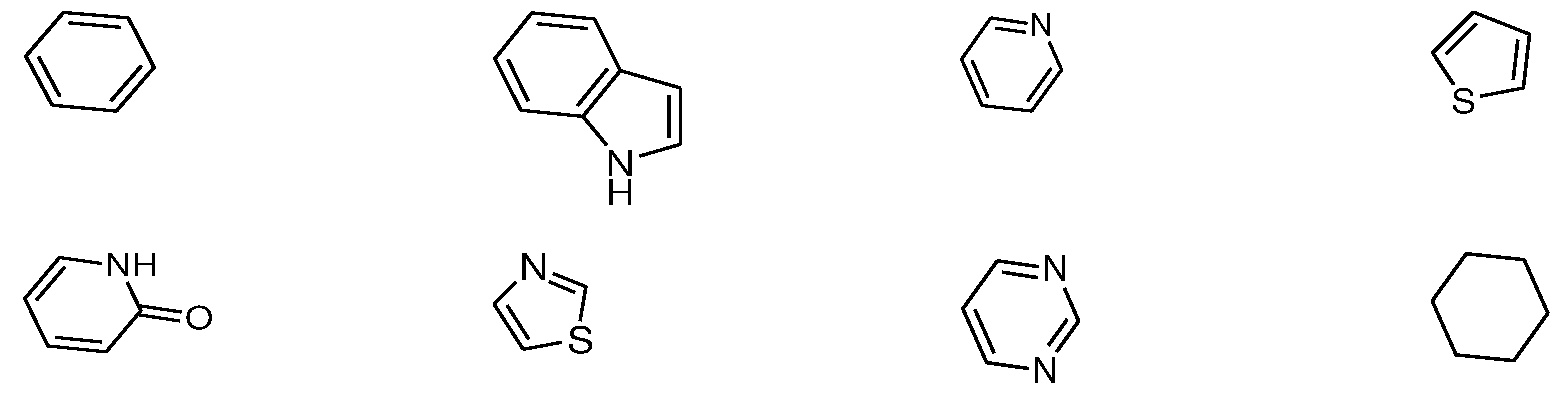
Priority Applications (6)
| Application Number | Priority Date | Filing Date | Title |
|---|---|---|---|
| CA3243942A CA3243942A1 (en) | 2022-02-22 | 2023-02-20 | Novel bicyclic compounds as rad51 inhibitors |
| EP23759390.0A EP4482831A1 (en) | 2022-02-22 | 2023-02-20 | Novel bicyclic compounds as rad51 inhibitors |
| JP2024549248A JP2025505830A (en) | 2022-02-22 | 2023-02-20 | Novel bicyclic compounds as RAD51 inhibitors |
| US18/837,659 US20250145601A1 (en) | 2022-02-22 | 2023-02-20 | Novel bicyclic compounds as rad51 inhibitors |
| CN202380021681.7A CN118696034A (en) | 2022-02-22 | 2023-02-20 | Novel bicyclic compounds as RAD51 inhibitors |
| AU2023225201A AU2023225201A1 (en) | 2022-02-22 | 2023-02-20 | Novel bicyclic compounds as rad51 inhibitors. |
Applications Claiming Priority (2)
| Application Number | Priority Date | Filing Date | Title |
|---|---|---|---|
| IN202241009273 | 2022-02-22 | ||
| IN202241009273 | 2022-02-22 |
Publications (1)
| Publication Number | Publication Date |
|---|---|
| WO2023161782A1 true WO2023161782A1 (en) | 2023-08-31 |
Family
ID=87764934
Family Applications (1)
| Application Number | Title | Priority Date | Filing Date |
|---|---|---|---|
| PCT/IB2023/051530 Ceased WO2023161782A1 (en) | 2022-02-22 | 2023-02-20 | Novel bicyclic compounds as rad51 inhibitors |
Country Status (7)
| Country | Link |
|---|---|
| US (1) | US20250145601A1 (en) |
| EP (1) | EP4482831A1 (en) |
| JP (1) | JP2025505830A (en) |
| CN (1) | CN118696034A (en) |
| AU (1) | AU2023225201A1 (en) |
| CA (1) | CA3243942A1 (en) |
| WO (1) | WO2023161782A1 (en) |
Cited By (1)
| Publication number | Priority date | Publication date | Assignee | Title |
|---|---|---|---|---|
| WO2025237891A1 (en) | 2024-05-14 | 2025-11-20 | Nerviano Medical Sciences S.R.L. | Quinoline-2-carboxamide derivatives as rad51 inhibitors for the treatment of cancer |
Citations (3)
| Publication number | Priority date | Publication date | Assignee | Title |
|---|---|---|---|---|
| WO2010088408A2 (en) * | 2009-01-28 | 2010-08-05 | Emory University | Subunit selective nmda receptor antagonists for the treatment of neurological conditions |
| WO2014210456A1 (en) * | 2013-06-28 | 2014-12-31 | Emory University | Pyrazoline dihydroquinolones, pharmaceutical compositions, and uses |
| WO2021116999A1 (en) * | 2019-12-11 | 2021-06-17 | Fondazione Istituto Italiano Di Tecnologia | Compounds and compositions for the treatment of tumors |
-
2023
- 2023-02-20 AU AU2023225201A patent/AU2023225201A1/en active Pending
- 2023-02-20 JP JP2024549248A patent/JP2025505830A/en active Pending
- 2023-02-20 CN CN202380021681.7A patent/CN118696034A/en active Pending
- 2023-02-20 CA CA3243942A patent/CA3243942A1/en active Pending
- 2023-02-20 US US18/837,659 patent/US20250145601A1/en active Pending
- 2023-02-20 EP EP23759390.0A patent/EP4482831A1/en active Pending
- 2023-02-20 WO PCT/IB2023/051530 patent/WO2023161782A1/en not_active Ceased
Patent Citations (3)
| Publication number | Priority date | Publication date | Assignee | Title |
|---|---|---|---|---|
| WO2010088408A2 (en) * | 2009-01-28 | 2010-08-05 | Emory University | Subunit selective nmda receptor antagonists for the treatment of neurological conditions |
| WO2014210456A1 (en) * | 2013-06-28 | 2014-12-31 | Emory University | Pyrazoline dihydroquinolones, pharmaceutical compositions, and uses |
| WO2021116999A1 (en) * | 2019-12-11 | 2021-06-17 | Fondazione Istituto Italiano Di Tecnologia | Compounds and compositions for the treatment of tumors |
Non-Patent Citations (1)
| Title |
|---|
| GRETA BAGNOLINI ET AL.: "Synthetic Lethality in Pancreatic Cancer: Discovery of a New RAD51-BRCA2 Small Molecule Disruptor That Inhibits Homologous Recombination and Synergizes with Olaparib", JOURNAL OF MEDICINAL CHEMISTRY, vol. 63, 2020, pages 2588 - 2619, XP055917167, DOI: 10.1021/acs.jmedchem.9b01526 * |
Cited By (1)
| Publication number | Priority date | Publication date | Assignee | Title |
|---|---|---|---|---|
| WO2025237891A1 (en) | 2024-05-14 | 2025-11-20 | Nerviano Medical Sciences S.R.L. | Quinoline-2-carboxamide derivatives as rad51 inhibitors for the treatment of cancer |
Also Published As
| Publication number | Publication date |
|---|---|
| CA3243942A1 (en) | 2023-08-31 |
| US20250145601A1 (en) | 2025-05-08 |
| AU2023225201A1 (en) | 2024-08-22 |
| EP4482831A1 (en) | 2025-01-01 |
| JP2025505830A (en) | 2025-02-28 |
| CN118696034A (en) | 2024-09-24 |
Similar Documents
| Publication | Publication Date | Title |
|---|---|---|
| AU2017378324B2 (en) | Bycyclic heteroaryl derivatives as CFTR potentiators | |
| US9981959B2 (en) | Thiazolyl and oxazolyl urea, thiourea, guanidine and cyanoguanidine compounds as TrkA kinase inhibitors | |
| US9790210B2 (en) | N-(monocyclic aryl),N'-pyrazolyl-urea, thiourea, guanidine and cyanoguanidine compounds as TrkA kinase inhibitors | |
| US9809578B2 (en) | Pyrazolyl urea, thiourea, guanidine and cyanoguanidine compounds as trkA kinase inhibitors | |
| US9546156B2 (en) | N-bicyclic aryl,N'-pyrazolyl urea, thiourea, guanidine cyanoguanidine compounds as TrkA kinase inhibitors | |
| US8697887B2 (en) | Indazole-3-carboxamides and their use as Wnt/β-catenin signaling pathway inhibitors | |
| US12370192B2 (en) | Azole-fused pyridazin-3(2H)-one derivatives | |
| AU2014272776A1 (en) | Pyrazolopyrrolidine derivatives and their use in the treatment of disease | |
| AU2012228090A1 (en) | Pyrrolopyridineamino derivatives as Mps1 inhibitors | |
| JP2012514044A (en) | Heteroaryl compounds useful as Raf kinase inhibitors | |
| US20170114071A1 (en) | Trka kinase inhibitors, compositions and methods thereof | |
| KR20030040419A (en) | Fused pyrazole derivatives being protein kinase inhibitors | |
| KR20160012194A (en) | Imidazopyrrolidinone derivatives and their use in the treatment of disease | |
| EA027752B1 (en) | Therapeutically active pyrazolo-pyrimidine derivatives | |
| AU2020206477B2 (en) | Haloallylamine compounds and application thereof | |
| WO2023067546A1 (en) | Novel bicyclic heteroaryl derivatives as sos1:kras proteinprotein interaction inhibitors | |
| WO2023098880A1 (en) | Fused ring derivative, preparation method therefor, and application thereof | |
| TWI508968B (en) | Compounds for treating respiratory syncytial virus infections | |
| CN106459043A (en) | Naphthyridinedione derivatives | |
| HK1206739A1 (en) | 3,4-disubstituted 1 h-pyrazole and 4,5-disubstituted thiazole inhibitors of syk | |
| WO2017073743A1 (en) | Tricyclic compound | |
| WO2023161782A1 (en) | Novel bicyclic compounds as rad51 inhibitors | |
| CN118591534A (en) | Novel benzimidazole pyridine derivatives | |
| WO2021259831A1 (en) | Sulfone derivatives | |
| JP2011504164A (en) | Condensed thiazole derivatives as kinase inhibitors |
Legal Events
| Date | Code | Title | Description |
|---|---|---|---|
| 121 | Ep: the epo has been informed by wipo that ep was designated in this application |
Ref document number: 23759390 Country of ref document: EP Kind code of ref document: A1 |
|
| WWE | Wipo information: entry into national phase |
Ref document number: 202447054521 Country of ref document: IN |
|
| WWE | Wipo information: entry into national phase |
Ref document number: AU23225201 Country of ref document: AU |
|
| WWE | Wipo information: entry into national phase |
Ref document number: 18837659 Country of ref document: US |
|
| WWE | Wipo information: entry into national phase |
Ref document number: 202380021681.7 Country of ref document: CN |
|
| WWE | Wipo information: entry into national phase |
Ref document number: 2024549248 Country of ref document: JP |
|
| ENP | Entry into the national phase |
Ref document number: 2023225201 Country of ref document: AU Date of ref document: 20230220 Kind code of ref document: A |
|
| WWE | Wipo information: entry into national phase |
Ref document number: 2023759390 Country of ref document: EP |
|
| NENP | Non-entry into the national phase |
Ref country code: DE |
|
| ENP | Entry into the national phase |
Ref document number: 2023759390 Country of ref document: EP Effective date: 20240923 |
|
| WWP | Wipo information: published in national office |
Ref document number: 18837659 Country of ref document: US |