WO2023049777A2 - Nucleic acid sensor agonist compositions and uses thereof - Google Patents
Nucleic acid sensor agonist compositions and uses thereof Download PDFInfo
- Publication number
- WO2023049777A2 WO2023049777A2 PCT/US2022/076821 US2022076821W WO2023049777A2 WO 2023049777 A2 WO2023049777 A2 WO 2023049777A2 US 2022076821 W US2022076821 W US 2022076821W WO 2023049777 A2 WO2023049777 A2 WO 2023049777A2
- Authority
- WO
- WIPO (PCT)
- Prior art keywords
- composition
- nucleic acid
- administering
- further provided
- nanoparticle
- Prior art date
- Legal status (The legal status is an assumption and is not a legal conclusion. Google has not performed a legal analysis and makes no representation as to the accuracy of the status listed.)
- Ceased
Links
Classifications
-
- A—HUMAN NECESSITIES
- A61—MEDICAL OR VETERINARY SCIENCE; HYGIENE
- A61K—PREPARATIONS FOR MEDICAL, DENTAL OR TOILETRY PURPOSES
- A61K47/00—Medicinal preparations characterised by the non-active ingredients used, e.g. carriers or inert additives; Targeting or modifying agents chemically bound to the active ingredient
- A61K47/50—Medicinal preparations characterised by the non-active ingredients used, e.g. carriers or inert additives; Targeting or modifying agents chemically bound to the active ingredient the non-active ingredient being chemically bound to the active ingredient, e.g. polymer-drug conjugates
- A61K47/69—Medicinal preparations characterised by the non-active ingredients used, e.g. carriers or inert additives; Targeting or modifying agents chemically bound to the active ingredient the non-active ingredient being chemically bound to the active ingredient, e.g. polymer-drug conjugates the conjugate being characterised by physical or galenical forms, e.g. emulsion, particle, inclusion complex, stent or kit
- A61K47/6905—Medicinal preparations characterised by the non-active ingredients used, e.g. carriers or inert additives; Targeting or modifying agents chemically bound to the active ingredient the non-active ingredient being chemically bound to the active ingredient, e.g. polymer-drug conjugates the conjugate being characterised by physical or galenical forms, e.g. emulsion, particle, inclusion complex, stent or kit the form being a colloid or an emulsion
- A61K47/6907—Medicinal preparations characterised by the non-active ingredients used, e.g. carriers or inert additives; Targeting or modifying agents chemically bound to the active ingredient the non-active ingredient being chemically bound to the active ingredient, e.g. polymer-drug conjugates the conjugate being characterised by physical or galenical forms, e.g. emulsion, particle, inclusion complex, stent or kit the form being a colloid or an emulsion the form being a microemulsion, nanoemulsion or micelle
-
- C—CHEMISTRY; METALLURGY
- C12—BIOCHEMISTRY; BEER; SPIRITS; WINE; VINEGAR; MICROBIOLOGY; ENZYMOLOGY; MUTATION OR GENETIC ENGINEERING
- C12N—MICROORGANISMS OR ENZYMES; COMPOSITIONS THEREOF; PROPAGATING, PRESERVING, OR MAINTAINING MICROORGANISMS; MUTATION OR GENETIC ENGINEERING; CULTURE MEDIA
- C12N15/00—Mutation or genetic engineering; DNA or RNA concerning genetic engineering, vectors, e.g. plasmids, or their isolation, preparation or purification; Use of hosts therefor
- C12N15/09—Recombinant DNA-technology
- C12N15/87—Introduction of foreign genetic material using processes not otherwise provided for, e.g. co-transformation
-
- A—HUMAN NECESSITIES
- A61—MEDICAL OR VETERINARY SCIENCE; HYGIENE
- A61K—PREPARATIONS FOR MEDICAL, DENTAL OR TOILETRY PURPOSES
- A61K47/00—Medicinal preparations characterised by the non-active ingredients used, e.g. carriers or inert additives; Targeting or modifying agents chemically bound to the active ingredient
- A61K47/06—Organic compounds, e.g. natural or synthetic hydrocarbons, polyolefins, mineral oil, petrolatum or ozokerite
-
- A—HUMAN NECESSITIES
- A61—MEDICAL OR VETERINARY SCIENCE; HYGIENE
- A61K—PREPARATIONS FOR MEDICAL, DENTAL OR TOILETRY PURPOSES
- A61K47/00—Medicinal preparations characterised by the non-active ingredients used, e.g. carriers or inert additives; Targeting or modifying agents chemically bound to the active ingredient
- A61K47/06—Organic compounds, e.g. natural or synthetic hydrocarbons, polyolefins, mineral oil, petrolatum or ozokerite
- A61K47/08—Organic compounds, e.g. natural or synthetic hydrocarbons, polyolefins, mineral oil, petrolatum or ozokerite containing oxygen, e.g. ethers, acetals, ketones, quinones, aldehydes, peroxides
- A61K47/12—Carboxylic acids; Salts or anhydrides thereof
-
- A—HUMAN NECESSITIES
- A61—MEDICAL OR VETERINARY SCIENCE; HYGIENE
- A61K—PREPARATIONS FOR MEDICAL, DENTAL OR TOILETRY PURPOSES
- A61K47/00—Medicinal preparations characterised by the non-active ingredients used, e.g. carriers or inert additives; Targeting or modifying agents chemically bound to the active ingredient
- A61K47/06—Organic compounds, e.g. natural or synthetic hydrocarbons, polyolefins, mineral oil, petrolatum or ozokerite
- A61K47/26—Carbohydrates, e.g. sugar alcohols, amino sugars, nucleic acids, mono-, di- or oligo-saccharides; Derivatives thereof, e.g. polysorbates, sorbitan fatty acid esters or glycyrrhizin
-
- A—HUMAN NECESSITIES
- A61—MEDICAL OR VETERINARY SCIENCE; HYGIENE
- A61K—PREPARATIONS FOR MEDICAL, DENTAL OR TOILETRY PURPOSES
- A61K47/00—Medicinal preparations characterised by the non-active ingredients used, e.g. carriers or inert additives; Targeting or modifying agents chemically bound to the active ingredient
- A61K47/50—Medicinal preparations characterised by the non-active ingredients used, e.g. carriers or inert additives; Targeting or modifying agents chemically bound to the active ingredient the non-active ingredient being chemically bound to the active ingredient, e.g. polymer-drug conjugates
- A61K47/51—Medicinal preparations characterised by the non-active ingredients used, e.g. carriers or inert additives; Targeting or modifying agents chemically bound to the active ingredient the non-active ingredient being chemically bound to the active ingredient, e.g. polymer-drug conjugates the non-active ingredient being a modifying agent
- A61K47/54—Medicinal preparations characterised by the non-active ingredients used, e.g. carriers or inert additives; Targeting or modifying agents chemically bound to the active ingredient the non-active ingredient being chemically bound to the active ingredient, e.g. polymer-drug conjugates the non-active ingredient being a modifying agent the modifying agent being an organic compound
- A61K47/543—Lipids, e.g. triglycerides; Polyamines, e.g. spermine or spermidine
-
- A—HUMAN NECESSITIES
- A61—MEDICAL OR VETERINARY SCIENCE; HYGIENE
- A61K—PREPARATIONS FOR MEDICAL, DENTAL OR TOILETRY PURPOSES
- A61K9/00—Medicinal preparations characterised by special physical form
- A61K9/0002—Galenical forms characterised by the drug release technique; Application systems commanded by energy
- A61K9/0009—Galenical forms characterised by the drug release technique; Application systems commanded by energy involving or responsive to electricity, magnetism or acoustic waves; Galenical aspects of sonophoresis, iontophoresis, electroporation or electroosmosis
-
- A—HUMAN NECESSITIES
- A61—MEDICAL OR VETERINARY SCIENCE; HYGIENE
- A61K—PREPARATIONS FOR MEDICAL, DENTAL OR TOILETRY PURPOSES
- A61K9/00—Medicinal preparations characterised by special physical form
- A61K9/0012—Galenical forms characterised by the site of application
- A61K9/0019—Injectable compositions; Intramuscular, intravenous, arterial, subcutaneous administration; Compositions to be administered through the skin in an invasive manner
-
- A—HUMAN NECESSITIES
- A61—MEDICAL OR VETERINARY SCIENCE; HYGIENE
- A61K—PREPARATIONS FOR MEDICAL, DENTAL OR TOILETRY PURPOSES
- A61K9/00—Medicinal preparations characterised by special physical form
- A61K9/14—Particulate form, e.g. powders, Processes for size reducing of pure drugs or the resulting products, Pure drug nanoparticles
- A61K9/19—Particulate form, e.g. powders, Processes for size reducing of pure drugs or the resulting products, Pure drug nanoparticles lyophilised, i.e. freeze-dried, solutions or dispersions
-
- A—HUMAN NECESSITIES
- A61—MEDICAL OR VETERINARY SCIENCE; HYGIENE
- A61K—PREPARATIONS FOR MEDICAL, DENTAL OR TOILETRY PURPOSES
- A61K9/00—Medicinal preparations characterised by special physical form
- A61K9/48—Preparations in capsules, e.g. of gelatin, of chocolate
- A61K9/50—Microcapsules having a gas, liquid or semi-solid filling; Solid microparticles or pellets surrounded by a distinct coating layer, e.g. coated microspheres, coated drug crystals
- A61K9/5005—Wall or coating material
- A61K9/5015—Organic compounds, e.g. fats, sugars
-
- A—HUMAN NECESSITIES
- A61—MEDICAL OR VETERINARY SCIENCE; HYGIENE
- A61K—PREPARATIONS FOR MEDICAL, DENTAL OR TOILETRY PURPOSES
- A61K9/00—Medicinal preparations characterised by special physical form
- A61K9/48—Preparations in capsules, e.g. of gelatin, of chocolate
- A61K9/50—Microcapsules having a gas, liquid or semi-solid filling; Solid microparticles or pellets surrounded by a distinct coating layer, e.g. coated microspheres, coated drug crystals
- A61K9/51—Nanocapsules; Nanoparticles
- A61K9/5107—Excipients; Inactive ingredients
- A61K9/5115—Inorganic compounds
-
- A—HUMAN NECESSITIES
- A61—MEDICAL OR VETERINARY SCIENCE; HYGIENE
- A61K—PREPARATIONS FOR MEDICAL, DENTAL OR TOILETRY PURPOSES
- A61K9/00—Medicinal preparations characterised by special physical form
- A61K9/48—Preparations in capsules, e.g. of gelatin, of chocolate
- A61K9/50—Microcapsules having a gas, liquid or semi-solid filling; Solid microparticles or pellets surrounded by a distinct coating layer, e.g. coated microspheres, coated drug crystals
- A61K9/51—Nanocapsules; Nanoparticles
- A61K9/5107—Excipients; Inactive ingredients
- A61K9/5123—Organic compounds, e.g. fats, sugars
-
- C—CHEMISTRY; METALLURGY
- C12—BIOCHEMISTRY; BEER; SPIRITS; WINE; VINEGAR; MICROBIOLOGY; ENZYMOLOGY; MUTATION OR GENETIC ENGINEERING
- C12N—MICROORGANISMS OR ENZYMES; COMPOSITIONS THEREOF; PROPAGATING, PRESERVING, OR MAINTAINING MICROORGANISMS; MUTATION OR GENETIC ENGINEERING; CULTURE MEDIA
- C12N15/00—Mutation or genetic engineering; DNA or RNA concerning genetic engineering, vectors, e.g. plasmids, or their isolation, preparation or purification; Use of hosts therefor
- C12N15/09—Recombinant DNA-technology
- C12N15/11—DNA or RNA fragments; Modified forms thereof; Non-coding nucleic acids having a biological activity
- C12N15/117—Nucleic acids having immunomodulatory properties, e.g. containing CpG-motifs
-
- C—CHEMISTRY; METALLURGY
- C12—BIOCHEMISTRY; BEER; SPIRITS; WINE; VINEGAR; MICROBIOLOGY; ENZYMOLOGY; MUTATION OR GENETIC ENGINEERING
- C12N—MICROORGANISMS OR ENZYMES; COMPOSITIONS THEREOF; PROPAGATING, PRESERVING, OR MAINTAINING MICROORGANISMS; MUTATION OR GENETIC ENGINEERING; CULTURE MEDIA
- C12N2310/00—Structure or type of the nucleic acid
- C12N2310/10—Type of nucleic acid
- C12N2310/17—Immunomodulatory nucleic acids
-
- C—CHEMISTRY; METALLURGY
- C12—BIOCHEMISTRY; BEER; SPIRITS; WINE; VINEGAR; MICROBIOLOGY; ENZYMOLOGY; MUTATION OR GENETIC ENGINEERING
- C12N—MICROORGANISMS OR ENZYMES; COMPOSITIONS THEREOF; PROPAGATING, PRESERVING, OR MAINTAINING MICROORGANISMS; MUTATION OR GENETIC ENGINEERING; CULTURE MEDIA
- C12N2320/00—Applications; Uses
- C12N2320/30—Special therapeutic applications
- C12N2320/32—Special delivery means, e.g. tissue-specific
Definitions
- Certain proteins function as nucleic acid sensors that monitor cells for unusual or foreign nucleic acids. These nucleic acid sensors can survey various cellular compartments, such as the endosomal regions (e.g., TLR3, TLR7, TLR8, and TLR9), or the cytosol (retinoic acid-inducible gene I (RIG-I)-like receptors (RLRs). Once activated, these nucleic acid sensors trigger signaling cascades resulting in activities and gene activation having anti-viral and anti-cancer activities. Certain nucleic acid sensors may be referred to as pattern-recognition receptors (PRRs).
- PRRs pattern-recognition receptors
- RLRs are PRRs that detect certain patterns in singled-stranded ribonucleic acid (RNA) or DNA (ssRNA, ssDNA), or double-stranded RNA (dsRNA) sequences.
- PRR agonists provide a mechanism for increased immune activation, which has potential therapeutic implications.
- PRR agonists face various therapeutic challenges, with toxicity associated with high nucleic acid dosage amount, delivery, and stability.
- PRR agonist therapeutics for enhancing immune activity for treatment and prevention of disease conditions.
- compositions comprising: a nanoparticle, wherein the nanoparticle comprises: a hydrophobic core, wherein lipids present in the hydrophobic core are in liquid phase at 25 degrees Celsius; and a hydrophilic surface; and a nucleic acid, wherein the nucleic acid comprises a region encoding a sequence that is at least 85% identical to any one of SEQ ID NOS: 1-11.
- compositions wherein the compositions comprise: lipid nanoparticles, wherein the lipid nanoparticles are characterized as having a z-average diameter particle size measurement of 20 nm to 80 nm when measured using dynamic light scattering, and wherein the lipid nanoparticles comprise: a surface comprising cationic lipids; and a hydrophobic core, wherein the hydrophobic core comprises liquid oil, wherein lipids present in the hydrophobic core are in liquid phase at 25 degrees Celsius, and: a nucleic acid, wherein the nucleic acid comprises a pattern recognition receptor (PRR) agonist region, wherein the nucleic acid is present in an amount of up to 1 mg, and wherein the nucleic acid is in complex with the hydrophilic surface.
- PRR pattern recognition receptor
- compositions comprising: a nanoparticle, wherein the nanoparticle comprises: a hydrophobic core comprising an inorganic particle; and a hydrophilic surface; and a nucleic acid, wherein the nucleic acid comprises a pattern recognition receptor (PRR) agonist region, wherein the nucleic acid is present in an amount of up to 1 mg, and wherein the nucleic acid is in complex with the hydrophilic surface.
- PRR pattern recognition receptor
- compositions wherein the compositions comprise: a nanoparticle, wherein the nanoparticle comprises: a hydrophobic core comprising an inorganic particle; and a hydrophilic surface; and a nucleic acid, wherein the nucleic acid comprises a region coding a sequence at least 85% identical to SEQ ID NO: 1.
- suspensions wherein the suspensions comprise a composition provided herein.
- compositions wherein the pharmaceutical compositions comprise a composition provided herein; and a pharmaceutical excipient. Further provided herein are pharmaceutical compositions, wherein the pharmaceutical composition is formulated for intranasal administration or intratumoral administration.
- kits for the treatment of cancer in a subject comprising: administering to a subject having cancer, the composition provided herein, thereby treating the cancer in the subject.
- compositions provided herein.
- kits for increasing monocyte recruitment to a cancer comprising administering to a subject having cancer, a composition provided herein.
- the cancer is a solid cancer or a hematopoietic cancer.
- methods for treatment of cancer comprising: administering to a subject having cancer a composition, wherein the composition comprises a nanoparticle, wherein the nanoparticle comprises: a hydrophobic core comprising an inorganic particle; and a hydrophilic surface; and administering radiation to the subject.
- compositions comprising: administering to a subject having cancer a composition, wherein the composition comprises: a nanoparticle, wherein the nanoparticle comprises: a hydrophobic core comprising an inorganic particle; and a hydrophilic surface; and a nucleic acid, wherein the nucleic acid comprises a pattern recognition receptor (PRR) agonist region; and administering radiation to the subject.
- PRR pattern recognition receptor
- compositions provided herein.
- compositions provided herein.
- compositions provided herein.
- cancer is a solid cancer or a hematopoietic cancer.
- methods for treatment of cancer comprising: administering to a subject having cancer a composition, wherein the composition comprises a nanoparticle, wherein the nanoparticle comprises: a hydrophobic core comprising an inorganic particle; and a hydrophilic surface; and administering radiation to the subject.
- compositions comprising: administering to a subject having cancer a composition, wherein the composition comprises: a nanoparticle, wherein the nanoparticle comprises: a hydrophobic core comprising an inorganic particle; and a hydrophilic surface; and a nucleic acid, wherein the nucleic acid comprises a pattern recognition receptor (PRR) agonist region; and administering radiation to the subject.
- PRR pattern recognition receptor
- kits for increasing monocyte recruitment to augment an immune response in a subject comprising: intratumorally administering to a subject the composition provided herein, thereby increasing monocyte recruitment to augment an immune response in a subject.
- FIGURES 1A-1R show schematic representations of exemplary nanoparticle (NP) carriers.
- FIG. 1A shows an oil-in-water emulsion.
- FIG. IB shows a nanostructured lipid carrier (NLC).
- FIG. 1C shows a nanoparticle having an inorganic nanoparticle in liquid oil.
- FIGs. ID and IM show a nanoparticle having a cationic lipid membrane, an inorganic nanoparticle, a liquid oil core and a nucleic acid.
- FIG. IE shows an oil-in-water emulsion with two or more RNA or DNA molecules.
- FIG. IF shows a nanostructured lipid carrier (NLC) with two or more RNA or DNA molecules.
- FIG. 1G shows a nanoparticle having an inorganic nanoparticle in liquid oil two or more RNA or DNA molecules.
- FIGs. 1H and IN show a nanoparticle having a cationic lipid membrane, inorganic particles, a liquid oil core, and two or more RNA or DNA molecules.
- FIG. II and IO show a nanoparticle having a cationic lipid membrane, a liquid oil core (e.g. , squalene), and a single nucleic acid molecule.
- FIG. 1 J and IP show a nanoparticle having a cationic lipid membrane, a liquid oil core (e.g., squalene), and two or more RNA or DNA molecules.
- FIG. 1H and IN show a nanoparticle having a cationic lipid membrane, inorganic particles, a liquid oil core, and two or more RNA or DNA molecules.
- FIG. II and IO show a nanoparticle having a cationic lipid membrane, a liquid oil core
- IK and IQ show a nanoparticle having a cationic lipid membrane, a solid core (e.g, glyceryl trimyristate-dynasan), and a single nucleic acid molecule.
- FIG. IL and 1R show a nanoparticle having a cationic lipid membrane, a solid core (e.g, glyceryl trimyristate-dynasan), and two or more RNA or DNA molecules. Drawings not to scale.
- FIGURE 2 shows the time measurements of nanoparticle size as measured by dynamic light scattering.
- X-axis is weeks and Y-axis is nm diameter.
- Three-time courses correspond to storage at 4, 25, and 42 degrees Celsius.
- FIGURE 3 depicts an image capture of an RNA electrophoresis gel.
- Lanes represent extracts of RIG-I agonist nucleic acid having SEQ ID NO: 2 following complex with NP-1 and treatment with or without RNase.
- the N:P ratio of the mixes of the RIG-I agonist to NP-1 are 25:1, 5:1, 1:1 and 0.2:1, respectively.
- a control lane shows results from similar treatments of uncomplexed RIG-I agonist.
- FIGURE 4A shows a graph measuring an indicator of IFN-J3 activation measured at OD635 from the supernatant of A549-Dual cells transfected with nanoparticle RNA-NP-1 complexes having varying amounts of RNA and varying N:P ratios. Horizontal lines label reference levels in untreated cells (Media).
- FIGURE 4B shows a graph measuring an indicator of IFIT2 activation measured in relative light units (RLU) from the supernatant of A549-Dual cells transfected with nanoparticle RNA-NP-1 complexes having varying amounts of RNA and varying N:P ratios. Horizontal lines label reference levels in untreated cells (Media).
- FIGURE 5A shows a graph measuring indicators of INF-J3 activation and IFIT2 activation from the supernatant of A549-Dual cells transfected with nanoparticle RNA-NP-1 complexes having varying amounts of RNA and varying N:P ratios, where the RNA in the complex is 0.39 ng.
- Horizontal lines label reference levels in untreated cells (Media).
- FIGURE 5B shows a graph measuring indicators of IFN-J3 activation and IFIT2 activation from the supernatant of A549-Dual cells transfected with nanoparticle RNA-NP-1 complexes having varying amounts of RNA and varying N:P ratios, where the RNA in the complex is 1.6 ng. Horizontal lines label reference levels in untreated cells (Media).
- FIGURE 6A shows a graph of particle size measurements of RIG-I agonist RNA in complex with NP-1 of N:P 8:1 and stored at the indicated temperature for 28 days. Dash lines represent NP-1 alone.
- FIGURE 6B shows a graph of PDI measurements of RIG-I agonist RNA in complex with NP-1 at N:P 8: 1 and stored at the indicated temperature for 28 days. Dash lines represent NP-1 alone.
- FIGURES 7A-7B show RNA electrophoresis gels taken from supernatant of A549-Dual cells that were transfected with RNA-NP-1 complexes measured at timepoints 0, 1, 2, 4, and 7 days, using the compositions at various storage conditions.
- FIG. 7A shows an RNA electrophoresis gel at 25 degrees Celsius.
- FIG. 7B shows an RNA electrophoresis gel at 42 degrees Celsius.
- FIGURES 8A-8B show graphs of IFIT2 activation measured in relative light units from the supernatant of A549-Dual cells transfected with nanoparticle RNA-NP-1 complexes having N:P ratio of 8:1, with timepoints 0, 1, 2, 4, and 7 days, where storage conditions at -20, 4, 25, and 42 degrees Celsius. Samples were compared to media only controls and a fresh RNA-NP-1 complexes prepared the day of the assay. FIG. 8A shows results at 25 degrees Celsius.
- FIG. 8B shows results at 42 degrees Celsius.
- FIGURES 8C-8D show graphs of the quantification of indicators of IFN-P activation measured at OD 635 from the supernatants of A549-Dual cells transfected with RNA-NP-1 complexes having N:P ratio of 8:1, measured at timepoints 0, 1, 2, 4, and 7 days, where storage conditions at -20, 4, 25, and 42 degrees Celsius. Samples were compared to media only controls and a fresh RNA-NP-1 complexes prepared the day of the assay. FIG. 8C shows results at 25 degrees Celsius.
- FIG. 8D shows results at 42 degrees Celsius.
- FIGURE 9 shows a graph of IFIT2 activation measured in relative light units from the supernatant of A549-Dual cells transfected with nanoparticle RNA-NP-1 complexes having N:P ratio of 8:1, with timepoints of 0.5 months, 1 month, 2 months, 3 months, and 6 months. All compositions were stable at 25 degrees Celsius for up to 6 months (arrow).
- FIGURE 10A is a bar graph showing IFIT2 activation measured in relative light units from the supernatant of A549-Dual cells treated as follows: (1) media control, (2) RIG-I RNA agonist having SEQ ID NO: 2 complexed with NP-1 ; (3) IFN- a Leuk; (4) IFN-a Lymph; (5) IFN- P; or (6) TNF- a. WT and RIG-I KO cells were assayed.
- FIGURE 10B is a bar graph of IFN- activation measured at OD 635.
- A549-Dual cells treated as follows: (1) media control, (2) RIG-I RNA agonist having SEQ ID NO: 2 complexed with NP-1; (3) IFN- a Leuk; (4) IFN-a Lymph; (5) IFN-P; or (6) TNF- a. WT and RIG-I KO cells were assayed.
- FIGURE 11A is a bar graph showing IFIT2 activation following addition of Riboxxim alone or Riboxxim:NP-l complexes to A549-Dual cells at the indicated Riboxxim doses (6.3, 12.5, 25, 50 and 100 ng).
- FIGURE 1 IB is a bar graph showing IFN-
- FIGURE 12 is bar graph showing total counts of monocytes (Y axis) from (1) untreated, (2) RIG-I RNA agonist having SEQ ID NO: 2 at 0.1 pg, (3) RIG-I RNA agonist having SEQ ID NO: 2 at 0.1 pg complexed with NP-1, (4) RIG-I RNA agonist having SEQ ID NO: 2 at 1 pg, and (5) RIG-I RNA agonist having SEQ ID NO: 2 at 1 pg complexed with NP-1.
- FIGURE 13A is a bar graph of flow cytometry quantification of the frequency of XCR1+ CDllb- LN-Resident cDCls, gated on CD3- B220- NK1.1- CD64- CDllc+ MHC-II int single cells (Y axis) for conditions of (1) untreated, (2) RIG-I RNA agonist having SEQ ID NO: 2 at 0.1 pg, (3) RIG-I RNA agonist having SEQ ID NO: 2 at 0.1 pg complexed with NP-1, (4) RIG-I RNA agonist having SEQ ID NO: 2 at 1 pg, and (5) RIG-I RNA agonist having SEQ ID NO: 2 at 1 pg complexed with NP-1.
- FIGURE 13B is a bar graph of flow cytometry quantification of the frequency of CCR7+ LN-resident cDCls, indicating cell activation (Y axis) for conditions of (1) untreated, (2) RIG-I RNA agonist having SEQ ID NO: 2 at 0.1 pg, (3) RIG-I RNA agonist having SEQ ID NO: 2 at 0.1 pg complexed with NP-1, (4) RIG-I RNA agonist having SEQ ID NO: 2 at 1 pg, and (5) RIG- I RNA agonist having SEQ ID NO: 2 at 1 pg complexed with NP-1.
- FIGURE 13C is a bar graph of flow cytometry quantification of the frequency of CD80+ CD86++ LN-resident cDCls, indicating co-stimulatory molecule expression, (Y axis) ) for conditions of (1) untreated, (2) RIG-I RNA agonist having SEQ ID NO: 2 at 0.1 pg, (3) RIG-I RNA agonist having SEQ ID NO: 2 at 0.1 pg complexed with NP-1 , (4) RIG-I RNA agonist having SEQ ID NO: 2 at 1 pg, and (5) RIG-I RNA agonist having SEQ ID NO: 2 at 1 pg complexed with NP-1.
- FIGURE 13D is a bar graph of flow cytometry quantification of frequency of CCR7+ splenic dendritic cells (Y axis) ) for conditions of (1) untreated, (2) RIG-I RNA agonist having SEQ ID NO: 2 at 0.1 pg, (3) RIG-I RNA agonist having SEQ ID NO: 2 at 0.1 pg complexed with NP-1, (4) RIG-I RNA agonist having SEQ ID NO: 2 at 1 pg, and (5) RIG-I RNA agonist having SEQ ID NO: 2 at 1 pg complexed with NP-1.
- FIGURE 13E is a bar graph of flow cytometry quantification of monocyte recruitment in the draining lymph node, as a percentage of total lymphocytes, under treatment conditions of: (1) untreated; (2) R848 (a TLR7 and TLR8 agonist); (3) RIG-I RNA agonist having SEQ ID NO: 2 at 1 pg; (4) RIG-I RNA agonist having SEQ ID NO: 2 at 1 pg complexed to NP-1.
- FIGURE 13F is a bar graph of flow cytometry quantification of monocyte recruitment in the draining lymph node, measuring the absolute cell count, under treatment conditions of: (1) untreated; (2) R848 (a TLR7 and TLR8 agonist); (3) RIG-I RNA agonist having SEQ ID NO: 2 at 1 pg; (4) RIG-I RNA agonist having SEQ ID NO: 2 at 1 pg complexed to NP-1.
- FIGURE 13G is a bar graph of flow cytometry quantification of frequency of XCR1+ CDllb- LN-resident cDCls, gated on CD3- B220- NK1.1- CD64- CDllc+ MHC-II int single cells, under treatment conditions of: (1) untreated; (2) R848 (aTLR7 and TLR8 agonist); (3) RIG- I RNA agonist having SEQ ID NO: 2 at 1 pg; (4) RIG-I RNA agonist having SEQ ID NO: 2 at 1 pg complexed to NP-1.
- FIGURE 13H is a bar graph of flow cytometry quantification of the frequency of CCR7+ LN-resident cDCls, under treatment conditions of: (1) untreated; (2) R848 (a TLR7 and TLR8 agonist); (3) RIG-I RNA agonist having SEQ ID NO: 2 at 1 pg; (4) RIG-I RNA agonist having SEQ ID NO: 2 at 1 pg complexed to NP-1.
- FIGURE 131 is a bar graph of flow cytometry quantification of the frequency of CD80+ CD86++ LN-resident cDCls, under treatment conditions of: (1) untreated; (2) R848 (a TLR7 and TLR8 agonist); (3) RIG-I RNA agonist having SEQ ID NO: 2 at 1 pg; (4) RIG-I RNA agonist having SEQ ID NO: 2 at 1 pg complexed to NP-1.
- FIGURE 13J is a bar graph of flow cytometry quantification of the frequency of CCR7+ splenic dendritic cells, under treatment conditions of: (1) untreated; (2) R848 (a TLR7 and TLR8 agonist); (3) RIG-I RNA agonist having SEQ ID NO: 2 at 1 pg; (4) RIG-I RNA agonist having SEQ ID NO: 2 at 1 pg complexed to NP-1.
- FIGURE 14 is a line graph of tumor volume in mm 3 (Y-axis) versus time in days (X-axis). Results are presented as mean for each group (1 -diluent; 2-RNA agonist alone; 3-RNA agonist- NP-1 complex; 4-RNA agonist-SE complex).
- FIGURE 15 is a line graph of tumor volume in mm 3 (Y-axis) versus time in days (X-axis). Results are presented as mean for each group (diluent; RNA agonist alone; RNA agonist-NP-1 complex; RNA agonist-SE complex).
- FIGURE 16 is a line graph of tumor volume (Y-axis) and days (X-axis) measurements from mice administered treatments (none, 1 time, or 3 times).
- FIGURE 17 is a line graph of weight (relative to day 0) on Y axis versus hours postdelivery on X axis.
- FIGURE 18A is a graph of fold induction of IFN-
- FIGURE 18B is a graph of fold induction of IFN-
- FIGURE 19A is a line graph showing percent of starting weight on the Y axis and day on the X axis, under conditions listed in control mice.
- FIGURE 19B is a line graph showing percent of starting weight on the Y axis and day on the X axis, under conditions listed in mice challenged with 10 4 PFU CoV2 MAIO.
- FIGURE 19C is a line graph showing percent of starting weight on the Y axis and day on the X axis, under conditions listed in mice challenged with 10 4 PFU CoV2 MAIO.
- FIGURE 19D is a line graph showing percent of starting weight on the Y axis and day on the X axis, under conditions listed in mice challenged with 10 4 PFU CoV2 MAIO.
- FIGURE 20 is a line plot of percent starting weight (Y axis) and days for human ACE2 transgenic mice under the conditions listed. The indicated mice were infected with 10 4 PFU 2019- nCoV/USA-WAl/2020.
- FIGURES 21A-21C are graphs of relative light units (RLU) (Y axis) measured for various injection conditions of DNA or RNA mixed with various nanoparticle conditions, at days 4, 6 and 8 post inoculation.
- RLU relative light units
- FIGURES 22A-22C are graphs of relative light units (RLU) (Y axis) measured for various injection conditions of DNA or RNA mixed with various nanoparticle conditions, at days 4, 6 and 8 post inoculation.
- RLU relative light units
- FIGURE 23 is a bar chart with measurements of Z-average measurement and poly dispersity index (PDI) on the Y-axis and group number on the X-axis for conditions 1 to 14.
- FIGURE 24A shows a graph of intratumoral CD4+ T cell number.
- Y-axis total cell number.
- X-axis Condition.
- FIGURE 24B shows a graph of intratumoral CD4+ T cell number as a function of tumor volume.
- Y-axis Cell number/tumor volume.
- X-axis Condition.
- FIGURE 25A shows a graph of intratumoral CD8+ T cell number.
- Y-axis total cell number.
- X-axis Condition.
- FIGURE 25B shows a graph of intratumoral CD8+ T cell number as a function of tumor volume.
- Y-axis Cell number/tumor volume.
- X-axis Condition.
- FIGURE 26A shows a graph of intratumoral monocyte-derived dendritic cell (MoDC) number.
- Y-axis total cell number.
- X-axis Condition.
- FIGURE 26B shows a graph of intratumoral monocyte-derived dendritic cell (MoDC) number as a function of tumor volume.
- MoDC monocyte-derived dendritic cell
- FIGURE 27A shows a graph of intratumoral conventional dendritic cell (eDC) number.
- Y-axis total cell number.
- X-axis Condition.
- FIGURE 27B shows a graph of intratumoral conventional dendritic cell (eDC) number as a function of tumor volume.
- Y-axis Cell number/tumor volume.
- X-axis Condition.
- FIGURE 27C shows a graph of intratumoral CD86 expression in cDCls.
- Y-Axis %CD86 of cDCl.
- X-axis Condition.
- FIGURE 28A shows a graph of intratumoral tumor-associated macrophage (TAM) number.
- TAM tumor-associated macrophage
- FIGURE 28B shows a graph of intratumoral tumor-associated macrophage (TAM) number as a function of tumor volume.
- TAM tumor-associated macrophage
- FIGURES 29A-29B show graphs of myeloid cell activation in tumor-draining lymph nodes (tdLNs) and CCR7 expression.
- FIG. 29A shows a graph of the % of monocyte-derived dendritic cells in the tdLN for each condition.
- X-axis Condition.
- Y-Axis % of lymphocytes.
- FIG. 29B shows a graph of CCR7 expression in eDCs.
- X-axis Conditions.
- FIGURES 30A-30C shows graphs of interferon and T-box expressed in T cells (T-bet) expression in CD4 and CD8 T cells isolated from tumor draining lymph node.
- FIG. 30A shows interferon-gamma (IFNy) expression in untreated and SEQ ID NO: 2/NP-l treated CD4+ T cells.
- IFNy interferon-gamma
- X-Axis conditions.
- Y-Axis % IFNy CD4+ T cells.
- FIG. 30B shows T-bet expression in untreated and SEQ ID NO: 2/NP-l treated CD4+ T cells.
- X-Axis conditions.
- Y-Axis % T-bet CD4+ T cells.
- FIG. 30C shows T-bet expression in untreated and SEQ ID NO: 2/NP-l treated CD8+ T cells.
- X-Axis conditions.
- Y-Axis % T-bet CD8+ T cells.
- FIGURES 31A-31B show graphs of interferon expression and CD4+ T cell number/tumor volume in the tumor infiltrate.
- FIG. 31A shows interferon-gamma (IFNy) expression in untreated and SEQ ID NO: 2/NP-l treated tumors.
- X-Axis conditions.
- Y-Axis % IFNy CD4+ T cells.
- FIG. 31B shows intratumoral CD4+ cell number as a function of tumor volume.
- X-axis conditions.
- Y- Axis cell number/tumor volume.
- FIGURE 32 shows a graph of tumor volume over time after B16 inoculation in C57BL/6 mice.
- Conditions include diluent, SEQ ID NO: 2 + NP-1 (1 dose); SEQ ID NO: 2 alone (1 dose); xRNA + NP-1 (1 dose); SEQ ID NO: 2 alone (3 doses); and SEQ ID NO: 2 + NP-1 (3 doses).
- X- axis days after B16 inoculation.
- FIGURES 33A-33B show graphs of cell activation kinetics for controls, SEQ ID NO: 2 (alone) treated, and SEQ ID NO: 2 + NP-1 treated C57BL/6 mice when administered via footpad injection.
- FIG. 33A shows a graph of the percentage of MoDC lymphocytes in the draining lymph node.
- FIG. 33B shows a graph of CCR7 expression in cDCls in the draining lymphnode.
- X-axis conditions.
- Y-axis % of cells.
- FIGURES 34A-34D show graphs of cell activation kinetics in the lung for controls, SEQ ID NO: 2 (alone) treated, and SEQ ID NO: 2 + NP-1 treated C57BL/6 mice when administered intranasally.
- FIG. 34A shows a graph of CXCL10 expression in the lung over time for each condition.
- X-axis condition.
- Y-axis fold induction/control.
- FIG. 34B shows a graph of IFIT1 expression in the lung over time for each condition.
- X-axis condition.
- Y-axis fold induction/control.
- FIG. 34C shows a graph of IFIT2 expression in the lung over time for each condition.
- X-axis condition.
- Y-axis fold induction/control.
- FIG. 34D shows a graph of IFN-beta (IFNJ3) expression in the lung over time for each condition.
- X-axis condition.
- Y-axis fold induction/control.
- FIGURES 35A-35D show graphs of cell activation kinetics in the nasal cavity for controls, SEQ ID NO: 2 (alone) treated, and SEQ ID NO: 2 + NP-1 treated C57BL/6 mice when administered intranasally.
- FIG. 35A shows a graph of CXCL10 expression in the nasal cavity over time for each condition.
- X-axis condition.
- Y-axis fold induction/control.
- FIG. 35B shows a graph of IFIT1 expression in the nasal cavity over time for each condition.
- X-axis condition.
- Y-axis fold induction/control.
- FIG. 35C shows a graph of IFIT2 expression in the nasal cavity over time for each condition.
- X-axis condition.
- Y-axis fold induction/control.
- FIG. 35D shows a graph of IFN-beta (IFNP) expression in the nasal cavity over time for each condition.
- X-axis condition.
- Y- axis fold
- FIGURES 36A-36B show graphs of A549-Dual cells treated with SEQ ID NO: 2 complexed to various nanoparticles.
- FIG. 36A shows graphs of cell supernatants monitored for IFN-P by the presence of SEAP in the supernatant.
- FIG. 36B shows graphs of cell supernatants monitored for IFIT2 activation by the presence of luciferase in the supernatant.
- FIGURES 37A-37B show graphs of A549-Dual cells were treated with SEQ ID NO: 2 complexed to various nanoparticles with 5 nm iron (Fe) particles, 15 nm Fe particles, or without Fe particles.
- FIG. 37A shows graphs of cell supernatants monitored for IFN-P by the presence of SEAP in the supernatant.
- FIG. 37B shows graphs of cell supernatants monitored for IFIT2 activation by the presence of luciferase in the supernatant.
- FIGURES 38A-38B show graphs of A549-Dual cells were treated with SEQ ID NO: 2 complexed to various nanoparticles with various solid lipid cores or SLNs.
- FIG. 38A shows graphs of cell supernatants monitored for IFN-P by the presence of SEAP in the supernatant.
- FIG. 38B shows graphs of cell supernatants monitored for IFIT2 activation by the presence of luciferase in the supernatant.
- Solid lipid nanoparticles (SLNs) are compared to a standard (squalene-containing) NP-1 formulation.
- FIG. 39 shows a graph of serum interferon levels in 7-11 week old C57BL/6 mice 14 hours after IM injection of PAMP complexed with 3 different lipid nanoparticles (LNPs).
- compositions, kits, devices and uses thereof for treatment of various conditions are provided herein.
- pattern recognition receptor (PRR) agonists are provided herein.
- nanoparticle carriers systems are provided herein;
- combination compositions are provided herein;
- pharmaceutical compositions (6) dosing; (7) administration; (8) methods and conditions.
- a reference to “A and/or B”, when used in conjunction with open-ended language such as “comprising” can refer, in one embodiment, to A only (optionally including elements other than B); in another embodiment, to B only (optionally including elements other than A); in yet another embodiment, to both A and B (optionally including other elements); etc.
- PRR Patern recognition receptor
- nucleic acid sensor engaging compositions referred to as pattern recognition receptor (PRR) agonists.
- PRR agonists are a nucleic acid.
- the nucleic acid may be single-stranded or double-stranded.
- the nucleic acid may be RNA or DNA.
- the nucleic acid may be linear or include a hairpin.
- the PRR is an endosomal nucleic acid sensor.
- the endosomal nucleic acid sensor is tolllike receptor (TLR).
- Exemplary TLR PRRs include TLR3, TLR7, TLR8, and TLR9.
- the TLR PRR is TLR3.
- the TLR3 agonist is RIBOXXOL, poly (I: C), or Hiltonol®.
- the PRR is a DNA sensor.
- Exemplary DNA sensor PRRs include cyclic GMP-AMP synthase (cGAS).
- the PRR is a retinoic acid-inducible gene I (RIG-I)-like receptor (RLR).
- the RLR is RIG-I, melanoma differentiation-associated protein 5 (MDA5), or laboratory of genetics physiology 2 (LGP2).
- the PRR agonist is a viral RNA sequence, or a functional variant thereof.
- the PRR agonist comprises a triphosphate (PPP) group at the 5’ end. In some embodiments, the PRR agonist comprising a triphosphate (PPP) group at the 5’ end is an RNA molecule. In some embodiments, the PRR agonist comprises an uncapped diphosphate (PP) group at the 5’ end. In some embodiments, the PRR agonist comprises an uncapped diphosphate (PP) group at the 5’ end is an RNA molecule. In some embodiments, the PRR agonist comprises a 5’-terminal nucleotide having an unmethylated 2’-0 position. In some embodiments, the PRR agonist binds to a carboxy-terminal domain (CTD) of an RLR.
- CTD carboxy-terminal domain
- the PRR agonist comprises nucleic acid base pairs which contact the helicase domain of an RLR. In some embodiments, the PRR agonist is an RLR agonist. In some embodiments, the RLR agonist is a RIG-I agonist. In some embodiments, the RIG-I agonist comprises a uridine rich stretch. In some embodiments, the RIG-I agonist comprises hepatitis C virus (HVC) RNA genome sequence, or a functional variant thereof. In some embodiments, the
- RIG-I agonist comprises Sendai virus RNA genome sequence, or a functional variant thereof.
- the RIG-I agonist comprises any RNA genome sequence, or a functional variant thereof.
- a composition herein includes a plurality of PRR agonist.
- the plurality of PRR agonists have different sequences. In further embodiments, the plurality of PRR agonists comprise different RNA sequences. In further embodiments, the plurality of PRR agonists comprise different DNA sequences. In further embodiments, the plurality of PRR agonists comprise RNA and DNA sequences. In some embodiments, the PRR agonist comprises a nucleic acid coding a sequence listed in Table 1. In some embodiments, the PRR agonist comprises two or more nucleic acids coding different sequence listed in Table 1. In some embodiments, the PRR agonist is a nucleic acid comprising at least 80%, 85%, 90%, 95%, 96%, 97%, 98%, or 99% sequence identity to a sequence listed in Table 1.
- the PRR agonist comprises two or more nucleic acids coding different sequence listed in Table 1.
- the PRR agonist is a nucleic acid comprising at least 80%, 85%, 90%, 95%, 96%, 97%, 98%, or 99% sequence similarity to a sequence listed in Table 1.
- Percent (%) sequence identity for a given sequence relative to a reference sequence is defined as the percentage of identical residues identified after aligning the two sequences and introducing gaps if necessary, to achieve the maximum percent sequence identity. Percent identity can be calculated using alignment methods known in the art, for instance alignment of the sequences can be conducted using publicly available software such as BLAST, Align, ClustalW2. Those skilled in the art can determine the appropriate parameters for alignment, but the default parameters for BLAST are specifically contemplated.
- nucleic acid PRR agonists disclosed herein may be present in a composition provided herein and are present in nanogram or microgram amounts.
- Exemplary amounts for PRR agonists disclosed herein include about 0.05, 0.1, 0.2, 0.3, 0.4, 0.5, 0.6, 0.7, 0.8, 0.9, 1, 1.2, 1.25, 1.5, 2, 3, 4, 5, 7.5, 10 or more pg.
- Exemplary amounts for PRR agonists disclosed herein include up to 0.1, 0.2, 0.3, 0.4, 0.5, 0.6, 0.7, 0.8, 0.9, 1, 1.2, 1.25, 1.5, 2, 3, 4, 5, 7.5, or 10 pg.
- Exemplary amounts for PRR agonists disclosed herein include at least 0.05, 0.1, 0.2, 0.3, 0.4, 0.5, 0.6, 0.7, 0.8, 0.9, 1, 1.2, 1.25, 1.5, 2, 3, 4, 5, 7.5, or 10 pg.
- Exemplary amounts for PRR agonists disclosed herein include 0.05 to 10, 0. 1 to 5, 0.05 to 5, 0. 1 to 5 pg.
- Additional exemplary amounts for PRR agonists disclosed herein include about 0.05, 0.1, 0.2, 0.5, 1, 5, 10, 12.5, 15, 25, 40, 50, 100, 125, 150, 175, 200, 250, 400, 500, 600, 700, 750, 1000, 1500, 2000, 3000, 4000, 5000 or more ug.
- the nucleic acid PRR agonist comprises one or more nucleic acids comprising a sequence disclosed in Table 1.
- the nucleic acid is at least about 15, 25, 50, 75, 100, 125, 150, 175, 200, 225, 250, 275, or 300 nucleotides in length.
- the nucleic acid is up to about 15, 25, 50, 75, 100, 125, 150, 175, 200, 225, 250, 275, or 300 nucleotides in length.
- the nucleic acid is 25-150, 25-300, or 50-150 nucleotides in length.
- the PRR agonist is a nucleic acid, such as an RNA or DNA.
- RNAs can be associated with the nanoparticles for delivery provided herein, including RNAs that modulate innate immune responses, RNAs that encode proteins or antigens, silencing RNAs, microRNAs, tRNAs, self-replicating RNAs, etc.
- the PRR agonist is a non-coding RNA, a TLR agonist, a RIG-I agonist, a saponin, a peptide, a protein, a carbohydrate, a carbohydrate polymer, a conjugated carbohydrate, a whole viral particle, a viruslike particle, viral fragments, cellular fragments, and combinations thereof.
- the nucleic acid is a TLR agonist or a RIG-I agonist.
- Exemplary TLR agonists include a TLR2, TLR3, TLR4, TLR7, TLR8, or TLR9 agonist.
- TLR agonist for inclusion in a composition provided herein is, without limitation, is a TLR3 agonist, such as RIBOXXOL, poly(I:C) (Polyinosinic:polycytidylic acid, sodium salt, ((C10H10N4NaO7P)x»(C9Hl lN3NaO7P)x)), or Hiltonol®.
- TLR3 agonist such as RIBOXXOL, poly(I:C) (Polyinosinic:polycytidylic acid, sodium salt, ((C10H10N4NaO7P)x»(C9Hl lN3NaO7P)x)), or Hiltonol®.
- nanoparticles comprising a lipid carrier.
- NPs are abbreviated as NPs herein.
- Nanoparticles provided herein may be an organic, inorganic, or a combination of inorganic and organic materials that are less than about 1 micrometer (pm) in diameter.
- nanoparticles provided herein are used as a delivery system for a bioactive agent provided herein (e.g., a nucleic acid comprising or encoding for a PRR).
- compositions comprising lipid carrier complexes or nanoparticle-complexes, wherein a plurality of lipid carriers or a plurality of nanoparticles interact physically, chemically, and/or covalently.
- the specific type of interaction between lipid carriers or between nanoparticles will depend upon the characteristic shapes, sizes, chemical compositions, physical properties, and physiologic properties.
- Nanoparticles provided herein can include but are not limited to: oil in water emulsions, nanostructured lipid carriers (NLCs), cationic nanoemulsions (CNEs), vesicular phospholipid gels (VPG), polymeric nanoparticles, cationic lipid nanoparticles, liposomes, gold nanoparticles, solid lipid nanoparticles (LNPs or SLNs), mixed phase core NLCs, ionizable lipid carriers, magnetic carriers, polyethylene glycol (PEG)- functionalized carriers, cholesterol- functionalized carriers, polylactic acid (PLA)-functionalized carriers, and polylactic-co-glycolic acid (PLGA)-functionalized lipid carriers.
- NLCs nanostructured lipid carriers
- CNEs cationic nanoemulsions
- VPG vesicular phospholipid gels
- polymeric nanoparticles cationic lipid nanoparticles
- liposomes gold nanoparticles
- FIGS. 1A-1L Exemplary nanoparticles are illustrated in FIGS. 1A-1L.
- Oil in water emulsions as illustrated in FIG. 1A (not to scale), are stable, immiscible fluids containing an oil droplet dispersed in water or aqueous phase.
- FIG. IB (not to scale) illustrates a nanostructured lipid carrier (NLCs) which can comprise a blend of solid organic lipids (e.g., trimyristin) and liquid oil (e.g, squalene). In NLCs, the solid lipid is dispersed in the liquid oil.
- NLCs nanostructured lipid carrier
- the nanoparticle comprises inorganic nanoparticles, as illustrated in FIG. 1C (not to scale), as solid inorganic nanoparticles (e.g, iron oxide nanoparticles) dispersed in liquid oil.
- FIG. ID illustrates a nanoparticle comprising a cationic lipid membrane and a liquid oil without an inorganic particle.
- FIGs. 1I-1J illustrate a nanoparticle comprising a cationic lipid membrane (e.g., DOTAP) and a liquid oil core comprising squalene without an inorganic particle.
- a nanoparticle provided herein comprises a solid core comprising glyceryl trimyristate-dynasan (FIGS. 1K-1L).
- Nucleic acids provided herein can be complexed with a nanoparticle in Table 2 in cis (FIGS. 1A-1D) or in trans (FIGS. 1E-1L).
- a first RNA or DNA molecule can comprise a first PRR sequence and an additional PRR sequence on the same nucleic acid.
- a first RNA or DNA molecule can comprise a first PRR sequence; and a second RNA or DNA molecule can comprise an additional PRR.
- a nucleic acid provided herein can optionally comprise an RNA polymerase or an RNA polymerase complex.
- the RNA polymerase or RNA polymerase complex comprises a Venezuelan equine encephalitis virus (VEEV) RNA polymerase.
- VEEV Venezuelan equine encephalitis virus
- nanoemulsions and nanodroplets comprising a plurality of lipid carriers or nanoparticles, wherein each lipid carrier or nanoparticle comprises a cationic lipid.
- nanoemulsions comprises a plurality of cationic lipid carriers.
- a composition provided herein comprises a cationic nanoemulsion.
- cationic nanoemulsions provided herein comprise lipid (or other surfactant) molecules surrounding an oil particle that is dispersed in water and give the oil particle a cationic (positively charged) surface to which negatively-charged RNA molecules can adhere.
- the entire nanodroplet can be dispersed as a colloid in the aqueous (water) phase or in a suspension.
- nanoparticles provided herein are dispersed in an aqueous solution.
- aqueous solutions include water (e.g., sterilized, distilled, deionized, ultra-pure, RNAse-free, etc.), saline solutions (e.g, Kreb’s, Ascaris, Dent’s, Tet’s saline), or 1% (w/v) dimethyl sulfoxide (DMSO) in water.
- water e.g., sterilized, distilled, deionized, ultra-pure, RNAse-free, etc.
- saline solutions e.g, Kreb’s, Ascaris, Dent’s, Tet’s saline
- DMSO dimethyl sulfoxide
- nanoparticles provided herein comprise a hydrophilic surface.
- the hydrophilic surface comprises a cationic lipid.
- the hydrophilic surface comprises an ionizable lipid.
- the nanoparticle comprises a membrane.
- the membrane comprises a cationic lipid.
- the nanoparticles provided herein comprise a cationic lipid.
- Exemplary cationic lipids for inclusion in the hydrophilic surface include, without limitation: l,2-dioleoyloxy-3 (trimethylammonium)propane (DOTAP), 3
- DOEPC l,2-dioleoyl-3-dimethylammonium-propane
- DODAP 1,2- dilinoleyloxy-3- dimethylaminopropane
- 1,1’ -((2-(4-(2-((2-(bis(2-hydroxy-dodecyl)amino)ethyl)(2- hydroxydodecyl)amino)ethyl)piperazin-l-yl)ethyl)azanediyl)bis(dodecan-2-ol) (Cl 2-200),
- lipids include, but are not limited to, the phosphatidylcholines (PCs), phosphatidylethanolamines (PEs), phosphatidylglycerol (PGs); and PEGylated lipids including PEGylated version of any of the above lipids (e.g, DSPE-PEGs).
- the nanoparticle provided herein comprises DOTAP.
- the nanoparticle provided herein comprises a hydrophobic lipid core.
- the hydrophobic lipid core is in liquid phase at 25 degrees C.
- hydrophobic lipid core components that can be used include a-tocopherol, coconut oil, grapeseed oil, lauroyl polyoxylglyceride, mineral oil, monoacylglycerol, palm kernel oil, olive oil, paraffin oil, peanut oil, propolis, squalene, squalane, solanesol, soy lecithin, soybean oil, sunflower oil, a triglyceride, or vitamin E.
- the nanoparticle provided herein comprises a triglyceride.
- Exemplary triglycerides include but are not limited to: capric triglycerides, caprylic triglycerides, a caprylic and capric triglycerides, triglyceride esters, and myristic acid triglycerins.
- the hydrophobic lipid is in solid phase.
- the hydrophobic lipid is in liquid phase, also referred to as an oil.
- the hydrophobic lipid comprises squalene.
- the hydrophobic lipid comprises solanesol.
- the nanoparticles provided herein comprise a liquid organic material and a solid inorganic material.
- the nanoparticle provided herein comprises an inorganic particle.
- the inorganic particle is a solid inorganic particle.
- the nanoparticle provided herein comprises the inorganic particle within the hydrophobic core.
- the nanoparticle provided herein comprises a metal.
- the nanoparticle provided herein comprises a metal within the hydrophobic core.
- the metal can be without limitation, a metal salt such as a transition metal salt, a metal oxide such as a transition metal oxide, a metal hydroxide such as a transition metal hydroxide, a metal phosphate such as a transition metal phosphate, or a metalloid (e.g, silicon and silicon-based compounds or alloys).
- the nanoparticle provided herein comprises aluminum oxide (AI2O3), aluminum oxyhydroxide, iron oxide (FesOr.
- the inorganic particles may be formed from one or more same or different metals (any metals including transition metal).
- the inorganic particle is a transition metal oxide.
- the transition metal is magnetite (FesCti), maghemite (y-Fe2O3), wiistite (FeO), or hematite (alpha (a)- Fe2O3).
- the metal is aluminum hydroxide or aluminum oxyhydroxide, and a phosphate-terminated lipid or a surfactant, such as oleic acid, oleylamine, SDS, TOPO or DSPA is used to coat the inorganic solid nanoparticle, before it is mixed with the liquid oil to form the hydrophobic core.
- the metal can comprise a paramagnetic, a superparamagnetic, a ferrimagnetic or a ferromagnetic compound.
- the metal is a superparamagnetic iron oxide (Fe 3 O4).
- nanoparticles provided herein comprise a cationic lipid, an oil, and an inorganic particle.
- the nanoparticle provided herein comprises DOTAP; squalene and/or glyceryl trimyristate-dynasan; and iron oxide.
- the nanoparticle provided herein further comprises a surfactant.
- nanoparticles provided herein comprise a cationic lipid, an oil, an inorganic particle, and a surfactant.
- Surfactants are compounds that lower the surface tension between two liquids or between a liquid and a solid component of the nanoparticles provided herein.
- Surfactants can be hydrophobic, hydrophilic, or amphiphilic.
- the nanoparticle provided herein comprises a hydrophobic surfactant.
- Exemplary hydrophobic surfactants that can be employed include but are not limited to: sorbitan monolaurate (SPAN® 20), sorbitan monopalmitate (SPAN® 40), sorbitan monostearate (SPAN® 60), sorbitan tristearate (SPAN® 65), sorbitan monooleate (SPAN® 80), and sorbitan trioleate (SPAN® 85).
- Suitable hydrophobic surfactants include those having a hydrophilic-lipophilic balance (HLB) value of 10 or less, for instance, 5 or less, from 1 to 5, or from 4 to 5.
- the hydrophobic surfactant can be a sorbitan ester having an HLB value from 1 to 5, or from 4 to 5.
- nanoparticles provided herein comprise a ratio of the esters that yields a hydrophilic-lipophilic balance between 8 and 11. HLB is used to categorize surfactants as hydrophilic or lipophilic.
- HLB where M h is the molecular mass of the hydrophilic portion of the lipid carrier and M is the molecular mass of the lipid carrier.
- HLB scale is provided below:
- HLB 0: fully lipophilic/hydrophobic carrier
- HLB between 0 and 6 is an oil soluble carrier
- HLB between 6 and 9 is a water dispersible carrier
- HLB between 9 and 20 is a hydrophilic, water soluble carrier
- HLB 20: fully hydrophilic/lipophobic carrier.
- a nanoparticle or a lipid carrier provided herein comprises a hydrophilic surfactant, also called an emulsifier.
- a nanoparticle or a lipid carrier provided herein comprises polysorbate.
- Polysorbates are oily liquids derived from ethoxylated sorbitan (a derivative of sorbitol) esterified with fatty acids.
- hydrophilic surfactants that can be employed include but are not limited to: polysorbates such as TWEEN®, Kolliphor, Scathes, Alkest, or Canarcel; polyoxyethylene sorbitan ester (polysorbate); polysorbate 80 (polyoxyethylene sorbitan monooleate, or TWEEN® 80); polysorbate 60 (polyoxyethylene sorbitan monostearate, or TWEEN® 60); polysorbate 40 (polyoxyethylene sorbitan monopalmitate, or TWEEN® 40); and polysorbate 20 (polyoxyethylene sorbitan monolaurate, or TWEEN® 20).
- the hydrophilic surfactant is polysorbate 80.
- nanoparticles and lipid carriers provided herein comprise a hydrophobic core surrounded by a lipid membrane (e.g., a cationic lipid such as DOTAP).
- the hydrophobic core comprises: one or more inorganic particles; a phosphate- terminated lipid; and a surfactant.
- Inorganic solid nanoparticles provided herein can be surface modified before mixing with the liquid oil.
- the inorganic solid nanoparticle may be coated with hydrophobic molecules (or surfactants) to facilitate the miscibility of the inorganic solid nanoparticle with the liquid oil in the “oil” phase of the nanoemulsion particle.
- the inorganic particle is coated with a capping ligand, the phosphate-terminated lipid, and/or the surfactant.
- the hydrophobic core comprises a phosphate-terminated lipid.
- Exemplary phosphate-terminated lipids that can be employed include but are not limited to: trioctylphosphine oxide (TOPO) or distearyl phosphatidic acid (DSPA).
- the hydrophobic core comprises a surfactant such as a phosphorous-terminated surfactant, a carboxylate-terminated surfactant, a sulfate- terminated surfactant, or an amine-terminated surfactant.
- Exemplary carboxylate-terminated surfactants include oleic acid.
- Typical amine terminated surfactants include oleylamine.
- the surfactant is distearyl phosphatidic acid (DSPA), oleic acid, oleylamine or sodium dodecyl sulfate (SDS).
- the inorganic solid nanoparticle is a metal oxide such as an iron oxide, and a surfactant, such as oleic acid, oleylamine, SDS, DSPA, or TOPO, is used to coat the inorganic solid nanoparticle, before it is mixed with the liquid oil to form the hydrophobic core.
- the hydrophobic core comprises: one or more inorganic particles containing at least one metal hydroxide or oxyhydroxide particle optionally coated with a phosphate- terminated lipid, a phosphorous-terminated surfactant, a carboxylate- terminated surfactant, a sulfate-terminated surfactant, or an amine-terminated surfactant; and a liquid oil containing naturally occurring or synthetic squalene; a cationic lipid comprising DOTAP; a hydrophobic surfactant comprising a sorbitan ester selected from the group consisting of: sorbitan monostearate, sorbitan monooleate, and sorbitan trioleate; and a hydrophilic surfactant comprising a polysorbate.
- the hydrophobic core comprises: one or more inorganic nanoparticles containing aluminum hydroxide or aluminum oxyhydroxide nanoparticles optionally coated with TOPO, and a liquid oil containing naturally occurring or synthetic squalene; the cationic lipid DOTAP; a hydrophobic surfactant comprising sorbitan monostearate; and a hydrophilic surfactant comprising polysorbate 80.
- the hydrophobic core consists of: one or more inorganic particles containing at least one metal hydroxide or oxyhydroxide particle optionally coated with a phosphate- terminated lipid, a phosphorous-terminated surfactant, a carboxylate- terminated surfactant, a sulfate-terminated surfactant, or an amine-terminated surfactant; and a liquid oil containing naturally occurring or synthetic squalene; a cationic lipid comprising DOTAP; a hydrophobic surfactant comprising a sorbitan ester selected from the group consisting of: sorbitan monostearate, sorbitan monooleate, and sorbitan trioleate; and a hydrophilic surfactant comprising a polysorbate.
- the hydrophobic core consists of: one or more inorganic nanoparticles containing aluminum hydroxide or aluminum oxyhydroxide nanoparticles optionally coated with TOPO, and a liquid oil containing naturally occurring or synthetic squalene; the cationic lipid DOTAP; a hydrophobic surfactant comprising sorbitan monostearate; and a hydrophilic surfactant comprising polysorbate 80.
- the nanoparticle provided herein can comprise from about 0.2% to about 40% w/v squalene, from about 0.001% to about 10% w/v iron oxide nanoparticles, from about 0.2% to about 10 % w/v DOTAP, from about 0.25% to about 5% w/v sorbitan monostearate, and from about 0.5% to about 10% w/v polysorbate 80.
- the nanoparticle provided herein from about 2% to about 6% w/v squalene, from about 0.01% to about 1% w/v iron oxide nanoparticles, from about 0.2% to about 1 % w/v DOTAP, from about 0.25% to about 1% w/v sorbitan monostearate, and from about 0.5%) to about 5% w/v polysorbate 80.
- the nanoparticle provided herein can comprise from about 0.2% to about 40% w/v squalene, from about 0.001% to about 10% w/v aluminum hydroxide or aluminum oxyhydroxide nanoparticles, from about 0.2% to about 10 % w/v DOTAP, from about 0.25% to about 5% w/v sorbitan monostearate, and from about 0.5% to about 10% w/v polysorbate 80.
- the nanoparticle provided herein can comprise from about 2% to about 6% w/v squalene, from about 0.01% to about 1% w/v aluminum hydroxide or aluminum oxyhydroxide nanoparticles, from about 0.2% to about 1 % w/v DOTAP, from about 0.25% to about 1% w/v sorbitan monostearate, and from about 0.5%) to about 5% w/v polysorbate 80.
- a composition provided herein comprises at least one nanoparticle formulation as described in Table 2.
- a composition provided herein comprises any one of NP-1 to NP-31.
- a composition provided herein comprises any one of NP-1 to NP-37.
- the nanoparticles provided herein are admixed with a nucleic acid provided herein.
- nanoparticles provided herein are made by homogenization and ultrasonication techniques.
- nanoparticles provided herein comprise: sorbitan monostearate (e.g, SPAN® 60), polysorbate 80 (e.g., TWEEN® 80), DOTAP, squalene, and no solid particles.
- nanoparticles provided herein comprise: sorbitan monostearate (e.g, SPAN® 60), polysorbate 80 (e.g, TWEEN® 80), DOTAP, squalene, and iron oxide particles.
- nanoparticles provided herein comprise an immune stimulant.
- the immune stimulant is squalene.
- the immune stimulant is Miglyol 810 or Miglyol 812.
- Miglyol 810 is a triglyceride ester of saturated caprylic and capric fatty acids and glycerol.
- Miglyol 812 is a triglyceride ester of saturated coconut/palmkemel oil derived caprylic and capric fatty acids and plant derived glycerol.
- the immune stimulant can decrease the total amount of protein produced, but can increase the immune response to a composition provided herein. In some embodiments, the immune stimulant can increase the total amount of protein produced, but can decrease the immune response to a composition provided herein.
- Nanoparticles provided herein can be of various average diameters in size.
- nanoparticles provided herein are characterized as having an average diameter (z- average hydrodynamic diameter, measured by dynamic light scattering) ranging from about 20 nanometers (nm) to about 200 nm.
- the z-average diameter of the nanoparticle ranges from about 20 nm to about 150 nm, from about 20 nm to about 100 nm, from about 20 nm to about 80 nm, from about 20 nm to about 60 nm.
- the z- average diameter of the nanoparticle ranges from about 40 nm to about 200 nm, from about 40 nm to about 150 nm, from about 40 nm to about 100 nm, from about 40 nm to about 90 nm, from about 40 nm to about 80 nm, or from about 40 nm to about 60 nm. In one embodiment, the z- average diameter of the nanoparticle is from about 40 nm to about 80 nm. In some embodiments, the z-average diameter of the nanoparticle is from about 40 nm to about 60 nm. In some embodiments, the nanoparticle is up to 100 nm in diameter.
- the nanoparticle is 50 to 70 nm in diameter. In some embodiments, the nanoparticle is 40 to 80 nm in diameter.
- the inorganic particle (e.g, iron oxide) within the hydrophobic core of the nanoparticle can be an average diameter (number weighted average diameter) ranging from about 3 nm to about 50 nm. For instance, the inorganic particle can have an average diameter of about 5 nm, about 10 nm, about 15 nm, about 20 nm, about 25 nm, about 30 nm, about 35 nm, about 40 nm, about 45 nm, or about 50 nm.
- the ratio of esters and lipids yield a particle size between 30 nm and 200 nm. In some embodiments, the ratio of esters and lipids yield a particle size between 40 nm and 70 nm.
- Nanoparticles provided herein may be characterized by the poly dispersity index (PDI), which is an indication of their quality with respect to size distribution.
- PDI poly dispersity index
- average poly dispersity index (PDI) of the nanoparticles provided herein ranges from about 0.1 to about 0.5.
- the average PDI of the nanoparticles can range from about 0.2 to about 0.5, from about 0.1 to about 0.4, from about 0.2 to about 0.4, from about 0.2 to about 0.3, or from about 0.1 to about 0.3.
- nanoparticles provided herein comprise an oil-to-surfactant molar ratio ranging from about 0.1:1 to about 20:1, from about 0.5:1 to about 12:1, from about 0.5: 1 to about 9:1, from about 0.5:1 to about 5:1, from about 0.5:1 to about 3:1, or from about 0.5:1 to about 1 : 1.
- nanoparticles provided herein comprise a hydrophilic surfactant- to-lipid ratio ranging from about 0.1:1 to about 2: 1, from about 0.2:1 to about 1.5:1, from about 0.3:1 to about 1:1, from about 0.5:1 to about 1:1, or from about 0.6:1 to about 1:1.
- the nanoparticles provided herein comprise a hydrophobic surfactant-to-lipid ratio ranging from about 0.1:1 to about 5:1, from about 0.2:1 to about 3:1, from about 0.3:1 to about 2:1, from about 0.5:1 to about 2:1, or from about 1:1 to about 2:1.
- nanoparticles provided herein comprise from about 0.2% to about 40% w/v liquid oil, from about 0.001% to about 10% w/v inorganic solid nanoparticle, from about 0.2% to about 10% w/v lipid, from about 0.25% to about 5% w/v hydrophobic surfactant, and from about 0.5% to about 10% w/v hydrophilic surfactant.
- the lipid comprises a cationic lipid
- the oil comprises squalene
- the hydrophobic surfactant comprises sorbitan ester.
- compositions comprising a nanoparticle provided herein and a nucleic acid provided herein.
- the nanoparticle comprises NP-1.
- the nanoparticle comprises NP-2.
- the nanoparticle comprises NP-3.
- the nanoparticle comprises NP-4.
- the nanoparticle comprises NP-5.
- the nanoparticle comprises NP-6.
- the nanoparticle comprises NP-7.
- the nanoparticle comprises NP-8.
- the nanoparticle comprises NP-9.
- the nanoparticle comprises NP-10.
- the nanoparticle comprises NP-11.
- the nanoparticle comprises NP-12. In some embodiments, the nanoparticle comprises NP-13. In some embodiments, the nanoparticle comprises NP-14. In some embodiments, the nanoparticle comprises NP-15. In some embodiments, the nanoparticle comprises NP-16. In some embodiments, the nanoparticle comprises NP-17. In some embodiments, the nanoparticle comprises NP-18. In some embodiments, the nanoparticle comprises NP-18. In some embodiments, the nanoparticle comprises NP-19. In some embodiments, the nanoparticle comprises NP-20. In some embodiments, the nanoparticle comprises NP-21. In some embodiments, the nanoparticle comprises NP-22.
- the nanoparticle comprises NP-23 In some embodiments, the nanoparticle comprises NP-24. In some embodiments, the nanoparticle comprises NP-25. In some embodiments, the nanoparticle comprises NP-26. In some embodiments, the nanoparticle comprises NP-27. In some embodiments, the nanoparticle comprises NP-28. In some embodiments, the nanoparticle comprises NP-28. In some embodiments, the nanoparticle comprises NP-29. In some embodiments, the nanoparticle comprises NP-30. In some embodiments, the nanoparticle comprises NP-31. In some embodiments, the nanoparticle comprises NP-32. In some embodiments, the nanoparticle comprises NP-33. In some embodiments, the nanoparticle comprises NP-34.
- the nanoparticle comprises NP-34.
- the lipid carrier comprises any of NP-1 to NP-31, or any one of NP-1 to NP-37; and a cryoprotectant.
- the cryoprotectant is a sugar provided herein.
- nucleic acids for inclusion comprise a region that includes, without limitation, any one of, or a plurality of, SEQ ID NOS: 1-11.
- compositions provided herein can be characterized by an nitrogemphosphate (N:P) molar ratio.
- the N:P ratio is determined by the amount of cationic lipid in the nanoparticle which contain nitrogen and the amount of nucleic acid used in the composition which contain negatively charged phosphates.
- a molar ratio of the lipid carrier to the nucleic acid can be chosen to increase the delivery efficiency of the nucleic acid, increase the ability of the nucleic acid-carrying nanoemulsion composition to elicit an immune response to an antigen and increase the ability of the nucleic acid-carrying nanoemulsion composition to elicit the production of antibody titers to the antigen in a subject.
- compositions provided herein have a molar ratio of the lipid carrier to the nucleic acid can be characterized by the nitrogen-to-phosphate molar ratio, which can range from about 0.01:1 to about 1000:1, for instance, from about 0.2:1 to about 500:1, from about 0.5:1 to about 150:1, from about 1:1 to about 150:1, from about 1:1 to about 125: 1, from about 1 : 1 to about 100: 1, from about 1 : 1 to about 50: 1, from about 1 : 1 to about 50: 1, from about 5:1 to about 50: 1, from about 5:1 to about 25:1, or from about 10:1 to about 20:1
- the molar ratio of the lipid carrier to the nucleic acid characterized by the nitrogen-to-phosphate (N:P) molar ratio, ranges from about 1:1 to about 150:1, from about 5:1 to about 25:1, or from about 10:1 to about 20: 1.
- compositions provided herein can be characterized by an oil-to-surfactant molar ratio.
- the oil-to-surfactant ratio is the molar ratio of squalene: cationic lipid, hydrophobic surfactant, and hydrophilic surfactant.
- the oil-to-surfactant ratio is the molar ratio of squalene: DOTAP, hydrophobic surfactant, and hydrophilic surfactant.
- the oil-to-surfactant ratio is the molar ratio of squalene: DOTAP, sorbitan monostearate, and polysorbate 80.
- the oil-to surfactant molar ratio ranges from about 0.1:1 to about 20:1, from about 0.5:1 to about 12:1, from about 0.5:1 to about 9:1, from about 0.5:1 to about 5:1, from about 0.5:1 to about 3:1, or from about 0.5:1 to aboutl:!. In some embodiments, the oil-to-surfactant molar ratio is at least about 0.1:1, at least about 0.2:1, at least about 0.3:1, at least about 0.4:1, at least about 0.5:1, at least about 0.6:1, at least about 0.7:1. In some embodiments, the oil-to surfactant molar ratio is at least about 0.4:1 up to 1:1.
- compositions provided herein can be characterized by hydrophilic surfactant-to-cationic lipid ratio.
- the hydrophilic surfactant-to-cationic lipid ratio ranges from about 0.1:1 to about 2:1, from about 0.2:1 to about 1.5:1, from about 0.3: 1 to about 1:1, from about 0.5:1 to about 1:1, or from about 0.6: 1 to about 1:1.
- Compositions provided herein can be characterized by hydrophobic surfactant-to-lipid (e.g, cationic lipid) ratio.
- the hydrophobic surfactant-to-lipid ratio ranges from about 0.1 : 1 to about 5:1, from about 0.2: 1 to about 3:1, from about 0.3:1 to about 2:1, from about 0.5:1 to about 2:1, or from about 1 : 1 to about 2:1.
- the cationic lipid is DOTAP.
- a dried composition comprising a sorbitan fatty acid ester, an ethoxylated sorbitan ester, a cationic lipid, an immune stimulant, and an RNA.
- the dried composition comprises sorbitan monostearate (e.g, SPAN® 60), polysorbate 80 (e.g, TWEEN® 80), DOTAP, an immune stimulant, and an RNA.
- compositions comprising a nucleic acid provided herein.
- pharmaceutical compositions comprising a dried or lyophilized composition provided herein that is reconstituted in a suitable diluent and a pharmaceutically acceptable carrier.
- the diluent is aqueous.
- the diluent is water.
- a lyophilized composition is generated by a low temperature dehydration process involving the freezing of the composition, followed by a lowering of pressure, and removal of ice by sublimation. In certain cases, lyophilization also involves the removal of bound water molecules through a desorption process.
- compositions provided herein are spray-dried. Spray drying is a process by which a solution is fed through an atomizer to create a spray, which is thereafter exposed to a heated gas stream to promote rapid evaporation. When sufficient liquid mass has evaporated, the remaining solid material in the droplet forms particles which are then separated from the gas stream (e.g., using a filter or a cyclone).
- dried compositions and lyophilized compositions provided herein comprise (a) a lipid carrier, wherein the lipid carrier is a nanoemulsion comprising: (i) a hydrophobic core; (ii) one or more inorganic nanoparticles; (iii) and one or more lipids; (b) one or more nucleic acids; and (c) at least one cryoprotectant.
- cryoprotectant is selected from the group consisting of: sucrose, maltose, trehalose, mannitol, glucose, and any combinations thereof. Additional examples of cryoprotectants include but are not limited to: dimethyl sulfoxide (DMSO), glycerol, propylene glycol, ethylene glycol, 3-O-methyl-D-glucopyranose (3-OMG), oly ethylene glycol (PEG), 1,2-propanediol, acetamide, trehalose, formamide, sugars, proteins, and carbohydrates.
- DMSO dimethyl sulfoxide
- glycerol propylene glycol
- ethylene glycol ethylene glycol
- 3-O-methyl-D-glucopyranose (3-OMG) 3-O-methyl-D-glucopyranose
- PEG oly ethylene glycol
- 1,2-propanediol 1,2-propanediol
- acetamide trehalose
- formamide sugars, proteins
- compositions and methods provided herein comprise at least one cryoprotectant.
- cryoprotectants for inclusion are, but not limited to, sucrose, maltose, trehalose, mannitol, or glucose, and any combinations thereof.
- additional or alternative cryoprotectant for inclusion is sorbitol, ribitol, erthritol, threitol, ethylene glycol, or fructose.
- cryoprotectant for inclusion is dimethyl sulfoxide (DMSO), glycerol, propylene glycol, ethylene glycol, 3-O-methyl-D-glucopyranose (3- OMG), polyethylene glycol (PEG), 1,2-propanediol, acetamide, trehalose, formamide, sugars, proteins, and carbohydrates.
- DMSO dimethyl sulfoxide
- PEG polyethylene glycol
- 1,2-propanediol 1,2-propanediol
- acetamide 1,2-propanediol
- acetamide 1,2-propanediol
- acetamide 1,2-propanediol
- acetamide 1,2-propanediol
- acetamide 1,2-propanediol
- acetamide 1,2-propanediol
- acetamide 1,2-propanediol
- acetamide 1,2-propanediol
- the cryoprotectant is trehalose. In some aspects of the disclosure, the cryoprotectant is mannitol. In some aspects of the disclosure, the cryoprotectant is glucose. In some embodiments, the cryoprotectant is present in an amount of about 10, 20, 30, 40, 50, 60, 70, 80, 90, 100, 110, 120, 130, 140, 150, 160, 170, 180, 190, 200, 210, 220, 230, 240, 250, 260, 270, 280, 290, 300, 325, 350, 375, 400, 450, 500 or more mg. In some embodiments, the cryoprotectant is present in an amount of about 50 to about 500 mg.
- the cryoprotectant is present in an amount of about 200 to about 300 mg. In some embodiments, the cryoprotectant is present in an amount of about 250 mg. In some embodiments, the cryoprotectant is present in amount of a lyophilized composition by weight of at least about 50, 55, 60, 65, 70, 75, 80, 85, 90, 95 or more percent. In some embodiments, the cryoprotectant is present in amount of a lyophilized composition by weight of about 95%. In some embodiments, the cryoprotectant is present in amount of a lyophilized composition by weight of 80 to 98%, 85 to 98%, 90 to 98%, or 94 to 96%. In some embodiments, the cryoprotectant is a sugar.
- the sugar is sucrose, maltose, trehalose, mannitol, or glucose. In some embodiments, the sugar is sucrose. In some embodiments, the sucrose is present in an amount of about 10, 20, 30, 40, 50, 60, 70, 80, 90, 100, 110, 120, 130, 140, 150, 160, 170, 180, 190, 200, 210, 220, 230, 240, 250, 260, 270, 280, 290, 300, 325, 350, 375, 400, 450, 500 or more mg. In some embodiments, the sucrose is present in an amount of about 50 to about 500 mg. In some embodiments, the sucrose is present in an amount of about 200 to about 300 mg.
- the sucrose is present in an amount of about 250 mg. In some embodiments, the sucrose is present in amount of a lyophilized composition by weight of at least about 50, 55, 60, 65, 70, 75, 80, 85, 90, 95 or more percent. In some embodiments, the sucrose is present in amount of a lyophilized composition by weight of about 95%. In some embodiments, the sucrose is present in amount of a lyophilized composition by weight of 80 to 98%, 85 to 98%, 90 to 98%, or 94 to 96%.
- the cryoprotectant is sucrose. In some embodiments, the cryoprotectant is at a concentration of at least about 0.1% w/v. In some embodiments, the cryoprotectant is at a concentration of about 1% w/v to at about 20% w/v. In some embodiments, the cryoprotectant is at a concentration of about 10% w/v to at about 20% w/v. In some embodiments, the cryoprotectant is at a concentration of about 10% w/v.
- compositions provided herein are thermally stable.
- a composition is considered thermally stable when the composition resists the action of heat or cold and maintains its properties, such as the ability to protect a nucleic acid molecule from degradation at given temperature.
- compositions provided herein are thermally stable at about 25 degrees Celsius (°C) or standard room temperature.
- compositions provided herein are thermally stable at about 45 °C.
- compositions provided herein are thermally stable at about - 20 °C.
- compositions provided herein are thermally stable at about 2 °C to about 8 °C.
- compositions provided herein are thermally stable at a temperature of at least about -80 °C, at least about- 20 °C, at least about 0 °C, at least about 2 °C, at least about 4 °C, at least about 6 °C, at least about 8 °C, at least about 10 °C, at least about 20 °C, at least about 25 °C, at least about 30 °C, at least about 37 °C, up to 45 °C.
- compositions provided herein are thermally stable for at least about 5 day, at least about 1 week, at least about 2 weeks, at least about 1 month, up to 3 months.
- compositions provided herein are stored at a temperature of at least about 4° C up to 37 °C for at least about 5 day, at least about 1 week, at least about 2 weeks, at least about 1 month, up to 3 months. In some embodiments, compositions provided herein are stored at a temperature of at least about 20 °C up to 25 °C for at least about 5 days, at least about 1 week, at least about 2 weeks, at least about 1 month, up to 3 months.
- Also provided herein are methods for preparing a lyophilized composition comprising obtaining a lipid carrier, wherein the lipid carrier is a nanoemulsion comprising a hydrophobic core, one or more inorganic nanoparticles and one or more lipids; incorporating one or more nucleic acid into the lipid carrier to form a lipid carrier-nucleic acid complex; adding at least one cryoprotectant to the lipid carrier-nucleic acid complex to form a formulation; and lyophilizing the formulation to form a lyophilized composition.
- lipid carrier is a nanoemulsion comprising a hydrophobic core, one or more inorganic nanoparticles and one or more lipids; incorporating one or more nucleic acid into the lipid carrier to form a lipid carrier- nucleic acid complex; adding at least one cryoprotectant to the lipid carrier-nucleic acid complex to form a formulation; and spray drying the formulation to form a spray-dried composition.
- lipid carrier is a nanoemulsion comprising a hydrophobic core, one or more inorganic nanoparticles, and one or more lipids; incorporating one or more nucleic acid into the said lipid carrier to form a lipid carrier-nucleic acid complex; adding at least one cryoprotectant to the lipid carrier-nucleic acid complex to form a formulation; lyophilizing the formulation to form a lyophilized composition; and reconstituting the lyophilized composition in a suitable diluent.
- lipid carrier is a nanoemulsion comprising a hydrophobic core, one or more inorganic nanoparticles, and one or more lipids, incorporating one or more nucleic acid into the said lipid carrier to form a lipid carrier-nucleic acid complex; adding at least one cryoprotectant to the lipid carrier-nucleic acid complex to form a formulation; spray drying the formulation to form a spray-dried composition; and reconstituting the spray-dried composition in a suitable diluent.
- suspensions provided herein comprise a plurality of nanoparticles or compositions provided herein.
- compositions provided herein are in a suspension, optionally a homogeneous suspension.
- compositions provided herein are in an emulsion form.
- compositions provided herein are combined with pharmaceutically acceptable salts, excipients, and/or carriers to form a pharmaceutical composition.
- Pharmaceutical salts, excipients, and carriers may be chosen based on the route of administration, the location of the target issue, and the time course of delivery of the drug.
- a pharmaceutically acceptable carrier or excipient may include solvents, dispersion media, coatings, antibacterial and antifungal agents, isotonic and absorption delaying agents, etc., compatible with pharmaceutical administration.
- the pharmaceutical composition is in the form of a solid, semi-solid, liquid or gas (aerosol).
- injectable preparations for example, sterile injectable aqueous or oleaginous suspensions may be formulated according to the known art using suitable dispersing or wetting agents and suspending agents.
- the sterile injectable preparation may also be a sterile injectable solution, suspension, or emulsion in a nontoxic parenterally acceptable diluent or solvent.
- acceptable vehicles and solvents that may be employed are water, Ringer's solution, U.S.P., and isotonic sodium chloride solution.
- sterile, fixed oils are employed as a solvent or suspending medium.
- any bland fixed oil can be employed including synthetic mono- or diglycerides.
- fatty acids such as oleic acid are used in the preparation of injectables.
- the injectable formulations can be sterilized, for example, by filtration through a bacteria-retaining filter, or by incorporating sterilizing agents in the form of sterile solid compositions which can be dissolved or dispersed in sterile water or other sterile injectable medium prior to use.
- Solid dosage forms for oral administration include capsules, tablets, pills, powders, and granules.
- the encapsulated or unencapsulated conjugate is mixed with at least one inert, pharmaceutically acceptable excipient or carrier such as sodium citrate or dicalcium phosphate and/or (a) fillers or extenders such as starches, lactose, sucrose, glucose, mannitol, and silicic acid, (b) binders such as, for example, carboxymethylcellulose, alginates, gelatin, polyvinylpyrrolidinone, sucrose, and acacia, (c) humectants such as glycerol, (d) disintegrating agents such as agar-agar, calcium carbonate, potato or tapioca starch, alginic acid, certain silicates, and sodium carbonate, (e) solution retarding agents such as paraffin, (I) absorption accelerators such as quaternary ammonium compounds, (g) wetting agents such as paraffin, (I)
- a formulation of a PRR agonist provided herein is prepared in a single container for administration. In some embodiments, a formulation of a PRR agonist provided herein is prepared as two containers for administration, separating the PRR agonist from the nanoparticle carrier.
- “container” includes vessel, vial, ampule, tube, cup, box, bottle, flask, jar, dish, well of a single-well or multi-well apparatus, reservoir, tank, an inhaler, a nasal spray apparatus, or other device in which the herein disclosed compositions may be placed, stored and/or transported, and accessed to remove the contents.
- containers examples include glass and/or plastic sealed or re-sealable tubes and ampules, including those having a rubber septum or other sealing means that is compatible with withdrawal of the contents using a needle and syringe.
- the containers are RNase free.
- the composition is lyophilized. In some embodiments, the composition is in a suspension, optionally a homogeneous suspension. In some embodiments, the composition is in an emulsion form. In some embodiments, pharmaceutical compositions provided here are in a from which allows for the composition to be administered to a subject. In some embodiments, the pharmaceutical composition is in the form of a solid, semi-solid, liquid or gas (aerosol).
- a composition provided herein is formulated for administration / for use in administration via an intratumoral, peritumoral, subcutaneous, intradermal, intramuscular, inhalation, intravenous, intraperitoneal, intracranial, intranasal, or intrathecal route.
- the composition is provided in a dosage form which may be delivered via an inhaler, such as a solution, suspension, or powder, wherein the dosage form is formulated for delivery via an inhaler such as a metered-dose inhaler, a soft-mist inhaler, a nebulizer, or a dry powder inhaler.
- the composition is provided in a dosage form which may be delivered via an intranasal spray device, such as a solution, suspension, or powder, wherein the dosage form is formulated for delivery via an intranasal spray device.
- compositions provided herein may be formulated in dosage unit form for ease of administration and uniformity of dosage.
- a dosage unit form is a physically discrete unit of a composition provided herein appropriate for a subject to be treated. It will be understood, however, that the total usage of compositions provided herein will be decided by the attending physician within the scope of sound medical judgment.
- the therapeutically effective dose can be estimated initially either in cell culture assays or in animal models, such as mice, rabbits, dogs, pigs, or non-human primates.
- Subjects include, without limitation, domesticate or farmed animals (including without limitation pigs, cows, horses, buffalo, pigs, ducks, geese, chicken, turkey, fish) as well as humans.
- Dosing may be for veterinary or human therapeutic uses.
- the animal model is also used to achieve a desirable concentration range and route of administration. Such information can then be used to determine useful doses and routes for administration in humans.
- Therapeutic efficacy and toxicity of compositions provided herein can be determined by standard pharmaceutical procedures in cell cultures or experimental animals, e.g., ED50 (the dose is therapeutically effective in 50% of the population) and LD50 (the dose is lethal to 50% of the population).
- the dose ratio of toxic to therapeutic effects is the therapeutic index, and it can be expressed as the ratio, LD50/ED50.
- Pharmaceutical compositions which exhibit large therapeutic indices may be useful in some embodiments.
- the data obtained from cell culture assays and animal studies may be used in formulating a range of dosage for human use.
- compositions and pharmaceutical compositions for administering to a subject in need thereof are provided herein.
- pharmaceutical compositions provided here are in a form which allows for compositions provided herein to be administered to a subject.
- the administering is local administration or systemic administration.
- a composition provided herein is formulated for administration / for use in administration via a subcutaneous, intradermal, intramuscular, inhalation, intravenous, intraperitoneal, intracranial, intranasal, or intrathecal route.
- the administering is every 1, 2, 4, 6, 8, 12, 24, 36, or 48 hours.
- the administering is daily, weekly, or monthly. In some embodiments, the administering is repeated at least about every 28 days or 56 days.
- a single dose of a composition provided herein is administered to a subject.
- a composition or pharmaceutical composition provided herein is administered to the subject by two doses.
- a second dose of a composition or pharmaceutical composition provided herein is administered about 1 day, about 2 days, about 3 days, about 4 days, about 5 days, about 6 days, about 7 days, about 14 days, about 21 days, about 28 days, about 35 days, or about 56 days after the first dose.
- a first dose is administered, and a second dose is administered about 14 days later, or about 21 days later, or about 28 days later, or about 35 days later, or about 42 days later, or about 49 days later, or about 56 days later, or about 63 days later, or about 70 days later, or about 77 days later, or about 84 days later.
- the second dose is administered about 10-90 days following administration of the first dose, or about 15-85 days following administration of the first dose, or about 20-80 days following administration of the first dose, or about 25-75 days following administration of the first dose, or about 30-70 days following administration of the first dose, or about 35-65 days following administration of the first dose, or about 40-60 days following administration of the first dose.
- an additional, for example third or more, dose of a composition or pharmaceutical composition provided herein is administered to a subject.
- the additional dose is administered about 1 month following administration of the second dose, about 2 months following administration of the second dose, about 3 months following administration of the second dose, about 4 months following administration of the second dose, about 5 months following administration of the second dose, about 6 months following administration of the second dose, about 7 months following administration of the second dose, about 8 months following administration of the second dose, about 9 months following administration of the second dose, about 10 months following administration of the second dose, about 11 months following administration of the second dose, about 12 months following administration of the second dose, about 13 months following administration of the second dose, about 14 months following administration of the second dose, about 15 months following administration of the second dose, about 16 months following administration of the second dose, about 17 months following administration of the second dose, or about 18 months following administration of the second dose.
- a single dose of a composition provided herein is administered to a subject via intranasal administration.
- a composition or pharmaceutical composition provided herein is intranasally administered to the subject by two doses.
- a second dose of a composition or pharmaceutical composition provided herein is administered about 24 hours, about 48 hours, or about 36 hours after the first dose.
- a first dose is administered, and a second dose is administered about 1 day later, or about 2 days later, or about 3 days later, or about 4 days later, or about 5 days later, or about 6 days later, or about 7 days later, or about 8 days later, or about 9 days later, or about 10 days later, or about 11 days later, or about 12 days later or more.
- the second dose is administered about 1-12 days following administration of the first dose, or about 1-3 days following administration of the first dose, or about 1-5 days following administration of the first dose, or about 1-7 days following administration of the first dose.
- an additional, for example, third or more, dose of a composition or pharmaceutical composition provided herein is administered to a subject via intranasal administration.
- the additional dose is administered intranasally about
- an additional dose of a composition or pharmaceutical composition provided herein is administered about 24 hours, about 48 hours, or about 36 hours after the second dose.
- a first dose is administered, and a second dose is administered about 1 day later, or about 2 days later, or about 3 days later, or about 4 days later, or about 5 days later, or about 6 days later, or about 7 days later, or about 8 days later, or about 9 days later, or about 10 days later, or about 11 days later, or about 12 days later or more.
- the additional dose is administered about 1-12 days following administration of the first dose, or about 1-3 days following administration of the first dose, or about 1-5 days following administration of the second dose, or about 1-7 days following administration of the second dose.
- compositions provided herein comprise administering to a subject a composition provided herein.
- the composition comprises a nanoparticle provided herein (e.g., any one of NP-1 to NP-37).
- compositions provided herein for use in the methods provided herein comprise a nanoparticle and a nucleic acid provided herein.
- a nucleic acid provided herein can comprise, without limitation, one or more of a sequence that is at least 85%, 90%, 95%, 99%, or 100% identical to any one of SEQ ID NOS: 1-11.
- compositions provided herein are used for the treatment of a cancer.
- the cancer is a solid cancer or a hematopoietic cancer.
- the solid cancer is a carcinoma, a melanoma, or a sarcoma.
- the hematopoietic cancer is a lymphoma or a leukemia.
- the cancer is a metastatic cancer.
- the cancer is a skin cancer.
- the skin cancer is a basal cell cancer, a melanoma, a Merkel cell cancer, a squamous cell carcinoma, a cutaneous lymphoma, a Kaposi sarcoma, or a skin adnexal cancer.
- the subject has lung cancer.
- the lung cancer is a non-small cell lung cancer (NSCLC) or a small cell lung cancer (SCLC).
- the NSCLC is an adenocarcinoma, a squamous cell carcinoma, a large cell carcinoma, an adenosquamous carcinoma, or a sarcomatoid carcinoma.
- the cancer is a pancreatic cancer.
- the pancreatic cancer is a pancreatic adenocarcinoma or a pancreatic exocrine cancer.
- the pancreatic cancer is a pancreatic neuroendocrine cancer, an islet cell cancer, or a pancreatic endocrine cancer.
- the cancer is a prostate cancer.
- a composition provided herein is used for reduction of a tumor size. In some embodiments, a composition provided herein is used for reduction of a tumor volume. In some embodiments, a composition provided herein is used for reduction of a cancer recurrence. In some embodiments, a composition provided herein is used for reduction of tumor metastasis.
- the method for treatment of cancer comprises administration of a composition provided herein and radiation therapy. In some embodiments, the method for treatment of cancer comprises administration of a composition provided herein and irradiation.
- the composition comprises a high atomic number (Z) element. In some aspects, the high-Z element of the embodiments is gold, silver, iodine, gallium, barium, iron, gadolinium, platinum, hafnium, bismuth or combinations thereof.
- the composition comprises a nanoparticle lipid carrier comprising an inorganic particle. In some embodiments, the inorganic nanoparticle comprises iron oxide, optionally superparamagnetic iron oxide.
- the inorganic particle comprises aluminum oxide, aluminum oxyhydroxide, iron oxide, titanium dioxide, or silicon dioxide.
- the composition comprises a superparamagnetic agent
- the superparamagnetic agent comprises a metal oxides or sulfides which experience a magnetic domain.
- the superparamagnetic agent comprises pure iron, magnetite, y-Fe2O3, FesOr. manganese ferrite, cobalt ferrite and nickel ferrite.
- the nanoparticle lipid carrier comprises NP-1, NP-2, NP-3, NP-4, NP-6, NP-9, or NP-31.
- the nanoparticle lipid carrier comprises any one of NP-1 to NP-37.
- the composition further comprises a nucleic acid provided herein admixed to the nanoparticle lipid carrier.
- the nanoparticle lipid carrier is not complexed to a nucleic acid.
- the radiation therapy comprises low energy superficial kilovoltage, orthovoltage X-ray, high energy megavoltage (MV) photons, electron beam therapy (Linac), colbalt therapy, or brachytherapy.
- the radiation therapy comprises administration of an X-ray, electron, gamma-ray, alpha or beta rays, or radioactive source (e.g, Au, CO, Celsium, and Iridium) localized into tumor tissue.
- radioactive source e.g, Au, CO, Celsium, and Iridium
- the radiation is applied to localized superficial skin cancers, skin cancer with deep penetration, large or thick legions, or critical sites of a subject. Further provided herein are methods where the radiation dose is lower than the standard treatment dose due to the activity of the nanoparticle. Further provided herein are methods where the radiation is delivered by administering a radioactive isotope to the subject.
- the radioactive isotope is yttri um-90, or lutetium-177, or iodine-131, or samarium-153, or phosphorus-32. Further provided herein is where the isotope is delivered via a therapeutic. Further provided herein is where the isotope is bound to a monoclonal antibody. In some embodiments, the radiation is applied to a dermatological condition. In some embodiments, the dermatological condition is BCC, SCC, Bowen’s disease, Erythroplasia, Angiosarcoma, Keratoacanthoma, Melanoma, Merkel cell carcinoma, Cutaneous lymphoma, Kaposi’s sarcoma, or Fibrosarcoma.
- the dose is up to 35 Gy, up to 55 Gy, or from about 35 to about 55 Gy.
- the radiotherapy comprises ionizing radiation administered at one time or as fractions over a period of time. Jn some embodiments, the schedule is over about 1 week to about 6 weeks.
- the modality of irradiation comprises Grenz Rays, contact therapy, short source surface distance, superficial therapy, or orthovoltage therapy.
- the ionizing radiation is about 10-20 kV, 40-50 kV, 50-150 kV or 150-300 kV. In some embodiments, the ionizing radiation is at one or more energy levels from 1 kV to 10 MV photons or up to 300 MeV heavy ions.
- the treatment depth is ⁇ 1 mm, 1-2 mm, >5 mm, or >5 mm and ⁇ 2 cm.
- the administration is to the brain, lung, liver, spleen, kidney, lymph node, small intestine, pancreas, blood, colon, stomach, breast, endometrium, prostate, testicle, ovary, skin, head and neck, esophagus, lymphatic, bone marrow or bone cancer cells.
- the infection is a viral infection or a bacterial infection.
- the viral infection is from a coronavirus.
- the coronavirus is a Severe Acute Respiratory Syndrome Coronavirus-2 (SARS-CoV-2).
- the coronavirus is MERS or SARS.
- the viral infection is from an influenza virus.
- the influenza virus is influenza A or influenza B.
- the viral infection is from a Zika virus.
- the viral infection is from a respiratory syncytial virus (RSV).
- the viral infection is from hepatitis B.
- the viral infection is from hepatitis C. In some embodiments, the viral infection is from a non-enveloped virus. In some embodiments, the non-enveloped virus is an enterovirus or a coxsackie virus. In some embodiments, the viral infection is from an enterovirus D68.
- compositions provided herein are used for the reduction of severity of an infection in a subject. In some embodiments, compositions provided herein provide for reduction of severity or duration of symptoms associated with an infection in a subject.
- the infection is a viral infection.
- the viral infection is from a coronavirus.
- the coronavirus is SARS-CoV-2.
- administration of a composition describes herein provides for reduction in the severity or duration of COVID-19 symptoms in a subject.
- the coronavirus is MERS or SARS.
- the viral infection is from an influenza virus. In some embodiments, the influenza virus is influenza A or influenza B.
- the viral infection is from a Zika virus. In some embodiments, the viral infection is from a respiratory syncytial virus (RSV). In some embodiments, the viral infection is from hepatitis B. In some embodiments, the viral infection is from hepatitis C. In some embodiments, the viral infection is from Enterovirus D68. [0155]
- methods of modulating an immune response in a subject comprise: administering to a subject a composition provided herein, thereby modulating an immune response to a protein. In some embodiments, compositions provided herein are used for augmentation of an immune response against a protein (e.g., a co-delivered antigen). In some embodiments, the protein is an antigen.
- the antigen is a peptide or plurality of peptides. In some embodiments, the antigen is a nucleic acid. In some embodiments, the antigen is a complex mixture of antigens. In some embodiments, the protein is a cancer-associated protein, a viral protein, a bacterial protein, or a neoantigen. In some embodiments the viral protein an from a non-enveloped virus. In some embodiments, the non-enveloped virus is an enterovirus or a coxsackievirus. In some embodiments, the enterovirus is an enterovirus D 68.
- methods of prophy tactically immunizing a subject for a cancer comprise: administering to a subject a composition provided herein and a cancer- associated protein, thereby immunizing the subject to the cancer expressing a cancer-associated protein.
- methods of prophylactically immunizing a subject for an infection comprise: administering to a subject a composition provided herein and a microbial protein, thereby immunizing the subject to the microbial protein.
- compositions wherein the compositions comprise: a nanoparticle, wherein the nanoparticle comprises: a hydrophobic core, wherein lipids present in the hydrophobic core are in liquid phase at 25 degrees Celsius; and a hydrophilic surface; and a nucleic acid, wherein the nucleic acid comprises a region encoding a sequence that is at least 85% identical to any one of SEQ ID NOS: 1-11.
- compositions wherein the sequence is at least 90% identical to SEQ ID NO: 1.
- compositions, wherein the sequence is at least 95% identical to SEQ ID NO: 1.
- compositions wherein the sequence is SEQ ID NO: 1.
- compositions wherein the sequence is at least 90% identical to SEQ ID NO: 2. Further provided herein are compositions, wherein the sequence is at least 95% identical to SEQ ID NO: 2. Further provided herein are compositions, wherein the sequence is SEQ ID NO: 2. Further provided herein are compositions, wherein the nucleic acid is present in an amount of up to about 10 pg. Further provided herein are compositions, wherein the nucleic acid is present in an amount of about 0.05, 0.1, 0.2, 0.5, 1, 5, 10, 12.5, 15, 20, 25, 50, 75, 100, 125, 150 or 200 pg.
- compositions wherein the nucleic acid is present in an amount of 0.05, 0.1, 0.2, 0.5, 1, 5, 10, 12.5, 15, 20, 25, 50, 75, 100, 125, 150, or 200 pg.
- the nanoparticle is characterized as having a z-average diameter particle size measurement of up to 100 nm in diameter when measured by dynamic light scattering.
- compositions, wherein the nanoparticle is characterized as having a z-average diameter particle size measurement of 20 to 80 nm in diameter when measured by dynamic light scattering.
- compositions wherein the nanoparticle is characterized as having a z-average diameter particle size measurement of 40 to 80 nm in diameter when measured by dynamic light scattering. Further provided herein are compositions, wherein the nucleic acid is complexed to the nanoparticle. Further provided herein are compositions, wherein the nanoparticle comprises a membrane. Further provided herein are compositions, wherein the hydrophilic surface further comprises a cationic lipid.
- compositions wherein a ratio of amount of the cationic lipid to amount of the nucleic acid is up to about 100:1, and wherein the amount of the cationic lipid is measured based on positively charged nitrogen molar amount and the amount of the nucleic acid is measured based on negatively charged phosphate molar amount. Further provided herein are compositions, wherein the ratio of the cationic lipid to the nucleic acid is up to about 40:1. Further provided herein are compositions, wherein the ratio of the cationic lipid to the nucleic acid is up to about 8:1. Further provided herein are compositions, wherein the ratio of the cationic lipid to the nucleic acid is 25:1 to 100:1.
- compositions wherein the cationic lipid is l,2-dioleoyloxy-3 (trimethylammonium)propane (DOTAP), 3P-[N — (N',N'-dimethylaminoethane) carbamoyl] cholesterol (DC Cholesterol), dimethyldioctadecylammonium (DDA); 1,2-dimyristoyl 3-trimethylammoniumpropane (DMTAP),dipalmitoyl(C16:0)trimethyl ammonium propane (DPTAP), distearoyltrimethylammonium propane (DSTAP), N-[l-(2,3- dioleyloxy)propyl]N,N,Ntrimethylammonium, chloride (DOTMA), N,N-dioleoyl-N,N- dimethylammonium chloride (DODAC), l,2-dioleoyl-sn-glycero-3-ethylphosphocholine (DO
- compositions wherein the hydrophobic core comprises an oil.
- the oil is in liquid phase.
- compositions, wherein the oil is a-tocopherol, coconut oil, grapeseed oil, lauroyl polyoxylglyceride, mineral oil, monoacylglycerol, palm kernel oil, olive oil, paraffin oil, peanut oil, propolis, squalene, squalane, soy lecithin, soybean oil, sunflower oil, a triglyceride, or vitamin E.
- compositions wherein the triglyceride is capric triglyceride, caprylic triglyceride, a caprylic and capric triglyceride, a triglyceride ester, or myristic acid triglycerin.
- the nanoparticle further comprises an inorganic particle.
- the inorganic particle comprises a metal.
- the metal comprises a metal salt, a metal oxide, a metal hydroxide, or a metal phosphate.
- compositions, wherein the metal oxide comprises aluminum oxide, aluminum oxyhydroxide, iron oxide, titanium dioxide, or silicon dioxide.
- compositions wherein the nanoparticle further comprises a cationic lipid and an oil. Further provided herein are compositions, wherein the nanoparticle further comprises a surfactant. Further provided herein are compositions, wherein the surfactant is a hydrophobic surfactant. Further provided herein are compositions, wherein the hydrophobic surfactant is sorbitan monolaurate, sorbitan monopalmitate, sorbitan monostearate, sorbitan monooleate, or sorbitan trioleate. Further provided herein are compositions, wherein the surfactant is a hydrophilic surfactant. Further provided herein are compositions, wherein the hydrophilic surfactant is a polysorbate.
- compositions wherein the hydrophobic core further comprises: a phosphate-terminated lipid; and a surfactant. Further provided herein are compositions, wherein the inorganic particle is coated with a capping ligand and the surfactant. Further provided herein are compositions, wherein the phosphate-terminated lipid is trioctylphosphine oxide (TOPO). Further provided herein are compositions, wherein the surfactant is a phosphorous-terminated surfactant, a carboxylate-terminated surfactant, a sulfate-terminated surfactant, or an amine-terminated surfactant.
- TOPO trioctylphosphine oxide
- compositions wherein the surfactant is distearyl phosphatidic acid (DSPA). Further provided herein are compositions, wherein the composition is lyophilized. Further provided herein are compositions, wherein the composition is in a liquid, semi-liquid, solution, propellant, or powder dosage form. Further provided herein are compositions, wherein the composition is formulated as a suspension. Further provided herein are compositions, wherein the suspension is a homogeneous suspension. Further provided herein are compositions, wherein the nanoparticle is in an aqueous solution.
- DSPA distearyl phosphatidic acid
- compositions wherein the compositions comprise: lipid nanoparticles, wherein the lipid nanoparticles are characterized as having a z-average diameter particle size measurement of 20 nm to 80 nm when measured using dynamic light scattering, and wherein the lipid nanoparticles comprise: a surface comprising cationic lipids; and a hydrophobic core, wherein the hydrophobic core comprises liquid oil, wherein lipids present in the hydrophobic core are in liquid phase at 25 degrees Celsius, and: a nucleic acid, wherein the nucleic acid comprises a patern recognition receptor (PRR) agonist region, wherein the nucleic acid is present in an amount of up to 1 mg, and wherein the nucleic acid is in complex with the hydrophilic surface.
- PRR patern recognition receptor
- compositions wherein the lipid nanoparticles further comprise an inorganic particle.
- the nucleic acid is present in an amount of 5 pg to about 200 pg.
- compositions, wherein the nucleic acid is present in an amount of up to about 25, about 50, about 75, about 100, about 150, or about 175 ng.
- compositions, wherein the nucleic acid is present in an amount of up to about 1 pg.
- compositions wherein the nucleic acid is present in an amount of about 0.05, about 0.1, about 0.2, about 0.5, about 1, about 5, about 10, about 12.5, about 15, about 25, about 40, about 50, about 100, about 150, or about 200 pg.
- compositions wherein the nucleic acid encodes for any one of SEQ ID NOS: 3-6.
- compositions wherein the nucleic acid encodes for any one of SEQ ID NOS: 7-11.
- compositions comprises a plurality of the nucleic acids coding different PRR agonists, optionally a TLR3 agonist and a RIG-I agonist.
- compositions wherein the nucleic acid encodes for different PRR agonists, optionally a TLR3 agonist and a RIG-I agonist.
- the PRR agonist is an agonist of TLR3, TLR7, or TLR8.
- the PRR agonist is a RIG-I-like receptor (RLR) agonist.
- the RLR is RIG-I.
- the nucleic acid encodes RNA.
- compositions wherein the nucleic acid encodes single-stranded RNA.
- compositions wherein the lipid nanoparticles are characterized as having a z-average diameter particle size measurement of up to 100 nm in diameter when measured by dynamic light scattering.
- compositions, wherein the lipid nanoparticles are characterized as having a z- av erage diameter particle size measurement of 20 to 80 nm in diameter when measured by dynamic light scattering.
- compositions, wherein the lipid nanoparticles are characterized as having a z-average diameter particle size measurement of 40 to 80 nm in diameter when measured by dynamic light scattering.
- compositions wherein the lipid nanoparticles comprise a membrane.
- the hydrophilic surface comprises a cationic lipid.
- compositions, wherein a ratio of amount of the cationic lipid to amount of the nucleic acid is up to about 100: 1, and wherein the amount of the cationic lipid is measured based on positively charged nitrogen molar amount and the amount of the nucleic acid is measured based on negatively charged phosphate molar amount.
- compositions wherein the ratio of the cationic lipid to the nucleic acid is up to about 40:1.
- compositions wherein the ratio of the cationic lipid to the nucleic acid is up to about 8:1. Further provided herein are compositions, wherein the ratio of the cationic lipid to the nucleic acid is 25: 1 to 100: 1. Further provided herein are compositions, wherein the cationic lipid forms a lipid monolayer.
- compositions wherein the cationic lipid is l,2-dioleoyloxy-3 (trimethylammonium)propane (DOTAP), 3P-[N — (N',N'-dimethylaminoethane) carbamoyl] cholesterol (DC Cholesterol), dimethyldioctadecylammonium (DDA); 1,2-dimyristoyl 3-trimethylammoniumpropane(DMTAP),dipalmitoyl(C16:0)trimethyl ammonium propane (DPTAP), distearoyltrimethylammonium propane (DSTAP), N-[l-(2,3- dioleyloxy)propyl]N,N,N- trimethylammonium, chloride (DOTMA), N,N-dioleoyl-N,N- dimethylammonium chloride (DODAC), l,2-dioleoyl-sn-glycero-3-ethylphosphocholine (DOTAP), 3P
- compositions wherein the hydrophobic core comprises an oil.
- the oil is in liquid phase at 25 degrees Celsius.
- compositions, wherein the oil comprises a-tocopherol, coconut oil, grapeseed oil, lauroyl polyoxylglyceride, mineral oil, monoacylglycerol, palm kernel oil, olive oil, paraffin oil, peanut oil, propolis, squalene, squalane, soy lecithin, soybean oil, sunflower oil, a triglyceride, or vitamin E.
- compositions wherein the triglyceride is capric triglyceride, caprylic triglyceride, a caprylic and capric triglyceride, a triglyceride ester, or myristic acid triglycerin.
- the lipid nanoparticles further comprise an inorganic particle.
- the inorganic particle is in a solid phase.
- the inorganic particle comprises a metal.
- compositions, wherein the metal comprises a metal salt, a metal oxide, a metal hydroxide, or a metal phosphate.
- compositions wherein the metal oxide comprises aluminum oxide, aluminum oxyhydroxide, iron oxide, titanium dioxide, or silicon dioxide.
- the lipid nanoparticles comprise a cationic lipid and an oil.
- compositions, wherein the lipid nanoparticles further comprise a surfactant.
- the surfactant is a hydrophobic surfactant.
- compositions, wherein the hydrophobic surfactant is sorbitan monolaurate, sorbitan monopalmitate, sorbitan monostearate, sorbitan monooleate, or sorbitan trioleate.
- compositions wherein the surfactant is a hydrophilic surfactant.
- the hydrophilic surfactant is a polysorbate.
- the hydrophobic core further comprises: a phosphate-terminated lipid; and a surfactant.
- each inorganic particle is coated with a capping ligand and the surfactant.
- compositions, wherein the phosphate-terminated lipid is trioctylphosphine oxide (TOPO).
- TOPO trioctylphosphine oxide
- compositions wherein the surfactant is a phosphorous-terminated surfactant, a carboxylate- terminated surfactant, a sulfate-terminated surfactant, or an amine-terminated surfactant.
- the surfactant is distearyl phosphatidic acid (DSPA).
- DSPA distearyl phosphatidic acid
- compositions wherein the composition is lyophilized.
- compositions wherein the composition is in a liquid, semi-liquid, solution, propellant, or powder dosage form.
- compositions is formulated as a suspension.
- compositions, wherein the suspension is a homogeneous suspension.
- compositions, wherein the nanoparticle is in an aqueous solution.
- compositions wherein the compositions comprise: a nanoparticle, wherein the nanoparticle comprises: a hydrophobic core, wherein the hydrophobic core is in solid phase at 25 degrees Celsius; and a hydrophilic surface; and a nucleic acid, wherein the nucleic acid comprises a region encoding a sequence that is at least 85% identical to any one of SEQ ID NOS: 1-11.
- compositions wherein the sequence is at least 90% identical to SEQ ID NO: 1.
- compositions wherein the sequence is at least 95% identical to SEQ ID NO: 1.
- compositions wherein the sequence is SEQ ID NO: 1.
- compositions wherein the sequence is at least 90% identical to SEQ ID NO: 2. Further provided herein are compositions, wherein the sequence is at least 95% identical to SEQ ID NO: 2. Further provided herein are compositions, wherein the sequence is SEQ ID NO: 2. Further provided herein are compositions, wherein the nucleic acid is present in an amount of up to about 10 pg. Further provided herein are compositions, wherein the nucleic acid is present in an amount of about 0.05, 0.1, 0.2, 0.5, 1, 5, 10, 12.5, 15, 20, 25, 50, 75, 100, 125, 150 or 200 pg.
- compositions wherein the nucleic acid is present in an amount of 0.05, 0.1, 0.2, 0.5, 1, 5, 10, 12.5, 15, 20, 25, 50, 75, 100, 125, 150, or 200 pg.
- the nanoparticle is characterized as having a z-av erage diameter particle size measurement of up to 100 nm in diameter when measured by dynamic light scattering.
- compositions, wherein the nanoparticle is characterized as having a z-average diameter particle size measurement of 20 to 80 nm in diameter when measured by dynamic light scattering.
- compositions wherein the nanoparticle is characterized as having a z-average diameter particle size measurement of 40 to 80 nm in diameter when measured by dynamic light scattering. Further provided herein are compositions, wherein the nucleic acid is complexed to the nanoparticle. Further provided herein are compositions, wherein the nanoparticle comprises a membrane. Further provided herein are compositions, wherein the hydrophilic surface further comprises a cationic lipid.
- compositions wherein a ratio of amount of the cationic lipid to amount of the nucleic acid is up to about 100:1, and wherein the amount of the cationic lipid is measured based on positively charged nitrogen molar amount and the amount of the nucleic acid is measured based on negatively charged phosphate molar amount. Further provided herein are compositions, wherein the ratio of the cationic lipid to the nucleic acid is up to about 40:1. Further provided herein are compositions, wherein the ratio of the cationic lipid to the nucleic acid is up to about 8:1. Further provided herein are compositions, wherein the ratio of the cationic lipid to the nucleic acid is 25:1 to 100:1.
- compositions wherein the cationic lipid is 1,2- dioleoyloxy-3 (trimethylammonium)propane (DOTAP), 3P-[N — (N',N'-dimethylaminoethane) carbamoyl] cholesterol (DC Cholesterol), dimethyldioctadecylammonium (DDA); 1,2-dimyristoyl 3 -trimethylammoniumpropane (DMTAP),dipalmitoyl(C16:0)trimethyl ammonium propane (DPTAP), distearoyltrimethylammonium propane (DSTAP), N-[l-(2,3- dioleyloxy)propyl]N,N,Ntrimethylammonium, chloride (DOTMA), N,N-dioleoyl-N,N- dimethylammonium chloride (DODAC), l,2-dioleoyl-sn-glycero-3-ethylphosphocholine (DOE), 1,2- dio
- compositions wherein the hydrophobic core comprises solanesol or glyceryl trimyristate-dynasan. Further provided herein are compositions, wherein the nanoparticle further comprises an inorganic particle. Further provided herein are compositions, wherein the inorganic particle comprises a metal. Further provided herein are compositions, wherein the metal comprises a metal salt, a metal oxide, a metal hydroxide, or a metal phosphate. Further provided herein are compositions, wherein the metal oxide comprises aluminum oxide, aluminum oxyhydroxide, iron oxide, titanium dioxide, or silicon dioxide. Further provided herein are compositions, wherein the nanoparticle further comprises a cationic lipid and a solid hydrophobic core.
- compositions wherein the nanoparticle further comprises a surfactant.
- the surfactant is a hydrophobic surfactant.
- the hydrophobic surfactant is sorbitan monolaurate, sorbitan monopalmitate, sorbitan monostearate, sorbitan monooleate, or sorbitan trioleate.
- the surfactant is a hydrophilic surfactant.
- the hydrophilic surfactant is a polysorbate.
- compositions wherein the hydrophobic core further comprises: a phosphate-terminated lipid; and a surfactant. Further provided herein are compositions, wherein the inorganic particle is coated with a capping ligand and the surfactant. Further provided herein are compositions, wherein the phosphate- terminated lipid is trioctylphosphine oxide (TOPO). Further provided herein are compositions, wherein the surfactant is a phosphorous-terminated surfactant, a carboxylate-terminated surfactant, a sulfate-terminated surfactant, or an amine-terminated surfactant.
- TOPO trioctylphosphine oxide
- compositions wherein the surfactant is distearyl phosphatidic acid (DSPA). Further provided herein are compositions, wherein the composition is lyophilized. Further provided herein are compositions, wherein the composition is dispersed in a liquid, semi-liquid, solution, propellant, or powder dosage form. Further provided herein are compositions, wherein the composition is formulated as a suspension. Further provided herein are compositions, wherein the suspension is a homogeneous suspension. Further provided herein are compositions, wherein the nanoparticle is in an aqueous solution.
- DSPA distearyl phosphatidic acid
- compositions wherein the compositions comprise: lipid nanoparticles, wherein the lipid nanoparticles are characterized as having a z-average diameter particle size measurement of 20 nm to 80 nm when measured using dynamic light scattering, and wherein the lipid nanoparticles comprise: a surface comprising cationic lipids; and a hydrophobic core, wherein the hydrophobic core is in solid phase at 25 degrees Celsius, and: a nucleic acid, wherein the nucleic acid comprises a pattern recognition receptor (PRR) agonist region, wherein the nucleic acid is present in an amount of up to 1 mg, and wherein the nucleic acid is in complex with the hydrophilic surface.
- PRR pattern recognition receptor
- compositions wherein the lipid nanoparticles further comprise an inorganic particle.
- the nucleic acid is present in an amount of 5 pg to about 200 pg.
- compositions, wherein the nucleic acid is present in an amount of up to about 25, about 50, about 75, about 100, about 150, or about 175 ng.
- compositions, wherein the nucleic acid is present in an amount of up to about 1 pg.
- compositions wherein the nucleic acid is present in an amount of about 0.05, about 0.1, about 0.2, about 0.5, about 1, about 5, about 10, about 12.5, about 15, about 25, about 40, about 50, about 100, about 150, or about 200 pg.
- compositions wherein the nucleic acid encodes for any one of SEQ ID NOS: 3-6.
- compositions wherein the nucleic acid encodes for any one of SEQ ID NOS: 7-11.
- compositions comprises a plurality of the nucleic acids coding different PRR agonists, optionally a TLR3 agonist and a RIG-I agonist.
- compositions wherein the nucleic acid encodes for different PRR agonists, optionally a TLR3 agonist and a RIG-I agonist.
- the PRR agonist is an agonist of TLR3, TLR7, or TLR8.
- the PRR agonist is a RIG-I- like receptor (RLR) agonist.
- the RLR is RIG- I.
- the nucleic acid encodes RNA.
- compositions wherein the nucleic acid encodes single-stranded RNA.
- compositions wherein the lipid nanoparticles are characterized as having a z- av erage diameter particle size measurement of up to 100 nm in diameter when measured by dynamic light scattering.
- compositions, wherein the lipid nanoparticles are characterized as having a z-average diameter particle size measurement of 20 to 80 nm in diameter when measured by dynamic light scattering.
- compositions, wherein the lipid nanoparticles are characterized as having a z-average diameter particle size measurement of 40 to 80 nm in diameter when measured by dynamic light scattering.
- compositions wherein the lipid nanoparticles comprise a membrane.
- the hydrophilic surface comprises a cationic lipid.
- compositions, wherein a ratio of amount of the cationic lipid to amount of the nucleic acid is up to about 100:1, and wherein the amount of the cationic lipid is measured based on positively charged nitrogen molar amount and the amount of the nucleic acid is measured based on negatively charged phosphate molar amount.
- compositions wherein the ratio of the cationic lipid to the nucleic acid is up to about 40:1.
- compositions wherein the ratio of the cationic lipid to the nucleic acid is up to about 8:1. Further provided herein are compositions, wherein the ratio of the cationic lipid to the nucleic acid is 25:1 to 100:1. Further provided herein are compositions, wherein the cationic lipid forms a lipid monolayer.
- compositions wherein the cationic lipid is 1,2- dioleoyloxy-3 (trimethylammonium)propane (DOTAP), 3P-[N — (N',N'-dimethylaminoethane) carbamoyl] cholesterol (DC Cholesterol), dimethyldioctadecylammonium (DDA); 1,2-dimyristoyl 3-trimethylammoniumpropane(DMTAP),dipalmitoyl(C 16: 0)trimethyl ammonium propane (DPTAP), distearoyltrimethylammonium propane (DSTAP), N-[l-(2,3- dioleyloxy)propyl]N,N,N- trimethylammonium, chloride (DOTMA), N,N-dioleoyl-N,N- dimethylammonium chloride (DODAC), l,2-dioleoyl-sn-glycero-3-ethylphosphocholine (DOE), 1,2- dio
- compositions wherein the hydrophobic core comprises solanesol or glyceryl trimyristate-dynasan. Further provided herein are compositions, wherein the lipid nanoparticles further comprise an inorganic particle. Further provided herein are compositions, wherein the inorganic particle is in a solid phase. Further provided herein are compositions, wherein the inorganic particle comprises a metal. Further provided herein are compositions, wherein the metal comprises a metal salt, a metal oxide, a metal hydroxide, or a metal phosphate. Further provided herein are compositions, wherein the metal oxide comprises aluminum oxide, aluminum oxyhydroxide, iron oxide, titanium dioxide, or silicon dioxide.
- compositions wherein the lipid nanoparticles comprise a cationic lipid and an oil. Further provided herein are compositions, wherein the lipid nanoparticles further comprise a surfactant. Further provided herein are compositions, wherein the surfactant is a hydrophobic surfactant. Further provided herein are compositions, wherein the hydrophobic surfactant is sorbitan monolaurate, sorbitan monopalmitate, sorbitan monostearate, sorbitan monooleate, or sorbitan trioleate. Further provided herein are compositions, wherein the surfactant is a hydrophilic surfactant. Further provided herein are compositions, wherein the hydrophilic surfactant is a polysorbate.
- compositions wherein the hydrophobic core further comprises: a phosphate-terminated lipid; and a surfactant. Further provided herein are compositions, wherein each inorganic particle is coated with a capping ligand and the surfactant. Further provided herein are compositions, wherein the phosphate-terminated lipid is trioctylphosphine oxide (TOPO). Further provided herein are compositions, wherein the surfactant is a phosphorous-terminated surfactant, a carboxylate-terminated surfactant, a sulfate- terminated surfactant, or an amine-terminated surfactant.
- TOPO trioctylphosphine oxide
- compositions wherein the surfactant is distearyl phosphatidic acid (DSPA). Further provided herein are compositions, wherein the composition is lyophilized. Further provided herein are compositions, wherein the composition is in a liquid, semi-liquid, solution, propellant, or powder dosage form. Further provided herein are compositions, wherein the composition is formulated as a suspension. Further provided herein are compositions, wherein the suspension is a homogeneous suspension. Further provided herein are compositions, wherein the nanoparticle is in an aqueous solution.
- DSPA distearyl phosphatidic acid
- compositions wherein the compositions comprise: a nanoparticle, wherein the nanoparticle comprises: a hydrophobic core comprising an inorganic particle; and a hydrophilic surface; and a nucleic acid, wherein the nucleic acid comprises a pattern recognition receptor (PRR) agonist region, wherein the nucleic acid is present in an amount of up to 1 mg or more, and wherein the nucleic acid is in complex with the hydrophilic surface.
- PRR pattern recognition receptor
- compositions wherein the nucleic acid is present in an amount of above 5 pg to about 100 pg, or 5 pg to about Img.
- compositions wherein the nucleic acid is present in an amount of up to about 25, 50, 75, 100, 150, 175, 200 ng or more. Further provided herein are compositions wherein the nucleic acid is present in an amount of up to about 1 pg. Further provided herein are compositions wherein the nucleic acid is present in an amount of about 0.05, 0.1, 0.2, 0.5, 1, 5, 10, 12.5, 15, 25, 40, 50, 100, 125, 150, 175, 200, 250, 400, 500, 600, 700, 750, 1000 or more pg.
- compositions wherein the nucleic acid is present in an amount of 0.05, 0.1, 0.2, 0.5, 1, 5, 10, 12.5, 15, 25, 40, 50, 100, 125, 150, 175, 200, 250, 400, 500, 600, 700, 750, 1000 or more pg.
- compositions wherein the nucleic acid encodes for any one of SEQ ID NOS: 3-6.
- compositions wherein the composition comprises a plurality of the nucleic acids coding different PRR agonists, optionally a TLR3 agonist and a RIG-I agonist.
- compositions wherein the nucleic acid encodes for different PRR agonists optionally a TLR3 agonist and a RIG-I agonist.
- compositions wherein the PRR is a TLR3, TLR7, or TLR8.
- compositions wherein the PRR is a TLR3.
- compositions wherein the PRR is a RIG-I-like receptor (RLR).
- RLR RIG-I-like receptor
- compositions wherein the RLR is RIG-I.
- compositions wherein the nucleic acid encodes RNA Further provided herein are compositions wherein the nucleic acid encodes double-stranded RNA.
- compositions wherein the nucleic acid encodes single-stranded RNA are further provided herein. Further provided herein are compositions wherein the nanoparticle is up to 100 nm in diameter. Further provided herein are compositions wherein the nanoparticle is 40 to 80 nm in diameter. Further provided herein are compositions wherein the nanoparticle comprises a membrane. Further provided herein are compositions wherein the hydrophilic surface comprises a cationic lipid.
- compositions wherein a ratio of amount of the cationic lipid to amount of the nucleic acid is up to about 100: 1, and wherein the amount of the cationic lipid is measured based on positively charged nitrogen molar amount and the amount of the nucleic acid is measured based on negatively charged phosphate molar amount. Further provided herein are compositions wherein the ratio of the cationic lipid to the nucleic acid is up to about 40:1. Further provided herein are compositions wherein the ratio of the cationic lipid to the nucleic acid is up to about 8:1. Further provided herein are compositions wherein the ratio of the cationic lipid to the nucleic acid is 25: 1 to 100: 1.
- compositions wherein the cationic lipid forms a lipid monolayer Further provided herein are compositions wherein the cationic lipid is l,2-dioleoyloxy-3 (trimethylammonium)propane (DOTAP), 3P-[N — (N',N'-dimethylaminoethane) carbamoyl] cholesterol (DC Cholesterol), dimethyldioctadecylammonium (DDA); 1,2-dimyristoyl 3-trimethylammoniumpropane(DMTAP),dipalmitoyl(C 16: 0)trimethyl ammonium propane (DPTAP), distearoyltrimethylammonium propane (DSTAP), N-[l-(2,3- dioleyloxy)propyl]N,N,Ntrimethylammonium, chloride (DOTMA), N,N-dioleoyl-N,N- dimethylammonium chloride (DODAC), l,2-dio
- compositions wherein the hydrophobic core comprises an oil. Further provided herein are compositions wherein the oil is in liquid phase.
- compositions wherein the oil is a-tocopherol, coconut oil, grapeseed oil, lauroyl polyoxylglyceride, mineral oil, monoacylglycerol, palm kernel oil, olive oil, paraffin oil, peanut oil, propolis, squalene, squalane, solanesol, soy lecithin, soybean oil, sunflower oil, a triglyceride, or vitamin E.
- the triglyceride is capric triglyceride, caprylic triglyceride, a caprylic and capric triglyceride, a triglyceride ester, or myristic acid triglycerin.
- compositions wherein the inorganic particle is in a solid phase. Further provided herein are compositions wherein the inorganic particle comprises a metal. Further provided herein are compositions wherein the metal comprises a metal salt, a metal oxide, a metal hydroxide, or a metal phosphate. Further provided herein are compositions wherein the metal oxide comprises aluminum oxide, aluminum oxyhydroxide, iron oxide, titanium dioxide, or silicon dioxide. Further provided herein are compositions wherein the nanoparticle comprises a cationic lipid and an oil. Further provided herein are compositions wherein the nanoparticle further comprises a surfactant. Further provided herein are compositions wherein the surfactant is a hydrophobic surfactant.
- compositions wherein the hydrophobic surfactant is sorbitan monolaurate, sorbitan monopalmitate, sorbitan monostearate, sorbitan monooleate, or sorbitan trioleate.
- the surfactant is a hydrophilic surfactant.
- compositions wherein the hydrophilic surfactant is a polysorbate.
- compositions wherein the hydrophobic core further comprises: a phosphate-terminated lipid; and a surfactant.
- compositions wherein each inorganic particle is coated with a capping ligand and the surfactant.
- compositions wherein the phosphate-terminated lipid is trioctylphosphine oxide (TOPO).
- TOPO trioctylphosphine oxide
- the surfactant is a phosphorous-terminated surfactant, a carboxylate- terminated surfactant, a sulfate-terminated surfactant, or an amine-terminated surfactant.
- the surfactant is distearyl phosphatidic acid (DSPA).
- DSPA distearyl phosphatidic acid
- compositions wherein the composition is lyophilized.
- compositions wherein the composition is in a liquid, semi-liquid, solution, propellant, or powder dosage form.
- compositions wherein the composition is formulated as a suspension.
- compositions wherein in the suspension is a homogeneous suspension.
- compositions wherein the nanoparticle is in an aqueous solution.
- methods for treating cancer comprising administering to a subject having cancer, a composition of any one of the embodiments provided herein; and administering irradiation to the subject.
- the cancer is a solid cancer or a hematopoietic cancer.
- the solid cancer is a melanoma, lung, liver, head and neck, or pancreatic cancer.
- methods wherein the method provides for reduction in size and/or volume of the cancer.
- the method provides for reduction of tumor metastasis.
- the irradiation is after the administering of the composition.
- the irradiation comprises administering low energy superficial kilovoltage, orthovoltage X-ray, high energy megavoltage (MV) photons, electron beam therapy (Linac), colbalt therapy, or brachytherapy.
- the irradiation comprises administering an X-ray, electron, gammaray, alpha ray or beta ray.
- radiation is delivered by administering a radioactive isotope to the subject.
- radioactive isotope is selected from yttrium-90, lutetium-177, iodine-131, samarium-153, and phosphorus-32. Further provided herein are methods wherein the radioactive isotope is delivered via a therapeutic. Further provided herein are methods wherein the radioactive isotope is bound to a monoclonal antibody. Further provided herein are methods wherein the radiation dose is lower than the standard treatment dose due to the activity of the nanoparticle. Further provided herein are methods wherein the irradiation is administered to localized superficial skin cancers, skin cancer with deep penetration, large or thick legions, or critical sites of the subject.
- irradiation is applied to a dermatological condition of BCC, SCC, Bowen’s disease, Erythroplasia, Angiosarcoma, Keratoacanthoma, Melanoma, Merkel cell carcinoma, Cutaneous lymphoma, Kaposi’s sarcoma, or Fibrosarcoma.
- the irradiation dose is up to about 55 Gy.
- the irradiation is about 10-20 kV, 40-50 kV, 50-150 kV or 150-300 kV.
- the irradiation comprises a treatment depth of ⁇ 1 mm, 1-2 mm, >5 mm, or >5 mm and ⁇ 2 cm.
- the administering of the composition is intranasal, subcutaneous, intravenous, via inhalation, intramuscular, intratumoral, peritumoral, or intradermal.
- the administering of the composition is systemic.
- the administering of the composition is intratumoral.
- the administering is intranasal, subcutaneous, intravenous, via inhalation, intramuscular, intratumoral, peritumoral, or intradermal.
- compositions wherein the compositions comprises: a nanoparticle, wherein the nanoparticle comprises: a hydrophobic core comprising an inorganic particle; and a hydrophilic surface; and a nucleic acid, wherein the nucleic acid comprises a region coding a sequence at least 85% identical to SEQ ID NO: 1. Further provided herein are compositions wherein the sequence is at least 90% identical to SEQ ID NO: 1.
- compositions wherein the sequence is at least 95% identical to SEQ ID NO: 1. Further provided herein are compositions wherein the sequence is SEQ ID NO: 1. Further provided herein are compositions wherein the sequence is at least 90% identical to SEQ ID NO: 2. Further provided herein are compositions wherein the sequence is at least 95% identical to SEQ ID NO: 2. Further provided herein are compositions wherein the sequence is SEQ ID NO: 2. Further provided herein are compositions wherein the nucleic acid is present in an amount of up to about 10 pg. Further provided herein are compositions wherein the nucleic acid is present in an amount of about 0.05, 0.1, 0.2, 0.5, 1, 5, 10, 12.5, 15, 20, 25, 50, 75, 100, 125, 150 or 200 pg.
- compositions wherein the nucleic acid is present in an amount of 0.05, 0.1, 0.2, 0.5, 1, 5, 10, 12.5, 15, 20, 25, 50, 75, 100, 125, 150, or 200 pg.
- compositions wherein the nanoparticle is up to 100 nm in diameter.
- compositions wherein the nanoparticle is 40 to 80 nm in diameter.
- compositions wherein the nanoparticle comprises a membrane.
- compositions wherein the hydrophobic core further comprises a cationic lipid.
- compositions wherein a ratio of amount of the cationic lipid to amount of the nucleic acid is up to about 100: 1, and wherein the amount of the cationic lipid is measured based on positively charged nitrogen molar amount and the amount of the nucleic acid is measured based on negatively charged phosphate molar amount. Further provided herein are compositions wherein the ratio of the cationic lipid to the nucleic acid is up to about 40:1. Further provided herein are compositions wherein the ratio of the cationic lipid to the nucleic acid is up to about 8: 1. Further provided herein are compositions wherein the ratio of the cationic lipid to the nucleic acid is 25: 1 to 100: 1.
- compositions wherein the cationic lipid is l,2-dioleoyloxy-3 (trimethylammonium)propane (DOTAP), 3P-[N — (N',N'-dimethylaminoethane) carbamoyl] cholesterol (DC Cholesterol), dimethyldioctadecylammonium (DDA); 1,2-dimyristoyl 3-trimethylammoniumpropane(DMTAP),dipalmitoyl(C 16: 0)trimethyl ammonium propane (DPTAP), distearoyltrimethylammonium propane (DSTAP), N-[l-(2,3- dioleyloxy)propyl]N,N,Ntrimethylammonium, chloride (DOTMA), N,N-dioleoyl-N,N- dimethylammonium chloride (DODAC), l,2-dioleoyl-sn-glycero-3-ethylphosphocholine (DO
- compositions wherein the hydrophobic core comprises an oil.
- the oil is in liquid phase.
- compositions wherein the oil is a-tocopherol, coconut oil, grapeseed oil, lauroyl polyoxylglyceride, mineral oil, monoacylglycerol, palm kernel oil, olive oil, paraffin oil, peanut oil, propolis, squalene, squalane, solanesol, soy lecithin, soybean oil, sunflower oil, a triglyceride, or vitamin E.
- compositions wherein the triglyceride is capric triglyceride, caprylic triglyceride, a caprylic and capric triglyceride, a triglyceride ester, or myristic acid triglycerin.
- the inorganic particle comprises a metal.
- the metal comprises a metal salt, a metal oxide, a metal hydroxide, or a metal phosphate.
- the metal oxide comprises aluminum oxide, aluminum oxyhydroxide, iron oxide, titanium dioxide, or silicon dioxide.
- the nanoparticle further comprises a cationic lipid and an oil.
- compositions wherein the nanoparticle further comprises a surfactant further comprises a surfactant.
- the surfactant is a hydrophobic surfactant.
- the hydrophobic surfactant is sorbitan monolaurate, sorbitan monopalmitate, sorbitan monostearate, sorbitan monooleate, or sorbitan trioleate.
- the surfactant is a hydrophilic surfactant.
- the hydrophilic surfactant is a polysorbate.
- compositions wherein the inorganic particle is coated with a capping ligand and the surfactant are compositions wherein the phosphate-terminated lipid is trioctylphosphine oxide (TOPO).
- TOPO trioctylphosphine oxide
- compositions wherein the surfactant is distearyl phosphatidic acid (DSPA).
- DSPA distearyl phosphatidic acid
- compositions wherein the composition is lyophilized.
- compositions wherein the composition is in a liquid, semiliquid, solution, propellant, or powder dosage form. Further provided herein are compositions wherein the composition is formulated as a suspension. Further provided herein are compositions wherein in the suspension is a homogeneous suspension. Further provided herein are compositions wherein the nanoparticle is in an aqueous solution.
- methods for treating cancer comprising administering to a subject having cancer, a composition of any one of the embodiments provided herein; and administering radiation to the subject. Further provided herein are methods wherein the cancer is a solid cancer or a hematopoietic cancer.
- the solid cancer is a melanoma, lung, liver, head and neck, or pancreatic cancer. Further provided herein are methods wherein the method provides for reduction in size and/or volume of the cancer. Further provided herein are methods wherein the method provides for reduction of tumor metastasis. Further provided herein are methods wherein administered the radiation is after the administering of the composition. Further provided herein are methods wherein the irradiation comprises administering low energy superficial kilovoltage, orthovoltage X-ray, high energy megavoltage (MV) photons, electron beam therapy (Linac), colbalt therapy, or brachytherapy.
- MV megavoltage
- administered the radiation comprises administering an X-ray, electron, gamma-ray, alpha ray or beta ray.
- radiation is delivered by administering a radioactive isotope to the subject.
- the radioactive isotope is selected from yttri um-90, lutetium-177, iodine-131, samarium-153, and phosphorus-32.
- the radioactive isotope is delivered via a therapeutic.
- methods wherein the radioactive isotope is bound to a monoclonal antibody.
- irradiation is applied to a dermatological condition of BCC, SCC, Bowen’s disease, Erythroplasia, Angiosarcoma, Keratoacanthoma, Melanoma, Merkel cell carcinoma, Cutaneous lymphoma, Kaposi’s sarcoma, or Fibrosarcoma. Further provided herein are methods wherein the irradiation dose is up to about 55 Gy.
- irradiation is about 10-20 kV, 40-50 kV, 50-150 kV or 150-300 kV.
- administered the radiation comprises a treatment depth of ⁇ 1 mm, 1-2 mm, >5 mm, or >5 mm and ⁇ 2 cm
- the administering of the composition is intranasal, subcutaneous, intravenous, via inhalation, intramuscular, intratumoral, peritumoral, or intradermal.
- the administering of the composition is systemic.
- the administering of the composition is intratumoral.
- compositions wherein the suspensions comprise a composition provided herein.
- compositions wherein the pharmaceutical compositions comprise a composition provided herein; and a pharmaceutical excipient. Further provided herein are pharmaceutical compositions, wherein the pharmaceutical composition is formulated for intranasal administration or intratumoral administration.
- kits for treatment of cancer in a subject comprising: administering to a subject having cancer, the composition provided herein, the suspension provided herein, or the pharmaceutical composition provided herein, thereby treating the cancer in the subject.
- the administering is intranasal, subcutaneous, intravenous, via inhalation, intramuscular, intratumoral, peritumoral, or intradermal.
- the administering is systemic.
- the administering is intratumoral.
- the cancer is a solid cancer.
- the solid cancer is melanoma or lung cancer.
- kits for treatment of cancer comprising administering to a subject having cancer, a composition provided herein.
- the administering is intranasal, subcutaneous, intravenous, via inhalation, or intramuscular.
- the administering is systemic.
- the administering is intratumoral.
- the cancer is a skin cancer.
- the skin cancer is melanoma.
- the cancer is a solid cancer.
- methods wherein the solid cancer is melanoma or lung cancer.
- the administration is more than once.
- the administration is two, three, four or more times.
- kits for treatment of an infection in a subject comprising: administering to a subject having an infection, the composition provided herein, the suspension provided herein, or the pharmaceutical composition provided herein, thereby treating the infection in the subject.
- the administering is intranasal, subcutaneous, intravenous, via inhalation, or intramuscular.
- the infection is a viral infection.
- the viral infection is a coronavirus infection.
- the coronavirus infection is a SARS-COV-2 infection.
- the viral infection is a respiratory syncytial virus (RSV) infection, a hepatitis B infection, a hepatitis C infection, enterovirus D68, or an influenza infection.
- RSV respiratory syncytial virus
- a hepatitis B infection a hepatitis B infection
- a hepatitis C infection enterovirus D68
- influenza infection a respiratory syncytial virus
- a method for treatment of an infection comprising administering to a subject having an infection, the composition provided herein.
- the administering is intranasal, subcutaneous, intravenous, via inhalation, or intramuscular.
- the infection is a viral infection.
- a method, wherein the infection is a coronavirus infection.
- the coronavirus is a SARS-CoV-2. Further provided herein is a method, wherein the administration is more than once. Further provided herein is a method, wherein the administration is two, three, four or more times.
- kits for the reduction of severity of an infection in a subject comprising: administering to a subject, the composition provided herein, the suspension provided herein, or the pharmaceutical composition provided herein, thereby reducing the severity of the infection.
- the administering is intranasal, subcutaneous, intravenous, via inhalation, or intramuscular.
- the infection is a viral infection.
- the viral infection is a coronavirus infection.
- the coronavirus infection is a SARS-COV-2 infection.
- the viral infection is an RSV infection, a hepatitis B infection, a hepatitis C infection, enterovirus D68 infection, or an influenza infection.
- a method for reduction of severity of an infection comprising administering to a subject, the composition provided herein. Further provided herein is a method, wherein the administering is intranasal, subcutaneous, intravenous, via inhalation, or intramuscular. Further provided herein is a method, wherein the infection is a viral infection. Further provided herein is a method, wherein the infection is a coronavirus infection. Further provided herein is a method, wherein the coronavirus is a SARS-COV-2.
- a method for reducing tumor size comprising: intratumorally administering to a subject having cancer the composition provided herein.
- a method for increasing monocyte recruitment to a cancer comprising: intratumorally administering to a subject having cancer the composition provided herein.
- a method for increasing cDCl activation in a subject comprising: administering to a subject the composition provided herein.
- the subject has cancer.
- the skin cancer is melanoma.
- the administration is more than once.
- the administration is two, three, four or more times.
- the viral infection is RSV, hepatitis B, hepatitis C, Enterovirus D68, or influenza.
- kits for reduction of severity of an infection comprising intranasally administering to a subject a composition comprising PRR agonist.
- the infection is a viral infection.
- the infection is a coronavirus infection.
- the coronavirus is a SARS-COV-2.
- the PRR agonist is a nucleic acid.
- the nucleic acid is RIG-I agonist.
- the nucleic acid is TLR3 agonist.
- nucleic acid comprises a region coding any one of SEQ ID NOS: 1-11. Further provided herein is a method, wherein the nucleic acid comprises a region coding a sequence at least 85% identical to SEQ ID NO: 1. the nucleic acid comprises a region coding SEQ ID NO: 1. Further provided herein is a method, wherein the nucleic acid comprises a region coding a sequence at least 85% identical to SEQ ID NO: 2. Further provided herein is a method, wherein the nucleic acid comprises a region coding SEQ ID NO: 2. Further provided herein is a method, wherein the composition further comprises a nanoparticle.
- the nanoparticle comprises NP-1 or 23. Further provided herein is a method, wherein the nanoparticle is any one of NP-1 to NP-31. Further provided herein is a method, wherein the nanoparticle comprises a hydrophobic core comprising an inorganic particle and a liquid oil. Further provided herein is a method, wherein the nanoparticle further comprises a cationic lipid. Further provided herein is a method, wherein the nucleic acid is admixed with the nanoparticle. Further provided herein is a method, wherein the administration is prior to infection or preventative. Further provided herein is a method, wherein the administration is more than once.
- a method wherein the administration is two, three, four or more times. Further provided herein is a method, wherein the viral infection is from a non-enveloped virus. Further provided herein is a method, wherein the viral infection is an RSV infection, a hepatitis B infection, a hepatitis C infection, an enterovirus D68 infection, or an influenza infection.
- a method for increasing monocyte recruitment to augment an immune response optionally for treatment or prevention of cancer or an infection comprising administering to a subject a composition provided herein.
- a method for augmenting an immune response to a co-delivered antigen comprising administering to a subject the composition provided herein.
- the antigen is co-administered with the composition provided herein.
- a method, wherein the administering is intranasal, subcutaneous, intravenous, via inhalation, or intramuscular.
- the antigen is a protein, a peptide or peptides, a nucleic acid, or a complex mixture of antigens. Further provided herein is a method, wherein the administration is more than once. Further provided herein is a method, wherein the administration is two, three, four or more times. [0173] Provided herein are methods for increasing monocyte recruitment to augment an immune response in a subject, optionally for treatment or prevention of cancer or an infection, the method comprising: intratumorally administering to a subject the composition provided herein, thereby increasing monocyte recruitment to augment an immune response in a subject.
- kits for treatment of cancer comprising: administering to a subject having cancer a composition, wherein the composition comprises a nanoparticle, wherein the nanoparticle comprises: a hydrophobic core comprising an inorganic particle; and a hydrophilic surface; and administering radiation to the subject.
- the cancer is a solid cancer or a hematopoietic cancer.
- the solid cancer is a melanoma, lung, liver, head and neck, or pancreatic cancer.
- the method provides for reduction in size and/or volume of the cancer.
- the method provides for reduction of tumor metastasis.
- the inorganic particle is a high atomic number element.
- the high atomic number element is gold, silver, iodine, gallium, barium, iron, gadolinium, platinum, hafnium, bismuth or combinations thereof.
- the inorganic particle iron oxide, optionally superparamagnetic iron oxide is gold, silver, iodine, gallium, barium, iron, gadolinium, platinum, hafnium, bismuth or combinations thereof.
- the inorganic particle iron oxide, optionally superparamagnetic iron oxide is further provided herein.
- the inorganic particle comprises aluminum oxide, aluminum oxyhydroxide, iron oxide, titanium dioxide, or silicon dioxide.
- the inorganic particle comprises pure iron, magnetite, y-Fe2O3, FesOr.
- the nanoparticle comprises NP-1, NP-2, NP-3, NP-4, NP-6, NP-9, or NP-31. Further provided herein are methods wherein the nanoparticle comprises NP-1. Further provided herein are methods wherein administered the radiation comprises administering low energy superficial kilovoltage, orthovoltage X-ray, high energy megavoltage (MV) photons, electron beam therapy (Linac), colbalt therapy, or brachytherapy. Further provided herein are methods wherein the irradiation comprises administering an X-ray, electron, gamma-ray, alpha ray or beta ray.
- radioactive isotope is selected from yttrium-90, lutetium-177, iodine-131, samarium-153, and phosphorus-32. Further provided herein are methods wherein the radioactive isotope is delivered via a therapeutic. Further provided herein are methods wherein the radioactive isotope is bound to a monoclonal antibody. Further provided herein are methods wherein the irradiation is administered to localized superficial skin cancers, skin cancer with deep penetration, large or thick legions, or critical sites of the subject.
- irradiation is applied to a dermatological condition of BCC, SCC, Bowen’s disease, Erythroplasia, Angiosarcoma, Keratoacanthoma, Melanoma, Merkel cell carcinoma, Cutaneous lymphoma, Kaposi’s sarcoma, or Fibrosarcoma.
- the radiation dose is up to about 55 Gy.
- the radiation is about 10-20 kV, 40-50 kV, 50-150 kV or 150-300 kV.
- the irradiation comprises a treatment depth of ⁇ 1 mm, 1-2 mm, >5 mm, or >5 mm and ⁇ 2 cm. Further provided herein are methods wherein the irradiation is administered to the brain, lung, liver, spleen, kidney, lymph node, small intestine, pancreas, blood, colon, stomach, breast, endometrium, prostate, testicle, ovary, skin, head and neck, esophagus, lymphatic, bone marrow or bone cancer cells. Further provided herein are methods wherein the administering of the composition is intranasal, subcutaneous, intravenous, via inhalation, intramuscular, intratumoral, peritumoral, or intradermal. Further provided herein are methods wherein the administering of the composition is systemic. Further provided herein are methods wherein the administering of the composition is intratumoral.
- compositions for treatment of cancer comprising: administering to a subject having cancer a composition, wherein the composition comprises: a nanoparticle, wherein the nanoparticle comprises: a hydrophobic core comprising an inorganic particle; and a hydrophilic surface; and a nucleic acid, wherein the nucleic acid comprises a pattern recognition receptor (PRR) agonist region; and administering irradiation to the subject.
- PRR pattern recognition receptor
- the cancer is a solid cancer or a hematopoietic cancer.
- methods wherein the solid cancer is a melanoma, lung, liver, head and neck, or pancreatic cancer.
- the method provides for reduction in size and/or volume of the cancer. Further provided herein are methods wherein the method provides for reduction of tumor metastasis. Further provided herein are methods wherein the irradiation is after the administering of the composition. Further provided herein are methods wherein the inorganic particle is a high atomic number element. Further provided herein are methods wherein the high atomic number element is gold, silver, iodine, gallium, barium, iron, gadolinium, platinum, hafnium, bismuth or combinations thereof.
- the inorganic particle iron oxide, optionally superparamagnetic iron oxide
- the inorganic particle comprises aluminum oxide, aluminum oxyhydroxide, iron oxide, titanium dioxide, or silicon dioxide.
- the inorganic particle comprises pure iron, magnetite, y-Fe2O3, FesOr. manganese ferrite, cobalt ferrite or nickel ferrite.
- the nanoparticle comprises NP-1, NP-2, NP-3, NP-4, NP-6, NP-9, or NP-31. Further provided herein are methods wherein the nanoparticle comprises NP-1.
- administered the radiation comprises administering low energy superficial kilovoltage, orthovoltage X-ray, high energy megavoltage (MV) photons, electron beam therapy (Linac), colbalt therapy, or brachytherapy.
- the irradiation comprises administering an X-ray, electron, gamma-ray, alpha ray or beta ray.
- radiation is delivered by administering a radioactive isotope to the subject.
- the radioactive isotope is selected from yttrium-90, lutetium-177, iodine-131, samarium-153, and phosphorus-32.
- radioactive isotope is delivered via a therapeutic. Further provided herein are methods wherein the radioactive isotope is bound to a monoclonal antibody. Further provided herein are methods wherein the radiation is administered to localized superficial skin cancers, skin cancer with deep penetration, large or thick legions, or critical sites of the subject. Further provided herein are methods wherein the irradiation is applied to a dermatological condition of BCC, SCC, Bowen’s disease, Erythroplasia, Angiosarcoma, Keratoacanthoma, Melanoma, Merkel cell carcinoma, Cutaneous lymphoma, Kaposi’s sarcoma, or Fibrosarcoma.
- the radiation dose is up to about 55 Gy. Further provided herein are methods wherein the radiation is about 10-20 kV, 40-50 kV, 50-150 kV or 150-300 kV. Further provided herein are methods wherein the irradiation comprises a treatment depth of ⁇ 1 mm, 1-2 mm, >5 mm, or >5 mm and ⁇ 2 cm.
- nucleic acid comprises a sequence having at least 85% identity to any one of SEQ ID NOS: 1-11. Further provided herein are methods wherein the nucleic acid encodes for any one of SEQ ID NOS: 1-2. Further provided herein are methods wherein the nucleic acid encodes for any one of SEQ ID NOS: 3-6.
- nucleic acid encodes for any one of SEQ ID NOS: 7-11.
- composition comprises a plurality of the nucleic acids coding different PRR agonists, optionally a TLR3 agonist and a RIG-I agonist.
- nucleic acid encodes for different PRR agonists, optionally a TLR3 agonist and a RIG-I agonist.
- PRR agonist is an agonist of TLR3, TLR7, or TLR8.
- PRR agonist is a RIG-I-like receptor (RLR) agonist.
- RLR is RIG-I.
- nucleic acid encodes RNA.
- nucleic acid encodes double-stranded RNA.
- nucleic acid encodes single-stranded RNA.
- nanoparticle is up to 100 nm in diameter.
- the nanoparticle is 40 to 80 nm in diameter.
- the administering of the composition is intranasal, subcutaneous, intravenous, via inhalation, intramuscular, intratumoral, peritumoral, or intradermal.
- the administering of the composition is systemic. Further provided herein are methods wherein the administering of the composition is intratumoral.
- Example 1 In-vitro transcription of RIG-I agonist RNA.
- the DNA template a DNA plasmid was used.
- the DNA plasmid has a kanamycin resistance gene, lacZ gene reporter, and a T7 promoter for initiation of transcription.
- the region for transcription includes the following DNA sequence, and its reverse complements as listed in Table 4.
- the T7 promoter begins with the TAATA sequence, the TCTAGA is the cut site for Xbal.
- the reaction mixture was incubated at 30 degrees Celsius for overnight. 1 pL Turbo DNAse was added to remove DNA template, followed by incubation at 37 degrees Celsius for 15 minutes. To purify RNA by phenol-chloroform extraction and ethanol precipitation, the following steps were taken. Next, 115 pL of nuclease free water and 15 pL ammonium acetate stop solution (Megashortscript kit) were added. The following were added: an equal volume (150 pL) phenol and (150 pL) chloroform, mixed and left to settle for a few minutes. Next, the aqueous phase was recovered and transferred to a new tube.
- RNA has a sequence of SEQ ID NO: 2.
- Example 2 Manufacture and Stability of NP-1.
- NP-1 particles comprise 37.5 mg/ml squalene (SEPPIC), 37 mg/ml Span® 60 (Millipore Sigma), 37 mg/ml Tween® 80 (Fisher Chemical), 30 mg/ml DOTAP chloride (LIPOID), 0.2 mg Fe/ml 12 nm oleic acid-coated iron oxide nanoparticles (ImagionBio) and 10 mM sodium citrate dihydrate (Fisher Chemical).
- the aqueous phase was prepared by dissolving 19.5 grams Tween 80 in 500 ml of 10 mM sodium citrate buffer prepared in nuclease free water. 92 ml of the aqueous phase was transferred to a separate glass bottle and heated to 65° C for 30 minutes. The oil phase was mixed with the 92 ml of aqueous phase by adding the warm oil phase to the warm aqueous phase.
- the mixture was emulsified using a VWR 200 homogenizer (VWR International) and the resulting crude emulsion was processed by passaging through a Ml 10P microfluidizer (Microfluidics) at 30,000 psi equipped with a F12Y 75 pm diamond interaction chamber and an auxiliary H30Z-200 pm ceramic interaction chamber until the z-average hydrodynamic diameter - measured by dynamic light scattering (Malvern Zetasizer Nano S) - reached 40-80 nm with a 0.1 -0.25 poly dispersity index (PDI).
- the microfluidized carrier was terminally filtered with a 200 nm pore-size polyethersulfone (PES) filter and stored at 2-8 degrees Celsius (°C). Iron concentration was determined by ICP-OES. DOTAP and Squalene concentration were measured by RP-HPLC.
- NP-3 particles comprise 37.5 mg/ml Miglyol 812 N (IOI Oleo GmbH), 37 mg/ml Span® 60 (Millipore Sigma), 37 mg/ml Tween® 80 (Fisher Chemical), 30 mg/ml DOTAP chloride (LIPOID), 0.2 mg Fe/ml 15 nm oleic acid-coated iron oxide nanoparticles (ImagionBio) and 10 mM sodium citrate dihydrate (Fisher Chemical).
- the aqueous phase was prepared by dissolving 19.5 grams Tween 80 in 500 ml of 10 mM sodium citrate buffer prepared in nuclease free water. 92 ml of the aqueous phase was transferred to a separate glass bottle and heated to 65° C for 30 minutes. The oil phase was mixed with the 92 ml of aqueous phase by adding the warm oil phase to the warm aqueous phase.
- the mixture was emulsified using a VWR 200 homogenizer (VWR International) and the resulting crude emulsion was processed by passaging through a Mi l OP microfluidizer (Microfluidics) at 30,000 psi equipped with a F12Y 75 pm diamond interaction chamber and an auxiliary H30Z-200 pm ceramic interaction chamber until the z-average hydrodynamic diameter - measured by dynamic light scattering (Malvern Zetasizer Nano S) - reached 40-80 nm with a 0.1-0.3 poly dispersity index (PDI).
- the microfluidized nanoparticle was terminally filtered with a 200 nm pore-size poly ethersulfone (PES) filter and stored at 2-8° C. Iron concentration was determined by ICP-OES. DOTAP concentration was measured by RP-HPLC.
- the aqueous phase was prepared by dissolving 19.5 grams Tween 80 in 500 ml of 10 mM sodium citrate buffer prepared in nuclease free water. 96 ml of the aqueous phase was transferred to a separate glass bottle and heated to 65 degrees Celsius for 30 minutes. The oil phase was mixed with the 96 ml of aqueous phase by adding the warm oil phase to the warm aqueous phase.
- the mixture was emulsified using a VWR 200 homogenizer (VWR International) and the resulting crude emulsion was processed by passaging through a Mil OP microfluidizer (Microfluidics) at 30,000 psi equipped with a F12Y 75 pm diamond interaction chamber and an auxiliary H30Z-200 pm ceramic interaction chamber until the z-average hydrodynamic diameter - measured by dynamic light scattering (Malvern Zetasizer Nano S) - reached 40-80 nm with a 0.1-0.3 polydispersity index (PDI).
- VWR 200 homogenizer VWR International
- Mil OP microfluidizer Microfluidics
- microfluidized nanoparticle without inorganic core formulation was terminally filtered with a 200 nm pore-size polyethersulfone (PES) filter and stored at 2 to 8 degrees Celsius.
- DOTAP and Squalene concentration were measured by RP-HPLC.
- Example 3 PRR agonist and nanoparticle complexing.
- N:P nitrogen-to- phosphate
- the N:P ratio is the ratio of positively charged nitrogens (N) on NP-1 formulation to negatively charged phosphates on the RNA (P).
- the RNA concentration is measured by nanodrop.
- N is determined by the amount of cationic lipid in the nanoparticle, and DOTAP in the case of NP-1.
- the complexed reagents were incubated on ice for 30 minutes.
- Example 4 Nanoparticle to PRR agonist molar ratio analysis.
- the PRR agonist was a RIG-I agonist having SEQ ID NO: 2.
- the nanoparticle was NP-1.
- A549-Dual cells were used.
- A549-Dual cells are adherent epithelial cells that have been derived from the human A549 lung carcinoma cell line by stable integration of two inducible reporter constructs.
- the A549 cell line is a well-characterized cellular model for asthma, allergies and respiratory infections.
- A549-Dual cells express a secreted embryonic alkaline phosphatase (SEAP) reporter gene under the control of the IFN-J3 minimal promoter fused to five NF-KB binding sites.
- SEAP embryonic alkaline phosphatase
- A549-Dual cells also express the Lucia luciferase gene, which encodes a secreted luciferase, under the control of an ISG54 minimal promoter in conjunction with five IFN- stimulated response elements.
- A549-Dual cells allow to simultaneously study the NF- KB pathway, by assessing the activity of SEAP, and the interferon regulatory factor (IRF) pathway, by monitoring the activity of Lucia luciferase.
- Both reporter proteins are readily measurable in the cell culture supernatant when using QUANTI-Blue, a SEAP detection reagent, and QUANTI-Luc, a Lucia luciferase detection reagent.
- RNA-NP complexes [0188] RIG-I agonist having SEQ ID NO: 2 was complexed for 30 minutes with NP-1 atN:P ratios ranging from 0.5 to 121, to form RNA-NP complexes. RNA amounts were 0.024, 0.1, 0.39, 1.6, 6.3, 25, and 100 ng. The RNA-NP complexes were transfected in cells with Opti-MEM for 4 hours. Media was removed and replaced with complete DMEM overnight. IFN-J3 and IFIT2 activity was monitored 20 hours later using Quanti-Blue and Quanti-Luc kits, respectively. Cell supernatants were monitored for IFN-
- Example 5 Nanoparticle to PRR agonist molar ratio and metal analysis.
- Various conditions were analyzed to assess nanoparticle to PRR agonist molar ratios and metal selection on downstream PRR signaling activity. Assays were performed following a similar framework as in Example 4, using A549-Dual cells were used and transfecting RNA-NP complexes.
- the RNA was the RIG-I agonist having SEQ ID NO: 2.
- the nanoparticle assayed were NP-1, variations of NP-1, where the solid inorganic metal particle (iron oxide for NP-1) was replaced with aluminum hydroxide, nanostructured lipid carrier (NLC) and a cationic nanoemulsion (CNE), where the NLC and CNE both lack an inorganic particle in a core region.
- Formulations had N:P ratios set to 8: 1.
- the results showed that the RNA RIG-I agonist stimulated IFN-P and IFIT2 production significantly better when complexed with any of the nanoparticle formulations having an inorganic core or with NLC compared to when complexed with CNE (data not shown).
- all upregulated IFIT2 production to roughly equivalent amounts, while complexing of iron oxide containing formulation (NP-1) yielded a slightly enhanced production of IFN- (data not shown).
- Example 6 In-vitro stability of RIG-I agonist complexed to nanoparticle carrier.
- RNA integrity was assayed by gel electrophoresis and in vitro innate immune activation was assayed following storage under the same conditions.
- RIG-I agonist RNA encoding SEQ ID NO: 2 was complexed with NP-1 as described in previous examples above and stored at -80, -20, 4, 25, and 42 degrees Celsius. Samples were collected at 0, 1, 2, 4, 7, 14, and 28 days post preparation. Immediately after collection, particle size by Dynamic Light Scattering (DLS) and heterogeneity by Poly dispersity index (PDI) was measured. Samples were aliquoted and stored in a -80 degrees Celsius freezer. From the samples, one aliquot was thawed, and RNA was also extracted from the samples and examined by RNA gel electrophoresis.
- DLS Dynamic Light Scattering
- PDI Poly dispersity index
- PDI is a measure of the heterogeneity of a sample based on size. Particle size and PDI were measured using a Malvern Zetasizer Nano Label.
- 96-well plates were seeded overnight with A549-Dual cells (5e4 cells/well). Samples were thawed and five-point 2-fold dilution curves of each sample were prepared in a 96-well plate by diluting 12 pL of thawed complex into 288 pL 10% Sucrose/ 5 mM citrate buffer (top RNA concentration of 2 ng/pL) and performing 2-fold dilutions across the block.
- RNA-NP-1 a fresh complex of RNA-NP-1 was prepared by diluting 2.4 pL RNA into 997.6 pL dFLO at [4 ng/pL], and NP-1 was prepared by adding 10.7 pL of a 1/10 dilution of stock NP-1 to 989.3 pL 20% sucrose/citrate buffer, then 950 pL of RNA and NP-1 were mixed by pipetting lOx and incubated at RT for 30 min prior to serial dilution.
- RNA:NP-1 dilution 50 pL of each RNA:NP-1 dilution was added to cells, cells were incubated for 4 hours, RNA:NP-1 complex and Opti-MEM media were removed by pipetting and replaced with DMEM growth media and antibiotics appropriate to each cell line, and cells were incubated overnight.
- QUANTI-BlueTM and QUANTI-LucTM were used to evaluate the NF-KB and IRF signaling pathways, respectively.
- the complexes stored at up to up to 25 degrees Celsius maintained ability to activate expression of IFN-J3 in A549-Dual cells for at least 7 days (FIG. 8C), while losing about half of bioactivity in this assay by 4 days when held at 42 degrees Celsius (FIG. 8D).
- the complexes stored up to 42 degrees Celsius maintained ability to activate expression of IFIT2 in A549-Dual cells for at least 7 days (FIGS.
- Example 7 Innate immune activation assay.
- RIG-I dependence of various innate immune agonists was assessed with dose-response curves for (1) RIG-I RNA agonist having SEQ ID NO: 2 and (2) Riboxxim, a TLR3 agonist which is a dsRNA of SEQ ID NOS: 3-4 in A549-Dual cells. Briefly, A549-Dual cells were plated in a 96 well plate. Complexes of (1) RIG-I RNA agonist having SEQ ID NO: 2 and (2) Riboxxim were mixed with NP-1 having an N:P ratio of 8: 1.
- A549-Dual cells (WT and RIG-I KO) were treated under various conditions: (1) media, (2) RIG-I RNA agonist having SEQ ID NO: 2 complexed with NP-1; (3) IFN- a Leuk; (4) IFN-a Lymph; (5) IFN- ; or (6) TNF- a.
- Cell supernatants were monitored for IFIT2 (FIG. 10A) and IFN-P (FIG. 10B) activation by the presence of luciferase or SEAP in the supernatant, respectively.
- RIG-I RNA agonist having SEQ ID NO: 2 significantly upregulated IFIT2 and IFN-P production in a RIG-I-dependent manner. All other innate immune agonists assayed trigger IFIT2 activation even in the absence of RIG-I.
- Riboxxim:NP-l complexes were added to A549-Dual cells at the indicated Riboxxim doses (6.3, 12.5, 25, 50 and 100 ng).
- Cell supernatants were monitored for IFIT2 (FIG. 11A) and IFN-P (FIG. 11B) activation by the presence of luciferase or SEAP in the supernatant, respectively.
- Riboxxim stimulated IFIT2 and IFN-P production in a dose-dependent manner when complexed to NP-1, while Riboxxim alone had minimal activity.
- Example 8 Myeloid cell recruitment and activation assay.
- Study 1 Myeloid cell recruitment and activation was assayed in lymph nodes in response to complexed versus uncomplexed RIG-I RNA agonist having SEQ ID NO: 2 at 1 pg and 0.1 pg doses.
- C57BL/6 mice were subcutaneously injected in the footpad with the following 4 groups: (1) untreated, (2) RIG-I RNA agonist having SEQ ID NO: 2 at 100 ng; (3) RIG-I RNA agonist having SEQ ID NO: 2 at 100 ng complexed to NP-1; (4) RIG-I RNA agonist having SEQ ID NO: 2 at 1 pg; (5) RIG-I RNA agonist having SEQ ID NO: 2 at 1 pg complexed to NP-1. 24 hours later, popliteal drained lymph node and spleen cells were collected for flow cytometry.
- RIG-I RNA agonist having SEQ ID NO: 2 at 0.1 pg (1) untreated, (2) RIG-I RNA agonist having SEQ ID NO: 2 at 0.1 pg, (3) RIG-I RNA agonist having SEQ ID NO: 2 at 0.1 pg complexed with NP-1, (4) RIG-I RNA agonist having SEQ ID NO: 2 at 1 pg, and (5) RIG-I RNA agonist having SEQ ID NO: 2 at 1 pg complexed with NP-1).
- FIG. 13A Flow cytometry plots (data not shown) and total quantification (FIG. 13A) were generated quantifying the frequency of XCR1+ CD1 lb- LN-Resident cDCls. Gated on CD3- B220- NK1.1- CD64- CDllc+ MHC-II int single cells. Flow cytometry plots (data not shown) and quantification of the frequency of CCR7+ LN-resident cDCls, indicating cell activation (FIG. 13B). Flow cytometry plots (not shown) and quantification (FIG.
- mice females 7 weeks old were subcutaneously injected in the footpad with the following 4 treatment conditions, in 20 pL volumes: (1) untreated; (2) R848 (a TLR7 and TLR8 agonist); (3) RIG-I RNA agonist having SEQ ID NO: 2 at 1 pg; (4) RIG-I RNA agonist having SEQ ID NO: 2 at 1 pg complexed to NP-1. 24 hours later, popliteal drained lymph node and spleen cells were collected for flow cytometry.
- Example 9 Mouse melanoma cancer model systems.
- SE squalene emulsion
- mice in each cage were treated similarly, with injector and monitor unaware of treatment status. Results are presented as mean for each group (1-diluent; 2- RIG I agonist alone; 3-RIG I agonist-NP-1 complex; 4-RIG I agonist-SE complex). RIG I agonist- NP-1 together showed a comparative reduction in tumor growth (FIG. 14). Mice were terminated when tumor volume exceeded 1500 mm 3 , or rupture of lesion.
- mice were terminated when tumor volume exceeded 1500 mm 3 , or rupture of lesion.
- the 100 ng dose of RIG-I RNA agonist having SEQ ID NO: 2 in complex with NP-1 reduced tumor rate more than the other conditions.
- the NP-1 formulation improved therapeutic efficacy. Survival of mice (removal was due to tumor size) was enhanced by RIG-I agonist-NP-1 complex treatment.
- mice C57BL/6, female, 6-8 weeks old were inoculated with B16F0 tumor cells in the right flank. Melanoma growth was monitored with micrometer, allowing to reach approximately 150 mm 3 (by day 10). Mice were then treated with intratumoral inoculation as per the condition table, Table 5. Briefly, on day 0, 1 x 10e5 B16F0 cells were inoculated into the flank of mice by subcutaneous injection, followed by treatment conditions on day 7, 10, and 14.
- Example 10 Intranasal delivery of RIG-I agonist and nanoparticle carrier.
- mice were weighed and subjected to intranasal delivery. 8 hours later, mice were weighed, and lungs and nasal cavities were harvested from 3 mice stored in RNA later. Tissues were homogenized, and RNA was purified. qRT-PCR analysis was performed on select innate immune genes. Weight was monitored from 5 mice until weights stabilized, at 24 hours, 2 days and onward. The treatment groups were as summarized in Table 6. Intranasal delivery of unformulated, and NP-1 formulated, RIG-I RNA agonist having SEQ ID NO: 2 induced transient weight loss followed by recovery (FIG. 17).
- Example 11 Pre- treatment against SARS-CoV-2 challenge in mice.
- RIG-I agonist was assessed as a pretreatment in a SARS-CoV-2 animal model of disease. Briefly, on day zero, C57BL/6 female mice 10 weeks old were treated under treatment conditions described below (Table 7) with intranasal delivery of the treatment condition, anesthetized with ketamine/xylazine, and weighed. A day later, mice were weighed and subjected to intranasal delivery of the infection agent (mouse-adapted SARS-CoV-2 (CoV2.MA10)) under ketamine/xylazine anesthesia. On days 2-8, mice were weighed daily and monitored for morbidity.
- the infection agent mouse-adapted SARS-CoV-2 (CoV2.MA10)
- FIG. 19A Weights of mice pre-treated with 5 pg of RIG-I RNA agonist having SEQ ID NO: 2 or XRNA or with sucrose/citrate buffer are shown in FIG. 19A. Weights of mice treated with 5, 1, or 0.2 pg of RIG-I RNA agonist having SEQ ID NO: 2:NP-1 and challenged with 10 4 PFU CoV2 MAIO compared to control mice are shown in FIG. 19B.
- FIG. 19C Weights of mice treated with 5 pg XRNA:NP-1 and challenged with 10 4 PFU CoV2.MA10 compared to control mice are shown in FIG. 19C.
- Example 12 Pre-treatment against SARS-CoV-2 challenge in hACE-transgenic mice.
- RIG-I agonist was assessed as a pretreatment in a human ACE (hACE) transgenic mouse model of SARS-CoV-2 infection. Briefly, on day zero, hACE2 C57BL/6 female mice 10 weeks old were treated under treatment conditions described below (Table 8) with intranasal delivery of the treatment condition, anesthetized with ketamine/xylazine, and weighed. A day later, mice were weighed and subjected to intranasal delivery of the infection agent (2019-nCoV/USA-WAl-2020) under ketamine/xylazine anesthesia. On days 2-7, mice were weighed daily and monitored for morbidity.
- hACE2 C57BL/6 female mice 10 weeks old were treated under treatment conditions described below (Table 8) with intranasal delivery of the treatment condition, anesthetized with ketamine/xylazine, and weighed. A day later, mice were weighed and subjected to intranasal delivery of the infection agent (2019-nCoV/
- mice were pre-treated with the indicated dose of RIG-I agonist:NP-l or mock-treated with a sucrose/citrate buffer. After 24 hours, mice were anesthetized again and either mock-challenged or challenged with SARS-CoV-2 (2019-nCoV/USA-WAl/2020). Weights were monitored over 7 days.
- RIG-I agonist:NP-l treatment prevented weight-loss associated with SARS-CoV-2 infection in hACE2 mice, and did not cause any weight loss above mock treatment (FIG. 20)
- Example 13 Nanoparticle delivery of DNA.
- the assay assessed delivery of various nanoparticles having DNA or RNA admixed therewith. Briefly, DNA encoding secreted embryonic alkaline phosphatase (SEAP) or replicon RNA encoding an RNA polymerase and SEAP were prepared and mixed with a nanoparticle of NP-1 or NP-3. Conditions are provided in Table 9. BALB/c female mice were injected intramuscularly (IM). Nucleic acid preparations for dilutions are provided in Table 10. Nanoparticle preparations are provided in Table 11. Nucleic acid-nanoparticle complexes were formed by adding 150 pl diluted NP-1 or NP-3 to 150 pl diluted DNA or RNA, then incubated for at least 30 minutes.
- SEAP secreted embryonic alkaline phosphatase
- RNA polymerase replicon RNA encoding an RNA polymerase and SEAP were prepared and mixed with a nanoparticle of NP-1 or NP-3.
- IM intramuscularly
- NP-1 and NP-3 formulations enhanced target protein production over delivery of DNA alone. Inclusion of Miglyol in NP-3 enhanced protein production of RNA over standard NP-1 having squalene at Day 4.
- Example 14 Additional nanoparticle formulations
- Example 15 Evaluation of lyophilized vaccines in mice.
- the following was performed to assay activity of lyophilized NP-1 with replicon RNA encoded SARS-CoV-2 spike antigen sequence, physicochemical properties of reconstituted vaccines, potency, and immunogenicity. Briefly, materials in Table 14 were used.
- compositions of lipid nanoparticle / RNA complexes were prepared in this assay as shown below in Table 8.
- NP-1 or NP-7 and repRNAs were complexed at aN-to-P ratio of 15 and complexed to obtain a final repRNA concentration of 50 mg/ml or 100 mg/ml (“2X” material), and 10% or 20% w/v sucrose content, respectively.
- Complexed material with 10% sucrose (50 mg/ml repRNA) contained 5 mM sodium citrate while that with 20% sucrose (100 mg/ml repRNA) contained 10 mM citrate.
- Complexes were filled in 2 ml sterile, depyrogenated and baked vials.
- Lyophilization cycle An SP VirTis Advantage Pro tray and batch lyophilizer with inert gas fill and stoppering capability was used. Summary of the lyophilization cycle is shown in Table 16 below. After end of cycle, vials were backfilled with nitrogen at 48 torr and stoppered, before equilibrating to room pressure.
- Example 16 SEQ ID NO: 2 and NP-1 and immune response.
- NP-1 nanoemulsions were generated as described above and complexed with SEQ ID NO: 2.
- Female C57BL/6 mice were inoculated with 1 x 10 5 B16F0 tumor cells in the flank then tumor development monitored. Mice were either treated with diluent or treated once by peritumoral injection with 0.1 pg or 1 pg SEQ ID NO: 2 RNA formulated with NP-1 on day 12 (SEQ ID NO: 2 + NP-1). Mice were individually marked, and coded treatment provided in a cage-based manner to disrupt awareness of treatment status. Tumor draining lymph nodes were collected on experiment day 13, single cell suspensions prepared and subjected to flow cytometry to determine the cell phenotypes indicated.
- FIGS. 24A-24B shows intratumoral CD4+ T cell number and intratumoral CD4+ T cell number as a function of tumor volume.
- FIGS. 25A-25B shows intratumoral CD8+ T cell number and intratumoral CD8+ T cell number as a function of tumor volume.
- FIGS. 26A-26B shows intratumoral monocyte-derived dendritic cell (MoDC) number and intratumoral monocyte- derived dendritic cell (MoDC) number as a function of tumor volume.
- FIGS. 27A-27B shows conventional dendritic cell (eDC) number and intratumoral eDC number as a function of tumor volume.
- FIG. 27C shows a graph of CD86 expression in eDCs.
- FIGS 28A-28B shows intratumoral tumor-associated macrophage (TAM) number and intratumoral tumor-associated macrophage (TAM) number as a function of tumor volume.
- Y-axis Cell number/tumor volume.
- X-axis Condition.
- FIGS. 29A-29B show myeloid cell activation in tumor-draining lymph nodes (tdLNs) and CCR7 expression.
- FIGS. 30A-30C show CD4 and CD8 T cells isolated from tumor draining lymph nodes expressed interferon and T-box expressed in T cells (T-bet) expression.
- SEQ ID NO: 2 + NP-1 recruited monocyte-derived dendritic cells (MoDCs) to tumor-draining lymph nodes (tdLNs) and activates lymph node-resident dendritic cells better than RNA alone (in this case SEQ ID NO: 2).
- Example 17 Intranasal Administration of SEQ ID NO: 2 complexed with NP-1 and immune stimulation kinetics.
- NP-1 was generated and complexed with SEQ ID NO: 2 as described above.
- Female C57BL/6 mice were anesthetized by ketamine/xylazine.
- SEQ ID NO: 2 and SEQ ID NO: 2 complexed with NP-1 at an N:P ratio of 8 were delivered intranasally (30 pL) or by footpad injection. Lungs, nasal cavities, and spleens harvested at 4, 8, 12, 24 hours. Innate immune activation was assessed by qRT-PCR. Cell activation kinetics of monocyte recruitment to the draining lymph nodes were also assessed.
- footpad injections in mice were performed using control RNA, SEQ ID NO: 2 alone, and SEQ ID NO: 2 + NP-1 (FIGS. 33A- 33B)
- SEQ ID NO: 2 + NP-1 increased all innate immune cell markers in the lungs of intranasally treated animals within 8 hours as compared to untreated controls and animals administered SEQ ID NO: 2 alone.
- innate immune cell markers were assessed in the nasal cavity, including CXCL10, IFIT1, IFIT2, and IFN- (FIGS. 35A-35D).
- SEQ ID NO: 2 + NP-1 increased all innate immune cell markers in the nasal cavity of intranasally treated animals within 8 hours as compared to untreated controls and animals administered SEQ ID NO: 2 alone.
- SEQ ID NO: 2 activated innate immune genes with peak upregulation at 12 hours post- intranasal delivery.
- SEQ ID NO: 2 + NP-1 complex enhances the kinetics of RNA-mediated innate immune activation, such that peak innate response is at 8 hours.
- Example 17 SEQ ID NO: 2 delivery by various nanoparticle formulations.
- A549-Dual cells were transfected with different nanoparticle and RNA complexes, including: NP-1, modified formulations of NP-1, cationic nanoemulsions (CNEs), and solid lipid nanoparticles (SLNs).
- NP-1 modified formulations of NP-1
- CNEs cationic nanoemulsions
- SSNs solid lipid nanoparticles
- A549-Dual cells were seeded in a 96-well plate and incubate at 37 degrees C + 5% CO2 overnight.
- SEQ ID NO: 2 was diluted and formulations were generated.
- Cell were transfected in Opti-MEM for 4 hours. Media was removed and replaced with complete DMEM overnight.
- SEAP and luciferase levels were analyzed in the supernatant as a measure of IFN-J3 and IFIT2 activation, respectively.
- Innate immune activation markers were measured using the Quanti-Blue and Quanti- Luc kits respectively. All complexes stimulated IFN-J3 and IFIT2 activation, to varying degrees (FIGS. 36A-36B).
- Nanoemulsions with different solid lipid nanoparticles successfully delivered SEQ ID NO: 2 to cells to upregulate both IFN- and IFIT2 (FIGS. 38A- 38B).
- FIG. 39 shows that LNPs -formulated PAMPs can induce in vivo interferon alpha 2 (IFNa2) activity.
- All cationic nanoparticle formulations tested delivered the RIG-I agonist (in this case a nucleic acid encoding SEQ ID NO: 2) to cells to activate markers of the innate immune response (IFN-P and IFIT2) in the A549-Dual reporter cell line. Furthermore, solid lipid nanoparticles (in this case solid dynasan core) also potentiated the expression of innate immune system markers.
Landscapes
- Health & Medical Sciences (AREA)
- Chemical & Material Sciences (AREA)
- Life Sciences & Earth Sciences (AREA)
- Engineering & Computer Science (AREA)
- General Health & Medical Sciences (AREA)
- Bioinformatics & Cheminformatics (AREA)
- Public Health (AREA)
- Pharmacology & Pharmacy (AREA)
- Epidemiology (AREA)
- Medicinal Chemistry (AREA)
- Animal Behavior & Ethology (AREA)
- Veterinary Medicine (AREA)
- Genetics & Genomics (AREA)
- Biomedical Technology (AREA)
- Molecular Biology (AREA)
- Physics & Mathematics (AREA)
- General Engineering & Computer Science (AREA)
- Biotechnology (AREA)
- Organic Chemistry (AREA)
- Zoology (AREA)
- Wood Science & Technology (AREA)
- General Chemical & Material Sciences (AREA)
- Nanotechnology (AREA)
- Oil, Petroleum & Natural Gas (AREA)
- Chemical Kinetics & Catalysis (AREA)
- Biophysics (AREA)
- Biochemistry (AREA)
- Optics & Photonics (AREA)
- Plant Pathology (AREA)
- Microbiology (AREA)
- Inorganic Chemistry (AREA)
- Dispersion Chemistry (AREA)
- Dermatology (AREA)
- Immunology (AREA)
- Pharmaceuticals Containing Other Organic And Inorganic Compounds (AREA)
- Medicinal Preparation (AREA)
Abstract
Description


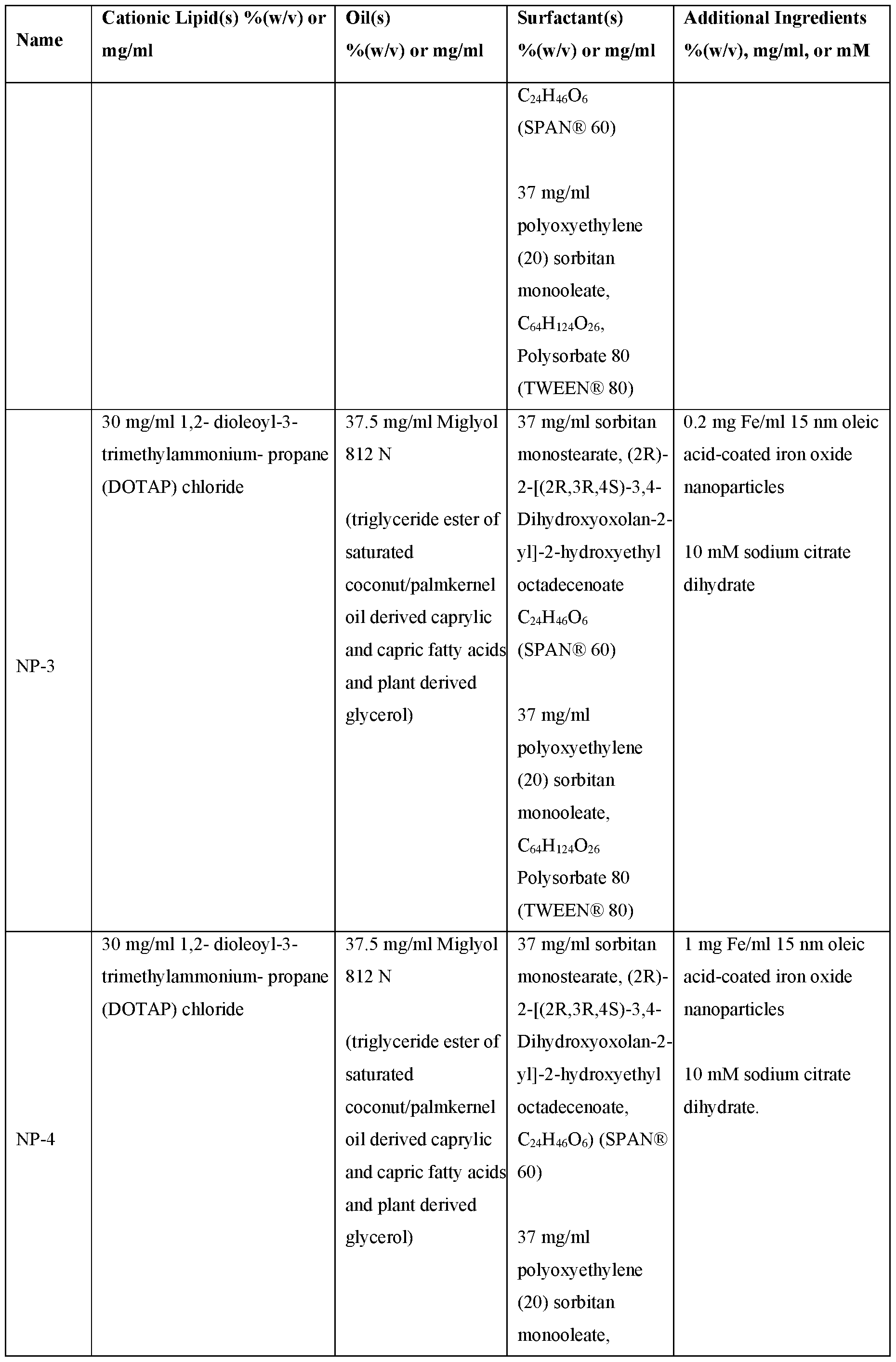


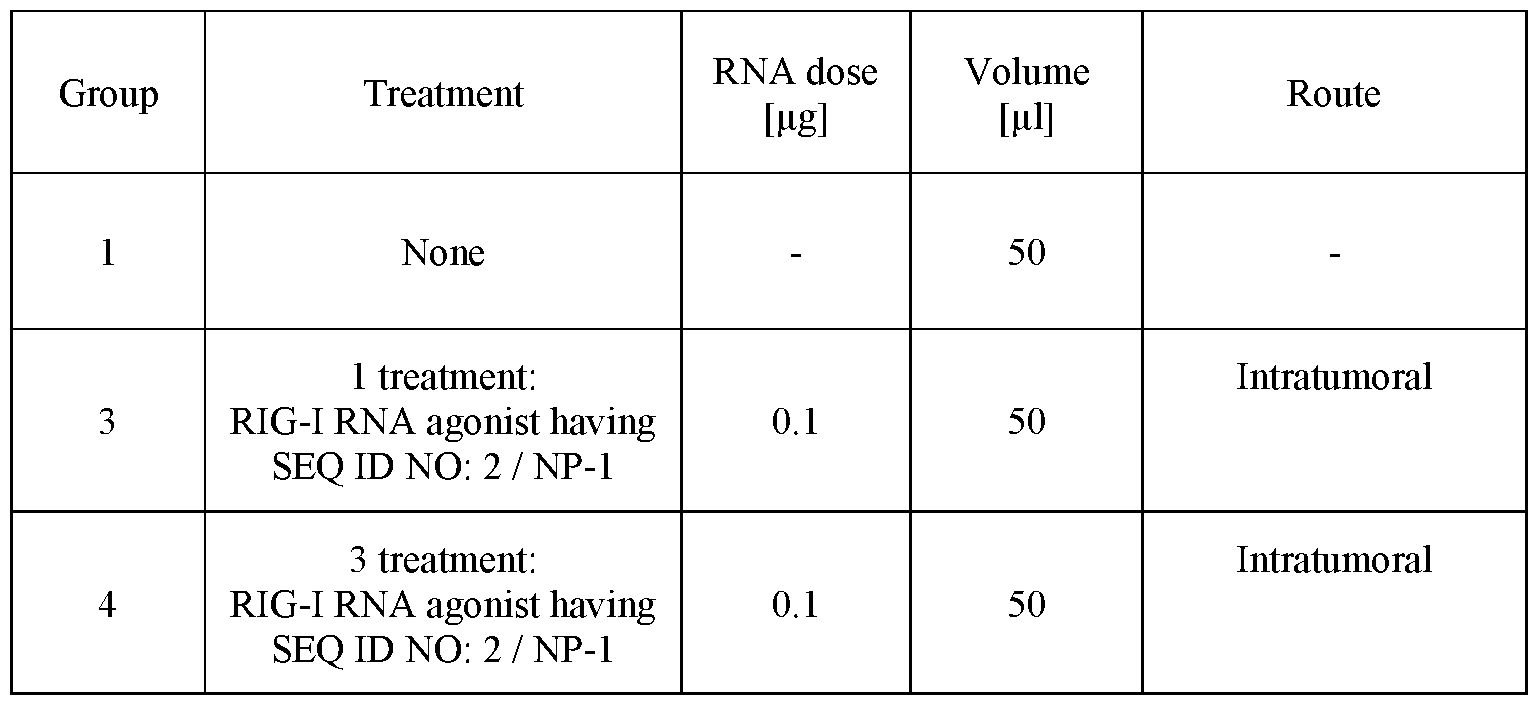


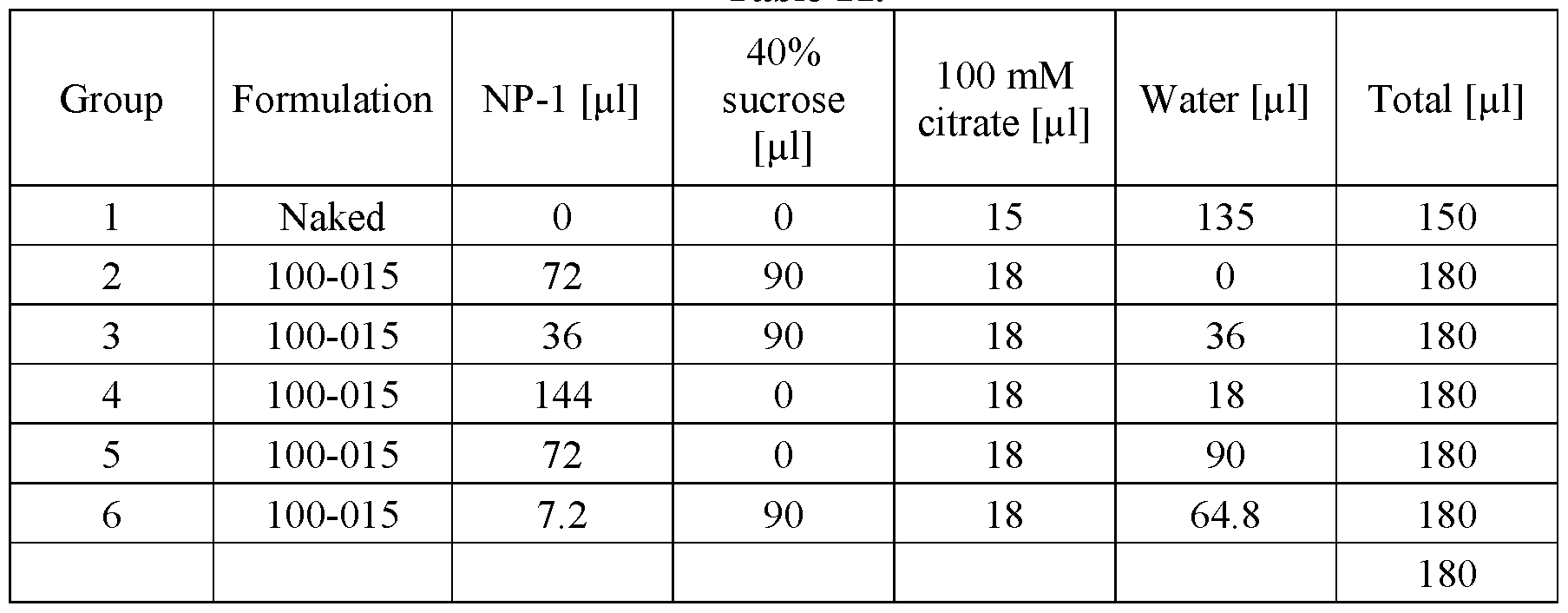


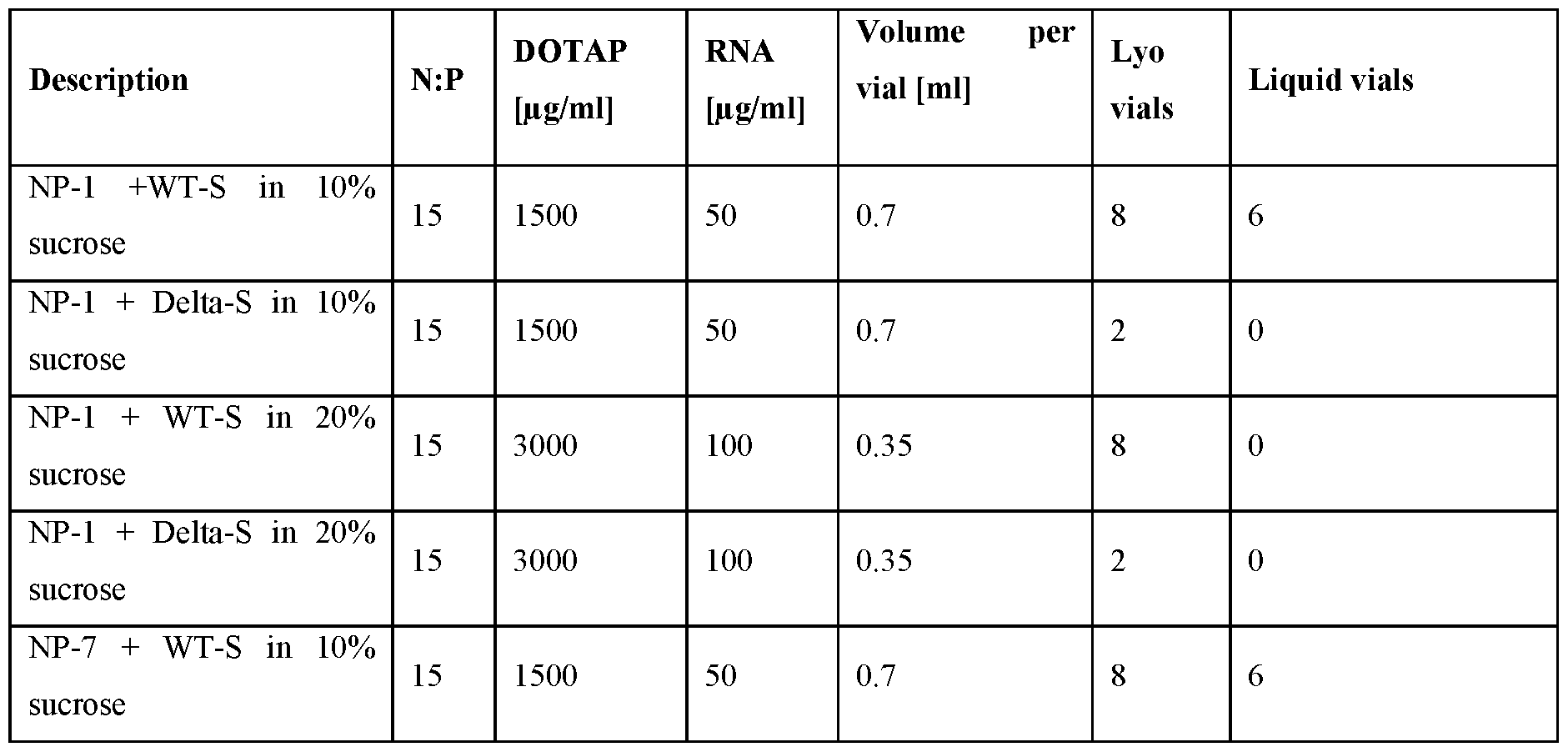


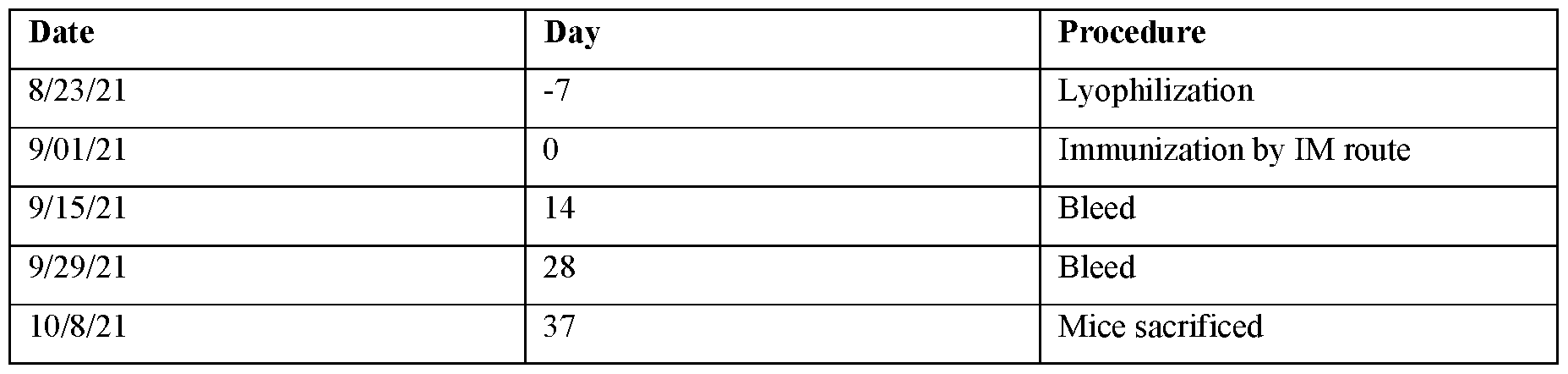


Claims
Priority Applications (4)
| Application Number | Priority Date | Filing Date | Title |
|---|---|---|---|
| EP22873846.4A EP4404977A4 (en) | 2021-09-22 | 2022-09-21 | Nucleic acid sensor agonist compositions and uses thereof |
| AU2022349634A AU2022349634A1 (en) | 2021-09-22 | 2022-09-21 | Nucleic acid sensor agonist compositions and uses thereof |
| CA3232562A CA3232562A1 (en) | 2021-09-22 | 2022-09-21 | Nucleic acid sensor agonist compositions and uses thereof |
| US18/612,893 US20240269316A1 (en) | 2021-09-22 | 2024-03-21 | Nucleic acid sensor agonist compositions and uses thereof |
Applications Claiming Priority (4)
| Application Number | Priority Date | Filing Date | Title |
|---|---|---|---|
| US202163246880P | 2021-09-22 | 2021-09-22 | |
| US63/246,880 | 2021-09-22 | ||
| US202263302150P | 2022-01-24 | 2022-01-24 | |
| US63/302,150 | 2022-01-24 |
Related Child Applications (1)
| Application Number | Title | Priority Date | Filing Date |
|---|---|---|---|
| US18/612,893 Continuation US20240269316A1 (en) | 2021-09-22 | 2024-03-21 | Nucleic acid sensor agonist compositions and uses thereof |
Publications (2)
| Publication Number | Publication Date |
|---|---|
| WO2023049777A2 true WO2023049777A2 (en) | 2023-03-30 |
| WO2023049777A3 WO2023049777A3 (en) | 2023-07-27 |
Family
ID=85721252
Family Applications (1)
| Application Number | Title | Priority Date | Filing Date |
|---|---|---|---|
| PCT/US2022/076821 Ceased WO2023049777A2 (en) | 2021-09-22 | 2022-09-21 | Nucleic acid sensor agonist compositions and uses thereof |
Country Status (5)
| Country | Link |
|---|---|
| US (1) | US20240269316A1 (en) |
| EP (1) | EP4404977A4 (en) |
| AU (1) | AU2022349634A1 (en) |
| CA (1) | CA3232562A1 (en) |
| WO (1) | WO2023049777A2 (en) |
Cited By (3)
| Publication number | Priority date | Publication date | Assignee | Title |
|---|---|---|---|---|
| WO2025081013A1 (en) * | 2023-10-12 | 2025-04-17 | Hdt Bio Corp. | Junction opener protein and nanoparticle compositions and uses thereof |
| WO2025184356A1 (en) * | 2024-02-28 | 2025-09-04 | Hdt Bio Corp. | Vaccines and compositions against gamma herpesviruses |
| EP4405372A4 (en) * | 2021-09-22 | 2026-01-14 | Hdt Bio Corp | SARS-CoV-2 RNA vaccine compositions and methods of use |
Family Cites Families (9)
| Publication number | Priority date | Publication date | Assignee | Title |
|---|---|---|---|---|
| AU2003297038A1 (en) * | 2002-12-13 | 2004-07-09 | Fox Chase Cancer Center | Replication of hepatitis c virus in non-hepatic epithelial and mouse hepatic cells |
| WO2010042555A2 (en) * | 2008-10-06 | 2010-04-15 | The Brigham And Women's Hospital, Inc. | Particles with multiple functionalized surface domains |
| LT3243526T (en) * | 2010-07-06 | 2020-02-10 | Glaxosmithkline Biologicals S.A. | Delivery of rna to trigger multiple immune pathways |
| US9775894B2 (en) * | 2013-07-09 | 2017-10-03 | University Of Washington Through Its Center For Commercialization | Methods and compositions for activation of innate immune responses through RIG-I like receptor signaling |
| CN107281161B (en) * | 2017-05-16 | 2020-02-21 | 浙江大学 | A kind of drug nano preparation and preparation method thereof |
| EP3638207B1 (en) * | 2017-06-15 | 2024-12-18 | Access to Advanced Health Institute | Nanostructured lipid carriers and stable emulsions and uses thereof |
| WO2019126524A1 (en) * | 2017-12-20 | 2019-06-27 | The Trustees Of Columbia University Of The City Of New York | Therapeutic targets for nash-induced hepatocellular carcinoma |
| WO2019140001A1 (en) * | 2018-01-09 | 2019-07-18 | Vanderbilt University | Pattern recognition receptor agonist prodrugs and methods of use thereof |
| GB2605538B (en) * | 2020-03-23 | 2024-06-26 | Hdt Bio Corp | Compositions and methods for delivery of RNA |
-
2022
- 2022-09-21 WO PCT/US2022/076821 patent/WO2023049777A2/en not_active Ceased
- 2022-09-21 EP EP22873846.4A patent/EP4404977A4/en active Pending
- 2022-09-21 AU AU2022349634A patent/AU2022349634A1/en active Pending
- 2022-09-21 CA CA3232562A patent/CA3232562A1/en active Pending
-
2024
- 2024-03-21 US US18/612,893 patent/US20240269316A1/en active Pending
Cited By (3)
| Publication number | Priority date | Publication date | Assignee | Title |
|---|---|---|---|---|
| EP4405372A4 (en) * | 2021-09-22 | 2026-01-14 | Hdt Bio Corp | SARS-CoV-2 RNA vaccine compositions and methods of use |
| WO2025081013A1 (en) * | 2023-10-12 | 2025-04-17 | Hdt Bio Corp. | Junction opener protein and nanoparticle compositions and uses thereof |
| WO2025184356A1 (en) * | 2024-02-28 | 2025-09-04 | Hdt Bio Corp. | Vaccines and compositions against gamma herpesviruses |
Also Published As
| Publication number | Publication date |
|---|---|
| US20240269316A1 (en) | 2024-08-15 |
| WO2023049777A3 (en) | 2023-07-27 |
| EP4404977A4 (en) | 2025-07-30 |
| EP4404977A2 (en) | 2024-07-31 |
| AU2022349634A1 (en) | 2024-04-11 |
| CA3232562A1 (en) | 2023-03-30 |
Similar Documents
| Publication | Publication Date | Title |
|---|---|---|
| US20240269316A1 (en) | Nucleic acid sensor agonist compositions and uses thereof | |
| Xiao et al. | Emerging mRNA technologies: delivery strategies and biomedical applications | |
| US11376335B2 (en) | RNA-lipid nanoparticle complexes of viral RNA polymerase region and SARS-CoV-2 spike protein region | |
| JP6228191B2 (en) | Lipid-coated albumin nanoparticle composition, method of making the same, and method of using the same | |
| CN102858367B (en) | Antigen or Drug Delivery Complex | |
| JP6387400B2 (en) | Pharmaceutical composition, its manufacture and use | |
| Qin et al. | Delivery of nucleic acids using nanomaterials | |
| EP2886128A1 (en) | Pharmaceutical composition comprising nanoparticles, preparation and uses thereof | |
| US20250161214A1 (en) | Dried nanoparticle compositions | |
| US20220040490A1 (en) | Reagents and methods for cancer treatment using Magnetic particle | |
| CN108324938A (en) | A kind of granular pattern adjuvant and its preparation method and application | |
| US20050255152A1 (en) | System for enhanced targeted delivery | |
| JPWO2021194672A5 (en) | ||
| Wang et al. | Advances in the study of LNPs for mRNA delivery and clinical applications | |
| EP4342496A1 (en) | Lipid nanoparticles | |
| JP2026015426A (en) | Polymeric nanoparticles as vaccine adjuvants | |
| CN114848831A (en) | Coated nano preparation and preparation method and application of carrier thereof | |
| KR102259513B1 (en) | Composition and process for freeze-drying of a pharmaceutical composition containing an anionic drug | |
| Vhora et al. | Gene delivery using nanocarriers: toxicity and safety aspects | |
| WO2023002224A1 (en) | Protection of biological species from degradation | |
| US20190307703A1 (en) | Multi-functional nanoparticles for vaccination | |
| Mantry et al. | Liposomes-A Nanocarrier System for Pulmonary Infection | |
| US20250152736A1 (en) | Immune system modulators and uses thereof | |
| CN117618380B (en) | Preparation and application of non-immunogenicity phospholipid nano delivery system | |
| Hartikainen | RECENT PROGRESS ON SPHERICAL NUCLEIC ACID-BASED DRUG DELIVERY SYSTEMS |
Legal Events
| Date | Code | Title | Description |
|---|---|---|---|
| 121 | Ep: the epo has been informed by wipo that ep was designated in this application |
Ref document number: 22873846 Country of ref document: EP Kind code of ref document: A2 |
|
| WWE | Wipo information: entry into national phase |
Ref document number: 3232562 Country of ref document: CA |
|
| WWE | Wipo information: entry into national phase |
Ref document number: 2022349634 Country of ref document: AU Ref document number: AU2022349634 Country of ref document: AU |
|
| ENP | Entry into the national phase |
Ref document number: 2022349634 Country of ref document: AU Date of ref document: 20220921 Kind code of ref document: A |
|
| WWE | Wipo information: entry into national phase |
Ref document number: 2022873846 Country of ref document: EP |
|
| NENP | Non-entry into the national phase |
Ref country code: DE |
|
| ENP | Entry into the national phase |
Ref document number: 2022873846 Country of ref document: EP Effective date: 20240422 |
|
| 121 | Ep: the epo has been informed by wipo that ep was designated in this application |
Ref document number: 22873846 Country of ref document: EP Kind code of ref document: A2 |