WO2022247804A1 - Anti-gprc5d antibody, preparation method therefor, and use thereof - Google Patents
Anti-gprc5d antibody, preparation method therefor, and use thereof Download PDFInfo
- Publication number
- WO2022247804A1 WO2022247804A1 PCT/CN2022/094551 CN2022094551W WO2022247804A1 WO 2022247804 A1 WO2022247804 A1 WO 2022247804A1 CN 2022094551 W CN2022094551 W CN 2022094551W WO 2022247804 A1 WO2022247804 A1 WO 2022247804A1
- Authority
- WO
- WIPO (PCT)
- Prior art keywords
- seq
- amino acid
- antibody
- acid sequence
- variable region
- Prior art date
- Legal status (The legal status is an assumption and is not a legal conclusion. Google has not performed a legal analysis and makes no representation as to the accuracy of the status listed.)
- Ceased
Links
Images


Classifications
-
- A—HUMAN NECESSITIES
- A61—MEDICAL OR VETERINARY SCIENCE; HYGIENE
- A61K—PREPARATIONS FOR MEDICAL, DENTAL OR TOILETRY PURPOSES
- A61K39/00—Medicinal preparations containing antigens or antibodies
- A61K39/395—Antibodies; Immunoglobulins; Immune serum, e.g. antilymphocytic serum
-
- A—HUMAN NECESSITIES
- A61—MEDICAL OR VETERINARY SCIENCE; HYGIENE
- A61P—SPECIFIC THERAPEUTIC ACTIVITY OF CHEMICAL COMPOUNDS OR MEDICINAL PREPARATIONS
- A61P35/00—Antineoplastic agents
- A61P35/02—Antineoplastic agents specific for leukemia
-
- C—CHEMISTRY; METALLURGY
- C07—ORGANIC CHEMISTRY
- C07K—PEPTIDES
- C07K16/00—Immunoglobulins [IGs], e.g. monoclonal or polyclonal antibodies
-
- C—CHEMISTRY; METALLURGY
- C07—ORGANIC CHEMISTRY
- C07K—PEPTIDES
- C07K16/00—Immunoglobulins [IGs], e.g. monoclonal or polyclonal antibodies
- C07K16/18—Immunoglobulins [IGs], e.g. monoclonal or polyclonal antibodies against material from animals or humans
- C07K16/28—Immunoglobulins [IGs], e.g. monoclonal or polyclonal antibodies against material from animals or humans against receptors, cell surface antigens or cell surface determinants
-
- C—CHEMISTRY; METALLURGY
- C07—ORGANIC CHEMISTRY
- C07K—PEPTIDES
- C07K16/00—Immunoglobulins [IGs], e.g. monoclonal or polyclonal antibodies
- C07K16/46—Hybrid immunoglobulins
-
- C—CHEMISTRY; METALLURGY
- C12—BIOCHEMISTRY; BEER; SPIRITS; WINE; VINEGAR; MICROBIOLOGY; ENZYMOLOGY; MUTATION OR GENETIC ENGINEERING
- C12N—MICROORGANISMS OR ENZYMES; COMPOSITIONS THEREOF; PROPAGATING, PRESERVING, OR MAINTAINING MICROORGANISMS; MUTATION OR GENETIC ENGINEERING; CULTURE MEDIA
- C12N15/00—Mutation or genetic engineering; DNA or RNA concerning genetic engineering, vectors, e.g. plasmids, or their isolation, preparation or purification; Use of hosts therefor
- C12N15/09—Recombinant DNA-technology
- C12N15/63—Introduction of foreign genetic material using vectors; Vectors; Use of hosts therefor; Regulation of expression
- C12N15/64—General methods for preparing the vector, for introducing it into the cell or for selecting the vector-containing host
-
- C—CHEMISTRY; METALLURGY
- C12—BIOCHEMISTRY; BEER; SPIRITS; WINE; VINEGAR; MICROBIOLOGY; ENZYMOLOGY; MUTATION OR GENETIC ENGINEERING
- C12N—MICROORGANISMS OR ENZYMES; COMPOSITIONS THEREOF; PROPAGATING, PRESERVING, OR MAINTAINING MICROORGANISMS; MUTATION OR GENETIC ENGINEERING; CULTURE MEDIA
- C12N15/00—Mutation or genetic engineering; DNA or RNA concerning genetic engineering, vectors, e.g. plasmids, or their isolation, preparation or purification; Use of hosts therefor
- C12N15/09—Recombinant DNA-technology
- C12N15/63—Introduction of foreign genetic material using vectors; Vectors; Use of hosts therefor; Regulation of expression
- C12N15/79—Vectors or expression systems specially adapted for eukaryotic hosts
- C12N15/85—Vectors or expression systems specially adapted for eukaryotic hosts for animal cells
-
- G01N33/575—
-
- Y—GENERAL TAGGING OF NEW TECHNOLOGICAL DEVELOPMENTS; GENERAL TAGGING OF CROSS-SECTIONAL TECHNOLOGIES SPANNING OVER SEVERAL SECTIONS OF THE IPC; TECHNICAL SUBJECTS COVERED BY FORMER USPC CROSS-REFERENCE ART COLLECTIONS [XRACs] AND DIGESTS
- Y02—TECHNOLOGIES OR APPLICATIONS FOR MITIGATION OR ADAPTATION AGAINST CLIMATE CHANGE
- Y02A—TECHNOLOGIES FOR ADAPTATION TO CLIMATE CHANGE
- Y02A50/00—TECHNOLOGIES FOR ADAPTATION TO CLIMATE CHANGE in human health protection, e.g. against extreme weather
- Y02A50/30—Against vector-borne diseases, e.g. mosquito-borne, fly-borne, tick-borne or waterborne diseases whose impact is exacerbated by climate change
Definitions
- the present invention claims the priority of the Chinese patent application submitted to the China Patent Office on May 23, 2021, with the application number 202110561818.0, and the application name is "Anti-GPRC5D antibody, its preparation method and use", and requires that it be filed on May 23, 2021.
- the present invention relates to the technical field of antibodies, in particular to an anti-GPRC5D antibody, its preparation method and application.
- Multiple myeloma (Multiple Myeloma, MM) is the second most common hematological tumor after non-Hodgkin's lymphoma in the world, accounting for about 10% of hematological malignancies.
- WHO global cancer statistics report released by WHO, in 2018, there were 20,066 new cases of multiple myeloma in China, and 14,665 cases of death; the cumulative number of cases in 5 years was 44,643.
- the morbidity and mortality of patients gradually increase with age. Therefore, as the aging population in my country continues to increase, the total number of patients will gradually increase, and the clinical demand is huge.
- immunomodulators represented by thalidomide and its derivative lenalidomide and small molecule proteasome inhibitors represented by bortezomib has greatly improved the remission rate and lifetime.
- the treatment options for multiple myeloma in my country can be divided into three categories: immunomodulators, proteasome inhibitors and targeted therapy of anti-CD38 monoclonal antibody.
- Immunomodulators and proteasome inhibitors are mainly used for first-line combination therapy and maintenance therapy after transplantation for patients eligible for stem cell transplantation.
- Biomacromolecular targeted therapies currently approved by the FDA include targeting plasma cell surface protein CD38, signaling lymphocyte activating molecule family member 7 (Signaling Lymphocytes Activating Molecule Factor 7, SLAMF7) and B Cell Maturation Antigen (BCMA).
- the types of approved drugs mainly include: monoclonal antibodies and antibody-drug conjugates (Antibody-Drug Conjugate, ADC).
- ADC Antibody-Drug Conjugate
- G protein-coupled receptor is a protein receptor with 7 transmembrane helices, which can be divided into 5 subfamilies according to their sequence similarity and ligand binding. The largest protein family in the human body and an important drug target.
- G protein-coupled receptor C5 family subtype D (GPRC5D) is the first orphan SARS class C GPCR identified in 2001 (Brauner-Osborne, H., et al. Cloning and characterization of a human orphan family C G-protein coupled receptor GPRC5D. Biochim Biophys Acta, 2001.1518(3):p.237-48).
- GPCR family C group 5 receptors There are four subtypes of GPCR family C group 5 receptors (GPRC5 receptors), namely GPRC5A, GPRC5B, GPRC5C and GPRC5D, which are induced by retinoic acid, so they are also called retinoic acid-induced orphan G protein-coupled receptors.
- Body Inoue, S., T. Nambu, and T. Shimomura, The RAIG family member, GPRC5D, is associated with hard-keratinized structures. Journal of Investigative Dermatology, 2004.122(3): p.565-573).
- GPRC5D has previously been identified in cells from patients with multiple myeloma, but has not been used in clinical development due to lack of protein expression profiling studies. Research reports until 2019 have shown that GPRC5D is highly expressed in plasma cells of multiple myeloma, mostly not expressed in normal tissues, and only expressed in hair follicles with immune pardon (Smith, E.L., et al., GPRC5D is a target for the immunotherapy of multiple myeloma with rationally designed CAR T cells. Science Translational Medicine, 2019.11(485)).
- the GPCR protein is a 7-transmembrane protein with a complex structure, antigens and specific antibodies are difficult to obtain, only a few drugs targeting GPRC5D are still in the clinical trial stage or research and development stage.
- the present invention develops GPRC5D drugs with higher activity, higher affinity, higher specificity and better therapeutic effect by combining immunization method and antibody library technology, so as to carry out diagnosis, treatment research and application of related diseases.
- the present invention aims to solve at least one of the technical problems existing in the prior art. To this end, the present invention proposes an antibody that can bind to G protein-coupled receptor C5 family subtype D (GPRC5D) with high specificity.
- GPRC5D G protein-coupled receptor C5 family subtype D
- the present invention also proposes recombinant proteins, pharmaceutical compositions, polynucleotides, recombinant plasmids and isolated cells related to the above antibodies.
- the present invention also proposes a preparation method of the above-mentioned antibody.
- the present invention also proposes the application of the above antibody in the preparation of anticancer drugs.
- the present invention also proposes the application of the above-mentioned antibody in the preparation of an antibody detection kit.
- the antibody comprises a heavy chain variable region and/or a light chain variable region:
- the heavy chain variable region comprises: the heavy chain complementarity determining region HCDR1 consisting of the amino acid sequence shown in SEQ ID NO: 44, the heavy chain complementarity determining region consisting of the amino acid sequence of INPX 1 NGX 2 T (SEQ ID NO: 99) Chain complementarity determining region HCDR2, heavy chain complementarity determining region HCDR3 consisting of the amino acid sequence of ARX 3 ALRYAMDY (SEQ ID NO: 100);
- the light chain variable region comprises: the light chain complementarity determining region LCDR1 consisting of the amino acid sequence of QX 4 X 5 X 6 TX 7 (SEQ ID NO: 101), the light chain complementarity determining region consisting of the amino acid sequence of SAS Region LCDR2, light chain complementarity determining region LCDR3 consisting of the amino acid sequence of QQX 8 X 9 X 10 X 11 PVT (SEQ ID NO: 102);
- X 1 represent any amino acid of Y, P, R, L, D, S, G, K, V, T, M and Q,
- X 2 represent any amino acid of R and A
- X 3 represent any amino acid of V and A
- X 4 represent any amino acid of S and A
- X 5 represent any amino acid of V and A
- X 6 represent any amino acid of S, V, L, R, H, E, G, Q, M and Y,
- X 7 represent any amino acid of R, P, H, S, W, I, G, V and N,
- X 8 represent any amino acid of Y and A
- X 9 represent any amino acid of N and A
- X 10 represent any amino acid of S and A
- X 11 represents any amino acid of Y and A.
- the antibody comprises a heavy chain variable region and/or a light chain variable region:
- the heavy chain variable region comprises: the heavy chain complementarity determining region HCDR1 consisting of the amino acid sequence shown in SEQ ID NO:29, the heavy chain complementarity determining region HCDR2 consisting of the amino acid sequence shown in SEQ ID NO:30 , the heavy chain complementarity determining region HCDR3 consisting of the amino acid sequence shown in SEQ ID NO:31;
- the light chain variable region comprises: a light chain complementarity determining region LCDR1 composed of the amino acid sequence shown in SEQ ID NO: 47, a light chain complementarity determining region LCDR2 composed of a YAS amino acid sequence, composed of SEQ ID NO: 48
- the indicated amino acid sequence consists of the light chain complementarity determining region LCDR3.
- the antibody according to the embodiment of the present invention has at least the following beneficial effects: the antibody of the present invention has (1) good binding activity and strong binding ability to GPRC5D protein; (2) strong specificity and strong binding ability to CD19, CD3, CD11b and CD14 Antibodies such as these are non-binding, and can more specifically target GPRC5D to reduce off-target toxicity, so the safety is better; (3) Species cross-reactivity, which has cross-reactivity with monkey GPRC5D, is conducive to carrying out verification experiments and facilitating Subsequent product development for therapeutic use; (4) Antibody endocytosis, which has endocytic activity in cells and is suitable for the development of ADC drugs.
- the antibody is a murine antibody, a chimeric antibody or a human antibody.
- the base sequence of the human GPRC5D gene CDS region is shown in SEQ ID NO: 3, and the amino acid sequence is shown in SEQ ID NO: 4.
- the antibody in addition to the sequences of the heavy chain variable region and the light chain variable region, the antibody also includes the amino acid sequence of the heavy chain constant region containing IgG1 and the amino acid sequence of the light chain constant region containing Kappa.
- the heavy chain variable region is selected from the amino acids shown in SEQ ID NO:79, SEQ ID NO:81, SEQ ID NO:83, SEQ ID NO:85 or SEQ ID NO:87 Sequence;
- the light chain variable region is selected from the amino acid sequence shown in SEQ ID NO:89, SEQ ID NO:91, SEQ ID NO:93, SEQ ID NO:95 or SEQ ID NO:97.
- the heavy chain variable region is the amino acid sequence shown in SEQ ID NO:87
- the light chain variable region is the amino acid sequence shown in SEQ ID NO:89.
- the heavy chain variable region is selected from the amino acids shown in SEQ ID NO:59, SEQ ID NO:61, SEQ ID NO:63, SEQ ID NO:65 or SEQ ID NO:67 Sequence;
- the light chain variable region is selected from the amino acid sequence shown in SEQ ID NO:69, SEQ ID NO:71, SEQ ID NO:73, SEQ ID NO:75 or SEQ ID NO:77.
- the heavy chain variable region is the amino acid sequence shown in SEQ ID NO:59, and the light chain variable region is the amino acid sequence shown in SEQ ID NO:71;
- the heavy chain variable region is the amino acid sequence shown in SEQ ID NO:59, and the sequence of the light chain variable region is the amino acid sequence shown in SEQ ID NO:73;
- sequence of the heavy chain variable region is the amino acid sequence shown in SEQ ID NO:59, and the sequence of the light chain variable region is the amino acid sequence shown in SEQ ID NO:75;
- sequence of the heavy chain variable region is the amino acid sequence shown in SEQ ID NO:65, and the sequence of the light chain variable region is the amino acid sequence shown in SEQ ID NO:69;
- sequence of the heavy chain variable region is the amino acid sequence shown in SEQ ID NO:65, and the sequence of the light chain variable region is the amino acid sequence shown in SEQ ID NO:73;
- sequence of the heavy chain variable region is the amino acid sequence shown in SEQ ID NO:67, and the sequence of the light chain variable region is the amino acid sequence shown in SEQ ID NO:71;
- sequence of the heavy chain variable region is the amino acid sequence shown in SEQ ID NO:67
- sequence of the light chain variable region is the amino acid sequence shown in SEQ ID NO:73.
- the antibody comprises any one of the following properties i to iv:
- the antibody can specifically bind to G protein-coupled receptor C5 family subtype D;
- the anti-GPRC5D antibody does not bind to any one of CD19, CD3, CD11b or CD14;
- the anti-GPRC5D antibody specifically binds to human GPRC5D and cross-reacts with monkey GPRC5D;
- the anti-GPRC5D antibody has endocytic activity.
- the above-mentioned antibody sequences have the best binding activity, reaction specificity, species cross-reactivity and endocytosis activity.
- the protein binding level of the anti-GPRC5D antibody of the present invention is significantly higher than that of prior art antibodies; it has binding specificity, does not bind non-specifically to CD19, CD3, CD11b, and CD14 positive cells, and targets more specifically GPRC5D, thereby reducing the risk of toxicity caused by off-target; it has the characteristics of species cross-reactivity, which is helpful for the toxicity analysis of antibodies in monkeys, and is conducive to carrying out verification tests in related animals, which in turn facilitates the development of subsequent therapeutic uses Application development; with obvious endocytic activity, it is more suitable for subsequent development of drugs of antibody drug conjugate (antibody-drug conjugate, ADC).
- the glycosylation of the Fc region is modified to enhance Fc ⁇ R binding compared to an unmodified Fc region.
- the Fc region lacks or has reduced fucose content.
- the recombinant protein, pharmaceutical composition, polynucleotide, vector or isolated cell according to the embodiment of the second aspect of the present invention: the recombinant protein comprises the above-mentioned antibody; the pharmaceutical composition comprises the above-mentioned antibody or the above-mentioned recombinant protein; the multinuclear
- the nucleotide contains the nucleotide sequence encoding the above-mentioned antibody or recombinant protein; the vector contains the above-mentioned polynucleotide; and the isolated cell produces the above-mentioned antibody.
- the recombinant protein further comprises a tag sequence to assist expression and/or purification.
- the recombinant protein is a double antibody, which also includes antibodies capable of binding to other target proteins. Further, the double antibody also includes antibodies specifically binding to CD3 and antibodies specifically binding to different epitopes of GPRC5D.
- the pharmaceutical composition further includes the above-mentioned double antibody.
- the pharmaceutical composition further includes an ADC drug containing the above-mentioned antibody.
- the ADC drug also includes a linker and a toxic molecule.
- the pharmaceutical composition further includes pharmaceutically available excipients.
- the preparation method according to the embodiment of the third aspect of the present invention includes the following steps: culturing the above-mentioned isolated cells, and recovering the antibody from the culture.
- the specific preparation method is: clone the heavy chain variable region sequence encoding the above-mentioned anti-GPRC5D antibody into recombinant plasmid 1 containing the IgG1 heavy chain constant region amino acid sequence, and clone the light chain variable region sequence into recombinant plasmid 1 containing the Kappa
- the recombinant plasmid 2 of the amino acid sequence of the light chain constant region the recombinant plasmid 1 and the recombinant plasmid 2 were simultaneously transfected into cells and cultured, and the anti-GPRC5D antibody was recovered from the culture.
- the antibody can be applied to the preparation of anticancer drugs and/or antibody detection kits.
- the anticancer drug is mainly used for preventing or treating cancer, wherein the cancer is breast cancer, endometrial cancer, ovarian cancer, lung cancer, gastric cancer, prostate cancer, kidney cancer, liver cancer, Cancer of the pancreas, colorectum, esophagus, bladder, cervix, blood, lymphoma, or malignant melanoma. Further, the cancer is multiple myeloma expressing GPRC5D protein.
- anti-cancer drugs also include antibodies targeting other targets, such as: CD3, BCMA, CD38, etc. to construct bispecific antibodies, and develop various methods for regulating tumor cells.
- the antibody of the present invention can also be coupled to other types of molecules, such as toxins, nucleic acid molecules, etc., and the antibody can specifically bring the coupled molecules into the body of tumor cells, thereby regulating the effect of tumor cells.
- the antibody can be used to treat cancer by interfering with GPRC5D-receptor interactions or wherein the antibody is conjugated to the toxin, thereby targeting a toxin to a GPRC5D expressing cancer.
- the GPRC5D-specific antibody or antigen-binding fragment can be labeled for the method or other methods known to those skilled in the art.
- the antibodies or antigen-binding fragments thereof of the present invention can be radiolabeled, fluorescently labeled, epitope tags, biotin, chromophore labels, ECL labels, enzymes, ruthenium, 111In-DOTA, 111In-di Ethylenetriaminepentaacetic acid (DTPA), horseradish peroxidase, alkaline phosphatase and beta-galactosidase, or polyhistidine or similar such labels known in the art.
- DTPA 111In-DOTA
- DTPA 111In-di Ethylenetriaminepentaacetic acid
- horseradish peroxidase alkaline phosphatase and beta-galactosidase
- polyhistidine or similar such labels known in the art.
- the antibody can also be developed into a method for detecting the expression level of GPRC5D on the surface of tissue cells by means of immunization.
- the antibody can also be used to detect the presence of GPRC5D in a biological sample such as blood or serum, to quantitatively analyze the amount of GPRC5D in a biological sample such as blood or serum, to diagnose GPRC5D expressing cancers, to determine treatment for cancer patients A method in a subject, or for monitoring the progression of a GPRC5D expressing cancer in a subject, etc.
- the term "antibody” specifically includes antibodies in a narrow sense, and also includes “chimeric” antibodies and antibody fragments, wherein part of the heavy chain and/or light chain corresponds to an antibody derived from a specific species or belonging to a specific antibody type or subclass.
- the sequence is identical or homologous, while the remainder of the chain is identical or homologous to the corresponding sequence of an antibody derived from another species or belonging to another antibody type or subclass, so long as it specifically binds the target antigen and/or exhibits the desired Biological activity (US Patent No. 4,816,567, and Morrison et al., Proc. Natl. Acad. Sci. USA 81:6851-6855 (1984)).
- antibody in a narrow sense refers to a type of glycosyl-containing globulin that is secreted by antigens entering the body to stimulate B cells to differentiate and proliferate into plasma cells, which can specifically bind to corresponding antigens and produce immune effects.
- World Health Organization held a meeting and collectively referred to globulins with antibody activity and chemical structure similar to antibodies as immunoglobulins. Modern immunology believes that antibodies and immunoglobulins are equivalent concepts, but antibodies focus on the description of their biological activities, while immunoglobulins focus on their chemical structures.
- the basic structure of immunoglobulin consists of four peptide chains: two heavy chains (Heavy chain, H chain) and two light chains (Light chain, L chain), the light chain and the heavy chain are connected by disulfide bonds to form a symmetrical tetrapeptide Chain molecules become monomers of immunoglobulin molecules, which are the basic structure of all immunoglobulins.
- Each heavy and light chain is divided into amino-terminus (N-terminus) and carboxy-terminus (C-terminus).
- variable region V region
- C region C-terminal amino acid
- HVR hypervariable region
- framework region Framework region
- HVR1, HVR2 and HVR3 of the heavy chain or light chain respectively.
- the hypervariable region is the binding site of the antibody and the antigen, and is called the complementarity-determining region (CDR). Therefore, HVR1, HVR2, and HVR3 of the heavy chain or light chain are also called CDR1, CDR2, and CDR3.
- the term "diabodies”, that is, "bispecific" antibodies refers to an antibody, generally a monoclonal antibody, that has the binding properties of at least two different antigenic epitopes.
- the epitopes are from the same antigen.
- the epitopes are from two different antigens.
- Methods of making bispecific antibodies are known in the art. For example, bispecific antibodies can be produced recombinantly by co-expressing two immunoglobulin heavy/light chain pairs. See, eg, Milstein et al., Nature 305:537-39 (1983). Alternatively, bispecific antibodies can be prepared using chemical linkage. See, eg, Brennan et al., Science 229:81 (1985).
- Bispecific antibodies include bispecific antibody fragments (eg, Hollinger et al., Proc. Natl. Acad. Sci. U.S.A. 90:6444-48 (1993), Gruber et al., J. Immunol. 152:5368 (1994)).
- humanized antibody refers to a form of antibody that contains sequences derived from non-human (eg, murine) antibodies as well as human antibodies.
- the antibody is a chimeric antibody containing minimal sequence derived from non-human immunoglobulin.
- humanized antibodies will comprise substantially all of at least one, and usually two, variable domains, wherein all or substantially all of the hypervariable loops correspond to those of a non-human immunoglobulin, all or substantially all of which The FR regions are those of human immunoglobulin sequences.
- the humanized antibody optionally also will comprise at least a portion of an immunoglobulin constant region (Fc), typically that of a human immunoglobulin. See, e.g., Cabilly U.S. Patent No. 4,816,567; Queen et al. (1989) Proc. Natl. Acad. Sci. USA 86:10029-10033; Oxford University Press) 1996).
- Fc immunoglobulin constant region
- Figure 1 shows the binding of panned monoclonal scFv to HEK293-GPRC5D-ZSGreen1 stably transfected cells
- Figure 2 shows the binding of panned monoclonal scFv to NCI-H929 cells
- Figure 3 shows the binding ability of different chimeric antibodies to NCI-H929 cells
- Figure 4 shows the binding force of humanized HTS0370 antibody to HEK293-GPRC5D-ZSGreen1 cells
- Figure 5 shows the binding force of humanized HTS0370 antibody to NCI-H929 cells
- Figure 6 shows the binding force of humanized HTS0375 antibody to HEK293-GPRC5D-ZSGreen1 cells
- Figure 7 shows the binding force of humanized HTS0375 antibody to NCI-H929 cells
- Figure 8 shows the cross-reactivity of humanized HTS0370 and HTS0375 antibodies with CD19-positive PBMC cells
- Figure 9 shows the cross-reactivity of humanized HTS0370 and HTS0375 antibodies with CD3-positive PBMC cells
- Figure 10 shows the cross-reactivity of humanized HTS0370, HTS0375 antibody and CD11b positive PBMC cells
- Figure 11 shows the cross-reactivity of humanized HTS0370, HTS0375 antibodies and CD14-positive PBMC cells
- Figure 12 shows the binding activity of humanized HTS0370 and HTS0375 antibodies to GPRC5D protein
- Figure 13 shows the endocytic activity of humanized HTS0370 and HTS0375 antibodies
- Figure 14 shows the species cross-reactivity of humanized HTS0370, HTS0375 antibodies
- Figure 15 shows the FACS verification results of the mutant whose mutation site in the CDR region of the antibody is X1 ;
- Figure 16 shows the FACS verification results of the mutant whose mutation site in the CDR region of the antibody is X2 ;
- Figure 17 shows the FACS verification results of the mutant whose mutation site in the CDR region of the antibody is X3 ;
- Figure 18 shows the FACS verification results of the mutant whose mutation site in the CDR region of the antibody is X4 ;
- Figure 19 shows the FACS verification results of the mutant whose mutation site in the CDR region of the antibody is X5 ;
- Figure 20 shows the FACS verification results of the mutant whose mutation site in the CDR region of the antibody is X6 ;
- Figure 21 shows the FACS verification results of the mutant whose mutation site in the CDR region of the antibody is X7 ;
- Figure 22 shows the FACS verification results of the mutant whose mutation site in the CDR region of the antibody is X8 ;
- Figure 23 shows the FACS verification results of the mutant whose mutation site in the CDR region of the antibody is X9 ;
- Figure 24 shows the FACS verification results of the mutant whose mutation site in the CDR region of the antibody is X10 ;
- Figure 25 shows the FACS verification results of the mutant whose mutation site in the CDR region of the antibody is X11 ;
- Figure 26 shows the overexpression effect of the constructed GPRC5A, GPRC5B, and GPRC5C three overexpression cell lines;
- Figure 27 shows the binding reactivity of the antibody to three overexpression cell lines of GPRC5A, GPRC5B, and GPRC5C;
- Figure 28 shows the schematic structure of four chimeric molecules of GPRC5D-A1-A4;
- Figure 29 shows the overexpression effect of GPRC5D-A1 ⁇ A4 four kinds of chimeric molecular overexpression cell lines
- Figure 30 shows the binding reactivity of antibodies to cell lines overexpressing four chimeric molecules GPRC5D-A1-A4.
- the carrier information used is as follows:
- the pTT5-hIgG1.CH vector can synthesize the constant region sequence of human IgG1 (SEQ ID NO:97), which is obtained by constructing the pTT5 vector (purchased from Miaoling Biology) through EcoRI/HindIII restriction sites;
- the pTT5-hKappa.CL vector can synthesize the constant region sequence of the human Kappa chain (SEQ ID NO:98), which is obtained by constructing the pTT5 vector (purchased from Miaoling Biology) through the EcoRI/BamHI restriction site.
- GPRC5D human GPRC5D gene
- design PCR primers 1 SEQ ID NO:1
- 2 SEQ ID NO:2
- select MM.1S with high expression of GPRC5D purchased from Nanjing Institute of Model Animals
- NCI-H929 (ATCC) cDNA of two multiple myeloma (MM) cell lines were used as templates for PCR amplification, and the PCR products were digested with BamHI/EcoRI and ligated to pLVX-IRES - ZSGreen1 (purchased from Clonetech) and pTT5 vectors (purchased from Miaoling Biotech) were transfected with DH5a, and single clones were picked for sequencing.
- sequences were verified to be correct by sequencing, that is, the strains pLVX-huGPRC5D-IRES-ZSGreen1 and pTT5-huGPRC5D expressing the target plasmids were successfully constructed. Cultivate the strains containing the target plasmid in liquid LB medium, and use Tiangen Biochemical Technology (Beijing) Co., Ltd. Endotoxin-Free Plasmid Large-scale Extraction Kit (DP117) to extract plasmid DNA according to the routine steps in the manual.
- DP117 Endotoxin-Free Plasmid Large-scale Extraction Kit
- the base sequence of the CDS region of the human GPRC5D gene is shown in SEQ ID NO: 3, and the amino acid sequence is shown in SEQ ID NO: 4.
- HEK293 cells in logarithmic growth phase (purchased from ATCC) in good growth state were selected, 8E6 cells were inoculated in a culture dish (10 cm), 10% fetal bovine serum was added to DMEM, and cultured in a 37°C, 5% CO2 incubator. Transfect when the cell fusion rate (cell density observed under a microscope) reaches about 70% to 80%.
- the three plasmids psPAX2 (purchased from Clonetech), pMD2.G (purchased from Clonetech) and pLVX-huGPRC5D-IRES-ZSGreen1 were co-transfected using transfection reagent PEI.
- the virus liquid was collected from 48 hours to 72 hours after transfection, filtered through a 0.45 ⁇ M syringe filter to remove residual cells, and infected with the target cell HEK293 (purchased from ATCC) at an MOI of 10, cultured in DMEM plus 10% fetal bovine serum. After 24 hours of virus infection, the medium was changed to obtain a stably transfected cell pool with a stable and high expression of hGPRC5D.
- the positive rate of human GPRC5D expression was detected by flow cytometry using the positive antibody of ET150, and the positive rate was over 98%, which was completely consistent with the positive rate of GFP.
- the co-high expression of ZSGreen and antigen was detected, and HEK293-GPRC5D-ZSGreen1 was stable.
- the transgenic cell line was successfully constructed.
- mice Eight 6-week-old SPF grade Balb/C female healthy mice (purchased from Shanghai Jihui Experimental Animal Breeding Co., Ltd.) were selected and randomly divided into two groups, A and B, at the 0th, 7th, 14th, 21st, 28th, and Immunization was carried out on days 35, 42, and 49.
- Group A was immunized with HEK293-GPRC5D-ZSGreen1 stably transfected cell line, and each mouse was injected intraperitoneally with 2 ⁇ 10 7 cells;
- Group B was immunized with GPRC5D expression plasmid pTT5-hGPRC5D, and each mouse was subcutaneously inoculated on the back by gene gun 20 ⁇ g of plasmid.
- mice On the 34th day, 41st day, 48th day and 55th day, blood was collected from the orbit of the mice, and the immune serum titer of the mice was detected by conventional methods of flow cytometry (FACS). Briefly, 5 ⁇ 10 5 HEK293-GPRC5D-ZSGreen1 stably transfected cells or endogenously expressed cells NCI-H929 (ATCC) were added to each well of a 96-well V-shaped microplate, centrifuged at 1500 r/min for 1 min, and the supernatant was discarded.
- FACS flow cytometry
- mice immune phage library briefly After lysing with Trizol lysate, extract the total RNA of the cells, reverse the cDNA, use specific antibody heavy chain primers and light chain primers, amplify the variable region gene of the antibody, clone it into the phage display vector, and transfer it into the host E. coli cells TG1.
- quality control indicators such as library capacity, clone positive rate, heavy and light chain pairing, CDR3 distribution, and phage display rate.
- the capacity of the antibody library is above 1x10⁸ , the positive rate of clone insertion is above 90%, and the display rate of scFv is above 60%.
- NGS sequencing shows that the antibody library is rich in diversity and can be used for subsequent screening.
- HEK293 cells were used to pretreat phages, and the input amount of phages for each antibody library was 1 ⁇ 10 10 , and then HEK293-GPRC5D-ZSGreen1 stably transfected cells were used to enrich and pan the pretreated phage supernatant, and wash with PBS first. Remove unbound phages, then use 0.1M HCl-Glycine to elute the phages bound to the cells, then use Tris-HCl to neutralize the eluate, and take the phages to infect Escherichia coli TG1 in the logarithmic growth phase to prepare phages in the next round of panning. Gradually increase the number of screening washes in each round, and stop panning when the enrichment degree reaches more than 10 times in the previous round.
- the TG1 single clones infected by the phages after the termination of panning were selected and inoculated in a 96-well plate, and the culture medium was 2YT/2% glucose/(100 ⁇ g/ml Ampicilline). After culturing at 37°C and 220rpm for 6 hours, centrifuge at 4000rpm for 10min, and use 2YT/(100 ⁇ g/ml Ampicilline)/(1 ⁇ M IPTG) culture medium at 30°C and 220rpm overnight to induce scFv.
- the induced supernatant was obtained by centrifugation at 4000 rpm for 10 min, and the binding activity of the scFv to HEK293-GPRC5D-ZSGreen1 cells was detected by conventional methods of flow cytometry.
- 2.5 ⁇ 10 5 HEK293-GPRC5D-ZSGreen1 stably transfected cells were added to each well of a 96-well V-shaped microplate, and 50% HEK293 cells were mixed at the same time, centrifuged at 1500 r/min for 1 min, and the supernatant was discarded.
- the MFI value of HEK293-GPRC5D-ZSGreen1 cells is more than 2 times higher than that of the HEK293 control group.
- double binding positive clones were selected for sequencing.
- the positive scFv control BMK-ET150-8 was constructed according to the ET150-8 scFv sequence in the patent US20180118803.
- the results of cell binding are shown in Figures 1 and 2.
- 6 single-chain variable fragments single-chain variable fragments (single-chain variable fragments, scFv) were selected, respectively named as HTS0370, HTS0371, HTS0372, HTS0373, HTS0374, HTS0375, and these 6 scFv single-chain antibodies were followed up. Research. After sequence determination, the VH, VL sequences and CDR sequences of the six antibodies are shown in Tables 1-4 below.
- Antibody heavy chain CDR sequence list HCDR1 HCDR2 HCDR3 HTS0370 SEQ ID NO:29 SEQ ID NO: 30 SEQ ID NO: 31 HTS0371 SEQ ID NO:32 SEQ ID NO:33 SEQ ID NO:34 HTS0372 SEQ ID NO:35 SEQ ID NO:36 SEQ ID NO:37 HTS0373 SEQ ID NO:38 SEQ ID NO:39 SEQ ID NO:40 HTS0374 SEQ ID NO:41 SEQ ID NO:42 SEQ ID NO:43 HTS0375 SEQ ID NO:44 SEQ ID NO:45 SEQ ID NO:46
- Antibody light chain CDR sequence list LCDR1 LCDR2 LCDR3 HTS0370 SEQ ID NO:47 YAS SEQ ID NO:48 HTS0371 SEQ ID NO:49 LAS SEQ ID NO:50 HTS0372 SEQ ID NO:51 SAS SEQ ID NO:52 HTS0373 SEQ ID NO:53 AAS SEQ ID NO:54 HTS0374 SEQ ID NO:55 ATS SEQ ID NO:56 HTS0375 SEQ ID NO:57 SAS SEQ ID NO:58
- HTS0370, HTS0371, HTS0372, HTS0373, HTS0374 and HTS0375 were routinely synthesized at Sangon Bioengineering (Shanghai) Co., Ltd., and cloned into IgG1 heavy chain constant region amino acid sequences by homologous recombination.
- the chimeric antibody heavy chain expression vector in the pTT5-hIgG1.CH vector, the chimeric antibody heavy chain expression vectors pTT5-HTS0370.VH-hIgG1, pTT5-HTS0371.VH-hIgG1, pTT5-HTS0372.VH-hIgG1, pTT5-HTS0373.VH-hIgG1, pTT5 - HTS0374.VH-hlgG1 and pTT5-HTS0375.VH-hlgG1.
- HTS0370, HTS0371, HTS0372, HTS0373, HTS0374, and HTS0375 were routinely synthesized at Sangon Bioengineering (Shanghai) Co., Ltd., and cloned into antibody-containing ⁇ light chain constant regions by homologous recombination.
- chimeric antibody light chain expression vectors pTT5-HTS0370.VL-hKappa, pTT5-HTS0371.VL-hKappa, pTT5-HTS0372.VL-hKappa, pTT5-HTS0373.VL- hKappa, pTT5-HTS0374.VL-hKappa and pTT5-HTS0375.VL-hKappa.
- 293F cells purchased from ThermoFisher in the logarithmic growth phase in good growth state were collected and inoculated into 250 mL cell culture flasks and cultured in 50 mL medium, and 25 ⁇ g each of light and heavy chain expression plasmids were co-transfected with PEI.
- the antibody obtained by the combination of pTT5-HTS0370.VH-hIgG1 and pTT5-HTS0370.VL-hKappa is named "xw.HTS0370", and will be obtained by the combination of pTT5-HTS0371.VH-hIgG1 and pTT5-HTS0371.VL-hKappa
- the antibody obtained through the combination of pTT5-HTS0372.VH-hIgG1 and pTT5-HTS0372.VL-hKappa was named "xw.HTS0371”
- the antibody obtained through the combination of pTT5-HTS0372.VH-hIgG1 and pTT5-HTS0372.VL-hKappa was named "xw.HTS0372", and the antibody obtained through the combination of pTT5-HTS0372.VH-hIgG1 and pTT5-HTS0372.VL-hKappa
- the binding activity of the chimeric antibody obtained in Example 3-3 to HEK293-GPRC5D-ZSGreen1 stably transfected cells and endogenous expression cells NCI-H929 (ATCC) overexpressing human GPRC5D was tested, and the positive reference antibody
- the antibody sequence is from ET150-8 in the patent US20180118803, a chimeric expression vector was constructed and a chimeric antibody xw.ET150-8 was prepared.
- the detection method is briefly described as follows. Add 5 ⁇ 10 5 HEK293-GPRC5D-ZSGreen1 cells or NCI-H929 to each well in a 96-well V-shaped microplate, centrifuge at 1500r/min for 1min, and discard the supernatant.
- the chimeric antibody was serially diluted, 50 ⁇ L per well, and incubated on ice for 30 min. Then add 150 ⁇ L of PBS to each well, centrifuge at 1500 r/min for 1 min, discard the supernatant, and wash the plate 4 times repeatedly. Add APC-labeled goat anti-human IgG (Jackson, Cat. No. 109-605-098, diluted in PBS 1:800), 50 ⁇ L per well, and incubate on ice for 30 min. After washing the plate 4 times with PBS, 100 ⁇ L of PBS was added to each well to resuspend the cells, and the CytoFLEX was used for detection (Beckman).
- the murine anti-human HTS0370 and HTS0375 antibodies were humanized according to the so-called CDR grafting method.
- the VH and VK base sequences of HTS0370 and HTS0375 antibodies were analyzed using the IMGT/V-QUEST tool (http://www.imgt.org/IMGT_vquest/input), and the CDR region sequences of the antibody light and heavy chains were determined.
- the amino acid sequences of the HTS0370 and HTS0375 antibodies were analyzed using the IgBlast tool (https://www.ncbi.nlm.nih.gov/igblast/), and the closest human germline VH and VK sequences of the HTS0370 and HTS0375 antibodies were obtained.
- the CDRs of the HTS0370 and HTS0375 antibodies were grafted into the framework regions of the selected VH and VK human germline sequences, respectively, and the sequences were humanized antibody sequences.
- the human germline VH of the HTS0370 and HTS0375 antibody VH was analyzed, and 5 different sequences were selected, and the CDRs of the HTS0370 and HTS0375 antibody VH were grafted into the framework regions of these 5 sequences, and 5 variable heavy chain sequences were obtained for each Area.
- the light chains of HTS0370 and HTS0375 were CDR-grafted in the same way, and five light chain variable region sequences were obtained respectively.
- HTS0370 and HTS0375 were routinely synthesized at Sangon Bioengineering (Shanghai) Co., Ltd., and cloned into the pTT5-hIgG1.CH vector containing the amino acid sequence of IgG1 heavy chain constant region by means of homologous recombination , to obtain chimeric antibody heavy chain expression plasmids; HTS0370 and HTS0375 light chain humanized sequences were routinely synthesized at Sangon Bioengineering (Shanghai) Co., Ltd., and cloned into pTT5-hKappa.CL vectors by homologous recombination middle.
- the 293F cells in the logarithmic growth phase in good growth state were inoculated into 250 mL cell culture flasks and cultured in 50 mL medium, and 25 ⁇ g of each light and heavy chain expression plasmids were co-transfected with PEI.
- the cell supernatant on the 7th day of culture after transfection was collected, centrifuged and filtered using a 0.45 ⁇ M filter, the protein A medium was used to purify the antibody, and the antibody was replaced by dialysis into PBS pH7.2 buffer.
- Absorbance was measured by Nanodrop to determine antibody concentration and purity, and purity was checked by sodium dodecyl sulfate gel electrophoresis and Coomassie staining.
- the names of antibodies corresponding to various combinations of heavy and light chains are listed in List 8-9:
- the binding activity of the humanized antibody obtained in Example 4-2 to the GPRC5D overexpression cell line and the endogenous expression cell NCI-H929 was examined.
- the detection method is briefly described as follows. Add 5 ⁇ 10 5 NCI-H929 cells per well into a 96-well V-shaped microplate, centrifuge at 1500 r/min for 1 min, and discard the supernatant.
- the humanized antibody was serially diluted, 50 ⁇ L per well, and incubated on ice for 30 min. Then add 150 ⁇ L of PBS to each well, centrifuge at 1500 r/min for 1 min, discard the supernatant, and wash the plate 4 times repeatedly.
- Example 5 Detection of tissue cross-reactivity between antibodies and various blood cells
- FITC-CD3, FITC-CD14, FITC-CD19, and PercpCy5.5-CD11b represent T cells, monocytes, B cells, NK cells, and granulocytes, respectively, using biotinylated
- the humanized antibody obtained in part 4-2 of Example 4 was stained with double antibodies, and the antibody of PE-SA was used for the secondary antibody labeling of the GPRC5D antibody to be detected.
- 1 ⁇ 10 6 human PBMC cells purchased from Shanghai Miaoshun Biotechnology Co., Ltd.
- the humanized molecules zw.HTS0370Z22 and zw.HTS0375Z56 had no non-specific binding to CD19, CD3, CD11b, and CD14-positive cell populations.
- ETC150 had non-specific binding to CD11b and CD14 cell populations. binding effect.
- HTS0370, HTS0375 molecules and their derived chimeric antibodies and humanized antibodies have the same CDR, that is, the same surface antigen binding site, therefore, the results show that HTS0370, HTS0375 and other antibody forms derived from the same CDR, will Target GPRC5D more specifically, thereby reducing the risk of off-target toxicity.
- Example 6 The binding ability of antibodies to bind to GPRC5D protein
- the binding activity of the humanized antibody obtained in part 4-2 of Example 4 to the VLP-like protein of GPRC5D (Kactus Biosystems) was tested by ELISA.
- the detection method is briefly described as follows. Dilute the VLP protein of GPRC5D to a concentration of 1 ⁇ g/ml, spread it on a 384-well microtiter plate overnight, discard the protein the next day, and use 80 ⁇ l of 3% milk (dissolved in PBS) to block for 2 hours , wash 3 times with 80 ⁇ l of PBST (1 ⁇ Tween20), then serially dilute the humanized antibody obtained in 4-2, add 25 ⁇ L per well to the blocked microtiter plate, and react at room temperature for 1 hour , then discarded the antibody, washed 5 times with 80 ⁇ L of PBST (1 ⁇ Tween20), added 25 ⁇ L of HRP-labeled goat anti-human secondary antibody (Sino biological, Cat.
- Example 7 Species cross-reactivity of antibody binding to human and monkey GPRC5D cell lines
- the constructed monkey GPRC5D cells were tested for binding activity between the humanized antibody obtained in part 4-2 of Example 4 and HEK293-GPRC5D stably transfected cells overexpressing monkey GPRC5D by FACS method, positive reference antibody
- the antibody sequence of GC5B596 comes from SEQ90 and SEQ96 in the patent US10562968.
- the detection method is briefly described as follows. Add 5 ⁇ 10 5 HEK293-GPRC5D cells to each well in a 96-well V-shaped microplate, centrifuge at 1500 r/min for 1 min, and discard the supernatant.
- the humanized antibody was serially diluted, 50 ⁇ L per well, and incubated on ice for 30 min.
- the antibody sequence of the positive reference antibody GC5B596 comes from SEQ90 and SEQ96 in the patent US10562968, and A positive reference antibody was constructed based on the ET150-8scFv sequence in the patent US20180118803.
- the detection method is briefly described as follows. 4 parts of 5 ⁇ 10 5 NCI-H929 cells were divided into 96-well V-shaped microplates, centrifuged at 1500 r/min for 1 min, and the supernatant was discarded. Add saturated 1 ⁇ g/ml antibody to be detected, 200 ⁇ l per well, and incubate on ice for 30 minutes.
- 375H2B and 375-L1 were constructed together on the phage vector to construct the wild-type template of the single-chain antibody.
- the CDR region of the single-chain antibody is mutated based on this template.
- point mutations were performed at defined sites for HCDR2, HCDR3, LCDR1, and LCDR3, respectively.
- the heavy chain complementarity determining region HCDR2 is the amino acid sequence of INPX 1 NGX 2 T (SEQ ID NO: 99), as shown by the results in Figure 15 and Figure 16, X 1 can be selected from Y, P, R, L, D, Any amino acid of S, G, K, V, T, M and Q, X2 can be selected from any amino acid of R and A.
- the heavy chain complementarity determining region HCDR3 is the amino acid sequence of ARX 3 ALRYAMDY (SEQ ID NO: 100). The results in Figure 17 show that X 3 can be selected from any amino acid of V and A.
- the light chain complementary determining region LCDR1 is the amino acid sequence of QX 4 X 5 X 6 TX 7 (SEQ ID NO: 101), as shown by the results of Figures 18-21, X 4 can be selected from any amino acid of S and A, X 5 Can be selected from any amino acid of V and A, X6 can be selected from any amino acid of S, V, L, R, H, E, G, Q, M and Y, X7 can be selected from R, P, H , any amino acid of S, W, I, G, V and N.
- the light chain complementary determining region LCDR3 is the amino acid sequence of QQX 8 X 9 X 10 X 11 PVT (SEQ ID NO: 102), as shown by the results in Figures 22-25, X 8 can be selected from any amino acid of Y and A, X 9 can be selected from any amino acid of N and A, X 10 can be selected from any amino acid of S and A, and X 11 can be selected from any amino acid of Y and A.
- the present invention constructed three gene overexpression cell lines, and the construction method of the overexpression cells is as described in Examples 1-2. The overexpression effect of the cells was verified by tag antibody FACS experiments.
- GPRC5D overexpression cell lines chimerized with four different GPRC5A extracellular domains: GPRC5D-A1, GPRC5D-A2, GPRC5D-A3, GPRC5D-A4 are used to verify the binding region of the antibody.
- the schematic diagram of the four chimeric molecules is shown in Figure 28, and the construction method of overexpression cells is as described in Example 1-2.
- the overexpression effect of the constructed cell line was detected by tag antibody FACS, and the results are shown in Figure 29, all molecules had a good overexpression effect.
- the specific experimental method is as follows: 5 ⁇ 10 5 overexpressed cells of GPRC5D-A1-A4 were placed in a 96-well V-shaped microwell plate, centrifuged at 1500 r/min for 1 min, and the supernatant was discarded. Add saturated 1 ⁇ g/ml antibody to be detected, 200 ⁇ L per well, and incubate on ice for 30 min. Then add 150 ⁇ L of PBS to each well, centrifuge at 1500 r/min for 1 min, discard the supernatant, and wash the plate 4 times repeatedly.
- the nucleotide sequence of GPRC5D-A1 is:
- nucleic acid amino acid sequence of GPRC5D-A1 is:
- the nucleotide sequence of GPRC5D-A2 is:
- amino acid sequence of GPRC5D-A2 is:
- the nucleotide sequence of GPRC5D-A3 is:
- amino acid sequence of GPRC5D-A3 is:
- the nucleotide sequence of GPRC5D-A4 is:
- amino acid sequence of GPRC5D-A4 is:
- the above experimental results show that compared with the existing published antibodies, the antibodies disclosed in the present invention have at least the following advantages: 1) The CDR sequence has a large difference, which is different from the GPRC5D antigen-binding epitope; 2) The binding activity is good; 3) The specificity is stronger , good safety; 4) has species cross-reactivity, which is convenient for the development of therapeutic products.
- the antibody of the present invention can also be combined with antibodies targeting other targets, such as: CD3, BCMA, CD38, etc. to construct bispecific antibodies, and developed into various methods that can regulate tumor cells.
- the antibodies invented by this technology can also be coupled to other types of molecules, such as toxins, nucleic acid molecules, etc., and the antibodies can specifically bring the coupled molecules into the tumor cells, thereby regulating the effect of tumor cells.
- the antibody invented by the present technology can also be developed into a method for detecting the expression level of GPRC5D on the surface of tissue cells by means of immunization.
Landscapes
- Health & Medical Sciences (AREA)
- Chemical & Material Sciences (AREA)
- Life Sciences & Earth Sciences (AREA)
- Genetics & Genomics (AREA)
- Organic Chemistry (AREA)
- Engineering & Computer Science (AREA)
- General Health & Medical Sciences (AREA)
- Medicinal Chemistry (AREA)
- Immunology (AREA)
- Biophysics (AREA)
- Molecular Biology (AREA)
- Biochemistry (AREA)
- Bioinformatics & Cheminformatics (AREA)
- General Engineering & Computer Science (AREA)
- Zoology (AREA)
- Biotechnology (AREA)
- Biomedical Technology (AREA)
- Wood Science & Technology (AREA)
- Microbiology (AREA)
- Proteomics, Peptides & Aminoacids (AREA)
- Public Health (AREA)
- Plant Pathology (AREA)
- Physics & Mathematics (AREA)
- Veterinary Medicine (AREA)
- Pharmacology & Pharmacy (AREA)
- Animal Behavior & Ethology (AREA)
- Epidemiology (AREA)
- Mycology (AREA)
- Hematology (AREA)
- Oncology (AREA)
- Chemical Kinetics & Catalysis (AREA)
- General Chemical & Material Sciences (AREA)
- Nuclear Medicine, Radiotherapy & Molecular Imaging (AREA)
- Cell Biology (AREA)
- Peptides Or Proteins (AREA)
- Medicines Containing Antibodies Or Antigens For Use As Internal Diagnostic Agents (AREA)
Abstract
Description
本发明要求在2021年5月23日提交中国专利局、申请号为202110561818.0、申请名称为“抗GPRC5D抗体、其制备方法与用途”的中国专利申请的优先权,以及要求在2021年5月23日提交中国专利局、申请号为202110561819.5、申请名称为“抗GPRC5D抗体、其制备方法与用途”的中国专利申请的优先权,其全部内容通过引用结合在本申请中。The present invention claims the priority of the Chinese patent application submitted to the China Patent Office on May 23, 2021, with the application number 202110561818.0, and the application name is "Anti-GPRC5D antibody, its preparation method and use", and requires that it be filed on May 23, 2021. The priority of the Chinese patent application with the application number 202110561819.5 and the application name "Anti-GPRC5D antibody, its preparation method and use" filed with the China Patent Office on 12th, the entire content of which is incorporated by reference in this application.
本发明涉及抗体技术领域,具体涉及抗GPRC5D抗体、其制备方法与用途。The present invention relates to the technical field of antibodies, in particular to an anti-GPRC5D antibody, its preparation method and application.
多发性骨髓瘤(Multiple Myeloma,MM)是全球仅次于非霍奇金氏淋巴瘤的第二常见血液肿瘤,约占血液系统恶性肿瘤的10%。根据WHO发布的全球癌症统计报告,2018年中国新发多发性骨髓瘤患者20,066例,死亡患者14,665例;5年累计发病人数44,643例。且患者的发病率和死亡率随着年龄增长而逐步上升。因此,随着我国人口老龄化程度不断加剧,患病总人数也将逐渐增多,临床需求巨大。近十年来,以沙利度胺及其衍生物来那度胺为代表的免疫调节剂和以硼替佐米为代表的小分子蛋白酶体抑制剂的应用,极大地提高了MM患者的缓解率和生存期。目前我国针对多发性骨髓瘤的治疗方案可分为三类:免疫调节剂、蛋白酶体抑制剂和抗CD38单抗的靶向治疗。免疫调节剂和蛋白酶体抑制剂主要用于符合干细胞移植条件的患者在移植前接受的一线联合治疗及移植后的维持治疗。一线治疗复发或难治性多发性骨髓瘤的二线治疗方案则考虑使用2019年国家药监局(NMPA)有条件批准的通过进口注册上市的抗CD38单抗Daratumumab。然而经过短周期的治疗之后,再次复发病人便陷入无药可用的尴尬处境。因此,MM的复发性和难治性依旧困扰着人们,促使人们不断寻求新的治疗靶点和方法应用于MM复发/难治性的情况中。Multiple myeloma (Multiple Myeloma, MM) is the second most common hematological tumor after non-Hodgkin's lymphoma in the world, accounting for about 10% of hematological malignancies. According to the global cancer statistics report released by WHO, in 2018, there were 20,066 new cases of multiple myeloma in China, and 14,665 cases of death; the cumulative number of cases in 5 years was 44,643. And the morbidity and mortality of patients gradually increase with age. Therefore, as the aging population in my country continues to increase, the total number of patients will gradually increase, and the clinical demand is huge. In the past ten years, the application of immunomodulators represented by thalidomide and its derivative lenalidomide and small molecule proteasome inhibitors represented by bortezomib has greatly improved the remission rate and lifetime. At present, the treatment options for multiple myeloma in my country can be divided into three categories: immunomodulators, proteasome inhibitors and targeted therapy of anti-CD38 monoclonal antibody. Immunomodulators and proteasome inhibitors are mainly used for first-line combination therapy and maintenance therapy after transplantation for patients eligible for stem cell transplantation. For the second-line treatment of relapsed or refractory multiple myeloma, the anti-CD38 monoclonal antibody Daratumumab, which was conditionally approved by the National Medical Products Administration (NMPA) in 2019 and marketed through import registration, is considered. However, after a short period of treatment, patients who relapse again are in an embarrassing situation where no medicine is available. Therefore, the relapse and refractory nature of MM still plague people, prompting people to constantly seek new therapeutic targets and methods to be applied to recurrent/refractory MM.
小分子抑制剂治疗复发及生物药相关技术的快速发展,加速了针对MM靶向性疗法的研发。目前被FDA批准的生物大分子靶向疗法包括靶向浆细胞表面蛋白CD38、信号淋巴细胞激活分子家族成员7(Signaling Lymphocytes Activating Molecule Factor 7,SLAMF7)和B细胞成熟抗原(B Cell Maturation Antigen,BCMA)等三大靶点,获批的药物的类型主要包括:单抗和抗体偶联药物(Antibody-Drug Conjugate,ADC)。相较于CD38、SLAMF7靶点,BCMA 蛋白在MM细胞上的表达更特异性。2020年8月美国FDA加速批准了靶向BMCA的ADC药物Blenrep用于治疗中位7线复发的患者,总体缓解率仍能达到31%,中位缓解持续时间(DoR)大于6个月。此外,靶向BCMA的CAR-T或CD3双特异性抗体通过介导T细胞起到的抗肿瘤疗效亦然显著。BCMA药物研发赛道有包括蓝鸟、BMS、安进、强生、再生原以及南京传奇等众多国际著名生物医药公司参与,竞争十分激烈。近年来在我国政府的大力引导下,中国生物医药行业也在迅速崛起,涌现出了多家布局MM的靶向性新药研发公司,但多是集中在CD38、BCMA靶点的双抗和CAR-T方向,面临极大的国内外同质化竞争压力。此外,虽然靶向BCMA的ADC、双抗及CAR-T疗法已显示出了积极的临床效果,但有关BCMA阴性(或低表达)及相关的治疗后复发病例已见报道,突显多发性骨髓瘤治疗亟需更多靶点。The rapid development of small molecule inhibitors in the treatment of relapse and biopharmaceutical-related technologies has accelerated the development of targeted therapies for MM. Biomacromolecular targeted therapies currently approved by the FDA include targeting plasma cell surface protein CD38, signaling lymphocyte activating molecule family member 7 (Signaling Lymphocytes Activating Molecule Factor 7, SLAMF7) and B Cell Maturation Antigen (BCMA). ) and other three major targets, the types of approved drugs mainly include: monoclonal antibodies and antibody-drug conjugates (Antibody-Drug Conjugate, ADC). Compared with CD38 and SLAMF7 targets, the expression of BCMA protein on MM cells is more specific. In August 2020, the U.S. FDA accelerated the approval of the BMCA-targeting ADC drug Blenrep for the treatment of patients with median 7-line recurrence. The overall response rate can still reach 31%, and the median duration of response (DoR) is greater than 6 months. In addition, the anti-tumor effect of CAR-T or CD3 bispecific antibody targeting BCMA by mediating T cells is also significant. The BCMA drug research and development track has many internationally renowned biopharmaceutical companies including Bluebird, BMS, Amgen, Johnson & Johnson, Regeneron, and Nanjing Legend, and the competition is fierce. In recent years, under the vigorous guidance of the Chinese government, my country's biopharmaceutical industry has also risen rapidly, and a number of targeted new drug R&D companies have emerged, but most of them focus on CD38, BCMA target double antibodies and CAR- In the T direction, it is facing great pressure from domestic and foreign homogenization competition. In addition, although BCMA-targeted ADCs, dual antibodies, and CAR-T therapy have shown positive clinical effects, BCMA-negative (or low expression) and related post-treatment recurrence cases have been reported, highlighting the multiple myeloma More targets are urgently needed for treatment.
G蛋白偶联受体(G protein-coupled receptor,GPCR)是具有7个跨膜螺旋的蛋白质受体,根据其序列的相似性以及与配基的结合情况,共分为5个亚家族,是人体内最大的蛋白质家族,也是重要的药物靶标。G蛋白偶联受体C5家族亚型D(GPRC5D)是最早于2001年鉴定出的孤儿非典C类GPCR(Brauner-Osborne,H.,et al.Cloning and characterization of a human orphan family C G-protein coupled receptor GPRC5D.Biochim Biophys Acta,2001.1518(3):p.237-48)。GPCR家族C组5受体(GPRC5受体)共有4种亚型,即GPRC5A、GPRC5B、GPRC5C和GPRC5D,它们由视黄酸诱导表达,所以也称为视黄酸诱导的孤儿G蛋白偶联受体(Inoue,S.,T.Nambu,and T.Shimomura,The RAIG family member,GPRC5D,is associated with hard-keratinized structures.Journal of Investigative Dermatology,2004.122(3):p.565-573)。G protein-coupled receptor (GPCR) is a protein receptor with 7 transmembrane helices, which can be divided into 5 subfamilies according to their sequence similarity and ligand binding. The largest protein family in the human body and an important drug target. G protein-coupled receptor C5 family subtype D (GPRC5D) is the first orphan SARS class C GPCR identified in 2001 (Brauner-Osborne, H., et al. Cloning and characterization of a human orphan family C G-protein coupled receptor GPRC5D. Biochim Biophys Acta, 2001.1518(3):p.237-48). There are four subtypes of GPCR family C group 5 receptors (GPRC5 receptors), namely GPRC5A, GPRC5B, GPRC5C and GPRC5D, which are induced by retinoic acid, so they are also called retinoic acid-induced orphan G protein-coupled receptors. Body (Inoue, S., T. Nambu, and T. Shimomura, The RAIG family member, GPRC5D, is associated with hard-keratinized structures. Journal of Investigative Dermatology, 2004.122(3): p.565-573).
GPRC5D先前已在多发性骨髓瘤患者的细胞中被鉴定发现,然而因为缺少蛋白表达谱研究,一直未被应用于临床开发。直至2019年的研究报道显示,GPRC5D在多发性骨髓瘤的浆细胞中高表达,在正常组织中多不表达,仅在具有免疫赦免性的毛囊区域有表达(Smith,E.L.,et al.,GPRC5D is a target for the immunotherapy of multiple myeloma with rationally designed CAR T cells.Science Translational Medicine,2019.11(485))。有研究报道,GPRC5D的高表达与多发性骨髓瘤的不良预后相关(Atamaniuk,J.,et al.,Overexpression of G protein-coupled receptor 5D in the bone marrow is associated with poor prognosis in patients with multiple myeloma.European Journal of Clinical Investigation,2012.42(9):p.953-960)。此外,另一重要 的发现是GPRC5D的表达谱与BCMA并不重叠,因此将可能成为BCMA低/不表达或继BCMA治疗复发后的全新治疗靶点。然而,由于GPCR蛋白属于7跨膜蛋白,结构复杂且抗原难以获取,特异性抗体较难获取,目前仅少数靶向GPRC5D药物还处于临床试验阶段或者研发阶段。有鉴于此,本发明通过组合免疫方法与抗体库技术开发了具有更高活性、更高亲和力、更高特异性和更好治疗效果的GPRC5D药物,以进行相关疾病的诊断、治疗研究和应用。GPRC5D has previously been identified in cells from patients with multiple myeloma, but has not been used in clinical development due to lack of protein expression profiling studies. Research reports until 2019 have shown that GPRC5D is highly expressed in plasma cells of multiple myeloma, mostly not expressed in normal tissues, and only expressed in hair follicles with immune pardon (Smith, E.L., et al., GPRC5D is a target for the immunotherapy of multiple myeloma with rationally designed CAR T cells. Science Translational Medicine, 2019.11(485)). Studies have reported that high expression of GPRC5D is associated with poor prognosis in multiple myeloma (Atamaniuk, J., et al., Overexpression of G protein-coupled receptor 5D in the bone marrow is associated with poor prognosis in patients with multiple myeloma. European Journal of Clinical Investigation, 2012.42(9):p.953-960). In addition, another important finding is that the expression profile of GPRC5D does not overlap with BCMA, so it may become a new therapeutic target for low/no expression of BCMA or relapse after BCMA treatment. However, because the GPCR protein is a 7-transmembrane protein with a complex structure, antigens and specific antibodies are difficult to obtain, only a few drugs targeting GPRC5D are still in the clinical trial stage or research and development stage. In view of this, the present invention develops GPRC5D drugs with higher activity, higher affinity, higher specificity and better therapeutic effect by combining immunization method and antibody library technology, so as to carry out diagnosis, treatment research and application of related diseases.
发明内容Contents of the invention
本发明旨在至少解决现有技术中存在的技术问题之一。为此,本发明提出一种抗体,能够高特异性结合G蛋白偶联受体C5家族亚型D(GPRC5D)。The present invention aims to solve at least one of the technical problems existing in the prior art. To this end, the present invention proposes an antibody that can bind to G protein-coupled receptor C5 family subtype D (GPRC5D) with high specificity.
本发明还提出与上述抗体相关的重组蛋白、药物组合物、多核苷酸、重组质粒和分离细胞。The present invention also proposes recombinant proteins, pharmaceutical compositions, polynucleotides, recombinant plasmids and isolated cells related to the above antibodies.
本发明还提出上述抗体的制备方法。The present invention also proposes a preparation method of the above-mentioned antibody.
本发明还提出上述抗体在制备抗癌药物中的应用。The present invention also proposes the application of the above antibody in the preparation of anticancer drugs.
本发明还提出上述抗体在制备抗体检测试剂盒中的应用。The present invention also proposes the application of the above-mentioned antibody in the preparation of an antibody detection kit.
根据本发明的第一方面实施方式的抗体,所述抗体包含重链可变区和/或轻链可变区:According to the antibody according to the first aspect of the present invention, the antibody comprises a heavy chain variable region and/or a light chain variable region:
所述重链可变区,其包含:由SEQ ID NO:44所示的氨基酸序列组成的重链互补决定区HCDR1,由INPX 1NGX 2T(SEQ ID NO:99)的氨基酸序列组成的重链互补决定区HCDR2,由ARX 3ALRYAMDY(SEQ ID NO:100)氨基酸序列组成的重链互补决定区HCDR3; The heavy chain variable region comprises: the heavy chain complementarity determining region HCDR1 consisting of the amino acid sequence shown in SEQ ID NO: 44, the heavy chain complementarity determining region consisting of the amino acid sequence of INPX 1 NGX 2 T (SEQ ID NO: 99) Chain complementarity determining region HCDR2, heavy chain complementarity determining region HCDR3 consisting of the amino acid sequence of ARX 3 ALRYAMDY (SEQ ID NO: 100);
所述轻链可变区,其包含:由QX 4X 5X 6TX 7(SEQ ID NO:101)的氨基酸序列组成的轻链互补决定区LCDR1,由SAS的氨基酸序列组成的轻链互补决定区LCDR2,由QQX 8X 9X 10X 11PVT(SEQ ID NO:102)的氨基酸序列组成的轻链互补决定区LCDR3; The light chain variable region comprises: the light chain complementarity determining region LCDR1 consisting of the amino acid sequence of QX 4 X 5 X 6 TX 7 (SEQ ID NO: 101), the light chain complementarity determining region consisting of the amino acid sequence of SAS Region LCDR2, light chain complementarity determining region LCDR3 consisting of the amino acid sequence of QQX 8 X 9 X 10 X 11 PVT (SEQ ID NO: 102);
其中,in,
X 1:代表Y、P、R、L、D、S、G、K、V、T、M和Q的任一氨基酸, X 1 : represent any amino acid of Y, P, R, L, D, S, G, K, V, T, M and Q,
X 2:代表R和A的任一氨基酸, X 2 : represent any amino acid of R and A,
X 3:代表V和A的任一氨基酸, X 3 : represent any amino acid of V and A,
X 4:代表S和A的任一氨基酸, X 4 : represent any amino acid of S and A,
X 5:代表V和A的任一氨基酸, X 5 : represent any amino acid of V and A,
X 6:代表S、V、L、R、H、E、G、Q、M和Y的任一氨基酸, X 6 : represent any amino acid of S, V, L, R, H, E, G, Q, M and Y,
X 7:代表R、P、H、S、W、I、G、V和N的任一氨基酸, X 7 : represent any amino acid of R, P, H, S, W, I, G, V and N,
X 8:代表Y和A的任一氨基酸, X 8 : represent any amino acid of Y and A,
X 9:代表N和A的任一氨基酸, X 9 : represent any amino acid of N and A,
X 10:代表S和A的任一氨基酸, X 10 : represent any amino acid of S and A,
X 11:代表Y和A的任一氨基酸。 X 11 : represents any amino acid of Y and A.
根据本发明的第一方面实施方式的抗体,所述抗体包含重链可变区和/或轻链可变区:According to the antibody according to the first aspect of the present invention, the antibody comprises a heavy chain variable region and/or a light chain variable region:
所述重链可变区,其包含:由SEQ ID NO:29所示的氨基酸序列组成的重链互补决定区HCDR1,由SEQ ID NO:30所示的氨基酸序列组成的重链互补决定区HCDR2,由SEQ ID NO:31所示的氨基酸序列组成的重链互补决定区HCDR3;The heavy chain variable region comprises: the heavy chain complementarity determining region HCDR1 consisting of the amino acid sequence shown in SEQ ID NO:29, the heavy chain complementarity determining region HCDR2 consisting of the amino acid sequence shown in SEQ ID NO:30 , the heavy chain complementarity determining region HCDR3 consisting of the amino acid sequence shown in SEQ ID NO:31;
所述轻链可变区,其包含:由SEQ ID NO:47所示的氨基酸序列组成的轻链互补决定区LCDR1,由YAS氨基酸序列组成的轻链互补决定区LCDR2,由SEQ ID NO:48所示的氨基酸序列组成的轻链互补决定区LCDR3。The light chain variable region comprises: a light chain complementarity determining region LCDR1 composed of the amino acid sequence shown in SEQ ID NO: 47, a light chain complementarity determining region LCDR2 composed of a YAS amino acid sequence, composed of SEQ ID NO: 48 The indicated amino acid sequence consists of the light chain complementarity determining region LCDR3.
根据本发明实施方式的抗体,至少具有如下有益效果:本发明的抗体具有(1)结合活性好,与GPRC5D蛋白较强的结合能力;(2)特异性强,与CD19、CD3、CD11b和CD14等抗体均不结和,能够更特异性靶向GPRC5D从而减少脱靶带来的毒性,因此安全性更佳;(3)物种交叉反应性,与猴GPRC5D具有交叉反应性,利于开展验证实验和便于后续有治疗用途的产品开发;(4)抗体内吞作用,在细胞中具有内吞活性,适合ADC药物的开发。The antibody according to the embodiment of the present invention has at least the following beneficial effects: the antibody of the present invention has (1) good binding activity and strong binding ability to GPRC5D protein; (2) strong specificity and strong binding ability to CD19, CD3, CD11b and CD14 Antibodies such as these are non-binding, and can more specifically target GPRC5D to reduce off-target toxicity, so the safety is better; (3) Species cross-reactivity, which has cross-reactivity with monkey GPRC5D, is conducive to carrying out verification experiments and facilitating Subsequent product development for therapeutic use; (4) Antibody endocytosis, which has endocytic activity in cells and is suitable for the development of ADC drugs.
根据本发明的一些实施方式,所述为鼠源抗体、嵌合抗体或人源抗体。According to some embodiments of the present invention, the antibody is a murine antibody, a chimeric antibody or a human antibody.
在本发明中,人GPRC5D基因CDS区碱基序列如SEQ ID NO:3所示,氨基酸序列如SEQ ID NO:4所示。In the present invention, the base sequence of the human GPRC5D gene CDS region is shown in SEQ ID NO: 3, and the amino acid sequence is shown in SEQ ID NO: 4.
在本发明中,所述抗体除重链可变区和轻链可变区的序列外,还包括含有lgG1的重链恒定区氨基酸序列和含有Kappa的轻链恒定区氨基酸序列。In the present invention, in addition to the sequences of the heavy chain variable region and the light chain variable region, the antibody also includes the amino acid sequence of the heavy chain constant region containing IgG1 and the amino acid sequence of the light chain constant region containing Kappa.
根据本发明的一些实施方式,所述重链可变区选自如SEQ ID NO:79、SEQ ID NO:81、SEQ ID NO:83、SEQ ID NO:85或SEQ ID NO:87所示的氨基酸序列;所述轻链可变区选自如SEQ ID NO:89、SEQ ID NO:91、SEQ ID NO:93、SEQ ID NO:95或SEQ ID NO:97所示的氨基酸序 列。According to some embodiments of the present invention, the heavy chain variable region is selected from the amino acids shown in SEQ ID NO:79, SEQ ID NO:81, SEQ ID NO:83, SEQ ID NO:85 or SEQ ID NO:87 Sequence; The light chain variable region is selected from the amino acid sequence shown in SEQ ID NO:89, SEQ ID NO:91, SEQ ID NO:93, SEQ ID NO:95 or SEQ ID NO:97.
根据本发明的一些优选的实施方式,所述重链可变区为SEQ ID NO:87所示的氨基酸序列,且所述轻链可变区为SEQ ID NO:89所示的氨基酸序列。According to some preferred embodiments of the present invention, the heavy chain variable region is the amino acid sequence shown in SEQ ID NO:87, and the light chain variable region is the amino acid sequence shown in SEQ ID NO:89.
根据本发明的一些实施方式,所述重链可变区选自如SEQ ID NO:59、SEQ ID NO:61、SEQ ID NO:63、SEQ ID NO:65或SEQ ID NO:67所示的氨基酸序列;所述轻链可变区选自如SEQ ID NO:69、SEQ ID NO:71、SEQ ID NO:73、SEQ ID NO:75或SEQ ID NO:77所示的氨基酸序列。According to some embodiments of the present invention, the heavy chain variable region is selected from the amino acids shown in SEQ ID NO:59, SEQ ID NO:61, SEQ ID NO:63, SEQ ID NO:65 or SEQ ID NO:67 Sequence; The light chain variable region is selected from the amino acid sequence shown in SEQ ID NO:69, SEQ ID NO:71, SEQ ID NO:73, SEQ ID NO:75 or SEQ ID NO:77.
根据本发明的一些优选的实施方式,所述重链可变区为SEQ ID NO:59所示的氨基酸序列,且所述轻链可变区为SEQ ID NO:71所示的氨基酸序列;According to some preferred embodiments of the present invention, the heavy chain variable region is the amino acid sequence shown in SEQ ID NO:59, and the light chain variable region is the amino acid sequence shown in SEQ ID NO:71;
或所述重链可变区为SEQ ID NO:59所示的氨基酸序列,且所述轻链可变区的序列为SEQ ID NO:73所示的氨基酸序列;Or the heavy chain variable region is the amino acid sequence shown in SEQ ID NO:59, and the sequence of the light chain variable region is the amino acid sequence shown in SEQ ID NO:73;
或所述重链可变区的序列为SEQ ID NO:59所示的氨基酸序列,且所述轻链可变区的序列为SEQ ID NO:75所示的氨基酸序列;Or the sequence of the heavy chain variable region is the amino acid sequence shown in SEQ ID NO:59, and the sequence of the light chain variable region is the amino acid sequence shown in SEQ ID NO:75;
或所述重链可变区的序列为SEQ ID NO:65所示的氨基酸序列,且所述轻链可变区的序列为SEQ ID NO:69所示的氨基酸序列;Or the sequence of the heavy chain variable region is the amino acid sequence shown in SEQ ID NO:65, and the sequence of the light chain variable region is the amino acid sequence shown in SEQ ID NO:69;
或所述重链可变区的序列为SEQ ID NO:65所示的氨基酸序列,且所述轻链可变区的序列为SEQ ID NO:73所示的氨基酸序列;Or the sequence of the heavy chain variable region is the amino acid sequence shown in SEQ ID NO:65, and the sequence of the light chain variable region is the amino acid sequence shown in SEQ ID NO:73;
或所述重链可变区的序列为SEQ ID NO:67所示的氨基酸序列,且所述轻链可变区的序列为SEQ ID NO:71所示的氨基酸序列;Or the sequence of the heavy chain variable region is the amino acid sequence shown in SEQ ID NO:67, and the sequence of the light chain variable region is the amino acid sequence shown in SEQ ID NO:71;
或所述重链可变区的序列为SEQ ID NO:67所示的氨基酸序列,和/或所述轻链可变区的序列为SEQ ID NO:73所示的氨基酸序列。Or the sequence of the heavy chain variable region is the amino acid sequence shown in SEQ ID NO:67, and/or the sequence of the light chain variable region is the amino acid sequence shown in SEQ ID NO:73.
根据本发明的一些实施方式,所述抗体包含以下i至iv中任一种性质:According to some embodiments of the present invention, the antibody comprises any one of the following properties i to iv:
i、所述抗体能够特异性结合G蛋白偶联受体C5家族亚型D;i. The antibody can specifically bind to G protein-coupled receptor C5 family subtype D;
ii、所述抗GPRC5D抗体不与CD19、CD3、CD11b或CD14中的任一项相结合;ii. The anti-GPRC5D antibody does not bind to any one of CD19, CD3, CD11b or CD14;
iii、所述抗GPRC5D抗体特异性地结合人GPRC5D并与猴GPRC5D交叉反应;iii. The anti-GPRC5D antibody specifically binds to human GPRC5D and cross-reacts with monkey GPRC5D;
iv、所述抗GPRC5D抗体具有内吞活性。iv. The anti-GPRC5D antibody has endocytic activity.
在本发明中,上述抗体序列具有最佳的结合活性、反应特异性、物种交叉反应性和内吞 活性。通过实施例实验可以证明本发明的抗GPRC5D抗体对比现有技术抗体的蛋白结合水平明显增大;具有结合特异性,不与CD19、CD3、CD11b、CD14阳性细胞非特异性结合,更特异地靶向GPRC5D,从而减少因脱靶而带来的毒性风险;具有物种交叉反应这一特点,有助于抗体在猴子体内进行毒性分析,有利于在相关动物中开展验证试验,进而有利于后续的治疗用途的应用开发;有明显的内吞活性,更适合抗体药物偶联物(antibody-drug conjugate,ADC)的药物进行后续开发。In the present invention, the above-mentioned antibody sequences have the best binding activity, reaction specificity, species cross-reactivity and endocytosis activity. Experiments in the examples can prove that the protein binding level of the anti-GPRC5D antibody of the present invention is significantly higher than that of prior art antibodies; it has binding specificity, does not bind non-specifically to CD19, CD3, CD11b, and CD14 positive cells, and targets more specifically GPRC5D, thereby reducing the risk of toxicity caused by off-target; it has the characteristics of species cross-reactivity, which is helpful for the toxicity analysis of antibodies in monkeys, and is conducive to carrying out verification tests in related animals, which in turn facilitates the development of subsequent therapeutic uses Application development; with obvious endocytic activity, it is more suitable for subsequent development of drugs of antibody drug conjugate (antibody-drug conjugate, ADC).
在本发明中,与未经修饰的Fc区相比,所述Fc区的糖基化被修饰以增强FcγR结合。在一些实施方式中,所述Fc区缺乏岩藻糖含量或具有降低的岩藻糖含量。In the present invention, the glycosylation of the Fc region is modified to enhance FcγR binding compared to an unmodified Fc region. In some embodiments, the Fc region lacks or has reduced fucose content.
根据本发明第二方面的实施方式的重组蛋白、药物组合物、多核苷酸、载体或分离细胞:所述重组蛋白包含上述抗体;所述药物组合物包含上述抗体或上述重组蛋白;所述多核苷酸包含编码上述抗体或重组蛋白的核苷酸序列;所述载体包含上述多核苷酸;所述分离细胞产生上述抗体。The recombinant protein, pharmaceutical composition, polynucleotide, vector or isolated cell according to the embodiment of the second aspect of the present invention: the recombinant protein comprises the above-mentioned antibody; the pharmaceutical composition comprises the above-mentioned antibody or the above-mentioned recombinant protein; the multinuclear The nucleotide contains the nucleotide sequence encoding the above-mentioned antibody or recombinant protein; the vector contains the above-mentioned polynucleotide; and the isolated cell produces the above-mentioned antibody.
根据本发明的一些实施方式,所述重组蛋白还包含协助表达和/或纯化的标签序列。According to some embodiments of the present invention, the recombinant protein further comprises a tag sequence to assist expression and/or purification.
根据本发明的一些实施方式,所述重组蛋白为双抗,即还包括能够与其他靶蛋白结合的抗体。进一步地,所述双抗还包括特异性结合CD3的抗体、特异性结合GPRC5D不同表位的抗体。According to some embodiments of the present invention, the recombinant protein is a double antibody, which also includes antibodies capable of binding to other target proteins. Further, the double antibody also includes antibodies specifically binding to CD3 and antibodies specifically binding to different epitopes of GPRC5D.
根据本发明的一些实施方式,所述药物组合物还包括上述双抗。According to some embodiments of the present invention, the pharmaceutical composition further includes the above-mentioned double antibody.
根据本发明的一些实施方式,所述药物组合物还包括含有上述抗体的ADC药物。进一步地,所述ADC药物还包括连接臂和毒性分子。According to some embodiments of the present invention, the pharmaceutical composition further includes an ADC drug containing the above-mentioned antibody. Further, the ADC drug also includes a linker and a toxic molecule.
根据本发明地一些实施方式,所述药物组合物还包括药学上可用的辅料。According to some embodiments of the present invention, the pharmaceutical composition further includes pharmaceutically available excipients.
根据本发明第三方面的实施方式的制备方法,包括以下步骤:培养上述分离细胞,从培养物中回收所述抗体。The preparation method according to the embodiment of the third aspect of the present invention includes the following steps: culturing the above-mentioned isolated cells, and recovering the antibody from the culture.
在本发明中,具体的制备方法为:将编码上述抗GPRC5D抗体的重链可变区序列克隆到含有IgG1重链恒定区氨基酸序列的重组质粒1中,轻链可变区序列克隆到含有Kappa轻链恒定区氨基酸序列的重组质粒2中,将重组质粒1和重组质粒2同时转染细胞并进行培养,从培养物中回收所述抗GPRC5D抗体。In the present invention, the specific preparation method is: clone the heavy chain variable region sequence encoding the above-mentioned anti-GPRC5D antibody into
根据本发明第四方面的实施方式的应用,所述抗体可应用于抗癌药物和/或抗体检测试剂 盒的制备中。According to the application of the embodiment of the fourth aspect of the present invention, the antibody can be applied to the preparation of anticancer drugs and/or antibody detection kits.
在本发明中,所述抗癌药物主要用于预防或治疗癌症,其中所述癌症是表达GPRC5D蛋白的乳腺癌、子宫内膜癌、卵巢癌、肺癌、胃癌、前列腺癌、肾癌、肝癌、胰腺癌、结肠直肠癌、食道癌、膀胱癌、子宫颈癌、血液癌、淋巴瘤或恶性黑色素瘤。进一步地,其中所述癌症是表达GPRC5D蛋白的多发性骨髓瘤。In the present invention, the anticancer drug is mainly used for preventing or treating cancer, wherein the cancer is breast cancer, endometrial cancer, ovarian cancer, lung cancer, gastric cancer, prostate cancer, kidney cancer, liver cancer, Cancer of the pancreas, colorectum, esophagus, bladder, cervix, blood, lymphoma, or malignant melanoma. Further, the cancer is multiple myeloma expressing GPRC5D protein.
在本发明中,抗癌药物还包含与靶向其它靶点的抗体,如:CD3、BCMA、CD38等构建成双特异性抗体,开发成各种具有调节肿瘤细胞作用的方法。In the present invention, anti-cancer drugs also include antibodies targeting other targets, such as: CD3, BCMA, CD38, etc. to construct bispecific antibodies, and develop various methods for regulating tumor cells.
在本发明中,本发明的抗体还可以通过偶联其它类型的分子,如:毒素、核酸分子等,通过该抗体特异地将偶联的分子带到肿瘤细胞体内,从而调节肿瘤细胞的作用。例如,该抗体可用于治疗癌症,通过干扰GPRC5D-受体相互作用或其中抗体缀合至毒素,从而将毒素靶向GPRC5D表达型癌症。In the present invention, the antibody of the present invention can also be coupled to other types of molecules, such as toxins, nucleic acid molecules, etc., and the antibody can specifically bring the coupled molecules into the body of tumor cells, thereby regulating the effect of tumor cells. For example, the antibody can be used to treat cancer by interfering with GPRC5D-receptor interactions or wherein the antibody is conjugated to the toxin, thereby targeting a toxin to a GPRC5D expressing cancer.
在本发明中,可对所述的GPRC5D特异性抗体或抗原结合片段进行标记以用于所述方法或本领域技术人员已知的其它方法。例如,本发明所述的抗体或其抗原结合片段可用放射标记物、荧光标记物、表位标签、生物素、发色团标记物、ECL标记物、酶、钌、111In-DOTA、111In-二乙烯三胺五乙酸(DTPA)、辣根过氧化物酶、碱性磷酸酶和β-半乳糖苷酶,或者聚组氨酸或本领域已知的类似此类标记物进行标记。In the present invention, the GPRC5D-specific antibody or antigen-binding fragment can be labeled for the method or other methods known to those skilled in the art. For example, the antibodies or antigen-binding fragments thereof of the present invention can be radiolabeled, fluorescently labeled, epitope tags, biotin, chromophore labels, ECL labels, enzymes, ruthenium, 111In-DOTA, 111In-di Ethylenetriaminepentaacetic acid (DTPA), horseradish peroxidase, alkaline phosphatase and beta-galactosidase, or polyhistidine or similar such labels known in the art.
在本发明中,该抗体还可以开发成通过免疫手段,对组织细胞表面GPRC5D表达量进行检测的方法。例如,该抗体还可用于检测生物样品诸如血液或血清中GPRC5D的存在、用于定量分析生物样品诸如血液或血清中GPRC5D的量、用于诊断GPRC5D表达型癌症、用于确定治疗患有癌症的受治疗者的方法、或用于监测受治疗者中GPRC5D表达型癌症的进展等。In the present invention, the antibody can also be developed into a method for detecting the expression level of GPRC5D on the surface of tissue cells by means of immunization. For example, the antibody can also be used to detect the presence of GPRC5D in a biological sample such as blood or serum, to quantitatively analyze the amount of GPRC5D in a biological sample such as blood or serum, to diagnose GPRC5D expressing cancers, to determine treatment for cancer patients A method in a subject, or for monitoring the progression of a GPRC5D expressing cancer in a subject, etc.
在本发明中,术语“抗体”具体包括狭义抗体,还包括“嵌合”抗体以及该抗体片段,其中部分重链和/轻链与衍生自特定物种或属于特定抗体类型或亚类抗体的对应序列相同或同源,而该链的剩余部分与衍生自另一物种或属于另一抗体类型或亚类抗体的对应序列相同或同源,只要其特异性结合靶抗原和/或显示所需的生物活性(美国专利号4,816,567,和Morrison等,Proc.Natl.Acad.Sci.USA 81:6851-6855(1984))。其中,“狭义抗体”是指由抗原进入机体刺激B细胞分化增殖为浆细胞而合并分泌的一类能与相应抗原发生特异性结合并产生免疫效应的含有糖基的球蛋白。1964年世界卫生组织召开会议,将具有抗体活性及化学 结构与抗体相似的球蛋白统称为免疫球蛋白。现代免疫学认为,抗体与免疫球蛋白是等同概念,只是抗体侧重于其生物学活性的描述,而免疫球蛋白侧重强调其化学结构。In the present invention, the term "antibody" specifically includes antibodies in a narrow sense, and also includes "chimeric" antibodies and antibody fragments, wherein part of the heavy chain and/or light chain corresponds to an antibody derived from a specific species or belonging to a specific antibody type or subclass. The sequence is identical or homologous, while the remainder of the chain is identical or homologous to the corresponding sequence of an antibody derived from another species or belonging to another antibody type or subclass, so long as it specifically binds the target antigen and/or exhibits the desired Biological activity (US Patent No. 4,816,567, and Morrison et al., Proc. Natl. Acad. Sci. USA 81:6851-6855 (1984)). Among them, "antibody in a narrow sense" refers to a type of glycosyl-containing globulin that is secreted by antigens entering the body to stimulate B cells to differentiate and proliferate into plasma cells, which can specifically bind to corresponding antigens and produce immune effects. In 1964, the World Health Organization held a meeting and collectively referred to globulins with antibody activity and chemical structure similar to antibodies as immunoglobulins. Modern immunology believes that antibodies and immunoglobulins are equivalent concepts, but antibodies focus on the description of their biological activities, while immunoglobulins focus on their chemical structures.
免疫球蛋白的基本结构包含四条肽链:两条重链(Heavy chain,H链)和两条轻链(Light chain,L链),轻链与重链由二硫键连接形成一个对称四肽链分子,成为免疫球蛋白分子单体,单体是构成所有免疫球蛋白的基本结构。每条重链和轻链分为氨基端(N端)和羧基端(C端)。通过对H链或L链的氨基酸序列比较分析发现:其N端序列变化很大,称此区为可变区(Variable region,V区);C端氨基酸相对稳定,变化很小,称此区为恒定区(Constant region,C区)。可变区可分为高可变区(Hypervariable region,HVR)和骨架区(Framework region,FR)。重链可变区和轻链可变区的分别有3个HVR,从N端往C端,分别称为重链或轻链的HVR1、HVR2和HVR3。高可变区为抗体与抗原的结合位置,称为互补决定区(Complementarity-determining region,CDR),因此,重链或轻链的HVR1、HVR2和HVR3又称CDR1、CDR2和CDR3。The basic structure of immunoglobulin consists of four peptide chains: two heavy chains (Heavy chain, H chain) and two light chains (Light chain, L chain), the light chain and the heavy chain are connected by disulfide bonds to form a symmetrical tetrapeptide Chain molecules become monomers of immunoglobulin molecules, which are the basic structure of all immunoglobulins. Each heavy and light chain is divided into amino-terminus (N-terminus) and carboxy-terminus (C-terminus). Through the comparison and analysis of the amino acid sequences of the H chain or L chain, it is found that the N-terminal sequence changes greatly, and this region is called the variable region (Variable region, V region); the C-terminal amino acid is relatively stable, and the change is small, called this region. It is a constant region (Constant region, C region). The variable region can be divided into hypervariable region (HVR) and framework region (Framework region, FR). There are three HVRs in the heavy chain variable region and the light chain variable region, respectively, from the N-terminal to the C-terminal, called HVR1, HVR2 and HVR3 of the heavy chain or light chain, respectively. The hypervariable region is the binding site of the antibody and the antigen, and is called the complementarity-determining region (CDR). Therefore, HVR1, HVR2, and HVR3 of the heavy chain or light chain are also called CDR1, CDR2, and CDR3.
在本发明中,术语“双抗”,即“双特异性”抗体,指某一抗体,一般是单克隆抗体,具有至少两个不同抗原性表位的结合特性。在一个实施方式中,该表位来自相同抗原。在另一个实施方式中,该表位来自两个不同抗原。制备双特异性抗体的方法为本领域已知。例如,双特异性抗体可通过共同表达两种免疫球蛋白重/轻链对来重组生产。参见例如,Milstein等,Nature305:537-39(1983)。或者,可利用化学连接制备双特异性抗体。参见例如,Brennan等,Science229:81(1985)。双特异性抗体包括双特异性抗体片段(例如,Hollinger等,Proc.Natl.Acad.Sci.U.S.A.90:6444-48(1993),Gruber等,J.Immunol.152:5368(1994))。In the present invention, the term "diabodies", that is, "bispecific" antibodies, refers to an antibody, generally a monoclonal antibody, that has the binding properties of at least two different antigenic epitopes. In one embodiment, the epitopes are from the same antigen. In another embodiment, the epitopes are from two different antigens. Methods of making bispecific antibodies are known in the art. For example, bispecific antibodies can be produced recombinantly by co-expressing two immunoglobulin heavy/light chain pairs. See, eg, Milstein et al., Nature 305:537-39 (1983). Alternatively, bispecific antibodies can be prepared using chemical linkage. See, eg, Brennan et al., Science 229:81 (1985). Bispecific antibodies include bispecific antibody fragments (eg, Hollinger et al., Proc. Natl. Acad. Sci. U.S.A. 90:6444-48 (1993), Gruber et al., J. Immunol. 152:5368 (1994)).
本发明中,术语“人源化抗体”指含有来自非人(例如鼠)抗体以及人抗体序列的抗体形式。该抗体是含有衍生自非人免疫球蛋白最小序列的嵌合抗体。通常,所述人源化抗体包含几乎所有的至少一个且通常两个可变区,其中全部或基本上全部的高变环对应于非人免疫球蛋白的高变环,全部或基本上全部的FR区是人免疫球蛋白序列的FR区。人源化抗体还任选包含至少一部分免疫球蛋白恒定区(Fc),一般是人免疫球蛋白的Fc。参见例如,Cabilly美国专利号4,816,567;Queen等(1989)Proc.Natl.Acad.Sci.USA86:10029-10033;和Antibody Engineering:A Practical Approach(《抗体工程:实践方法》)(牛津大学出版社(OxfordUniversityPress)1996)。In the present invention, the term "humanized antibody" refers to a form of antibody that contains sequences derived from non-human (eg, murine) antibodies as well as human antibodies. The antibody is a chimeric antibody containing minimal sequence derived from non-human immunoglobulin. Typically, such humanized antibodies will comprise substantially all of at least one, and usually two, variable domains, wherein all or substantially all of the hypervariable loops correspond to those of a non-human immunoglobulin, all or substantially all of which The FR regions are those of human immunoglobulin sequences. The humanized antibody optionally also will comprise at least a portion of an immunoglobulin constant region (Fc), typically that of a human immunoglobulin. See, e.g., Cabilly U.S. Patent No. 4,816,567; Queen et al. (1989) Proc. Natl. Acad. Sci. USA 86:10029-10033; Oxford University Press) 1996).
本发明所用氨基酸三字母代码和单字母代码如J.Biol.Chem,243,P3558(1968)中所述。The three-letter codes and one-letter codes of amino acids used in the present invention are as described in J. Biol. Chem, 243, P3558 (1968).
本发明的附加方面和优点将在下面的描述中部分给出,部分将从下面的描述中变得明显,或通过本发明的实践了解到。Additional aspects and advantages of the invention will be set forth in the description which follows, and in part will be obvious from the description, or may be learned by practice of the invention.
图1显示了淘选的单克隆scFv与HEK293-GPRC5D-ZSGreen1稳转细胞的结合;Figure 1 shows the binding of panned monoclonal scFv to HEK293-GPRC5D-ZSGreen1 stably transfected cells;
图2显示了淘选的单克隆scFv与NCI-H929细胞的结合;Figure 2 shows the binding of panned monoclonal scFv to NCI-H929 cells;
图3显示了不同嵌合抗体与NCI-H929细胞的结合力;Figure 3 shows the binding ability of different chimeric antibodies to NCI-H929 cells;
图4显示了人源化HTS0370抗体与HEK293-GPRC5D-ZSGreen1细胞的结合力;Figure 4 shows the binding force of humanized HTS0370 antibody to HEK293-GPRC5D-ZSGreen1 cells;
图5显示了人源化HTS0370抗体与NCI-H929细胞的结合力;Figure 5 shows the binding force of humanized HTS0370 antibody to NCI-H929 cells;
图6显示了人源化HTS0375抗体与HEK293-GPRC5D-ZSGreen1细胞的结合力;Figure 6 shows the binding force of humanized HTS0375 antibody to HEK293-GPRC5D-ZSGreen1 cells;
图7显示了人源化HTS0375抗体与NCI-H929细胞的结合力;Figure 7 shows the binding force of humanized HTS0375 antibody to NCI-H929 cells;
图8显示了人源化HTS0370,HTS0375抗体与CD19阳性的PBMC细胞的交叉反应性;Figure 8 shows the cross-reactivity of humanized HTS0370 and HTS0375 antibodies with CD19-positive PBMC cells;
图9显示了人源化HTS0370,HTS0375抗体与CD3阳性的PBMC细胞的交叉反应性;Figure 9 shows the cross-reactivity of humanized HTS0370 and HTS0375 antibodies with CD3-positive PBMC cells;
图10显示了人源化HTS0370,HTS0375抗体与CD11b阳性的PBMC细胞的交叉反应性;Figure 10 shows the cross-reactivity of humanized HTS0370, HTS0375 antibody and CD11b positive PBMC cells;
图11显示了人源化HTS0370,HTS0375抗体与CD14阳性的PBMC细胞的交叉反应性;Figure 11 shows the cross-reactivity of humanized HTS0370, HTS0375 antibodies and CD14-positive PBMC cells;
图12显示了人源化HTS0370,HTS0375抗体与GPRC5D蛋白结合的活性;Figure 12 shows the binding activity of humanized HTS0370 and HTS0375 antibodies to GPRC5D protein;
图13显示了人源化HTS0370,HTS0375抗体的内吞活性;Figure 13 shows the endocytic activity of humanized HTS0370 and HTS0375 antibodies;
图14显示了人源化HTS0370,HTS0375抗体的物种交叉反应性;Figure 14 shows the species cross-reactivity of humanized HTS0370, HTS0375 antibodies;
图15显示了抗体的CDR区突变位点为X 1的突变体的FACS验证结果; Figure 15 shows the FACS verification results of the mutant whose mutation site in the CDR region of the antibody is X1 ;
图16显示了抗体的CDR区突变位点为X 2的突变体的FACS验证结果; Figure 16 shows the FACS verification results of the mutant whose mutation site in the CDR region of the antibody is X2 ;
图17显示了抗体的CDR区突变位点为X 3的突变体的FACS验证结果; Figure 17 shows the FACS verification results of the mutant whose mutation site in the CDR region of the antibody is X3 ;
图18显示了抗体的CDR区突变位点为X 4的突变体的FACS验证结果; Figure 18 shows the FACS verification results of the mutant whose mutation site in the CDR region of the antibody is X4 ;
图19显示了抗体的CDR区突变位点为X 5的突变体的FACS验证结果; Figure 19 shows the FACS verification results of the mutant whose mutation site in the CDR region of the antibody is X5 ;
图20显示了抗体的CDR区突变位点为X 6的突变体的FACS验证结果; Figure 20 shows the FACS verification results of the mutant whose mutation site in the CDR region of the antibody is X6 ;
图21显示了抗体的CDR区突变位点为X 7的突变体的FACS验证结果; Figure 21 shows the FACS verification results of the mutant whose mutation site in the CDR region of the antibody is X7 ;
图22显示了抗体的CDR区突变位点为X 8的突变体的FACS验证结果; Figure 22 shows the FACS verification results of the mutant whose mutation site in the CDR region of the antibody is X8 ;
图23显示了抗体的CDR区突变位点为X 9的突变体的FACS验证结果; Figure 23 shows the FACS verification results of the mutant whose mutation site in the CDR region of the antibody is X9 ;
图24显示了抗体的CDR区突变位点为X 10的突变体的FACS验证结果; Figure 24 shows the FACS verification results of the mutant whose mutation site in the CDR region of the antibody is X10 ;
图25显示了抗体的CDR区突变位点为X 11的突变体的FACS验证结果; Figure 25 shows the FACS verification results of the mutant whose mutation site in the CDR region of the antibody is X11 ;
图26显示了构建的GPRC5A、GPRC5B、GPRC5C三种过表达细胞系的过表达效果;Figure 26 shows the overexpression effect of the constructed GPRC5A, GPRC5B, and GPRC5C three overexpression cell lines;
图27显示了抗体与GPRC5A、GPRC5B、GPRC5C三种过表达细胞系的结合反应性;Figure 27 shows the binding reactivity of the antibody to three overexpression cell lines of GPRC5A, GPRC5B, and GPRC5C;
图28显示了GPRC5D-A1~A4四种嵌合分子的结构示意;Figure 28 shows the schematic structure of four chimeric molecules of GPRC5D-A1-A4;
图29显示了GPRC5D-A1~A4四种嵌合分子过表达细胞系的过表达效果;Figure 29 shows the overexpression effect of GPRC5D-A1~A4 four kinds of chimeric molecular overexpression cell lines;
图30显示了抗体与GPRC5D-A1~A4四种嵌合分子过表达细胞系的结合反应性。Figure 30 shows the binding reactivity of antibodies to cell lines overexpressing four chimeric molecules GPRC5D-A1-A4.
为详细说明本发明的技术内容、所实现目的及效果,以下结合实施方式并配合附图予以说明。In order to describe the technical content, achieved goals and effects of the present invention in detail, the following descriptions will be made in conjunction with the embodiments and accompanying drawings.
在本发明的下述实施例中,所使用的载体信息如下:In the following embodiments of the present invention, the carrier information used is as follows:
pTT5-hIgG1.CH载体能够合成人的IgG1的恒定区序列(SEQ ID NO:97),通过EcoRI/HindIII酶切位点构建至pTT5载体(购买自淼灵生物)而获得;The pTT5-hIgG1.CH vector can synthesize the constant region sequence of human IgG1 (SEQ ID NO:97), which is obtained by constructing the pTT5 vector (purchased from Miaoling Biology) through EcoRI/HindIII restriction sites;
pTT5-hKappa.CL载体能够合成人的Kappa链的恒定区序列(SEQ ID NO:98),通过EcoRI/BamHI酶切位点构建至pTT5载体(购买自淼灵生物)而获得。The pTT5-hKappa.CL vector can synthesize the constant region sequence of the human Kappa chain (SEQ ID NO:98), which is obtained by constructing the pTT5 vector (purchased from Miaoling Biology) through the EcoRI/BamHI restriction site.
实施例1.人GPRC5D表达载体及稳转细胞株的制备Example 1. Preparation of human GPRC5D expression vector and stable transfection cell line
1-1.人GPRC5D表达载体pLVX-huGPRC5D-IRES-ZSGreen1和pTT5-huGPRC5D的制备1-1. Preparation of human GPRC5D expression vectors pLVX-huGPRC5D-IRES-ZSGreen1 and pTT5-huGPRC5D
从NCBI数据库中获取编码人GPRC5D基因CDS区碱基序列(NM_018654.1),设计PCR引物1(SEQ ID NO:1)和2(SEQ ID NO:2),并选择GPRC5D高表达的MM.1S(购自南京模式动物研究所),NCI-H929(ATCC)两种多发性骨髓瘤(MM)细胞系的cDNA作为模板,进行PCR扩增,PCR产物用BamHI/EcoRI消化后连接至pLVX-IRES-ZSGreen1(购自Clonetech)和pTT5载体(购自淼灵生物)中,转染DH5a,挑取单克隆进行测序。经测序验证序列正确,即成功构建表达目的质粒的菌株pLVX-huGPRC5D-IRES-ZSGreen1和pTT5-huGPRC5D。在液体LB培养基中培养含有目的质粒的菌种,并使用天根生化科技(北京)有限公司无内毒素质粒大提试剂盒(DP117),按照说明书常规步骤提取质粒DNA。Obtain the nucleotide sequence of the CDS region of the human GPRC5D gene (NM_018654.1) from the NCBI database, design PCR primers 1 (SEQ ID NO:1) and 2 (SEQ ID NO:2), and select MM.1S with high expression of GPRC5D (purchased from Nanjing Institute of Model Animals), NCI-H929 (ATCC) cDNA of two multiple myeloma (MM) cell lines were used as templates for PCR amplification, and the PCR products were digested with BamHI/EcoRI and ligated to pLVX-IRES - ZSGreen1 (purchased from Clonetech) and pTT5 vectors (purchased from Miaoling Biotech) were transfected with DH5a, and single clones were picked for sequencing. The sequences were verified to be correct by sequencing, that is, the strains pLVX-huGPRC5D-IRES-ZSGreen1 and pTT5-huGPRC5D expressing the target plasmids were successfully constructed. Cultivate the strains containing the target plasmid in liquid LB medium, and use Tiangen Biochemical Technology (Beijing) Co., Ltd. Endotoxin-Free Plasmid Large-scale Extraction Kit (DP117) to extract plasmid DNA according to the routine steps in the manual.
人GPRC5D基因CDS区碱基序列如SEQ ID NO:3所示,氨基酸序列如SEQ ID NO:4所示。The base sequence of the CDS region of the human GPRC5D gene is shown in SEQ ID NO: 3, and the amino acid sequence is shown in SEQ ID NO: 4.
1-2.过表达人GPRC5D抗原的HEK293稳转细胞株制备1-2. Preparation of HEK293 stably transfected cell line overexpressing human GPRC5D antigen
选取生长状态良好的对数增长期的HEK293细胞(购自ATCC),在培养皿(10cm)中接种8E6细胞,DMEM中添加10%胎牛血清,37℃、5%CO 2培养箱内培养,细胞融合率(显微镜下观察到的细胞密度)达到70%~80%左右时转染。使用转染试剂PEI共转染三质粒psPAX2(购自Clonetech)、pMD2.G(购自Clonetech)和pLVX-huGPRC5D-IRES-ZSGreen1。收集转染后48小时-72小时的病毒液,0.45μM针头滤器过滤病毒去除残留的细胞,按照MOI为10感染目的细胞HEK293(购自ATCC),DMEM加10%胎牛血清培养。病毒感染24小时后换液,获得稳定高表达hGPRC5D的稳转细胞池。构建的细胞通过流式使用ET150的阳性抗体检测人GPRC5D表达阳性率,阳性率在98%以上,与GFP的阳性率完全一致,同时检测到ZSGreen与抗原的共高表达,HEK293-GPRC5D-ZSGreen1稳转细胞株构建成功。 HEK293 cells in logarithmic growth phase (purchased from ATCC) in good growth state were selected, 8E6 cells were inoculated in a culture dish (10 cm), 10% fetal bovine serum was added to DMEM, and cultured in a 37°C, 5% CO2 incubator. Transfect when the cell fusion rate (cell density observed under a microscope) reaches about 70% to 80%. The three plasmids psPAX2 (purchased from Clonetech), pMD2.G (purchased from Clonetech) and pLVX-huGPRC5D-IRES-ZSGreen1 were co-transfected using transfection reagent PEI. The virus liquid was collected from 48 hours to 72 hours after transfection, filtered through a 0.45 μM syringe filter to remove residual cells, and infected with the target cell HEK293 (purchased from ATCC) at an MOI of 10, cultured in DMEM plus 10% fetal bovine serum. After 24 hours of virus infection, the medium was changed to obtain a stably transfected cell pool with a stable and high expression of hGPRC5D. The positive rate of human GPRC5D expression was detected by flow cytometry using the positive antibody of ET150, and the positive rate was over 98%, which was completely consistent with the positive rate of GFP. At the same time, the co-high expression of ZSGreen and antigen was detected, and HEK293-GPRC5D-ZSGreen1 was stable. The transgenic cell line was successfully constructed.
实施例2.单克隆抗体的制备和抗体的筛选Example 2. Preparation of Monoclonal Antibodies and Screening of Antibodies
2-1.免疫接种和血清效价检测2-1. Immunization and serum titer detection
选择8只6周龄SPF级Balb/C雌性健康小鼠(购自上海吉辉实验动物饲养有限公司),随机分为A、B两组,分别在第0、7、14、21、28、35、42、49天进行免疫。A组使用HEK293-GPRC5D-ZSGreen1稳转细胞株进行免疫,每只小鼠腹腔注射2×10
7细胞;B组使用GPRC5D表达质粒pTT5-hGPRC5D进行免疫,每只小鼠通过基因枪于背部皮下接种20μg质粒。在第34天、41天、48天及55天对小鼠进行眼眶采血,通过流式细胞仪(FACS)常规方法检测小鼠免疫血清效价。简言之,96孔V型微孔板中每孔加入5×10
5个HEK293-GPRC5D-ZSGreen1稳转细胞或内源表达细胞NCI-H929(ATCC),1500r/min离心1min,弃上清。将免疫血清用PBS按1:50稀释后,4倍梯度稀释8个浓度,50μL/孔加入至微孔板中,冰上孵育30min后,每孔加入150μL PBS,1500r/min离心1min,重复洗板2次。加入APC标记的羊抗鼠IgG(Jackson,货号115-605-164,PBS 1:800稀释),每孔50μL,冰上孵育30min。最后用PBS洗板2次后每孔加入150μL PBS重悬细胞,用CytoFLEX进行检测(Beckman)。挑选效价最高且连续两次免疫血清效价趋于平稳的小鼠A1与B1,在构建抗体库前3天用2×10
7个HEK293-GPRC5D-ZSGreen1细胞腹腔注射进行一次冲击免疫。
Eight 6-week-old SPF grade Balb/C female healthy mice (purchased from Shanghai Jihui Experimental Animal Breeding Co., Ltd.) were selected and randomly divided into two groups, A and B, at the 0th, 7th, 14th, 21st, 28th, and Immunization was carried out on days 35, 42, and 49. Group A was immunized with HEK293-GPRC5D-ZSGreen1 stably transfected cell line, and each mouse was injected intraperitoneally with 2×10 7 cells; Group B was immunized with GPRC5D expression plasmid pTT5-hGPRC5D, and each mouse was subcutaneously inoculated on the back by
2-2.噬菌体抗体库的构建2-2. Construction of phage antibody library
取冲击免疫的Balb/C小鼠A1与B1,取脾脏细胞,参照文献(Krebber,A.,Bornhauser,S.,Burmester,J.,Honegger,A.,Willuda,J.,Bosshard,H.R.,and Plückthun,A.(1997).Reliable cloning of functional antibody variable domains from hybridomas and spleen cell repertoires employing a reengineered phage display system.Journal of immunological methods 201,35-55.)的方法构建小鼠免疫噬菌体库,简言之利用Trizol裂解液裂解后,提取细胞的总RNA,反转cDNA,利用特异性的抗体重链引物和轻链引物,扩增抗体的可变区基因,克隆到噬菌体展示载体上,转入宿主大肠杆菌细胞TG1。通过NGS测序,利用库容、克隆阳性率、重轻链配对、CDR3的分布、噬菌体展示率等质控指标评价抗体库的多样性和有效性。抗体库库容在1x10 8以上,克隆插入阳性率在90%以上,scFv展示率在60%以上,NGS测序显示抗体库多样性丰富,可用于后续筛选。 Take immunized Balb/C mice A1 and B1, and take spleen cells, refer to the literature (Krebber, A., Bornhauser, S., Burmester, J., Honegger, A., Willuda, J., Bosshard, HR, and Plückthun, A. (1997). Reliable cloning of functional antibody variable domains from hybridomas and spleen cell repertoires employing a reengineered phage display system. Journal of immunological methods 201, 35-55.) method to construct mouse immune phage library, briefly After lysing with Trizol lysate, extract the total RNA of the cells, reverse the cDNA, use specific antibody heavy chain primers and light chain primers, amplify the variable region gene of the antibody, clone it into the phage display vector, and transfer it into the host E. coli cells TG1. Through NGS sequencing, the diversity and effectiveness of the antibody library were evaluated by quality control indicators such as library capacity, clone positive rate, heavy and light chain pairing, CDR3 distribution, and phage display rate. The capacity of the antibody library is above 1x10⁸ , the positive rate of clone insertion is above 90%, and the display rate of scFv is above 60%. NGS sequencing shows that the antibody library is rich in diversity and can be used for subsequent screening.
2-3.噬菌体库的筛选及鉴定2-3. Screening and identification of phage library
首先使用HEK293细胞预处理噬菌体,每个抗体库的噬菌体投入量为1×10 10,然后使用HEK293-GPRC5D-ZSGreen1稳转细胞对预处理过的噬菌体上清进行富集淘选,先用PBS洗去未结合的噬菌体,再用0.1M的HCl-Glycine洗脱结合在细胞上的噬菌体,之后用Tris-HCl中和洗脱液,取噬菌体侵染对数生长期的大肠杆菌TG1,制备噬菌体用于下一轮淘选。逐渐增加每轮的筛选洗涤次数,富集度达到上一轮10倍以上时,终止淘选。 Firstly, HEK293 cells were used to pretreat phages, and the input amount of phages for each antibody library was 1×10 10 , and then HEK293-GPRC5D-ZSGreen1 stably transfected cells were used to enrich and pan the pretreated phage supernatant, and wash with PBS first. Remove unbound phages, then use 0.1M HCl-Glycine to elute the phages bound to the cells, then use Tris-HCl to neutralize the eluate, and take the phages to infect Escherichia coli TG1 in the logarithmic growth phase to prepare phages in the next round of panning. Gradually increase the number of screening washes in each round, and stop panning when the enrichment degree reaches more than 10 times in the previous round.
挑选终止淘选后的噬菌体侵染的TGl单克隆,接种于96孔板中,培养基为2YT/2%glucose/(100μg/ml Ampicilline)。37℃,220rpm培养6小时后4000rpm离心10min,使用2YT/(100μg/ml Ampicilline)/(1μM IPTG)培养基30℃,220rpm过夜培养诱导scFv。4000rpm离心10min取诱导上清,通过流式细胞仪常规方法检测scFv与HEK293-GPRC5D-ZSGreen1细胞的结合活性。简言之,96孔V型微孔板中每孔加入2.5×10 5个HEK293-GPRC5D-ZSGreen1稳转细胞,同时混入50%的HEK293细胞,1500r/min离心1min,弃上清。将15μL scFv上清中补加35μL PBS,50μL/孔加入至微孔板中,冰上孵育30min,每孔加入150μL PBS,1500r/min离心1min,重复洗板2次。加入APC标记的小鼠抗6×His抗体(金斯瑞,货号A01802,1:800稀释),每孔50μL,冰上孵育30min。用PBS洗板2次后每孔加入100μL PBS重悬细胞,用CytoFLEX进行检测(Beckman),与HEK293-GPRC5D-ZSGreen1细胞MFI值高于HEK293对照组2倍以上的选为阳性克隆进行内源细胞H929的结合验证,挑选双结合阳性克隆进行测序。阳性scFv对照BMK-ET150-8根据专利US20180118803中的ET150-8scFv序列构建。细胞结合的结果如图1和图2所示。通过结合活性的分析,优选了6个单链抗体(single-chain variable fragment,scFv),分别命名为HTS0370、HTS0371、HTS0372、HTS0373、HTS0374、HTS0375,并对此6个scFv单链抗体进行后续的研究。经序列测定后,该6个抗体VH,VL序列及其CDR序列如下表1-4所示。 The TG1 single clones infected by the phages after the termination of panning were selected and inoculated in a 96-well plate, and the culture medium was 2YT/2% glucose/(100 μg/ml Ampicilline). After culturing at 37°C and 220rpm for 6 hours, centrifuge at 4000rpm for 10min, and use 2YT/(100μg/ml Ampicilline)/(1μM IPTG) culture medium at 30°C and 220rpm overnight to induce scFv. The induced supernatant was obtained by centrifugation at 4000 rpm for 10 min, and the binding activity of the scFv to HEK293-GPRC5D-ZSGreen1 cells was detected by conventional methods of flow cytometry. In short, 2.5×10 5 HEK293-GPRC5D-ZSGreen1 stably transfected cells were added to each well of a 96-well V-shaped microplate, and 50% HEK293 cells were mixed at the same time, centrifuged at 1500 r/min for 1 min, and the supernatant was discarded. Add 35 μL PBS to 15 μL scFv supernatant, add 50 μL/well to the microwell plate, incubate on ice for 30 min, add 150 μL PBS to each well, centrifuge at 1500 r/min for 1 min, and wash the plate twice. Add APC-labeled mouse anti-6×His antibody (GenScript, Cat. No. A01802, diluted 1:800), 50 μL per well, and incubate on ice for 30 min. After washing the plate twice with PBS, add 100 μL of PBS to each well to resuspend the cells, and use CytoFLEX to detect (Beckman). The MFI value of HEK293-GPRC5D-ZSGreen1 cells is more than 2 times higher than that of the HEK293 control group. For H929 binding verification, double binding positive clones were selected for sequencing. The positive scFv control BMK-ET150-8 was constructed according to the ET150-8 scFv sequence in the patent US20180118803. The results of cell binding are shown in Figures 1 and 2. Through the analysis of binding activity, 6 single-chain variable fragments (single-chain variable fragments, scFv) were selected, respectively named as HTS0370, HTS0371, HTS0372, HTS0373, HTS0374, HTS0375, and these 6 scFv single-chain antibodies were followed up. Research. After sequence determination, the VH, VL sequences and CDR sequences of the six antibodies are shown in Tables 1-4 below.
表1Table 1
表2Table 2
表3table 3
表4Table 4
实施例3.嵌合抗体的制备及结合活性检测Example 3. Preparation of chimeric antibody and detection of binding activity
3-1.嵌合抗体重链表达载体pTT5-hIgG1的构建3-1. Construction of Chimeric Antibody Heavy Chain Expression Vector pTT5-hIgG1
将HTS0370、HTS0371、HTS0372、HTS0373、HTS0374和HTS0375的重链可变区序列在生工生物工程(上海)股份有限公司常规合成,并通过同源重组的方式克隆到含有IgG1重链恒定区氨基酸序列的pTT5-hIgG1.CH载体中,获得嵌合抗体重链表达载体pTT5-HTS0370.VH-hIgG1、pTT5-HTS0371.VH-hIgG1、pTT5-HTS0372.VH-hIgG1、pTT5-HTS0373.VH-hIgG1、pTT5-HTS0374.VH-hIgG1和pTT5-HTS0375.VH-hIgG1。The heavy chain variable region sequences of HTS0370, HTS0371, HTS0372, HTS0373, HTS0374 and HTS0375 were routinely synthesized at Sangon Bioengineering (Shanghai) Co., Ltd., and cloned into IgG1 heavy chain constant region amino acid sequences by homologous recombination. In the pTT5-hIgG1.CH vector, the chimeric antibody heavy chain expression vectors pTT5-HTS0370.VH-hIgG1, pTT5-HTS0371.VH-hIgG1, pTT5-HTS0372.VH-hIgG1, pTT5-HTS0373.VH-hIgG1, pTT5 - HTS0374.VH-hlgG1 and pTT5-HTS0375.VH-hlgG1.
3-2.嵌合抗体轻链表达载体pTT5-VL的构建3-2. Construction of chimeric antibody light chain expression vector pTT5-VL
将HTS0370、HTS0371、HTS0372、HTS0373、HTS0374和HTS0375的轻链可变区序列在生工生物工程(上海)股份有限公司常规合成,并通过同源重组的方式分别克隆到含有抗体κ轻链恒定区氨基酸序列CL的pTT5-hKappa.CL载体中,获得嵌合抗体轻链表达载体pTT5-HTS0370.VL-hKappa、pTT5-HTS0371.VL-hKappa、pTT5-HTS0372.VL-hKappa、pTT5-HTS0373.VL-hKappa、pTT5-HTS0374.VL-hKappa和pTT5-HTS0375.VL-hKappa。The light chain variable region sequences of HTS0370, HTS0371, HTS0372, HTS0373, HTS0374, and HTS0375 were routinely synthesized at Sangon Bioengineering (Shanghai) Co., Ltd., and cloned into antibody-containing κ light chain constant regions by homologous recombination. In the pTT5-hKappa.CL vector of amino acid sequence CL, chimeric antibody light chain expression vectors pTT5-HTS0370.VL-hKappa, pTT5-HTS0371.VL-hKappa, pTT5-HTS0372.VL-hKappa, pTT5-HTS0373.VL- hKappa, pTT5-HTS0374.VL-hKappa and pTT5-HTS0375.VL-hKappa.
3-3.嵌合抗体的表达纯化3-3. Expression and purification of chimeric antibodies
收集生长状态良好的对数增长期的293F细胞(购自ThermoFisher)接种至250mL细胞培养瓶中并在50mL培养基中培养,PEI共转染轻重链表达质粒各25μg。收集转染后培养第7天的细胞上清,离心并使用0.45μM滤器过滤,Protein A介质纯化抗体并通过透析方法将抗体置换至PBS pH7.2缓冲液中。通过Nanodrop测定吸光度来确定抗体浓度和纯度,并通过十二烷基硫酸钠凝胶电泳和考马斯染色来检查纯度。将通过pTT5-HTS0370.VH-hIgG1和pTT5-HTS0370.VL-hKappa的组合得到的抗体命名为“xw.HTS0370”,将通过pTT5-HTS0371.VH-hIgG1和pTT5-HTS0371.VL-hKappa的组合得到的抗体命名为“xw.HTS0371”,将通过pTT5-HTS0372.VH-hIgG1和pTT5-HTS0372.VL-hKappa的组合得到的抗体命名为“xw.HTS0372”,将通过pTT5-HTS0373.VH-hIgG1和pTT5-HTS0373.VL-hKappa的组合得到的抗体命名为“xw.HTS0373”,将通过pTT5-HTS0374.VH-hIgG1和pTT5-HTS0374.VL-hKappa的组合得到的抗体命名为“xw.HTS0374”,将通过pTT5-HTS0375.VH-hIgG1和pTT5-HTS0375.VL-hKappa的组合得到的抗体命名为“xw.HTS0375”。293F cells (purchased from ThermoFisher) in the logarithmic growth phase in good growth state were collected and inoculated into 250 mL cell culture flasks and cultured in 50 mL medium, and 25 μg each of light and heavy chain expression plasmids were co-transfected with PEI. The cell supernatant on the 7th day of culture after transfection was collected, centrifuged and filtered using a 0.45 μM filter, the protein A medium was used to purify the antibody, and the antibody was replaced by dialysis into PBS pH7.2 buffer. Absorbance was measured by Nanodrop to determine antibody concentration and purity, and purity was checked by sodium dodecyl sulfate gel electrophoresis and Coomassie staining. The antibody obtained by the combination of pTT5-HTS0370.VH-hIgG1 and pTT5-HTS0370.VL-hKappa is named "xw.HTS0370", and will be obtained by the combination of pTT5-HTS0371.VH-hIgG1 and pTT5-HTS0371.VL-hKappa The antibody obtained through the combination of pTT5-HTS0372.VH-hIgG1 and pTT5-HTS0372.VL-hKappa was named "xw.HTS0371", and the antibody obtained through the combination of pTT5-HTS0372.VH-hIgG1 and pTT5-HTS0372.VL-hKappa was named "xw.HTS0372", and the antibody obtained through the combination of pTT5-HTS0373.VH-hIgG1 and pTT5-HTS0373.VH-hIgG1 and The antibody obtained by combining pTT5-HTS0373.VL-hKappa was named "xw.HTS0373", and the antibody obtained by combining pTT5-HTS0374.VH-hIgG1 and pTT5-HTS0374.VL-hKappa was named "xw.HTS0374", The antibody obtained by combining pTT5-HTS0375.VH-hIgG1 and pTT5-HTS0375.VL-hKappa was named "xw.HTS0375".
3-4.嵌合抗体结合活性检测3-4. Detection of chimeric antibody binding activity
通过FACS的方法,检验实施例3-3中获得的嵌合抗体与过表达人GPRC5D的HEK293-GPRC5D-ZSGreen1稳转细胞及内源表达细胞NCI-H929(ATCC)的结合活性,阳性参照抗体的抗体序列来自专利US20180118803中ET150-8,构建嵌合表达载体并制备嵌合抗体xw.ET150-8。检测方法简述如下,每孔加入5×10 5个HEK293-GPRC5D-ZSGreen1细胞或者NCI-H929于96孔V型微孔板中,1500r/min离心1min,弃上清。梯度稀释嵌合抗体,每孔50μL,冰上孵育30min。然后每孔加入150μL PBS,1500r/min离心1min,弃上清,重复洗板4次。加入APC标记的羊抗人IgG(Jackson,货号109-605-098,PBS 1:800稀释),每孔50μL,冰上孵育30min。用PBS洗板4次后每孔加入100μL PBS重悬细胞,用CytoFLEX 进行检测(Beckman)。经GraphPad 8.0.2分析,xw.HTS0370、xw.HTS0371、xw.HTS0372、xw.HTS0373、xw.HTS0374和xw.HTS0375与内源表达细胞系NCI-H929结合活性明显高于阳性对照抗体xw.ET150-8,结果如图3所示。6个所得嵌合抗体及对照抗体的半最大效应浓度EC50如表5所示。 By means of FACS, the binding activity of the chimeric antibody obtained in Example 3-3 to HEK293-GPRC5D-ZSGreen1 stably transfected cells and endogenous expression cells NCI-H929 (ATCC) overexpressing human GPRC5D was tested, and the positive reference antibody The antibody sequence is from ET150-8 in the patent US20180118803, a chimeric expression vector was constructed and a chimeric antibody xw.ET150-8 was prepared. The detection method is briefly described as follows. Add 5×10 5 HEK293-GPRC5D-ZSGreen1 cells or NCI-H929 to each well in a 96-well V-shaped microplate, centrifuge at 1500r/min for 1min, and discard the supernatant. The chimeric antibody was serially diluted, 50 μL per well, and incubated on ice for 30 min. Then add 150 μL of PBS to each well, centrifuge at 1500 r/min for 1 min, discard the supernatant, and wash the plate 4 times repeatedly. Add APC-labeled goat anti-human IgG (Jackson, Cat. No. 109-605-098, diluted in PBS 1:800), 50 μL per well, and incubate on ice for 30 min. After washing the plate 4 times with PBS, 100 μL of PBS was added to each well to resuspend the cells, and the CytoFLEX was used for detection (Beckman). By GraphPad 8.0.2 analysis, the binding activity of xw.HTS0370, xw.HTS0371, xw.HTS0372, xw.HTS0373, xw.HTS0374 and xw.HTS0375 to the endogenous expression cell line NCI-H929 was significantly higher than that of the positive control antibody xw.ET150 -8, the result is shown in Figure 3. Table 5 shows the half-maximal effect concentration EC50 of the 6 obtained chimeric antibodies and the control antibody.
表5table 5
EC50值越低反应出的抗体结合活性越好,根据上表可知,除xw.HTS0371外,其余5个嵌合抗体的结合活性均优于对照。The lower the EC50 value, the better the antibody binding activity. According to the above table, except for xw.HTS0371, the binding activity of the other five chimeric antibodies is better than that of the control.
经过轻、重链germline分析和序列的比对,发现HTS0372~375抗体序列相近,可能是由同一B细胞克隆分化而来,不仅该组克隆与HTS0370、HTS0371之间,而且HTS0370与HTS0371之间的序列Germline完全不同,CDR区域的差异较大。结合抗体结合细胞EC50的数据,筛选出结合最好的xw.HTS0370和xw.HTS0375两株克隆的序列进行后续的人源化改造。After light and heavy chain germline analysis and sequence comparison, it was found that the antibody sequences of HTS0372-375 were similar, which may be differentiated from the same B cell clone, not only between this group of clones and HTS0370 and HTS0371, but also between HTS0370 and HTS0371 The sequence germlines are completely different, and the differences in the CDR regions are large. Combined with the data of antibody binding cell EC50, the sequences of the two clones with the best binding, xw.HTS0370 and xw.HTS0375, were screened for subsequent humanization.
实施例4.鼠源GRPC5D抗体的人源化Example 4. Humanization of murine GRPC5D antibody
4-1.人源化设计方案4-1. Humanized design scheme
根据通常称作的CDR移植方法对鼠抗人HTS0370和HTS0375抗体进行人源化改造。简言之,使用IMGT/V-QUEST工具(http://www.imgt.org/IMGT_vquest/input)分析HTS0370,HTS0375抗体VH和VK碱基序列,确定抗体轻链和重链的CDR区序列。使用IgBlast tool工具(https://www.ncbi.nlm.nih.gov/igblast/)分析HTS0370和HTS0375抗体的氨基酸序列,获得HTS0370和HTS0375抗体最接近的人种系VH和VK序列。将HTS0370和HTS0375抗体的CDR分别移植到选定的VH和VK人种系序列的框架区中,该序列即为人源化的抗体序列。对HTS0370和HTS0375抗体VH的人种系VH进行分析,选择5个不同的序列,将HTS0370和HTS0375抗体VH的CDR分别移植到这5个序列的框架区中,各得到5条重链序列可变区。以相同的方法对HTS0370和HTS0375的轻链分别进行CDR移植,各得到5条轻链可变区序列。The murine anti-human HTS0370 and HTS0375 antibodies were humanized according to the so-called CDR grafting method. In short, the VH and VK base sequences of HTS0370 and HTS0375 antibodies were analyzed using the IMGT/V-QUEST tool (http://www.imgt.org/IMGT_vquest/input), and the CDR region sequences of the antibody light and heavy chains were determined. The amino acid sequences of the HTS0370 and HTS0375 antibodies were analyzed using the IgBlast tool (https://www.ncbi.nlm.nih.gov/igblast/), and the closest human germline VH and VK sequences of the HTS0370 and HTS0375 antibodies were obtained. The CDRs of the HTS0370 and HTS0375 antibodies were grafted into the framework regions of the selected VH and VK human germline sequences, respectively, and the sequences were humanized antibody sequences. The human germline VH of the HTS0370 and HTS0375 antibody VH was analyzed, and 5 different sequences were selected, and the CDRs of the HTS0370 and HTS0375 antibody VH were grafted into the framework regions of these 5 sequences, and 5 variable heavy chain sequences were obtained for each Area. The light chains of HTS0370 and HTS0375 were CDR-grafted in the same way, and five light chain variable region sequences were obtained respectively.
轻重链人源化的序列见序列表6-7:The humanized sequences of the light and heavy chains are shown in Sequence Listing 6-7:
表6Table 6
表7Table 7
4-2.人源化抗体的制备4-2. Preparation of humanized antibody
将HTS0370,HTS0375重链人源化序列在生工生物工程(上海)股份有限公司常规合成,并通过同源重组的方式分别克隆到含有IgG1重链恒定区氨基酸序列的pTT5-hIgG1.CH载体中,获得嵌合抗体重链表达质粒;将HTS0370、HTS0375轻链人源化序列在生工生物工程(上海)股份有限公司常规合成,并通过同源重组的方式分别克隆进入pTT5-hKappa.CL载体中。将生长状态良好的对数增长期的293F细胞接种至250mL细胞培养瓶中并在50mL培养基中培养,PEI共转染轻重链表达质粒各25μg。收集转染后培养第7天的细胞上清,离心并使用0.45μM滤器过滤,Protein A介质纯化抗体并通过透析方法将抗体置换至PBS pH7.2缓冲液中。通过Nanodrop测定吸光度来确定抗体浓度和纯度,并通过十二烷基硫酸钠凝胶电泳和考马斯染色来检查纯度。各种重轻链组合对应的抗体名称见列表8-9:The heavy chain humanized sequences of HTS0370 and HTS0375 were routinely synthesized at Sangon Bioengineering (Shanghai) Co., Ltd., and cloned into the pTT5-hIgG1.CH vector containing the amino acid sequence of IgG1 heavy chain constant region by means of homologous recombination , to obtain chimeric antibody heavy chain expression plasmids; HTS0370 and HTS0375 light chain humanized sequences were routinely synthesized at Sangon Bioengineering (Shanghai) Co., Ltd., and cloned into pTT5-hKappa.CL vectors by homologous recombination middle. The 293F cells in the logarithmic growth phase in good growth state were inoculated into 250 mL cell culture flasks and cultured in 50 mL medium, and 25 μg of each light and heavy chain expression plasmids were co-transfected with PEI. The cell supernatant on the 7th day of culture after transfection was collected, centrifuged and filtered using a 0.45 μM filter, the protein A medium was used to purify the antibody, and the antibody was replaced by dialysis into PBS pH7.2 buffer. Absorbance was measured by Nanodrop to determine antibody concentration and purity, and purity was checked by sodium dodecyl sulfate gel electrophoresis and Coomassie staining. The names of antibodies corresponding to various combinations of heavy and light chains are listed in List 8-9:
表8Table 8


表9Table 9


4-3.人源化抗体结合活性检测4-3. Detection of humanized antibody binding activity
通过FACS的方法,检验实施例4-2中获得的人源化抗体与GPRC5D过表达细胞系和内源表达细胞NCI-H929(ATCC)的结合活性。检测方法简述如下,每孔加入5×10 5个NCI-H929细胞于96孔V型微孔板中,1500r/min离心1min,弃上清。梯度稀释人源化抗体,每孔50μL,冰上孵育30min。然后每孔加入150μL PBS,1500r/min离心1min,弃上清,重复洗板4次。加入APC标记的羊抗人IgG(Jackson,货号109-605-098,PBS 1:800稀释),每孔50μL,冰上孵育30min。用PBS洗板4次后每孔加入100μL PBS重悬细胞,用CytoFLEX进行检测(Beckman)。经GraphPad 8.0.2分析,HTS0370人源化后的多个序列与GPRC5D过表达的293细胞以及内源细胞NCI-H929都表现出较好的结合活性(结果如图4和图5所示)。HTS0370人源化后的多个序列及对照与GPRC5D过表达的293细胞以及内源细胞NCI-H929的EC50值如表10-11所示。 By means of FACS, the binding activity of the humanized antibody obtained in Example 4-2 to the GPRC5D overexpression cell line and the endogenous expression cell NCI-H929 (ATCC) was examined. The detection method is briefly described as follows. Add 5×10 5 NCI-H929 cells per well into a 96-well V-shaped microplate, centrifuge at 1500 r/min for 1 min, and discard the supernatant. The humanized antibody was serially diluted, 50 μL per well, and incubated on ice for 30 min. Then add 150 μL of PBS to each well, centrifuge at 1500 r/min for 1 min, discard the supernatant, and wash the plate 4 times repeatedly. Add APC-labeled goat anti-human IgG (Jackson, Cat. No. 109-605-098, diluted in PBS 1:800), 50 μL per well, and incubate on ice for 30 min. After washing the plate 4 times with PBS, 100 μL of PBS was added to each well to resuspend the cells, and the CytoFLEX was used for detection (Beckman). According to GraphPad 8.0.2 analysis, multiple humanized sequences of HTS0370 showed good binding activity to 293 cells with GPRC5D overexpression and endogenous cells NCI-H929 (results are shown in Figure 4 and Figure 5). Table 10-11 shows the EC50 values of various sequences after humanization of HTS0370 and controls, 293 cells with GPRC5D overexpression and endogenous cells NCI-H929.
表10Table 10
表11Table 11
根据上述两个表格结果,从与GPRC5D过表达的293细胞以及内源细胞NCI-H929都表现出较好的结合活性的角度,选出了两种结合活性均较好的由HTS0370人源化得到的人源化 抗体:zw.HTS0370Z02,zw.HTS0370Z03,zw.HTS0370Z04,zw.HTS0370Z16,zw.HTS0370Z18,zw.HTS0370Z22,zw.HTS0370Z23。其中,综合两个结果,选定zw.HTS0370Z22为最佳,并对其进行后续研究。HTS0375人源化后的序列及对照与GPRC5D过表达的293细胞以及内源细胞NCI-H929的EC50值如表12-13所示。According to the results of the above two tables, from the perspective of showing good binding activity with GPRC5D overexpressed 293 cells and endogenous cell NCI-H929, two humanized HTS0370 with good binding activity were selected. Humanized antibodies: zw.HTS0370Z02, zw.HTS0370Z03, zw.HTS0370Z04, zw.HTS0370Z16, zw.HTS0370Z18, zw.HTS0370Z22, zw.HTS0370Z23. Among them, combining the two results, we selected zw.HTS0370Z22 as the best, and carried out follow-up research on it. Table 12-13 shows the humanized sequence of HTS0375 and the EC50 values of the control, 293 cells with GPRC5D overexpression and endogenous cell NCI-H929.
表12Table 12
表13Table 13
类似地,优选出经过同样方法人源化HTS0375后所得到的zw.HTS0375Z56分子综合结合活性最佳,进入后续研究,结果如图6和图7所示。Similarly, the zw.HTS0375Z56 molecule obtained after humanizing HTS0375 by the same method was selected to have the best comprehensive binding activity, and entered into follow-up research. The results are shown in Figure 6 and Figure 7 .
实施例5:抗体与各种血细胞的组织交叉反应性检测Example 5: Detection of tissue cross-reactivity between antibodies and various blood cells
通过流式的方法,使用FITC-CD3,FITC-CD14,FITC-CD19,PercpCy5.5-CD11b分别代表T细胞,单核细胞,B细胞,NK细胞,粒细胞的群体,使用生物素化的实施例4中4-2部分中获得的人源化抗体,进行双抗体染色,使用PE-SA的抗体进行待检测GPRC5D抗体的二抗标记。简言之,每孔加入1×10 6个人PBMC细胞(购自上海妙顺生物)于96孔V型微孔板中,1500r/min离心1min,弃上清。加入1μg/孔的待检测GPRC5D人源化抗体,每孔50μL,冰上孵育30min。然后每孔加入150μL PBS,1500r/min离心1min,弃上清,重复洗板4次。加入PE-SA(BD,货号554061,PBS 1:20稀释),每孔25μL,同时加入各种PBMC血细胞的抗体,终浓度参考抗体的说明书,体积25μL,全部混匀后,冰上孵育30min。用PBS洗板4次后每孔加入100μL PBS重悬细胞,用CytoFLEX进行检测(Beckman)。经仪器自带软件分析,人源化抗体与这5种类型的血细胞均不结合,但是来自现有技术中的xw.ET150-8抗体与CD11b所代表的粒细胞和CD14所代表的单核细胞,均有非特异性结合,提示此抗体可能存在严重的副作用。人源化抗体及对照分别与CD19、CD3、CD11b、CD14阳性细胞非特异性结合的结果如图8至图11所示。根据结果可知,人源化分子zw.HTS0370Z22与zw.HTS0375Z56与CD19、CD3、CD11b、CD14阳性的各种细胞群均无非特异性结合,相比之下ETC150与CD11b、CD14的细胞群有非特异性结合作用。由于HTS0370,HTS0375分 子及其衍生出的嵌合抗体及人源化抗体具有相同的CDR,即相同的表面抗原结合位点,因此,该结果显示HTS0370,HTS0375及相同CDR衍生的其他抗体形式,将更特异地靶向GPRC5D,从而减少因脱靶而带来的毒性风险。 By flow cytometry, FITC-CD3, FITC-CD14, FITC-CD19, and PercpCy5.5-CD11b represent T cells, monocytes, B cells, NK cells, and granulocytes, respectively, using biotinylated The humanized antibody obtained in part 4-2 of Example 4 was stained with double antibodies, and the antibody of PE-SA was used for the secondary antibody labeling of the GPRC5D antibody to be detected. Briefly, 1×10 6 human PBMC cells (purchased from Shanghai Miaoshun Biotechnology Co., Ltd.) were added to each well in a 96-well V-shaped microplate, centrifuged at 1500 r/min for 1 min, and the supernatant was discarded. Add 1 μg/well of GPRC5D humanized antibody to be detected, 50 μL per well, and incubate on ice for 30 minutes. Then add 150 μL of PBS to each well, centrifuge at 1500 r/min for 1 min, discard the supernatant, and wash the plate 4 times repeatedly. Add PE-SA (BD, Cat. No. 554061, PBS 1:20 dilution), 25 μL per well, and add various PBMC blood cell antibodies at the same time, the final concentration refers to the antibody manual, the volume is 25 μL, mix everything, and incubate on ice for 30 minutes. After washing the plate 4 times with PBS, 100 μL of PBS was added to each well to resuspend the cells, and the CytoFLEX was used for detection (Beckman). According to the analysis of the instrument’s built-in software, the humanized antibody does not bind to these five types of blood cells, but the xw.ET150-8 antibody from the prior art binds to granulocytes represented by CD11b and monocytes represented by CD14 , all have non-specific binding, suggesting that this antibody may have serious side effects. The results of non-specific binding of humanized antibody and control to CD19, CD3, CD11b, CD14 positive cells respectively are shown in Figure 8 to Figure 11. According to the results, the humanized molecules zw.HTS0370Z22 and zw.HTS0375Z56 had no non-specific binding to CD19, CD3, CD11b, and CD14-positive cell populations. In contrast, ETC150 had non-specific binding to CD11b and CD14 cell populations. binding effect. Since HTS0370, HTS0375 molecules and their derived chimeric antibodies and humanized antibodies have the same CDR, that is, the same surface antigen binding site, therefore, the results show that HTS0370, HTS0375 and other antibody forms derived from the same CDR, will Target GPRC5D more specifically, thereby reducing the risk of off-target toxicity.
实施例6:抗体与GPRC5D蛋白结合的结合能力Example 6: The binding ability of antibodies to bind to GPRC5D protein
通过ELISA的方法,检测检验实施例4中4-2部分中获得的人源化抗体与GPRC5D的VLP类蛋白(KactusBiosystems)的结合活性。检测方法简述如下,稀释GPRC5D的VLP类蛋白的浓度为1μg/ml,铺到384孔酶标板过夜,第二天弃去蛋白,使用80μl 3%的牛奶(溶解于PBS)进行封闭2小时,使用80μl的PBST(1‰的Tween20)洗涤3次,之后将4-2中获得的人源化抗体进行梯度稀释后,每孔25μL加入到已经封闭结束的酶标板中,室温反应1小时,之后弃去抗体,使用80μL的PBST(1‰的Tween20)洗涤5次,加入25μL的HRP标记的羊抗人的二抗(Sino biological,货号SSA002,1:10000),室温孵育1小时,之后弃去抗体,使用80μL的PBST(1‰的Tween20)洗涤7次。加入25μL的TMB显色液显色10分钟,加入2M的HCl终止反应后,30分钟内完成读数。阳性参照抗体GC5B596的抗体序列来自专利US10562968中的SEQ90和SEQ96,经GraphPad 8.0.2分析,人源化抗体与GPRC5D的VLP类蛋白结合,其结合活性较GC5B596更好,结果如图12所示。对比前面人源化抗体的细胞结合活性结果可知,HTS0375人源化抗体zw.HTS0375Z56与HTS0370人源化抗体zw.HTS0370Z22的蛋白结合水平差异较细胞结合的差异明显增大。The binding activity of the humanized antibody obtained in part 4-2 of Example 4 to the VLP-like protein of GPRC5D (Kactus Biosystems) was tested by ELISA. The detection method is briefly described as follows. Dilute the VLP protein of GPRC5D to a concentration of 1 μg/ml, spread it on a 384-well microtiter plate overnight, discard the protein the next day, and use 80 μl of 3% milk (dissolved in PBS) to block for 2 hours , wash 3 times with 80 μl of PBST (1‰ Tween20), then serially dilute the humanized antibody obtained in 4-2, add 25 μL per well to the blocked microtiter plate, and react at room temperature for 1 hour , then discarded the antibody, washed 5 times with 80 μL of PBST (1‰ Tween20), added 25 μL of HRP-labeled goat anti-human secondary antibody (Sino biological, Cat. No. SSA002, 1:10000), incubated at room temperature for 1 hour, and then Discard the antibody and wash 7 times with 80 μL of PBST (1‰ Tween20). Add 25 μL of TMB chromogenic solution to develop color for 10 minutes, add 2M HCl to terminate the reaction, and complete the reading within 30 minutes. The antibody sequence of the positive reference antibody GC5B596 comes from SEQ90 and SEQ96 in the patent US10562968. According to GraphPad 8.0.2 analysis, the humanized antibody binds to the VLP protein of GPRC5D, and its binding activity is better than that of GC5B596. The results are shown in Figure 12. Comparing the results of the cell binding activity of the humanized antibodies above, it can be seen that the difference in protein binding level between HTS0375 humanized antibody zw.HTS0375Z56 and HTS0370 humanized antibody zw.HTS0370Z22 is significantly larger than the difference in cell binding.
实施例7:抗体与人、猴GPRC5D细胞系结合的物种交叉反应性Example 7: Species cross-reactivity of antibody binding to human and monkey GPRC5D cell lines
将构建好的猴子的GPRC5D的细胞,通过FACS的方法,检验实施例4中4-2部分中获得的人源化抗体与过表达猴GPRC5D的HEK293-GPRC5D稳转细胞的结合活性,阳性参照抗体GC5B596的抗体序列来自专利US10562968中的SEQ90和SEQ96。检测方法简述如下,每孔加入5×10 5个HEK293-GPRC5D细胞于96孔V型微孔板中,1500r/min离心1min,弃上清。梯度稀释人源化抗体,每孔50μL,冰上孵育30min。然后每孔加入150μL PBS,1500r/min离心1min,弃上清,重复洗板4次。加入APC标记的羊抗人IgG(Jackson,货号109-605-098,PBS 1:800稀释),每孔50μL,冰上孵育30min。用PBS洗板4次后每孔加入100μL PBS重悬细胞,用CytoFLEX进行检测(Beckman)。经GraphPad 8.0.2分析,zw.HTS0370Z22、zw.HTS0375Z56与猴表达细胞系结合活性明显高于阳性对照抗体,结果如图13所示。人源化抗体具有物种交叉反应这一特点,会有助于抗体在猴子体内进行毒性分析,有利于在相关动物中开展验证试验,进而有利于后续的治疗用途的应用开发。 The constructed monkey GPRC5D cells were tested for binding activity between the humanized antibody obtained in part 4-2 of Example 4 and HEK293-GPRC5D stably transfected cells overexpressing monkey GPRC5D by FACS method, positive reference antibody The antibody sequence of GC5B596 comes from SEQ90 and SEQ96 in the patent US10562968. The detection method is briefly described as follows. Add 5×10 5 HEK293-GPRC5D cells to each well in a 96-well V-shaped microplate, centrifuge at 1500 r/min for 1 min, and discard the supernatant. The humanized antibody was serially diluted, 50 μL per well, and incubated on ice for 30 min. Then add 150 μL of PBS to each well, centrifuge at 1500 r/min for 1 min, discard the supernatant, and wash the plate 4 times repeatedly. Add APC-labeled goat anti-human IgG (Jackson, Cat. No. 109-605-098, diluted in PBS 1:800), 50 μL per well, and incubate on ice for 30 min. After washing the plate 4 times with PBS, 100 μL of PBS was added to each well to resuspend the cells, and the CytoFLEX was used for detection (Beckman). According to GraphPad 8.0.2 analysis, the binding activity of zw.HTS0370Z22 and zw.HTS0375Z56 to monkey expression cell lines was significantly higher than that of the positive control antibody. The results are shown in Figure 13. Humanized antibodies have the characteristic of cross-species reactivity, which will facilitate the toxicity analysis of antibodies in monkeys, facilitate verification tests in related animals, and facilitate the subsequent development of therapeutic applications.
实施例8:抗体的内吞作用Example 8: Endocytosis of antibodies
使用FACS的方法,使用NCI-H929的细胞,检验实施例4中4-2部分中获得的人源化抗体的内吞活性,阳性参照抗体GC5B596的抗体序列来自专利US10562968中的SEQ90和SEQ96,另一阳性参考抗体根据专利US20180118803中的ET150-8scFv序列构建。检测方法简述如下,分装4份5×10 5个NCI-H929细胞于96孔V型微孔板中,1500r/min离心1min,弃上清。加入饱和的1μg/ml的待检测抗体,每孔200μl,冰上孵育30min。然后每孔加入150μL PBS,1500r/min离心1min,弃上清,重复洗板4次。用200μL的PBS重悬,取出1份放入37℃细胞培养箱中,放置2小时,另分装2份分别相同条件放置1小时,0.5小时,余下的最后一份放置在冰上,待时间结束后,全部放在4℃,一起离心1500r/min后,加入APC标记的羊抗人IgG(Jackson,货号109-605-098,PBS 1:800稀释),每孔50μL,冰上孵育30min。用PBS洗板4次后每孔加入100μL PBS重悬细胞,用CytoFLEX进行检测(Beckman)。经GraphPad 8.0.2分析,zw.HTS0370Z22、zw.HTS0375Z56有明显的内吞活性,其中zw.HTS0370Z22的内吞活性明显,而阳性对照抗体GC5B596没有内吞活性,结果如图14所示。提示zw.HTS0370Z22、zw.HTS0375Z56比阳性对照更适合ADC的药物进行后续开发,zw.HTS0370Z22潜力更佳。 Using the FACS method, using NCI-H929 cells, to test the endocytic activity of the humanized antibody obtained in part 4-2 of Example 4, the antibody sequence of the positive reference antibody GC5B596 comes from SEQ90 and SEQ96 in the patent US10562968, and A positive reference antibody was constructed based on the ET150-8scFv sequence in the patent US20180118803. The detection method is briefly described as follows. 4 parts of 5×10 5 NCI-H929 cells were divided into 96-well V-shaped microplates, centrifuged at 1500 r/min for 1 min, and the supernatant was discarded. Add saturated 1 μg/ml antibody to be detected, 200 μl per well, and incubate on ice for 30 minutes. Then add 150 μL of PBS to each well, centrifuge at 1500 r/min for 1 min, discard the supernatant, and wash the plate 4 times repeatedly. Resuspend with 200 μL of PBS, take out 1 portion and place it in a 37°C cell culture incubator for 2 hours, and divide the other 2 portions under the same conditions and place it for 1 hour and 0.5 hour respectively, and place the last portion on ice for time After the end, put them all at 4°C and centrifuge together at 1500r/min, then add APC-labeled goat anti-human IgG (Jackson, product number 109-605-098, diluted in PBS 1:800), 50μL per well, and incubate on ice for 30min. After washing the plate 4 times with PBS, 100 μL of PBS was added to each well to resuspend the cells, and the CytoFLEX was used for detection (Beckman). According to GraphPad 8.0.2 analysis, zw.HTS0370Z22 and zw.HTS0375Z56 had obvious endocytic activity, among which zw.HTS0370Z22 had obvious endocytic activity, while the positive control antibody GC5B596 had no endocytic activity. The results are shown in Figure 14. It is suggested that zw.HTS0370Z22 and zw.HTS0375Z56 are more suitable for the subsequent development of ADC drugs than the positive control, and zw.HTS0370Z22 has better potential.
实施例9:抗体的CDR区突变Example 9: Mutation of the CDR region of an antibody
分别将375H2B和375-L1一起构建在噬菌类载体上构建单链抗体的野生型模板。基于该模板对单链抗体的CDR区进行突变。通过对HCDR1、HCDR2、HCDR3、LCDR1、LCDR2、LCDR3区使用Kabat数据库分析氨基酸保守性和突变情况后,分别对HCDR2,HCDR3,LCDR1和LCDR3进行限定位点的点突变。CDR区突变所用引物见表14,其中S=G/C,N=A/G/C/T。375H2B and 375-L1 were constructed together on the phage vector to construct the wild-type template of the single-chain antibody. The CDR region of the single-chain antibody is mutated based on this template. After analyzing amino acid conservation and mutation by using the Kabat database for HCDR1, HCDR2, HCDR3, LCDR1, LCDR2, and LCDR3 regions, point mutations were performed at defined sites for HCDR2, HCDR3, LCDR1, and LCDR3, respectively. The primers used for the mutation of the CDR region are shown in Table 14, wherein S=G/C, N=A/G/C/T.
表14.CDR区突变所用引物Table 14. Primers used for CDR region mutations
采用快速高保真酶PrimeSTAR Max DNA Polymerase(Takara公司,cat#R045A)和各CDR区引物分别对4个CDR区进行全质粒PCR扩增,PCR扩增产物胶回收后经Dpn I酶切和乙醇沉淀后转入宿主大肠杆菌细胞TG1,即得到突变体。将突变体以实施例2.3的诱导方法和检测方法进行FACS验证,突变体的验证结果如图15-25所示。通过选取与野生型结合能力一致的突变体确认最终的氨基酸位点。确认的序列如SEQ ID NO:99-102所示。Using fast high-fidelity enzyme PrimeSTAR Max DNA Polymerase (Takara Company, cat#R045A) and primers for each CDR region, the four CDR regions were subjected to full-plasmid PCR amplification, and the PCR amplification products were recovered from the gel and digested with Dpn I and precipitated with ethanol. After that, it was transformed into the host Escherichia coli cell TG1 to obtain the mutant. The mutants were verified by FACS using the induction method and detection method of Example 2.3, and the verification results of the mutants are shown in Figures 15-25. Confirm the final amino acid position by selecting mutants with the same binding ability as wild type. Confirmed sequences are shown in SEQ ID NO:99-102.
其中,重链互补决定区HCDR2为INPX 1NGX 2T(SEQ ID NO:99)的氨基酸序列,由图15和图16的结果表明,X 1可选自Y、P、R、L、D、S、G、K、V、T、M和Q的任一氨基酸,X 2可选自R和A的任一氨基酸。重链互补决定区HCDR3为ARX 3ALRYAMDY(SEQ ID NO:100)氨基酸序列,由图17的结果表明,X 3可选自V和A的任一氨基酸。轻链互补决定区LCDR1为QX 4X 5X 6TX 7(SEQ ID NO:101)的氨基酸序列,由图18-21的结果表明,X 4可选自S和A的任一氨基酸,X 5可选自V和A的任一氨基酸,X 6可选自S、V、L、R、H、E、G、Q、M和Y的任一氨基酸,X 7可选自R、P、H、S、W、I、G、V和N的任一氨基酸。轻链互补决定区LCDR3为QQX 8X 9X 10X 11PVT(SEQ ID NO:102)的氨基酸序列,由图22-25的结果表明,X 8可选自Y和A的任一氨基酸,X 9可选自N和A的任一氨基酸,X 10可选自S和A的任一氨基酸,X 11可选自Y和A的任一氨基酸。 Among them, the heavy chain complementarity determining region HCDR2 is the amino acid sequence of INPX 1 NGX 2 T (SEQ ID NO: 99), as shown by the results in Figure 15 and Figure 16, X 1 can be selected from Y, P, R, L, D, Any amino acid of S, G, K, V, T, M and Q, X2 can be selected from any amino acid of R and A. The heavy chain complementarity determining region HCDR3 is the amino acid sequence of ARX 3 ALRYAMDY (SEQ ID NO: 100). The results in Figure 17 show that X 3 can be selected from any amino acid of V and A. The light chain complementary determining region LCDR1 is the amino acid sequence of QX 4 X 5 X 6 TX 7 (SEQ ID NO: 101), as shown by the results of Figures 18-21, X 4 can be selected from any amino acid of S and A, X 5 Can be selected from any amino acid of V and A, X6 can be selected from any amino acid of S, V, L, R, H, E, G, Q, M and Y, X7 can be selected from R, P, H , any amino acid of S, W, I, G, V and N. The light chain complementary determining region LCDR3 is the amino acid sequence of QQX 8 X 9 X 10 X 11 PVT (SEQ ID NO: 102), as shown by the results in Figures 22-25, X 8 can be selected from any amino acid of Y and A, X 9 can be selected from any amino acid of N and A, X 10 can be selected from any amino acid of S and A, and X 11 can be selected from any amino acid of Y and A.
实施例10:抗体与旁系同源蛋白的交叉结合反应Example 10: Antibody cross-binding reaction with paralogous proteins
为了验证所述抗体结合特异性,通过比对GPRC5D与旁系同源蛋白的同源关系,发现其与同家族的GPRC5A、GPRC5B、GPRC5C三个蛋白的同源关系最近,约20~40%的相似性。为了检测本发明抗体的结合特异性,本发明构建了三种基因的过表达细胞系,过表达细胞的构建方法如实施例1-2所述。通过标签抗体FACS实验验证了细胞的过表达效果。通过抗体结合这几种细胞的FACS结果可知,人源化HTS0375Z56、HTS0370Z22分子不交叉结合相关蛋白,表明抗体与同家族相近的旁系基因无交叉反应性,结合特异性较好,结果如图26和图 27所示。In order to verify the binding specificity of the antibody, by comparing the homology relationship between GPRC5D and paralogous proteins, it was found that it has the closest homology relationship with the three proteins of the same family, GPRC5A, GPRC5B, and GPRC5C, about 20-40% similarity. In order to detect the binding specificity of the antibody of the present invention, the present invention constructed three gene overexpression cell lines, and the construction method of the overexpression cells is as described in Examples 1-2. The overexpression effect of the cells was verified by tag antibody FACS experiments. According to the FACS results of antibody binding to these types of cells, it can be seen that the humanized HTS0375Z56 and HTS0370Z22 molecules do not cross-link related proteins, indicating that the antibody has no cross-reactivity with the collateral genes of the same family and has good binding specificity. The results are shown in Figure 26 and Figure 27.
实施例11:抗体结合GPRC5D区域的鉴定Example 11: Identification of antibody binding to GPRC5D region
因GC5B596,ET150.8和候选HTS0375Z56、HTS0370Z22分子都不与GPRC5A分子(GPRC5D同源关系最近的分子)结合,因而我们分别构建了嵌合了四种不同GPRC5A胞外区的GPRC5D过表达细胞株:GPRC5D-A1、GPRC5D-A2、GPRC5D-A3、GPRC5D-A4,用来验证抗体的结合区域。所述四种嵌合分子的示意图如图28所示,过表达细胞的构建方法如实施例1-2所述。构建的细胞系通过标签抗体FACS检测了其过表达效果,结果如图29所示,所有分子都有较好的过表达效果。在此基础上,我们分别检测了人源化与对照抗体同这四种细胞的结合能力。具体实验方法为:将5×10 5个GPRC5D-A1~A4的过表达细胞于96孔V型微孔板中,1500r/min离心1min,弃上清。加入饱和的1μg/ml的待检测抗体,每孔200μL,冰上孵育30min。然后每孔加入150μL PBS,1500r/min离心1min,弃上清,重复洗板4次。加入APC标记的羊抗人IgG(Jackson,PBS 1:800稀释),每孔50μL,冰上孵育30min。用PBS洗板4次后每孔加入100μL PBS重悬细胞,用CytoFLEX进行检测(Beckman),结果如图30所示。结果表明:1)ET150.8主要结合在GRPC5D的N末端胞外区,而其它三个分子不结合N末端的胞外区;2)GC5B596抗体结合到除N端外的三个胞外区;3)HTS0375Z56、HTS0370Z22分子主要是通过靠近C-末端二段胞外区结合,与其它分子的结合区域不相同。 Since GC5B596, ET150.8 and candidate HTS0375Z56 and HTS0370Z22 molecules do not bind to GPRC5A molecules (the closest homologous molecules of GPRC5D), we respectively constructed GPRC5D overexpression cell lines chimerized with four different GPRC5A extracellular domains: GPRC5D-A1, GPRC5D-A2, GPRC5D-A3, GPRC5D-A4 are used to verify the binding region of the antibody. The schematic diagram of the four chimeric molecules is shown in Figure 28, and the construction method of overexpression cells is as described in Example 1-2. The overexpression effect of the constructed cell line was detected by tag antibody FACS, and the results are shown in Figure 29, all molecules had a good overexpression effect. On this basis, we tested the binding ability of humanized and control antibodies to these four kinds of cells respectively. The specific experimental method is as follows: 5×10 5 overexpressed cells of GPRC5D-A1-A4 were placed in a 96-well V-shaped microwell plate, centrifuged at 1500 r/min for 1 min, and the supernatant was discarded. Add saturated 1 μg/ml antibody to be detected, 200 μL per well, and incubate on ice for 30 min. Then add 150 μL of PBS to each well, centrifuge at 1500 r/min for 1 min, discard the supernatant, and wash the plate 4 times repeatedly. Add APC-labeled goat anti-human IgG (Jackson, diluted in PBS 1:800), 50 μL per well, and incubate on ice for 30 min. After washing the plate 4 times with PBS, 100 μL of PBS was added to each well to resuspend the cells, and CytoFLEX was used for detection (Beckman). The results are shown in Figure 30. The results showed that: 1) ET150.8 mainly binds to the N-terminal extracellular region of GRPC5D, while the other three molecules do not bind to the N-terminal extracellular region; 2) GC5B596 antibody binds to three extracellular regions except the N-terminal; 3) The HTS0375Z56 and HTS0370Z22 molecules mainly bind through the second extracellular region near the C-terminus, which is different from the binding regions of other molecules.
GPRC5D-A1的核苷酸序列为:The nucleotide sequence of GPRC5D-A1 is:
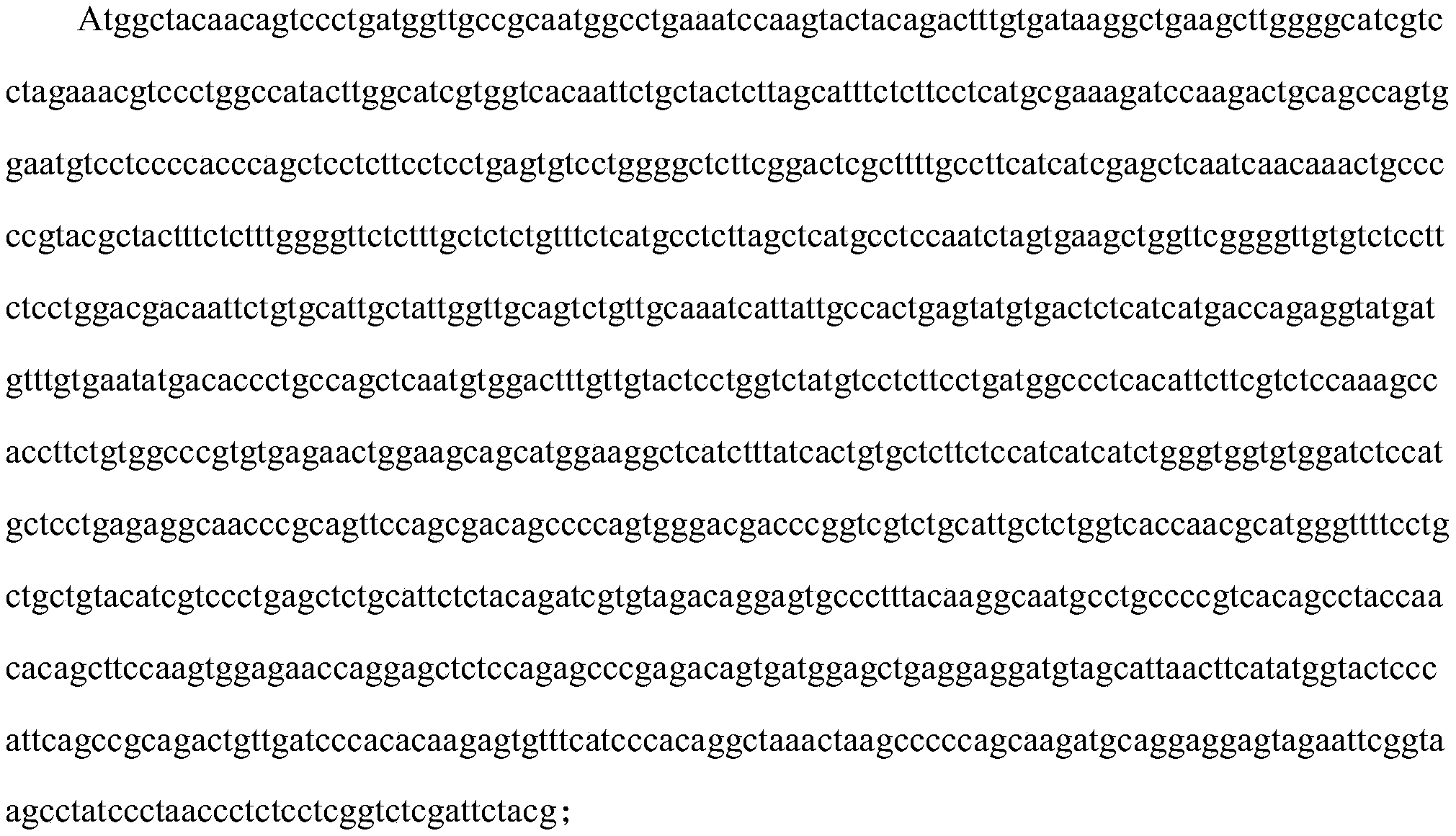
GPRC5D-A1的核酸氨基酸序列为:The nucleic acid amino acid sequence of GPRC5D-A1 is:

GPRC5D-A2的核苷酸序列为:The nucleotide sequence of GPRC5D-A2 is:

GPRC5D-A2的氨基酸序列为:The amino acid sequence of GPRC5D-A2 is:

GPRC5D-A3的核苷酸序列为:The nucleotide sequence of GPRC5D-A3 is:


GPRC5D-A3的氨基酸序列为:The amino acid sequence of GPRC5D-A3 is:

GPRC5D-A4的核苷酸序列为:The nucleotide sequence of GPRC5D-A4 is:


GPRC5D-A4的氨基酸序列为:The amino acid sequence of GPRC5D-A4 is:

上述实验结果显示,与现有已公开抗体相比本发明公布的抗体至少具有以下优点:1)CDR序列差异大,与GPRC5D抗原结合表位不同;2)结合活性好;3)特异性更强,安全性好;4)具备物种交叉反应性,便于治疗用途产品的开发。The above experimental results show that compared with the existing published antibodies, the antibodies disclosed in the present invention have at least the following advantages: 1) The CDR sequence has a large difference, which is different from the GPRC5D antigen-binding epitope; 2) The binding activity is good; 3) The specificity is stronger , good safety; 4) has species cross-reactivity, which is convenient for the development of therapeutic products.
同时本发明的抗体还可以与靶向其它靶点的抗体,如:CD3、BCMA、CD38等构建成双特异性抗体,开发成各种具有调节肿瘤细胞作用的方法。另外,该技术发明的抗体还可以通过偶联其它类型的分子,如:毒素、核酸分子等,通过该抗体特异地将偶联的分子带到肿瘤细胞体内,从而调节肿瘤细胞的作用。此外,本技术发明的抗体还可以开发成通过免疫手段,对组织细胞表面GPRC5D表达量进行检测的方法。At the same time, the antibody of the present invention can also be combined with antibodies targeting other targets, such as: CD3, BCMA, CD38, etc. to construct bispecific antibodies, and developed into various methods that can regulate tumor cells. In addition, the antibodies invented by this technology can also be coupled to other types of molecules, such as toxins, nucleic acid molecules, etc., and the antibodies can specifically bring the coupled molecules into the tumor cells, thereby regulating the effect of tumor cells. In addition, the antibody invented by the present technology can also be developed into a method for detecting the expression level of GPRC5D on the surface of tissue cells by means of immunization.
以上所述仅为本发明的实施例,并非因此限制本发明的专利范围,凡是利用本发明说明书及附图内容所作的等同变换,或直接或间接运用在相关的技术领域,均同理包括在本发明的专利保护范围内。The above description is only an embodiment of the present invention, and does not limit the patent scope of the present invention. All equivalent transformations made by using the description of the present invention and the contents of the accompanying drawings, or directly or indirectly used in related technical fields, are all included in the same principle. Within the scope of patent protection of the present invention.
Claims (17)
Applications Claiming Priority (4)
| Application Number | Priority Date | Filing Date | Title |
|---|---|---|---|
| CN202110561819.5A CN115386006A (en) | 2021-05-23 | 2021-05-23 | anti-GPRC 5D antibody, preparation method and application thereof |
| CN202110561818.0 | 2021-05-23 | ||
| CN202110561818 | 2021-05-23 | ||
| CN202110561819.5 | 2021-05-23 |
Publications (1)
| Publication Number | Publication Date |
|---|---|
| WO2022247804A1 true WO2022247804A1 (en) | 2022-12-01 |
Family
ID=84229496
Family Applications (1)
| Application Number | Title | Priority Date | Filing Date |
|---|---|---|---|
| PCT/CN2022/094551 Ceased WO2022247804A1 (en) | 2021-05-23 | 2022-05-23 | Anti-gprc5d antibody, preparation method therefor, and use thereof |
Country Status (1)
| Country | Link |
|---|---|
| WO (1) | WO2022247804A1 (en) |
Cited By (5)
| Publication number | Priority date | Publication date | Assignee | Title |
|---|---|---|---|---|
| WO2024088309A1 (en) * | 2022-10-25 | 2024-05-02 | 上海祥耀生物科技有限责任公司 | Anti-gprc5d multispecific antibody |
| WO2025076127A1 (en) | 2023-10-05 | 2025-04-10 | Capstan Therapeutics, Inc. | Constrained ionizable cationic lipids and lipid nanoparticles |
| WO2025076113A1 (en) | 2023-10-05 | 2025-04-10 | Capstan Therapeutics, Inc. | Ionizable cationic lipids with conserved spacing and lipid nanoparticles |
| WO2025217454A2 (en) | 2024-04-11 | 2025-10-16 | Capstan Therapeutics, Inc. | Ionizable cationic lipids and lipid nanoparticles |
| WO2025217452A1 (en) | 2024-04-11 | 2025-10-16 | Capstan Therapeutics, Inc. | Constrained ionizable cationic lipids and lipid nanoparticles |
Citations (4)
| Publication number | Priority date | Publication date | Assignee | Title |
|---|---|---|---|---|
| US20180118822A1 (en) * | 2014-12-05 | 2018-05-03 | Memorial Sloan-Kettering Cancer Center | Antibodies targeting g-protein coupled receptor and methods of use |
| CN109715667A (en) * | 2016-07-20 | 2019-05-03 | 詹森药业有限公司 | anti-GPRC 5D antibodies, bispecific antigen binding molecules that bind GPRC5D and CD3, and uses thereof |
| CN110462038A (en) * | 2017-02-07 | 2019-11-15 | 第一三共株式会社 | Anti-GPRC5D antibodies and molecules comprising the same |
| WO2021018859A2 (en) * | 2019-07-31 | 2021-02-04 | F. Hoffmann-La Roche Ag | Antibodies binding to gprc5d |
-
2022
- 2022-05-23 WO PCT/CN2022/094551 patent/WO2022247804A1/en not_active Ceased
Patent Citations (4)
| Publication number | Priority date | Publication date | Assignee | Title |
|---|---|---|---|---|
| US20180118822A1 (en) * | 2014-12-05 | 2018-05-03 | Memorial Sloan-Kettering Cancer Center | Antibodies targeting g-protein coupled receptor and methods of use |
| CN109715667A (en) * | 2016-07-20 | 2019-05-03 | 詹森药业有限公司 | anti-GPRC 5D antibodies, bispecific antigen binding molecules that bind GPRC5D and CD3, and uses thereof |
| CN110462038A (en) * | 2017-02-07 | 2019-11-15 | 第一三共株式会社 | Anti-GPRC5D antibodies and molecules comprising the same |
| WO2021018859A2 (en) * | 2019-07-31 | 2021-02-04 | F. Hoffmann-La Roche Ag | Antibodies binding to gprc5d |
Non-Patent Citations (3)
| Title |
|---|
| TATSUSHI KODAMA, YU KOCHI, WAKA NAKAI, HIDEAKI MIZUNO, TAKESHI BABA, KIYOSHI HABU, NORIAKI SAWADA, HIROYUKI TSUNODA, TAKAHIRO SHIM: "Anti-GPRC5D/CD3 Bispecific T-Cell–Redirecting Antibody for the Treatment of Multiple Myeloma", MOLECULAR CANCER THERAPEUTICS, AMERICAN ASSOCIATION FOR CANCER RESEARCH, US, vol. 18, no. 9, 1 September 2019 (2019-09-01), US , pages 1555 - 1564, XP055683418, ISSN: 1535-7163, DOI: 10.1158/1535-7163.MCT-18-1216 * |
| VERKLEIJ, C.P.M. ET AL.: "Preclinical activity and determinants of response of the GPRC5DxCD3 bispecific antibody talquetamab in multiple myeloma.", MOLECULAR CANCER THERAPEUTICS, vol. 5, no. 8, 27 April 2021 (2021-04-27), XP055880142, DOI: 10.1182/bloodadvances.2020003805 * |
| ZHANG HUAN, LI YUMING, DENG QI: "Research Progress on CAR-T cells on the treatment of multiple myeloma", SHANDONG YIYAO - SHANDONG MEDICAL JOURNAL, SHANDONG SHENG WEISHENGTING,, CN, vol. 60, no. 26, 15 September 2020 (2020-09-15), CN , pages 98 - 101, XP093007241, ISSN: 1002-266X, DOI: 10.3969/j.issn.1002-266X.2020.26.028 * |
Cited By (6)
| Publication number | Priority date | Publication date | Assignee | Title |
|---|---|---|---|---|
| WO2024088309A1 (en) * | 2022-10-25 | 2024-05-02 | 上海祥耀生物科技有限责任公司 | Anti-gprc5d multispecific antibody |
| WO2024087731A1 (en) * | 2022-10-25 | 2024-05-02 | 上海祥耀生物科技有限责任公司 | Anti-gprc5d multi-specific antibody |
| WO2025076127A1 (en) | 2023-10-05 | 2025-04-10 | Capstan Therapeutics, Inc. | Constrained ionizable cationic lipids and lipid nanoparticles |
| WO2025076113A1 (en) | 2023-10-05 | 2025-04-10 | Capstan Therapeutics, Inc. | Ionizable cationic lipids with conserved spacing and lipid nanoparticles |
| WO2025217454A2 (en) | 2024-04-11 | 2025-10-16 | Capstan Therapeutics, Inc. | Ionizable cationic lipids and lipid nanoparticles |
| WO2025217452A1 (en) | 2024-04-11 | 2025-10-16 | Capstan Therapeutics, Inc. | Constrained ionizable cationic lipids and lipid nanoparticles |
Similar Documents
| Publication | Publication Date | Title |
|---|---|---|
| CN112601762B (en) | anti-CD 47 antibodies and uses thereof | |
| CN109937212B (en) | B7-H3 antibody, antigen binding fragment thereof and medical application thereof | |
| CN110914304B (en) | CD96 antibody, antigen binding fragment thereof and medical application | |
| WO2022247804A1 (en) | Anti-gprc5d antibody, preparation method therefor, and use thereof | |
| CN106939050A (en) | anti-PD 1 and CD19 bispecific antibodies and uses thereof | |
| CN113683697B (en) | anti-B7-H3 antibody, preparation method and application thereof | |
| WO2023193732A1 (en) | Anti-ccr8 antibody or antigen-binding fragment thereof | |
| CN115386006A (en) | anti-GPRC 5D antibody, preparation method and application thereof | |
| WO2021098822A1 (en) | Bispecific antibodies | |
| CN115505043A (en) | Antibodies specifically binding glycosylated CEACAM5 | |
| CN101701039B (en) | Variable regions of light chains and heavy chains of FMU-EPCAM-2A9 monoclonal antibodies | |
| CN113906053A (en) | anti-CEA antibodies and uses thereof | |
| WO2024017326A1 (en) | Anti-gprc5d nanobody and use thereof | |
| WO2023232110A1 (en) | Anti-human cd24 antibody and use thereof | |
| CN115386007A (en) | anti-GPRC 5D antibody, preparation method and application thereof | |
| CN110615841B (en) | Anti-human CD47 monoclonal antibody and application thereof | |
| JP7734856B2 (en) | Bispecific antibodies and uses thereof | |
| CN110642947A (en) | Anti-human CD147 monoclonal antibody, expression vector, cell strain and application thereof | |
| CN111892657B (en) | Antibody, fragment, kit and method for detecting Mi Tianbao blood group antigen | |
| CN115433277A (en) | Preparation and application of anti-CD 38 rabbit recombinant monoclonal antibody | |
| CN107840886B (en) | GM-CSF antibody and its use | |
| CN120887991B (en) | Anti-ROR 1 antibodies and uses thereof | |
| CN120865418B (en) | Anti-ROR1 antibodies and their applications | |
| CN115947855B (en) | Preparation of anti-CD 24 antibodies and uses thereof | |
| CN111704668B (en) | anti-CCR 4 antibodies and their use in treating cancer |
Legal Events
| Date | Code | Title | Description |
|---|---|---|---|
| 121 | Ep: the epo has been informed by wipo that ep was designated in this application |
Ref document number: 22810529 Country of ref document: EP Kind code of ref document: A1 |
|
| NENP | Non-entry into the national phase |
Ref country code: DE |
|
| 122 | Ep: pct application non-entry in european phase |
Ref document number: 22810529 Country of ref document: EP Kind code of ref document: A1 |
|
| 122 | Ep: pct application non-entry in european phase |
Ref document number: 22810529 Country of ref document: EP Kind code of ref document: A1 |
|
| 32PN | Ep: public notification in the ep bulletin as address of the adressee cannot be established |
Free format text: NOTING OF LOSS OF RIGHTS PURSUANT TO RULE 112(1) EPC |