WO2022162203A1 - Method and means for modulating b-cell mediated immune responses - Google Patents
Method and means for modulating b-cell mediated immune responses Download PDFInfo
- Publication number
- WO2022162203A1 WO2022162203A1 PCT/EP2022/052148 EP2022052148W WO2022162203A1 WO 2022162203 A1 WO2022162203 A1 WO 2022162203A1 EP 2022052148 W EP2022052148 W EP 2022052148W WO 2022162203 A1 WO2022162203 A1 WO 2022162203A1
- Authority
- WO
- WIPO (PCT)
- Prior art keywords
- antibody
- antigen
- seq
- regulative
- protective
- Prior art date
- Legal status (The legal status is an assumption and is not a legal conclusion. Google has not performed a legal analysis and makes no representation as to the accuracy of the status listed.)
- Ceased
Links
Classifications
-
- A—HUMAN NECESSITIES
- A61—MEDICAL OR VETERINARY SCIENCE; HYGIENE
- A61K—PREPARATIONS FOR MEDICAL, DENTAL OR TOILETRY PURPOSES
- A61K39/00—Medicinal preparations containing antigens or antibodies
- A61K39/12—Viral antigens
-
- C—CHEMISTRY; METALLURGY
- C07—ORGANIC CHEMISTRY
- C07K—PEPTIDES
- C07K16/00—Immunoglobulins [IGs], e.g. monoclonal or polyclonal antibodies
- C07K16/18—Immunoglobulins [IGs], e.g. monoclonal or polyclonal antibodies against material from animals or humans
- C07K16/26—Immunoglobulins [IGs], e.g. monoclonal or polyclonal antibodies against material from animals or humans against hormones ; against hormone releasing or inhibiting factors
-
- C—CHEMISTRY; METALLURGY
- C07—ORGANIC CHEMISTRY
- C07K—PEPTIDES
- C07K16/00—Immunoglobulins [IGs], e.g. monoclonal or polyclonal antibodies
- C07K16/44—Immunoglobulins [IGs], e.g. monoclonal or polyclonal antibodies against material not provided for elsewhere, e.g. haptens, metals, DNA, RNA, amino acids
-
- A—HUMAN NECESSITIES
- A61—MEDICAL OR VETERINARY SCIENCE; HYGIENE
- A61K—PREPARATIONS FOR MEDICAL, DENTAL OR TOILETRY PURPOSES
- A61K39/00—Medicinal preparations containing antigens or antibodies
- A61K2039/505—Medicinal preparations containing antigens or antibodies comprising antibodies
-
- A—HUMAN NECESSITIES
- A61—MEDICAL OR VETERINARY SCIENCE; HYGIENE
- A61K—PREPARATIONS FOR MEDICAL, DENTAL OR TOILETRY PURPOSES
- A61K39/00—Medicinal preparations containing antigens or antibodies
- A61K2039/545—Medicinal preparations containing antigens or antibodies characterised by the dose, timing or administration schedule
-
- A—HUMAN NECESSITIES
- A61—MEDICAL OR VETERINARY SCIENCE; HYGIENE
- A61K—PREPARATIONS FOR MEDICAL, DENTAL OR TOILETRY PURPOSES
- A61K39/00—Medicinal preparations containing antigens or antibodies
- A61K2039/555—Medicinal preparations containing antigens or antibodies characterised by a specific combination antigen/adjuvant
- A61K2039/55511—Organic adjuvants
- A61K2039/55516—Proteins; Peptides
-
- A—HUMAN NECESSITIES
- A61—MEDICAL OR VETERINARY SCIENCE; HYGIENE
- A61K—PREPARATIONS FOR MEDICAL, DENTAL OR TOILETRY PURPOSES
- A61K39/00—Medicinal preparations containing antigens or antibodies
- A61K2039/57—Medicinal preparations containing antigens or antibodies characterised by the type of response, e.g. Th1, Th2
- A61K2039/575—Medicinal preparations containing antigens or antibodies characterised by the type of response, e.g. Th1, Th2 humoral response
-
- A—HUMAN NECESSITIES
- A61—MEDICAL OR VETERINARY SCIENCE; HYGIENE
- A61K—PREPARATIONS FOR MEDICAL, DENTAL OR TOILETRY PURPOSES
- A61K39/00—Medicinal preparations containing antigens or antibodies
- A61K2039/57—Medicinal preparations containing antigens or antibodies characterised by the type of response, e.g. Th1, Th2
- A61K2039/577—Medicinal preparations containing antigens or antibodies characterised by the type of response, e.g. Th1, Th2 tolerising response
-
- A—HUMAN NECESSITIES
- A61—MEDICAL OR VETERINARY SCIENCE; HYGIENE
- A61K—PREPARATIONS FOR MEDICAL, DENTAL OR TOILETRY PURPOSES
- A61K39/00—Medicinal preparations containing antigens or antibodies
- A61K2039/60—Medicinal preparations containing antigens or antibodies characteristics by the carrier linked to the antigen
- A61K2039/6031—Proteins
-
- A—HUMAN NECESSITIES
- A61—MEDICAL OR VETERINARY SCIENCE; HYGIENE
- A61K—PREPARATIONS FOR MEDICAL, DENTAL OR TOILETRY PURPOSES
- A61K39/00—Medicinal preparations containing antigens or antibodies
- A61K2039/60—Medicinal preparations containing antigens or antibodies characteristics by the carrier linked to the antigen
- A61K2039/6031—Proteins
- A61K2039/6081—Albumin; Keyhole limpet haemocyanin [KLH]
-
- C—CHEMISTRY; METALLURGY
- C07—ORGANIC CHEMISTRY
- C07K—PEPTIDES
- C07K2317/00—Immunoglobulins specific features
- C07K2317/30—Immunoglobulins specific features characterized by aspects of specificity or valency
- C07K2317/35—Valency
-
- C—CHEMISTRY; METALLURGY
- C07—ORGANIC CHEMISTRY
- C07K—PEPTIDES
- C07K2317/00—Immunoglobulins specific features
- C07K2317/50—Immunoglobulins specific features characterized by immunoglobulin fragments
- C07K2317/52—Constant or Fc region; Isotype
-
- C—CHEMISTRY; METALLURGY
- C07—ORGANIC CHEMISTRY
- C07K—PEPTIDES
- C07K2317/00—Immunoglobulins specific features
- C07K2317/90—Immunoglobulins specific features characterized by (pharmaco)kinetic aspects or by stability of the immunoglobulin
- C07K2317/92—Affinity (KD), association rate (Ka), dissociation rate (Kd) or EC50 value
-
- C—CHEMISTRY; METALLURGY
- C12—BIOCHEMISTRY; BEER; SPIRITS; WINE; VINEGAR; MICROBIOLOGY; ENZYMOLOGY; MUTATION OR GENETIC ENGINEERING
- C12N—MICROORGANISMS OR ENZYMES; COMPOSITIONS THEREOF; PROPAGATING, PRESERVING, OR MAINTAINING MICROORGANISMS; MUTATION OR GENETIC ENGINEERING; CULTURE MEDIA
- C12N2770/00—MICROORGANISMS OR ENZYMES; COMPOSITIONS THEREOF; PROPAGATING, PRESERVING, OR MAINTAINING MICROORGANISMS; MUTATION OR GENETIC ENGINEERING; CULTURE MEDIA ssRNA viruses positive-sense
- C12N2770/00011—Details
- C12N2770/20011—Coronaviridae
- C12N2770/20034—Use of virus or viral component as vaccine, e.g. live-attenuated or inactivated virus, VLP, viral protein
Definitions
- the invention pertains to methods and means for the targeted modulation of B-cell mediated immune responses by bringing into contact a B-cell with a specific ratio of soluble single monovalent antigens and complexed multivalent antigens.
- the targeted modulation of B-cell immunity can be used in mammals for the diagnosis and therapy of various conditions associated with antibody-mediated immunity. Such conditions include proliferative disorders such as cancer, autoimmune disorders, pathogenic infections, inflammatory diseases, allergies and food intolerances.
- the invention is predicated on the observation that complexed multivalent antigenic structures induce a strong IgG type antibody B-cell response while surprisingly monovalent antigenic structures harbour the ability to supress such IgG responses, or even induce in the case of autoantigens protective IgM responses.
- the invention in this regard offers methods, compositions, therapeutics, diagnostics and food additives.
- autoimmune diseases such as rheumatoid arthritis (RA), systemic lupus erythematosus (SLE), or type-1 -diabetes (T1 D) [21 ].
- RA rheumatoid arthritis
- SLE systemic lupus erythematosus
- T1 D type-1 -diabetes
- autoantibodies are present in the vast majority of autoimmune diseases and often are the driving force of pathogenesis [22]
- the invention relates to, inter alia, the following embodiments:
- composition comprising:
- a monovalent antigen particle comprising an antigenic portion comprising not more than one antigenic structure capable of inducing an antibody mediated immune response against a target antigen
- a polyvalent antigen particle comprising an antigenic portion comprising more than one antigenic structure capable of inducing an antibody mediated immune response against the target antigen and wherein the more than one antigenic structure is cross-linked.
- composition of embodiment 1 wherein polyvalent antigen particle comprises multiple identical antigenic structures.
- monovalent antigen particle further comprises a carrier portion which is coupled to the antigenic portion and wherein the carrier does not comprise another copy of the antigenic structure.
- composition of embodiment 4, wherein the carrier portion comprises a structure selected from the group of polypeptides, immune CpG islands, limpet hemocyanin (KLH), tetanus toxoid (TT), cholera toxin subunit B (CTB), bacteria or bacterial ghosts, liposome, chitosome, virosomes, microspheres, dendritic cells, particles, microparticles, nanoparticles, or beads.
- KLH limpet hemocyanin
- TT tetanus toxoid
- CTB cholera toxin subunit B
- bacteria or bacterial ghosts liposome, chitosome, virosomes, microspheres, dendritic cells, particles, microparticles, nanoparticles, or beads.
- composition of any one of embodiments 1 to 5, wherein the polyvalent antigen particle comprises the at least two copies of the antigenic structure in spatial proximity to each other.
- composition of any one of embodiments 1 to 8, wherein the polyvalent- antigen particle comprises a linker with a crosslink reactive group for protein conjugation, preferably a linker with a crosslink reactive group for stable protein conjugation,
- composition of embodiment 9, wherein the crosslink reactive group is a group selected from carboxyl-to-amine reactive groups, amine-reactive groups, sulfhydryl-reactive groups, aldehyde-reactive groups and photoreactive groups.
- composition of embodiment 10, wherein the crosslink reactive group is a group selected from carbodiimide, NHS ester, imidoester, pentafluorophenyl ester, hydroxymethyl phosphine, maleimide, haloacetyl, hydrazide, alkoxyamine, diazirine and aryl azide.
- the polyvalent antigen particle is linked to an adjuvant, preferably wherein the polyvalent particle is covalently linked to an adjuvant, preferably wherein the adjuvant is IgG.
- a method of eliciting and/or modulating a humoral and/or B-cell-mediated target antigen-specific immune response comprising the steps of: a) contacting one or more B-cells with the composition of any one of embodiments 1 to 14; and b) eliciting and/or modulating a humoral and/or B-cell-mediated target antigen-specific immune response.
- the B-cell-mediated target antigen-specific immune response comprises one or more antibodies and/or B- cell receptors, and/or variants thereof, which are specific for the target antigen.
- Immunoglobulin (Ig) M, IgD, IgA or IgG type antibody and/or B-cell receptor are examples of Immunoglobulin (Ig) M, IgD, IgA or IgG type antibody and/or B-cell receptor.
- Immunoglobulin (Ig) M, IgA and/or IgG type antibody are examples of Immunoglobulin (Ig) M, IgA and/or IgG type antibody.
- the elicited B-cell-mediated target antigen-specific immune response comprises eliciting of at least one IgG-type antibody and at least one oligomeric antibody.
- a method for obtaining a protective-regulative antibody comprising the steps of: (a) eliciting at least one IgG-type antibody and at least one oligomeric antibody according to the method of embodiment 19; and
- the binding of the oligomeric antibody is more specific for the target antigen than the IgG-type antibody, preferably wherein the oligomeric antibody is monospecific for the target antigen;
- the binding affinity of the oligomeric antibody to the target antigen is equal or higher than the IgG-type antibody, preferably wherein the protective-regulative antibody binds to the target antigen with Kd of less than 10’ 7 , preferably of less than 10’ 8 , more preferably of less than 10’ 9 and most preferably in the range of about 1 O’ 10 to about 10’ 12 to obtain the protective-regulative antibody that is protective-regulative for the function of the target antigen.
- a protective-regulative antibody obtainable according to the method of embodiment 20 or a variant or fragment thereof that is protective-regulative for the function of the target antigen.
- the protective-regulative antibody, variant or fragment of embodiment 21 wherein the protective-regulative antibody, variant or fragment comprises a) a CDR3 as defined in SEQ ID NO: 4 and a variable light (VL) chain comprising a
- VH variable heavy chain
- VL variable light
- VH variable heavy chain comprising a CDR3 as defined in SEQ ID NO: 18
- VL variable light chain comprising a CDR3 as defined in SEQ ID NO: 21.
- a vector comprising the polynucleotide of embodiment 25.
- a host cell comprising the polynucleotide of embodiment 26.
- a method for producing an antibody comprising culturing the host cell of embodiment 27.
- the composition of the embodiments 1 to 14 further comprising the protective- regulative antibody, variant or fragment of embodiment 21 to 24 and/or the vector of embodiment 26.
- a pharmaceutical product comprising a therapeutic agent and a) the composition of any one of embodiments 1 to 14, 29; b) the protective-regulative antibody, variant or fragment of embodiment 21 to 24; c) the vector of embodiment 26; and/or d) a monovalent antigen particle, wherein the monovalent antigen particle is composed of an antigenic portion comprising not more than one antigenic structure capable of inducing an antibody mediated immune response against a target antigen, wherein the therapeutic agent is the target antigen.
- the composition of any one of embodiments 1 to 14, 29, the protective-regulative antibody, variant or fragment of embodiment 21 to 24, the vector of embodiment 26 or the pharmaceutical product of embodiment 30 or 31 for use as a medicament.
- composition for use of embodiment 32, the pharmaceutical product for use of embodiment 32, the vector for use of embodiment 32, or the protective- regulative antibody, variant or fragment for use of embodiment 32, for use in the treatment and/or prevention of a humoral and/or B-cell-mediated target antigenspecific disease or disorder for use in the treatment and/or prevention of a humoral and/or B-cell-mediated target antigenspecific disease or disorder.
- the composition for use of embodiment 36, the pharmaceutical product for use of embodiment 36 or the protective-regulative antibody, variant or fragment for use of embodiment 36, wherein the protective-regulative antibody, variant or fragment for use of embodiment 36 binds to insulin with a Kd of less than 10’ 7 , preferably of less than 10’ 8 , more preferably of less than 10’ 9 and most preferably in the range of about 10’ 1 ° to about 10’ 12 .
- treatment comprises administering the monovalent antigen particle before the polyvalent antigen particle.
- a monovalent antigen particle wherein the monovalent antigen particle is composed of an antigenic portion comprising not more than one antigenic structure capable of inducing an antibody mediated immune response against a target antigen, the composition of any one of embodiments 1 to 14, 29, the protective-regulative antibody, variant or fragment of embodiment 21 to 24, the vector of embodiment 26 or the pharmaceutical product of embodiment 30 or 31 , for use in the treatment and/or prevention of a disease characterized by (i) the presence of Immunoglobulin G (IgG) type antibody binding to the target antigen, wherein the binding of the IgG type antibody reduces the function of the target antigen; and/or
- IgG Immunoglobulin G
- a polyvalent antigen particle wherein the polyvalent antigen particle is composed of an antigenic portion comprising more than one antigenic structures capable of inducing an antibody mediated immune response against a target antigen and wherein the more than one antigenic structure is cross-linked, the composition of any one of embodiments 1 to 14, 29, or the pharmaceutical product of embodiment 30 or 31 , for use in the treatment and/or prevention of a disease characterized by
- the presence of a monovalent antigen particle wherein the monovalent antigen particle is composed of an antigenic portion comprising not more than one antigenic structure capable of inducing an antibody mediated immune response against a target antigen.
- inventions 49.
- the vector for use of embodiment 32 to 48, the pharmaceutical product for use of embodiment 32 to 48 or the protective-regulative antibody, variant or fragment for use of embodiment 32 to 48, wherein a/the subject to be treated is a pediatric subject, preferably in a pediatric subject below the age of 11 .
- the invention relates to a composition, comprising: (i) a monovalent antigen particle comprising an antigenic portion comprising not more than one antigenic structure capable of inducing an antibody mediated immune response against a target antigen; and (ii) a polyvalent antigen particle comprising an antigenic portion comprising more than one antigenic structures capable of inducing an antibody mediated immune response against the target antigen and wherein the more than one antigenic structure is cross-linked.
- the term “valent” as used within the current application denotes the presence of a specified number of binding sites in an antibody or antigen, respectively, molecule. As such a binding site of an antibody is a paratope, whereas a binding site in the antigen is generally referred to as epitope.
- a natural antibody for example or a full length antibody according to the invention has two binding sites and is bivalent.
- Antigen proteins are monovalent (when present as monomers), however, if such antigen proteins are provided as multimers they may comprise more than one identical epitope and therefore are polyvalent, which may be bivalent, trivalent, tetravalent etc. As such, the terms “trivalent”, denote the presence of three binding sites in an antibody molecule. As such, the terms “tetravalent”, denote the presence of four binding sites in an antibody molecule.
- a monovalent antigen particle shall in context of the herein disclosed invention refer to a molecule or molecule-complex, such as a protein, or protein complexes, which are antigenic, and therefore capable of stimulating an immune response in a vertebrate.
- a monovalent antigen particle is composed of an antigenic portion comprising not more than one of an antigenic structure capable of inducing an antibody mediated immune response against such antigenic structure.
- antigenic structure refers to fragment of an antigenic protein that retains the capacity of stimulating an antibody mediated immune response.
- an antigenic structure is understood to provide the antigenic determinant or “epitope” which refers to the region of a molecule that specifically reacts with an antibody, more specifically that reacts with a paratope of an antibody.
- a monovalent antigen particle of the invention comprises not more than one copy of one specific epitope of the antigenic structure. Hence, preferably only one antibody molecule of a certain antibody species having a specific paratope may bind to a monovalent antigen particle according to the invention.
- polyvalent antigen particle shall in context of the herein disclosed invention refer to a molecule or molecule-complex, such as a protein, or protein complexes, which are antigenic, and therefore capable of stimulating an immune response in a vertebrate.
- a polyvalent antigenic particle is composed of an antigenic portion comprising more than one of an antigenic structure capable of inducing an antibody mediated immune response.
- a polyvalent antigen particle of the invention comprises more than one copy of one specific epitope of the antigenic structure.
- more than one antibody molecule of a certain antibody species having a specific paratope may bind to a monovalent antigen particle according to the invention.
- Such polyvalent antigen particle may have a structure that the more than one of an antigenic structure are covalently or non-covalently cross-linked with each other.
- the more than one of an antigenic structure comprised in the antigenic portion of the polyvalent antigen particle comprises multiple identical antigenic structures.
- the monovalent antigen particle of the invention is often referred to as “soluble” particle or antigen whereas the polyvalent antigen particle is referred to as “complexed” particle or antigen.
- the term “antigen” may refer to any, preferably disease associated, molecule or structure that comprises an antigenic structure.
- an antigen described herein is an autoantigen, a cancer associated antigen, or a pathogen associated antigen.
- the antigen is insulin and the associated disease is diabetes.
- Human insulin protein is produced as proinsulin comprising a c- peptide, insulin B chain and the active insulin peptide.
- accession no. P01308 in the UniProt database in the Version of January 27, 2020 (htps://www.uniprot.org/uniprot/P01308).
- the target antigen of the invention is preferably an antigen which is associated with a disease or condition, preferably a disease or condition the subject suffers or is suspected to suffer from.
- a disease or condition preferably a disease or condition the subject suffers or is suspected to suffer from.
- Such disease may be pathogen associated, autoimmune associated, might by associated with a treatment, for example when using an antigenic protein as therapeutic such as a therapeutic antibody, or cancer associated or the like.
- a target antigen of the invention can be a natural or synthetic immunogenic substance, such as a complete, fragment or portion of an immunogenic substance, and wherein the immunogenic substance may be selected from a nucleic acid, a carbohydrate, a peptide, a hapten, or any combination thereof.
- each particle is considered as a single molecular entity, which may comprise covalently or non-covalently connected portions.
- each particle has an immunogenic activity towards a certain antigen.
- the monovalent antigen particle is therefore understood to comprise only a single antigenic structure that is able to elicit an immune response to the antigen whereas the multivalent antigen particle comprises multiple copies of such antigenic structure.
- the terms “soluble” antigen is used for the monovalent antigen particle opposed to “complex” antigen for the polyvalent antigen particle.
- the antigenic structure comprises or consists of an epitope that elicits an antibody-mediated immune response, and in turn is a binding site for an antibody produced upon a cell- mediated immune response as defined herein elsewhere.
- the invention distinguishes between a presentation of immune eliciting epitopes as soluble single epitope or in a complexed array identical epitope.
- cross-link refers to a bond that links at least two antigenic structures with each other, wherein the cross-linked complex has different physical properties than the separated antigenic structures. In some embodiments the crosslinked complex is less soluble than the separated antigenic structures. In some embodiments, the cross-link described herein comprises at least one covalent bond. In some embodiments, the cross-link described herein comprises at least one ionic bond.
- the present invention is predicated upon the surprising finding that antigens may induce different immune responses depending on whether they are presented to immune cells as soluble antigens or as complexed multivalent antigens. The latter in particular lead to strong and memory IgG antibody responses, whereas the former may repress such IgG response and induce a protective IgM (or an IgA) antibody response.
- the invention is at least in part based on the surprising finding that the composition of the invention can modulate the immune response to a target antigen as described herein.
- the invention suggests to modulate the ratio soluble to complexed immune responses in order control the focus of B-cell immunity.
- the approach may be used in novel controlled vaccination treatments or for tackling autoimmune diseases such as diabetes.
- the invention relates to the composition of the invention, wherein the more than one antigenic structures comprise multiple identical antigenic structures.
- a polyvalent antigen particle of the invention comprises more than one copy of one specific epitope of the antigenic structure.
- more than one antibody molecule of a certain antibody species having a specific paratope may bind to a monovalent antigen particle according to the invention.
- Such polyvalent antigen particle may have a structure that the more than one of an antigenic structure are covalently or non-covalently cross-linked with each other.
- a polyvalent antigen particle therefore, in preferred embodiments comprises complex comprising at least two identical, at least three or at least four epitopes, which allow for a binding of two antibodies to the polyvalent antigen particle at the same time.
- the more than one of an antigenic structure comprised in the antigenic portion of the polyvalent antigen particle comprises multiple identical antigenic structures.
- a polyvalent antigen particle therefore, in preferred embodiments comprises complex comprising at least two, at least three or at least four identical epitopes, which allow for a binding of two antibodies to the polyvalent antigen particle at the same time.
- the composition comprising such particles can modulate an immune response (see e.g. Fig. 18).
- the invention is at least in part based on the surprising finding that a plurality of linked identical structures can modulate the immune response to a target antigen as described herein.
- the invention relates to the composition of the invention, wherein the monovalent antigen particle further comprises a carrier portion which is coupled to the antigenic portion and wherein the carrier does not comprise another copy of the antigenic structure.
- the monovalent-antigen particle further comprises a carrier portion which is coupled to the antigenic portion, optionally via a linker, and wherein the carrier, and optionally the linker, does not comprise another copy of the antigenic structure, and wherein the carrier portion, and optionally the linker, is/are not capable of eliciting a cell-mediated immune response against the target antigen.
- the polyvalent-antigen particle further comprises a carrier portion which is coupled to the antigenic portion, optionally via a linker.
- a “linker” in context of the present invention may comprise any molecule, or molecules, proteins or peptides which may be used to covalently or non- covalently connect two portions of the compounds of the invention with each other.
- carrier portion in context of the herein disclosed invention preferably relates to a substance or structure that presents or comprises the antigenic structures of the particles of the invention.
- a carrier portion is preferably a substance or structure selected from immunogenic or non-immunogenic polypeptides, immune CpG islands, limpet hemocyanin (KLH), tetanus toxoid (TT), cholera toxin subunit B (CTB), bacteria or bacterial ghosts, liposome, chitosome, virosomes, microspheres, dendritic cells, particles, microparticles, nanoparticles, or beads.
- KLH limpet hemocyanin
- TT tetanus toxoid
- CTB cholera toxin subunit B
- bacteria or bacterial ghosts liposome, chitosome, virosomes, microspheres, dendritic cells, particles, microparticles, nanoparticles, or beads.
- neither the carrier portion, and optionally also not the linker is (are) capable of eliciting a cell-mediated immune response against the target antigen, such as the antigen associated with an autoimmune disorder.
- a “linker” in context of the invention is preferably peptide linker which may have any size and length suitable for a given application in context of the invention.
- Linkers may have a length or 1 -100 amino acids, preferably of 2 to 50 amino acids.
- a linker could be a typical 4GS linker in 2, 3, 4, 5, 6 or more repeats.
- the carrier portion can facilitate presentation of the antigen to the immune system and improve stability of the particle.
- the invention is at least in part based on the surprising finding that a carrier linked to the antigenic portion can improve the antigenic, pharmacologic and/or pharmacokinetic properties of the monovalent antigen particle and therefore influence the modulation of the immune response to a target antigen as described herein.
- the invention relates to the composition of the invention, wherein the polyvalent antigen particle further comprises a carrier portion which is coupled to the antigenic portion.
- the carrier portion can facilitate presentation of the antigen to the immune system and improve stability of the particle.
- the invention is at least in part based on the surprising finding that a carrier linked to the antigenic portion can improve the antigenic, pharmacologic and/or pharmacokinetic properties of the polyvalent antigen particle and therefore influence the modulation of the immune response to a target antigen as described herein.
- the invention relates to the composition of the invention, wherein the carrier portion comprises a structure selected from the group of polypeptides, immune CpG islands, limpet hemocyanin (KLH), tetanus toxoid (TT), cholera toxin subunit B (CTB), bacteria or bacterial ghosts, liposome, chitosome, virosomes, microspheres, dendritic cells, particles, microparticles, nanoparticles, or beads.
- the carrier portion comprises a structure selected from the group of polypeptides, immune CpG islands, limpet hemocyanin (KLH), tetanus toxoid (TT), cholera toxin subunit B (CTB), bacteria or bacterial ghosts, liposome, chitosome, virosomes, microspheres, dendritic cells, particles, microparticles, nanoparticles, or beads.
- KLH limpet hemocyanin
- TT tetanus tox
- a carrier portion is preferably a substance or structure selected from immunogenic or non-immunogenic polypeptides, immune CpG islands, limpet hemocyanin (KLH), tetanus toxoid (TT), cholera toxin subunit B (CTB), bacteria or bacterial ghosts, liposome, chitosome, virosomes, microspheres, dendritic cells, particles, microparticles, nanoparticles, or beads.
- KLH limpet hemocyanin
- TT tetanus toxoid
- CTB cholera toxin subunit B
- bacteria or bacterial ghosts liposome, chitosome, virosomes, microspheres, dendritic cells, particles, microparticles, nanoparticles, or beads.
- Certain carrier portions are particularly useful for presentation of the antigen to the immune system and/or for improvement stability of the particle, while being biologically tolerated.
- the invention is at least in part based on the surprising finding that certain specific carriers linked to the antigenic portion can improve the antigenic, pharmacologic and/or pharmacokinetic properties of the monovalent antigen particle and therefore influence the modulation of the immune response to a target antigen as described herein.
- the invention relates to the composition of the invention, wherein the polyvalent-antigen particle comprises a complex of the following formula A-L-A, wherein A is a target antigen comprising portion, and wherein L is the linker of the cross link, preferably wherein L is a bismaleimide, and most preferably the complex is of the following structure (I), wherein R is a target antigen comprising portion:
- neither the carrier portion, and optionally also not the linker is (are) capable of eliciting an antibody-mediated immune response against the target antigen.
- the carrier portion can facilitate presentation of the antigen to the immune system and improve stability of the particle.
- the invention is at least in part based on the surprising finding that a carrier linked to the antigenic portion can improve the antigenic, pharmacologic and/or pharmacokinetic properties of the polyvalent antigen particle and therefore influence the modulation of the immune response to a target antigen as described herein.
- the invention relates to the composition of the invention, wherein the polyvalent-antigen particle comprises a linker with a crosslink reactive group for protein conjugation.
- crosslink reactive group for protein conjugation refers to any chemical group or structure that enables creating a link between the antigen particles described herein and a protein.
- Such crosslink reactive groups ant the preparation thereof a well known to the person skilled in the art (see e.g. Brinkley, M., 1992, Bioconjugate chemistry, 3(1 ), 2-13; Kluger, R., & Alagic, A, 2004, Bioorganic chemistry 32.6 (2004): 451-472.; Stephanopoulos, N.; Francis, M. B., 2011 , Nature Chemical Biology. 7 (12): 876-884.).
- a linker that is linked to the antigen particle described herein e.g. the polyvalent antigen particle
- that comprises a crosslink reactive group to bind to endogenous protein in a subject can enhance the immune response (see e.g. Figure 34 - 36, Example 12, 13, 15).
- the invention relates to the composition of the invention, wherein the polyvalent-antigen particle comprises a linker with a crosslink reactive group for stable protein conjugation.
- stable protein conjugation refers to a covalent protein conjugation that is not an S-S binding.
- the stable protein conjugation described herein is hydrolytically stable. In some embodiments, the stable protein conjugation described herein is an irreversible binding.
- the invention relates to the composition of the invention, wherein the crosslink reactive group couples to a protein with at least one selected from the group of lysine amino acid residue, cysteine residue, tyrosine residues, tryptophan residues, N- terminus and C- terminus.
- the invention relates to the composition of the invention, wherein the crosslink reactive group is a group selected from carboxyl-to-amine reactive groups, amine-reactive groups, sulfhydryl-reactive groups, aldehyde-reactive groups and photoreactive groups.
- the crosslink reactive group is a group selected from carboxyl-to-amine reactive groups, amine-reactive groups, sulfhydryl-reactive groups, aldehyde-reactive groups and photoreactive groups.
- the invention relates to the composition of the invention, wherein the crosslink reactive group is a group selected from carbodiimide, NHS ester, imidoester, pentafluorophenyl ester, hydroxymethyl phosphine, maleimide, haloacetyl, hydrazide, alkoxyamine, diazirine and aryl azide.
- the crosslink reactive group is a group selected from carbodiimide, NHS ester, imidoester, pentafluorophenyl ester, hydroxymethyl phosphine, maleimide, haloacetyl, hydrazide, alkoxyamine, diazirine and aryl azide.
- the invention is at least in part based on the enhancement of the immune response by binding to endogenous proteins.
- the invention relates to the composition of the invention, wherein the polyvalent antigen particle is linked to an adjuvant, preferably wherein the polyvalent particle is covalently linked to an adjuvant.
- the term “adjuvant”, as used herein, refers to an agent that does not comprise the target antigen and can enhance the immune response to the antigen particles described herein.
- the adjuvant described herein comprises at least one adjuvant selected from the group of oils (e.g., paraffin oil, peanut oil), bacterial products, saponins, cytokines (e.g., IL-1 , IL-2, IL-12), squalene and IgG, preferably wherein the adjuvant comprises a free SH-group.
- linking the antigen particles described herein to adjuvants can enhance the immune response, in particular the immune response induce by the polyvalent antibody (Figure 36D and E, Figure 34).
- This linking to adjuvants reduces the necessity of formulating the antigen particles described herein with substantially larger amounts of non-linked adjuvants.
- the adjuvants can increase the stability of the antigen particles described herein.
- the invention is at least in part based on the finding that linking of the antigen particles described herein to adjuvants can enhance the elicited immune response.
- the invention relates to the composition of the invention, wherein the polyvalent antigen particle comprises the at least two copies of the antigenic structure in spatial proximity to each other.
- a polyvalent-antigen particle of the invention preferably comprises the at least two copies of the antigenic structure in spatial proximity to each other, preferably within a nanometer range selected from the ranges 1 nm to 10 pm, more preferably 1 nm to 5pm, 1 nm to 10OOnm, 1 nm to 500nm, 1 nm to 10Onm, 1 nm to 50nm and 1 nm to 10nm.
- spatial proximity refers to being on the same antigen particle and sufficiently close distance to modulate the immune response.
- the “sufficiently close” depends on the size and structure of the polyvalent antigen particle itself and the size of the antigenic structure. In some embodiments, the distance between two copies of the antigenic structure is within a range of 3 nm to 20 nm.
- the at least two copies of the antigenic structure are in a spatial proximity in the range of about 1 nm to about 1000 nm, preferably about 1 nm to about 500 nm, preferably about 1 nm to about 100 nm, preferably about 1 nm to about 50 nm, preferably about 1 nm to about 20 nm, or preferably about 3 nm to about 20 nm
- the invention is at least in part based on the surprising finding that the size of the antigenic particle and/or the spatial proximity can influence the modulation of the immune response to a target antigen as described herein.
- the invention relates to the composition of the invention, wherein the target antigen comprises at least one agent selected from the group of nucleic acid, carbohydrate, peptide, and hapten.
- hapten refers to a small molecule which elicits a detectable immune response when attached to a carrier moiety.
- Haptens described herein can also include an immunogenic group.
- the immunogenic group comprises a fluorescent group, an enzyme or fragment thereof, a peptide or fragment thereof, or biotin.
- the immunogenic groups are selected from the list comprising biotin, fluorescein, digoxigenin or dinitrophenyl.
- Nucleic acids, carbohydrates, peptides, and/or haptens are useful structures to copy or mimic endogenous or pathologic antigen patterns. Furthermore, they can be designed to elicit a specific immune response without substantial side effects.
- the invention is at least in part based on the surprising finding that certain antigen types can influence the modulation of the immune response to a target antigen as described herein.
- the invention relates to the composition of the invention, wherein the ratio of monovalent antigen particle: polyvalent antigen particle is greater than 1 , preferably greater than 10 1 , more preferably greater than 10 2 , more preferably greater than 10 3 , more preferably greater than 10 4 .
- the ratio of monovalent antigen particle: polyvalent antigen particle is greater than 1 , preferably greater than 10 1 , more preferably greater than 10 2 , more preferably greater than 10 3 , more preferably greater than 10 4 .
- the composition comprising the monovalent-antigen particle and the polyvalent-antigen particle comprises a specific antigen-ratio, which is preferably a ratio of monovalent-antigen particle to polyvalent- antigen particle.
- modulating the cell- mediated target antigen-specific immune response in the subject constitutes a control of an IgG-type (and/or IgM) target antigen-specific B-cell response in the subject by contacting one or more of the B-cells of the subject with a composition comprising a specific antigen-ratio which is greater than 1 , preferably greater than 10 1 , 10 2 , 10 3 , 10 4 or more.
- the contacting one or more of the B-cells of the subject with the composition involves administering to the subject an amount of monovalent-antigen particle which is effective to generate in the subject a specific antigen-ratio which is greater than 1 , preferably greater than 10 1 , 10 2 , 10 3 , 10 4 or more.
- the ratio of monovalent antigen particle: polyvalent antigen particle can be used to modulate the immune response (see e.g. Fig. 18).
- a higher ratio of monovalent antigen particle:polyvalent antigen particle can reduce the polyvalent antigen particle-induced IgG antibody production (see e.g. Fig. 1 b, d) and improve the production of protective-regulative IgM antibody production(see e.g. Fig. 7, 11 ).
- a higher ratio of monovalent antigen particle: polyvalent antigen particle can protect the function of a target antigen against an immune response(see e.g. Fig. 16).
- the invention is at least in part based on the surprising finding that the modulation of the immune response to a target antigen depends on the monovalent antigen particle: polyvalent antigen particle ratio.
- the invention relates to the composition of the invention, further comprising a pharmaceutically acceptable carrier and/or excipient.
- pharmaceutically acceptable carrier refers to an ingredient in the composition, other than the active ingredient(s), which is nontoxic to recipients at the dosages and concentrations employed.
- Pharmaceutically acceptable carriers include, but are not limited to: buffers such as phosphate, citrate, and other organic acids; antioxidants including ascorbic acid and methionine; preservatives (such as octadecyldimethylbenzyl ammonium chloride; hexamethonium chloride; benzalkonium chloride; benzethonium chloride; phenol, butyl or benzyl alcohol; alkyl parabens such as methyl or propyl paraben; catechol; resorcinol; cyclohexanol; 3-pentanol; and m-cresol); low molecular weight (less than about 10 residues) polypeptides; proteins, such as serum albumin, gelatin, or immunoglobulins; hydrophilic polymers such as polyvinylpyrrolidone; amino acids such as glycine, glutamine, asparagine, histidine, arginine, or lysine; monosaccharides, dis
- sHASEGP soluble neutralactive hyaluronidase glycoproteins
- rHuPH20 HYLENEX®, Baxter International, Inc.
- the pharmaceutically acceptable carrier and/or excipient may facilitate stability, delivery and/or pharmacokinetic/pharmacodynamic properties of the composition of the invention.
- the invention relates to a method of eliciting and/or modulating a humoral and/or B-cell-mediated target antigen-specific immune response, the method comprising the steps of: a) contacting one or more B-cells with the composition of the invention; and b) eliciting and/or modulating a humoral and/or B-cell-mediated target antigen-specific immune response.
- a “cell-mediated target antigen-specific immune response” in context of the present invention shall refer to an immune response involving one or more B lymphocytes (B- cell), and preferably, a B-cell-mediated immune response.
- B lymphocyte refers to a lymphocyte that plays a role in humoral immunity of the adaptive immune system, and which is characterised by the presence of the B cell receptor (BCR) on the cell surface.
- B cell types include plasma cells, memory B cells, B-1 cells, B-2 cells, marginal-zone B cells, follicular B cells, and regulatory B cells (B reg ).
- B cell also known as a “B lymphocyte” refers to immune cells which express a cell surface immunoglobulin molecule and which, upon activation, terminally differentiate into cells, which secrete antibody. Accordingly, this includes, for example, convention B cells, CD5 B cells (also known as B-1 cells and transitional CD5 B cells).
- B cell should also be understood to encompass reference to B cell mutants.
- “Mutants” include, but are not limited to, B cells which have been naturally or non-naturally modified, such as cells which are genetically modified. Reference to “B cells” should also be understood to extend to B cells which exhibit commitment to the B cell image. These cells may be at any differentiative stage of development and therefore may not necessarily express a surface immunoglobulin molecule. B cell commitment may be characterized by the onset of immunoglobulin gene re-arrangement or it may correspond to an earlier stage of commitment which is characterized by some other phenotypic or functional characteristic such as the cell surface expression of CD45R, MHCII, CD10, CD19 and CD38.
- B cells at various stages of differentiation include early B cell progenitors, early pro-B cells, late pro-B cells, pre-B cells, immature B cells, mature B cells, plasma cells, and memory (B) cells.
- a B-cell can be seen as a non-maturated B-cell expressing mainly IgM type B- cell receptor, a maturated B-cell expressing mainly IgD type B-cell receptor or memory B-cell expressing IgG type B-cell receptor.
- the difference between the IgM type and IgD type B-cell receptor is the type of heavy chain sequence which either is of the p or 5 type.
- cell-mediated target antigen-specific immune response preferably pertains to a cellular immune type response involving an immune cell such as a lymphocyte, preferably a B lymphocyte (B-cell mediated immune response), preferably which comprises and/or expresses one or more antibody, or variants thereof, and/or B cell receptors, and/or variants thereof, which are specific for the target antigen.
- a cell-mediated target antigen-specific immune response involves a B cell expressing an Immunoglobulin (Ig) M, IgD, IgA or IgG type antibody and/or B-cell receptor.
- Ig Immunoglobulin
- the term “contacting” shall be understood to present such antigen particles to the immune system of the subject in order to induce preferably a B-cell mediated immune response.
- the invention pertains to a method of eliciting and/or modulating a cell-mediated target antigen-specific immune response in a subject, the method comprising contacting one or more immune-cells (such as B-cells) of the subject with a composition comprising:
- a monovalent antigen particle which is composed of an antigenic portion comprising not more than one of an antigenic structure capable of inducing an antibody mediated immune response against the disease-associated antigen
- a polyvalent antigen particle which is composed of an antigenic portion comprising more than one of an antigenic structure capable of inducing an antibody mediated immune response against the disease-associated antigen and wherein the more than one of an antigenic structure are covalently or non- covalently cross-linked.
- the invention pertains a composition for use in eliciting and/or modulating a cell-mediated target antigen-specific immune response in a subject, the composition comprising
- a monovalent antigen particle which is composed of an antigenic portion comprising not more than one of an antigenic structure capable of inducing an antibody mediated immune response against the disease-associated antigen
- a polyvalent antigen particle which is composed of an antigenic portion comprising more than one of an antigenic structure capable of inducing an antibody mediated immune response against the disease-associated antigen and wherein the more than one of an antigenic structure are covalently or non- covalently cross-linked; wherein the composition is used by contacting one or more immune-cells of the subject with the composition.
- the contacting one or more immune-cells of the subject or patient with a composition comprising a monovalent-antigen particle and a polyvalent-antigen particle involves (i) administration of the monovalent-antigen particle to the subject, (ii) administration of the polyvalent-antigen particle to the subject, or (iii) administration of the monovalent-antigen particle and the polyvalent-antigen particle to the subject, wherein in (i), (ii) and (iii), the immune cells of the subject are as a result of the administration in contact with the composition the monovalent-antigen particle and the polyvalent-antigen particle.
- the subject is characterized by the presence of the polyvalent-antigen particle before administration of the monovalentantigen particle, and in (ii) the subject is characterized by the presence of the monovalentantigen particle before administration of the polyvalent-antigen particle.
- the method is preferred wherein the contacting one or more of the B-cells of the subject with the amount of monovalentantigen particle is administered either with or without a direct combination of administering polyvalent-antigen particle to the subject.
- modulating the cell-mediated target antigen-specific immune response in the subject constitutes preferably an increasing of an IgG-type target antigen-specific B-cell response in the subject by contacting one or more of the B-cells of the subject with a composition comprising a specific antigen-ratio which is less than 1 , preferably less than 10’ 1 , 10’ 2 , 10’ 3 , 10’ 4 or less.
- the contacting one or more of the B-cells of the subject with the composition involves administering to the subject an amount of polyvalent-antigen particle which is effective to generate in the subject a specific antigen-ratio which is less than 1 , preferably less than 10’ 1 , 10’ 2 , 10’ 3 , 10’ 4 or less.
- the contacting one or more of the B-cells of the subject with the amount of polyvalent-antigen particle is administered either with or without a direct composition of administering monovalent-antigen particle to the subject.
- the method described herein is a non-therapeutic and non- surgical method.
- the method of the invention is not for treating a subject but for inducing an immune response for, for example, the production and isolation of novel antibodies which are isolated in a subsequent step.
- the subject is a generally healthy subject not suffering from any disease which is treated by performing the method.
- the subject is preferably a non-human vertebrate.
- the method described herein is a method for diagnosis.
- the invention is at least in part based on the surprising finding that the composition of the invention can be used to in a method to modulate B-cell immune responses.
- the invention relates to the method of eliciting and/or modulating a humoral and/or B-cell-mediated target antigen-specific immune response according to the invention, wherein the B-cell-mediated target antigen-specific immune response comprises one or more antibodies and/or B-cell receptors, and/or variants thereof, which are specific for the target antigen.
- antibody may be understood in the broadest sense as any immunoglobulin (Ig) that enables binding to its epitope.
- An antibody as such is a species of an ABP.
- Full length “antibodies” or “immunoglobulins” are generally heterotetrameric glycoproteins of about 150 kDa, composed of two identical light and two identical heavy chains. Each light chain is linked to a heavy chain by one covalent disulphide bond, while the number of disulphide linkages varies between the heavy chain of different immunoglobulin isotypes. Each heavy and light chain also has regularly spaced intrachain disulphide bridges. Each heavy chain has an amino terminal variable domain (VH) followed by three carboxy terminal constant domains (CH).
- VH amino terminal variable domain
- CH carboxy terminal constant domains
- Each light chain has a variable N-terminal domain (VL) and a single C-terminal constant domain (CL).
- VH and VL regions can be further subdivided into regions of hypervariabi lity, termed complementarity determining regions (CDR), interspersed with regions that are more conserved, termed framework regions (FR).
- CDR complementarity determining regions
- FR framework regions
- Each VH and VL is composed of three CDRs and four FRs, arranged from amino-terminus to carboxy-terminus in the following order: FR1 , CDR1 , FR2, CDR2, FR3, CDR3, FR4.
- the variable regions of the heavy and light chains contain a binding domain that interacts with an antigen.
- the constant regions of the antibodies may mediate the binding of the immunoglobulin to cells or factors, including various cells of the immune system (e.g., effector cells) and the first component (C1 q) of the classical complement system.
- Other forms of antibodies include heavy-chain antibodies, being those which consist only of two heavy chains and lack the two light chains usually found in antibodies.
- Heavy-chain antibodies include the hcIgG (IgG-like) antibodies of camelids such as dromedaries, camels, llamas and alpacas, and the IgNAR antibodies of cartilaginous fishes (for example sharks).
- Singledomain antibodies include singledomain antibodies (sdAb, called Nanobody by Ablynx, the developer) being an antibody fragment consisting of a single monomeric variable antibody domain.
- Single-domain antibodies are typically produced from heavy-chain antibodies, but may also be derived from conventional antibodies.
- Typical antibody Ig variants discussed in context of the invention comprise IgG, IgM, IgE, IgA, or IgD antibodies.
- B-cell receptor refers to a transmembrane protein on the surface of a B cell such as a membrane bound antibody.
- variant refers to a first agent (e.g., a first molecule), that is related to a second agent (e.g., a parent molecule).
- the variant molecule e.g. variant antibody, variant of a B-cell receptor
- the term variant can be used to describe either polynucleotides or polypeptides.
- the method of the invention allows to induce an immune response comprising varying antibodies and/or B-cell receptors, and/or variants.
- an immune response comprising varying antibodies and/or B-cell receptors, and/or variants.
- properties of the composition of the invention e.g. type of antigen, particle size, particle ratio, priming/boosting
- the immune response can be altered (see e.g. Fig. 1 , 2, 3, 7, 8, 19, 20A).
- the invention is at least in part based on the surprising finding that the composition of the invention can be used to in a method to modulate an antibody- mediated, B-cell receptor-mediated, and/or variant-mediated immune response to a target antigen.
- the invention relates to the method of eliciting and/or modulating a humoral and/or B-cell-mediated target antigen-specific immune response according to the invention, wherein the B-cell-mediated target antigen-specific immune response involves a B cell expressing an Immunoglobulin (Ig) M, IgD, IgA or IgG type antibody and/or B-cell receptor.
- Ig Immunoglobulin
- the invention relates to the method of eliciting and/or modulating a humoral and/or B-cell-mediated target antigen-specific immune response according to the invention, wherein the B-cell-mediated target antigen-specific immune response involves a B cell expressing an Immunoglobulin (Ig) M, IgA and/or IgG type antibody and/or B-cell receptor.
- Ig Immunoglobulin
- the invention relates to the method of eliciting and/or modulating a humoral and/or B-cell-mediated target antigen-specific immune response according to the invention, wherein the B-cell-mediated target antigen-specific immune response involves a B cell expressing an Immunoglobulin (Ig) M and/or IgG type antibody.
- IgG Immunoglobulin
- the term “IgG” has its general meaning in the art and refers to an immunoglobulin that possesses heavy g-chains. Produced as part of the secondary immune response to an antigen, this class of immunoglobulin constitutes approximately 75% of total serum Ig.
- IgG is the only class of Ig that can cross the placenta in humans, and it is largely responsible for protection of the newborn during the first months of life. IgG is the major immunoglobulin in blood, lymph fluid, cerebrospinal fluid and peritoneal fluid and a key player in the humoral immune response. Serum IgG in healthy humans presents approximately 15% of total protein beside albumins, enzymes, other globulins and many more. There are four IgG subclasses described in human, mouse and rat (e.g. IgGI, lgG2, lgG3, and lgG4 in humans). The subclasses differ in the number of disulfide bonds and the length and flexibility of the hinge region.
- lgG1 comprises 60 to 65% of the total main subclass IgG, and is predominantly responsible for the thymus-mediated immune response against proteins and polypeptide antigens.
- lgG1 binds to the Fc-receptor of phagocytic cells and can activate the complement cascade via binding to C1 complex.
- lgG1 immune response can already be measured in newborns and reaches its typical concentration in infancy.
- lgG2 the second largest of IgG isotypes, comprises 20 to 25% of the main subclass and is the prevalent immune response against carbohydrate/polysaccharide antigens.
- “Adult” concentrations are usually reached by 6 or 7 years old.
- lgG3 comprises around 5 to 10% of total IgG and plays a major role in the immune responses against protein or polypeptide antigens.
- the affinity of lgG3 can be higher than that of lgG1 .
- Comprising usually less than 4% of total IgG, lgG4 does not bind to polysaccharides.
- testing for lgG4 has been associated with food allergies, and recent studies have shown that elevated serum levels of lgG4 are found in patients suffering from sclerosing pancreatitis, cholangitis and interstitial pneumonia caused by infiltrating lgG4 positive plasma cells.
- IgM has its general meaning in the art and refers to an immunoglobulin that possesses heavy m-chains. Serum IgM exists as a pentamer (or hexamer) in mammals and comprises approximately 10% of normal human serum Ig content. It predominates in primary immune responses to most antigens and is the most efficient complement-fixing immunoglobulin. IgM is also expressed on the plasma membrane of B lymphocytes as membrane-associated immunoglobulin (which can be organized as multiprotein cluster in the membrane). In this form, it is a B-cell antigen receptor, with the H chains each containing an additional hydrophobic domain for anchoring in the membrane.
- Monomers of serum IgM are bound together by disulfide bonds and a joining (J) chain.
- Each of the five monomers within the pentamer structure is composed of two light chains (either kappa or lambda) and two heavy chains.
- the heavy chain in IgM monomers is composed of one variable and four constant regions, with the additional constant domain replacing the hinge region.
- IgM can recognize epitopes on invading microorganisms, leading to cell agglutination. This antibody-antigen immune complex is then destroyed by complement fixation or receptor-mediated endocytosis by macrophages.
- IgM is the first immunoglobulin class to be synthesized by the neonate and plays a role in the pathogenesis of some autoimmune diseases.
- Immunoglobulin M is the third most common serum Ig and takes one of two forms: a pentamer (or hexamer under some circumstances) where all heavy chains are identical and all light chains are identical.
- the membrane-associated form is a monomer (e.g., found on B lymphocytes as B cell receptors) that can form multimeric clusters on the membrane.
- IgM is the first antibody built during an immune response. It is responsible for agglutination and cytolytic reactions since in theory, its pentameric structure gives it 10 free antigen-binding sites as well as it possesses a high avidity. Due to conformational constraints among the 10 Fab portions, IgM only has a valence of 5. Additionally, IgM is not as versatile as IgG. However, it is of vital importance in complement activation and agglutination. IgM is predominantly found in the lymph fluid and blood and is a very effective neutralizing agent in the early stages of disease. Elevated levels can be a sign of recent infection or exposure to antigen.
- IgA has its general meaning in the art and refers to an immunoglobulin that possesses heavy a-chains. IgA comprises approximately 15% of all immunoglobulins in healthy serum. IgA in serum is mainly monomeric, but in secretions, such as saliva, tears, colostrums, mucus, sweat, and gastric fluid, IgA is found as a dimer connected by a joining peptide. Most IgA is present in secreted form. This is believed to be due to its properties in preventing invading pathogens by attaching and penetrating epithelial surfaces. IgA is a very weak complement-activating antibody; hence, it does not induce bacterial cell lysis via the complement system.
- IgA works together with lysozymes (also present in many secreted fluids), which can hydrolyse carbohydrates in bacterial cell walls thereby enabling the immune system to clear the infection.
- IgA is predominantly found on epithelial cell surfaces where it acts as a neutralizing antibody.
- lgA1 shows a good immune response to protein antigens and, to a lesser degree, polysaccharides and lipopolysaccharides.
- lgA2 representing only up to 15% of total IgA in serum, plays a crucial role in the mucosa of the airways, eyes and the gastrointestinal tract to fight against polysaccharide and lipopolysaccharide antigens. It also shows good resistance to proteolysis and many bacterial proteases, supporting the importance of lgA2 in fighting bacterial infections.
- IgD has its general meaning in the art and refers to an immunoglobulin that possesses heavy d-chains.
- IgD is an immunoglobulin which makes up about 1 % of proteins in the plasma membranes of immature B-lymphocytes where it is usually co-expressed with another cell surface antibody IgM.
- IgD is also produced in a secreted form that is found in very small amounts in blood serum, representing 0.25% of immunoglobulins in serum.
- Secreted IgD is produced as a monomeric antibody with two heavy chains of the delta (5) class, and two Ig light chains.
- the method of the invention allows to elicit and/or modulate an immune response comprising certain antibody types and/or certain ratios of antibody types.
- an immune response comprising certain antibody types and/or certain ratios of antibody types.
- properties of the composition of the invention e.g. type of antigen, particle size, particle ratio, priming/boosting
- the immune response can be altered (see e.g. Fig. 1 , 2, 3, 7, 8).
- the invention is at least in part based on the surprising finding that the composition of the invention can be used to in a method to modulate an immune response to a target antigen mediated by IgM, IgD, IgA or IgG type antibodies and/or B-cell receptors.
- the invention relates to the method of eliciting and/or modulating a humoral and/or B-cell-mediated target antigen-specific immune response according to the invention, wherein the elicited B-cell-mediated target antigen-specific immune response comprises eliciting of at least one IgG-type antibody and at least one oligomeric antibody.
- the method of the invention allows to elicit and/or modulate an immune response comprising IgG-type antibodies and IgM-type antibodies.
- an immune response comprising IgG-type antibodies and IgM-type antibodies.
- properties of the composition of the invention e.g. type of antigen, particle size, particle ratio, priming/boosting
- the immune response can be altered for example in that IgG-type antibodies are suppressed and IgM-type antibodies increased (see e.g. Fig. 1 , 2, 3, 7, 8).
- the invention is at least in part based on the surprising finding that the composition of the invention can be used to in a method to modulate an immune response to a target antigen mediated by IgM and IgG type antibodies.
- the invention relates to a method for obtaining a protective- regulative antibody comprising the steps of: (a) eliciting at least one IgG-type antibody and at least one oligomeric antibody according to the method of eliciting and/or modulating a humoral and/or B-cell-mediated target antigen-specific immune response according to the invention; and (b) isolating a maturated oligomeric antibody, wherein the binding affinity of the oligomeric antibody to the target antigen is equal or higher than the IgG-type antibody, to obtain the protective-regulative antibody that is protective-regulative for the function of the target antigen.
- the method in such an embodiment is preferably a non-medical method such as an in-vitro method.
- the term “protective-regulative for the function of the target antigen”, as used herein refers to modulating the function of the target antigen.
- the invention relates to the method for obtaining a protective-regulative antibody, wherein the function of the target antigen is prolonged (e.g. by hindering a degrading immune response) by the protective-regulative antibody.
- the invention relates to the method for obtaining a protective-regulative antibody, wherein the function of the target antigen is prolonged by the protective-regulative antibody by prolonging the half live of the target antigen.
- the invention relates to a method for obtaining a protective- regulative antibody comprising the steps of: (a) eliciting at least one IgG-type antibody and at least one oligomeric antibody according to the method of eliciting and/or modulating a humoral and/or B-cell-mediated target antigen-specific immune response according to the invention; and (b) isolating a maturated oligomeric antibody, wherein (i) the binding of the oligomeric antibody is more specific for the target antigen than the IgG- type antibody, to obtain the protective-regulative antibody that is protective-regulative for the function of the target antigen.
- the method in such an embodiment the method is preferably a non-medical method such as an in-vitro method.
- the invention relates to a method for obtaining a protective- regulative antibody comprising the steps of: (a) eliciting at least one IgG-type antibody and at least one oligomeric antibody according to the method of eliciting and/or modulating a humoral and/or B-cell-mediated target antigen-specific immune response according to the invention; and (b) isolating a maturated oligomeric antibody, wherein (i) the binding of the oligomeric antibody is more specific for the target antigen than the IgG- type antibody, and (ii) the binding affinity of the oligomeric antibody to the target antigen is equal or higher than the IgG-type antibody, to obtain the protective-regulative antibody that is protective-regulative for the function of the target antigen.
- the method in such an embodiment is preferably a non-medical method such as an in-vitro method.
- the invention relates to a method for obtaining a protective- regulative antibody comprising the steps of: (a) eliciting at least one IgG-type antibody and at least one oligomeric antibody according to the method of eliciting and/or modulating a humoral and/or B-cell-mediated target antigen-specific immune response according to the invention; and (b) isolating a maturated oligomeric antibody, wherein (i) the binding of the oligomeric antibody is more specific for the target antigen than the IgG- type antibody and wherein the oligomeric antibody is monospecific for the target antigen; and (ii) the binding affinity of the oligomeric antibody to the target antigen is equal or higher than the IgG-type antibody, to obtain the protective-regulative antibody that is protective-regulative for the function of the target antigen.
- the method in such an embodiment is preferably a non-medical method such as an in-vitro method.
- the “oligomeric” antibody is an IgM-type antibody or an oligomeric antibody derived thereof. In some embodiments, the “oligomeric” antibody is an IgM-type antibody.
- the invention relates to a method for obtaining a protective- regulative antibody comprising the steps of: (a) eliciting at least one IgG-type antibody and at least one oligomeric antibody according to the method of eliciting and/or modulating a humoral and/or B-cell-mediated target antigen-specific immune response according to the invention; and (b) isolating a maturated oligomeric antibody, wherein (i) the binding of the oligomeric antibody is more specific for the target antigen than the IgG- type antibody; and (ii) the binding affinity of the oligomeric antibody to the target antigen is equal or higher than the IgG-type antibody and wherein the protective-regulative antibody binds to the target antigen with Kd of less than 10’ 7 , preferably of less than 10’ 8 , more preferably of less than 10’ 9 and most preferably in the range of about 1 O’ 10 to about 10’ 12 , to obtain the protective-regulative antibody that is protective-re
- the invention relates to a method for obtaining a protective- regulative antibody comprising the steps of: (a) eliciting at least one IgG-type antibody and at least one oligomeric antibody according to the method of eliciting and/or modulating a humoral and/or B-cell-mediated target antigen-specific immune response according to the invention; and (b) isolating a maturated oligomeric antibody, wherein (i) the binding of the oligomeric antibody is more specific for the target antigen than the IgG- type antibody, and wherein the oligomeric antibody is monospecific for the target antigen; and (ii) the binding affinity of the oligomeric antibody to the target antigen is equal or higher than the IgG-type antibody, and wherein the protective-regulative antibody binds to the target antigen with Kd of less than 10’ 7 , preferably of less than 10’ 8 , more preferably of less than 10’ 9 and most preferably in the range of about 1 O’ 10 to about
- KD is intended to refer to the dissociation constant, which is obtained from the ratio of Kd to Ka (i. e., Kd/Ka) and is expressed as a molar concentration (M).
- KD values for antibodies can be determined using methods well established in the art such as plasmon resonance (BIAcore®), Bio-Layer Interferometry (BLI), ELISA and KINEXA.
- a preferred method for determining the KD of an antibody is by using surface plasmon resonance, preferably using a biosensor system such as a BIAcore® system or by ELISA.
- Ka (or “K-assoc”), as used herein, refers broadly to the association rate of a particular antibody-antigen interaction
- Kd or “K-diss”
- Another preferred method is the use of BLI.
- bio-layer interferometry or “BLI” refers to an optical analytical technique that analyzes the interference pattern of white light reflected from two surfaces: a layer of immobilized protein on a biosensor tip, and an internal reference layer. Any change in the number of molecules bound to the biosensor tip causes a shift in the interference pattern that can be measured in real-time.
- an antibody is considered herein “more specific” based on at least one specificity assessment method.
- Specificity of an antibody, variant or fragment may be tested, for example, by assessing binding of the antibody, variant or fragment, under conventional conditions (see, e.g., Harlow and Lane, 1988 Antibodies: A Laboratory Manual, Cold Spring Harbor Laboratory Press, and Harlow and Lane, 1999 using Antibodies: A Laboratory Manual, Cold Spring Harbor Laboratory Press). These methods may comprise, inter alia, binding studies, blocking and competition studies with structurally and/or functionally closely related molecules.
- binding studies also comprise FACS analysis, surface plasmon resonance, analytical ultracentrifugation, isothermal titration calorimetry, fluorescence anisotropy, fluorescence spectroscopy or by radiolabeled ligand binding assays.
- Cross- can be determined experimentally by methods known in the art and methods as described herein. Such methods comprise, but are not limited to Western Blots, ELISA-, RIA-, ECL-, IRMA-tests and peptide scans.
- a monospecific antibody in context of antibodies as used herein denotes an antibody that has one or more binding sites each of which bind to the same epitope of the same antigen. More importantly, the term “monospecific” in context of the present invention pertains to such an antibody which has a high affinity to one antigen and which does not bind specifically to any other antigen.
- a monospecific antibody binds to the antigen associated with an autoimmune disorder with a KD of less than 10’ 7 nM, preferably of less than 10’ 8 nM, more preferably of less than 10’ 9 nM and most preferably of about 10’ 1 ° nM.
- such monoclonal IgM does not bind to an unrelated antigen, which is an antigen other than the antigen associated with the autoimmune disorder, and preferably the treatment if the invention therefore does not comprise the use of a polyspecific antibody specific for an unrelated antigen which is an antigen other than the antigen associated with the autoimmune disorder.
- monospecificity of an antibody is defined in that it does not recognize dsDNA in ELISA and shows no binding in Hep-2 slides (see e.g. Example 4, Figure 16C, 16D and Material and Methods).
- maturated oligomeric antibody refers to an oligomeric antibody that a) is monospecific for the target antigen b) binds to the target antigen with a KD of less than 10’ 7 nM, preferably of less than 10’ 8 nM, more preferably of less than 10’ 9 nM, more preferably of less than 10’ 1 ° nM, more preferably of less than 10’ 11 nM and most preferably of about 10’ 12 nM; and/or c) underwent a maturation process.
- the maturation process of the oligomeric antibody can be modulated by the development stage of the B-cell, genetical modification (e.g. by absence of IgD see Fig.
- the maturation process and/or completion thereof is defined by a number of mutations, preferably at least 1 , at least 2, at least 3 mutations, at least 4 mutations, at least 50 mutations, at least 100 mutations or at least 500 mutations of the maturated oligomeric antibody compared to a first generation oligomeric antibody.
- the maturation process and/or completion thereof is defined by a certain time period, preferably more than 7 days, more than 8 days, more than 9 days, more than 10 days, more than 11 days, more than 12 days, more than 13 days, more than 14 days, more than 15 days, more than 16 days, more than 17 days, more than 18 days, more than 19 days, more than 20 days, more than 21 days, more than 22 days, more than 23 days, more than 24 days, more than 25 days, more than 26 days, more than 27 days, more than 28 days, more than 29 days, more than 30 days, more than 31 days, more than 32 days, more than 33 days, more than 34 days, more than 35 days, more than 36 days, more than 37 days, more than 38 days, more than 39 days, more than 40 days, more than 41 days, more than 42 days, more than 43 days, more than 44 days, more than 45 days, more than 46 days, more than 47 days, more than 48 days, more than 49 days, more than 50 days, more than 51 days, more than 52 days, more
- isolating a maturated oligomeric antibody as described herein comprises at least one method selected from the group of physicochemical fractionation, class-specific affinity and antigen-specific affinity.
- an antibody can be isolated as described herein in the Isolation of Insulin-specific serum immunoglobulins of the material and method section.
- the invention is at least in part based on the surprising finding that the method of the invention can be used to obtain antibodies variants or fragments that protect and/or regulate the function of the antigen by competing with the binding of antigen-function limiting antigen-binding agents.
- the invention relates to a protective-regulative antibody obtainable according to the method for obtaining a protective-regulative antibody according to the invention or a variant or fragment thereof that is protective-regulative for the function of the target antigen.
- fragment of an antibody refers to an antibody fragment capable of binding to the same antigen like its antibody counterpart.
- fragments can be simply identified by the skilled person and comprise, as an example, Fab fragment (e.g., by papain digestion), Fab' fragment (e.g., by pepsin digestion and partial reduction), F(ab')2 fragment (e.g., by pepsin digestion), Facb (e.g., by plasmin digestion), Fa (e.g., by pepsin digestion, partial reduction and reaggregation), and also scFv (single chain Fv; e.g., by molecular biology techniques) fragment are encompassed by the invention.
- Fab fragment e.g., by papain digestion
- Fab' fragment e.g., by pepsin digestion and partial reduction
- F(ab')2 fragment e.g., by pepsin digestion
- Facb e.g., by plasmin digestion
- Fa e.g.
- the protective-regulative antibody of the invention is an oligomeric antibody, preferably a monospecific IgM-type antibody.
- the protective-regulative antibody, variant or fragment of the invention preferably the monospecific IgM-type antibody, or variant thereof, of the invention is not a polyclonal antibody, or the antigen binding fragment is not a fragment of a polyclonal antibody.
- the protective-regulative antibody, variant or fragment of the invention, preferably the monospecific IgM-type antibody, or variant thereof, of the invention is not a primary (polyspecific) IgM-type antibody.
- the protective-regulative antibody, variant or fragment of the invention preferably the monospecific IgM-type antibody, or variant thereof, is an antibody or an antigen binding fragment thereof, and the antibody is a monoclonal antibody, or wherein the antigen binding fragment is a fragment of a monoclonal antibody.
- mAb refers to an antibody obtained from a population of substantially identical antibodies based on their amino acid sequence. Monoclonal antibodies are typically highly specific. Furthermore, in contrast to conventional (polyclonal) antibody preparations which typically include different antibodies directed against different determinants (e.g. epitopes) of an antigen, each mAb is typically directed against a single determinant on the antigen. In addition to their specificity, mAbs are advantageous in that they can be synthesized by cell culture (hybridomas, recombinant cells or the like) uncontaminated by other immunoglobulins. The mAbs herein include for example chimeric, humanized or human antibodies or antibody fragments.
- Monoclonal IgM antibodies in accordance with the present invention may be prepared by methods well known to those skilled in the art. For example, mice, rats, goats, camels, alpacas, llamas or rabbits may be immunized with an antigen of interest (or a nucleic acid encoding an antigen of interest) together with adjuvant. Splenocytes are harvested as a pool from the animals that are administered several immunisations at certain intervals with test bleeds performed to assess for serum antibody titers. Splenocytes are prepared that are either used immediately in fusion experiments or stored in liquid nitrogen for use in future fusions. Fusion experiments are then performed according to the procedure of Stewart & Fuller, J. Immunol.
- splenic B cells that bind to the immunizing antigen are sorted as single cells and subsequently the cDNA encoding the heavy and light chain is cloned from single cells.
- the cloned cDNA is then used for in vitro production of monoclonal recombinant antibodies which are further characterized based on their specificity and affinity to the immunizing antigen.
- a monospecific oligomeric antibody, or variant thereof, in accordance with the present invention may be prepared by genetic immunisation methods in which native proteins are expressed in vivo with normal post-transcriptional modifications, avoiding antigen isolation or synthesis.
- hydrodynamic tail or limb vein delivery of naked plasmid DNA expression vectors can be used to produce the antigen of interest in vivo in mice, rats, and rabbits and thereby induce antigen-specific antibodies (Tang et al, Nature 356: 152 (1992); Tighe et al, Immunol. Today 19: 89 (1998); Bates et al, Biotechniques, 40:199 (2006); Aldevron-Genovac,schen DE).
- gene delivery methods including direct injection of naked plasmid DNA into skeletal muscle, lymph nodes, or the dermis, electroporation, ballistic (gene gun) delivery, and viral vector delivery.
- a monospecific oligomeric antibody, or variant thereof, of the invention is an antibody or an antigen binding fragment thereof, wherein the antibody is a human antibody a humanised antibody or a chimeric-human antibody, or wherein the antigen binding fragment is a fragment of a human antibody a humanised antibody or a chimeric-human antibody.
- Human antibodies can also be derived by in vitro methods. Suitable examples include but are not limited to phage display (CAT, Morphosys, Dyax, Biosite/Medarex, Xoma, Yumab, Symphogen, Alexion, Affimed) and the like.
- phage display a polynucleotide encoding a single Fab or Fv antibody fragment is expressed on the surface of a phage particle (see e.g., Hoogenboom et al., J. Mol. Biol., 227: 381 (1991 ); Marks et al., J Mol Biol 222: 581 (1991 ); U.S. Patent No. 5,885,793).
- Phage are “screened” to identify those antibody fragments having affinity for target.
- certain such processes mimic immune selection through the display of antibody fragment repertoires on the surface of filamentous bacteriophage, and subsequent selection of phage by their binding to target.
- high affinity functional neutralizing antibody fragments are isolated.
- a complete repertoire of human antibody genes may thus be created by cloning naturally rearranged human V genes from peripheral blood lymphocytes (see, e.g., Mullinax et al., Proc Natl Acad Sci (USA), 87: 8095-8099 (1990)) or by generating fully synthetic or semisynthetic phage display libraries with human antibody sequences (see Knappik et al 2000; J Mol Biol 296:57; de Kruif et al, 1995; J Mol Biol 248):97).
- mice are capable of producing human immunoglobulin molecules and antibodies and are deficient in the production of murine immunoglobulin molecules and antibodies.
- a preferred embodiment of transgenic production of mice and antibodies is disclosed in U.S. Patent Application Serial No. 08/759,620, filed December s, 1996 and International Patent Application Nos. WO 98/24893, published June 11 , 1998 and WO 00/76310, published December 21 , 2000. See also Mendez et al., Nature Genetics, 15:146-156 (1997). Through the use of such technology, fully human monoclonal antibodies to a variety of antigens have been produced.
- XenoMouse® lines of mice are immunized with an antigen of interest, e.g. IGSF11 (VSIG3), lymphatic cells (such as B-cells) are recovered from the hyper-immunized mice, and the recovered lymphocytes are fused with a myeloid-type cell line to prepare immortal hybridoma cell lines.
- IGSF11 IGSF11
- lymphatic cells such as B-cells
- myeloid-type cell line to prepare immortal hybridoma cell lines.
- mice are also commercially available: eg, Medarex - HuMab mouse, Kymab - Kymouse, Regeneron - Velocimmune mouse, Kirin - TC mouse, Trianni - Trianni mouse, OmniAb - OmniMouse, Harbour Antibodies - H2L2 mouse, Merus - MeMo mouse. Also are available are “humanised” other species: rats: OmniAb - OmniRat, OMT - UniRat. Chicken: OmniAb - OmniChicken.
- humanised antibody refers to immunoglobulin chains or fragments thereof (such as Fab, Fab', F(ab')2, Fv, or other antigen-binding sub-sequences of antibodies), which contain minimal sequence (but typically, still at least a portion) derived from non-human immunoglobulin.
- humanised antibodies are human immunoglobulins (the recipient antibody) in which CDR residues of the recipient antibody are replaced by CDR residues from a non-human species immunoglobulin (the donor antibody) such as a mouse, rat or rabbit having the desired specificity, affinity and capacity.
- the framework sequence of said antibody or fragment thereof may be a human consensus framework sequence.
- humanised antibodies can comprise residues which are found neither in the recipient antibody nor in the imported CDR or framework sequences. These modifications are made to further refine and maximise antibody performance.
- the humanised antibody will comprise substantially all of at least one, and typically at least two, variable domains, in which all or substantially all of the CDR regions correspond to those of a non-human immunoglobulin and all or substantially all of the framework regions are those of a human immunoglobulin consensus sequence.
- the humanised antibody optimally also will comprise at least a portion of an immunoglobulin constant region, typically that of a human immunoglobulin, which (eg human) immunoglobulin constant region may be modified (eg by mutations or glycoengineering) to optimise one or more properties of such region and/or to improve the function of the (eg therapeutic) antibody, such as to increase or reduce Fc effector functions or to increase serum half-life.
- an immunoglobulin constant region typically that of a human immunoglobulin, which (eg human) immunoglobulin constant region may be modified (eg by mutations or glycoengineering) to optimise one or more properties of such region and/or to improve the function of the (eg therapeutic) antibody, such as to increase or reduce Fc effector functions or to increase serum half-life.
- Fc modification for example, Fc engineering or Fc enhancement
- the human constant region will most likely be derived from a Mu chain sequence, however, any variant thereof, such as Fc region binding attenuated for example gamma chain constant
- chimeric antibody refers to an antibody whose light and/or heavy chain genes have been constructed, typically by genetic engineering, from immunoglobulin variable and constant regions which are identical to, or homologous to, corresponding sequences of different species, such as mouse and human.
- variable region genes derive from a particular antibody class or subclass while the remainder of the chain derives from another antibody class or subclass of the same or a different species. It covers also fragments of such antibodies.
- a typical therapeutic chimeric antibody is a hybrid protein composed of the variable or antigen-binding domain from a mouse antibody and the constant or effector domain from a human antibody, although other mammalian species may be used.
- a monospecific IgM-type antibody, or variant thereof, of the invention comprises an antigen binding domain of an antibody wherein the antigen binding domain is of a human antibody.
- a monospecific oligomeric antibody, or variant thereof comprises an antigen binding domain of an antibody or an antigen binding fragment thereof, which is a human antigen binding domain; (ii) the antibody is a monoclonal antibody, or wherein the antigen binding fragment is a fragment of a monoclonal antibody; and (iii) the antibody is a human antibody or a humanised antibody, or wherein the antigen binding fragment is a fragment of a human antibody, a humanised antibody or a chimeric-human antibody.
- Light chains of human antibodies generally are classified as kappa and lambda light chains, and each of these contains one variable region and one constant domain. Heavy chains are typically classified as mu, delta, gamma, alpha, or epsilon chains, and these define the antibody's isotype as IgM, IgD, IgG, IgA, and IgE, respectively, as described above.
- Human IgG has several subtypes, including, but not limited to, lgG1 , lgG2, lgG3, and lgG4.
- Human IgM subtypes include IgM.
- Human IgA subtypes include lgA1 and lgA2.
- the IgA isotypes contain four heavy chains and four light chains; the IgG and IgE isotypes contain two heavy chains and two light chains; and the IgM isotype contains ten or twelve heavy chains and ten or twelve light chains.
- Antibodies according to the invention may be IgG, IgE, IgD, IgA, or IgM immunoglobulins.
- a monospecific oligomeric antibody, or variant thereof, of the invention is an IgM antibody or fragment thereof.
- the antibody of the invention is, comprises or is derived from an IgG immunoglobulin or fragment thereof; such as a human, human-derived IgM immunoglobulin, or a rabbit- or rat-derived IgM.
- a monospecific oligomeric antibody, or variant thereof, of the invention, where comprising at least a portion of an immunoglobulin constant region (typically that of a human immunoglobulin) may have such (e.g. human) immunoglobulin constant region modified - for example e.g. by glycoengineering or mutations - to optimise one or more properties of such region and/or to improve the function of the (e.g. therapeutic) antibody, such as to increase or reduce Fc effector functions or to increase serum half-life.
- any of the ABPs of the invention described above can be produced with different antibody isotypes or mutant isotypes to control the extent of binding to different Fc-gamma receptors.
- Antibodies lacking an Fc region e.g., Fab fragments
- Selection of isotype also affects binding to different Fc- gamma receptors.
- the respective affinities of various human IgG isotypes for the three different Fc-gamma receptors, Fc-gamma-RI, Fc- gamma-RII, and Fc- gamma-RIII, have been determined. (See Ravetch & Kinet, Annu. Rev. Immunol. 9, 457 (1991 )).
- Fc- gamma-RI is a high affinity receptor that binds to IgGs in monomeric form, and the latter two are low affinity receptors that bind IgGs only in multimeric form.
- both lgG1 and lgG3 have significant binding activity to all three receptors, lgG4 to Fc-gamma-RI, and lgG2 to only one type of Fc-gamma-RII called HaLR (see Parren et al., J. Immunol. 148, 695 (1992). Therefore, human isotype lgG1 is usually selected for stronger binding to Fc-gamma receptors, and lgG2 or lgG4 is usually selected for weaker binding. Preferred embodiments of the invention provide such antibodies where the Fc receptor binding is reduced or eliminated.
- Methods for increasing ADCC activity through specific Fc region mutations include the Fc variants comprising at least one amino acid substitution at a position selected from the group consisting of: 234, 235, 239, 240, 241 , 243, 244, 245, 247, 262, 263, 264, 265, 266, 267, 269, 296, 297, 298, 299, 313, 325, 327, 328, 329, 330 and 332, wherein the numbering of the residues in the Fc region is that of the Ell index as in Kabat (Kabat et ah, Sequences of Proteins of Immunological Interest (National Institute of Health, Bethesda, Md. 1987).
- said Fc variants comprise at least one substitution selected from the group consisting of L234D, L234E, L234N, L234Q, L234T, L234H,
- Fc variants can also be selected from the group consisting of V264L, V264I, F241W, F241 L, F243W, F243L, F241 L/F243LA/262I /264I, F241W/F243W,
- mutations on, adjacent, or close to sites in the hinge link region can be made, in all of the isotypes, to reduce affinity for Fc-gamma receptors, particularly Fc- gamma-RI receptor (see, eg US6624821 ).
- positions 234, 236 and/or 237 are substituted with alanine and position 235 with glutamate. (See, eg US5624821 .)
- Position 236 is missing in the human lgG2 isotype.
- Exemplary segments of amino acids for positions 234, 235 and 237 for human lgG2 are Ala Ala Gly, Vai Ala Ala, Ala Ala Ala, Vai Glu Ala, and Ala Glu Ala.
- a preferred combination of mutants is L234A, L235E and G237A, or is L234A, L235A, and G237A for human isotype lgG1 .
- a particular preferred variant of a monospecific IgM-type antibody of the invention is an antibody having human isotype IgG 1 and one of these three mutations of the Fc region.
- substitutions that decrease binding to Fc-gamma receptors are an E233P mutation (particularly in mouse lgG1 ) and D265A (particularly in mouse lgG2a).
- Other examples of mutations and combinations of mutations reducing Fc and/or C1 q binding are E318A/K320A/R322A (particularly in mouse lgG1 ), L235A/E318A/K320A/K322A (particularly in mouse lgG2a).
- residue 241 (Ser) in human lgG4 can be replaced, e.g. with proline to disrupt Fc binding.
- mutations can be made to a constant region to modulate effector activity.
- mutations can be made to the lgG1 or lgG2 constant region at A330S, P331 S, or both.
- mutations can be made at E233P, F234V and L235A, with G236 deleted, or any combination thereof.
- lgG4 can also have one or both of the following mutations S228P and L235E.
- the use of disrupted constant region sequences to modulate effector function is further described, eg in W02006118,959 and W02006036291 .
- Additional mutations can be made to the constant region of human IgG to modulate effector activity (see, e.g., W0200603291 ). These include the following substitutions: (i) A327G, A330S, P331 S; (ii) E233P, L234V, L235A, G236 deleted; (iii) E233P, L234V, L235A; (iv) E233P, L234V, L235A, G236 deleted, A327G, A330S, P331 S; and (v) E233P, L234V, L235A, A327G, A330S, P331 S to human lgG1 ; or in particular, (vi) L234A, L235E, G237A, A330S and P331 S (eg, to human lgG1 ), wherein the numbering of the residues in the Fc region is that of the Ell index as in Kabat. See also W02004029207,
- the affinity of an antibody for the Fc-gamma-R can be altered by mutating certain residues of the heavy chain constant region. For example, disruption of the glycosylation site of human lgG1 can reduce Fc-gamma-R binding, and thus effector function, of the antibody (see, e.g. W02006036291 ).
- the tripeptide sequences NXS and NXT, where X is any amino acid other than proline, are the enzymatic recognition sites for glycosylation of the N residue. Disruption of any of the tripeptide amino acids, particularly in the CH2 region of IgG, will prevent glycosylation at that site. For example, mutation of N297 of human lgG1 prevents glycosylation and reduces Fc-gamma-R binding to the antibody.
- ADCC and CDC activation of ADCC and CDC is often desirable for therapeutic antibodies
- a monospecific IgM-type antibody, or variant thereof, of the invention is unable to activate effector functions is preferential (eg, an antibodies of the invention that is an agnostic modulator).
- an antibodies of the invention that is an agnostic modulator.
- lgG4 has commonly been used but this has fallen out of favour in recent years due the unique ability of this subclass to undergo Fab-arm exchange, where heavy chains can be swapped between lgG4 in vivo as well as residual ADCC activity.
- Fc engineering approaches can also be used to determine the key interaction sites for the Fc domain with Fc-gamma receptors and C1 q and then mutate these positions, such as in an Fc of a monospecific IgM-type antibody, or variant thereof, of the invention, to reduce or abolish binding.
- Fc a monospecific IgM-type antibody, or variant thereof, of the invention.
- alanine scanning Duncan and Winter (1998; Nature 332:738) first isolated the binding site of C1 q to a region covering the hinge and upper CH2 of the Fc domain.
- researchers at Genmab identified mutants K322A, L234A and L235A, which in combination are sufficient to almost completely abolish Fc-gamma-R and C1 q binding (Hezareh et al, 2001 ; J Virol 75:12161 ).
- the invention also includes embodiments of the monospecific oligomeric antibody, or variant thereof, in which such technologies or mutations have been used to reduce effector functions.
- IgG naturally persists for a prolonged period in (e.g. human) serum due to FcRn-mediated recycling, giving it a typical half-life of approximately 21 days. Despite this there have been a number of efforts to engineer the pH dependant interaction of the Fc domain with FcRn to increase affinity at pH 6.0 while retaining minimal binding at pH 7.4.
- ABPs of the invention may also be PEGylated.
- PEGylation ie chemical coupling with the synthetic polymer poly-ethylene glycol (PEG)
- PEG poly-ethylene glycol
- a monospecific oligomeric antibody, or variant thereof, of the invention may also be subjected to PASylation, a biological alternative to PEGylation for extending the plasma half-life of pharmaceutically active proteins (Schlapschy et al, 2013; Protein Eng Des Sei 26:489; XL-protein GmbH, Germany).
- PASylation a biological alternative to PEGylation for extending the plasma half-life of pharmaceutically active proteins
- XTEN half-life extension technology from Amunix provides another biological alternative to PEGylation (Schellenberger, 2009, Nat Biotechnol.;27(12):1186-90. doi: 10.1038/nbt.1588).
- the invention also includes embodiments of the antibody in which such technologies or mutations have been used to prolong serum half-life, especially in human serum.
- Antibody fragments include “Fab fragments”, which are composed of one constant and one variable domain of each of the heavy and the light chains, held together by the adjacent constant region of the light chain and the first constant domain (CH1 ) of the heavy chain. These may be formed by protease digestion, e.g. with papain, from conventional antibodies, but similar Fab fragments may also be produced by genetic engineering. Fab fragments include Fab’, Fab and “Fab-SH” (which are Fab fragments containing at least one free sulfhydryl group).
- Fab’ fragments differ from Fab fragments in that they contain additional residues at the carboxy terminus of the first constant domain of the heavy chain including one or more cysteines from the antibody hinge region.
- Fab’ fragments include “Fab’-SH” (which are Fab’ fragments containing at least one free sulfhydryl group).
- antibody fragments include F(ab‘)2 fragments, which contain two light chains and two heavy chains containing a portion of the constant region between the CH1 and CH2 domains (“hinge region”), such that an interchain disulphide bond is formed between the two heavy chains.
- a F(ab’)2 fragment thus is composed of two Fab’ fragments that are held together by a disulphide bond between the two heavy chains.
- F(ab’)2 fragments may be prepared from conventional antibodies by proteolytic cleavage with an enzyme that cleaves below the hinge region, e.g. with pepsin, or by genetic engineering.
- Fv region comprises the variable regions from both the heavy and light chains, but lacks the constant regions.
- Single-chain antibodies or “scFv” are Fv molecules in which the heavy and light chain variable regions have been connected by a flexible linker to form a single polypeptide chain, which forms an antigen binding region.
- An “Fc region” comprises two heavy chain fragments comprising the CH2 and CH3 domains of an antibody.
- the two heavy chain fragments are held together by two or more disulphide bonds and by hydrophobic interactions of the CH3 domains.
- the antibodies of the invention is an antibody fragment selected from the list consisting of: Fab’, Fab, Fab’-SH, Fab-SH, Fv, scFv and F(ab’)2.
- an antibody of the invention is an antibody wherein at least a portion of the framework sequence of said antibody or fragment thereof is a human consensus framework sequence, for example, comprises a human germ line-encoded framework sequence.
- the monospecific oligomeric antibody, or variant thereof, of the invention is modified to prolong serum half-life, especially in human serum.
- an antibody of the invention may be PEGylated and/or PASylated, or has an Fc region with a T250Q/M428L, H433K/N434F/Y436 or
- an antibody of the invention can comprise at least one antibody constant domain, in particular wherein at least one antibody constant domain is a CH1 , CH2, or CH3 domain, or a combination thereof.
- an antibody of the invention having antibody constant domain comprises a mutated Fc region, for example for decreasing interaction of the Fc region with a Fc receptor (Fc receptor on an immune effector cell (eg Saxena & Wu, 2016; Front Immunol 7:580). Examples and embodiments thereof are described elsewhere herein.
- a monospecific oligomeric antibody, or variant thereof, of the invention may comprises an effector group and/or a labelling group.
- effector group means any group, in particular one coupled to another molecule such as an antigen binding protein, that acts as a cytotoxic agent.
- suitable effector groups are radioisotopes or radionuclides.
- Other suitable effector groups include toxins, therapeutic groups, or chemotherapeutic groups. Examples of suitable effector groups include calicheamicins, auristatins, geldanamycins, alpha-amanitine, pyrrolobenzodiazepines and maytansines.
- label or “labelling group” refers to any detectable label.
- labels fall into a variety of classes, depending on the assay in which they are to be detected: a) isotopic labels, which may be radioactive or heavy isotopes; b) magnetic labels (e.g., magnetic particles); c) redox active moieties; d) optical dyes; enzymatic groups (e.g.
- a secondary reporter e.g., leucine zipper pair sequences, binding sites for secondary antibodies, metal binding domains, epitope tags, etc.
- the binding of the protective-regulative antibody, variant or fragment of the invention can restore, protect, maintain and/or prolong the biological function of the molecule comprising the target antigen (see e.g. Fig.
- the binding of the protective- regulative antibody, variant or fragment of the invention is in competition with function limiting binding partners and/or prevents degradation of the molecule comprising the target antigen.
- the protective-regulative antibody, variant or fragment of the invention binds reversibly to the target antigen.
- the invention is at least in part based on the surprising finding that the protective-regulative antibody, variant or fragment of the invention protects and/or regulates the function of the antigen by competing with the binding of antigen-function limiting antigen-binding agents.
- the invention relates to the protective-regulative antibody, variant or fragment of the invention, wherein the protective-regulative antibody, variant or fragment comprises: a) a CDR3 as defined in SEQ ID NO: 4 and a variable light (VL) chain comprising a CDR3 as defined in SEQ ID NO: 7; b) a variable heavy (VH) chain comprising a CDR3 as defined in SEQ ID NO: 11 and a variable light (VL) chain comprising a CDR3 as defined in SEQ ID NO: 14; or c) a variable heavy (VH) chain comprising a CDR3 as defined in SEQ ID NO: 18 and a variable light (VL) chain comprising a CDR3 as defined in SEQ ID NO: 21.
- the protective-regulative antibody, variant or fragment comprises: a) a CDR3 as defined in SEQ ID NO: 4 and a variable light (VL) chain comprising a CDR3 as defined in SEQ ID NO: 7; b) a
- the invention relates to the protective-regulative antibody, variant or fragment of the invention, wherein the protective-regulative antibody, variant or fragment comprises a) a variable heavy (VH) chain comprising CDR1 as defined in SEQ ID NO: 2, CDR2 as defined in SEQ ID NO: 3 and CDR3 as defined in SEQ ID NO: 4 and a variable light (VL) chain comprising CDR1 as defined in SEQ ID NO: 6, CDR2 as defined by the sequence DAS and CDR3 as defined in SEQ ID NO: 7;b) a variable heavy (VH) chain comprising CDR1 as defined in SEQ ID NO: 9, CDR2 as defined in SEQ ID NO: 10 and CDR3 as defined in SEQ ID NO: 11 and a variable light (VL) chain comprising CDR1 as defined in SEQ ID NO: 13, CDR2 as defined by the sequence GAS and CDR3 as defined in SEQ ID NO: 14; or c) a variable heavy (VH) chain comprising CDR1 as defined in SEQ
- the invention relates to the protective-regulative antibody, variant or fragment of the invention, wherein the protective-regulative antibody, variant or fragment comprises a a) comprises a variable heavy (VH) chain sequence comprising the amino acid sequence of SEQ ID NO: 1 or a sequence having at least 90%, preferably at least 95% sequence identity to SEQ ID NO: 1 and a variable light (VL) chain sequence comprising the amino acid sequence of SEQ ID NO: 4 or a sequence having at least 90%, preferably at least 95% sequence identity to SEQ ID NO: 4;b) comprises a variable heavy (VH) chain sequence comprising the amino acid sequence of SEQ ID NO: 8 or a sequence having at least 90%, preferably at least 95% sequence identity to SEQ ID NO: 8 and a variable light (VL) chain sequence comprising the amino acid sequence of SEQ ID NO: 12 or a sequence having at least 90%, preferably at least 95% sequence identity to SEQ ID NO: 12; or c) comprises a variable heavy (VH) chain sequence
- Percent (%) amino acid sequence identity with respect to a reference polypeptide sequence is defined as the percentage of amino acid residues in a candidate sequence that are identical with the amino acid residues in the reference polypeptide sequence, after aligning the sequences and introducing gaps, if necessary, to achieve the maximum percent sequence identity, and not considering any conservative substitutions as part of the sequence identity. Alignment for purposes of determining percent amino acid sequence identity can be achieved in various ways that are within the skill in the art, for instance, using publicly available computer software such as BLAST, BLAST-2, ALIGN or Megalign (DNASTAR) software. Those skilled in the art can determine appropriate parameters for aligning sequences, including any algorithms needed to achieve maximal alignment over the full length of the sequences being compared.
- amino acid sequence variants of the antibodies provided herein are contemplated. For example, it may be desirable to improve the binding affinity, the specificity and/or other biological properties of the antibody.
- Amino acid sequence variants of an antibody may be prepared by introducing appropriate modifications into the nucleotide sequence encoding the antibody, or by peptide synthesis. Such modifications include, for example, deletions from, and/or insertions into and/or substitutions of residues within the amino acid sequences of the antibody. Any combination of deletion, insertion, and substitution can be made to arrive at the final construct, provided that the final construct possesses the desired characteristics, e.g., antigen-binding.
- antibody variants having one or more amino acid substitutions are provided.
- Amino acid substitutions may be introduced into an antibody of interest and the products screened for a desired activity, e.g., retained/im proved target antigen binding, decreased immunogenicity, or altered ADCC or CDC.
- substitutional variant involves substituting one or more hypervariable region residues of a parent antibody (e.g. a humanized or human antibody).
- a parent antibody e.g. a humanized or human antibody
- the resulting variant(s) selected for further study will have modifications (e.g., improvements) in certain biological properties (e.g., increased affinity, increased specificity, increased protective properties, reduced immunogenicity) relative to the parent antibody and/or will have substantially retained certain biological properties of the parent antibody.
- An exemplary substitutional variant is an affinity-matured antibody, which may be conveniently generated, e.g., using phage display-based affinity maturation techniques such as those described herein. Briefly, one or more CDR residues are mutated and the variant antibodies displayed on phage and screened for a particular biological activity (e.g. binding affinity or specificity).
- Alterations may be made in CDRs, e.g., to improve antibody affinity. Such alterations may be made in CDR "hotspots," i.e., residues encoded by codons that undergo mutation at high frequency during the somatic maturation process (see, e.g., Chowdhury, 2008, Methods Mol. Biol. 207: 179-196), and/or SDRs (a-CDRs), with the resulting variant VH or VL being tested for binding affinity.
- Affinity maturation by constructing and reselecting from secondary libraries has been described, e.g., in Hoogenboom et al., 2002 in Methods in Molecular Biology 178:1 -37.
- affinity maturation diversity is introduced into the variable genes chosen for maturation by any of a variety of methods (e.g., error-prone PCR, chain shuffling, or oligonucleotide-directed mutagenesis).
- a secondary library is then created. The library is then screened to identify any antibody variants with the desired affinity.
- Another method to introduce diversity involves CDR-directed approaches, in which several CDR residues (e.g., 4-6 residues at a time) are randomized.
- CDR residues involved in antigen binding may be specifically identified, e.g., using alanine scanning mutagenesis or modeling.
- CDR- H3 and CDR-L3 in particular are often targeted.
- look- through mutagenesis is used to optimize antibody affinity with a multidimensional mutagenesis method that simultaneously assesses and optimizes combinatorial mutations of selected amino acids (Rajpal, Arvind et al., 2005, Proceedings of the National Academy of Sciences of the United States of America vol. 102,24:8466-71 ).
- substitutions, insertions, or deletions may occur within one or more CDRs so long as such alterations do not substantially reduce the ability of the antibody to bind antigen.
- conservative alterations e.g., conservative substitutions
- Such alterations may be outside of CDR "hotspots" or SDRs.
- each CDR either is unaltered, or contains no more than one, two or three amino acid substitutions.
- a useful method for identification of residues or regions of an antibody that may be targeted for mutagenesis is called “alanine scanning mutagenesis” as described by Cunningham and Wells, 1989, Science, 244: 1081 -1085.
- a residue or group of target residues e.g., charged residues such as arg, asp, his, lys, and glu
- a neutral or negatively charged amino acid e.g., alanine or polyalanine
- a crystal structure of an antigen-antibody complex is used to identify contact points between the antibody and antigen. Such contact residues and neighboring residues may be targeted or eliminated as candidates for substitution. Variants may be screened to determine whether they contain the desired properties.
- an antibody provided herein is altered to increase or decrease the extent to which the antibody is glycosylated.
- Addition or deletion of glycosylation sites to an antibody may be conveniently accomplished by altering the amino acid sequence such that one or more glycosylation sites is created or removed.
- the carbohydrate attached thereto may be altered.
- Native antibodies produced by mammalian cells typically comprise a branched, biantennary oligosaccharide that is generally attached by an N-linkage to Asn297 of the CH2 domain of the Fc region. See, e.g., Wright et al., 1997, TIBTECH 15:26-32.
- the oligosaccharide may include various carbohydrates, e.g., mannose, N-acetyl glucosamine (GIcNAc), galactose, and sialic acid, as well as a fucose attached to a GIcNAc in the "stem" of the biantennary oligosaccharide structure.
- modifications of the oligosaccharide in an antibody of the invention may be made in order to create antibody variants with certain improved properties.
- antibody variants having a carbohydrate structure that lacks fucose attached (directly or indirectly) to an Fc region.
- the amount of fucose in such antibody may be from 1 % to 80%, from 1 % to 65%, from 5% to 65% or from 20% to 40%.
- the amount of fucose is determined by calculating the average amount of fucose within the sugar chain at Asn297, relative to the sum of all glycostructures attached to Asn 297 (e. g., complex, hybrid and high mannose structures) as measured by MALDI-TOF mass spectrometry, as described in WO 2008/077546, for example.
- Asn297 refers to the asparagine residue located at about position 297 in the Fc region (Eu numbering of Fe region residues); however, Asn297 may also be located about ⁇ 3 amino acids upstream or downstream of position 297, i.e. , between positions 294 and 300, due to minor sequence variations in antibodies. Such fucosylation variants may have an altered influence on inflammation (Irvine, Edward B, and Galit Alter., 2020, Glycobiology vol. 30,4: 241 -253). See, e.g., US 2003/0157108; US 2004/0093621.
- Examples of cell lines capable of producing defucosylated antibodies include Led 3 CHO cells deficient in protein fucosylation (Ripka et al., 1986, Arch. Biochem. Biophys.
- knockout cell lines such as alpha-1 , 6- fucosyltransferase gene, FUT8, knockout CHO cells (see, e.g., Yamane-Ohnuki et al., 2004, Biotech. Bioeng. 87: 614; Kanda, Y. et al., 2006, Biotechnol. Bioeng., 94(4):680- 688; and WO 2003/085I07).
- Antibodies variants are further provided with bisected oligosaccharides, e.g., in which a biantennary oligosaccharide attached to the Fc region of the antibody is bisected by GIcNAc.
- Such antibody variants may have altered fucosylation and/or altered influence on inflammation (Irvine, Edward B, and Galit Alter., 2020, Glycobiology vol. 30,4: 241 - 253). Examples of such antibody variants are described, e.g., in WO 2003/011878; US Patent No. 6,602,684; and US 2005/0123546.
- Antibody variants with at least one galactose residue in the oligosaccharide attached to the Fc region are also provided. Such antibody variants may have improved CDC function. Such antibody variants are described, e.g., in WO 1997/30087; WO 1998/58964; and WO 1999/22764.
- one or more amino acid modifications may be introduced into the Fc region of an antibody provided herein, thereby generating an Fc region variant.
- the Fc region variant may comprise a human Fc region sequence (e.g., a human lgG1 , lgG2, lgG3 or lgG4 Fc region) comprising an amino acid modification (e.g. a substitution) at one or more amino acid positions.
- Antibodies with increased half-lives and improved binding to the neonatal Fc receptor (FcRn), which is responsible for the transfer of maternal IgGs to the fetus are described in US2005/0014934.
- Those antibodies comprise an Fc region with one or more substitutions therein which improve binding of the Fc region to FcRn.
- Such Fc variants include those with substitutions at one or more of Fc region residues: 238, 256, 265, 272, 286, 303, 305, 307, 311 , 312, 317, 340, 356, 360, 362, 376, 378, 380, 382, 413, 424 or 434, e.g., substitution of Fc region residue 434 (US 2006/0194291 ).
- cysteine engineered antibodies e.g., "thioMAbs”
- one or more residues of an antibody are substituted with cysteine residues.
- the substituted residues occur at accessible sites of the antibody.
- reactive thiol groups are thereby positioned at accessible sites of the antibody and may be used to conjugate the antibody to other moieties, such as drug moieties or linker-drug moieties, as described further herein.
- any one or more of the following residues may be substituted with cysteine: V205 (Kabat numbering) of the light chain; A118 (EU numbering) of the heavy chain; and S400 (EU numbering) of the heavy chain Fc region.
- Cysteine engineered antibodies may be generated as described, e.g., in US 7521541.
- an antibody provided herein may be further modified to contain additional non-proteinaceous moieties that are known in the art and readily available.
- the moieties suitable for derivatization of the antibody include but are not limited to water soluble polymers.
- water soluble polymers include, but are not limited to, polyethylene glycol (PEG), copolymers of ethylene glycol/propylene glycol, carboxymethylcellulose, dextran, polyvinyl alcohol, polyvinyl pyrrolidone, poly-1 , 3- dioxolane, poly-1 ,3, 6-trioxane, ethylene/maleic anhydride copolymer, polyaminoacids (either homopolymers or random copolymers), and dextran or poly(n-vinyl pyrrolidone)polyethylene glycol, propropylene glycol homopolymers, prolypropylene oxide/ethylene oxide co-polymers, polyoxyethylated polyols (e.g., g
- Polyethylene glycol propionaldehyde may have advantages in manufacturing due to its stability in water.
- the polymer may be of any molecular weight and may be branched or unbranched.
- the number of polymers attached to the antibody may vary, and if more than one polymer is attached, they can be the same or different molecules. In general, the number and/or type of polymers used for derivatization can be determined based on considerations including, but not limited to, the particular properties or functions of the antibody to be improved, whether the antibody derivative will be used in a therapy under defined conditions, etc.
- the invention relates to an antibody, or antigen-binding fragment thereof, comprising at least one of the sequences described above, wherein the antigenbinding fragment is a Fab fragment, an F(ab’) fragment or an Fv fragment.
- the binding of the protective-regulative antibody comprising the sequences described herein can restore, protect, maintain and/or prolong the biological function of insulin or a variant or fragment thereof in that the binding of the protective-regulative antibody, variant or fragment of the invention is in competition with function limiting binding partners and/or prevents degradation of insulin or the variant or fragment thereof.
- the protective-regulative antibody, variant or fragment of the invention binds reversibly to insulin or the variant or fragment thereof.
- the invention is at least in part based on the surprising finding that the protective-regulative antibody, variant or fragment of the invention comprising the sequence(s) described herein protects and/or regulates the function of the antigen, in particular of insulin by competing with the binding of antigen-function limiting antigenbinding agents.
- the invention relates to a polynucleotide that encodes the protective-regulative antibody, variant or fragment, of the invention.
- polynucleotide refers to a nucleic acid sequence.
- the nucleic acid sequence may be a DNA or a RNA sequence, preferably the nucleic acid sequence is a DNA sequence.
- the polynucleotides of the present invention either essentially consist of the aforementioned nucleic acid sequences or comprise the aforementioned nucleic acid sequences. Thus, they may contain further nucleic acid sequences as well.
- the polynucleotides of the present invention shall be provided, preferably, either as an isolated polynucleotide (i.e. isolated from its natural context) or in genetically modified form.
- An isolated polynucleotide as referred to herein also encompasses polynucleotides which are present in cellular context other than their natural cellular context, i.e. heterologous polynucleotides.
- the term polynucleotide encompasses single as well as double stranded polynucleotides.
- comprised are also chemically modified polynucleotides including naturally occurring modified polynucleotides such as glycosylated or methylated polynucleotides or artificial modified one such as biotinylated polynucleotides.
- the polynucleotide of the invention encodes at least one of a variable heavy (VH) chain sequence and/or a variable light (VL) chain sequence of a protective- regulative antibody according to the invention.
- VH variable heavy
- VL variable light
- the invention relates to a polynucleotide sequence encoding a variable heavy (VH) chain sequence comprising the nucleotide sequence of SEQ ID NO: 22 or a sequence having at least 85%, 86%, 87%, 88%, 89%, 90%, 91 %, 92%, 93%, 94%, 95%, 96%, 97%, 98% or 99% sequence identity to SEQ ID NO: 22, preferably comprising the sequence SEQ ID NO: 23, SEQ ID NO: 24 and SEQ ID NO: 25.
- VH variable heavy
- the invention relates to a polynucleotide sequence encoding a variable light (VL) chain sequence comprising the nucleotide sequence of SEQ ID NO: 26 or a sequence having at least 85%, 86%, 87%, 88%, 89%, 90%, 91 %, 92%, 93%, 94%, 95%, 96%, 97%, 98% or 99% sequence identity to SEQ ID NO: 26, preferably comprising the sequence SEQ ID NO: 27, GATGCATCC and SEQ ID NO: 28.
- VL variable light
- the invention relates to a polynucleotide sequence encoding a) a variable heavy (VH) chain sequence comprising the nucleotide sequence of SEQ ID NO: 22 or a sequence having at least 85%, 86%, 87%, 88%, 89%, 90%, 91 %, 92%, 93%, 94%, 95%, 96%, 97%, 98% or 99% sequence identity to SEQ ID NO: 22, preferably comprising the sequence SEQ ID NO: 23, SEQ ID NO: 24 and SEQ ID NO: 25; and b) a variable light (VL) chain sequence comprising the nucleotide sequence of SEQ ID NO: SEQ ID NO: 26 or a sequence having at least 85%, 86%, 87%, 88%, 89%, 90%, 91 %, 92%, 93%, 94%, 95%, 96%, 97%, 98% or 99% sequence identity to SEQ ID NO: 26, preferably comprising the sequence SEQ ID NO: 27, GATGCATCC and SEQ ID
- the invention relates to a polynucleotide sequence encoding a variable heavy (VH) chain sequence comprising the nucleotide sequence of SEQ ID NO: 29 or a sequence having at least 85%, 86%, 87%, 88%, 89%, 90%, 91 %, 92%, 93%, 94%, 95%, 96%, 97%, 98% or 99% sequence identity to SEQ ID NO: 29, preferably comprising the sequence SEQ ID NO: 30, SEQ ID NO: 31 and SEQ ID NO: 32.
- VH variable heavy chain sequence
- the invention relates to a polynucleotide sequence encoding a variable light (VL) chain sequence comprising the nucleotide sequence of SEQ ID NO: 33 or a sequence having at least 85%, 86%, 87%, 88%, 89%, 90%, 91 %, 92%, 93%, 94%, 95%, 96%, 97%, 98% or 99% sequence identity to SEQ ID NO: 33, preferably comprising the sequence SEQ ID NO: 34, GGTGCATCC and SEQ ID NO: 35.
- VL variable light
- the invention relates to a polynucleotide sequence encoding a) a variable heavy (VH) chain sequence comprising the nucleotide sequence of SEQ ID NO: 29 or a sequence having at least 85%, 86%, 87%, 88%, 89%, 90%, 91 %, 92%, 93%, 94%, 95%, 96%, 97%, 98% or 99% sequence identity to SEQ ID NO: 29, preferably comprising the sequence SEQ ID NO: 30, SEQ ID NO: 31 and SEQ ID NO: 32; and b) a variable light (VL) chain sequence comprising the nucleotide sequence of SEQ ID NO: 33 or a sequence having at least 85%, 86%, 87%, 88%, 89%, 90%, 91 %, 92%, 93%, 94%, 95%, 96%, 97%, 98% or 99% sequence identity to SEQ ID NO: 33, preferably comprising the sequence SEQ ID NO: 34, GGTGCATCC and SEQ ID NO:
- the invention relates to a polynucleotide sequence encoding a variable heavy (VH) chain sequence comprising the nucleotide sequence of SEQ ID NO: 36 or a sequence having at least 85%, 86%, 87%, 88%, 89%, 90%, 91 %, 92%, 93%, 94%, 95%, 96%, 97%, 98% or 99% sequence identity to SEQ ID NO: 36, preferably comprising the sequence SEQ ID NO: 37, SEQ ID NO: 38 and SEQ ID NO: 39.
- VH variable heavy
- the invention relates to a polynucleotide sequence encoding a variable light (VL) chain sequence comprising the nucleotide sequence of SEQ ID NO: 40 or a sequence having at least 85%, 86%, 87%, 88%, 89%, 90%, 91 %, 92%, 93%, 94%, 95%, 96%, 97%, 98% or 99% sequence identity to SEQ ID NO: 40, preferably comprising the sequence SEQ ID NO: 41 , GATGCATCC and SEQ ID NO: 42.
- VL variable light
- the invention relates to a polynucleotide sequence encoding a) a variable heavy (VH) chain sequence comprising the nucleotide sequence of SEQ ID NO: 36 or a sequence having at least 85%, 86%, 87%, 88%, 89%, 90%, 91 %, 92%, 93%, 94%, 95%, 96%, 97%, 98% or 99% sequence identity to SEQ ID NO: 36, preferably comprising the sequence SEQ ID NO: 37, SEQ ID NO: 38 and SEQ ID NO: 39; and b) a variable light (VL) chain sequence comprising the nucleotide sequence of SEQ ID NO: 40 or a sequence having at least 85%, 86%, 87%, 88%, 89%, 90%, 91 %, 92%, 93%, 94%, 95%, 96%, 97%, 98% or 99% sequence identity to SEQ ID NO: 40, preferably comprising the sequence SEQ ID NO: 41 , GATGCATCC and SEQ ID
- the polynucleotide of the invention is operably linked with another nucleic acid sequence.
- a transcription regulatory sequence is operably linked to the polynucleotide of the invention.
- the invention relates to a vector comprising the polynucleotide of the invention.
- vector refers to a nucleic acid molecule, capable transferring or transporting another nucleic acid molecule.
- the transferred nucleic acid is generally linked to, i.e., inserted into, the vector nucleic acid molecule.
- a vector may include sequences that direct autonomous replication in a cell, or may include sequences sufficient to allow integration into host cell DNA.
- Useful vectors include, for example, plasmids (e.g., DNA plasmids or RNA plasmids), transposons, cosmids, bacterial artificial chromosomes, and viral vectors.
- the vector of the invention is transfected with the support of a transfection enhancer, e.g., a transfection enhancer selected from the group of oligonucleotides, lipoplexes, polymersomes, polyplexes, dendrimers, inorganic nanoparticles and cell-penetrating peptides.
- a transfection enhancer selected from the group of oligonucleotides, lipoplexes, polymersomes, polyplexes, dendrimers, inorganic nanoparticles and cell-penetrating peptides.
- the invention is at least in part based on the surprising finding that the vector of the invention enables the expression of an antibody, variant or fragment that protects and/or regulates the function of a target antigen, in particular of insulin, by competing with the binding of antigen-function limiting antigen-binding agents.
- the invention relates to a host cell comprising the polynucleotide of the invention.
- host cell refers to cells into which exogenous nucleic acid has been introduced, including the progeny of such cells.
- Host cells include “transformants” and “transformed cells,” which include the primary transformed cell and progeny derived therefrom without regard to the number of passages. Progeny may not be completely identical in nucleic acid content to a parent cell but may contain mutations. Mutant progeny that have the same function or biological activity as screened or selected for in the originally transformed cell are included herein.
- a method for cell therapy comprises the steps of (i) obtaining a cell from a subject; (ii) transform the cell using a tool (e.g. a vector) comprising the polynucleotide of the invention and/or transform the cell to produce the antibody of the invention; and (iii) administering the transformed cell to a subject.
- a tool e.g. a vector
- the subject in step (i) and step (iii) of the method for cell therapy are the same subject.
- the subject in step (i) and step (iii) of the method for cell therapy are different subjects.
- the subject in step (i) and step (iii) of the method for cell therapy are different subjects that belong to different species.
- the subject in step (i) of the method for cell therapy is a subject from the genus Sus and the subject in step (iii) of the method for cell therapy is a subject from the species Homo Sapiens.
- the host cell is a stem cell. In other embodiments, the host cell is a differentiated cell.
- Suitable host cells for cloning or expression of antibody-encoding vectors include prokaryotic or eukaryotic cells described herein.
- antibodies may be produced in bacteria, in particular when glycosylation and Fc effector function are not needed.
- U.S. Patent Nos. 5,648,237, 5,789,199, and 5,840,523. See also Charlton, Methods in Molecular Biology, Vai. 248 (B.K.C. Lo, ed., Humana Press, Totowa, NJ, 2003), pp. 245- 254, describing expression of antibody fragments in E. coli.
- the invention is at least in part based on the surprising finding that the host cell of the invention enables the production of an antibody, variant or fragment that protects and/or regulates the function of a target antigen, in particular of insulin, by competing with the binding of antigen-function limiting antigen-binding agents.
- the invention relates to a method for producing an antibody comprising culturing the host cell of the invention.
- the invention relates to a method for producing an antibody comprising culturing the host cell of the invention, wherein the host cell comprises the polynucleotide of the invention.
- the method of producing an antibody comprises culturing the host cell of the invention under conditions suitable to allow efficient production of the antibody of the invention.
- a host cell comprises (e.g., has been transformed with): (1 ) a vector comprising a nucleic acid that encodes an amino acid sequence comprising the VL of the antibody and an amino acid sequence comprising the VH of the antibody of the invention, or (2) a first vector comprising a nucleic acid that encodes an amino acid sequence comprising the VL of the antibody and a second vector comprising a nucleic acid that encodes an amino acid sequence comprising the VH of the antibody of the invention.
- the host cell is eukaryotic, e.g. a Chinese Hamster Ovary (CHO) cell or lymphoid cell (e.g., YO, NSO, Sp20).
- a method of making an antibody comprising culturing a host cell comprising a nucleic acid encoding the antibody, as provided above, under conditions suitable for expression of the antibody, and optionally recovering the antibody from the host cell (or host cell culture medium).
- nucleic acid encoding an antibody is isolated and inserted into one or more vectors for further cloning and/or expression in a host cell.
- nucleic acid may be readily isolated and sequenced using conventional procedures (e.g., by using oligonucleotide probes that are capable of binding specifically to genes encoding the heavy and light chains of the antibody).
- Suitable host cells for cloning or expression of antibody-encoding vectors include prokaryotic or eukaryotic cells described herein.
- antibodies may be produced in bacteria, in particular when glycosylation and Fc effector function are not needed.
- For expression of antibody fragments and polypeptides in bacteria see, e.g., US 5648237, US 5789199, and US 5840523; Charlton, 2003, Methods in Molecular Biology, Vol. 248; BKC Lo, 2003, Humana Press, pp. 245-254. After expression, the antibody may be isolated from the bacterial cell paste in a soluble fraction and can be further purified.
- eukaryotic microbes such as filamentous fungi or yeast are suitable cloning or expression hosts for antibody-encoding vectors, including fungi and yeast strains whose glycosylation pathways have been "humanized,” resulting in the production of an antibody with a partially or fully human glycosylation pattern.
- fungi and yeast strains whose glycosylation pathways have been "humanized,” resulting in the production of an antibody with a partially or fully human glycosylation pattern.
- Suitable host cells for the expression of glycosylated antibody are also derived from multicellular organisms (invertebrates and vertebrates). Examples of invertebrate cells include plant and insect cells. Numerous baculoviral strains have been identified which may be used in conjunction with insect cells, particularly for transfection of Spodoptera frugiperda cells.
- Plant cell cultures can also be utilized as hosts. See, e.g., US 5959177; US 6040498, US 6420548, US 7125978, and US 6417429 (describing PLANTIBODIESTM technology for producing antibodies in transgenic plants).
- Vertebrate cells may also be used as hosts.
- mammalian cell lines that are adapted to grow in suspension may be useful.
- Other examples of useful mammalian host cell lines are macaque kidney CVI line transformed by SV40 (COS-7); human embryonic kidney line (293 or 293 cells as described, e.g., in Graham et al., 1997, J. Gen Viral. 36:59); baby hamster kidney cells (BHK); mouse sertoli cells (TM4 cells as described, e.g., in Mather, 1980, Biol. Reprod.
- CV I macaque kidney cells
- VERO-76 African green macaque kidney cells
- HELA human cervical carcinoma cells
- canine kidney cells MDCK; buffalo rat liver cells (BRL 3A); human lung cells (WI38); human liver cells (Hep G2); mouse mammary tumor (MMT 060562); TRI cells, as described, e.g., in Mather et al., 1982, Annals N. YAead. Sei. 383:44-68; MRC 5 cells; and FS4 cells.
- Other useful mammalian host cell lines include Chinese hamster ovary (CHO) cells, including DHFR CHO cells (Urlaub et al., 1980, Proc. Natl. Acad.
- the amount of obtained specific antibody can be quantified using an ELISA, which is also described herein below. Further methods for the production of antibodies are well known in the art, see, e.g. Harlow and Lane, 1988, CSH Press, Cold Spring Harbor.
- the invention is at least in part based on the surprising finding that the method for production of the invention enables the production of an antibody, variant or fragment that protects and/or regulates the function of a target antigen, in particular of insulin, by competing with the binding of antigen-function limiting antigen-binding agents.
- the invention relates to the composition of the invention further comprising the protective-regulative antibody, variant or fragment of the invention and/or the vector of the invention.
- the addition of the protective-regulative antibody, variant or fragment of the invention and/or the vector of the invention may enhance the effect of the composition of the invention, reduce the onset time of the effect of the composition of the invention and/or render the effect of the composition of the invention less dependent on the endogenous protective-regulative antibody production.
- the invention is at least in part based on the surprising finding that the protective-regulative antibody, variant or fragment of the invention can support the effect of the composition of the invention.
- the invention relates to a pharmaceutical product comprising a therapeutic agent and a) the composition of the invention; b) the protective-regulative antibody, variant or fragment of the invention; c) the vector of the invention; and/or d) a monovalent antigen particle, wherein the monovalent antigen particle is composed of an antigenic portion comprising not more than one antigenic structure capable of inducing an antibody mediated immune response against a target antigen, wherein the therapeutic agent is the target antigen.
- the invention relates to a pharmaceutical product comprising a therapeutic agent and a) the composition of the invention; b) the protective-regulative antibody, variant or fragment of the invention; and/or c) the vector of the invention, wherein the therapeutic agent is the target antigen.
- therapeutic agent refers to a compound that upon administration to a subject in a therapeutically effective amount, provides a therapeutic benefit to the subject.
- a therapeutic agent may be any type of drug, medicine, pharmaceutical, hormone, antibiotic, protein, gene, growth factor, bioactive material, used for treating, controlling, or preventing diseases or medical conditions.
- therapeutic agent is not limited to drugs that have received regulatory approval.
- the therapeutic agent may be selected from the group of a small molecule drug, a protein/polypeptide, an antibody, molecule drug with antibiotic activity, phage-based therapy, a nucleic acid molecule and an siRNA.
- the pharmaceutical product comprises insulin or a variant or fragment thereof and a protective-regulative antibody comprising a) a variable heavy (VH) chain comprising CDR1 as defined in SEQ ID NO: 2, CDR2 as defined in SEQ ID NO: 3 and CDR3 as defined in SEQ ID NO: 4 and a variable light (VL) chain comprising CDR1 as defined in SEQ ID NO: 6, CDR2 as defined by the sequence DAS and CDR3 as defined in SEQ ID NO: 7; b) a variable heavy (VH) chain comprising CDR1 as defined in SEQ ID NO: 9, CDR2 as defined in SEQ ID NO: 10 and CDR3 as defined in SEQ ID NO: 11 and a variable light (VL) chain comprising CDR1 as defined in SEQ ID NO:
- the binding of the protective-regulative antibody can protect the insulin, insulin variant or insulin fragment against an immune response of the subject. Accordingly, the invention is at least in part based on the surprising finding that a therapeutic agent can be protected and/or regulated as described herein.
- the invention relates to the pharmaceutical product according to the invention, wherein the therapeutic agent is a therapeutic antibody.
- therapeutic antibody refers to a therapeutic agent as described herein that is an antibody.
- the therapeutic antibody is at least one antibody selected from the group of Abagovomab, Abciximab, Abituzumab, Abrezekimab, Abrilumab, Actoxumab, Adalimumab, Adecatumumab, Aducanumab, Afasevikumab, Afelimomab, Alacizumab pegol, Alemtuzumab, Alirocumab, Altumomab, Amatuximab, Amivantamab, Anatumomab mafenatox, Andecaliximab, Anetumab ravtansine, Anifrolumab, Ansuvimab, Anrukinzumab, Apolizumab, Aprutumab ixadotin, Arcitumomab, Ascrinvacumab, Aselizumab, Atezolizumab, Atidortoxuma
- Therapeutic antibodies can induce immune responses in subjects.
- the protective- regulative effect of the binding of the antibody, fragment or variant comprised in the pharmaceutical product or of the antibody, fragment or variant induced by the ingredients of the pharmaceutical product can improve the pharmacokinetic and pharmacodynamic properties of the therapeutic antibody, by protecting against the immune response.
- the invention is at least in part based on the surprising finding that a therapeutic antibody can be protected and/or regulated as described herein.
- the invention relates to the composition of the invention, the protective-regulative antibody, variant or fragment of the invention, the vector of the invention or the pharmaceutical product of to the invention, further comprising a pharmaceutically acceptable carrier.
- compositions or pharmaceutical products comprising the antibody, variant or fragment thereof, the vector, the host cell as described herein can be prepared by mixing such antibody/variant/fragment/polynucleotide/host cell having the desired degree of purity with one or more optional pharmaceutically acceptable carriers (Osol et al., 1980 Remington's Pharmaceutical Sciences 16th edition), in certain examples, in the form of lyophilized formulations or aqueous solutions.
- Exemplary lyophilized antibody compositions are described in US 6267958.
- Aqueous antibody compositions include those described in US 6171586 and WO 2006/044908, the latter formulations including a histidine-acetate buffer.
- Active ingredients of the compositions/pharmaceutical products described herein and/or the antibody/variant/fragment/vector/host cell described herein may be entrapped in microcapsules prepared, for example, by coacervation techniques or by interfacial polymerization, for example, hydroxymethylcellulose or gelatin-microcapsules and poly- (methylmethacylate) microcapsules, respectively, in colloidal drug delivery systems (for example, liposomes, albumin microspheres, microemulsions, nano-particles and nanocapsules) or in macroemulsions.
- colloidal drug delivery systems for example, liposomes, albumin microspheres, microemulsions, nano-particles and nanocapsules
- Sustained-release preparations may be prepared.
- sustained- release preparations include semipermeable matrices of solid hydrophobic polymers containing the composition, pharmaceutical product, antibody, variant, fragment, vector, host cell of the invention and/or the polynucleotide of the invention, which matrices are in the form of shaped articles, e.g. films, or microcapsules.
- At least one ingredient of the composition of the invention or of the pharmaceutical product of the invention are in a different modified-release formulation than another ingredient.
- the polyvalent antigen particle but not the monovalent antigen particle is bound to a release extender or vice versa.
- the invention relates to a composition for use in eliciting and/or modulating a cell-mediated target antigen-specific immune response in a subject, wherein the composition is used by contacting one or more immune-cells of the subject with the composition.
- the composition described herein is used in the treatment or prevention (vaccination) of a disease in a subject or patient comprises the administration of the composition or of at least one monovalent antigen particle or one polyvalent antigen particle of the composition to the subject or patient in a therapeutically or preventively effective amount.
- a therapeutically effective amount in context of the present invention is an amount that induces or suppresses a certain B-cell mediated immune response such as an IgG- or IgM-type (or an IgA) immune response.
- the invention pertains a method for treating or preventing a disease by vaccination in a subject, the method comprising administering an effective amount of a vaccination composition comprising:
- a monovalent antigen particle which is composed of an antigenic portion comprising not more than one of an antigenic structure capable of inducing an antibody mediated immune response against a disease-associated antigen
- a polyvalent antigen particle which is composed of an antigenic portion comprising more than one of an antigenic structure capable of inducing an antibody mediated immune response against the disease-associated antigen and wherein the more than one of an antigenic structure are covalently or non- covalently cross-linked.
- a vaccination scheme that comprises a priming/boosting scheme as disclosed herein elsewhere.
- the invention pertains to vaccination composition for use in treating or preventing a disease in a subject, the vaccination composition comprising:
- a monovalent antigen particle which is composed of an antigenic portion comprising not more than one of an antigenic structure capable of inducing an antibody mediated immune response against a disease-associated antigen
- a polyvalent antigen particle which is composed of an antigenic portion comprising more than one of an antigenic structure capable of inducing an antibody mediated immune response against the disease-associated antigen and wherein the more than one of an antigenic structure are covalently or non- covalently cross-linked.
- the invention pertains to an immunogenic composition, comprising:
- a monovalent antigen particle which is composed of an antigenic portion comprising not more than one of an antigenic structure capable of inducing an antibody mediated immune response against an antigen
- a polyvalent antigen particle which is composed of an antigenic portion comprising more than one of an antigenic structure capable of inducing an antibody mediated immune response against the antigen and wherein the more than one of an antigenic structure are covalently or non-covalently cross-linked.
- the composition described herein is for use in the treatment or prevention (vaccination) of a disease in a subject or patient comprises the administration of the composition or of at least (i) or (ii) of the composition to the subject or patient in a therapeutically or preventively effective amount.
- a therapeutically effective amount is an amount that induces or suppresses a certain B-cell mediated immune response such as an IgG- or IgM-type (or an IgA) immune response.
- the invention relates to the composition of the invention, the protective-regulative antibody, variant or fragment of the invention, the vector of the invention or the pharmaceutical product of the invention, for use as a medicament.
- the disease or condition to be treated by the medicament is selected from a disease or condition which is characterized in that an increased or reduced cell-mediated immune response is beneficial for a treatment.
- the invention offers the herein described modulation of the immune system according to the herein described methods as a treatment of diseases such as a disease or condition selected from an inflammatory disorder, an autoimmune disease, a proliferative disorder, or an infectious disease.
- the composition of the invention, the protective-regulative antibody, variant or fragment of the invention, the vector of the invention or the pharmaceutical product of the invention is formulated, dosed, and administered in a fashion consistent with good medical practice.
- Factors for consideration in this context include the particular disorder being treated, the particular subject being treated, the clinical condition of the individual patient, the cause of the disorder, the site of delivery of the agent, the method of administration, the scheduling of administration, and other factors known to medical practitioners.
- An the composition of the invention, the protective- regulative antibody, variant or fragment of the invention, the vector of the invention or the pharmaceutical product of the invention need not be, but is optionally formulated with one or more further therapeutic agents currently used to prevent or treat the disorder in question.
- the effective amount of such other agents depends on the amount the composition of the invention, the protective-regulative antibody, variant or fragment of the invention, the vector of the invention or the pharmaceutical product of the invention, the type of disorder or treatment, and other factors for consideration discussed above. These are generally used in the same dosages and with administration routes as described herein, or about from 1 to 99% of the dosages described herein, or in any dosage and by any route that is empirically/clinically determined to be appropriate.
- the appropriate dosage of the composition of the invention, the protective-regulative antibody, variant or fragment of the invention, the vector of the invention or the pharmaceutical product of the invention, (when used alone or in combination with one or more other further therapeutic agents) will depend on the type of disease to be treated, the type of composition/antibody/variant/fragment/vector/pharmaceutical product, the seventy and course of the disease, whether the administration is for preventive or therapeutic purposes, previous therapy, the patient's clinical history and response to the composition/antibody/variant/fragment/vector/pharmaceutical product and the discretion of the attending physician.
- the protective-regulative antibody, variant or fragment of the invention and/or the antibody used as a further therapeutic agent are/is suitably administered to the patient at one time or over a series of treatments.
- about 1 pg/kg to 15 mg/kg (e.g. 0.1 mg/kg-10 mg/kg) of antibody variant or fragment can be an initial candidate dosage for administration to the patient, whether, for example, by one or more separate administrations, or by continuous infusion.
- One typical daily dosage might range from about 1 pg/kg to 100 mg/kg or more, depending on the factors for consideration mentioned above.
- the treatment would generally be sustained until a desired suppression of disease symptoms occurs.
- One exemplary dosage of the antibody or antigen-binding fragment would be in the range from about 0.05 mg/kg to about 10 mg/kg.
- one or more doses of about 0.5 mg/kg, 2.0 mg/kg, 4.0 mg/kg or 10 mg/kg (or any combination thereof) may be administered to the patient.
- Such doses may be administered intermittently, e.g. every week or every three weeks (e.g. such that the patient receives from about two to about twenty, or e.g. about six doses of the antibody variant or fragment).
- An initial higher loading dose followed by one or more lower doses may be administered.
- other dosage regimens may be useful. The progress of this therapy is easily monitored by conventional techniques and assays.
- the invention pertains to a monospecific oligomeric antibody, or a variant thereof, for use in the treatment of an autoimmune disorder, wherein the monoclonal IgM-type antibody is specific and has a high affinity for an antigen associated with the autoimmune disorder.
- the invention relates to the composition, the pharmaceutical product or the vector of the invention for use in treatment, wherein the vector is administered in doses in the range from at least 10 6 , 10 7 , 10 8 , 10 9 , 10 10 , 10 11 , 10 12 , 10 13 , 10 14 , 10 15 , 10 16 , or more vector genomes per kilogram (vg/kg) of the weight of the subject, to achieve a therapeutic effect.
- the invention relates to the composition, the pharmaceutical product or the host cell of the invention for use in treatment, wherein a clinically relevant number or population of host cells, e.g., at least 10 4 , 10 5 ,10 6 , 10 7 , 10 8 , 10 9 , typically more than 10 9 or at least 10 10 cells per dose are administered.
- a clinically relevant number or population of host cells e.g., at least 10 4 , 10 5 ,10 6 , 10 7 , 10 8 , 10 9 , typically more than 10 9 or at least 10 10 cells per dose are administered.
- the number of cells will depend upon the use for which the composition, the pharmaceutical product or the host cell of the invention is intended as will the type of cell.
- the cells are typically in a volume of a liter or less, can be 500 ml or less, even 250 ml or 100 ml or less.
- the density of the desired cells is typically be greater than 10 6 cells/ml and generally is greater than 10 7 cells/ml.
- the clinically relevant number of host cells can be apportioned into multiple infusions that cumulatively equal or exceed 10 9 , 10 1 ° or 10 11 cells.
- the total dose of the host cell of the invention for one therapy cycle is typically about 1 x 10 4 cells/kg to 1 x 1 O 10 cells/kg host cells or more, depending on the factors for consideration mentioned above.
- the invention is at least in part based on the surprising finding that the means and methods of the invention can be used to therapeutically modulate an immune response to a target antigen as described herein.
- the invention relates to the composition for use of the invention, the pharmaceutical product for use of the invention, the vector for use of the invention, or the protective-regulative antibody, variant or fragment for use of the invention, for use in the treatment and/or prevention of a humoral and/or B-cell-mediated target antigenspecific disease or disorder.
- B cell-mediated inflammatory disease refers to a disease or disorder, wherein the pathogenesis and/or progression of the disease is primarily dependent upon the activity of B cells and/or macromolecules of the immune system such as antibodies and complement proteins.
- the invention provides the means and methods to modulate humoral and/or B-cell- mediated immune response e.g. by protective-regulative binding.
- the invention is at least in part based on the surprising finding that the means and methods of the invention can be used to therapeutically modulate a B-cell mediated immune response to a target antigen and/or to therapeutically modulate a humoral antigen, as described herein.
- the invention relates to the composition for use of the invention the pharmaceutical product for use of the invention, the vector for use of the invention, or the protective-regulative antibody, variant or fragment for use of the invention, wherein the humoral and/or B-cell-mediated target antigen-specific disease or disorder is an autoimmune disease or disorder or an alloimmune disease or disorder, preferably wherein the target antigen is an autoantigen.
- autoantigen refers to an antigen or epitope which is native to the subject and which is immunogenic in an autoimmune disease or disorder or an alloimmune disease or disorder.
- autoimmune disease refers to a disease or disorder arising from immune reactions directed against an individual's own tissues, organs or manifestation thereof or resulting condition therefrom.
- the autoimmune disease or disorder described herein is a condition that results from, or is aggravated by, the production of autoantibodies by B cells of antibodies that are reactive with normal body tissues and/or antigens.
- the autoimmune disease is one that involves secretion of an autoantibody that is specific for an epitope from an autoantigen.
- the autoimmune disease refers to at least one disease or disorder selected from the group of myocarditis, post myocardial infarction syndrome, post pericardiotomy syndrome, subacute bacterial endocarditis, anti-glomerular basement membrane nephritis, lupus nephritis, interstitial cystitis, autoimmune hepatitis, primary biliary cholangitis, primary sclerosing cholangitis, antisynthetase syndrome, alopecia areata, autoimmune angioedema, autoimmune progesterone dermatitis, autoimmune urticaria, bullous pemphigoid, cicatricial pemphigoid, dermatitis herpetiformis, discoid lupus erythematosus, epidermolysis bullosa acquisita, erythema nodosum, gestational pemphigoid, hidradenitis
- alloimmune disease or disorder refers to an immune response to nonself antigens from members of the same species.
- the alloimmune disease or disorder is a disease or disorder selected from the group of transfusion reaction, hemolytic disease of the fetus and/or newborn and transplant rejection.
- the invention provides the means and methods to modulate auto- or alloimmune responses e.g. by protective-regulative binding.
- the invention is at least in part based on the surprising finding that the means and methods of the invention can be used to therapeutically modulate the autoimmune response and/or alloimmune response to a target antigen.
- the invention relates to the composition for use of the invention, the pharmaceutical product for use of the invention, the vector for use of the invention or the protective-regulative antibody, variant or fragment for use of the invention, wherein the humoral and/or B-cell-mediated target antigen-specific disease or disorder or the autoimmune disease or disorder or an alloimmune disease or disorder is an antibody- mediated disease or disorder.
- antibody-mediated disease or disorder refers to an autoimmune disease or disorder or an alloimmune disease or disorder that is characterized by the presence of antibodies.
- the antibodies present in the antibody-mediated disease or disorder are disease specific antibodies.
- the antibody-mediated disease or disorder described herein is at least one disease or disorder selected from the group of Addison's disease, Ankylosing spondylitis, Behcet's syndrome, Celiac disease, congenital adrenal hyperplasia, dermatitis herpetiformis, Goodpasture syndrome, Graves' disease, Hashimoto's disease, hereditary hemochromatosis, insulin-dependent diabetes mellitus, idiopathic membranous glomerulonephritis, multiple sclerosis, myasthenia gravis, narcolepsy, psoriasis vulgaris, pemphigus vulgaris, rheumatoid arthritis, systemic lupus erythematosus, sarcoidosis
- the invention provides the means and methods to modulate antibody expression and/or the binding of antibodies of the immune system e.g. by protective-regulative binding.
- the invention is at least in part based on the surprising finding that the means and methods of the invention can be used to therapeutically modulate the antibody- mediated autoimmune response and/or antibody-mediated alloimmune response to a target antigen.
- the invention relates to the composition for use of the invention, the pharmaceutical product for use of the invention, the vector for use of the invention, or the protective-regulative antibody, variant or fragment for use of the invention, wherein the target antigen is insulin for use in treatment of an insulin- associated disease or disorder.
- the invention relates to the composition for use of the invention, the pharmaceutical product for use of the invention, the vector for use of the invention, or the protective-regulative antibody, variant or fragment for use of the invention, wherein the target antigen is insulin and the antibody-mediated disease or disorder is an insulin- associated disease or disorder.
- insulin-associated disease or disorder refers to any disease or disorder wherein the insulin production, insulin effect, insulin signalling, insulin distribution, insulin metabolism and/or insulin elimination is dysregulated.
- the insulin- associated disease or disorder is at least one disease or disorder selected from the group of polycystic ovary syndrome, metabolic syndrome and diabetes.
- the insulin- associated disease or disorder is at least one disease or disorder associated with increased levels of at least one agent selected from the group adrenaline, glucagon, cortisol, somatostatin.
- the insulin- associated disease or disorder is at least one side effect of a treatment of an insulin modulating agent.
- the insulin modulation agent is selected from the group adrenaline, glucagon, steroid and somatostatin.
- the means and methods provided by the invention enable modulation of the immune response against insulin.
- An immune response against insulin can occur in healthy subjects and/or patients and/or during insulin treatment.
- the inventors show that a broad range of insulin associated symptoms can be influence by the means and methods of the invention (See e.g. Fig 11 , 12, 16, 20B, 20D, 20F, 22). Therefore, the means and methods can improve the effect of administered and/or endogenous insulin and reduce any insulin- associated disease or disorder.
- the invention is at least in part based on the surprising finding that the means and methods of the invention can be used to protect and/or regulate insulin function.
- the invention relates to the composition for use of the invention, the pharmaceutical product for use of the invention or the protective-regulative antibody, variant or fragment for use of the invention, wherein the protective-regulative antibody, variant or fragment for use of the invention binds to insulin with a Kd of less than 10’ 7 , preferably of less than 10’ 8 , more preferably of less than 10’ 9 and most preferably in the range of about 10’ 10 to about 10’ 12 .
- the high affinity of the antibody, variant or fragment of the invention to insulin enables efficient binding in competition with other antibodies (e.g. polyspecific IgG- antibodies of the immune system).
- the invention is at least in part based on the surprising finding that high- affinity binding enabled by the means and methods of the invention protect and/or regulate insulin function by competing with function-limiting insulin-binding agents.
- the invention relates to the composition for use of the invention, the pharmaceutical product for use of the invention, the vector for use of the invention, or the protective-regulative antibody variant or fragment for use of the invention, wherein the insulin-associated disease or disorder is diabetes or a symptom thereof.
- diabetes refers to a disease or disorder characterized by hyperglycemia.
- diabetes is diagnosed by a glucose level above 140 mg / dl, 150 mg / dl, 160 mg / dl, 170 mg / dl, 180 mg / dl, 190 mg / dl, 200 mg / dl, 210 mg / dl, or 220 mg / dl 2 hours after glucose intake (typically 75g glucose) during an oral glucose tolerance test.
- diabetes is diagnosed by a fasting glucose levels above 100 mg / dl or 110 mg / dl.
- Symptoms of diabetes include, without limitation, hyperglycemia, hypoinsulinemia, insulin resistance, polyuria, polydipsia, weight loss, ketoacidosis, glucosuria , fatigue, irritability, blurred vision, slow-healing sores, frequent infections (e.g. gums or skin infections and vaginal infections) and increased inflammation (e.g. chronic-low grade inflammation).
- the invention relates to the composition of the invention, the pharmaceutical product of the invention, the vector of the invention, or the protective- regulative antibody, variant or fragment of the invention, wherein the target antigen is insulin for use to enhance the insulin effect.
- the insulin effect can also be enhanced in patients or in healthy subjects, wherein the insulin effect is regulated by antibodies without necessarily inducing a disease or disorder.
- the composition of the invention, the pharmaceutical product of the invention, the vector of the invention, or the protective- regulative antibody, variant or fragment of the invention, wherein the target antigen is insulin can be used to increase weight gain such as muscle gain.
- enhancement of the insulin effect includes, without limitation, increase of glucose uptake, increase of DNA replication, increase of protein synthesis, increased fat synthesis, increased esterification of fatty acids, decreased lipolysis, induction of glycogen synthesis, decreased gluconeogenesis and glycogenolysis, decreased proteolysis, decreased autophagy, increased amino acid uptake, increased blood flow, increase of hydrochloric acid secretion in the stomach, increased potassium uptake, decreased renal sodium excretion.
- the means and methods provided by the invention enable modulation of the immune response against insulin.
- An immune response against insulin can occur in all forms of diabetes and in all forms of insulin treatment. Therefore, the means and methods can improve the effect of administered and/or endogenous insulin and reduce any insulindeficit related symptom e.g. in diabetes.
- the invention is at least in part based on the surprising finding that the means and methods of the invention protect and/or regulate dysregulated insulin function in diabetes.
- the invention relates to the composition for use of the invention, the pharmaceutical product for use of the invention, the vector for use of the invention, or the protective-regulative antibody, variant or fragment for use of the invention, wherein the diabetes is selected from the group of type 1 diabetes, type 2 diabetes and gestational diabetes.
- type 1 diabetes refers to diabetes, primarily characterized by decreased insulin production. Typically type 1 diabetes is characterized by an autoimmune reaction that leads to damage in the insulin producing beta cells of the pancreas.
- type 2 diabetes refers to diabetes primarily characterized by increased insulin resistance. Type 2 diabetes often occurs when levels of insulin are normal or even elevated and appears to result from the inability of tissues to respond appropriately to insulin. Most of the type 2 diabetics are obese.
- gestational diabetes refers to diabetes during pregnancy, gestational diabetes. Symptoms of gestational diabetes additionally includes pregnancy- related symptoms such as preeclampsia and symptoms for the child from a mother with gestational diabetes including, without limitation, growth abnormalities (e.g. macrosomia), impaired glucose homeostasis, jaundice, polycythemia, hypocalcemia, and hypomagnesemia. In some embodiments, the gestational diabetes is diagnosed during pregnancy. In some embodiments, the gestational diabetes is diagnosed before pregnancy.
- the means and methods provided by the invention enable modulation of the immune response against insulin.
- Antibody types differ in their placental transfer capabilities, therefore, the means and methods of the invention enable selective and/or simultaneous treatment of the mother and the fetus.
- the means and methods can improve the effect of treatment of type 1 diabetes, type 2 diabetes and gestational diabetes.
- the invention is at least in part based on the surprising finding that the means and methods of the invention protect and/or regulate dysregulated insulin function in type 1 diabetes, type 2 diabetes and gestational diabetes.
- the invention relates to the composition for use of the invention, the pharmaceutical product for use of the invention, the vector for use of the invention, or the protective-regulative antibody, variant or fragment for use of the invention, wherein the diabetes is type 1 diabetes.
- the means and methods provided by the invention enable modulation of the immune response against insulin.
- the immune response is considered a key factor in the pathology of type 1 diabetes and the treatment of type 1 diabetes is particularly reliant on insulin. Therefore, the means and methods can improve the effect of treatment of type 1 diabetes.
- the invention is at least in part based on the surprising finding that the means and methods of the invention protect and/or regulate dysregulated insulin function in type 1 diabetes.
- the invention relates to the composition for use of the invention the pharmaceutical product for use of the invention, the vector for use of the invention, or the protective-regulative antibody, variant or fragment for use of the invention, wherein the target antigen is a cancer associated antigen, or a pathogen associated antigen.
- cancer associated antigen refers to a protein or polypeptide antigen that is expressed by a cancer cell.
- the cancer associated antigen described herein is at least one selected from the group of surface proteins or polypeptides, nuclear proteins or glycoproteins, or fragments thereof, of a cancer cell.
- pathogen associated antigen refers to a protein or polypeptide antigen that is expressed by a pathogen.
- a pathogen associated antigen of the invention may be any antigen that is expressed in, on or by a pathogen, such as a pathogenic virus or microorganism, preferably wherein the pathogen is selected from a parasite, a monocellular eukaryote, a bacterium, a virus or virion.
- a pathogen such as a pathogenic virus or microorganism, preferably wherein the pathogen is selected from a parasite, a monocellular eukaryote, a bacterium, a virus or virion.
- the means and methods can modulate the immune response to a pathology.
- the invention is at least in part based on the surprising finding that the means and methods can be used to increase and/or regulate the immune response against a cancer or a pathogen.
- the invention relates to the composition for use of the invention, the pharmaceutical product for use of the invention, the vector for use of the invention or the protective-regulative antibody, variant or fragment for use of the invention, wherein the humoral and/or B-cell-mediated target antigen-specific disease or disorder is an infection and wherein the target antigen is a pathogen associated antigen, preferably wherein the pathogen is at least one pathogen selected from the group of parasite, monocellular eukaryote, bacterium, virus and virion.
- parasite refers to an organism that lives in or on a second organism.
- the parasite described herein is a parasite selected from the group of ectoparasites, protozoan organisms and helminths.
- virus refers to an infectious agent that replicates only inside the living cells of an organism.
- the virus described herein is a virus selected from the group of adenoviridae, anelloviridae, arenaviridae, astroviridae, bunyaviridae, bunyavirus, caliciviridae, coronaviridae, filoviridae, flaviviridae, hepadnaviridae, herpesviridae, orthomyxoviridae, papillomaviridae, paramyxoviridae, parvoviridae, picornaviridae, pneumoviridae, polyomaviridae, poxviridae, reoviridae, retroviridae, rhabdoviridae, rhabdovirus, and togaviridae.
- the monocellular eukaryote described herein is selected from the group of Plasmodium falciparum, Toxoplasma gondii, Trypanosoma brucei, Giardia duodenalis and Leishmania species.
- virion refers to viral nucleic acid core with a protein coat, and optionally an external envelope.
- the bacterium described herein is a bacterium from the genus selected from the group of Bacillus, Bartonella, Bordetella, Borrelia, Brucella, Campylobacter, Chlamydia, Chlamydophila, Clostridium, Corynebacterium, Enterococcus, Escherichia, Francisella, Haemophilus, Helicobacter, Legionella, Leptospira, Listeria, Mycobacterium, Mycoplasma, Neisseria, Pseudomonas, Rickettsia, Salmonella, Shigella, Staphylococcus, Streptococcus, Treponema, Ureaplasma, Vibrio, and Yersinia.
- the means and methods of the invention can be used to elicit an immune response against an infectious agent (see e.g. Fig. 18).
- the invention is at least in part based on the surprising finding that the means and methods can be used to increase and/or regulate the immune response to an infection.
- the invention relates to the composition for use according to the invention or the pharmaceutical product for use of the invention, wherein treatment comprises administering the monovalent antigen particle before the polyvalent antigen particle.
- inventions of the various embodiments of the present invention in certain embodiments can be viewed as immunization methods for the generation of certain desired antibody responses in a vertebrate.
- preferred embodiments of the inventive methods comprise a priming/boosting immunization scheme of the subject.
- the term “priming” an immune response to an antigen refers to the administration to a subject with an immunogenic composition which induces a higher level of an immune response to the antigen upon subsequent administration with the same or a second composition, than the immune response obtained by administration with a single immunogenic composition.
- the term “boosting” an immune response to an antigen refers to the administration to a subject with a second, boosting immunogenic composition after the administration of the priming immunogenic composition. In one embodiment, the boosting administration of the immunogenic composition is given about 2 to 27 weeks, preferably 1 to 10 weeks, more preferably 1 to 5 weeks, and most preferably about 3 weeks, after administration of the priming dose.
- the step of priming is performed with the monovalent antigen particle which is composed of an antigenic portion comprising not more than one of an antigenic structure capable of inducing an antibody mediated immune response against the disease-associated antigen
- the step of boosting comprises the administration of the polyvalent antigen particle which is composed of an antigenic portion comprising more than one of an antigenic structure capable of inducing an antibody mediated immune response against the disease-associated antigen and wherein the more than one of an antigenic structure are covalently or non-covalently cross-linked.
- the antigenic structure used for inducing the immune response in the priming and the boosting step is the same antigenic structure.
- the step of boosting may be performed with a composition of monovalent and polyvalent antigen particles as it is described herein in the first aspect of the invention.
- the invention is at least in part based on the surprising finding that priming with a monovalent antigen particle increases the immune response to the polyvalent antigen particle.
- the invention relates to the composition for use according to the invention or the pharmaceutical product for use of the invention, wherein treatment and/or prevention comprises at least two administration timepoints.
- the ingredients of the composition/pharmaceutical product of the invention can be administered at different timepoint to achieve a certain immune modulation (see e.g., Fig. 19) or can be administered repeatedly to boost achieve an enhanced effect (see e.g. Fig. 16a, Fig. 3c).
- the invention is at least in part based on the surprising finding that priming and/or boosting modulates the immune response alteration induced by the means and method of the invention.
- the invention relates to a monovalent antigen particle, wherein the monovalent antigen particle is composed of an antigenic portion comprising not more than one antigenic structure capable of inducing an antibody mediated immune response against a target antigen, the composition for use of the invention the vector for use of the invention the protective-regulative antibody, variant or fragment for use of the invention or the pharmaceutical product for use of the invention, for use in the treatment and/or prevention of a disease characterized by (i) the presence of Immunoglobulin G (IgG) type antibody binding to the target antigen, wherein the binding of the IgG type antibody reduces the function of the target antigen; and/or (ii) the presence of an endogenous polyvalent antigen particle which is composed of an antigenic portion comprising more than one antigenic structures capable of inducing an antibody mediated immune response against the target antigen
- a method for treating or preventing a disease which is characterized by the presence of antibodies other than IgG which specific for a disease-associated antigen in a subject comprising administering a therapeutically effective amount of a monovalent antigen particle to the subject, wherein the monovalent antigen particle is composed of an antigenic portion comprising not more than one of an antigenic structure capable of inducing an antibody mediated immune response against the disease-associated antigen.
- disorders of the alternative third aspect can be for example IgE mediated allergies.
- a disease which is characterized by the presence of Immunoglobulin G (IgG) type antibodies specific for a disease-associated antigen is preferably a disease characterized by the presence in a subject's serum of pathological IgG molecules, such as autoimmune and alloimmune IgG antibodies.
- IgG mediated disease thus includes autoimmune and alloimmune diseases.
- alloimmune disease refers to when there is a host immune response to foreign antigens of another individual (for example, major or minor histocompatibility alloantigens), for example when there is a host-versus-graft rejection, or alternatively when there is graft-versus-host disease, wherein engrafted immune cells mediate deleterious effects against the host receiving the graft.
- the invention pertains to a monovalent antigen particle for use in treating or preventing a disease which is characterized by the presence of Immunoglobulin G (IgG) type antibodies specific for a disease-associated antigen in a subject, wherein the monovalent antigen particle is composed of an antigenic portion comprising not more than one of an antigenic structure capable of inducing an antibody mediated immune response against the disease-associated antigen.
- IgG Immunoglobulin G
- the disease characterized by the presence of Immunoglobulin G (IgG) type antibody is a disease selected from the group of Mikulicz's disease, chronic sclerosing sialadenitis, Kuttner's tumour, lgG4-related ophthalmic disease, lgG4-related pharyngitis, lgG4-related thyroid disease, lgG4-related hypophysitis, lgG4-related panhypophysitis, lgG4-related adenohypophysitis, lgG4-related infundibuloneurohypophysitis, lgG4-related pachymeningitis, lgG4-related leptomeningitis, lgG4-related pancreatitis, lgG4-related lung disease, lgG4-related pleuritis, lgG4-related hepatopathy, lgG4-related scleros
- the ingredients of the means and methods described herein can be administered in a disease wherein a part of the composition of the invention is already present (e.g. based on the pathology of the disease) to modulate the immune response according to Figure 18. Therefore, in diseases wherein IgG and/or polyvalent antigen particles are present, the administration of a monovalent particle and/or a protective- regulative antibody, variant or fragment and/or a vector as described herein can be sufficient.
- the composition or the pharmaceutical product of the invention comprising a substantial amount of a monovalent particle and/or a protective-regulative antibody, variant or fragment and/or a vector as described herein can be sufficient
- the invention is at least in part based on the surprising finding that a monovalent antigen particle can support protective-regulative antibody expression.
- the invention relates to the monovalent antigen particle for use of the invention, the pharmaceutical product for use of the invention or the composition for use of the invention, wherein the treatment and/or prevention comprises use of the monovalent antigen particle in a dose that results in a (tissue)content ratio of monovalent antigen particle: polyvalent antigen particle is greater than 1 , preferably greater than 10 1 , more preferably greater than 10 2 , more preferably greater than 10 3 , more preferably greater than 10 4 .
- the (tissue) content of the polyvalent antigen particle is determined by any method known to the person skilled in the art.
- the monovalent antigen particle (or the composition/pharmaceutical product comprising the monovalent antigen particle) is the administered in the appropriate dose to achieve the desired (tissue) content ration.
- the pharmacologic and/or pharmacokinetic properties of the monovalent particle as well as polyvalent antigen particle-related parameters, subject- related parameters and/or disease-related parameters may be considered.
- the invention is at least in part based on the surprising finding that a high monovalent antigen particle: polyvalent antigen particle ratio can support protective- regulative antibody expression.
- the invention relates to a polyvalent antigen particle, wherein the polyvalent antigen particle is composed of an antigenic portion comprising more than one antigenic structures capable of inducing an antibody mediated immune response against a target antigen and wherein the more than one antigenic structure is cross-linked, the pharmaceutical product for use of the invention or the composition for use of the invention, for use in the treatment and/or prevention of a disease characterized by (i) the presence of an oligomeric antibody binding to the target antigen, wherein the binding of the oligomeric antibody protects the function of the target antigen; and/or (ii) the presence of a monovalent antigen particle, wherein the monovalent antigen particle is composed of an antigenic portion comprising not more than one antigenic structure capable of inducing an antibody mediated immune response against a target antigen.
- the protective-regulatory effect of the endogenous IgM antibodies may be undesired (e.g. protection of cytokines in inflammatory diseases).
- the polyvalent antigen particle or the means and methods of the invention comprising the polyvalent antigen particle can be used to modulate the immune response to suppress the IgM antibody production or to increase competitively binding antibodies.
- Immune responses in diseases or disorders characterized by the presence of a monovalent antigen particle can be modulated by the polyvalent antigen particle or the means and methods of the invention comprising the polyvalent antigen particle. Accordingly, the invention is at least in part based on the surprising finding that a monovalent antigen particle can support protective-regulative antibody expression.
- the invention relates to the vector for use of the invention, the pharmaceutical product for use of the invention or the protective-regulative antibody, variant or fragment for use of the invention, for use in the treatment and/or prevention of a disease or disorder in a subject having a reduced IgD-type level.
- patient refers to all animals classified as mammals and includes, without limitation, domestic and farm animals, primates and humans, e.g., human beings, non-human primates, cows, horses, pigs, sheep, goats, dogs, cats, or rodents suffering from a disorder or disease.
- the patient is a male or female human of any age or race.
- the endogenous IgM expression and/or maturation is reduced in subjects with IgD-type antibody expression (see e.g. Example 8-11 ). Therefore, the effect of the means and methods of the invention are particularly pronounced in this subject population, in particular if the means and methods comprise a protective-regulative antibody, variant or fragment, or induce expression thereof.
- the invention is at least in part based on the surprising finding that the means and methods of the invention can modulate the immune response in subjects with reduced endogenous protective-regulative antibody production/maturation.
- the invention relates to the vector for use of the invention, the pharmaceutical product for use of the invention or the protective-regulative antibody, variant or fragment for use of the invention, for use in the treatment and/or prevention of a disease or disorder in a subject having an IgD-type antibody-associated genetic deficiency.
- IgD-type antibody-associated genetic deficiency refers to any disease or disorder wherein IgD-type antibody expression, production, and/or function is reduced.
- the endogenous IgM expression and/or maturation is reduced in subjects with IgD-type antibody-associated genetic deficiency(see e.g. Example 8-1 1 ). Therefore, the effect of the means and methods of the invention are particularly pronounced in this subject population, in particular if the means and methods comprise a protective-regulative antibody, variant or fragment, or induce expression thereof.
- the invention is at least in part based on the surprising finding that the means and methods of the invention can modulate the immune response in subjects with reduced endogenous protective-regulative antibody production/maturation.
- the invention relates to the vector for use of the invention, the pharmaceutical product for use of the invention or the protective-regulative antibody, variant or fragment for use of the invention, for use in the treatment and/or prevention of a disease or disorder in a pediatric subject, preferably in a pediatric subject below the age of 11 .
- the term “pediatric subject”, as used herein, refers to a subject below the age of 18, 17, 16, 15, 14, 13, 12, 11 or 10. In some embodiments, the pediatric subject is a subject with a reduced ratio of matured B-cells.
- the endogenous IgM expression and/or maturation is reduced in pediatric subjects at least partially due to incomplete development and/or ratio of the required B-cell species. Therefore, the effect of the means and methods of the invention are particularly pronounced in this subject population, in particular if the means and methods comprise a protective-regulative antibody, variant or fragment, or induce expression thereof.
- the invention is at least in part based on the surprising finding that the means and methods of the invention can modulate the immune response in subjects with incomplete development the endogenous protective-regulative antibody production/maturation.
- the term “comprising” is to be construed as encompassing both “including” and “consisting of”, both meanings being specifically intended, and hence individually disclosed embodiments in accordance with the present invention.
- “and/or” is to be taken as specific disclosure of each of the two specified features or components with or without the other.
- a and/or B is to be taken as specific disclosure of each of (i) A, (ii) B and (iii) A and B, just as if each is set out individually herein.
- the terms “about” and “approximately” denote an interval of accuracy that the person skilled in the art will understand to still ensure the technical effect of the feature in question.
- the term typically indicates deviation from the indicated numerical value by ⁇ 20%, ⁇ 15%, ⁇ 10%, and for example ⁇ 5%.
- the specific such deviation for a numerical value for a given technical effect will depend on the nature of the technical effect.
- a natural or biological technical effect may generally have a larger such deviation than one for a man-made or engineering technical effect.
- the specific such deviation for a numerical value for a given technical effect will depend on the nature of the technical effect.
- a natural or biological technical effect may generally have a larger such deviation than one for a man-made or engineering technical effect.
- Figure 1 shows soluble hapten inhibits antibody immune responses induced by haptencarrier complexes
- a Schematic wild type B cell expressing IgM (green) and IgD (yellow) B cell receptors
- b Serum anti-NP-lg titers of NP-KLH immunized (red and green) and Cl mice (grey) measured by ELISA at indicated days. Ratios indicated refer to molar ratios of soluble to complex NP (sNP:cNP).
- Dots represent mice, mean ⁇ SD.
- c Serum anti- KLH-IgG titers measured by ELISA at indicated days.
- Dots represent mice, mean ⁇ SD.
- e Schematic IgD BCR-knock out B cell
- f Serum anti-NP-lg titers of NP-KLH immunized (red and green) and Cl mice measured by ELISA (IgD-/- mice) at indicated days. Dots represent mice, mean ⁇ SD. Cl: control immunization.
- Figure 2 shows very high ratios of soluble to complex NP suppress antigen-specific IgM responses
- a Scheme showing 4-Hydroxy-3-Nitrophenylacetyl hapten soluble or conjugated to key hole limpet hemocyanin (KLH).
- KLH key hole limpet hemocyanin
- b Scheme showing immunization schedule with soluble/complex NP and CpG-ODN1826.
- c Antibody titers of NP-valency injected mice were analysed via ELISA. Sera were applied in duplicates onto NP-BSA coated plates and diluted in a 1 :3 series.
- Figure 3 shows induction of autoantibodies depends on the self-antigen-valency and is modulated by its ratios
- a Scheme of proinsulin-derived full-length CP coupled to KLH carrier
- b Table comparing human to murine CP and Insulin-A chain amino acid sequences. Sequences used as peptides shown underlined, conserved amino acids in bold
- c Schematic immunization schedule
- d - e Serum anti-CP-lg titers of CP-SAV immunized (red and green) and Cl mice (grey) measured by ELISA at indicated days.
- Boost on d42 was done without CpG (e). Dots represent mice, mean ⁇ SD.
- g Serum anti-CP-lg titers of CP-SAV immunized (red and green) and Cl IgD-/- mice (grey) measured by ELISA. Dots represent mice, mean ⁇ SD.
- CP C-peptide
- KLH key hole limpet hemocyanin
- SAV Streptavidin
- Cl control immunization.
- Figure 4 shows soluble antigen interferes with plasma cell differentiation
- c Flow cytometric (FACS) analysis of splenocytes derived from C-peptide (CP) immunized mice.
- Ratios on the X-axis refer to molar ratios of monovalent (sCP) to polyvalent (cCP) CP.
- Top panel showing 0:1 and bottom panel showing 20:1 injected mice.
- Right panel quantification
- d Western blot of pancreas lysate with C-peptide (CP) mice sera as primary antibody.
- e Streptavidin(camer)-specific IgG titers of C-peptide (CP) immunized mice were measured via ELISA. Sera of CP:SAV immunized mice were applied onto CP-coated ELISA plates in duplicates and diluted in 1 :3 series.
- Figure 5 shows complex native insulin (InsNat) provokes autoreactive IgG responses inducing autoimmune diabetes symptoms in wildtype mice
- a Serum anti-lnsulin-lg titers of InsNat immunized and Cl mice measured by ELISA at indicated days. Dots represent mice, mean ⁇ SD.
- b Flow cytometric analysis of blood showing B cells (CD19+ Thy1.2-) and T cells (Thy1.2+ CD19-) of wildtype (left) and B cell-deficient (right) mice. Cells were pre-gated on lymphocytes.
- c Blood glucose levels of InsNat immunized (red: WT, yellow: B cell-deficient) and Cl mice (grey) were assessed at indicated days post immunization. Dots represent mice, mean ⁇ SD.
- d Urine glucose levels of InsNat immunized (red) and Cl mice (grey) were monitored at indicated days post immunization. Left panel showing visualization of glucose standard (top lane) and representative pictures of tested animals (middle and bottom lanes). Right panel showing quantification. Dots represent mice, mean ⁇ SD.
- e Water intake of Cl and InsNat immunized mice monitored from d21 to d26.
- f Flow cytometric analysis of the pancreas of InsNat immunized (red) and Cl mice (grey) at day 27.
- Left panel showing pancreatic macrophages (CD11 b+ Ly6G-), neutrophils (Ly6G+ CD11 b+) and B cells (CD19+) pre-gated on living cells.
- g ELISpot of InsNat immunized (red) and Cl mice (grey) showing insulin-specific IgG-producing spleen-derived cells (d27).
- h Quantification of total (red) and insulinspecific (salmon) IgG after serum IgG purification of InsNat immunized mice, i: Coomassie stained SDS-page showing purified serum IgG of InsNat immunized (red) and Cl mice (grey) under reducing (0D-ME), left lanes, and non-reducing conditions, right lanes.
- HC heavy chain
- LC light chain.
- Figure 6 shows an immunization with self-antigen does not alter splenic B cell compartments
- Figure 7 shows ratios of self-antigen-specific IgM to IgG control the harmfulness of autoimmune reactions and induce protective IgM.
- a Serum anti-lnsulin-lg titers of InsA peptide immunized (red and green) and Cl mice (grey) measured by ELISA at indicated days. Dots represent mice, mean ⁇ SD.
- b Blood glucose levels of InsA peptide immunized (red and green) and Cl mice (grey) were assessed at indicated days. Dots represent mice, mean ⁇ SD.
- c Urine glucose levels of InsA peptide immunized (red and green) and Cl mice (grey) were monitored at indicated days post immunization.
- Dots represent mice, mean ⁇ SD.
- e Western blot analysis of insulin-specific serum IgG derived from InsA peptide immunized mice. Top panel (green): 100:1 serum, lower panel (red): 0:1 serum (slnsA:clnsA). Black filled arrow: Proinsulin (12 kD), Black non-filled arrow: Insulin (6 kD), 3 -actin (42 kD, loading control).
- mice Serum anti-lnsulin-lg titers of InsA peptide immunized mice with a y/p ratio ⁇ 0.1 (black) and Cl mice (grey) measured by ELISA at indicated days. Dots represent mice, mean ⁇ SD.
- i Blood glucose levels of InsA peptide immunized mice (y /p ⁇ 0.1 ; black) and Cl mice (grey) were assessed at indicated days post immunization. Dots represent mice, mean ⁇ SD.
- j Insulin-specific IgM affinity maturation of InsA-peptide immunized mice (left panel) and virus-peptide immunized mice (right panel) at indicated days was measured by ELISA
- k Blood and urine glucose levels of mice immunized with clnsA (red) and clnsA plus plgM i.v. (salmon). Dots represent mice, mean ⁇ SD.
- Cl control immunization
- clnsA complex Insulin-A peptide.
- Figure 8 shows monovalent soluble virus-derived peptide antigen modulates the IgG versus IgM antibody response induced by corresponding complex antigen
- a Determination of virus-peptide specific serum immunoglobulin titres.
- Sera of virus-peptide immunized mice were applied onto virus-peptide-bio: Streptavidin (SAV) coated plates in duplicates with 1 :3 serial dilution. Mean +- SD.
- b - c Determination of KLH(carrier)- specific serum IgG titers. Indicated ratios on the X-axis refers to molecular ratios of soluble to complex virus-peptide. Mean +- SD.
- Figure 9 shows Increased IgMhigh/IgDlow positive compartment upon immunization with autoantigen but not with foreign antigen and pancreatic macrophages bindng InsA peptides via IgG.
- a - b Flow cytometric analysis of splenocytes derived from virus- or insulin-peptide immunized mice.
- Top panel (a) showing B cells (CD19+ B220+) pre-gated on lymphocytes.
- Lower panel (b) showing B cell subsets: mature B cells (IgDhi IgMIo), transitional/marginal zone B cells (IgDlo IgMhi). Cells were pre-gated on B cells.
- Figure 10 shows splenic macrophages bind insulin-specific IgG in clnsA-peptide immunized mice
- a Flow cytometric analysis (FACS) of splenocytes of clnsA — peptide immunized mice.
- Left panel showing gating strategy for macrophages (CD11 b+ CD19-).
- Top panel showing IgG binding histograms of control immunization (black) and clnsA- immunized (red) mice.
- Lower panel showing InsA-peptide binding of macrophages. Representative data for three independent experiments.
- Figure 11 shows dysregulated glucose metabolism is prevented by increasing IgM upon repeated re-challenge with clnsA complexes
- a Determination of Insulin-specific serum immunoglobulin titres.
- Sera of InsA-peptide immunized mice were applied in duplicates onto native Insulin coated ELISA plates in 1 :3 serial dilution.
- Left panel showing antiInsulin IgM on d49, right panel showing anti-lnsulin IgG in arbitrary units (AU).
- Indicated ratios on the X-axis refers to molecular ratios of soluble to complex InsA-peptide.
- Urine glucose levels were monitored by test stripes.
- Figure 12 shows polyreactive IgM induced by InsA peptide immunization leads to diabetes symptoms depending on the antigen valence and day.
- a Blood glucose levels were monitored by AccuCheck system (Roche). Freshly drawled blood from the tail vein was applied onto test stripes and blood glucose was measured in mmol/L. Mean +- SD.
- b Urine glucose levels were monitored by Combur M stripes (Roche). Freshly obtained urine was applied onto the glucose fields of test stripes and analysed according to manufacturer's standard. Green bars indicate 100:1 (soluble:complex) InsA-peptides. Mean +- SD. Dots represent mice used in this study.
- Figure 13 shows generation of autoreactive IgM by increased ratio of monovalent antigen (100:1 , slnsA:clnsA) protects from dysregulated glucose metabolism induced by complex antigen (0:1 , slnsA:clnsA).
- a Blood glucose levels were monitored by AccuCheck system (Roche). Freshly drawled blood from the tail vein was applied onto test stripes and blood glucose was measured in mmol/L. Mean +- SD.
- Urine glucose levels were monitored by Combur M stripes (Roche). Freshly obtained urine was applied onto the glucose fields of test stripes and analysed according to manufacturer's standard. Green bars indicate 100:1 (soluble:complex) InsA-peptides. Mean +- SD.
- mice c: Determination of Insulin-specific serum immunoglobulin titers.
- Sera of InsA- peptide immunized mice were applied in duplicates onto native Insulin coated ELISA plates in 1 :3 serial dilution, (a) showing anti-lnsulin IgM on d59, whereas (b) showing antiInsulin IgG in arbitrary units (AU).
- Indicated ratios on the X-axis refer to molecular ratios of soluble to complex InsA-peptide. Mean +- SD.
- Figure 14 shows repeated re-challenge with clnsA complexes results in accumulation of insulin-specific lgM+ B cells
- a Flow cytometric analysis (FACS) of splenocytes (d79) of clnsA immunized (d71 ) WT mice.
- FACS Flow cytometric analysis
- Figure 15 shows Intravenous administration of purified serum plgM does not lead to autoimmune dysglycemia.
- a Coomassie stained SDS-page showing purified serum IgM of InsA peptide (d49) immunized (red) and Cl mice (grey) under reducing (b-ME), left lanes, and non-reducing conditions, right lanes.
- HC heavy chain
- LC light chain.
- b - c Blood glucose levels of intravenously injected mice with either 20 pg Cl IgM (grey) or InsA IgM (black). Dots represent mice, mean ⁇ SD.
- Cl control immunization
- plgM protective IgM.
- d anti-KLH- IgM serum titers measured by ELISA.
- Figure 16 shows differences in the affinity and specificity of primary versus memory IgM control autoimmune responses
- a Schematic illustration of immunization schedule with complex Ins-A-peptides (clnsA) intraperitoneally and insulin-specific protective IgM (PR- IgM) in 48 hours cycles intravenously (i.v.).
- monitoring diabetes symptoms were only observed within clnsA only group
- Dots represent individual mice, mean ⁇ SD.
- Figure 17 shows insulin-specific pulldown of sera of clnsA immunized mice contains Insulin-reactive IgM.
- a Western blot analysis of Insulin-specific pulldown of clnsA immunized mice sera.
- Cl control immunization.
- Top panel (green) shows IgM heavy chain (IgM HC, 69 kD) and bottom panel shows IgG heavy chain (IgG HC, 55 kD).
- b Serum IgM of control immunized mice against DNA (left) and Insulin (right) measured via ELISA. Mean +- SD. Dots represent individual mice.
- Figure 18 shows a graphical summary in the case of insulin. Responsiveness of insulinspecific B cells is controlled by antigen-valences leading to inducible protective autoreactive IgM under physiological conditions.
- plgM protective IgM
- slnsulin soluble (monovalent)
- clnsulin complex (multivalent).
- FIG. 19 Antibody responses after immunization with SARS-CoV-2-derived RBD. Mice were pre-treated as indicated two weeks before immunization. Subsequently, the mice were immunized at day 1 and day 21 . Serum was collected at day 28 after immunization concentrations and used in ELISA to determine Ig concentration.
- Figure 20 Immunization of mice with clnsulin induces acute inflammatory pancreatitis.
- Figure 21 schematic illustration of lnsulin-4mer (clnsulin) and CP-4mer (cCP)
- FIG. 22 CpG adjuvant is not required for initiation of autoantibody responses against InsA peptides
- Dots represent individual mice. Mean ⁇ SD, statistical significance was calculated by using Mann-Whitney-U test
- Dots represent individual mice. Mean ⁇ SD, statistical significance was calculated by using Mann-Whitney-U test.
- FIG. 23 IgD-deficient mice mount robust polyreactive IgM responses one day after immunization.
- FIG. 24 The IgD-class BCR is required to prevent rapid immune response to autoantigens and induces affinity maturation.
- A Schematic illustration of insulin-A- chain-derived peptide (InsA) polyvalent complex together with keyhole limpet hemocyanin (KLH). Amino acid sequence of InsA is stated in the illustration.
- B Immunization schedule of IgD-deficient and WT mice injected with InsA-KLH + CpG ODN1826 on day 0 and InsA-KLH on days 21 and 42.
- Figure 25 The IgD-class BCR is required for affinity maturation of insulin-IgM to be protective and prevent autoimmune pathology.
- D Coomassie-stained SDS-page showing reduced (+ (3.-ME) and non-reduced (- (3.-ME) IgM of clnsA and control immunized mice. Total serum IgM was isolated via HiTrap IgM columns (clnsA d85 refers to PR-IgM).
- IgM monomer 150 kD
- IgM HC 70 kD
- IgM LC 25 kD.
- F Serum immunoglobulins reactive to self-rnolecules (DNA/RNA) of IgM (PR-IgM and day 7 primary IgM) isolated from InsA-KLH immunized mice tested via HEp2 slides.
- Fluorescence microscopy images are representative for three independent experiments. Scale bar: 10 pm.
- G Interferometric assay to determine the affinity of IgM to insulin. Insulin-specific isolated IgM of IgD-deficient (top panel) and WT (bottom panel) mice immunized with clnsA. Affinity of IgM of different days is shown in pm. Graphs are representative of three independent experiments.
- Figure 26 The IgD-class BCR controls a rapidly responding CD2TCD23 ⁇ B cell population that is able to secrete autoantibodies 24 hours after immunization.
- FSC/SSC lymphocytes
- SSC-H/SSC- W single cells
- viable cells FVD ).
- Right panel shows enlarged (activated) lgM+ B cells (FSChi B220+) within B cell gate.
- B Histogram showing activated B cells by CD69 expression pre-gated on lgM+ B cells.
- C Representative plot showing Marginal zone B cells (CD21 hi CD23'°), Follicular B cells (CD21 '° CD23hi) and CD2T CD23" (double negative) B cell population.
- D Left panel showing histograms of CD2T CD23" B cells IgM expression.
- Right panel showing histograms of CD2T CD23" B cells IgD expression.
- E Histogram showing CD23 expression of lgM+ splenic B cells.
- FIG. 27 The CD21/CD23 negative B cell population is the major source of IgM secreting cells under the control of the IgD-class BCR.
- a - D ELISpot analyses showing IgM secreting splenic cells of InsA-KLH + CpG ODN1826 or control (CpG ODN1826) immunized (Cl) mice 24 hours after injection.
- A IgM secreting total splenic cells
- B IgM secreting CD21/CD23 negative sorted B cells
- C IgM secreting CD23+ Follicular B cells
- Figure 28 Primary IgM is antigen-specific and polyreactive but not cross-reactive.
- A Blood glucose levels (mmol/L) of IgD-deficient and WT mice immunized with NP- KLH + CpG and controls (CpG-ODN1826) (A), or immunized with InsA-KLH + CpG and controls (C). Mean, ⁇ SD.
- B, D Serum immunoglobulin titers of IgD-deficient and WT mice immunized with either NP-KLH + CpG and controls (B) or InsA-KLH + CpG and controls (D) reactive to dsDNA measured by ELISA. Mean, ⁇ SD.
- E, F Serum immunoglobulin titers of IgD-deficient and WT mice immunized with either NP-KLH + CpG or InsA-KLH + CpG and controls reactive to Insulin (top panel) or InsA-KLH + CpG and controls immunized mice reactive to NP (bottom) (E) and reactive to NP or Insulin (F) measured by ELISA. Mean, ⁇ SD.
- FIG. 32 IgD-deficient mice show activated B cells within the CD2TCD23’ B cell population one day after immunization.
- A General gating strategy used in this study. Top panel showing total splenic cells with gating of lymphocytes. Middle panel showing lymphocytes with gating of single cells. Bottom panel showing single cells with gating of viable cells (Fixable viability dye (FVD) negative).
- B - C Flow cytometric analysis of splenic B cells of InsA (InsA- KLH + CpG ODN1826) immunized WT and IgD-/- mice. Histograms showing FSC (cell size) were pre-gated on CD2TCD23’ B cells (C) and CD23+ FO (follicular) B cells (C). Data shown is representative for two independent experiments.
- Figure 33 The IgD-class BCR controls plasma cell differentiation in the peritoneal cavitiy.
- FIG 34 Schematic illustration of A) 1 ,2,-phenylene-bis-maleimide RBD dimer B) activated RBD monomers C) reaction with cysteine D) linking with IgG E) polymerization with IgG F) complexation with endogenous proteins
- IgM is not exclusively required to achieve virus neutralization -> can also be achieved by samples that contain mainly IgG. Higher concentrations of RBD-specific total Ig correlates with potent neutralization capacity.
- cRBD MM complexed RBD with maleimide(MM)
- B Coomassie stained SDS page showing total IgG (pulldown from serum) and IgG control (total IgG depleted for anti-lnsulin-IgG). Presented image is representative of three independent experiments. Marker on the left is shown in kilodaltons (kD).
- C Anti-lnsulin-IgG secreting splenocytes of naive wildtype and B cell-deficient (B cell-def) mice measured by ELISpot (coating: native Insulin). Cells were seeded at 300.000 cells/well and incubated for 48 hours.
- D Blood glucose levels of naive wildtype and B cell deficient mice measured with a commercial blood glucose monitor (mmol/L).
- E Blood glucose levels of wildtype and B cell deficient mice intravenously injected with 200 pg total IgG, IgG depleted for anti- lnsulin-IgG measured at indicated hours.
- F Motor function of wildtype (WT) and B cell- deficient (B cell-def) mice as measured by wire hanging test (in on-wire seconds). Grey: WT untreated, blue: B cell-def untreated, green: B cell-def injected with 200 pg total IgG. G: Insulin titers of B cell-deficient (B cell-def) mice injected with 100 pg commercial human IVIg as measured by ELISA at indicated time points. H: Blood glucose levels of wildtype mice injected with 200 pg commercial human IVIg (black) and commercial human IVIg depleted for anti-lnsul in-IgG (grey) measured by a commercial blood glucose monitor (mmol/L) at indicated hours. I: Serum glucose levels of immunodeficiency patients (common variable immune deficiency, CVID) that received (500 mg/kg) IVIg before (pre) and after (post) treatment compared to healthy donor (HD) controls.
- CVID common variable immune deficiency
- J Insulin-binding affinity of human anti-insulin-IgG determined by bio-layer interferometry (BLI).
- the Kd dissociation constant
- Ka association constant
- B Scheme showing column-based purification of insulin-specific IgM fractionated into low and high affinity fractions.
- C Coomassie stained SDS page showing low-affinity anti-lnsulin IgM (red) and high-affinity anti-lnsulin-IgM (green) after purification.
- Scale bar 10 pm. Green fluorescence indicates HEp2 cell binding.
- F Insulin-binding affinity of human anti-insulin-IgM pulldowns determined by biolayer interferometry (BLI). The Kd (dissociation constant) was calculated by using the Ka (association constant): 1/Ka. Shown data are representative for three independent experiments. Uppercase letter refers to affinity fractions.
- G Blood glucose levels of wildtype mice intravenously injected with 100 pg human insulin-specific IgM (uppercase refers to affinity fraction) and human IgM control.
- H I: Blood glucose levels of wildtype mice intravenously injected with 100 pg human insulin-specific IgM (uppercase refers to affinity fraction) and human IgM control together with 500 ng native Insulin (H) and together with 100 pg human anti-lnsulin-IgG (I).
- J Ratio of insulin-specific IgM of young ( ⁇ 30 years) and old (> 65 years) individuals as determined by ELISA. Insulin-specific IgM was isolated via insulin-bait columns before experiments.
- A Schematic illustration of insulin tetramers (clnsulin) generated by thiol group mediated disulfide crosslinking via 1 ,2-phenylene-bis-maleimide. Black lines: endogenous disulfide bonds, gray lines: induced disulfide bonds.
- B Coomassie stained SDS page showing Insulin (left lane) and crosslinked insulin (right lane; left panel) and clnsulin complexes after purification with a 10 kD size exclusion column (right panel). Presented images are representative of three independent experiments. Marker on the left is shown in kilodaltons (kD).
- Panels show pancreatic macrophages (CD11 b+) and neutrophils (Ly6G+) pre-gated on viable cells. Images are representative of three independent experiments.
- H Schematic illustration of the macrophage assay used to assess phagocytosis activity.
- I Flow cytometric analysis of bead-based phagocytosis assay performed with high or low affinity murine anti-lnsulin-IgM. Left panel shows representative FACS plots for the percentage of phagocytosing macrophages in the presence of low or high affinity IgM. Right panel show quantitative analysis for the percentage of phagocytosing macrophages.
- FIG. 40 Monoclonal human insulin-IgM is able to protect Insulin in vivo.
- A Coomassie stained SDS page showing monoclonal anti-lnsulin-IgM and IgG after purification. Presented image is representative of three independent experiments. Marker on the left is shown in kilodaltons (kD).
- B Insulin-binding affinity of monoclonal human anti-insulin-lg determined by bio-layer interferometry (BLI). The Kd (dissociation constant) was calculated by using the Ka (association constant): 1/Ka. Shown data are representative for three independent experiments.
- C Anti-dsDNA-IgM concentration of insulin-specific IgM pulldowns as measured by ELISA (coating: calf-thymus DNA).
- A Flow cytometric analysis of blood of wild-type and B cell-deficient mice. Left panel showing cells in forward and sideward scatter. Middle and right panel showing cells pregated on lymphocytes.
- C, D Serum total IgG (C) and total IgM (D) titers of wild-type and B cell deficient mice as measured by ELISA
- the examples show:
- IgD-type BCR is important for this regulation.
- IgD knockout mice lacking IgD-type BCR.
- the IgD knockout mice showed no inhibitory effects when soluble NP was added to cNP immunization (Fig. 1 e, f; Fig 2c).
- Presence of soluble peptides enhances IgM antibody responses After testing haptenspecific antibody responses, it was tested whether the concept is valid for autoantigens and might thus provide a different scenario for the selection of B cells and the control of self-destructive immune responses.
- insulin-related autoantigens were selected as a physiologically relevant system for autoimmune diseases.
- proinsulin is cleaved into the well-known hormone insulin and the so-called C- peptide (CP) and both are secreted into the blood stream.
- C-peptide While insulin is found in nanomolar amounts in the blood and plays pivotal role in the regulation of blood glucose levels and diabetes, C-peptide is barely detectable and is present at low picomolar quantities in the blood and seems to have no homeostatic function [30], Using full length C-peptide or insulin-derived peptides, the autoreactive antibody responses towards an abundant and functionally important (insulin) should be investigated as compared to a barely detectable autoantigen without physiological function (C-peptide) (Fig. 3a). Moreover, in contrast to insulin C-peptide is not conserved (Fig. 3b).
- mice immunized with cCP were positive for IgG antibodies recognizing pancreatic C-peptide (Fig 4a). This is in full agreement with the hapten immunization and shows that soluble peptide, which is alone unable to induce a detectable immune response, prevents the production of IgG memory B cells.
- later challenge with the same antigen at d21 resulted in weak IgG response in mice immunized with sCP:cCP ratio of 20:1 as compared to mice immunized only with cCP, sCP:cCP ratio of 0:1 (Fig.
- IgD knockout mice showed generally reduced IgG responses and no regulatory effect of the soluble peptide on the IgG antibody response observed in the mice immunized with sCP:cCP at 0: 1 ratio (Fig. 3g).
- Example 2 Autoantibody responses against insulin Multivalent native insulin induces harmful anti-insulin IqG responses: Since C-peptide can be hardly detected in the blood and has no known physiological relevance, it is not excluded that autoantibody responses might be feasible against autoantigens present at such extremely low concentrations. Therefore, the autoantibody responses against insulin were tested.
- the fundamental postulate was tested that autoreactive B cells are naturally present in the periphery and not deleted by central tolerance or turned unresponsive by anergy as proposed by the current view. According to this concept, the formation of autoantigen complexes triggers the secretion of autoreactive antibodies from naturally existing autoreactive peripheral B cells.
- biotinylated murine insulin is biologically active as it regulates glucose metabolism similarly to its unbiotinylated endogenous counterpart when injected in soluble form (data not shown).
- Wild-type mice were injected with 10 pg of lns Nat complexes and monitored over time for the presence of anti-insulin antibodies in serum.
- immunized mice developed a diabetes-like dysregulation of glucose metabolism by monitoring glucose levels in blood and urine.
- mice showed clear signs of diabetes as measured by increased concentrations of blood glucse starting by d7 (data no shown), continuing through d14 and further increasing after boost (d21 ) at d26 (Fig. 5c).
- IgG pulldown experiments using serum from mice injected with complex lns Nat and control immunization were performed. Since the IgG purification is expected to result in dissociation of endogenous insulin from serum insulin-specific IgG (see methods section), we determined the anti-insulin IgG within total IgG after purification. It was found that up to 40% (0.4 mg/mg) of the IgG isolated from lns Nat mice was reactive to insulin suggesting that direct serum IgG measurements fail to detect the entire insulin-specific IgG due to binding to endogenous insulin (compare Fig. 5a and 5h).
- Insulin-derived epitope induces harmful anti-insulin IgG response:
- InsA insulin-A chain-derived peptide sequence
- Fig. 3 b A virus-derived peptide from HIV gp12033 was included as a nonrelated foreign peptide (virus-peptide).
- C-peptide the selected peptide was coupled to the carrier KLH to generate a complex polyvalent antigen (clnsA) which was then used in immunization experiments either alone or in combination with the soluble peptide (slnsA).
- mice immunized with clnsA (slnsA:clnsA ratio of 0:1 ) show signs of diabetes. It was found that about one week after booster immunization (d21 ) at day 28, this group of mice showed increased blood glucose and water intake by d27 to d33 (Fig. 7e & Fig. 10). In addition, it was tested whether the glucose concentration was also increased in the urine of mice immunized with multivalent insulin peptide (slnsA:clnsA, 0:1 ). In full agreement, the increased autoreactive anti-insulin IgG led to increased urine glucose concentrations (Fig 7f). In contrast to autoreactive IgG, no detectable signs of autoimmune diabetes were observed in mice possessing increased amounts of autoreactive anti-insulin IgM in the booster immunization (Fig. 7e & f).
- mice immunized with complex peptide only show increased proportion of macrophages in the pancreas which bound autoreactive IgG as determined by the increased InsA peptide binding (Fig. 9c). Similar results were observed in the spleen (Fig. 10).
- Monovalent autoantigen induces immune tolerance by protective IgM: Apart from the selfdestructive role of autoreactive IgG, the data mentioned previously point towards a protective role of autoreactive IgM in diabetes. In fact, the results suggest that high antiinsulin IgM in comparison to corresponding anti-insulin IgG protects from deregulation of glucose metabolism and diabetes in the mice immunized with InsA (Fig. 7a-f). In full agreement, mice showing low ratio of insulin-reactive IgG to IgM (v/n ⁇ 0.1 ) were protected from diabetes at d28 (Fig. 7g).
- mice immunized initially in the presence of monovalent InsA peptide (slnsA:clnsA ratio 100:1 ) was challenged with only multivalent antigen (slnsA:clnsA, 0:1 ) at d51.
- the treatment that induced autoimmune diabetes from d14 to 28 (Fig. 12, d7 vs. d14), generated only autoreactive anti-insulin IgM response but neither anti-insulin IgG nor deregulation of glucose metabolism at d51 to 59 (Fig. 13 a-c).
- the inventors show that anti-insulin IgM persists for weeks and that booster clnsA immunization at day 71 induces only IgM, but no IgG without any signs of deregulated glucose metabolism (Fig 7h, i & Fig. 14). Since the increase of antibody affinity towards antigen is usually associated with memory responses, ELISA experiments were performed to compare the affinity of the insulin- specific antibodies at different time points. It was found that IgM generated after booster InsA immunizations show higher anti-insulin affinity compared to the primary IgM collected at day 7 (Fig. 7j).
- mice were immunized with clnsA or clnsA together with intravenous injections of 50 pg purified IgM containing 5 pg of plgM (Fig. 15a, b) every 48 hours starting from dO.
- the presence of insulin-specific plgM mitigated autoimmune dysglycemia and completely prevented glycosuria as observed in the mice immunized with clnsA only (Fig. 7k).
- plgM i.v. injections neutralized the immunogen (clnsA, i.p.), anti-carrier- ELISA was performed.
- no difference in anti-KLH-IgM levels were observed at day 7 (Fig. 15c).
- mice were immunized with clnsA alone or clnsA together with intravenous injections of 50 pg total IgM containing 5 pg of anti-insulin memory PR-IgM every 48 hours starting from dO (Fig. 16a and b).
- autoreactive primary and memory PR-IgM One explanation for the differences between the autoreactive primary and memory PR-IgM might be that primary IgM is polyreactive and might be produced by B1 B cells as a first line of immune protection. Presumably, this polyreactivity results in joint immune complexes with a high molecular weight containing multiple autoantigens allowing elimination by phagocytes thereby depleting the bound insulin.
- autoreactive memory PR-IgM might be mono-specific for autoantigen and may therefore release the autoantigen after binding without formation of immune complexes.
- the polyreactive potential of primary IgM as compared to memory PR-IgM was analyzed. Anti-DNA ELISA (Fig. 16c) and indirect immune fluorescence using HEp-2 slides (Fig. 16d) showed that in contrast to primary IgM, memory PR-IgM is not polyreactive but specifically binds to insulin (Fig. 16c and d).
- the inventors performed insulin-specific pulldown assays using sera from InsA-immunized mice. The pulldown resulted in pure insulin-specific IgM as revealed by western blot analysis against insulin (Fig. 17).
- Soluble RBD was purified from the supernatant 5 days after transfection by nickel-based immobilized metal affinity chromatography (TaKaRa)).
- the antibody concentration was not sufficient to allow virus neutralization using in-vitro infection experiments.
- pretreating the mice with sRBD prior to immunization boosts immune responses In fact, pre-treatment of the mice with soluble RBD two weeks prior to immunizations resulted in greatly augmented immune response (Figure 19).
- the serum of the pretreated mice showed an enormously high capacity to prevent SARS-CoV-2 infection in vitro.
- IgD-deficient mice showed a NP-reactive IgM response already at day 1 after immunization (Fig. 23A). This response was further amplified at day 3 and peaked at day 7 (Fig. 23B). In contrast, no antibody response was observed at day 1 in WT mice. By day 3, WT mice showed a slight NP- reactive IgM response which peaked at day 7, however, remained slightly weaker than the day 7 NP-reactive IgM response in IgD-deficient mice (Fig. 1 A, B).
- Example 7 Sustained primary immune response to autoantigen in IgD-deficient mice
- mice After testing hapten-specific antibody responses, we investigated whether the production of autoreactive primary antibodies in IgD-deficient mice differ when using autoantigens. To avoid the usage of transgenic mice that artificially harbor mono- specific B cells expressing a defined BCR that recognizes either a transgene product or endogenous structure, we selected insulin-related autoantigens as a physiologically relevant system for autoimmune diseases (Amendt and Jumaa, under revision).
- Example 8 Delayed affinity maturation is associated with sustained autoimmunity in IgD- deficient mice
- CD23-/CD21 - cells were increased in the IgD-deficient mice immunized with InsA-KLH compared to immunized WT counterpart or IgD-deficient mice from control immunization (Fig. 26C).
- the CD23- /CD21 - correspond to the activated B cells (Fig. 32) which predominantly express IgM BCR and intermediate amounts of IgD in the WT (Fig. 26D).
- CD23 expression on B cells is greatly down-regulated in InsA-KLH immunized IgD- deficient mice on day 1 as compared to controls (Fig. 26E). This is consistent with available data showing that CD23 is downregulated upon B cell activation .
- IgD-deficient B cells are rapidly activated after immunization and that the responsive cells are CD23-/CD21- with elevated levels of IgM BCR.
- CD23-/CD21 - cells are antibody secreting cells. Therefore, we investigated antibody secretion by splenocytes at day 1 after immunization. ELISpot analysis showed that the proportion of antibody secreting cells is slightly increased in IgD- deficient mice when total splenic cells were used (Fig. 27A). However, when ELISpot analysis was performed after FACS sorting for CD23-/CD21 - cells or CD23+ follicular B cells, we found that antibody secretion was predominantly associated with CD23-/CD21 - cells (Fig. 27B). The increased proportion of the CD23- /CD21 - in InsA-KLH immunized IgD-deficient mice was associated with increased proportion of antibody secreting cells (Fig.
- IgD-deficient B cells in peritoneal cavity further showed an increase of CD138+ cells at day 1 after immunization, whereas WT counterparts remained unchanged (Fig. 33).
- Example 11 Primary immune responses have restricted poly-reactivity
- Example 13 Activated antigen forms IgG complexes that boost immune responses
- RBD* was complexed with 20pg bismale per 100pg of RBD, while RBD** indicates complexation with 100pg per 100 g of RBD (Fig. 36C).
- IgG immunoglobulin G
- alum alum that activate TLRs.
- IgG containing immune complexes are capable of inducing robust antibody responses in the absence of conventional adjuvants such CpG or alum that activate TLRs.
- the data suggest that the generation of IgG containing immune complexes by crosslinking IgG and a particular antigen in vitro, or in vivo by injecting the antigen after incubation with bifunctional crosslinkers containing two reactive groups in vitro.
- Such activated antigens represent a simple and efficient way for the development and production of effective vaccines.
- Antigen (Ag) complexes were generated by biotinylation and subsequent incubation with streptavidin (SAV). The complex antigen induces antibody responses. Multivalency depends on the number of biotins per molecule. Multiple biotin groups allow multiple SAV binding and higher molecular complexes. Crosslinking with SAV leads to higher molecular complexes and efficient immune responses (Fig. 34).
- IgG preparations from healthy donors are often used as intravenous immunoglobulin (IVIg) injection in the treatment of immunodeficiency
- IVIg immunoglobulin
- All preparations contained substantial amounts of anti-insulin IgG.
- the anti-insulin IgG concentration seemed to be increased if the USA was the country of origin.
- insulin is highly conserved between man and mouse, we injected human IVIg into the B cell deficient mice and detected a decrease in insulin concentration (Fig. 37G).
- IVIg injection shows similar results in human patients suffering from antibody deficiency
- anti-insulin IgG is present in healthy individuals and might be required for the regulation of blood glucose concentration.
- the anti-insulin IgG showed no binding to any cellular structure in indirect immunofluorescence assay (UFA) on HEp-2 cells, which is a commonly used method for detection of anti-nuclear antibodies.
- UFA indirect immunofluorescence assay
- the low affinity IgM shows polyreactivity as detected by binding to nuclear structures in UFA and dsDNA binding in ELISA, whereas the high affinity IgM is virtually negative in these assays (Fig. 38D, 38E). Furthermore, we confirmed the difference in affinity by performing BLI assays and found that high affinity and low affinity IgM to possess a dissociation constant of 10-10 and 10-7, respectively (Fig. 38F).
- IgMhigh and IgMIow To test the effect of the different IgM fractions on glucose metabolism, we injected identical amounts of insulin-reactive IgMhigh and IgMIow into WT mice. Increased blood glucose was observed within two hours after injection in the mice that received IgMIow, whereas IgMhigh did not significantly alter blood glucose levels (Fig. 38G).
- IgMhigh plays a regulatory role under conditions of abnormally increased insulin concentrations that may cause hypoglycemia.
- IgMhigh In further test the regulatory role of IgMhigh in protecting insulin from IgG- mediated degradation, we combined the anti-insulin IgMhigh with anti-insulin IgG purified from Mg preparations.
- the homobifunctional crosslinking of insulin with 1 ,2-Phenylene-bis-maleimide was tested in SDS page and the crosslinked insulin was purified using size exclusion spin columns excluding monomeric and dimeric insulin (Fig. 39B).
- the insulin complexes were dialyzed and injected into WT mice, 5 pg per mouse, without any additional adjuvants.
- insulin-reactive IgG was detectable by ELISA on d14 and d26.
- anti-insulin IgMhigh was able to prevent the blood glucose deregulation induced by the injection of insulin complexes (Fig. 39E).
- anti-insulin IgMhigh prevents pancreas inflammation and damage as shown by the decrease of macrophage (CD11 b+/LY6G+) and neutrophil (LY6G+) infiltration in the pancreas and the decrease of serum pancreatic lipase in blood (Fig. 39F, 39G).
- anti-insulin IgMhigh As a mechanism for the protective role of anti-insulin IgMhigh as compared to anti-insulin IgMIow we proposed that the polyreactivity of the latter, which also binds dsDNA, induces the formation of immune complexes that can be phagocytosed by macrophages, while anti-insulin IgMhigh is highly specific for insulin and thus do not form large immune complexes that are easily phagocytosed by macrophages.
- antiinsulin IgMhigh or anti-insulin IgMIow we incubated antiinsulin IgMhigh or anti-insulin IgMIow with insulin in the presence of genomic dsDNA, (Fig. 39H).
- IgMhigh was able to protect insulin from degradation, as the decline of insulin was greater in the supernatants containing anti-insulin IgMIow as compared with anti-insulin IgMhigh antibodies.
- anti-insulin antibodies can be generated under conditions activating the formation of insulin complexes, which results in deregulated glucose metabolism that can be counteracted by anti-insulin IgMhigh that acts as PR-IgM.
- Example 19 Recombinant anti-insulin IgM is able to regulate blood glucose
- insulin-specific PR-IgM might be of great therapeutic interest, as it regulates insulin homeostasis and might prevent pancreas malfunction, both of which essential for normal physiology and prevention of diabetes.
- an anti-insulin IgM can act as PR-IgM if it possesses high affinity to insulin and is not reactive to autoantigens such as dsDNAor nuclear structure in UFA.
- a human insulin-specific IgG antibody can be converted into insulin-specific PR-IgM by exchanging the constant region.
- anti-insulin IgMrec prevents a drastic drop in glucose concentration induced by excess of insulin (Fig. 40F). Moreover, anti-insulin IgMrec protects insulin from anti-insulin IgGrec mediated neutralization, as it prevents the increase in blood glucose induced by anti-insulin IgGrec (Fig. 40G). In addition, anti-insulin IgMrec counteracts the leak of glucose into urine (Fig. 40H).
- mice 8 - 30-week-old C57BL/6 mice and B cell-deficient mice were immunized intraperitoneally (i.p.) with a mixture of 13 - 50 pg antigen with 50 pg CpG-ODN1826 (Biomers) in 1x PBS.
- Control immunization (Cl) mice received PBS and CpG-ODN1826 (50 pg/mouse).
- Native biotinylated murine insulin was purchased from BioEagle.
- C-Peptide peptides (RoyoBiotech, Shanghai), Insulin and virus-derived peptides (SEQ ID NO: 43; SEQ ID NO: 44) (Peptides&Elephants, Berlin) were dissolved according to their water solubility in pure water, 1 % DMSO or 1 % Dimethylformamide (DMF).
- the virus- derived peptides (SEQ ID NO: 43; SEQ ID NO: 44) were coupled to Biotin or KLH, respectively. An amount of 1 mg was purchased and dissolved in a volume of 1 ml. 10 to 50 pg of KLH-coupled peptide were used for immunization of mice via intraperitoneal injection.
- KLH key hole limpet hemocyanin
- SAV Streptavidin
- biotin to the N-terminus.
- the C-terminus was left with an OH-group for better handling.
- Insulin-A-chain derived peptides (InsA) (Peptides&Elephants, Berlin) were dissolved according to their water solubility in water. 4-hydroxy-3- nitrophenylacetyl coupled to KLH (NP(30)KLH) or BSA (NP(15)BSA) was purchased from Biosearch Technologies.
- Native human insulin was pre-diluted in PBS to 1 mg/mL. Chemical thiol- crosslinking was done using 1 ,2-Phenylen-bis-maleimide (Santa Cruz, 13118-04-2) at 10 pg/mL and afterwards removed by using a 10 kD cut-off spin column (Abeam, ab93349). Purified insulin complexes (clnsulin) were used for intraperitoneal injections at 10 pg per mouse in 100 pL total volume.
- Cell suspension were Fc-receptor blocked with polyclonal rat IgG-UNLB (2,4G2; BD) and stained according to standard protocols. Biotin-conjugated peptides/antibodies were detected using Streptavidin Qdot605 (Molecular Probes; Invitrogen). Viable cells were distinguished from dead cells by usage of Fixable Viability Dye eFluor780 (eBioscienc). Cells were acquired at a Cato II Flow Cytometer (BD). If not stated otherwise numbers in the plots indicate percentages in the respective gates whilst numbers in histogram plots state the mean fluorescence intensity (MFI).
- MFI mean fluorescence intensity
- 96-Well plates (Nunc, Maxisorp) were coated either with, native Insulin (Sigma-Aldrich, Cat. 91077C), Streptavidin (ThermoScientific, Cat. 21125), or calf thymus DNA (ThermoScientific, Cat.15633019), with 10 pg/mL, or anti-IgM, anti-IgG-antibodies (SouthernBiotech). Loading with a biotinylated peptide (2,5 pg/mL) of SAV-plates and blocking was done in 1 % BSA blocking buffer (Thermo Fisher).
- results from plates coated with either peptide(1 ) or peptide(4) were calculated by dividing peptide(1 ) by peptide(4). Thus, results were stated as relative units [RU] within the figures.
- Total splenocytes were measured in triplicates with 300.000 cells/well. ELISpot plates were pre-coated with either native Insulin (Sigma-Aldrich, Cat. 91077C), C-peptide (RoyoBiotech). After 12 - 24 h incubation of the cells at 37 °C, antigen-specific IgM or IgG was detected via anti-lgM-bio:SAV-AP or anti-lgG-bio:SAV-AP (Mabtech). Handling of the plates and antibody concentrations was done according to the manufacturer’s recommendations.
- HEp-2 slides (EUROIMMUN, F191108VA) were used to asses reactivity of serum IgM to nuclear antigens (ANA).
- Sera of Insulin-A-peptide immunized mice on days 7 and 85 post immunization were diluted to an equal concentration of IgM (approx. 300 ng/mL anti- Insulin-IgM in both immunized samples) and applied onto the HEp-2 slides.
- Anti-IgM- FITC eBioscience, Cat. 11-5790-81 ) was used for detection of ANA-IgM.
- Stained HEp-2 slides were analyzed using fluorescence microscope Axioskop 2 (Zeiss) and DMi8 software (Leica).
- Interferometric assays were used to determine the affinity of protein-protein interactions.
- insulin-specific IgM see isolation of insulinspecific immunoglobulins
- insulin-bio ThermoFisher
- mice immunized with clnsulin or control immunization we performed a BD Cytometric Bead Array (Mouse Inflammation, BD Biosciences, Cat.: 552364, Lot.: 005197). Samples were diluted according to the manufacturers protocol. IL-12p70, TNF-a, IFN-y, MCP-1 , IL- 10 and IL- 6 APC-labeled beads were used together with PE-labeled detector reagent. The assay was measured at a FACS Canto II and analyzed via FlowJolO software. Relative cytokine levels correlate to the mean fluorescence intensity of each cytokine bead within the PE channel.
- Bio-Layer-Interferometry (BLItz device, ForteBio) were used to determine the affinity of protein-protein interactions (Kumaraswamy, S. & Tobias, R. Label-free kinetic analysis of an antibody-antigen interaction using biolayer interferometry, in Protein-Protein Interactions: Methods and Applications: Second Edition vol. 1278 165-182 (Springer New York, 2015)).
- insulin-specific IgM see isolation of insulin-specific immunoglobulins
- insulin-bio ThermoFisher
- the linear wire hanging test is used to assess motor strength and function of mice. Individual mice were put onto a 36 cm elevated horizontal wire above a cage, subsequently the mice tried to stay on the wire by using their paws and muscle strength. The ability in time (sec) of each mouse to stay on the wire was recorded. A maximum time duration of 240 sec was set. Each mouse went through the test three times in a row. The mean value was calculated from the measured data. Blood glucose values were determined before and after the test.
- Pancreatic islets communicate with lymphoid tissues via exocytosis of insulin peptides. Nature 560, 107-111 (2016).
- Immunoglobulin D (IgD)-deficient mice reveal an auxiliary receptor function for IgD in antigen-mediated recruitment of B cells. J. Exp. Med. 177, 45-55 (1993). Gutzeit, C., Chen, K. & Cerutti, A. The enigmatic function of IgD: some answers at last. European Journal of Immunology vol. 48 1101-1113 (2016). Thi Cue, B., Pohar, J. & Fillatreau, S. Understanding regulatory B cells in autoimmune diseases: the case of multiple sclerosis. Current Opinion in Immunology vol. 61 26-32 (2019). Tokarz, V. L., MacDonald, P. E. & Klip, A. The cell biology of systemic insulin function. Journal of Cell Biology vol. 217 1-17 (2018). 38. Pavithran, P. V. et al. Autoantibodies to insulin and dysglycemia in people with and without diabetes: An underdiagnosed association. Clinical Diabetes vol. 34 164- 167 (2016).
- EIAS Exogenous insulin antibody syndrome
- Insulin lispro reduces insulin antibodies in a patient with type 2 diabetes with immunological insulin resistance. Diabetes Res. Clin. Pract. 61 , 89- 92 (2003).
Landscapes
- Health & Medical Sciences (AREA)
- Chemical & Material Sciences (AREA)
- Life Sciences & Earth Sciences (AREA)
- Organic Chemistry (AREA)
- Medicinal Chemistry (AREA)
- Immunology (AREA)
- General Health & Medical Sciences (AREA)
- Proteomics, Peptides & Aminoacids (AREA)
- Genetics & Genomics (AREA)
- Molecular Biology (AREA)
- Biophysics (AREA)
- Biochemistry (AREA)
- Mycology (AREA)
- Microbiology (AREA)
- Virology (AREA)
- Pharmacology & Pharmacy (AREA)
- Epidemiology (AREA)
- Animal Behavior & Ethology (AREA)
- Public Health (AREA)
- Veterinary Medicine (AREA)
- Endocrinology (AREA)
- Medicines Containing Antibodies Or Antigens For Use As Internal Diagnostic Agents (AREA)
- Peptides Or Proteins (AREA)
Abstract
Description
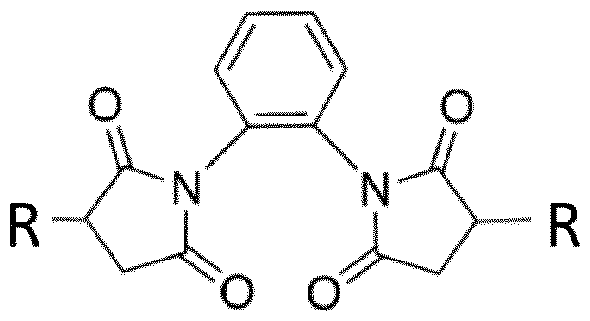
Claims
Priority Applications (15)
| Application Number | Priority Date | Filing Date | Title |
|---|---|---|---|
| US18/274,605 US20250339516A1 (en) | 2021-01-28 | 2022-01-28 | Method and means for modulating b-cell mediated immune responses |
| AU2022214291A AU2022214291A1 (en) | 2021-01-28 | 2022-01-28 | Method and means for modulating b-cell mediated immune responses |
| CN202280024112.3A CN117120084A (en) | 2021-01-28 | 2022-01-28 | Methods and means for modulating B cell-mediated immune responses |
| CA3206352A CA3206352A1 (en) | 2021-01-28 | 2022-01-28 | Method and means for modulating b-cell mediated immune responses |
| JP2023546144A JP2024504810A (en) | 2021-01-28 | 2022-01-28 | Methods and means for modulating B cell-mediated immune responses |
| EP22703341.2A EP4284426A1 (en) | 2021-01-28 | 2022-01-28 | Method and means for modulating b-cell mediated immune responses |
| KR1020237029027A KR20230147098A (en) | 2021-01-28 | 2022-01-28 | METHOD AND MEANS FOR MODULATING B-CELL MEDIATED IMMUNE RESPONSES |
| CN202280054946.9A CN117835999A (en) | 2021-08-05 | 2022-07-28 | Methods and means for enhancing therapeutic antibodies |
| JP2024506860A JP2024530021A (en) | 2021-08-05 | 2022-07-28 | Methods and Means for Enhancement of Therapeutic Antibodies |
| PCT/EP2022/071294 WO2023016826A2 (en) | 2021-08-05 | 2022-07-28 | Method and means for enhancing therapeutic antibodies |
| US18/290,631 US20250326863A1 (en) | 2021-08-05 | 2022-07-28 | Method and means for enhancing therapeutic antibodies |
| KR1020247007275A KR20240042011A (en) | 2021-08-05 | 2022-07-28 | Methods and means for enhancing therapeutic antibodies |
| EP22808591.6A EP4380616A2 (en) | 2021-08-05 | 2022-07-28 | Method and means for enhancing therapeutic antibodies |
| AU2022325425A AU2022325425A1 (en) | 2021-08-05 | 2022-07-28 | Method and means for enhancing therapeutic antibodies |
| CA3225923A CA3225923A1 (en) | 2021-08-05 | 2022-07-28 | Method and means for enhancing therapeutic antibodies |
Applications Claiming Priority (4)
| Application Number | Priority Date | Filing Date | Title |
|---|---|---|---|
| EPPCT/EP2021/052000 | 2021-01-28 | ||
| EP2021052000 | 2021-01-28 | ||
| EP21189996.8 | 2021-08-05 | ||
| EP21189996 | 2021-08-05 |
Publications (1)
| Publication Number | Publication Date |
|---|---|
| WO2022162203A1 true WO2022162203A1 (en) | 2022-08-04 |
Family
ID=80445679
Family Applications (1)
| Application Number | Title | Priority Date | Filing Date |
|---|---|---|---|
| PCT/EP2022/052148 Ceased WO2022162203A1 (en) | 2021-01-28 | 2022-01-28 | Method and means for modulating b-cell mediated immune responses |
Country Status (1)
| Country | Link |
|---|---|
| WO (1) | WO2022162203A1 (en) |
Citations (50)
| Publication number | Priority date | Publication date | Assignee | Title |
|---|---|---|---|---|
| US5624821A (en) | 1987-03-18 | 1997-04-29 | Scotgen Biopharmaceuticals Incorporated | Antibodies with altered effector functions |
| US5648237A (en) | 1991-09-19 | 1997-07-15 | Genentech, Inc. | Expression of functional antibody fragments |
| WO1997030087A1 (en) | 1996-02-16 | 1997-08-21 | Glaxo Group Limited | Preparation of glycosylated antibodies |
| WO1998024893A2 (en) | 1996-12-03 | 1998-06-11 | Abgenix, Inc. | TRANSGENIC MAMMALS HAVING HUMAN IG LOCI INCLUDING PLURAL VH AND Vλ REGIONS AND ANTIBODIES PRODUCED THEREFROM |
| US5789199A (en) | 1994-11-03 | 1998-08-04 | Genentech, Inc. | Process for bacterial production of polypeptides |
| US5840523A (en) | 1995-03-01 | 1998-11-24 | Genetech, Inc. | Methods and compositions for secretion of heterologous polypeptides |
| WO1998058964A1 (en) | 1997-06-24 | 1998-12-30 | Genentech, Inc. | Methods and compositions for galactosylated glycoproteins |
| US5885793A (en) | 1991-12-02 | 1999-03-23 | Medical Research Council | Production of anti-self antibodies from antibody segment repertoires and displayed on phage |
| WO1999022764A1 (en) | 1997-10-31 | 1999-05-14 | Genentech, Inc. | Methods and compositions comprising glycoprotein glycoforms |
| US5959177A (en) | 1989-10-27 | 1999-09-28 | The Scripps Research Institute | Transgenic plants expressing assembled secretory antibodies |
| US6040498A (en) | 1998-08-11 | 2000-03-21 | North Caroline State University | Genetically engineered duckweed |
| WO2000061739A1 (en) | 1999-04-09 | 2000-10-19 | Kyowa Hakko Kogyo Co., Ltd. | Method for controlling the activity of immunologically functional molecule |
| WO2000076310A1 (en) | 1999-06-10 | 2000-12-21 | Abgenix, Inc. | Transgenic animals for producing specific isotypes of human antibodies via non-cognate switch regions |
| US6171586B1 (en) | 1997-06-13 | 2001-01-09 | Genentech, Inc. | Antibody formulation |
| WO2001029246A1 (en) | 1999-10-19 | 2001-04-26 | Kyowa Hakko Kogyo Co., Ltd. | Process for producing polypeptide |
| US6267958B1 (en) | 1995-07-27 | 2001-07-31 | Genentech, Inc. | Protein formulation |
| WO2002031140A1 (en) | 2000-10-06 | 2002-04-18 | Kyowa Hakko Kogyo Co., Ltd. | Cells producing antibody compositions |
| US6420548B1 (en) | 1999-10-04 | 2002-07-16 | Medicago Inc. | Method for regulating transcription of foreign genes |
| US20020164328A1 (en) | 2000-10-06 | 2002-11-07 | Toyohide Shinkawa | Process for purifying antibody |
| WO2003011878A2 (en) | 2001-08-03 | 2003-02-13 | Glycart Biotechnology Ag | Antibody glycosylation variants having increased antibody-dependent cellular cytotoxicity |
| US20030115614A1 (en) | 2000-10-06 | 2003-06-19 | Yutaka Kanda | Antibody composition-producing cell |
| US6602684B1 (en) | 1998-04-20 | 2003-08-05 | Glycart Biotechnology Ag | Glycosylation engineering of antibodies for improving antibody-dependent cellular cytotoxicity |
| US20030157108A1 (en) | 2001-10-25 | 2003-08-21 | Genentech, Inc. | Glycoprotein compositions |
| US6624821B1 (en) | 1999-02-05 | 2003-09-23 | Samsung Electronics Co., Ltd. | Image texture retrieving method and apparatus thereof |
| US20030194403A1 (en) * | 2001-06-13 | 2003-10-16 | Genmab, Inc. | Human monoclonal antibodies to epidermal growth factor receptor (EGFR) |
| WO2003085119A1 (en) | 2002-04-09 | 2003-10-16 | Kyowa Hakko Kogyo Co., Ltd. | METHOD OF ENHANCING ACTIVITY OF ANTIBODY COMPOSITION OF BINDING TO FcϜ RECEPTOR IIIa |
| WO2003084570A1 (en) | 2002-04-09 | 2003-10-16 | Kyowa Hakko Kogyo Co., Ltd. | DRUG CONTAINING ANTIBODY COMPOSITION APPROPRIATE FOR PATIENT SUFFERING FROM FcϜRIIIa POLYMORPHISM |
| WO2003085107A1 (en) | 2002-04-09 | 2003-10-16 | Kyowa Hakko Kogyo Co., Ltd. | Cells with modified genome |
| WO2004029207A2 (en) | 2002-09-27 | 2004-04-08 | Xencor Inc. | Optimized fc variants and methods for their generation |
| US20040093621A1 (en) | 2001-12-25 | 2004-05-13 | Kyowa Hakko Kogyo Co., Ltd | Antibody composition which specifically binds to CD20 |
| US20040109865A1 (en) | 2002-04-09 | 2004-06-10 | Kyowa Hakko Kogyo Co., Ltd. | Antibody composition-containing medicament |
| US20040110282A1 (en) | 2002-04-09 | 2004-06-10 | Kyowa Hakko Kogyo Co., Ltd. | Cells in which activity of the protein involved in transportation of GDP-fucose is reduced or lost |
| WO2004056312A2 (en) | 2002-12-16 | 2004-07-08 | Genentech, Inc. | Immunoglobulin variants and uses thereof |
| US20040132140A1 (en) | 2002-04-09 | 2004-07-08 | Kyowa Hakko Kogyo Co., Ltd. | Production process for antibody composition |
| US20050014934A1 (en) | 2002-10-15 | 2005-01-20 | Hinton Paul R. | Alteration of FcRn binding affinities or serum half-lives of antibodies by mutagenesis |
| WO2005035778A1 (en) | 2003-10-09 | 2005-04-21 | Kyowa Hakko Kogyo Co., Ltd. | PROCESS FOR PRODUCING ANTIBODY COMPOSITION BY USING RNA INHIBITING THE FUNCTION OF α1,6-FUCOSYLTRANSFERASE |
| WO2005035586A1 (en) | 2003-10-08 | 2005-04-21 | Kyowa Hakko Kogyo Co., Ltd. | Fused protein composition |
| US20050123546A1 (en) | 2003-11-05 | 2005-06-09 | Glycart Biotechnology Ag | Antigen binding molecules with increased Fc receptor binding affinity and effector function |
| WO2005053742A1 (en) | 2003-12-04 | 2005-06-16 | Kyowa Hakko Kogyo Co., Ltd. | Medicine containing antibody composition |
| US20050260186A1 (en) | 2003-03-05 | 2005-11-24 | Halozyme, Inc. | Soluble glycosaminoglycanases and methods of preparing and using soluble glycosaminoglycanases |
| WO2006003291A1 (en) | 2004-06-10 | 2006-01-12 | France Telecom | Method for reducing phase noise during ofdm signal reception, receiver, program and medium |
| WO2006036291A2 (en) | 2004-07-30 | 2006-04-06 | Rinat Neuroscience Corp. | Antibodies directed against amyloid-beta peptide and methods using same |
| WO2006044908A2 (en) | 2004-10-20 | 2006-04-27 | Genentech, Inc. | Antibody formulation in histidine-acetate buffer |
| US20060104968A1 (en) | 2003-03-05 | 2006-05-18 | Halozyme, Inc. | Soluble glycosaminoglycanases and methods of preparing and using soluble glycosaminogly ycanases |
| US20060194291A1 (en) | 1999-01-15 | 2006-08-31 | Genentech, Inc. | Polypeptide variants with altered effector function |
| US7125978B1 (en) | 1999-10-04 | 2006-10-24 | Medicago Inc. | Promoter for regulating expression of foreign genes |
| WO2006118959A2 (en) | 2005-04-29 | 2006-11-09 | Rinat Neuroscience Corp. | Antibodies directed against amyloid-beta peptide and methods using same |
| WO2008077546A1 (en) | 2006-12-22 | 2008-07-03 | F. Hoffmann-La Roche Ag | Antibodies against insulin-like growth factor i receptor and uses thereof |
| US7521541B2 (en) | 2004-09-23 | 2009-04-21 | Genetech Inc. | Cysteine engineered antibodies and conjugates |
| US8759620B2 (en) | 2001-08-31 | 2014-06-24 | Syngenta Participations Ag | Transgenic plants expressing modified CRY3A |
-
2022
- 2022-01-28 WO PCT/EP2022/052148 patent/WO2022162203A1/en not_active Ceased
Patent Citations (52)
| Publication number | Priority date | Publication date | Assignee | Title |
|---|---|---|---|---|
| US5624821A (en) | 1987-03-18 | 1997-04-29 | Scotgen Biopharmaceuticals Incorporated | Antibodies with altered effector functions |
| US6417429B1 (en) | 1989-10-27 | 2002-07-09 | The Scripps Research Institute | Transgenic plants expressing assembled secretory antibodies |
| US5959177A (en) | 1989-10-27 | 1999-09-28 | The Scripps Research Institute | Transgenic plants expressing assembled secretory antibodies |
| US5648237A (en) | 1991-09-19 | 1997-07-15 | Genentech, Inc. | Expression of functional antibody fragments |
| US5885793A (en) | 1991-12-02 | 1999-03-23 | Medical Research Council | Production of anti-self antibodies from antibody segment repertoires and displayed on phage |
| US5789199A (en) | 1994-11-03 | 1998-08-04 | Genentech, Inc. | Process for bacterial production of polypeptides |
| US5840523A (en) | 1995-03-01 | 1998-11-24 | Genetech, Inc. | Methods and compositions for secretion of heterologous polypeptides |
| US6267958B1 (en) | 1995-07-27 | 2001-07-31 | Genentech, Inc. | Protein formulation |
| WO1997030087A1 (en) | 1996-02-16 | 1997-08-21 | Glaxo Group Limited | Preparation of glycosylated antibodies |
| WO1998024893A2 (en) | 1996-12-03 | 1998-06-11 | Abgenix, Inc. | TRANSGENIC MAMMALS HAVING HUMAN IG LOCI INCLUDING PLURAL VH AND Vλ REGIONS AND ANTIBODIES PRODUCED THEREFROM |
| US6171586B1 (en) | 1997-06-13 | 2001-01-09 | Genentech, Inc. | Antibody formulation |
| WO1998058964A1 (en) | 1997-06-24 | 1998-12-30 | Genentech, Inc. | Methods and compositions for galactosylated glycoproteins |
| WO1999022764A1 (en) | 1997-10-31 | 1999-05-14 | Genentech, Inc. | Methods and compositions comprising glycoprotein glycoforms |
| US6602684B1 (en) | 1998-04-20 | 2003-08-05 | Glycart Biotechnology Ag | Glycosylation engineering of antibodies for improving antibody-dependent cellular cytotoxicity |
| US6040498A (en) | 1998-08-11 | 2000-03-21 | North Caroline State University | Genetically engineered duckweed |
| US20060194291A1 (en) | 1999-01-15 | 2006-08-31 | Genentech, Inc. | Polypeptide variants with altered effector function |
| US6624821B1 (en) | 1999-02-05 | 2003-09-23 | Samsung Electronics Co., Ltd. | Image texture retrieving method and apparatus thereof |
| WO2000061739A1 (en) | 1999-04-09 | 2000-10-19 | Kyowa Hakko Kogyo Co., Ltd. | Method for controlling the activity of immunologically functional molecule |
| WO2000076310A1 (en) | 1999-06-10 | 2000-12-21 | Abgenix, Inc. | Transgenic animals for producing specific isotypes of human antibodies via non-cognate switch regions |
| US7125978B1 (en) | 1999-10-04 | 2006-10-24 | Medicago Inc. | Promoter for regulating expression of foreign genes |
| US6420548B1 (en) | 1999-10-04 | 2002-07-16 | Medicago Inc. | Method for regulating transcription of foreign genes |
| WO2001029246A1 (en) | 1999-10-19 | 2001-04-26 | Kyowa Hakko Kogyo Co., Ltd. | Process for producing polypeptide |
| US20030115614A1 (en) | 2000-10-06 | 2003-06-19 | Yutaka Kanda | Antibody composition-producing cell |
| US20020164328A1 (en) | 2000-10-06 | 2002-11-07 | Toyohide Shinkawa | Process for purifying antibody |
| WO2002031140A1 (en) | 2000-10-06 | 2002-04-18 | Kyowa Hakko Kogyo Co., Ltd. | Cells producing antibody compositions |
| US20030194403A1 (en) * | 2001-06-13 | 2003-10-16 | Genmab, Inc. | Human monoclonal antibodies to epidermal growth factor receptor (EGFR) |
| WO2003011878A2 (en) | 2001-08-03 | 2003-02-13 | Glycart Biotechnology Ag | Antibody glycosylation variants having increased antibody-dependent cellular cytotoxicity |
| US8759620B2 (en) | 2001-08-31 | 2014-06-24 | Syngenta Participations Ag | Transgenic plants expressing modified CRY3A |
| US20030157108A1 (en) | 2001-10-25 | 2003-08-21 | Genentech, Inc. | Glycoprotein compositions |
| US20040093621A1 (en) | 2001-12-25 | 2004-05-13 | Kyowa Hakko Kogyo Co., Ltd | Antibody composition which specifically binds to CD20 |
| WO2003085119A1 (en) | 2002-04-09 | 2003-10-16 | Kyowa Hakko Kogyo Co., Ltd. | METHOD OF ENHANCING ACTIVITY OF ANTIBODY COMPOSITION OF BINDING TO FcϜ RECEPTOR IIIa |
| US20040109865A1 (en) | 2002-04-09 | 2004-06-10 | Kyowa Hakko Kogyo Co., Ltd. | Antibody composition-containing medicament |
| US20040110282A1 (en) | 2002-04-09 | 2004-06-10 | Kyowa Hakko Kogyo Co., Ltd. | Cells in which activity of the protein involved in transportation of GDP-fucose is reduced or lost |
| WO2003084570A1 (en) | 2002-04-09 | 2003-10-16 | Kyowa Hakko Kogyo Co., Ltd. | DRUG CONTAINING ANTIBODY COMPOSITION APPROPRIATE FOR PATIENT SUFFERING FROM FcϜRIIIa POLYMORPHISM |
| US20040132140A1 (en) | 2002-04-09 | 2004-07-08 | Kyowa Hakko Kogyo Co., Ltd. | Production process for antibody composition |
| US20040110704A1 (en) | 2002-04-09 | 2004-06-10 | Kyowa Hakko Kogyo Co., Ltd. | Cells of which genome is modified |
| WO2003085107A1 (en) | 2002-04-09 | 2003-10-16 | Kyowa Hakko Kogyo Co., Ltd. | Cells with modified genome |
| WO2004029207A2 (en) | 2002-09-27 | 2004-04-08 | Xencor Inc. | Optimized fc variants and methods for their generation |
| US20050014934A1 (en) | 2002-10-15 | 2005-01-20 | Hinton Paul R. | Alteration of FcRn binding affinities or serum half-lives of antibodies by mutagenesis |
| WO2004056312A2 (en) | 2002-12-16 | 2004-07-08 | Genentech, Inc. | Immunoglobulin variants and uses thereof |
| US20050260186A1 (en) | 2003-03-05 | 2005-11-24 | Halozyme, Inc. | Soluble glycosaminoglycanases and methods of preparing and using soluble glycosaminoglycanases |
| US20060104968A1 (en) | 2003-03-05 | 2006-05-18 | Halozyme, Inc. | Soluble glycosaminoglycanases and methods of preparing and using soluble glycosaminogly ycanases |
| WO2005035586A1 (en) | 2003-10-08 | 2005-04-21 | Kyowa Hakko Kogyo Co., Ltd. | Fused protein composition |
| WO2005035778A1 (en) | 2003-10-09 | 2005-04-21 | Kyowa Hakko Kogyo Co., Ltd. | PROCESS FOR PRODUCING ANTIBODY COMPOSITION BY USING RNA INHIBITING THE FUNCTION OF α1,6-FUCOSYLTRANSFERASE |
| US20050123546A1 (en) | 2003-11-05 | 2005-06-09 | Glycart Biotechnology Ag | Antigen binding molecules with increased Fc receptor binding affinity and effector function |
| WO2005053742A1 (en) | 2003-12-04 | 2005-06-16 | Kyowa Hakko Kogyo Co., Ltd. | Medicine containing antibody composition |
| WO2006003291A1 (en) | 2004-06-10 | 2006-01-12 | France Telecom | Method for reducing phase noise during ofdm signal reception, receiver, program and medium |
| WO2006036291A2 (en) | 2004-07-30 | 2006-04-06 | Rinat Neuroscience Corp. | Antibodies directed against amyloid-beta peptide and methods using same |
| US7521541B2 (en) | 2004-09-23 | 2009-04-21 | Genetech Inc. | Cysteine engineered antibodies and conjugates |
| WO2006044908A2 (en) | 2004-10-20 | 2006-04-27 | Genentech, Inc. | Antibody formulation in histidine-acetate buffer |
| WO2006118959A2 (en) | 2005-04-29 | 2006-11-09 | Rinat Neuroscience Corp. | Antibodies directed against amyloid-beta peptide and methods using same |
| WO2008077546A1 (en) | 2006-12-22 | 2008-07-03 | F. Hoffmann-La Roche Ag | Antibodies against insulin-like growth factor i receptor and uses thereof |
Non-Patent Citations (124)
| Title |
|---|
| ACHARYA, P.LUSVARGHI, S.BEWLEY, C. A.KWONG, P. D.: "HIV-1 gp120 as a therapeutic target: Navigating a moving labyrinth", EXPERT OPINION ON THERAPEUTIC TARGETS, vol. 19, 2015, pages 765 - 783 |
| AMANAT, F. ET AL., NATURE MEDICINE, vol. 26, no. 7, 2020, pages 1033 - 1036 |
| AMENDT TIMM ET AL: "Primary Immune Responses and Affinity Maturation Are Controlled by IgD", FRONTIERS IN IMMUNOLOGY, vol. 12, 9 August 2021 (2021-08-09), XP055850128, DOI: 10.3389/fimmu.2021.709240 * |
| AMIR, S. ET AL.: "Peptide mimotopes of malondialdehyde epitopes for clinical applications in cardiovascular disease", J. LIPID RES., vol. 53, 2012, pages 1316 - 1326 |
| ASAI, M. ET AL.: "Insulin lispro reduces insulin antibodies in a patient with type 2 diabetes with immunological insulin resistance", DIABETES RES. CLIN. PRACT., vol. 61, 2003, pages 89 - 92 |
| BATES ET AL., BIOTECHNIQUES, vol. 40, 2006, pages 199 |
| BENEDICT, C. L.KEARNEY, J. F.: "Increased junctional diversity in fetal B cells results in a loss of protective anti-phosphorylcholine antibodies in adult mice", IMMUNITY, vol. 10, 1999, pages 607 - 617, XP055396583, DOI: 10.1016/S1074-7613(00)80060-6 |
| BENNETT NITASHA R. ET AL: "Modular Polymer Antigens To Optimize Immunity", vol. 20, no. 12, 9 December 2019 (2019-12-09), US, pages 4370 - 4379, XP055850690, ISSN: 1525-7797, Retrieved from the Internet <URL:https://pubs.acs.org/doi/pdf/10.1021/acs.biomac.9b01049> DOI: 10.1021/acs.biomac.9b01049 * |
| BENSCHOP, R. J.BRANDL, E.CHAN, A. C.CAMBIER, J. C.: "Unique Signaling Properties of B Cell Antigen Receptor in Mature and Immature B Cells: Implications for Tolerance and Activation", J. IMMUNOL., vol. 167, 2001, pages 4172 - 4179 |
| BERSON, S. A.YALOW, R. S.BAUMAN, A.ROTHSCHILD, M. A.NEWERLY, K: "Insulin-1131 metabolism in human subjects: demonstration of insulin binding globulin in the circulation of insulin treated subjects", J. CLIN. INVEST., vol. 35, 1956, pages 170 - 190 |
| BRINK, R. ET AL.: "Immunoglobulin M and D Antigen Receptors are Both Capable of Mediating B Lymphocyte Activation, Deletion, or Anergy After Interaction with Specific Antigen", J. EXP. MED., vol. 176, 1992, pages 991 - 1005, XP002916502, DOI: 10.1084/jem.176.4.991 |
| BRINKLEY, M., BIOCONJUGATE CHEMISTRY, vol. 3, no. 1, 1992, pages 2 - 13 |
| BRUDNO, J. N., JOURNAL OF CLINICAL ONCOLOGY, vol. 36, no. 22, 2018, pages 2267 |
| CHOWDHURY, METHODS MOL. BIOL., vol. 207, 2008, pages 179 - 196 |
| COOPER, G. S.STROEHLA, B. C: "The epidemiology of autoimmune diseases", AUTOIMMUNITY REVIEWS, vol. 2, 2003, pages 119 - 125 |
| CUNNINGHAMWELLS, SCIENCE, vol. 244, 1989, pages 1081 - 1085 |
| DALL'ACQUA ET AL., J BIOL CHEM, vol. 281, 2006, pages 23514 |
| DUNCANWINTER, NATURE, vol. 332, 1998, pages 738 |
| ERICKSON, D ET AL., MICROFLUIDICS AND NANOFLUIDICS, vol. 4, no. 1-2, 2008, pages 33 - 52 |
| F. SCHUEDER ET AL., ANGEW. CHEM. INT. ED., vol. 60, 2021, pages 716 |
| FINEBERG, S. EKAWABATA, T.FINCO-KENT, D.LIU, C.KRASNER, A: "Antibody response to inhaled insulin in patients with type 1 or type 2 diabetes. An analysis of initial phase II and III inhaled insulin (Exubera) trials and a two-year extension trial", J. CLIN. ENDOCRINOL. METAB., vol. 90, 2005, pages 3287 - 3294 |
| GANZ, M. A. ET AL.: "Resistance and allergy to recombinant human insulin", J. ALLERGY CLIN. IMMUNOL., vol. 86, 1990, pages 45 - 51, XP001084366, DOI: 10.1016/S0091-6749(05)80122-8 |
| GASPARRINI, F. ET AL.: "Nanoscale organization and dynamics of the siglec CD 22 cooperate with the cytoskeleton in restraining BCR signalling", EMBO J., vol. 35, 2016, pages 258 - 280 |
| GAY, D.SAUNDERS, TCAMPER, S.WEIGERT, M.: "Receptor editing: An approach by autoreactive B cells to escape tolerance", J. EXP. MED., vol. 177, 1993, pages 999 - 1008 |
| GERNGROSS, NAT. BIOTECH., vol. 22, 2004, pages 1409 - 1414 |
| GOODNOW, C. C. ET AL.: "Altered immunoglobulin expression and functional silencing of self-reactive B lymphocytes in transgenic mice", NATURE, vol. 334, 1988, pages 676 - 682, XP037103628, DOI: 10.1038/334676a0 |
| GOODNOW, C. C.CROSBIE, J.JORGENSEN, H.BRINK, R. A.BASTEN, A: "Induction of self-tolerance in mature peripheral B lymphocytes", NATURE, vol. 342, 1989, pages 385 - 391, XP037104416, DOI: 10.1038/342385a0 |
| GRAHAM ET AL., J. GEN VIRAL., vol. 36, 1997, pages 59 |
| GRONWALL, C.VAS, J.SILVERMAN, G. J.: "Protective roles of natural IgM antibodies", FRONTIERS IN IMMUNOLOGY, vol. 3, 2012, XP055631960, DOI: 10.3389/fimmu.2012.00066 |
| GUPTA, S.GUPTA, A: "Selective IgM deficiency-An underestimated primary immunodeficiency", FRONTIERS IN IMMUNOLOGY, vol. 8, 2017, pages 1056 |
| GUTZEIT, C.CHEN, K.CERUTTI, A: "The enigmatic function of IgD: some answers at last", EUROPEAN JOURNAL OF IMMUNOLOGY, vol. 48, 2018, pages 1101 - 1113, XP071228001, DOI: 10.1002/eji.201646547 |
| GUYER ET AL., J. IMMUNOL., vol. 117, 1976, pages 587 |
| HANNUM, L. G., NI, D., HABERMAN, A. M., WEIGERT, M. G. & SHLOMCHIK, M. J.: "A disease-related rheumatoid factor autoantibody is not tolerized in a normal mouse: Implications for the origins of autoantibodies in autoimmune disease", J. EXP. MED., vol. 184, 1996, pages 1269 - 1278 |
| HARTLEY, S. B. ET AL.: "Elimination from peripheral lymphoid tissues of self-reactive B lymphocytes recognizing membrane-bound antigens", NATURE, vol. 353, 1991, pages 765 - 769 |
| HERZOG, S.JUMAA, H: "Self-recognition and clonal selection: Autoreactivity drives the generation of B cells", CURRENT OPINION IN IMMUNOLOGY, vol. 24, 2012, pages 166 - 172 |
| HEZAREH ET AL., J VIROL, vol. 75, 2001, pages 12161 |
| HINTO ET AL., J BIOL CHEM, vol. 279, 2004, pages 6213 |
| HOFFMANN, M. ET AL., CELL, vol. 184, no. 9, 2021, pages 2384 - 2393 |
| HOOGENBOOM ET AL., J. MOL. BIOL., vol. 227, 1991, pages 381 |
| HOOGENBOOM ET AL., METHODS IN MOLECULAR BIOLOGY, vol. 178, 2002, pages 1 - 37 |
| HU, X.CHEN, F.: "Exogenous insulin antibody syndrome (EIAS): A clinical syndrome associated with insulin antibodies induced by exogenous insulin in diabetic patients", ENDOCR. CONNECT., vol. 7, 2018, pages R47 - R55 |
| HUANG JDORIA-ROSE NA ET AL., NAT PROTOC, vol. 8, no. 10, 2013, pages 1907 - 15 |
| IKEMATSU, H. ET AL., J. IMMUNOL., vol. 152, 1994, pages 1430 - 1441 |
| IRVINEEDWARD BGALIT ALTER., GLYCOBIOLOGY, vol. 30, no. 4, 2020, pages 241 - 253 |
| JEVSEVAR ET AL., BIOTECHNOL J, vol. 5, 2010, pages 113 |
| JOHNSON, M. J. ET AL., SCIENTIFIC REPORTS, vol. 8, no. 1, 2018, pages 1 - 9 |
| KABAT: "Sequences of Proteins of Immunological Interest", 1987, NATIONAL INSTITUTE OF HEALTH |
| KANDA, Y. ET AL., BIOTECHNOL. BIOENG., vol. 94, no. 4, 2006, pages 680 - 688 |
| KANEKO, Y.NIMMERJAHN, FRAVETCH, J. V: "Anti-inflammatory activity of immunoglobulin G resulting from Fc sialylation", SCIENCE, vol. 313, 2006, pages 670 - 673, XP008076047, DOI: 10.1126/science.1129594 |
| KATO YU ET AL: "Multifaceted Effects of Antigen Valency on B Cell Response Composition and Differentiation In Vivo", IMMUNITY, CELL PRESS, AMSTERDAM, NL, vol. 53, no. 3, 27 August 2020 (2020-08-27), pages 548, XP086258486, ISSN: 1074-7613, [retrieved on 20200827], DOI: 10.1016/J.IMMUNI.2020.08.001 * |
| KIM, Y. M. ET AL.: "Monovalent ligation of the B cell receptor induces receptor activation but fails to promote antigen presentation", PROC. NATL. ACAD. SCI. U. S. A., vol. 103, 2006, pages 3327 - 3332, XP055850131, DOI: 10.1073/pnas.0511315103 |
| KLUGER, R.ALAGIC, A, BIOORGANIC CHEMISTRY, vol. 32, no. 6, 2004, pages 451 - 472 |
| KNAPPIK ET AL., J MOL BIOL, vol. 296, 2000, pages 57 |
| KOHLER, F. ET AL.: "Autoreactive B Cell Receptors Mimic Autonomous Pre-B Cell Receptor Signaling and Induce Proliferation of Early B Cells", IMMUNITY, vol. 29, 2008, pages 912 - 921 |
| KOYAMA, R. ET AL.: "Hypoglycemia and hyperglycemia due to insulin antibodies against therapeutic human insulin: Treatment with double filtration plasmapheresis and prednisolone", AM. J. MED. SCI., vol. 329, 2005, pages 259 - 264 |
| KRUIF ET AL., J MOL BIOL, vol. 248, 1995, pages 97 |
| KUMARASWAMY, S.TOBIAS, R: "Protein-Protein Interactions: Methods and Applications", vol. 1278, 2015, SPRINGER, article "Label-free kinetic analysis of an antibody-antigen interaction using biolayer interferometry", pages: 165 - 182 |
| LAHTELA, J. TKNIP, M.PAUL, R.ANTONEN, J.SALMI, J.: "Severe antibody-mediated human insulin resistance: Successful treatment with the insulin analog lispro: A case report", DIABETES CARE, vol. 20, 1997, pages 71 - 73 |
| LI ET AL., NAT. BIOTECH., vol. 24, 2006, pages 210 - 215 |
| LOBO, P. I.: "Role of natural autoantibodies and natural IgM anti-leucocyte autoantibodies in health and disease", FRONTIERS IN IMMUNOLOGY, vol. 7, 2016 |
| MAITY, P. C. ET AL.: "B cell antigen receptors of the IgM and IgD classes are clustered in different protein islands that are altered during B cell activation", SCI. SIGNAL., vol. 8, 2015 |
| MARKS ET AL., J MOL BIOL, vol. 222, 1991, pages 581 |
| MATHER ET AL., ANNALS N. YAEAD. SEI., vol. 383, 1982, pages 44 - 68 |
| MATHER, BIOL. REPROD., vol. 23, 1980, pages 243 - 251 |
| MAZOR ET AL., NAT BIOTECHNOL, vol. 25, 2007, pages 563 |
| MENDEZ ET AL., NATURE GENETICS, vol. 15, 1997, pages 146 - 156 |
| MIMURA ET AL., J BIOL CHEM, vol. 276, 2001, pages 45539 |
| MULLINAX ET AL., PROC NATL ACAD SCI (USA, vol. 87, 1990, pages 8095 - 8099 |
| NAKAMURA MBURASTERO SEUEKI YLARRICK JWNOTKINS AL: "C. P. Probing the Normal and Autoimmune B Cell Repertoire With Epstein-Barr Virus. Frequency of B Cells Producing Monoreactive High Affinity Autoantibodies in Patients With Hashimoto's Disease and Systemic Lupus Erythematosus - PubMed", JOURNAL OF IMMUNOLOGY, 1988, Retrieved from the Internet <URL:https://pubmed.ncbi.nlm.nih.gov/2848890> |
| NEMAZEE, D. A.BURKI, K.: "Clonal deletion of B lymphocytes in a transgenic mouse bearing anti-MHC class I antibody genes", NATURE, vol. 337, 1989, pages 562 - 566 |
| NEMAZEE, D.BUERKI, K: "Clonal deletion of autoreactive B lymphocytes in bone marrow chimeras", PROC. NATL. ACAD. SCI. U. S. A., vol. 86, 1989, pages 8039 - 8043 |
| NITSCHKE, L.KOSCO, M. H.KOHLER, G.LAMERS, M. C.: "Immunoglobulin D-deficient mice can mount normal immune responses to thymus-independent and - dependent antigens", PROC. NATL. ACAD. SCI. U. S. A., vol. 90, 1993, pages 1887 - 1891 |
| NOSSAL, G. J. V.PIKE, B. L.: "Clonal anergy: Persistence in tolerant mice of antigen-binding B lymphocytes incapable of responding to antigen or mitogen", PROC. NATL. ACAD. SCI. U. S. A., vol. 77, 1980, pages 1602 - 1606 |
| NOSSAL, G. J. V.PIKE, B. L.: "Mechanisms of clonal abortion tolerogenesis: I. Response of immature hapten-specific B lymphocytes", J. EXP. MED., vol. 148, 1978, pages 1161 - 1170 |
| OGANESYAN ET AL., ACTA CRYSTALLOGRAPHICA, vol. 64, 2008, pages 700 |
| OKAZAKI ET AL., J. MOL. BIOL., vol. 336, pages 1239 - 1249 |
| O'NEILL, S. K. ET AL.: "Monophosphorylation of CD79a and CD79b ITAM motifs initiates a SHIP-1 phosphatase-mediated inhibitory signaling cascade required for B cell anergy", IMMUNITY, vol. 35, 2011, pages 746 - 756 |
| PADOA, C. J. ET AL.: "Epitope analysis of insulin autoantibodies using recombinant Fab", CLIN. EXP. IMMUNOL., vol. 140, 2005, pages 564 - 571, XP071086033, DOI: 10.1111/j.1365-2249.2005.02802.x |
| PARREN ET AL., J. IMMUNOL., vol. 148, 1992, pages 695 |
| PAVITHRAN, P. V. ET AL.: "Autoantibodies to insulin and dysglycemia in people with and without diabetes: An underdiagnosed association", CLINICAL DIABETES, vol. 34, 2016, pages 164 - 167 |
| PRESTA, BIOCHEM SOC. TRANS., vol. 30, 2002, pages 487 - 490 |
| RAJPAL, ARVIND ET AL., PROCEEDINGS OF THE, vol. 102, no. 24, 2005, pages 8466 - 71 |
| RAVETCHKINET, ANNU. REV. IMMUNOL., vol. 9, 1991, pages 457 |
| REVERBERI, RREVERBERI, L.: "Factors affecting the antigen-antibody reaction", BLOOD TRANSFUS, vol. 5, 2007, pages 227 - 240, XP055069254, DOI: 10.2450/2007.0047-07 |
| RIPKA ET AL., ARCH. BIOCHEM. BIOPHYS., vol. 249, 1986, pages 533 - 545 |
| ROES, J.RAJEWSKY, K: "Immunoglobulin D (IgD)-deficient mice reveal an auxiliary receptor function for IgD in antigen-mediated recruitment of B cells", J. EXP. MED., vol. 177, 1993, pages 45 - 55, XP000867012, DOI: 10.1084/jem.177.1.45 |
| SARVAS H. ET AL: "Lightly haptenated proteins induce IgM-deficient antibody responses", EUROPEAN JOURNAL OF IMMUNOLOGY, vol. 4, no. 4, 1 April 1974 (1974-04-01), pages 255 - 261, XP055850164, ISSN: 0014-2980, DOI: 10.1002/eji.1830040406 * |
| SAXENAWU, FRONT IMMUNOL, vol. 7, 2016, pages 580 |
| SCHELLENBERGER, NAT BIOTECHNOL., vol. 27, no. 12, 2009, pages 1186 - 90 |
| SCHLAPSCHY ET AL., PROTEIN ENG DES SEL, vol. 26, 2013, pages 489 |
| SETZ CORINNA S ET AL: "Pten controls B-cell responsiveness and germinal center reaction by regulating the expression of IgD BCR", THE EMBO JOURNAL / EUROPEAN MOLECULAR BIOLOGY ORGANIZATION, vol. 38, no. 11, 3 June 2019 (2019-06-03), Oxford, XP055850130, ISSN: 0261-4189, DOI: 10.15252/embj.2018100249 * |
| SETZ, C. S. ET AL.: "Pten controls B-cell responsiveness and germinal center reaction by regulating the expression of IgD BCR", EMBO J., vol. 38, 2019, XP055850130, DOI: 10.15252/embj.2018100249 |
| SHIELDS, J. BIOL. CHEM., vol. 276, 2001, pages 6591 - 6604 |
| SHLOMCHIK, M. J.: "Sites and Stages of Autoreactive B Cell Activation and Regulation", IMMUNITY, vol. 28, 2008, pages 18 - 28 |
| STEPHANOPOULOS, N.FRANCIS, M. B., NATURE CHEMICAL BIOLOGY, vol. 7, no. 12, 2011, pages 876 - 884 |
| STEWARTFULLER, J. IMMUNOL. METHODS, vol. 123, 1989, pages 45 - 53 |
| STOEHR ALEXANDER D. ET AL: "TLR9 in Peritoneal B-1b Cells Is Essential for Production of Protective Self-Reactive IgM To Control Th17 Cells and Severe Autoimmunity", vol. 187, no. 6, 15 September 2011 (2011-09-15), US, pages 2953 - 2965, XP055850676, ISSN: 0022-1767, Retrieved from the Internet <URL:https://www.jimmunol.org/content/jimmunol/187/6/2953.full.pdf> DOI: 10.4049/jimmunol.1003340 * |
| SUURMOND, J. & DIAMOND, B: " Autoantibodies in systemic autoimmune diseases: Specificity and pathogenicity", J. CLIN. INVEST., vol. 125, 2015, pages 2194 - 2202 |
| TANG ET AL., NATURE, vol. 356, 1992, pages 152 |
| TAO ET AL., J IMMUNOL, vol. 143, 1989, pages 2595 |
| THI CUC, B.POHAR, J.FILLATREAU, S: "Understanding regulatory B cells in autoimmune diseases: the case of multiple sclerosis", CURRENT OPINION IN IMMUNOLOGY, vol. 61, 2019, pages 26 - 32, XP085939959, DOI: 10.1016/j.coi.2019.07.007 |
| THIO M: "Immunoglobulin free light chains: new insights in mast cell activation and immunology", 14 November 2011 (2011-11-14), XP055850168, Retrieved from the Internet <URL:https://dspace.library.uu.nl/bitstream/handle/1874/213867/thio.pdf?sequence=3> [retrieved on 20211011] * |
| TIEGS, S. L.RUSSELL, D. M.NEMAZEE, D.: "Receptor editing in self-reactive bone marrow B cells", J. EXP. MED., vol. 177, 1993, pages 1009 - 1020 |
| TIGHE ET AL., IMMUNOL. TODAY, vol. 19, 1998, pages 89 |
| TOKARZ, V. L.MACDONALD, P. E.KLIP, A: "The cell biology of systemic insulin function", JOURNAL OF CELL BIOLOGY, vol. 217, 2018, pages 1 - 17 |
| TSIANTOULAS, D.GRUBER, S.BINDER, C. J.: "B-1 cell immunoglobulin directed against oxidation-specific epitopes", FRONT. IMMUNOL., vol. 3, 2012, pages 1 - 6 |
| TURKOWYD, B. ET AL., ANAL BIOANAL CHEM, vol. 408, 2016, pages 6885 - 6911 |
| ÜBELHART RUDOLF ET AL: "Autoreactivity and the positive selection of B cells : Highlights", EUROPEAN JOURNAL OF IMMUNOLOGY, vol. 45, no. 11, 1 November 2015 (2015-11-01), pages 2971 - 2977, XP055850162, ISSN: 0014-2980, DOI: 10.1002/eji.201444622 * |
| UBELHART, R. ET AL.: "Responsiveness of B cells is regulated by the hinge region of IgD", NAT. IMMUNOL., vol. 16, 2015, pages 534 - 543 |
| UCHIGATA, Y.EGUCHI, Y.TAKAYAMA-HASUMI, S.OMORI, Y.: "Insulin autoimmune syndrome (Hirata Disease): clinical features and epidemiology in Japan", DIABETES RESEARCH AND CLINICAL PRACTICE, vol. 22, 1994, pages 89 - 94, XP026201692, DOI: 10.1016/0168-8227(94)90040-X |
| UCHIGATA, Y.HIRATA, Y.IWAMOTO, Y.: "Insulin autoimmune syndrome (Hirata disease): Epidemiology in Asia, including Japan", DIABETOL. INT., vol. 1, 2010, pages 21 - 25 |
| URLAUB ET AL., PROC. NATL. ACAD. SC. USA, vol. 77, 1980, pages 4216 |
| VACCARO ET AL., NAT BIOTECHNOL., vol. 23, no. 10, 2005, pages 1283 - 8 |
| WALKER ET AL., BIOCHEM J, vol. 259, 1989, pages 347 |
| WAN, X. ET AL.: "Pancreatic islets communicate with lymphoid tissues via exocytosis of insulin peptides", NATURE, vol. 560, 2018, pages 107 - 111, XP036559535, DOI: 10.1038/s41586-018-0341-6 |
| WARDEMANN, H. ET AL.: "Predominant autoantibody production by early human B cell precursors", SCIENCE, vol. 301, no. 5638, 5 September 2003 (2003-09-05), pages 1374 - 7, XP009136339, DOI: 10.1126/science.1086907 |
| WERWITZKE SONJA ET AL: "Inhibition of lupus disease by anti-double-stranded DNA antibodies of the IgM isotype in the (NZB x NZW)F1 mouse", ARTHRITIS & RHEUMATISM, WILEY INTERSCIENCE, US, vol. 52, no. 11, 1 November 2005 (2005-11-01), pages 3629 - 3638, XP002600779, ISSN: 0004-3591, [retrieved on 20051027], DOI: 10.1002/ART.21379 * |
| WINTERSTEINER, ISOELECTRIC POINT OF INSULIN, vol. 473-478, 1933 |
| WRIGHT ET AL., TIBTECH, vol. 15, 1997, pages 26 - 32 |
| YAMANE-OHNUKI ET AL., BIOTECH. BIOENG., vol. 87, 2004, pages 614 |
| YANG, J.RETH, M: "Oligomeric organization of the B-cell antigen receptor on resting cells", NATURE, vol. 467, 2010, pages 465 - 469 |
| YANG, Z. WENMENG, X. XIAOXU, P: "Central role of neutrophil in the pathogenesis of severe acute pancreatitis", J. CELL. MOL. MED., vol. 19, 2015, pages 2513 - 2520 |
| ZHANG, Z. ET AL.: "Contribution of VH gene replacement to the primary B cell repertoire", IMMUNITY, vol. 248, 2003, pages 255 - 268 |
| ZHU, S. ET AL.: "Monitoring C-Peptide Storage and Secretion in Islet b-Cells In Vitro and In Vivo", DIABETES, vol. 65, 2016, pages 699 - 709 |
Similar Documents
| Publication | Publication Date | Title |
|---|---|---|
| US20240182559A1 (en) | MULTl-CHAIN POLYPEPTIDE-CONTAINING TRI-SPECIFIC BINDING MOLECULES THAT SPECIFICALLY BIND TO MULTIPLE CANCER ANTIGENS | |
| US20250304700A1 (en) | Anti-blood dendritic cell antigen 2 antibodies and uses thereof | |
| CA2903546A1 (en) | Treatment and prevention of acute kidney injury using anti-alpha v beta 5 antibodies | |
| US20250326863A1 (en) | Method and means for enhancing therapeutic antibodies | |
| US20250339516A1 (en) | Method and means for modulating b-cell mediated immune responses | |
| EP4491230A1 (en) | Cross-specific antigen binding proteins (abp) targeting leukocyte immunoglobulin-like receptor subfamily b1 (lilrb1) and lilrb2, combinations and uses thereof | |
| WO2022162203A1 (en) | Method and means for modulating b-cell mediated immune responses | |
| US20250270311A1 (en) | Method and means for modulating b-cell mediated immune responses | |
| CN117835999A (en) | Methods and means for enhancing therapeutic antibodies | |
| HK40064910A (en) | Tri-specific binding molecules and methods of use thereof | |
| CN117062622A (en) | Methods and means for modulating B cell-mediated immune responses | |
| JP2023547507A (en) | Target cell-restricted and co-stimulatory bispecific and bivalent anti-CD28 antibody | |
| IL321673A (en) | Cross-specific antigen binding proteins (abp) targeting leukocyte immunoglobulin-like receptor subfamily b1 (lilrb1) and lilrb2, combinations and uses thereof | |
| HK1235796B (en) | Tri-specific binding molecules and methods of use thereof | |
| BR112015012942B1 (en) | ISOLATED ANTIBODIES, ISOLATED ANTIGEN BINDING FRAGMENTS, THEIR USES, ISOLATED CELL, AND PHARMACEUTICAL COMPOSITION |
Legal Events
| Date | Code | Title | Description |
|---|---|---|---|
| 121 | Ep: the epo has been informed by wipo that ep was designated in this application |
Ref document number: 22703341 Country of ref document: EP Kind code of ref document: A1 |
|
| ENP | Entry into the national phase |
Ref document number: 3206352 Country of ref document: CA |
|
| WWE | Wipo information: entry into national phase |
Ref document number: 2023546144 Country of ref document: JP |
|
| ENP | Entry into the national phase |
Ref document number: 2022214291 Country of ref document: AU Date of ref document: 20220128 Kind code of ref document: A |
|
| ENP | Entry into the national phase |
Ref document number: 20237029027 Country of ref document: KR Kind code of ref document: A |
|
| WWE | Wipo information: entry into national phase |
Ref document number: 2022703341 Country of ref document: EP |
|
| NENP | Non-entry into the national phase |
Ref country code: DE |
|
| ENP | Entry into the national phase |
Ref document number: 2022703341 Country of ref document: EP Effective date: 20230828 |
|
| WWE | Wipo information: entry into national phase |
Ref document number: 523450096 Country of ref document: SA |
|
| WWE | Wipo information: entry into national phase |
Ref document number: 523450096 Country of ref document: SA |
|
| WWE | Wipo information: entry into national phase |
Ref document number: 523450096 Country of ref document: SA |
|
| WWE | Wipo information: entry into national phase |
Ref document number: 523450096 Country of ref document: SA |
|
| WWP | Wipo information: published in national office |
Ref document number: 18274605 Country of ref document: US |
|
| WWE | Wipo information: entry into national phase |
Ref document number: 523450096 Country of ref document: SA |