WO2022140427A1 - Sos1 inhibitors and uses thereof - Google Patents
Sos1 inhibitors and uses thereof Download PDFInfo
- Publication number
- WO2022140427A1 WO2022140427A1 PCT/US2021/064668 US2021064668W WO2022140427A1 WO 2022140427 A1 WO2022140427 A1 WO 2022140427A1 US 2021064668 W US2021064668 W US 2021064668W WO 2022140427 A1 WO2022140427 A1 WO 2022140427A1
- Authority
- WO
- WIPO (PCT)
- Prior art keywords
- membered
- hydrogen
- heterocyclyl
- halogen
- compound
- Prior art date
- Legal status (The legal status is an assumption and is not a legal conclusion. Google has not performed a legal analysis and makes no representation as to the accuracy of the status listed.)
- Ceased
Links
Classifications
-
- C—CHEMISTRY; METALLURGY
- C07—ORGANIC CHEMISTRY
- C07D—HETEROCYCLIC COMPOUNDS
- C07D471/00—Heterocyclic compounds containing nitrogen atoms as the only ring hetero atoms in the condensed system, at least one ring being a six-membered ring with one nitrogen atom, not provided for by groups C07D451/00 - C07D463/00
- C07D471/02—Heterocyclic compounds containing nitrogen atoms as the only ring hetero atoms in the condensed system, at least one ring being a six-membered ring with one nitrogen atom, not provided for by groups C07D451/00 - C07D463/00 in which the condensed system contains two hetero rings
- C07D471/04—Ortho-condensed systems
-
- A—HUMAN NECESSITIES
- A61—MEDICAL OR VETERINARY SCIENCE; HYGIENE
- A61K—PREPARATIONS FOR MEDICAL, DENTAL OR TOILETRY PURPOSES
- A61K31/00—Medicinal preparations containing organic active ingredients
- A61K31/33—Heterocyclic compounds
- A61K31/395—Heterocyclic compounds having nitrogen as a ring hetero atom, e.g. guanethidine or rifamycins
- A61K31/495—Heterocyclic compounds having nitrogen as a ring hetero atom, e.g. guanethidine or rifamycins having six-membered rings with two or more nitrogen atoms as the only ring heteroatoms, e.g. piperazine or tetrazines
- A61K31/505—Pyrimidines; Hydrogenated pyrimidines, e.g. trimethoprim
- A61K31/519—Pyrimidines; Hydrogenated pyrimidines, e.g. trimethoprim ortho- or peri-condensed with heterocyclic rings
-
- A—HUMAN NECESSITIES
- A61—MEDICAL OR VETERINARY SCIENCE; HYGIENE
- A61K—PREPARATIONS FOR MEDICAL, DENTAL OR TOILETRY PURPOSES
- A61K31/00—Medicinal preparations containing organic active ingredients
- A61K31/33—Heterocyclic compounds
- A61K31/395—Heterocyclic compounds having nitrogen as a ring hetero atom, e.g. guanethidine or rifamycins
- A61K31/535—Heterocyclic compounds having nitrogen as a ring hetero atom, e.g. guanethidine or rifamycins having six-membered rings with at least one nitrogen and one oxygen as the ring hetero atoms, e.g. 1,2-oxazines
- A61K31/5375—1,4-Oxazines, e.g. morpholine
- A61K31/5377—1,4-Oxazines, e.g. morpholine not condensed and containing further heterocyclic rings, e.g. timolol
-
- A—HUMAN NECESSITIES
- A61—MEDICAL OR VETERINARY SCIENCE; HYGIENE
- A61K—PREPARATIONS FOR MEDICAL, DENTAL OR TOILETRY PURPOSES
- A61K45/00—Medicinal preparations containing active ingredients not provided for in groups A61K31/00 - A61K41/00
- A61K45/06—Mixtures of active ingredients without chemical characterisation, e.g. antiphlogistics and cardiaca
-
- A—HUMAN NECESSITIES
- A61—MEDICAL OR VETERINARY SCIENCE; HYGIENE
- A61P—SPECIFIC THERAPEUTIC ACTIVITY OF CHEMICAL COMPOUNDS OR MEDICINAL PREPARATIONS
- A61P35/00—Antineoplastic agents
-
- C—CHEMISTRY; METALLURGY
- C07—ORGANIC CHEMISTRY
- C07D—HETEROCYCLIC COMPOUNDS
- C07D471/00—Heterocyclic compounds containing nitrogen atoms as the only ring hetero atoms in the condensed system, at least one ring being a six-membered ring with one nitrogen atom, not provided for by groups C07D451/00 - C07D463/00
- C07D471/12—Heterocyclic compounds containing nitrogen atoms as the only ring hetero atoms in the condensed system, at least one ring being a six-membered ring with one nitrogen atom, not provided for by groups C07D451/00 - C07D463/00 in which the condensed system contains three hetero rings
- C07D471/14—Ortho-condensed systems
-
- C—CHEMISTRY; METALLURGY
- C07—ORGANIC CHEMISTRY
- C07D—HETEROCYCLIC COMPOUNDS
- C07D519/00—Heterocyclic compounds containing more than one system of two or more relevant hetero rings condensed among themselves or condensed with a common carbocyclic ring system not provided for in groups C07D453/00 or C07D455/00
Definitions
- RAS-family proteins including KRAS (V-Ki-ras2 Kirsten rat sarcoma viral oncogene homolog), NRAS (neuroblastoma RAS viral oncogene homolog), and HRAS (Harvey murine sarcoma virus oncogene) and any mutants thereof are small GTPases that exist in cells in either GTP-bound or GDP-bound states (McCormick et al., J. Mol. Med. (Berl)., 2016, 94(3):253-8; Nimnual et al., Sci. STKE., 2002, 2002(145):pe36).
- the RAS-family proteins have a weak intrinsic GTPase activity and slow nucleotide exchange rates (Hunter et al., Mol. Cancer Res., 2015, 13(9): 1325-35). Binding of GTPase activating proteins (GAPs) such as NF1 increases the GTPase activity of RAS-family proteins.
- GAPs GTPase activating proteins
- NF1 NF1
- GEFs guanine nucleotide exchange factors
- RAS-family proteins When in the GTP-bound state, RAS-family proteins are active and engage effector proteins including C-RAF and phosphoinositide 3-kinase (PI3K) to promote the RAF/mitogen or extracellular signal-regulated kinases (MEK/ERK) pathway, PI3K/AKT/mammalian target of rapamycin (mTOR) pathway and RaIGDS (Rai guanine nucleotide dissociation stimulator) pathway (McCormick et al., J. Mol. Med. (Berl)., 2016, 94(3):253-8; Rodriguez-Viciana et al., Cancer Cell. 2005, 7(3):205-6).
- PI3K C-RAF and phosphoinositide 3-kinase
- MEK/ERK extracellular signal-regulated kinases
- mTOR PI3K/AKT/mammalian target of rapamycin
- RaIGDS Rai guanine nucleotide
- amino acids G12, G13, Q61 , A146 are found in a variety of human cancers including lung cancer, colorectal cancer and pancreatic cancer (Cox et al., Nat. Rev. Drug Discov., 2014, 13(11):828-51).
- Mutations in HRAS e.g. amino acids G12, G13, Q61
- NRAS e.g. amino acids G12, G13, Q61 , A146
- Alterations e.g.
- S0S1 Son of Sevenless 1
- the S0S1 protein consists of 1333 amino acids (150 kDa).
- S0S1 is a multi-domain protein with two tandem N-terminal histone domains (HD) followed by the Dbl homology domain (DH), a Pleckstrin homology domain (PH), a helical linker (HL), RAS exchanger motif (REM), CDC25 homology domain and a C-terminal proline rich domain (PR).
- S0S1 has two binding sites for RAS -family proteins; a catalytic site that binds GDP-bound RAS -family proteins to promote guanine nucleotide exchange and an allosteric site that binds GTP-bound RAS-family proteins which causes a further increase in the catalytic GEF function of S0S1 (Freedman et al., Proc. Natl.
- S0S1 is critically involved in the activation of RAS-family protein signaling in cancer via mechanisms other than mutations in RAS-family proteins.
- S0S1 interacts with the adaptor protein Grb2 and the resulting SOSl/Grb2 complex binds to activated/phosphorylated Receptor Tyrosine Kinases (e.g. EGFR, ErbB2, ErbB3, ErbB4, PDGFR-A/B, FGFR 1/2/3, IGF1 R, INSR, ALK, ROS, TrkA, TrkB, TrkC, RET, c-MET, VEGFR1/2/3, AXL) (Pierre et al., Biochem. Pharmacol., 2011 , 82(9): 1049-56).
- activated/phosphorylated Receptor Tyrosine Kinases e.g. EGFR, ErbB2, ErbB3, ErbB4, PDGFR-A/B, FGFR 1/2/3, IGF1 R, INSR, ALK, ROS
- S0S1 is also recruited to other phosphorylated cell surface receptors such as the T cell Receptor (TCR), B cell Receptor (BCR) and monocyte colony- stimulating factor receptor (Salojin et al., J. Biol. Chem. 2000, 275(8):5966-75).
- TCR T cell Receptor
- BCR B cell Receptor
- monocyte colony- stimulating factor receptor Salojin et al., J. Biol. Chem. 2000, 275(8):5966-75.
- SOS1- activation of RAS-family proteins can also be mediated by the interaction of SOSl/Grb2 with the BCR-ABL oncoprotein commonly found in chronic myelogenous leukemia (Kardinal et al., 2001 , Blood, 98:1773-81 ; Sini et al., Nat. Cell Biol., 2004, 6(3):268-74). Furthermore, alterations in S0S1 have been implicated in cancer.
- S0S1 mutations are found in embryonal rhabdomyosarcomas, sertoli cell testis tumors, granular cell tumors of the skin (Denayer et al., Genes Chromosomes Cancer, 2010, 49(3):242-52) and lung adenocarcinoma (Cancer Genome Atlas Research Network., Nature. 2014, 511 (7511):543-50). Meanwhile over-expression of S0S1 has been described in bladder cancer (Watanabe et al., IUBMB Life., 2000, 49(4):317-20) and prostate cancer (Timofeeva et al., Int. J. Oncol., 2009, 35(4):751-60).
- hereditary S0S1 mutations are implicated in the pathogenesis of RASopathies like e.g. Noonan syndrome (NS), cardio- facio-cutaneous syndrome (CFC) and hereditary gingival fibromatosis type 1 (Pierre et al., Biochem. Pharmacol., 2011 , 82(9): 1049-56).
- S0S1 is also a GEF for the activation of the GTPases RAC1 (Ras-related C3 botulinum toxin substrate 1 ) (Innocenti et al., J. Cell Biol., 2002, 156(1): 125-36).
- RAC1 Ras-related C3 botulinum toxin substrate 1
- RAC1 Ras-related C3 botulinum toxin substrate 1
- RAC1 Ras-related C3 botulinum toxin substrate 1
- S0S2 Son of Sevenless 2
- S0S1 Son of Sevenless 2
- RAS-family proteins Rost al., Biochem. Pharmacol., 2011, 82(9): 1049-56; Buday et al., Biochim. Biophys. Acta., 2008, 1786(2): 178-87.
- SOS1 inhibitor compounds are expected to deliver anticancer efficacy (e.g. inhibition of proliferation, survival, metastasis etc.).
- High potency towards inhibition of SOSl:RAS-family protein binding (nanomolar level IC50 values) and ERK phosphorylation in cells (nanomolar level IC50 values) are desirable characteristics for a SOS1 inhibitor compound.
- a desirable characteristic of SOS1 inhibitor compound would be the selective inhibition of SOS1 over SOS2. This conclusion is based on the viable phenotype of SOS1 knockout mice and lethality of SOS1/SOS2 double knockout mice, as described above.
- SOS1 inhibitors for example, compounds of structural formula (I), (II), (III-A), or (III-B), pharmaceutically acceptable salts, stereoisomers, and pharmaceutical compositions thereof. It was unexpected to find that the compounds disclosed herein significantly improve human liver microsomal stability and effectively inhibit the SOS1 activity.
- the present disclosure further provides methods of using the compounds disclosed herein (e.g., compounds of structural formula (I), (II), (III-A), or (III-B)), pharmaceutically acceptable salts, stereoisomers, or pharmaceutical compositions thereof, to inhibit the activity of SOS 1.
- compounds disclosed herein e.g., compounds of structural formula (I), (II), (III-A), or (III-B)
- pharmaceutically acceptable salts, stereoisomers, or pharmaceutical compositions thereof to inhibit the activity of SOS 1.
- the present disclosure further provides methods for using the compounds disclosed herein (e.g., compounds of structural formula (I), (II), (III-A), or (III-B)), pharmaceutically acceptable salts, stereoisomers, or pharmaceutical compositions thereof, to treat a condition, disease or disorder in which the inhibition of the interaction of SOS1 and a RAS-family protein or RAC1 is of therapeutic benefit, specifically in treating oncological diseases.
- the present disclosure provides a compound of any one of the formulae described herein (e.g., structural formula (I), (II), (III-A), or (III-B)), a pharmaceutically acceptable salt, or a stereoisomer thereof.
- the present disclosure provides a pharmaceutical composition
- a pharmaceutical composition comprising a compound of any one of the formulae described herein (e.g., structural formula (I), (II), (III-A), or (III-B)), a pharmaceutically acceptable salt, or a stereoisomer thereof, as defined in any one of the embodiments described herein, in a mixture with at least one pharmaceutically acceptable carrier.
- the present disclosure provides a compound of any one of the formulae described herein (e.g., structural formula (I), (II), (III- A), or (III-B)), a pharmaceutically acceptable salt, or a stereoisomer thereof, as defined in any one of the embodiments described herein, for use as a medicament.
- a compound of any one of the formulae described herein e.g., structural formula (I), (II), (III- A), or (III-B)
- a pharmaceutically acceptable salt or a stereoisomer thereof, as defined in any one of the embodiments described herein, for use as a medicament.
- the present disclosure provides a compound of any one of the formulae described herein (e.g., structural formula (I), (II), (III- A), or (III-B)), a pharmaceutically acceptable salt, or a stereoisomer thereof, as defined in any one of the embodiments described herein, for use in the treatment of a condition, disease or disorder in which the inhibition of the interaction of S0S1 and a RAS -family protein or RAC1 is of therapeutic benefit, specifically in treating oncological diseases.
- structural formula (I), (II), (III- A), or (III-B) e.g., structural formula (I), (II), (III- A), or (III-B)
- the present disclosure provides a use of a compound of any one of the formulae described herein (e.g., structural formula (I), (II), (III- A), or (III-B)), a pharmaceutically acceptable salt, or a stereoisomer thereof, as defined in any one of the embodiments described herein, for the manufacture of a medicament for treating a condition, disease or disorder in which the inhibition of the interaction of SOS1 and a RAS-family protein or RAC1 is of therapeutic benefit, specifically in treating oncological diseases.
- a compound of any one of the formulae described herein e.g., structural formula (I), (II), (III- A), or (III-B)
- a pharmaceutically acceptable salt, or a stereoisomer thereof as defined in any one of the embodiments described herein
- the present disclosure provides a compound represented by Formula (I): a pharmaceutically acceptable salt, or a stereoisomer thereof, wherein: ring A is 3-12 membered carbocyclyl, 3-12 membered heterocyclyl, 6-10 membered aryl, or 5-10 membered heteroaryl;
- R 1 is hydrogen, halogen, Ci -ealky 1, or Cs-ecycloalkyl, wherein said Ci-ealkyl or Cs-ecycloalkyl represented by R 1 is optionally substituted by one to more groups selected from halogen and -OH;
- V is N or CR 2 ;
- R 2 is hydrogen, halogen, -CN, Ci-ealkyl, C2-ealkenyl, C2-ealkynyl, -OR 2a , -NR 2a R 2b , -C(O)R 2a , -C(O)OR 2a , -C(O)NR 2a R 2b , -SO 2 R 2a , -SO 2 NR 2a R 2b , -P(O)R 2a R 2b , -NR 2a C(O)R 2b , -NR 2a C(O)OR 2b , -NR 2a SO 2 R 2b , -NR 2a SO 2 NR 2b R 2c , 3-12 membered carbocyclyl, 3-12 membered heterocyclyl, 6-10 membered aryl, or 5-10 membered heteroaryl; wherein said Ci-ealkyl, C2-ealkenyl, C2-ealkynyl, 3-12 membered
- R 2a , R 2b , and R 2c are independently selected from the group consisting of hydrogen, Ci-6alkyl, 3-12 membered carbocyclyl, 3-12 membered heterocyclyl, 6-10 membered aryl, and 5-10 membered heteroaryl; or R 2a and R 2b or R 2b and R 2c together with the N or P atom to which they are attached form 4-12 membered heterocyclyl or 5-10 membered heteroaryl; wherein said Ci-6alkyl, carbocyclyl, heterocyclyl, aryl, or heteroaryl represented by R 2a , R 2b , or R 2c or in the group represented by R 2a , R 2b , or R 2c are optionally substituted with one or more R 2d ; wherein
- R 2d in each occurrence, is hydrogen, halogen, oxo, -CN, Ci-6alkyl, Ci- 6 haloalkyl, -OR 2e , -NR 2e R 2f , -C(O)R 2e , -C(O)OR 2e , -C(O)NR 2e R 2f , -SO 2 R 2e , -SO 2 NR 2e R 2f , -P(O)R 2e R 2f , -NR 2e C(O)R 2f , -NR 2e C(O)OR 2f , -NR 2e SO 2 R 2f , -NR 2e SO2NR 2f R 2g , 3-12 membered carbocyclyl, 3-12 membered heterocyclyl, 6-10 membered aryl, or 5-10 membered heteroaryl;
- R 2e , R 2f , and R 2g are independently selected from the group consisting of hydrogen and Ci -ealkyl;
- X is N or CR 3 ;
- R 3 is hydrogen, halogen, or Ci-3alkyl
- R 4 is hydrogen or Ci-ealkyl
- R 5 is hydrogen, Ci-ealkyl, 3-6 membered monocyclic carbocyclyl, or 4-6 membered monocyclic heterocyclyl; wherein said Ci-ealkyl, 3-6 membered monocyclic carbocyclyl , or 4-6 membered monocyclic heterocyclyl represented by R 5 is optionally substituted with one or more groups selected from halogen and -OH;
- R 6 is hydrogen, -OH, halogen, -CN, oxo, Ci-ealkyl, Ci-ealkoxy, -SO2R 6a , -SO 2 NR 6a R 6b , -P(O)R 6a R 6b , -C(O)NR 6a R 6b , -NR 6a C(O)R 6a , -NR 6a C(O)NR 6a R 6b , -(CH 2 ) s NR 6a R 6b , -O(CH 2 ) t NR 6a R 6b , 3-12 membered carbocyclyl, 3-12 membered heterocyclyl, 6-10 membered aryl, 5-10 membered heteroaryl; wherein said Ci-6alkyl, Ci-6alkoxy, 3-12 membered carbocyclyl, 3-12 membered heterocyclyl, 6-10 membered aryl, or 5-10 membered heteroaryl represented by R 6 is optionally
- R 6a and R 6b are independently hydrogen or Ci -ealky 1, or R 6a and R 6b together with the N or P atom to which they are attached form 4-7 membered heterocyclyl; s is an integral from 0 to 3; t is an integral from 2 to 4;
- R 6C in each occurrence, is hydrogen, -OH, halogen, -CN, oxo, Ci-ealkyl, Ci- 6 alkoxy, C 3 -ecycloalkyl, -NR 6a R 6b , -SO 2 R 6a , -SO 2 NR 6a R 6b , -C(O)NR 6a R 6b , -P(O)R 6a R 6b , -NR 6a C(O)R 6a , -NR 6a C(O)NR 6a R 6b , -(CH 2 ) s NR 6a R 6b , or -O(CH 2 ) t NR 6a R 6b ; wherein said Ci-ealkyl or C 3 -6cycloalkyl represented by R 6c is optionally substituted with one to more groups selected from halogen, -OH and -NR 6a R 6b ;
- R 7 and R 8 are independently hydrogen, Ci-6alkyl, C 3 -6alkenyl, C 3 -6alkynyl, C 2 -6alkoxy, 3-12 membered carbocyclyl, 3-12 membered heterocyclyl, 6-10 membered aryl, or
- Ci-6alkyl C 3 -6alkenyl, C 3 -6alkynyl, C 2 -6alkoxy, 3-12 membered carbocyclyl, 3-12 membered heterocyclyl, 6-10 membered aryl, or
- R 7 or R 8 is optionally substituted by one or more R 7a ;
- R 7 and R 8 together with the N atom to which they are attached form 4-12 membered heterocyclyl or 5-10 membered heteroaryl; wherein said 4-12 membered heterocyclyl or 5-10 membered heteroaryl is optionally substituted with one or more R 7b ;
- R 7a is hydrogen, halogen, -CN, Ci-6alkyl, -OR 7c , -NR 7c R 7d , -C(O)R 7c , -C(O)OR 7C , -C(O)NR 7c R 7d , -SO 2 R 7C , -P(O)R 7c R 7d , -SO 2 NR 7c R 7d , -NR 7c C(O)R 7d , -NR 7c C(O)OR 7d , -NR 7c SO 2 R 7d , -NR 7c SO 2 NR 7d R 7e , 3-12 membered carbocyclyl, 3-12 membered heterocyclyl, 6-10 membered aryl, or 5-10 membered heteroaryl, wherein said Ci-6alkyl, 3-12 membered carbocyclyl, 3-12 membered heterocyclyl, 6-10 membered aryl, or 5-10 membered heteroaryl,
- R 7b is hydrogen, halogen, -CN, oxo, Ci-ealkyl, C2-6alkenyl, C2-6alkynyl, Ci- 6 alkoxy, -OR 7c , -NR 7c R 7d , -C(O)R 7c , -C(O)OR 7c , -C(O)NR 7c R 7d , -SO 2 R 7c , -P(O)R 7c R 7d , -SO 2 NR 7c R 7d , -NR 7c C(O)R 7d , -NR 7c C(O)OR 7d , -NR 7c SO 2 R 7d , -NR 7c SO2NR 7d R 7e , 3-12 membered carbocyclyl, 3-12 membered heterocyclyl, 6-10 membered aryl, or 5-10 membered heteroaryl, wherein Ci-ealkyl, C2-6alkenyl, C2-6
- R 7b 5-10 membered heteroaryl represented by R 7b is optionally substituted by one or more R 7f ;
- R 7C , R 7d , and R 7e are independently selected from the group consisting of hydrogen, Ci-ealkyl, 3-12 membered carbocyclyl, 4-12 membered heterocyclyl,
- Ci-ealkyl, carbocyclyl, heterocyclyl, aryl, or heteroaryl represented by R 7c , R 7d , or R 7e or in the group represented by R 7c , R 7d , or R 7e is optionally substituted with one or more R 7f ;
- R 7f in each occurrence, is hydrogen, halogen, -CN, or OH; and n is 0, 1, 2, or 3; wherein said heterocyclyl comprises 1-4 heteroatoms selected from O, N, and S; and said heteroaryl comprises 1-4 heteroatoms selected from O, N, and S.
- the present disclosure provides a compound according to the first embodiment, wherein the compound is represented by Formula II: a pharmaceutically acceptable salt, or a stereoisomer thereof, and the definitions of the variables are provided in the first embodiment.
- the present disclosure provides a compound according to the first or second embodiment, a pharmaceutically acceptable salt or a stereoisomer thereof, wherein ring A is 3-10 membered carbocyclyl, 4-10 membered heterocyclyl, 6-10 membered aryl, or 5-10 membered heteroaryl;
- R 1 is hydrogen, Ci-4alkyl, or Cs-ecycloalkyl
- R 2 is hydrogen, halogen, -CN, Ci-4alkyl, C2-4alkenyl, C2-4alkynyl, -OR 2a , -NR 2a R 2b , -C(O)R 2a , -C(O)OR 2a , -C(O)NR 2a R 2b , -NR 2a C(O)R 2b , -NR 2a C(O)OR 2b , 3-6 membered monocyclic carbocyclyl, 3-6 membered monocyclic heterocyclyl, 6-10 membered aryl, or 5-10 membered heteroaryl; wherein said Ci-4alkyl, C2-4alkenyl, C2-4alkynyl, 3-6 membered monocyclic carbocyclyl, 3-6 membered monocyclic heterocyclyl, 6-10 membered aryl, or 5-10 membered heteroaryl; wherein said Ci-4alkyl, C2-4alkenyl, C2-4alkynyl
- R 2 5-10 membered heteroaryl represented by R 2 is optionally substituted by one to three R 2d ;
- R 2a and R 2b are independently selected from the group consisting of hydrogen, Ci-6alkyl, Ci-ehaloalkyl, or Ci -ehydroxy alkyl; or R 2a and R 2b together with the N atom to which they are attached form 4-12 membered heterocyclyl or 5-10 membered heteroaryl;
- R 2d in each occurrence, is hydrogen, halogen, oxo, -CN, Ci-ealkyl, Ci-ehaloalkyl, Ci-ehydroxyalkyl, -OR 2e , -NR 2e R 2f , -SO 2 R 2e , -P(O)R 2e R 2f , COOR 2e , CONR 2e R 2f , 3-6 membered monocyclic carbocyclyl, 3-6 membered monocyclic heterocyclyl, 6-10 membered aryl, or 5-10 membered heteroaryl;
- R 2e and R 2f are independently selected from the group consisting of hydrogen and Ci-6alkyl
- R 5 is hydrogen, Ci-4alkyl, 3-5 membered monocyclic carbocyclyl, or 4-5 membered monocyclic heterocyclyl;
- R 6 is hydrogen, -OH, halogen, -CN, oxo, Ci-6alkyl, -(CH2)sNR 6a R 6b , 3-6 membered monocyclic carbocyclyl, 3-6 membered monocyclic heterocyclyl,
- Ci-6alkyl, 3-6 membered monocyclic carbocyclyl, 3-6 membered monocyclic heterocyclyl, 6-10 membered aryl, or 5-10 membered heteroaryl represented by R 6 is optionally substituted by one to more R 6c ;
- R 6a and R 6b are independently hydrogen or Ci-4alkyl; s is an integral from 0 to 2; R 6C , in each occurrence, is hydrogen, -OH, halogen, -CN, oxo, Ci-ealkyl, -NR 6a R 6b , or -(CH2) s NR 6a R 6b ; wherein said Ci-6alkyl represented by R 6c is optionally substituted with one to more groups selected from halogen and -OH;
- R 7 and R 8 are independently hydrogen, Ci-4alkyl, C3-4alkenyl, C3-4alkynyl, C2-4alkoxy, 3-6 membered monocyclic carbocyclyl, 3-6 membered monocyclic heterocyclyl, 6-10 membered aryl, or 5-10 membered heteroaryl; wherein said Ci-4alkyl, C3-4alkenyl, C3-4alkynyl, C2-4alkoxy, 3-6 membered monocyclic carbocyclyl, 3-6 membered monocyclic heterocyclyl, 6-10 membered aryl, or 5-10 membered heteroaryl represented by R 7 or R 8 is optionally substituted by one or more R 7a ; or
- R 7 and R 8 together with the N atom to which they are attached form 4-12 membered heterocyclyl or 5-10 membered heteroaryl; wherein said 4-12 membered heterocyclyl or 5-10 membered heteroaryl is optionally substituted with one to three R 7b ;
- R 7a is hydrogen, halogen, -CN, Ci -ealkyl, -OR 7c , or -NR 7c R 7d ;
- R 7b is hydrogen, halogen, -CN, oxo, Ci-6alkyl, Ci-ealkoxy, -OR 7c , -NR 7c R 7d , -C(O)R 7C , -C(O)OR 7C , -SO2R 7C , or 5-10 membered heteroaryl, wherein Ci-ealkyl, Ci-6alkoxy, or 5-10 membered heteroaryl represented by R 7b is optionally substituted by one or more R 7f ;
- R 7C or R 7d are independently selected from the group consisting of hydrogen, Ci-4alkyl, 3-6 membered monocyclic carbocyclyl, 4-8 membered heterocyclyl, 6-10 membered aryl, and 5-10 membered heteroaryl; or R 7c and R 7d together with the N atom to which they are attached form 4-8 membered heterocyclyl or 5-10 membered heteroaryl; wherein said Ci-4alkyl, 3-6 membered monocyclic carbocyclyl, 4-8 membered heterocyclyl, 6-10 membered aryl, or 5-10 membered heteroaryl represented by R 7c or R 7d is optionally substituted with one to three R 7f ; and
- R 7f in each occurrence, is hydrogen, halogen, -CN, or -OH.
- the present disclosure provides a compound according to any one of the first through third embodiments, a pharmaceutically acceptable salt or a stereoisomer thereof, wherein
- R 2 is hydrogen, halogen, -CN, Ci-4alkyl, C2-4alkenyl, C2-4alkynyl, 3-6 membered monocyclic carbocyclyl, 3-6 membered monocyclic heterocyclyl, 6-10 membered aryl, or 5-10 membered heteroaryl; wherein said Ci-4alkyl, C2-4alkenyl, C2-4alkynyl, 3-6 membered monocyclic carbocyclyl, 3-6 membered monocyclic heterocyclyl, 6-10 membered aryl, or 5-10 membered heteroaryl represented by R 2 is optionally substituted by one to three R 2d ; wherein
- R 2d in each occurrence, is hydrogen, halogen, oxo, -CN, Ci-ealkyl, Ci- 6 haloalkyl, Ci-ehydroxyalkyl, -OR 2e , -NR 2e R 2f , -SO 2 R 2e , -P(O)R 2e R 2f , COOR 2e , CONR 2e R 2f , 3-6 membered monocyclic carbocyclyl, 3-6 membered monocyclic heterocyclyl, 6-10 membered aryl, or 5-10 membered heteroaryl; and
- R 2e and R 2f are independently selected from the group consisting of hydrogen and Ci-6alkyl.
- the present disclosure provides a compound according to any one of the first through fourth embodiments, a pharmaceutically acceptable salt or a stereoisomer thereof, wherein
- R 7 and R 8 are independently hydrogen, Cwalkyl, C3-4alkenyl, C3-4alkynyl; wherein said Ci-4alkyl, C3-4alkenyl, C3-4alkynyl represented by R 7 or R 8 is optionally substituted by one or more R 7a ; or
- R 7 and R 8 together with the N atom to which they are attached form 4-12 membered heterocyclyl or 5 membered heteroaryl, each of which is optionally substituted with one to three R 7b ;
- R 7a is hydrogen, halogen, -CN, Ci-ealkyl, -OR 7c , or -NR 7c R 7d ;
- R 7b is hydrogen, halogen, -CN, oxo, -OH, Ci-ealkyl, Ci-ealkoxy, -NR 7c R 7d , -C(O)R 7C , -C(O)OR 7C , -SO 2 R 7C , or 5-10 membered heteroaryl, wherein Ci-6alkyl, Ci-6alkoxy, or 5-10 membered heteroaryl represented by R 7b is optionally substituted by one or more R 7f ;
- R 7C or R 7d are independently selected from the group consisting of hydrogen, Ci-4alkyl, 3-6 membered monocyclic carbocyclyl, 4-8 membered heterocyclyl, 6-10 membered aryl, and 5-10 membered heteroaryl; or R 7c and R 7d together with the N atom to which they are attached form 4-8 membered heterocyclyl or 5-10 membered heteroaryl; wherein said Cwalkyl, 3-6 membered carbocyclyl, 4-8 membered heterocyclyl, 6-10 membered aryl, or 5-10 membered heteroaryl represented by R 7c or R 7d is optionally substituted with one to three R 7f ; and
- R 7f in each occurrence, is hydrogen, halogen, -CN, or -OH.
- the present disclosure provides a compound according to the first, second, third, fourth, or fifth embodiment, a pharmaceutically acceptable salt or a stereoisomer thereof, wherein ring A is 3-6 membered monocyclic cycloalkyl, 4-6 membered monocyclic heterocyclyl, phenyl, or 5-10 membered heteroaryl;
- R 6 is hydrogen, -OH, halogen, -CN, Ci-ealkyl, or -(CH2) s NR 6a R 6b ; wherein said Ci-6alkyl represented by R 6 is optionally substituted with one to more groups selected from halogen and -OH;
- R 6a and R 6b are independently hydrogen or Ci-4alkyl; and s is 0 or 1.
- the present disclosure provides a compound according to the first, second, third, fourth, fifth, or sixth embodiment, a pharmaceutically acceptable salt or a stereoisomer thereof, wherein ring A is cyclopropyl, phenyl, thiophenyl, or indole.
- the present disclosure provides a compound according to the first, second, third, fourth, fifth, sixth, or seventh embodiment, a pharmaceutically acceptable salt or a stereoisomer thereof, wherein the compound is represented by Formula (III-A) or (III-B):
- the present disclosure provides a compound according to the first, second, third, fourth, fifth, sixth, seventh, or eighth embodiment, a pharmaceutically acceptable salt or a stereoisomer thereof, wherein R 6 is hydrogen, halogen, Ci-4alkyl, or -(CH2)NR 6a R 6b ; wherein said Ci-4alkyl represented by R 6 is optionally substituted with one to more groups selected from halogen and -OH; and R 6a and R 6b are independently hydrogen or Ci- 4 alkyl.
- the present disclosure provides a compound according to the first, second, third, fourth, fifth, sixth, seventh, eighth, or ninth embodiment, a pharmaceutically acceptable salt or a stereoisomer thereof, wherein R 5 is hydrogen, methyl, or ethyl, optionally, methyl.
- the present disclosure provides a compound according to the first, second, third, fourth, fifth, sixth, seventh, eighth, ninth, or tenth embodiment, a pharmaceutically acceptable salt or a stereoisomer thereof, wherein
- R 2 is hydrogen, halogen, -CN, Ci-4alkyl, C 2 -4alkenyl, 3-6 membered monocyclic cycloalkyl, 5-6 membered monocyclic heterocyclyl, phenyl, or 5-10 membered heteroaryl; wherein said Ci-4alkyl, 3-6 membered monocyclic cycloalkyl, 5-6 membered monocyclic heterocyclyl, phenyl, or 5-10 membered heteroaryl represented by R 2 is optionally substituted by one to three R 2d ;
- R 2d in each occurrence, is hydrogen, halogen, oxo, -CN, Ci -ealkyl, Ci-ehaloalkyl, Ci- 6 hydroxyalkyl, -OR 2e , -NR 2e R 2f , -SO 2 R 2e , -P(O)R 2e R 2f , COOR 2e , CONR 2e R 2f , 3-6 membered monocyclic carbocyclyl, 3-6 membered monocyclic heterocyclyl, phenyl, or 5-10 membered heteroaryl; and
- R 2e and R 2f are independently selected from the group consisting of hydrogen and Ci- 6 alkyl.
- the present disclosure provides a compound according to the first, second, third, fourth, fifth, sixth, seventh, eighth, ninth, tenth, or eleventh embodiment, a pharmaceutically acceptable salt, or a stereoisomer thereof, wherein
- R 2 is phenyl or 5-10 membered heteroaryl; wherein said phenyl or 5-10 membered heteroaryl is optionally substituted by one to three R 2d ;
- R 2d in each occurrence, is hydrogen, halogen, -CN, Ci-ealkyl, Ci-ehaloalkyl, Ci- 6 hydroxyalkyl, -OR 2e , -NR 2e R 2f , -SO 2 R 2e , -P(O)R 2e R 2f , COOR 2e , CONR 2e R 2f , 3-6 membered monocyclic carbocyclyl, 3-6 membered monocyclic heterocyclyl, phenyl, or 5-10 membered heteroaryl; and
- R 2e and R 2f are independently selected from the group consisting of hydrogen and Ci- 6 alkyl.
- the present disclosure provides a compound according to the twelfth embodiment, a pharmaceutically acceptable salt or a stereoisomer thereof, wherein R 2 is phenyl, pyridyl, pyrimidyl, imidazolyl, pyrazolyl, imidazo[l,2-a]pyrimidine, imidazo[l,2-a]pyridine, or triazolo[4,3-a]pyridine, each of which is optionally substituted by one to three R 2d ; wherein R 2d is selected from the group consisting of hydrogen, halogen, -CN, -CH 3 , -CF 3 , -NH 2 , -S(O) 2 Me, -OCH 3 , COOH, CONH 2 , COOMe, -P(O)(CH 3 ) 2 , -CH 2 CH 2 OH, and -CH 2 CHF 2 .
- R 2d is selected from the group consisting of hydrogen, halogen, -CN, -CH 3
- the present disclosure provides a compound according to the thirteenth embodiment, a pharmaceutically acceptable sal, or a stereoisomer thereof, wherein R 2 is phenyl or pyridyl, each of which is optionally substituted by one to three R 2d ; wherein R 2d is selected from the group consisting of hydrogen, halogen, -CN, -CH3, -CF3, -NH 2 , -S(O) 2 Me, -OCH3, COOH, CONH 2 , COOMe, -P(O)(CH 3 ) 2 , -CH 2 CH 2 OH, and - CH 2 CHF 2 .
- the present disclosure provides a compound according to the first, second, third, fourth, fifth, sixth, seventh, eighth, ninth, tenth, eleventh, twelfth, thirteenth, or fourteenth embodiment, a pharmaceutically acceptable salt, or a stereoisomer thereof, wherein R 7 and R 8 together with the N atom to which they are attached form 5-10 membered heterocyclyl or 5 membered heteroaryl, each of which is optionally substituted with one to three groups selected from halogen, -CN, oxo, -OH, Ci -ealkyl, Ci-6alkoxy, -C(O)R 7c , -C(O)OR 7c , and pyridinyl optionally substituted with CN;
- R 7C is independently selected from the group consisting of hydrogen, Ci-4alkyl optionally substituted with -CN or -OH.
- the present disclosure provides a compound according to the first, second, third, fourth, fifth, sixth, seventh, eighth, ninth, tenth, eleventh, twelfth, thirteenth, or fourteenth embodiment, a pharmaceutically acceptable salt, or a stereoisomer thereof, wherein R 7 and R 8 are independently hydrogen or Ci-4alkyl, optionally, R 7 and R 8 are methyl.
- the present disclosure provides a compound according to the first, second, third, fourth, fifth, sixth, seventh, eighth, ninth, tenth, eleventh, fifteenth, or sixteenth embodiment, a pharmaceutically acceptable salt, or a stereoisomer thereof, wherein R 2 is selected from the group consisting of wherein R 2d is selected from the group consisting of hydrogen, halogen, -CN, -CH3, -CF 3 , -NH 2 , -S(O) 2 Me, -0CH3, COOH, CONH 2 , COOMe, -P(O)(CH 3 ) 2 , -CH 2 CH 2 OH, and -CH 2 CHF 2 .
- the present disclosure provides a compound according to the first, second, third, fourth, fifth, sixth, seventh, eighth, ninth, tenth, eleventh, twelfth, thirteenth, fourteenth, fifteenth, or seventeenth embodiment, a pharmaceutically acceptable salt, or a stereoisomer thereof, wherein R 7 and R 8 together with the atom to which they are attached form a heterocyclyl selected from the group consisting of each of which is optionally substituted with one to three groups selected from -F, -CN, oxo, -OH, methyl, isopropyl, methoxyl, -C(O)R 7c , -C(O)OR 7c , and pyridinyl optionally substituted with CN.
- the present disclosure provides a compound selected from the compounds disclosed in examples and Table 1, a pharmaceutically acceptable salt or a stereoisomer thereof.
- halogen refers to fluoride, chloride, bromide, or iodide.
- alkyl used alone or as part of a larger moiety, such as “alkoxy” or “haloalkyl” and the like, means saturated aliphatic straight-chain or branched monovalent hydrocarbon radical of formula -C n H(2n+i). Unless otherwise specified, an alkyl group typically has 1-6 carbon atoms, i.e. Ci-6alkyl. As used herein, a “Ci-6alkyl” group means a radical having from 1 to 6 carbon atoms in a linear or branched arrangement.
- Examples include methyl, ethyl, n-propyl, Ao-propyl, n-butyl, iso-butyl, tert- butyl, n-pentyl, isopentyl, hexyl, and the like.
- alkylene as used herein, means a straight or branched chain divalent hydrocarbon group of formula -Cntkn-. Non-limiting examples include ethylene, and propylene.
- alkenyl means an alkyl group in which one or more carbon/carbon single bond is replaced by a double bond.
- alkynyl means an alkyl group in which one or more carbon/carbon single bond is replaced by a triple bond.
- alkoxy means an alkyl radical attached through an oxygen linking atom, represented by -O-alkyl.
- (Ci-C4)alkoxy includes methoxy, ethoxy, propoxy, and butoxy.
- haloalkyl means alkyl, as the case may be, substituted with one or more halogen atoms.
- hydroxy alkyl means alkyl, as the case may be, substituted with one or more hydroxy groups.
- carbocyclyl refers to any stable non-aromatic hydrocarbon ring having 3- 12 membered carbocyclyl.
- carbocyclyl is 3-, 4-, 5-, 6-, 7-, or 8- membered monocyclic or bicyclic or 7-, 8-, 9-, 10-, 11-, or 12-membered bicyclic or tricyclic hydrocarbon ring, any of which may be saturated, partially unsaturated, or unsaturated.
- Any substitutable ring atom can be substituted (e.g., by one or more substituents).
- carbocycles include, but are not limited to, cyclopropyl, cyclobutyl, cyclobutenyl, cyclopentyl, cyclopentenyl, cyclohexyl, cycloheptenyl, cycloheptyl, cycloheptenyl, adamantyl, cyclooctyl, cyclooctenyl, and cyclooctadienyl.
- carbocyclyl is intended to include, bridged, fused, and spirocyclic rings. In a spirocyclic carbocyclyl, one atom is common to two different rings.
- spirocyclic carbocyclyl is spiropentanyl.
- the rings In a bridged carbocyclyl, the rings share at least two common non-adjacent atoms.
- bridged carbocyclyls include bicyclo[2.2.1]heptanyl, bicyclo[2.2.1]hept- 2-enyl, and adamantanyl.
- two or more rings In a fused-ring carbocyclyl system, two or more rings may be fused together, such that two rings share one common bond.
- Examples of two- or three-fused ring carbocyclyls include naphthalenyl, tetrahydronaphthalenyl (tetralin yl), indenyl, indanyl (dihydroindenyl), anthracenyl, phenanthrenyl, and decalinyl.
- cycloalkyl refers to a cyclic, bicyclic, tricyclic, or polycyclic saturated hydrocarbon groups having 3 to 12 ring carbons. In one embodiment, cycloalkyl may have 3 to 7 ring cabons. Any substitutable ring atom can be substituted (e.g., by one or more substituents). Examples of cycloalkyl groups include, without limitation, cyclopropyl, cyclobutyl, cyclopentyl, cyclohexyl, cycloheptyl, and cyclooctyl. Cycloalkyl may include multiple fused and/or bridged rings.
- Non-limiting examples of fused/bridged cycloalkyl include: bicyclo[1.1.0]butane, bicyclo[2.1.0]pentane, bicyclo[1.1.0]pentane, bicyclo[3.1.0]hexane, bicyclo[2.1.1]hexane, bicyclo[3.2.0]heptane, bicyclo[4.1.0]heptane, bicyclo[2.2.1]heptane, bicyclo[3.1.1]heptane, bicyclo[4.2.0]octane, bicyclo [3.2.1] octane, bicyclo[2.2.2]octane, and the like.
- Cycloalkyl also includes spirocyclic rings (e.g., spirocyclic bicycle wherein two rings are connected through just one atom).
- spirocyclic cycloalkyls include spiro[2.2]pentane, spiro[2.5]octane, spiro[3.5]nonane, spiro[3.5]nonane, spiro[3.5]nonane, spiro[4.4]nonane, spiro [2.6] nonane, spiro[4.5]decane, spiro[3.6]decane, spiro[5.5]undecane, and the like.
- heterocyclyl refers to a radical of a 3- to 12-membered non-aromatic ring system having ring carbon atoms and 1 to 4 ring heteroatoms, wherein each heteroatom is independently selected from nitrogen, quaternary nitrogen, oxidized nitrogen (e.g., NO), oxygen, and sulfur, including sulfoxide and sulfone (“3-12 membered heterocyclyl”).
- a heterocyclyl group is a 3-7 membered non-aromatic ring system having ring carbon atoms and 1-4 ring heteroatoms, wherein each heteroatom is independently selected from nitrogen, oxygen, and sulfur (“3-7 membered heterocyclyl”).
- heterocyclyl groups that contain one or more nitrogen atoms, the point of attachment can be a carbon or nitrogen atom, as valency permits.
- a heterocyclyl group can either be monocyclic (“monocyclic heterocyclyl”) or polycyclic (e.g., a bicyclic system (“bicyclic heterocyclyl”) or tricyclic system (“tricyclic heterocyclyl”); polycyclic ring systems include fused, bridged, or spiro ring systems).
- Exemplary monocyclic heterocyclyl groups include azetidinyl, oxetanyl, thietanyl, tetrahydrofuranyl, pyrrolidinyl, piperidinyl, tetrahydropyranyl, piperazinyl, morpholinyl, azepanyl, oxepanyl, thiepanyl, tetrahydropyridinyl, and the like.
- Heterocyclyl polycyclic ring systems can include heteroatoms in one or more rings in the polycyclic ring system. Substituents may be present on one or more rings in the polycyclic ring system.
- Spiro heterocyclyl refers to 5 to 12 membered polycyclic heterocyclyl with rings connected through one common carbon atom (called as spiro atom), wherein said rings have one or more heteroatoms selected from the group consisting of nitrogen, quaternary nitrogen, oxidized nitrogen (e.g., NO), oxygen, and sulfur, including sulfoxide and sulfone, the remaining ring atoms being C, wherein one or more rings may contain one or more double bonds, but none of the rings has a completely conjugated pi-electron system.
- spiro heterocyclyl include, but are not limited to the following groups:
- Fused heterocyclyl refers to a 5 to 12 membered polycyclic heterocyclyl group, wherein each ring in the group shares an adjacent pair of carbon atoms with another ring in the group, wherein one or more rings can contain one or more double bonds, but at least one of the rings does not have a completely conjugated 7t-electron system, and wherein said rings have one or more heteroatoms selected from the group consisting of nitrogen, quaternary nitrogen, oxidized nitrogen (e.g., NO), oxygen, and sulfur, including sulfoxide and sulfone, the remaining ring atoms being C.
- fused heterocyclyl include, but are not limited to the following groups:
- Bridged heterocyclyl refers to a 5 to 12 membered polycyclic heterocyclyl group, wherein any two rings in the group share two disconnected atoms, the rings can have one or more double bonds but have no completely conjugated 7t-electron system, and the rings have one or more heteroatoms selected from the group consisting of nitrogen, quaternary nitrogen, oxidized nitrogen (e.g., NO), oxygen, and sulfur, including sulfoxide and sulfone as ring atoms, the remaining ring atoms being C.
- Representive examples of bridged heterocyclyl include, but are not limited to the following groups:
- the carbocyclyl, the cycloalkyl, or the heterocyclyl may be unsubstituted, or be substituted with one or more substituents as valency allows, wherein the substituents can be independently selected from a number of groups such as oxo, -CN, halogen, alkyl and alkoxyl, opotionally, the alkyl substitution may be further substituted.
- aryl refers to a 6 to 10 membered all-carbon monocyclic ring or a polycyclic fused ring (a “fused” ring system means that each ring in the system shares an adjacent pair of carbon atoms with other ring in the system) group, and has a completely conjugated 7t-electron system.
- fused ring system means that each ring in the system shares an adjacent pair of carbon atoms with other ring in the system
- 7t-electron system Representive examples of aryl are phenyl and naphthyl.
- heteroaryl refers to a monocyclic or multicyclic aromatic hydrocarbon in which at least one of the ring carbon atoms has been replaced with a heteroatom independently selected from oxygen, nitrogen and sulfur.
- the heteroaryl is based on a C5-10 aryl with one or more of its ring carbon atoms replaced by the heteroatom.
- a heteroaryl group may be attached through a ring carbon atom or, where valency permits, through a ring nitrogen atom.
- the heteroaryl may be unsubstituted, or be substituted with one or more substituents as valency allows with the substituents being independently selected from halogen, OH, alkyl, alkoxyl, and amino (e.g., NH2, NHalkyl, N(alkyl)2), optionally, the alkyl may be further substituted.
- substituents being independently selected from halogen, OH, alkyl, alkoxyl, and amino (e.g., NH2, NHalkyl, N(alkyl)2), optionally, the alkyl may be further substituted.
- treating includes any effect, e.g., lessening, reducing, modulating, ameliorating, or eliminating, that results in the improvement of the condition, disease, disorder, and the like, or ameliorating a symptom thereof.
- terapéuticaally effective amount refers to an amount of an agent (e.g., a compound described herein) effective to treat at least one symptom of a disease or disorder in a patient or subject.
- the “therapeutically effective amount” of the agent for administration may vary based upon the desired activity, the disease state of the patient or subject being treated, the dosage form, method of administration, patient factors such as the patient's sex, genotype, weight and age, the underlying causes of the condition or disease to be treated, the route of administration and bioavailability, the persistence of the administered agent in the body, evidence of natriuresis and/or diuresis, the type of formulation, and the potency of the agent.
- pharmaceutically-acceptable salt refers to a pharmaceutical salt that is, within the scope of sound medical judgment, suitable for use in contact with the tissues of humans and lower animals without undue toxicity, irritation, and allergic response, and is commensurate with a reasonable benefit/risk ratio.
- Pharmaceutically-acceptable salts are well known in the art. For example, S. M. Berge et al. describes pharmacologically acceptable salts in J. Pharm. Sci., 1977, 66, 1-19.
- compositions of any one of the formulae described above include acid addition and base salts.
- Suitable pharmaceutically acceptable salts of the compounds disclosed herein include pharmaceutically acceptable salts with pharmaceutically acceptable acid(s).
- Suitable pharmaceutically acceptable acid addition salts of the compounds described herein include salts of inorganic acids (such as hydrochloric, hydrobromic, phosphoric, metaphosphoric, nitric, and sulfuric acids) and of organic acids (such as acetic, benzenesulfonic, benzoic, ethanesulfonic, methanesulfonic, and succinic acids).
- Compounds of the present teachings with acidic groups such as carboxylic acids can form pharmaceutically acceptable salts with pharmaceutically acceptable base(s).
- Suitable pharmaceutically acceptable basic salts include ammonium salts, alkali metal salts (such as sodium and potassium salts) and alkaline earth metal salts (such as magnesium and calcium salts).
- the resulting salt may precipitate out and be collected by filtration or may be recovered by evaporation of the solvent.
- the degree of ionisation in the resulting salt may vary from completely ionised to almost non-ionised.
- the compounds of any one of the formulae described above may exhibit one or more kinds of isomerism (e.g. optical, geometric or tautomeric isomerism). Such variation is implicit to the compounds of any one of the formulae described above defined as they are by reference to their structural features and therefore within the scope of the present disclosure.
- isomerism e.g. optical, geometric or tautomeric isomerism
- Stereoisomers are compounds that differ only in their spatial arrangement. Stereoisomers include all diastereomeric and enantiomeric forms of a compound. Enantiomers are stereoisomers that are mirror images of each other. Diastereomers are stereoisomers having two or more chiral centers that are not identifcal and are not mirror images of each other.
- a compound When a compound is designated by its chemical name (e.g., where the configuration is indicated in the chemical name by “7?” or “5”) or its structure (e.g., the configuration is indicated by “wedge” bonds) that indicates a single enantiomer, unless indicated otherwise, the compound is at least 60%, 70%, 80%, 90%, 99% or 99.9% optically pure (also referred to as “enantiomerically pure”).
- Optical purity is the weight in the mixture of the named or depicted enantiomer divided by the total weight in the mixture of both enantiomers.
- stereochemistry of a disclosed compound is named or depicted by structure, and the named or depicted structure encompasses more than one stereoisomer (e.g., as in a diastereomeric pair), it is to be understood that one of the encompassed stereoisomers or any mixture of the encompassed stereoisomers is included. It is to be further understood that the stereoisomeric purity of the named or depicted stereoisomers at least 60%, 70%, 80%, 90%, 99% or 99.9% by weight. The stereoisomeric purity in this case is determined by dividing the total weight in the mixture of the stereoisomers encompassed by the name or structure by the total weight in the mixture of all of the stereoisomers.
- a disclosed compound having a chiral center is depicted by a structure without showing a configuration at that chiral center, the structure is meant to encompass the compound with the S configuration at that chiral center, the compound with the R configuration at that chiral center, or the compound with a mixture of the R and S configuration at that chiral center.
- a disclosed compound having a chiral center is depicted by its chemical name without indicating a configuration at that chiral center with “5” or “7?”, the name is meant to encompass the compound with the S configuration at that chiral center, the compound with the R configuration at that chiral center or the compound with a mixture of the R and S configuration at that chiral center.
- Racemic mixture means 50% of one enantiomer and 50% of is corresponding enantiomer.
- a compound with one chiral center is named or depicted without indicating the stereochemistry of the chiral center, it is understood that the name or structure encompasses both possible enantiomeric forms (e.g., both enantiomerically-pure, enantiomerically-enriched or racemic) of the compound.
- geometric isomer refers to compounds having at least one double bond, wherein the double bond(s) may exist in cis (also referred to as syn or
- tautomeric isomerism (“tautomerism”) can occur. This can take the form of proton tautomerism in compounds of any one of the formulae described above containing, for example, an imino, keto, or oxime group, or so-called valence tautomerism in compounds which contain an aromatic moiety. It follows that a single compound may exhibit more than one type of isomerism.
- geometric isomer When a geometric isomer is depicted by name or structure, it is to be understood that the named or depicted isomer exists to a greater degree than another isomer, that is that the geometric isomeric purity of the named or depicted geometric isomer is greater than 50%, such as at least 60%, 70%, 80%, 90%, 99%, or 99.9% pure by weight. Geometric isomeric purity is determined by dividing the weight of the named or depicted geometric isomer in the mixture by the total weight of all of the geomeric isomers in the mixture.
- Cis/trans isomers may be separated by conventional techniques well known to those skilled in the art, for example, chromatography and fractional crystallisation.
- racemate or a racemic precursor
- HPLC high pressure liquid chromatography
- the racemate (or a racemic precursor) may be reacted with a suitable optically active compound, for example, an alcohol, or, in the case where the compound of any one of the formulae described above contains an acidic or basic moiety, a base or acid such as 1 -phenylethylamine or tartaric acid.
- a suitable optically active compound for example, an alcohol, or, in the case where the compound of any one of the formulae described above contains an acidic or basic moiety, a base or acid such as 1 -phenylethylamine or tartaric acid.
- the resulting diastereomeric mixture may be separated by chromatography and/or fractional crystallization and one or both of the diastereoisomers converted to the corresponding pure enantiomer(s) by means well known to a skilled person.
- Chiral compounds of any one of the formulae described above (and chiral precursors thereof) may be obtained in enantiomerically-enriched form using chromatography, typically HPLC, on an asymmetric resin with a mobile phase consisting of a hydrocarbon, typically heptane or hexane, containing from 0 to 50% by volume of isopropanol, typically from 2% to 20%, and from 0 to 5% by volume of an alkylamine, typically 0.1% diethylamine.
- a compound of the present disclosure is administered in an amount effective to treat a condition as described herein.
- the compounds of the present disclosure can be administered as compound per se, or alternatively, as a pharmaceutically acceptable salt.
- the compound per se or pharmaceutically acceptable salt thereof will simply be referred to as the compounds of the present disclosure.
- the compounds of the present disclosure are administered by any suitable route in the form of a pharmaceutical composition adapted to such a route, and in a dose effective for the treatment intended.
- the compounds of the present disclosure may be administered orally, rectally, vaginally, parenterally, or topically.
- the compounds of the present disclosure may be administered orally.
- Oral administration may involve swallowing, so that the compound enters the gastrointestinal tract, or buccal or sublingual administration may be employed by which the compound enters the bloodstream directly from the mouth.
- the compounds of the present disclosure may also be administered directly into the bloodstream, into muscle, or into an internal organ.
- Suitable means for parenteral administration include intravenous, intraarterial, intraperitoneal, intrathecal, intraventricular, intraurethral, intrasternal, intracranial, intramuscular and subcutaneous.
- Suitable devices for parenteral administration include needle (including microneedle) injectors, needle-free injectors and infusion techniques.
- the compounds of the present disclosure may also be administered topically to the skin or mucosa, that is, dermally or transdermally.
- the compounds of the present disclosure can also be administered intranasally or by inhalation.
- the compounds of the present disclosure may be administered rectally or vaginally.
- the compounds of the present disclosure may also be administered directly to the eye or ear.
- the dosage regimen for the compounds of the present disclosure and/or compositions containing said compounds is based on a variety of factors, including the type, age, weight, sex and medical condition of the patient; the severity of the condition; the route of administration; and the activity of the particular compound employed. Thus the dosage regimen may vary widely.
- the total daily dose of a compound of the present disclosure is typically from about 0.001 to about 100 mg/kg (z.e., mg compound of the present disclosure per kg body weight) for the treatment of the indicated conditions discussed herein.
- compositions may be provided in the form of tablets containing 0.1- 500 milligrams of the active ingredient for the symptomatic adjustment of the dosage to the patient.
- a medicament typically contains from about 0.01 mg to about 500 mg of the active ingredient.
- doses may range from about 0.01 to about 10 mg/kg/minute during a constant rate infusion.
- Suitable subjects according to the present disclosure include mammalian subjects, including non-human mammal such as primates, rodents (mice, rats, hamsters, rabbits etc). In one embodiment, humans are suitable subjects. Human subjects may be of either gender and at any stage of development.
- the present disclosure comprises pharmaceutical compositions.
- Such pharmaceutical compositions comprise a compound of the present disclosure presented with a pharmaceutically acceptable carrier or excipient.
- Other pharmacologically active substances can also be present.
- pharmaceutically acceptable carrier or excipient includes any and all solvents, dispersion media, coatings, antibacterial and antifungal agents, isotonic and absorption delaying agents, and the like that are physiologically compatible.
- pharmaceutically acceptable carriers include one or more of water, saline, phosphate buffered saline, dextrose, glycerol, ethanol and the like, as well as combinations thereof, and may include isotonic agents, for example, sugars, sodium chloride, or polyalcohols such as mannitol, or sorbitol in the composition.
- Pharmaceutically acceptable substances such as wetting agents or minor amounts of auxiliary substances such as wetting or emulsifying agents, preservatives or buffers, which enhance the shelf life or effectiveness of the antibody or antibody portion.
- compositions of present disclosure may be in a variety of forms. These include, for example, liquid, semi-solid and solid dosage forms, such as liquid solutions (e.g., injectable and infusible solutions), dispersions or suspensions, tablets, pills, powders, liposomes and suppositories.
- liquid solutions e.g., injectable and infusible solutions
- dispersions or suspensions tablets, pills, powders, liposomes and suppositories.
- the form depends on the intended mode of administration and therapeutic application.
- compositions are in the form of injectable or infusible solutions, such as compositions similar to those used for passive immunization of humans with antibodies in general.
- One mode of administration is parenteral (e.g. intravenous, subcutaneous, intraperitoneal, intramuscular).
- the antibody is administered by intravenous infusion or injection.
- the antibody is administered by intramuscular or subcutaneous injection.
- Oral administration of a solid dose form may be, for example, presented in discrete units, such as hard or soft capsules, pills, cachets, lozenges, or tablets, each containing a predetermined amount of at least one compound of the present disclosure.
- the oral administration may be in a powder or granule form.
- the oral dose form is sub-lingual, such as, for example, a lozenge.
- the compounds of any one of the formulae described above are ordinarily combined with one or more adjuvants.
- Such capsules or tablets may contain a controlled release formulation.
- the dosage forms also may comprise buffering agents or may be prepared with enteric coatings.
- oral administration may be in a liquid dose form.
- Liquid dosage forms for oral administration include, for example, pharmaceutically acceptable emulsions, solutions, suspensions, syrups, and elixirs containing inert diluents commonly used in the art (e.g., water).
- Such compositions also may comprise adjuvants, such as wetting, emulsifying, suspending, flavoring (e.g., sweetening), and/or perfuming agents.
- the present disclosure comprises a parenteral dose form.
- Parenteral administration includes, for example, subcutaneous injections, intravenous injections, intraperitoneally, intramuscular injections, intrasternal injections, and infusion.
- injectable preparations z.e., sterile injectable aqueous or oleaginous suspensions
- suitable dispersing, wetting agents, and/or suspending agents may be formulated according to the known art using suitable dispersing, wetting agents, and/or suspending agents.
- the present disclosure comprises a topical dose form.
- Topical administration includes, for example, transdermal administration, such as via transdermal patches or iontophoresis devices, intraocular administration, or intranasal or inhalation administration.
- Compositions for topical administration also include, for example, topical gels, sprays, ointments, and creams.
- a topical formulation may include a compound which enhances absorption or penetration of the active ingredient through the skin or other affected areas.
- Typical formulations for this purpose include gels, hydrogels, lotions, solutions, creams, ointments, dusting powders, dressings, foams, films, skin patches, wafers, implants, sponges, fibres, bandages and microemulsions. Liposomes may also be used.
- Typical carriers include alcohol, water, mineral oil, liquid petrolatum, white petrolatum, glycerin, polyethylene glycol and propylene glycol.
- Penetration enhancers may be incorporated - see, for example, Finnin and Morgan, J. Pharm. Sci., 88:955-958, 1999.
- Formulations suitable for topical administration to the eye include, for example, eye drops wherein the compound of present disclosure is dissolved or suspended in a suitable carrier.
- a typical formulation suitable for ocular or aural administration may be in the form of drops of a micronized suspension or solution in isotonic, pH-adjusted, sterile saline.
- Other formulations suitable for ocular and aural administration include ointments, biodegradable (z.e., absorbable gel sponges, collagen) and non-biodegradable (z.e., silicone) implants, wafers, lenses and particulate or vesicular systems, such as niosomes or liposomes.
- a polymer such as crossed linked polyacrylic acid, polyvinyl alcohol, hyaluronic acid, a cellulosic polymer, for example, hydroxypropylmethylcellulose, hydroxyethylcellulose, or methylcellulose, or a heteropolysaccharide polymer, for example, gelan gum, may be incorporated together with a preservative, such as benzalkonium chloride.
- a preservative such as benzalkonium chloride.
- Such formulations may also be delivered by iontophoresis.
- the compounds of the present disclosure are conveniently delivered in the form of a solution or suspension from a pump spray container that is squeezed or pumped by the patient or as an aerosol spray presentation from a pressurized container or a nebulizer, with the use of a suitable propellant.
- Formulations suitable for intranasal administration are typically administered in the form of a dry powder (either alone, as a mixture, for example, in a dry blend with lactose, or as a mixed component particle, for example, mixed with phospholipids, such as phosphatidylcholine) from a dry powder inhaler or as an aerosol spray from a pressurized container, pump, spray, atomizer (preferably an atomizer using electrohydrodynamics to produce a fine mist), or nebulizer, with or without the use of a suitable propellant, such as 1,1,1,2-tetrafluoroethane or 1,1,1,2,3,3,3-heptafluoropropane.
- the powder may comprise a bioadhesive agent, for example, chitosan or cyclodextrin.
- the present disclosure comprises a rectal dose form.
- rectal dose form may be in the form of, for example, a suppository. Cocoa butter is a traditional suppository base, but various alternatives may be used as appropriate.
- compositions of the present disclosure may be prepared by any of the well-known techniques of pharmacy, such as effective formulation and administration procedures.
- SOS1 inhibitor compounds in particular compounds of formula (I), (II), (III-A), or (III-B) (including all its embodiments), which are useful in the treatment and/or prevention of a disease and/or condition associated with or modulated by S0S1, especially wherein the inhibition of the interaction of SOS1 and a RAS- family protein and/or RAC1 is of therapeutic benefit, including but not limited to the treatment and/or prevention of cancer.
- the present disclosure relates to a compound of formula (I), (II), (III- A), or (III-B), a pharmaceutically acceptable salt, or a stereoisomer thereof for use as a medicament.
- the present disclosure relates to a compound of (I), (II), (III- A), or (III-B), a pharmaceutically acceptable salt, or a stereoisomer thereof for use in a method of treatment of the human or animal body.
- the present disclosure relates to a SOS1 inhibitor compound, in particular a compound of (I), (II), (III-A), or (III-B), a pharmaceutically acceptable salt, or a stereoisomer thereof for use in the treatment and/or prevention of a disease and/or condition wherein the inhibition of the interaction of SOS1 and a RAS -family protein and/or RAC1 is of therapeutic benefit, including but not limited to the treatment and/or prevention of cancer.
- the present disclosure relates to a SOS1 inhibitor compound, in particular a compound of (I), (II), (III-A), or (III-B), a pharmaceutically acceptable salt, or a stereoisomer thereof for use in the treatment and/or prevention of cancer.
- the present disclosure relates to a SOS1 inhibitor compound, in particular a compound of formula (I), (II), (III-A), or (III-B), a pharmaceutically acceptable salt, or a stereoisomer thereof for use in a method of treatment and/or prevention of cancer in the human or animal body.
- the present disclosure relates to a SOS1 inhibitor compound, in particular a compound of formula (I), (II), (III-A), or (III-B), a pharmaceutically acceptable salt, or a stereoisomer thereof for use as hereinbefore defined wherein said SOS 1 inhibitor compound is administered before, after or together with at least one other pharmacologically active substance.
- the present disclosure relates to a SOS1 inhibitor compound - or a pharmaceutically acceptable salt thereof - for use as hereinbefore defined, wherein said SOS1 inhibitor compound is administered in combination with at least one other pharmacologically active substance.
- the present disclosure relates to a compound of formula (I), (II), (III-A), or (III-B), a pharmaceutically acceptable salt, or a stereoisomer thereof for use as hereinbefore defined, wherein said compound is administered in combination with at least one other pharmacologically active substance.
- the present disclosure relates to a pharmacologically active substance prepared for being administered before, after or together with a SOS1 inhibitor compound - or a pharmaceutically acceptable salt thereof - for use as hereinbefore defined for the use of the compound of formula (I), (II), (III-A), or (III-B), a pharmaceutically acceptable salt, or a stereoisomer thereof.
- the present disclosure relates to a pharmacologically active substance prepared for being administered before, after or together with a compound of formula (I), (II), (III-A), or (III-B), a pharmaceutically acceptable salt, or a stereoisomer thereof for use as hereinbefore defined for the use of the compound of formula (I), (II), (III- A), or (III-B), a pharmaceutically acceptable salt, or a stereoisomer thereof.
- the present disclosure relates to a SOS1 inhibitor compound, in particular a compound of formula (I), (II), (III-A), or (III-B), a pharmaceutically acceptable salt, or a stereoisomer thereof for use in the treatment or in a method of treatment as hereinbefore defined.
- the present disclosure relates to the use of a SOS1 inhibitor compound, in particular a compound of formula (I), (II), (III-A), or (III-B), a pharmaceutically acceptable salt, or a stereoisomer thereof for preparing a pharmaceutical composition for the treatment and/or prevention of cancer.
- a SOS1 inhibitor compound in particular a compound of formula (I), (II), (III-A), or (III-B), a pharmaceutically acceptable salt, or a stereoisomer thereof for preparing a pharmaceutical composition for the treatment and/or prevention of cancer.
- the present disclosure relates to the use of a SOS1 inhibitor compound - or a pharmaceutically acceptable salt thereof - as hereinbefore defined wherein said SOS1 inhibitor compound is administered before, after or together with at least one other pharmacologically active substance.
- the present disclosure relates to the use of a compound of formula (I), (II), (III-A), or (III-B), a pharmaceutically acceptable salt, or a stereoisomer thereof as hereinbefore defined wherein said compound is administered before, after or together with at least one other pharmacologically active substance.
- the present disclosure relates to the use of a SOS1 inhibitor compound, in particular a compound of formula (I), (II), (III-A), or (III-B), a pharmaceutically acceptable salt, or a stereoisomer thereof as hereinbefore defined for the treatment.
- the present disclosure relates to a method for the treatment and/or prevention of a disease and/or condition wherein the inhibition of the interaction of SOS1 and a RAS- family protein or RAC1 is of therapeutic benefit comprising administering a therapeutically effective amount of a SOS1 inhibitor compound, in particular a compound of formula (I), (II), (III-A), or (III-B), a pharmaceutically acceptable salt, or a stereoisomer thereof to a human being.
- a SOS1 inhibitor compound in particular a compound of formula (I), (II), (III-A), or (III-B), a pharmaceutically acceptable salt, or a stereoisomer thereof to a human being.
- the present disclosure relates to a method for the treatment and/or prevention of cancer comprising administering a therapeutically effective amount of a S0S1 inhibitor compound, in particular a compound of formula (I), (II), (III-A), or (III-B), a pharmaceutically acceptable salt, or a stereoisomer thereof to a human being.
- a S0S1 inhibitor compound in particular a compound of formula (I), (II), (III-A), or (III-B), a pharmaceutically acceptable salt, or a stereoisomer thereof to a human being.
- the present disclosure relates to a method as hereinbefore defined wherein the S0S1 inhibitor compound - or a pharmaceutically acceptable salt thereof - is administered before, after or together with at least one other pharmacologically active substance.
- the present disclosure relates to a method as hereinbefore defined wherein the compound of formula (I), (II), (III-A), or (III-B), a pharmaceutically acceptable salt, or a stereoisomer thereof is administered before, after or together with at least one other pharmacologically active substance.
- the present disclosure relates to a method as hereinbefore defined wherein the SOS1 inhibitor compound - or a pharmaceutically acceptable salt thereof - is administered in combination with a therapeutically effective amount of at least one other pharmacologically active substance.
- the present disclosure relates to a method as hereinbefore defined wherein the compound of formula (I), (II), (III-A), or (III-B), a pharmaceutically acceptable salt, or a stereoisomer thereof is administered in combination with a therapeutically effective amount of at least one other pharmacologically active substance.
- the present disclosure relates to a method for the treatment as hereinbefore defined.
- the disease/condition/cancer to be treated/prevented with the SOS1 inhibitor compound, SOS1 inhibitor compound for use, compound of formula (I), compound of formula (I) for use, use for preparing and method for the treatment and/or prevention as herein (above and below) defined is selected from the group consisting of pancreatic cancer, lung cancer, colorectal cancer, cholangiocarcinoma, multiple myeloma, melanoma, uterine cancer, endometrial cancer, thyroid cancer, acute myeloid leukaemia, bladder cancer, urothelial cancer, gastric cancer, cervical cancer, head and neck squamous cell carcinoma, diffuse large B cell lymphoma, oesophageal cancer, chronic lymphocytic leukaemia, hepatocellular cancer, breast cancer, ovarian cancer, prostate cancer, glioblastoma, renal cancer and sarcomas.
- pancreatic cancer lung cancer, colorectal cancer, cholangiocarcinoma, multiple
- the disease/condition/cancer to be treated/prevented with the S0S1 inhibitor compound, S0S1 inhibitor compound for use, compound of formula (I), compound of formula (I) for use, use for preparing and method for the treatment and/or prevention as herein (above and below) defined is selected from the group consisting of pancreatic cancer, lung cancer (preferably non-small cell lung cancer (NSCLC)), cholangiocarcinoma and colorectal cancer.
- NSCLC non-small cell lung cancer
- the disease/condition to be treated/prevented with the S0S1 inhibitor compound, S0S1 inhibitor compound for use, compound of formula (I), compound of formula (I) for use, use for preparing and method for the treatment and/or prevention as herein (above and below) defined is a RASopathy.
- NF1 Neurofibromatosis type 1
- NS Noonan Syndrome
- NSML Noonan Syndrome with Multiple Lentigines
- LEOPARD syndrome Capillary Malformation-Arteriovenous Malformation Syndrome
- CS Costello Syndrome
- CFC Cardio-Facio-Cutaneous Syndrome
- Legius Syndrome also known as NF1 -like Syndrome
- Hereditary gingival fibromatosis NF1 , Noonan Syndrome with Multiple Lentigines
- CM-AVM Capillary Malformation-Arteriovenous Malformation Syndrome
- CS Costello Syndrome
- CFC Cardio-Facio-Cutaneous Syndrome
- Legius Syndrome also known as NF1 -like Syndrome
- Hereditary gingival fibromatosis Hereditary gingival fibromatosis.
- the pharmacologically active substance to be used together/in combination with the S0S1 inhibitor compound in particular compound of formula (I), (II), (III- A), or (III-B), a pharmaceutically acceptable salt, or a stereoisomer thereof, or in the medical uses, uses, methods of treatment and/or prevention as herein (above and below) defined can be selected from any one or more of the following:
- an inhibitor of EGFR and/or of mutants thereof a. e.g. afatinib, erlotinib, gefitinib, lapatinib, cetuximab, panitumumab, osimertinib, olmutinib, EGF-816; b. afatinib, osimertinib and cetuximab; or c. afatinib;
- an inhibitor of ErbB2 (Her2) and/or of mutants thereof a. e.g. afatinib, lapatinib, trastuzumab, pertuzumab; b. afatinib and trastuzumab; c. trastuzumab;
- an inhibitor of ALK and/or of mutants thereof a. e.g. crizotinib, alectinib, entrectinib, brigatinib; b. crizotinib and alectinib; c. crizotinib;
- an inhibitor of MEK and/or of mutants thereof a. e.g. trametinib, cobimetinib, binimetinib, selumetinib, refametinib; b. trametinib and cobimetinib; c. trametinib;
- an inhibitor of GDP-bound KRAS and/or of mutants thereof a. an irreversible inhibitor of KRAS G12C i. e.g. ARS-853 (compound V-64 in WO 2014/152588), example 1-272 in WO 2016/044772; b. a reversible inhibitor of GDP-bound KRAS and/or of mutants thereof;
- an inhibitor of BCR-ABL and/or of mutants thereof a. e.g. imatinib, dasatinib, nilotinib; b. imatinib and nilotinib; c. imatinib;
- an inhibitor of FGFR1 and/or FGFR2 and/or FGFR3 and/or of mutants thereof a. e.g. nintedanib;
- an inhibitor of ROS 1 and/or of mutants thereof a. e.g. crizotinib, entrectinib, lorlatinib, ceritinib, merestinib; b. crizotinib and entrectinib; c. crizotinib;
- a taxane a. e.g. paclitaxel, nab-paclitaxel, docetaxel; b. paclitaxel;
- a platinum-containing compound a. e.g. cisplatin, carboplatin, oxaliplatin;
- mitotic kinase inhibitor a e.g. CDK4/6 inhibitor i. e.g. palbociclib, ribociclib, abemaciclib; ii. palbociclib and abemaciclib; iii. abemaciclib; 17.
- an immunotherapeutic agent a e.g. an immune checkpoint inhibitor i. e.g. an anf/-CTLA4 mAb, anf/-PDl mAb, anf/-PD-Ll mAb, anf/- PD-L2 mAb, anti- LAG3 mAb, anf/-TIM3 mAb; ii. an anf/-PDl mAb; iii. e.g.
- an anti- angiogenic drug a. e.g. bevacizumab, nintedanib; b. bevacizumab;
- a topoisomerase inhibitor e.g. irinotecan, liposomal irinotecan, topotecan; b. irinotecan;
- an inhibitor of ERK and/or of mutants thereof a. e.g. ulixertinib;
- an apoptose regulator a. e.g. an inhibitor of the interaction between p53 (functional p53, wt p53) and MDM2 (a“MDM2 inhibitor”); i. e.g. HDM-201 , NVP-CGM097, RG-7112, MK-8242, RG-7388, SAR405838, AMG-232, DS-3032, RG-7775, APG-1 15; ii. HDM-201 , RG-7388 and AMG-232 b. e.g. a PARP inhibitor; c. e.g. a MCL-1 inhibitor;
- an inhibitor of mTOR a. e.g. rapamycin, temsirolimus, everolimus, ridaforolimus;
- an inhibitor of RAS GEFs and/or of mutants thereof a. e.g. an inhibitor of SOS2 and/or of mutants thereof
- non-drug therapies can be used together/in combination with the SOS1 inhibitor compound, in particular compound of formula (I), (II), (III- A), or (III-B), a pharmaceutically acceptable salt, or a stereoisomer thereof, or in the medical uses, uses, methods of treatment and/or prevention as herein (above and below).
- non-drug treatments include, but are not limited to, radiation therapy, cryotherapy, hyperthermia, surgery (e.g., surgical excision of tumor tissue), and T cell adoptive transfer (ACT) therapy.
- the compounds of the present disclosure may be used as an adjuvant therapy after surgery. In some embodiments, the compounds of the present disclosure may be used as a neo-adjuvant therapy prior to surgery.
- Radiation therapy may be used for inhibiting abnormal cell growth or treating a hyperproliferative disorder, such as cancer, in a subject (e.g., mammal (e.g., human)).
- a subject e.g., mammal (e.g., human)
- Techniques for administering radiation therapy are known in the art. Radiation therapy can be administered through one of several methods, or a combination of methods, including, without limitation, external-beam therapy, internal radiation therapy, implant radiation, stereotactic radiosurgery, systemic radiation therapy, radiotherapy and permanent or temporary interstitial brachy therapy.
- brachy therapy refers to radiation therapy delivered by a spatially confined radioactive material inserted into the body at or near a tumor or other proliferative tissue disease site.
- radioactive isotopes e.g., At-211, 1-131, 1-125, Y-90, Re- 186, Re-188, Sm-153, Bi-212, P-32, and radioactive isotopes of Lu.
- Suitable radiation sources for use as a cell conditioner of the present disclosure include both solids and liquids.
- the radiation source can be a radionuclide, such as 1-125, 1- 131, Yb-169, Ir-192 as a solid source, 1-125 as a solid source, or other radionuclides that emit photons, beta particles, gamma radiation, or other therapeutic rays.
- the radioactive material can also be a fluid made from any solution of radionuclide(s), e.g., a solution of 1-125 or I- 131, or a radioactive fluid can be produced using a slurry of a suitable fluid containing small particles of solid radionuclides, such as Au-198, or Y-90.
- the radionuclide(s) can be embodied in a gel or radioactive micro spheres.
- the compounds of the present disclosure can render abnormal cells more sensitive to treatment with radiation for purposes of killing or inhibiting the growth of such cells. Accordingly, the present disclosure further relates to a method for sensitizing abnormal cells in a mammal to treatment with radiation which comprises administering to the mammal an amount of a compound of the present disclosure, which amount is effective to sensitize abnormal cells to treatment with radiation. The amount of the compound in this method can be determined according to the means for ascertaining effective amounts of such compounds described herein. In some embodiments, the compounds of the present disclosure may be used as an adjuvant therapy after radiation therapy or as a neoadjuvant therapy prior to radiation therapy.
- the non-drug treatment is a T cell adoptive transfer (ACT) therapy.
- the T cell is an activated T cell.
- the T cell may be modified to express a chimeric antigen receptor (CAR).
- CAR modified T (CAR-T) cells can be generated by any method known in the art.
- the CAR-T cells can be generated by introducing a suitable expression vector encoding the CAR to a T cell.
- a source of T cells is obtained from a subject.
- T cells can be obtained from a number of sources, including peripheral blood mononuclear cells, bone marrow, lymph node tissue, cord blood, thymus tissue, tissue from a site of infection, ascites, pleural effusion, spleen tissue, and tumors. In certain embodiments of the present disclosure, any number of T cell lines available in the art may be used. In some embodiments, the T cell is an autologous T cell. Whether prior to or after genetic modification of the T cells to express a desirable protein (e.g., a CAR), the T cells can be activated and expanded generally using methods as described, for example, in U.S.
- a desirable protein e.g., a CAR
- additional therapy agents can be used together/in combination with the S0S1 inhibitor compound, in particular compound of formula (I), (II), (III- A), or (III-B), a pharmaceutically acceptable salt, or a stereoisomer thereof, or in the medical uses, uses, methods of treatment and/or prevention as herein (above and below).
- the additional therapeutic agent may be a steroid.
- the one or more additional therapies includes a steroid.
- Suitable steroids may include, but are not limited to, 21 -acetoxypregnenolone, alclometasone, algestone, amcinonide, beclomethasone, betamethasone, budesonide, chloroprednisone, clobetasol, clocortolone, cloprednol, corticosterone, cortisone, cortivazol, deflazacort, desonide, desoximetasone, dexamethasone, diflorasone, diflucortolone, difuprednate, enoxolone, fluazacort, fiucloronide, flumethasone, flunisolide, fluocinolone acetonide, fluocinonide, fluocortin butyl, fluocortolone, fluorometh
- a therapeutic agent may be a biologic (e.g., cytokine e.g., interferon or an interleukin such as IL-2)) used in treatment of cancer or symptoms associated therewith.
- the biologic is an immunoglobulin-based biologic, e.g., a monoclonal antibody (e.g., a humanized antibody, a fully human antibody, an Fc fusion protein, or a functional fragment thereof) that agonizes a target to stimulate an anti-cancer response or antagonizes an antigen important for cancer.
- antibody-drug conjugates are also included.
- a therapeutic agent may be a checkpoint inhibitor.
- the checkpoint inhibitor is an inhibitory antibody (e.g., a monospecific antibody such as a monoclonal antibody).
- the antibody may be, e.g., humanized or fully human.
- the checkpoint inhibitor is a fusion protein, e.g., an Fc-receptor fusion protein.
- the checkpoint inhibitor is an agent, such as an antibody, that interacts with a checkpoint protein.
- the checkpoint inhibitor is an agent, such as an antibody, that interacts with the ligand of a checkpoint protein.
- the checkpoint inhibitor is an inhibitor (e.g., an inhibitory antibody or small molecule inhibitor) of CTLA-4 (e.g., an anti-CTLA-4 antibody or fusion a protein).
- the checkpoint inhibitor is an inhibitor or antagonist (e.g., an inhibitory antibody or small molecule inhibitor) of PD-1.
- the checkpoint inhibitor is an inhibitor or antagonist (e.g., an inhibitory antibody or small molecule inhibitor) of PDL-1.
- the checkpoint inhibitor is an inhibitor or antagonist (e.g., an inhibitory antibody or Fc fusion or small molecule inhibitor) of PDL-2 (e.g., a PDL-2/Ig fusion protein).
- the checkpoint inhibitor is an inhibitor or antagonist (e.g., an inhibitory antibody or small molecule inhibitor) of B7-H3, B7-H4, BTLA, HVEM, TIM3, GAL9, LAG3, VISTA, KIR, 2B4, CD160, CGEN-15049, CHK 1, CHK2, A2aR, B-7 family ligands, or a combination thereof.
- an inhibitor or antagonist e.g., an inhibitory antibody or small molecule inhibitor of B7-H3, B7-H4, BTLA, HVEM, TIM3, GAL9, LAG3, VISTA, KIR, 2B4, CD160, CGEN-15049, CHK 1, CHK2, A2aR, B-7 family ligands, or a combination thereof.
- the checkpoint inhibitor is pembrolizumab, nivolumab, PDR001 (NVS), REGN2810 (Sanofi/Regeneron), a PD-L1 antibody such as, e.g., avelumab, durvalumab, atezolizumab, pidilizumab, JNJ-63723283 (JNJ), BGB-A317 (BeiGene & Celgene) or a checkpoint inhibitor disclosed in Preusser, M. et al. (2015) Nat. Rev.
- a PD-L1 antibody such as, e.g., avelumab, durvalumab, atezolizumab, pidilizumab, JNJ-63723283 (JNJ), BGB-A317 (BeiGene & Celgene) or a checkpoint inhibitor disclosed in Preusser, M. et al. (2015) Nat. Rev.
- Neurol. including, without limitation, ipilimumab, tremelimumab, nivolumab, pembrolizumab, AMP224, AMP514/ MEDI0680, BMS936559, MED14736, MPDL3280A, MSB0010718C, BMS986016, IMP321, lirilumab, IPH2101, 1-7F9, and KW- 6002.
- a therapeutic agent may be an agent that treats cancer or symptoms associated therewith (e.g., a cytotoxic agent, non-peptide small molecules, or other compound useful in the treatment of cancer or symptoms associated therewith, collectively, an“anti-cancer agent”).
- Anti-cancer agents can be, e.g., chemotherapeutic s or targeted therapy agents.
- Anti-cancer agents include mitotic inhibitors, intercalating antibiotics, growth factor inhibitors, cell cycle inhibitors, enzymes, topoisomerase inhibitors, biological response modifiers, alkylating agents, antimetabolites, folic acid analogs, pyrimidine analogs, purine analogs and related inhibitors, vinca alkaloids, epipodopyyllotoxins, antibiotics, L- Asparaginase, topoisomerase inhibitors, interferons, platinum coordination complexes, anthracenedione substituted urea, methyl hydrazine derivatives, adrenocortical suppressant, adrenocorticosteroides, progestins, estrogens, antiestrogen, androgens, antiandrogen, and gonadotropin-releasing hormone analog.
- anti-cancer agents include leucovorin (LV), irenotecan, oxaliplatin, capecitabine, paclitaxel, and doxetaxel.
- the one or more additional therapies includes two or more anti-cancer agents.
- the two or more anti-cancer agents can be used in a cocktail to be administered in combination or administered separately. Suitable dosing regimens of combination anti- cancer agents are known in the art and described in, for example, Saltz et al., Proc. Am. Soc. Clin.
- anti-cancer agents include Gleevec® (Imatinib Mesylate); Kyprolis® (carfilzomib); Velcade® (bortezomib); Casodex (bicalutamide); Iressa® (gefitinib); alkylating agents such as thiotepa and cyclosphosphamide; alkyl sulfonates such as busulfan, improsulfan and piposulfan; aziridines such as benzodopa, carboquone, meturedopa, and uredopa; ethylenimines and methylamelamines including altretamine, triethylenemelamine, triethylenephosphoramide, triethiylenethiophosphoramide and trimethylolomelamine; acetogenins (especially bullatacin and bullatacinone); a camptothecin (including the synthetic analogue topotecan); bryostatin; call
- dynemicin such as dynemicin A; bisphosphonates such as clodronate; an esperamicin; neocarzinostatin chromophore and related chromoprotein enediyne antibiotic chromophores, aclacinomysins, actinomycin, authramycin, azaserine, bleomycins, cactinomycin, calicheamicin, carabicin, caminomycin, carminomycin, carzinophilin, chromomycins, dactinomycin, daunorubicin, detorubicin, 6-diazo- 5-oxo-L- norleucine, adriamycin (doxorubicin), morpholino-doxorubicin, cyanomorpholinodoxorubicin, 2-pyrrolino- doxorubicin, deoxydoxorubicin, epi
- anti-cancer agents include trastuzumab (Herceptin®), bevacizumab (Avastin®), cetuximab (Erbitux®), rituximab (Rituxan®), Taxol®, Arimidex®, ABVD, avicine, abagovomab, acridine carboxamide, adecatumumab, 17-N-allylamino-17-demethoxygeldanamycin, alpharadin, alvocidib, 3-aminopyridine-2- carboxaldehyde thiosemicarbazone, amonafide, anthracenedione, anti-CD22 immunotoxins, antineoplastics (e.g., cell-cycle nonspecific antineoplastic agents, and other antineoplastics described herein), antitumorigenic herbs, apaziquone, atiprimod, azathioprine, belotecan, bendamustine, BIBW 2992,
- anti-cancer agents include natural products such as vinca alkaloids (e.g., vinblastine, vincristine, and vinorelbine), epidipodophyllotoxins (e.g., etoposide and teniposide), antibiotics (e.g., dactinomycin (actinomycin D), daunorubicin, and idarubicin), anthracyclines, mitoxantrone, bleomycins, plicamycin (mithramycin), mitomycin, enzymes (e.g., L-asparaginase which systemically metabolizes L-asparagine and deprives cells which do not have the capacity to synthesize their own asparagine), antiplatelet agents, antiproliferative/antimitotic alkylating agents such as nitrogen mustards (e.g., mechlorethamine, cyclophosphamide and analogs, melphalan, and chlorambucil),
- nitrogen mustards
- an anti-cancer agent is selected from mechlorethamine, camptothecin, ifosfamide, tamoxifen, raloxifene, gemcitabine, Navelbine®, sorafenib, or any analog or derivative variant of the foregoing.
- an anti-cancer agent is an ALK inhibitor.
- ALK inhibitors include ceritinib, TAE-684 (NVP-TAE694), PF02341066 (crizotinib or 1066), alectinib; brigatinib; entrectinib; ensartinib (X-396); lorlatinib; ASP3026; CEP-37440; 4SC-203; TL-398; PLB1003; TSR-011; CT-707; TPX-0005, and AP26113. Additional examples of ALK kinase inhibitors are described in examples 3-39 of W005016894.
- an anti-cancer agent is an inhibitor of a member downstream of a Receptor Tyrosine Kinase (RTK)/Growth Factor Receptor (e.g., a SHP2 inhibitor (e.g., SHP099, TNO155, RMC-4550, RMC-4630, JAB-3068), another SOS1 inhibitor (e.g., BL 1701963), a Raf inhibitor, a MEK inhibitor, an ERK inhibitor, a PI3K inhibitor, a PTEN inhibitor, an AKT inhibitor, or an mTOR inhibitor (e.g., mTORCl inhibitor or mT0RC2 inhibitor).
- RTK Receptor Tyrosine Kinase
- Growth Factor Receptor e.g., a SHP2 inhibitor (e.g., SHP099, TNO155, RMC-4550, RMC-4630, JAB-3068), another SOS1 inhibitor (e.g., BL 1701963), a Raf inhibitor,
- an anti-cancer agent is a Ras inhibitor (e.g., AMG 510, MRTX1257, LY349946, MRTX849, ARS-3248 (JNJ-74699157), or ARS-1620), or a Ras vaccine, or another therapeutic modality designed to directly or indirectly decrease the oncogenic activity of Ras.
- a Ras inhibitor e.g., AMG 510, MRTX1257, LY349946, MRTX849, ARS-3248 (JNJ-74699157), or ARS-1620
- Ras vaccine e.g., another therapeutic modality designed to directly or indirectly decrease the oncogenic activity of Ras.
- the Ras protein is wild-type.
- the cancer comprises a Ras mutation.
- a mutation is selected from:
- K-Ras mutants G12D, G12V, G12C, G13D, G12R, G12A, Q61H, G12S, A146T, G13C, Q61L, Q61R, K117N, A146V, G12F, Q61K, L19F, Q22K, V14I,
- the cancer comprises a Ras mutation selected from the group consisting of G12C, G13C, G12A, G12D, G13D, G12S, G13S, G12V and G13V.
- a therapeutic agent that may be combined with a compound of the present disclosure is an inhibitor of the MAP kinase (MAPK) pathway (or “MAPK inhibitor”).
- MAPK inhibitors include, but are not limited to, one or more MAPK inhibitor described in Cancers (Basel) 2015 Sep; 7(3): 1758-1784.
- the MAPK inhibitor may be selected from one or more of trametinib, binimetinib, selumetinib, cobimetinib, LErafAON (NeoPharm), ISIS 5132; vemurafenib, pimasertib, TAK733, RO4987655 (CH4987655); CI-1040; PD-0325901; CH5126766; MAP855; AZD6244; refametinib (RDEA 119/BAY 86-9766); GDC-0973/XL581; AZD833O (ARRY- 424704/ARRY-704); RO5126766 (Roche, described in PLoS One.2014 Nov 25;9(11)); and GSK1120212 (or JTP- 74057, described in Clin Cancer Res.2011 Mar 1 ; 17(5):989- 1000).
- an anti-cancer agent is a disrupter or inhibitor of the RAS- RAF-ERK or PI3K-AKT-TOR or PI3K-AKT signaling pathways.
- the PI3K/AKT inhibitor may include, but is not limited to, one or more PI3K/AKT inhibitor described in Cancers (Basel) 2015 Sep; 7(3): 1758-1784.
- the PI3K/AKT inhibitor may be selected from one or more of NVP-BEZ235; BGT226; XL765/SAR245409; SF1126; GDC-0980; PI- 103; PF-04691502; PKI-587; GSK2126458.
- an anti-cancer agent is a PD-1 or PD-L1 antagonist.
- additional therapeutic agents include EGFR inhibitors, IGF-1R inhibitors, MEK inhibitors, PI3K inhibitors, AKT inhibitors, TOR inhibitors, MCL-1 inhibitors, BCL-2 inhibitors, SHP2 inhibitors, proteasome inhibitors, and immune therapies.
- IGF-1R inhibitors include linsitinib, or a pharmaceutically acceptable salt thereof.
- EGFR inhibitors include, but are not limited to, small molecule antagonists, antibody inhibitors, or specific antisense nucleotide or siRNA.
- Useful antibody inhibitors of EGFR include cetuximab (Erbitux®), panitumumab (Vectibix®), zalutumumab, nimotuzumab, and matuzumab.
- Further antibody-based EGFR inhibitors include any anti- EGFR antibody or antibody fragment that can partially or completely block EGFR activation by its natural ligand.
- Non-limiting examples of antibody-based EGFR inhibitors include those described in Modjtahedi et al., Br. J.
- the EGFR inhibitor can be monoclonal antibody Mab E7.6.3 (Yang, 1999 supra), or Mab C225 (ATCC Accession No. HB-8508), or an antibody or antibody fragment having the binding specificity thereof.
- Small molecule antagonists of EGFR include gefitinib (Iressa®), erlotinib (Tarceva®), and lapatinib (TykerB®). See, e.g., Yan et al., Pharmacogenetics and Pharmacogenomics In Oncology Therapeutic Antibody Development, BioTechniques 2005, 39(4):565-8; and Paez et al., EGFR Mutations In Lung Cancer Correlation With Clinical Response To Gefitinib Therapy, Science 2004, 304(5676): 1497-500.
- small molecule EGFR inhibitors include any of the EGFR inhibitors described in the following patent publications, and all pharmaceutically acceptable salts of such EGFR inhibitors: EP 0520722; EP 0566226; WO96/33980; U.S. Pat.
- EGFR inhibitors include any of the EGFR inhibitors described in Traxler et al., Exp. Opin. Ther. Patents 1998, 8(12): 1599-1625.
- an EGFR inhibitor is osimertinib.
- MEK inhibitors include, but are not limited to, pimasertib, selumetinib, cobimetinib (Cotellic®), trametinib (Mekinist®), and binimetinib (Mektovi®).
- a MEK inhibitor targets a MEK mutation that is a Class I MEK1 mutation selected from D67N; P124L; P124S; and L177V.
- the MEK mutation is a Class II MEK1 mutation selected from DE51-Q58; DF53-Q58; E203K; L177M; C121S; F53L; K57E; Q56P; and K57N.
- PI3K inhibitors include, but are not limited to, wortmannin; 17- hydroxywortmannin analogs described in WO06/044453; 4-[2-(lH-Indazol-4-yl)-6-[[4- (methylsulfonyl)piperazin-l-yl]methyl]thieno[3,2-d]pyrimidin-4-yl]morpholine (also known as pictilisib or GDC-0941 and described in W009/036082 and W009/055730); 2- methyl-2- [4-[3-methyl-2-oxo-8-(quinolin-3-yl)-2,3-dihydroimidazo[4,5-c]quinolin-l- yl] phenyl] propionitrile (also known as BEZ 235 or NVP-BEZ 235, and described in W 006/122806); (S)-l-(4-((2-(2-aminopyrimidin-5-yl)-7-methyl-4-
- PI3K inhibitors include demethoxyviridin, perifosine, CAL101, PX-866, BEZ235, SF1126, INK1117, IPI-145, BKM120, XL147, XL765, Palomid 529, GSK1059615, ZSTK474, PWT33597, IC87114, TGI 00-115, CAL263, PI-103, GNE-477, CUDC-907, and AEZS- 136.
- AKT inhibitors include, but are not limited to, Akt-1-1 (inhibits Aktl) (Barnett et al., Biochem. J.2005, 385(Pt.2): 399-408); Akt-1-1, 2 (inhibits Akl and 2) (Barnett et al., Biochem. J.2005, 385(Pt.2): 399-408); API-59CJ-Ome (e.g., Jin et al., Br. J. Cancer 2004, 91:1808-12); l-H-imidazo[4,5-c]pyridinyl compounds (e.g., WO 05/011700); indole-3- carbinol and derivatives thereof (e.g., U.S. Pat.
- mTOR inhibitors include, but are not limited to, ATP-competitive mT0RCl/mT0RC2 inhibitors, e.g., PI-103, PP242, PP30; Torin 1; FKBP12 enhancers; 4H- l-benzopyran-4-one derivatives; and rapamycin (also known as sirolimus) and derivatives thereof, including: temsirolimus (Torisel®); everolimus (Afinitor®; W094/09010); ridaforolimus (also known as deforolimus or AP23573); rapalogs, e.g., as disclosed in WO98/02441 and WOOl/14387, e.g., AP23464 and AP23841; 40-(2- hydroxyethyl)rapamycin; 40- [3 -hydroxy(hydroxymethyl)methylpropanoate] -rapamycin (also known as CC1779); 40-epi-(t
- the mTOR inhibitor is a bisteric inhibitor (see, e.g., WO2018204416, WO2019212990 and WO2019212991), such as RMC- 5552.
- BRAF inhibitors that may be used in combination with compounds of the present disclosure include, for example, vemurafenib, dabrafenib, and encorafenib.
- a BRAF may comprise a Class 3 BRAF mutation.
- the Class 3 BRAF mutation is selected from one or more of the following amino acid substitutions in human BRAF: D287H; P367R; V459L; G466V; G466E; G466A; S467L; G469E; N581S; N581I; D594N; D594G; D594A; D594H; F595L; G596D; G596R and A762E.
- MCL-1 inhibitors include, but are not limited to, AMG-176, MIK665, and S63845.
- the myeloid cell leukemia- 1 (MCL-1) protein is one of the key anti- apop to tic members of the B-cell lymphoma-2 (BCL-2) protein family.
- BCL-1 B-cell lymphoma-2
- Over-expression of MCL-1 has been closely related to tumor progression as well as to resistance, not only to traditional chemotherapies but also to targeted therapeutics including BCL-2 inhibitors such as ABT- 263.
- the additional therapeutic agent is a SHP2 inhibitor.
- SHP2 is a non-receptor protein tyrosine phosphatase encoded by the PTPN 11 gene that contributes to multiple cellular functions including proliferation, differentiation, cell cycle maintenance and migration.
- SHP2 has two N-terminal Src homology 2 domains (N-SH2 and C-SH2), a catalytic domain (PTP), and a C-terminal tail.
- the two SH2 domains control the subcellular localization and functional regulation of SHP2.
- the molecule exists in an inactive, selfinhibited conformation stabilized by a binding network involving residues from both the N- SH2 and PTP domains. Stimulation by, for example, cytokines or growth factors acting through receptor tyrosine kinases (RTKs) leads to exposure of the catalytic site resulting in enzymatic activation of SHP2.
- RTKs receptor tyrosine kinases
- SHP2 is involved in signaling through the RAS-mitogen-activated protein kinase (MAPK), the JAK-STAT or the phosphoinositol 3-kinase-AKT pathways.
- MAPK RAS-mitogen-activated protein kinase
- JAK-STAT JAK-STAT
- phosphoinositol 3-kinase-AKT phosphoinositol 3-kinase-AKT pathways.
- Mutations in the PTPN 11 gene and subsequently in SHP2 have been identified in several human developmental diseases, such as Noonan Syndrome and Leopard Syndrome, as well as human cancers, such as juvenile myelomonocytic leukemia, neuroblastoma, melanoma, acute myeloid leukemia and cancers of the breast, lung and colon. Some of these mutations destabilize the auto-inhibited conformation of SHP2 and promote autoactivation or enhanced growth factor driven activation of SHP2.
- SHP2 therefore, represents a highly attractive target for the development of novel therapies for the treatment of various diseases including cancer.
- a SHP2 inhibitor e.g., RMC-4550 or SHP099
- a RAS pathway inhibitor e.g., a MEK inhibitor
- combination therapy involving a SHP2 inhibitor with a RAS pathway inhibitor could be a general strategy for preventing tumor resistance in a wide range of malignancies, and may form the basis of a triple combination inhibitor with a SOS1 inhibitor.
- Non-limiting examples of such SHP2 inhibitors include: Chen et al. Mol Pharmacol.2006, 70, 562; Sarver et al., J. Med. Chem.2017, 62, 1793; Xie et al., J. Med.
- a SHP2 inhibitor binds in the active site.
- a SHP2 inhibitor is a mixed-type irreversible inhibitor.
- a SHP2 inhibitor binds an allosteric site e.g., a non-covalent allosteric inhibitor.
- a SHP2 inhibitor is a covalent SHP2 inhibitor, such as an inhibitor that targets the cysteine residue (C333) that lies outside the phosphatase’s active site.
- a SHP2 inhibitor is a reversible inhibitor.
- a SHP2 inhibitor is an irreversible inhibitor.
- the SHP2 inhibitor is SHP099.
- the SHP2 inhibitor is TNO155.
- the SHP2 inhibitor is RMC-4550.
- the SHP2 inhibitor is RCM-4630.
- the SHP2 inhibitor is JAB-3068.
- Proteasome inhibitors include, but are not limited to, carfilzomib (Kyprolis®), bortezomib (Velcade®), and oprozomib.
- Immune therapies include, but are not limited to, monoclonal antibodies, immunomodulatory imides (IMiDs), GITR agonists, genetically engineered T-cells (e.g., CAR-T cells), bispecific antibodies (e.g., BiTEs), and anti-PD-1, anti-PDL-1, anti-CTLA4, anti-LAGl, and anti-OX40 agents).
- IMDs immunomodulatory imides
- GITR agonists e.g., CAR-T cells
- bispecific antibodies e.g., BiTEs
- anti-PD-1, anti-PDL-1, anti-CTLA4, anti-LAGl, and anti-OX40 agents include, but are not limited to, monoclonal antibodies, immunomodulatory imides (IMiDs), GITR agonists, genetically engineered T-cells (e.g., CAR-T cells), bispecific antibodies (e.g., BiTEs), and anti-PD-1, anti-PDL-1, anti-CTLA
- Immunomodulatory agents are a class of immunomodulatory drugs (drugs that adjust immune responses) containing an imide group.
- the IMiD class includes thalidomide and its analogues (lenalidomide, pomalidomide, and apremilast).
- anti-PD-1 antibodies and methods for their use are described by Goldberg et al., Blood 2007, 110(1): 186-192; Thompson et al., Clin.Cancer Res. 2007, 13(6): 1757- 1761; and WO06/121168 Al), as well as described elsewhere herein.
- GITR agonists include, but are not limited to, GITR fusion proteins and anti- GITR antibodies (e.g., bivalent anti-GITR antibodies), such as, a GITR fusion protein described in U.S. Pat. No.6,111,090, U.S. Pat. No.8,586,023, W02010/003118 and WO2011/090754; or an anti-GITR antibody described, e.g., in U.S. Pat. No.7, 025, 962, EP 1947183, U.S. Pat. No.7,812,135, U.S. Pat. No.8,388,967, U.S. Pat. No.8,591,886, U.S. Pat.
- Anti-angiogenic agents are inclusive of, but not limited to, in vitro synthetically prepared chemical compositions, antibodies, antigen binding regions, radionuclides, and combinations and conjugates thereof.
- An anti- angiogenic agent can be an agonist, antagonist, allosteric modulator, toxin or, more generally, may act to inhibit or stimulate its target (e.g., receptor or enzyme activation or inhibition), and thereby promote cell death or arrest cell growth.
- the one or more additional therapies include an anti-angiogenic agent.
- Anti-angiogenic agents can be MMP-2 (matrix-metalloproteinase 2) inhibitors, MMP- 9 (matrix-metalloprotienase 9) inhibitors, and COX-II (cyclooxygenase 11) inhibitors.
- Nonlimiting examples of anti- angiogenic agents include rapamycin, temsirolimus (CCI-779), everolimus (RAD001), sorafenib, sunitinib, and bevacizumab.
- Examples of useful COX-II inhibitors include alecoxib, valdecoxib, and rofecoxib.
- WO96/33172 examples include WO96/27583, WO98/07697, WO98/03516, WO98/34918, WO98/34915, WO98/33768, WO98/30566, W090/05719, WO99/52910, WO99/52889, WO99/29667, WO99007675, EP0606046, EP0780386, EP1786785, EPl 181017, EP0818442, EP1004578, and US20090012085, and U.S. Patent Nos.5, 863, 949 and 5,861,510.
- MMP-2 and MMP-9 inhibitors are those that have little or no activity inhibiting MMP-1.
- MMP-2 and MMP-9 inhibitors are those that selectively inhibit MMP-2 or AMP-9 relative to the other matrix-metalloproteinases (i.e., MAP-1, MMP-3, MMP-4, MMP-5, MMP-6, MMP- 7, MMP- 8, MMP-10, MMP-11, MMP-12, and MMP-13).
- MMP inhibitors are AG-3340, RO 32-3555, and RS 13-0830.
- anti-angiogenic agents include KDR (kinase domain receptor) inhibitory agents (e.g., antibodies and antigen binding regions that specifically bind to the kinase domain receptor), anti-VEGF agents (e.g., antibodies or antigen binding regions that specifically bind VEGF, or soluble VEGF receptors or a ligand binding region thereof) such as VEGF-TRAPTM, and anti-VEGF receptor agents (e.g., antibodies or antigen binding regions that specifically bind thereto), EGFR inhibitory agents (e.g., antibodies or antigen binding regions that specifically bind thereto) such as Vectibix® (panitumumab), erlotinib (Tarceva®), anti-Angl and anti-Ang2 agents (e.g., antibodies or antigen binding regions specifically binding thereto or to their receptors, e.g., Tie2/Tek), and anti-Tie2 kinase inhibitory agents (e.g., antibodies or antigen binding regions that specifically bind to the
- anti-angiogenic agents include Campath, IL-8, B-FGF, Tek antagonists (US2003/0162712; US6,413,932), anti-TWEAK agents (e.g., specifically binding antibodies or antigen binding regions, or soluble TWEAK receptor antagonists; see US6,727,225), ADAM distintegrin domain to antagonize the binding of integrin to its ligands (US 2002/0042368), specifically binding anti-eph receptor or anti-ephrin antibodies or antigen binding regions (U.S.
- anti-PDGF-BB antagonists e.g., specifically binding antibodies or antigen binding regions
- PDGFR kinase inhibitory agents e.g., antibodies or antigen binding regions that specifically bind thereto.
- Additional anti-angiogenic agents include: SD-7784 (Pfizer, USA); cilengitide (Merck KGaA, Germany, EPO 0770622); pegaptanib octasodium, (Gilead Sciences, USA); Alphastatin, (BioActa, UK); M-PGA, (Celgene, USA, US 5712291); ilomastat, (Arriva, USA, US5892112); emaxanib, (Pfizer, USA, US 5792783); vatalanib, (Novartis, Switzerland); 2- methoxyestradiol (EntreMed, USA); TLC ELL- 12 (Elan, Ireland); anecortave acetate (Alcon, USA); alpha-D148 Mab (Amgen, USA); CEP-7055 (Cephalon, USA); anti-Vn Mab (Crucell, Netherlands), DACantiangiogenic (ConjuChem, Canada); Angiocidin (InKine Pharmaceutical, USA
- therapeutic agents that may be used in combination with the compounds of the present disclosure include agents (e.g., antibodies, antigen binding regions, or soluble receptors) that specifically bind and inhibit the activity of growth factors, such as antagonists of hepatocyte growth factor (HGF, also known as Scatter Factor), and antibodies or antigen binding regions that specifically bind its receptor, c-Met.
- agents e.g., antibodies, antigen binding regions, or soluble receptors
- HGF hepatocyte growth factor
- Scatter Factor also known as Scatter Factor
- Autophagy inhibitors include, but are not limited to chloroquine, 3 -methyladenine, hydroxychloroquine (PlaquenilTM), bafilomycin Al, 5-amino-4-imidazole carboxamide riboside (AICAR), okadaic acid, autophagy-suppressive algal toxins which inhibit protein phosphatases of type 2A or type 1, analogues of cAMP, and drugs which elevate cAMP levels such as adenosine, LY204002, N6-mercaptopurine riboside, and vinblastine.
- antisense or siRNA that inhibits expression of proteins including but not limited to ATG5 (which are implicated in autophagy), may also be used.
- the one or more additional therapies include an autophagy inhibitor.
- anti-neoplastic agent Another example of a therapeutic agent that may be used in combination with compounds of the present disclosure is an anti-neoplastic agent.
- the one or more additional therapies include an anti-neoplastic agent.
- anti-neoplastic agents include acemannan, aclarubicin, aldesleukin, alemtuzumab, alitretinoin, altretamine, amifostine, aminolevulinic acid, amrubicin, amsacrine, anagrelide, anastrozole, ancer, ancestim, arglabin, arsenic trioxide, BAM-002 (Novelos), bexarotene, bicalutamide, broxuridine, capecitabine, celmoleukin, cetrorelix, cladribine, clotrimazole, cytarabine ocfosfate, DA 3030 (Dong- A), daclizumab, denileukin d
- therapeutic agents include ipilimumab (Yervoy®); tremelimumab; galiximab; nivolumab, also known as BMS-936558 (Opdivo®); pembrolizumab (Keytruda®); avelumab (Bavencio®); AMP224; BMS-936559; MPDL3280A, also known as RG7446; MEDI-570; AMG557; MGA271; IMP321; BMS-663513; PF-05082566; CDX- 1127; anti- 0X40 (Providence Health Services); huMAbOX40L; atacicept; CP-870893; lucatumumab; dacetuzumab; muromonab-CD3; ipilumumab; MEDI4736 (Imfinzi®); MSB0010718C; AMP 224;
- an additional compound used in combination therapy with a compound of the present disclosure is selected from the group consisting of a CDK4/6 inhibitor (e.g., abemaciclib, palbociclib, or ribociclib), a KRAS:GDP G12C inhibitor (e.g., AMG 510, MRTX 1257) or other mutant Ras:GDP inhibitor, a KRAS:GTP G12C inhibitor or other mutant Ras:GTP inhibitor, a MEK inhibitor (e.g., refametinib, selumetinib, trametinib, or cobimetinib), a SHP2 inhibitor (e.g., TNO155, RMC-4630), an ERK inhibitor, and an RTK inhibitor (e.g., an EGFR inhibitor).
- a CDK4/6 inhibitor e.g., abemaciclib, palbociclib, or ribociclib
- KRAS:GDP G12C inhibitor e.g., AMG 510,
- an additional compound used in combination therapy with a compound of the present disclosure is selected from the group consisting of ABT- 737, AT- 7519, carfilzomib, cobimetinib, danusertib, dasatinib, doxorubicin, GSK-343, JQ1, MLN- 7243, NVP-ADW742, paclitaxel, palbociclib and volasertib.
- an additional compound used in combination therapy with a compound of the present disclosure is selected from the group consisting of neratinib, acetinib and reversine.
- the compounds described herein can be used in combination with the agents disclosed herein or other suitable agents, depending on the condition being treated. Hence, in some embodiments the one or more compounds of the disclosure will be co-administered with other therapies as described herein.
- the compounds described herein may be administered with the second agent simultaneously or separately.
- This administration in combination can include simultaneous administration of the two agents in the same dosage form, simultaneous administration in separate dosage forms, and separate administration. That is, a compound described herein and any of the agents described herein can be formulated together in the same dosage form and administered simultaneously. Alternatively, a compound of the present disclosure and any of the therapies described herein can be simultaneously administered, wherein both the agents are present in separate formulations.
- a compound of the present disclosure can be administered and followed by any of the therapies described herein, or vice versa.
- a compound of the present disclosure and any of the therapies described herein are administered a few minutes apart, or a few hours apart, or a few days apart.
- a combination therapeutic regimen employs two therapeutic agents, one compound of the present disclosure and a second selected from the therapeutic agents described herein. In some embodiments, a combination therapeutic regimen employs three therapeutic agents, one compound of the present disclosure and two selected from the therapeutic agents described herein. In some embodiments, a combination therapeutic regimen employs four or more therapeutic agents, one compound of the present disclosure and three selected from the therapeutic agents described herein.
- the first therapy e.g., a compound of the disclosure
- one or more additional therapies are administered simultaneously or sequentially, in either order.
- the first therapeutic agent may be administered immediately, up to 1 hour, up to 2 hours, up to 3 hours, up to 4 hours, up to 5 hours, up to 6 hours, up to 7 hours, up to, 8 hours, up to 9 hours, up to 10 hours, up to 11 hours, up to 12 hours, up to 13 hours, 14 hours, up to hours 16, up to 17 hours, up 18 hours, up to 19 hours up to 20 hours, up to 21 hours, up to 22 hours, up to 23 hours, up to 24 hours, or up to 1-7, 1-14, 1-21 or 1-30 days before or after the one or more additional therapies.
- kits comprising the compound of any one of the formulae described above or pharmaceutical compositions comprising the compound of any one of the formulae described above of the present disclosure.
- a kit may include, in addition to the compound of any one of the formulae described above, of the present disclosure or pharmaceutical composition thereof, diagnostic or therapeutic agents.
- a kit may also include instructions for use in a diagnostic or therapeutic method.
- the kit includes the compound of any one of the formulae described above, or a pharmaceutical composition thereof and a diagnostic agent.
- the kit includes the compound of any one of the formulae described above, or a pharmaceutical composition thereof.
- the present disclosure comprises kits that are suitable for use in performing the methods of treatment described herein.
- the kit contains a first dosage form comprising one or more of the compounds of the present disclosure in quantities sufficient to carry out the methods of the present disclosure.
- the kit comprises one or more compounds of the present disclosure in quantities sufficient to carry out the methods of the present disclosure and a container for the dosage and a container for the dosage.
- the compounds of any one of the formulae described above may be prepared by the general and specific methods described below, using the common general knowledge of one skilled in the art of synthetic organic chemistry. Such common general knowledge can be found in standard reference books such as Comprehensive Organic Chemistry, Ed. Barton and Ollis, Elsevier; Comprehensive Organic Transformations: A Guide to Functional Group Preparations, Larock, John Wiley and Sons; and Compendium of Organic Synthetic Methods, Vol. I- XII (published by Wiley-Interscience).
- the starting materials used herein are commercially available or may be prepared by routine methods known in the art.
- certain compounds contain primary amines or carboxylic acid functionalities which may interfere with reactions at other sites of the molecule if left unprotected. Accordingly, such functionalities may be protected by an appropriate protecting group which may be removed in a subsequent step.
- Suitable protecting groups for amine and carboxylic acid protection include those protecting groups commonly used in peptide synthesis (such as N-t-butoxycarbonyl (Boc), benzyloxycarbonyl (Cbz), and 9- fluorenylmethylenoxycarbonyl (Fmoc) for amines, and lower alkyl or benzyl esters for carboxylic acids) which are generally not chemically reactive under the reaction conditions described and can typically be removed without chemically altering other functionality in the any one of the formulae described above compounds.
- Xantpho s 4,5 -B is (diphenylpho sphino) -9 , 9-dimethylxanthene
- Step 1 To a solution of (2S,6R)-2,6-dimethylmorpholine (2.0 g, 17.4 mmol) in water (25 mL) was added sodium nitrite ( 1.8 g, 26.1 mmol) and acetic acid ( 1.4 g, 22.5 mmol) at 0 °C. The mixture was stirred at 20 °C for 2 hours. The mixture was diluted with CH2CI2 (80 mL) and then washed with aq. NaHCOs (30 mL). The organic layer was dried over Na2SO4, filtered and concentrated to afford (2S,6R)-2,6-dimethyl-4-nitroso-morpholine (2.5 g, 99% yield) as yellow oil. Step 2:
- reaction mixture was then diluted with ethyl acetate (3000 mL) and the organic layer was washed with saturated sodium bicarbonate solution and brine then concentrated to dryness and purified by chromatography (0-50% ethyl acetate in PE over 20 minutes) to provide l-bromo-3- (difluoromethyl)-2-fluorobenzene (135 g, 61% yield) as oil.
- Step 2 l-bromo-3-(difluoromethyl)-2-fluorobenzene (125 g, 556 mmol) was dissolved in anhydrous 1,4-dioxane (1.2 L). Triethylamine (140 mL, 1389 mmol) and tributyl(l -ethoxy vinyl)tin (241 g, 667 mmol) were added and the resulting solution was purged with argon for 15 min. Bis(triphenylphosphine)palladium(II)chloride (3.9 g, 5.6 mmol) was added. The reaction mixture was heated to 100° C in an autoclave for 16 h.
- Step 3 l-(3-(difluoromethyl)-2-fluorophenyl)ethanone (70 g, 372 mmol) was dissolved in THF (1.0 L).
- the resulting reaction mixture was heated to 80° C for 16 h. After complete conversion of the starting material, ice water and EtOAc were added and the aqueous layer was extracted with EtOAc.
- Example 1 To a stirred solution of 2-methyl-6-morpholino-3H-pyrido[4,3-d]pyrimidine-4, 7-dione (52.4 mg, 199.8 pmol) in CH3CN (10 mL) was added K3PO4 (105.9 mg, 499.5 pmol) and 2, 2, 4, 4, 6, 6- hexachloro-l,3,5-triaza-2,4,6-triphosphacyclohexa-l,3,5-triene (69.5 mg, 199.8 pmol). The mixture was stirred at room temperature for 2 hours.
- Step 1 To a stirred solution of 4,6-dichloro-2-methylpyrimidine-5-carbaldehyde (5.0 g, 26 mmol) in toluene (150 mL) was added ethylene glycol (8.0 g, 131.0 mmol) and TsOH (0.5 g, 2.5 mmol). The reaction mixture was refluxed in a water segregator until full conversion of the starting material is observed. The solvent was evaporated under reduced pressure. The residue was diluted with DCM (150 mL) and washed with an aqueous sodium bicarbonate solution.
- Step 2 A mixture of 4,6-dichloro-5-(l,3-dioxolan-2-yl)-2-methylpyrimidine (1.5 g, 6.4 mmol), dimethyl 2-fluoromalonate (960 mg, 6.4 mmol) and CS2CO3 (2.1 g, 6.4 mmol) in DMF was stirred at 0 °C for 1 h. The mixture was diluted with EtOAc (200 mL) and H2O (30 mL). The mixture was stirred at rt for 10 min.
- Triethylamine 130 mg, 1.3 mmol
- morpholin-4-amine 85 mg, 0.8 mmol
- HATU 360 mg, 1.5 mmol
- Example 41 A mixture of zinc dicyanide (23.5 mg, 200 pmol) and 8-bromo-4-[[(lR)-l-[3-(difluoromethyl)- 2-fluoro-phenyl]ethyl]amino]-2-methyl-6-morpholino-pyrido[4,3-d]pyrimidin-7-one (25.6 mg, 50 pmol) in DMF (3 mL) was stirred at 130 °C in a microwave reactor for 2 hours. The mixture was diluted with EA (100 mL) and water (15 mL).
- This assay is used to examine the potency with which compounds inhibit the protein protein interaction between SOS1 and KRAS G12D in a defined biochemical setting. Low IC50 values of given compounds are indicative of high potency of the SOS1 inhibitor compounds in this assay setting.
- S0S1 inhibitor compounds are diluted to a final start concentration of 1 pM.
- Serial dilutions of compounds are made using Tecan D300e Digital Dispenser in 9 concentrations with serial 1:3 dilutions. 100 nL of compound solution is transferred to the 384-well assay plate per well, covering a range between 1 pM and 0.15 nM minimum in duplicate.
- cell proliferation assay is to examine the potency with which compounds inhibit the SOS 1 -mediated proliferation of cancer cell lines in vitro in a defined cellular setting. Low IC50 values are indicative of high potency of the compounds in this assay setting. It is observed that SOS1 inhibitor compounds demonstrate a potent inhibitory effect on the proliferation of KRAS mutant human cancer cell lines.
- Cell proliferation assay is performed in three-dimensional (3D) ultra-low conditions with the human cell line NCI-H358, a human non-small cell lung cancer (NSCLC) cell line with a KRAS G12C mutation.
- 3D three-dimensional
- 96-well Clear Round Bottom Ultra-Low Attachment Microplate (Corning, Cat. 7007) 96-well Flat Clear Bottom White Polystyrene TC-treated Microplates (Coming, Cat. 3610) RPMI-1640 Medium (Gibco, Cat. 22400105) Fetal Bovine Serum (FBS) (Gibco, Cat. 10099141C) 0.25 % Trypsin-EDTA (Gibco, Cat. 25200056) Penicillin- Streptomycin (Gibco, Cat. 15140122) CellTiter-Glo 3D Cell Viability Assay (Promega, Cat. G9683) Assay protocol:
- NCI-H358 cells (ATCC, Cat. CRL-5807) are grown in cell culture flasks using RPMI medium supplemented with 10 % FBS. Cells are incubated at 37 °C and 5 % CO2 in a humidified atmosphere, with sub-cultivation performed twice a week. Cells are trypsinized, counted and plated in 96-well ultra-low adhesion plates for 3D cell viability determination. The day after plating, serial dilutions of S0S1 inhibitor compounds are made using Tecan D300e Digital Dispenser to evaluate a concentration-dependent effect on cell viability.
- the concentration of the test compounds covers a range between 5 pM and 0.76 nM with serial 1:3 dilutions in 9 concentrations. 0.5 pL serial dilutions of the compounds are added in duplicates. 3 days later, the CellTiter-Glo 3D Cell Viability Assay is used to measure cell viability effects of S0S1 inhibitor compounds in 3D format. Luminescent intensity is determined using Envision (PerkinElmer). Data is analyzed and IC50 values are calculated using GraphPad Prism.
- Compound 1-18 disclosed in WO2019/122129A1 was prepared. As shown in the table below, this compound has very poor stability in human liver microsomal assay and weaker activity in H358 cellular assay. Surprisingly, when the C-N bond between the tetrahydropyran ring and the bicyclic core in the compound 1-18 was replaced with the N-N bond in the present compounds (compound 1-18 vs Examples 1, 17, 29, 30, 43, 53, and 61), the human liver microsomal stabilities of the present compounds were dramatically improved. Moreover, the present compounds’ H358 cellular activities were significantly boosted as well.
Landscapes
- Chemical & Material Sciences (AREA)
- Organic Chemistry (AREA)
- Health & Medical Sciences (AREA)
- Veterinary Medicine (AREA)
- General Health & Medical Sciences (AREA)
- Medicinal Chemistry (AREA)
- Public Health (AREA)
- Pharmacology & Pharmacy (AREA)
- Life Sciences & Earth Sciences (AREA)
- Animal Behavior & Ethology (AREA)
- Epidemiology (AREA)
- General Chemical & Material Sciences (AREA)
- Nuclear Medicine, Radiotherapy & Molecular Imaging (AREA)
- Chemical Kinetics & Catalysis (AREA)
- Pharmaceuticals Containing Other Organic And Inorganic Compounds (AREA)
- Plural Heterocyclic Compounds (AREA)
- Nitrogen Condensed Heterocyclic Rings (AREA)
- Nitrogen And Oxygen Or Sulfur-Condensed Heterocyclic Ring Systems (AREA)
Abstract
Description


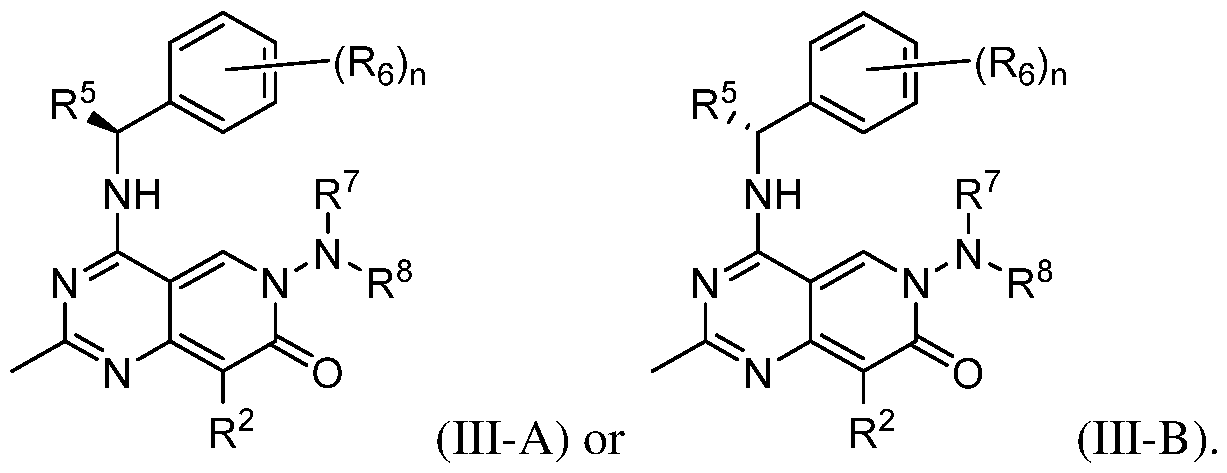
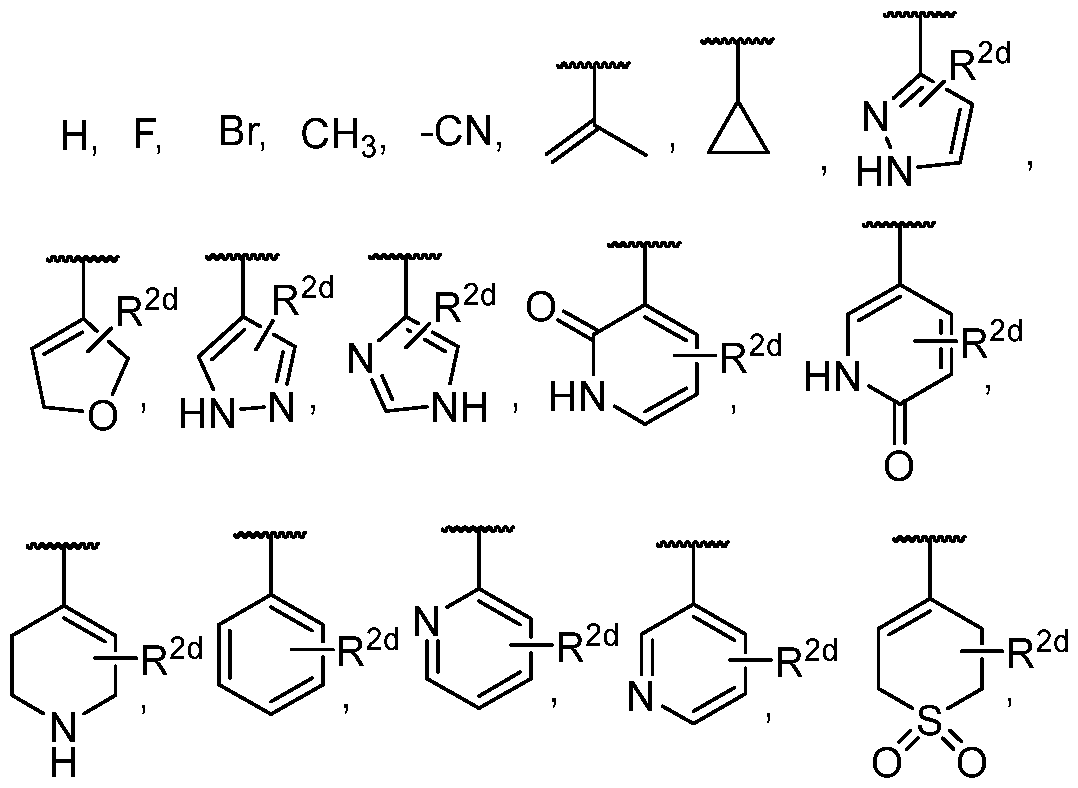
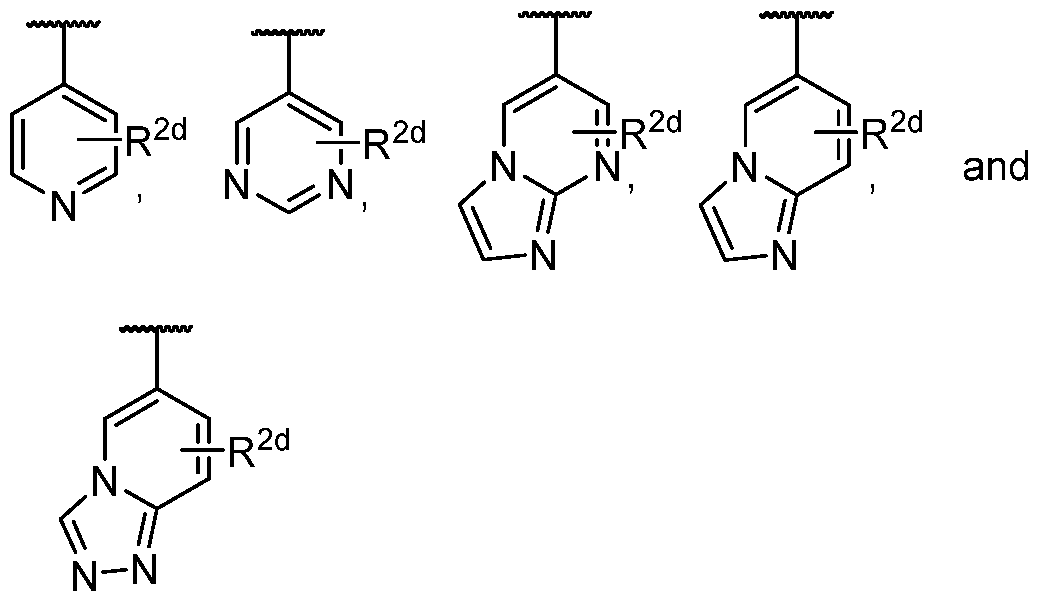
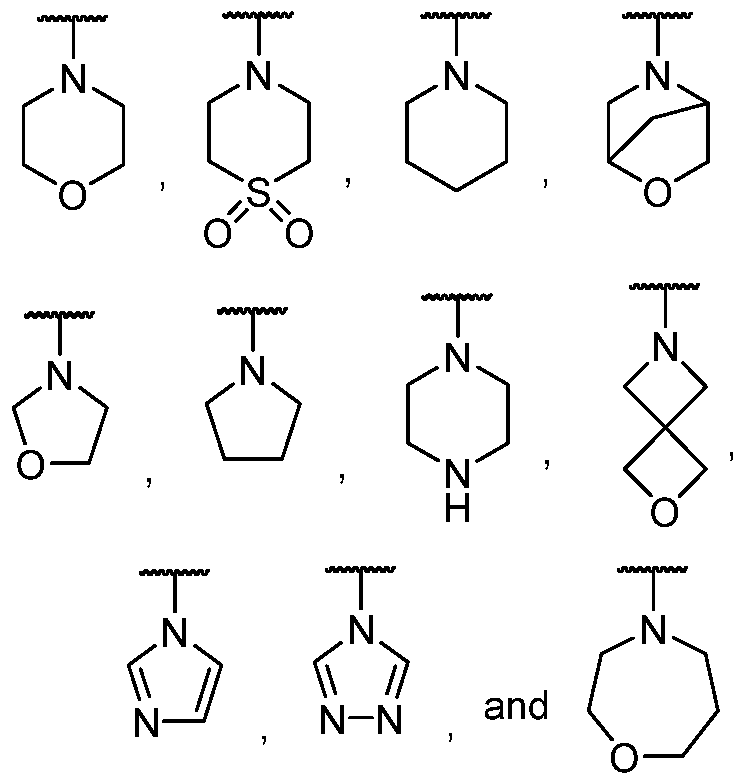


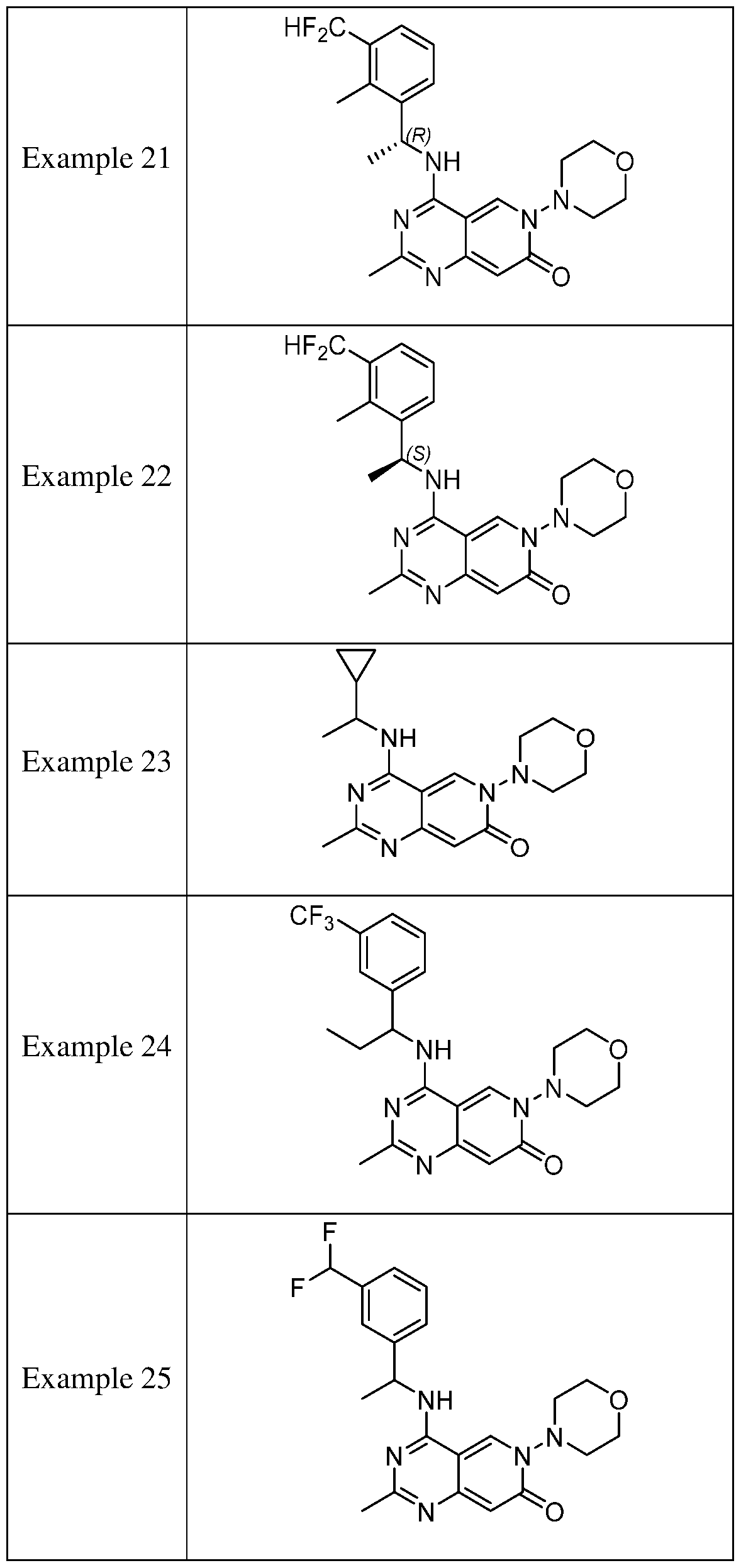


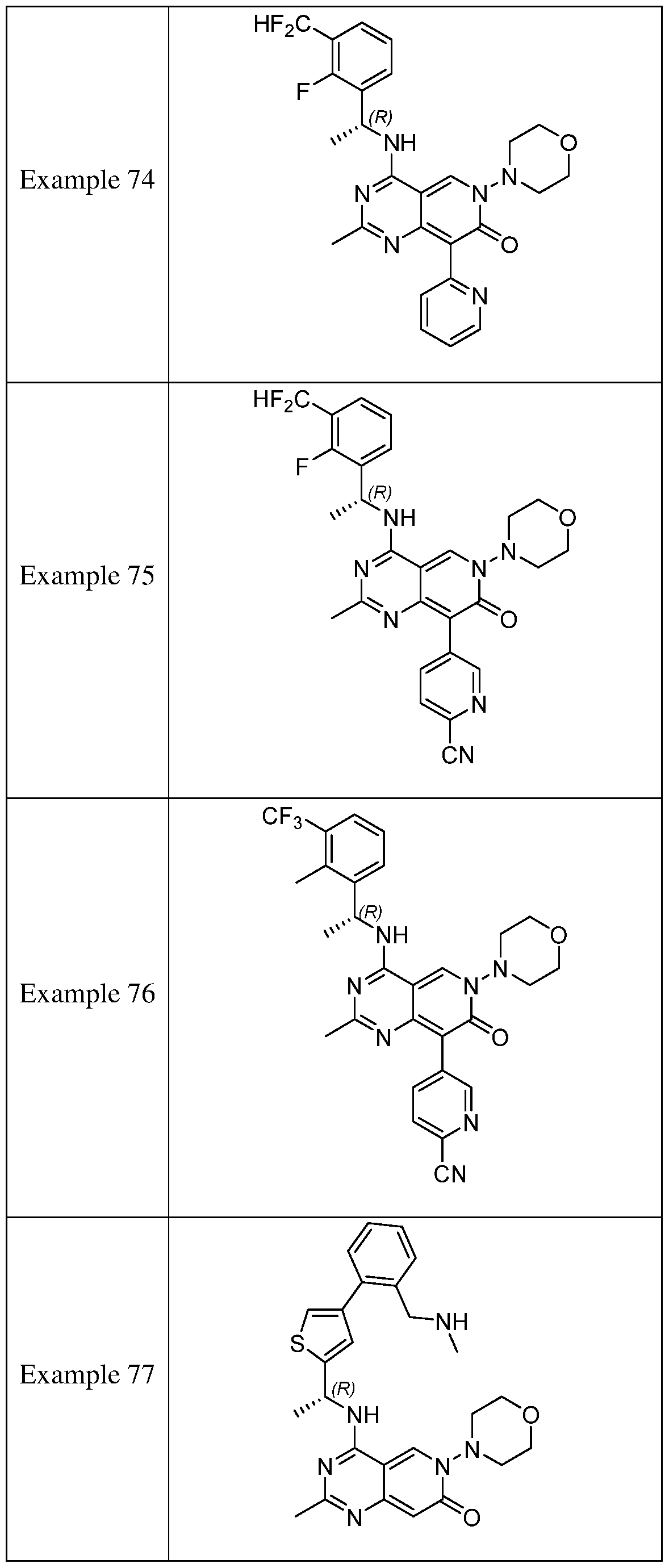


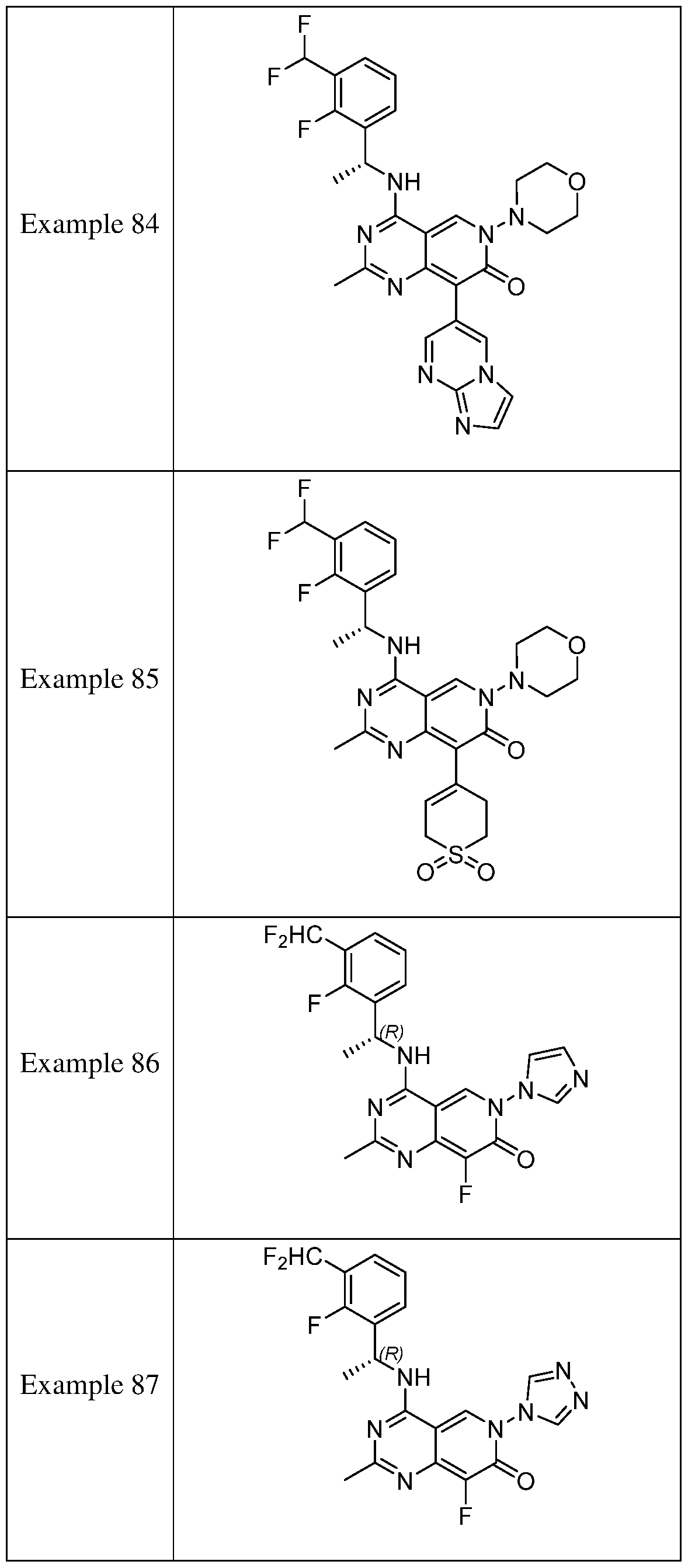


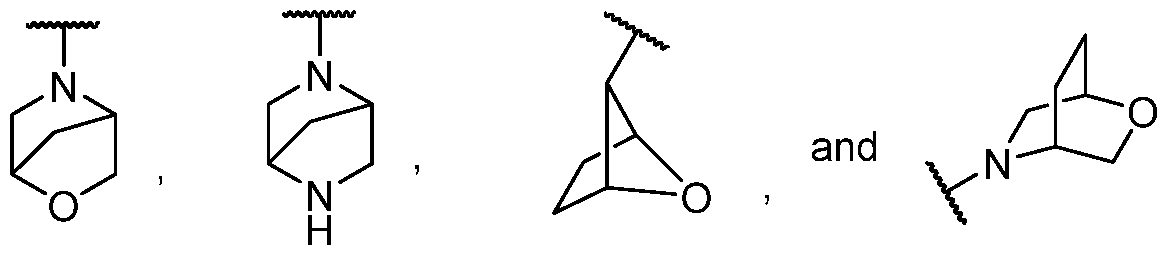


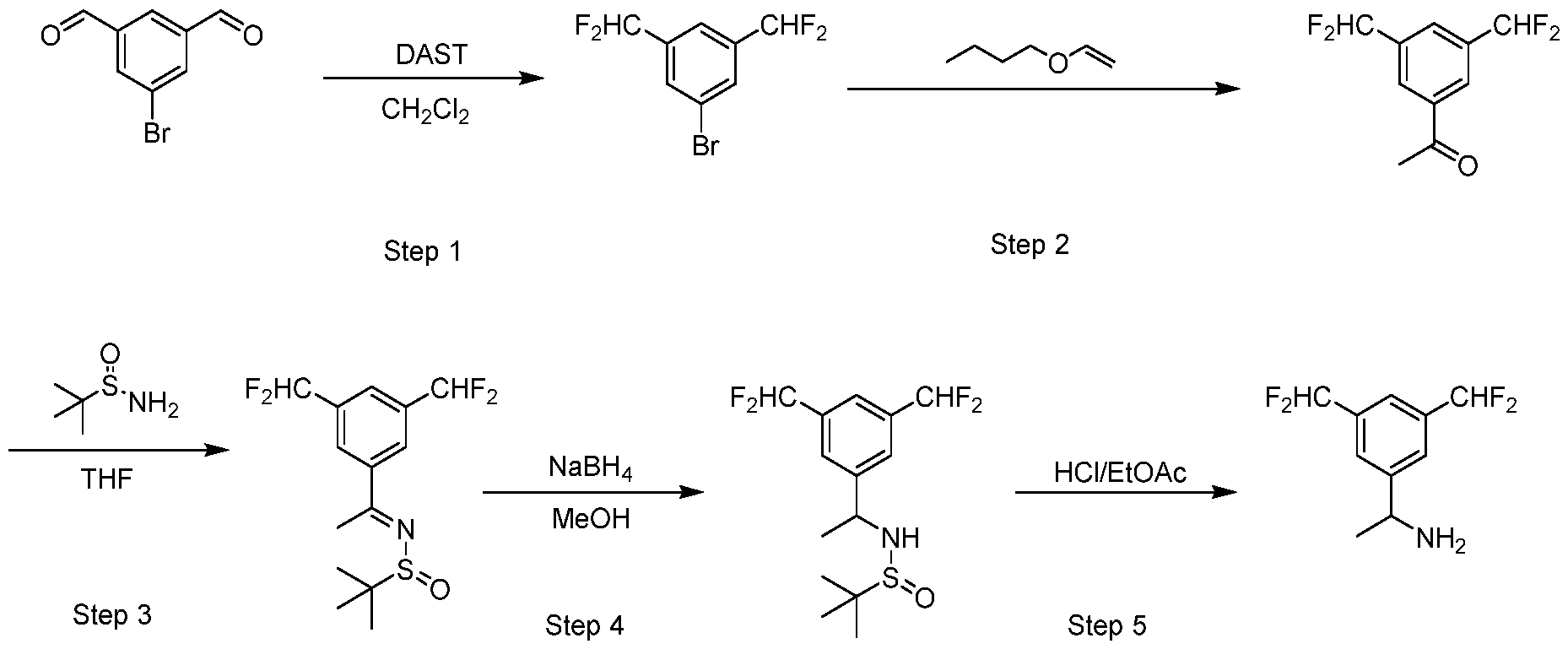


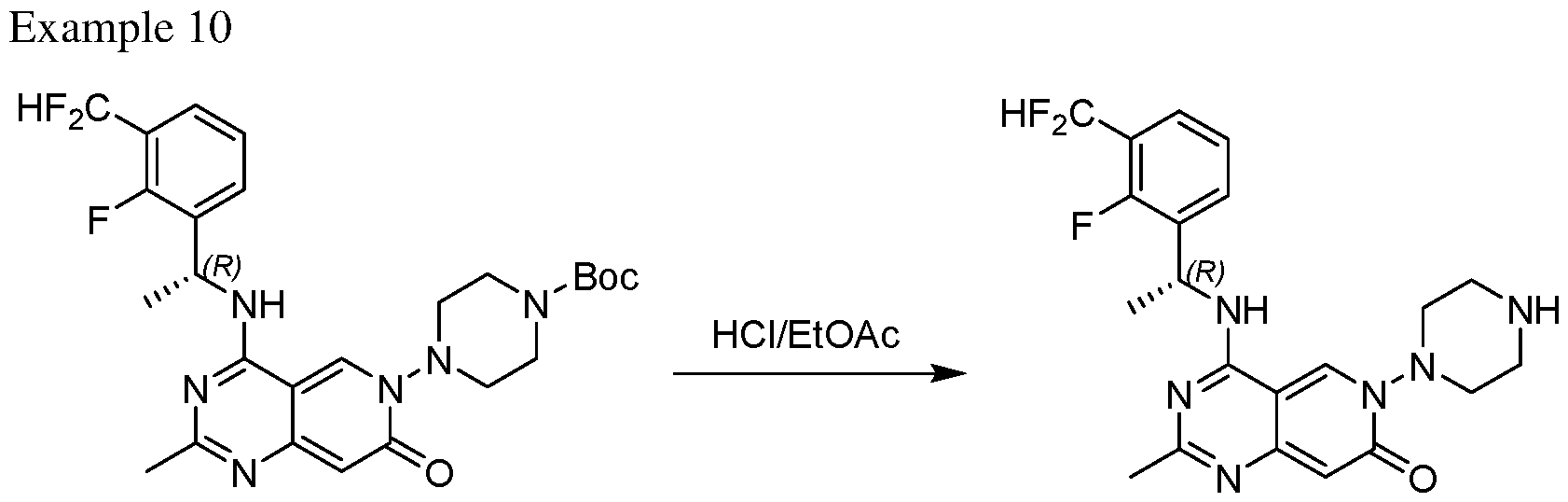


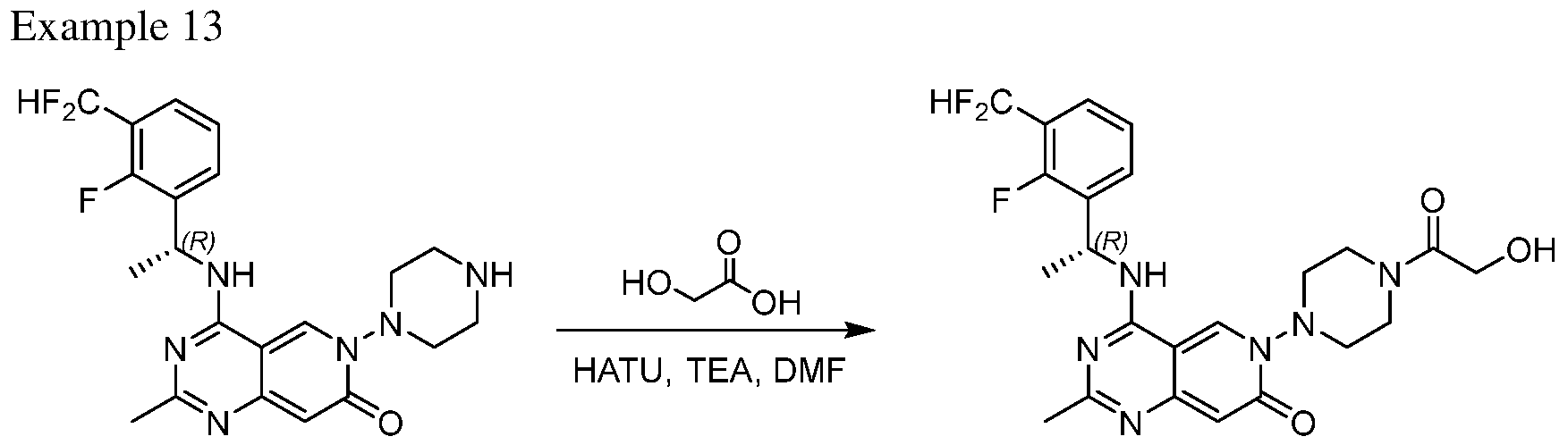
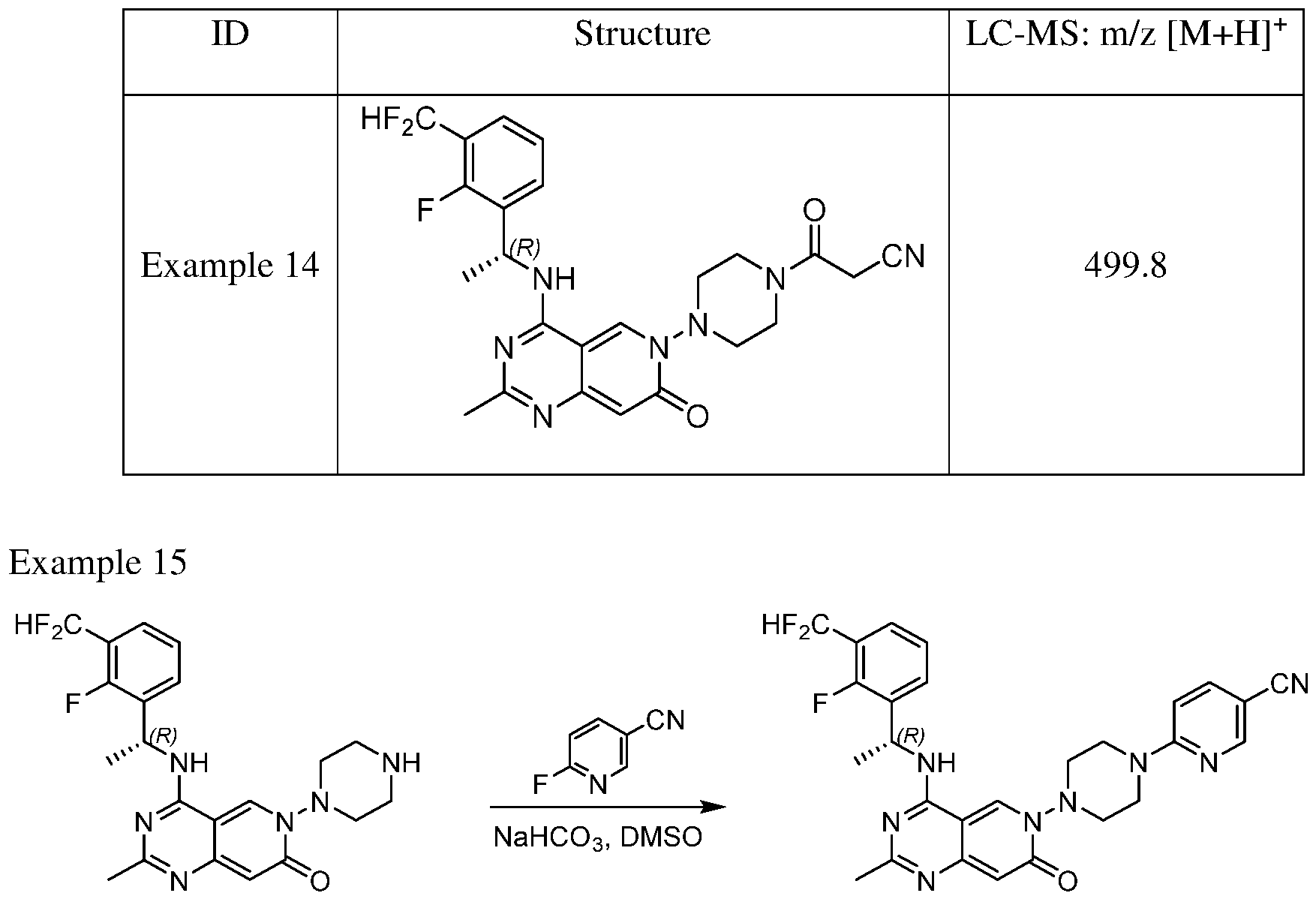


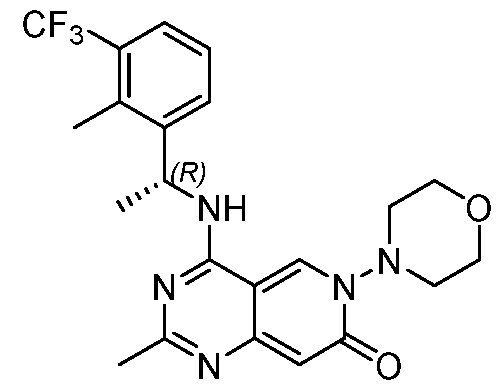

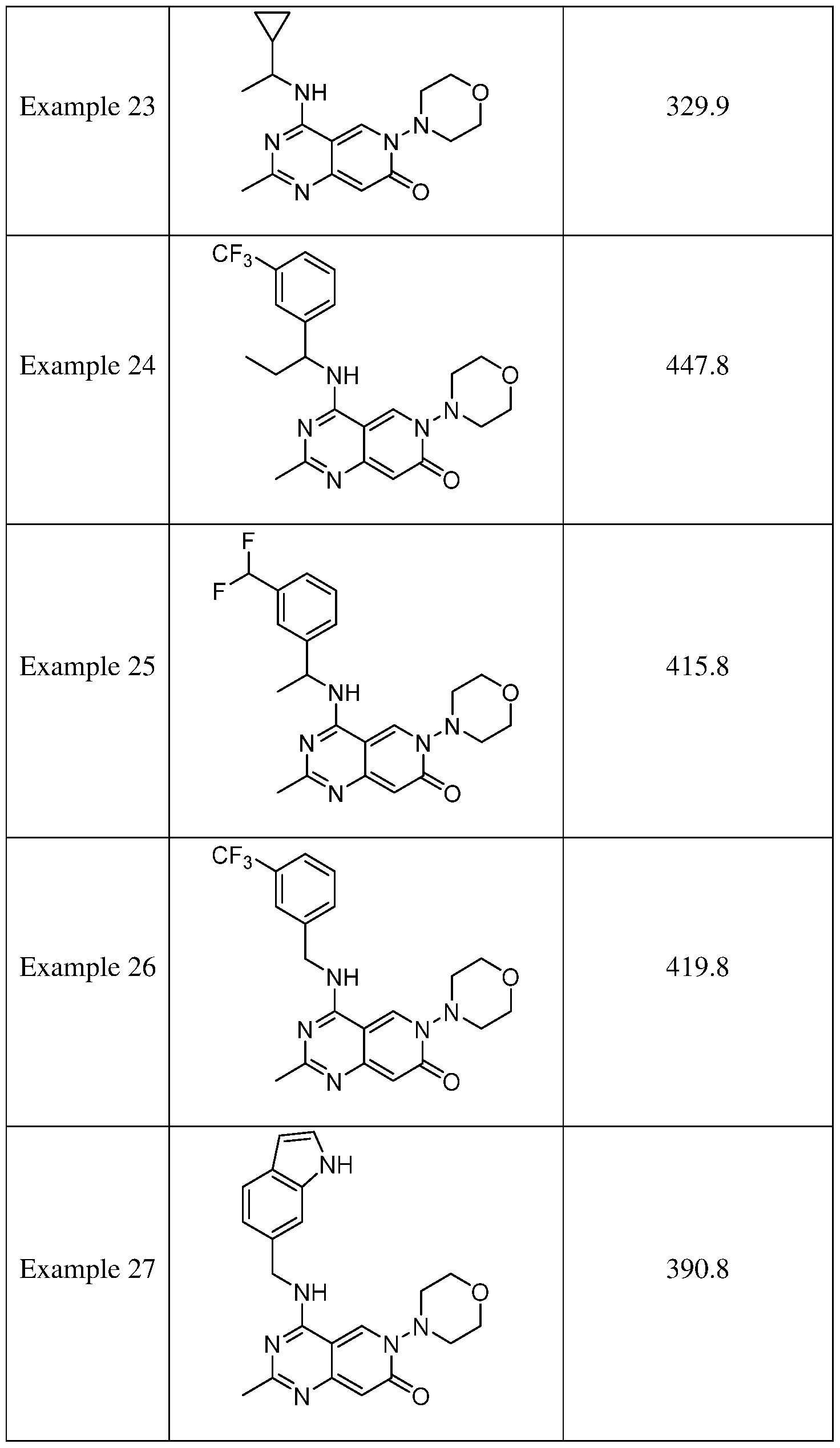


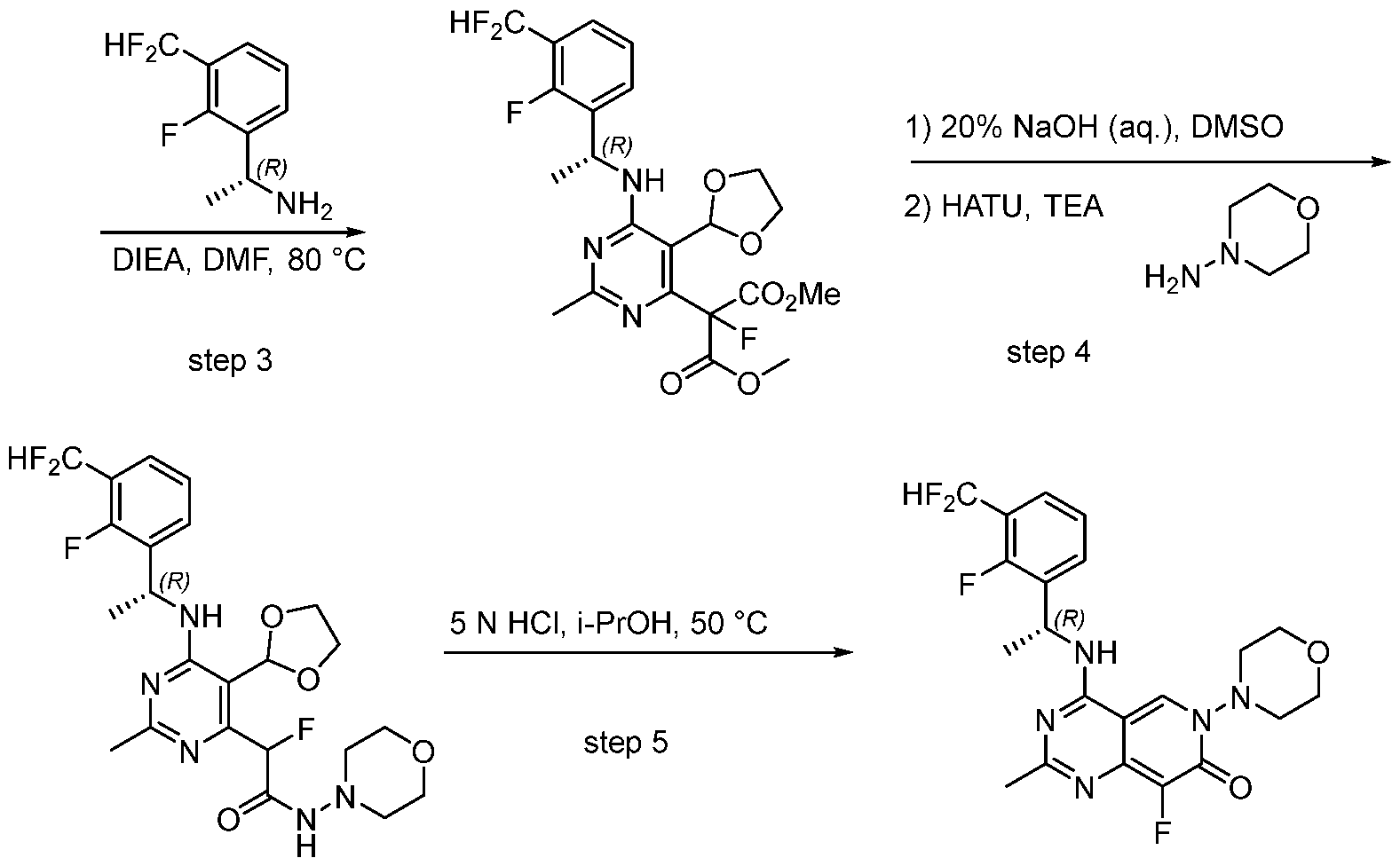


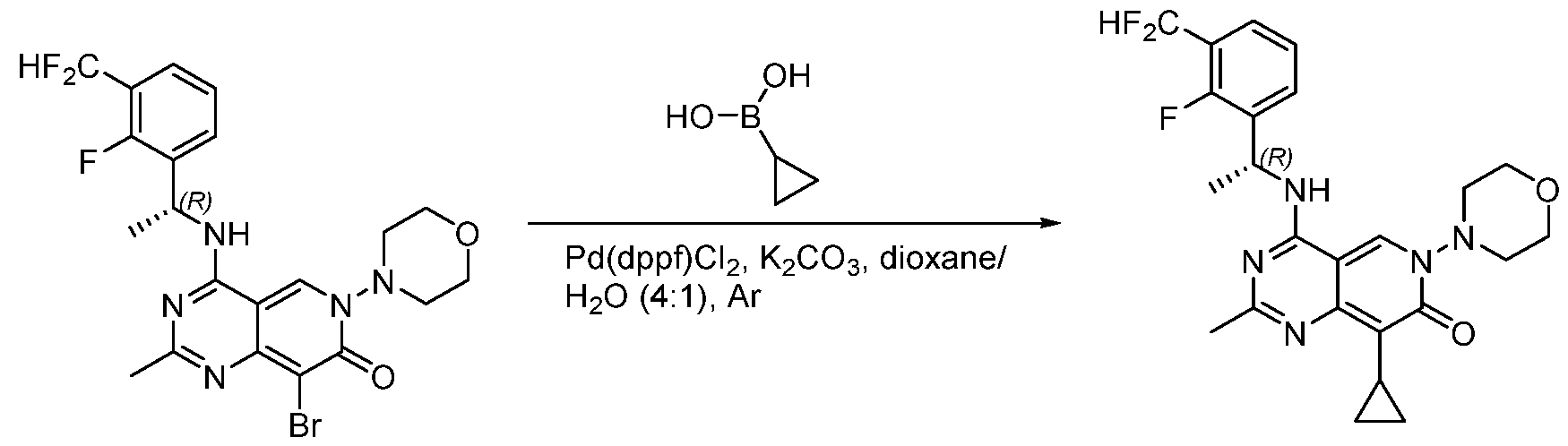
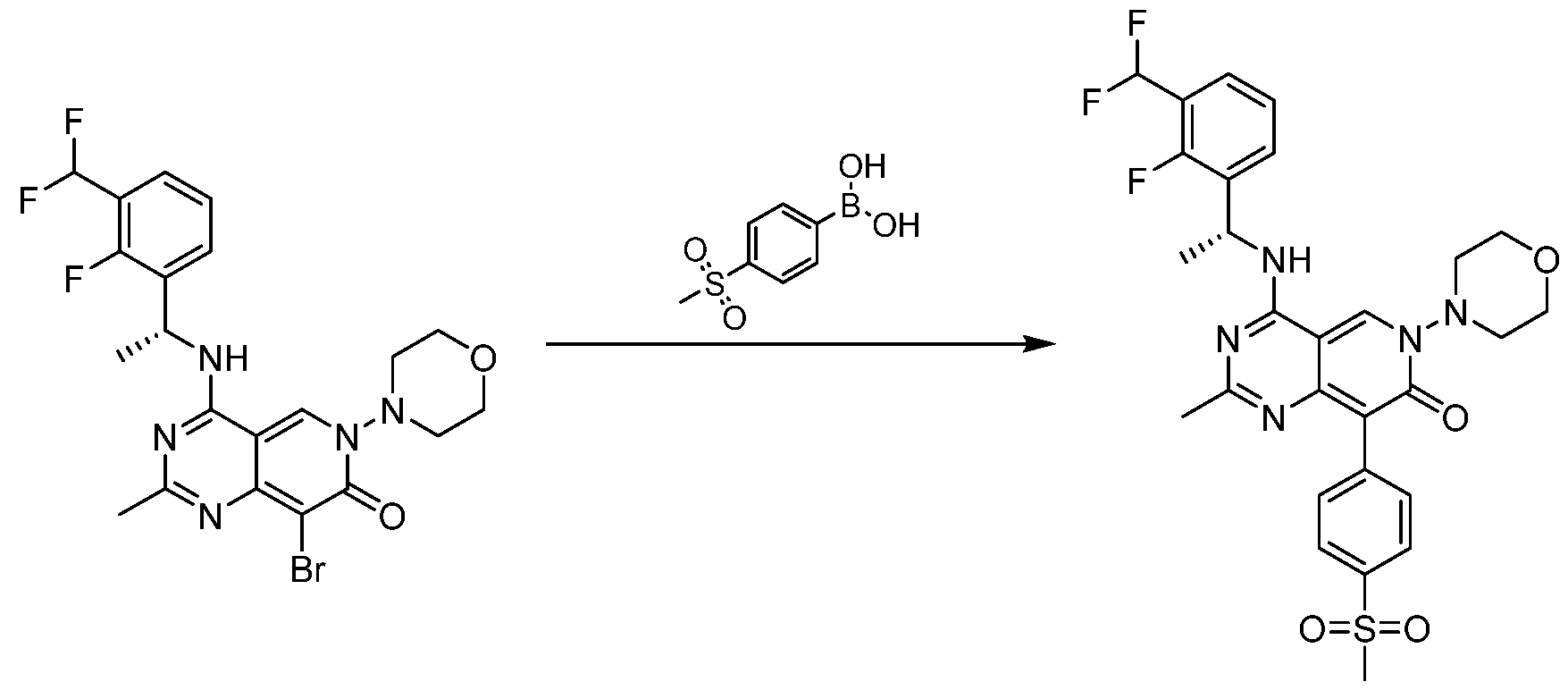


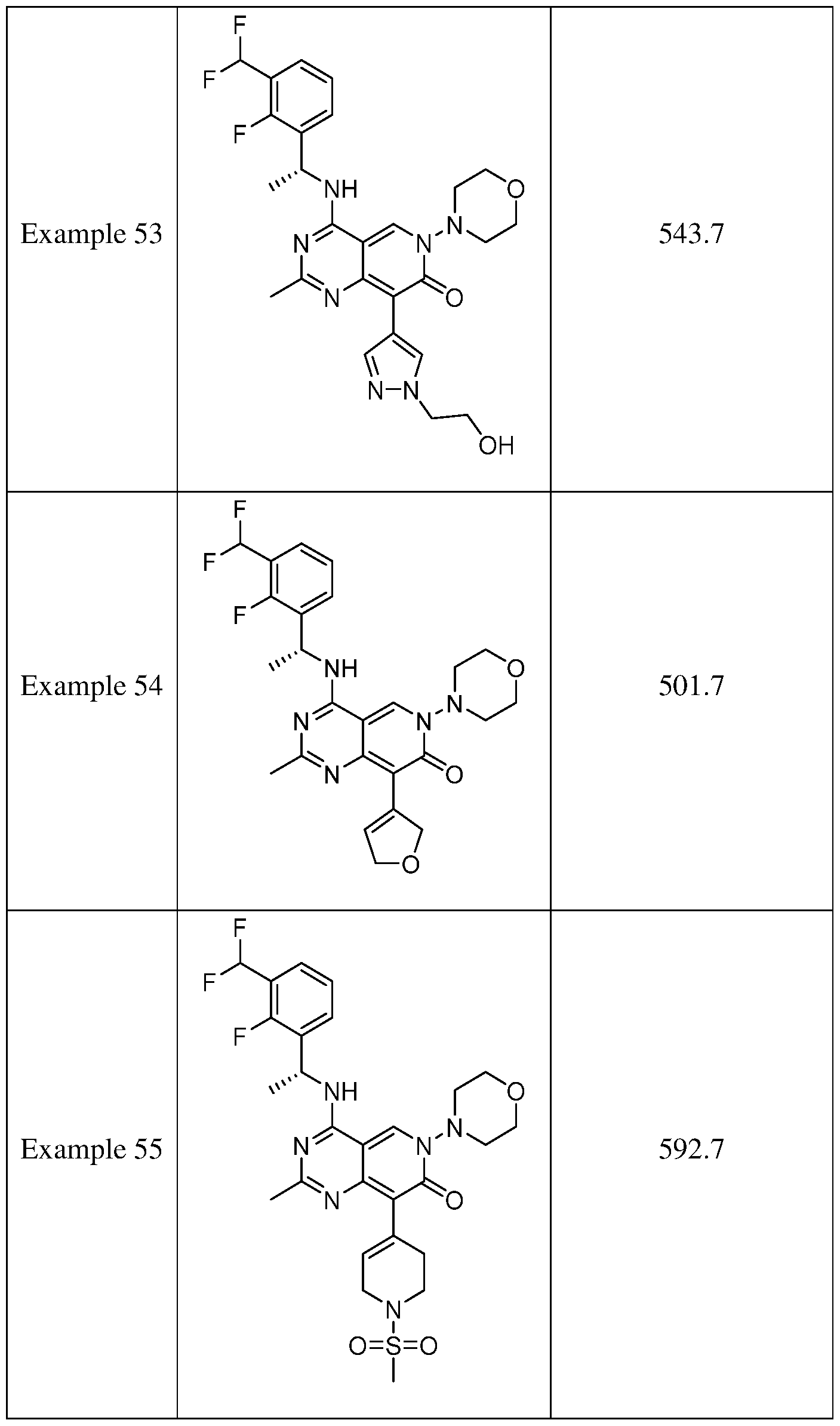


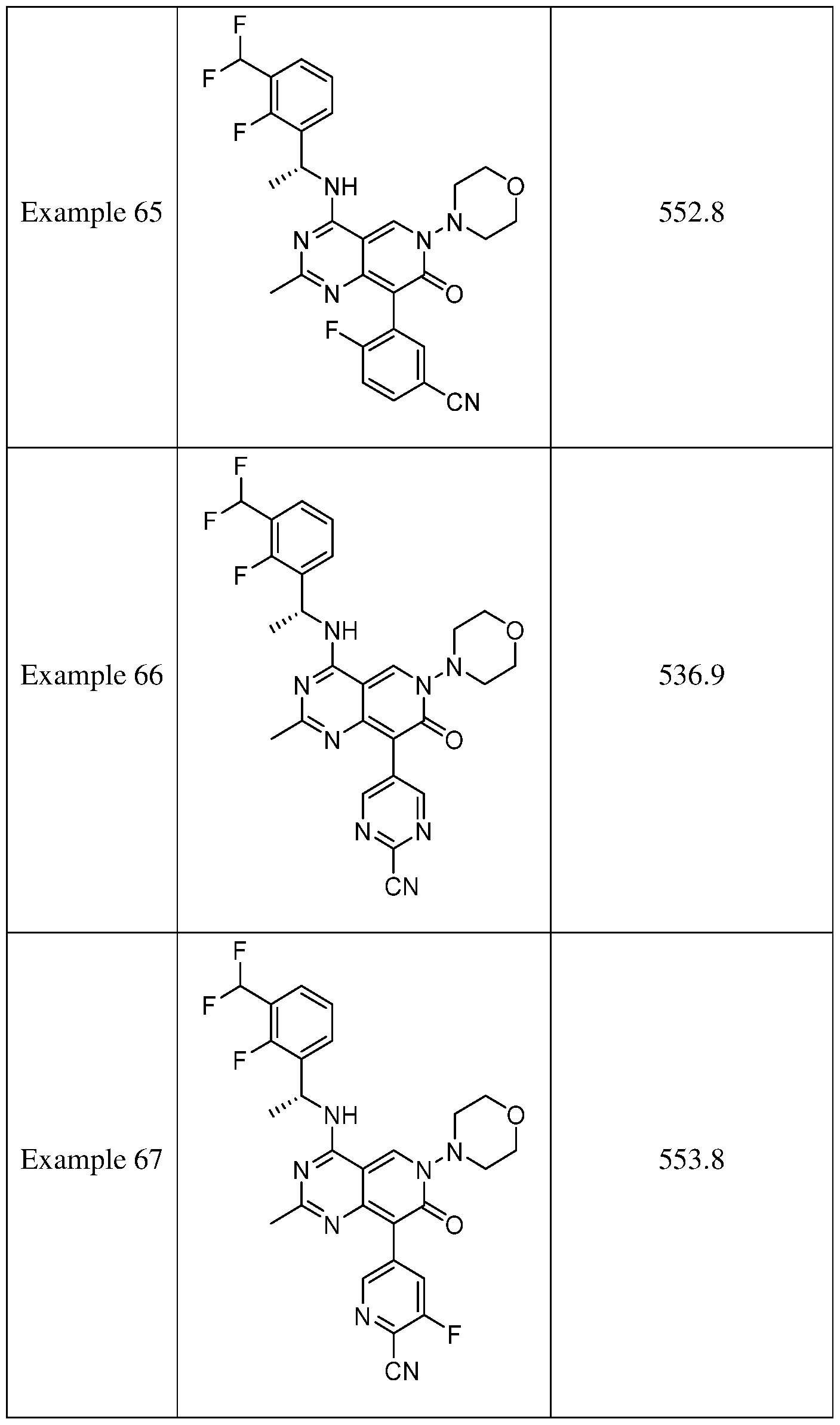


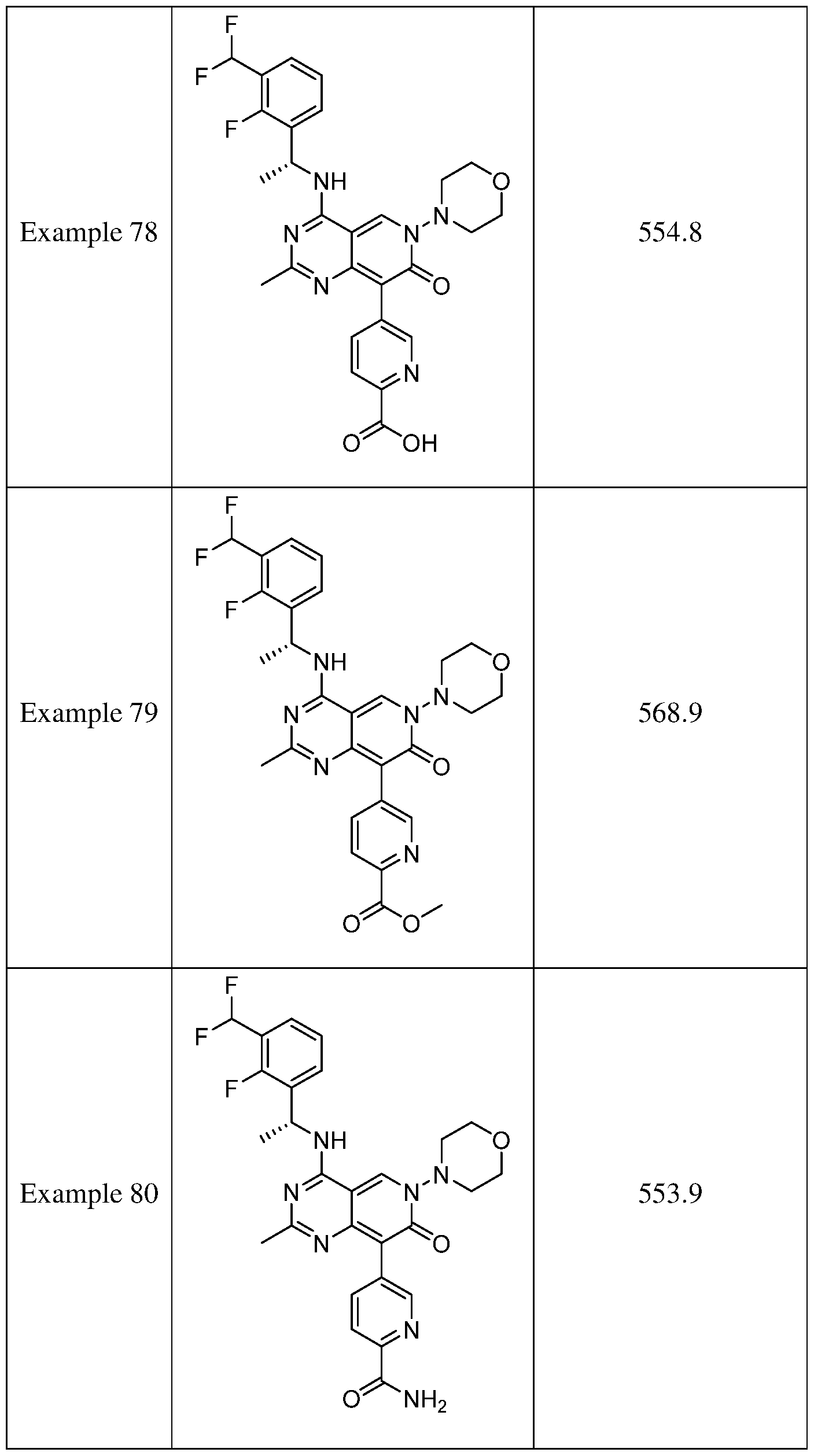

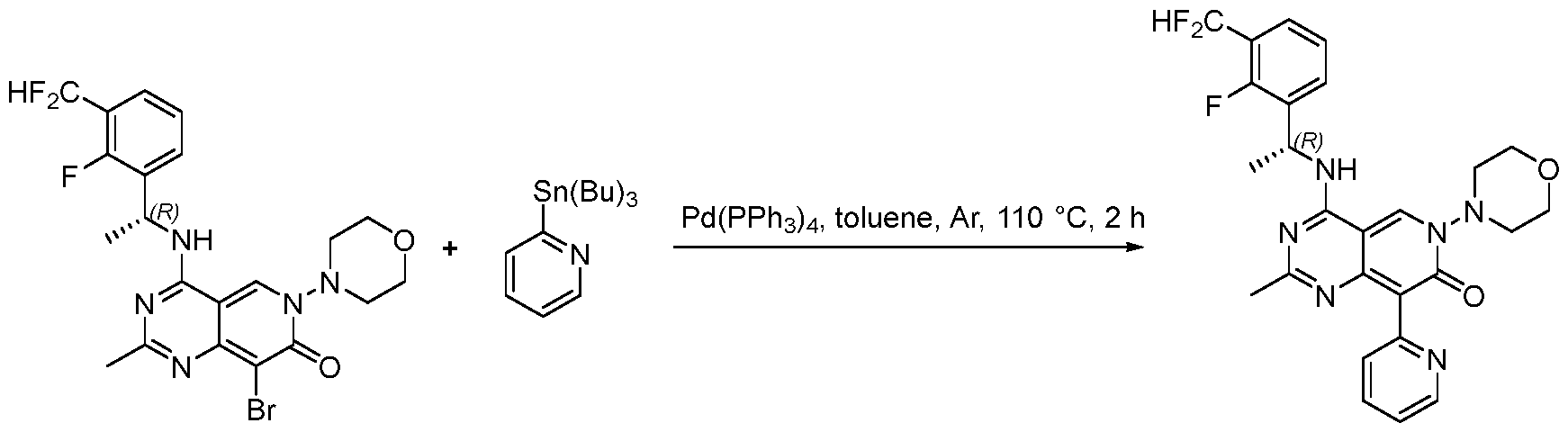


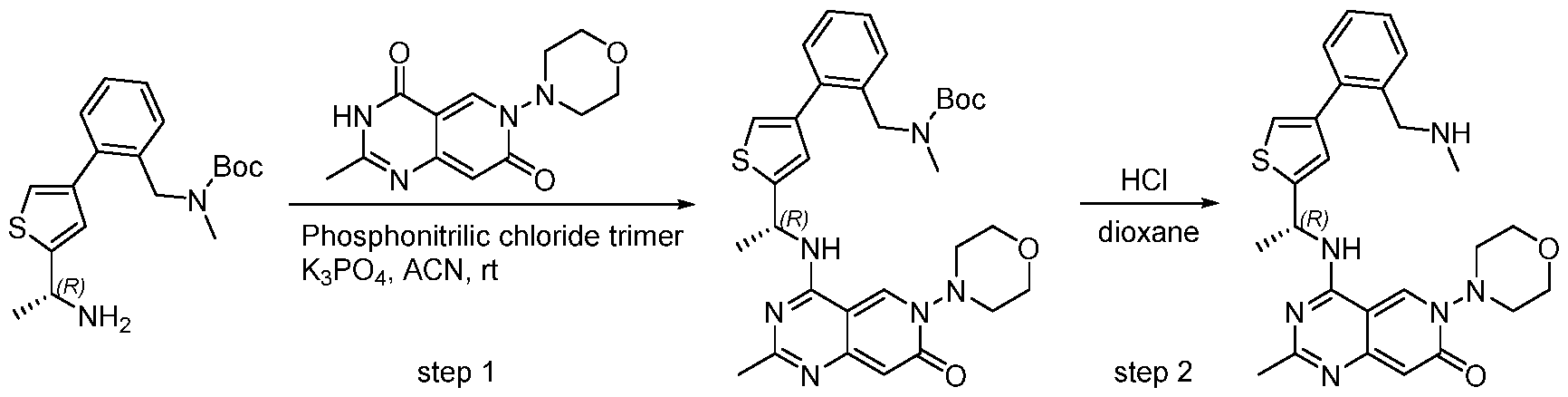
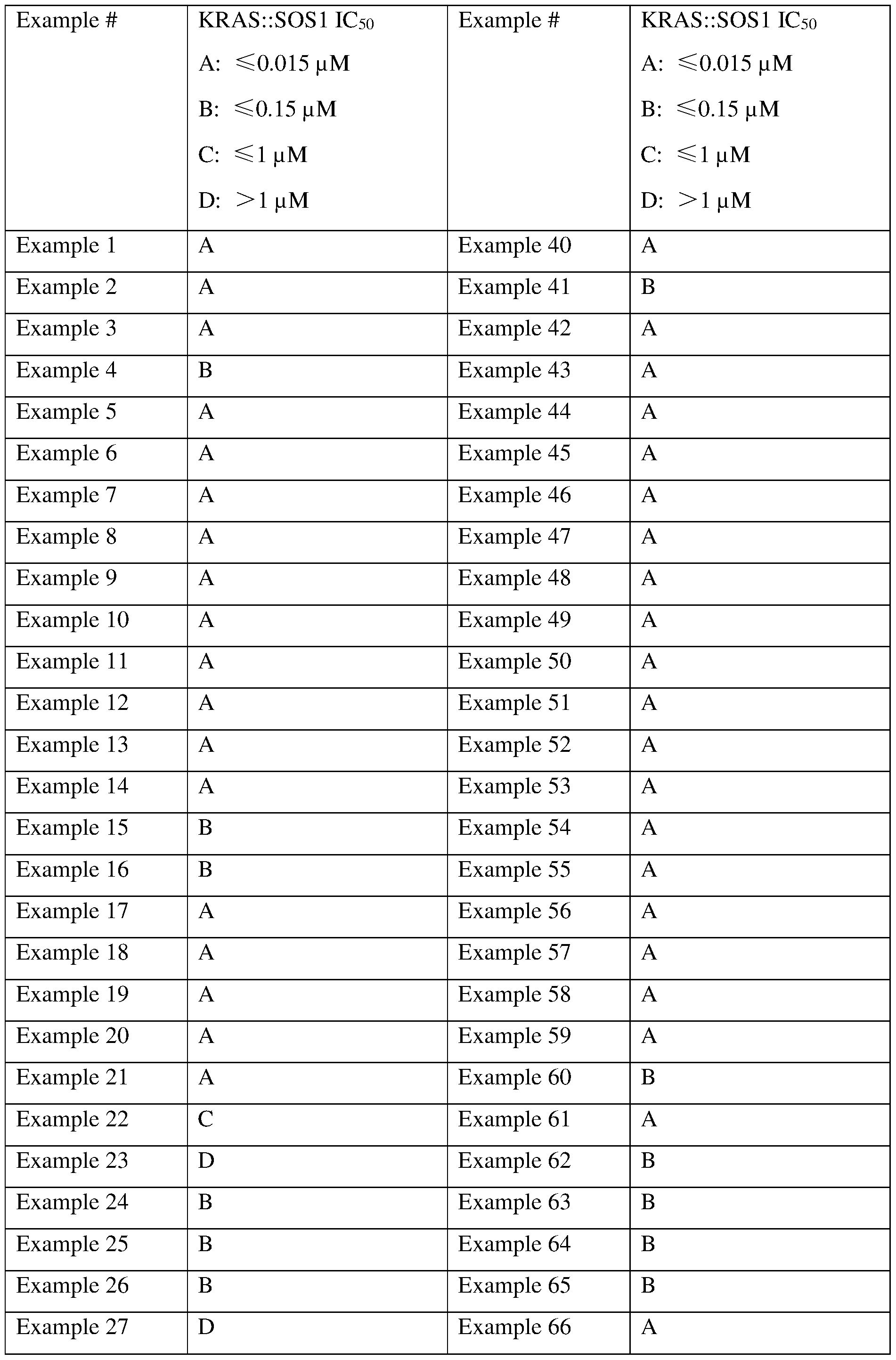
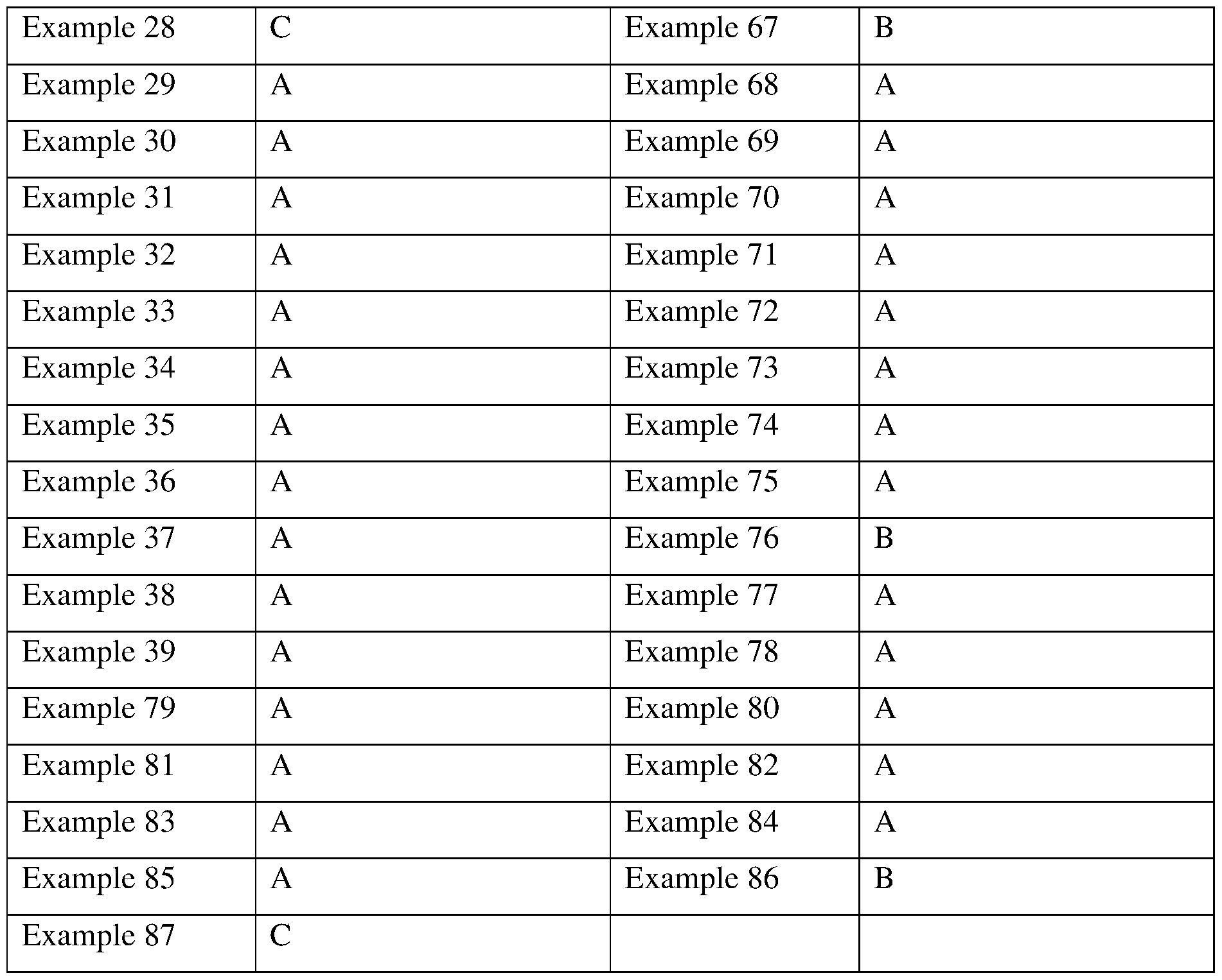


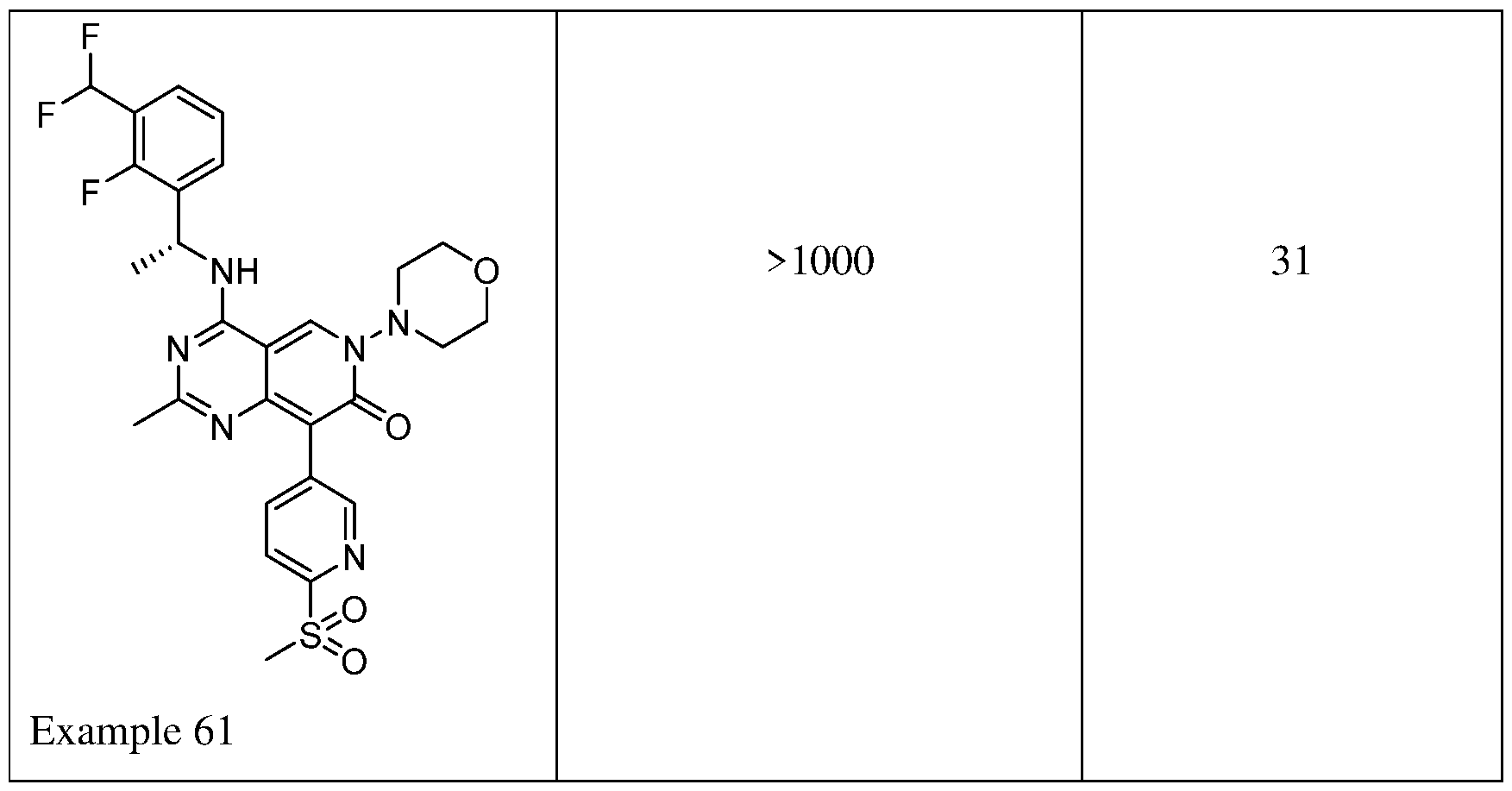
Claims


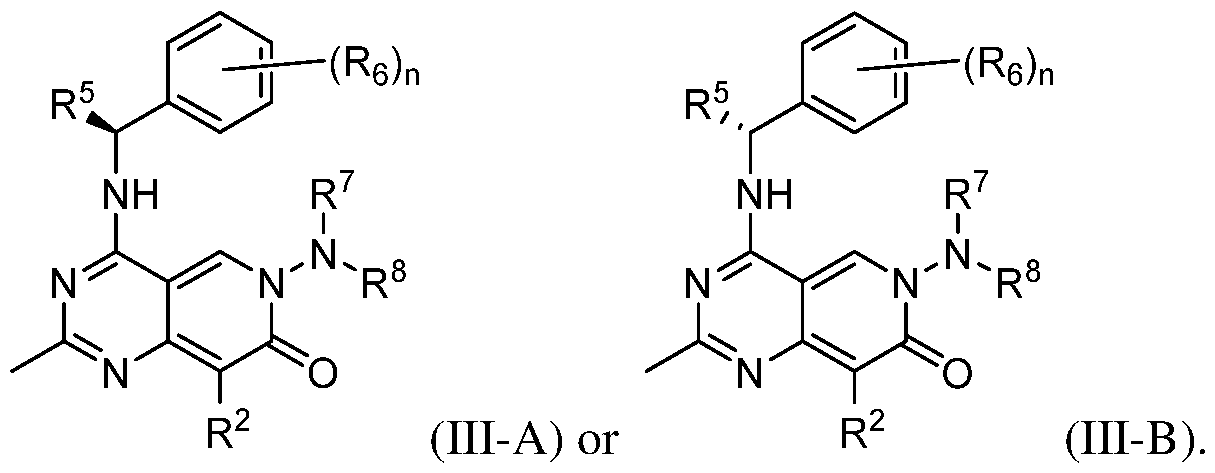


Priority Applications (6)
| Application Number | Priority Date | Filing Date | Title |
|---|---|---|---|
| US18/268,914 US20240051956A1 (en) | 2020-12-22 | 2021-12-21 | Sos1 inhibitors and uses thereof |
| JP2023538699A JP2024501280A (en) | 2020-12-22 | 2021-12-21 | SOS1 inhibitors and their uses |
| EP21844573.2A EP4267250A1 (en) | 2020-12-22 | 2021-12-21 | Sos1 inhibitors and uses thereof |
| CA3203111A CA3203111A1 (en) | 2020-12-22 | 2021-12-21 | Sos1 inhibitors and uses thereof |
| CN202180094257.6A CN117396472A (en) | 2020-12-22 | 2021-12-21 | SOS1 inhibitors and their uses |
| AU2021409816A AU2021409816A1 (en) | 2020-12-22 | 2021-12-21 | Sos1 inhibitors and uses thereof |
Applications Claiming Priority (2)
| Application Number | Priority Date | Filing Date | Title |
|---|---|---|---|
| CNPCT/CN2020/138288 | 2020-12-22 | ||
| CN2020138288 | 2020-12-22 |
Publications (1)
| Publication Number | Publication Date |
|---|---|
| WO2022140427A1 true WO2022140427A1 (en) | 2022-06-30 |
Family
ID=74141227
Family Applications (1)
| Application Number | Title | Priority Date | Filing Date |
|---|---|---|---|
| PCT/US2021/064668 Ceased WO2022140427A1 (en) | 2020-12-22 | 2021-12-21 | Sos1 inhibitors and uses thereof |
Country Status (9)
| Country | Link |
|---|---|
| US (1) | US20240051956A1 (en) |
| EP (1) | EP4267250A1 (en) |
| JP (1) | JP2024501280A (en) |
| CN (1) | CN117396472A (en) |
| AR (1) | AR124449A1 (en) |
| AU (1) | AU2021409816A1 (en) |
| CA (1) | CA3203111A1 (en) |
| TW (1) | TW202241885A (en) |
| WO (1) | WO2022140427A1 (en) |
Cited By (3)
| Publication number | Priority date | Publication date | Assignee | Title |
|---|---|---|---|---|
| WO2023011540A1 (en) * | 2021-08-03 | 2023-02-09 | 苏州信诺维医药科技股份有限公司 | Fused ring compound, pharmaceutical composition, and application thereof |
| WO2023041049A1 (en) * | 2021-09-17 | 2023-03-23 | 江苏先声药业有限公司 | Heterocyclic compound as sos1 inhibitor and uses thereof |
| WO2024074827A1 (en) | 2022-10-05 | 2024-04-11 | Sevenless Therapeutics Limited | New treatments for pain |
Citations (201)
| Publication number | Priority date | Publication date | Assignee | Title |
|---|---|---|---|---|
| WO1990005719A1 (en) | 1988-11-23 | 1990-05-31 | British Bio-Technology Limited | Hydroxamic acid based collagenase inhibitors |
| US5100883A (en) | 1991-04-08 | 1992-03-31 | American Home Products Corporation | Fluorinated esters of rapamycin |
| WO1992005179A1 (en) | 1990-09-19 | 1992-04-02 | American Home Products Corporation | Carboxylic acid esters of rapamycin |
| US5118677A (en) | 1991-05-20 | 1992-06-02 | American Home Products Corporation | Amide esters of rapamycin |
| US5118678A (en) | 1991-04-17 | 1992-06-02 | American Home Products Corporation | Carbamates of rapamycin |
| US5120842A (en) | 1991-04-01 | 1992-06-09 | American Home Products Corporation | Silyl ethers of rapamycin |
| US5151413A (en) | 1991-11-06 | 1992-09-29 | American Home Products Corporation | Rapamycin acetals as immunosuppressant and antifungal agents |
| WO1992020642A1 (en) | 1991-05-10 | 1992-11-26 | Rhone-Poulenc Rorer International (Holdings) Inc. | Bis mono-and bicyclic aryl and heteroaryl compounds which inhibit egf and/or pdgf receptor tyrosine kinase |
| EP0520722A1 (en) | 1991-06-28 | 1992-12-30 | Zeneca Limited | Therapeutic preparations containing quinazoline derivatives |
| WO1993011130A1 (en) | 1991-12-03 | 1993-06-10 | Smithkline Beecham Plc | Rapamycin derivative and its medicinal use |
| EP0566226A1 (en) | 1992-01-20 | 1993-10-20 | Zeneca Limited | Quinazoline derivatives |
| US5256790A (en) | 1992-08-13 | 1993-10-26 | American Home Products Corporation | 27-hydroxyrapamycin and derivatives thereof |
| US5258389A (en) | 1992-11-09 | 1993-11-02 | Merck & Co., Inc. | O-aryl, O-alkyl, O-alkenyl and O-alkynylrapamycin derivatives |
| WO1994002136A1 (en) | 1992-07-17 | 1994-02-03 | Smithkline Beecham Corporation | Rapamycin derivatives |
| WO1994002485A1 (en) | 1992-07-17 | 1994-02-03 | Smithkline Beecham Corporation | Rapamycin derivatives |
| WO1994009010A1 (en) | 1992-10-09 | 1994-04-28 | Sandoz Ltd. | O-alkylated rapamycin derivatives and their use, particularly as immunosuppressants |
| EP0606046A1 (en) | 1993-01-06 | 1994-07-13 | Ciba-Geigy Ag | Arylsulfonamido-substituted hydroxamic acids |
| WO1995009847A1 (en) | 1993-10-01 | 1995-04-13 | Ciba-Geigy Ag | Pyrimidineamine derivatives and processes for the preparation thereof |
| WO1995014023A1 (en) | 1993-11-19 | 1995-05-26 | Abbott Laboratories | Semisynthetic analogs of rapamycin (macrolides) being immunomodulators |
| WO1995016691A1 (en) | 1993-12-17 | 1995-06-22 | Sandoz Ltd. | Rapamycin derivatives useful as immunosuppressants |
| WO1995019774A1 (en) | 1994-01-25 | 1995-07-27 | Warner-Lambert Company | Bicyclic compounds capable of inhibiting tyrosine kinases of the epidermal growth factor receptor family |
| WO1995019970A1 (en) | 1994-01-25 | 1995-07-27 | Warner-Lambert Company | Tricyclic compounds capable of inhibiting tyrosine kinases of the epidermal growth factor receptor family |
| EP0682027A1 (en) | 1994-05-03 | 1995-11-15 | Ciba-Geigy Ag | Pyrrolopyrimidine derivatives with antiproliferative action |
| US5521184A (en) | 1992-04-03 | 1996-05-28 | Ciba-Geigy Corporation | Pyrimidine derivatives and processes for the preparation thereof |
| WO1996027583A1 (en) | 1995-03-08 | 1996-09-12 | Pfizer Inc. | Arylsulfonylamino hydroxamic acid derivatives |
| WO1996030347A1 (en) | 1995-03-30 | 1996-10-03 | Pfizer Inc. | Quinazoline derivatives |
| WO1996031510A1 (en) | 1995-04-03 | 1996-10-10 | Novartis Ag | Pyrazole derivatives and processes for the preparation thereof |
| WO1996033172A1 (en) | 1995-04-20 | 1996-10-24 | Pfizer Inc. | Arylsulfonyl hydroxamic acid derivatives as mmp and tnf inhibitors |
| WO1996033980A1 (en) | 1995-04-27 | 1996-10-31 | Zeneca Limited | Quinazoline derivatives |
| WO1996041807A1 (en) | 1995-06-09 | 1996-12-27 | Novartis Ag | Rapamycin derivatives |
| WO1997002266A1 (en) | 1995-07-06 | 1997-01-23 | Novartis Ag | Pyrrolopyrimidines and processes for the preparation thereof |
| WO1997013771A1 (en) | 1995-10-11 | 1997-04-17 | Glaxo Group Limited | Bicyclic heteroaromatic compounds as protein tyrosine kinase inhibitors |
| WO1997019065A1 (en) | 1995-11-20 | 1997-05-29 | Celltech Therapeutics Limited | Substituted 2-anilinopyrimidines useful as protein kinase inhibitors |
| EP0780386A1 (en) | 1995-12-20 | 1997-06-25 | F. Hoffmann-La Roche Ag | Matrix metalloprotease inhibitors |
| US5650415A (en) | 1995-06-07 | 1997-07-22 | Sugen, Inc. | Quinoline compounds |
| WO1997027199A1 (en) | 1996-01-23 | 1997-07-31 | Novartis Ag | Pyrrolopyrimidines and processes for their preparation |
| EP0787772A2 (en) | 1996-01-30 | 1997-08-06 | Dow Corning Toray Silicone Company Ltd. | Silicone rubber composition |
| US5656643A (en) | 1993-11-08 | 1997-08-12 | Rhone-Poulenc Rorer Pharmaceuticals Inc. | Bis mono-and bicyclic aryl and heteroaryl compounds which inhibit EGF and/or PDGF receptor tyrosine kinase |
| WO1997030044A1 (en) | 1996-02-14 | 1997-08-21 | Zeneca Limited | Quinazoline compounds |
| WO1997030034A1 (en) | 1996-02-14 | 1997-08-21 | Zeneca Limited | Quinazoline derivatives as antitumor agents |
| WO1997032881A1 (en) | 1996-03-06 | 1997-09-12 | Dr. Karl Thomae Gmbh | 4-amino pyrimidine derivates, medicaments containing these compounds, their use and process for their production |
| WO1997032880A1 (en) | 1996-03-06 | 1997-09-12 | Dr. Karl Thomae Gmbh | Pyrimido[5,4-d]pyrimidines, medicaments containing these compounds, their use and process for their production |
| WO1997034895A1 (en) | 1996-03-15 | 1997-09-25 | Novartis Ag | Novel n-7-heterocyclyl pyrrolo[2,3-d]pyridines and their use |
| WO1997038983A1 (en) | 1996-04-12 | 1997-10-23 | Warner-Lambert Company | Irreversible inhibitors of tyrosine kinases |
| WO1997038994A1 (en) | 1996-04-13 | 1997-10-23 | Zeneca Limited | Quinazoline derivatives |
| WO1997049688A1 (en) | 1996-06-24 | 1997-12-31 | Pfizer Inc. | Phenylamino-substituted tricyclic derivatives for treatment of hyperproliferative diseases |
| EP0818442A2 (en) | 1996-07-12 | 1998-01-14 | Pfizer Inc. | Cyclic sulphone derivatives as inhibitors of metalloproteinases and of the production of tumour necrosis factor |
| WO1998002441A2 (en) | 1996-07-12 | 1998-01-22 | Ariad Pharmaceuticals, Inc. | Non immunosuppressive antifungal rapalogs |
| WO1998002437A1 (en) | 1996-07-13 | 1998-01-22 | Glaxo Group Limited | Bicyclic heteroaromatic compounds as protein tyrosine kinase inhibitors |
| WO1998002434A1 (en) | 1996-07-13 | 1998-01-22 | Glaxo Group Limited | Fused heterocyclic compounds as protein tyrosine kinase inhibitors |
| WO1998002438A1 (en) | 1996-07-13 | 1998-01-22 | Glaxo Group Limited | Bicyclic heteroaromatic compounds as protein tyrosine kinase inhibitors |
| US5712291A (en) | 1993-03-01 | 1998-01-27 | The Children's Medical Center Corporation | Methods and compositions for inhibition of angiogenesis |
| WO1998003516A1 (en) | 1996-07-18 | 1998-01-29 | Pfizer Inc. | Phosphinate based inhibitors of matrix metalloproteases |
| WO1998007726A1 (en) | 1996-08-23 | 1998-02-26 | Novartis Ag | Substituted pyrrolopyrimidines and processes for their preparation |
| WO1998007697A1 (en) | 1996-08-23 | 1998-02-26 | Pfizer Inc. | Arylsulfonylamino hydroxamic acid derivatives |
| US5728813A (en) | 1992-11-13 | 1998-03-17 | Immunex Corporation | Antibodies directed against elk ligand |
| WO1998014449A1 (en) | 1996-10-02 | 1998-04-09 | Novartis Ag | Fused pyrazole derivatives and processes for their preparation |
| WO1998014451A1 (en) | 1996-10-02 | 1998-04-09 | Novartis Ag | Fused pyrazole derivative and process for its preparation |
| WO1998014450A1 (en) | 1996-10-02 | 1998-04-09 | Novartis Ag | Pyrimidine derivatives and processes for the preparation thereof |
| EP0837063A1 (en) | 1996-10-17 | 1998-04-22 | Pfizer Inc. | 4-Aminoquinazoline derivatives |
| WO1998017662A1 (en) | 1996-10-18 | 1998-04-30 | Novartis Ag | Phenyl-substituted bicyclic heterocyclyl derivatives and their use |
| US5747498A (en) | 1996-05-28 | 1998-05-05 | Pfizer Inc. | Alkynyl and azido-substituted 4-anilinoquinazolines |
| WO1998030566A1 (en) | 1997-01-06 | 1998-07-16 | Pfizer Inc. | Cyclic sulfone derivatives |
| US5789427A (en) | 1994-03-07 | 1998-08-04 | Sugen, Inc. | Methods and compositions for inhibiting cell proliferative disorders |
| WO1998033768A1 (en) | 1997-02-03 | 1998-08-06 | Pfizer Products Inc. | Arylsulfonylamino hydroxamic acid derivatives |
| WO1998033798A2 (en) | 1997-02-05 | 1998-08-06 | Warner Lambert Company | Pyrido[2,3-d]pyrimidines and 4-amino-pyrimidines as inhibitors of cell proliferation |
| US5792783A (en) | 1995-06-07 | 1998-08-11 | Sugen, Inc. | 3-heteroaryl-2-indolinone compounds for the treatment of disease |
| WO1998034915A1 (en) | 1997-02-07 | 1998-08-13 | Pfizer Inc. | N-hydroxy-beta-sulfonyl-propionamide derivatives and their use as inhibitors of matrix metalloproteinases |
| WO1998034918A1 (en) | 1997-02-11 | 1998-08-13 | Pfizer Inc. | Arylsulfonyl hydroxamic acid derivatives |
| US5858358A (en) | 1992-04-07 | 1999-01-12 | The United States Of America As Represented By The Secretary Of The Navy | Methods for selectively stimulating proliferation of T cells |
| WO1999007675A1 (en) | 1997-08-08 | 1999-02-18 | Pfizer Products Inc. | Aryloxyarylsulfonylamino hydroxamic acid derivatives |
| WO1999007701A1 (en) | 1997-08-05 | 1999-02-18 | Sugen, Inc. | Tricyclic quinoxaline derivatives as protein tyrosine kinase inhibitors |
| US5892112A (en) | 1990-11-21 | 1999-04-06 | Glycomed Incorporated | Process for preparing synthetic matrix metalloprotease inhibitors |
| WO1999020758A1 (en) | 1997-10-21 | 1999-04-29 | Human Genome Sciences, Inc. | Human tumor necrosis factor receptor-like proteins tr11, tr11sv1, and tr11sv2 |
| WO1999029667A1 (en) | 1997-12-05 | 1999-06-17 | Pfizer Limited | Hydroxamic acid derivatives as matrix metalloprotease (mmp) inhibitors |
| WO1999035132A1 (en) | 1998-01-12 | 1999-07-15 | Glaxo Group Limited | Heterocyclic compounds |
| WO1999035146A1 (en) | 1998-01-12 | 1999-07-15 | Glaxo Group Limited | Bicyclic heteroaromatic compounds as protein tyrosine kinase inhibitors |
| WO1999040196A1 (en) | 1998-02-09 | 1999-08-12 | Genentech, Inc. | Novel tumor necrosis factor receptor homolog and nucleic acids encoding the same |
| WO1999045009A1 (en) | 1998-03-04 | 1999-09-10 | Bristol-Myers Squibb Company | Heterocyclo-substituted imidazopyrazine protein tyrosine kinase inhibitors |
| US5969110A (en) | 1993-08-20 | 1999-10-19 | Immunex Corporation | Antibodies that bind hek ligands |
| WO1999052889A1 (en) | 1998-04-10 | 1999-10-21 | Pfizer Products Inc. | (4-arylsulfonylamino)-tetrahydropyran-4-carboxylic acid hydroxamides |
| WO1999052910A1 (en) | 1998-04-10 | 1999-10-21 | Pfizer Products Inc. | Bicyclic hydroxamic acid derivatives |
| US5981245A (en) | 1994-04-15 | 1999-11-09 | Amgen Inc. | EPH-like receptor protein tyrosine kinases |
| US5990141A (en) | 1994-01-07 | 1999-11-23 | Sugen Inc. | Treatment of platelet derived growth factor related disorders such as cancers |
| WO1999061422A1 (en) | 1998-05-29 | 1999-12-02 | Sugen, Inc. | Pyrrole substituted 2-indolinone protein kinase inhibitors |
| WO2000002871A1 (en) | 1998-07-10 | 2000-01-20 | Merck & Co., Inc. | Novel angiogenesis inhibitors |
| WO2000012089A1 (en) | 1998-08-31 | 2000-03-09 | Merck & Co., Inc. | Novel angiogenesis inhibitors |
| US6057124A (en) | 1995-01-27 | 2000-05-02 | Amgen Inc. | Nucleic acids encoding ligands for HEK4 receptors |
| EP1004578A2 (en) | 1998-11-05 | 2000-05-31 | Pfizer Products Inc. | 5-oxo-pyrrolidine-2-carboxylic acid hydroxamide derivatives |
| US6111090A (en) | 1996-08-16 | 2000-08-29 | Schering Corporation | Mammalian cell surface antigens; related reagents |
| WO2001003720A2 (en) | 1999-07-12 | 2001-01-18 | Genentech, Inc. | Promotion or inhibition of angiogenesis and cardiovascularization by tumor necrosis factor ligand/receptor homologs |
| WO2001014387A1 (en) | 1999-08-24 | 2001-03-01 | Ariad Gene Therapeutics, Inc. | 28-epirapalogs |
| WO2001032651A1 (en) | 1999-11-05 | 2001-05-10 | Astrazeneca Ab | Quinazoline derivatives as vegf inhibitors |
| US6232447B1 (en) | 1994-10-05 | 2001-05-15 | Immunex Corporation | Antibody immunoreactive with a human cytokine designated LERK-6 |
| US6235764B1 (en) | 1998-06-04 | 2001-05-22 | Pfizer Inc. | Isothiazole derivatives useful as anticancer agents |
| WO2001037820A2 (en) | 1999-11-24 | 2001-05-31 | Sugen, Inc. | Ionizable indolinone derivatives and their use as ptk ligands |
| US6258812B1 (en) | 1997-02-13 | 2001-07-10 | Novartis Ag | Phthalazines with angiogenesis inhibiting activity |
| EP1181017A1 (en) | 1999-06-03 | 2002-02-27 | Pfizer Limited | Metalloprotease inhibitors |
| US6352694B1 (en) | 1994-06-03 | 2002-03-05 | Genetics Institute, Inc. | Methods for inducing a population of T cells to proliferate using agents which recognize TCR/CD3 and ligands which stimulate an accessory molecule on the surface of the T cells |
| US20020042368A1 (en) | 2000-02-25 | 2002-04-11 | Fanslow William C. | Integrin antagonists |
| US6413932B1 (en) | 1999-06-07 | 2002-07-02 | Immunex Corporation | Tek antagonists comprising soluble tek extracellular binding domain |
| WO2002055501A2 (en) | 2001-01-12 | 2002-07-18 | Amgen Inc | N-pyridyl carboxamide derivatives and pharmaceutical compositions containing them |
| WO2002059110A1 (en) | 2000-12-21 | 2002-08-01 | Glaxo Group Limited | Pyrimidineamines as angiogenesis modulators |
| WO2002066470A1 (en) | 2001-01-12 | 2002-08-29 | Amgen Inc. | Substituted alkylamine derivatives and methods of use |
| WO2002068406A2 (en) | 2001-01-12 | 2002-09-06 | Amgen Inc. | Substituted amine derivatives and their use for the treatment of angiogenesis |
| US6515004B1 (en) | 1999-12-15 | 2003-02-04 | Bristol-Myers Squibb Company | N-[5-[[[5-alkyl-2-oxazolyl]methyl]thio]-2-thiazolyl]-carboxamide inhibitors of cyclin dependent kinases |
| US6534055B1 (en) | 1988-11-23 | 2003-03-18 | Genetics Institute, Inc. | Methods for selectively stimulating proliferation of T cells |
| US6596852B2 (en) | 1994-07-08 | 2003-07-22 | Immunex Corporation | Antibodies that bind the cytokine designated LERK-5 |
| US20030162712A1 (en) | 1999-06-07 | 2003-08-28 | Immunex Corporation | Tek antagonists |
| US6630500B2 (en) | 2000-08-25 | 2003-10-07 | Cephalon, Inc. | Selected fused pyrrolocarbazoles |
| US6656963B2 (en) | 1997-05-30 | 2003-12-02 | The Regents Of The University Of California | Indole-3-carbinol (I3C) derivatives and methods |
| WO2004005279A2 (en) | 2002-07-09 | 2004-01-15 | Amgen Inc. | Substituted anthranilic amide derivatives and methods of use |
| WO2004007458A1 (en) | 2002-07-17 | 2004-01-22 | Amgen Inc. | Substituted 2-alkylamine nicotinic amide derivatives and use there of |
| WO2004007481A2 (en) | 2002-07-17 | 2004-01-22 | Amgen Inc. | Substituted amine derivatives and methods of use in the treatment of angiogenesis relates disorders |
| WO2004009784A2 (en) | 2002-07-19 | 2004-01-29 | Bristol-Myers Squibb Company | Novel inhibitors of kinases |
| US6692964B1 (en) | 1995-05-04 | 2004-02-17 | The United States Of America As Represented By The Secretary Of The Navy | Methods for transfecting T cells |
| US6727225B2 (en) | 1999-12-20 | 2004-04-27 | Immunex Corporation | TWEAK receptor |
| US6797514B2 (en) | 2000-02-24 | 2004-09-28 | Xcyte Therapies, Inc. | Simultaneous stimulation and concentration of cells |
| WO2005005434A1 (en) | 2003-07-08 | 2005-01-20 | Novartis Ag | Use of rapamycin and rapamycin derivatives for the treatment of bone loss |
| WO2005007190A1 (en) | 2003-07-11 | 2005-01-27 | Schering Corporation | Agonists or antagonists of the clucocorticoid-induced tumour necrosis factor receptor (gitr) or its ligand for the treatment of immune disorders, infections and cancer |
| WO2005011700A1 (en) | 2003-07-29 | 2005-02-10 | Smithkline Beecham Corporation | INHIBITORS OF Akt ACTIVITY |
| WO2005016252A2 (en) | 2003-07-11 | 2005-02-24 | Ariad Gene Therapeutics, Inc. | Phosphorus-containing macrocycles |
| WO2005016894A1 (en) | 2003-08-15 | 2005-02-24 | Novartis Ag | 2, 4-pyrimidinediamines useful in the treatment of neoplastic diseases, inflammatory and immune system disorders |
| US6867041B2 (en) | 2000-02-24 | 2005-03-15 | Xcyte Therapies, Inc. | Simultaneous stimulation and concentration of cells |
| US6905680B2 (en) | 1988-11-23 | 2005-06-14 | Genetics Institute, Inc. | Methods of treating HIV infected subjects |
| US6905874B2 (en) | 2000-02-24 | 2005-06-14 | Xcyte Therapies, Inc. | Simultaneous stimulation and concentration of cells |
| WO2005055808A2 (en) | 2003-12-02 | 2005-06-23 | Genzyme Corporation | Compositions and methods to diagnose and treat lung cancer |
| WO2005094314A2 (en) | 2004-03-26 | 2005-10-13 | The Burnham Institute | Modulators of shp2 tyrosine phosphatase and their use in the treatment of body weight disorders |
| WO2005115451A2 (en) | 2004-04-30 | 2005-12-08 | Isis Innovation Limited | Methods for generating improved immune response |
| WO2006044453A1 (en) | 2004-10-13 | 2006-04-27 | Wyeth | Analogs of 17-hydroxywortmannin as pi3k inhibitors |
| US7067318B2 (en) | 1995-06-07 | 2006-06-27 | The Regents Of The University Of Michigan | Methods for transfecting T cells |
| WO2006083289A2 (en) | 2004-06-04 | 2006-08-10 | Duke University | Methods and compositions for enhancement of immunity by in vivo depletion of immunosuppressive cell activity |
| WO2006121168A1 (en) | 2005-05-09 | 2006-11-16 | Ono Pharmaceutical Co., Ltd. | Human monoclonal antibodies to programmed death 1(pd-1) and methods for treating cancer using anti-pd-1 antibodies alone or in combination with other immunotherapeutics |
| US7175843B2 (en) | 1994-06-03 | 2007-02-13 | Genetics Institute, Llc | Methods for selectively stimulating proliferation of T cells |
| EP1786785A2 (en) | 2004-08-26 | 2007-05-23 | Pfizer, Inc. | Enantiomerically pure aminoheteroaryl compounds as protein kinase inhibitors |
| WO2007117699A2 (en) | 2006-04-07 | 2007-10-18 | University Of South Florida | Inhibition of shp2/ptpn11 protein tyrosine phosphatase by nsc-87877, nsc-117199 and their analogs |
| WO2007133822A1 (en) | 2006-01-19 | 2007-11-22 | Genzyme Corporation | Gitr antibodies for the treatment of cancer |
| EP1866339A2 (en) | 2005-03-25 | 2007-12-19 | TolerRx, Inc | Gitr binding molecules and uses therefor |
| WO2008070740A1 (en) | 2006-12-07 | 2008-06-12 | F.Hoffmann-La Roche Ag | Phosphoinositide 3-kinase inhibitor compounds and methods of use |
| EP1947183A1 (en) | 1996-08-16 | 2008-07-23 | Schering Corporation | Mammalian cell surface antigens; related reagents |
| WO2008124815A1 (en) | 2007-04-10 | 2008-10-16 | University Of South Florida | Method of activating nk cells |
| US20090012085A1 (en) | 2005-09-20 | 2009-01-08 | Charles Michael Baum | Dosage forms and methods of treatment using a tyrosine kinase inhibitor |
| WO2009036082A2 (en) | 2007-09-12 | 2009-03-19 | Genentech, Inc. | Combinations of phosphoinositide 3-kinase inhibitor compounds and chemotherapeutic agents, and methods of use |
| WO2009049098A2 (en) | 2007-10-09 | 2009-04-16 | Indiana University Research & Technology Corporation | Materials and methods for regulating the activity of phosphatases |
| WO2009055730A1 (en) | 2007-10-25 | 2009-04-30 | Genentech, Inc. | Process for making thienopyrimidine compounds |
| US7572631B2 (en) | 2000-02-24 | 2009-08-11 | Invitrogen Corporation | Activation and expansion of T cells |
| WO2009135000A2 (en) | 2008-04-30 | 2009-11-05 | H. Lee Moffitt Cancer Center And Research Institute, Inc. | Inhibition of shp2/ptpn11 protein tyrosine phosphatase by nsc-117199 and analogs |
| US7618632B2 (en) | 2003-05-23 | 2009-11-17 | Wyeth | Method of treating or ameliorating an immune cell associated pathology using GITR ligand antibodies |
| WO2010003118A1 (en) | 2008-07-02 | 2010-01-07 | Trubion Pharmaceuticals, Inc. | Tgf-b antagonist multi-target binding proteins |
| WO2010011666A2 (en) | 2008-07-21 | 2010-01-28 | University Of South Florida | Indoline scaffold shp-2 inhibitors and cancer treatment method |
| WO2010066868A2 (en) | 2008-12-12 | 2010-06-17 | Boehringer Ingelheim International Gmbh | Anti-igf antibodies |
| WO2010121212A2 (en) | 2009-04-17 | 2010-10-21 | H. Lee Moffit Cancer Center And Research Institute, Inc. | Indoline scaffold shp-2 inhibitors and method of treating cancer |
| WO2011022440A2 (en) | 2009-08-17 | 2011-02-24 | Memorial Sloan-Kettering Cancer Center | Heat shock protein binding compounds, compositions, and methods for making and using same |
| WO2011028683A1 (en) | 2009-09-03 | 2011-03-10 | Schering Corporation | Anti-gitr antibodies |
| WO2011051726A2 (en) | 2009-10-30 | 2011-05-05 | Isis Innovation Ltd | Treatment of obesity |
| WO2011090754A1 (en) | 2009-12-29 | 2011-07-28 | Emergent Product Development Seattle, Llc | Polypeptide heterodimers and uses thereof |
| US20110281942A1 (en) | 2010-05-12 | 2011-11-17 | Wisconsin Alumni Research Foundation | Tautomycetin and Tautomycetin Analog Biosynthesis |
| WO2012041524A1 (en) | 2010-10-01 | 2012-04-05 | Max-Delbrück-Centrum Für Molekulare Medizin (Mdc) | Hydrazonopyrazolones as protein tyrosine phosphatase inhibitors |
| WO2013039954A1 (en) | 2011-09-14 | 2013-03-21 | Sanofi | Anti-gitr antibodies |
| WO2013134243A1 (en) | 2012-03-07 | 2013-09-12 | Eli Lilly And Company | 2-amino, 6-phenyl substituted pyrido [2, 3 - d] pyrimidine derivatives useful as raf kinase inhibitors |
| US8586023B2 (en) | 2008-09-12 | 2013-11-19 | Mie University | Cell capable of expressing exogenous GITR ligand |
| US8591886B2 (en) | 2007-07-12 | 2013-11-26 | Gitr, Inc. | Combination therapies employing GITR binding molecules |
| US8623885B2 (en) | 2011-03-23 | 2014-01-07 | Amgen Inc. | Fused tricyclic dual inhibitors of CDK 4/6 and FLT3 |
| WO2014113584A1 (en) | 2013-01-16 | 2014-07-24 | Rhode Island Hospital | Compositions and methods for the prevention and treatment of osteolysis and osteoporosis |
| WO2014151616A1 (en) | 2013-03-14 | 2014-09-25 | Novartis Ag | Biaryl amide compounds as kinase inhibitors |
| WO2014152588A1 (en) | 2013-03-15 | 2014-09-25 | Araxes Pharma Llc | Covalent inhibitors of kras g12c |
| WO2014176488A1 (en) | 2013-04-26 | 2014-10-30 | Indiana University Research & Technology Corporation | Hydroxyindole carboxylic acid based inhibitors for oncogenic src homology-2 domain containing protein tyrosine phosphatase-2 (shp2) |
| WO2015003094A2 (en) | 2013-07-03 | 2015-01-08 | Indiana University Research & Technology Corporation | Shp2 inhibitors and methods of treating autoimmune and/or glomerulonephritis-associated diseases using shp2 inhibitors |
| WO2015007495A1 (en) | 2013-07-18 | 2015-01-22 | Siemens Aktiengesellschaft | A method and a system for machining an object |
| WO2015107494A1 (en) | 2014-01-17 | 2015-07-23 | Novartis Ag | 1 -(triazin-3-yi_/pyridazin-3-yl)-piper(-azine)idine derivatives and compositions thereof for inhibiting the activity of shp2 |
| WO2015107493A1 (en) | 2014-01-17 | 2015-07-23 | Novartis Ag | 1 -pyridazin-/triazin-3-yl-piper(-azine)/idine/pyrolidine derivatives and and compositions thereof for inhibiting the activity of shp2 |
| US20160030594A1 (en) | 2013-03-15 | 2016-02-04 | Tinya Abrams | Antibody drug conjugates |
| WO2016044772A1 (en) | 2014-09-18 | 2016-03-24 | Araxes Pharma Llc | Combination therapies for treatment of cancer |
| WO2016077793A1 (en) | 2014-11-14 | 2016-05-19 | Children's Hospital Medical Center | Sos1 inhibitors for cancer treatment |
| WO2016191328A1 (en) | 2015-05-22 | 2016-12-01 | Allosta Pharmaceuticals | Methods to prepare and employ binding site models for modulation of phosphatase activity and selectivity determination |
| WO2016196591A1 (en) | 2015-06-01 | 2016-12-08 | Indiana University Research & Technology Corporation | Protein tyrosine phosphatases or shp2 inhibitors and uses thereof |
| WO2016203405A1 (en) | 2015-06-19 | 2016-12-22 | Novartis Ag | Compounds and compositions for inhibiting the activity of shp2 |
| WO2016203406A1 (en) | 2015-06-19 | 2016-12-22 | Novartis Ag | Compounds and compositions for inhibiting the activity of shp2 |
| WO2016203404A1 (en) | 2015-06-19 | 2016-12-22 | Novartis Ag | Compounds and compositions for inhibiting the activity of shp2 |
| WO2017079723A1 (en) | 2015-11-07 | 2017-05-11 | Board Of Regents, The University Of Texas System | Targeting proteins for degradation |
| WO2017078499A2 (en) | 2015-11-06 | 2017-05-11 | 경북대학교 산학협력단 | Composition for prevention or treatment of neuroinflammatory disease, containing protein tyrosine phosphatase inhibitor |
| WO2017100279A1 (en) | 2015-12-09 | 2017-06-15 | West Virginia University | Chemical compound for inhibition of shp2 function and for use as an anti-cancer agent |
| WO2017156397A1 (en) | 2016-03-11 | 2017-09-14 | Board Of Regents, The University Of Texas Sysytem | Heterocyclic inhibitors of ptpn11 |
| WO2017210134A1 (en) | 2016-05-31 | 2017-12-07 | Board Of Regents, University Of Texas System | Heterocyclic inhibitors of ptpn11 |
| WO2017211303A1 (en) | 2016-06-07 | 2017-12-14 | Jacobio Pharmaceuticals Co., Ltd. | Novel heterocyclic derivatives useful as shp2 inhibitors |
| WO2018013597A1 (en) | 2016-07-12 | 2018-01-18 | Revolution Medicines, Inc. | 2,5-disubstituted 3-methyl pyrazines and 2,5,6-trisubstituted 3-methyl pyrazines as allosteric shp2 inhibitors |
| WO2018115380A1 (en) | 2016-12-22 | 2018-06-28 | Boehringer Ingelheim International Gmbh | Novel benzylamino substituted quinazolines and derivatives as sos1 inhibitors |
| WO2018129402A1 (en) | 2017-01-06 | 2018-07-12 | Oregon Health & Science University | Compositions and methods used in diagnosing and treating colorectal cancer |
| WO2018130928A1 (en) | 2017-01-10 | 2018-07-19 | Novartis Ag | Pharmaceutical combination comprising an alk inhibitor and a shp2 inhibitor |
| WO2018136264A1 (en) | 2017-01-23 | 2018-07-26 | Revolution Medicines, Inc. | Pyridine compounds as allosteric shp2 inhibitors |
| WO2018136265A1 (en) | 2017-01-23 | 2018-07-26 | Revolution Medicines, Inc. | Bicyclic compounds as allosteric shp2 inhibitors |
| WO2018160731A1 (en) | 2017-02-28 | 2018-09-07 | Novartis Ag | Shp inhibitor compositions and uses for chimeric antigen receptor therapy |
| WO2018172984A1 (en) | 2017-03-23 | 2018-09-27 | Jacobio Pharmaceuticals Co., Ltd. | Novel heterocyclic derivatives useful as shp2 inhibitors |
| WO2018172250A1 (en) | 2017-03-21 | 2018-09-27 | Bayer Pharma Aktiengesellschaft | 2-methyl-quinazolines |
| WO2018204416A1 (en) | 2017-05-02 | 2018-11-08 | Revolution Medicines, Inc. | Rapamycin analogs as mtor inhibitors |
| WO2019051469A1 (en) | 2017-09-11 | 2019-03-14 | Krouzon Pharmaceuticals, Inc. | Octahydrocyclopenta[c]pyrrole allosteric inhibitors of shp2 |
| WO2019051084A1 (en) | 2017-09-07 | 2019-03-14 | Revolution Medicines, Inc. | Shp2 inhibitor compositions and methods for treating cancer |
| WO2019122129A1 (en) | 2017-12-21 | 2019-06-27 | Boehringer Ingelheim International Gmbh | Novel benzylamino substituted pyridopyrimidinones and derivatives as sos1 inhibitors |
| WO2019212990A1 (en) | 2018-05-01 | 2019-11-07 | Revolution Medicines, Inc. | C40-, c28-, and c-32-linked rapamycin analogs as mtor inhibitors |
| WO2019212991A1 (en) | 2018-05-01 | 2019-11-07 | Revolution Medicines, Inc. | C26-linked rapamycin analogs as mtor inhibitors |
| WO2020180770A1 (en) * | 2019-03-01 | 2020-09-10 | Revolution Medicines, Inc. | Bicyclic heterocyclyl compounds and uses thereof |
Family Cites Families (1)
| Publication number | Priority date | Publication date | Assignee | Title |
|---|---|---|---|---|
| CA3097231A1 (en) * | 2018-04-18 | 2019-10-24 | Bayer Pharma Aktiengesellschaft | 2-methyl-aza-quinazolines |
-
2021
- 2021-12-21 AU AU2021409816A patent/AU2021409816A1/en active Pending
- 2021-12-21 JP JP2023538699A patent/JP2024501280A/en active Pending
- 2021-12-21 TW TW110147937A patent/TW202241885A/en unknown
- 2021-12-21 EP EP21844573.2A patent/EP4267250A1/en active Pending
- 2021-12-21 AR ARP210103597A patent/AR124449A1/en not_active Application Discontinuation
- 2021-12-21 CA CA3203111A patent/CA3203111A1/en active Pending
- 2021-12-21 US US18/268,914 patent/US20240051956A1/en active Pending
- 2021-12-21 CN CN202180094257.6A patent/CN117396472A/en active Pending
- 2021-12-21 WO PCT/US2021/064668 patent/WO2022140427A1/en not_active Ceased
Patent Citations (217)
| Publication number | Priority date | Publication date | Assignee | Title |
|---|---|---|---|---|
| US6887466B2 (en) | 1988-11-23 | 2005-05-03 | Genetics Institute, Inc. | Methods for selectively stimulating proliferation of T cells |
| US7144575B2 (en) | 1988-11-23 | 2006-12-05 | The Regents Of The University Of Michigan | Methods for selectively stimulating proliferation of T cells |
| US6905680B2 (en) | 1988-11-23 | 2005-06-14 | Genetics Institute, Inc. | Methods of treating HIV infected subjects |
| WO1990005719A1 (en) | 1988-11-23 | 1990-05-31 | British Bio-Technology Limited | Hydroxamic acid based collagenase inhibitors |
| US5883223A (en) | 1988-11-23 | 1999-03-16 | Gray; Gary S. | CD9 antigen peptides and antibodies thereto |
| US7232566B2 (en) | 1988-11-23 | 2007-06-19 | The United States As Represented By The Secretary Of The Navy | Methods for treating HIV infected subjects |
| US6534055B1 (en) | 1988-11-23 | 2003-03-18 | Genetics Institute, Inc. | Methods for selectively stimulating proliferation of T cells |
| WO1992005179A1 (en) | 1990-09-19 | 1992-04-02 | American Home Products Corporation | Carboxylic acid esters of rapamycin |
| US5892112A (en) | 1990-11-21 | 1999-04-06 | Glycomed Incorporated | Process for preparing synthetic matrix metalloprotease inhibitors |
| US5120842A (en) | 1991-04-01 | 1992-06-09 | American Home Products Corporation | Silyl ethers of rapamycin |
| US5120842B1 (en) | 1991-04-01 | 1993-07-06 | A Failli Amedeo | |
| US5100883A (en) | 1991-04-08 | 1992-03-31 | American Home Products Corporation | Fluorinated esters of rapamycin |
| US5118678A (en) | 1991-04-17 | 1992-06-02 | American Home Products Corporation | Carbamates of rapamycin |
| WO1992020642A1 (en) | 1991-05-10 | 1992-11-26 | Rhone-Poulenc Rorer International (Holdings) Inc. | Bis mono-and bicyclic aryl and heteroaryl compounds which inhibit egf and/or pdgf receptor tyrosine kinase |
| US5118677A (en) | 1991-05-20 | 1992-06-02 | American Home Products Corporation | Amide esters of rapamycin |
| EP0520722A1 (en) | 1991-06-28 | 1992-12-30 | Zeneca Limited | Therapeutic preparations containing quinazoline derivatives |
| US5151413A (en) | 1991-11-06 | 1992-09-29 | American Home Products Corporation | Rapamycin acetals as immunosuppressant and antifungal agents |
| WO1993011130A1 (en) | 1991-12-03 | 1993-06-10 | Smithkline Beecham Plc | Rapamycin derivative and its medicinal use |
| EP0566226A1 (en) | 1992-01-20 | 1993-10-20 | Zeneca Limited | Quinazoline derivatives |
| US5521184A (en) | 1992-04-03 | 1996-05-28 | Ciba-Geigy Corporation | Pyrimidine derivatives and processes for the preparation thereof |
| US5858358A (en) | 1992-04-07 | 1999-01-12 | The United States Of America As Represented By The Secretary Of The Navy | Methods for selectively stimulating proliferation of T cells |
| WO1994002136A1 (en) | 1992-07-17 | 1994-02-03 | Smithkline Beecham Corporation | Rapamycin derivatives |
| WO1994002485A1 (en) | 1992-07-17 | 1994-02-03 | Smithkline Beecham Corporation | Rapamycin derivatives |
| US5256790A (en) | 1992-08-13 | 1993-10-26 | American Home Products Corporation | 27-hydroxyrapamycin and derivatives thereof |
| WO1994009010A1 (en) | 1992-10-09 | 1994-04-28 | Sandoz Ltd. | O-alkylated rapamycin derivatives and their use, particularly as immunosuppressants |
| US5258389A (en) | 1992-11-09 | 1993-11-02 | Merck & Co., Inc. | O-aryl, O-alkyl, O-alkenyl and O-alkynylrapamycin derivatives |
| US5728813A (en) | 1992-11-13 | 1998-03-17 | Immunex Corporation | Antibodies directed against elk ligand |
| EP0606046A1 (en) | 1993-01-06 | 1994-07-13 | Ciba-Geigy Ag | Arylsulfonamido-substituted hydroxamic acids |
| US5712291A (en) | 1993-03-01 | 1998-01-27 | The Children's Medical Center Corporation | Methods and compositions for inhibition of angiogenesis |
| US5969110A (en) | 1993-08-20 | 1999-10-19 | Immunex Corporation | Antibodies that bind hek ligands |
| WO1995009847A1 (en) | 1993-10-01 | 1995-04-13 | Ciba-Geigy Ag | Pyrimidineamine derivatives and processes for the preparation thereof |
| US5656643A (en) | 1993-11-08 | 1997-08-12 | Rhone-Poulenc Rorer Pharmaceuticals Inc. | Bis mono-and bicyclic aryl and heteroaryl compounds which inhibit EGF and/or PDGF receptor tyrosine kinase |
| WO1995014023A1 (en) | 1993-11-19 | 1995-05-26 | Abbott Laboratories | Semisynthetic analogs of rapamycin (macrolides) being immunomodulators |
| WO1995016691A1 (en) | 1993-12-17 | 1995-06-22 | Sandoz Ltd. | Rapamycin derivatives useful as immunosuppressants |
| US5990141A (en) | 1994-01-07 | 1999-11-23 | Sugen Inc. | Treatment of platelet derived growth factor related disorders such as cancers |
| WO1995019970A1 (en) | 1994-01-25 | 1995-07-27 | Warner-Lambert Company | Tricyclic compounds capable of inhibiting tyrosine kinases of the epidermal growth factor receptor family |
| WO1995019774A1 (en) | 1994-01-25 | 1995-07-27 | Warner-Lambert Company | Bicyclic compounds capable of inhibiting tyrosine kinases of the epidermal growth factor receptor family |
| US5789427A (en) | 1994-03-07 | 1998-08-04 | Sugen, Inc. | Methods and compositions for inhibiting cell proliferative disorders |
| US5981245A (en) | 1994-04-15 | 1999-11-09 | Amgen Inc. | EPH-like receptor protein tyrosine kinases |
| EP0682027A1 (en) | 1994-05-03 | 1995-11-15 | Ciba-Geigy Ag | Pyrrolopyrimidine derivatives with antiproliferative action |
| US7175843B2 (en) | 1994-06-03 | 2007-02-13 | Genetics Institute, Llc | Methods for selectively stimulating proliferation of T cells |
| US6352694B1 (en) | 1994-06-03 | 2002-03-05 | Genetics Institute, Inc. | Methods for inducing a population of T cells to proliferate using agents which recognize TCR/CD3 and ligands which stimulate an accessory molecule on the surface of the T cells |
| US6905681B1 (en) | 1994-06-03 | 2005-06-14 | Genetics Institute, Inc. | Methods for selectively stimulating proliferation of T cells |
| US6596852B2 (en) | 1994-07-08 | 2003-07-22 | Immunex Corporation | Antibodies that bind the cytokine designated LERK-5 |
| US6232447B1 (en) | 1994-10-05 | 2001-05-15 | Immunex Corporation | Antibody immunoreactive with a human cytokine designated LERK-6 |
| US6057124A (en) | 1995-01-27 | 2000-05-02 | Amgen Inc. | Nucleic acids encoding ligands for HEK4 receptors |
| WO1996027583A1 (en) | 1995-03-08 | 1996-09-12 | Pfizer Inc. | Arylsulfonylamino hydroxamic acid derivatives |
| US5863949A (en) | 1995-03-08 | 1999-01-26 | Pfizer Inc | Arylsulfonylamino hydroxamic acid derivatives |
| WO1996030347A1 (en) | 1995-03-30 | 1996-10-03 | Pfizer Inc. | Quinazoline derivatives |
| WO1996031510A1 (en) | 1995-04-03 | 1996-10-10 | Novartis Ag | Pyrazole derivatives and processes for the preparation thereof |
| WO1996033172A1 (en) | 1995-04-20 | 1996-10-24 | Pfizer Inc. | Arylsulfonyl hydroxamic acid derivatives as mmp and tnf inhibitors |
| US5861510A (en) | 1995-04-20 | 1999-01-19 | Pfizer Inc | Arylsulfonyl hydroxamic acid derivatives as MMP and TNF inhibitors |
| US5770599A (en) | 1995-04-27 | 1998-06-23 | Zeneca Limited | Quinazoline derivatives |
| WO1996033980A1 (en) | 1995-04-27 | 1996-10-31 | Zeneca Limited | Quinazoline derivatives |
| US6692964B1 (en) | 1995-05-04 | 2004-02-17 | The United States Of America As Represented By The Secretary Of The Navy | Methods for transfecting T cells |
| US7172869B2 (en) | 1995-05-04 | 2007-02-06 | The United States Of America As Represented By The Secretary Of The Navy | Methods for transfecting T cells |
| US5650415A (en) | 1995-06-07 | 1997-07-22 | Sugen, Inc. | Quinoline compounds |
| US5792783A (en) | 1995-06-07 | 1998-08-11 | Sugen, Inc. | 3-heteroaryl-2-indolinone compounds for the treatment of disease |
| US7067318B2 (en) | 1995-06-07 | 2006-06-27 | The Regents Of The University Of Michigan | Methods for transfecting T cells |
| WO1996041807A1 (en) | 1995-06-09 | 1996-12-27 | Novartis Ag | Rapamycin derivatives |
| WO1997002266A1 (en) | 1995-07-06 | 1997-01-23 | Novartis Ag | Pyrrolopyrimidines and processes for the preparation thereof |
| WO1997013771A1 (en) | 1995-10-11 | 1997-04-17 | Glaxo Group Limited | Bicyclic heteroaromatic compounds as protein tyrosine kinase inhibitors |
| WO1997019065A1 (en) | 1995-11-20 | 1997-05-29 | Celltech Therapeutics Limited | Substituted 2-anilinopyrimidines useful as protein kinase inhibitors |
| EP0780386A1 (en) | 1995-12-20 | 1997-06-25 | F. Hoffmann-La Roche Ag | Matrix metalloprotease inhibitors |
| WO1997027199A1 (en) | 1996-01-23 | 1997-07-31 | Novartis Ag | Pyrrolopyrimidines and processes for their preparation |
| EP0787772A2 (en) | 1996-01-30 | 1997-08-06 | Dow Corning Toray Silicone Company Ltd. | Silicone rubber composition |
| WO1997030044A1 (en) | 1996-02-14 | 1997-08-21 | Zeneca Limited | Quinazoline compounds |
| WO1997030034A1 (en) | 1996-02-14 | 1997-08-21 | Zeneca Limited | Quinazoline derivatives as antitumor agents |
| WO1997032881A1 (en) | 1996-03-06 | 1997-09-12 | Dr. Karl Thomae Gmbh | 4-amino pyrimidine derivates, medicaments containing these compounds, their use and process for their production |
| DE19629652A1 (en) | 1996-03-06 | 1998-01-29 | Thomae Gmbh Dr K | 4-Amino-pyrimidine derivatives, medicaments containing these compounds, their use and processes for their preparation |
| WO1997032880A1 (en) | 1996-03-06 | 1997-09-12 | Dr. Karl Thomae Gmbh | Pyrimido[5,4-d]pyrimidines, medicaments containing these compounds, their use and process for their production |
| WO1997034895A1 (en) | 1996-03-15 | 1997-09-25 | Novartis Ag | Novel n-7-heterocyclyl pyrrolo[2,3-d]pyridines and their use |
| WO1997038983A1 (en) | 1996-04-12 | 1997-10-23 | Warner-Lambert Company | Irreversible inhibitors of tyrosine kinases |
| WO1997038994A1 (en) | 1996-04-13 | 1997-10-23 | Zeneca Limited | Quinazoline derivatives |
| US5747498A (en) | 1996-05-28 | 1998-05-05 | Pfizer Inc. | Alkynyl and azido-substituted 4-anilinoquinazolines |
| WO1997049688A1 (en) | 1996-06-24 | 1997-12-31 | Pfizer Inc. | Phenylamino-substituted tricyclic derivatives for treatment of hyperproliferative diseases |
| EP0818442A2 (en) | 1996-07-12 | 1998-01-14 | Pfizer Inc. | Cyclic sulphone derivatives as inhibitors of metalloproteinases and of the production of tumour necrosis factor |
| WO1998002441A2 (en) | 1996-07-12 | 1998-01-22 | Ariad Pharmaceuticals, Inc. | Non immunosuppressive antifungal rapalogs |
| WO1998002434A1 (en) | 1996-07-13 | 1998-01-22 | Glaxo Group Limited | Fused heterocyclic compounds as protein tyrosine kinase inhibitors |
| WO1998002438A1 (en) | 1996-07-13 | 1998-01-22 | Glaxo Group Limited | Bicyclic heteroaromatic compounds as protein tyrosine kinase inhibitors |
| WO1998002437A1 (en) | 1996-07-13 | 1998-01-22 | Glaxo Group Limited | Bicyclic heteroaromatic compounds as protein tyrosine kinase inhibitors |
| WO1998003516A1 (en) | 1996-07-18 | 1998-01-29 | Pfizer Inc. | Phosphinate based inhibitors of matrix metalloproteases |
| US7025962B1 (en) | 1996-08-16 | 2006-04-11 | Schering Corporation | Mammalian cell surface antigens; related reagents |
| EP1947183A1 (en) | 1996-08-16 | 2008-07-23 | Schering Corporation | Mammalian cell surface antigens; related reagents |
| US6111090A (en) | 1996-08-16 | 2000-08-29 | Schering Corporation | Mammalian cell surface antigens; related reagents |
| WO1998007726A1 (en) | 1996-08-23 | 1998-02-26 | Novartis Ag | Substituted pyrrolopyrimidines and processes for their preparation |
| WO1998007697A1 (en) | 1996-08-23 | 1998-02-26 | Pfizer Inc. | Arylsulfonylamino hydroxamic acid derivatives |
| WO1998014449A1 (en) | 1996-10-02 | 1998-04-09 | Novartis Ag | Fused pyrazole derivatives and processes for their preparation |
| WO1998014451A1 (en) | 1996-10-02 | 1998-04-09 | Novartis Ag | Fused pyrazole derivative and process for its preparation |
| WO1998014450A1 (en) | 1996-10-02 | 1998-04-09 | Novartis Ag | Pyrimidine derivatives and processes for the preparation thereof |
| EP0837063A1 (en) | 1996-10-17 | 1998-04-22 | Pfizer Inc. | 4-Aminoquinazoline derivatives |
| WO1998017662A1 (en) | 1996-10-18 | 1998-04-30 | Novartis Ag | Phenyl-substituted bicyclic heterocyclyl derivatives and their use |
| WO1998030566A1 (en) | 1997-01-06 | 1998-07-16 | Pfizer Inc. | Cyclic sulfone derivatives |
| WO1998033768A1 (en) | 1997-02-03 | 1998-08-06 | Pfizer Products Inc. | Arylsulfonylamino hydroxamic acid derivatives |
| WO1998033798A2 (en) | 1997-02-05 | 1998-08-06 | Warner Lambert Company | Pyrido[2,3-d]pyrimidines and 4-amino-pyrimidines as inhibitors of cell proliferation |
| WO1998034915A1 (en) | 1997-02-07 | 1998-08-13 | Pfizer Inc. | N-hydroxy-beta-sulfonyl-propionamide derivatives and their use as inhibitors of matrix metalloproteinases |
| WO1998034918A1 (en) | 1997-02-11 | 1998-08-13 | Pfizer Inc. | Arylsulfonyl hydroxamic acid derivatives |
| US6258812B1 (en) | 1997-02-13 | 2001-07-10 | Novartis Ag | Phthalazines with angiogenesis inhibiting activity |
| US6656963B2 (en) | 1997-05-30 | 2003-12-02 | The Regents Of The University Of California | Indole-3-carbinol (I3C) derivatives and methods |
| WO1999007701A1 (en) | 1997-08-05 | 1999-02-18 | Sugen, Inc. | Tricyclic quinoxaline derivatives as protein tyrosine kinase inhibitors |
| WO1999007675A1 (en) | 1997-08-08 | 1999-02-18 | Pfizer Products Inc. | Aryloxyarylsulfonylamino hydroxamic acid derivatives |
| WO1999020758A1 (en) | 1997-10-21 | 1999-04-29 | Human Genome Sciences, Inc. | Human tumor necrosis factor receptor-like proteins tr11, tr11sv1, and tr11sv2 |
| WO1999029667A1 (en) | 1997-12-05 | 1999-06-17 | Pfizer Limited | Hydroxamic acid derivatives as matrix metalloprotease (mmp) inhibitors |
| WO1999035146A1 (en) | 1998-01-12 | 1999-07-15 | Glaxo Group Limited | Bicyclic heteroaromatic compounds as protein tyrosine kinase inhibitors |
| WO1999035132A1 (en) | 1998-01-12 | 1999-07-15 | Glaxo Group Limited | Heterocyclic compounds |
| US6713485B2 (en) | 1998-01-12 | 2004-03-30 | Smithkline Beecham Corporation | Heterocyclic compounds |
| WO1999040196A1 (en) | 1998-02-09 | 1999-08-12 | Genentech, Inc. | Novel tumor necrosis factor receptor homolog and nucleic acids encoding the same |
| WO1999045009A1 (en) | 1998-03-04 | 1999-09-10 | Bristol-Myers Squibb Company | Heterocyclo-substituted imidazopyrazine protein tyrosine kinase inhibitors |
| WO1999052889A1 (en) | 1998-04-10 | 1999-10-21 | Pfizer Products Inc. | (4-arylsulfonylamino)-tetrahydropyran-4-carboxylic acid hydroxamides |
| WO1999052910A1 (en) | 1998-04-10 | 1999-10-21 | Pfizer Products Inc. | Bicyclic hydroxamic acid derivatives |
| WO1999061422A1 (en) | 1998-05-29 | 1999-12-02 | Sugen, Inc. | Pyrrole substituted 2-indolinone protein kinase inhibitors |
| US6235764B1 (en) | 1998-06-04 | 2001-05-22 | Pfizer Inc. | Isothiazole derivatives useful as anticancer agents |
| WO2000002871A1 (en) | 1998-07-10 | 2000-01-20 | Merck & Co., Inc. | Novel angiogenesis inhibitors |
| WO2000012089A1 (en) | 1998-08-31 | 2000-03-09 | Merck & Co., Inc. | Novel angiogenesis inhibitors |
| EP1004578A2 (en) | 1998-11-05 | 2000-05-31 | Pfizer Products Inc. | 5-oxo-pyrrolidine-2-carboxylic acid hydroxamide derivatives |
| EP1181017A1 (en) | 1999-06-03 | 2002-02-27 | Pfizer Limited | Metalloprotease inhibitors |
| US20030162712A1 (en) | 1999-06-07 | 2003-08-28 | Immunex Corporation | Tek antagonists |
| US6413932B1 (en) | 1999-06-07 | 2002-07-02 | Immunex Corporation | Tek antagonists comprising soluble tek extracellular binding domain |
| WO2001003720A2 (en) | 1999-07-12 | 2001-01-18 | Genentech, Inc. | Promotion or inhibition of angiogenesis and cardiovascularization by tumor necrosis factor ligand/receptor homologs |
| WO2001014387A1 (en) | 1999-08-24 | 2001-03-01 | Ariad Gene Therapeutics, Inc. | 28-epirapalogs |
| WO2001032651A1 (en) | 1999-11-05 | 2001-05-10 | Astrazeneca Ab | Quinazoline derivatives as vegf inhibitors |
| WO2001037820A2 (en) | 1999-11-24 | 2001-05-31 | Sugen, Inc. | Ionizable indolinone derivatives and their use as ptk ligands |
| US6515004B1 (en) | 1999-12-15 | 2003-02-04 | Bristol-Myers Squibb Company | N-[5-[[[5-alkyl-2-oxazolyl]methyl]thio]-2-thiazolyl]-carboxamide inhibitors of cyclin dependent kinases |
| US6727225B2 (en) | 1999-12-20 | 2004-04-27 | Immunex Corporation | TWEAK receptor |
| US6797514B2 (en) | 2000-02-24 | 2004-09-28 | Xcyte Therapies, Inc. | Simultaneous stimulation and concentration of cells |
| US7572631B2 (en) | 2000-02-24 | 2009-08-11 | Invitrogen Corporation | Activation and expansion of T cells |
| US6905874B2 (en) | 2000-02-24 | 2005-06-14 | Xcyte Therapies, Inc. | Simultaneous stimulation and concentration of cells |
| US6867041B2 (en) | 2000-02-24 | 2005-03-15 | Xcyte Therapies, Inc. | Simultaneous stimulation and concentration of cells |
| US20020042368A1 (en) | 2000-02-25 | 2002-04-11 | Fanslow William C. | Integrin antagonists |
| US6630500B2 (en) | 2000-08-25 | 2003-10-07 | Cephalon, Inc. | Selected fused pyrrolocarbazoles |
| WO2002059110A1 (en) | 2000-12-21 | 2002-08-01 | Glaxo Group Limited | Pyrimidineamines as angiogenesis modulators |
| WO2002055501A2 (en) | 2001-01-12 | 2002-07-18 | Amgen Inc | N-pyridyl carboxamide derivatives and pharmaceutical compositions containing them |
| WO2002068406A2 (en) | 2001-01-12 | 2002-09-06 | Amgen Inc. | Substituted amine derivatives and their use for the treatment of angiogenesis |
| WO2002066470A1 (en) | 2001-01-12 | 2002-08-29 | Amgen Inc. | Substituted alkylamine derivatives and methods of use |
| WO2004005279A2 (en) | 2002-07-09 | 2004-01-15 | Amgen Inc. | Substituted anthranilic amide derivatives and methods of use |
| WO2004007458A1 (en) | 2002-07-17 | 2004-01-22 | Amgen Inc. | Substituted 2-alkylamine nicotinic amide derivatives and use there of |
| WO2004007481A2 (en) | 2002-07-17 | 2004-01-22 | Amgen Inc. | Substituted amine derivatives and methods of use in the treatment of angiogenesis relates disorders |
| WO2004009784A2 (en) | 2002-07-19 | 2004-01-29 | Bristol-Myers Squibb Company | Novel inhibitors of kinases |
| US7618632B2 (en) | 2003-05-23 | 2009-11-17 | Wyeth | Method of treating or ameliorating an immune cell associated pathology using GITR ligand antibodies |
| WO2005005434A1 (en) | 2003-07-08 | 2005-01-20 | Novartis Ag | Use of rapamycin and rapamycin derivatives for the treatment of bone loss |
| WO2005007190A1 (en) | 2003-07-11 | 2005-01-27 | Schering Corporation | Agonists or antagonists of the clucocorticoid-induced tumour necrosis factor receptor (gitr) or its ligand for the treatment of immune disorders, infections and cancer |
| WO2005016252A2 (en) | 2003-07-11 | 2005-02-24 | Ariad Gene Therapeutics, Inc. | Phosphorus-containing macrocycles |
| WO2005011700A1 (en) | 2003-07-29 | 2005-02-10 | Smithkline Beecham Corporation | INHIBITORS OF Akt ACTIVITY |
| WO2005016894A1 (en) | 2003-08-15 | 2005-02-24 | Novartis Ag | 2, 4-pyrimidinediamines useful in the treatment of neoplastic diseases, inflammatory and immune system disorders |
| WO2005055808A2 (en) | 2003-12-02 | 2005-06-23 | Genzyme Corporation | Compositions and methods to diagnose and treat lung cancer |
| WO2005094314A2 (en) | 2004-03-26 | 2005-10-13 | The Burnham Institute | Modulators of shp2 tyrosine phosphatase and their use in the treatment of body weight disorders |
| WO2005115451A2 (en) | 2004-04-30 | 2005-12-08 | Isis Innovation Limited | Methods for generating improved immune response |
| WO2006083289A2 (en) | 2004-06-04 | 2006-08-10 | Duke University | Methods and compositions for enhancement of immunity by in vivo depletion of immunosuppressive cell activity |
| EP1786785A2 (en) | 2004-08-26 | 2007-05-23 | Pfizer, Inc. | Enantiomerically pure aminoheteroaryl compounds as protein kinase inhibitors |
| WO2006044453A1 (en) | 2004-10-13 | 2006-04-27 | Wyeth | Analogs of 17-hydroxywortmannin as pi3k inhibitors |
| US8388967B2 (en) | 2005-03-25 | 2013-03-05 | Gitr, Inc. | Methods for inducing or enhancing an immune response by administering agonistic GITR-binding antibodies |
| EP1866339A2 (en) | 2005-03-25 | 2007-12-19 | TolerRx, Inc | Gitr binding molecules and uses therefor |
| US7812135B2 (en) | 2005-03-25 | 2010-10-12 | Tolerrx, Inc. | GITR-binding antibodies |
| WO2006121168A1 (en) | 2005-05-09 | 2006-11-16 | Ono Pharmaceutical Co., Ltd. | Human monoclonal antibodies to programmed death 1(pd-1) and methods for treating cancer using anti-pd-1 antibodies alone or in combination with other immunotherapeutics |
| US20090012085A1 (en) | 2005-09-20 | 2009-01-08 | Charles Michael Baum | Dosage forms and methods of treatment using a tyrosine kinase inhibitor |
| WO2007133822A1 (en) | 2006-01-19 | 2007-11-22 | Genzyme Corporation | Gitr antibodies for the treatment of cancer |
| WO2007117699A2 (en) | 2006-04-07 | 2007-10-18 | University Of South Florida | Inhibition of shp2/ptpn11 protein tyrosine phosphatase by nsc-87877, nsc-117199 and their analogs |
| WO2008070740A1 (en) | 2006-12-07 | 2008-06-12 | F.Hoffmann-La Roche Ag | Phosphoinositide 3-kinase inhibitor compounds and methods of use |
| WO2008124815A1 (en) | 2007-04-10 | 2008-10-16 | University Of South Florida | Method of activating nk cells |
| US8591886B2 (en) | 2007-07-12 | 2013-11-26 | Gitr, Inc. | Combination therapies employing GITR binding molecules |
| WO2009036082A2 (en) | 2007-09-12 | 2009-03-19 | Genentech, Inc. | Combinations of phosphoinositide 3-kinase inhibitor compounds and chemotherapeutic agents, and methods of use |
| WO2009049098A2 (en) | 2007-10-09 | 2009-04-16 | Indiana University Research & Technology Corporation | Materials and methods for regulating the activity of phosphatases |
| WO2009055730A1 (en) | 2007-10-25 | 2009-04-30 | Genentech, Inc. | Process for making thienopyrimidine compounds |
| WO2009135000A2 (en) | 2008-04-30 | 2009-11-05 | H. Lee Moffitt Cancer Center And Research Institute, Inc. | Inhibition of shp2/ptpn11 protein tyrosine phosphatase by nsc-117199 and analogs |
| WO2010003118A1 (en) | 2008-07-02 | 2010-01-07 | Trubion Pharmaceuticals, Inc. | Tgf-b antagonist multi-target binding proteins |
| WO2010011666A2 (en) | 2008-07-21 | 2010-01-28 | University Of South Florida | Indoline scaffold shp-2 inhibitors and cancer treatment method |
| US8586023B2 (en) | 2008-09-12 | 2013-11-19 | Mie University | Cell capable of expressing exogenous GITR ligand |
| WO2010066868A2 (en) | 2008-12-12 | 2010-06-17 | Boehringer Ingelheim International Gmbh | Anti-igf antibodies |
| WO2010121212A2 (en) | 2009-04-17 | 2010-10-21 | H. Lee Moffit Cancer Center And Research Institute, Inc. | Indoline scaffold shp-2 inhibitors and method of treating cancer |
| WO2011022440A2 (en) | 2009-08-17 | 2011-02-24 | Memorial Sloan-Kettering Cancer Center | Heat shock protein binding compounds, compositions, and methods for making and using same |
| WO2011028683A1 (en) | 2009-09-03 | 2011-03-10 | Schering Corporation | Anti-gitr antibodies |
| WO2011051726A2 (en) | 2009-10-30 | 2011-05-05 | Isis Innovation Ltd | Treatment of obesity |
| WO2011090754A1 (en) | 2009-12-29 | 2011-07-28 | Emergent Product Development Seattle, Llc | Polypeptide heterodimers and uses thereof |
| US20110281942A1 (en) | 2010-05-12 | 2011-11-17 | Wisconsin Alumni Research Foundation | Tautomycetin and Tautomycetin Analog Biosynthesis |
| US8637684B2 (en) | 2010-05-12 | 2014-01-28 | Wisconsin Alumni Research Foundation | Tautomycetin and tautomycetin analog biosynthesis |
| WO2012041524A1 (en) | 2010-10-01 | 2012-04-05 | Max-Delbrück-Centrum Für Molekulare Medizin (Mdc) | Hydrazonopyrazolones as protein tyrosine phosphatase inhibitors |
| US8623885B2 (en) | 2011-03-23 | 2014-01-07 | Amgen Inc. | Fused tricyclic dual inhibitors of CDK 4/6 and FLT3 |
| WO2013039954A1 (en) | 2011-09-14 | 2013-03-21 | Sanofi | Anti-gitr antibodies |
| WO2013134243A1 (en) | 2012-03-07 | 2013-09-12 | Eli Lilly And Company | 2-amino, 6-phenyl substituted pyrido [2, 3 - d] pyrimidine derivatives useful as raf kinase inhibitors |
| WO2014113584A1 (en) | 2013-01-16 | 2014-07-24 | Rhode Island Hospital | Compositions and methods for the prevention and treatment of osteolysis and osteoporosis |
| WO2014151616A1 (en) | 2013-03-14 | 2014-09-25 | Novartis Ag | Biaryl amide compounds as kinase inhibitors |
| WO2014152588A1 (en) | 2013-03-15 | 2014-09-25 | Araxes Pharma Llc | Covalent inhibitors of kras g12c |
| US20160030594A1 (en) | 2013-03-15 | 2016-02-04 | Tinya Abrams | Antibody drug conjugates |
| WO2014176488A1 (en) | 2013-04-26 | 2014-10-30 | Indiana University Research & Technology Corporation | Hydroxyindole carboxylic acid based inhibitors for oncogenic src homology-2 domain containing protein tyrosine phosphatase-2 (shp2) |
| WO2015003094A2 (en) | 2013-07-03 | 2015-01-08 | Indiana University Research & Technology Corporation | Shp2 inhibitors and methods of treating autoimmune and/or glomerulonephritis-associated diseases using shp2 inhibitors |
| WO2015007495A1 (en) | 2013-07-18 | 2015-01-22 | Siemens Aktiengesellschaft | A method and a system for machining an object |
| WO2015107493A1 (en) | 2014-01-17 | 2015-07-23 | Novartis Ag | 1 -pyridazin-/triazin-3-yl-piper(-azine)/idine/pyrolidine derivatives and and compositions thereof for inhibiting the activity of shp2 |
| WO2015107494A1 (en) | 2014-01-17 | 2015-07-23 | Novartis Ag | 1 -(triazin-3-yi_/pyridazin-3-yl)-piper(-azine)idine derivatives and compositions thereof for inhibiting the activity of shp2 |
| WO2016044772A1 (en) | 2014-09-18 | 2016-03-24 | Araxes Pharma Llc | Combination therapies for treatment of cancer |
| WO2016077793A1 (en) | 2014-11-14 | 2016-05-19 | Children's Hospital Medical Center | Sos1 inhibitors for cancer treatment |
| WO2016191328A1 (en) | 2015-05-22 | 2016-12-01 | Allosta Pharmaceuticals | Methods to prepare and employ binding site models for modulation of phosphatase activity and selectivity determination |
| WO2016196591A1 (en) | 2015-06-01 | 2016-12-08 | Indiana University Research & Technology Corporation | Protein tyrosine phosphatases or shp2 inhibitors and uses thereof |
| WO2016203405A1 (en) | 2015-06-19 | 2016-12-22 | Novartis Ag | Compounds and compositions for inhibiting the activity of shp2 |
| WO2016203406A1 (en) | 2015-06-19 | 2016-12-22 | Novartis Ag | Compounds and compositions for inhibiting the activity of shp2 |
| WO2016203404A1 (en) | 2015-06-19 | 2016-12-22 | Novartis Ag | Compounds and compositions for inhibiting the activity of shp2 |
| WO2017078499A2 (en) | 2015-11-06 | 2017-05-11 | 경북대학교 산학협력단 | Composition for prevention or treatment of neuroinflammatory disease, containing protein tyrosine phosphatase inhibitor |
| WO2017079723A1 (en) | 2015-11-07 | 2017-05-11 | Board Of Regents, The University Of Texas System | Targeting proteins for degradation |
| WO2017100279A1 (en) | 2015-12-09 | 2017-06-15 | West Virginia University | Chemical compound for inhibition of shp2 function and for use as an anti-cancer agent |
| WO2017156397A1 (en) | 2016-03-11 | 2017-09-14 | Board Of Regents, The University Of Texas Sysytem | Heterocyclic inhibitors of ptpn11 |
| WO2017210134A1 (en) | 2016-05-31 | 2017-12-07 | Board Of Regents, University Of Texas System | Heterocyclic inhibitors of ptpn11 |
| WO2017211303A1 (en) | 2016-06-07 | 2017-12-14 | Jacobio Pharmaceuticals Co., Ltd. | Novel heterocyclic derivatives useful as shp2 inhibitors |
| WO2018013597A1 (en) | 2016-07-12 | 2018-01-18 | Revolution Medicines, Inc. | 2,5-disubstituted 3-methyl pyrazines and 2,5,6-trisubstituted 3-methyl pyrazines as allosteric shp2 inhibitors |
| WO2018115380A1 (en) | 2016-12-22 | 2018-06-28 | Boehringer Ingelheim International Gmbh | Novel benzylamino substituted quinazolines and derivatives as sos1 inhibitors |
| WO2018129402A1 (en) | 2017-01-06 | 2018-07-12 | Oregon Health & Science University | Compositions and methods used in diagnosing and treating colorectal cancer |
| WO2018130928A1 (en) | 2017-01-10 | 2018-07-19 | Novartis Ag | Pharmaceutical combination comprising an alk inhibitor and a shp2 inhibitor |
| WO2018136265A1 (en) | 2017-01-23 | 2018-07-26 | Revolution Medicines, Inc. | Bicyclic compounds as allosteric shp2 inhibitors |
| WO2018136264A1 (en) | 2017-01-23 | 2018-07-26 | Revolution Medicines, Inc. | Pyridine compounds as allosteric shp2 inhibitors |
| WO2018160731A1 (en) | 2017-02-28 | 2018-09-07 | Novartis Ag | Shp inhibitor compositions and uses for chimeric antigen receptor therapy |
| WO2018172250A1 (en) | 2017-03-21 | 2018-09-27 | Bayer Pharma Aktiengesellschaft | 2-methyl-quinazolines |
| WO2018172984A1 (en) | 2017-03-23 | 2018-09-27 | Jacobio Pharmaceuticals Co., Ltd. | Novel heterocyclic derivatives useful as shp2 inhibitors |
| WO2018204416A1 (en) | 2017-05-02 | 2018-11-08 | Revolution Medicines, Inc. | Rapamycin analogs as mtor inhibitors |
| WO2019051084A1 (en) | 2017-09-07 | 2019-03-14 | Revolution Medicines, Inc. | Shp2 inhibitor compositions and methods for treating cancer |
| WO2019051469A1 (en) | 2017-09-11 | 2019-03-14 | Krouzon Pharmaceuticals, Inc. | Octahydrocyclopenta[c]pyrrole allosteric inhibitors of shp2 |
| WO2019122129A1 (en) | 2017-12-21 | 2019-06-27 | Boehringer Ingelheim International Gmbh | Novel benzylamino substituted pyridopyrimidinones and derivatives as sos1 inhibitors |
| WO2019212990A1 (en) | 2018-05-01 | 2019-11-07 | Revolution Medicines, Inc. | C40-, c28-, and c-32-linked rapamycin analogs as mtor inhibitors |
| WO2019212991A1 (en) | 2018-05-01 | 2019-11-07 | Revolution Medicines, Inc. | C26-linked rapamycin analogs as mtor inhibitors |
| WO2020180770A1 (en) * | 2019-03-01 | 2020-09-10 | Revolution Medicines, Inc. | Bicyclic heterocyclyl compounds and uses thereof |
Non-Patent Citations (60)
| Title |
|---|
| "Cancer Genome Atlas Research Network", NATURE, vol. 511, no. 7511, 2014, pages 543 - 50 |
| "Pharmaceutical Dosage Forms", 1980, MARCEL DECKER |
| BALTANAS ET AL., MOL. CELL. BIOL., vol. 33, no. 22, 2013, pages 4562 - 78 |
| BARNETT ET AL., BIOCHEM. J., vol. 385, 2005, pages 399 - 408 |
| BID ET AL., MOL. CANCER THER., vol. 12, no. 10, 2013, pages 1925 - 34 |
| BUDAY ET AL., BIOCHIM. BIOPHYS. ACTA, vol. 1786, no. 2, 2008, pages 178 - 87 |
| BUMS ET AL., PROC. NATL. ACAD. SCI., vol. 111, no. 9, 2014, pages 3401 - 6 |
| CANCERS (BASEL, vol. 7, no. 3, September 2015 (2015-09-01), pages 1758 - 1784 |
| CHARDIN ET AL., CYTOGENET. CELL. GENET., vol. 66, no. 1, 1994, pages 68 - 9 |
| CHARDIN ET AL., SCIENCE, vol. 260, 1993, pages 1338 - 43 |
| CHEN ET AL., MOL PHARMACOL., vol. 70, 2006, pages 562 |
| CLIN CANCER RES., vol. 17, no. 5, 1 March 2011 (2011-03-01), pages 989 - 1000 |
| COX ET AL., NAT. REV. DRUG DISCOV., vol. 13, no. 11, 2014, pages 828 - 51 |
| DASMAHAPATRA ET AL., CLIN. CANCER RES., vol. 10, no. 15, 2004, pages 5242 - 52 |
| DENAYER ET AL., GENES CHROMOSOMES CANCER, vol. 49, no. 3, 2010, pages 242 - 52 |
| DOUILLARD ET AL., LANCET, vol. 355, no. 9209, 2000, pages 1041 - 1047 |
| EBERLEIN ET AL., CANCER RES., vol. 75, no. 12, 2015, pages 2489 - 500 |
| ESTEBAN ET AL., MOL. CELL. BIOL., vol. 20, no. 17, 2000, pages 6410 - 3 |
| EVELYN ET AL., CHEM. BIOL., vol. 21, no. 12, 2014, pages 1618 - 28 |
| EVELYN ET AL., J. BIOL. CHEM., vol. 290, no. 20, 2015, pages 12879 - 98 |
| FINNINMORGAN, J. PHARM. SCI., vol. 88, 1999, pages 955 - 958 |
| FREEDMAN ET AL., PROC. NATL. ACAD. SCI. U S A., vol. 103, no. 45, 2006, pages 16692 - 7 |
| GILLSDENNIS, EXPERT. OPIN. INVESTIG. DRUGS, vol. 13, 2004, pages 787 - 97 |
| GOLDBERG ET AL., BLOOD, vol. 110, no. 1, 2007, pages 186 - 192 |
| GOLDSTEIN ET AL., CLIN. CANCER RES., vol. 1, 1995, pages 1311 - 1318 |
| HOOVERJOHN E.: "Remington's Pharmaceutical Sciences", 1975, MACK PUBLISHING CO. |
| HUANG ET AL., CANCER RES., vol. 59, no. 8, 1999, pages 1236 - 1243 |
| HUNTER ET AL., MOL. CANCER RES., vol. 13, no. 9, 2015, pages 1325 - 35 |
| IGBE ET AL., ONCOTARGET, vol. 8, 2017, pages 113734 |
| INNOCENTI ET AL., J. CELL BIOL., vol. 156, no. 1, 2002, pages 125 - 36 |
| JENG ET AL., NAT. COMMUN., vol. 3, no. 1, 2012, pages 168 |
| JIN ET AL., BR. J. CANCER, vol. 91, 2004, pages 1808 - 12 |
| KARDINAL ET AL., BLOOD, vol. 98, 2001, pages 1773 - 81 |
| LAROCK: "Comprehensive Organic Transformations: A Guide to Functional Group Preparations", JOHN WILEY AND SONS |
| LETO ET AL., J. MOL. MED. (BERL)., vol. 92, no. 7, July 2014 (2014-07-01), pages 709 - 22 |
| LU ET AL., CHEMMEDCHEM, vol. 11, no. 8, 2016, pages 814 - 21 |
| MCCORMICK ET AL., EXPERT OPIN. THER. TARGETS., vol. 19, no. 4, 2015, pages 451 - 4 |
| MCCORMICK ET AL., J. MOL. MED. (BERL)., vol. 94, no. 3, 2016, pages 253 - 8 |
| MODJTAHEDI ET AL., BR. J. CANCER, vol. 67, 1993, pages 247 - 253 |
| NIMNUAL ET AL., SCI. STKE., vol. 145, 2002 |
| ORTIZ-CUARAN ET AL., CLIN. CANCER RES., vol. 22, no. 19, 2016, pages 4837 - 47 |
| PAEZ ET AL.: "EGFR Mutations In Lung Cancer Correlation With Clinical Response To Gefitinib Therapy", SCIENCE, vol. 304, no. 5676, 2004, pages 1497 - 500, XP002359959, DOI: 10.1126/science.1099314 |
| PIERRE ET AL., BIOCHEM. PHARMACOL., vol. 82, no. 9, 2011, pages 1049 - 56 |
| QIAN ET AL., EMBO J., vol. 19, no. 4, 2000, pages 642 - 54 |
| ROCHE, PLOS ONE, vol. 9, 25 November 2014 (2014-11-25), pages 11 |
| RODRIGUEZ-VICIANA ET AL., CANCER CELL, vol. 7, no. 3, 2005, pages 205 - 6 |
| SALOJIN ET AL., J. BIOL. CHEM., vol. 275, no. 8, 2000, pages 5966 - 75 |
| SALTZ ET AL., PROC. AM. SOC. CLIN. ONCOL., vol. 18, 1999, pages 233 |
| SARKARLI, J NUTR., vol. 134, no. 12, 2004, pages 3493S - 3498S |
| SARVER ET AL., J. MED. CHEM., vol. 60, 2017, pages 113734 |
| SINI ET AL., NAT. CELL BIOL., vol. 6, no. 3, 2004, pages 268 - 74 |
| TERAMOTO ET AL., CANCER, vol. 77, 1996, pages 639 - 645 |
| THOMPSON ET AL., CLIN.CANCER RES., vol. 13, no. 6, 2007, pages 1757 - 1761 |
| TIMOFEEVA ET AL., INT. J. ONCOL., vol. 35, no. 4, 2009, pages 751 - 60 |
| TRAXLER ET AL., EXP. OPIN. THER. PATENTS, vol. 8, no. 12, 1998, pages 1599 - 1625 |
| WATANABE ET AL., IUBMB LIFE., vol. 49, no. 4, 2000, pages 317 - 20 |
| WINTER ET AL., J. MED. CHEM., vol. 58, no. 5, 2015, pages 2265 - 74 |
| YAN ET AL.: "Pharmacogenetics and Pharmacogenomics In Oncology Therapeutic Antibody Development", BIOTECHNIQUES, vol. 39, no. 4, 2005, pages 565 - 8, XP001245630, DOI: 10.2144/000112043 |
| YANG ET AL., CANCER RES., vol. 64, 2004, pages 4394 - 9 |
| YOUNG ET AL., ADV. CANCER RES., vol. 102, 2009, pages 1 - 17 |
Cited By (3)
| Publication number | Priority date | Publication date | Assignee | Title |
|---|---|---|---|---|
| WO2023011540A1 (en) * | 2021-08-03 | 2023-02-09 | 苏州信诺维医药科技股份有限公司 | Fused ring compound, pharmaceutical composition, and application thereof |
| WO2023041049A1 (en) * | 2021-09-17 | 2023-03-23 | 江苏先声药业有限公司 | Heterocyclic compound as sos1 inhibitor and uses thereof |
| WO2024074827A1 (en) | 2022-10-05 | 2024-04-11 | Sevenless Therapeutics Limited | New treatments for pain |
Also Published As
| Publication number | Publication date |
|---|---|
| TW202241885A (en) | 2022-11-01 |
| JP2024501280A (en) | 2024-01-11 |
| CN117396472A (en) | 2024-01-12 |
| AU2021409816A1 (en) | 2023-07-06 |
| AU2021409816A9 (en) | 2024-08-01 |
| AR124449A1 (en) | 2023-03-29 |
| US20240051956A1 (en) | 2024-02-15 |
| CA3203111A1 (en) | 2022-06-30 |
| EP4267250A1 (en) | 2023-11-01 |
Similar Documents
| Publication | Publication Date | Title |
|---|---|---|
| JP7789906B2 (en) | RAS inhibitors | |
| US10640504B2 (en) | Inhibitors of KRAS G12C and methods of using the same | |
| EP4334325A1 (en) | Ras inhibitors for the treatment of cancer | |
| US20240190862A1 (en) | Epoxyamides as kras g12c and kras g12d inhibitors and methods of using the same | |
| WO2020180768A1 (en) | Bicyclic heteroaryl compounds and uses thereof | |
| WO2021092115A1 (en) | Bicyclic heteroaryl compounds and uses thereof | |
| EP4319745A1 (en) | Use of sos1 inhibitors with ras inhibitors to treat cancers | |
| US20190336514A1 (en) | Kras g12c inhibitors and methods of using the same | |
| AU2019278998A1 (en) | KRAS G12C inhibitors and methods of using the same | |
| US20240352038A1 (en) | Crystalline forms of ras inhibitors, compositions containing the same, and methods of use thereof | |
| US20240262847A1 (en) | Covalent ras inhibitors and uses thereof | |
| WO2023215256A1 (en) | Sos1 inhibitors and uses thereof | |
| WO2023215257A2 (en) | Sos1 inhibitors and uses thereof | |
| WO2022140427A1 (en) | Sos1 inhibitors and uses thereof | |
| TW202446388A (en) | Crystalline forms of ras inhibitors, compositions containing the same, and methods of use thereof | |
| WO2025137507A1 (en) | Sos1 inhibitors and uses thereof | |
| JP7812056B2 (en) | Bicyclic heteroaryl compounds and uses thereof |
Legal Events
| Date | Code | Title | Description |
|---|---|---|---|
| 121 | Ep: the epo has been informed by wipo that ep was designated in this application |
Ref document number: 21844573 Country of ref document: EP Kind code of ref document: A1 |
|
| ENP | Entry into the national phase |
Ref document number: 3203111 Country of ref document: CA |
|
| WWE | Wipo information: entry into national phase |
Ref document number: 18268914 Country of ref document: US |
|
| WWE | Wipo information: entry into national phase |
Ref document number: 2023538699 Country of ref document: JP |
|
| ENP | Entry into the national phase |
Ref document number: 2021409816 Country of ref document: AU Date of ref document: 20211221 Kind code of ref document: A |
|
| NENP | Non-entry into the national phase |
Ref country code: DE |
|
| ENP | Entry into the national phase |
Ref document number: 2021844573 Country of ref document: EP Effective date: 20230724 |
|
| WWE | Wipo information: entry into national phase |
Ref document number: 202180094257.6 Country of ref document: CN |