WO2022074124A1 - Combination therapy for treating cancer - Google Patents
Combination therapy for treating cancer Download PDFInfo
- Publication number
- WO2022074124A1 WO2022074124A1 PCT/EP2021/077703 EP2021077703W WO2022074124A1 WO 2022074124 A1 WO2022074124 A1 WO 2022074124A1 EP 2021077703 W EP2021077703 W EP 2021077703W WO 2022074124 A1 WO2022074124 A1 WO 2022074124A1
- Authority
- WO
- WIPO (PCT)
- Prior art keywords
- cancer
- pharmaceutically acceptable
- azd5305
- acceptable salt
- chemotherapeutic agent
- Prior art date
- Legal status (The legal status is an assumption and is not a legal conclusion. Google has not performed a legal analysis and makes no representation as to the accuracy of the status listed.)
- Ceased
Links
Classifications
-
- A—HUMAN NECESSITIES
- A61—MEDICAL OR VETERINARY SCIENCE; HYGIENE
- A61K—PREPARATIONS FOR MEDICAL, DENTAL OR TOILETRY PURPOSES
- A61K45/00—Medicinal preparations containing active ingredients not provided for in groups A61K31/00 - A61K41/00
- A61K45/06—Mixtures of active ingredients without chemical characterisation, e.g. antiphlogistics and cardiaca
-
- A—HUMAN NECESSITIES
- A61—MEDICAL OR VETERINARY SCIENCE; HYGIENE
- A61K—PREPARATIONS FOR MEDICAL, DENTAL OR TOILETRY PURPOSES
- A61K31/00—Medicinal preparations containing organic active ingredients
- A61K31/28—Compounds containing heavy metals
- A61K31/282—Platinum compounds
-
- A—HUMAN NECESSITIES
- A61—MEDICAL OR VETERINARY SCIENCE; HYGIENE
- A61K—PREPARATIONS FOR MEDICAL, DENTAL OR TOILETRY PURPOSES
- A61K31/00—Medicinal preparations containing organic active ingredients
- A61K31/33—Heterocyclic compounds
- A61K31/395—Heterocyclic compounds having nitrogen as a ring hetero atom, e.g. guanethidine or rifamycins
- A61K31/495—Heterocyclic compounds having nitrogen as a ring hetero atom, e.g. guanethidine or rifamycins having six-membered rings with two or more nitrogen atoms as the only ring heteroatoms, e.g. piperazine or tetrazines
- A61K31/496—Non-condensed piperazines containing further heterocyclic rings, e.g. rifampin, thiothixene or sparfloxacin
-
- A—HUMAN NECESSITIES
- A61—MEDICAL OR VETERINARY SCIENCE; HYGIENE
- A61K—PREPARATIONS FOR MEDICAL, DENTAL OR TOILETRY PURPOSES
- A61K31/00—Medicinal preparations containing organic active ingredients
- A61K31/33—Heterocyclic compounds
- A61K31/555—Heterocyclic compounds containing heavy metals, e.g. hemin, hematin, melarsoprol
-
- A—HUMAN NECESSITIES
- A61—MEDICAL OR VETERINARY SCIENCE; HYGIENE
- A61K—PREPARATIONS FOR MEDICAL, DENTAL OR TOILETRY PURPOSES
- A61K33/00—Medicinal preparations containing inorganic active ingredients
- A61K33/24—Heavy metals; Compounds thereof
- A61K33/243—Platinum; Compounds thereof
-
- A—HUMAN NECESSITIES
- A61—MEDICAL OR VETERINARY SCIENCE; HYGIENE
- A61P—SPECIFIC THERAPEUTIC ACTIVITY OF CHEMICAL COMPOUNDS OR MEDICINAL PREPARATIONS
- A61P35/00—Antineoplastic agents
-
- A—HUMAN NECESSITIES
- A61—MEDICAL OR VETERINARY SCIENCE; HYGIENE
- A61K—PREPARATIONS FOR MEDICAL, DENTAL OR TOILETRY PURPOSES
- A61K2300/00—Mixtures or combinations of active ingredients, wherein at least one active ingredient is fully defined in groups A61K31/00 - A61K41/00
Definitions
- AZD5305 (5-[4-[(7-ethyl-6-oxo-5H-1 ,5-naphthyridin-3-yl)methyl]piperazin-1 -yl]-N-methyl- pyridine-2-carboxamide) is a small molecule drug that acts by selectively inhibiting and trapping PARP1 at the sites of DNA single cell breaks (SSB). This both prevents the DNA repair and, during DNA replication, leads to the generation of the more deleterious DNA double strand breaks (DSB), when the DNA replication machinery collides with the PARP1-DNA non-covalent complexes.
- SSB DNA single cell breaks
- Platinum chemotherapeutic agents are drugs used to treat cancer, frequently in the first line treatment setting.
- Examples of platinum chemotherapeutic agents include cisplatin, oxaliplatin, and carboplatin.
- a method of treating cancer in a human subject in need thereof comprising administering to the human subject a first amount of AZD5305 or a pharmaceutically acceptable salt thereof, and a second amount of a platinum chemotherapeutic agent or a pharmaceutically acceptable salt thereof; wherein the first amount and the second amount together comprise a therapeutically effective amount.
- the cancer is ovary, breast, pancreas, prostate, hematological, gastrointestinal such as gastric and colorectal, or lung cancer.
- the cancer is homologous recombination deficient (HRD) cancer.
- HRD homologous recombination deficient
- the cancer cells comprise HRD gene mutation selected from BRCA1, BRCA2, ATM, BRIP1, BARD1, CDK12, CHEK1, CHEK2, FANCL, PALB2, PPP2R2A, RAD51B, RAD51C, RAD51D, and RAD54L gene mutation.
- the cancer cells comprise a BRCA1, a BRCA2, and/or an ATM gene mutation.
- the cancer cells comprise a BRCA1 and/or a BRCA2 gene mutation.
- the cancer cells comprise a tBRCA gene mutation.
- the cancer comprises homologous recombination deficiency (HRD)-positive status defined by a deleterious or suspected deleterious BRCA mutation and/or genomic instability.
- HRD homologous recombination deficiency
- the cancer is ovarian cancer or breast cancer. In certain embodiments of the methods of the disclosure, the cancer is ovarian cancer. In certain embodiments, the cancer is advanced epithelial ovarian cancer. In certain embodiments, the cancer is high-grade serous ovarian cancer. In certain embodiments, the cancer is high-grade endometrioid ovarian cancer. In certain embodiments, the cancer is epithelial ovarian cancer comprising a gBRCAI or a gBRCA2 mutation. In certain embodiments of the methods of the disclosure, the cancer is fallopian tube cancer. In certain embodiments of the methods of the disclosure, the cancer is primary peritoneal cancer.
- the cancer is ovarian (such as advanced epithelial ovarian), fallopian tube, or primary peritoneal cancer.
- the cancer is ovarian (such as advanced epithelial ovarian), fallopian tube, or primary peritoneal cancer, the cancer comprising homologous recombination deficiency (HRD)-positive status defined by a deleterious or suspected deleterious BRCA mutation and/or genomic instability.
- ovarian such as advanced epithelial ovarian
- fallopian tube or primary peritoneal cancer
- the cancer comprising homologous recombination deficiency (HRD)-positive status defined by a deleterious or suspected deleterious BRCA mutation and/or genomic instability.
- HRD homologous recombination deficiency
- the cancer is breast cancer. In certain embodiments the cancer is triple negative breast cancer.
- the cancer is platinum-resistant.
- kits comprising a first pharmaceutical composition comprising AZD5305 or a pharmaceutically acceptable salt thereof and a pharmaceutically acceptable carrier; and a second pharmaceutical composition comprising a platinum chemotherapeutic agent or a pharmaceutically acceptable salt thereof and instructions for use.
- Figure 1 illustrates the body weight change of mice in a PDX model (HBCx-9) treated with AZD5305 monotherapy, carboplatin monotherapy, and in combination.
- Figure 2 illustrates the anti-tumour activity of AZD5305 in combination with carboplatin in a PDX model (HBCx-9).
- Figure 3 illustrates the anti-tumour activity of AZD5305 in combination with carboplatin in a PDX model (HBCx-9). Individual animal data is shown.
- Figure 4 shows an X-ray powder diffraction of AZD5305 Form A
- Figure 5 illustrates the body weight change of mice in a xenograft model (SUM149PT) treated with AZD5305 monotherapy, carboplatin monotherapy, and in combination.
- Figure 6 illustrates the anti-tumour activity of AZD5305 in combination with carboplatin in a xenograft model (SUM 149 PT).
- Figure 7 illustrates the body weight change of mice in a PDX model (HBCx-9) treated with AZD5305 monotherapy, carboplatin monotherapy, and in combination.
- Figure 8 illustrates the anti-tumour activity of AZD5305 in combination with carboplatin in a PDX model (HBCx-9).
- Figure 9 illustrates the anti-tumour activity of AZD5305 in combination with carboplatin following cessation of treatment in a PDX model (HBCx-9) treated with AZD5305 monotherapy, carboplatin monotherapy, and in combination.
- a method of treating cancer by a combination therapy of AZD5305 and a platinum chemotherapeutic agent comprises administering to a subject in need thereof a first amount of AZD5305 or a pharmaceutically acceptable salt thereof and a second amount of a platinum chemotherapeutic agent or a pharmaceutically acceptable salt thereof, wherein the first amount and the second amount together comprises a therapeutically effective amount.
- the platinum chemotherapeutic agent includes any one of carboplatin, cisplatin and oxaliplatin.
- the platinum chemotherapeutic agent includes carboplatin.
- the platinum chemotherapeutic agent or a pharmaceutically acceptable salt thereof is administered first, and AZD5305 or a pharmaceutically acceptable salt thereof is administered second.
- AZD5305 or a pharmaceutically acceptable salt is administered first, and the platinum chemotherapeutic agent or a pharmaceutically acceptable salt is administered second.
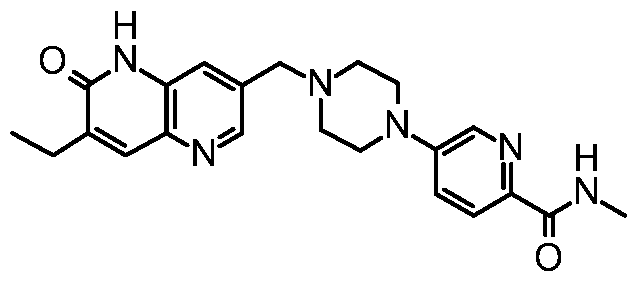
- AZD5305 refers to a compound with the chemical name of 5-[4-[(7-ethyl-6-oxo- 5H-1 ,5-naphthyridin-3-yl)methyl]piperazin-1-yl]-N-methyl-pyridine-2-carboxamide and structure shown below: Preparation of AZD5305 is disclosed herein (see Example 1). In some embodiments, a free base of AZD5305, is administered to a subject. In some embodiments, a pharmaceutically acceptable salt of AZD5305 is administered to a subject. In some embodiments, a crystalline AZD5305 is administered to a subject. In some embodiments, crystalline Form A AZD5305 is administered to a subject.
- platinum-containing chemotherapeutic agent includes drugs that contain the metal platinum, such as cisplatin, carboplatin, and oxaliplatin.
- AZD5305 or a pharmaceutically acceptable salt thereof and a platinum chemotherapeutic agent or a pharmaceutically acceptable salt thereof are administered separately, sequentially or simultaneously.
- the platinum chemotherapeutic agent or a pharmaceutically acceptable salt thereof is administered first, and AZD5305 or a pharmaceutically acceptable salt thereof is administered second.
- AZD5305 or a pharmaceutically acceptable salt is administered first, and the platinum chemotherapeutic agent or a pharmaceutically acceptable salt is administered second.
- AZD5305 or a pharmaceutically acceptable salt thereof and a platinum chemotherapeutic agent or a pharmaceutically acceptable salt thereof are administered separately, sequentially or simultaneously in a treatment cycle.
- a “cycle”, “treatment cycle” or “dosing schedule”, as used herein, refers to a period of combination treatment that is repeated on a regular schedule.
- the treatment can be given for one week, two weeks, or three weeks wherein AZD5305 and a platinum chemotherapeutic agent are administered in a coordinated fashion.
- a treatment cycle is about 1 week to about 3 months.
- a treatment cycle is about 5 days to about 1 month.
- a treatment cycle is about 1 week to about 3 weeks.
- a treatment cycle is about 1 week, about 10 days, about 2 weeks, about 3 weeks, about 4 weeks, about 2 months, or about 3 months.
- AZD5305 or a pharmaceutically acceptable salt thereof and a platinum chemotherapeutic agent or a pharmaceutically acceptable salt thereof are administered to the human subject in one or more treatment cycles, e.g., a treatment course.
- a “treatment course” comprises multiple treatment cycles, which can be repeated on a regular schedule, or adjusted as a tapered schedule as the patient’s disease progression is monitored.
- a patient’s treatment cycles can have longer periods of treatment and/or shorter periods of rest at the beginning of a treatment course (e.g., when the patient is first diagnosed), and as the cancer enters remission, the rest period lengthens, thereby increasing the length of one treatment cycle.
- the period of time for treatment and rest in a treatment cycle, the number of treatment cycles, and the length of time for the treatment course can be determined and adjusted throughout the treatment course by the skilled artisan based on the patient’s disease progression, treatment tolerance, and prognosis.
- the method comprises 1 to 10 treatment cycles. In some embodiments, the method comprises 2 to 8 treatment cycles.
- AZD5305 or a pharmaceutically acceptable salt thereof is administered orally. In some embodiments, AZD5305 or a pharmaceutically acceptable salt thereof is in capsule dosage form. In some embodiments, AZD5305 or a pharmaceutically acceptable salt thereof is in tablet dosage form.
- the language “treat,” “treating” and “treatment” includes the reduction or inhibition of enzyme or protein activity related to, PARP or cancer in a subject, amelioration of one or more symptoms of cancer in a subject, or the slowing or delaying of progression of cancer in a subject.
- the language “treat,” “treating” and “treatment” also includes the reduction or inhibition of the growth of a tumor or proliferation of cancerous cells in a subject.
- inhibitor includes a decrease in the baseline activity of a biological activity or process.
- cancer includes, but is not limited to a disease caused by an uncontrolled division of abnormal cells in a part of the body.
- the cancer includes cancers that are susceptible to treatment with PARP inhibitors (e.g., AZD5305).
- the cancer is ovarian cancer, breast cancer, pancreatic cancer, and prostate cancer.
- the cancer is hematological, gastrointestinal such as gastric and colorectal, or lung cancer.
- the cancer is relapsed or refractory cancer.
- the cancer is platinum-resistant cancer.
- compositions comprising an active ingredient and a pharmaceutically acceptable excipient, carrier or diluent, wherein the active ingredient is AZD5305 or a pharmaceutically acceptable salt thereof, or a platinum chemotherapeutic agent or a pharmaceutically acceptable salt thereof.
- the term “pharmaceutically acceptable” as used herein refers to those compounds, materials, compositions, salts, and/or dosage forms which are, within the scope of sound medical judgment, suitable for use in contact with the tissues of human beings and animals without excessive toxicity, irritation, allergic response, or other problem or complication, commensurate with a reasonable benefit/risk ratio.
- pharmaceutically acceptable excipient, carrier or diluent includes compounds, materials, compositions, and/or dosage forms which are, within the scope of sound medical judgment, suitable for use in contact with the tissues of human beings and animals without excessive toxicity, irritation, allergic response, or other problem or complication, as ascertained by one of skill in the art.
- the pharmaceutical compositions are in solid dosage forms, such as capsules, tablets, granules, powders, sachets, etc.
- the pharmaceutical compositions are in the form of a sterile injectable solution in one or more aqueous or non-aqueous non-toxic parenterally-acceptable buffer systems, diluents, solubilizing agents, co-solvents, or carriers.
- a sterile injectable preparation may also be a sterile injectable aqueous or oily suspension or suspension in a non-aqueous diluent, carrier or co-solvent, which may be formulated according to known procedures using one or more of the appropriate dispersing or wetting agents and suspending agents.
- the pharmaceutical compositions could be a solution for iv bolus/infusion injection or a lyophilized system (either alone or with excipients) for reconstitution with a buffer system with or without other excipients.
- the lyophilized freeze-dried material may be prepared from non-aqueous solvents or aqueous solvents.
- the dosage form could also be a concentrate for further dilution for subsequent infusion.
- the term “subject” includes warm-blooded mammals, for example, primates, dogs, cats, rabbits, rats, and mice.
- the subject is a primate, for example, a human.
- the subject is suffering from cancer, such as ovarian cancer, breast cancer, pancreatic cancer, and prostate cancer.
- the subject is suffering from cancer, such as hematological cancer, gastrointestinal such as gastric and colorectal cancer, or lung cancer.
- the subject is suffering from ovarian cancer or breast cancer.
- the subject is suffering from relapsed or refractory ovarian cancer.
- the subject is suffering from relapsed or refractory breast cancer.
- the subject is suffering from cancer and is treatment naive (e.g., has never received treatment for cancer).
- the subject is suffering from cancer and is platinum-resistant.
- Platinum-resistant disease is defined by progression within 6 months following the last administered platinum-based regimen.
- Platinum- refractory disease is defined by lack of at least a partial response while on platinum-containing regimens.
- a platinum-based regimen includes drugs that contain the metal platinum, such as cisplatin and carboplatin.
- the language “therapeutically effective amount” includes that amount of AZD5305 and that amount of platinum chemotherapeutic agent which together will elicit a biological or medical response in a subject, for example, the reduction or inhibition of enzyme or protein activity related to PARP, or cancer; amelioration of symptoms of cancer; or the slowing or delaying of progression of cancer.
- the language “therapeutically effective amount” includes the amount of AZD5305 and a platinum chemotherapeutic agent together that is effective to at least partially alleviate, inhibit, and/or ameliorate cancer or inhibit PARP, and/or reduce or inhibit the growth of a tumor or proliferation of cancerous cells in a subject.
- the language “therapeutically effective amount” includes the amount of AZD5305 and a platinum chemotherapeutic agent together that is effective to at least partially reduce or inhibit the growth of a tumor or proliferation of cancerous cells in a subject.
- kits comprising: a first pharmaceutical composition comprising AZD5305 or a pharmaceutically acceptable salt thereof and a pharmaceutically acceptable carrier; and a second pharmaceutical composition comprising carboplatin or a pharmaceutically acceptable salt; and instructions for using the first and second pharmaceutical compositions in combination.
- the first pharmaceutical composition comprises a first amount of AZD5305 or a pharmaceutically acceptable salt thereof
- the second pharmaceutical composition comprises a second amount of a platinum chemotherapeutic agent or a pharmaceutically acceptable salt thereof; wherein the first amount and the second amount together comprise a therapeutically effective amount.
- LC-MS was carried out using a Waters UPLC fitted with a Waters SQD mass spectrometer or Shimadzu LC-20AD LC-20XR LC-30AD with a Shimadzu 2020 mass spectrometer.
- Reported molecular ions correspond to [M+H]+ unless otherwise noted; for molecules with multiple isotopic patterns (Br, Cl, etc.) the reported value is the one obtained for the lowest isotope mass unless otherwise specified.
- Flash chromatography was performed using straight phase flash chromatography on a SP1TM Purification system from BiotageTM, CombiFlash®Rf from ISCO or on Gilson system from Thermo Fisher using normal phase silica FLASH+TM (40M, 25M or 12 M) or SNAPTM KP-Sil Cartridges (340, 100, 50 or 10), Flash Column silica-CS columns from Agela, with C18-flash columns or standard flash chromatography. In general, all solvents used were commercially available and of analytical grade. Anhydrous solvents were routinely used for reactions. Phase Separators used in the examples are ISOLUTE® Phase Separator columns. The intermediates and examples named below were named using ACD/Name 12.01 from Advanced Chemistry Development, Inc. (ACD/Labs). The starting materials were obtained from commercial sources or made via literature routes.
- XRPD analysis was performed using a Bruker D8 diffractometer, which is commercially available from Bruker AXS IncTM (Madison, Wisconsin).
- the XRPD spectra were obtained by mounting a sample (approximately 10 mg) of the material for analysis on a single silicon crystal wafer mount (e.g., a Bruker silicon zero background X-ray diffraction sample holder) and spreading out the sample into a thin layer with the aid of a microscope slide.
- the sample was spun at 30 revolutions per minute (to improve counting statistics) and irradiated with X-rays generated by a copper long-fine focus tube operated at 40 kV and 40 mA with a wavelength of 1 .5406 angstroms (i.e., about 1 .54 angstroms).
- the sample was exposed for 1 second per 0.02 degree 2-theta increment (continuous scan mode) over the range 5 degrees to 40 degrees 2- theta in theta-theta mode.
- the running time was ⁇ 15 min for D8.
- XRPD 20 values may vary with a reasonable range, e.g., in the range ⁇ 0.2° and that XRPD intensities may vary when measured for essentially the same crystalline form for a variety of reasons including, for example, preferred orientation.
- Principles of XRPD are described in publications, such as, for example, Giacovazzo, C. et al. (1995), Fundamentals of Crystallography, Oxford University Press; Jenkins, R. and Snyder, R. L. (1996), Introduction to X-Ray Powder Diffractometry, John Wiley & Sons, New York; and Klug, H. P. & Alexander, L. E. (1974), X-ray Diffraction Procedures, John Wiley and Sons, New York.
- aq aqueous
- CH2CI2 dichloromethane
- DCM dichloromethane
- DDQ 2,3-Dichloro-5,6-dicyano-1 ,4-benzoquinone
- DIPEA N,N- diisopropylethylamine
- DMSO dimethylsulfoxide
- DMSO-d 6 deuterated dimethylsulfoxide
- ESI electrospray ionization
- MeCN or CH3CN acetonitrile
- NMR nuclear magnetic resonance
- THF tetrahydrofuran
- TLC thin layer chromatography
- HCI Hydrochloric acid
- HBr Hydrobromic acid
- Cs2CO3 Cesium carbonate
- MgSO4 Magnesium sulfate
- NaHCO3 Sodium bicarbonate
- SOCI2 Thionyl chloride
- reaction mixture was cooled to -78°C and to this cooled reaction mixture was then slowly added solution of ethyl 6-formyl-5-nitro-pyridine-3-carboxylate (Intermediate 2, 22.5 g, 100.37 mmol) in 100 mL THF.
- the mixture was quenched with sat. NH 4 CI solution, extracted with ethyl acetate.
- the combined the organic layers were dried over sodium Na 2 SO 4 , filtered and concentrated to give crude product, the resulting residue was purified by flash silica chromatography, elution gradient 0 to 50% ethyl acetate in hexanes.
- Ethyl 7-ethyl-6-oxo-7,8-dihydro-5H-1 ,5-naphthyridine-3-carboxylate (Intermediate 4, 2.26 g, 9.10 mmol) was dissolve into 1 ,4-dioxane (40 mL), DDQ (2.273 g, 10.01 mmol) was added and the mixture was stirred at reflux for 3 h. Solvent was removed under reduced pressure, sat. NaHCO 3 solution was added and the residue stirred at room temperature for 1 hr. The solid was filtered off, washed with water followed by 10 mL of diethyl ether.
- Lithium aluminum hydride, 2 M in THF 29.2 mL, 58.47 mmol was added dropwise to ethyl 7- ethyl-6-oxo-5H-1 ,5-naphthyridine-3-carboxylate (Intermediate 5, 7.2 g, 29.24 mmol) in tetra hydrofuran (150 mL) at O°C over a period of 45 minutes under nitrogen.
- the resulting mixture was stirred at 0 °C for 1 .5 hours.
- the reaction mixture was quenched by dropwise addition of 1 M aq HCI (29 mL).
- the reaction mixture was concentrated and the solid was diluted with water ( ⁇ 150 mL) and 29 mL of 1 M HCI solution gave a yellow suspension.
- the solid was collected by filtration, washed with water, diethyl ether and dried to yield the crude product as a yellow solid (contaminated by some inorganic salt).
- This solid was suspended in a mixture of methanol and DCM (2:1) (400 mL) and heated to reflux. The solid was filtered off. This solid was resuspended in methanol/DCM mixture and repeated this procedure 5 times to get most of the product out from this mixture.
- DIPEA (12.83 mL, 73.45 mmol) was added to a stirred solution of 7-(chloromethyl)-3-ethyl-1 H- 1 ,5-naphthyridin-2-one (crude from above), potassium iodide (0.488 g, 2.94 mmol) and N-methyl- 5-piperazin-1-yl-pyridine-2-carboxamide, 2HCI (Intermediate 7, 4.31 g, 14.69 mmol) in acetonitrile (50.00 mL) at 20°C. The resulting solution was stirred at 80 °C for 2 hours. Solvent was removed under vacuum. Crude material was diluted with water, basified with aq.
- Example 1 5-[4-[(7-ethyl-6-oxo-5H-1 ,5-naphthyridin-3-yl)methyl]piperazin-1-yl]-N-methyl- pyridine-2-carboxamide was obtained as a partially crystalline solid by evaporating a methanol/dichloromethane solution under reduced pressure.
- the crystalline material so- obtained was characterised as crystalline Form A.
- crystalline Form A was obtainable by suspending 20 mg of the crude sample in 0.20 ml of water, methanol, ethanol, acetone, acetonitrile, tetra hydrofuran, ethyl acetate or other solvent for 1 day at the ambient temperature or 50°C.
- Form A is characterized in providing at least one of the following 29 values measured using CuKa radiation: 8.3, 12.4, and 19.4°.
- Example 2
- HBCx-9 is a patient-derived tumour explant (PDX) model established in XenTech without prior in vitro culture. Tumour fragments were transplanted subcutaneously (SC) onto donor mice.
- PDX patient-derived tumour explant
- tumour volume reached 700 to 1764 mm 3
- donor mice were sacrificed, and tumours were aseptically excised and dissected. After removing necrotic areas, tumours were cut into fragments measuring approximately 20 mm 3 and transferred in culture medium before grafting SC into the recipient (experimental) Nude female mice. Tumours were measured (length x width) two times weekly by bilateral Vernier calliper measurements and tumour volume was calculated using elliptical formula (iT/6xwidthxwidthxlength). Animal bodyweight and tumour condition were monitored throughout the study. Mice were randomised into treatment groups when mean tumour volume reached approximately 100 mm 3 . Animals were treated from the day after the randomisation.
- Control animals were treated orally (PO) once daily (QD) with vehicle (deionised water acidified with HCI to pH 3.5-4).
- AZD5305 was dosed PO QD at 1 mg/kg.
- Carboplatin was dosed intraperitoneally (IP) once weekly (QW) at 50 mg/kg.
- mice were dosed with carboplatin first, followed by AZD5305 administration within 10 minutes.
- Tumour growth inhibition from start of treatment was assessed by comparison of the mean change in tumour volume of the control and treated groups and represented as percent tumour growth inhibition (TGI, when TV >starting TV) or regression (reg, when TV ⁇ starting TV). Mean percent body weight change from start of treatment was also calculated for all the groups. Statistical significance was evaluated using a one-tailed t test. Statistical significance is indicated as follows: * p ⁇ 0.05, ** p ⁇ 0.01 , *** p ⁇ 0.001 .
- AZD5305 was formulated for oral dosing in water/HCI pH3.5-4 vehicle to be administered at 0.1 ml/10g dose volume. Solid was diluted by adding appropriate volume of 1 N HCI to about 1 :1.25 drug/HCI molar ratio and 80% of final volume of sterile deionized water with stirring/vortex/sonication until a solution was obtained. The required volume of 1 N HCI was calculated according to the following equation:
- the pH of the solution was adjusted to 3.5 to 4 with 1 N HCI or 1 N NaOH.
- the final volume was made up using sterile water for injections or deionized water and the final pH was measured and recorded. Dosing preparations were formulated once per week and protected from light. Carboplatin (Teva®) was formulated fresh on each day of dosing by diluting the stock solution in 0.9% NaCI to 5 mg/ml for 50 mg/kg dose (0.1 ml/10g dose volume).
- HBCx-9 is a TNBC PDX model available in XenTech, France. It has been reported as BRCA wt model, with BRCA1 methylation [1 ], HBCx-9 was also shown to have a moderate sensitivity to olaparib monotherapy [2],
- AZD5305 at 1 , 0.1 , and 0.01 mg/kg QD and carboplatin at 50 mg/kg QW were tested in the efficacy study as monotherapies and in combination. The treatment period lasted for 28 days. All treatments were well tolerated throughout the duration of the study and no significant body weight loss was observed ( Figures 1 &7).
- AZD5305 monotherapy showed dose-dependent anti-tumour efficacy, delivering 72% TGI and 88% TGI was observed in carboplatin monotherapy group.
- AZD5305 and carboplatin dosed together demonstrated clear combination benefit by delivering 88% tumour regression (Figure 2 and Table 2). Moreover, all the animals in the combination group (8/8) reached a complete response (CR; defined as TV ⁇ 14mm 3 ) ( Figure 3).
- AZD5305 in combination with carboplatin demonstrated improved anti-tumour effect compared to each monotherapy in HBCx-9 PDX model in vivo.
- Combination of AZD5305 and carboplatin led to complete responses in 100% of animals and was well tolerated in mice.
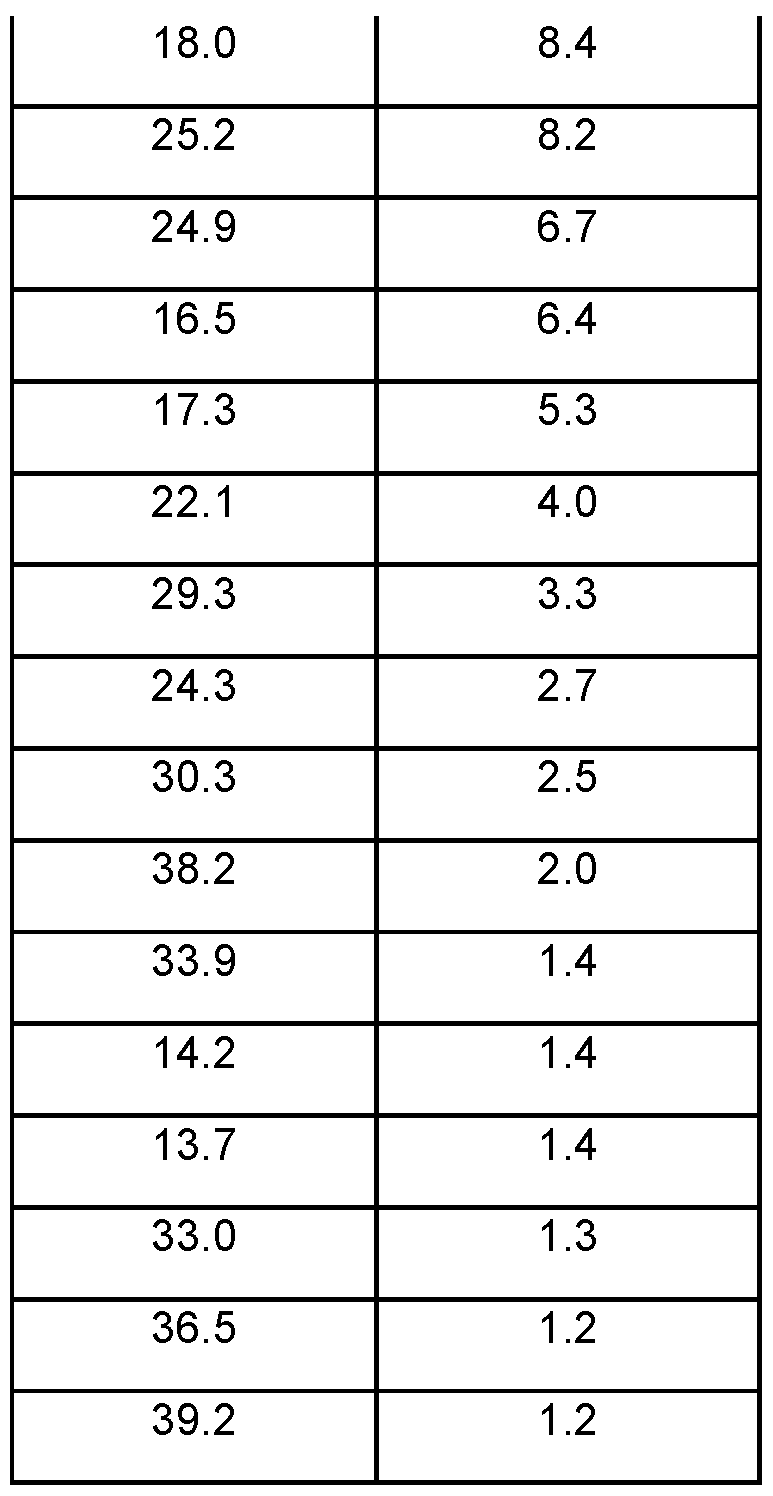
- Table 2 in vivo anti-tumour effects of AZD5305, carboplatin and combination of both agents in HBCx-9 patient-derived explant model.
- Example 3 This study was carried out to investigate the anti-tumour effects of AZD5305 in combination with carboplatin in a BRCA1 mutant tumour model, SUM149PT, in vivo.
- AZD5305 monotherapy and carboplatin monotherapy arms were included in the study design as controls.
- SUM149PT cells (2 x10 6 ) were implanted with 50% Matrigel into mammary fat pad (MFP) of female SCID mice (weight greater than 18 g). Tumours were measured (length x width) two times weekly by bilateral Vernier calliper measurements and tumour volume was calculated using elliptical formula (iT/6xwidthxwidthxlength). Animal bodyweight and tumour condition were monitored throughout the studies. Mice were randomised into treatment groups when mean tumour volume reached approximately 0.3 cm 3 . Animals were treated from the day after the randomisation. Control animals were treated orally (PO) once daily (QD) with vehicle (deionised water acidified with HCI to pH 3.5-4) and intraperitoneally (IP) once weekly (QW) with PBS.
- PO once daily
- IP intraperitoneally
- AZD5305 was dosed PO QD at 0.1 , 0.03 or 0.01 mg/kg.
- Carboplatin was dosed IP once weekly (QW) at 37.5 mg/kg.
- QW IP once weekly
- mice were dosed with carboplatin first, followed by AZD5305 administration within 10 minutes.
- AZD5305 was formulated for oral dosing in water/HCI pH3.5-4 vehicle to be administered at 0.1 ml/10 g dose volume. Solid was diluted by adding appropriate volume of 1 N HCI to about 1 : 1 .25 drug/HCI molar ratio and 80% of final volume of sterile deionized water with stirring/vortex/sonication until a solution was obtained. The required volume of 1 N HCI was calculated according to the following equation:
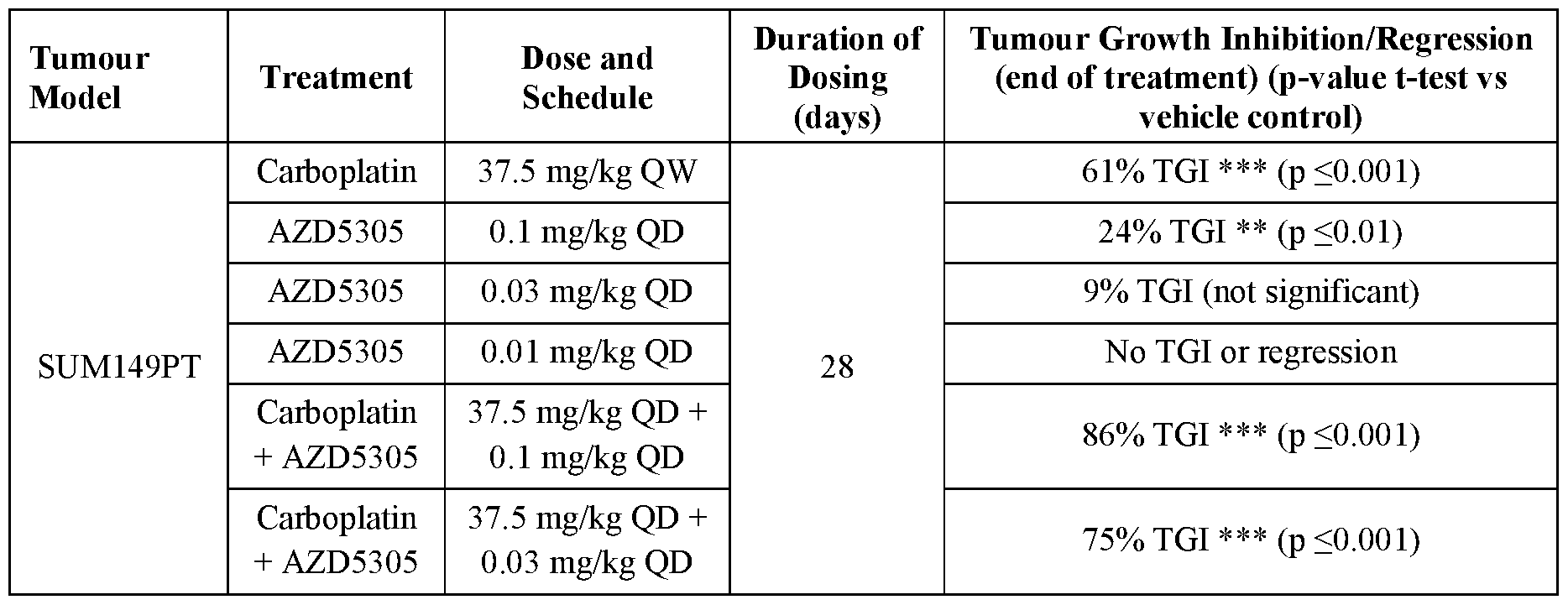
- AZD5305 at 0.1 , 0.03 and 0.01 mg/kg QD and carboplatin at 37.5 mg/kg QW were tested in the efficacy study in SUM149PT TNBC B RCA 1 m xenograft model as monotherapies and in combination. All treatments were well tolerated throughout the duration of the study (28 days) and no significant body weight loss was observed (Figure 5).
- AZD5305 monotherapy showed dose-dependent anti-tumour efficacy, delivering 24% TGI and 9% TGI at 0.1 mg/kg QD and 0.03 mg/kg QD, respectively.
- AZD5305 dosed at 0.01 mg/kg QD did not inhibit tumour growth.
- Carboplatin monotherapy resulted in 61 % TGI.
- AZD5305 in combination with carboplatin demonstrated improved anti-tumour effect compared to monotherapy groups in SUM149PT xenograft model in vivo. Decreasing dose level of AZD5305 by 10-fold (from 0.1 mg/kg to 0.01 mg/kg) in combination with carboplatin did not affect the tumour growth inhibition effect.
- Table 3 Summary of in vivo anti-tumour effects of AZD5305, carboplatin and combination of both agents in SUM149PT xenograft model. Table 3 Summary of in vivo anti-tumour effects of AZD5305, carboplatin and combination of both agents in SUM149PT xenograft model.
- HBCx-9 is a patient-derived tumour explant (PDX) model established in XenTech without prior in vitro culture.
- Tumour fragments were transplanted subcutaneously (SC) onto donor mice. When tumour volume reached 1008 to 1764 mm3, donor mice were sacrificed, and tumours were aseptically excised and dissected. After removing necrotic areas, tumours were cut into fragments measuring approximately 20 mm3 and transferred in culture medium before grafting SC into the recipient (experimental) Nude female mice.
- Tumours were measured (length x width) two times weekly by bilateral Vernier calliper measurements and tumour volume was calculated using elliptical formula (iT/6xwidthxwidthxlength). Animal bodyweight and tumour condition were monitored throughout the study.
- mice were randomised into treatment groups when mean tumour volume reached approximately 110 mm3. Animals were treated from the day after the randomisation. Control animals were treated orally (PC) once daily (QD) with vehicle (deionised water acidified with HCI to pH 3.5-4). AZD5305 was dosed PC QD at 1 , 0.1 , or 0.01 mg/kg. Carboplatin was dosed IP once weekly (QW) at 50 mg/kg. In the combination group, mice were dosed with carboplatin first, followed by AZD5305 administration within 10 minutes.
- PC PC
- QD vehicle
- AZD5305 was dosed PC QD at 1 , 0.1 , or 0.01 mg/kg.
- Carboplatin was dosed IP once weekly (QW) at 50 mg/kg. In the combination group, mice were dosed with carboplatin first, followed by AZD5305 administration within 10 minutes.
- Plasma samples for plasma PK were obtained by collecting 400-600 pL of whole blood by intra-cardiac puncture under xylazine-ketamine anaesthesia. Blood was transferred into BD Microtainer Hep- Li with separator gel tubes and centrifuged at 5000 RPM for 5-10 minutes at 4°C. Separated plasma was collected and stored at -80°C. To determine compound levels in plasma samples, each plasma sample (25 pl) was prepared using an appropriate dilution factor and compared against an 11 -point standard calibration curve (1-10000 nM) prepared in DMSO and spiked into blank plasma. Acetonitrile (100 pl) was added with the internal standard, followed by centrifugation at 3000 RPM for 10 minutes. Supernatant (50 pl) was then diluted in 300 pl water and analysed via UPLC-MS/MS.
- AZD5305 was formulated for oral dosing in water/HCI pH3.5-4 vehicle to be administered at 0.1 ml/10 g dose volume. Solid was diluted by adding appropriate volume of 1 N HCI to about 1 : 1 .25 drug/HCI molar ratio and 80% of final volume of sterile deionized water with stirring/vortex/sonication until a solution was obtained. The required volume of 1 N HCI was calculated according to the following equation:
- the pH of the solution was adjusted to 3.5-4 with 1 N HCI or 1 N NaOH.
- the final volume was made up using sterile water for injections or deionized water and the final pH was measured and recorded. Dosing preparations were formulated once per week and protected from light. Carboplatin (Sandoz) was formulated fresh on each day of dosing by diluting the stock solution in 0.9% NaCI to 5 mg/ml for 50 mg/kg dose (0.1 ml/10 g dose volume).
- HBCx-9 is a TNBC PDX model available in XenTech, France. It has been reported as BRCA1/2 wt model with BRCA1 methylation, as well as “BRCAness features” [1], HBCx-9 was also shown to have a moderate sensitivity to olaparib monotherapy [2],
- AZD5305 at 1 , 0.1 , and 0.01 mg/kg QD and carboplatin at 50 mg/kg QW were tested in the efficacy study as monotherapies and in combination. All treatments were well tolerated throughout the duration of the study (28 days) and no significant body weight loss was observed (Error! Reference source not found.).
- AZD5305 monotherapy showed dose-dependent antitumour efficacy, delivering 66%, 44%, and 7% TGI at 1 , 0.1 , and 0.01 mg/kg QD, respectively.
- Carboplatin monotherapy resulted in 68% TGI. Treatment with 1 mg/kg AZD5305 and carboplatin demonstrated a combination benefit and delivered 90% regression.
- AZD5305 in combination with carboplatin demonstrated improved anti-tumour effect compared to monotherapy groups in HBCx-9 PDX model in vivo. Decreasing dose level of AZD5305 by 10-fold (from 1 mg/kg to 0.1 mg/kg) in combination with carboplatin did not affect the tumour regression effect.
- Table 4 Summary of in vivo anti-tumour effects of AZD5305, carboplatin and combination of both agents in HBCx-9 model.
Landscapes
- Health & Medical Sciences (AREA)
- Veterinary Medicine (AREA)
- Chemical & Material Sciences (AREA)
- Medicinal Chemistry (AREA)
- Pharmacology & Pharmacy (AREA)
- Life Sciences & Earth Sciences (AREA)
- Animal Behavior & Ethology (AREA)
- General Health & Medical Sciences (AREA)
- Public Health (AREA)
- Epidemiology (AREA)
- Inorganic Chemistry (AREA)
- Chemical Kinetics & Catalysis (AREA)
- General Chemical & Material Sciences (AREA)
- Nuclear Medicine, Radiotherapy & Molecular Imaging (AREA)
- Organic Chemistry (AREA)
- Pharmaceuticals Containing Other Organic And Inorganic Compounds (AREA)
- Medicines That Contain Protein Lipid Enzymes And Other Medicines (AREA)
- Acyclic And Carbocyclic Compounds In Medicinal Compositions (AREA)
- Medicines Containing Material From Animals Or Micro-Organisms (AREA)
Abstract
Description







Claims
Priority Applications (15)
| Application Number | Priority Date | Filing Date | Title |
|---|---|---|---|
| BR112023005160A BR112023005160A2 (en) | 2020-10-08 | 2021-10-07 | COMBINATION THERAPY FOR THE TREATMENT OF CANCER |
| AU2021356123A AU2021356123B2 (en) | 2020-10-08 | 2021-10-07 | Combination therapy for treating cancer |
| ES21794474T ES3005507T3 (en) | 2020-10-08 | 2021-10-07 | Combination therapy for treating cancer |
| FIEP21794474.3T FI4225297T3 (en) | 2020-10-08 | 2021-10-07 | COMBINATION MEDICINE THERAPY IN CANCER TREATMENT |
| US18/248,108 US20230372333A1 (en) | 2020-10-08 | 2021-10-07 | Combination therapy for treating cancer |
| IL301687A IL301687A (en) | 2020-10-08 | 2021-10-07 | Combination therapy for treating cancer |
| CA3197056A CA3197056A1 (en) | 2020-10-08 | 2021-10-07 | Combination therapy for treating cancer |
| JP2023521357A JP2023546362A (en) | 2020-10-08 | 2021-10-07 | Combination therapy to treat cancer |
| PL21794474.3T PL4225297T3 (en) | 2020-10-08 | 2021-10-07 | Combination therapy for treating cancer |
| EP21794474.3A EP4225297B1 (en) | 2020-10-08 | 2021-10-07 | Combination therapy for treating cancer |
| DK21794474.3T DK4225297T3 (en) | 2020-10-08 | 2021-10-07 | COMBINATION THERAPY FOR THE TREATMENT OF CANCER |
| KR1020237013320A KR20230083291A (en) | 2020-10-08 | 2021-10-07 | Combination therapy for cancer treatment |
| MX2023004156A MX2023004156A (en) | 2020-10-08 | 2021-10-07 | Combination therapy for treating cancer. |
| CN202180065599.5A CN116194110B (en) | 2020-10-08 | 2021-10-07 | Combination therapies for treating cancer |
| ZA2023/04965A ZA202304965B (en) | 2020-10-08 | 2023-05-04 | Combination therapy for treating cancer |
Applications Claiming Priority (2)
| Application Number | Priority Date | Filing Date | Title |
|---|---|---|---|
| US202063089195P | 2020-10-08 | 2020-10-08 | |
| US63/089,195 | 2020-10-08 |
Publications (1)
| Publication Number | Publication Date |
|---|---|
| WO2022074124A1 true WO2022074124A1 (en) | 2022-04-14 |
Family
ID=78293953
Family Applications (1)
| Application Number | Title | Priority Date | Filing Date |
|---|---|---|---|
| PCT/EP2021/077703 Ceased WO2022074124A1 (en) | 2020-10-08 | 2021-10-07 | Combination therapy for treating cancer |
Country Status (19)
| Country | Link |
|---|---|
| US (1) | US20230372333A1 (en) |
| EP (1) | EP4225297B1 (en) |
| JP (1) | JP2023546362A (en) |
| KR (1) | KR20230083291A (en) |
| CN (1) | CN116194110B (en) |
| AU (1) | AU2021356123B2 (en) |
| BR (1) | BR112023005160A2 (en) |
| CA (1) | CA3197056A1 (en) |
| DK (1) | DK4225297T3 (en) |
| ES (1) | ES3005507T3 (en) |
| FI (1) | FI4225297T3 (en) |
| HU (1) | HUE069249T2 (en) |
| IL (1) | IL301687A (en) |
| MX (1) | MX2023004156A (en) |
| PL (1) | PL4225297T3 (en) |
| PT (1) | PT4225297T (en) |
| TW (1) | TW202228693A (en) |
| WO (1) | WO2022074124A1 (en) |
| ZA (1) | ZA202304965B (en) |
Cited By (4)
| Publication number | Priority date | Publication date | Assignee | Title |
|---|---|---|---|---|
| WO2022222995A1 (en) * | 2021-04-23 | 2022-10-27 | 南京明德新药研发有限公司 | Picolinamide compound |
| WO2023036285A1 (en) * | 2021-09-09 | 2023-03-16 | 南京奥利墨斯医药科技有限公司 | Heteroaromatic compound and application thereof |
| WO2023194525A1 (en) * | 2022-04-07 | 2023-10-12 | Astrazeneca Ab | Combination therapy for treating cancer |
| WO2023194528A1 (en) * | 2022-04-07 | 2023-10-12 | Astrazeneca Ab | Combination therapy for treating cancer |
Families Citing this family (2)
| Publication number | Priority date | Publication date | Assignee | Title |
|---|---|---|---|---|
| US20230250428A1 (en) * | 2022-02-07 | 2023-08-10 | Alliance Of Cardiovascular Researchers | Method and composition for early detection of malignancies |
| CN121464135A (en) * | 2023-07-07 | 2026-02-03 | 优领医药科技(香港)有限公司 | Crystal forms, salt forms, preparation methods and applications of piperazine-containing ring derivatives |
Citations (1)
| Publication number | Priority date | Publication date | Assignee | Title |
|---|---|---|---|---|
| WO2021013735A1 (en) * | 2019-07-19 | 2021-01-28 | Astrazeneca Ab | Parp1 inhibitors |
Family Cites Families (1)
| Publication number | Priority date | Publication date | Assignee | Title |
|---|---|---|---|---|
| JP6648040B2 (en) * | 2014-05-28 | 2020-02-14 | エーザイ・アール・アンド・ディー・マネジメント株式会社 | Use of eribulin and poly (ADP-ribose) polymerase (PARP) inhibitors as combination therapy for cancer treatment |
-
2021
- 2021-10-06 TW TW110137116A patent/TW202228693A/en unknown
- 2021-10-07 JP JP2023521357A patent/JP2023546362A/en active Pending
- 2021-10-07 PT PT217944743T patent/PT4225297T/en unknown
- 2021-10-07 KR KR1020237013320A patent/KR20230083291A/en active Pending
- 2021-10-07 WO PCT/EP2021/077703 patent/WO2022074124A1/en not_active Ceased
- 2021-10-07 AU AU2021356123A patent/AU2021356123B2/en active Active
- 2021-10-07 ES ES21794474T patent/ES3005507T3/en active Active
- 2021-10-07 BR BR112023005160A patent/BR112023005160A2/en unknown
- 2021-10-07 CN CN202180065599.5A patent/CN116194110B/en active Active
- 2021-10-07 CA CA3197056A patent/CA3197056A1/en active Pending
- 2021-10-07 FI FIEP21794474.3T patent/FI4225297T3/en active
- 2021-10-07 HU HUE21794474A patent/HUE069249T2/en unknown
- 2021-10-07 PL PL21794474.3T patent/PL4225297T3/en unknown
- 2021-10-07 MX MX2023004156A patent/MX2023004156A/en unknown
- 2021-10-07 DK DK21794474.3T patent/DK4225297T3/en active
- 2021-10-07 IL IL301687A patent/IL301687A/en unknown
- 2021-10-07 EP EP21794474.3A patent/EP4225297B1/en active Active
- 2021-10-07 US US18/248,108 patent/US20230372333A1/en active Pending
-
2023
- 2023-05-04 ZA ZA2023/04965A patent/ZA202304965B/en unknown
Patent Citations (1)
| Publication number | Priority date | Publication date | Assignee | Title |
|---|---|---|---|---|
| WO2021013735A1 (en) * | 2019-07-19 | 2021-01-28 | Astrazeneca Ab | Parp1 inhibitors |
Non-Patent Citations (8)
| Title |
|---|
| ANONYMOUS: "Study Record Versions History of Changes for Study: NCT04644068 Study of AZD5305 as Monotherapy and in Combination With Anti-cancer Agents in Patients With Advanced Solid Malignancies (PETRA)", 19 November 2020 (2020-11-19), XP055875178, Retrieved from the Internet <URL:https://clinicaltrials.gov/ct2/history/NCT04644068?A=1&B=1&C=merged#StudyPageTop> [retrieved on 20211221] * |
| COUSSY FDE KONING LLAVIGNE M ET AL.: "A large collection of integrated genomically characterized patient-derived xenografts highlighting the heterogeneity of triple-negative breast cancer", INT J CANCER, vol. 145, no. 7, 2019, pages 1902 - 1912 |
| GIACOVAZZO, C ET AL.: "Fundamentals of Crystallography", 1995, OXFORD UNIVERSITY PRESS |
| HU XIAO-LONG ET AL: "Identification of amentoflavone as a potent highly selective PARP-1 inhibitor and its potentiation on carboplatin in human non-small cell lung cancer", PHYTOMEDICINE, ELSEVIER, AMSTERDAM, NL, vol. 50, 5 September 2018 (2018-09-05), pages 88 - 98, XP085539127, ISSN: 0944-7113, DOI: 10.1016/J.PHYMED.2018.09.012 * |
| JENKINS, R.SNYDER, R. L.: "Introduction to X-Ray Powder Diffractometry", 1996, JOHN WILEY & SONS |
| KLUG, H. P.ALEXANDER, L. E.: "X-ray Diffraction Procedures", 1974, JOHN WILEY AND SONS |
| LC RICHES, MOL CANCER THER, vol. 19, 2020, pages 13 - 25 |
| STANISZEWSKA A D ET AL: "The novel PARP1-selective inhibitor, AZD5305, is efficacious as monotherapy and in combination with standard of care chemotherapy in the in vivo preclinical models", CANCER RESEARCH 20210701 AMERICAN ASSOCIATION FOR CANCER RESEARCH INC. NLD, vol. 81, no. 13 SUPPL, 1 July 2021 (2021-07-01), XP009532404, ISSN: 1538-7445 * |
Cited By (5)
| Publication number | Priority date | Publication date | Assignee | Title |
|---|---|---|---|---|
| WO2022222995A1 (en) * | 2021-04-23 | 2022-10-27 | 南京明德新药研发有限公司 | Picolinamide compound |
| CN115702156A (en) * | 2021-04-23 | 2023-02-14 | 南京明德新药研发有限公司 | Pyridine amides |
| WO2023036285A1 (en) * | 2021-09-09 | 2023-03-16 | 南京奥利墨斯医药科技有限公司 | Heteroaromatic compound and application thereof |
| WO2023194525A1 (en) * | 2022-04-07 | 2023-10-12 | Astrazeneca Ab | Combination therapy for treating cancer |
| WO2023194528A1 (en) * | 2022-04-07 | 2023-10-12 | Astrazeneca Ab | Combination therapy for treating cancer |
Also Published As
| Publication number | Publication date |
|---|---|
| KR20230083291A (en) | 2023-06-09 |
| PT4225297T (en) | 2024-12-30 |
| MX2023004156A (en) | 2023-05-03 |
| BR112023005160A2 (en) | 2023-04-18 |
| IL301687A (en) | 2023-05-01 |
| FI4225297T3 (en) | 2024-12-10 |
| EP4225297B1 (en) | 2024-10-23 |
| CN116194110B (en) | 2025-06-17 |
| AU2021356123A1 (en) | 2023-06-08 |
| JP2023546362A (en) | 2023-11-02 |
| HUE069249T2 (en) | 2025-02-28 |
| US20230372333A1 (en) | 2023-11-23 |
| ZA202304965B (en) | 2024-09-25 |
| PL4225297T3 (en) | 2025-03-17 |
| EP4225297A1 (en) | 2023-08-16 |
| CN116194110A (en) | 2023-05-30 |
| CA3197056A1 (en) | 2022-04-14 |
| AU2021356123B2 (en) | 2025-01-09 |
| TW202228693A (en) | 2022-08-01 |
| DK4225297T3 (en) | 2025-01-02 |
| ES3005507T3 (en) | 2025-03-14 |
Similar Documents
| Publication | Publication Date | Title |
|---|---|---|
| AU2021356123B2 (en) | Combination therapy for treating cancer | |
| ES2818620T3 (en) | Azabenzimidazole derivatives as pi3k beta inhibitors | |
| EP4631942A1 (en) | Pan-kras degrading agent, and preparation method therefor and use thereof | |
| JP7244430B2 (en) | Pyrimidopyrimidinones useful as Wee-1 kinase inhibitors | |
| CN107949557B (en) | 2-Aryl- and 2-aralkyl-benzimidazoles as mIDH1 inhibitors | |
| US11666574B2 (en) | Combination therapy involving diaryl macrocyclic compounds | |
| CN107406417A (en) | The ketone derivatives of 4H pyrrolo-es [3,2 c] pyridine 4 | |
| CN117580839A (en) | Anticancer nuclear hormone receptor-targeting compounds | |
| TW202131930A (en) | Anti-cancer nuclear hormone receptor-targeting compounds | |
| JP2023545096A (en) | Combination of antibody-drug conjugates and PARP1 selective inhibitors | |
| CN111527076A (en) | Co-crystals, pharmaceutical compositions thereof, and methods of treatment involving the same | |
| CN103534250B (en) | Be used for the treatment of the substituted indole derivatives of dysimmunity | |
| EA029789B1 (en) | IMIDAZOPYRIDAZINE DERIVATIVES AS PI3Kβ INHIBITORS | |
| EP3233839B1 (en) | Heterocyclyl linked imidazopyridazine derivatives as pi3kbeta inhibitors | |
| HK40099137B (en) | Combination therapy for treating cancer | |
| HK40099137A (en) | Combination therapy for treating cancer | |
| EA049465B1 (en) | COMBINATION THERAPY FOR CANCER TREATMENT | |
| CN120904168A (en) | Fourth-generation EGFR inhibitor, preparation method and pharmaceutical application thereof | |
| JP2020512352A (en) | Quinoxaline and pyridopyrazine derivatives as PI3Kβ inhibitors | |
| BR122024006404A2 (en) | COMPOUNDS INHIBITING TYROSINE AND CDC2 SPECIFIC THREONINE KINASE AND PHARMACEUTICAL COMPOSITION COMPRISING THE SAME | |
| TW202523322A (en) | Gemcitabine anticancer derivatives and their anticancer pharmaceutical uses and preparation methods | |
| KR20150079665A (en) | Substituted indole derivatives | |
| WO2021155185A1 (en) | Aminopyrimidinylaminobenzonitrile derivatives as nek2 inhibitors | |
| EA049180B1 (en) | COMBINATION OF ANTIBODY-DRUG CONJUGATE AND SELECTIVE PARP1 INHIBITOR | |
| CN114787162A (en) | Substituted imidazoquinoxaline compounds and uses thereof |
Legal Events
| Date | Code | Title | Description |
|---|---|---|---|
| 121 | Ep: the epo has been informed by wipo that ep was designated in this application |
Ref document number: 21794474 Country of ref document: EP Kind code of ref document: A1 |
|
| ENP | Entry into the national phase |
Ref document number: 3197056 Country of ref document: CA |
|
| REG | Reference to national code |
Ref country code: BR Ref legal event code: B01A Ref document number: 112023005160 Country of ref document: BR |
|
| ENP | Entry into the national phase |
Ref document number: 2023521357 Country of ref document: JP Kind code of ref document: A |
|
| ENP | Entry into the national phase |
Ref document number: 112023005160 Country of ref document: BR Kind code of ref document: A2 Effective date: 20230320 |
|
| ENP | Entry into the national phase |
Ref document number: 20237013320 Country of ref document: KR Kind code of ref document: A |
|
| WWE | Wipo information: entry into national phase |
Ref document number: 799393 Country of ref document: NZ |
|
| NENP | Non-entry into the national phase |
Ref country code: DE |
|
| ENP | Entry into the national phase |
Ref document number: 2021794474 Country of ref document: EP Effective date: 20230508 |
|
| ENP | Entry into the national phase |
Ref document number: 2021356123 Country of ref document: AU Date of ref document: 20211007 Kind code of ref document: A |
|
| WWE | Wipo information: entry into national phase |
Ref document number: 523440275 Country of ref document: SA |
|
| WWE | Wipo information: entry into national phase |
Ref document number: 523440275 Country of ref document: SA |
|
| WWR | Wipo information: refused in national office |
Ref document number: 523440275 Country of ref document: SA |
|
| WWG | Wipo information: grant in national office |
Ref document number: 202390973 Country of ref document: EA |
|
| WWG | Wipo information: grant in national office |
Ref document number: 202180065599.5 Country of ref document: CN |