WO2021127376A1 - Treatment of, and differential diagnosis between, acth-dependent cushing's syndrome and acth-independent cushing's syndrome - Google Patents
Treatment of, and differential diagnosis between, acth-dependent cushing's syndrome and acth-independent cushing's syndrome Download PDFInfo
- Publication number
- WO2021127376A1 WO2021127376A1 PCT/US2020/065916 US2020065916W WO2021127376A1 WO 2021127376 A1 WO2021127376 A1 WO 2021127376A1 US 2020065916 W US2020065916 W US 2020065916W WO 2021127376 A1 WO2021127376 A1 WO 2021127376A1
- Authority
- WO
- WIPO (PCT)
- Prior art keywords
- acth
- syndrome
- patient
- cushing
- gra
- Prior art date
- Legal status (The legal status is an assumption and is not a legal conclusion. Google has not performed a legal analysis and makes no representation as to the accuracy of the status listed.)
- Ceased
Links
- WANIDIGFXJFFEL-SANMLTNESA-N C[n]1ncc(S(N(CC2)C[C@](C3)(C(c4cc(C(F)(F)F)ccn4)=O)C2=Cc2c3cn[n]2-c(cc2)ccc2F)(=O)=O)c1 Chemical compound C[n]1ncc(S(N(CC2)C[C@](C3)(C(c4cc(C(F)(F)F)ccn4)=O)C2=Cc2c3cn[n]2-c(cc2)ccc2F)(=O)=O)c1 WANIDIGFXJFFEL-SANMLTNESA-N 0.000 description 1
Classifications
-
- A—HUMAN NECESSITIES
- A61—MEDICAL OR VETERINARY SCIENCE; HYGIENE
- A61P—SPECIFIC THERAPEUTIC ACTIVITY OF CHEMICAL COMPOUNDS OR MEDICINAL PREPARATIONS
- A61P5/00—Drugs for disorders of the endocrine system
- A61P5/38—Drugs for disorders of the endocrine system of the suprarenal hormones
-
- A—HUMAN NECESSITIES
- A61—MEDICAL OR VETERINARY SCIENCE; HYGIENE
- A61K—PREPARATIONS FOR MEDICAL, DENTAL OR TOILETRY PURPOSES
- A61K31/00—Medicinal preparations containing organic active ingredients
- A61K31/33—Heterocyclic compounds
- A61K31/395—Heterocyclic compounds having nitrogen as a ring hetero atom, e.g. guanethidine or rifamycins
- A61K31/435—Heterocyclic compounds having nitrogen as a ring hetero atom, e.g. guanethidine or rifamycins having six-membered rings with one nitrogen as the only ring hetero atom
- A61K31/47—Quinolines; Isoquinolines
- A61K31/4738—Quinolines; Isoquinolines ortho- or peri-condensed with heterocyclic ring systems
-
- A—HUMAN NECESSITIES
- A61—MEDICAL OR VETERINARY SCIENCE; HYGIENE
- A61K—PREPARATIONS FOR MEDICAL, DENTAL OR TOILETRY PURPOSES
- A61K31/00—Medicinal preparations containing organic active ingredients
- A61K31/33—Heterocyclic compounds
- A61K31/395—Heterocyclic compounds having nitrogen as a ring hetero atom, e.g. guanethidine or rifamycins
- A61K31/495—Heterocyclic compounds having nitrogen as a ring hetero atom, e.g. guanethidine or rifamycins having six-membered rings with two or more nitrogen atoms as the only ring heteroatoms, e.g. piperazine or tetrazines
- A61K31/505—Pyrimidines; Hydrogenated pyrimidines, e.g. trimethoprim
- A61K31/513—Pyrimidines; Hydrogenated pyrimidines, e.g. trimethoprim having oxo groups directly attached to the heterocyclic ring, e.g. cytosine
-
- A—HUMAN NECESSITIES
- A61—MEDICAL OR VETERINARY SCIENCE; HYGIENE
- A61K—PREPARATIONS FOR MEDICAL, DENTAL OR TOILETRY PURPOSES
- A61K31/00—Medicinal preparations containing organic active ingredients
- A61K31/56—Compounds containing cyclopenta[a]hydrophenanthrene ring systems; Derivatives thereof, e.g. steroids
- A61K31/565—Compounds containing cyclopenta[a]hydrophenanthrene ring systems; Derivatives thereof, e.g. steroids not substituted in position 17 beta by a carbon atom, e.g. estrane, estradiol
- A61K31/567—Compounds containing cyclopenta[a]hydrophenanthrene ring systems; Derivatives thereof, e.g. steroids not substituted in position 17 beta by a carbon atom, e.g. estrane, estradiol substituted in position 17 alpha, e.g. mestranol, norethandrolone
-
- G—PHYSICS
- G01—MEASURING; TESTING
- G01N—INVESTIGATING OR ANALYSING MATERIALS BY DETERMINING THEIR CHEMICAL OR PHYSICAL PROPERTIES
- G01N33/00—Investigating or analysing materials by specific methods not covered by groups G01N1/00 - G01N31/00
- G01N33/48—Biological material, e.g. blood, urine; Haemocytometers
- G01N33/50—Chemical analysis of biological material, e.g. blood, urine; Testing involving biospecific ligand binding methods; Immunological testing
- G01N33/74—Chemical analysis of biological material, e.g. blood, urine; Testing involving biospecific ligand binding methods; Immunological testing involving hormones or other non-cytokine intercellular protein regulatory factors such as growth factors, including receptors to hormones and growth factors
-
- G—PHYSICS
- G01—MEASURING; TESTING
- G01N—INVESTIGATING OR ANALYSING MATERIALS BY DETERMINING THEIR CHEMICAL OR PHYSICAL PROPERTIES
- G01N2333/00—Assays involving biological materials from specific organisms or of a specific nature
- G01N2333/435—Assays involving biological materials from specific organisms or of a specific nature from animals; from humans
- G01N2333/665—Assays involving proteins derived from pro-opiomelanocortin, pro-enkephalin or pro-dynorphin
- G01N2333/695—Corticotropin [ACTH]
-
- G—PHYSICS
- G01—MEASURING; TESTING
- G01N—INVESTIGATING OR ANALYSING MATERIALS BY DETERMINING THEIR CHEMICAL OR PHYSICAL PROPERTIES
- G01N2333/00—Assays involving biological materials from specific organisms or of a specific nature
- G01N2333/435—Assays involving biological materials from specific organisms or of a specific nature from animals; from humans
- G01N2333/705—Assays involving receptors, cell surface antigens or cell surface determinants
- G01N2333/72—Assays involving receptors, cell surface antigens or cell surface determinants for hormones
- G01N2333/723—Steroid/thyroid hormone superfamily, e.g. GR, EcR, androgen receptor, oestrogen receptor
-
- G—PHYSICS
- G01—MEASURING; TESTING
- G01N—INVESTIGATING OR ANALYSING MATERIALS BY DETERMINING THEIR CHEMICAL OR PHYSICAL PROPERTIES
- G01N2800/00—Detection or diagnosis of diseases
- G01N2800/04—Endocrine or metabolic disorders
Definitions
- Cortisol is a steroid produced by the adrenal glands. Cortisol is used in the body to respond to physical and emotional stress, and maintain adequate energy supply and blood sugar levels. Cortisol production is highly regulated by the hypothalamic-pituitary-adrenal axis (HP A) through a complex set of direct influences and negative feedback interactions. In healthy individuals, insufficient cortisol in the bloodstream triggers the hypothalamus to release corticotropin-releasing hormone (CRH) which signals to the pituitary gland to release adrenocorticotropic hormone (ACTH), which in turn stimulates the adrenal glands to produce more cortisol.
- CSH corticotropin-releasing hormone
- ACTH adrenocorticotropic hormone
- ACTH also stimulates the production and secretion of adrenal pre-hormones and other adrenal hormones (e.g., 17a-hydroxy pregnenolone, 17a-hydroxy progesterone, 11- deoxy cortisol, pregnenolone, progesterone, 11 -deoxycorticosterone, corticosterone, 18- hydroxycorticosterone, aldosterone, dehydroepiandrosterone (androstenolone, DHEA), dehydroepiandrosterone sulfate (DHEA-S), and androstenedione).
- adrenal pre-hormones and other adrenal hormones e.g., 17a-hydroxy pregnenolone, 17a-hydroxy progesterone, 11- deoxy cortisol, pregnenolone, progesterone, 11 -deoxycorticosterone, corticosterone, 18- hydroxycorticosterone, aldosterone, dehydroepiandroster
- Impairment of the hypothalamic- pituitary-adrenal (HPA) axis due to a pituitary dysfunction disorder or an adrenal dysfunction disorder, such as adrenal insufficiency can cause deficient production or secretion of cortisol, or disorders which result in excess cortisol such as Cushing’s syndrome (which may result, e.g., from hormone-secreting tumors, or administration of drugs which mimic cortisol).
- HPA hypothalamic- pituitary-adrenal
- cortisol can be modulated at the GR level using receptor modulators, such as agonists, partial agonists and antagonists.
- receptor modulators such as agonists, partial agonists and antagonists.
- Several different classes of agents are able to block the physiologic effects of GR-agonist binding. These antagonists include compositions which, by binding to GR, block the ability of an agonist to effectively bind to and/or activate the GR.
- One such known GR antagonist, mifepristone has been found to be an effective anti-glucocorticoid agent in humans (Bertagna (1984) J. Clin. Endocrinol. Metab. 59:25). Mifepristone binds to the GR with high affinity, with a dissociation constant (Kd) of 10-9 M (Cadepond (1997) Annu. Rev. Med. 48:129).
- Cushing’s syndrome Hypercortisolism, often referred to as Cushing’s syndrome, is caused by excessive activity of the stress hormone cortisol. Endogenous Cushing’s syndrome is an orphan disease that most often affects adults aged 20-50. In the United States, an estimated 20,000 patients have Cushing’s syndrome, with about 3,000 new patients being diagnosed each year. Symptoms vary, but most people experience one or more of the following manifestations: high blood sugar (hyperglycemia), diabetes, high blood pressure, upper-body obesity, rounded face, increased fat around the neck, thinning arms and legs, easy bruising, facial plethora, acne, red purple stripes across the body, severe fatigue and weak muscles.
- high blood sugar hyperglycemia
- diabetes high blood pressure
- upper-body obesity rounded face
- increased fat around the neck thinning arms and legs
- easy bruising facial plethora
- acne red purple stripes across the body, severe fatigue and weak muscles.
- Cushing’s syndrome can affect every organ system in the body and can be lethal if not treated effectively.
- Cushing's syndrome includes ACTH-independent Cushing's syndrome, characterized by an overproduction of cortisol in the absence of elevation of ACTH secretion; and ACTH-dependent Cushing's syndrome, characterized by excessive ACTH secretion.
- ACTH-Dependent Cushing's syndrome includes roughly 70% of patients having endogenous Cushing's syndrome and consists of two major forms: Cushing Disease and ectopic ACTH syndrome. The former is caused by a pituitary tumor and the latter is caused by a tumor outside the pituitary.
- Cushing’s syndrome patients may be treated by glucocorticoid receptor modulators, such as mifepristone, to reduce or block the effects of excess cortisol (see, e.g., U.S. Patent 9,943,526; U.S. Patent 9,956,216, both of which patents are hereby incorporated by reference in their entireties).
- Cushing’s syndrome patients may be treated surgically to remove, as much as possible, the cause or source of the excess cortisol, and by other means. However, it may be critical to identify, or to localize, the cause or source of excess cortisol. Accordingly, methods for identifying those Cushing’s syndrome patients who suffer from ACTH- Dependent Cushing’s syndrome who are in need of transsphenoidal surgery, or for whom transsphenoidal was incompletely successful or was unsuccessful; those Cushing’s syndrome patients who suffer from ACTH-Dependent Cushing’s syndrome who are in need of surgery for an ectopic tumor; and for identifying those Cushing’s syndrome patients who suffer from ACTH-Independent Cushing’s syndrome are needed.
- the treatment of Cushing’s syndrome comprises administration of a glucocorticoid receptor modulator (GRM).
- the treatment of Cushing’s syndrome comprises administration of a glucocorticoid receptor antagonist (GRA).
- GEM glucocorticoid receptor modulator
- GAA glucocorticoid receptor antagonist
- the GRA is a selective inhibitor of the glucocorticoid receptor.
- the GRA is mifepristone.
- the GRA is administered orally.
- the methods disclosed herein include selecting a patient with Cushing’s syndrome having a basal plasma or serum cortisol level, and having a detectable basal plasma or serum ACTH level that is less than about 25 picograms per milliliter (pg/mL); administering a GRA to said patient; and, a) if the patient’s plasma or serum ACTH and/or cortisol levels rise above their respective basal levels after GRA administration, determining that the patient has ACTH-Dependent Cushing’s syndrome; or b) if neither the patient’s plasma or serum ACTH nor the patient’s cortisol levels rise after GRA administration, determining that the patient has ACTH-Independent Cushing’s syndrome.
- the methods include transsphenoidal surgery to remove pituitary tumor tissue in patients identified as having ACTH-Dependent Cushing’s syndrome.
- the methods include surgery for the removal or resection of an ectopic tumor for patients identified as having ectopic ACTH-Dependent Cushing’s syndrome.
- the methods include adrenal surgery for ACTH-Independent Cushing’s patients identified as having an adrenal tumor causing adrenal Cushing’s syndrome.
- the methods include measuring other adrenal hormones, or measuring adrenal pre-hormones, or measuring both other adrenal hormones and adrenal pre-hormones.
- the methods disclosed herein include selecting a patient with Cushing’s syndrome having i) a basal plasma or serum adrenal hormone level, ii) a basal plasma or serum adrenal pre-hormone level, or both i) and ii); and having a detectable basal plasma or serum ACTH level that is less than about 25 pg/mL, e.g., between about 5 to 25 pg/mL; administering a glucocorticoid receptor antagonist (GRA) to said patient; and, a) if the patient’s plasma or serum ACTH and/or adrenal hormone or adrenal pre-hormone levels rise above their respective basal levels after GRA administration, determining that the patient has ACTH-Dependent Cushing’s syndrome; or b) if neither the patient’s plasma or serum AC
- GAA glucocorticoid receptor antagonist
- the adrenal pre-hormone or adrenal hormone is selected from 17a-hydroxy pregnenolone, 17a-hydroxy progesterone, 11-deoxycortisol, pregnenolone, progesterone, 11 -deoxycorticosterone, corticosterone, 18-hydroxy corticosterone, aldosterone, dehydroepiandrosterone (androstenolone, DHEA), dehydroepiandrosterone sulfate (DHEA- S), and androstenedione.
- the basal plasma or serum ACTH level for selecting a patient with Cushing’s syndrome that is less than about 25 pg/mL is between about 5 to about 20 pg/mL. In embodiments of the methods disclosed herein which include measuring other adrenal hormones or measuring adrenal pre-hormones, the basal plasma or serum ACTH level for selecting a patient with Cushing’s syndrome that is less than about 25 pg/mL is between about 5 to about 15 pg/mL.
- the basal plasma or serum ACTH level for selecting a patient with Cushing’s syndrome that is less than about 25 pg/mL is between about 5 to about 10 pg/mL.
- the patient has a basal plasma or serum cortisol level, and plasma or serum cortisol is measured after GRA administration; after GRA administration, a rise in cortisol levels above the basal levels indicates that the patient has ACTH-Dependent Cushing’s syndrome; or b) lack of such a rise in the patient’s plasma or serum cortisol levels, combined with a lack of a rise in the patient’s ACTH levels rise after GRA administration, indicates that the patient has ACTH-Independent Cushing’s syndrome.
- the patient is recovering from surgery to remove an ACTH secreting tumor, and the method described herein is used to determine if the tumor resection was successful or complete.
- a patient suffering from ACTH-Dependent Cushing’s syndrome may have, e.g., an ACTH-secreting pituitary tumor.
- the ACTH secreting tumor can be a pituitary ACTH secreting tumor.
- the ACTH secreting tumor is an ectopic ACTH secreting tumor.
- the patient is recovering from surgery to remove an ACTH secreting tumor, and the method described herein is used to determine if the tumor resection was successful or complete.
- a patient suffering from ACTH-Independent Cushing’s syndrome may suffer from adrenal Cushing’s syndrome (i.e., may have an adrenal tumor).
- the methods include steps of measuring, in a sample obtained from the patient, a basal plasma or serum cortisol level, and of measuring a basal plasma or serum ACTH level. In embodiments, the methods include steps of measuring, in a sample obtained from the patient, a basal plasma or serum adrenal hormone or adrenal pre-hormone level, and of measuring a basal plasma or serum ACTH level. In some embodiments, the sample obtained from the patient is a plasma, serum, saliva or urine sample.
- step (a) of the method includes measuring the basal (morning) level of total cortisol (e.g., plasma total cortisol, serum total cortisol or salivary total cortisol) or free cortisol (e.g, plasma free cortisol, serum free cortisol, or urine free cortisol) in a sample obtained from the patient prior to performing step (b).
- basal (morning) level of total cortisol e.g., plasma total cortisol, serum total cortisol or salivary total cortisol
- free cortisol e.g, plasma free cortisol, serum free cortisol, or urine free cortisol
- the methods comprise determining a ratio between the ACTH level and the cortisol level, termed an ACTH: cortisol ratio.
- An ACTHxortisol ratio is calculated by dividing the numerical value of the ACTH level (e.g., the plasma or serum ACTH level) by the numerical value of the cortisol level (e.g., the plasma or serum cortisol level). If the ACTHxortisol ratio decreases after GRA administration, then the patient is diagnosed with ACTH-independent Cushing’s syndrome. If the ACTHxortisol ratio increases after GRA administration, then the patient is diagnosed with ACTH-dependent Cushing’s syndrome.
- Cushing’s syndrome is a disease of hypercortisolism, and may be treated by administration of a GRA, and hyperglycemia secondary to hypercortisolism may be treated by administration of a GRA.
- Cushing’s syndrome may be treated by administration of mifepristone, and hyperglycemia secondary to hypercortisolism may be treated by administration of mifepristone.
- the GRA is a selective inhibitor of the glucocorticoid receptor (GR).
- the GRA is mifepristone.
- the GRA comprises a steroidal backbone.
- the GRA has a non-steroidal backbone.
- the GRA backbone is a cyclohexyl pyrimidine.
- the GRA backbone is a fused azadecalin.
- the GRA backbone is a heteroaryl -ketone fused azadecalin.
- the GRA backbone is an octahydro fused azadecalin.
- Such non-steroidal GRM and GRA compounds are disclosed, for example, in U.S. 7,928,237; in U.S. Patent 8,461,172; in U.S. Patent 8,685,973; in U.S. Patent 9,943,526; in U.S. Patent 9,956,216; in U.S.
- Patent 8,859,774 U.S. Patent 9,273,047; U.S. Patent 9,707,223; U.S. Patent 9,943,505; U.S. Patent 9,956,216; in U.S. Patent 10,047,082; and others. All patents, patent application publications, international patents and patent publications, and references cited herein are hereby incorporated by reference in their entireties.
- the methods disclosed herein include steps of measuring the level or activity of adrenocorticotropic hormone (ACTH) in a sample from the patient before administering the GRA, and of measuring the level of ACTH in a sample from the patient after administering the GRA to determine whether or not there has been an increase in the level of ACTH.
- the sample is a blood sample.
- the step of measuring the level of ACTH comprises performing a radioimmunoassay, an immunofluorometric enzyme assay, an enzyme-linked immunosorbent assay, a competitive protein-binding assay, liquid chromatography, or mass spectrometry.
- the sample used for measuring the level of ACTH is a plasma or serum sample.
- the methods disclosed herein typically include steps of measuring cortisol in a sample from the patient before administering the GRA, and of measuring the level or activity of cortisol in a sample from the patient after administering the GRA to determine whether or not there has been an increase in the level of cortisol.
- a determination that the level of cortisol has not risen following GRA administration, whether or not accompanied by a failure of ACTH to rise following GRA administration indicates that the patient has ACTH-Independent Cushing’s syndrome.
- the methods disclosed herein may include steps of measuring adrenal hormones or adrenal pre-hormones in a sample from the patient before administering the GRA, and of measuring the level or activity of adrenal hormones or adrenal pre-hormones in a sample from the patient after administering the GRA to determine whether or not there has been an increase in the level of adrenal hormones or adrenal pre-hormones.
- a determination that the level of adrenal hormones or adrenal pre-hormones has risen following GRA administration, whether or not accompanied by a rise in ACTH following GRA administration indicates that the patient has ACTH dependent Cushing’s syndrome.
- a determination that the level of adrenal hormones or adrenal pre-hormones has not risen following GRA administration, whether or not accompanied by a failure of ACTH to rise following GRA administration indicates that the patient has ACTH-Independent Cushing’s syndrome.
- the methods disclosed herein provide advantages of treating Cushing’s syndrome in a patient suffering from Cushing’s syndrome, while at the same time providing further diagnostic information useful for determining whether or not the patient has ACTH- Dependent Cushing’s syndrome, and at the same time providing further diagnostic information useful for determining whether or not the patient has ACTH-Independent Cushing’s syndrome.
- Such differential diagnosis avoids unnecessary delay in treating a serious medical condition, while aiding in specifying whether or not further treatment is needed, and aiding in identifying what type of further treatment may be needed (e.g., typically transsphenoidal surgery for patients identified as having ACTH-Dependent Cushing’s syndrome; surgery for removal or resection of an ectopic tumor for patients identified as having ectopic ACTH- Dependent Cushing’s syndrome; adrenal surgery for ACTH-Independent Cushing’s patients identified as having an adrenal tumor causing adrenal Cushing’s syndrome).
- typically transsphenoidal surgery for patients identified as having ACTH-Dependent Cushing’s syndrome surgery for removal or resection of an ectopic tumor for patients identified as having ectopic ACTH- Dependent Cushing’s syndrome
- adrenal surgery for ACTH-Independent Cushing’s patients identified as having an adrenal tumor causing adrenal Cushing’s syndrome e.g., typically transsphenoidal surgery for patients identified as having ACTH-Dependent Cushing’s syndrome; surgery for
- Novel methods are disclosed for treating and diagnosing forms of Cushing’s syndrome and other disorders affecting adrenocorticotropic hormone (ACTH, also known as corticotropin) levels, cortisol levels, or both.
- Novel methods for Cushing’s syndrome treatment and differential diagnosis between ACTH-Dependent Cushing’s syndrome and ACTH-Independent Cushing’s syndrome include methods in which a glucocorticoid receptor antagonist (GRA) is administered to a Cushing’s syndrome patient with a basal ACTH level less than about 25 picograms per milliliter (pg/mL); a) if i) the patient’s plasma or serum ACTH and ii) the patient’s cortisol, or adrenal hormone, or adrenal pre-hormone levels rise, ACTH-Dependent Cushing’s syndrome is diagnosed; b) if those levels do not rise, ACTH- Independent Cushing’s syndrome is diagnosed.
- GAA glucocorticoid receptor antagonist
- the patient is recovering from surgery to remove an ACTH secreting tumor, and the method described herein is used to determine if the tumor resection was successful or complete.
- the GRA may be mifepristone, or a non-steroidal GRA having a heteroaryl -ketone fused azadecalin backbone (e.g., relacorilant), or an octahydro fused azadecalin backbone (e.g., exicorilant), or a cyclohexyl pyrimidine backbone (e.g., miricorilant), or a fused azadecalin backbone.
- a heteroaryl -ketone fused azadecalin backbone e.g., relacorilant
- an octahydro fused azadecalin backbone e.g., exicorilant
- a cyclohexyl pyrimidine backbone e.g., miricorilant
- the novel methods include methods for treating and diagnosing forms of Cushing’s syndrome and other disorders affecting ACTH levels, adrenal hormone or adrenal pre hormone levels, or both ACTH and adrenal pre-hormone/hormone levels.
- a subject has a pituitary disorder, such as a pituitary tumor, which may secrete corticotropic releasing hormone (CRH), or ACTH, or cortisol, or all three.
- CH corticotropic releasing hormone
- ACTH corticotropic releasing hormone
- cortisol cortisol
- a pituitary tumor which secretes ACTH may cause ACTH-Dependent Cushing’s syndrome.
- a subject has a non-pituitary tumor which may secrete ACTH and cause ectopic Cushing’s syndrome, a form of ACTH-Dependent Cushing’s syndrome.
- a subject has an adrenal disorder, such as an adrenal tumor, which may secrete cortisol and cause ACTH- Independent Cushing’s syndrome.
- the methods include selecting a Cushing’s syndrome patient having a basal plasma or serum cortisol level, and having a basal plasma or serum ACTH level that is less than about 25 pg/mL, e.g., between about 5 to 25 pg/mL; administering a glucocorticoid receptor antagonist (GRA) to said patient; and, as compared to their respective basal levels, a) if one or both of the patient’s ACTH and cortisol levels rise after GRA administration, determining that the patient has ACTH-Dependent Cushing’s syndrome; or b) if neither the patient’s ACTH nor cortisol levels rise after GRA administration, determining that: the patient has ACTH-Independent Cushing’s syndrome.
- GAA glucocorticoid receptor antagonist
- the basal plasma or serum ACTH level for selecting a patient with Cushing’s syndrome that is less than about 25 pg/mL is less than about 20 pg/mL; or is less than about 15 pg/mL; or is less than about 10 pg/mL; or is less than about 5 pg/mL; or is detectable and is less than about 5 pg/mL.
- the basal plasma or serum ACTH level for selecting a patient with Cushing’s syndrome that is less than about 25 pg/mL is below the detectable level.
- the basal plasma or serum ACTH level for selecting a patient with Cushing’s syndrome that is less than about 25 pg/mL is between about 5 to about 25 pg/mL. In embodiments of the methods disclosed herein, the basal plasma or serum ACTH level for selecting a patient with Cushing’s syndrome that is less than about 25 pg/mL is between about 5 to about 20 pg/mL. In embodiments of the methods disclosed herein, the basal plasma or serum ACTH level for selecting a patient with Cushing’s syndrome that is less than about 25 pg/mL is between about 5 to about 15 pg/mL.
- Applicant further provides novel methods for treating and diagnosing forms of Cushing’s syndrome, wherein the methods include selecting a Cushing’s syndrome patient having a basal plasma or serum adrenal hormone or adrenal pre-hormone level, and having a basal plasma or serum ACTH level that is less than about 25 pg/mL, e.g., between about 5 to 25 pg/mL; administering a glucocorticoid receptor antagonist (GRA) to said patient; and, as compared to their respective basal levels, a) if one or both of the patient’s ACTH and adrenal hormone or adrenal pre-hormone levels rise after GRA administration, determining that the patient has ACTH-Dependent Cushing’s syndrome; or b) if neither the patient’s ACTH nor adrenal hormone or adrenal pre-hormone levels rise after GRA administration, determining that the patient has ACTH-Independent Cushing’s syndrome.
- GAA glucocorticoid receptor antagonist
- Adrenal hormones and adrenal pre-hormones include, without limitation, 17a-hydroxy pregnenolone, 17a-hydroxy progesterone, 11-deoxycortisol, pregnenolone, progesterone, 11- deoxycorticosterone, corticosterone, 18-hydroxy corticosterone, aldosterone, dehydroepiandrosterone (androstenolone, DHEA), dehydroepiandrosterone sulfate (DHEA- S), and androstenedione.
- the basal plasma or serum ACTH level for selecting a patient with Cushing’s syndrome that is less than about 25 pg/mL is less than about 20 pg/mL; or is less than about 15 pg/mL; or is less than about 10 pg/mL; or is less than about 5 pg/mL.
- the basal plasma or serum ACTH level for selecting a patient with Cushing’s syndrome that is less than about 25 pg/mL is below the detectable level.
- the basal plasma or serum ACTH level for selecting a patient with Cushing’s syndrome that is less than about 25 pg/mL is between about 5 to about 25 pg/mL. In embodiments of the methods disclosed herein, the basal plasma or serum ACTH level for selecting a patient with Cushing’s syndrome that is less than about 25 pg/mL is between about 5 to about 20 pg/mL. In embodiments of the methods disclosed herein, the basal plasma or serum ACTH level for selecting a patient with Cushing’s syndrome that is less than about 25 pg/mL is between about 5 to about 15 pg/mL.
- the novel methods for treating and diagnosing forms of Cushing’s syndrome include selecting a Cushing’s syndrome patient having a basal plasma or serum adrenal hormone or adrenal pre-hormone level, and having a basal plasma or serum ACTH level that is less than about 25 pg/mL, e.g., between about 5 to 25 pg/mL; determining a ratio between the ACTH level and the cortisol level (the basal ACTHxortisol ratio); administering a glucocorticoid receptor antagonist (GRA) to said patient; determining a ratio between the ACTH level and the cortisol level (the after-GRA ACTHxortisol ratio); comparing the basal ACTHxortisol ratio to the after-GRA ACTHxortisol ratio; and differentially diagnosing between adrenocorticotropin hormone (ACTH)-Dependent Cushing’s syndrome and ACTH- Independent Cushing’s syndrome based on said comparison between the basal
- the change in ACTHxortisol ratio from before GRA treatment to after GRA treatment is at least about 5%, or at least about 10%, or at least about 15%, or at least about 20%, or is greater than about 25% of the value of the basal ACTHxortisol ratio.
- the term “resection,” in the context of a tumor refers to surgical ablation or removal of a tumor, effective to reduce the size of the tumor by removal of tumor tissue from the patient, and, in the best case, to remove all of the tumor tissue from the patient.
- the term “complete resection,” in the context of a tumor refers to surgical removal of a tumor such that the tumor no longer affects ACTH levels in the subject. Complete resection can refer to eliminating all of the visible tumor, e.g., pituitary tumor. In some cases, complete resection includes surgical removal of a tumor to provide the subject with a considerable clinical benefit or a curative benefit.
- Cushing’s syndrome refers to a disease caused by prolonged exposure to excess glucocorticoids. Cushing’s syndrome patients often suffer hyperglycemia secondary to hypercortisolism. Symptoms of Cushing’s syndrome include, but are not limited to one or more of the following: weight gain, high blood pressure, poor short term memory, poor concentration, irritability, excess hair growth, impaired immunological function, ruddy complexion, extra fat in the neck region, moon face, fatigue, red stretch marks, irregular menstruation, or a combination thereof.
- Symptoms of Cushing’s syndrome can additionally or alternatively include without limitation one or more of the following: insomnia, recurrent infection, thin skin, easy bruising, weak bones, acne, balding, depression, hip or shoulder weakness, swelling of the extremities, diabetes mellitus, elevated white blood cell count, hypokalemic metabolic alkalosis, or a combination thereof.
- Cushing’s syndrome may be caused, for example, by overproduction of cortisol caused by a pituitary ACTH-secreting tumor (Cushing’s disease), a non-pituitary ACTH-secreting tumor, or a cortisol-secreting tumor (e.g., an adrenal tumor).
- ACTH-secreting tumors can be, e.g., pituitary adenomas, pituitary adenocarcinomas, carincinoid tumors and neuroendocrine tumors.
- Cortisol-secreting tumors include, and are not limited to, cortisol producing adrenal adenomas, adrenocortical carcinomas, primary pigmented micronodular adrenal disease (PPNAD), ACTH independent macronodular adrenal hyperplasia (AIMAH), and extra-adrenal cortisol secreting tumors, e.g., ovarian carcinomas.
- ACTH-Dependent Cushing’s syndrome refers to Cushing’s syndrome caused by excess ACTH secretion, by a pituitary or a non-pituitary tumor.
- ACTH-Dependent Cushing’s syndrome caused by excess ACTH secretion from a pituitary tumor is called Cushing’s Disease.
- ACTH-Dependent Cushing’s syndrome may also be caused by excess ACTH secretion from a non-pituitary tumor, which is called an “ectopic” tumor.
- ACTH-Independent Cushing syndrome refers to a disease of excess cortisol that may be caused by, e.g., an adrenal tumor that secretes cortisol.
- the excess cortisol levels experienced by the patient are not dependent on ACTH levels.
- pituitary tumor refers to a tumor located in, or near to, the pituitary gland or its stalk.
- the term “pituitary tumor” includes, but is not limited to, lactotrophic adenoma or prolactinoma, ACTH-secreting adenoma, somatotrophic adenomas, corticotrophic adenoma, gonadotrophic adenoma, thyrotrophic adenomas, and null cell adenoma.
- An ACTH-secreting pituitary tumor may be found in the anterior lobe of the pituitary, usually measuring less than about 5 millimeters (mm) in diameter.
- Most pituitary ACTH-secreting adenomas are small in size (i.e., microadenomas), although many such tumors are macroadenomas (i.e., sized greater than 10 mm in at least one dimension).
- Patient “individual” or “subject” is used interchangeably to refer to a human subject, and typically to a human subject suffering from a disease or condition to be diagnosed and/or treated.
- a patient is a human subject who may be in need of, or is suspected of having a need for, treatment.
- the term “selecting a patient having a basal level of plasma or serum cortisol, and having a detectable basal level of plasma or serum ACTH” refers to identifying a human subject with a detectable level of cortisol in a plasma or serum sample, and having a detectable level of ACTH in a plasma or serum sample, where the sample was obtained prior to GRA treatment(“basal” referring to a baseline, or initial, measurement taken before GRA treatment).
- the ACTH level may be, for example, less than 25 pg/mL.
- the cortisol level and the ACTH level can be determined according to methods known to those in the art including those described below.
- the term "morning plasma level of cortisol” refers to the level, amount or concentration of cortisol in plasma in the morning, e.g ., between about 7 a.m. to about 9 a.m.
- To measure a patient’s morning plasma level of cortisol samples are drawn from the patient with normal circadian rhythms (e.g, a nighttime sleep cycle) between 7 a.m. and 9 a.m.
- the normal range of serum cortisol in the morning is about 4 micrograms per deciliter (pg/dL) to about 28 pg/dL.
- pg/dL micrograms per deciliter
- nmol/L nanomoles per liter
- administering includes oral administration, topical contact, administration as a suppository, intravenous, intraperitoneal, intramuscular, intralesional, intrathecal, intranasal, or subcutaneous administration, or the implantation of a slow-release device, e.g, a mini-osmotic pump, to a subject.
- Administration is by any route, including parenteral and transmucosal (e.g, buccal, sublingual, palatal, gingival, nasal, vaginal, rectal, or transdermal).
- Parenteral administration includes, e.g, intravenous, intramuscular, intra arteriole, intradermal, epicutaneous, subcutaneous, intraperitoneal, intraventricular, and intracranial.
- Other modes of delivery include, but are not limited to, the use of liposomal formulations, intravenous infusion, transdermal patches, etc.
- sample refers to a biological sample obtained from a human subject. Such samples are typically removed from the subject, and, when obtained, become entirely separate from the subject (i.e., are in vitro samples).
- the sample can be any cell, tissue or fluid sample obtained from a human subject.
- the sample may be, e.g., a blood sample, a saliva sample, a urine sample, or other sample obtained from the patient. Samples can be subject to various treatment, storage or processing procedures before being analyzed according to the methods described herein.
- sample or “samples” are not intended to be limited by their source, origin, manner of procurement, treatment, processing, storage or analysis, or any modification.
- samples are in vitro samples and may be analyzed using in vitro methods. The methods disclosed herein are in vitro methods when used with samples obtained from, and removed from, the human subject.
- cortisol refers to the naturally occurring glucocorticoid hormone (also known as hydrocortisone) that is produced by the zona fasciculata of the adrenal gland. Cortisol has the structure:
- total cortisol refers to cortisol that is bound to cortisol-binding globulin (CBG or transcortin) and free cortisol (cortisol that is not bound to CBG).
- free cortisol refers to cortisol that is not bound to cortisol-binding globulin (CBG or transcortin).
- cortisol refers to total cortisol, free cortisol, and/or cortisol bound of CBG.
- ACTH cortisol and other glucocorticoids
- an “adrenal hormone or adrenal pre-hormone” refers to steroid molecules that are, or are precursors of, hormones produced by the adrenal gland.
- an “adrenal hormone or adrenal pre-hormone” may be one or more of 17a-hydroxy pregnenolone, 17a-hydroxy progesterone, 11-deoxy cortisol, pregnenolone, progesterone, 11 -deoxycorticosterone, corticosterone, 18-hydroxycorticosterone, aldosterone, dehydroepiandrosterone (androstenolone, DHEA), dehydroepiandrosterone sulfate (DHEA-S), and androstenedione.
- adrenal hormone As used herein, the terms “adrenal hormone”, “adrenal pre-hormone”, and “adrenal hormone or adrenal pre-hormone” refer to hormones and pre-hormones other than cortisol unless it is explicitly stated that cortisol in intended to be included as well.
- detecttable in the context of a level of ACTH, cortisol, adrenal hormone, adrenal pre-hormone, or other analyte, refers to a level of that analyte in a sample that can be differentiated from (determined to be different from) the zero or “blank” level of the particular measuring device or measurement technique used to determine the analyte level.
- Such measurements may be performed by any suitable assay method, including, without limitation, e.g., radioimmunoassays, immunofluorometric enzyme assays, enzyme-linked immunosorbent assays, a competitive protein-binding assay, liquid chromatography (including HPLC), mass spectroscopy, light intensity in a dye-based measurement, binding assays, and other assays using other devices and techniques.
- suitable assay method including, without limitation, e.g., radioimmunoassays, immunofluorometric enzyme assays, enzyme-linked immunosorbent assays, a competitive protein-binding assay, liquid chromatography (including HPLC), mass spectroscopy, light intensity in a dye-based measurement, binding assays, and other assays using other devices and techniques.
- the term “measuring the level,” in the context of ACTH, cortisol, adrenal hormone, adrenal pre-hormone, or other hormone or other steroid, refers to determining, detecting, or quantitating the amount, level, or concentration of, for example, cortisol, ACTH or other steroid in a sample obtained from a subject.
- the sample may be, e.g., a blood sample, a saliva sample, a urine sample, or other sample obtained from the patient.
- a level may be measured from a fraction of a sample.
- a level e.g., ACTH or cortisol
- may be measured in the plasma fraction of a blood sample may be measured in a serum fraction of a blood sample; or, in embodiments, may be measured in whole blood.
- low level in the context of cortisol, ACTH or other steroid, refers an amount, level, or concentration of, for example, cortisol, ACTH or other steroid in a sample obtained from a subject that is below (less than) a standard control level or a control level in a sample obtained from a normal, healthy subject, such as a subject with a normally functioning HPA axis.
- An “increase” or “rise” refers to a detectable positive change in quantity from an initial level, or baseline, and may be made in comparison to a control, e.g., an established standard control (such as an average level of cortisol in a normal, healthy subject who does not have Cushing’s syndrome).
- An increase or rise is a positive change that is typically at least 5%, at least 10%, or at least 20%, or 50%, or 100%, and can be as high as at least 1.5- fold, at least 2-fold, at least 5-fold or even 10-fold of the control value.
- Other terms indicating quantitative changes or differences from a comparative basis, such as “more” and “higher” are used in this application in the same fashion as described above.
- a “decrease” refers to a detectable negative change in quantity from an initial level, or baseline, and may be made in comparison to a control, e.g ., an established standard control (such as an average level of cortisol in a normal, healthy subject who does not have Cushing’s syndrome).
- a decrease is a negative change that is typically at least 5%, at least 10%, or at least 20%, 30%, or 50%, or even as high as at least 80% or 90% of the control value.
- Other terms indicating quantitative changes or differences from a comparative basis, such as e.g.,” “less” and “lower” are used in this application in the same fashion as described above.
- standard control level refers to a predetermined amount, level or concentration of cortisol in an established biological sample, e.g. , a serum sample from a normal, healthy subject.
- the standard control value is suitable for the use of a method of the present invention, to serve as a basis for comparing the level of total and/or free cortisol that is present in a test sample after administering a GRA to the test subject.
- An established sample serving as a standard control provides an average level of cortisol in normal, healthy subjects after administration of a GRA.
- a standard control value may vary depending on the nature of the sample, the manner of sample collection, as well as other factors such as the sex, age, ethnicity of the subjects based on whom such a control value is established.
- chromatography refers to a process in which a chemical mixture carried by a liquid or gas is separated into components as a result of differential distribution of the chemical entities as they flow around or over a stationary liquid or solid phase.
- liquid chromatography means a process of selective retardation of one or more components of a fluid solution as the fluid uniformly percolates through a column of a finely divided substance, or through capillary passageways. The retardation results from the distribution of the components of the mixture between one or more stationary phases and the bulk fluid, (i.e., mobile phase), as this fluid moves relative to the stationary phase(s).
- liquid chromatography include reverse phase liquid chromatography (RPLC), high performance liquid chromatography (HPLC), and turbulent flow liquid chromatography (TFLC) (sometimes known as high turbulence liquid chromatography (HTLC) or high throughput liquid chromatography).
- HPLC high performance liquid chromatography
- HPLC also sometimes known as “high pressure liquid chromatography”
- ultra high performance liquid chromatography refers to liquid chromatography in which the degree of separation is increased by forcing the mobile phase under pressure through a stationary phase, typically a densely packed column.
- ultra high performance liquid chromatography or “HPLC” or “UHPLC” (sometimes known as “ultra high pressure liquid chromatography”) refers to HPLC which occurs at much higher pressures than traditional HPLC techniques.
- glucocorticoid (“GC”) includes any compound known in the art that is referred to as a glucocorticoid receptor agonist, glucocorticoid, glucocorticosteroid, corticoid, corticosteroid, or steroid that binds to and activates a glucocorticoid receptor.
- Glucocorticosteroid refers to a steroid hormone or steroidal molecule that binds to the glucocorticoid receptor.
- Glucocorticosteroids are GCs.
- Glucocorticosteroids are typically characterized by having 21 carbon atoms, an a,b-unsaturated ketone in ring A, and an a-ketol group attached to ring D. They differ in the extent of oxygenation or hydroxylation at C-l 1, C-17 and C-19 (Rawn, “Biosynthesis and Transport of Membrane Lipids and Formation of Cholesterol Derivatives,” in Biochemistry, Daisy etal. (eds.), 1989, pg. 567).
- Glucocorticoid receptor refers to the type II GR which specifically binds to cortisol and/or cortisol analogs such as dexamethasone (See, e.g. , Turner & Muller, JMol Endocrinol, 2005 35 283-292).
- the GR is also referred to as the cortisol receptor.
- the term includes isoforms of GR, recombinant GR and mutated GR.
- Inhibition constants (Ki) against the human GR receptor type II are between 0.0001 nM to 1,000 nM; preferably between 0.0005 nM to 10 nM, and most preferably between 0.001 nM to InM.
- glucocorticoid receptor antagonist refers to any composition or compound which partially or completely inhibits (antagonizes) the binding of a glucocorticoid receptor (GR) agonist, such as cortisol, or cortisol analogs, synthetic or natural, to a GR.
- GR glucocorticoid receptor
- a “specific glucocorticoid receptor antagonist” refers to any composition or compound which inhibits any biological response associated with the binding of a GR to an agonist. By “specific,” the drug preferentially binds to the GR rather than other nuclear receptors, such as mineralocorticoid receptor (MR), androgen receptor (AR), or progesterone receptor (PR).
- MR mineralocorticoid receptor
- AR androgen receptor
- PR progesterone receptor
- the specific glucocorticoid receptor antagonist bind GR with an affinity that is lOx greater (1/10th the Kd value) than its affinity to the MR, AR, or PR, both the MR and PR, both the MR and AR, both the AR and PR, or to the MR, AR, and PR.
- the specific glucocorticoid receptor antagonist binds GR with an affinity that is lOOx greater (1/100th the Kd value) than its affinity to the MR, AR, or PR, both the MR and PR, both the MR and AR, both the AR and PR, or to the MR, AR, and PR.
- selective inhibitor in the context of glucocorticoid receptor, refers to a chemical compound that selectively interferes with the binding of a specific glucocorticoid receptor agonist and the glucocorticoid receptor.
- steroidal backbone in the context of steroid molecules and glucocorticoid receptor antagonists containing such refers to glucocorticoid receptor antagonists that contain modifications of the basic structure of cortisol, an endogenous steroidal glucocorticoid receptor ligand.
- the basic structure of a steroidal backbone is provided as Formula I:
- the two most commonly known classes of structural modifications of the cortisol steroid backbone to create glucocorticoid antagonists include modifications of the 11- b hydroxy group and modification of the 17- b side chain (See, e. g, Lefebvre (1989) J. Steroid Biochem. 33: 557-563).
- the term "mifepristone” refers to 1 lb-(4-dimethylaminophenyl)-17b- hydroxy-17a-(l-propynyl)-estra-4,9-dien-3-one), also referred to as RU486, or as RU38.486, or as 17-beta-hydroxy-l l-beta-(4-dimethyl-aminophenyl)-17-alpha-(l-propynyl)-estra-4,9- dien-3-one).
- Mifepristone binds to the glucocorticoid receptor (GR), typically with high affinity, and inhibits the biological effects initiated/mediated by the binding of any cortisol or cortisol analogue to a GR receptor.
- Salts, hydrates and prodrugs of mifepristone are all included in the term “mifepristone” as used herein.
- “mifepristone” refers to the molecule that has the following structure: and to salts, hydrates and prodrugs thereof, and pharmaceutical compositions thereof.
- non-steroidal backbone in the context of glucocorticoid receptor antagonists containing such refers to glucocorticoid receptor antagonists that do not share structural homology to, or are not modifications of, cortisol.
- Such compounds include synthetic mimetics and analogs of proteins, including partially peptidic, pseudopeptidic and non-peptidic molecular entities.
- Non-steroidal GRA compounds also include glucocorticoid receptor antagonists having a cyclohexyl-pyrimidine backbone, a fused azadecalin backbone, a heteroaryl ketone fused azadecalin backbone, or an octahydro fused azadecalin backbone.
- glucocorticoid receptor antagonists having a cyclohexyl-pyrimidine backbone include those described in U.S. Patent No. 8,685,973; in U.S. Patent No. 8,906,917; and in U.S. Patent No. 9,321,736.
- Exemplary glucocorticoid receptor antagonists having a fused azadecalin backbone include those described in U.S. Patent No. 7,928,237; and U.S. Patent No. 8,461,172.
- Exemplary heteroaryl -ketone fused azadecalin compounds are described in U.S. Patent 8,859,774; in U.S. Patent 9,273,047; in U.S. Patent 9,707,223; and in U.S. Patent 9,956,216.
- Exemplary glucocorticoid receptor antagonists having an octohydro fused azadecalin backbone include those described in U.S. Patent No. 10,047,082. All patents, patent applications, and patent publications are hereby incorporated by reference herein in their entireties.
- “Pharmaceutically acceptable excipient” and “pharmaceutically acceptable carrier” refer to a substance that aids the administration of an active agent to and absorption by a subject and can be included in the compositions of the present invention without causing a significant adverse toxicological effect on the patient.
- Non-limiting examples of pharmaceutically acceptable excipients include water, NaCl, normal saline solutions, lactated Ringer’s, normal sucrose, normal glucose, binders, fillers, disintegrants, lubricants, coatings, sweeteners, flavors and colors, and the like.
- pharmaceutical excipients include water, NaCl, normal saline solutions, lactated Ringer’s, normal sucrose, normal glucose, binders, fillers, disintegrants, lubricants, coatings, sweeteners, flavors and colors, and the like.
- Cushing’s syndrome is typically associated with hypercortisol emia (excess cortisol).
- Other symptoms and disorders associated with Cushing’s syndrome include hypertension, hyperglycemia, diabetes, hypercoagulopathy (proneness to blood clotting), hypokalemia (low potassium levels), upper-body obesity, rounded face, increased fat around the neck, thinning arms and legs, easy bruising, facial plethora, acne, red purple stripes across the body, severe fatigue, weak muscles, irritability, anxiety, cognitive disturbances and depression.
- Treatment of such hypercortisolemia typically treats, or ameliorates, other symptoms and disorders associated with hypercortisolemia.
- Cushing’s syndrome patients often suffer hyperglycemia secondary to hypercortisolism.
- Cushing’s syndrome may be diagnosed without knowledge of the source of the excess cortisol or GC action which characterizes the syndrome.
- treatment e.g., administration of a GRA such as mifepristone
- further diagnostic information may need to be acquired in order to provide the patient with the best treatment for their condition.
- the present methods provide GRA treatment, and at the same time utilize that treatment to acquire further information effective to determine whether the patient suffers from ACTH-Dependent Cushing’s syndrome, or whether the patient suffers from ACTH- Independent Cushing’s syndrome.
- the present methods provide advantages including treatment administered concurrent with diagnostic steps related to (further) treatment of Cushing’s syndrome and related disorders.
- pituitary tumors are not visible on MRI, posing significant challenges for surgical resection.
- the tumors are large and may impinge upon surrounding critical structures, thus hampering complete tumor resection.
- Extensive surgical resection may cause significant damage to normal pituitary tissue leading to hypopituitarism, and in some cases adrenal insufficiency.
- the methods provided herein can be used to determine whether a patient suffers from ACTH-Dependent Cushing’s syndrome (and has, e.g., a pituitary tumor, or an ectopic tumor), or suffers from ACTH-Independent Cushing’s syndrome (and has, e.g., an adrenal tumor).
- the methods are also useful for postoperative determination of whether a subject has had complete or successful resection of an ACTH- secreting tumor.
- the methods include obtaining biological samples from a patient suffering from Cushing’s syndrome.
- the biological sample can be saliva, urine, whole blood, plasma, serum, or another biological sample from the patient.
- the biological sample is a blood sample.
- one or both of ACTH and cortisol are measured in plasma from a blood sample obtained from a Cushing’s syndrome patient.
- one or both of ACTH and cortisol are measured in serum from a blood sample obtained from a Cushing’s syndrome patient.
- adrenal hormones or adrenal pre-hormones are measured in plasma from a blood sample obtained from a Cushing’s syndrome patient.
- adrenal hormones or adrenal pre-hormones are measured in serum from a blood sample obtained from a Cushing’s syndrome patient.
- the biological sample is saliva.
- the biological sample is urine.
- the sample may be any biological fluid that is not whole blood, plasma or serum.
- the method described herein includes measuring the level of adrenocorticotropic hormone (ACTH) in a biological sample from a patient suffering from Cushing’s syndrome. Similar to cortisol levels, adrenocorticotropic hormone (ACTH) levels are highest in the morning from about 6-8 a.m. (/. ., about 0600h-about 0800h) and lowest at about 11 p.m (i.e., about 2300h). Generally, normal ACTH levels in the morning are about 10-60 pg/ml, varying depending on assay method.
- ACTH adrenocorticotropic hormone
- the level of ACTH is measured in a biological sample from the subject to determine whether the subject has ACTH-Dependent Cushing’s syndrome, or ACTH-Independent Cushing’s syndrome.
- the biological sample may be serum, plasma, saliva, urine, or any other biological fluid taken from a subject.
- the same sample is used to measure cortisol level and ACTH level.
- different samples are used to measure cortisol and ACTH levels.
- cortisol levels can be measured in saliva or urine
- ACTH levels can be measured in plasma.
- different samples of the same type are used to measure the levels.
- the level of ACTH can be measured using various methods such as, but not limited to, immunoassays, e.g ., competitive immunoassay, radioimmunoassay, immunofluorometric enzyme assay, and ELISA, competitive protein-binding assays, liquid chromatography (e.g, HPLC), and mass spectrometry, e.g, high-performance liquid chromatography/triple quadrupole-mass spectrometry (LC-MS/MS).
- immunoassays e.g ., competitive immunoassay, radioimmunoassay, immunofluorometric enzyme assay, and ELISA
- competitive protein-binding assays e.g, liquid chromatography (e.g, HPLC), and mass spectrometry, e.g, high-performance liquid chromatography/triple quadrupole-mass spectrometry (LC-MS/MS).
- Cortisol levels can be measured in a biological sample, such as saliva, urine, whole blood, serum, plasma, or any other biological fluid taken from a patient suffering from Cushing’s syndrome.
- a biological sample such as saliva, urine, whole blood, serum, plasma, or any other biological fluid taken from a patient suffering from Cushing’s syndrome.
- normal cortisol levels in the morning typically range from about 5 to 20 micrograms per deciliter (pg/dL) (corresponding to about 140 to about 690 nanomoles per liter (nmol/L)); later in the day, such cortisol levels may range from about 3 to about 10 (pg/dL) (corresponding to about 80 to about 275 nmol/L)
- Cortisol levels in Cushing’s syndrome patients may be much greater (e.g., may range from about 10 pg/dL to about 36 pg/dL or more (corresponding to 250 to about 1000 or more nmol/L). In some cases, the same sample is used to measure cortisol level
- cortisol levels can be measured in saliva or urine, and ACTH levels can be measured in plasma.
- different samples of the same type are used to measure the levels. Methods for measuring cortisol levels are known to those in the art.
- Useful assays include immunoassays, e.g, competitive immunoassay, radioimmunoassay, immunofluorometric enzyme assay, and ELISA, competitive protein-binding assay and mass spectrometry, e.g, high-performance liquid chromatography/triple quadrupole-mass spectrometry (LC-MS/MS).
- kits for measuring cortisol in sample are available from, e.g, Beckman-Coulter, Seimens, Roche Diagnostics, and the like.
- an immunoassay include an AD VIA Centaur® Cortisol assay (Siemens Healthcare Global), ARCHITECT i2000SR cortisol (Abbott), Immulite® 2000 Cortisol assay (Siemans Healthcare Global; #L2KC02), Vitros® ECi Cortisol assay (Ortho Clinical Diagnostics; #1074053), and Elecsys® Cortisol Immunoassay (Roche Molecular Diagnostics; #11875116160).
- Levels of adrenal hormones and pre-hormones can be measured in a biological sample, such as saliva, urine, whole blood, serum, plasma, or any other biological fluid taken from a patient suffering from Cushing’s syndrome.
- a biological sample such as saliva, urine, whole blood, serum, plasma, or any other biological fluid taken from a patient suffering from Cushing’s syndrome.
- the same sample is used to measure ACTH level and to measure levels of adrenal hormones or pre-hormones.
- different samples are used to measure ACTH levels and levels of adrenal hormones and pre-hormones.
- adrenal hormone and pre-hormone levels can be measured in saliva or urine, and ACTH levels can be measured in plasma.
- different samples of the same type are used to measure the levels. Methods for measuring adrenal hormone and pre-hormone levels are known to those in the art.
- Useful assays include immunoassays, e.g ., competitive immunoassay, radioimmunoassay, immunofluorometric enzyme assay, and ELISA, competitive protein-binding assay and mass spectrometry, e.g. , high-performance liquid chromatography/triple quadrupole-mass spectrometry (LC-MS/MS).
- immunoassays e.g ., competitive immunoassay, radioimmunoassay, immunofluorometric enzyme assay, and ELISA
- competitive protein-binding assay e.g., high-performance liquid chromatography/triple quadrupole-mass spectrometry (LC-MS/MS).
- any suitable GRA dose may be used in the methods disclosed herein.
- the GRA is administered orally.
- the dose of GRA that is administered can be at least about 50 milligrams (mg) per day, or about 100 mg/ day, or about 200 mg/ day, or about 300 mg/ day, or about 400 mg/ day, or about 500 mg/ day, or about 600 mg/ day, e.g. , about 600 mg/day, about 700 mg/day, about 800 mg/day, about 900 mg/day, about 1000 mg/day, about 1100 mg/day, about 1200 mg/day, or more.
- the GRA dose may be, e.g., 300 mg/day, or 600 mg/ day, or 900 mg/day, or 1200 mg/day of mifepristone.
- the GRA dose may be, e.g., 25 mg/day, or 50 mg/ day, or 100 mg/day, or 150 mg/day, or 200 mg/day, or 250 mg/day, or 300 mg/day, or 350 mg/day, or 400 mg/day, or 450 mg/day, or 500 mg/day, or 550 mg/day of relacorilant.
- the GRA is administered in at least one dose. In other words, the GRA can be administered in 1, 2, 3, 4, 5, 6, 7, 8, 9, 10 or more doses. In embodiments, the GRA is administered orally in 1, 2, 3, 4, 5, 6, 7, 8, 9, 10 or more doses.
- the subject After it has been determined that the subject has a) a basal cortisol level, e.g. , a basal plasma or serum cortisol level (and optionally a basal level of an adrenal hormone or pre-hormone as well, or in place of cortisol), and b) a basal level of plasma or serum ACTH that is less than about 25 pg/mL (e.g., between about 5 to 25 pg/mL), the subject is administered at least one dose of glucocorticoid receptor antagonist (GRA) in one or more doses over, for example, a 2-48 hour period.
- GAA glucocorticoid receptor antagonist
- the GRA is administered as a single dose.
- the GRA is administered in more than one dose, e.g. 2 doses, 3 doses, 4 doses, 5 doses, or more doses over a 2-48 hour period, e.g. , a 2 hour period, a 3 hour period, a 4 hour period, a 5 hour period, a 6 hour period, a 7 hour period, a 8 hour period, a 9 hour period, a 10 hour period, a ll hour period, a 12 hour period, a 14 hour period, a 16 hour period, a 18 hour period, a 20 hour period, a 22 hour period, a 24 hour period, a 26 hour period, a 28 hour period, a 30 hour period, a 32 hour period, a 34 hour period, a 36 hour period, a 38 hour period, a 40 hour period, a 42 hour period, a 44 hour period, a 46 hour period or a 48 hour period.
- a 2-48 hour period e.g. , a 2 hour period, a 3 hour period, a
- the GRA is administered over 2-48 hours, 2-36 hours, 2-24 hours, 2-12 hours, 2-8 hours, 8-12 hours, 8-24 hours, 8-36 hours, 8-48 hours, 9-36 hours, 9-24 hours, 9-20 hours, 9-12 hours, 12-48 hours, 12-36 hours, 12-24 hours, 18-48 hours, 18-36 hours, 18-24 hours, 24-36 hours, 24-48 hours, 36-48 hours, or 42-48 hours.
- a basal level of an adrenal hormone or pre-hormone may be measured in addition to measuring a basal cortisol level, or, in embodiments, may be measured in place of cortisol.
- a basal cortisol level e.g ., a basal plasma or serum cortisol level (and optionally a basal level of an adrenal hormone or pre-hormone as well, or in place of cortisol)
- a basal level of plasma or serum ACTH that is less than about 25 pg/mL (e.g., between about 5 to 25 pg/mL)
- the subject is administered at least one dose of glucocorticoid receptor antagonist (GRA) in one or more doses over, for example, a 2-48 hour period.
- GAA glucocorticoid receptor antagonist
- the GRA is administered as a single dose. In other embodiments, the GRA is administered in more than one dose, e.g. 2 doses, 3 doses, 4 doses, 5 doses, or more doses over a 2-48 hour period, e.g.
- the GRA is administered over 2-48 hours, 2-36 hours, 2-24 hours, 2-12 hours, 2-8 hours, 8-12 hours, 8-24 hours, 8-36 hours, 8-48 hours, 9-36 hours, 9-24 hours, 9-20 hours, 9-12 hours, 12-48 hours, 12-36 hours, 12-24 hours, 18-48 hours, 18-36 hours, 18-24 hours, 24-36 hours, 24-48 hours, 36-48 hours, or 42- 48 hours.
- the level of ACTH, or cortisol, or both is (or both are) again measured in a further sample obtained from the patient. If the patient’s plasma or serum ACTH level in the further sample obtained after GRA administration is determined to be greater than the basal ACTH level, then the patient is diagnosed as suffering from ACTH- Dependent Cushing’s syndrome. If the patient’s plasma or serum cortisol level in the further sample obtained after GRA administration is determined to be greater than the basal cortisol level, then the patient is diagnosed as suffering from ACTH-Dependent Cushing’s syndrome. If the levels of both ACTH and cortisol are determined in the further sample obtained after GRA administration to be greater than the basal ACTH and cortisol levels, respectively, then the patient is diagnosed as suffering from ACTH-Dependent Cushing’s syndrome.
- the patient is diagnosed as suffering from ACTH-Independent Cushing’s syndrome.
- an adrenal hormone or pre-hormone level has been measured
- the level of ACTH, or cortisol, or both are again measured in a further sample obtained from the patient. If the patient’s plasma or serum ACTH level in the further sample obtained after GRA administration is determined to be greater than the basal ACTH level, then the patient is diagnosed as suffering from ACTH-Dependent Cushing’s syndrome.
- the patient If the patient’s plasma or serum cortisol level (and/or adrenal hormone or pre-hormone level) in the further sample obtained after GRA administration is determined to be greater than the basal cortisol level, then the patient is diagnosed as suffering from ACTH-Dependent Cushing’s syndrome. If the levels of both ACTH and cortisol (and/or adrenal hormone or pre-hormone level) are determined in the further sample obtained after GRA administration to be greater than the basal ACTH and cortisol levels, respectively, then the patient is diagnosed as suffering from ACTH-Dependent Cushing’s syndrome.
- an adrenal hormone or pre-hormone level has been measured, after administration of a GRA, the level of ACTH, or cortisol, or both (and optionally levels of an adrenal hormone and/or pre-hormone as well as, or in place of cortisol), are again measured in a further sample obtained from the patient.
- the patient’s plasma or serum ACTH level in the further sample obtained after GRA administration is determined not to be greater than the basal ACTH level
- the patient’s plasma or serum cortisol level (and/or adrenal hormone or pre-hormone level) in the further sample obtained after GRA administration is determined not to be greater than the basal cortisol level
- the GRA can be a selective inhibitor of the glucocorticoid receptor.
- the GRA has a non-steroidal backbone.
- the backbone of the GRA is a cyclohexyl pyrimidine, a fused azadecalin, a heteroaryl -ketone fused azadecalin, or an octahydro fused -azadecalin. Additional details of GRAs that can be used in the method provided herein are described below.
- the GRA may be administered once, or twice, or more times during a day.
- the GRA may be administered for one day; for two days; for three days; or for more days prior to obtaining the further sample after GRA administration that is used to determine the level of ACTH, or cortisol, or both.
- the biological sample e.g, plasma, serum, whole blood, urine, or saliva sample can be taken 2 to 48 hours, e.g, 2, 3, 4, 5, 6, 7, 8, 9, 10, 11, 12, 13, 14, 15, 16, 17, 18, 19, 20, 21, 22, 23, 24, 25, 26, 27, 28, 29, 30, 31, 32, 33, 32, 35, 36, 37, 38, 39, 40, 41, 42, 43, 44, 45, 46, 47 or 48 hours after GRA administration.
- the sample is taken from the patient 2 to 24 hours, e.g, 2, 3, 4, 5, 6, 7, 8, 9, 10, 11, 12, 13, 14, 15, 16, 17, 18, 19, 20,
- ACTH and cortisol levels can be detected in the biological sample using various methods known to those in the art, such as, but not limited to, immunoassays, e.g, competitive immunoassay, radioimmunoassay, immunofluorometric assay, and ELISA, competitive protein-binding assay, liquid chromatography (e.g, HPLC), and mass spectrometry, e.g, high-performance liquid chromatography/triple quadrupole- mass spectrometry (LC/MS/MS).
- immunoassays e.g, competitive immunoassay, radioimmunoassay, immunofluorometric assay, and ELISA
- competitive protein-binding assay e.g, liquid chromatography (e.g, HPLC), and mass spectrometry, e.g, high-performance liquid chromatography/triple quadrupole- mass spectrometry (LC/MS/MS).
- adrenal hormone and adrenal pre-hormone levels can be detected in the biological sample using various methods known to those in the art, such as, but not limited to, immunoassays, e.g, competitive immunoassay, radioimmunoassay, immunofluorometric assay, and ELISA, competitive protein-binding assay, liquid chromatography (e.g, HPLC), and mass spectrometry, e.g, high-performance liquid chromatography/triple quadrupole-mass spectrometry (LC/MS/MS).
- immunoassays e.g, competitive immunoassay, radioimmunoassay, immunofluorometric assay, and ELISA
- competitive protein-binding assay e.g, liquid chromatography (e.g, HPLC), and mass spectrometry, e.g, high-performance liquid chromatography/triple quadrupole-mass spectrometry (LC/MS/MS).
- the methods of the present invention generally provide administering a glucocorticoid receptor antagonist (GRA).
- the glucocorticoid receptor antagonist is a specific glucocorticoid receptor antagonist.
- a specific glucocorticoid receptor antagonist refers to a composition or compound which inhibits any biological response associated with the binding of a glucocorticoid receptor to an agonist by preferentially binding to the glucocorticoid receptor rather than another nuclear receptor (NR).
- the specific glucocorticoid receptor antagonist binds preferentially to glucocorticoid receptor rather than the mineralocorticoid receptor (MR), androgen receptor (AR), or progesterone receptor (PR).
- the specific glucocorticoid receptor antagonist binds preferentially to glucocorticoid receptor rather than the mineralocorticoid receptor (MR).
- the specific glucocorticoid receptor antagonist binds preferentially to glucocorticoid receptor rather than the progesterone receptor (PR).
- the specific glucocorticoid receptor antagonist binds preferentially to glucocorticoid receptor rather than the androgen receptor (AR). In yet another exemplary embodiment, the specific glucocorticoid receptor antagonist binds preferentially to glucocorticoid receptor in comparison to MR and PR, MR and AR, PR and AR, or MR, PR, and AR.
- the specific glucocorticoid receptor antagonist binds to the glucocorticoid receptor with an association constant (Kd) that is at least 10-fold less than the Kd for other nuclear receptors. In another embodiment, the specific glucocorticoid receptor antagonist binds to the glucocorticoid receptor with an association constant (Kd) that is at least 100-fold less than the Kd for the other nuclear receptors. In another embodiment, the specific glucocorticoid receptor antagonist binds to the glucocorticoid receptor with an association constant (Kd) that is at least 1000-fold less than the Kd for the other nuclear receptors.
- Kd association constant
- Kd association constant
- treatment can be provided by administering an effective amount of a glucocorticoid receptor antagonist (GRA) of any chemical structure or mechanism of action and a glucocorticoid (GC) of any chemical structure or mechanism of action.
- GRAs glucocorticoid receptor antagonist
- GC glucocorticoid
- GRAs glucocorticoid receptor antagonist
- Glucocorticoid antagonists with modified steroidal backbones comprising removal or substitution of the 1 l-b hydroxy group are administered in one embodiment of the invention.
- This class includes natural GRAs, including cortexolone, progesterone and testosterone derivatives, and synthetic compositions, such as mifepristone (Lefebvre, etal. supra).
- Mifepristone (17-P-hydrox-l l-P-(4-dimethyl-aminophenyl)17-a-(l-propynyl)estra- 4,9-dien-3-one)
- RU486 also known as RU486
- the GRA is mifepristone, or a salt, tautomer, or derivative thereof.
- the non-steroidal GRA useful for the practice of the methods disclosed herein has a cyclohexyl-pyrimidine backbone, a fused azadecalin backbone, a heteroaryl ketone fused azadecalin backbone, or an octahydro fused azadecalin backbone.
- exemplary non-steroidal GRAs useful for the practice of the methods disclosed herein having a cyclohexyl-pyrimidine backbone include those described in U.S. Patent No. 8,685,973; in U.S. Patent No. 8,906,917; and in U.S. Patent No. 9,321,736.
- the cyclohexyl-pyrimidine GRM is the compound (E)-6-(4-Phenylcyclohexyl)-5-(3- trifluoromethylbenzyl)-lH-pyrimidine-2,4-dione (also termed “miricorilant” and “CORT118335”), which has the structure:
- Exemplary non-steroidal GRAs useful for the practice of the methods disclosed herein having a fused azadecalin backbone include those described in U.S. Patent No. 7,928,237; and U.S. Patent No. 8,461,172.
- the fused azadecalin GRM is the compound (R)-4-a-ethoxymethyl-l-(4-fluoro-phenyl)-6-(4-trifluoromethyl-benzenesulfonyl)- 4,4a,5,6,7,8-hexahydro-lH,l,2,6-triaza-cyclopenta[b]naphthalene (“CORT108297”), which has the structure:
- Exemplary non-steroidal GRAs useful for the practice of the methods disclosed herein include heteroaryl -ketone fused azadecalin compounds, such as those described in U.S. Patent 8,859,774; in U.S. Patent 9,273,047; in U.S. Patent 9,707,223; and in U.S. Patent 9,956,216, all of which patents are hereby incorporated by reference in their entireties.
- the heteroaryl -ketone fused azadecalin GRA is the compound (R)-(l-(4- fluorophenyl)-6-((l-methyl-lH-pyrazol-4-yl)sulfonyl)-4, 4a, 5,6,7, 8-hexahydro-lH- pyrazolo[3,4-g]isoquinolin-4a-yl)(4-(trifluoromethyl)pyridin-2-yl)methanone (Example 18 of U.S. 8,859,774), also known as “relacorilant” and as “CORT125134”, which has the following structure:
- the heteroaryl -ketone fused azadecalin GRA is the compound (R)- (l-(4-fluorophenyl)-6-((4-(trifluoromethyl)phenyl)sulfonyl)-4,4a,5,6,- 7,8-hexahydro-lH- pyrazolo[3,4-g]isoquinolin-4a-yl)(thiazol-2-yl)methanone (termed “CORT122928”), which has the following structure:
- the heteroaryl -ketone fused azadecalin GRA is the compound (R)- (l-(4-fluorophenyl)-6-((4-(trifluoromethyl)phenyl) sulfonyl)-4, 4a, 5,6,7,8-hexahydro-l-H- pyrazolo P,4-g]isoquinolin-4a-yl) (pyridin-2-yl)methanone (termed “CORT113176”), which has the following structure:
- Exemplary non-steroidal GRAs useful for the practice of the methods disclosed herein having an octohydro fused azadecalin backbone include those described in U.S. Patent No. 10,047,082.
- the octahydro fused azadecalin compound is the compound ((4aR,8aS)-l-(4-fluorophenyl)-6-((2-methyl-2H-l,2,3-triazol-4-yl)sulfonyl)-4,4a,5,6,7,8,8a,9- octahydro-lH-pyrazolo[3,4-g]isoquinolin-4a-yl)(4-
- compositions of Glucocorticoid Receptor Antagonists are provided.
- the GRA administered in the practice of the methods disclosed herein can be prepared in any suitable form, including in a wide variety of oral, parenteral and topical dosage forms. Oral preparations of either include tablets, pills, powder, dragees, capsules, liquids, lozenges, cachets, gels, syrups, slurries, suspensions, etc ., suitable for ingestion by the patient.
- the GRA compositions of the present invention can also be administered by injection, that is, intravenously, intramuscularly, intracutaneously, subcutaneously, intraduodenally, or intraperitoneally. Also, the GRA compositions described herein can be administered by inhalation, for example, intranasally. Additionally, the GRA compositions of the present invention can be administered transdermally.
- the GRA compositions of this invention can also be administered by intraocular, intravaginal, and intrarectal routes including suppositories, insufflation, powders and aerosol formulations (for examples of steroid inhalants, see Rohatagi, J. Clin. Pharmacol. 35:1187-1193, 1995; Tjwa, Ann. Allergy Asthma Immunol. 75: 107-111, 1995).
- the present invention provides pharmaceutical compositions of a GRA including a pharmaceutically acceptable carrier or excipient and a GRA compound of the present invention.
- pharmaceutically acceptable carriers can be either solid or liquid.
- Solid form preparations include powders, tablets, pills, capsules, cachets, suppositories, and dispersible granules.
- a solid carrier can be one or more substances, which may also act as diluents, flavoring agents, binders, preservatives, tablet disintegrating agents, or an encapsulating material. Details on techniques for formulation and administration are well described in the scientific and patent literature, see, e.g ., the latest edition of Remington's Pharmaceutical Sciences, Maack Publishing Co, Easton PA ("Remington's").
- the carrier is a finely divided solid, which is in a mixture with the finely divided active component.
- the active component is mixed with the carrier having the necessary binding properties in suitable proportions and compacted in the shape and size desired.
- the powders and tablets preferably contain from 5% or 10% to 70% of the GRM or GRA compound for use in the methods disclosed herein.
- Suitable solid excipients include, but are not limited to, magnesium carbonate; magnesium stearate; talc; pectin; dextrin; starch; tragacanth; a low melting wax; cocoa butter; carbohydrates; sugars including, but not limited to, lactose, sucrose, mannitol, or sorbitol, starch from com, wheat, rice, potato, or other plants; cellulose such as methyl cellulose, hydroxypropylmethyl-cellulose, or sodium carboxymethylcellulose; and gums including arabic and tragacanth; as well as proteins including, but not limited to, gelatin and collagen.
- disintegrating or solubilizing agents may be added, such as the cross-linked polyvinyl pyrrolidone, agar, alginic acid, or a salt thereof, such as sodium alginate.
- Dragee cores are provided with suitable coatings such as concentrated sugar solutions, which may also contain gum arabic, talc, polyvinylpyrrolidone, carbopol gel, polyethylene glycol, and/or titanium dioxide, lacquer solutions, and suitable organic solvents or solvent mixtures.
- Dyestuffs or pigments may be added to the tablets or dragee coatings for product identification or to characterize the quantity of active compound (i.e., dosage).
- Pharmaceutical preparations of the invention can also be used orally using, for example, push-fit capsules made of gelatin, as well as soft, sealed capsules made of gelatin and a coating such as glycerol or sorbitol.
- Push-fit capsules can contain the compounds of the present invention mixed with a filler or binders such as lactose or starches, lubricants such as talc or magnesium stearate, and, optionally, stabilizers.
- a filler or binders such as lactose or starches
- lubricants such as talc or magnesium stearate
- stabilizers optionally, stabilizers.
- the compounds of the present invention may be dissolved or suspended in suitable liquids, such as fatty oils, liquid paraffin, or liquid polyethylene glycol with or without stabilizers.
- the GRA compounds or compositions of the present invention can be delivered by any suitable means, including oral, parenteral (e.g ., intravenous injection or intramuscular injection) and topical methods.
- Transdermal administration methods by a topical route, can be formulated as applicator sticks, solutions, suspensions, emulsions, gels, creams, ointments, pastes, jellies, paints, powders, and aerosols.
- the GRA dose may be administered at any time during the day or night.
- a GRA is administered in the morning; and may be administered in the morning prior to the morning meal (“fasted” administration) or may be administered in the morning within about 30 minutes or within about one hour after the patient begins eating the morning meal (“fed” administration, or “with food”).
- at least one dose of a GRA is administered at about 11 p.m.
- the level of total or free cortisol e.g., morning plasma total cortisol, morning serum total cortisol, morning salivary cortisol, serum free cortisol, plasma free cortisol, or urine free cortisol
- the level of total or free cortisol e.g, morning plasma total cortisol, morning serum total cortisol, morning salivary cortisol, serum free cortisol, plasma free cortisol, or urine free cortisol
- the pharmaceutical preparation is preferably in unit dosage form.
- the preparation is subdivided into unit doses containing appropriate quantities of the compounds and compositions of the present invention.
- the unit dosage form can be a packaged preparation, the package containing discrete quantities of preparation, such as packeted tablets, capsules, and powders in vials or ampoules.
- the unit dosage form can be a capsule, tablet, cachet, or lozenge itself, or it can be the appropriate number of any of these in packaged form.
- GRAs can be administered orally.
- the GRA can be administered as a pill, a capsule, or liquid formulation as described herein.
- GRAs can be provided via parenteral administration.
- the GRA can be administered intravenously ( e.g ., by injection or infusion). Additional methods of administration of the compounds described herein, and pharmaceutical compositions or formulations thereof, are described herein.
- the GRA is administered in one dose. In other embodiments, the GRA is administered in more than one dose, e.g., 2 doses, 3 doses, 4 doses, 5 doses, 6 doses, 7 doses, or more. In some cases, the doses are of an equivalent amount. In other cases, the doses are of different amounts. The doses can increase or taper over the duration of administration. The amount will vary according to, for example, the GRA properties.
- CS Cushing’s syndrome
- CS Cushing’s syndrome
- serum levels of ACTH and cortisol were measured in blood samples obtained from the patients.
- the serum ACTH and cortisol levels determined prior to administration of glucocorticoid receptor antagonist (GRA) therapy were used to calculate baseline ACTHxortisol ratios (basal ACTHxortisol ratios).
- the baseline ACTH level was less than 25 pg/mL in these patients.
- the patients then received oral glucocorticoid receptor antagonist (GRA) therapy (either mifepristone or relacorilant, typically daily) for at least six weeks.
- GAA oral glucocorticoid receptor antagonist
- CS patients were treated with mifepristone, and serum levels of ACTH and cortisol were measured in blood samples obtained from the patients at baseline and following GRA treatment.
- the serum ACTH and cortisol levels determined prior to administration of GRA (mifepristone) therapy were used to calculate basal ACTH and basal cortisol levels, and to calculate baseline ACTHxortisol ratios (basal ACTHxortisol ratios).
- the baseline ACTH level was less than 25 pg/mL in these patients.
- the patients then received oral mifepristone (typically daily) for at least six weeks.
- a patient is examined and is determined to suffer from Cushing’s syndrome.
- An initial cortisol level and an initial ACTH level is determined from one or more blood samples obtained from the patient.
- the initial ACTH level is less than 25 pg/mL.
- the patient is administered 600 milligrams (mg) per day of the glucocorticoid receptor antagonist (GRA) mifepristone.
- GAA glucocorticoid receptor antagonist
- a further ACTH level and a further cortisol level is determined from one or more blood samples obtained from the patient after administration of the mifepristone.
- the further ACTH level is greater than the initial ACTH level.
- the further cortisol level is also greater than the initial cortisol level.
- a patient is examined and is determined to suffer from Cushing’s syndrome.
- An initial cortisol level and an initial ACTH level is determined from one or more blood samples obtained from the patient.
- the initial ACTH level is less than 25 pg/mL.
- the patient is administered 600 milligrams (mg) per day of the glucocorticoid receptor antagonist (GRA) mifepristone.
- GAA glucocorticoid receptor antagonist
- a further ACTH level and a further cortisol level is determined from one or more blood samples obtained from the patient after administration of the mifepristone.
- the further ACTH level is greater than the initial ACTH level.
- the further cortisol level is not greater than the initial cortisol level.
- a patient is examined and is determined to suffer from Cushing’s syndrome.
- An initial cortisol level and an initial ACTH level is determined from one or more blood samples obtained from the patient.
- the initial ACTH level is less than 25 pg/mL.
- the patient is administered 600 milligrams (mg) per day of the glucocorticoid receptor antagonist (GRA) mifepristone.
- GAA glucocorticoid receptor antagonist
- a further ACTH level and a further cortisol level is determined from one or more blood samples obtained from the patient after administration of the mifepristone.
- the further ACTH level is not greater than the initial ACTH level.
- the further cortisol level is greater than the initial cortisol level.
- a patient is examined and is determined to suffer from Cushing’s syndrome.
- An initial cortisol level and an initial ACTH level is determined from one or more blood samples obtained from the patient.
- the initial ACTH level is less than 25 pg/mL.
- the patient is administered 600 milligrams (mg) per day of the glucocorticoid receptor antagonist (GRA) mifepristone.
- GAA glucocorticoid receptor antagonist
- a further ACTH level and a further cortisol level is determined from one or more blood samples obtained from the patient after administration of the mifepristone.
- the further ACTH level is not greater than the initial ACTH level.
- the further cortisol level is not greater than the initial cortisol level.
- a patient is examined and is determined to suffer from Cushing’s syndrome.
- An initial ACTH level, and an initial adrenal hormone or pre-hormone level is determined from one or more blood samples obtained from the patient.
- the adrenal hormone or pre-hormone is selected from 17a-hydroxy pregnenolone, 17a-hydroxy progesterone, 11-deoxy cortisol, pregnenolone, progesterone, 11 -deoxycorticosterone, corticosterone, 18- hydroxycorticosterone, aldosterone, dehydroepiandrosterone (androstenolone, DHEA), dehydroepiandrosterone sulfate (DHEA-S), and androstenedione.
- the initial ACTH level is less than 25 pg/mL.
- the patient is administered 600 milligrams (mg) per day of the glucocorticoid receptor antagonist (GRA) mifepristone.
- GAA glucocorticoid receptor antagonist
- a further ACTH level and a further adrenal hormone or pre-hormone level is determined from one or more blood samples obtained from the patient after administration of the mifepristone.
- the further ACTH level is greater than the initial ACTH level.
- the further adrenal hormone or pre-hormone level is also greater than the initial adrenal hormone or pre-hormone level.
- a patient is examined and is determined to suffer from Cushing’s syndrome.
- An initial ACTH level, and an initial adrenal hormone or pre-hormone level is determined from one or more blood samples obtained from the patient.
- the adrenal hormone or pre-hormone is selected from 17a-hydroxy pregnenolone, 17a-hydroxy progesterone, 11-deoxy cortisol, pregnenolone, progesterone, 11 -deoxycorticosterone, corticosterone, 18- hydroxycorticosterone, aldosterone, dehydroepiandrosterone (androstenolone, DHEA), dehydroepiandrosterone sulfate (DHEA-S), and androstenedione.
- the initial ACTH level is less than 25 pg/mL.
- the patient is administered 600 milligrams (mg) per day of the glucocorticoid receptor antagonist (GRA) mifepristone.
- GAA glucocorticoid receptor antagonist
- a further ACTH level and a further adrenal hormone or pre-hormone level is determined from one or more blood samples obtained from the patient after administration of the mifepristone.
- the further ACTH level is greater than the initial ACTH level.
- the further adrenal hormone or pre-hormone level is not greater than the initial adrenal hormone or pre-hormone level.
- Example 8 An Adrenal Hormone or Pre-Hormone, but not ACTH, Rises Following GRA Administration
- a patient is examined and is determined to suffer from Cushing’s syndrome.
- An initial ACTH level, and an initial adrenal hormone or pre-hormone level is determined from one or more blood samples obtained from the patient.
- the adrenal hormone or pre-hormone is selected from 17a-hydroxy pregnenolone, 17a-hydroxy progesterone, 11-deoxy cortisol, pregnenolone, progesterone, 11 -deoxycorticosterone, corticosterone, 18- hydroxycorticosterone, aldosterone, dehydroepiandrosterone (androstenolone, DHEA), dehydroepiandrosterone sulfate (DHEA-S), and androstenedione.
- the initial ACTH level is less than 25 pg/mL.
- the patient is administered 600 milligrams (mg) per day of the glucocorticoid receptor antagonist (GRA) mifepristone.
- GAA glucocorticoid receptor antagonist
- a further ACTH level and a further adrenal hormone or pre-hormone level is determined from one or more blood samples obtained from the patient after administration of the mifepristone.
- the further ACTH level is not greater than the initial ACTH level.
- the further adrenal hormone or pre-hormone level is greater than the initial adrenal hormone or pre-hormone level.
- a patient is examined and is determined to suffer from Cushing’s syndrome.
- An initial ACTH level, and an initial adrenal hormone or pre-hormone level is determined from one or more blood samples obtained from the patient.
- the adrenal hormone or pre-hormone is selected from 17a-hydroxy pregnenolone, 17a-hydroxy progesterone, 11-deoxy cortisol, pregnenolone, progesterone, 11 -deoxycorticosterone, corticosterone, 18- hydroxycorticosterone, aldosterone, dehydroepiandrosterone (androstenolone, DHEA), dehydroepiandrosterone sulfate (DHEA-S), and androstenedione.
- the initial ACTH level is less than 25 pg/mL.
- the patient is administered 600 milligrams (mg) per day of the glucocorticoid receptor antagonist (GRA) mifepristone.
- GAA glucocorticoid receptor antagonist
- a further ACTH level and a further adrenal hormone or pre-hormone level is determined from one or more blood samples obtained from the patient after administration of the mifepristone.
- the further ACTH level is not greater than the initial ACTH level.
- the further adrenal hormone or pre-hormone level is not greater than the initial adrenal hormone or pre-hormone level.
- the exemplary dose of 600 mg/day mifepristone can be varied in the methods disclosed herein.
- a dose of 300 mg/day mifepristone may be used in the methods disclosed herein.
- a dose of 900 mg/day mifepristone may be used in the methods disclosed herein.
- a dose or 1200 mg/day mifepristone may be used in the methods disclosed herein. Based on a rise in either the ACTH level or in the cortisol level, a patient receiving 300 mg/day, or 900 mg/day, or 1200 mg/day of mifepristone is determined to suffer from ACTH-dependent Cushing’s syndrome.
- a patient receiving 300 mg/day, or 900 mg/day, or 1200 mg/day of mifepristone is determined to suffer from ACTH-Independent Cushing’s syndrome.
- multiple measurements may be used in methods disclosed herein, including measurements of ACTH, cortisol, and an adrenal hormone or pre-hormone; and including measurements of ACTH, cortisol, and multiple adrenal hormones, pre-hormone, and combinations thereof.
Landscapes
- Health & Medical Sciences (AREA)
- Life Sciences & Earth Sciences (AREA)
- Chemical & Material Sciences (AREA)
- Engineering & Computer Science (AREA)
- General Health & Medical Sciences (AREA)
- Medicinal Chemistry (AREA)
- Molecular Biology (AREA)
- Public Health (AREA)
- Veterinary Medicine (AREA)
- Animal Behavior & Ethology (AREA)
- Pharmacology & Pharmacy (AREA)
- Immunology (AREA)
- Biomedical Technology (AREA)
- Urology & Nephrology (AREA)
- Hematology (AREA)
- Epidemiology (AREA)
- Endocrinology (AREA)
- Microbiology (AREA)
- Cell Biology (AREA)
- Biotechnology (AREA)
- Food Science & Technology (AREA)
- Physics & Mathematics (AREA)
- Analytical Chemistry (AREA)
- Biochemistry (AREA)
- General Physics & Mathematics (AREA)
- Pathology (AREA)
- Bioinformatics & Cheminformatics (AREA)
- Diabetes (AREA)
- Chemical Kinetics & Catalysis (AREA)
- General Chemical & Material Sciences (AREA)
- Nuclear Medicine, Radiotherapy & Molecular Imaging (AREA)
- Organic Chemistry (AREA)
- Pharmaceuticals Containing Other Organic And Inorganic Compounds (AREA)
- Medicines That Contain Protein Lipid Enzymes And Other Medicines (AREA)
- Investigating Or Analysing Biological Materials (AREA)
- Nitrogen Condensed Heterocyclic Rings (AREA)
Abstract
Description


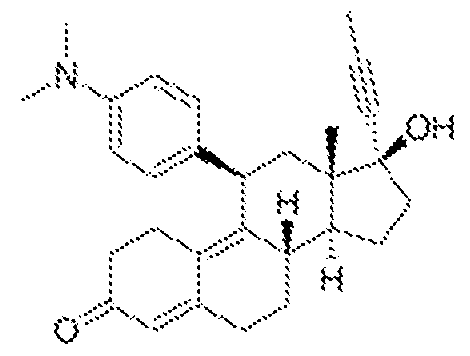


Claims


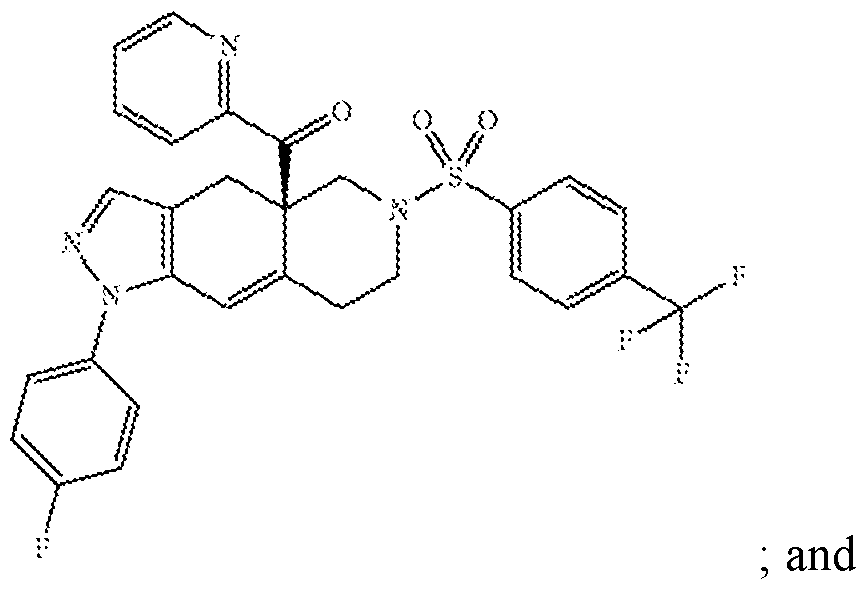


Priority Applications (4)
| Application Number | Priority Date | Filing Date | Title |
|---|---|---|---|
| CA3162636A CA3162636A1 (en) | 2019-12-21 | 2020-12-18 | Treatment of, and differential diagnosis between, acth-dependent cushing's syndrome and acth-independent cushing's syndrome |
| EP20902331.6A EP4076470B1 (en) | 2019-12-21 | 2020-12-18 | Treatment of, and differential diagnosis between, acth-dependent cushing's syndrome and acth-independent cushing's syndrome |
| AU2020408057A AU2020408057B2 (en) | 2019-12-21 | 2020-12-18 | Treatment of, and differential diagnosis between, ACTH-Dependent Cushing's syndrome and ACTH-Independent Cushing's syndrome |
| US17/786,146 US20230358768A1 (en) | 2019-12-21 | 2020-12-18 | Treatment of, and differential diagnosis between, acth-dependent cushing's syndrome and acth-independent cushing's syndrome |
Applications Claiming Priority (2)
| Application Number | Priority Date | Filing Date | Title |
|---|---|---|---|
| US201962952242P | 2019-12-21 | 2019-12-21 | |
| US62/952,242 | 2019-12-21 |
Publications (1)
| Publication Number | Publication Date |
|---|---|
| WO2021127376A1 true WO2021127376A1 (en) | 2021-06-24 |
Family
ID=76477964
Family Applications (1)
| Application Number | Title | Priority Date | Filing Date |
|---|---|---|---|
| PCT/US2020/065916 Ceased WO2021127376A1 (en) | 2019-12-21 | 2020-12-18 | Treatment of, and differential diagnosis between, acth-dependent cushing's syndrome and acth-independent cushing's syndrome |
Country Status (5)
| Country | Link |
|---|---|
| US (1) | US20230358768A1 (en) |
| EP (1) | EP4076470B1 (en) |
| AU (1) | AU2020408057B2 (en) |
| CA (1) | CA3162636A1 (en) |
| WO (1) | WO2021127376A1 (en) |
Cited By (2)
| Publication number | Priority date | Publication date | Assignee | Title |
|---|---|---|---|---|
| CN118412133A (en) * | 2023-09-27 | 2024-07-30 | 南京鼓楼医院 | A method for early diagnosis and classification prediction model construction and treatment decision-making system for adrenal Cushing's syndrome based on radiomics and artificial intelligence |
| WO2024243185A1 (en) * | 2023-05-22 | 2024-11-28 | Corcept Therapeutics Incorporated | Methods for treating adrenal gland tumors |
Citations (12)
| Publication number | Priority date | Publication date | Assignee | Title |
|---|---|---|---|---|
| US4386085A (en) | 1981-01-09 | 1983-05-31 | Roussell Uclaf | Novel steroids |
| US7928237B2 (en) | 2004-03-09 | 2011-04-19 | Corcept Therapeutics, Inc. | Fused ring azadecalin glucocorticoid receptor modulators |
| US8461172B2 (en) | 2009-05-12 | 2013-06-11 | Corcept Therapeutics, Inc. | Solid forms and process for preparing |
| WO2013177559A2 (en) | 2012-05-25 | 2013-11-28 | Corcept Therapeutics, Inc. | Heteroaryl-ketone fused azadecalin glucocorticoid receptor modulators |
| US8685973B2 (en) | 2011-03-18 | 2014-04-01 | Corcept Therapeutics, Inc. | Pyrimidine cyclohexyl glucocorticoid receptor modulators |
| US8859774B2 (en) | 2012-05-25 | 2014-10-14 | Corcept Therapeutics, Inc. | Heteroaryl-ketone fused azadecalin glucocorticoid receptor modulators |
| WO2015077530A1 (en) | 2013-11-25 | 2015-05-28 | Corcept Therapeutics, Inc. | Octahydro fused azadecalin glucocorticoid receptor modulators |
| WO2016140867A1 (en) | 2015-03-02 | 2016-09-09 | Corcept Therapeutics, Inc. | Use of glucocorticoid receptor antagonist and somatostatin analogues to treat acth-secreting tumors |
| WO2017027851A1 (en) | 2015-08-13 | 2017-02-16 | Corcept Therapeutics, Inc. | Method for differentially diagnosing acth-dependent cushing's syndrome |
| WO2017127448A1 (en) | 2016-01-19 | 2017-07-27 | Corcept Therapeutics, Inc. | Differential diagnosis of ectopic cushing's syndrome |
| US9943505B2 (en) | 2016-09-09 | 2018-04-17 | Corcept Therapeutics, Inc. | Glucocorticoid receptor modulators to treat pancreatic cancer |
| US9943526B2 (en) | 2015-04-21 | 2018-04-17 | Corcept Therapeutics, Inc. | Optimizing mifepristone levels for cushing's patients |
Family Cites Families (3)
| Publication number | Priority date | Publication date | Assignee | Title |
|---|---|---|---|---|
| WO2009050136A2 (en) * | 2007-10-17 | 2009-04-23 | Laboratoire Hra Pharma | Glucocorticoid receptor antagonists such as mifepristone for treating cushing' s syndrome |
| US20140170768A1 (en) * | 2012-12-14 | 2014-06-19 | Joel R. L. Ehrenkranz | Method for monitoring and assessing pituitary function |
| WO2016160969A1 (en) * | 2015-03-30 | 2016-10-06 | Corcept Therapeutics, Inc. | Use of glucocorticoid receptor antagonists in combination with glucocorticoids to treat adrenal insufficiency |
-
2020
- 2020-12-18 WO PCT/US2020/065916 patent/WO2021127376A1/en not_active Ceased
- 2020-12-18 AU AU2020408057A patent/AU2020408057B2/en active Active
- 2020-12-18 CA CA3162636A patent/CA3162636A1/en active Pending
- 2020-12-18 EP EP20902331.6A patent/EP4076470B1/en active Active
- 2020-12-18 US US17/786,146 patent/US20230358768A1/en active Pending
Patent Citations (18)
| Publication number | Priority date | Publication date | Assignee | Title |
|---|---|---|---|---|
| US4386085A (en) | 1981-01-09 | 1983-05-31 | Roussell Uclaf | Novel steroids |
| US7928237B2 (en) | 2004-03-09 | 2011-04-19 | Corcept Therapeutics, Inc. | Fused ring azadecalin glucocorticoid receptor modulators |
| US8461172B2 (en) | 2009-05-12 | 2013-06-11 | Corcept Therapeutics, Inc. | Solid forms and process for preparing |
| US8906917B2 (en) | 2011-03-18 | 2014-12-09 | Corcept Therapeutics, Inc. | Pyrimidine cyclohexyl glucocorticoid receptor modulators |
| US9321736B2 (en) | 2011-03-18 | 2016-04-26 | Corcept Therapeutics, Inc. | Pyrimidine cyclohexyl glucocorticoid receptor modulators |
| US8685973B2 (en) | 2011-03-18 | 2014-04-01 | Corcept Therapeutics, Inc. | Pyrimidine cyclohexyl glucocorticoid receptor modulators |
| US9273047B2 (en) | 2012-05-25 | 2016-03-01 | Corcept Therapeutics, Inc. | Heteroaryl-ketone fused azadecalin glucocorticoid receptor modulators |
| US8859774B2 (en) | 2012-05-25 | 2014-10-14 | Corcept Therapeutics, Inc. | Heteroaryl-ketone fused azadecalin glucocorticoid receptor modulators |
| WO2013177559A2 (en) | 2012-05-25 | 2013-11-28 | Corcept Therapeutics, Inc. | Heteroaryl-ketone fused azadecalin glucocorticoid receptor modulators |
| US9707223B2 (en) | 2012-05-25 | 2017-07-18 | Corcept Therapeutics, Inc. | Heteroaryl-ketone fused azadecalin glucocorticoid receptor modulators |
| US9956216B2 (en) | 2012-05-25 | 2018-05-01 | Corcept Therapeutics, Inc. | Heteroaryl-ketone fused azadecalin glucocorticoid receptor modulators |
| WO2015077530A1 (en) | 2013-11-25 | 2015-05-28 | Corcept Therapeutics, Inc. | Octahydro fused azadecalin glucocorticoid receptor modulators |
| US10047082B2 (en) | 2013-11-25 | 2018-08-14 | Corcept Therapeutics, Inc. | Octahydro fused azadecalin glucocorticoid receptor modulators |
| WO2016140867A1 (en) | 2015-03-02 | 2016-09-09 | Corcept Therapeutics, Inc. | Use of glucocorticoid receptor antagonist and somatostatin analogues to treat acth-secreting tumors |
| US9943526B2 (en) | 2015-04-21 | 2018-04-17 | Corcept Therapeutics, Inc. | Optimizing mifepristone levels for cushing's patients |
| WO2017027851A1 (en) | 2015-08-13 | 2017-02-16 | Corcept Therapeutics, Inc. | Method for differentially diagnosing acth-dependent cushing's syndrome |
| WO2017127448A1 (en) | 2016-01-19 | 2017-07-27 | Corcept Therapeutics, Inc. | Differential diagnosis of ectopic cushing's syndrome |
| US9943505B2 (en) | 2016-09-09 | 2018-04-17 | Corcept Therapeutics, Inc. | Glucocorticoid receptor modulators to treat pancreatic cancer |
Non-Patent Citations (10)
| Title |
|---|
| "Remington's Pharmaceutical Sciences", MAACK PUBLISHING CO |
| BERTAGNA, J. CLIN. ENDOCRINOL. METAB., vol. 59, 1984, pages 25 |
| CADEPOND, ANNU. REV. MED., vol. 48, 1997, pages 129 |
| LEFEBVRE, J. STEROID BIOCHEM., vol. 33, 1989, pages 557 - 563 |
| RAWN ET AL.: "Biochemistry", 1989, article "Biosynthesis and Transport of Membrane Lipids and Formation of Cholesterol Derivatives", pages: 567 |
| ROBIN D CLARK , NICOLAS C REY , KAREN WILLIAMS , PAUL BLANEY , STUART WARD , PETER H CRACKETT , CHRISTOPHER HURLEY , HAZEL J DYKE : "1H-Pyrazolo[3,4-g]hexahydro-isoquinolines as selective glucocorticoid receptor antagonists with high functional activity", BIOORGANIC & MEDICINAL CHEMISTRY LETTERS, vol. 18, no. 4, 15 February 2008 (2008-02-15), pages 1312 - 1317, XP022479323, ISSN: 0960-894X, DOI: 10.1016/j.bmcl.2008.01.027 * |
| ROBIN D. CLARKET ET AL., BIOORGANIC & MEDICINAL CHEMISTRY LETTERS, vol. 18, no. 4, 2008, pages 1312 - 1317 |
| ROHATAGI, J. CLIN. PHARMACOL., vol. 35, 1995, pages 1187 - 1193 |
| TJWA, ANN. ALLERGY ASTHMA IMMUNOL., vol. 75, 1995, pages 107 - 111 |
| TURNERMULLER, J MOL ENDOCRINOL,, vol. 35, 2005, pages 283 - 292 |
Cited By (2)
| Publication number | Priority date | Publication date | Assignee | Title |
|---|---|---|---|---|
| WO2024243185A1 (en) * | 2023-05-22 | 2024-11-28 | Corcept Therapeutics Incorporated | Methods for treating adrenal gland tumors |
| CN118412133A (en) * | 2023-09-27 | 2024-07-30 | 南京鼓楼医院 | A method for early diagnosis and classification prediction model construction and treatment decision-making system for adrenal Cushing's syndrome based on radiomics and artificial intelligence |
Also Published As
| Publication number | Publication date |
|---|---|
| EP4076470A1 (en) | 2022-10-26 |
| EP4076470A4 (en) | 2023-11-22 |
| EP4076470B1 (en) | 2025-12-03 |
| AU2020408057A1 (en) | 2022-06-16 |
| AU2020408057B2 (en) | 2026-01-29 |
| CA3162636A1 (en) | 2021-06-24 |
| US20230358768A1 (en) | 2023-11-09 |
Similar Documents
| Publication | Publication Date | Title |
|---|---|---|
| Stowasser et al. | Primary aldosteronism: changing definitions and new concepts of physiology and pathophysiology both inside and outside the kidney | |
| US11073523B2 (en) | Method for differentially diagnosing ACTH-dependent Cushing's syndrome | |
| US11744837B2 (en) | Use of cortisol in assessment and prophylactic treatment of hypokalemia associated with glucocorticoid receptor modulator treatment of Cushing's syndrome patients | |
| AU2019405771B2 (en) | Methods for imaging and treatment of somatostatin-receptor positive tumors | |
| EP4076470B1 (en) | Treatment of, and differential diagnosis between, acth-dependent cushing's syndrome and acth-independent cushing's syndrome | |
| WO2017127448A1 (en) | Differential diagnosis of ectopic cushing's syndrome | |
| US10314850B1 (en) | Use of ACTH in assessment and prophylactic treatment of hypokalemia associated with glucocorticoid receptor modulator treatment of Cushing's syndrome patients | |
| US20240390341A1 (en) | Methods for treating adrenal gland tumors | |
| US11202787B2 (en) | Use of ACTH in assessment and prophylactic treatment of hypokalemia associated with glucocorticoid receptor modulator treatment of Cushing's syndrome patients | |
| CA3122581C (en) | Methods for imaging and treatment of somatostatin-receptor positive tumors | |
| US7163934B2 (en) | Methods for treating delirium glucocorticoid receptor-specific antagonists | |
| JP2009102346A (en) | Method for treating delirium using glucocorticoid receptor-specific antagonists | |
| GRIFFING et al. | Transitory increment in urinary free 19-nor-deoxycorticosterone after diuretic-induced renin stimulation | |
| HK40058282A (en) | Methods for imaging and treatment of somatostatin-receptor positive tumors |
Legal Events
| Date | Code | Title | Description |
|---|---|---|---|
| 121 | Ep: the epo has been informed by wipo that ep was designated in this application |
Ref document number: 20902331 Country of ref document: EP Kind code of ref document: A1 |
|
| ENP | Entry into the national phase |
Ref document number: 2020408057 Country of ref document: AU Date of ref document: 20201218 Kind code of ref document: A |
|
| ENP | Entry into the national phase |
Ref document number: 3162636 Country of ref document: CA |
|
| WWE | Wipo information: entry into national phase |
Ref document number: 2020902331 Country of ref document: EP |
|
| ENP | Entry into the national phase |
Ref document number: 2020902331 Country of ref document: EP Effective date: 20220721 |
|
| NENP | Non-entry into the national phase |
Ref country code: DE |
|
| WWG | Wipo information: grant in national office |
Ref document number: 2020902331 Country of ref document: EP |