WO2021053076A1 - Combination therapy with vildagliptin and metformin - Google Patents
Combination therapy with vildagliptin and metformin Download PDFInfo
- Publication number
- WO2021053076A1 WO2021053076A1 PCT/EP2020/075993 EP2020075993W WO2021053076A1 WO 2021053076 A1 WO2021053076 A1 WO 2021053076A1 EP 2020075993 W EP2020075993 W EP 2020075993W WO 2021053076 A1 WO2021053076 A1 WO 2021053076A1
- Authority
- WO
- WIPO (PCT)
- Prior art keywords
- pharmaceutically acceptable
- acceptable salt
- metformin
- vildagliptin
- patient
- Prior art date
- Legal status (The legal status is an assumption and is not a legal conclusion. Google has not performed a legal analysis and makes no representation as to the accuracy of the status listed.)
- Ceased
Links
Classifications
-
- A—HUMAN NECESSITIES
- A61—MEDICAL OR VETERINARY SCIENCE; HYGIENE
- A61K—PREPARATIONS FOR MEDICAL, DENTAL OR TOILETRY PURPOSES
- A61K31/00—Medicinal preparations containing organic active ingredients
- A61K31/33—Heterocyclic compounds
- A61K31/395—Heterocyclic compounds having nitrogen as a ring hetero atom, e.g. guanethidine or rifamycins
- A61K31/40—Heterocyclic compounds having nitrogen as a ring hetero atom, e.g. guanethidine or rifamycins having five-membered rings with one nitrogen as the only ring hetero atom, e.g. sulpiride, succinimide, tolmetin, buflomedil
-
- A—HUMAN NECESSITIES
- A61—MEDICAL OR VETERINARY SCIENCE; HYGIENE
- A61K—PREPARATIONS FOR MEDICAL, DENTAL OR TOILETRY PURPOSES
- A61K31/00—Medicinal preparations containing organic active ingredients
- A61K31/13—Amines
- A61K31/155—Amidines (), e.g. guanidine (H2N—C(=NH)—NH2), isourea (N=C(OH)—NH2), isothiourea (—N=C(SH)—NH2)
-
- A—HUMAN NECESSITIES
- A61—MEDICAL OR VETERINARY SCIENCE; HYGIENE
- A61K—PREPARATIONS FOR MEDICAL, DENTAL OR TOILETRY PURPOSES
- A61K45/00—Medicinal preparations containing active ingredients not provided for in groups A61K31/00 - A61K41/00
- A61K45/06—Mixtures of active ingredients without chemical characterisation, e.g. antiphlogistics and cardiaca
-
- A—HUMAN NECESSITIES
- A61—MEDICAL OR VETERINARY SCIENCE; HYGIENE
- A61P—SPECIFIC THERAPEUTIC ACTIVITY OF CHEMICAL COMPOUNDS OR MEDICINAL PREPARATIONS
- A61P3/00—Drugs for disorders of the metabolism
- A61P3/08—Drugs for disorders of the metabolism for glucose homeostasis
- A61P3/10—Drugs for disorders of the metabolism for glucose homeostasis for hyperglycaemia, e.g. antidiabetics
-
- A—HUMAN NECESSITIES
- A61—MEDICAL OR VETERINARY SCIENCE; HYGIENE
- A61K—PREPARATIONS FOR MEDICAL, DENTAL OR TOILETRY PURPOSES
- A61K2300/00—Mixtures or combinations of active ingredients, wherein at least one active ingredient is fully defined in groups A61K31/00 - A61K41/00
Definitions
- the invention relates to a DPP-IV inhibitor (preferably vildagliptin or a pharmaceutically acceptable salt thereof), and metformin or a pharmaceutically acceptable salt thereof, for use in treating type 2 diabetes.
- the invention also relates to the use of a DPP-IV inhibitor (preferably vildagliptin or a pharmaceutically acceptable salt thereof), and metformin or a pharmaceutically acceptable salt thereof, in the manufacture of a medicament for treating type 2 diabetes.
- the invention also relates to a method of treating type 2 diabetes using a DPP-IV inhibitor (preferably vildagliptin or a pharmaceutically acceptable salt thereof), and metformin or a pharmaceutically acceptable salt thereof.
- Diabetes mellitus is a chronic metabolic disorder characterized by the presence of hyperglycaemia (raised blood glucose concentrations). It may be divided into four general subclasses, including i) type 1 or insulin-dependent diabetes mellitus (IDDM) (caused by b- cell destruction and characterized by absolute insulin deficiency), ii) type 2 or non-insulin- dependent diabetes mellitus (NIDDM) (characterized by impaired insulin action and impaired insulin secretion), iii) other specific types of diabetes (associated with various identifiable clinical conditions or syndromes such as genetic defects of beta-cell function e.g. maturity- onset diabetes of the young types 1 - 3 and point mutations in mitochondrial DNA), and iv) gestational diabetes mellitus.
- IDDM insulin-dependent diabetes mellitus
- NIDDM non-insulin- dependent diabetes mellitus
- other specific types of diabetes associated with various identifiable clinical conditions or syndromes such as genetic defects of beta-cell function e.g. maturity- onset diabetes of the young
- the prevalence of type 2 diabetes is high and is growing at an alarming rate.
- the global burden of diabetes mellitus is expected to reach 300 million by the year 2025, with more than 90% of these individuals having type 2 diabetes.
- the predominant pathophysiological defects leading to hyperglycaemia in type 2 diabetes are impaired insulin action (insulin resistance) and impaired insulin secretion (beta-cell dysfunction). Treating hyperglycaemia is therapeutically important in diabetes mellitus in order to prevent symptoms caused by the raised blood glucose concentrations, such as polyuria (excessive urination) and polydipsia (excessive thirst), and to reduce the risk of diabetic complications.
- the chronic hyperglycaemia of diabetes mellitus is associated with significant, often devastating long-term complications in the eyes, kidneys, nerves and blood vessels.
- metformin as first-line pharmacological therapy with sequential intensification and second-line therapy only when glycaemic control (glycated haemoglobin A1c [HbA 1c ] £ 53 mmol/mol or £ 7.0%) is not achieved.
- One such second-line therapy involves administering a combination of metformin and the DPP-IV inhibitor vildagliptin.
- treatment intensification is often delayed, resulting in loss of glycaemic control and exposure to avoidable hyperglycaemia.
- the UKPDS established that early treatment to lower glycaemia using metformin monotherapy was associated with reduction in myocardial infarction, diabetes-related deaths, and all-cause mortality, and a legacy of continued benefit after 10 years. Achieving early glycaemic control within the first 12 months of diagnosis is desirable, as this improves long-term glycaemic durability and reduces the risk of associated complications.
- the present invention arose as a result of a 5-year efficacy and safety study which compared an early combination therapy of metformin and vildagliptin, with the current standard-of-care (which initially administers metformin monotherapy, with the combination of metformin and vildagliptin being introduced only when the metformin monotherapy fails).
- the inventors have demonstrated for the first time that early intervention with a combination therapy of metformin and vildagliptin provides greater and more durable long-term benefits compared with the current standard-of-care in patients with type 2 diabetes.
- the invention provides long-term clinical benefits more frequently and without tolerability issues.
- the inventors found that the early intervention with the combination therapy was unexpectedly associated with a reduced risk of cardiovascular events.
- the invention relates to a combination of a DPP-IV inhibitor (preferably vildagliptin or a pharmaceutically acceptable salt thereof), and metformin or a pharmaceutically acceptable salt thereof, for use in a method of delaying loss of glycaemic control in a patient with type 2 diabetes mellitus.
- a DPP-IV inhibitor preferably vildagliptin or a pharmaceutically acceptable salt thereof
- metformin or a pharmaceutically acceptable salt thereof for use in a method of delaying loss of glycaemic control in a patient with type 2 diabetes mellitus.
- the invention relates to a combination of a vildagliptin or a pharmaceutically acceptable salt thereof and metformin or a pharmaceutically acceptable salt thereof, for use in a method of delaying loss of glycaemic control in a patient with type 2 diabetes mellitus.
- the invention relates to a combination of a DPP-IV inhibitor (preferably vildagliptin or a pharmaceutically acceptable salt thereof), and metformin or a pharmaceutically acceptable salt thereof, for use in a method of delaying loss of glycaemic control in a patient with type 2 diabetes mellitus, wherein the patient has not previously received pharmaceutical treatment for the type 2 diabetes mellitus.
- a DPP-IV inhibitor preferably vildagliptin or a pharmaceutically acceptable salt thereof
- metformin or a pharmaceutically acceptable salt thereof for use in a method of delaying loss of glycaemic control in a patient with type 2 diabetes mellitus, wherein the patient has not previously received pharmaceutical treatment for the type 2 diabetes mellitus.
- the invention relates to a combination of vildagliptin or a pharmaceutically acceptable salt thereof, and metformin or a pharmaceutically acceptable salt thereof, for use in a method of delaying loss of glycaemic control in a patient with type 2 diabetes mellitus, wherein the patient has not previously received pharmaceutical treatment for the type 2 diabetes mellitus.
- the invention relates to a combination of a DPP-IV inhibitor (preferably vildagliptin or a pharmaceutically acceptable salt thereof), and metformin or a pharmaceutically acceptable salt thereof, for use in a method of delaying loss of glycaemic control in a patient with type 2 diabetes mellitus, wherein the loss of glycaemic control is delayed relative to metformin monotherapy.
- a DPP-IV inhibitor preferably vildagliptin or a pharmaceutically acceptable salt thereof
- metformin or a pharmaceutically acceptable salt thereof for use in a method of delaying loss of glycaemic control in a patient with type 2 diabetes mellitus, wherein the loss of glycaemic control is delayed relative to metformin monotherapy.
- the invention relates to a combination of a DPP-IV inhibitor (preferably vildagliptin or a pharmaceutically acceptable salt thereof), and metformin or a pharmaceutically acceptable salt thereof, for use in a method of delaying loss of glycaemic control in a patient with type 2 diabetes mellitus, wherein the loss of glycaemic control is delayed relative to metformin monotherapy followed by subsequent co-administration of a DPP-IV inhibitor (preferably vildagliptin or a pharmaceutically acceptable salt thereof) and metformin or a pharmaceutically acceptable salt thereof.
- a DPP-IV inhibitor preferably vildagliptin or a pharmaceutically acceptable salt thereof
- the invention relates to a combination of vildagliptin or a pharmaceutically acceptable salt thereof, and metformin or a pharmaceutically acceptable salt thereof, for use in a method of delaying loss of glycaemic control in a patient with type 2 diabetes mellitus, wherein the loss of glycaemic control is delayed relative to metformin monotherapy.
- the invention relates to a combination of vildagliptin or a pharmaceutically acceptable salt thereof, and metformin or a pharmaceutically acceptable salt thereof, for use in a method of delaying loss of glycaemic control in a patient with type 2 diabetes mellitus, wherein the loss of glycaemic control is delayed relative to metformin monotherapy followed by subsequent co-administration of a DPP-IV inhibitor (preferably vildagliptin or a pharmaceutically acceptable salt thereof) and metformin or a pharmaceutically acceptable salt thereof.
- a DPP-IV inhibitor preferably vildagliptin or a pharmaceutically acceptable salt thereof
- the invention relates to a combination of a DPP-IV inhibitor (preferably vildagliptin or a pharmaceutically acceptable salt thereof), and metformin or a pharmaceutically acceptable salt thereof, for use in a method of delaying loss of glycaemic control in a patient with type 2 diabetes mellitus, wherein the loss of glycaemic control is delayed relative to metformin monotherapy, and wherein the patient has not previously received pharmaceutical treatment for the type 2 diabetes mellitus.
- a DPP-IV inhibitor preferably vildagliptin or a pharmaceutically acceptable salt thereof
- metformin or a pharmaceutically acceptable salt thereof for use in a method of delaying loss of glycaemic control in a patient with type 2 diabetes mellitus, wherein the loss of glycaemic control is delayed relative to metformin monotherapy, and wherein the patient has not previously received pharmaceutical treatment for the type 2 diabetes mellitus.
- the invention relates to a combination of a DPP-IV inhibitor (preferably vildagliptin or a pharmaceutically acceptable salt thereof), and metformin or a pharmaceutically acceptable salt thereof, for use in a method of delaying loss of glycaemic control in a patient with type 2 diabetes mellitus, wherein the loss of glycaemic control is delayed relative to metformin monotherapy followed by subsequent co-administration of a DPP-IV inhibitor (preferably vildagliptin or a pharmaceutically acceptable salt thereof) and metformin or a pharmaceutically acceptable salt thereof, and wherein the patient has not previously received pharmaceutical treatment for the type 2 diabetes mellitus.
- a DPP-IV inhibitor preferably vildagliptin or a pharmaceutically acceptable salt thereof
- metformin or a pharmaceutically acceptable salt thereof for use in a method of delaying loss of glycaemic control in a patient with type 2 diabetes mellitus, wherein the loss of glycaemic control is delayed relative to
- the invention relates to a combination of vildagliptin or a pharmaceutically acceptable salt thereof, and metformin or a pharmaceutically acceptable salt thereof, for use in a method of delaying loss of glycaemic control in a patient with type 2 diabetes mellitus, wherein the loss of glycaemic control is delayed relative to metformin monotherapy, and wherein the patient has not previously received pharmaceutical treatment for the type 2 diabetes mellitus.
- the invention relates to a combination of vildagliptin or a pharmaceutically acceptable salt thereof, and metformin or a pharmaceutically acceptable salt thereof, for use in a method of delaying loss of glycaemic control in a patient with type 2 diabetes mellitus, wherein the loss of glycaemic control is delayed relative to metformin monotherapy followed by subsequent co-administration of a DPP-IV inhibitor (preferably vildagliptin or a pharmaceutically acceptable salt thereof) and metformin or a pharmaceutically acceptable salt thereof, and wherein the patient has not previously received pharmaceutical treatment for the type 2 diabetes mellitus.
- a DPP-IV inhibitor preferably vildagliptin or a pharmaceutically acceptable salt thereof
- the invention relates to a combination of a DPP-IV inhibitor (preferably vildagliptin or a pharmaceutically acceptable salt thereof), and metformin or a pharmaceutically acceptable salt thereof, for use in a method of improving glycaemic control in a patient with type 2 diabetes mellitus.
- a DPP-IV inhibitor preferably vildagliptin or a pharmaceutically acceptable salt thereof
- metformin or a pharmaceutically acceptable salt thereof for use in a method of improving glycaemic control in a patient with type 2 diabetes mellitus.
- the invention relates to a combination of a DPP-IV inhibitor (preferably vildagliptin or a pharmaceutically acceptable salt thereof), and metformin or a pharmaceutically acceptable salt thereof, for use in a method of improving glycaemic control in a patient with type 2 diabetes mellitus, wherein the improvement in glycaemic control is relative to metformin monotherapy.
- a DPP-IV inhibitor preferably vildagliptin or a pharmaceutically acceptable salt thereof
- metformin or a pharmaceutically acceptable salt thereof for use in a method of improving glycaemic control in a patient with type 2 diabetes mellitus, wherein the improvement in glycaemic control is relative to metformin monotherapy.
- the invention relates to a combination of a DPP-IV inhibitor (preferably vildagliptin or a pharmaceutically acceptable salt thereof), and metformin or a pharmaceutically acceptable salt thereof, for use in a method of improving glycaemic control in a patient with type 2 diabetes mellitus, wherein the improvement in glycaemic control is relative to metformin monotherapy followed by subsequent co-administration of a DPP-IV inhibitor (preferably vildagliptin or a pharmaceutically acceptable salt thereof) and metformin or a pharmaceutically acceptable salt thereof.
- a DPP-IV inhibitor preferably vildagliptin or a pharmaceutically acceptable salt thereof
- the invention relates to a combination of vildagliptin or a pharmaceutically acceptable salt thereof, and metformin or a pharmaceutically acceptable salt thereof, for use in a method of improving glycaemic control in a patient with type 2 diabetes mellitus, wherein the improvement in glycaemic control is relative to metformin monotherapy.
- the invention in another aspect, relates to a combination of vildagliptin or a pharmaceutically acceptable salt thereof, and metformin or a pharmaceutically acceptable salt thereof, for use in a method of improving glycaemic control in a patient with type 2 diabetes mellitus, wherein the improvement in glycaemic control is relative to metformin monotherapy followed by subsequent co-administration of a DPP-IV inhibitor (preferably vildagliptin or a pharmaceutically acceptable salt thereof) and metformin or a pharmaceutically acceptable salt thereof.
- a DPP-IV inhibitor preferably vildagliptin or a pharmaceutically acceptable salt thereof
- the invention relates to a combination of a DPP-IV inhibitor (preferably vildagliptin or a pharmaceutically acceptable salt thereof), and metformin or a pharmaceutically acceptable salt thereof, for use in a method of improving glycaemic control in a patient with type 2 diabetes mellitus, wherein the improvement in glycaemic control is relative to metformin monotherapy, and wherein the patient has not previously received pharmaceutical treatment for the type 2 diabetes mellitus.
- a DPP-IV inhibitor preferably vildagliptin or a pharmaceutically acceptable salt thereof
- metformin or a pharmaceutically acceptable salt thereof for use in a method of improving glycaemic control in a patient with type 2 diabetes mellitus, wherein the improvement in glycaemic control is relative to metformin monotherapy, and wherein the patient has not previously received pharmaceutical treatment for the type 2 diabetes mellitus.
- the invention relates to a combination of a DPP-IV inhibitor (preferably vildagliptin or a pharmaceutically acceptable salt thereof), and metformin or a pharmaceutically acceptable salt thereof, for use in a method of improving glycaemic control in a patient with type 2 diabetes mellitus, wherein the improvement in glycaemic control is relative to metformin monotherapy followed by subsequent co-administration of a DPP-IV inhibitor (preferably vildagliptin or a pharmaceutically acceptable salt thereof) and metformin or a pharmaceutically acceptable salt thereof, and wherein the patient has not previously received pharmaceutical treatment for the type 2 diabetes mellitus.
- a DPP-IV inhibitor preferably vildagliptin or a pharmaceutically acceptable salt thereof
- metformin or a pharmaceutically acceptable salt thereof for use in a method of improving glycaemic control in a patient with type 2 diabetes mellitus, wherein the improvement in glycaemic control is relative to metformin monotherapy followed by subsequent
- the invention in another aspect, relates to a combination of vildagliptin or a pharmaceutically acceptable salt thereof, and metformin or a pharmaceutically acceptable salt thereof, for use in a method of improving glycaemic control in a patient with type 2 diabetes mellitus, wherein the improvement in glycaemic control is relative to metformin monotherapy, and wherein the patient has not previously received pharmaceutical treatment for the type 2 diabetes mellitus.
- the invention in another aspect, relates to a combination of vildagliptin or a pharmaceutically acceptable salt thereof, and metformin or a pharmaceutically acceptable salt thereof, for use in a method of improving glycaemic control in a patient with type 2 diabetes mellitus, wherein the improvement in glycaemic control is relative to metformin monotherapy followed by subsequent co-administration of a DPP-IV inhibitor (preferably vildagliptin or a pharmaceutically acceptable salt thereof) and metformin or a pharmaceutically acceptable salt thereof, and wherein the patient has not previously received pharmaceutical treatment for the type 2 diabetes mellitus.
- a DPP-IV inhibitor preferably vildagliptin or a pharmaceutically acceptable salt thereof
- the invention relates to a combination of a DPP-IV inhibitor (preferably vildagliptin or a pharmaceutically acceptable salt thereof), and metformin or a pharmaceutically acceptable salt thereof, for use in a method of improving glycaemic control in a patient with type 2 diabetes mellitus, wherein the patient has not previously received pharmaceutical treatment for the type 2 diabetes mellitus.
- a DPP-IV inhibitor preferably vildagliptin or a pharmaceutically acceptable salt thereof
- metformin or a pharmaceutically acceptable salt thereof for use in a method of improving glycaemic control in a patient with type 2 diabetes mellitus, wherein the patient has not previously received pharmaceutical treatment for the type 2 diabetes mellitus.
- the invention relates to a combination of vildagliptin or a pharmaceutically acceptable salt thereof, and metformin or a pharmaceutically acceptable salt thereof, for use in a method of improving glycaemic control in a patient with type 2 diabetes mellitus, wherein the patient has not previously received pharmaceutical treatment for the type 2 diabetes mellitus.
- the invention relates to a combination of a DPP-IV inhibitor (preferably vildagliptin or a pharmaceutically acceptable salt thereof), and metformin or a pharmaceutically acceptable salt thereof, for use in a method of delaying the increase of HbA 1c to greater than or equal to 53 mmol/mol (7.0%) in a patient with type 2 diabetes mellitus.
- a DPP-IV inhibitor preferably vildagliptin or a pharmaceutically acceptable salt thereof
- metformin or a pharmaceutically acceptable salt thereof for use in a method of delaying the increase of HbA 1c to greater than or equal to 53 mmol/mol (7.0%) in a patient with type 2 diabetes mellitus.
- the invention relates to a combination of a DPP-IV inhibitor (preferably vildagliptin or a pharmaceutically acceptable salt thereof), and metformin or a pharmaceutically acceptable salt thereof, for use in a method of delaying the increase of HbA 1c to greater than or equal to 53 mmol/mol (7.0%) in a patient with type 2 diabetes mellitus, wherein the delay in the increase of HbA 1c is relative to metformin monotherapy.
- a DPP-IV inhibitor preferably vildagliptin or a pharmaceutically acceptable salt thereof
- metformin or a pharmaceutically acceptable salt thereof for use in a method of delaying the increase of HbA 1c to greater than or equal to 53 mmol/mol (7.0%) in a patient with type 2 diabetes mellitus, wherein the delay in the increase of HbA 1c is relative to metformin monotherapy.
- the invention relates to a combination of a DPP-IV inhibitor (preferably vildagliptin or a pharmaceutically acceptable salt thereof), and metformin or a pharmaceutically acceptable salt thereof, for use in a method of delaying the increase of HbA 1c to greater than or equal to 53 mmol/mol (7.0%) in a patient with type 2 diabetes mellitus, wherein the delay in the increase of HbA 1c is relative to metformin monotherapy followed by subsequent co-administration of a DPP-IV inhibitor (preferably vildagliptin or a pharmaceutically acceptable salt thereof) and metformin.
- a DPP-IV inhibitor preferably vildagliptin or a pharmaceutically acceptable salt thereof
- the invention relates to a combination of vildagliptin or a pharmaceutically acceptable salt thereof, and metformin or a pharmaceutically acceptable salt thereof, for use in a method of delaying the increase of HbA 1c to greater than or equal to 53 mmol/mol (7.0%) in a patient with type 2 diabetes mellitus, wherein the delay in the increase of HbA 1c is relative to metformin monotherapy.
- the invention relates to a combination of vildagliptin or a pharmaceutically acceptable salt thereof, and metformin or a pharmaceutically acceptable salt thereof, for use in a method of delaying the increase of HbA 1c to greater than or equal to 53 mmol/mol (7.0%) in a patient with type 2 diabetes mellitus, wherein the delay in the increase of HbA 1c is relative to metformin monotherapy followed by subsequent co-administration of a DPP-IV inhibitor (preferably vildagliptin or a pharmaceutically acceptable salt thereof) and metformin or a pharmaceutically acceptable salt thereof.
- a DPP-IV inhibitor preferably vildagliptin or a pharmaceutically acceptable salt thereof
- the invention relates to a combination of a DPP-IV inhibitor (preferably vildagliptin or a pharmaceutically acceptable salt thereof), and metformin or a pharmaceutically acceptable salt thereof, for use in a method of delaying the increase of HbA 1c to greater than or equal to 53 mmol/mol (7.0%) in a patient with type 2 diabetes mellitus, wherein the delay in the increase of HbA 1c is relative to metformin monotherapy, and wherein the patient has not previously received pharmaceutical treatment for the type 2 diabetes mellitus.
- a DPP-IV inhibitor preferably vildagliptin or a pharmaceutically acceptable salt thereof
- metformin or a pharmaceutically acceptable salt thereof for use in a method of delaying the increase of HbA 1c to greater than or equal to 53 mmol/mol (7.0%) in a patient with type 2 diabetes mellitus, wherein the delay in the increase of HbA 1c is relative to metformin monotherapy, and wherein the patient has not previously received pharmaceutical treatment
- the invention relates to a combination of a DPP-IV inhibitor (preferably vildagliptin or a pharmaceutically acceptable salt thereof), and metformin or a pharmaceutically acceptable salt thereof, for use in a method of delaying the increase of HbA 1c to greater than or equal to 53 mmol/mol (7.0%) in a patient with type 2 diabetes mellitus, wherein the delay in the increase of HbA 1c is relative to metformin monotherapy followed by subsequent co-administration of a DPP-IV inhibitor (preferably vildagliptin or a pharmaceutically acceptable salt thereof) and metformin or a pharmaceutically acceptable salt thereof, and wherein the patient has not previously received pharmaceutical treatment for the type 2 diabetes mellitus.
- a DPP-IV inhibitor preferably vildagliptin or a pharmaceutically acceptable salt thereof
- metformin or a pharmaceutically acceptable salt thereof for use in a method of delaying the increase of HbA 1c to greater than or equal to 53 mmol/mol (7.0%) in
- the invention in another aspect, relates to a combination of vildagliptin or a pharmaceutically acceptable salt thereof, and metformin or a pharmaceutically acceptable salt thereof, for use in a method of delaying the increase of HbA 1c to greater than or equal to 53 mmol/mol (7.0%) in a patient with type 2 diabetes mellitus, wherein the delay in the increase of HbA 1c is relative to metformin monotherapy, and wherein the patient has not previously received pharmaceutical treatment for the type 2 diabetes mellitus.
- the invention relates to a combination of vildagliptin or a pharmaceutically acceptable salt thereof, and metformin or a pharmaceutically acceptable salt thereof, for use in a method of delaying the increase of HbA 1c to greater than or equal to 53 mmol/mol (7.0%) in a patient with type 2 diabetes mellitus, wherein the delay in the increase of HbA 1c is relative to metformin monotherapy followed by subsequent co-administration of a DPP-IV inhibitor (preferably vildagliptin or a pharmaceutically acceptable salt thereof) and metformin or a pharmaceutically acceptable salt thereof, and wherein the patient has not previously received pharmaceutical treatment for the type 2 diabetes mellitus.
- a DPP-IV inhibitor preferably vildagliptin or a pharmaceutically acceptable salt thereof
- the invention relates to a combination of a DPP-IV inhibitor (preferably vildagliptin or a pharmaceutically acceptable salt thereof), and metformin or a pharmaceutically acceptable salt thereof, for use in a method of delaying the increase of HbA 1c to greater than or equal to 53 mmol/mol (7.0%) in a patient with type 2 diabetes mellitus, wherein the patient has not previously received pharmaceutical treatment for the type 2 diabetes mellitus.
- a DPP-IV inhibitor preferably vildagliptin or a pharmaceutically acceptable salt thereof
- metformin or a pharmaceutically acceptable salt thereof for use in a method of delaying the increase of HbA 1c to greater than or equal to 53 mmol/mol (7.0%) in a patient with type 2 diabetes mellitus, wherein the patient has not previously received pharmaceutical treatment for the type 2 diabetes mellitus.
- the invention relates to a combination of vildagliptin or a pharmaceutically acceptable salt thereof, and metformin or a pharmaceutically acceptable salt thereof, for use in a method of delaying the increase of HbA 1c to greater than or equal to 53 mmol/mol (7.0%) in a patient with type 2 diabetes mellitus, wherein the patient has not previously received pharmaceutical treatment for the type 2 diabetes mellitus.
- the invention relates to a combination of a DPP-IV inhibitor (preferably vildagliptin or a pharmaceutically acceptable salt thereof), and metformin or a pharmaceutically acceptable salt thereof, for use in a method of increasing the time taken to reach an HbA 1c measurement of greater than or equal to 53 mmol/mol (7.0%) in a patient with type 2 diabetes mellitus.
- a DPP-IV inhibitor preferably vildagliptin or a pharmaceutically acceptable salt thereof
- metformin or a pharmaceutically acceptable salt thereof for use in a method of increasing the time taken to reach an HbA 1c measurement of greater than or equal to 53 mmol/mol (7.0%) in a patient with type 2 diabetes mellitus.
- the invention relates to a combination of a DPP-IV inhibitor (preferably vildagliptin or a pharmaceutically acceptable salt thereof), and metformin or a pharmaceutically acceptable salt thereof, for use in a method of increasing the time taken to reach an HbA 1c measurement of greater than or equal to 53 mmol/mol (7.0%) in a patient with type 2 diabetes mellitus, wherein the increase is relative to metformin monotherapy.
- a DPP-IV inhibitor preferably vildagliptin or a pharmaceutically acceptable salt thereof
- metformin or a pharmaceutically acceptable salt thereof for use in a method of increasing the time taken to reach an HbA 1c measurement of greater than or equal to 53 mmol/mol (7.0%) in a patient with type 2 diabetes mellitus, wherein the increase is relative to metformin monotherapy.
- the invention relates to a combination of a DPP-IV inhibitor (preferably vildagliptin or a pharmaceutically acceptable salt thereof), and metformin or a pharmaceutically acceptable salt thereof, for use in a method of increasing the time taken to reach an HbA 1c measurement of greater than or equal to 53 mmol/mol (7.0%) in a patient with type 2 diabetes mellitus, wherein the increase is relative to metformin monotherapy followed by subsequent co-administration of a DPP-IV inhibitor (preferably vildagliptin or a pharmaceutically acceptable salt thereof) and metformin or a pharmaceutically acceptable salt thereof.
- a DPP-IV inhibitor preferably vildagliptin or a pharmaceutically acceptable salt thereof
- the invention relates to a combination of vildagliptin or a pharmaceutically acceptable salt thereof, and metformin or a pharmaceutically acceptable salt thereof, for use in a method of increasing the time taken to reach an HbA 1c measurement of greater than or equal to 53 mmol/mol (7.0%) in a patient with type 2 diabetes mellitus, wherein the increase is relative to metformin monotherapy.
- the invention relates to a combination of vildagliptin or a pharmaceutically acceptable salt thereof, and metformin or a pharmaceutically acceptable salt thereof, for use in a method of increasing the time taken to reach an HbA 1c measurement of greater than or equal to 53 mmol/mol (7.0%) in a patient with type 2 diabetes mellitus, wherein the increase is relative to metformin monotherapy followed by subsequent co-administration of a DPP-IV inhibitor (preferably vildagliptin or a pharmaceutically acceptable salt thereof) and metformin or a pharmaceutically acceptable salt thereof.
- a DPP-IV inhibitor preferably vildagliptin or a pharmaceutically acceptable salt thereof
- the invention relates to a combination of a DPP-IV inhibitor (preferably vildagliptin or a pharmaceutically acceptable salt thereof), and metformin or a pharmaceutically acceptable salt thereof, for use in a method of increasing the time taken to reach an HbA 1c measurement of greater than or equal to 53 mmol/mol (7.0%) in a patient with type 2 diabetes mellitus, wherein the increase is relative to metformin monotherapy, and wherein the patient has not previously received pharmaceutical treatment for the type 2 diabetes mellitus.
- a DPP-IV inhibitor preferably vildagliptin or a pharmaceutically acceptable salt thereof
- metformin or a pharmaceutically acceptable salt thereof for use in a method of increasing the time taken to reach an HbA 1c measurement of greater than or equal to 53 mmol/mol (7.0%) in a patient with type 2 diabetes mellitus, wherein the increase is relative to metformin monotherapy, and wherein the patient has not previously received pharmaceutical treatment for the type 2 diabetes mellitus.
- the invention relates to a combination of a DPP-IV inhibitor (preferably vildagliptin or a pharmaceutically acceptable salt thereof), and metformin or a pharmaceutically acceptable salt thereof, for use in a method of increasing the time taken to reach an HbA 1c measurement of greater than or equal to 53 mmol/mol (7.0%) in a patient with type 2 diabetes mellitus, wherein the increase is relative to metformin monotherapy followed by subsequent co-administration of a DPP-IV inhibitor (preferably vildagliptin or a pharmaceutically acceptable salt thereof) and metformin or a pharmaceutically acceptable salt thereof, and wherein the patient has not previously received pharmaceutical treatment for the type 2 diabetes mellitus.
- a DPP-IV inhibitor preferably vildagliptin or a pharmaceutically acceptable salt thereof
- metformin or a pharmaceutically acceptable salt thereof for use in a method of increasing the time taken to reach an HbA 1c measurement of greater than or equal to 53 mmol/mol (7.0%) in a patient
- the invention relates to a combination of vildagliptin or a pharmaceutically acceptable salt thereof, and metformin or a pharmaceutically acceptable salt thereof, for use in a method of increasing the time taken to reach an HbA 1c measurement of greater than or equal to 53 mmol/mol (7.0%) in a patient with type 2 diabetes mellitus, wherein the increase is relative to metformin monotherapy, and wherein the patient has not previously received pharmaceutical treatment for the type 2 diabetes mellitus.
- the invention relates to a combination of vildagliptin or a pharmaceutically acceptable salt thereof, and metformin or a pharmaceutically acceptable salt thereof, for use in a method of increasing the time taken to reach an HbA 1c measurement of greater than or equal to 53 mmol/mol (7.0%) in a patient with type 2 diabetes mellitus, wherein the increase is relative to metformin monotherapy followed by subsequent co-administration of a DPP-IV inhibitor (preferably vildagliptin or a pharmaceutically acceptable salt thereof) and metformin or a pharmaceutically acceptable salt thereof, and wherein the patient has not previously received pharmaceutical treatment for the type 2 diabetes mellitus.
- a DPP-IV inhibitor preferably vildagliptin or a pharmaceutically acceptable salt thereof
- the invention relates to a combination of a DPP-IV inhibitor (preferably vildagliptin or a pharmaceutically acceptable salt thereof), and metformin or a pharmaceutically acceptable salt thereof, for use in a method of increasing the time taken to reach an HbA 1c measurement of greater than or equal to 53 mmol/mol (7.0%) in a patient with type 2 diabetes mellitus, wherein the patient has not previously received pharmaceutical treatment for the type 2 diabetes mellitus.
- a DPP-IV inhibitor preferably vildagliptin or a pharmaceutically acceptable salt thereof
- metformin or a pharmaceutically acceptable salt thereof for use in a method of increasing the time taken to reach an HbA 1c measurement of greater than or equal to 53 mmol/mol (7.0%) in a patient with type 2 diabetes mellitus, wherein the patient has not previously received pharmaceutical treatment for the type 2 diabetes mellitus.
- the invention relates to a combination of vildagliptin or a pharmaceutically acceptable salt thereof, and metformin or a pharmaceutically acceptable salt thereof, for use in a method of increasing the time taken to reach an HbA 1c measurement of greater than or equal to 53 mmol/mol (7.0%) in a patient with type 2 diabetes mellitus, wherein the patient has not previously received pharmaceutical treatment for the type 2 diabetes mellitus.
- the invention relates to a combination of a DPP-IV inhibitor (preferably vildagliptin or a pharmaceutically acceptable salt thereof), and metformin or a pharmaceutically acceptable salt thereof, for use in a method of preventing loss of glycaemic control in a patient with type 2 diabetes mellitus.
- a DPP-IV inhibitor preferably vildagliptin or a pharmaceutically acceptable salt thereof
- metformin or a pharmaceutically acceptable salt thereof for use in a method of preventing loss of glycaemic control in a patient with type 2 diabetes mellitus.
- the invention relates to a combination of vildagliptin or a pharmaceutically acceptable salt thereof, and metformin or a pharmaceutically acceptable salt thereof, for use in a method of preventing loss of glycaemic control in a patient with type 2 diabetes mellitus.
- the invention relates to a combination of a DPP-IV inhibitor (preferably vildagliptin or a pharmaceutically acceptable salt thereof), and metformin or a pharmaceutically acceptable salt thereof, for use in a method of preventing loss of glycaemic control in a patient with type 2 diabetes mellitus, wherein the patient has not previously received pharmaceutical treatment for the type 2 diabetes mellitus.
- the invention relates to a combination of vildagliptin or a pharmaceutically acceptable salt thereof, and metformin or a pharmaceutically acceptable salt thereof, for use in a method of preventing loss of glycaemic control in a patient with type 2 diabetes mellitus, wherein the patient has not previously received pharmaceutical treatment for the type 2 diabetes mellitus.
- the invention relates to a combination of a DPP-IV inhibitor (preferably vildagliptin or a pharmaceutically acceptable salt thereof), and metformin or a pharmaceutically acceptable salt thereof, for use in a method of reducing the risk of a cardiovascular event in a patient undergoing treatment for type 2 diabetes mellitus.
- a DPP-IV inhibitor preferably vildagliptin or a pharmaceutically acceptable salt thereof
- metformin or a pharmaceutically acceptable salt thereof for use in a method of reducing the risk of a cardiovascular event in a patient undergoing treatment for type 2 diabetes mellitus.
- the invention relates to a combination of vildagliptin or a pharmaceutically acceptable salt thereof, and metformin or a pharmaceutically acceptable salt thereof, for use in a method of reducing the risk of a cardiovascular event in a patient undergoing treatment for type 2 diabetes mellitus.
- the invention relates to a combination of a DPP-IV inhibitor (preferably vildagliptin or a pharmaceutically acceptable salt thereof), and metformin or a pharmaceutically acceptable salt thereof, for use in a method of reducing the risk of a cardiovascular event in a patient undergoing treatment for type 2 diabetes mellitus, wherein the patient has not previously received pharmaceutical treatment for the type 2 diabetes mellitus.
- a DPP-IV inhibitor preferably vildagliptin or a pharmaceutically acceptable salt thereof
- metformin or a pharmaceutically acceptable salt thereof for use in a method of reducing the risk of a cardiovascular event in a patient undergoing treatment for type 2 diabetes mellitus, wherein the patient has not previously received pharmaceutical treatment for the type 2 diabetes mellitus.
- the invention relates to a combination of vildagliptin or a pharmaceutically acceptable salt thereof and metformin or a pharmaceutically acceptable salt thereof, for use in a method of reducing the risk of a cardiovascular event in a patient undergoing treatment for type 2 diabetes mellitus, wherein the patient has not previously received pharmaceutical treatment for the type 2 diabetes mellitus.
- the invention relates to a combination of a DPP-IV inhibitor (vildagliptin or a pharmaceutically acceptable salt thereof), and metformin or a pharmaceutically acceptable salt thereof, for use in a method of reducing the risk of a cardiovascular event in a patient undergoing treatment for type 2 diabetes mellitus, wherein the risk is reduced relative to metformin monotherapy.
- the invention in another aspect, relates to a combination of a DPP-IV inhibitor (preferably vildagliptin or a pharmaceutically acceptable salt thereof), and metformin or a pharmaceutically acceptable salt thereof, for use in a method of reducing the risk of a cardiovascular event in a patient undergoing treatment for type 2 diabetes mellitus, wherein the risk is reduced relative to metformin monotherapy followed by subsequent co administration of a DPP-IV inhibitor (preferably vildagliptin or a pharmaceutically acceptable salt thereof) and metformin or a pharmaceutically acceptable salt thereof.
- a DPP-IV inhibitor preferably vildagliptin or a pharmaceutically acceptable salt thereof
- the invention relates to a combination of vildagliptin or a pharmaceutically acceptable salt thereof, and metformin or a pharmaceutically acceptable salt thereof, for use in a method of reducing the risk of a cardiovascular event in a patient undergoing treatment for type 2 diabetes mellitus, wherein the risk is reduced relative to metformin monotherapy.
- the invention in another aspect, relates to a combination of vildagliptin or a pharmaceutically acceptable salt thereof, and metformin or a pharmaceutically acceptable salt thereof, for use in a method of reducing the risk of a cardiovascular event in a patient undergoing treatment for type 2 diabetes mellitus, wherein the risk is reduced relative to metformin monotherapy followed by subsequent co-administration of a DPP-IV inhibitor (preferably vildagliptin or a pharmaceutically acceptable salt thereof) and metformin or a pharmaceutically acceptable salt thereof.
- a DPP-IV inhibitor preferably vildagliptin or a pharmaceutically acceptable salt thereof
- the invention in another aspect, relates to a combination of a DPP-IV inhibitor (vildagliptin or a pharmaceutically acceptable salt thereof), and metformin or a pharmaceutically acceptable salt thereof, for use in a method of reducing the risk of a cardiovascular event in a patient undergoing treatment for type 2 diabetes mellitus, wherein the risk is reduced relative to metformin monotherapy, and wherein the patient has not previously received pharmaceutical treatment for the type 2 diabetes mellitus.
- a DPP-IV inhibitor vildagliptin or a pharmaceutically acceptable salt thereof
- metformin or a pharmaceutically acceptable salt thereof for use in a method of reducing the risk of a cardiovascular event in a patient undergoing treatment for type 2 diabetes mellitus, wherein the risk is reduced relative to metformin monotherapy, and wherein the patient has not previously received pharmaceutical treatment for the type 2 diabetes mellitus.
- the invention in another aspect, relates to a combination of a DPP-IV inhibitor (preferably vildagliptin or a pharmaceutically acceptable salt thereof), and metformin or a pharmaceutically acceptable salt thereof, for use in a method of reducing the risk of a cardiovascular event in a patient undergoing treatment for type 2 diabetes mellitus, wherein the risk is reduced relative to metformin monotherapy followed by subsequent co administration of a DPP-IV inhibitor (preferably vildagliptin or a pharmaceutically acceptable salt thereof) and metformin or a pharmaceutically acceptable salt thereof, and wherein the patient has not previously received pharmaceutical treatment for the type 2 diabetes mellitus.
- a DPP-IV inhibitor preferably vildagliptin or a pharmaceutically acceptable salt thereof
- metformin or a pharmaceutically acceptable salt thereof for use in a method of reducing the risk of a cardiovascular event in a patient undergoing treatment for type 2 diabetes mellitus, wherein the risk is reduced relative to metformin monotherapy followed by subsequent co administration of
- the invention in another aspect, relates to a combination of vildagliptin or a pharmaceutically acceptable salt thereof, and metformin or a pharmaceutically acceptable salt thereof, for use in a method of reducing the risk of a cardiovascular event in a patient undergoing treatment for type 2 diabetes mellitus, wherein the risk is reduced relative to metformin monotherapy, and wherein the patient has not previously received pharmaceutical treatment for the type 2 diabetes mellitus.
- the invention in another aspect, relates to a combination of vildagliptin or a pharmaceutically acceptable salt thereof, and metformin or a pharmaceutically acceptable salt thereof, for use in a method of reducing the risk of a cardiovascular event in a patient undergoing treatment for type 2 diabetes mellitus, wherein the risk is reduced relative to metformin monotherapy followed by subsequent co-administration of a DPP-IV inhibitor (preferably vildagliptin or a pharmaceutically acceptable salt thereof) and metformin or a pharmaceutically acceptable salt thereof, wherein the patient has not previously received pharmaceutical treatment for the type 2 diabetes mellitus.
- a DPP-IV inhibitor preferably vildagliptin or a pharmaceutically acceptable salt thereof
- the invention relates to a combination of a DPP-IV inhibitor (preferably vildagliptin or a pharmaceutically acceptable salt thereof), and metformin or a pharmaceutically acceptable salt thereof, for use in a method of treating type 2 diabetes mellitus without concomitant administration of insulin.
- a DPP-IV inhibitor preferably vildagliptin or a pharmaceutically acceptable salt thereof
- metformin or a pharmaceutically acceptable salt thereof for use in a method of treating type 2 diabetes mellitus without concomitant administration of insulin.
- the invention relates to a combination of vildagliptin or a pharmaceutically acceptable salt thereof, and metformin or a pharmaceutically acceptable salt thereof, for use in a method of treating type 2 diabetes mellitus without concomitant administration of insulin.
- the invention relates to a combination of a DPP-IV inhibitor (preferably vildagliptin or a pharmaceutically acceptable salt thereof), and metformin or a pharmaceutically acceptable salt thereof, for use in a method of treating type 2 diabetes mellitus without concomitant administration of insulin, wherein the patient has not previously received pharmaceutical treatment for the type 2 diabetes mellitus.
- the invention relates to a combination of vildagliptin or a pharmaceutically acceptable salt thereof, and metformin or a pharmaceutically acceptable salt thereof, for use in a method of treating type 2 diabetes mellitus without concomitant administration of insulin, wherein the patient has not previously received pharmaceutical treatment for the type 2 diabetes mellitus.
- the invention relates to a DPP-IV inhibitor (preferably vildagliptin or a pharmaceutically acceptable salt thereof), for use in a method of delaying loss of glycaemic control in a patient with type 2 diabetes mellitus, wherein the DPP-IV inhibitor (preferably vildagliptin or a pharmaceutically acceptable salt thereof) is co-administered with metformin or a pharmaceutically acceptable salt thereof.
- a DPP-IV inhibitor preferably vildagliptin or a pharmaceutically acceptable salt thereof
- the invention relates to a DPP-IV inhibitor (preferably vildagliptin or a pharmaceutically acceptable salt thereof), for use in a method of delaying loss of glycaemic control in a patient with type 2 diabetes mellitus, wherein the patient has not previously received pharmaceutical treatment for the type 2 diabetes mellitus, and wherein the DPP-IV inhibitor (preferably vildagliptin or a pharmaceutically acceptable salt thereof) is co administered with metformin or a pharmaceutically acceptable salt thereof.
- a DPP-IV inhibitor preferably vildagliptin or a pharmaceutically acceptable salt thereof
- the invention relates to vildagliptin or a pharmaceutically acceptable salt thereof, for use in a method of delaying loss of glycaemic control in a patient with type 2 diabetes mellitus, wherein the patient has not previously received pharmaceutical treatment for the type 2 diabetes mellitus, and wherein the vildagliptin or a pharmaceutically acceptable salt thereof, is co-administered with metformin or a pharmaceutically acceptable salt thereof.
- the invention relates to a DPP-IV inhibitor (preferably vildagliptin or a pharmaceutically acceptable salt thereof), for use in a method of delaying loss of glycaemic control in a patient with type 2 diabetes mellitus, wherein the delay is relative to metformin monotherapy, and wherein the DPP-IV inhibitor (preferably vildagliptin or a pharmaceutically acceptable salt thereof) is co-administered with metformin or a pharmaceutically acceptable salt thereof.
- a DPP-IV inhibitor preferably vildagliptin or a pharmaceutically acceptable salt thereof
- the invention relates to vildagliptin or a pharmaceutically acceptable salt thereof, for use in a method of delaying loss of glycaemic control in a patient with type 2 diabetes mellitus, wherein the delay is relative to metformin monotherapy, and wherein the vildagliptin or a pharmaceutically acceptable salt thereof, is co-administered with metformin or a pharmaceutically acceptable salt thereof.
- the invention relates to a DPP-IV inhibitor (preferably vildagliptin or a pharmaceutically acceptable salt thereof), for use in a method of delaying loss of glycaemic control in a patient with type 2 diabetes mellitus, wherein the delay is relative to metformin monotherapy followed by subsequent co-administration of a DPP-IV inhibitor (preferably vildagliptin or a pharmaceutically acceptable salt thereof) and metformin or a pharmaceutically acceptable salt thereof, and wherein the DPP-IV inhibitor (preferably vildagliptin or a pharmaceutically acceptable salt thereof) is co-administered with metformin or a pharmaceutically acceptable salt thereof.
- a DPP-IV inhibitor preferably vildagliptin or a pharmaceutically acceptable salt thereof
- the invention relates to vildagliptin or a pharmaceutically acceptable salt thereof, for use in a method of delaying loss of glycaemic control in a patient with type 2 diabetes mellitus, wherein the delay is relative to metformin monotherapy followed by subsequent co-administration of a DPP-IV inhibitor (preferably vildagliptin or a pharmaceutically acceptable salt thereof) and metformin, or a pharmaceutically acceptable salt thereof, wherein the vildagliptin or a pharmaceutically acceptable salt thereof, is co administered with metformin or a pharmaceutically acceptable salt thereof.
- a DPP-IV inhibitor preferably vildagliptin or a pharmaceutically acceptable salt thereof
- metformin or a pharmaceutically acceptable salt thereof
- the invention relates to a DPP-IV inhibitor (preferably vildagliptin or a pharmaceutically acceptable salt thereof), for use in a method of delaying loss of glycaemic control in a patient with type 2 diabetes mellitus, wherein the delay is relative to metformin monotherapy, and wherein the DPP-IV inhibitor (preferably vildagliptin or a pharmaceutically acceptable salt thereof) is co-administered with metformin or a pharmaceutically acceptable salt thereof, and wherein the patient has not previously received pharmaceutical treatment for the type 2 diabetes mellitus.
- a DPP-IV inhibitor preferably vildagliptin or a pharmaceutically acceptable salt thereof
- the invention relates to vildagliptin or a pharmaceutically acceptable salt thereof, for use in a method of delaying loss of glycaemic control in a patient with type 2 diabetes mellitus, wherein the delay is relative to metformin monotherapy, and wherein the vildagliptin or a pharmaceutically acceptable salt thereof, is co-administered with metformin or a pharmaceutically acceptable salt thereof, and wherein the patient has not previously received pharmaceutical treatment for the type 2 diabetes mellitus.
- the invention relates to a DPP-IV inhibitor (preferably vildagliptin or a pharmaceutically acceptable salt thereof), for use in a method of delaying loss of glycaemic control in a patient with type 2 diabetes mellitus, wherein the delay is relative to metformin monotherapy followed by subsequent co-administration of a DPP-IV inhibitor (preferably vildagliptin or a pharmaceutically acceptable salt thereof) and metformin or a pharmaceutically acceptable salt thereof, and wherein the DPP-IV inhibitor (preferably vildagliptin or a pharmaceutically acceptable salt thereof) is co-administered with metformin or a pharmaceutically acceptable salt thereof, wherein the patient has not previously received pharmaceutical treatment for the type 2 diabetes mellitus.
- a DPP-IV inhibitor preferably vildagliptin or a pharmaceutically acceptable salt thereof
- the invention relates to vildagliptin or a pharmaceutically acceptable salt thereof, for use in a method of delaying loss of glycaemic control in a patient with type 2 diabetes mellitus, wherein the delay is relative to metformin monotherapy followed by subsequent co-administration of a DPP-IV inhibitor (preferably vildagliptin or a pharmaceutically acceptable salt thereof) and metformin or a pharmaceutically acceptable salt thereof, and wherein the vildagliptin or a pharmaceutically acceptable salt thereof, is co administered with metformin or a pharmaceutically acceptable salt thereof, wherein the patient has not previously received pharmaceutical treatment for the type 2 diabetes mellitus.
- a DPP-IV inhibitor preferably vildagliptin or a pharmaceutically acceptable salt thereof
- metformin or a pharmaceutically acceptable salt thereof is co administered with metformin or a pharmaceutically acceptable salt thereof, wherein the patient has not previously received pharmaceutical treatment for the type 2 diabetes mellitus.
- the invention relates to a DPP-IV inhibitor (preferably vildagliptin or a pharmaceutically acceptable salt thereof), for use in a method of improving glycaemic control in a patient with type 2 diabetes mellitus, wherein the DPP-IV inhibitor (preferably vildagliptin or a pharmaceutically acceptable salt thereof) is co-administered with metformin or a pharmaceutically acceptable salt thereof.
- a DPP-IV inhibitor preferably vildagliptin or a pharmaceutically acceptable salt thereof
- the invention relates to a DPP-IV inhibitor (preferably vildagliptin or a pharmaceutically acceptable salt thereof), for use in a method of improving glycaemic control in a patient with type 2 diabetes mellitus, wherein the improvement in glycaemic control is relative to metformin monotherapy, and wherein the DPP-IV inhibitor (preferably vildagliptin or a pharmaceutically acceptable salt thereof) is co-administered with metformin or a pharmaceutically acceptable salt thereof, or a pharmaceutically acceptable salt thereof.
- a DPP-IV inhibitor preferably vildagliptin or a pharmaceutically acceptable salt thereof
- the invention in another aspect, relates to vildagliptin or a pharmaceutically acceptable salt thereof, for use in a method of improving glycaemic control in a patient with type 2 diabetes mellitus, wherein the improvement in glycaemic control is relative to metformin monotherapy, and wherein the vildagliptin or a pharmaceutically acceptable salt thereof, is co-administered with metformin or a pharmaceutically acceptable salt thereof.
- the invention relates to a DPP-IV inhibitor (preferably vildagliptin or a pharmaceutically acceptable salt thereof), for use in a method of improving glycaemic control in a patient with type 2 diabetes mellitus, wherein the improvement in glycaemic control is relative to metformin monotherapy followed by subsequent co-administration of a DPP-IV inhibitor (preferably vildagliptin or a pharmaceutically acceptable salt thereof) and metformin or a pharmaceutically acceptable salt thereof, and wherein the DPP-IV inhibitor (preferably vildagliptin or a pharmaceutically acceptable salt thereof) is co-administered with metformin or a pharmaceutically acceptable salt thereof.
- a DPP-IV inhibitor preferably vildagliptin or a pharmaceutically acceptable salt thereof
- the invention relates to vildagliptin or a pharmaceutically acceptable salt thereof, for use in a method of improving glycaemic control in a patient with type 2 diabetes mellitus, wherein the improvement in glycaemic control is relative to metformin monotherapy followed by subsequent co-administration of a DPP-IV inhibitor (preferably vildagliptin or a pharmaceutically acceptable salt thereof) and metformin or a pharmaceutically acceptable salt thereof, and wherein the DPP-IV inhibitor (preferably vildagliptin or a pharmaceutically acceptable salt thereof) is co-administered with metformin or a pharmaceutically acceptable salt thereof.
- a DPP-IV inhibitor preferably vildagliptin or a pharmaceutically acceptable salt thereof
- the invention in another aspect, relates to a DPP-IV inhibitor (preferably vildagliptin or a pharmaceutically acceptable salt thereof), for use in a method of improving glycaemic control in a patient with type 2 diabetes mellitus, wherein the improvement in glycaemic control is relative to metformin monotherapy, and wherein the DPP-IV inhibitor (preferably vildagliptin or a pharmaceutically acceptable salt thereof) is co-administered with metformin or a pharmaceutically acceptable salt thereof, and wherein the patient has not previously received pharmaceutical treatment for the type 2 diabetes mellitus.
- a DPP-IV inhibitor preferably vildagliptin or a pharmaceutically acceptable salt thereof
- the invention in another aspect, relates to vildagliptin or a pharmaceutically acceptable salt thereof, for use in a method of improving glycaemic control in a patient with type 2 diabetes mellitus, wherein the improvement in glycaemic control is relative to metformin monotherapy, and wherein the vildagliptin or a pharmaceutically acceptable salt thereof is co-administered with metformin or a pharmaceutically acceptable salt thereof, and wherein the patient has not previously received pharmaceutical treatment for the type 2 diabetes mellitus.
- the invention relates to a DPP-IV inhibitor (preferably vildagliptin or a pharmaceutically acceptable salt thereof), for use in a method of improving glycaemic control in a patient with type 2 diabetes mellitus, wherein the improvement in glycaemic control is relative to metformin monotherapy followed by subsequent co-administration of a DPP-IV inhibitor (preferably vildagliptin or a pharmaceutically acceptable salt thereof) and metformin or a pharmaceutically acceptable salt thereof, and wherein the DPP-IV inhibitor (preferably vildagliptin or a pharmaceutically acceptable salt thereof) is co-administered with metformin or a pharmaceutically acceptable salt thereof, and wherein the patient has not previously received pharmaceutical treatment for the type 2 diabetes mellitus.
- a DPP-IV inhibitor preferably vildagliptin or a pharmaceutically acceptable salt thereof
- the invention relates to vildagliptin or a pharmaceutically acceptable salt thereof, for use in a method of improving glycaemic control in a patient with type 2 diabetes mellitus, wherein the improvement in glycaemic control is relative to metformin monotherapy followed by subsequent co-administration of a DPP-IV inhibitor (preferably vildagliptin or a pharmaceutically acceptable salt thereof) and metformin or a pharmaceutically acceptable salt thereof, and wherein the vildagliptin or a pharmaceutically acceptable salt thereof is co administered with metformin or a pharmaceutically acceptable salt thereof, and wherein the patient has not previously received pharmaceutical treatment for the type 2 diabetes mellitus.
- a DPP-IV inhibitor preferably vildagliptin or a pharmaceutically acceptable salt thereof
- metformin or a pharmaceutically acceptable salt thereof metformin or a pharmaceutically acceptable salt thereof
- the invention in another aspect, relates to a DPP-IV inhibitor (preferably vildagliptin or a pharmaceutically acceptable salt thereof), for use in a method of improving glycaemic control in a patient with type 2 diabetes mellitus, wherein the patient has not previously received pharmaceutical treatment for the type 2 diabetes mellitus, and wherein the DPP-IV inhibitor (preferably vildagliptin or a pharmaceutically acceptable salt thereof) is co-administered with metformin or a pharmaceutically acceptable salt thereof.
- a DPP-IV inhibitor preferably vildagliptin or a pharmaceutically acceptable salt thereof
- the invention in another aspect, relates to vildagliptin or a pharmaceutically acceptable salt thereof, for use in a method of improving glycaemic control in a patient with type 2 diabetes mellitus, wherein the patient has not previously received pharmaceutical treatment for the type 2 diabetes mellitus, and wherein the vildagliptin or a pharmaceutically acceptable salt thereof is co-administered with metformin or a pharmaceutically acceptable salt thereof.
- the invention relates to a DPP-IV inhibitor (preferably vildagliptin or a pharmaceutically acceptable salt thereof), for use in a method of delaying the increase of HbA 1c to greater than or equal to 53 mmol/mol (7.0%) in a patient with type 2 diabetes mellitus, and wherein the DPP-IV inhibitor (preferably vildagliptin or a pharmaceutically acceptable salt thereof) is co-administered with metformin or a pharmaceutically acceptable salt thereof.
- a DPP-IV inhibitor preferably vildagliptin or a pharmaceutically acceptable salt thereof
- the invention relates to a DPP-IV inhibitor (preferably vildagliptin or a pharmaceutically acceptable salt thereof), for use in a method of delaying the increase of HbA 1c to greater than or equal to 53 mmol/mol (7.0%) in a patient with type 2 diabetes mellitus, wherein the delay in the increase of HbA 1c is relative to metformin monotherapy, and wherein the DPP-IV inhibitor (preferably vildagliptin or a pharmaceutically acceptable salt thereof), is co-administered with metformin or a pharmaceutically acceptable salt thereof.
- a DPP-IV inhibitor preferably vildagliptin or a pharmaceutically acceptable salt thereof
- the invention in another aspect, relates to vildagliptin or a pharmaceutically acceptable salt thereof, for use in a method of delaying the increase of HbA 1c to greater than or equal to 53 mmol/mol (7.0%) in a patient with type 2 diabetes mellitus, wherein the delay in the increase of HbA 1c is relative to metformin monotherapy, and wherein the vildagliptin or a pharmaceutically acceptable salt thereof, is co-administered with metformin or a pharmaceutically acceptable salt thereof.
- the invention relates to a DPP-IV inhibitor (preferably vildagliptin or a pharmaceutically acceptable salt thereof) for use in a method of delaying the increase of HbA 1c to greater than or equal to 53 mmol/mol (7.0%) in a patient with type 2 diabetes mellitus, wherein the delay in the increase of HbA 1c is relative to metformin monotherapy followed by subsequent co-administration of a DPP-IV inhibitor (preferably vildagliptin or a pharmaceutically acceptable salt thereof) and metformin or a pharmaceutically acceptable salt thereof, and wherein the vildagliptin or a pharmaceutically acceptable salt thereof, is co administered with metformin or a pharmaceutically acceptable salt thereof.
- a DPP-IV inhibitor preferably vildagliptin or a pharmaceutically acceptable salt thereof
- the invention relates to vildagliptin or a pharmaceutically acceptable salt thereof, for use in a method of delaying the increase of HbA 1c to greater than or equal to 53 mmol/mol (7.0%) in a patient with type 2 diabetes mellitus, wherein the delay in the increase of HbA 1c is relative to metformin monotherapy followed by subsequent co-administration of a DPP-IV inhibitor (preferably vildagliptin or a pharmaceutically acceptable salt thereof) and metformin or a pharmaceutically acceptable salt thereof, and wherein the vildagliptin or a pharmaceutically acceptable salt thereof, is co-administered with metformin or a pharmaceutically acceptable salt thereof.
- a DPP-IV inhibitor preferably vildagliptin or a pharmaceutically acceptable salt thereof
- metformin or a pharmaceutically acceptable salt thereof is co-administered with metformin or a pharmaceutically acceptable salt thereof.
- the invention relates to a DPP-IV inhibitor (preferably vildagliptin or a pharmaceutically acceptable salt thereof), for use in a method of delaying the increase of HbA 1c to greater than or equal to 53 mmol/mol (7.0%) in a patient with type 2 diabetes mellitus, wherein the delay in the increase of HbA 1c is relative to metformin monotherapy, and wherein the vildagliptin or a pharmaceutically acceptable salt thereof, is co-administered with metformin or a pharmaceutically acceptable salt thereof, and wherein the patient has not previously received pharmaceutical treatment for the type 2 diabetes mellitus.
- a DPP-IV inhibitor preferably vildagliptin or a pharmaceutically acceptable salt thereof
- the invention in another aspect, relates to vildagliptin or a pharmaceutically acceptable salt thereof, for use in a method of delaying the increase of HbA 1c to greater than or equal to 53 mmol/mol (7.0%) in a patient with type 2 diabetes mellitus, wherein the delay in the increase of HbA 1c is relative to metformin monotherapy, and wherein the vildagliptin or a pharmaceutically acceptable salt thereof, is co-administered with metformin or a pharmaceutically acceptable salt thereof, and wherein the patient has not previously received pharmaceutical treatment for the type 2 diabetes mellitus.
- the invention relates to a DPP-IV inhibitor (preferably vildagliptin or a pharmaceutically acceptable salt thereof), for use in a method of delaying the increase of HbA 1c to greater than or equal to 53 mmol/mol (7.0%) in a patient with type 2 diabetes mellitus, wherein the delay in the increase of HbA 1c is relative to metformin monotherapy followed by subsequent co-administration of a DPP-IV inhibitor (preferably vildagliptin or a pharmaceutically acceptable salt thereof) and metformin or a pharmaceutically acceptable salt thereof, and wherein the vildagliptin or a pharmaceutically acceptable salt thereof, is co administered with metformin or a pharmaceutically acceptable salt thereof, and wherein the patient has not previously received pharmaceutical treatment for the type 2 diabetes mellitus.
- a DPP-IV inhibitor preferably vildagliptin or a pharmaceutically acceptable salt thereof
- the invention relates to vildagliptin or a pharmaceutically acceptable salt thereof, for use in a method of delaying the increase of HbA 1c to greater than or equal to 53 mmol/mol (7.0%) in a patient with type 2 diabetes mellitus, wherein the delay in the increase of HbA 1c is relative to metformin monotherapy followed by subsequent co-administration of a DPP-IV inhibitor (preferably vildagliptin or a pharmaceutically acceptable salt thereof) and metformin or a pharmaceutically acceptable salt thereof, and wherein the vildagliptin or a pharmaceutically acceptable salt thereof, is co-administered with metformin or a pharmaceutically acceptable salt thereof, and wherein the patient has not previously received pharmaceutical treatment for the type 2 diabetes mellitus.
- a DPP-IV inhibitor preferably vildagliptin or a pharmaceutically acceptable salt thereof
- metformin or a pharmaceutically acceptable salt thereof is co-administered with metformin or a pharmaceutically
- the invention relates to a DPP-IV inhibitor (preferably vildagliptin or a pharmaceutically acceptable salt thereof), for use in a method of delaying the increase of HbA 1c to greater than or equal to 53 mmol/mol (7.0%) in a patient with type 2 diabetes mellitus, wherein the patient has not previously received pharmaceutical treatment for the type 2 diabetes mellitus, and wherein the vildagliptin or a pharmaceutically acceptable salt thereof, is co-administered with metformin or a pharmaceutically acceptable salt thereof.
- a DPP-IV inhibitor preferably vildagliptin or a pharmaceutically acceptable salt thereof
- the invention in another aspect, relates to vildagliptin or a pharmaceutically acceptable salt thereof, for use in a method of delaying the increase of HbA 1c to greater than or equal to 53 mmol/mol (7.0%) in a patient with type 2 diabetes mellitus, wherein the patient has not previously received pharmaceutical treatment for the type 2 diabetes mellitus, and wherein the vildagliptin or a pharmaceutically acceptable salt thereof, is co-administered with metformin or a pharmaceutically acceptable salt thereof.
- the invention relates to a DPP-IV inhibitor (preferably vildagliptin or a pharmaceutically acceptable salt thereof), for use in a method of increasing the time taken to reach an HbA 1c measurement of greater than or equal to 53 mmol/mol (7.0%) in a patient with type 2 diabetes mellitus, and wherein the DPP-IV inhibitor (preferably vildagliptin or a pharmaceutically acceptable salt thereof) is co-administered with metformin or a pharmaceutically acceptable salt thereof.
- a DPP-IV inhibitor preferably vildagliptin or a pharmaceutically acceptable salt thereof
- the invention relates to a DPP-IV inhibitor (preferably vildagliptin or a pharmaceutically acceptable salt thereof), for use in a method of increasing the time taken to reach an HbA 1c measurement of greater than or equal to 53 mmol/mol (7.0%) in a patient with type 2 diabetes mellitus, wherein the increase is relative to metformin monotherapy, and wherein the DPP-IV inhibitor (preferably vildagliptin or a pharmaceutically acceptable salt thereof) is co-administered with metformin or a pharmaceutically acceptable salt thereof.
- a DPP-IV inhibitor preferably vildagliptin or a pharmaceutically acceptable salt thereof
- the invention relates to vildagliptin or a pharmaceutically acceptable salt thereof, for use in a method of increasing the time taken to reach an HbA 1c measurement of greater than or equal to 53 mmol/mol (7.0%) in a patient with type 2 diabetes mellitus, wherein the increase is relative to metformin monotherapy, and wherein the vildagliptin or a pharmaceutically acceptable salt thereof, is co-administered with metformin or a pharmaceutically acceptable salt thereof.
- the invention relates to a DPP-IV inhibitor (preferably vildagliptin or a pharmaceutically acceptable salt thereof), for use in a method of increasing the time taken to reach an HbA 1c measurement of greater than or equal to 53 mmol/mol (7.0%) in a patient with type 2 diabetes mellitus, wherein the increase is relative to metformin monotherapy followed by subsequent co-administration of a DPP-IV inhibitor (preferably vildagliptin or a pharmaceutically acceptable salt thereof) and metformin or a pharmaceutically acceptable salt thereof, and wherein the DPP-IV inhibitor (preferably vildagliptin or a pharmaceutically acceptable salt thereof) is co-administered with metformin or a pharmaceutically acceptable salt thereof.
- a DPP-IV inhibitor preferably vildagliptin or a pharmaceutically acceptable salt thereof
- the invention relates to vildagliptin or a pharmaceutically acceptable salt thereof, for use in a method of increasing the time taken to reach an HbA 1c measurement of greater than or equal to 53 mmol/mol (7.0%) in a patient with type 2 diabetes mellitus, wherein the increase is relative to metformin monotherapy followed by subsequent co-administration of a DPP-IV inhibitor (preferably vildagliptin or a pharmaceutically acceptable salt thereof) and metformin or a pharmaceutically acceptable salt thereof, and wherein the vildagliptin or a pharmaceutically acceptable salt thereof, is co-administered with metformin or a pharmaceutically acceptable salt thereof.
- a DPP-IV inhibitor preferably vildagliptin or a pharmaceutically acceptable salt thereof
- metformin or a pharmaceutically acceptable salt thereof is co-administered with metformin or a pharmaceutically acceptable salt thereof.
- the invention relates to a DPP-IV inhibitor (preferably vildagliptin or a pharmaceutically acceptable salt thereof), for use in a method of increasing the time taken to reach an HbA 1c measurement of greater than or equal to 53 mmol/mol (7.0%) in a patient with type 2 diabetes mellitus, wherein the increase is relative to metformin monotherapy, and wherein the DPP-IV inhibitor (preferably vildagliptin or a pharmaceutically acceptable salt thereof) is co-administered with metformin or a pharmaceutically acceptable salt thereof, and wherein the patient has not previously received pharmaceutical treatment for the type 2 diabetes mellitus.
- a DPP-IV inhibitor preferably vildagliptin or a pharmaceutically acceptable salt thereof
- the invention relates to vildagliptin or a pharmaceutically acceptable salt thereof, for use in a method of increasing the time taken to reach an HbA 1c measurement of greater than or equal to 53 mmol/mol (7.0%) in a patient with type 2 diabetes mellitus, wherein the increase is relative to metformin monotherapy, and wherein the vildagliptin or a pharmaceutically acceptable salt thereof, is co-administered with metformin or a pharmaceutically acceptable salt thereof, and wherein the patient has not previously received pharmaceutical treatment for the type 2 diabetes mellitus.
- the invention relates to a DPP-IV inhibitor (preferably vildagliptin or a pharmaceutically acceptable salt thereof), for use in a method of increasing the time taken to reach an HbA 1c measurement of greater than or equal to 53 mmol/mol (7.0%) in a patient with type 2 diabetes mellitus, wherein the increase is relative to metformin monotherapy followed by subsequent co-administration of a DPP-IV inhibitor (preferably vildagliptin or a pharmaceutically acceptable salt thereof) and metformin or a pharmaceutically acceptable salt thereof, and wherein the DPP-IV inhibitor (preferably vildagliptin or a pharmaceutically acceptable salt thereof) is co-administered with metformin or a pharmaceutically acceptable salt thereof, and wherein the patient has not previously received pharmaceutical treatment for the type 2 diabetes mellitus.
- a DPP-IV inhibitor preferably vildagliptin or a pharmaceutically acceptable salt thereof
- the invention relates to vildagliptin or a pharmaceutically acceptable salt thereof, for use in a method of increasing the time taken to reach an HbA 1c measurement of greater than or equal to 53 mmol/mol (7.0%) in a patient with type 2 diabetes mellitus, wherein the increase is relative to metformin monotherapy followed by subsequent co-administration of a DPP-IV inhibitor (preferably vildagliptin or a pharmaceutically acceptable salt thereof) and metformin or a pharmaceutically acceptable salt thereof, and wherein the vildagliptin or a pharmaceutically acceptable salt thereof, is co-administered with metformin or a pharmaceutically acceptable salt thereof, and wherein the patient has not previously received pharmaceutical treatment for the type 2 diabetes mellitus.
- a DPP-IV inhibitor preferably vildagliptin or a pharmaceutically acceptable salt thereof
- metformin or a pharmaceutically acceptable salt thereof is co-administered with metformin or a pharmaceutically acceptable salt thereof, and where
- the invention relates to a DPP-IV inhibitor (preferably vildagliptin or a pharmaceutically acceptable salt thereof), for use in a method of increasing the time taken to reach an HbA 1c measurement of greater than or equal to 53 mmol/mol (7.0%) in a patient with type 2 diabetes mellitus, wherein the patient has not previously received pharmaceutical treatment for the type 2 diabetes mellitus, and wherein the DPP-IV inhibitor (preferably vildagliptin or a pharmaceutically acceptable salt thereof) is co-administered with metformin or a pharmaceutically acceptable salt thereof.
- a DPP-IV inhibitor preferably vildagliptin or a pharmaceutically acceptable salt thereof
- the invention relates to vildagliptin or a pharmaceutically acceptable salt thereof, for use in a method of increasing the time taken to reach an HbA 1c measurement of greater than or equal to 53 mmol/mol (7.0%) in a patient with type 2 diabetes mellitus, wherein the patient has not previously received pharmaceutical treatment for the type 2 diabetes mellitus, and wherein the vildagliptin or a pharmaceutically acceptable salt thereof, is co administered with metformin or a pharmaceutically acceptable salt thereof.
- the invention relates to a DPP-IV inhibitor (preferably vildagliptin or a pharmaceutically acceptable salt thereof) for use in a method of preventing loss of glycaemic control in a patient with type 2 diabetes mellitus, wherein the DPP-IV inhibitor (preferably vildagliptin or a pharmaceutically acceptable salt thereof) is co-administered with metformin or a pharmaceutically acceptable salt thereof.
- a DPP-IV inhibitor preferably vildagliptin or a pharmaceutically acceptable salt thereof
- the invention relates to vildagliptin or a pharmaceutically acceptable salt thereof, for use in a method of preventing loss of glycaemic control in a patient with type 2 diabetes mellitus, wherein the vildagliptin or a pharmaceutically acceptable salt thereof, is co administered with metformin or a pharmaceutically acceptable salt thereof.
- the invention in another aspect, relates to a DPP-IV inhibitor (preferably vildagliptin or a pharmaceutically acceptable salt thereof) for use in a method of preventing loss of glycaemic control in a patient with type 2 diabetes mellitus, wherein the DPP-IV inhibitor (preferably vildagliptin or a pharmaceutically acceptable salt thereof) is co-administered with metformin or a pharmaceutically acceptable salt thereof, and wherein the patient has not previously received pharmaceutical treatment for the type 2 diabetes mellitus.
- a DPP-IV inhibitor preferably vildagliptin or a pharmaceutically acceptable salt thereof
- the invention in another aspect, relates to vildagliptin or a pharmaceutically acceptable salt thereof, for use in a method of preventing loss of glycaemic control in a patient with type 2 diabetes mellitus, wherein the vildagliptin or a pharmaceutically acceptable salt thereof, is co administered with metformin or a pharmaceutically acceptable salt thereof, and wherein the patient has not previously received pharmaceutical treatment for the type 2 diabetes mellitus.
- the invention relates to a DPP-IV inhibitor (preferably vildagliptin or a pharmaceutically acceptable salt thereof), for use in a method of reducing the risk of a cardiovascular event in a patient undergoing treatment for type 2 diabetes mellitus, wherein the DPP-IV inhibitor (preferably vildagliptin or a pharmaceutically acceptable salt thereof) is co-administered with metformin or a pharmaceutically acceptable salt thereof.
- a DPP-IV inhibitor preferably vildagliptin or a pharmaceutically acceptable salt thereof
- the invention relates to vildagliptin or a pharmaceutically acceptable salt thereof, for use in a method of reducing the risk of a cardiovascular event in a patient undergoing treatment for type 2 diabetes mellitus, wherein the vildagliptin or a pharmaceutically acceptable salt thereof, is co-administered with metformin or a pharmaceutically acceptable salt thereof.
- the invention in another aspect, relates to a DPP-IV inhibitor (preferably vildagliptin or a pharmaceutically acceptable salt thereof), for use in a method of reducing the risk of a cardiovascular event in a patient undergoing treatment for type 2 diabetes mellitus, wherein the DPP-IV inhibitor (preferably vildagliptin or a pharmaceutically acceptable salt thereof) is co-administered with metformin or a pharmaceutically acceptable salt thereof, and wherein the risk is reduced relative to metformin monotherapy.
- a DPP-IV inhibitor preferably vildagliptin or a pharmaceutically acceptable salt thereof
- the invention relates to a DPP-IV inhibitor (preferably vildagliptin or a pharmaceutically acceptable salt thereof), for use in a method of reducing the risk of a cardiovascular event in a patient undergoing treatment for type 2 diabetes mellitus, wherein the DPP-IV inhibitor (preferably vildagliptin or a pharmaceutically acceptable salt thereof) is co-administered with metformin or a pharmaceutically acceptable salt thereof, and wherein the risk is reduced relative to metformin monotherapy followed by subsequent co-administration of a DPP-IV inhibitor (preferably vildagliptin or a pharmaceutically acceptable salt thereof) and metformin or a pharmaceutically acceptable salt thereof.
- a DPP-IV inhibitor preferably vildagliptin or a pharmaceutically acceptable salt thereof
- the invention in another aspect, relates to vildagliptin or a pharmaceutically acceptable salt thereof, for use in a method of reducing the risk of a cardiovascular event in a patient undergoing treatment for type 2 diabetes mellitus, wherein the vildagliptin or a pharmaceutically acceptable salt thereof, is co-administered with metformin or a pharmaceutically acceptable salt thereof, and wherein the risk is reduced relative to metformin monotherapy.
- the invention in another aspect, relates to vildagliptin or a pharmaceutically acceptable salt thereof, for use in a method of reducing the risk of a cardiovascular event in a patient undergoing treatment for type 2 diabetes mellitus, wherein the vildagliptin or a pharmaceutically acceptable salt thereof, is co-administered with metformin or a pharmaceutically acceptable salt thereof, and wherein the risk is reduced relative to metformin monotherapy followed by subsequent co-administration of a DPP-IV inhibitor (preferably vildagliptin or a pharmaceutically acceptable salt thereof) and metformin or a pharmaceutically acceptable salt thereof.
- a DPP-IV inhibitor preferably vildagliptin or a pharmaceutically acceptable salt thereof
- the invention in another aspect, relates to a DPP-IV inhibitor (preferably vildagliptin or a pharmaceutically acceptable salt thereof), for use in a method of reducing the risk of a cardiovascular event in a patient undergoing treatment for type 2 diabetes mellitus, wherein the DPP-IV inhibitor (preferably vildagliptin or a pharmaceutically acceptable salt thereof) is co-administered with metformin or a pharmaceutically acceptable salt thereof, and wherein the risk is reduced relative to metformin monotherapy, and wherein the patient has not previously received pharmaceutical treatment for the type 2 diabetes mellitus.
- a DPP-IV inhibitor preferably vildagliptin or a pharmaceutically acceptable salt thereof
- the invention relates to a DPP-IV inhibitor (preferably vildagliptin or a pharmaceutically acceptable salt thereof), for use in a method of reducing the risk of a cardiovascular event in a patient undergoing treatment for type 2 diabetes mellitus, wherein the DPP-IV inhibitor (preferably vildagliptin or a pharmaceutically acceptable salt thereof) is co-administered with metformin or a pharmaceutically acceptable salt thereof, and wherein the risk is reduced relative to metformin monotherapy followed by subsequent co-administration of a DPP-IV inhibitor (preferably vildagliptin or a pharmaceutically acceptable salt thereof) and metformin or a pharmaceutically acceptable salt thereof, and wherein the patient has not previously received pharmaceutical treatment for the type 2 diabetes mellitus.
- a DPP-IV inhibitor preferably vildagliptin or a pharmaceutically acceptable salt thereof
- the invention in another aspect, relates to vildagliptin or a pharmaceutically acceptable salt thereof, for use in a method of reducing the risk of a cardiovascular event in a patient undergoing treatment for type 2 diabetes mellitus, wherein the vildagliptin or a pharmaceutically acceptable salt thereof, is co-administered with metformin or a pharmaceutically acceptable salt thereof, and wherein the risk is reduced relative to metformin monotherapy, and wherein the patient has not previously received pharmaceutical treatment for the type 2 diabetes mellitus.
- the invention in another aspect, relates to vildagliptin or a pharmaceutically acceptable salt thereof, for use in a method of reducing the risk of a cardiovascular event in a patient undergoing treatment for type 2 diabetes mellitus, wherein the vildagliptin or a pharmaceutically acceptable salt thereof, is co-administered with metformin or a pharmaceutically acceptable salt thereof, and wherein the risk is reduced relative to metformin monotherapy followed by subsequent co-administration of a DPP-IV inhibitor (preferably vildagliptin or a pharmaceutically acceptable salt thereof) and metformin or a pharmaceutically acceptable salt thereof, and wherein the patient has not previously received pharmaceutical treatment for the type 2 diabetes mellitus.
- a DPP-IV inhibitor preferably vildagliptin or a pharmaceutically acceptable salt thereof
- the invention in another aspect, relates to a DPP-IV inhibitor (preferably vildagliptin or a pharmaceutically acceptable salt thereof), for use in a method of reducing the risk of a cardiovascular event in a patient undergoing treatment for type 2 diabetes mellitus, wherein the DPP-IV inhibitor (preferably vildagliptin or a pharmaceutically acceptable salt thereof) is co-administered with metformin or a pharmaceutically acceptable salt thereof, and wherein the patient has not previously received pharmaceutical treatment for the type 2 diabetes mellitus.
- a DPP-IV inhibitor preferably vildagliptin or a pharmaceutically acceptable salt thereof
- the invention in another aspect, relates to vildagliptin or a pharmaceutically acceptable salt thereof, for use in a method of reducing the risk of a cardiovascular event in a patient undergoing treatment for type 2 diabetes mellitus, wherein the vildagliptin or a pharmaceutically acceptable salt thereof, is co-administered with metformin or a pharmaceutically acceptable salt thereof, and wherein the patient has not previously received pharmaceutical treatment for the type 2 diabetes mellitus.
- the invention relates to a DPP-IV inhibitor (preferably vildagliptin or a pharmaceutically acceptable salt thereof), or a pharmaceutically acceptable salt thereof, for use in a method of treating type 2 diabetes mellitus without concomitant administration of insulin, and wherein the DPP-IV inhibitor (preferably vildagliptin or a pharmaceutically acceptable salt thereof) is co-administered with metformin or a pharmaceutically acceptable salt thereof.
- the invention in another aspect, relates to vildagliptin or a pharmaceutically acceptable salt thereof, for use in a method of treating type 2 diabetes mellitus without concomitant administration of insulin, and wherein the vildagliptin or a pharmaceutically acceptable salt thereof is co-administered with metformin or a pharmaceutically acceptable salt thereof.
- the invention in another aspect, relates to a DPP-IV inhibitor (preferably vildagliptin or a pharmaceutically acceptable salt thereof), or a pharmaceutically acceptable salt thereof, for use in a method of treating type 2 diabetes mellitus without concomitant administration of insulin, and wherein the DPP-IV inhibitor (preferably vildagliptin or a pharmaceutically acceptable salt thereof) is co-administered with metformin or a pharmaceutically acceptable salt thereof, and wherein the patient has not previously received pharmaceutical treatment for the type 2 diabetes mellitus.
- a DPP-IV inhibitor preferably vildagliptin or a pharmaceutically acceptable salt thereof
- the invention in another aspect, relates to vildagliptin or a pharmaceutically acceptable salt thereof, for use in a method of treating type 2 diabetes mellitus without concomitant administration of insulin, and wherein the vildagliptin or a pharmaceutically acceptable salt thereof is co-administered with metformin or a pharmaceutically acceptable salt thereof, and wherein the patient has not previously received pharmaceutical treatment for the type 2 diabetes mellitus.
- the invention relates to a method of delaying loss of glycaemic control in a patient with type 2 diabetes mellitus, wherein the method comprises administering to the patient a combination of a DPP-IV inhibitor (preferably vildagliptin or a pharmaceutically acceptable salt thereof), and metformin or a pharmaceutically acceptable salt thereof.
- a DPP-IV inhibitor preferably vildagliptin or a pharmaceutically acceptable salt thereof
- metformin or a pharmaceutically acceptable salt thereof preferably vildagliptin or a pharmaceutically acceptable salt thereof
- the invention relates to a method of delaying loss of glycaemic control in a patient with type 2 diabetes mellitus, wherein the method comprises administering to the patient a combination of a vildagliptin or a pharmaceutically acceptable salt thereof and metformin or a pharmaceutically acceptable salt thereof.
- the invention relates to a method of delaying loss of glycaemic control in a patient with type 2 diabetes mellitus, wherein the method comprises administering to the patient a combination of a DPP-IV inhibitor (preferably vildagliptin or a pharmaceutically acceptable salt thereof), and metformin or a pharmaceutically acceptable salt thereof.
- a DPP-IV inhibitor preferably vildagliptin or a pharmaceutically acceptable salt thereof
- metformin or a pharmaceutically acceptable salt thereof preferably vildagliptin or a pharmaceutically acceptable salt thereof
- the invention relates to a method of delaying loss of glycaemic control in a patient with type 2 diabetes mellitus, wherein the method comprises administering to the patient a combination of vildagliptin or a pharmaceutically acceptable salt thereof, and metformin or a pharmaceutically acceptable salt thereof.
- the invention relates to a method of delaying loss of glycaemic control in a patient with type 2 diabetes mellitus, wherein the method comprises administering to the patient a combination of a DPP-IV inhibitor (preferably vildagliptin or a pharmaceutically acceptable salt thereof), and metformin or a pharmaceutically acceptable salt thereof.
- a DPP-IV inhibitor preferably vildagliptin or a pharmaceutically acceptable salt thereof
- metformin or a pharmaceutically acceptable salt thereof preferably vildagliptin or a pharmaceutically acceptable salt thereof
- the invention relates to a method of delaying loss of glycaemic control in a patient with type 2 diabetes mellitus, wherein the loss of glycaemic control is delayed relative to metformin monotherapy followed by subsequent co-administration of a DPP-IV inhibitor (preferably vildagliptin or a pharmaceutically acceptable salt thereof) and metformin or a pharmaceutically acceptable salt thereof, wherein the method comprises administering to the patient a combination of a DPP-IV inhibitor (preferably vildagliptin or a pharmaceutically acceptable salt thereof), and metformin or a pharmaceutically acceptable salt thereof.
- a DPP-IV inhibitor preferably vildagliptin or a pharmaceutically acceptable salt thereof
- the invention relates to a method of delaying loss of glycaemic control in a patient with type 2 diabetes mellitus, wherein the loss of glycaemic control is delayed relative to metformin monotherapy, wherein the method comprises administering to the patient a combination of vildagliptin or a pharmaceutically acceptable salt thereof, and metformin or a pharmaceutically acceptable salt thereof.
- the invention relates to a method of delaying loss of glycaemic control in a patient with type 2 diabetes mellitus, wherein the loss of glycaemic control is delayed relative to metformin monotherapy followed by subsequent co-administration of a DPP-IV inhibitor (preferably vildagliptin or a pharmaceutically acceptable salt thereof) and metformin or a pharmaceutically acceptable salt thereof, wherein the method comprises administering to the patient a combination of vildagliptin or a pharmaceutically acceptable salt thereof, and metformin or a pharmaceutically acceptable salt thereof.
- a DPP-IV inhibitor preferably vildagliptin or a pharmaceutically acceptable salt thereof
- metformin or a pharmaceutically acceptable salt thereof preferably vildagliptin or a pharmaceutically acceptable salt thereof
- the invention relates to a method of delaying loss of glycaemic control in a patient with type 2 diabetes mellitus, wherein the loss of glycaemic control is delayed relative to metformin monotherapy, wherein the method comprises administering to the patient a combination of a DPP-IV inhibitor (preferably vildagliptin or a pharmaceutically acceptable salt thereof), and metformin or a pharmaceutically acceptable salt thereof, wherein the patient has not previously received pharmaceutical treatment for the type 2 diabetes mellitus.
- a DPP-IV inhibitor preferably vildagliptin or a pharmaceutically acceptable salt thereof
- the invention relates to a method of delaying loss of glycaemic control in a patient with type 2 diabetes mellitus, wherein the loss of glycaemic control is delayed relative to metformin monotherapy followed by subsequent co-administration of a DPP-IV inhibitor (preferably vildagliptin or a pharmaceutically acceptable salt thereof) and metformin or a pharmaceutically acceptable salt thereof, wherein the method comprises administering to the patient a combination of a DPP-IV inhibitor (preferably vildagliptin or a pharmaceutically acceptable salt thereof), and metformin or a pharmaceutically acceptable salt thereof, wherein the patient has not previously received pharmaceutical treatment for the type 2 diabetes mellitus.
- a DPP-IV inhibitor preferably vildagliptin or a pharmaceutically acceptable salt thereof
- metformin or a pharmaceutically acceptable salt thereof wherein the patient has not previously received pharmaceutical treatment for the type 2 diabetes mellitus.
- the invention relates to a method of delaying loss of glycaemic control in a patient with type 2 diabetes mellitus, wherein the loss of glycaemic control is delayed relative to metformin monotherapy, wherein the method comprises administering to the patient a combination of vildagliptin or a pharmaceutically acceptable salt thereof, and metformin or a pharmaceutically acceptable salt thereof, and wherein the patient has not previously received pharmaceutical treatment for the type 2 diabetes mellitus.
- the invention relates to a method of delaying loss of glycaemic control in a patient with type 2 diabetes mellitus, wherein the loss of glycaemic control is delayed relative to metformin monotherapy followed by subsequent co-administration of a DPP-IV inhibitor (preferably vildagliptin or a pharmaceutically acceptable salt thereof) and metformin or a pharmaceutically acceptable salt thereof, wherein the method comprises administering to the patient a combination of vildagliptin or a pharmaceutically acceptable salt thereof, and metformin or a pharmaceutically acceptable salt thereof, wherein the patient has not previously received pharmaceutical treatment for the type 2 diabetes mellitus.
- a DPP-IV inhibitor preferably vildagliptin or a pharmaceutically acceptable salt thereof
- metformin or a pharmaceutically acceptable salt thereof preferably vildagliptin or a pharmaceutically acceptable salt thereof
- the invention relates to a method of improving glycaemic control in a patient with type 2 diabetes mellitus, wherein the method comprises administered to the patient a combination of a DPP-IV inhibitor (preferably vildagliptin or a pharmaceutically acceptable salt thereof), and metformin or a pharmaceutically acceptable salt thereof.
- a DPP-IV inhibitor preferably vildagliptin or a pharmaceutically acceptable salt thereof
- metformin or a pharmaceutically acceptable salt thereof preferably vildagliptin or a pharmaceutically acceptable salt thereof
- the invention in another aspect, relates to a method of improving glycaemic control in a patient with type 2 diabetes mellitus, wherein the improvement in glycaemic control is relative to metformin monotherapy, wherein the method comprises administering to the patient a combination of a DPP-IV inhibitor (preferably vildagliptin or a pharmaceutically acceptable salt thereof), and metformin or a pharmaceutically acceptable salt thereof.
- a DPP-IV inhibitor preferably vildagliptin or a pharmaceutically acceptable salt thereof
- metformin or a pharmaceutically acceptable salt thereof preferably vildagliptin or a pharmaceutically acceptable salt thereof
- the invention in another aspect, relates to a method of improving glycaemic control in a patient with type 2 diabetes mellitus, wherein the improvement in glycaemic control is relative to metformin monotherapy followed by subsequent co-administration of a DPP-IV inhibitor (preferably vildagliptin or a pharmaceutically acceptable salt thereof) and metformin or a pharmaceutically acceptable salt thereof, wherein the method comprises administering to the patient a combination of a DPP-IV inhibitor (preferably vildagliptin or a pharmaceutically acceptable salt thereof), and metformin or a pharmaceutically acceptable salt thereof.
- a DPP-IV inhibitor preferably vildagliptin or a pharmaceutically acceptable salt thereof
- the invention in another aspect, relates to a method of improving glycaemic control in a patient with type 2 diabetes mellitus, wherein the improvement in glycaemic control is relative to metformin monotherapy, wherein the method comprises administering to the patient a combination of vildagliptin or a pharmaceutically acceptable salt thereof, and metformin or a pharmaceutically acceptable salt thereof.
- the invention in another aspect, relates to a method of improving glycaemic control in a patient with type 2 diabetes mellitus, wherein the improvement in glycaemic control is relative to metformin monotherapy followed by subsequent co-administration of a DPP-IV inhibitor (preferably vildagliptin or a pharmaceutically acceptable salt thereof) and metformin or a pharmaceutically acceptable salt thereof, wherein the method comprises administering to the patient a combination of vildagliptin or a pharmaceutically acceptable salt thereof, and metformin or a pharmaceutically acceptable salt thereof.
- a DPP-IV inhibitor preferably vildagliptin or a pharmaceutically acceptable salt thereof
- metformin or a pharmaceutically acceptable salt thereof preferably vildagliptin or a pharmaceutically acceptable salt thereof
- the invention in another aspect, relates to a method of improving glycaemic control in a patient with type 2 diabetes mellitus, wherein the improvement in glycaemic control is relative to metformin monotherapy, wherein the method comprises administering to the patient a combination of a DPP-IV inhibitor (preferably vildagliptin or a pharmaceutically acceptable salt thereof), and metformin or a pharmaceutically acceptable salt thereof, wherein the patient has not previously received pharmaceutical treatment for the type 2 diabetes mellitus.
- a DPP-IV inhibitor preferably vildagliptin or a pharmaceutically acceptable salt thereof
- the invention in another aspect, relates to a method of improving glycaemic control in a patient with type 2 diabetes mellitus, wherein the improvement in glycaemic control is relative to metformin monotherapy followed by subsequent co-administration of a DPP-IV inhibitor (preferably vildagliptin or a pharmaceutically acceptable salt thereof) and metformin or a pharmaceutically acceptable salt thereof, wherein the method comprises administering to the patient a combination of a DPP-IV inhibitor (preferably vildagliptin or a pharmaceutically acceptable salt thereof), and metformin or a pharmaceutically acceptable salt thereof, wherein the patient has not previously received pharmaceutical treatment for the type 2 diabetes mellitus.
- a DPP-IV inhibitor preferably vildagliptin or a pharmaceutically acceptable salt thereof
- metformin or a pharmaceutically acceptable salt thereof wherein the patient has not previously received pharmaceutical treatment for the type 2 diabetes mellitus.
- the invention in another aspect, relates to a method of improving glycaemic control in a patient with type 2 diabetes mellitus, wherein the improvement in glycaemic control is relative to metformin monotherapy, wherein the method comprises administering to the patient a combination of vildagliptin or a pharmaceutically acceptable salt thereof, and metformin or a pharmaceutically acceptable salt thereof, wherein the patient has not previously received pharmaceutical treatment for the type 2 diabetes mellitus.
- the invention in another aspect, relates to a method of improving glycaemic control in a patient with type 2 diabetes mellitus, wherein the improvement in glycaemic control is relative to metformin monotherapy followed by subsequent co-administration of a DPP-IV inhibitor (preferably vildagliptin or a pharmaceutically acceptable salt thereof) and metformin or a pharmaceutically acceptable salt thereof, wherein the method comprises administering to the patient a combination of vildagliptin or a pharmaceutically acceptable salt thereof, and metformin or a pharmaceutically acceptable salt thereof, wherein the patient has not previously received pharmaceutical treatment for the type 2 diabetes mellitus.
- a DPP-IV inhibitor preferably vildagliptin or a pharmaceutically acceptable salt thereof
- metformin or a pharmaceutically acceptable salt thereof metformin or a pharmaceutically acceptable salt thereof
- the invention in another aspect, relates to a method of improving glycaemic control in a patient with type 2 diabetes mellitus, wherein the method comprises administering to the patient a combination of a DPP-IV inhibitor (preferably vildagliptin or a pharmaceutically acceptable salt thereof), and metformin or a pharmaceutically acceptable salt thereof, wherein the patient has not previously received pharmaceutical treatment for the type 2 diabetes mellitus.
- a DPP-IV inhibitor preferably vildagliptin or a pharmaceutically acceptable salt thereof
- metformin or a pharmaceutically acceptable salt thereof wherein the patient has not previously received pharmaceutical treatment for the type 2 diabetes mellitus.
- the invention in another aspect, relates to a method of improving glycaemic control in a patient with type 2 diabetes mellitus, wherein the method comprises administering to the patient a combination of vildagliptin or a pharmaceutically acceptable salt thereof, and metformin or a pharmaceutically acceptable salt thereof, wherein the patient has not previously received pharmaceutical treatment for the type 2 diabetes mellitus.
- the invention in another aspect, relates to a method of delaying the increase of HbA 1c to greater than or equal to 53 mmol/mol (7.0%) in a patient with type 2 diabetes mellitus, wherein the method comprises administering to the patient a combination of a DPP-IV inhibitor (preferably vildagliptin or a pharmaceutically acceptable salt thereof), and metformin or a pharmaceutically acceptable salt thereof.
- a DPP-IV inhibitor preferably vildagliptin or a pharmaceutically acceptable salt thereof
- metformin or a pharmaceutically acceptable salt thereof preferably vildagliptin or a pharmaceutically acceptable salt thereof.
- the invention in another aspect, relates to a method of delaying the increase of HbA 1c to greater than or equal to 53 mmol/mol (7.0%) in a patient with type 2 diabetes mellitus, wherein the delay in the increase of HbA 1c is relative to metformin monotherapy, wherein the method comprises administering to the patient a combination of a DPP-IV inhibitor (preferably vildagliptin or a pharmaceutically acceptable salt thereof), and metformin or a pharmaceutically acceptable salt thereof.
- a DPP-IV inhibitor preferably vildagliptin or a pharmaceutically acceptable salt thereof
- the invention relates to a method of delaying the increase of HbA 1c to greater than or equal to 53 mmol/mol (7.0%) in a patient with type 2 diabetes mellitus, wherein the delay in the increase of HbA 1c is relative to metformin monotherapy followed by subsequent co-administration of a DPP-IV inhibitor (preferably vildagliptin or a pharmaceutically acceptable salt thereof) and metformin, wherein the method comprises administering to the patient a combination of a DPP-IV inhibitor (preferably vildagliptin or a pharmaceutically acceptable salt thereof), and metformin or a pharmaceutically acceptable salt thereof.
- a DPP-IV inhibitor preferably vildagliptin or a pharmaceutically acceptable salt thereof
- the invention in another aspect, relates to a method of delaying the increase of HbA 1c to greater than or equal to 53 mmol/mol (7.0%) in a patient with type 2 diabetes mellitus, wherein the delay in the increase of HbA 1c is relative to metformin monotherapy, wherein the method comprises administering to the patient a combination of vildagliptin or a pharmaceutically acceptable salt thereof, and metformin or a pharmaceutically acceptable salt thereof.
- the invention relates to a method of delaying the increase of HbA 1c to greater than or equal to 53 mmol/mol (7.0%) in a patient with type 2 diabetes mellitus, wherein the delay in the increase of HbA 1c is relative to metformin monotherapy followed by subsequent co-administration of a DPP-IV inhibitor (preferably vildagliptin or a pharmaceutically acceptable salt thereof) and metformin or a pharmaceutically acceptable salt thereof, wherein the method comprises administering to the patient a combination of vildagliptin or a pharmaceutically acceptable salt thereof, and metformin or a pharmaceutically acceptable salt thereof.
- a DPP-IV inhibitor preferably vildagliptin or a pharmaceutically acceptable salt thereof
- metformin or a pharmaceutically acceptable salt thereof preferably vildagliptin or a pharmaceutically acceptable salt thereof
- the invention in another aspect, relates to a method of delaying the increase of HbA 1c to greater than or equal to 53 mmol/mol (7.0%) in a patient with type 2 diabetes mellitus, wherein the delay in the increase of HbA 1c is relative to metformin monotherapy, wherein the method comprises administering to the patient a combination of a DPP-IV inhibitor (preferably vildagliptin or a pharmaceutically acceptable salt thereof), and metformin or a pharmaceutically acceptable salt thereof, wherein the patient has not previously received pharmaceutical treatment for the type 2 diabetes mellitus.
- a DPP-IV inhibitor preferably vildagliptin or a pharmaceutically acceptable salt thereof
- metformin or a pharmaceutically acceptable salt thereof wherein the patient has not previously received pharmaceutical treatment for the type 2 diabetes mellitus.
- the invention relates to a method of delaying the increase of HbA 1c to greater than or equal to 53 mmol/mol (7.0%) in a patient with type 2 diabetes mellitus, wherein the delay in the increase of HbA 1c is relative to metformin monotherapy followed by subsequent co-administration of a DPP-IV inhibitor (preferably vildagliptin or a pharmaceutically acceptable salt thereof) and metformin or a pharmaceutically acceptable salt thereof, wherein the method comprises administering to the patient a combination of a DPP-IV inhibitor (preferably vildagliptin or a pharmaceutically acceptable salt thereof), and metformin or a pharmaceutically acceptable salt thereof, wherein the patient has not previously received pharmaceutical treatment for the type 2 diabetes mellitus.
- a DPP-IV inhibitor preferably vildagliptin or a pharmaceutically acceptable salt thereof
- metformin or a pharmaceutically acceptable salt thereof wherein the patient has not previously received pharmaceutical treatment for the type 2 diabetes mellitus.
- the invention in another aspect, relates to a method of delaying the increase of HbA 1c to greater than or equal to 53 mmol/mol (7.0%) in a patient with type 2 diabetes mellitus, wherein the delay in the increase of HbA 1c is relative to metformin monotherapy, wherein the method comprises administering to the patient a combination of vildagliptin or a pharmaceutically acceptable salt thereof, and metformin or a pharmaceutically acceptable salt thereof, wherein the patient has not previously received pharmaceutical treatment for the type 2 diabetes mellitus.
- the invention relates to a method of delaying the increase of HbA 1c to greater than or equal to 53 mmol/mol (7.0%) in a patient with type 2 diabetes mellitus, wherein the delay in the increase of HbA 1c is relative to metformin monotherapy followed by subsequent co-administration of a DPP-IV inhibitor (preferably vildagliptin or a pharmaceutically acceptable salt thereof) and metformin or a pharmaceutically acceptable salt thereof, wherein the method comprises administering to the patient a combination of vildagliptin or a pharmaceutically acceptable salt thereof, and metformin or a pharmaceutically acceptable salt thereof, wherein the patient has not previously received pharmaceutical treatment for the type 2 diabetes mellitus.
- a DPP-IV inhibitor preferably vildagliptin or a pharmaceutically acceptable salt thereof
- metformin or a pharmaceutically acceptable salt thereof metformin or a pharmaceutically acceptable salt thereof
- the invention in another aspect, relates to a method of delaying the increase of HbA 1c to greater than or equal to 53 mmol/mol (7.0%) in a patient with type 2 diabetes mellitus, wherein the method comprises administering to the patient a combination of a DPP-IV inhibitor (preferably vildagliptin or a pharmaceutically acceptable salt thereof), and metformin or a pharmaceutically acceptable salt thereof, wherein the patient has not previously received pharmaceutical treatment for the type 2 diabetes mellitus.
- a DPP-IV inhibitor preferably vildagliptin or a pharmaceutically acceptable salt thereof
- metformin or a pharmaceutically acceptable salt thereof wherein the patient has not previously received pharmaceutical treatment for the type 2 diabetes mellitus.
- the invention in another aspect, relates to a method of delaying the increase of HbA 1c to greater than or equal to 53 mmol/mol (7.0%) in a patient with type 2 diabetes mellitus, wherein the method comprises administering to the patient a combination of vildagliptin or a pharmaceutically acceptable salt thereof, and metformin or a pharmaceutically acceptable salt thereof, wherein the patient has not previously received pharmaceutical treatment for the type 2 diabetes mellitus.
- the invention in another aspect, relates to a method of increasing the time taken to reach an HbA 1c measurement of greater than or equal to 53 mmol/mol (7.0%) in a patient with type 2 diabetes mellitus, wherein the method comprises administering to the patient a combination of a DPP-IV inhibitor (preferably vildagliptin or a pharmaceutically acceptable salt thereof), and metformin or a pharmaceutically acceptable salt thereof.
- a DPP-IV inhibitor preferably vildagliptin or a pharmaceutically acceptable salt thereof
- metformin or a pharmaceutically acceptable salt thereof preferably vildagliptin or a pharmaceutically acceptable salt thereof.
- the invention in another aspect, relates to a method of increasing the time taken to reach an HbA 1c measurement of greater than or equal to 53 mmol/mol (7.0%) in a patient with type 2 diabetes mellitus, wherein the increase is relative to metformin monotherapy, wherein the method comprises administering to the patient a combination of a DPP-IV inhibitor (preferably vildagliptin or a pharmaceutically acceptable salt thereof), and metformin or a pharmaceutically acceptable salt thereof.
- a DPP-IV inhibitor preferably vildagliptin or a pharmaceutically acceptable salt thereof
- the invention relates to a method of increasing the time taken to reach an HbA 1c measurement of greater than or equal to 53 mmol/mol (7.0%) in a patient with type 2 diabetes mellitus, wherein the increase is relative to metformin monotherapy followed by subsequent co-administration of a DPP-IV inhibitor (preferably vildagliptin or a pharmaceutically acceptable salt thereof) and metformin or a pharmaceutically acceptable salt thereof, wherein the method comprises administering to the patient a combination of a DPP-IV inhibitor (preferably vildagliptin or a pharmaceutically acceptable salt thereof), and metformin or a pharmaceutically acceptable salt thereof.
- a DPP-IV inhibitor preferably vildagliptin or a pharmaceutically acceptable salt thereof
- the invention in another aspect, relates to a method of increasing the time taken to reach an HbA 1c measurement of greater than or equal to 53 mmol/mol (7.0%) in a patient with type 2 diabetes mellitus, wherein the increase is relative to metformin monotherapy, wherein the method comprises administering to the patient a combination of vildagliptin or a pharmaceutically acceptable salt thereof, and metformin or a pharmaceutically acceptable salt thereof.
- the invention in another aspect, relates to a method of increasing the time taken to reach an HbA 1c measurement of greater than or equal to 53 mmol/mol (7.0%) in a patient with type 2 diabetes mellitus, wherein the increase is relative to metformin monotherapy followed by subsequent co-administration of a DPP-IV inhibitor (preferably vildagliptin or a pharmaceutically acceptable salt thereof) and metformin or a pharmaceutically acceptable salt thereof, wherein the method comprises administering to the patient a combination of vildagliptin or a pharmaceutically acceptable salt thereof, and metformin or a pharmaceutically acceptable salt thereof.
- a DPP-IV inhibitor preferably vildagliptin or a pharmaceutically acceptable salt thereof
- the invention in another aspect, relates to a method of increasing the time taken to reach an HbA 1c measurement of greater than or equal to 53 mmol/mol (7.0%) in a patient with type 2 diabetes mellitus, wherein the increase is relative to metformin monotherapy, wherein the method comprises administering to the patient a combination of a DPP-IV inhibitor (preferably vildagliptin or a pharmaceutically acceptable salt thereof), and metformin or a pharmaceutically acceptable salt thereof, wherein the patient has not previously received pharmaceutical treatment for the type 2 diabetes mellitus.
- a DPP-IV inhibitor preferably vildagliptin or a pharmaceutically acceptable salt thereof
- the invention relates to a method of method of increasing the time taken to reach an HbA 1c measurement of greater than or equal to 53 mmol/mol (7.0%) in a patient with type 2 diabetes mellitus, wherein the increase is relative to metformin monotherapy followed by subsequent co-administration of a DPP-IV inhibitor (preferably vildagliptin or a pharmaceutically acceptable salt thereof) and metformin or a pharmaceutically acceptable salt thereof, wherein the method comprises administering to the patient a combination of a DPP-IV inhibitor (preferably vildagliptin or a pharmaceutically acceptable salt thereof), and metformin or a pharmaceutically acceptable salt thereof, wherein the patient has not previously received pharmaceutical treatment for the type 2 diabetes mellitus.
- a DPP-IV inhibitor preferably vildagliptin or a pharmaceutically acceptable salt thereof
- metformin or a pharmaceutically acceptable salt thereof wherein the patient has not previously received pharmaceutical treatment for the type 2 diabetes mellitus.
- the invention in another aspect, relates to a method of increasing the time taken to reach an HbA 1c measurement of greater than or equal to 53 mmol/mol (7.0%) in a patient with type 2 diabetes mellitus, wherein the increase is relative to metformin monotherapy, wherein the method comprises administering to the patient a combination of vildagliptin or a pharmaceutically acceptable salt thereof, and metformin or a pharmaceutically acceptable salt thereof, wherein the patient has not previously received pharmaceutical treatment for the type 2 diabetes mellitus.
- the invention in another aspect, relates to a method of increasing the time taken to reach an HbA 1c measurement of greater than or equal to 53 mmol/mol (7.0%) in a patient with type 2 diabetes mellitus, wherein the increase is relative to metformin monotherapy followed by subsequent co-administration of a DPP-IV inhibitor (preferably vildagliptin or a pharmaceutically acceptable salt thereof) and metformin or a pharmaceutically acceptable salt thereof, wherein the method comprises administering to the patient a combination of vildagliptin or a pharmaceutically acceptable salt thereof, and metformin or a pharmaceutically acceptable salt thereof, wherein the patient has not previously received pharmaceutical treatment for the type 2 diabetes mellitus.
- a DPP-IV inhibitor preferably vildagliptin or a pharmaceutically acceptable salt thereof
- metformin or a pharmaceutically acceptable salt thereof metformin or a pharmaceutically acceptable salt thereof
- the invention in another aspect, relates to a method of increasing the time taken to reach an HbA 1c measurement of greater than or equal to 53 mmol/mol (7.0%) in a patient with type 2 diabetes mellitus, wherein the method comprises administering to the patient a combination of a DPP-IV inhibitor (preferably vildagliptin or a pharmaceutically acceptable salt thereof), and metformin or a pharmaceutically acceptable salt thereof, wherein the patient has not previously received pharmaceutical treatment for the type 2 diabetes mellitus.
- a DPP-IV inhibitor preferably vildagliptin or a pharmaceutically acceptable salt thereof
- metformin or a pharmaceutically acceptable salt thereof wherein the patient has not previously received pharmaceutical treatment for the type 2 diabetes mellitus.
- the invention in another aspect, relates to a method of increasing the time taken to reach an HbA 1c measurement of greater than or equal to 53 mmol/mol (7.0%) in a patient with type 2 diabetes mellitus, wherein the method comprises administering to the patient a combination of vildagliptin or a pharmaceutically acceptable salt thereof, and metformin or a pharmaceutically acceptable salt thereof, wherein the patient has not previously received pharmaceutical treatment for the type 2 diabetes mellitus.
- the invention in another aspect, relates to a method of preventing loss of glycaemic control in a patient with type 2 diabetes mellitus, wherein the method comprises administering to the patient a combination of a DPP-IV inhibitor (preferably vildagliptin or a pharmaceutically acceptable salt thereof), and metformin or a pharmaceutically acceptable salt thereof.
- a DPP-IV inhibitor preferably vildagliptin or a pharmaceutically acceptable salt thereof
- metformin or a pharmaceutically acceptable salt thereof preferably vildagliptin or a pharmaceutically acceptable salt thereof
- the invention in another aspect, relates to a method of preventing loss of glycaemic control in a patient with type 2 diabetes mellitus, wherein the method comprises administering to the patient a combination of vildagliptin or a pharmaceutically acceptable salt thereof, and metformin or a pharmaceutically acceptable salt thereof.
- the invention in another aspect, relates to a method of preventing loss of glycaemic control in a patient with type 2 diabetes mellitus, wherein the method comprises administering to the patient a combination of a DPP-IV inhibitor (preferably vildagliptin or a pharmaceutically acceptable salt thereof), and metformin or a pharmaceutically acceptable salt thereof, wherein the patient has not previously received pharmaceutical treatment for the type 2 diabetes mellitus.
- a DPP-IV inhibitor preferably vildagliptin or a pharmaceutically acceptable salt thereof
- metformin or a pharmaceutically acceptable salt thereof wherein the patient has not previously received pharmaceutical treatment for the type 2 diabetes mellitus.
- the invention in another aspect, relates to a method of preventing loss of glycaemic control in a patient with type 2 diabetes mellitus, wherein the method comprises administering to the patient a combination of vildagliptin or a pharmaceutically acceptable salt thereof, and metformin or a pharmaceutically acceptable salt thereof, wherein the patient has not previously received pharmaceutical treatment for the type 2 diabetes mellitus.
- the invention in another aspect, relates to a method of reducing the risk of a cardiovascular event in a patient undergoing treatment for type 2 diabetes mellitus, wherein the method comprises administering to the patient a combination of a DPP-IV inhibitor (preferably vildagliptin or a pharmaceutically acceptable salt thereof), and metformin or a pharmaceutically acceptable salt thereof.
- a DPP-IV inhibitor preferably vildagliptin or a pharmaceutically acceptable salt thereof
- metformin or a pharmaceutically acceptable salt thereof preferably vildagliptin or a pharmaceutically acceptable salt thereof
- the invention in another aspect, relates to a method of reducing the risk of a cardiovascular event in a patient undergoing treatment for type 2 diabetes mellitus, wherein the method comprises administering to the patient a combination of vildagliptin or a pharmaceutically acceptable salt thereof, and metformin or a pharmaceutically acceptable salt thereof.
- the invention in another aspect, relates to a method of reducing the risk of a cardiovascular event in a patient undergoing treatment for type 2 diabetes mellitus, wherein the method comprises administering to the patient a combination of a DPP-IV inhibitor (preferably vildagliptin or a pharmaceutically acceptable salt thereof), and metformin or a pharmaceutically acceptable salt thereof, wherein the patient has not previously received pharmaceutical treatment for the type 2 diabetes mellitus.
- a DPP-IV inhibitor preferably vildagliptin or a pharmaceutically acceptable salt thereof
- metformin or a pharmaceutically acceptable salt thereof wherein the patient has not previously received pharmaceutical treatment for the type 2 diabetes mellitus.
- the invention in another aspect, relates to a method of reducing the risk of a cardiovascular event in a patient undergoing treatment for type 2 diabetes mellitus, wherein the method comprises administering to the patient a combination of vildagliptin or a pharmaceutically acceptable salt thereof and metformin or a pharmaceutically acceptable salt thereof, wherein the patient has not previously received pharmaceutical treatment for the type 2 diabetes mellitus.
- the invention in another aspect, relates to a method of reducing the risk of a cardiovascular event in a patient undergoing treatment for type 2 diabetes mellitus, wherein the method comprises administering to the patient a combination of a DPP-IV inhibitor (vildagliptin or a pharmaceutically acceptable salt thereof), and metformin or a pharmaceutically acceptable salt thereof, wherein the risk is reduced relative to metformin monotherapy.
- a DPP-IV inhibitor vildagliptin or a pharmaceutically acceptable salt thereof
- metformin or a pharmaceutically acceptable salt thereof metformin or a pharmaceutically acceptable salt thereof
- the invention in another aspect, relates to a method of reducing the risk of a cardiovascular event in a patient undergoing treatment for type 2 diabetes mellitus, wherein the risk is reduced relative to metformin monotherapy followed by subsequent co-administration of a DPP-IV inhibitor (preferably vildagliptin or a pharmaceutically acceptable salt thereof) and metformin or a pharmaceutically acceptable salt thereof, wherein the method comprises administering to the patient a combination of a DPP-IV inhibitor (preferably vildagliptin or a pharmaceutically acceptable salt thereof), and metformin or a pharmaceutically acceptable salt thereof.
- a DPP-IV inhibitor preferably vildagliptin or a pharmaceutically acceptable salt thereof
- the invention in another aspect, relates to a method of reducing the risk of a cardiovascular event in a patient undergoing treatment for type 2 diabetes mellitus, wherein the risk is reduced relative to metformin monotherapy, wherein the method comprises administering to the patient a combination of vildagliptin or a pharmaceutically acceptable salt thereof, and metformin or a pharmaceutically acceptable salt thereof, wherein the risk is reduced relative to metformin monotherapy.
- the invention in another aspect, relates to a method of reducing the risk of a cardiovascular event in a patient undergoing treatment for type 2 diabetes mellitus, wherein the risk is reduced relative to metformin monotherapy followed by subsequent co-administration of a DPP-IV inhibitor (preferably vildagliptin or a pharmaceutically acceptable salt thereof) and metformin or a pharmaceutically acceptable salt thereof, wherein the method comprises administering to the patient a combination of vildagliptin or a pharmaceutically acceptable salt thereof, and metformin or a pharmaceutically acceptable salt thereof.
- a DPP-IV inhibitor preferably vildagliptin or a pharmaceutically acceptable salt thereof
- metformin or a pharmaceutically acceptable salt thereof preferably vildagliptin or a pharmaceutically acceptable salt thereof
- the invention in another aspect, relates to a method of reducing the risk of a cardiovascular event in a patient undergoing treatment for type 2 diabetes mellitus, wherein the risk is reduced relative to metformin monotherapy, wherein the method comprises administering to the patient a combination of a DPP-IV inhibitor (vildagliptin or a pharmaceutically acceptable salt thereof), and metformin or a pharmaceutically acceptable salt thereof, wherein the patient has not previously received pharmaceutical treatment for the type 2 diabetes mellitus.
- a DPP-IV inhibitor vildagliptin or a pharmaceutically acceptable salt thereof
- metformin or a pharmaceutically acceptable salt thereof metformin or a pharmaceutically acceptable salt thereof
- the invention in another aspect, relates to a method of reducing the risk of a cardiovascular event in a patient undergoing treatment for type 2 diabetes mellitus, wherein the risk is reduced relative to metformin monotherapy followed by subsequent co-administration of a DPP-IV inhibitor (preferably vildagliptin or a pharmaceutically acceptable salt thereof) and metformin or a pharmaceutically acceptable salt thereof, wherein the method comprises administering to the patient a combination of a DPP-IV inhibitor (preferably vildagliptin or a pharmaceutically acceptable salt thereof), and metformin or a pharmaceutically acceptable salt thereof, wherein the patient has not previously received pharmaceutical treatment for the type 2 diabetes mellitus.
- a DPP-IV inhibitor preferably vildagliptin or a pharmaceutically acceptable salt thereof
- metformin or a pharmaceutically acceptable salt thereof wherein the patient has not previously received pharmaceutical treatment for the type 2 diabetes mellitus.
- the invention in another aspect, relates to a method of reducing the risk of a cardiovascular event in a patient undergoing treatment for type 2 diabetes mellitus, wherein the risk is reduced relative to metformin monotherapy, wherein the method comprises administering to the patient a combination of vildagliptin or a pharmaceutically acceptable salt thereof, and metformin or a pharmaceutically acceptable salt thereof, wherein the patient has not previously received pharmaceutical treatment for the type 2 diabetes mellitus.
- the invention in another aspect, relates to a method of reducing the risk of a cardiovascular event in a patient undergoing treatment for type 2 diabetes mellitus, wherein the risk is reduced relative to metformin monotherapy followed by subsequent co-administration of a DPP-IV inhibitor (preferably vildagliptin or a pharmaceutically acceptable salt thereof) and metformin or a pharmaceutically acceptable salt thereof, wherein the method comprises administering to the patient a combination of vildagliptin or a pharmaceutically acceptable salt thereof, and metformin or a pharmaceutically acceptable salt thereof, wherein the patient has not previously received pharmaceutical treatment for the type 2 diabetes mellitus.
- a DPP-IV inhibitor preferably vildagliptin or a pharmaceutically acceptable salt thereof
- metformin or a pharmaceutically acceptable salt thereof preferably vildagliptin or a pharmaceutically acceptable salt thereof
- the invention in another aspect, relates to a method of treating type 2 diabetes mellitus without concomitant administration of insulin, wherein the method comprises administering to the patient a combination of a DPP-IV inhibitor (preferably vildagliptin or a pharmaceutically acceptable salt thereof), and metformin or a pharmaceutically acceptable salt thereof.
- a DPP-IV inhibitor preferably vildagliptin or a pharmaceutically acceptable salt thereof
- metformin or a pharmaceutically acceptable salt thereof preferably vildagliptin or a pharmaceutically acceptable salt thereof
- the invention in another aspect, relates to a method of treating type 2 diabetes mellitus without concomitant administration of insulin, wherein the method comprises administering to the patient a combination of vildagliptin or a pharmaceutically acceptable salt thereof, and metformin or a pharmaceutically acceptable salt thereof.
- the invention in another aspect, relates to a method of treating type 2 diabetes mellitus without concomitant administration of insulin, wherein the method comprises administering to the patient a combination of a DPP-IV inhibitor (preferably vildagliptin or a pharmaceutically acceptable salt thereof), and metformin or a pharmaceutically acceptable salt thereof, wherein the patient has not previously received pharmaceutical treatment for the type 2 diabetes mellitus.
- a DPP-IV inhibitor preferably vildagliptin or a pharmaceutically acceptable salt thereof
- metformin or a pharmaceutically acceptable salt thereof wherein the patient has not previously received pharmaceutical treatment for the type 2 diabetes mellitus.
- the invention in another aspect, relates to a method of treating type 2 diabetes mellitus without concomitant administration of insulin, wherein the method comprises administering to the patient a combination of vildagliptin or a pharmaceutically acceptable salt thereof, and metformin or a pharmaceutically acceptable salt thereof, wherein the patient has not previously received pharmaceutical treatment for the type 2 diabetes mellitus.
- the invention relates to the use of a combination of a DPP-IV inhibitor (preferably vildagliptin or a pharmaceutically acceptable salt thereof), and metformin or a pharmaceutically acceptable salt thereof, in the manufacture of a medicament for delaying loss of glycaemic control in a patient with type 2 diabetes mellitus.
- a DPP-IV inhibitor preferably vildagliptin or a pharmaceutically acceptable salt thereof
- metformin or a pharmaceutically acceptable salt thereof preferably vildagliptin or a pharmaceutically acceptable salt thereof
- the invention relates to the use of a combination of a vildagliptin or a pharmaceutically acceptable salt thereof and metformin or a pharmaceutically acceptable salt thereof, in the manufacture of a medicament for delaying loss of glycaemic control in a patient with type 2 diabetes mellitus.
- the invention relates to the use of a combination of a DPP-IV inhibitor (preferably vildagliptin or a pharmaceutically acceptable salt thereof), and metformin or a pharmaceutically acceptable salt thereof, in the manufacture of a medicament for delaying loss of glycaemic control in a patient with type 2 diabetes mellitus, wherein the patient has not previously received pharmaceutical treatment for the type 2 diabetes mellitus.
- a DPP-IV inhibitor preferably vildagliptin or a pharmaceutically acceptable salt thereof
- metformin or a pharmaceutically acceptable salt thereof metformin or a pharmaceutically acceptable salt thereof
- the invention relates to the use of a combination of vildagliptin or a pharmaceutically acceptable salt thereof, and metformin or a pharmaceutically acceptable salt thereof, in the manufacture of a medicament for delaying loss of glycaemic control in a patient with type 2 diabetes mellitus, wherein the patient has not previously received pharmaceutical treatment for the type 2 diabetes mellitus.
- the invention relates to the use of a combination of a DPP-IV inhibitor (preferably vildagliptin or a pharmaceutically acceptable salt thereof), and metformin or a pharmaceutically acceptable salt thereof, in the manufacture of a medicament for delaying loss of glycaemic control in a patient with type 2 diabetes mellitus, wherein the loss of glycaemic control is delayed relative to metformin monotherapy.
- a DPP-IV inhibitor preferably vildagliptin or a pharmaceutically acceptable salt thereof
- metformin or a pharmaceutically acceptable salt thereof preferably vildagliptin or a pharmaceutically acceptable salt thereof
- the invention relates to the use of a combination of a DPP-IV inhibitor (preferably vildagliptin or a pharmaceutically acceptable salt thereof), and metformin or a pharmaceutically acceptable salt thereof, in the manufacture of a medicament for delaying loss of glycaemic control in a patient with type 2 diabetes mellitus, wherein the loss of glycaemic control is delayed relative to metformin monotherapy followed by subsequent co administration of a DPP-IV inhibitor (preferably vildagliptin or a pharmaceutically acceptable salt thereof) and metformin or a pharmaceutically acceptable salt thereof.
- a DPP-IV inhibitor preferably vildagliptin or a pharmaceutically acceptable salt thereof
- the invention relates to the use of a combination of vildagliptin or a pharmaceutically acceptable salt thereof, and metformin or a pharmaceutically acceptable salt thereof, in the manufacture of a medicament for delaying loss of glycaemic control in a patient with type 2 diabetes mellitus, wherein the loss of glycaemic control is delayed relative to metformin monotherapy.
- the invention relates to the use of a combination of vildagliptin or a pharmaceutically acceptable salt thereof, and metformin or a pharmaceutically acceptable salt thereof, in the manufacture of a medicament for delaying loss of glycaemic control in a patient with type 2 diabetes mellitus, wherein the loss of glycaemic control is delayed relative to metformin monotherapy followed by subsequent co-administration of a DPP-IV inhibitor (preferably vildagliptin or a pharmaceutically acceptable salt thereof) and metformin or a pharmaceutically acceptable salt thereof.
- a DPP-IV inhibitor preferably vildagliptin or a pharmaceutically acceptable salt thereof
- the invention relates to the use of a combination of a DPP-IV inhibitor (preferably vildagliptin or a pharmaceutically acceptable salt thereof), and metformin or a pharmaceutically acceptable salt thereof, in the manufacture of a medicament for delaying loss of glycaemic control in a patient with type 2 diabetes mellitus, wherein the loss of glycaemic control is delayed relative to metformin monotherapy, and wherein the patient has not previously received pharmaceutical treatment for the type 2 diabetes mellitus.
- a DPP-IV inhibitor preferably vildagliptin or a pharmaceutically acceptable salt thereof
- the invention relates to the use of a combination of a DPP-IV inhibitor (preferably vildagliptin or a pharmaceutically acceptable salt thereof), and metformin or a pharmaceutically acceptable salt thereof, in the manufacture of a medicament for delaying loss of glycaemic control in a patient with type 2 diabetes mellitus, wherein the loss of glycaemic control is delayed relative to metformin monotherapy followed by subsequent co administration of a DPP-IV inhibitor (preferably vildagliptin or a pharmaceutically acceptable salt thereof) and metformin or a pharmaceutically acceptable salt thereof, and wherein the patient has not previously received pharmaceutical treatment for the type 2 diabetes mellitus.
- a DPP-IV inhibitor preferably vildagliptin or a pharmaceutically acceptable salt thereof
- metformin or a pharmaceutically acceptable salt thereof metformin or a pharmaceutically acceptable salt thereof
- the invention relates to the use of a combination of vildagliptin or a pharmaceutically acceptable salt thereof, and metformin or a pharmaceutically acceptable salt thereof, in the manufacture of a medicament for delaying loss of glycaemic control in a patient with type 2 diabetes mellitus, wherein the loss of glycaemic control is delayed relative to metformin monotherapy, and wherein the patient has not previously received pharmaceutical treatment for the type 2 diabetes mellitus.
- the invention relates to the use of a combination of vildagliptin or a pharmaceutically acceptable salt thereof, and metformin or a pharmaceutically acceptable salt thereof, in the manufacture of a medicament for delaying loss of glycaemic control in a patient with type 2 diabetes mellitus, wherein the loss of glycaemic control is delayed relative to metformin monotherapy followed by subsequent co-administration of a DPP-IV inhibitor (preferably vildagliptin or a pharmaceutically acceptable salt thereof) and metformin or a pharmaceutically acceptable salt thereof, and wherein the patient has not previously received pharmaceutical treatment for the type 2 diabetes mellitus.
- a DPP-IV inhibitor preferably vildagliptin or a pharmaceutically acceptable salt thereof
- the invention relates to the use of a combination of a DPP-IV inhibitor (preferably vildagliptin or a pharmaceutically acceptable salt thereof), and metformin or a pharmaceutically acceptable salt thereof, in the manufacture of a medicament for improving glycaemic control in a patient with type 2 diabetes mellitus.
- a DPP-IV inhibitor preferably vildagliptin or a pharmaceutically acceptable salt thereof
- metformin or a pharmaceutically acceptable salt thereof preferably vildagliptin or a pharmaceutically acceptable salt thereof
- the invention relates to the use of a combination of a DPP-IV inhibitor (preferably vildagliptin or a pharmaceutically acceptable salt thereof), and metformin or a pharmaceutically acceptable salt thereof, in the manufacture of a medicament for improving glycaemic control in a patient with type 2 diabetes mellitus, wherein the improvement in glycaemic control is relative to metformin monotherapy.
- a DPP-IV inhibitor preferably vildagliptin or a pharmaceutically acceptable salt thereof
- metformin or a pharmaceutically acceptable salt thereof preferably vildagliptin or a pharmaceutically acceptable salt thereof
- the invention relates to the use of a combination of a DPP-IV inhibitor (preferably vildagliptin or a pharmaceutically acceptable salt thereof), and metformin or a pharmaceutically acceptable salt thereof, in the manufacture of a medicament for improving glycaemic control in a patient with type 2 diabetes mellitus, wherein the improvement in glycaemic control is relative to metformin monotherapy followed by subsequent co administration of a DPP-IV inhibitor (preferably vildagliptin or a pharmaceutically acceptable salt thereof) and metformin or a pharmaceutically acceptable salt thereof.
- a DPP-IV inhibitor preferably vildagliptin or a pharmaceutically acceptable salt thereof
- the invention relates to the use of a combination of vildagliptin or a pharmaceutically acceptable salt thereof, and metformin or a pharmaceutically acceptable salt thereof, in the manufacture of a medicament for improving glycaemic control in a patient with type 2 diabetes mellitus, wherein the improvement in glycaemic control is relative to metformin monotherapy.
- the invention relates to the use of a combination of vildagliptin or a pharmaceutically acceptable salt thereof, and metformin or a pharmaceutically acceptable salt thereof, in the manufacture of a medicament for improving glycaemic control in a patient with type 2 diabetes mellitus, wherein the improvement in glycaemic control is relative to metformin monotherapy followed by subsequent co-administration of a DPP-IV inhibitor (preferably vildagliptin or a pharmaceutically acceptable salt thereof) and metformin or a pharmaceutically acceptable salt thereof.
- a DPP-IV inhibitor preferably vildagliptin or a pharmaceutically acceptable salt thereof
- the invention relates to the use of a combination of a DPP-IV inhibitor (preferably vildagliptin or a pharmaceutically acceptable salt thereof), and metformin or a pharmaceutically acceptable salt thereof, in the manufacture of a medicament for improving glycaemic control in a patient with type 2 diabetes mellitus, wherein the improvement in glycaemic control is relative to metformin monotherapy, and wherein the patient has not previously received pharmaceutical treatment for the type 2 diabetes mellitus.
- a DPP-IV inhibitor preferably vildagliptin or a pharmaceutically acceptable salt thereof
- metformin or a pharmaceutically acceptable salt thereof preferably vildagliptin or a pharmaceutically acceptable salt thereof
- the invention relates to the use of a combination of a DPP-IV inhibitor (preferably vildagliptin or a pharmaceutically acceptable salt thereof), and metformin or a pharmaceutically acceptable salt thereof, in the manufacture of a medicament for improving glycaemic control in a patient with type 2 diabetes mellitus, wherein the improvement in glycaemic control is relative to metformin monotherapy followed by subsequent co administration of a DPP-IV inhibitor (preferably vildagliptin or a pharmaceutically acceptable salt thereof) and metformin or a pharmaceutically acceptable salt thereof, and wherein the patient has not previously received pharmaceutical treatment for the type 2 diabetes mellitus.
- a DPP-IV inhibitor preferably vildagliptin or a pharmaceutically acceptable salt thereof
- metformin or a pharmaceutically acceptable salt thereof metformin or a pharmaceutically acceptable salt thereof
- the invention relates to the use of a combination of vildagliptin or a pharmaceutically acceptable salt thereof, and metformin or a pharmaceutically acceptable salt thereof, in the manufacture of a medicament for improving glycaemic control in a patient with type 2 diabetes mellitus, wherein the improvement in glycaemic control is relative to metformin monotherapy, and wherein the patient has not previously received pharmaceutical treatment for the type 2 diabetes mellitus.
- the invention relates to the use of a combination of vildagliptin or a pharmaceutically acceptable salt thereof, and metformin or a pharmaceutically acceptable salt thereof, in the manufacture of a medicament for improving glycaemic control in a patient with type 2 diabetes mellitus, wherein the improvement in glycaemic control is relative to metformin monotherapy followed by subsequent co-administration of a DPP-IV inhibitor (preferably vildagliptin or a pharmaceutically acceptable salt thereof) and metformin or a pharmaceutically acceptable salt thereof, and wherein the patient has not previously received pharmaceutical treatment for the type 2 diabetes mellitus.
- a DPP-IV inhibitor preferably vildagliptin or a pharmaceutically acceptable salt thereof
- the invention relates to the use of a combination of a DPP-IV inhibitor (preferably vildagliptin or a pharmaceutically acceptable salt thereof), and metformin or a pharmaceutically acceptable salt thereof, in the manufacture of a medicament for improving glycaemic control in a patient with type 2 diabetes mellitus, wherein the patient has not previously received pharmaceutical treatment for the type 2 diabetes mellitus.
- a DPP-IV inhibitor preferably vildagliptin or a pharmaceutically acceptable salt thereof
- metformin or a pharmaceutically acceptable salt thereof in the manufacture of a medicament for improving glycaemic control in a patient with type 2 diabetes mellitus, wherein the patient has not previously received pharmaceutical treatment for the type 2 diabetes mellitus.
- the invention relates to the use of a combination of vildagliptin or a pharmaceutically acceptable salt thereof, and metformin or a pharmaceutically acceptable salt thereof, in the manufacture of a medicament for improving glycaemic control in a patient with type 2 diabetes mellitus, wherein the patient has not previously received pharmaceutical treatment for the type 2 diabetes mellitus.
- the invention relates to the use of a combination of a DPP-IV inhibitor (preferably vildagliptin or a pharmaceutically acceptable salt thereof), and metformin or a pharmaceutically acceptable salt thereof, in the manufacture of a medicament for delaying the increase of HbA 1c to greater than or equal to 53 mmol/mol (7.0%) in a patient with type 2 diabetes mellitus.
- a DPP-IV inhibitor preferably vildagliptin or a pharmaceutically acceptable salt thereof
- metformin or a pharmaceutically acceptable salt thereof preferably vildagliptin or a pharmaceutically acceptable salt thereof
- the invention relates to the use of a combination of a DPP-IV inhibitor (preferably vildagliptin or a pharmaceutically acceptable salt thereof), and metformin or a pharmaceutically acceptable salt thereof, in the manufacture of a medicament for delaying the increase of HbA 1c to greater than or equal to 53 mmol/mol (7.0%) in a patient with type 2 diabetes mellitus, wherein the delay in the increase of HbA 1c is relative to metformin monotherapy.
- a DPP-IV inhibitor preferably vildagliptin or a pharmaceutically acceptable salt thereof
- metformin or a pharmaceutically acceptable salt thereof preferably vildagliptin or a pharmaceutically acceptable salt thereof
- the invention relates to the use of a combination of a DPP-IV inhibitor (preferably vildagliptin or a pharmaceutically acceptable salt thereof), and metformin or a pharmaceutically acceptable salt thereof, in the manufacture of a medicament for delaying the increase of HbA 1c to greater than or equal to 53 mmol/mol (7.0%) in a patient with type 2 diabetes mellitus, wherein the delay in the increase of HbA 1c is relative to metformin monotherapy followed by subsequent co-administration of a DPP-IV inhibitor (preferably vildagliptin or a pharmaceutically acceptable salt thereof) and metformin.
- a DPP-IV inhibitor preferably vildagliptin or a pharmaceutically acceptable salt thereof
- the invention relates to the use of a combination of vildagliptin or a pharmaceutically acceptable salt thereof, and metformin or a pharmaceutically acceptable salt thereof, in the manufacture of a medicament for delaying the increase of HbA 1c to greater than or equal to 53 mmol/mol (7.0%) in a patient with type 2 diabetes mellitus, wherein the delay in the increase of HbA 1c is relative to metformin monotherapy.
- the invention relates to the use of a combination of vildagliptin or a pharmaceutically acceptable salt thereof, and metformin or a pharmaceutically acceptable salt thereof, in the manufacture of a medicament for delaying the increase of HbA 1c to greater than or equal to 53 mmol/mol (7.0%) in a patient with type 2 diabetes mellitus, wherein the delay in the increase of HbA 1c is relative to metformin monotherapy followed by subsequent co administration of a DPP-IV inhibitor (preferably vildagliptin or a pharmaceutically acceptable salt thereof) and metformin or a pharmaceutically acceptable salt thereof.
- a DPP-IV inhibitor preferably vildagliptin or a pharmaceutically acceptable salt thereof
- the invention relates to the use of a combination of a DPP-IV inhibitor (preferably vildagliptin or a pharmaceutically acceptable salt thereof), and metformin or a pharmaceutically acceptable salt thereof, in the manufacture of a medicament for delaying the increase of HbA 1c to greater than or equal to 53 mmol/mol (7.0%) in a patient with type 2 diabetes mellitus, wherein the delay in the increase of HbA 1c is relative to metformin monotherapy, and wherein the patient has not previously received pharmaceutical treatment for the type 2 diabetes mellitus.
- a DPP-IV inhibitor preferably vildagliptin or a pharmaceutically acceptable salt thereof
- metformin or a pharmaceutically acceptable salt thereof preferably vildagliptin or a pharmaceutically acceptable salt thereof
- the invention relates to the use of a combination of a DPP-IV inhibitor (preferably vildagliptin or a pharmaceutically acceptable salt thereof), and metformin or a pharmaceutically acceptable salt thereof, in the manufacture of a medicament for delaying the increase of HbA 1c to greater than or equal to 53 mmol/mol (7.0%) in a patient with type 2 diabetes mellitus, wherein the delay in the increase of HbA 1c is relative to metformin monotherapy followed by subsequent co-administration of a DPP-IV inhibitor (preferably vildagliptin or a pharmaceutically acceptable salt thereof) and metformin or a pharmaceutically acceptable salt thereof, and wherein the patient has not previously received pharmaceutical treatment for the type 2 diabetes mellitus.
- a DPP-IV inhibitor preferably vildagliptin or a pharmaceutically acceptable salt thereof
- metformin or a pharmaceutically acceptable salt thereof metformin or a pharmaceutically acceptable salt thereof
- the invention relates to the use of a combination of vildagliptin or a pharmaceutically acceptable salt thereof, and metformin or a pharmaceutically acceptable salt thereof, in the manufacture of a medicament for delaying the increase of HbA 1c to greater than or equal to 53 mmol/mol (7.0%) in a patient with type 2 diabetes mellitus, wherein the delay in the increase of HbA 1c is relative to metformin monotherapy, and wherein the patient has not previously received pharmaceutical treatment for the type 2 diabetes mellitus.
- the invention relates to the use of a combination of vildagliptin or a pharmaceutically acceptable salt thereof, and metformin or a pharmaceutically acceptable salt thereof, in the manufacture of a medicament for delaying the increase of HbA 1c to greater than or equal to 53 mmol/mol (7.0%) in a patient with type 2 diabetes mellitus, wherein the delay in the increase of HbA 1c is relative to metformin monotherapy followed by subsequent co administration of a DPP-IV inhibitor (preferably vildagliptin or a pharmaceutically acceptable salt thereof) and metformin or a pharmaceutically acceptable salt thereof, and wherein the patient has not previously received pharmaceutical treatment for the type 2 diabetes mellitus.
- a DPP-IV inhibitor preferably vildagliptin or a pharmaceutically acceptable salt thereof
- the invention relates to the use of a combination of a DPP-IV inhibitor (preferably vildagliptin or a pharmaceutically acceptable salt thereof), and metformin or a pharmaceutically acceptable salt thereof, in the manufacture of a medicament for delaying the increase of HbA 1c to greater than or equal to 53 mmol/mol (7.0%) in a patient with type 2 diabetes mellitus, wherein the patient has not previously received pharmaceutical treatment for the type 2 diabetes mellitus.
- a DPP-IV inhibitor preferably vildagliptin or a pharmaceutically acceptable salt thereof
- metformin or a pharmaceutically acceptable salt thereof metformin or a pharmaceutically acceptable salt thereof
- the invention relates to the use of a combination of vildagliptin or a pharmaceutically acceptable salt thereof, and metformin or a pharmaceutically acceptable salt thereof, in the manufacture of a medicament for delaying the increase of HbA 1c to greater than or equal to 53 mmol/mol (7.0%) in a patient with type 2 diabetes mellitus, wherein the patient has not previously received pharmaceutical treatment for the type 2 diabetes mellitus.
- the invention relates to the use of a combination of a DPP-IV inhibitor (preferably vildagliptin or a pharmaceutically acceptable salt thereof), and metformin or a pharmaceutically acceptable salt thereof, in the manufacture of a medicament for increasing the time taken to reach an HbA 1c measurement of greater than or equal to 53 mmol/mol (7.0%) in a patient with type 2 diabetes mellitus.
- a DPP-IV inhibitor preferably vildagliptin or a pharmaceutically acceptable salt thereof
- metformin or a pharmaceutically acceptable salt thereof in the manufacture of a medicament for increasing the time taken to reach an HbA 1c measurement of greater than or equal to 53 mmol/mol (7.0%) in a patient with type 2 diabetes mellitus.
- the invention relates to the use of a combination of a DPP-IV inhibitor (preferably vildagliptin or a pharmaceutically acceptable salt thereof), and metformin or a pharmaceutically acceptable salt thereof, in the manufacture of a medicament for increasing the time taken to reach an HbA 1c measurement of greater than or equal to 53 mmol/mol (7.0%) in a patient with type 2 diabetes mellitus, wherein the increase is relative to metformin monotherapy.
- a DPP-IV inhibitor preferably vildagliptin or a pharmaceutically acceptable salt thereof
- metformin or a pharmaceutically acceptable salt thereof metformin or a pharmaceutically acceptable salt thereof
- the invention relates to the use of a combination of a DPP-IV inhibitor (preferably vildagliptin or a pharmaceutically acceptable salt thereof), and metformin or a pharmaceutically acceptable salt thereof, in the manufacture of a medicament for increasing the time taken to reach an HbA 1c measurement of greater than or equal to 53 mmol/mol (7.0%) in a patient with type 2 diabetes mellitus, wherein the increase is relative to metformin monotherapy followed by subsequent co-administration of a DPP-IV inhibitor (preferably vildagliptin or a pharmaceutically acceptable salt thereof) and metformin or a pharmaceutically acceptable salt thereof.
- a DPP-IV inhibitor preferably vildagliptin or a pharmaceutically acceptable salt thereof
- the invention relates to the use of a combination of vildagliptin or a pharmaceutically acceptable salt thereof, and metformin or a pharmaceutically acceptable salt thereof, in the manufacture of a medicament for increasing the time taken to reach an HbA 1c measurement of greater than or equal to 53 mmol/mol (7.0%) in a patient with type 2 diabetes mellitus, wherein the increase is relative to metformin monotherapy.
- the invention relates to the use of a combination of vildagliptin or a pharmaceutically acceptable salt thereof, and metformin or a pharmaceutically acceptable salt thereof, in the manufacture of a medicament for increasing the time taken to reach an HbA 1c measurement of greater than or equal to 53 mmol/mol (7.0%) in a patient with type 2 diabetes mellitus, wherein the increase is relative to metformin monotherapy followed by subsequent co-administration of a DPP-IV inhibitor (preferably vildagliptin or a pharmaceutically acceptable salt thereof) and metformin or a pharmaceutically acceptable salt thereof.
- a DPP-IV inhibitor preferably vildagliptin or a pharmaceutically acceptable salt thereof
- the invention relates to the use of a combination of a DPP-IV inhibitor (preferably vildagliptin or a pharmaceutically acceptable salt thereof), and metformin or a pharmaceutically acceptable salt thereof, in the manufacture of a medicament for increasing the time taken to reach an HbA 1c measurement of greater than or equal to 53 mmol/mol (7.0%) in a patient with type 2 diabetes mellitus, wherein the increase is relative to metformin monotherapy, and wherein the patient has not previously received pharmaceutical treatment for the type 2 diabetes mellitus.
- a DPP-IV inhibitor preferably vildagliptin or a pharmaceutically acceptable salt thereof
- metformin or a pharmaceutically acceptable salt thereof metformin or a pharmaceutically acceptable salt thereof
- the invention relates to the use of a combination of a DPP-IV inhibitor (preferably vildagliptin or a pharmaceutically acceptable salt thereof), and metformin or a pharmaceutically acceptable salt thereof, in the manufacture of a medicament for increasing the time taken to reach an HbA 1c measurement of greater than or equal to 53 mmol/mol (7.0%) in a patient with type 2 diabetes mellitus, wherein the increase is relative to metformin monotherapy followed by subsequent co-administration of a DPP-IV inhibitor (preferably vildagliptin or a pharmaceutically acceptable salt thereof) and metformin or a pharmaceutically acceptable salt thereof, and wherein the patient has not previously received pharmaceutical treatment for the type 2 diabetes mellitus.
- a DPP-IV inhibitor preferably vildagliptin or a pharmaceutically acceptable salt thereof
- metformin or a pharmaceutically acceptable salt thereof metformin or a pharmaceutically acceptable salt thereof
- the invention relates to the use of a combination of vildagliptin or a pharmaceutically acceptable salt thereof, and metformin or a pharmaceutically acceptable salt thereof, in the manufacture of a medicament for increasing the time taken to reach an HbA 1c measurement of greater than or equal to 53 mmol/mol (7.0%) in a patient with type 2 diabetes mellitus, wherein the increase is relative to metformin monotherapy, and wherein the patient has not previously received pharmaceutical treatment for the type 2 diabetes mellitus.
- the invention relates to the use of a combination of vildagliptin or a pharmaceutically acceptable salt thereof, and metformin or a pharmaceutically acceptable salt thereof, in the manufacture of a medicament for increasing the time taken to reach an HbA 1c measurement of greater than or equal to 53 mmol/mol (7.0%) in a patient with type 2 diabetes mellitus, wherein the increase is relative to metformin monotherapy followed by subsequent co-administration of a DPP-IV inhibitor (preferably vildagliptin or a pharmaceutically acceptable salt thereof) and metformin or a pharmaceutically acceptable salt thereof, and wherein the patient has not previously received pharmaceutical treatment for the type 2 diabetes mellitus.
- a DPP-IV inhibitor preferably vildagliptin or a pharmaceutically acceptable salt thereof
- the invention relates to the use of a combination of a DPP-IV inhibitor (preferably vildagliptin or a pharmaceutically acceptable salt thereof), and metformin or a pharmaceutically acceptable salt thereof, in the manufacture of a medicament for increasing the time taken to reach an HbA 1c measurement of greater than or equal to 53 mmol/mol (7.0%) in a patient with type 2 diabetes mellitus, wherein the patient has not previously received pharmaceutical treatment for the type 2 diabetes mellitus.
- a DPP-IV inhibitor preferably vildagliptin or a pharmaceutically acceptable salt thereof
- metformin or a pharmaceutically acceptable salt thereof metformin or a pharmaceutically acceptable salt thereof
- the invention relates to the use of a combination of vildagliptin or a pharmaceutically acceptable salt thereof, and metformin or a pharmaceutically acceptable salt thereof, in the manufacture of a medicament for increasing the time taken to reach an HbA 1c measurement of greater than or equal to 53 mmol/mol (7.0%) in a patient with type 2 diabetes mellitus, wherein the patient has not previously received pharmaceutical treatment for the type 2 diabetes mellitus.
- the invention relates to the use of a combination of a DPP-IV inhibitor (preferably vildagliptin or a pharmaceutically acceptable salt thereof), and metformin or a pharmaceutically acceptable salt thereof, in the manufacture of a medicament for preventing loss of glycaemic control in a patient with type 2 diabetes mellitus.
- a DPP-IV inhibitor preferably vildagliptin or a pharmaceutically acceptable salt thereof
- metformin or a pharmaceutically acceptable salt thereof in the manufacture of a medicament for preventing loss of glycaemic control in a patient with type 2 diabetes mellitus.
- the invention relates to the use of a combination of vildagliptin or a pharmaceutically acceptable salt thereof, and metformin or a pharmaceutically acceptable salt thereof, in the manufacture of a medicament for preventing loss of glycaemic control in a patient with type 2 diabetes mellitus.
- the invention relates to the use of a combination of a DPP-IV inhibitor (preferably vildagliptin or a pharmaceutically acceptable salt thereof), and metformin or a pharmaceutically acceptable salt thereof, in the manufacture of a medicament for preventing loss of glycaemic control in a patient with type 2 diabetes mellitus, wherein the patient has not previously received pharmaceutical treatment for the type 2 diabetes mellitus.
- a DPP-IV inhibitor preferably vildagliptin or a pharmaceutically acceptable salt thereof
- metformin or a pharmaceutically acceptable salt thereof metformin or a pharmaceutically acceptable salt thereof
- the invention relates to the use of a combination of vildagliptin or a pharmaceutically acceptable salt thereof, and metformin or a pharmaceutically acceptable salt thereof, in the manufacture of a medicament for preventing loss of glycaemic control in a patient with type 2 diabetes mellitus, wherein the patient has not previously received pharmaceutical treatment for the type 2 diabetes mellitus.
- the invention relates to the use of a combination of a DPP-IV inhibitor (preferably vildagliptin or a pharmaceutically acceptable salt thereof), and metformin or a pharmaceutically acceptable salt thereof, in the manufacture of a medicament for reducing the risk of a cardiovascular event in a patient undergoing treatment for type 2 diabetes mellitus.
- a DPP-IV inhibitor preferably vildagliptin or a pharmaceutically acceptable salt thereof
- metformin or a pharmaceutically acceptable salt thereof in the manufacture of a medicament for reducing the risk of a cardiovascular event in a patient undergoing treatment for type 2 diabetes mellitus.
- the invention relates to the use of a combination of vildagliptin or a pharmaceutically acceptable salt thereof, and metformin or a pharmaceutically acceptable salt thereof, in the manufacture of a medicament for reducing the risk of a cardiovascular event in a patient undergoing treatment for type 2 diabetes mellitus.
- the invention relates to the use of a combination of a DPP-IV inhibitor (preferably vildagliptin or a pharmaceutically acceptable salt thereof), and metformin or a pharmaceutically acceptable salt thereof, in the manufacture of a medicament for reducing the risk of a cardiovascular event in a patient undergoing treatment for type 2 diabetes mellitus, wherein the patient has not previously received pharmaceutical treatment for the type 2 diabetes mellitus.
- a DPP-IV inhibitor preferably vildagliptin or a pharmaceutically acceptable salt thereof
- metformin or a pharmaceutically acceptable salt thereof metformin or a pharmaceutically acceptable salt thereof
- the invention relates to the use of a combination of vildagliptin or a pharmaceutically acceptable salt thereof and metformin or a pharmaceutically acceptable salt thereof, in the manufacture of a medicament for reducing the risk of a cardiovascular event in a patient undergoing treatment for type 2 diabetes mellitus, wherein the patient has not previously received pharmaceutical treatment for the type 2 diabetes mellitus.
- the invention relates to the use of a combination of a DPP-IV inhibitor (vildagliptin or a pharmaceutically acceptable salt thereof), and metformin or a pharmaceutically acceptable salt thereof, in the manufacture of a medicament for reducing the risk of a cardiovascular event in a patient undergoing treatment for type 2 diabetes mellitus, wherein the risk is reduced relative to metformin monotherapy.
- a DPP-IV inhibitor vildagliptin or a pharmaceutically acceptable salt thereof
- metformin or a pharmaceutically acceptable salt thereof metformin or a pharmaceutically acceptable salt thereof
- the invention relates to the use of a combination of a DPP-IV inhibitor (preferably vildagliptin or a pharmaceutically acceptable salt thereof), and metformin or a pharmaceutically acceptable salt thereof, in the manufacture of a medicament for reducing the risk of a cardiovascular event in a patient undergoing treatment for type 2 diabetes mellitus, wherein the risk is reduced relative to metformin monotherapy followed by subsequent co administration of a DPP-IV inhibitor (preferably vildagliptin or a pharmaceutically acceptable salt thereof) and metformin or a pharmaceutically acceptable salt thereof.
- a DPP-IV inhibitor preferably vildagliptin or a pharmaceutically acceptable salt thereof
- the invention relates to the use of a combination of vildagliptin or a pharmaceutically acceptable salt thereof, and metformin or a pharmaceutically acceptable salt thereof, in the manufacture of a medicament for reducing the risk of a cardiovascular event in a patient undergoing treatment for type 2 diabetes mellitus, wherein the risk is reduced relative to metformin monotherapy.
- the invention relates to the use of a combination of vildagliptin or a pharmaceutically acceptable salt thereof, and metformin or a pharmaceutically acceptable salt thereof, in the manufacture of a medicament for reducing the risk of a cardiovascular event in a patient undergoing treatment for type 2 diabetes mellitus, wherein the risk is reduced relative to metformin monotherapy followed by subsequent co-administration of a DPP-IV inhibitor (preferably vildagliptin or a pharmaceutically acceptable salt thereof) and metformin or a pharmaceutically acceptable salt thereof.
- a DPP-IV inhibitor preferably vildagliptin or a pharmaceutically acceptable salt thereof
- the invention relates to the use of a combination of a DPP-IV inhibitor (vildagliptin or a pharmaceutically acceptable salt thereof), and metformin or a pharmaceutically acceptable salt thereof, in the manufacture of a medicament for reducing the risk of a cardiovascular event in a patient undergoing treatment for type 2 diabetes mellitus, wherein the risk is reduced relative to metformin monotherapy, and wherein the patient has not previously received pharmaceutical treatment for the type 2 diabetes mellitus.
- a DPP-IV inhibitor vildagliptin or a pharmaceutically acceptable salt thereof
- metformin or a pharmaceutically acceptable salt thereof metformin or a pharmaceutically acceptable salt thereof
- the invention relates to the use of a combination of a DPP-IV inhibitor (preferably vildagliptin or a pharmaceutically acceptable salt thereof), and metformin or a pharmaceutically acceptable salt thereof, in the manufacture of a medicament for reducing the risk of a cardiovascular event in a patient undergoing treatment for type 2 diabetes mellitus, wherein the risk is reduced relative to metformin monotherapy followed by subsequent co administration of a DPP-IV inhibitor (preferably vildagliptin or a pharmaceutically acceptable salt thereof) and metformin or a pharmaceutically acceptable salt thereof, and wherein the patient has not previously received pharmaceutical treatment for the type 2 diabetes mellitus.
- a DPP-IV inhibitor preferably vildagliptin or a pharmaceutically acceptable salt thereof
- metformin or a pharmaceutically acceptable salt thereof metformin or a pharmaceutically acceptable salt thereof
- the invention relates to the use of a combination of vildagliptin or a pharmaceutically acceptable salt thereof, and metformin or a pharmaceutically acceptable salt thereof, in the manufacture of a medicament for reducing the risk of a cardiovascular event in a patient undergoing treatment for type 2 diabetes mellitus, wherein the risk is reduced relative to metformin monotherapy, and wherein the patient has not previously received pharmaceutical treatment for the type 2 diabetes mellitus.
- the invention relates to the use of a combination of vildagliptin or a pharmaceutically acceptable salt thereof, and metformin or a pharmaceutically acceptable salt thereof, in the manufacture of a medicament for reducing the risk of a cardiovascular event in a patient undergoing treatment for type 2 diabetes mellitus, wherein the risk is reduced relative to metformin monotherapy followed by subsequent co-administration of a DPP-IV inhibitor (preferably vildagliptin or a pharmaceutically acceptable salt thereof) and metformin or a pharmaceutically acceptable salt thereof, wherein the patient has not previously received pharmaceutical treatment for the type 2 diabetes mellitus.
- a DPP-IV inhibitor preferably vildagliptin or a pharmaceutically acceptable salt thereof
- the invention relates to the use of a combination of a DPP-IV inhibitor (preferably vildagliptin or a pharmaceutically acceptable salt thereof), and metformin or a pharmaceutically acceptable salt thereof, in the manufacture of a medicament for treating type 2 diabetes mellitus without concomitant administration of insulin.
- a DPP-IV inhibitor preferably vildagliptin or a pharmaceutically acceptable salt thereof
- metformin or a pharmaceutically acceptable salt thereof preferably vildagliptin or a pharmaceutically acceptable salt thereof
- the invention relates to the use of a combination of vildagliptin or a pharmaceutically acceptable salt thereof, and metformin or a pharmaceutically acceptable salt thereof, in the manufacture of a medicament for treating type 2 diabetes mellitus without concomitant administration of insulin.
- the invention relates to the use of a combination of a DPP-IV inhibitor (preferably vildagliptin or a pharmaceutically acceptable salt thereof), and metformin or a pharmaceutically acceptable salt thereof, in the manufacture of a medicament for treating type 2 diabetes mellitus without concomitant administration of insulin, wherein the patient has not previously received pharmaceutical treatment for the type 2 diabetes mellitus.
- a DPP-IV inhibitor preferably vildagliptin or a pharmaceutically acceptable salt thereof
- metformin or a pharmaceutically acceptable salt thereof in the manufacture of a medicament for treating type 2 diabetes mellitus without concomitant administration of insulin, wherein the patient has not previously received pharmaceutical treatment for the type 2 diabetes mellitus.
- the invention relates to the use of a combination of vildagliptin or a pharmaceutically acceptable salt thereof, and metformin or a pharmaceutically acceptable salt thereof, in the manufacture of a medicament for treating type 2 diabetes mellitus without concomitant administration of insulin, wherein the patient has not previously received pharmaceutical treatment for the type 2 diabetes mellitus.
- the invention relates to the use of a DPP-IV inhibitor (preferably vildagliptin or a pharmaceutically acceptable salt thereof), in the manufacture of a medicament for delaying loss of glycaemic control in a patient with type 2 diabetes mellitus, wherein the DPP-IV inhibitor (preferably vildagliptin or a pharmaceutically acceptable salt thereof) is prepared for co-administration with metformin or a pharmaceutically acceptable salt thereof.
- a DPP-IV inhibitor preferably vildagliptin or a pharmaceutically acceptable salt thereof
- the invention relates to the use of a DPP-IV inhibitor (preferably vildagliptin or a pharmaceutically acceptable salt thereof), in the manufacture of a medicament for delaying loss of glycaemic control in a patient with type 2 diabetes mellitus, wherein the patient has not previously received pharmaceutical treatment for the type 2 diabetes mellitus, and wherein the DPP-IV inhibitor (preferably vildagliptin or a pharmaceutically acceptable salt thereof) is prepared for co-administeration with metformin or a pharmaceutically acceptable salt thereof.
- a DPP-IV inhibitor preferably vildagliptin or a pharmaceutically acceptable salt thereof
- the invention relates to the use of vildagliptin or a pharmaceutically acceptable salt thereof, in the manufacture of a medicament for delaying loss of glycaemic control in a patient with type 2 diabetes mellitus, wherein the patient has not previously received pharmaceutical treatment for the type 2 diabetes mellitus, and wherein the vildagliptin or a pharmaceutically acceptable salt thereof, is prepared for co-administration with metformin or a pharmaceutically acceptable salt thereof.
- the invention relates to the use of a DPP-IV inhibitor (preferably vildagliptin or a pharmaceutically acceptable salt thereof), in the manufacture of a medicament for delaying loss of glycaemic control in a patient with type 2 diabetes mellitus, wherein the delay is relative to metformin monotherapy, and wherein the DPP-IV inhibitor (preferably vildagliptin or a pharmaceutically acceptable salt thereof) is prepared for co-administration with metformin or a pharmaceutically acceptable salt thereof.
- a DPP-IV inhibitor preferably vildagliptin or a pharmaceutically acceptable salt thereof
- the invention relates to the use of vildagliptin or a pharmaceutically acceptable salt thereof, in the manufacture of a medicament for delaying loss of glycaemic control in a patient with type 2 diabetes mellitus, wherein the delay is relative to metformin monotherapy, and wherein the vildagliptin or a pharmaceutically acceptable salt thereof, is prepared for co administration with metformin or a pharmaceutically acceptable salt thereof.
- the invention relates to the use of a DPP-IV inhibitor (preferably vildagliptin or a pharmaceutically acceptable salt thereof), in the manufacture of a medicament for delaying loss of glycaemic control in a patient with type 2 diabetes mellitus, wherein the delay is relative to metformin monotherapy followed by subsequent co-administration of a DPP-IV inhibitor (preferably vildagliptin or a pharmaceutically acceptable salt thereof) and metformin or a pharmaceutically acceptable salt thereof, and wherein the DPP-IV inhibitor (preferably vildagliptin or a pharmaceutically acceptable salt thereof) is prepared for co-administration with metformin or a pharmaceutically acceptable salt thereof.
- a DPP-IV inhibitor preferably vildagliptin or a pharmaceutically acceptable salt thereof
- the invention relates to the use of vildagliptin or a pharmaceutically acceptable salt thereof, in the manufacture of a medicament for delaying loss of glycaemic control in a patient with type 2 diabetes mellitus, wherein the delay is relative to metformin monotherapy followed by subsequent co-administration of a DPP-IV inhibitor (preferably vildagliptin or a pharmaceutically acceptable salt thereof) and metformin, or a pharmaceutically acceptable salt thereof, wherein the vildagliptin or a pharmaceutically acceptable salt thereof, is prepared for co-administration with metformin or a pharmaceutically acceptable salt thereof.
- a DPP-IV inhibitor preferably vildagliptin or a pharmaceutically acceptable salt thereof
- metformin or a pharmaceutically acceptable salt thereof
- the invention relates to the use of a DPP-IV inhibitor (preferably vildagliptin or a pharmaceutically acceptable salt thereof), in the manufacture of a medicament for delaying loss of glycaemic control in a patient with type 2 diabetes mellitus, wherein the delay is relative to metformin monotherapy, and wherein the DPP-IV inhibitor (preferably vildagliptin or a pharmaceutically acceptable salt thereof) is prepared for co-administration with metformin or a pharmaceutically acceptable salt thereof, and wherein the patient has not previously received pharmaceutical treatment for the type 2 diabetes mellitus.
- a DPP-IV inhibitor preferably vildagliptin or a pharmaceutically acceptable salt thereof
- the invention relates to the use of vildagliptin or a pharmaceutically acceptable salt thereof, in the manufacture of a medicament for delaying loss of glycaemic control in a patient with type 2 diabetes mellitus, wherein the delay is relative to metformin monotherapy, and wherein the vildagliptin or a pharmaceutically acceptable salt thereof, is prepared for co administration with metformin or a pharmaceutically acceptable salt thereof, and wherein the patient has not previously received pharmaceutical treatment for the type 2 diabetes mellitus.
- the invention relates to the use of a DPP-IV inhibitor (preferably vildagliptin or a pharmaceutically acceptable salt thereof), in the manufacture of a medicament for delaying loss of glycaemic control in a patient with type 2 diabetes mellitus, wherein the delay is relative to metformin monotherapy followed by subsequent co-administration of a DPP-IV inhibitor (preferably vildagliptin or a pharmaceutically acceptable salt thereof) and metformin or a pharmaceutically acceptable salt thereof, and wherein the DPP-IV inhibitor (preferably vildagliptin or a pharmaceutically acceptable salt thereof) is prepared for co-administration with metformin or a pharmaceutically acceptable salt thereof, wherein the patient has not previously received pharmaceutical treatment for the type 2 diabetes mellitus.
- a DPP-IV inhibitor preferably vildagliptin or a pharmaceutically acceptable salt thereof
- the invention relates to the use of vildagliptin or a pharmaceutically acceptable salt thereof, in the manufacture of a medicament for delaying loss of glycaemic control in a patient with type 2 diabetes mellitus, wherein the delay is relative to metformin monotherapy followed by subsequent co-administration of a DPP-IV inhibitor (preferably vildagliptin or a pharmaceutically acceptable salt thereof) and metformin or a pharmaceutically acceptable salt thereof, and wherein the vildagliptin or a pharmaceutically acceptable salt thereof, is prepared for co-administration with metformin or a pharmaceutically acceptable salt thereof, wherein the patient has not previously received pharmaceutical treatment for the type 2 diabetes mellitus.
- a DPP-IV inhibitor preferably vildagliptin or a pharmaceutically acceptable salt thereof
- metformin or a pharmaceutically acceptable salt thereof is prepared for co-administration with metformin or a pharmaceutically acceptable salt thereof, wherein the patient has not previously received pharmaceutical treatment for the type 2 diabetes mellitus.
- the invention relates to the use of a DPP-IV inhibitor (preferably vildagliptin or a pharmaceutically acceptable salt thereof), in the manufacture of a medicament for improving glycaemic control in a patient with type 2 diabetes mellitus, wherein the DPP-IV inhibitor (preferably vildagliptin or a pharmaceutically acceptable salt thereof) is prepared for co-administration with metformin or a pharmaceutically acceptable salt thereof.
- a DPP-IV inhibitor preferably vildagliptin or a pharmaceutically acceptable salt thereof
- the invention relates to the use of a DPP-IV inhibitor (preferably vildagliptin or a pharmaceutically acceptable salt thereof), in the manufacture of a medicament for improving glycaemic control in a patient with type 2 diabetes mellitus, wherein the improvement in glycaemic control is relative to metformin monotherapy, and wherein the DPP- IV inhibitor (preferably vildagliptin or a pharmaceutically acceptable salt thereof) is prepared for co-administration with metformin or a pharmaceutically acceptable salt thereof, or a pharmaceutically acceptable salt thereof.
- a DPP-IV inhibitor preferably vildagliptin or a pharmaceutically acceptable salt thereof
- the invention relates to the use of vildagliptin or a pharmaceutically acceptable salt thereof, in the manufacture of a medicament for improving glycaemic control in a patient with type 2 diabetes mellitus, wherein the improvement in glycaemic control is relative to metformin monotherapy, and wherein the vildagliptin or a pharmaceutically acceptable salt thereof, is prepared for co-administration with metformin or a pharmaceutically acceptable salt thereof.
- the invention relates to the use of a DPP-IV inhibitor (preferably vildagliptin or a pharmaceutically acceptable salt thereof), in the manufacture of a medicament for improving glycaemic control in a patient with type 2 diabetes mellitus, wherein the improvement in glycaemic control is relative to metformin monotherapy followed by subsequent co-administration of a DPP-IV inhibitor (preferably vildagliptin or a pharmaceutically acceptable salt thereof) and metformin or a pharmaceutically acceptable salt thereof, and wherein the DPP-IV inhibitor (preferably vildagliptin or a pharmaceutically acceptable salt thereof) is prepared for co-administration with metformin or a pharmaceutically acceptable salt thereof.
- a DPP-IV inhibitor preferably vildagliptin or a pharmaceutically acceptable salt thereof
- the invention relates to the use of vildagliptin or a pharmaceutically acceptable salt thereof, in the manufacture of a medicament for improving glycaemic control in a patient with type 2 diabetes mellitus, wherein the improvement in glycaemic control is relative to metformin monotherapy followed by subsequent co-administration of a DPP-IV inhibitor (preferably vildagliptin or a pharmaceutically acceptable salt thereof) and metformin or a pharmaceutically acceptable salt thereof, and wherein the DPP-IV inhibitor (preferably vildagliptin or a pharmaceutically acceptable salt thereof) is prepared for co-administration with metformin or a pharmaceutically acceptable salt thereof.
- a DPP-IV inhibitor preferably vildagliptin or a pharmaceutically acceptable salt thereof
- the invention relates to the use of a DPP-IV inhibitor (preferably vildagliptin or a pharmaceutically acceptable salt thereof), in the manufacture of a medicament for improving glycaemic control in a patient with type 2 diabetes mellitus, wherein the improvement in glycaemic control is relative to metformin monotherapy, and wherein the DPP- IV inhibitor (preferably vildagliptin or a pharmaceutically acceptable salt thereof) is prepared for co-administration with metformin or a pharmaceutically acceptable salt thereof, and wherein the patient has not previously received pharmaceutical treatment for the type 2 diabetes mellitus.
- a DPP-IV inhibitor preferably vildagliptin or a pharmaceutically acceptable salt thereof
- the invention relates to the use of vildagliptin or a pharmaceutically acceptable salt thereof, in the manufacture of a medicament for improving glycaemic control in a patient with type 2 diabetes mellitus, wherein the improvement in glycaemic control is relative to metformin monotherapy, and wherein the vildagliptin or a pharmaceutically acceptable salt thereof is prepared for co-administration with metformin or a pharmaceutically acceptable salt thereof, and wherein the patient has not previously received pharmaceutical treatment for the type 2 diabetes mellitus.
- the invention relates to the use of a DPP-IV inhibitor (preferably vildagliptin or a pharmaceutically acceptable salt thereof), in the manufacture of a medicament for improving glycaemic control in a patient with type 2 diabetes mellitus, wherein the improvement in glycaemic control is relative to metformin monotherapy followed by subsequent co-administration of a DPP-IV inhibitor (preferably vildagliptin or a pharmaceutically acceptable salt thereof) and metformin or a pharmaceutically acceptable salt thereof, and wherein the DPP-IV inhibitor (preferably vildagliptin or a pharmaceutically acceptable salt thereof) is prepared for co-administration with metformin or a pharmaceutically acceptable salt thereof, and wherein the patient has not previously received pharmaceutical treatment for the type 2 diabetes mellitus.
- a DPP-IV inhibitor preferably vildagliptin or a pharmaceutically acceptable salt thereof
- the invention relates to the use of vildagliptin or a pharmaceutically acceptable salt thereof, in the manufacture of a medicament for improving glycaemic control in a patient with type 2 diabetes mellitus, wherein the improvement in glycaemic control is relative to metformin monotherapy followed by subsequent co-administration of a DPP-IV inhibitor (preferably vildagliptin or a pharmaceutically acceptable salt thereof) and metformin or a pharmaceutically acceptable salt thereof, and wherein the vildagliptin or a pharmaceutically acceptable salt thereof is prepared for co-administration with metformin or a pharmaceutically acceptable salt thereof, and wherein the patient has not previously received pharmaceutical treatment for the type 2 diabetes mellitus.
- a DPP-IV inhibitor preferably vildagliptin or a pharmaceutically acceptable salt thereof
- metformin or a pharmaceutically acceptable salt thereof metformin or a pharmaceutically acceptable salt thereof
- the invention relates to the use of a DPP-IV inhibitor (preferably vildagliptin or a pharmaceutically acceptable salt thereof), in the manufacture of a medicament for improving glycaemic control in a patient with type 2 diabetes mellitus, wherein the patient has not previously received pharmaceutical treatment for the type 2 diabetes mellitus, and wherein the DPP-IV inhibitor (preferably vildagliptin or a pharmaceutically acceptable salt thereof) is prepared for co-administration with metformin or a pharmaceutically acceptable salt thereof.
- a DPP-IV inhibitor preferably vildagliptin or a pharmaceutically acceptable salt thereof
- the invention relates to the use of vildagliptin or a pharmaceutically acceptable salt thereof in the manufacture of a medicament for improving glycaemic control in a patient with type 2 diabetes mellitus, wherein the patient has not previously received pharmaceutical treatment for the type 2 diabetes mellitus, and wherein the vildagliptin or a pharmaceutically acceptable salt thereof is prepared for co-administration with metformin or a pharmaceutically acceptable salt thereof.
- the invention relates to the use of a DPP-IV inhibitor (preferably vildagliptin or a pharmaceutically acceptable salt thereof), in the manufacture of a medicament for delaying the increase of HbA 1c to greater than or equal to 53 mmol/mol (7.0%) in a patient with type 2 diabetes mellitus, and wherein the DPP-IV inhibitor (preferably vildagliptin or a pharmaceutically acceptable salt thereof) is prepared for co-administration with metformin or a pharmaceutically acceptable salt thereof.
- a DPP-IV inhibitor preferably vildagliptin or a pharmaceutically acceptable salt thereof
- the invention relates to the use of a DPP-IV inhibitor (preferably vildagliptin or a pharmaceutically acceptable salt thereof), in the manufacture of a medicament for delaying the increase of HbA 1c to greater than or equal to 53 mmol/mol (7.0%) in a patient with type 2 diabetes mellitus, wherein the delay in the increase of HbA 1c is relative to metformin monotherapy, and wherein the DPP-IV inhibitor (preferably vildagliptin or a pharmaceutically acceptable salt thereof), is prepared for co-administration with metformin or a pharmaceutically acceptable salt thereof.
- a DPP-IV inhibitor preferably vildagliptin or a pharmaceutically acceptable salt thereof
- the invention relates to the use of vildagliptin or a pharmaceutically acceptable salt thereof, in the manufacture of a medicament for delaying the increase of HbA 1c to greater than or equal to 53 mmol/mol (7.0%) in a patient with type 2 diabetes mellitus, wherein the delay in the increase of HbA 1c is relative to metformin monotherapy, and wherein the vildagliptin or a pharmaceutically acceptable salt thereof, is prepared for co administration with metformin or a pharmaceutically acceptable salt thereof.
- the invention relates to the use of a DPP-IV inhibitor (preferably vildagliptin or a pharmaceutically acceptable salt thereof) in the manufacture of a medicament for delaying the increase of HbA 1c to greater than or equal to 53 mmol/mol (7.0%) in a patient with type 2 diabetes mellitus, wherein the delay in the increase of HbA 1c is relative to metformin monotherapy followed by subsequent co-administration of a DPP-IV inhibitor (preferably vildagliptin or a pharmaceutically acceptable salt thereof) and metformin or a pharmaceutically acceptable salt thereof, and wherein the vildagliptin or a pharmaceutically acceptable salt thereof, is prepared for co-administration with metformin or a pharmaceutically acceptable salt thereof.
- a DPP-IV inhibitor preferably vildagliptin or a pharmaceutically acceptable salt thereof
- the invention relates to the use of vildagliptin or a pharmaceutically acceptable salt thereof, in the manufacture of a medicament for delaying the increase of HbA 1c to greater than or equal to 53 mmol/mol (7.0%) in a patient with type 2 diabetes mellitus, wherein the delay in the increase of HbA 1c is relative to metformin monotherapy followed by subsequent co-administration of a DPP-IV inhibitor (preferably vildagliptin or a pharmaceutically acceptable salt thereof) and metformin or a pharmaceutically acceptable salt thereof, and wherein the vildagliptin or a pharmaceutically acceptable salt thereof, is prepared for co-administration with metformin or a pharmaceutically acceptable salt thereof.
- a DPP-IV inhibitor preferably vildagliptin or a pharmaceutically acceptable salt thereof
- metformin or a pharmaceutically acceptable salt thereof is prepared for co-administration with metformin or a pharmaceutically acceptable salt thereof.
- the invention relates to the use of a DPP-IV inhibitor (preferably vildagliptin or a pharmaceutically acceptable salt thereof), in the manufacture of a medicament for delaying the increase of HbA 1c to greater than or equal to 53 mmol/mol (7.0%) in a patient with type 2 diabetes mellitus, wherein the delay in the increase of HbA 1c is relative to metformin monotherapy, and wherein the vildagliptin or a pharmaceutically acceptable salt thereof, is prepared for co-administration with metformin or a pharmaceutically acceptable salt thereof, and wherein the patient has not previously received pharmaceutical treatment for the type 2 diabetes mellitus.
- a DPP-IV inhibitor preferably vildagliptin or a pharmaceutically acceptable salt thereof
- the invention relates to the use of vildagliptin or a pharmaceutically acceptable salt thereof, in the manufacture of a medicament for delaying the increase of HbA 1c to greater than or equal to 53 mmol/mol (7.0%) in a patient with type 2 diabetes mellitus, wherein the delay in the increase of HbA 1c is relative to metformin monotherapy, and wherein the vildagliptin or a pharmaceutically acceptable salt thereof, is prepared for co administration with metformin or a pharmaceutically acceptable salt thereof, and wherein the patient has not previously received pharmaceutical treatment for the type 2 diabetes mellitus.
- the invention relates to the use of a DPP-IV inhibitor (preferably vildagliptin or a pharmaceutically acceptable salt thereof), in the manufacture of a medicament for delaying the increase of HbA 1c to greater than or equal to 53 mmol/mol (7.0%) in a patient with type 2 diabetes mellitus, wherein the delay in the increase of HbA 1c is relative to metformin monotherapy followed by subsequent co-administration of a DPP-IV inhibitor (preferably vildagliptin or a pharmaceutically acceptable salt thereof) and metformin or a pharmaceutically acceptable salt thereof, and wherein the vildagliptin or a pharmaceutically acceptable salt thereof, is prepared for co-administration with metformin or a pharmaceutically acceptable salt thereof, and wherein the patient has not previously received pharmaceutical treatment for the type 2 diabetes mellitus.
- a DPP-IV inhibitor preferably vildagliptin or a pharmaceutically acceptable salt thereof
- the invention relates to the use of vildagliptin or a pharmaceutically acceptable salt thereof, in the manufacture of a medicament for delaying the increase of HbA 1c to greater than or equal to 53 mmol/mol (7.0%) in a patient with type 2 diabetes mellitus, wherein the delay in the increase of HbA 1c is relative to metformin monotherapy followed by subsequent co-administration of a DPP-IV inhibitor (preferably vildagliptin or a pharmaceutically acceptable salt thereof) and metformin or a pharmaceutically acceptable salt thereof, and wherein the vildagliptin or a pharmaceutically acceptable salt thereof, is prepared for co-administration with metformin or a pharmaceutically acceptable salt thereof, and wherein the patient has not previously received pharmaceutical treatment for the type 2 diabetes mellitus.
- a DPP-IV inhibitor preferably vildagliptin or a pharmaceutically acceptable salt thereof
- metformin or a pharmaceutically acceptable salt thereof is prepared for co-administration with metformin or a pharmaceutically
- the invention relates to the use of a DPP-IV inhibitor (preferably vildagliptin or a pharmaceutically acceptable salt thereof), in the manufacture of a medicament for delaying the increase of HbA 1c to greater than or equal to 53 mmol/mol (7.0%) in a patient with type 2 diabetes mellitus, wherein the patient has not previously received pharmaceutical treatment for the type 2 diabetes mellitus, and wherein DPP-IV inhibitor (preferably vildagliptin or a pharmaceutically acceptable salt thereof), is prepared for co-administration with metformin or a pharmaceutically acceptable salt thereof.
- a DPP-IV inhibitor preferably vildagliptin or a pharmaceutically acceptable salt thereof
- the invention relates to the use of vildagliptin or a pharmaceutically acceptable salt thereof, in the manufacture of a medicament for delaying the increase of HbA 1c to greater than or equal to 53 mmol/mol (7.0%) in a patient with type 2 diabetes mellitus, wherein the patient has not previously received pharmaceutical treatment for the type 2 diabetes mellitus, and wherein the vildagliptin or a pharmaceutically acceptable salt thereof, is prepared for co-administration with metformin or a pharmaceutically acceptable salt thereof.
- the invention relates to the use of a DPP-IV inhibitor (preferably vildagliptin or a pharmaceutically acceptable salt thereof), in the manufacture of a medicament for increasing the time taken to reach an HbA 1c measurement of greater than or equal to 53 mmol/mol (7.0%) in a patient with type 2 diabetes mellitus, and wherein the DPP-IV inhibitor (preferably vildagliptin or a pharmaceutically acceptable salt thereof) is prepared for co administration with metformin or a pharmaceutically acceptable salt thereof.
- a DPP-IV inhibitor preferably vildagliptin or a pharmaceutically acceptable salt thereof
- the invention relates to the use of a DPP-IV inhibitor (preferably vildagliptin or a pharmaceutically acceptable salt thereof), in the manufacture of a medicament for increasing the time taken to reach an HbA 1c measurement of greater than or equal to 53 mmol/mol (7.0%) in a patient with type 2 diabetes mellitus, wherein the increase is relative to metformin monotherapy, and wherein the DPP-IV inhibitor (preferably vildagliptin or a pharmaceutically acceptable salt thereof) is prepared for co-administration with metformin or a pharmaceutically acceptable salt thereof.
- a DPP-IV inhibitor preferably vildagliptin or a pharmaceutically acceptable salt thereof
- the invention relates to the use of vildagliptin or a pharmaceutically acceptable salt thereof, in the manufacture of a medicament for increasing the time taken to reach an HbA 1c measurement of greater than or equal to 53 mmol/mol (7.0%) in a patient with type 2 diabetes mellitus, wherein the increase is relative to metformin monotherapy, and wherein the vildagliptin or a pharmaceutically acceptable salt thereof, is prepared for co administration with metformin or a pharmaceutically acceptable salt thereof.
- the invention relates to the use of a DPP-IV inhibitor (preferably vildagliptin or a pharmaceutically acceptable salt thereof), in the manufacture of a medicament for increasing the time taken to reach an HbA 1c measurement of greater than or equal to 53 mmol/mol (7.0%) in a patient with type 2 diabetes mellitus, wherein the increase is relative to metformin monotherapy followed by subsequent co-administration of a DPP-IV inhibitor (preferably vildagliptin or a pharmaceutically acceptable salt thereof) and metformin or a pharmaceutically acceptable salt thereof, and wherein the DPP-IV inhibitor (preferably vildagliptin or a pharmaceutically acceptable salt thereof) is prepared for co-administration with metformin or a pharmaceutically acceptable salt thereof.
- a DPP-IV inhibitor preferably vildagliptin or a pharmaceutically acceptable salt thereof
- the invention relates to the use of vildagliptin or a pharmaceutically acceptable salt thereof, in the manufacture of a medicament for increasing the time taken to reach an HbA 1c measurement of greater than or equal to 53 mmol/mol (7.0%) in a patient with type 2 diabetes mellitus, wherein the increase is relative to metformin monotherapy followed by subsequent co-administration of a DPP-IV inhibitor (preferably vildagliptin or a pharmaceutically acceptable salt thereof) and metformin or a pharmaceutically acceptable salt thereof, and wherein the vildagliptin or a pharmaceutically acceptable salt thereof, is prepared for co-administration with metformin or a pharmaceutically acceptable salt thereof.
- a DPP-IV inhibitor preferably vildagliptin or a pharmaceutically acceptable salt thereof
- metformin or a pharmaceutically acceptable salt thereof is prepared for co-administration with metformin or a pharmaceutically acceptable salt thereof.
- the invention relates to the use of a DPP-IV inhibitor (preferably vildagliptin or a pharmaceutically acceptable salt thereof), in the manufacture of a medicament for increasing the time taken to reach an HbA 1c measurement of greater than or equal to 53 mmol/mol (7.0%) in a patient with type 2 diabetes mellitus, wherein the increase is relative to metformin monotherapy, and wherein the DPP-IV inhibitor (preferably vildagliptin or a pharmaceutically acceptable salt thereof) is prepared for co-administration with metformin or a pharmaceutically acceptable salt thereof, and wherein the patient has not previously received pharmaceutical treatment for the type 2 diabetes mellitus.
- a DPP-IV inhibitor preferably vildagliptin or a pharmaceutically acceptable salt thereof
- the invention relates to the use of vildagliptin or a pharmaceutically acceptable salt thereof, in the manufacture of a medicament for increasing the time taken to reach an HbA 1c measurement of greater than or equal to 53 mmol/mol (7.0%) in a patient with type 2 diabetes mellitus, wherein the increase is relative to metformin monotherapy, and wherein the vildagliptin or a pharmaceutically acceptable salt thereof, is prepared for co administration with metformin or a pharmaceutically acceptable salt thereof, and wherein the patient has not previously received pharmaceutical treatment for the type 2 diabetes mellitus.
- the invention relates to the use of a DPP-IV inhibitor (preferably vildagliptin or a pharmaceutically acceptable salt thereof), in the manufacture of a medicament for increasing the time taken to reach an HbA 1c measurement of greater than or equal to 53 mmol/mol (7.0%) in a patient with type 2 diabetes mellitus, wherein the increase is relative to metformin monotherapy followed by subsequent co-administration of a DPP-IV inhibitor (preferably vildagliptin or a pharmaceutically acceptable salt thereof) and metformin or a pharmaceutically acceptable salt thereof, and wherein the DPP-IV inhibitor (preferably vildagliptin or a pharmaceutically acceptable salt thereof) is prepared for co-administration with metformin or a pharmaceutically acceptable salt thereof, and wherein the patient has not previously received pharmaceutical treatment for the type 2 diabetes mellitus.
- a DPP-IV inhibitor preferably vildagliptin or a pharmaceutically acceptable salt thereof
- the invention relates to the use of vildagliptin or a pharmaceutically acceptable salt thereof, in the manufacture of a medicament for increasing the time taken to reach an HbA 1c measurement of greater than or equal to 53 mmol/mol (7.0%) in a patient with type 2 diabetes mellitus, wherein the increase is relative to metformin monotherapy followed by subsequent co-administration of a DPP-IV inhibitor (preferably vildagliptin or a pharmaceutically acceptable salt thereof) and metformin or a pharmaceutically acceptable salt thereof, and wherein the vildagliptin or a pharmaceutically acceptable salt thereof, is prepared for co-administration with metformin or a pharmaceutically acceptable salt thereof, and wherein the patient has not previously received pharmaceutical treatment for the type 2 diabetes mellitus.
- a DPP-IV inhibitor preferably vildagliptin or a pharmaceutically acceptable salt thereof
- metformin or a pharmaceutically acceptable salt thereof is prepared for co-administration with metformin or a pharmaceutically acceptable salt thereof, and where
- the invention relates to the use of a DPP-IV inhibitor (preferably vildagliptin or a pharmaceutically acceptable salt thereof), in the manufacture of a medicament for increasing the time taken to reach an HbA 1c measurement of greater than or equal to 53 mmol/mol (7.0%) in a patient with type 2 diabetes mellitus, wherein the patient has not previously received pharmaceutical treatment for the type 2 diabetes mellitus, and wherein the DPP-IV inhibitor (preferably vildagliptin or a pharmaceutically acceptable salt thereof) is prepared for co-administration with metformin or a pharmaceutically acceptable salt thereof.
- a DPP-IV inhibitor preferably vildagliptin or a pharmaceutically acceptable salt thereof
- the invention relates to the use of vildagliptin or a pharmaceutically acceptable salt thereof, in the manufacture of a medicament for increasing the time taken to reach an HbA 1c measurement of greater than or equal to 53 mmol/mol (7.0%) in a patient with type 2 diabetes mellitus, wherein the patient has not previously received pharmaceutical treatment for the type 2 diabetes mellitus, and wherein the vildagliptin or a pharmaceutically acceptable salt thereof, is prepared for co-administration with metformin or a pharmaceutically acceptable salt thereof.
- the invention relates to the use of a DPP-IV inhibitor (preferably vildagliptin or a pharmaceutically acceptable salt thereof) in the manufacture of a medicament for preventing loss of glycaemic control in a patient with type 2 diabetes mellitus, wherein the DPP-IV inhibitor (preferably vildagliptin or a pharmaceutically acceptable salt thereof) is prepared for co-administration with metformin or a pharmaceutically acceptable salt thereof.
- a DPP-IV inhibitor preferably vildagliptin or a pharmaceutically acceptable salt thereof
- the invention relates to the use of vildagliptin or a pharmaceutically acceptable salt thereof, in the manufacture of a medicament for preventing loss of glycaemic control in a patient with type 2 diabetes mellitus, wherein the vildagliptin or a pharmaceutically acceptable salt thereof, is prepared for co-administration with metformin or a pharmaceutically acceptable salt thereof.
- the invention relates to the use of a DPP-IV inhibitor (preferably vildagliptin or a pharmaceutically acceptable salt thereof) in the manufacture of a medicament for preventing loss of glycaemic control in a patient with type 2 diabetes mellitus, wherein the DPP-IV inhibitor (preferably vildagliptin or a pharmaceutically acceptable salt thereof) is prepared for co-administration with metformin or a pharmaceutically acceptable salt thereof, and wherein the patient has not previously received pharmaceutical treatment for the type 2 diabetes mellitus.
- a DPP-IV inhibitor preferably vildagliptin or a pharmaceutically acceptable salt thereof
- the invention relates to the use of vildagliptin or a pharmaceutically acceptable salt thereof, in the manufacture of a medicament for preventing loss of glycaemic control in a patient with type 2 diabetes mellitus, wherein the vildagliptin or a pharmaceutically acceptable salt thereof, is prepared for co-administered with metformin or a pharmaceutically acceptable salt thereof, and wherein the patient has not previously received pharmaceutical treatment for the type 2 diabetes mellitus.
- the invention relates to the use of a DPP-IV inhibitor (preferably vildagliptin or a pharmaceutically acceptable salt thereof), in the manufacture of a medicament for reducing the risk of a cardiovascular event in a patient undergoing treatment for type 2 diabetes mellitus, wherein the DPP-IV inhibitor (preferably vildagliptin or a pharmaceutically acceptable salt thereof) is prepared for co-administration with metformin or a pharmaceutically acceptable salt thereof.
- a DPP-IV inhibitor preferably vildagliptin or a pharmaceutically acceptable salt thereof
- the invention relates to the use of vildagliptin or a pharmaceutically acceptable salt thereof, in the manufacture of a medicament for reducing the risk of a cardiovascular event in a patient undergoing treatment for type 2 diabetes mellitus, wherein the vildagliptin or a pharmaceutically acceptable salt thereof, is prepared for co-administration with metformin or a pharmaceutically acceptable salt thereof.
- the invention relates to the use of a DPP-IV inhibitor (preferably vildagliptin or a pharmaceutically acceptable salt thereof), in the manufacture of a medicament for reducing the risk of a cardiovascular event in a patient undergoing treatment for type 2 diabetes mellitus, wherein the DPP-IV inhibitor (preferably vildagliptin or a pharmaceutically acceptable salt thereof) is prepared for co-administration with metformin or a pharmaceutically acceptable salt thereof, and wherein the risk is reduced relative to metformin monotherapy.
- a DPP-IV inhibitor preferably vildagliptin or a pharmaceutically acceptable salt thereof
- the invention relates to the use of a DPP-IV inhibitor (preferably vildagliptin or a pharmaceutically acceptable salt thereof), in the manufacture of a medicament for reducing the risk of a cardiovascular event in a patient undergoing treatment for type 2 diabetes mellitus, wherein the DPP-IV inhibitor (preferably vildagliptin or a pharmaceutically acceptable salt thereof) is prepared for co-administration with metformin or a pharmaceutically acceptable salt thereof, and wherein the risk is reduced relative to metformin monotherapy followed by subsequent co-administration of a DPP-IV inhibitor (preferably vildagliptin or a pharmaceutically acceptable salt thereof) and metformin or a pharmaceutically acceptable salt thereof.
- a DPP-IV inhibitor preferably vildagliptin or a pharmaceutically acceptable salt thereof
- the invention relates to the use of vildagliptin or a pharmaceutically acceptable salt thereof, in the manufacture of a medicament for reducing the risk of a cardiovascular event in a patient undergoing treatment for type 2 diabetes mellitus, wherein the vildagliptin or a pharmaceutically acceptable salt thereof, is prepared for co-administration with metformin or a pharmaceutically acceptable salt thereof, and wherein the risk is reduced relative to metformin monotherapy.
- the invention relates to the use of vildagliptin or a pharmaceutically acceptable salt thereof, in the manufacture of a medicament for reducing the risk of a cardiovascular event in a patient undergoing treatment for type 2 diabetes mellitus, wherein the vildagliptin or a pharmaceutically acceptable salt thereof, is prepared for co-administration with metformin or a pharmaceutically acceptable salt thereof, and wherein the risk is reduced relative to metformin monotherapy followed by subsequent co-administration of a DPP-IV inhibitor (preferably vildagliptin or a pharmaceutically acceptable salt thereof) and metformin or a pharmaceutically acceptable salt thereof.
- a DPP-IV inhibitor preferably vildagliptin or a pharmaceutically acceptable salt thereof
- the invention relates to the use of a DPP-IV inhibitor (preferably vildagliptin or a pharmaceutically acceptable salt thereof), in the manufacture of a medicament for reducing the risk of a cardiovascular event in a patient undergoing treatment for type 2 diabetes mellitus, wherein the DPP-IV inhibitor (preferably vildagliptin or a pharmaceutically acceptable salt thereof) is prepared for co-administration with metformin or a pharmaceutically acceptable salt thereof, and wherein the risk is reduced relative to metformin monotherapy, and wherein the patient has not previously received pharmaceutical treatment for the type 2 diabetes mellitus.
- a DPP-IV inhibitor preferably vildagliptin or a pharmaceutically acceptable salt thereof
- the invention relates to the use of a DPP-IV inhibitor (preferably vildagliptin or a pharmaceutically acceptable salt thereof), in the manufacture of a medicament for reducing the risk of a cardiovascular event in a patient undergoing treatment for type 2 diabetes mellitus, wherein the DPP-IV inhibitor (preferably vildagliptin or a pharmaceutically acceptable salt thereof) is prepared for co-administration with metformin or a pharmaceutically acceptable salt thereof, and wherein the risk is reduced relative to metformin monotherapy followed by subsequent co-administration of a DPP-IV inhibitor (preferably vildagliptin or a pharmaceutically acceptable salt thereof) and metformin or a pharmaceutically acceptable salt thereof, and wherein the patient has not previously received pharmaceutical treatment for the type 2 diabetes mellitus.
- a DPP-IV inhibitor preferably vildagliptin or a pharmaceutically acceptable salt thereof
- the invention relates to the use of vildagliptin or a pharmaceutically acceptable salt thereof in the manufacture of a medicament for reducing the risk of a cardiovascular event in a patient undergoing treatment for type 2 diabetes mellitus, wherein the vildagliptin or a pharmaceutically acceptable salt thereof, is prepared for co-administration with metformin or a pharmaceutically acceptable salt thereof, and wherein the risk is reduced relative to metformin monotherapy, and wherein the patient has not previously received pharmaceutical treatment for the type 2 diabetes mellitus.
- the invention relates to the use of vildagliptin or a pharmaceutically acceptable salt thereof, in the manufacture of a medicament for reducing the risk of a cardiovascular event in a patient undergoing treatment for type 2 diabetes mellitus, wherein the vildagliptin or a pharmaceutically acceptable salt thereof, is prepared for co-administered with metformin or a pharmaceutically acceptable salt thereof, and wherein the risk is reduced relative to metformin monotherapy followed by subsequent co-administration of a DPP-IV inhibitor (preferably vildagliptin or a pharmaceutically acceptable salt thereof) and metformin or a pharmaceutically acceptable salt thereof, and wherein the patient has not previously received pharmaceutical treatment for the type 2 diabetes mellitus.
- a DPP-IV inhibitor preferably vildagliptin or a pharmaceutically acceptable salt thereof
- the invention relates to the use of a DPP-IV inhibitor (preferably vildagliptin or a pharmaceutically acceptable salt thereof), in the manufacture of a medicament for reducing the risk of a cardiovascular event in a patient undergoing treatment for type 2 diabetes mellitus, wherein the DPP-IV inhibitor (preferably vildagliptin or a pharmaceutically acceptable salt thereof) is prepared for co-administration with metformin or a pharmaceutically acceptable salt thereof, and wherein the patient has not previously received pharmaceutical treatment for the type 2 diabetes mellitus.
- a DPP-IV inhibitor preferably vildagliptin or a pharmaceutically acceptable salt thereof
- the invention relates to the use of vildagliptin or a pharmaceutically acceptable salt thereof, in the manufacture of a medicament for reducing the risk of a cardiovascular event in a patient undergoing treatment for type 2 diabetes mellitus, wherein the vildagliptin or a pharmaceutically acceptable salt thereof, is prepared for co-administration with metformin or a pharmaceutically acceptable salt thereof, and wherein the patient has not previously received pharmaceutical treatment for the type 2 diabetes mellitus.
- the invention relates to the use of a DPP-IV inhibitor (preferably vildagliptin or a pharmaceutically acceptable salt thereof), in the manufacture of a medicament for treating type 2 diabetes mellitus without concomitant administration of insulin, and wherein the DPP-IV inhibitor (preferably vildagliptin or a pharmaceutically acceptable salt thereof) is prepared for co-administered with metformin or a pharmaceutically acceptable salt thereof.
- a DPP-IV inhibitor preferably vildagliptin or a pharmaceutically acceptable salt thereof
- the invention relates to the use of vildagliptin or a pharmaceutically acceptable salt thereof, in the manufacture of a medicament for treating type 2 diabetes mellitus without concomitant administration of insulin, and wherein the vildagliptin or a pharmaceutically acceptable salt thereof is prepared for co-administration with metformin or a pharmaceutically acceptable salt thereof.
- the invention relates to the use of a DPP-IV inhibitor (preferably vildagliptin or a pharmaceutically acceptable salt thereof), in the manufacture of a medicament for treating type 2 diabetes mellitus without concomitant administration of insulin, and wherein the DPP-IV inhibitor (preferably vildagliptin or a pharmaceutically acceptable salt thereof) is prepared for co-administration with metformin or a pharmaceutically acceptable salt thereof, and wherein the patient has not previously received pharmaceutical treatment for the type 2 diabetes mellitus.
- a DPP-IV inhibitor preferably vildagliptin or a pharmaceutically acceptable salt thereof
- the invention relates to the use of vildagliptin or a pharmaceutically acceptable salt thereof, in the manufacture of a medicament for treating type 2 diabetes mellitus without concomitant administration of insulin, and wherein the vildagliptin or a pharmaceutically acceptable salt thereof is prepared for co-administration with metformin or a pharmaceutically acceptable salt thereof, and wherein the patient has not previously received pharmaceutical treatment for the type 2 diabetes mellitus.
- Figure 1 is a diagram of the VERIFY study design.
- Figure 2 shows the trial profile for the VERIFY study.
- Figure 3 shows the cumulative probability of initial treatment failure (A) and cumulative probability of second treatment failure (B). Flazard ratios are based on Cox regression analysis.
- the patient has been diagnosed with type 2 diabetes mellitus for less than 2 years prior to the beginning of treatment. In one embodiment, the patient has not previously received pharmaceutical treatment for the type 2 diabetes mellitus. In one embodiment, the patient has not been previously treated with metformin or a pharmaceutically acceptable salt thereof.
- the patient has been diagnosed with type 2 diabetes mellitus for less than 2 years prior to the beginning of treatment and the patient has not previously received pharmaceutical treatment for the type 2 diabetes mellitus. In one embodiment, the patient has been diagnosed with type 2 diabetes mellitus for less than 2 years prior to the beginning of treatment and the patient has not been previously treated with metformin or a pharmaceutically acceptable salt thereof.
- the patient has received metformin monotherapy for no longer than 12 months prior to the beginning of combination therapy. In one embodiment, the patient has received metformin monotherapy for no longer than 6 months prior to the beginning of combination therapy. In one embodiment, the patient has received metformin monotherapy for no longer than 3 months prior to the beginning of combination therapy. In one embodiment, the patient has received metformin monotherapy for no longer than 1 month prior to the beginning of combination therapy. Preferably, the patient has not been previously treated with metformin or a pharmaceutically acceptable salt thereof prior to the beginning of combination therapy.
- the combination therapy is commenced within 24 months of a diagnosis of type 2 diabetes mellitus. In one embodiment, the combination therapy is commenced within 12 months of a diagnosis of type 2 diabetes mellitus. In one embodiment, the combination therapy is commenced within 6 months of a diagnosis of type 2 diabetes mellitus. In one embodiment, the combination therapy is commenced within 3 months of a diagnosis of type 2 diabetes mellitus. In one embodiment, the combination therapy is commenced within 1 month of a diagnosis of type 2 diabetes mellitus.
- the combination therapy is commenced within 24 months of the first measured HbA 1c level of greater than or equal to 53 mmol/mol (7.0%) in a patient. In one embodiment, the combination therapy is commenced within 12 months of the first measured HbA 1c level of greater than or equal to 53 mmol/mol (7.0%) in a patient. In one embodiment, the combination therapy is commenced within 6 months of the first measured HbA 1c level of greater than or equal to 53 mmol/mol (7.0%) in a patient. In one embodiment, the combination therapy is commenced within 3 months of the first measured HbA 1c level of greater than or equal to 53 mmol/mol (7.0%) in a patient. In one embodiment, the combination therapy is commenced within 1 month of the first measured HbA 1c level of greater than or equal to 53 mmol/mol (7.0%) in a patient.
- the delayed loss of glycaemic control in a patient with type 2 diabetes mellitus is relative to metformin monotherapy. In one embodiment, the delayed loss of glycaemic control in a patient with type 2 diabetes mellitus occurs without concomitant administration of insulin to the patient. In one embodiment, the delayed loss of glycaemic control in a patient with type 2 diabetes mellitus is relative to metformin monotherapy followed by subsequent co-administration of a DPP-IV inhibitor and metformin or a pharmaceutically acceptable salt thereof.
- the delayed loss of glycaemic control in a patient with type 2 diabetes mellitus is relative to metformin monotherapy followed by subsequent co administration of vildagliptin or a pharmaceutically acceptable salt thereof and metformin or a pharmaceutically acceptable salt thereof.
- the patient has not previously received pharmaceutical treatment for the type 2 diabetes mellitus.
- the delay in loss of glycaemic control lasts for 5 years or more.
- the improvement in glycaemic control in a patient with type 2 diabetes mellitus is relative to metformin monotherapy. In one embodiment, the improvement in glycaemic control in a patient with type 2 diabetes mellitus occurs without concomitant administration of insulin to the patient. In one embodiment, the improvement in glycaemic control in a patient with type 2 diabetes mellitus is relative to metformin monotherapy followed by subsequent co-administration of a DPP-IV inhibitor and metformin or a pharmaceutically acceptable salt thereof.
- the improvement in glycaemic control in a patient with type 2 diabetes mellitus is relative to metformin monotherapy followed by subsequent co administration of vildagliptin or a pharmaceutically acceptable salt thereof, and metformin or a pharmaceutically acceptable salt thereof, or a pharmaceutically acceptable salt thereof.
- the patient has not previously received pharmaceutical treatment for the type 2 diabetes mellitus.
- the improvement in glycaemic control lasts for 5 years or more.
- the delay in the increase of HbA 1c to greater than or equal to 53 mmol/mol (7.0%) in a patient with type 2 diabetes mellitus occurs relative to metformin monotherapy. In one embodiment, the delay in the increase of HbA 1c to greater than or equal to 53 mmol/mol (7.0%) in a patient with type 2 diabetes mellitus occurs without concomitant administration of insulin to the patient. In one embodiment, the delay in the increase of HbA 1c to greater than or equal to 53 mmol/mol (7.0%) in a patient with type 2 diabetes mellitus is relative to metformin monotherapy followed by subsequent co-administration of a DPP-IV inhibitor and metformin or a pharmaceutically acceptable salt thereof.
- the delay in the increase of HbA 1c to greater than or equal to 53 mmol/mol (7.0%) in a patient with type 2 diabetes mellitus is relative to metformin monotherapy followed by subsequent co administration of vildagliptin or a pharmaceutically acceptable salt thereof, and metformin or a pharmaceutically acceptable salt thereof.
- the patient has not previously received pharmaceutical treatment for the type 2 diabetes mellitus.
- the delay in the increase of HbA 1c last for 5 years or more.
- the increase in the time taken to reach an HbA 1c measurement of greater than or equal to 53 mmol/mol (7.0%) in a patient with type 2 diabetes mellitus is relative to metformin monotherapy. In one embodiment, the increase in the time taken to reach an HbA 1c measurement of greater than or equal to 53 mmol/mol (7.0%) in a patient with type 2 diabetes mellitus occurs without concomitant administration of insulin to the patient.
- the increase in the time taken to reach an HbA 1c measurement of greater than or equal to 53 mmol/mol (7.0%) in a patient with type 2 diabetes mellitus is relative to metformin monotherapy followed by subsequent co-administration of a DPP-IV inhibitor and metformin or a pharmaceutically acceptable salt thereof.
- the increase in the time taken to reach an HbA 1c measurement of greater than or equal to 53 mmol/mol (7.0%) in a patient with type 2 diabetes mellitus is relative to metformin monotherapy followed by subsequent co administration of vildagliptin or a pharmaceutically acceptable salt thereof, and metformin or a pharmaceutically acceptable salt thereof.
- the patient has not previously received pharmaceutical treatment for the type 2 diabetes mellitus.
- the method does not comprises the administration of insulin to the patient.
- the method comprises administration of insulin in combination with vildagliptin or a pharmaceutically acceptable salt thereof, and metformin or a pharmaceutically acceptable salt thereof.
- the patient has not previously received pharmaceutical treatment for the type 2 diabetes mellitus.
- the method comprises a first phase and a second phase.
- the first phase comprises the administration of vildagliptin or a pharmaceutically acceptable salt thereof, and metformin or a pharmaceutically acceptable salt thereof, as defined above, and does not comprises the administration of insulin.
- the second phase comprises the administration of vildagliptin or a pharmaceutically acceptable salt thereof, and metformin or a pharmaceutically acceptable salt thereof, and insulin.
- the patient transitions from the first phase to the second phase if/when the patient’s glycaemic levels cease to be adequately controlled (for example, when the patient’s HbA 1c increases to greater than or equal to 53 mmol/mol (7.0%)).
- the patient has not previously received pharmaceutical treatment for the type 2 diabetes mellitus when the first phase begins.
- the method reduces the risk of the patient having type 2 diabetes mellitus experiencing an adverse event. In one embodiment, the method does not increase the risk of a patient experiencing an adverse event. In one embodiment, the method does not increase the risk of a patient experiencing an adverse event relative to metformin monotherapy. In one embodiment, the method does not increase the risk of a patient experiencing an adverse event relative to metformin monotherapy followed by subsequent co-administration of a DPP- IV inhibitor and metformin or a pharmaceutically acceptable salt thereof. In one embodiment the method does not increase the risk of a patient experiencing an adverse event relative to metformin monotherapy followed by subsequent co-administration of vildagliptin or a pharmaceutically acceptable salt thereof, and metformin or a pharmaceutically acceptable salt thereof. In one embodiment, the patient has not previously received pharmaceutical treatment for the type 2 diabetes mellitus.
- the method does not increase the patient’s risk of hypoglycaemia. In one embodiment, the method does not increase the patient’s risk of pancreatitis. In one embodiment, the method does not increase the patient’s risk of pancreatic carcinoma. In one embodiment, the method does not increase the patient’s risk of neoplasms. In one embodiment, the method does not increase the patient’s risk of bullous pemphigoids. In one embodiment, the patient has not previously received pharmaceutical treatment for the type 2 diabetes mellitus.
- the method does not increase the patient’s risk of hypoglycaemia relative to metformin monotherapy. In one embodiment, the method does not increase the patient’s risk of pancreatitis relative to metformin monotherapy. In one embodiment, the method does not increase the patient’s risk of pancreatic carcinoma relative to metformin monotherapy. In one embodiment, the method does not increase the patient’s risk of neoplasms relative to metformin monotherapy. In one embodiment, the method does not increase the patient’s risk of bullous pemphigoids relative to metformin monotherapy. In one embodiment, the patient has not previously received pharmaceutical treatment for the type 2 diabetes mellitus.
- the method does not increase the patient’s risk of hypoglycaemia relative to metformin monotherapy followed by subsequent co-administration of a DPP-IV inhibitor and metformin or a pharmaceutically acceptable salt thereof. In one embodiment, the method does not increase the patient’s risk of pancreatitis relative to metformin monotherapy followed by subsequent co-administration of a DPP-IV inhibitor and metformin or a pharmaceutically acceptable salt thereof. In one embodiment, the method does not increase the patient’s risk of pancreatic carcinoma relative to metformin monotherapy followed by subsequent co administration of a DPP-IV inhibitor and metformin or a pharmaceutically acceptable salt thereof.
- the method does not increase the patient’s risk of neoplasms relative to metformin monotherapy followed by subsequent co-administration of a DPP-IV inhibitor and metformin or a pharmaceutically acceptable salt thereof. In one embodiment, the method does not increase the patient’s risk of bullous pemphigoids relative to metformin monotherapy followed by subsequent co-administration of a DPP-IV inhibitor and metformin or a pharmaceutically acceptable salt thereof. In one embodiment, the patient has not previously received pharmaceutical treatment for the type 2 diabetes mellitus.
- the method reduces the risk of the patient experiencing a cardiovascular event.
- the cardiovascular event is a macrovascular event.
- the macrovascular event is selected from the group consisting of cardiovascular death, non-fatal myocardial infarction or stroke, and hospital admission for heart failure.
- the macrovascular event is cardiovascular death.
- the macrovascular event is non-fatal myocardial infarction.
- the macrovascular event is stroke.
- the macrovascular event is hospital admission for heart failure.
- the patient has not previously received pharmaceutical treatment for the type 2 diabetes mellitus.
- the risk of experiencing a cardiovascular event is reduced relative to metformin monotherapy. In one embodiment, the risk of experiencing a cardiovascular event is reduced relative to metformin monotherapy followed by subsequent co-administration of a DPP-IV inhibitor and metformin or a pharmaceutically acceptable salt thereof. In one embodiment, the risk of experiencing a cardiovascular event is reduced relative to metformin monotherapy followed by subsequent co-administration of vildagliptin or a pharmaceutically acceptable salt thereof, and metformin or a pharmaceutically acceptable salt thereof. In one embodiment, the patient has not previously received pharmaceutical treatment for the type 2 diabetes mellitus. Metformin
- Metformin is the International Nonproprietary Name (INN) for the compound N,N- dimethylbiguanide. Metformin has the structure depicted below.
- Metformin is commercially available, for example in the form of the product GLUCOPHAGE®. It is also available in a fixed-dose combination with vildagliptin as, for example, the product Eucreas®.
- metformin may be administered in free base form or in the form of a pharmaceutically acceptable salt.
- metformin is administered as metformin hydrochloride.
- dosages of metformin expressed in mg (milligrams) refer to amounts of metformin hydrochloride, unless stated otherwise.
- DPP-IV inhibitors are a class of drugs which are known to treat type 2 diabetes mellitus by inhibition of the enzyme dipeptidyl peptidase-IV. Without wishing to be bound by theory, it is believed that DPP-IV inhibitors act to increase incretin (GLP-1 and GIP) in vivo, and that this results in inhibited glucagon release and increased insulin secretion, decreased gastric emptying, and decreased blood glucose levels. Inhibitors of DPP-IV can be readily identified by the skilled person. For example, DPP-IV inhibitors may be identified by the skilled person using the “DPP (IV) Screening Assay Kit”, which is commercially available from Cayman Chemical (Item No. 700210).
- the DPP-IV inhibitor may be administered as a free base compound, or it may be administered as a pharmaceutically acceptable salt of the free base.
- DPP-IV inhibitors which may be used in the present invention include, but are not limited to, sitagliptin, vildagliptin, saxagliptin, linagliptin, gemigliptin, anagliptin, tenegliptin, alogliptin, trelagliptin, omarigliptin, evogliptin, gosogliptin, dutogliptin, and pharmaceutically acceptable salts thereof.
- the DPP-IV inhibitor used in the present invention is vildagliptin or a pharmaceutically acceptable salt thereof.
- Vildagliptin is the INN of the compound (2S)-1- ⁇ 2-[(3-hydroxy-1- adamantyl)amino]acetyl ⁇ pyrrolidine-2-carbonitrile.
- Vildagliptin has the structure depicted below.
- Vildagliptin is commercially available, for example as the product Galvus®. It is also available in a fixed-dose combination with metformin as, for example, the product Eucreas®.
- vildagliptin may be administered as a free base or in the form of a pharmaceutically acceptable salt (e.g . vildagliptin hydrochloride).
- vildagliptin is administered as a free base compound.
- doses of vildagliptin expressed in mg (milligrams) refer to amounts of vildagliptin free base, unless stated otherwise.
- Sitagliptin is the INN of the compound 4-oxo-4-(3-(trifluoromethyl)-5,6- dihydro(1 ,2,4)triazolo(4,3-a)pyrazin-7(8H)-yl)-1-(2,4,5-trifluorophenyl)butan-2-amine.
- Sitagliptin has the structure depicted below:
- Sitagliptin is commercially available, for example, as the product Januvia®. It is also available in a fixed-dose combination with metformin as, for example, the product Janumet®.
- sitagliptin may be administered as a free base or in the form of a pharmaceutically acceptable salt.
- sitagliptin is administered as a phosphate monohydrate salt.
- doses of sitagliptin expressed in mg (milligrams) refer to amounts of sitagliptin free base, unless stated otherwise.
- sitagliptin or a pharmaceutically acceptable salt thereof is co-administered with metformin, or a pharmaceutically acceptable salt thereof. In one embodiment, sitagliptin or a pharmaceutically acceptable salt thereof is administered at a dose of 100 mg per day.
- Saxagliptin is the INN of the compound (1S,3S,5S)-2-[(2S)-2-amino-2-(3-hydroxyadamantan-
- Saxagliptin has the structure depicted below: Saxagliptin is commercially available, for example, as the product Onglyza®. It is also available as a fixed-dose combination with metformin as, for example, the product Kombiglyze XR® (marketed under the trade name Komboglyze® in the European Union). It is also available as a fixed-dose combination with dapagliflozin as, for example, the product Qtern®. In the invention, saxagliptin is administered as a free base or in the form of a pharmaceutically acceptable salt.
- saxagliptin is administered as the hydrochloride salt.
- doses of saxagliptin expressed in mg refer to amounts of saxagliptin free base, unless stated otherwise.
- saxagliptin or a pharmaceutically acceptable salt thereof is co-administered with metformin, or a pharmaceutically acceptable salt thereof. In one embodiment, saxagliptin or a pharmaceutically acceptable salt thereof is administered at a dose of 2.5 mg or 5 mg once daily.
- Linagliptin is the INN of the compound 8-[(3R)-3-aminopiperidin-1 -yl]-7-but-2-ynyl-3-methyl-1 -
- Linagliptin has the structure depicted below:
- Linagliptin is commercially available, for example, as the product Tradjenta®. It is also available as a fixed-dose combination with metformin as, for example, the products Jentadueto® and Jentaduento XR®. It is also available as a fixed-dose combination with empagliflozin in the product Glyxambi®.
- linagliptin may be administered as a free base or in the form of a pharmaceutically acceptable salt (e.g . linagliptin hydrochloride). Preferably, linagliptin is administered as a free base compound.
- doses of linagliptin expressed in mg (milligrams) refer to amounts of linagliptin free base, unless stated otherwise.
- linagliptin or a pharmaceutically acceptable salt thereof is co-administered with metformin, or a pharmaceutically acceptable salt thereof. In one embodiment, linagliptin or a pharmaceutically acceptable salt thereof is administered at a dose of 5 mg once daily. Aloaliptin
- Alopgliptin is the INN of the compound 2-[[6-[(3R)-3-aminopiperidin-1-yl]-3-methyl-2,4- dioxopyrimidin-1-yl]methyl]benzonitrile.
- Alogliptin has the structure depicted below:
- Alogliptin is commercially available, for example, as the product Nesina® (marketed under the trade name Vipidia® in the European Union). It is also available as a fixed-dose combination with metformin as, for example, the product Kazano® (marketed under the trade name Vipdomet® in the European Union). It is also available as a fixed-dose combination with pioglitazone as, for example, the product Oseni® (marketed as Incresync® in the European Union).
- alogliptin may be administered as a free base or in the form of a pharmaceutically acceptable salt (e.g . alogliptin benzoate). Preferably, alogliptin is administered as the benzoate salt.
- doses of alogliptin expressed in mg (milligrams) refer to amounts of alogliptin free base, unless stated otherwise.
- alogliptin or a pharmaceutically acceptable salt thereof is co-administered with metformin, or a pharmaceutically acceptable salt thereof. In one embodiment, alogliptin or a pharmaceutically acceptable salt thereof is administered at a dose of 25 mg once daily.
- the combination of vildagliptin or a pharmaceutically acceptable salt thereof, and metformin or a pharmaceutically acceptable salt thereof is comprised within a single oral dosage form.
- the oral dosage form is a tablet, capsule, powder or granule.
- the oral dosage form is a tablet.
- the tablet is a fixed-dose combination tablet.
- the fixed-dose combination tablet comprises 50 mg vildagliptin or a pharmaceutically acceptable salt thereof (preferably vildagliptin free base) and 850 mg metformin or a pharmaceutically acceptable salt thereof (preferably metformin hydrochloride).
- the fixed-dose combination tablet comprises 50 mg vildagliptin or a pharmaceutically acceptable salt thereof (preferably vildagliptin free base) and 1000 mg metformin or a pharmaceutically acceptable salt thereof (preferably metformin hydrochloride). In one embodiment, the fixed-dose combination tablet comprises 50 mg vildagliptin or a pharmaceutically acceptable salt thereof (preferably vildagliptin free base) and 500 mg metformin or a pharmaceutically acceptable salt thereof (preferably metformin hydrochloride). In one embodiment, the fixed-dose combination tablet is a Eucreas® tablet.
- the combination of vildagliptin or a pharmaceutically acceptable salt thereof, and metformin or a pharmaceutically acceptable salt thereof is made up of a first oral dosage form comprising vildagliptin or a pharmaceutically acceptable salt thereof, and a second, separate oral dosage form comprising metformin or a pharmaceutically acceptable salt thereof.
- a first oral dosage form comprising vildagliptin or a pharmaceutically acceptable salt thereof
- a second, separate oral dosage form comprising metformin or a pharmaceutically acceptable salt thereof.
- one or both of the first oral dosage form and the second oral dosage form are a tablet, capsule, powder or granule.
- one or both of the first oral dosage form and the second oral dosage form are a tablet.
- both the first oral dosage form and the second oral dosage form are tablets.
- the tablet comprising vildagliptin or a pharmaceutically acceptable salt thereof comprises 50 mg vildagliptin or a pharmaceutically acceptable salt thereof (preferably vildagliptin free base). In one embodiment, the tablet comprising vildagliptin or a pharmaceutically acceptable salt thereof is a Galvus® tablet. In one embodiment, the tablet comprising metformin or a pharmaceutically acceptable salt thereof comprises 500 mg metformin or a pharmaceutically acceptable salt thereof (preferably metformin hydrochloride). In one embodiment, the tablet comprising metformin or a pharmaceutically acceptable salt thereof comprises 850 mg metformin or a pharmaceutically acceptable salt thereof (preferably metformin hydrochloride). In one embodiment, the tablet comprising metformin or a pharmaceutically acceptable salt thereof comprises 1000 mg metformin or a pharmaceutically acceptable salt thereof (preferably metformin hydrochloride).
- the metformin monotherapy is administered at a dose of 2000 mg per day. In one embodiment, the metformin monotherapy is administered at a dose of 1700 mg per day. In one embodiment, the metformin monotherapy is administered at a dose of 1500 mg per day. In one embodiment, the metformin monotherapy is administered at a dose of 1000 mg per day.
- the metformin monotherapy is administered at a dose of 1000 mg twice per day. In one embodiment, the metformin monotherapy is administered at a dose of 850 mg twice per day. In one embodiment, the metformin monotherapy is administered at a dose of 750 mg twice per day. In one embodiment, the metformin monotherapy is administered at a dose of 500 mg twice per day.
- the metformin or a pharmaceutically acceptable salt thereof and DPP-IV inhibitor are administered in therapeutically effective amounts.
- Therapeutically effective amounts of DPP-IV inhibitors metformin or a pharmaceutically acceptable salt thereof are known to the skilled person.
- a therapeutically effective amount refers to an amount of drug that will elicit the desired biological and/or medical response of a tissue, system or animal (including a human) that is being sought by a researcher or clinician.
- the metformin or a pharmaceutically acceptable salt thereof and DPP-IV inhibitor are administered in therapeutically effective amounts for a period which is sufficient to delay loss of glycaemic control in a patient with type 2 diabetes mellitus.
- the period is 5 years or more and the loss of glycaemic control is delayed by 5 years or more.
- the therapeutically effective amount of metformin or a pharmaceutically acceptable salt thereof is 200 mg per day (administered, e.g., as 1000 mg twice a day), 1700 mg per day (administered, e.g., as 850 mg twice a day), 1500 mg per day (administered, e.g., as 750 mg per day), or 1000 mg per day (administered, e.g. as 500 mg twice a day).
- the DPP-IV inhibitor is vildagliptin or a pharmaceutically acceptable salt thereof
- the therapeutically effective amount is 100 mg per day (administered, e.g., as 50 mg twice per day).
- the therapeutically effective amount is 100 mg per day. In some embodiments where the DPP-IV inhibitor is saxagliptin or a pharmaceutically acceptable salt thereof, the therapeutically effective amount is 2.5 mg or 5 mg once daily. In some embodiments where the DPP-IV inhibitor is linagliptin or a pharmaceutically acceptable salt thereof, the therapeutically effective amount is 5 mg once daily. In some embodiments where the DPP-IV inhibitor is alogliptin or a pharmaceutically acceptable salt thereof, the therapeutically effective amount is 25 mg once daily.
- the metformin or a pharmaceutically acceptable salt thereof and DPP-IV inhibitor are administered in therapeutically effective amounts for a period which is sufficient to improve glycaemic control in a patient with type 2 diabetes mellitus.
- the period is 5 years or more and the improvement lasts for 5 years or more.
- the therapeutically effective amount of metformin or a pharmaceutically acceptable salt thereof is 200 mg per day (administered, e.g., as 1000 mg twice a day), 1700 mg per day (administered, e.g., as 850 mg twice a day), 1500 mg per day (administered, e.g., as 750 mg per day), or 1000 mg per day (administered, e.g. as 500 mg twice a day).
- the DPP-IV inhibitor is vildagliptin or a pharmaceutically acceptable salt thereof
- the therapeutically effective amount is 100 mg per day (administered, e.g., as 50 mg twice per day).
- the therapeutically effective amount is 100 mg per day. In some embodiments where the DPP-IV inhibitor is saxagliptin or a pharmaceutically acceptable salt thereof, the therapeutically effective amount is 2.5 mg or 5 mg once daily. In some embodiments where the DPP-IV inhibitor is linagliptin or a pharmaceutically acceptable salt thereof, the therapeutically effective amount is 5 mg once daily. In some embodiments where the DPP-IV inhibitor is alogliptin or a pharmaceutically acceptable salt thereof, the therapeutically effective amount is 25 mg once daily.
- the metformin or a pharmaceutically acceptable salt thereof and DPP-IV inhibitor are administered in therapeutically effective amounts for a period which is sufficient to delay the increase of HbA 1c to greater than or equal to 53 mmol/mol (7.0%) in a patient with type 2 diabetes mellitus.
- the period is 5 years or more and the increase of HbA 1c to greater than or equal to 53 mmol/mol (7.0%) is delayed for 5 years or more.
- the therapeutically effective amount of metformin or a pharmaceutically acceptable salt thereof is 200 mg per day (administered, e.g., as 1000 mg twice a day), 1700 mg per day (administered, e.g., as 850 mg twice a day), 1500 mg per day (administered, e.g., as 750 mg per day), or 1000 mg per day (administered, e.g. as 500 mg twice a day).
- the DPP-IV inhibitor is vildagliptin or a pharmaceutically acceptable salt thereof
- the therapeutically effective amount is 100 mg per day (administered, e.g., as 50 mg twice per day).
- the therapeutically effective amount is 100 mg per day. In some embodiments where the DPP-IV inhibitor is saxagliptin or a pharmaceutically acceptable salt thereof, the therapeutically effective amount is 2.5 mg or 5 mg once daily. In some embodiments where the DPP-IV inhibitor is linagliptin or a pharmaceutically acceptable salt thereof, the therapeutically effective amount is 5 mg once daily. In some embodiments where the DPP-IV inhibitor is alogliptin or a pharmaceutically acceptable salt thereof, the therapeutically effective amount is 25 mg once daily.
- the metformin or a pharmaceutically acceptable salt thereof and DPP-IV inhibitor are administered in therapeutically effective amounts for a period which is sufficient to increase the time taken to reach an HbA 1c measurement of greater than or equal to 53 mmol/mol (7.0%) in a patient with type 2 diabetes mellitus.
- the period is 5 years or more and the increase in the time taken is 5 years or more.
- the therapeutically effective amount of metformin or a pharmaceutically acceptable salt thereof is 200 mg per day (administered, e.g., as 1000 mg twice a day), 1700 mg per day (administered, e.g., as 850 mg twice a day), 1500 mg per day (administered, e.g., as 750 mg per day), or 1000 mg per day (administered, e.g. as 500 mg twice a day).
- the DPP-IV inhibitor is vildagliptin or a pharmaceutically acceptable salt thereof
- the therapeutically effective amount is 100 mg per day (administered, e.g., as 50 mg twice per day).
- the therapeutically effective amount is 100 mg per day. In some embodiments where the DPP-IV inhibitor is saxagliptin or a pharmaceutically acceptable salt thereof, the therapeutically effective amount is 2.5 mg or 5 mg once daily. In some embodiments where the DPP-IV inhibitor is linagliptin or a pharmaceutically acceptable salt thereof, the therapeutically effective amount is 5 mg once daily. In some embodiments where the DPP-IV inhibitor is alogliptin or a pharmaceutically acceptable salt thereof, the therapeutically effective amount is 25 mg once daily.
- the metformin or a pharmaceutically acceptable salt thereof and DPP-IV inhibitor are administered in therapeutically effective amounts for a period which is sufficient to prevent loss of glycaemic control in a patient with type 2 diabetes mellitus.
- the period is 5 years or more and the prevention lasts for 5 years or more.
- the therapeutically effective amount of metformin or a pharmaceutically acceptable salt thereof is 200 mg per day (administered, e.g., as 1000 mg twice a day), 1700 mg per day (administered, e.g., as 850 mg twice a day), 1500 mg per day (administered, e.g., as 750 mg per day), or 1000 mg per day (administered, e.g. as 500 mg twice a day).
- the DPP-IV inhibitor is vildagliptin or a pharmaceutically acceptable salt thereof
- the therapeutically effective amount is 100 mg per day (administered, e.g. as 50 mg twice per day).
- the therapeutically effective amount is 100 mg per day. In some embodiments where the DPP-IV inhibitor is saxagliptin or a pharmaceutically acceptable salt thereof, the therapeutically effective amount is 2.5 mg or 5 mg once daily. In some embodiments where the DPP-IV inhibitor is linagliptin or a pharmaceutically acceptable salt thereof, the therapeutically effective amount is 5 mg once daily. In some embodiments where the DPP-IV inhibitor is alogliptin or a pharmaceutically acceptable salt thereof, the therapeutically effective amount is 25 mg once daily.
- the metformin or a pharmaceutically acceptable salt thereof and DPP-IV inhibitor are administered in therapeutically effective amounts for a period which is sufficient to reduce the risk of a cardiovascular event in a patient undergoing treatment for type 2 diabetes mellitus.
- the period is 5 years or more and the risk is reduced for 5 years or more.
- the therapeutically effective amount of metformin or a pharmaceutically acceptable salt thereof is 200 mg per day (administered, e.g., as 1000 mg twice a day), 1700 mg per day (administered, e.g., as 850 mg twice a day), 1500 mg per day (administered, e.g., as 750 mg per day), or 1000 mg per day (administered, e.g. as 500 mg twice a day).
- the DPP-IV inhibitor is vildagliptin or a pharmaceutically acceptable salt thereof
- the therapeutically effective amount is 100 mg per day (administered, e.g., as 50 mg twice per day).
- the therapeutically effective amount is 100 mg per day. In some embodiments where the DPP-IV inhibitor is saxagliptin or a pharmaceutically acceptable salt thereof, the therapeutically effective amount is 2.5 mg or 5 mg once daily. In some embodiments where the DPP-IV inhibitor is linagliptin or a pharmaceutically acceptable salt thereof, the therapeutically effective amount is 5 mg once daily. In some embodiments where the DPP-IV inhibitor is alogliptin or a pharmaceutically acceptable salt thereof, the therapeutically effective amount is 25 mg once daily.
- the metformin or a pharmaceutically acceptable salt thereof and DPP-IV inhibitor are administered in therapeutically effective amounts for a period which is sufficient to treat type 2 diabetes mellitus without concomitant administration of insulin.
- the period is 5 years or more and the period without concomitant administration of insulin is 5 years or more.
- the therapeutically effective amount of metformin or a pharmaceutically acceptable salt thereof is 200 mg per day (administered, e.g., as 1000 mg twice a day), 1700 mg per day (administered, e.g., as 850 mg twice a day), 1500 mg per day (administered, e.g., as 750 mg per day), or 1000 mg per day (administered, e.g. as 500 mg twice a day).
- the DPP-IV inhibitor is vildagliptin or a pharmaceutically acceptable salt thereof
- the therapeutically effective amount is 100 mg per day (administered, e.g., as 50 mg twice per day).
- the therapeutically effective amount is 100 mg per day. In some embodiments where the DPP-IV inhibitor is saxagliptin or a pharmaceutically acceptable salt thereof, the therapeutically effective amount is 2.5 mg or 5 mg once daily. In some embodiments where the DPP-IV inhibitor is linagliptin or a pharmaceutically acceptable salt thereof, the therapeutically effective amount is 5 mg once daily. In some embodiments where the DPP-IV inhibitor is alogliptin or a pharmaceutically acceptable salt thereof, the therapeutically effective amount is 25 mg once daily.
- metformin or a pharmaceutically acceptable salt thereof when administered in combination with vildagliptin or a pharmaceutically acceptable salt thereof (preferably vildagliptin free base), is administered at a dose of 2000 mg per day. In one embodiment, metformin or a pharmaceutically acceptable salt thereof (preferably metformin hydrochloride), when administered in combination with vildagliptin or a pharmaceutically acceptable salt thereof (preferably vildagliptin free base), is administered at a dose of 1700 mg per day.
- metformin or a pharmaceutically acceptable salt thereof when administered in combination with vildagliptin or a pharmaceutically acceptable salt thereof (preferably vildagliptin free base), is administered at a dose of 1500 mg per day.
- metformin or a pharmaceutically acceptable salt thereof when administered in combination with vildagliptin or a pharmaceutically acceptable salt thereof (preferably vildagliptin free base), is administered at a dose of 1000 mg per day.
- metformin or a pharmaceutically acceptable salt thereof when administered in combination with vildagliptin or a pharmaceutically acceptable salt thereof (preferably vildagliptin free base), is administered at a dose of 1000 mg twice per day.
- metformin or a pharmaceutically acceptable salt thereof when administered in combination with vildagliptin or a pharmaceutically acceptable salt thereof (preferably vildagliptin free base), is administered at a dose of 850 mg twice per day.
- metformin or a pharmaceutically acceptable salt thereof when administered in combination with vildagliptin or a pharmaceutically acceptable salt thereof (preferably vildagliptin free base), is administered at a dose of 750 mg twice per day.
- metformin or a pharmaceutically acceptable salt thereof when administered in combination with vildagliptin or a pharmaceutically acceptable salt thereof (preferably vildagliptin free base), is administered at a dose of 500 mg twice per day.
- vildagliptin or a pharmaceutically acceptable salt thereof is administered at a dose of 100 mg per day. In one embodiment, vildagliptin or a pharmaceutically acceptable salt thereof (preferably vildagliptin free base) is administered at a dose of 50 mg twice per day.
- the method comprises administration of vildagliptin or a pharmaceutically acceptable salt thereof (preferably vildagliptin free base) at a dose of 100 mg per day and administration of metformin or a pharmaceutically acceptable salt thereof (preferably metformin hydrochloride) at a dose of 2000 mg per day. In one embodiment, the method comprises administration of vildagliptin or a pharmaceutically acceptable salt thereof (preferably vildagliptin free base) at a dose of 100 mg per day and administration of metformin or a pharmaceutically acceptable salt thereof (preferably metformin hydrochloride) at a dose of 1700 mg per day.
- the method comprises administration of vildagliptin or a pharmaceutically acceptable salt thereof (preferably vildagliptin free base) at a dose of 100 mg per day and administration of metformin or a pharmaceutically acceptable salt thereof (preferably metformin hydrochloride) at a dose of 1500 mg per day.
- the method comprises administration of vildagliptin or a pharmaceutically acceptable salt thereof (preferably vildagliptin free base) at a dose of 100 mg per day and administration of metformin or a pharmaceutically acceptable salt thereof (preferably metformin hydrochloride) at a dose of 1000 mg per day.
- the method comprises administration of vildagliptin or a pharmaceutically acceptable salt thereof (preferably vildagliptin free base) at a dose of 50 mg twice per day and administration of metformin or a pharmaceutically acceptable salt thereof (preferably metformin hydrochloride) at a dose of 2000 mg per day. In one embodiment, the method comprises administration of vildagliptin or a pharmaceutically acceptable salt thereof (preferably vildagliptin free base) at a dose of 50 mg twice per day and administration of metformin (preferably metformin hydrochloride) or a pharmaceutically acceptable salt thereof at a dose of 1700 mg per day.
- the method comprises administration of vildagliptin or a pharmaceutically acceptable salt thereof (preferably vildagliptin free base) at a dose of 50 mg twice per day and administration of metformin or a pharmaceutically acceptable salt thereof (preferably metformin hydrochloride) at a dose of 1500 mg per day.
- the method comprises administration of vildagliptin or a pharmaceutically acceptable salt thereof (preferably vildagliptin free base) at a dose of 50 mg twice per day and administration of metformin or a pharmaceutically acceptable salt thereof (preferably metformin hydrochloride) at a dose of 1000 mg per day.
- the method comprises administration of vildagliptin or a pharmaceutically acceptable salt thereof (preferably vildagliptin free base) at a dose of 100 mg per day and administration of metformin or a pharmaceutically acceptable salt thereof (preferably metformin hydrochloride) at a dose of 1000 mg twice per day.
- the method comprises administration of vildagliptin or a pharmaceutically acceptable salt thereof (preferably vildagliptin free base) at a dose of 100 mg per day and administration of metformin or a pharmaceutically acceptable salt thereof (preferably metformin hydrochloride) at a dose of 850 mg twice per day.
- the method comprises administration of vildagliptin or a pharmaceutically acceptable salt thereof (preferably vildagliptin free base) at a dose of 100 mg per day and administration of metformin or a pharmaceutically acceptable salt thereof (preferably metformin hydrochloride) at a dose of 750 mg twice per day.
- the method comprises administration of vildagliptin or a pharmaceutically acceptable salt thereof (preferably vildagliptin free base) at a dose of 100 mg per day and administration of metformin (preferably metformin hydrochloride) or a pharmaceutically acceptable salt thereof at a dose of 500 mg twice per day.
- the method comprises administration of vildagliptin or a pharmaceutically acceptable salt thereof (preferably vildagliptin free base) at a dose of 50 mg twice per day and administration of metformin or a pharmaceutically acceptable salt thereof (preferably metformin hydrochloride) at a dose of 1000 mg twice per day.
- the method comprises administration of vildagliptin or a pharmaceutically acceptable salt thereof (preferably vildagliptin free base) at a dose of 50 mg twice per day and administration of metformin (preferably metformin hydrochloride) or a pharmaceutically acceptable salt thereof at a dose of 850 mg twice per day.
- the method comprises administration of vildagliptin or a pharmaceutically acceptable salt thereof (preferably vildagliptin free base) at a dose of 50 mg twice per day and administration of metformin or a pharmaceutically acceptable salt thereof (preferably metformin hydrochloride) at a dose of 750 mg twice per day.
- the method comprises administration of vildagliptin or a pharmaceutically acceptable salt thereof (preferably vildagliptin free base) at a dose of 50 mg twice per day and administration of metformin or a pharmaceutically acceptable salt thereof (preferably metformin hydrochloride) at a dose of 500 mg twice per day.
- metformin or a pharmaceutically acceptable salt thereof and vildagliptin or a pharmaceutically acceptable salt thereof are typically administered orally.
- metformin or a pharmaceutically acceptable salt thereof and vildagliptin or a pharmaceutically acceptable salt thereof are administered in a single oral dosage form.
- the oral dosage form is a tablet, a capsule, a powder or a granule.
- the oral dosage form is a tablet.
- the tablet is a fixed-dose combination tablet.
- the fixed-dose combination tablet comprises 50 mg of vildagliptin or a pharmaceutically acceptable salt thereof, preferably vildagliptin free base) and 850 mg of metformin or a pharmaceutically acceptable salt thereof (preferably metformin hydrochloride). In one embodiment, the fixed-dose combination tablet comprises 50 mg of vildagliptin or a pharmaceutically acceptable salt thereof (preferably vildagliptin free base) and 1000 mg of metformin or a pharmaceutically acceptable salt thereof (preferably metformin hydrochloride).
- the fixed-dose combination tablet comprises 50 mg of vildagliptin or a pharmaceutically acceptable salt thereof (preferably vildagliptin free base) and 500 mg of metformin or a pharmaceutically acceptable salt thereof (preferably metformin hydrochloride).
- the fixed-dose combination tablet is a Eucreas® tablet.
- metformin or a pharmaceutically acceptable salt thereof and vildagliptin or a pharmaceutically acceptable salt thereof are administered are separate oral dosage forms.
- both oral dosage forms are tablets.
- the vildagliptin or a pharmaceutically acceptable salt thereof is contained within a tablet comprising 50 mg of vildagliptin or a pharmaceutically acceptable salt thereof (preferably vildagliptin free base)
- the vildagliptin tablet is a Galvus® tablet.
- metformin or a pharmaceutically acceptable salt thereof and vildagliptin or a pharmaceutically acceptable salt thereof are administered simultaneously. In one embodiment, metformin or a pharmaceutically acceptable salt thereof and vildagliptin or a pharmaceutically acceptable salt thereof are administered sequentially. In one embodiment, metformin or a pharmaceutically acceptable salt thereof and vildagliptin or a pharmaceutically acceptable salt thereof are administered separately.
- metformin or a pharmaceutically acceptable salt thereof and vildagliptin or a pharmaceutically acceptable salt thereof are not administered with any further antidiabetic agents.
- metformin or a pharmaceutically acceptable salt thereof and vildagliptin or a pharmaceutically acceptable salt thereof are administered with one or more additional antidiabetic agents.
- the one or more additional antidiabetic agents are selected from the group consisting of insulin, a sulfonylurea and a thiazolidinedione.
- sulfonylurea includes, but is not limited to, glibenclamide, gliclazide, glipizide, glimepiride, tolbutamide, chlorpropamide, glyburide, glipizide, and tolazamide.
- thiazolidinedione includes, but is not limited to, rosiglitazone, pioglitazone, ciglitazone, lobeglitazone, darglitazone, englitazone, netoglazone, rivoglitazone, troglitazone, and balaglitazonem.
- metformin or a pharmaceutically acceptable salt thereof and vildagliptin or a pharmaceutically acceptable salt thereof are administered with a sulfonylurea. In one embodiment, metformin or a pharmaceutically acceptable salt thereof and vildagliptin or a pharmaceutically acceptable salt thereof are administered with a thiazolidinedione. In one embodiment, metformin or a pharmaceutically acceptable salt thereof and vildagliptin or a pharmaceutically acceptable salt thereof are administered with insulin.
- a DPP-IV inhibitor preferably vildagliptin or a pharmaceutically acceptable salt thereof
- metformin or a pharmaceutically acceptable salt thereof, or a combination thereof for use in methods of treatment are equally applicable to: - the use of a DPP-IV inhibitor (preferably vildagliptin or a pharmaceutically acceptable salt thereof), or metformin or a pharmaceutically acceptable salt thereof, or a combination thereof in the manufacture of a medicament for the treatments described herein; and a method of treatment comprising the administration of a DPP-IV inhibitor (preferably vildagliptin or a pharmaceutically acceptable salt thereof), or metformin or a pharmaceutically acceptable salt thereof, or a combination thereof.
- the term “pharmaceutically acceptable salt” refers to those salts which are, within the scope of sound medical judgment, suitable for use in contact with the tissues of humans and lower animals without undue toxicity, irritation, allergic response and the like, and are commensurate with a reasonable benefit/risk ratio.
- Pharmaceutically acceptable salts are well known in the art. For example, S. M. Berge, et al. describe pharmaceutically acceptable salts in detail in J. Pharmaceutical Sciences, 1977, 66, 1-19, incorporated herein by reference.
- the term “glycaemic control” refers to a state in patients with type 2 diabetes mellitus where the patient’s HbA 1c level is below a certain threshold, which is typically 53 mmol/mol (7%). If a patient’s HbA 1c level is at or above the threshold for a certain amount of time, for example if two measurements taken 13 weeks apart both show an HbA 1c level at or above the threshold, the glycaemic control has been lost.
- the term “monotherapy” is a therapy which uses a single drug to treat a disease or condition.
- a type 2 diabetes mellitus patient who is treated with a monotherapy will receive only a single antidiabetic drug.
- the term “metformin monotherapy” refers to a monotherapy which comprises the administration of metformin or a pharmaceutically acceptable salt thereof, to the patient as a sole antidiabetic drug.
- the metformin is administered as metformin hydrochloride in metformin monotherapy.
- the term “subsequent” in the context of “metformin monotherapy followed by subsequent co-administration of a DPP-IV inhibitor (preferably vildagliptin or a pharmaceutically acceptable salt thereof) and metformin or a pharmaceutically acceptable salt thereof” is differentiated from the initial administration of a combination of DPP-IV inhibitor (preferably vildagliptin or a pharmaceutically acceptable salt thereof) and metformin or a pharmaceutically acceptable salt thereof according to the invention.
- “subsequent” in this context means that metformin monotherapy has already been administered for a relatively long period of time, e.g. several days, months or years, prior to commencement of the second-line therapy, but has been discontinued prior to commencement of the second-line therapy due, for example, to loss of glycaemic control.
- the term “patient” includes, but is not limited to mammals.
- the patient is a human patient.
- treating and its variants (e.g. “treat”, “treatment” etc.) is understood as the management and care of a patient for the purpose of combatting the disease, condition or disorder.
- the term “prevent” and its variants refers to the ability of a drug, or a combination of drugs, to stave off the occurrence of a clinically undesirable disease, disorder, symptom, or condition for a clinically significant period of time.
- the combination of drugs herein may prevent loss of glycaemic control by staving off the loss of glycaemic control for a period of 5 years or more.
- HbA 1c refers to glycated haemoglobin, i.e. to haemoglobin which is covalently linked to a sugar (e.g. glucose) molecule. Elevated levels of HbA 1c in the bloodstream are indicative of diabetes mellitus. Methods of detecting and measuring levels of HbA 1c are known to the skilled person. Typically, these methods involve taking a blood sample from a patient and determining the HbA 1c level in the sample.
- the term “adverse event” refers to any unfavourable and unintended sign, symptom, or disease associated with the use of the medicinal product, whether or not considered related to the medicinal product.
- cardiovascular event is an event which may cause damage to the heart and/or circulatory system.
- cardiac event encompasses, but is not limited to a “macrovascular event”. Macrovascular events include, but are not limited to, cardiovascular death, non-fatal myocardial infarction or stroke, and hospital admission for heart failure.
- hypoglycaemia is when blood glucose levels fall below the normal range.
- a patient having hypoglycaemia may have a blood glucose level of less than 4 mmol/L (72 mg/dL).
- dose refers to the amount of a drug substance which is administered to a patient.
- a dose may be given to the patient in a single administration, or a dose may be given in multiple separate administrations.
- co-administration is a reference to the administration of more than one drug to treat a disease or condition in a patient.
- co-administration includes, but is not limited to, administration of two or more drugs simultaneously in a single dosage form (e.g. a fixed-dose combination tablet), administration of two or more drugs simultaneously in separate dosage forms, and administration of two or more drugs sequentially in separate dosage forms.
- two or more drugs are co-administered sequentially, they are administered separately with a time interval between each administration. This time interval is less than one day, for example less than 12 hours, less than one hour or typically less than several minutes (in particular less than one minute).
- Vildagliptin Efficacy in combination with metfoRmln For earlY treatment of type 2 diabetes was a randomised, double-blind, parallel-group study of newly diagnosed patients with type 2 diabetes conducted in 254 centres across 34 countries. The study consisted of a 2-week screening visit, a 3-week metformin-alone run-in period, and a 5-year treatment period, which was further split into study periods 1 , 2, and 3. During the 5-year treatment period, treatment was initially intensified when loss of glycaemia occurred and thereafter when clinically indicated, at the discretion of study investigators (see Fig. 1).
- metformin was administered as metformin hydrochloride and vildagliptin was administered as vildagliptin free-base.
- HbA 1c 48 - 58 mmol/mol (6.5 - 7.5 %)
- BMI body-mass index
- metformin up-titration targeting 1500 mg per day or maximum tolerated dose.
- HbA 1c was measured every 3 months. If the initial treatment did not maintain HbA 1c below 53 mmol/mol (7.0%) confirmed at two consecutive scheduled visits which were 13 weeks apart, patients in the metformin monotherapy group received vildagliptin 50 mg twice daily in place of the placebo and entered study period 2, during which all patients received the combination therapy. Patients in both groups received vildagliptin in a medication pack designed differently from the vildagliptin or placebo packs used in period 1 .
- the primary efficacy endpoint was the time from randomisation to initial treatment failure, defined as HbA 1c measurement of at least 53 mmol/mol (7.0%) at two consecutive scheduled visits, 13 weeks apart from randomisation through period 1 (the earliest possible failure time is 6 months).
- the secondary endpoints can be summarised as: progression of HbA 1c after the start of period 2 to the end of period 2 assessed by rate of loss in glycaemic control over time, both by threshold (second treatment failure) and slope of glycaemia; progression of fasting plasma glucose over time assessed by estimated annualised slope; change in HbA 1c based on baseline characteristics; and safety and tolerability.
- the specific secondary endpoints were rate of loss of glycaemic control during period 1 ; rate of loss of HbA 1c over time during period 2; rate of loss in glycaemic control in fasting plasma glucose (FPG) during period 1 ; rate of loss in glycaemic control in FPG during period 2; rate of loss of beta cell function from baseline to end of study; rate of change of insulin sensitivity from baseline to end of study; adverse events, serious adverse events and death.
- Exploratory endpoints included analysis of cardiovascular outcomes as assessed by time to first adjudicated macrovascular event, including cardiovascular death, non-fatal myocardial infarction or stroke, or hospital admission for heart failure.
- the statistical analysis plan with one primary efficacy endpoint was finalised prior to unlocking treatment codes for analysis.
- a specific order of analysis was redefined for the analysis approach in the updated statistical analysis plan in order to avoid methodological duplication and potential dilution of alpha spending.
- the planned sample size of 1000 patients per treatment approach was expected to provide an approximate 75% power to detect a risk reduction of 25% in time to initial treatment failure with the combination treatment approach, compared with monotherapy.
- the full analysis set included patients who received at least one randomised study medication and had at least one post-randomisation efficacy parameter assessed.
- the safety analysis set included all patients who received at least one dose of randomised study medication. Comparability of the two treatment approaches was assessed by demographic and baseline characteristics.
- the primary efficacy endpoint of time to initial treatment failure was measured in the full analysis set with a Cox proportional hazards regression model that included treatment approach and geographical region as factors and baseline HbA 1c as a covariate.
- the time to second treatment failure during period 2 was measured in the full analysis set using the same Cox regression model.
- Kaplan-Meier estimates for cumulative probability of initial and second treatment failure over time were assessed.
- the first treatment failure is defined as two consecutive values of HbA 1c of at least 53 mmol/mol (7.0%) and the second treatment failure as two further consecutive values of HbA 1c of at least 53 mmol/mol (7.0%). All patients contributed to the Kaplan-Meier comparator in each group.
- the monotherapy comparator group comprised patients with one treatment failure (in period 1) who were receiving the vildagliptin combination in period 2, as well as those on metformin monotherapy without treatment failure in period 1. Subgroup analyses for time to initial treatment failure were done using similar Cox regression analyses and treatment-by-subgroup interaction was assessed. Mean HbA 1c values and change from baseline by treatment approach and visit were evaluated. The proportion of patients with HbA 1c below 53 mmol/mol (7.0%), 48 mmol/mol (6.5%), and 42 mmol/mol (6.0%) were assessed over time during the study.
- Loss of glycaemic control assessed by the annualised slope of HbA 1c over time from week 26 to the end of period 1 , was measured with a linear mixed effect model that included treatment approach and region as factors, baseline HbA 1c and time of HbA 1c measurement (in years) as covariates, and interaction of treatment approach by time. An unstructured covariance method was used. Cls and p values for secondary endpoints and subgroup effects have not been adjusted for multiplicity. Briefly, for the primary efficacy variable, patients who prematurely discontinued during period 1 were included as no event at the time of discontinuation (i.e., censored for time values at the time of discontinuation).
- Adverse events were summarised as number and percentage of patients having any adverse event by treatment group and in each primary system organ class. Hypoglycaemic events, microvascular and macrovascular complications were assessed separately. Time to first adjudicated macrovascular events were assessed using the Cox regression model and all suspected macrovascular events were subject to adjudication. The incidence of neoplasms were compared using the X 2 test. The statistics program used for analyses was SAS (version 9.4; Cary, NC, USA).
- 1710 were aged between 18 and 64, and 291 patients were aged 65 and over.
- the most common reasons for study exclusion were HbA 1c outside the protocol-defined range and metformin intolerance prior to up-titration.
- Baseline HbA 1c is the sample obtained on day 1 , or the sample obtained at an earlier visit (scheduled or unscheduled) which was closest to Day 1 , if the Day 1 measurement is missing.
- GFR GFR estimated using the MDRD formula.
- Baseline GFR is calculated using the serum creatinine and body weight value at the Day 1 measurement, or the value obtained at an earlier visit (scheduled or unscheduled) which was closest to Day 1 , if the Day 1 measurement is missing.
- Age is the value at screening.
- the incidence of initial treatment failure during period 1 was 429 (43.6%) patients in the combination treatment group and 614 (62.1%) patients in the monotherapy group.
- the median observed time to treatment failure in the monotherapy group was 36.1 (IQR 15.3 - not reached [NR]) months, while the median time to treatment failure time for those receiving early combination therapy could only be estimated to be beyond the study duration at 61 .9 (29.9 - NR) months.
- a significant reduction in the relative risk (RR) for time to initial treatment failure was observed in the early combination treatment group compared with the monotherapy group over the 5-year study duration (hazard ratio [HR] 0.51 [95% Cl 0.45 - 0.58]; p ⁇ 0.0001 ; Fig. 3 (top)).
- Table 6 statistical analysis of rate of loss in alvcaemic control during Period 1 efficacy endpoint data
- Table 7 rate of loss in alvcaemic control in HbA 1c over time during Period 2 efficacy data
- Table 8 statistical analysis of rate of loss in alvcaemic control in HbA 1c over time during
- Table 14 statistical analysis of rate of loss of beta cell function form baseline to end of study
- Table 15 rate of change of insulin sensitivity from baseline to end of study efficacy data
- Table 16 statistical analysis of rate of change of insulin sensitivity from baseline to end of study efficacy data
- Table 17 percentage of participants with adverse events, serious adverse events and death
- pancreatitis 4 [0.4%] in the combination treatment group, 3 [0.3%] in the monotherapy group
- pancreatic carcinoma 3 [0.3%] in the combination treatment group, 2 [0.2%] in the monotherapy group
- the 4% annualised rate of discontinuation was low compared with the anticipated rate of 11%, and similar between the groups (4.1% in the combination treatment group, 5.3% in the monotherapy group). 22 deaths were reported during this study (13 in the combination treatment group, 9 in the monotherapy group), none of which were considered related to the study drugs (Fig. 2).
- the safety results of the VERIFY trial are given in the following tables.
- the VERIFY study has shown that early combination treatment with metformin and vildagliptin improves glycaemic durability in patients with type 2 diabetes compared with standard-of-care initial metformin monotherapy followed by sequential combination with vildagliptin.
- Early combination treatment significantly reduced the probability of initial treatment failure, the time to second treatment failure, and the time to treatment failure compared with monotherapy throughout the 5-year study duration.
- Secondary glycaemic parameters (loss of glycaemic control) support the durability of the combination approach.
- the longer time to second treatment failure in the combination treatment group showed that the observations were not simply the result of comparing a therapy of two drugs with a therapy of one, since all patients entering period 2 received the combination therapy.
- the early combination treatment was safe and well tolerated.
- VERIFY is the first study to examine long-term clinical benefits of an early combination treatment strategy and provides a step forward with respect to previous approaches. What was considered as intensive therapy in UKPDS is the comparator treatment strategy in VERIFY, reflecting enhanced understanding of the pathophysiological mechanisms underlying the progressive nature of type 2 diabetes and the expanded therapeutic armamentarium.
- the combination for use according to clause 16 or clause 17, wherein the increase in the time taken is delayed relative to metformin monotherapy.
- the DPP-IV inhibitor is vildagliptin or a pharmaceutically acceptable salt thereof.
- Vildagliptin or a pharmaceutically acceptable salt thereof for use in a method of delaying loss of glycaemic control in a patient with type 2 diabetes mellitus, wherein the vildagliptin or a pharmaceutically acceptable salt thereof, is co-administered with metformin or a pharmaceutically acceptable salt thereof.
- Vildagliptin or a pharmaceutically acceptable salt thereof for use according to clause 30, wherein the patient has not previously received pharmaceutical treatment for the type 2 diabetes mellitus.
- Vildagliptin or a pharmaceutically acceptable salt thereof, for use according to clause 30 or clause 31 wherein the loss of glycaemic control is delayed relative to metformin monotherapy.
- Vildagliptin or a pharmaceutically acceptable salt thereof for use according to any of clauses 30-32, wherein the loss of glycaemic control is delayed relative to metformin monotherapy followed by subsequent co-administration of a DPP-IV inhibitor and metformin or a pharmaceutically acceptable salt thereof.
- Vildagliptin or a pharmaceutically acceptable salt thereof for use according to clause 33, wherein the DPP-IV inhibitor is vildagliptin or a pharmaceutically acceptable salt thereof, wherein the vildagliptin or a pharmaceutically acceptable salt thereof, is co administered with metformin or a pharmaceutically acceptable salt thereof.
- Vildagliptin or a pharmaceutically acceptable salt thereof for use in a method of delaying the increase of HbA 1c to greater than or equal to 53 mmol/mol (7.0%) in a patient with type 2 diabetes mellitus, wherein the vildagliptin or a pharmaceutically acceptable salt thereof, is co-administered with metformin or a pharmaceutically acceptable salt thereof.
- Vildagliptin or a pharmaceutically acceptable salt thereof for use according to clause 35, wherein the patient has not previously received pharmaceutical treatment for the type 2 diabetes mellitus.
- Vildagliptin or a pharmaceutically acceptable salt thereof for use according to clause 35 or clause 36, wherein the delay in the increase of HbA 1c is relative to metformin monotherapy.
- Vildagliptin or a pharmaceutically acceptable salt thereof for use according to any of clauses 35-37, wherein the delay in the increase of HbA 1c is relative to metformin monotherapy followed by subsequent co-administration of a DPP-IV inhibitor and metformin or a pharmaceutically acceptable salt thereof.
- Vildagliptin or a pharmaceutically acceptable salt thereof for use in a method of increasing the time taken to reach an HbA 1c measurement of greater than or equal to 53 mmol/mol (7.0%) in a patient with type 2 diabetes mellitus, wherein the vildagliptin or a pharmaceutically acceptable salt thereof, is co-administered with metformin or a pharmaceutically acceptable salt thereof.
- Vildagliptin or a pharmaceutically acceptable salt thereof for use according to clause 40 wherein the patient has not previously received pharmaceutical treatment for the type 2 diabetes mellitus.
- Vildagliptin or a pharmaceutically acceptable salt thereof for use according to clause 40 or clause 41 wherein the increase in time taken is relative to metformin monotherapy.
- Vildagliptin or a pharmaceutically acceptable salt thereof for use in a method of preventing loss of glycaemic control in a patient with type 2 diabetes mellitus, wherein the vildagliptin or a pharmaceutically acceptable salt thereof is co-administered with metformin or a pharmaceutically acceptable salt thereof.
- Vildagliptin or a pharmaceutically acceptable salt thereof for use in a method of reducing the risk of a cardiovascular event in a patient undergoing treatment for type 2 diabetes mellitus, wherein the vildagliptin or a pharmaceutically acceptable salt thereof is co-administered with metformin or a pharmaceutically acceptable salt thereof.
- Vildagliptin or a pharmaceutically acceptable salt thereof for use according to clause 47 wherein the patient has not previously received pharmaceutical treatment for the type 2 diabetes mellitus.
Landscapes
- Health & Medical Sciences (AREA)
- Medicinal Chemistry (AREA)
- Veterinary Medicine (AREA)
- Public Health (AREA)
- General Health & Medical Sciences (AREA)
- Animal Behavior & Ethology (AREA)
- Chemical & Material Sciences (AREA)
- Life Sciences & Earth Sciences (AREA)
- Pharmacology & Pharmacy (AREA)
- Diabetes (AREA)
- Epidemiology (AREA)
- Bioinformatics & Cheminformatics (AREA)
- Nuclear Medicine, Radiotherapy & Molecular Imaging (AREA)
- Organic Chemistry (AREA)
- General Chemical & Material Sciences (AREA)
- Chemical Kinetics & Catalysis (AREA)
- Obesity (AREA)
- Hematology (AREA)
- Engineering & Computer Science (AREA)
- Endocrinology (AREA)
- Emergency Medicine (AREA)
- Acyclic And Carbocyclic Compounds In Medicinal Compositions (AREA)
- Pharmaceuticals Containing Other Organic And Inorganic Compounds (AREA)
Abstract
Description


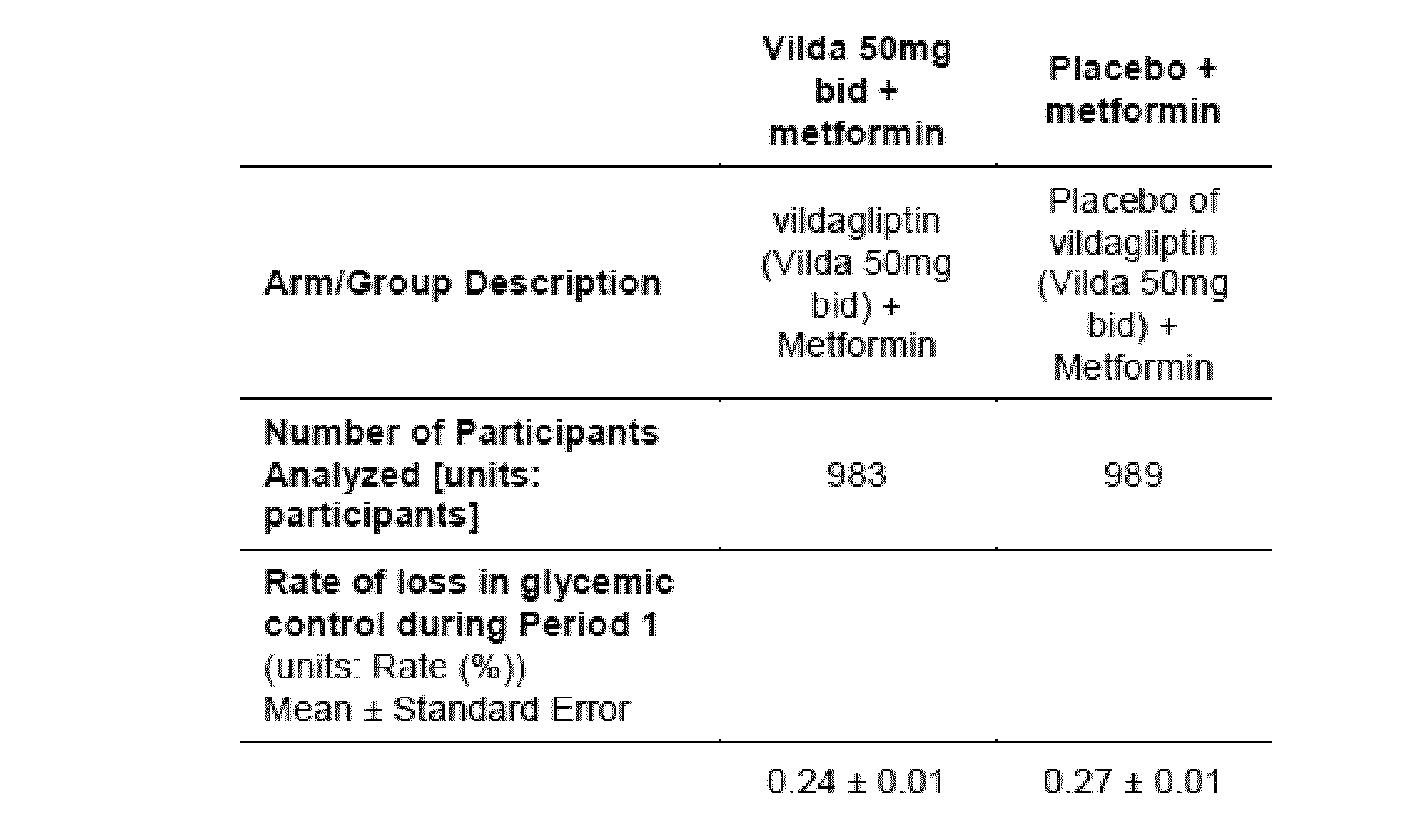


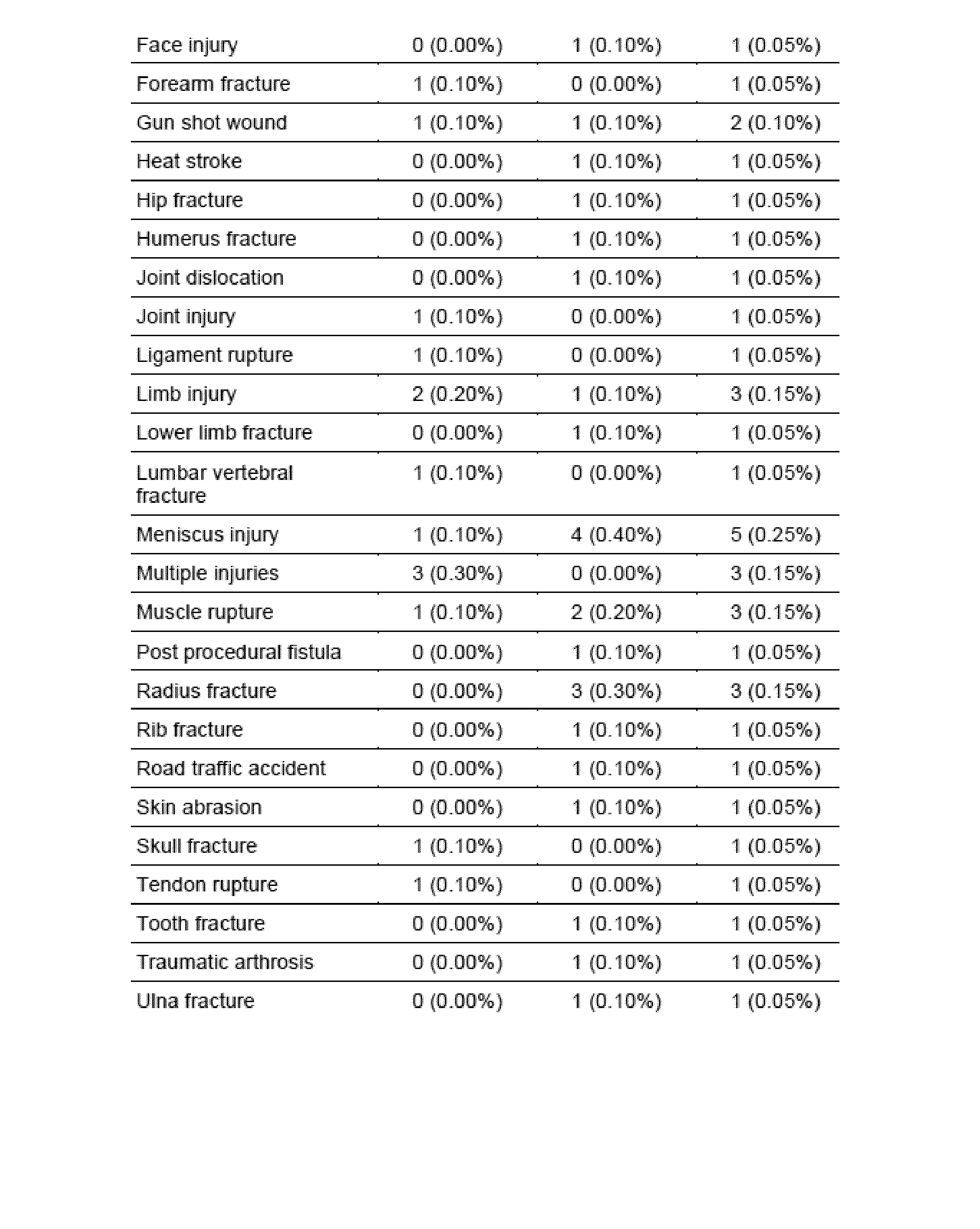
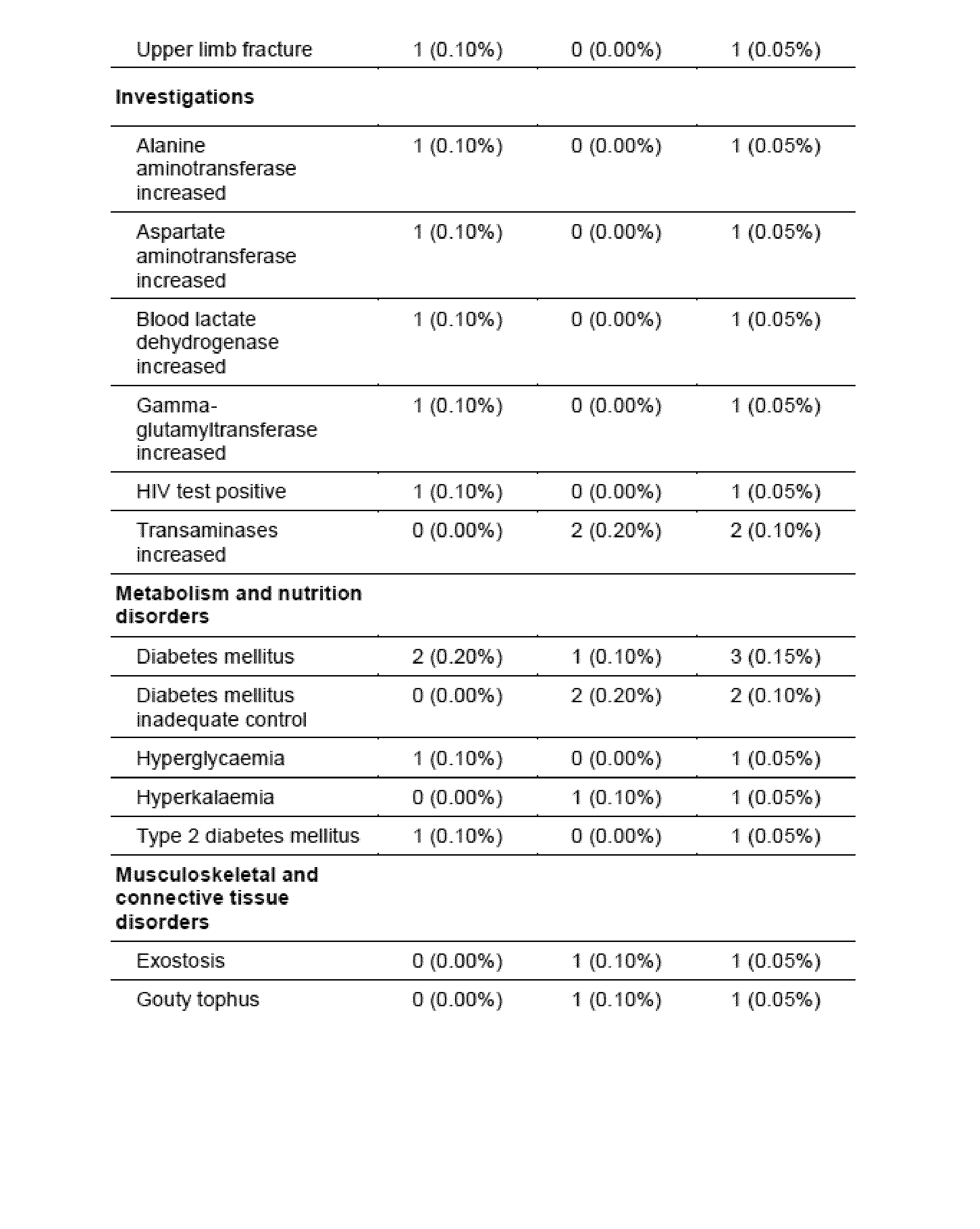


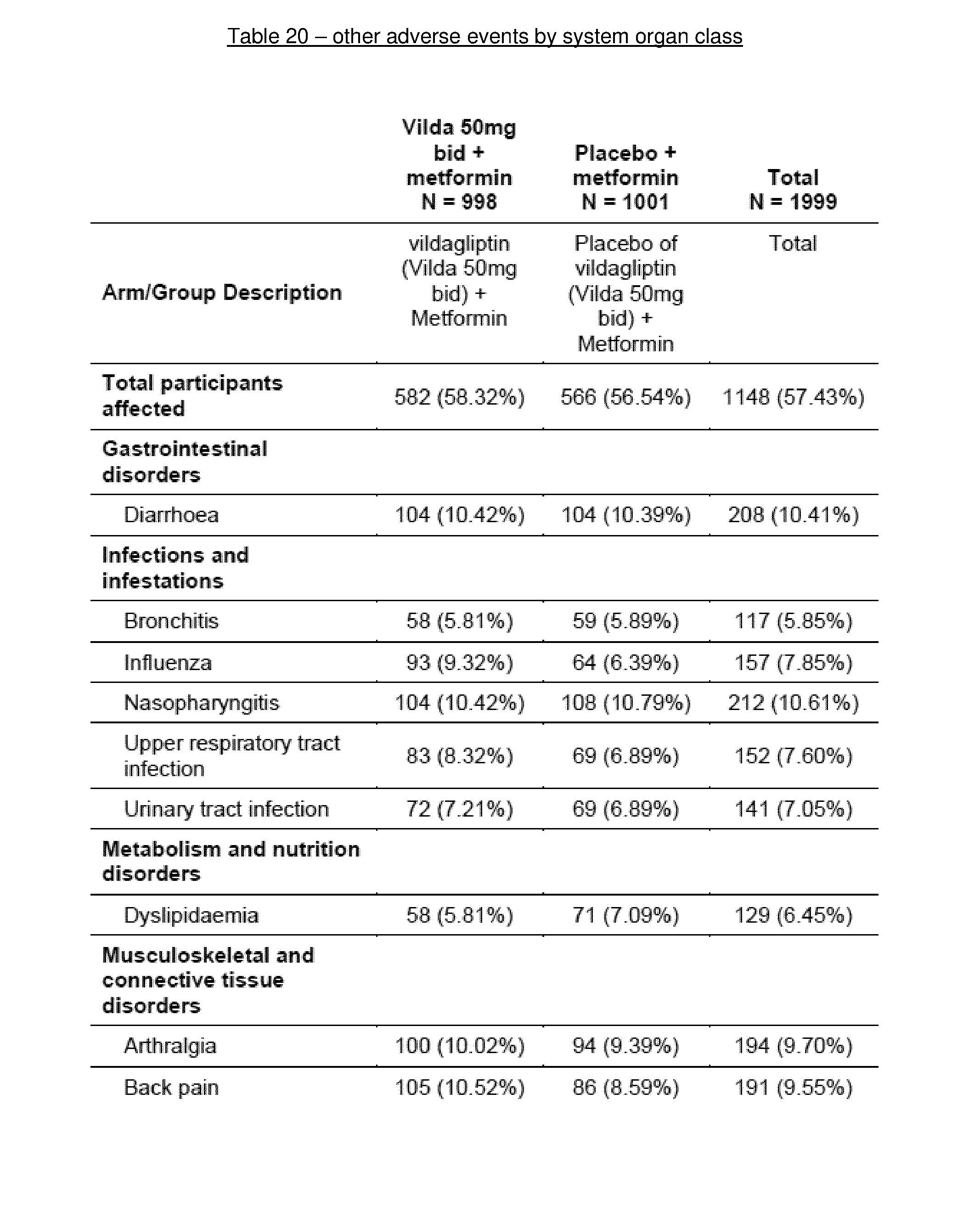

Claims
Priority Applications (6)
| Application Number | Priority Date | Filing Date | Title |
|---|---|---|---|
| JP2022514973A JP2022548214A (en) | 2019-09-17 | 2020-09-17 | Combination therapy with vildagliptin and metformin |
| MX2022001647A MX2022001647A (en) | 2019-09-17 | 2020-09-17 | Combination therapy with vildagliptin and metformin. |
| BR112022003183A BR112022003183A2 (en) | 2019-09-17 | 2020-09-17 | Uses of dpp-iv inhibitor and a combination of dpp-iv inhibitor and metformin, pharmaceutical composition and combination to delay loss of glycemic control |
| EP23206468.3A EP4335438A1 (en) | 2019-09-17 | 2020-09-17 | Combination therapy with vildagliptin and metformin |
| KR1020227005192A KR20220063157A (en) | 2019-09-17 | 2020-09-17 | Combination therapy with vildagliptin and metformin |
| EP20775259.3A EP3958857A1 (en) | 2019-09-17 | 2020-09-17 | Combination therapy with vildagliptin and metformin |
Applications Claiming Priority (4)
| Application Number | Priority Date | Filing Date | Title |
|---|---|---|---|
| US201962901645P | 2019-09-17 | 2019-09-17 | |
| US62/901,645 | 2019-09-17 | ||
| US202063004230P | 2020-04-02 | 2020-04-02 | |
| US63/004,230 | 2020-04-02 |
Publications (1)
| Publication Number | Publication Date |
|---|---|
| WO2021053076A1 true WO2021053076A1 (en) | 2021-03-25 |
Family
ID=72561784
Family Applications (1)
| Application Number | Title | Priority Date | Filing Date |
|---|---|---|---|
| PCT/EP2020/075993 Ceased WO2021053076A1 (en) | 2019-09-17 | 2020-09-17 | Combination therapy with vildagliptin and metformin |
Country Status (8)
| Country | Link |
|---|---|
| US (2) | US11103469B2 (en) |
| EP (2) | EP4335438A1 (en) |
| JP (1) | JP2022548214A (en) |
| KR (1) | KR20220063157A (en) |
| BR (1) | BR112022003183A2 (en) |
| MA (1) | MA55763A (en) |
| MX (1) | MX2022001647A (en) |
| WO (1) | WO2021053076A1 (en) |
Families Citing this family (2)
| Publication number | Priority date | Publication date | Assignee | Title |
|---|---|---|---|---|
| EP4335438A1 (en) * | 2019-09-17 | 2024-03-13 | Novartis AG | Combination therapy with vildagliptin and metformin |
| KR20230163635A (en) | 2022-05-24 | 2023-12-01 | 주식회사 엘지에너지솔루션 | A simple battery pack and manufacturing method thereof |
Family Cites Families (8)
| Publication number | Priority date | Publication date | Assignee | Title |
|---|---|---|---|---|
| DE122010000020I1 (en) | 1996-04-25 | 2010-07-08 | Prosidion Ltd | Method for lowering the blood glucose level in mammals |
| DK1741446T3 (en) | 2000-01-21 | 2008-06-02 | Novartis Pharma Ag | Combinations containing dipeptidyl peptidase IV inhibitors and antidiabetic agents |
| KR20130105741A (en) | 2003-11-17 | 2013-09-25 | 노파르티스 아게 | Use of dipeptidyl peptidase iv inhibitors |
| US7935723B2 (en) | 2004-06-04 | 2011-05-03 | Novartis Pharma Ag | Use of organic compounds |
| US20090253752A1 (en) | 2004-10-25 | 2009-10-08 | Bryan Burkey | Combination of dpp-iv inhibitor, ppar antidiabetic and metmorfin |
| GB0526291D0 (en) | 2005-12-23 | 2006-02-01 | Prosidion Ltd | Therapeutic method |
| PE20080251A1 (en) * | 2006-05-04 | 2008-04-25 | Boehringer Ingelheim Int | USES OF DPP IV INHIBITORS |
| EP4335438A1 (en) * | 2019-09-17 | 2024-03-13 | Novartis AG | Combination therapy with vildagliptin and metformin |
-
2020
- 2020-09-17 EP EP23206468.3A patent/EP4335438A1/en active Pending
- 2020-09-17 US US17/023,539 patent/US11103469B2/en active Active
- 2020-09-17 MX MX2022001647A patent/MX2022001647A/en unknown
- 2020-09-17 KR KR1020227005192A patent/KR20220063157A/en not_active Withdrawn
- 2020-09-17 EP EP20775259.3A patent/EP3958857A1/en not_active Withdrawn
- 2020-09-17 WO PCT/EP2020/075993 patent/WO2021053076A1/en not_active Ceased
- 2020-09-17 MA MA055763A patent/MA55763A/en unknown
- 2020-09-17 JP JP2022514973A patent/JP2022548214A/en active Pending
- 2020-09-17 BR BR112022003183A patent/BR112022003183A2/en not_active Application Discontinuation
-
2021
- 2021-07-26 US US17/385,008 patent/US12090125B2/en active Active
Non-Patent Citations (6)
| Title |
|---|
| ANONYMOUS: "Eucreas - SUMMARY OF PRODUCT CHARACTERISTICS", 23 July 2012 (2012-07-23), pages 1 - 20, XP055752722, Retrieved from the Internet <URL:https://www.ema.europa.eu/en/documents/product-information/eucreas-epar-product-information_et.pdf> [retrieved on 20201120] * |
| DIABETES, vol. 44, 1995, pages 1249 - 1258 |
| LANCET, vol. 352, 1998, pages 837 - 853 |
| MATTHEWS DAVID R ET AL: "Glycaemic durability of an early combination therapy with vildagliptin and metformin versus sequential metformin monotherapy in newly diagnosed type 2 diabetes (VERIFY): a 5-year, multicentre, randomised, double-blind trial", THE LANCET, ELSEVIER, AMSTERDAM, NL, vol. 394, no. 10208, 18 September 2019 (2019-09-18), pages 1519 - 1529, XP085882725, ISSN: 0140-6736, [retrieved on 20190918], DOI: 10.1016/S0140-6736(19)32131-2 * |
| PROSPECTIVE DIABETES STUDY (UKPDS) GROUP U: "Effect of intensive blood-glucose control with metformin on complications in overweight patients with type 2 diabetes (UKPDS 34)", THE LANCET, ELSEVIER, AMSTERDAM, NL, vol. 352, no. 9131, 12 September 1998 (1998-09-12), pages 854 - 865, XP004378596, ISSN: 0140-6736, DOI: 10.1016/S0140-6736(98)07037-8 * |
| S. M. BERGE ET AL.: "pharmaceutically acceptable salts", J. PHARMACEUTICAL SCIENCES, vol. 66, 1977, pages 1 - 19 |
Also Published As
| Publication number | Publication date |
|---|---|
| MA55763A (en) | 2022-04-20 |
| US12090125B2 (en) | 2024-09-17 |
| US20210077430A1 (en) | 2021-03-18 |
| EP3958857A1 (en) | 2022-03-02 |
| JP2022548214A (en) | 2022-11-17 |
| BR112022003183A2 (en) | 2022-05-17 |
| MX2022001647A (en) | 2022-03-11 |
| EP4335438A1 (en) | 2024-03-13 |
| US11103469B2 (en) | 2021-08-31 |
| KR20220063157A (en) | 2022-05-17 |
| US20220184006A1 (en) | 2022-06-16 |
Similar Documents
| Publication | Publication Date | Title |
|---|---|---|
| EP1741447B1 (en) | Combinations comprising dipeptidylpeptidase-IV inhibitors and antidiabetic agents | |
| ES2302702T3 (en) | PHARMACEUTICAL COMPOSITION THAT INCLUDES A COMBINATION OF METFORMIN AND GLIBENCLAMIDE. | |
| US9532984B2 (en) | Therapeutic combination for cancer treatment | |
| US12036226B2 (en) | Methods of treating subjects having diabetes with chronic kidney disease | |
| EP4335438A1 (en) | Combination therapy with vildagliptin and metformin | |
| EP3054943B1 (en) | Methods of preventing progression to type 2 diabetes mellitus | |
| RU2721406C1 (en) | Medicinal complex for treating type 2 diabetes and diabetic dyslipidemia | |
| JP2012092140A (en) | Combined medicine for treating type ii diabetes | |
| González-Vílchez et al. | Conversion from immediate-release tacrolimus to prolonged-release tacrolimus in stable heart transplant patients: a retrospective study | |
| KR20210025582A (en) | Composition, kit and combination therapy for treating type 2 diabetes mellitus and diabetic dyslipidemia | |
| Miller et al. | Role of the Kidney and SGLT-2 Inhibition in Type 2 Diabetes Mellitus. | |
| US20240165114A1 (en) | TREATMENT OF DIABETIC NEPHROPATHY WITH AN sGC STIMULATOR | |
| CN121398832A (en) | Semiglutide for use in drug therapy | |
| Al-Madhagi et al. | Quality Assessment for two Yemeni glimipride brands compared to the original brand | |
| CN121285550A (en) | Combined pharmaceutical composition of pyrrolo [2,3-c ] pyridone compound and application thereof | |
| HK1102422B (en) | Combinations comprising dipeptidylpeptidase-iv inhibitors and antidiabetic agents | |
| HK1102405B (en) | Combinations comprising dipeptidylpeptidase-iv inhibitors and antidiabetic agents | |
| MX2012014757A (en) | Pharmaceutical composition comprising a meglitinide and a thiazolidinedione or pharmaceutically acceptable salts, thereof and use of the same. | |
| HK1108359B (en) | Combinations comprising dipeptidylpeptidase-iv inhibitors and antidiabetic agents |
Legal Events
| Date | Code | Title | Description |
|---|---|---|---|
| 121 | Ep: the epo has been informed by wipo that ep was designated in this application |
Ref document number: 20775259 Country of ref document: EP Kind code of ref document: A1 |
|
| ENP | Entry into the national phase |
Ref document number: 2020775259 Country of ref document: EP Effective date: 20211126 |
|
| REG | Reference to national code |
Ref country code: BR Ref legal event code: B01A Ref document number: 112022003183 Country of ref document: BR |
|
| ENP | Entry into the national phase |
Ref document number: 2022514973 Country of ref document: JP Kind code of ref document: A |
|
| NENP | Non-entry into the national phase |
Ref country code: DE |
|
| ENP | Entry into the national phase |
Ref document number: 112022003183 Country of ref document: BR Kind code of ref document: A2 Effective date: 20220218 |