WO2021026179A1 - AGONISTS OF ROR GAMMAt - Google Patents
AGONISTS OF ROR GAMMAt Download PDFInfo
- Publication number
- WO2021026179A1 WO2021026179A1 PCT/US2020/044918 US2020044918W WO2021026179A1 WO 2021026179 A1 WO2021026179 A1 WO 2021026179A1 US 2020044918 W US2020044918 W US 2020044918W WO 2021026179 A1 WO2021026179 A1 WO 2021026179A1
- Authority
- WO
- WIPO (PCT)
- Prior art keywords
- alkyl
- cycloalkyl
- mmol
- hydrogen
- halogen
- Prior art date
- Legal status (The legal status is an assumption and is not a legal conclusion. Google has not performed a legal analysis and makes no representation as to the accuracy of the status listed.)
- Ceased
Links
- 0 *C1=CC(Oc2c(*)cc(*)cc2*)=C**1 Chemical compound *C1=CC(Oc2c(*)cc(*)cc2*)=C**1 0.000 description 5
- CWISMVCBANZXQW-UHFFFAOYSA-N CC(C)c1cc(Oc(c(Cl)c(cc2)C#N)c2Cl)cc(F)c1 Chemical compound CC(C)c1cc(Oc(c(Cl)c(cc2)C#N)c2Cl)cc(F)c1 CWISMVCBANZXQW-UHFFFAOYSA-N 0.000 description 2
- BGNXCDMCOKJUMV-UHFFFAOYSA-N CC(C)(C)c(cc(cc1)O)c1O Chemical compound CC(C)(C)c(cc(cc1)O)c1O BGNXCDMCOKJUMV-UHFFFAOYSA-N 0.000 description 1
- TWZPQBKDSZFBNP-UHFFFAOYSA-N CC(C)(C)c(cc(cc1)Oc(c(Cl)cc(N)c2)c2Cl)c1OC Chemical compound CC(C)(C)c(cc(cc1)Oc(c(Cl)cc(N)c2)c2Cl)c1OC TWZPQBKDSZFBNP-UHFFFAOYSA-N 0.000 description 1
- KBIPDASEKQQXIO-UHFFFAOYSA-N CC(C)(C)c(cc(cc1)Oc(c(Cl)cc(NC(Cc2cnccc2)=O)c2)c2Cl)c1OC Chemical compound CC(C)(C)c(cc(cc1)Oc(c(Cl)cc(NC(Cc2cnccc2)=O)c2)c2Cl)c1OC KBIPDASEKQQXIO-UHFFFAOYSA-N 0.000 description 1
- UARRQBQLGFQVDA-UHFFFAOYSA-N CC(C)(C)c(cc(cc1)Oc(c(Cl)cc([N+]([O-])=O)c2)c2Cl)c1O Chemical compound CC(C)(C)c(cc(cc1)Oc(c(Cl)cc([N+]([O-])=O)c2)c2Cl)c1O UARRQBQLGFQVDA-UHFFFAOYSA-N 0.000 description 1
- PMMKZSPKXXYMNJ-UHFFFAOYSA-N CC(C)(C)c(cc(cc1)Oc(c(Cl)cc([N+]([O-])=O)c2)c2Cl)c1OC Chemical compound CC(C)(C)c(cc(cc1)Oc(c(Cl)cc([N+]([O-])=O)c2)c2Cl)c1OC PMMKZSPKXXYMNJ-UHFFFAOYSA-N 0.000 description 1
- XQLPUHPZAPFSCP-UHFFFAOYSA-N CC(C)(c(cc(cn1)Oc(c(Cl)c(cc2)C#N)c2Cl)c1OC)O Chemical compound CC(C)(c(cc(cn1)Oc(c(Cl)c(cc2)C#N)c2Cl)c1OC)O XQLPUHPZAPFSCP-UHFFFAOYSA-N 0.000 description 1
- JPXLLXISNCFQBY-UHFFFAOYSA-N CC(C)(c(cc(cn1)Oc(c(Cl)cc(NC(CC(CC2)CCN2S(C)(=O)=O)=O)c2)c2Cl)c1O)F Chemical compound CC(C)(c(cc(cn1)Oc(c(Cl)cc(NC(CC(CC2)CCN2S(C)(=O)=O)=O)c2)c2Cl)c1O)F JPXLLXISNCFQBY-UHFFFAOYSA-N 0.000 description 1
- JIKCYKKPOWNPHC-UHFFFAOYSA-N CC(C)(c(cc(cn1)Oc(c(Cl)cc(NC(CC(CC2)CCN2S(C)(=O)=O)=O)c2)c2Cl)c1OC(F)F)F Chemical compound CC(C)(c(cc(cn1)Oc(c(Cl)cc(NC(CC(CC2)CCN2S(C)(=O)=O)=O)c2)c2Cl)c1OC(F)F)F JIKCYKKPOWNPHC-UHFFFAOYSA-N 0.000 description 1
- FTYMNMGGOFOZFA-UHFFFAOYSA-N CC(C)c(cc(cc1)Oc(c(Cl)c(cc2)C#N)c2Cl)c1OC Chemical compound CC(C)c(cc(cc1)Oc(c(Cl)c(cc2)C#N)c2Cl)c1OC FTYMNMGGOFOZFA-UHFFFAOYSA-N 0.000 description 1
- AXKFAYGYWQMQAC-UHFFFAOYSA-N CC(C)c(cc(cc1)Oc(c(Cl)cc(N(CC(CNC(C)=O)O2)C2=O)c2)c2Cl)c1OC Chemical compound CC(C)c(cc(cc1)Oc(c(Cl)cc(N(CC(CNC(C)=O)O2)C2=O)c2)c2Cl)c1OC AXKFAYGYWQMQAC-UHFFFAOYSA-N 0.000 description 1
- MOSUJXGVCUMWBF-UHFFFAOYSA-N CC(C)c(cc(cc1)Oc(c(Cl)cc(N)c2)c2Cl)c1OC Chemical compound CC(C)c(cc(cc1)Oc(c(Cl)cc(N)c2)c2Cl)c1OC MOSUJXGVCUMWBF-UHFFFAOYSA-N 0.000 description 1
- NWQONGXFUIIEOP-UHFFFAOYSA-N CC(C)c(cc(cc1)Oc(c(Cl)cc(NC(CC(CC2)CCN2S(N)(=O)=O)=O)c2)c2Cl)c1OC Chemical compound CC(C)c(cc(cc1)Oc(c(Cl)cc(NC(CC(CC2)CCN2S(N)(=O)=O)=O)c2)c2Cl)c1OC NWQONGXFUIIEOP-UHFFFAOYSA-N 0.000 description 1
- NOCJTVPCCIEGQK-UHFFFAOYSA-N CC(C)c(cc(cc1)Oc(c(Cl)cc(NC(CC2CCNCC2)=O)c2)c2Cl)c1OC Chemical compound CC(C)c(cc(cc1)Oc(c(Cl)cc(NC(CC2CCNCC2)=O)c2)c2Cl)c1OC NOCJTVPCCIEGQK-UHFFFAOYSA-N 0.000 description 1
- BIXYQBKCEPHFLW-UHFFFAOYSA-N CC(C)c(cc(cc1)Oc(c(Cl)cc(NC(Cc(cc2)cnc2S(C)(=O)=O)=O)c2)c2Cl)c1OC Chemical compound CC(C)c(cc(cc1)Oc(c(Cl)cc(NC(Cc(cc2)cnc2S(C)(=O)=O)=O)c2)c2Cl)c1OC BIXYQBKCEPHFLW-UHFFFAOYSA-N 0.000 description 1
- LJTAWAVSFHPTTE-UHFFFAOYSA-N CC(C)c(cc(cc1)Oc(c(Cl)cc(NC(Cc(cn2)c[n]2S(C)(=O)=O)=O)c2)c2Cl)c1OC Chemical compound CC(C)c(cc(cc1)Oc(c(Cl)cc(NC(Cc(cn2)c[n]2S(C)(=O)=O)=O)c2)c2Cl)c1OC LJTAWAVSFHPTTE-UHFFFAOYSA-N 0.000 description 1
- QXVQVZPXXPLFAF-UHFFFAOYSA-N CC(C)c(cc(cc1)Oc(c(Cl)cc(NC(Cc2c[nH]nc2)=O)c2)c2Cl)c1OC Chemical compound CC(C)c(cc(cc1)Oc(c(Cl)cc(NC(Cc2c[nH]nc2)=O)c2)c2Cl)c1OC QXVQVZPXXPLFAF-UHFFFAOYSA-N 0.000 description 1
- NMMBKEMYLVYNDW-UHFFFAOYSA-N CC(C)c(cc(cc1)Oc(c(Cl)cc(NC(Cc2cccnc2)=N)c2)c2Cl)c1OC Chemical compound CC(C)c(cc(cc1)Oc(c(Cl)cc(NC(Cc2cccnc2)=N)c2)c2Cl)c1OC NMMBKEMYLVYNDW-UHFFFAOYSA-N 0.000 description 1
- RBMJFOCYVQIXPM-UHFFFAOYSA-N CC(C)c(cc(cn1)Oc(c(Cl)cc(NC(CN(CC2)CCN2S(C)(=O)=O)=O)c2)c2Cl)c1OC Chemical compound CC(C)c(cc(cn1)Oc(c(Cl)cc(NC(CN(CC2)CCN2S(C)(=O)=O)=O)c2)c2Cl)c1OC RBMJFOCYVQIXPM-UHFFFAOYSA-N 0.000 description 1
- DESJVWWBPGFBTC-UHFFFAOYSA-N CC(C)c1c(C)ccc(Oc(c(Cl)cc(NC(Cc2cccnc2)=O)c2)c2Cl)c1 Chemical compound CC(C)c1c(C)ccc(Oc(c(Cl)cc(NC(Cc2cccnc2)=O)c2)c2Cl)c1 DESJVWWBPGFBTC-UHFFFAOYSA-N 0.000 description 1
- CIVHWSRTEGUJPD-UHFFFAOYSA-N CC(C)c1cc(O)cc(F)c1 Chemical compound CC(C)c1cc(O)cc(F)c1 CIVHWSRTEGUJPD-UHFFFAOYSA-N 0.000 description 1
- CRGVKWCOWBEKLK-UHFFFAOYSA-N CC(C)c1cc(Oc(c(Cl)c(cc2)C(NCc(cc3)ccc3S(N)(=O)=O)=O)c2Cl)cc(F)c1 Chemical compound CC(C)c1cc(Oc(c(Cl)c(cc2)C(NCc(cc3)ccc3S(N)(=O)=O)=O)c2Cl)cc(F)c1 CRGVKWCOWBEKLK-UHFFFAOYSA-N 0.000 description 1
- VANZXKKJJIPECJ-UHFFFAOYSA-N CC(C)c1cc(Oc(c(Cl)c(cc2)C(O)=O)c2Cl)cc(F)c1 Chemical compound CC(C)c1cc(Oc(c(Cl)c(cc2)C(O)=O)c2Cl)cc(F)c1 VANZXKKJJIPECJ-UHFFFAOYSA-N 0.000 description 1
- LSBQUFOLZXWBBB-UHFFFAOYSA-N CC(C)c1cc(Oc(c(Cl)cc(N)c2)c2Cl)cnc1OC Chemical compound CC(C)c1cc(Oc(c(Cl)cc(N)c2)c2Cl)cnc1OC LSBQUFOLZXWBBB-UHFFFAOYSA-N 0.000 description 1
- JFZDSACCLMSWEU-UHFFFAOYSA-N CCS(Nc(cc1Cl)cc(Cl)c1Oc(cc1)cc(C(C)C)c1OC)(=O)=O Chemical compound CCS(Nc(cc1Cl)cc(Cl)c1Oc(cc1)cc(C(C)C)c1OC)(=O)=O JFZDSACCLMSWEU-UHFFFAOYSA-N 0.000 description 1
- CZEIMUCHAPSOMH-UHFFFAOYSA-N COc(cc1)c(C2CC2)cc1Oc(c(F)cc(NC(Cc1cccnc1)=O)c1)c1F Chemical compound COc(cc1)c(C2CC2)cc1Oc(c(F)cc(NC(Cc1cccnc1)=O)c1)c1F CZEIMUCHAPSOMH-UHFFFAOYSA-N 0.000 description 1
- MMJSIYGLDQNUTH-UHFFFAOYSA-N Fc(c(Cl)cc(Br)c1)c1Cl Chemical compound Fc(c(Cl)cc(Br)c1)c1Cl MMJSIYGLDQNUTH-UHFFFAOYSA-N 0.000 description 1
- QWGPQHZYZNHITN-UHFFFAOYSA-N N#Cc(ccc(Cl)c1F)c1Cl Chemical compound N#Cc(ccc(Cl)c1F)c1Cl QWGPQHZYZNHITN-UHFFFAOYSA-N 0.000 description 1
- NBHMSRKMESQUQP-UHFFFAOYSA-M [AlH2]Oc(c(Cl)cc(Br)c1)c1Cl Chemical compound [AlH2]Oc(c(Cl)cc(Br)c1)c1Cl NBHMSRKMESQUQP-UHFFFAOYSA-M 0.000 description 1
- VMAATSFMXSMKPG-UHFFFAOYSA-N [O-][N+](c(cc1Cl)cc(Cl)c1F)=O Chemical compound [O-][N+](c(cc1Cl)cc(Cl)c1F)=O VMAATSFMXSMKPG-UHFFFAOYSA-N 0.000 description 1
Classifications
-
- C—CHEMISTRY; METALLURGY
- C07—ORGANIC CHEMISTRY
- C07D—HETEROCYCLIC COMPOUNDS
- C07D211/00—Heterocyclic compounds containing hydrogenated pyridine rings, not condensed with other rings
- C07D211/04—Heterocyclic compounds containing hydrogenated pyridine rings, not condensed with other rings with only hydrogen or carbon atoms directly attached to the ring nitrogen atom
- C07D211/06—Heterocyclic compounds containing hydrogenated pyridine rings, not condensed with other rings with only hydrogen or carbon atoms directly attached to the ring nitrogen atom having no double bonds between ring members or between ring members and non-ring members
- C07D211/08—Heterocyclic compounds containing hydrogenated pyridine rings, not condensed with other rings with only hydrogen or carbon atoms directly attached to the ring nitrogen atom having no double bonds between ring members or between ring members and non-ring members with hydrocarbon or substituted hydrocarbon radicals directly attached to ring carbon atoms
- C07D211/18—Heterocyclic compounds containing hydrogenated pyridine rings, not condensed with other rings with only hydrogen or carbon atoms directly attached to the ring nitrogen atom having no double bonds between ring members or between ring members and non-ring members with hydrocarbon or substituted hydrocarbon radicals directly attached to ring carbon atoms with substituted hydrocarbon radicals attached to ring carbon atoms
- C07D211/26—Heterocyclic compounds containing hydrogenated pyridine rings, not condensed with other rings with only hydrogen or carbon atoms directly attached to the ring nitrogen atom having no double bonds between ring members or between ring members and non-ring members with hydrocarbon or substituted hydrocarbon radicals directly attached to ring carbon atoms with substituted hydrocarbon radicals attached to ring carbon atoms with hydrocarbon radicals, substituted by nitrogen atoms
-
- C—CHEMISTRY; METALLURGY
- C07—ORGANIC CHEMISTRY
- C07D—HETEROCYCLIC COMPOUNDS
- C07D471/00—Heterocyclic compounds containing nitrogen atoms as the only ring hetero atoms in the condensed system, at least one ring being a six-membered ring with one nitrogen atom, not provided for by groups C07D451/00 - C07D463/00
- C07D471/02—Heterocyclic compounds containing nitrogen atoms as the only ring hetero atoms in the condensed system, at least one ring being a six-membered ring with one nitrogen atom, not provided for by groups C07D451/00 - C07D463/00 in which the condensed system contains two hetero rings
- C07D471/10—Spiro-condensed systems
-
- C—CHEMISTRY; METALLURGY
- C07—ORGANIC CHEMISTRY
- C07C—ACYCLIC OR CARBOCYCLIC COMPOUNDS
- C07C255/00—Carboxylic acid nitriles
- C07C255/49—Carboxylic acid nitriles having cyano groups bound to carbon atoms of six-membered aromatic rings of a carbon skeleton
- C07C255/58—Carboxylic acid nitriles having cyano groups bound to carbon atoms of six-membered aromatic rings of a carbon skeleton containing cyano groups and singly-bound nitrogen atoms, not being further bound to other hetero atoms, bound to the carbon skeleton
- C07C255/60—Carboxylic acid nitriles having cyano groups bound to carbon atoms of six-membered aromatic rings of a carbon skeleton containing cyano groups and singly-bound nitrogen atoms, not being further bound to other hetero atoms, bound to the carbon skeleton at least one of the singly-bound nitrogen atoms being acylated
-
- C—CHEMISTRY; METALLURGY
- C07—ORGANIC CHEMISTRY
- C07C—ACYCLIC OR CARBOCYCLIC COMPOUNDS
- C07C311/00—Amides of sulfonic acids, i.e. compounds having singly-bound oxygen atoms of sulfo groups replaced by nitrogen atoms, not being part of nitro or nitroso groups
- C07C311/15—Sulfonamides having sulfur atoms of sulfonamide groups bound to carbon atoms of six-membered aromatic rings
- C07C311/16—Sulfonamides having sulfur atoms of sulfonamide groups bound to carbon atoms of six-membered aromatic rings having the nitrogen atom of at least one of the sulfonamide groups bound to hydrogen atoms or to an acyclic carbon atom
-
- C—CHEMISTRY; METALLURGY
- C07—ORGANIC CHEMISTRY
- C07C—ACYCLIC OR CARBOCYCLIC COMPOUNDS
- C07C317/00—Sulfones; Sulfoxides
- C07C317/16—Sulfones; Sulfoxides having sulfone or sulfoxide groups and singly-bound oxygen atoms bound to the same carbon skeleton
- C07C317/18—Sulfones; Sulfoxides having sulfone or sulfoxide groups and singly-bound oxygen atoms bound to the same carbon skeleton with sulfone or sulfoxide groups bound to acyclic carbon atoms of the carbon skeleton
-
- C—CHEMISTRY; METALLURGY
- C07—ORGANIC CHEMISTRY
- C07D—HETEROCYCLIC COMPOUNDS
- C07D205/00—Heterocyclic compounds containing four-membered rings with one nitrogen atom as the only ring hetero atom
- C07D205/02—Heterocyclic compounds containing four-membered rings with one nitrogen atom as the only ring hetero atom not condensed with other rings
- C07D205/04—Heterocyclic compounds containing four-membered rings with one nitrogen atom as the only ring hetero atom not condensed with other rings having no double bonds between ring members or between ring members and non-ring members
-
- C—CHEMISTRY; METALLURGY
- C07—ORGANIC CHEMISTRY
- C07D—HETEROCYCLIC COMPOUNDS
- C07D207/00—Heterocyclic compounds containing five-membered rings not condensed with other rings, with one nitrogen atom as the only ring hetero atom
- C07D207/02—Heterocyclic compounds containing five-membered rings not condensed with other rings, with one nitrogen atom as the only ring hetero atom with only hydrogen or carbon atoms directly attached to the ring nitrogen atom
- C07D207/18—Heterocyclic compounds containing five-membered rings not condensed with other rings, with one nitrogen atom as the only ring hetero atom with only hydrogen or carbon atoms directly attached to the ring nitrogen atom having one double bond between ring members or between a ring member and a non-ring member
- C07D207/22—Heterocyclic compounds containing five-membered rings not condensed with other rings, with one nitrogen atom as the only ring hetero atom with only hydrogen or carbon atoms directly attached to the ring nitrogen atom having one double bond between ring members or between a ring member and a non-ring member with hetero atoms or with carbon atoms having three bonds to hetero atoms with at the most one bond to halogen, e.g. ester or nitrile radicals, directly attached to ring carbon atoms
- C07D207/24—Oxygen or sulfur atoms
- C07D207/26—2-Pyrrolidones
- C07D207/263—2-Pyrrolidones with only hydrogen atoms or radicals containing only hydrogen and carbon atoms directly attached to other ring carbon atoms
- C07D207/27—2-Pyrrolidones with only hydrogen atoms or radicals containing only hydrogen and carbon atoms directly attached to other ring carbon atoms with substituted hydrocarbon radicals directly attached to the ring nitrogen atom
-
- C—CHEMISTRY; METALLURGY
- C07—ORGANIC CHEMISTRY
- C07D—HETEROCYCLIC COMPOUNDS
- C07D211/00—Heterocyclic compounds containing hydrogenated pyridine rings, not condensed with other rings
- C07D211/04—Heterocyclic compounds containing hydrogenated pyridine rings, not condensed with other rings with only hydrogen or carbon atoms directly attached to the ring nitrogen atom
- C07D211/06—Heterocyclic compounds containing hydrogenated pyridine rings, not condensed with other rings with only hydrogen or carbon atoms directly attached to the ring nitrogen atom having no double bonds between ring members or between ring members and non-ring members
- C07D211/08—Heterocyclic compounds containing hydrogenated pyridine rings, not condensed with other rings with only hydrogen or carbon atoms directly attached to the ring nitrogen atom having no double bonds between ring members or between ring members and non-ring members with hydrocarbon or substituted hydrocarbon radicals directly attached to ring carbon atoms
- C07D211/18—Heterocyclic compounds containing hydrogenated pyridine rings, not condensed with other rings with only hydrogen or carbon atoms directly attached to the ring nitrogen atom having no double bonds between ring members or between ring members and non-ring members with hydrocarbon or substituted hydrocarbon radicals directly attached to ring carbon atoms with substituted hydrocarbon radicals attached to ring carbon atoms
-
- C—CHEMISTRY; METALLURGY
- C07—ORGANIC CHEMISTRY
- C07D—HETEROCYCLIC COMPOUNDS
- C07D211/00—Heterocyclic compounds containing hydrogenated pyridine rings, not condensed with other rings
- C07D211/04—Heterocyclic compounds containing hydrogenated pyridine rings, not condensed with other rings with only hydrogen or carbon atoms directly attached to the ring nitrogen atom
- C07D211/06—Heterocyclic compounds containing hydrogenated pyridine rings, not condensed with other rings with only hydrogen or carbon atoms directly attached to the ring nitrogen atom having no double bonds between ring members or between ring members and non-ring members
- C07D211/08—Heterocyclic compounds containing hydrogenated pyridine rings, not condensed with other rings with only hydrogen or carbon atoms directly attached to the ring nitrogen atom having no double bonds between ring members or between ring members and non-ring members with hydrocarbon or substituted hydrocarbon radicals directly attached to ring carbon atoms
- C07D211/18—Heterocyclic compounds containing hydrogenated pyridine rings, not condensed with other rings with only hydrogen or carbon atoms directly attached to the ring nitrogen atom having no double bonds between ring members or between ring members and non-ring members with hydrocarbon or substituted hydrocarbon radicals directly attached to ring carbon atoms with substituted hydrocarbon radicals attached to ring carbon atoms
- C07D211/34—Heterocyclic compounds containing hydrogenated pyridine rings, not condensed with other rings with only hydrogen or carbon atoms directly attached to the ring nitrogen atom having no double bonds between ring members or between ring members and non-ring members with hydrocarbon or substituted hydrocarbon radicals directly attached to ring carbon atoms with substituted hydrocarbon radicals attached to ring carbon atoms with hydrocarbon radicals, substituted by carbon atoms having three bonds to hetero atoms with at the most one bond to halogen, e.g. ester or nitrile radicals
-
- C—CHEMISTRY; METALLURGY
- C07—ORGANIC CHEMISTRY
- C07D—HETEROCYCLIC COMPOUNDS
- C07D211/00—Heterocyclic compounds containing hydrogenated pyridine rings, not condensed with other rings
- C07D211/04—Heterocyclic compounds containing hydrogenated pyridine rings, not condensed with other rings with only hydrogen or carbon atoms directly attached to the ring nitrogen atom
- C07D211/06—Heterocyclic compounds containing hydrogenated pyridine rings, not condensed with other rings with only hydrogen or carbon atoms directly attached to the ring nitrogen atom having no double bonds between ring members or between ring members and non-ring members
- C07D211/36—Heterocyclic compounds containing hydrogenated pyridine rings, not condensed with other rings with only hydrogen or carbon atoms directly attached to the ring nitrogen atom having no double bonds between ring members or between ring members and non-ring members with hetero atoms or with carbon atoms having three bonds to hetero atoms with at the most one bond to halogen, e.g. ester or nitrile radicals, directly attached to ring carbon atoms
- C07D211/40—Oxygen atoms
- C07D211/42—Oxygen atoms attached in position 3 or 5
-
- C—CHEMISTRY; METALLURGY
- C07—ORGANIC CHEMISTRY
- C07D—HETEROCYCLIC COMPOUNDS
- C07D211/00—Heterocyclic compounds containing hydrogenated pyridine rings, not condensed with other rings
- C07D211/04—Heterocyclic compounds containing hydrogenated pyridine rings, not condensed with other rings with only hydrogen or carbon atoms directly attached to the ring nitrogen atom
- C07D211/06—Heterocyclic compounds containing hydrogenated pyridine rings, not condensed with other rings with only hydrogen or carbon atoms directly attached to the ring nitrogen atom having no double bonds between ring members or between ring members and non-ring members
- C07D211/36—Heterocyclic compounds containing hydrogenated pyridine rings, not condensed with other rings with only hydrogen or carbon atoms directly attached to the ring nitrogen atom having no double bonds between ring members or between ring members and non-ring members with hetero atoms or with carbon atoms having three bonds to hetero atoms with at the most one bond to halogen, e.g. ester or nitrile radicals, directly attached to ring carbon atoms
- C07D211/40—Oxygen atoms
- C07D211/44—Oxygen atoms attached in position 4
- C07D211/46—Oxygen atoms attached in position 4 having a hydrogen atom as the second substituent in position 4
-
- C—CHEMISTRY; METALLURGY
- C07—ORGANIC CHEMISTRY
- C07D—HETEROCYCLIC COMPOUNDS
- C07D211/00—Heterocyclic compounds containing hydrogenated pyridine rings, not condensed with other rings
- C07D211/04—Heterocyclic compounds containing hydrogenated pyridine rings, not condensed with other rings with only hydrogen or carbon atoms directly attached to the ring nitrogen atom
- C07D211/06—Heterocyclic compounds containing hydrogenated pyridine rings, not condensed with other rings with only hydrogen or carbon atoms directly attached to the ring nitrogen atom having no double bonds between ring members or between ring members and non-ring members
- C07D211/36—Heterocyclic compounds containing hydrogenated pyridine rings, not condensed with other rings with only hydrogen or carbon atoms directly attached to the ring nitrogen atom having no double bonds between ring members or between ring members and non-ring members with hetero atoms or with carbon atoms having three bonds to hetero atoms with at the most one bond to halogen, e.g. ester or nitrile radicals, directly attached to ring carbon atoms
- C07D211/40—Oxygen atoms
- C07D211/44—Oxygen atoms attached in position 4
- C07D211/52—Oxygen atoms attached in position 4 having an aryl radical as the second substituent in position 4
-
- C—CHEMISTRY; METALLURGY
- C07—ORGANIC CHEMISTRY
- C07D—HETEROCYCLIC COMPOUNDS
- C07D211/00—Heterocyclic compounds containing hydrogenated pyridine rings, not condensed with other rings
- C07D211/04—Heterocyclic compounds containing hydrogenated pyridine rings, not condensed with other rings with only hydrogen or carbon atoms directly attached to the ring nitrogen atom
- C07D211/06—Heterocyclic compounds containing hydrogenated pyridine rings, not condensed with other rings with only hydrogen or carbon atoms directly attached to the ring nitrogen atom having no double bonds between ring members or between ring members and non-ring members
- C07D211/36—Heterocyclic compounds containing hydrogenated pyridine rings, not condensed with other rings with only hydrogen or carbon atoms directly attached to the ring nitrogen atom having no double bonds between ring members or between ring members and non-ring members with hetero atoms or with carbon atoms having three bonds to hetero atoms with at the most one bond to halogen, e.g. ester or nitrile radicals, directly attached to ring carbon atoms
- C07D211/54—Sulfur atoms
-
- C—CHEMISTRY; METALLURGY
- C07—ORGANIC CHEMISTRY
- C07D—HETEROCYCLIC COMPOUNDS
- C07D211/00—Heterocyclic compounds containing hydrogenated pyridine rings, not condensed with other rings
- C07D211/04—Heterocyclic compounds containing hydrogenated pyridine rings, not condensed with other rings with only hydrogen or carbon atoms directly attached to the ring nitrogen atom
- C07D211/06—Heterocyclic compounds containing hydrogenated pyridine rings, not condensed with other rings with only hydrogen or carbon atoms directly attached to the ring nitrogen atom having no double bonds between ring members or between ring members and non-ring members
- C07D211/36—Heterocyclic compounds containing hydrogenated pyridine rings, not condensed with other rings with only hydrogen or carbon atoms directly attached to the ring nitrogen atom having no double bonds between ring members or between ring members and non-ring members with hetero atoms or with carbon atoms having three bonds to hetero atoms with at the most one bond to halogen, e.g. ester or nitrile radicals, directly attached to ring carbon atoms
- C07D211/56—Nitrogen atoms
-
- C—CHEMISTRY; METALLURGY
- C07—ORGANIC CHEMISTRY
- C07D—HETEROCYCLIC COMPOUNDS
- C07D211/00—Heterocyclic compounds containing hydrogenated pyridine rings, not condensed with other rings
- C07D211/04—Heterocyclic compounds containing hydrogenated pyridine rings, not condensed with other rings with only hydrogen or carbon atoms directly attached to the ring nitrogen atom
- C07D211/80—Heterocyclic compounds containing hydrogenated pyridine rings, not condensed with other rings with only hydrogen or carbon atoms directly attached to the ring nitrogen atom having two double bonds between ring members or between ring members and non-ring members
- C07D211/84—Heterocyclic compounds containing hydrogenated pyridine rings, not condensed with other rings with only hydrogen or carbon atoms directly attached to the ring nitrogen atom having two double bonds between ring members or between ring members and non-ring members with hetero atoms or with carbon atoms having three bonds to hetero atoms, with at the most one bond to halogen directly attached to ring carbon atoms
- C07D211/86—Oxygen atoms
- C07D211/88—Oxygen atoms attached in positions 2 and 6, e.g. glutarimide
-
- C—CHEMISTRY; METALLURGY
- C07—ORGANIC CHEMISTRY
- C07D—HETEROCYCLIC COMPOUNDS
- C07D211/00—Heterocyclic compounds containing hydrogenated pyridine rings, not condensed with other rings
- C07D211/92—Heterocyclic compounds containing hydrogenated pyridine rings, not condensed with other rings with a hetero atom directly attached to the ring nitrogen atom
- C07D211/96—Sulfur atom
-
- C—CHEMISTRY; METALLURGY
- C07—ORGANIC CHEMISTRY
- C07D—HETEROCYCLIC COMPOUNDS
- C07D213/00—Heterocyclic compounds containing six-membered rings, not condensed with other rings, with one nitrogen atom as the only ring hetero atom and three or more double bonds between ring members or between ring members and non-ring members
- C07D213/02—Heterocyclic compounds containing six-membered rings, not condensed with other rings, with one nitrogen atom as the only ring hetero atom and three or more double bonds between ring members or between ring members and non-ring members having three double bonds between ring members or between ring members and non-ring members
- C07D213/04—Heterocyclic compounds containing six-membered rings, not condensed with other rings, with one nitrogen atom as the only ring hetero atom and three or more double bonds between ring members or between ring members and non-ring members having three double bonds between ring members or between ring members and non-ring members having no bond between the ring nitrogen atom and a non-ring member or having only hydrogen or carbon atoms directly attached to the ring nitrogen atom
- C07D213/06—Heterocyclic compounds containing six-membered rings, not condensed with other rings, with one nitrogen atom as the only ring hetero atom and three or more double bonds between ring members or between ring members and non-ring members having three double bonds between ring members or between ring members and non-ring members having no bond between the ring nitrogen atom and a non-ring member or having only hydrogen or carbon atoms directly attached to the ring nitrogen atom containing only hydrogen and carbon atoms in addition to the ring nitrogen atom
- C07D213/08—Preparation by ring-closure
- C07D213/09—Preparation by ring-closure involving the use of ammonia, amines, amine salts, or nitriles
- C07D213/12—Preparation by ring-closure involving the use of ammonia, amines, amine salts, or nitriles from unsaturated compounds
-
- C—CHEMISTRY; METALLURGY
- C07—ORGANIC CHEMISTRY
- C07D—HETEROCYCLIC COMPOUNDS
- C07D213/00—Heterocyclic compounds containing six-membered rings, not condensed with other rings, with one nitrogen atom as the only ring hetero atom and three or more double bonds between ring members or between ring members and non-ring members
- C07D213/02—Heterocyclic compounds containing six-membered rings, not condensed with other rings, with one nitrogen atom as the only ring hetero atom and three or more double bonds between ring members or between ring members and non-ring members having three double bonds between ring members or between ring members and non-ring members
- C07D213/04—Heterocyclic compounds containing six-membered rings, not condensed with other rings, with one nitrogen atom as the only ring hetero atom and three or more double bonds between ring members or between ring members and non-ring members having three double bonds between ring members or between ring members and non-ring members having no bond between the ring nitrogen atom and a non-ring member or having only hydrogen or carbon atoms directly attached to the ring nitrogen atom
- C07D213/24—Heterocyclic compounds containing six-membered rings, not condensed with other rings, with one nitrogen atom as the only ring hetero atom and three or more double bonds between ring members or between ring members and non-ring members having three double bonds between ring members or between ring members and non-ring members having no bond between the ring nitrogen atom and a non-ring member or having only hydrogen or carbon atoms directly attached to the ring nitrogen atom with substituted hydrocarbon radicals attached to ring carbon atoms
- C07D213/36—Radicals substituted by singly-bound nitrogen atoms
- C07D213/40—Acylated substituent nitrogen atom
-
- C—CHEMISTRY; METALLURGY
- C07—ORGANIC CHEMISTRY
- C07D—HETEROCYCLIC COMPOUNDS
- C07D213/00—Heterocyclic compounds containing six-membered rings, not condensed with other rings, with one nitrogen atom as the only ring hetero atom and three or more double bonds between ring members or between ring members and non-ring members
- C07D213/02—Heterocyclic compounds containing six-membered rings, not condensed with other rings, with one nitrogen atom as the only ring hetero atom and three or more double bonds between ring members or between ring members and non-ring members having three double bonds between ring members or between ring members and non-ring members
- C07D213/04—Heterocyclic compounds containing six-membered rings, not condensed with other rings, with one nitrogen atom as the only ring hetero atom and three or more double bonds between ring members or between ring members and non-ring members having three double bonds between ring members or between ring members and non-ring members having no bond between the ring nitrogen atom and a non-ring member or having only hydrogen or carbon atoms directly attached to the ring nitrogen atom
- C07D213/24—Heterocyclic compounds containing six-membered rings, not condensed with other rings, with one nitrogen atom as the only ring hetero atom and three or more double bonds between ring members or between ring members and non-ring members having three double bonds between ring members or between ring members and non-ring members having no bond between the ring nitrogen atom and a non-ring member or having only hydrogen or carbon atoms directly attached to the ring nitrogen atom with substituted hydrocarbon radicals attached to ring carbon atoms
- C07D213/54—Radicals substituted by carbon atoms having three bonds to hetero atoms with at the most one bond to halogen, e.g. ester or nitrile radicals
- C07D213/56—Amides
-
- C—CHEMISTRY; METALLURGY
- C07—ORGANIC CHEMISTRY
- C07D—HETEROCYCLIC COMPOUNDS
- C07D213/00—Heterocyclic compounds containing six-membered rings, not condensed with other rings, with one nitrogen atom as the only ring hetero atom and three or more double bonds between ring members or between ring members and non-ring members
- C07D213/02—Heterocyclic compounds containing six-membered rings, not condensed with other rings, with one nitrogen atom as the only ring hetero atom and three or more double bonds between ring members or between ring members and non-ring members having three double bonds between ring members or between ring members and non-ring members
- C07D213/04—Heterocyclic compounds containing six-membered rings, not condensed with other rings, with one nitrogen atom as the only ring hetero atom and three or more double bonds between ring members or between ring members and non-ring members having three double bonds between ring members or between ring members and non-ring members having no bond between the ring nitrogen atom and a non-ring member or having only hydrogen or carbon atoms directly attached to the ring nitrogen atom
- C07D213/24—Heterocyclic compounds containing six-membered rings, not condensed with other rings, with one nitrogen atom as the only ring hetero atom and three or more double bonds between ring members or between ring members and non-ring members having three double bonds between ring members or between ring members and non-ring members having no bond between the ring nitrogen atom and a non-ring member or having only hydrogen or carbon atoms directly attached to the ring nitrogen atom with substituted hydrocarbon radicals attached to ring carbon atoms
- C07D213/54—Radicals substituted by carbon atoms having three bonds to hetero atoms with at the most one bond to halogen, e.g. ester or nitrile radicals
- C07D213/58—Amidines
-
- C—CHEMISTRY; METALLURGY
- C07—ORGANIC CHEMISTRY
- C07D—HETEROCYCLIC COMPOUNDS
- C07D213/00—Heterocyclic compounds containing six-membered rings, not condensed with other rings, with one nitrogen atom as the only ring hetero atom and three or more double bonds between ring members or between ring members and non-ring members
- C07D213/02—Heterocyclic compounds containing six-membered rings, not condensed with other rings, with one nitrogen atom as the only ring hetero atom and three or more double bonds between ring members or between ring members and non-ring members having three double bonds between ring members or between ring members and non-ring members
- C07D213/04—Heterocyclic compounds containing six-membered rings, not condensed with other rings, with one nitrogen atom as the only ring hetero atom and three or more double bonds between ring members or between ring members and non-ring members having three double bonds between ring members or between ring members and non-ring members having no bond between the ring nitrogen atom and a non-ring member or having only hydrogen or carbon atoms directly attached to the ring nitrogen atom
- C07D213/60—Heterocyclic compounds containing six-membered rings, not condensed with other rings, with one nitrogen atom as the only ring hetero atom and three or more double bonds between ring members or between ring members and non-ring members having three double bonds between ring members or between ring members and non-ring members having no bond between the ring nitrogen atom and a non-ring member or having only hydrogen or carbon atoms directly attached to the ring nitrogen atom with hetero atoms or with carbon atoms having three bonds to hetero atoms with at the most one bond to halogen, e.g. ester or nitrile radicals, directly attached to ring carbon atoms
- C07D213/61—Halogen atoms or nitro radicals
-
- C—CHEMISTRY; METALLURGY
- C07—ORGANIC CHEMISTRY
- C07D—HETEROCYCLIC COMPOUNDS
- C07D213/00—Heterocyclic compounds containing six-membered rings, not condensed with other rings, with one nitrogen atom as the only ring hetero atom and three or more double bonds between ring members or between ring members and non-ring members
- C07D213/02—Heterocyclic compounds containing six-membered rings, not condensed with other rings, with one nitrogen atom as the only ring hetero atom and three or more double bonds between ring members or between ring members and non-ring members having three double bonds between ring members or between ring members and non-ring members
- C07D213/04—Heterocyclic compounds containing six-membered rings, not condensed with other rings, with one nitrogen atom as the only ring hetero atom and three or more double bonds between ring members or between ring members and non-ring members having three double bonds between ring members or between ring members and non-ring members having no bond between the ring nitrogen atom and a non-ring member or having only hydrogen or carbon atoms directly attached to the ring nitrogen atom
- C07D213/60—Heterocyclic compounds containing six-membered rings, not condensed with other rings, with one nitrogen atom as the only ring hetero atom and three or more double bonds between ring members or between ring members and non-ring members having three double bonds between ring members or between ring members and non-ring members having no bond between the ring nitrogen atom and a non-ring member or having only hydrogen or carbon atoms directly attached to the ring nitrogen atom with hetero atoms or with carbon atoms having three bonds to hetero atoms with at the most one bond to halogen, e.g. ester or nitrile radicals, directly attached to ring carbon atoms
- C07D213/62—Oxygen or sulfur atoms
- C07D213/69—Two or more oxygen atoms
-
- C—CHEMISTRY; METALLURGY
- C07—ORGANIC CHEMISTRY
- C07D—HETEROCYCLIC COMPOUNDS
- C07D213/00—Heterocyclic compounds containing six-membered rings, not condensed with other rings, with one nitrogen atom as the only ring hetero atom and three or more double bonds between ring members or between ring members and non-ring members
- C07D213/02—Heterocyclic compounds containing six-membered rings, not condensed with other rings, with one nitrogen atom as the only ring hetero atom and three or more double bonds between ring members or between ring members and non-ring members having three double bonds between ring members or between ring members and non-ring members
- C07D213/04—Heterocyclic compounds containing six-membered rings, not condensed with other rings, with one nitrogen atom as the only ring hetero atom and three or more double bonds between ring members or between ring members and non-ring members having three double bonds between ring members or between ring members and non-ring members having no bond between the ring nitrogen atom and a non-ring member or having only hydrogen or carbon atoms directly attached to the ring nitrogen atom
- C07D213/60—Heterocyclic compounds containing six-membered rings, not condensed with other rings, with one nitrogen atom as the only ring hetero atom and three or more double bonds between ring members or between ring members and non-ring members having three double bonds between ring members or between ring members and non-ring members having no bond between the ring nitrogen atom and a non-ring member or having only hydrogen or carbon atoms directly attached to the ring nitrogen atom with hetero atoms or with carbon atoms having three bonds to hetero atoms with at the most one bond to halogen, e.g. ester or nitrile radicals, directly attached to ring carbon atoms
- C07D213/62—Oxygen or sulfur atoms
- C07D213/70—Sulfur atoms
- C07D213/71—Sulfur atoms to which a second hetero atom is attached
-
- C—CHEMISTRY; METALLURGY
- C07—ORGANIC CHEMISTRY
- C07D—HETEROCYCLIC COMPOUNDS
- C07D213/00—Heterocyclic compounds containing six-membered rings, not condensed with other rings, with one nitrogen atom as the only ring hetero atom and three or more double bonds between ring members or between ring members and non-ring members
- C07D213/02—Heterocyclic compounds containing six-membered rings, not condensed with other rings, with one nitrogen atom as the only ring hetero atom and three or more double bonds between ring members or between ring members and non-ring members having three double bonds between ring members or between ring members and non-ring members
- C07D213/04—Heterocyclic compounds containing six-membered rings, not condensed with other rings, with one nitrogen atom as the only ring hetero atom and three or more double bonds between ring members or between ring members and non-ring members having three double bonds between ring members or between ring members and non-ring members having no bond between the ring nitrogen atom and a non-ring member or having only hydrogen or carbon atoms directly attached to the ring nitrogen atom
- C07D213/60—Heterocyclic compounds containing six-membered rings, not condensed with other rings, with one nitrogen atom as the only ring hetero atom and three or more double bonds between ring members or between ring members and non-ring members having three double bonds between ring members or between ring members and non-ring members having no bond between the ring nitrogen atom and a non-ring member or having only hydrogen or carbon atoms directly attached to the ring nitrogen atom with hetero atoms or with carbon atoms having three bonds to hetero atoms with at the most one bond to halogen, e.g. ester or nitrile radicals, directly attached to ring carbon atoms
- C07D213/72—Nitrogen atoms
- C07D213/73—Unsubstituted amino or imino radicals
-
- C—CHEMISTRY; METALLURGY
- C07—ORGANIC CHEMISTRY
- C07D—HETEROCYCLIC COMPOUNDS
- C07D213/00—Heterocyclic compounds containing six-membered rings, not condensed with other rings, with one nitrogen atom as the only ring hetero atom and three or more double bonds between ring members or between ring members and non-ring members
- C07D213/02—Heterocyclic compounds containing six-membered rings, not condensed with other rings, with one nitrogen atom as the only ring hetero atom and three or more double bonds between ring members or between ring members and non-ring members having three double bonds between ring members or between ring members and non-ring members
- C07D213/04—Heterocyclic compounds containing six-membered rings, not condensed with other rings, with one nitrogen atom as the only ring hetero atom and three or more double bonds between ring members or between ring members and non-ring members having three double bonds between ring members or between ring members and non-ring members having no bond between the ring nitrogen atom and a non-ring member or having only hydrogen or carbon atoms directly attached to the ring nitrogen atom
- C07D213/60—Heterocyclic compounds containing six-membered rings, not condensed with other rings, with one nitrogen atom as the only ring hetero atom and three or more double bonds between ring members or between ring members and non-ring members having three double bonds between ring members or between ring members and non-ring members having no bond between the ring nitrogen atom and a non-ring member or having only hydrogen or carbon atoms directly attached to the ring nitrogen atom with hetero atoms or with carbon atoms having three bonds to hetero atoms with at the most one bond to halogen, e.g. ester or nitrile radicals, directly attached to ring carbon atoms
- C07D213/72—Nitrogen atoms
- C07D213/75—Amino or imino radicals, acylated by carboxylic or carbonic acids, or by sulfur or nitrogen analogues thereof, e.g. carbamates
-
- C—CHEMISTRY; METALLURGY
- C07—ORGANIC CHEMISTRY
- C07D—HETEROCYCLIC COMPOUNDS
- C07D213/00—Heterocyclic compounds containing six-membered rings, not condensed with other rings, with one nitrogen atom as the only ring hetero atom and three or more double bonds between ring members or between ring members and non-ring members
- C07D213/02—Heterocyclic compounds containing six-membered rings, not condensed with other rings, with one nitrogen atom as the only ring hetero atom and three or more double bonds between ring members or between ring members and non-ring members having three double bonds between ring members or between ring members and non-ring members
- C07D213/04—Heterocyclic compounds containing six-membered rings, not condensed with other rings, with one nitrogen atom as the only ring hetero atom and three or more double bonds between ring members or between ring members and non-ring members having three double bonds between ring members or between ring members and non-ring members having no bond between the ring nitrogen atom and a non-ring member or having only hydrogen or carbon atoms directly attached to the ring nitrogen atom
- C07D213/60—Heterocyclic compounds containing six-membered rings, not condensed with other rings, with one nitrogen atom as the only ring hetero atom and three or more double bonds between ring members or between ring members and non-ring members having three double bonds between ring members or between ring members and non-ring members having no bond between the ring nitrogen atom and a non-ring member or having only hydrogen or carbon atoms directly attached to the ring nitrogen atom with hetero atoms or with carbon atoms having three bonds to hetero atoms with at the most one bond to halogen, e.g. ester or nitrile radicals, directly attached to ring carbon atoms
- C07D213/78—Carbon atoms having three bonds to hetero atoms, with at the most one bond to halogen, e.g. ester or nitrile radicals
- C07D213/81—Amides; Imides
- C07D213/82—Amides; Imides in position 3
-
- C—CHEMISTRY; METALLURGY
- C07—ORGANIC CHEMISTRY
- C07D—HETEROCYCLIC COMPOUNDS
- C07D217/00—Heterocyclic compounds containing isoquinoline or hydrogenated isoquinoline ring systems
- C07D217/02—Heterocyclic compounds containing isoquinoline or hydrogenated isoquinoline ring systems with only hydrogen atoms or radicals containing only carbon and hydrogen atoms, directly attached to carbon atoms of the nitrogen-containing ring; Alkylene-bis-isoquinolines
-
- C—CHEMISTRY; METALLURGY
- C07—ORGANIC CHEMISTRY
- C07D—HETEROCYCLIC COMPOUNDS
- C07D217/00—Heterocyclic compounds containing isoquinoline or hydrogenated isoquinoline ring systems
- C07D217/02—Heterocyclic compounds containing isoquinoline or hydrogenated isoquinoline ring systems with only hydrogen atoms or radicals containing only carbon and hydrogen atoms, directly attached to carbon atoms of the nitrogen-containing ring; Alkylene-bis-isoquinolines
- C07D217/04—Heterocyclic compounds containing isoquinoline or hydrogenated isoquinoline ring systems with only hydrogen atoms or radicals containing only carbon and hydrogen atoms, directly attached to carbon atoms of the nitrogen-containing ring; Alkylene-bis-isoquinolines with hydrocarbon or substituted hydrocarbon radicals attached to the ring nitrogen atom
-
- C—CHEMISTRY; METALLURGY
- C07—ORGANIC CHEMISTRY
- C07D—HETEROCYCLIC COMPOUNDS
- C07D217/00—Heterocyclic compounds containing isoquinoline or hydrogenated isoquinoline ring systems
- C07D217/02—Heterocyclic compounds containing isoquinoline or hydrogenated isoquinoline ring systems with only hydrogen atoms or radicals containing only carbon and hydrogen atoms, directly attached to carbon atoms of the nitrogen-containing ring; Alkylene-bis-isoquinolines
- C07D217/06—Heterocyclic compounds containing isoquinoline or hydrogenated isoquinoline ring systems with only hydrogen atoms or radicals containing only carbon and hydrogen atoms, directly attached to carbon atoms of the nitrogen-containing ring; Alkylene-bis-isoquinolines with the ring nitrogen atom acylated by carboxylic or carbonic acids, or with sulfur or nitrogen analogues thereof, e.g. carbamates
-
- C—CHEMISTRY; METALLURGY
- C07—ORGANIC CHEMISTRY
- C07D—HETEROCYCLIC COMPOUNDS
- C07D231/00—Heterocyclic compounds containing 1,2-diazole or hydrogenated 1,2-diazole rings
- C07D231/02—Heterocyclic compounds containing 1,2-diazole or hydrogenated 1,2-diazole rings not condensed with other rings
- C07D231/10—Heterocyclic compounds containing 1,2-diazole or hydrogenated 1,2-diazole rings not condensed with other rings having two or three double bonds between ring members or between ring members and non-ring members
- C07D231/12—Heterocyclic compounds containing 1,2-diazole or hydrogenated 1,2-diazole rings not condensed with other rings having two or three double bonds between ring members or between ring members and non-ring members with only hydrogen atoms, hydrocarbon or substituted hydrocarbon radicals, directly attached to ring carbon atoms
-
- C—CHEMISTRY; METALLURGY
- C07—ORGANIC CHEMISTRY
- C07D—HETEROCYCLIC COMPOUNDS
- C07D231/00—Heterocyclic compounds containing 1,2-diazole or hydrogenated 1,2-diazole rings
- C07D231/02—Heterocyclic compounds containing 1,2-diazole or hydrogenated 1,2-diazole rings not condensed with other rings
- C07D231/10—Heterocyclic compounds containing 1,2-diazole or hydrogenated 1,2-diazole rings not condensed with other rings having two or three double bonds between ring members or between ring members and non-ring members
- C07D231/14—Heterocyclic compounds containing 1,2-diazole or hydrogenated 1,2-diazole rings not condensed with other rings having two or three double bonds between ring members or between ring members and non-ring members with hetero atoms or with carbon atoms having three bonds to hetero atoms with at the most one bond to halogen, e.g. ester or nitrile radicals, directly attached to ring carbon atoms
- C07D231/18—One oxygen or sulfur atom
-
- C—CHEMISTRY; METALLURGY
- C07—ORGANIC CHEMISTRY
- C07D—HETEROCYCLIC COMPOUNDS
- C07D233/00—Heterocyclic compounds containing 1,3-diazole or hydrogenated 1,3-diazole rings, not condensed with other rings
- C07D233/54—Heterocyclic compounds containing 1,3-diazole or hydrogenated 1,3-diazole rings, not condensed with other rings having two double bonds between ring members or between ring members and non-ring members
- C07D233/56—Heterocyclic compounds containing 1,3-diazole or hydrogenated 1,3-diazole rings, not condensed with other rings having two double bonds between ring members or between ring members and non-ring members with only hydrogen atoms or radicals containing only hydrogen and carbon atoms, attached to ring carbon atoms
- C07D233/60—Heterocyclic compounds containing 1,3-diazole or hydrogenated 1,3-diazole rings, not condensed with other rings having two double bonds between ring members or between ring members and non-ring members with only hydrogen atoms or radicals containing only hydrogen and carbon atoms, attached to ring carbon atoms with hydrocarbon radicals, substituted by oxygen or sulfur atoms, attached to ring nitrogen atoms
-
- C—CHEMISTRY; METALLURGY
- C07—ORGANIC CHEMISTRY
- C07D—HETEROCYCLIC COMPOUNDS
- C07D233/00—Heterocyclic compounds containing 1,3-diazole or hydrogenated 1,3-diazole rings, not condensed with other rings
- C07D233/54—Heterocyclic compounds containing 1,3-diazole or hydrogenated 1,3-diazole rings, not condensed with other rings having two double bonds between ring members or between ring members and non-ring members
- C07D233/56—Heterocyclic compounds containing 1,3-diazole or hydrogenated 1,3-diazole rings, not condensed with other rings having two double bonds between ring members or between ring members and non-ring members with only hydrogen atoms or radicals containing only hydrogen and carbon atoms, attached to ring carbon atoms
- C07D233/61—Heterocyclic compounds containing 1,3-diazole or hydrogenated 1,3-diazole rings, not condensed with other rings having two double bonds between ring members or between ring members and non-ring members with only hydrogen atoms or radicals containing only hydrogen and carbon atoms, attached to ring carbon atoms with hydrocarbon radicals, substituted by nitrogen atoms not forming part of a nitro radical, attached to ring nitrogen atoms
-
- C—CHEMISTRY; METALLURGY
- C07—ORGANIC CHEMISTRY
- C07D—HETEROCYCLIC COMPOUNDS
- C07D233/00—Heterocyclic compounds containing 1,3-diazole or hydrogenated 1,3-diazole rings, not condensed with other rings
- C07D233/54—Heterocyclic compounds containing 1,3-diazole or hydrogenated 1,3-diazole rings, not condensed with other rings having two double bonds between ring members or between ring members and non-ring members
- C07D233/64—Heterocyclic compounds containing 1,3-diazole or hydrogenated 1,3-diazole rings, not condensed with other rings having two double bonds between ring members or between ring members and non-ring members with substituted hydrocarbon radicals attached to ring carbon atoms, e.g. histidine
-
- C—CHEMISTRY; METALLURGY
- C07—ORGANIC CHEMISTRY
- C07D—HETEROCYCLIC COMPOUNDS
- C07D235/00—Heterocyclic compounds containing 1,3-diazole or hydrogenated 1,3-diazole rings, condensed with other rings
- C07D235/02—Heterocyclic compounds containing 1,3-diazole or hydrogenated 1,3-diazole rings, condensed with other rings condensed with carbocyclic rings or ring systems
- C07D235/04—Benzimidazoles; Hydrogenated benzimidazoles
- C07D235/06—Benzimidazoles; Hydrogenated benzimidazoles with only hydrogen atoms, hydrocarbon or substituted hydrocarbon radicals, directly attached in position 2
- C07D235/08—Radicals containing only hydrogen and carbon atoms
-
- C—CHEMISTRY; METALLURGY
- C07—ORGANIC CHEMISTRY
- C07D—HETEROCYCLIC COMPOUNDS
- C07D235/00—Heterocyclic compounds containing 1,3-diazole or hydrogenated 1,3-diazole rings, condensed with other rings
- C07D235/02—Heterocyclic compounds containing 1,3-diazole or hydrogenated 1,3-diazole rings, condensed with other rings condensed with carbocyclic rings or ring systems
- C07D235/04—Benzimidazoles; Hydrogenated benzimidazoles
- C07D235/18—Benzimidazoles; Hydrogenated benzimidazoles with aryl radicals directly attached in position 2
-
- C—CHEMISTRY; METALLURGY
- C07—ORGANIC CHEMISTRY
- C07D—HETEROCYCLIC COMPOUNDS
- C07D239/00—Heterocyclic compounds containing 1,3-diazine or hydrogenated 1,3-diazine rings
- C07D239/02—Heterocyclic compounds containing 1,3-diazine or hydrogenated 1,3-diazine rings not condensed with other rings
- C07D239/24—Heterocyclic compounds containing 1,3-diazine or hydrogenated 1,3-diazine rings not condensed with other rings having three or more double bonds between ring members or between ring members and non-ring members
- C07D239/26—Heterocyclic compounds containing 1,3-diazine or hydrogenated 1,3-diazine rings not condensed with other rings having three or more double bonds between ring members or between ring members and non-ring members with only hydrogen atoms, hydrocarbon or substituted hydrocarbon radicals, directly attached to ring carbon atoms
-
- C—CHEMISTRY; METALLURGY
- C07—ORGANIC CHEMISTRY
- C07D—HETEROCYCLIC COMPOUNDS
- C07D241/00—Heterocyclic compounds containing 1,4-diazine or hydrogenated 1,4-diazine rings
- C07D241/02—Heterocyclic compounds containing 1,4-diazine or hydrogenated 1,4-diazine rings not condensed with other rings
- C07D241/10—Heterocyclic compounds containing 1,4-diazine or hydrogenated 1,4-diazine rings not condensed with other rings having three double bonds between ring members or between ring members and non-ring members
- C07D241/12—Heterocyclic compounds containing 1,4-diazine or hydrogenated 1,4-diazine rings not condensed with other rings having three double bonds between ring members or between ring members and non-ring members with only hydrogen atoms, hydrocarbon or substituted hydrocarbon radicals, directly attached to ring carbon atoms
-
- C—CHEMISTRY; METALLURGY
- C07—ORGANIC CHEMISTRY
- C07D—HETEROCYCLIC COMPOUNDS
- C07D241/00—Heterocyclic compounds containing 1,4-diazine or hydrogenated 1,4-diazine rings
- C07D241/02—Heterocyclic compounds containing 1,4-diazine or hydrogenated 1,4-diazine rings not condensed with other rings
- C07D241/10—Heterocyclic compounds containing 1,4-diazine or hydrogenated 1,4-diazine rings not condensed with other rings having three double bonds between ring members or between ring members and non-ring members
- C07D241/14—Heterocyclic compounds containing 1,4-diazine or hydrogenated 1,4-diazine rings not condensed with other rings having three double bonds between ring members or between ring members and non-ring members with hetero atoms or with carbon atoms having three bonds to hetero atoms with at the most one bond to halogen, e.g. ester or nitrile radicals, directly attached to ring carbon atoms
- C07D241/16—Halogen atoms; Nitro radicals
-
- C—CHEMISTRY; METALLURGY
- C07—ORGANIC CHEMISTRY
- C07D—HETEROCYCLIC COMPOUNDS
- C07D241/00—Heterocyclic compounds containing 1,4-diazine or hydrogenated 1,4-diazine rings
- C07D241/02—Heterocyclic compounds containing 1,4-diazine or hydrogenated 1,4-diazine rings not condensed with other rings
- C07D241/10—Heterocyclic compounds containing 1,4-diazine or hydrogenated 1,4-diazine rings not condensed with other rings having three double bonds between ring members or between ring members and non-ring members
- C07D241/14—Heterocyclic compounds containing 1,4-diazine or hydrogenated 1,4-diazine rings not condensed with other rings having three double bonds between ring members or between ring members and non-ring members with hetero atoms or with carbon atoms having three bonds to hetero atoms with at the most one bond to halogen, e.g. ester or nitrile radicals, directly attached to ring carbon atoms
- C07D241/18—Oxygen or sulfur atoms
-
- C—CHEMISTRY; METALLURGY
- C07—ORGANIC CHEMISTRY
- C07D—HETEROCYCLIC COMPOUNDS
- C07D241/00—Heterocyclic compounds containing 1,4-diazine or hydrogenated 1,4-diazine rings
- C07D241/02—Heterocyclic compounds containing 1,4-diazine or hydrogenated 1,4-diazine rings not condensed with other rings
- C07D241/10—Heterocyclic compounds containing 1,4-diazine or hydrogenated 1,4-diazine rings not condensed with other rings having three double bonds between ring members or between ring members and non-ring members
- C07D241/14—Heterocyclic compounds containing 1,4-diazine or hydrogenated 1,4-diazine rings not condensed with other rings having three double bonds between ring members or between ring members and non-ring members with hetero atoms or with carbon atoms having three bonds to hetero atoms with at the most one bond to halogen, e.g. ester or nitrile radicals, directly attached to ring carbon atoms
- C07D241/24—Carbon atoms having three bonds to hetero atoms with at the most one bond to halogen, e.g. ester or nitrile radicals
-
- C—CHEMISTRY; METALLURGY
- C07—ORGANIC CHEMISTRY
- C07D—HETEROCYCLIC COMPOUNDS
- C07D249/00—Heterocyclic compounds containing five-membered rings having three nitrogen atoms as the only ring hetero atoms
- C07D249/02—Heterocyclic compounds containing five-membered rings having three nitrogen atoms as the only ring hetero atoms not condensed with other rings
- C07D249/08—1,2,4-Triazoles; Hydrogenated 1,2,4-triazoles
-
- C—CHEMISTRY; METALLURGY
- C07—ORGANIC CHEMISTRY
- C07D—HETEROCYCLIC COMPOUNDS
- C07D261/00—Heterocyclic compounds containing 1,2-oxazole or hydrogenated 1,2-oxazole rings
- C07D261/02—Heterocyclic compounds containing 1,2-oxazole or hydrogenated 1,2-oxazole rings not condensed with other rings
- C07D261/06—Heterocyclic compounds containing 1,2-oxazole or hydrogenated 1,2-oxazole rings not condensed with other rings having two or more double bonds between ring members or between ring members and non-ring members
- C07D261/08—Heterocyclic compounds containing 1,2-oxazole or hydrogenated 1,2-oxazole rings not condensed with other rings having two or more double bonds between ring members or between ring members and non-ring members with only hydrogen atoms, hydrocarbon or substituted hydrocarbon radicals, directly attached to ring carbon atoms
-
- C—CHEMISTRY; METALLURGY
- C07—ORGANIC CHEMISTRY
- C07D—HETEROCYCLIC COMPOUNDS
- C07D263/00—Heterocyclic compounds containing 1,3-oxazole or hydrogenated 1,3-oxazole rings
- C07D263/02—Heterocyclic compounds containing 1,3-oxazole or hydrogenated 1,3-oxazole rings not condensed with other rings
- C07D263/08—Heterocyclic compounds containing 1,3-oxazole or hydrogenated 1,3-oxazole rings not condensed with other rings having one double bond between ring members or between a ring member and a non-ring member
- C07D263/16—Heterocyclic compounds containing 1,3-oxazole or hydrogenated 1,3-oxazole rings not condensed with other rings having one double bond between ring members or between a ring member and a non-ring member with hetero atoms or with carbon atoms having three bonds to hetero atoms with at the most one bond to halogen, e.g. ester or nitrile radicals, directly attached to ring carbon atoms
- C07D263/18—Oxygen atoms
- C07D263/20—Oxygen atoms attached in position 2
-
- C—CHEMISTRY; METALLURGY
- C07—ORGANIC CHEMISTRY
- C07D—HETEROCYCLIC COMPOUNDS
- C07D263/00—Heterocyclic compounds containing 1,3-oxazole or hydrogenated 1,3-oxazole rings
- C07D263/02—Heterocyclic compounds containing 1,3-oxazole or hydrogenated 1,3-oxazole rings not condensed with other rings
- C07D263/08—Heterocyclic compounds containing 1,3-oxazole or hydrogenated 1,3-oxazole rings not condensed with other rings having one double bond between ring members or between a ring member and a non-ring member
- C07D263/16—Heterocyclic compounds containing 1,3-oxazole or hydrogenated 1,3-oxazole rings not condensed with other rings having one double bond between ring members or between a ring member and a non-ring member with hetero atoms or with carbon atoms having three bonds to hetero atoms with at the most one bond to halogen, e.g. ester or nitrile radicals, directly attached to ring carbon atoms
- C07D263/18—Oxygen atoms
- C07D263/20—Oxygen atoms attached in position 2
- C07D263/24—Oxygen atoms attached in position 2 with hydrocarbon radicals, substituted by oxygen atoms, attached to other ring carbon atoms
-
- C—CHEMISTRY; METALLURGY
- C07—ORGANIC CHEMISTRY
- C07D—HETEROCYCLIC COMPOUNDS
- C07D277/00—Heterocyclic compounds containing 1,3-thiazole or hydrogenated 1,3-thiazole rings
- C07D277/60—Heterocyclic compounds containing 1,3-thiazole or hydrogenated 1,3-thiazole rings condensed with carbocyclic rings or ring systems
- C07D277/62—Benzothiazoles
- C07D277/64—Benzothiazoles with only hydrocarbon or substituted hydrocarbon radicals attached in position 2
-
- C—CHEMISTRY; METALLURGY
- C07—ORGANIC CHEMISTRY
- C07D—HETEROCYCLIC COMPOUNDS
- C07D295/00—Heterocyclic compounds containing polymethylene-imine rings with at least five ring members, 3-azabicyclo [3.2.2] nonane, piperazine, morpholine or thiomorpholine rings, having only hydrogen atoms directly attached to the ring carbon atoms
- C07D295/04—Heterocyclic compounds containing polymethylene-imine rings with at least five ring members, 3-azabicyclo [3.2.2] nonane, piperazine, morpholine or thiomorpholine rings, having only hydrogen atoms directly attached to the ring carbon atoms with substituted hydrocarbon radicals attached to ring nitrogen atoms
- C07D295/12—Heterocyclic compounds containing polymethylene-imine rings with at least five ring members, 3-azabicyclo [3.2.2] nonane, piperazine, morpholine or thiomorpholine rings, having only hydrogen atoms directly attached to the ring carbon atoms with substituted hydrocarbon radicals attached to ring nitrogen atoms substituted by singly or doubly bound nitrogen atoms
- C07D295/125—Heterocyclic compounds containing polymethylene-imine rings with at least five ring members, 3-azabicyclo [3.2.2] nonane, piperazine, morpholine or thiomorpholine rings, having only hydrogen atoms directly attached to the ring carbon atoms with substituted hydrocarbon radicals attached to ring nitrogen atoms substituted by singly or doubly bound nitrogen atoms with the ring nitrogen atoms and the substituent nitrogen atoms attached to the same carbon chain, which is not interrupted by carbocyclic rings
-
- C—CHEMISTRY; METALLURGY
- C07—ORGANIC CHEMISTRY
- C07D—HETEROCYCLIC COMPOUNDS
- C07D295/00—Heterocyclic compounds containing polymethylene-imine rings with at least five ring members, 3-azabicyclo [3.2.2] nonane, piperazine, morpholine or thiomorpholine rings, having only hydrogen atoms directly attached to the ring carbon atoms
- C07D295/04—Heterocyclic compounds containing polymethylene-imine rings with at least five ring members, 3-azabicyclo [3.2.2] nonane, piperazine, morpholine or thiomorpholine rings, having only hydrogen atoms directly attached to the ring carbon atoms with substituted hydrocarbon radicals attached to ring nitrogen atoms
- C07D295/14—Heterocyclic compounds containing polymethylene-imine rings with at least five ring members, 3-azabicyclo [3.2.2] nonane, piperazine, morpholine or thiomorpholine rings, having only hydrogen atoms directly attached to the ring carbon atoms with substituted hydrocarbon radicals attached to ring nitrogen atoms substituted by carbon atoms having three bonds to hetero atoms with at the most one bond to halogen, e.g. ester or nitrile radicals
- C07D295/145—Heterocyclic compounds containing polymethylene-imine rings with at least five ring members, 3-azabicyclo [3.2.2] nonane, piperazine, morpholine or thiomorpholine rings, having only hydrogen atoms directly attached to the ring carbon atoms with substituted hydrocarbon radicals attached to ring nitrogen atoms substituted by carbon atoms having three bonds to hetero atoms with at the most one bond to halogen, e.g. ester or nitrile radicals with the ring nitrogen atoms and the carbon atoms with three bonds to hetero atoms attached to the same carbon chain, which is not interrupted by carbocyclic rings
-
- C—CHEMISTRY; METALLURGY
- C07—ORGANIC CHEMISTRY
- C07D—HETEROCYCLIC COMPOUNDS
- C07D295/00—Heterocyclic compounds containing polymethylene-imine rings with at least five ring members, 3-azabicyclo [3.2.2] nonane, piperazine, morpholine or thiomorpholine rings, having only hydrogen atoms directly attached to the ring carbon atoms
- C07D295/04—Heterocyclic compounds containing polymethylene-imine rings with at least five ring members, 3-azabicyclo [3.2.2] nonane, piperazine, morpholine or thiomorpholine rings, having only hydrogen atoms directly attached to the ring carbon atoms with substituted hydrocarbon radicals attached to ring nitrogen atoms
- C07D295/14—Heterocyclic compounds containing polymethylene-imine rings with at least five ring members, 3-azabicyclo [3.2.2] nonane, piperazine, morpholine or thiomorpholine rings, having only hydrogen atoms directly attached to the ring carbon atoms with substituted hydrocarbon radicals attached to ring nitrogen atoms substituted by carbon atoms having three bonds to hetero atoms with at the most one bond to halogen, e.g. ester or nitrile radicals
- C07D295/145—Heterocyclic compounds containing polymethylene-imine rings with at least five ring members, 3-azabicyclo [3.2.2] nonane, piperazine, morpholine or thiomorpholine rings, having only hydrogen atoms directly attached to the ring carbon atoms with substituted hydrocarbon radicals attached to ring nitrogen atoms substituted by carbon atoms having three bonds to hetero atoms with at the most one bond to halogen, e.g. ester or nitrile radicals with the ring nitrogen atoms and the carbon atoms with three bonds to hetero atoms attached to the same carbon chain, which is not interrupted by carbocyclic rings
- C07D295/15—Heterocyclic compounds containing polymethylene-imine rings with at least five ring members, 3-azabicyclo [3.2.2] nonane, piperazine, morpholine or thiomorpholine rings, having only hydrogen atoms directly attached to the ring carbon atoms with substituted hydrocarbon radicals attached to ring nitrogen atoms substituted by carbon atoms having three bonds to hetero atoms with at the most one bond to halogen, e.g. ester or nitrile radicals with the ring nitrogen atoms and the carbon atoms with three bonds to hetero atoms attached to the same carbon chain, which is not interrupted by carbocyclic rings to an acyclic saturated chain
-
- C—CHEMISTRY; METALLURGY
- C07—ORGANIC CHEMISTRY
- C07D—HETEROCYCLIC COMPOUNDS
- C07D295/00—Heterocyclic compounds containing polymethylene-imine rings with at least five ring members, 3-azabicyclo [3.2.2] nonane, piperazine, morpholine or thiomorpholine rings, having only hydrogen atoms directly attached to the ring carbon atoms
- C07D295/16—Heterocyclic compounds containing polymethylene-imine rings with at least five ring members, 3-azabicyclo [3.2.2] nonane, piperazine, morpholine or thiomorpholine rings, having only hydrogen atoms directly attached to the ring carbon atoms acylated on ring nitrogen atoms
- C07D295/18—Heterocyclic compounds containing polymethylene-imine rings with at least five ring members, 3-azabicyclo [3.2.2] nonane, piperazine, morpholine or thiomorpholine rings, having only hydrogen atoms directly attached to the ring carbon atoms acylated on ring nitrogen atoms by radicals derived from carboxylic acids, or sulfur or nitrogen analogues thereof
- C07D295/182—Radicals derived from carboxylic acids
- C07D295/192—Radicals derived from carboxylic acids from aromatic carboxylic acids
-
- C—CHEMISTRY; METALLURGY
- C07—ORGANIC CHEMISTRY
- C07D—HETEROCYCLIC COMPOUNDS
- C07D295/00—Heterocyclic compounds containing polymethylene-imine rings with at least five ring members, 3-azabicyclo [3.2.2] nonane, piperazine, morpholine or thiomorpholine rings, having only hydrogen atoms directly attached to the ring carbon atoms
- C07D295/16—Heterocyclic compounds containing polymethylene-imine rings with at least five ring members, 3-azabicyclo [3.2.2] nonane, piperazine, morpholine or thiomorpholine rings, having only hydrogen atoms directly attached to the ring carbon atoms acylated on ring nitrogen atoms
- C07D295/20—Heterocyclic compounds containing polymethylene-imine rings with at least five ring members, 3-azabicyclo [3.2.2] nonane, piperazine, morpholine or thiomorpholine rings, having only hydrogen atoms directly attached to the ring carbon atoms acylated on ring nitrogen atoms by radicals derived from carbonic acid, or sulfur or nitrogen analogues thereof
- C07D295/215—Radicals derived from nitrogen analogues of carbonic acid
-
- C—CHEMISTRY; METALLURGY
- C07—ORGANIC CHEMISTRY
- C07D—HETEROCYCLIC COMPOUNDS
- C07D295/00—Heterocyclic compounds containing polymethylene-imine rings with at least five ring members, 3-azabicyclo [3.2.2] nonane, piperazine, morpholine or thiomorpholine rings, having only hydrogen atoms directly attached to the ring carbon atoms
- C07D295/22—Heterocyclic compounds containing polymethylene-imine rings with at least five ring members, 3-azabicyclo [3.2.2] nonane, piperazine, morpholine or thiomorpholine rings, having only hydrogen atoms directly attached to the ring carbon atoms with hetero atoms directly attached to ring nitrogen atoms
- C07D295/26—Sulfur atoms
-
- C—CHEMISTRY; METALLURGY
- C07—ORGANIC CHEMISTRY
- C07D—HETEROCYCLIC COMPOUNDS
- C07D309/00—Heterocyclic compounds containing six-membered rings having one oxygen atom as the only ring hetero atom, not condensed with other rings
- C07D309/02—Heterocyclic compounds containing six-membered rings having one oxygen atom as the only ring hetero atom, not condensed with other rings having no double bonds between ring members or between ring members and non-ring members
- C07D309/04—Heterocyclic compounds containing six-membered rings having one oxygen atom as the only ring hetero atom, not condensed with other rings having no double bonds between ring members or between ring members and non-ring members with only hydrogen atoms, hydrocarbon or substituted hydrocarbon radicals, directly attached to ring carbon atoms
-
- C—CHEMISTRY; METALLURGY
- C07—ORGANIC CHEMISTRY
- C07D—HETEROCYCLIC COMPOUNDS
- C07D335/00—Heterocyclic compounds containing six-membered rings having one sulfur atom as the only ring hetero atom
- C07D335/02—Heterocyclic compounds containing six-membered rings having one sulfur atom as the only ring hetero atom not condensed with other rings
-
- C—CHEMISTRY; METALLURGY
- C07—ORGANIC CHEMISTRY
- C07D—HETEROCYCLIC COMPOUNDS
- C07D401/00—Heterocyclic compounds containing two or more hetero rings, having nitrogen atoms as the only ring hetero atoms, at least one ring being a six-membered ring with only one nitrogen atom
- C07D401/02—Heterocyclic compounds containing two or more hetero rings, having nitrogen atoms as the only ring hetero atoms, at least one ring being a six-membered ring with only one nitrogen atom containing two hetero rings
- C07D401/06—Heterocyclic compounds containing two or more hetero rings, having nitrogen atoms as the only ring hetero atoms, at least one ring being a six-membered ring with only one nitrogen atom containing two hetero rings linked by a carbon chain containing only aliphatic carbon atoms
-
- C—CHEMISTRY; METALLURGY
- C07—ORGANIC CHEMISTRY
- C07D—HETEROCYCLIC COMPOUNDS
- C07D401/00—Heterocyclic compounds containing two or more hetero rings, having nitrogen atoms as the only ring hetero atoms, at least one ring being a six-membered ring with only one nitrogen atom
- C07D401/02—Heterocyclic compounds containing two or more hetero rings, having nitrogen atoms as the only ring hetero atoms, at least one ring being a six-membered ring with only one nitrogen atom containing two hetero rings
- C07D401/12—Heterocyclic compounds containing two or more hetero rings, having nitrogen atoms as the only ring hetero atoms, at least one ring being a six-membered ring with only one nitrogen atom containing two hetero rings linked by a chain containing hetero atoms as chain links
-
- C—CHEMISTRY; METALLURGY
- C07—ORGANIC CHEMISTRY
- C07D—HETEROCYCLIC COMPOUNDS
- C07D471/00—Heterocyclic compounds containing nitrogen atoms as the only ring hetero atoms in the condensed system, at least one ring being a six-membered ring with one nitrogen atom, not provided for by groups C07D451/00 - C07D463/00
- C07D471/02—Heterocyclic compounds containing nitrogen atoms as the only ring hetero atoms in the condensed system, at least one ring being a six-membered ring with one nitrogen atom, not provided for by groups C07D451/00 - C07D463/00 in which the condensed system contains two hetero rings
- C07D471/04—Ortho-condensed systems
-
- C—CHEMISTRY; METALLURGY
- C07—ORGANIC CHEMISTRY
- C07D—HETEROCYCLIC COMPOUNDS
- C07D487/00—Heterocyclic compounds containing nitrogen atoms as the only ring hetero atoms in the condensed system, not provided for by groups C07D451/00 - C07D477/00
- C07D487/02—Heterocyclic compounds containing nitrogen atoms as the only ring hetero atoms in the condensed system, not provided for by groups C07D451/00 - C07D477/00 in which the condensed system contains two hetero rings
- C07D487/04—Ortho-condensed systems
-
- C—CHEMISTRY; METALLURGY
- C07—ORGANIC CHEMISTRY
- C07D—HETEROCYCLIC COMPOUNDS
- C07D487/00—Heterocyclic compounds containing nitrogen atoms as the only ring hetero atoms in the condensed system, not provided for by groups C07D451/00 - C07D477/00
- C07D487/02—Heterocyclic compounds containing nitrogen atoms as the only ring hetero atoms in the condensed system, not provided for by groups C07D451/00 - C07D477/00 in which the condensed system contains two hetero rings
- C07D487/10—Spiro-condensed systems
Definitions
- IL-17 is a signature cytokine of RORgt transactivation (Ivanov et al; Cell 2006, 126, 1121). High IL-17 levels have been associated with various autoimmune diseases. Consequently, several groups have identified RORgt inverse agonists to decrease IL-17 production aimed at suppressing immunity to treat various autoimmune diseases, most notably psoriasis (Bronner et al. Expert Opin. Ther.
- RORgt agonism has the potential to boost immune response to tumors and thus confer durable antitumor response.
- a recent review (Qiu et al J. Med. Chem.2018, 61, 5794) summarizes the progress by various research groups towards the identification of RORgt agonists.
- the present invention therefore, provides novel cyclic dinucleotides which may be useful for the treatment of cancer.
- SUMMARY OF THE INVENTION There is provided a compound of formula (I) wherein all substituents are defined herein.
- a pharmaceutical composition comprising a compound of the invention or a pharmaceutically acceptable salt thereof and one or more pharmaceutically acceptable carriers, diluents or excipients.
- a method of treating cancer which comprises administering to a subject in need thereof a therapeutically effective amount of an agonist of RORg. DETAILED DESCRIPTION OF THE INVENTION
- a compound of formula I wherein X is –N- or CR 5 , where R 5 is hydrogen, C 1-3 alkyl, CN or halogen; Y is CR 6 , where R 6 is hydrogen, CN, halogen, O- C 1-3 alkyl, O- C 1-3 haloalkyl or C 3-6 cycloalkyl; R 1 is -(CH 2 )p-NHCOO-(CR x R y )r-R 1a , -(CH 2 )p-NR x CO-(CR x R y )r-R 1a , -(CH 2 )p- NR x SO 2 -(CR x R y ) r -R 1a , -(CH 2 ) p -CONR x -(CR x R y ) r -R 1a , 4-10 membered heterocycle- (CR x R y ) r -
- X is –N- or CR 5 , where R 5 is hydrogen, C 1-3 alkyl, CN or halogen; Y is CR 6 , where R 6 is hydrogen, CN, halogen, O- C 1-3 alkyl, O- C 1-3 haloalkyl or C 3-6 cycloalkyl; R 1 is -(CH 2 )p-NHCOO-(CR x R y )r-R 1a , -(CH 2 )p-NR x CO-(CR x R y )r-R 1a , -(CH 2 )p- NR x SO 2 -(CR x R y ) r -R 1a , -(CH 2 ) p -CONR x -(CR x R y ) r -R 1a , 4-10 membered heterocycle- (CR x R y ) r -
- X is –N- or CR 5 , where R 5 is hydrogen, C 1-3 alkyl, CN or halogen; Y is CR 6 , where R 6 is hydrogen, CN, halogen, O- C 1-3 alkyl, O- C 1-3 haloalkyl or C 3-6 cycloalkyl; R 1 is -(CH 2 )p-NHCOO-(CR x R y )r-R 1a , -(CH 2 )p-NR x CO-(CR x R y )r-R 1a , -(CH 2 )p- NR x SO 2 -(CR x R y ) r -R 1a , -(CH 2 ) p -CONR x -(CR x R y ) r -R 1a , 4-10 membered heterocycle- (CR x R y ) r -
- X is –N- or CR 5 , where R 5 is hydrogen, C 1-3 alkyl, CN or halogen; Y is CR 6 , where R 6 is hydrogen, CN, halogen, O- C 1-3 alkyl, O- C 1-3 haloalkyl or C 3-6 cycloalkyl; R 1 is -(CH 2 )p-NHCOO-(CR x R y )r-R 1a , -(CH 2 )p-NR x CO-(CR x R y )r-R 1a , -(CH 2 )p- NR x SO 2 -(CR x R y ) r -R 1a , -(CH 2 ) p -CONR x -(CR x R y ) r -R 1a , 4-10 membered heterocycle- (CR x R y ) r -
- X is –N- or CR 5 , where R 5 is hydrogen, C 1-3 alkyl, CN or halogen; Y is CR 6 , where R 6 is hydrogen, CN, halogen, O- C 1-3 alkyl, O- C 1-3 haloalkyl or C 3-6 cycloalkyl; R 1 is -(CH 2 )p-NHCOO-(CR x R y )r-R 1a , -(CH 2 )p-NR x CO-(CR x R y )r-R 1a , -(CH 2 )p- NR x SO 2 -(CR x R y ) r -R 1a , -(CH 2 ) p -CONR x -(CR x R y ) r -R 1a , 4-10 membered heterocycle- (CR x R y ) r -
- X is –N- or CR 5 , where R 5 is hydrogen, C 1-3 alkyl, CN or halogen; Y is CR 6 , where R 6 is hydrogen, CN, halogen, O- C 1-3 alkyl, O- C 1-3 haloalkyl or C 3-6 cycloalkyl; R 1 is -(CH 2 )p-NHCOO-(CR x R y )r-R 1a , -(CH 2 )p-NR x CO-(CR x R y )r-R 1a , -(CH 2 )p- NR x SO 2 -(CR x R y ) r -R 1a , -(CH 2 ) p -CONR x -(CR x R y ) r -R 1a , 4-10 membered heterocycle- (CR x R y ) r -
- X is –N- or CR 5 , where R 5 is hydrogen, C 1-3 alkyl, CN or halogen; Y is CR 6 , where R 6 is hydrogen, CN, halogen, O- C 1-3 alkyl, O- C 1-3 haloalkyl or C 3-6 cycloalkyl; R 1 is -(CH 2 ) p -NHCOO-(CR x R y ) r -R 1a , -(CH 2 ) p -NR x CO-(CR x R y ) r -R 1a , -(CH 2 ) p - NR x SO 2 -(CR x R y )r-R 1a , -(CH 2 )p-CONR x -(CR x R y )r-R 1a , 4-10 membered heterocycle- (CR x R y y )
- X is –N- or CR 5 , where R 5 is hydrogen, C 1-3 alkyl, CN or halogen; Y is CR 6 , where R 6 is hydrogen, CN, halogen, O- C 1-3 alkyl, O- C 1-3 haloalkyl or C 3-6 cycloalkyl; R 1 is -(CH 2 ) p -NHCOO-(CR x R y ) r -R 1a , -(CH 2 ) p -NR x CO-(CR x R y ) r -R 1a , -(CH 2 ) p - NR x SO 2 -(CR x R y )r-R 1a , -(CH 2 )p-CONR x -(CR x R y )r-R 1a , 4-10 membered heterocycle- (CR x R y )
- X is –N- or CR 5 , where R 5 is hydrogen, C 1-3 alkyl, CN or halogen; Y is CR 6 , where R 6 is hydrogen, CN, halogen, O- C 1-3 alkyl, O- C 1-3 haloalkyl or C 3-6 cycloalkyl; R 1 is -(CH 2 ) p -NHCOO-(CR x R y ) r -R 1a , -(CH 2 ) p -NR x CO-(CR x R y ) r -R 1a , -(CH 2 ) p - NR x SO 2 -(CR x R y ) r -R 1a , -(CH 2 ) p -CONR x -(CR x R y ) r -R 1a , 4-10 membered heterocycle- (CR
- X is –N- or CR 5 , where R 5 is hydrogen, C 1-3 alkyl, CN or halogen; Y is CR 6 , where R 6 is hydrogen, CN, halogen, O- C 1-3 alkyl, O- C 1-3 haloalkyl or C 3-6 cycloalkyl; R 1 is -(CH 2 )p-NHCOO-(CR x R y )r-R 1a , -(CH 2 )p-NR x CO-(CR x R y )r-R 1a , -(CH 2 )p- NR x SO 2 -(CR x R y )r-R 1a , -(CH 2 )p-CONR x -(CR x R y )r-R 1a , 4-10 membered heterocycle- (CR x R y ) r -R 1a ,
- X is –N- or CR 5 , where R 5 is hydrogen, C 1-3 alkyl, CN or halogen; Y is CR 6 , where R 6 is hydrogen, CN, halogen, O- C 1-3 alkyl, O- C 1-3 haloalkyl or C 3-6 cycloalkyl; R 1 is -(CH 2 )p-NHCOO-(CR x R y )r-R 1a , -(CH 2 )p-NR x CO-(CR x R y )r-R 1a , -(CH 2 )p- NR x SO 2 -(CR x R y ) r -R 1a , -(CH 2 ) p -CONR x -(CR x R y ) r -R 1a , 4-10 membered heterocycle- (CR x R y )r-R 1
- X is –N- or CR 5 , where R 5 is hydrogen, C 1-3 alkyl, CN or halogen; Y is CR 6 , where R 6 is hydrogen, CN, halogen, O- C 1-3 alkyl, O- C 1-3 haloalkyl or C 3-6 cycloalkyl; R 1 is -(CH 2 ) p -NHCOO-(CR x R y ) r -R 1a , -(CH 2 ) p -NR x CO-(CR x R y ) r -R 1a , -(CH 2 ) p - NR x SO 2 -(CR x R y ) r -R 1a , -(CH 2 ) p -CONR x -(CR x R y ) r -R 1a , 4-10 membered heterocycle- (CR
- X is –N- or CR 5 , where R 5 is hydrogen, C 1-3 alkyl, CN or halogen; Y is CR 6 , where R 6 is hydrogen, CN, halogen, O- C 1-3 alkyl, O- C 1-3 haloalkyl or C 3-6 cycloalkyl; R 1 is -(CH 2 )p-NHCOO-(CR x R y )r-R 1a , -(CH 2 )p-NR x CO-(CR x R y )r-R 1a , -(CH 2 )p- NR x SO 2 -(CR x R y )r-R 1a , -(CH 2 )p-CONR x -(CR x R y )r-R 1a , 4-10 membered heterocycle- (CR x R y ) r -R 1a ,
- the invention provides a pharmaceutical composition, comprising a pharmaceutically acceptable carrier and a therapeutically effective amount of at least one of the compounds of the invention or a stereoisomer, a tautomer, a pharmaceutically acceptable salt, or a solvate thereof.
- the invention provides a process for making a compound of the invention or a stereoisomer, a tautomer, a pharmaceutically acceptable salt, or a solvate thereof.
- the invention provides a method for the treatment and/or prophylaxis of various types of cancer, comprising administering to a patient in need of such treatment and/or prophylaxis a therapeutically effective amount of one or more compounds of the invention, alone, or, optionally, in combination with another compound of the invention and/or at least one other type of therapeutic agent.
- the invention provides a method for the treatment and/or prophylaxis of various types of cancer, including small cell lung cancer, non-small cell lung cancer, colorectal cancer, melanoma, renal cell carcinoma, head and neck cancer, Hodgkin’s lymphoma, bladder cancer, esophageal carcinoma, gastric carcinoma, ovarian carcinoma, cervical carcinoma, pancreatic carcinoma, prostate carcinoma, breast cancers, urinary carcinoma, , brain tumors such as glioblastoma, non-Hodgkin’s lymphoma, acute lymphatic leukemia (ALL), chronic lymphatic leukemia (CLL), acute myeloid leukemia (AML), chronic myeloid leukemia (CML), hepatocellular carcinoma, multiple myeloma, gastrointestinal stromal tumors, mesothelioma, and other solid tumors or other hematological cancers
- the invention provides a method for the treatment and/or prophylaxis of various types of cancer, including without limitation
- the invention provides a compound of the present invention for use in therapy.
- the invention provides a combined preparation of a compound of the present invention and additional therapeutic agent(s) for simultaneous, separate or sequential use in therapy.
- THERAPEUTIC APPLICATIONS The compounds of the invention induce the expression of pro-inflammatory cytokines such as IL17 in vitro in human cells, animal cells and human blood.
- the compounds of the invention are agonists of RORgt.
- the term “agonist” refers to any substance that activates a biologic receptor in vitro or in vivo to provoke a physiological response.
- “RORgt” is an abbreviation of "Retinoic acid receptor related Orphan Receptor Gamma t".
- RORgt is a transcription factor that in humans is encoded by the gene RORC. Since RORgt and RORg have identical ligand binding domains, in the context of small molecule modulators, RORgt and RORg can be used interchangeably. RORgt and RORg are two isoforms produced from the same RORC gene. Activation of RORgt by agonists leads to induction of pro-inflammatory cytokines, including IL-17.
- Another object of the present invention is the compounds of Formula (I), for use in a therapeutic treatment in humans or animals. In particular, the compounds of the present invention may be used for therapeutic or diagnostic applications in human or animal health.
- therapeutic agent refers to one or more substances that are administered to a human or animal in order to achieve some kind of therapeutic effect in that human or animal, including to prevent, cure, or mitigate the effects of, infection or disease, and/or to otherwise improve the health of that human or animal.
- monotherapy refers to the use of a single substance and/or strategy to treat a human or animal in any clinical or medical context, as opposed to the use of multiple substances and/or strategies to treat a human or animal in the same clinical or medical context, regardless of whether the multiple substances and/or strategies are used sequentially in any order or concurrently.
- chemotherapeutic agent refers to one or more chemical substances that are administered to a human or animal in order to kill tumors, or slow or stop the growth of tumors, and/or slow or stop the division of cancerous cells and/or prevent or slow metastasis. Chemotherapeutic agents are often administered to treat cancer, but are also indicated for other diseases.
- chemotherapy refers to medical treatment of a human or animal with one or more chemotherapeutic agents (see definition above).
- chemotherapeutic agents refers to the combined use, whether sequentially in any order or concurrently, of chemotherapy substances and/or strategies, and immunotherapy substances and/or strategies. Chemoimmunotherapy is often employed to treat cancer, but can also be employed to treat other diseases.
- immunosens refers to the ensemble, or to any one or more components, of the molecules, substances (e.g. bodily fluids), anatomic structures (e.g. cells, tissue and organs) and physiologic processes involved in preventing infection in the body, in protecting the body during infection or during disease, and/or in helping the body to recuperate after infection or disease.
- substances e.g. bodily fluids
- anatomic structures e.g. cells, tissue and organs
- physiologic processes involved in preventing infection in the body, in protecting the body during infection or during disease, and/or in helping the body to recuperate after infection or disease.
- the term “immune agent” refers to any endogenous or exogenous substance that can interact with any one or more components of the immune system.
- immuno agent includes antibodies, antigens, vaccines and their constituent components, nucleic acids, synthetic drugs, natural or synthetic organic compounds, cytokines, natural or modified cells, synthetic analogs thereof, and/or fragments thereof.
- antagonist refers to any substance that inhibits, counteracts, downregulates, and/or desensitizes a biologic receptor in vitro or in vivo to provoke a physiological response.
- immunotherapy refers to any medical treatment in which one or more components of a human's or animal's immune system is deliberately modulated in order to directly or indirectly achieve some therapeutic benefit, including systemic and/or local effects, and preventative and/or curative effects.
- Immunotherapy can involve administering one or more immune agents (see definition above), either alone or in any combination, to a human or animal subject by any route (e.g. orally, intravenously, dermally, by injection, by inhalation, etc.), whether systemically, locally or both.
- Immunotherapy can involve provoking, increasing, decreasing, halting, preventing, blocking or otherwise modulating the production of cytokines, and/or activating or deactivating cytokines or immune cells, and/or modulating the levels of immune cells, and/or delivering one or more therapeutic or diagnostic substances to a particular location in the body or to a particular type of cell or tissue, and/or destroying particular cells or tissue.
- Immunotherapy can be used to achieve local effects, systemic effects or a combination of both.
- the term “immunosuppressed” describes the state of any human or animal subject whose immune system is functionally diminished, deactivated or otherwise compromised, or in whom one or more immune components is functionally diminished, deactivated or otherwise compromised. “Immunosuppression” can be the cause, consequence or byproduct of disease, infection, exhaustion, malnutrition, medical treatment or some other physiologic or clinical state.
- immunomodulators include, but are not limited to, antigens, antibodies and small- molecule drugs.
- the term “vaccine” refers to a biological preparation administered to a human or animal in order to elicit or enhance a specific immune system response and/or protection against one or more antigens in that human or animal.
- the term “vaccination” refers to treatment of a human or animal with a vaccine or to the act of administering a vaccine to a human or animal.
- adjuvant refers to a secondary therapeutic substance that is administered together (either sequentially in any order, or concurrently) with a primary therapeutic substance to achieve some kind of complimentary, synergic or otherwise beneficial effect that could not be achieved through use of the primary therapeutic substance alone.
- an adjuvant can be used together with a vaccine, chemotherapy, or some other therapeutic substance.
- Adjuvants can enhance the efficacy of the primary therapeutic substance, reduce the toxicity or side effects of the primary therapeutic substance, or provide some kind of protection to the subject that receives the primary therapeutic substance, such as, but not limited to, improved functioning of the immune system.
- the compounds of Formula (I) can increase the amount of IL- 17 in a subject. This includes but is not limited to IL-17 produced by TH17 cells.
- the compounds of Formula (I) can be administered as immunotherapy to a human or an animal to induce in vivo production of one or more cytokines that are therapeutically beneficial to that human or animal.
- the compounds of the present invention can be used for cytokine induction immunotherapy of immunosuppressed individuals.
- a compound of Formula (I) would be administered to an immunosuppressed human or animal subject to induce in vivo production of one or more cytokines that directly or indirectly enhance the immune system of that human or animal.
- Subjects that might benefit from such treatment include those suffering from autoimmune disorders, immune system deficiencies or defects, microbial or viral infections, infectious diseases, or cancer.
- the present invention thus discloses a method for inducing cytokine in immunosuppressed individuals, said method comprising administering to a patient in need thereof a compound of Formula (I) or a pharmaceutically acceptable salt or prodrug thereof.
- the compounds of the present invention can be used for cytokine induction immunotherapy in combination with chemotherapy.
- a compound of Formula (I) would be administered together with one or more chemotherapeutic agents, sequentially in any order or concomitantly, to a cancer patient to stop the growth of, shrink and/or destroy tumors in that patient.
- the chemoimmunotherapy resulting from the combination of cytokine induction, provided by the compound(s) of the present invention, and cytotoxicity, provided by the chemotherapeutic agent(s), might be less toxic to the patient, cause fewer side effects in the patient and/or exhibit greater anti-tumor efficacy than would the chemotherapeutic agent(s) when used as monotherapy.
- the present invention thus discloses a method for treating cancer, said method comprising administering to a patient in need thereof: a chemotherapeutic agent; and a compound of Formula (I) or a pharmaceutically acceptable salt or prodrug thereof.
- Another object of the present invention is the compound of Formula (I) for use in the treatment of a bacterial infection, a viral infection or a cancer.
- cancer refers to the physiological condition in subjects that is characterized by unregulated or dysregulated cell growth or death.
- the term “cancer” includes solid tumors and blood-born tumors, whether malignant or benign.
- the cancer is from the following group: small cell lung cancer, non-small cell lung cancer, colorectal cancer, melanoma, renal cell carcinoma, head and neck cancer, Hodgkin’s lymphoma or bladder cancer.
- the present invention thus discloses a method for treating a bacterial infection, a viral infection or a cancer, said method comprising administering to a patient in need thereof a compound of Formula (I) or a pharmaceutically acceptable salt or prodrug thereof.
- Another object of the present invention is the compound of Formula (I) for use in the treatment of a pathology that may be alleviated by the induction of an immune response via the RORg or RORgt pathway.
- a compound of formula (I) as well as pharmaceutically acceptable salts thereof may be administered as the compound itself, it is more commonly presented as a pharmaceutical composition.
- Pharmaceutical compositions may be presented in unit dose forms containing a predetermined amount of active ingredient pep unit dose.
- Preferred unit dosage compositions are those containing a daily dose or sub-dose, or an appropriate fraction thereof, of an active ingredient. Such unit doses may therefore be administered more than once a day.
- Preferred unit dosage compositions are those containing a daily dose or sub- dose (for administration more than once a day), as herein above recited, or an appropriate fraction thereof, of an active ingredient.
- Types of cancers that may be treated with the compounds of this invention include, but are not limited to, brain cancers, skin cancers, bladder cancers, ovarian cancers, breast cancers, gastric cancers, pancreatic cancers, prostate cancers, colorectal cancers, blood cancers, lung cancers and bone cancers.
- cancer types include neuroblastoma, intestinal carcinoma such as rectal carcinoma, colon carcinomas, familiar adenomatous polyposis carcinoma and hereditary non-polyposis colorectal cancer, esophageal carcinoma, labial carcinoma, larynx carcinoma, nasopharyngeal cancers, oral cavity cancers, salivary gland carcinoma, peritoneal cancers, soft tissue sarcoma, urothelial cancers, sweat gland carcinoma, gastric carcinoma, adenocarcinoma, medullary thyroid carcinoma, papillary thyroid carcinoma, renal carcinoma, kidney parenchymal carcinoma, ovarian carcinoma, cervical carcinoma, uterine corpus carcinoma, endometrial carcinoma, pancreatic carcinoma, prostate carcinoma, testis carcinoma, breast cancers including HER2 Negative, urinary carcinoma, melanoma, brain tumors such as glioblastoma, astrocytoma, meningioma, medulloblastoma and peripheral neuroectodermal tumors, Hod
- compounds of the invention are useful for the treatment of certain types of cancer by themselves or in combination or co-administration with other therapeutic agents or radiation therapy.
- the compounds of the invention are co- administered with radiation therapy or a second therapeutic agent with cytostatic or antineoplastic activity.
- Suitable cytostatic chemotherapy compounds include, but are not limited to (i) antimetabolites; (ii) DNA-fragmenting agents, (iii) DNA-crosslinking agents, (iv) intercalating agents (v) protein synthesis inhibitors, (vi) topoisomerase I poisons, such as camptothecin or topotecan; (vii) topoisomerase II poisons, (viii) microtubule-directed agents, (ix) kinase inhibitors (x) miscellaneous investigational agents (xi) hormones and (xii) hormone antagonists. It is contemplated that compounds of the invention may be useful in combination with any known agents falling into the above 12 classes as well as any future agents that are currently in development.
- compounds of the invention may be useful in combination with current Standards of Care as well as any that evolve over the foreseeable future. Specific dosages and dosing regimens would be based on physicians’ evolving knowledge and the general skill in the art.
- methods of treatment wherein compounds of the invention are administered with one or more immuno-oncology agents.
- the immuno- oncology agents used herein also known as cancer immunotherapies, are effective to enhance, stimulate, and/or up-regulate immune responses in a subject.
- the administration of a compound of the invention with an immuno-oncology agent has a synergistic effect in inhibiting tumor growth.
- the compound(s) of the invention are sequentially administered prior to administration of the immuno-oncology agent.
- compound(s) of the invention are administered concurrently with the immunology-oncology agent.
- compound(s) of the invention are sequentially administered after administration of the immuno-oncology agent.
- compounds of the invention may be co-formulated with an immuno-oncology agent.
- Immuno-oncology agents include, for example, a small molecule drug, antibody, or other biologic molecule.
- biologic immuno-oncology agents include, but are not limited to, cancer vaccines, antibodies, and cytokines.
- the antibody is a monoclonal antibody.
- the monoclonal antibody is humanized or human.
- the immuno-oncology agent is (i) an agonist of a stimulatory (including a co-stimulatory) receptor or (ii) an antagonist of an inhibitory (including a co- inhibitory) signal on T cells, both of which result in amplifying antigen-specific T cell responses (often referred to as immune checkpoint regulators).
- a stimulatory and inhibitory molecules are members of the immunoglobulin super family (IgSF).
- B7 family which includes B7- 1, B7-2, B7-H1 (PD-L1), B7-DC (PD-L2), B7-H 2 (ICOS-L), B7-H3, B7-H4, B7-H5 (VISTA), and B7-H6.
- TNF family of molecules that bind to cognate TNF receptor family members which includes CD40 and CD40L, OX-40, OX-40L, CD70, CD27L, CD30, CD30L, 4-1BBL, CD137 (4-1BB), TRAIL/Apo2-L, TRAILR1/DR4, TRAILR2/DR5, TRAILR3, TRAILR4, OPG, RANK, RANKL, TWEAKR/Fn14, TWEAK, BAFFR, EDAR, XEDAR, TACI, APRIL, BCMA, LTbR, LIGHT, DcR3, HVEM, VEGI/TL1A, TRAMP/DR3, EDAR, EDA1, XEDAR, EDA2, TNFR1, Lymphotoxin a/TNFb, TNFR2, TNFa, LTbR, Lymphotoxin a 1b2, FAS
- T cell responses can be stimulated by a combination of a compound of the invention and one or more of (i) an antagonist of a protein that inhibits T cell activation (e.g., immune checkpoint inhibitors) such as CTLA-4, PD-1, PD-L1, PD-L2, LAG-3, TIM-3, Galectin 9, CEACAM-1, BTLA, CD69, Galectin-1, TIGIT, CD113, GPR56, VISTA, 2B4, CD48, GARP, PD1H, LAIR1, TIM-1, and TIM-4, and (ii) an agonist of a protein that stimulates T cell activation such as B7-1, B7-2, CD28, 4-1BB (CD137), 4-1BBL, ICOS, ICOS-L, OX40, OX40L, GITR, GITRL, CD70, CD27, CD40, DR3 and CD28H.
- an antagonist of a protein that inhibits T cell activation e.g., immune checkpoint inhibitor
- agents that can be combined with compounds of the invention for the treatment of cancer include antagonists of inhibitory receptors on NK cells or agonists of activating receptors on NK cells.
- compounds of the invention can be combined with antagonists of KIR, such as lirilumab.
- agents for combination therapies include agents that inhibit or deplete macrophages or monocytes, including but not limited to CSF-1R antagonists such as CSF-1R antagonist antibodies including RG7155 (WO11/70024, WO11/107553, WO11/131407, WO13/87699, WO13/119716, WO13/132044) or FPA-008 (WO11/140249; WO13169264; WO14/036357).
- compounds of the invention can be used with one or more of agonistic agents that ligate positive costimulatory receptors, blocking agents that attenuate signaling through inhibitory receptors, antagonists, and one or more agents that increase systemically the frequency of anti-tumor T cells, agents that overcome distinct immune suppressive pathways within the tumor microenvironment (e.g., block inhibitory receptor engagement (e.g., PD-L1/PD-1 interactions), deplete or inhibit Tregs (e.g., using an anti-CD25 monoclonal antibody (e.g., daclizumab) or by ex vivo anti-CD25 bead depletion), inhibit metabolic enzymes such as IDO, or reverse/prevent T cell anergy or exhaustion) and agents that trigger innate immune activation and/or inflammation at tumor sites.
- agonistic agents that ligate positive costimulatory receptors e.g., blocking agents that attenuate signaling through inhibitory receptors, antagonists, and one or more agents that increase systemically the frequency of
- the immuno-oncology agent is a CTLA-4 antagonist, such as an antagonistic CTLA-4 antibody.
- Suitable CTLA-4 antibodies include, for example, YERVOY (ipilimumab) or tremelimumab.
- the immuno-oncology agent is a PD-1 antagonist, such as an antagonistic PD-1 antibody.
- the PD-1 antibody can be selected from Opdivo (nivolumab), Keytruda (pembrolizumab), PDR001 (Novartis; see WO 2 015/112900), MEDI-0680 (AMP-514) (AstraZeneca; see WO 2 012/145493), REGN-2810 (Sanofi/Regeneron; see WO 2 015/112800), JS001 (Taizhou Junshi), BGB-A317 (Beigene; see WO 2 015/35606), INCSHR1210 (SHR-1210) (Incyte/Jiangsu Hengrui Medicine; see WO 2 015/085847), TSR-042 (ANB001) (Tesara/AnaptysBio; see WO 2 014/179664), GLS-010 (Wuxi/Harbin Gloria Pharmaceuticals), AM-0001 (Armo/Ligand), or STI-1110 (Sorrento; see WO 2 014/19
- the immuno-oncology agent may also include pidilizumab (CT-011), though its specificity for PD-1 binding has been questioned.
- CT-011 pidilizumab
- Another approach to target the PD-1 receptor is the recombinant protein composed of the extracellular domain of PD-L2 (B7-DC) fused to the Fc portion of IgG1, called AMP-224
- the immuno-oncology agent is a PD-L1 antagonist, such as an antagonistic PD-L1 antibody.
- the PD-L1 antibody can be selected from Tecentriq (atezolizumab), durvalumab, avelumab, STI-1014 (Sorrento; see WO 2 013/181634), or CX-072 (CytomX; see WO 2 016/149201).
- the immuno-oncology agent is a LAG-3 antagonist, such as an antagonistic LAG-3 antibody.
- Suitable LAG3 antibodies include, for example, BMS- 986016 (WO10/19570, WO14/08218), or IMP-731 or IMP-321 (WO08/132601, WO09/44273).
- the immuno-oncology agent is a CD137 (4-1BB) agonist, such as an agonistic CD137 antibody.
- Suitable CD137 antibodies include, for example, urelumab and PF-05082566 (WO12/32433).
- the immuno-oncology agent is a GITR agonist, such as an agonistic GITR antibody.
- Suitable GITR antibodies include, for example, BMS-986153, BMS-986156, TRX-518 (WO06/105021, WO09/009116) and MK-4166 (WO11/028683).
- the immuno-oncology agent is an IDO antagonist.
- Suitable IDO antagonists include, for example, INCB-024360 (WO 2 006/122150, WO07/75598, WO08/36653, WO08/36642), indoximod, or NLG-919 (WO09/73620, WO09/1156652, WO11/56652, WO12/142237).
- the immuno-oncology agent is an OX40 agonist, such as an agonistic OX40 antibody.
- Suitable OX40 antibodies include, for example, MEDI-6383 or MEDI-6469.
- the immuno-oncology agent is an OX40L antagonist, such as an antagonistic OX40 antibody.
- Suitable OX40L antagonists include, for example, RG-7888 (WO06/029879).
- the immuno-oncology agent is a CD40 agonist, such as an agonistic CD40 antibody.
- the immuno-oncology agent is a CD40 antagonist, such as an antagonistic CD40 antibody.
- Suitable CD40 antibodies include, for example, lucatumumab or dacetuzumab.
- the immuno-oncology agent is a CD27 agonist, such as an agonistic CD27 antibody.
- Suitable CD27 antibodies include, for example, varlilumab.
- the immuno-oncology agent is MGA271 (to B7H3) (WO11/109400).
- the combination therapy is intended to embrace administration of these therapeutic agents in a sequential manner, that is, wherein each therapeutic agent is administered at a different time, as well as administration of these therapeutic agents, or at least two of the therapeutic agents, in a substantially simultaneous manner.
- Substantially simultaneous administration can be accomplished, for example, by administering to the subject a single dosage form having a fixed ratio of each therapeutic agent or in multiple, single dosage forms for each of the therapeutic agents.
- Sequential or substantially simultaneous administration of each therapeutic agent can be effected by any appropriate route including, but not limited to, oral routes, intravenous routes, intratumoral routes, intramuscular routes, and direct absorption through mucous membrane tissues.
- the therapeutic agents can be administered by the same route or by different routes.
- a first therapeutic agent of the combination selected may be administered by intravenous injection while the other therapeutic agents of the combination may be administered orally.
- all therapeutic agents may be administered orally or all therapeutic agents may be administered by intravenous injection.
- Combination therapy also can embrace the administration of the therapeutic agents as described above in further combination with other biologically active ingredients and non-drug therapies (e.g., surgery or radiation treatment.)
- the combination therapy further comprises a non-drug treatment
- the non-drug treatment may be conducted at any suitable time so long as a beneficial effect from the co-action of the combination of the therapeutic agents and non-drug treatment is achieved.
- Another object of the present invention is the compounds of Formula (I) for use in adoptive cellular therapy to treat cancer, immune disorders and infections.
- the present invention may be embodied in other specific forms without departing from the spirit or essential attributes thereof. This invention encompasses all combinations of preferred aspects of the invention noted herein. It is understood that any and all embodiments of the present invention may be taken in conjunction with any other embodiment or embodiments to describe additional embodiments. It is also understood that each individual element of the embodiments is its own independent embodiment. Furthermore, any element of an embodiment is meant to be combined with any and all other elements from any embodiment to describe an additional embodiment.
- compositions which comprise a therapeutically effective amount of one or more of the compounds of Formula I, formulated together with one or more pharmaceutically acceptable carriers (additives) and/or diluents, and optionally, one or more additional therapeutic agents described above.
- compositions of the present invention may be specially formulated for administration in solid or liquid form, including those adapted for the following: (1) oral administration, for example, drenches (aqueous or non-aqueous solutions or suspensions), tablets, e.g., those targeted for buccal, sublingual, and systemic absorption, boluses, powders, granules, pastes for application to the tongue; (2) parenteral administration, for example, by subcutaneous, intramuscular, intratumoral, intravenous or epidural injection as, for example, a sterile solution or suspension, or sustained release formulation; (3) topical application, for example, as a cream, ointment, or a controlled release patch or spray applied to the skin; or intratumorally.
- oral administration for example, drenches (aqueous or non-aqueous solutions or suspensions), tablets, e.g., those targeted for buccal, sublingual, and systemic absorption, boluses, powders, granules, pastes for application to the tongue
- phrases "pharmaceutically acceptable” is employed herein to refer to those compounds, materials, compositions, and/or dosage forms which are, within the scope of sound medical judgment, suitable for use in contact with the tissues of human beings and animals without excessive toxicity, irritation, allergic response, or other problem or complication, commensurate with a reasonable benefit/risk ratio.
- pharmaceutically acceptable carrier means a pharmaceutically acceptable material, composition or vehicle, such as a liquid or solid filler, diluent, excipient, manufacturing aid (e.g., lubricant, talc magnesium, calcium or zinc stearate, or steric acid), or solvent encapsulating material, involved in carrying or transporting the subject compound from one organ, or portion of the body, to another organ, or portion of the body.
- manufacturing aid e.g., lubricant, talc magnesium, calcium or zinc stearate, or steric acid
- solvent encapsulating material involved in carrying or transporting the subject compound from one organ, or portion of the body, to another organ, or portion of the body.
- Each carrier must be “acceptable” in the sense of being compatible with the other ingredients of the formulation and not injurious to the patient.
- Formulations of the present invention include those suitable for oral, intratumoral, nasal, topical (including buccal and sublingual), rectal, vaginal and/or parenteral administration.
- the formulations may conveniently be presented in unit dosage form and may be prepared by any methods well known in the art of pharmacy.
- the amount of active ingredient which can be combined with a carrier material to produce a single dosage form will vary depending upon the patient being treated and the particular mode of administration.
- the amount of active ingredient which can be combined with a carrier material to produce a single dosage form will generally be that amount of the compound which produces a therapeutic effect. Generally, out of one hundred percent, this amount will range from about 0.1 percent to about ninety-nine percent of active ingredient, preferably from about 5 percent to about 70 percent, most preferably from about 10 percent to about 30 percent.
- a formulation of the present invention comprises an excipient selected from the group consisting of cyclodextrins, celluloses, liposomes, micelle forming agents, e.g., bile acids, and polymeric carriers, e.g., polyesters and polyanhydrides; and a compound of the present invention.
- an aforementioned formulation renders orally bioavailable a compound of the present invention.
- Methods of preparing these formulations or compositions include the step of bringing into association a compound of the present invention with the carrier and, optionally, one or more accessory ingredients.
- the formulations are prepared by uniformly and intimately bringing into association a compound of the present invention with liquid carriers, or finely divided solid carriers, or both, and then, if necessary, shaping the product.
- Formulations of the invention suitable for oral administration may be in the form of capsules, cachets, pills, tablets, lozenges (using a flavored basis, usually sucrose and acacia or tragacanth), powders, granules, or as a solution or a suspension in an aqueous or non-aqueous liquid, or as an oil-in-water or water-in-oil liquid emulsion, or as an elixir or syrup, or as pastilles (using an inert base, such as gelatin and glycerin, or sucrose and acacia) and/or as mouth washes and the like, each containing a predetermined amount of a compound of the present invention as an active ingredient.
- compositions of this invention suitable for parenteral administration comprise one or more compounds of the invention in combination with one or more pharmaceutically acceptable sterile isotonic aqueous or non-aqueous solutions, dispersions, suspensions or emulsions, or sterile powders which may be reconstituted into sterile injectable solutions or dispersions just prior to use, which may contain sugars, alcohols, antioxidants, buffers, bacteriostats, solutes which render the formulation isotonic with the blood of the intended recipient or suspending or thickening agents.
- Injectable depot forms are made by forming microencapsuled matrices of the subject compounds in biodegradable polymers such as polylactide-polyglycolide.
- the rate of drug release can be controlled.
- biodegradable polymers include poly(orthoesters) and poly(anhydrides).
- Depot injectable formulations are also prepared by entrapping the drug in liposomes or microemulsions which are compatible with body tissue.
- the compounds of the present invention which may be used in a suitable hydrated form, and/or the pharmaceutical compositions of the present invention, are formulated into pharmaceutically acceptable dosage forms by conventional methods known to those of skill in the art.
- Actual dosage levels of the active ingredients in the pharmaceutical compositions of this invention may be varied so as to obtain an amount of the active ingredient which is effective to achieve the desired therapeutic response for a particular patient, composition, and mode of administration, without being toxic to the patient.
- the selected dosage level will depend upon a variety of factors including the activity of the particular compound of the present invention employed, or the ester, salt or amide thereof, the route of administration, the time of administration, the rate of excretion or metabolism of the particular compound being employed, the rate and extent of absorption, the duration of the treatment, other drugs, compounds and/or materials used in combination with the particular compound employed, the age, sex, weight, condition, general health and prior medical history of the patient being treated, and like factors well known in the medical arts.
- a physician or veterinarian having ordinary skill in the art can readily determine and prescribe the effective amount of the pharmaceutical composition required.
- a suitable daily dose of a compound of the invention will be that amount of the compound which is the lowest dose effective to produce a therapeutic effect.
- Such an effective dose will generally depend upon the factors described above.
- oral, intravenous, intracerebroventricular and subcutaneous doses of the compounds of this invention for a patient will range from about 0.01 to about 50 mg per kilogram of body weight per day. While it is possible for a compound of the present invention to be administered alone, it is preferable to administer the compound as a pharmaceutical formulation (composition).
- references made in the singular may also include the plural.
- “a” and “an” may refer to either one, or one or more.
- any heteroatom with unsatisfied valences is assumed to have hydrogen atoms sufficient to satisfy the valences.
- a given chemical formula or name shall encompass all stereo and optical isomers and racemates thereof where such isomers exist. Unless otherwise indicated, all chiral (enantiomeric and diastereomeric) and racemic forms are within the scope of the invention.
- enantiomeric or diastereomeric products When enantiomeric or diastereomeric products are prepared, they may be separated by conventional methods, for example, by chromatography or fractional crystallization. Depending on the process conditions the end products of the present invention are obtained either in free (neutral) or salt form. Both the free form and the salts of these end products are within the scope of the invention. If so desired, one form of a compound may be converted into another form. A free base or acid may be converted into a salt; a salt may be converted into the free compound or another salt; a mixture of isomeric compounds of the present invention may be separated into the individual isomers.
- -CONH 2 is attached through the carbon atom.
- CH 3 methyl
- EWG electron withdrawing group refers to a substituent which polarizes a bond, drawing electron density towards itself and away from other bonded atoms.
- EWGs include, but are not limited to, CF 3 , CF 2 CF 3 , CN, halogen, haloalkyl, NO 2 , sulfone, sulfoxide, ester, sulfonamide, carboxamide, alkoxy, alkoxyether, alkenyl, alkynyl, OH, C(O)alkyl, CO2H, phenyl, heteroaryl, -O-phenyl, and -O- heteroaryl.
- EWG include, but are not limited to, CF 3 , CF 2 CF 3 , CN, halogen, SO 2 (C 1-4 alkyl), CONH(C 1-4 alkyl), CON(C 1-4 alkyl) 2 , and heteroaryl. More preferred examples of EWG include, but are not limited to, CF3 and CN.
- amine protecting group means any group known in the art of organic synthesis for the protection of amine groups which is stable to an ester reducing agent, a disubstituted hydrazine, R4-M and R7-M, a nucleophile, a hydrazine reducing agent, an activator, a strong base, a hindered amine base and a cyclizing agent.
- amine protecting groups fitting these criteria include those listed in Wuts, P. G. M. and Greene, T.W. Protecting Groups in Organic Synthesis, 4th Edition, Wiley (2007) and The Peptides: Analysis, Synthesis, Biology, Vol.3, Academic Press, New York (1981), the disclosure of which is hereby incorporated by reference.
- amine protecting groups include, but are not limited to, the following: (1) acyl types such as formyl, trifluoroacetyl, phthalyl, and p-toluenesulfonyl; (2) aromatic carbamate types such as benzyloxycarbonyl (Cbz) and substituted benzyloxycarbonyls, 1-(p-biphenyl)-1-methylethoxycarbonyl, and 9-fluorenylmethyloxycarbonyl (Fmoc); (3) aliphatic carbamate types such as tert-butyloxycarbonyl (Boc), ethoxycarbonyl, diisopropylmethoxycarbonyl, and allyloxycarbonyl; (4) cyclic alkyl carbamate types such as cyclopentyloxycarbonyl and adamantyloxycarbonyl; (5) alkyl types such as triphenylmethyl and benzyl; (6) trialkylsilane such as trimethyl
- nitrogen atoms e.g., amines
- these may be converted to N-oxides by treatment with an oxidizing agent (e.g., mCPBA and/or hydrogen peroxides) to afford other compounds of this invention.
- an oxidizing agent e.g., mCPBA and/or hydrogen peroxides
- shown and claimed nitrogen atoms are considered to cover both the shown nitrogen and its N-oxide (N ⁇ O) derivative.
- C 1-10 alkyl (or alkylene), is intended to include C 1 , C 2 , C 3 , C 4 , C 5 , C 6 , C 7 , C 8 , C 9 , and C 10 alkyl groups.
- C 1 -C 6 alkyl denotes alkyl having 1 to 6 carbon atoms.
- Alkyl groups can be unsubstituted or substituted so that one or more of its hydrogens are replaced by another chemical group, for example, aryl or heteroaryl groups which are optionally substituted for example with alkyl, halo or haloalkyl.
- Example alkyl groups include, but are not limited to, methyl (Me), ethyl (Et), propyl (e.g., n-propyl and isopropyl), butyl (e.g., n-butyl, isobutyl, t- butyl), pentyl (e.g., n-pentyl, isopentyl, neopentyl), and the like.
- cycloalkyl refers to cyclized alkyl groups, including mono-, bi- or poly-cyclic ring systems.
- C 3-7 cycloalkyl is intended to include C 3 , C 4 , C 5 , C 6 , and C 7 cycloalkyl groups.
- Example cycloalkyl groups include, but are not limited to, cyclopropyl, cyclobutyl, cyclopentyl, cyclohexyl, norbornyl, and the like.
- “carbocycle” or “carbocyclic residue” is intended to mean any stable 3, 4, 5, 6, or 7- membered monocyclic or bicyclic or 7-, 8-, 9-, 10-, 11-, 12-, or 13-membered bicyclic or tricyclic ring, any of which may be saturated, partially unsaturated, unsaturated or aromatic.
- carbocycles include, but are not limited to, cyclopropyl, cyclobutyl, cyclobutenyl, cyclopentyl, cyclopentenyl, cyclohexyl, cycloheptyl, cycloheptenyl, adamantyl, cyclooctyl, cyclooctenyl, cyclooctadienyl, [3.3.0]bicyclooctane, [4.3.0]bicyclononane, [4.4.0]bicyclodecane, [2.2.2]bicyclooctane, fluorenyl, phenyl, naphthyl, indanyl, adamantyl, anthracenyl, and tetrahydronaphthyl (tetralin).
- bridged rings are also included in the definition of carbocycle (e.g., [2.2.2]bicyclooctane).
- carbocycles e.g., [2.2.2]bicyclooctane
- Preferred carbocycles are cyclopropyl, cyclobutyl, cyclopentyl, cyclohexyl, and phenyl.
- carbocycle When the term “carbocycle” is used, it is intended to include “aryl”.
- a bridged ring occurs when one or more carbon atoms link two non-adjacent carbon atoms.
- Preferred bridges are one or two carbon atoms. It is noted that a bridge always converts a monocyclic ring into a bicyclic ring.
- halo and halogen, as used herein, refer to F, Cl, Br, and I.
- heteroatom refers to oxygen (O), sulfur (S), and nitrogen (N).
- heterocycle refers to substituted and unsubstituted 3- to 7-membered monocyclic groups, 7- to 11-membered bicyclic groups, and 10- to 15- membered tricyclic groups, in which at least one of the rings has at least one heteroatom (O, S or N), said heteroatom containing ring preferably having 1, 2, or 3 heteroatoms selected from O, S, and N.
- Each ring of such a group containing a heteroatom can contain one or two oxygen or sulfur atoms and/or from one to four nitrogen atoms provided that the total number of heteroatoms in each ring is four or less, and further provided that the ring contains at least one carbon atom.
- the nitrogen and sulfur atoms may optionally be oxidized and the nitrogen atoms may optionally be quaternized.
- the fused rings completing the bicyclic and tricyclic groups may contain only carbon atoms and may be saturated, partially saturated, or fully unsaturated.
- the heterocyclo group may be attached at any available nitrogen or carbon atom.
- heterocycle As used herein the terms “heterocycloalkyl”, “heterocyclo”, “heterocyclic”, and “heterocyclyl” include “heteroaryl” groups and “spiroheterocyclic” groups, as defined below.
- Exemplary monocyclic heterocycle groups include azetidinyl, pyrrolidinyl, oxetanyl, imidazolinyl, oxazolidinyl, isoxazolinyl, thiazolidinyl, isothiazolidinyl, triazolyl, tetrahydrofuranyl, piperidyl, pyridyl, pyrazolyl, piperazinyl, 2-oxopiperazinyl, 2-oxopiperidyl, 2-oxopyrrolidinyl, 2-oxoazepinyl, 2-oxooxazolidinyl, azepinyl, 1,1- dioxo-thianyl, 1-pyridonyl, 4-piperidonyl, 6-oxo-1,6-dihydropyridin-3-yl, tetrahydropyranyl or oxanyl, morpholinyl, thiamorpholinyl, thia
- Exemplary bicyclic heterocyclo groups include benzothiazolyl, quinuclidinyl, tetrahydroisoquinoline (THIQ) and isoquinoline.
- THIQ tetrahydroisoquinoline
- spiroheterocyclo refers to a heterocyclyl ring attached to the molecular moiety by a carbon atom in the heterocyclyl ring that is shared with the molecular moiety.
- Exemplary spiroheterocycles of the invention include diazaspiro[3.5]nonane and diazaspiro[3.3]heptane.
- heteroaryl refers to substituted and unsubstituted aromatic 5- or 6-membered monocyclic groups and 9- or 10-membered bicyclic groups that have at least one heteroatom (O, S or N) in at least one of the rings, said heteroatom-containing ring preferably having 1, 2, or 3 heteroatoms independently selected from O, S, and/or N.
- Each ring of the heteroaryl group containing a heteroatom can contain one or two oxygen or sulfur atoms and/or from one to four nitrogen atoms provided that the total number of heteroatoms in each ring is four or less and each ring has at least one carbon atom.
- the fused rings completing the bicyclic group are aromatic and may contain only carbon atoms.
- the nitrogen and sulfur atoms may optionally be oxidized and the nitrogen atoms may optionally be quaternized.
- Bicyclic heteroaryl groups must include only aromatic rings.
- the heteroaryl group may be attached at any available nitrogen or carbon atom of any ring.
- the heteroaryl ring system may be unsubstituted or may contain one or more substituents.
- Exemplary monocyclic heteroaryl groups include pyrrolyl, pyrazolyl, pyrazolinyl, imidazolyl, oxazolyl, isoxazolyl, thiazolyl, thiadiazolyl, isothiazolyl, furanyl, thiophenyl, oxadiazolyl, pyridinyl, pyrazinyl, pyrimidinyl, pyridazinyl, and triazinyl.
- Exemplary bicyclic heteroaryl groups include indolyl, benzothiazolyl, benzodioxolyl, benzoxazolyl, benzothienyl, quinolinyl, tetrahydroisoquinolinyl, isoquinolinyl, benzimidazolyl, benzopyranyl, indolizinyl, benzofuranyl, chromonyl, coumarinyl, benzopyranyl, cinnolinyl, quinoxalinyl, indazolyl, and pyrrolopyridyl.
- pharmaceutically acceptable salts refer to derivatives of the disclosed compounds wherein the parent compound is modified by making acid or base salts thereof.
- Examples of pharmaceutically acceptable salts include, but are not limited to, mineral or organic acid salts of basic groups such as amines; and alkali or organic salts of acidic groups such as carboxylic acids.
- the pharmaceutically acceptable salts include the conventional non-toxic salts or the quaternary ammonium salts of the parent compound formed, for example, from non-toxic inorganic or organic acids.
- such conventional non-toxic salts include those derived from inorganic acids such as hydrochloric, hydrobromic, sulfuric, sulfamic, phosphoric, and nitric; and the salts prepared from organic acids such as acetic, propionic, succinic, glycolic, stearic, lactic, malic, tartaric, citric, ascorbic, pamoic, maleic, hydroxymaleic, phenylacetic, glutamic, benzoic, salicylic, sulfanilic, 2-acetoxybenzoic, fumaric, toluenesulfonic, methanesulfonic, ethane disulfonic, oxalic, and isethionic, and the like.
- inorganic acids such as hydrochloric, hydrobromic, sulfuric, sulfamic, phosphoric, and nitric
- organic acids such as acetic, propionic, succinic, glycolic, stearic, lactic, malic,
- the pharmaceutically acceptable salts of the present invention can be synthesized from the parent compound that contains a basic or acidic moiety by conventional chemical methods. Generally, such salts can be prepared by reacting the free acid or base forms of these compounds with a stoichiometric amount of the appropriate base or acid in water or in an organic solvent, or in a mixture of the two; generally, nonaqueous media like ether, ethyl acetate, ethanol, isopropanol, or acetonitrile are preferred. Lists of suitable salts are found in Remington: The Science and Practice of Pharmacy, 22 nd Edition, Allen, L. V. Jr., Ed.; Pharmaceutical Press, London, UK (2012), the disclosure of which is hereby incorporated by reference.
- compounds of formula I may have prodrug forms. Any compound that will be converted in vivo to provide the bioactive agent (i.e., a compound of formula I) is a prodrug within the scope and spirit of the invention.
- a prodrug within the scope and spirit of the invention.
- Various forms of prodrugs are well known in the art. For examples of such prodrug derivatives, see: a) Bundgaard, H., ed., Design of Prodrugs, Elsevier (1985), and Widder, K.
- physiologically hydrolyzable esters of compounds of formula I include C 1-6 alkyl, C 1-6 alkylbenzyl, 4- methoxybenzyl, indanyl, phthalyl, methoxymethyl, C 1-6 alkanoyloxy-C 1-6 alkyl (e.g., acetoxymethyl, pivaloyloxymethyl or propionyloxymethyl), C 1-6 alkoxycarbonyloxy-C 1-6 alkyl (e.g., methoxycarbonyl-oxymethyl or ethoxycarbonyloxymethyl, glycyloxymethyl, phenylglycyloxymethyl, (5-methyl-2-oxo- 1,3-dioxolen-4-yl)-methyl), and other well known physiologically hydrolyzable esters used, for example, in the penicillin and cephalosporin arts.
- esters may be prepared by conventional techniques known in the art. Preparation of prodrugs is well known in the art and described in, for example, King, F.D., ed., Medicinal Chemistry: Principles and Practice, The Royal Society of Chemistry, Cambridge, UK (2 nd edition, reproduced, 2006); Testa, B. et al., Hydrolysis in Drug and Prodrug Metabolism. Chemistry, Biochemistry and Enzymology, VCHA and Wiley-VCH, Zurich, Switzerland (2003); Wermuth, C.G., ed., The Practice of Medicinal Chemistry, 3 rd edition, Academic Press, San Diego, CA (2008).
- solvate means a physical association of a compound of this invention with one or more solvent molecules, whether organic or inorganic. This physical association includes hydrogen bonding. In certain instances the solvate will be capable of isolation, for example when one or more solvent molecules are incorporated in the crystal lattice of the crystalline solid.
- the solvent molecules in the solvate may be present in a regular arrangement and/or a non-ordered arrangement.
- the solvate may comprise either a stoichiometric or nonstoichiometric amount of the solvent molecules.
- “Solvate” encompasses both solution-phase and isolable solvates. Exemplary solvates include, but are not limited to, hydrates, ethanolates, methanolates, and isopropanolates.
- the term “patient” refers to organisms to be treated by the methods of the present invention. Such organisms preferably include, but are not limited to, mammals (e.g., murines, simians, equines, bovines, porcines, canines, felines, and the like), and most preferably refers to humans.
- the term "effective amount" means that amount of a drug or pharmaceutical agent, i.e., a compound of the invention, that will elicit the biological or medical response of a tissue, system, animal or human that is being sought, for instance, by a researcher or clinician.
- the term "therapeutically effective amount” means any amount which, as compared to a corresponding subject who has not received such amount, results in improved treatment, healing, prevention, or amelioration of a disease, disorder, or side effect, or a decrease in the rate of advancement of a disease or disorder.
- An effective amount can be administered in one or more administrations, applications or dosages and is not intended to be limited to a particular formulation or administration route.
- the term also includes within its scope amounts effective to enhance normal physiological function
- the term “treating” includes any effect, e.g., lessening, reducing, modulating, ameliorating or eliminating, that results in the improvement of the condition, disease, disorder, and the like, or ameliorating a symptom thereof.
- the term “pharmaceutical composition” refers to the combination of an active agent with a carrier, inert or active, making the composition especially suitable for diagnostic or therapeutic use in vivo or ex vivo.
- bases include, but are not limited to, alkali metals (e.g., sodium) hydroxides, alkaline earth metals (e.g., magnesium), hydroxides, ammonia, and compounds of formula NW 4 + , wherein W is C 1-4 alkyl, and the like.
- salts of the compounds of the present invention are contemplated as being pharmaceutically acceptable.
- salts of acids and bases that are non-pharmaceutically acceptable may also find use, for example, in the preparation or purification of a pharmaceutically acceptable compound.
- the compounds of the present invention can be prepared in a number of ways well known to one skilled in the art of organic synthesis.
- the compounds of the present invention can be synthesized using the methods described below, together with synthetic methods known in the art of synthetic organic chemistry, or variations thereon as appreciated by those skilled in the art. Preferred methods include, but are not limited to, those described below. All references cited herein are hereby incorporated by reference in their entirety.
- the compounds of this invention may be prepared using the reactions and techniques described in this section. The reactions are performed in solvents appropriate to the reagents and materials employed and are suitable for the transformations being effected.
- aniline iD can be reductively aminated with various aldehydes or reacted with various electrophiles such as sulfonyl chlorides, isocyanates or isothiocyanates to yield the corresponding N-substituted compounds.
- substituted phenol iA can be reacted with aryl fluoride iiA to afford biaryl ether iiB.
- Metal mediated coupling of bromo compound iiB with various amides can provide compounds of general formula i according to the method outlined in Scheme ii.
- substituted phenol iA can be reacted meta nitroaryl fluoride iiiA to obtain biaryl ether iiiB (Scheme iii). Reduction of the nitro group and acylation of the resulting aniline iiiC can afford compounds of general formula iii.
- substituted phenol iA can be reacted with cyanoaryl fluoride ivA to obtain biaryl ether ivB (Scheme iv). Hydrolysis of the cyano group can afford the corresponding carboxylic acid ivC that can be coupled to amines to afford amides of general formula iv.
- Scheme iv :
- cyano compound ivB can be reduced to obtain the corresponding substituted benzylic amine vA (Scheme v).
- Amine vA can be acylated to get compounds of general formula v.
- Scheme v Variously substituted phenols vi (alternatives to phenol iA) can be prepared from the corresponding aryl bromide viA via palladium mediated coupling (Scheme vi).
- Scheme vi EXAMPLES Preparation of compounds of Formula (I), and intermediates used in the preparation of compounds of Formula (I), can be prepared using procedures shown in the following Examples and related procedures.
- Analytical LCMS Methods Method A: Waters Acquity UPLC BEH C18 (2.1 x 50 mm), 1.7 micron; Mobile Phase A: 5:95 acetonitrile:water with 10 mM ammonium acetate; Mobile Phase B:95:5 acetonitrile:water with 10 mM ammonium acetate; Temperature: 50 °C; Gradient: 0- 100%B over 3 minutes, then a 0.75-minute hold at 100% B; Flow: 1.0 mL/min; Detection: UV at 220 nm.
- Method B Waters Acquity UPLC BEH C18 (2.1 x 50 mm), 1.7 micron; Mobile Phase A: 5:95 acetonitrile:water with 0.1%trifluoroacetic acid; Mobile Phase B: 95:5 acetonitrile:water with 0.1% trifluoroacetic acid; Temperature: 50 °C; Gradient: 0-100%B over 3 minutes, then a 0.75-minute hold at 100%B; Flow: 1.0 mL/min; Detection: UV at 220 nm.
- Method D Waters Acquity Xbridge C18 (4.6 x 50 mm), 5 micron; Mobile Phase A: 5:95 acetonitrile:water with 10 mM ammonium acetate; Mobile Phase B:95:5 acetonitrile:water with 10 mM ammonium acetate; Temperature: 50 °C; Gradient: 0- 100%B over 4 minutes; Flow: 4.0 mL/min; Detection: UV at 220 nm.
- Method E Shimadzu Xterra C18 (4.6 x 50 mm), 5 micron; Mobile Phase A: 5:95 MeOH:water with 0.1%trifluoroacetic acid; Mobile Phase B:95:5 MeOH:water with 0.1%trifluoroacetic acid; Temperature: 50 °C; Gradient: 0-100%B over 4 minutes; then 1 minute hold at 100% B; Flow: 4.0 mL/min; Detection: UV at 220 nm.
- Method F Waters Acquity UPLC BEH C18 (2.1 x 50 mm), 1.7 micron; Mobile Phase A: 5:95 acetonitrile:water with 10 mM ammonium acetate; Mobile Phase B:95:5 acetonitrile:water with 10 mM ammonium acetate; Temperature: 50 °C; Gradient: 0- 100%B over 1 minute, then a 0.70-minute hold at 100% B; Flow: 0.8 mL/min; Detection: UV at 220 nm.
- Method G Waters XBridge C18, 2.1 mm x 50 mm, 1.7 mm particles; Mobile Phase A: 5:95 acetonitrile:water with 10 mM ammonium acetate; Mobile Phase B: 95:5 acetonitrile:water with 10 mM ammonium acetate; Temperature: 50 °C; Gradient: 0 %B to 100 %B over 3 min, then a 0.75 min hold at 100 %B; Flow: 1 mL/min; Detection: MS and UV (220 nm).
- Method H ACE Ucore SuperC18, 30 mm x 125 mm, 2.5 mm particles; Mobile Phase A: 5:95 acetonitrile:water with 0.05% TFA; Mobile Phase B: 95:5 acetonitrile:water with 0.05% TFA; Gradient: 10 %B to 100 %B over 12 min, then a 3 min hold at 100 %B; Flow: 0.5 mL/min; Detection: MS and UV (220 nm).
- Example 1 2-(methylsulfonyl)ethyl (3,5-dichloro-4-(3-isopropyl-4- methoxyphenoxy)phenyl)carbamate
- 2-(methylsulfonyl)ethyl (3,5-dichloro-4-(3-isopropyl-4- methoxyphenoxy)phenyl)carbamate
- 2-(methylsulfonyl)ethanol 23.96 mg, 0.193 mmol
- DIEA 0.013 mL, 0.077 mmol
- Example 2 2-(6-aminopyridin-3-yl)-N-(3,5-dichloro-4-(3-isopropyl-4-methoxyphenoxy) phenyl)acetamide
- Intermediate 2B 2-(6-chloropyridin-3-yl)-N-(3,5-dichloro-4-(3-isopropyl-4- methoxyphenoxy) phenyl)acetamide
- HATU 128 mg, 0.337 mmol
- Example 3 N-(3,5-dichloro-4-(3-isopropyl-4-methoxyphenoxy)phenyl)-2-(6-(methylsulfonyl) pyridin-3-yl)acetamide
- 2-(6-chloropyridin-3-yl)-N-(3,5-dichloro-4-(3-isopropyl-4- methoxyphenoxy) phenyl)acetamide 2B (20 mg, 0.042 mmol) in water (2 mL) and acetic acid (0.5 mL) was added sodium methanesulfinate (8.51 mg, 0.083 mmol). The mixture was heated to 110 °C for 10 h.
- Example 6 5-(2-((3,5-dichloro-4-(3-isopropyl-4-methoxyphenoxy)phenyl)amino)-2- oxoethyl)nicotinamide
- ammonium chloride 10.93 mg, 0.204 mmol
- HATU 15.54 mg, 0.041 mmol
- DIEA 7.14 ⁇ l, 0.041 mmol
- Example 7 was synthesized using the method described for intermediate 2B. LCMS m/z 434.2 (M+H); rt 2.15 min; Method A.
- Example 8 N-(3,5-dichloro-4-(3-isopropyl-4-methoxyphenoxy)phenyl)-2-(1-(methylsulfonyl)-1H- pyrazol-4-yl)acetamide
- N-(3,5-dichloro-4-(3-isopropyl-4-methoxyphenoxy)phenyl)-3-(1H- pyrazol-4-yl)propanamide (18.2 mg, 0.042 mmol)
- triethylamine 0.018 mL, 0.126 mmol
- DMAP 0.513 mg, 4.20 ⁇ mol
- DCM methanesulfonyl chloride
- Example 9 N-(3,5-dichloro-4-(3-isopropyl-4-methoxyphenoxy)phenyl)-3-(4-(methylsulfonyl)-1H- pyrazol-1-yl)propanamide
- Intermediate 6B 3-(4-bromo-1H-pyrazol-1-yl)-N-(3,5-dichloro-4-(3-isopropyl-4- methoxyphenoxy)phenyl)propanamide
- HATU 82 mg, 0.216 mmol
- Example 9 N-(3,5-dichloro-4-(3-isopropyl-4-methoxyphenoxy)phenyl)-3-(4- (methylsulfonyl)-1H-pyrazol-1-yl)propanamide
- a pressure vessel was charged with 3-(4-bromo-1H-pyrazol-1-yl)-N-(3,5- dichloro-4-(3-isopropyl-4-methoxyphenoxy)phenyl)propanamide 6B (52.7 mg, 0.1 mmol) and DMSO (2 mL).
- Example 9 (9.7 mg, 0.02 mmol, 18% yield in two steps).
- LCMS m/z 526.2 (M+H); rt 2.18 min; Method A.
- Example 10 3-(3,5-dichloro-4-(3-isopropyl-4-methoxyphenoxy)phenyl)-5-(hydroxymethyl) oxazolidin-2-one
- Intermediate 7B 5-bromo-1,3-dichloro-2-(3-isopropyl-4-methoxyphenoxy)benzene
- a pressure vessel containing a suspension of 3-isopropyl-4-methoxyphenol 7A (1000 mg, 6.02 mmol), 5-bromo-1,3-dichloro-2-fluorobenzene (1614 mg, 6.62 mmol), and cesium carbonate (2940 mg, 9.02 mmol) in DMF (15 mL) was heated at 120 °C for 10 h.
- Example 10 3-(3,5-dichloro-4-(3-isopropyl-4-methoxyphenoxy)phenyl)-5- (hydroxymethyl) oxazolidin-2-one
- Example 11 N-((3-(3,5-dichloro-4-(3-isopropyl-4-methoxyphenoxy)phenyl)-2-oxooxazolidin-5- yl)methyl)acetamide
- Intermediate 7C (3-(3,5-dichloro-4-(3-isopropyl-4-methoxyphenoxy)phenyl)-2- oxooxazolidin-5-yl)methyl methanesulfonate
- TEA 0.167 mL, 1.200 mmol
- MsCl 0.041 mL, 0.520 mmol
- Example 11 N-((3-(3,5-dichloro-4-(3-isopropyl-4-methoxyphenoxy)phenyl)-2- oxooxazolidin-5-yl)methyl)acetamide
- Example 13 N-(4-(3-(tert-butyl)-4-methoxyphenoxy)-3,5-dichlorophenyl)-2-(pyridin-3-yl)acetamide
- Intermediate 9B 2-(tert-butyl)-4-(2,6-dichloro-4-nitrophenoxy)phenol
- Example 13 N-(4-(3-(tert-butyl)-4-methoxyphenoxy)-3,5-dichlorophenyl)-2-(pyridin-3- yl)acetamide
- 2-(pyridin-3-yl)acetic acid.HCl (12.91 mg, 0.074 mmol) in DMF (2 mL) was added HATU (28.3 mg, 0.074 mmol) and stirred for 5 min.
- HATU 28.3 mg, 0.074 mmol
- 4-(3-(tert-butyl)-4-methoxyphenoxy)-3,5-dichloroaniline 9D 23 mg, 0.068 mmol
- DIEA 0.047 mL, 0.270 mmol
- Example 13 (2.9 mg, 0.006 mmol, 9 % yield).
- the mixture was sonicated and degassed with nitrogen for 5 min.
- the mixture was then treated with tetrakis(triphenylphosphine)palladium (45.5 mg, 0.039 mmol).
- the vessel was sealed and heated under microwave irradiation to 100 °C for 120 min.
- the reaction mixture was concentrated.
- the residue was partitioned between EtOAc and saturated aqueous ammonium chloride.
- the aqueous layer was extracted two more times with EtOAc.
- the combined organic layers were washed with brine, dried over sodium sulfate and concentrated.
- the resulting mixture was heated at 80 °C for 2 h. The reaction was then allowed to cool to room temperature. The mixture was filtered and washed with EtOAc (120 mL). The organic phase was then washed with 1:1 mixture of brine and 1.5 M aqueous K 2 HPO 4 (60 mL). The aqueous layer was back-extracted with EtOAc (3 x 30 mL). The combined organic layers were dried (magnesium sulfate), filtered through a pad of Celite, and concentrated.
- Example 14 N-(3,5-dichloro-4-(3-fluoro-5-isopropylphenoxy)phenyl)-2-(pyridin-3- yl)acetamide
- 3,5-dichloro-4-(3-fluoro-5-isopropylphenoxy)aniline 55 mg, 0.175 mmol
- 2-(pyridin-3-yl)acetic acid HCl (60.8 mg, 0.350 mmol), HATU (100 mg, 0.263 mmol) and then DIEA (0.122 mL, 0.700 mmol). The mixture was stirred overnight.
- Example 14 (13.4 mg, 0.031 mmol, 18 % yield).
- LCMS m/z 443.2 (M+H); rt 2.42 min; Method B.
- the mixture was then treated with tetrakis(triphenylphosphine)palladium (70.8 mg, 0.061 mmol).
- the vessel was sealed and heated under microwave irradiation to 100 °C for 120 min.
- the reaction mixture was concentrated.
- the residue was partitioned between EtOAc and saturated ammonium chloride.
- the aqueous layer was extracted two more times with EtOAc.
- the combined organic layers were washed with brine, dried over sodium sulfate and concentrated.
- the substrate was dissolved in MeOH (15 mL), then 10% palladium on carbon (32.2 mg, 0.030 mmol) and ammonium formate (191 mg, 3.03 mmol) were added. The mixture was stirred at reflux under nitrogen atmosphere for 2 h. The mixture was filtered, washed with EtOAc and the filtrate was concentrated. The crude product was dissolved into EtOAc again and filtered to get rid of ammonium formate. The filtrate was concentrated to obtain 5-isopropyl-6-methoxypyridin-3-ol 11C (100mg, 0.598 mmol, 99 % yield). LCMS m/z 168.1 (M+H); rt 1.88 min; Method E.
- Example 15 N-(3,5-dichloro-4-((5-isopropyl-6-methoxypyridin-3-yl)oxy)phenyl)-2-(1- (methylsulfonyl)piperidin-4-yl)acetamide.
- Example 16 2,4-dichloro-3-(3-fluoro-5-isopropylphenoxy)-N-(4- sulfamoylbenzyl)benzamide
- HATU 18.28 mg, 0.048 mmol
- DIEA 0.023 mL, 0.131 mmol
- (1- (methylsulfonyl)piperidin-4-yl)methanamine 10.93 mg, 0.057 mmol
- Example 16 (15.3 mg, 0.030 mmol, 68 % yield).
- LCMS m/z 511.2 (M+H); rt 2.06 min; Method B.
- Example 17 N-(3,5-dichloro-4-((5-isopropyl-6-methoxypyridin-3-yl)oxy)phenyl)-2-(4- (methylsulfonyl)piperazin-1-yl)acetamide
- Intermediate 13B 2-chloro-N-(3,5-dichloro-4-((5-isopropyl-6-methoxypyridin-3- yl)oxy) phenyl)acetamide
- Example 17 N-(3,5-dichloro-4-((5-isopropyl-6-methoxypyridin-3-yl)oxy)phenyl)-2-(4- (methylsulfonyl)piperazin-1-yl)acetamide
- 2-chloro-N-(3,5-dichloro-4-((5-isopropyl-6-methoxypyridin-3- yl)oxy)phenyl)acetamide 13B 40 mg, 0.099 mmol
- DIEA 0.069 mL, 0.396 mmol
- 1-(methylsulfonyl)piperazine 32.5 mg, 0.198 mmol).
- Example 17 (18.1 mg, 0.034 mmol, 34 % yield).
- LCMS m/z 531.0 (M+H); rt 1.92 min; Method B.
- Example 18 N-(2-(1H-imidazol-1-yl)ethyl)-2,4-dichloro-3-(3-isomethoxyphenoxy)benzamide
- Intermediate 14C 2,4-dichloro-3-(3-isopropyl-4-methoxyphenoxy)benzoic acid
- Example 18 860 mg, 2.56 mmol) in EtOH (20 mL) and THF (10 mL) was added 3 M aqueous sodium hydroxide (8.53 mL, 25.6 mmol).
- Example 19 N-(2-(1H-imidazol-1-yl)ethyl)-2,4-dichloro-3-(3- isomethoxyphenoxy)benzamide
- HATU 48.2 mg, 0.127 mmol
- DIEA 0.044 mL, 0.253 mmol
- Example 19 (12.5 mg, 33.0 % yield).
- Example 20 N-(2,4-dichloro-3-(3-isopropyl-4-methoxyphenoxy)benzyl)-4- (methylsulfonyl)benzamide
- 4-(methylsulfonyl)benzoic acid 11.77 mg, 0.059 mmol
- (2,4- dichloro-3-(3-isopropyl-4-methoxyphenoxy)phenyl)methanamine 15A (20 mg, 0.059 mmol)
- HATU 33.5 mg, 0.088 mmol
- DIEA 0.031 mL, 0.176 mmol
- Example 21 N-(2,4-dichloro-3-(3-isopropyl-4-methoxyphenoxy)benzyl)pyridine-3-sulfonamide
- (2,4-dichloro-3-(3-isopropyl-4-methoxyphenoxy) phenyl)methanamine 15A (20 mg, 0.059 mmol) in DCM (0.5 mL) at room temperature were added pyridine-3-sulfonyl chloride.HCl (13.84 mg, 0.065 mmol) and triethylamine (0.025 mL, 0.176 mmol).
- Example 22 N-(2,4-dichloro-3-(3-isopropyl-4-methoxyphenoxy)benzyl)-N-methyl-4- (methylsulfonyl)benzamide
- Example 20 (20 mg, 0.038 mmol) in THF (1 mL) at 0 °C was added a 1 M solution of lithium bis(trimethylsilyl)amide (0.077 mL, 0.077 mmol) in toluene. The reaction mixture was stirred at 0 °C for 30 min.
- reaction mixture was stirred at 80 °C for 1 h.
- the reaction mixture was diluted with cold water and extracted with EtOAc (3x).
- the combined organics was dried over magnesium sulfate and concentrated to give a viscous oil, which was purified by silica gel chromatography eluting with 0-30% EtOAc in hexanes to ether 16B (3.14 g, 82% yield).
- Example 23 N-(2,4-dichloro-3-((5-isopropyl-6-methoxypyridin-3-yl)oxy)phenyl)-2-(4- (methylsulfonyl)phenyl)acetamide
- 2-(4-(methylsulfonyl)phenyl)acetic acid (19.64 mg, 0.092 mmol)
- 2,4-dichloro-3-((5-isopropyl-6-methoxypyridin-3-yl)oxy)aniline 16D (20 mg, 0.061 mmol) in DMF (0.5 mL) were added HATU (46.5 mg, 0.122 mmol) and N-ethyl-N- isopropylpropan-2-amine (23.70 mg, 0.183 mmol).
- Example 24 N-(3,5-dichloro-4-((5-isopropyl-6-methoxypyridin-3-yl)oxy)phenyl)-2-(1- (isopropylsulfonyl)piperidin-4-yl)acetamide
- N-(3,5-dichloro-4-((5-isopropyl-6-methoxypyridin-3- yl)oxy)phenyl)-2-(piperidin-4-yl)acetamide 17E (20 mg, 0.044 mmol) and 4- methylmorpholine (13.4 mg, 0.133 mmol) in DCM (1 mL) was added propane-2-sulfonyl chloride (7.57 mg, 0.053 mmol).
- Example 24 (9.8 mg, 40% yield).
- tert-butyl 3-aminopiperidine-1-carboxylate 19A (45.9 mg, 0.229 mmol) was then added and the reaction mixture was stirred at room temperature for 2 h. Solvent was evaporated in vacuo and the crude product was purified by flash chromatography on silica gel using an automated ISCO system (24 g column, eluting with 0-80% ethyl acetate / hexanes).
- Example 26 1-(3,5-dichloro-4-(3-fluoro-5-isopropylphenoxy)phenyl)-3-(1- (methylsulfonyl)piperidin-3-yl)urea tert-butyl 3-(3-(3,5-dichloro-4-(3-fluoro-5- isopropylphenoxy)phenyl)ureido)piperidine-1-carboxylate 19B (71 mg, 0.131 mmol) was treated with 25% TFA in DCE (1 mL) at room temperature for 1h. Solvent was evaporated in vacuo and the residue was redissolved in dichloromethane and evaporated (repeated once).
- the reaction was quenched with saturated ammonium chloride and extracted with ethyl acetate (3x). The organic layer was dried over magnesium sulfate and concentrated in vacuo.
- the crude product was purified by flash chromatography on silica gel using an automated ISCO system (24 g gold column, eluting with 5-100% ethyl acetate / hexanes).
- Example 28 N-(3,5-dichloro-4-((5-(2-fluoropropan-2-yl)-6-methoxypyridin-3-yl)oxy)phenyl)-2-(1- (methylsulfonyl)piperidin-4-yl)acetamide DAST (0.020 mL, 0.150 mmol) was added to a solution of N-(3,5-dichloro-4-((5- (2-hydroxypropan-2-yl)-6-methoxypyridin-3-yl)oxy)phenyl)-2-(1- (methylsulfonyl)piperidin-4-yl)acetamide (41 mg, 0.075 mmol, Example 27) in dichloromethane (1 mL) at -78 °C and the reaction mixture was stirred at -78 °C for 10 min, slowly warmed up to room temperature and was stirred at room temperature for 0.5 h.
- the reaction mixture was diluted with ethyl acetate and washed with water and brine. The organic layer was dried over magnesium sulfate and concentrated in vacuo.
- the crude 21H was purified by flash chromatography on silica gel using an automated ISCO system (24 g column, eluting with 0-6% 2 N ammonia in methanol / dichloromethane) to obtain tert-butyl 7-(2,4-dichloro-3-((5-(2- hydroxypropan-2-yl)-6-methoxypyridin-3-yl)oxy)benzoyl)-2,7-diazaspiro[3.5]nonane-2- carboxylate 21H (37 mg, 0.064 mmol, 65.9 % yield).
- Example 30 (2,4-dichloro-3-((5-(2-fluoropropan-2-yl)-6-methoxypyridin-3- yl)oxy)phenyl)(2-(methylsulfonyl)-2,7-diazaspiro[3.5]nonan-7-yl)methanone tert-butyl 7-(2,4-dichloro-3-((5-(2-fluoropropan-2-yl)-6-methoxypyridin-3- yl)oxy)benzoyl)-2,7-diazaspiro[3.5]nonane-2-carboxylate 21I (37.3 mg, 0.064 mmol) was treated with 4 M HCl in dioxane (320 ⁇ l, 1.280 mmol) at room temperature for 1 h.
- Example 35 4,6-dichloro-5-(3-isopropyl-4-methoxyphenoxy)-2-phenyl-1H- benzo[d]imidazole
- N-(3,5-dichloro-4-(3- isopropyl-4-methoxyphenoxy)phenyl)benzimidamide 26A 17.6 mg, 0.041 mmol
- cesium carbonate (20 mg, 0.061 mmol) in trifluoroethanol (0.30 mL)
- iodobenzene diacetate 18 mg, 0.056 mmol
- Example 37 N-(3,5-dichloro-4-(3-cyclopropyl-4-methoxyphenoxy)phenyl)-2-(pyridin-3- yl)acetamide
- N-(4-(3-bromo-4-methoxyphenoxy)-3,5- dichlorophenyl)-2-(pyridin-3-yl)acetamide 28C (26.5 mg, ⁇ 70% purity, 38.5 ⁇ mol)
- cyclopropylboronic acid (7.4 mg, 86 ⁇ mol
- 1,4-dioxane (0.25 mL)
- potassium carbonate (11.9 mg, 86 ⁇ mol) in H 2 O (0.050 mL).
- the crude product was dissolved in a small amount of CH 2 Cl2, adsorbed onto a plug of SiO 2 , and purified by flash chromatography (SiO 2 , 24 g column, 0-8% MeOH/CH 2 Cl 2 , 24 g column, 11.5 min gradient, 35 mL/min) to afford N-(4-(3-bromo-4-methoxyphenoxy)-3,5-difluorophenyl)-2-(pyridin-3-yl)acetamide 30C (192.5 mg, ⁇ 70% purity, 0.300 mmol, 99 % yield), contaminated with residual DIEA and DMF.
- Example 39 N-(4-(3-cyclopropyl-4-methoxyphenoxy)-3,5-difluorophenyl)-2-(pyridin-3- yl)acetamide
- N-(4-(3-bromo-4-methoxyphenoxy)- 3,5-difluorophenyl)-2-(pyridin-3-yl)acetamide 30C (32.3 mg, 0.050 mmol)
- cyclopropylboronic acid (12.97 mg, 0.151 mmol
- 1,4-dioxane (0.25 mL)
- potassium carbonate (13.9 mg, 0.101 mmol) in H 2 O (0.050 mL).
- the substrate was dissolved in MeOH (0.63 mL), then palladium on carbon (6.8 mg, 3.17 ⁇ mol) and ammonium formate (40.0 mg, 634 ⁇ mol) were added. The mixture was stirred at reflux under nitrogen atmosphere. After 1.5 hours, added a second portion of ammonium formate (80 mg, 1270 ⁇ mol) and stirred again at reflux. After another 3.5 hours, additional MeOH (0.63 mL), ammonium formate (80 mg, 1270 ⁇ mol), and palladium on carbon (26.0 mg, 12.2 ⁇ mol) were added. After refluxing for another 1 hour, the reaction was allowed to cool to room temperature, diluted with CH 2 Cl2, and filtered through a Celite plug. The filtrate was concentrated in vacuo.
- Example 42 first eluting isomer
- Example 43 second eluting isomer
- Example 44 (R)-N-(3,5-dichloro-4-(3-isopropyl-4-methoxyphenoxy)phenyl)-2-(1- (methylsulfonyl)piperidin-3-yl)acetamide
- Example 45 N-(3,5-dichloro-4-(3-isopropyl-4-methoxyphenoxy)phenyl)-2-(1- (methylsulfonyl)piperidin-4-yl)acetamide
- Intermediate 35A tert-butyl 4-(2-((3,5-dichloro-4-(3-isopropyl-4- methoxyphenoxy)phenyl)amino)-2-oxoethyl)piperidine-1-carboxylate
- HATU 1-(tert-butoxycarbonyl)piperidin-4-yl)acetic acid
- 3,5-dichloro-4-(3-isopropyl-4-methoxyphenoxy)aniline 1A 100 mg, 0.307 mmol) in DMF (0.75 mL).
- Example 45 N-(3,5-dichloro-4-(3-isopropyl-4-methoxyphenoxy)phenyl)-2-(1- (methylsulfonyl)piperidin-4-yl)acetamide
- Example 47 N-(3,5-dichloro-4-(3-isopropyl-4-methoxyphenoxy)phenyl)-2-(4- (methylsulfonyl)piperazin-1-yl)acetamide
- N-(3,5-dichloro-4-(3-isopropyl-4- methoxyphenoxy)phenyl)-2-(piperazin-1-yl)acetamide hydrochloride 37C 25 mg, 0.043 mmol
- pyridine 0.070 mL, 0.869 mmol
- CH 2 Cl2 0.20 mL
- methanesulfonyl chloride 0.034 mL, 0.435 mmol
- Example 49 N-(3,5-dichloro-4-(3-isopropyl-4-methylphenoxy)phenyl)-2-(pyridin-3- yl)acetamide
- N-(4-(4-bromo-3-isopropylphenoxy)- 3,5-dichlorophenyl)-2-(pyridin-3-yl)acetamide 39D 40 mg, ⁇ 85% purity
- 2,4,6- trimethyl-1,3,5,2,4,6-trioxatriborinane 34 ⁇ L, 0.243 mmol
- 1,4-dioxane 450 ⁇ L
- potassium carbonate 22.4 mg, 0.162 mmol
- Pd(dppf)Cl 2 (0.050 g, 0.069 mmol) was then added, and nitrogen was bubbled through the resulting suspension for 5 min. The reaction was then stirred at 95 °C for 16 hours. The mixture was allowed to cool to room temperature, and then 1.0 M aqueous HCl was added (10 mL). The reaction was stirred at room temperature for 8 hours. Cleavage of the pinacol boronate ester was not observed by LCMS. The pH of the mixture was then adjusted to ⁇ 7 with 1.0 M aqueous NaOH, then EtOAc (50 mL) was added and the layers were separated.
- tert- butylchlorodimethylsilane (1.426 g, 9.46 mmol) was added to this solution portion wise and the reaction was allowed to warm to room temperature for 16 hours.
- the reaction was diluted with ethyl acetate- water (25:10 ml).
- the organic layer was separated, washed with cold aqueous 1N HCl followed by water, dried (over Na 2 SO 4 ) and concentrated.
- the residue was purified via ISCO silica gel chromatography (40 gm column; eluting with hexane/EtOAc; 0 to 40% gradient).
- the reaction was quenched by pouring into ice cold aqueous saturated solution of ammonium chloride. The mixture was allowed to stir for 30 min and then filtered over a bed of Celite. The organic layer was separated, washed with water, dried (Na2SO4) and concentrated. The crude residue was purified directly by ISCO silica gel chromatography (24 g, eluting with 0-50% EtOAc-hexanes gradient). tert-butyl(3-fluoro-5-(1-methylcyclopropyl)phenoxy) dimethylsilane 41B (1.1 g, 1.98 mmol) was obtained.
- the crude material was purified via preparative LC/MS with the following conditions: Column: XBridge C18, 19 x 200 mm, 5-mm particles;Mobile Phase A: 5:95 acetonitrile: water with 10-mM ammonium acetate; Mobile Phase B: 95:5 acetonitrile: water with 10-mM ammonium acetate; Gradient: 50-100% B over 20 minutes, then a 7- minute hold at 100% B; Flow: 20 mL/min. Fractions containing the desired product were combined and dried via centrifugal evaporation.
- Example 52 2,4-dichloro-3-(3-fluoro-5-(1-methylcyclopropyl)phenoxy)-N-((1- (methylsulfonyl)piperidin-4-yl)methyl)benzamide
- the crude material was purified via preparative LC/MS with the following conditions: Column: XBridge C18, 19 x 200 mm, 5-mm particles; Mobile Phase A: 5:95 acetonitrile: water with 10-mM ammonium acetate; Mobile Phase B: 95:5 acetonitrile: water with 10- mM ammonium acetate; Gradient: 37-77% B over 20 minutes, then a 4-minute hold at 100% B; Flow: 20 mL/min.
- the reaction was heated to 120 °C. After 1 hour, the reaction was cooled. Water was added; a precipitate formed, but most material could not be collected by filtration. The filtrate was extracted three times with EtOAc. The organic layers were washed with 10% LiCl solution, then combined with solid material from filtration. The material was absorbed onto silica gel. The residue was purified via ISCO ( 12g column; Hex/EtOAc;0 to 30% gradient) to give methyl 3-(2,6-dichloro-4- nitrophenoxy)-5-fluorobenzoate (0.375 g, 1.041 mmol, 89 % yield).
- Example 53 N-(3,5-dichloro-4-(3-fluoro-5-(2-fluoropropan-2-yl)phenoxy)phenyl)-2-(3- (methylsulfonyl)phenyl)acetamide
- N-(3,5-dichloro-4-(3-fluoro-5-(2-hydroxypropan-2- yl)phenoxy)phenyl)-2-(3-(methylsulfonyl)phenyl)acetamide 0.017 g, 0.032 mmol
- DCM 0.323 ml
- DAST (1M in DCM) 0.040 ml, 0.040 mmol
- the crude material was purified via preparative LC/MS with the following conditions: Column: XBridge C18, 19 x 200 mm, 5-mm particles; Mobile Phase A: 5:95 acetonitrile: water with 10-mM ammonium acetate; Mobile Phase B: 95:5 acetonitrile: water with 10-mM ammonium acetate; Gradient: 51-76% B over 25 minutes, then a 2- minute hold at 100% B; Flow: 20 mL/min.
- the media contained 0.1% BSA, 10 mM HEPES (Gibco 15360-080), 100 mM Sodium Pyruvate (Gibco 11360-040), 50 mg/mL Hygromycin B (Invitrogen 10687-010), and 10 mg/mL Blasticidin (Invitrogen R210-01). 100 nL of compound at varying concentrations in 3-fold serial dilution, with final concentrations ranging from 40 ⁇ M to 0.67 nM, were added to the cells using Labcyte Echo 550. The compound and the cells were incubated for 18 hours at 37 °C in a cell culture incubator.
Landscapes
- Chemical & Material Sciences (AREA)
- Organic Chemistry (AREA)
- Pharmaceuticals Containing Other Organic And Inorganic Compounds (AREA)
Abstract
The present invention is directed to compounds of the formula (I) wherein all substituents are defined herein, as well as pharmaceutically acceptable compositions comprising compounds of the invention and methods of using said compositions in the treatment of various disorders.
Description
AGONISTS OF ROR GAMMAt CROSS-REFERENCE TO RELATED APPLICATIONS This application claims the benefit of U.S. Provisional Application No. 62/883171, filed August 6, 2019, the disclosure of which is incorporated herein by reference in its entirety. FIELD OF THE INVENTION The invention provides novel compounds, pharmaceutical compositions comprising the compounds, and methods of using them, for example, for the treatment or prophylaxis of certain cancers and to their use in therapy. BACKGROUND OF THE INVENTION RORgt is a key lineage-defining transcription factor involved in the differentiation of naïve T cells to Th17 and Tc17 cells. IL-17 is a signature cytokine of RORgt transactivation (Ivanov et al; Cell 2006, 126, 1121). High IL-17 levels have been associated with various autoimmune diseases. Consequently, several groups have identified RORgt inverse agonists to decrease IL-17 production aimed at suppressing immunity to treat various autoimmune diseases, most notably psoriasis (Bronner et al. Expert Opin. Ther. Pat.2017, 27, 1, 101) More recently RORgt agonism has been reported to increase the production of antitumor cytokines and chemokines (such as IL-17A and GM-CSF), as well as augment the expression of co-stimulatory receptors (such as CD137 and CD226) and decrease the levels of co-inhibitory receptors (such as PD1 and TIGIT) (Hu et al. Oncoimmunology, 2016, 5, 12, e1254854). High levels of Th17 cells or IL-17 has been associated with patient survival in certain cancers (Kryczek et al. Blood 2009, 114, 1141; Sfanos et al. Clin. Can. Res.2008, 14, 3254). Therefore RORgt agonism has the potential to boost immune response to tumors and thus confer durable antitumor response. A recent review (Qiu et al J. Med. Chem.2018, 61, 5794) summarizes the progress by various research groups towards the identification of RORgt agonists. The present invention, therefore, provides novel cyclic dinucleotides which may be useful for the treatment of cancer.
SUMMARY OF THE INVENTION There is provided a compound of formula (I)
 wherein all substituents are defined herein. In another aspect, there is provided a pharmaceutical composition comprising a compound of the invention or a pharmaceutically acceptable salt thereof and one or more pharmaceutically acceptable carriers, diluents or excipients. In another aspect, there is provided a method of treating cancer which comprises administering to a subject in need thereof a therapeutically effective amount of an agonist of RORg. DETAILED DESCRIPTION OF THE INVENTION The following are aspects and embodiments of the present invention, as well as additional aspects and embodiments that can be within the scope of those shown. The aspects of the invention are not limited to those described below. In a first aspect, there is disclosed a compound of formula I
 wherein X is –N- or CR5, where R5 is hydrogen, C1-3 alkyl, CN or halogen; Y is CR6, where R6 is hydrogen, CN, halogen, O- C1-3 alkyl, O- C1-3 haloalkyl or C3-6 cycloalkyl;
R1 is -(CH2)p-NHCOO-(CRxRy)r-R1a, -(CH2)p-NRxCO-(CRxRy)r-R1a, -(CH2)p- NRxSO2-(CRxRy)r-R1a, -(CH2)p-CONRx-(CRxRy)r-R1a, 4-10 membered heterocycle- (CRxRy)r-R1a, -CO-4-10 membered heterocycle- (CRxRy)r-R1a; each Rx and Ry is independently hydrogen or C1-3 alkyl; R1a is, independently at each occurrence, hydrogen, CF3, halogen, CN, OH, COOH, C1-6 alkyl, C3-6 cycloalkyl, C1-3 haloalkyl, C1-3 hydroxyalkyl, CONRxRy, COO-C1- 6 alkyl, NHCO-C1-6 alkyl, NH-C1-6 alkyl, NH-SO2-C1-6 alkyl, NH-SO2-C3-6 cycloalkyl, SO2-C1-6 alkyl, 4-10 membered heterocycle or aryl, all of said alkyl, heterocyclyl or aryl groups substituted with 0-3 R1b; R1b is, independently at each occurrence, hydrogen, CF3, halogen, CN, OH, COOH, C1-6 alkyl, CO-NRxRy, CO-C1-3 haloalkyl, COO-C1-6 alkyl, NRxRy, NH-SO2-C1-6 alkyl, NH-SO2-C3-6 cycloalkyl, SO2-C1-6 alkyl, SO2-C3-6 cycloalkyl, SO2-NRxRy, or 4-10 membered heterocycle; R2 and R3 are, independently at each occurrence, hydrogen, halogen or C1-3 alkyl; R4 is C1-6 alkyl, C1-6 alkenyl , C1-6 haloalkyl, C1-6 hydroxyalkyl, CO- C1-3 haloalkyl or C3-6 cycloalkyl, each of said groups substituted with 0-2 R4a; R4a is halogen or C1-3 alkyl; p is 0, 1 or 2; r is 0, 1, 2, 3 or 4; or a stereoisomer or pharmaceutically-acceptable salt thereof. In a second aspect, there is disclosed a compound of formula I
wherein X is –N- or CR5, where R5 is hydrogen, C1-3 alkyl, CN or halogen; Y is CR6, where R6 is hydrogen, CN, halogen, O- C1-3 alkyl, O- C1-3 haloalkyl or C3-6 cycloalkyl;
R1 is -(CH2)p-NHCOO-(CRxRy)r-R1a, -(CH2)p-NRxCO-(CRxRy)r-R1a, -(CH2)p- NRxSO2-(CRxRy)r-R1a, -(CH2)p-CONRx-(CRxRy)r-R1a, 4-10 membered heterocycle- (CRxRy)r-R1a, -CO-4-10 membered heterocycle- (CRxRy)r-R1a; each Rx and Ry is independently hydrogen or C1-3 alkyl; R1a is, independently at each occurrence, hydrogen, CF3, halogen, CN, OH, COOH, C1-6 alkyl, C3-6 cycloalkyl, C1-3 haloalkyl, C1-3 hydroxyalkyl, CONRxRy, COO-C1- 6 alkyl, NHCO-C1-6 alkyl, NH-C1-6 alkyl, NH-SO2-C1-6 alkyl, NH-SO2-C3-6 cycloalkyl, SO2-C1-6 alkyl, 4-10 membered heterocycle or aryl, all of said alkyl, heterocyclyl or aryl groups substituted with 0-3 R1b; R1b is, independently at each occurrence, hydrogen, CF3, halogen, CN, OH, COOH, C1-6 alkyl, CO-NRxRy, CO-C1-3 haloalkyl, COO-C1-6 alkyl, NRxRy, NH-SO2-C1-6 alkyl, NH-SO2-C3-6 cycloalkyl, SO2-C1-6 alkyl, SO2-C3-6 cycloalkyl, SO2-NRxRy, or 4-10 membered heterocycle; R2 and R3 are, independently at each occurrence, hydrogen, halogen or C1-3 alkyl; R4 is C1-6 alkyl, C1-6 alkenyl , C1-6 haloalkyl, C1-6 hydroxyalkyl, CO- C1-3 haloalkyl or C3-6 cycloalkyl, each of said groups substituted with 0-2 R4a; R4a is halogen or C1-3 alkyl; p is 0, 1 or 2; r is 0, 1, 2, 3 or 4; or a stereoisomer or pharmaceutically-acceptable salt thereof. In a second aspect, there is disclosed a compound of formula I
 wherein X is –N- or CR5, where R5 is hydrogen, C1-3 alkyl, CN or halogen; Y is CR6, where R6 is hydrogen, CN, halogen, O- C1-3 alkyl, O- C1-3 haloalkyl or C3-6 cycloalkyl;
R1 is -(CH2)p-NHCOO-(CRxRy)r-R1a, -(CH2)p-NRxCO-(CRxRy)r-R1a, -(CH2)p- NRxSO2-(CRxRy)r-R1a, -(CH2)p-CONRx-(CRxRy)r-R1a, 4-10 membered heterocycle- (CRxRy)r-R1a, -CO-4-10 membered heterocycle- (CRxRy)r-R1a; each Rx and Ry is independently hydrogen or C1-3 alkyl; R1a is, independently at each occurrence, hydrogen, CF3, halogen, CN, OH, COOH, C1-6 alkyl, C3-6 cycloalkyl, C1-3 haloalkyl, C1-3 hydroxyalkyl, CONRxRy, COO-C1- 6 alkyl, NHCO-C1-6 alkyl, NH-C1-6 alkyl, NH-SO2-C1-6 alkyl, NH-SO2-C3-6 cycloalkyl, SO2-C1-6 alkyl, 4-10 membered heterocycle or aryl, all of said alkyl, heterocyclyl or aryl groups substituted with 0-3 R1b; R1b is, independently at each occurrence, hydrogen, CF3, halogen, CN, OH, COOH, C1-6 alkyl, CO-NRxRy, CO-C1-3 haloalkyl, COO-C1-6 alkyl, NRxRy, NH-SO2-C1-6 alkyl, NH-SO2-C3-6 cycloalkyl, SO2-C1-6 alkyl, SO2-C3-6 cycloalkyl, SO2-NRxRy, or 4-10 membered heterocycle; R2 and R3 are, independently at each occurrence, hydrogen, halogen or C1-3 alkyl; R4 is C1-6 alkyl, C1-6 alkenyl , C1-6 haloalkyl, C1-6 hydroxyalkyl, CO- C1-3 haloalkyl or C3-6 cycloalkyl, each of said groups substituted with 0-2 R4a; R4a is halogen or C1-3 alkyl; p is 0, 1 or 2; r is 0, 1, 2, 3 or 4; or a stereoisomer or pharmaceutically-acceptable salt thereof. In a third aspect, there is disclosed a compound of the formula
wherein X is –N- or CR5, where R5 is hydrogen, C1-3 alkyl, CN or halogen; Y is CR6, where R6 is hydrogen, CN, halogen, O- C1-3 alkyl, O- C1-3 haloalkyl or C3-6 cycloalkyl;
R1 is -(CH2)p-NHCOO-(CRxRy)r-R1a, -(CH2)p-NRxCO-(CRxRy)r-R1a, -(CH2)p- NRxSO2-(CRxRy)r-R1a, -(CH2)p-CONRx-(CRxRy)r-R1a, 4-10 membered heterocycle- (CRxRy)r-R1a, -CO-4-10 membered heterocycle- (CRxRy)r-R1a; each Rx and Ry is independently hydrogen or C1-3 alkyl; R1a is, independently at each occurrence, hydrogen, CF3, halogen, CN, OH, COOH, C1-6 alkyl, C3-6 cycloalkyl, C1-3 haloalkyl, C1-3 hydroxyalkyl, CONRxRy, COO-C1- 6 alkyl, NHCO-C1-6 alkyl, NH-C1-6 alkyl, NH-SO2-C1-6 alkyl, NH-SO2-C3-6 cycloalkyl, SO2-C1-6 alkyl, 4-10 membered heterocycle or aryl, all of said alkyl, heterocyclyl or aryl groups substituted with 0-3 R1b; R1b is, independently at each occurrence, hydrogen, CF3, halogen, CN, OH, COOH, C1-6 alkyl, CO-NRxRy, CO-C1-3 haloalkyl, COO-C1-6 alkyl, NRxRy, NH-SO2-C1-6 alkyl, NH-SO2-C3-6 cycloalkyl, SO2-C1-6 alkyl, SO2-C3-6 cycloalkyl, SO2-NRxRy, or 4-10 membered heterocycle; R2 and R3 are, independently at each occurrence, hydrogen, halogen or C1-3 alkyl; R4 is C1-6 alkyl, C1-6 alkenyl , C1-6 haloalkyl, C1-6 hydroxyalkyl, CO- C1-3 haloalkyl or C3-6 cycloalkyl, each of said groups substituted with 0-2 R4a; R4a is halogen or C1-3 alkyl; p is 0, 1 or 2; r is 0, 1, 2, 3 or 4; or a stereoisomer or pharmaceutically-acceptable salt thereof. In a third aspect, there is disclosed a compound of the formula
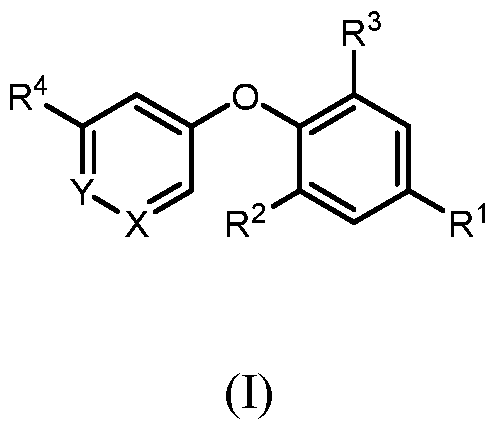 wherein X is –N- or CR5, where R5 is hydrogen, C1-3 alkyl, CN or halogen; Y is CR6, where R6 is hydrogen, CN, halogen, O- C1-3 alkyl, O- C1-3 haloalkyl or C3-6 cycloalkyl;
R1 is -(CH2)p-NHCOO-(CRxRy)r-R1a, -(CH2)p-NRxCO-(CRxRy)r-R1a, -(CH2)p- NRxSO2-(CRxRy)r-R1a, -(CH2)p-CONRx-(CRxRy)r-R1a, 4-10 membered heterocycle- (CRxRy)r-R1a, -CO-4-10 membered heterocycle- (CRxRy)r-R1a; each Rx and Ry is independently hydrogen or C1-3 alkyl; R1a is, independently at each occurrence, hydrogen, CF3, halogen, CN, OH, COOH, C1-6 alkyl, C3-6 cycloalkyl, C1-3 haloalkyl, C1-3 hydroxyalkyl, CONRxRy, COO-C1- 6 alkyl, NHCO-C1-6 alkyl, NH-C1-6 alkyl, NH-SO2-C1-6 alkyl, NH-SO2-C3-6 cycloalkyl, SO2-C1-6 alkyl, 4-10 membered heterocycle or aryl, all of said alkyl, heterocyclyl or aryl groups substituted with 0-3 R1b; R1b is, independently at each occurrence, hydrogen, CF3, halogen, CN, OH, COOH, C1-6 alkyl, CO-NRxRy, CO-C1-3 haloalkyl, COO-C1-6 alkyl, NRxRy, NH-SO2-C1-6 alkyl, NH-SO2-C3-6 cycloalkyl, SO2-C1-6 alkyl, SO2-C3-6 cycloalkyl, SO2-NRxRy, or 4-10 membered heterocycle; R2 and R3 are, independently at each occurrence, hydrogen, halogen or C1-3 alkyl; R4 is C1-6 alkyl, C1-6 haloalkyl, C1-6 hydroxyalkyl, CO- C1-3 haloalkyl or C3-6 cycloalkyl, each of said groups substituted with 0-2 R4a; R4a is halogen or C1-3 alkyl; p is 0 or 1; r is 0, 1, 2 or 3; or a stereoisomer or pharmaceutically-acceptable salt thereof. In a fourth aspect, there is disclosed a compound of the formula
wherein X is –N- or CR5, where R5 is hydrogen, C1-3 alkyl, CN or halogen; Y is CR6, where R6 is hydrogen, CN, halogen, O- C1-3 alkyl, O- C1-3 haloalkyl or C3-6 cycloalkyl;
R1 is -(CH2)p-NHCOO-(CRxRy)r-R1a, -(CH2)p-NRxCO-(CRxRy)r-R1a, -(CH2)p- NRxSO2-(CRxRy)r-R1a, -(CH2)p-CONRx-(CRxRy)r-R1a, 4-10 membered heterocycle- (CRxRy)r-R1a, -CO-4-10 membered heterocycle- (CRxRy)r-R1a; each Rx and Ry is independently hydrogen or C1-3 alkyl; R1a is, independently at each occurrence, hydrogen, CF3, halogen, CN, OH, COOH, C1-6 alkyl, C3-6 cycloalkyl, C1-3 haloalkyl, C1-3 hydroxyalkyl, CONRxRy, COO-C1- 6 alkyl, NHCO-C1-6 alkyl, NH-C1-6 alkyl, NH-SO2-C1-6 alkyl, NH-SO2-C3-6 cycloalkyl, SO2-C1-6 alkyl, 4-10 membered heterocycle or aryl, all of said alkyl, heterocyclyl or aryl groups substituted with 0-3 R1b; R1b is, independently at each occurrence, hydrogen, CF3, halogen, CN, OH, COOH, C1-6 alkyl, CO-NRxRy, CO-C1-3 haloalkyl, COO-C1-6 alkyl, NRxRy, NH-SO2-C1-6 alkyl, NH-SO2-C3-6 cycloalkyl, SO2-C1-6 alkyl, SO2-C3-6 cycloalkyl, SO2-NRxRy, or 4-10 membered heterocycle; R2 and R3 are, independently at each occurrence, hydrogen, halogen or C1-3 alkyl; R4 is C1-6 alkyl, C1-6 haloalkyl, C1-6 hydroxyalkyl, CO- C1-3 haloalkyl or C3-6 cycloalkyl, each of said groups substituted with 0-2 R4a; R4a is halogen or C1-3 alkyl; p is 0 or 1; r is 0, 1, 2 or 3; or a stereoisomer or pharmaceutically-acceptable salt thereof. In a fourth aspect, there is disclosed a compound of the formula
 wherein X is –N- or CR5, where R5 is hydrogen, C1-3 alkyl, CN or halogen; Y is CR6, where R6 is hydrogen, CN, halogen, O- C1-3 alkyl, O- C1-3 haloalkyl or C3-6 cycloalkyl;
R1 is -(CH2)p-NHCOO-(CRxRy)r-R1a, -(CH2)p-NRxCO-(CRxRy)r-R1a, -(CH2)p- NRxSO2-(CRxRy)r-R1a, -(CH2)p-CONRx-(CRxRy)r-R1a, 4-10 membered heterocycle- (CRxRy)r-R1a, -CO-4-10 membered heterocycle- (CRxRy)r-R1a; each Rx and Ry is independently hydrogen or C1-3 alkyl; R1a is, independently at each occurrence, hydrogen, CF3, halogen, CN, OH, COOH, C1-6 alkyl, C3-6 cycloalkyl, C1-3 haloalkyl, C1-3 hydroxyalkyl, CONRxRy, COO-C1- 6 alkyl, NHCO-C1-6 alkyl, NH-C1-6 alkyl, NH-SO2-C1-6 alkyl, NH-SO2-C3-6 cycloalkyl, SO2-C1-6 alkyl, 4-10 membered heterocycle or phenyl, all of said alkyl, heterocyclyl or phenyl groups substituted with 0-3 R1b; R1b is, independently at each occurrence, hydrogen, CF3, halogen, CN, OH, COOH, C1-6 alkyl, CO-NRxRy, CO-C1-3 haloalkyl, COO-C1-6 alkyl, NRxRy, NH-SO2-C1-6 alkyl, NH-SO2-C3-6 cycloalkyl, SO2-C1-6 alkyl, SO2-C3-6 cycloalkyl, SO2-NRxRy, or 4-10 membered heterocycle; R2 and R3 are, independently at each occurrence, CH3, Cl or F; R4 is C1-6 alkyl, C1-6 haloalkyl, C1-6 hydroxyalkyl, CO- C1-3 haloalkyl or C3-6 cycloalkyl, each of said groups substituted with 0-2 R4a; R4a is halogen or C1-3 alkyl; p is 0 or 1; r is 0, 1, 2 or 3; or a stereoisomer or pharmaceutically-acceptable salt thereof. In a fifth aspect, there is disclosed a compound of the formula
wherein X is –N- or CR5, where R5 is hydrogen, C1-3 alkyl, CN or halogen; Y is CR6, where R6 is hydrogen, CN, halogen, O- C1-3 alkyl, O- C1-3 haloalkyl or C3-6 cycloalkyl;
R1 is -(CH2)p-NHCOO-(CRxRy)r-R1a, -(CH2)p-NRxCO-(CRxRy)r-R1a, -(CH2)p- NRxSO2-(CRxRy)r-R1a, -(CH2)p-CONRx-(CRxRy)r-R1a, 4-10 membered heterocycle- (CRxRy)r-R1a, -CO-4-10 membered heterocycle- (CRxRy)r-R1a; each Rx and Ry is independently hydrogen or C1-3 alkyl; R1a is, independently at each occurrence, hydrogen, CF3, halogen, CN, OH, COOH, C1-6 alkyl, C3-6 cycloalkyl, C1-3 haloalkyl, C1-3 hydroxyalkyl, CONRxRy, COO-C1- 6 alkyl, NHCO-C1-6 alkyl, NH-C1-6 alkyl, NH-SO2-C1-6 alkyl, NH-SO2-C3-6 cycloalkyl, SO2-C1-6 alkyl, 4-10 membered heterocycle or phenyl, all of said alkyl, heterocyclyl or phenyl groups substituted with 0-3 R1b; R1b is, independently at each occurrence, hydrogen, CF3, halogen, CN, OH, COOH, C1-6 alkyl, CO-NRxRy, CO-C1-3 haloalkyl, COO-C1-6 alkyl, NRxRy, NH-SO2-C1-6 alkyl, NH-SO2-C3-6 cycloalkyl, SO2-C1-6 alkyl, SO2-C3-6 cycloalkyl, SO2-NRxRy, or 4-10 membered heterocycle; R2 and R3 are, independently at each occurrence, CH3, Cl or F; R4 is C1-6 alkyl, C1-6 haloalkyl, C1-6 hydroxyalkyl, CO- C1-3 haloalkyl or C3-6 cycloalkyl, each of said groups substituted with 0-2 R4a; R4a is halogen or C1-3 alkyl; p is 0 or 1; r is 0, 1, 2 or 3; or a stereoisomer or pharmaceutically-acceptable salt thereof. In a fifth aspect, there is disclosed a compound of the formula
 wherein X is –N- or CR5, where R5 is hydrogen, C1-3 alkyl, CN or halogen; Y is CR6, where R6 is hydrogen, CN, halogen, O- C1-3 alkyl, O- C1-3 haloalkyl or C3-6 cycloalkyl;
R1 is -(CH2)p-NHCOO-(CRxRy)r-R1a, -(CH2)p-NRxCO-(CRxRy)r-R1a, -(CH2)p- NRxSO2-(CRxRy)r-R1a, -(CH2)p-CONRx-(CRxRy)r-R1a, 4-10 membered heterocycle- (CRxRy)r-R1a, -CO-4-10 membered heterocycle- (CRxRy)r-R1a; each Rx and Ry is independently hydrogen or C1-3 alkyl; R1a is, independently at each occurrence, hydrogen, CF3, halogen, CN, OH, COOH, C1-6 alkyl, C3-6 cycloalkyl, C1-3 haloalkyl, C1-3 hydroxyalkyl, CONRxRy, COO-C1- 6 alkyl, NHCO-C1-6 alkyl, NH-C1-6 alkyl, NH-SO2-C1-6 alkyl, NH-SO2-C3-6 cycloalkyl, SO2-C1-6 alkyl, 4-10 membered heterocycle or phenyl, all of said alkyl, heterocyclyl or phenyl groups substituted with 0-3 R1b; R1b is, independently at each occurrence, hydrogen, CF3, halogen, CN, OH, COOH, C1-6 alkyl, CO-NRxRy, CO-C1-3 haloalkyl, COO-C1-6 alkyl, NRxRy, NH-SO2-C1-6 alkyl, NH-SO2-C3-6 cycloalkyl, SO2-C1-6 alkyl, SO2-C3-6 cycloalkyl, SO2-NRxRy, or 4-10 membered heterocycle; R2 and R3 are, independently at each occurrence, Cl or F; R4 is C1-6 alkyl, C1-6 haloalkyl, C1-6 hydroxyalkyl, CO- C1-3 haloalkyl or C3-6 cycloalkyl, each of said groups substituted with 0-2 R4a; R4a is halogen or C1-3 alkyl; p is 0 or 1; r is 0, 1, 2 or 3; or a stereoisomer or pharmaceutically-acceptable salt thereof. In a sixth aspect, there is disclosed a compound of the formula
wherein X is –N- or CR5, where R5 is hydrogen, C1-3 alkyl, CN or halogen; Y is CR6, where R6 is hydrogen, CN, halogen, O- C1-3 alkyl, O- C1-3 haloalkyl or C3-6 cycloalkyl;
R1 is -(CH2)p-NHCOO-(CRxRy)r-R1a, -(CH2)p-NRxCO-(CRxRy)r-R1a, -(CH2)p- NRxSO2-(CRxRy)r-R1a, -(CH2)p-CONRx-(CRxRy)r-R1a, 4-10 membered heterocycle- (CRxRy)r-R1a, -CO-4-10 membered heterocycle- (CRxRy)r-R1a; each Rx and Ry is independently hydrogen or C1-3 alkyl; R1a is, independently at each occurrence, hydrogen, CF3, halogen, CN, OH, COOH, C1-6 alkyl, C3-6 cycloalkyl, C1-3 haloalkyl, C1-3 hydroxyalkyl, CONRxRy, COO-C1- 6 alkyl, NHCO-C1-6 alkyl, NH-C1-6 alkyl, NH-SO2-C1-6 alkyl, NH-SO2-C3-6 cycloalkyl, SO2-C1-6 alkyl, 4-10 membered heterocycle or phenyl, all of said alkyl, heterocyclyl or phenyl groups substituted with 0-3 R1b; R1b is, independently at each occurrence, hydrogen, CF3, halogen, CN, OH, COOH, C1-6 alkyl, CO-NRxRy, CO-C1-3 haloalkyl, COO-C1-6 alkyl, NRxRy, NH-SO2-C1-6 alkyl, NH-SO2-C3-6 cycloalkyl, SO2-C1-6 alkyl, SO2-C3-6 cycloalkyl, SO2-NRxRy, or 4-10 membered heterocycle; R2 and R3 are, independently at each occurrence, Cl or F; R4 is C1-6 alkyl, C1-6 haloalkyl, C1-6 hydroxyalkyl, CO- C1-3 haloalkyl or C3-6 cycloalkyl, each of said groups substituted with 0-2 R4a; R4a is halogen or C1-3 alkyl; p is 0 or 1; r is 0, 1, 2 or 3; or a stereoisomer or pharmaceutically-acceptable salt thereof. In a sixth aspect, there is disclosed a compound of the formula
 wherein X is –N- or CR5, where R5 is hydrogen, C1-3 alkyl, CN or halogen; Y is CR6, where R6 is hydrogen, CN, halogen, O- C1-3 alkyl, O- C1-3 haloalkyl or C3-6 cycloalkyl;
R1 is -(CH2)p-NHCOO-(CRxRy)r-R1a, -(CH2)p-NRxCO-(CRxRy)r-R1a, -(CH2)p- NRxSO2-(CRxRy)r-R1a, -(CH2)p-CONRx-(CRxRy)r-R1a, 4-10 membered heterocycle- (CRxRy)r-R1a, -CO-4-10 membered heterocycle- (CRxRy)r-R1a; each Rx and Ry is independently hydrogen or C1-3 alkyl; R1a is, independently at each occurrence, hydrogen, CF3, halogen, CN, OH, COOH, C1-6 alkyl, C3-6 cycloalkyl, C1-3 haloalkyl, C1-3 hydroxyalkyl, CONRxRy, COO-C1- 6 alkyl, NHCO-C1-6 alkyl, NH-C1-6 alkyl, NH-SO2-C1-6 alkyl, NH-SO2-C3-6 cycloalkyl, SO2-C1-6 alkyl, 4-10 membered heterocycle or phenyl, all of said alkyl, heterocyclyl or phenyl groups substituted with 0-3 R1b; R1b is, independently at each occurrence, hydrogen, CF3, halogen, CN, OH, COOH, C1-6 alkyl, CO-NRxRy, CO-C1-3 haloalkyl, COO-C1-6 alkyl, NRxRy, NH-SO2-C1-6 alkyl, NH-SO2-C3-6 cycloalkyl, SO2-C1-6 alkyl, SO2-C3-6 cycloalkyl, SO2-NRxRy, or 4-10 membered heterocycle; R2 and R3 are, independently at each occurrence, Cl or F; p is 0 or 1; r is 0, 1, 2 or 3; or a stereoisomer or pharmaceutically-acceptable salt thereof. In a 7th aspect, there is disclosed a compound of the formula
wherein X is –N- or CR5, where R5 is hydrogen, C1-3 alkyl, CN or halogen; Y is CR6, where R6 is hydrogen, CN, halogen, O- C1-3 alkyl, O- C1-3 haloalkyl or C3-6 cycloalkyl;
R1 is -(CH2)p-NHCOO-(CRxRy)r-R1a, -(CH2)p-NRxCO-(CRxRy)r-R1a, -(CH2)p- NRxSO2-(CRxRy)r-R1a, -(CH2)p-CONRx-(CRxRy)r-R1a, 4-10 membered heterocycle- (CRxRy)r-R1a, -CO-4-10 membered heterocycle- (CRxRy)r-R1a; each Rx and Ry is independently hydrogen or C1-3 alkyl; R1a is, independently at each occurrence, hydrogen, CF3, halogen, CN, OH, COOH, C1-6 alkyl, C3-6 cycloalkyl, C1-3 haloalkyl, C1-3 hydroxyalkyl, CONRxRy, COO-C1- 6 alkyl, NHCO-C1-6 alkyl, NH-C1-6 alkyl, NH-SO2-C1-6 alkyl, NH-SO2-C3-6 cycloalkyl, SO2-C1-6 alkyl, 4-10 membered heterocycle or phenyl, all of said alkyl, heterocyclyl or phenyl groups substituted with 0-3 R1b; R1b is, independently at each occurrence, hydrogen, CF3, halogen, CN, OH, COOH, C1-6 alkyl, CO-NRxRy, CO-C1-3 haloalkyl, COO-C1-6 alkyl, NRxRy, NH-SO2-C1-6 alkyl, NH-SO2-C3-6 cycloalkyl, SO2-C1-6 alkyl, SO2-C3-6 cycloalkyl, SO2-NRxRy, or 4-10 membered heterocycle; R2 and R3 are, independently at each occurrence, Cl or F; p is 0 or 1; r is 0, 1, 2 or 3; or a stereoisomer or pharmaceutically-acceptable salt thereof. In a 7th aspect, there is disclosed a compound of the formula
 wherein X is –N- or CR5, where R5 is hydrogen, C1-3 alkyl, CN or halogen; Y is CR6, where R6 is hydrogen, CN, halogen, O- C1-3 alkyl, O- C1-3 haloalkyl or C3-6 cycloalkyl; R1 is -(CH2)p-NHCOO-(CRxRy)r-R1a, -(CH2)p-NRxCO-(CRxRy)r-R1a, -(CH2)p- NRxSO2-(CRxRy)r-R1a, -(CH2)p-CONRx-(CRxRy)r-R1a, 4-10 membered heterocycle- (CRxRy)r-R1a, -CO-4-10 membered heterocycle- (CRxRy)r-R1a; each Rx and Ry is independently hydrogen or C1-3 alkyl;
R1a is, independently at each occurrence, hydrogen, CF3, halogen, CN, OH, COOH, C1-6 alkyl, C3-6 cycloalkyl, C1-3 haloalkyl, C1-3 hydroxyalkyl, CONRxRy, COO-C1- 6 alkyl, NHCO-C1-6 alkyl, NH-C1-6 alkyl, NH-SO2-C1-6 alkyl, NH-SO2-C3-6 cycloalkyl, SO2-C1-6 alkyl, 4-10 membered heterocycle or phenyl, all of said alkyl, heterocyclyl or phenyl groups substituted with 0-3 R1b; R1b is, independently at each occurrence, hydrogen, CF3, halogen, CN, OH, COOH, C1-6 alkyl, CO-NRxRy, CO-C1-3 haloalkyl, COO-C1-6 alkyl, NRxRy, NH-SO2-C1-6 alkyl, NH-SO2-C3-6 cycloalkyl, SO2-C1-6 alkyl, SO2-C3-6 cycloalkyl, SO2-NRxRy, or 4-10 membered heterocycle; p is 0 or 1; r is 0, 1, 2 or 3; or a stereoisomer or pharmaceutically-acceptable salt thereof. In an 8th aspect, there is disclosed a compound of the formula
wherein X is –N- or CR5, where R5 is hydrogen, C1-3 alkyl, CN or halogen; Y is CR6, where R6 is hydrogen, CN, halogen, O- C1-3 alkyl, O- C1-3 haloalkyl or C3-6 cycloalkyl; R1 is -(CH2)p-NHCOO-(CRxRy)r-R1a, -(CH2)p-NRxCO-(CRxRy)r-R1a, -(CH2)p- NRxSO2-(CRxRy)r-R1a, -(CH2)p-CONRx-(CRxRy)r-R1a, 4-10 membered heterocycle- (CRxRy)r-R1a, -CO-4-10 membered heterocycle- (CRxRy)r-R1a; each Rx and Ry is independently hydrogen or C1-3 alkyl;
R1a is, independently at each occurrence, hydrogen, CF3, halogen, CN, OH, COOH, C1-6 alkyl, C3-6 cycloalkyl, C1-3 haloalkyl, C1-3 hydroxyalkyl, CONRxRy, COO-C1- 6 alkyl, NHCO-C1-6 alkyl, NH-C1-6 alkyl, NH-SO2-C1-6 alkyl, NH-SO2-C3-6 cycloalkyl, SO2-C1-6 alkyl, 4-10 membered heterocycle or phenyl, all of said alkyl, heterocyclyl or phenyl groups substituted with 0-3 R1b; R1b is, independently at each occurrence, hydrogen, CF3, halogen, CN, OH, COOH, C1-6 alkyl, CO-NRxRy, CO-C1-3 haloalkyl, COO-C1-6 alkyl, NRxRy, NH-SO2-C1-6 alkyl, NH-SO2-C3-6 cycloalkyl, SO2-C1-6 alkyl, SO2-C3-6 cycloalkyl, SO2-NRxRy, or 4-10 membered heterocycle; p is 0 or 1; r is 0, 1, 2 or 3; or a stereoisomer or pharmaceutically-acceptable salt thereof. In an 8th aspect, there is disclosed a compound of the formula
 wherein X is –N- or CR5, where R5 is hydrogen, C1-3 alkyl, CN or halogen; Y is CR6, where R6 is hydrogen, CN, halogen, O- C1-3 alkyl, O- C1-3 haloalkyl or C3-6 cycloalkyl; R1 is -(CH2)p-NHCOO-(CRxRy)r-R1a, -(CH2)p-NRxCO-(CRxRy)r-R1a, -(CH2)p- NRxSO2-(CRxRy)r-R1a, -(CH2)p-CONRx-(CRxRy)r-R1a, 4-10 membered heterocycle- (CRxRy)r-R1a, -CO-4-10 membered heterocycle- (CRxRy)r-R1a; each Rx and Ry is independently hydrogen or C1-3 alkyl; R1a is, independently at each occurrence, hydrogen, CF3, halogen, CN, OH, COOH, C1-6 alkyl, C3-6 cycloalkyl, C1-3 haloalkyl, C1-3 hydroxyalkyl, CONRxRy, COO-C1- 6 alkyl, NHCO-C1-6 alkyl, NH-C1-6 alkyl, NH-SO2-C1-6 alkyl, NH-SO2-C3-6 cycloalkyl,
SO2-C1-6 alkyl, 4-10 membered heterocycle or aryl, all of said alkyl, heterocyclyl or aryl groups substituted with 0-3 R1b; R1b is, independently at each occurrence, hydrogen, CF3, halogen, CN, OH, COOH, C1-6 alkyl, CO-NRxRy, CO-C1-3 haloalkyl, COO-C1-6 alkyl, NRxRy, NH-SO2-C1-6 alkyl, NH-SO2-C3-6 cycloalkyl, SO2-C1-6 alkyl, SO2-C3-6 cycloalkyl, SO2-NRxRy, or 4-10 membered heterocycle; R2 and R3 are, independently at each occurrence, hydrogen, halogen or C1-3 alkyl; R4 is C1-6 alkyl, C1-6 alkenyl , C1-6 haloalkyl, C1-6 hydroxyalkyl, CO- C1-3 haloalkyl or C3-6 cycloalkyl, each of said groups substituted with 0-2 R4a; R4a is halogen or C1-3 alkyl; p is 0, 1 or 2; r is 0, 1, 2, 3 or 4; or a stereoisomer or pharmaceutically-acceptable salt thereof. In a 9th aspect, there is disclosed a compound of the formula
wherein X is –N- or CR5, where R5 is hydrogen, C1-3 alkyl, CN or halogen; Y is CR6, where R6 is hydrogen, CN, halogen, O- C1-3 alkyl, O- C1-3 haloalkyl or C3-6 cycloalkyl; R1 is -(CH2)p-NHCOO-(CRxRy)r-R1a, -(CH2)p-NRxCO-(CRxRy)r-R1a, -(CH2)p- NRxSO2-(CRxRy)r-R1a, -(CH2)p-CONRx-(CRxRy)r-R1a, 4-10 membered heterocycle- (CRxRy)r-R1a, -CO-4-10 membered heterocycle- (CRxRy)r-R1a; each Rx and Ry is independently hydrogen or C1-3 alkyl; R1a is, independently at each occurrence, hydrogen, CF3, halogen, CN, OH, COOH, C1-6 alkyl, C3-6 cycloalkyl, C1-3 haloalkyl, C1-3 hydroxyalkyl, CONRxRy, COO-C1- 6 alkyl, NHCO-C1-6 alkyl, NH-C1-6 alkyl, NH-SO2-C1-6 alkyl, NH-SO2-C3-6 cycloalkyl,
SO2-C1-6 alkyl, 4-10 membered heterocycle or aryl, all of said alkyl, heterocyclyl or aryl groups substituted with 0-3 R1b; R1b is, independently at each occurrence, hydrogen, CF3, halogen, CN, OH, COOH, C1-6 alkyl, CO-NRxRy, CO-C1-3 haloalkyl, COO-C1-6 alkyl, NRxRy, NH-SO2-C1-6 alkyl, NH-SO2-C3-6 cycloalkyl, SO2-C1-6 alkyl, SO2-C3-6 cycloalkyl, SO2-NRxRy, or 4-10 membered heterocycle; R2 and R3 are, independently at each occurrence, hydrogen, halogen or C1-3 alkyl; R4 is C1-6 alkyl, C1-6 alkenyl , C1-6 haloalkyl, C1-6 hydroxyalkyl, CO- C1-3 haloalkyl or C3-6 cycloalkyl, each of said groups substituted with 0-2 R4a; R4a is halogen or C1-3 alkyl; p is 0, 1 or 2; r is 0, 1, 2, 3 or 4; or a stereoisomer or pharmaceutically-acceptable salt thereof. In a 9th aspect, there is disclosed a compound of the formula
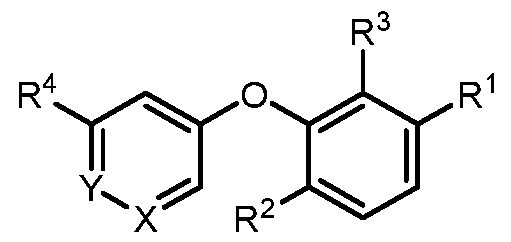 wherein X is –N- or CR5, where R5 is hydrogen, C1-3 alkyl, CN or halogen; Y is CR6, where R6 is hydrogen, CN, halogen, O- C1-3 alkyl, O- C1-3 haloalkyl or C3-6 cycloalkyl; R1 is -(CH2)p-NHCOO-(CRxRy)r-R1a, -(CH2)p-NRxCO-(CRxRy)r-R1a, -(CH2)p- NRxSO2-(CRxRy)r-R1a, -(CH2)p-CONRx-(CRxRy)r-R1a, 4-10 membered heterocycle- (CRxRy)r-R1a, -CO-4-10 membered heterocycle- (CRxRy)r-R1a; each Rx and Ry is independently hydrogen or C1-3 alkyl; R1a is, independently at each occurrence, hydrogen, CF3, halogen, CN, OH, COOH, C1-6 alkyl, C3-6 cycloalkyl, C1-3 haloalkyl, C1-3 hydroxyalkyl, CONRxRy, COO-C1- 6 alkyl, NHCO-C1-6 alkyl, NH-C1-6 alkyl, NH-SO2-C1-6 alkyl, NH-SO2-C3-6 cycloalkyl, SO2-C1-6 alkyl, 4-10 membered heterocycle or aryl, all of said alkyl, heterocyclyl or aryl groups substituted with 0-3 R1b;
R1b is, independently at each occurrence, hydrogen, CF3, halogen, CN, OH, COOH, C1-6 alkyl, CO-NRxRy, CO-C1-3 haloalkyl, COO-C1-6 alkyl, NRxRy, NH-SO2-C1-6 alkyl, NH-SO2-C3-6 cycloalkyl, SO2-C1-6 alkyl, SO2-C3-6 cycloalkyl, SO2-NRxRy, or 4-10 membered heterocycle; R2 and R3 are, independently at each occurrence, hydrogen, halogen or C1-3 alkyl; R4 is C1-6 alkyl, C1-6 haloalkyl, C1-6 hydroxyalkyl, CO- C1-3 haloalkyl or C3-6 cycloalkyl, each of said groups substituted with 0-2 R4a; R4a is halogen or C1-3 alkyl; p is 0 or 1; r is 0, 1, 2 or 3; or a stereoisomer or pharmaceutically-acceptable salt thereof. In a 10th aspect, there is disclosed a compound of the formula
wherein X is –N- or CR5, where R5 is hydrogen, C1-3 alkyl, CN or halogen; Y is CR6, where R6 is hydrogen, CN, halogen, O- C1-3 alkyl, O- C1-3 haloalkyl or C3-6 cycloalkyl; R1 is -(CH2)p-NHCOO-(CRxRy)r-R1a, -(CH2)p-NRxCO-(CRxRy)r-R1a, -(CH2)p- NRxSO2-(CRxRy)r-R1a, -(CH2)p-CONRx-(CRxRy)r-R1a, 4-10 membered heterocycle- (CRxRy)r-R1a, -CO-4-10 membered heterocycle- (CRxRy)r-R1a; each Rx and Ry is independently hydrogen or C1-3 alkyl; R1a is, independently at each occurrence, hydrogen, CF3, halogen, CN, OH, COOH, C1-6 alkyl, C3-6 cycloalkyl, C1-3 haloalkyl, C1-3 hydroxyalkyl, CONRxRy, COO-C1- 6 alkyl, NHCO-C1-6 alkyl, NH-C1-6 alkyl, NH-SO2-C1-6 alkyl, NH-SO2-C3-6 cycloalkyl, SO2-C1-6 alkyl, 4-10 membered heterocycle or aryl, all of said alkyl, heterocyclyl or aryl groups substituted with 0-3 R1b;
R1b is, independently at each occurrence, hydrogen, CF3, halogen, CN, OH, COOH, C1-6 alkyl, CO-NRxRy, CO-C1-3 haloalkyl, COO-C1-6 alkyl, NRxRy, NH-SO2-C1-6 alkyl, NH-SO2-C3-6 cycloalkyl, SO2-C1-6 alkyl, SO2-C3-6 cycloalkyl, SO2-NRxRy, or 4-10 membered heterocycle; R2 and R3 are, independently at each occurrence, hydrogen, halogen or C1-3 alkyl; R4 is C1-6 alkyl, C1-6 haloalkyl, C1-6 hydroxyalkyl, CO- C1-3 haloalkyl or C3-6 cycloalkyl, each of said groups substituted with 0-2 R4a; R4a is halogen or C1-3 alkyl; p is 0 or 1; r is 0, 1, 2 or 3; or a stereoisomer or pharmaceutically-acceptable salt thereof. In a 10th aspect, there is disclosed a compound of the formula
 wherein X is –N- or CR5, where R5 is hydrogen, C1-3 alkyl, CN or halogen; Y is CR6, where R6 is hydrogen, CN, halogen, O- C1-3 alkyl, O- C1-3 haloalkyl or C3-6 cycloalkyl; R1 is -(CH2)p-NHCOO-(CRxRy)r-R1a, -(CH2)p-NRxCO-(CRxRy)r-R1a, -(CH2)p- NRxSO2-(CRxRy)r-R1a, -(CH2)p-CONRx-(CRxRy)r-R1a, 4-10 membered heterocycle- (CRxRy)r-R1a, -CO-4-10 membered heterocycle- (CRxRy)r-R1a; each Rx and Ry is independently hydrogen or C1-3 alkyl; R1a is, independently at each occurrence, hydrogen, CF3, halogen, CN, OH, COOH, C1-6 alkyl, C3-6 cycloalkyl, C1-3 haloalkyl, C1-3 hydroxyalkyl, CONRxRy, COO-C1- 6 alkyl, NHCO-C1-6 alkyl, NH-C1-6 alkyl, NH-SO2-C1-6 alkyl, NH-SO2-C3-6 cycloalkyl, SO2-C1-6 alkyl, 4-10 membered heterocycle or phenyl, all of said alkyl, heterocyclyl or phenyl groups substituted with 0-3 R1b; R1b is, independently at each occurrence, hydrogen, CF3, halogen, CN, OH, COOH, C1-6 alkyl, CO-NRxRy, CO-C1-3 haloalkyl, COO-C1-6 alkyl, NRxRy, NH-SO2-C1-6
alkyl, NH-SO2-C3-6 cycloalkyl, SO2-C1-6 alkyl, SO2-C3-6 cycloalkyl, SO2-NRxRy, or 4-10 membered heterocycle; R2 and R3 are, independently at each occurrence, CH3, Cl or F; R4 is C1-6 alkyl, C1-6 haloalkyl, C1-6 hydroxyalkyl, CO- C1-3 haloalkyl or C3-6 cycloalkyl, each of said groups substituted with 0-2 R4a; R4a is halogen or C1-3 alkyl; p is 0 or 1; r is 0, 1, 2 or 3; or a stereoisomer or pharmaceutically-acceptable salt thereof. In an 11th aspect, there is disclosed a compound of the formula
wherein X is –N- or CR5, where R5 is hydrogen, C1-3 alkyl, CN or halogen; Y is CR6, where R6 is hydrogen, CN, halogen, O- C1-3 alkyl, O- C1-3 haloalkyl or C3-6 cycloalkyl; R1 is -(CH2)p-NHCOO-(CRxRy)r-R1a, -(CH2)p-NRxCO-(CRxRy)r-R1a, -(CH2)p- NRxSO2-(CRxRy)r-R1a, -(CH2)p-CONRx-(CRxRy)r-R1a, 4-10 membered heterocycle- (CRxRy)r-R1a, -CO-4-10 membered heterocycle- (CRxRy)r-R1a; each Rx and Ry is independently hydrogen or C1-3 alkyl; R1a is, independently at each occurrence, hydrogen, CF3, halogen, CN, OH, COOH, C1-6 alkyl, C3-6 cycloalkyl, C1-3 haloalkyl, C1-3 hydroxyalkyl, CONRxRy, COO-C1- 6 alkyl, NHCO-C1-6 alkyl, NH-C1-6 alkyl, NH-SO2-C1-6 alkyl, NH-SO2-C3-6 cycloalkyl, SO2-C1-6 alkyl, 4-10 membered heterocycle or phenyl, all of said alkyl, heterocyclyl or phenyl groups substituted with 0-3 R1b; R1b is, independently at each occurrence, hydrogen, CF3, halogen, CN, OH, COOH, C1-6 alkyl, CO-NRxRy, CO-C1-3 haloalkyl, COO-C1-6 alkyl, NRxRy, NH-SO2-C1-6
alkyl, NH-SO2-C3-6 cycloalkyl, SO2-C1-6 alkyl, SO2-C3-6 cycloalkyl, SO2-NRxRy, or 4-10 membered heterocycle; R2 and R3 are, independently at each occurrence, CH3, Cl or F; R4 is C1-6 alkyl, C1-6 haloalkyl, C1-6 hydroxyalkyl, CO- C1-3 haloalkyl or C3-6 cycloalkyl, each of said groups substituted with 0-2 R4a; R4a is halogen or C1-3 alkyl; p is 0 or 1; r is 0, 1, 2 or 3; or a stereoisomer or pharmaceutically-acceptable salt thereof. In an 11th aspect, there is disclosed a compound of the formula
 wherein X is –N- or CR5, where R5 is hydrogen, C1-3 alkyl, CN or halogen; Y is CR6, where R6 is hydrogen, CN, halogen, O- C1-3 alkyl, O- C1-3 haloalkyl or C3-6 cycloalkyl; R1 is -(CH2)p-NHCOO-(CRxRy)r-R1a, -(CH2)p-NRxCO-(CRxRy)r-R1a, -(CH2)p- NRxSO2-(CRxRy)r-R1a, -(CH2)p-CONRx-(CRxRy)r-R1a, 4-10 membered heterocycle- (CRxRy)r-R1a, -CO-4-10 membered heterocycle- (CRxRy)r-R1a; each Rx and Ry is independently hydrogen or C1-3 alkyl; R1a is, independently at each occurrence, hydrogen, CF3, halogen, CN, OH, COOH, C1-6 alkyl, C3-6 cycloalkyl, C1-3 haloalkyl, C1-3 hydroxyalkyl, CONRxRy, COO-C1- 6 alkyl, NHCO-C1-6 alkyl, NH-C1-6 alkyl, NH-SO2-C1-6 alkyl, NH-SO2-C3-6 cycloalkyl, SO2-C1-6 alkyl, 4-10 membered heterocycle or phenyl, all of said alkyl, heterocyclyl or phenyl groups substituted with 0-3 R1b; R1b is, independently at each occurrence, hydrogen, CF3, halogen, CN, OH, COOH, C1-6 alkyl, CO-NRxRy, CO-C1-3 haloalkyl, COO-C1-6 alkyl, NRxRy, NH-SO2-C1-6 alkyl, NH-SO2-C3-6 cycloalkyl, SO2-C1-6 alkyl, SO2-C3-6 cycloalkyl, SO2-NRxRy, or 4-10 membered heterocycle;
R2 and R3 are, independently at each occurrence, Cl or F; R4 is C1-6 alkyl, C1-6 haloalkyl, C1-6 hydroxyalkyl, CO- C1-3 haloalkyl or C3-6 cycloalkyl, each of said groups substituted with 0-2 R4a; R4a is halogen or C1-3 alkyl; p is 0 or 1; r is 0, 1, 2 or 3; or a stereoisomer or pharmaceutically-acceptable salt thereof. In a 12th aspect, there is disclosed a compound of the formula
wherein X is –N- or CR5, where R5 is hydrogen, C1-3 alkyl, CN or halogen; Y is CR6, where R6 is hydrogen, CN, halogen, O- C1-3 alkyl, O- C1-3 haloalkyl or C3-6 cycloalkyl; R1 is -(CH2)p-NHCOO-(CRxRy)r-R1a, -(CH2)p-NRxCO-(CRxRy)r-R1a, -(CH2)p- NRxSO2-(CRxRy)r-R1a, -(CH2)p-CONRx-(CRxRy)r-R1a, 4-10 membered heterocycle- (CRxRy)r-R1a, -CO-4-10 membered heterocycle- (CRxRy)r-R1a; each Rx and Ry is independently hydrogen or C1-3 alkyl; R1a is, independently at each occurrence, hydrogen, CF3, halogen, CN, OH, COOH, C1-6 alkyl, C3-6 cycloalkyl, C1-3 haloalkyl, C1-3 hydroxyalkyl, CONRxRy, COO-C1- 6 alkyl, NHCO-C1-6 alkyl, NH-C1-6 alkyl, NH-SO2-C1-6 alkyl, NH-SO2-C3-6 cycloalkyl, SO2-C1-6 alkyl, 4-10 membered heterocycle or phenyl, all of said alkyl, heterocyclyl or phenyl groups substituted with 0-3 R1b; R1b is, independently at each occurrence, hydrogen, CF3, halogen, CN, OH, COOH, C1-6 alkyl, CO-NRxRy, CO-C1-3 haloalkyl, COO-C1-6 alkyl, NRxRy, NH-SO2-C1-6 alkyl, NH-SO2-C3-6 cycloalkyl, SO2-C1-6 alkyl, SO2-C3-6 cycloalkyl, SO2-NRxRy, or 4-10 membered heterocycle;
R2 and R3 are, independently at each occurrence, Cl or F; R4 is C1-6 alkyl, C1-6 haloalkyl, C1-6 hydroxyalkyl, CO- C1-3 haloalkyl or C3-6 cycloalkyl, each of said groups substituted with 0-2 R4a; R4a is halogen or C1-3 alkyl; p is 0 or 1; r is 0, 1, 2 or 3; or a stereoisomer or pharmaceutically-acceptable salt thereof. In a 12th aspect, there is disclosed a compound of the formula
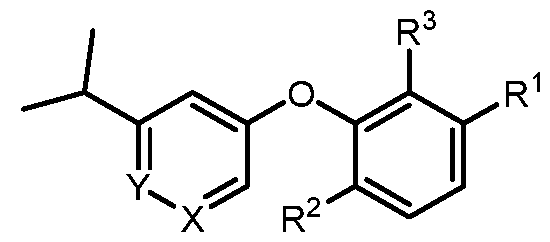 wherein X is –N- or CR5, where R5 is hydrogen, C1-3 alkyl, CN or halogen; Y is CR6, where R6 is hydrogen, CN, halogen, O- C1-3 alkyl, O- C1-3 haloalkyl or C3-6 cycloalkyl; R1 is -(CH2)p-NHCOO-(CRxRy)r-R1a, -(CH2)p-NRxCO-(CRxRy)r-R1a, -(CH2)p- NRxSO2-(CRxRy)r-R1a, -(CH2)p-CONRx-(CRxRy)r-R1a, 4-10 membered heterocycle- (CRxRy)r-R1a, -CO-4-10 membered heterocycle- (CRxRy)r-R1a; each Rx and Ry is independently hydrogen or C1-3 alkyl; R1a is, independently at each occurrence, hydrogen, CF3, halogen, CN, OH, COOH, C1-6 alkyl, C3-6 cycloalkyl, C1-3 haloalkyl, C1-3 hydroxyalkyl, CONRxRy, COO-C1- 6 alkyl, NHCO-C1-6 alkyl, NH-C1-6 alkyl, NH-SO2-C1-6 alkyl, NH-SO2-C3-6 cycloalkyl, SO2-C1-6 alkyl, 4-10 membered heterocycle or phenyl, all of said alkyl, heterocyclyl or phenyl groups substituted with 0-3 R1b; R1b is, independently at each occurrence, hydrogen, CF3, halogen, CN, OH, COOH, C1-6 alkyl, CO-NRxRy, CO-C1-3 haloalkyl, COO-C1-6 alkyl, NRxRy, NH-SO2-C1-6 alkyl, NH-SO2-C3-6 cycloalkyl, SO2-C1-6 alkyl, SO2-C3-6 cycloalkyl, SO2-NRxRy, or 4-10 membered heterocycle; R2 and R3 are, independently at each occurrence, Cl or F; p is 0 or 1; r is 0, 1, 2 or 3;
or a stereoisomer or pharmaceutically-acceptable salt thereof. In a 13th aspect, there is disclosed a compound of the formula
wherein X is –N- or CR5, where R5 is hydrogen, C1-3 alkyl, CN or halogen; Y is CR6, where R6 is hydrogen, CN, halogen, O- C1-3 alkyl, O- C1-3 haloalkyl or C3-6 cycloalkyl; R1 is -(CH2)p-NHCOO-(CRxRy)r-R1a, -(CH2)p-NRxCO-(CRxRy)r-R1a, -(CH2)p- NRxSO2-(CRxRy)r-R1a, -(CH2)p-CONRx-(CRxRy)r-R1a, 4-10 membered heterocycle- (CRxRy)r-R1a, -CO-4-10 membered heterocycle- (CRxRy)r-R1a; each Rx and Ry is independently hydrogen or C1-3 alkyl; R1a is, independently at each occurrence, hydrogen, CF3, halogen, CN, OH, COOH, C1-6 alkyl, C3-6 cycloalkyl, C1-3 haloalkyl, C1-3 hydroxyalkyl, CONRxRy, COO-C1- 6 alkyl, NHCO-C1-6 alkyl, NH-C1-6 alkyl, NH-SO2-C1-6 alkyl, NH-SO2-C3-6 cycloalkyl, SO2-C1-6 alkyl, 4-10 membered heterocycle or phenyl, all of said alkyl, heterocyclyl or phenyl groups substituted with 0-3 R1b; R1b is, independently at each occurrence, hydrogen, CF3, halogen, CN, OH, COOH, C1-6 alkyl, CO-NRxRy, CO-C1-3 haloalkyl, COO-C1-6 alkyl, NRxRy, NH-SO2-C1-6 alkyl, NH-SO2-C3-6 cycloalkyl, SO2-C1-6 alkyl, SO2-C3-6 cycloalkyl, SO2-NRxRy, or 4-10 membered heterocycle; R2 and R3 are, independently at each occurrence, Cl or F; p is 0 or 1; r is 0, 1, 2 or 3;
or a stereoisomer or pharmaceutically-acceptable salt thereof. In a 13th aspect, there is disclosed a compound of the formula
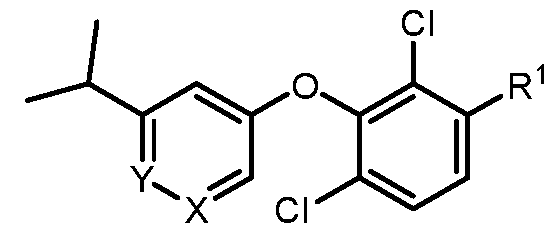 wherein X is –N- or CR5, where R5 is hydrogen, C1-3 alkyl, CN or halogen; Y is CR6, where R6 is hydrogen, CN, halogen, O- C1-3 alkyl, O- C1-3 haloalkyl or C3-6 cycloalkyl; R1 is -(CH2)p-NHCOO-(CRxRy)r-R1a, -(CH2)p-NRxCO-(CRxRy)r-R1a, -(CH2)p- NRxSO2-(CRxRy)r-R1a, -(CH2)p-CONRx-(CRxRy)r-R1a, 4-10 membered heterocycle- (CRxRy)r-R1a, -CO-4-10 membered heterocycle- (CRxRy)r-R1a; each Rx and Ry is independently hydrogen or C1-3 alkyl; R1a is, independently at each occurrence, hydrogen, CF3, halogen, CN, OH, COOH, C1-6 alkyl, C3-6 cycloalkyl, C1-3 haloalkyl, C1-3 hydroxyalkyl, CONRxRy, COO-C1- 6 alkyl, NHCO-C1-6 alkyl, NH-C1-6 alkyl, NH-SO2-C1-6 alkyl, NH-SO2-C3-6 cycloalkyl, SO2-C1-6 alkyl, 4-10 membered heterocycle or phenyl, all of said alkyl, heterocyclyl or phenyl groups substituted with 0-3 R1b; R1b is, independently at each occurrence, hydrogen, CF3, halogen, CN, OH, COOH, C1-6 alkyl, CO-NRxRy, CO-C1-3 haloalkyl, COO-C1-6 alkyl, NRxRy, NH-SO2-C1-6 alkyl, NH-SO2-C3-6 cycloalkyl, SO2-C1-6 alkyl, SO2-C3-6 cycloalkyl, SO2-NRxRy, or 4-10 membered heterocycle; p is 0 or 1; r is 0, 1, 2 or 3; or a stereoisomer or pharmaceutically-acceptable salt thereof. In another aspect, there are disclosed the following compounds of the invention: 2,4-dichloro-3-(3-isopropyl-4-methoxyphenoxy)benzonitrile, 4,6-dichloro-5-(3-isopropyl-4-methoxyphenoxy)-2-phenyl-1H-benzo[d]imidazole,
N-({2,4-dichloro-3-[4-methoxy-3-(propan-2-yl)phenoxy]phenyl}methyl)-2-[(1- methanesulfonylpiperidin-4-yl)oxy]acetamide, N-({2,4-dichloro-3-[4-methoxy-3-(propan-2-yl)phenoxy]phenyl}methyl)-2-{[1- (ethanesulfonyl)piperidin-4-yl]oxy}acetamide, 2-benzyl-4,6-dichloro-5-[4-methoxy-3-(propan-2-yl)phenoxy]-1H-1,3- benzodiazole, 4,6-dichloro-5-[4-methoxy-3-(propan-2-yl)phenoxy]-2-[(pyridin-3-yl)methyl]-1H- 1,3-benzodiazole, 3,5-dichloro-4-[4-methoxy-3-(propan-2-yl)phenoxy]aniline, {3,5-dichloro-4-[4-methoxy-3-(propan-2-yl)phenoxy]phenyl}methanol or a pharmaceutically acceptable salt thereof. In another aspect, there is provided a compound selected from any subset list of compounds within the scope of any of the above aspects. OTHER EMBODIMENTS OF THE INVENTION In another embodiment, the invention provides a pharmaceutical composition, comprising a pharmaceutically acceptable carrier and a therapeutically effective amount of at least one of the compounds of the invention or a stereoisomer, a tautomer, a pharmaceutically acceptable salt, or a solvate thereof. In another embodiment, the invention provides a process for making a compound of the invention or a stereoisomer, a tautomer, a pharmaceutically acceptable salt, or a solvate thereof. In another embodiment, the invention provides a method for the treatment and/or prophylaxis of various types of cancer, comprising administering to a patient in need of such treatment and/or prophylaxis a therapeutically effective amount of one or more compounds of the invention, alone, or, optionally, in combination with another compound of the invention and/or at least one other type of therapeutic agent. In another embodiment, the invention provides a method for the treatment and/or prophylaxis of various types of cancer, including small cell lung cancer, non-small cell lung cancer, colorectal cancer, melanoma, renal cell carcinoma, head and neck cancer, Hodgkin’s lymphoma, bladder cancer, esophageal carcinoma, gastric carcinoma, ovarian carcinoma, cervical carcinoma, pancreatic carcinoma, prostate carcinoma, breast cancers,
urinary carcinoma, , brain tumors such as glioblastoma, non-Hodgkin’s lymphoma, acute lymphatic leukemia (ALL), chronic lymphatic leukemia (CLL), acute myeloid leukemia (AML), chronic myeloid leukemia (CML), hepatocellular carcinoma, multiple myeloma, gastrointestinal stromal tumors, mesothelioma, and other solid tumors or other hematological cancers In another embodiment, the invention provides a method for the treatment and/or prophylaxis of various types of cancer, including without limitation, small cell lung cancer, non-small cell lung cancer, colorectal cancer, melanoma, renal cell carcinoma, head and neck cancer, Hodgkin’s lymphoma or bladder cancer. In another embodiment, the invention provides a compound of the present invention for use in therapy. In another embodiment, the invention provides a combined preparation of a compound of the present invention and additional therapeutic agent(s) for simultaneous, separate or sequential use in therapy. THERAPEUTIC APPLICATIONS The compounds of the invention induce the expression of pro-inflammatory cytokines such as IL17 in vitro in human cells, animal cells and human blood. The compounds of the invention are agonists of RORgt. The term “agonist” refers to any substance that activates a biologic receptor in vitro or in vivo to provoke a physiological response. "RORgt" is an abbreviation of "Retinoic acid receptor related Orphan Receptor Gamma t". RORgt is a transcription factor that in humans is encoded by the gene RORC. Since RORgt and RORg have identical ligand binding domains, in the context of small molecule modulators, RORgt and RORg can be used interchangeably. RORgt and RORg are two isoforms produced from the same RORC gene. Activation of RORgt by agonists leads to induction of pro-inflammatory cytokines, including IL-17. Another object of the present invention is the compounds of Formula (I), for use in a therapeutic treatment in humans or animals. In particular, the compounds of the present invention may be used for therapeutic or diagnostic applications in human or animal health.
The term "therapeutic agent" refers to one or more substances that are administered to a human or animal in order to achieve some kind of therapeutic effect in that human or animal, including to prevent, cure, or mitigate the effects of, infection or disease, and/or to otherwise improve the health of that human or animal. The term "monotherapy" refers to the use of a single substance and/or strategy to treat a human or animal in any clinical or medical context, as opposed to the use of multiple substances and/or strategies to treat a human or animal in the same clinical or medical context, regardless of whether the multiple substances and/or strategies are used sequentially in any order or concurrently. The term "chemotherapeutic agent" herein refers to one or more chemical substances that are administered to a human or animal in order to kill tumors, or slow or stop the growth of tumors, and/or slow or stop the division of cancerous cells and/or prevent or slow metastasis. Chemotherapeutic agents are often administered to treat cancer, but are also indicated for other diseases. The term "chemotherapy" refers to medical treatment of a human or animal with one or more chemotherapeutic agents (see definition above). The term "chemoimmunotherapy" refers to the combined use, whether sequentially in any order or concurrently, of chemotherapy substances and/or strategies, and immunotherapy substances and/or strategies. Chemoimmunotherapy is often employed to treat cancer, but can also be employed to treat other diseases. The term "immune system" refers to the ensemble, or to any one or more components, of the molecules, substances (e.g. bodily fluids), anatomic structures (e.g. cells, tissue and organs) and physiologic processes involved in preventing infection in the body, in protecting the body during infection or during disease, and/or in helping the body to recuperate after infection or disease. A complete definition of "immune system" is beyond the scope of this patent; however, this term should be understood by any ordinary practitioner in the field. The term "immune agent" refers to any endogenous or exogenous substance that can interact with any one or more components of the immune system. The term "immune agent" includes antibodies, antigens, vaccines and their constituent components, nucleic acids, synthetic drugs, natural or synthetic organic compounds, cytokines, natural or modified cells, synthetic analogs thereof, and/or fragments thereof.
The term “antagonist” refers to any substance that inhibits, counteracts, downregulates, and/or desensitizes a biologic receptor in vitro or in vivo to provoke a physiological response. The term "immunotherapy" refers to any medical treatment in which one or more components of a human's or animal's immune system is deliberately modulated in order to directly or indirectly achieve some therapeutic benefit, including systemic and/or local effects, and preventative and/or curative effects. Immunotherapy can involve administering one or more immune agents (see definition above), either alone or in any combination, to a human or animal subject by any route (e.g. orally, intravenously, dermally, by injection, by inhalation, etc.), whether systemically, locally or both. "Immunotherapy" can involve provoking, increasing, decreasing, halting, preventing, blocking or otherwise modulating the production of cytokines, and/or activating or deactivating cytokines or immune cells, and/or modulating the levels of immune cells, and/or delivering one or more therapeutic or diagnostic substances to a particular location in the body or to a particular type of cell or tissue, and/or destroying particular cells or tissue. Immunotherapy can be used to achieve local effects, systemic effects or a combination of both. The term "immunosuppressed" describes the state of any human or animal subject whose immune system is functionally diminished, deactivated or otherwise compromised, or in whom one or more immune components is functionally diminished, deactivated or otherwise compromised. "Immunosuppression" can be the cause, consequence or byproduct of disease, infection, exhaustion, malnutrition, medical treatment or some other physiologic or clinical state. The terms "immunomodulating substance", "immunomodulatory substance", "immunomodulatory agent" and "immunomodulator", used here synonymously, refer to any substance that, upon administration to a human or animal, directly influences the functioning of the immune system of that human or animal. Examples of common immunomodulators include, but are not limited to, antigens, antibodies and small- molecule drugs.
The term "vaccine" refers to a biological preparation administered to a human or animal in order to elicit or enhance a specific immune system response and/or protection against one or more antigens in that human or animal. The term "vaccination" refers to treatment of a human or animal with a vaccine or to the act of administering a vaccine to a human or animal. The term "adjuvant" refers to a secondary therapeutic substance that is administered together (either sequentially in any order, or concurrently) with a primary therapeutic substance to achieve some kind of complimentary, synergic or otherwise beneficial effect that could not be achieved through use of the primary therapeutic substance alone. An adjuvant can be used together with a vaccine, chemotherapy, or some other therapeutic substance. Adjuvants can enhance the efficacy of the primary therapeutic substance, reduce the toxicity or side effects of the primary therapeutic substance, or provide some kind of protection to the subject that receives the primary therapeutic substance, such as, but not limited to, improved functioning of the immune system. In one embodiment, the compounds of Formula (I) can increase the amount of IL- 17 in a subject. This includes but is not limited to IL-17 produced by TH17 cells. In one embodiment, the compounds of Formula (I) can be administered as immunotherapy to a human or an animal to induce in vivo production of one or more cytokines that are therapeutically beneficial to that human or animal. This type of immunotherapy could be used alone or in combination with other treatment strategies, whether sequentially in any order, or concurrently. It could be used to prevent, cure, and/or mitigate the effects of infection or disease in that human or animal, and/or to modulate the immune system of that human or animal to achieve some other therapeutic benefit. In one particular embodiment, the compounds of the present invention can be used for cytokine induction immunotherapy of immunosuppressed individuals. In this example, a compound of Formula (I) would be administered to an immunosuppressed human or animal subject to induce in vivo production of one or more cytokines that directly or indirectly enhance the immune system of that human or animal. Subjects that might benefit from such treatment include those suffering from autoimmune
disorders, immune system deficiencies or defects, microbial or viral infections, infectious diseases, or cancer. The present invention thus discloses a method for inducing cytokine in immunosuppressed individuals, said method comprising administering to a patient in need thereof a compound of Formula (I) or a pharmaceutically acceptable salt or prodrug thereof. In another embodiment, the compounds of the present invention can be used for cytokine induction immunotherapy in combination with chemotherapy. In this example, a compound of Formula (I) would be administered together with one or more chemotherapeutic agents, sequentially in any order or concomitantly, to a cancer patient to stop the growth of, shrink and/or destroy tumors in that patient. The chemoimmunotherapy resulting from the combination of cytokine induction, provided by the compound(s) of the present invention, and cytotoxicity, provided by the chemotherapeutic agent(s), might be less toxic to the patient, cause fewer side effects in the patient and/or exhibit greater anti-tumor efficacy than would the chemotherapeutic agent(s) when used as monotherapy. The present invention thus discloses a method for treating cancer, said method comprising administering to a patient in need thereof: a chemotherapeutic agent; and a compound of Formula (I) or a pharmaceutically acceptable salt or prodrug thereof. Another object of the present invention is the compound of Formula (I) for use in the treatment of a bacterial infection, a viral infection or a cancer. As used herein, "cancer" refers to the physiological condition in subjects that is characterized by unregulated or dysregulated cell growth or death. The term "cancer" includes solid tumors and blood-born tumors, whether malignant or benign. In a preferred embodiment, the cancer is from the following group: small cell lung cancer, non-small cell lung cancer, colorectal cancer, melanoma, renal cell carcinoma, head and neck cancer, Hodgkin’s lymphoma or bladder cancer. The present invention thus discloses a method for treating a bacterial infection, a viral infection or a cancer, said method comprising administering to a patient in need thereof a compound of Formula (I) or a pharmaceutically acceptable salt or prodrug thereof.
Another object of the present invention is the compound of Formula (I) for use in the treatment of a pathology that may be alleviated by the induction of an immune response via the RORg or RORgt pathway. While it is possible that for use in therapy, a compound of formula (I) as well as pharmaceutically acceptable salts thereof may be administered as the compound itself, it is more commonly presented as a pharmaceutical composition. Pharmaceutical compositions may be presented in unit dose forms containing a predetermined amount of active ingredient pep unit dose. Preferred unit dosage compositions are those containing a daily dose or sub-dose, or an appropriate fraction thereof, of an active ingredient. Such unit doses may therefore be administered more than once a day. Preferred unit dosage compositions are those containing a daily dose or sub- dose (for administration more than once a day), as herein above recited, or an appropriate fraction thereof, of an active ingredient. Types of cancers that may be treated with the compounds of this invention include, but are not limited to, brain cancers, skin cancers, bladder cancers, ovarian cancers, breast cancers, gastric cancers, pancreatic cancers, prostate cancers, colorectal cancers, blood cancers, lung cancers and bone cancers. Examples of such cancer types include neuroblastoma, intestinal carcinoma such as rectal carcinoma, colon carcinomas, familiar adenomatous polyposis carcinoma and hereditary non-polyposis colorectal cancer, esophageal carcinoma, labial carcinoma, larynx carcinoma, nasopharyngeal cancers, oral cavity cancers, salivary gland carcinoma, peritoneal cancers, soft tissue sarcoma, urothelial cancers, sweat gland carcinoma, gastric carcinoma, adenocarcinoma, medullary thyroid carcinoma, papillary thyroid carcinoma, renal carcinoma, kidney parenchymal carcinoma, ovarian carcinoma, cervical carcinoma, uterine corpus carcinoma, endometrial carcinoma, pancreatic carcinoma, prostate carcinoma, testis carcinoma, breast cancers including HER2 Negative, urinary carcinoma, melanoma, brain tumors such as glioblastoma, astrocytoma, meningioma, medulloblastoma and peripheral neuroectodermal tumors, Hodgkin’s lymphoma, non-Hodgkin’s lymphoma, Burkitt lymphoma, acute lymphatic leukemia (ALL), chronic lymphatic leukemia (CLL), acute myeloid leukemia (AML), chronic myeloid leukemia (CML), adult T-cell leukemia lymphoma, diffuse large B-cell lymphoma (DLBCL), hepatocellular carcinoma, multiple myeloma, seminoma, osteosarcoma, chondrosarcoma, anal canal cancers, adrenal cortex
carcinoma, chordoma, fallopian tube cancer, gastrointestinal stromal tumors, myeloproliferative diseases, mesothelioma, biliary tract cancers, Ewing sarcoma and other rare tumor types. Compounds of the invention are useful for the treatment of certain types of cancer by themselves or in combination or co-administration with other therapeutic agents or radiation therapy. Thus, in one embodiment, the compounds of the invention are co- administered with radiation therapy or a second therapeutic agent with cytostatic or antineoplastic activity. Suitable cytostatic chemotherapy compounds include, but are not limited to (i) antimetabolites; (ii) DNA-fragmenting agents, (iii) DNA-crosslinking agents, (iv) intercalating agents (v) protein synthesis inhibitors, (vi) topoisomerase I poisons, such as camptothecin or topotecan; (vii) topoisomerase II poisons, (viii) microtubule-directed agents, (ix) kinase inhibitors (x) miscellaneous investigational agents (xi) hormones and (xii) hormone antagonists. It is contemplated that compounds of the invention may be useful in combination with any known agents falling into the above 12 classes as well as any future agents that are currently in development. In particular, it is contemplated that compounds of the invention may be useful in combination with current Standards of Care as well as any that evolve over the foreseeable future. Specific dosages and dosing regimens would be based on physicians’ evolving knowledge and the general skill in the art. Further provided herein are methods of treatment wherein compounds of the invention are administered with one or more immuno-oncology agents. The immuno- oncology agents used herein, also known as cancer immunotherapies, are effective to enhance, stimulate, and/or up-regulate immune responses in a subject. In one aspect, the administration of a compound of the invention with an immuno-oncology agent has a synergistic effect in inhibiting tumor growth. In one aspect, the compound(s) of the invention are sequentially administered prior to administration of the immuno-oncology agent. In another aspect, compound(s) of the invention are administered concurrently with the immunology-oncology agent. In yet another aspect, compound(s) of the invention are sequentially administered after administration of the immuno-oncology agent. In another aspect, compounds of the invention may be co-formulated with an immuno-oncology agent.
Immuno-oncology agents include, for example, a small molecule drug, antibody, or other biologic molecule. Examples of biologic immuno-oncology agents include, but are not limited to, cancer vaccines, antibodies, and cytokines. In one aspect, the antibody is a monoclonal antibody. In another aspect, the monoclonal antibody is humanized or human. In one aspect, the immuno-oncology agent is (i) an agonist of a stimulatory (including a co-stimulatory) receptor or (ii) an antagonist of an inhibitory (including a co- inhibitory) signal on T cells, both of which result in amplifying antigen-specific T cell responses (often referred to as immune checkpoint regulators). Certain of the stimulatory and inhibitory molecules are members of the immunoglobulin super family (IgSF). One important family of membrane-bound ligands that bind to co-stimulatory or co-inhibitory receptors is the B7 family, which includes B7- 1, B7-2, B7-H1 (PD-L1), B7-DC (PD-L2), B7-H2 (ICOS-L), B7-H3, B7-H4, B7-H5 (VISTA), and B7-H6. Another family of membrane bound ligands that bind to co- stimulatory or co-inhibitory receptors is the TNF family of molecules that bind to cognate TNF receptor family members, which includes CD40 and CD40L, OX-40, OX-40L, CD70, CD27L, CD30, CD30L, 4-1BBL, CD137 (4-1BB), TRAIL/Apo2-L, TRAILR1/DR4, TRAILR2/DR5, TRAILR3, TRAILR4, OPG, RANK, RANKL, TWEAKR/Fn14, TWEAK, BAFFR, EDAR, XEDAR, TACI, APRIL, BCMA, LTbR, LIGHT, DcR3, HVEM, VEGI/TL1A, TRAMP/DR3, EDAR, EDA1, XEDAR, EDA2, TNFR1, Lymphotoxin a/TNFb, TNFR2, TNFa, LTbR, Lymphotoxin a 1b2, FAS, FASL, RELT, DR6, TROY, NGFR. In one aspect, T cell responses can be stimulated by a combination of a compound of the invention and one or more of (i) an antagonist of a protein that inhibits T cell activation (e.g., immune checkpoint inhibitors) such as CTLA-4, PD-1, PD-L1, PD-L2, LAG-3, TIM-3, Galectin 9, CEACAM-1, BTLA, CD69, Galectin-1, TIGIT, CD113, GPR56, VISTA, 2B4, CD48, GARP, PD1H, LAIR1, TIM-1, and TIM-4, and (ii) an agonist of a protein that stimulates T cell activation such as B7-1, B7-2, CD28, 4-1BB (CD137), 4-1BBL, ICOS, ICOS-L, OX40, OX40L, GITR, GITRL, CD70, CD27, CD40, DR3 and CD28H. Other agents that can be combined with compounds of the invention for the treatment of cancer include antagonists of inhibitory receptors on NK cells or agonists of
activating receptors on NK cells. For example, compounds of the invention can be combined with antagonists of KIR, such as lirilumab. Yet other agents for combination therapies include agents that inhibit or deplete macrophages or monocytes, including but not limited to CSF-1R antagonists such as CSF-1R antagonist antibodies including RG7155 (WO11/70024, WO11/107553, WO11/131407, WO13/87699, WO13/119716, WO13/132044) or FPA-008 (WO11/140249; WO13169264; WO14/036357). In another aspect, compounds of the invention can be used with one or more of agonistic agents that ligate positive costimulatory receptors, blocking agents that attenuate signaling through inhibitory receptors, antagonists, and one or more agents that increase systemically the frequency of anti-tumor T cells, agents that overcome distinct immune suppressive pathways within the tumor microenvironment (e.g., block inhibitory receptor engagement (e.g., PD-L1/PD-1 interactions), deplete or inhibit Tregs (e.g., using an anti-CD25 monoclonal antibody (e.g., daclizumab) or by ex vivo anti-CD25 bead depletion), inhibit metabolic enzymes such as IDO, or reverse/prevent T cell anergy or exhaustion) and agents that trigger innate immune activation and/or inflammation at tumor sites. In one aspect, the immuno-oncology agent is a CTLA-4 antagonist, such as an antagonistic CTLA-4 antibody. Suitable CTLA-4 antibodies include, for example, YERVOY (ipilimumab) or tremelimumab. In another aspect, the immuno-oncology agent is a PD-1 antagonist, such as an antagonistic PD-1 antibody. The PD-1 antibody can be selected from Opdivo (nivolumab), Keytruda (pembrolizumab), PDR001 (Novartis; see WO2015/112900), MEDI-0680 (AMP-514) (AstraZeneca; see WO2012/145493), REGN-2810 (Sanofi/Regeneron; see WO2015/112800), JS001 (Taizhou Junshi), BGB-A317 (Beigene; see WO2015/35606), INCSHR1210 (SHR-1210) (Incyte/Jiangsu Hengrui Medicine; see WO2015/085847), TSR-042 (ANB001) (Tesara/AnaptysBio; see WO2014/179664), GLS-010 (Wuxi/Harbin Gloria Pharmaceuticals), AM-0001 (Armo/Ligand), or STI-1110 (Sorrento; see WO2014/194302). The immuno-oncology agent may also include pidilizumab (CT-011), though its specificity for PD-1 binding has been questioned. Another approach to target the PD-1 receptor is the recombinant protein composed of the extracellular domain of PD-L2 (B7-DC) fused to the Fc portion of IgG1, called AMP-224
In one aspect, In another aspect, the immuno-oncology agent is a PD-L1 antagonist, such as an antagonistic PD-L1 antibody. The PD-L1 antibody can be selected from Tecentriq (atezolizumab), durvalumab, avelumab, STI-1014 (Sorrento; see WO2013/181634), or CX-072 (CytomX; see WO2016/149201).. In another aspect, the immuno-oncology agent is a LAG-3 antagonist, such as an antagonistic LAG-3 antibody. Suitable LAG3 antibodies include, for example, BMS- 986016 (WO10/19570, WO14/08218), or IMP-731 or IMP-321 (WO08/132601, WO09/44273). In another aspect, the immuno-oncology agent is a CD137 (4-1BB) agonist, such as an agonistic CD137 antibody. Suitable CD137 antibodies include, for example, urelumab and PF-05082566 (WO12/32433). In another aspect, the immuno-oncology agent is a GITR agonist, such as an agonistic GITR antibody. Suitable GITR antibodies include, for example, BMS-986153, BMS-986156, TRX-518 (WO06/105021, WO09/009116) and MK-4166 (WO11/028683). In another aspect, the immuno-oncology agent is an IDO antagonist. Suitable IDO antagonists include, for example, INCB-024360 (WO2006/122150, WO07/75598, WO08/36653, WO08/36642), indoximod, or NLG-919 (WO09/73620, WO09/1156652, WO11/56652, WO12/142237). In another aspect, the immuno-oncology agent is an OX40 agonist, such as an agonistic OX40 antibody. Suitable OX40 antibodies include, for example, MEDI-6383 or MEDI-6469. In another aspect, the immuno-oncology agent is an OX40L antagonist, such as an antagonistic OX40 antibody. Suitable OX40L antagonists include, for example, RG-7888 (WO06/029879). In another aspect, the immuno-oncology agent is a CD40 agonist, such as an agonistic CD40 antibody. In yet another embodiment, the immuno-oncology agent is a CD40 antagonist, such as an antagonistic CD40 antibody. Suitable CD40 antibodies include, for example, lucatumumab or dacetuzumab. In another aspect, the immuno-oncology agent is a CD27 agonist, such as an agonistic CD27 antibody. Suitable CD27 antibodies include, for example, varlilumab.
In another aspect, the immuno-oncology agent is MGA271 (to B7H3) (WO11/109400). The combination therapy is intended to embrace administration of these therapeutic agents in a sequential manner, that is, wherein each therapeutic agent is administered at a different time, as well as administration of these therapeutic agents, or at least two of the therapeutic agents, in a substantially simultaneous manner. Substantially simultaneous administration can be accomplished, for example, by administering to the subject a single dosage form having a fixed ratio of each therapeutic agent or in multiple, single dosage forms for each of the therapeutic agents. Sequential or substantially simultaneous administration of each therapeutic agent can be effected by any appropriate route including, but not limited to, oral routes, intravenous routes, intratumoral routes, intramuscular routes, and direct absorption through mucous membrane tissues. The therapeutic agents can be administered by the same route or by different routes. For example, a first therapeutic agent of the combination selected may be administered by intravenous injection while the other therapeutic agents of the combination may be administered orally. Alternatively, for example, all therapeutic agents may be administered orally or all therapeutic agents may be administered by intravenous injection. Combination therapy also can embrace the administration of the therapeutic agents as described above in further combination with other biologically active ingredients and non-drug therapies (e.g., surgery or radiation treatment.) Where the combination therapy further comprises a non-drug treatment, the non-drug treatment may be conducted at any suitable time so long as a beneficial effect from the co-action of the combination of the therapeutic agents and non-drug treatment is achieved. For example, in appropriate cases, the beneficial effect is still achieved when the non-drug treatment is temporally removed from the administration of the therapeutic agents, perhaps by days or even weeks. Another object of the present invention is the compounds of Formula (I) for use in adoptive cellular therapy to treat cancer, immune disorders and infections. The present invention may be embodied in other specific forms without departing from the spirit or essential attributes thereof. This invention encompasses all combinations of preferred aspects of the invention noted herein. It is understood that any and all embodiments of the present invention may be taken in conjunction with any other
embodiment or embodiments to describe additional embodiments. It is also understood that each individual element of the embodiments is its own independent embodiment. Furthermore, any element of an embodiment is meant to be combined with any and all other elements from any embodiment to describe an additional embodiment. PHARMACEUTICAL COMPOSITIONS AND DOSING The invention also provides pharmaceutically acceptable compositions which comprise a therapeutically effective amount of one or more of the compounds of Formula I, formulated together with one or more pharmaceutically acceptable carriers (additives) and/or diluents, and optionally, one or more additional therapeutic agents described above. As described in detail below, the pharmaceutical compositions of the present invention may be specially formulated for administration in solid or liquid form, including those adapted for the following: (1) oral administration, for example, drenches (aqueous or non-aqueous solutions or suspensions), tablets, e.g., those targeted for buccal, sublingual, and systemic absorption, boluses, powders, granules, pastes for application to the tongue; (2) parenteral administration, for example, by subcutaneous, intramuscular, intratumoral, intravenous or epidural injection as, for example, a sterile solution or suspension, or sustained release formulation; (3) topical application, for example, as a cream, ointment, or a controlled release patch or spray applied to the skin; or intratumorally. The phrase "pharmaceutically acceptable" is employed herein to refer to those compounds, materials, compositions, and/or dosage forms which are, within the scope of sound medical judgment, suitable for use in contact with the tissues of human beings and animals without excessive toxicity, irritation, allergic response, or other problem or complication, commensurate with a reasonable benefit/risk ratio. The phrase "pharmaceutically acceptable carrier" as used herein means a pharmaceutically acceptable material, composition or vehicle, such as a liquid or solid filler, diluent, excipient, manufacturing aid (e.g., lubricant, talc magnesium, calcium or zinc stearate, or steric acid), or solvent encapsulating material, involved in carrying or transporting the subject compound from one organ, or portion of the body, to another organ, or portion of the body. Each carrier must be "acceptable" in the sense of being compatible with the other ingredients of the formulation and not injurious to the patient.
Formulations of the present invention include those suitable for oral, intratumoral, nasal, topical (including buccal and sublingual), rectal, vaginal and/or parenteral administration. The formulations may conveniently be presented in unit dosage form and may be prepared by any methods well known in the art of pharmacy. The amount of active ingredient which can be combined with a carrier material to produce a single dosage form will vary depending upon the patient being treated and the particular mode of administration. The amount of active ingredient which can be combined with a carrier material to produce a single dosage form will generally be that amount of the compound which produces a therapeutic effect. Generally, out of one hundred percent, this amount will range from about 0.1 percent to about ninety-nine percent of active ingredient, preferably from about 5 percent to about 70 percent, most preferably from about 10 percent to about 30 percent. In certain embodiments, a formulation of the present invention comprises an excipient selected from the group consisting of cyclodextrins, celluloses, liposomes, micelle forming agents, e.g., bile acids, and polymeric carriers, e.g., polyesters and polyanhydrides; and a compound of the present invention. In certain embodiments, an aforementioned formulation renders orally bioavailable a compound of the present invention. Methods of preparing these formulations or compositions include the step of bringing into association a compound of the present invention with the carrier and, optionally, one or more accessory ingredients. In general, the formulations are prepared by uniformly and intimately bringing into association a compound of the present invention with liquid carriers, or finely divided solid carriers, or both, and then, if necessary, shaping the product. Formulations of the invention suitable for oral administration may be in the form of capsules, cachets, pills, tablets, lozenges (using a flavored basis, usually sucrose and acacia or tragacanth), powders, granules, or as a solution or a suspension in an aqueous or non-aqueous liquid, or as an oil-in-water or water-in-oil liquid emulsion, or as an elixir or syrup, or as pastilles (using an inert base, such as gelatin and glycerin, or sucrose and acacia) and/or as mouth washes and the like, each containing a predetermined amount of a compound of the present invention as an active ingredient. A compound of the present invention may also be administered as a bolus, electuary or paste.
Pharmaceutical compositions of this invention suitable for parenteral administration comprise one or more compounds of the invention in combination with one or more pharmaceutically acceptable sterile isotonic aqueous or non-aqueous solutions, dispersions, suspensions or emulsions, or sterile powders which may be reconstituted into sterile injectable solutions or dispersions just prior to use, which may contain sugars, alcohols, antioxidants, buffers, bacteriostats, solutes which render the formulation isotonic with the blood of the intended recipient or suspending or thickening agents. In some cases, in order to prolong the effect of a drug, it is desirable to slow the absorption of the drug from subcutaneous, intratumoral or intramuscular injection. This may be accomplished by the use of a liquid suspension of crystalline or amorphous material having poor water solubility. The rate of absorption of the drug then depends upon its rate of dissolution which, in turn, may depend upon crystal size and crystalline form. Alternatively, delayed absorption of a parenterally administered drug form is accomplished by dissolving or suspending the drug in an oil vehicle. Injectable depot forms are made by forming microencapsuled matrices of the subject compounds in biodegradable polymers such as polylactide-polyglycolide. Depending on the ratio of drug to polymer, and the nature of the particular polymer employed, the rate of drug release can be controlled. Examples of other biodegradable polymers include poly(orthoesters) and poly(anhydrides). Depot injectable formulations are also prepared by entrapping the drug in liposomes or microemulsions which are compatible with body tissue. When the compounds of the present invention are administered as pharmaceuticals, to humans and animals, they can be given per se or as a pharmaceutical composition containing, for example, 0.1 to 99% (more preferably, 10 to 30%) of active ingredient in combination with a pharmaceutically acceptable carrier. Regardless of the route of administration selected, the compounds of the present invention, which may be used in a suitable hydrated form, and/or the pharmaceutical compositions of the present invention, are formulated into pharmaceutically acceptable dosage forms by conventional methods known to those of skill in the art. Actual dosage levels of the active ingredients in the pharmaceutical compositions of this invention may be varied so as to obtain an amount of the active ingredient which is
effective to achieve the desired therapeutic response for a particular patient, composition, and mode of administration, without being toxic to the patient. The selected dosage level will depend upon a variety of factors including the activity of the particular compound of the present invention employed, or the ester, salt or amide thereof, the route of administration, the time of administration, the rate of excretion or metabolism of the particular compound being employed, the rate and extent of absorption, the duration of the treatment, other drugs, compounds and/or materials used in combination with the particular compound employed, the age, sex, weight, condition, general health and prior medical history of the patient being treated, and like factors well known in the medical arts. A physician or veterinarian having ordinary skill in the art can readily determine and prescribe the effective amount of the pharmaceutical composition required. For example, the physician or veterinarian could start doses of the compounds of the invention employed in the pharmaceutical composition at levels lower than that required in order to achieve the desired therapeutic effect and gradually increase the dosage until the desired effect is achieved. In general, a suitable daily dose of a compound of the invention will be that amount of the compound which is the lowest dose effective to produce a therapeutic effect. Such an effective dose will generally depend upon the factors described above. Generally, oral, intravenous, intracerebroventricular and subcutaneous doses of the compounds of this invention for a patient will range from about 0.01 to about 50 mg per kilogram of body weight per day. While it is possible for a compound of the present invention to be administered alone, it is preferable to administer the compound as a pharmaceutical formulation (composition). DEFINITIONS Unless specifically stated otherwise herein, references made in the singular may also include the plural. For example, “a” and “an” may refer to either one, or one or more. Unless otherwise indicated, any heteroatom with unsatisfied valences is assumed to have hydrogen atoms sufficient to satisfy the valences.
Throughout the specification and the appended claims, a given chemical formula or name shall encompass all stereo and optical isomers and racemates thereof where such isomers exist. Unless otherwise indicated, all chiral (enantiomeric and diastereomeric) and racemic forms are within the scope of the invention. Many geometric isomers of C=C double bonds, C=N double bonds, ring systems, and the like can also be present in the compounds, and all such stable isomers are contemplated in the present invention. Cis- and trans- (or E- and Z-) geometric isomers of the compounds of the present invention are described and may be isolated as a mixture of isomers or as separated isomeric forms. The present compounds can be isolated in optically active or racemic forms. Optically active forms may be prepared by resolution of racemic forms or by synthesis from optically active starting materials. All processes used to prepare compounds of the present invention and intermediates made therein are considered to be part of the present invention. When enantiomeric or diastereomeric products are prepared, they may be separated by conventional methods, for example, by chromatography or fractional crystallization. Depending on the process conditions the end products of the present invention are obtained either in free (neutral) or salt form. Both the free form and the salts of these end products are within the scope of the invention. If so desired, one form of a compound may be converted into another form. A free base or acid may be converted into a salt; a salt may be converted into the free compound or another salt; a mixture of isomeric compounds of the present invention may be separated into the individual isomers. Compounds of the present invention, free form and salts thereof, may exist in multiple tautomeric forms, in which hydrogen atoms are transposed to other parts of the molecules and the chemical bonds between the atoms of the molecules are consequently rearranged. It should be understood that all tautomeric forms, insofar as they may exist, are included within the invention. For purposes of clarity and in accordance with standard convention in the art, the is used in formulas and tables to show the bond that is the point of
wherein X is –N- or CR5, where R5 is hydrogen, C1-3 alkyl, CN or halogen; Y is CR6, where R6 is hydrogen, CN, halogen, O- C1-3 alkyl, O- C1-3 haloalkyl or C3-6 cycloalkyl; R1 is -(CH2)p-NHCOO-(CRxRy)r-R1a, -(CH2)p-NRxCO-(CRxRy)r-R1a, -(CH2)p- NRxSO2-(CRxRy)r-R1a, -(CH2)p-CONRx-(CRxRy)r-R1a, 4-10 membered heterocycle- (CRxRy)r-R1a, -CO-4-10 membered heterocycle- (CRxRy)r-R1a; each Rx and Ry is independently hydrogen or C1-3 alkyl; R1a is, independently at each occurrence, hydrogen, CF3, halogen, CN, OH, COOH, C1-6 alkyl, C3-6 cycloalkyl, C1-3 haloalkyl, C1-3 hydroxyalkyl, CONRxRy, COO-C1- 6 alkyl, NHCO-C1-6 alkyl, NH-C1-6 alkyl, NH-SO2-C1-6 alkyl, NH-SO2-C3-6 cycloalkyl, SO2-C1-6 alkyl, 4-10 membered heterocycle or phenyl, all of said alkyl, heterocyclyl or phenyl groups substituted with 0-3 R1b; R1b is, independently at each occurrence, hydrogen, CF3, halogen, CN, OH, COOH, C1-6 alkyl, CO-NRxRy, CO-C1-3 haloalkyl, COO-C1-6 alkyl, NRxRy, NH-SO2-C1-6 alkyl, NH-SO2-C3-6 cycloalkyl, SO2-C1-6 alkyl, SO2-C3-6 cycloalkyl, SO2-NRxRy, or 4-10 membered heterocycle; p is 0 or 1; r is 0, 1, 2 or 3; or a stereoisomer or pharmaceutically-acceptable salt thereof. In another aspect, there are disclosed the following compounds of the invention: 2,4-dichloro-3-(3-isopropyl-4-methoxyphenoxy)benzonitrile, 4,6-dichloro-5-(3-isopropyl-4-methoxyphenoxy)-2-phenyl-1H-benzo[d]imidazole,
N-({2,4-dichloro-3-[4-methoxy-3-(propan-2-yl)phenoxy]phenyl}methyl)-2-[(1- methanesulfonylpiperidin-4-yl)oxy]acetamide, N-({2,4-dichloro-3-[4-methoxy-3-(propan-2-yl)phenoxy]phenyl}methyl)-2-{[1- (ethanesulfonyl)piperidin-4-yl]oxy}acetamide, 2-benzyl-4,6-dichloro-5-[4-methoxy-3-(propan-2-yl)phenoxy]-1H-1,3- benzodiazole, 4,6-dichloro-5-[4-methoxy-3-(propan-2-yl)phenoxy]-2-[(pyridin-3-yl)methyl]-1H- 1,3-benzodiazole, 3,5-dichloro-4-[4-methoxy-3-(propan-2-yl)phenoxy]aniline, {3,5-dichloro-4-[4-methoxy-3-(propan-2-yl)phenoxy]phenyl}methanol or a pharmaceutically acceptable salt thereof. In another aspect, there is provided a compound selected from any subset list of compounds within the scope of any of the above aspects. OTHER EMBODIMENTS OF THE INVENTION In another embodiment, the invention provides a pharmaceutical composition, comprising a pharmaceutically acceptable carrier and a therapeutically effective amount of at least one of the compounds of the invention or a stereoisomer, a tautomer, a pharmaceutically acceptable salt, or a solvate thereof. In another embodiment, the invention provides a process for making a compound of the invention or a stereoisomer, a tautomer, a pharmaceutically acceptable salt, or a solvate thereof. In another embodiment, the invention provides a method for the treatment and/or prophylaxis of various types of cancer, comprising administering to a patient in need of such treatment and/or prophylaxis a therapeutically effective amount of one or more compounds of the invention, alone, or, optionally, in combination with another compound of the invention and/or at least one other type of therapeutic agent. In another embodiment, the invention provides a method for the treatment and/or prophylaxis of various types of cancer, including small cell lung cancer, non-small cell lung cancer, colorectal cancer, melanoma, renal cell carcinoma, head and neck cancer, Hodgkin’s lymphoma, bladder cancer, esophageal carcinoma, gastric carcinoma, ovarian carcinoma, cervical carcinoma, pancreatic carcinoma, prostate carcinoma, breast cancers,
urinary carcinoma, , brain tumors such as glioblastoma, non-Hodgkin’s lymphoma, acute lymphatic leukemia (ALL), chronic lymphatic leukemia (CLL), acute myeloid leukemia (AML), chronic myeloid leukemia (CML), hepatocellular carcinoma, multiple myeloma, gastrointestinal stromal tumors, mesothelioma, and other solid tumors or other hematological cancers In another embodiment, the invention provides a method for the treatment and/or prophylaxis of various types of cancer, including without limitation, small cell lung cancer, non-small cell lung cancer, colorectal cancer, melanoma, renal cell carcinoma, head and neck cancer, Hodgkin’s lymphoma or bladder cancer. In another embodiment, the invention provides a compound of the present invention for use in therapy. In another embodiment, the invention provides a combined preparation of a compound of the present invention and additional therapeutic agent(s) for simultaneous, separate or sequential use in therapy. THERAPEUTIC APPLICATIONS The compounds of the invention induce the expression of pro-inflammatory cytokines such as IL17 in vitro in human cells, animal cells and human blood. The compounds of the invention are agonists of RORgt. The term “agonist” refers to any substance that activates a biologic receptor in vitro or in vivo to provoke a physiological response. "RORgt" is an abbreviation of "Retinoic acid receptor related Orphan Receptor Gamma t". RORgt is a transcription factor that in humans is encoded by the gene RORC. Since RORgt and RORg have identical ligand binding domains, in the context of small molecule modulators, RORgt and RORg can be used interchangeably. RORgt and RORg are two isoforms produced from the same RORC gene. Activation of RORgt by agonists leads to induction of pro-inflammatory cytokines, including IL-17. Another object of the present invention is the compounds of Formula (I), for use in a therapeutic treatment in humans or animals. In particular, the compounds of the present invention may be used for therapeutic or diagnostic applications in human or animal health.
The term "therapeutic agent" refers to one or more substances that are administered to a human or animal in order to achieve some kind of therapeutic effect in that human or animal, including to prevent, cure, or mitigate the effects of, infection or disease, and/or to otherwise improve the health of that human or animal. The term "monotherapy" refers to the use of a single substance and/or strategy to treat a human or animal in any clinical or medical context, as opposed to the use of multiple substances and/or strategies to treat a human or animal in the same clinical or medical context, regardless of whether the multiple substances and/or strategies are used sequentially in any order or concurrently. The term "chemotherapeutic agent" herein refers to one or more chemical substances that are administered to a human or animal in order to kill tumors, or slow or stop the growth of tumors, and/or slow or stop the division of cancerous cells and/or prevent or slow metastasis. Chemotherapeutic agents are often administered to treat cancer, but are also indicated for other diseases. The term "chemotherapy" refers to medical treatment of a human or animal with one or more chemotherapeutic agents (see definition above). The term "chemoimmunotherapy" refers to the combined use, whether sequentially in any order or concurrently, of chemotherapy substances and/or strategies, and immunotherapy substances and/or strategies. Chemoimmunotherapy is often employed to treat cancer, but can also be employed to treat other diseases. The term "immune system" refers to the ensemble, or to any one or more components, of the molecules, substances (e.g. bodily fluids), anatomic structures (e.g. cells, tissue and organs) and physiologic processes involved in preventing infection in the body, in protecting the body during infection or during disease, and/or in helping the body to recuperate after infection or disease. A complete definition of "immune system" is beyond the scope of this patent; however, this term should be understood by any ordinary practitioner in the field. The term "immune agent" refers to any endogenous or exogenous substance that can interact with any one or more components of the immune system. The term "immune agent" includes antibodies, antigens, vaccines and their constituent components, nucleic acids, synthetic drugs, natural or synthetic organic compounds, cytokines, natural or modified cells, synthetic analogs thereof, and/or fragments thereof.
The term “antagonist” refers to any substance that inhibits, counteracts, downregulates, and/or desensitizes a biologic receptor in vitro or in vivo to provoke a physiological response. The term "immunotherapy" refers to any medical treatment in which one or more components of a human's or animal's immune system is deliberately modulated in order to directly or indirectly achieve some therapeutic benefit, including systemic and/or local effects, and preventative and/or curative effects. Immunotherapy can involve administering one or more immune agents (see definition above), either alone or in any combination, to a human or animal subject by any route (e.g. orally, intravenously, dermally, by injection, by inhalation, etc.), whether systemically, locally or both. "Immunotherapy" can involve provoking, increasing, decreasing, halting, preventing, blocking or otherwise modulating the production of cytokines, and/or activating or deactivating cytokines or immune cells, and/or modulating the levels of immune cells, and/or delivering one or more therapeutic or diagnostic substances to a particular location in the body or to a particular type of cell or tissue, and/or destroying particular cells or tissue. Immunotherapy can be used to achieve local effects, systemic effects or a combination of both. The term "immunosuppressed" describes the state of any human or animal subject whose immune system is functionally diminished, deactivated or otherwise compromised, or in whom one or more immune components is functionally diminished, deactivated or otherwise compromised. "Immunosuppression" can be the cause, consequence or byproduct of disease, infection, exhaustion, malnutrition, medical treatment or some other physiologic or clinical state. The terms "immunomodulating substance", "immunomodulatory substance", "immunomodulatory agent" and "immunomodulator", used here synonymously, refer to any substance that, upon administration to a human or animal, directly influences the functioning of the immune system of that human or animal. Examples of common immunomodulators include, but are not limited to, antigens, antibodies and small- molecule drugs.
The term "vaccine" refers to a biological preparation administered to a human or animal in order to elicit or enhance a specific immune system response and/or protection against one or more antigens in that human or animal. The term "vaccination" refers to treatment of a human or animal with a vaccine or to the act of administering a vaccine to a human or animal. The term "adjuvant" refers to a secondary therapeutic substance that is administered together (either sequentially in any order, or concurrently) with a primary therapeutic substance to achieve some kind of complimentary, synergic or otherwise beneficial effect that could not be achieved through use of the primary therapeutic substance alone. An adjuvant can be used together with a vaccine, chemotherapy, or some other therapeutic substance. Adjuvants can enhance the efficacy of the primary therapeutic substance, reduce the toxicity or side effects of the primary therapeutic substance, or provide some kind of protection to the subject that receives the primary therapeutic substance, such as, but not limited to, improved functioning of the immune system. In one embodiment, the compounds of Formula (I) can increase the amount of IL- 17 in a subject. This includes but is not limited to IL-17 produced by TH17 cells. In one embodiment, the compounds of Formula (I) can be administered as immunotherapy to a human or an animal to induce in vivo production of one or more cytokines that are therapeutically beneficial to that human or animal. This type of immunotherapy could be used alone or in combination with other treatment strategies, whether sequentially in any order, or concurrently. It could be used to prevent, cure, and/or mitigate the effects of infection or disease in that human or animal, and/or to modulate the immune system of that human or animal to achieve some other therapeutic benefit. In one particular embodiment, the compounds of the present invention can be used for cytokine induction immunotherapy of immunosuppressed individuals. In this example, a compound of Formula (I) would be administered to an immunosuppressed human or animal subject to induce in vivo production of one or more cytokines that directly or indirectly enhance the immune system of that human or animal. Subjects that might benefit from such treatment include those suffering from autoimmune
disorders, immune system deficiencies or defects, microbial or viral infections, infectious diseases, or cancer. The present invention thus discloses a method for inducing cytokine in immunosuppressed individuals, said method comprising administering to a patient in need thereof a compound of Formula (I) or a pharmaceutically acceptable salt or prodrug thereof. In another embodiment, the compounds of the present invention can be used for cytokine induction immunotherapy in combination with chemotherapy. In this example, a compound of Formula (I) would be administered together with one or more chemotherapeutic agents, sequentially in any order or concomitantly, to a cancer patient to stop the growth of, shrink and/or destroy tumors in that patient. The chemoimmunotherapy resulting from the combination of cytokine induction, provided by the compound(s) of the present invention, and cytotoxicity, provided by the chemotherapeutic agent(s), might be less toxic to the patient, cause fewer side effects in the patient and/or exhibit greater anti-tumor efficacy than would the chemotherapeutic agent(s) when used as monotherapy. The present invention thus discloses a method for treating cancer, said method comprising administering to a patient in need thereof: a chemotherapeutic agent; and a compound of Formula (I) or a pharmaceutically acceptable salt or prodrug thereof. Another object of the present invention is the compound of Formula (I) for use in the treatment of a bacterial infection, a viral infection or a cancer. As used herein, "cancer" refers to the physiological condition in subjects that is characterized by unregulated or dysregulated cell growth or death. The term "cancer" includes solid tumors and blood-born tumors, whether malignant or benign. In a preferred embodiment, the cancer is from the following group: small cell lung cancer, non-small cell lung cancer, colorectal cancer, melanoma, renal cell carcinoma, head and neck cancer, Hodgkin’s lymphoma or bladder cancer. The present invention thus discloses a method for treating a bacterial infection, a viral infection or a cancer, said method comprising administering to a patient in need thereof a compound of Formula (I) or a pharmaceutically acceptable salt or prodrug thereof.
Another object of the present invention is the compound of Formula (I) for use in the treatment of a pathology that may be alleviated by the induction of an immune response via the RORg or RORgt pathway. While it is possible that for use in therapy, a compound of formula (I) as well as pharmaceutically acceptable salts thereof may be administered as the compound itself, it is more commonly presented as a pharmaceutical composition. Pharmaceutical compositions may be presented in unit dose forms containing a predetermined amount of active ingredient pep unit dose. Preferred unit dosage compositions are those containing a daily dose or sub-dose, or an appropriate fraction thereof, of an active ingredient. Such unit doses may therefore be administered more than once a day. Preferred unit dosage compositions are those containing a daily dose or sub- dose (for administration more than once a day), as herein above recited, or an appropriate fraction thereof, of an active ingredient. Types of cancers that may be treated with the compounds of this invention include, but are not limited to, brain cancers, skin cancers, bladder cancers, ovarian cancers, breast cancers, gastric cancers, pancreatic cancers, prostate cancers, colorectal cancers, blood cancers, lung cancers and bone cancers. Examples of such cancer types include neuroblastoma, intestinal carcinoma such as rectal carcinoma, colon carcinomas, familiar adenomatous polyposis carcinoma and hereditary non-polyposis colorectal cancer, esophageal carcinoma, labial carcinoma, larynx carcinoma, nasopharyngeal cancers, oral cavity cancers, salivary gland carcinoma, peritoneal cancers, soft tissue sarcoma, urothelial cancers, sweat gland carcinoma, gastric carcinoma, adenocarcinoma, medullary thyroid carcinoma, papillary thyroid carcinoma, renal carcinoma, kidney parenchymal carcinoma, ovarian carcinoma, cervical carcinoma, uterine corpus carcinoma, endometrial carcinoma, pancreatic carcinoma, prostate carcinoma, testis carcinoma, breast cancers including HER2 Negative, urinary carcinoma, melanoma, brain tumors such as glioblastoma, astrocytoma, meningioma, medulloblastoma and peripheral neuroectodermal tumors, Hodgkin’s lymphoma, non-Hodgkin’s lymphoma, Burkitt lymphoma, acute lymphatic leukemia (ALL), chronic lymphatic leukemia (CLL), acute myeloid leukemia (AML), chronic myeloid leukemia (CML), adult T-cell leukemia lymphoma, diffuse large B-cell lymphoma (DLBCL), hepatocellular carcinoma, multiple myeloma, seminoma, osteosarcoma, chondrosarcoma, anal canal cancers, adrenal cortex
carcinoma, chordoma, fallopian tube cancer, gastrointestinal stromal tumors, myeloproliferative diseases, mesothelioma, biliary tract cancers, Ewing sarcoma and other rare tumor types. Compounds of the invention are useful for the treatment of certain types of cancer by themselves or in combination or co-administration with other therapeutic agents or radiation therapy. Thus, in one embodiment, the compounds of the invention are co- administered with radiation therapy or a second therapeutic agent with cytostatic or antineoplastic activity. Suitable cytostatic chemotherapy compounds include, but are not limited to (i) antimetabolites; (ii) DNA-fragmenting agents, (iii) DNA-crosslinking agents, (iv) intercalating agents (v) protein synthesis inhibitors, (vi) topoisomerase I poisons, such as camptothecin or topotecan; (vii) topoisomerase II poisons, (viii) microtubule-directed agents, (ix) kinase inhibitors (x) miscellaneous investigational agents (xi) hormones and (xii) hormone antagonists. It is contemplated that compounds of the invention may be useful in combination with any known agents falling into the above 12 classes as well as any future agents that are currently in development. In particular, it is contemplated that compounds of the invention may be useful in combination with current Standards of Care as well as any that evolve over the foreseeable future. Specific dosages and dosing regimens would be based on physicians’ evolving knowledge and the general skill in the art. Further provided herein are methods of treatment wherein compounds of the invention are administered with one or more immuno-oncology agents. The immuno- oncology agents used herein, also known as cancer immunotherapies, are effective to enhance, stimulate, and/or up-regulate immune responses in a subject. In one aspect, the administration of a compound of the invention with an immuno-oncology agent has a synergistic effect in inhibiting tumor growth. In one aspect, the compound(s) of the invention are sequentially administered prior to administration of the immuno-oncology agent. In another aspect, compound(s) of the invention are administered concurrently with the immunology-oncology agent. In yet another aspect, compound(s) of the invention are sequentially administered after administration of the immuno-oncology agent. In another aspect, compounds of the invention may be co-formulated with an immuno-oncology agent.
Immuno-oncology agents include, for example, a small molecule drug, antibody, or other biologic molecule. Examples of biologic immuno-oncology agents include, but are not limited to, cancer vaccines, antibodies, and cytokines. In one aspect, the antibody is a monoclonal antibody. In another aspect, the monoclonal antibody is humanized or human. In one aspect, the immuno-oncology agent is (i) an agonist of a stimulatory (including a co-stimulatory) receptor or (ii) an antagonist of an inhibitory (including a co- inhibitory) signal on T cells, both of which result in amplifying antigen-specific T cell responses (often referred to as immune checkpoint regulators). Certain of the stimulatory and inhibitory molecules are members of the immunoglobulin super family (IgSF). One important family of membrane-bound ligands that bind to co-stimulatory or co-inhibitory receptors is the B7 family, which includes B7- 1, B7-2, B7-H1 (PD-L1), B7-DC (PD-L2), B7-H2 (ICOS-L), B7-H3, B7-H4, B7-H5 (VISTA), and B7-H6. Another family of membrane bound ligands that bind to co- stimulatory or co-inhibitory receptors is the TNF family of molecules that bind to cognate TNF receptor family members, which includes CD40 and CD40L, OX-40, OX-40L, CD70, CD27L, CD30, CD30L, 4-1BBL, CD137 (4-1BB), TRAIL/Apo2-L, TRAILR1/DR4, TRAILR2/DR5, TRAILR3, TRAILR4, OPG, RANK, RANKL, TWEAKR/Fn14, TWEAK, BAFFR, EDAR, XEDAR, TACI, APRIL, BCMA, LTbR, LIGHT, DcR3, HVEM, VEGI/TL1A, TRAMP/DR3, EDAR, EDA1, XEDAR, EDA2, TNFR1, Lymphotoxin a/TNFb, TNFR2, TNFa, LTbR, Lymphotoxin a 1b2, FAS, FASL, RELT, DR6, TROY, NGFR. In one aspect, T cell responses can be stimulated by a combination of a compound of the invention and one or more of (i) an antagonist of a protein that inhibits T cell activation (e.g., immune checkpoint inhibitors) such as CTLA-4, PD-1, PD-L1, PD-L2, LAG-3, TIM-3, Galectin 9, CEACAM-1, BTLA, CD69, Galectin-1, TIGIT, CD113, GPR56, VISTA, 2B4, CD48, GARP, PD1H, LAIR1, TIM-1, and TIM-4, and (ii) an agonist of a protein that stimulates T cell activation such as B7-1, B7-2, CD28, 4-1BB (CD137), 4-1BBL, ICOS, ICOS-L, OX40, OX40L, GITR, GITRL, CD70, CD27, CD40, DR3 and CD28H. Other agents that can be combined with compounds of the invention for the treatment of cancer include antagonists of inhibitory receptors on NK cells or agonists of
activating receptors on NK cells. For example, compounds of the invention can be combined with antagonists of KIR, such as lirilumab. Yet other agents for combination therapies include agents that inhibit or deplete macrophages or monocytes, including but not limited to CSF-1R antagonists such as CSF-1R antagonist antibodies including RG7155 (WO11/70024, WO11/107553, WO11/131407, WO13/87699, WO13/119716, WO13/132044) or FPA-008 (WO11/140249; WO13169264; WO14/036357). In another aspect, compounds of the invention can be used with one or more of agonistic agents that ligate positive costimulatory receptors, blocking agents that attenuate signaling through inhibitory receptors, antagonists, and one or more agents that increase systemically the frequency of anti-tumor T cells, agents that overcome distinct immune suppressive pathways within the tumor microenvironment (e.g., block inhibitory receptor engagement (e.g., PD-L1/PD-1 interactions), deplete or inhibit Tregs (e.g., using an anti-CD25 monoclonal antibody (e.g., daclizumab) or by ex vivo anti-CD25 bead depletion), inhibit metabolic enzymes such as IDO, or reverse/prevent T cell anergy or exhaustion) and agents that trigger innate immune activation and/or inflammation at tumor sites. In one aspect, the immuno-oncology agent is a CTLA-4 antagonist, such as an antagonistic CTLA-4 antibody. Suitable CTLA-4 antibodies include, for example, YERVOY (ipilimumab) or tremelimumab. In another aspect, the immuno-oncology agent is a PD-1 antagonist, such as an antagonistic PD-1 antibody. The PD-1 antibody can be selected from Opdivo (nivolumab), Keytruda (pembrolizumab), PDR001 (Novartis; see WO2015/112900), MEDI-0680 (AMP-514) (AstraZeneca; see WO2012/145493), REGN-2810 (Sanofi/Regeneron; see WO2015/112800), JS001 (Taizhou Junshi), BGB-A317 (Beigene; see WO2015/35606), INCSHR1210 (SHR-1210) (Incyte/Jiangsu Hengrui Medicine; see WO2015/085847), TSR-042 (ANB001) (Tesara/AnaptysBio; see WO2014/179664), GLS-010 (Wuxi/Harbin Gloria Pharmaceuticals), AM-0001 (Armo/Ligand), or STI-1110 (Sorrento; see WO2014/194302). The immuno-oncology agent may also include pidilizumab (CT-011), though its specificity for PD-1 binding has been questioned. Another approach to target the PD-1 receptor is the recombinant protein composed of the extracellular domain of PD-L2 (B7-DC) fused to the Fc portion of IgG1, called AMP-224
In one aspect, In another aspect, the immuno-oncology agent is a PD-L1 antagonist, such as an antagonistic PD-L1 antibody. The PD-L1 antibody can be selected from Tecentriq (atezolizumab), durvalumab, avelumab, STI-1014 (Sorrento; see WO2013/181634), or CX-072 (CytomX; see WO2016/149201).. In another aspect, the immuno-oncology agent is a LAG-3 antagonist, such as an antagonistic LAG-3 antibody. Suitable LAG3 antibodies include, for example, BMS- 986016 (WO10/19570, WO14/08218), or IMP-731 or IMP-321 (WO08/132601, WO09/44273). In another aspect, the immuno-oncology agent is a CD137 (4-1BB) agonist, such as an agonistic CD137 antibody. Suitable CD137 antibodies include, for example, urelumab and PF-05082566 (WO12/32433). In another aspect, the immuno-oncology agent is a GITR agonist, such as an agonistic GITR antibody. Suitable GITR antibodies include, for example, BMS-986153, BMS-986156, TRX-518 (WO06/105021, WO09/009116) and MK-4166 (WO11/028683). In another aspect, the immuno-oncology agent is an IDO antagonist. Suitable IDO antagonists include, for example, INCB-024360 (WO2006/122150, WO07/75598, WO08/36653, WO08/36642), indoximod, or NLG-919 (WO09/73620, WO09/1156652, WO11/56652, WO12/142237). In another aspect, the immuno-oncology agent is an OX40 agonist, such as an agonistic OX40 antibody. Suitable OX40 antibodies include, for example, MEDI-6383 or MEDI-6469. In another aspect, the immuno-oncology agent is an OX40L antagonist, such as an antagonistic OX40 antibody. Suitable OX40L antagonists include, for example, RG-7888 (WO06/029879). In another aspect, the immuno-oncology agent is a CD40 agonist, such as an agonistic CD40 antibody. In yet another embodiment, the immuno-oncology agent is a CD40 antagonist, such as an antagonistic CD40 antibody. Suitable CD40 antibodies include, for example, lucatumumab or dacetuzumab. In another aspect, the immuno-oncology agent is a CD27 agonist, such as an agonistic CD27 antibody. Suitable CD27 antibodies include, for example, varlilumab.
In another aspect, the immuno-oncology agent is MGA271 (to B7H3) (WO11/109400). The combination therapy is intended to embrace administration of these therapeutic agents in a sequential manner, that is, wherein each therapeutic agent is administered at a different time, as well as administration of these therapeutic agents, or at least two of the therapeutic agents, in a substantially simultaneous manner. Substantially simultaneous administration can be accomplished, for example, by administering to the subject a single dosage form having a fixed ratio of each therapeutic agent or in multiple, single dosage forms for each of the therapeutic agents. Sequential or substantially simultaneous administration of each therapeutic agent can be effected by any appropriate route including, but not limited to, oral routes, intravenous routes, intratumoral routes, intramuscular routes, and direct absorption through mucous membrane tissues. The therapeutic agents can be administered by the same route or by different routes. For example, a first therapeutic agent of the combination selected may be administered by intravenous injection while the other therapeutic agents of the combination may be administered orally. Alternatively, for example, all therapeutic agents may be administered orally or all therapeutic agents may be administered by intravenous injection. Combination therapy also can embrace the administration of the therapeutic agents as described above in further combination with other biologically active ingredients and non-drug therapies (e.g., surgery or radiation treatment.) Where the combination therapy further comprises a non-drug treatment, the non-drug treatment may be conducted at any suitable time so long as a beneficial effect from the co-action of the combination of the therapeutic agents and non-drug treatment is achieved. For example, in appropriate cases, the beneficial effect is still achieved when the non-drug treatment is temporally removed from the administration of the therapeutic agents, perhaps by days or even weeks. Another object of the present invention is the compounds of Formula (I) for use in adoptive cellular therapy to treat cancer, immune disorders and infections. The present invention may be embodied in other specific forms without departing from the spirit or essential attributes thereof. This invention encompasses all combinations of preferred aspects of the invention noted herein. It is understood that any and all embodiments of the present invention may be taken in conjunction with any other
embodiment or embodiments to describe additional embodiments. It is also understood that each individual element of the embodiments is its own independent embodiment. Furthermore, any element of an embodiment is meant to be combined with any and all other elements from any embodiment to describe an additional embodiment. PHARMACEUTICAL COMPOSITIONS AND DOSING The invention also provides pharmaceutically acceptable compositions which comprise a therapeutically effective amount of one or more of the compounds of Formula I, formulated together with one or more pharmaceutically acceptable carriers (additives) and/or diluents, and optionally, one or more additional therapeutic agents described above. As described in detail below, the pharmaceutical compositions of the present invention may be specially formulated for administration in solid or liquid form, including those adapted for the following: (1) oral administration, for example, drenches (aqueous or non-aqueous solutions or suspensions), tablets, e.g., those targeted for buccal, sublingual, and systemic absorption, boluses, powders, granules, pastes for application to the tongue; (2) parenteral administration, for example, by subcutaneous, intramuscular, intratumoral, intravenous or epidural injection as, for example, a sterile solution or suspension, or sustained release formulation; (3) topical application, for example, as a cream, ointment, or a controlled release patch or spray applied to the skin; or intratumorally. The phrase "pharmaceutically acceptable" is employed herein to refer to those compounds, materials, compositions, and/or dosage forms which are, within the scope of sound medical judgment, suitable for use in contact with the tissues of human beings and animals without excessive toxicity, irritation, allergic response, or other problem or complication, commensurate with a reasonable benefit/risk ratio. The phrase "pharmaceutically acceptable carrier" as used herein means a pharmaceutically acceptable material, composition or vehicle, such as a liquid or solid filler, diluent, excipient, manufacturing aid (e.g., lubricant, talc magnesium, calcium or zinc stearate, or steric acid), or solvent encapsulating material, involved in carrying or transporting the subject compound from one organ, or portion of the body, to another organ, or portion of the body. Each carrier must be "acceptable" in the sense of being compatible with the other ingredients of the formulation and not injurious to the patient.
Formulations of the present invention include those suitable for oral, intratumoral, nasal, topical (including buccal and sublingual), rectal, vaginal and/or parenteral administration. The formulations may conveniently be presented in unit dosage form and may be prepared by any methods well known in the art of pharmacy. The amount of active ingredient which can be combined with a carrier material to produce a single dosage form will vary depending upon the patient being treated and the particular mode of administration. The amount of active ingredient which can be combined with a carrier material to produce a single dosage form will generally be that amount of the compound which produces a therapeutic effect. Generally, out of one hundred percent, this amount will range from about 0.1 percent to about ninety-nine percent of active ingredient, preferably from about 5 percent to about 70 percent, most preferably from about 10 percent to about 30 percent. In certain embodiments, a formulation of the present invention comprises an excipient selected from the group consisting of cyclodextrins, celluloses, liposomes, micelle forming agents, e.g., bile acids, and polymeric carriers, e.g., polyesters and polyanhydrides; and a compound of the present invention. In certain embodiments, an aforementioned formulation renders orally bioavailable a compound of the present invention. Methods of preparing these formulations or compositions include the step of bringing into association a compound of the present invention with the carrier and, optionally, one or more accessory ingredients. In general, the formulations are prepared by uniformly and intimately bringing into association a compound of the present invention with liquid carriers, or finely divided solid carriers, or both, and then, if necessary, shaping the product. Formulations of the invention suitable for oral administration may be in the form of capsules, cachets, pills, tablets, lozenges (using a flavored basis, usually sucrose and acacia or tragacanth), powders, granules, or as a solution or a suspension in an aqueous or non-aqueous liquid, or as an oil-in-water or water-in-oil liquid emulsion, or as an elixir or syrup, or as pastilles (using an inert base, such as gelatin and glycerin, or sucrose and acacia) and/or as mouth washes and the like, each containing a predetermined amount of a compound of the present invention as an active ingredient. A compound of the present invention may also be administered as a bolus, electuary or paste.
Pharmaceutical compositions of this invention suitable for parenteral administration comprise one or more compounds of the invention in combination with one or more pharmaceutically acceptable sterile isotonic aqueous or non-aqueous solutions, dispersions, suspensions or emulsions, or sterile powders which may be reconstituted into sterile injectable solutions or dispersions just prior to use, which may contain sugars, alcohols, antioxidants, buffers, bacteriostats, solutes which render the formulation isotonic with the blood of the intended recipient or suspending or thickening agents. In some cases, in order to prolong the effect of a drug, it is desirable to slow the absorption of the drug from subcutaneous, intratumoral or intramuscular injection. This may be accomplished by the use of a liquid suspension of crystalline or amorphous material having poor water solubility. The rate of absorption of the drug then depends upon its rate of dissolution which, in turn, may depend upon crystal size and crystalline form. Alternatively, delayed absorption of a parenterally administered drug form is accomplished by dissolving or suspending the drug in an oil vehicle. Injectable depot forms are made by forming microencapsuled matrices of the subject compounds in biodegradable polymers such as polylactide-polyglycolide. Depending on the ratio of drug to polymer, and the nature of the particular polymer employed, the rate of drug release can be controlled. Examples of other biodegradable polymers include poly(orthoesters) and poly(anhydrides). Depot injectable formulations are also prepared by entrapping the drug in liposomes or microemulsions which are compatible with body tissue. When the compounds of the present invention are administered as pharmaceuticals, to humans and animals, they can be given per se or as a pharmaceutical composition containing, for example, 0.1 to 99% (more preferably, 10 to 30%) of active ingredient in combination with a pharmaceutically acceptable carrier. Regardless of the route of administration selected, the compounds of the present invention, which may be used in a suitable hydrated form, and/or the pharmaceutical compositions of the present invention, are formulated into pharmaceutically acceptable dosage forms by conventional methods known to those of skill in the art. Actual dosage levels of the active ingredients in the pharmaceutical compositions of this invention may be varied so as to obtain an amount of the active ingredient which is
effective to achieve the desired therapeutic response for a particular patient, composition, and mode of administration, without being toxic to the patient. The selected dosage level will depend upon a variety of factors including the activity of the particular compound of the present invention employed, or the ester, salt or amide thereof, the route of administration, the time of administration, the rate of excretion or metabolism of the particular compound being employed, the rate and extent of absorption, the duration of the treatment, other drugs, compounds and/or materials used in combination with the particular compound employed, the age, sex, weight, condition, general health and prior medical history of the patient being treated, and like factors well known in the medical arts. A physician or veterinarian having ordinary skill in the art can readily determine and prescribe the effective amount of the pharmaceutical composition required. For example, the physician or veterinarian could start doses of the compounds of the invention employed in the pharmaceutical composition at levels lower than that required in order to achieve the desired therapeutic effect and gradually increase the dosage until the desired effect is achieved. In general, a suitable daily dose of a compound of the invention will be that amount of the compound which is the lowest dose effective to produce a therapeutic effect. Such an effective dose will generally depend upon the factors described above. Generally, oral, intravenous, intracerebroventricular and subcutaneous doses of the compounds of this invention for a patient will range from about 0.01 to about 50 mg per kilogram of body weight per day. While it is possible for a compound of the present invention to be administered alone, it is preferable to administer the compound as a pharmaceutical formulation (composition). DEFINITIONS Unless specifically stated otherwise herein, references made in the singular may also include the plural. For example, “a” and “an” may refer to either one, or one or more. Unless otherwise indicated, any heteroatom with unsatisfied valences is assumed to have hydrogen atoms sufficient to satisfy the valences.
Throughout the specification and the appended claims, a given chemical formula or name shall encompass all stereo and optical isomers and racemates thereof where such isomers exist. Unless otherwise indicated, all chiral (enantiomeric and diastereomeric) and racemic forms are within the scope of the invention. Many geometric isomers of C=C double bonds, C=N double bonds, ring systems, and the like can also be present in the compounds, and all such stable isomers are contemplated in the present invention. Cis- and trans- (or E- and Z-) geometric isomers of the compounds of the present invention are described and may be isolated as a mixture of isomers or as separated isomeric forms. The present compounds can be isolated in optically active or racemic forms. Optically active forms may be prepared by resolution of racemic forms or by synthesis from optically active starting materials. All processes used to prepare compounds of the present invention and intermediates made therein are considered to be part of the present invention. When enantiomeric or diastereomeric products are prepared, they may be separated by conventional methods, for example, by chromatography or fractional crystallization. Depending on the process conditions the end products of the present invention are obtained either in free (neutral) or salt form. Both the free form and the salts of these end products are within the scope of the invention. If so desired, one form of a compound may be converted into another form. A free base or acid may be converted into a salt; a salt may be converted into the free compound or another salt; a mixture of isomeric compounds of the present invention may be separated into the individual isomers. Compounds of the present invention, free form and salts thereof, may exist in multiple tautomeric forms, in which hydrogen atoms are transposed to other parts of the molecules and the chemical bonds between the atoms of the molecules are consequently rearranged. It should be understood that all tautomeric forms, insofar as they may exist, are included within the invention. For purposes of clarity and in accordance with standard convention in the art, the is used in formulas and tables to show the bond that is the point of
 attachment of the moiety or substituent to the core/nucleus of the structure. Additionally, for purposes of clarity, where a substituent has a dash (-) that is not between two letters or symbols; this is used to indicate a point of attachment for a substituent. For example, -CONH2 is attached through the carbon atom.
Additionally, for purposes of clarity, when there is no substituent shown at the end of a solid line, this indicates that there is a methyl (CH3) group connected to the bond. The term “counter ion” is used to represent a negatively charged species such as chloride, bromide, hydroxide, acetate, and sulfate or a positively charged species such as sodium (Na+), potassium (K+), ammonium (R n NH m + where n=0-4 and m=0-4) and the like. The term “electron withdrawing group” (EWG) refers to a substituent which polarizes a bond, drawing electron density towards itself and away from other bonded atoms. Examples of EWGs include, but are not limited to, CF3, CF2CF3, CN, halogen, haloalkyl, NO2, sulfone, sulfoxide, ester, sulfonamide, carboxamide, alkoxy, alkoxyether, alkenyl, alkynyl, OH, C(O)alkyl, CO2H, phenyl, heteroaryl, -O-phenyl, and -O- heteroaryl. Preferred examples of EWG include, but are not limited to, CF3, CF2CF3, CN, halogen, SO2(C1-4 alkyl), CONH(C1-4 alkyl), CON(C1-4 alkyl)2, and heteroaryl. More preferred examples of EWG include, but are not limited to, CF3 and CN. As used herein, the term "amine protecting group" means any group known in the art of organic synthesis for the protection of amine groups which is stable to an ester reducing agent, a disubstituted hydrazine, R4-M and R7-M, a nucleophile, a hydrazine reducing agent, an activator, a strong base, a hindered amine base and a cyclizing agent. Such amine protecting groups fitting these criteria include those listed in Wuts, P. G. M. and Greene, T.W. Protecting Groups in Organic Synthesis, 4th Edition, Wiley (2007) and The Peptides: Analysis, Synthesis, Biology, Vol.3, Academic Press, New York (1981), the disclosure of which is hereby incorporated by reference. Examples of amine protecting groups include, but are not limited to, the following: (1) acyl types such as formyl, trifluoroacetyl, phthalyl, and p-toluenesulfonyl; (2) aromatic carbamate types such as benzyloxycarbonyl (Cbz) and substituted benzyloxycarbonyls, 1-(p-biphenyl)-1-methylethoxycarbonyl, and 9-fluorenylmethyloxycarbonyl (Fmoc); (3) aliphatic carbamate types such as tert-butyloxycarbonyl (Boc), ethoxycarbonyl, diisopropylmethoxycarbonyl, and allyloxycarbonyl; (4) cyclic alkyl carbamate types such as cyclopentyloxycarbonyl and adamantyloxycarbonyl; (5) alkyl types such as triphenylmethyl and benzyl; (6) trialkylsilane such as trimethylsilane; (7) thiol containing types such as phenylthiocarbonyl and dithiasuccinoyl; and (8) alkyl types such as triphenylmethyl, methyl, and benzyl; and substituted alkyl types such as
2,2,2-trichloroethyl, 2-phenylethyl, and t-butyl; and trialkylsilane types such as trimethylsilane. In cases wherein there are nitrogen atoms (e.g., amines) on compounds of the present invention, these may be converted to N-oxides by treatment with an oxidizing agent (e.g., mCPBA and/or hydrogen peroxides) to afford other compounds of this invention. Thus, shown and claimed nitrogen atoms are considered to cover both the shown nitrogen and its N-oxide (N ^O) derivative. When any variable occurs more than one time in any constituent or formula for a compound, its definition at each occurrence is independent of its definition at every other occurrence. Thus, for example, if a group is shown to be substituted with 0-3 R, then said group may optionally be substituted with up to three R groups, and at each occurrence R is selected independently from the definition of R. Also, combinations of substituents and/or variables are permissible only if such combinations result in stable compounds. When a bond to a substituent is shown to cross a bond connecting two atoms in a ring, then such substituent may be bonded to any atom on the ring. When a substituent is listed without indicating the atom in which such substituent is bonded to the rest of the compound of a given formula, then such substituent may be bonded via any atom in such substituent. Combinations of substituents and/or variables are permissible only if such combinations result in stable compounds. As used herein, the term "alkyl" or "alkylene" is intended to include both branched and straight-chain saturated aliphatic hydrocarbon groups having the specified number of carbon atoms. For example, "C1-10 alkyl" (or alkylene), is intended to include C1, C2, C3, C4, C5, C6, C7, C8, C9, and C10 alkyl groups. Additionally, for example, "C1-C6 alkyl" denotes alkyl having 1 to 6 carbon atoms. Alkyl groups can be unsubstituted or substituted so that one or more of its hydrogens are replaced by another chemical group, for example, aryl or heteroaryl groups which are optionally substituted for example with alkyl, halo or haloalkyl. Example alkyl groups include, but are not limited to, methyl (Me), ethyl (Et), propyl (e.g., n-propyl and isopropyl), butyl (e.g., n-butyl, isobutyl, t- butyl), pentyl (e.g., n-pentyl, isopentyl, neopentyl), and the like. The term "cycloalkyl" refers to cyclized alkyl groups, including mono-, bi- or poly-cyclic ring systems. C3-7 cycloalkyl is intended to include C3, C4, C5, C6, and C7 cycloalkyl groups. Example cycloalkyl groups include, but are not limited to,
cyclopropyl, cyclobutyl, cyclopentyl, cyclohexyl, norbornyl, and the like. As used herein, "carbocycle" or "carbocyclic residue" is intended to mean any stable 3, 4, 5, 6, or 7- membered monocyclic or bicyclic or 7-, 8-, 9-, 10-, 11-, 12-, or 13-membered bicyclic or tricyclic ring, any of which may be saturated, partially unsaturated, unsaturated or aromatic. Examples of such carbocycles include, but are not limited to, cyclopropyl, cyclobutyl, cyclobutenyl, cyclopentyl, cyclopentenyl, cyclohexyl, cycloheptyl, cycloheptenyl, adamantyl, cyclooctyl, cyclooctenyl, cyclooctadienyl, [3.3.0]bicyclooctane, [4.3.0]bicyclononane, [4.4.0]bicyclodecane, [2.2.2]bicyclooctane, fluorenyl, phenyl, naphthyl, indanyl, adamantyl, anthracenyl, and tetrahydronaphthyl (tetralin). As shown above, bridged rings are also included in the definition of carbocycle (e.g., [2.2.2]bicyclooctane). Preferred carbocycles, unless otherwise specified, are cyclopropyl, cyclobutyl, cyclopentyl, cyclohexyl, and phenyl. When the term "carbocycle" is used, it is intended to include "aryl". A bridged ring occurs when one or more carbon atoms link two non-adjacent carbon atoms. Preferred bridges are one or two carbon atoms. It is noted that a bridge always converts a monocyclic ring into a bicyclic ring. When a ring is bridged, the substituents recited for the ring may also be present on the bridge. The terms “halo” and “halogen,” as used herein, refer to F, Cl, Br, and I. The term “heteroatom” refers to oxygen (O), sulfur (S), and nitrogen (N). The terms “heterocycle”, "heterocycloalkyl", "heterocyclo", "heterocyclic", or "heterocyclyl" may be used interchangeably and refer to substituted and unsubstituted 3- to 7-membered monocyclic groups, 7- to 11-membered bicyclic groups, and 10- to 15- membered tricyclic groups, in which at least one of the rings has at least one heteroatom (O, S or N), said heteroatom containing ring preferably having 1, 2, or 3 heteroatoms selected from O, S, and N. Each ring of such a group containing a heteroatom can contain one or two oxygen or sulfur atoms and/or from one to four nitrogen atoms provided that the total number of heteroatoms in each ring is four or less, and further provided that the ring contains at least one carbon atom. The nitrogen and sulfur atoms may optionally be oxidized and the nitrogen atoms may optionally be quaternized. The fused rings completing the bicyclic and tricyclic groups may contain only carbon atoms and may be saturated, partially saturated, or fully unsaturated. The heterocyclo group may be attached at any available nitrogen or carbon atom. As used herein the terms “
heterocycle”, "heterocycloalkyl", "heterocyclo", "heterocyclic", and "heterocyclyl" include "heteroaryl" groups and “spiroheterocyclic” groups, as defined below. Exemplary monocyclic heterocycle groups include azetidinyl, pyrrolidinyl, oxetanyl, imidazolinyl, oxazolidinyl, isoxazolinyl, thiazolidinyl, isothiazolidinyl, triazolyl, tetrahydrofuranyl, piperidyl, pyridyl, pyrazolyl, piperazinyl, 2-oxopiperazinyl, 2-oxopiperidyl, 2-oxopyrrolidinyl, 2-oxoazepinyl, 2-oxooxazolidinyl, azepinyl, 1,1- dioxo-thianyl, 1-pyridonyl, 4-piperidonyl, 6-oxo-1,6-dihydropyridin-3-yl, tetrahydropyranyl or oxanyl, morpholinyl, thiamorpholinyl, thiamorpholinyl sulfoxide, thiamorpholinyl sulfone, 1,3-dioxolane and tetrahydro-1,1-dioxothienyl and the like. Exemplary bicyclic heterocyclo groups include benzothiazolyl, quinuclidinyl, tetrahydroisoquinoline (THIQ) and isoquinoline. The term “spiroheterocyclo” “spiroheterocyclic”, or “spiroheterocyclyl” refers to a heterocyclyl ring attached to the molecular moiety by a carbon atom in the heterocyclyl ring that is shared with the molecular moiety. Exemplary spiroheterocycles of the invention include diazaspiro[3.5]nonane and diazaspiro[3.3]heptane. Additional heterocyclyl groups include and
attachment of the moiety or substituent to the core/nucleus of the structure. Additionally, for purposes of clarity, where a substituent has a dash (-) that is not between two letters or symbols; this is used to indicate a point of attachment for a substituent. For example, -CONH2 is attached through the carbon atom.
Additionally, for purposes of clarity, when there is no substituent shown at the end of a solid line, this indicates that there is a methyl (CH3) group connected to the bond. The term “counter ion” is used to represent a negatively charged species such as chloride, bromide, hydroxide, acetate, and sulfate or a positively charged species such as sodium (Na+), potassium (K+), ammonium (R n NH m + where n=0-4 and m=0-4) and the like. The term “electron withdrawing group” (EWG) refers to a substituent which polarizes a bond, drawing electron density towards itself and away from other bonded atoms. Examples of EWGs include, but are not limited to, CF3, CF2CF3, CN, halogen, haloalkyl, NO2, sulfone, sulfoxide, ester, sulfonamide, carboxamide, alkoxy, alkoxyether, alkenyl, alkynyl, OH, C(O)alkyl, CO2H, phenyl, heteroaryl, -O-phenyl, and -O- heteroaryl. Preferred examples of EWG include, but are not limited to, CF3, CF2CF3, CN, halogen, SO2(C1-4 alkyl), CONH(C1-4 alkyl), CON(C1-4 alkyl)2, and heteroaryl. More preferred examples of EWG include, but are not limited to, CF3 and CN. As used herein, the term "amine protecting group" means any group known in the art of organic synthesis for the protection of amine groups which is stable to an ester reducing agent, a disubstituted hydrazine, R4-M and R7-M, a nucleophile, a hydrazine reducing agent, an activator, a strong base, a hindered amine base and a cyclizing agent. Such amine protecting groups fitting these criteria include those listed in Wuts, P. G. M. and Greene, T.W. Protecting Groups in Organic Synthesis, 4th Edition, Wiley (2007) and The Peptides: Analysis, Synthesis, Biology, Vol.3, Academic Press, New York (1981), the disclosure of which is hereby incorporated by reference. Examples of amine protecting groups include, but are not limited to, the following: (1) acyl types such as formyl, trifluoroacetyl, phthalyl, and p-toluenesulfonyl; (2) aromatic carbamate types such as benzyloxycarbonyl (Cbz) and substituted benzyloxycarbonyls, 1-(p-biphenyl)-1-methylethoxycarbonyl, and 9-fluorenylmethyloxycarbonyl (Fmoc); (3) aliphatic carbamate types such as tert-butyloxycarbonyl (Boc), ethoxycarbonyl, diisopropylmethoxycarbonyl, and allyloxycarbonyl; (4) cyclic alkyl carbamate types such as cyclopentyloxycarbonyl and adamantyloxycarbonyl; (5) alkyl types such as triphenylmethyl and benzyl; (6) trialkylsilane such as trimethylsilane; (7) thiol containing types such as phenylthiocarbonyl and dithiasuccinoyl; and (8) alkyl types such as triphenylmethyl, methyl, and benzyl; and substituted alkyl types such as
2,2,2-trichloroethyl, 2-phenylethyl, and t-butyl; and trialkylsilane types such as trimethylsilane. In cases wherein there are nitrogen atoms (e.g., amines) on compounds of the present invention, these may be converted to N-oxides by treatment with an oxidizing agent (e.g., mCPBA and/or hydrogen peroxides) to afford other compounds of this invention. Thus, shown and claimed nitrogen atoms are considered to cover both the shown nitrogen and its N-oxide (N ^O) derivative. When any variable occurs more than one time in any constituent or formula for a compound, its definition at each occurrence is independent of its definition at every other occurrence. Thus, for example, if a group is shown to be substituted with 0-3 R, then said group may optionally be substituted with up to three R groups, and at each occurrence R is selected independently from the definition of R. Also, combinations of substituents and/or variables are permissible only if such combinations result in stable compounds. When a bond to a substituent is shown to cross a bond connecting two atoms in a ring, then such substituent may be bonded to any atom on the ring. When a substituent is listed without indicating the atom in which such substituent is bonded to the rest of the compound of a given formula, then such substituent may be bonded via any atom in such substituent. Combinations of substituents and/or variables are permissible only if such combinations result in stable compounds. As used herein, the term "alkyl" or "alkylene" is intended to include both branched and straight-chain saturated aliphatic hydrocarbon groups having the specified number of carbon atoms. For example, "C1-10 alkyl" (or alkylene), is intended to include C1, C2, C3, C4, C5, C6, C7, C8, C9, and C10 alkyl groups. Additionally, for example, "C1-C6 alkyl" denotes alkyl having 1 to 6 carbon atoms. Alkyl groups can be unsubstituted or substituted so that one or more of its hydrogens are replaced by another chemical group, for example, aryl or heteroaryl groups which are optionally substituted for example with alkyl, halo or haloalkyl. Example alkyl groups include, but are not limited to, methyl (Me), ethyl (Et), propyl (e.g., n-propyl and isopropyl), butyl (e.g., n-butyl, isobutyl, t- butyl), pentyl (e.g., n-pentyl, isopentyl, neopentyl), and the like. The term "cycloalkyl" refers to cyclized alkyl groups, including mono-, bi- or poly-cyclic ring systems. C3-7 cycloalkyl is intended to include C3, C4, C5, C6, and C7 cycloalkyl groups. Example cycloalkyl groups include, but are not limited to,
cyclopropyl, cyclobutyl, cyclopentyl, cyclohexyl, norbornyl, and the like. As used herein, "carbocycle" or "carbocyclic residue" is intended to mean any stable 3, 4, 5, 6, or 7- membered monocyclic or bicyclic or 7-, 8-, 9-, 10-, 11-, 12-, or 13-membered bicyclic or tricyclic ring, any of which may be saturated, partially unsaturated, unsaturated or aromatic. Examples of such carbocycles include, but are not limited to, cyclopropyl, cyclobutyl, cyclobutenyl, cyclopentyl, cyclopentenyl, cyclohexyl, cycloheptyl, cycloheptenyl, adamantyl, cyclooctyl, cyclooctenyl, cyclooctadienyl, [3.3.0]bicyclooctane, [4.3.0]bicyclononane, [4.4.0]bicyclodecane, [2.2.2]bicyclooctane, fluorenyl, phenyl, naphthyl, indanyl, adamantyl, anthracenyl, and tetrahydronaphthyl (tetralin). As shown above, bridged rings are also included in the definition of carbocycle (e.g., [2.2.2]bicyclooctane). Preferred carbocycles, unless otherwise specified, are cyclopropyl, cyclobutyl, cyclopentyl, cyclohexyl, and phenyl. When the term "carbocycle" is used, it is intended to include "aryl". A bridged ring occurs when one or more carbon atoms link two non-adjacent carbon atoms. Preferred bridges are one or two carbon atoms. It is noted that a bridge always converts a monocyclic ring into a bicyclic ring. When a ring is bridged, the substituents recited for the ring may also be present on the bridge. The terms “halo” and “halogen,” as used herein, refer to F, Cl, Br, and I. The term “heteroatom” refers to oxygen (O), sulfur (S), and nitrogen (N). The terms “heterocycle”, "heterocycloalkyl", "heterocyclo", "heterocyclic", or "heterocyclyl" may be used interchangeably and refer to substituted and unsubstituted 3- to 7-membered monocyclic groups, 7- to 11-membered bicyclic groups, and 10- to 15- membered tricyclic groups, in which at least one of the rings has at least one heteroatom (O, S or N), said heteroatom containing ring preferably having 1, 2, or 3 heteroatoms selected from O, S, and N. Each ring of such a group containing a heteroatom can contain one or two oxygen or sulfur atoms and/or from one to four nitrogen atoms provided that the total number of heteroatoms in each ring is four or less, and further provided that the ring contains at least one carbon atom. The nitrogen and sulfur atoms may optionally be oxidized and the nitrogen atoms may optionally be quaternized. The fused rings completing the bicyclic and tricyclic groups may contain only carbon atoms and may be saturated, partially saturated, or fully unsaturated. The heterocyclo group may be attached at any available nitrogen or carbon atom. As used herein the terms “
heterocycle”, "heterocycloalkyl", "heterocyclo", "heterocyclic", and "heterocyclyl" include "heteroaryl" groups and “spiroheterocyclic” groups, as defined below. Exemplary monocyclic heterocycle groups include azetidinyl, pyrrolidinyl, oxetanyl, imidazolinyl, oxazolidinyl, isoxazolinyl, thiazolidinyl, isothiazolidinyl, triazolyl, tetrahydrofuranyl, piperidyl, pyridyl, pyrazolyl, piperazinyl, 2-oxopiperazinyl, 2-oxopiperidyl, 2-oxopyrrolidinyl, 2-oxoazepinyl, 2-oxooxazolidinyl, azepinyl, 1,1- dioxo-thianyl, 1-pyridonyl, 4-piperidonyl, 6-oxo-1,6-dihydropyridin-3-yl, tetrahydropyranyl or oxanyl, morpholinyl, thiamorpholinyl, thiamorpholinyl sulfoxide, thiamorpholinyl sulfone, 1,3-dioxolane and tetrahydro-1,1-dioxothienyl and the like. Exemplary bicyclic heterocyclo groups include benzothiazolyl, quinuclidinyl, tetrahydroisoquinoline (THIQ) and isoquinoline. The term “spiroheterocyclo” “spiroheterocyclic”, or “spiroheterocyclyl” refers to a heterocyclyl ring attached to the molecular moiety by a carbon atom in the heterocyclyl ring that is shared with the molecular moiety. Exemplary spiroheterocycles of the invention include diazaspiro[3.5]nonane and diazaspiro[3.3]heptane. Additional heterocyclyl groups include and
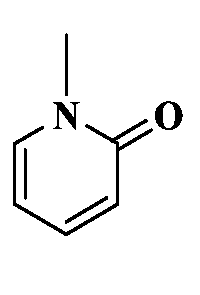
 The term “heteroaryl” refers to substituted and unsubstituted aromatic 5- or 6-membered monocyclic groups and 9- or 10-membered bicyclic groups that have at least one heteroatom (O, S or N) in at least one of the rings, said heteroatom-containing ring preferably having 1, 2, or 3 heteroatoms independently selected from O, S, and/or N. Each ring of the heteroaryl group containing a heteroatom can contain one or two oxygen or sulfur atoms and/or from one to four nitrogen atoms provided that the total number of heteroatoms in each ring is four or less and each ring has at least one carbon atom. The fused rings completing the bicyclic group are aromatic and may contain only carbon atoms. The nitrogen and sulfur atoms may optionally be oxidized and the nitrogen atoms may optionally be quaternized. Bicyclic heteroaryl groups must include only aromatic rings. The heteroaryl group may be attached at any available nitrogen or carbon atom of any ring. The heteroaryl ring system may be unsubstituted or may contain one or more substituents.
Exemplary monocyclic heteroaryl groups include pyrrolyl, pyrazolyl, pyrazolinyl, imidazolyl, oxazolyl, isoxazolyl, thiazolyl, thiadiazolyl, isothiazolyl, furanyl, thiophenyl, oxadiazolyl, pyridinyl, pyrazinyl, pyrimidinyl, pyridazinyl, and triazinyl. Exemplary bicyclic heteroaryl groups include indolyl, benzothiazolyl, benzodioxolyl, benzoxazolyl, benzothienyl, quinolinyl, tetrahydroisoquinolinyl, isoquinolinyl, benzimidazolyl, benzopyranyl, indolizinyl, benzofuranyl, chromonyl, coumarinyl, benzopyranyl, cinnolinyl, quinoxalinyl, indazolyl, and pyrrolopyridyl. As used herein, “pharmaceutically acceptable salts” refer to derivatives of the disclosed compounds wherein the parent compound is modified by making acid or base salts thereof. Examples of pharmaceutically acceptable salts include, but are not limited to, mineral or organic acid salts of basic groups such as amines; and alkali or organic salts of acidic groups such as carboxylic acids. The pharmaceutically acceptable salts include the conventional non-toxic salts or the quaternary ammonium salts of the parent compound formed, for example, from non-toxic inorganic or organic acids. For example, such conventional non-toxic salts include those derived from inorganic acids such as hydrochloric, hydrobromic, sulfuric, sulfamic, phosphoric, and nitric; and the salts prepared from organic acids such as acetic, propionic, succinic, glycolic, stearic, lactic, malic, tartaric, citric, ascorbic, pamoic, maleic, hydroxymaleic, phenylacetic, glutamic, benzoic, salicylic, sulfanilic, 2-acetoxybenzoic, fumaric, toluenesulfonic, methanesulfonic, ethane disulfonic, oxalic, and isethionic, and the like. The pharmaceutically acceptable salts of the present invention can be synthesized from the parent compound that contains a basic or acidic moiety by conventional chemical methods. Generally, such salts can be prepared by reacting the free acid or base forms of these compounds with a stoichiometric amount of the appropriate base or acid in water or in an organic solvent, or in a mixture of the two; generally, nonaqueous media like ether, ethyl acetate, ethanol, isopropanol, or acetonitrile are preferred. Lists of suitable salts are found in Remington: The Science and Practice of Pharmacy, 22nd Edition, Allen, L. V. Jr., Ed.; Pharmaceutical Press, London, UK (2012), the disclosure of which is hereby incorporated by reference. In addition, compounds of formula I may have prodrug forms. Any compound that will be converted in vivo to provide the bioactive agent (i.e., a compound of formula
I) is a prodrug within the scope and spirit of the invention. Various forms of prodrugs are well known in the art. For examples of such prodrug derivatives, see: a) Bundgaard, H., ed., Design of Prodrugs, Elsevier (1985), and Widder, K. et al., eds., Methods in Enzymology, 112:309-396, Academic Press (1985); b) Bundgaard, H., Chapter 5, "Design and Application of Prodrugs," A Textbook of Drug Design and Development, pp.113-191, Krosgaard-Larsen, P. et al., eds., Harwood Academic Publishers (1991); c) Bundgaard, H., Adv. Drug Deliv. Rev., 8:1-38 (1992); d) Bundgaard, H. et al., J. Pharm. Sci., 77:285 (1988); e) Kakeya, N. et al., Chem. Pharm. Bull., 32:692 (1984); and f) Rautio, J (Editor). Prodrugs and Targeted Delivery (Methods and Principles in Medicinal Chemistry), Vol 47, Wiley-VCH, 2011. Compounds containing a carboxy group can form physiologically hydrolyzable esters that serve as prodrugs by being hydrolyzed in the body to yield formula I compounds per se. Such prodrugs are preferably administered orally since hydrolysis in many instances occurs principally under the influence of the digestive enzymes. Parenteral administration may be used where the ester per se is active, or in those instances where hydrolysis occurs in the blood. Examples of physiologically hydrolyzable esters of compounds of formula I include C1-6alkyl, C1-6alkylbenzyl, 4- methoxybenzyl, indanyl, phthalyl, methoxymethyl, C1-6 alkanoyloxy-C1-6alkyl (e.g., acetoxymethyl, pivaloyloxymethyl or propionyloxymethyl), C1-6alkoxycarbonyloxy-C1-6alkyl (e.g., methoxycarbonyl-oxymethyl or ethoxycarbonyloxymethyl, glycyloxymethyl, phenylglycyloxymethyl, (5-methyl-2-oxo- 1,3-dioxolen-4-yl)-methyl), and other well known physiologically hydrolyzable esters used, for example, in the penicillin and cephalosporin arts. Such esters may be prepared by conventional techniques known in the art. Preparation of prodrugs is well known in the art and described in, for example, King, F.D., ed., Medicinal Chemistry: Principles and Practice, The Royal Society of Chemistry, Cambridge, UK (2nd edition, reproduced, 2006); Testa, B. et al., Hydrolysis in Drug and Prodrug Metabolism. Chemistry, Biochemistry and Enzymology, VCHA and Wiley-VCH, Zurich, Switzerland (2003); Wermuth, C.G., ed., The Practice of Medicinal Chemistry, 3rd edition, Academic Press, San Diego, CA (2008).
The term “solvate” means a physical association of a compound of this invention with one or more solvent molecules, whether organic or inorganic. This physical association includes hydrogen bonding. In certain instances the solvate will be capable of isolation, for example when one or more solvent molecules are incorporated in the crystal lattice of the crystalline solid. The solvent molecules in the solvate may be present in a regular arrangement and/or a non-ordered arrangement. The solvate may comprise either a stoichiometric or nonstoichiometric amount of the solvent molecules. “Solvate” encompasses both solution-phase and isolable solvates. Exemplary solvates include, but are not limited to, hydrates, ethanolates, methanolates, and isopropanolates. Methods of solvation are generally known in the art. As used herein, the term “patient” refers to organisms to be treated by the methods of the present invention. Such organisms preferably include, but are not limited to, mammals (e.g., murines, simians, equines, bovines, porcines, canines, felines, and the like), and most preferably refers to humans. As used herein, the term "effective amount" means that amount of a drug or pharmaceutical agent, i.e., a compound of the invention, that will elicit the biological or medical response of a tissue, system, animal or human that is being sought, for instance, by a researcher or clinician. Furthermore, the term "therapeutically effective amount" means any amount which, as compared to a corresponding subject who has not received such amount, results in improved treatment, healing, prevention, or amelioration of a disease, disorder, or side effect, or a decrease in the rate of advancement of a disease or disorder. An effective amount can be administered in one or more administrations, applications or dosages and is not intended to be limited to a particular formulation or administration route. The term also includes within its scope amounts effective to enhance normal physiological function As used herein, the term “treating” includes any effect, e.g., lessening, reducing, modulating, ameliorating or eliminating, that results in the improvement of the condition, disease, disorder, and the like, or ameliorating a symptom thereof. As used herein, the term “pharmaceutical composition” refers to the combination of an active agent with a carrier, inert or active, making the composition especially suitable for diagnostic or therapeutic use in vivo or ex vivo.
Examples of bases include, but are not limited to, alkali metals (e.g., sodium) hydroxides, alkaline earth metals (e.g., magnesium), hydroxides, ammonia, and compounds of formula NW4 +, wherein W is C1-4 alkyl, and the like. For therapeutic use, salts of the compounds of the present invention are contemplated as being pharmaceutically acceptable. However, salts of acids and bases that are non-pharmaceutically acceptable may also find use, for example, in the preparation or purification of a pharmaceutically acceptable compound. METHODS OF PREPARATION The compounds of the present invention can be prepared in a number of ways well known to one skilled in the art of organic synthesis. The compounds of the present invention can be synthesized using the methods described below, together with synthetic methods known in the art of synthetic organic chemistry, or variations thereon as appreciated by those skilled in the art. Preferred methods include, but are not limited to, those described below. All references cited herein are hereby incorporated by reference in their entirety. The compounds of this invention may be prepared using the reactions and techniques described in this section. The reactions are performed in solvents appropriate to the reagents and materials employed and are suitable for the transformations being effected. Also, in the description of the synthetic methods described below, it is to be understood that all proposed reaction conditions, including choice of solvent, reaction atmosphere, reaction temperature, duration of the experiment and work up procedures, are chosen to be the conditions standard for that reaction, which should be readily recognized by one skilled in the art. It is understood by one skilled in the art of organic synthesis that the functionality present on various portions of the molecule must be compatible with the reagents and reactions proposed. Such restrictions to the substituents that are compatible with the reaction conditions will be readily apparent to one skilled in the art and alternate methods must then be used. This will sometimes require a judgment to modify the order of the synthetic steps or to select one particular process scheme over another in order to obtain a desired compound of the invention. It will also be recognized that another major consideration in the planning of any synthetic route
in this field is the judicious choice of the protecting group used for protection of the reactive functional groups present in the compounds described in this invention. An authoritative account describing the many alternatives to the trained practitioner is Greene and Wuts (Protective Groups In Organic Synthesis, Fourth Edition, Wiley and Sons, 2007). Compounds of Formula (I) may be prepared by reference to the methods illustrated in the following Scheme. As shown therein, the end product is a compound having the same structural formula as Formula (I). It will be understood that any compound of Formula (I) may be produced by the schemes by the suitable selection of reagents with appropriate substitution. Solvents, temperatures, pressures, and other reaction conditions may readily be selected by one of ordinary skill in the art. Starting materials are commercially available or readily prepared by one of ordinary skill in the art. Constituents of compounds are as defined herein or elsewhere in the specification. Compounds of general formula i can be prepared according to the method outlined in Scheme i. Substituted phenol iA can be reacted with aryl fluoride iB to provide biaryl ether iC. Reduction of the nitro group in iC followed by aclylation can yield compounds of general formula i. It should be noted and obvious to those skilled in the art that intermediates such as aniline iD can be reductively aminated with various aldehydes or reacted with various electrophiles such as sulfonyl chlorides, isocyanates or isothiocyanates to yield the corresponding N-substituted compounds. Scheme i
The term “heteroaryl” refers to substituted and unsubstituted aromatic 5- or 6-membered monocyclic groups and 9- or 10-membered bicyclic groups that have at least one heteroatom (O, S or N) in at least one of the rings, said heteroatom-containing ring preferably having 1, 2, or 3 heteroatoms independently selected from O, S, and/or N. Each ring of the heteroaryl group containing a heteroatom can contain one or two oxygen or sulfur atoms and/or from one to four nitrogen atoms provided that the total number of heteroatoms in each ring is four or less and each ring has at least one carbon atom. The fused rings completing the bicyclic group are aromatic and may contain only carbon atoms. The nitrogen and sulfur atoms may optionally be oxidized and the nitrogen atoms may optionally be quaternized. Bicyclic heteroaryl groups must include only aromatic rings. The heteroaryl group may be attached at any available nitrogen or carbon atom of any ring. The heteroaryl ring system may be unsubstituted or may contain one or more substituents.
Exemplary monocyclic heteroaryl groups include pyrrolyl, pyrazolyl, pyrazolinyl, imidazolyl, oxazolyl, isoxazolyl, thiazolyl, thiadiazolyl, isothiazolyl, furanyl, thiophenyl, oxadiazolyl, pyridinyl, pyrazinyl, pyrimidinyl, pyridazinyl, and triazinyl. Exemplary bicyclic heteroaryl groups include indolyl, benzothiazolyl, benzodioxolyl, benzoxazolyl, benzothienyl, quinolinyl, tetrahydroisoquinolinyl, isoquinolinyl, benzimidazolyl, benzopyranyl, indolizinyl, benzofuranyl, chromonyl, coumarinyl, benzopyranyl, cinnolinyl, quinoxalinyl, indazolyl, and pyrrolopyridyl. As used herein, “pharmaceutically acceptable salts” refer to derivatives of the disclosed compounds wherein the parent compound is modified by making acid or base salts thereof. Examples of pharmaceutically acceptable salts include, but are not limited to, mineral or organic acid salts of basic groups such as amines; and alkali or organic salts of acidic groups such as carboxylic acids. The pharmaceutically acceptable salts include the conventional non-toxic salts or the quaternary ammonium salts of the parent compound formed, for example, from non-toxic inorganic or organic acids. For example, such conventional non-toxic salts include those derived from inorganic acids such as hydrochloric, hydrobromic, sulfuric, sulfamic, phosphoric, and nitric; and the salts prepared from organic acids such as acetic, propionic, succinic, glycolic, stearic, lactic, malic, tartaric, citric, ascorbic, pamoic, maleic, hydroxymaleic, phenylacetic, glutamic, benzoic, salicylic, sulfanilic, 2-acetoxybenzoic, fumaric, toluenesulfonic, methanesulfonic, ethane disulfonic, oxalic, and isethionic, and the like. The pharmaceutically acceptable salts of the present invention can be synthesized from the parent compound that contains a basic or acidic moiety by conventional chemical methods. Generally, such salts can be prepared by reacting the free acid or base forms of these compounds with a stoichiometric amount of the appropriate base or acid in water or in an organic solvent, or in a mixture of the two; generally, nonaqueous media like ether, ethyl acetate, ethanol, isopropanol, or acetonitrile are preferred. Lists of suitable salts are found in Remington: The Science and Practice of Pharmacy, 22nd Edition, Allen, L. V. Jr., Ed.; Pharmaceutical Press, London, UK (2012), the disclosure of which is hereby incorporated by reference. In addition, compounds of formula I may have prodrug forms. Any compound that will be converted in vivo to provide the bioactive agent (i.e., a compound of formula
I) is a prodrug within the scope and spirit of the invention. Various forms of prodrugs are well known in the art. For examples of such prodrug derivatives, see: a) Bundgaard, H., ed., Design of Prodrugs, Elsevier (1985), and Widder, K. et al., eds., Methods in Enzymology, 112:309-396, Academic Press (1985); b) Bundgaard, H., Chapter 5, "Design and Application of Prodrugs," A Textbook of Drug Design and Development, pp.113-191, Krosgaard-Larsen, P. et al., eds., Harwood Academic Publishers (1991); c) Bundgaard, H., Adv. Drug Deliv. Rev., 8:1-38 (1992); d) Bundgaard, H. et al., J. Pharm. Sci., 77:285 (1988); e) Kakeya, N. et al., Chem. Pharm. Bull., 32:692 (1984); and f) Rautio, J (Editor). Prodrugs and Targeted Delivery (Methods and Principles in Medicinal Chemistry), Vol 47, Wiley-VCH, 2011. Compounds containing a carboxy group can form physiologically hydrolyzable esters that serve as prodrugs by being hydrolyzed in the body to yield formula I compounds per se. Such prodrugs are preferably administered orally since hydrolysis in many instances occurs principally under the influence of the digestive enzymes. Parenteral administration may be used where the ester per se is active, or in those instances where hydrolysis occurs in the blood. Examples of physiologically hydrolyzable esters of compounds of formula I include C1-6alkyl, C1-6alkylbenzyl, 4- methoxybenzyl, indanyl, phthalyl, methoxymethyl, C1-6 alkanoyloxy-C1-6alkyl (e.g., acetoxymethyl, pivaloyloxymethyl or propionyloxymethyl), C1-6alkoxycarbonyloxy-C1-6alkyl (e.g., methoxycarbonyl-oxymethyl or ethoxycarbonyloxymethyl, glycyloxymethyl, phenylglycyloxymethyl, (5-methyl-2-oxo- 1,3-dioxolen-4-yl)-methyl), and other well known physiologically hydrolyzable esters used, for example, in the penicillin and cephalosporin arts. Such esters may be prepared by conventional techniques known in the art. Preparation of prodrugs is well known in the art and described in, for example, King, F.D., ed., Medicinal Chemistry: Principles and Practice, The Royal Society of Chemistry, Cambridge, UK (2nd edition, reproduced, 2006); Testa, B. et al., Hydrolysis in Drug and Prodrug Metabolism. Chemistry, Biochemistry and Enzymology, VCHA and Wiley-VCH, Zurich, Switzerland (2003); Wermuth, C.G., ed., The Practice of Medicinal Chemistry, 3rd edition, Academic Press, San Diego, CA (2008).
The term “solvate” means a physical association of a compound of this invention with one or more solvent molecules, whether organic or inorganic. This physical association includes hydrogen bonding. In certain instances the solvate will be capable of isolation, for example when one or more solvent molecules are incorporated in the crystal lattice of the crystalline solid. The solvent molecules in the solvate may be present in a regular arrangement and/or a non-ordered arrangement. The solvate may comprise either a stoichiometric or nonstoichiometric amount of the solvent molecules. “Solvate” encompasses both solution-phase and isolable solvates. Exemplary solvates include, but are not limited to, hydrates, ethanolates, methanolates, and isopropanolates. Methods of solvation are generally known in the art. As used herein, the term “patient” refers to organisms to be treated by the methods of the present invention. Such organisms preferably include, but are not limited to, mammals (e.g., murines, simians, equines, bovines, porcines, canines, felines, and the like), and most preferably refers to humans. As used herein, the term "effective amount" means that amount of a drug or pharmaceutical agent, i.e., a compound of the invention, that will elicit the biological or medical response of a tissue, system, animal or human that is being sought, for instance, by a researcher or clinician. Furthermore, the term "therapeutically effective amount" means any amount which, as compared to a corresponding subject who has not received such amount, results in improved treatment, healing, prevention, or amelioration of a disease, disorder, or side effect, or a decrease in the rate of advancement of a disease or disorder. An effective amount can be administered in one or more administrations, applications or dosages and is not intended to be limited to a particular formulation or administration route. The term also includes within its scope amounts effective to enhance normal physiological function As used herein, the term “treating” includes any effect, e.g., lessening, reducing, modulating, ameliorating or eliminating, that results in the improvement of the condition, disease, disorder, and the like, or ameliorating a symptom thereof. As used herein, the term “pharmaceutical composition” refers to the combination of an active agent with a carrier, inert or active, making the composition especially suitable for diagnostic or therapeutic use in vivo or ex vivo.
Examples of bases include, but are not limited to, alkali metals (e.g., sodium) hydroxides, alkaline earth metals (e.g., magnesium), hydroxides, ammonia, and compounds of formula NW4 +, wherein W is C1-4 alkyl, and the like. For therapeutic use, salts of the compounds of the present invention are contemplated as being pharmaceutically acceptable. However, salts of acids and bases that are non-pharmaceutically acceptable may also find use, for example, in the preparation or purification of a pharmaceutically acceptable compound. METHODS OF PREPARATION The compounds of the present invention can be prepared in a number of ways well known to one skilled in the art of organic synthesis. The compounds of the present invention can be synthesized using the methods described below, together with synthetic methods known in the art of synthetic organic chemistry, or variations thereon as appreciated by those skilled in the art. Preferred methods include, but are not limited to, those described below. All references cited herein are hereby incorporated by reference in their entirety. The compounds of this invention may be prepared using the reactions and techniques described in this section. The reactions are performed in solvents appropriate to the reagents and materials employed and are suitable for the transformations being effected. Also, in the description of the synthetic methods described below, it is to be understood that all proposed reaction conditions, including choice of solvent, reaction atmosphere, reaction temperature, duration of the experiment and work up procedures, are chosen to be the conditions standard for that reaction, which should be readily recognized by one skilled in the art. It is understood by one skilled in the art of organic synthesis that the functionality present on various portions of the molecule must be compatible with the reagents and reactions proposed. Such restrictions to the substituents that are compatible with the reaction conditions will be readily apparent to one skilled in the art and alternate methods must then be used. This will sometimes require a judgment to modify the order of the synthetic steps or to select one particular process scheme over another in order to obtain a desired compound of the invention. It will also be recognized that another major consideration in the planning of any synthetic route
in this field is the judicious choice of the protecting group used for protection of the reactive functional groups present in the compounds described in this invention. An authoritative account describing the many alternatives to the trained practitioner is Greene and Wuts (Protective Groups In Organic Synthesis, Fourth Edition, Wiley and Sons, 2007). Compounds of Formula (I) may be prepared by reference to the methods illustrated in the following Scheme. As shown therein, the end product is a compound having the same structural formula as Formula (I). It will be understood that any compound of Formula (I) may be produced by the schemes by the suitable selection of reagents with appropriate substitution. Solvents, temperatures, pressures, and other reaction conditions may readily be selected by one of ordinary skill in the art. Starting materials are commercially available or readily prepared by one of ordinary skill in the art. Constituents of compounds are as defined herein or elsewhere in the specification. Compounds of general formula i can be prepared according to the method outlined in Scheme i. Substituted phenol iA can be reacted with aryl fluoride iB to provide biaryl ether iC. Reduction of the nitro group in iC followed by aclylation can yield compounds of general formula i. It should be noted and obvious to those skilled in the art that intermediates such as aniline iD can be reductively aminated with various aldehydes or reacted with various electrophiles such as sulfonyl chlorides, isocyanates or isothiocyanates to yield the corresponding N-substituted compounds. Scheme i
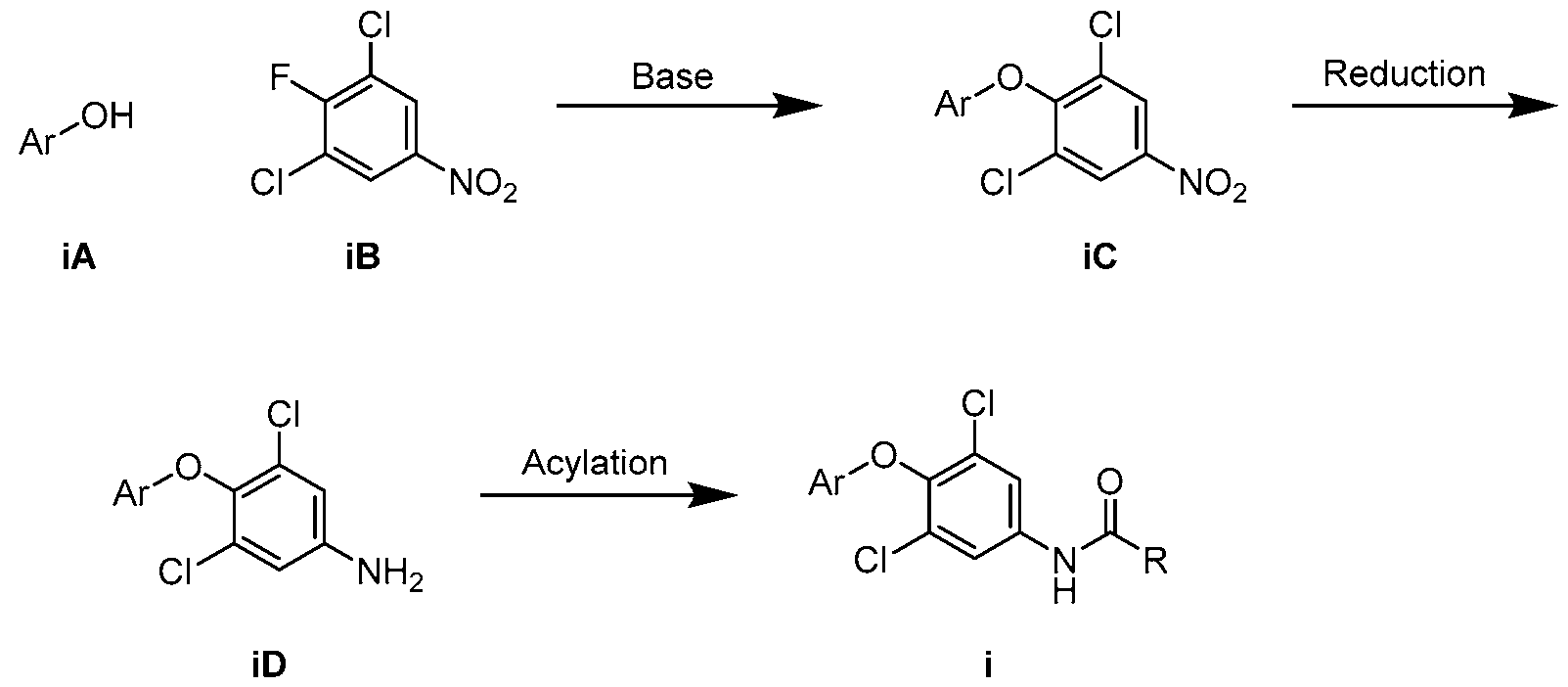 Alternatively, substituted phenol iA can be reacted with aryl fluoride iiA to afford biaryl ether iiB. Metal mediated coupling of bromo compound iiB with various amides can provide compounds of general formula i according to the method outlined in Scheme ii. Scheme ii
 In another variation, substituted phenol iA can be reacted meta nitroaryl fluoride iiiA to obtain biaryl ether iiiB (Scheme iii). Reduction of the nitro group and acylation of the resulting aniline iiiC can afford compounds of general formula iii. Scheme iii:
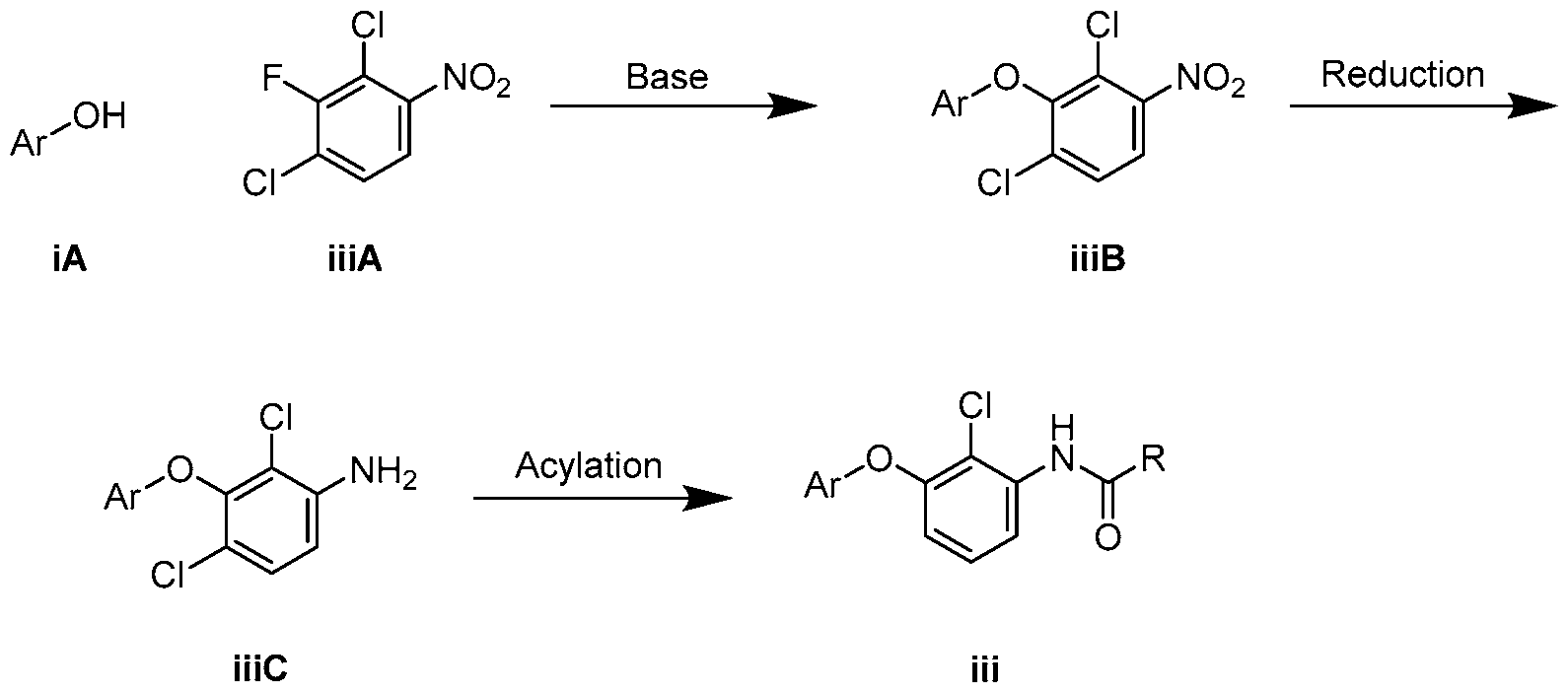 In yet another variation, substituted phenol iA can be reacted with cyanoaryl fluoride ivA to obtain biaryl ether ivB (Scheme iv). Hydrolysis of the cyano group can afford the corresponding carboxylic acid ivC that can be coupled to amines to afford amides of general formula iv. Scheme iv:
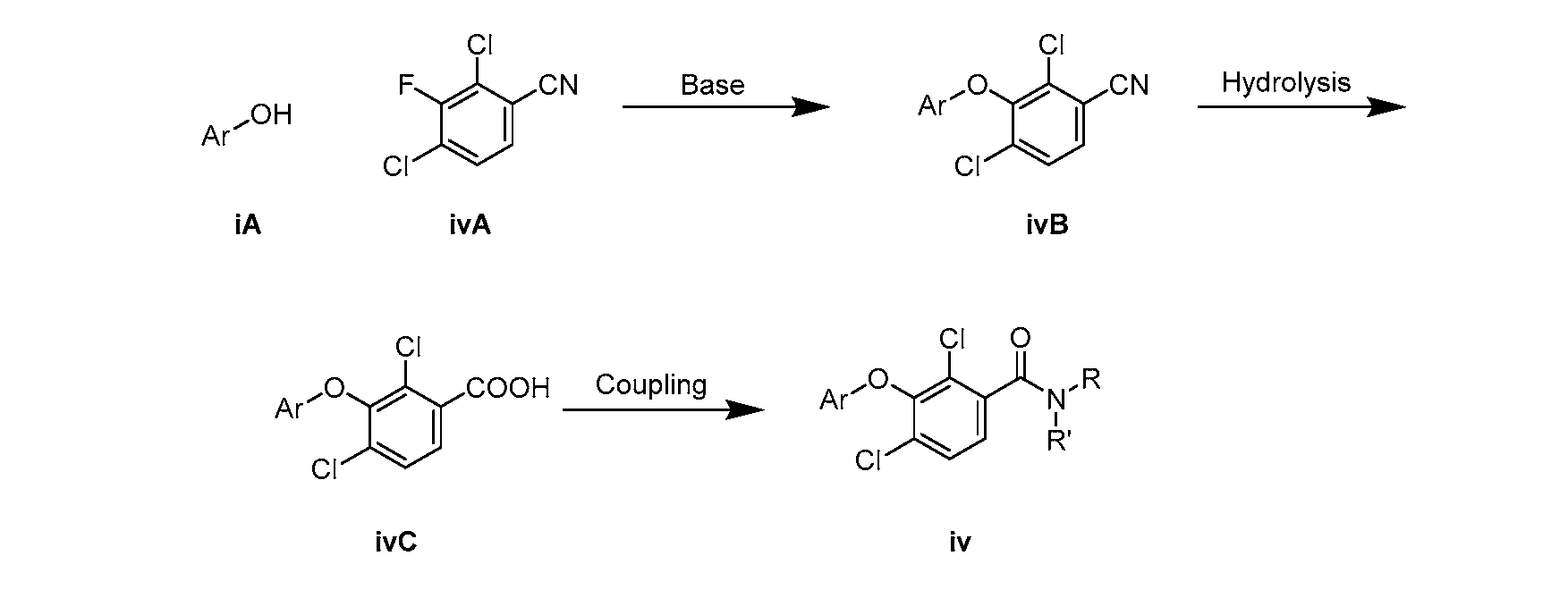


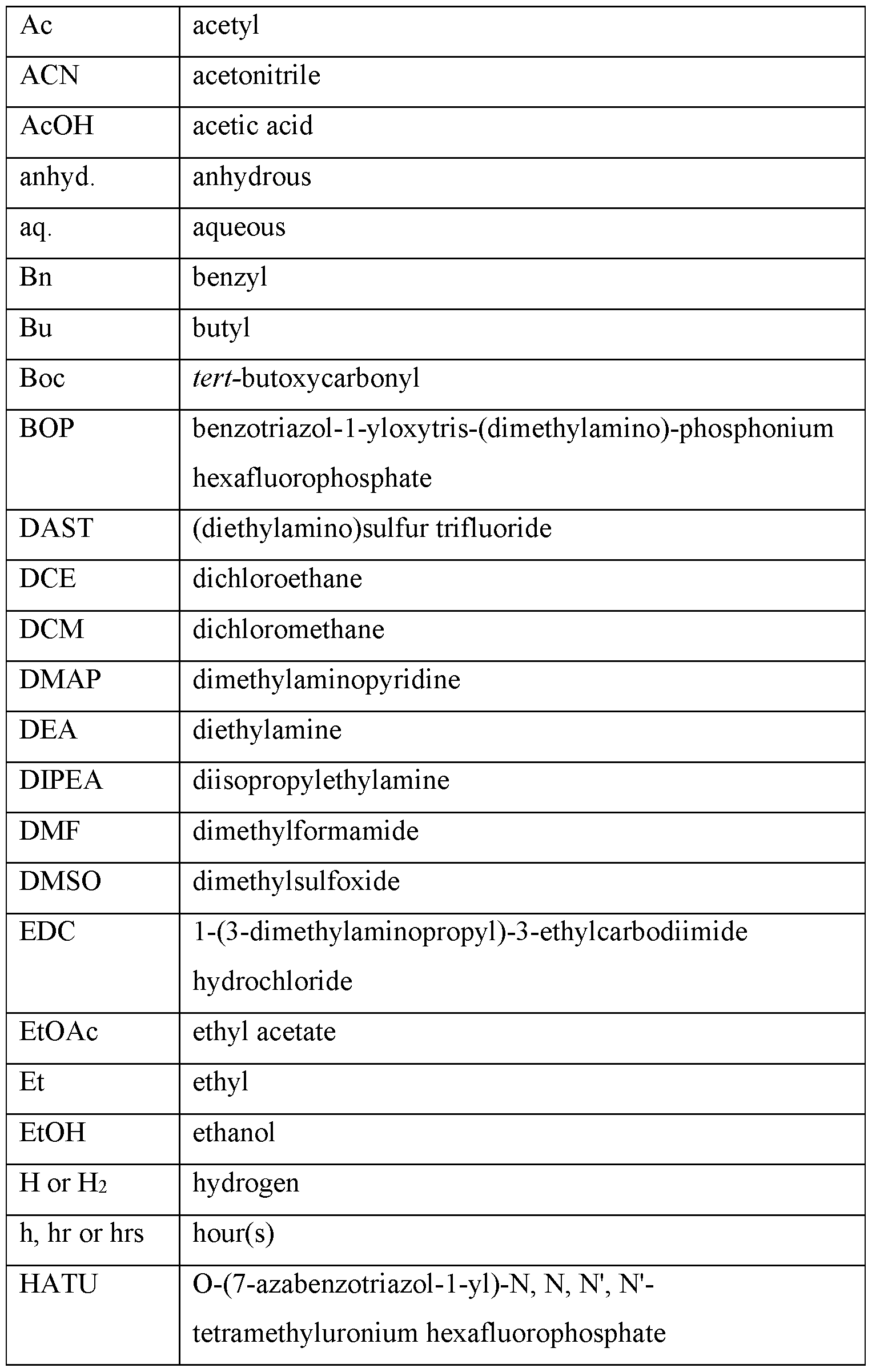
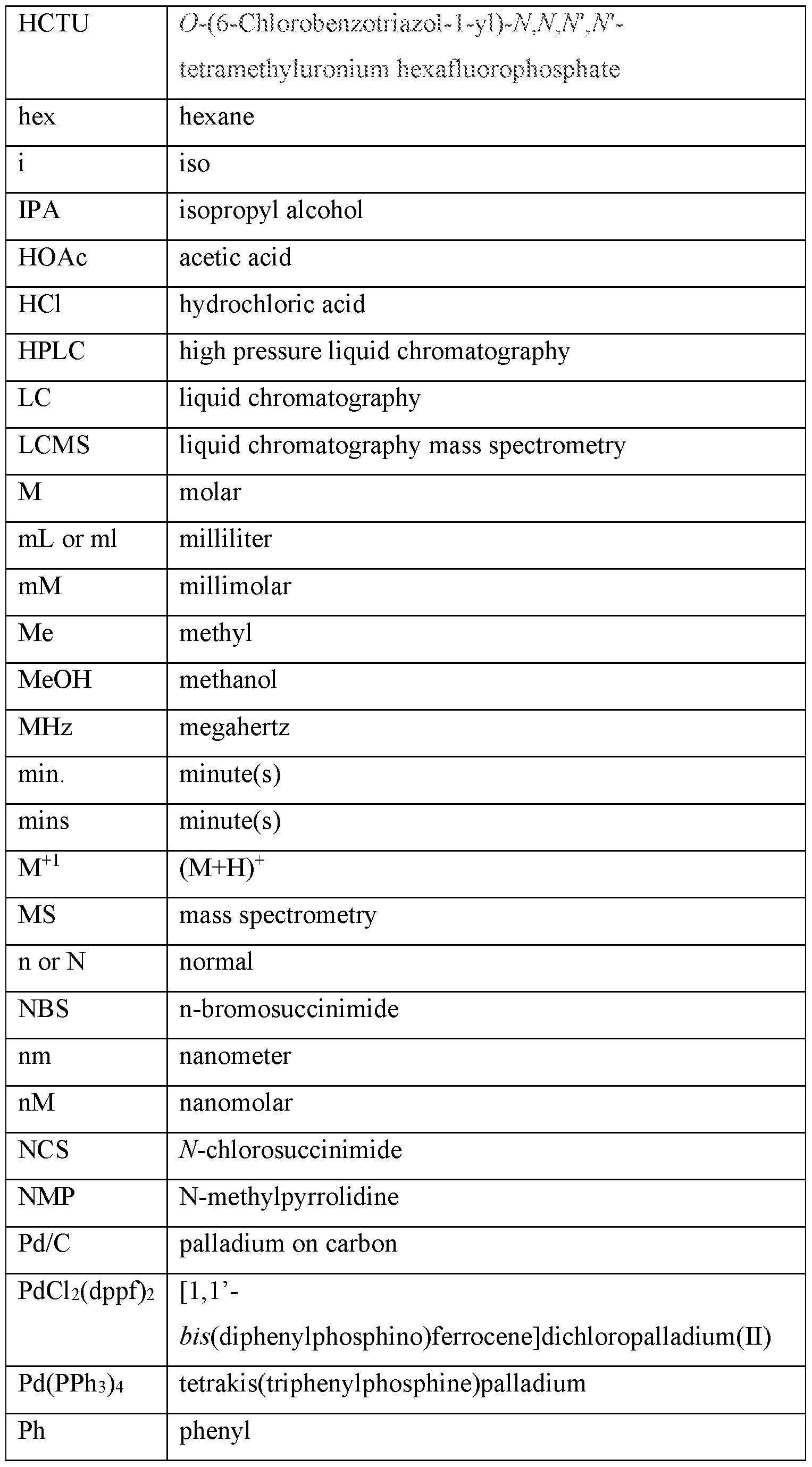


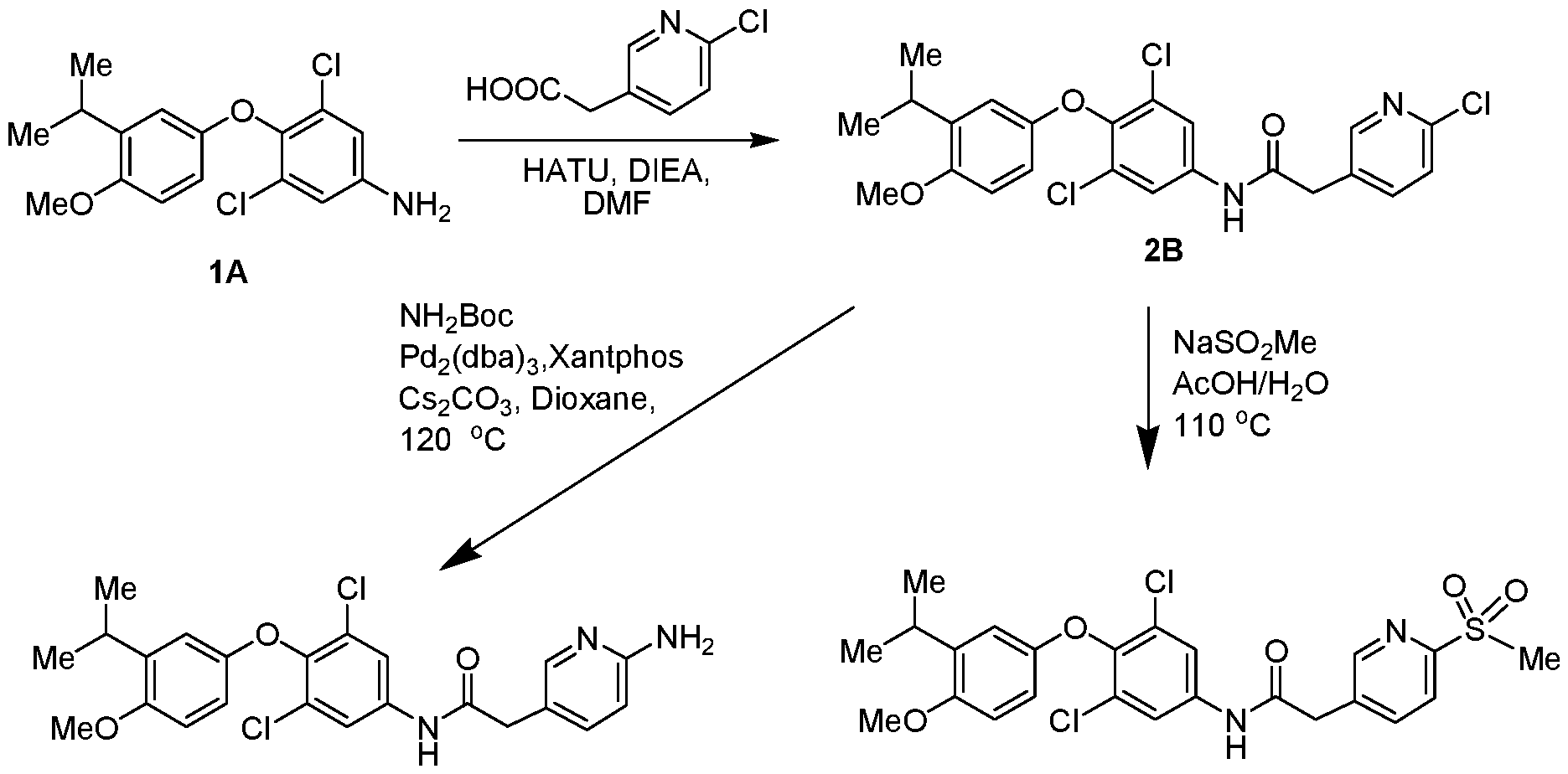


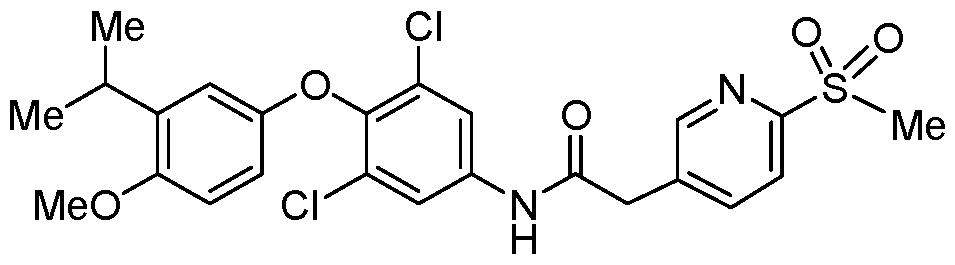
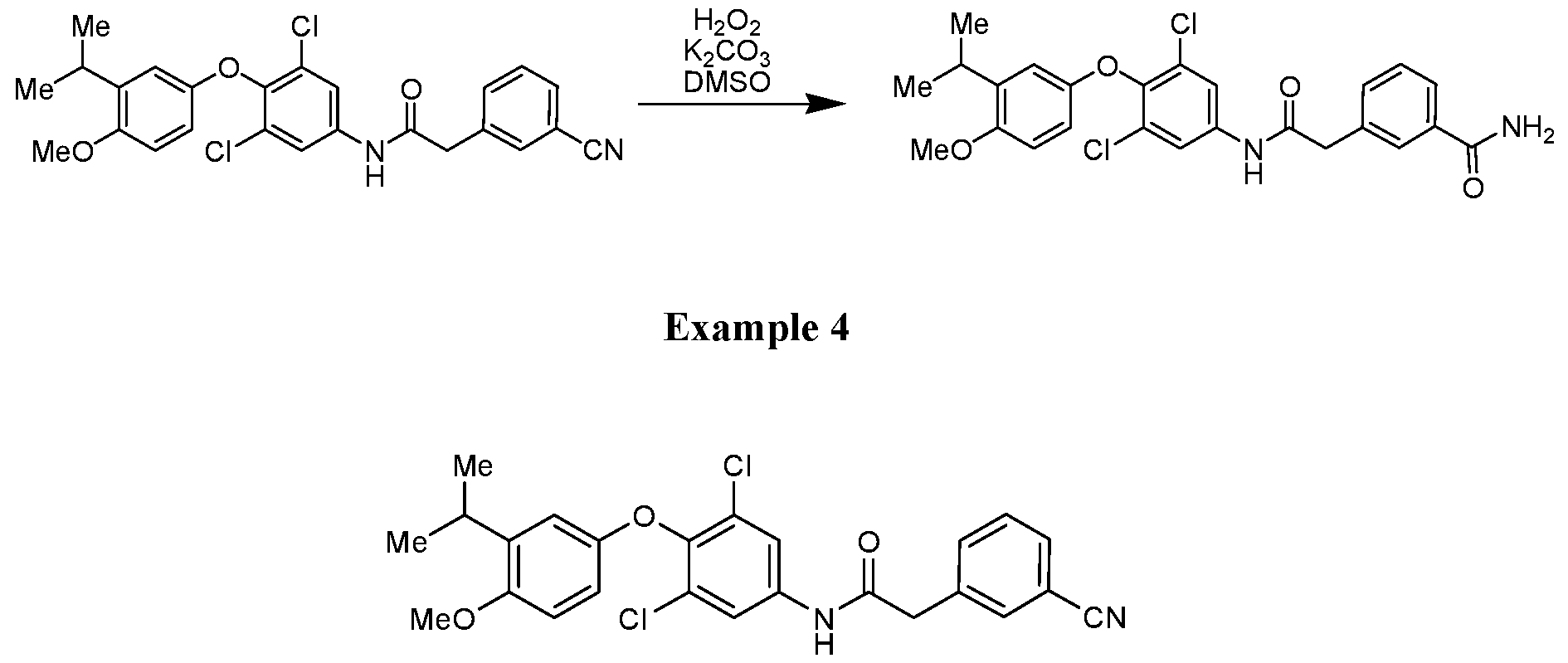


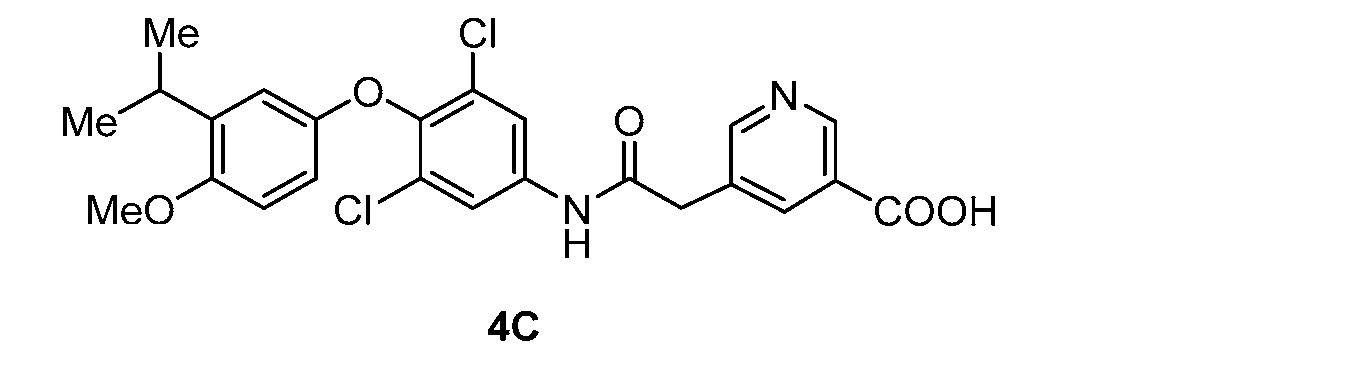


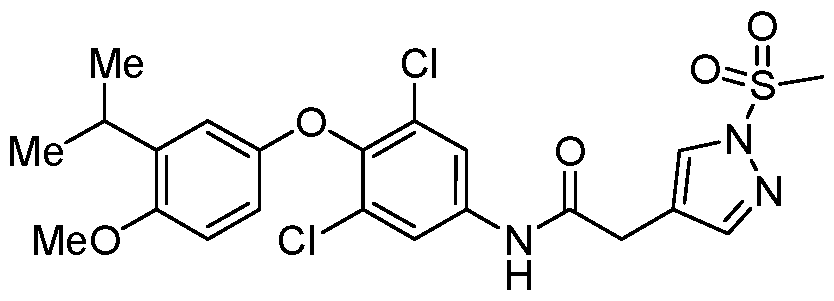


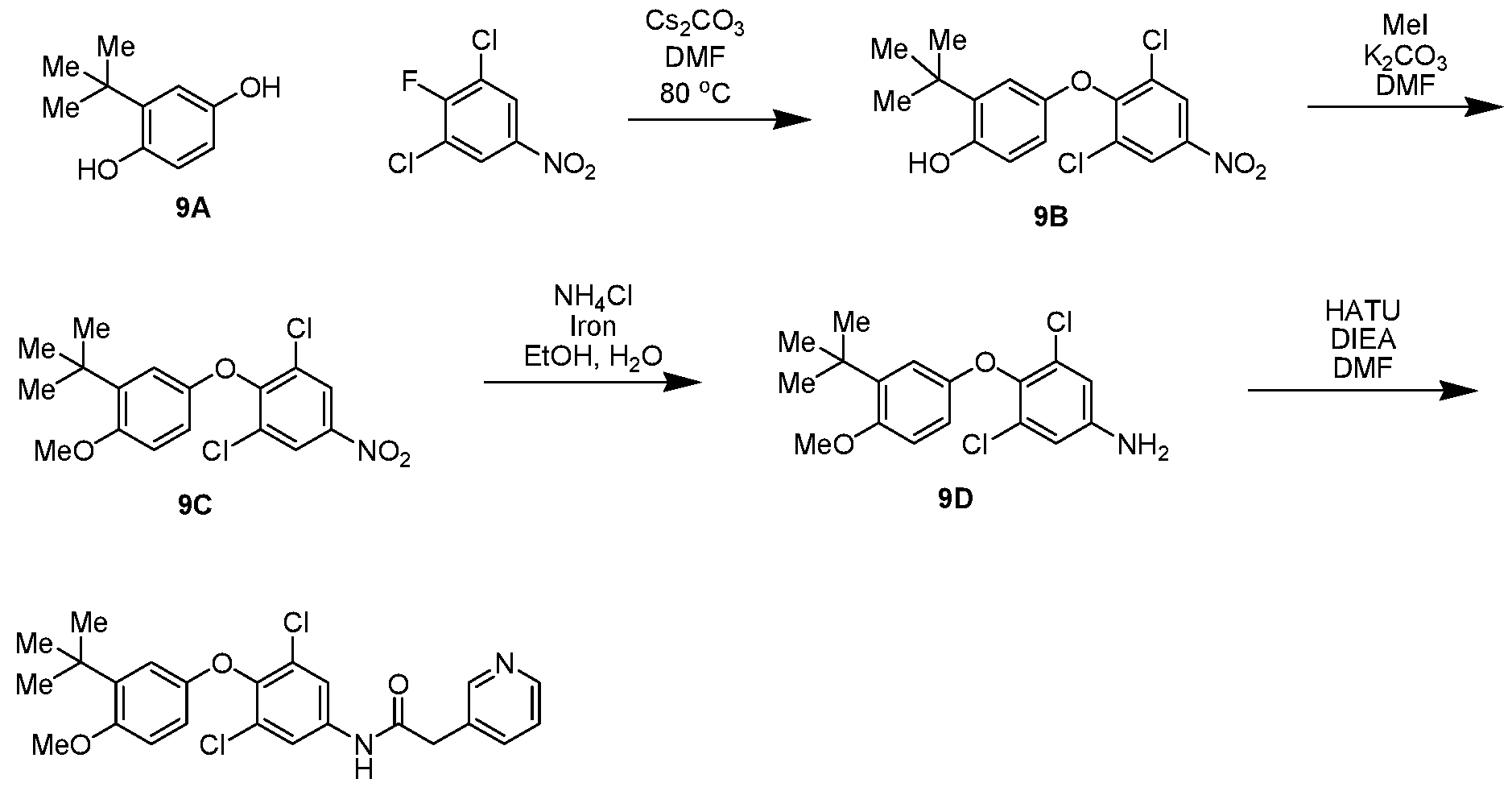


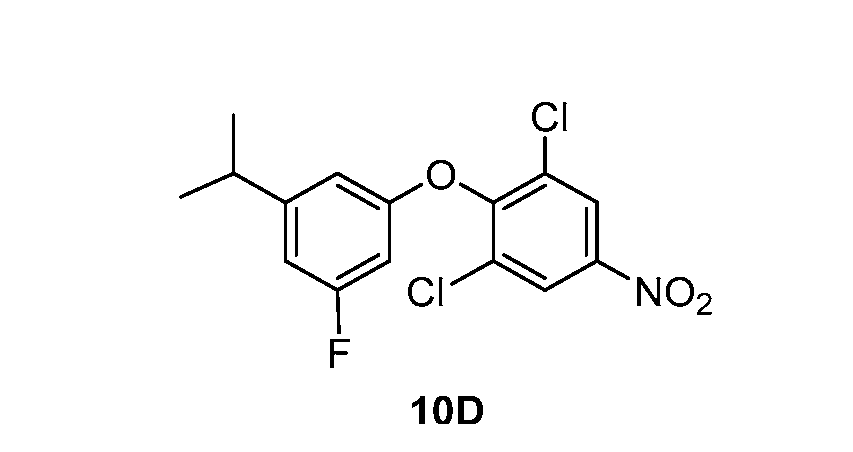


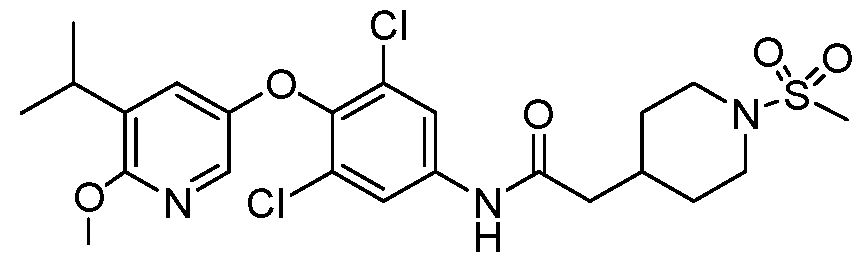
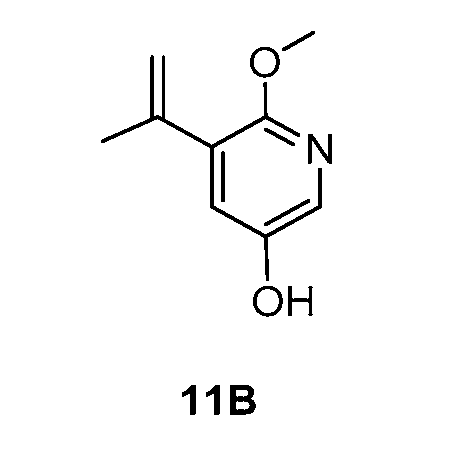

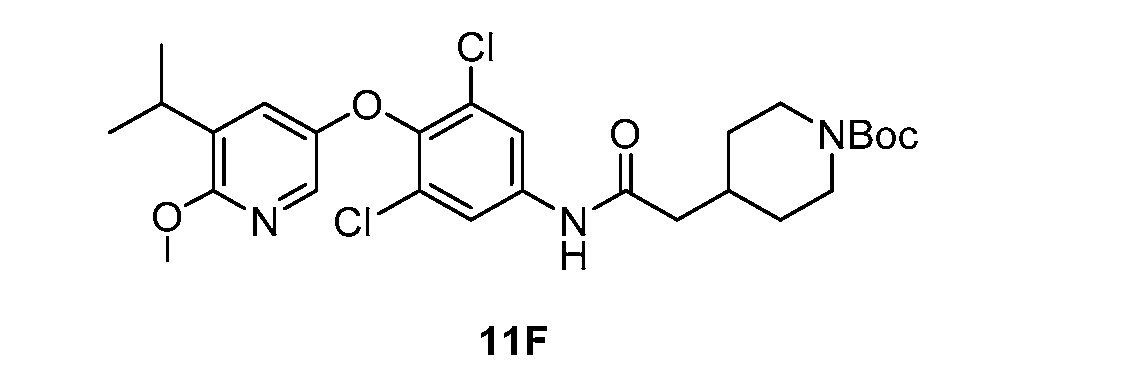


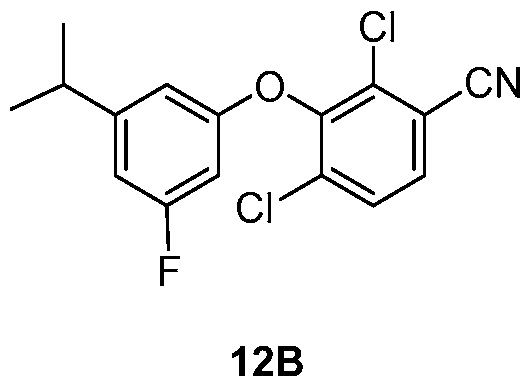


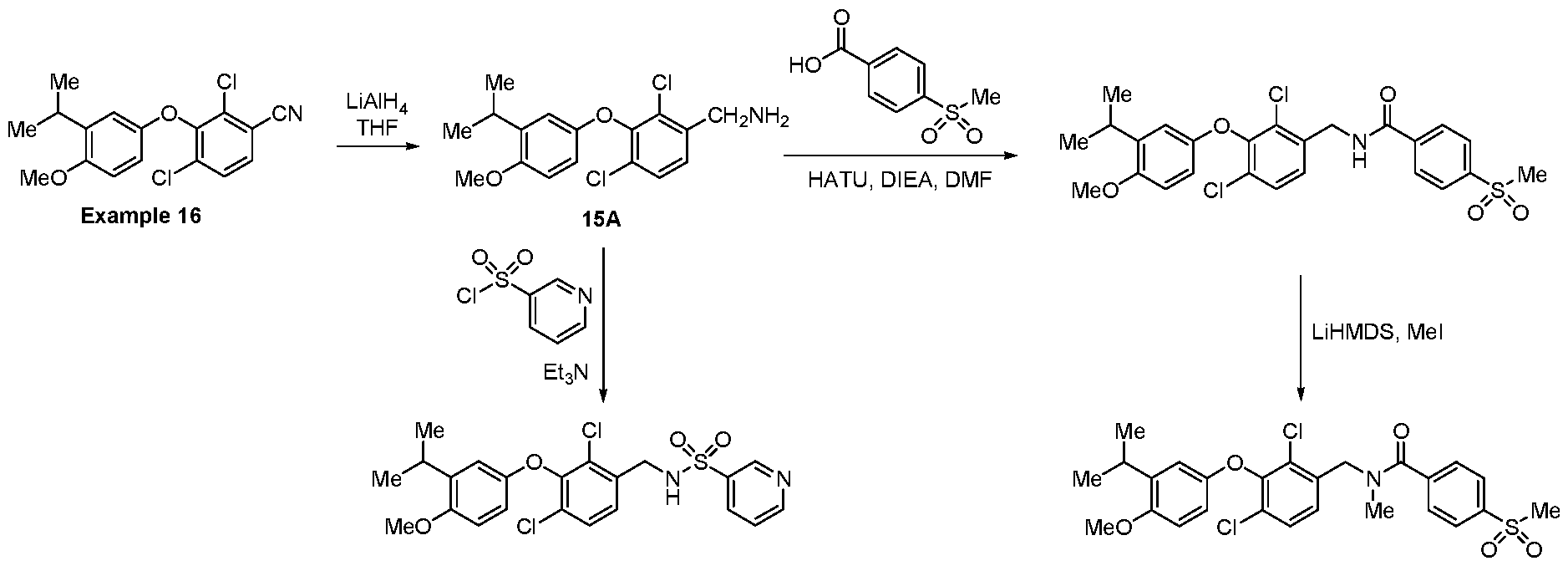

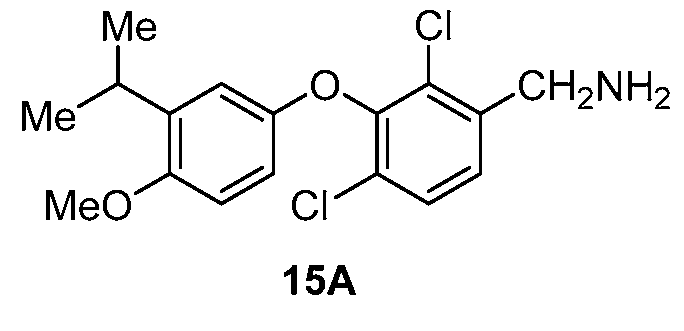


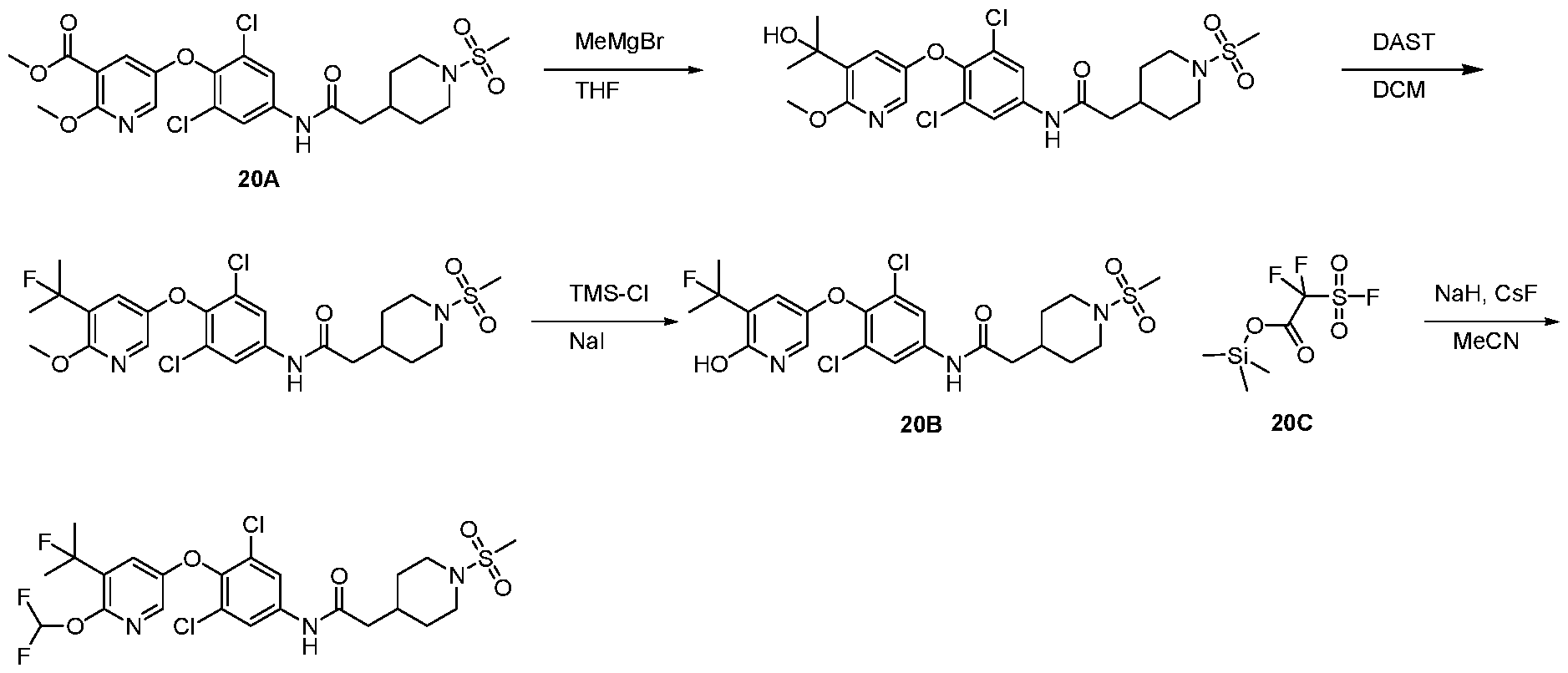


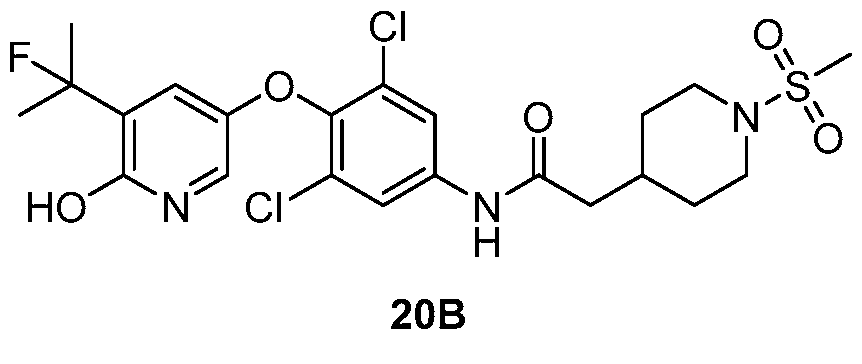


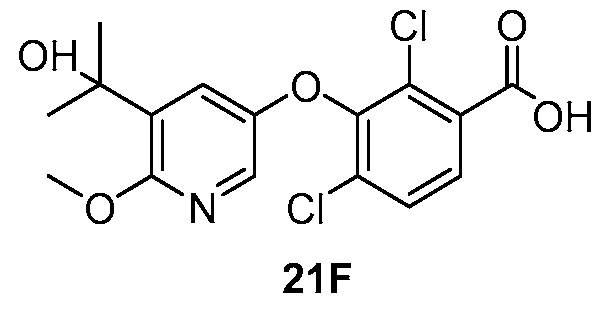


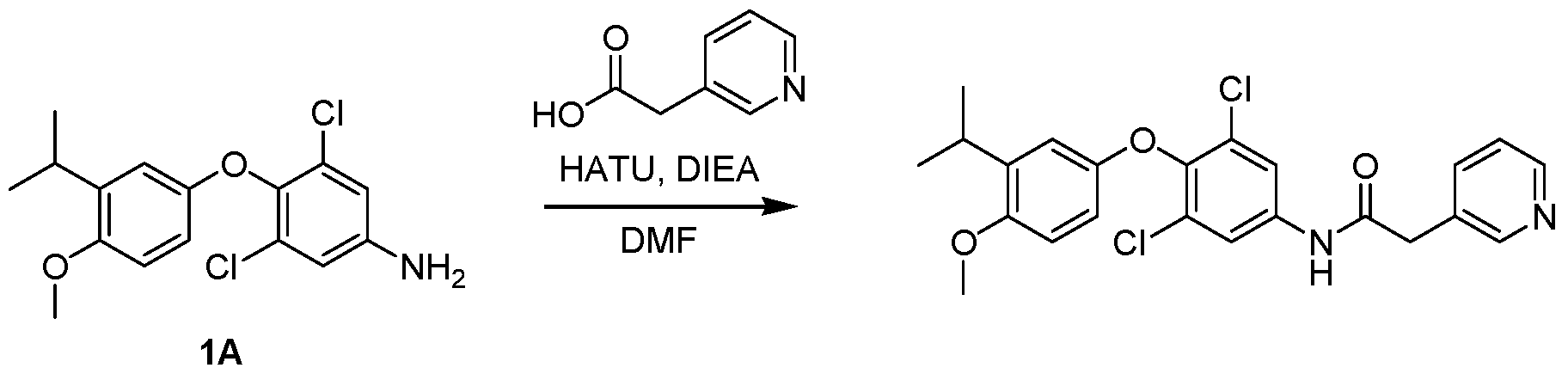
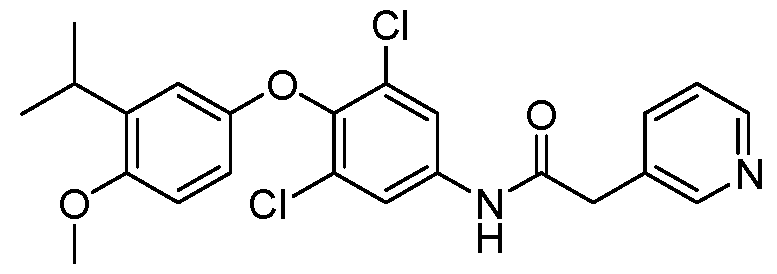


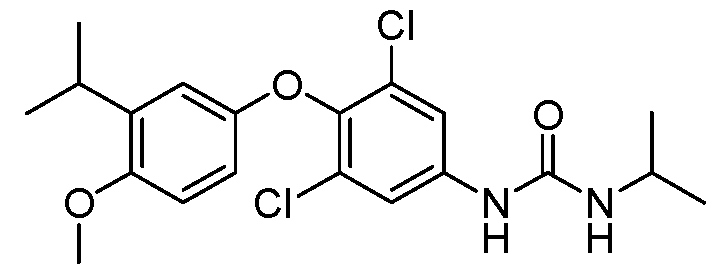

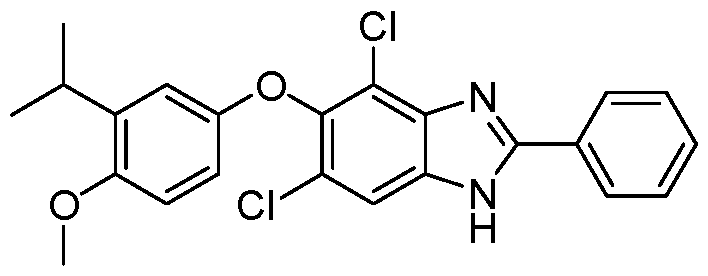


Scheme 30
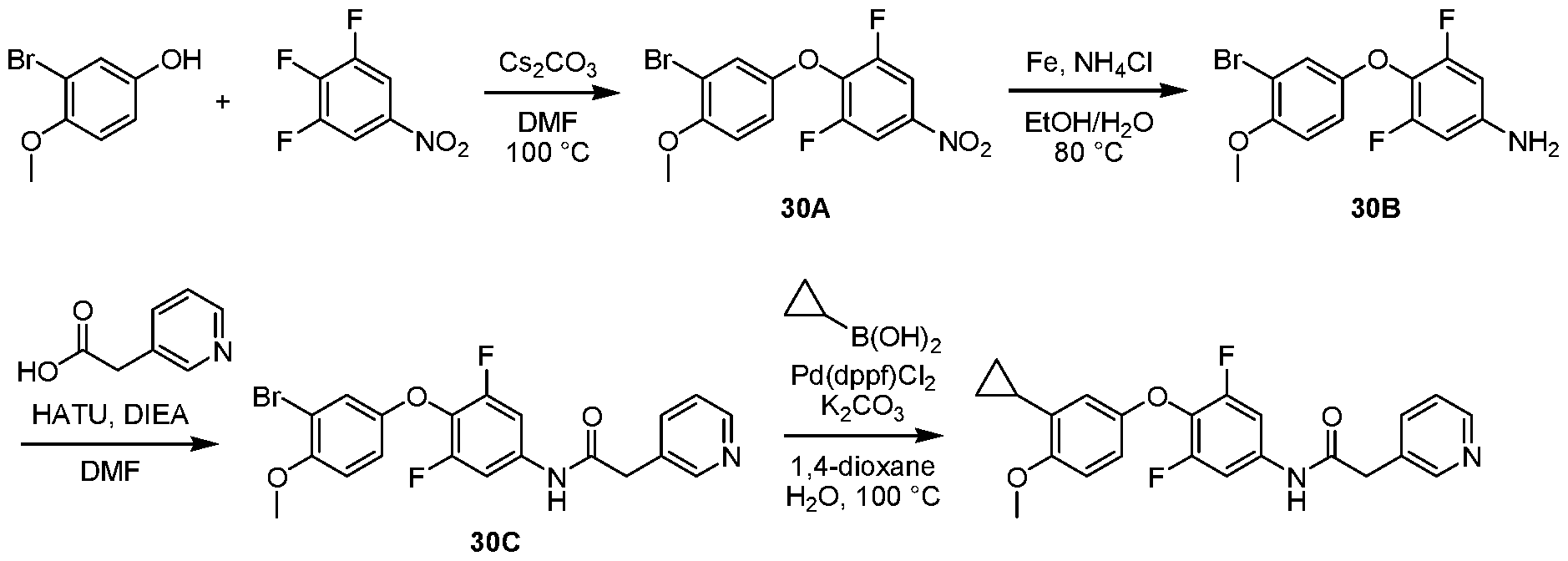 Example 39 N-(4-(3-cyclopropyl-4-methoxyphenoxy)-3,5-difluorophenyl)-2-(pyridin-3-yl)acetamide
 Intermediate 30A: 2-(3-bromo-4-methoxyphenoxy)-1,3-difluoro-5-nitrobenzene A 2 dram pressure relief vial containing a suspension of 3-bromo-4- methoxyphenol (203 mg, 1.00 mmol), 1,2,3-trifluoro-5-nitrobenzene (177 mg, 1.00 mmol), and cesium carbonate (489 mg, 1.50 mmol) in DMF (4.0 mL) was stirred at 100 °C. After 1 hour, the reaction was allowed to cool to room temperature and partitioned between EtOAc (40 mL) and water (40 mL). The aqueous layer was extracted with EtOAc (2 x 40 mL), and then the combined organic layers were dried (Na2SO4), filtered, and concentrated in vacuo. The crude product was dissolved in a small amount of CH2Cl2, adsorbed onto a plug of SiO2, and purified by flash chromatography (SiO2, 40 g column, 0-25% EtOAc/hexanes, 28.8 min gradient, 40 mL/min) to afford 2-(3-bromo-4- methoxyphenoxy)-1,3-difluoro-5-nitrobenzene (353 mg, 0.980 mmol, 98 % yield) 30A as a clear, pale yellow film.1H NMR (400MHz, CHLOROFORM-d) d 7.99 - 7.91 (m, 2H), 7.21 (d, J=3.1 Hz, 1H), 6.94 (dd, J=9.0, 3.1 Hz, 1H), 6.85 (d, J=9.0 Hz, 1H), 3.88 (s, 3H).
Intermediate 30B: 4-(3-bromo-4-methoxyphenoxy)-3,5-difluoroaniline To a vial containing a suspension of 2-(3-bromo-4-methoxyphenoxy)-1,3- difluoro-5-nitrobenzene 30A (353 mg, 0.980 mmol) in ethanol (3.0 mL) was added a solution of ammonium chloride (262 mg, 4.90 mmol) in water (1.0 mL), followed by iron powder (547 mg, 9.80 mmol). The resulting mixture was stirred at 80 °C for 45 min. After cooling to room temperature, the reaction was diluted with EtOAc (40 mL), and washed with 1:1 mixture of brine and 1.5 M aqueous K2HPO4 (20 mL). The aqueous layer was back-extracted with EtOAc (3 x 20 mL). The combined organic layers were dried (Na2SO4), filtered through a pad of Celite, and concentrated in vacuo to afford 4-(3- bromo-4-methoxyphenoxy)-3,5-difluoroaniline 30B (309.5 mg, 0.938 mmol, 96 % yield) as an off-white solid. LCMS m/z 330.0 (M+H); rt 0.96 min; conditions C; 1H NMR (400MHz, CHLOROFORM-d) d 7.14 (d, J=2.9 Hz, 1H), 6.89 (dd, J=9.0, 2.9 Hz, 1H), 6.81 (d, J=9.0 Hz, 1H), 6.33 - 6.23 (m, 2H), 3.85 (s, 3H), 3.80 (br. s., 2H). Intermediate 30C: N-(4-(3-bromo-4-methoxyphenoxy)-3,5-difluorophenyl)-2-(pyridin- 3-yl)acetamide To a round bottom flask containing 2-(pyridin-3-yl)acetic acid hydrochloride (105 mg, 0.606 mmol) was added HATU (173 mg, 0.454 mmol) in DMF (0.75 mL), followed by 4-(3-bromo-4-methoxyphenoxy)-3,5-difluoroaniline 30B (100 mg, 0.303 mmol) in DMF (0.750 mL). DIEA (0.265 mL, 1.52 mmol) was then added, and the mixture was allowed to stir at room temperature. After 2 days, the reaction was diluted with water (15 mL) and extracted with EtOAc (3 x 15 mL). The combined organic layers were dried (Na2SO4), filtered, and concentrated in vacuo. The crude product was dissolved in a small amount of CH2Cl2, adsorbed onto a plug of SiO2, and purified by flash chromatography (SiO2, 24 g column, 0-8% MeOH/CH2Cl2, 24 g column, 11.5 min gradient, 35 mL/min) to afford N-(4-(3-bromo-4-methoxyphenoxy)-3,5-difluorophenyl)-2-(pyridin-3-yl)acetamide 30C (192.5 mg, ~70% purity, 0.300 mmol, 99 % yield), contaminated with residual DIEA and DMF. Example 39: N-(4-(3-cyclopropyl-4-methoxyphenoxy)-3,5-difluorophenyl)-2-(pyridin-3- yl)acetamide
To a 1 dram pressure release vial was added N-(4-(3-bromo-4-methoxyphenoxy)- 3,5-difluorophenyl)-2-(pyridin-3-yl)acetamide 30C (32.3 mg, 0.050 mmol), cyclopropylboronic acid (12.97 mg, 0.151 mmol), 1,4-dioxane (0.25 mL), and a solution of potassium carbonate (13.9 mg, 0.101 mmol) in H2O (0.050 mL). Pd(dppf)Cl2 (1.8 mg, 2.52 µmol) was then added, and nitrogen was bubbled through the resulting suspension for 5 min. The reaction was then stirred at 100 °C for 20 hours. After cooling to room temperature, the reaction mixture was diluted with DMF purified by reversed phase HPLC to afford N-(4-(3-cyclopropyl-4-methoxyphenoxy)-3,5-difluorophenyl)-2-(pyridin- 3-yl)acetamide Example 39 (9.3 mg, 0.022 mmol, 44% yield). LCMS m/z 410.8 (M+H); rt 1.69 min; conditions B; 1H NMR (600MHz, DMSO-d6) d 10.67 (s, 1H), 8.63 - 8.43 (m, 2H), 7.74 (d, J=7.7 Hz, 1H), 7.47 (d, J=10.3 Hz, 2H), 7.38 (br. s., 1H), 6.84 (d, J=8.8 Hz, 1H), 6.55 (dd, J=8.8, 2.9 Hz, 1H), 6.48 (d, J=2.9 Hz, 1H), 3.75 (s, 3H), 3.73 (s, 2H), 2.11 - 2.04 (m, 1H), 0.90 - 0.84 (m, 2H), 0.58 - 0.53 (m, 2H). Scheme 31
Intermediate 30A: 2-(3-bromo-4-methoxyphenoxy)-1,3-difluoro-5-nitrobenzene A 2 dram pressure relief vial containing a suspension of 3-bromo-4- methoxyphenol (203 mg, 1.00 mmol), 1,2,3-trifluoro-5-nitrobenzene (177 mg, 1.00 mmol), and cesium carbonate (489 mg, 1.50 mmol) in DMF (4.0 mL) was stirred at 100 °C. After 1 hour, the reaction was allowed to cool to room temperature and partitioned between EtOAc (40 mL) and water (40 mL). The aqueous layer was extracted with EtOAc (2 x 40 mL), and then the combined organic layers were dried (Na2SO4), filtered, and concentrated in vacuo. The crude product was dissolved in a small amount of CH2Cl2, adsorbed onto a plug of SiO2, and purified by flash chromatography (SiO2, 40 g column, 0-25% EtOAc/hexanes, 28.8 min gradient, 40 mL/min) to afford 2-(3-bromo-4- methoxyphenoxy)-1,3-difluoro-5-nitrobenzene (353 mg, 0.980 mmol, 98 % yield) 30A as a clear, pale yellow film.1H NMR (400MHz, CHLOROFORM-d) d 7.99 - 7.91 (m, 2H), 7.21 (d, J=3.1 Hz, 1H), 6.94 (dd, J=9.0, 3.1 Hz, 1H), 6.85 (d, J=9.0 Hz, 1H), 3.88 (s, 3H).
Intermediate 30B: 4-(3-bromo-4-methoxyphenoxy)-3,5-difluoroaniline To a vial containing a suspension of 2-(3-bromo-4-methoxyphenoxy)-1,3- difluoro-5-nitrobenzene 30A (353 mg, 0.980 mmol) in ethanol (3.0 mL) was added a solution of ammonium chloride (262 mg, 4.90 mmol) in water (1.0 mL), followed by iron powder (547 mg, 9.80 mmol). The resulting mixture was stirred at 80 °C for 45 min. After cooling to room temperature, the reaction was diluted with EtOAc (40 mL), and washed with 1:1 mixture of brine and 1.5 M aqueous K2HPO4 (20 mL). The aqueous layer was back-extracted with EtOAc (3 x 20 mL). The combined organic layers were dried (Na2SO4), filtered through a pad of Celite, and concentrated in vacuo to afford 4-(3- bromo-4-methoxyphenoxy)-3,5-difluoroaniline 30B (309.5 mg, 0.938 mmol, 96 % yield) as an off-white solid. LCMS m/z 330.0 (M+H); rt 0.96 min; conditions C; 1H NMR (400MHz, CHLOROFORM-d) d 7.14 (d, J=2.9 Hz, 1H), 6.89 (dd, J=9.0, 2.9 Hz, 1H), 6.81 (d, J=9.0 Hz, 1H), 6.33 - 6.23 (m, 2H), 3.85 (s, 3H), 3.80 (br. s., 2H). Intermediate 30C: N-(4-(3-bromo-4-methoxyphenoxy)-3,5-difluorophenyl)-2-(pyridin- 3-yl)acetamide To a round bottom flask containing 2-(pyridin-3-yl)acetic acid hydrochloride (105 mg, 0.606 mmol) was added HATU (173 mg, 0.454 mmol) in DMF (0.75 mL), followed by 4-(3-bromo-4-methoxyphenoxy)-3,5-difluoroaniline 30B (100 mg, 0.303 mmol) in DMF (0.750 mL). DIEA (0.265 mL, 1.52 mmol) was then added, and the mixture was allowed to stir at room temperature. After 2 days, the reaction was diluted with water (15 mL) and extracted with EtOAc (3 x 15 mL). The combined organic layers were dried (Na2SO4), filtered, and concentrated in vacuo. The crude product was dissolved in a small amount of CH2Cl2, adsorbed onto a plug of SiO2, and purified by flash chromatography (SiO2, 24 g column, 0-8% MeOH/CH2Cl2, 24 g column, 11.5 min gradient, 35 mL/min) to afford N-(4-(3-bromo-4-methoxyphenoxy)-3,5-difluorophenyl)-2-(pyridin-3-yl)acetamide 30C (192.5 mg, ~70% purity, 0.300 mmol, 99 % yield), contaminated with residual DIEA and DMF. Example 39: N-(4-(3-cyclopropyl-4-methoxyphenoxy)-3,5-difluorophenyl)-2-(pyridin-3- yl)acetamide
To a 1 dram pressure release vial was added N-(4-(3-bromo-4-methoxyphenoxy)- 3,5-difluorophenyl)-2-(pyridin-3-yl)acetamide 30C (32.3 mg, 0.050 mmol), cyclopropylboronic acid (12.97 mg, 0.151 mmol), 1,4-dioxane (0.25 mL), and a solution of potassium carbonate (13.9 mg, 0.101 mmol) in H2O (0.050 mL). Pd(dppf)Cl2 (1.8 mg, 2.52 µmol) was then added, and nitrogen was bubbled through the resulting suspension for 5 min. The reaction was then stirred at 100 °C for 20 hours. After cooling to room temperature, the reaction mixture was diluted with DMF purified by reversed phase HPLC to afford N-(4-(3-cyclopropyl-4-methoxyphenoxy)-3,5-difluorophenyl)-2-(pyridin- 3-yl)acetamide Example 39 (9.3 mg, 0.022 mmol, 44% yield). LCMS m/z 410.8 (M+H); rt 1.69 min; conditions B; 1H NMR (600MHz, DMSO-d6) d 10.67 (s, 1H), 8.63 - 8.43 (m, 2H), 7.74 (d, J=7.7 Hz, 1H), 7.47 (d, J=10.3 Hz, 2H), 7.38 (br. s., 1H), 6.84 (d, J=8.8 Hz, 1H), 6.55 (dd, J=8.8, 2.9 Hz, 1H), 6.48 (d, J=2.9 Hz, 1H), 3.75 (s, 3H), 3.73 (s, 2H), 2.11 - 2.04 (m, 1H), 0.90 - 0.84 (m, 2H), 0.58 - 0.53 (m, 2H). Scheme 31
 Example 40: N-(3,5-difluoro-4-(3-isopropyl-4-methoxyphenoxy)phenyl)-2-(pyridin-3-yl)acetamide
 Intermediate 31A: N-(3,5-difluoro-4-(4-methoxy-3-(prop-1-en-2-yl)phenoxy)phenyl)-2- (pyridin-3-yl)acetamide To a 1 dram pressure release vial was added N-(4-(3-bromo-4-methoxyphenoxy)- 3,5-difluorophenyl)-2-(pyridin-3-yl)acetamide 30C (40.7 mg, 0.063 mmol), 4,4,5,5- tetramethyl-2-(prop-1-en-2-yl)-1,3,2-dioxaborolane (0.036 mL, 0.190 mmol), 1,4-dioxane (0.25 mL), and a solution of potassium carbonate (17.5 mg, 0.127 mmol) in H2O (0.050 mL). Pd(dppf)Cl2 (2.3 mg, 3.17 µmol) was then added, and nitrogen was bubbled through the resulting suspension for 5 min. The reaction was then stirred at 100 °C for 18 hours and concentrated in vacuo. The crude product was dissolved in a small amount of CH2Cl2, adsorbed onto a plug of Celite, and purified by flash chromatography (SiO2, 4 g column, 0-10% MeOH/CH2Cl2, 10.6 min gradient, 18 mL/min) to afford N-(3,5-difluoro-4-(4- methoxy-3-(prop-1-en-2-yl)phenoxy)phenyl)-2-(pyridin-3-yl)acetamide 31A as a brown film. The partially purified material was carried into the next step. LCMS m/z 411.2 (M+H); rt 0.83 min; conditions C. Example 40: N-(3,5-difluoro-4-(3-isopropyl-4-methoxyphenoxy)phenyl)-2-(pyridin-3- yl)acetamide A 10 mL round bottom flask containing partially purified N-(3,5-difluoro-4-(4- methoxy-3-(prop-1-en-2-yl)phenoxy)phenyl)-2-(pyridin-3-yl)acetamide 31A was outfitted with a reflux condenser and evacuated and backfilled with nitrogen three times. The substrate was dissolved in MeOH (0.63 mL), then palladium on carbon (6.8 mg, 3.17 µmol) and ammonium formate (40.0 mg, 634 µmol) were added. The mixture was stirred at reflux under nitrogen atmosphere. After 1.5 hours, added a second portion of ammonium formate (80 mg, 1270 µmol) and stirred again at reflux. After another 3.5 hours, additional MeOH (0.63 mL), ammonium formate (80 mg, 1270 µmol), and palladium on carbon (26.0 mg, 12.2 µmol) were added. After refluxing for another 1 hour, the reaction was allowed to cool to room temperature, diluted with CH2Cl2, and filtered through a Celite plug. The filtrate was concentrated in vacuo. The residue was
then dissolved in DMF and purified by reversed phase HPLC to afford N-(3,5-difluoro-4- (3-isopropyl-4-methoxyphenoxy)phenyl)-2-(pyridin-3-yl)acetamide Example 40 (2.6 mg, 5.99 µmol, 9% yield over 2 steps). LCMS m/z 413.0 (M+H); rt 1.85 min; conditions B; 1H NMR (500MHz, DMSO-d6) d 10.68 (s, 1H), 8.64 - 8.40 (m, 2H), 7.73 (br. d, J=7.7 Hz, 1H), 7.47 (d, J=10.2 Hz, 2H), 7.42 - 7.34 (m, 1H), 6.90 - 6.80 (m, 2H), 6.59 (dd, J=8.8, 3.0 Hz, 1H), 3.72 (overlapping s, 5H), 3.24 - 3.17 (m, 1H), 1.10 (d, J=6.9 Hz, 6H). Scheme 32
Intermediate 31A: N-(3,5-difluoro-4-(4-methoxy-3-(prop-1-en-2-yl)phenoxy)phenyl)-2- (pyridin-3-yl)acetamide To a 1 dram pressure release vial was added N-(4-(3-bromo-4-methoxyphenoxy)- 3,5-difluorophenyl)-2-(pyridin-3-yl)acetamide 30C (40.7 mg, 0.063 mmol), 4,4,5,5- tetramethyl-2-(prop-1-en-2-yl)-1,3,2-dioxaborolane (0.036 mL, 0.190 mmol), 1,4-dioxane (0.25 mL), and a solution of potassium carbonate (17.5 mg, 0.127 mmol) in H2O (0.050 mL). Pd(dppf)Cl2 (2.3 mg, 3.17 µmol) was then added, and nitrogen was bubbled through the resulting suspension for 5 min. The reaction was then stirred at 100 °C for 18 hours and concentrated in vacuo. The crude product was dissolved in a small amount of CH2Cl2, adsorbed onto a plug of Celite, and purified by flash chromatography (SiO2, 4 g column, 0-10% MeOH/CH2Cl2, 10.6 min gradient, 18 mL/min) to afford N-(3,5-difluoro-4-(4- methoxy-3-(prop-1-en-2-yl)phenoxy)phenyl)-2-(pyridin-3-yl)acetamide 31A as a brown film. The partially purified material was carried into the next step. LCMS m/z 411.2 (M+H); rt 0.83 min; conditions C. Example 40: N-(3,5-difluoro-4-(3-isopropyl-4-methoxyphenoxy)phenyl)-2-(pyridin-3- yl)acetamide A 10 mL round bottom flask containing partially purified N-(3,5-difluoro-4-(4- methoxy-3-(prop-1-en-2-yl)phenoxy)phenyl)-2-(pyridin-3-yl)acetamide 31A was outfitted with a reflux condenser and evacuated and backfilled with nitrogen three times. The substrate was dissolved in MeOH (0.63 mL), then palladium on carbon (6.8 mg, 3.17 µmol) and ammonium formate (40.0 mg, 634 µmol) were added. The mixture was stirred at reflux under nitrogen atmosphere. After 1.5 hours, added a second portion of ammonium formate (80 mg, 1270 µmol) and stirred again at reflux. After another 3.5 hours, additional MeOH (0.63 mL), ammonium formate (80 mg, 1270 µmol), and palladium on carbon (26.0 mg, 12.2 µmol) were added. After refluxing for another 1 hour, the reaction was allowed to cool to room temperature, diluted with CH2Cl2, and filtered through a Celite plug. The filtrate was concentrated in vacuo. The residue was
then dissolved in DMF and purified by reversed phase HPLC to afford N-(3,5-difluoro-4- (3-isopropyl-4-methoxyphenoxy)phenyl)-2-(pyridin-3-yl)acetamide Example 40 (2.6 mg, 5.99 µmol, 9% yield over 2 steps). LCMS m/z 413.0 (M+H); rt 1.85 min; conditions B; 1H NMR (500MHz, DMSO-d6) d 10.68 (s, 1H), 8.64 - 8.40 (m, 2H), 7.73 (br. d, J=7.7 Hz, 1H), 7.47 (d, J=10.2 Hz, 2H), 7.42 - 7.34 (m, 1H), 6.90 - 6.80 (m, 2H), 6.59 (dd, J=8.8, 3.0 Hz, 1H), 3.72 (overlapping s, 5H), 3.24 - 3.17 (m, 1H), 1.10 (d, J=6.9 Hz, 6H). Scheme 32
 Example 41: N-(3,5-dichloro-4-(3-isopropyl-4-methoxyphenoxy)phenyl)-2-(1- (methylsulfonyl)piperidin-3-yl)acetamide
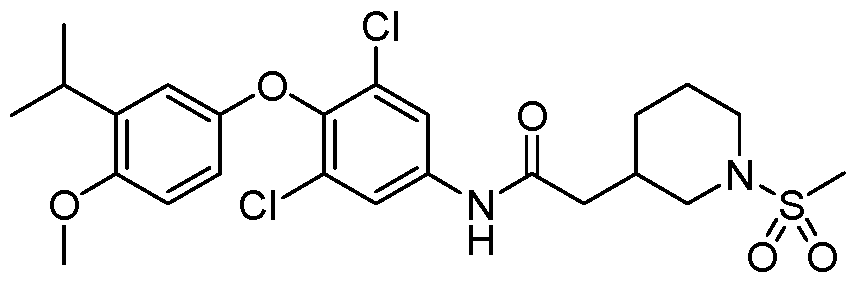 To a vial containing a solution of N-(3,5-dichloro-4-(3-isopropyl-4- methoxyphenoxy)phenyl)-2-(piperidin-3-yl)acetamide Example 32 (5.2 mg, 0.011 mmol) and pyridine (20 µL, 0.247 mmol) in CH2Cl2 (115 µL) was added methanesulfonyl chloride (10 µL, 0.129 mmol). The mixture was stirred at room temperature for 2.5 hours. The reaction was then quenched with a drop of water, diluted with DMF and purified by reversed phase HPLC to afford racemic N-(3,5-dichloro-4-(3-isopropyl-4- methoxyphenoxy)phenyl)-2-(1-(methylsulfonyl)piperidin-3-yl)acetamide Example 41 (2.3 mg, 4.17 µmol, 36% yield). LCMS m/z 529.3 (M+H); rt 2.37 min; conditions B; 1H NMR (500MHz, DMSO-d6) d 10.36 (s, 1H), 7.81 (s, 2H), 6.83 (d, J=9.0 Hz, 1H), 6.78 (d, J=3.1 Hz, 1H), 6.40 (dd, J=8.8, 3.2 Hz, 1H), 3.72 (s, 3H), 3.24 - 3.14 (m, 1H), 2.84 (s,
3H), 2.78 - 2.71 (m, J=10.0, 10.0 Hz, 1H), 2.38 - 2.28 (m, 2H), 2.12 - 2.01 (m, J=5.5, 5.5 Hz, 1H), 1.79 - 1.69 (m, J=8.3, 4.0 Hz, 2H), 1.57 - 1.44 (m, J=9.9, 3.7 Hz, 1H), 1.20 - 1.13 (m, J=7.6 Hz, 1H), 1.11 (d, J=6.9 Hz, 6H). Note: some proton resonances obscured by water/solvent peaks. Scheme 33
To a vial containing a solution of N-(3,5-dichloro-4-(3-isopropyl-4- methoxyphenoxy)phenyl)-2-(piperidin-3-yl)acetamide Example 32 (5.2 mg, 0.011 mmol) and pyridine (20 µL, 0.247 mmol) in CH2Cl2 (115 µL) was added methanesulfonyl chloride (10 µL, 0.129 mmol). The mixture was stirred at room temperature for 2.5 hours. The reaction was then quenched with a drop of water, diluted with DMF and purified by reversed phase HPLC to afford racemic N-(3,5-dichloro-4-(3-isopropyl-4- methoxyphenoxy)phenyl)-2-(1-(methylsulfonyl)piperidin-3-yl)acetamide Example 41 (2.3 mg, 4.17 µmol, 36% yield). LCMS m/z 529.3 (M+H); rt 2.37 min; conditions B; 1H NMR (500MHz, DMSO-d6) d 10.36 (s, 1H), 7.81 (s, 2H), 6.83 (d, J=9.0 Hz, 1H), 6.78 (d, J=3.1 Hz, 1H), 6.40 (dd, J=8.8, 3.2 Hz, 1H), 3.72 (s, 3H), 3.24 - 3.14 (m, 1H), 2.84 (s,
3H), 2.78 - 2.71 (m, J=10.0, 10.0 Hz, 1H), 2.38 - 2.28 (m, 2H), 2.12 - 2.01 (m, J=5.5, 5.5 Hz, 1H), 1.79 - 1.69 (m, J=8.3, 4.0 Hz, 2H), 1.57 - 1.44 (m, J=9.9, 3.7 Hz, 1H), 1.20 - 1.13 (m, J=7.6 Hz, 1H), 1.11 (d, J=6.9 Hz, 6H). Note: some proton resonances obscured by water/solvent peaks. Scheme 33
 Examples 42 and 43: N-(3,5-dichloro-4-(3-isopropyl-4-methoxyphenoxy)phenyl)-2-(1- (methylsulfonyl)piperidin-3-yl)acetamide
 Example 43 second eluting isomer To a vial containing a solution of N-(3,5-dichloro-4-(3-isopropyl-4- methoxyphenoxy)phenyl)-2-(piperidin-3-yl)acetamide hydrochloride Example 32 (47.3 mg, 97.0 µmol) and pyridine (160 µL, 1940 µmol) in DCM (0.49 mL) was added methanesulfonyl chloride (75 µL, 970 µmol). The mixture was stirred at room temperature for 1 h. The reaction was then quenched with a drop of water, diluted with DMF and purified by reversed phase HPLC. The purified racemic material was then separated by chiral SFC to afford Example 42 (first eluting isomer) (3.4 mg, 6.29 µmol, 13% yield) and Example 43 (second eluting isomer) (2.8 mg, 5.29 µmol, 11% yield).
Scheme 34
Example 43 second eluting isomer To a vial containing a solution of N-(3,5-dichloro-4-(3-isopropyl-4- methoxyphenoxy)phenyl)-2-(piperidin-3-yl)acetamide hydrochloride Example 32 (47.3 mg, 97.0 µmol) and pyridine (160 µL, 1940 µmol) in DCM (0.49 mL) was added methanesulfonyl chloride (75 µL, 970 µmol). The mixture was stirred at room temperature for 1 h. The reaction was then quenched with a drop of water, diluted with DMF and purified by reversed phase HPLC. The purified racemic material was then separated by chiral SFC to afford Example 42 (first eluting isomer) (3.4 mg, 6.29 µmol, 13% yield) and Example 43 (second eluting isomer) (2.8 mg, 5.29 µmol, 11% yield).
Scheme 34
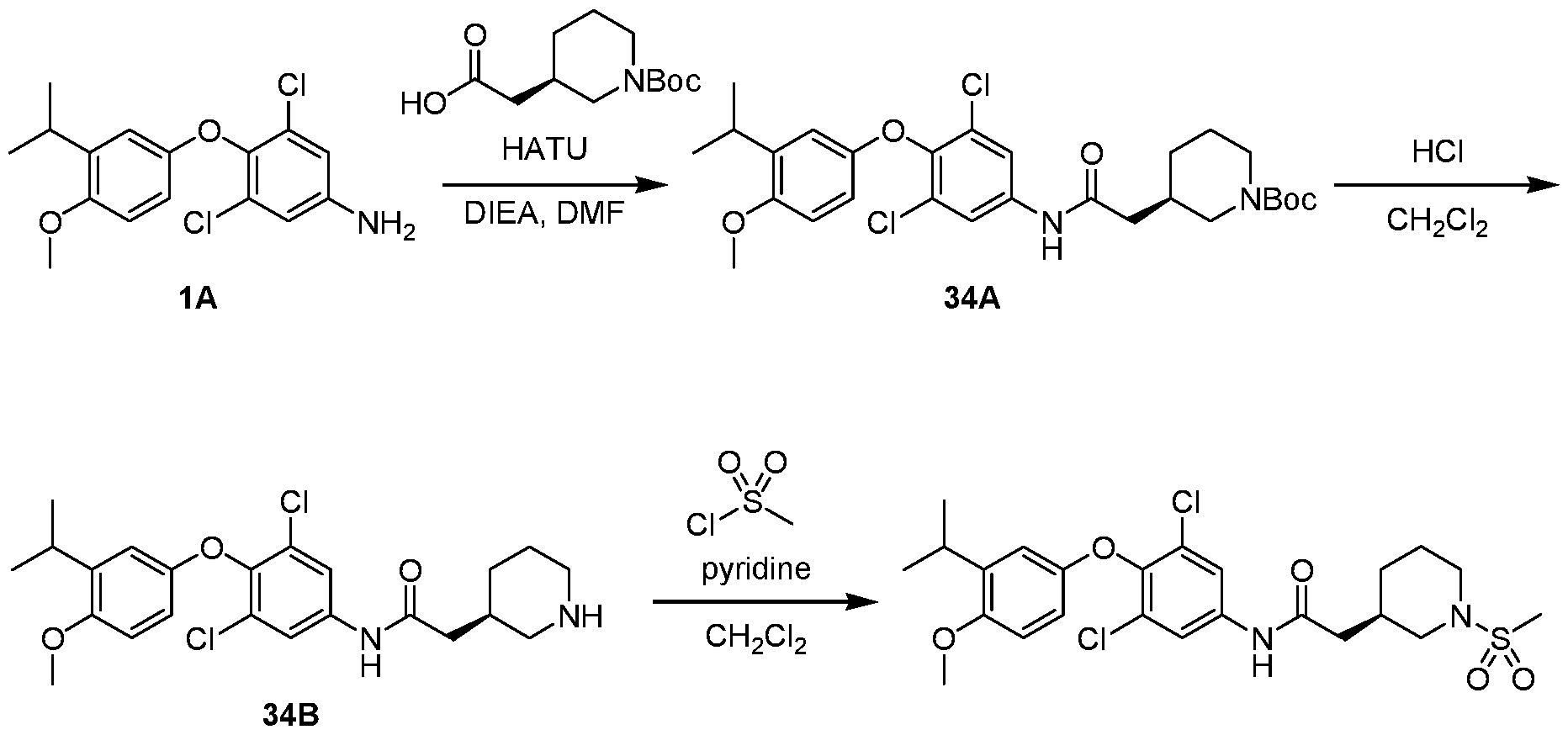 Example 44: (R)-N-(3,5-dichloro-4-(3-isopropyl-4-methoxyphenoxy)phenyl)-2-(1- (methylsulfonyl)piperidin-3-yl)acetamide
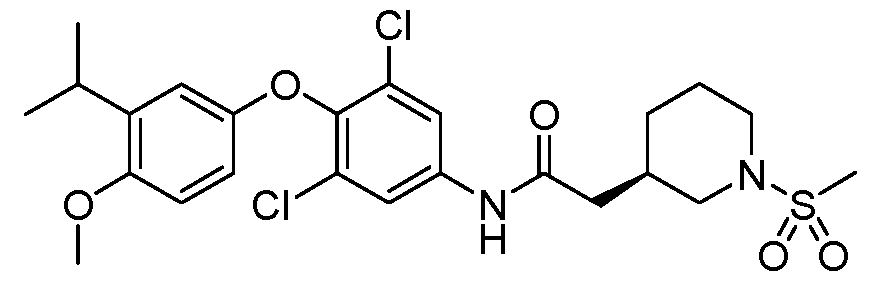 Intermediate 34A: (R)-tert-butyl 3-(2-((3,5-dichloro-4-(3-isopropyl-4- methoxyphenoxy)phenyl)amino)-2-oxoethyl)piperidine-1-carboxylate To a 2 dram vial containing (R)-2-(1-(tert-butoxycarbonyl)piperidin-3-yl)acetic acid (149 mg, 0.613 mmol) was added HATU (175 mg, 0.460 mmol) in DMF (0.75 mL), followed by 3,5-dichloro-4-(3-isopropyl-4-methoxyphenoxy)aniline 1A (100 mg, 0.307 mmol) in DMF (0.750 mL). DIEA (0.161 mL, 0.920 mmol) was then added, and the mixture was allowed to stir at room temperature. After 20 hours, added another portion of (R)-2-(1-(tert-butoxycarbonyl)piperidin-3-yl)acetic acid (37.3 mg, 0.153 mmol) and HATU (58.3 mg, 0.153 mmol) and continued stirring at room temperature. After another
4 days, the reaction mixture was partitioned between CH2Cl2 (15 mL) and 1.5 M aqueous K2HPO4 (30 mL). The aqueous phase was then back-extracted once with CH2Cl2 (15 mL), and the combined organic layers were dried (Na2SO4), filtered, and concentrated in vacuo. The crude product was adsorbed onto Celite, and purified by flash chromatography (SiO2, 12 g column, 0-50% EtOAc/hexanes, 20 min gradient, 30 mL/min) to afford (R)-tert-butyl 3-(2-((3,5-dichloro-4-(3-isopropyl-4- methoxyphenoxy)phenyl)amino)-2-oxoethyl)piperidine-1-carboxylate 34A (155 mg, 0.281 mmol, 92 % yield). LCMS m/z 551.1 (M+H); rt 3.63 min; conditions Z. Intermediate 34B: (R)-N-(3,5-dichloro-4-(3-isopropyl-4-methoxyphenoxy)phenyl)-2- (piperidin-3-yl)acetamide hydrochloride To a solution of (R)-tert-butyl 3-(2-((3,5-dichloro-4-(3-isopropyl-4- methoxyphenoxy)phenyl)amino)-2-oxoethyl)piperidine-1-carboxylate 34A (155 mg, 0.281 mmol) in CH2Cl2 (1.4 mL) was added hydrochloric acid, 4.0 M in 1,4-dioxane (1.4 mL, 5.63 mmol). The reaction was stirred at room temperature. After 1.5 hours, the reaction was concentrated in vacuo to afford crude (R)-N-(3,5-dichloro-4-(3-isopropyl-4- methoxyphenoxy)phenyl)-2-(piperidin-3-yl)acetamide hydrochloride 34B as a light brown residue. The crude material was carried forward without further purification. LCMS m/z 451.1 (M+H); rt 0.88 min; conditions C. Example 44: (R)-N-(3,5-dichloro-4-(3-isopropyl-4-methoxyphenoxy)phenyl)-2-(1- (methylsulfonyl)piperidin-3-yl)acetamide To a vial containing a solution of crude (R)-N-(3,5-dichloro-4-(3-isopropyl-4- methoxyphenoxy)phenyl)-2-(piperidin-3-yl)acetamide hydrochloride 34B (34.1 mg, 70.0 µmol) and pyridine (0.11 mL, 1.40 mmol) in CH2Cl2 (0.35 mL) was added methanesulfonyl chloride (54 µL, 700 µmol). The mixture was stirred at room temperature for 1 hour. The reaction was then quenched with a drop of water, diluted with DMF and purified by reversed phase HPLC to afford (R)-N-(3,5-dichloro-4-(3-isopropyl- 4-methoxyphenoxy)phenyl)-2-(1-(methylsulfonyl)piperidin-3-yl)acetamide Example 44 (5.0 mg, 9.07 µmol, 13% yield). LCMS m/z 529.0 (M+H); rt 2.52 min; conditions B. Scheme 35
Intermediate 34A: (R)-tert-butyl 3-(2-((3,5-dichloro-4-(3-isopropyl-4- methoxyphenoxy)phenyl)amino)-2-oxoethyl)piperidine-1-carboxylate To a 2 dram vial containing (R)-2-(1-(tert-butoxycarbonyl)piperidin-3-yl)acetic acid (149 mg, 0.613 mmol) was added HATU (175 mg, 0.460 mmol) in DMF (0.75 mL), followed by 3,5-dichloro-4-(3-isopropyl-4-methoxyphenoxy)aniline 1A (100 mg, 0.307 mmol) in DMF (0.750 mL). DIEA (0.161 mL, 0.920 mmol) was then added, and the mixture was allowed to stir at room temperature. After 20 hours, added another portion of (R)-2-(1-(tert-butoxycarbonyl)piperidin-3-yl)acetic acid (37.3 mg, 0.153 mmol) and HATU (58.3 mg, 0.153 mmol) and continued stirring at room temperature. After another
4 days, the reaction mixture was partitioned between CH2Cl2 (15 mL) and 1.5 M aqueous K2HPO4 (30 mL). The aqueous phase was then back-extracted once with CH2Cl2 (15 mL), and the combined organic layers were dried (Na2SO4), filtered, and concentrated in vacuo. The crude product was adsorbed onto Celite, and purified by flash chromatography (SiO2, 12 g column, 0-50% EtOAc/hexanes, 20 min gradient, 30 mL/min) to afford (R)-tert-butyl 3-(2-((3,5-dichloro-4-(3-isopropyl-4- methoxyphenoxy)phenyl)amino)-2-oxoethyl)piperidine-1-carboxylate 34A (155 mg, 0.281 mmol, 92 % yield). LCMS m/z 551.1 (M+H); rt 3.63 min; conditions Z. Intermediate 34B: (R)-N-(3,5-dichloro-4-(3-isopropyl-4-methoxyphenoxy)phenyl)-2- (piperidin-3-yl)acetamide hydrochloride To a solution of (R)-tert-butyl 3-(2-((3,5-dichloro-4-(3-isopropyl-4- methoxyphenoxy)phenyl)amino)-2-oxoethyl)piperidine-1-carboxylate 34A (155 mg, 0.281 mmol) in CH2Cl2 (1.4 mL) was added hydrochloric acid, 4.0 M in 1,4-dioxane (1.4 mL, 5.63 mmol). The reaction was stirred at room temperature. After 1.5 hours, the reaction was concentrated in vacuo to afford crude (R)-N-(3,5-dichloro-4-(3-isopropyl-4- methoxyphenoxy)phenyl)-2-(piperidin-3-yl)acetamide hydrochloride 34B as a light brown residue. The crude material was carried forward without further purification. LCMS m/z 451.1 (M+H); rt 0.88 min; conditions C. Example 44: (R)-N-(3,5-dichloro-4-(3-isopropyl-4-methoxyphenoxy)phenyl)-2-(1- (methylsulfonyl)piperidin-3-yl)acetamide To a vial containing a solution of crude (R)-N-(3,5-dichloro-4-(3-isopropyl-4- methoxyphenoxy)phenyl)-2-(piperidin-3-yl)acetamide hydrochloride 34B (34.1 mg, 70.0 µmol) and pyridine (0.11 mL, 1.40 mmol) in CH2Cl2 (0.35 mL) was added methanesulfonyl chloride (54 µL, 700 µmol). The mixture was stirred at room temperature for 1 hour. The reaction was then quenched with a drop of water, diluted with DMF and purified by reversed phase HPLC to afford (R)-N-(3,5-dichloro-4-(3-isopropyl- 4-methoxyphenoxy)phenyl)-2-(1-(methylsulfonyl)piperidin-3-yl)acetamide Example 44 (5.0 mg, 9.07 µmol, 13% yield). LCMS m/z 529.0 (M+H); rt 2.52 min; conditions B. Scheme 35


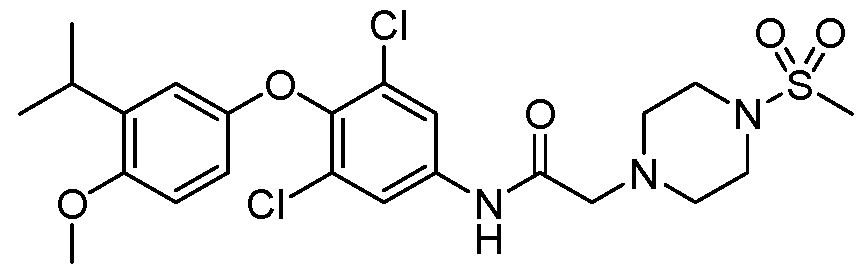
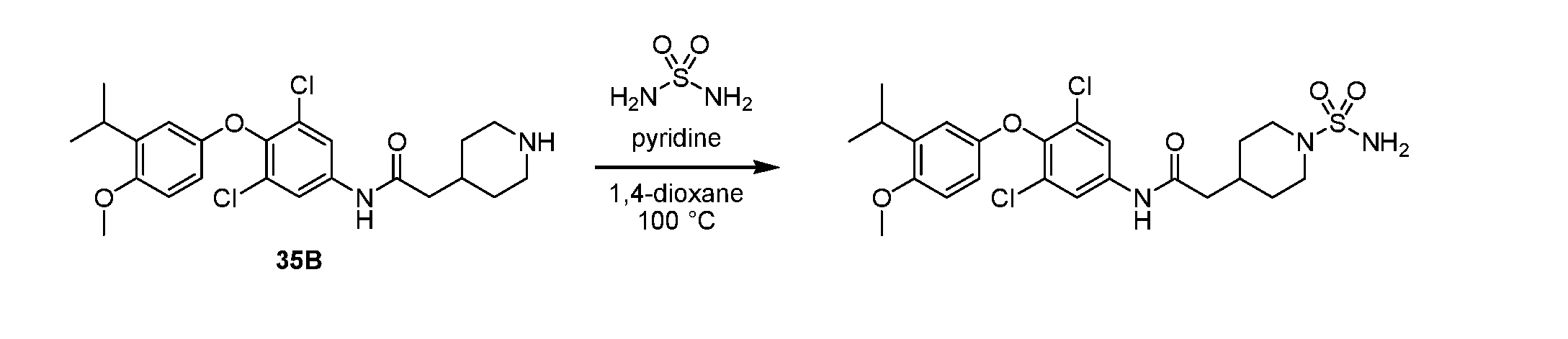


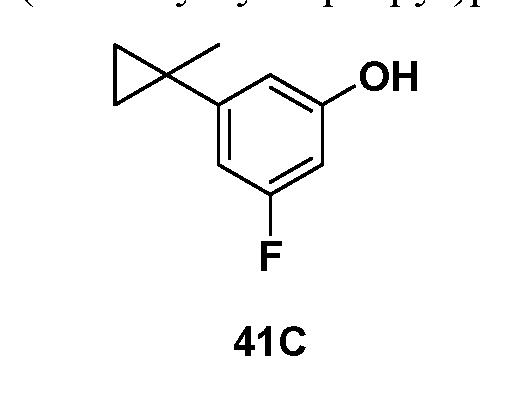


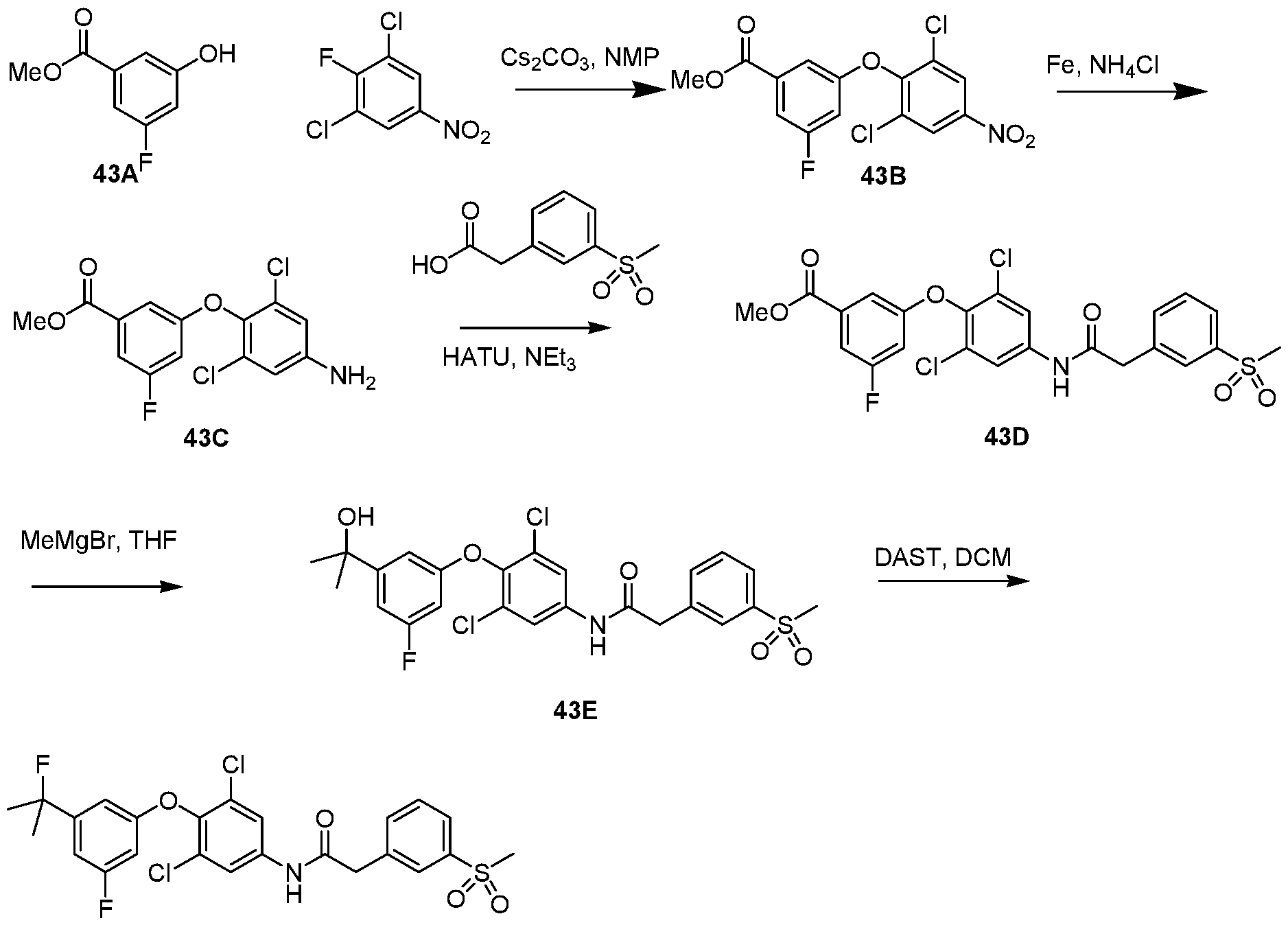

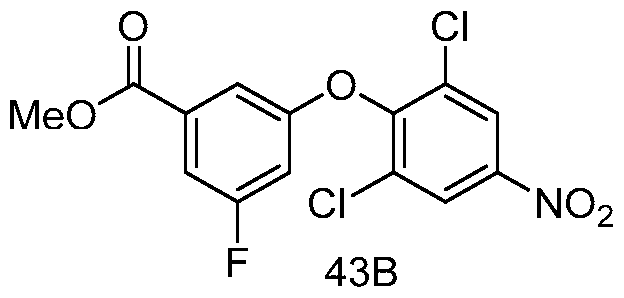

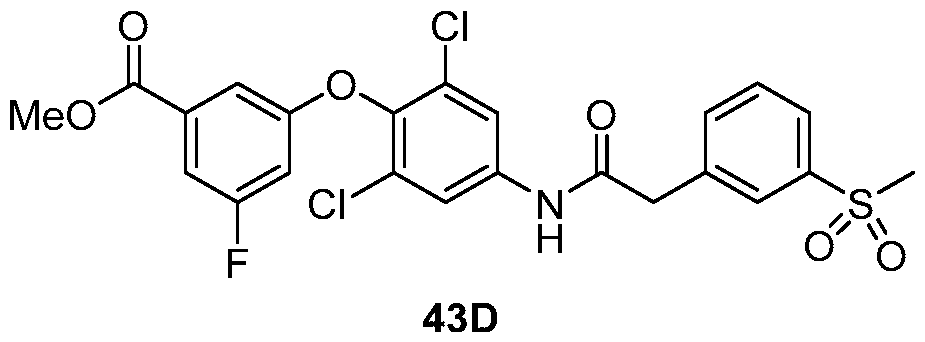


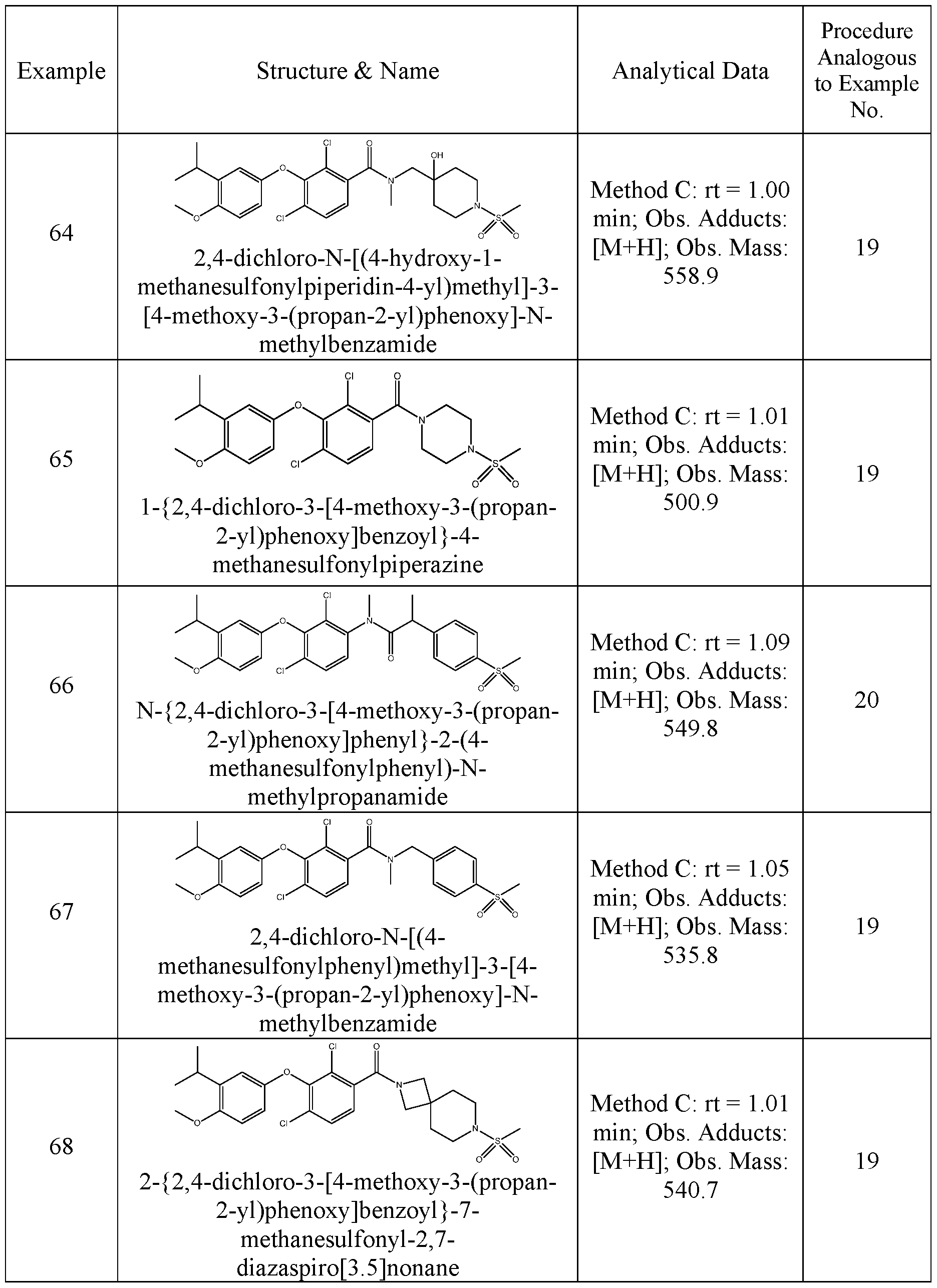


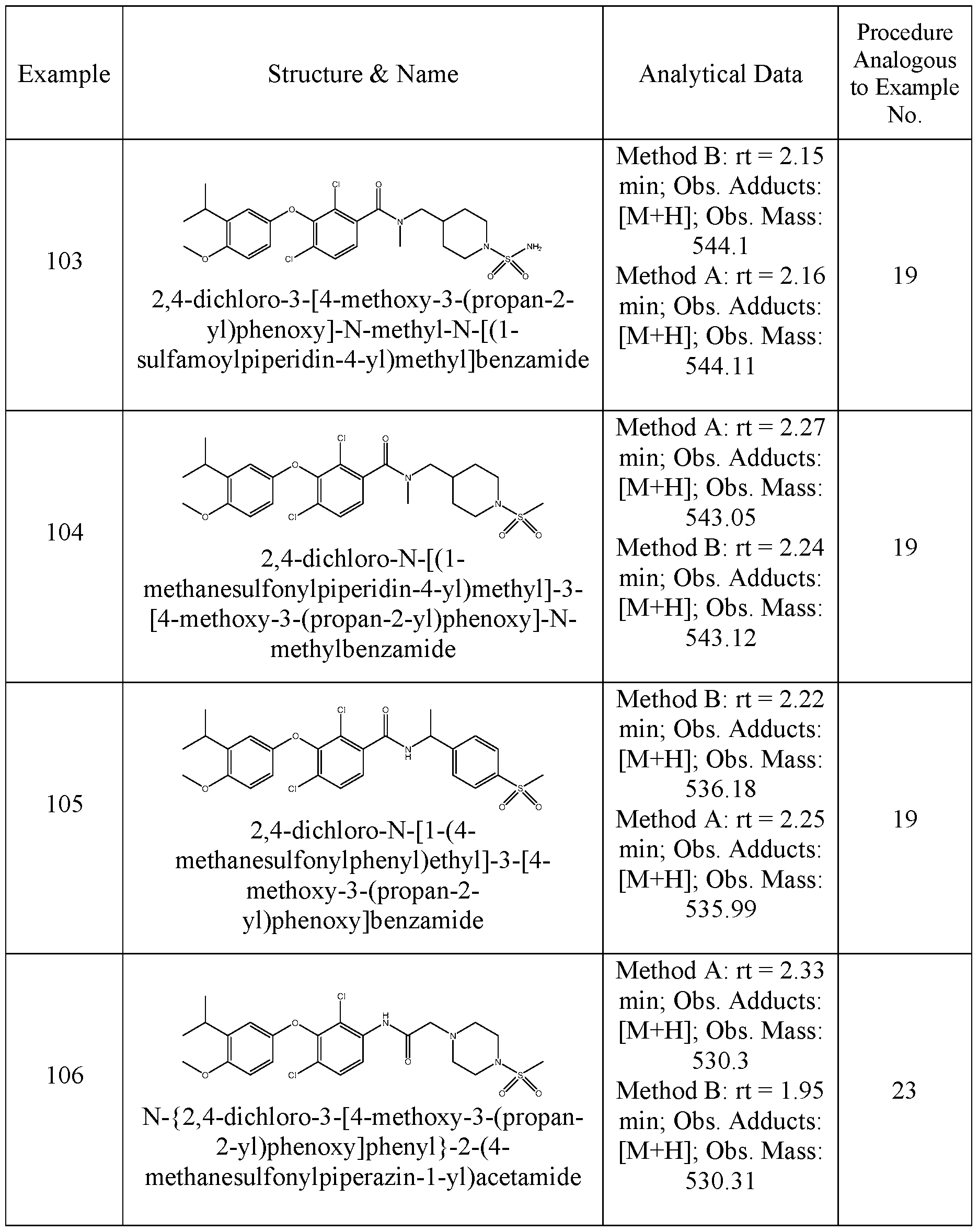
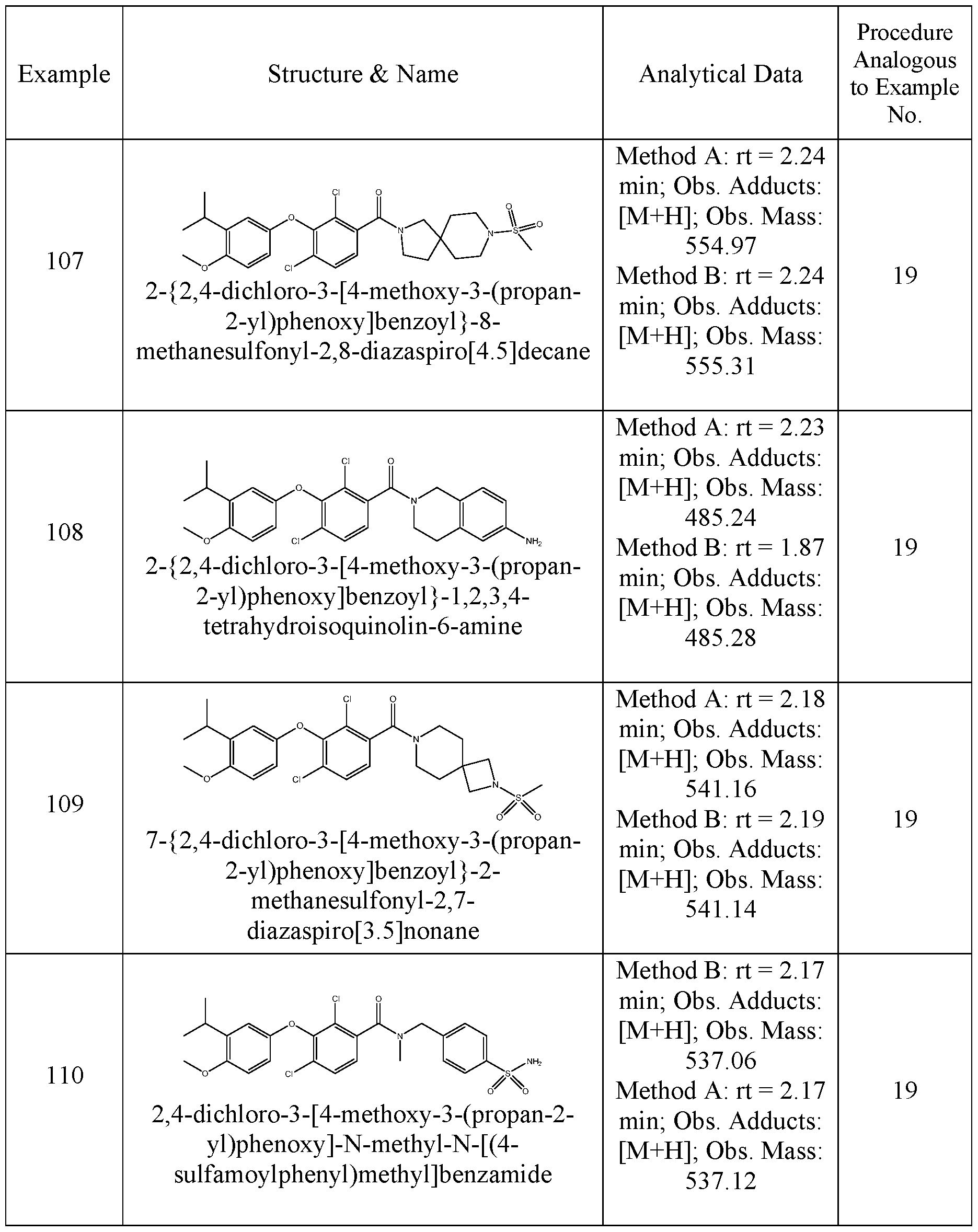


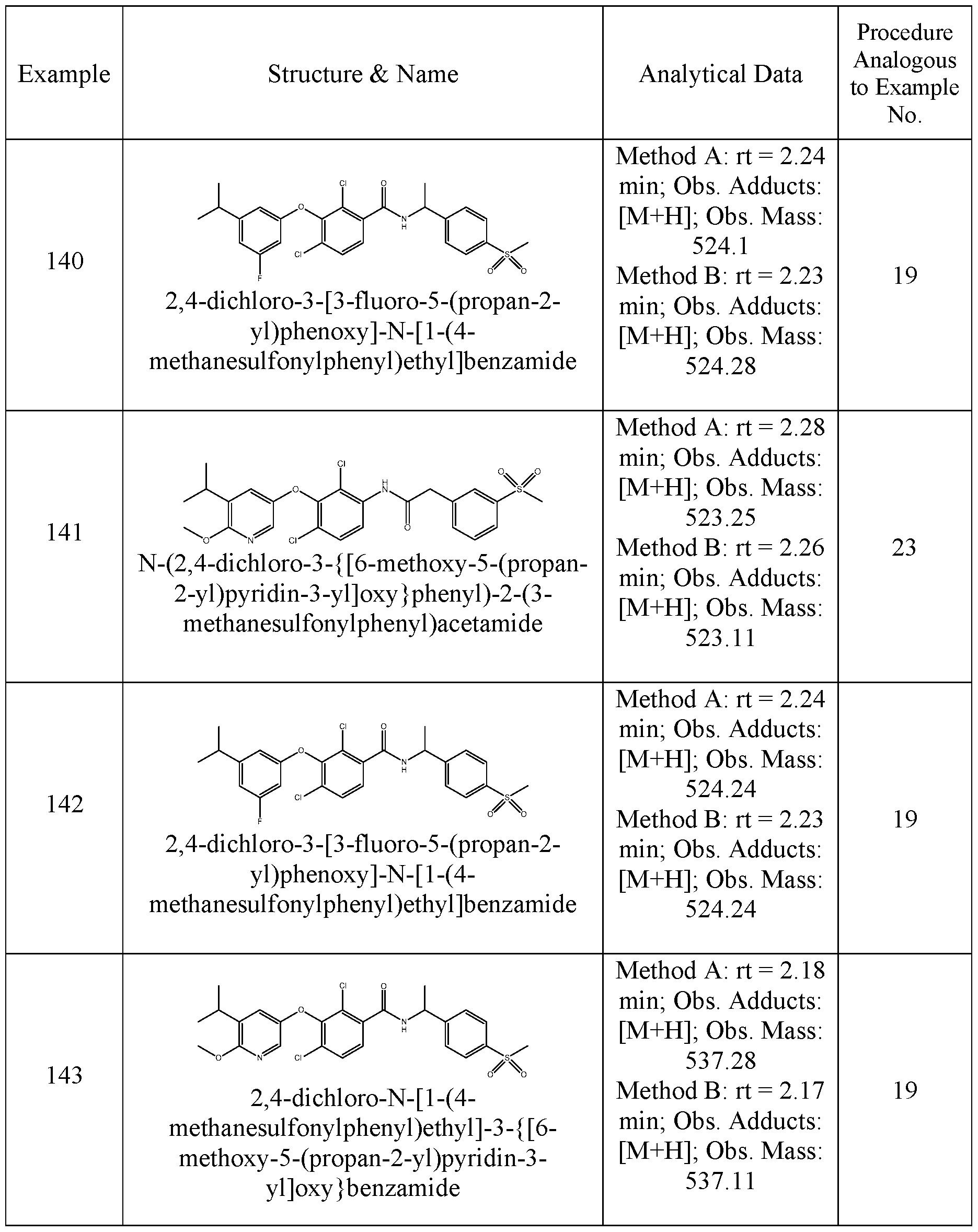


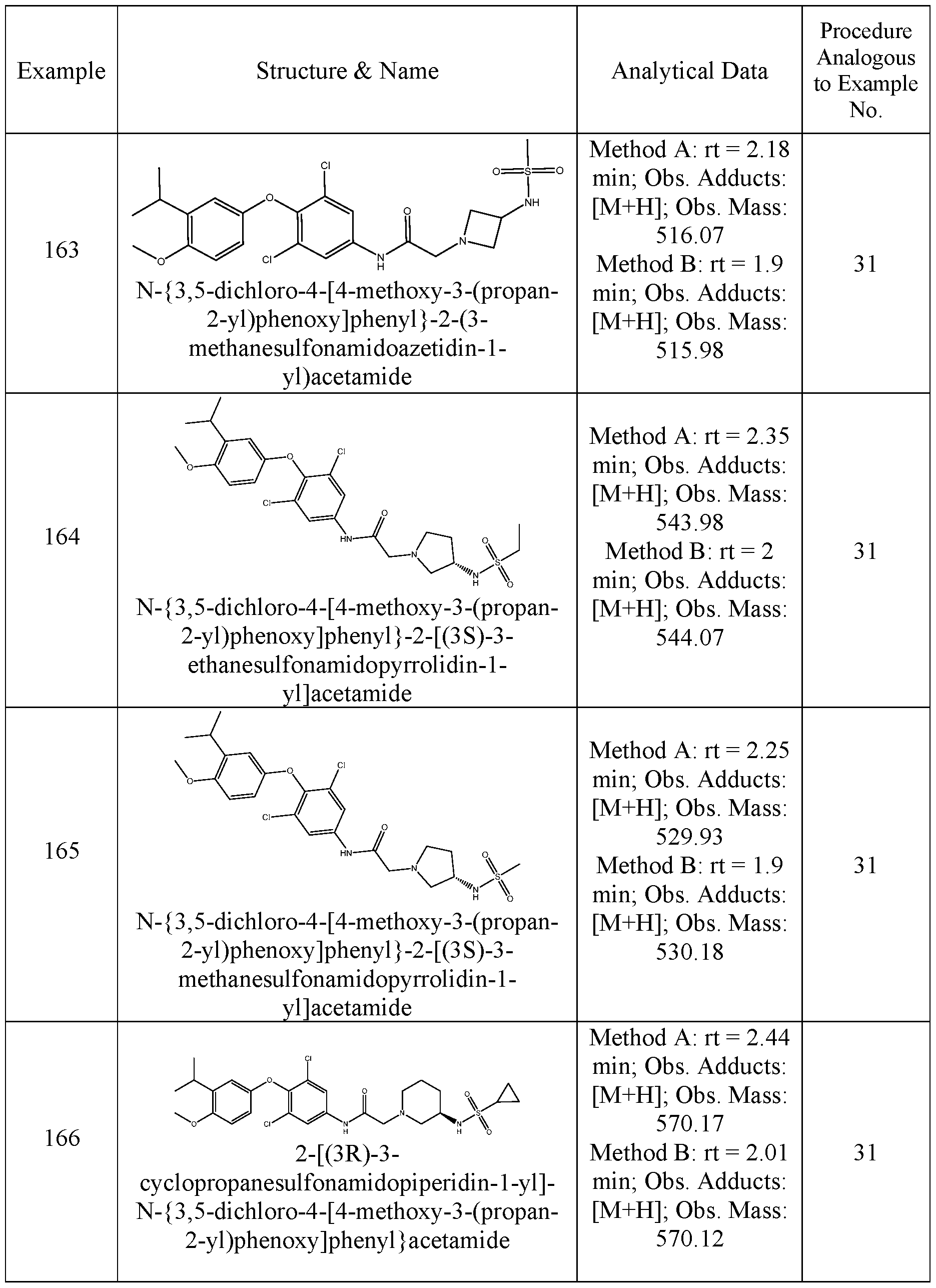
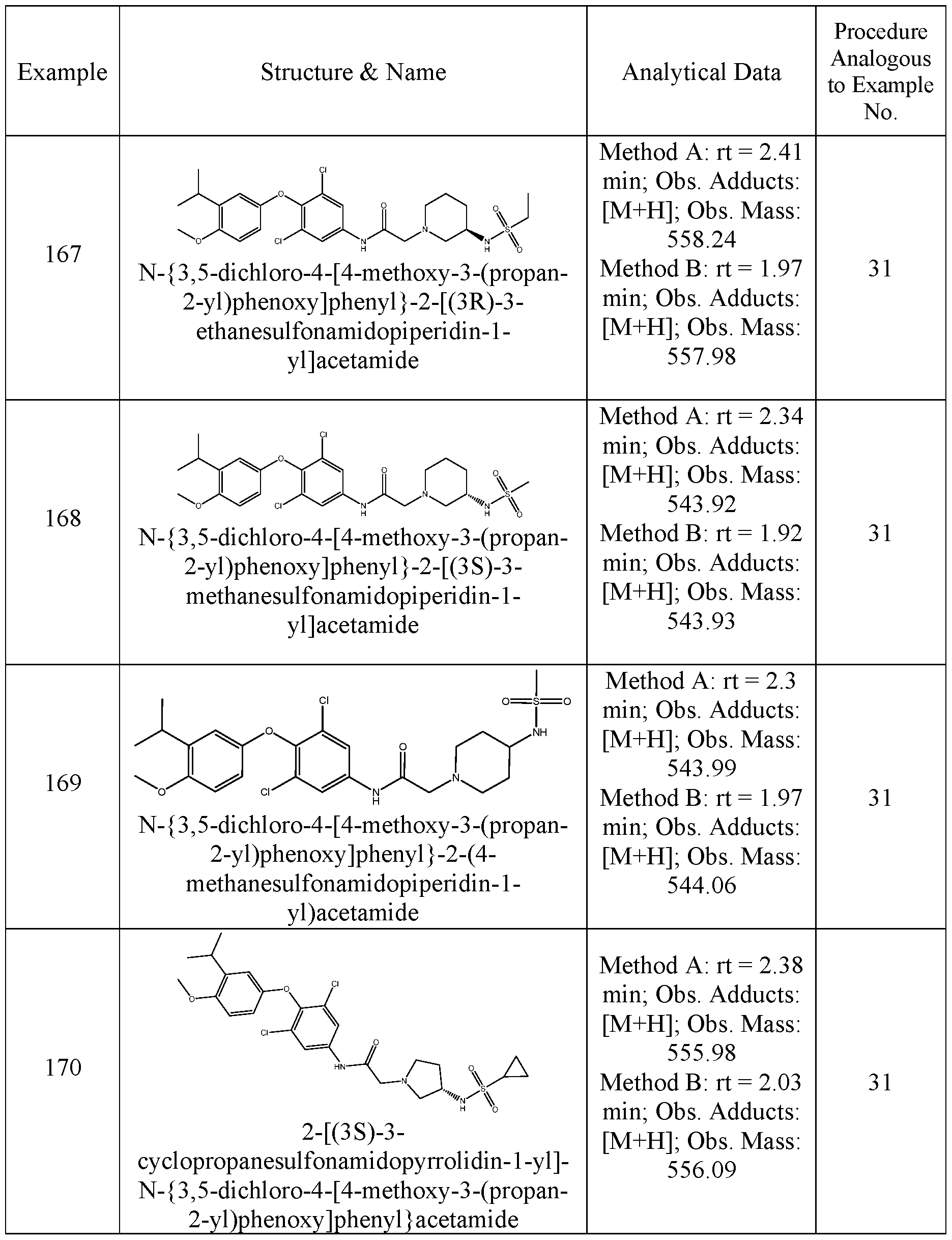


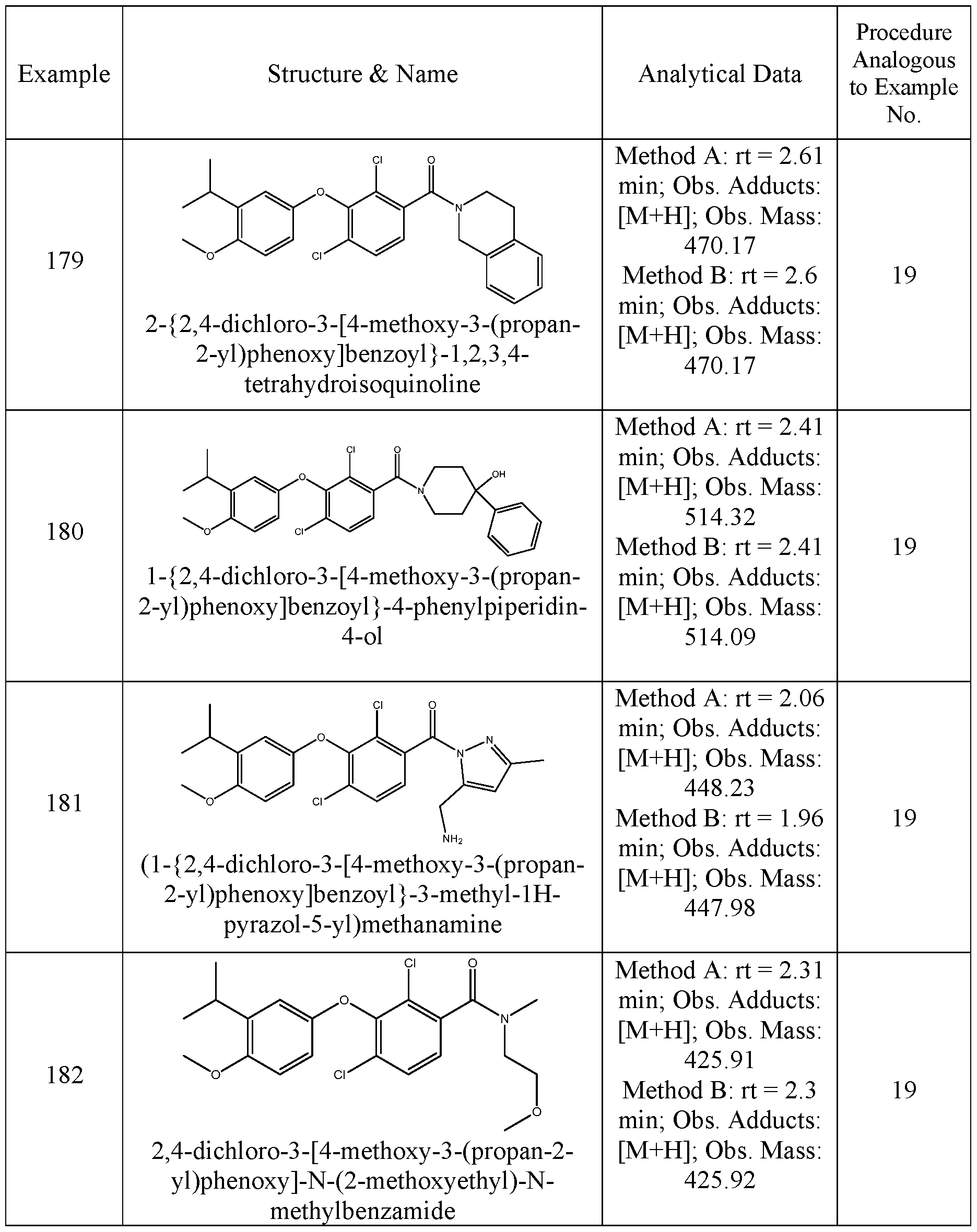


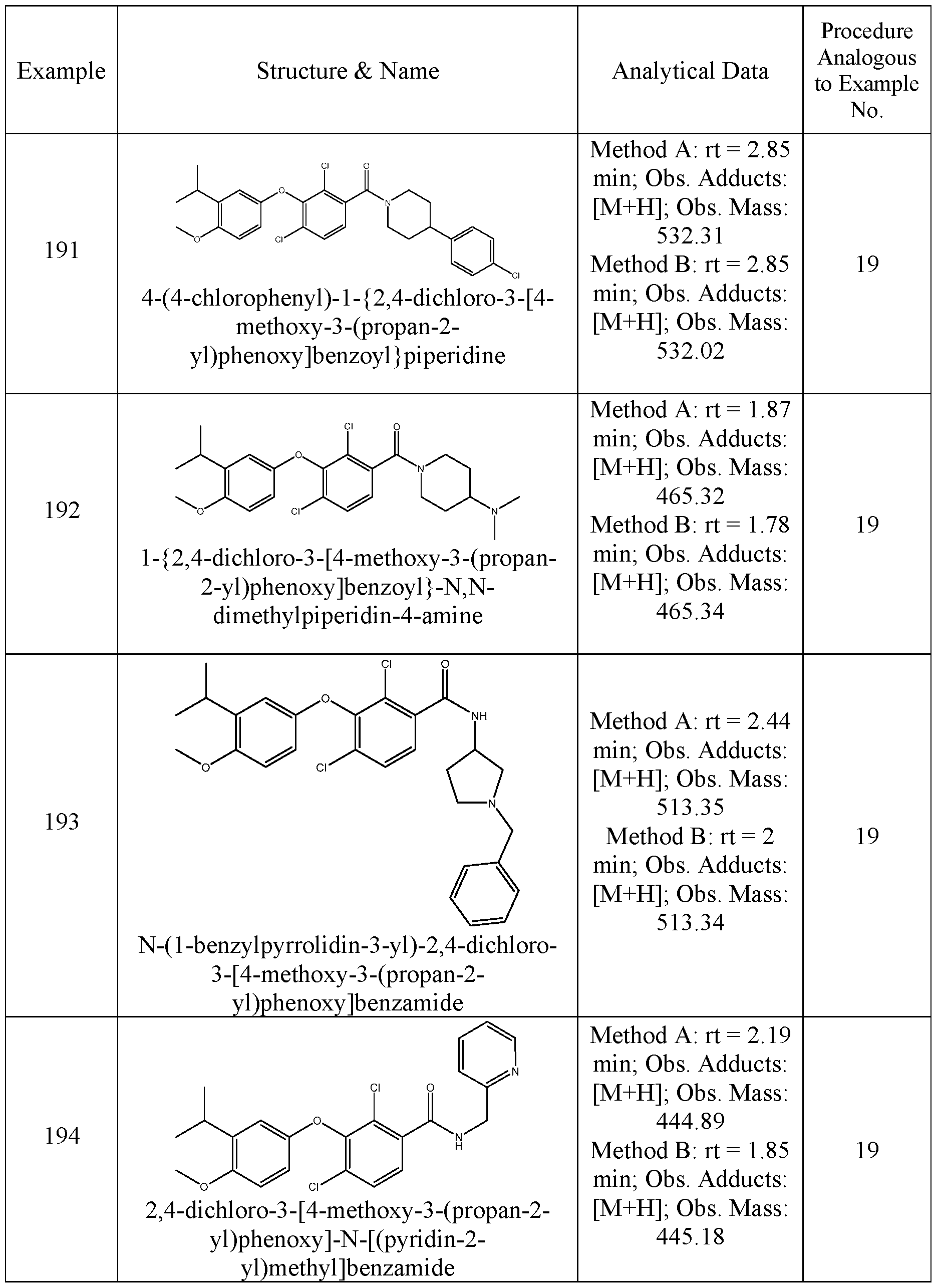
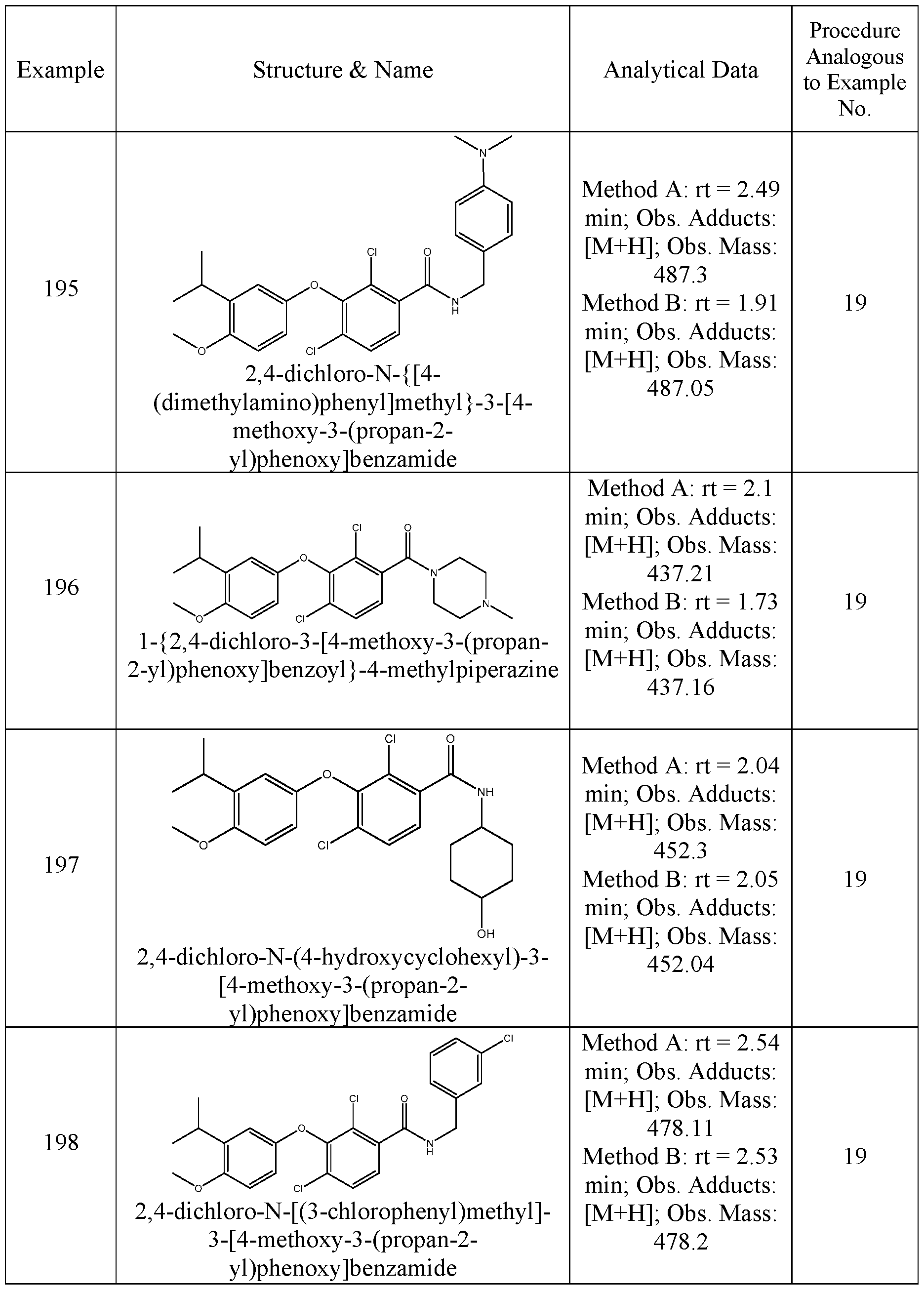


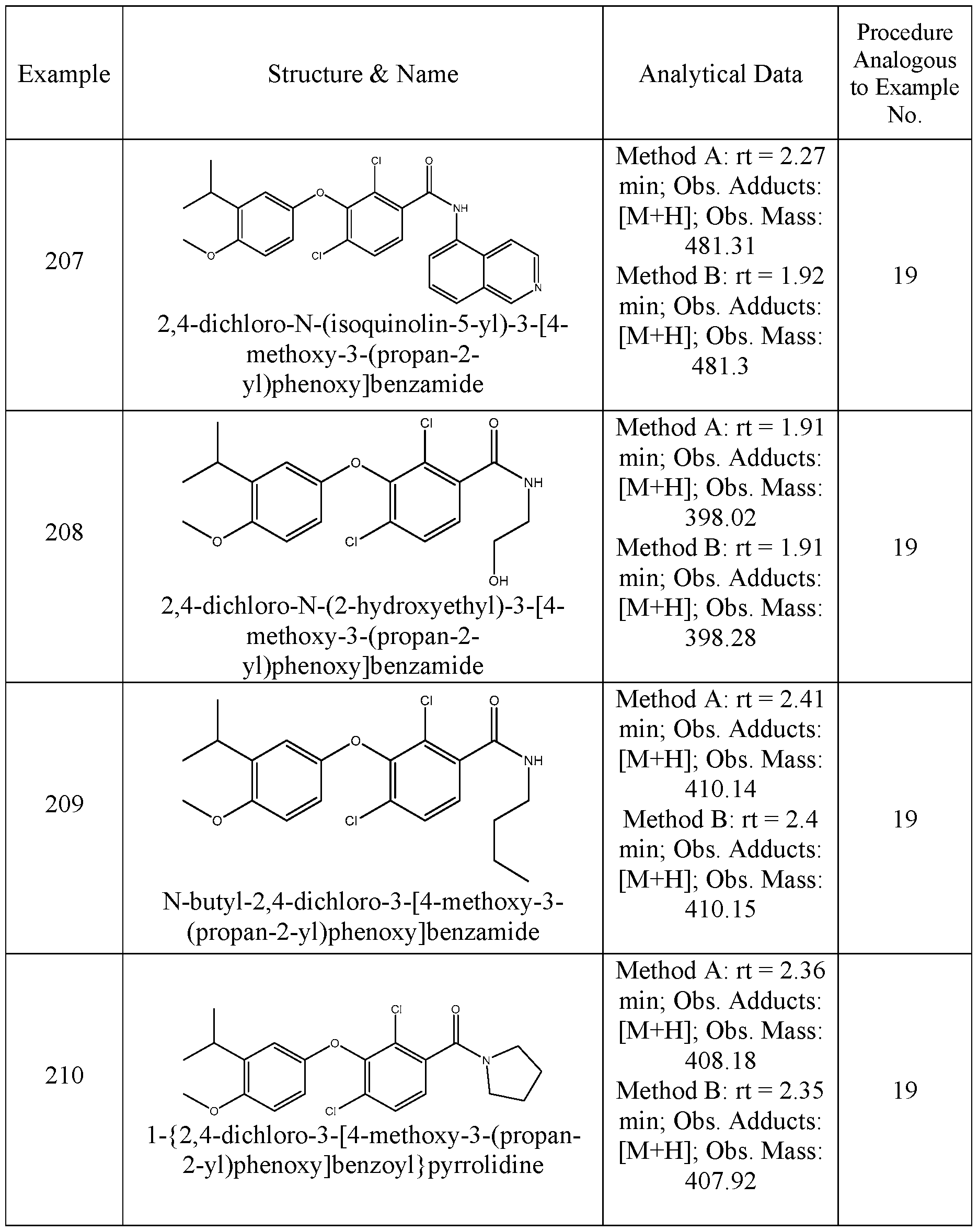


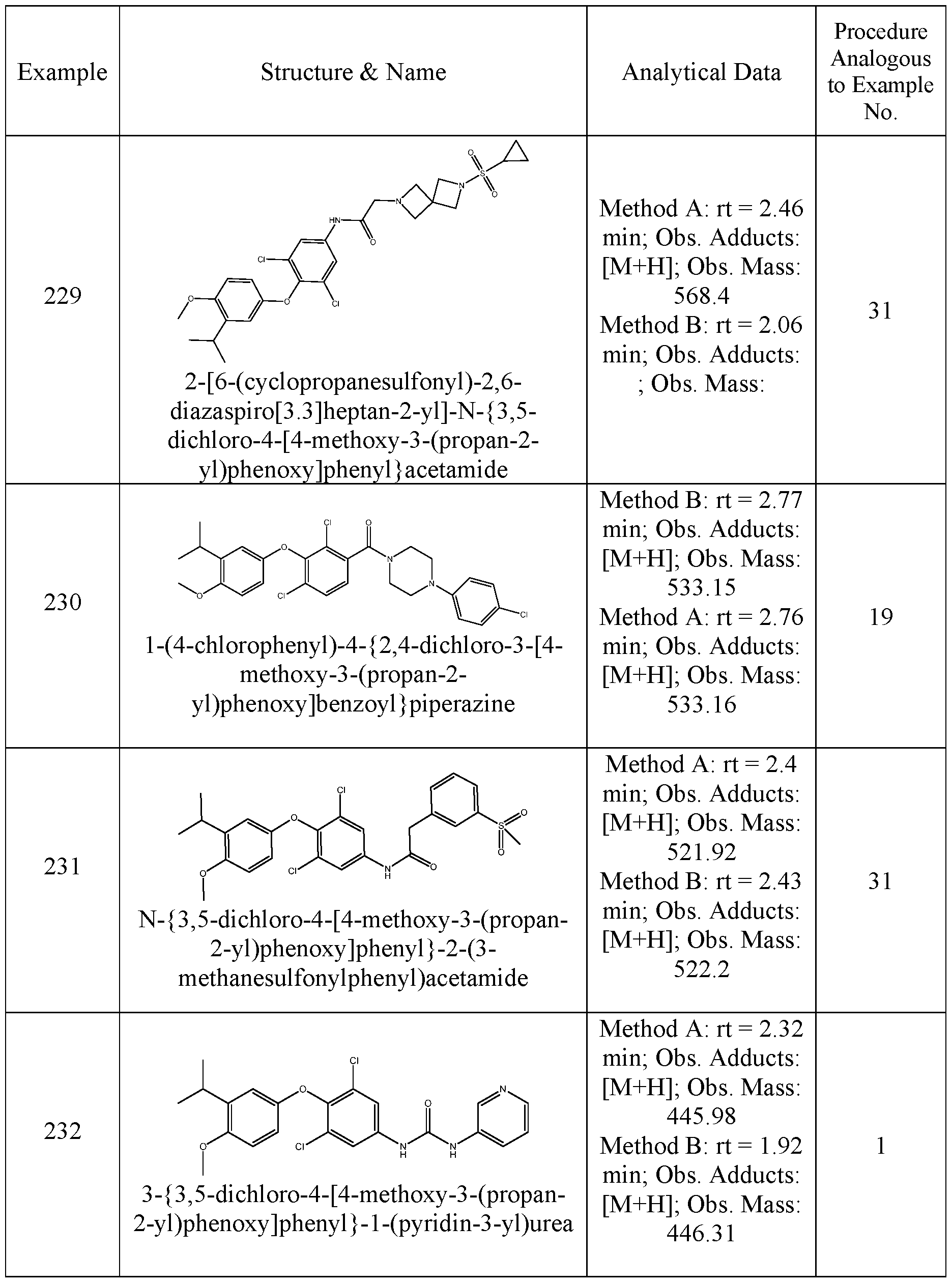


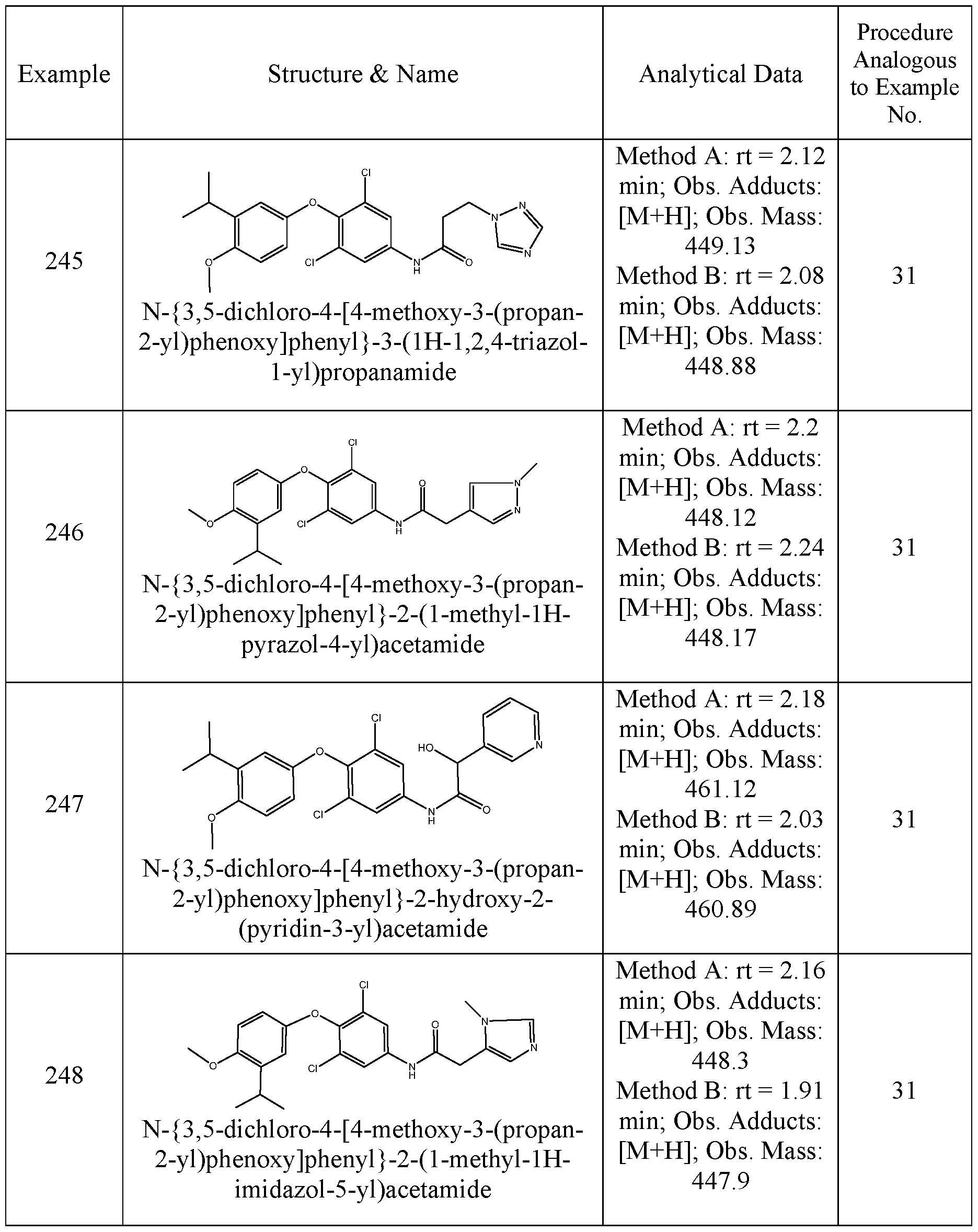


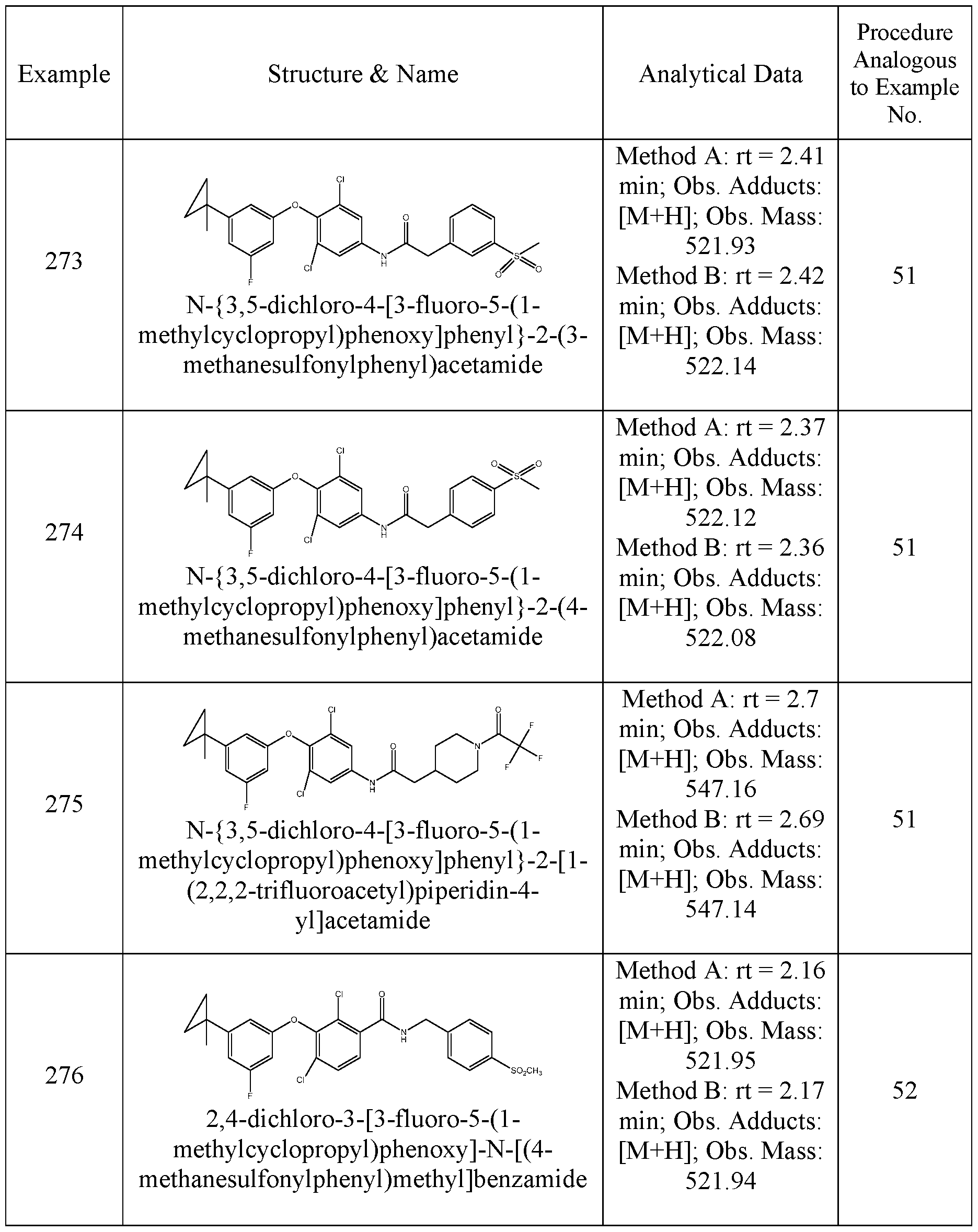


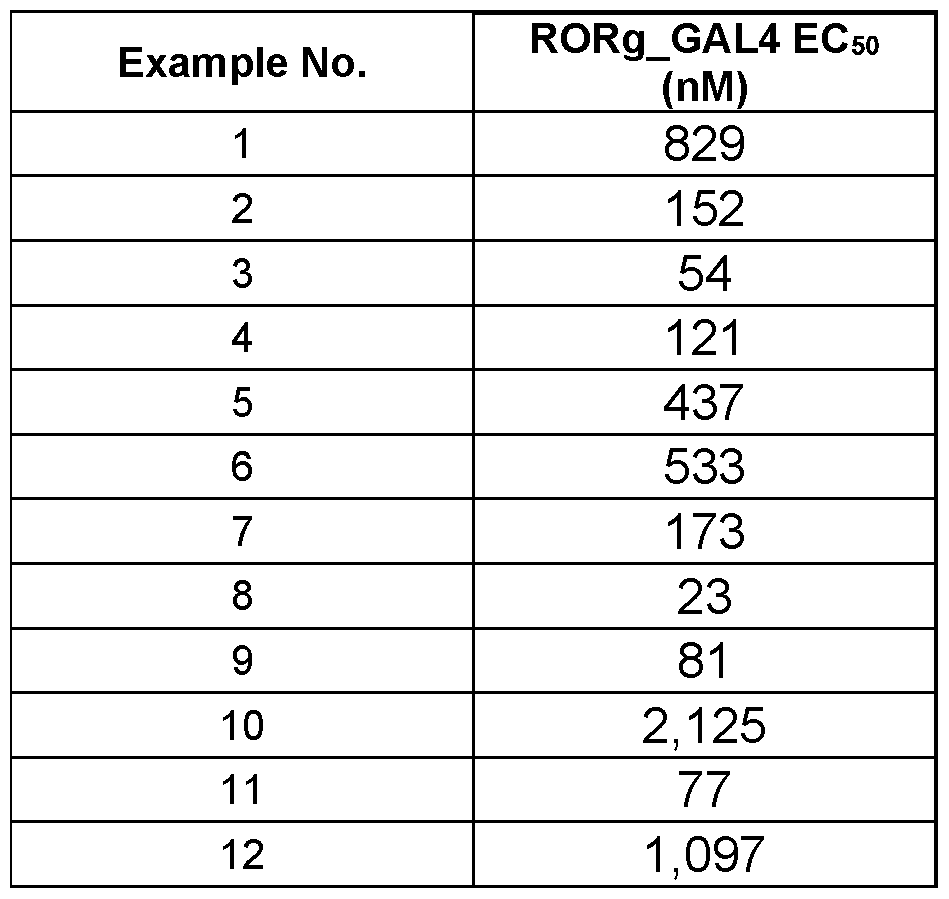


Claims
WE CLAIM: 1. A compound of the formula
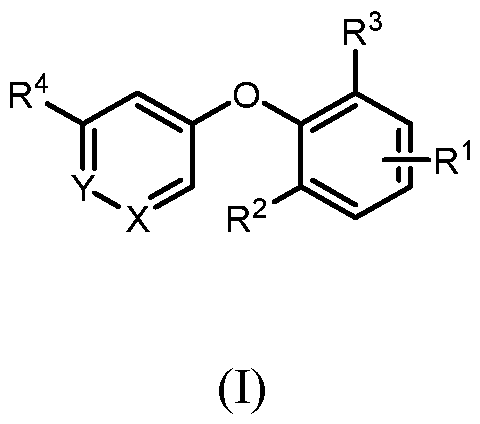 wherein X is –N- or CR5, where R5 is hydrogen, C1-3 alkyl, CN or halogen; Y is CR6, where R6 is hydrogen, CN, halogen, O- C1-3 alkyl, O- C1-3 haloalkyl or C3-6 cycloalkyl; R1 is -(CH2)p-NHCOO-(CRxRy)r-R1a, -(CH2)p-NRxCO-(CRxRy)r-R1a, -(CH2)p- NRxSO2-(CRxRy)r-R1a, -(CH2)p-CONRx-(CRxRy)r-R1a, 4-10 membered heterocycle- (CRxRy)r-R1a, -CO-4-10 membered heterocycle- (CRxRy)r-R1a; each Rx and Ry is independently hydrogen or C1-3 alkyl; R1a is, independently at each occurrence, hydrogen, CF3, halogen, CN, OH, COOH, C1-6 alkyl, C3-6 cycloalkyl, C1-3 haloalkyl, C1-3 hydroxyalkyl, CONRxRy, COO-C1- 6 alkyl, NHCO-C1-6 alkyl, NH-C1-6 alkyl, NH-SO2-C1-6 alkyl, NH-SO2-C3-6 cycloalkyl, SO2-C1-6 alkyl, 4-10 membered heterocycle or aryl, all of said alkyl, heterocyclyl or aryl groups substituted with 0-3 R1b; R1b is, independently at each occurrence, hydrogen, CF3, halogen, CN, OH, COOH, C1-6 alkyl, CO-NRxRy, CO-C1-3 haloalkyl, COO-C1-6 alkyl, NRxRy, NH-SO2-C1-6 alkyl, NH-SO2-C3-6 cycloalkyl, SO2-C1-6 alkyl, SO2-C3-6 cycloalkyl, SO2-NRxRy, or 4-10 membered heterocycle; R2 and R3 are, independently at each occurrence, hydrogen, halogen or C1-3 alkyl; R4 is C1-6 alkyl, C1-6 alkenyl , C1-6 haloalkyl, C1-6 hydroxyalkyl, CO- C1-3 haloalkyl or C3-6 cycloalkyl, each of said groups substituted with 0-2 R4a; R4a is halogen or C1-3 alkyl; p is 0, 1 or 2; r is 0, 1, 2, 3 or 4;
or a stereoisomer or pharmaceutically-acceptable salt thereof. 2. The compound according to claim 1 of the formula
wherein X is –N- or CR5, where R5 is hydrogen, C1-3 alkyl, CN or halogen; Y is CR6, where R6 is hydrogen, CN, halogen, O- C1-3 alkyl, O- C1-3 haloalkyl or C3-6 cycloalkyl; R1 is -(CH2)p-NHCOO-(CRxRy)r-R1a, -(CH2)p-NRxCO-(CRxRy)r-R1a, -(CH2)p- NRxSO2-(CRxRy)r-R1a, -(CH2)p-CONRx-(CRxRy)r-R1a, 4-10 membered heterocycle- (CRxRy)r-R1a, -CO-4-10 membered heterocycle- (CRxRy)r-R1a; each Rx and Ry is independently hydrogen or C1-3 alkyl; R1a is, independently at each occurrence, hydrogen, CF3, halogen, CN, OH, COOH, C1-6 alkyl, C3-6 cycloalkyl, C1-3 haloalkyl, C1-3 hydroxyalkyl, CONRxRy, COO-C1- 6 alkyl, NHCO-C1-6 alkyl, NH-C1-6 alkyl, NH-SO2-C1-6 alkyl, NH-SO2-C3-6 cycloalkyl, SO2-C1-6 alkyl, 4-10 membered heterocycle or aryl, all of said alkyl, heterocyclyl or aryl groups substituted with 0-3 R1b; R1b is, independently at each occurrence, hydrogen, CF3, halogen, CN, OH, COOH, C1-6 alkyl, CO-NRxRy, CO-C1-3 haloalkyl, COO-C1-6 alkyl, NRxRy, NH-SO2-C1-6 alkyl, NH-SO2-C3-6 cycloalkyl, SO2-C1-6 alkyl, SO2-C3-6 cycloalkyl, SO2-NRxRy, or 4-10 membered heterocycle; R2 and R3 are, independently at each occurrence, hydrogen, halogen or C1-3 alkyl; R4 is C1-6 alkyl, C1-6 alkenyl , C1-6 haloalkyl, C1-6 hydroxyalkyl, CO- C1-3 haloalkyl or C3-6 cycloalkyl, each of said groups substituted with 0-2 R4a; R4a is halogen or C1-3 alkyl; p is 0, 1 or 2; r is 0, 1, 2, 3 or 4;
or a stereoisomer or pharmaceutically-acceptable salt thereof. 2. The compound according to claim 1 of the formula
 wherein X is –N- or CR5, where R5 is hydrogen, C1-3 alkyl, CN or halogen; Y is CR6, where R6 is hydrogen, CN, halogen, O- C1-3 alkyl, O- C1-3 haloalkyl or C3-6 cycloalkyl; R1 is -(CH2)p-NHCOO-(CRxRy)r-R1a, -(CH2)p-NRxCO-(CRxRy)r-R1a, -(CH2)p- NRxSO2-(CRxRy)r-R1a, -(CH2)p-CONRx-(CRxRy)r-R1a, 4-10 membered heterocycle- (CRxRy)r-R1a, -CO-4-10 membered heterocycle- (CRxRy)r-R1a; each Rx and Ry is independently hydrogen or C1-3 alkyl; R1a is, independently at each occurrence, hydrogen, CF3, halogen, CN, OH, COOH, C1-6 alkyl, C3-6 cycloalkyl, C1-3 haloalkyl, C1-3 hydroxyalkyl, CONRxRy, COO-C1- 6 alkyl, NHCO-C1-6 alkyl, NH-C1-6 alkyl, NH-SO2-C1-6 alkyl, NH-SO2-C3-6 cycloalkyl, SO2-C1-6 alkyl, 4-10 membered heterocycle or aryl, all of said alkyl, heterocyclyl or aryl groups substituted with 0-3 R1b; R1b is, independently at each occurrence, hydrogen, CF3, halogen, CN, OH, COOH, C1-6 alkyl, CO-NRxRy, CO-C1-3 haloalkyl, COO-C1-6 alkyl, NRxRy, NH-SO2-C1-6 alkyl, NH-SO2-C3-6 cycloalkyl, SO2-C1-6 alkyl, SO2-C3-6 cycloalkyl, SO2-NRxRy, or 4-10 membered heterocycle; R2 and R3 are, independently at each occurrence, hydrogen, halogen or C1-3 alkyl; R4 is C1-6 alkyl, C1-6 alkenyl , C1-6 haloalkyl, C1-6 hydroxyalkyl, CO- C1-3 haloalkyl or C3-6 cycloalkyl, each of said groups substituted with 0-2 R4a; R4a is halogen or C1-3 alkyl; p is 0, 1 or 2; r is 0, 1,
2, 3 or 4;
or a stereoisomer or pharmaceutically-acceptable salt thereof.
3. The compound according to claim 2 of the formula
 wherein X is –N- or CR5, where R5 is hydrogen, C1-3 alkyl, CN or halogen; Y is CR6, where R6 is hydrogen, CN, halogen, O- C1-3 alkyl, O- C1-3 haloalkyl or C3-6 cycloalkyl; R1 is -(CH2)p-NHCOO-(CRxRy)r-R1a, -(CH2)p-NRxCO-(CRxRy)r-R1a, -(CH2)p- NRxSO2-(CRxRy)r-R1a, -(CH2)p-CONRx-(CRxRy)r-R1a, 4-10 membered heterocycle- (CRxRy)r-R1a, -CO-4-10 membered heterocycle- (CRxRy)r-R1a; each Rx and Ry is independently hydrogen or C1-3 alkyl; R1a is, independently at each occurrence, hydrogen, CF3, halogen, CN, OH, COOH, C1-6 alkyl, C3-6 cycloalkyl, C1-3 haloalkyl, C1-3 hydroxyalkyl, CONRxRy, COO-C1- 6 alkyl, NHCO-C1-6 alkyl, NH-C1-6 alkyl, NH-SO2-C1-6 alkyl, NH-SO2-C3-6 cycloalkyl, SO2-C1-6 alkyl, 4-10 membered heterocycle or aryl, all of said alkyl, heterocyclyl or aryl groups substituted with 0-3 R1b; R1b is, independently at each occurrence, hydrogen, CF3, halogen, CN, OH, COOH, C1-6 alkyl, CO-NRxRy, CO-C1-3 haloalkyl, COO-C1-6 alkyl, NRxRy, NH-SO2-C1-6 alkyl, NH-SO2-C3-6 cycloalkyl, SO2-C1-6 alkyl, SO2-C3-6 cycloalkyl, SO2-NRxRy, or 4-10 membered heterocycle; R2 and R3 are, independently at each occurrence, hydrogen, halogen or C1-3 alkyl; R4 is C1-6 alkyl, C1-6 haloalkyl, C1-6 hydroxyalkyl, CO- C1-3 haloalkyl or C3-6 cycloalkyl, each of said groups substituted with 0-2 R4a; R4a is halogen or C1-3 alkyl; p is 0 or 1; r is 0, 1, 2 or 3; or a stereoisomer or pharmaceutically-acceptable salt thereof.
4. The compound according to claim 3 of the formula
 wherein X is –N- or CR5, where R5 is hydrogen, C1-3 alkyl, CN or halogen; Y is CR6, where R6 is hydrogen, CN, halogen, O- C1-3 alkyl, O- C1-3 haloalkyl or C3-6 cycloalkyl; R1 is -(CH2)p-NHCOO-(CRxRy)r-R1a, -(CH2)p-NRxCO-(CRxRy)r-R1a, -(CH2)p- NRxSO2-(CRxRy)r-R1a, -(CH2)p-CONRx-(CRxRy)r-R1a, 4-10 membered heterocycle- (CRxRy)r-R1a, -CO-4-10 membered heterocycle- (CRxRy)r-R1a; each Rx and Ry is independently hydrogen or C1-3 alkyl; R1a is, independently at each occurrence, hydrogen, CF3, halogen, CN, OH, COOH, C1-6 alkyl, C3-6 cycloalkyl, C1-3 haloalkyl, C1-3 hydroxyalkyl, CONRxRy, COO-C1- 6 alkyl, NHCO-C1-6 alkyl, NH-C1-6 alkyl, NH-SO2-C1-6 alkyl, NH-SO2-C3-6 cycloalkyl, SO2-C1-6 alkyl, 4-10 membered heterocycle or phenyl, all of said alkyl, heterocyclyl or phenyl groups substituted with 0-3 R1b; R1b is, independently at each occurrence, hydrogen, CF3, halogen, CN, OH, COOH, C1-6 alkyl, CO-NRxRy, CO-C1-3 haloalkyl, COO-C1-6 alkyl, NRxRy, NH-SO2-C1-6 alkyl, NH-SO2-C3-6 cycloalkyl, SO2-C1-6 alkyl, SO2-C3-6 cycloalkyl, SO2-NRxRy, or 4-10 membered heterocycle; R2 and R3 are, independently at each occurrence, CH3, Cl or F; R4 is C1-6 alkyl, C1-6 haloalkyl, C1-6 hydroxyalkyl, CO- C1-3 haloalkyl or C3-6 cycloalkyl, each of said groups substituted with 0-2 R4a; R4a is halogen or C1-3 alkyl; p is 0 or 1; r is 0, 1, 2 or 3; or a stereoisomer or pharmaceutically-acceptable salt thereof.
5. The compound according to claim 4 of the formula
 wherein X is –N- or CR5, where R5 is hydrogen, C1-3 alkyl, CN or halogen; Y is CR6, where R6 is hydrogen, CN, halogen, O- C1-3 alkyl, O- C1-3 haloalkyl or C3-6 cycloalkyl; R1 is -(CH2)p-NHCOO-(CRxRy)r-R1a, -(CH2)p-NRxCO-(CRxRy)r-R1a, -(CH2)p- NRxSO2-(CRxRy)r-R1a, -(CH2)p-CONRx-(CRxRy)r-R1a, 4-10 membered heterocycle- (CRxRy)r-R1a, -CO-4-10 membered heterocycle- (CRxRy)r-R1a; each Rx and Ry is independently hydrogen or C1-3 alkyl; R1a is, independently at each occurrence, hydrogen, CF3, halogen, CN, OH, COOH, C1-6 alkyl, C3-6 cycloalkyl, C1-3 haloalkyl, C1-3 hydroxyalkyl, CONRxRy, COO-C1- 6 alkyl, NHCO-C1-6 alkyl, NH-C1-6 alkyl, NH-SO2-C1-6 alkyl, NH-SO2-C3-6 cycloalkyl, SO2-C1-6 alkyl, 4-10 membered heterocycle or phenyl, all of said alkyl, heterocyclyl or phenyl groups substituted with 0-3 R1b; R1b is, independently at each occurrence, hydrogen, CF3, halogen, CN, OH, COOH, C1-6 alkyl, CO-NRxRy, CO-C1-3 haloalkyl, COO-C1-6 alkyl, NRxRy, NH-SO2-C1-6 alkyl, NH-SO2-C3-6 cycloalkyl, SO2-C1-6 alkyl, SO2-C3-6 cycloalkyl, SO2-NRxRy, or 4-10 membered heterocycle; R2 and R3 are, independently at each occurrence, Cl or F; R4 is C1-6 alkyl, C1-6 haloalkyl, C1-6 hydroxyalkyl, CO- C1-3 haloalkyl or C3-6 cycloalkyl, each of said groups substituted with 0-2 R4a; R4a is halogen or C1-3 alkyl; p is 0 or 1; r is 0, 1, 2 or 3; or a stereoisomer or pharmaceutically-acceptable salt thereof.
6. The compound according to claim 5 of the formula
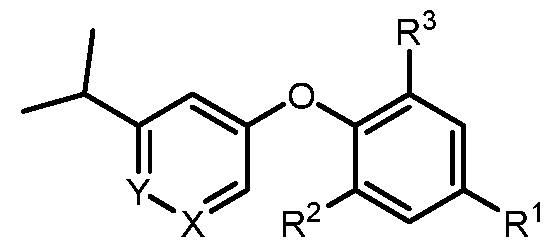 wherein X is –N- or CR5, where R5 is hydrogen, C1-3 alkyl, CN or halogen; Y is CR6, where R6 is hydrogen, CN, halogen, O- C1-3 alkyl, O- C1-3 haloalkyl or C3-6 cycloalkyl; R1 is -(CH2)p-NHCOO-(CRxRy)r-R1a, -(CH2)p-NRxCO-(CRxRy)r-R1a, -(CH2)p- NRxSO2-(CRxRy)r-R1a, -(CH2)p-CONRx-(CRxRy)r-R1a, 4-10 membered heterocycle- (CRxRy)r-R1a, -CO-4-10 membered heterocycle- (CRxRy)r-R1a; each Rx and Ry is independently hydrogen or C1-3 alkyl; R1a is, independently at each occurrence, hydrogen, CF3, halogen, CN, OH, COOH, C1-6 alkyl, C3-6 cycloalkyl, C1-3 haloalkyl, C1-3 hydroxyalkyl, CONRxRy, COO-C1- 6 alkyl, NHCO-C1-6 alkyl, NH-C1-6 alkyl, NH-SO2-C1-6 alkyl, NH-SO2-C3-6 cycloalkyl, SO2-C1-6 alkyl, 4-10 membered heterocycle or phenyl, all of said alkyl, heterocyclyl or phenyl groups substituted with 0-3 R1b; R1b is, independently at each occurrence, hydrogen, CF3, halogen, CN, OH, COOH, C1-6 alkyl, CO-NRxRy, CO-C1-3 haloalkyl, COO-C1-6 alkyl, NRxRy, NH-SO2-C1-6 alkyl, NH-SO2-C3-6 cycloalkyl, SO2-C1-6 alkyl, SO2-C3-6 cycloalkyl, SO2-NRxRy, or 4-10 membered heterocycle; R2 and R3 are, independently at each occurrence, Cl or F; p is 0 or 1; r is 0, 1, 2 or 3; or a stereoisomer or pharmaceutically-acceptable salt thereof.
7. The compound according to claim 6 of the formula
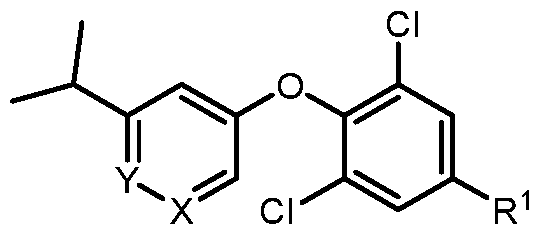 wherein
X is –N- or CR5, where R5 is hydrogen, C1-3 alkyl, CN or halogen; Y is CR6, where R6 is hydrogen, CN, halogen, O- C1-3 alkyl, O- C1-3 haloalkyl or C3-6 cycloalkyl; R1 is -(CH2)p-NHCOO-(CRxRy)r-R1a, -(CH2)p-NRxCO-(CRxRy)r-R1a, -(CH2)p- NRxSO2-(CRxRy)r-R1a, -(CH2)p-CONRx-(CRxRy)r-R1a, 4-10 membered heterocycle- (CRxRy)r-R1a, -CO-4-10 membered heterocycle- (CRxRy)r-R1a; each Rx and Ry is independently hydrogen or C1-3 alkyl; R1a is, independently at each occurrence, hydrogen, CF3, halogen, CN, OH, COOH, C1-6 alkyl, C3-6 cycloalkyl, C1-3 haloalkyl, C1-3 hydroxyalkyl, CONRxRy, COO-C1- 6 alkyl, NHCO-C1-6 alkyl, NH-C1-6 alkyl, NH-SO2-C1-6 alkyl, NH-SO2-C3-6 cycloalkyl, SO2-C1-6 alkyl, 4-10 membered heterocycle or phenyl, all of said alkyl, heterocyclyl or phenyl groups substituted with 0-3 R1b; R1b is, independently at each occurrence, hydrogen, CF3, halogen, CN, OH, COOH, C1-6 alkyl, CO-NRxRy, CO-C1-3 haloalkyl, COO-C1-6 alkyl, NRxRy, NH-SO2-C1-6 alkyl, NH-SO2-C3-6 cycloalkyl, SO2-C1-6 alkyl, SO2-C3-6 cycloalkyl, SO2-NRxRy, or 4-10 membered heterocycle; p is 0 or 1; r is 0, 1, 2 or 3; or a stereoisomer or pharmaceutically-acceptable salt thereof.
wherein
X is –N- or CR5, where R5 is hydrogen, C1-3 alkyl, CN or halogen; Y is CR6, where R6 is hydrogen, CN, halogen, O- C1-3 alkyl, O- C1-3 haloalkyl or C3-6 cycloalkyl; R1 is -(CH2)p-NHCOO-(CRxRy)r-R1a, -(CH2)p-NRxCO-(CRxRy)r-R1a, -(CH2)p- NRxSO2-(CRxRy)r-R1a, -(CH2)p-CONRx-(CRxRy)r-R1a, 4-10 membered heterocycle- (CRxRy)r-R1a, -CO-4-10 membered heterocycle- (CRxRy)r-R1a; each Rx and Ry is independently hydrogen or C1-3 alkyl; R1a is, independently at each occurrence, hydrogen, CF3, halogen, CN, OH, COOH, C1-6 alkyl, C3-6 cycloalkyl, C1-3 haloalkyl, C1-3 hydroxyalkyl, CONRxRy, COO-C1- 6 alkyl, NHCO-C1-6 alkyl, NH-C1-6 alkyl, NH-SO2-C1-6 alkyl, NH-SO2-C3-6 cycloalkyl, SO2-C1-6 alkyl, 4-10 membered heterocycle or phenyl, all of said alkyl, heterocyclyl or phenyl groups substituted with 0-3 R1b; R1b is, independently at each occurrence, hydrogen, CF3, halogen, CN, OH, COOH, C1-6 alkyl, CO-NRxRy, CO-C1-3 haloalkyl, COO-C1-6 alkyl, NRxRy, NH-SO2-C1-6 alkyl, NH-SO2-C3-6 cycloalkyl, SO2-C1-6 alkyl, SO2-C3-6 cycloalkyl, SO2-NRxRy, or 4-10 membered heterocycle; p is 0 or 1; r is 0, 1, 2 or 3; or a stereoisomer or pharmaceutically-acceptable salt thereof.
8. The compound according to claim 1 of the formula
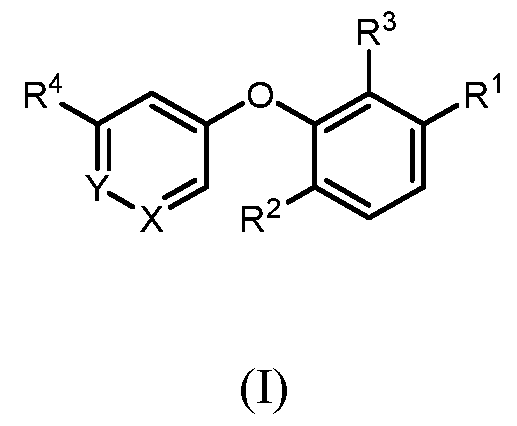 wherein X is –N- or CR5, where R5 is hydrogen, C1-3 alkyl, CN or halogen; Y is CR6, where R6 is hydrogen, CN, halogen, O- C1-3 alkyl, O- C1-3 haloalkyl or C3-6 cycloalkyl;
R1 is -(CH2)p-NHCOO-(CRxRy)r-R1a, -(CH2)p-NRxCO-(CRxRy)r-R1a, -(CH2)p- NRxSO2-(CRxRy)r-R1a, -(CH2)p-CONRx-(CRxRy)r-R1a, 4-10 membered heterocycle- (CRxRy)r-R1a, -CO-4-10 membered heterocycle- (CRxRy)r-R1a; each Rx and Ry is independently hydrogen or C1-3 alkyl; R1a is, independently at each occurrence, hydrogen, CF3, halogen, CN, OH, COOH, C1-6 alkyl, C3-6 cycloalkyl, C1-3 haloalkyl, C1-3 hydroxyalkyl, CONRxRy, COO-C1- 6 alkyl, NHCO-C1-6 alkyl, NH-C1-6 alkyl, NH-SO2-C1-6 alkyl, NH-SO2-C3-6 cycloalkyl, SO2-C1-6 alkyl, 4-10 membered heterocycle or aryl, all of said alkyl, heterocyclyl or aryl groups substituted with 0-3 R1b; R1b is, independently at each occurrence, hydrogen, CF3, halogen, CN, OH, COOH, C1-6 alkyl, CO-NRxRy, CO-C1-3 haloalkyl, COO-C1-6 alkyl, NRxRy, NH-SO2-C1-6 alkyl, NH-SO2-C3-6 cycloalkyl, SO2-C1-6 alkyl, SO2-C3-6 cycloalkyl, SO2-NRxRy, or 4-10 membered heterocycle; R2 and R3 are, independently at each occurrence, hydrogen, halogen or C1-3 alkyl; R4 is C1-6 alkyl, C1-6 alkenyl , C1-6 haloalkyl, C1-6 hydroxyalkyl, CO- C1-3 haloalkyl or C3-6 cycloalkyl, each of said groups substituted with 0-2 R4a; R4a is halogen or C1-3 alkyl; p is 0, 1 or 2; r is 0, 1, 2, 3 or 4; or a stereoisomer or pharmaceutically-acceptable salt thereof.
wherein X is –N- or CR5, where R5 is hydrogen, C1-3 alkyl, CN or halogen; Y is CR6, where R6 is hydrogen, CN, halogen, O- C1-3 alkyl, O- C1-3 haloalkyl or C3-6 cycloalkyl;
R1 is -(CH2)p-NHCOO-(CRxRy)r-R1a, -(CH2)p-NRxCO-(CRxRy)r-R1a, -(CH2)p- NRxSO2-(CRxRy)r-R1a, -(CH2)p-CONRx-(CRxRy)r-R1a, 4-10 membered heterocycle- (CRxRy)r-R1a, -CO-4-10 membered heterocycle- (CRxRy)r-R1a; each Rx and Ry is independently hydrogen or C1-3 alkyl; R1a is, independently at each occurrence, hydrogen, CF3, halogen, CN, OH, COOH, C1-6 alkyl, C3-6 cycloalkyl, C1-3 haloalkyl, C1-3 hydroxyalkyl, CONRxRy, COO-C1- 6 alkyl, NHCO-C1-6 alkyl, NH-C1-6 alkyl, NH-SO2-C1-6 alkyl, NH-SO2-C3-6 cycloalkyl, SO2-C1-6 alkyl, 4-10 membered heterocycle or aryl, all of said alkyl, heterocyclyl or aryl groups substituted with 0-3 R1b; R1b is, independently at each occurrence, hydrogen, CF3, halogen, CN, OH, COOH, C1-6 alkyl, CO-NRxRy, CO-C1-3 haloalkyl, COO-C1-6 alkyl, NRxRy, NH-SO2-C1-6 alkyl, NH-SO2-C3-6 cycloalkyl, SO2-C1-6 alkyl, SO2-C3-6 cycloalkyl, SO2-NRxRy, or 4-10 membered heterocycle; R2 and R3 are, independently at each occurrence, hydrogen, halogen or C1-3 alkyl; R4 is C1-6 alkyl, C1-6 alkenyl , C1-6 haloalkyl, C1-6 hydroxyalkyl, CO- C1-3 haloalkyl or C3-6 cycloalkyl, each of said groups substituted with 0-2 R4a; R4a is halogen or C1-3 alkyl; p is 0, 1 or 2; r is 0, 1, 2, 3 or 4; or a stereoisomer or pharmaceutically-acceptable salt thereof.
9. The compound according to claim 8 of the formula
 wherein X is –N- or CR5, where R5 is hydrogen, C1-3 alkyl, CN or halogen; Y is CR6, where R6 is hydrogen, CN, halogen, O- C1-3 alkyl, O- C1-3 haloalkyl or C3-6 cycloalkyl;
R1 is -(CH2)p-NHCOO-(CRxRy)r-R1a, -(CH2)p-NRxCO-(CRxRy)r-R1a, -(CH2)p- NRxSO2-(CRxRy)r-R1a, -(CH2)p-CONRx-(CRxRy)r-R1a, 4-10 membered heterocycle- (CRxRy)r-R1a, -CO-4-10 membered heterocycle- (CRxRy)r-R1a; each Rx and Ry is independently hydrogen or C1-3 alkyl; R1a is, independently at each occurrence, hydrogen, CF3, halogen, CN, OH, COOH, C1-6 alkyl, C3-6 cycloalkyl, C1-3 haloalkyl, C1-3 hydroxyalkyl, CONRxRy, COO-C1- 6 alkyl, NHCO-C1-6 alkyl, NH-C1-6 alkyl, NH-SO2-C1-6 alkyl, NH-SO2-C3-6 cycloalkyl, SO2-C1-6 alkyl, 4-10 membered heterocycle or aryl, all of said alkyl, heterocyclyl or aryl groups substituted with 0-3 R1b; R1b is, independently at each occurrence, hydrogen, CF3, halogen, CN, OH, COOH, C1-6 alkyl, CO-NRxRy, CO-C1-3 haloalkyl, COO-C1-6 alkyl, NRxRy, NH-SO2-C1-6 alkyl, NH-SO2-C3-6 cycloalkyl, SO2-C1-6 alkyl, SO2-C3-6 cycloalkyl, SO2-NRxRy, or 4-10 membered heterocycle; R2 and R3 are, independently at each occurrence, hydrogen, halogen or C1-3 alkyl; R4 is C1-6 alkyl, C1-6 haloalkyl, C1-6 hydroxyalkyl, CO- C1-3 haloalkyl or C3-6 cycloalkyl, each of said groups substituted with 0-2 R4a; R4a is halogen or C1-3 alkyl; p is 0 or 1; r is 0, 1, 2 or 3; or a stereoisomer or pharmaceutically-acceptable salt thereof.
wherein X is –N- or CR5, where R5 is hydrogen, C1-3 alkyl, CN or halogen; Y is CR6, where R6 is hydrogen, CN, halogen, O- C1-3 alkyl, O- C1-3 haloalkyl or C3-6 cycloalkyl;
R1 is -(CH2)p-NHCOO-(CRxRy)r-R1a, -(CH2)p-NRxCO-(CRxRy)r-R1a, -(CH2)p- NRxSO2-(CRxRy)r-R1a, -(CH2)p-CONRx-(CRxRy)r-R1a, 4-10 membered heterocycle- (CRxRy)r-R1a, -CO-4-10 membered heterocycle- (CRxRy)r-R1a; each Rx and Ry is independently hydrogen or C1-3 alkyl; R1a is, independently at each occurrence, hydrogen, CF3, halogen, CN, OH, COOH, C1-6 alkyl, C3-6 cycloalkyl, C1-3 haloalkyl, C1-3 hydroxyalkyl, CONRxRy, COO-C1- 6 alkyl, NHCO-C1-6 alkyl, NH-C1-6 alkyl, NH-SO2-C1-6 alkyl, NH-SO2-C3-6 cycloalkyl, SO2-C1-6 alkyl, 4-10 membered heterocycle or aryl, all of said alkyl, heterocyclyl or aryl groups substituted with 0-3 R1b; R1b is, independently at each occurrence, hydrogen, CF3, halogen, CN, OH, COOH, C1-6 alkyl, CO-NRxRy, CO-C1-3 haloalkyl, COO-C1-6 alkyl, NRxRy, NH-SO2-C1-6 alkyl, NH-SO2-C3-6 cycloalkyl, SO2-C1-6 alkyl, SO2-C3-6 cycloalkyl, SO2-NRxRy, or 4-10 membered heterocycle; R2 and R3 are, independently at each occurrence, hydrogen, halogen or C1-3 alkyl; R4 is C1-6 alkyl, C1-6 haloalkyl, C1-6 hydroxyalkyl, CO- C1-3 haloalkyl or C3-6 cycloalkyl, each of said groups substituted with 0-2 R4a; R4a is halogen or C1-3 alkyl; p is 0 or 1; r is 0, 1, 2 or 3; or a stereoisomer or pharmaceutically-acceptable salt thereof.
10. The compound according to claim 9 of the formula
 wherein X is –N- or CR5, where R5 is hydrogen, C1-3 alkyl, CN or halogen; Y is CR6, where R6 is hydrogen, CN, halogen, O- C1-3 alkyl, O- C1-3 haloalkyl or C3-6 cycloalkyl;
R1 is -(CH2)p-NHCOO-(CRxRy)r-R1a, -(CH2)p-NRxCO-(CRxRy)r-R1a, -(CH2)p- NRxSO2-(CRxRy)r-R1a, -(CH2)p-CONRx-(CRxRy)r-R1a, 4-10 membered heterocycle- (CRxRy)r-R1a, -CO-4-10 membered heterocycle- (CRxRy)r-R1a; each Rx and Ry is independently hydrogen or C1-3 alkyl; R1a is, independently at each occurrence, hydrogen, CF3, halogen, CN, OH, COOH, C1-6 alkyl, C3-6 cycloalkyl, C1-3 haloalkyl, C1-3 hydroxyalkyl, CONRxRy, COO-C1- 6 alkyl, NHCO-C1-6 alkyl, NH-C1-6 alkyl, NH-SO2-C1-6 alkyl, NH-SO2-C3-6 cycloalkyl, SO2-C1-6 alkyl, 4-10 membered heterocycle or phenyl, all of said alkyl, heterocyclyl or phenyl groups substituted with 0-3 R1b; R1b is, independently at each occurrence, hydrogen, CF3, halogen, CN, OH, COOH, C1-6 alkyl, CO-NRxRy, CO-C1-3 haloalkyl, COO-C1-6 alkyl, NRxRy, NH-SO2-C1-6 alkyl, NH-SO2-C3-6 cycloalkyl, SO2-C1-6 alkyl, SO2-C3-6 cycloalkyl, SO2-NRxRy, or 4-10 membered heterocycle; R2 and R3 are, independently at each occurrence, CH3, Cl or F; R4 is C1-6 alkyl, C1-6 haloalkyl, C1-6 hydroxyalkyl, CO- C1-3 haloalkyl or C3-6 cycloalkyl, each of said groups substituted with 0-2 R4a; R4a is halogen or C1-3 alkyl; p is 0 or 1; r is 0, 1, 2 or 3; or a stereoisomer or pharmaceutically-acceptable salt thereof.
wherein X is –N- or CR5, where R5 is hydrogen, C1-3 alkyl, CN or halogen; Y is CR6, where R6 is hydrogen, CN, halogen, O- C1-3 alkyl, O- C1-3 haloalkyl or C3-6 cycloalkyl;
R1 is -(CH2)p-NHCOO-(CRxRy)r-R1a, -(CH2)p-NRxCO-(CRxRy)r-R1a, -(CH2)p- NRxSO2-(CRxRy)r-R1a, -(CH2)p-CONRx-(CRxRy)r-R1a, 4-10 membered heterocycle- (CRxRy)r-R1a, -CO-4-10 membered heterocycle- (CRxRy)r-R1a; each Rx and Ry is independently hydrogen or C1-3 alkyl; R1a is, independently at each occurrence, hydrogen, CF3, halogen, CN, OH, COOH, C1-6 alkyl, C3-6 cycloalkyl, C1-3 haloalkyl, C1-3 hydroxyalkyl, CONRxRy, COO-C1- 6 alkyl, NHCO-C1-6 alkyl, NH-C1-6 alkyl, NH-SO2-C1-6 alkyl, NH-SO2-C3-6 cycloalkyl, SO2-C1-6 alkyl, 4-10 membered heterocycle or phenyl, all of said alkyl, heterocyclyl or phenyl groups substituted with 0-3 R1b; R1b is, independently at each occurrence, hydrogen, CF3, halogen, CN, OH, COOH, C1-6 alkyl, CO-NRxRy, CO-C1-3 haloalkyl, COO-C1-6 alkyl, NRxRy, NH-SO2-C1-6 alkyl, NH-SO2-C3-6 cycloalkyl, SO2-C1-6 alkyl, SO2-C3-6 cycloalkyl, SO2-NRxRy, or 4-10 membered heterocycle; R2 and R3 are, independently at each occurrence, CH3, Cl or F; R4 is C1-6 alkyl, C1-6 haloalkyl, C1-6 hydroxyalkyl, CO- C1-3 haloalkyl or C3-6 cycloalkyl, each of said groups substituted with 0-2 R4a; R4a is halogen or C1-3 alkyl; p is 0 or 1; r is 0, 1, 2 or 3; or a stereoisomer or pharmaceutically-acceptable salt thereof.
11. The compound according to claim 10 of the formula
 wherein X is –N- or CR5, where R5 is hydrogen, C1-3 alkyl, CN or halogen; Y is CR6, where R6 is hydrogen, CN, halogen, O- C1-3 alkyl, O- C1-3 haloalkyl or C3-6 cycloalkyl;
R1 is -(CH2)p-NHCOO-(CRxRy)r-R1a, -(CH2)p-NRxCO-(CRxRy)r-R1a, -(CH2)p- NRxSO2-(CRxRy)r-R1a, -(CH2)p-CONRx-(CRxRy)r-R1a, 4-10 membered heterocycle- (CRxRy)r-R1a, -CO-4-10 membered heterocycle- (CRxRy)r-R1a; each Rx and Ry is independently hydrogen or C1-3 alkyl; R1a is, independently at each occurrence, hydrogen, CF3, halogen, CN, OH, COOH, C1-6 alkyl, C3-6 cycloalkyl, C1-3 haloalkyl, C1-3 hydroxyalkyl, CONRxRy, COO-C1- 6 alkyl, NHCO-C1-6 alkyl, NH-C1-6 alkyl, NH-SO2-C1-6 alkyl, NH-SO2-C3-6 cycloalkyl, SO2-C1-6 alkyl, 4-10 membered heterocycle or phenyl, all of said alkyl, heterocyclyl or phenyl groups substituted with 0-3 R1b; R1b is, independently at each occurrence, hydrogen, CF3, halogen, CN, OH, COOH, C1-6 alkyl, CO-NRxRy, CO-C1-3 haloalkyl, COO-C1-6 alkyl, NRxRy, NH-SO2-C1-6 alkyl, NH-SO2-C3-6 cycloalkyl, SO2-C1-6 alkyl, SO2-C3-6 cycloalkyl, SO2-NRxRy, or 4-10 membered heterocycle; R2 and R3 are, independently at each occurrence, Cl or F; R4 is C1-6 alkyl, C1-6 haloalkyl, C1-6 hydroxyalkyl, CO- C1-3 haloalkyl or C3-6 cycloalkyl, each of said groups substituted with 0-2 R4a; R4a is halogen or C1-3 alkyl; p is 0 or 1; r is 0, 1, 2 or 3; or a stereoisomer or pharmaceutically-acceptable salt thereof.
wherein X is –N- or CR5, where R5 is hydrogen, C1-3 alkyl, CN or halogen; Y is CR6, where R6 is hydrogen, CN, halogen, O- C1-3 alkyl, O- C1-3 haloalkyl or C3-6 cycloalkyl;
R1 is -(CH2)p-NHCOO-(CRxRy)r-R1a, -(CH2)p-NRxCO-(CRxRy)r-R1a, -(CH2)p- NRxSO2-(CRxRy)r-R1a, -(CH2)p-CONRx-(CRxRy)r-R1a, 4-10 membered heterocycle- (CRxRy)r-R1a, -CO-4-10 membered heterocycle- (CRxRy)r-R1a; each Rx and Ry is independently hydrogen or C1-3 alkyl; R1a is, independently at each occurrence, hydrogen, CF3, halogen, CN, OH, COOH, C1-6 alkyl, C3-6 cycloalkyl, C1-3 haloalkyl, C1-3 hydroxyalkyl, CONRxRy, COO-C1- 6 alkyl, NHCO-C1-6 alkyl, NH-C1-6 alkyl, NH-SO2-C1-6 alkyl, NH-SO2-C3-6 cycloalkyl, SO2-C1-6 alkyl, 4-10 membered heterocycle or phenyl, all of said alkyl, heterocyclyl or phenyl groups substituted with 0-3 R1b; R1b is, independently at each occurrence, hydrogen, CF3, halogen, CN, OH, COOH, C1-6 alkyl, CO-NRxRy, CO-C1-3 haloalkyl, COO-C1-6 alkyl, NRxRy, NH-SO2-C1-6 alkyl, NH-SO2-C3-6 cycloalkyl, SO2-C1-6 alkyl, SO2-C3-6 cycloalkyl, SO2-NRxRy, or 4-10 membered heterocycle; R2 and R3 are, independently at each occurrence, Cl or F; R4 is C1-6 alkyl, C1-6 haloalkyl, C1-6 hydroxyalkyl, CO- C1-3 haloalkyl or C3-6 cycloalkyl, each of said groups substituted with 0-2 R4a; R4a is halogen or C1-3 alkyl; p is 0 or 1; r is 0, 1, 2 or 3; or a stereoisomer or pharmaceutically-acceptable salt thereof.
12. The compound according to claim 11 of the formula
 wherein X is –N- or CR5, where R5 is hydrogen, C1-3 alkyl, CN or halogen; Y is CR6, where R6 is hydrogen, CN, halogen, O- C1-3 alkyl, O- C1-3 haloalkyl or C3-6 cycloalkyl;
R1 is -(CH2)p-NHCOO-(CRxRy)r-R1a, -(CH2)p-NRxCO-(CRxRy)r-R1a, -(CH2)p- NRxSO2-(CRxRy)r-R1a, -(CH2)p-CONRx-(CRxRy)r-R1a, 4-10 membered heterocycle- (CRxRy)r-R1a, -CO-4-10 membered heterocycle- (CRxRy)r-R1a; each Rx and Ry is independently hydrogen or C1-3 alkyl; R1a is, independently at each occurrence, hydrogen, CF3, halogen, CN, OH, COOH, C1-6 alkyl, C3-6 cycloalkyl, C1-3 haloalkyl, C1-3 hydroxyalkyl, CONRxRy, COO-C1- 6 alkyl, NHCO-C1-6 alkyl, NH-C1-6 alkyl, NH-SO2-C1-6 alkyl, NH-SO2-C3-6 cycloalkyl, SO2-C1-6 alkyl, 4-10 membered heterocycle or phenyl, all of said alkyl, heterocyclyl or phenyl groups substituted with 0-3 R1b; R1b is, independently at each occurrence, hydrogen, CF3, halogen, CN, OH, COOH, C1-6 alkyl, CO-NRxRy, CO-C1-3 haloalkyl, COO-C1-6 alkyl, NRxRy, NH-SO2-C1-6 alkyl, NH-SO2-C3-6 cycloalkyl, SO2-C1-6 alkyl, SO2-C3-6 cycloalkyl, SO2-NRxRy, or 4-10 membered heterocycle; R2 and R3 are, independently at each occurrence, Cl or F; p is 0 or 1; r is 0, 1, 2 or 3; or a stereoisomer or pharmaceutically-acceptable salt thereof.
wherein X is –N- or CR5, where R5 is hydrogen, C1-3 alkyl, CN or halogen; Y is CR6, where R6 is hydrogen, CN, halogen, O- C1-3 alkyl, O- C1-3 haloalkyl or C3-6 cycloalkyl;
R1 is -(CH2)p-NHCOO-(CRxRy)r-R1a, -(CH2)p-NRxCO-(CRxRy)r-R1a, -(CH2)p- NRxSO2-(CRxRy)r-R1a, -(CH2)p-CONRx-(CRxRy)r-R1a, 4-10 membered heterocycle- (CRxRy)r-R1a, -CO-4-10 membered heterocycle- (CRxRy)r-R1a; each Rx and Ry is independently hydrogen or C1-3 alkyl; R1a is, independently at each occurrence, hydrogen, CF3, halogen, CN, OH, COOH, C1-6 alkyl, C3-6 cycloalkyl, C1-3 haloalkyl, C1-3 hydroxyalkyl, CONRxRy, COO-C1- 6 alkyl, NHCO-C1-6 alkyl, NH-C1-6 alkyl, NH-SO2-C1-6 alkyl, NH-SO2-C3-6 cycloalkyl, SO2-C1-6 alkyl, 4-10 membered heterocycle or phenyl, all of said alkyl, heterocyclyl or phenyl groups substituted with 0-3 R1b; R1b is, independently at each occurrence, hydrogen, CF3, halogen, CN, OH, COOH, C1-6 alkyl, CO-NRxRy, CO-C1-3 haloalkyl, COO-C1-6 alkyl, NRxRy, NH-SO2-C1-6 alkyl, NH-SO2-C3-6 cycloalkyl, SO2-C1-6 alkyl, SO2-C3-6 cycloalkyl, SO2-NRxRy, or 4-10 membered heterocycle; R2 and R3 are, independently at each occurrence, Cl or F; p is 0 or 1; r is 0, 1, 2 or 3; or a stereoisomer or pharmaceutically-acceptable salt thereof.
13. The compound according to claim 12 of the formula
 wherein X is –N- or CR5, where R5 is hydrogen, C1-3 alkyl, CN or halogen; Y is CR6, where R6 is hydrogen, CN, halogen, O- C1-3 alkyl, O- C1-3 haloalkyl or C3-6 cycloalkyl; R1 is -(CH2)p-NHCOO-(CRxRy)r-R1a, -(CH2)p-NRxCO-(CRxRy)r-R1a, -(CH2)p- NRxSO2-(CRxRy)r-R1a, -(CH2)p-CONRx-(CRxRy)r-R1a, 4-10 membered heterocycle- (CRxRy)r-R1a, -CO-4-10 membered heterocycle- (CRxRy)r-R1a; each Rx and Ry is independently hydrogen or C1-3 alkyl;
R1a is, independently at each occurrence, hydrogen, CF3, halogen, CN, OH, COOH, C1-6 alkyl, C3-6 cycloalkyl, C1-3 haloalkyl, C1-3 hydroxyalkyl, CONRxRy, COO-C1- 6 alkyl, NHCO-C1-6 alkyl, NH-C1-6 alkyl, NH-SO2-C1-6 alkyl, NH-SO2-C3-6 cycloalkyl, SO2-C1-6 alkyl, 4-10 membered heterocycle or phenyl, all of said alkyl, heterocyclyl or phenyl groups substituted with 0-3 R1b; R1b is, independently at each occurrence, hydrogen, CF3, halogen, CN, OH, COOH, C1-6 alkyl, CO-NRxRy, CO-C1-3 haloalkyl, COO-C1-6 alkyl, NRxRy, NH-SO2-C1-6 alkyl, NH-SO2-C3-6 cycloalkyl, SO2-C1-6 alkyl, SO2-C3-6 cycloalkyl, SO2-NRxRy, or 4-10 membered heterocycle; p is 0 or 1; r is 0, 1, 2 or 3; or a stereoisomer or pharmaceutically-acceptable salt thereof.
wherein X is –N- or CR5, where R5 is hydrogen, C1-3 alkyl, CN or halogen; Y is CR6, where R6 is hydrogen, CN, halogen, O- C1-3 alkyl, O- C1-3 haloalkyl or C3-6 cycloalkyl; R1 is -(CH2)p-NHCOO-(CRxRy)r-R1a, -(CH2)p-NRxCO-(CRxRy)r-R1a, -(CH2)p- NRxSO2-(CRxRy)r-R1a, -(CH2)p-CONRx-(CRxRy)r-R1a, 4-10 membered heterocycle- (CRxRy)r-R1a, -CO-4-10 membered heterocycle- (CRxRy)r-R1a; each Rx and Ry is independently hydrogen or C1-3 alkyl;
R1a is, independently at each occurrence, hydrogen, CF3, halogen, CN, OH, COOH, C1-6 alkyl, C3-6 cycloalkyl, C1-3 haloalkyl, C1-3 hydroxyalkyl, CONRxRy, COO-C1- 6 alkyl, NHCO-C1-6 alkyl, NH-C1-6 alkyl, NH-SO2-C1-6 alkyl, NH-SO2-C3-6 cycloalkyl, SO2-C1-6 alkyl, 4-10 membered heterocycle or phenyl, all of said alkyl, heterocyclyl or phenyl groups substituted with 0-3 R1b; R1b is, independently at each occurrence, hydrogen, CF3, halogen, CN, OH, COOH, C1-6 alkyl, CO-NRxRy, CO-C1-3 haloalkyl, COO-C1-6 alkyl, NRxRy, NH-SO2-C1-6 alkyl, NH-SO2-C3-6 cycloalkyl, SO2-C1-6 alkyl, SO2-C3-6 cycloalkyl, SO2-NRxRy, or 4-10 membered heterocycle; p is 0 or 1; r is 0, 1, 2 or 3; or a stereoisomer or pharmaceutically-acceptable salt thereof.
14. A compound which is 2,4-dichloro-3-(3-isopropyl-4-methoxyphenoxy)benzonitrile, 4,6-dichloro-5-(3-isopropyl-4-methoxyphenoxy)-2-phenyl-1H-benzo[d]imidazole, N-({2,4-dichloro-3-[4-methoxy-3-(propan-2-yl)phenoxy]phenyl}methyl)-2-[(1- methanesulfonylpiperidin-4-yl)oxy]acetamide, N-({2,4-dichloro-3-[4-methoxy-3-(propan-2-yl)phenoxy]phenyl}methyl)-2-{[1- (ethanesulfonyl)piperidin-4-yl]oxy}acetamide, 2-benzyl-4,6-dichloro-5-[4-methoxy-3-(propan-2-yl)phenoxy]-1H-1,3- benzodiazole, 4,6-dichloro-5-[4-methoxy-3-(propan-2-yl)phenoxy]-2-[(pyridin-3-yl)methyl]-1H- 1,3-benzodiazole, 3,5-dichloro-4-[4-methoxy-3-(propan-2-yl)phenoxy]aniline, or {3,5-dichloro-4-[4-methoxy-3-(propan-2-yl)phenoxy]phenyl}methanol or a pharmaceutically acceptable salt thereof.
15. A pharmaceutical composition comprising one or more compounds according to claim 1 or a pharmaceutically acceptable salt thereof and one or more pharmaceutically acceptable carriers, diluents or excipients.
Priority Applications (1)
| Application Number | Priority Date | Filing Date | Title |
|---|---|---|---|
| US17/632,909 US20220306630A1 (en) | 2019-08-06 | 2020-08-05 | AGONISTS OF ROR GAMMAt |
Applications Claiming Priority (2)
| Application Number | Priority Date | Filing Date | Title |
|---|---|---|---|
| US201962883171P | 2019-08-06 | 2019-08-06 | |
| US62/883,171 | 2019-08-06 |
Publications (1)
| Publication Number | Publication Date |
|---|---|
| WO2021026179A1 true WO2021026179A1 (en) | 2021-02-11 |
Family
ID=72148237
Family Applications (1)
| Application Number | Title | Priority Date | Filing Date |
|---|---|---|---|
| PCT/US2020/044918 Ceased WO2021026179A1 (en) | 2019-08-06 | 2020-08-05 | AGONISTS OF ROR GAMMAt |
Country Status (2)
| Country | Link |
|---|---|
| US (1) | US20220306630A1 (en) |
| WO (1) | WO2021026179A1 (en) |
Cited By (1)
| Publication number | Priority date | Publication date | Assignee | Title |
|---|---|---|---|---|
| WO2022152852A1 (en) * | 2021-01-15 | 2022-07-21 | Glaxosmithkline Intellectual Property Development Limited | Antagonists of mrgx2 |
Citations (42)
| Publication number | Priority date | Publication date | Assignee | Title |
|---|---|---|---|---|
| US4173464A (en) * | 1976-05-07 | 1979-11-06 | Sumitomo Chemical Company, Limited | m-Phenoxybenzamide derivatives |
| WO2006029879A2 (en) | 2004-09-17 | 2006-03-23 | F.Hoffmann-La Roche Ag | Anti-ox40l antibodies |
| WO2006105021A2 (en) | 2005-03-25 | 2006-10-05 | Tolerrx, Inc. | Gitr binding molecules and uses therefor |
| WO2006122150A1 (en) | 2005-05-10 | 2006-11-16 | Incyte Corporation | Modulators of indoleamine 2,3-dioxygenase and methods of using the same |
| WO2007075598A2 (en) | 2005-12-20 | 2007-07-05 | Incyte Corporation | N-hydroxyamidinoheterocycles as modulators of indoleamine 2,3-dioxygenase |
| US7288571B2 (en) * | 1998-12-24 | 2007-10-30 | Karo Bio Ab | Thyroid receptor ligands and method II |
| WO2008036642A2 (en) | 2006-09-19 | 2008-03-27 | Incyte Corporation | N-hydroxyamidinoheterocycles as modulators of indoleamine 2,3-dioxygenase |
| WO2008036653A2 (en) | 2006-09-19 | 2008-03-27 | Incyte Corporation | N-hydroxyamidinoheterocycles as modulators of indoleamine 2,3-dioxygenase |
| WO2008132601A1 (en) | 2007-04-30 | 2008-11-06 | Immutep | Cytotoxic anti-lag-3 monoclonal antibody and its use in the treatment or prevention of organ transplant rejection and autoimmune disease |
| WO2009009116A2 (en) | 2007-07-12 | 2009-01-15 | Tolerx, Inc. | Combination therapies employing gitr binding molecules |
| WO2009044273A2 (en) | 2007-10-05 | 2009-04-09 | Immutep | Use of recombinant lag-3 or the derivatives thereof for eliciting monocyte immune response |
| WO2009073620A2 (en) | 2007-11-30 | 2009-06-11 | Newlink Genetics | Ido inhibitors |
| WO2009156652A1 (en) | 2008-05-29 | 2009-12-30 | Saint-Gobain Centre De Recherches Et D'etudes Europeen | Cellular structure containing aluminium titanate |
| US20100041694A1 (en) * | 2007-03-22 | 2010-02-18 | Sumitomo Chemical Company, Limited | Agricultural composition for controlling or preventing plant diseases caused by plant pathogenic microbes |
| WO2010019570A2 (en) | 2008-08-11 | 2010-02-18 | Medarex, Inc. | Human antibodies that bind lymphocyte activation gene-3 (lag-3), and uses thereof |
| WO2011028683A1 (en) | 2009-09-03 | 2011-03-10 | Schering Corporation | Anti-gitr antibodies |
| WO2011056652A1 (en) | 2009-10-28 | 2011-05-12 | Newlink Genetics | Imidazole derivatives as ido inhibitors |
| WO2011070024A1 (en) | 2009-12-10 | 2011-06-16 | F. Hoffmann-La Roche Ag | Antibodies binding preferentially human csf1r extracellular domain 4 and their use |
| WO2011107553A1 (en) | 2010-03-05 | 2011-09-09 | F. Hoffmann-La Roche Ag | Antibodies against human csf-1r and uses thereof |
| WO2011109400A2 (en) | 2010-03-04 | 2011-09-09 | Macrogenics,Inc. | Antibodies reactive with b7-h3, immunologically active fragments thereof and uses thereof |
| WO2011131407A1 (en) | 2010-03-05 | 2011-10-27 | F. Hoffmann-La Roche Ag | Antibodies against human csf-1r and uses thereof |
| WO2011140249A2 (en) | 2010-05-04 | 2011-11-10 | Five Prime Therapeutics, Inc. | Antibodies that bind csf1r |
| WO2012032433A1 (en) | 2010-09-09 | 2012-03-15 | Pfizer Inc. | 4-1bb binding molecules |
| WO2012142237A1 (en) | 2011-04-15 | 2012-10-18 | Newlink Geneticks Corporation | Fused imidazole derivatives useful as ido inhibitors |
| WO2012145493A1 (en) | 2011-04-20 | 2012-10-26 | Amplimmune, Inc. | Antibodies and other molecules that bind b7-h1 and pd-1 |
| WO2013087699A1 (en) | 2011-12-15 | 2013-06-20 | F. Hoffmann-La Roche Ag | Antibodies against human csf-1r and uses thereof |
| WO2013119716A1 (en) | 2012-02-06 | 2013-08-15 | Genentech, Inc. | Compositions and methods for using csf1r inhibitors |
| WO2013132044A1 (en) | 2012-03-08 | 2013-09-12 | F. Hoffmann-La Roche Ag | Combination therapy of antibodies against human csf-1r and uses thereof |
| WO2013169264A1 (en) | 2012-05-11 | 2013-11-14 | Five Prime Therapeutics, Inc. | Methods of treating conditions with antibodies that bind colony stimulating factor 1 receptor (csf1r) |
| WO2013181634A2 (en) | 2012-05-31 | 2013-12-05 | Sorrento Therapeutics Inc. | Antigen binding proteins that bind pd-l1 |
| WO2014008218A1 (en) | 2012-07-02 | 2014-01-09 | Bristol-Myers Squibb Company | Optimization of antibodies that bind lymphocyte activation gene-3 (lag-3), and uses thereof |
| WO2014036357A1 (en) | 2012-08-31 | 2014-03-06 | Five Prime Therapeutics, Inc. | Methods of treating conditions with antibodies that bind colony stimulating factor 1 receptor (csf1r) |
| WO2014179664A2 (en) | 2013-05-02 | 2014-11-06 | Anaptysbio, Inc. | Antibodies directed against programmed death-1 (pd-1) |
| WO2014194302A2 (en) | 2013-05-31 | 2014-12-04 | Sorrento Therapeutics, Inc. | Antigen binding proteins that bind pd-1 |
| WO2015035606A1 (en) | 2013-09-13 | 2015-03-19 | Beigene, Ltd. | Anti-pd1 antibodies and their use as therapeutics and diagnostics |
| WO2015085847A1 (en) | 2013-12-12 | 2015-06-18 | 上海恒瑞医药有限公司 | Pd-1 antibody, antigen-binding fragment thereof, and medical application thereof |
| WO2015112900A1 (en) | 2014-01-24 | 2015-07-30 | Dana-Farber Cancer Institue, Inc. | Antibody molecules to pd-1 and uses thereof |
| WO2015112800A1 (en) | 2014-01-23 | 2015-07-30 | Regeneron Pharmaceuticals, Inc. | Human antibodies to pd-1 |
| WO2015159233A1 (en) * | 2014-04-16 | 2015-10-22 | Glenmark Pharmaceuticals S.A. | Aryl and heteroaryl ether compounds as ror gamma modulators |
| WO2016149201A2 (en) | 2015-03-13 | 2016-09-22 | Cytomx Therapeutics, Inc. | Anti-pdl1 antibodies, activatable anti-pdl1 antibodies, and methods of use thereof |
| WO2016199103A1 (en) * | 2015-06-12 | 2016-12-15 | West Drilling Products As | Pipe handling arm, and a drilling floor system and a method for performing fully automatic work operations on a drilling floor |
| WO2018011746A1 (en) * | 2016-07-14 | 2018-01-18 | Cadila Healthcare Limited | Cyclopropyl derivatives as ror-gamma modulators |
-
2020
- 2020-08-05 WO PCT/US2020/044918 patent/WO2021026179A1/en not_active Ceased
- 2020-08-05 US US17/632,909 patent/US20220306630A1/en not_active Abandoned
Patent Citations (42)
| Publication number | Priority date | Publication date | Assignee | Title |
|---|---|---|---|---|
| US4173464A (en) * | 1976-05-07 | 1979-11-06 | Sumitomo Chemical Company, Limited | m-Phenoxybenzamide derivatives |
| US7288571B2 (en) * | 1998-12-24 | 2007-10-30 | Karo Bio Ab | Thyroid receptor ligands and method II |
| WO2006029879A2 (en) | 2004-09-17 | 2006-03-23 | F.Hoffmann-La Roche Ag | Anti-ox40l antibodies |
| WO2006105021A2 (en) | 2005-03-25 | 2006-10-05 | Tolerrx, Inc. | Gitr binding molecules and uses therefor |
| WO2006122150A1 (en) | 2005-05-10 | 2006-11-16 | Incyte Corporation | Modulators of indoleamine 2,3-dioxygenase and methods of using the same |
| WO2007075598A2 (en) | 2005-12-20 | 2007-07-05 | Incyte Corporation | N-hydroxyamidinoheterocycles as modulators of indoleamine 2,3-dioxygenase |
| WO2008036642A2 (en) | 2006-09-19 | 2008-03-27 | Incyte Corporation | N-hydroxyamidinoheterocycles as modulators of indoleamine 2,3-dioxygenase |
| WO2008036653A2 (en) | 2006-09-19 | 2008-03-27 | Incyte Corporation | N-hydroxyamidinoheterocycles as modulators of indoleamine 2,3-dioxygenase |
| US20100041694A1 (en) * | 2007-03-22 | 2010-02-18 | Sumitomo Chemical Company, Limited | Agricultural composition for controlling or preventing plant diseases caused by plant pathogenic microbes |
| WO2008132601A1 (en) | 2007-04-30 | 2008-11-06 | Immutep | Cytotoxic anti-lag-3 monoclonal antibody and its use in the treatment or prevention of organ transplant rejection and autoimmune disease |
| WO2009009116A2 (en) | 2007-07-12 | 2009-01-15 | Tolerx, Inc. | Combination therapies employing gitr binding molecules |
| WO2009044273A2 (en) | 2007-10-05 | 2009-04-09 | Immutep | Use of recombinant lag-3 or the derivatives thereof for eliciting monocyte immune response |
| WO2009073620A2 (en) | 2007-11-30 | 2009-06-11 | Newlink Genetics | Ido inhibitors |
| WO2009156652A1 (en) | 2008-05-29 | 2009-12-30 | Saint-Gobain Centre De Recherches Et D'etudes Europeen | Cellular structure containing aluminium titanate |
| WO2010019570A2 (en) | 2008-08-11 | 2010-02-18 | Medarex, Inc. | Human antibodies that bind lymphocyte activation gene-3 (lag-3), and uses thereof |
| WO2011028683A1 (en) | 2009-09-03 | 2011-03-10 | Schering Corporation | Anti-gitr antibodies |
| WO2011056652A1 (en) | 2009-10-28 | 2011-05-12 | Newlink Genetics | Imidazole derivatives as ido inhibitors |
| WO2011070024A1 (en) | 2009-12-10 | 2011-06-16 | F. Hoffmann-La Roche Ag | Antibodies binding preferentially human csf1r extracellular domain 4 and their use |
| WO2011109400A2 (en) | 2010-03-04 | 2011-09-09 | Macrogenics,Inc. | Antibodies reactive with b7-h3, immunologically active fragments thereof and uses thereof |
| WO2011131407A1 (en) | 2010-03-05 | 2011-10-27 | F. Hoffmann-La Roche Ag | Antibodies against human csf-1r and uses thereof |
| WO2011107553A1 (en) | 2010-03-05 | 2011-09-09 | F. Hoffmann-La Roche Ag | Antibodies against human csf-1r and uses thereof |
| WO2011140249A2 (en) | 2010-05-04 | 2011-11-10 | Five Prime Therapeutics, Inc. | Antibodies that bind csf1r |
| WO2012032433A1 (en) | 2010-09-09 | 2012-03-15 | Pfizer Inc. | 4-1bb binding molecules |
| WO2012142237A1 (en) | 2011-04-15 | 2012-10-18 | Newlink Geneticks Corporation | Fused imidazole derivatives useful as ido inhibitors |
| WO2012145493A1 (en) | 2011-04-20 | 2012-10-26 | Amplimmune, Inc. | Antibodies and other molecules that bind b7-h1 and pd-1 |
| WO2013087699A1 (en) | 2011-12-15 | 2013-06-20 | F. Hoffmann-La Roche Ag | Antibodies against human csf-1r and uses thereof |
| WO2013119716A1 (en) | 2012-02-06 | 2013-08-15 | Genentech, Inc. | Compositions and methods for using csf1r inhibitors |
| WO2013132044A1 (en) | 2012-03-08 | 2013-09-12 | F. Hoffmann-La Roche Ag | Combination therapy of antibodies against human csf-1r and uses thereof |
| WO2013169264A1 (en) | 2012-05-11 | 2013-11-14 | Five Prime Therapeutics, Inc. | Methods of treating conditions with antibodies that bind colony stimulating factor 1 receptor (csf1r) |
| WO2013181634A2 (en) | 2012-05-31 | 2013-12-05 | Sorrento Therapeutics Inc. | Antigen binding proteins that bind pd-l1 |
| WO2014008218A1 (en) | 2012-07-02 | 2014-01-09 | Bristol-Myers Squibb Company | Optimization of antibodies that bind lymphocyte activation gene-3 (lag-3), and uses thereof |
| WO2014036357A1 (en) | 2012-08-31 | 2014-03-06 | Five Prime Therapeutics, Inc. | Methods of treating conditions with antibodies that bind colony stimulating factor 1 receptor (csf1r) |
| WO2014179664A2 (en) | 2013-05-02 | 2014-11-06 | Anaptysbio, Inc. | Antibodies directed against programmed death-1 (pd-1) |
| WO2014194302A2 (en) | 2013-05-31 | 2014-12-04 | Sorrento Therapeutics, Inc. | Antigen binding proteins that bind pd-1 |
| WO2015035606A1 (en) | 2013-09-13 | 2015-03-19 | Beigene, Ltd. | Anti-pd1 antibodies and their use as therapeutics and diagnostics |
| WO2015085847A1 (en) | 2013-12-12 | 2015-06-18 | 上海恒瑞医药有限公司 | Pd-1 antibody, antigen-binding fragment thereof, and medical application thereof |
| WO2015112800A1 (en) | 2014-01-23 | 2015-07-30 | Regeneron Pharmaceuticals, Inc. | Human antibodies to pd-1 |
| WO2015112900A1 (en) | 2014-01-24 | 2015-07-30 | Dana-Farber Cancer Institue, Inc. | Antibody molecules to pd-1 and uses thereof |
| WO2015159233A1 (en) * | 2014-04-16 | 2015-10-22 | Glenmark Pharmaceuticals S.A. | Aryl and heteroaryl ether compounds as ror gamma modulators |
| WO2016149201A2 (en) | 2015-03-13 | 2016-09-22 | Cytomx Therapeutics, Inc. | Anti-pdl1 antibodies, activatable anti-pdl1 antibodies, and methods of use thereof |
| WO2016199103A1 (en) * | 2015-06-12 | 2016-12-15 | West Drilling Products As | Pipe handling arm, and a drilling floor system and a method for performing fully automatic work operations on a drilling floor |
| WO2018011746A1 (en) * | 2016-07-14 | 2018-01-18 | Cadila Healthcare Limited | Cyclopropyl derivatives as ror-gamma modulators |
Non-Patent Citations (18)
| Title |
|---|
| "Methods in Enzymology", vol. 112, 1985, ACADEMIC PRESS, pages: 309 - 396 |
| "Prodrugs and Targeted Delivery (Methods and Principles in Medicinal Chemistry)", vol. 47, 2011, WILEY-VCH |
| "The Peptides: Analysis, Synthesis, Biology", vol. 3, 1981, ACADEMIC PRESS |
| "The Practice of Medicinal Chemistry", 2008, ACADEMIC PRESS |
| "The Science and Practice of Pharmacy", 2012, PHARMACEUTICAL PRESS |
| BRONNER ET AL., EXPERT OPIN. THER. PAT., vol. 27, no. 1, 2017, pages 101 |
| BUNDGAARD, H. ET AL., J. PHARM. SCI.,, vol. 77, 1988, pages 285 |
| BUNDGAARD, H. ET AL.: "A Textbook of Drug Design and Development", 1991, HARWOOD ACADEMIC PUBLISHERS, article "Design and Application of Prodrugs", pages: 113 - 191 |
| BUNDGAARD, H., ADV. DRUGDELIV. REV.,, vol. 8, 1992, pages 1 - 38 |
| HU ET AL., ONCOIMMUNOLOGY, vol. 5, no. 12, 2016, pages el254854 |
| IVANOV ET AL., CELL, vol. 126, 2006, pages 1121 |
| KAKEYA, N. ET AL., CHEM. PHARM. BULL., vol. 32, 1984, pages 692 |
| KING, F.D.: "Medicinal Chemistry: Principles and Practice", 2006, THE ROYAL SOCIETY OF CHEMISTRY |
| KRYCZEK ET AL., BLOOD, vol. 114, 2009, pages 1141 |
| QIU ET AL., J. MED. CHEM., vol. 61, 2018, pages 5794 |
| SFANOS ET AL., CLIN. CAN. RES., vol. 14, 2008, pages 3254 |
| TESTA, B. ET AL.: "Hydrolysis in Drug and Prodrug Metabolism. Chemistry, Biochemistry and Enzymology,", 2003, VCHA AND WILEY-VCH |
| WUTS, P. G. M.GREENE, T.W.: "Protective Groups In Organic Synthesis", 2007, WILEY AND SONS |
Cited By (1)
| Publication number | Priority date | Publication date | Assignee | Title |
|---|---|---|---|---|
| WO2022152852A1 (en) * | 2021-01-15 | 2022-07-21 | Glaxosmithkline Intellectual Property Development Limited | Antagonists of mrgx2 |
Also Published As
| Publication number | Publication date |
|---|---|
| US20220306630A1 (en) | 2022-09-29 |
Similar Documents
| Publication | Publication Date | Title |
|---|---|---|
| JP7373512B2 (en) | Naphthyridinone compounds useful as T cell activators | |
| US10399932B2 (en) | Inhibitors of indoleamine-2,3-dioxygenase for the treatment of cancer | |
| TWI647214B (en) | Bicyclic fused heteroaryl or aryl compound | |
| US10301261B2 (en) | Substituted indoles as modulators of ROR-gamma | |
| US11667663B2 (en) | Cyclic dinucleotides as anticancer agents | |
| US10947263B2 (en) | Cyclic dinucleotides as anticancer agents | |
| US12037323B2 (en) | Uracil derivatives as Mer-AXL inhibitors | |
| CN111164069A (en) | N-(3-(2-(4-Chlorophenoxy)acetamido)bicyclo[1.1.1]pent-1-yl)-2-cyclobutane as an ATF4 inhibitor for the treatment of cancer and other diseases -1-Carboxamide derivatives and related compounds | |
| EP3452030A1 (en) | Inhibitors of indoleamine 2,3-dioxygenase and methods of their use | |
| US10292985B2 (en) | TGF beta receptor antagonists | |
| US11649212B2 (en) | Inhibitors of indoleamine 2,3-dioxygenase and methods of their use | |
| WO2021026179A1 (en) | AGONISTS OF ROR GAMMAt | |
| US10399987B2 (en) | TGF beta receptor antagonists | |
| US12012374B2 (en) | Agonists of ROR GAMMAt | |
| US20230295087A1 (en) | AGONISTS OF ROR GAMMAt | |
| EA044500B1 (en) | NAPHTHYRIDINONE COMPOUNDS FOR USE AS T-CELL ACTIVATORS | |
| HK40003986B (en) | Benzazepine dicarboxamide compounds with secondary amide function |
Legal Events
| Date | Code | Title | Description |
|---|---|---|---|
| NENP | Non-entry into the national phase |
Ref country code: DE |
|
| 121 | Ep: the epo has been informed by wipo that ep was designated in this application |
Ref document number: 20758401 Country of ref document: EP Kind code of ref document: A1 |
|
| 122 | Ep: pct application non-entry in european phase |
Ref document number: 20758401 Country of ref document: EP Kind code of ref document: A1 |