WO2020249966A1 - Novel peptide hormone analogues - Google Patents
Novel peptide hormone analogues Download PDFInfo
- Publication number
- WO2020249966A1 WO2020249966A1 PCT/GB2020/051425 GB2020051425W WO2020249966A1 WO 2020249966 A1 WO2020249966 A1 WO 2020249966A1 GB 2020051425 W GB2020051425 W GB 2020051425W WO 2020249966 A1 WO2020249966 A1 WO 2020249966A1
- Authority
- WO
- WIPO (PCT)
- Prior art keywords
- seq
- ser
- his30
- absent
- compound
- Prior art date
- Legal status (The legal status is an assumption and is not a legal conclusion. Google has not performed a legal analysis and makes no representation as to the accuracy of the status listed.)
- Ceased
Links
- 0 *[C@](CCC(S)=O)NC(*I)=O Chemical compound *[C@](CCC(S)=O)NC(*I)=O 0.000 description 4
Classifications
-
- C—CHEMISTRY; METALLURGY
- C07—ORGANIC CHEMISTRY
- C07K—PEPTIDES
- C07K14/00—Peptides having more than 20 amino acids; Gastrins; Somatostatins; Melanotropins; Derivatives thereof
- C07K14/435—Peptides having more than 20 amino acids; Gastrins; Somatostatins; Melanotropins; Derivatives thereof from animals; from humans
- C07K14/575—Hormones
- C07K14/605—Glucagons
-
- A—HUMAN NECESSITIES
- A61—MEDICAL OR VETERINARY SCIENCE; HYGIENE
- A61P—SPECIFIC THERAPEUTIC ACTIVITY OF CHEMICAL COMPOUNDS OR MEDICINAL PREPARATIONS
- A61P1/00—Drugs for disorders of the alimentary tract or the digestive system
- A61P1/16—Drugs for disorders of the alimentary tract or the digestive system for liver or gallbladder disorders, e.g. hepatoprotective agents, cholagogues, litholytics
-
- A—HUMAN NECESSITIES
- A61—MEDICAL OR VETERINARY SCIENCE; HYGIENE
- A61P—SPECIFIC THERAPEUTIC ACTIVITY OF CHEMICAL COMPOUNDS OR MEDICINAL PREPARATIONS
- A61P25/00—Drugs for disorders of the nervous system
-
- A—HUMAN NECESSITIES
- A61—MEDICAL OR VETERINARY SCIENCE; HYGIENE
- A61P—SPECIFIC THERAPEUTIC ACTIVITY OF CHEMICAL COMPOUNDS OR MEDICINAL PREPARATIONS
- A61P25/00—Drugs for disorders of the nervous system
- A61P25/08—Antiepileptics; Anticonvulsants
-
- A—HUMAN NECESSITIES
- A61—MEDICAL OR VETERINARY SCIENCE; HYGIENE
- A61P—SPECIFIC THERAPEUTIC ACTIVITY OF CHEMICAL COMPOUNDS OR MEDICINAL PREPARATIONS
- A61P25/00—Drugs for disorders of the nervous system
- A61P25/14—Drugs for disorders of the nervous system for treating abnormal movements, e.g. chorea, dyskinesia
- A61P25/16—Anti-Parkinson drugs
-
- A—HUMAN NECESSITIES
- A61—MEDICAL OR VETERINARY SCIENCE; HYGIENE
- A61P—SPECIFIC THERAPEUTIC ACTIVITY OF CHEMICAL COMPOUNDS OR MEDICINAL PREPARATIONS
- A61P25/00—Drugs for disorders of the nervous system
- A61P25/28—Drugs for disorders of the nervous system for treating neurodegenerative disorders of the central nervous system, e.g. nootropic agents, cognition enhancers, drugs for treating Alzheimer's disease or other forms of dementia
-
- A—HUMAN NECESSITIES
- A61—MEDICAL OR VETERINARY SCIENCE; HYGIENE
- A61P—SPECIFIC THERAPEUTIC ACTIVITY OF CHEMICAL COMPOUNDS OR MEDICINAL PREPARATIONS
- A61P3/00—Drugs for disorders of the metabolism
- A61P3/04—Anorexiants; Antiobesity agents
-
- A—HUMAN NECESSITIES
- A61—MEDICAL OR VETERINARY SCIENCE; HYGIENE
- A61P—SPECIFIC THERAPEUTIC ACTIVITY OF CHEMICAL COMPOUNDS OR MEDICINAL PREPARATIONS
- A61P3/00—Drugs for disorders of the metabolism
- A61P3/08—Drugs for disorders of the metabolism for glucose homeostasis
- A61P3/10—Drugs for disorders of the metabolism for glucose homeostasis for hyperglycaemia, e.g. antidiabetics
-
- A—HUMAN NECESSITIES
- A61—MEDICAL OR VETERINARY SCIENCE; HYGIENE
- A61P—SPECIFIC THERAPEUTIC ACTIVITY OF CHEMICAL COMPOUNDS OR MEDICINAL PREPARATIONS
- A61P9/00—Drugs for disorders of the cardiovascular system
-
- A—HUMAN NECESSITIES
- A61—MEDICAL OR VETERINARY SCIENCE; HYGIENE
- A61P—SPECIFIC THERAPEUTIC ACTIVITY OF CHEMICAL COMPOUNDS OR MEDICINAL PREPARATIONS
- A61P9/00—Drugs for disorders of the cardiovascular system
- A61P9/10—Drugs for disorders of the cardiovascular system for treating ischaemic or atherosclerotic diseases, e.g. antianginal drugs, coronary vasodilators, drugs for myocardial infarction, retinopathy, cerebrovascula insufficiency, renal arteriosclerosis
-
- A—HUMAN NECESSITIES
- A61—MEDICAL OR VETERINARY SCIENCE; HYGIENE
- A61K—PREPARATIONS FOR MEDICAL, DENTAL OR TOILETRY PURPOSES
- A61K38/00—Medicinal preparations containing peptides
Definitions
- the present disclosure relates to compounds which are peptide hormone analogues, and which are useful in treating disorders such as diabetes and obesity.
- obesity is complex and multi-factorial. Increasing evidence suggests that obesity is not a simple problem of self-control but is a complex disorder involving appetite regulation and energy metabolism. Although the etiology of obesity is not definitively established, genetic, metabolic, biochemical, cultural and psychosocial factors are believed to contribute. In general, obesity has been described as a condition in which excess body fat puts an individual at a health risk.
- BMI body mass index
- this risk has been quantified as a five percent increase in the risk of cardiac disease for females, and a seven percent increase in the risk of cardiac disease for males, for each point of a BMI greater than 24.9 (see Kenchaiah et al. , N. Engl. J. Med. 347:305, 2002; Massie, N. Engl. J. Med. 347:358, 2002).
- Diabetes is a chronic syndrome of impaired carbohydrate, protein, and fat
- insulin-dependent diabetes mellitus type 1 diabetes
- non-insulin dependent diabetes mellitus type 2 diabetes
- IDDM insulin dependent diabetes mellitus
- IDDM insulin dependent diabetes mellitus
- diabetes type 2 diabetes results from a defect in both the body’s sensitivity to insulin, and a relative deficiency in insulin production.
- National Diabetes Statistics Report 2014 around 28.9 million adults in the United States aged 20 and over have diabetes (2009-2012 National Health and Nutrition Examination Survey estimates applied to 2012 U.S. Census data). In adults 90 to 95% of the diabetes is type 2 diabetes.
- Preproglucagon is a precursor peptide of glucagon, as well as other hormones including glucagon-like peptide 1 (GLP-1 ).
- GLP-1 glucagon-like peptide 1
- Glucagon is released in vivo when blood glucose levels fall low and has the activity of causing the liver to convert stored glycogen into glucose which is released into the bloodstream raising blood glucose levels.
- GLP-1 is produced in vivo in the intestinal L cell in response to the presence of nutrients in the lumen of the gut.
- GLP-1 possesses a number of physiological functions including increasing insulin secretion from the pancreas in a glucose-dependent manner, decreasing glucagon secretion from the pancreas, inhibiting gastric emptying and decreasing food intake by increasing satiety. Increased insulin secretion leads to a decrease in circulating glucose concentration.
- WO2013/004983 describes peptide molecules containing sequence from both the GLP-1 and glucagon peptides.
- WO2015/132599 also discloses peptide hormone analogues, which are derivable from preproglucagon and which are useful in the therapy of disorders such as obesity and diabetes.
- WO2017/178829 discloses compounds that are analogues of exendin-4, GLP-1 and oxyntomodulin which have a modified ligand bias and therapeutically useful characteristics.
- peptide liraglutide a GLP-1 agonist which has the sequence of GLP-1 ( 7-37 ) with an arginine residue substituted for the native lysine at position 34, and with the sidechain of the lysine residue at position 26 being acylated by a hexadecanoyl group(palmitic acid) attached to the lysine though a glutamic acid spacer.
- Liraglutide has been developed for use as an injectable drug for the treatment of type II diabetes.
- peptides having beneficial properties such as an improved activity profile, and/or which have reduced side effects.
- a peptide it would be desirable for a peptide to be identified that increases energy expenditure in a subject, but does not significantly reduce food intake. If a compound decreases food intake less, then it is expected that the compound will have fewer side effects such as nausea.
- a peptide it would be desirable for a peptide to be identified that has these and other biological effects for a sustained period.
- a compound that has a longer period of activity can be administered less frequently and at lower dose, which contributes to improved convenience for the subject, to fewer side effects and to lower cost.
- X is an amino acid sequence:
- Xaa2 is AIB or Ser
- Xaa3 is H is, Glu, Gin, Asp or Phe;
- Xaa10 is Leu, Tyr or Val
- Xaa12 is Arg, Lys or His
- Xaa13 is Tyr, Gin or His
- Xaa15 is Asp or Glu
- Xaa16 is Ala, Gin, Glu, Ser, His or Thr;
- Xaa17 is Arg, Glu, His or Lys
- Xaa18 is Ala, Arg or Lys
- Xaa19 is Ala or Val
- Xaa20 is Arg, Gin or His
- Xaa21 is Asp, Leu, His or Glu
- Xaa23 is lie or Val
- Xaa24 is Gin or Glu
- Xaa27 is Asn, Leu or Lys
- Xaa28 is Ala, Asn, Gin, Gly, His, Thr, Leu, Ser, or lie; and Xaa29 is Gly, His, Ser or Thr;
- W is an amino acid sequence:
- Y1 is an amino acid sequence:
- Xaa35 is Pro, His, Glu, Ser or Ala
- Xaa36 is Ser, Gly, Pro or Thr;
- Xaa37 is Pro, Ala, Ser, Glu, Gly or absent;
- Xaa38 is Pro, Ala, Gly, Ser or absent;
- Xaa39 is Pro, Gly, Ala, Ser or absent;
- Xaa40 is Pro, Gly, Ser or absent
- Xaa41 is Gly, Ser or absent
- Xaa43 is Ser or absent
- Xaa44 is Trp or absent; And the lysine residue at position 42 is substituted at its e-amino group with a group Y2 and Y2 is:
- Xaa45 is Ser, Gly, Thr or absent
- Xaa46 is Ser, Gly, Thr or absent
- Xaa47 is Gly, Asn, Ser, Gin, Thr, His, Tyr, Ala or absent;
- Xaa48 is Ser, Thr, His, Gin, Gly, Asn or absent;
- R is a C8-C28 alkylene or alkenylene group
- R 1 is CO2H.
- the compound can optionally be a derivative, salt or solvate as defined herein. It has surprisingly been found that the compounds of the invention possess excellent biological properties. For example, the compounds possess a tailored profile with regards to potency properties at the glucagon and GLP-1 receptors. With regard to in vivo properties, administration of example peptides of the invention to rats has been shown to result in increased weight loss. Example compounds have also been shown to achieve these effects without or only minimally reducing the amount of food ingested, indicating that the compounds are particularly effective at improving metabolism. Rodents are not able to vomit, but rodents which are experiencing nausea are likely to be put off from consuming food.
- the compounds of the invention are extended at the C-terminus with particular residues, including that there is a lysine residue at position 42 and including that that lysine residue is functionalised in a particular way, to include the group R-R 1 where R 1 is CO2H.
- composition comprising a compound, derivative or salt as defined herein together with a pharmaceutically acceptable carrier and optionally a further therapeutic agent.
- a compound, derivative or salt as defined herein, or a composition comprising such a compound, derivative or salt and a pharmaceutically acceptable carrier for use as a medicament, e.g. for use in the prevention or treatment of diabetes, obesity, heart disease, stroke or non-alcoholic fatty liver disease, for increasing the energy expenditure of a subject, improving insulin release in a subject, improving carbohydrate metabolism in a subject, improving the lipid profile of a subject, improving carbohydrate tolerance in a subject, reducing appetite, reducing food intake, reducing calorie intake, and/or for use as a cytoprotective agent.
- Also provided herein is a method of treating or preventing a disease or disorder or other non-desired physiological state in a subject comprising administration of a therapeutically effective amount of a compound, derivative or salt as defined herein, or of a composition comprising such a compound, derivative or salt and a
- pharmaceutically acceptable carrier e.g. in a method of treating or preventing diabetes, obesity, heart disease, stroke or non-alcoholic fatty liver disease in a subject, for increasing energy expenditure in a subject, improving insulin release in a subject, improving carbohydrate metabolism in a subject, improving the lipid profile of a subject, improving carbohydrate tolerance in a subject, reducing appetite, reducing food intake, reducing calorie intake, and/or providing cytoprotection in a subject.
- Also provided herein is a use of a compound, derivative or salt as defined herein for the manufacture of a medicament for the prevention or treatment of diabetes, obesity, heart disease, stroke or non-alcoholic fatty liver disease, increasing the energy expenditure of a subject, improving insulin release in a subject, improving carbohydrate metabolism in a subject, improving the lipid profile of a subject, improving carbohydrate tolerance in a subject, reducing appetite, reducing food intake, reducing calorie intake, and/or for use as a cytoprotective agent.
- Also provided herein is a method of causing weight loss or preventing weight gain in a subject for cosmetic purposes comprising administration of an effective amount of a compound, derivative, salt or composition as defined herein.
- Figure 1 shows the amino acid sequences of example compounds of the invention.
- the compounds are presented with the N-terminal residue at the left-hand side of the Table (signified by the column titled“1”).
- the amino acid sequence for each compound is set out over two horizontal pages. Results of feeding and receptor binding experiments are shown in the far right hand columns.
- Figure 2 shows the amino acid sequences of further example compounds of the invention.
- the compounds are presented with the N-terminal residue at the left-hand side of the Table (signified by the column titled“1”).
- the amino acid sequence for each compound is set out over two horizontal pages. Results of feeding
- sequence listing encompasses the sequences of the sequence listing, peptides comprising or consisting of those sequences and all related uses, methods and products described therein.
- amino acid sequences herein are shown with the N-terminus to the left, and where sequences are set out across multiple lines, the N-terminus is to the top left. Unless indicated otherwise, the amino acid residues in the sequences are L-amino acids.
- amino acid sequences listed in the application are shown using standard letter abbreviations for amino acids.
- the unnatural amino acid 2-aminoisobutyric acid has its usual abbreviation ⁇ IB’.
- Animal Living multi-cellular vertebrate organisms, a category that includes, for example, mammals and birds.
- the term mammal includes both human and non human mammals.
- the term“subject” includes both human and veterinary subjects. In preferred embodiments of the invention, the subject is a human subject.
- appetite suppressants A natural desire, or longing for food. In one embodiment, appetite is measured by a survey to assess the desire for food. Increased appetite generally leads to increased feeding behaviour. Appetite Suppressants: Compounds that decrease the desire for food. Commercially available appetite suppressants include, but are not limited to, amfepramone (diethylpropion), phentermine, mazindol and phenylpropanolamine fenfluramine, dexfenfluramine, and fluoxetine.
- Body Mass Index A mathematical formula for measuring body mass, also sometimes called Quetelet's Index. BMI is calculated by dividing weight (in kg) by height 2 (in meters 2 ). The current standards for both men and women accepted as "normal” are a BMI of 20-24.9 kg/m 2 . In one embodiment, a BMI of greater than 25 kg/m 2 can be used to identify an obese subject. Grade I obesity (which is sometimes referred to as being“overweight” rather than obesity) corresponds to a BMI of 25- 29.9 kg/m 2 . Grade II obesity corresponds to a BMI of 30-40 kg/m 2 ; and Grade III obesity corresponds to a BMI greater than 40 kg/m 2 (Jequier, Am. J Clin. Nutr.
- Ideal body weight will vary among species and individuals based on height, body build, bone structure, and sex.
- Cardioprotection refers to the protection of cardiac cells (and especially the myocardial cells) from apoptosis, necrotic cell death or degeneration (loss of function). Cardioprotection is most often required following myocardial infarction, but may also be used in subjects suffering from ischemic heart disease (for example angina)
- Cytoprotection refers to the protection of cells from apoptosis, necrotic cell death or degeneration (loss of function).
- Diabetes is a chronic syndrome of impaired carbohydrate, protein, and fat metabolism owing to insufficient secretion of insulin or to target tissue insulin resistance. It occurs in two major forms: insulin-dependent diabetes mellitus (IDDM, type I) and non-insulin dependent diabetes mellitus (NIDDM, type II) which differ in etiology, pathology, genetics, age of onset, and treatment.
- IDDM insulin-dependent diabetes mellitus
- NIDDM non-insulin dependent diabetes mellitus
- Diabetes type I or insulin dependent diabetes mellitus (IDDM) is caused by the destruction of b cells, which results in insufficient levels of endogenous insulin.
- IDDM insulin dependent diabetes mellitus
- Diabetes type II or non-insulin dependent diabetes, results from a defect in both the body’s sensitivity to insulin, and a relative deficiency in insulin production.
- Food intake The amount of food consumed by an individual.
- Food intake can be measured by volume or by weight.
- food intake may be the total amount of food consumed by an individual.
- food intake may be the amount of proteins, fat, carbohydrates, cholesterol, vitamins, minerals, or any other food component, of the individual.
- Protein intake refers to the amount of protein consumed by an individual.
- “fat intake,”“carbohydrate intake,”“cholesterol intake,”“vitamin intake,” and“mineral intake” refer to the amount of proteins, fat, carbohydrates, cholesterol, vitamins, or minerals consumed by an individual.
- GLP-1 Glucagon-like peptide 1
- GLP-1 is derived from the transcription product of the proglucagon gene.
- the biologically active forms of GLP-1 are truncated forms known as GLP-1 ( 7-37 ) and GLP-1 ( 7-36 ) -NH2 (the designation -NH2 designates an amino acid sequence in which the C-terminal amino acid has a -C(0)NH 2 group in place of a carboxylic acid group).
- the sequence of human GLP-1 ( 7-37 ) is His-Ala-Glu-Gly-Thr-Phe-Thr-Ser-Asp-Val- Ser-Ser-Tyr-Leu-Glu-Gly-Gln-Ala-Ala-Lys-Glu-Phe-lle-Ala-Trp-Leu-Val-Lys-Gly-Arg- Gly. [SEQ ID NO: 746]
- the sequence of human GLP-1 ( 7-36 ) -NH2 is His-Ala-Glu-Gly-Thr-Phe-Thr-Ser-Asp- Val-Ser-Ser-Tyr-Leu-Glu-Gly-Gln-Ala-Ala-Lys-Glu-Phe-lle-Ala-Trp-Leu-Val-Lys-Gly- Arg— CONH2. [SEQ ID NO: 747]
- Glucagon is a peptide derived from the proglucagon gene. It is a 29- amino acid polypeptide in humans and has the sequence: His-Ser-Gln-Gly-Thr-Phe-Thr-Ser-Asp-Tyr-Ser-Lys-Tyr-Leu-Asp-Ser-Arg-Arg-Ala- Gln-Asp-Phe-Val-Gln-Trp-Leu-Met-Asn-Thr. [SEQ ID NO: 748]
- Neuroprotection refers to the protection of neurons within the nervous system (preferably within the central nervous system) from apoptosis, necrotic cell death or degeneration (loss of function).
- Neuroprotective treatments including those relating to various aspects of the present invention may be required following a brain injury (for example those following physical trauma or non-traumatic injury such as stroke, brain tumours, infection, poisoning, hypoxia, ischemia, encephalopathy or substance abuse).
- Neuroprotective treatments, including those relating to various aspects of the present invention may also be indicated in subjects having a chronic
- neurodegenerative disease such as Alzheimer’s disease, Parkinson’s disease, Why Parkinson’s disease, Whyrig’s disease or Huntington’s disease.
- Normal Daily Diet The average food intake for an individual of a given species.
- a normal daily diet can be expressed in terms of caloric intake, protein intake, carbohydrate intake, and/or fat intake.
- a normal daily diet in humans generally comprises the following: about 2,000, about 2,400, or about 2,800 to significantly more calories.
- a normal daily diet in humans generally includes about 12 g to about 45 g of protein, about 120 g to about 610 g of carbohydrate, and about 11 g to about 90 g of fat.
- a low calorie diet would be no more than about 85%, and preferably no more than about 70%, of the normal caloric intake of a human individual.
- the caloric and nutrient requirements vary depending on the species and size of the animal.
- the total caloric intake per pound, as well as the percent distribution of protein, carbohydrate and fat varies with the age of the cat and the reproductive state.
- a general guideline for cats is 40 cal/lb/day (18.2 cal/kg/day).
- About 30% to about 40% should be protein, about 7% to about 10% should be from carbohydrate, and about 50% to about 62.5% should be derived from fat intake.
- One of skill in the art can readily identify the normal daily diet of an individual of any species.
- Obesity A condition in which excess body fat may put a person at health risk (see Barlow and Dietz, Pediatrics 102:E29, 1998; National Institutes of Health, National Heart, Lung, and Blood Institute (NHLBI), Obes. Res. 6 (suppl. 2):51 S-209S, 1998). Excess body fat is a result of an imbalance of energy intake and energy expenditure. For example, the Body Mass Index (BMI) may be used to assess obesity. In one commonly used convention, a BMI of 25.0 kg/m 2 to 29.9 kg/m 2 is overweight, while a BMI of 30 kg/m 2 or greater is obese.
- BMI Body Mass Index
- waist circumference is used to assess obesity.
- men a waist circumference of 102 cm or more is considered obese, while in women a waist circumference of 89 cm or more is considered obese.
- Strong evidence shows that obesity affects both the morbidity and mortality of individuals.
- an obese individual is at increased risk for heart disease, non-insulin dependent (type 2) diabetes, hypertension, stroke, cancer (e.g. endometrial, breast, prostate, and colon cancer), dyslipidemia, gall bladder disease, sleep apnea, reduced fertility, and osteoarthritis, amongst others (see Lyznicki et al., Am. Fam. Phys. 63:2185, 2001 ).
- Overweight An individual who weighs more than their ideal body weight.
- An overweight individual can be obese but is not necessarily obese.
- an overweight individual is any individual who desires to decrease their weight.
- an overweight individual is an individual with a BMI of 25.0 kg/m 2 to 29.9 kg/m 2 .
- Oxyntomodulin is a 37 amino acid peptide member of the glucagon superfamily comprising the entire 29 amino acid sequence of glucagon, with an eight amino acid carboxy terminal extension, resulting from the tissue- specific processing of the pre-pro-glucagon precursor in the brain and gut.
- the human OXM sequence is as follows:
- PEGylation refers to the process of reacting a poly(alkylene glycol), preferably an activated poly(alkylene glycol) to form a covalent bond.
- a facilitator may be used, for example an amino acid, e.g. lysine.
- PEGylation is often carried out using polyethylene glycol) or derivatives thereof, such as methoxy poly(ethylene glycol), the term is not limited herein to the use of methoxy poly(ethylene glycol) but also includes the use of any other useful poly(alkylene glycol), for example polypropylene glycol).
- PEGylated refers to a compound containing such a poly(alkylene glycol) group.
- pi is an abbreviation for isoelectric point.
- An alternative abbreviation sometimes used is IEP. It is the pH at which a particular molecule carries no net electric charge. At a pH below its pi a protein or peptide carries a net positive charge. At a pH above its pi a protein or peptide carries a net negative charge. Proteins and peptides can be separated according to their isoelectric points using a technique called isoelectric focusing which is an electrophoretic method that utilises a pH gradient contained within a polyacrylamide gel.
- Peripheral Administration Administration outside of the central nervous system. Peripheral administration does not include direct administration to the brain.
- Peripheral administration includes, but is not limited to intravascular, intramuscular, subcutaneous, inhalation, oral, rectal, transdermal or intra-nasal administration.
- Polypeptide A polymer in which the monomers are amino acid residues which are joined together through amide bonds.
- polypeptide encompass any amino acid sequence and include modified sequences such as glycoproteins.
- polypeptide covers naturally occurring proteins, as well as those which are recombinantly or synthetically produced.
- polypeptide fragment refers to a portion of a polypeptide, for example a fragment which exhibits at least one useful sequence in binding a receptor.
- the term“functional fragments of a polypeptide” refers to all fragments of a polypeptide that retain an activity of the polypeptide.
- Bioly functional peptides can also include fusion proteins, in which the peptide of interest has been fused to another peptide that does not decrease its desired activity.
- Subcutaneous administration is administration of a substance to the subcutaneous layer of fat which is found between the dermis of the skin and the underlying tissue.
- Subcutaneous administration may be by an injection using a hypodermic needle fitted, for example, to a syringe or a“pen” type injection device.
- Other administration methods may be used for example microneedles.
- Injection with a hypodermic needle typically involves a degree of pain on behalf of the recipient. Such pain may be masked by use of a local anaesthetic or analgesic. However, the usual method used to reduce the perceived pain of injections is to merely distract the subject immediately prior to and during the injection. Pain may be minimised by using a relatively small gauge hypodermic needle, by injecting a relatively small volume of substance and by avoiding excessively acidic or alkali compositions which may cause the subject to experience a“stinging” sensation at the injection site. Compositions having a pH of between pH 4 and pH 10 are usually regarded as tolerably comfortable.
- Therapeutically effective amount A dose sufficient to prevent advancement, or to cause regression of a disorder, or which is capable of relieving a sign or symptom of a disorder, or which is capable of achieving a desired result.
- a therapeutically effective amount of a compound of the invention is an amount sufficient to inhibit or halt weight gain, or an amount sufficient to decrease appetite, or an amount sufficient to increase energy expenditure.
- example compounds of the invention have properties including increasing weight loss in vivo whilst not reducing food intake (or reducing food intake by less than the level of the weight loss).
- the compounds of the invention are extended at the C-terminus with particular residues, including that there is a lysine residue at position 42 and including that that lysine residue is functionalised in a particular way, to include the group R-R 1 where R 1 is CO2H.
- compounds of the invention have Formula (I): X-W-Y1 -Y2. Within the X portion of the molecule, it is preferred that:
- Xaa2 is AIB
- Xaa3 is His, Gin or Glu
- Xaa10 is Leu or Tyr; Xaa12 is Arg or Lys;
- Xaa13 is Tyr or Gin
- Xaa15 is Asp or Glu
- Xaa16 is Ala, Gin, Glu or Ser;
- Xaa17 is Arg, Glu or Lys
- Xaa18 is Ala, Arg or Lys
- Xaa19 is Ala or Val
- Xaa20 is Arg, Gin or His
- Xaa21 is Asp, Glu or Leu;
- Xaa23 is lie or Val
- Xaa24 is Gin or Glu
- Xaa27 is Leu or Lys
- Xaa28 is Ala, Asn, Gin or His;
- Xaa29 is Gly, Ser or Thr;
- Xaa3 is His, Gin or Glu
- Xaa10 is Tyr
- Xaa12 is Arg or Lys
- Xaa13 is Tyr
- Xaa15 is Asp
- Xaa16 is Ala, Gin, Glu or Ser;
- Xaa17 is Arg or Lys
- Xaa18 is Arg or Lys
- Xaa19 is Ala; Xaa20 is Gin or His;
- Xaa21 is Glu or Asp
- Xaa23 is lie or Val
- Xaa24 is Glu or Gin
- Xaa27 is Leu
- Xaa28 is Ala, Asn, Gin, His, Thr; and Xaa29 is Gly, Ser or Thr.
- Xaa3 is His, Gin or Glu
- Xaa10 is Tyr
- Xaa12 is Arg or Lys
- Xaa13 is Tyr
- Xaa15 is Asp
- Xaa16 is Ala, Gin or Ser
- Xaa17 is Arg or Lys
- Xaa18 is Arg or Lys
- Xaa19 is Ala
- Xaa20 is Gin or His
- Xaa21 is Glu or Asp
- Xaa23 is lie or Val
- Xaa24 is Glu or Gin
- Xaa27 is Leu
- Xaa28 is Ala, Asn, Gin or His; and Xaa29 is Gly, Ser or Thr. Considering the residues in turn, Xaa2 is selected from AIB and Ser. Preferably, Xaa2 is AIB.
- Xaa3 is selected from His, Glu, Gin, Asp and Phe.
- Xaa3 is His, Gin or Glu, for example Xaa3 is His.
- Xaa3 may be Glu.
- Xaa10 is selected from Leu, Tyr and Val. Preferably, Xaa10 is Tyr.
- Xaa12 is selected from Arg, Lys and His.
- Xaa12 is Arg or Lys, for example Xaa12 is Arg.
- Xaa12 is Lys.
- Xaa13 is selected from Tyr, Gin and His.
- Xaa13 is Tyr.
- Xaa15 is selected from Asp and Glu.
- Xaa15 is Asp.
- Xaa16 is selected from Ala, Gin, Glu, Ser, His and Thr.
- Xaa16 is Ala, Gin, Glu or Ser.
- Xaa16 may be Ala, Gin or Glu.
- Xaa16 is Ala, Gin or Ser; for example Xaa16 is Ala or Gin, in particular Ala.
- Xaa17 is selected from Arg, Glu, His and Lys.
- Xaa17 is Arg or Lys, for example Xaa17 is Arg.
- Xaa17 is Lys.
- Xaa18 is selected from Ala, Arg and Lys.
- Xaa18 is Arg or Lys for example Xaa18 is Arg.
- Xaa19 is selected from Ala and Val.
- Xaa19 is Ala.
- Xaa20 is selected from Arg, Gin and His. Preferably, Xaa20 is Gin or His. In one embodiment, Xaa20 is Arg; in another embodiment, Xaa20 is Gin; in a further embodiment Xaa20 is His.
- Xaa21 is selected from Asp, Leu, His and Glu.
- Xaa21 is Glu or Asp, for example Xaa21 is Glu.
- Xaa23 is selected from lie and Val. Preferably Xaa23 is lie.
- Xaa24 is selected from Gin and Glu.
- Xaa24 is Glu or Gin, in particular Glu.
- Xaa27 is selected from Asn, Leu and Lys.
- Xaa27 is Leu.
- Xaa28 is selected from Ala, Asn, Gin, Gly, His, Thr, Leu Ser, and lie.
- Xaa28 is Ala, Asn, Gin, His or Thr.
- Xaa28 is Ala, Asn, Gin or His, in particular Gin.
- Xaa29 is selected from Gly, His, Ser and Thr.
- Xaa29 is Gly, Ser or Thr, in particular Ser.
- X is an amino acid sequence:
- Xaa12 is Arg or Lys
- Xaa16 is Ala, Gin or Glu
- Xaa17 is Arg or Lys
- Xaa20 is Arg, Gin or His; for example Gin or His;
- Xaa28 is Ala, Asn, Gin or His; and Xaa29 is Gly, Ser or Thr.
- X is an amino acid sequence: His1 -AIB2-His3-Gly4-Thr5-Phe6-Thr7-Ser8-Asp9-Tyr10-Ser1 1 -Lys12-Tyr13-Leu14- Asp15-Ala 16-Lys17-Arg18-Ala19-Xaa20-Glu21 -Phe22-lle23-Glu24-Trp25-Leu26- Leu27-Gln28-Ser29- [SEQ ID NO: 751 ] wherein
- Xaa20 is Arg, Gin or His. In such a compound, Xaa20 is preferably Gin.
- W has an amino acid sequence selected from: -Gly30-His31 -His32-His33-His34- [SEQ ID NO: 752] -His30-His31 -His32-His33-His34- [SEQ ID NO: 753] -His30-His31 -Gln32-His33-His34- [SEQ ID NO: 754] -His30-Gln31-Gln32-Gln33-His34- [SEQ ID NO: 755] -His30-Gln31 -His32-Pro33-Ser34- [SEQ ID NO: 756] -His30-Gln31 -His32-Glu33-Ser34- [SEQ ID NO: 757] -His30-His31 -Gln32-Glu33-Ser34- [SEQ ID NO: 758] -His30-His31 -Gln32-Glu33
- W has the amino acid sequence:
- Xaa30 is His or Gin
- Xaa31 is His or Gin
- Xaa32 is His or Gin
- Xaa33 is His, Gin, Glu or Pro;
- Xaa34 is His, Glu, Pro or Ser.
- W has the amino acid sequence: -His30-Gln31-His32-Pro33-Ser34- [SEQ ID NO: 756]
- W is an amino acid sequence:
- Y1 is an amino acid sequence in which:
- Xaa35 is Pro, His, Glu, Ser or Ala
- Xaa36 is Ser, Gly, Pro or Thr;
- Xaa37 is Pro, Ala, Ser, Glu, Gly or absent;
- Xaa38 is Pro, Gly, Ala, Ser or absent;
- Xaa39 is Pro, Gly, Ala, Ser or absent;
- Xaa40 is Pro, Gly, Ser or absent
- Xaa41 is Gly, Ser or absent
- Xaa43 is Ser or absent
- Xaa44 is Trp or absent.
- Y1 is an amino acid sequence in which:
- Xaa35 is Pro, Glu, Ser or Ala
- Xaa36 is Ser or Gly
- Xaa37 is Pro, Glu, Gly or absent;
- Xaa38 is Pro, Gly or absent
- Xaa39 is Pro, Gly, Ser or absent
- Xaa40 is Gly, Ser or absent
- Xaa41 is Gly, Ser or absent
- Xaa43 is Ser or absent
- Xaa44 is Trp or absent.
- Y1 is an amino acid sequence in which:
- Xaa35 is Pro, Glu or Ser
- Xaa36 is Ser, Gly or Pro
- Xaa37 is Pro, Ala or Ser
- Xaa38 is Pro, Ala, Ser or absent
- Xaa39 is Pro, Gly, Ala or absent;
- Xaa40 is Gly or absent
- Xaa43 is absent
- Xaa44 is absent.
- Xaa35 is Pro or Glu
- Xaa36 is Ser
- Xaa37 is Pro or absent
- Xaa38 is Pro or absent
- Xaa39 is Pro, Gly, Ser or absent
- Xaa40 is Gly, Ser or absent
- Xaa41 is Gly, Ser or absent Xaa43 is Ser or absent;
- Xaa44 is Trp or absent.
- Xaa35 is selected from Pro, His, Glu, Ser and Ala.
- Xaa35 is Pro, Glu, Ser or Ala, for example Xaa35 is Pro, Glu or Ser; for example Xaa35 is Pro or Glu.
- Xaa36 is selected from Ser, Gly, Pro and Thr, for example Ser, Gly and Thr.
- Xaa36 is Ser, Gly or Pro, for example Ser or Gly, example Xaa36 is Ser.
- Xaa37 is selected from Pro, Ala, Ser, Glu, Gly or it is absent, for example Pro, Glu, Gly or absent.
- Xaa37 is Pro, Ala, Ser or absent, for example Xaa37 is Pro, Ala or Ser, for example Xaa37 is Pro.
- Xaa38 is selected from Pro, Gly, Ala, Ser or it is absent, for example Pro, Gly, Ser or absent.
- Xaa38 is Pro, Ala, Ser or absent, for example Xaa38 is Pro.
- Xaa39 is selected from Pro, Gly, Ala, Ser or it absent, for example Pro, Gly, Ser or it is absent.
- Xaa39 is Pro, Gly, Ala or it is absent, for example Xaa39 is Pro.
- Xaa40 is selected from Pro, Gly, Ser or it is absent.
- Xaa40 is Gly or Ser; for example Xaa40 is Gly or absent, for example Gly.
- Xaa41 is selected from Gly, Ser or it is absent.
- Xaa41 is Gly or absent, for example it is absent.
- Xaa43 is selected from Ser or it is absent. Preferably, Xaa43 is absent.
- Xaa44 is selected from Trp or it is absent. Preferably, Xaa44 is absent.
- Y1 is an amino acid sequence:
- Y1 is an amino acid sequence:
- Y1 is an amino acid sequence:
- the e-amino group on Lys42 is attached to the acid group of the Xaa48 residue of the Y2 portion of the molecule, such that the bond is an amide bond. If Xaa48 or one or more other amino acids of the sequence Z-Xaa45-Xaa46-Xaa47-Xaa48 [SEQ ID NO: 745] is absent, then the e-amino group on Lys42 is attached to the acid group of the next residue that is present which can be the acid group of the Z group (if all of Xaa45, Xaa46, Xaa47 and Xaa48 are absent).
- the e-amino group is the amino group that is attached to the 6- carbon.
- the atoms in lysine are numbered as follows, indicating the carbon atom numbering and also the a to e positions:
- the e-amino group on Lys42 that is referred to herein is the amino group on the C-6 carbon atom as indicated.
- Y2 is:
- Xaa45 is Gly, Thr or absent
- Xaa46 is Ser, Gly, Thr or absent
- Xaa47 is Gly, Asn, Ser, Gin, Thr, His, Tyr, Ala or absent;
- Xaa48 is Ser, Thr, His, Gin, Gly, Asn or absent.
- Y2 is:
- Xaa45 is Gly, Thr or absent
- Xaa46 is Ser, Gly or absent
- Xaa47 is Gly, Asn, Ser, Gin, Thr, His, Tyr or absent; and Xaa48 is Ser, Thr, His, Gin, Gly, Asn or absent.
- Xaa47 is Gly, Asn, Ser or absent.
- Y2 is an amino acid sequence in which:
- Xaa47 is Gly, Asn or absent
- Xaa48 is Ser, His, Asn or absent. Considering the residues in turn, Xaa45 is selected from Gly, Thr or it is absent. Preferably, Xaa45 is absent.
- Xaa46 is selected from Ser, Gly, Thr or it is absent.
- Xaa46 is Ser, Gly or absent; for example Xaa46 is absent.
- Xaa47 is selected from Gly, Asn, Ser, Gin, Thr, His Tyr, Ala or it is absent.
- Xaa47 is Gly, Asn, Ser, Gin, Thr, His, Tyr or it is absent.
- Xaa47 is Gly, Asn, Ser or absent, for example Gly, Asn or absent; for example it is Asn.
- Xaa48 is selected from Ser, Thr, His, Gin, Gly, Asn or it is absent;
- Xaa48 is Ser, Thr, His, Gin, Gly, Asn or absent, for example, it is Ser, His or absent.
- Xaa48 is present and selected from Ser, Thr, His, Gin, Gly and Asn, for example selected from Ser or His, for example His.
- Y2 is:
- Y2 is:
- Y2 is:
- Y2 is Z-Asn47-His48-.
- Z is a group selected from:
- R is a C8-C28 alkylene or alkenylene group and R 1 is CO2H.
- Z is a group (i).
- Group R is an alkylene or alkenylene chain which is linked at one end to residue Xaa48 (or, if Xaa48 and one or more further residues of Xaa45 to Xaa47 are absent, the next residue that is present) by an amide bond. At its other end, the R alkylene or alkenylene chain is bonded to the R 1 acid group (CO2H).
- R has an even number of carbon atoms.
- R can be an alkylene or alkenylene chain that is found in naturally-occurring fatty acids.
- the root fatty acid has a chain length two higher than the number of carbon atoms in the R an alkylene or alkenylene chain.
- R is a Cu, C16, C18, C20 or C22 group.
- R is straight chain alkylene or alkenylene group.
- R is a C16 or C18 straight chain alkylene group.
- R when R is a Cu, group, it can be provided by a
- R when R is a Cie, group, it can be provided by a octadecanedioic acid moiety.
- R when R is a Cie, group, it can be provided by an eicosanedioic acid moiety.
- R when R is a C20, group, it can be provided by a docosanedioic acid moiety.
- R when R is a C22, group, it can be provided by a tetracosanedioic acid moiety.
- the compound of the invention is a compound of Formula
- X is an amino acid sequence:
- Xaa3 is His, Gin or Glu
- Xaa10 is Leu or Tyr
- Xaa12 is Arg or Lys
- Xaa13 is Tyr or Gin
- Xaa15 is Asp or Glu
- Xaa16 is Ala, Gin, Glu or Ser;
- Xaa17 is Arg, Glu or Lys
- Xaa18 is Ala, Arg or Lys
- Xaa19 is Ala or Val
- Xaa20 is Arg, Gin or His
- Xaa21 is Asp, Glu or Leu;
- Xaa23 is lie or Val
- Xaa24 is Gin or Glu
- Xaa27 is Leu or Lys
- Xaa28 is Ala, Asn, Gin or His; and Xaa29 is Gly, Ser or Thr;
- W is an amino acid sequence selected from:
- Y1 is an amino acid sequence in which:
- Xaa35 is Pro, His, Glu, Ser or Ala
- Xaa36 is Ser, Gly, Pro or Thr;
- Xaa37 is Pro, Ala, Ser, Glu, Gly or absent;
- Xaa38 is Pro, Gly, Ala, Ser or absent;
- Xaa39 is Pro, Gly, Ala, Ser or absent;
- Xaa40 is Pro, Gly, Ser or absent
- Xaa41 is Gly, Ser or absent
- Xaa43 is Ser or absent
- Xaa44 is Trp or absent
- Y2 is selected from :
- R is a C 14, C 16, Ci8, C20 or C22 straight chain alkylene group and R 1 is CO2H.
- the compound of the invention is a compound of Formula (I):
- X is an amino acid sequence:
- Xaa2 is AIB or Ser
- Xaa3 is His, Glu, Gin, Asp or Phe;
- Xaa10 is Leu, Tyr or Val
- Xaa12 is Arg, Lys or His
- Xaa13 is Tyr, Gin or His Xaa15 is Asp or Glu;
- Xaa16 is Ala, Gin, Glu, Ser, His or Thr;
- Xaa17 is Arg, Glu, His or Lys
- Xaa18 is Ala, Arg or Lys
- Xaa19 is Ala or Val
- Xaa20 is Arg, Gin or His
- Xaa21 is Asp, Leu, His or Glu
- Xaa23 is lie or Val
- Xaa24 is Gin or Glu
- Xaa27 is Asn, Leu or Lys
- Xaa28 is Ala, Asn, Gin, Gly, His, Thr, Leu, Ser, or lie;
- Xaa29 is Gly, His, Ser or Thr;
- W is an amino acid sequence:
- His residues may each independently be replaced by an amino acid selected from Gly, Ala, Glu, Gin and Ser;
- Y1 is an amino acid sequence:
- Xaa35 is Pro, His, Glu, Ser or Ala
- Xaa36 is Ser, Gly or Thr
- Xaa37 is Pro, Glu, Gly or absent;
- Xaa38 is Pro, Gly, Ser or absent
- Xaa39 is Pro, Gly, Ser or absent
- Xaa40 is Pro, Gly, Ser or absent
- Xaa41 is Gly, Ser or absent
- Xaa43 is Ser or absent
- Xaa44 is Trp or absent; and the lysine residue at position 42 is substituted at its e-amino group with the group Y2
- Xaa45 is Ser, Gly, Thr or absent
- Xaa46 is Ser, Gly, Thr or absent
- Xaa47 is Gly, Asn, Ser, Gin, Thr, His, Tyr, Ala or absent; and Xaa48 is Ser, Thr, His, Gin, Gly, Asn or absent;
- R is a C8-C28 alkylene or alkenylene group
- R 1 is CO2H.
- Such a compound may have the preferred features described hereinabove.
- the compound of the invention is a compound of Formula (I): X-W-Y1 -Y2
- X is an amino acid sequence:
- Xaa12 is Arg or Lys
- Xaa16 is Ala, Gin or Glu
- Xaa17 is Arg or Lys
- Xaa20 is Gin or His
- Xaa28 is Ala, Asn, Gin or His; and Xaa29 is Gly, Ser or Thr.
- W is an amino acid sequence:
- Y1 is an amino acid sequence:
- Y2 is selected from :
- R is a Ci6 or Ci8 straight chain alkylene group
- R 1 is CO2H.
- the compound of the invention is a compound of Formula (I):
- X is an amino acid sequence:
- Xaa20 is Arg, Gin or His
- W is an amino acid sequence:
- Y1 is an amino acid sequence:
- Y2 is selected from :
- R is a C16 or C18 straight chain alkylene group
- R 1 is CO 2 H.
- group I This group of compounds is referred to below as group I.
- the compound is one of the compounds of the invention set out in the Table of Figure 1 or the Table of Figure 2.
- the present invention provides compounds of formula (I), derivatives of such compounds, and salts or solvates of such compounds and derivatives.
- the compounds, derivatives and salts may be produced by recombinant methods which are well-known in the art or alternatively they may be produced by synthetic methods, again which are well-known in the art.
- the invention relates to a compound of formula (I) and is not a derivative
- the invention relates to a derivative of a compound of formula (I).
- the derivative may for example comprise one or more derivatisations selected from amidation, glycosylation, carbamylation, acylation, sulfation, phosphorylation, cyclization, lipidization, pegylation and fusion to another peptide or protein to form a fusion protein.
- the structure may be modified at random positions within the molecule, or at predetermined positions within the molecule and may include one, two, three or more attached chemical moieties.
- the primary peptide chain of compounds of the invention may be amidated at their C-terminal.
- Such a modification is very common in nature with approximately half of naturally occurring peptides, including certain gastrointestinal peptide hormones, being susceptible to amidation at their C- terminal.
- the present invention encompasses all of the generic and specific sequences disclosed herein, including in the sequence listing and drawings, in both amidated and non-amidated forms, the amidation, where present being especially preferred on the C-terminal of the primary peptide sequence.
- the derivative may for example be a fusion protein, whereby the structure of formula (I) is fused to another protein or polypeptide (the fusion partner) using recombinant methods known in the art.
- a fusion protein may be synthetically synthesized by any known method.
- Such a fusion protein comprises the structure of formula (I).
- Any suitable peptide or protein can be used as the fusion partner (e.g., serum albumin, carbonic anhydrase, glutathione-S-transferase or thioredoxin, etc.).
- Such fusion proteins may be made by linking the carboxy-terminus of the fusion partner to the amino-terminus of the structure of formula (I) or vice versa.
- a cleavable linker may be used to link the structure of formula (I) to the fusion partner.
- a resulting cleavable fusion protein may be cleaved in vivo such that an active form of a compound of the invention is released.
- cleavable linkers include, but are not limited to, the linkers Asp-Asp-Asp-Asp-Tyr [SEQ ID NO: 814], Gly-Pro-Arg, Ala-Gly-Gly and His-Pro-Phe-His-Leu [SEQ ID NO: 815], which can be cleaved by enterokinase, thrombin, ubiquitin cleaving enzyme and renin, respectively.
- enterokinase thrombin
- ubiquitin cleaving enzyme renin
- a derivative of the invention may for example be a physiologically functional derivative of the structure of formula (I).
- the term“physiologically functional derivative” is used herein to denote a chemical derivative of a compound of formula (I) having the same physiological function as the corresponding unmodified compound.
- a physiologically functionally derivative may be convertible in the body to a compound of formula (I).
- examples of physiologically functional derivatives include esters, amides, and carbamates; preferably esters and amides.
- esters and amides of the compounds of the invention may comprise a C 1-20 alkyl-, C 2-20 alkenyl-, C5- 10 aryl-, C5- 10 ar-Ci- 20 alkyl-, or amino acid- ester group or amide group attached at an appropriate site, for example formed by reaction of an alkyl, alkenyl aryl, aralkyl or amino alkyl group containing an alcohol or amino moiety with an acid moiety present in the compound of formula (I), or formed by reaction of an alkyl, alkenyl aryl, aralkyl or amino alkyl group containing an activated acyl group with an alcohol or amine group present in the compound of formula (I).
- Suitable moieties are hydrophobic substituents with 4 to 26 carbon atoms, preferably 5 to 19 carbon atoms.
- Suitable lipid groups include fatty acids (e.g. lauroyl (C 12 H 23 ), palmityl (C15H31), oleyl (C15FI29) or stearyl (C17H35)) and bile acids (e.g. cholate or
- lipidised derivative is relatively labile in the cells and thus facilitates intracellular release of the molecule from the fatty acid moieties.
- Suitable lipid-containing moieties are hydrophobic substituents with 4 to 26 carbon atoms, preferably 5 to 19 carbon atoms.
- Suitable lipid groups include fatty acids (e.g. lauroyl (C12H23), palmityl (C15H31), oleyl (C15H29) or stearyl (C17H35)) and bile acids (e.g. cholate or deoxycholate).
- lipid functionalised compounds of the invention may have benefits in certain situations, it is expected that in most cases, it will be simplest and preferred if a compound of the invention is not further derivatised, such that there are not additional lipid groups present.
- Cyclization methods include cyclization through the formation of a disulfide bridge, and head-to-tail cyclization using a cyclization resin. Cyclized peptides may have enhanced stability, including increased resistance to enzymatic degradation, as a result of their conformational constraints. Cyclization may in particular be expedient where the uncyclized peptide includes an N-terminal cysteine group. Suitable cyclized peptides include monomeric and dimeric head-to-tail cyclized structures. Cyclized peptides may include one or more additional residues, especially an additional cysteine incorporated for the purpose of formation of a disulfide bond or a side chain incorporated for the purpose of resin-based cyclization.
- the derivative may for example be a PEGylated structure of formula (I).
- Derivatives which are PEGylated compounds of the invention may provide additional advantages such as increased solubility, stability and circulating time of the polypeptide, or decreased immunogenicity (see U.S. Patent No. 4,179,337, the contents of which are incorporated herein by reference).
- Chemical moieties for derivatisation of a compound of the invention may also be selected from water soluble polymers such as polyethylene glycol, ethylene glycol/propylene glycol copolymers, carboxymethylcellulose, dextran, polyvinyl alcohol and the like.
- a polymer moiety for derivatisation of a compound of the invention may be of any molecular weight and may be branched or unbranched. For ease in handling and manufacturing, the preferred molecular weight of a
- polyethylene glycol for derivatisation of a compound of the invention is from about 1 kDa to about 100 kDa, the term "about” indicating that in preparations of
- polyethylene glycol some molecules will weigh more, some less, than the stated molecular weight.
- Polymers of other molecular weights may be used, depending on the desired therapeutic profile, for example the duration of sustained release desired, the effects, if any, on biological activity, the ease in handling, the degree or lack of antigenicity and other known effects of the polyethylene glycol to a therapeutic protein or analog.
- the polyethylene glycol may have an average molecular weight of about 200, 500, 1000, 1500, 2000, 2500, 3000, 3500, 4000, 4500, 5000, 5500, 6000, 6500, 7000, 7500, 8000, 8500, 9000, 9500, 10,000, 10,500, 11 ,000, 11 ,500, 12,000, 12,500, 13,000, 13,500, 14,000, 14,500, 15,000, 15,500,
- Salt forms of compounds of formula (I) and of derivatives of such compounds also form part of the invention.
- the salt is a salt of a compound of formula (I).
- the salt is a salt of a derivative of a compound of formula (I).
- Salts of compounds of the invention include those which are pharmaceutically acceptable, i.e. which are suitable for use in medicine.
- salts having non- pharmaceutically acceptable counterions are also within the scope of the present invention, for example, for use as intermediates in the preparation of the compounds.
- Suitable salts according to the invention include those formed with organic or inorganic acids or bases.
- Pharmaceutically acceptable acid addition salts include those formed with hydrochloric, hydrobromic, sulphuric, nitric, citric, tartaric, acetic, phosphoric, lactic, pyruvic, acetic, trifluoroacetic, succinic, perchloric, fumaric, maleic, glycolic, salicylic, oxaloacetic, methanesulfonic, ethanesulfonic, p- toluenesulfonic, formic, benzoic, malonic, naphthalene-2-sulfonic, benzenesulfonic, and isethionic acids.
- Other acids such as oxalic acid may be useful as intermediates in obtaining the compounds of the invention in final form.
- Pharmaceutically acceptable salts with bases include ammonium salts, alkali metal salts, for example potassium and sodium salts, alkaline earth metal salts, for example calcium and magnesium salts, and salts with organic bases, for example dicyclohexylamine and N-methyl-D-glucomine.
- solvates For example, a complex with water is known as a "hydrate”.
- the invention also encompasses solvates of the compounds of formula (I), solvates of derivatives of the compounds, and solvates of salts of the derivatives.
- organic and/or medicinal chemistry will also appreciate than many organic compounds can exist in different forms, including as amorphous material and/or in one or more crystalline forms. Different physical forms of organic compounds are known as polymorphs. The invention also encompasses all such different physical forms of the compounds of formula (I), as well as different physical forms of their derivatives and salts.
- Compounds of the invention have agonistic activity at the human glucagon receptor and thus can be considered to be glucagon receptor agonists. This may be assessed by, for example, an in vitro or cellular binding assay or by a reporter assay.
- Preferred compounds of the invention exhibit an activity at the human glucagon receptor which is at least 1/10 th that of human glucagon, preferably an activity which is at least 1 /5 th , 1 /3 rd or 1 ⁇ 2 that of human glucagon, for example when tested in accordance with the assay described in the examples section below.
- Certain preferred compounds of the invention exhibit an activity at the human glucagon receptor which is at least equivalent to that of human glucagon.
- Compounds of the invention also have activity at the human GLP-1 receptor and can be considered GLP-1 receptor agonists. This may be assessed by, for example, an in vitro or cellular binding assay or by a reporter assay.
- Preferred compounds of the invention exhibit an activity at the human GLP-1 receptor that is at least 1 /50 th that of human GLP-1 , preferably an activity which is at least 1 /30 th , 1 /20 th , 1/10 th , 1 /5 th , 1 /3 rd or 1 ⁇ 2 that of human GLP-1 , for example when tested in accordance with the assay described in the examples section below.
- Certain preferred compounds of the invention exhibit an activity at the human GLP-1 receptor that is at least equivalent to that of human GLP-1 .
- release/secretion This may be assessed by, for example, an in vitro assay.
- the compounds, derivatives and salts of the invention have one, several or all of the following features:
- Compounds of the present invention exhibit potent and prolonged duration of action in vivo following subcutaneous administration. In order to achieve this, the compounds are required to have both good activity at the biological target, and excellent pharmacokinetic properties.
- Compounds of the present invention have a therapeutically useful duration of action and that manifests itself in the beneficial effects being observed in the experiments described herein below over several days.
- the half-life of compounds of the invention was assessed in a pig PK model.
- Preferred compounds of the invention were found to have a half life significantly longer than Semaglutide.
- the compounds of the invention have good storage stability, with no significant degradation seen on storage in solution for 4 weeks at 25°C.
- the present compounds either do not display initial“spikes” or“bursts” in plasma concentration levels following subcutaneous administration or any such “burst” is significantly reduced. This reduces the likelihood and/or severity of possible side effects associated with high circulating levels of the compounds.
- the invention also provides a compound, derivative or salt of the invention, or a composition comprising the compound, derivative or salt together with a
- the invention also provides a method of treating or preventing a disease or disorder or other non-desired physiological state in a subject comprising administration of a therapeutically effective amount of a compound, derivative or salt of the invention, or of a composition comprising the compound, derivative or salt together with a pharmaceutically acceptable carrier and optionally a further therapeutic agent.
- the compound, derivative, salt or composition is administered
- the disease or disorder or other non-desired physiological state is diabetes or obesity, and particularly diabetes (e.g. type II diabetes).
- the disease or disorder or other non-desired physiological state may be the physiological state of being overweight.
- the subject to whom the compound is administered may be overweight, for example, obese.
- the subject may be diabetic, for example having insulin resistance or glucose intolerance, or both.
- the subject may have diabetes mellitus, for example, the subject may have Type II diabetes.
- the subject may be overweight, for example, obese and have diabetes mellitus, for example, Type II diabetes.
- the subject may have, or may be at risk of having, a disorder in which obesity or being overweight is a risk factor.
- disorders include, but are not limited to, heart disease, cardiovascular disease, for example hypertension, atherosclerosis, congestive heart failure, and dyslipidemia; stroke; gallbladder disease; osteoarthritis; sleep apnea; reproductive disorders for example, polycystic ovarian syndrome; cancers, for example breast, prostate, colon, endometrial, kidney, and esophagus cancer; varicose veins; acanthosis nigricans; eczema; exercise intolerance; insulin resistance; hypertension hypercholesterolemia; cholithiasis; osteoarthritis; orthopedic injury; insulin resistance, for example, type 2 diabetes and syndrome X; and thromboembolic disease (see Kopelman, Nature 404:635-43; Rissanen et al., British Med. J. 301 , 835, 1990).
- obesity is a malignant neoplasm originating from a pre-semiconductor (e.g., aplasia originating from aplasia originating from aplasia originating from aplasia originating from aplasia originating from aplasia originating from aplasia originating from aplasia originating from aplasia originating from aplasia originating from a, anxiety, panic attacks, migraine headaches, PMS, chronic pain states, fibromyalgia, insomnia, impulsivity, obsessive compulsive disorder, and myoclonus. Furthermore, obesity is a
- Other diseases or disorders associated with obesity are birth defects, maternal obesity being associated with increased incidence of neural tube defects, carpal tunnel syndrome (CTS); chronic venous insufficiency (CVI); daytime sleepiness; deep vein thrombosis (DVT); end stage renal disease (ESRD); gout; heat disorders; impaired immune response; impaired respiratory function; infertility; liver disease; lower back pain; obstetric and gynecologic complications; pancreatitis; as well as abdominal hernias; acanthosis nigricans; endocrine abnormalities; chronic hypoxia and hypercapnia; dermatological effects; elephantitis; gastroesophageal reflux; heel spurs; lower extremity edema; mammegaly which causes considerable problems such as bra strap pain, skin damage, cervical pain, chronic odors and infections in the skin folds under the breasts, etc.; large anterior abdominal wall masses, for example abdominal panniculitis with frequent panniculitis, impeding walking, causing frequent infections, odors,
- the disease or disorder may be non-alcoholic fatty liver disease.
- the disease or disorder or other non-desired physiological state may be being of a non-desired weight despite not being obese or overweight.
- the subject may be of normal weight (this includes but is not limited to subjects who were previously overweight or obese and who wish to prevent a return to an unhealthy weight).
- a subject may be a subject who desires weight loss, for example female and/or male subjects who desire a change in their appearance.
- aspects of the invention may relate to cosmetic treatment rather than to therapeutic treatment.
- the invention also provides a method of increasing the energy expenditure of a subject, reducing appetite in a subject (e.g. due to bioactivity at the GLP-1 receptor, rather than being associated with nausea or vomiting), reducing food intake in a subject, reducing calorie intake in a subject, improving insulin release in a subject, improving carbohydrate metabolism in a subject, and/or improving carbohydrate tolerance in a subject, comprising administration of a therapeutically effective amount of a compound, derivative, salt or composition of the invention.
- Such methods may relate to treating subjects having a pre-diabetic state such as insulin insensitivity or pre-diabetes.
- Energy is burned in all physiological processes.
- the body can alter the rate of energy expenditure directly, by modulating the efficiency of those processes, or changing the number and nature of processes that are occurring. For example, during digestion the body expends energy moving food through the bowel, and digesting food, and within cells, the efficiency of cellular metabolism can be altered to produce more or less heat.
- the method of the invention involves manipulation of the arcuate circuitry that alter food intake coordinately and reciprocally alter energy expenditure.
- Energy expenditure is a result of cellular metabolism, protein synthesis, metabolic rate, and calorie utilization.
- administration of a compound, derivative, salt or composition of the invention results in increased energy expenditure, and decreased efficiency of calorie utilization.
- the increase in energy expenditure may manifest as a lessening of the normal reduction in energy expenditure seen following reduced food intake, or it may manifest as an absolute increase in energy expenditure for example by the promotion of increased physical activity levels or by an increase in the basal metabolic rate.
- the invention also provides a method for improving a lipid profile in a subject comprising administration of a therapeutically effective amount of a compound, derivative, salt or composition of the invention.
- the invention also provides a method for alleviating a condition or disorder that can be alleviated by reducing nutrient availability comprising administration of a therapeutically effective amount of a compound, derivative, salt or composition of the invention.
- a compound, derivative, salt or composition of the invention may be used for weight control and treatment, for example reduction or prevention of obesity, in particular any one or more of the following: preventing and reducing weight gain; inducing and promoting weight loss; and reducing obesity as measured by the Body Mass Index.
- a compound, derivative, salt or composition of the invention may be used in maintaining any one or more of a desired body weight, a desired Body Mass Index, a desired appearance and good health.
- the present invention may also be used in treating, prevention, ameliorating or alleviating conditions or disorders caused by, complicated by, or aggravated by a relatively high nutrient availability.
- condition or disorder which can be alleviated by reducing caloric (or nutrient) availability is used herein to denote any condition or disorder in a subject that is either caused by, complicated by, or aggravated by a relatively high nutrient availability, or that can be alleviated by reducing nutrient availability, for example by decreasing food intake.
- Subjects who are insulin resistant, glucose intolerant, or have any form of diabetes mellitus, for example, type 1 , 2 or gestational diabetes can also benefit from methods in accordance with the present invention.
- Conditions or disorders associated with increased caloric intake include, but are not limited to, insulin resistance, glucose intolerance, obesity, diabetes, including type 2 diabetes, eating disorders, insulin-resistance syndromes, and Alzheimer’s disease.
- exendin-4 is mediated through increased intracellular cAMP levels and suggested that exendin-4 is potentially useful in the treatment of acute ischemic stroke.
- the invention also provides a method of providing cytoprotection in a subject, such as providing cardiac protection, providing neuroprotection and/or treating or preventing neurodegeneration, comprising administration of a
- the disease or disorder or other non-desired physiological state which the compound, derivative, salt or composition of the invention may be used to treat or prevent is neurodegeneration.
- Such neurodegeneration may be caused by apoptosis, necrosis or loss of function of neuronal cells, preferably in the CNS.
- Neurodegeneration treated or prevented may be that following a brain injury (for example following physical trauma or following a non-traumatic injury such a stroke, tumor, hypoxia, poisoning, infection, ischemia, encephalopathy or substance abuse).
- a neurodegenerative disease such as Alzheimer’s disease, Parkinson’s disease, Gehrig’s disease
- arteriosclerotic dementia AIDS-associated dementia, other dementias, cerebral vasculitis, epilepsy, Tourette’s syndrome, Guillain Barre Syndrome, Wilson’s disease, Pick’s disease, neuroinflammatory disorders, encephalitis,
- encephalomyelitis meningitis, other central nervous system infections, prion diseases, cerebellar ataxias, cerebellar degeneration, spinocerebellar degeneration syndromes, Friedrich’s ataxia, ataxia teangiectasia, spinal dysmyotrophy,
- the neurodegenerative disease is selected from the group consisting of Alzheimer’s disease, Parkinson’s disease, Gehrig’s disease (Amyotrophic Lateral Sclerosis) and Huntington’s disease. In such circumstances the treatment would be regarded as neuroprotective.
- the treatment is neuroprotective following cerebral ischemia or neuroprotective in a subject having a neurodegenerative disease or diagnosed as having a predisposition to a neurodegenerative disease.
- the disease or disorder or other non-desired physiological state is cardiac degeneration (in particular myocardial degeneration by apoptosis, necrosis or loss of function of myocardial cells), in which case the compound, derivative, salt or composition according to the invention provides cardiac protection.
- treatment is protective of myocardial function following myocardiac infarction.
- the invention also provides a compound, derivative, salt or composition of the invention, for use in the treatment of obesity or diabetes.
- the invention also provides a compound, derivative, salt or composition of the invention, for use in increasing energy expenditure of a subject, improving insulin release in a subject, improving carbohydrate tolerance in a subject and/or improving carbohydrate metabolism in a subject.
- Such use may relate to treating subjects having a pre-diabetic state such as insulin insensitivity or pre-diabetes.
- the invention also provides a compound, derivative, salt or composition of the invention, for use in the reduction of appetite in a subject, use in the reduction of food intake in a subject, use in the reduction of calorie intake in a subject, use in improving insulin release in a subject, and/or use in improving carbohydrate tolerance in a subject.
- Such use may relate to treating subjects having a pre diabetic state such as insulin insensitivity or pre-diabetes.
- the invention also provides a compound, derivative, salt or composition of the invention, for use as a cytoprotective agent (e.g. in treating or preventing
- the compound, derivative, salt or composition may be for use in myocardial protection in a subject following myocardial infarction, or for use in neuroprotection in a subject following cerebral ischemia or stroke, or for use in neuroprotection in a subject having a chronic neurodegenerative disease.
- Various features of neuroprotective or cardioprotective use of the compound, derivative, salt or composition may be as outlined above in relation to methods of the invention.
- the subject may have experienced previously a brain injury, stroke or other event causing cerebral ischemia.
- the subject may have or have been diagnosed with a predisposition to develop a chronic neurodegenerative disease.
- cardioprotection the subject may have experienced previously an event causing myocardial ischemia such as a myocardial infarction and angina.
- a compound, derivative, salt or composition of the invention may be administered as soon as possible after the subject has experienced a suspected myocardial infarction.
- a compound, derivative, salt or composition of the invention may be administered as soon as possible after the subject has experienced as suspected stroke.
- the invention also provides use of a compound, derivative, salt or composition of the invention for the manufacture of a medicament for the treatment of obesity or diabetes, of a subject, who may be as described above in reference to other aspects of the invention.
- the invention also provides use of a compound, derivative or salt of the invention for the manufacture of a medicament for increasing energy expenditure in a subject, for improving insulin release in a subject, for improving carbohydrate tolerance in a subject and/or improving carbohydrate metabolism in a subject.
- Such use may relate to treating subjects with a pre-diabetic state such as insulin insensitivity or pre diabetes.
- the invention also provides use of a compound, derivative or salt of the invention for the manufacture of a medicament for the reduction of appetite in a subject, reducing food intake in a subject, reducing calorie intake in a subject, improving insulin release in a subject, and/or use in improving carbohydrate tolerance in a subject.
- the invention also provides use of a compound, derivative or salt of the invention for the manufacture of a medicament for providing cytoprotection (e.g. preventing or treating neurodegeneration, providing neuroprotection and/or providing cardiac protection) of a subject, who may be as described above in reference to other aspects of the invention.
- cytoprotection e.g. preventing or treating neurodegeneration, providing neuroprotection and/or providing cardiac protection
- the compound, derivative, salt or composition of the invention is to be administered parentally.
- the compound, derivative, salt or composition of the invention is administered
- the compound, derivative, salt or composition of the invention is administered orally. In one preferred embodiment compound, derivative, salt or composition of the invention is administered
- the compound, derivative, salt or composition of the invention is preferably used in the treatment of a human subject.
- the compound, derivative, salt or composition of the invention will typically be used to treat human subjects they may also be used to treat similar or identical conditions in other vertebrates for example other primates; farm animals for example swine, cattle and poultry; sport animals for example horses; or companion animals for example dogs and cats.
- the compound of formula (I), or the derivative and/or the salt thereof is preferable for the compound of formula (I), or the derivative and/or the salt thereof, to be present in a pharmaceutical formulation or composition.
- the invention provides a composition comprising a compound, derivative or salt of the invention together with a pharmaceutically acceptable excipient and optionally another therapeutic ingredient.
- Compositions comprising the compound, derivative or salt are suitable for pharmaceutical use. According to certain preferred embodiments
- compositions of the invention may take the form of a
- the pharmaceutical formulations according to the invention include those suitable for oral, parenteral (including subcutaneous, intradermal, intramuscular, intravenous, and intra-articular), inhalation (including fine particle dusts or mists which may be generated by means of various types of metered dose pressurized aerosols, nebulizers or insufflators), rectal and topical (including dermal, transdermal, transmucosal, buccal, sublingual, and intraocular) administration, although the most suitable route may depend upon, for example, the condition and disorder of the recipient.
- the formulations may conveniently be presented in unit dosage form and may be prepared by any of the methods well known in the art of pharmacy. All methods include the step of bringing the active ingredient into association with the carrier which constitutes one or more accessory ingredients. In general the formulations are prepared by uniformly and intimately bringing into association the active ingredient with liquid carriers or finely divided solid carriers or both and then, if necessary, shaping the product into the desired formulation.
- Formulations of the present invention suitable for oral administration may be presented as discrete units such as capsules, cachets or tablets each containing a predetermined amount of the active ingredient; as a powder or granules; as a solution or a suspension in an aqueous liquid or a non-aqueous liquid; or as an oil-in- water liquid emulsion or a water-in-oil liquid emulsion.
- the active ingredient may also be presented as a bolus, electuary or paste.
- Various pharmaceutically acceptable carriers and their formulation are described in standard formulation treatises, e.g., Remington's Pharmaceutical Sciences by E. W. Martin. See also Wang, Y. J. and Hanson, M. A., Journal of Parenteral Science and Technology, Technical Report No. 10, Supp. 42:2S, 1988, the contents of which are incorporated herein by reference.
- a tablet may be made by compression or moulding, optionally with one or more accessory ingredients.
- Compressed tablets may be prepared by compressing in a suitable machine the active ingredient in a free-flowing form such as a powder or granules, optionally mixed with a binder, lubricant, inert diluent, lubricating, surface active or dispersing agent.
- Moulded tablets may be made by moulding in a suitable machine a mixture of the powdered compound moistened with an inert liquid diluent.
- the tablets may optionally be coated or scored and may be formulated so as to provide slow or controlled release of the active ingredient therein.
- the present compounds can, for example, be administered in a form suitable for immediate release or extended release. Immediate release or extended release can be achieved by the use of suitable pharmaceutical compositions comprising the present compounds or, particularly in the case of extended release, by the use of devices such as subcutaneous implants or osmotic pumps.
- the present compounds may also be administered lipo
- compositions according to the invention are suitable for subcutaneous administration, for example by injection.
- the composition may contain metal ions, for example copper, iron, aluminium, zinc, nickel or cobalt ions. The presence of such ions may limit solubility and thus delay absorption into the circulatory system from the site of subcutaneous administration.
- the composition contains zinc ions
- compositions for oral administration include suspensions which can contain, for example, microcrystalline cellulose for imparting bulk, alginic acid or sodium alginate as a suspending agent, methylcellulose as a viscosity enhancer, and sweeteners or flavoring agents such as those known in the art; and immediate release tablets which can contain, for example, microcrystalline cellulose, dicalcium phosphate, starch, magnesium stearate and/or lactose and/or other excipients, binders, extenders, disintegrants, diluents and lubricants such as those known in the art.
- the compounds of the invention may also be delivered through the oral cavity by sublingual and/or buccal administration. Molded tablets, compressed tablets or freeze-dried tablets are exemplary forms which may be used. Exemplary
- compositions include those formulating the present compound(s) with fast dissolving diluents such as mannitol, lactose, sucrose and/or cyclodextrins. Also included in such formulations may be high molecular weight excipients such as celluloses (avicel) or polyethylene glycols (PEG). Such formulations can also include an excipient to aid mucosal adhesion such as hydroxypropyl cellulose (HPC), hydroxypropyl methyl cellulose (HPMC), sodium carboxy methyl cellulose (SCMC), maleic anhydride copolymer (e.g., Gantrez), and agents to control release such as polyacrylic copolymer (e.g. Carbopol 934). Lubricants, glidants, flavors, coloring agents and stabilizers may also be added for ease of fabrication and use.
- fast dissolving diluents such as mannitol, lactose, sucrose and/or cyclodextrins.
- Formulations for parenteral administration include aqueous and non-aqueous sterile injection solutions which may contain anti-oxidants, buffers, bacteriostats and solutes which render the formulation isotonic with the blood of the intended recipient; and aqueous and non-aqueous sterile suspensions which may include suspending agents and thickening agents.
- the formulations may be presented in unit-dose or multi-dose containers, for example sealed ampoules and vials, and may be stored in a freeze-dried (lyophilised) condition requiring only the addition of the sterile liquid carrier, for example saline or water-for-injection, immediately prior to use.
- compositions for parenteral administration include injectable solutions or
- aqueous carrier may be, for example, an isotonic buffer solution at a pH of from about 3.0 to about 8.0, preferably at a pH of from about 3.5 to about 7.4, for example from 3.5 to 6.0, for example from 3.5 to about 5.0.
- useful buffers include sodium citrate-citric acid and sodium phosphate- phosphoric acid, and sodium acetate/acetic acid buffers.
- the composition preferably does not include any compounds known to be deleterious to peptide compounds.
- Excipients that can be included are, for instance, other proteins, such as human serum albumin or plasma preparations.
- the pharmaceutical composition may also contain minor amounts of non-toxic auxiliary substances, such as wetting or emulsifying agents, preservatives, and pH buffering agents and the like, for example sodium acetate or sorbitan monolaurate.
- compositions for nasal aerosol or inhalation administration include solutions in saline, which can contain, for example, benzyl alcohol or other suitable preservatives, absorption promoters to enhance bioavailability, and/or other solubilizing or dispersing agents such as those known in the art.
- saline which can contain, for example, benzyl alcohol or other suitable preservatives, absorption promoters to enhance bioavailability, and/or other solubilizing or dispersing agents such as those known in the art.
- a suitable propellant e.g., dichlorodifluoro- methane, trichlorofluoromethane, dichlorotetrafluoroethane, carbon dioxide or other suitable gas.
- the dosage unit can be determined by providing a valve to deliver a metered amount.
- Capsules and cartridges of e.g. gelatin for use in an inhaler or insufflator can be formulated to contain a powder mix of the compound and a suitable powder base, for example lactose or starch.
- a compound of the invention is administered as an aerosol from a metered dose valve, through an aerosol adapter also known as an actuator.
- a stabilizer is also included, and/or porous particles for deep lung delivery are included (e.g., see U.S. Patent No.
- Formulations for rectal administration may be presented as a retention enema or a suppository with the usual carriers such as cocoa butter, synthetic glyceride esters or polyethylene glycol. Such carriers are typically solid at ordinary temperatures, but liquefy and/or dissolve in the rectal cavity to release the drug.
- Formulations for topical administration in the mouth include lozenges comprising the active ingredient in a flavoured basis such as sucrose and acacia or tragacanth, and pastilles comprising the active ingredient in a basis such as gelatin and glycerine or sucrose and acacia.
- compositions for topical administration include a topical carrier such as Plastibase (mineral oil gelled with polyethylene).
- a topical carrier such as Plastibase (mineral oil gelled with polyethylene).
- Preferred unit dosage formulations are those containing an effective dose, as hereinbefore recited, or an appropriate fraction thereof, of the active ingredient.
- formulations of this invention may include other agents conventional in the art having regard to the type of formulation in question, for example those suitable for oral administration may include flavouring agents.
- sustained-release systems include suitable polymeric materials, for example
- Sustained-release systems may be administered orally; rectally; parenterally; intracisternally; intravaginally; intraperitoneally; topically, for example as a powder, ointment, gel, drop or transdermal patch; bucally; or as an oral or nasal spray.
- Preparations for administration can be suitably formulated to give controlled release of compounds, derivatives and salts of the invention.
- the compounds, derivatives and salts of the invention can be suitably formulated to give controlled release of compounds, derivatives and salts of the invention.
- compositions may be in the form of particles comprising one or more of biodegradable polymers, polysaccharide jellifying and/or bioadhesive polymers, amphiphilic polymers, agents capable of modifying the interface properties of particles of the compounds of the invention. These compositions exhibit certain biocompatibility features which allow a controlled release of the active substance, see U.S. Patent No. 5,700,486, the contents of which are incorporated by reference.
- Controlled release of compounds, derivatives and salts of the invention may also be achieved by the use of pharmaceutical compositions comprising zinc ions.
- zinc ions As described above, at pH 7.4 but not at pH 5 zinc ions co-ordinate with histidine residues and result in increased precipitation at a subcutaneous injection site. A zinc-containing precipitate will more gradually re-dissolve because the solubilisation is dependent on the zinc washing out of the injection site into the circulation and/or surrounding tissue fluid, increasing the longevity of the release into the circulation.
- the use of a controlled release composition is preferred for indications such as the treatment of obesity and/or diabetes, where maximising the time period between injections is desirable. However, for indications such as providing neuroprotection or cardiac protection (e.g. following suspected myocardial infarction or stroke), where it is desired to achieve a therapeutic plasma concentration of the active agent in as short a time period as possible, an immediate release formulation will be preferred.
- a dosage regime comprising administration of a dose of an immediate release formulation of the active agent (i.e. as soon as possible after suspected myocardial infarction or stroke) and subsequent administration of a dose of a controlled release formulation of the active agent may be preferred.
- a compound, derivative or salt of the invention may be delivered by way of a pump (see Langer, supra ; Sefton, CRC Crit. Ref. Biomed. Eng. 14:201 , 1987; Buchwald et al. , Surgery 88:507 , 1980; Saudek et al. , N. Engl. J. Med. 321 :574, 1989) or by a continuous subcutaneous infusion, for example, using a mini-pump.
- An intravenous bag solution may also be employed.
- the key factor in selecting an appropriate dose is the result obtained, as measured by decreases in total body weight or ratio of fat to lean mass, or by other criteria for measuring control or prevention of obesity or prevention of obesity-related conditions, as are deemed appropriate by the practitioner.
- Implantable drug infusion devices are used to provide patients with a constant and long-term dosage or infusion of a drug or any other therapeutic agent. Essentially such device may be categorized as either active or passive.
- a compound, derivative or salt of the present invention may be formulated as a depot preparation.
- Such a long acting depot formulation can be administered by implantation, for example subcutaneously or intramuscularly; or by intramuscular injection.
- the active ingredient can be formulated with suitable polymeric or hydrophobic materials, for example as an emulsion in an acceptable oil; or ion exchange resins; or as a sparingly soluble derivatives, for example, as a sparingly soluble salt.
- a therapeutically effective amount of the active agent of the invention may be administered as a single pulse dose, as a bolus dose, or as pulse doses
- pulse doses a bolus administration of the active agent is provided, followed by a time period wherein no active agent is administered to the subject, followed by a second bolus administration.
- pulse doses are administered during the course of a day, during the course of a week, or during the course of a month.
- a therapeutically effective amount of a compound, derivative, salt or composition of the invention is administered with a therapeutically effective amount of a further agent or agents.
- the compound, derivative or salt may for example be administered simultaneously with one or more further therapeutic agent(s), or it may be administered sequentially or separately.
- the invention provides a compound, derivative or salt of the invention for use as a medicament, wherein the compound, derivative or salt is for use with a therapeutically effective amount of a further therapeutic agent or agents (e.g. for administration simultaneously, sequentially or separately).
- the active agent of the invention is formulated and administered with a further therapeutic agent or agents as a single dose.
- the further therapeutic agent or agents is/are an additional anti-diabetic, appetite suppressant, a food-intake-reducing, plasma glucose-lowering or plasma lipid-altering agent.
- an additional appetite suppressant include amfepramone (diethylpropion), phentermine, mazindol and phenylpropanolamine, fenfluramine, dexfenfluramine, phendimetrazine, benzphetamine, sibutramine, rimonabant, topiramate, fluoxetine, bupropion, zonisamide, naltrexone, orlistat and cetilistat.
- an additional anti- diabetic agent examples include metformin, phenformin, rosiglitazone, pioglitazone, troglitazone, repaglinide, nateglinide, tolbutamide, acetohexamide, tolazamide, chlorpropamide, glipizide, glyburide, glimepiride, gliclazide, fibroblast growth factor 21 , miglitol, acarbose, exenatide, pramlintide, vildagliptin and sitagliptin.
- the further therapeutic agent or agents is/are an additional cardioprotective or neuroprotective agent.
- additional cardioprotective agents include aspirin, N-acetylcysteine,
- neuroprotective agents include statins such as simvastatin, steroids such as progesterone, minocycline, resveratrol and vitamin E.
- agents used for the treatment of Parkinson’s disease include anticholinergics, pramipexole, bromocriptine, levodopa, carbidopa, rasagiline, amantadine and ropinirole.
- a compound, derivative, salt or composition of the invention may be administered whenever the effect, e.g., appetite suppression, decreased food intake, increased energy expenditure or decreased caloric intake, is desired, or slightly before to whenever the effect is desired, such as, but not limited to, about 10 minutes, about 15 minutes, about 30 minutes, about 60 minutes, about 90 minutes, or about 120 minutes, before the time the effect is desired.
- the effect e.g., appetite suppression, decreased food intake, increased energy expenditure or decreased caloric intake
- slightly before to whenever the effect is desired such as, but not limited to, about 10 minutes, about 15 minutes, about 30 minutes, about 60 minutes, about 90 minutes, or about 120 minutes, before the time the effect is desired.
- the therapeutically effective amount of the active agent of the invention will be dependent on the molecule utilized, the subject being treated, the severity and type of the affliction, and the manner and route of administration.
- a therapeutically effective amount of a compound of the invention may vary from about 0.01 pg per kilogram (kg) body weight to about 1 g per kg body weight, for example about 0.1 pg to about 20 mg per kg body weight, for example about 1 pg to about 5 mg per kg body weight, or about 5 pg to about 1 mg per kg body weight.
- a compound, derivative or salt of the invention may be administered to a subject at from 4 to 1 ,333 nmol per kg bodyweight, for example from 5 to 1 ,000 nmol per kg bodyweight, for example at from 10 to 750 nmol per kg bodyweight, for example at from 20 to 500 nmol per kg bodyweight, in particular at from 30 to 240 nmol per kg bodyweight.
- doses correspond to dosages of from 300 nmol to 100 pmol, for example from 375 nmol to 75 pmol, for example from 750 nmol to 56.25 pmol, for example from 1.5 to 37.5 pmol, in particular from 2.25 to 18 pmol.
- the invention also contemplates dosages ranges bounded by any of the specific dosages mentioned herein.
- a compound, derivative or salt of the invention may be administered to a subject at 0.5 to 135 picomole (pmol) per kg body weight, for example 5 to 100 pmol per kg body weight, for example 10 to 90 pmol per kg body weight, for example about 72 pmol per kg body weight.
- a compound of the invention is administered in a dose of about 1 nmol or more, 2 nmol or more, or 5 nmol or more.
- the dose of the compound of the invention is generally not more than 100 nmol, for example, the dose is 90 nmols or less, 80 nmols or less, 70 nmols or less, 60 nmols or less, 50 nmols or less, 40 nmols or less, 30 nmols or less, 20 nmols or less, 10 nmols.
- a dosage range may comprise any combination of any of the specified lower dose limits with any of the specified upper dose limits.
- examples of non-limiting dose ranges of compounds, derivatives and salts of the invention are within the range of from 1 to 100 nmols, from 2 to 90 mols, from 5 to 80 nmols.
- nmol of a compound of the invention is administered, for example about 2 to about 20 nmol, for example about 10 nmol is administered as a subcutaneous injection.
- the exact dose is readily determined by one of skill in the art based on the potency of the specific compound utilized, the route of delivery of the compound and the age, weight, sex and physiological condition of the subject.
- the doses discussed above may be given, for example, once, twice, three-times or four-times a day or once or twice a week. In some embodiments, a dose may be given no more frequently than once a week. Alternatively, they may be given once every 2, 3 or 4 days. According to certain embodiments they may be administered once shortly before each meal to be taken.
- Peptide synthesis was carried out on a tricyclic amide linker resin. Amino acids were attached using the Fmoc strategy. For the portion of the molecule from Xaa1 to Xaa45, each amino acid was added sequentially from the C- to the N-termini.
- Peptide couplings were mediated using reagents such as TBTU. Peptide cleavage from the resin was achieved with trifluoracetic acid in the presence of scavengers.
- the lysine 42 residue was functionalised at its e-amino group following deprotection of the e-amino group. The chain on the lysine 42 residue was then constructed sequentially using the same amino acid attachment chemistry.
- Example compound 366 was prepared as follows using standard Fmoc chemistry:
- FMOC-LYS(DDE)-OFI has the structure:
- the free acid is attached to the resin.
- the piperidine deprotection removes the FMOC group and creates a free amino end group for the next coupling.
- the resin was washed with MeOH (30.0 ml_*2) and dried under vacuum to provide 2.20 g peptide resin. Then 25.0 ml_ of cleavage buffer (92.5% TFA/2.5% Mpr/2.5% TIS/2.5% H2O) was added to the flask containing the side chain protected peptide resin at 20°C and the mixture was stirred for 2 h. The peptide was precipitated with cold tert-butyl methylether (300 ml_) and centrifuged (3 min at 5000 rpm). The peptide precipitate was washed with tert-butyl methyl ether for two more times (150 ml_). The crude peptide was dried and the identity confirmed by LCMS.
- cleavage buffer 92.5% TFA/2.5% Mpr/2.5% TIS/2.5% H2O
- R is a straight chain alkylene group containing n carbon atoms; and R 1 is CO2H.
- Biological activity was assessed by potency of peptides to stimulate cAMP production in Chinese Hamster Ovary (CHO) cell lines overexpressing the human GLP-1 or the human glucagon receptor.
- Cells were plated at a density of 8x1 O 5 ce!is/mL in media (DMEM containing 0.1 % v/v BSA, 0.05 IBMX), into 98 well half area plates, on the day of the assay.
- DMEM containing 0.1 % v/v BSA, 0.05 IBMX
- a commercial cAMP kit (Cisbio) was used to quantify cAMP in the cell via HTRF (Homogeneous Time-Resolved Fluorescence) technology after 30 mins of peptide stimulation and a further 1 h lysis. Plates were read on a SpectraMax i3x Multi-Mode Detection Platform plate reader and
- concentration response curves drawn with Graph Pad Prism. ECso values were generated for each peptide and compared to the controls for the day to provide an ECso ratio for the compound compared with GLP-1 or glucagon control respectively (e.g. a value of 0.5 for the GLP-1 EC50 ratio would indicate that the concentration of the example compound required to stimulate 50% maximum release of cAMP is half the concentration of native GLP-1 that is required, and a value of 2 would indicate that the concentration of the example compound required to stimulate 50%
- Glucagon GLP-1 receptor potency ratio
- a value of >1 indicates a relatively higher activity (and lower ECso) at the glucagon receptor compared with the GLP-1 receptor.
- Ad libitum fed rats were individually housed in IVC cages. Animals were randomised into treatment groups, with stratification by body weight. All peptide solutions were prepared freshly immediately prior to administration. The control animals were dosed water 5% v/v water and 95% NaCI (0.9% w/v) whilst peptides (either 7.5, 15 or 30 nmol/kg body weight) were resuspended in water for injection. Peptide and vehicle were administered in the early light phase (0900- 1000) by subcutaneous injection and animals provided a known amount of food. Animals were given free access to food and water during the study period. Animal body weight and remaining food were weighed throughout the study, typically 24, 48, 72, 96 and 168h post dosing. The results presented are the figures for 7 days (168h) post dosing.
- Results are calculated by comparison of individual rats’ food intake and change of body weight with the mean change in saline control animals and expressed as treatment group average (mean). For example a food intake value of‘-16’ represents an average of a 16g reduction of food intake compared to the average food intake of control animals in the study for the same time interval.
- the results for Example compounds 1 to 405 are presented in Figure 1 in the columns headed“7.5nM single”,“15nM single” and“30nM single”.
- Example compounds 406 to 737 are shown in Figure 2.
- the rats were dosed with a single subcutaneous injection of peptide.
- the dose was generally 7.5nmol/kg body weight, but on some occasions a dose of 1 5nmol/kg, 2.0nmol/kg, 3nmol/kg, 5nmol/kg or 6nmol/kg was used.
- column‘n’ shows the number of times the compound in question was tested.
- Each test generally involved the compound being given to a group of 5 animals.
- the compounds were assessed for their ability to bring about body weight change, called in Figure 2“potency”, and for their propensity to inhibit food intake, called in Figure 2 “food”.
- the compounds were compared with semaglutide/Ozempic.
- For“potency”, a score of 7 means that the compound causes the same effect as Ozempic. A score above 7 indicates that there is greater weight loss than achieved by the same dose of Ozempic or similar weight loss achieved at a lower dose of Ozempic.
- For“food”, a score of 0 means that the reduction in food intake is the same as for Ozempic. A score above 0 indicates that there is less food intake reduction for the given body weight change than that achieved by Ozempic. A high score therefore indicates that an analogue achieves good weight loss with minimal food intake reduction.
- Figures 1 and 2 are tables providing amino acid sequences and other structural information for the example compounds of the invention.
- the amino acid sequence of example compound no. 1 is as follows [SEQ ID NO: 1 ]: His AIB His Gly Thr Phe Thr Ser Asp Tyr Ser Arg
- Lys residue at position 42 carries on its e-amino group a group Z, where Z is
- R is a Cu straight chain alkylene group
- R 1 is CO 2 H.
- the figure shows receptor potency data for example peptides at the human glucagon and GLP-1 receptors, overexpressed in Chinese hamster ovary (CHO) cells.
- Biological activity was assessed by the potency of peptides to stimulate cAMP production in the CHO cells as described above.
- the value provided for each example compound is the Glucagon : GLP-1 activity ratio.
- rats which were given free access to food and which were administered example peptides of the invention achieved reduced weight gain or achieved weight loss compared with rats which were administered saline.
- the amount of food consumed by rats which were administered the example peptides was similar to or greater than the amount of food consumed by rats which were administered saline.
- the absence of, or only minimal, effect on amount of food ingested supports that the compounds have reduced side effects relating to nausea.
- rodents are not able to vomit, but those experiencing nausea are likely to be put off from consuming food.
- the peptides of the invention there was no observed evidence of the animals being put off consuming food.
Landscapes
- Health & Medical Sciences (AREA)
- Chemical & Material Sciences (AREA)
- Life Sciences & Earth Sciences (AREA)
- Organic Chemistry (AREA)
- General Health & Medical Sciences (AREA)
- Medicinal Chemistry (AREA)
- Engineering & Computer Science (AREA)
- Bioinformatics & Cheminformatics (AREA)
- Chemical Kinetics & Catalysis (AREA)
- General Chemical & Material Sciences (AREA)
- Public Health (AREA)
- Nuclear Medicine, Radiotherapy & Molecular Imaging (AREA)
- Veterinary Medicine (AREA)
- Pharmacology & Pharmacy (AREA)
- Animal Behavior & Ethology (AREA)
- Diabetes (AREA)
- Biomedical Technology (AREA)
- Neurology (AREA)
- Neurosurgery (AREA)
- Gastroenterology & Hepatology (AREA)
- Hematology (AREA)
- Obesity (AREA)
- Endocrinology (AREA)
- Child & Adolescent Psychology (AREA)
- Genetics & Genomics (AREA)
- Biophysics (AREA)
- Molecular Biology (AREA)
- Biochemistry (AREA)
- Zoology (AREA)
- Proteomics, Peptides & Aminoacids (AREA)
- Toxicology (AREA)
- Cardiology (AREA)
- Heart & Thoracic Surgery (AREA)
- Emergency Medicine (AREA)
- Vascular Medicine (AREA)
- Urology & Nephrology (AREA)
- Psychiatry (AREA)
- Hospice & Palliative Care (AREA)
- Psychology (AREA)
- Pain & Pain Management (AREA)
Abstract
Description
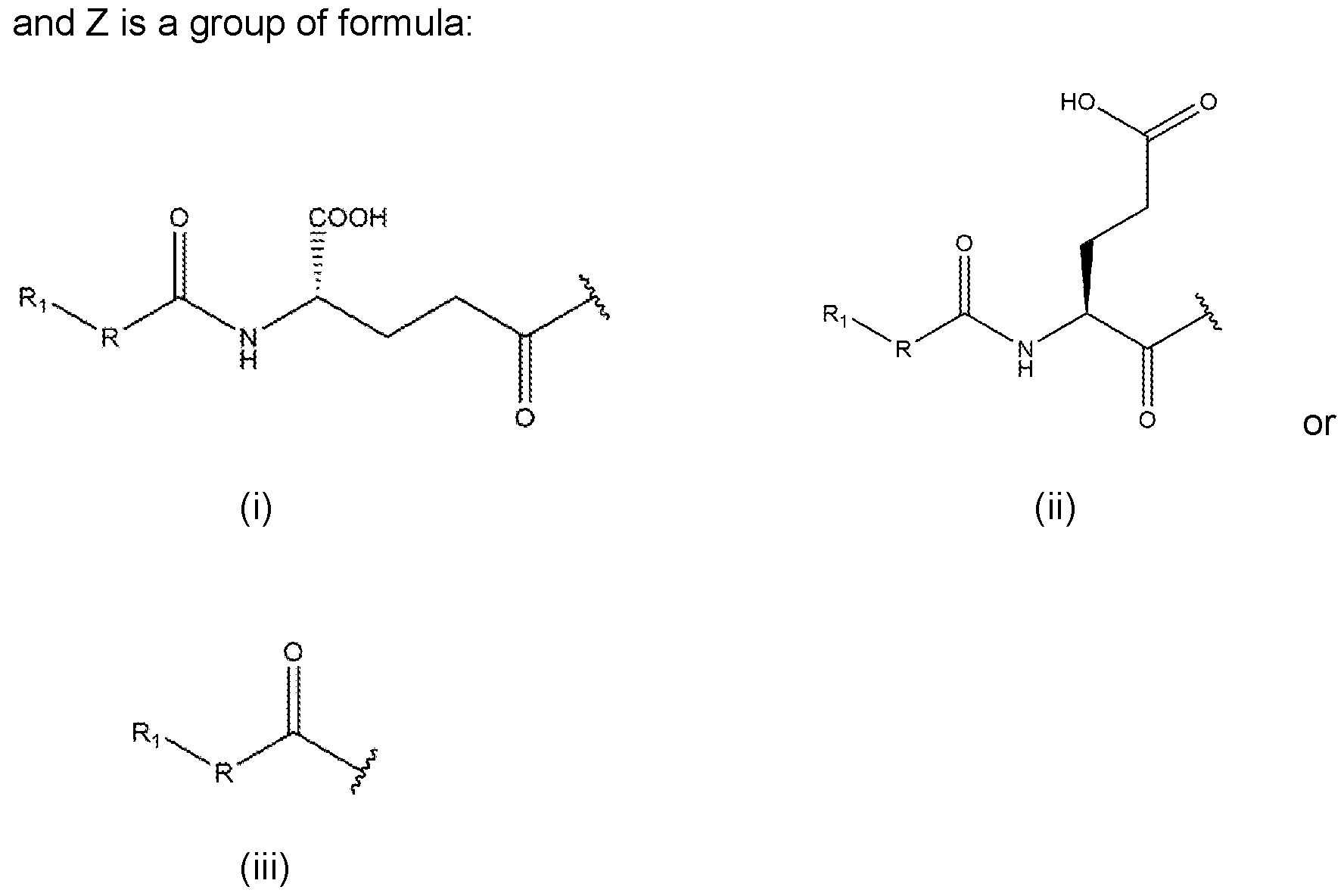


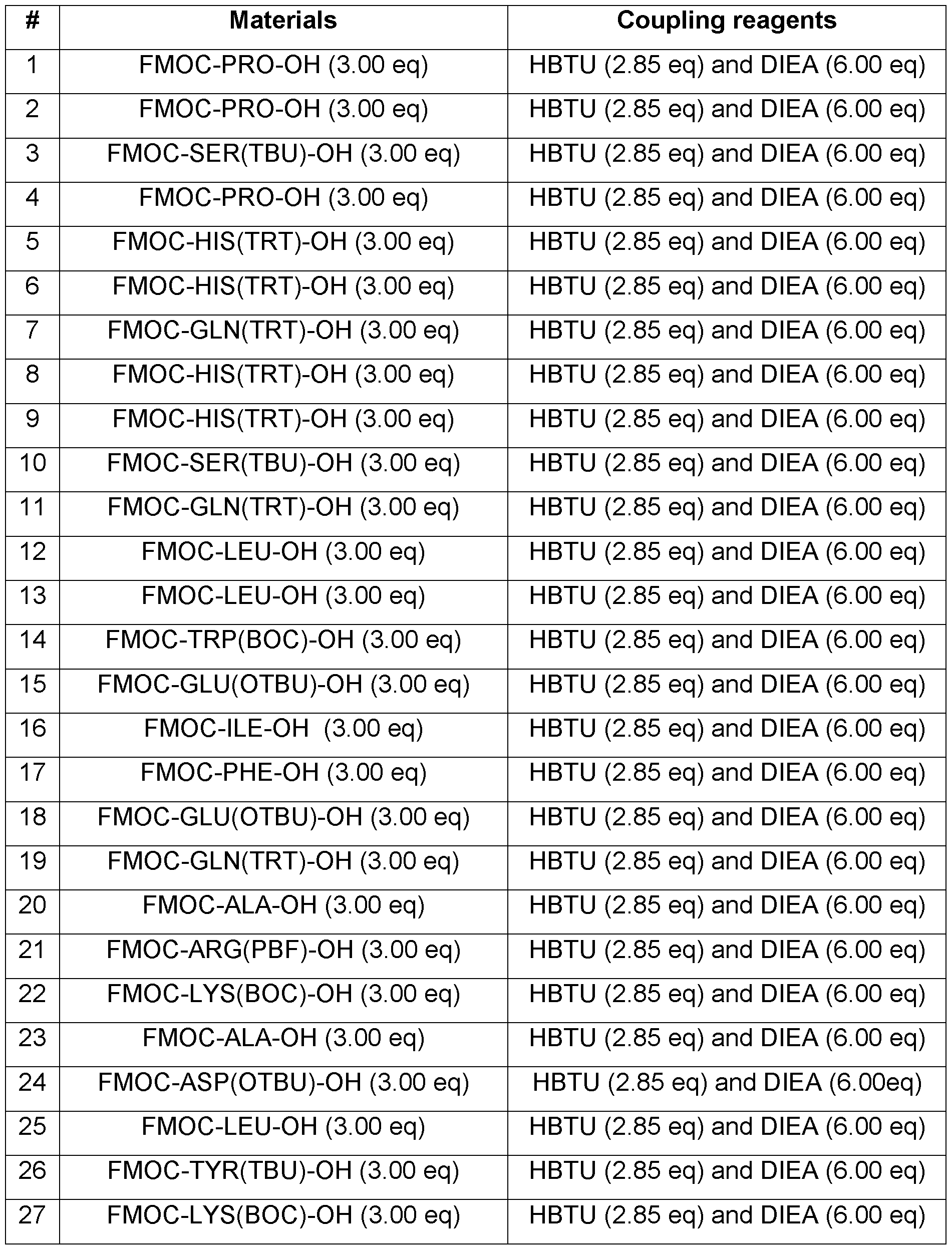


Claims


Priority Applications (6)
| Application Number | Priority Date | Filing Date | Title |
|---|---|---|---|
| CA3140592A CA3140592A1 (en) | 2019-06-12 | 2020-06-12 | Novel peptide hormone analogues |
| US17/618,375 US12516095B2 (en) | 2019-06-12 | 2020-06-12 | Peptide hormone analogues |
| CN202080051458.3A CN114450300B (en) | 2019-06-12 | 2020-06-12 | Novel compounds |
| EP20734274.2A EP3983065A1 (en) | 2019-06-12 | 2020-06-12 | Novel peptide hormone analogues |
| AU2020292803A AU2020292803A1 (en) | 2019-06-12 | 2020-06-12 | Novel peptide hormone analogues |
| JP2021573909A JP7652717B2 (en) | 2019-06-12 | 2020-06-12 | Novel peptide hormone analogues |
Applications Claiming Priority (2)
| Application Number | Priority Date | Filing Date | Title |
|---|---|---|---|
| GBGB1908424.3A GB201908424D0 (en) | 2019-06-12 | 2019-06-12 | Novel compounds |
| GB1908424.3 | 2019-06-12 |
Related Child Applications (2)
| Application Number | Title | Priority Date | Filing Date |
|---|---|---|---|
| US17/618,375 A-371-Of-International US12516095B2 (en) | 2019-06-12 | 2020-06-12 | Peptide hormone analogues |
| US19/364,944 Continuation US20260042811A1 (en) | 2019-06-12 | 2025-10-21 | Novel peptide hormone analogues |
Publications (1)
| Publication Number | Publication Date |
|---|---|
| WO2020249966A1 true WO2020249966A1 (en) | 2020-12-17 |
Family
ID=67386179
Family Applications (1)
| Application Number | Title | Priority Date | Filing Date |
|---|---|---|---|
| PCT/GB2020/051425 Ceased WO2020249966A1 (en) | 2019-06-12 | 2020-06-12 | Novel peptide hormone analogues |
Country Status (8)
| Country | Link |
|---|---|
| US (1) | US12516095B2 (en) |
| EP (1) | EP3983065A1 (en) |
| JP (1) | JP7652717B2 (en) |
| CN (1) | CN114450300B (en) |
| AU (1) | AU2020292803A1 (en) |
| CA (1) | CA3140592A1 (en) |
| GB (1) | GB201908424D0 (en) |
| WO (1) | WO2020249966A1 (en) |
Cited By (1)
| Publication number | Priority date | Publication date | Assignee | Title |
|---|---|---|---|---|
| US12516095B2 (en) | 2019-06-12 | 2026-01-06 | Ip2Ipo Innovations Limited | Peptide hormone analogues |
Families Citing this family (1)
| Publication number | Priority date | Publication date | Assignee | Title |
|---|---|---|---|---|
| GB201908426D0 (en) * | 2019-06-12 | 2019-07-24 | Imp College Innovations Ltd | Appetite suppressing compounds |
Citations (12)
| Publication number | Priority date | Publication date | Assignee | Title |
|---|---|---|---|---|
| US4179337A (en) | 1973-07-20 | 1979-12-18 | Davis Frank F | Non-immunogenic polypeptides |
| US5700486A (en) | 1990-11-22 | 1997-12-23 | Vectorpharma International S.P.A. | Pharmaceutical compositions in the form of particles suitable for the controlled release of pharmacologically active substances and process for preparing the same compositions |
| US5936092A (en) | 1995-01-25 | 1999-08-10 | The University Of Southern California | Methods and compositions for lipidization of hydrophilic molecules |
| US5939380A (en) | 1986-05-20 | 1999-08-17 | Wang; Paul Yao-Cheung | Implant preparations containing bioactive macromolecule for sustained delivery |
| US5993414A (en) | 1998-04-23 | 1999-11-30 | Medtronic, Inc. | Implantable device |
| US6093692A (en) | 1997-09-25 | 2000-07-25 | The University Of Southern California | Method and compositions for lipidization of hydrophilic molecules |
| US6410707B2 (en) | 1996-02-06 | 2002-06-25 | Bionebraska, Inc. | Recombinant preparation of calcitonin fragments and use thereof in the preparation of calcitonin and related analogs |
| US6436091B1 (en) | 1999-11-16 | 2002-08-20 | Microsolutions, Inc. | Methods and implantable devices and systems for long term delivery of a pharmaceutical agent |
| US6447743B1 (en) | 1998-02-10 | 2002-09-10 | Atofina | Method for preparing an aqueous hydrogen peroxide solution directly from hydrogen and oxygen |
| WO2013004983A1 (en) | 2011-07-04 | 2013-01-10 | Imperial Innovations Limited | Novel compounds and their effects on feeding behaviour |
| WO2015132599A1 (en) | 2014-03-06 | 2015-09-11 | Imperial Innovations Limited | Peptides hormone analogues derivable from preproglucagon |
| WO2017178829A1 (en) | 2016-04-15 | 2017-10-19 | Imperial Innovations Limited | Peptide analogues |
Family Cites Families (11)
| Publication number | Priority date | Publication date | Assignee | Title |
|---|---|---|---|---|
| GT200100147A (en) | 2000-07-31 | 2002-06-25 | IMIDAZOL DERIVATIVES | |
| HK1200369A1 (en) | 2011-12-23 | 2015-10-09 | Zealand Pharma A/S | Glucagon analogues |
| WO2014041375A1 (en) | 2012-09-17 | 2014-03-20 | Imperial Innovations Limited | Peptide analogues of glucagon and glp1 |
| SG11201503526UA (en) | 2012-12-21 | 2015-06-29 | Sanofi Sa | Dual glp1/gip or trigonal glp1/gip/glucagon agonists |
| WO2014170496A1 (en) | 2013-04-18 | 2014-10-23 | Novo Nordisk A/S | Stable, protracted glp-1/glucagon receptor co-agonists for medical use |
| WO2015086731A1 (en) | 2013-12-13 | 2015-06-18 | Sanofi | Exendin-4 peptide analogues as dual glp-1/glucagon receptor agonists |
| JOP20200119A1 (en) | 2015-01-09 | 2017-06-16 | Lilly Co Eli | Gip and glp-1 co-agonist compounds |
| WO2016198624A1 (en) | 2015-06-12 | 2016-12-15 | Sanofi | Exendin-4 derivatives as trigonal glp-1/glucagon/gip receptor agonists |
| GB201720187D0 (en) * | 2017-12-04 | 2018-01-17 | Imperial Innovations Ltd | Novel Compounds |
| GB201908424D0 (en) | 2019-06-12 | 2019-07-24 | Imp College Innovations Ltd | Novel compounds |
| KR20230125802A (en) * | 2020-12-11 | 2023-08-29 | 아이피2아이피오 이노베이션스 리미티드 | new compound |
-
2019
- 2019-06-12 GB GBGB1908424.3A patent/GB201908424D0/en not_active Ceased
-
2020
- 2020-06-12 JP JP2021573909A patent/JP7652717B2/en active Active
- 2020-06-12 CA CA3140592A patent/CA3140592A1/en active Pending
- 2020-06-12 WO PCT/GB2020/051425 patent/WO2020249966A1/en not_active Ceased
- 2020-06-12 US US17/618,375 patent/US12516095B2/en active Active
- 2020-06-12 EP EP20734274.2A patent/EP3983065A1/en active Pending
- 2020-06-12 CN CN202080051458.3A patent/CN114450300B/en active Active
- 2020-06-12 AU AU2020292803A patent/AU2020292803A1/en active Pending
Patent Citations (13)
| Publication number | Priority date | Publication date | Assignee | Title |
|---|---|---|---|---|
| US4179337A (en) | 1973-07-20 | 1979-12-18 | Davis Frank F | Non-immunogenic polypeptides |
| US5939380A (en) | 1986-05-20 | 1999-08-17 | Wang; Paul Yao-Cheung | Implant preparations containing bioactive macromolecule for sustained delivery |
| US5700486A (en) | 1990-11-22 | 1997-12-23 | Vectorpharma International S.P.A. | Pharmaceutical compositions in the form of particles suitable for the controlled release of pharmacologically active substances and process for preparing the same compositions |
| US6225445B1 (en) | 1995-01-25 | 2001-05-01 | The University Of Southern California | Methods and compositions for lipidization of hydrophilic molecules |
| US5936092A (en) | 1995-01-25 | 1999-08-10 | The University Of Southern California | Methods and compositions for lipidization of hydrophilic molecules |
| US6410707B2 (en) | 1996-02-06 | 2002-06-25 | Bionebraska, Inc. | Recombinant preparation of calcitonin fragments and use thereof in the preparation of calcitonin and related analogs |
| US6093692A (en) | 1997-09-25 | 2000-07-25 | The University Of Southern California | Method and compositions for lipidization of hydrophilic molecules |
| US6447743B1 (en) | 1998-02-10 | 2002-09-10 | Atofina | Method for preparing an aqueous hydrogen peroxide solution directly from hydrogen and oxygen |
| US5993414A (en) | 1998-04-23 | 1999-11-30 | Medtronic, Inc. | Implantable device |
| US6436091B1 (en) | 1999-11-16 | 2002-08-20 | Microsolutions, Inc. | Methods and implantable devices and systems for long term delivery of a pharmaceutical agent |
| WO2013004983A1 (en) | 2011-07-04 | 2013-01-10 | Imperial Innovations Limited | Novel compounds and their effects on feeding behaviour |
| WO2015132599A1 (en) | 2014-03-06 | 2015-09-11 | Imperial Innovations Limited | Peptides hormone analogues derivable from preproglucagon |
| WO2017178829A1 (en) | 2016-04-15 | 2017-10-19 | Imperial Innovations Limited | Peptide analogues |
Non-Patent Citations (21)
| Title |
|---|
| "Obes. Res.", vol. 6, 1998, NATIONAL INSTITUTES OF HEALTH, pages: 51 S - 209S |
| BARLOWDIETZ, PEDIATRICS, vol. 102, 1998, pages E29 |
| BUCHWALD ET AL., SURGERY, vol. 88, 1980, pages 507 |
| ESBEN M. BECH ET AL: "Chemical Strategies for Half-Life Extension of Biopharmaceuticals: Lipidation and Its Alternatives", ACS MEDICINAL CHEMISTRY LETTERS, vol. 9, no. 7, 12 July 2018 (2018-07-12), US, pages 577 - 580, XP055678869, ISSN: 1948-5875, DOI: 10.1021/acsmedchemlett.8b00226 * |
| JAMESONWOLF, COMPUT. APPL. BIOSCI., vol. 4, no. 1, 1988, pages 181 - 6 |
| JEQUIER, AM. J CLIN. NUTR., vol. 45, 1987, pages 1035 - 47 |
| KENCHAIAH ET AL., N. ENGL. J. MED., vol. 347, 2002, pages 358 |
| KOLASKARTONGANKAR, FEBS LEU., vol. 276, no. 1-2, 1990, pages 172 - 4 |
| KOPELMAN, NATURE, vol. 404, 2000, pages 635 - 43 |
| LANGER, SCIENCE, vol. 249, 1990, pages 1527 - 1533 |
| LAU JESPER ET AL: "Discovery of the Once-Weekly Glucagon-Like Peptide-1 (GLP-1) Analogue Semaglutide", JOURNAL OF MEDICINAL CHEMISTRY,, vol. 58, no. 18, 1 September 2015 (2015-09-01), pages 7370 - 7380, XP002764741 * |
| LIM ET AL., DIABETOLOGIA, June 2011 (2011-06-01) |
| LYZNICKI ET AL., AM. FAM. PHYS., vol. 63, 2001, pages 2185 |
| MUKAI ET AL., BIOCHEM. BIOPHYS. RE. COMM., vol. 28993, 2009, pages 523 - 6 |
| PELLEQUERWESTHOF, J. MOL. GRAPH., vol. 11, no. 3, 1993, pages 204 - 10 |
| RISSANEN ET AL., BRITISH MED. J., vol. 301, 1990, pages 835 |
| SAUDEK ET AL., N. ENGL. J. MED., vol. 321, 1989, pages 574 |
| SEFTON, CRC CRIT. REF. BIOMED. ENG., vol. 14, 1987, pages 201 |
| TERAMOTO S, J. CEREB. BLOOD FLOW METAB., 13 April 2011 (2011-04-13) |
| WANG, Y. J.HANSON, M. A.: "Technical Report No. 10", JOURNAL OF PARENTERAL SCIENCE AND TECHNOLOGY, 1988, pages 2S |
| YU MINZHI ET AL: "Battle of GLP-1 delivery technologies", ADVANCED DRUG DELIVERY REVIEWS, ELSEVIER, AMSTERDAM, NL, vol. 130, 21 July 2018 (2018-07-21), pages 113 - 130, XP085451322, ISSN: 0169-409X, DOI: 10.1016/J.ADDR.2018.07.009 * |
Cited By (1)
| Publication number | Priority date | Publication date | Assignee | Title |
|---|---|---|---|---|
| US12516095B2 (en) | 2019-06-12 | 2026-01-06 | Ip2Ipo Innovations Limited | Peptide hormone analogues |
Also Published As
| Publication number | Publication date |
|---|---|
| EP3983065A1 (en) | 2022-04-20 |
| JP7652717B2 (en) | 2025-03-27 |
| JP2022536761A (en) | 2022-08-18 |
| GB201908424D0 (en) | 2019-07-24 |
| CN114450300A (en) | 2022-05-06 |
| AU2020292803A1 (en) | 2022-01-20 |
| CN114450300B (en) | 2025-05-20 |
| US20220315636A1 (en) | 2022-10-06 |
| US12516095B2 (en) | 2026-01-06 |
| CA3140592A1 (en) | 2020-12-17 |
Similar Documents
| Publication | Publication Date | Title |
|---|---|---|
| US9546205B2 (en) | Peptide analogues of glucagon and GLP1 | |
| CA2978043C (en) | Peptides hormone analogues derivable from preproglucagon | |
| US12497438B2 (en) | Compounds | |
| EP3720873B1 (en) | Glucagon-like peptides | |
| US12516095B2 (en) | Peptide hormone analogues | |
| WO2024175930A1 (en) | Compounds | |
| US20260042811A1 (en) | Novel peptide hormone analogues | |
| AU2024224775A1 (en) | Compounds | |
| WO2025176999A2 (en) | Novel compounds |
Legal Events
| Date | Code | Title | Description |
|---|---|---|---|
| 121 | Ep: the epo has been informed by wipo that ep was designated in this application |
Ref document number: 20734274 Country of ref document: EP Kind code of ref document: A1 |
|
| ENP | Entry into the national phase |
Ref document number: 3140592 Country of ref document: CA |
|
| ENP | Entry into the national phase |
Ref document number: 2021573909 Country of ref document: JP Kind code of ref document: A |
|
| NENP | Non-entry into the national phase |
Ref country code: DE |
|
| ENP | Entry into the national phase |
Ref document number: 2020292803 Country of ref document: AU Date of ref document: 20200612 Kind code of ref document: A |
|
| ENP | Entry into the national phase |
Ref document number: 2020734274 Country of ref document: EP Effective date: 20220112 |
|
| WWG | Wipo information: grant in national office |
Ref document number: 202080051458.3 Country of ref document: CN |
|
| WWD | Wipo information: divisional of initial pct application |
Ref document number: 822042 Country of ref document: NZ |
|
| WWG | Wipo information: grant in national office |
Ref document number: 17618375 Country of ref document: US |