WO2020180751A1 - Compositions, methods, and kits for delivery of polyribonucleotides - Google Patents
Compositions, methods, and kits for delivery of polyribonucleotides Download PDFInfo
- Publication number
- WO2020180751A1 WO2020180751A1 PCT/US2020/020560 US2020020560W WO2020180751A1 WO 2020180751 A1 WO2020180751 A1 WO 2020180751A1 US 2020020560 W US2020020560 W US 2020020560W WO 2020180751 A1 WO2020180751 A1 WO 2020180751A1
- Authority
- WO
- WIPO (PCT)
- Prior art keywords
- polyribonucleotide
- alcohol
- cell
- mixture
- days
- Prior art date
- Legal status (The legal status is an assumption and is not a legal conclusion. Google has not performed a legal analysis and makes no representation as to the accuracy of the status listed.)
- Ceased
Links
Classifications
-
- A—HUMAN NECESSITIES
- A61—MEDICAL OR VETERINARY SCIENCE; HYGIENE
- A61K—PREPARATIONS FOR MEDICAL, DENTAL OR TOILETRY PURPOSES
- A61K9/00—Medicinal preparations characterised by special physical form
- A61K9/0012—Galenical forms characterised by the site of application
- A61K9/0014—Skin, i.e. galenical aspects of topical compositions
-
- A—HUMAN NECESSITIES
- A61—MEDICAL OR VETERINARY SCIENCE; HYGIENE
- A61K—PREPARATIONS FOR MEDICAL, DENTAL OR TOILETRY PURPOSES
- A61K31/00—Medicinal preparations containing organic active ingredients
- A61K31/70—Carbohydrates; Sugars; Derivatives thereof
- A61K31/7088—Compounds having three or more nucleosides or nucleotides
-
- A—HUMAN NECESSITIES
- A61—MEDICAL OR VETERINARY SCIENCE; HYGIENE
- A61K—PREPARATIONS FOR MEDICAL, DENTAL OR TOILETRY PURPOSES
- A61K31/00—Medicinal preparations containing organic active ingredients
- A61K31/70—Carbohydrates; Sugars; Derivatives thereof
- A61K31/7088—Compounds having three or more nucleosides or nucleotides
- A61K31/7105—Natural ribonucleic acids, i.e. containing only riboses attached to adenine, guanine, cytosine or uracil and having 3'-5' phosphodiester links
-
- A—HUMAN NECESSITIES
- A61—MEDICAL OR VETERINARY SCIENCE; HYGIENE
- A61K—PREPARATIONS FOR MEDICAL, DENTAL OR TOILETRY PURPOSES
- A61K38/00—Medicinal preparations containing peptides
- A61K38/16—Peptides having more than 20 amino acids; Gastrins; Somatostatins; Melanotropins; Derivatives thereof
- A61K38/17—Peptides having more than 20 amino acids; Gastrins; Somatostatins; Melanotropins; Derivatives thereof from animals; from humans
- A61K38/18—Growth factors; Growth regulators
-
- A—HUMAN NECESSITIES
- A61—MEDICAL OR VETERINARY SCIENCE; HYGIENE
- A61K—PREPARATIONS FOR MEDICAL, DENTAL OR TOILETRY PURPOSES
- A61K41/00—Medicinal preparations obtained by treating materials with wave energy or particle radiation ; Therapies using these preparations
-
- A—HUMAN NECESSITIES
- A61—MEDICAL OR VETERINARY SCIENCE; HYGIENE
- A61K—PREPARATIONS FOR MEDICAL, DENTAL OR TOILETRY PURPOSES
- A61K47/00—Medicinal preparations characterised by the non-active ingredients used, e.g. carriers or inert additives; Targeting or modifying agents chemically bound to the active ingredient
- A61K47/06—Organic compounds, e.g. natural or synthetic hydrocarbons, polyolefins, mineral oil, petrolatum or ozokerite
- A61K47/08—Organic compounds, e.g. natural or synthetic hydrocarbons, polyolefins, mineral oil, petrolatum or ozokerite containing oxygen, e.g. ethers, acetals, ketones, quinones, aldehydes, peroxides
- A61K47/10—Alcohols; Phenols; Salts thereof, e.g. glycerol; Polyethylene glycols [PEG]; Poloxamers; PEG/POE alkyl ethers
-
- A—HUMAN NECESSITIES
- A61—MEDICAL OR VETERINARY SCIENCE; HYGIENE
- A61K—PREPARATIONS FOR MEDICAL, DENTAL OR TOILETRY PURPOSES
- A61K48/00—Medicinal preparations containing genetic material which is inserted into cells of the living body to treat genetic diseases; Gene therapy
-
- A—HUMAN NECESSITIES
- A61—MEDICAL OR VETERINARY SCIENCE; HYGIENE
- A61P—SPECIFIC THERAPEUTIC ACTIVITY OF CHEMICAL COMPOUNDS OR MEDICINAL PREPARATIONS
- A61P17/00—Drugs for dermatological disorders
- A61P17/02—Drugs for dermatological disorders for treating wounds, ulcers, burns, scars, keloids, or the like
Definitions
- Polyribonucleotides are critical biomolecules for biological activities such as gene expression, gene regulation, and cellular signaling transduction.
- compositions, pharmaceutical compositions, and methods for delivery of polyribonucleotides include ethanol and the polyribonucleotides.
- the compositions and pharmaceutical compositions include alcohol and the polyribonucleotides.
- the compositions and pharmaceutical compositions include a cell-penetrating agent and the polyribonucleotides. The methods comprise applying these compositions and pharmaceutical compositions to a surface area of a subject.
- compositions free of any carrier and comprises a polyribonucleotide and diluent.
- the compositions can be applied to epithelial cells for delivery of the polyribonucleotide.
- the compositions can be applied to a surface area after application of a sterilizing agent to that area.
- a pharmaceutical composition comprises a mixture of a
- the ethanol constitutes at least about 0.3% v/v to about 75% v/v of the mixture.
- the ethanol constitutes at least about 0.3% v/v to about 70% v/v, at least about 0.3% v/v to about 60% v/v, at least about 0.3% v/v to about 50% v/v, at least about 0.3% v/v to about 40% v/v, at least about 30% v/v to about 20% v/v, at least about 0.3% v/v to about 15% v/v, at least about 0.3% v/v to about 10% v/v, at least about 0.3% v/v to about 5% v/v, at least about 0.3% v/v to about 1% v/v, or at least about 0.3% v/v to about 0.5% v/v of the mixture.
- the ethanol constitutes at least about 0.5% v/v to about 75% v/v, at least about 1% v/v to about 75% v/v, at least about 5% v/v to about 75% v/v, at least about 10% v/v to about 75% v/v, at least about 15% v/v to about 75% v/v, at least about 20% v/v to about 75% v/v, at least about 30% v/v to about 75% v/v, at least about 40% v/v to about 75% v/v, at least about 50% v/v to about 75% v/v, at least about 60% v/v to about 75% v/v, or at least about 70% v/v to about 75% v/v of the mixture.
- a pharmaceutical composition comprises a mixture of a
- the alcohol constitutes at least about 0.3% v/v to about 75% v/v of the mixture.
- the alcohol constitutes at least about 0.3% v/v to about 70% v/v, at least about 0.3% v/v to about 60% v/v, at least about 0.3% v/v to about 50% v/v, at least about 0.3% v/v to about 40% v/v, at least about 30% v/v to about 20% v/v, at least about 0.3% v/v to about 15% v/v, at least about 0.3% v/v to about 10% v/v, at least about 0.3% v/v to about 5% v/v, at least about 0.3% v/v to about 1% v/v, or at least about 0.3% v/v to about 0.5% v/v of the mixture.
- the alcohol constitutes at least about at 0.5% v/v to about 75% v/v, at least about 1% v/v to about 75% v/v, at least about 5% v/v to about 75% v/v, at least about 10% v/v to about 75% v/v, at least about 15% v/v to about 75% v/v, at least about 20% v/v to about 75% v/v, at least about 30% v/v to about 75% v/v, at least about 40% v/v to about 75% v/v, at least about 50% v/v to about 75% v/v, at least about 60% v/v to about 75% v/v, or at least about 70% v/v to about 75% v/v of the mixture
- the alcohol is selected from the group consisting of: methanol, ethanol, isopropanol, butanol, pentanol, cetyl alcohol, ethylene glycol, prop
- a pharmaceutical composition comprises a mixture of a
- the cell-penetrating agent constitutes at least about 0.3% v/v to about 75% v/v of the mixture.
- the cell-penetrating agent constitutes at least about 0.3% v/v to about 70% v/v, at least about 0.3% v/v to about 60% v/v, at least about 0.3% v/v to about 50% v/v, at least about 0.3% v/v to about 40% v/v, at least about 30% v/v to about 20% v/v, at least about 0.3% v/v to about 15% v/v, at least about 0.3% v/v to about 10% v/v, at least about 0.3% v/v to about 5% v/v, at least about 0.3% v/v to about 1% v/v, or at least about 0.3% v/v to about 0.5% v/v of the mixture.
- the cell-penetrating agent constitutes at least about 0.5% v/v to about 75% v/v, at least about 1% v/v to about 75% v/v, at least about 5% v/v to about 75% v/v, at least about 10% v/v to about 75% v/v, at least about 15% v/v to about 75% v/v, at least about 20% v/v to about 75% v/v, at least about 30% v/v to about 75% v/v, at least about 40% v/v to about 75% v/v, at least about 50% v/v to about 75% v/v, at least about 60% v/v to about 75% v/v, or at least about 70% v/v to about 75% v/v of the mixture.
- the cell-penetrating agent is an alcohol.
- the alcohol is selected from the group consisting of: methanol, ethanol, isopropanol, butanol, pentanol, cetyl alcohol, ethylene glycol, propylene glycol, denatured alcohol, benzyl alcohol, specially denatured alcohol, glycol, stearyl alcohol, cetearyl alcohol, menthol, polyethylene glycols (PEG)-400, ethoxylated fatty acids, and hydroxyethylcellulose.
- PEG polyethylene glycols
- the polyribonucleotide encodes a protein.
- the protein is a therapeutic protein.
- the protein is a wound healing protein.
- the wound healing protein is a growth factor.
- the growth factor is EGF, PDGF, TGFP, or VEGF.
- the pharmaceutical composition is a liquid, gel, lotion, paste, cream, foam, or stick.
- the polyribonucleotide is a linear polyribonucleotide.
- the polyribonucleotide is an mRNA.
- the polyribonucleotide lacks a cap or poly-A tail.
- the polyribonucleotide is immunogenic. In some embodiments, the polyribonucleotide is immunogenic.
- the polyribonucleotide is non-immunogenic. In some embodiments, the polyribonucleotide is a circular polyribonucleotide. In some embodiments, the
- polyribonucleotide comprises a modified ribonucleotide.
- the polyribonucleotide comprises a modified ribonucleotide.
- the pharmaceutical composition has a pH of about 7. In some embodiments, the pharmaceutical composition has a viscosity that is about the same as water. In some embodiments, the pharmaceutical composition is substantially free of hydrophobic or lipophilic groups. In some embodiments, the pharmaceutical composition is substantially free of hydrocarbons. In some embodiments, the pharmaceutical composition is substantially free of cationic liposomes. In some embodiments, the pharmaceutical composition is substantially free of fatty acids, lipids, liposomes, cholesterol, or any combination thereof. In some embodiments, the cell penetrating agent is soluble in polar solvents. In some embodiments, the cell penetrating agent is insoluble in polar solvents.
- a therapeutic composition comprises a polyribonucleotide and a cell- penetrating agent, wherein the cell-penetrating agent is configured for topical administration.
- a therapeutic composition comprises a polyribonucleotide and an alcohol, wherein the alcohol is configured for topical administration.
- a therapeutic composition comprises a polyribonucleotide and an alcohol, wherein the polyribonucleotide comprises a payload or a sequence encoding a payload and wherein the payload has a biological effect on a cell.
- a therapeutic composition comprises a polyribonucleotide and a cell-penetrating agent, wherein the polyribonucleotide comprises a payload or a sequence encoding a payload and wherein the payload has a biological effect on a cell.
- a therapeutic composition comprises a polyribonucleotide and an alcohol, wherein the polyribonucleotide is in an amount effective to have a biological effect on a cell or tissue and wherein the alcohol is in an amount effective to have a biological effect on a cell or tissue.
- a therapeutic composition comprises a polyribonucleotide and a cell-penetrating agent, wherein the polyribonucleotide is in an amount effective to have a biological effect on a cell or tissue and wherein the cell-penetrating agent is in an amount effective to have a biological effect on a cell or tissue.
- a method of treating a wound comprises contacting the wound or tissue surrounding the wound to a composition comprising a mixture of a polyribonucleotide and ethanol, wherein the ethanol constitutes at least about 0.3% v/v to about 75% v/v of the mixture.
- a method of treating a wound comprises contacting the wound or tissue surrounding the wound to a composition comprising a mixture of a polyribonucleotide and alcohol, wherein the alcohol constitutes at least about 0.3% v/v to about 75% v/v of the mixture.
- a method of treating a wound comprises contacting the wound or tissue surrounding the wound to a composition comprising a mixture of a polyribonucleotide and a cell-penetrating agent, wherein the cell-penetrating agent constitutes at least about 0.3% v/v to about 75% v/v of the mixture.
- a therapeutic composition comprises a polyribonucleotide, an alcohol, and a topical delivery excipient, wherein the topical delivery excipient comprises a stabilizer.
- a therapeutic composition comprises a polyribonucleotide, a cell-penetrating agent, and a topical delivery excipient, wherein the topical delivery excipient comprises a stabilizer.
- the stabilizer comprises glucose (4.5g/L).
- a suppository or other lipid based formulation comprising a
- a suppository or other lipid based formulation comprising a polyribonucleotide and a cell-penetrating agent.
- an inhalable composition comprising a mixture of a polyribonucleotide, an alcohol, and a propellant. In some aspects, an inhalable composition comprising a mixture of a polyribonucleotide, a cell-penetrating agent, and a propellant.
- a therapeutic composition comprises a biodegradable scaffold loaded with polyribonucleotide and an alcohol. In some aspects, a therapeutic composition comprises a biodegradable scaffold loaded with polyribonucleotide and a cell-penetrating agent.
- the cell-penetrating agent comprises an alcohol.
- the alcohol is selected from the group consisting of: methanol, ethanol, isopropanol, butanol, pentanol, cetyl alcohol, ethylene glycol, propylene glycol, denatured alcohol, benzyl alcohol, specially denatured alcohol, glycol, stearyl alcohol, cetearyl alcohol, menthol, polyethylene glycols (PEG)-400, ethoxylated fatty acids, and hydroxyethylcellulose.
- the alcohol is ethanol.
- a method of delivering a polyribonucleotide to a subject comprises: a) applying a sterilizing agent to a surface area of the subject; b) applying a composition free of any carrier comprising the polyribonucleotide and diluent to the surface area.
- the sterilizing agent is an alcohol, UV light, laser light, or heat.
- a method of delivering a polyribonucleotide to a subject comprises: a) applying an alcohol to a surface area of the subject; b) applying a composition free of any carrier comprising the polyribonucleotide and diluent to the surface.
- a method of delivering a polyribonucleotide to an epithelial cell comprises applying a composition free of any carrier comprising a diluent and a
- polyribonucleotide that is not modified to the epithelial cell.
- a method of delivering a polyribonucleotide to a subject comprises topically applying a composition comprising a mixture of a polyribonucleotide and ethanol to a surface area of the subject, wherein the ethanol constitutes at least about 0.3% v/v to about 75% v/v of the mixture.
- a method of delivering a polyribonucleotide to a subject comprises topically applying a composition comprising a mixture of a polyribonucleotide and an alcohol to a surface area of the subject, wherein the alcohol constitutes at least about 0.3% v/v to about 75% v/v of the mixture.
- a method of delivering a polyriboribonucleotide to a subject comprises topically applying a composition comprising a mixture of a
- the composition delivers the polyribonucleotide to a dermal or epidermal tissue of the subject. In some embodiments, the composition delivers the polyribonucleotide to the dermal or epidermal tissue of the subject without iontophoresis.
- a method of delivering a polyribonucleotide to a cell or tissue comprises contacting the cell or tissue to a mixture comprising the polyribonucleotide and alcohol, wherein the alcohol constitutes at least about 0.3% v/v to about 75% v/v of the mixture.
- a method of delivering a polyribonucleotide to a cell or tissue comprises contacting the cell or tissue to a mixture comprising the polyribonucleotide and a cell-penetrating agent, wherein the cell-penetrating agent constitutes at least about 0.3% v/v to about 75% v/v of the mixture.
- a method of delivering a therapeutic composition to a cell or tissue comprises contacting the cell or tissue to the therapeutic composition comprising a
- a method of delivering a therapeutic composition to a cell or tissue comprises contacting the cell or tissue to the therapeutic composition comprising a polyribonucleotide and a cell-penetrating agent, wherein the cell-penetrating agent is configured for topical administration.
- a method of in vivo delivery of a polyribonucleotide comprises applying a mixture comprises the polyribonucleotide and an alcohol onto a surface area of a subject. In some aspects, a method of in vivo delivery of a polyribonucleotide comprises applying a mixture comprising the polyribonucleotide and a cell-penetrating agent onto a surface area of a subject.
- a method of topical delivery of a polyribonucleotide comprises applying a mixture comprising the polyribonucleotide and an alcohol onto a surface area of a subject. In some aspects, a method of topical delivery of a polyribonucleotide comprises applying a mixture comprising the polyribonucleotide and a cell-penetrating agent onto a surface area of a subject.
- a method of delivering a therapeutic polyribonucleotide to a subject comprises topically contacting a mixture comprising the therapeutic polyribonucleotide and an alcohol to an epithelial surface, endothelial surface, exposed tissue, or open wound.
- a method of delivering a therapeutic polyribonucleotide to a subject comprises topically contacting a mixture comprising the therapeutic polyribonucleotide and a cell-penetrating agent to an epithelial surface, endothelial surface, exposed tissue, or open wound.
- a method of treatment comprises applying a mixture comprises a polyribonucleotide and an alcohol to a surface area of a subject with a condition or disease. In some aspects, a method of treatment comprises applying a mixture comprising a
- the cell-penetrating agent comprises an alcohol.
- the alcohol is selected from the group consisting of: methanol, ethanol, isopropanol, butanol, pentanol, cetyl alcohol, ethylene glycol, propylene glycol, denatured alcohol, benzyl alcohol, specially denatured alcohol, glycol, stearyl alcohol, cetearyl alcohol, menthol, polyethylene glycols (PEG)-400, ethoxylated fatty acids, and hydroxyethylcellulose.
- the alcohol comprises ethanol.
- the ethanol, alcohol, or cell-penetrating agent constitutes at least about 0.3% v/v to about 70% v/v, at least about 0.3% v/v to about 60% v/v, at least about 0.3% v/v to about 50% v/v, at least about 0.3% v/v to about 40% v/v, at least about 30% v/v to about 20% v/v, at least about 0.3% v/v to about 15% v/v, at least about 0.3% v/v to about 10% v/v, at least about 0.3% v/v to about 5% v/v, at least about 0.3% v/v to about 1% v/v, or at least about 0.3% v/v to about 0.5% v/v of the mixture.
- the ethanol, alcohol, or cell-penetrating agent at least about 0.5% v/v to about 75% v/v, at least about 1% v/v to about 75% v/v, at least about 5% v/v to about 75% v/v, at least about 10% v/v to about 75% v/v, at least about 15% v/v to about 75% v/v, at least about 20% v/v to about 75% v/v, at least about 30% v/v to about 75% v/v, at least about 40% v/v to about 75% v/v, at least about 50% v/v to about 75% v/v, at least about 60% v/v to about 75% v/v, or at least about 70% v/v to about 75% v/v of the mixture.
- the method further comprises mixing the polyribonucleotide with the cell-penetrating agent or alcohol.
- the polyribonucleotide is in a solid form before the mixing.
- the polyribonucleotide is lyophilized before the mixing.
- the polyribonucleotide is in a liquid form before the mixing.
- the polyribonucleotide is dissolved in a solvent before the mixing.
- the polyribonucleotide comprises a payload or a sequence encoding a payload and wherein the payload has a biological effect on a cell or a tissue.
- the polyribonucleotide is in an amount effective to have a biological effect on a cell and the cell- penetrating agent is in an amount effective to have a biological effect on a cell or a tissue.
- the polyribonucleotide encodes a protein.
- the protein is a therapeutic protein.
- the protein is a wound healing protein.
- the wound healing protein is a growth factor.
- the growth factor is EGF, PDGF, TGFP, or VEGF.
- the composition is a liquid, gel, lotion, paste, cream, foam, or stick.
- the polyribonucleotide is a linear polyribonucleotide.
- the polyribonucleotide is an mRNA.
- the polyribonucleotide lacks a cap or poly- A tail.
- the polyribonucleotide is immunogenic. In some embodiments, the polyribonucleotide is non- immunogenic.
- the polyribonucleotide is a circular polyribonucleotide. In some embodiments, the polyribonucleotide comprises a modified ribonucleotide. In some embodiments, the composition has a pH of about 7. In some embodiments, the composition has a viscosity that is about the same as water. In some embodiments, the composition is substantially free of hydrophobic or lipophilic groups. In some embodiments, the composition is substantially free of hydrocarbons. In some embodiments, the composition is substantially free of cationic liposomes. In some embodiments, the composition is substantially free of fatty acids, lipids, liposomes, cholesterol, or any combination thereof.
- the cell penetrating agent is soluble in polar solvents. In some embodiments, the cell penetrating agent is insoluble in polar solvents. In some embodiments, the composition further comprises a pharmaceutically acceptable excipient. In some embodiments, the delivery is systemic. In some embodiments, the delivery is localized. In some embodiments, the surface area is selected from the group consisting of: skin, surface areas of oral cavity, nasal cavity, ear cavity,
- applying comprises depositing a drop of the mixture directly onto the surface area.
- applying comprises wiping the surface area with a patch, a gel, or a film embedded with the mixture.
- applying comprises spraying the mixture onto the surface area.
- applying comprises administering the mixture to the subject via aerosolization.
- applying comprises administering the mixture to the subject via a suppository. In some embodiments, applying comprises administering the mixture to the subject via oral ingestion of a capsule containing the mixture, and wherein the capsule is configured to release the mixture inside gastrointestinal tract of the subject.
- the cell comprises an epithelial cell.
- the circular polyribonucleotide has a translation efficiency at least 5%, at least 10%, at least 15%, at least 20%, at least 30%, at least 40%, at least 50%, at least 60%, at least 70%, at least 80%, at least 90%, at least 100%, at least 150%, at least 2 fold, at least 3 fold, at least 4 fold, at least 5 fold, at least 6 fold, at least 7 fold, at least 8 fold, at least 9 fold, at least 10 fold, at least 20 fold, at least 50 fold, or at least 100 fold greater than a linear counterpart.
- the circular polyribonucleotide has a translation efficiency at least 5 fold greater than a linear counterpart.
- the polyribonucleotide has a short term biological effect.
- the polyribonucleotide has a long term biological effect.
- a concentration of the polyribonucleotide in the mixture is at least about 50 ng/mL, at least about 100 ng/mL, at least about 500 ng/mL, at least about 1 pg/mL, at least about 2 pg/mL, at least about 3 pg/mL, at least about 4 pg/mL, at least about 5 pg/mL, at least about 10 pg/mL, at least about 20 pg/mL, at least about 50 pg/mL, at least about 100 pg/mL, at least about 200 pg/mL, at least about 500 pg/mL, at least about 1 mg/mL, at least about 2 mg/mL, at least about 5 mg/mL, at least about 10 mg/mL, at least about 20 mg/mL, at least about 50 mg/mL, or at
- kits comprising a pharmaceutical composition described herein.
- a kit comprises an application tool and the pharmaceutical composition of any one the preceeding embodiments, wherein the application tool is configured to apply the pharmaceutical composition to a surface area of a subject.
- a kit comprises a first application tool, a second application tool, a sterilizing agent, and a composition free of any carrier comprising the polyribonucleotide and diluent, wherein the first application tool is configured to apply a sterilizing agent to a surface area of a subject and the second application tool is configured to apply the composition to the surface area of the subject.
- the sterilizing agent is an alcohol, UV light, laser light, or heat.
- the alcohol is selected from the group consisting of: methanol, ethanol, isopropanol, butanol, pentanol, cetyl alcohol, ethylene glycol, propylene glycol, denatured alcohol, benzyl alcohol, specially denatured alcohol, glycol, stearyl alcohol, cetearyl alcohol, menthol, polyethylene glycols (PEG)-400, ethoxylated fatty acids, and hydroxyethylcellulose.
- the first application tool is a wipe.
- the wipe comprises the sterilizing agent.
- first application tool is a device that applies UV light or laser light.
- the first application tool is a device that applies heat.
- a kit comprising an application tool and a mixture comprising a polyribonucleotide and a cell-penetrating agent, wherein the application tool is configured to apply the mixture to a surface area of a subject.
- the application tool or second application tool comprises a pipette.
- the application tool or second application tool comprises a substrate, and wherein the substrate is embedded with the mixture.
- the substrate is made of natural or artificial fibers.
- the kit comprises a suppository.
- the application tool or second application tool comprises a patch.
- the application tool or second application tool comprises a sprayer.
- the application tool or second application tool comprises a nebulizer.
- the application tool or second application tool comprises a capsule configured to release the mixture inside gastrointestinal tract of the subject.
- the application tool or second application tool is configured to release the mixture in a controlled manner.
- the surface area is selected from the group consisting of: skin, surface areas of oral cavity, nasal cavity, gastrointestinal tract, and respiratory tract, and any combination thereof.
- kits comprises a composition described herein and an alcohol wipe.
- kits comprises a composition described herein and a vial containing an alcohol for application to the surface area of a subject.
- polynucleotide as used herein means a molecule comprising one or more nucleic acid subunits, or nucleotides, and can be used interchangeably with“nucleic acid” or “oligonucleotide”.
- a polynucleotide can include one or more nucleotides selected from adenosine (A), cytosine (C), guanine (G), thymine (T) and uracil (U), or variants thereof.
- a nucleotide can include a nucleoside and at least 1, 2, 3, 4, 5, 6, 7, 8, 9, 10, or more phosphate (PO3) groups.
- a nucleotide can include a nucleobase, a five-carbon sugar (either ribose or deoxyribose), and one or more phosphate groups.
- Ribonucleotides are nucleotides in which the sugar is ribose.
- Polyribonucleotides or ribonucleic acids, or RNA can refer to macromolecules that include multiple ribonucleotides that are polymerized via phosphodiester bonds.
- Deoxyribonucleotides are nucleotides in which the sugar is deoxyribose.
- Polydeoxyribonucleotides or deoxyribonucleic acids, or DNA means macromolecules that include multiple deoxyribonucleotides that are polymerized via phosphodiester bonds.
- a nucleotide can be a nucleoside monophosphate or a nucleoside polyphosphate.
- a nucleotide means a deoxyribonucleoside polyphosphate, such as, e.g., a deoxyribonucleoside triphosphate (dNTP), which can be selected from deoxyadenosine triphosphate (dATP), deoxycytidine triphosphate (dCTP), deoxyguanosine triphosphate (dGTP), uridine triphosphate (dUTP) and deoxythymidine triphosphate (dTTP) dNTPs, that include detectable tags, such as luminescent tags or markers (e.g., fluorophores).
- dNTP deoxyribonucleoside polyphosphate
- dNTP deoxyribonucleoside triphosphate
- dNTP deoxyribonucleoside triphosphate
- dNTP deoxyribonucleoside triphosphate
- detectable tags such as luminescent tags or markers (e.g., fluorophores).
- a nucleotide can include
- Such subunit can be an A, C, G, T, or U, or any other subunit that is specific to one or more complementary A, C, G, T or U, or complementary to a purine (i.e., A or G, or variant thereof) or a pyrimidine (i.e., C, T or U, or variant thereof).
- a polynucleotide is deoxyribonucleic acid (DNA), ribonucleic acid (RNA), or derivatives or variants thereof.
- a polynucleotide is a short interfering RNA (siRNA), a microRNA (miRNA), a plasmid DNA (pDNA), a short hairpin RNA (shRNA), small nuclear RNA (snRNA), messenger RNA (mRNA), precursor mRNA (pre-mRNA), antisense RNA (asRNA), to name a few, and encompasses both the nucleotide sequence and any structural embodiments thereof, such as single-stranded, double-stranded, triple-stranded, helical, hairpin, etc.
- a polynucleotide molecule is circular.
- a polynucleotide can have various lengths.
- a nucleic acid molecule can have a length of at least about 10 bases, 20 bases, 30 bases, 40 bases, 50 bases, 100 bases, 200 bases, 300 bases, 400 bases, 500 bases, 1 kilobase (kb), 2 kb, 3, kb, 4 kb, 5 kb, 10 kb, 50 kb, or more.
- a polynucleotide can be isolated from a cell or a tissue. As embodied herein, the polynucleotide sequences may include isolated and purified DNA/RNA molecules, synthetic DNA/RNA molecules, and synthetic DNA/RNA analogs.
- Polynucleotides e.g., polyribonucleotides or polydeoxyribonucleotides, may include one or more nucleotide variants, including nonstandard nucleotide(s), non-natural nucleotide(s), nucleotide analog(s) and/or modified nucleotides.
- modified nucleotides include, but are not limited to diaminopurine, 5-fluorouracil, 5-bromouracil, 5-chlorouracil, 5-iodouracil, hypoxanthine, xantine, 4-acetylcytosine, 5-(carboxyhydroxylmethyl)uracil, 5- carboxymethylaminomethyl-2-thiouridine, 5-carboxymethylaminomethyluracil, dihydrouracil, beta-D-galactosylqueosine, inosine, N6-isopentenyladenine, 1-methylguanine, 1-methylinosine, 2,2-dimethylguanine, 2-methyladenine, 2-methylguanine, 3-methylcytosine, 5-methylcytosine, N6-adenine, 7-methylguanine, 5-methylaminomethyluracil, 5-methoxyaminomethyl-2- thiouracil, beta-D- mannosylqueosine, 5'-methoxycarboxymethyl
- nucleotides may include modifications in their phosphate moieties, including modifications to a triphosphate moiety.
- modifications include phosphate chains of greater length (e.g., a phosphate chain having, 4, 5, 6, 7, 8, 9, 10 or more phosphate moieties) and
- thiol moieties e.g., alpha-thiotriphosphate and beta-thiotriphosphates.
- Nucleic acid molecules may also be modified at the base moiety (e.g., at one or more atoms that typically are available to form a hydrogen bond with a complementary nucleotide and/or at one or more atoms that are not typically capable of forming a hydrogen bond with a complementary nucleotide), sugar moiety or phosphate backbone.
- Nucleic acid molecules may also contain amine -modified groups, such as amino ally 1-dUTP (aa-dUTP) and aminohexhylacrylamide- dCTP (aha-dCTP) to allow covalent attachment of amine reactive moieties, such as N- hydroxysuccinimide esters (NHS).
- Alternatives to standard DNA base pairs or RNA base pairs in the oligonucleotides of the present disclosure can provide higher density in bits per cubic mm, higher safety (resistant to accidental or purposeful synthesis of natural toxins), easier
- circular polyribonucleotide has a continuous loop in which typical free 5' and 3' ends of a corresponding linear polyribonucleotide are joined together via either covalent or non-covalent bond, or via a non-nucleic acid linker (e.g., a non- nucleic acid polymer or a protein).
- a non-nucleic acid linker e.g., a non- nucleic acid polymer or a protein.
- circular polyribonucleotide provided herein can be formed by two or more linear polyribonucleotides, which are joined together to form a continuous loop structure, via covalent or non-covalent bonds.
- RNA can be produced from a DNA and their 5' and 3' free ends annealed to produce a“string” of RNA, which ultimately can be circularized when only one 5' and one 3' free end remains.
- polypeptide means a polymer of amino acid residues (natural or unnatural) linked together most often by peptide bonds.
- a polypeptide can be a single molecule or may be a multi- molecular complex such as a dimer, trimer or tetramer. They can also comprise single chain or multichain polypeptides such as antibodies or insulin and can be associated or linked. Most commonly disulfide linkages are found in multichain polypeptides.
- polypeptide can also apply to amino acid polymers in which one or more amino acid residues are an artificial chemical analogue of a corresponding naturally occurring amino acid.
- the term“mixture” means a material made of two or more different substances that are mixed.
- a mixture described herein can be a homogenous mixture of the two or more different substances, e.g., the mixture can have the same proportions of its components (e.g., the two or more substances) throughout any given sample of the mixture.
- a mixture as provided herein can be a heterogeneous mixture of the two or more different substances, e.g., the proportions of the components of the mixture (e.g., the two or more substances) can vary throughout the mixture.
- a mixture is a liquid solution, e.g., the mixture is present in liquid phase.
- a liquid solution can be regarded as comprising a liquid solvent and a solute. Mixing a solute in a liquid solvent can be termed as“dissolution” process.
- a liquid solution is a liquid-in-liquid solution (e.g., a liquid solute dissolved in a liquid solvent), a solid-in-liquid solution (e.g., a solid solute dissolved in a liquid solvent), or a gas-in-liquid solution (e.g., a solid solute dissolved in a liquid solvent).
- a mixture is a colloid, liquid suspension, or emulsion.
- a mixture is a solid mixture, e.g., the mixture is present in solid phase.
- the term“cell-penetrating agent” means an agent that, when contacted to a cell, facilitates entry into the cell.
- a cell-penetrating agent facilitates direct penetration of the cell membrane, for instance, via direct electrostatic interaction with negatively charged phospholipids of the cell membrane, or transient pore formation by inducing
- a cell- penetrating agent facilitates endocytosis-mediated translocation into the cell.
- the cell-penetrating agent can stimulate the cell to undergo the endocytosis process, by which the cell membrane can fold inward into the cell.
- a cell-penetrating agent helps form a transitory structure that transports across the cell membrane.
- a cell-penetrating agent as provided herein can increase the permeability of the cell membrane or increase internalization of a molecule into the cell, as a result of which, delivery into the cell can be more efficient when the cell is contacted with the cell-penetrating agent simultaneously as compared to otherwise identical delivery without the cell-penetrating agent.
- the term“payload” means any molecule delivered by the
- a payload is a nucleic acid, a protein, a chemical, a ribonucleoprotein, or any combination thereof.
- a payload is a nucleic acid sequence directly contained within the polyribonucleotide as disclosed herein.
- a payload is attached to or associated with the polyribonucleotide as disclosed herein, for instance via complementary hybridization, or via protein-nucleic acid interactions.
- the payload is a protein encoded by a nucleic acid sequence contained within, attached to, or associated with the polyribonucleotide.
- the“attachment” means covalent bond or non-covalent interaction between two molecules.
- the“association” when used in the context of the interaction between a payload and a polyribonucleotide means that the payload is indirectly linked to the polyribonucleotide via one or more other molecules in between.
- the attachment or association can be transient.
- a payload is attached to or associated with the polyribonucleotide under one condition but not under another condition, for instance, depending on the ambient pH condition or the presence or absence of a stimulus or a binding partner.
- a biological effect on a cell means any effect on the cell that can lead to changes, e.g., morphological or functional, on or in the cell.
- a biological effect on a cell can include, but is not limited to, a change in signal transduction inside the cell that effects cellular functions, such as, but not limited to, acceleration or deceleration of cell proliferation, survival, apoptosis, or necrosis of the cell, gene transcription and mRNA translation, and certain differentiated cellular functionalities (e.g., activation of immune cells, excitation or inhibition of neurons, hormone secretion from hormone-secreting cells, or engulfing activity by macrophages), or a change in the efficiency of an exogenous molecule entering into the cell, e.g., increase or decrease in cell permeability relative to the exogenous molecule.
- a biological effect on a cell can result in amelioration of one or more symptoms of a disease a subject is suffering from, or treatment or eradication of the disease in
- tissue means any effect on the tissue that can lead to changes, e.g., morphological or functional, on or in the tissue.
- a biological effect on a tissue can include, but is not limited to, a change in signal transduction inside the tissue that effects cellular functions or effects tissue function, such as, but not limited to, acceleration or deceleration of cell proliferation in the tissue, tissue survival, apoptosis of cells in the tissue, or necrosis of the tissue, gene transcription and mRNA translation of cells in the tissue, and certain differentiated tissues functionalities or a change in the efficiency of an exogenous molecule entering into the tissue, e.g., increase or decrease in tissue permeability relative to the exogenous molecule.
- a biological effect on a tissue can result in amelioration of one or more symptoms of a disease a subject is suffering from, or treatment or eradication of the disease in a subject.
- alcohol means any organic compound in which the hydroxyl functional group (-OH) is bound to a carbon.
- An alcohol as discussed herein can include, but is not limited to, monohydric alcohols, polyhydric alcohols, unsaturated aliphatic alcohols, and alicyclic alcohols. In some cases, an alcohol can refer to ethanol.
- an alcohol can include, but is not limited to, methanol, ethanol, isopropanol, butanol, pentanol, cetyl alcohol, ethylene glycol, propylene glycol, denatured alcohol, benzyl alcohol, specially denatured alcohol, glycol, stearyl alcohol, cetearyl alcohol, menthol, polyethylene glycols (PEG)-400, ethoxylated fatty acids, and hydroxyethylcellulose.
- PEG polyethylene glycols
- the term“surface area” of a subject body means any area of a subject that is or has a potential to be exposed to an exterior environment subject body.
- a surface area of a subject body e.g., a mammal body, e.g., a human body, can include skin, surface areas of oral cavity, nasal cavity, ear cavity, gastrointestinal tract, respiratory tract, vaginal, cervical, inter uterine, urinary tract, and eye.
- a surface area of a subject body can often refer to the outer area under which epithelial cells are lined up.
- Skin for example, can be one type of surface area as discussed herein and can be composed of epidermis and dermis, the former of which forms the outermost layers of kin and can include organized assembly of epithelial cells among many other types of cells.
- topical delivery means delivery of a substance to skin or an epithelial layer accessible though non-invasive means, e.g., the intestinal and other
- Topical delivery of a pharmaceutical composition can have a local pharmacodynamic effect on the subject, e.g., the topically delivered pharmaceutical composition has a pharmacodynamic effect at or proximate to the particular part of the body (e.g. skin) where the pharmaceutical composition is delivered.
- topical delivery of a pharmaceutical composition as discussed herein is used only to refer to the delivery mode (locally to, e.g., a specific surface area), whereas the pharmaceutical composition can have either a local or systemic pharmacodynamic effect.
- the pharmaceutical composition can either stay local at or proximate to the
- administration site can enter a circulation system (e.g., blood or lymphoid system) of the subject body, through which the pharmaceutical composition can be transported to remote parts of the body that are typically not reachable by the pharmaceutical composition via routes other than the circulation systems.
- a circulation system e.g., blood or lymphoid system
- systemic delivery or“systemic administration” means a route of administration of pharmaceutical compositions or other substances into the circulatory system (e.g., blood or lymphoid system).
- the systemic administration can include oral administration, parenteral administration, intranasal administration, sublingual administration, rectal administration, transdermal administration, or any combinations thereof.
- non-systemic delivery or“non-systemic administration” can refer to any other routes of administration than systemic delivery of pharmaceutical compositions or other substances, e.g., the delivered substances do not enter the circulation systems (e.g., blood and lymphoid system) of the subject body.
- the term“expression sequence” means a nucleic acid sequence that encodes a product, e.g., a peptide or polypeptide, or a regulatory nucleic acid.
- An exemplary expression sequence that codes for a peptide or polypeptide can include a plurality of nucleotide triads, each of which can code for an amino acid and is termed as a“codon”.
- modified ribonucleotide means a nucleotide with at least one modification to the sugar, the nucleobase, or the intemucleoside linkage.
- the term“substantially resistant” means one that has at least 50%, 55%, 60%, 65%, 70%, 75%, 80%, 85%, 90%, 95%, 96%, 97%, 98% or 99% resistance as compared to a reference.
- the term“immunogenic” means a potential to induce an immune response to a substance.
- an immune response may be induced when an immune system of an organism or a certain type of immune cells is exposed to an immunogenic substance.
- the term“non-immunogenic” can refer to a lack of or absence of an immune response above a detectable threshold to a substance.
- no immune response is detected when an immune system of an organism or a certain type of immune cells is exposed to a non-immunogenic substance.
- a non-immunogenic polyribonucleotide provided herein does not induce an immune response above a pre-determined threshold when measured by an immunogenicity assay.
- a non-immunogenic polyribonucleotide as provided herein can lead to production of antibodies at a level lower than a predetermined threshold.
- the predetermined threshold can be, for instance, at most 1.5 times, 2 times, 3 times,
- complex means an association between at least two moieties (e.g., chemical or biochemical) that have an affinity for one another.
- Polypeptide and“protein” are used interchangeably and mean a polymer of two or more amino acids joined by a covalent bond (e.g., an amide bond).
- Polypeptides as described herein can include full length proteins (e.g., fully processed proteins) as well as shorter amino acid sequences (e.g., fragments of naturally-occurring proteins or synthetic polypeptide fragments).
- Polypeptides can include naturally occurring amino acids (e.g., one of the twenty amino acids commonly found in peptides synthesized in nature, and known by the one letter abbreviations A, R, N, C, D, Q, E, G, H, I, L, K, M, F, P, S, T, W, Y and V) and non-naturally occurring amino acids (e.g., amino acids which is not one of the twenty amino acids commonly found in peptides synthesized in nature, including synthetic amino acids, amino acid analogs, modified amino acids, and amino acid mimetics).
- naturally occurring amino acids e.g., one of the twenty amino acids commonly found in peptides synthesized in nature, and known by the one letter abbreviations A, R, N, C, D, Q, E, G, H, I, L, K, M, F, P, S, T, W, Y and V
- non-naturally occurring amino acids e.g., amino acids which is not one of the twenty amino acids commonly found
- the term“carrier” means a compound, composition, reagent, or molecule that facilitates the transport or delivery of a composition (e.g., a circular polyribonucleotide) into a cell by a covalent modification of the circular polyribonucleotide, via a partially or completely encapsulating agent, or a combination thereof.
- a composition e.g., a circular polyribonucleotide
- Non-limiting examples of carriers include carbohydrate carriers (e.g., an anhydride- modified phytoglycogen or glycogen-type material), nanoparticles (e.g., a nanoparticle that encapsulates or is covalently linked binds to the circular polyribonucleotide), liposomes, fusosomes, ex vivo differentiated reticulocytes, exosomes, protein carriers (e.g., a protein covalently linked to the circular polyribonucleotide), or cationic carriers (e.g., a cationic lipopolymer or transfection reagent).
- carbohydrate carriers e.g., an anhydride- modified phytoglycogen or glycogen-type material
- nanoparticles e.g., a nanoparticle that encapsulates or is covalently linked binds to the circular polyribonucleotide
- liposomes e.g., fusosomes, ex vivo differentiated
- A“therapeutically acceptable”component means a component that is not biologically or otherwise undesirable, e.g., the component may be incorporated into a pharmaceutical formulation of the invention and administered to a patient as described herein without causing any significant undesirable biological effects or interacting in a deleterious manner with any of the other components of the formulation in which it is contained.
- therapeutically acceptable when used to refer to an excipient, it implies that the component has met the required standards of toxicological and manufacturing testing or that it is included on the Inactive Ingredient Guide prepared by the U.S. Food and Drug Administration.
- naked delivery or“naked RNA” means a formulation of RNA for delivery to a cell without the aid of a carrier and without covalent modification to a moiety that aids in delivery to a cell.
- a naked delivery formulation is free from any transfection reagents, cationic carriers, carbohydrate carriers, nanoparticle carriers, or protein carriers.
- naked delivery formulation of a circular polyribonucleotide is a formulation that comprises a circular polyribonucleotide without covalent modification and is free from a carrier.
- the term“diluent” means a vehicle comprising an inactive solvent in which a composition described herein (e.g., a composition comprising a circular
- polyribonucleotide may be diluted or dissolved.
- a diluent can be an RNA solubilizing agent, a buffer, an isotonic agent, or a mixture thereof.
- a diluent can be a liquid diluent or a solid diluent.
- Non-limiting examples of liquid diluents include water or other solvents, solubilizing agents and emulsifiers such as ethyl alcohol, isopropyl alcohol, ethyl carbonate, ethyl acetate, benzyl alcohol, benzyl benzoate, propylene glycol, 1,3- butylene glycol, dimethylformamide, oils (in particular, cottonseed, groundnut, corn, germ, olive, castor, and sesame oils), glycerol, tetrahydrofurfuryl alcohol, polyethylene glycols and fatty acid esters of sorbitan, and 1,3- butanediol.
- solubilizing agents and emulsifiers such as ethyl alcohol, isopropyl alcohol, ethyl carbonate, ethyl acetate, benzyl alcohol, benzyl benzoate, propylene glycol, 1,3- butylene glycol, dimethylformamide, oils
- Non-limiting examples of solid diluents include calcium carbonate, sodium carbonate, calcium phosphate, dicalcium phosphate, calcium sulfate, calcium hydrogen phosphate, sodium phosphate lactose, sucrose, cellulose, microcrystalline cellulose, kaolin, mannitol, sorbitol, inositol, sodium chloride, dry starch, cornstarch, or powdered sugar.
- the term“sterilizing agent” means any agent that is bacteriostatic, bactericidal, and/or actively kills microorganisms, inactivates microorganisms, or prevents microorganisms from growing.
- a sterilizing agent that kills microorganisms can be
- the sterilizing agent is a liquid, such as an alcohol, iodine, or hydrogen peroxide.
- the sterilizing agent is UV light or a laser light.
- the sterilizing agent is heat delivered electrically or through other means (e.g., vapor, contact).
- FIG. 1 illustrates an example in which both exemplary linear and circular RNA were delivered topically to the ear skin of mice and their RNA levels in the ear tissue were examined over the 6 hour to 3 days after delivery.
- FIGS. 2A and 2B are plots summarizing qPCR results from ear punches of mice 6 hours, 1 day, 3 days, or 12 days after topical delivery of linear or circular RNAs with the aid of Boost (ethanol).
- FIG. 2A shows results from qPCR assays using primers that for detection of both the linear and circular RNAs.
- FIG. 2B shows results from qPCR assays using primers for detection of the circular RNA, but not the linear RNA.
- FIGS. 3A and 3B are plots summarizing qPCR results from ear punches of mice 6 hours, 1 day, 3 days, or 12 days after topical delivery of linear or circular RNAs with the aid of both Boost (ethanol) and TransIT mRNA agent (Mirus Bio, LLC), a cationic, non-liposomal polymer lipid transit agent.
- FIG. 3A shows results from qPCR assays using primers for detection of both the linear and circular RNAs.
- FIG. 3B shows results from qPCR assays using primers for detection of the circular RNA, but not the linear RNA.
- FIG. 4 illustrates the protein expression from topically administered RNA using DMSO gel (RNA) or DMSO gel alone (vehicle).
- FIG. 5 illustrates the protein expression from topically administered RNA formulated with Johnson & Johnson baby lotion (RNA) or Johnson & Johnson baby lotion alone (vehicle).
- FIG. 6 illustrates protein expression from topically administered RNA with ethanol (RNA) or ethanol alone (vehicle).
- FIG. 7 shows fluorescent images (B/W) from topical administration of circRNA-Cy5 results in RNA delivery to tissue.
- FIG. 8 shows quantification of fluorescent images from topical administration of circRNA-Cy5 results in RNA delivery to tissue.
- FIG. 9 shows fluorescent images (B/W) from topical administration of mRNA-Cy5 results in RNA delivery to tissue.
- FIG. 10 shows quantification of fluorescent images from topical administration of mRNA-Cy5 results in RNA delivery to tissue.
- FIG. 11 shows topical administration of mRNA results in RNA delivery to tissue at day 1 and day 4 after administration when the tissue is wiped with an ethanol wipe prior to application.
- FIG. 12 shows topical administration of mRNA results in RNA delivery to tissue at day 1 and day 4 after administration when tissue is wiped with an isopropyl alcohol wipe prior to application.
- FIG. 13 shows topical administration of circular RNA results in RNA delivery to tissue at day 1 and day 4 after administration when tissue is wiped with an ethanol wipe prior to application.
- FIG. 14 shows topical administration of circular RNA mixed with 10% ethanol results in RNA delivery to tissue at day 1 and day 4 after administration.
- FIG. 15 shows topical administration of circular RNA mixed with 10% isopropyl alcohol results in RNA delivery to tissue at day 1 and day 4 after administration.
- FIG. 16 shows topical administration of circular RNA results in RNA delivery to tissue at day 1 and day 4 after administration when the tissue is wiped with an isopropyl alcohol wipe prior to application.
- FIG. 17 shows topical administration of linear mRNA mixed with PBS, PBS and 10% ethanol, or PBS and 10% isopropyl alcohol results in RNA delivery to tissue at day 1 after administration, and topical administration of linear mRNA mixed with PBS and 10% ethanol or PBS and 10% isopropyl alcohol results in RNA delivery to tissue at day 4 after administration.
- FIG. 18 shows topical administration of circRNA results in expression of functional protein in tissue when tissue is wiped with an ethanol wipe prior to application.
- FIG. 19 shows topical administration of circRNA results in RNA delivery to tissue when circRNA is administered with 10% ethanol.
- FIG. 20 shows topical administration of circRNA results in RNA delivery to tissue when circRNA is administered with 10% isopropyl alcohol.
- FIG. 21 shows topical administration of mRNA results in RNA delivery to tissue when the skin is wiped with an ethanol wipe before application.
- FIG. 22 shows topical administration of mRNA results in RNA delivery to tissue when the mRNA is administered with PBS only.
- FIG. 23 shows topical administration of mRNA results in RNA delivery to tissue when the mRNA is administered with 10% isopropyl alcohol DETAILED DESCRIPTION
- polyribonucleotides can be linear polyribonucleotides, circular polyribonucleotides (circRNAs), or a combination thereof.
- the present disclosure provides compositions and methods for delivering polyribonucleotides to a cell.
- the compositions and methods provided herein deliver polyribonucleotides into a cell ex vivo or in vivo.
- the compositions and methods provided herein are particularly useful for topical delivery of polyribonucleotides into a cell in a subject.
- the compositions and methods provided herein deliver polyribonucleotide for therapeutic applications, such as prevention or treatment of disease(s) in a subject.
- compositions disclosed herein can include a mixture of a polyribonucleotide and an alcohol, such as ethanol.
- the methods disclosed herein can include delivering a
- the present disclosure provides a kit comprising a polyribonucleotide and an alcohol (e.g., ethanol) for delivering the polyribonucleotide into a cell.
- the kit comprises a sterilizing agent.
- the kit comprises a polyribonucleotide and an alcohol wipe (e.g., ethanol wipe, isopropyl wipe).
- compositions disclosed herein can include a mixture of a polyribonucleotide and a cell-penetrating agent.
- the methods disclosed herein can include delivering a polyribonucleotide in a composition comprising a mixture of the polyribonucleotide and a cell-penetrating agent.
- the present disclosure provides a kit comprising a polyribonucleotide and a cell- penetrating agent for delivery of the polyribonucleotide into a cell.
- the kit comprises a sterilizing agent.
- compositions disclosed herein can be a composition free of any carrier comprising a polyribonucleotide and a diluent. This composition can be used in a method of delivery to an epithelial cell.
- compositions, therapeutic compositions, or pharmaceutical compositions described herein are directly administered to a surface area (e.g., a topical surface area).
- a surface area e.g., a topical surface area
- the compositions, therapeutic compositions, or pharmaceutical compositions described herein are applied to a surface area of a subject after application of a sterilizing agent.
- compositions, methods, and kits provided herein can offer a simple and effective solution in which to deliver polyribonucleotides into cells.
- a polyribonucleotide can be delivered into a cell more efficiently in the presence of the cell-penetrating agent than in the absence of the cell-penetrating agent.
- the cell-penetrating agent described herein can increase the efficiency of delivery of the polynucleotide by at least about 10%, 15%, 20%, 30%, 40%, 50%, 60%, 70%, 80%, 90%, 100%, 120%, 150%, 200%, 250%, 300%, 400%, 500%, 600%, 700%, 800%, 900%, 1000%, 2000%, 5000%, 8000%, 10,000%, 20,000%, or 50,000% as compared to the efficiency of delivery of the polynucleotide in the absence of the cell- penetrating agent.
- compositions or pharmaceutical compositions for delivering a polyribonucleotide.
- the compositions or pharmaceutical compositions can comprise an alcohol (e.g., ethanol) for delivering the polyribonucleotide to a cell.
- the compositions or pharmaceutical compositions can comprise a cell-penetrating agent.
- the cell-penetrating agent is configured to enhance delivery of the polyribonucleotide into a cell.
- the polyribonucleotide can be present in either linear or circular form.
- compositions or pharmaceutical compositions provided herein are suitable for therapeutic applications, e.g., the polyribonucleotide is a therapeutic
- polyribonucleotide that has therapeutic effects when the composition is administered to a subject.
- the polyribonucleotide encodes a protein to promote wound healing.
- the present disclosure provides therapeutic compositions and methods of administrating the compositions, therapeutic compositions, or pharmaceutical compositions described herein.
- the compositions, therapeutic compositions, or pharmaceutical compositions described herein are directly administered to a surface area (e.g., a topical surface area).
- the compositions, therapeutic compositions, or pharmaceutical compositions described herein are applied to a surface area of a subject after application of a sterilizing agent.
- the cell-penetrating agent is configured to enhance delivery of the polyribonucleotide into a cell.
- the compositions provided herein are suitable for therapeutic applications, e.g., the polyribonucleotide is a therapeutic polyribonucleotide that has therapeutic effects when the composition is administered to a subject.
- the present disclosure provides therapeutic compositions and methods of administrating the therapeutic compositions described herein.
- the polyribonucleotide can be present in either linear or circular form.
- compositions or pharmaceutical compositions as described herein can be used for wound treatment.
- a method treating a wound can comprise contacting the wound, or the tissue surrounding the wound, to a composition or pharmaceutical composition as described herein.
- the polyribonucleotide of the composition or pharmaceutical compositions comprises a sequence encoding a growth factor, such as EGF, PDGF, TGFp, or VEGF.
- Alcohol as described herein can be used for the delivery of a polyribonucleotide into a cell.
- An alcohol can be in a mixture with a polyribonucleotide as described herein for delivery of the polyribonucleotide into a cell.
- the mixture can comprise the alcohol in at least about 0.3% v/v alcohol to about 75% v/v.
- the alcohol can be ethanol.
- the mixture is applied to a surface area of a subject.
- the mixture is a pharmaceutical composition.
- An alcohol can be any alcohol that comprises one or more hydroxyl function groups.
- the alcohol is, but is not limited to, a monohydric alcohol, a polyhydric alcohol, an unsaturated aliphatic alcohol, or an alicyclic alcohol.
- the alcohol can include one or more of methanol, ethanol, isopropanol, butanol, pentanol, cetyl alcohol, ethylene glycol, propylene glycol, denatured alcohol, benzyl alcohol, specially denatured alcohol, glycol, stearyl alcohol, cetearyl alcohol, menthol, polyethylene glycols (PEG)-400, ethoxylated fatty acids, or hydroxyethylcellulose.
- the alcohol is ethanol.
- compositions, pharmaceutical compositions, and methods provided herein only include an alcohol and do not have or use any other agent to enhance the delivery of the polyribonucleotide into a cell.
- the alcohol is ethanol and the composition, pharmaceutical composition, and methods do not have or use any other agent to enhance delivery of polyribonucleotide into a cell.
- the alcohol is a cell-penentrating agent. In some cases, the alcohol is not a cell-penetrating agent.
- composition disclosed herein can include a mixture of an alcohol and a
- the polyribonucleotide is present in a pre-mixed mixture with the alcohol.
- the polyribonucleotides is provided separately from the alcohol prior to contact to a cell. In these instances, the polyribonucleotide is contacted with the alcohol when being applied to a cell, and becomes mixed together for delivery of the polyribonucleotide into the cell.
- the concentration of the alcohol in the mixture can contribute to the efficiency of delivery. Therefore, in some cases, the alcohol is provided at a predetermined concentration in the mixture.
- the alcohol and the polyribonucleotide are separate initially but mixed together when being applied for delivery, the alcohol is provided at a sufficient amount relative to the polyribonucleotide that would ensure it reach a minimum predetermined concentration in the mixture.
- the alcohol constitutes at least about 0.01%, at least about 0.02%, at least about 0.03%, at least about 0.04%, at least about 0.05%, at least about 0.06%, at least about 0.07%, at least about 0.08%, at least about 0.09%, at least about 0.1%, at least about 0.2%, at least about 0.3%, at least about 0.4%, at least about 0.5%, at least about 0.6%, at least about 0.7%, at least about 0.9%, at least about 1%, at least about 2%, at least about 3%, at least about 4%, at least about 5%, at least about 6%, at least about 7%, at least about 8%, at least about 9%, at least about 10%, at least about 20%, at least about 30%, at least about 40%, at least about 50%, at least about 60%, at least about 70%, at least about 80%, at least about 90%, at least about 95%, or at least about 98% volume per volume (v/v) of the mixture.
- the alcohol constitutes at most about 0.01%, at most about 0.02%, at most about 0.03%, at most about 0.04%, at most about 0.05%, at most about 0.06%, at most about 0.07%, at most about 0.08%, at most about 0.09%, at most about 0.1%, 0.2%, 0.3%, 0.4%, 0.5%, 0.6%, 0.7%, 0.9%, 1%, 2%, 3%, 4%, 5%, 6%, 7%, 8%, 9%, 10%, 20%, 30%, 40%, 50%, 60%, 70%, 80%, or 90% v/v of the mixture. In some cases, the alcohol constitutes about 10%, about 20%, about 30%, about 40%, about 50%, about 60%, about 70%, about 80%, about 90%, about 95%, about 98%, or about 100% v/v of the mixture.
- the alcohol constitutes at least about 0.01%, at least about 0.02%, at least about 0.03%, at least about 0.04%, at least about 0.05%, at least about 0.06%, at least about 0.07%, at least about 0.08%, at least about 0.09%, at least about 0.1%, at least about 0.2%, at least about 0.3%, at least about 0.4%, at least about 0.5%, at least about 0.6%, at least about 0.7%, at least about 0.9%, at least about 1%, at least about 2%, at least about 3%, at least about 4%, at least about 5%, at least about 6%, at least about 7%, at least about 8%, at least about 9%, at least about 10%, at least about 20%, at least about 30%, at least about 40%, at least about 50%, at least about 60%, at least about 70%, at least about 80%, at least about 90%, at least about 95%, or at least about 98% weight per weight (w/w) of the mixture.
- the alcohol constitutes at most about 0.01%, at most about 0.02%, at most about 0.03%, at most about 0.04%, at most about 0.05%, at most about 0.06%, at most about 0.07%, at most about 0.08%, at most about 0.09%, at most about 0.1%, 0.2%, 0.3%, 0.4%, 0.5%, 0.6%, 0.7%, 0.9%, 1%, 2%, 3%, 4%, 5%, 6%, 7%, 8%, 9%, 10%, 20%, 30%, 40%, 50%, 60%, 70%, 80%, or 90% w/w of the mixture.
- the cell-penetrating agent constitutes about 10%, about 20%, about 30%, about 40%, about 50%, about 60%, about 70%, about 80%, about 90%, about 95%, or about 98% w/w of the mixture.
- the alcohol constitutes about 10% v/v of the mixture.
- the alcohol constitutes at least about 0.5% v/v to about 75% v/v, at least about 1% v/v to about 75% v/v, at least about 5% v/v to about 75% v/v, at least about 10% v/v to about 75% v/v, at least about 15% v/v to about 75% v/v, at least about 20% v/v to about 75% v/v, at least about 30% v/v to about 75% v/v, at least about 40% v/v to about 75% v/v, at least about 50% v/v to about 75% v/v, at least about 60% v/v to about 75% v/v, or at least about 70% v/v to about 75% v/v of the mixture, or any percentage v/v therebetween.
- the alcohol constitutes at least about 0.3% v/v to about 70% v/v, at least about 0.3% v/v to about 60% v/v, at least about 0.3% v/v to about 50% v/v, at least about 0.3% v/v to about 40% v/v, at least about 30% v/v to about 20% v/v, at least about 0.3% v/v to about 15% v/v, at least about 0.3% v/v to about 10% v/v, at least about 0.3% v/v to about 5% v/v, at least about 0.3% v/v to about 1% v/v, or at least about 0.3% v/v to about 0.5% v/v of the mixture, or any percentage v/v therebetween.
- the mixture described herein is a liquid solution.
- the alcohol is a liquid substance itself.
- the polyribonucleotide can also be dissolved in the liquid solution.
- ethanol constitutes at least about 0.1%, at least about 0.2%, at least about 0.3%, at least about 0.4%, at least about 0.5%, at least about 0.6%, at least about 0.7%, at least about 0.9%, at least about 1%, at least about 2%, at least about 3%, at least about 4%, at least about 5%, at least about 6%, at least about 7%, at least about 8%, at least about 9%, at least about 10%, at least about 20%, at least about 30%, at least about 40%, at least about 50%, at least about 60%, at least about 70%, at least about 80%, at least about 90%, at least about 95%, or at least about 98% volume per volume (v/v) of the mixture. In some cases, ethanol constitutes at most about 0.1%, 0.2%, 0.3%, 0.4%, 0.5%, 0.6%, 0.7%, 0.9%, 1%, 2%, 3%, 4%, 5%, 6%,
- ethanol constitutes about 10%, about 20%, about 30%, about 40%, about 50%, about 60%, about 70%, about 80%, about 90%, about 95%, about 98%, or about 100% v/v of the mixture. In some cases, ethanol constitutes about 10% v/v of the mixture.
- the ethanol constitutes at least about 0.5% v/v to about 75% v/v, at least about 1% v/v to about 75% v/v, at least about 5% v/v to about 75% v/v, at least about 10% v/v to about 75% v/v, at least about 15% v/v to about 75% v/v, at least about 20% v/v to about 75% v/v, at least about 30% v/v to about 75% v/v, at least about 40% v/v to about 75% v/v, at least about 50% v/v to about 75% v/v, at least about 60% v/v to about 75% v/v, or at least about 70% v/v to about 75% v/v of the mixture, or any percentage v/v therebetween.
- the ethanol constitutes at least about 0.3% v/v to about 70% v/v, at least about 0.3% v/v to about 60% v/v, at least about 0.3% v/v to about 50% v/v, at least about 0.3% v/v to about 40% v/v, at least about 30% v/v to about 20% v/v, at least about 0.3% v/v to about 15% v/v, at least about 0.3% v/v to about 10% v/v, at least about 0.3% v/v to about 5% v/v, at least about 0.3% v/v to about 1% v/v, or at least about 0.3% v/v to about 0.5% v/v of the mixture, or any percentage v/v therebetween.
- the cell-penetrating agent described herein can include any substance that enhances delivery of a polyribonucleotide into a cell.
- the cell-penetrating agent can include an organic compound or an inorganic molecule.
- the cell-penetrating agent is an organic compound having one or more functional groups such as, but not limited to, alkane, alkene, and arene; Halogen- substituted alkane, alkenes, and arenes; alcohols, phenols (derivatives of benzene), ethers, aldehydes, ketones, and carboxylic acids; amines and nitriles.
- the cell-penetrating agent is soluble in polar solvents.
- the cell-penetrating agent is insoluble in polar solvents.
- the polyribonucleotide can be present in either linear or circular form.
- the cell-penetrating agent can include organic compounds such as alcohols having one or more hydroxyl function groups.
- the cell-penetrating agent includes an alcohol such as, but not limited to, monohydric alcohols, polyhydric alcohols, unsaturated aliphatic alcohols, and alicyclic alcohols.
- the cell-penetrating agent can include one or more of methanol, ethanol, isopropanol, butanol, pentanol, cetyl alcohol, ethylene glycol, propylene glycol, denatured alcohol, benzyl alcohol, specially denatured alcohol, glycol, stearyl alcohol, cetearyl alcohol, menthol, polyethylene glycols (PEG)-400, ethoxylated fatty acids, or
- the cell-penetrating agent comprises ethanol.
- compositions and methods provided herein only include an alcohol as the cell-penetrating agent, and do not have or use any other agent to enhance the delivery of the polyribonucleotide into a cell.
- the cell-penetrating agent comprises ethanol and any other alcohol that can enhance delivery of polyribonucleotide into a cell.
- the cell-penetrating agent comprises ethanol and any other organic or inorganic molecules that can enhance delivery of polyribonucleotide into a cell.
- the cell-penetrating agent comprises ethanol and liposome or nanoparticles such as those described in International Publication Nos. W02013006825, WO2016036735, WO2018112282A1, and
- the cell-penetrating agent comprises ethanol and cell-penetrating peptides or proteins such as those described in Bechara et al, Cell-penetrating peptides: 20 years later, where do we stand? FEBS Letters 587(12): 1693-1702 (2013); Langel, Cell-Penetrating Peptides: Processes and Applications (CRC Press, Boca Raton FL, 2002); El-Andaloussi et al., Curr. Pharm. Des.
- the ratio of ethanol versus other cell-penetrating agent is about 1 :0.001, 1 :0.002, 1 : 005, 1 :008, 1 :0.01, 1 :0.02, 1 :0.05, 1 :0.08, 1 : 0.1, 1: 0.2, 1: 0.3, 1:0.4, 1:0.5, 1:0.6, 1:0.7, 1:0.8, 1:0.9, 1:1, 1:1.2, 1: 1.5, 1: 1.8, 1: 2, 1:2.5, 1:3, 1:3.5, 1:4, 1:5, 1:6, 1:7, 1:8, 1:9, 1:10, 1:15, 1:20, 1:30, 1:40, 1:50, 1:60, 1:70, 1:80, 1:90, 1:100, 1:120, 1:150, 1:200, 1:250, 1:500, or 1:1000.
- the ratio of ethanol versus other cell-penetrating agent is at least about 1:0.001, 1:0.002, 1: 005, 1:008, 1:0.01, 1:0.02, 1:0.05, 1:0.08, 1: 0.1, 1: 0.2, 1: 0.3, 1:0.4, 1:0.5, 1:0.6, 1:0.7, 1:0.8, 1:0.9, 1:1, 1:1.2, 1: 1.5, 1: 1.8, 1: 2, 1:2.5, 1:3, 1:3.5, 1:4, 1:5, 1:6, 1:7, 1:8, 1:9, 1:10, 1:15, 1:20, 1:30, 1:40, 1:50, 1:60, 1:70, 1:80, 1:90, 1:100, 1:120, 1:150, 1:200, 1:250, or 1:500.
- the composition disclosed herein can include a mixture of a cell-penetrating agent and a polyribonucleotide.
- the polyribonucleotide is present in a pre-mixed mixture with the cell-penetrating agent.
- the polyribonucleotides is provided separately from the cell-penetrating agent prior to contact to a cell. In these instances, the polyribonucleotide is contacted with the cell-penetrating agent when being applied to a cell, and becomes mixed together for delivery of the polyribonucleotide into the cell.
- the concentration of the cell-penetrating agent in the mixture can contribute to the efficiency of delivery.
- the cell-penetrating agent is provided at a predetermined concentration in the mixture. In some other cases, when the cell-penetrating agent and the polyribonucleotide are separate initially but mixed together when being applied for delivery, the cell-penetrating agent is provided at a sufficient amount relative to the
- the cell-penetrating agent constitutes at least about 0.01%, at least about 0.02%, at least about 0.03%, at least about 0.04%, at least about 0.05%, at least about 0.06%, at least about 0.07%, at least about 0.08%, at least about 0.09%, at least about 0.1%, at least about 0.2%, at least about 0.3%, at least about 0.4%, at least about 0.5%, at least about 0.6%, at least about 0.7%, at least about 0.9%, at least about 1%, at least about 2%, at least about 3%, at least about 4%, at least about 5%, at least about 6%, at least about 7%, at least about 8%, at least about 9%, at least about 10%, at least about 20%, at least about 30%, at least about 40%, at least about 50%, at least about 60%, at least about 70%, at least about 80%, at least about 90%, at least about 95%, or at least about 98% volume per volume (v/v) of the mixture.
- the cell-penetrating agent constitutes at most about 0.01%, at most about 0.02%, at most about 0.03%, at most about 0.04%, at most about 0.05%, at most about 0.06%, at most about 0.07%, at most about 0.08%, at most about 0.09%, at most about 0.1%, 0.2%, 0.3%, 0.4%, 0.5%, 0.6%, 0.7%, 0.9%, 1%, 2%, 3%, 4%, 5%, 6%, 7%, 8%, 9%, 10%, 20%, 30%, 40%, 50%, 60%, 70%, 80%, or 90% v/v of the mixture. In some cases, the cell-penetrating agent constitutes about 10%, about 20%, about 30%, about 40%, about 50%, about 60%, about 70%, about 80%, about 90%, about 95%, about 98%, or about 100% v/v of the mixture.
- the cell-penetrating agent constitutes at least about 0.01%, at least about 0.02%, at least about 0.03%, at least about 0.04%, at least about 0.05%, at least about 0.06%, at least about 0.07%, at least about 0.08%, at least about 0.09%, at least about 0.1%, at least about 0.2%, at least about 0.3%, at least about 0.4%, at least about 0.5%, at least about 0.6%, at least about 0.7%, at least about 0.9%, at least about 1%, at least about 2%, at least about 3%, at least about 4%, at least about 5%, at least about 6%, at least about 7%, at least about 8%, at least about 9%, at least about 10%, at least about 20%, at least about 30%, at least about 40%, at least about 50%, at least about 60%, at least about 70%, at least about 80%, at least about 90%, at least about 95%, or at least about 98% weight per weight (w/w) of the mixture.
- the cell-penetrating agent constitutes at most about 0.01%, at most about 0.02%, at most about 0.03%, at most about 0.04%, at most about 0.05%, at most about 0.06%, at most about 0.07%, at most about 0.08%, at most about 0.09%, at most about 0.1%, 0.2%, 0.3%, 0.4%, 0.5%, 0.6%, 0.7%, 0.9%, 1%, 2%, 3%, 4%, 5%, 6%, 7%, 8%, 9%, 10%, 20%, 30%, 40%, 50%, 60%, 70%, 80%, or 90% w/w of the mixture.
- the cell-penetrating agent constitutes about 10%, about 20%, about 30%, about 40%, about 50%, about 60%, about 70%, about 80%, about 90%, about 95%, or about 98% w/w of the mixture. In some cases, the cell-penetrating agent constitutes about 10% v/v of the mixture.
- the mixture described herein is a liquid solution.
- the cell- penetrating agent is a liquid substance itself.
- the cell-penetrating agent is a solid, liquid, or gas substance and dissolved in a liquid carrier, e.g., water.
- the polyribonucleotide can also be dissolved in the liquid solution.
- ethanol constitutes at least about 0.1%, at least about 0.2%, at least about 0.3%, at least about 0.4%, at least about 0.5%, at least about 0.6%, at least about 0.7%, at least about 0.9%, at least about 1%, at least about 2%, at least about 3%, at least about 4%, at least about 5%, at least about 6%, at least about 7%, at least about 8%, at least about 9%, at least about 10%, at least about 20%, at least about 30%, at least about 40%, at least about 50%, at least about 60%, at least about 70%, at least about 80%, at least about 90%, at least about 95%, or at least about 98% volume per volume (v/v) of the mixture. In some cases, ethanol constitutes at most about 0.1%, 0.2%, 0.3%, 0.4%, 0.5%, 0.6%, 0.7%, 0.9%, 1%, 2%, 3%, 4%, 5%, 6%,
- ethanol constitutes about 10%, about 20%, about 30%, about 40%, about 50%, about 60%, about 70%, about 80%, about 90%, about 95%, about 98%, or about 100% v/v of the mixture. In some cases, ethanol constitutes about 10% v/v of the mixture.
- compositions and methods for delivering polyribonucleotides into a cell either ex vivo or in vivo.
- the polyribonucleotides can be either a linear polyribonucleotide or circular polyribonucleotide. In some cases, the polyribonucleotides have biological effects on the cell or the subject that the polyribonucleotides are administered to.
- aspects of the present disclosure provide pharmaceutical compositions comprising
- polyribonucleotides that have therapeutical effects on a subject, when the composition is delivered into a cell in the subject, e.g., direct administration, or into a cell that is to be administered to the subject e.g., cell transplantation or cell infusion.
- the polyribonucleotides as described herein can be mixed with an alcohol (e.g., ethanol) in a pharmaceutical composition.
- the polyribonucleotides as described herein can be mixed with a diluent in composition that is free of any carrier.
- the polyribonucleotide can include sequences for expression products.
- the polyribonucleotide includes sequences for binding to other entities (e.g., targets), such as nucleic acids (e.g., RNAs, DNAs, RNA-DNA hybrids), small molecules (e.g., drugs), aptamers, polypeptides, proteins, lipids, phospholipids (e.g. PI(4,5)P2), carbohydrates, antibodies, viruses, virus particles, membranes, multi-component complexes, cells, other cellular moieties, any fragments thereof, and any combination thereof.
- targets such as nucleic acids (e.g., RNAs, DNAs, RNA-DNA hybrids), small molecules (e.g., drugs), aptamers, polypeptides, proteins, lipids, phospholipids (e.g. PI(4,5)P2), carbohydrates, antibodies, viruses, virus particles, membranes, multi-component complexes, cells, other cellular moieties, any
- sequences from the polyribonucleotide and/or binding of the polyribonucleotide to a target can have various biological effects.
- the polyribonucleotide modulates a cellular function, e.g., transiently or in a long term.
- the cellular function is stably altered, such as a modulation that persists for at least about 1 hr to about 30 days, or at least about 2 hrs, 6 hrs, 12 hrs, 18 hrs, 24 hrs, 2 days, 3, days, 4 days, 5 days, 6 days, 7 days, 8 days, 9 days, 10 days, 11 days, 12 days, 13 days, 14 days, 15 days, 16 days, 17 days, 18 days, 19 days, 20 days, 21 days, 22 days, 23 days, 24 days, 25 days, 26 days, 27 days, 28 days, 29 days, 30 days, 60 days, or longer or any time therebetween.
- the cellular function is transiently altered, e.g., such as a modulation that persists for no more than about 30 mins to about 7 days, or no more than about 1 hr, 2 hrs, 3 hrs, 4 hrs, 5 hrs, 6 hrs, 7 hrs, 8 hrs, 9 hrs, 10 hrs, 11 hrs, 12 hrs, 13 hrs, 14 hrs, 15 hrs, 16 hrs, 17 hrs, 18 hrs, 19 hrs, 20 hrs, 21 hrs, 22 hrs, 24 hrs, 36 hrs, 48 hrs, 60 hrs, 72 hrs, 4 days, 5 days, 6 days, 7 days, or any time therebetween.
- a modulation that persists for no more than about 30 mins to about 7 days, or no more than about 1 hr, 2 hrs, 3 hrs, 4 hrs, 5 hrs, 6 hrs, 7 hrs, 8 hrs, 9 hrs, 10 hrs, 11 hrs, 12 hrs, 13 hrs, 14 hrs,
- the polyribonucleotidec can be at least about 20 nucleotides, at least about 30 nucleotides, at least about 40 nucleotides, at least about 50 nucleotides, at least about 75 nucleotides, at least about 100 nucleotides, at least about 200 nucleotides, at least about 300 nucleotides, at least about 400 nucleotides, at least about 500 nucleotides, or at least about 1,000 nucleotides.
- the polyribonucleotide is of a sufficient size to accommodate a binding site for a ribosome for expression of sequences from the polyribonucleotide.
- the polyribonucleotide is of a sufficient size to accommodate a binding site for a target for exhibiting regulatory functions of the polyribonucleotide, such as inhibition of translation of a target mRNA, degradation of a target mRNA, modulation of splicing of a target RNA, and facilitation of binding between a target receptor and its ligand.
- regulatory functions of the polyribonucleotide such as inhibition of translation of a target mRNA, degradation of a target mRNA, modulation of splicing of a target RNA, and facilitation of binding between a target receptor and its ligand.
- the maximum size of a linear or circular polyribonucleotide can be as large as is within the technical constraints of producing a linear or circular polyribonucleotide, and/or using the circular polyribonucleotide.
- the maximum size of a linear or circular polyribonucleotide provided herein can be limited by the ability of packaging and delivering the RNA to a target.
- the size of a polyribonucleotide is a length sufficient to encode useful polypeptides, and thus, lengths of less than about 20,000 nucleotides, less than about 15,000 nucleotides, less than about 10,000 nucleotides, less than about 7,500 nucleotides, or less than about 5,000 nucleotides, less than about 4,000 nucleotides, less than about 3,000 nucleotides, less than about 2,000 nucleotides, less than about 1,000 nucleotides, less than about 500 nucleotides, less than about 400 nucleotides, less than about 300 nucleotides, less than about 200 nucleotides, less than about 100 nucleotides may be useful.
- polyribonucleotide provided herein can have one or more modifications, such as substitutions, insertions and/or additions, deletions, and covalent modifications with respect to reference sequences, in particular, the parent polyribonucleotide.
- modifications such as substitutions, insertions and/or additions, deletions, and covalent modifications with respect to reference sequences, in particular, the parent polyribonucleotide.
- polyribonucleotide includes one or more post-transcriptional modifications (e.g., capping, cleavage, polyadenylation, splicing, poly-A sequence, methylation, acylation, phosphorylation, methylation of lysine and arginine residues, acetylation, and nitrosylation of thiol groups and tyrosine residues, etc).
- post-transcriptional modifications e.g., capping, cleavage, polyadenylation, splicing, poly-A sequence, methylation, acylation, phosphorylation, methylation of lysine and arginine residues, acetylation, and nitrosylation of thiol groups and tyrosine residues, etc).
- the polyribonucleotide can include at least one nucleoside selected from the group consisting of pyridin-4-one ribonucleoside, 5-aza-uridine, 2-thio-5-aza-uridine, 2- thiouridine, 4-thio-pseudouridine, 2-thio-pseudouridine, 5-hydroxyuridine, 3-methyluridine, 5- carboxymethyl-uridine, 1-carboxymethyl-pseudouridine, 5-propynyl-uridine, 1-propynyl- pseudouridine, 5-taurinomethyluridine, 1-taurinom ethyl-pseudouridine, 5-taurinomethyl-2-thio- uridine, l-taurinomethyl-4-thio-uridine, 5-methyl-uridine, 1 -methyl-pseudouridine, 4-thio-l- methyl-pseudouridine, 2-thio-l -methyl-pseudouridine,
- the mRNA includes at least one nucleoside selected from the group consisting of 5-aza-cytidine, pseudoisocytidine, 3- methyl-cytidine, N4-acetylcytidine, 5-formylcytidine, N4-methylcytidine, 5- hydroxymethylcytidine, 1-methyl-pseudoisocytidine, pyrrolo-cytidine, pyrrolo- pseudoisocytidine, 2-thio-cytidine, 2-thio-5-methyl-cytidine, 4-thio-pseudoisocytidine, 4-thio-l- methyl-pseudoisocytidine, 4-thio- 1 -methyl- 1 -deaza-pseudoisocytidine, 1 -methyl- 1 -deaza- pseudoisocytidine, zebularine, 5-aza-zebularine, 5-methyl-zebularine, 5-aza-2-
- the mRNA includes at least one nucleoside selected from the group consisting of 2-aminopurine, 2, 6- diaminopurine, 7-deaza-adenine, 7-deaza-8-aza-adenine, 7-deaza-2-aminopurine, 7-deaza-8-aza- 2-aminopurine, 7-deaza-2,6-diaminopurine, 7-deaza-8-aza-2,6-diaminopurine, 1- methyladenosine, N6-methyladenosine, N6-isopentenyladenosine, N6-(cis- hydroxyisopentenyl)adenosine, 2-methylthio-N6-(cis-hydroxyisopentenyl) adenosine, N6- glycinylcarbamoyladenosine, N6-threonylcarbamoyladenosine, 2-methylthio-N6-threonyl carbamoy
- mRNA includes at least one nucleoside selected from the group consisting of inosine, 1-methyl-inosine, wyosine, wybutosine, 7-deaza-guanosine, 7- deaza-8-aza-guanosine, 6-thio-guanosine, 6-thio-7-deaza-guanosine, 6-thio-7-deaza-8-aza- guanosine, 7-methyl-guanosine, 6-thio-7-methyl-guanosine, 7-methylinosine, 6-methoxy- guanosine, 1-methylguanosine, N2-methylguanosine, N2,N2-dimethylguanosine, 8-oxo- guanosine, 7-methyl-8-oxo-guanosine, l-methyl-6-thio-guanosine, N2-methyl-6-thio-guanosine, and N2,N2-dimethyl-6-thio-guanosine.
- nucleoside selected from the group
- the polyribonucleotide lacks a cap. In some embodiments, the polyribonucleotide lacks a poly-A tail. In some embodiments, the polyribonucleotide is non-immunogenic. In some embodiments, the polyribonucleotide is immunogenic.
- the polyribonucleotide can include any useful modification, such as to the sugar, the nucleobase, or the internucleoside linkage (e.g., to a linking phosphate / to a phosphodiester linkage / to the phosphodiester backbone).
- One or more atoms of a pyrimidine nucleobase may be replaced or substituted with optionally substituted amino, optionally substituted thiol, optionally substituted alkyl (e.g., methyl or ethyl), or halo (e.g., chloro or fluoro).
- modifications e.g., one or more modifications
- RNAs ribonucleic acids
- DNAs deoxyribonucleic acids
- TAAs threose nucleic acids
- GNAs glycol nucleic acids
- PNAs peptide nucleic acids
- LNAs locked nucleic acids
- nucleotide modifications can exist at various positions in a polyribonucleotide provided herein.
- nucleotide analogs or other modification(s) can be located at any position(s) of the polyribonucleotide, such that the function of the polyribonucleotide is not substantially decreased.
- the polyribonucleotide can include from about 1% to about 100% modified nucleotides (either in relation to overall nucleotide content, or in relation to one or more types of nucleotide, e.g., any one or more of A, G, U, or C) or any intervening percentage (e.g., from 1% to 20%, from 1% to 25%, from 1% to 50%, from 1% to 60%, from 1% to 70%, from 1% to 80%, from 1% to 90%, from 1% to 95%, from 10% to 20%, from 10% to 25%, from 10% to 50%, from 10% to 60%, from 10% to 70%, from 10% to 80%, from 10% to 90%, from 10% to 95%, from 10% to 100%, from 20% to 25%, from 20% to 50%, from 20% to 60%, from 20% to 70%, from 20% to 80%, from 20% to 90%, from 20% to 95%, from 20% to 100%, from 50% to 60%, from 50% to 70%, from 50% to 80%, from 50% to 90%, from 50% to 95%, from 50% to 100%
- a concentration of the polyribonucleotide in the mixture is at least about 0.1 ng/mL, at least about 0.2 ng/mL, at least about 0.5 ng/mL, at least about 1 ng/mL, at least about 5 ng/mL, at least about 10 ng/mL, at least about 20 ng/mL, at least about 50 ng/mL, at least about 100 ng/mL, at least about 200 ng/mL, at least about 500 ng/mL, at least about 1 pg/mL, at least about 2 pg/mL, at least about 3 pg/mL, at least about 4 pg/mL, at least about 5 pg/mL, at least about 10 pg/mL, at least about 20 pg/mL, at least about 30 pg/mL, at least about 40 pg/mL, at least about 50 pg/mL, at least about 100 pg
- a concentration of the polyribonucleotide in the mixture is at most about 0.1 ng/mL, at most about 0.2 ng/mL, at most about 0.5 ng/mL, at most about 1 ng/mL, at most about 5 ng/mL, at most about 10 ng/mL, at most about 20 ng/mL, at most about 50 ng/mL, at most about 100 ng/mL, at most about 200 ng/mL, at most about 500 ng/mL, at most about 1 pg/mL, at most about 2 pg/mL, at most about 3 pg/mL, at most about 4 pg/mL, at most about 5 pg/mL, at most about 10 pg/mL, at most about 20 pg/mL, at most about 30 pg/mL, at most about 40 pg/mL, at most about 50 pg/mL, at most about 100 pg/mL,
- a concentration of the polyribonucleotide in the mixture is about 0.1 ng/mL, about 0.2 ng/mL, about 0.5 ng/mL, about 1 ng/mL, about 5 ng/mL, about 10 ng/mL, about 20 ng/mL, about 50 ng/mL, about 100 ng/mL, about 200 ng/mL, about 500 ng/mL, about 1 gg/mL, about 2 gg/mL, about 3 gg/mL, about 4 gg/mL, about 5 gg/mL, about 10 gg/mL, about 20 gg/mL, about 30 gg/mL, about 40 gg/mL, about 50 gg/mL, about 100 gg/mL, about 200 gg/mL, about 300 gg/mL, about 400 gg/mL, about 500 gg/mL, about 1 mg/mL, about 2 mg/mL, about 5 mg/mL
- the composition can comprise a polyribonucleotide and an alcohol (e.g., ethanol).
- the composition comprises a linear polyribonucleotide and an alcohol.
- the composition comprises a circular
- circRNA polyribonucleotide
- alcohol an alcohol
- circRNA polyribonucleotide
- the composition can comprise a polyribonucleotide and a cell-penetrating agent.
- the composition comprises a linear polyribonucleotide and a cell-penetrating agent.
- the composition comprises a circular polyribonucleotide (circRNA) and a cell-penetrating agent. Due to the circular structure, circRNA have improved stability, increased half-life, reduced immunogenicity, and/or improved functionality (e.g., of a function described herein) compared to a corresponding linear RNA.
- the circular polyribonucleotide provided herein has a half-life of at least that of a linear counterpart, e.g., linear expression sequence, or linear circular
- the circular polyribonucleotide has a half-life that is increased over that of a linear counterpart. In some cases, the half-life is increased by about 5%, 10%, 15%, 20%, 25%, 30%, 35%, 40%, 45%, 50%, or greater.
- the circular polyribonucleotide has a half-life or persistence in a cell for at least about 1 hr to about 30 days, or at least about 2 hrs, 6 hrs, 12 hrs, 18 hrs, 24 hrs, 2 days, 3, days, 4 days, 5 days, 6 days, 7 days, 8 days, 9 days, 10 days, 11 days, 12 days, 13 days, 14 days, 15 days, 16 days, 17 days, 18 days, 19 days, 20 days, 21 days, 22 days, 23 days, 24 days, 25 days, 26 days, 27 days, 28 days, 29 days, 30 days, 60 days, or longer or any time therebetween.
- the circular polyribonucleotide has a half-life or persistence in a cell for no more than about 10 mins to about 7 days, or no more than about 1 hr, 2 hrs, 3 hrs, 4 hrs, 5 hrs, 6 hrs, 7 hrs, 8 hrs, 9 hrs, 10 hrs, 11 hrs, 12 hrs, 13 hrs, 14 hrs, 15 hrs, 16 hrs, 17 hrs, 18 hrs, 19 hrs, 20 hrs, 21 hrs, 22 hrs, 24 hrs, 36 hrs, 48 hrs, 60 hrs, 72 hrs, 4 days, 5 days, 6 days, 7 days, or any time therebetween. Payload and Biological Effects
- the polyribonucleotide comprises at least one payload that has a biological effect on the cell or the subject upon or after delivery to the cell or subject.
- the payload can be one or more sequences encoded in the polyribonucleotide that are expressed, bind to a target entity, such as a target molecule (e.g., protein, nucleic acids, small molecules, or robzymes), or a target cell.
- a target molecule e.g., protein, nucleic acids, small molecules, or robzymes
- the polyribonucleotide can be present in either linear or circular form.
- the biological effect on a cell can comprise a variety of molecular and cellular changes on the cell that lead to changes, e.g., morphological or functional, on or in the cell.
- a biological effect on a cell can include, but is not limited to, a change in signal transduction inside the cell that effects cellular function, such as, but not limited to, acceleration or deceleration of cell proliferation, survival, apoptosis, or necrosis of the cell, gene transcription and mRNA translation, and certain differentiated cellular functionalities (e.g., activation of immune cells, excitation or inhibition of neurons, hormone secretion from hormone-secreting cells, or engulfing activity by macrophages), or a change in the efficiency of an exogenous molecule entering into the cell, e.g., increase or decrease in cell permeability relative to the exogenous molecule.
- cellular function such as, but not limited to, acceleration or deceleration of cell proliferation, survival, apoptosis, or necrosis of the cell, gene transcription and mRNA translation, and certain differentiated cellular functionalities (e.g., activation of immune cells, excitation or inhibition of neurons, hormone secretion from hormone-secreting cells
- the biological effect on a subject can also include a variety of changes to the subject’s physiology, e.g., structural or functional changes to any one or more tissues or organs.
- the biological effect on a subject can lead to changes in one or more physiological parameters that can be measured from the subject, such as ECG, blood glucose, blood pressure, body temperature, blood count, HbCO, and MetHb.
- the biological effects can also include amelioration of one or more symptoms of a disease the subject is suffering from, or treatment or eradication of the disease in the subject.
- the biological effect can also include wound healing.
- the polyribonucleotide as described herein comprises at least one expression sequence that encodes a peptide or polypeptide.
- the peptide may include, but is not limited to, a protein, a small peptide, a peptidomimetic (e.g., peptoid), amino acids, and amino acid analogs.
- the peptide may be linear or branched.
- the peptide may have a molecular weight less than about 500,000 grams per mole, a molecular weight less than about 200,000 grams per mole, a molecular weight less than about 100,000 grams per mole, a molecular weight less than about 50,000 grams per mole, a molecular weight less than about 20,000 grams per mole, a molecular weight less than about 10,000 grams per mole, a molecular weight less than about 5,000 grams per mole, a molecular weight less than about 2,000 grams per mole, a molecular weight less than about 1,000 grams per mole, a molecular weight less than about 500 grams per mole, and salts, esters, and other pharmaceutically acceptable forms of such compounds.
- the peptide can comprise, for example, a neurotransmitter, a hormone, a drug, a toxin, a viral or microbial particle, a synthetic molecule, and an agonist or antagonist thereof.
- polyribonucleotide can be present in either linear or circular form.
- a peptide or polypeptide expressed by the polyribonucleotide provided herein include a fluorescent tag or marker, antigen, peptide therapeutic, synthetic or analog peptide from naturally-bioactive peptide, agonist or antagonist peptide, anti-microbial peptide, pore-forming peptide, a bicyclic peptide, a targeting or cytotoxic peptide, a degradation or self-destruction peptide, and degradation or self-destruction peptides.
- Peptides described herein can also include antigen-binding peptides, e.g., antigen binding antibody or antibody-like fragments, such as single chain antibodies, nanobodies (see, e.g., Steeland et al. 2016.
- Such antigen binding peptides may bind a cytosolic antigen, a nuclear antigen, an intra-organellar antigen.
- the polyribonucleotide comprises an expression sequence encoding a protein, e.g., a therapeutic protein.
- therapeutic proteins include, but are not limited to, a protein replacement, protein supplementation, vaccination, antigens (e.g., tumor antigens, viral, bacterial), hormones, cytokines, antibodies, immunotherapy (e.g., cancer), cellular reprogramming/transdifferentiation factor, transcription factors, chimeric antigen receptor, transposase or nuclease, immune effector (e.g., influences susceptibility to an immune response/signal), a regulated death effector protein (e.g., an inducer of apoptosis or necrosis), a non-lytic inhibitor of a tumor (e.g., an inhibitor of an oncoprotein), an epigenetic modifying agent, epigenetic enzyme, a transcription factor, a DNA or protein modification enzyme, a DNA-intercalating agent, an efflux pump inhibitor, a nuclear
- antigens e.
- the protein or therapeutic protein is used in a method of wound healing.
- a method treating a wound can comprise contacting the wound, or the tissue surrounding the wound, to a composition or pharmaceutical composition as described herein, wherein the polyribonucleotide of the composition or pharmaceutical composition comprises a sequence encoding a growth factor, such as EGF, PDGF, TGFp, or VEGF.
- a growth factor such as EGF, PDGF, TGFp, or VEGF.
- the polyribonucleotide comprises a regulatory element, e.g., a sequence that modifies expression of an expression sequence within a circular polyribonucleotide or a linear polyribonucleotide.
- a regulatory element can encode a sequence that is located adjacent to an expression sequence that encodes an expression product.
- a regulatory element can be linked operatively to the adjacent sequence.
- a regulatory element can increase an amount of product expressed as compared to an amount of the expressed product without the presence of the regulatory element.
- one regulatory element can increase an amount of products expressed for multiple expression sequences attached in tandem. Hence, one regulatory element can enhance the expression of one or more expression sequences.
- Multiple regulatory elements are well-known to persons of ordinary skill in the art.
- the polyribonucleotide comprises a translation initiation sequence, e.g., a start codon.
- the translation initiation sequence is a Kozak or Shine-Dalgarno sequence.
- the polyribonucleotide initiates at a codon which is not the first start codon, e.g., AUG.
- Translation of the polyribonucleotide can initiate at an alternative translation initiation sequence, such as, but not limited to, ACG, AGG, AAG, CTG/CUG, GTG/GUG, ATA/AUA, ATT/AUU, TTG/UUG.
- translation is initiated by eukaryotic initiation factor 4A (eIF4A).
- eIF4A eukaryotic initiation factor 4A
- translation is initiated from an internal ribosome entry site (IRES) element of the polyribonucleotide.
- An IRES element can comprise an RNA sequence capable of engaging a eukaryotic ribosome.
- the IRES element is at least about 5 nt, at least about 8 nt, at least about 9 nt, at least about 10 nt, at least about 15 nt, at least about 20 nt, at least about 25 nt, at least about 30 nt, at least about 40 nt, at least about 50 nt, at least about 100 nt, at least about 200 nt, at least about 250 nt, at least about 350 nt, or at least about 500 nt.
- the IRES element is derived from the DNA of an organism including, but not limited to, a virus, a mammal, and a Drosophila.
- viral DNA may be derived from, but is not limited to, picornavirus complementary DNA (cDNA), with encephalomyocarditis virus (EMCV) cDNA and poliovirus cDNA.
- cDNA picornavirus complementary DNA
- EMCV encephalomyocarditis virus
- poliovirus cDNA
- Drosophila DNA from which an IRES element is derived includes, but is not limited to, an Antennapedia gene from Drosophila melanogaster.
- the polyribonucleotide comprises one or more expression sequences and each expression sequence can or can not have a termination element. In some cases, the polyribonucleotide comprises one or more expression sequences and the expression sequences lack a termination element. In some embodiments, the polyribonucleotide is a circular polyribonucleotide that lacks a termination element such that the circular polyribonucleotide is continuously translated. In some cases, the polyribonucleotide includes a termination element at the end of one or more expression sequences. In some cases, one or more expression sequences lacks a termination element. Generally, termination elements comprise an in-frame nucleotide triplet that signals termination of translation, e.g., UAA, UGA, UAG.
- the polyribonucleotide can comprise a regulatory nucleic acid, e.g., that modifies expression of an endogenous gene and/or an exogenous gene.
- the polyribonucleotide comprises one or more expression sequences that encode (e.g., are complementary to) a regulatory nucleic acid.
- a regulatory nucleic acid can include, but is not limited to, a non-coding RNA, such as, but not limited to, tRNA, IncRNA, miRNA, rRNA, snRNA, microRNA, siRNA, piRNA, snoRNA, snRNA, exRNA, scaRNA, Y RNA, and hnRNA.
- the regulatory nucleic acid targets a host gene.
- the regulatory nucleic acid can include, but is not limited to, a nucleic acid that hybridizes to an endogenous gene (e.g., miRNA, siRNA, mRNA, IncRNA, RNA, DNA, an antisense RNA, gRNA as described herein elsewhere), a nucleic acid that hybridizes to an exogenous nucleic acid such as a viral DNA or RNA, nucleic acid that hybridizes to an RNA, a nucleic acid that interferes with gene
- the sequence is an miRNA.
- the polyribonucleotide comprises a regulatory nucleic acid, such as a guide RNA (gRNA).
- gRNA guide RNA
- the polyribonucleotide comprises a guide RNA or encodes the guide RNA.
- a gRNA can be a short synthetic RNA composed of a“scaffold” sequence necessary for binding to a user-defined ⁇ 20 nucleotide targeting sequence for a genomic target.
- the gRNA can recognize specific DNA sequences (e.g., sequences adjacent to or within a promoter, enhancer, silencer, or repressor of a gene).
- the gRNA can be part of a CRISPR system for gene editing.
- the polyribonucleotide can be designed to include one or multiple guide RNA sequences corresponding to a desired target DNA sequence; see, for example, Cong et al. (2013) Science, 339:819-823; Ran et al. (2013) Nature Protocols, 8:2281 - 2308, each of which is incorporated by reference herein in its entirety.
- the polyribonucleotide can encode a regulatory nucleic acid substantially
- the regulatory nucleic acid can be complementary to sequences at the boundary between introns and exons, in between exons, or adjacent to exon, to prevent the maturation of newly-generated nuclear RNA transcripts of specific genes into mRNA for transcription.
- a regulatory nucleic acid that is complementary to a specific gene can hybridize with the mRNA for that gene and prevent its translation.
- the antisense regulatory nucleic acid can be DNA, RNA, or a derivative or hybrid thereof.
- the regulatory nucleic acid comprises a protein-binding site that binds to a protein that participates in regulation of expression of an endogenous gene or an exogenous gene.
- the translation efficiency of a circular polyribonucleotide as provided herein is greater than a reference, e.g., a linear counterpart, a linear expression sequence, or a linear circular polyribonucleotide.
- a circular polyribonucleotide as provided herein has the translation efficiency that is at least about 5%, 10%, 15%, 20%, 25%, 30%, 35%, 40%, 45%, 50%, 55%, 60%, 65%, 70%, 75%, 80%, 85%, 90%, 95%, 100%, 125%, 150%, 175%, 200%, 250%, 300%, 350%, 400%, 450%, 500%, 600%, 70%, 800%, 900%, 1000%, 2000%, 5000%, 10000%, 100000%, or more greater than that of a reference.
- a circular polyribonucleotide has a translation efficiency 10% greater than that of a linear counterpart.
- a circular polyribonucleotide has a translation efficiency 300% greater than that of a linear counterpart.
- the circular polyribonucleotide produces stoichiometric ratios of expression products. Rolling circle translation continuously produces expression products at substantially equivalent ratios. In some cases, the circular polyribonucleotide has a
- the circular polyribonucleotide has a stoichiometric translation efficiency of multiple expression products, e.g., products from 2, 3, 4, 5, 6, 7, 8, 9, 10, 11, 12, or more expression sequences.
- the ribosome bound to the circular polyribonucleotide does not disengage from the circular polyribonucleotide before finishing at least one round of translation of the circular
- the circular polyribonucleotide as described herein is competent for rolling circle translation.
- the ribosome bound to the circular polyribonucleotide does not disengage from the circular polyribonucleotide before finishing at least 2 rounds, at least 3 rounds, at least 4 rounds, at least 5 rounds, at least 6 rounds, at least 7 rounds, at least 8 rounds, at least 9 rounds, at least 10 rounds, at least 11 rounds, at least 12 rounds, at least 13 rounds, at least 14 rounds, at least 15 rounds, at least 20 rounds, at least 30 rounds, at least 40 rounds, at least 50 rounds, at least 60 rounds, at least 70 rounds, at least 80 rounds, at least 90 rounds, at least 100 rounds, at least 150 rounds, at least 200 rounds, at least 250 rounds, at least 500 rounds, at least 1000 rounds, at least 1500 rounds, at least 2000 rounds, at least 5000 rounds, at least 10000 rounds,
- the rolling circle translation of the circular polyribonucleotide leads to generation of polypeptide product that is translated from more than one round of translation of the circular polyribonucleotide (“continuous” expression product).
- the circular polyribonucleotide comprises a stagger element (e.g., an element that causes a ribosomal pause during translation), and rolling circle translation of the circular polyribonucleotide leads to generation of polypeptide product that is generated from a single round of translation or less than a single round of translation of the circular polyribonucleotide (allows for production of “discrete” expression products).
- the circular polyribonucleotide is configured such that at least 10%, 20%, 30%, 40%, 50%, at least 60%, at least 70%, at least 80%, at least 90%, at least 95%, at least 96%, at least 97%, at least 98%, at least 99%, or 100% of total polypeptides (molar/molar) generated during the rolling circle translation of the circular polyribonucleotide are discrete polypeptides.
- the amount ratio of the discrete products over the total polypeptides is tested in an in vitro translation system.
- the in vitro translation system used for the test of amount ratio comprises rabbit reticulocyte lysate.
- the amount ratio is tested in an in vivo translation system, such as a eukaryotic cell or a prokaryotic cell, a cultured cell or a cell in an organism.
- the polyribonucleotide comprises untranslated regions (UTRs).
- UTRs of a genomic region comprising a gene may be transcribed but not translated.
- a UTR may be upstream of a translation initiation sequence of an expression sequence described herein.
- a UTR may be included downstream of an expression sequence described herein.
- one UTR for first expression sequence is the same as, continuous with, or overlapping with another UTR for a second expression sequence.
- the intron is a human intron.
- the intron is a full length human intron, e.g., ZKSCAN1.
- the polyribonucleotide comprises a UTR with one or more stretches of Adenosines and Uridines embedded within. These AU rich signatures may increase turnover rates of the expression product.
- AREs UTR AU rich elements
- AREs UTR AU rich elements
- one or more copies of an ARE may be introduced to the polyribonucleotide and the copies of an ARE may modulate translation and/or production of an expression product.
- AREs may be identified and removed or engineered into the polyribonucleotide to modulate the intracellular stability and thus affect translation and production of the resultant protein.
- any UTR from any gene may be incorporated into the respective flanking regions of the polyribonucleotide.
- the UTR or a fragment thereof which may be incorporated is a UTR listed in US Provisional Application Nos. US 61/775,509 and US 61/829,372, or in International Patent Application No.
- a 3' or 5' UTR may be altered relative to a wild type or native UTR by the change in orientation or location as taught above or may be altered by the inclusion of additional nucleotides, deletion of nucleotides, swapping or transposition of nucleotides. Any of these changes producing an “altered” UTR (whether 3' or 5') comprise a variant UTR.
- a double, triple, or quadruple UTR such as a 5' or 3' UTR
- a“double” UTR is one in which two copies of the same UTR are encoded either in series or substantially in series.
- a double beta- globin 3' UTR may be used as described in US Patent publication 20100129877, the contents of which are incorporated herein by reference in its entirety.
- the polyribonucleotide may include a poly-A sequence.
- the length of a poly-A sequence is greater than 10 nucleotides in length. In one embodiment, the poly-A sequence is greater than 15 nucleotides in length (e.g., at least or greater than about 10,
- the poly-A sequence is from about 10 to about 3,000 nucleotides (e.g., from 30 to 50, from 30 to 100, from 30 to 250, from 30 to 500, from 30 to 750, from 30 to 1,000, from 30 to 1,500, from 30 to 2,000, from 30 to 2,500, from 50 to 100, from 50 to 250, from 50 to 500, from 50 to 750, from 50 to 1,000, from 50 to 1,500, from 50 to 2,000, from 50 to 2,500, from 50 to 3,000, from 100 to 500, from 100 to 750, from 100 to 1,000, from 100 to 1,500, from 100 to 2,000, from 100 to 2,500, from 100 to 3,000, from 500 to 750, from 500 to 1,000, from 500 to 1,500, from 500 to 2,000, from 500 to 2,500, from 500 to 3,000, from 1,000 to 1,500, from 1,000 to 2,000, from 1,000 to 2,500, from 1,000 to 3,000, from 1,500 to 2,000, from 1,500 to 2,500, from 1,500 to 3,000, from 1,000 to 1,500, from 1,000 to 2,000
- the poly-A sequence is designed relative to the length of the overall polyribonucleotide. This design may be based on the length of the coding region, the length of a particular feature or region (such as the first or flanking regions), or based on the length of the ultimate product expressed from the polyribonucleotide. In this context, the poly-A sequence may be 10, 20, 30, 40, 50, 60, 70, 80, 90, or 100% greater in length than the circular
- polyribonucleotide or a feature thereof may also be designed as a fraction of polyribonucleotide to which it belongs.
- the poly-A sequence may be 10, 20, 30, 40, 50, 60, 70, 80, or 90% or more of the total length of the construct or the total length of the construct minus the poly-A sequence.
- engineered binding sites and conjugation of circular polyribonucleotide for Poly-A binding protein may enhance expression.
- the polyribonucleotide is designed to include a polyA-G quartet.
- the G-quartet can be a cyclic hydrogen bonded array of four guanine nucleotides that can be formed by G-rich sequences in both DNA and RNA.
- the G-quartet is incorporated at the end of the poly-A sequence.
- the polyA-G quartet results in protein production equivalent to at least 75% of that seen using a poly-A sequence of 120 nucleotides alone.
- the polyribonucleotide comprises a poly A, lacks a poly A, or has a modified polyA to modulate one or more characteristics of the polyribonucleotide.
- the polyribonucleotide lacking a polyA or having modified polyA improves one or more functional characteristics, e.g., immunogenicity, half-life, expression efficiency, etc.
- a polyribonucleotide provided herein binds one or more targets.
- the polyribonucleotide binds both a DNA target and a protein target and, e.g., mediates transcription.
- the polyribonucleotide brings together a protein complex and, e.g., mediates signal transduction.
- the polyribonucleotide binds two or more different targets, such as proteins, and e.g., shuttles these proteins to the cytoplasm.
- the polyribonucleotide can be present in either linear or circular form.
- a polyribonucleotide binds at least one of DNA, RNA, and proteins and thereby regulates cellular processes (e.g., alters protein expression).
- synthetic polyribonucleotide comprises binding sites for interaction with at least one moiety, e.g., a binding moiety, of DNA, RNA, or proteins of choice to thereby compete in binding with the endogenous counterpart.
- a synthetic polyribonucleotide binds and/or sequesters miRNAs. In another embodiment, synthetic polyribonucleotide binds and/or sequesters proteins. In another embodiment, synthetic polyribonucleotide binds and/or sequesters mRNA. In another embodiment, synthetic polyribonucleotide binds and/or sequesters ribosomes. In another embodiment, synthetic polyribonucleotide binds and/or sequesters polyribonucleotide.
- synthetic polyribonucleotide binds and/or sequesters long-noncoding RNA (lncRNA) or any other non-coding RNA, e.g., miRNA, tRNA, rRNA, snoRNA, ncRNA, siRNA, long-noncoding RNA, shRNA.
- the polyribonucleotide may include a degradation element, which results in degradation of the bound and/or sequestered RNA and/or protein.
- a polyribonucleotide comprises a IncRNA or a sequence of a IncRNA, e.g., a polyribonucleotide comprises a sequence of a naturally occurring, non-circular IncRNA or a fragment thereof.
- a IncRNA or a sequence of a IncRNA is circularized, with or without a spacer sequence, to form a synthetic circular polyribonucleotide.
- a polyribonucleotide has ribozyme activity.
- a polyribonucleotide acts as a ribozyme and cleaves pathogenic or endogenous RNA, DNA, small molecules or protein.
- a polyribonucleotide has enzymatic activity.
- synthetic polyribonucleotide specifically recognizes and cleaves RNA (e.g., viral RNA).
- a polyribonucleotide specifically recognizes and cleaves proteins.
- polyribonucleotide specifically recognizes and degrades small molecules.
- a polyribonucleotide is an immolating, self-cleaving, or cleavable polyribonucleotide.
- a polyribonucleotide can be used to deliver RNA, e.g., miRNA, tRNA, rRNA, snoRNA, ncRNA, siRNA, long-noncoding RNA, shRNA.
- synthetic polyribonucleotide is made up of microRNAs separated by (1) self- cleavable elements (e.g., hammerhead, splicing element), (2) cleavage recruitment sites (e.g., ADAR), (3) a degradable linker (glycerol), (4) a chemical linker, and/or (5) a spacer sequence.
- self- cleavable elements e.g., hammerhead, splicing element
- cleavage recruitment sites e.g., ADAR
- a degradable linker glycerol
- chemical linker e.glycerol
- a synthetic polyribonucleotide is made up of siRNAs separated by (1) self-cleavable elements (e.g., hammerhead, splicing element), (2) cleavage recruitment sites (e.g., ADAR), (3) a degradable linker (glycerol), (4), chemical linker, and/or (5) a spacer sequence.
- self-cleavable elements e.g., hammerhead, splicing element
- cleavage recruitment sites e.g., ADAR
- a degradable linker e.g., glycerol
- chemical linker e.glycerol
- a polyribonucleotide is a transcriptionally/replication competent polyribonucleotide. This polyribonucleotide can encode any type of RNA.
- a synthetic polyribonucleotide comprises an anti-sense miRNA and a transcriptional element.
- linear functional miRNAs are generated from a circular poly rib onucl eoti de .
- the polyribonucleotide comprises one or more of the above attributes in combination with a translating element.
- the polyribonucleotide can comprise at least one binding site for a binding moiety of a target.
- Targets include, but are not limited to, nucleic acids (e.g., RNAs, DNAs, RNA-DNA hybrids), small molecules (e.g., drugs), aptamers, polypeptides, proteins, lipids, carbohydrates, antibodies, viruses, virus particles, membranes, multi-component complexes, cells, other cellular moieties, any fragments thereof, and any combination thereof.
- nucleic acids e.g., RNAs, DNAs, RNA-DNA hybrids
- small molecules e.g., drugs
- aptamers e.g., polypeptides, proteins, lipids, carbohydrates, antibodies, viruses, virus particles, membranes, multi-component complexes, cells, other cellular moieties, any fragments thereof, and any combination thereof.
- a target is a single-stranded RNA, a double-stranded RNA, a single-stranded DNA, a double- stranded DNA, a DNA or RNA comprising one or more double stranded regions and one or more single stranded regions, an RNA-DNA hybrid, a small molecule, an aptamer, a
- polypeptide a protein, a lipid, a carbohydrate, an antibody, an antibody fragment, a mixture of antibodies, a virus particle, a membrane, a multi-component complex, a cell, a cellular moiety, any fragment thereof, or any combination thereof.
- a target is a polypeptide, a protein, or any fragment thereof.
- a target is a purified polypeptide, an isolated polypeptide, a fusion tagged polypeptide, a polypeptide attached to or spanning the membrane of a cell or a virus or virion, a cytoplasmic protein, an intracellular protein, an extracellular protein, a kinase, a phosphatase, an aromatase, a helicase, a protease, an oxidoreductase, a reductase, a transferase, a hydrolase, a lyase, an isomerase, a glycosylase, a extracellular matrix protein, a ligase, an ion transporter, a channel, a pore, an apoptotic protein, a cell adhesion protein, a pathogenic protein, an aberrantly expressed protein, an transcription factor, a transcription regulator,
- a target is a heterologous polypeptide.
- a target is a protein overexpressed in a cell using molecular techniques, such as transfection.
- a target is a recombinant polypeptide.
- a target is in a sample produced from bacterial (e.g., E. coli ), yeast, mammalian, or insect cells (e.g., proteins overexpressed by the organisms).
- a target is a polypeptide with a mutation, insertion, deletion, or polymorphism.
- a target is an antigen, such as a polypeptide used to immunize an organism or to generate an immune response in an organism, such as for antibody production.
- a target is an antibody.
- An antibody can specifically bind to a particular spatial and polar organization of another molecule.
- An antibody can be monoclonal, polyclonal, or a recombinant antibody, and can be prepared by techniques that are well known in the art such as immunization of a host and collection of sera (polyclonal) or by preparing continuous hybrid cell lines and collecting the secreted protein (monoclonal), or by cloning and expressing nucleotide sequences, or mutagenized versions thereof, coding at least for the amino acid sequences required for specific binding of natural antibodies.
- a naturally occurring antibody can be a protein comprising at least two heavy (H) chains and two light (L) chains inter-connected by disulfide bonds.
- Each heavy chain can comprise a heavy chain variable region (VH) and a heavy chain constant region.
- the heavy chain constant region can comprise three domains, Cm, Cm and Cm.
- Each light chain can comprise a light chain variable region (VL) and a light chain constant region.
- the light chain constant region can comprise of one domain, CL.
- the VH and VL regions can be further subdivided into regions of hypervariability, termed complementary determining regions (CDR), interspersed with regions that are more conserved, termed framework regions (FR).
- CDR complementary determining regions
- Each VH and VL can comprise three CDRs and four FRs arranged from amino-terminus to carboxy -terminus in the following order: FRi, CDRi, FR2, CDR2, FR3, CDR3, and FR4.
- the constant regions of the antibodies may mediate the binding of the immunoglobulin to host tissues or factors, including various cells of the immune system (e.g., effector cells) and the first component (Clq) of the classical complement system.
- the antibodies can be of any isotype (e.g., IgG, IgE, IgM, IgD, IgA and IgY), class (e.g., IgGi, IgG2, IgG 3 , IgG4, IgAi and IgA2), subclass or modified version thereof.
- Antibodies may include a complete immunoglobulin or fragments thereof.
- An antibody fragment can refer to one or more fragments of an antibody that retain the ability to specifically bind to a binding moiety, such as an antigen.
- aggregates, polymers, and conjugates of immunoglobulins or their fragments are also included so long as binding affinity for a particular molecule is maintained.
- antibody fragments include a Fab fragment, a monovalent fragment consisting of the VL, VH, CL and CHI domains; a F(ab)2 fragment, a bivalent fragment comprising two Fab fragments linked by a disulfide bridge at the hinge region; an Fd fragment consisting of the VH and CHI domains; an Fv fragment consisting of the VL and VH domains of a single arm of an antibody; a single domain antibody (dAb) fragment (Ward el al, (1989) Nature 341 :544-46), which consists of a VH domain; and an isolated CDR and a single chain Fragment (scFv) in which the VL and VH regions pair to form monovalent molecules (known as single chain Fv (scFv); See, e.g., Bird et al., (1988) Science 242:423-26; and Huston et al., (1988) PNAS 85:5879-83).
- antibody fragments include Fab, F(
- the two domains VL and VH can be encoded by separate genes, they can be joined, using recombinant methods, by an artificial peptide linker that enables them to be made as a single protein chain.
- Such single chain antibodies include one or more antigen binding moieties.
- These antibody fragments can be obtained using conventional techniques known to those of skill in the art, and the fragments can be screened for utility in the same manner as are intact antibodies.
- Antibodies can be human, humanized, chimeric, isolated, dog, cat, donkey, or sheep, or any plant, animal, or mammal.
- a target is a polymeric form of ribonucleotides and/or
- deoxyribonucleotides such as DNA or RNA (e.g., mRNA).
- DNA includes double-stranded DNA found in linear DNA molecules (e.g., restriction fragments), viruses, plasmids, and chromosomes.
- a polynucleotide target is single-stranded, double stranded, small interfering RNA (siRNA), messenger RNA (mRNA), transfer RNA (tRNA), a chromosome, a gene, a noncoding genomic sequence, genomic DNA (e.g., fragmented genomic DNA), a purified polynucleotide, an isolated polynucleotide, a hybridized polynucleotide, a transcription factor binding site, mitochondrial DNA, ribosomal RNA, a eukaryotic polynucleotide, a prokaryotic polynucleotide, a synthesized polynucleotide, a ligated polynucleotide, a recombinant polynucleotide, a polynucleotide containing a nucleic acid analogue, a methylated polynucleotide, a demethylated polynucleotide,
- siRNA
- a target is a recombinant polynucleotide.
- a target is a heterologous polynucleotide.
- a target is a polynucleotide produced from bacterial (e.g., E. coli ), yeast, mammalian, or insect cells (e.g., polynucleotides heterologous to the organisms).
- a target is a bacterial (e.g., E. coli ), yeast, mammalian, or insect cells (e.g., polynucleotides heterologous to the organisms).
- a target is a polynucleotide produced from bacterial (e.g., E. coli ), yeast, mammalian, or insect cells (e.g., polynucleotides heterologous to the organisms).
- a target is a bacterial (e.g., E. coli ), yeast, mammalian, or insect cells (e.g., poly
- polynucleotide with a mutation, insertion, deletion, or polymorphism is a polynucleotide with a mutation, insertion, deletion, or polymorphism.
- a target is an aptamer.
- An aptamer is an isolated nucleic acid molecule that binds with high specificity and affinity to a binding moiety, such as a protein.
- An aptamer is a three dimensional structure held in certain conformation(s) that provides chemical contacts to specifically bind its given target.
- aptamers are nucleic acid based molecules, there is a fundamental difference between aptamers and other nucleic acid molecules such as genes and mRNA. In the latter, the nucleic acid structure encodes information through its linear base sequence and thus this sequence is of importance to the function of information storage.
- aptamer function which is based upon the specific binding of a target molecule, is not entirely dependent on a conserved linear base sequence (a non-coding sequence), but rather a particular secondary/tertiary/quaternary structure. Any coding potential that an aptamer may possess is entirely fortuitous and plays no role whatsoever in the binding of an aptamer to its cognate target. Aptamers must also be differentiated from the naturally occurring nucleic acid sequences that bind to certain proteins. These latter sequences are naturally occurring sequences embedded within the genome of the organism that bind to a specialized sub-group of proteins that are involved in the transcription, translation, and transportation of naturally occurring nucleic acids (e.g., nucleic acid-binding proteins).
- Aptamers on the other hand are short, isolated, non-naturally occurring nucleic acid molecules. While aptamers can be identified that bind nucleic acid-binding proteins, in most cases such aptamers have little or no sequence identity to the sequences recognized by the nucleic acid binding proteins in nature. More importantly, aptamers can bind virtually any protein (not just nucleic acid-binding proteins) as well as almost any partner of interest including small molecules, carbohydrates, peptides, etc. For most partners, even proteins, a naturally occurring nucleic acid sequence to which it binds does not exist.
- such sequences can differ from aptamers as a result of the relatively low binding affinity used in nature as compared to tightly binding aptamers.
- Aptamers are capable of specifically binding to selected partners and modulating the partner’s activity or binding interactions, e.g., through binding, aptamers may block their partner’s ability to function.
- the functional property of specific binding to a partner is an inherent property an aptamer.
- a typical aptamer is 6-35 kDa in size (20-100 nucleotides), binds its partner with micromolar to sub-nanomolar affinity, and may discriminate against closely related targets (e.g., aptamers may selectively bind related proteins from the same gene family).
- Aptamers are capable of using commonly seen intermolecular interactions such as hydrogen bonding, electrostatic complementarities, hydrophobic contacts, and steric exclusion to bind with a specific partner. Aptamers have a number of desirable characteristics for use as therapeutics and diagnostics including high specificity and affinity, low immunogenicity, biological efficacy, and excellent pharmacokinetic properties.
- An aptamer can comprise a molecular stem and loop structure formed from the hybridization of complementary
- polynucleotides that are covalently linked e.g., a hairpin loop structure
- the stem comprises the hybridized polynucleotides and the loop is the region that covalently links the two complementary polynucleotides.
- a target is a small molecule.
- a small molecule can be a macrocyclic molecule, an inhibitor, a drug, or chemical compound.
- a small molecule contains no more than five hydrogen bond donors.
- a small molecule contains no more than ten hydrogen bond acceptors.
- a small molecule has a molecular weight of 500 Daltons or less.
- a small molecule has a molecular weight of from about 180 to 500 Daltons.
- a small molecule contains an octanol-water partition coefficient lop P of no more than five.
- a small molecule has a partition coefficient log P of from -0.4 to 5.6. In some embodiments, a small molecule has a molar refractivity of from 40 to 130. In some embodiments, a small molecule contains from about 20 to about 70 atoms. In some
- a small molecule has a polar surface area of 140 Angstroms 2 or less.
- a target is a cell.
- a target is an intact cell, a cell treated with a compound (e.g., a drug), a fixed cell, a lysed cell, or any combination thereof.
- a target is a single cell.
- a target is a plurality of cells.
- a single target or a plurality of (e.g., two or more) targets have a plurality of binding moieties.
- the single target may have 2, 3, 4, 5, 6, 7, 8, 9, 10, or more binding moieties.
- two or more targets are in a sample, such as a mixture or library of targets, and the sample comprises two or more binding moieties.
- a single target or a plurality of targets comprise a plurality of different binding moieties.
- a plurality may include at least about 2, 3, 4, 5, 6, 7, 8, 9, 10, 15, 20, 30,
- a target can comprise a plurality of binding moieties comprising at least 2 different binding moieties.
- a binding moiety can comprise a plurality of binding moieties comprising at least 3, 4, 5, 6, 7, 8, 9, 10, 11, 12, 13, 14, 15, 16, 17, 18, 19, 20, 25, 30, 40, 50, 60,
- 70, 80, 90 100, 200, 300, 400, 500, 600, 700, 800, 900, 1,000, 2,000, 3,000, 4,000, 5,000, 6,000, 7,000, 8,000, 9,000, 10,000, 11,000, 12,000, 13,000, 14,000, 15,000, 16,000, 17,000, 18,000,
- a polyribonucleotide comprises one binding site. In some instances, the polynucleotide comprises at least two binding sites. For example, a polyribonucleotide can comprise 2, 3, 4, 5, 6, 7, 8, 9, 10, 11, 12, 13, 14, 15, 16, 17, 18, 19, 20, or more binding sites. In some embodiments, a polyribonucleotide described herein is a molecular scaffold that binds one or more binding moieties of one or more targets.
- Each target may be, but is not limited to, a different or the same nucleic acids (e.g., RNAs, DNAs, RNA-DNA hybrids), small molecules (e.g., drugs), aptamers, polypeptides, proteins, lipids, carbohydrates, antibodies, viruses, virus particles, membranes, multi-component complexes, cells, cellular moieties, any fragments thereof, and any combination thereof.
- the one or more binding sites bind to one or more binding moieties of the same target.
- the one or more binding sites bind to one or more binding moieties of different targets.
- circRNA act as scaffolds for one or more binding moieties of one or more targets.
- a polyribonucleotide modulates cellular processes by specifically binding to one or more binding moieties of one or more targets.
- a polyribonucleotide described herein comprises binding sites for one or more specific targets of interest.
- polyribonuclotide comprises multiple binding sites or a combination of binding sites for each binding moiety of interest.
- a polyribonucleotide comprises a binding site for a polynucleotide target, such as a DNA or RNA.
- a polyribonucleotide comprises a binding site for an mRNA target.
- a polyribonucleotide comprises a binding site for an rRNA target.
- a polyribonucleotide comprises a binding site for a tRNA target.
- a polyribonucleotide comprises a binding site for genomic DNA target.
- a polyribonucleotide comprises a binding site for a binding moiety on a single-stranded DNA.
- a polynucleotide comprises a binding site for a binding moiety on a double-stranded DNA.
- a polyribonucleotide comprises a binding site for a binding moiety on an antibody.
- a polyribonucleotide comprises a binding site for a binding moiety on a virus particle.
- a polyribonucleotide comprises a binding site for a binding moiety on a small molecule. In some instances, a polyribonucleotide comprises a binding site for a binding moiety in or on a cell. In some instances, a polyribonucleotide comprises a binding site for a binding moiety on a RNA- DNA hybrid. In some instances, a polyribonucleotide comprises a binding site for a binding moiety on a methylated polynucleotide. In some instances, a polyribonucleotide comprises a binding site for a binding moiety on an unmethylated polynucleotide.
- a polyribonucleotide comprises a binding site for a binding moiety on an aptamer. In some instances, a polyribonucleotide comprises a binding site for a binding moiety on a polypeptide.
- a polyribonucleotide comprises a binding site for a binding moiety on a polypeptide, a protein, a protein fragment, a tagged protein, an antibody, an antibody fragment, a small molecule, a virus particle (e.g., a virus particle comprising a transmembrane protein), or a cell.
- a virus particle e.g., a virus particle comprising a transmembrane protein
- a binding moiety comprises at least two amide bonds. In some instances, a binding moiety does not comprise a phosphodiester linkage. In some instances, a binding moiety is not DNA or RNA.
- a polyribonucleotide provided herein can comprise one or more binding sites for binding moieties on a complex.
- the polyribonucleotide provided herein can include one or more binding sites for targets to form a complex.
- the polyribonucleotide provided herein can form a complex between a polyribonucleotide and a target.
- a polyribonucleotide forms a complex with a single target.
- a circRNA forms a complex with a complex of two or more targets.
- a polyribonucleotide forms a complex with a complex of three or more targets.
- two or more polyribonucleotide form a complex with a single target. In some embodiments, two or more polyribonucleotide form a complex with two or more targets. In some embodiments, a first circRNA forms a complex with a first binding moiety of a first target and a second different binding moiety of a second target. In some embodiments, a first polyribonucleotide forms a complex with a first binding moiety of a first target and a second polyribonucleotide forms a complex with a second binding moiety of a second target.
- a polyribonucleotide can include a binding site for one or more binding moieties on one or more antibody -polypeptide complexes, polypeptide-polypeptide complexes, polypeptide-DNA complexes, polypeptide-RNA complexes, polypeptide-aptamer complexes, vims particle-antibody complexes, vims particle-polypeptide complexes, vims particle-DNA complexes, vims particle-RNA complexes, vims particle-aptamer complexes, cell-antibody complexes, cell-polypeptide complexes, cell-DNA complexes, cell-RNA complexes, cell-aptamer complexes, small molecule-polypeptide complexes, small molecule- DNA complexes, small molecule-aptamer complexes, small molecule-cell complexes, small molecule-vims particle complexes, and combinations thereof.
- a binding moiety is on a polypeptide, protein, or fragment thereof.
- a binding moiety comprises a domain, a fragment, an epitope, a region, or a portion of a polypeptide, protein, or fragment thereof.
- a binding moiety comprises a domain, a fragment, an epitope, a region, or a portion of an isolated polypeptide, a polypeptide of a cell, a purified polypeptide, or a recombinant polypeptide.
- a binding moiety comprises a domain, a fragment, an epitope, a region, or a portion of an antibody or fragment thereof.
- a binding moiety comprises a domain, a fragment, an epitope, a region, or a portion of a transcription factor.
- a binding moiety comprises a domain, a fragment, an epitope, a region, or a portion of a receptor.
- a binding moiety comprises a domain, a fragment, an epitope, a region, or a portion of a transmembrane receptor.
- Binding moieties may be on or comprise a domain, a fragment, an epitope, a region, or a portion of isolated, purified, and/or recombinant polypeptides.
- Binding moieties can include binding moieties on or that comprise a domain, a fragment, an epitope, a region, or a portion of a mixture of analytes (e.g., a lysate).
- binding moieties are on or comprise a domain, a fragment, an epitope, a region, or a portion of from a plurality of cells or from a lysate of a single cell.
- a binding moiety is on or comprises a domain, a fragment, an epitope, a region, or a portion of a small molecule.
- a binding moiety is on or comprises a domain, a fragment, an epitope, a region, or a portion of a drug.
- a binding moiety is on or comprises a domain, a fragment, an epitope, a region, or a portion of a compound.
- a binding moiety is on or comprises a domain, a fragment, an epitope, a region, or a portion of an organic compound.
- a binding moiety is on or comprises a domain, a fragment, an epitope, a region, or a portion of a small molecule with a molecular weight of 900 Daltons or less. In some instances, a binding moiety is on or comprises a domain, a fragment, an epitope, a region, or a portion of a small molecule with a molecular weight of 500 Daltons or more. Binding moieties may be obtained, for example, from a library of naturally occurring or synthetic molecules, including a library of compounds produced through combinatorial means, e.g., a compound diversity combinatorial library.
- a binding moiety can be on or comprise a domain, a fragment, an epitope, a region, or a portion of a member of a specific binding pair (e.g., a ligand).
- a binding moiety can be on or comprise a domain, a fragment, an epitope, a region, or a portion of monovalent (monoepitopic) or polyvalent (polyepitopic).
- a binding moiety can be antigenic or haptenic.
- a binding moiety can be on or comprise a domain, a fragment, an epitope, a region, or a portion of a single molecule or a plurality of molecules that share at least one common epitope or determinant site.
- a binding moiety can be on or comprise a domain, a fragment, an epitope, a region, or a portion of a part of a cell (e.g., a bacteria cell, a plant cell, or an animal cell).
- a binding moiety can be either in a natural environment (e.g., tissue), a cultured cell, or a microorganism (e.g., a bacterium, fungus, protozoan, or virus), or a lysed cell.
- a binding moiety can be modified (e.g., chemically), to provide one or more additional binding sites such as, but not limited to, a dye (e.g., a fluorescent dye), a polypeptide modifying moiety such as a phosphate group, a carbohydrate group, and the like, or a polynucleotide modifying moiety such as a methyl group.
- a dye e.g., a fluorescent dye
- polypeptide modifying moiety such as a phosphate group, a carbohydrate group, and the like
- a polynucleotide modifying moiety such as a methyl group.
- a binding moiety is on or comprises a domain, a fragment, an epitope, a region, or a portion of a molecule found in a sample from a host.
- a sample from a host includes a body fluid (e.g., urine, blood, plasma, serum, saliva, semen, stool, sputum, cerebral spinal fluid, tears, mucus, and the like).
- a sample can be examined directly or may be pretreated to render a binding moiety more readily detectable.
- Samples can include a quantity of a substance from a living thing or formerly living things.
- a sample can be natural, recombinant, synthetic, or not naturally occurring.
- a binding moiety can be any of the above that is expressed from a cell naturally or recombinantly, in a cell lysate or cell culture medium, an in vitro translated sample, or an immunoprecipitation from a sample (e.g., a cell lysate).
- a binding moiety of a target is expressed in a cell-free system or in vitro.
- a binding moiety of a target is in a cell extract.
- a binding moiety of a target is in a cell extract with a DNA template, and reagents for transcription and translation.
- Exemplary sources of cell extracts that can be used include wheat germ, Escherichia coli , rabbit reticulocyte, hyperthermophiles, hybridomas, Xenopus oocytes, insect cells, and mammalian cells (e.g., human cells).
- Exemplary cell-free methods that can be used to express target polypeptides (e.g., to produce target polypeptides on an array) include Protein in situ arrays (PISA), Multiple spotting technique (MIST), Self-assembled mRNA translation, Nucleic acid programmable protein array (NAPPA), nanowell NAPPA, DNA array to protein array (DAP A), membrane-free DAP A, nanowell copying and mIR -microintaglio printing, and pMAC- protein microarray copying (See Kilb et al., Eng. Life Sci. 2014, 14, 352-364).
- PISA Protein in situ arrays
- MIST Multiple spotting technique
- NAPPA Nucleic acid programmable protein array
- DAP A DNA array to protein array
- membrane-free DAP A membrane-free DAP A
- nanowell copying and mIR -microintaglio printing See Kilb et al., Eng. Life Sci. 2014, 14, 352-364
- a binding moiety of a target is synthesized in situ ( e.g ., on a solid substrate of an array) from a DNA template.
- a plurality of binding moieties is synthesized in situ from a plurality of corresponding DNA templates in parallel or in a single reaction.
- Exemplary methods for in situ target polypeptide expression include those described in Stevens, Structure 8(9): R177-R185 (2000); Katzen et al., Trends Biotechnol. 23(3): 150-6. (2005); He et al., Curr. Opin. Biotechnol. 19(1):4— 9. (2008); Ramachandran et al., Science 305(5680):86-90.
- a binding moiety of a nucleic acid target comprises a span of at least 6 nucleotides, for example, least 8, 9, 10, 12, 15, 20, 25, 30, 40, 50, or 100 nucleotides.
- a binding moiety of a protein target comprises a contiguous stretch of nucleotides.
- a binding moiety of a protein target comprises a non-contiguous stretch of nucleotides.
- a binding moiety of a nucleic acid target comprises a site of a mutation or functional mutation, including a deletion, addition, swap, or truncation of the nucleotides in a nucleic acid sequence.
- a binding moiety of a protein target comprises a span of at least 6 amino acids, for example, least 8, 9, 10, 12, 15, 20, 25, 30, 40, 50, or 100 amino acids.
- a binding moiety of a protein target comprises a contiguous stretch of amino acids.
- a binding moiety of a protein target comprises a non-contiguous stretch of amino acids.
- a binding moiety of a protein target comprises a site of a mutation or functional mutation, including a deletion, addition, swap, or truncation of the amino acids in a polypeptide sequence.
- a binding moiety is on or comprises a domain, a fragment, an epitope, a region, or a portion of a membrane bound protein.
- membrane bound proteins include, but are not limited to, GPCRs (e.g., adrenergic receptors, angiotensin receptors, cholecystokinin receptors, muscarinic acetylcholine receptors, neurotensin receptors, galanin receptors, dopamine receptors, opioid receptors, erotonin receptors, somatostatin receptors, etc.), ion channels (e.g., nicotinic acetylcholine receptors, sodium channels, potassium channels, etc.), receptor tyrosine kinases, receptor serine/threonine kinases, receptor guanylate cyclases, growth factor and hormone receptors (e.g., epidermal growth factor (EGF) receptor), and others.
- GPCRs e.g., ad
- the binding moiety may also be on or comprise a domain, a fragment, an epitope, a region, or a portion of a mutant or modified variants of membrane-bound proteins.
- some single or multiple point mutations of GPCRs retain function and are involved in disease (See, e.g., Stadel et ak, (1997) Trends in Pharmacological Review 18:430-37).
- a polyribonucleotide can include other binding motifs for binding other intracellular molecules.
- Non-limiting examples of a polyribonucleotide, such as a circRNA, applications are listed in TABLE 1.
- a polyribonucleotide described herein sequesters a target, e.g., DNA, RNA, proteins, and other cellular components to regulate cellular processes.
- a target e.g., DNA, RNA, proteins, and other cellular components to regulate cellular processes.
- polyribonucleotide with binding sites for a target of interest can compete with binding of the target with an endogenous binding partner.
- a polyribonucleotide described herein sequesters miRNA.
- a polyribonucleotide described herein sequesters mRNA.
- a polyribonucleotide described herein sequesters proteins.
- a polyribonucleotide described herein sequesters ribosomes.
- a polyribonucleotide described herein sequesters non-coding RNA, IncRNA, miRNA, tRNA, rRNA, snoRNA, ncRNA, siRNA, or shRNA.
- a polyribonucleotide described herein includes a degradation element that degrades a sequestered target, e.g., DNA, RNA, protein, or other cellular component bound to the polyribonucleotide.
- a sequestered target e.g., DNA, RNA, protein, or other cellular component bound to the polyribonucleotide.
- Non-limiting examples of polyribonucleotide, such as circRNA, sequestration applications are listed in TABLE 2.
- any of the methods of using a polyribonucleotide described herein can be in combination with a translating element.
- a polyribonucleotide described herein that comprises a translating element can translate RNA into proteins.
- protein expression is facilitated by a polyribonucleotide comprising a sequence-specific RNA-binding motif, sequence-specific DNA-binding motif, protein-specific binding motif, and regulatory RNA motif.
- the regulatory RNA motif can initiate RNA transcription and protein expression.
- a polyribonucleotide can comprise an encryptogen to reduce, evade, or avoid the innate immune response of a cell.
- the polyribonucleotide can be present in either linear or circular form.
- circular polyribonucleotides provided herein result in a reduced immune response from the host as compared to the response triggered by a reference compound, e.g., a circular polyribonucleotide producing a reduced immune response compared to a corresponding linear polynucleotide or a linear polynucleotide comprising an encryptogen, producing a reduced immune response compared to the corresponding linear polyribonucleotide lacking an encryptogen.
- the polyribonucleotide has less immunogenicity than a counterpart lacking an encryptogen.
- the polyribonucleotide is non-immunogenic in a mammal, e.g., a human.
- the polyribonucleotide is capable of replicating in a mammalian cell, e.g., a human cell.
- the polyribonucleotide includes sequences or expression products.
- the polyribonucleotide comprising the encryptogen has a half-life of at least that of a counterpart lacking the encryptogen. In some embodiments, the
- polyribonucleotide has a half-life that is increased over that of a counterpart.
- the half-life is increased by about 5%, 10%, 15%, 20%, 25%, 30%, 35%, 40%, 45%, 50%, or greater.
- the polyribonucleotide has a half-life or persistence in a cell for at least about 1 hr to about 30 days, or at least about 2 hrs, 6 hrs, 12 hrs, 18 hrs, 24 hrs, 2 days, 3, days, 4 days, 5 days, 6 days, 7 days, 8 days, 9 days, 10 days, 11 days,
- the polyribonucleotide has a half-life or persistence in a cell for no more than about 10 mins to about 7 days, or no more than about 1 hr, 2 hrs, 3 hrs, 4 hrs, 5 hrs, 6 hrs, 7 hrs, 8 hrs, 9 hrs, 10 hrs, 11 hrs, 12 hrs, 13 hrs, 14 hrs, 15 hrs, 16 hrs, 17 hrs, 18 hrs, 19 hrs, 20 hrs, 21 hrs, 22 hrs, 24 hrs, 36 hrs, 48 hrs, 60 hrs, 72 hrs, 4 days, 5 days, 6 days, 7 days, or any time there between.
- the polyribonucleotide comprising the encryptogen modulates a cellular function, e.g., transiently or long term.
- the cellular function is stably altered, such as a modulation that persists for at least about 1 hr to about 30 days, or at least about 2 hrs, 6 hrs, 12 hrs, 18 hrs, 24 hrs, 2 days, 3, days, 4 days, 5 days, 6 days, 7 days, 8 days, 9 days, 10 days, 11 days, 12 days, 13 days, 14 days, 15 days, 16 days, 17 days, 18 days, 19 days, 20 days, 21 days, 22 days, 23 days, 24 days, 25 days, 26 days, 27 days, 28 days, 29 days, 30 days, 60 days, or longer or any time there between.
- the cellular function is transiently altered, e.g., such as a modulation that persists for no more than about 30 mins to about 7 days, or no more than about 1 hr, 2 hrs, 3 hrs, 4 hrs, 5 hrs, 6 hrs, 7 hrs, 8 hrs, 9 hrs, 10 hrs, 11 hrs, 12 hrs, 13 hrs, 14 hrs, 15 hrs, 16 hrs, 17 hrs, 18 hrs, 19 hrs, 20 hrs, 21 hrs, 22 hrs, 24 hrs, 36 hrs, 48 hrs, 60 hrs, 72 hrs, 4 days, 5 days, 6 days, 7 days, or any time there between.
- a modulation that persists for no more than about 30 mins to about 7 days, or no more than about 1 hr, 2 hrs, 3 hrs, 4 hrs, 5 hrs, 6 hrs, 7 hrs, 8 hrs, 9 hrs, 10 hrs, 11 hrs, 12 hrs, 13 hrs, 14 hrs,
- the polyribonucleotide comprising the encryptogen is at least about 20 base pairs, at least about 30 base pairs, at least about 40 base pairs, at least about 50 base pairs, at least about 75 base pairs, at least about 100 base pairs, at least about 200 base pairs, at least about 300 base pairs, at least about 400 base pairs, at least about 500 base pairs, or at least about 1,000 base pairs.
- the polyribonucleotide comprising the encryptogen can be of a sufficient size to accommodate a binding site for a ribosome.
- the maximum size of a polyribonucleotide comprising the encryptogen can be as large as is within the technical constraints of producing a
- polyribonucleotide and/or using the polyribonucleotide.
- the circular polyribonucleotide comprising the encryptogen has a half-life of at least that of a linear counterpart, e.g., linear expression sequence, or linear circular polyribonucleotide. In some embodiments, the circular polyribonucleotide has a half-life that is increased over that of a linear counterpart. In some embodiments, the half-life is increased by about 5%, 10%, 15%, 20%, 25%, 30%, 35%, 40%, 45%, 50%, or greater.
- the circular polyribonucleotide has a half-life or persistence in a cell for at least about 1 hr to about 30 days, or at least about 2 hrs, 6 hrs, 12 hrs, 18 hrs, 24 hrs, 2 days, 3, days, 4 days, 5 days, 6 days, 7 days, 8 days, 9 days, 10 days, 11 days, 12 days, 13 days, 14 days, 15 days, 16 days, 17 days, 18 days, 19 days, 20 days, 21 days, 22 days, 23 days, 24 days, 25 days, 26 days, 27 days, 28 days, 29 days, 30 days, 60 days, or longer or any time there between.
- the circular polyribonucleotide has a half-life or persistence in a cell for no more than about 10 mins to about 7 days, or no more than about 1 hr, 2 hrs, 3 hrs, 4 hrs, 5 hrs, 6 hrs, 7 hrs, 8 hrs, 9 hrs, 10 hrs, 11 hrs, 12 hrs, 13 hrs, 14 hrs, 15 hrs, 16 hrs, 17 hrs, 18 hrs, 19 hrs, 20 hrs, 21 hrs, 22 hrs, 24 hrs, 36 hrs, 48 hrs, 60 hrs, 72 hrs, 4 days, 5 days, 6 days, 7 days, or any time there between.
- the circular polyribonucleotide comprising the encryptogen modulates a cellular function, e.g., transiently or long term.
- the cellular function is stably altered, such as a modulation that persists for at least about 1 hr to about 30 days, or at least about 2 hrs, 6 hrs, 12 hrs, 18 hrs, 24 hrs, 2 days, 3, days, 4 days, 5 days, 6 days,
- the cellular function is transiently altered, e.g., such as a modulation that persists for no more than about 30 mins to about 7 days, or no more than about 1 hr, 2 hrs, 3 hrs, 4 hrs, 5 hrs, 6 hrs, 7 hrs, 8 hrs, 9 hrs, 10 hrs, 11 hrs, 12 hrs, 13 hrs, 14 hrs, 15 hrs, 16 hrs, 17 hrs, 18 hrs, 19 hrs, 20 hrs, 21 hrs, 22 hrs, 24 hrs, 36 hrs, 48 hrs, 60 hrs, 72 hrs, 4 days, 5 days, 6 days, 7 days, or any time there between.
- the circular polyribonucleotide comprising the encryptogen is at least about 20 base pairs, at least about 30 base pairs, at least about 40 base pairs, at least about 50 base pairs, at least about 75 base pairs, at least about 100 base pairs, at least about 200 base pairs, at least about 300 base pairs, at least about 400 base pairs, at least about 500 base pairs, or at least about 1,000 base pairs.
- the circular polyribonucleotide can be of a sufficient size to accommodate a binding site for a ribosome.
- the maximum size of a circular polyribonucleotide can be as large as is within the technical constraints of producing a circular polyribonucleotide, and/or using the circular polyribonucleotide. While not being bound by theory, it is possible that multiple segments of RNA can be produced from DNA and their 5’ and 3’ free ends annealed to produce a“string” of RNA, which ultimately can be circularized when only one 5’ and one 3’ free end remains. In some embodiments, the maximum size of a circular polyribonucleotide can be limited by the ability of packaging and delivering the RNA to a target.
- the size of a circular polyribonucleotide is a length sufficient to encode useful polypeptides, and thus, lengths of less than about 20,000 base pairs, less than about 15,000 base pairs, less than about 10,000 base pairs, less than about 7,500 base pairs, or less than about 5,000 base pairs, less than about 4,000 base pairs, less than about 3,000 base pairs, less than about 2,000 base pairs, less than about 1,000 base pairs, less than about 500 base pairs, less than about 400 base pairs, less than about 300 base pairs, less than about 200 base pairs, less than about 100 base pairs can be useful.
- the polyribonucleotide comprises at least one cleavage sequence.
- the polyribonucleotide can be present in either linear or circular form.
- the cleavage sequence is adjacent to an expression sequence.
- the polyribonucleotide comprises a cleavage sequence, such as in an immolating polyribonucleotide, a cleavable polyribonucleotide, or a self-cleaving polyribonucleotide.
- the polyribonucleotide comprises two or more cleavage sequences, leading to separation of the polyribonucleotide into multiple products, e.g., miRNAs, linear RNAs, smaller circular polyribonucleotide, etc.
- the cleavage sequence comprises a ribozyme RNA sequence.
- a ribozyme (from ribonucleic acid enzyme, also called RNA enzyme or catalytic RNA) is a RNA molecule that catalyzes a chemical reaction. Many natural ribozymes catalyze either the hydrolysis of one of their own phosphodiester bonds, or the hydrolysis of bonds in other RNA, but they have also been found to catalyze the aminotransferase activity of the ribosome.
- Catalytic RNA can be“evolved” by in vitro methods. Similar to riboswitch activity discussed above, ribozymes and their reaction products can regulate gene expression. In some
- a catalytic RNA or ribozyme can be placed within a larger non-coding RNA such that the ribozyme is present at many copies within the cell for the purposes of chemical transformation of a molecule from a bulk volume.
- aptamers and ribozymes can both be encoded in the same non-coding RNA.
- a polyribonucleotide described herein comprises an immolating polyribonucleotide, cleavable polyribonucleotide, or self-cleaving polyribonucleotide.
- the polyribonucleotide can be present in either linear or circular form.
- a polyribonucleotide can deliver cellular components including, for example, RNA, IncRNA, lincRNA, miRNA, tRNA, rRNA, snoRNA, ncRNA, siRNA, or shRNA.
- a polyribonucleotide comprises miRNA separated by (i) self-cleavable elements; (ii) cleavage recruitment sites; (iii) degradable linkers; (iv) chemical linkers; and/or (v) spacer sequences.
- a polyribonucleotide comprises siRNA separated by (i) self-cleavable elements; (ii) cleavage recruitment sites (e.g., ADAR); (iii) degradable linkers (e.g., glycerol); (iv) chemical linkers; and/or (v) spacer sequences.
- Non-limiting examples of self-cleavable elements include hammerhead, splicing element, hairpin, hepatitis delta virus (HDV), Varkud Satellite (VS), and glmS ribozymes.
- the polyribonucleotide comprises one or more riboswitches.
- the polyribonucleotide can be present in either linear or circular form.
- a riboswitch is typically considered a part of the polyribonucleotide that can directly bind a small target molecule, and whose binding of the target affects RNA translation, the expression product stability and activity (Tucker B J, Breaker R R (2005), Curr Opin Struct Biol 15 (3): 342-8).
- the polyribonucleotide that comprises a riboswitch is directly involved in regulating its own activity, depending on the presence or absence of its target molecule.
- a riboswitch has a region of aptamer-like affinity for a separate molecule.
- any aptamer included within a non-coding nucleic acid could be used for sequestration of molecules from bulk volumes. Downstream reporting of the event via“ (rib o) switch” activity may be especially advantageous.
- the riboswitch may have an effect on gene expression including, but not limited to, transcriptional termination, inhibition of translation initiation, mRNA self-cleavage, and in eukaryotes, alteration of splicing pathways.
- the riboswitch may function to control gene expression through the binding or removal of a trigger molecule, such as by subjecting a polyribonucleotide that comprises the riboswitch to conditions that activate, deactivate or block the riboswitch to alter expression. Expression is altered as a result of, for example, termination of transcription or blocking of ribosome binding to the RNA.
- Binding of a trigger molecule or an analog thereof can, depending on the nature of the riboswitch, reduce or prevent expression of the RNA molecule or promote or increase expression of the RNA molecule.
- Some examples of riboswitches are described herein.
- the riboswitch is a Cobalamin riboswitch (also Bi2-element), which binds adenosylcobalamin (the coenzyme form of vitamin B12) to regulate the biosynthesis and transport of cobalamin and similar metabolites.
- the riboswitch is a cyclic di-GMP riboswitches, which bind cyclic di- GMP to regulate a variety of genes.
- Two non- structurally related classes exist - cyclic di-GMP -1 and cyclic di-GMP -11.
- the riboswitch is a FMN riboswitch (also RFN-element) which binds flavin mononucleotide (FMN) to regulate riboflavin biosynthesis and transport.
- FMN flavin mononucleotide
- the riboswitch is a glmS riboswitch, which cleaves itself when there is a sufficient concentration of glucosamine-6-phosphate.
- the riboswitch is a Glutamine riboswitches, which bind glutamine to regulate genes involved in glutamine and nitrogen metabolism. They also bind short peptides of unknown function. Such riboswitches fall into two classes, which are structurally related: the glnA RNA motif and Downstream-peptide motif.
- the riboswitch is a Glycine riboswitch, which binds glycine to regulate glycine metabolism genes. It comprises two adjacent aptamer domains in the same mRNA, and is the only known natural RNA that exhibits cooperative binding.
- the riboswitch is a Lysine riboswitch (also L-box), which binds lysine to regulate lysine biosynthesis, catabolism and transport.
- the riboswitch is a PreQl riboswitch, which binds pre-queuosine to regulate genes involved in the synthesis or transport of this precursor to queuosine.
- PreGI riboswitches Two entirely distinct classes of PreGI riboswitches are known: PreQl -1 riboswitches and PreQl -11 riboswitches. The binding domain of PreQl -1 riboswitches is unusually small among naturally occurring riboswitches.
- PreGI -II riboswitches which are only found in certain species in the genera Streptococcus and Lactococcus, have a completely different structure, and are larger.
- the riboswitch is a Purine riboswitch, which binds purines to regulate purine metabolism and transport.
- Different forms of the purine riboswitch bind guanine (a form originally known as the G-box) or adenine.
- the specificity for either guanine or adenine depends completely upon Watson- Crick interactions with a single pyrimidine in the riboswitch at position Y74.
- this residue is a cytosine (i.e. C74), in the adenine residue it is always a uracil (i.e. U74).
- Homologous types of purine riboswitches bind deoxyguanosine, but have more significant differences than a single nucleotide mutation.
- the riboswitch is a SAH riboswitch, which binds S-adenosylhomocysteine to regulate genes involved in recycling this metabolite which is produced when S- adenosylmethionine is used in methylation reactions.
- the riboswitch is a SAM riboswitch, which binds S-adenosyl methionine (SAM) to regulate methionine and SAM biosynthesis and transport.
- SAM S-adenosyl methionine
- SAM-I originally called S-box
- SAM-II S-adenosyl methionine
- SMK box riboswitch Three distinct SAM riboswitches are known: SAM-I (originally called S-box), SAM-II and the SMK box riboswitch.
- SAM-I is widespread in bacteria, but SAM-II is found only in a-, b- and a few g-proteobacteria.
- the SMK box riboswitch is found only in the order Lactobacillales.
- SAM-IV appears to have a similar ligand-binding core to that of SAM-I, but in the context of
- the riboswitch is a SAM-SAH riboswitch, which binds both SAM and SAH with similar affinities. Since they are always found in a position to regulate genes encoding methionine adenosyltransferase, it was proposed that only their binding to SAM is
- the riboswitch is a Tetrahydrofolate riboswitch, which binds
- the riboswitch is a theophylline binding riboswitch or a thymine pyrophosphate binding riboswitch.
- the riboswitch is a T. tengcongensis glmS catalytic riboswitch, which senses glucosamine-6 phosphate (Klein and Ferre-D'Amare 2006).
- the riboswitch is a TPP riboswitch (also THI-box), which binds thiamine pyrophosphate (TPP) to regulate thiamine biosynthesis and transport, as well as transport of similar metabolites. It is the only riboswitch found so far in eukaryotes.
- the riboswitch is a Moco riboswitch, which binds molybdenum cofactor, to regulate genes involved in biosynthesis and transport of this coenzyme, as well as enzymes that use it or its derivatives as a cofactor.
- the riboswitch is a Adenine sensing add-A riboswitch, found in the 5'
- the polyribonucleotide comprises an aptazyme.
- Aptazyme is a switch for conditional expression in which an aptamer region is used as an allosteric control element and coupled to a region of catalytic RNA.
- the aptazyme is active in cell type specific translation.
- the aptazyme is active under cell state specific translation, e.g., virally infected cells or in the presence of viral nucleic acids or viral proteins.
- polyribonucleotide can be present in either linear or circular form.
- a ribozyme (from ribonucleic acid enzyme, also called RNA enzyme or catalytic RNA) is a RNA molecule that catalyzes a chemical reaction. Many natural ribozymes catalyze either the hydrolysis of one of their own phosphodiester bonds, or the hydrolysis of bonds in other RNAs, but they have also been found to catalyze the aminotransferase activity of the ribosome. More recently it has been shown that catalytic RNAs can be“evolved” by in vitro methods [1.
- ribozymes and their reaction products can regulate gene expression.
- encoding both aptamers and ribozymes in the same non-coding RNA may be particularly advantageous.
- ribozymes include hammerhead ribozyme, VL ribozyme, leadzyme, hairpin ribozyme.
- the aptazyme is a ribozyme that cleaves RNA sequences and which can be regulated as a result of binding ligand/modulator.
- the ribozyme may also be a self-cleaving ribozyme. As such, they combine the properties of ribozymes and aptamers. Aptazymes offer advantages over conventional aptamers due to their potential for activity in trans, the fact that they act catalytically to inactivate expression and that inactivation, due to cleavage of their own or heterologous transcript, is irreversible.
- the aptazyme is included in an untranslated region of the
- polyribonucleotide e.g., linear or circular polyribonucleotide, and in the absence of
- ligand/modulator is inactive, allowing expression of the transgene. Expression can be turned off (or down-regulated) by addition of the ligand. It should be noted that aptazymes which are downregulated in response to the presence of a particular modulator can be used in control systems where upregulation of gene expression in response to modulator is desired.
- Aptazymes may also permit development of systems for self-regulation of
- polyribonucleotide expression For example, the protein product of the circular ribonucleotide expression.
- the protein product of the circular ribonucleotide expression For example, the protein product of the circular ribonucleotide expression.
- polyribonucleotide is the rate determining enzyme in the synthesis of a particular small molecule could be modified to include an aptazyme selected to have increased catalytic activity in the presence of that molecule, thereby providing an autoregulatory feedback loop for its synthesis.
- the aptazyme activity can be selected to be sensitive to accumulation of the protein product from the circular polyribonucleotide, or any other cellular macromolecule.
- the polyribonucleotide may include an aptamer sequence.
- Some nonlimiting examples include an RNA aptamer binding lysozyme, a Toggle-25t which is an RNA aptamer that includes 2'fluoropyrimidine nucleotides bind thrombins with high specificity and affinity, RNATat that binds human immunodeficiency virus trans-acting responsive element (HIV TAR), RNA aptamer-binding hemin, RNA aptamer-binding interferon g, RNA aptamer binding vascular endothelial growth factor (VEGF), RNA aptamer binding prostate specific antigen (PSA), RNA aptamer binding dopamine, and RNA aptamer binding the non-classical oncogene, heat shock factor 1 (HSF1).
- HIF1 heat shock factor 1
- the composition or pharmaceutical composition comprises reagents besides the alcohol or the cell-penetrating agent and the polyribonucleotide.
- the composition or pharmaceutical composition can further comprise one or more active agents, e.g., therapeutic agents, besides the polyribonucleotide, such as one or more peptides, nucleic acids (e.g., DNA), proteins (e.g., antibodies or fragments thereof), APCs, viruses, small molecule compounds, prodrugs, or a combination thereof.
- composition or pharmaceutical composition comprising one or more active agents, e.g., therapeutic agents
- the polyribonucleotide can be present in either linear or circular form.
- composition or pharmaceutical composition described herein can further comprise therapeutically acceptable excipients, carriers, diluents, adjuvants, other auxiliary vehicles, buffers, stabilizers, or scaffolds.
- the the composition or pharmaceutical composition can further comprise other reagents to maintain appropriate physical or chemical properties, such as, but not limited to, salt concentration, osmolality, pH,
- the composition can comprise a stabilizer, e.g., glucose at an appropriate concentration, e.g., about 4.5 g/L.
- a stabilizer e.g., glucose at an appropriate concentration, e.g., about 4.5 g/L.
- the polyribonucleotide is non-immunogenic. In some embodiments, the polyribonucleotide is immunogenic.
- a composition or pharmaceutical composition can further comprise appropriate adjuvant(s) or other agents that can enhance or depress the
- Non-limiting examples of the therapeutically acceptable carriers include starch, glucose, lactose, sucrose, gelatin, saline, gum acacia, keratin, urea, malt, rice flour, chalk, silica gel, sodium stearate, glycerol monostearate, talc, sodium chloride, dried skim milk, glycerol, propylene, glycol, humectants (e.g., urea), glycols (e.g., propylene glycol), fatty acids (e.g., oleic acid), surfactants (e.g., isopropyl myristate and sodium lauryl sulfate), pyrrolidones, glycerol monolaurate, sulfoxides, terpenes (e.g., menthol), amines, amides, alkanes, alkanols, water, calcium carbonate, calcium phosphate, various sugars, star
- the polyribonucleotide provided herein can be stable after delivery into a cell or tissue, allowing for translation of the polyribonucleotide resulting in a biological effect on the cell or tissue in which the polyribonucleotide was delivered.
- the polyribonucleotide can be present in either linear or circular form.
- the polyribonucleotide is a linear polyribonucleotide and is used for a short term biological effect, such as for a biological effect that lasts at least 1 hour, 6 hours, 12 hours, 24 hours, 48 hours, 72 hours, or any time
- the polyribonucleotide is a circular polyribonucleotid and is used for a long term biological effect, such as a biological effect that last for at least 3 days, 4 days, 5 days, 6 days, 7 days, 8 days, 9 days, 10 days, 11 days, 12 days, 13 days, 14 days, or more, or any time therebetween.
- the polyribonucleotide is substantially resistant to degradation, e.g., exonuclease.
- the polyribonucleotide is resistant to self-degradation.
- the polyribonucleotide lacks an enzymatic cleavage site, e.g., a dicer cleavage site.
- the polyribonucleotide persists in a cell during cell division. In some embodiments, the polyribonucleotide persists in daughter cells after mitosis. In some embodiments, the polyribonucleotide is replicated within a cell and is passed to daughter cells. In some embodiments, the polyribonucleotide comprises a replication element that mediates self-replication of the polyribonucleotide. In some embodiments, the replication element mediates transcription of the circular polyribonucleotide into a linear polyribonucleotide that is complementary to the circular polyribonucleotide (linear complementary). In some
- the linear complementary polyribonucleotide can be circularized in vivo in cells into a complementary circular polyribonucleotide.
- the complementary polyribonucleotide can further self-replicate into another circular polyribonucleotide, which has the same or similar nucleotide sequence as the starting circular polyribonucleotide.
- One exemplary self-replication element includes HDV replication domain (as described by Beeharry et al, Virol, 2014, 450-451 :165-173).
- a cell passes at least one polyribonucleotide to daughter cells with an efficiency of at least 25%, 50%, 60%, 70%, 80%, 85%, 90%, 95%, or 99%.
- cell undergoing meiosis passes the
- polyribonucleotide to daughter cells with an efficiency of at least 25%, 50%, 60%, 70%, 80%, 85%, 90%, 95%, or 99%.
- a cell undergoing mitosis passes the polyribonucleotide to daughter.
- a composition or pharmaceutical composition provided herein can be formulated based, in part, on the intended route of administration of the composition.
- a composition or pharmaceutical composition provided herein can be administered topically at or near particular sites of a subject.
- the composition can be as described herein and further comprise a pharmaceutically acceptable excipient.
- Direct topical application e.g., of a viscous liquid, solution, suspension, gel, jelly, cream, lotion, ointment, suppository, foam, or aerosol spray, can be used for local administration.
- the composition is formulated for systemic administration.
- compositions for such formulation include, for example, lower aliphatic alcohols, polyglycols (e.g., glycerol or polyethylene glycol), esters of fatty acids, oils, fats, silicones, and the like.
- Such preparations can also include, if needed, preservatives (e.g., p-hydroxybenzoic acid esters) and/or anti oxidants (e.g., ascorbic acid and tocopherol).
- preservatives e.g., p-hydroxybenzoic acid esters
- anti oxidants e.g., ascorbic acid and tocopherol.
- the polyribonucleotide can be present in either linear or circular form.
- the composition or pharmaceutical composition can comprise an alcohol (e.g., ethanol) and the polyribonucleotide.
- the composition or pharmaceutical composition can comprise a cell-penetrating agent and the polyribonucleotide.
- the composition or pharmaceutical composition can comprise a diluent and the polyribonucleotide, wherein the composition or pharmaceutical composition is free of any carrier.
- composition or pharmaceutical composition provided herein can be formulated for direct administration onto a surface area of a subject, such as skin, nails, surface areas of oral cavity, nasal cavity, ear cavity, vaginal, cervical, inter uterine, urinary tract, and eye.
- a composition or pharmaceutical composition described herein can be a liquid preparation such as a suspension, syrup, or elixir.
- aqueous solutions are packaged for use as is, or lyophilized, and the lyophilized preparation being combined with a sterile solution prior to administration.
- the composition can be delivered as a solution or as a suspension.
- formulations such as a gel (e.g., DMSO gel), jellies, creams, lotions (e.g., Johnson & Johnson lotion), suppositories and ointments can provide an area with more extended exposure to one or more active agents, while formulations in solution, e.g., sprays, can provide more immediate, short-term exposure.
- a composition or pharmaceutical composition as described herein can have a pH of about 7. In some embodiments, the composition or pharmaceutical composition has a viscosity about the same as water. The composition or pharmaceutical composition can be substantially free of hydrophobic or lipophilic groups. In some embodiments, the composition or
- compositions is substantially free of hydrocarbons.
- the composition or pharmaceutical composition can be substantially free of fatty acids, lipids, liposomes, cholesterol, or any combination thereof.
- a method of delivery of the polyribonucleotides as described herein comprises topically applying a composition comprising a mixture of a polyribonucleotide and ethanol to a surface area of a subject, wherein the ethanol constitutes at least about 0.3% v/v to about 75% v/v of the mixture. In some embodiments, a method of delivery of the
- polyribonucleotides as described herein comprises topically applying a composition comprising a mixture of a polyribonucleotide and alcohol to a surface area of a subject, wherein the alcohol constitutes at least about 0.3% v/v to about 75% v/v of the mixture.
- a method of delivery of the polyribonucleotides as described herein comprises topically applying a composition comprising a mixture of a polyribonucleotide and a cell-penetrating agent to a surface area of a subject, wherein the cell penetrating agent constitutes at least about 0.3% v/v to about 75% v/v of the mixture.
- the ethanol, alcohol, or cell-penetrating agent constitutes at least about 0.3% v/v to about 70% v/v, at least about 0.3% v/v to about 60% v/v, at least about 0.3% v/v to about 50% v/v, at least about 0.3% v/v to about 40% v/v, at least about 30% v/v to about 20% v/v, at least about 0.3% v/v to about 15% v/v, at least about 0.3% v/v to about 10% v/v, at least about 0.3% v/v to about 5% v/v, at least about 0.3% v/v to about 1% v/v, or at least about 0.3% v/v to about 0.5% v/v of the mixture, or any percentage v/v therebetween.
- the ethanol, alcohol, or cell-penetrating agent at least about 0.5% v/v to about 75% v/v, at least about 1% v/v to about 75% v/v, at least about 5% v/v to about 75% v/v, at least about 10% v/v to about 75% v/v, at least about 15% v/v to about 75% v/v, at least about 20% v/v to about 75% v/v, at least about 30% v/v to about 75% v/v, at least about 40% v/v to about 75% v/v, at least about 50% v/v to about 75% v/v, at least about 60% v/v to about 75% v/v, or at least about 70% v/v to about 75% v/v of the mixture, or any percentage v/v therebetween.
- the composition or the pharmaceutical composition as described herein delivers the polyribonucleotide to a dermal or epidermal tissue of a subject.
- the polyribonucleotides are delivered without iontophoresis.
- Formulations for topical administration can take the form of a liquid, a semisolid dosage form (e.g., a paste, a cream, a lotion, a powder, an ointment or a gel), a patch, a film, or a spray.
- the topical composition can be a cream or gel that can be applied to an affected area of the skin of a subject in need thereof (e.g., percutaneous or dermal administration).
- Different release profiles can be achieved with different forms, such as but not limited to controlled release, delayed release, extended release, or sustained release.
- the topical pharmaceutical composition can be applied multiple times a day, once per day, or as often as needed.
- the polyribonucleotide can be present in either linear or circular form.
- the composition or pharmaceutical composition is be formulated for direct application on a skin area (e.g., percutaneous or dermal administration).
- a composition or pharmaceutical composition provided herein can comprise a dermatologically acceptable diluent.
- diluents are compatible with skin, nails, mucous membranes, tissues, and/or hair, and can include any dermatological diluent meeting these requirements.
- Such diluents can be readily selected by one of ordinary skill in the art.
- one or more agents can be formulated in an oleaginous hydrocarbon base, an anhydrous absorption base, a water-in-oil absorption base, an oil-in-water water-removable base and/or a water-soluble base.
- Ointments and creams are, for example, be formulated with an aqueous or oily base with the addition of suitable thickening and/or gelling agents.
- Lotions can be formulated with an aqueous or oily base and will in general also comprise one or more emulsifying agents, stabilizing agents, dispersing agents, suspending agents, thickening agents, or coloring agents.
- the construction and use of transdermal patches for the delivery of pharmaceutical agents is known in the art. Such patches can be constructed for continuous, pulsatile, or on demand delivery of pharmaceutical agents.
- Lubricants which can be used to form compositions and dosage forms can comprise calcium stearate, magnesium stearate, mineral oil, light mineral oil, glycerin, sorbitol, mannitol, polyethylene glycol, other glycols, stearic acid, sodium lauryl sulfate, talc, hydrogenated vegetable oil (e.g., peanut oil, cottonseed oil, sunflower oil, sesame oil, olive oil, corn oil, and soybean oil), zinc stearate, ethyl oleate, ethyl laureate, agar, or mixtures thereof.
- hydrogenated vegetable oil e.g., peanut oil, cottonseed oil, sunflower oil, sesame oil, olive oil, corn oil, and soybean oil
- zinc stearate ethyl oleate, ethyl laureate, agar, or mixtures thereof.
- Additional lubricants include, for example, a syloid silica gel, a coagulated aerosol of synthetic silica, or mixtures thereof.
- a lubricant can optionally be added, in an amount of less than about 1 weight percent of the composition.
- a composition or pharmaceutical composition provided herein can be in any form suitable for topical administration, including aqueous, aqueous-alcoholic or oily solutions, lotion or serum dispersions, aqueous, anhydrous or oily gels, emulsions obtained by dispersion of a fatty phase in an aqueous phase (O/W or oil in water) or, conversely, (W/O or water in oil), microemulsions or alternatively microcapsules, microparticles or lipid vesicle dispersions of ionic and/or nonionic type.
- the amount of the various constituents of the compositions provided herein can be those used in the art.
- compositions can constitute protection, treatment or care creams, milks, lotions, gels or foams for the face, for the hands, for the body and/or for the mucous membranes, or for cleansing the skin.
- compositions can also consist of solid preparations constituting soaps or cleansing bars.
- a composition or pharmaceutical composition provided herein for local/topical administration can comprise one or more antimicrobial preservatives such as quaternary ammonium compounds, organic mercurials, p-hydroxy benzoates, aromatic alcohols, chlorobutanol, and the like.
- antimicrobial preservatives such as quaternary ammonium compounds, organic mercurials, p-hydroxy benzoates, aromatic alcohols, chlorobutanol, and the like.
- Inhalation e.g., nasal administration or oral inhalation
- composition or pharmaceutical composition described herein can be formulated for administration via the nasal passages of a subject.
- administration wherein the carrier is a solid, can include a coarse powder having a particle size, for example, in the range of about 10 to about 500 microns which can be administered in the manner in which snuff is taken, e.g., by rapid inhalation through the nasal passage from a container of the powder held close up to the nose.
- the formulation can be a nasal spray, nasal drops, or by aerosol administration by nebulizer.
- the formulation can comprise aqueous or oily solutions of the polyribonucleotide.
- the polyribonucleotide can be present in either linear or circular form.
- a composition or pharmaceutical composition provided herein can be formulated as an aerosol formulation.
- the aerosol formulation can be, e.g., an aerosol solution, suspension or dry powder.
- the aerosol can be administered through the respiratory system or nasal passages.
- the composition can be suspended or dissolved in an appropriate carrier, e.g., a pharmaceutically acceptable propellant, and administered directly into the lungs using a nasal spray or inhalant.
- an aerosol formulation comprising one or more active agents is dissolved, suspended or emulsified in a propellant or a mixture of solvent and propellant, e.g., for administration as a nasal spray or inhalant.
- the aerosol formulation can comprise any acceptable propellant under pressure, such as pharmaceutically acceptable propellant.
- An aerosol formulation for nasal administration can be an aqueous solution designed to be administered to the nasal passages in drops or sprays.
- Nasal solutions can be similar to nasal secretions in that they can be isotonic and slightly buffered to maintain a pH of about 5.5 to about 6 5 In some cases, pH values outside of this range can be used.
- An aerosol formulation for inhalation can be designed so that one or more active agents are carried into the respiratory system, e.g., along the respiratory tract, e.g., nasal cavity, mouth, pharynx, larynx, trachea, primary bronchi, and lungs, of the subject when administered by the nasal or oral respiratory route.
- Inhalation solutions are administered, for example, by a nebulizer.
- Inhalations or insufflations comprising finely powdered or liquid compositions, can be delivered to the respiratory system as a pharmaceutical aerosol of a solution or suspension of the agent or combination of agents in a propellant, e.g., to aid in disbursement.
- Propellants can be liquefied gases, including halocarbons, for example, fluorocarbons such as fluorinated chlorinated hydrocarbons, hydrochlorofluorocarbons, and hydrochlorocarbons, as well as hydrocarbons and hydrocarbon ethers.
- fluorocarbons such as fluorinated chlorinated hydrocarbons, hydrochlorofluorocarbons, and hydrochlorocarbons, as well as hydrocarbons and hydrocarbon ethers.
- the aerosol formulation can also include other components, for example, surfactants or other components, such as oils and detergents. These components can serve to stabilize the formulation and/or lubricate valve components.
- the aerosol formulation can be packaged under pressure and can be formulated as an aerosol using solutions, suspensions, emulsions, powders, and semisolid preparations.
- a solution aerosol formulation can include a solution of an active agent such as in (substantially) pure propellant or as a mixture of propellant and solvent.
- the solvent can be used to dissolve one or more active agents and/or retard the evaporation of the propellant.
- Solvents can include, for example, water, and glycols. Any combination of suitable solvents can be use, optionally combined with preservatives, antioxidants, and/or other aerosol components.
- An aerosol formulation can be a dispersion or suspension.
- a suspension aerosol formulation can comprise a suspension of one or more active agents, e.g., polyribonucleotides, and a dispersing agent. Dispersing agents can include, for example, sorbitan trioleate, oleyl alcohol, oleic acid, lecithin, and corn oil.
- a suspension aerosol formulation can also comprise lubricants, preservatives, antioxidant, and/or other aerosol components.
- An aerosol formulation can also be formulated as an emulsion.
- An emulsion aerosol formulation can comprise, for example, a surfactant, water, and a propellant, as well as an active agent or combination of active agents, e.g., one or more peptides.
- the surfactant used can be nonionic, anionic, or cationic.
- One example of an emulsion aerosol formulation comprises, for example, surfactant, water, and propellant.
- Another example of an emulsion aerosol formulation comprises, for example, vegetable oil, glyceryl monostearate, and propane.
- a composition or pharmaceutical composition provided herein can be formulated for oral administration.
- the composition or pharmaceutical composition can include a scaffold (e.g., pills, dragees, capsules, lozenges, hard candy, liquids, gels, syrups, slurries, powders, suspensions, elixirs, wafers) comprising a mixture of a cell-penetrating agent and a polyribonucleotide.
- the scaffold is configured to release the mixture anywhere along the gastrointestinal tract.
- the scaffold is configured to release the mixture at a certain location of the gastrointestinal tract, for instance, one or more locations of pharynx, esophagus, stomach, intestine, or colon.
- Different release profiles can be achieved with different scaffolds for oral administration, such as but not limited to controlled release, delayed release, extended release, or sustained release.
- the polyribonucleotide can be present in either linear or circular form.
- compositions or pharmaceutical composition provided herein can be formulated readily by combining the mixture with pharmaceutically acceptable diluents known in the art.
- diluents enable active agents to be formulated as tablets, including chewable tablets, pills, dragees, capsules, lozenges, hard candy, liquids, gels, syrups, slurries, powders, suspensions, elixirs, wafers, and the like, for oral ingestion by a patient to be treated.
- Such formulations can include pharmaceutically acceptable diluents including solid diluents or fillers, sterile aqueous media and various non-toxic organic solvents.
- a solid diluent can be one or more substances which can also act as diluents, flavoring agents, solubilizers, lubricants, suspending agents, binders, preservatives, tablet disintegrating agents, or an encapsulating material.
- Liquid mixture for oral use can be formulated in capsules which can comprises the mixture with pharmaceutically acceptable excipients, such as a suspending agent (e.g., methyl cellulose), a wetting agent (e.g., lecithin, lysolecithin and/or a long-chain fatty alcohol), as well as coloring agents, preservatives, flavoring agents, and the like.
- Oils or non-aqueous solvents can be required to bring the one or more active agents into solution, due to, for example, the presence of large lipophilic moieties.
- compositions that can be used orally include push-fit capsules made of gelatin, as well as soft, sealed capsules made of gelatin and a plasticizer, such as glycerol or sorbitol.
- the push-fit capsules can comprise the mixture of the cell-penetrating agent and the polyribonucleotide in admixture with filler such as lactose, binders such as starches, and/or lubricants such as talc or magnesium stearate and, optionally, stabilizers.
- Soft capsules can comprise excipients such as fatty oils, liquid paraffin, or liquid polyethylene glycols. In addition, stabilizers can be added. All formulations for oral administration can be in dosages suitable for administration.
- stomachs When formulating compounds for oral administration, it can be desirable to utilize gastroretentive formulations to enhance absorption from the gastrointestinal tract.
- a formulation which is retained in the stomach for several hours can release a mixture of the cell-penetrating agent and polyribonucleotide slowly and provide a sustained release that can be used herein.
- a formulation which is retained in the stomach for several hours can release a mixture of the alcohol and polyribonucleotide slowly and provide a sustained release that can be used herein.
- Expandable, floating and bioadhesive techniques can be utilized to maximize application of the mixture to the surface area of the gastrointestinal tract.
- a composition or pharmaceutical composition provided herein can be administered through eyes, e.g. delivered in eye drops or ointment.
- the topical application of the composition to eyes can contact the cells in eyes, for instance, retina, with the mixture of the cell-penetrating agent and the polyribonucleotide.
- the topical application of the composition to eyes can contact the cells in eyes, for instance, retina, with the mixture of the alcohol (e.g., ethanol) and the polyribonucleotide.
- the polyribonucleotide can be present in either linear or circular form.
- Eye drops can be prepared by the mixture of the cell-penetrating agent and the polyribonucleotide alone, if the mixture is in liquid phase itself. Eye drops can be prepared by the mixture of the alcohol (e.g., ethanol) and the polyribonucleotide alone, if the mixture is in liquid phase itself. Alternatively, eye drops can be prepared by dissolving a solid mixture of the cell-penetrating agent and the polyribonucleotide in a sterile aqueous solution such as physiological saline, buffering solution, etc., or by combining powder compositions to be dissolved before use.
- a sterile aqueous solution such as physiological saline, buffering solution, etc.
- eye drops can be prepared by dissolving a solid mixture of the alcohol (e.g., ethanol) and the polyribonucleotide in a sterile aqueous solution such as physiological saline, buffering solution, etc., or by combining powder compositions to be dissolved before use.
- Other vehicles can be chosen, as is known in the art, including but not limited to: balance salt solution, saline solution, water soluble poly ethers such as polyethyene glycol, polyvinyls, such as polyvinyl alcohol and povidone, cellulose derivatives such as methylcellulose and hydroxypropyl methylcellulose, petroleum derivatives such as mineral oil and white petrolatum, animal fats such as lanolin, polymers of acrylic acid such as
- carboxypolymethylene gel vegetable fats such as peanut oil and polysaccharides such as dextrans, and glycosaminoglycans such as sodium hyaluronate. If desired, additives ordinarily used in the eye drops can be added.
- Such additives include isotonizing agents (e.g., sodium chloride, etc.), buffer agent (e.g., boric acid, sodium monohydrogen phosphate, sodium dihydrogen phosphate, etc.), preservatives (e.g., benzalkonium chloride, benzethonium chloride, chlorobutanol, etc.), thickeners (e.g., saccharide such as lactose, mannitol, maltose, etc.; e.g., hyaluronic acid or its salt such as sodium hyaluronate, potassium hyaluronate, etc.; e.g., mucopolysaccharide such as chondroitin sulfate, etc.; e.g., sodium polyacrylate, carboxyvinyl polymer, crosslinked polyacrylate, polyvinyl alcohol, polyvinyl pyrrolidone, methyl cellulose, hydroxy propyl methylcellulose, hydroxyethyl
- a composition or pharmaceutical composition described herein is formulated for administration as a suppository.
- suitable dosage forms for a composition include suppositories (emulsion or suspension type), and rectal gelatin capsules (solutions or suspensions).
- the composition provided herein are combined with an appropriate pharmaceutically acceptable suppository base such as cocoa butter, esterified fatty acids, glycerinated gelatin, and various water-soluble or dispersible bases like polyethylene glycols.
- an appropriate pharmaceutically acceptable suppository base such as cocoa butter, esterified fatty acids, glycerinated gelatin, and various water-soluble or dispersible bases like polyethylene glycols.
- additives, enhancers, or surfactants can be incorporated.
- a low melting wax such as a mixture of triglycerides, fatty acid glycerides, Witepsol S55 (trademark of Dynamite Nobel Chemical, Germany), or cocoa butter
- a low melting wax such as a mixture of triglycerides, fatty acid glycerides, Witepsol S55 (trademark of Dynamite Nobel Chemical, Germany), or cocoa butter
- the molten homogeneous mixture can then be poured into convenient sized molds, allowed to cool, and to solidify.
- the polyribonucleotide can be present in either linear or circular form.
- compositions or pharmaceutical composition described herein are formulated for mucosal administration.
- a composition or pharmaceutical composition described herein is formulated for vaginal administration.
- pessaries, tampons, creams, gels, pastes, foams, or sprays contain one or compositions described herein.
- compositions or pharmaceutical composition are formulated for administration to epithelial cells.
- This composition or pharmaceutical composition can be free of any carrier and comprises a diluent and the polyribonucleotide as described herein.
- this composition or pharmaceutical composition is directly applied to epithelial cells for the delivery of the polyribonucleotide.
- a composition or pharmaceutical composition as described herein can be applied to a surface after application of a sterilizing agent to that surface (e.g., pre-treatment of the surface with a sterilizing agent for delivery of the polyribonucleotide).
- the surface can be a surface area of a subject.
- the surface area of the subject comprises cells, such as epithelial cells.
- a sterilizing agent can be any agent that is bactericidal, bacteriostatic, and/or actively kills microorganisms, inactivates microorganism, or prevents microorganisms from growing.
- the sterilizing agent is an alcohol, iodine, or hydrogen peroxide.
- the sterilizing agent can be UV light or laser light.
- the sterilizing agent is heat delivered electrically or through other means, such as by vapor or contact.
- the sterilizing agent can be applied to the surface area of the subject by various non- invasive methods.
- a sterilizing agent can be applied by a wipe or swab comprising the sterilizing agent.
- the sterilizing agent is applied as a spray.
- Various devices can be used to apply the sterilizing agent. For example, a device that produces UV light or laser light can be used. In other embodiments, a device that produces heat can be used.
- composition or pharmaceutical composition applied to the surface area after pre treatment can be free of any carrier and comprise the polyribonucleotide and a diluent.
- the polyribonucleotide can be a linear polyribonucleotide or a circular polyribonucleotide.
- composition or pharmaceutical composition provided herein can comprise material for a single administration, or can comprise material for multiple administrations (e.g., a
- the polyribonucleotide can be present in either linear or circular form.
- the composition or pharmaceutical composition can include one or more preservatives such as thiomersal or 2-phenoxy ethanol. Preservatives can be used to prevent microbial contamination during use. Suitable preservatives include: benzalkonium chloride, thimerosal, chlorobutanol, methyl paraben, propyl paraben, phenylethyl alcohol, edetate disodium, sorbic acid, Onamer M, or other agents known to those skilled in the art. In ophthalmic products, e.g., such preservatives can be employed at a level of from 0.004% to 0.02%.
- the preservative e.g., benzalkonium chloride
- the preservative can be employed at a level of from 0.001% to less than 0.01%, e.g., from 0.001% to 0.008%, preferably about 0.005% by weight.
- Polyribonucleotides can be susceptible to RNase that can be abundant in ambient environment.
- Compositions provided herein can include reagents that inhibit RNase activity, thereby preserving the polyribonucleotide from degradation.
- the composition or pharmaceutical composition includes any RNase inhibitor known to one skilled in the art.
- the polyribonucleotide, and cell-penetrating agent and/or pharmaceutically acceptable diluents or carriers, vehicles, excipients, or other reagents in the composition provided herein can be prepared in RNase-free environment.
- the composition can be formulated in RNase-free environment.
- a composition provided herein can be sterile.
- the composition can be formulated as a sterile solution or suspension, in suitable vehicles, known in the art.
- the composition can be sterilized by conventional, known sterilization techniques, e.g., the composition can be sterile filtered.
- a composition or pharmaceutical composition provided herein comprises one or more salts.
- a physiological salt such as sodium salt can be included a composition provided herein.
- Other salts can comprise potassium chloride, potassium dihydrogen phosphate, disodium phosphate, and/or magnesium chloride, or the like.
- the composition is formulated with one or more pharmaceutically acceptable salts.
- the one or more pharmaceutically acceptable salts can comprise those of the inorganic ions, such as, for example, sodium, potassium, calcium, magnesium ions, and the like.
- Such salts can comprise salts with inorganic or organic acids, such as hydrochloric acid, hydrobromic acid, phosphoric acid, nitric acid, sulfuric acid, methanesulfonic acid, p-toluenesulfonic acid, acetic acid, fumaric acid, succinic acid, lactic acid, mandelic acid, malic acid, citric acid, tartaric acid, or maleic acid.
- the polyribonucleotide can be present in either linear or circular form.
- a composition or pharmaceutical composition provided herein can comprise one or more buffers, such as a Tris buffer; a borate buffer; a succinate buffer; a histidine buffer (e.g., with an aluminum hydroxide adjuvant); or a citrate buffer. Buffers, in some cases, are included in the 5-20 mM range.
- a composition or pharmaceutical composition provided herein can have a pH between about 5.0 and about 8.5, between about 6.0 and about 8.0, between about 6.5 and about 7.5, or between about 7.0 and about 7.8.
- the composition or pharmaceutical composition can have a pH of about 7.
- the polyribonucleotide can be present in either linear or circular form.
- a composition or pharmaceutical composition provided herein can comprise one or more detergents and/or surfactants, depending on the intended administration route, e.g., polyoxyethylene sorbitan esters surfactants (commonly referred to as“Tweens”), e.g., polysorbate 20 and polysorbate 80; copolymers of ethylene oxide (EO), propylene oxide (PO), and/or butylene oxide (BO), sold under the DOWFAXTM tradename, such as linear EO/PO block copolymers; octoxynols, which can vary in the number of repeating ethoxy (oxy-l,2-ethanediyl) groups, e.g., octoxynol-9 (Triton X-100, or t-octylphenoxypolyethoxyethanol);
- EO ethylene oxide
- PO propylene oxide
- BO butylene oxide
- DOWFAXTM tradename such as linear EO/PO block copolymers
- phosphatidylcholine lecithin
- nonylphenol ethoxylates such as the TergitolTMNP series
- polyoxyethylene fatty ethers derived from lauryl, cetyl, stearyl and oleyl alcohols such as tri ethyleneglycol monolauryl ether (Brij 30); and sorbitan esters (commonly known as“SPANs”), such as sorbitan trioleate (Span 85) and sorbitan monolaurate, an octoxynol (such as octoxynol-9 (Triton X-100) or t-octylphenoxypoly ethoxy ethanol), a cetyl trimethyl ammonium bromide (“CTAB”), or sodium deoxycholate.
- Brij surfactants such as tri ethyleneglycol monolauryl ether (Brij 30); and sorbitan esters (commonly known as“SPANs”), such as sorbitan trioleate (Span 85) and sorbitan monolaurate, an octoxynol (such as octoxynol
- the one or more detergents and/or surfactants can be present only at trace amounts.
- the composition can include less than 1 mg/ml of each of octoxynol-10 and polysorbate 80.
- Non-ionic surfactants can be used herein.
- Surfactants can be classified by their“HLB” (hydrophile/lipophile balance). In some cases, surfactants have a HLB of at least 10, at least 15, and/or at least 16.
- polyribonucleotide can be present in either linear or circular form.
- compositions, pharmaceutical compositions, methods, and kits provided herein can offer an easy-to-operate and effective solution for delivery of polyribonucleotides into cells.
- the delivery of polyribonucleotides into cells is therapeutic.
- the delivery efficiency can be relatively high in the presence of the alcohol described herein as compared to delivery without the alcohol.
- the delivery efficiency can be relatively high in the presence of the cell-penetrating agent described herein as compared to delivery without the cell- penetrating agent.
- the delivery efficiency can be relatively high after pre treatment using a sterilizing agent (e.g., alcohol) described herein as compared to delivery without the pre-treatment.
- the polyribonucleotide can be present in either linear or circular form.
- the delivery efficiency is expressed as a ratio of the amount of the polyribonucleotides that are delivered into a cell over the amount of the total
- the delivery efficiency is expressed as a ratio of the amount of the polyribonucleotides that are delivered into cells over the amount of the total polyribonucleotides that are administered near the cells (for instance, the amount delivered into skin cells when the polyribonucleotides are applied directly on a skin area).
- the delivery efficiency of the methods provided herein can be at least about 0.5%, 1%, 1.5%, 2%, 3%, 4%, 5%, 10%, 15%, 20%, 25%, 30%, 35%, 40%, 45%, 50%, 55%, 60%, 65%, 70%, 75%, 80%, 85%, 90%, or 95%. In some cases, the delivery efficiency of the methods provided herein can be about 0.5%, 1%, 1.5%, 2%, 3%, 4%, 5%, 10%, 15%, 20%,
- the pharmaceutical effects of the compositions and methods provided herein are measured in terms of the biological effects observed from the subject after the administration.
- the abundance of the polyribonucleotides in the subject or one or more cells of the subject e.g., blood sample or tissue biopsy
- expression product can be taken as an indicator of the delivery efficiency of the compositions and methods provided herein, if the compositions include expression sequence that encodes a protein to be expressed in the subject.
- compositions and methods provided herein can be particularly more effective for delivery of circular polyribonucleotide as compared to linear polyribonucleotide.
- An amount of the circular polyribonucleotide delivered to a cell is at least 1.1, 1.2, 1.3, 1.4, 1.5, 1.6, 1.7, 1.8, 1.9, 2.0, 2.2, 2.4, 2.5, 2.6, 2.8, 3.0, 3.5, 4.0, 4.5, 5.0, 6.0, 7.0, 8.0, 9.0, or 10.0 fold higher than an amount of a linear polyribonucleotide contacted to the cell with a mixture comprising the linear polyribonucleotide and the cell-penetrating agent.
- an amount of the circular polyribonucleotide delivered to a cell is at least 1.1 fold higher than an amount of a linear polyribonucleotide contacted to the cell with a mixture comprising the linear polyribonucleotide and the cell-penetrating agent.
- a polyribonucleotide When administered in vivo , a polyribonucleotide can be delivered, according to methods provided herein, into any type of cells that are in proximity to a surface area of the subject, depending on the administration route.
- polyribonucleotides can be delivered to epithelial cells that are located under skin, on the surface of cavities or tracts (e.g., mouth, nasal cavity, throat, GI tract, respiratory tract, or vagina) by the methods provided herein.
- cavities or tracts e.g., mouth, nasal cavity, throat, GI tract, respiratory tract, or vagina
- Non limiting types of epithelial cell include simple squamous epithelium, simple cuboidal epithelium, simple columnar epithelium, pseudostratified columnar epithelium, stratified
- Polyribonucleotides can be delivered to any type of cells under the surface area, for example, skin, by the methods provided herein, including, but not limited to, keratinocytes, Merkel cells, melanocytes, Langerhans cells, fibroblasts, macrophages, and adipocytes. Polyribonucleotides can be delivered to any part of the tissue underneath skin by the methods provided herein, such as, epidermis, basement membrane, dermis, and subcutaneous tissue.
- the polyribonucleotides can get into blood vessels in proximity to the administration location and/or blood.
- a polyribonucleotide can be delivered into epithelial cells in the capillary wall underneath a skin.
- the delivery is systemic, e.g., the polyribonucleotide is delivered inside the blood vessel and transfected into the blood cells, such as, red blood cells, white blood cells, and platelets. In these cases, the
- polyribonucleotide can be delivered into circulating cells which can spread into any part of the body, which can be recognized as a systemic delivery of the polyribonucleotide.
- compositions, pharmaceutical compositions, methods, and kits provided herein can be suitable for extended delivery of the polyribonucleotides.
- the polyribonucleotides for example, the
- polyribonucleotide and alcohol can be formulated for extended release, controlled release, delayed release, or sustained release, so that particular therapeutic effect can be achieved or the polyribonucleotide can be delivered into desired locations of the subject.
- the polyribonucleotide and alcohol can be formulated in a form of a patch that is to be adhered to a skin area of a subject for an extended period, e.g., at least about 2 hrs, 4 hrs, 6 hrs, 8 hrs, 10 hrs, 15 hrs, 20 hrs, 24 hrs, 36 hrs, 2 days, 3 days, 4 days, 5 days, 6 days, 7 days, 8 days, 9 days, 10 days, 11 days, 12 days, 13 days, 2 weeks, 3 weeks, 4 weeks, 5 weeks, 2 months, 3 months, 4 months, or even longer.
- an extended period e.g., at least about 2 hrs, 4 hrs, 6 hrs, 8 hrs, 10 hrs, 15 hrs, 20 hrs, 24 hrs, 36 hrs, 2 days, 3 days, 4 days, 5 days, 6 days, 7 days, 8 days, 9 days, 10 days, 11 days, 12 days, 13 days, 2 weeks, 3 weeks, 4 weeks, 5 weeks, 2 months, 3 months, 4
- the polyribonucleotide and alcohol in the patch are delivered over an extended period, e.g., as long as the patch is adhered on the skin area.
- the polyribonucleotide and cell-penetrating agent can be formulated for extended release, controlled release, delayed release, or sustained release, so that particular therapeutic effect can be achieved or the polyribonucleotide can be delivered into desired locations of the subject.
- the polyribonucleotide and cell-penetrating agent can be formulated in a form of a patch that is to be adhered to a skin area of a subject for an extended period, e.g., at least about 2 hrs, 4 hrs, 6 hrs, 8 hrs, 10 hrs, 15 hrs, 20 hrs, 24 hrs, 36 hrs, 2 days,
- the polyribonucleotide and cell-penetrating agent in the patch are delivered over an extended period, e.g., as long as the patch is adhered on the skin area.
- compositions, pharmaceutical compositions, methods, and kits provide polyribonucleotides that are delivered into a cell and have biological effects over an extended period of time.
- some polyribonucleotides have little to no susceptibility to RNase or they can have very long half-life inside the cell are used. As a result, the
- polyribonucleotides can be present and potentially active throughout an extended period of time, for instance, at least about 24 hrs, 36 hrs, 2 days, 3 days, 4 days, 5 days, 6 days, 7 days, 8 days, 9 days, 10 days, 11 days, 12 days, 13 days, 2 weeks, 3 weeks, 4 weeks, 5 weeks, 2 months, 3 months, 4 months, 5 months, 6 months, 7 months, 8 months, 9 months, 10 months, 1 year, 2 years, 3 years, or even longer.
- the polyribonucleotides can have a half-life that is about about 24 hrs, 36 hrs, 2 days, 3 days, 4 days, 5 days, 6 days, 7 days, 8 days, 9 days, 10 days, 11 days, 12 days, 13 days, 2 weeks, 3 weeks, 4 weeks, 5 weeks, 2 months, 3 months, 4 months, 5 months, 6 months, 7 months, 8 months, 9 months, 10 months, 1 year, 2 years, or 3 years.
- the biological effects the polyribonucleotides extend over the lifetime of the cell or subject, for instance, when the polyribonucleotides are administered for gene editing purposes in cells having lifetime longevity or capable of producing progeny cells (e.g., stem cells or other progenitor cells).
- the composition provided herein can be packaged in different manners, and/or in some cases, in different kits that include the composition and one or more application tools configured to administer the composition to a subject via the intended routes.
- a composition provided herein can be formulated for administered through different routes, including direct topic administration (e.g., percutaneous, suppository, mucosal, and intravaginal), inhalation, and oral ingestion.
- kits for administration of the compositions comprising the polyribonucleotide and the cell-penetrating agent In aspects, the present disclosure provides kits for administration of the compositions comprising the polyribonucleotide and alcohol.
- kits for administration of the compositions comprising the polyribonucleotide and ethanol.
- the present disclosure provides kits for administration of the compositions free of any carrier comprising the polyribonucleotide and diluent after pre-treatment as described herein.
- the polyribonucleotide can be present in either linear or circular form.
- a kit can be configured for direct topical administration, e.g., direct application on skin.
- the kit comprises a substrate or scaffold comprising a composition as provided herein.
- the substrate or scaffold can be in a form of a patch, a wipe, Q-tip, or any other form that allows direct application of the composition onto a subject’s skin surface.
- the substrate or scaffold can be made of disposable material, or biodegradable materials.
- the substrate can be a fiber layer, e.g., a fiber layer constituted using a non-elastomer raw material and having elongatability at least in one direction, e.g., cotton, eucalyptus or biocellulose.
- a fiber layer e.g., paper, a nonwoven fabric, a woven fabric and so forth can be utilized.
- the fiber layer can be hydrophilic and have liquid retention properties.
- the fiber layer can be made of hydrophilic fibers obtained using a hydrophilic raw material, and from non-elastomer raw material or the fibers formed therefrom.
- the kit includes a liquid composition provided herein and a transfer tool configured to transfer or dispense the liquid composition.
- the transfer tool can be simple as a straw, an aurilave, or a transfer pipette.
- the transfer tool can also be designed with additional features, such as graduation, actuation, alarm system, or automatic dispensing system.
- kits can be configured for inhalatory administration of the composition provided herein.
- the kit includes an inhaler and the composition.
- the inhaler is a nebulizer configured to convert liquid composition into aerosol.
- the composition can be packaged in liquid form, or in solid form ready to be dissolved in solvent for aerosolization and inhalation.
- nebulizers include breath activated or breath-actuated nebulizers, hand-held inhaler devices, jet nebulizers, vibrating mesh nebulizers, nebulizers as described in international patent application No. WO 2004/071368, U.S. Published application Nos.
- the nebulizer can have a compressed air source.
- the nebulizer converts liquid medication into an aerosol by extruding the pharmaceutical preparation through micron or submicron-sized holes, or by applying ultrasonic waves.
- the inhaler is a dry powder aerosolization device which converts a solid composition into aerosol.
- Dry powder aerosolization device can be a dry powder inhaler, such as an active or passive dry powder inhaler.
- Exemplary dry powder inhalers include those as described in U.S. Pat. Nos. 4,069,819 and 4,995,385, U.S. Pat. No. 3,991,761, U.S. Pat. No. 3,991,761, each of which is incorporated herein by reference in its entirety.
- a kit can be configured for oral administration of the composition provided herein.
- the composition for oral administration e.g., oral ingestion
- a kit provided herein can further comprise a container, such as a bottle, box, capsule, or dispenser, containing the formulated composition.
- a container as disclosed can be an application tool as well.
- a dispenser is provided for dispensing a liquid or solid formulation of the composition described herein.
- a transfer pipette can be used to drop liquid onto a skin surface or onto eyes for intraocular delivery.
- a dispenser can be utilized for dispensing capsules which can be required to be sterilely saved prior to application. Sterility, humidity, and/or temperature can be maintained, if required, in the containers as described herein.
- an inhaler as discussed above can be a container for storing the composition in its liquid, solid, or aerosol form if needed.
- a container and an application tool can be provided separately.
- a kit provided herein can comprise a first application tool, a second application tool, a sterilizing agent, and a composition free of any carrier comprising the polyribonucleotide and diluent, wherein the first application tool is configured to apply a sterilizing agent to a surface area of a subject and the second application tool is configured to apply the composition to the surface area of the subject.
- the sterilizing agent can be an alcohol, iodine, hydrogen peroxide, UV light, laser light, or heat.
- the alcohol is selected from the group consisting of: methanol, ethanol, isopropanol, butanol, pentanol, cetyl alcohol, ethylene glycol, propylene glycol, denatured alcohol, benzyl alcohol, specially denatured alcohol, glycol, stearyl alcohol, cetearyl alcohol, menthol, polyethylene glycols (PEG)-400, ethoxylated fatty acids, and hydroxyethylcellulose.
- the first application tool can be a wipe or swab, wherein the wipe or swab comprises the sterilizing agent.
- the first application tool can be a device that applies UV light or laser light, or a device that applies heat.
- the second application tool can comprise a pipette.
- the second application tool comprises a substrate, and wherein the substrate is embedded with the mixture.
- the substrate is made of natural or artificial fibers.
- the second application tool comprises a patch, a sprayer, or a nebulizer.
- the second application tool is configured to release the mixture in a controlled manner.
- the surface area for application can be selected from the group consisting of: skin, surface areas of oral cavity, nasal cavity, gastrointestinal tract, and respiratory tract, and any combination thereof.
- the polyribonucleotide in the composition or pharmaceutical composition provided herein comprises a deoxyribonucleic acid sequence that is non-naturally occurring and can be produced using recombinant DNA technology (methods described in detail below; e.g., derived in vitro using a DNA plasmid) or chemical synthesis.
- the polyribonucleotide can be present in either linear or circular form.
- a DNA molecule used to produce an RNA circle can include a DNA sequence of a naturally-occurring original nucleic acid sequence, a modified version thereof, or a DNA sequence encoding a synthetic polypeptide not normally found in nature (e.g., chimeric molecules or fusion proteins).
- DNA molecules can be modified using a variety of techniques including, but not limited to, classic mutagenesis techniques and recombinant DNA techniques, such as site-directed mutagenesis, chemical treatment of a nucleic acid molecule to induce mutations, restriction enzyme cleavage of a nucleic acid fragment, ligation of nucleic acid fragments, polymerase chain reaction (PCR) amplification and/or mutagenesis of selected regions of a nucleic acid sequence, synthesis of oligonucleotide mixtures and ligation of mixture groups to“build” a mixture of nucleic acid molecules and combinations thereof.
- classic mutagenesis techniques and recombinant DNA techniques such as site-directed mutagenesis
- chemical treatment of a nucleic acid molecule to induce mutations
- restriction enzyme cleavage of a nucleic acid fragment ligation of nucleic acid fragments
- PCR polymerase chain reaction
- the polyribonucleotide can be prepared according to any available technique including, but not limited to chemical synthesis and enzymatic synthesis.
- a linear polyribonucleotide can be synthesized from ribonucleotide or transcribed from a DNA construct. The transcription from DNA construct can take place inside a cell or in vitro, using techniques available to one skilled in the art.
- a linear primary construct or linear mRNA can be cyclized, or
- the mechanism of cyclization or concatemerization may occur through methods such as, but not limited to, chemical, enzymatic, splint ligation), or ribozyme catalyzed methods.
- the newly formed 5 '-/3 '- linkage may be an intramolecular linkage or an intermolecular linkage.
- a composition of the present disclosure comprises a mixture of a polyribonucleotide and a cell-penetrating agent, wherein the cell-penetrating agent constitutes at least about 0.3% v/v of the mixture.
- a therapeutic composition of the present disclosure comprises a polyribonucleotide and a cell-penetrating agent, wherein the cell-penetrating agent is configured for topical administration.
- a therapeutic composition of the present disclosure comprises a polyribonucleotide and a cell-penetrating agent, wherein the polyribonucleotide comprises a payload or a sequence encoding a payload and wherein the payload has a biological effect on a cell.
- a therapeutic composition of the present disclosure comprises a polyribonucleotide and a cell-penetrating agent, wherein the polyribonucleotide is in an amount effective to have a biological effect on a cell or tissue and wherein the cell-penetrating agent is in an amount effective to have a biological effect on a cell or tissue.
- a therapeutic composition of the present disclosure comprises a polyribonucleotide, a cell-penetrating agent, and a topical delivery excipient, wherein the topical delivery excipient comprises a stabilizer.
- the stabilizer comprises glucose (4.5g/L).
- a suppository or other lipid based formulation of the present disclosure comprises a polyribonucleotide and a cell-penetrating agent.
- an inhalable composition of the present disclosure comprises a mixture of a polyribonucleotide, a cell-penetrating agent, and a propellant.
- a therapeutic composition of the present disclosure comprises a biodegradable scaffold loaded with polyribonucleotide and a cell-penetrating agent.
- a method of delivering a polyribonucleotide to a cell or tissue comprises contacting the cell or tissue to a mixture comprising the polyribonucleotide and a cell- penetrating agent, wherein the cell-penetrating agent constitutes at least about 0.3% v/v of the mixture.
- a method of delivering a therapeutic composition to a cell or tissue comprises contacting the cell or tissue to the therapeutic composition comprising a
- the cell-penetrating agent comprises an alcohol.
- the alcohol is selected from the group consisting of: methanol, ethanol, isopropanol, butanol, pentanol, cetyl alcohol, ethylene glycol, propylene glycol, denatured alcohol, benzyl alcohol, specially denatured alcohol, glycol, stearyl alcohol, cetearyl alcohol, menthol, polyethylene glycols (PEG)-400, ethoxylated fatty acids, and
- the alcohol comprises ethanol.
- the cell-penetrating agent constitutes at least about 10%, at least about 20%, at least about 30%, at least about 40%, at least about 50%, at least about 60%, at least about 70%, at least about 80%, at least about 90%, at least about 95%, at least about 98%, or about 100% v/v of the mixture. In some embodiments, the cell-penetrating agent constitutes about 100% v/v of the mixture. In some embodiments, the method further comprises mixing the
- the telomere polyribonucleotide with the cell-penetrating agent.
- the cell-penetrating agent the cell-penetrating agent
- polyribonucleotide is in a solid form before the mixing.
- the polyribonucleotide is in a solid form before the mixing.
- polyribonucleotide is lyophilized before the mixing
- the polyribonucleotide is lyophilized before the mixing
- polyribonucleotide is in a liquid form before the mixing.
- the polyribonucleotide is in a liquid form before the mixing.
- polyribonucleotide is dissolved in a solvent before the mixing.
- the polyribonucleotide comprises a payload or a sequence encoding a payload and wherein the payload has a biological effect on a cell or a tissue.
- the payload has a biological effect on a cell or a tissue.
- polyribonucleotide is in an amount effective to have a biological effect on a cell and the cell- penetrating agent is in an amount effective to have a biological effect on a cell or a tissue.
- a method of in vivo delivery of a polyribonucleotide comprises applying a mixture comprising the polyribonucleotide and a cell-penetrating agent onto a surface area of a subject.
- a method of topical delivery of a polyribonucleotide comprises applying a mixture comprising the polyribonucleotide and a cell-penetrating agent onto a surface area of a subject.
- a method of delivering a therapeutic polyribonucleotide to a subject comprises topically contacting a mixture comprising the therapeutic polyribonucleotide and a cell-penetrating agent to an epithelial surface, endothelial surface, exposed tissue, or open wound.
- a method of treatment comprises applying a mixture comprising a polyribonucleotide and a cell-penetrating agent to a surface area of a subject with a condition or disease.
- the cell-penetrating agent comprises an alcohol.
- the alcohol is selected from the group consisting of: methanol, ethanol, isopropanol, butanol, pentanol, cetyl alcohol, ethylene glycol, propylene glycol, denatured alcohol, benzyl alcohol, specially denatured alcohol, glycol, stearyl alcohol, cetearyl alcohol, menthol, polyethylene glycols (PEG)-400, ethoxylated fatty acids, and hydroxyethylcellulose.
- the alcohol comprises ethanol.
- the delivery is systemic. In some embodiments, the delivery is localized.
- the cell- penetrating agent constitutes at least about 1%, at least about 5%, at least about 10%, at least about 20%, at least about 30%, at least about 40%, at least about 50%, at least about 60%, at least about 70%, at least about 80%, at least about 90%, at least about 95%, at least about 98%, or about 100% v/v of the mixture.
- the cell-penetrating agent constitutes about 10% v/v of the mixture.
- the surface area is selected from the group consisting of: skin, surface areas of oral cavity, nasal cavity, ear cavity, gastrointestinal tract, respiratory tract, vaginal, cervical, inter uterine, urinary tract, and eye.
- applying comprises depositing a drop of the mixture directly onto the surface area. In some embodiments, applying comprises wiping the surface area with a patch, a gel, or a film embedded with the mixture. In some embodiments, applying comprises spraying the mixture onto the surface area. In some embodiments, applying comprises administering the mixture to the subject via aerosolization. In some embodiments, applying comprises administering the mixture to the subject via a suppository. In some embodiments, applying comprises
- the cell comprises an epithelial cell.
- the cell comprises a blood cell.
- the polyribonucleotide comprises a linear polyribonucleotide. In some embodiments, the polyribonucleotide comprises a circular polyribonucleotide.
- the circular polyribonucleotide has a translation efficiency at least 5%, at least 10%, at least 15%, at least 20%, at least 30%, at least 40%, at least 50%, at least 60%, at least 70%, at least 80%, at least 90%, at least 100%, at least 150%, at least 2 fold, at least 3 fold, at least 4 fold, at least 5 fold, at least 6 fold, at least 7 fold, at least 8 fold, at least 9 fold, at least 10 fold, at least 20 fold, at least 50 fold, or at least 100 fold greater than a linear counterpart.
- the circular polyribonucleotide has a translation efficiency at least 5 fold greater than a linear.
- the polyribonucleotide has a short term biological effect. In some embodiments, the polyribonucleotide is a linear polyribonucleotide. In some embodiments, the polyribonucleotide has a long term biological effect. In some embodiments, the polyribonucleotide is a circular polyribonucleotide.
- a concentration of the polyribonucleotide in the mixture is at least about 50 ng/mL, at least about 100 ng/mL, at least about 500 ng/mL, at least about 1 pg/mL, at least about 2 pg/mL, at least about 3 pg/mL, at least about 4 pg/mL, at least about 5 pg/mL, at least about 10 pg/mL, at least about 20 pg/mL, at least about 50 pg/mL, at least about 100 pg/mL, at least about 200 pg/mL, at least about 500 pg/mL, at least about 1 mg/mL, at least about 2 mg/mL, at least about 5 mg/mL, at least about 10 mg/mL, at least about 20 mg/mL, at least about 50 mg/mL, or at least about 100 mg/mL.
- a kit of the present disclosure comprises an application tool and a mixture comprising a polyribonucleotide and a cell-penetrating agent, wherein the application tool is configured to apply the mixture to a surface area of a subject.
- the application tool comprises a pipette.
- the application tool comprises a substrate, and wherein the substrate is embedded with the mixture.
- the substrate is made of natural or artificial fibers.
- the kit comprises a suppository.
- the application tool comprises a patch.
- the application tool comprises a sprayer. In some embodiments, the application tool comprises a nebulizer. In some embodiments, the application tool comprises a capsule configured to release the mixture inside gastrointestinal tract of the subject. In some
- the application tool is configured to release the mixture in a controlled manner.
- the surface area is selected from the group consisting of: skin, surface areas of oral cavity, nasal cavity, gastrointestinal tract, and respiratory tract, and any combination thereof.
- a pharmaceutical composition comprising a mixture of a polyribonucleotide and ethanol, wherein the ethanol constitutes at least about 0.3% v/v to about 75% v/v of the mixture.
- a pharmaceutical composition comprising a mixture of a polyribonucleotide and an alcohol, wherein the alcohol constitutes at least about 0.3% v/v to about 75% v/v of the mixture.
- the alcohol is selected from the group consisting of: methanol, ethanol, isopropanol, butanol, pentanol, cetyl alcohol, ethylene glycol, propylene glycol, denatured alcohol, benzyl alcohol, specially denatured alcohol, glycol, stearyl alcohol, cetearyl alcohol, menthol, polyethylene glycols (PEG)-400, ethoxylated fatty acids, and hydroxyethy
- a pharmaceutical composition comprising a mixture of a polyribonucleotide and a cell- penetrating agent, wherein the cell-penetrating agent constitutes at least about 0.3% v/v to about 75% v/v of the mixture.
- the cell-penetrating agent constitutes at least about 0.3% v/v to about 70% v/v, at least about 0.3% v/v to about 60% v/v, at least about 0.3% v/v to about 50% v/v, at least about 0.3% v/v to about 40% v/v, at least about 30% v/v to about 20% v/v, at least about 0.3% v/v to about 15% v/v, at least about 0.3% v/v to about 10% v/v, at least about 0.3% v/v to about 5% v/v, at least about 0.3% v/v to about 1% v/v, or at least about 0.3% v/v to about 0.5% v/v of the mixture.
- the cell-penetrating agent constitutes at least about 0.5% v/v to about 75% v/v, at least about 1% v/v to about 75% v/v, at least about 5% v/v to about 75% v/v, at least about 10% v/v to about 75% v/v, at least about 15% v/v to about 75% v/v, at least about 20% v/v to about 75% v/v, at least about 30% v/v to about 75% v/v, at least about 40% v/v to about 75% v/v, at least about 50% v/v to about 75% v/v, at least about 60% v/v to about 75% v/v, or at least about 70% v/v to about 75% v/v of the mixture.
- composition of any one of paragraphs [4]-[30], wherein the cell penetrating agent is insoluble in polar solvents.
- a therapeutic composition comprising a polyribonucleotide and an alcohol, wherein the alcohol is configured for topical administration.
- a therapeutic composition comprising a polyribonucleotide and an alcohol, wherein the polyribonucleotide comprises a payload or a sequence encoding a payload and wherein the payload has a biological effect on a cell.
- a therapeutic composition comprising a polyribonucleotide and an alcohol, wherein the polyribonucleotide is in an amount effective to have a biological effect on a cell or tissue and wherein the alcohol is in an amount effective to have a biological effect on a cell or tissue.
- a therapeutic composition comprising a polyribonucleotide, an alcohol, and a topical delivery excipient, wherein the topical delivery excipient comprises a stabilizer.
- a suppository or other lipid based formulation comprising a polyribonucleotide and an alcohol.
- An inhalable composition comprising a mixture of a polyribonucleotide, an alcohol, and a propellant.
- a therapeutic composition comprising a biodegradable scaffold loaded with
- a therapeutic composition comprising a polyribonucleotide and a cell-penetrating agent, wherein the cell-penetrating agent is configured for topical administration.
- a therapeutic composition comprising a polyribonucleotide and a cell-penetrating agent, wherein the polyribonucleotide comprises a payload or a sequence encoding a payload and wherein the payload has a biological effect on a cell.
- a therapeutic composition comprising a polyribonucleotide and a cell-penetrating agent, wherein the polyribonucleotide is in an amount effective to have a biological effect on a cell or tissue and wherein the alcohol is in an amount effective to have a biological effect on a cell or tissue.
- a therapeutic composition comprising a polyribonucleotide, a cell-penetrating agent, and a topical delivery excipient, wherein the topical delivery excipient comprises a stabilizer.
- a suppository or other lipid based formulation comprising a polyribonucleotide and a cell-penetrating agent.
- An inhalable composition comprising a mixture of a polyribonucleotide, a cell- penetrating agent, and a propellant.
- a therapeutic composition comprising a biodegradable scaffold loaded with
- polyribonucleotide and a cell-penetrating agent.
- the alcohol is selected from the group consisting of: methanol, ethanol, isopropanol, butanol, pentanol, cetyl alcohol, ethylene glycol, propylene glycol, denatured alcohol, benzyl alcohol, specially denatured alcohol, glycol, stearyl alcohol, cetearyl alcohol, menthol, polyethylene glycols
- a method of delivering a polyribonucleotide to a subject comprising
- a method of delivering a polyribonucleotide to a subject comprising
- a method of delivering a polyribonucleotide to an epithelial cell comprising applying a composition free of any carrier comprising a diluent and a polyribonucleotide that is not modified to the epithelial cell.
- a method of delivering a polyribonucleotide to a subject comprising topically applying a composition comprising a mixture of a polyribonucleotide and ethanol to a surface area of the subject, wherein the ethanol constitutes at least about 0.3% v/v to about 75% v/v of the mixture.
- a method of delivering a polyribonucleotide to a subject comprising topically applying a composition comprising a mixture of a polyribonucleotide and an alcohol to a surface area of the subject, wherein the alcohol constitutes at least about 0.3% v/v to about 75% v/v of the mixture.
- a method of delivering a polyribonucleotide to a subject comprising topically applying a composition comprising a mixture of a polyribonucleotide and a cell-penetrating agent to a surface area of the subject, wherein the cell-penetrating agent constitutes at least about 0.3% v/v to about 75% v/v of the mixture.
- a method of delivering a polyribonucleotide to a cell or tissue comprising contacting the cell or tissue to a mixture comprising the polyribonucleotide and an alcohol, wherein the cell-penetrating agent or alcohol constitutes at least about 0.3% v/v to about 75% v/v of the mixture.
- a method of delivering a therapeutic composition to a cell or tissue comprising contacting the cell or tissue to the therapeutic composition comprising a polyribonucleotide and an alcohol, wherein the cell-penetrating agent or alcohol is configured for topical administration.
- a method of in vivo delivery of a polyribonucleotide comprising applying a mixture comprising the polyribonucleotide and an alcohol onto a surface area of a subject.
- a method of delivering a polyribonucleotide to a subject comprising applying a mixture comprising the polyribonucleotide and an alcohol onto a surface area of a subject.
- a method of delivering a therapeutic polyribonucleotide to a subject comprising topically contacting a mixture comprising the therapeutic polyribonucleotide and an alcohol to an epithelial surface, endothelial surface, exposed tissue, or open wound.
- a method of treatment comprising applying a mixture comprising a polyribonucleotide and an alcohol to a surface area of a subject with a condition or disease.
- a method of delivering a polyribonucleotide to a cell or tissue comprising contacting the cell or tissue to a mixture comprising the polyribonucleotide and a cell-penetrating agent, wherein the cell-penetrating agent or alcohol constitutes at least about 0.3% v/v to about 75% v/v of the mixture.
- a method of delivering a therapeutic composition to a cell or tissue comprising contacting the cell or tissue to the therapeutic composition comprising a polyribonucleotide and a cell- penetrating agent, wherein the cell-penetrating agent or alcohol is configured for topical administration.
- a method of in vivo delivery of a polyribonucleotide comprising applying a mixture comprising the polyribonucleotide and a cell-penetrating agent onto a surface area of a subject.
- a method of delivering a polyribonucleotide to a subject comprising applying a mixture comprising the polyribonucleotide and a cell -penetrating agent onto a surface area of a subject.
- a method of delivering a therapeutic polyribonucleotide to a subject comprising topically contacting a mixture comprising the therapeutic polyribonucleotide and a cell-penetrating agent to an epithelial surface, endothelial surface, exposed tissue, or open wound.
- a method of treatment comprising applying a mixture comprising a polyribonucleotide and a cell-penetrating agent to a surface area of a subject with a condition or disease.
- a method of treating a wound comprising contacting the wound or tissue surrounding the wound to a composition comprising a mixture of a polyribonucleotide and ethanol, wherein the ethanol constitutes at least about 0.3% v/v to about 75% v/v of the mixture.
- a method of treating a wound comprising contacting the wound or tissue surrounding the wound to a composition comprising a mixture of a polyribonucleotide and ethanol, wherein the alcohol constitutes at least about 0.3% v/v to about 75% v/v of the mixture.
- a method of treating a wound comprising contacting the wound or tissue surrounding the wound to a composition comprising a mixture of a polyribonucleotide and ethanol, wherein the cell- penetrating agent constitutes at least about 0.3% v/v to about 75% v/v of the mixture.
- the wound healing protein is a growth factor.
- the growth factor is EGF, PDGF, TGF , or
- composition is a liquid, gel, lotion, paste, cream, foam, or stick.
- composition is substantially free of fatty acids, lipids, liposomes, cholesterol, or any combination thereof.
- composition further comprises a pharmaceutically acceptable excipient.
- applying comprises administering the mixture to the subject via oral ingestion of a capsule containing the mixture, and wherein the capsule is configured to release the mixture inside gastrointestinal tract of the subject.
- a concentration of the polyribonucleotide in the mixture is at least about 50 ng/mL, at least about 100 ng/mL, at least about 500 ng/mL, at least about 1 pg/mL, at least about 2 pg/mL, at least about 3 pg/mL, at least about 4 pg/mL, at least about 5 pg/mL, at least about 10 pg/mL, at least about 20 pg/mL, at least about 50 pg/mL, at least about 100 pg/mL, at least about 200 pg/mL, at least about 500 pg/mL, at least about 1 mg/mL, at least about 2 mg/mL, at least about 5 mg/mL, at least about 10 mg/mL, at least about 20 mg/mL, at least about 50 mg/mL, or at least about 100 mg/mL.
- a kit comprising an application tool and the pharmaceutical composition of any one of paragraphs [l]-[31], wherein the application tool is configured to apply the pharmaceutical composition to a surface area of a subject.
- a kit comprising a first application tool, a second application tool, a sterilizing agent, and a composition free of any carrier comprising the polyribonucleotide and diluent, wherein the first application tool is configured to apply a sterilizing agent to a surface area of a subject and the second application tool is configured to apply the composition to the surface area of the subject.
- the alcohol is selected from the group consisting of: methanol, ethanol, isopropanol, butanol, pentanol, cetyl alcohol, ethylene glycol, propylene glycol, denatured alcohol, benzyl alcohol, specially denatured alcohol, glycol, stearyl alcohol, cetearyl alcohol, menthol, polyethylene glycols (PEG)-400, ethoxylated fatty acids, and hydroxyethylcellulose.
- the alcohol is selected from the group consisting of: methanol, ethanol, isopropanol, butanol, pentanol, cetyl alcohol, ethylene glycol, propylene glycol, denatured alcohol, benzyl alcohol, specially denatured alcohol, glycol, stearyl alcohol, cetearyl alcohol, menthol, polyethylene glycols (PEG)-400, ethoxylated fatty acids, and hydroxyethylcellulose.
- PEG polyethylene glycols
- first application tool is a device that applies UV light or laser light.
- a kit comprising an application tool and a mixture comprising a polyribonucleotide and a cell-penetrating agent, wherein the application tool is configured to apply the mixture to a surface area of a subject.
- the surface area is selected from the group consisting of: skin, surface areas of oral cavity, nasal cavity, gastrointestinal tract, and respiratory tract, and any combination thereof.
- a method of treating a wound comprising contacting the wound or tissue surrounding the wound to a composition comprising any one of paragraphs [l]-[31]
- Example 1 Formulation of RNA for topical delivery
- RNA was formulated for delivery to epithelial tissues.
- RNA was formulated with a cell-penetrating agent according to the following:
- RNA was formulated and delivered to epithelial tissues. As described herein, linear RNA formulated with a cell-penetrating agent was delivered topically to ear tissue.
- Samples of linear RNA were formulated as in Example 1 (50pL) and applied to an ear of a mouse. Ears were wiped with an isopropyl alcohol wipe prior to application of the samples to the ears. Samples were dried by exposing the ears briefly to a heatlamp and fan in a sterilized hood. Mice were placed back in cages under normal conditions.
- ear tissues (through a single ear punch) were collected for each RNA sample and stored in a tissue storage reagent (e.g., permeates the tissue to stabilize and protect cellular RNA in unfrozen samples).
- tissue storage reagent e.g., permeates the tissue to stabilize and protect cellular RNA in unfrozen samples.
- RNA was formulated and delivered to epithelial tissues. As described herein, RNA was formulated with a cell-penetrating agent and delivered topically to ear tissue.
- Samples of circular RNA were formulated as in Example 1 (50pL) and applied to both ears of a mouse. Ears were wiped with an isopropyl alcohol wipe prior to application of the samples to the ears. Samples were dried on the ears by exposing the ears briefly to a heatlamp and fan in a sterilized hood. Mice were placed back in cages under normal conditions.
- ear tissues were collected for each RNA sample.
- RNA persistence tissue samples were analyzed for delivered RNA. As described herein, ear punches were analyzed for persistence at varying timepoints after topical delivery of the RNA.
- Ear punch samples from Example 3 and untreated ear punch samples were collected in an RNA stabilization reagent and RNA was extracted using a standard RNA tissue extraction kit (Maxwell RSC simply RNA).
- a volume of 200pl of 1-Thioglycerol / Homogenization Solution was added to each sample.
- a working solution was prepared by adding 20m1 of 1-Thioglycerol per milliliter of Homogenization Solution.
- 600m1 of 1-Thioglycerol was added to the 30ml bottle of Homogenization Solution.
- the 1-Thioglycerol/Homogenization Solution was chilled on ice or at 2-10°C.
- RNA was checked for RNA via q-PCR. qPCR was used to measure the presence of both linear and circular RNA in the ear punches.
- primers that amplified the Nluc ORF were used. (F: AGATTTCGTTGGGGACTGGC (SEQ ID NO: 7), R:
- Example 5 Protein expression of mRNA after topical delivery
- tissue samples are analyzed for protein expression at the different timepoints by western blot. Ear punches are analyzed for protein expression after topical delivery of the RNA.
- the ear punches are collected and stored in an RNA stabilization reagent (Invitrogen).
- the tissue is homogenized in RIPA buffer with micro tube homogenizer (Fisher scientific) and protein is extracted. Each sample is centrifuged at 14k x g for 15 mins.
- a commercially available standard (BioRad) is used as the size marker. After being electrotransferred to a polyvinylidene fluoride (PVDF) membrane (Millipore) using a semi-dry method, the blot is visualized using a chemiluminescent kit (Rockland).
- PVDF polyvinylidene fluoride
- GFP protein is visualized in ear punch samples and is detected in circular RNA and linear RNA.
- Example 6 Topical administration of RNA results in RNA delivery to tissue when ethanol is included in the RNA solution
- This Example demonstrates the ability to deliver RNA to cells and tissues via topical administration in vivo when ethanol is included in the RNA solution.
- circular RNA was designed with an EMCV IRES and ORF encoding Nanoluciferase (NLuc).
- RNA was generated in vitro. Unmodified linear RNA was transcribed in vitro from a DNA template. Transcribed RNA was purified with an RNA cleanup kit (New England Biolabs, T2050), treated with RNA 5’phosphohydrolase (RppH) (New England Biolabs, M0356) following the manufacturer’s instructions, and purified again with an RNA purification column. RppH treated linear RNA circularized using a splint DNA and T4 RNA ligase 2 (New England Biolabs, M0239).
- RppH RNA 5’phosphohydrolase
- Circular RNA was then Urea-PAGE purified, eluted in a buffer (0.5 M Sodium Acetate, 0.1% SDS, 1 mM EDTA), ethanol precipitated and resuspended in RNA storage solution (ThermoFisher Scientific, cat# AM7000). In this example, circular RNA was also HPLC-purified.
- linear mRNA was designed with an ORF encoding a Nano Luciferase (NLuc).
- NLuc Nano Luciferase
- modified linear mRNA was made in-house by in vitro transcription.
- linear RNA was fully substituted with Pseudo-Uridine and 5-Methyl-C, capped with CleanCap TM AG, included 5’ and 3’ human alpha-globin UTRs, and is polyadenylated.
- RNA was then diluted in PBS/Glucose (4.5g/L) and ethanol (10% v/v) such that total sample volume for each sample was 50 uL, and total RNA for each sample was 3.5 pmoles. All reagents are brought to room temperature prior to mixing and mixtures are prepared immediately prior to use.
- RNA persistence in tissue tissue samples were analyzed for RNA at varying timepoints after delivery using RT-qPCR. At 6 hours, 1, 3, and 12 days post
- RNAlater solution ThermoFisher Scientific, cat# AM7020.
- Total RNA was isolated from ear punches using trizol extraction. The aqueous-phase was precipitated with isopropanol and the pellet was washed with 70% ETOH as per manufacturer's instructions.
- cDNA was synthesized from the total RNA and RT-PCR was performed on cDNA templates using primers specific to the NLuc ORF. All samples were assayed in triplicate on the Bio-rad CFX384 Thermal Cycler. RNA levels were then relativized to actin and to the untreated negative control.
- Circular RNA and linear RNA were detected in tissue samples at 6 hours and 1, 3 and 12 days after topical administration and showed greater signal than the vehicle only control (FIG. 2A & FIG. 2B).
- This Example demonstrates that circular RNA and linear RNA are successfully delivered via topical administration to the tissue when delivered with ethanol and persists in tissue over prolonged periods of time.
- Example 7 Topical administration of RNA results in RNA delivery to tissue when formulated with TransIT
- This Example demonstrates the ability to deliver RNA to cells and tissues via topical administration in vivo when TransIT is used to formulate the RNA solution
- circular RNA was designed with an EMCV IRES and ORF encoding Nanoluciferase (NLuc).
- RNA storage solution (ThermoFisher Scientific, cat# AM7000).
- circular RNA was also HPLC-purified.
- linear mRNA was designed with an ORF encoding a Nano Luciferase (NLuc).
- NLuc Nano Luciferase
- modified linear mRNA was made in-house by in vitro transcription.
- linear RNA was fully substituted with Pseudo-Uridine and 5-Methyl-C, capped with CleanCapTM AG, included 5’ and 3’ human alpha-globin UTRs, and is polyadenylated.
- RNA persistence in tissue tissue samples were analyzed for RNA at varying timepoints after delivery using RT-qPCR. At 6 hours, 1, 3, and 12 days post
- RNAlater solution (ThermoFisher Scientific, cat# AM7020). Total RNA was isolated from ear punches using trizol extraction. The aqueous-phase was precipitated with isopropanol and the pellet was washed with 70% ETOH as per manufacturer's instructions. cDNA was synthesized from the total RNA and RT-PCR was performed on cDNA templates using primers specific to the NLuc ORF. All samples were assayed in triplicate on the Bio-rad CFX384 Thermal Cycler. RNA levels were then relativized to actin and the untreated negative control. [0352] Circular RNA and linear RNA were detected in tissue samples at 6 hours, 1, 3 and 12 days after topical administration and showed greater signal than the vehicle only control (FIG. 3A and FIG. 3B)
- This Example demonstrates that circular RNA and linear RNA are successfully delivered via topical administration to the tissue when delivered with TransIT and persists in tissue over prolonged periods of time.
- Example 8 Topical administration of modified linear RNA formulated with dimethyl sulfoxide (DMSO) gel in vivo
- This Example demonstrates the ability to deliver linear RNA in vivo by topical administration when formulated with DMSO gel.
- RNAs included an ORF encoding Gaussia Luciferase (GLuc).
- modified linear RNA was custom synthesized by Trilink
- RNA was fully substituted with Pseudo-Uridine and 5-Methyl-C, capped with CleanCap TM AG and is polyadenylated (120A).
- DMSO Medi Gel 21 st Century Chemical Inc. was commercially available.
- RNA was diluted to a concentration of 1 pmole/pL in RNA storage solution. 5 pmole of RNA was combined with 19 pL of DMSO Medi Gel (21 st Century Chemical Inc.) and 1 pL of Rnasin Plus RNase Inhibitor (Promega) for a total of 25 pL per application. Formulation without RNA was used as a control.
- tissue samples were analyzed for RNA expression at varying timepoints after topical delivery. Ear punches were taken from the mouse at 24 and 48 hours after delivery. Tissue samples were placed in IX Luciferase Cell Lysis Buffer (Thermo Scientific) on ice for 30 minutes and then frozen.
- Gaussia Luciferase Activity assay Thermo Scientific Pierce. Samples were thawed and spun briefly to remove any tissue debris. 20 pL of the buffer solution was added to a 96 well plate (Coming 3990). In brief, lx
- coelenterazine substrate was added to each well. Plates were read immediately after substrate addition and mixing in a luminometer instrument (Promega).
- Gaussia Luciferase activity was detected in tissue samples at 24 and 48 hours after topical application and was observed to be higher than the vehicle only control (FIG. 4).
- This Example demonstrated that linear RNA was successfully delivered via topical administration when formulated with DMSO Medi Gel (21 st Century Chemical Inc.) and was able to express functional protein detectable in tissue for prolonged periods of time.
- Example 9 Topical administration of modified linear RNA formulated with cream-based ointment in vivo
- This Example demonstrates the ability to deliver linear RNA in vivo by topical administration when formulated with the cream-based ointment, Johnson& Johnson’s baby lotion.
- RNAs included an ORF encoding Gaussia Luciferase (GLuc).
- modified linear RNA was custom synthesized by Trilink
- RNA was fully substituted with Pseudo-Uridine and 5-Methyl-C, capped with CleanCap TM AG and is polyadenylated (120A). Baby lotion (Johnson& Johnson) was available commercially.
- RNA was diluted to a concentration of 1 pmole/pL. 5 pmole of RNA was combined with
- tissue samples were analyzed for RNA expression at varying timepoints after topical delivery. Ear punches were taken from the mouse at 24 and 48 hours after delivery. Tissue samples were placed in IX Luciferase Cell Lysis Buffer (Thermo Scientific) on ice for 30 minutes and then frozen.
- Gaussia Luciferase Activity assay Thermo Scientific Pierce. Samples were thawed and spun briefly to remove any tissue debris.
- coelenterazine substrate was added to each well. Plates were read immediately after substrate addition and mixing in a luminometer instrument (Promega).
- Gaussia Luciferase activity was detected in tissue samples at 24 and 48 hours after topical application and was observed to be higher than the vehicle only control (FIG. 5).
- Example 10 Topical administration of modified linear RNA using ethanol in vivo
- This Example demonstrates the ability to deliver linear RNA in vivo by topical administration using ethanol.
- RNAs included an ORF encoding Gaussia Luciferase (GLuc).
- modified linear RNA was custom synthesized by Trilink
- RNA was fully substituted with Pseudo-Uridine and 5-Methyl-C, capped with CleanCapTM AG and is polyadenylated (120A). Ethanol (Sigma Aldrich) was available commercially.
- RNA was diluted to a concentration of 1 pmole/pL with RNA storage solution. 5 pmole of RNA was combined with 19 pL of ethanol and 1 pL of Rnasin Plus RNase Inhibitor
- tissue samples were analyzed for RNA expression at varying timepoints after topical delivery. Ear punches were taken from the mouse at 24 and 48 hours after delivery. Tissue samples were placed in IX Luciferase Cell Lysis Buffer (Thermo Scientific) on ice for 30 minutes and then frozen.
- Gaussia Luciferase Activity assay Thermo Scientific Pierce. Samples were thawed and spun briefly to remove any tissue debris. 20 pL of the buffer solution was added to a 96 well plate (Coming 3990). In brief, lx
- coelenterazine substrate was added to each well. Plates were read immediately after substrate addition and mixing in a luminometer instrument (Promega).
- Gaussia Luciferase activity was detected in tissue samples at 24 and 48 hours after topical application and was observed to be higher than the vehicle only control (FIG. 6).
- Example 11 Topical administration of circular RNA results in RNA delivery to tissue
- This Example demonstrates the ability to delivery circular RNA to cells and tissues via topical administration in vivo.
- circular RNA was designed with an ORF encoding an erythropoietin protein (EPO).
- EPO erythropoietin protein
- the circular RNA was generated in vitro. Linear RNA was transcribed in vitro from a DNA template including all the motifs listed above, as well as a T7 RNA polymerase promoter to drive transcription.
- Cy5-UTP is used to generate Cy5-labeled RNA.
- RppH treated linear RNA was circularized using a splint DNA and T4 RNA ligase 2 (New England Biolabs, M0239). Circular RNA was Urea-PAGE purified, eluted in a buffer (0.5 M Sodium Acetate, 0.1% SDS, 1 mM EDTA), ethanol precipitated and resuspended in RNA storage solution (ThermoFisher Scientific, cat# AM7000).
- Circular RNA was diluted in PBS/glucose (4.5g/L) with 5% ethanol such that total sample volume for each sample was 25 uL, and total RNA for each sample was 12 picomoles.
- tissue samples were analyzed by fluorescence microscopy at varying timepoints after administration. At 6 hours, 1 day, and 3 days post administration, a 2 mm ear punch was taken from each animal and stored in ice-cold PBS. Tissue samples were then observed under an EVOS II fluorescent microscope. Images were then quantified for fluorescence using ImageJ.
- Cy5 signal was detected in tissue samples at 6 hours, 1 and 3 days after topical administration and showed greater signal than the negative control which did not show any fluorescence (FIG. 7 and FIG. 8). This indicates that circular RNA is successfully delivered to the tissue.
- Example 12 Topical administration of mRNA results in RNA delivery to tissue
- This Example demonstrates the ability to delivery mRNA to cells and tissues via topical administration in vivo.
- mRNA was designed with an ORF encoding a green fluorescent protein (eGFP).
- modified linear mRNA was custom synthesized by Trilink Biotechnologies and included all the motifs listed above.
- RNA was fully substituted with Pseudo-Uridine and 5-Methyl-C, capped with CleanCap TM AG, included 5’ and 3’ human alpha-globin UTRs, and is polyadenylated.
- mRNA included a Cy5 fluorophore label, covalently bound at the 3’ end.
- mRNA was diluted in PBS/glucose (4.5g/L) with 5% ethanol such that total sample volume for each sample was 25 uL, and total RNA for each sample was 12 picomoles. All reagents were brought to room temperature prior to mixing and mixtures were prepared immediately prior to use.
- RNA delivery to tissue tissue samples were analyzed by fluorescence microscopy at varying timepoints after administration. At 6 hours, 1 day, and 3 days post administration, a 2 mm ear punch was taken from each animal and stored in ice-cold PBS.
- Tissue samples were then observed under an EVOS II fluorescent microscope. Images were then quantified for fluorescence using Image!
- Cy5 signal was detected in tissue samples at 6 hours, 1 day, and 3 days after topical administration and showed greater signal than the negative control which did not show any fluorescence (FIG. 9 and FIG. 10). This indicates that mRNA is successfully delivered to the tissue.
- Example 13 Topical administration of unmodified RNA to the nasal mucosal epithelium results in persistence of RNA in tissue
- an IRES an ORF encoding Nano Luciferase (NLuc), and two spacer elements flanking the IRES-ORF are included in the RNA.
- NLuc Nano Luciferase
- RNA is generated in vitro.
- Unmodified linear RNA is transcribed in vitro from a DNA template including all the motifs listed above, as well as a T7 RNA polymerase promoter to drive transcription. Transcribed RNA is purified with an RNA cleanup kit (New England Biolabs, T2050), treated with RNA 5’phosphohydrolase (RppH) (New England Biolabs, M0356) following the manufacturer’s instructions, and purified again with an RNA purification column.
- RppH RNA 5’phosphohydrolase
- RppH treated linear RNA is circularized using a splint DNA (5’- TTTTTCGGCTATTCCCAATAGCCGTTTTG-3’ (SEQ ID NO: 11)) and T4 RNA ligase 2 (New England Biolabs, M0239). Circular RNA is Urea-PAGE purified, eluted in a buffer (0.5 M Sodium Acetate, 0.1% SDS, 1 mM EDTA), ethanol precipitated and resuspended in RNaA storage solution (ThermoFisher Scientific, cat# AM7000). Linear RNA counterparts are generated and included the same NLuc ORF and coding components described above.
- RNA is diluted to a concentration of 1 pmole/uL. 5 pmole of RNA in citrate buffer is combined with sterile PBS. Total sample volume to be used per application is 20 uL Vehicle only control samples are prepared similarly but without RNA. All reagents are brought to room temperature prior to mixing and mixtures are prepared immediately prior to use.
- mice are sacrificed and nasal tissue is taken from the mouse.
- Each tissue sample ( ⁇ 2 mg) is placed in 200 uL of chilled 1- thioglycerol/Homogenization solution and homogenized using a handheld homogenized and sterile pestle until no visible tissue fragments remain.
- Each sample is homogenized for an additional 15-30 seconds for complete homogenization.
- RNA persistence in tissue tissue samples are analyzed for RNA at varying timepoints after delivery using qPCR. qPCR is used to measure both linear and circular RNA in the extracted tissue. Primers that amplify the NLuc ORF are used (F:
- Example 14 Topical administration of mRNA results in RNA delivery to tissue when tissue is wiped with an ethanol wipe prior to application
- This Example demonstrates the ability to delivery mRNA to cells and tissues via topical administration in vivo.
- mRNA was designed with an ORF encoding a Nano Luciferase (NLuc).
- NLuc Nano Luciferase
- modified linear mRNA was made in-house by in vitro transcription.
- RNA was fully substituted with Pseudo-Uridine and 5-Methyl-C, capped with
- CleanCapTM AG included 5’ and 3’ human alpha-globin UTRs, and is polyadenylated.
- vehicle only controls were prepared as described above but without RNA. All reagents are brought to room temperature prior to mixing and mixtures are prepared immediately prior to use.
- RNA persistence in tissue tissue samples were analyzed for RNA at varying timepoints after delivery using RT-qPCR. At 1 and 4 days post-administration, a 2 mm ear punch was taken from each animal and stored in RNAlater solution (ThermoFisher
- CCGTATGAAGGTCTGAGCGG (SEQ ID NO: 12), R: C AGT GT GCC AT AGT GC AGGA (SEQ ID NO: 13)). All samples were assayed in triplicate on the Bio-rad CFX384 Thermal Cycler. RNA levels were then relativized to housekeeping gene (28s).
- mRNA was detected in tissue samples at 1 day for mRNA in PBS only, and at 1 and 4 days for mRNA in PBS+10%EtOH after topical administration and showed greater signal than the negative controls (FIG. 11).
- This Example demonstrates that mRNA is successfully delivered via topical administration when the skin is wiped with an ethanol wipe prior to administration and persists in tissue over prolonged periods of time.
- Example 15 Topical administration of mRNA results in RNA delivery to tissue when tissue is wiped with an isopropyl alcohol wip prior to applcation
- This Example demonstrates the ability to delivery mRNA to cells and tissues via topical administration in vivo.
- mRNA was designed with an ORF encoding a Nano Luciferase (NLuc).
- NLuc Nano Luciferase
- modified linear mRNA was made in-house by in vitro transcription.
- RNA was fully substituted with Pseudo-Uridine and 5-Methyl-C, capped with
- CleanCap TM AG included 5’ and 3’ human alpha-globin UTRs, and is polyadenylated.
- vehicle only controls were prepared as described above but without RNA. All reagents are brought to room temperature prior to mixing and mixtures are prepared immediately prior to use.
- RNA persistence in tissue tissue samples were analyzed for RNA at varying timepoints after delivery using RT-qPCR. At 1 and 4 days post-administration, a 2 mm ear punch was taken from each animal and stored in RNAlater solution (ThermoFisher
- CCGTATGAAGGTCTGAGCGG (SEQ ID NO: 12), R: C AGT GT GCC AT AGT GC AGGA (SEQ ID NO: 13)). All samples were assayed in triplicate on the Bio-rad CFX384 Thermal Cycler. RNA levels were then relativized to housekeeping gene (28s).
- mRNA was detected in tissue samples at 1 and 4 days after topical administration and showed greater signal than the negative controls (FIG. 12).
- This Example demonstrates that mRNA is successfully delivered via topical administration when the skin is wiped with an isopropyl alcohol wipe prior to administration and persists in tissue over prolonged periods of time.
- Example 16 Topical administration of circular RNA results in RNA delivery to tissue when tissue is wiped with an ethanol wipe prior to application
- This Example demonstrates the ability to delivery unmodified circular RNA to cells and tissues via topical administration in vivo.
- circular RNA was designed with an IRES and ORF encoding
- RNA was generated in vitro. Unmodified linear RNA was transcribed in vitro from a DNA template including all the motifs listed above, as well as a T7 RNA
- RNA cleanup kit New England Biolabs, T2050
- RppH RNA 5’phosphohydrolase
- RNA purification column RppH treated linear RNA was circularized using a splint DNA (5’- TTTTTCGGCTATTCCCAATAGCCGTTTTG-3’ (SEQ ID NO: 11)) and T4 RNA ligase 2 (New England Biolabs, M0239). Circular RNA was Urea-PAGE purified, eluted in a buffer (0.5 M Sodium Acetate, 0.1% SDS, 1 mM EDTA), ethanol precipitated and resuspended in RNA storage solution (ThermoFisher Scientific, cat# AM7000).
- vehicle only controls were prepared as described above but without RNA. All reagents are brought to room temperature prior to mixing and mixtures are prepared immediately prior to use.
- RNA persistence in tissue tissue samples were analyzed for RNA at varying timepoints after delivery using RT-qPCR. At 1 and 4 days post-administration, a 2 mm ear punch was taken from each animal and stored in RNAlater solution (ThermoFisher
- CCGTATGAAGGTCTGAGCGG (SEQ ID NO: 12), R: C AGT GT GCC AT AGT GC AGGA (SEQ ID NO: 13)). All samples were assayed in triplicate on the Bio-rad CFX384 Thermal Cycler. RNA levels were then relativized to housekeeping gene (28s).
- Circular RNA was detected in tissue samples at 1 and 4 days for circular RNA in PBS only, and at 1 days for circular RNA in PBS+10%EtOH after topical administration following wiping the skin with an ethanol wipe and showed greater signal than the relevant vehicle only control (FIG. 13).
- This Example demonstrates that circular RNA is successfully delivered via topical administration when the skin is wiped with an ethanol wipe prior to administration and persists in tissue over prolonged periods of time.
- Example 17 Topical administration of circular RNA results in RNA delivery to tissue
- This Example demonstrates the ability to delivery unmodified circular RNA to cells and tissues via topical administration in vivo.
- circular RNA was designed with an IRES and ORF encoding
- RNA was generated in vitro. Unmodified linear RNA was transcribed in vitro from a DNA template including all the motifs listed above, as well as a T7 RNA polymerase promoter to drive transcription. Transcribed RNA was purified with an RNA cleanup kit (New England Biolabs, T2050), treated with RNA 5’phosphohydrolase (RppH) (New England Biolabs, M0356) following the manufacturer’s instructions, and purified again with an RNA purification column.
- RNA cleanup kit New England Biolabs, T2050
- RppH RNA 5’phosphohydrolase
- vehicle only controls were prepared as described above but without RNA. All reagents were brought to room temperature prior to mixing and mixtures were prepared immediately prior to use.
- a 35 pL dose of each sample was applied topically to the ear of a BALB/c mouse dropwise using a pipet tip. Samples were dried by exposing the ears briefly to a heat lamp and fan in a sterilized hood. Mice were place back in cages under normal conditions.
- RNA persistence in tissue tissue samples were analyzed for RNA at varying timepoints after delivery using RT-qPCR.
- a 2 mm ear punch was taken from each animal and stored in RNAlater solution (ThermoFisher Scientific, cat# AM7020).
- Total RNA was isolated from ear punches by snap-cooling and homogenizing the tissue in liquid nitrogen with a glass mortar and pestle followed by trizol extraction (ThermoFisher Scientific cat # 15596026). The aqueous-phase was precipitated with isopropanol and the pellet was washed with 70% ETOH as per manufacturer's instructions.
- cDNA was synthesized from the total RNA using Superscript IV (Thermo Scientific, cat# 11766500). RT-PCR was performed on cDNA templates using iTaqTM Universal SYBR®Green Supermix (Bio-rad, catalog #1725124) and primers specific to the NLuc ORF (F:
- CCGTATGAAGGTCTGAGCGG (SEQ ID NO: 12), R: C AGT GT GCC AT AGT GC AGGA (SEQ ID NO: 13)). All samples were assayed in triplicate on the Bio-rad CFX384 Thermal Cycler. RNA levels were then relativized to housekeeping gene (28s).
- This Example demonstrates that circular RNA is successfully delivered to tissues via topical administration to the skin and persists in tissue over prolonged periods of time.
- Example 18 Topical administration of circular RNA results in RNA delivery to tissue
- This Example demonstrates the ability to delivery unmodified circular RNA to cells and tissues via topical administration in vivo.
- circular RNA was designed with an IRES and ORF encoding
- RNA was generated in vitro. Unmodified linear RNA was transcribed in vitro from a DNA template including all the motifs listed above, as well as a T7 RNA polymerase promoter to drive transcription. Transcribed RNA was purified with an RNA cleanup kit (New England Biolabs, T2050), treated with RNA 5’phosphohydrolase (RppH) (New England Biolabs, M0356) following the manufacturer’s instructions, and purified again with an RNA purification column.
- RNA cleanup kit New England Biolabs, T2050
- RppH RNA 5’phosphohydrolase
- vehicle only controls were prepared as described above but without RNA. All reagents were brought to room temperature prior to mixing and mixtures were prepared immediately prior to use.
- RNA persistence in tissue tissue samples were analyzed for RNA at varying timepoints after delivery using RT-qPCR.
- a 2 mm ear punch was taken from each animal and stored in RNAlater solution (ThermoFisher Scientific, cat# AM7020).
- Total RNA was isolated from ear punches by snap-cooling and homogenizing the tissue in liquid nitrogen with a glass mortar and pestle followed by trizol extraction (ThermoFisher Scientific cat # 15596026). The aqueous-phase was precipitated with isopropanol and the pellet was washed with 70% ETOH as per manufacturer's instructions.
- cDNA was synthesized from the total RNA using Superscript IV (Thermo Scientific, cat# 11766500). RT-PCR was performed on cDNA templates using iTaqTM Universal SYBR®Green Supermix (Bio-rad, catalog #1725124) and primers specific to the NLuc ORF (F:
- CCGTATGAAGGTCTGAGCGG (SEQ ID NO: 12), R: C AGT GT GCC AT AGT GC AGGA (SEQ ID NO: 13)). All samples were assayed in triplicate on the Bio-rad CFX384 Thermal Cycler. RNA levels were then relativized to housekeeping gene (28s).
- Example 19 Topical administration of circular RNA results in RNA delivery to tissue when tissue is wiped with an isopropyl alcohol wipe prior to application
- This Example demonstrates the ability to delivery unmodified circular RNA to cells and tissues via topical administration in vivo.
- circular RNA was designed with an IRES and ORF encoding
- Nanoluciferase (NLuc).
- the circular RNA was generated in vitro. Unmodified linear RNA was transcribed in vitro from a DNA template including all the motifs listed above, as well as a T7 RNA polymerase promoter to drive transcription. Transcribed RNA was purified with an RNA cleanup kit (New England Biolabs, T2050), treated with RNA 5’phosphohydrolase (RppH) (New England Biolabs, M0356) following the manufacturer’s instructions, and purified again with an RNA purification column.
- RppH RNA 5’phosphohydrolase
- RNA Urea-PAGE purified, eluted in a buffer (0.5 M Sodium Acetate, 0.1% SDS, 1 mM EDTA), ethanol precipitated and resuspended in RNA storage solution (ThermoFisher Scientific, cat# AM7000).
- vehicle only controls were prepared as described above but without RNA. All reagents are brought to room temperature prior to mixing and mixtures are prepared immediately prior to use.
- RNA persistence in tissue tissue samples were analyzed for RNA at varying timepoints after delivery using RT-qPCR.
- a 2 mm ear punch was taken from each animal and stored in RNAlater solution (ThermoFisher Scientific, cat# AM7020).
- Total RNA was isolated from ear punches by snap-cooling and homogenizing the tissue in liquid nitrogen with a glass mortar and pestle followed by trizol extraction (ThermoFisher Scientific cat # 15596026). The aqueous-phase was precipitated with isopropanol and the pellet was washed with 70% ETOH as per manufacturer's instructions.
- cDNA was synthesized from the total RNA using Superscript IV (Thermo Scientific, cat# 11766500). RT-PCR was performed on cDNA templates using iTaqTM Universal SYBR®Green Supermix (Bio-rad, catalog #1725124) and primers specific to the NLuc ORF (F:
- CCGTATGAAGGTCTGAGCGG (SEQ ID NO: 12), R: C AGT GT GCC AT AGT GC AGGA (SEQ ID NO: 13)). All samples were assayed in triplicate on the Bio-rad CFX384 Thermal Cycler. RNA levels were then relativized to housekeeping gene (28s).
- Circular RNA was detected in tissue samples at 1 day and 4 days after topical administration and showed greater signal than the vehicle only control (FIG. 16).
- This Example demonstrates that endless RNA is successfully delivered via topical administration to the tissue after wiping the skin with an isopropyl alcohol wipe and persists in tissue over prolonged periods of time.
- Example 20 Topical administration of linear mRNA results in RNA delivery to tissue
- This Example demonstrates the ability to delivery mRNA to cells and tissues via topical administration in vivo.
- mRNA was designed with an ORF encoding a Nano Luciferase (NLuc).
- NLuc Nano Luciferase
- modified linear mRNA was made in-house by in vitro transcription.
- RNA was fully substituted with Pseudo-Uridine and 5-Methyl-C, capped with
- CleanCap TM AG included 5’ and 3’ human alpha-globin UTRs, and is polyadenylated.
- vehicle only controls were prepared as described above but without RNA. All reagents are brought to room temperature prior to mixing and mixtures are prepared immediately prior to use.
- RNA persistence in tissue tissue samples were analyzed for RNA at varying timepoints after delivery using RT-qPCR.
- a 2 mm ear punch was taken from each animal and stored in RNAlater solution (ThermoFisher Scientific, cat# AM7020).
- Total RNA was isolated from ear punches by snap-cooling and homogenizing the tissue in liquid nitrogen with a glass mortar and pestle followed by trizol extraction (ThermoFisher Scientific cat # 15596026). The aqueous-phase was precipitated with isopropanol and the pellet was washed with 70% ETOH as per manufacturer's instructions.
- cDNA was synthesized from the total RNA using Superscript IV (Thermo Scientific, cat# 11766500). RT-PCR was performed on cDNA templates using iTaqTM Universal SYBR®Green Supermix (Bio-rad, catalog #1725124) and primers specific to the NLuc ORF (F:
- CCGTATGAAGGTCTGAGCGG (SEQ ID NO: 12), R: C AGT GT GCC AT AGT GC AGGA (SEQ ID NO: 13)). All samples were assayed in triplicate on the Bio-rad CFX384 Thermal Cycler. RNA levels were then relativized to housekeeping gene (28s).
- mRNA was detected in tissue samples at 1 day for mRNA in PBS only, and at 1 day and 4 days for both mRNA in PBS+10%EtOH and mRNA in PBS+10%iPrOH after topical administration and showed greater signal than the relevant negative control (FIG. 17).
- This Example demonstrates that mRNA is successfully delivered to tissues via topical administration to the skin and persists in tissue over prolonged periods of time.
- Example 21 Topical administration of circular RNA results in protein expression in tissue when tissue is wiped with an ethanol wipe prior to application
- This Example demonstrates the ability to deliver unmodified circular RNA to cells and tissues via topical administration in vivo and achieve subsequent protein expression.
- circular RNA was designed with an IRES and ORF encoding
- RNA cleanup kit New England Biolabs, T2050
- RppH RNA 5’phosphohydrolase
- tissue samples were analyzed for NLuc activity at varying timepoints after topical delivery. Ear punches were taken from the mouse at 4 days after delivery. Each tissue sample was crushed into fragments and was placed in 50 pL of ice cold NLuc Lysis Assay Buffer with lx Protease Inhibitor Cocktail and placed on ice. Samples were then incubated on an orbital shaker for 5 minutes at 700 rpm, and then centrifuged at room temperature to remove tissue debris. The 50 uL supernatant was then transferred to a fresh tube without disturbing the tissue pellet.
- Nano Luciferase activity was detected in tissue samples at 4 days after topical administration for circular RNA in PBS only and was observed to be higher than the relevant vehicle only control (FIG. 18).
- Example 22 Topical administration of circular RNA results in protein expression in tissue
- This Example demonstrates the ability to deliver unmodified circular RNA to cells and tissues via topical administration in vivo and achieve subsequent protein expression.
- circular RNA was designed with an IRES and ORF encoding
- RNA was generated in vitro. Unmodified linear RNA was transcribed in vitro from a DNA template including all the motifs listed above, as well as a T7 RNA polymerase promoter to drive transcription. Transcribed RNA was purified with an RNA cleanup kit (New England Biolabs, T2050), treated with RNA 5’phosphohydrolase (RppH) (New England Biolabs, M0356) following the manufacturer’s instructions, and purified again with an RNA purification column.
- RNA cleanup kit New England Biolabs, T2050
- RppH RNA 5’phosphohydrolase
- vehicle only controls were prepared as described above but without RNA. All reagents were brought to room temperature prior to mixing and mixtures were prepared immediately prior to use.
- tissue samples were analyzed for NLuc activity at varying timepoints after topical delivery. Ear punches were taken from the mouse at 4 days after delivery. Each tissue sample was crushed into fragments and was placed in 50 pL of ice cold NLuc Lysis Assay Buffer with lx Protease Inhibitor Cocktail and placed on ice. Samples were then incubated on an orbital shaker for 5 minutes at 700 rpm, and then centrifuged at room temperature to remove tissue debris. The 50 uL supernatant was then transferred to a fresh tube without disturbing the tissue pellet.
- Nano Luciferase activity was detected in tissue samples at 4 days after topical administration for circular RNA in PBS with 10% ethanol (v/v) and was observed to be higher than the relevant vehicle only control (FIG. 19).
- This Example demonstrated that circular RNA was successfully delivered via topical administration and was able to express functional protein, detectable in tissue for prolonged periods of time.
- Example 23 Topical administration of circular RNA results in protein expression in tissue
- This Example demonstrates the ability to delivery unmodified circular RNA to cells and tissues via topical administration in vivo and achieve subsequent protein expression.
- circular RNA was designed with an IRES and ORF encoding
- RNA was generated in vitro. Unmodified linear RNA was transcribed in vitro from a DNA template including all the motifs listed above, as well as a T7 RNA polymerase promoter to drive transcription. Transcribed RNA was purified with an RNA cleanup kit (New England Biolabs, T2050), treated with RNA 5’phosphohydrolase (RppH) (New England Biolabs, M0356) following the manufacturer’s instructions, and purified again with an RNA purification column.
- RNA cleanup kit New England Biolabs, T2050
- RppH RNA 5’phosphohydrolase
- RppH treated linear RNA will be circularized using a splint DNA (5’-TTTTTCGGCTATTCCCAATAGCCGTTTTG-3’ (SEQ ID NO: 11)) and T4 RNA ligase 2 (New England Biolabs, M0239). Circular RNA was Urea-PAGE purified, eluted in a buffer (0.5 M Sodium Acetate, 0.1% SDS, 1 mM EDTA), ethanol precipitated and resuspended in RNA storage solution (ThermoFisher Scientific, cat# AM7000).
- vehicle only controls were prepared as described above but without RNA. All reagents were brought to room temperature prior to mixing and mixtures were prepared immediately prior to use.
- tissue samples were analyzed for NLuc activity at varying timepoints after topical delivery. Ear punches were taken from the mouse at 4 days after delivery. Each tissue sample was crushed into fragments and was placed in 50 pL of ice cold NLuc Lysis Assay Buffer with lx Protease Inhibitor Cocktail and placed on ice. Samples were then incubated on an orbital shaker for 5 minutes at 700 rpm, and then centrifuged at room temperature to remove tissue debris. The 50 uL supernatant was then transferred to a fresh tube without disturbing the tissue pellet.
- Nano Luciferase activity was detected in tissue samples at 4 days after topical administration for circular RNA in PBS with 10% isopropyl alcohol and was observed to be higher than the relevant vehicle only control (FIG. 20).
- Example 24 Topical administration of linear mRNA results in RNA delivery to tissue and subsequent protein expression
- This Example demonstrates the ability to deliver mRNA to cells and tissues via topical administration in vivo and achieve subsequent protein expression.
- mRNA was designed with an ORF encoding a Nano Luciferase (NLuc).
- NLuc Nano Luciferase
- modified linear mRNA was made in-house by in vitro transcription.
- RNA was fully substituted with Pseudo-Uridine and 5 -Methyl -C, capped with
- CleanCap TM AG included 5’ and 3’ human alpha-globin UTRs, and is polyadenylated.
- vehicle only controls were prepared as described above but without RNA. All reagents are brought to room temperature prior to mixing and mixtures are prepared immediately prior to use.
- the ear of the mouse was wiped with an ethanol wipe, dried and a 35 pL dose of each sample was applied topically to the ear of a BALB/c mouse dropwise using a pipet tip. Samples were dried by exposing the ears briefly to a heat lamp and fan in a sterilized hood. Mice were place back in cages under normal conditions.
- tissue samples were analyzed for NLuc activity at varying timepoints after topical delivery. Ear punches were taken from the mouse at 4 days after delivery. Each tissue sample was crushed into fragments and was placed in 50 pL of ice cold NLuc Lysis Assay Buffer with lx Protease Inhibitor Cocktail and placed on ice. Samples were then incubated on an orbital shaker for 5 minutes at 700 rpm, and then centrifuged at room temperature to remove tissue debris. The 50 uL supernatant was then transferred to a fresh tube without disturbing the tissue pellet.
- Nano Luciferase activity was detected in tissue samples at 4 days after topical administration for circular RNA in PBS with 10% ethanol and was observed in each case to be higher than the relevant vehicle only control (FIG. 21).
- This Example demonstrates that mRNA is successfully delivered to tissues via topical administration to the skin when the skin is wiped with an ethanol wipe before administration and persists in tissue over prolonged periods of time and is able to express functional protein.
- Example 25 Topical administration of linear mRNA results in RNA delivery to tissue and subsequent protein expression
- This Example demonstrates the ability to deliver mRNA to cells and tissues via topical administration in vivo and achieve subsequent protein expression.
- mRNA was designed with an ORF encoding a Nano Luciferase (NLuc).
- NLuc Nano Luciferase
- modified linear mRNA was made in-house by in vitro transcription.
- RNA was fully substituted with Pseudo-Uridine and 5 -Methyl -C, capped with
- CleanCapTM AG included 5’ and 3’ human alpha-globin UTRs, and is polyadenylated.
- RNA was diluted in (1) PBS only, or (2) PBS with 10% (v/v) isopropyl alcohol, such that total sample volume for each sample was 35 uL, and total RNA for each sample was 20 pmoles.
- vehicle only controls were prepared as described above but without RNA. All reagents are brought to room temperature prior to mixing and mixtures are prepared immediately prior to use.
- a 35 pL dose of each sample was applied topically to the ear of a BALB/c mouse dropwise using a pipet tip. Samples were dried by exposing the ears briefly to a heat lamp and fan in a sterilized hood. Mice were place back in cages under normal conditions.
- tissue samples were analyzed for NLuc activity at varying timepoints after topical delivery. Ear punches were taken from the mouse at 4 days after delivery. Each tissue sample was crushed into fragments and was placed in 50 pL of ice cold NLuc Lysis Assay Buffer with lx Protease Inhibitor Cocktail and placed on ice. Samples were then incubated on an orbital shaker for 5 minutes at 700 rpm, and then centrifuged at room temperature to remove tissue debris. The 50 uL supernatant was then transferred to a fresh tube without disturbing the tissue pellet.
- Nano Luciferase activity was detected in tissue samples at 4 days after topical administration for linear mRNA in PBS only, and linear mRNA in PBS with 10% isopropyl alcohol and was observed in each case to be higher than the relevant vehicle only control (FIG. 22 and FIG. 23).
- This Example demonstrates that mRNA is successfully delivered to tissues via topical administration to the skin and persists in tissue over prolonged periods of time and is able to express functional protein.
- Example 26 Topical administration of circular RNA results in RNA delivery to tissue when tissue is wiped with a povidone iodine prior to application
- This Example describes the ability to deliver unmodified circular RNA to cells and tissues via topical administration in vivo.
- circular RNA is designed with an IRES and ORF encoding
- RNA is generated in vitro.
- Unmodified linear RNA is transcribed in vitro from a DNA template including all the motifs listed above, as well as a T7 RNA polymerase promoter to drive transcription. Transcribed RNA is purified with an RNA cleanup kit (New England Biolabs, T2050), is treated with RNA 5’phosphohydrolase (RppH) (New England Biolabs, M0356) following the manufacturer’s instructions, and is purified again with an RNA purification column.
- RppH RNA 5’phosphohydrolase
- RppH treated linear RNA is circularized using a splint DNA (5’- TTTTTCGGCTATTCCCAATAGCCGTTTTG-3’ (SEQ ID NO: 11)) and T4 RNA ligase 2 (New England Biolabs, M0239). Circular RNA is Urea-PAGE purified, eluted in a buffer (0.5 M Sodium Acetate, 0.1% SDS, 1 mM EDTA), is ethanol precipitated and is resuspended in RNA storage solution (ThermoFisher Scientific, cat# AM7000).
- RNA is then diluted in PBS only such that total sample volume for each sample is 35 uL, and total RNA for each sample is 20 pmoles.
- vehicle only controls are prepared as described above but without RNA. All reagents are brought to room temperature prior to mixing and mixtures are prepared immediately prior to use.
- the ear of the mouse is wiped with commercial povidone iodine (10%), which is a sterilizing agent. Excess povidone iodine is removed with a sterile cotton swab and a 35 pL dose of each sample is applied topically to the ear of a BALB/c mouse dropwise using a pipet tip. Samples are dried by exposing the ears briefly to a heat lamp and fan in a sterilized hood. Mice are placed back in cages under normal conditions.
- commercial povidone iodine (10%), which is a sterilizing agent. Excess povidone iodine is removed with a sterile cotton swab and a 35 pL dose of each sample is applied topically to the ear of a BALB/c mouse dropwise using a pipet tip. Samples are dried by exposing the ears briefly to a heat lamp and fan in a sterilized hood. Mice are placed back in cages under normal conditions.
- RNAlater solution ThermoFisher Scientific, cat# AM7020.
- Total RNA is isolated from ear punches by snap-cooling and homogenizing the tissue in liquid nitrogen with a glass mortar and pestle followed by trizol extraction (ThermoFisher Scientific cat # 15596026). The aqueous-phase is precipitated with isopropanol and the pellet is washed with 70% ETOH as per manufacturer's instructions.
- cDNA is synthesized from the total RNA using Superscript IV (Thermo Scientific, cat# 11766500). RT-PCR is performed on cDNA templates using iTaqTM Universal SYBR®Green Supermix (Bio-rad, catalog #1725124) and primers specific to the NLuc ORF (F: CCGTATGAAGGTCTGAGCGG (SEQ ID NO: 12), R: CAGTGTGCCATAGTGCAGGA (SEQ ID NO: 13)). All samples are assayed in triplicate on the Bio-rad CFX384 Thermal Cycler. RNA levels are then be relativized to housekeeping gene (28s).
- This Example describes that circular RNA is successfully delivered via topical administration to the tissue after wiping the skin with povidone iodine (10%) and persists in tissue over prolonged periods of time.
- Example 27 Topical administration of circular RNA results in RNA delivery to tissue when tissue is sprayed with a hydrogen peroxide spray prior to application
- This Example describes the ability to deliver unmodified circular RNA to cells and tissues via topical administration in vivo.
- circular RNA is designed with an IRES and ORF encoding Nanoluciferase (NLuc).
- RNA is generated in vitro.
- Unmodified linear RNA is transcribed in vitro from a DNA template including all the motifs listed above, as well as a T7 RNA polymerase promoter to drive transcription. Transcribed RNA is purified with an RNA cleanup kit (New England Biolabs, T2050), treated with RNA 5’phosphohydrolase (RppH) (New England Biolabs, M0356) following the manufacturer’s instructions, and purified again with an RNA purification column.
- RppH RNA 5’phosphohydrolase
- RppH treated linear RNA will be circularized using a splint DNA (5’- TTTTTCGGCTATTCCCAATAGCCGTTTTG-3’ (SEQ ID NO: 11)) and T4 RNA ligase 2 (New England Biolabs, M0239). Circular RNA is Urea-PAGE purified, eluted in a buffer (0.5 M Sodium Acetate, 0.1% SDS, 1 mM EDTA), ethanol precipitated and resuspended in RNA storage solution (ThermoFisher Scientific, cat# AM7000).
- RNA is then diluted in PBS only such that total sample volume for each sample is 35 uL, and total RNA for each sample is 20 pmoles.
- vehicle only controls are prepared as described above but without RNA. All reagents are brought to room temperature prior to mixing and mixtures are prepared immediately prior to use.
- the ear of the mouse is sprayed with commercial hydrogen peroxide (3%) , which is a sterilizing agent, dried with a sterile cotton swab and a 35 pL dose of each sample is applied topically to the ear of a BALB/c mouse dropwise using a pipet tip. Samples are dried by exposing the ears briefly to a heat lamp and fan in a sterilized hood. Mice are placed back in cages under normal conditions.
- RNA persistence in tissue tissue samples are analyzed for RNA at varying timepoints after delivery using RT-qPCR.
- a 2 mm ear punch is taken from each animal and stored in RNAlater solution (ThermoFisher Scientific, cat# AM7020).
- Total RNA is isolated from ear punches by snap-cooling and homogenizing the tissue in liquid nitrogen with a glass mortar and pestle followed by trizol extraction (ThermoFisher Scientific cat # 15596026).
- the aqueous-phase is precipitated with isopropanol and the pellet is washed with 70% ETOH as per manufacturer's instructions.
- cDNA is synthesized from the total RNA using Superscript IV (Thermo Scientific, cat# 11766500). RT-PCR is performed on cDNA templates using iTaqTM Universal SYBR®Green Supermix (Bio-rad, catalog #1725124) and primers specific to the NLuc ORF (F: CCGTATGAAGGTCTGAGCGG (SEQ ID NO: 12), R: CAGTGTGCCATAGTGCAGGA (SEQ ID NO: 13)). All samples are assayed in triplicate on the Bio-rad CFX384 Thermal Cycler. RNA levels are then relativized to housekeeping gene (28s). [0510] It is expected that circular RNA is detected in tissue samples at 1 day and 4 days after topical administration and greater signal than the vehicle only control is observed.
- This Example describes that circular RNA is successfully delivered via topical administration to the tissue after spraying the skin with hydrogen peroxide (3%) and persists in tissue over prolonged periods of time.
Landscapes
- Health & Medical Sciences (AREA)
- Life Sciences & Earth Sciences (AREA)
- Chemical & Material Sciences (AREA)
- Medicinal Chemistry (AREA)
- Veterinary Medicine (AREA)
- Pharmacology & Pharmacy (AREA)
- Animal Behavior & Ethology (AREA)
- General Health & Medical Sciences (AREA)
- Public Health (AREA)
- Epidemiology (AREA)
- Engineering & Computer Science (AREA)
- General Chemical & Material Sciences (AREA)
- Chemical Kinetics & Catalysis (AREA)
- Dermatology (AREA)
- Molecular Biology (AREA)
- Oil, Petroleum & Natural Gas (AREA)
- Bioinformatics & Cheminformatics (AREA)
- Organic Chemistry (AREA)
- Biochemistry (AREA)
- Nuclear Medicine, Radiotherapy & Molecular Imaging (AREA)
- Proteomics, Peptides & Aminoacids (AREA)
- Immunology (AREA)
- Gastroenterology & Hepatology (AREA)
- Zoology (AREA)
- Biotechnology (AREA)
- Genetics & Genomics (AREA)
- Pharmaceuticals Containing Other Organic And Inorganic Compounds (AREA)
- Medicines That Contain Protein Lipid Enzymes And Other Medicines (AREA)
- Medicinal Preparation (AREA)
Abstract
Description
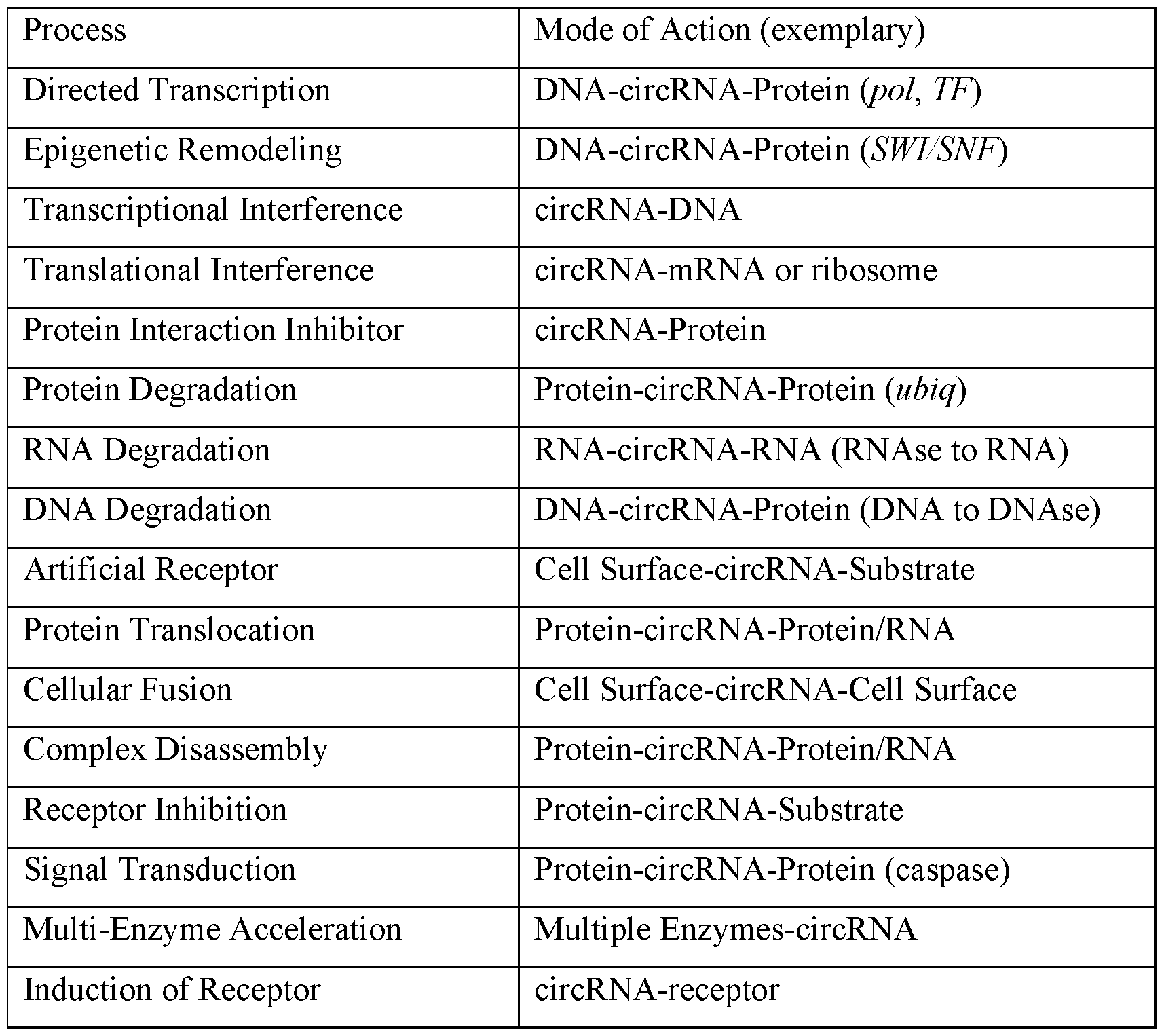


Claims
Priority Applications (9)
| Application Number | Priority Date | Filing Date | Title |
|---|---|---|---|
| JP2021551747A JP7526195B2 (en) | 2019-03-01 | 2020-03-01 | Compositions, methods, and kits for delivery of polyribonucleotides |
| CN202080017993.7A CN113543770A (en) | 2019-03-01 | 2020-03-01 | Compositions, methods and kits for delivery of polyribonucleotides |
| EP20714431.2A EP3930683A1 (en) | 2019-03-01 | 2020-03-01 | Compositions, methods, and kits for delivery of polyribonucleotides |
| CA3128615A CA3128615A1 (en) | 2019-03-01 | 2020-03-01 | Topical delivery of polyribonucleic acids |
| KR1020217031380A KR20210134716A (en) | 2019-03-01 | 2020-03-01 | Compositions, methods, and kits for the delivery of polyribonucleotides |
| AU2020231349A AU2020231349B2 (en) | 2019-03-01 | 2020-03-01 | Compositions, methods, and kits for delivery of polyribonucleotides |
| US17/433,658 US20220088049A1 (en) | 2019-03-01 | 2020-03-01 | Compositions, methods, and kits for delivery of polyribonucleotides |
| IL285923A IL285923A (en) | 2019-03-01 | 2021-08-29 | Preparations, methods and kits for administering polyribonucleotides |
| JP2024115650A JP2024147750A (en) | 2019-03-01 | 2024-07-19 | Compositions, methods, and kits for delivery of polyribonucleotides |
Applications Claiming Priority (2)
| Application Number | Priority Date | Filing Date | Title |
|---|---|---|---|
| US201962812763P | 2019-03-01 | 2019-03-01 | |
| US62/812,763 | 2019-03-01 |
Publications (1)
| Publication Number | Publication Date |
|---|---|
| WO2020180751A1 true WO2020180751A1 (en) | 2020-09-10 |
Family
ID=70005812
Family Applications (1)
| Application Number | Title | Priority Date | Filing Date |
|---|---|---|---|
| PCT/US2020/020560 Ceased WO2020180751A1 (en) | 2019-03-01 | 2020-03-01 | Compositions, methods, and kits for delivery of polyribonucleotides |
Country Status (10)
| Country | Link |
|---|---|
| US (1) | US20220088049A1 (en) |
| EP (1) | EP3930683A1 (en) |
| JP (2) | JP7526195B2 (en) |
| KR (1) | KR20210134716A (en) |
| CN (1) | CN113543770A (en) |
| AU (1) | AU2020231349B2 (en) |
| CA (1) | CA3128615A1 (en) |
| IL (1) | IL285923A (en) |
| MA (1) | MA55082A (en) |
| WO (1) | WO2020180751A1 (en) |
Cited By (12)
| Publication number | Priority date | Publication date | Assignee | Title |
|---|---|---|---|---|
| WO2023096963A1 (en) | 2021-11-24 | 2023-06-01 | Flagship Pioneering Innovations Vi, Llc | Varicella-zoster virus immunogen compositions and their uses |
| WO2023097003A2 (en) | 2021-11-24 | 2023-06-01 | Flagship Pioneering Innovations Vi, Llc | Immunogenic compositions and their uses |
| WO2023096990A1 (en) | 2021-11-24 | 2023-06-01 | Flagship Pioneering Innovation Vi, Llc | Coronavirus immunogen compositions and their uses |
| WO2023115013A1 (en) | 2021-12-17 | 2023-06-22 | Flagship Pioneering Innovations Vi, Llc | Methods for enrichment of circular rna under denaturing conditions |
| WO2023122789A1 (en) | 2021-12-23 | 2023-06-29 | Flagship Pioneering Innovations Vi, Llc | Circular polyribonucleotides encoding antifusogenic polypeptides |
| US11844759B2 (en) | 2017-12-15 | 2023-12-19 | Flagship Pioneering Innovations Vi, Llc | Compositions comprising circular polyribonucleotides and uses thereof |
| WO2024159172A1 (en) | 2023-01-27 | 2024-08-02 | Senda Biosciences, Inc. | A modified lipid composition and uses thereof |
| WO2024192422A1 (en) | 2023-03-15 | 2024-09-19 | Flagship Pioneering Innovations Vi, Llc | Immunogenic compositions and uses thereof |
| WO2024192420A1 (en) | 2023-03-15 | 2024-09-19 | Flagship Pioneering Innovations Vi, Llc | Compositions comprising polyribonucleotides and uses thereof |
| WO2025006684A1 (en) | 2023-06-28 | 2025-01-02 | Flagship Pioneering Innovations Vi, Llc | Circular polyribonucleotides encoding antifusogenic polypeptides |
| US12480117B2 (en) | 2019-03-25 | 2025-11-25 | Flagship Pioneering Innovations Vi, Llc | Compositions comprising modified circular polyribonucleotides and uses thereof |
| WO2025240369A3 (en) * | 2024-05-13 | 2026-01-22 | Helix Nanotechnologies Inc | Methods of delivering naked polyribonucleotides |
Families Citing this family (2)
| Publication number | Priority date | Publication date | Assignee | Title |
|---|---|---|---|---|
| US20230203192A1 (en) * | 2020-05-20 | 2023-06-29 | Flagship Pioneering, Inc. | Compositions and methods for producing human polyclonal antibodies |
| EP4271818B1 (en) | 2021-09-17 | 2024-07-31 | Flagship Pioneering Innovations VI, LLC | Compositions and methods for producing circular polyribonucleotides |
Citations (42)
| Publication number | Priority date | Publication date | Assignee | Title |
|---|---|---|---|---|
| US3991761A (en) | 1974-03-18 | 1976-11-16 | Salvatore Cocozza | Inhaler for powdered medicaments |
| US4069819A (en) | 1973-04-13 | 1978-01-24 | Societa Farmaceutici S.P.A. | Inhalation device |
| US4995385A (en) | 1989-02-23 | 1991-02-26 | Phidea S.P.A. | Inhaler with regular complete emptying of the capsule |
| WO1992001813A1 (en) | 1990-07-25 | 1992-02-06 | Syngene, Inc. | Circular extension for generating multiple nucleic acid complements |
| US5223409A (en) | 1988-09-02 | 1993-06-29 | Protein Engineering Corp. | Directed evolution of novel binding proteins |
| US5426180A (en) | 1991-03-27 | 1995-06-20 | Research Corporation Technologies, Inc. | Methods of making single-stranded circular oligonucleotides |
| US5438119A (en) | 1988-05-02 | 1995-08-01 | The Regents Of The University Of California | Method of obtaining a peptide with desired target property |
| US5440016A (en) | 1993-06-18 | 1995-08-08 | Torrey Pines Institute For Molecular Studies | Peptides of the formula (KFmoc) ZZZ and their uses |
| US5463564A (en) | 1994-09-16 | 1995-10-31 | 3-Dimensional Pharmaceuticals, Inc. | System and method of automatically generating chemical compounds with desired properties |
| US5525735A (en) | 1994-06-22 | 1996-06-11 | Affymax Technologies Nv | Methods for synthesizing diverse collections of pyrrolidine compounds |
| US5541061A (en) | 1992-04-29 | 1996-07-30 | Affymax Technologies N.V. | Methods for screening factorial chemical libraries |
| US5545568A (en) | 1992-09-14 | 1996-08-13 | The Regents Of The University Of California | Solid phase and combinatorial synthesis of compounds on a solid support |
| US5549974A (en) | 1994-06-23 | 1996-08-27 | Affymax Technologies Nv | Methods for the solid phase synthesis of thiazolidinones, metathiazanones, and derivatives thereof |
| US5565324A (en) | 1992-10-01 | 1996-10-15 | The Trustees Of Columbia University In The City Of New York | Complex combinatorial chemical libraries encoded with tags |
| US5593853A (en) | 1994-02-09 | 1997-01-14 | Martek Corporation | Generation and screening of synthetic drug libraries |
| US5639603A (en) | 1991-09-18 | 1997-06-17 | Affymax Technologies N.V. | Synthesizing and screening molecular diversity |
| US5688997A (en) | 1994-05-06 | 1997-11-18 | Pharmacopeia, Inc. | Process for preparing intermediates for a combinatorial dihydrobenzopyran library |
| US5688696A (en) | 1994-12-12 | 1997-11-18 | Selectide Corporation | Combinatorial libraries having a predetermined frequency of each species of test compound |
| US5708153A (en) | 1991-09-18 | 1998-01-13 | Affymax Technologies N.V. | Method of synthesizing diverse collections of tagged compounds |
| US5712128A (en) | 1992-01-13 | 1998-01-27 | Duke University | Enzymatic RNA molecules |
| US5721099A (en) | 1992-10-01 | 1998-02-24 | Trustees Of Columbia University In The City Of New York | Complex combinatorial chemical libraries encoded with tags |
| US5731423A (en) | 1996-03-21 | 1998-03-24 | Transcell Technologies, Inc. | Process for preparing sulfoxides |
| US5741713A (en) | 1995-06-21 | 1998-04-21 | Martek Biosciences Corporation | Combinatorial libraries of labeled biochemical compounds and methods for producing same |
| US5766903A (en) | 1995-08-23 | 1998-06-16 | University Technology Corporation | Circular RNA and uses thereof |
| US5773244A (en) | 1993-05-19 | 1998-06-30 | Regents Of The University Of California | Methods of making circular RNA |
| US6210931B1 (en) | 1998-11-30 | 2001-04-03 | The United States Of America As Represented By The Secretary Of Agriculture | Ribozyme-mediated synthesis of circular RNA |
| US20040011358A1 (en) | 2002-05-07 | 2004-01-22 | The State University Of New York At Stony Brook | Methods, devices and formulations for targeted endobronchial therapy |
| WO2004071368A2 (en) | 2002-05-07 | 2004-08-26 | The State University Of New York At Stony Brook | Methods, devices and formulations for targeted endobronchial therapy |
| EP1598421A2 (en) * | 2004-05-19 | 2005-11-23 | Beiersdorf AG | Oligoribonucleotides for influencing hair growth |
| US20100129877A1 (en) | 2005-09-28 | 2010-05-27 | Ugur Sahin | Modification of RNA, Producing an Increased Transcript Stability and Translation Efficiency |
| US20100137407A1 (en) | 2007-05-09 | 2010-06-03 | Riken | Single-chain circular rna and method of producing the same |
| WO2010084371A1 (en) | 2009-01-26 | 2010-07-29 | Mitoprod | Novel circular interfering rna molecules |
| WO2012031043A1 (en) | 2010-08-31 | 2012-03-08 | Novartis Ag | Pegylated liposomes for delivery of immunogen-encoding rna |
| WO2013006825A1 (en) | 2011-07-06 | 2013-01-10 | Novartis Ag | Liposomes having useful n:p ratio for delivery of rna molecules |
| WO2013053481A1 (en) * | 2011-10-11 | 2013-04-18 | Secutech International Pte. Ltd. | Dimethyl sulfoxide as solvent for nucleic acids |
| US20130129726A1 (en) | 2006-02-20 | 2013-05-23 | Kyunglim Lee | Peptide having cell membrane penetrating activity |
| US20130137644A1 (en) | 2005-12-16 | 2013-05-30 | Cellectis | Cell penetrating peptide conjugates for delivering of nucleic acids into a cell |
| US20130164219A1 (en) | 2010-06-14 | 2013-06-27 | Hoffmann-La Roche Inc. | Cell-penetrating peptides and uses thereof |
| US20150064236A1 (en) * | 2012-04-02 | 2015-03-05 | Moderna Therapeutics, Inc. | Modified polynucleotides for the production of proteins |
| WO2016036735A1 (en) | 2014-09-05 | 2016-03-10 | The Johns Hopkins University | Liposome-based mucus-penetrating particles for mucosal delivery |
| CN105664239A (en) * | 2016-03-23 | 2016-06-15 | 成都交大麦迪克科技有限公司 | Preparation method of self-adhesive skin repairing hydrogel |
| WO2018112282A1 (en) | 2016-12-14 | 2018-06-21 | Ligandal, Inc. | Compositions and methods for nucleic acid and/or protein payload delivery |
Family Cites Families (14)
| Publication number | Priority date | Publication date | Assignee | Title |
|---|---|---|---|---|
| US4283393A (en) * | 1979-03-13 | 1981-08-11 | Merck & Co., Inc. | Topical application of interferon inducers |
| JPH0558866A (en) * | 1991-08-28 | 1993-03-09 | Lion Corp | Composition for oral cavity |
| US5540934A (en) * | 1994-06-22 | 1996-07-30 | Touitou; Elka | Compositions for applying active substances to or through the skin |
| US6797276B1 (en) * | 1996-11-14 | 2004-09-28 | The United States Of America As Represented By The Secretary Of The Army | Use of penetration enhancers and barrier disruption agents to enhance the transcutaneous immune response |
| CN101060864A (en) * | 2004-09-21 | 2007-10-24 | 阿尼西瓦股份有限公司 | Delivery of polynucleotides |
| AU2005286640A1 (en) * | 2004-09-21 | 2006-03-30 | Anesiva, Inc. | Delivery of polynucleotides |
| WO2009147684A2 (en) | 2008-06-06 | 2009-12-10 | Quark Pharmaceuticals, Inc. | Compositions and methods for treatment of ear disorders |
| EP2558074B1 (en) * | 2010-04-08 | 2018-06-06 | The Trustees of Princeton University | Preparation of lipid nanoparticles |
| KR101938548B1 (en) | 2011-06-23 | 2019-01-15 | (주)아모레퍼시픽 | Composition for regulating expression of pigmentation-related genes containing microRNA |
| PL2791160T3 (en) * | 2011-12-16 | 2022-06-20 | Modernatx, Inc. | Modified mrna compositions |
| EP3543339A1 (en) | 2015-02-13 | 2019-09-25 | Factor Bioscience Inc. | Nucleic acid products and methods of administration thereof |
| ES2969082T3 (en) * | 2015-09-17 | 2024-05-16 | Modernatx Inc | Compounds and compositions for intracellular administration of therapeutic agents |
| NZ749593A (en) * | 2016-06-20 | 2025-10-31 | Univ Leland Stanford Junior | Circular rnas and their use in immunomodulation |
| JP7209951B2 (en) | 2017-10-30 | 2023-01-23 | 日本メナード化粧品株式会社 | White hair prevention and improvement agent |
-
2020
- 2020-03-01 WO PCT/US2020/020560 patent/WO2020180751A1/en not_active Ceased
- 2020-03-01 JP JP2021551747A patent/JP7526195B2/en active Active
- 2020-03-01 KR KR1020217031380A patent/KR20210134716A/en active Pending
- 2020-03-01 AU AU2020231349A patent/AU2020231349B2/en active Active
- 2020-03-01 CA CA3128615A patent/CA3128615A1/en active Pending
- 2020-03-01 US US17/433,658 patent/US20220088049A1/en active Pending
- 2020-03-01 MA MA055082A patent/MA55082A/en unknown
- 2020-03-01 CN CN202080017993.7A patent/CN113543770A/en active Pending
- 2020-03-01 EP EP20714431.2A patent/EP3930683A1/en active Pending
-
2021
- 2021-08-29 IL IL285923A patent/IL285923A/en unknown
-
2024
- 2024-07-19 JP JP2024115650A patent/JP2024147750A/en active Pending
Patent Citations (49)
| Publication number | Priority date | Publication date | Assignee | Title |
|---|---|---|---|---|
| US4069819A (en) | 1973-04-13 | 1978-01-24 | Societa Farmaceutici S.P.A. | Inhalation device |
| US3991761A (en) | 1974-03-18 | 1976-11-16 | Salvatore Cocozza | Inhaler for powdered medicaments |
| US5641862A (en) | 1988-05-02 | 1997-06-24 | The Regents Of The University Of California | General method for producing and selecting peptides with specific properties |
| US5438119A (en) | 1988-05-02 | 1995-08-01 | The Regents Of The University Of California | Method of obtaining a peptide with desired target property |
| US5734018A (en) | 1988-05-02 | 1998-03-31 | The Regents Of The University Of California | Peptide mixtures |
| US5223409A (en) | 1988-09-02 | 1993-06-29 | Protein Engineering Corp. | Directed evolution of novel binding proteins |
| US5571698A (en) | 1988-09-02 | 1996-11-05 | Protein Engineering Corporation | Directed evolution of novel binding proteins |
| US4995385A (en) | 1989-02-23 | 1991-02-26 | Phidea S.P.A. | Inhaler with regular complete emptying of the capsule |
| WO1992001813A1 (en) | 1990-07-25 | 1992-02-06 | Syngene, Inc. | Circular extension for generating multiple nucleic acid complements |
| US5426180A (en) | 1991-03-27 | 1995-06-20 | Research Corporation Technologies, Inc. | Methods of making single-stranded circular oligonucleotides |
| US5639603A (en) | 1991-09-18 | 1997-06-17 | Affymax Technologies N.V. | Synthesizing and screening molecular diversity |
| US5708153A (en) | 1991-09-18 | 1998-01-13 | Affymax Technologies N.V. | Method of synthesizing diverse collections of tagged compounds |
| US5712128A (en) | 1992-01-13 | 1998-01-27 | Duke University | Enzymatic RNA molecules |
| US5541061A (en) | 1992-04-29 | 1996-07-30 | Affymax Technologies N.V. | Methods for screening factorial chemical libraries |
| US5545568A (en) | 1992-09-14 | 1996-08-13 | The Regents Of The University Of California | Solid phase and combinatorial synthesis of compounds on a solid support |
| US5721099A (en) | 1992-10-01 | 1998-02-24 | Trustees Of Columbia University In The City Of New York | Complex combinatorial chemical libraries encoded with tags |
| US5565324A (en) | 1992-10-01 | 1996-10-15 | The Trustees Of Columbia University In The City Of New York | Complex combinatorial chemical libraries encoded with tags |
| US5773244A (en) | 1993-05-19 | 1998-06-30 | Regents Of The University Of California | Methods of making circular RNA |
| US5440016A (en) | 1993-06-18 | 1995-08-08 | Torrey Pines Institute For Molecular Studies | Peptides of the formula (KFmoc) ZZZ and their uses |
| US5698673A (en) | 1993-06-18 | 1997-12-16 | Torrey Pines Institute | Peptides having anti-melittin activity |
| US5593853A (en) | 1994-02-09 | 1997-01-14 | Martek Corporation | Generation and screening of synthetic drug libraries |
| US5688997A (en) | 1994-05-06 | 1997-11-18 | Pharmacopeia, Inc. | Process for preparing intermediates for a combinatorial dihydrobenzopyran library |
| US5525735A (en) | 1994-06-22 | 1996-06-11 | Affymax Technologies Nv | Methods for synthesizing diverse collections of pyrrolidine compounds |
| US5549974A (en) | 1994-06-23 | 1996-08-27 | Affymax Technologies Nv | Methods for the solid phase synthesis of thiazolidinones, metathiazanones, and derivatives thereof |
| US5684711A (en) | 1994-09-16 | 1997-11-04 | 3-Dimensional Pharmaceuticals, Inc. | System, method, and computer program for at least partially automatically generating chemical compounds having desired properties |
| US5574656A (en) | 1994-09-16 | 1996-11-12 | 3-Dimensional Pharmaceuticals, Inc. | System and method of automatically generating chemical compounds with desired properties |
| US5463564A (en) | 1994-09-16 | 1995-10-31 | 3-Dimensional Pharmaceuticals, Inc. | System and method of automatically generating chemical compounds with desired properties |
| US5688696A (en) | 1994-12-12 | 1997-11-18 | Selectide Corporation | Combinatorial libraries having a predetermined frequency of each species of test compound |
| US5741713A (en) | 1995-06-21 | 1998-04-21 | Martek Biosciences Corporation | Combinatorial libraries of labeled biochemical compounds and methods for producing same |
| US5766903A (en) | 1995-08-23 | 1998-06-16 | University Technology Corporation | Circular RNA and uses thereof |
| US5731423A (en) | 1996-03-21 | 1998-03-24 | Transcell Technologies, Inc. | Process for preparing sulfoxides |
| US6210931B1 (en) | 1998-11-30 | 2001-04-03 | The United States Of America As Represented By The Secretary Of Agriculture | Ribozyme-mediated synthesis of circular RNA |
| US20040011358A1 (en) | 2002-05-07 | 2004-01-22 | The State University Of New York At Stony Brook | Methods, devices and formulations for targeted endobronchial therapy |
| US20040035413A1 (en) | 2002-05-07 | 2004-02-26 | The Research Foundation | Methods, devices and formulations for targeted endobronchial therapy |
| WO2004071368A2 (en) | 2002-05-07 | 2004-08-26 | The State University Of New York At Stony Brook | Methods, devices and formulations for targeted endobronchial therapy |
| EP1598421A2 (en) * | 2004-05-19 | 2005-11-23 | Beiersdorf AG | Oligoribonucleotides for influencing hair growth |
| US20100129877A1 (en) | 2005-09-28 | 2010-05-27 | Ugur Sahin | Modification of RNA, Producing an Increased Transcript Stability and Translation Efficiency |
| US20130137644A1 (en) | 2005-12-16 | 2013-05-30 | Cellectis | Cell penetrating peptide conjugates for delivering of nucleic acids into a cell |
| US20130129726A1 (en) | 2006-02-20 | 2013-05-23 | Kyunglim Lee | Peptide having cell membrane penetrating activity |
| US20100137407A1 (en) | 2007-05-09 | 2010-06-03 | Riken | Single-chain circular rna and method of producing the same |
| WO2010084371A1 (en) | 2009-01-26 | 2010-07-29 | Mitoprod | Novel circular interfering rna molecules |
| US20130164219A1 (en) | 2010-06-14 | 2013-06-27 | Hoffmann-La Roche Inc. | Cell-penetrating peptides and uses thereof |
| WO2012031043A1 (en) | 2010-08-31 | 2012-03-08 | Novartis Ag | Pegylated liposomes for delivery of immunogen-encoding rna |
| WO2013006825A1 (en) | 2011-07-06 | 2013-01-10 | Novartis Ag | Liposomes having useful n:p ratio for delivery of rna molecules |
| WO2013053481A1 (en) * | 2011-10-11 | 2013-04-18 | Secutech International Pte. Ltd. | Dimethyl sulfoxide as solvent for nucleic acids |
| US20150064236A1 (en) * | 2012-04-02 | 2015-03-05 | Moderna Therapeutics, Inc. | Modified polynucleotides for the production of proteins |
| WO2016036735A1 (en) | 2014-09-05 | 2016-03-10 | The Johns Hopkins University | Liposome-based mucus-penetrating particles for mucosal delivery |
| CN105664239A (en) * | 2016-03-23 | 2016-06-15 | 成都交大麦迪克科技有限公司 | Preparation method of self-adhesive skin repairing hydrogel |
| WO2018112282A1 (en) | 2016-12-14 | 2018-06-21 | Ligandal, Inc. | Compositions and methods for nucleic acid and/or protein payload delivery |
Non-Patent Citations (37)
| Title |
|---|
| AGRESTI J JKELLY B TJASCHKE AGRIFFITHS A D: "Selection of ribozymes that catalyse multiple-turnover Diels-Alder cycloadditions by using in vitro compartmentalization", PROC NATL ACAD SCI USA, vol. 102, 2005, pages 16170 - 16175, XP002497928, DOI: 10.1073/pnas.0503733102 |
| ANGENENDT ET AL., ANAL. CHEM., vol. 76, no. 7, 2004, pages 1844 - 9 |
| ANGENENDT ET AL., MOL. CELL PROTEOMICS, vol. 5, no. 9, 2006, pages 1658 - 66 |
| BECHARA ET AL.: "Cell-penetrating peptides: 20 years later, where do we stand?", FEBSLETTERS, vol. 587, no. 12, 2013, pages 1693 - 1702, XP028562950, DOI: 10.1016/j.febslet.2013.04.031 |
| BEEHARRY ET AL., VIROL, vol. 450-451, 2014, pages 165 - 173 |
| BETZ KMALYSHEV DALAVERGNE TWELTE WDIEDERICHS KDWYER TJORDOUKHANIAN PROMESBERG FEMARX A, NAT. CHEM. BIOL., vol. 8, no. 7, July 2012 (2012-07-01), pages 612 - 4 |
| BIRD ET AL., SCIENCE, vol. 242, 1988, pages 423 - 26 |
| CHATTERJEEJ. LABAER, CURR OPIN BIOTECH, vol. 17, no. 4, 2006, pages 334 - 336 |
| CONG ET AL., SCIENCE, vol. 339, 2013, pages 819 - 823 |
| DESHAYES ET AL., CELL. MOL. LIFE SCI., vol. 62, no. 16, 2005, pages 1839 - 49 |
| EGLIHERDEWIJN: "Chemistry and Biology of Artificial Nucleic Acids", 2012, WILEY-VCH |
| EL-ANDALOUSSI ET AL., CURR. PHARM. DES., vol. 11, no. 28, 2003, pages 3597 - 611 |
| FREDRIKSSON ET AL., NAT BIOTECH, vol. 20, 2002, pages 473 - 77 |
| GULLBERG ET AL., PNAS, vol. 101, 2004, pages 8420 - 24 |
| HE ET AL., CURR. OPIN. BIOTECHNOL., vol. 19, no. 1, 2008, pages 4 - 9 |
| HE ET AL., NAT. METHODS, vol. 5, no. 2, 2008, pages 175 - 7 |
| HE ET AL., NUCLEIC ACIDS RES., vol. 29, no. 15, 2001, pages E73 - 3 |
| HETAUSSIG, J. IMMUNOL. METHODS, vol. 274, no. 1-2, 2003, pages 265 - 70 |
| HEWANG, BIOMOL ENG, vol. 24, no. 4, 2007, pages 375 - 80 |
| HUSTON ET AL., PNAS, vol. 85, 1988, pages 5879 - 83 |
| KATZEN ET AL., TRENDS BIOTECHNOL, vol. 23, no. 3, 2005, pages 150 - 6 |
| KHUDYAKOVFIELDS: "Artificial DNA: Methods and Applications", 2002, CRC PRESS |
| KILB ET AL., ENG. LIFE SCI., vol. 14, 2014, pages 352 - 364 |
| KINPARA ET AL., J. BIOCHEM., vol. 136, no. 2, 2004, pages 149 - 54 |
| RAMACHANDRAN ET AL., SCIENCE, vol. 305, no. 5680, 2004, pages 86 - 90 |
| RAN ET AL., NATURE PROTOCOLS, vol. 8, 2013, pages 2281 - 2308 |
| See also references of EP3930683A1 |
| SOOTER L JRIEDEL TDAVIDSON E ALEVY MCOX J CELLINGTON A D: "Toward automated nucleic acid enzyme selection", BIOLOGICAL CHEMISTRY, vol. 382, no. 9, 2001, pages 1327 - 1334, XP009034667, DOI: 10.1515/BC.2001.165 |
| STADEL ET AL., TRENDS IN PHARMACOLOGICAL REVIEW, vol. 18, 1997, pages 430 - 37 |
| STEELAND ET AL.: "Nanobodies as therapeutics: big opportunities for small antibodies", DRUG DISCOV TODAY, vol. 21, no. 7, 2016, pages 1076 - 113, XP029598209, DOI: 10.1016/j.drudis.2016.04.003 |
| STEVENS, STRUCTURE, vol. 8, no. 9, 2000, pages R177 - R185 |
| TAKULAPALLI ET AL., J. PROTEOME RES., vol. 11, no. 8, 2012, pages 4382 - 91 |
| TAO ET AL., NAT BIOTECHNOL, vol. 24, no. 10, 2006, pages 1253 - 4 |
| TUCKER B JBREAKER R R, CURR OPIN STRUCT BIOL, vol. 15, no. 3, 2005, pages 342 - 8 |
| WARD ET AL., NATURE, vol. 341, 1989, pages 544 - 46 |
| WINKLER W CNAHVI AROTH ACOLLINS J ABREAKER R R: "Control of gene expression by a natural metabolite-responsive ribozyme", NATURE, vol. 428, 2004, pages 281 - 286, XP002410184, DOI: 10.1038/nature02362 |
| ZHAO: "Synthetic Biology: Tools and Applications", 2013, ACADEMIC PRESS |
Cited By (14)
| Publication number | Priority date | Publication date | Assignee | Title |
|---|---|---|---|---|
| US12357653B2 (en) | 2017-12-15 | 2025-07-15 | Flagship Pioneering Innovations Vi, Llc | Compositions comprising circular polyribonucleotides and uses thereof |
| US11844759B2 (en) | 2017-12-15 | 2023-12-19 | Flagship Pioneering Innovations Vi, Llc | Compositions comprising circular polyribonucleotides and uses thereof |
| US12539309B2 (en) | 2017-12-15 | 2026-02-03 | Flagship Pioneering Innovations Vi, Llc | Compositions comprising circular polyribonucleotides and uses thereof |
| US12480117B2 (en) | 2019-03-25 | 2025-11-25 | Flagship Pioneering Innovations Vi, Llc | Compositions comprising modified circular polyribonucleotides and uses thereof |
| WO2023097003A2 (en) | 2021-11-24 | 2023-06-01 | Flagship Pioneering Innovations Vi, Llc | Immunogenic compositions and their uses |
| WO2023096990A1 (en) | 2021-11-24 | 2023-06-01 | Flagship Pioneering Innovation Vi, Llc | Coronavirus immunogen compositions and their uses |
| WO2023096963A1 (en) | 2021-11-24 | 2023-06-01 | Flagship Pioneering Innovations Vi, Llc | Varicella-zoster virus immunogen compositions and their uses |
| WO2023115013A1 (en) | 2021-12-17 | 2023-06-22 | Flagship Pioneering Innovations Vi, Llc | Methods for enrichment of circular rna under denaturing conditions |
| WO2023122789A1 (en) | 2021-12-23 | 2023-06-29 | Flagship Pioneering Innovations Vi, Llc | Circular polyribonucleotides encoding antifusogenic polypeptides |
| WO2024159172A1 (en) | 2023-01-27 | 2024-08-02 | Senda Biosciences, Inc. | A modified lipid composition and uses thereof |
| WO2024192420A1 (en) | 2023-03-15 | 2024-09-19 | Flagship Pioneering Innovations Vi, Llc | Compositions comprising polyribonucleotides and uses thereof |
| WO2024192422A1 (en) | 2023-03-15 | 2024-09-19 | Flagship Pioneering Innovations Vi, Llc | Immunogenic compositions and uses thereof |
| WO2025006684A1 (en) | 2023-06-28 | 2025-01-02 | Flagship Pioneering Innovations Vi, Llc | Circular polyribonucleotides encoding antifusogenic polypeptides |
| WO2025240369A3 (en) * | 2024-05-13 | 2026-01-22 | Helix Nanotechnologies Inc | Methods of delivering naked polyribonucleotides |
Also Published As
| Publication number | Publication date |
|---|---|
| AU2020231349A1 (en) | 2021-09-23 |
| CN113543770A (en) | 2021-10-22 |
| CA3128615A1 (en) | 2020-09-10 |
| IL285923A (en) | 2021-10-31 |
| MA55082A (en) | 2022-01-05 |
| EP3930683A1 (en) | 2022-01-05 |
| JP2022523222A (en) | 2022-04-21 |
| US20220088049A1 (en) | 2022-03-24 |
| KR20210134716A (en) | 2021-11-10 |
| AU2020231349B2 (en) | 2025-10-23 |
| JP2024147750A (en) | 2024-10-16 |
| JP7526195B2 (en) | 2024-07-31 |
Similar Documents
| Publication | Publication Date | Title |
|---|---|---|
| AU2020231349B2 (en) | Compositions, methods, and kits for delivery of polyribonucleotides | |
| JP7285220B2 (en) | Lipid nanoparticles comprising linked interleukin-12 (IL12) polypeptide-encoding polynucleotides | |
| DK3112469T3 (en) | EXPRESSIONS TO INCREASE THE TRANSLATION EFFECTIVENESS OF RNA MOLECULES | |
| RU2711506C2 (en) | Target rna editing | |
| CA3018904C (en) | Novel minimal utr sequences | |
| CN121081490A (en) | Cyclic polyribonucleotides and pharmaceutical compositions thereof | |
| US20240156729A1 (en) | Formulations for aerosol formation and aerosols for the delivery of nucleic acid | |
| JP2022527763A (en) | Compositions Containing Modified Cyclic Polyribonucleotides and Their Use | |
| US20230104113A1 (en) | Delivery of compositions comprising circular polyribonucleotides | |
| KR20220123398A (en) | Synthetic guide RNA, composition, method and use thereof | |
| CN118922211A (en) | Cyclic polyribonucleotides encoding antifusogenic polypeptides | |
| CN121127594A (en) | Compositions comprising polyribonucleotides and uses thereof | |
| JP2021522865A (en) | Methods and compositions of gene therapy using auxotrophic adjustable cells | |
| KR20250006975A (en) | Multicomponent system for site-specific genome modification | |
| TW202307211A (en) | Vaccine for hpv infection | |
| CN118900845A (en) | Coronavirus immunogen composition and its use | |
| JP2022531930A (en) | Methods and compositions using auxotrophic adjustable cells | |
| CN121358494A (en) | Immunogenic compositions and their uses | |
| RU2795683C2 (en) | Polynucleotides encoding relaxin | |
| WO2024175707A1 (en) | A synthetic oligonucleotide for treating nidovirales infections | |
| WO2025137275A1 (en) | Novel cas nucleases and polynucleotides encoding the same | |
| HK40110698A (en) | In vitro transcription technologies |
Legal Events
| Date | Code | Title | Description |
|---|---|---|---|
| 121 | Ep: the epo has been informed by wipo that ep was designated in this application |
Ref document number: 20714431 Country of ref document: EP Kind code of ref document: A1 |
|
| DPE1 | Request for preliminary examination filed after expiration of 19th month from priority date (pct application filed from 20040101) | ||
| ENP | Entry into the national phase |
Ref document number: 3128615 Country of ref document: CA |
|
| WWE | Wipo information: entry into national phase |
Ref document number: 285923 Country of ref document: IL |
|
| ENP | Entry into the national phase |
Ref document number: 2021551747 Country of ref document: JP Kind code of ref document: A |
|
| NENP | Non-entry into the national phase |
Ref country code: DE |
|
| ENP | Entry into the national phase |
Ref document number: 2020231349 Country of ref document: AU Date of ref document: 20200301 Kind code of ref document: A |
|
| ENP | Entry into the national phase |
Ref document number: 20217031380 Country of ref document: KR Kind code of ref document: A |
|
| WWE | Wipo information: entry into national phase |
Ref document number: 2020714431 Country of ref document: EP |