WO2020123242A1 - Biologicals and their use in plants - Google Patents
Biologicals and their use in plants Download PDFInfo
- Publication number
- WO2020123242A1 WO2020123242A1 PCT/US2019/064579 US2019064579W WO2020123242A1 WO 2020123242 A1 WO2020123242 A1 WO 2020123242A1 US 2019064579 W US2019064579 W US 2019064579W WO 2020123242 A1 WO2020123242 A1 WO 2020123242A1
- Authority
- WO
- WIPO (PCT)
- Prior art keywords
- seq
- polypeptide
- nos
- nucleic acid
- acid sequence
- Prior art date
- Legal status (The legal status is an assumption and is not a legal conclusion. Google has not performed a legal analysis and makes no representation as to the accuracy of the status listed.)
- Ceased
Links
- GDLZUXCKQAPAFR-SOFGYWHQSA-N CC(C)C(C(NC(CSSCC/C=C/C(CC(NC1C(C)C)=O)OC(C(C(C)O)N2)=O)C2=O)=O)NC1=O Chemical compound CC(C)C(C(NC(CSSCC/C=C/C(CC(NC1C(C)C)=O)OC(C(C(C)O)N2)=O)C2=O)=O)NC1=O GDLZUXCKQAPAFR-SOFGYWHQSA-N 0.000 description 1
Classifications
-
- A—HUMAN NECESSITIES
- A01—AGRICULTURE; FORESTRY; ANIMAL HUSBANDRY; HUNTING; TRAPPING; FISHING
- A01N—PRESERVATION OF BODIES OF HUMANS OR ANIMALS OR PLANTS OR PARTS THEREOF; BIOCIDES, e.g. AS DISINFECTANTS, AS PESTICIDES OR AS HERBICIDES; PEST REPELLANTS OR ATTRACTANTS; PLANT GROWTH REGULATORS
- A01N63/00—Biocides, pest repellants or attractants, or plant growth regulators containing microorganisms, viruses, microbial fungi, animals or substances produced by, or obtained from, microorganisms, viruses, microbial fungi or animals, e.g. enzymes or fermentates
- A01N63/20—Bacteria; Substances produced thereby or obtained therefrom
- A01N63/22—Bacillus
-
- A—HUMAN NECESSITIES
- A01—AGRICULTURE; FORESTRY; ANIMAL HUSBANDRY; HUNTING; TRAPPING; FISHING
- A01N—PRESERVATION OF BODIES OF HUMANS OR ANIMALS OR PLANTS OR PARTS THEREOF; BIOCIDES, e.g. AS DISINFECTANTS, AS PESTICIDES OR AS HERBICIDES; PEST REPELLANTS OR ATTRACTANTS; PLANT GROWTH REGULATORS
- A01N63/00—Biocides, pest repellants or attractants, or plant growth regulators containing microorganisms, viruses, microbial fungi, animals or substances produced by, or obtained from, microorganisms, viruses, microbial fungi or animals, e.g. enzymes or fermentates
- A01N63/20—Bacteria; Substances produced thereby or obtained therefrom
-
- A—HUMAN NECESSITIES
- A01—AGRICULTURE; FORESTRY; ANIMAL HUSBANDRY; HUNTING; TRAPPING; FISHING
- A01N—PRESERVATION OF BODIES OF HUMANS OR ANIMALS OR PLANTS OR PARTS THEREOF; BIOCIDES, e.g. AS DISINFECTANTS, AS PESTICIDES OR AS HERBICIDES; PEST REPELLANTS OR ATTRACTANTS; PLANT GROWTH REGULATORS
- A01N63/00—Biocides, pest repellants or attractants, or plant growth regulators containing microorganisms, viruses, microbial fungi, animals or substances produced by, or obtained from, microorganisms, viruses, microbial fungi or animals, e.g. enzymes or fermentates
- A01N63/20—Bacteria; Substances produced thereby or obtained therefrom
- A01N63/27—Pseudomonas
-
- C—CHEMISTRY; METALLURGY
- C07—ORGANIC CHEMISTRY
- C07K—PEPTIDES
- C07K11/00—Depsipeptides having up to 20 amino acids in a fully defined sequence; Derivatives thereof
- C07K11/02—Depsipeptides having up to 20 amino acids in a fully defined sequence; Derivatives thereof cyclic, e.g. valinomycins ; Derivatives thereof
-
- C—CHEMISTRY; METALLURGY
- C07—ORGANIC CHEMISTRY
- C07K—PEPTIDES
- C07K14/00—Peptides having more than 20 amino acids; Gastrins; Somatostatins; Melanotropins; Derivatives thereof
- C07K14/195—Peptides having more than 20 amino acids; Gastrins; Somatostatins; Melanotropins; Derivatives thereof from bacteria
-
- C—CHEMISTRY; METALLURGY
- C07—ORGANIC CHEMISTRY
- C07K—PEPTIDES
- C07K14/00—Peptides having more than 20 amino acids; Gastrins; Somatostatins; Melanotropins; Derivatives thereof
- C07K14/195—Peptides having more than 20 amino acids; Gastrins; Somatostatins; Melanotropins; Derivatives thereof from bacteria
- C07K14/21—Peptides having more than 20 amino acids; Gastrins; Somatostatins; Melanotropins; Derivatives thereof from bacteria from Pseudomonadaceae (F)
-
- C—CHEMISTRY; METALLURGY
- C12—BIOCHEMISTRY; BEER; SPIRITS; WINE; VINEGAR; MICROBIOLOGY; ENZYMOLOGY; MUTATION OR GENETIC ENGINEERING
- C12N—MICROORGANISMS OR ENZYMES; COMPOSITIONS THEREOF; PROPAGATING, PRESERVING, OR MAINTAINING MICROORGANISMS; MUTATION OR GENETIC ENGINEERING; CULTURE MEDIA
- C12N1/00—Microorganisms, e.g. protozoa; Compositions thereof; Processes of propagating, maintaining or preserving microorganisms or compositions thereof; Processes of preparing or isolating a composition containing a microorganism; Culture media therefor
- C12N1/20—Bacteria; Culture media therefor
-
- C—CHEMISTRY; METALLURGY
- C12—BIOCHEMISTRY; BEER; SPIRITS; WINE; VINEGAR; MICROBIOLOGY; ENZYMOLOGY; MUTATION OR GENETIC ENGINEERING
- C12N—MICROORGANISMS OR ENZYMES; COMPOSITIONS THEREOF; PROPAGATING, PRESERVING, OR MAINTAINING MICROORGANISMS; MUTATION OR GENETIC ENGINEERING; CULTURE MEDIA
- C12N1/00—Microorganisms, e.g. protozoa; Compositions thereof; Processes of propagating, maintaining or preserving microorganisms or compositions thereof; Processes of preparing or isolating a composition containing a microorganism; Culture media therefor
- C12N1/20—Bacteria; Culture media therefor
- C12N1/205—Bacterial isolates
-
- C—CHEMISTRY; METALLURGY
- C12—BIOCHEMISTRY; BEER; SPIRITS; WINE; VINEGAR; MICROBIOLOGY; ENZYMOLOGY; MUTATION OR GENETIC ENGINEERING
- C12N—MICROORGANISMS OR ENZYMES; COMPOSITIONS THEREOF; PROPAGATING, PRESERVING, OR MAINTAINING MICROORGANISMS; MUTATION OR GENETIC ENGINEERING; CULTURE MEDIA
- C12N15/00—Mutation or genetic engineering; DNA or RNA concerning genetic engineering, vectors, e.g. plasmids, or their isolation, preparation or purification; Use of hosts therefor
- C12N15/09—Recombinant DNA-technology
- C12N15/11—DNA or RNA fragments; Modified forms thereof; Non-coding nucleic acids having a biological activity
- C12N15/113—Non-coding nucleic acids modulating the expression of genes, e.g. antisense oligonucleotides; Antisense DNA or RNA; Triplex- forming oligonucleotides; Catalytic nucleic acids, e.g. ribozymes; Nucleic acids used in co-suppression or gene silencing
-
- C—CHEMISTRY; METALLURGY
- C12—BIOCHEMISTRY; BEER; SPIRITS; WINE; VINEGAR; MICROBIOLOGY; ENZYMOLOGY; MUTATION OR GENETIC ENGINEERING
- C12N—MICROORGANISMS OR ENZYMES; COMPOSITIONS THEREOF; PROPAGATING, PRESERVING, OR MAINTAINING MICROORGANISMS; MUTATION OR GENETIC ENGINEERING; CULTURE MEDIA
- C12N15/00—Mutation or genetic engineering; DNA or RNA concerning genetic engineering, vectors, e.g. plasmids, or their isolation, preparation or purification; Use of hosts therefor
- C12N15/09—Recombinant DNA-technology
- C12N15/11—DNA or RNA fragments; Modified forms thereof; Non-coding nucleic acids having a biological activity
- C12N15/52—Genes encoding for enzymes or proenzymes
-
- C—CHEMISTRY; METALLURGY
- C12—BIOCHEMISTRY; BEER; SPIRITS; WINE; VINEGAR; MICROBIOLOGY; ENZYMOLOGY; MUTATION OR GENETIC ENGINEERING
- C12R—INDEXING SCHEME ASSOCIATED WITH SUBCLASSES C12C - C12Q, RELATING TO MICROORGANISMS
- C12R2001/00—Microorganisms ; Processes using microorganisms
- C12R2001/01—Bacteria or Actinomycetales ; using bacteria or Actinomycetales
-
- C—CHEMISTRY; METALLURGY
- C12—BIOCHEMISTRY; BEER; SPIRITS; WINE; VINEGAR; MICROBIOLOGY; ENZYMOLOGY; MUTATION OR GENETIC ENGINEERING
- C12R—INDEXING SCHEME ASSOCIATED WITH SUBCLASSES C12C - C12Q, RELATING TO MICROORGANISMS
- C12R2001/00—Microorganisms ; Processes using microorganisms
- C12R2001/01—Bacteria or Actinomycetales ; using bacteria or Actinomycetales
- C12R2001/36—Neisseria
-
- C—CHEMISTRY; METALLURGY
- C12—BIOCHEMISTRY; BEER; SPIRITS; WINE; VINEGAR; MICROBIOLOGY; ENZYMOLOGY; MUTATION OR GENETIC ENGINEERING
- C12R—INDEXING SCHEME ASSOCIATED WITH SUBCLASSES C12C - C12Q, RELATING TO MICROORGANISMS
- C12R2001/00—Microorganisms ; Processes using microorganisms
- C12R2001/01—Bacteria or Actinomycetales ; using bacteria or Actinomycetales
- C12R2001/38—Pseudomonas
Definitions
- sequence listing is submitted electronically via EFS-Web as an ASCII formatted sequence listing with a file named 6593_SeqList.txt created on August 21, 2018 and having a size of 1,395 kilobytes and is filed concurrently with the specification.
- sequence listing contained in this ASCII formatted document is part of the specification and is herein incorporated by reference in its entirety.
- Bacillus Certain species of microorganisms of the genus Bacillus are known to possess pesticidal activity against a range of insect pests including Lepidoptera , Diptera , Coleoptera, Hemiptera and others.
- Bacillus thuringiensis ( Bt ) and Bacillus popilliae are among the most successful biocontrol agents discovered to date. Insect pathogenicity has also been attributed to strains of B. larvae, B. lentimorbus, B. sphaericus and B. cereus.
- Microbial insecticides particularly those obtained from Bacillus strains, have played an important role in agriculture as alternatives to chemical pest control.
- Crop plants have been developed with enhanced insect resistance by genetically engineering crop plants to produce pesticidal proteins from Bacillus.
- corn and cotton plants have been genetically engineered to produce pesticidal proteins isolated from strains of Bt.
- These genetically modified crops are now widely used in agriculture and have provided the farmer with an environmentally friendly alternative to traditional insect-control methods. While they have proven to be very successful commercially, these genetically modified, insect-resistant crop plants provide resistance to only a narrow range of the economically important insect pests. In some cases, insects can develop resistance to different insecticidal compounds, which raises the need to identify alterative biological control agents for pest control.
- Some embodiments relate to a composition comprising a Pseudomonas chlororaphis, a Burkholderia rinojensis, or a Chromobacterium haemofyticum, wherein the Pseudomonas chlororaphis, Burkholderia rinojensis, or Chromobacterium haemofyticum has insecticidal activity.
- the methods and compositions relate to a insecticidal bacterial strain comprising a DepA gene, a DepB gene, a DepC gene, a DepF gene, a DepG gene, DepH gene, a DepE gene, or a DepD gene.
- the DepA gene comprises an amino acid sequence having at least 90% sequence identity to any one of SEQ ID NOs: 109, 121, 133, 145, 158, 171, 184, or 197.
- the DepB gene comprises an amino acid sequence having at least 90% sequence identity to any one of SEQ ID NOs: 110, 122, 134, 146, 159, 172, 185, or 198.
- the DepC gene comprises an amino acid sequence having at least 90% sequence identity to any one of SEQ ID NOs: 111, 123, 135, 147, 160, 173, 186, or 199.
- the DepD gene comprises an amino acid sequence having at least 90% sequence identity to any one of SEQ ID NOs: 112, 124, 136, 148, 161, 174, 187, or 200.
- the DepE gene comprises an amino acid sequence having at least 90% sequence identity to any one of SEQ ID NOs: 113, 125, 137, 149, 162, 175, 188, or 201.
- the DepF gene comprises an amino acid sequence having at least 90% sequence identity to any one of SEQ ID NOs: 114, 126, 138, 150, 163, 176, 189, or 202.
- the DepG gene comprises an amino acid sequence having at least 90% sequence identity to any one of SEQ ID NOs: 115, 127, 139, 151, 164, 177, 190, or 203.
- the DepH gene comprises an amino acid sequence having at least 90% sequence identity to any one of SEQ ID NOs: 116, 128, 140, 152, 165, 178, 191, or 204.
- the Depl gene comprises an amino acid sequence having at least 90% sequence identity to any one of SEQ ID NOs: 117, 129, 141, 153, 166, 179, 192, or 205.
- the DepJ gene comprises an amino acid sequence having at least 90% sequence identity to any one of SEQ ID NOs: 118, 130, 142, 154, 167, 180, 193, or 206.
- the DepK gene comprises an amino acid sequence having at least 90% sequence identity to any one of SEQ ID NOs: 143, 155, 168, 181, or 194.
- the DepL gene comprises an amino acid sequence having at least 90% sequence identity to any one of SEQ ID NOs: 119, 131, 156, 169, 182, 195, or 207.
- the DepM gene comprises an amino acid sequence having at least 90% sequence identity to any one of SEQ ID NOs: 120, 132, 144, 157, 170, 183, 196, or 208.
- the methods and compositions relate to bacterial strains comprising a 16S RNA sequence having at least 95% identity to any one of SEQ ID NOs: 1-8.
- the disclosure relates to a composition
- a composition comprising a Pseudomonas chlororaphis strain SS532D1 (NRRL Deposit No. B-67638), wherein the Pseudomonas chlororaphis strain SS532D1 has insecticidal activity.
- the disclosure relates to a composition
- a composition comprising a Pseudomonas chlororaphis strain SSP459B9-3 (NRRL Deposit No. B-67639), wherein the Pseudomonas chlororaphis strain SS532D1 has insecticidal activity.
- the disclosure relates to a composition
- a composition comprising a Burkholderia rinojensis strain JH59178-1 (NRRL Deposit No. B-67640), wherein the Burkholderia rinojensis strain JH59178-1 has insecticidal activity.
- the disclosure relates to a composition
- a composition comprising a Chromobacterium haemolyticum strain JH91791-1 (NRRL Deposit No. B -67642), wherein the Chromobacterium haemolyticum strain JH91791-1 has insecticidal activity.
- the disclosure relates to a composition
- a composition comprising a Chromobacterium haemolyticum strain PMCJ4191H4-1 NRRL Deposit No. B-67644), wherein the Chromobacterium haemolyticum strain PMCJ4191H4-1 has insecticidal activity.
- the disclosure relates to a composition comprising a Chromobacterium haemolyticum strain JH97285 -1 (NRRL Deposit No. B-67641), wherein the Chromobacterium haemolyticum strain JH97285 -1 has insecticidal activity.
- the disclosure relates to a composition comprising a Chromobacterium haemolyticum strain PMC3591F10-1 (NRRL Deposit No. B-67643), wherein the Chromobacterium haemolyticum strain PMC3591F10 -1 has insecticidal activity.
- the disclosure relates methods and compositions comprising a bacterial strain disclosed herein, or a progeny, mutant, or variant thereof, a fermentate produced from a strain disclosed herein progeny, mutant, or variant thereof, and/or a depsipeptide in an effective amount to achieve an effect of inhibit growth of a plant pathogen, pest or insect.
- the depsipeptide has the structure of FR901375, FK228, or a derivative or variation thereof.
- the composition further comprises a biocontrol agent selected from the group consisting of bacteria, fungi, yeast, protozoans, viruses, entomopathogenic nematodes, botanical extracts, proteins, secondary metabolites, and inoculants.
- compositions and methods disclosed herein further comprise one or more agrochemically active compounds selected from the group consisting of an insecticide, a fungicide, a bactericide, and a nematicide.
- the composition further comprises a compound selected from the group consisting of a safener, a lipo- chitooligosaccharide, an isoflavone, and a ryanodine receptor modulator.
- compositions and methods comprise at least one at least one seed, plant, or plant part.
- the seed, plant, or plant part is genetically modified.
- the compositions and methods inhibit the growth of one or more plant pathogens, pests, or insects including but not limited to bacteria, a fungus, a virus, protozoa, nematode, or an arthropod.
- the compositions and methods inhibit the growth of an insect, including but not limited to a Coleopteran, Hemipteran, or Lepidopteran insect.
- the composition inhibits the growth of Diabrotica virgifera virgifera, Ostrinia nubilalis, Spodoptera frugiperda, Pseudoplusia includens, Anticarsia gemmatalis, Plutella xylostella, and/or Aphis fabae.
- compositions and methods comprise an effective amount to provide pesticidal activity to bacteria, plants, plant cells, tissues and seeds.
- the composition is an effective amount to provide pesticidal activity to Coleopteran or Lepidopteran insects.
- the composition is an effective amount to provide pesticidal activity to Diabrotica virgifera virgifera, Ostrinia nubilalis, Spodoptera frugiperda, Pseudoplusia includens, Anticarsia gemmatalis, Plutella xylostella, and/or Aphis fabae.
- compositions and methods comprise in an effective amount to improve plant performance including but not limited to increased root formation, increased root mass, increased root function, increased shoot height, increased shoot function, increased flower bud presence, increased flower bud formation, increased seed germination, increased yield, increased total plant wet weight, and increased total plant dry weight.
- the disclosure relates to a method comprising applying a composition comprising a bacterial strain disclosed herein, or a progeny, mutant, or variant thereof, a fermentate produced from a strain disclosed herein, or a progeny, mutant, or variant thereof, and/or a depsipeptide to a seed, a plant, plant part or soil in an effective amount to achieve an effect selected from the group consisting of: inhibit a plant pathogen, pest, or insect or to prevent damage to a plant by a pathogen, pest, or insect; improve plant performance; improve plant yield; improve plant vigor; increase phosphate availability; increase production of a plant hormone; increase root formation; increase shoot height in a plant, increase leaf length of a plant; increase flower bud formation of a plant; increase total plant fresh weight; increase total plant dry weight; and increase seed germination.
- the method further comprises applying a biocontrol agent, wherein the biocontrol agent is selected from the group consisting of bacteria, fungi, yeast, protozoans, viruses, entomopathogenic nematodes, botanical extracts, proteins, secondary metabolites, and inoculants.
- a biocontrol agent selected from the group consisting of bacteria, fungi, yeast, protozoans, viruses, entomopathogenic nematodes, botanical extracts, proteins, secondary metabolites, and inoculants.
- the method further comprises applying an agrochemically active compound selected from the group consisting of an insecticide, a fungicide, a bactericide, and a nematicide.
- the method further comprises applying a compound selected from the group consisting of a safener, a lipo-chitooligosaccharide, an isoflavone, and a ryanodine receptor modulator.
- the method comprises applying the composition in an effective amount to inhibit growth of a plant pathogen, including but not limited to bacteria, a fungus, a nematode, an insect, a virus, and protozoa.
- a plant pathogen including but not limited to bacteria, a fungus, a nematode, an insect, a virus, and protozoa.
- FIG. 1 shows the depsipeptide structures of FR-901375(1) and FK228 and associated biosynthetic pathways.
- FIG.2 shows the effect of growth conditions on insecticidal potency in various fermented broths of strain SS532D1 on FAW and WCRW.
- FIG. 3 shows cultures of multiple bacterial strains and their insecticidal activities. Scores are represented as: 2.6-3.0, killing; 1.7-2.5, severe stunting; 1.0-1.6, stunting; 0-0.9 inactive.
- FIG. 4 shows a homology table of A) DepA genes and B) DepB genes from the various strains.
- FIG. 5 shows a homology table of A) DepC genes and B) DepF genes from the various strains.
- FIG. 6 shows a homology table of A) DepG genes and B) DepH genes from the various strains.
- FIG. 7 shows a homology table of A) DepE genes and B) DepD genes from the various strains.
- Sequence Listing contains one letter codes for nucleotide sequence characters and the single and three letter codes for amino acids as defined in the IUPAC-IUB standards described in Nucleic Acids Research 13:3021-3030 (1985) and in the Biochemical Journal 219(2):345-373 (1984).
- administer refers to the action of introducing a strain and/or a composition to an environment for pathogen, pest, or insect inhibition or to improve plant performance.
- agrochemically active compounds refers to any substance that is or may be customarily used for treating plants including, but not limited to, fungicides, bactericides, insecticides, acaricides, nematicides, molluscicides, safeners, plant growth regulators, and plant nutrients, as well as, microorganisms.
- a composition may be a liquid, a heterogeneous mixture, a homogeneous mixture, a powder, a solution, a dispersion or any combination thereof.
- a“depsipeptide” refers to certain cyclic peptide(s) obtained from the fermentation broth of a Pseudomonas chlororaphis strain provided herein.
- the depsipeptide has certain biological activity including histone deacetylase inhibitors (HDACi).
- HDACi histone deacetylase inhibitors
- the depsipeptide comprises a compound having the structure of FR901375 as shown below.
- FR091375 was initially reported in patent application JPH03141296A published in 1991, which subsequently became granted patent JP2833181B2 in 1998, wherein the contents of both are incorporated by reference in their entirety. Although certain anti-cancer activities were reported in these Japanese publications, no HDACi activity of FR901375 was reported until Narita et al, 1996,“Total Synthesis of the Depesipeptide FR901375 and Preliminary Evaluation of its Biological Activity” Eur. J. Chem. 2018, 5667-5677. However, Narita et al. 1996 only shows certain in vitro HDACi activity and there has been no in vivo activity of FR901375 that has been reported today, even twenty-seven years after its initial discovery in 1991.
- the depsipeptide comprises a compound having the structure of FK228 (also known as FR901228 or romidepsin) as shown below.
- FK228 (also known as FR901228 or romidepsin) was initially isolated from Chromobacterium violaceum and reported in U.S. Patent No. 4,977,138 titled“FR901228 Substance and Preparation Thereof,” wherein the content of which is incorporated by reference in its entirety. US 4,977,138 only disclosed certain antimicrobial and antitumor activities of FR901228/FK228, and its HDACi activity was reported in Furumai et al., 2002,“FK228 (Depsipeptide) as a Natural Prodrug that Inhibits Class I Histone Deacetylases” Cancer Res. (2002) 62: 4916-4921. Furumai et al. 2002 also discloses chemical modification of FK228 to generate derivatives for example redFK and dimethyl FK228 as shown in Scheme 1 below.
- an effective amount refers to a quantity of a bacterial strain disclosed herein, or a progeny, mutant, or variant thereof, a fermentate produced from a strain disclosed herein progeny, mutant, or variant thereof, and/or a depsipeptide sufficient to inhibit growth of a pathogenic microorganism or to impede the rate of growth of the pathogenic microorganism.
- the term “effective amount” refers to a quantity of a bacterial strain disclosed herein, or a progeny, mutant, or variant thereof, a fermentate produced from a strain disclosed herein progeny, mutant, or variant thereof, and/or a depsipeptide sufficient to improve plant performance.
- the term "effective amount” refers to a quantity of a bacterial strain disclosed herein, or a progeny, mutant, or variant thereof, a fermentate produced from a strain disclosed herein progeny, mutant, or variant thereof, and/or a depsipeptide sufficient to control, kill, inhibit, and reduce the number, emergence, or growth of a pathogen, pest, or insect.
- the term "effective amount” refers to a quantity of a bacterial strain disclosed herein, or a progeny, mutant, or variant thereof, a fermentate produced from a strain disclosed herein progeny, mutant, or variant thereof, and/or a depsipeptide sufficient to prevent damage from a pathogen, pest, or insect.
- an effective amount of a bacterial strain disclosed herein, or a progeny, mutant, or variant thereof, a fermentate produced from a strain disclosed herein progeny, mutant, or variant thereof, and/or a depsipeptide may not reduce the numbers of pathogens, pests or insects, but is effective in decreasing damage to plants and/or plant parts as a result of a pathogen, pest or insect.
- a pesticidally effective amount may reduce pathogen, pest or insect emergence, or damage to seeds, roots, shoots, or foliage of plants that are treated compared to those that are untreated.
- “fermentate broth,”“fermentate,” or“fermented broth” refers to a media used to grow or ferment a bacterial strain disclosed herein.
- the bacterial strain may be removed from a media by filtration, sterilization, or other means.
- the leftover broth contains metabolites produced by a bacterial strain disclosed herein, which is collectively referred to as a“fermentate broth,”“fermentate,” or“fermented broth.”
- inhibit refers to destroy, prevent, reduce, resist, control, decrease, slow or otherwise interfere with the growth or survival of a pathogen, pest, or insect when compared to the growth or survival of the pathogen, pest, or insect in an untreated control. Any of the terms of inhibit, destroy, prevent, control, decrease, slow, interfere, resist, or reduce may be used interchangeably.
- to“inhibit” is to destroy, prevent, control, reduce, resist, decrease, slow or otherwise interfere with the growth, emergence, or survival of a pathogen, pest, or insect by at least about 3% to at least about 100%, or any value in between for example at least about 10%, 15%, 20%, 25%, 30%, 35%, 40%, 45%, 50%, 55%, 60%, 65%, 70%, 75%, 80%, 85%, 90%, 95%, 99%, or 100% when compared to the growth or survival of the pathogen, pest, or insect in an untreated control.
- the amount of inhibition can be measured as described herein or by other methods known in the art.
- a plant from a pathogen, pest, or insect pest is intended to mean the limiting or eliminating of the pathogen, pest, or insect related damage to a plant and/or plant part by, for example, inhibiting the ability of the pathogen, pest, or insect to grow, emerge, feed, and/or reproduce or by killing the pathogen, pest, or insect.
- pesticidal and/or insecticidal activity refers to an activity of compound, composition, and or method that protects a plant and/or plant part from a pathogen, pest, or insect.
- inhibition a pathogen, pest, or insect lasts for or provides protection for greater than a day, two days, three days, four days, five days, six days, a week, two weeks, three weeks, a month or more after of a bacterial strain disclosed herein, or a progeny, mutant, or variant thereof, a fermentate produced from a strain disclosed herein progeny, mutant, or variant thereof, and/or a depsipeptide disclosed herein is applied to subject material.
- inhibition a pathogen, pest or insect lasts from one to seven days, from seven to 14 days, from 14 to 21 days, or from 21 to 30 days or more.
- the inhibition of the growth of a pathogen, pest, or insect lasts for or provides protection for greater than the time from application to adult emergence of the pathogen, pest, or insect.
- the term“genetically modified” is intended to mean any species containing a genetic trait, loci, or sequence that was not found in the species or strain prior to manipulation.
- a genetically modified plant may be transgenic, cis-genic, genome edited, or bred to contain a new genetic trait, loci, or sequence.
- a genetically modified plant or bacteria may be prepared by means known to those skilled in the art, such as transformation by bombardment, by a gene editing technique such as Cas/CRISPR or TALENS, or by breeding techniques.
- a“trait” is a new or modified locus or sequence of a genetically modified plant or bacteria, including but not limited to a transgenic plant or bacteria.
- a bacterial strain disclosed herein, or a progeny, mutant, or variant thereof may be edited.
- any bacterial strain may be modified or edited to comprise any one of a DepA gene, a DepB gene, a DepC gene, a DepF gene, a DepG gene, DepH gene, a DepE gene, or a DepD gene.
- the methods and compositions relate to a insecticidal bacterial strain selected from a group consisting of a DepA gene, a DepB gene, a DepC gene, a DepF gene, a DepG gene, DepH gene, a DepE gene, and a DepD gene
- the term“environment of a plant or plant part” is intended to mean the area surrounding the plant or plant part, including but not limited to the soil, the air, or in-furrow.
- the environment of a plant or plant part may be in close proximity, touching, adjacent to, or in the same field as the plant or plant part.
- the compositions described herein may be applied to the environment of the plant or plant part as a seed treatment, as a foliar application, as a granular application, as a soil application, or as an encapsulated application.
- “in-furrow” is intended to mean within or near the area where a seed is planted.
- the compositions disclosed herein may be applied in-furrow concurrently or simultaneously with a seed. In another embodiment, the compositions disclosed herein may be applied sequentially, either before or after a seed is planted.
- the term “different mode of action” is used to refer to a pesticidal composition inhibiting a pathogen, pest, or insect through a pathway or receptor that is different from another pesticidal composition.
- the term “different mode of action” includes the pesticidal effects of one or more pesticidal compositions to different binding sites (i.e., different toxin receptors and/or different sites on the same toxin receptor) in the gut membranes of insects or through the RNA interference pathway to different target genes.
- pathogen, pest, or insect includes but is not limited to pathogenic fungi, bacteria, mites, ticks, pathogenic microorganisms, and nematodes, as well as insect from the orders Coleoptera, Lepidoptera, Mallophaga, Homopiera, Hemiptera, Orthroptera, Thysanoptera, Dermaptera, Isoptera, Anoplura, Siphonatpera, Trichoptera, and others, including but not limited to Diabrotica virgi/era virgifera, Diabrotica undecimpunctata howardi, and Diabrotica barberi.
- Larvae of the order Lepidoptera include, but are not limited to, armyworms, cutworms, loopers and heliothines in the family Noctuidae Spodoptera frugiperda JE Smith (fall armyworm);
- S. exigua Htibner (beet armyworm); S. litura Fabricius (tobacco cutworm, cluster caterpillar); Mamestra configurata Walker (bertha armyworm); M. brassicae Linnaeus (cabbage moth); Agrotis ipsilon Hufnagel (black cutworm); A. orthogonia Morrison (western cutworm); A.
- saccharalis Fabricius (surgarcane borer); Eoreuma loftini Dyar (Mexican rice borer); Ephestia elutella Htibner (tobacco (cacao) moth); Galleria mellonella Linnaeus (greater wax moth); Herpetogramma licarsisalis Walker (sod webworm); Homoeosoma electellum Hulst (sunflower moth); Elasmopalpus lignosellus Zeller (lesser cornstalk borer); Achroia grisella Fabricius (lesser wax moth); Loxostege sticticalis Linnaeus (beet webworm); Orthaga thyrisalis Walker (tea tree web moth); Maruca testulalis Geyer (bean pod borer); Plodia interpunctella Hiibner (Indian meal moth); Scirpophaga incertulas Walker (yellow stem borer); U
- varicma Femald Eastern blackheaded budworm
- Archips argyrospila Walker fruit tree leaf roller
- A. rosana Linnaeus European leaf roller
- other Archips species Adoxophyes orana Fischer von Rosslerstamm (summer fruit tortrix moth)
- Cochylis hospes Walsingham banded sunflower moth
- Cydia latiferreana Walsingham filbertworm
- Platynota flavedana Clemens variable leafroller
- Selected other agronomic pests in the order Lepidoptera include, but are not limited to, Alsophila pometaria Harris (fall cankerworm); Anarsia lineatella Zeller (peach twig borer); Anisota senatoria J.E.
- flscellaria lugubrosa Hulst (Western hemlock looper); Leucoma sattcis Linnaeus (satin moth); Lymantria dispar Linnaeus (gypsy moth); Manduca quinquemaculata Haworth (five spotted hawk moth, tomato horn worm); M.
- larvae and adults of the order Coleoptera including weevils from the families Anthribidae, Bruchidae and Curculionidae (including, but not limited to: Anthonomus grandis Boheman (boll weevil); Lissorhoptms oryzophilus Kuschel (rice water weevil); Sitophilus granarius Linnaeus (granary weevil); S. oryzae Linnaeus (rice weevil); Hypera punctata Fabricius (clover leaf weevil); Cylindrocopturus adspersus LeConte (sunflower stem weevil); Smicronyx fiilvus LeConte (red sunflower seed weevil); S.
- sordidus LeConte (gray sunflower seed weevil); Sphenophorus maidis Chittenden (maize billbug)); flea beetles, cucumber beetles, rootworms, leaf beetles, potato beetles and leafminers in the family Chrysomelidae (including, but not limited to: Leptinotarsa decemlineata Say (Colorado potato beetle); Diabrotica virgifera virgifera LeConte (western com rootworm); D. barberi Smith and Lawrence (norther com rootworm); D.
- Leafminers Agromyza parvicorms Loew (com blotch leafminer); midges (including, but not limited to: Contarinia sorghicola Coquillett (sorghum midge); Mayetiola destructor Say (Hessian fly); Sitodiplosis mosellana Gehin (wheat midge); Neolasioptera murtfeldtiana Felt, (sunflower seed midge)); fruit flies (Tephritidae), Oscinella frit Linnaeus (fruit flies); maggots (including, but not limited to: Delia platura Meigen (seedcom maggot); D.
- midges including, but not limited to: Contarinia sorghicola Coquillett (sorghum midge); Mayetiola destructor Say (Hessian fly); Sitodiplosis mosellana Gehin (wheat midge); Neolasioptera murtfeldtiana Felt, (sunflower seed midge));
- insects of interest are adults and nymphs of the orders Hemiptera and Homoptera such as, but not limited to, adelgids from the family Adelgidae, plant bugs from the family Miridae, cicadas from the family Cicadidae, leafhoppers, Fmpoasca spp.; from the family Cicadellidae, planthoppers from the families Cixiidae, Flatidae, Fulgoroidea, Issidae and Delphacidae, treehoppers from the family Membracidae, psyllids from the family Psyllidae, whiteflies from the family Aleyrodidae, aphids from the family Aphididae, phylloxera from the family Phylloxeridae, mealybugs from the family Pseudococcidae, scales from the families Asterolecanidae, Coccidae, Dactylopi
- Agronomically important members from the order Homoptera further include, but are not limited to: Acyrthisiphon pisum Harris (pea aphid); Aphis craccivora Koch (cowpea aphid); A. fabae Scopoli (black bean aphid); A. gossypii Glover (cotton aphid, melon aphid); A. maidiradicis Forbes (com root aphid); A. pomi De Geer (apple aphid); A.
- nigropictus Stal (rice leafhopper); Nilaparvata lugens Stal (brown planthopper); Peregrinus maidis Ashmead (com planthopper); Sogatella furcifera Horvath (white-backed planthopper); Sogatodes orizicola Muir (rice delphacid); Typhlocyba pomaria McAtee (white apple leafhopper); Erythroneoura spp.
- Agronomically important species of interest from the order Hemiptera include, but are not limited to: Acrostemum hilare Say (green stink bug); Anasa tristis De Geer (squash bug); Blissus leucopterus leucopterus Say (chinch bug); Corythuca gossypii Fabricius (cotton lace bug); Cyrtopeltis modesta Distant (tomato bug); Dysdercus suturellus Herrich-Schaffer (cotton Stainer); Euschistus servus Say (brown stink bug); E. variolarius Palisot de Beauvois (one-spotted stink bug); Graptostethus spp.
- rugulipermis Poppius European tarnished plant bug
- Lygocoris pabulinus Linnaeus common green capsid
- Nezara viridula Linnaeus (southern green stink bug); Oebalus pugnax Fabricius (rice stink bug); Oncopeltus fasciatus Dallas (large milkweed bug); Pseudatomoscelis seriatus Reuter (cotton fleahopper).
- embodiments may be effective against Hemiptera such, Calocoris norvegicus Gmelin (strawberry bug); Orthops campestris Linnaeus; Plesiocoris rugicollis Fallen (apple capsid); Cyrtopeltis modestus Distant (tomato bug); Cyrtopeltis notatus Distant (suckfly); Spcmagonicus albofasciatus Reuter (whitemarked fleahopper); Diaphnocoris chlorionis Say (honeylocust plant bug); Labopidicola allii Knight (onion plant bug); Pseudatomoscelis seriatus Reuter (cotton fleahopper); Adelphocoris rapidus Say (rapid plant bug); Poecilocapsus lineatus Fabricius (four-lined plant bug); Nysius ericae Schilling (false chinch bug); Nysius raphanus Howard (false chinch bug); Nezar
- holocyclus Neumann Australian paralysis tick
- Dermacentor variabilis Say American dog tick
- Amblyomma americanum Linnaeus (lone star tick) and scab and itch mites in the families Psoroptidae, Pyemotidae and Sarcoptidae.
- Insect pests of the order Thysanura are of interest, such as Lepisma saccharina Linnaeus (silverfrsh); Thermobia domestica Packard (frrebrat).
- Additional arthropod pests covered include: spiders in the order Araneae such as Loxosceles reclusa Gertsch and Mulaik (brown recluse spider) and the Latrodectus mactans Fabricius (black widow spider) and centipedes in the order Scutigeromorpha such as Scutigera coleoptrata Linnaeus (house centipede).
- Insect pest of interest include the superfamily of stink bugs and other related insects including but not limited to species belonging to the family Pentatomidae (Nezara viridula, Halyomorpha halys, Piezodorus guildini, Euschistus servus, Acrosternum hilare, Euschistus her os, Euschistus tristigmus, Acrosternum hilare, Dichelops furcatus, Dichelops melacanthus, and
- Bagrada hilaris (Bagrada Bug)), the family Plataspidae (Megacopta cribraria - Bean plataspid) and the family Cydnidae ( Scaptocoris castanea - Root stink bug) and Lepidoptera species including but not limited to: diamond-back moth, e.g., Helicoverpa zea Boddie; soybean looper, e.g., Pseudoplusia includens Walker and velvet bean caterpillar e.g., Anticarsia gemmatalis Hubner.
- diamond-back moth e.g., Helicoverpa zea Boddie
- soybean looper e.g., Pseudoplusia includens Walker and velvet bean caterpillar e.g., Anticarsia gemmatalis Hubner.
- Methods for measuring pesticidal activity are well known in the art. See, for example, Czapla and Lang, (1990) J. Econ. Entomol. 83:2480-2485; Andrews, et al., (1988) Biochem. J. 252:199-206; Marrone, et al., (1985) J. of Economic Entomology 78:290-293 and US Patent Number 5,743,477.
- the pesticide is mixed and used in feeding assays. See, for example Marrone, et al., (1985) J. of Economic Entomology 78:290-293.
- Such assays can include contacting plants with one or more pests and determining the plant's ability to survive and/or cause the death of the pests.
- a depsipeptide biosynthesis gene polypeptide comprises an amino acid sequence having at least about 80%, 81%, 82%, 83%, 84%, 85%, 86%, 87%, 88%, 89%, 90%, 91%, 92%, 93%, 94%, 95%, 96%, 97%, 98%, 99% or greater identity across the entire length of the amino acid sequence of any one of SEQ ID NOs: 109-208.
- a nucleic acid sequence encoding a depsipeptide biosynthesis gene polypeptide comprises an polynucletoide sequence having at least about 80%, 81%, 82%, 83%, 84%, 85%, 86%, 87%, 88%, 89%, 90%, 91%, 92%, 93%, 94%, 95%, 96%, 97%, 98%, 99% or greater identity across the entire length of the amino acid sequence of any one of SEQ ID NOs: 9-108.
- plant refers to all plants, plant parts, seed, and plant populations, such as desirable and undesirable wild plants, cultivars, transgenic plants, and plant varieties (whether or not protectable by plant variety or plant breeder's rights).
- Cultivars and plant varieties can be plants obtained by conventional propagation and breeding methods that can be assisted or supplemented by one or more biotechnological methods such as by use of double haploids, protoplast fusion, random and directed mutagenesis, molecular or genetic markers or by bioengineering and genetic engineering methods.
- the embodiments disclosed herein may generally be used for any plant species, including, but not limited to, monocots and dicots.
- plants of interest include, but are not limited to, com (Zea mays), Brassica sp. (e.g., B. napus, B.
- rapa, B.jimcea particularly those Brassica species useful as sources of seed oil, alfalfa (Medicago sativa ), rice ( Oryza sativa ), rye ( Secale cereale ), sorghum (Sorghum bicolor, Sorghum vulgare), millet (e.g., pearl millet (Pennisetum glaucum), proso millet (Panicum miliaceum), foxtail millet (Setaria italica ), finger millet (Eleusine coracand)), sunflower (Helianthus animus), safflower (Carthamus tinctorius), wheat (Triticum aestivum), soybean (Glycine max), tobacco (Nicotiana tabacum), potato (Solarium tuberosum), peanuts ( Arachis hypogaea), cotton (Gossypium barbadense, Gossypium hirsutum), sweet potato (Ipomoea batatus), cassava (
- plant parts refers to all above ground and below ground parts and organs of plants such as shoot, leaf, blossom and root, whereby for example leaves, needles, stems, branches, blossoms, fruiting bodies, fruits and seeds, as well as roots, tubers, corms and rhizomes are included.
- Crops and vegetative and generative propagating material for example, cuttings, corms, rhizomes, tubers, runners and seeds are also plant parts.
- the term“viable” refers to a microbial cell, propagule, or spore that is metabolically active or able to differentiate.
- propagules such as spores, are“viable” when they are dormant and capable of germinating.
- the embodiments disclosed herein relate to a Pseudomonas chlororaphis strain SS532D1 (NRRL Deposit No. B -67638), a Pseudomonas chlororaphis strain SSP459B9-3 (NRRL Deposit No. B-67639), a Burkholderia rinojensis strain JH59178-1 (NRRL Deposit No. B -67640), a Chromobacterium haemofyticum strain JH91791-1 (NRRL Deposit No. B-67642), a Chromobacterium haemofyticum strain PMCJ4191H4-1 (NRRL Deposit No.
- B -67644 a Chromobacterium haemofyticum strain JH97285-1 (NRRL Deposit No. B-67641), or a Chromobacterium haemofyticum strain PMC3591F10-1 (NRRL Deposit No. B-67643); a fermentate produced from a growth medium comprising a Pseudomonas chlororaphis strain SS532D1 (NRRL Deposit No. B-67638), a Pseudomonas chlororaphis strain SSP459B9-3 (NRRL
- the bacterial strain disclosed herein, or a progeny, mutant, or variant thereof; fermentate produced from a strain disclosed herein progeny, mutant, or variant thereof; and/or depsipeptide compositions and methods find use in inhibiting, controlling, or killing a pathogen, pest, or insect, including, but is not limited to, fungi, pathogenic fungi, bacteria, mites, ticks, pathogenic microorganisms, and nematodes, as well as insects from the orders Coleoptera, Diptera, Hymenoptera, Lepidoptera, Mallophaga, Homoptera, Hemiptera Orthroptera, Thysanoptera, Dermaptera, Isoptera, Anoplura, Siphonaptera, Trichoptera, etc., particularly Coleoptera, including but not limited to Diabrotica virg
- the Pseudomonas chlororaphis strain SS532D1 (NRRL Deposit No. B-67638), Pseudomonas chlororaphis strain SSP459B9-3 (NRRL Deposit No. B-67639), Burkholderia rinojensis strain JH59178-1 (NRRL Deposit No. B-67640), Chromobacterium haemolyticum strain JH91791-1 (NRRL Deposit No. B-67642), Chromobacterium haemolyticum strain PMCJ4191H4- 1 (NRRL Deposit No. B -67644), Chromobacterium haemolyticum strain JH97285-
- compositions comprising or consisting of or consisting essentially of a bacterial strain disclosed herein, or a progeny, mutant, or variant thereof, a fermentate produced from a strain disclosed herein progeny, mutant, or variant thereof, and/or a depsipeptide.
- the compositions are biologically pure cultures of the strain disclosed herein.
- compositions comprising a bacterial strain disclosed herein, or a progeny, mutant, or variant thereof, a fermentate produced from a strain disclosed herein progeny, mutant, or variant thereof, and/or a depsipeptide disclosed herein and one or more compounds or agents selected from the group consisting of: agrochemically active compounds, biocontrol agents, lipo-chitooligosaccharide compounds (LCOs), isoflavones, quinazolines, insecticidal compounds, azolopyrimidinylamines, polymeric compounds, ionic compound, substituted thiophenes, substituted dithiines, fluopyramm, enaminocarbonyl compounds, strigolactone compound, and dithiino-tetracarboximide compounds.
- agrochemically active compounds biocontrol agents
- lipo-chitooligosaccharide compounds LCOs
- isoflavones isoflavones
- quinazolines insecticidal compounds
- a further embodiment relates to the use of a first composition comprising a bacterial strain disclosed herein, or a progeny, mutant, or variant thereof, a fermentate produced from a strain disclosed herein progeny, mutant, or variant thereof, and/or a depsipeptide disclosed herein and a second composition comprising one or more compounds or agents selected from the group consisting of: agrochemically active compounds, biocontrol agents, lipo-chitooligosaccharide compounds (LCOs), isoflavones, quinazolines, insecticidal compound, azolopyrimidinylamine, polymeric compounds, ionic compound, substituted thiophenes, substituted dithiines, fluopyramm, enaminocarbonyl compounds, strigolactone compound, and dithiino- tetracarboximide compounds.
- agrochemically active compounds biocontrol agents, lipo-chitooligosaccharide compounds (LCOs), isoflavones, quinazo
- the disclosure relates to a composition
- a composition comprising a bacterial strain disclosed herein, or a progeny, mutant, or variant thereof, a fermentate produced from a strain disclosed herein progeny, mutant, or variant thereof, and/or a depsipeptide disclosed herein and one or more biocontrol agents.
- BCA biocontrol agent
- Bacti or yeasts includes bacteria, fungi or yeasts, protozoans, viruses, entomopathogenic nematodes, and botanical extracts, or products produced by microorganisms including proteins or secondary metabolite, and inoculants that have one or both of the following characteristics: (1) inhibits or reduces plant infestation and/or growth of pathogens, pests, or insects, including but not limited to pathogenic fungi, bacteria, and nematodes, as well as arthropod pests such as insects, arachnids, chilopods, diplopods, or that inhibits plant infestation and/or growth of a combination of plant pathogens, pests, or insects; (2) improves plant performance; (3) improves plant yield; (4) improves plant vigor; and (5) improves plant health.
- the disclosure relates to a composition
- a composition comprising a bacterial strain disclosed herein, or a progeny, mutant, or variant thereof, a fermentate produced from a strain disclosed herein progeny, mutant, or variant thereof, and/or a depsipeptide disclosed herein and one or more agrochemically active compounds.
- Agrochemically active compounds are substances that are or may be used for treating a seed, a plant, plant part, or the environment of the seed or plant or plant part including but not limited to fungicides, bactericides, insecticides, acaricides, nematicides, molluscicides, safeners, plant growth regulators, plant nutrients, chemical entities with a known mechanism of action, additional microorganisms, and biocontrol agents.
- the disclosure relates to a first composition comprising a bacterial strain disclosed herein, or a progeny, mutant, or variant thereof, a fermentate produced from a strain disclosed herein progeny, mutant, or variant thereof, and/or a depsipeptide and a second composition comprising one or more agrochemically active compounds, wherein the first and second composition may inhibit plant pathogens, pests, or insects and/or improve plant performance.
- the first and second compositions can be applied at the same time to a seed, a plant, plant part, or the environment of the plant.
- the first composition can be applied to the seed followed by application of the second composition to the seed.
- the second composition can be applied to the seed followed by application of the first composition to the seed.
- the first composition can be applied to the plant or plant part followed by application of the second composition to the plant or plant part.
- the second composition can be applied to the plant or plant part followed by application of the first composition to the plant or plant part.
- first composition can be applied to the seed and the second composition applied to the plant or plant part.
- second composition can be applied to the seed and the first composition applied to the plant or plant part.
- the first composition may be planted on or near the seed in a field.
- the second composition can be applied to the seed and the first composition applied to the plant or plant part.
- the disclosure relates to the use of a bacterial strain disclosed herein, or a progeny, mutant, or variant thereof, a fermentate produced from a strain disclosed herein progeny, mutant, or variant thereof, and/or a depsipeptide disclosed herein with a composition comprising an insecticidal protein from Pseudomonas sp. such as PSEEN3174 (Monalysin; (2011) PLoS Pathogens 7:1-13); from Pseudomonas protegens strain CHAO and Pf-5 (previously fluorescens) (Pechy-Tarr, (2008) Environmental Microbiology 10:2368-2386; GenBank Accession No.
- Pseudomonas sp. such as PSEEN3174 (Monalysin; (2011) PLoS Pathogens 7:1-13)
- Pseudomonas protegens strain CHAO and Pf-5 previously fluorescens
- Cry proteins are well known to one skilled in the art (see, Crickmore, et al, "Bacillus thuringiensis toxin nomenclature” (2011), at lifesci . Hampshire. ac.uk/home/Neil_Crickmore/Bt/ which can be accessed on the world-wide web using the "www" prefix).
- the insecticidal activity of Cry proteins is well known to one skilled in the art (for review, see, van Frannkenhuyzen, (2009) J Invert. Path. 101:1-
- the composition comprises a silencing element of one or more polynucleotides of interest resulting in suppression of one or more target pathogen, pest, or insect polypeptides.
- silencing element is it intended to mean a polynucleotide which when contacted by or ingested by a pest, is capable of reducing or eliminating the level or expression of a target polynucleotide or the polypeptide encoded thereby.
- the silencing element employed can reduce or eliminate the expression level of the target sequence by influencing the level of the target RNA transcript or, alternatively, by influencing translation and thereby affecting the level of the encoded polypeptide.
- Silencing elements may include, but are not limited to, a sense suppression element, an antisense suppression element, a double stranded RNA, a siRNA, an amiRNA, a miRNA, or a hairpin suppression element.
- PCT Publication WO 2012/055982 describes ribonucleic acid (RNA or double stranded RNA) that inhibits or down regulates the expression of a target gene that encodes: an insect ribosomal protein such as the ribosomal protein LI 9, the ribosomal protein L40 or the ribosomal protein S27A; an insect proteasome subunit such as the Rpn6 protein, the Pros 25, the Rpn2 protein, the proteasome beta 1 subunit protein or the Pros beta 2 protein; an insect b-coatomer of the COPI vesicle, the g-coatomer of the COPI vesicle, the b'- coatomer protein or the z-coatomer of the COPI vesicle; an insect Tetraspan
- PCT publication WO 2007/035650 describes ribonucleic acid (RNA or double stranded RNA) that inhibits or down regulates the expression of a target gene that encodes Snf7.
- US Patent Application publication 2011/0054007 describes polynucleotide silencing elements targeting RPS10.
- US Patent Application publication 2014/0275208 describes polynucleotide silencing elements targeting RyanR and PAT3.
- RNA or double stranded RNA interfering ribonucleic acids (RNA or double stranded RNA) that functions upon uptake by an insect pest species to down-regulate expression of a target gene in said insect pest
- the RNA comprises at least one silencing element wherein the silencing element is a region of double- stranded RNA comprising annealed complementary strands, one strand of which comprises or consists of a sequence of nucleotides which is at least partially complementary to a target nucleotide sequence within the target gene.
- US Patent Application Publication 2012/0164205 describe potential targets for interfering double stranded ribonucleic acids for inhibiting invertebrate pests including: a Chd3 Homologous Sequence, a Beta-Tubulin Homologous Sequence, a 40 kDa V-ATPase Homologous Sequence, a EF1a Homologous Sequence, a 26S Proteosome Subunit p28 Homologous Sequence, a Juvenile Hormone Epoxide Hydrolase Homologous Sequence, a Swelling Dependent Chloride Channel Protein Homologous Sequence, a Glucose-6-Phosphate 1 -Dehydrogenase Protein Homologous Sequence, an Act42A Protein Homologous Sequence, a ADP-Ribosylation Factor 1 Homologous Sequence, a Transcription Factor PB Protein Homologous Sequence,
- Some embodiments comprise an additional component, which may be a carrier, an adjuvant, a solubilizing agent, a suspending agent, a diluent, an oxygen scavenger, an antioxidant, a food material, an anti-contaminant agent, or combinations thereof.
- an additional component which may be a carrier, an adjuvant, a solubilizing agent, a suspending agent, a diluent, an oxygen scavenger, an antioxidant, a food material, an anti-contaminant agent, or combinations thereof.
- the additional component(s) may be required for the application to which the strain or composition is to be utilized.
- the additional component(s) may be an agriculturally acceptable carrier, excipient, or diluent.
- the additional component(s) may be an edible carrier, excipient or diluent.
- the one or more additional component(s) is a carrier, excipient, or diluent.
- Carriers or “vehicles” mean materials suitable for compound administration and include any such material known in the art such as, for example, any liquid, gel, solvent, liquid diluent, solubilizer, or the like, which is non-toxic and does not interact with any components of the composition in a deleterious manner.
- nutritionally acceptable carriers include, for example, water, salt solutions, alcohol, silicone, waxes, petroleum jelly, vegetable oils, polyethylene glycols, propylene glycol, liposomes, sugars, gelatin, lactose, amylose, magnesium stearate, talc, surfactants, silicic acid, viscous paraffin, perfume oil, fatty acid monoglycerides and diglycerides, petroethral fatty acid esters, hydroxymethyl-cellulose, polyvinylpyrrolidone, and the like.
- excipients include but are not limited to: microcrystalline cellulose and other celluloses, lactose, sodium citrate, calcium carbonate, dibasic calcium phosphate, glycine, starch, milk sugar, and high molecular weight polyethylene glycols.
- diluents include but are not limited to: water, ethanol, propylene glycol and glycerin, and combinations thereof.
- the other components may be used simultaneously ( e.g . when they are in admixture together or even when they are delivered by different routes) or sequentially (e.g. they may be delivered by different routes).
- composition or its diluent may also contain chelating agents such as EDTA, citric acid, tartaric acid, etc.
- composition or its diluent may contain active agents selected from fatty acids esters, such as mono-and diglycerides, non-ionic surfactants, such as polysorbates, phospholipids, etc.
- Emulsifiers may enhance the stability of the composition, especially after dilution.
- the bacterial strain disclosed herein, or a progeny, mutant, or variant thereof, a fermentate produced from a strain disclosed herein progeny, mutant, or variant thereof, and/or a depsipeptide may be used in any suitable form - whether when alone or when present in a composition.
- the compositions may be formulated in any suitable way to ensure that the composition comprises an active compound(s) of interest.
- the bacterial strain disclosed herein, or a progeny, mutant, or variant thereof, a fermentate produced from a strain disclosed herein progeny, mutant, or variant thereof, and/or a depsipeptide compositions thereof may be in the form of a dry powder that can be sprinkled on or mixed in with a product.
- the compositions in the form of a dry powder may include an additive such as microcrystalline cellulose, gum tragacanth, gelatin, starch, lactose, alginic acid, Primogel, or com starch (which can be used as a disintegrating agent).
- a bacterial strain disclosed herein, or a progeny, mutant, or variant thereof, a fermentate produced from a strain disclosed herein progeny, mutant, or variant thereof, and/or a depsipeptide compositions disclosed herein can be a spray-dried fermentate resuspended in H 2 O to a percentage selected from the following: 0.05-1, 1-3, 3-5, 5-7, 7-10, 10-15, 15-20, and greater than 20%.
- one or more than one clarification step(s) can be performed prior to spray-drying.
- compositions disclosed herein can comprise concentrated, dried propagules, from the strain disclosed herein. In one embodiment, compositions can be in the range of 1 x 10 3 to 1 x 10 13 CFU/g.
- compositions disclosed herein can be applied in wet or partially or completely desiccated form or in slurry, gel, or other form.
- the compositions disclosed herein can be freeze-dried or lypholized.
- the compositions can be mixed with a carrier.
- the carrier includes but is not limited to whey, maltodextrin, sucrose, dextrose, limestone (calcium carbonate), rice hulls, yeast culture, dried starch, clay, and sodium silico aluminate.
- the compositions can also be used with or without preservatives and in concentrated, un-concentrated, or diluted form.
- the compositions can be in the form of a pellet or a biologically pure pellet.
- compositions described herein can be added to one or more carrier.
- the carriers) and the compositions can be added to a ribbon or paddle mixer and mixed for about 15 minutes, although the timing can be increased or decreased.
- the components are blended such that a uniform mixture of the culture and carriers) is produced.
- the final product is preferably a dry, flowable powder.
- the compositions may be formulated as a liquid, a dry powder, or a granule.
- the dry powder or granules may be prepared by means known to those skilled in the art, such as, in top-spray fluid bed coater, in a bottom spray Wurster, or by drum granulation (e.g. high sheer granulation), extrusion, pan coating or in a micro-ingredients mixer.
- compositions disclosed herein may be provided as a spray- dried or freeze-dried powder.
- compositions are in a liquid formulation.
- Such liquid consumption may contain one or more of the following: a buffer, salt, sorbitol, and/or glycerol.
- compositions disclosed herein may be formulated with at least one physiologically acceptable carrier selected from at least one of maltodextrin, calcined (illite) clay, limestone (calcium carbonate), cyclodextrin, wheat or a wheat component, sucrose, starch, Na2SO4, Talc, PVA, sorbitol, benzoate, sorbiate, glycerol, sucrose, propylene glycol, 1,3-propane diol, glucose, parabens, sodium chloride, citrate, acetate, phosphate, calcium, metabisulfite, formate and mixtures thereof.
- physiologically acceptable carrier selected from at least one of maltodextrin, calcined (illite) clay, limestone (calcium carbonate), cyclodextrin, wheat or a wheat component, sucrose, starch, Na2SO4, Talc, PVA, sorbitol, benzoate, sorbiate, glycerol, sucrose, propylene glycol, 1,3
- the compositions disclosed herein may be formulated by encapsulation technology to improve stability and as a way to protect the compositions from seed applications.
- the encapsulation technology may comprise a bead polymer for timed release of the compositions over time.
- the encapsulated compositions may be applied in a separate application of beads in-furrow to the seeds.
- the encapsulated compositions may be co-applied along with seeds simultaneously.
- the coating agent usable for the sustained release microparticles of an encapsulation embodiment may be a substance which is useful for coating the microgranular form with the substance to be supported thereon. Any coating agent which can form a coating difficultly permeable for the supported substance may be used in general, without any particular limitation. For example, higher saturated fatty acid, wax, thermoplastic resin, thermosetting resin and the like may be used.
- Examples of useful higher saturated fatty acid include stearic acid, zinc stearate, stearic acid amide and ethylenebis-stearic acid amide; those of wax include synthetic waxes such as polyethylene wax, carbon wax, Hoechst wax, and fatty acid ester; natural waxes such as camauba wax, bees wax and Japan wax; and petroleum waxes such as paraffin wax and petrolatum.
- thermoplastic resin examples include polyolefins such as polyethylene, polypropylene, polybutene and polystyrene; vinyl polymers such as polyvinyl acetate, polyvinyl chloride, polyvinylidene chloride, polyacrylic acid, polymethacrylic acid, polyacrylate and polymethacrylate; diene polymers such as butadiene polymer, isoprene polymer, chloroprene polymer, butadiene-styrene copolymer, ethylene-propylene-diene copolymer, styrene-isoprene copolymer, MMA-butadi ene copolymer and acrylonitrile-butadiene copolymer; polyolefin copolymers such as ethylene-propylene copolymer, butene-ethylene copolymer, butene-propylene copolymer, ethylene-vinyl acetate copolymer, ethylene-acrylic acid
- thermosetting resin examples include polyurethane resin, epoxy resin, alkyd resin, unsaturated polyester resin, phenolic resin, urea-melamine resin, urea resin and silicone resin.
- thermoplastic acrylic ester resin, butadienestyrene copolymer resin, thermosetting polyurethane resin and epoxy resin are preferred, and among the preferred resins, particularly thermosetting polyurethane resin is preferred.
- These coating agents can be used either singly or in combination of two or more kinds.
- compositions may include a seed, a part of a seed, a plant, or a plant part.
- compositions disclosed herein may include a plant, a plant part, a seed, a seed part, or soil.
- the compositions and methods disclosed herein may be applied to the seed, the plant or plant parts, the fruit, or the soil in which the plants grow.
- Some embodiments relate to a method for reducing plant pathogen, pest, or insect damage to a plant or plant part comprising: (a) treating a seed with a composition disclosed herein prior to planting. In another embodiment, the method further comprises: (b) treating a plant part obtained from the seed with a composition disclosed herein.
- the composition used in step (a) may be the same or different than the composition used in step (b).
- Some embodiments relate to a method for reducing plant pathogen, pest, or insect damage to a plant or plant part comprising: (a) treating the soil surrounding a seed or plant a bacterial strain disclosed herein, or a progeny, mutant, or variant thereof, a fermentate produced from a strain disclosed herein progeny, mutant, or variant thereof, and/or a depsipeptide.
- the method further comprises: (b) treating a plant part with a bacterial strain disclosed herein, or a progeny, mutant, or variant thereof, a fermentate produced from a strain disclosed herein progeny, mutant, or variant thereof, and/or a depsipeptide disclosed herein.
- the bacterial strain disclosed herein, or a progeny, mutant, or variant thereof, a fermentate produced from a strain disclosed herein progeny, mutant, or variant thereof, and/or a depsipeptide used in step (a) may be the same or different than a bacterial strain disclosed herein, or a progeny, mutant, or variant thereof, a fermentate produced from a strain disclosed herein progeny, mutant, or variant thereof, and/or a depsipeptide used in step (b).
- Some embodiments relate to a method for reducing plant pathogen, pest, or insect damage to a plant or plant part comprising: (a) treating a seed prior to planting with a bacterial strain disclosed herein, or a progeny, mutant, or variant thereof, a fermentate produced from a strain disclosed herein progeny, mutant, or variant thereof, and/or a depsipeptide disclosed herein.
- the method further comprises: (b) treating the soil surrounding the seed or plant with a bacterial strain disclosed herein, or a progeny, mutant, or variant thereof, a fermentate produced from a strain disclosed herein progeny, mutant, or variant thereof, and/or a depsipeptide disclosed herein.
- the method further comprises: (c) treating a plant part of a plant produced from the seed with a bacterial strain disclosed herein, or a progeny, mutant, or variant thereof, a fermentate produced from a strain disclosed herein progeny, mutant, or variant thereof, and/or a depsipeptide disclosed herein.
- the bacterial strain disclosed herein, or a progeny, mutant, or variant thereof, a fermentate produced from a strain disclosed herein progeny, mutant, or variant thereof, and/or a depsipeptide used in step (a) may be the same or different than the bacterial strain disclosed herein, or a progeny, mutant, or variant thereof, a fermentate produced from a strain disclosed herein progeny, mutant, or variant thereof, and/or a depsipeptide used in step (b).
- the bacterial strain disclosed herein, or a progeny, mutant, or variant thereof, a fermentate produced from a strain disclosed herein progeny, mutant, or variant thereof, and/or a depsipeptide used in step (a) may be the same or different than the bacterial strain disclosed herein, or a progeny, mutant, or variant thereof, a fermentate produced from a strain disclosed herein progeny, mutant, or variant thereof, and/or a depsipeptide used in step (c).
- the bacterial strain disclosed herein, or a progeny, mutant, or variant thereof, a fermentate produced from a strain disclosed herein progeny, mutant, or variant thereof, and/or a depsipeptide used in step (b) may be the same or different than the bacterial strain disclosed herein, or a progeny, mutant, or variant thereof, a fermentate produced from a strain disclosed herein progeny, mutant, or variant thereof, and/or a depsipeptide used in step (c).
- wild plant species and plant cultivars or those obtained by conventional biological breeding, such as crossing or protoplast fusion, and parts thereof, can be treated with a bacterial strain disclosed herein, or a progeny, mutant, or variant thereof, a fermentate produced from a strain disclosed herein progeny, mutant, or variant thereof, and/or a depsipeptide disclosed herein.
- transgenic plants and plant cultivars obtained by genetic engineering, and plant parts thereof are treated with a bacterial strain disclosed herein, or a progeny, mutant, or variant thereof, a fermentate produced from a strain disclosed herein progeny, mutant, or variant thereof, and/or a depsipeptide disclosed herein.
- plants or plant cultivars obtained by plant biotechnology methods such as genetic engineering or editing
- plants or plant cultivars that may be treated according to the strains, compositions and methods disclosed herein are herbicide-tolerant plants, i.e. plants made tolerant to one or more given herbicides.
- Such plants can be obtained either by genetic modification, or by selection of plants containing a mutation imparting such herbicide tolerance.
- Herbicide-resistant plants are for example glyphosate-tol erant plants, i.e. plants made tolerant to the herbicide glyphosate or salts thereof. Plants can be made tolerant to glyphosate through different means.
- glyphosate-tolerant plants can be obtained by transforming the plant with a gene encoding the enzyme 5-enolpyruvylshilcimate-3-phosphate synthase (EPSPS).
- EPSPS 5-enolpyruvylshilcimate-3-phosphate synthase
- Plants or plant cultivars obtained by plant biotechnology methods such as genetic engineering or editing
- insect-resistant genetically modified plants i.e. plants made resistant to attack by certain target insects.
- Such plants can be obtained by genetic transformation, or by selection of plants containing a mutation imparting such insect resistance.
- plants or plant cultivars obtained by plant biotechnology methods such as genetic engineering
- Such plants are tolerant to abiotic stresses.
- Such plants can be obtained by genetic transformation, or by selection of plants containing a mutation imparting such stress resistance.
- plants or plant cultivars obtained by plant biotechnology methods such as genetic engineering or editing
- plants or plant cultivars obtained by plant biotechnology methods such as genetic engineering or editing
- applying a bacterial strain disclosed herein, or a progeny, mutant, or variant thereof, a fermentate produced from a strain disclosed herein progeny, mutant, or variant thereof, and/or a depsipeptide to a seed, a plant, or plant part includes contacting the seed, plant, or plant part directly and/or indirectly with the bacterial strain disclosed herein, or a progeny, mutant, or variant thereof, a fermentate produced from a strain disclosed herein progeny, mutant, or variant thereof, and/or a depsipeptide.
- a bacterial strain disclosed herein, or a progeny, mutant, or variant thereof, a fermentate produced from a strain disclosed herein progeny, mutant, or variant thereof, and/or a depsipeptide may be directly applied as a spray, a rinse, or a powder, or any combination thereof.
- a spray refers to a mist of liquid particles that contain a bacterial strain disclosed herein, or a progeny, mutant, or variant thereof, a fermentate produced from a strain disclosed herein progeny, mutant, or variant thereof, and/or a depsipeptide of the present disclosure.
- a spray may be applied to a plant or plant part while a plant or plant part is being grown.
- a spray may be applied to a plant or plant part while a plant or plant part is being fertilized.
- a spray may be applied to a plant or plant part while a plant or plant part is being harvested.
- a spray may be applied to a plant or plant part after a plant or plant part has been harvested.
- a spray may be applied to a plant or plant part while a plant or plant part is being processed.
- a spray may be applied to a plant or plant part while a plant or plant part is being packaged.
- a spray may be applied to a plant or plant part while a plant or plant part is being stored.
- a bacterial strain disclosed herein, or a progeny, mutant, or variant thereof, a fermentate produced from a strain disclosed herein progeny, mutant, or variant thereof, and/or a depsipeptide disclosed herein may be applied directly to a plant or plant part as a rinse.
- a rinse is a liquid containing a bacterial strain disclosed herein, or a progeny, mutant, or variant thereof, a fermentate produced from a strain disclosed herein progeny, mutant, or variant thereof, and/or a depsipeptide disclosed herein.
- Such a rinse may be poured over a plant or plant part. A plant or plant part may also be immersed or submerged in the rinse, then removed and allowed to dry.
- a bacterial strain disclosed herein, or a progeny, mutant, or variant thereof, a fermentate produced from a strain disclosed herein progeny, mutant, or variant thereof, and/or a depsipeptide may be applied to a plant or plant part and may cover 50% of the surface area of a plant material.
- a bacterial strain disclosed herein, or a progeny, mutant, or variant thereof, a fermentate produced from a strain disclosed herein progeny, mutant, or variant thereof, and/or a depsipeptide may be applied to a plant or plant part and may cover a percentage of the surface area of a plant material selected from the group consisting of: from 50% to about 95%, from 60% to about 95%, from 70% to about 95%, from 80% to about 95%, and from 90% to about 95%.
- a bacterial strain disclosed herein, or a progeny, mutant, or variant thereof, a fermentate produced from a strain disclosed herein progeny, mutant, or variant thereof, and/or a depsipeptide may cover from about 20% to about 30%, from about 30% to about 40%, from about 40% to about 50%, from about 50% to about 60%, from about 60% to about 70%, from about 70% to about 80%, from about 80% to about 90%, from about 90% to about 95%, from about 95% to about 98%, from about 98% to about 99% or 100% of the surface area of a plant or plant part.
- a bacterial strain disclosed herein, or a progeny, mutant, or variant thereof, a fermentate produced from a strain disclosed herein progeny, mutant, or variant thereof, and/or a depsipeptide disclosed herein may be applied directly to a plant or plant part as a powder.
- a powder is a dry or nearly dry bulk solid composed of a large number of very fine particles that may flow freely when shaken or tilted.
- a dry or nearly dry powder composition disclosed herein preferably contains a low percentage of water, such as, for example, in various aspects, less than 5%, less than 2.5%, or less than 1% by weight.
- a composition can be applied indirectly to the plant or plant part.
- a plant or plant part having a bacterial strain disclosed herein, or a progeny, mutant, or variant thereof, a fermentate produced from a strain disclosed herein progeny, mutant, or variant thereof, and/or a depsipeptide already applied may be touching a second plant or plant part so that a bacterial strain disclosed herein, or a progeny, mutant, or variant thereof, a fermentate produced from a strain disclosed herein progeny, mutant, or variant thereof, and/or a depsipeptide rubs off on a second plant or plant part.
- a bacterial strain disclosed herein, or a progeny, mutant, or variant thereof, a fermentate produced from a strain disclosed herein progeny, mutant, or variant thereof, and/or a depsipeptide may be applied using an applicator.
- an applicator may include, but is not limited to, a syringe, a sponge, a paper towel, or a cloth, or any combination thereof.
- a contacting step may occur while a plant material is being grown, while a plant or plant part is being fertilized, while a plant or plant part is being harvested, after a plant or plant part has been harvested, while a plant or plant part is being processed, while a plant or plant part is being packaged, or while a plant or plant part is being stored in warehouse or on the shelf of a store.
- a bacterial strain disclosed herein, or a progeny, mutant, or variant thereof, a fermentate produced from a strain disclosed herein progeny, mutant, or variant thereof, and/or a depsipeptide disclosed herein may be a colloidal dispersion.
- a colloidal dispersion is a type of chemical mixture where one substance is dispersed evenly throughout another.
- Particles of the dispersed substance are only suspended in the mixture, unlike a solution, where they are completely dissolved within. This occurs because the particles in a colloidal dispersion are larger than in a solution - small enough to be dispersed evenly and maintain a homogenous appearance, but large enough to scatter light and not dissolve. Colloidal dispersions are an intermediate between homogeneous and heterogeneous mixtures and are sometimes classified as either "homogeneous" or "heterogeneous” based upon their appearance.
- the bacterial strain disclosed herein, or a progeny, mutant, or variant thereof, a fermentate produced from a strain disclosed herein progeny, mutant, or variant thereof, and/or a depsipeptide compositions and methods disclosed herein are suitable for use with a seed.
- the bacterial strain disclosed herein, or a progeny, mutant, or variant thereof, a fermentate produced from a strain disclosed herein progeny, mutant, or variant thereof, and/or a depsipeptide compositions and methods disclosed herein are suitable for use with a seed of one or more of any of the plants recited previously.
- the bacterial strain disclosed herein, or a progeny, mutant, or variant thereof, a fermentate produced from a strain disclosed herein progeny, mutant, or variant thereof, and/or a depsipeptide compositions and methods disclosed herein can be used to treat transgenic or genetically modified or edited seed.
- a transgenic seed refers to the seed of plants containing at least one heterologous gene that allows the expression of a polypeptide or protein not naturally found in the plant.
- the heterologous gene in transgenic seed can originate, for example, from microorganisms of the species Bacillus, Rhizobium, Pseudomonas, Serratia, Trichoderma, Clavibacter, Glomus or Gliocladium.
- the seed is treated in a state in which it is sufficiently stable so that the treatment does not cause any damage.
- treatment of the seed may take place at any point in time between harvesting and sowing.
- the seed used is separated from the plant and freed from cobs, shells, stalks, coats, hairs or the flesh of the fruits.
- seed which has been harvested, cleaned and dried it is possible to use, for example, seed which has been harvested, cleaned and dried.
- seed which, after drying, has been treated for example, with water and then dried again.
- seed is treated with a bacterial strain disclosed herein, or a progeny, mutant, or variant thereof, a fermentate produced from a strain disclosed herein progeny, mutant, or variant thereof, and/or a depsipeptide compositions and methods disclosed herein in such a way that the germination of the seed is not adversely affected, or that the resulting plant is not damaged.
- a bacterial strain disclosed herein, or a progeny, mutant, or variant thereof, a fermentate produced from a strain disclosed herein progeny, mutant, or variant thereof, and/or a depsipeptide compositions disclosed herein may be applied directly to the seed.
- the bacterial strain disclosed herein, or a progeny, mutant, or variant thereof, fermentate produced from a strain disclosed herein progeny, mutant, or variant thereof, and/or depsipeptide compositions disclosed herein may be applied without additional components and without having been diluted.
- a bacterial strain disclosed herein, or a progeny, mutant, or variant thereof, a fermentate produced from a strain disclosed herein progeny, mutant, or variant thereof, and/or a depsipeptide disclosed herein may be applied to the seed in the form of a suitable formulation.
- suitable formulations and methods for the treatment of seed are known to the person skilled in the art and are described, for example, in the following documents: US 4,272,417 A, US 4,245,432 A, US 4,808,430 A, US 5,876,739 A, US 2003/0176428 A1, WO 2002/080675 A1, WO 2002/028186 A2.
- a bacterial strain disclosed herein, or a progeny, mutant, or variant thereof, a fermentate produced from a strain disclosed herein progeny, mutant, or variant thereof, and/or a depsipeptide disclosed herein can be converted into customaiy seed dressing formulations, such as solutions, emulsions, suspensions, powders, foams, slurries or other coating materials for seed, and also ULV formulations.
- formulations are prepared in a known manner by mixing A bacterial strain disclosed herein, or a progeny, mutant, or variant thereof, a fermentate produced from a strain disclosed herein progeny, mutant, or variant thereof, and/or a depsipeptide disclosed herein with customary additives, such as, for example, customary extenders and also solvents or diluents, colorants, wetting agents, dispersants, emulsifiers, defoamers, preservatives, secondary thickeners, adhesives, gibberellins and water as well.
- suitable colorants that may be present in the seed dressing formulations include all colorants customary for such purposes.
- Use may be made both of pigments, of sparing solubility in water, and of dyes, which are soluble in water. Examples that may be mentioned include the colorants known under the designations Rhodamine B, C.I. Pigment Red 112, and C.I. Solvent Red 1.
- alkylnaphthalene- sulphonates such as diisopropyl- or diisobutylnaphthalene-sulphonates.
- suitable dispersants and/or emulsifiers that may be present in the seed dressing formulations include all nonionic, anionic, and cationic dispersants that are customary in the formulation of active agrochemical substances.
- nonionic or anionic dispersants or mixtures of nonionic or anionic dispersants can be used.
- nonionic dispersants include but are not limited to ethylene oxide-propylene oxide block polymers, alkylphenol polyglycol ethers, and tristyrylphenol polyglycol ethers, and their phosphated or sulphated derivatives.
- Suitable adhesives that may be present in the seed dressing formulations may include all customary binders which can be used in seed dressings.
- Polyvinylpyrrolidone, polyvinyl acetate, polyvinyl alcohol and tylose may be mentioned as being preferred.
- seed dressing formulations may be used directly or after dilution with water beforehand to treat seed of any of a very wide variety of types.
- the seed dressing formulations or their dilute preparations may also be used to dress seed of transgenic plants.
- synergistic effects may also arise in interaction with the substances formed by expression.
- Suitable mixing equipment for treating seed with the seed dressing formulations or the preparations prepared from them by adding water includes all mixing equipment that can commonly be used for dressing.
- the specific procedure adopted when dressing comprises introducing the seed into a mixer, adding the particular desired amount of seed dressing formulation, either as it is or following dilution with water beforehand, and carrying out mixing until the formulation is uniformly distributed on the seed.
- a drying operation follows.
- a bacterial strain disclosed herein, or a progeny, mutant, or variant thereof, a fermentate produced from a strain disclosed herein progeny, mutant, or variant thereof, and/or a depsipeptide formulations can be added to the plant, plant part, and/or seed at a rate of about 1 x 10 2 to 1 x 10 13 colony forming units (cfu) per seed, including about 1 x 10 3 cfu/seed, or about 1 x 10 4 cfu/seed, 1 x 10 5 cfu/seed, or about 1 x 10 6 cfu/seed, or about 1 x 10 7 cfu/seed, or about 1 x 10 8 cfu/seed, or about 1 x 10 9 cfu/seed, or about 1 x 10 10 cfu/seed, or about 1 x 10 11 cfu/seed, or about 1 x 10 12 cfu/seed, or
- the tem“colony forming unit” or“cfu” is a unit capable of growing and producing a colony of a microbial strain in favorable conditions.
- a bacterial strain disclosed herein, or a progeny, mutant, or variant thereof, a fermentate produced from a strain disclosed herein progeny, mutant, or variant thereof, and/or a depsipeptide may be formulated as a liquid seed treatment.
- a seed treatment may comprise at least one a bacterial strain disclosed herein, or a progeny, mutant, or variant thereof, a fermentate produced from a strain disclosed herein progeny, mutant, or variant thereof, and/or a depsipeptide composition.
- the seeds are substantially uniformly coated with one or more layers of a bacterial strain disclosed herein, or a progeny, mutant, or variant thereof, a fermentate produced from a strain disclosed herein progeny, mutant, or variant thereof, and/or a depsipeptide, using conventional methods of mixing, spraying or a combination thereof.
- Application is done using equipment that accurately, safely, and efficiently applies seed treatment products to seeds.
- Such equipment uses various types of coating technology such as rotary coaters, drum coalers, fluidized bed techniques, spouted beds, rotary mists or a combination thereof.
- the application is done via either a spinning“atomizer” disk or a spray nozzle that evenly distributes the seed treatment onto the seed as it moves through the spray pattern.
- the seed is then mixed or tumbled for an additional period of time to achieve additional treatment distribution and drying.
- the seeds may be primed or unprimed before coating with a composition disclosed herein to increase the uniformity of germination and emergence.
- a dry powder composition can be metered onto the moving seed.
- the seeds may be coated via a continuous or batch coating process.
- continuous flow equipment simultaneously meters both the seed flow and the seed treatment products.
- a slide gate, cone and orifice, seed wheel, or weight device (belt or diverter) regulates seed flow.
- the flow rate of the seed treatment is calibrated to the seed flow rate in order to deliver the desired dose to the seed as it flows through the seed treating equipment.
- a computer system may monitor the seed input to the coating machine, thereby maintaining a constant flow of the appropriate amount of seed.
- batch treating equipment weighs out a prescribed amount of seed and places the seed into a closed treating chamber or bowl where the corresponding of seed treatment is then applied.
- the seed and seed treatment are then mixed to achieve a substantially uniform coating on each seed.
- This batch is then dumped out of the treating chamber in preparation for the treatment of the next batch.
- this batch process is automated enabling it to continuously repeat the batch treating process.
- Binders can be added and include those composed preferably of an adhesive polymer that can be natural or synthetic without phytotoxic effect on the seed to be coated.
- a variety of colorants may be employed, including organic chromophores classified as nitroso, nitro, azo, including monoazo, bisazo, and polyazo, diphenylmethane, triarylmethane, xanthene, methane, acridine, thiazole, thiazine, indamine, indophenol, azine, oxazine, anthraquinone, and phthalocyanine.
- Other additives that can be added include trace nutrients such as salts of iron, manganese, boron, copper, cobalt, molybdenum, and zinc.
- a polymer or other dust control agent can be applied to retain the treatment on the seed surface.
- seed treatment additives include, but are not limited to, coating agents, wetting agents, buffering agents, and polysaccharides.
- At least one agriculturally acceptable carrier can be added to the seed treatment formulation such as water, solids or dry powders.
- the dry powders can be derived from a variety of materials such as wood barks, calcium carbonate, gypsum, vermiculite, talc, humus, activated charcoal, and various phosphorous compounds.
- the seed coating can comprise of at least one filler, which is an organic or inorganic, natural or synthetic component with which a bacterial strain disclosed herein, or a progeny, mutant, or variant thereof, a fermentate produced from a strain disclosed herein progeny, mutant, or variant thereof, and/or a depsipeptide described herein is combined to facilitate its application onto the seed.
- a filler which is an organic or inorganic, natural or synthetic component with which a bacterial strain disclosed herein, or a progeny, mutant, or variant thereof, a fermentate produced from a strain disclosed herein progeny, mutant, or variant thereof, and/or a depsipeptide described herein is combined to facilitate its application onto the seed.
- the filler is an inert solid such as clays, natural or synthetic silicates, silica, resins, waxes, solid fertilizers (for example ammonium salts), natural soil minerals, such as kaolins, clays, talc, lime, quartz, attapulgite, montmorillonite, bentonite, or diatomaceous earths, or synthetic minerals, such as silica, alumina, or silicates, in particular aluminum or magnesium silicates.
- inert solid such as clays, natural or synthetic silicates, silica, resins, waxes, solid fertilizers (for example ammonium salts), natural soil minerals, such as kaolins, clays, talc, lime, quartz, attapulgite, montmorillonite, bentonite, or diatomaceous earths, or synthetic minerals, such as silica, alumina, or silicates, in particular aluminum or magnesium silicates.
- a bacterial strain disclosed herein, or a progeny, mutant, or variant thereof, a fermentate produced from a strain disclosed herein progeny, mutant, or variant thereof, and/or a depsipeptide disclosed herein may be formulated by encapsulation technology to improve fungal spore stability and as a way to protect the fungal spores from seed applied fungicides.
- the encapsulation technology may comprise a bead polymer for timed release of fungal spores over time.
- the encapsulation technology may comprise a zeolite material.
- an encapsulated bacterial strain disclosed herein, or a progeny, mutant, or variant thereof, fermentate produced from a strain disclosed herein progeny, mutant, or variant thereof, and/or depsipeptide may be applied in a separate application of beads in-furrow to the seeds.
- the encapsulated bacterial strain disclosed herein, or a progeny, mutant, or variant thereof, fermentate produced from a strain disclosed herein progeny, mutant, or variant thereof, and/or depsipeptide may be co-applied along with seeds simultaneously.
- IRM Insect resistance management
- Another strategy to reduce the need for refuge is the pyramiding of traits with different modes of action against a target insect pest.
- Bt toxins that have different modes of action pyramided in one transgenic plant are able to have reduced refuge requirements due to reduced resistance risk.
- Different modes of action in a pyramid combination also extend the durability of each trait, as resistance is slower to develop to each trait.
- One embodiment relates to a method of reducing or preventing the resistance of pests to a plant pesticidal composition
- a plant protection composition such as a Bt pesticidal protein, a transgenic pesticidal protein, other pesticidal proteins, chemical pesticides, or pesticidal biological entomopathogens, to a plant and/or plant part or a planted area or insecticidal trait and providing a bacterial strain disclosed herein, or a progeny, mutant, or variant thereof, a fermentate produced from a strain disclosed herein progeny, mutant, or variant thereof, and/or a depsipeptide described herein to the plant and/or plant part or planted area.
- a plant protection composition such as a Bt pesticidal protein, a transgenic pesticidal protein, other pesticidal proteins, chemical pesticides, or pesticidal biological entomopathogens
- Another embodiment relates to a method of reducing or preventing the resistance to a plant insecticidal trait comprising providing or contacting a plant with a bacterial strain disclosed herein, or a progeny, mutant, or variant thereof, a fermentate produced from a strain disclosed herein progeny, mutant, or variant thereof, and/or a depsipeptide described herein.
- a further embodiment relates to a method of increasing the durability of plant pest compositions comprising providing a plant protection composition to a plant or planted area, and providing a bacterial strain disclosed herein, or a progeny, mutant, or variant thereof, a fermentate produced from a strain disclosed herein progeny, mutant, or variant thereof, and/or a depsipeptide described herein to the plant or planted area, wherein the bacterial strain disclosed herein, or a progeny, mutant, or variant thereof, fermentate produced from a strain disclosed herein progeny, mutant, or variant thereof, and/or depsipeptide described herein have a different mode of action than the plant protection composition.
- the refuge required may be reduced or eliminated by the presence of abacterial strain disclosed herein, or a progeny, mutant, or variant thereof, a fermentate produced from a strain disclosed herein progeny, mutant, or variant thereof, and/or a depsipeptide described herein applied to the non-refuge plants.
- the refuge may include a bacterial strain disclosed herein, or a progeny, mutant, or variant thereof, a fermentate produced from a strain disclosed herein progeny, mutant, or variant thereof, and/or a depsipeptide described herein as a spray, bait, or as a different mode of action.
- a composition comprises a bacterial strain disclosed herein, or a progeny, mutant, or variant thereof, a fermentate produced from a strain disclosed herein progeny, mutant, or variant thereof, and/or a depsipeptide disclosed herein and a non -Bt insecticidal trait increases resistance to a pathogen, pest, or insect.
- the non -Bt insecticidal trait comprises a plant-derived insecticidal protein, a bacterial/archeal-derived insecticidal protein not from a Bt (such as a Pseudomonas insecticidal protein), an animal-derived insecticidal protein, or a silencing element.
- a composition comprising a bacterial strain disclosed herein, or a progeny, mutant, or variant thereof, a fermentate produced from a strain disclosed herein progeny, mutant, or variant thereof, and/or a depsipeptide disclosed herein and a non -Bt insecticidal trait increases durability of the non -Bt insecticidal trait.
- the non -Bt insecticidal trait comprises a PIP-72 polypeptide of PCT Serial Number PCT/US14/55128.
- the non -Bt insecticidal trait comprises a polynucleotide silencing elements targeting RyanR (DvSSJ) (US Patent Application publication 2014/0275208).
- the non -Bt insecticidal trait comprises a polynucleotide silencing elements targeting RyanR (DvSSJ) (US Patent Application publication 2014/0275208, herein incorporated by reference in its entirety) and a PIP-72 polypeptide of PCT Serial Number PCT/US14/55128, herein incorporated by reference in its entirety.
- DvSSJ polynucleotide silencing elements targeting RyanR
- composition comprising a bacterial strain disclosed herein, or a progeny, mutant, or variant thereof, a fermentate produced from a strain disclosed herein progeny, mutant, or variant thereof, and/or a depsipeptide disclosed herein and a fungal entomopathogen disclosed in U.S. Patent Number 9,993,006, herein incorporated by reference in its entirety.
- a composition comprises a bacterial strain disclosed herein, or a progeny, mutant, or variant thereof, a fermentate produced from a strain disclosed herein progeny, mutant, or variant thereof, and/or a depsipeptide disclosed herein and a Bt insecticidal trait that increases resistance to a pathogen, pest, or insect.
- a Bt insecticidal trait may have activity to Coleopteran, Lepidopteran, or Hemipteran plant pests.
- the compositions disclosed herein may provide to a plant or plant part additive or synergistic resistance to a pathogen, pest, or insect plant in combination with a Bt insecticidal trait.
- a composition comprises a bacterial strain disclosed herein, or a progeny, mutant, or variant thereof, a fermentate produced from a strain disclosed herein progeny, mutant, or variant thereof, and/or a depsipeptide disclosed herein and a Bt insecticidal trait, wherein the Bt insecticidal trait comprises a Cry3B toxin disclosed in US Patent Numbers 8,101,826, 6,551,962, 6,586,365, 6,593,273, and PCT Publication WO 2000/011185, a mCry3B toxin disclosed in US Patent Numbers 8,269,069, and 8,513,492, a mCry3Atoxin disclosed in US Patent Numbers 8,269,069, 7,276,583 and 8,759,620, or a Cry34/35 toxin disclosed in US Patent Numbers 7,309,785, 7,524,810, 7,985,893, 7,939,651 and 6,548,291, and transgenic events containing these B
- a bacterial strain disclosed herein, or a progeny, mutant, or variant thereof, a fermentate produced from a strain disclosed herein progeny, mutant, or variant thereof, and/or a depsipeptide compositions and methods will be further understood by reference to the following non-limiting examples.
- the following Examples are provided for illustrative purposes only. The Examples are included solely to aid in a more complete understanding of the described embodiments. The Examples do not limit the scope of the embodiments described or claimed.
- Insecticidal activity against Fall Armyworm was observed in the fermented broth from soil sample-derived microbial strain SS532D1. It was grown in Tryptic Soy Broth (Soybean-Casein Digest Medium: Tryptone- 17g/L, Soytone- 3g/L, Glucose- 2.5g/L, Sodium Chloride- 5g/L and Dipotassium hydrogen phosphate- 2.5g/L) at 26°C for 2 days with shaking at 210 rpm.
- Tryptic Soy Broth Soybean-Casein Digest Medium: Tryptone- 17g/L, Soytone- 3g/L, Glucose- 2.5g/L, Sodium Chloride- 5g/L and Dipotassium hydrogen phosphate- 2.5g/L
- Genomic DNA from strain SS532D1 was extracted with a Sigma Bacterial Genomic DNA Extraction Kit (Cat # NA2110-KT, Sigma- Aldrich, PO Box 14508, St. Louis, MO 63178) according to the manufactures’ instructions.
- the DNA was extracted with a Sigma Bacterial Genomic DNA Extraction Kit (Cat # NA2110-KT, Sigma- Aldrich, PO Box 14508, St. Louis, MO 63178) according to the manufactures’ instructions.
- TACCTTGTTACGACTT SEQ ID NO: 209 and AGAGTTTGATCMTGGCTCAG (SEQ ID NO: 210), 1 ul lOcmM dNTP, lx Phusion HF buffer, and 1 unit of Phusion High-Fidelity DNA Polymerase (New England Biolabs).
- the PCR reaction was run in MJ Research PTC-200 Thermo Cycler (Bio-Rad Laboratories, Inc., California) with the following program: 96°C 1 min; 30 cycles of 96°C 15 seconds, 52°C 2 minutes and 72°C 2 minutes; 72°C 10 minutes; and hold on 4°C.
- the PCR products were purified with QiaQuick DNA purification Kit (QIAGEN Inc., California).
- the purified PCR sample was sequenced and the resulting 16S ribosomal DNA sequence (SEQ ID NO: 1) was BLAST searched against the NCBI database which indicated that SS532D1 is a Pseudomonas chlororaphis strain.
- Strain SSP532D1 was grown in Tryptic soy broth (TSB, tryptone- 17 g/L, soytone- 3 g/L, glucose- 2.5 g/L, sodium chloride- 5 g/L and dipotassium hydrogen phosphate- 2.5 g/L) at 26C for 2 days.
- the culture was diluted as lx, 1 ⁇ 2 and l/4x with Milli-Q water. Twenty-five microliters of undiluted or diluted cultures was painted on each bush bean leaf disk. After being air-dried, leaf disks were placed on the top of agar (1%) in 48-well plates. Three FAW neonate larvae were placed on top of the leaf disk in each well. Results were scored after 3 days. Insects were killed on leaf disks treated with undiluted and diluted SSP532D1 culture and the leaf disks showed no obvious feeding damage. Insects on leaf disks treated with non-active cultures consumed a significant amount of the leaf disks.
- Lepidopteran feeding assays were conducted on an artificial diet containing fermented broth in a 96 well plate set up. The broth was incorporated with multispecies Lepidopteran artificial diet (Southland Products Inc., Arkansas) in a ratio of 25 ml test sample and 35 ml of diet. Two to five neonate larvae were placed in each well to feed for 4 days. Results were expressed as positive for larvae reactions such as stunting and/or
- Results were expressed as negative if the larvae were similar to the negative control that is fed diet to which the above control broth only has been applied.
- Southern green stinkbug (Nezara viridula) bioassays were conducted using 40 ul of fermented medium was mixed with 360 ul of Lygus diet (Bio-Serv F9644B) in Parafilm® packets. 10 to 15 newly molted second instar nymphs were placed in polystyrene Petri dishes (100 mm x 20 mm) lined with moist Whatman® filter paper (100 mm diameter). Included in the dish was a water source. The bioassay was incubated at 25°C in the dark for three days and the then the diet/sample packet was replaced. The bioassay was scored for mortality and stunting after a total of 6 days.
- Fermented broth from strain SS532D1 grown for 2 days in Tryptic soy broth was tested for activity against several other insect species. Broad spectrum activity was observed. Undiluted fermented broth mixed with artificial diet, as described in Example 3, caused mortality in the following species: European corn borer (ECB, Ostrinia nubilalis), fall armyworm (FAW, Spodoptera frugiperda ), soybean looper (SBL, Pseudoplusia includens), velvet bean caterpillar (VBC, Anticarsia gemmatalis), diamondback moth (DBM, Plutella xylostella ), Western corn rootworm (WCRW, Diabrotica virgifera ) and black bean aphid (Aphis fabae).
- EBC European corn borer
- FAW fall armyworm
- FAW Spodoptera frugiperda
- SBL soybean looper
- VBC velvet bean caterpillar
- DBM Diamondback moth
- WCRW Western corn rootworm
- TAB Tryptic soy broth
- Soytone- 3 g/L glucose- 2.5 g/L, sodium chloride- 5 g/L and dipotassium hydrogen phosphate- 2.5 g/L
- 2xYT medium Bostreptic soy broth
- Bacto Yeast Extract - lOg/L sodium chloride - 5 g/L
- Luria Broth LB, Tryptone Peptone - 10 g/L, Yeast Extract 5 - g/L, sodium chloride - lOg/L
- King’s medium Peptone - 20g/L, Glycerol - 15 ml/L, K2HPO4 -1.5 g/L, MgSO 4 *7H 2 0 - 1.5 g/L
- ISP-2 medium Yeast Extract - 4.0 g/
- Strain SS532D1 was grown at 26 °C at 210 rpm. After 2 days, growth medium was harvested by centrifugation and bioassays were performed on FAW and WCRW. All spent media showed insecticidal activity on both insects, with King’s medium showing the highest potency. The results are summarized in FIG. 2. Insecticidal activity against FAW was highest at 1 to 2 days of growth in King’s medium and declined after 3 and 6 days of fermentation.
- Broth A and Broth B Two types of broth produced after fermentation of strain SS532D1, herein referred to as Broth A and Broth B.
- Broth A was produced in King’s Media (King’s) and Broth B was produced in M9 Minimal Media (M9). Both media contained the same depsipeptide after fermentation.
- M9 Minimal Media The only difference from Broth A to King’s Media and Broth B was produced in M9 Minimal Media being that the Broth A and B were used to grow the bacterium,
- Test units were comprised of 20 cm 3 pots with 20 g of Woodstown Sandy Loam soil (Delmar, DE) and mustard ( Brassicae kaber, 3.5 - 4 cm in height) or com (Zea mays, 6 cm) as host plants for DBM and FAW, respectively.
- Test compounds were sprayed on plants in a 120 mL volume and allowed to dry for 4 hours prior to infestation.
- Test units were infested with approximately 15 - 20 DBM and FAW neonates and kept in controlled conditions of 25 °C/70 % RH/16:8 h (L:D) photoperiod.
- Broths A and B were tested against four insect species in medium insect test units; DBM, FAW, beet armyworm ( Spodoptera exigua; BAW), and com earworm (Helicoverpa zea; CEW).
- Test units were comprised of 70 cm 3 bases with 35 g of Woodstown Sandy Loam soil (Delmar, DE) and mustard ( Brassicae kaber; 6.5 - 7 cm), com (Zea mays, 7-8 cm) or Bush bean
- Phaseolus vulgaris Phaseolus vulgaris; 6-7cm) as host plants for DBM, FAW and BAW, and CEW, respectively.
- Broths A and B Three concentrations of Broths A and B were tested: 0.25, 0.5 and IX, with and without the surfactant X-77. Spinetoram was included as a positive control. Untreated controls were also included. Test units were sprayed with 1.2 mL of broth, in triplicate, and subsequently infested with approximately 15 - 20 stage 1 BAW or FAW larvae, or 30 - 40 neonate DBM or CEW. Units were kept in controlled conditions of 25 °C/70 % RH/16:8 h (L:D) photoperiod for six days and then scored.
- Tables 3 and 4 summarize the data obtained for Broths A and B without and with the surfactant X-77, respectively.
- Broth A was active against all four species at all three concentrations except for 0.5X for CEW (Table 3).
- Broth B was active against BAW at all three concentrations.
- Broth B was also active against FAW at 0.5 and IX.
- Broth B showed no activity against CEW as tested.
- Unspent King’s and M9 media were both active against DBM (data not shown). Otherwise, all other controls performed within expected parameters.
- the results obtained for Broth A formulated with the surfactant X-77 were similar to those obtained for the broth without the surfactant. However, the efficacy of Broth B was reduced when formulated with X-77, in particular, against FAW (Table 4).
- the active insecticidal component was isolated using a Chemstation ® 1200 series HPLC system (Agilent®) with a C- 18 reverse phase column (Phenomenex ® ).
- the HPLC was prepared with trifluoroacetic acid diluted to 0.1% in Milli Q ® water (Mobile Phase A) and 100%
- Acetonitrile with 0.1% trifluoroacetic acid included (Mobile Phase B).
- Elution fractions were lyophilized and reconstituted in water for testing on Lepidoptera feeding assay in artificial diet as described in Example 3 to identify the fractions containing the pure toxin.
- the mass spectrometry data was obtained on a Thermo Q Exactive Orbitrap ® mass spectrometer (Thermo Fisher Scientific ® ) interfaced with an Eksigent NanoLC Ultra 1-D Plus ® nano-lc system and a nanolc-as2 auto sampler (AB Sciex).
- the mass resolution was set at 70k for MS 1 scans and 17500 for MS 2 scans.
- the normalized collision energy (NCE) was set at 15 eV, 27 eV or 35 eV.
- the MS 3 spectra were obtained by fragmenting the peptides with in-source fragmentation at 75 eV followed by MS 2 scans of the in-source fragment ions at 27 eV. All MS 2 scans were obtained in data dependent acquisition (DDA) mode. External mass calibration was carried out before the sample analysis.
- DDA data dependent acquisition
- the peptides were either separated on a nano-lc column self-packed with a New
- Bioresources ® or directly eluted into the mass spectrometer from a CIS-based trap column.
- the nano-LC mobile phase A was 0.1% formic acid in water and the mobile phase B was 0.1% formic acid in acetonitrile.
- the gradient program was 5% B for 1 min. followed by an increase of B to 90% in 29 min. and then 10 min. in 90%B with a flow rate at 300 nL/min.
- strains showed broad spectrum insecticidal activity.
- the species of those active strains were identified by 16S sequences as described in Example 1. They include Pseudomonas chlororaphis strain SSP459B9-3, Burkholderia rinojensis strain JH58178-1, and Chromobacterium haemolyticum strains JH97285-1, JH91791-1, PMC3591F10-1, PMCJ4191H4-1, and PMCJ4232B7-1 (Table 6). All these strains produce depsipeptides which contribute to their insecticidal activities. Further analysis, as set forth in Example 8, found a second depsipeptide structure, FK228, was produced in some strains
Landscapes
- Life Sciences & Earth Sciences (AREA)
- Health & Medical Sciences (AREA)
- Engineering & Computer Science (AREA)
- Chemical & Material Sciences (AREA)
- Genetics & Genomics (AREA)
- Zoology (AREA)
- Organic Chemistry (AREA)
- General Health & Medical Sciences (AREA)
- Wood Science & Technology (AREA)
- Biotechnology (AREA)
- Bioinformatics & Cheminformatics (AREA)
- Biomedical Technology (AREA)
- Microbiology (AREA)
- Biochemistry (AREA)
- Molecular Biology (AREA)
- Virology (AREA)
- General Engineering & Computer Science (AREA)
- Medicinal Chemistry (AREA)
- Plant Pathology (AREA)
- Biophysics (AREA)
- Dentistry (AREA)
- Pest Control & Pesticides (AREA)
- Environmental Sciences (AREA)
- Agronomy & Crop Science (AREA)
- Proteomics, Peptides & Aminoacids (AREA)
- Tropical Medicine & Parasitology (AREA)
- Physics & Mathematics (AREA)
- Gastroenterology & Hepatology (AREA)
- Micro-Organisms Or Cultivation Processes Thereof (AREA)
- Agricultural Chemicals And Associated Chemicals (AREA)
- Peptides Or Proteins (AREA)
Abstract
Description
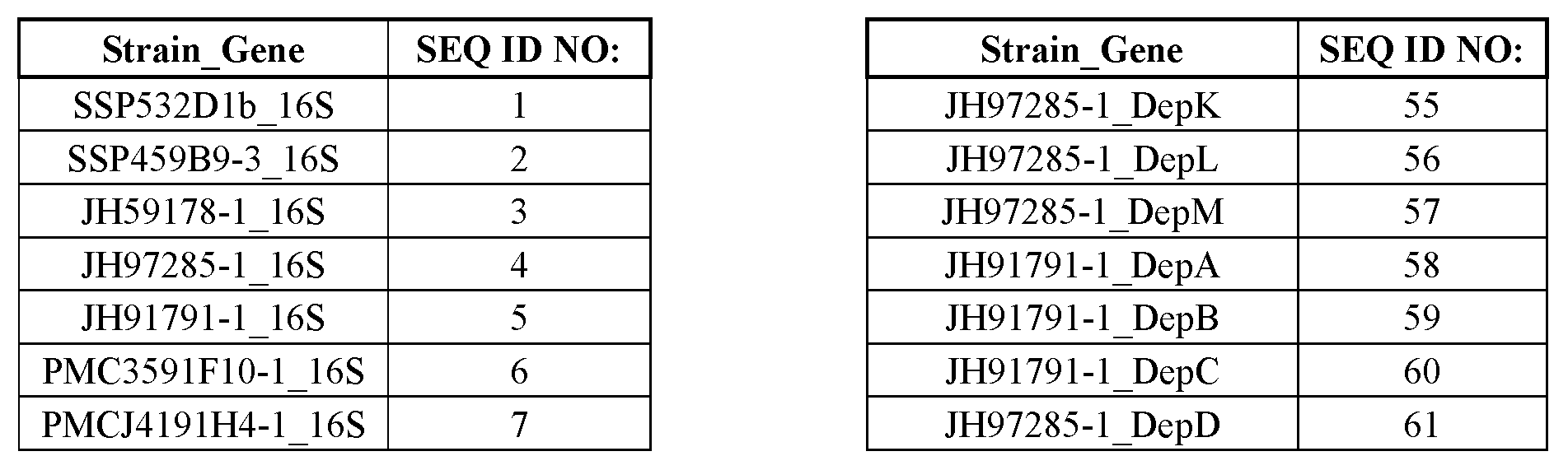
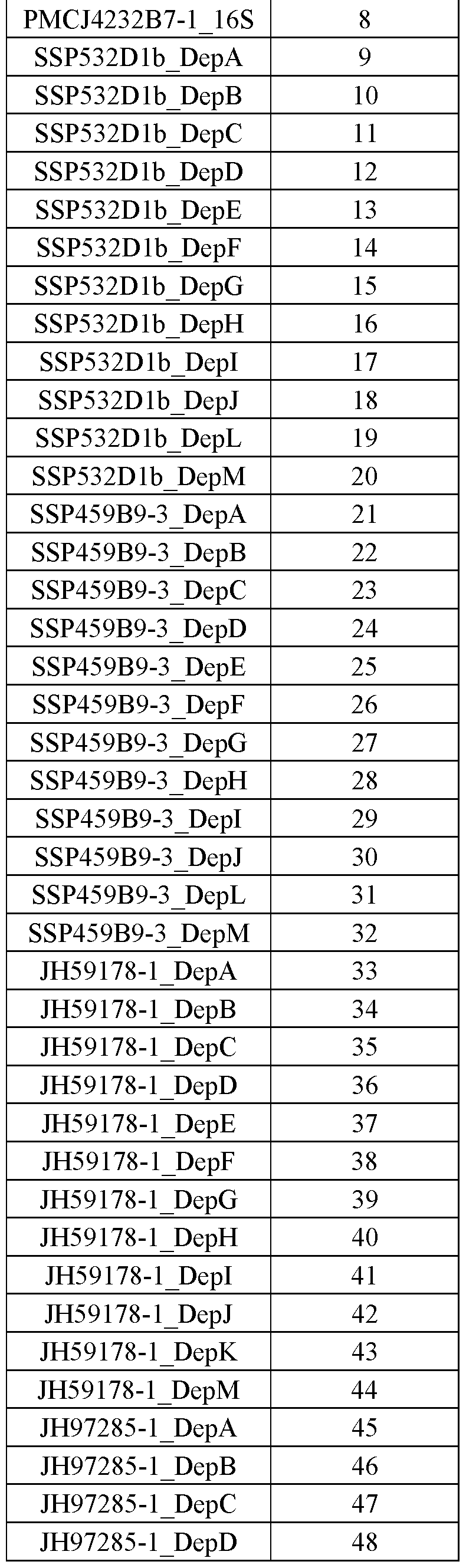
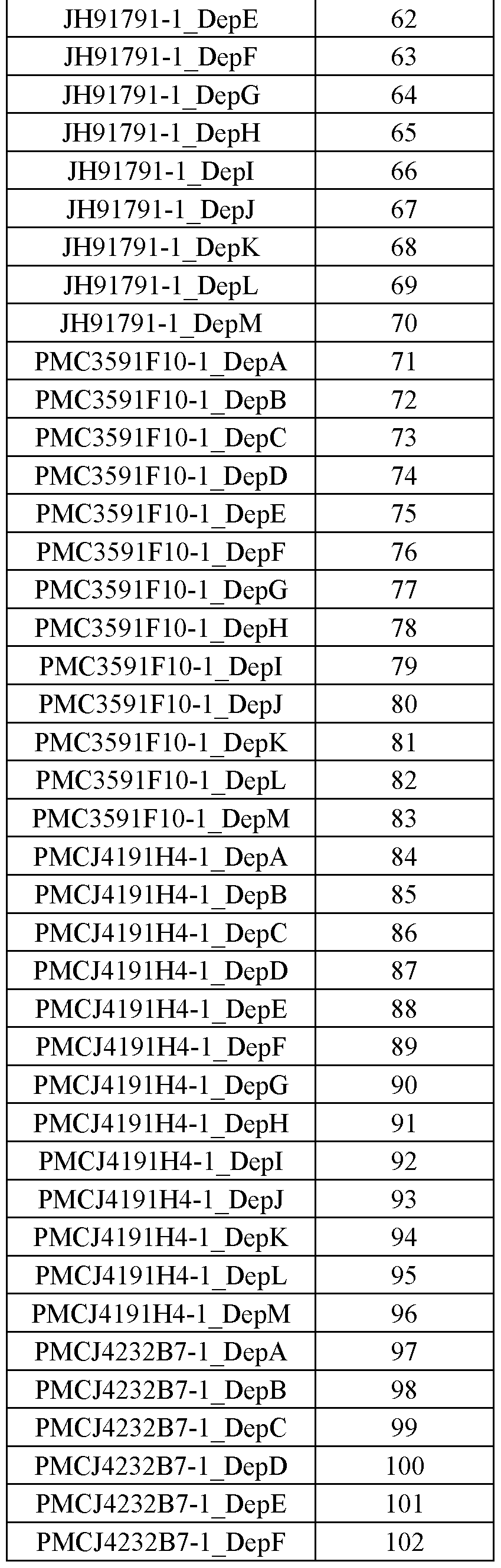

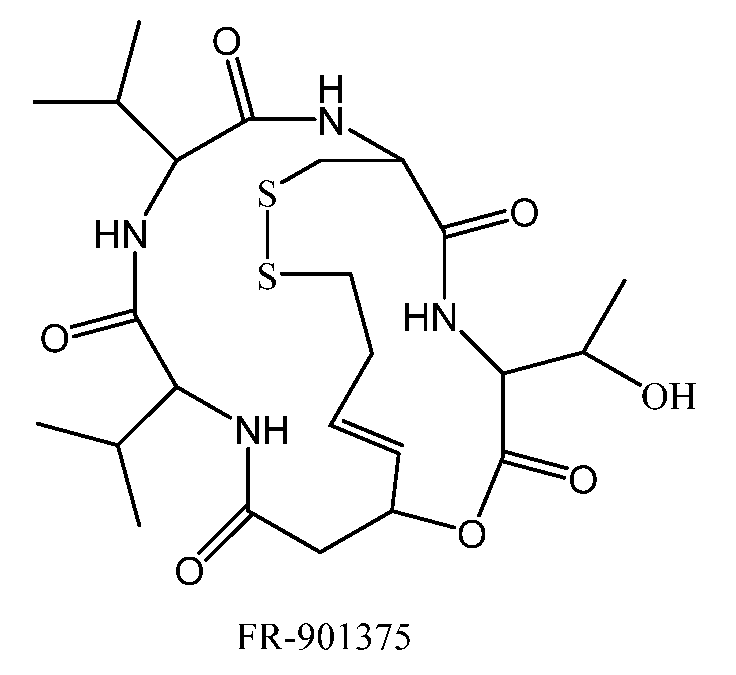

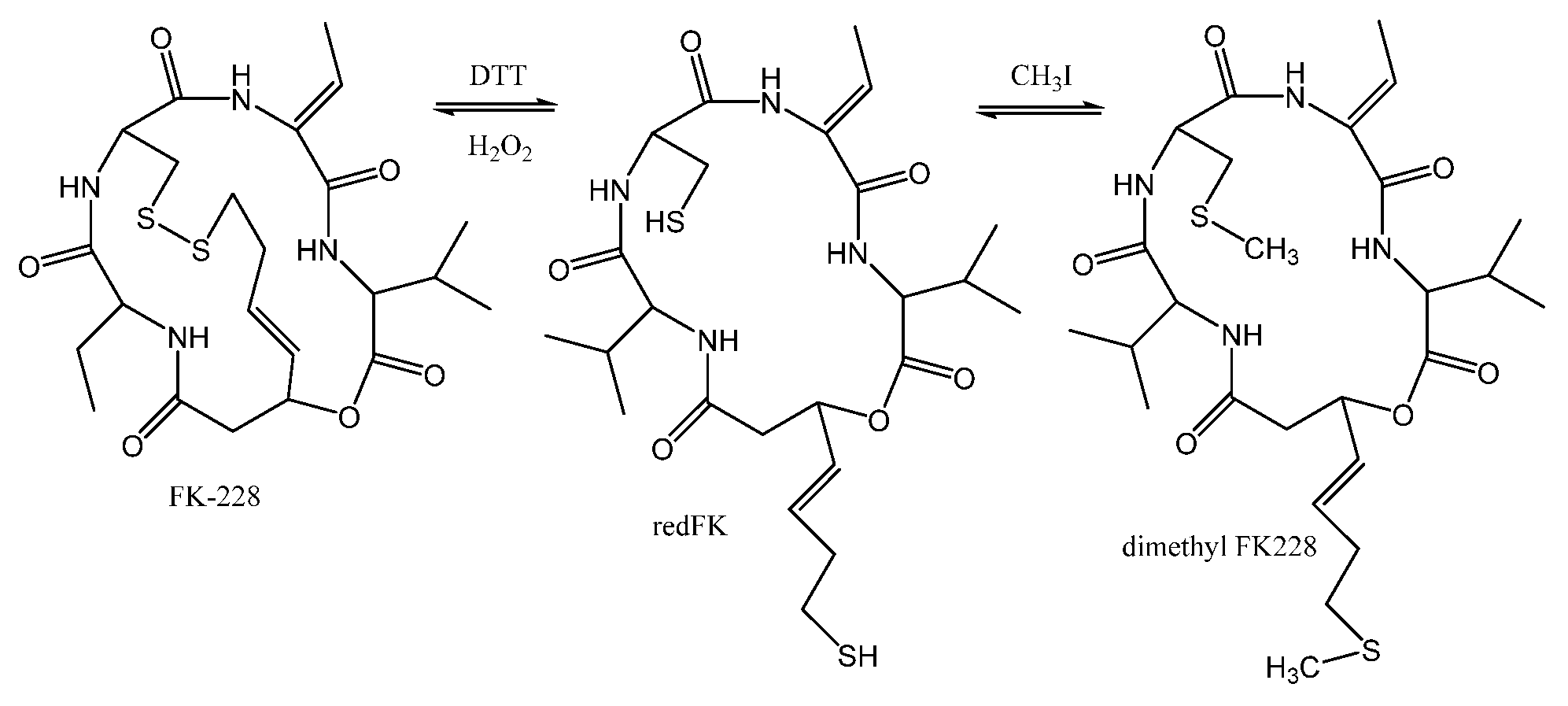
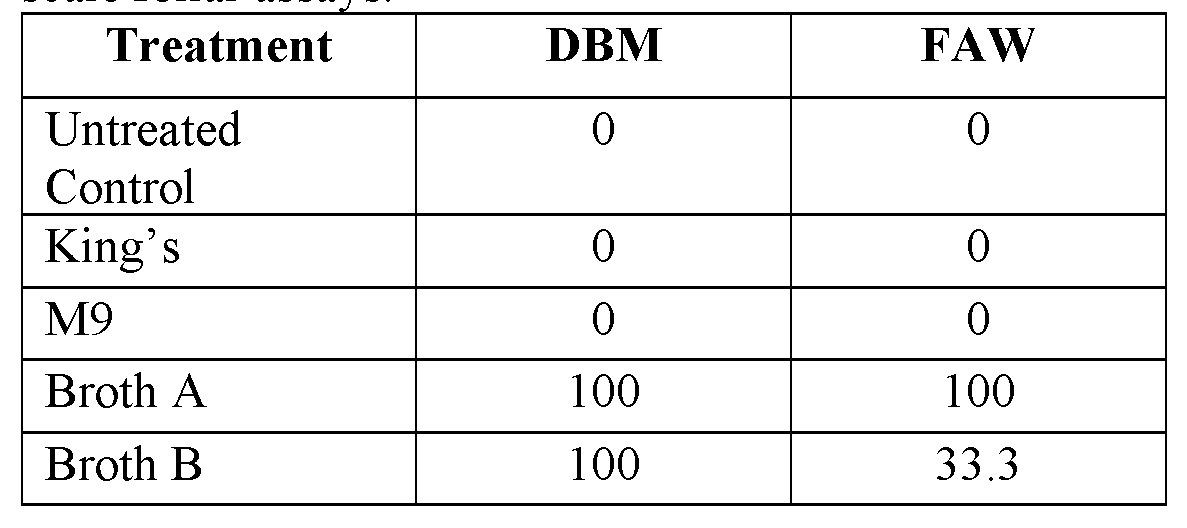
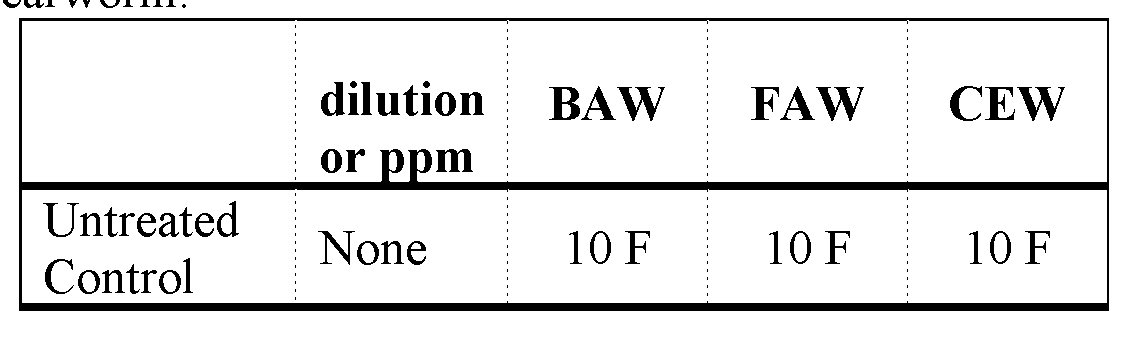


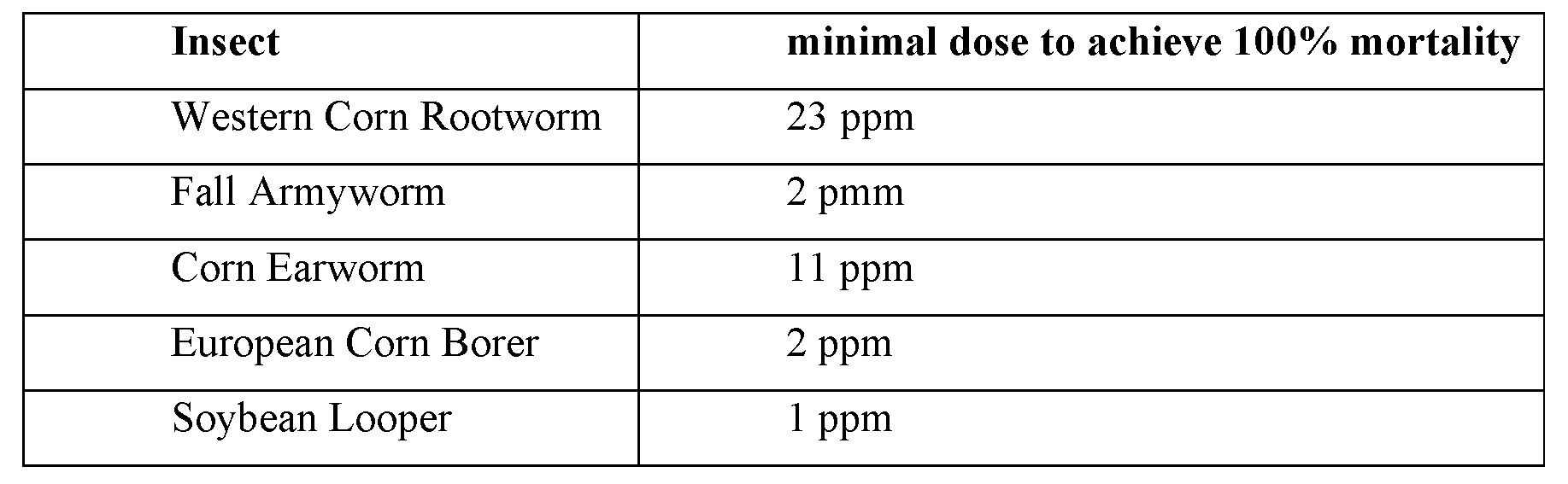
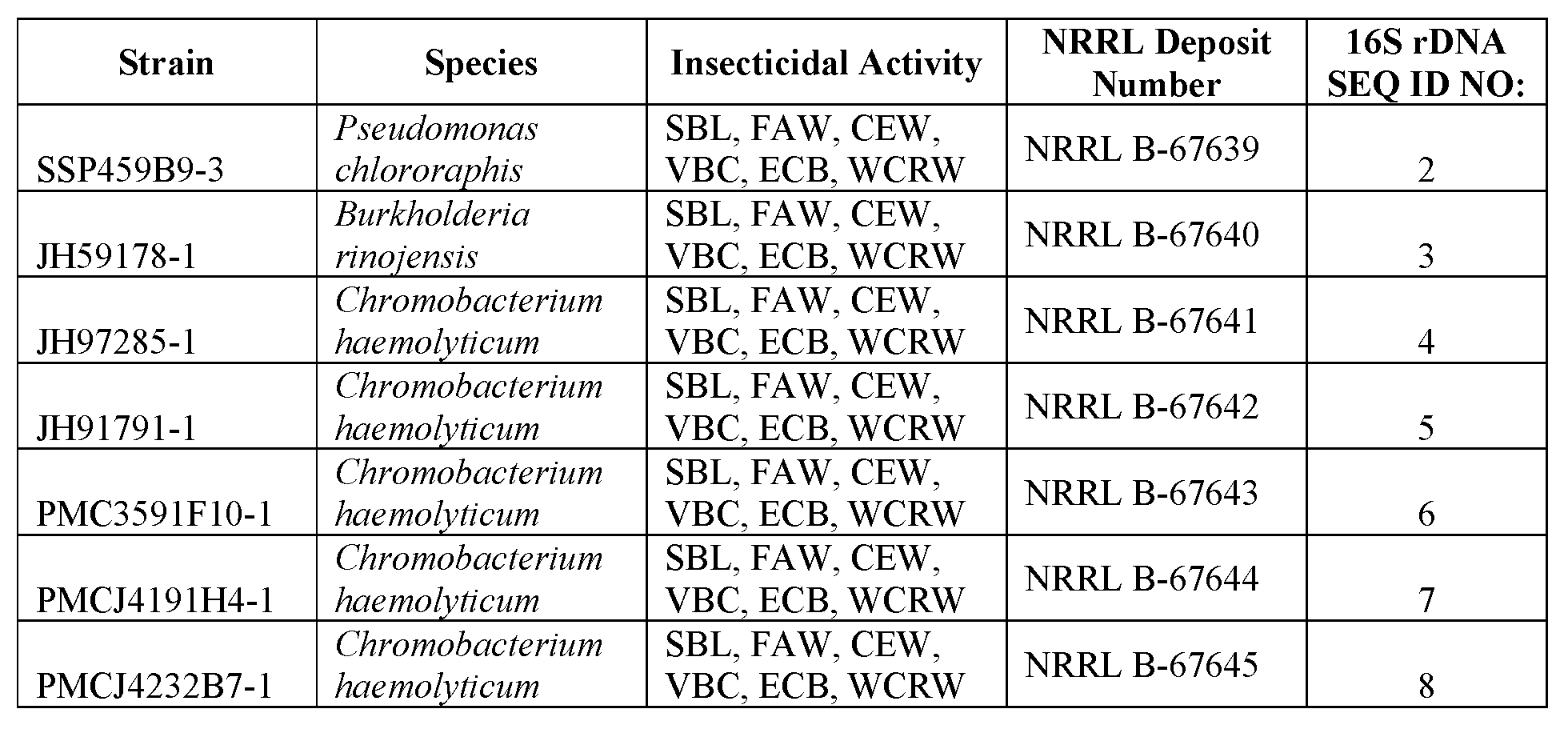
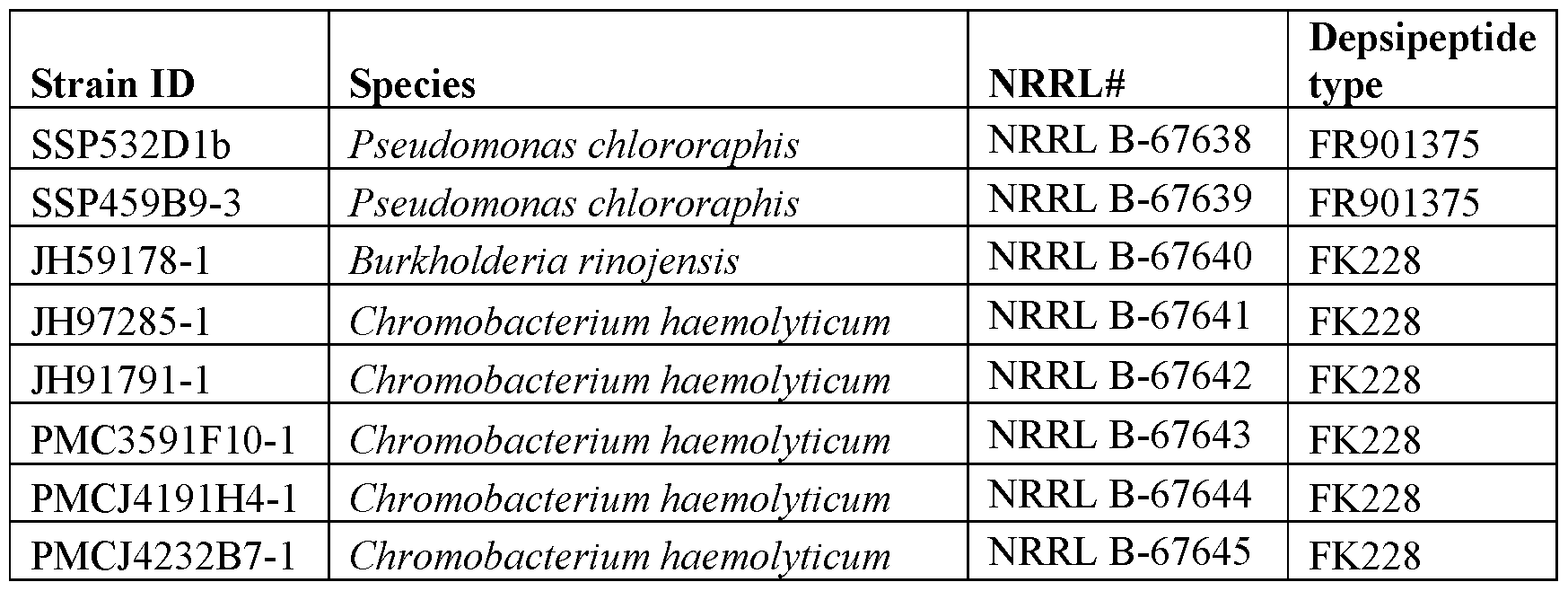
Claims

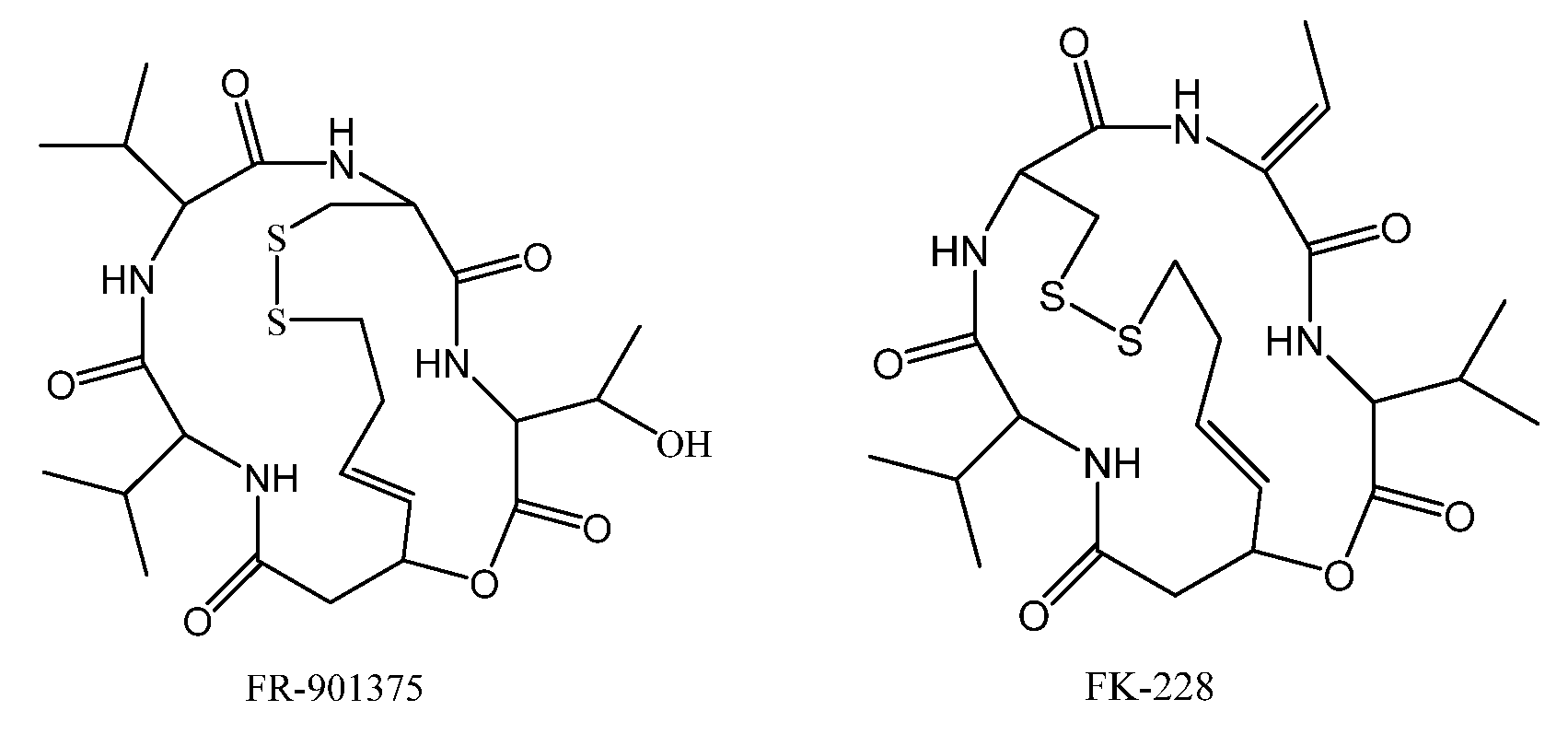
Priority Applications (3)
| Application Number | Priority Date | Filing Date | Title |
|---|---|---|---|
| BR112021011370-3A BR112021011370A2 (en) | 2018-12-14 | 2019-12-05 | BIOLOGICAL PRODUCTS AND THEIR USE IN PLANTS |
| EP19832483.2A EP3893647A1 (en) | 2018-12-14 | 2019-12-05 | Biologicals and their use in plants |
| US17/312,763 US20220015372A1 (en) | 2018-12-14 | 2019-12-05 | Biologicals and their use in plants |
Applications Claiming Priority (2)
| Application Number | Priority Date | Filing Date | Title |
|---|---|---|---|
| US201862779642P | 2018-12-14 | 2018-12-14 | |
| US62/779,642 | 2018-12-14 |
Publications (1)
| Publication Number | Publication Date |
|---|---|
| WO2020123242A1 true WO2020123242A1 (en) | 2020-06-18 |
Family
ID=69137983
Family Applications (1)
| Application Number | Title | Priority Date | Filing Date |
|---|---|---|---|
| PCT/US2019/064579 Ceased WO2020123242A1 (en) | 2018-12-14 | 2019-12-05 | Biologicals and their use in plants |
Country Status (5)
| Country | Link |
|---|---|
| US (1) | US20220015372A1 (en) |
| EP (1) | EP3893647A1 (en) |
| AR (1) | AR117325A1 (en) |
| BR (1) | BR112021011370A2 (en) |
| WO (1) | WO2020123242A1 (en) |
Cited By (1)
| Publication number | Priority date | Publication date | Assignee | Title |
|---|---|---|---|---|
| EP4294191A4 (en) * | 2021-02-21 | 2025-09-24 | Lavie Bio Ltd | Bacterial strains with pesticidal effects and their use |
Citations (51)
| Publication number | Priority date | Publication date | Assignee | Title |
|---|---|---|---|---|
| US4245432A (en) | 1979-07-25 | 1981-01-20 | Eastman Kodak Company | Seed coatings |
| US4272417A (en) | 1979-05-22 | 1981-06-09 | Cargill, Incorporated | Stable protective seed coating |
| US4808430A (en) | 1987-02-27 | 1989-02-28 | Yazaki Corporation | Method of applying gel coating to plant seeds |
| US4977138A (en) | 1988-07-26 | 1990-12-11 | Fujisawa Pharmaceutical Co., Ltd. | FR901228 substance and preparation thereof |
| US5743477A (en) | 1992-08-27 | 1998-04-28 | Dowelanco | Insecticidal proteins and method for plant protection |
| JP2833181B2 (en) | 1989-09-08 | 1998-12-09 | 藤沢薬品工業株式会社 | FR901375 substance and production method thereof |
| US5876739A (en) | 1996-06-13 | 1999-03-02 | Novartis Ag | Insecticidal seed coating |
| WO2000011185A2 (en) | 1998-08-19 | 2000-03-02 | Monsanto Co. | Improved expression of cry3b insecticidal protein in plants |
| US6048838A (en) | 1997-05-05 | 2000-04-11 | Dow Agrosciences Llc | Insecticidal protein toxins from xenorhabdus |
| JP3141296B2 (en) | 1991-07-12 | 2001-03-05 | 株式会社リコー | Recording method |
| WO2002028186A2 (en) | 2000-10-06 | 2002-04-11 | Monsanto Technology, Llc | Seed treatment with combinations of insecticides |
| WO2002080675A1 (en) | 2001-03-21 | 2002-10-17 | Monsanto Technology, Llc | Treated plant seeds with controlled release of active agents |
| US6548291B1 (en) | 1996-04-19 | 2003-04-15 | Mycogen Corporation | Pesticidal toxins |
| US6551962B1 (en) | 2000-10-06 | 2003-04-22 | Monsanto Technology Llc | Method for deploying a transgenic refuge |
| US6586365B2 (en) | 2000-10-06 | 2003-07-01 | Monsanto Technology, Llc | Method for reducing pest damage to corn by treating transgenic corn seeds with clothianidin pesticide |
| US6593273B2 (en) | 2000-10-06 | 2003-07-15 | Monsanto Technology Llc | Method for reducing pest damage to corn by treating transgenic corn seeds with pesticide |
| US20030176428A1 (en) | 1998-11-16 | 2003-09-18 | Schneidersmann Ferdinand Martin | Pesticidal composition for seed treatment |
| WO2007035650A2 (en) | 2005-09-16 | 2007-03-29 | Monsanto Technology Llc | Methods for genetic control of insect infestations in plants and compositions thereof |
| US7276583B2 (en) | 2001-08-31 | 2007-10-02 | Syngenta Participations Ag | Modified Cry3A toxins |
| US7309785B1 (en) | 2003-10-03 | 2007-12-18 | Dow Agrosciences Llc | Modified chimeric Cry35 proteins |
| US7524810B1 (en) | 2003-10-03 | 2009-04-28 | Dow Agrosciences Llc | Modified Cry34 proteins |
| US7705216B2 (en) | 2002-07-29 | 2010-04-27 | Monsanto Technology Llc | Corn event PV-ZMIR13 (MON863) plants and compositions and methods for detection thereof |
| US7875429B2 (en) | 2004-09-29 | 2011-01-25 | Pioneer Hi-Bred International, Inc. | Corn event DAS-59122-7 and methods for detection thereof |
| US20110054007A1 (en) | 2009-08-28 | 2011-03-03 | E.I. Du Pont De Nemours And Company | Compositions and methods to control insect pests |
| US7985893B2 (en) | 2005-06-09 | 2011-07-26 | Pioneer Hi Bred International Inc | Sclerotinia-resistant Brassica |
| US8101826B2 (en) | 1999-08-19 | 2012-01-24 | Monsanto Technology Llc | Expression of Cry3B insecticidal protein in plants |
| US20120029750A1 (en) | 2009-03-12 | 2012-02-02 | Ford Global Technologies, Llc | Auto-seek electrical connection for a plug-in hybrid electric vehicle |
| WO2012055982A2 (en) | 2010-10-27 | 2012-05-03 | Devgen Nv | Down-regulating gene expression in insect pests |
| US20120164205A1 (en) | 2004-04-09 | 2012-06-28 | Baum James A | Compositions and methods for control of insect infestations in plants |
| US20120198586A1 (en) | 2010-12-30 | 2012-08-02 | Dow Agrosciences Llc | Nucleic acid molecules that target the vacuolar atpase h subunit and confer resistance to coleopteran pests |
| US8269069B1 (en) | 2008-07-30 | 2012-09-18 | Dow Agrosciences, Llc | Modified Bacillus thuringiensis cry proteins that inhibit coleopterans |
| US20120297501A1 (en) | 2011-04-20 | 2012-11-22 | Devgen Nv | Plants resistant to insect pests |
| US8513492B2 (en) | 1997-12-18 | 2013-08-20 | Monsanto Technology Llc | Coleopteran-resistant transgenic plants and methods of their production |
| US8575434B2 (en) | 2009-12-17 | 2013-11-05 | Pioneer Hi Bred International Inc | Maize event DP-004114-3 and methods for detection thereof |
| US20130340111A1 (en) | 2012-05-08 | 2013-12-19 | Monsanto Technology Llc | Corn event mon 87411 |
| US8686230B2 (en) | 2003-12-15 | 2014-04-01 | Monsanto Technology Llc | Corn plant MON88017 and compositions and methods for detection thereof |
| US20140275208A1 (en) | 2013-03-14 | 2014-09-18 | Xu Hu | Compositions and Methods to Control Insect Pests |
| US8884102B2 (en) | 2004-03-25 | 2014-11-11 | Syngenta Participations Ag | Corn event MIR604 |
| WO2015034629A1 (en) * | 2013-09-07 | 2015-03-12 | Marrone Bio Innovations, Inc. | Methods and compositions for control of mite infestations using a newly discovered species of burkholderia |
| US9133474B2 (en) | 2008-12-16 | 2015-09-15 | Syngenta Participations Ag | Corn event 5307 |
| US20160186204A1 (en) | 2013-08-16 | 2016-06-30 | Pioneer Hi-Bred International, Inc. | Insecticidal proteins and methods for their use |
| WO2016114973A1 (en) | 2015-01-15 | 2016-07-21 | Pioneer Hi Bred International, Inc | Insecticidal proteins and methods for their use |
| US9475847B2 (en) | 2012-07-26 | 2016-10-25 | Pioneer Hi-Bred International, Inc. | Insecticidal proteins and methods for their use |
| US20160347799A1 (en) | 2014-02-07 | 2016-12-01 | Pioneer Hi-Bred International, Inc. | Insecticidal proteins from plants and methods for their use |
| US20160366891A1 (en) | 2013-09-13 | 2016-12-22 | Pioneer Hi Bred Int | Insecticidal proteins and methods for their use |
| WO2017023486A1 (en) | 2015-08-06 | 2017-02-09 | Pioneer Hi-Bred International, Inc. | Plant derived insecticidal proteins and methods for their use |
| US20170166921A1 (en) | 2014-02-07 | 2017-06-15 | Pioneer Hi-Bred International, Inc. | Novel insecticidal proteins from plants |
| WO2017105987A1 (en) | 2015-12-18 | 2017-06-22 | Pioneer Hi-Bred International, Inc. | Insecticidal proteins and methods for their use |
| US9688730B2 (en) | 2012-07-02 | 2017-06-27 | Pioneer Hi-Bred International, Inc. | Insecticidal proteins and methods for their use |
| US20170233440A1 (en) | 2014-10-16 | 2017-08-17 | Pioneer Hi-Bred International, Inc. | Insecticidal proteins and methods for their use |
| US9993006B2 (en) | 2015-10-12 | 2018-06-12 | Pioneer Hi-Bred International, Inc. | Biologicals and their use in plants |
-
2019
- 2019-12-05 WO PCT/US2019/064579 patent/WO2020123242A1/en not_active Ceased
- 2019-12-05 BR BR112021011370-3A patent/BR112021011370A2/en not_active IP Right Cessation
- 2019-12-05 EP EP19832483.2A patent/EP3893647A1/en not_active Withdrawn
- 2019-12-05 US US17/312,763 patent/US20220015372A1/en not_active Abandoned
- 2019-12-13 AR ARP190103656A patent/AR117325A1/en unknown
Patent Citations (56)
| Publication number | Priority date | Publication date | Assignee | Title |
|---|---|---|---|---|
| US4272417A (en) | 1979-05-22 | 1981-06-09 | Cargill, Incorporated | Stable protective seed coating |
| US4245432A (en) | 1979-07-25 | 1981-01-20 | Eastman Kodak Company | Seed coatings |
| US4808430A (en) | 1987-02-27 | 1989-02-28 | Yazaki Corporation | Method of applying gel coating to plant seeds |
| US4977138A (en) | 1988-07-26 | 1990-12-11 | Fujisawa Pharmaceutical Co., Ltd. | FR901228 substance and preparation thereof |
| JP2833181B2 (en) | 1989-09-08 | 1998-12-09 | 藤沢薬品工業株式会社 | FR901375 substance and production method thereof |
| JP3141296B2 (en) | 1991-07-12 | 2001-03-05 | 株式会社リコー | Recording method |
| US5743477A (en) | 1992-08-27 | 1998-04-28 | Dowelanco | Insecticidal proteins and method for plant protection |
| US6548291B1 (en) | 1996-04-19 | 2003-04-15 | Mycogen Corporation | Pesticidal toxins |
| US5876739A (en) | 1996-06-13 | 1999-03-02 | Novartis Ag | Insecticidal seed coating |
| US6048838A (en) | 1997-05-05 | 2000-04-11 | Dow Agrosciences Llc | Insecticidal protein toxins from xenorhabdus |
| US6379946B1 (en) | 1997-05-05 | 2002-04-30 | Wisconsin Alumn Research Foundation | Insecticidal protein toxins from Xenorhabdus |
| US8513492B2 (en) | 1997-12-18 | 2013-08-20 | Monsanto Technology Llc | Coleopteran-resistant transgenic plants and methods of their production |
| WO2000011185A2 (en) | 1998-08-19 | 2000-03-02 | Monsanto Co. | Improved expression of cry3b insecticidal protein in plants |
| US20030176428A1 (en) | 1998-11-16 | 2003-09-18 | Schneidersmann Ferdinand Martin | Pesticidal composition for seed treatment |
| US8101826B2 (en) | 1999-08-19 | 2012-01-24 | Monsanto Technology Llc | Expression of Cry3B insecticidal protein in plants |
| US6593273B2 (en) | 2000-10-06 | 2003-07-15 | Monsanto Technology Llc | Method for reducing pest damage to corn by treating transgenic corn seeds with pesticide |
| US6586365B2 (en) | 2000-10-06 | 2003-07-01 | Monsanto Technology, Llc | Method for reducing pest damage to corn by treating transgenic corn seeds with clothianidin pesticide |
| US6551962B1 (en) | 2000-10-06 | 2003-04-22 | Monsanto Technology Llc | Method for deploying a transgenic refuge |
| WO2002028186A2 (en) | 2000-10-06 | 2002-04-11 | Monsanto Technology, Llc | Seed treatment with combinations of insecticides |
| WO2002080675A1 (en) | 2001-03-21 | 2002-10-17 | Monsanto Technology, Llc | Treated plant seeds with controlled release of active agents |
| US8759620B2 (en) | 2001-08-31 | 2014-06-24 | Syngenta Participations Ag | Transgenic plants expressing modified CRY3A |
| US7276583B2 (en) | 2001-08-31 | 2007-10-02 | Syngenta Participations Ag | Modified Cry3A toxins |
| US7705216B2 (en) | 2002-07-29 | 2010-04-27 | Monsanto Technology Llc | Corn event PV-ZMIR13 (MON863) plants and compositions and methods for detection thereof |
| US7309785B1 (en) | 2003-10-03 | 2007-12-18 | Dow Agrosciences Llc | Modified chimeric Cry35 proteins |
| US7939651B2 (en) | 2003-10-03 | 2011-05-10 | Dow Agrosciences Llc | Modified Cry35 proteins |
| US7524810B1 (en) | 2003-10-03 | 2009-04-28 | Dow Agrosciences Llc | Modified Cry34 proteins |
| US8686230B2 (en) | 2003-12-15 | 2014-04-01 | Monsanto Technology Llc | Corn plant MON88017 and compositions and methods for detection thereof |
| US8884102B2 (en) | 2004-03-25 | 2014-11-11 | Syngenta Participations Ag | Corn event MIR604 |
| US20120164205A1 (en) | 2004-04-09 | 2012-06-28 | Baum James A | Compositions and methods for control of insect infestations in plants |
| US7875429B2 (en) | 2004-09-29 | 2011-01-25 | Pioneer Hi-Bred International, Inc. | Corn event DAS-59122-7 and methods for detection thereof |
| US7985893B2 (en) | 2005-06-09 | 2011-07-26 | Pioneer Hi Bred International Inc | Sclerotinia-resistant Brassica |
| WO2007035650A2 (en) | 2005-09-16 | 2007-03-29 | Monsanto Technology Llc | Methods for genetic control of insect infestations in plants and compositions thereof |
| US8269069B1 (en) | 2008-07-30 | 2012-09-18 | Dow Agrosciences, Llc | Modified Bacillus thuringiensis cry proteins that inhibit coleopterans |
| US9133474B2 (en) | 2008-12-16 | 2015-09-15 | Syngenta Participations Ag | Corn event 5307 |
| US20120029750A1 (en) | 2009-03-12 | 2012-02-02 | Ford Global Technologies, Llc | Auto-seek electrical connection for a plug-in hybrid electric vehicle |
| US20110054007A1 (en) | 2009-08-28 | 2011-03-03 | E.I. Du Pont De Nemours And Company | Compositions and methods to control insect pests |
| US8575434B2 (en) | 2009-12-17 | 2013-11-05 | Pioneer Hi Bred International Inc | Maize event DP-004114-3 and methods for detection thereof |
| WO2012055982A2 (en) | 2010-10-27 | 2012-05-03 | Devgen Nv | Down-regulating gene expression in insect pests |
| US20120198586A1 (en) | 2010-12-30 | 2012-08-02 | Dow Agrosciences Llc | Nucleic acid molecules that target the vacuolar atpase h subunit and confer resistance to coleopteran pests |
| US20120297501A1 (en) | 2011-04-20 | 2012-11-22 | Devgen Nv | Plants resistant to insect pests |
| US20120322660A1 (en) | 2011-04-20 | 2012-12-20 | Devgen Nv | Down-regulating gene expression in insect pests |
| US20130340111A1 (en) | 2012-05-08 | 2013-12-19 | Monsanto Technology Llc | Corn event mon 87411 |
| US20170327546A1 (en) * | 2012-07-02 | 2017-11-16 | Pioneer Hi-Bred International, Inc. | Novel Insecticidal Proteins and Methods for Their Use |
| US9688730B2 (en) | 2012-07-02 | 2017-06-27 | Pioneer Hi-Bred International, Inc. | Insecticidal proteins and methods for their use |
| US9475847B2 (en) | 2012-07-26 | 2016-10-25 | Pioneer Hi-Bred International, Inc. | Insecticidal proteins and methods for their use |
| US20140275208A1 (en) | 2013-03-14 | 2014-09-18 | Xu Hu | Compositions and Methods to Control Insect Pests |
| US20160186204A1 (en) | 2013-08-16 | 2016-06-30 | Pioneer Hi-Bred International, Inc. | Insecticidal proteins and methods for their use |
| WO2015034629A1 (en) * | 2013-09-07 | 2015-03-12 | Marrone Bio Innovations, Inc. | Methods and compositions for control of mite infestations using a newly discovered species of burkholderia |
| US20160366891A1 (en) | 2013-09-13 | 2016-12-22 | Pioneer Hi Bred Int | Insecticidal proteins and methods for their use |
| US20160347799A1 (en) | 2014-02-07 | 2016-12-01 | Pioneer Hi-Bred International, Inc. | Insecticidal proteins from plants and methods for their use |
| US20170166921A1 (en) | 2014-02-07 | 2017-06-15 | Pioneer Hi-Bred International, Inc. | Novel insecticidal proteins from plants |
| US20170233440A1 (en) | 2014-10-16 | 2017-08-17 | Pioneer Hi-Bred International, Inc. | Insecticidal proteins and methods for their use |
| WO2016114973A1 (en) | 2015-01-15 | 2016-07-21 | Pioneer Hi Bred International, Inc | Insecticidal proteins and methods for their use |
| WO2017023486A1 (en) | 2015-08-06 | 2017-02-09 | Pioneer Hi-Bred International, Inc. | Plant derived insecticidal proteins and methods for their use |
| US9993006B2 (en) | 2015-10-12 | 2018-06-12 | Pioneer Hi-Bred International, Inc. | Biologicals and their use in plants |
| WO2017105987A1 (en) | 2015-12-18 | 2017-06-22 | Pioneer Hi-Bred International, Inc. | Insecticidal proteins and methods for their use |
Non-Patent Citations (21)
| Title |
|---|
| "GenBank", Database accession no. EU400157 |
| ANDREWS ET AL., BIOCHEM. J., vol. 252, 1988, pages 199 - 206 |
| BIOCHEMICAL JOURNAL, vol. 219, no. 2, 1984, pages 345 - 373 |
| CHENG YI-QIANG ET AL: "Characterization of a gene cluster responsible for the biosynthesis of anticancer agent FK228 in Chromobacterium violaceum No. 968", APPLIED AND ENVIRONMENTAL MICROBIOLOGY, AMERICAN SOCIETY FOR MICROBIOLOGY, US, vol. 73, no. 11, 1 June 2007 (2007-06-01), pages 3460 - 3469, XP002499010, ISSN: 0099-2240, [retrieved on 20070330], DOI: 10.1128/AEM.01751-06 * |
| CRICKMORE ET AL., BACILLUS THURINGIENSIS TOXIN NOMENCLATURE, 2011 |
| CZAPLALANG, J. ECON. ENTOMOL., vol. 83, 1990, pages 2480 - 2485 |
| FURUMAI ET AL.: "FK228 (Depsipeptide) as a Natural Prodrug that Inhibits Class I Histone Deacetylases", CANCER RES., vol. 62, 2002, pages 4916 - 4921, XP002381943 |
| HINCHLIFFE ET AL., THE OPEN TOXICOLOGY JOURNAL, vol. 3, 2010, pages 101 - 118 |
| KOICHI NARITA ET AL: "Total Synthesis of the Depsipeptide FR901375 and Preliminary Evaluation of Its Biological Activity", EUROPEAN JOURNAL OF ORGANIC CHEMISTRY, vol. 2016, no. 34, 1 December 2016 (2016-12-01), DE, pages 5667 - 5677, XP055667661, ISSN: 1434-193X, DOI: 10.1002/ejoc.201601023 * |
| LI ET AL., PLANT CELL TISS. ORGAN CULT., vol. 89, 2007, pages 159 - 168 |
| LIU ET AL., J. AGRIC. FOOD CHEM., vol. 58, 2010, pages 12343 - 12349 |
| MARRONE ET AL., J. OF ECONOMIC ENTOMOLOGY, vol. 78, 1985, pages 290 - 293 |
| MONALYSIN, PLOS PATHOGENS, vol. 7, 2011, pages 1 - 13 |
| MORGAN ET AL., APPLIED AND ENVIR. MICRO., vol. 67, 2001, pages 2062 - 2069 |
| NARITA ET AL.: "Total Synthesis of the Depesipeptide FR901375 and Preliminary Evaluation of its Biological Activity", EUR. J. CHEM., 1996, pages 5667 - 5677 |
| NUCLEIC ACIDS RESEARCH, vol. 13, 1985, pages 3021 - 3030 |
| PECHY-TARR, ENVIRONMENTAL MICROBIOLOGY, vol. 10, 2008, pages 2368 - 2386 |
| QINGGUI WANG ET AL: "Beauvericin, a Bioactive Compound Produced by Fungi: A Short Review", MOLECULES ONLINE, vol. 17, no. 3, 1 January 2012 (2012-01-01), DE, pages 2367 - 2377, XP055667627, ISSN: 1433-1373, DOI: 10.3390/molecules17032367 * |
| VAN FRANNKENHUYZEN, J. INVERT. PATH., vol. 101, 2009, pages 1 - 16 |
| XU Y ET AL: "Biosynthesis of the cyclooligomer depsipeptide bassianolide, an insecticidal virulence factor of Beauveria bassiana", FUNGAL GENETICS AND BIOLOGY, SAN DIEGO, CA, US, vol. 46, no. 5, 1 May 2009 (2009-05-01), pages 353 - 364, XP026040813, ISSN: 1087-1845, [retrieved on 20090311], DOI: 10.1016/J.FGB.2009.03.001 * |
| ZHANG ET AL., ANNALS OF MICROBIOLOGY, vol. 59, 2009, pages 45 - 50 |
Cited By (1)
| Publication number | Priority date | Publication date | Assignee | Title |
|---|---|---|---|---|
| EP4294191A4 (en) * | 2021-02-21 | 2025-09-24 | Lavie Bio Ltd | Bacterial strains with pesticidal effects and their use |
Also Published As
| Publication number | Publication date |
|---|---|
| US20220015372A1 (en) | 2022-01-20 |
| BR112021011370A2 (en) | 2021-08-31 |
| AR117325A1 (en) | 2021-07-28 |
| EP3893647A1 (en) | 2021-10-20 |
Similar Documents
| Publication | Publication Date | Title |
|---|---|---|
| US10190179B2 (en) | Maize event DP-004114-3 and methods for detection thereof | |
| US20100029725A1 (en) | Resistance management strategies | |
| US20110154526A1 (en) | Maize event DP-043A47-3 and methods for detection thereof | |
| US20110154524A1 (en) | Maize event DP-032316-8 and methods for detection thereof | |
| CN108823217A (en) | Insecticidal polypeptide with broad spectrum of activity and application thereof | |
| US10010084B2 (en) | Control of insect pests | |
| US20100210460A1 (en) | Blended refuge deployment via manipulation during hybrid seed production | |
| CN109072249A (en) | Insecticidal combination of polypeptide with improved activity profile and application thereof | |
| US8735147B2 (en) | Polynucleotides encoding cyclotides having nematocidal activity | |
| US20240158806A1 (en) | Bacterial strains with toxin complex for insect control | |
| US20220015372A1 (en) | Biologicals and their use in plants | |
| US9139843B2 (en) | Endotoxins having nematocidal activity and methods of use thereof | |
| CN110066807A (en) | The plant of pest-resistant performance enhancement and it is related to the construct and method of pest resistance genes | |
| US20250346916A1 (en) | Insecticidal proteins compositions and methods of use | |
| US20260002172A1 (en) | Insecticidal proteins compositions and methods of use | |
| WO2026006045A1 (en) | Insecticidal proteins, compositions and methods of use | |
| WO2025264577A1 (en) | Insecticidal proteins, compositions and methods of use | |
| WO2025264584A1 (en) | Insecticidal proteins, compositions and methods of use | |
| WO2025193453A1 (en) | Insecticidal proteins compositions and methods of use | |
| WO2025178772A1 (en) | Insecticidal proteins compositions and methods of use | |
| US20120283111A1 (en) | Bacterial mRNA screen strategy for novel pesticide-encoding nucleic acid molecule discovery | |
| HK1193007B (en) | Control of insect pests | |
| HK1193007A (en) | Control of insect pests |
Legal Events
| Date | Code | Title | Description |
|---|---|---|---|
| 121 | Ep: the epo has been informed by wipo that ep was designated in this application |
Ref document number: 19832483 Country of ref document: EP Kind code of ref document: A1 |
|
| NENP | Non-entry into the national phase |
Ref country code: DE |
|
| REG | Reference to national code |
Ref country code: BR Ref legal event code: B01A Ref document number: 112021011370 Country of ref document: BR |
|
| ENP | Entry into the national phase |
Ref document number: 2019832483 Country of ref document: EP Effective date: 20210714 |
|
| ENP | Entry into the national phase |
Ref document number: 112021011370 Country of ref document: BR Kind code of ref document: A2 Effective date: 20210611 |