WO2020086934A2 - Methods, devices, and systems for physiological parameter analysis - Google Patents
Methods, devices, and systems for physiological parameter analysis Download PDFInfo
- Publication number
- WO2020086934A2 WO2020086934A2 PCT/US2019/058014 US2019058014W WO2020086934A2 WO 2020086934 A2 WO2020086934 A2 WO 2020086934A2 US 2019058014 W US2019058014 W US 2019058014W WO 2020086934 A2 WO2020086934 A2 WO 2020086934A2
- Authority
- WO
- WIPO (PCT)
- Prior art keywords
- glucose
- level
- time period
- physiological parameter
- hbalc
- Prior art date
- Legal status (The legal status is an assumption and is not a legal conclusion. Google has not performed a legal analysis and makes no representation as to the accuracy of the status listed.)
- Ceased
Links
Classifications
-
- A—HUMAN NECESSITIES
- A61—MEDICAL OR VETERINARY SCIENCE; HYGIENE
- A61B—DIAGNOSIS; SURGERY; IDENTIFICATION
- A61B5/00—Measuring for diagnostic purposes; Identification of persons
- A61B5/145—Measuring characteristics of blood in vivo, e.g. gas concentration or pH-value ; Measuring characteristics of body fluids or tissues, e.g. interstitial fluid or cerebral tissue
- A61B5/14532—Measuring characteristics of blood in vivo, e.g. gas concentration or pH-value ; Measuring characteristics of body fluids or tissues, e.g. interstitial fluid or cerebral tissue for measuring glucose, e.g. by tissue impedance measurement
-
- A—HUMAN NECESSITIES
- A61—MEDICAL OR VETERINARY SCIENCE; HYGIENE
- A61B—DIAGNOSIS; SURGERY; IDENTIFICATION
- A61B5/00—Measuring for diagnostic purposes; Identification of persons
- A61B5/145—Measuring characteristics of blood in vivo, e.g. gas concentration or pH-value ; Measuring characteristics of body fluids or tissues, e.g. interstitial fluid or cerebral tissue
- A61B5/14503—Measuring characteristics of blood in vivo, e.g. gas concentration or pH-value ; Measuring characteristics of body fluids or tissues, e.g. interstitial fluid or cerebral tissue invasive, e.g. introduced into the body by a catheter or needle or using implanted sensors
-
- A—HUMAN NECESSITIES
- A61—MEDICAL OR VETERINARY SCIENCE; HYGIENE
- A61B—DIAGNOSIS; SURGERY; IDENTIFICATION
- A61B5/00—Measuring for diagnostic purposes; Identification of persons
- A61B5/145—Measuring characteristics of blood in vivo, e.g. gas concentration or pH-value ; Measuring characteristics of body fluids or tissues, e.g. interstitial fluid or cerebral tissue
- A61B5/14546—Measuring characteristics of blood in vivo, e.g. gas concentration or pH-value ; Measuring characteristics of body fluids or tissues, e.g. interstitial fluid or cerebral tissue for measuring analytes not otherwise provided for, e.g. ions, cytochromes
-
- A—HUMAN NECESSITIES
- A61—MEDICAL OR VETERINARY SCIENCE; HYGIENE
- A61B—DIAGNOSIS; SURGERY; IDENTIFICATION
- A61B5/00—Measuring for diagnostic purposes; Identification of persons
- A61B5/41—Detecting, measuring or recording for evaluating the immune or lymphatic systems
- A61B5/414—Evaluating particular organs or parts of the immune or lymphatic systems
- A61B5/417—Evaluating particular organs or parts of the immune or lymphatic systems the bone marrow
-
- A—HUMAN NECESSITIES
- A61—MEDICAL OR VETERINARY SCIENCE; HYGIENE
- A61B—DIAGNOSIS; SURGERY; IDENTIFICATION
- A61B5/00—Measuring for diagnostic purposes; Identification of persons
- A61B5/48—Other medical applications
- A61B5/4836—Diagnosis combined with treatment in closed-loop systems or methods
-
- A—HUMAN NECESSITIES
- A61—MEDICAL OR VETERINARY SCIENCE; HYGIENE
- A61B—DIAGNOSIS; SURGERY; IDENTIFICATION
- A61B5/00—Measuring for diagnostic purposes; Identification of persons
- A61B5/48—Other medical applications
- A61B5/4836—Diagnosis combined with treatment in closed-loop systems or methods
- A61B5/4839—Diagnosis combined with treatment in closed-loop systems or methods combined with drug delivery
-
- A—HUMAN NECESSITIES
- A61—MEDICAL OR VETERINARY SCIENCE; HYGIENE
- A61B—DIAGNOSIS; SURGERY; IDENTIFICATION
- A61B5/00—Measuring for diagnostic purposes; Identification of persons
- A61B5/72—Signal processing specially adapted for physiological signals or for diagnostic purposes
-
- A—HUMAN NECESSITIES
- A61—MEDICAL OR VETERINARY SCIENCE; HYGIENE
- A61B—DIAGNOSIS; SURGERY; IDENTIFICATION
- A61B5/00—Measuring for diagnostic purposes; Identification of persons
- A61B5/72—Signal processing specially adapted for physiological signals or for diagnostic purposes
- A61B5/7271—Specific aspects of physiological measurement analysis
- A61B5/7275—Determining trends in physiological measurement data; Predicting development of a medical condition based on physiological measurements, e.g. determining a risk factor
-
- A—HUMAN NECESSITIES
- A61—MEDICAL OR VETERINARY SCIENCE; HYGIENE
- A61M—DEVICES FOR INTRODUCING MEDIA INTO, OR ONTO, THE BODY; DEVICES FOR TRANSDUCING BODY MEDIA OR FOR TAKING MEDIA FROM THE BODY; DEVICES FOR PRODUCING OR ENDING SLEEP OR STUPOR
- A61M5/00—Devices for bringing media into the body in a subcutaneous, intra-vascular or intramuscular way; Accessories therefor, e.g. filling or cleaning devices, arm-rests
- A61M5/14—Infusion devices, e.g. infusing by gravity; Blood infusion; Accessories therefor
- A61M5/142—Pressure infusion, e.g. using pumps
- A61M5/145—Pressure infusion, e.g. using pumps using pressurised reservoirs, e.g. pressurised by means of pistons
-
- A—HUMAN NECESSITIES
- A61—MEDICAL OR VETERINARY SCIENCE; HYGIENE
- A61M—DEVICES FOR INTRODUCING MEDIA INTO, OR ONTO, THE BODY; DEVICES FOR TRANSDUCING BODY MEDIA OR FOR TAKING MEDIA FROM THE BODY; DEVICES FOR PRODUCING OR ENDING SLEEP OR STUPOR
- A61M5/00—Devices for bringing media into the body in a subcutaneous, intra-vascular or intramuscular way; Accessories therefor, e.g. filling or cleaning devices, arm-rests
- A61M5/14—Infusion devices, e.g. infusing by gravity; Blood infusion; Accessories therefor
- A61M5/168—Means for controlling media flow to the body or for metering media to the body, e.g. drip meters, counters ; Monitoring media flow to the body
- A61M5/172—Means for controlling media flow to the body or for metering media to the body, e.g. drip meters, counters ; Monitoring media flow to the body electrical or electronic
-
- C—CHEMISTRY; METALLURGY
- C12—BIOCHEMISTRY; BEER; SPIRITS; WINE; VINEGAR; MICROBIOLOGY; ENZYMOLOGY; MUTATION OR GENETIC ENGINEERING
- C12Q—MEASURING OR TESTING PROCESSES INVOLVING ENZYMES, NUCLEIC ACIDS OR MICROORGANISMS; COMPOSITIONS OR TEST PAPERS THEREFOR; PROCESSES OF PREPARING SUCH COMPOSITIONS; CONDITION-RESPONSIVE CONTROL IN MICROBIOLOGICAL OR ENZYMOLOGICAL PROCESSES
- C12Q1/00—Measuring or testing processes involving enzymes, nucleic acids or microorganisms; Compositions therefor; Processes of preparing such compositions
- C12Q1/001—Enzyme electrodes
- C12Q1/005—Enzyme electrodes involving specific analytes or enzymes
- C12Q1/006—Enzyme electrodes involving specific analytes or enzymes for glucose
-
- G—PHYSICS
- G01—MEASURING; TESTING
- G01N—INVESTIGATING OR ANALYSING MATERIALS BY DETERMINING THEIR CHEMICAL OR PHYSICAL PROPERTIES
- G01N33/00—Investigating or analysing materials by specific methods not covered by groups G01N1/00 - G01N31/00
- G01N33/48—Biological material, e.g. blood, urine; Haemocytometers
- G01N33/50—Chemical analysis of biological material, e.g. blood, urine; Testing involving biospecific ligand binding methods; Immunological testing
- G01N33/66—Chemical analysis of biological material, e.g. blood, urine; Testing involving biospecific ligand binding methods; Immunological testing involving blood sugars, e.g. galactose
-
- G—PHYSICS
- G01—MEASURING; TESTING
- G01N—INVESTIGATING OR ANALYSING MATERIALS BY DETERMINING THEIR CHEMICAL OR PHYSICAL PROPERTIES
- G01N33/00—Investigating or analysing materials by specific methods not covered by groups G01N1/00 - G01N31/00
- G01N33/48—Biological material, e.g. blood, urine; Haemocytometers
- G01N33/50—Chemical analysis of biological material, e.g. blood, urine; Testing involving biospecific ligand binding methods; Immunological testing
- G01N33/72—Chemical analysis of biological material, e.g. blood, urine; Testing involving biospecific ligand binding methods; Immunological testing involving blood pigments, e.g. haemoglobin, bilirubin or other porphyrins; involving occult blood
- G01N33/721—Haemoglobin
- G01N33/723—Glycosylated haemoglobin
-
- G—PHYSICS
- G16—INFORMATION AND COMMUNICATION TECHNOLOGY [ICT] SPECIALLY ADAPTED FOR SPECIFIC APPLICATION FIELDS
- G16H—HEALTHCARE INFORMATICS, i.e. INFORMATION AND COMMUNICATION TECHNOLOGY [ICT] SPECIALLY ADAPTED FOR THE HANDLING OR PROCESSING OF MEDICAL OR HEALTHCARE DATA
- G16H20/00—ICT specially adapted for therapies or health-improving plans, e.g. for handling prescriptions, for steering therapy or for monitoring patient compliance
- G16H20/10—ICT specially adapted for therapies or health-improving plans, e.g. for handling prescriptions, for steering therapy or for monitoring patient compliance relating to drugs or medications, e.g. for ensuring correct administration to patients
- G16H20/17—ICT specially adapted for therapies or health-improving plans, e.g. for handling prescriptions, for steering therapy or for monitoring patient compliance relating to drugs or medications, e.g. for ensuring correct administration to patients delivered via infusion or injection
-
- G—PHYSICS
- G16—INFORMATION AND COMMUNICATION TECHNOLOGY [ICT] SPECIALLY ADAPTED FOR SPECIFIC APPLICATION FIELDS
- G16H—HEALTHCARE INFORMATICS, i.e. INFORMATION AND COMMUNICATION TECHNOLOGY [ICT] SPECIALLY ADAPTED FOR THE HANDLING OR PROCESSING OF MEDICAL OR HEALTHCARE DATA
- G16H20/00—ICT specially adapted for therapies or health-improving plans, e.g. for handling prescriptions, for steering therapy or for monitoring patient compliance
- G16H20/60—ICT specially adapted for therapies or health-improving plans, e.g. for handling prescriptions, for steering therapy or for monitoring patient compliance relating to nutrition control, e.g. diets
-
- G—PHYSICS
- G16—INFORMATION AND COMMUNICATION TECHNOLOGY [ICT] SPECIALLY ADAPTED FOR SPECIFIC APPLICATION FIELDS
- G16H—HEALTHCARE INFORMATICS, i.e. INFORMATION AND COMMUNICATION TECHNOLOGY [ICT] SPECIALLY ADAPTED FOR THE HANDLING OR PROCESSING OF MEDICAL OR HEALTHCARE DATA
- G16H50/00—ICT specially adapted for medical diagnosis, medical simulation or medical data mining; ICT specially adapted for detecting, monitoring or modelling epidemics or pandemics
- G16H50/30—ICT specially adapted for medical diagnosis, medical simulation or medical data mining; ICT specially adapted for detecting, monitoring or modelling epidemics or pandemics for calculating health indices; for individual health risk assessment
-
- A—HUMAN NECESSITIES
- A61—MEDICAL OR VETERINARY SCIENCE; HYGIENE
- A61B—DIAGNOSIS; SURGERY; IDENTIFICATION
- A61B2560/00—Constructional details of operational features of apparatus; Accessories for medical measuring apparatus
- A61B2560/02—Operational features
-
- A—HUMAN NECESSITIES
- A61—MEDICAL OR VETERINARY SCIENCE; HYGIENE
- A61B—DIAGNOSIS; SURGERY; IDENTIFICATION
- A61B5/00—Measuring for diagnostic purposes; Identification of persons
- A61B5/68—Arrangements of detecting, measuring or recording means, e.g. sensors, in relation to patient
- A61B5/6801—Arrangements of detecting, measuring or recording means, e.g. sensors, in relation to patient specially adapted to be attached to or worn on the body surface
- A61B5/683—Means for maintaining contact with the body
- A61B5/6832—Means for maintaining contact with the body using adhesives
- A61B5/6833—Adhesive patches
-
- G—PHYSICS
- G01—MEASURING; TESTING
- G01N—INVESTIGATING OR ANALYSING MATERIALS BY DETERMINING THEIR CHEMICAL OR PHYSICAL PROPERTIES
- G01N2800/00—Detection or diagnosis of diseases
- G01N2800/60—Complex ways of combining multiple protein biomarkers for diagnosis
Definitions
- glycosylated hemoglobin also referred to as glycated hemoglobin
- the level of glycosylated hemoglobin is increased in the red blood cells of subjects with poorly controlled diabetes mellitus. Since glucose molecules stay attached to hemoglobin for the life of the red blood cells (normally no more than about 120 days), the level of glycosylated hemoglobin reflects an average blood glucose level over that period.
- HbAl Most of hemoglobin is a type called HbA.
- HbAl glycosylated HbA is formed, which is referred to as HbAl.
- HbAl has three components: HbAla, HbAlb, and HbAlc. Because a glucose binds more strongly and to a higher degree to HbAlc than HbAla and HbAlb, a measure of HbAlc in blood (HbAlc test) is often used as an indication of a subject's average blood glucose level over a 120 day period (the average lifetime of a red blood cell).
- the HbAlc test is performed by drawing a blood sample from a subject at a medical professional's office, which is then analyzed in a laboratory.
- the HbAlc test may be used as a screening and diagnostic test for pre-diabetes and diabetes.
- the HbAlc test may be conducted multiple times over a time period to monitor the health of a subject for diagnosis and/or therapy decisions.
- HbAlc determination is inconvenient and uncomfortable for subjects, who must periodically have blood drawn for HbAlc tests and then wait for the results. Additionally, subjects and healthcare providers would benefit from a more accurate eHbAlc that would allow both subjects and their health care providers to monitor and respond to any changes in eHbAlc. Thus, a need exists for improved eHbAlc methods and devices.
- FIG. 1 illustrates an example time line 100 illustrating collection of at least one HbAlc value and a plurality of glucose levels for a time period.
- FIG. 2 illustrates an example of a physiological parameter analysis system for providing physiological parameter analysis in accordance with some of the embodiments of the present disclosure.
- FIG. 3 illustrates an example of a physiological parameter analysis system for providing physiological parameter analysis in accordance with some of the embodiments of the present disclosure.
- FIG. 4 illustrates an example of a calculated HbAlc (eHbAlc) report that may be generated as an output by a physiological parameter analysis system in accordance with some of the embodiments of the present disclosure.
- FIG. 5A illustrates an example of a method of determining a personalized-target glucose range in accordance with some of the embodiments of the present disclosure.
- FIG. 5B illustrates an example of a personalized-target glucose range report that may be generated as an output by a physiological parameter analysis system in accordance with some of the embodiments of the present disclosure.
- FIG. 6 illustrates an example of a personalized-target average glucose report that may be generated as an output by a physiological parameter analysis system in accordance with some of the embodiments of the present disclosure.
- FIG. 7 illustrates an example of a glucose pattern insight report that may be generated as an output by a physiological parameter analysis system in accordance with some of the embodiments of the present disclosure.
- FIG. 8 illustrates an example of an in vivo analyte monitoring system in accordance with some of the embodiments of the present disclosure.
- FIGS. 9A-C illustrate a comparison between the laboratory HbAlc levels at day 200 ( ⁇ 5 days) relative to the estimated HbAlc (eHbAlc) values for two different models (9A and 9B) and calculated HbAlc (cHbAlc) values for the kinetic model of the present disclosure (9C).
- FIG. 10 illustrates an example study subject's data with the measured glucose levels (solid line), laboratory HbAlc readings (open circles), cHbAlc model values (long dashed line), and 14-day eHbAlc model values (dotted line).
- FIG. 11 illustrates the relationship between steady glucose and equilibrium HbAlc (1) as determined using the standard conversion of HbAlc to estimated average glucose (dashed line with error bars) and (2) as measured for the 90 participants (solid lines).
- FIG. 12 illustrates the relationship between K (dL/mg) and mean glucose level target (mg/dl) for varying HbAlc target values using the kinetic model of the present disclosure.
- the present disclosure generally describes methods, devices, and systems for determining physiological parameters related to the kinetics of red blood cell glycation, elimination, and generation and reticulocyte maturation within the body of a subject.
- physiological parameters can be used, for example, to calculate a more reliable calculated HbAlc and/or a personalized target glucose range, among other things.
- Formula 1 illustrates the kinetics of red blood cell glycation, elimination, and generation, where "G” is free glucose, "R” is a non-glycated red blood cell, and "GR” is a glycated red blood cell.
- the rate at which glycated red blood cells (GR) are formed is referred to herein as a red blood cell glycation rate constant
- red blood cells including the glycated red blood cells are continuously eliminated from a subject's circulatory system and new red blood cells are generated, typically at a rate of approximately 2 million cells per second.
- the rates associated with elimination and generation are referred to herein as a red blood cell elimination constant (kage typically having units of day -1 ) and a red blood cell generation rate constant (k ge n typically having units of M 2 /day), respectively. Since the amount of red blood cells in the body is maintained at a stable level most of time, the ratio of kage and k ge n should be an individual constant that is the square of red blood cell concentration.
- HbAlc is a commonly used analyte indicative of the fraction of the glycated hemoglobin found in red blood cells. Therefore, a kinetic model can be used, for example, to derive a calculated HbAlc based on at least the glucose levels measured for a subject. However, the kinetic model can also be applied to HbAl.
- HbAlc is uniformly used herein, but HbAl could be substituted except in instances where specific HbAlc values are used (e.g., see Equations 15 and 16). In such instances, specific HbAl values could be used to derive similar equations.
- the present disclosure uses only the following set of assumptions to kinetically model the physiological process illustrated in Formula 1.
- glucose concentration is high enough not to be affected by the red blood cell glycation reaction.
- Third, the glycation process has first order dependencies on both red blood cell and glucose concentrations.
- newly-generated red blood cells have a negligible amount of glycated hemoglobin, based on previous reports that reticulocyte HbAlc is very low and almost undetectable.
- Equation 3 defines the apparent glycation constant K (typically with units of dL/mg) as the ratio of k giy and kage, whereas Equation 4 establishes the dependency between red blood cell generation and elimination rates.
- kgen/kage C 2 Equation 4
- k age is used hereafter to describe the methods, devices, and systems of the present disclosure.
- k ge n can be substituted for k age .
- Equation 4 would be rearranged to k ge n— k age * C .
- HbAlc is the fraction of glycated hemoglobin as shown in Equation 5.
- HbAlc in Equation 5 can be defined as "equilibrium HbAlc" (EA) (typically reported as a % (e.g., 6.5%) but used in decimal form (e.g., 0.065) in the calculations).
- EA Equilibrium HbAlc
- Equation 6 Equation 6
- EA is an estimate of HbAlc based on a constant glucose concentration [G] for a long period. This relationship effectively approximates the average glucose and HbAlc for an individual having a stable day-to-day glucose profile.
- EA depends on K, the value of which is characteristic to each subject. Equation 6 indicates that the steady glucose is not linearly correlated with EA. Steady glucose and EA may be approximated with a linear function within a specific range of glucose level, but not across the full typical clinical range of HbAlc. Furthermore, in real life with continuous fluctuations of glucose levels, there is no reliable linear relationship between laboratory HbAlc and average glucose for an individual.
- both kage and k giy are variables for the kinetic models described herein.
- a subject's k giy is used in some embodiments to derive personalized parameters relating to the subject's diabetic condition and treatment (e.g., a medication dosage, a supplement dosage, an exercise plan, a diet/meal plan, and the like).
- Equation 7 the HbAlc value (HbAlc t ) at the end of a time period t (Equation 7) can be derived from Equation 1, given a starting HbAlc (HbAlco) and assuming a constant glucose level [G] during the time period. Equation 7
- kage and kgiy may be bounded to reasonable physiological limits, by way of nonlimiting example, of 5.0*10 6 dl_*mg ⁇ day _1 ⁇ kgiy ⁇ 8.0*10 6 dl_*mg ⁇ day 1 and 0.006 day 1
- the value for time interval t can be selected (e.g., by a user or developer, or by software instructions being executed on one or more processors) based on a number of factors that can vary between embodiments and, as such, the value of time interval t may vary.
- One such factor is the duration of time from one glucose data value (e.g., a measured glucose level at a discrete time, a value representative of glucose level for a particular time period across multiple discrete times, or otherwise) to another within the individual's glucose history. That duration of time between glucose data values can be referred to as time interval t g .
- Time interval t g can vary across the individual's glucose history such that a single glucose history can have a number of different values for time interval t g . Numerous example embodiments leading to different values of time interval t g are described herein.
- glucose data points are determined after a fixed time interval t g (e.g., every minute, every ten minutes, every fifteen minutes, etc.) and the resulting glucose history is a series of glucose data points with each point representing the glucose at the expiration of or across the fixed time interval t g (e.g., a series of glucose data points at one minute intervals, etc.).
- glucose data points are taken or determined at multiple different fixed time intervals t g .
- a user may request glucose data from a device (e.g., a sensor control device) that stores glucose data within a recent time period (e.g., the most recent fifteen minutes, the most recent hour, etc.) at a first relatively shorter time interval t g (e.g., every minute, every two minutes), and all other data (in some cases up to a maximum of eight hours, twelve hours, twenty-four hours, etc.) outside of that recent time period is stored at a second relatively longer time interval t g (e.g., every ten minutes, every fifteen minutes, every twenty minutes, etc.).
- a device e.g., a sensor control device
- a first relatively shorter time interval t g e.g., every minute, every two minutes
- all other data in some cases up to a maximum of eight hours, twelve hours, twenty-four hours, etc.
- the data stored at the second, relatively longer time interval can be determined from data originally taken at the relatively shorter time interval t g (e.g., an average, median, or other algorithmically determined value).
- the resulting glucose history is dependent on how often a user requests glucose data, and can be a combination of some glucose data points at the first time interval t g and others at the second time interval t g .
- glucose data collected with ad hoc adjunctive measurements e.g., a finger stick and test strip
- time interval t outside of the range of 3 to 24 hours may be suitable depending on the desired accuracy levels and other factors, such as the average time interval t g between glucose data points.
- Another factor in selection of time interval t is the existence of gaps, or missing data, in the individual's glucose history, where the gaps are longer or significantly longer than the longest time interval t g .
- the existence of one or more such gaps can potentially lead to results bias.
- These gaps can result, for example, from the inability to collect glucose data across a certain time period (e.g., the user was not wearing a sensor, the user forgot to scan the sensor for data, a fault occurred, etc.).
- the presence of gaps and their duration should be considered in selecting time interval t,.
- time interval t should be at least twice the duration of the largest (maximum) gap between glucose data points. For example, if time interval t, is selected to be 3 hours, then the maximum gap should be no longer than 90 minutes, if time interval t, is selected to be 24 hours, then the largest gap should be no longer than 12 hours, and so forth.
- HbAlc z is the estimated HbAlc of the present kinetic model, which is referred to herein as cHbAlc (calculated HbAlc) to distinguish from other eHbAlc described herein.
- Equation 8 is the recursive form of Equation 7. Equations 7 and 8 describe the relationship among HbAlc, glucose level, and individual red blood cell kinetic constants k giy and k age .
- k age can be directly measured through expensive and laborious methods.
- the kinetic model is extended to incorporate reticulocyte maturation as a method for estimating k age .
- Reticulocytes are immature red blood cells and typically account for about 1% of the total red blood cells.
- the rate at which reticulocytes mature into mature red blood cells is k mat (typically having units of day -1 ).
- the maturation half- life for a normal reticulocyte is about 4.8 hours, which provides for Equation 9.
- Equation 9 [0044] The kinetic model makes two assumptions: (1) all red blood cells are reticulocytes at time 0 and (2) reticulocytes are not eliminated (that is, reticulocytes mature to mature red blood cells and do not die).
- the probability density of reticulocyte age (PRET) can be represented by Equation 10. Equation 10 where t is the cell age.
- RPI reticulocyte production index
- CRC corrected reticulocyte count
- RPI can be determined by normal methods. For example, RPI can be determined by measuring a hematocrit percentage (HM m ), measuring a percentage of reticulocytes (RP) in an RNA dyed blood smear, determining a maturation correction (MC) from the measured hematocrit percentage, and calculating the RPI based on Equation 12, where RP and HM m is used as the percentage values not the decimal form (i.e., RP reported at 3% is 3 in the equation not 0.03).
- HM m hematocrit percentage
- RP reticulocytes
- MC maturation correction
- RPI ( RP * HM m /HM n )/MC Equation 12 where HM n is the normal hematocrit value (typically 45).
- [G] is typically measured in mg/dL but could be converted to M using the molar mass of glucose. If [G] is used in M or any other variable is used with different units, the equations herein should be adjusted to account for differences in units.
- Embodiments of the present disclosure provide kinetic modeling of red blood cell glycation, elimination, and generation and reticulocyte maturation within the body of a subject.
- the physiological parameter k age can be estimated from one or more RPI measurements. While k age can be estimated using Equation 11 above from a single RPI measurement, two or more RPI measurements may increase the accuracy of the RPI value. Further, RPI can change over time, in response to treatment, and in response to the improvement or worsening of a disease state. Therefore, while RPI can be measured be measured in any desired intervals of time (e.g., weekly to annually), preferably RPI is measured once every three to six months.
- the physiological parameters k giy and/or K can be estimated from the equations described herein given at least one measured HbAlc value (also referred to as HbAlc level measurement) and a plurality of glucose levels (also referred to as glucose level measurements) over a time period immediately before the HbAlc measurement.
- HbAlc level measurement also referred to as HbAlc level measurement
- glucose level measurements also referred to as glucose level measurements
- FIG. 1 illustrates an example time line 100 illustrating a collection of at least one measured HbAlc value 102a, 102b, 102c, a plurality of glucose levels 104a and 104b, and at least one measured RPI value 110a, 110b, 110c over time periods 106 and 108.
- the number of measured HbAlc values 102a, 102b, 102c needed to calculate k giy and/or K depends on the frequency and duration of the plurality of glucose levels.
- the number of measured RPI values 110a, 110b, 110c needed to calculate k age depends on the stability of individual k ma t and its deviation to typical kmat (3.47 day -1 ). Preferably RPI is measured once every three to six months but can be measured monthly or weekly, if needed.
- one measured RPI value 110b can be used to calculate k age
- one measured HbAlc 102b can be used along with the calculated k age and a plurality of glucose measurements over time period 106 to calculate k giy and/or K.
- K may be calculated at time point 101 with Equation 6 by replacing EA with the measured HbAlc value 102b and [G] with daily average glucose over time period 106.
- k giy may then be calculated from Equation 3. Therefore, in this embodiment, an initial HbAlc level measurement 102a is not necessarily required.
- the time interval 106 of initial glucose level measurements with frequent measurements may need to be long to obtain an accurate representation of average glucose and reduce error. Using more than 100 days of steady glucose pattern for this method may reduce error. Additional length like 200 days or more or 300 days or more further reduces error.
- Embodiments where one measured HbAlc value 102b can be used include a time period 106 about 100 days to about 300 days (or longer) with glucose levels being measured at least about 72 times per day (e.g., about every 20 minutes) to about 96 times per day (e.g., about every 15 minutes) or more often. Further, in such embodiments, the time between glucose level measurements may be somewhat consistent where an interval between two glucose level measurements should not be more than about an hour. Some missing data glucose measurements are tolerable when using only one measured HbAlc value. Increases in missing data may lead to more error.
- the time period 106 may be shortened if a subject has an existing glucose level monitoring history with stable, consistent glucose profile. For example, for a subject who has been testing for a prolonged time (e.g., 6 months or longer) but, perhaps, at less frequent or regimented times, the existing glucose level measurements can be used to determine and analyze a glucose profile.
- the four sets of data in combination may be used to calculate one or more physiological parameters (k g iy , kage, and/or K) at time point 101.
- one or more measured RPI values 110a, 110b, two measured HbAlc values (a first measured HbAlc value 102a at the beginning of a time period 106 and a second measured HbAlc value 102b at the end of the time period 106), and a plurality of glucose levels 104a measured during the time period 106 may be used to calculate one or more physiological parameters (k giy , k age , and/or K) at time point 101.
- Equation 11 may be used to calculate k age
- Equation 8 may be used to calculate k giy and/or K at time point 101.
- the plurality of glucose levels 104a may be measured for about 10 days to about 30 days or longer with measurements being, on average, about 4 times daily (e.g., about every 6 hours) to about 24 times daily (e.g., about every 1 hour) or more often.
- the RPI value(s) can be measured at a time other than as illustrated because measured RPI values are relatively stable over time. Therefore, the RPI value(s) can be measured at any time during time period 106 and be applicable to these embodiments.
- Glucose levels may be measured over a time period of about a few days to about 300 days or more (e.g., about one week or more, about 10 days or more, about 14 days or more, about 30 days or more, about 60 days or more, about 90 days or more, about 120 days or more, and so on).
- the time period is 7 days or more, preferably one to ten months, and less than one year.
- the frequency of such glucose levels may be, on average, about 14,400 times daily (e.g., a time interval t g of about every 6 seconds) (or more often) to about 3 times daily (e.g., a time interval t g of about every 8 hours) (e.g., 1,440 times daily (e.g., a time interval t g of about every minute), about 288 times daily (e.g., a time interval t g of about every 5 minutes), about 144 times daily (e.g., a time interval t g of about every 10 minutes), about 96 times daily (e.g., a time interval t g of about every 15 minutes), about 72 times daily (e.g., a time interval t g of about every 20 minutes), about 48 times daily (e.g., a time interval t g of about every 30 minutes), about 24 times daily (e.g., a time interval t g of about every 1 hour), about 12 times daily (e.g.,
- the foregoing embodiments may further include calculating an error or uncertainty associated with the one or more physiological parameters.
- the error may be used to determine if another HbAlc value (not illustrated) should be measured near time point 101, if one or more glucose levels 104b should be measured (e.g., near time point 101), if the monitoring and analysis should be extended (e.g., to extend through time period 108 from time point 101 to time point 103 including measurement of glucose levels 104b during time period 108 and measurement of HbAlc value 102c at time point 103), and/or if the frequency of glucose level measurements 104b in an extended time period 108 should be increased relative to the frequency of glucose level measurements 104a during time period 106.
- one or more of the foregoing actions may be taken when the error associated with k giy , k age , and/or K is at or greater than about 15%, preferably at or greater than about 10%, preferably at or greater than about 7%, and preferably at or greater than about 5%.
- a lower error may be preferred to have more stringent monitoring and less error in the analyses described herein.
- one or more physiological parameters (k giy , k age , and/or K) at time point 101 may be used to determine one or more parameters or characteristics for a subject's personalized diabetes management (e.g., a cHbAlc at the end of time period 108, a personalized-target glucose range, and/or a treatment or change in treatment for the subject in the near future), each described in more detail further herein.
- a cHbAlc at the end of time period 108
- a personalized-target glucose range e.g., a personalized-target glucose range, and/or a treatment or change in treatment for the subject in the near future
- an HbAlc value may be measured at time point 103 and the one or more physiological parameters recalculated and applied to a future time period (not illustrated).
- two values for k age can be estimated using Equation 8 and Equation 11. A comparison of these two values can be used to determine if another HbAlc value (not illustrated) should be measured near time point 101, if one or more glucose levels 104b should be measured (e.g., near time point 101), if the monitoring and analysis should be extended (e.g., to extend through time period 108 from time point 101 to time point 103 including measurement of glucose levels 104b and measurement of HbAlc value 102c at time point 103), and/or if the frequency of glucose level measurements 104b in an extended time period 108 should be increased relative to the frequency of glucose level measurements 104a during time period 106.
- HbAlc value not illustrated
- the individual's k ma t may be different than the typical kmat (3.47 day -1 ). If a large difference is observed (e.g., more than 20% difference), the individual's kmat could be determined. If the individual's kmat is stable over a time period (e.g., three to six months), the determined individual's kmat should be used in place of the typical kmat in Equation 11 in the methods, systems, and devices described herein. Fluctuation in kmat could suggest other health problems.
- the one or more physiological parameters and/or the one or more parameters or characteristics for a subject's personalized diabetes management can be measured and/or calculated for two or more times (e.g., time point 101 and time point 103) and compared. For example, k giy at time point 101 and time point 103 may be compared. In another example, cHbAlc at time point 103 and at a future time may be compared. Some embodiments, described further herein, may use such comparisons to (1) monitor progress and/or effectiveness of a subject's personalized diabetes management and, optionally, alter the subject's personalized diabetes management, (2) identify an abnormal or diseased physiological condition, and/or (3) identify subjects taking supplements and/or medicines that affect red blood cell production and/or affect metabolism.
- Each of the example methods, devices, and systems described herein can utilize the one or more physiological parameters (k giy , k age , and K) and perform one or more related analyses (e.g., personalized-target glucose range, personalized- target average glucose, cHbAlc, and the like).
- the one or more physiological parameters (k giy , k age , and K) and related analyses may be updated periodically (e.g., about every 3 months to annually). The frequency of updates may depend on, among other things, the subject's glucose level and diabetes history (e.g., how well the subject stays within the prescribed thresholds), other medical conditions, and the like.
- one or more other subject-specific parameters may be used in addition to the one or more physiological parameters.
- subject-specific parameters may include, but are not limited to, vital information (e.g., heart rate, body temperature, blood pressure, or any other vital information), body chemistry information (e.g., drug concentration, blood levels, troponin level, cholesterol level, or any other body chemistry information), meal data/information (e.g., carbohydrate amount, sugar amount, or any other information about a meal), activity information (e.g., the occurrence and/or duration of sleep and/or exercise), an existing medical condition (e.g., cardiovascular disease, heart valve replacement, cancer, and systemic disorder such as autoimmune disease, hormone disorders, and blood cell disorders), a family history of a medical condition, a current treatment, an age, a race, a gender, a geographic location (e.g., where a subject-specific parameters may include, but are not limited to, vital information (e.g., heart rate, body temperature, blood pressure, or any other vital information), body
- determining the one or more physiological parameters (k giy , k age , and/or K) for a subject may be performed using a physiological parameter analysis system.
- FIG. 2 illustrates an example of a physiological parameter analysis system 211 for providing physiological parameter analysis in accordance with some of the embodiments of the present disclosure.
- the physiological parameter analysis system 211 includes one or more processors 212 and one or more machine-readable storage media 214.
- the one or more machine-readable storage media 214 contains a set of instructions for performing a physiological parameter analysis routine, which are executed by the one or more processors 212.
- the instructions include receiving inputs 216 (e.g., one or more RPI values, one or more glucose levels, one or more HbAlc levels, one or more physiological parameters (k giy , k age , and/or K) previously determined, or more other subject-specific parameters, and/or one or more times associated with any of the foregoing), determining outputs 218 (e.g., one or more physiological parameters (k giy , k age , and/or K), an error associated with the one or more physiological parameters, one or more parameters or characteristics for a subject's personalized diabetes management (e.g., cHbAlc, a personalized-target glucose range, an average-target glucose level, a supplement or medication dosage, among other parameters or characteristics), a matched group of participants, and the like), and communicating the outputs 218.
- inputs 216 e.g., one or more RPI values, one or more glucose levels, one or more HbAlc levels, one or more physiological parameters (k g
- communication of the inputs 216 may be via a user-interface (which may be part of a display), a data network, a server/cloud, another device, a computer, or any combination thereof, for example.
- communication of the outputs 218 may be to a display (which may be part of a user-interface), a data network, a server/cloud, another device, a computer, or any combination thereof, for example.
- a "machine-readable medium”, as the term is used herein, includes any mechanism that can store information in a form accessible by a machine (a machine may be, for example, a computer, network device, cellular phone, personal digital assistant (PDA), manufacturing tool, any device with one or more processors, and the like).
- a machine-accessible medium includes recordable/non- recordable media (e.g., read-only memory (ROM), random access memory (RAM), magnetic disk storage media, optical storage media, flash memory devices, and the like).
- the one or more processors 212 and the one or more machine-readable storage media 214 may be in a single device (e.g., a computer, network device, cellular phone, PDA, an analyte monitor, and the like).
- a physiological parameter analysis system may include other components.
- FIG. 3 illustrates another example of a physiological parameter analysis system 311 for providing physiological parameter analysis in accordance with some of the embodiments of the present disclosure.
- the physiological parameter analysis system 311 includes health monitoring device 320 with subject interface 320A and analysis module 320B.
- the health monitoring device 320 is, or may be, operatively coupled to data network 322.
- a glucose monitor 324 e.g., in vivo and/or in vitro (ex vivo) devices or system
- a data processing terminal/personal computer (PC) 326 each operatively coupled to health monitoring device 320 and/or data network 322.
- server/cloud 328 operatively coupled to data network 322 for bi-directional data communication with one or more of health monitoring device 320, data processing terminal/PC 326 and glucose monitor 324.
- Physiological parameter analysis system 311 within the scope of the present disclosure can exclude one or more of server/cloud 328, data processing terminal/PC 326 and/or data network 322.
- analysis module 320B is programmed or configured to perform physiological parameter analysis and, optionally, other analyses (e.g., cHbAlc, personalized target glucose range, and others described herein). As illustrated, analysis module 320B is a portion of the health monitoring device 320 (e.g., executed by a processor therein). However, the analysis module 320B may alternatively be associated with one or more of server/cloud 328, glucose monitor 324, and/or data processing terminal/PC 326.
- analyses e.g., cHbAlc, personalized target glucose range, and others described herein.
- analysis module 320B is a portion of the health monitoring device 320 (e.g., executed by a processor therein). However, the analysis module 320B may alternatively be associated with one or more of server/cloud 328, glucose monitor 324, and/or data processing terminal/PC 326.
- server/cloud 328 glucose monitor 324, and/or data processing terminal/PC 326 may comprise a machine-readable storage medium (or media) with a set of instructions that cause one or more processors to execute the set of instructions corresponding to the analysis module 320B.
- the health monitoring device 320, the data processing terminal/PC 326, and the glucose monitor 324 are illustrated as each operatively coupled to the data network 322 for communication to/from the server/cloud 328, one or more of the health monitoring device 320, the data processing terminal/PC 326, and the glucose monitor 324 can be programmed or configured to directly communicate with the server/cloud 328, bypassing the data network 322.
- the mode of communication between the health monitoring device 320, the data processing terminal/PC 326, the glucose monitor 324, and the data network 322 includes one or more wireless communication, wired communication, RF communication, BLUETOOTH® communication, WiFi data communication, radio frequency identification (RFID) enabled communication, ZIGBEE® communication, or any other suitable data communication protocol, and that optionally supports data encryption/decryption, data compression, data decompression and the like.
- the physiological parameter analysis can be performed by one or more of the health monitoring device 320, data processing terminal/PC 326, glucose monitor 324, and server/cloud 328, with the resulting analysis output shared in the physiological parameter analysis system 311.
- glucose monitor 324, the health monitoring device 320, and the data processing terminal/PC 326 are illustrated as each operatively coupled to each other via communication links, they can be modules within one integrated device (e.g., sensor with a processor and communication interface for transmitting/receiving and processing data).
- the measurement of the plurality of glucose levels through the various time periods described herein may be done with in vivo and/or in vitro (ex vivo) methods, devices, or systems for measuring at least one analyte, such as glucose, in a bodily fluid such as in blood, interstitial fluid (ISF), subcutaneous fluid, dermal fluid, sweat, tears, saliva, or other biological fluid.
- ISF interstitial fluid
- in vivo and in vitro methods, devices, or systems may be used in combination.
- Examples of in vivo methods, devices, or systems measure glucose levels and optionally other analytes in blood or ISF where at least a portion of a sensor and/or sensor control device is, or can be, positioned in a subject's body (e.g., below a skin surface of a subject).
- Examples of devices include, but are not limited to, continuous analyte monitoring devices and flash analyte monitoring devices. Specific devices or systems are described further herein and can be found in U.S. Patent No. 6,175,752 and U.S. Patent Application Publication No. 2011/0213225, the entire disclosures of each of which are incorporated herein by reference for all purposes.
- in vitro methods, devices, or systems include sensors that contact the bodily fluid outside the body for measuring glucose levels.
- an in vitro system may use a meter device that has a port for receiving an analyte test strip carrying bodily fluid of the subject, which can be analyzed to determine the subject's glucose level in the bodily fluid. Additional devices and systems are described further below.
- the frequency and duration of measuring the glucose levels may vary from, on average, about 3 times daily (e.g., about every 8 hours) to about 14,400 times daily (e.g., about every 10 seconds) (or more often) and from about a few days to over about 300 days, respectively.
- the glucose levels may be used to determine the one or more physiological parameters (k giy , k age , and/or K) and, in some instances, other analyses (e.g., cHbAlc, personalized target glucose range, and others described herein). In some instances, such analyses may be performed with a physiological parameter analysis system.
- the glucose monitor 324 may comprise a glucose sensor coupled to electronics for (1) processing signals from the glucose sensor and (2) communicating the processed glucose signals to one or more of health monitoring device 320, server/cloud 328, and data processing terminal/PC 326.
- HbAlc levels are measured in a laboratory using a blood sample from a subject.
- laboratory tests include, but are not limited to, a chromatography-based assay, an antibody-based immunoassay, and an enzyme-based immunoassay.
- HbAlc levels may also be measured using electrochemical biosensors.
- the frequency of HbAlc level measurements may vary from, on average, monthly to annually (or less often if the average glucose level of the subject is stable).
- HbAlc levels may be measured with a laboratory test where the results are input to the server/cloud 328, the subject interface 320A, and/or a display from the testing entity, a medical professional, the subject, or other user. Then, the HbAlc levels may be received by the one or more of health monitoring device 320, server/cloud 328, and data processing terminal/PC 326 for analysis by one or more methods described herein.
- a plurality of glucose measurements may be taken for a following time period and used for calculating HbAlc during and/or at the end of the following time period.
- one or more physiological parameters (kg ly , kage / and/or K) may be calculated at time point 101 based on one or more measured RPI values 110a, 110b, measurements of the plurality of glucose levels 104a over time period 106, a measured HbAlc level 102b at the end of time period 106, and optionally a measured HbAlc level 102a at the beginning of time period 106.
- Equation 8 can be used to determine a cHbAlc value (HbAlc z of Equation 8) where HbAlco is the measured HbAlc level 102b at the end of time period 106 (which is the beginning of time period 108), [G,] are the glucose levels or averaged glucose levels during time period 108 (or the portion of time period 108 where cHbAlc is determined during the time period 108), and the provided one or more physiological parameters (k giy , k age , and/or K) corresponding to time point 101 are used.
- a subject's cHbAlc may be determined for several successive time periods based on the one or more physiological parameters (k giy , k age , and/or K) determined with the most recently measured HbAlc level, the most recently measured RPI value(s), and the intervening measurements of glucose levels.
- the RPI value may be measured periodically (e.g., every 6 months to a year) to recalculate k age .
- the most recent RPI value or an average of two or more RPI values can be used in the calculation.
- the HbAlc may be measured periodically (e.g., every 6 months to a year) to recalculate the one or more physiological parameters.
- the time between remeasuring the RPI value and the measured HbAlc may depend on (1) the consistency of the measurements of glucose levels, (2) the frequency of the measurements of glucose levels, (3) a subject's and corresponding family's diabetic history, (4) the length of time the subject has been diagnosed with diabetes, (5) changes to a subject's personalized diabetes management (e.g., changes in medications/dosages, changes in diet, changes in exercise, and the like), (6) the presence of a disease or disorder that effects k mat (e.g., anemia, a bone marrow disease, a genetic condition, an immune system disorder, and combinations thereof).
- a disease or disorder that effects k mat e.g., anemia, a bone marrow disease, a genetic condition, an immune system disorder, and combinations thereof.
- a subject with consistent measurements of glucose levels e.g., a [G] with less than 5% variation
- frequent measurements of glucose levels e.g., continuous glucose monitoring
- HbAlc levels less frequently e.g., a subject who recently (e.g., within the last 6 months) changed the dosage of a glycation medication, even with consistent and frequent measurements of glucose levels.
- FIG. 4 illustrates an example of a cHbAlc report that may be generated as an output 218 by a physiological parameter analysis system 211 of the present disclosure.
- the illustrated example report includes a plot of average glucose level over time. Also included on the report are the most recently measured RPI value (open circle), the most recently measured HbAlc level (cross), and cHbAlc levels (asterisks) calculated by the physiological parameter analysis system 211. While the most recently measured RPI value and the most recently measured HbAlc level are illustrated as being measured on different days, the two measurements can be done in the same visit to a health care provider.
- cHbAlc levels Two cHbAlc levels are illustrated, but one or more cHbAlc levels may be displayed on the report, including a line that continuously tracks cHbAlc.
- the output 218 of the physiological parameter analysis system 211 may include a single number for a current or most recently calculated cHbAlc, a table corresponding to the data of FIG. 4, or any other report that provides a subject, healthcare provider, or the like with at least one cHbAlc level.
- the cHbAlc may be compared to a previous cHbAlc and/or a previous measured HbAlc level to monitor the efficacy of a subject's personalized diabetes management. For example, if a diet and/or exercise plan is being implemented as part of a subject's personalized diabetes management, with all other factors (e.g., medication and other diseases) equal, then changes in the cHbAlc compared to the previous cHbAlc and/or the previous measured HbAlc level may indicate if the diet and/or exercise plan is effective, ineffective, or a gradation therebetween.
- the cHbAlc may be compared to a previous cHbAlc and/or a previous measured HbAlc level to determine if another HbAlc measurement should be taken. For example, in the absence of significant glucose profile change, if the cHbAlc changes by 0.5 percentage units or more (e.g., changes from 7.0% to 6.5% or from 7.5% to 6.8%) as compared to the previous cHbAlc and/or the previous measured HbAlc level, another measured HbAlc level may be tested.
- a comparison of the cHbAlc to a previous cHbAlc and/or a previous measured HbAlc level may indicate if an abnormal or diseased physiological condition is present. For example, if a subject has maintained a cHbAlc and/or measured HbAlc level for an extended period of time, then if a change in cHbAlc is identified with no other obvious causes, the subject may have a new abnormal or diseased physiological condition. Indications of what that new abnormal or diseased physiological condition may be gleaned from the one or more physiological parameters (k giy , k age , and/or K). Details of abnormal or diseased physiological conditions relative to the one or more physiological parameters are discussed further herein.
- the glucose levels in subjects with diabetes are preferably maintained between 54 mg/dL and 180 mg/dl_.
- the kinetic model described herein illustrates that intracellular glucose levels are dependent on physiological parameters k giy , k age , and K. Therefore, a measured glucose level may not correspond to the actual physiological conditions in a subject. For example, a subject with a higher than normal K may glycate glucose more readily. Therefore, a 180 mg/dl_ measured glucose level may be too high for the subject and, in the long run, potentially worsen the effects of the subject's diabetes. In another example, a subject with a lower than normal k giy may glycate glucose to a lesser degree. Accordingly, at a 54 mg/dL glucose level, the subject's intracellular glucose level may be much lower making the subject feel weak and, in the long term, lead to the subject being hypoglycemic.
- Equation 13 Using the accepted normal lower glucose limit (LGL) and the accepted normal HbAlc upper limit (AU), equations for a personalized lower glucose limit (GL) (Equation 13) and a personalized upper glucose limit (GU) (Equation 14) can be derived from Equation 6.
- GL ( LGL * 3 ⁇ 4J)//c 3 ⁇ 4? Equation 13 where k re t ⁇ is the k giy for a normal person and kjffi is the subject's k giy .
- Equation 13 is based on k giy because the lower limit of a glucose range is based on an equivalent intracellular glucose level.
- Equation 14 is based on K because the upper limit of a glucose range is based on an equivalent extracellular glucose level (e.g., the accepted normal HbAlc upper limit).
- FIG. 5A illustrates an example of a method of determining a personalized-target glucose range 530.
- a desired intracellular glucose range 532 e.g., the currently accepted glucose range
- a lower limit 534 and an upper limit 536 can be personalized using one or more determined physiological parameters (k giy , k age/ and/or K) 538 using Equation 13 and Equation 14, respectively.
- GL lower glucose limit
- GU personalized upper glucose limit
- a personalized-target glucose range may be determined where the lower glucose limit may be altered according to Equation 13 (or Equation 15) ⁇ 7% and/or the upper glucose limit may be altered according to Equation 14 (or Equation 16) ⁇ 7%.
- the ⁇ 7% relative to each of the foregoing calculated values allows for a different value that is substantially close to the calculated value to be used, so that the personalized nature of the personalized-target glucose range 530 is maintained.
- the ⁇ 7% can be ⁇ 10%, ⁇ 5%, or ⁇ 3%.
- a subject with a K of 4.5*10 ⁇ 4 dL/mg and a k giy of 7.0*10 6 dL*mg _1 *day 1 may have a personalized-target glucose range of about 48 ⁇ 3.4 mg/dl_ to about 193 ⁇ 13.5 mg/dl_. Therefore, the subject may have a wider range of acceptable glucose levels than the currently practiced glucose range.
- FIG. 5B illustrates an example of a personalized-target glucose range report that may be generated as an output 218 by a physiological parameter analysis system 211 of the present disclosure.
- the illustrated example report includes a plot of glucose level over a day relative to the foregoing personalized-target glucose range (area between the dashed lines).
- other reports may include, but are not limited to, an ambulatory glucose profile (AGP) plot, a numeric display of the personalized-target glucose range with the most recent glucose level measurement, and the like, and any combination thereof.
- AGP ambulatory glucose profile
- a subject with a K of 6.5*10 -4 dL/mg and a k giy of 6.0*10 6 dL*mg _1 *day 1 may have a personalized-target glucose range of about 56 ⁇ 3.5 mg/dL to about 134 ⁇ 10 mg/dL.
- the subject's personalized diabetes management may include more frequent glucose level measurements and/or medications to stay substantially within the personalized-target glucose range.
- a subject with a K of 5.0*10 -4 dL/mg and a kgiy of 5.0*10 -6 dL*mg _1 *day ⁇ may have a personalized-target glucose range of about 67 ⁇ 4.5 mg/dL to about 174 ⁇ 12 mg/dL. This subject is more sensitive to lower glucose levels and may feel weak, hungry, dizzy, etc. more often if the currently practiced glucose range (54 mg/dL and 180 mg/dL) were used.
- a personalized-target glucose range may alternatively include only the personalized glucose lower limit or the personalized glucose upper limit and use the currently practiced glucose lower or upper limit as the other value in the personalized-target glucose range.
- the personalized-target glucose range may be determined and/or implemented in a physiological parameter analysis system. For example, a set of instructions or program associated with a glucose monitor and/or health monitoring device that determines a therapy (e.g., an insulin dosage) may use a personalized- target glucose range in such analysis. In some instances, a display or subject interface with display may display the personalized-target glucose range.
- a therapy e.g., an insulin dosage
- the personalized-target glucose range may be updated over time as one or more physiological parameters are recalculated.
- a subject's personalized diabetes management may include having an HbAlc value target for a future time point.
- a subject may have a measured RPI value 110b and a measured HbAlc value 102b for time point 101 and a plurality of glucose level measurements prior thereto over time period 106.
- the subject's personalized diabetes management may include a target HbAlc value (AT) for time point 103 that would correlate to improved health for the subject. Equation 17 can be used to calculate a personalized- target average glucose level (GT) for the next time period 108 and be based on the target HbAlc value (AT) and the subject's K calculated at time point 101.
- GT personalized- target average glucose level
- a physiological parameter analysis system may determine an average glucose level for the subject during time period 108 and, in some instances, display the average glucose level and/or the target average glucose level.
- the subject may use the current average glucose level and the target average glucose level to self-monitor their progress over time period 108.
- the current average glucose level may be transmitted (periodically or regularly) to a health care provider using a physiological parameter analysis system for monitoring and/or analysis.
- FIG. 6, with reference to FIG. 2, illustrates an example of a personalized-target average glucose report that may be generated as an output 218 by a physiological parameter analysis system 211 of the present disclosure.
- the illustrated example report includes a plot of a subject's average glucose (solid line) over time and the personalized-target average glucose (illustrated at 150 mg/dL, dashed line).
- other reports may include, but are not limited to, a numeric display of the personalized-target average glucose with the subject's average glucose level over a given time frame (e.g., the last 12 hours), and the like, and any combination thereof.
- the personalized-target average glucose may be updated over time as one or more physiological parameters are recalculated.
- Insulin pumps along with continuous glucose monitoring may be used for subjects that need tight control of their glucose levels.
- the target glucose range is individualized and based on k giy and/or K. Therefore, in some instances, subjects with a narrower personalize-target glucose range may be stronger candidates for insulin pumps with continuous monitoring. Triage of subjects to be stronger candidates for insulin pumps along with continuous glucose monitoring may be based on a spread of the personalized-target glucose range, k giy , and/or K.
- the spread between currently practiced glucose lower or upper limit is about 126 mg/dL. However, as illustrated above, depending on k giy and K that could narrow to about 78 mg/dL. Some embodiments may involve triaging a subject to an insulin pump with continuous glucose monitoring when the personalized-target glucose range span is about 110 mg/dL or less, preferably about 100 mg/dL or less.
- Some embodiments may involve triaging a subject to an insulin pump with continuous glucose monitoring when k giy is 6.4*10 6 dL*mg _1 *day _1 or less, when kgi y is 6.0*10 6 dL*mg _1 *day 1 or less, when k giy is 5.5*10 6 dL*mg _1 *day 1 or less, or when k giy is 5.0*10 6 dL*mg _1 *day T [0111] Some embodiments may involve triaging a subject to an insulin pump with continuous glucose monitoring when K is 5.0*10 4 dL/mg or greater, when K is 5.5*10 4 dL/mg or greater, when K is 5.75*10 4 dL/mg or greater, or when K is 6.0*10 4 dL/mg or greater.
- triaging a subject to an insulin pump with continuous glucose monitoring may be a stepped triage where first a subject's glucose levels are monitored continuously for a reasonable time period (e.g., about 5 days, about 10 days, about 15 days, about 30 days, or more). This continuous monitoring time period can be used to assess if the subject is capable of managing glucose levels effectively or if an insulin pump is better, or required.
- a reasonable time period e.g., about 5 days, about 10 days, about 15 days, about 30 days, or more.
- Whether the triaging is straight to an insulin pump with continuous glucose monitoring or a stepped triage with monitoring before treatment with the insulin pump may be determined by the level of the indicators (i.e., the personalized- target glucose range span, k giy , K, or any combination thereof). For example, if k giy is about 6.4*10 -6 dL*mg _1 *day 1 but the personalized-target glucose range span is about 100 mg/dL, the subject may be more suited for a stepped triage as compared to another subject where the corresponding indicators suggest an insulin pump should be used.
- the level of the indicators i.e., the personalized- target glucose range span, k giy , K, or any combination thereof. For example, if k giy is about 6.4*10 -6 dL*mg _1 *day 1 but the personalized-target glucose range span is about 100 mg/dL, the subject may be more suited for a stepped triage as compared to another subject where the
- triage may be based on a lookup table (e.g., stored in a physiological parameter analysis system of the present disclosure).
- the lookup table may, for example, correlate multiple values to each other including, but not limited to, one or more physiological parameters (k giy , k age , and/or K), a personalized-target glucose range span, and/or other factors described herein like an existing medical condition, a family history of a medical condition, a current treatment, an age, a race, a gender, a geographic location, a diabetes type, a duration of diabetes diagnosis, and the like, and any combination thereof.
- physiological parameters k giy , k age , and/or K
- K personalized-target glucose range span
- Columns in the lookup table may, for example, define ranges or limits for the foregoing parameters, and the rows may indicate a suggested course of action, which may be an output 218 of a physiological parameter analysis system 211 of FIG. 2.
- a suggested course of action which may be an output 218 of a physiological parameter analysis system 211 of FIG. 2.
- two columns may define an upper and lower bound of k giy , where each row corresponds to a suggested course of action, such as "candidate for insulin pump,” “candidate for closed-loop control system,” “candidate for basal/bolus insulin therapy,” “candidate for basal only insulin therapy,” or any such treatment used to control diabetes or affect the subject's glycation.
- a subject triage report may simply display the suggested course(s) of action.
- the subject triage report may, for example, show a map of zones corresponding to the course(s) of action on a plot defined by one or more of the parameters described above relative to the lookup table.
- Such zones may, in some instances, be defined by the lookup table.
- Each zone on the map may be labeled as representing a recommendation and the glycemic parameter point for the subject may be indicated on the map to show the relevant zone for that subject.
- the two foregoing subject triage reports are examples based on lookup tables, alternatively, the two foregoing subject triage reports could be based on other correlations (e.g., a mathematical algorithm or matrix analysis) between (1) one or more physiological parameters (k giy , k age , and/or K), a personalized-target glucose range span, and/or other factors described herein and (2) a course(s) of action.
- a mathematical algorithm or matrix analysis e.g., a mathematical algorithm or matrix analysis
- a subject's glycation parameters may help healthcare providers and payors to better determine what therapy tools are most appropriate for which subjects. For instance, closed-loop insulin pump systems are expensive to employ and maintain, but subjects who have a high glycation rate may have a very narrow personalized-target glucose range where the safest treatment is keeping their glucose levels within such ranges using a closed-loop insulin pump system.
- the insulin pumps along with continuous glucose monitoring may be closed-loop systems.
- the insulin pumps along with continuous glucose monitoring may be hybrid-loop systems.
- a physiological parameter analysis system may further include one of the foregoing insulin pumps in communication with one or more of the components in the physiological parameter analysis system 311, for example, the glucose monitor 324 (e.g., a continuous glucose monitoring system) and health monitoring device 320.
- one or more physiological parameters may be used in titrating dosages of diabetes medication (e.g., insulin) given to a subject.
- diabetes medication e.g., insulin
- a physiological parameter analysis system 211 of the present disclosure may determine or have input (1) one or more physiological parameters, (2) a personalized-target glucose range, and/or (3) a personalized-target average glucose. Then, when a subsequent glucose level is measured the physiological parameter analysis system 211 may output a recommended diabetes medication dosage.
- An alternative or complimentary output 218 may be a glucose pattern insight report.
- glucose pattern insight reports can be found in U.S. Patent Application Publication Nos. 2014/0188400 and 2014/0350369, the entire disclosures of each of which are incorporated herein by reference for all purposes.
- the disclosed analyses and reports in the forgoing applications may be modified based on the one or more physiological parameters (k giy , k age , and K) of the present disclosure.
- FIG. 7, with reference to FIG. 2, illustrates an example of a glucose pattern insight report that may be an output 218 of a physiological parameter analysis system 211 (e.g., an insulin titration system).
- the illustrated glucose pattern insights report incorporates an AGP along with a table of glycemic control measures (or "traffic lights").
- the report includes an AGP plot over an analysis time period (e.g., about one to about four months) that illustrates the personalized-target average glucose at 120 mg/dL, the average glucose levels for the subject over the analysis time period, the 25 th to 75 th percentile of glucose levels for the subject over the analysis time period, and the 10 th to 90 th percentile of glucose levels for the subject over the analysis time period.
- the glucose pattern insight report may further or alternatively display the personalized-target glucose range. Additionally, the glucose pattern insight report may optionally further include one or more of: a measured HbAlc level, a cHbAlc level, the date range over which the average glucose and related percentiles were determined, and the like.
- the table that correlates one or more (illustrated as three) glycemic control measures to a subject's average glucose levels for a given shortened time period of the day over the analysis time period.
- the correlation displays, in this example, as traffic lights (e.g., green (good), yellow (moderate), or high (red)) that correspond to the risk of a condition based on the glycemic control measures.
- Examples of glycemic control measures include, but are not limited to, likelihood of low glucose, likelihood of high glucose, the proximity of the average glucose to the personalized-target average glucose, the adherence of the glucose levels to the personalized-target glucose range, the degree of variability of the average glucose below (or above) the personalized- target average glucose, the degree of variability of the glucose levels outside (below and/or above) the personalized-target glucose range, and the like.
- the glucose pattern insights report may be used as part of a diabetes medication titration system, where the traffic lights (or values associated therewith) can drive logic to provide treatment modifications such as changing basal dosages of the diabetes medication or bolus amounts of the diabetes medication associated with meals.
- the traffic lights can drive logic to provide treatment modifications such as changing basal dosages of the diabetes medication or bolus amounts of the diabetes medication associated with meals.
- the logic driven by these traffic lights may provide recommendations to subjects on dosage adjustments.
- the glucose pattern insights report and related analyses that incorporate the use of the kinetic model described herein may provide better treatment to subjects with diabetes.
- a subject with a K of 5.0*10 4 dL/mg and a k giy of 5.0*10 6 dL*mg _1 *day 1 may have a personalized-target glucose range of about 67 ⁇ 4.5 mg/dL to about 174 ⁇ 12 mg/dL. This subject is more sensitive to lower glucose levels and may feel weak, hungry, dizzy, etc. more often if the currently practiced glucose range (54 mg/dL and 180 mg/dL) were used.
- the analytical logic used for the glucose pattern insights report described herein that uses one or more physiological parameters may include settings that define the risk of hypoglycemia as traffic lights for "likelihood of low glucose.” For example, if the likelihood of low glucose indicates low risk (e.g., a green traffic light), then it is considered safe to increase insulin. If the likelihood of low glucose indicates moderate risk (e.g., yellow traffic light), then it is considered that the current risk is acceptable but no further increase of insulin should be made. Finally, if the likelihood of low glucose indicates high risk, then it is recommended that insulin should be reduced to get the glucose back to tolerable levels.
- risk of hypoglycemia e.g., a green traffic light
- moderate risk e.g., yellow traffic light
- the threshold glucose values at which moderate and high risk are indicated may be higher than for a subject with a normal lower glucose level threshold.
- the output 2118 may be values of dosage recommendations.
- the one or more physiological parameters may be updated periodically (e.g., about every 3 months to annually).
- the frequency of updates may depend on, among other things, the subject's glucose level and diabetes history (e.g., how well the subject stays within the prescribed thresholds), other medical conditions, and the like.
- An insulin titration system may also utilize error associated with the one or more physiological parameters (k giy , k age , and K). Error values can be determined using standard statistical techniques by those skilled in the art and may be used as another set of parameters for configuring the titration system. For example, the titration system may use the reduced amount of acceptable risk for hypoglycemia (i.e., a smaller tolerance to be below the lower glucose level threshold for indicating moderate and high risk) when the lower glucose level of the personalized-target glucose range is about 64 mg/dL with an error of about 7% or less.
- the dosage of diabetes medication (e.g., via titration) may be updated over time as one or more physiological parameters are recalculated.
- Closed-loop systems and hybrid closed-loop systems that recommend or administer insulin dosages to a subject have been developed for insulin delivery based on near real-time glucose readings. These systems are often based on models describing the subject's physiology, glucose sensor dynamics, and glucose sensor error characteristics.
- the one or more physiological parameters k giy , k age , and K
- related analyses e.g., personalized- target glucose range, personalized-target average glucose, cHbAlc, and the like
- Closed-loop systems often are configured to "drive" the subject's glucose levels inside a target range and/or toward a single glucose target, which may be the personalized-target glucose range and/or the personalized-target average glucose described herein.
- a target range which may be the personalized-target glucose range and/or the personalized-target average glucose described herein.
- the controller may drive their glucose levels in a way to stay above the lower glucose limit based on k giy , which avoids lower glucose levels that adversely affect them more than subjects with a normal glucose range.
- subjects with reduced upper glucose limits for their personalized-target glucose range may have the controller of a closed-loop insulin delivery system and hybrid closed-loop insulin delivery system drive glucose to stay below the personalized-upper glucose limit to mitigate hyperglycemic effects.
- the metrics by which a closed-loop insulin delivery system and hybrid closed-loop insulin delivery system determine a dosage of insulin may be updated over time as one or more physiological parameters are recalculated.
- the personalized-target glucose range and/or personalized-target average glucose may be updated when one or more physiological parameters are recalculated.
- Diabetes is a disease caused by a subject's pancreas being unable to produce sufficient (or any) insulin.
- a subject's glycation process may be the source of the body not properly controlling intracellular glucose.
- Such subjects may be more responsive to treatments that use glycation medications rather than traditional diabetes treatments.
- the kinetic model of the present disclosure derives k giy and/or K (which is based in part on k giy ). Therefore, one or both of these physiological parameters may be used in identifying, treating, and/or monitoring a subject with a glycation disorder.
- Some embodiments may involve monitoring k giy and/or K for a subject on glycation medication and, in some instances, changing a glycation medication dosage based on changes to k giy and/or K. For example, referring to FIG. 1, some embodiments may involve determining k giyi and/or Ki at a time point 101 and a corresponding k giy2 and/or K 2 at time point 103 (as described above) and treating a subject with glycation medication over time period 108.
- a dosage and/or type of glycation medication may be altered for a subsequent time period.
- a corresponding k giy3 and/or K 3 may be determined at the end of the subsequent time period for comparison to one or more of the previously determined physiological parameters.
- the time between time point 101 and time point 103 and between time point 103 and the time point corresponding to k giy3 and/or K 3 should be at least the expected time for the glycation medication to make a measurable change in the parameter being monitored, which may depend on the medication and the dosage.
- an output 218 of the physiological parameter analysis system 211 of FIG. 2 may be a glycation medication report that includes glycation medication and/or dosage recommendations based on k giy and/or K calculated by the physiological parameter analysis system 211. This output 218 may be displayed for a subject, healthcare provider, and/or the like to review and adjust the glycation medication and/or dosage.
- the dosage recommendations provide a subject and/or automated medication delivery system with the next dosage to be administered.
- the system guides titration of the medication, where the subject may start with the lowest dosage or a recommended initial dosage.
- the initial dosage may be defined by the current condition of the subject, the subject's k giyi and/or Ki, and other factors described herein.
- k giy2 and/or K 2 can be determined based on a new measured HbAlc level and the glucose levels measured during the medication dosage.
- k giy2 and/or K 2 may then be compared to (1) k giyi and/or Ki and/or (2) a target k giy and/or a target K to determine if the dosage needs to be changed.
- the dosage recommendation may be increased according to (1) standard titration protocols and/or (2) a system that accounts for how past dosage changes affect the subject (known as control theory).
- control theory a standard titration protocols and/or (2) a system that accounts for how past dosage changes affect the subject
- the dosage may be decreased.
- Medications could also be similarly titrated to affect K or other parameters.
- a similar process could be used to recommend non- medication treatments such as blood transfusion or harvesting by guiding the appropriate amount of blood to be affected.
- the metrics by which a dosage of glycation medication is determined may be updated over time as one or more physiological parameters are recalculated.
- the kinetic modeling provides physiological parameters (e.g., k giy , k age (or k gen ), and/or K) for different time periods, where the same parameter is compared between the different time periods to indicate abnormal or disease state of the subject.
- Variation in the k giy , k age , and/or K in subjects may provide an indication of abnormal or disease condition of the subject. That is, while kgiy, k age , and/or K varies between subjects, a variation in k giy , k age , and/or K for a single individual are small and slow.
- a comparison of k giy , k age , and/or K at two or more different time periods provides physiological condition information of the subject. For example, when a clinically significant change to k giy , k age , and/or K is observed over time an abnormal or diseased physiological condition may, and likely, exists.
- such clinically significant variation can indicate that the glucose transporter level or cell membrane has changed.
- Such biological changes may indicate a potential metabolic change in the subject's body resulting from the subject's physiology under-going a disease state.
- k age and/or k ge n varies significantly over time such that the variation is clinically significant
- such clinically significant variation can indicate changes to the subject's immune system because the immune system is designed to recognize cells that need to be removed.
- a clinically significant variation in k age and/or k gen may also or alternatively be associated with the oxygen sensing mechanism in the body.
- An increasing k age and/or k gen over time may indicate that the subject's body needs the red blood cells to carry more oxygen or the oxygen sensing mechanism is not functioning correctly, either reason indicating a physiological state change such as for example, blood loss or a disease condition.
- clinically significant variation in k age and/or k gen may be associated with bone marrow changes. For example, if the bone marrow suddenly produces a lot more oxygen carrying red blood cells, the subject's body will respond by killing off or eliminating more red blood cells. That is, a clinically significant increase in k age and/or k gen may be associated with bone marrow abnormality.
- a hormone disorder can cause a clinically significant variation in k age , k gen , and K.
- Hormones can affect heart rate, contraction strength, blood volume, blood pressure, and red blood cell production. Stress hormones such as catecholamines and cortisol stimulate the release of reticulocytes from the bone marrow and possibly also enhance erythropoiesis. Therefore, large fluctuation on hormone level can change k age and/or k gen , and consequently K.
- deviations from normal of the k giy , k age , and/or K may be an indicator of diabetes or pre-diabetes.
- Using k giy , k age , and/or K to measure diabetes or pre-diabetes may be more effective than standard fasting glucose tests and measured HbAlc.
- a subject with a measured HbAlc value in the normal range and normal fasting glucose may have low k giy associated with high glucose values at times in the day other than fasting. Therefore, the subject may be a candidate for earlier diabetes intervention that otherwise may have gone unnoticed based on standard diabetes diagnosis methods.
- the standard diabetes treatments may be employed to lower their HbAlc.
- determining that k giy is abnormal may be an indication that the problem is with their glycation physiology rather than their pancreas, suggesting other more targeted forms of treatment.
- Embodiments of the present disclosure include displaying the determined k giy , k age , and/or K, the changes in k giy , k age , and/or K over time, and/or possible abnormal or diseased physiological conditions.
- the physiological parameter analysis provides an indication of a subject's abnormal or disease condition, as well as an analysis and/or monitoring tool for one or more parameters or characteristics for a subject's personalized diabetes management.
- supplements and medications interact with the kinetics of red blood cell glycation, elimination, and generation within the body.
- supplements and medicines used by athletes to dope include, but are not limited to, human growth hormones, supplements and medicines that increase metabolic levels, and the like. Human growth hormones can increase red blood cell count and, consequently, increase k age .
- supplements and medicines that increase metabolic levels e.g., exercise mimetics like AMPK agonists
- having one or more physiological parameters (k giy , k age , and/or K) outside normal ranges may be used, in some instances, as an indicator of doping.
- k age and/or K may be used as biological markers to calculate a standardized metabolic age.
- k age decreases and K increases.
- a new subject's metabolic age may be calculated. This metabolic age may then be used as an indicator of the new subject's risk for age- related degenerative conditions like heart disease, Alzheimer's, or osteoporosis.
- the risk for age-related degenerative conditions may be used in conjunction with family history of age-related degenerative conditions for proactive screening and/or preventive treatment.
- a 54-year old subject with a metabolic age of 65 with a family history of cardiovascular disease developing later in life may be tested more often for signs and/or progression of cardiovascular disease than a 54-year old subject with a metabolic age of 50 and a similar family history.
- An individual's health condition may be treated using group program systems and methods that utilize peer interaction as a motivating force.
- the health condition may include one or more of: pre-diabetes, heart disease, pre-hypertension, hypertension, pre-coronary atherosclerosis, pre-renal failure, combinations thereof, and others.
- the systems and methods can be used to facilitate the creation and/or maintenance of a social environment in which the participants interact with a facilitator and/or each other to more effectively follow a health regimen.
- methods of utilizing such group programs include a step of selecting a group of participants based on a common or similar characteristic amongst the participants. This selection can be performed using one or more of the physiological parameters described herein (e.g., k giy , k age (or k gen ), K, and/or cHbAlc) that match (e.g., have the same or similar values for the one or more physiological parameters). Participant groups can include any number of two or more participants (e.g., 8-16, 12-18, etc.).
- One or more body metrics can be used to assess the extent to which a target or goal for the health regimen has been achieved.
- One or more of these physiological parameters can be used as the body metric, although such is not required.
- the systems and methods can be used to guide participants diagnosed with prediabetes to lose weight to reduce their risk of developing diabetes, to guide participants diagnosed with obesity to lose weight through an exercise and/or diet regimen, and for other purposes. While reduction in body weight is a commonly used metric that can be measured to assess progress towards a goal, other body metrics can be used, including but not limited to: body mass index (BMI), body fat percentage, blood pressure, and cholesterol.
- BMI body mass index
- body fat percentage body fat percentage
- blood pressure blood pressure
- cholesterol cholesterol
- the methods can further include receiving a body metric measurement over a network from the participants of the matched group; determining a body metric measurement trend of each participant; and providing feedback to the participant based on the body metric measurement trend of the participant relative to the body metric measurement trend of the remainder of the matched group.
- This feedback can act as a motivator to stimulate further progress towards the target or goal.
- a facilitator leading the matched group and/or the participants in the matched group may provide feedback and support tailored to the matched group overall and/or to individual participants in the matched group. This process of receiving and analyzing measurements and providing feedback can be repeated periodically over the length of the program for continued motivation and progress.
- Grouping a plurality of participants into a matched group functions to establish a community among participants.
- grouping decisions can be based on other factors, including but not limited to: a characteristic of a common goal (e.g., the goal of losing or gaining a certain percentage (e.g., 5%) of an individual respective starting weight, the goal of maintaining current starting weight or to attain a particular goal weight, the goal of losing, gaining, maintaining, or attaining a particular level or amount of BMI, body fat percentage, or other body metric measurement, the goal of reducing body fat percentage, a common goal related to a health condition, such as preventing development of prediabetes to diabetes, and others); a common medical history (e.g., diagnosis of a particular condition at approximately the same time (e.g.
- the making of grouping decisions based on having at least one physiological parameter in common can be a tiered or staged process that effectively places the various characteristics in a hierarchy of importance.
- embodiments of the present disclosure are used with or as systems, devices, and methods for measuring glucose and, in some instances, at least one other analyte in a bodily fluid.
- the embodiments described herein can be used to monitor and/or process information regarding glucose and, in some instances, at least one other analyte.
- analytes that may be monitored include, but are not limited to, glucose derivatives, HbAlc, acetylcholine, amylase, bilirubin, cholesterol, chorionic gonadotropin, creatine kinase (e.g., CK-MB), creatine, creatinine, DNA, fructosamine, glutamine, growth hormones, hormones, ketones, ketone bodies, lactate, peroxide, prostate-specific antigen, prothrombin, RNA, thyroid stimulating hormone, and troponin.
- creatine kinase e.g., CK-MB
- the concentration of drugs may also be monitored.
- antibiotics e.g., gentamicin, vancomycin, and the like
- digitoxin digoxin
- digoxin drugs of abuse
- theophylline drugs of abuse
- warfarin drugs of abuse
- the analyte monitors and/or analyte monitoring systems used with or as systems, devices, and methods for measuring glucose and, in some instances, one or more analytes in a bodily fluid may be in vivo analyte monitoring systems or in vitro analyte monitoring systems.
- systems, devices, and methods of the present disclosure may use both in vivo analyte monitoring systems and in vitro analyte monitoring systems.
- In vivo analyte monitoring systems include analyte monitoring systems where at least a portion of an analyte sensor is, or can be, positioned in the body of a subject to obtain information about at least one analyte of the body.
- In vivo analyte monitoring systems can operate without the need for user calibration. Examples of in vivo analyte monitoring systems include, but are not limited to, continuous analyte monitoring systems and flash analyte monitoring systems.
- Continuous analyte monitoring systems e.g., continuous glucose monitoring systems
- continuous glucose monitoring systems are in vivo systems that can transmit data from a sensor control device to a reader device repeatedly or continuously without prompting (e.g., automatically according to a schedule).
- Flash analyte monitoring systems are in vivo systems that can transfer data from a sensor control device in response to a scan or request for data by a reader device, such as with a near field communication (NFC) or radio frequency identification (RFID) protocol.
- NFC near field communication
- RFID radio frequency identification
- In vivo analyte monitoring systems can include a sensor that, while positioned in vivo, makes contact with the bodily fluid of the subject and senses one or more analyte levels contained therein.
- the sensor can be part of a sensor control device that resides on the body of the subject and contains the electronics and power supply that enable and control the analyte sensing.
- the sensor control device and variations thereof, can also be referred to as a "sensor control unit,” an "on-body electronics” device or unit, an "on-body” device or unit, or a “sensor data communication" device or unit, to name a few.
- on body refers to any device that resides directly on the body or in close proximity to the body, such as a wearable device (e.g., glasses, watch, wristband or bracelet, neckband or necklace, etc.).
- a wearable device e.g., glasses, watch, wristband or bracelet, neckband or necklace, etc.
- In vivo analyte monitoring systems can also include one or more reader devices that receive sensed analyte data from the sensor control device. These reader devices can process and/or display the sensed analyte data, in any number of forms, to the subject.
- reader devices can process and/or display the sensed analyte data, in any number of forms, to the subject.
- These devices, and variations thereof can be referred to as “handheld reader devices,” “reader devices” (or simply, “readers”), “handheld electronics” (or handhelds), “portable data processing” devices or units, “data receivers,” “receiver” devices or units (or simply receivers), “relay” devices or units, or “remote” devices or units, to name a few.
- Other devices such as personal computers have also been utilized with or incorporated into in vivo and in vitro monitoring systems.
- a sensor or portion thereof of an in vivo analyte monitoring system may be the glucose monitor 324, and the reader device may be the health monitoring device 320.
- the in vivo analyte monitoring system may be, in whole, the glucose monitor 324 that transmits data to a health monitoring device 320, data network 322, data processing terminal/PC 326, and/or server/cloud 328.
- the determination of one or more physiological parameters may be performed within the in vivo analyte monitoring system, in some instances. Only the physiological parameters may, for example, be determined within the in vivo analyte monitoring system and transmitted to a suitable other component of a physiological parameter analysis system, which may perform other analyses described herein. In some embodiments, the in vivo analyte monitoring system may only produce output signals that correspond to glucose levels that are received by another component of a physiological parameter analysis system.
- one or more of the other component(s) of the physiological parameter analysis system may determine one or more physiological parameters (e.g., k giy , k age (or k gen ), and/or K) and, in some instances, perform one or more of the other analyses described herein.
- physiological parameters e.g., k giy , k age (or k gen ), and/or K
- FIG. 8 illustrates an example of an in vivo analyte monitoring system 860.
- this example in vivo analyte monitoring system 860 monitors glucose and, in some instances, one or more other analytes.
- Other analytes of interest with respect to human physiology may include, for example, lactate, oxygen, pH, Ale, ketones, drug levels, and the like. Any of these analytes may exhibit temperature-insensitive permeability through the polymeric membrane compositions disclosed herein. Both single analytes and any combination of the foregoing analytes may be assayed.
- the in vivo analyte monitoring system 860 comprises a sensor control device 862 (which may be at least a portion of the glucose monitor 324 of FIG. 3) and a reader device 864 (which may be at least a portion of the health monitoring device 320 of FIG. 3) that communicate with each other over a local communication path (or link) 866, which can be wired or wireless, uni-directional or bi-directional, and/or encrypted or non-encrypted. Any suitable electronic communication protocol may be used for each of the local communication paths 866 or links.
- path 866 is wireless
- NFC near field communication
- RFID RFID protocol
- WiFi protocol proprietary protocol, or the like
- Reader device 864 (e.g., a dedicated reader, a cellular phone or PDA running an app, or the like) is also capable of wired, wireless, or combined communication with a computer system 868 (which may be at least a portion of the data processing terminal/PC 326 of FIG. 3) over communication path (or link) 870 and with a network 872 (which may be at least a portion of the data network 322 and/or the server/cloud 328 of FIG. 3), such as the internet or the cloud, over communication path (or link) 874.
- Communication with network 872 can involve communication with trusted computer system 876 within network 872, or though network 872 to computer system 868 via communication link (or path) 878.
- Communication paths 870, 874, and 878 can be wireless, wired, or both, can be uni- directional or bi-directional, can be encrypted or non-encrypted, and can be part of a telecommunications network, such as a Wi-Fi network, a local area network (LAN), a wide area network (WAN), the internet, or other data network.
- communication paths 870 and 874 can be the same path. All communications over paths 866, 870, and 874 can be encrypted and sensor control device 862, reader device 864, computer system 868, and trusted computer system 876 can each be configured to encrypt and decrypt those communications sent and received.
- Sensor control device 862 can include a housing 880 containing in vivo analyte monitoring circuitry and a power source.
- the in vivo analyte monitoring circuitry is electrically coupled with an analyte sensor 882 that extends through an adhesive patch 884 and projects away from housing 880.
- Adhesive patch 884 contains an adhesive layer (not shown) for attachment to a skin surface of the body of the subject. Other forms of body attachment to the body may be used, in addition to or instead of adhesive. Suitable adhesives for inclusion in the adhesive layer will be familiar to one having ordinary skill in the art.
- Sensor 882 is adapted to be at least partially inserted into a tissue of interest, such as the dermal layer or subcutaneous layer of the skin.
- Sensor 882 may comprise a sensor tail of sufficient length for insertion to a desired depth in a given tissue.
- the sensor tail may comprise a sensing region that is active for sensing, and may comprise an enzyme, a polymeric membrane, and other components.
- One or more analyte levels may be determined using sensor 882 and undergo communication to reader device 864.
- the analyte may be monitored in any biological fluid such as dermal fluid, plasma, blood, lymph, or the like.
- Sensor 882 and any accompanying sensor control electronics can be applied to the body in any desired manner.
- an introducer may be present transiently to promote introduction of sensor 882 into a tissue.
- the introducer may comprise a needle. It is to be recognized that other types of introducers, such as sheaths or blades, may be present in alternative embodiments. More specifically, the needle or similar introducer may transiently reside in proximity to sensor 882 prior to insertion and then be withdrawn afterward. While present, the needle or other introducer may facilitate insertion of sensor 882 into a tissue by opening an access pathway for sensor 882 to follow.
- the needle may facilitate penetration of the epidermis as an access pathway to the dermis to allow implantation of sensor 882 to take place, according to one or more embodiments.
- the needle or other introducer may be withdrawn so that it does not represent a sharps hazard.
- the needle may be solid or hollow, beveled or non-beveled, and/or circular or non-circular in cross-section.
- the needle may be comparable in cross-sectional diameter and/or tip design to an acupuncture needle, which may have a cross-sectional diameter of about 250 microns. It is to be recognized, however, that suitable needles may have a larger or smaller cross- sectional diameter if needed for particular applications.
- the needle or similar introducers may be absent, provided sensor 882 is sufficiently robust to penetrate a tissue and establish communication with a bodily fluid of interest.
- a tip of the needle may be angled over the terminus of sensor 882, such that the needle penetrates a tissue first and opens an access pathway for sensor 882.
- sensor 882 may reside within a lumen or groove of the needle, with the needle similarly opening an access pathway for sensor 882. In either case, the needle is subsequently withdrawn after facilitating insertion.
- introducers also known as insertion devices
- Examples of introducers are described in U.S. Patent Application Publication Nos. 2008/0009692, 2011/0319729, 2015/0018639, 2015/0025345, and 2015/0173661, all which are incorporated by reference herein in their entireties and for all purposes.
- analyte monitoring system 860 may comprise additional features and functionality that are not necessarily described herein in the interest of brevity. Accordingly, the foregoing description of analyte monitoring system 860 should be considered illustrative and non-limiting in nature.
- sensor control device 862 can apply analog signal conditioning to the data and convert the data into a digital form of the conditioned raw data.
- this conditioned raw digital data can be encoded for transmission to another device (e.g., reader device 864), which then algorithmically processes that digital raw data into a final form representative of the subject's measured biometric (e.g., a form readily made suitable for display to the subject or readily used in the analysis module 320B of FIG. 3).
- This algorithmically processed data can then be formatted or graphically processed for digital display to the subject.
- sensor control device 862 can algorithmically process the digital raw data into the final form that is representative of the subject's measured biometric (e.g., analyte level) and then encode and wirelessly communicate that data to reader device 864, which in turn can format or graphically process the received data for digital display to the subject.
- sensor control device 862 can graphically process the final form of the data such that it is ready for display, and display that data on a display of sensor control device 862 or transmit the data to reader device 864.
- the final form of the biometric data (prior to graphic processing) is used by the system (e.g., incorporated into a diabetes monitoring regime) without processing for display to the subject.
- sensor control device 862 and reader device 864 transmit the digital raw data to another computer system for algorithmic processing and display.
- Reader device 864 can include a display 886 to output information to the subject (e.g., one or more physiological parameter or an output derived therefrom like cHbAlc) and/or to accept an input from the subject and/or healthcare provider (e.g., a measured RPI value and/or a measured HbAlc value) and an optional input component 888 (or more) (e.g., a button, actuator, touch sensitive switch, capacitive switch, pressure sensitive switch, jog wheel or the like) to input data, commands, or otherwise control the operation of reader device 864.
- a display 886 to output information to the subject (e.g., one or more physiological parameter or an output derived therefrom like cHbAlc) and/or to accept an input from the subject and/or healthcare provider (e.g., a measured RPI value and/or a measured HbAlc value) and an optional input component 888 (or more) (e.g., a button, actuator, touch sensitive switch, capaci
- display 886 and input component 888 may be integrated into a single component, for example, where the display can measure the presence and location of a physical contact touch upon the display, such as a touch screen subject interface (which may be at least a portion of the subject interface 320A of FIG. 3).
- input component 888 of reader device 864 may include a microphone and reader device 864 may include software configured to analyze audio input received from the microphone, such that functions and operation of the reader device 864 may be controlled by voice commands.
- an output component of reader device 864 includes a speaker (not shown) for outputting information as audible signals. Similar voice responsive components such as a speaker, microphone and software routines to generate, process, and store voice driven signals may be included in sensor control device 862.
- Reader device 864 can also include one or more data communication ports 890 for wired data communication with external devices such as computer system 868.
- Example data communication ports 890 include, but are not limited to, USB ports, mini USB ports, USB Type-C ports, USB micro-A and/or micro-B ports, RS-232 ports, Ethernet ports, Firewire ports, or other similar data communication ports configured to connect to the compatible data cables.
- Reader device 864 may also include an integrated or attachable in vitro glucose meter, including an in vitro test strip port (not shown) to receive an in vitro glucose test strip for performing in vitro blood glucose measurements.
- Reader device 864 can display the measured biometric data wirelessly received from sensor control device 862 and can also be configured to output alarms (e.g., a visual alarm on a display, an auditory alarm, or a combination thereof), alert notifications, glucose levels, etc., which may be visual, audible, tactile, or any combination thereof. Further details and other display embodiments can be found in U.S. Patent Application Publication No. 2011/0193704, for example, which is incorporated herein by reference in its entirety for all purposes.
- alarms e.g., a visual alarm on a display, an auditory alarm, or a combination thereof
- alert notifications e.g., glucose levels, etc.
- Reader device 864 can function as a data conduit to transfer the measured data from sensor control device 862 to computer system 868 or trusted computer system 876.
- the data received from sensor control device 862 may be stored (permanently or temporarily) in one or more memories of reader device 864 prior to uploading to computer system 868, trusted computer system 876, or network 872.
- Computer system 868 may be a personal computer, a server terminal, a laptop computer, a tablet, or other suitable data processing device.
- Computer system 868 can be (or include) software for data management and analysis and communication with the components in analyte monitoring system 860.
- Computer system 868 can be used by the subject, a medical professional, or other user to display and/or analyze the biometric data measured by sensor control device 862.
- sensor control device 862 can communicate the biometric data directly to computer system 868 without an intermediary such as reader device 864, or indirectly using an internet connection (also, in some instances, without first sending to reader device 864). Operation and use of computer system 868 is further described in the '225 Publication incorporated herein.
- Analyte monitoring system 860 can also be configured to operate with a data processing module (not shown), also as described in the incorporated '225 Publication.
- Trusted computer system 876 can be within the possession of the manufacturer or distributor of sensor control device 862, either physically or virtually through a secured connection, and can be used to perform authentication of sensor control device 862, for secure storage of the subject's biometric data, and/or as a server that hosts a data analytics program (e.g., accessible via a web browser) for performing analysis on the subject's measured data.
- a data analytics program e.g., accessible via a web browser
- an integrated diabetes management system may include an in vivo analyte monitoring system and a supplement/medication delivery system, and more specifically, an in vivo glucose monitoring system and an insulin delivery system (e.g., an insulin pump).
- Integrated diabetes management systems may be closed-loop, open-loop, or a hybrid thereof. Closed-loop systems are in full control of analyte measurement times and supplement/medication dosages and times. Open-loop systems allow a subject to be in full control of analyte measurement times and supplement/medication dosages and times. Hybrid systems can rely primarily on a closed-loop system methodology but allow a subject to intervene.
- in vitro analyte monitoring systems contact a bodily fluid outside of the body.
- in vitro analyte monitoring systems include a meter device that has a port for receiving the bodily fluid of the subject (e.g., on an analyte test strip/swab or via collection of the bodily fluid), which can be analyzed to determine the subject's analyte level.
- Examples of embodiments of the present disclosure include Embodiment A, Embodiment B, Embodiment C, Embodiment D, Embodiment E, Embodiment F, Embodiment G, Embodiment H, Embodiment I, and Embodiment J. Combinations of such embodiments are also included as part of the present disclosure.
- Embodiment A is a method comprising: providing (or receiving) a plurality of glucose levels over a first time period; providing (or receiving) a first glycated hemoglobin (HbAlc) level corresponding to an end of the first time period; providing (or receiving) a reticulocyte production index (RPI) value corresponding to a time during the first time period; determining (e.g., calculating) a red blood cell elimination constant (k age ) from the RPI value; and determining (e.g., calculating) at least one physiological parameter selected from the group consisting of: a red blood cell glycation rate constant (k giy ), a red blood cell generation rate constant (k gen ), and an apparent glycation constant (K), based on (1) the plurality of glucose levels, (2) the first HbAlc level, and (3) the k age .
- RPI reticulocyte production index
- Embodiment B is a method comprising: measuring a plurality of glucose levels over a first time period; measuring a first glycated hemoglobin (HbAlc) level corresponding to an end of the first time period; measuring a reticulocyte production index (RPI) value corresponding to a time during the first time period; determining (e.g., calculating) a red blood cell elimination constant (k age ) from the RPI value; and determining (e.g., calculating) at least one physiological parameter selected from the group consisting of: a red blood cell glycation rate constant (k giy ), a red blood cell generation rate constant (k gen ), and an apparent glycation constant (K), based on (1) the plurality of glucose levels, (2) the first HbAlc level, and (3) the k ag e-
- Embodiment A or B may include additional elements, which may include, but are not limited to: Element 1 : wherein the first time period is about 300 days or longer and the plurality of glucose levels occur on average about 96 or more times daily; Element 2: the method further comprising measuring a second HbAlc level corresponding to a beginning of the first time period and, in some instances, wherein the first time period is about 30 days or longer, and the plurality of glucose levels occur on average about 24 or more times daily; Element 3: wherein at least some of the plurality of glucose levels are measured with an in vivo analyte sensor having a portion positioned to be in contact with a bodily fluid, the in vivo analyte sensor generating signals corresponding to a plurality of glucose levels in the bodily fluid; Element 4: Element 3 and wherein the bodily fluid comprises a fluid selected from the group consisting of: blood, dermal fluid, interstitial fluid, or a combination thereof; Element 5: Element 3 and
- combinations of elements include, but are not limited to, two or more of Elements 11-19 in combination; Elements 6 and 7 in combination, optionally in further combination with Element 8; Element 6 in combination with Element 3, optionally in further combination with one or both of Elements 4-5; Elements 9-10 in combination; Element 9 and/or Element 10 in combination with one or more of Elements 11-19; one or more of Elements 3-8 in combination with one or more of Elements 11-19; and Element 1 or Element 2 in combination with one or more of Elements 3-19 including any of the foregoing combinations of Elements 3-19.
- Embodiment C is an apparatus comprising : one or more processors; and a memory operatively coupled to the one or more processors and having instructions stored thereon which, when executed by the one or more processors, causes the one or more processors to: receive a plurality of glucose levels over a first time period; receive a first glycated hemoglobin (HbAlc) level corresponding to an end of the first time period; receive a reticulocyte production index (RPI) value corresponding to a time during the first time period; determine a red blood cell elimination constant (k age ) from the RPI value; and determine at least one physiological parameter selected from the group consisting of: a red blood cell glycation rate constant (k giy ), a red blood cell generation rate constant (k gen ), and an apparent glycation constant (K), based on (1) the plurality of glucose levels, (2) the first HbAlc level, and (3) the k age .
- the k age calculated based on (1) the pluralit
- Embodiment D is a system comprising: an analyte sensor configured to measure a glucose level in a bodily fluid; and a monitoring device comprising: one or more processors; and a memory operatively coupled to the one or more processors and having instructions stored thereon which, when executed by the one or more processors, causes the one or more processors to: receive a plurality of glucose levels over a first time period from the analyte sensor; receive a first glycated hemoglobin (HbAlc) level corresponding to an end of the first time period; receive a reticulocyte production index (RPI) value corresponding to a time during the first time period; determine a red blood cell elimination constant (k age ) from the RPI value; and determine at least one physiological parameter selected from the group consisting of: a red blood cell glycation rate constant (k giy ), a red blood cell generation rate constant (k gen ), and an apparent glycation constant (K), based
- Embodiment E is a system comprising : one or more processors; an in vivo analyte sensor having a portion positioned to be in contact with a bodily fluid, the in vivo analyte sensor generating signals corresponding to glucose levels in the bodily fluid; a transmitter coupled to the in vivo analyte sensor and to at least one processor of the one or more processors; and a memory operatively coupled to the one or more processors and having instructions stored thereon which, when executed by the one or more processors, causes the one or more processors to: receive a plurality of glucose levels over a first time period form the analyte sensor; receive a first glycated hemoglobin (HbAlc) level corresponding to an end of the first time period; receive a reticulocyte production index (RPI) value corresponding to a time during the first time period; determine a red blood cell elimination constant (k age ) from the RPI value; and determine at least one physiological parameter selected
- Embodiments C, D, and E may include additional elements, which may include, but are not limited to: Element 1; Element 20: wherein the instructions which, when executed by the one or more processors, causes the one or more processors to further: receive a second HbAlc level corresponding to a beginning of the first time period and, in some instances, wherein the first time period is about 30 days or longer and the plurality of glucose levels occur on average about 24 or more times daily; Element 21 : configured to receive at least some of the plurality of glucose levels from an in vivo analyte sensor having a portion positioned to be in contact with bodily fluid; Element 22: configured to receive at least some of the plurality of glucose levels from a continuous glucose monitoring system; Element 23: configured to receive at least some of the plurality of glucose levels from a subject based on an in vitro glucose level measurement; Element 24: wherein the instructions which, when executed by the one or more processors, causes the one or more processors to further: display the at least
- combinations of elements include, but are not limited to, two or more of Elements 26-34 in combination; two or more of Elements 21-25 in combination; one or more of Elements 21-25 in combination with one or more of Elements 26-34; Element 1 or Element 20 in combination with one or more of Elements 21-34 including any of the foregoing combinations of Elements 21-34.
- Embodiment F is a system comprising: an analyte sensor configured to measure a glucose level in a bodily fluid; and a monitoring device comprising: one or more processors; and a memory operatively coupled to the one or more processors and having instructions stored thereon which, when executed by the one or more processors, causes the one or more processors to: determine, based on (1) a plurality of first glucose levels taken over a first time period and (2) a first HbAlc level, at least one physiological parameter selected from the group consisting of: a red blood cell glycation rate constant (k giy ), a red blood cell generation rate constant (k gen ), a red blood cell elimination constant (k age ), and an apparent glycation constant (K); determine a calculated glycated hemoglobin (cHbAlc) level based on the at least one physiological parameter and a plurality of second glucose levels at a plurality of times separated by a time interval t, wherein
- Embodiment G is a computer implemented method for determining a glycated hemoglobin level comprising : determining, based on (1) a plurality of first glucose levels taken over a first time period and (2) a first HbAlc level corresponding to an end of the first time period, at least one physiological parameter selected from the group consisting of: a red blood cell glycation rate constant (k giy ), a red blood cell generation rate constant (k gen ), a red blood cell elimination constant (k age ), and an apparent glycation constant (K); determining a calculated glycated hemoglobin (cHbAlc) level based on the at least one physiological parameter and a plurality of second glucose levels at a plurality of times separated by a time interval t, wherein the time interval t, is (a) greater than or equal to three hours and less than or equal to twenty-four hours, (b) at least twice a maximum gap between temporally adjacent glucose levels present in the
- Embodiments F or G may include additional elements, which may include, but are not limited to: Element 1, Element 2, Element 3 (as applied to either or both of the plurality of first glucose levels and the plurality of second glucose levels), Element 4, Element 5, Element 6 (as applied to either or both of the plurality of first glucose levels and the plurality of second glucose levels), Element 7 (as applied to either or both of the plurality of first glucose levels and the plurality of second glucose levels), one or more of Elements 8-14, and one or more of Elements 16-19.
- combinations of elements include, but are not limited to, two or more of Elements 11-19 in combination; Elements 6 and 7 in combination, optionally in further combination with Element 8; Element 6 in combination with Element 3, optionally in further combination with one or both of Elements 4-5; Elements 9-10 in combination; Element 9 and/or Element 10 in combination with one or more of Elements 11-14 and 16-19; one or more of Elements 3-8 in combination with one or more of Elements 11-14 and 16-19; and Element 1 or Element 2 in combination with one or more of Elements 3-14 and 16-19 including any of the foregoing combinations of Elements 3-14 and 16-19.
- Embodiment H is a system for determining a matched group of participants in a peer-based treatment program comprising : an analyte sensor configured to measure a glucose level in a bodily fluid; and a monitoring device comprising: one or more processors; and a memory operatively coupled to the one or more processors and having instructions stored thereon which, when executed by the one or more processors, causes the one or more processors to: determine, based on (1) a plurality of first glucose levels taken over a first time period and (2) a first HbAlc level, at least one physiological parameter selected from the group consisting of: a red blood cell glycation rate constant (k giy ), a red blood cell generation rate constant (k gen ), a red blood cell elimination constant (k age ), and an apparent glycation constant (K); determine a matched group of participants in a peer-based treatment program using the at least one physiological parameter; and output the matched group of participants.
- k giy red
- Embodiment I is a computer implemented method for determining a matched group of participants in a peer-based treatment program comprising : determining, based on (1) a plurality of first glucose levels taken over a first time period and (2) a first HbAlc level corresponding to an end of the first time period, at least one physiological parameter selected from the group consisting of: a red blood cell glycation rate constant (k giy ), a red blood cell generation rate constant (k gen ), a red blood cell elimination constant (k age ), and an apparent glycation constant (K); determining a matched group of participants in a peer-based treatment program using the at least one physiological parameter; and outputting the matched group of participants.
- k giy red blood cell glycation rate constant
- k gen red blood cell generation rate constant
- k age red blood cell elimination constant
- K apparent glycation constant
- Embodiments H or I may include additional elements, which may include, but are not limited to: Element 1, Element 2, Element 3 (as applied to either or both of the plurality of first glucose levels and the plurality of second glucose levels), Element 4, Element 5, Element 6 (as applied to either or both of the plurality of first glucose levels and the plurality of second glucose levels), Element 7 (as applied to either or both of the plurality of first glucose levels and the plurality of second glucose levels), and one or more of Elements 8-19.
- combinations of elements include, but are not limited to, two or more of Elements 11-19 in combination; Elements 6 and 7 in combination, optionally in further combination with Element 8; Element 6 in combination with Element 3, optionally in further combination with one or both of Elements 4-5; Elements 9-10 in combination; Element 9 and/or Element 10 in combination with one or more of Elements 11-19; one or more of Elements 3-8 in combination with one or more of Elements 11-19; and Element 1 or Element 2 in combination with one or more of Elements 3-19 including any of the foregoing combinations of Elements 3-19.
- the phrase "at least one of” preceding a series of items, with the terms “and” or “or” to separate any of the items, modifies the list as a whole, rather than each member of the list (i.e., each item).
- the phrase "at least one of” allows a meaning that includes at least one of any one of the items, and/or at least one of any combination of the items, and/or at least one of each of the items.
- the phrases “at least one of A, B, and C” or “at least one of A, B, or C” each refer to only A, only B, or only C; any combination of A, B, and C; and/or at least one of each of A, B, and C.
- the first data section (days 1-100) was used to numerically estimate individual k giy and k age , which allows prospective calculation of ending cHbAlc of the second data section (days 101-200).
- This ending cHbAlc can be compared with the observed ending HbAlc to validate the kinetic model described herein.
- an estimated HbAlc for the second data section was calculated based on (1) 14-day mean and (2) 14-day weighted average glucose converted by the accepted regression model from the Ale-Derived Average Glucose (ADAG) study, which both assume k giy is a constant, which as discussed previously is the currently accepted method of relating HbAlc to glucose measurements.
- ADAG Ale-Derived Average Glucose
- FIGS. 9A-C illustrate a comparison between the laboratory HbAlc levels at day 200 ( ⁇ 5 days) relative to the estimated HbAlc values, where the eHbAlc values in the 9A plot are calculated using the 14-day mean model, the eHbAlc values in the 9B plot are calculated using the 14-day weighted average model, and the cHbAlc values in the 9C plot are calculated using the kinetic model described herein (Equation 8).
- the solid line in all graphs illustrates the linear regression of the comparative HbAlc values for the corresponding models.
- the dashed line is a one-to-one line, where the closer the solid line linear regression is thereto, the better the model.
- the kinetic model described herein models the data better, which illustrates that k age and k giy are individualized, which is a novel way to approach correlating HbAlc to glucose measurements.
- FIG. 10 illustrates an example study subject's data with the measured glucose levels (solid line), laboratory HbAlc readings (open circles), cHbAlc model values (long dashed line), and 14-day eHbAlc model values (dotted line).
- the cHbAlc model values in FIG. 10 were calculated using the physiological parameters (k age and k giy ). The physiological parameters were calculated based on the first two laboratory HbAlc readings and glucose levels measured between the first two laboratory HbAlc readings.
- the 14-day eHbAlc values are glucose level 14- day running averages during the study.
- FIG. 10 example shows the dynamic nature of the glucose-to- cHbAlc and glucose-to-eHbAlc relationships. Additional examples were determined for type 1 and type 2 diabetes study participants across a range of prediction deviations: 25th, 50th and 75th percentiles for the cHbAlc method. In these examples, the disagreement between the cHbAlc from the 14-day average glucose indicates the exaggerated amplitude of variation inherent in the simple 14-day method.
- FIG. 11 illustrates the relationship between steady glucose and equilibrium HbAlc (1) as determined using the standard conversion of HbAlc to estimated average glucose (dashed line with error bars) and (2) as measured for the 90 participants (solid lines). These individual curves (solid lines) represent the agreement of average glucose with laboratory measure HbAlc under the condition of their average glucose level being stable for days-to-weeks. The model suggests that the relationship of glucose-to-HbAlc is not constant, with larger changes in glucose needed to achieve the same change in HbAlc as levels of the latter marker increase. Contrary to prior assessments of the glycation index, the kinetic model of the present disclosure suggests that an individual's glycation index will not be constant across all levels of HbAlc.
- cHbAlc Unlike eHbAlc, a key advantage of cHbAlc is its ability to account for individual variation in glycation. Individuals with lower K are "low glycators", and have higher average glucose levels for a given HbAlc level, with the reverse being true for those with high K values.
- a relationship between K (dL/mg) and mean glucose level target (mg/dL) is illustrated in FIG. 12 plotted for varying HbAlc target values. That is, if a subject is targeting a specific HbAlc value (e.g., for a subsequent HbAlc measurement or cHbAlc estimation) and has a known K value (e.g., based on a plurality of measured glucose levels and at least one measured HbAlc), a mean glucose target can be derived and/or identified for the subject over the time period in which the subject is targeting the HbAlc value.
- HbAlc value e.g., for a subsequent HbAlc measurement or cHbAlc estimation
- K value e.g., based on a plurality of measured glucose levels and at least one measured HbAlc
Landscapes
- Health & Medical Sciences (AREA)
- Life Sciences & Earth Sciences (AREA)
- Engineering & Computer Science (AREA)
- General Health & Medical Sciences (AREA)
- Biomedical Technology (AREA)
- Public Health (AREA)
- Physics & Mathematics (AREA)
- Medical Informatics (AREA)
- Molecular Biology (AREA)
- Pathology (AREA)
- Heart & Thoracic Surgery (AREA)
- Animal Behavior & Ethology (AREA)
- Veterinary Medicine (AREA)
- Hematology (AREA)
- Biophysics (AREA)
- Chemical & Material Sciences (AREA)
- Surgery (AREA)
- Immunology (AREA)
- Urology & Nephrology (AREA)
- Medicinal Chemistry (AREA)
- Primary Health Care (AREA)
- Epidemiology (AREA)
- Optics & Photonics (AREA)
- Analytical Chemistry (AREA)
- Biotechnology (AREA)
- Microbiology (AREA)
- Biochemistry (AREA)
- Bioinformatics & Cheminformatics (AREA)
- Cell Biology (AREA)
- General Physics & Mathematics (AREA)
- Vascular Medicine (AREA)
- Emergency Medicine (AREA)
- Food Science & Technology (AREA)
- Physiology (AREA)
- Artificial Intelligence (AREA)
- Signal Processing (AREA)
- Databases & Information Systems (AREA)
- Data Mining & Analysis (AREA)
- Psychiatry (AREA)
- Computer Vision & Pattern Recognition (AREA)
Abstract
Description
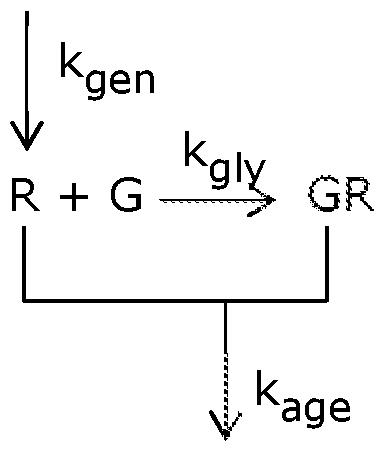


Claims
Priority Applications (12)
| Application Number | Priority Date | Filing Date | Title |
|---|---|---|---|
| CN201980070041.9A CN113164105B (en) | 2018-10-26 | 2019-10-25 | Method, device and system for physiological parameter analysis |
| AU2019368318A AU2019368318B2 (en) | 2018-10-26 | 2019-10-25 | Methods, devices, and systems for physiological parameter analysis |
| CA3117468A CA3117468A1 (en) | 2018-10-26 | 2019-10-25 | Methods, devices, and systems for physiological parameter analysis |
| US17/288,134 US12232867B2 (en) | 2018-10-26 | 2019-10-25 | Methods, devices, and systems for physiological parameter analysis |
| JP2021522462A JP7254916B2 (en) | 2018-10-26 | 2019-10-25 | Methods, devices and systems for physiological parameter analysis |
| EP19806071.7A EP3870050A2 (en) | 2018-10-26 | 2019-10-25 | Methods, devices, and systems for physiological parameter analysis |
| CN202411563210.1A CN119517401A (en) | 2018-10-26 | 2019-10-25 | Method, device and system for physiological parameter analysis |
| JP2023053113A JP7463590B2 (en) | 2018-10-26 | 2023-03-29 | Methods, devices and systems for physiological parameter analysis - Patents.com |
| AU2023202024A AU2023202024B2 (en) | 2018-10-26 | 2023-04-03 | Methods, devices, and systems for physiological parameter analysis |
| JP2024052178A JP2024079874A (en) | 2018-10-26 | 2024-03-27 | Methods, devices and systems for physiological parameter analysis - Patents.com |
| AU2024216338A AU2024216338A1 (en) | 2018-10-26 | 2024-08-26 | Methods, devices, and systems for physiological parameter analysis |
| US19/045,312 US20250176868A1 (en) | 2018-10-26 | 2025-02-04 | Methods, devices, and systems for physiological parameter analysis |
Applications Claiming Priority (2)
| Application Number | Priority Date | Filing Date | Title |
|---|---|---|---|
| US201862750957P | 2018-10-26 | 2018-10-26 | |
| US62/750,957 | 2018-10-26 |
Related Child Applications (2)
| Application Number | Title | Priority Date | Filing Date |
|---|---|---|---|
| US17/288,134 A-371-Of-International US12232867B2 (en) | 2018-10-26 | 2019-10-25 | Methods, devices, and systems for physiological parameter analysis |
| US19/045,312 Continuation US20250176868A1 (en) | 2018-10-26 | 2025-02-04 | Methods, devices, and systems for physiological parameter analysis |
Publications (2)
| Publication Number | Publication Date |
|---|---|
| WO2020086934A2 true WO2020086934A2 (en) | 2020-04-30 |
| WO2020086934A3 WO2020086934A3 (en) | 2020-08-06 |
Family
ID=68618196
Family Applications (1)
| Application Number | Title | Priority Date | Filing Date |
|---|---|---|---|
| PCT/US2019/058014 Ceased WO2020086934A2 (en) | 2018-10-26 | 2019-10-25 | Methods, devices, and systems for physiological parameter analysis |
Country Status (7)
| Country | Link |
|---|---|
| US (2) | US12232867B2 (en) |
| EP (1) | EP3870050A2 (en) |
| JP (3) | JP7254916B2 (en) |
| CN (2) | CN119517401A (en) |
| AU (3) | AU2019368318B2 (en) |
| CA (1) | CA3117468A1 (en) |
| WO (1) | WO2020086934A2 (en) |
Cited By (5)
| Publication number | Priority date | Publication date | Assignee | Title |
|---|---|---|---|---|
| WO2021108431A1 (en) * | 2019-11-25 | 2021-06-03 | Abbott Diabetes Care Inc. | Methods, devices, and systems for physiological parameter analysis |
| WO2021108419A1 (en) * | 2019-11-25 | 2021-06-03 | Abbott Diabetes Care Inc. | Methods, devices, and systems for adjusting laboratory hba1c values |
| WO2022256712A1 (en) | 2021-06-03 | 2022-12-08 | Abbott Diabetes Care Inc. | Systems, devices, and methods for physiological parameter analysis and related graphical user interfaces |
| WO2023086632A1 (en) * | 2021-11-15 | 2023-05-19 | Abbott Diabetes Care Inc. | Systems, devices, and methods for analyte monitoring |
| WO2023086270A1 (en) | 2021-11-12 | 2023-05-19 | Abbott Diabetes Care Inc. | Systems, devices, and methods of using blockchain for tracking patient identification |
Families Citing this family (3)
| Publication number | Priority date | Publication date | Assignee | Title |
|---|---|---|---|---|
| WO2021097396A1 (en) * | 2019-11-14 | 2021-05-20 | University Of Virginia Patent Foundation | Method and system for model-based tracking of hemoglobin a1c from daily continuous glucose monitoring profiles |
| US20220199218A1 (en) * | 2020-12-07 | 2022-06-23 | Beta Bionics, Inc. | Ambulatory medicament pump with integrated medicament ordering interface |
| US11594314B2 (en) | 2020-12-07 | 2023-02-28 | Beta Bionics, Inc. | Modular blood glucose control systems |
Citations (15)
| Publication number | Priority date | Publication date | Assignee | Title |
|---|---|---|---|---|
| US6175752B1 (en) | 1998-04-30 | 2001-01-16 | Therasense, Inc. | Analyte monitoring device and methods of use |
| US20080009692A1 (en) | 2005-09-30 | 2008-01-10 | Abbott Diabetes Care, Inc. | Method and Apparatus for Providing Analyte Sensor and Data Processing Device |
| US20110193704A1 (en) | 2009-08-31 | 2011-08-11 | Abbott Diabetes Care Inc. | Displays for a medical device |
| US20110213225A1 (en) | 2009-08-31 | 2011-09-01 | Abbott Diabetes Care Inc. | Medical devices and methods |
| US20110319729A1 (en) | 2010-03-24 | 2011-12-29 | Manuel Luis Donnay | Medical device inserters and processes of inserting and using medical devices |
| US20130117040A1 (en) | 2011-11-03 | 2013-05-09 | Omada Health, Inc. | Method and System for Supporting a Health Regimen |
| US20140188400A1 (en) | 2012-12-31 | 2014-07-03 | Abbott Diabetes Care Inc. | Analysis of glucose median, variability, and hypoglycemia risk for therapy guidance |
| US20140214442A1 (en) | 2011-11-03 | 2014-07-31 | Sean Patrick Duffy | Systems and Methods for Tracking Participants in a Health Improvement Program |
| US20140214443A1 (en) | 2011-11-03 | 2014-07-31 | Sean Patrick Duffy | Systems and Methods for Displaying Metrics Associated With a Health Improvement Program |
| US20140222454A1 (en) | 2011-11-03 | 2014-08-07 | Sean Patrick Duffy | Systems and Methods That Administer a Health Improvement Program and an Adjunct Medical Treatment |
| US20140350369A1 (en) | 2013-03-15 | 2014-11-27 | Abbott Diabetes Care Inc. | System and method to manage diabetes based on glucose median, glucose variability, and hypoglycemic risk |
| US20150018639A1 (en) | 2006-09-10 | 2015-01-15 | Abbott Diabetes Care Inc | Method and System for Providing an Integrated Analyte Sensor Insertion Device and Data Processing Unit |
| US20150025345A1 (en) | 2002-11-05 | 2015-01-22 | Abbott Diabetes Care Inc. | Sensor Inserter Assembly |
| US20150173661A1 (en) | 2012-07-27 | 2015-06-25 | Abbott Diabetes Care, Inc. | Medical Device Applicators |
| US20170344726A1 (en) | 2011-11-03 | 2017-11-30 | Omada Health, Inc. | Method and system for supporting a health regimen |
Family Cites Families (14)
| Publication number | Priority date | Publication date | Assignee | Title |
|---|---|---|---|---|
| JP3232145B2 (en) * | 1991-12-27 | 2001-11-26 | シスメックス株式会社 | Reticulocyte measurement method |
| CN1572320A (en) | 1999-05-11 | 2005-02-02 | 奥索-麦克尼尔药物公司 | Method for erythropoietin administration using pharmacokinetic and pharmacodynamic modeling |
| JP2004038990A (en) | 2000-04-17 | 2004-02-05 | Nec Corp | Method and system of health management service provision for people staying at home |
| BR0312785A (en) * | 2002-07-19 | 2005-08-30 | Abbott Biotech Ltd | Treatment of Tnf-related disorders (alpha) |
| US8481323B2 (en) * | 2005-10-28 | 2013-07-09 | Hewlett-Packard Development Company, L.P. | Systems and methods for measuring glycated hemoglobin |
| US8924159B2 (en) * | 2008-05-30 | 2014-12-30 | Abbott Diabetes Care Inc. | Method and apparatus for providing glycemic control |
| JP5868982B2 (en) | 2010-09-16 | 2016-02-24 | ザ ジェネラル ホスピタル コーポレイション | Red blood cell dynamics for diagnosis |
| WO2013016039A1 (en) | 2011-07-22 | 2013-01-31 | Constitution Medical, Inc. | Identifying and measuring reticulocytes |
| EP3437558B1 (en) | 2014-04-10 | 2024-11-27 | DexCom, Inc. | Glycemic urgency assessment and alerts interface |
| EP3152322B1 (en) | 2014-06-05 | 2019-09-11 | The General Hospital Corporation | Estimating risk of death using the clearance volume of red blood cells as biomarker |
| WO2016040870A1 (en) * | 2014-09-12 | 2016-03-17 | Beckman Coulter, Inc. | Systems and methods to determine the age of cells |
| US10955423B2 (en) * | 2015-12-15 | 2021-03-23 | The General Hospital Corporation | Methods of estimating blood glucose and related systems |
| US11293852B2 (en) | 2016-04-07 | 2022-04-05 | The General Hospital Corporation | White blood cell population dynamics |
| US11406293B2 (en) * | 2017-02-21 | 2022-08-09 | Abbott Diabetes Care Inc. | Methods, devices, and systems for physiological parameter analysis |
-
2019
- 2019-10-25 US US17/288,134 patent/US12232867B2/en active Active
- 2019-10-25 CN CN202411563210.1A patent/CN119517401A/en active Pending
- 2019-10-25 WO PCT/US2019/058014 patent/WO2020086934A2/en not_active Ceased
- 2019-10-25 JP JP2021522462A patent/JP7254916B2/en active Active
- 2019-10-25 AU AU2019368318A patent/AU2019368318B2/en active Active
- 2019-10-25 CN CN201980070041.9A patent/CN113164105B/en active Active
- 2019-10-25 EP EP19806071.7A patent/EP3870050A2/en active Pending
- 2019-10-25 CA CA3117468A patent/CA3117468A1/en active Pending
-
2023
- 2023-03-29 JP JP2023053113A patent/JP7463590B2/en active Active
- 2023-04-03 AU AU2023202024A patent/AU2023202024B2/en active Active
-
2024
- 2024-03-27 JP JP2024052178A patent/JP2024079874A/en active Pending
- 2024-08-26 AU AU2024216338A patent/AU2024216338A1/en active Pending
-
2025
- 2025-02-04 US US19/045,312 patent/US20250176868A1/en active Pending
Patent Citations (15)
| Publication number | Priority date | Publication date | Assignee | Title |
|---|---|---|---|---|
| US6175752B1 (en) | 1998-04-30 | 2001-01-16 | Therasense, Inc. | Analyte monitoring device and methods of use |
| US20150025345A1 (en) | 2002-11-05 | 2015-01-22 | Abbott Diabetes Care Inc. | Sensor Inserter Assembly |
| US20080009692A1 (en) | 2005-09-30 | 2008-01-10 | Abbott Diabetes Care, Inc. | Method and Apparatus for Providing Analyte Sensor and Data Processing Device |
| US20150018639A1 (en) | 2006-09-10 | 2015-01-15 | Abbott Diabetes Care Inc | Method and System for Providing an Integrated Analyte Sensor Insertion Device and Data Processing Unit |
| US20110193704A1 (en) | 2009-08-31 | 2011-08-11 | Abbott Diabetes Care Inc. | Displays for a medical device |
| US20110213225A1 (en) | 2009-08-31 | 2011-09-01 | Abbott Diabetes Care Inc. | Medical devices and methods |
| US20110319729A1 (en) | 2010-03-24 | 2011-12-29 | Manuel Luis Donnay | Medical device inserters and processes of inserting and using medical devices |
| US20140222454A1 (en) | 2011-11-03 | 2014-08-07 | Sean Patrick Duffy | Systems and Methods That Administer a Health Improvement Program and an Adjunct Medical Treatment |
| US20140214443A1 (en) | 2011-11-03 | 2014-07-31 | Sean Patrick Duffy | Systems and Methods for Displaying Metrics Associated With a Health Improvement Program |
| US20140214442A1 (en) | 2011-11-03 | 2014-07-31 | Sean Patrick Duffy | Systems and Methods for Tracking Participants in a Health Improvement Program |
| US20130117040A1 (en) | 2011-11-03 | 2013-05-09 | Omada Health, Inc. | Method and System for Supporting a Health Regimen |
| US20170344726A1 (en) | 2011-11-03 | 2017-11-30 | Omada Health, Inc. | Method and system for supporting a health regimen |
| US20150173661A1 (en) | 2012-07-27 | 2015-06-25 | Abbott Diabetes Care, Inc. | Medical Device Applicators |
| US20140188400A1 (en) | 2012-12-31 | 2014-07-03 | Abbott Diabetes Care Inc. | Analysis of glucose median, variability, and hypoglycemia risk for therapy guidance |
| US20140350369A1 (en) | 2013-03-15 | 2014-11-27 | Abbott Diabetes Care Inc. | System and method to manage diabetes based on glucose median, glucose variability, and hypoglycemic risk |
Non-Patent Citations (2)
| Title |
|---|
| HIGGENS ET AL., SCI. TRANSL. MED., vol. 8, 2016, pages 359ral30 |
| See also references of EP3870050A2 |
Cited By (8)
| Publication number | Priority date | Publication date | Assignee | Title |
|---|---|---|---|---|
| WO2021108431A1 (en) * | 2019-11-25 | 2021-06-03 | Abbott Diabetes Care Inc. | Methods, devices, and systems for physiological parameter analysis |
| WO2021108419A1 (en) * | 2019-11-25 | 2021-06-03 | Abbott Diabetes Care Inc. | Methods, devices, and systems for adjusting laboratory hba1c values |
| WO2022256712A1 (en) | 2021-06-03 | 2022-12-08 | Abbott Diabetes Care Inc. | Systems, devices, and methods for physiological parameter analysis and related graphical user interfaces |
| US20220400986A1 (en) * | 2021-06-03 | 2022-12-22 | Abbott Diabetes Care Inc. | Systems, devices, and methods for physiological parameter analysis and related graphical user interfaces |
| WO2023086270A1 (en) | 2021-11-12 | 2023-05-19 | Abbott Diabetes Care Inc. | Systems, devices, and methods of using blockchain for tracking patient identification |
| WO2023086632A1 (en) * | 2021-11-15 | 2023-05-19 | Abbott Diabetes Care Inc. | Systems, devices, and methods for analyte monitoring |
| GB2627164A (en) * | 2021-11-15 | 2024-08-14 | Abbott Diabetes Care Inc | Systems, devices, and methods for analyte monitoring |
| DE112022005485T5 (en) | 2021-11-15 | 2024-11-14 | Abbott Diabetes Care Inc. | SYSTEMS, DEVICES AND METHODS FOR ANALYTICAL MONITORING |
Also Published As
| Publication number | Publication date |
|---|---|
| CN119517401A (en) | 2025-02-25 |
| JP7254916B2 (en) | 2023-04-10 |
| US20210378561A1 (en) | 2021-12-09 |
| AU2024216338A1 (en) | 2024-09-12 |
| JP2022505796A (en) | 2022-01-14 |
| JP2023073397A (en) | 2023-05-25 |
| JP2024079874A (en) | 2024-06-12 |
| CN113164105B (en) | 2024-10-18 |
| AU2019368318A1 (en) | 2021-05-27 |
| JP7463590B2 (en) | 2024-04-08 |
| AU2023202024A1 (en) | 2023-05-04 |
| CA3117468A1 (en) | 2020-04-30 |
| EP3870050A2 (en) | 2021-09-01 |
| WO2020086934A3 (en) | 2020-08-06 |
| US12232867B2 (en) | 2025-02-25 |
| US20250176868A1 (en) | 2025-06-05 |
| AU2023202024B2 (en) | 2024-07-04 |
| CN113164105A (en) | 2021-07-23 |
| AU2019368318B2 (en) | 2023-02-16 |
Similar Documents
| Publication | Publication Date | Title |
|---|---|---|
| US12042276B2 (en) | Methods, devices, and systems for physiological parameter analysis | |
| AU2023202024B2 (en) | Methods, devices, and systems for physiological parameter analysis | |
| JP7770316B2 (en) | Method, device and system for adjusting test HbA1c values | |
| US20230027904A1 (en) | Methods, devices, and systems for physiological parameter analysis | |
| US20230215521A1 (en) | Methods, devices, and systems for adjusting laboratory hba1c values | |
| WO2025064603A1 (en) | Methods, devices, and systems for adjusting laboratory hba1c values | |
| CN118475989A (en) | Method, device and system for adjusting laboratory HBA1C value |
Legal Events
| Date | Code | Title | Description |
|---|---|---|---|
| 121 | Ep: the epo has been informed by wipo that ep was designated in this application |
Ref document number: 19806071 Country of ref document: EP Kind code of ref document: A2 |
|
| ENP | Entry into the national phase |
Ref document number: 3117468 Country of ref document: CA |
|
| ENP | Entry into the national phase |
Ref document number: 2021522462 Country of ref document: JP Kind code of ref document: A |
|
| NENP | Non-entry into the national phase |
Ref country code: DE |
|
| ENP | Entry into the national phase |
Ref document number: 2019368318 Country of ref document: AU Date of ref document: 20191025 Kind code of ref document: A |
|
| ENP | Entry into the national phase |
Ref document number: 2019806071 Country of ref document: EP Effective date: 20210526 |
|
| WWG | Wipo information: grant in national office |
Ref document number: 17288134 Country of ref document: US |