WO2020078839A1 - Wirkstoffkombinationen - Google Patents
Wirkstoffkombinationen Download PDFInfo
- Publication number
- WO2020078839A1 WO2020078839A1 PCT/EP2019/077567 EP2019077567W WO2020078839A1 WO 2020078839 A1 WO2020078839 A1 WO 2020078839A1 EP 2019077567 W EP2019077567 W EP 2019077567W WO 2020078839 A1 WO2020078839 A1 WO 2020078839A1
- Authority
- WO
- WIPO (PCT)
- Prior art keywords
- spp
- plants
- active
- active ingredient
- plant
- Prior art date
- Legal status (The legal status is an assumption and is not a legal conclusion. Google has not performed a legal analysis and makes no representation as to the accuracy of the status listed.)
- Ceased
Links
- PCBMJRYVEDGRHK-UHFFFAOYSA-N CN(C(N(C)N1c2cc3c[n](-c4cccnc4)nc3cc2)=O)C1=O Chemical compound CN(C(N(C)N1c2cc3c[n](-c4cccnc4)nc3cc2)=O)C1=O PCBMJRYVEDGRHK-UHFFFAOYSA-N 0.000 description 1
- CMURKFSRGAWINZ-UHFFFAOYSA-N Cc1cc(Cl)cc(C)c1C(C(NC1(CC2)CCC22OCCO2)=O)=C1O Chemical compound Cc1cc(Cl)cc(C)c1C(C(NC1(CC2)CCC22OCCO2)=O)=C1O CMURKFSRGAWINZ-UHFFFAOYSA-N 0.000 description 1
Classifications
-
- A—HUMAN NECESSITIES
- A01—AGRICULTURE; FORESTRY; ANIMAL HUSBANDRY; HUNTING; TRAPPING; FISHING
- A01N—PRESERVATION OF BODIES OF HUMANS OR ANIMALS OR PLANTS OR PARTS THEREOF; BIOCIDES, e.g. AS DISINFECTANTS, AS PESTICIDES OR AS HERBICIDES; PEST REPELLANTS OR ATTRACTANTS; PLANT GROWTH REGULATORS
- A01N43/00—Biocides, pest repellants or attractants, or plant growth regulators containing heterocyclic compounds
- A01N43/64—Biocides, pest repellants or attractants, or plant growth regulators containing heterocyclic compounds having rings with three nitrogen atoms as the only ring hetero atoms
- A01N43/647—Triazoles; Hydrogenated triazoles
- A01N43/653—1,2,4-Triazoles; Hydrogenated 1,2,4-triazoles
-
- A—HUMAN NECESSITIES
- A01—AGRICULTURE; FORESTRY; ANIMAL HUSBANDRY; HUNTING; TRAPPING; FISHING
- A01P—BIOCIDAL, PEST REPELLANT, PEST ATTRACTANT OR PLANT GROWTH REGULATORY ACTIVITY OF CHEMICAL COMPOUNDS OR PREPARATIONS
- A01P5/00—Nematocides
-
- A—HUMAN NECESSITIES
- A01—AGRICULTURE; FORESTRY; ANIMAL HUSBANDRY; HUNTING; TRAPPING; FISHING
- A01P—BIOCIDAL, PEST REPELLANT, PEST ATTRACTANT OR PLANT GROWTH REGULATORY ACTIVITY OF CHEMICAL COMPOUNDS OR PREPARATIONS
- A01P7/00—Arthropodicides
- A01P7/02—Acaricides
-
- A—HUMAN NECESSITIES
- A01—AGRICULTURE; FORESTRY; ANIMAL HUSBANDRY; HUNTING; TRAPPING; FISHING
- A01P—BIOCIDAL, PEST REPELLANT, PEST ATTRACTANT OR PLANT GROWTH REGULATORY ACTIVITY OF CHEMICAL COMPOUNDS OR PREPARATIONS
- A01P7/00—Arthropodicides
- A01P7/04—Insecticides
Definitions
- the present application relates to mixtures of the compound of the formula (I) below with at least one further active ingredient or product, which is an insecticide or an acaricide or a nematicide. These mixtures (combinations of active ingredients) are suitable for controlling animal pests.
- active substance combinations (synonymous with “active substance combinations” in the present application are the terms “active substance mixtures” and “mixtures”) containing the compound of the formula (I) and one or more active substances or products from the groups described below are synergistically effective and are suitable for controlling animal pests.
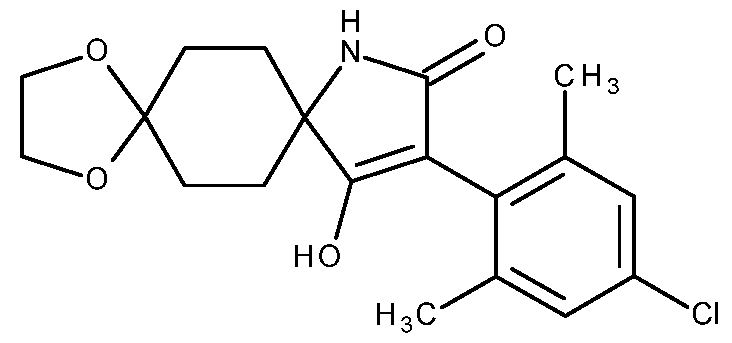
- the present invention thus relates to active compound combinations comprising the compound of the formula (I)
- the active compound combinations according to the invention contain, in addition to the compound of the formula (I), one or more mixing partners from the groups described below.
- Acetylcholinesterase (AChE) inhibitors preferably carbamates selected from Alanycarb, Aldicarb, Bendiocarb, Benfuracarb, Butocarboxim, Butoxycarboxim, Carbaryl, Carbofuran, Carbosulfan, Ethiofencarb, Fenobucarb, Formetanate, Furathiocomyl, Isocarbyl, Isoprocarb, Isoparboc Pirimicarb, Propoxur, Thiodicarb, Thiofanox, Triazamate, Trimethacarb, XMC and Xylylcarb, or Organophosphate selected from Acephat, Azamethiphos, Azinphos-ethyl, Azinphos-methyl, Cadusafos, Chlorethoxyfos, Chlorfenvinphos, Chlormephos-Methylophifos, Chlorpyrosfos, Chlorpyrosfos
- GABA-controlled chloride channel blockers preferably cyclodiene organochlorines selected from chlordane and endosulfan, or phenylpyrazoles (fiprols) selected from ethiprol and fipronil.
- sodium channel modulators preferably pyrethroids selected from acrinathrin, allethrin, d-cis-trans-allethrin, d-trans-allethrin, bifenthrin, bioallethrin, bioallethrin-S-cyclopentenyl isomer, bioresmethrin, cycloprothrin, cyfluthrin, beta -Cyfluthrin, cyhalothrin, lambda-cyhalothrin, gamma-cyhalothrin, cypermethrin, alpha-cypermethrin, beta-cypermethrin, theta-cypermethrin, zeta-cypermethrin, cyphenothrin [(lR) -trans-isomerin], deltamine, deltamine (lR) -isomer], esfenvalerate, et
- nAChR nicotinic acetylcholine receptor
- nAChR nicotinic acetylcholine receptor
- Allosteric modulators of the glutamate-dependent chloride channel preferably avermectine / milbemycine selected from abamectin, emamectin benzoate, lepimectin and milbemectin.
- Juvenile hormone mimetics preferably juvenile hormone analogs selected from hydroprene, kinoprene and methoprene, or fenoxycarb or pyriproxyfen.
- Non-specific (multi-site) inhibitors preferably alkyl halides selected from methyl bromide and other alkyl halides, or chloropicrin or sulfuryl fluoride or borax or Brechweinstein or methyl isocyanate producers selected from diazomet and metam.
- TRPV channel modulators of chordotonic organs selected from pymetrozine and pyrifluquinazone.
- Mite growth inhibitors selected from clofentezine, hexythiazox, diflovidazine and etoxazole.
- Microbial disruptors of the insect gut membrane selected from Bacillus thuringiensis subspecies israelensis, Bacillus sphaericus, Bacillus thuringiensis subsp aizawai, Bacillus thuringiensis subsp kurstaki, Bacillus thuringiensis subspecies tenebrionis and Bt plant proteins selected from CrylAb, CrylAc, CrylFa, CrylA.105, Cry2Ab, VIP3A , mCry3A, Cry3Ab, Cry3Bb and Cry34Ab 1/35 Abi.
- Inhibitors of mitochondrial ATP synthase preferably ATP disruptors selected from diafenthiuron, or organotin compounds selected from azocyclotin, cyhexatin and fenbutatin oxide, or propargite or tetradifone.
- Blockers of the nicotinic acetylcholine receptor channel selected from bensultap, cartap hydrochloride, thiocyclam and thiosultap sodium.
- Chitin biosynthesis inhibitors type 0, selected from bistrifluron, chlorofluorosuron, diflubenzuron, flucycloxuron, flufenoxuron, hexaflumuron, fufenuron, novaluron, noviflumuron, teflubenzuron and triflumuron.
- Inhibitors of chitin biosynthesis type 1 selected from buprofezin.
- Molting disruptor (especially for dipteras, ie two-winged birds) selected from cyromazine.
- Ecdysone receptor agonists selected from chromafenozide, halofenozid, methoxyfenozid and tebufenozid.
- Octopamine receptor agonists selected from Amitraz.
- Mitochondrial complex III electron transport inhibitors selected from hydramethylnon, acequinocyl and fluacrypyrim.
- Mitochondrial complex I electron transport inhibitors preferably METI acaricides selected from fenazaquin, fenpyroximate, pyrimidifen, pyridaben, tebufenpyrad and tolfenpyrad, or Rotenon (Derris).
- Inhibitors of acetyl-CoA carboxylase preferably tetronic and tetramic acid derivatives selected from spirodiclofen, spiromesifen and spirotetramate.
- Inhibitors of mitochondrial complex IV electron transport preferably phosphines selected from aluminum phosphide, calcium phosphide, phosphine and zinc phosphide, or cyanides selected from calcium cyanide, potassium cyanide and sodium cyanide.
- Inhibitors of mitochondrial complex II electron transport preferably beta-ketonitrile derivatives selected from cyenopyrafen and cyflumetofen, or carboxanilides selected from pyflubumide.
- Preferred active compound combinations are those in which the compound of the formula (I) is combined with the mixing partners indicated in Table A.
- the mixing ratios given in Table A are weight ratios. The ratio is to be understood in each case as a compound of formula (I) to mixed partner.
- Compound (II) is the compound of the formula
- the insecticidal and / or acaricidal and / or the nematicidal effect of the Active ingredient combinations according to the invention substantially higher than the sum of the effects of the individual active ingredients. There is an unforeseeable real synergistic effect and not just an addition.
- the active compound combinations according to the invention can also be mixed with a further active compound, for example an insecticide / acaricide / nematicide.
- the active compound combinations according to the invention are suitable with good plant tolerance, favorable warm-blood toxicity and good environmental compatibility for protecting plants and plant organs, for increasing crop yields, improving the quality of the crop and for combating animal pests, in particular insects, arachnids, helminths, nematodes and molluscs that occur in agriculture, horticulture, animal husbandry, in forests, in gardens and leisure facilities, in the protection of stored goods and materials as well as in the hygiene sector.
- animal pests in particular insects, arachnids, helminths, nematodes and molluscs that occur in agriculture, horticulture, animal husbandry, in forests, in gardens and leisure facilities, in the protection of stored goods and materials as well as in the hygiene sector.
- pesticides are preferably used to control animal pests in agriculture. They are effective against normally sensitive and resistant species as well as against all or individual stages of development.
- the pests mentioned above include:
- Pests from the Arthropoda strain in particular from the Arachnida class, for example Acarus spp., Aceria kuko, Aceria sheldoni, Aculops spp., Aculus spp., Amblyomma spp., Amphitetranychus viennensis, Argas spp., Boophilus spp., Brevipalpus spp.
- Apogonia spp. Apogonia spp., Atomaria spp., Attagenus spp., Baris caerulescens, Bruchidius obtectus, Bruchus spp., Cassida spp., Cerotoma trifurcata, Ceutorrhynchus spp., Chaetocnema spp., Cleonus mendicus, Conoderus spp., Cosmopolites zealandica, Ctenicera spp., Curculio spp., Cryptolestes ferrugineus, Cryptorhynchus lapathi, Cylindrocopturus spp., Dermestes spp., Diabrotica spp., Dichocrocis spp., Dicladispa armigera, Diloboderus spp., Epicaerachna spp., Epicaerachna spp.
- Melanotus spp. Meligethes aeneus, Melolontha spp., Migdolus spp., Monochamus spp., Naupactus xanthographus, Necrobia spp., Neogalerucella spp., Niptus hololeucus, Oryctes rhinoceros, Oryzaephilus surinamynchisppy.
- Idioscopus spp. Laodelphax striatellus, Lecanium spp., Lepidosaphes spp., Lipaphis erysimi, Lopholeucaspis japonica, Lycorma americanula, Macrosiphum spp., Macrosteies facifrons, Mahanarva spp., Melanaphis saccharippium, dirosaphia, Monosaphi costalis, Monelliopsis pecanis, Myzus spp., Nasonovia ribisnigri, Neomaskellia spp., Nephotettix spp., Nettigoniclla spectra, Nilaparvata lugens, Oncometopia spp., Orthezia praelonga, Oxya chinensis, Pachypsylla s pp., Parabemisia myricae, Paratrioza spp., Parlatoria s
- Paravespula spp. Paravespula spp., Plagiolepis spp., Sirex spp., Solenopsis invicta, Tapinoma spp., Technomyrmex albipes, Urocerus spp., Vespa spp., Wasmannia auropunctata, Xeris spp .; from the order of the Isopoda, for example Armadillidium vulgare, Oniscus asellus, Porcellio scaber; from the order of the Isoptera, for example Coptotermes spp., Cornitermes cumulans, Cryptotermes spp., Incisitermes spp., Kalotermes spp., Microtermes obesi, Nasutitermes spp., Odontotermes spp., Porotermes spp., Reticulitermes spp .; from the order of the Lepidoptera, for example Achroia grisella, Acronic
- Pseudaletia spp., Pseudaletia et al nipuncta, Pseudoplusia includens, Pyrausta nubilalis, Rachiplusia nu, Schoenobius spp., Scirpophaga spp., Scirpophaga innotata, Ontario segetum, Sesamia spp., Sesamia inferens, Sparganothis spp., Spodoptera spp., Spodoptera pra., Spodoptera pra.
- Stomopteryx subsecivella Synanthedon spp., Tecia solanivora, Thaumetopoea spp., Thermesia gemmatalis, Tinea cloacella, Tinea pellionella, Tineola bisselliella, Tortrix spp., Trichophaga tapetzella, Trichoplusia spp., Tryporyza incertulas, Tuta absoluta, Tuta absoluta, Vira from the order of the Orthoptera or Saltatoria, for example Acheta domesticus, Dichroplus spp., Gryllotalpa spp., Hieroglyphus spp., Locusta spp., Melanoplus spp., Paratlanticus ussuriensis, Schistocerca gregaria; from the order of the Phthiraptera, for example Damalinia spp., Haematopinus spp., Linognathus spp.,
- Pests from the Mollusca tribe especially from the Bivalvia class, e.g. Dreissena spp., As well as from the gastropoda class e.g. Arion spp., Biomphalaria spp., Bulinus spp., Deroceras spp., Galba spp., Lymnaea spp., Oncomelania spp., Pomacea spp., Succinea spp .;
- the Bivalvia class e.g. Dreissena spp.
- gastropoda class e.g. Arion spp., Biomphalaria spp., Bulinus spp., Deroceras spp., Galba spp., Lymnaea spp., Oncomelania spp., Pomacea spp., Succinea spp .;
- Animal parasites from the strains of Plathelminthes and Nematoda e.g. Aelurostrongylus spp., Amidostomum spp., Ancylostoma duodenale, Ancylostoma ceylanicum, Acylostoma braziliensis, Ancylostoma spp., Angiostrongylus spp., Anisakispp., Anisakispp., Anisakispp., Anisakispp., Anisakispp., Anisakispp., Anisakispp., Anisakispp.pp.
- Baylisascaris spp. Brugia malayi, Brugia timori, Bunostomum spp., Capillaria spp., Chabertia spp., Clonorchis spp., Cooperia spp., Crenosoma spp., Cyathostoma spp., Dicrocoelium spp., Dictyocaulusotylidiumiphidium, diphyidium spp., Dirofilaria spp., Dracunculus medinensis, Echinococcus granulosus, Echinococcus multilocularis, Enterobius vermicularis, Eucoleus spp., Fasciola spp., Fascioloides spp., Fasciolopsis spp., Filaroides spp., Gongylonppact.
- Necator spp. Nematodirus spp., Nippostrongylus spp., Oesophagostomum spp., Ollulanus spp., Onchocerca volvulus, Opisthorchis spp., Oslerus spp.,, Ostertagia spp., Oxyuris spp., Paracapillaria spp., Parafilaria spp., Paragonphalus spp., Parppimphalus spp ., Parascaris spp., Passalurus spp., Protostrongylus spp., Schistosom spp., Setaria spp., Spirocerca spp., Stephanofilaria spp., Stephanurus spp., Strongyloides fuelleborni, Strongyloides stercoralis, Strongylus spp., Syngamus sppata., Taenia , Taenia
- Plant pests from the Nematoda tribe i.e. plant-parasitic nematodes, in particular Aglenchus spp., Anguina spp., Aphelenchoides spp., Belonolaimus spp., Bursaphelenchus spp., Cacopaurus spp., Criconemella spp., Criconemoides spp., Ditylenchus spp., Dolichoderic spp., Dolichoderic spp ., Hemicriconemoides spp., Hemicycliophora spp., Heterodera spp., Hoplolaimus spp., Longidorus spp., Meloidogyne spp., Meloinema spp., Nacobbus spp., Neotylenchus spp., Paralongidorus spp., Paraphelenchichus s
- Pratylenchus spp. Pseudohalenchus spp., Psilenchus spp., Punctodera spp., Quinisulcius spp., Radopholus spp., Rotylenchulus spp., Rotylenchus spp., Scutellonema spp., Subanguina spp., Trichodorus spp., Tylenchulus ., Xiphinema spp .;
- Pests from the Aphididae family can be controlled particularly preferably with the active compound combinations according to the invention.
- pests from the Pemphigidae family can be controlled with particular preference using the active compound combinations according to the invention.
- pests from the Phylloxeridae family root lice
- pests from the Psyllidae family leaf fleas
- pests from the Coccidae family can be controlled particularly preferably with the active compound combinations according to the invention.
- pests from the family of the Diaspididae can be controlled particularly preferably with the active compound combinations according to the invention.
- pests from the Ortheziidae family can be controlled particularly preferably with the active compound combinations according to the invention.
- pests from the family of the Pseudococcidae can be controlled particularly preferably with the active compound combinations according to the invention.
- pests from the family of the Aleyrodidae can be controlled particularly preferably with the active compound combinations according to the invention. It is also particularly preferred to use the inventive Combination of active substances to fight pests from the family Thripidae (thrips).
- pests from the Cicadellidae family can be controlled particularly preferably with the active compound combinations according to the invention.
- pests from the Delphacidae family can be controlled particularly preferably with the active compound combinations according to the invention.
- pests from the family of the Pentatomidae can be controlled particularly preferably with the active compound combinations according to the invention.
- pests from the family Chrysomelidae can be controlled particularly preferably with the active compound combinations according to the invention.
- the present invention further relates to formulations and use forms prepared therefrom as crop protection agents and / or pesticides, such as. B. drench, drip and spray broths, comprising at least one of the active compounds according to the invention.
- the forms of use contain further crop protection agents and / or pesticides and / or adjuvants which improve the action, such as penetration promoters, for.
- vegetative oils such as rapeseed oil, sunflower oil, mineral oils such as paraffin oils, alkyl esters of vegetative fatty acids such as rapeseed oil or soybean methyl or alkanol alkoxylates and / or spreading agents such as alkylsiloxanes and / or salts z.
- vegetative oils such as rapeseed oil, sunflower oil, mineral oils such as paraffin oils, alkyl esters of vegetative fatty acids such as rapeseed oil or soybean methyl or alkanol alkoxylates and / or spreading agents such as alkylsiloxanes
- organic or inorganic ammonium or phosphomium salts such as ammonium sulfate or diammonium hydrogen phosphate and / or the retention-promoting agents such.
- B. glycerol and / or fertilizers such as ammonium, potassium or phosphorus-containing fertilizers.
- Typical formulations are, for example, water-soluble liquids (SL), emulsion concentrates (EC), emulsions in water (EW), suspension concentrates (SC, SE, FS, OD), water-dispersible granules (WG), granules (GR) and capsule concentrates (CS) ; these and other possible types of formulations are described, for example, by Crop Life International and in Pesticide Specifications, Manual on development and use of FAO and WHO specifications for pesticides, FAO Plant Production and Protection Papers - 173, prepared by the FAO / WHO Joint Meeting on Pesticide Specifications, 2004, ISBN: 9251048576.
- the formulations may contain, in addition to one or more active substances according to the invention, further agrochemical active substances.
- auxiliaries such as, for example, extenders, solvents, promoters of spontaneity, carriers, emulsifiers, dispersants, antifreezes, biocides, thickeners and / or other auxiliaries, such as, for example, adjuvants.
- An adjuvant in this context is a component that improves the biological effect of the formulation without the component itself having a biological effect.
- Examples of adjuvants are agents that promote retention, spreading behavior, adherence to the leaf surface or penetration.
- These formulations are prepared in a known manner, for example by mixing the active ingredients with auxiliaries such as extenders, solvents and / or solid carriers and / or other auxiliaries such as surface-active substances. The formulations are either produced in suitable plants or before or during use.
- Auxiliaries which can be used are substances which are suitable for imparting special properties, such as certain physical, technical and / or biological properties, to the formulation of the active ingredient or to the use forms prepared from these formulations (such as usable crop protection agents such as spray liquors or seed dressings).
- Suitable extenders are e.g. Water, polar and non-polar organic chemical liquids e.g. from the classes of aromatic and non-aromatic hydrocarbons (such as paraffins, alkylbenzenes, alkylnaphthalines, chlorobenzenes), alcohols and polyols (which may also be substituted, etherified and / or esterified), ketones (such as acetone, cyclohexanone) , Esters (also fats and oils) and (poly) ethers, the simple and substituted amines, amides, lactams (such as N-alkylpyrrolidones) and lactones, the sulfones and sulfoxides (such as dimethyl sulfoxide).
- aromatic and non-aromatic hydrocarbons such as paraffins, alkylbenzenes, alkylnaphthalines, chlorobenzenes
- alcohols and polyols which may also be substituted, etherified
- organic solvents can also be used as auxiliary solvents.
- auxiliary solvents e.g. organic solvents
- aromatics such as xylene, toluene or alkylnaphthalenes
- chlorinated aromatics or chlorinated aliphatic hydrocarbons such as chlorobenzenes, chlorethylenes or methylene chloride
- aliphatic hydrocarbons such as cyclohexane or paraffins, e.g.
- Petroleum fractions mineral and vegetable oils, alcohols such as butanol or glycol as well as their ethers and esters, ketones such as acetone, methyl ethyl ketone, methyl isobutyl ketone or cyclohexanone, strongly polar solvents such as dimethyl formamide and dimethyl sulfoxide, and water.
- Suitable solvents are, for example, aromatic hydrocarbons, e.g. Xylene, toluene or alkylnaphthalenes, chlorinated aromatic or aliphatic hydrocarbons, e.g. Chlorobenzene, chloroethylene, or methylene chloride, aliphatic hydrocarbons such as e.g. Cyclohexane, paraffins, petroleum fractions, mineral and vegetable oils, alcohols, e.g. Methanol, ethanol, iso-propanol, butanol or glycol as well as their ethers and esters, ketones such as e.g. Acetone, methyl ethyl ketone, methyl isobutyl ketone or cyclohexanone, strongly polar solvents such as dimethyl sulfoxide and water.
- aromatic hydrocarbons e.g. Xylene, toluene or alkylnaphthalenes
- chlorinated aromatic or aliphatic hydrocarbons
- Carrier materials in particular come into question: for example ammonium salts and natural rock powders, such as kaolins, clays, talc, chalk, quartz, attapulgite, montmorillonite or diatomaceous earth and synthetic rock powders, such as highly disperse silica, aluminum oxide and natural or synthetic silicates, resins, waxes and / or solid fertilizers. Mixtures of such carriers can also be used.
- Carriers for granules are possible: e.g.
- broken and fractionated natural rocks such as calcite, marble, pumice, sepiolite, dolomite as well as synthetic granules from inorganic and organic flours as well as granules from organic material such as sawdust, paper, coconut shells, corn cobs and tobacco stems.
- Liquefied gaseous extenders or solvents can also be used.
- Particularly suitable extenders or carriers are those which are gaseous at normal temperature and pressure, e.g. Aerosol propellants, such as halogenated hydrocarbons, as well as butane, propane, nitrogen and carbon dioxide.
- Examples of emulsifiers and / or foam-generating agents, dispersants or wetting agents with ionic or nonionic properties or mixtures of these surface-active substances are salts of polyacrylic acid, salts of lignosulphonic acid, salts of phenolsulphonic acid or naphthalenesulphonic acid, polycondensates of ethylene oxide with fatty alcohols or with fatty acids or with fatty amines, with substituted phenols (preferably alkylphenols or arylphenols), salts of sulphosuccinic acid esters, taurine derivatives (preferably alkyl taurates), phosphoric acid esters of polyethoxylated alcohols or phenols, fatty acid esters of polyols, and derivatives of the compounds containing sulphates, sulphonates and phosphates, for example Alkylaryl polyglycol ethers, alkyl sulfonates, alkyl sulfates, aryl sulfonates
- dyes such as inorganic pigments, e.g. Iron oxide, titanium oxide, ferrocyan blue and organic dyes such as alizarin, azo and metal phthalocyanine dyes and nutrient and trace nutrients such as salts of iron, manganese, boron, copper, cobalt, molybdenum and zinc are present.
- inorganic pigments e.g. Iron oxide, titanium oxide, ferrocyan blue and organic dyes such as alizarin, azo and metal phthalocyanine dyes and nutrient and trace nutrients such as salts of iron, manganese, boron, copper, cobalt, molybdenum and zinc are present.
- Stabilizers such as cold stabilizers, preservatives, antioxidants, light stabilizers or other agents which improve chemical and / or physical stability can also be present. Foam-producing agents or defoamers can also be contained.
- formulations and use forms derived therefrom can also contain, as additional auxiliaries, adhesives such as carboxymethyl cellulose, natural and synthetic polymers in the form of powders, granules or latices, such as gum arabic, polyvinyl alcohol, polyvinyl acetate, and also natural phospholipids, such as cephalins and lecithins, and synthetic phospholipids.
- adhesives such as carboxymethyl cellulose, natural and synthetic polymers in the form of powders, granules or latices, such as gum arabic, polyvinyl alcohol, polyvinyl acetate, and also natural phospholipids, such as cephalins and lecithins, and synthetic phospholipids.
- Other auxiliary substances can be mineral and vegetable oils.
- auxiliaries can be contained in the formulations and the use forms derived therefrom.
- additives are, for example, fragrances, protective Colloids, binders, adhesives, thickeners, thixotropic substances, penetration promoters, retention promoters, stabilizers, sequestering agents, complexing agents, humectans, spreading agents.
- the active ingredients can be combined with any solid or liquid additive which is usually used for formulation purposes.
- penetration promoters include all those substances that are usually used to improve the penetration of agrochemical active substances into plants.
- Penetration promoters are defined in this context by the fact that they penetrate the cuticle of the plant from the (usually aqueous) application broth and / or from the spray coating and can thereby increase the mobility of the active substances in the cuticle.
- the method described in the literature can be used to determine this property.
- Examples include alcohol alkoxylates such as coconut fat ethoxylate (10) or isotridecyl ethoxylate (12), fatty acid esters such as rapeseed oil or soybean oil methyl esters, fatty amine alkoxylates such as tallowamine ethoxylate (15) or ammonium and / or phosphonium salts such as ammonium sulfate or diammonium hydrogen phosphate.
- alcohol alkoxylates such as coconut fat ethoxylate (10) or isotridecyl ethoxylate (12)
- fatty acid esters such as rapeseed oil or soybean oil methyl esters
- fatty amine alkoxylates such as tallowamine ethoxylate (15) or ammonium and / or phosphonium salts such as ammonium sulfate or diammonium hydrogen phosphate.
- plants and parts of plants can be treated.
- Plants are understood here to mean all plants and plant populations, such as desired and unwanted wild plants or crop plants (including naturally occurring crop plants).
- Cultivated plants can be plants which can be obtained by conventional breeding and optimization methods or by biotechnological and genetic engineering methods or combinations of these methods, including the transgenic plants and including the plant cultivars which can or cannot be protected by plant breeders' rights.
- the plants which can be treated with the active compound combinations according to the invention include, for. B.
- turf, vines, cereals for example wheat, barley, rye, oats, rice, corn and millet, triticale
- Beets for example sugar beets and fodder beets
- Fruits for example pome fruit, stone fruit and soft fruit, for example apples, pears, plums, peaches, almonds, cherries and berries, e.g. B.
- Legumes for example beans, lentils, peas and soybeans;
- Oil crops for example rapeseed, mustard, poppy seeds, olives, sunflowers, coconut, castor oil plants, cocoa beans and peanuts;
- Cucumber plants for example pumpkin, cucumber and melons;
- Fiber plants for example cotton, flax, hemp and jute;
- Citrus fruits for example oranges, lemons, grapefruits and mandarins;
- Vegetables for example spinach, (head) salad, asparagus, cabbage, carrots, onions, tomatoes, potatoes and peppers;
- Laurel plants for example avocado, cinnamomum, camphor, or plants such as tobacco, nuts, coffee, eggplant, sugar cane, tea, pepper, grapevines, hops, bananas, natural rubber plants and ornamental plants, for example flowers, shrubs, deciduous trees and conifers such as conifers. This list is not a limitation.
- Plant parts are to be understood to mean all above-ground and underground parts and organs of the plants, such as shoots, leaves, flowers and roots, examples being leaves, needles, stems, stems, flowers, fruiting bodies, fruits and seeds and roots, tubers and rhizomes .
- the plant parts also include crops and vegetative and generative propagation material, for example cuttings, tubers, rhiozomes, offshoots and seeds.
- the treatment of the plants and parts of plants according to the invention with the active compound combinations is carried out directly or by acting on their surroundings, living space or storage space according to the customary treatment methods, e.g. by dipping, (spraying) spraying, (spraying) spraying, sprinkling, evaporating, atomizing, pouring on, atomizing, (scattering) scattering, foaming, brushing on spreading, injecting, watering (drenching), drip irrigation and on propagation material, in particular in the case of seeds, also by means of dry pickling, wet pickling, slurry pickling, incrustation, single or multi-layer coating.
- a preferred direct treatment for the plants is leaf application, i.e. the active compound combinations according to the invention are applied to the foliage, the treatment frequency and the application rate being adapted to the infestation pressure of the respective pest.
- the active compound combinations according to the invention reach the plants via the root system.
- the plants are then treated by the action of the active compound combinations according to the invention on the plant's habitat.
- This can be, for example, by drenching, mixing into the soil or the nutrient solution, i.e. the location of the plant (e.g. soil or hydroponic systems) is impregnated with a liquid form of the active compound combinations according to the invention, or by the soil application, i.e. the active compound combinations according to the invention are introduced in solid form (e.g. in the form of granules) into the location of the plants.
- this can also be done by metering the invention into a solid application form (e.g. as granules) in a flooded rice field.
- the present invention therefore also relates in particular to a method for protecting seed and germinating plants from attack by pests by treating the seed with the active compound combinations according to the invention.
- the method according to the invention for protecting seeds and germinating plants from attack by pests comprises a method in which the seeds are treated simultaneously with the active ingredient of the formula (I) and mixing partners in one operation. It also includes a process in which the seed is mixed with the at different times Active ingredient of formula (I) and mixed partners is treated.
- the invention also relates to the use of the active compound combinations according to the invention for the treatment of seed to protect the seed and the plant resulting therefrom from animal pests.
- the invention relates to seeds which have been treated with the active compound combinations according to the invention for protection against animal pests.
- the invention also relates to seeds which were treated at the same time with the active ingredient of the formula (I) and mixing partner.
- the invention further relates to seeds which have been treated at different times with the active ingredient of the formula (I) and mixing partner.
- the individual active ingredients of the agent according to the invention can be present in different layers on the seed.
- the layers which contain the active ingredient of the formula (I) and mixing partners can, if appropriate, be separated by an intermediate layer.
- the invention also relates to seeds in which the active ingredient of the formula (I) and mixing partner are applied as part of a coating or as a further layer or further layers in addition to a coating.
- the invention also relates to seeds which, after treatment with the active compound combinations according to the invention, are subjected to a film coating process in order to avoid dust abrasion on the seeds.
- One of the advantages of the present invention is that, because of the special systemic properties of the agents according to the invention, the treatment of the seeds with these agents not only protects the seeds themselves, but also the plants resulting therefrom after emergence from animal pests. In this way, the immediate treatment of the crop at the time of sowing or shortly thereafter can be omitted.
- active ingredient combinations according to the invention can also be used in particular with transgenic seeds.
- plants and their parts can be treated according to the invention.
- plant species and plant cultivars and their parts occurring wildly or obtained by conventional organic breeding methods, such as crossing or protoplast fusion are treated.
- the traditional propagation and breeding methods can by one or more biotechnological methods, such as the use of double haploids, random and directed mutagenesis, molecular or genetic markers, or supported or supplemented by bioengineering methods and genetic engineering methods.
- transgenic plants and plant cultivars which have been obtained by genetic engineering methods, if appropriate in combination with conventional methods (genetic modified organisms) and their parts are treated.
- heterologous gene essentially means a gene that is provided or assembled outside of the plant or plant cell and that, when introduced into the nuclear genome, the chloroplast genome or the mitochondrial genome, gives the transformed plant new or improved agronomic or other characteristics imparts by expressing a protein or polypeptide of interest or by down-regulating or switching off another gene that is present in the plant or other genes that are present in the plant (e.g. by means of antisense technology, cosuppression technology , RNA interference technology (RNAi technology) or microRNA technology (miRNA technology)).
- RNAi technology RNA interference technology
- miRNA technology microRNA technology
- a heterologous gene that has been integrated into the genome is also called a transgene.
- a transgene that has been integrated into the plant genome is called a transformation event or transgenic event.
- Plants of the plant varieties which are in each case commercially available or in use are particularly preferably treated according to the invention.
- the treatment according to the invention can also cause superadditive (“synergistic") effects.
- superadditive for example, reduced application rates and / or widening of the spectrum of action and / or an increase in the action of the substances and agents which can be used according to the invention, better plant growth, increased tolerance to high or low temperatures, increased tolerance to dryness or to water or soil salt content, increased flowering performance , easier harvesting, acceleration of ripening, higher crop yields, larger fruits, higher plant height, more intense green color, of the leaf, earlier flowering, higher quality and / or higher nutritional value of the harvested products, higher sugar concentration in the fruit, higher storability and / or workability of the Harvest products possible that go beyond the expected effects.
- the preferred transgenic (genetically engineered) plants or plant cultivars to be treated according to the invention include all plants which have received genetic material through the genetic engineering modification, which gives these plants particularly advantageous, valuable properties (“traits”). Examples of such properties are better plant growth, increased tolerance to high or low temperatures, increased tolerance to drought or against water or soil salt content, increased flowering performance, easier harvesting, acceleration of ripening, higher harvest yields, higher quality and / or higher nutritional value of the harvested products, higher shelf life and / or workability of the harvested products.
- transgenic plants are the important crop plants, such as cereals (wheat, rice), corn, soybeans, potatoes, cotton, rapeseed and fruit plants (with the fruits apples, pears, citrus fruits and grapes), with corn, soybeans, potatoes and cotton and rapeseed are highlighted.
- the traits are particularly emphasized as the increased defense of the plants against insects by toxins which arise in the plants, in particular those which are caused by the genetic material from Bacillus thuringiensis (for example by the genes CrylA (a), CrylA (b), CrylA (c), CryllA, CrylllA, CryIIIB2, Cry9c, Cry2Ab, Cry3Bb and CrylF as well as their combinations) are produced in the plants (hereinafter "Bt plants”).
- the properties (“traits”) which are particularly emphasized are the increased tolerance of the plants to certain herbicidal active compounds, for example imidazolinones, sulfonylureas, glyphosate or phosphinotricin (for example “PAT” gene).
- the genes imparting the desired properties (“traits”) can also occur in combinations with one another in the transgenic plants.
- Examples of "Bt plants” are corn varieties, cotton varieties, soy varieties and potato varieties that are sold under the trade names YIELD GARD ® (e.g. corn, cotton, soy), KnockOut ® (e.g. corn), StarLink ® (e.g.
- herbicide-tolerant plants are maize varieties, cotton varieties and soy varieties which are marketed under the trade names Roundup Ready ® (tolerance to glyphosate e.g. corn, cotton, soybeans), Liberty Link ® (tolerance to phosphinotricin, e.g. rapeseed), IMI ® (tolerance to Imidazolinone) and STS ® (tolerance to sulfonylureas such as maize).
- Herbicide-resistant plants (bred conventionally for herbicide tolerance) plants also sold under the name Clearfield ® varieties (eg maize) are mentioned. Of course, these statements also apply to plant varieties developed in the future or coming onto the market in the future with these or future-developed genetic properties ("traits").
- the plants listed can be treated particularly advantageously according to the invention with the active compound mixtures according to the invention.
- the preferred ranges given above for the active ingredient combinations also apply to the treatment of these plants.
- Plant treatment with the active ingredient combinations specifically listed in the present text should be particularly emphasized.
- Formula for the degree of killing of a combination of two active substances The expected effect for a given combination of two active substances can, according to S.R. Colby ("Calculating Synergistic and Antagonistic Responses of Herbicide Combinations", Weeds 15, 20-22, 1967) can be calculated as follows:
- Active ingredient A in an application rate of m g / ha or in a concentration of m ppm means
- the combination is superadditive in its kill, i.e. there is a synergistic effect.
- active compound 1 part by weight of active compound is dissolved with the stated parts by weight of solvent and the mixture is filled with water which contains an emulsifier concentration of 1000 ppm until the desired concentration is reached. Further test concentrations are obtained by dilution with water containing emulsifier.
- Chinese cabbage leaf slices (Brassica pekinensis) are sprayed with an active ingredient preparation of the desired concentration and, after drying, are populated with larvae of the horseradish leaf beetle (Phaedon cochleariae).
- the effect is determined in%. 100% means that all beetle larvae have been killed; 0% means that no beetle larvae have been killed.
- the determined killing values are calculated using the Colby formula.
- Emulsifier alkylaryl polyglycol ether
- active compound 1 part by weight of active compound is dissolved with the stated parts by weight of solvent and the mixture is filled with water which contains an emulsifier concentration of 1000 ppm until the desired concentration is reached. Further test concentrations are obtained by dilution with water containing emulsifier.
- Corn leaf disks (Zea mays) are sprayed with an active ingredient preparation of the desired concentration and, after drying, are covered with caterpillars of the army worm (Spodoptera frugiperda).
- the effect is determined in%. 100% means that all caterpillars have been killed; 0% means that no caterpillar has been killed.
- the determined killing values are calculated using the Colby formula.
- Emulsifier alkylary polyglycol ether
- active compound 1 part by weight of active compound is dissolved with the stated parts by weight of solvent and the mixture is filled with water which contains an emulsifier concentration of 1000 ppm until the desired concentration is reached. Further test concentrations are obtained by dilution with water containing emulsifier.
- Emulsifier alkylaryl polyglycol ether
- the kill is determined in%. 100% means that all aphids have been killed and 0% means that no aphids have been killed.
- the determined killing values are calculated using the Colby formula. In this test, the following combinations of active substances according to the present application showed a synergistically enhanced effectiveness compared to the individually used active substances:
- Table D-2 Aphis gossypii spray test
- Emulsifier alkylaryl polyglycol ether
- active compound 1 part by weight of active compound is dissolved with the stated parts by weight of solvent and the mixture is filled with water which contains an emulsifier concentration of 1000 ppm until the desired concentration is reached. To prepare further test concentrations, dilute with water containing emulsifier.
- Rice plants (Oryza sativa) are sprayed with the active ingredient preparation of the desired concentration and then infected with the brown-backed leafhopper (Nilaparvata lugens).
- the effect is determined in%. 100% means that all aphids have been killed and 0% means that no aphids have been killed.
- the determined killing values are calculated using the Colby formula.
Landscapes
- Life Sciences & Earth Sciences (AREA)
- Wood Science & Technology (AREA)
- Pest Control & Pesticides (AREA)
- Plant Pathology (AREA)
- Environmental Sciences (AREA)
- Engineering & Computer Science (AREA)
- Zoology (AREA)
- Chemical & Material Sciences (AREA)
- Chemical Kinetics & Catalysis (AREA)
- General Chemical & Material Sciences (AREA)
- Insects & Arthropods (AREA)
- General Health & Medical Sciences (AREA)
- Dentistry (AREA)
- Health & Medical Sciences (AREA)
- Agronomy & Crop Science (AREA)
- Agricultural Chemicals And Associated Chemicals (AREA)
Abstract
Die vorliegende Erfindung betrifft Wirkstoffkombinationen, die bekannte Verbindungen der Formel (I) einerseits und einen oder mehrere weitere Wirkstoffe andererseits enthalten und zur Bekämpfung von tierischen Schädlingen geeignet sind.
Description
Wirkstoffkombinationen
Die vorliegende Anmeldung betrifft Mischungen der Verbindung der unten stehenden Formel (I) mit mindestens einem weiteren Wirkstoff oder Produkt, welcher bzw. welches bevorzugt ein Insektizid oder ein Akarizid oder ein Nematizid ist. Diese Mischungen (Wirkstoffkombinationen) eignen sich zur Bekämpfung tierischer Schädlinge.
Die Verbindung der Formel (I) und Verfahren zu ihrer Herstellung sind aus WO 2018/011111 Al bekannt, dort wird auch ihre Verwendung zur Bekämpfung tierischer Schädlinge beschrieben. Die Wirksamkeit und / oder Wirkungsbreite und / oder die Pflanzen Verträglichkeit dieser Verbindung, insbesondere gegenüber Kulturpflanzen, ist jedoch nicht immer ausreichend.
Es wurde nun gefunden, dass Wirkstoffkombinationen (gleichbedeutend mit„Wirkstoffkombinationen“ werden in der vorliegenden Anmeldung die Begriffe „Wirkstoffmischungen“ und „Mischungen“ verwendet) enthaltend die Verbindung der Formel (I) und einen oder mehrere Wirkstoffe oder Produkte aus den weiter unten beschriebenen Gruppen synergistisch wirksam sind und sich zur Bekämpfung tierischer Schädlinge eignen.
Gegenstand der vorliegenden Erfindung sind somit Wirkstoffkombinationen enthaltend die Verbindung der Formel (I)

und einen oder mehrere Wirkstoffe oder Produkte aus den weiter unten beschriebenen Gruppen.
Die erfindungsgemäßen Wirkstoffkombinationen enthalten in einer Ausführungsform neben der Verbindung der Formel (I) eine oder mehrere Mischpartner aus den im Folgenden beschriebenen Gruppen.
Die hier mit ihrem „common name“ genannten Wirkstoffe sind bekannt und beispielsweise im Pestizidhandbuch („The Pesticide Manual“ 14th Ed., British Crop Protection Council 2006) beschrieben oder im Internet recherchierbar (z.B. http ://www. alanwood.net/pesticides) .
Wenn im Rahmen der Beschreibung die Kurzform des„common name“ eines Wirkstoffes verwendet wird, so sind damit jeweils alle gängigen Derivate, wie die Ester und Salze, und Isomere, insbesondere optische Isomere umfasst, insbesondere die handelsübliche Form bzw. Formen. Wird mit dem„common name“ ein
Ester oder Salz bezeichnet, so sind damit auch jeweils alle anderen gängigen Derivate wie andere Ester und Salze, die freien Säuren und Neutralverbindungen, und Isomere, insbesondere optische Isomere umfasst, insbesondere die handelsübliche Form bzw. Formen. Die angegebenen chemischen Verbindungsnamen bezeichnen zumindest eine der vom„common name“ umfassten Verbindungen, häufig eine bevorzugte Verbindung.
(1) Acetylcholinesterase(AChE)-Inhibitoren, vorzugsweise Carbamate ausgewählt aus Alanycarb, Aldicarb, Bendiocarb, Benfuracarb, Butocarboxim, Butoxycarboxim, Carbaryl, Carbofuran, Carbosulfan, Ethiofencarb, Fenobucarb, Formetanate, Furathiocarb, Isoprocarb, Methiocarb, Methomyl, Metolcarb, Oxamyl, Pirimicarb, Propoxur, Thiodicarb, Thiofanox, Triazamate, Trimethacarb, XMC und Xylylcarb, oder Organophosphate ausgewählt aus Acephat, Azamethiphos, Azinphos-ethyl, Azinphos- methyl, Cadusafos, Chlorethoxyfos, Chlorfenvinphos, Chlormephos, Chlorpyrifos-methyl, Coumaphos, Cyanophos, Demeton-S-methyl, Diazinon, Dichlorvos/DDVP, Dicrotophos, Dimethoat, Dimethylvinphos, Disulfoton, EPN, Ethion, Ethoprophos, Famphur, Fenamiphos, Fenitrothion, Fenthion, Fosthiazat, Heptenophos, Imicyafos, Isofenphos, Isopropyl-0-(methoxyaminothio- phosphoryljsalicylat, Isoxathion, Malathion, Mecarbam, Methamidophos, Methidathion, Mevinphos, Monocrotophos, Naled, Omethoate, Oxydemeton-methyl, Parathion-methyl, Phenthoat, Phorat, Phosalon, Phosmet, Phosphamidon, Phoxim, Pirimiphos-methyl, Profenofos, Propetamphos, Prothiofos, Pyraclofos, Pyridaphenthion, Quinalphos, Sulfotep, Tebupirimfos, Temephos, Terbufos, Tetrachlorvinphos, Thiometon, Triazophos, Triclorfon und Vamidothion.
(2) GABA-gesteuerte Chlorid-Kanal-Blocker, vorzugsweise Cyclodien-organochlorine ausgewählt aus Chlordan und Endosulfan, oder Phenylpyrazole (Fiprole) ausgewählt aus Ethiprol und Fipronil.
(3) Natrium-Kanal-Modulatoren, vorzugsweise Pyrethroide ausgewählt aus Acrinathrin, Allethrin, d-cis- trans-Allethrin, d-trans-Allethrin, Bifenthrin, Bioallethrin, Bioallethrin-S-cyclopentenyl-Isomer, Bioresmethrin, Cycloprothrin, Cyfluthrin, beta-Cyfluthrin, Cyhalothrin, lambda-Cyhalothrin, gamma- Cyhalothrin, Cypermethrin, alpha-Cypermethrin, beta-Cypermethrin, theta- Cypermethrin, zeta- Cypermethrin, Cyphenothrin [(lR)-trans-Isomer], Deltamethrin, Empenthrin [(EZ)-(lR)-Isomer], Esfenvalerat, Etofenprox, Fenpropathrin, Fenvalerat, Flucythrinat, Flumethrin, tau-Fluvalinat, Halfenprox, Imiprothrin, Kadethrin, Momfluorothrin, Permethrin, Phenothrin [(lR)-trans-Isomer], Prallethrin, Pyrethrine (pyrethrum), Resmethrin, Silafluofen, Tefluthrin, Tetramethrin, Tetramethrin [(lR)-Isomer], Tralomethrin und Transfluthrin, oder DDT oder Methoxy chlor.
(4) Kompetitive Modulatoren des nicotinischen Acetylcholin-Rezeptors (nAChR), vorzugsweise Neonicotinoide ausgewählt aus Acetamiprid, Clothianidin, Dinotefuran, Imidacloprid, Nitenpyram, Thiacloprid und Thiamethoxam, oder Nicotin, oder Sufoximine ausgewählt aus Sulfoxaflor, oder Butenolide ausgewählt aus Flupyradifurone.
(5) Allosterische Modulatoren des nicotinischen Acetylcholin-Rezeptors (nAChR), vorzugsweise Spinosyne ausgewählt aus Spinetoram und Spinosad.
(6) Allosterische Modulatoren des Glutamat-abhängigen Chloridkanals (GluCl), vorzugsweise Avermectine/Milbemycine ausgewählt aus Abamectin, Emamectin-benzoat, Lepimectin und Milbemectin.
(7) Juvenilhormon-Mimetika, vorzugsweise Juvenilhormon-Analoge ausgewählt aus Hydropren, Kinopren und Methopren, oder Fenoxycarb oder Pyriproxyfen.
(8) Verschiedene nicht spezifische (multi-site) Inhibitoren, vorzugsweise Alkylhalogenide ausgewählt aus Methylbromid und andere Alkylhalogenide, oder Chloropicrin oder Sulfurylfluorid oder Borax oder Brechweinstein oder Methylisocyanaterzeuger ausgewählt aus Diazomet und Metam.
(9) TRPV-Kanal-Modulatoren chordotonaler Organe ausgewählt aus Pymetrozin und Pyrifluquinazon.
(10) Milbenwachstumsinhibitoren ausgewählt aus Clofentezin, Hexythiazox, Diflovidazin und Etoxazol.
(11) Mikrobielle Disruptoren der Insektendarmmembran ausgewählt aus Bacillus thuringiensis Subspezies israelensis, Bacillus sphaericus, Bacillus thuringiensis Subspezies aizawai, Bacillus thuringiensis Subspezies kurstaki, Bacillus thuringiensis Subspezies tenebrionis und B.t.- Pflanzenproteine ausgewählt aus CrylAb, CrylAc, CrylFa, CrylA.105, Cry2Ab, VIP3A, mCry3A, Cry3Ab, Cry3Bb und Cry34Ab 1/35 Abi.
(12) Inhibitoren der mitochondrialen ATP-Synthase, vorzugsweise ATP-Disruptoren ausgewählt aus Diafenthiuron, oder Organozinnverbindungen ausgewählt aus Azocyclotin, Cyhexatin und Fenbutatin- oxid, oder Propargit oder Tetradifon.
(13) Entkoppler der oxidativen Phoshorylierung durch Störung des Protonengradienten ausgewählt aus Chlorfenapyr, DNOC und Sulfluramid.
(14) Blocker des nicotinischen Acetylcholinrezeptorkanals ausgewählt aus Bensultap, Cartap- hydrochlorid, Thiocyclam und Thiosultap-Natrium.
(15) Inhibitoren der Chitinbiosynthese, Typ 0, ausgewählt aus Bistrifluron, Chlorfluazuron, Diflubenzuron, Flucycloxuron, Flufenoxuron, Hexaflumuron, Fufenuron, Novaluron, Noviflumuron, Teflubenzuron und Triflumuron.
(16) Inhibitoren der Chitinbiosynthese, Typ 1 ausgewählt aus Buprofezin.
(17) Häutungsdisruptor (insbesondere bei Dipteren, d. h. Zweiflüglern) ausgewählt aus Cyromazin.
(18) Ecdyson- Rezeptor- Agonisten ausgewählt aus Chromafenozid, Halofenozid, Methoxyfenozid und Tebufenozid.
(19) Oktopamin- Rezeptor- Agonisten ausgewählt aus Amitraz.
(20) Mitochondriale Komplex-III-Elektronentransportinhibitoren ausgewählt aus Hydramethylnon, Acequinocyl und Fluacrypyrim.
(21) Mitochondriale Komplex-I-Elektronentransportinhibitoren, vorzugsweise METI- Akarizide ausgewählt aus Fenazaquin, Fenpyroximat, Pyrimidifen, Pyridaben, Tebufenpyrad und Tolfenpyrad, oder Rotenon (Derris).
(22) Blocker des spannungsabhängigen Natriumkanals ausgewählt aus Indoxacarb und Metaflumizone.
(23) Inhibitoren der Acetyl-CoA-Carboxylase, vorzugsweise Tetron- und Tetramsäurederivate ausgewählt aus Spirodiclofen, Spiromesifen und Spirotetramat.
(24) Inhibitoren des mitochondrialen Komplex- IV-Elektronentransports, vorzugsweise Phosphine ausgewählt aus Aluminiumphosphid, Calciumphosphid, Phosphin und Zinkphosphid, oder Cyanide ausgewählt aus Calciumcyanid, Kaliumcyanid und Natriumcyanid.
(25) Inhibitoren des mitochondrialen Komplex-II-Elektronentransports, vorzugsweise beta- Ketonitrilderivate ausgewählt aus Cyenopyrafen und Cyflumetofen, oder Carboxanilide ausgewählt aus Pyflubumid.
(28) Ryanodinrezeptor-Modulatoren, vorzugsweise Diamide ausgewählt aus Chlorantraniliprol, Cyantraniliprol und Flubendiamid.
(29) Modulatoren chordotonaler Organe (mit Undefinierter Zielstruktur) ausgewählt aus Flonicamid.
(30) weitere Wirkstoffe ausgewählt aus Acynonapyr, Afidopyropen, Afoxolaner, Azadirachtin,
Benclothiaz, Benzoximat, Benzpyrimoxan, Bifenazat, Broflanilid, Bromopropylat, Chinomethionat, Chloroprallethrin, Cryolit, Cyclaniliprol, Cycloxaprid, Cyhalodiamid, Dicloromezotiaz, Dicofol, epsilon-Metofluthrin, epsilon-Momfluthrin, Flometoquin, Fluazaindolizin, Fluensulfon, Flufenerim, Flufenoxystrobin, Flufiprol, Fluhexafon, Fluopyram, Flupyrimin, Fluralaner, Fluxametamid, Fufenozid, Guadipyr, Heptafluthrin, Imidaclothiz, Iprodione, kappa-Bifenthrin, kappa-Tefluthrin, Fotilaner, Meperfluthrin, Oxazosulfyl, Paichongding, Pyridalyl, Pyrifluquinazon, Pyriminostrobin, Spirobudiclofen, Spiropidion, Tetramethylfluthrin, Tetraniliprole, Tetrachlorantraniliprol, Tigolaner, Tioxazafen, Thiofluoximat, Triflumezopyrim und Iodmethan; des Weiteren Präparate auf Basis von Bacillus firmus (1-1582, BioNeem, Votivo), sowie folgende Verbindungen: l-{2-Fluor-4-methyl-5- [(2,2,2-trifluorethyl)sulfinyl]phenyl } -3-(trifluormethyl)- 1 H- 1 ,2,4-triazol-5-amin (bekannt aus
W02006/043635) (CAS 885026-50-6), { l'-[(2E)-3-(4-Chlorphenyl)prop-2-en-l-yl]-5-fluorspiro[mdol- 3,4,-piperidin]-l(2H)-yl}(2-chlorpyridin-4-yl)methanon (bekannt aus W02003/106457) (CAS 637360- 23-7), 2-Chlor-N- [2- { 1 - [(2E)-3-(4-chlorphenyl)prop-2-en- 1 -yl]piperidin-4-yl } -4-
(trifluormethyl)phenyl]isonicotinamid (bekannt aus W02006/003494) (CAS 872999-66-1), 3-(4-Chlor- 2,6-dimethylphenyl)-4-hydroxy-8-methoxy-l,8-diazaspiro[4.5]dec-3-en-2-on (bekannt aus WO 2010052161) (CAS 1225292-17-0), 3-(4-Chlor-2, 6-dimethylphenyl)-8-methoxy-2-oxo-l,8- diazaspiro[4.5]dec-3-en-4-yl-ethylcarbonat (bekannt aus EP 2647626) (CAS 1440516 42 6), 4-(But-2- in-l-yloxy)-6-(3,5-dimethylpiperidin-l-yl)-5-fluorpyrimidin (bekannt aus W02004/099160) (CAS 792914-58-0), PF1364 (bekannt aus JP2010/018586) (CAS-Reg.No. 1204776-60-2), (3E)-3-[l-[(6- Chlor-3-pyridyl)methyl]-2-pyridyliden]-l,l,l-trifluorpropan-2-on (bekannt aus WO2013/144213) (CAS 1461743-15-6), N-[3-(Benzylcarbamoyl)-4-chlorphenyl]-l-methyl-3-(pentafluorethyl)-4-
(trifluormethyl)-lH-pyrazol-5-carboxamid (bekannt aus WO2010/051926) (CAS 1226889-14-0), 5- Brom-4-chlor-N-[4-chlor-2-methyl-6-(methylcarbamoyl)phenyl]-2-(3-chlor-2-pyridyl)pyrazol-3- carboxamid (bekannt aus CN103232431) (CAS 1449220-44-3), 4-[5-(3,5-Dichlorphenyl)-4,5-dihydro- 5-(trifluormethyl)-3-isoxazolyl]-2-methyl-N-(cis-l-oxido-3-thietanyl)benzamid, 4-[5-(3,5-
Dichlorphenyl)-4,5-dihydro-5-(trifluormethyl)-3-isoxazolyl]-2-methyl-N-(trans-l-oxido-3- thietanyl)benzamid und 4-[(5S)-5-(3,5-Dichlorphenyl)-4,5-dihydro-5-(trifluormethyl)-3-isoxazolyl]-2- methyl-N-(cis-l-oxido-3-thietanyl)benzamid (bekannt aus WO 2013/050317 Al) (CAS 1332628-83-7), N-[3-Chlor-l-(3-pyridinyl)-lH-pyrazol-4-yl]-N-ethyl-3-[(3,3,3-trifluorpropyl)sulfinyl]propanamid, (+)- N-[3-Chlor-l-(3-pyridinyl)-lH-pyrazol-4-yl]-N-ethyl-3-[(3,3,3-trifluorpropyl)sulfinyl]propanamid und (-)-N-[3-Chlor-l-(3-pyridinyl)-lH-pyrazol-4-yl]-N-ethyl-3-[(3,3,3-trifluorpropyl)sulfinyl]propanamid (bekannt aus WO 2013/162715 A2, WO 2013/162716 A2, US 2014/0213448 Al) (CAS 1477923-37-7), 5-[ [(2E)-3-Chlor-2-propen- 1 -yl] amino] - 1 - [2,6-dichlor-4-(trifluormethyl)phenyl] -4- [(trifluormethyl)sulfinyl]-lH-pyrazol-3-carbonitrile (bekannt aus CN 101337937 A) (CAS 1105672-77- 2), 3-Brom-N-[4-chlor-2-methyl-6-[(methylamino)thioxomethyl]phenyl]-l-(3-chlor-2-pyridinyl)-lH- pyrazol-5 -carboxamid, (Liudaibenjiaxuanan, bekannt aus CN 103109816 A) (CAS 1232543-85-9); N- [4-Chlor-2- [[(1,1 -dimethylethyl)amino]carbonyl] -6-methylphenyl] - 1 -(3-chlor-2-pyridinyl)-3- (fluormethoxy)-lH-pyrazol-5-carboxamid (bekannt aus WO 2012/034403 Al) (CAS 1268277-22-0), N- [2-(5 -Amino- 1 ,3,4-thiadiazol-2-yl)-4-chlor-6-methylphenyl] -3-brom- 1 -(3-chlor-2-pyridinyl)- 1 H- pyrazol-5 -carboxamid (bekannt aus WO 2011/085575 Al) (CAS 1233882-22-8), 4-[3-[2,6-Dichlor-4- [(3,3-dichlor-2-propen- 1 -yl)oxy]phenoxy]propoxy] -2-methoxy-6-(trifluormethyl)pyrimidin (bekannt aus CN 101337940 A) (CAS 1108184-52-6); (2E)- und 2(Z)-2-[2-(4-Cyanophenyl)-l-[3-
(trifluormethyl)phenyl]ethyliden]-N-[4-(difluormethoxy)phenyl]hydrazincarboxamid (bekannt aus CN 101715774 A) (CAS 1232543-85-9); Cyclopropancarbonsäure-3-(2,2-dichlorethenyl)-2,2-dimethyl-4- (lH-benzimidazol-2-yl)phenylester (bekannt aus CN 103524422 A) (CAS 1542271-46-4); (4aS)-7- Chlor-2,5-dihydro-2-[[(methoxycarbonyl) [4-[(trifluormethyl)thio]phenyl]amino]carbonyl]indeno[l,2- e][l,3,4]oxadiazin-4a(3H)-carbonsäuremethylester (bekannt aus CN 102391261 A) (CAS 1370358-69-
2); 6-Desoxy-3-0-ethyl-2,4-di-0-methyl- 1 - [N- [4- [ 1 - [4-( 1 , 1 ,2,2,2-pentafluorethoxy)phenyl] - 1H- 1 ,2,4- triazol-3-yl]phenyl]carbamat]-a-L-mannopyranose (bekannt aus US 2014/0275503 Al) (CAS 1181213- 14-8); 8-(2-Cyclopropylmethoxy-4-trifluormethylphenoxy)-3-(6-trifluormethylpyridazin-3-yl)-3- azabicyclo[3.2.1]octan (CAS 1253850-56-4), (8-anti)-8-(2-Cyclopropylmethoxy-4- trifluormethylphenoxy)-3-(6-trifluormethylpyridazin-3-yl)-3-azabicyclo[3.2.1]octan (CAS 933798-27- 7), (8-syn)-8-(2-Cyclopropylmethoxy-4-trifluormethylphenoxy)-3-(6-trifluormethylpyridazin-3-yl)-3- azabicyclo[3.2.1]octan (bekannt aus WO 2007040280 Al, WO 2007040282 Al) (CAS 934001-66-8), N-[3-Chlor-l-(3-pyridinyl)-lH-pyrazol-4-yl]-N-ethyl-3-[(3,3,3-trifluorpropyl)thio]-propanamid (bekannt aus WO 2015/058021 Al, WO 2015/058028 Al) (CAS 1477919-27-9) und N-[4- (Aminothioxomethyl)-2-methyl-6-[(methylamino)carbonyl]phenyl]-3-bromo-l-(3-chloro-2-pyridinyl)- lH-pyrazol-5-carboxamid (bekannt aus CN 103265527 A) (CAS 1452877-50-7), 5-(l,3-Dioxan-2-yl)-4- [[4-(trifh rmethyl)phenyl]methoxy]-pyrimidin (bekannt aus WO 2013/115391 Al) (CAS 1449021-97- 9), 3-(4-Chlor-2,6-dimethylphenyl)-8-methoxy-l-methyl-l,8-diazaspiro[4.5]decane-2,4-dion (bekannt aus WO 2014/187846 Al) (CAS 1638765-58-8), 3-(4-Chlor-2,6-dimethylphenyl)-8-methoxy-l-methyl- 2-oxo-l,8-diazaspiro[4.5]dec-3-en-4-yl-carbonsäureethylester (bekannt aus WO 2010/066780 Al, WO 2011151146 Al) (CAS 1229023-00-0), 4-[(5S)-5-(3,5-Dichlor-4-fhmrophenyl)-4,5-dihydro-5- (trifluoromethyl)-3-isoxazolyl]-N-[(4R)-2-ethyl-3-oxo-4-isoxazolidinyl]-2-methyl-benzamid (bekannt aus WO 2011/067272, W02013/050302) (CAS 1309959-62-3) und Verbindung der Formel
bekannt aus WO 06/089633 A2.
Bevorzugt sind solche Wirkstoffkombinationen, in denen die Verbindung der Formel (I) mit den in der Tabelle A angegebenen Mischpartnern kombiniert ist. Die in der Tabelle A angegebenen Mischungsverhältnisse sind Gewichtsverhältnisse. Das Verhältnis ist jeweils zu verstehen als Verbindung der Formel (I) zu Mischpartner.
Jede einzelne der Wirkstoffkombinationen (Mischungen) Nr. 1 bis 22 ist eine bevorzugte Ausführungsform der vorliegenden Erfindung.
Tabelle A:

Verbindung (II) ist die Verbindung der Formel
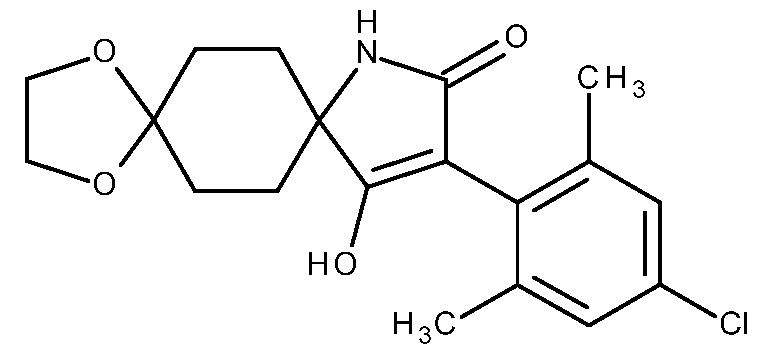
Überraschenderweise ist die insektizide und / oder akarizide und / oder die nematizide Wirkung der
erfindungsgemäßen Wirkstoffkombinationen wesentlich höher als die Summe der Wirkungen der einzelnen Wirkstoffe. Es hegt ein nicht vorhersehbarer echter synergistischer Effekt vor und nicht nur eine Wirkungsergänzung.
Die erfindungsgemäßen Wirkstoffkombinationen können auch mit einem weiteren Wirkstoff, beispielsweise einem Insektizid/ Akarizid/Nematizid gemischt werden.
Die erfindungsgemäßen Wirkstoffkombinationen eignen sich bei guter Pflanzenverträglichkeit, günstiger Warmblütertoxizität und guter Umweltverträglichkeit zum Schutz von Pflanzen und Pflanzen organen, zur Steigerung der Ernteerträge, Verbesserung der Qualität des Erntegutes und zur Be kämpfung von tierischen Schädlingen, insbesondere Insekten, Spinnentieren, Helminthen, Nematoden und Mollusken, die in der Landwirtschaft, im Gartenbau, bei der Tierzucht, in Forsten, in Gärten und Freizeiteinrichtungen, im Vorrats- und Materialschutz sowie auf dem Hygienesektor Vorkommen. Sie können vorzugsweise als Pflanzenschutzmittel eingesetzt werden. Vorzugsweise werden sie zur Bekämpfung tierischer Schädlinge in der Landwirtschaft eingesetzt. Sie sind gegen normal sensible und resistente Arten sowie gegen alle oder einzelne Entwicklungsstadien wirksam. Zu den oben erwähnten Schädlingen gehören:
Schädlinge aus dem Stamm der Arthropoda, insbesondere aus der Klasse der Arachnida z.B. Acarus spp., Aceria kuko, Aceria sheldoni, Aculops spp., Aculus spp., Amblyomma spp., Amphitetranychus viennensis, Argas spp., Boophilus spp., Brevipalpus spp., Bryobia graminum, Bryobia praetiosa, Centruroides spp., Chorioptes spp., Dermanyssus gallinae, Dermatophagoides pteronyssinus, Dermatophagoides farinae, Dermacentor spp., Eotetranychus spp., Epitrimerus pyri, Eutetranychus spp., Eriophyes spp., Glycyphagus domesticus, Halotydeus destructor, Hemitarsonemus spp., Hyalomma spp., Ixodes spp., Latrodectus spp., Loxosceles spp., Metatetranychus spp., Neutrombicula autumnalis, Nuphersa spp., Oligonychus spp., Ornithodorus spp., Ornithonyssus spp., Panonychus spp., Phyllocoptruta oleivora, Platytetranychus multidigituli, Polyphagotarsonemus latus, Psoroptes spp., Rhipicephalus spp., Rhizoglyphus spp., Sarcoptes spp., Scorpio maurus, Steneotarsonemus spp., Steneotarsonemus spinki, Tarsonemus spp., Tetranychus spp., Trombicula alfreddugesi, Vaejovis spp., Vasates lycopersici.; aus der Klasse der Chilopoda z.B. Geophilus spp., Scutigera spp.; aus der Ordnung oder der Klasse der Collembola z.B. Onychiurus armatus, Sminthurus viridis; aus der Klasse der Diplopoda z.B. Blaniulus guttulatus; aus der Klasse der Insecta, z.B. aus der Ordnung der Blattodea z.B. Blattella asahinai, Blattella germanica, Blatta orientalis, Leucophaea maderae (Rhypaobia maderae),, Panchlora spp., Parcoblatta spp., Periplaneta spp., Supella longipalpa, Loboptera decipiens, Neostylopyga rhombifolia, Pycnoscelus
sunnamensis; aus der Ordnung der Coleoptera z.B. Acalymma vittatum, Acanthoscelides obtectus, Adoretus spp., Aethina tumida, Agelastica alni, Agriotes spp., Alphitobius diaperinus, Amphimallon solstitialis, Anobium punctatum, Anoplophora spp., Anthonomus spp., Anthrenus spp., Apion spp., Apogonia spp., Atomaria spp., Attagenus spp., Baris caerulescens, Bruchidius obtectus, Bruchus spp., Cassida spp., Cerotoma trifurcata, Ceutorrhynchus spp., Chaetocnema spp., Cleonus mendicus, Conoderus spp., Cosmopolites spp., Costelytra zealandica, Ctenicera spp., Curculio spp., Cryptolestes ferrugineus, Cryptorhynchus lapathi, Cylindrocopturus spp., Dermestes spp., Diabrotica spp., Dichocrocis spp., Dicladispa armigera, Diloboderus spp., Epicaerus spp., Epilachna spp., Epitrix spp., Faustinus spp., Gibbium psylloides, Gnathocerus cornutus, Hellula undalis, Heteronychus arator, Heteronyx spp., Hylamorpha elegans, Hylotrupes bajulus, Hypera postica, Hypomeces squamosus, Hypothenemus spp., Lachnosterna consanguinea, Lasioderma serricorne, Latheticus oryzae, Lathridius spp., Lema spp., Leptinotarsa decemlineata, Leucoptera spp., Lissorhoptrus oryzophilus, Listronotus (= Hyperodes) spp., Lixus spp., Luperodes spp., Luperomorpha xanthodera, Lyctus spp., Megascelis spp., Melanotus spp., Meligethes aeneus, Melolontha spp., Migdolus spp., Monochamus spp., Naupactus xanthographus, Necrobia spp., Neogalerucella spp., Niptus hololeucus, Oryctes rhinoceros, Oryzaephilus surinamensis, Oryzaphagus oryzae, Otiorrhynchus spp., Oulema spp., Oulema melanopus, Oulema oryzae, Oxycetonia jucunda, Phaedon cochleariae, Phyllophaga spp., Phyllophaga helleri, Phyllotreta spp., Popillia japonica, Premnotrypes spp., Prostephanus truncatus, Psylliodes spp., Ptinus spp., Rhizobius ventralis, Rhizopertha dominica, Rhynchophorus spp., Rhynchophorus ferrugineus, Rhynchophorus palmarum, Sinoxylon perforans, Sitophilus spp., Sitophilus oryzae, Sphenophorus spp., Stegobium paniceum, Sternechus spp., Symphyletes spp., Tanymecus spp., Tenebrio molitor, Tenebrioides mauretanicus, Tribolium spp., Trogoderma spp., Tychius spp., Xylotrechus spp., Zabrus spp.; aus der Ordnung der Diptera z.B. Aedes spp., Agromyza spp., Anastrepha spp., Anopheles spp., Asphondylia spp., Bactrocera spp., Bibio hortulanus, Calliphora erythrocephala, Calliphora vicina, Ceratitis spp., Ceratitis capitata, Chironomus spp., Chrysomyia spp., Chrysops spp., Chrysozona pluvialis, Cochliomyia spp., Contarinia spp., Cordylobia anthropophaga, Cricotopus sylvestris, Culex spp., Culicoides spp., Culiseta spp., Cuterebra spp., Dacus oleae, Dasyneura spp., Delia spp., Dermatobia hominis, Drosophila spp., Drosophila suzukii, Echinocnemus spp., Euleia heraclei, Fannia spp., Gasterophilus spp., Glossina spp., Haematopota spp., Hydrellia spp., Hydrellia griseola, Hylemya spp., Hippobosca spp., Hypoderma spp., Liriomyza spp., Lucilia spp., Lutzomyia spp., Mansonia spp., Musca spp., Oestrus spp., Oscinella frit, Paratanytarsus spp., Paralauterborniella subcincta, Pegomyia spp., Phlebotomus spp., Phorbia spp., Phormia spp., Piophila casei, Platyparea poeciloptera, Prodiplosis spp., Psila rosae Rhagoletis spp., Sarcophaga spp., Simulium spp., Stomoxys spp., Tabanus spp., Tetanops spp., Tipula spp., Hippoboscoidea (= Pupipara), Toxotrypana curvicauda;
aus der Unterordnung der Heteroptera z.B. Aelia spp., Anasa tristis, Antestiopsis spp., Boisea spp., Blissus spp., Calocoris spp., Campylomma livida, Cavelerius spp., Cimex spp., Collaria spp., Creontiades dilutus, Dasynus piperis, Dichelops furcatus, Diconocoris hewetti, Dysdercus spp., Euschistus spp., Eurydema spp., Eurygaster spp., Halyomorpha halys, Heliopeltis spp., Horcias nobilellus, Leptocorisa spp., Leptocorisa varicornis, Leptoglossus occidentalis, Leptoglossus phyllopus, Lygocoris spp., Lygus spp., Macropes excavatus, Megacopta cribraria, Miridae, Monalonion atratum, Nezara spp., Nysius spp., Oebalus spp., Pentomidae, Piesma quadrata, Piezodorus spp., Psallus spp., Pseudacysta persea, Rhodnius spp., Sahlbergella singularis, Scaptocoris castanea, Scotinophora spp., Stephanitis nashi, Tibraca spp., Triatoma spp.; aus der Ordnung der Hemiptera z.B. Acizzia acaciaebaileyanae, Acizzia dodonaeae, Acizzia uncatoides, Acrida turrita, Acyrthosipon spp., Acrogonia spp., Aeneolamia spp., Agonoscena spp., Aleurocanthus spp., Aleyrodes proletella, Aleurolobus barodensis, Aleurothrixus floccosus, Allocaridara malayensis, Amrasca spp., Anuraphis cardui, Aonidiella spp., Aphanostigma piri, Aphis spp., Arboridia apicalis, Arytainilla spp., Aspidiella spp., Aspidiotus spp., Atanus spp., Aulacorthum solani, Bemisia tabaci, Blastopsylla occidentalis, Boreioglycaspis melaleucae, Brachycaudus helichrysi, Brachycolus spp., Brevicoryne brassicae, Cacopsylla spp., Calligypona marginata, Capulinia spp., Carneocephala fulgida, Ceratovacuna lanigera, Cercopidae, Ceroplastes spp., Chaetosiphon fragaefolii, Chionaspis tegalensis, Chlorita onukii, Chondracris rosea, Chromaphis juglandicola, Chrysomphalus aonidum, Chrysomphalus ficus, Cicadulina mbila, Coccomytilus halb, Coccus spp., Cryptomyzus ribis, Cryptoneossa spp., Ctenarytaina spp., Dalbulus spp., Dialeurodes chittendeni, Dialeurodes citri, Diaphorina citri, Diaspis spp., Diuraphis spp., Drosicha spp., Dysaphis spp., Dysmicoccus spp., Empoasca spp., Eriosoma spp., Erythroneura spp., Eucalyptolyma spp., Euphyllura spp., Euscelis bilobatus, Ferrisia spp., Fiorinia spp., Furcaspis oceanica, Geococcus coffeae, Glycaspis spp., Heteropsylla cubana, Heteropsylla spinulosa, Homalodisca coagulata, Hyalopterus arundinis, Hyalopterus pruni, Icerya spp., Idiocerus spp., Idioscopus spp., Laodelphax striatellus, Lecanium spp., Lepidosaphes spp., Lipaphis erysimi, Lopholeucaspis japonica, Lycorma delicatula, Macrosiphum spp., Macrosteies facifrons, Mahanarva spp., Melanaphis sacchari, Metcalfiella spp., Metcalfa pruinosa, Metopolophium dirhodum, Monellia costalis, Monelliopsis pecanis, Myzus spp., Nasonovia ribisnigri, Neomaskellia spp., Nephotettix spp., Nettigoniclla spectra, Nilaparvata lugens, Oncometopia spp., Orthezia praelonga, Oxya chinensis, Pachypsylla spp., Parabemisia myricae, Paratrioza spp., Parlatoria spp., Pemphigus spp., Peregrinus maidis, Perkinsiella spp., Phenacoccus spp., Phloeomyzus passerinii, Phorodon humuli, Phylloxera spp., Pinnaspis aspidistrae, Planococcus spp., Prosopidopsylla flava, Protopulvinaria pyriformis, Pseudaulacaspis pentagona, Pseudococcus spp., Psyllopsis spp., Psylla spp., Pteromalus spp., Pulvinaria spp., Pyrilla spp., Quadraspidiotus spp., Quesada gigas, Rastrococcus spp., Rhopalosiphum spp., Saissetia spp., Scaphoideus titanus, Schizaphis graminum, Selenaspidus articulatus, Sitobion avenae, Sogata spp., Sogatella furcifera, Sogatodes spp., Stictocephala festina, Siphoninus phillyreae,
Tenalaphara malayensis, Tetragonocephela spp., Tinocallis caryaefoliae, Tomaspis spp., Toxoptera spp., Trialeurodes vaporariorum, Trioza spp., Typhlocyba spp., Unaspis spp., Viteus vitifolii, Zygina spp.; aus der Ordnung der Hymenoptera z.B. Acromyrmex spp., Athalia spp., Atta spp., Camponotus spp., Dolichovespula spp., Diprion spp., Hoplocampa spp., Lasius spp., Linepithema (Iridiomyrmex) humile, Monomorium pharaonis, Paratrechina spp., Paravespula spp., Plagiolepis spp., Sirex spp., Solenopsis invicta, Tapinoma spp., Technomyrmex albipes, Urocerus spp., Vespa spp., Wasmannia auropunctata, Xeris spp.; aus der Ordnung der Isopoda z.B. Armadillidium vulgare, Oniscus asellus, Porcellio scaber; aus der Ordnung der Isoptera z.B. Coptotermes spp., Cornitermes cumulans, Cryptotermes spp., Incisitermes spp., Kalotermes spp., Microtermes obesi, Nasutitermes spp., Odontotermes spp., Porotermes spp., Reticulitermes spp.; aus der Ordnung der Lepidoptera z.B. Achroia grisella, Acronicta major, Adoxophyes spp., Aedia leucomelas, Agrotis spp., Alabama spp., Amyelois transitella, Anarsia spp., Anticarsia spp., Argyroploce spp., Autographa spp., Barathra brassicae, Blastodacna atra, Borbo cinnara, Bucculatrix thurberiella, Bupalus piniarius, Busseola spp., Cacoecia spp., Caloptilia theivora, Capua reticulana, Carpocapsa pomonella, Carposina niponensis, Cheimatobia brumata, Chilo spp., Choreutis pariana, Choristoneura spp., Chrysodeixis chalcites, Clysia ambiguella, Cnaphalocerus spp., Cnaphalocrocis medinalis, Cnephasia spp., Conopomorpha spp., Conotrachelus spp., Copitarsia spp., Cydia spp., Dalaca noctuides, Diaphania spp., Diatraea saccharalis, Diparopsis spp., Earias spp., Ecdytolopha aurantium, Elasmopalpus lignosellus, Eldana saccharina, Ephestia spp., Epinotia spp., Epiphyas postvittana, Erannis spp., Erschoviella musculana, Etiella spp., Eudocima spp., Eu a spp., Eupoecilia ambiguella, Euproctis spp., Euxoa spp., Feltia spp., Galleria mellonella, Gracillaria spp., Grapholitha spp., Hedylepta spp., Helicoverpa spp., Heliothis spp., Hofmannophila pseudospretella, Homoeosoma spp., Homona spp., Hyponomeuta padella, Kakivoria flavofasciata, Lampides spp., Laphygma spp., Laspeyresia molesta, Leucinodes orbonalis, Leucoptera spp., Lithocolletis spp., Lithophane antennata, Lobesia spp., Loxagrotis albicosta, Lymantria spp., Lyonetia spp., Malacosoma neustria, Maruca spp., Maruca testulalis, Mamestra brassicae, Melanitis leda, Mocis spp., Monopis obviella, Mythimna separata, Nemapogon cloacellus, Nymphula spp., Oiketicus spp., Omphisa spp., Operophtera spp., Oria spp., Orthaga spp., Ostrinia spp., Panolis flammea, Parnara spp., Pectinophora spp., Perileucoptera spp., Phthorimaea spp., Phyllocnistis citrella, Phyllonorycter spp., Pieris spp., Platynota stultana, Plodia interpunctella, Plusia spp., Plutella xylostella, Prays spp., Prodenia spp., Protoparce spp., Pseudaletia spp., Pseudaletia unipuncta, Pseudoplusia includens, Pyrausta nubilalis, Rachiplusia nu, Schoenobius spp., Scirpophaga spp., Scirpophaga innotata, Scotia segetum, Sesamia spp., Sesamia inferens, Sparganothis spp., Spodoptera spp., Spodoptera praefica, Stathmopoda spp., Stenoma spp., Stomopteryx
subsecivella, Synanthedon spp., Tecia solanivora, Thaumetopoea spp., Thermesia gemmatalis, Tinea cloacella, Tinea pellionella, Tineola bisselliella, Tortrix spp., Trichophaga tapetzella, Trichoplusia spp., Tryporyza incertulas, Tuta absoluta, Virachola spp.; aus der Ordnung der Orthoptera oder Saltatoria z.B. Acheta domesticus, Dichroplus spp., Gryllotalpa spp., Hieroglyphus spp., Locusta spp., Melanoplus spp., Paratlanticus ussuriensis, Schistocerca gregaria; aus der Ordnung der Phthiraptera z.B. Damalinia spp., Haematopinus spp., Linognathus spp., Pediculus spp., Phylloxera vastatrix, Phtirus pubis, Trichodectes spp.; aus der Ordnung der Psocoptera z.B. Lepinotus spp., Liposcelis spp.; aus der Ordnung der Siphonaptera z.B. Ceratophyllus spp., Ctenocephalides spp., Pulex irritans, Tunga penetrans, Xenopsylla cheopsis; aus der Ordnung der Thysanoptera z.B. Anaphothrips obscurus, Baliothrips biformis, Chaetanaphothrips leeuweni, Drepanothrips reuteri, Enneothrips flavens, Frankliniella spp., Haplothrips spp., Heliothrips spp., Hercinothrips femoralis, Rhipiphorothrips cruentatus, Scirtothrips spp., Taeniothrips cardamomi, Thrips spp.; aus der Ordnung der Zygentoma (= Thysanura), z. B. Ctenolepisma spp., Lepisma saccharina, Lepismodes inquilinus, Thermobia domestica; aus der Klasse der Symphyla z.B. Scutigerella spp.;
Schädlinge aus dem Stamm der Mollusca, insbesondere aus der Klasse der Bivalvia, z.B. Dreissena spp., sowie aus der Klasse der Gastropoda z.B. Arion spp., Biomphalaria spp., Bulinus spp., Deroceras spp., Galba spp., Lymnaea spp., Oncomelania spp., Pomacea spp., Succinea spp.;
Tierparasiten aus den Stämmen der Plathelminthes und Nematoda, z.B. Aelurostrongylus spp., Amidostomum spp., Ancylostoma duodenale, Ancylostoma ceylanicum, Acylostoma braziliensis, Ancylostoma spp., Angiostrongylus spp., Anisakis spp., Anoplocephala spp., Ascaris spp., Ascaridia spp., Baylisascaris spp., Brugia malayi, Brugia timori, Bunostomum spp., Capillaria spp., Chabertia spp., Clonorchis spp., Cooperia spp., Crenosoma spp., Cyathostoma spp., Dicrocoelium spp., Dictyocaulus filaria, Diphyllobothrium latum, Dipylidium spp., Dirofilaria spp., Dracunculus medinensis, Echinococcus granulosus, Echinococcus multilocularis, Enterobius vermicularis, Eucoleus spp., Fasciola spp., Fascioloides spp., Fasciolopsis spp., Filaroides spp., Gongylonema spp., Gyrodactylus spp., Habronema spp., Haemonchus spp., Heligmosomoides spp., Heterakis spp., Hymenolepis nana, Hyostrongulus spp., Litomosoides spp., Loa Loa, Metastrongylus spp., Metorchis spp., Mesocestoides spp., Moniezia spp., Muellerius spp., Necator spp., Nematodirus spp.,
Nippostrongylus spp., Oesophagostomum spp., Ollulanus spp., Onchocerca volvulus, Opisthorchis spp., Oslerus spp., , Ostertagia spp., Oxyuris spp., Paracapillaria spp., Parafilaria spp., Paragonimus spp., Paramphistomum spp., Paranoplocephala spp., Parascaris spp., Passalurus spp., Protostrongylus spp., Schistosom spp., Setaria spp., Spirocerca spp., Stephanofilaria spp., Stephanurus spp., Strongyloides fuelleborni, Strongyloides stercoralis, Strongylus spp., Syngamus spp., Taenia saginata, Taenia solium, Teladorsagia spp., Thelazia spp., Toxascaris spp., Toxocara spp., Trichinella spiralis, Trichinella nativa, Trichinella britovi, Trichinella nelsoni, Trichinella pseudopsiralis, Trichobilharzia spp., Trichostrongylus spp., Trichuris trichuria, Uncinaria spp., Wuchereria bancrofti;
Pflanzenschädlinge aus dem Stamm der Nematoda, d.h. pflanzenparasitäre Nematoden, insbesondere Aglenchus spp., Anguina spp., Aphelenchoides spp., Belonolaimus spp., Bursaphelenchus spp., Cacopaurus spp., Criconemella spp., Criconemoides spp., Ditylenchus spp., Dolichodorus spp., Globodera spp., Helicotylenchus spp., Hemicriconemoides spp., Hemicycliophora spp., Heterodera spp., Hoplolaimus spp., Longidorus spp., Meloidogyne spp., Meloinema spp., Nacobbus spp., Neotylenchus spp., Paralongidorus spp., Paraphelenchus spp., Paratrichodorus spp., Pratylenchus spp., Pseudohalenchus spp., Psilenchus spp., Punctodera spp., Quinisulcius spp., Radopholus spp., Rotylenchulus spp., Rotylenchus spp., Scutellonema spp., Subanguina spp., Trichodorus spp., Tylenchulus spp., Tylenchorhynchus spp., Xiphinema spp.;
Weiterhin lässt sich aus dem Unterreich der Protozoa die Ordnung der Coccidia z.B. Eimeria spp. bekämpfen.
Besonders bevorzugt lassen sich mit den erfindungsgemäßen Wirkstoffkombinationen Schädlinge aus der Familie der Aphididae (Röhrenläuse) bekämpfen. Weiterhin besonders bevorzugt lassen sich mit den erfindungsgemäßen Wirkstoffkombinationen Schädlinge aus der Familie der Pemphigidae (Blasenläuse) bekämpfen. Weiterhin besonders bevorzugt lassen sich mit den erfindungsgemäßen Wirkstoffkombinationen Schädlinge aus der Familie der Phylloxeridae (Wurzelläuse) bekämpfen. Weiterhin besonders bevorzugt lassen sich mit den erfindungsgemäßen Wirkstoffkombinationen Schädlinge aus der Familie der Psyllidae (Blattflöhe) bekämpfen. Weiterhin besonders bevorzugt lassen sich mit den erfindungsgemäßen Wirkstoffkombinationen Schädlinge aus der Familie der Coccidae (Napfschildläuse) bekämpfen. Weiterhin besonders bevorzugt lassen sich mit den erfindungsgemäßen Wirkstoffkombinationen Schädlinge aus der Familie der Diaspididae (Deckelschildläuse) bekämpfen. Weiterhin besonders bevorzugt lassen sich mit den erfindungsgemäßen Wirkstoffkombinationen Schädlinge aus der Familie der Ortheziidae (Röhrenschildläuse) bekämpfen. Weiterhin besonders bevorzugt lassen sich mit den erfindungsgemäßen Wirkstoffkombinationen Schädlinge aus der Familie der Pseudococcidae (Schmier- und Wollläuse) bekämpfen. Weiterhin besonders bevorzugt lassen sich mit den erfindungsgemäßen Wirkstoffkombinationen Schädlinge aus der Familie der Aleyrodidae (Mottenschildläuse) bekämpfen. Weiterhin besonders bevorzugt lassen sich mit den erfindungsgemäßen
Wirkstoffkombinationen Schädlinge aus der Familie der Thripidae (Thripse) bekämpfen. Weiterhin besonders bevorzugt lassen sich mit den erfindungsgemäßen Wirkstoffkombinationen Schädlinge aus der Familie der Cicadellidae (Zwergzikaden) bekämpfen. Weiterhin besonders bevorzugt lassen sich mit den erfindungsgemäßen Wirkstoffkombinationen Schädlinge aus der Familie der Delphacidae (Hornzikaden) bekämpfen. Weiterhin besonders bevorzugt lassen sich mit den erfindungsgemäßen Wirkstoffkombinationen Schädlinge aus der Familie der Pentatomidae (Baumwanzen) bekämpfen. Weiterhin besonders bevorzugt lassen sich mit den erfindungsgemäßen Wirkstoffkombinationen Schädlinge aus der Familie der Chrysomelidae (Blattkäfer) bekämpfen.
Die vorliegende Erfindung betrifft weiterhin Formulierungen und daraus bereitete Anwendungsformen als Pflanzenschutzmittel und/oder Schädlingsbekämpfungsmittel wie z. B. Drench-, Drip- und Spritzbrühen, umfassend mindestens einen der erfindungsgemäßen Wirkstoffe. Gegebenenfalls enthalten die Anwendungsformen weitere Pflanzenschutzmittel und/oder Schädlingsbekämpfungsmittel und/oder die Wirkung verbessernde Adjuvantien wie Penetrationsförderer, z. B. vegetative Öle wie beispielsweise Rapsöl, Sonnenblumenöl, Mineralöle wie beispielsweise Paraffinöle, Alkylester vegetativer Fettsäuren wie beispielsweise Rapsöl- oder Sojaölmethylester oder Alkanol-alkoxylate und/oder Spreitmittel wie beispielsweise Alkylsiloxane und/oder Salze z. B. organische oder anorganische Ammonium- oder Phosphomiumsalze wie beispielsweise Ammoniumsulfat oder Diammonium-hydrogenphosphat und /oder die Retention fördernde Mittel wie z. B. Dioctylsulfosuccinat oder Hydroxypropyl-guar Polymere und/oder Humectants wie z. B. Glycerin und / oder Dünger wie beispielsweise Ammonium-, Kalium- oder Phosphor-enthaltende Dünger.
Übliche Formulierungen sind beispielsweise wasserlösliche Flüssigkeiten (SL), Emulsionskonzentrate (EC), Emulsionen in Wasser (EW), Suspensionskonzentrate (SC, SE, FS, OD), in Wasser dispergierbare Granulate (WG), Granulate (GR) und Kapselkonzentrate (CS); diese und weitere mögliche Formuliertypen sind beispielsweise durch Crop Life International und in Pesticide Specifications, Manual on development and use of FAO and WHO specifications for pesticides, FAO Plant Production and Protection Papers - 173, prepared by the FAO/WHO Joint Meeting on Pesticide Specifications, 2004, ISBN: 9251048576 beschrieben. Gegebenenfalls enthalten die Formulierungen neben einem oder mehreren erfindungsgemäßen Wirkstoffen weitere agrochemische Wirkstoffe.
Vorzugsweise handelt es sich um Formulierungen oder Anwendungsformen, welche Hilfsstoffe, wie beispielsweise Streckmittel, Lösemittel, Spontanitätsförderer, Trägerstoffe, Emulgiermittel, Dispergiermittel, Frostschutzmittel, Biozide, Verdicker und/oder weitere Hilfsstoffe, wie beispielsweise Adjuvantien enthalten. Ein Adjuvant in diesem Kontext ist eine Komponente, die die biologische Wirkung der Formulierung verbessert, ohne dass die Komponente selbst eine biologische Wirkung hat. Beispiele für Adjuvantien sind Mittel, die die Retention, das Spreitverhalten, das Anhaften an der Blattoberfläche oder die Penetration fördern.
Diese Formulierungen werden in bekannter Weise hergestellt, z.B. durch Vermischen der Wirkstoffe mit Hilfsstoffen wie beispielsweise Streckmitteln, Lösemitteln und/oder festen Trägerstoffen und/oder weiteren Hilfsstoffen wie beispielsweise oberflächenaktive Stoffe. Die Herstellung der Formulierungen erfolgt entweder in geeigneten Anlagen oder auch vor oder während der Anwendung.
Als Hilfsstoffe können solche Stoffe Verwendung finden, die geeignet sind, der Formulierung des Wirkstoffs oder den aus diesen Formulierungen bereiteten Anwendungsformen (wie z.B. gebrauchsfähigen Pflanzenschutzmitteln wie Spritzbrühen oder Saatgutbeizen) besondere Eigenschaften, wie bestimmte physikalische, technische und/oder biologische Eigenschaften, zu verleihen.
Als Streckmittel eignen sich z.B. Wasser, polare und unpolare organische chemische Flüssigkeiten z.B. aus den Klassen der aromatischen und nicht-aromatischen Kohlenwasserstoffe (wie Paraffine, Alkylbenzole, Alkylnaph thaline, Chlorbenzole), der Alkohole und Polyole (die ggf. auch substituiert, verethert und/oder verestert sein können), der Ketone (wie Aceton, Cyclohexanon), Ester (auch Fette und Öle) und (Poly-)Ether, der einfachen und substituierten Amine, Amide, Lactame (wie N- Alkylpyrrolidone) und Lactone, der Sulfone und Sulfoxide (wie Dimethylsulfoxid).
Im Falle der Benutzung von Wasser als Streckmittel können z.B. auch organische Lösemittel als Hilfslösemittel verwendet werden. Als flüssige Lösemittel kommen im Wesentlichen infrage: Aromaten, wie Xylol, Toluol oder Alkylnaphthaline, chlorierte Aromaten oder chlorierte aliphatische Kohlenwas serstoffe, wie Chlorbenzole, Chlorethylene oder Methylenchlorid, aliphatische Kohlenwasserstoffe, wie Cyclohexan oder Paraffine, z.B. Erdölfraktionen, mineralische und pflanzliche Öle, Alkohole, wie Butanol oder Glykol sowie deren Ether und Ester, Ketone, wie Aceton, Methylethylketon, Meth- ylisobutylketon oder Cyclohexanon, stark polare Lösemittel wie Dimethylformamid und Dimethylsulfoxid, sowie Wasser.
Grundsätzlich können alle geeigneten Lösemittel verwendet werden. Geeignete Lösemittel sind beispielsweise aromatische Kohlenwasserstoffe, wie z.B. Xylol, Toluol oder Alkylnaphthaline, chlorierte aromatische oder aliphatische Kohlenwasserstoffe, wie z.B. Chlorbenzol, Chlorethylen, oder Methylenchlorid, aliphatische Kohlenwasserstoffe, wie z.B. Cyclohexan, Paraffine, Erdölfraktionen, mineralische und pflanzliche Öle, Alkohole, wie z.B. Methanol, Ethanol, iso-Propanol, Butanol oder Glykol sowie deren Ether und Ester, Ketone wie z.B. Aceton, Methylethylketon, Methylisobutylketon oder Cyclohexanon, stark polare Lösemittel, wie Dimethylsulfoxid, sowie Wasser.
Grundsätzlich können alle geeigneten Trägerstoffe eingesetzt werden. Als Trägerstoffe kommen insbesondere infrage: z.B. Ammoniumsalze und natürliche Gesteinsmehle, wie Kaoline, Tonerden, Tal kum, Kreide, Quarz, Attapulgit, Montmorillonit oder Diatomeenerde und synthetische Gesteinsmehle, wie hochdisperse Kieselsäure, Aluminiumoxid und natürliche oder synthetische Silikate, Harze, Wachse und /oder feste Düngemittel. Mischungen solcher Trägerstoffe können ebenfalls verwendet werden. Als
Trägerstoffe für Granulate kommen infrage: z.B. gebrochene und fraktionierte natürliche Gesteine wie Calcit, Marmor, Bims, Sepiolith, Dolomit sowie synthetische Granulate aus anorganischen und organi schen Mehlen sowie Granulate aus organischem Material wie Sägemehl, Papier, Kokosnussschalen, Maiskolben und Tabakstängel.
Auch verflüssigte gasförmige Streckmittel oder Lösemittel können eingesetzt werden. Insbesondere eignen sich solche Streckmittel oder Trägerstoffe, welche bei normaler Temperatur und unter Normaldruck gasförmig sind, z.B. Aerosol-Treibgase, wie Halogenkohlenwasserstoffe, sowie Butan, Propan, Stickstoff und Kohlendioxid.
Beispiele für Emulgier- und/oder Schaum erzeugende Mittel, Dispergiermittel oder Benetzungsmittel mit ionischen oder nicht-ionischen Eigenschaften oder Mischungen dieser oberflächenaktiven Stoffe sind Salze von Polyacrylsäure, Salze von Lignosulphonsäure, Salze von Phenolsulphonsäure oder Naphthalinsulphonsäure, Polykondensate von Ethylenoxid mit Fettalkoholen oder mit Fettsäuren oder mit Fettaminen, mit substituierten Phenolen (vorzugsweise Alkylphenole oder Arylphenole), Salze von Sulphobernsteinsäureestern, Taurinderivate (vorzugsweise Alkyltaurate), Phosphorsäureester von polyethoxylierten Alkoholen oder Phenole, Fettsäureester von Polyolen, und Derivate der Verbindungen enthaltend Sulphate, Sulphonate und Phosphate, z.B. Alkylarylpolyglycolether, Alkylsulfonate, Alkyl sulfate, Arylsulfonate, Eiweißhydrolysate, Lignin-Sulfitablaugen und Methylcellulose. Die Anwesenheit einer oberflächenaktiven Substanz ist vorteilhaft, wenn einer der Wirkstoff und/oder einer der inerten Trägerstoffe nicht in Wasser löslich ist und wenn die Anwendung in Wasser erfolgt.
Als weitere Hilfsstoffe können in den Formulierungen und den daraus abgeleiteten Anwendungsformen Farbstoffe wie anorganische Pigmente, z.B. Eisenoxid, Titanoxid, Ferrocyanblau und organische Farbstoffe, wie Alizarin-, Azo- und Metallphthalocyaninfarbstoffe und Nähr- und Spurennährstoffe, wie Salze von Eisen, Mangan, Bor, Kupfer, Kobalt, Molybdän und Zink vorhanden sein.
Weiterhin enthalten sein können Stabilisatoren wie Kältestabilisatoren, Konservierungsmittel, Oxidationsschutzmittel, Lichtschutzmittel oder andere die chemische und / oder physikalische Stabilität verbessernde Mittel. Weiterhin enthalten sein können schaumerzeugende Mittel oder Entschäumer.
Ferner können die Formulierungen und daraus abgeleiteten Anwendungsformen als zusätzliche Hilfsstoffe auch Haftmittel wie Carboxymethylcellulose, natürliche und synthetische pulverige, körnige oder latexförmige Polymere enthalten, wie Gummiarabikum, Polyvinylalkohol, Polyvinylacetat, sowie natürliche Phospholipide, wie Kephaline und Lecithine, und synthetische Phospholipide. Weitere Hilfsstoffe können mineralische und vegetabile Öle sein.
Gegebenenfalls können noch weitere Hilfsstoffe in den Formulierungen und den daraus abgeleiteten Anwendungsformen enthalten sein. Solche Zusatzstoffe sind beispielsweise Duftstoffe, schützende
Kolloide, Bindemittel, Klebstoffe, Verdicker, thixotrope Stoffe, Penetrationsförderer, Retentionsförderer, Stabilisatoren, Sequestiermittel, Komplexbildner, Humectans, Spreitmittel. Im Allgemeinen können die Wirkstoffe mit jedem festen oder flüssigen Zusatzstoff, welches für Formulierungszwecke gewöhnlich verwendet wird, kombiniert werden.
Als Retentionsförderer kommen alle diejenigen Substanzen in Betracht, die die dynamische Oberflächenspannung verringern wie beispielsweise Dioctylsulfosuccinat oder die die Visko-Elastizität erhöhen wie beispielsweise Hydroxypropyl-guar Polymere.
Als Penetrationsförderer kommen im vorliegenden Zusammenhang alle diejenigen Substanzen in Be tracht, die üblicherweise eingesetzt werden, um das Eindringen agrochemischer Wirkstoffe in Pflanzen zu verbessern. Penetrationsförderer werden in diesem Zusammenhang dadurch definiert, dass sie aus der (in der Regel wässerigen) Applikationsbrühe und/oder aus dem Spritzbelag in die Kutikula der Pflanze eindringen und dadurch die Stoffbeweglichkeit (Mobilität) der Wirkstoffe in der Kutikula erhöhen können. Die in der Literatur (Baur et al., 1997, Pesticide Science 51, 131-152) beschriebene Methode kann zur Bestimmung dieser Eigenschaft eingesetzt werden. Beispielhaft werden genannt Alkoholalkoxylate wie beispielsweise Kokosfettethoxylat (10) oder Isotridecylethoxylat (12), Fettsäureester wie beispielsweise Rapsöl- oder Sojaölmethylester, Fettamine Alkoxylate wie beispielsweise Tallowamine ethoxylat (15) oder Ammonium und / oder Phosphonium-Salze wie beispielsweise Ammoniumsulfat oder Diammonium-hydrogenphosphat.
Erfindungsgemäß können alle Pflanzen und Pflanzenteile behandelt werden. Unter Pflanzen werden hierbei alle Pflanzen und Pflanzenpopulationen verstanden, wie erwünschte und unerwünschte Wildpflanzen oder Kulturpflanzen (einschließlich natürlich vorkommender Kulturpflanzen). Kulturpflanzen können Pflanzen sein, die durch konventionelle Züchtungs- und Optimierungsmethoden oder durch biotechnologische und gentechnologische Methoden oder Kombinationen dieser Methoden erhalten werden können, einschließlich der transgenen Pflanzen und einschließlich der durch Sortenschutzrechte schützbaren oder nicht schützbaren Pflanzensorten. Zu den Pflanzen, die mit den erfindungsgemäßen Wirkstoffkombinationen behandelt werden können, zählen z. B. folgende Pflanzenarten: Turf, Reben, Getreide, beispielsweise Weizen, Gerste, Roggen, Hafer, Reis, Mais und Hirse, Triticale; Rüben, beispielsweise Zuckerrüben und Futterrüben; Früchte, beispielsweise Kernobst, Steinobst und Beerenobst, beispielsweise Äpfel, Birnen, Pflaumen, Pfirsiche, Mandeln, Kirschen und Beeren, z. B. Erdbeeren, Himbeeren, Brombeeren; Hülsenfrüchte, beispielsweise Bohnen, Linsen, Erbsen und Sojabohnen; Ölkulturen, beispielsweise Raps, Senf, Mohn, Oliven, Sonnenblumen, Kokos, Castorölpflanzen, Kakaobohnen und Erdnüsse; Gurkengewächse, beispielsweise Kürbis, Gurken und Melonen; Fasergewächse, beispielsweise Baumwolle, Flachs, Hanf und Jute; Citrusfrüchte, beispielsweise Orangen, Zitronen, Pampelmusen und Mandarinen; Gemüsesorten, beispielsweise Spinat, (Kopf)-Salat, Spargel, Kohlarten, Möhren, Zwiebeln, Tomaten, Kartoffeln und Paprika;
Lorbeergewächse, beispielsweise Avocado, Cinnamomum, Kampfer, oder ebenso Pflanzen wie Tabak, Nüsse, Kaffee, Aubergine, Zuckerrohr, Tee, Pfeffer, Weinreben, Hopfen, Bananen, Naturkautschukgewächse sowie Zierpflanzen, beispielsweise Blumen, Sträucher, Laubbäume und Nadelbäume wie Koniferen. Diese Aufzählung stellt keine Limitierung dar.
Unter Pflanzenteilen sollen alle oberirdischen und unterirdischen Teile und Organe der Pflanzen, wie Spross, Blatt, Blüte und Wurzel verstanden werden, wobei beispielhaft, Blätter, Nadeln, Stängel, Stämme, Blüten, Fruchtkörper, Früchte und Samen sowie Wurzeln, Knollen und Rhizome aufgeführt werden. Zu den Pflanzenteilen gehört auch Erntegut sowie vegetatives und generatives Vermehrungsmaterial, beispielsweise Stecklinge, Knollen, Rhiozome, Ableger und Samen.
Die erfindungsgemäße Behandlung der Pflanzen und Pflanzenteile mit den Wirkstoffkombinationen erfolgt direkt oder durch Einwirkung auf deren Umgebung, Lebensraum oder Lagerraum nach den üblichen Behandlungsmethoden, z.B. durch Tauchen, (Ver-) Spritzen, (Ver-) Sprühen, Berieseln, Verdampfen, Zerstäuben, Angießen, Vernebeln, (Ver-)Streuen, Verschäumen, Aufstreichen Verstrei chen, Injizieren, Gießen (drenchen), Tröpfchenbewässerung und bei Vermehrungsmaterial, insbesondere bei Samen, weiterhin durch durch Trockenbeizen, Nassbeizen, Schlämmbeizen, Inkrustieren, ein- oder mehrschichtiges Umhüllen.
Eine bevorzugte direkte Behandlung der Pflanzen ist die Blattapplikation, d.h. die erfindungsgemäße Wirkstoffkombinationen werden auf das Blattwerk aufgebracht, wobei die Behandlungsfrequenz und die Aufwandmenge auf den Befallsdruck des jeweiligen Schädlings abgestimmt sein kann.
Bei systemisch wirksamen Verbindungen gelangen die erfindungsgemäßen Wirkstoffkombinationen über das Wurzelwerk in die Pflanzen. Die Behandlung der Pflanzen erfolgt dann durch Einwirkung der erfindungsgemäßen Wirkstoffkombinationen auf den Lebensraum der Pflanze. Das kann beispielsweise durch Drenchen, Einmischen in den Boden oder die Nährlösung sein, d.h. der Standort der Pflanze (z.B. Boden oder hydroponische Systeme) wird mit einer flüssigen Form der erfindungsgemäßen Wirkstoffkombinationen getränkt, oder durch die Bodenapplikation, d.h. die erfindungsgemäßen Wirkstoffkombinationen werden in fester Form, (z.B. in Form eines Granulats) in den Standort der Pflanzen eingebracht. Bei Wasserreiskulturen kann das auch durch Zudosieren der Erfindung in einer festen Anwendungsform (z.B. als Granulat) in ein überflutetes Reisfeld sein.
Die vorliegende Erfindung bezieht sich daher insbesondere auch auf ein Verfahren zum Schutz von Saatgut und keimenden Pflanzen vor dem Befall von Schädlingen, indem das Saatgut mit denerfindungsgemäßen Wirkstoffkombinationen behandelt wird. Das erfindungsgemäße Verfahren zum Schutz von Saatgut und keimenden Pflanzen vor dem Befall von Schädlingen umfasst ein Verfahren, in dem das Saatgut gleichzeitig in einem Vorgang mit dem Wirkstoff der Formel (I) und Mischpartner behandelt wird. Es umfasst auch ein Verfahren, in dem das Saatgut zu unterschiedlichen Zeiten mit dem
Wirkstoff der Formel (I) und Mischpartner behandelt wird.
Die Erfindung bezieht sich ebenfalls auf die Verwendung der erfindungsgemäßen Wirkstoffkombinationen zur Behandlung von Saatgut zum Schutz des Saatguts und der daraus entstehenden Pflanze vor tierischen Schädlingen.
Weiterhin bezieht sich die Erfindung auf Saatgut, welches zum Schutz vor tierischen Schädlingen mit den erfindungsgemäßen Wirkstoffkombinationen behandelt wurde. Die Erfindung bezieht sich auch auf Saatgut, welches zur gleichen Zeit mit dem Wirkstoff der Formel (I) und Mischpartner behandelt wurde. Die Erfindung bezieht sich weiterhin auf Saatgut, welches zu unterschiedlichen Zeiten mit dem Wirkstoff der Formel (I) und Mischpartner behandelt wurde. Bei Saatgut, welches zu unterschiedlichen Zeiten mit dem Wirkstoff der Formel (I) und Mischpartner behandelt wurde, können die einzelnen Wirkstoffe des erfindungsgemäßen Mittels in unterschiedlichen Schichten auf dem Saatgut enthalten sein. Dabei können die Schichten, die den Wirkstoff der Formel (I) und Mischpartner enthalten, gegebenenfalls durch eine Zwischenschicht getrennt sein. Die Erfindung bezieht sich auch auf Saatgut, bei dem der Wirkstoff der Formel (I) und Mischpartner als Bestandteil einer Umhüllung oder als weitere Schicht oder weitere Schichten zusätzlich zu einer Umhüllung aufgebracht sind.
Die Erfindung betrifft auch Saatgut, welches nach der Behandlung mit den erfindungsgemäßen Wirkstoffkombinationen einem Filmcoating - Verfahren unterzogen wird, um Staubabrieb am Saatgut zu vermeiden.
Einer der Vorteile der vorliegenden Erfindung ist es, dass aufgrund der besonderen systemischen Eigenschaften der erfindungsgemäßen Mittel die Behandlung des Saatguts mit diesen Mitteln nicht nur das Saatgut selbst, sondern auch die daraus hervorgehenden Pflanzen nach dem Auflaufen vor tierischen Schädlingen schützt. Auf diese Weise kann die unmittelbare Behandlung der Kultur zum Zeitpunkt der Aussaat oder kurz danach entfallen.
Ein weiterer Vorteil ist darin zu sehen, dass durch die Behandlung des Saatguts mit den erfindungsgemäßen Wirkstoffkombinationen Keimung und Auflauf des behandelten Saatguts gefördert werden können.
Ebenso ist es als vorteilhaft anzusehen, dass erfindungsgemäße Wirkstoffkombinationen insbesondere auch bei transgenem Saatgut eingesetzt werden können.
Wie bereits oben erwähnt, können erfindungsgemäß alle Pflanzen und deren Teile behandelt werden. In einer bevorzugten Ausführungsform werden wild vorkommende oder durch konventionelle biologische Zuchtmethoden, wie Kreuzung oder Protoplastenfusion erhaltenen Pflanzenarten und Pflanzensorten sowie deren Teile behandelt. Die traditionellen Vermehrungs- und Züchtungsmethoden können durch eine oder mehrere biotechnologische Methoden, wie z.B. die Verwendung von Doppelhaploiden,
zufälliger und gerichteter Mutagenese, molekularen oder genetischen Markern, oder durch Bioengineering-Methoden und gentechnische Methoden unterstützt oder ergänzt werden. In einer weiteren bevorzugten Ausführungsform werden transgene Pflanzen und Pflanzensorten, die durch gentechnologische Methoden gegebenenfalls in Kombination mit konventionellen Methoden erhalten wurden (Genetic Modified Organisms) und deren Teile behandelt. Bei genetisch modifizierten Pflanzen (oder transgenen Pflanzen) handelt es sich um Pflanzen, bei denen ein heterologes Gen stabil in das Genom integriert wurde. Der Ausdruck“heterologes Gen” bedeutet im Wesentlichen ein Gen, das außerhalb der Pflanze oder der Pflanzenzelle bereitgestellt oder assembliert wird und das, wenn es in das Zellkerngenom, das Chloroplastengenom oder das Mitochondriengenom eingeführt wird, der transformierten Pflanze neue oder verbesserte agronomische oder sonstige Merkmale verleiht, und zwar dadurch, dass es ein Protein oder Polypeptid von Interesse exprimiert oder dass es ein anderes Gen, das in der Pflanze vorliegt, bzw. andere Gene, die in der Pflanze vorliegen, herunterreguliert oder abschaltet (z.B. mittels Antisense-Technologie, Cosuppressionstechnologie, RNA-Interferenz-Technologie (RNAi- Technologie) oder MikroRNA-Technologie (miRNA-Technologie)). Ein heterologes Gen, das in das Genom integriert worden ist, wird auch als Transgen bezeichnet. Ein Transgen, das in das Pflanzengenom integriert worden ist, wird Transformations-Event oder transgenes Event genannt. Die Begriffe "Teile" bzw. "Teile von Pflanzen" oder "Pflanzenteile" wurden oben erläutert.
Besonders bevorzugt werden erfindungsgemäß Pflanzen der jeweils handelsüblichen oder in Gebrauch befindlichen Pflanzensorten behandelt.
Je nach Pflanzenarten bzw. Pflanzensorten, deren Standort und Wachstumsbedingungen (Böden, Klima, Vegetationsperiode, Ernährung) können durch die erfindungsgemäße Behandlung auch überadditive ("synergistische") Effekte auftreten. So sind beispielsweise erniedrigte Aufwandmengen und/oder Erweiterungen des Wirkungsspektrums und/oder eine Verstärkung der Wirkung der erfindungsgemäß verwendbaren Stoffe und Mittel, besseres Pflanzenwachstum, erhöhte Toleranz gegenüber hohen oder niedrigen Temperaturen, erhöhte Toleranz gegen Trockenheit oder gegen Wasser- bzw. Bodensalzgehalt, erhöhte Blühleistung, erleichterte Ernte, Beschleunigung der Reife, höhere Ernteerträge, größere Früchte, größere Pflanzenhöhe, intensivere grüne Farbe, des Blattes, frühere Blüte, höhere Qualität und/oder höherer Ernährungswert der Ernteprodukte, höhere Zuckerkonzentration in den Früchten, höhere Lagerfähigkeit und/oder Bearbeitbarkeit der Ernteprodukte möglich, die über die eigentlich zu erwartenden Effekte hinausgehen.
Zu den bevorzugten erfindungsgemäß zu behandelnden transgenen (gentechnologisch erhaltenen) Pflanzen bzw. Pflanzensorten gehören alle Pflanzen, die durch die gentechnologische Modifikation genetisches Material erhielten, welches diesen Pflanzen besondere vorteilhafte wertvolle Eigenschaften ("Traits") verleiht. Beispiele für solche Eigenschaften sind besseres Pflanzenwachstum, erhöhte Toleranz gegenüber hohen oder niedrigen Temperaturen, erhöhte Toleranz gegen Trockenheit oder
gegen Wasser- bzw. Bodensalzgehalt, erhöhte Blühleistung, erleichterte Ernte, Beschleunigung der Reife, höhere Ernteerträge, höhere Qualität und/oder höherer Ernährungswert der Ernteprodukte, höhere Lagerfähigkeit und/oder Bearbeitbarkeit der Ernteprodukte. Weitere und besonders hervorgehobene Beispiele für solche Eigenschaften sind eine erhöhte Abwehr der Pflanzen gegen tierische und mikrobielle Schädlinge, wie gegenüber Insekten, Milben, pflanzenpathogenen Pilzen, Bakterien und/oder Viren sowie eine erhöhte Toleranz der Pflanzen gegen bestimmte herbizide Wirkstoffe. Als Beispiele transgener Pflanzen werden die wichtigen Kulturpflanzen, wie Getreide (Weizen, Reis), Mais, Soja, Kartoffel, Baumwolle, Raps sowie Obstpflanzen (mit den Früchten Äpfel, Birnen, Zitrusfrüchten und Weintrauben) erwähnt, wobei Mais, Soja, Kartoffel, Baumwolle und Raps besonders hervorgehoben werden. Als Eigenschaften ("Traits") werden besonders hervorgehoben die erhöhte Abwehr der Pflanzen gegen Insekten durch in den Pflanzen entstehende Toxine, insbesondere solche, die durch das genetische Material aus Bacillus Thuringiensis (z.B. durch die Gene CrylA(a), CrylA(b), CrylA(c), CryllA, CrylllA, CryIIIB2, Cry9c Cry2Ab, Cry3Bb und CrylF sowie deren Kombinationen) in den Pflanzen erzeugt werden (im folgenden "Bt Pflanzen"). Als Eigenschaften ("Traits") werden weiterhin besonders hervorgehoben die erhöhte Toleranz der Pflanzen gegenüber bestimmten herbiziden Wirkstoffen, beispielsweise Imidazolinonen, Sulfonylharnstoffen, Glyphosate oder Phosphinotricin (z.B. "PAT"- Gen). Die jeweils die gewünschten Eigenschaften ("Traits") verleihenden Gene können auch in Kombinationen miteinander in den transgenen Pflanzen Vorkommen. Als Beispiele für "Bt Pflanzen" seien Maissorten, Baumwollsorten, Sojasorten und Kartoffelsorten genannt, die unter den Handelsbezeichnungen YIELD GARD® (z.B. Mais, Baumwolle, Soja), KnockOut® (z.B. Mais), StarLink® (z.B. Mais), Bollgard® (Baumwolle), Nucotn® (Baumwolle) und NewLeaf® (Kartoffel) vertrieben werden. Als Beispiele für Herbizid tolerante Pflanzen seien Maissorten, Baumwollsorten und Sojasorten genannt, die unter den Handelsbezeichnungen Roundup Ready® (Toleranz gegen Glyphosate z.B. Mais, Baumwolle, Soja), Liberty Link® (Toleranz gegen Phosphinotricin, z.B. Raps), IMI® (Toleranz gegen Imidazolinone) und STS® (Toleranz gegen Sulfonylharnstoffe z.B. Mais) vertrieben werden. Als Herbizid resistente (konventionell auf Herbizid-Toleranz gezüchtete) Pflanzen seien auch die unter der Bezeichnung Clearfield® vertriebenen Sorten (z.B. Mais) erwähnt. Selbstverständlich gelten diese Aussagen auch für in der Zukunft entwickelte bzw. zukünftig auf den Markt kommende Pflanzensorten mit diesen oder zukünftig entwickelten genetischen Eigenschaften ("Traits").
Die aufgeführten Pflanzen können besonders vorteilhaft erfindungsgemäß mit den erfindungsgemäßen Wirkstoffmischungen behandelt werden. Die bei den Wirkstoffkombinationen oben angegebenen Vorzugsbereiche gelten auch für die Behandlung dieser Pflanzen. Besonders hervorgehoben sei die Pflanzenbehandlung mit den im vorliegenden Text speziell aufgeführten Wirkstoffkombinationen.
Die gute Wirkung der erfindungsgemäßen Wirkstoffkombinationen geht aus den nachfolgenden Beispielen hervor. Während die einzelnen Wirkstoffe in der Wirkung Schwächen aufweisen, zeigen die Kombinationen eine Wirkung, die über eine einfache Wirkungssummierung hinausgeht.
Ein synergistischer Effekt liegt immer dann vor, wenn die Wirkung der Wirkstoffkombinationen größer ist als die Summe der Wirkungen der einzeln applizierten Wirkstoffe.
Anwendungsbeispiele
Formel für den Abtötungsgrad einer Kombination aus zwei Wirkstoffen Die zu erwartende Wirkung für eine gegebene Kombination zweier Wirkstoffe kann nach S.R. Colby („Calculating Synergistic and Antagonistic Responses of Herbicide Combinations“, Weeds 15, 20-22, 1967) wie folgt berechnet werden:
Wenn
X den Abtötungsgrad, ausgedrückt in % der unbehandelten Kontrolle, beim Einsatz des
Wirkstoffes A in einer Aufwandmenge von m g/ha oder in einer Konzentration von m ppm bedeutet,
Y den Abtötungsgrad, ausgedrückt in % der unbehandelten Kontrolle, beim Einsatz des
Wirkstoffes B in einer Aufwandmenge von n g/ha oder in einer Konzentration von n ppm bedeutet und E den Abtötungsgrad, ausgedrückt in % der unbehandelten Kontrolle, beim Einsatz der Wirkstoffe A und B in Aufwandmengen von m und n g/ha oder in einer Konzentration von m und n ppm bedeutet, dann ist

Ist der tatsächliche Abtötungsgrad größer als der berechnet Abtötungsgrad (E), so ist die Kombination in ihrer Abtötung überadditiv, d.h. es liegt ein synergistischer Effekt vor.
Schneider - Orelli: Formel zur Berechnung der korrigierten Wirkungs-% in Pestizid-
Versuchen
Mortalität in % behandelt - Mortalität in % unbehandelt
Korrigierte % = ( _ ) x 100
100 - Mortalität in % Kontrolle
Beispiel A
Phaedon cochleariae - Sprühtest
Lösungsmittel: 78,0 Gewichtsteile Aceton
1,5 Gewichtsteile Dimethylformamid Emulgator: Alkylarylpolyglykolether
Zur Herstellung einer zweckmäßigen Wirkstoffzubereitung löst man 1 Gewichtsteil Wirkstoff mit den angegebenen Gewichtsteilen Lösungsmittel und füllt mit Wasser, welches eine Emulgatorkonzentration von 1000 ppm enthält, bis zum Erreichen der gewünschten Konzentration auf. Weitere Testkonzentrationen erhält man durch Verdünnen mit emulgatorhaltigem Wasser. Chinakohlblattscheiben ( Brassica pekinensis ) werden mit einer Wirkstoffzubereitung der gewünschten Konzentration gespritzt und nach dem Abtrocknen mit Larven des Meerrettichblattkäfers ( Phaedon cochleariae) besetzt.
Nach der gewünschten Zeit wird die Wirkung in % bestimmt. Dabei bedeutet 100 %, dass alle Käferlarven abgetötet wurden; 0 % bedeutet, dass keine Käferlarven abgetötet wurden. Die ermittelten Abtötungswerte verrechnet man nach der Colby-Formel.
Bei diesem Test zeigten die folgenden Wirkstoffkombinationen gemäß vorliegender Anmeldung eine synergistisch verstärkte Wirksamkeit im Vergleich zu den einzeln angewendeten Wirkstoffen:
Tabelle A-l: Phaedon cochleariae - Sprühtest
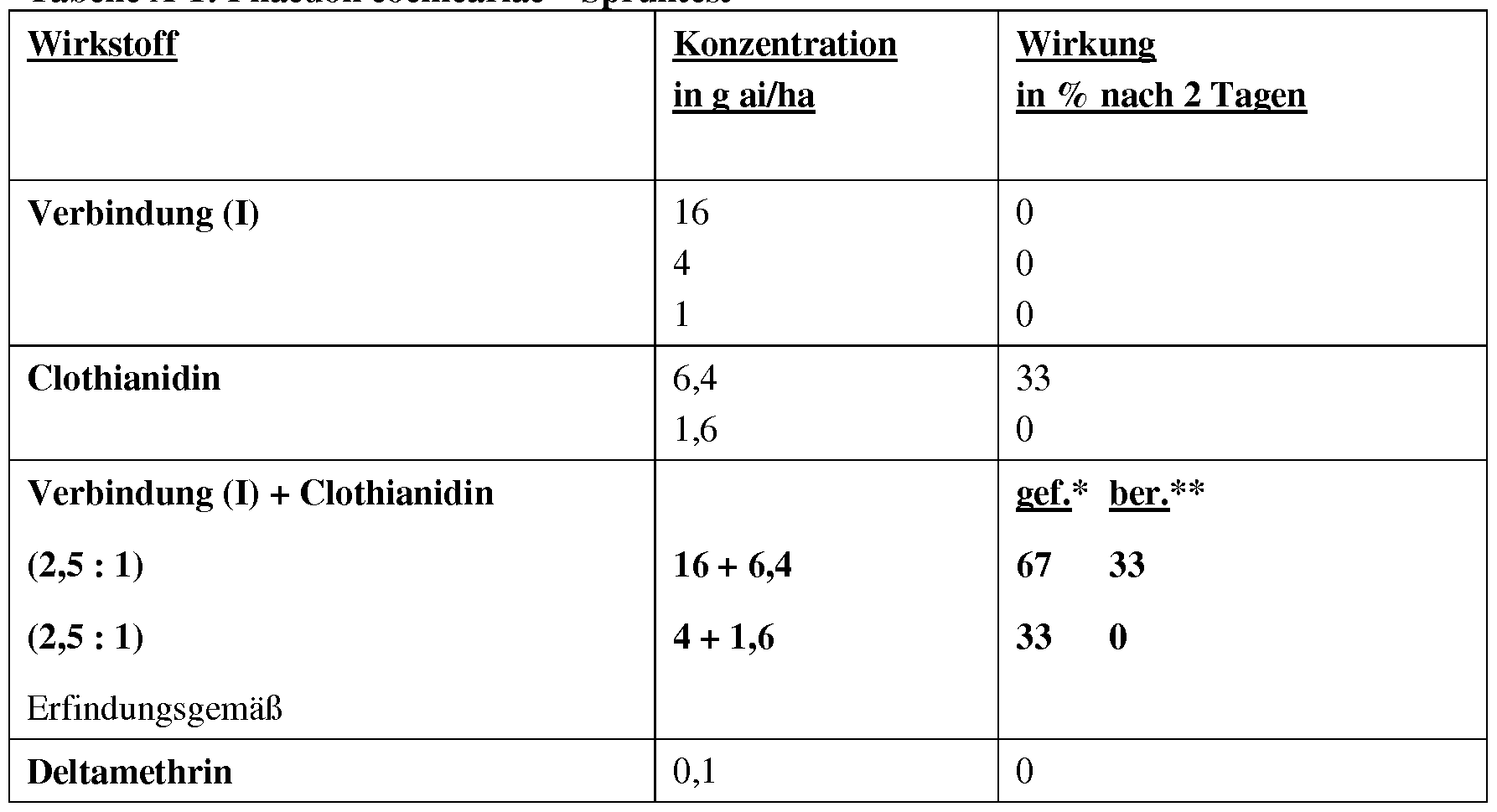
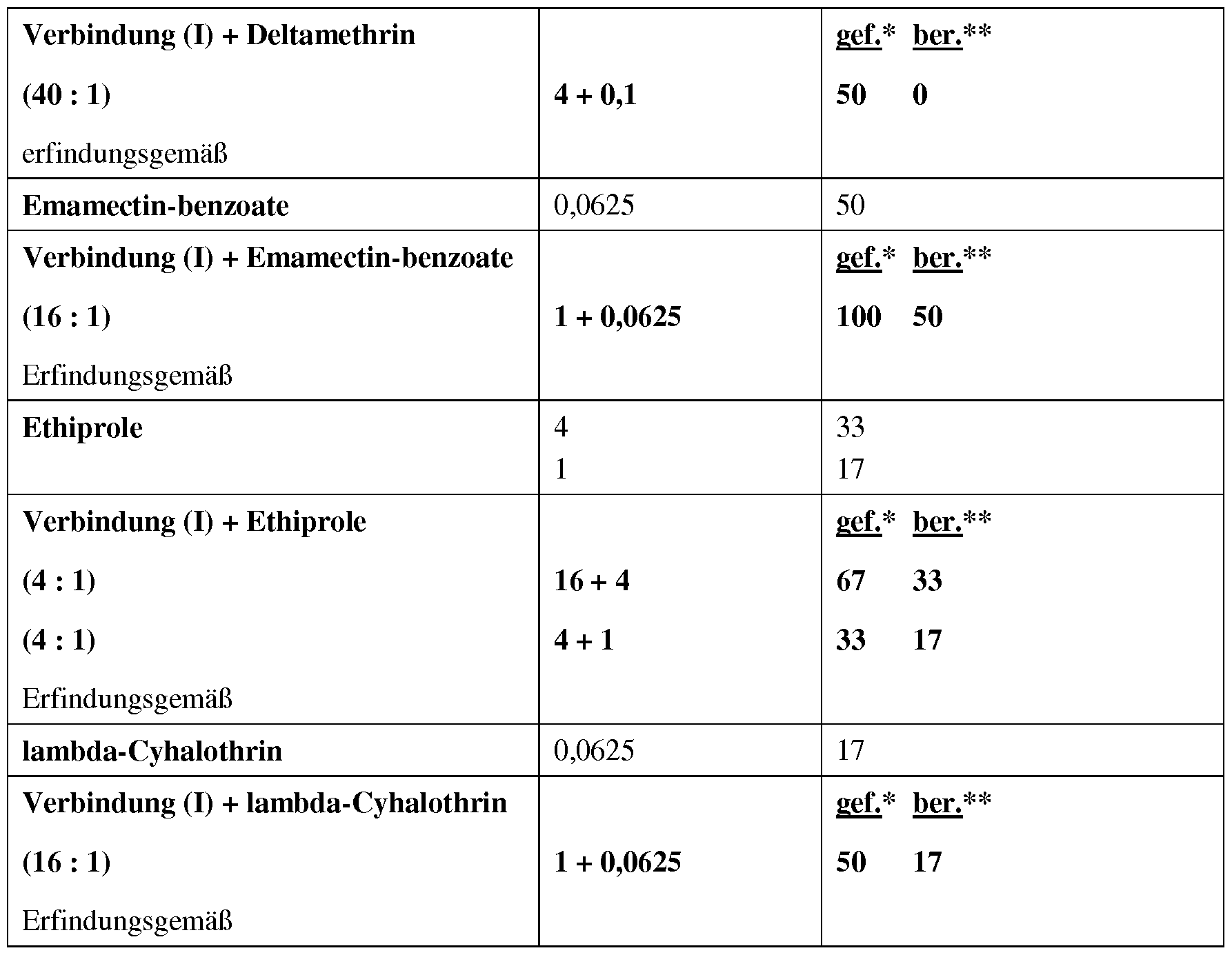
Tabelle A-2: Phaedon cochleariae - Sprühtest
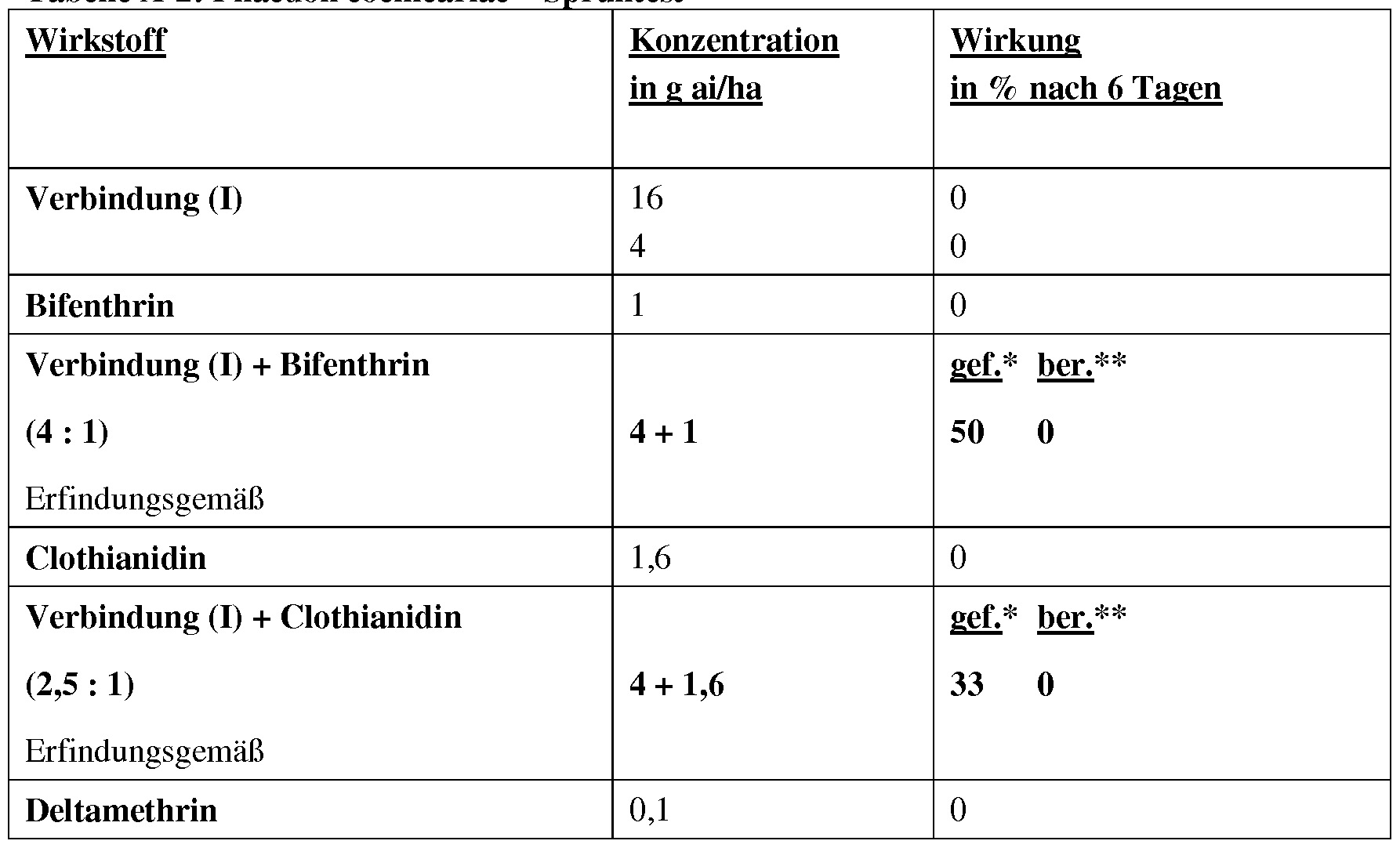

* gef. = gefundene Wirkung; ** ber. = nach der Colby-Formel berechnete Wirkung
Beispiel B
Spodoptera frugiperda - Sprühtest
Lösungsmittel: 78,0 Gewichtsteile Aceton 1,5 Gewichtsteile Dimethylformamid
Emulgator: Alkylarylpolyglykolether
Zur Herstellung einer zweckmäßigen Wirkstoffzubereitung löst man 1 Gewichtsteil Wirkstoff mit den angegebenen Gewichtsteilen Lösungsmittel und füllt mit Wasser, welches eine Emulgatorkonzentration von 1000 ppm enthält, bis zum Erreichen der gewünschten Konzentration auf. Weitere Testkonzentrationen erhält man durch Verdünnen mit emulgatorhaltigem Wasser.
Maisblattscheiben ( Zea mays ) werden mit einer Wirkstoffzubereitung der gewünschten Konzentration gespritzt und nach dem Abtrocknen mit Raupen des Heerwurms (Spodoptera frugiperda) besetzt.
Nach der gewünschten Zeit wird die Wirkung in % bestimmt. Dabei bedeutet 100 %, dass alle Raupen abgetötet wurden; 0 % bedeutet, dass keine Raupe abgetötet wurde. Die ermittelten Abtötungswerte verrechnet man nach der Colby-Formel.
Bei diesem Test zeigte die folgende Wirkstoffkombination gemäß vorliegender Anmeldung eine synergistisch verstärkte Wirksamkeit im Vergleich zu den einzeln angewendeten Wirkstoffen:
Tabelle B-l: Spodoptera frugiperda - Sprühtest
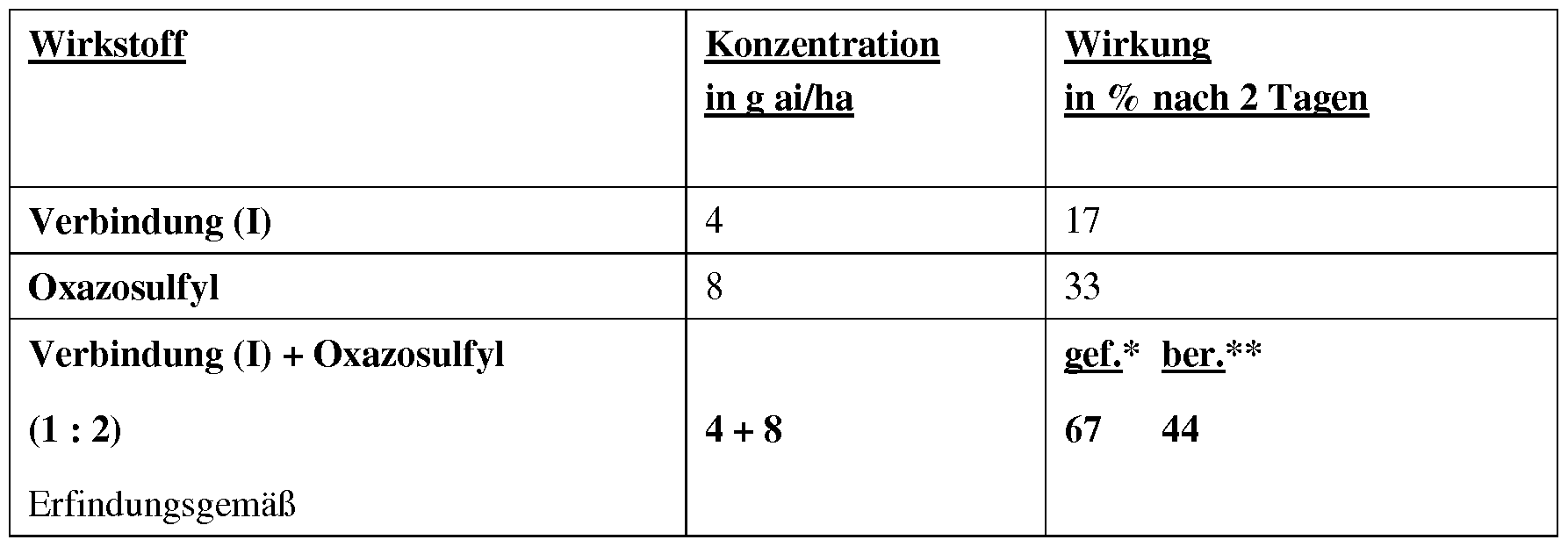
Tabelle B-2: Spodoptera frugiperda - Sprühtest
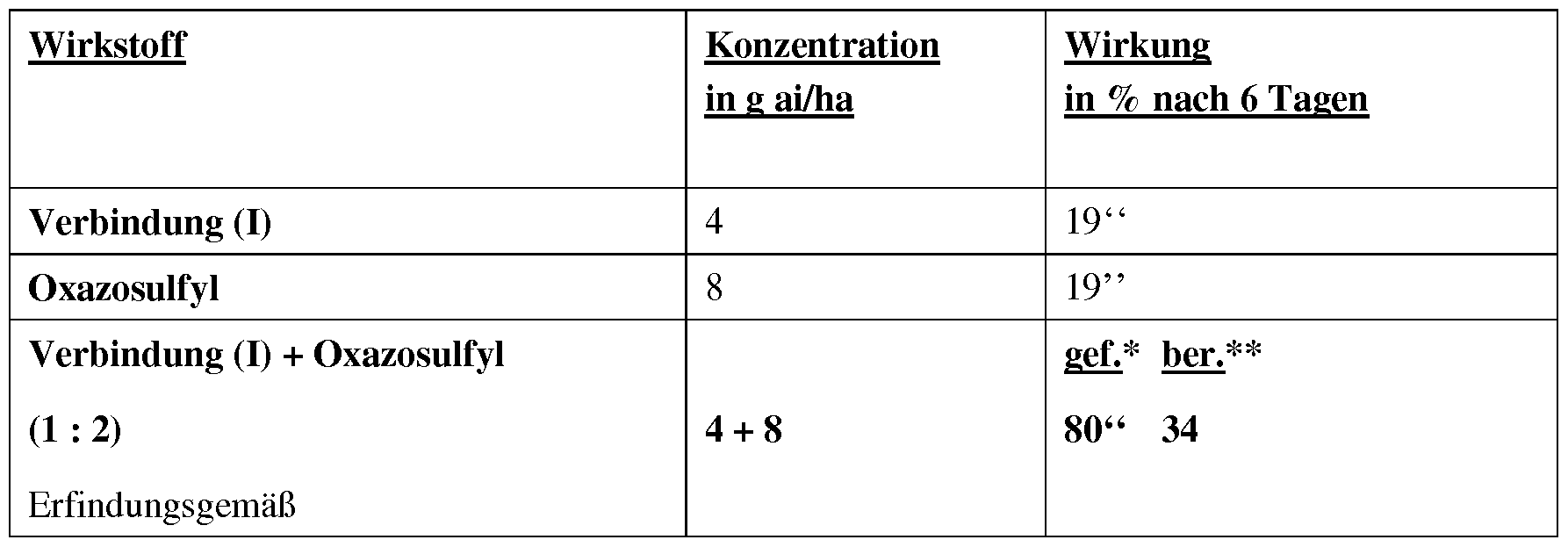
* gef. = gefundene Wirkung; ** ber. = nach der Colby-Formel berechnete Wirkung
‘‘ Werte mittels Schneider- Orelli ermittellt Beispiel C
Mvzus persicae - Sprühtest
Lösungsmittel: 7 Gewichtsteile Dimethylformamid
Emulgator : Alkylary lpolyglykolether
Zur Herstellung einer zweckmäßigen Wirkstoffzubereitung löst man 1 Gewichtsteil Wirkstoff mit den angegebenen Gewichtsteilen Lösungsmittel und füllt mit Wasser, welches eine Emulgatorkonzentration von 1000 ppm enthält, bis zum Erreichen der gewünschten Konzentration auf. Weitere Testkonzentrationen erhält man durch Verdünnen mit emulgatorhaltigem Wasser.
Wirsingpflanzen ( Brassica oleracea), die stark von der Grünen Pfirsichblattlaus (Myzus persicae) befallen sind, werden durch Sprühen mit der Wirkstoffzubereitung in der gewünschten Konzentration behandelt.
Nach der gewünschten Zeit wird die Abtötung in % bestimmt. Dabei bedeutet 100 %, dass alle Blattläuse abgetötet wurden; 0 % bedeutet, dass keine Blattläuse abgetötet wurden. Die ermittelten Abtötungs werte verrechnet man nach der Colby-Formel.
Bei diesem Test zeigten die folgenden Wirkstoffkombinationen gemäß vorliegender Anmeldung eine synergistisch verstärkte Wirksamkeit im Vergleich zu den einzeln angewendeten Wirkstoffen:
Experiment I
Tabelle C-l.l: Myzus persicae - Sprühtest
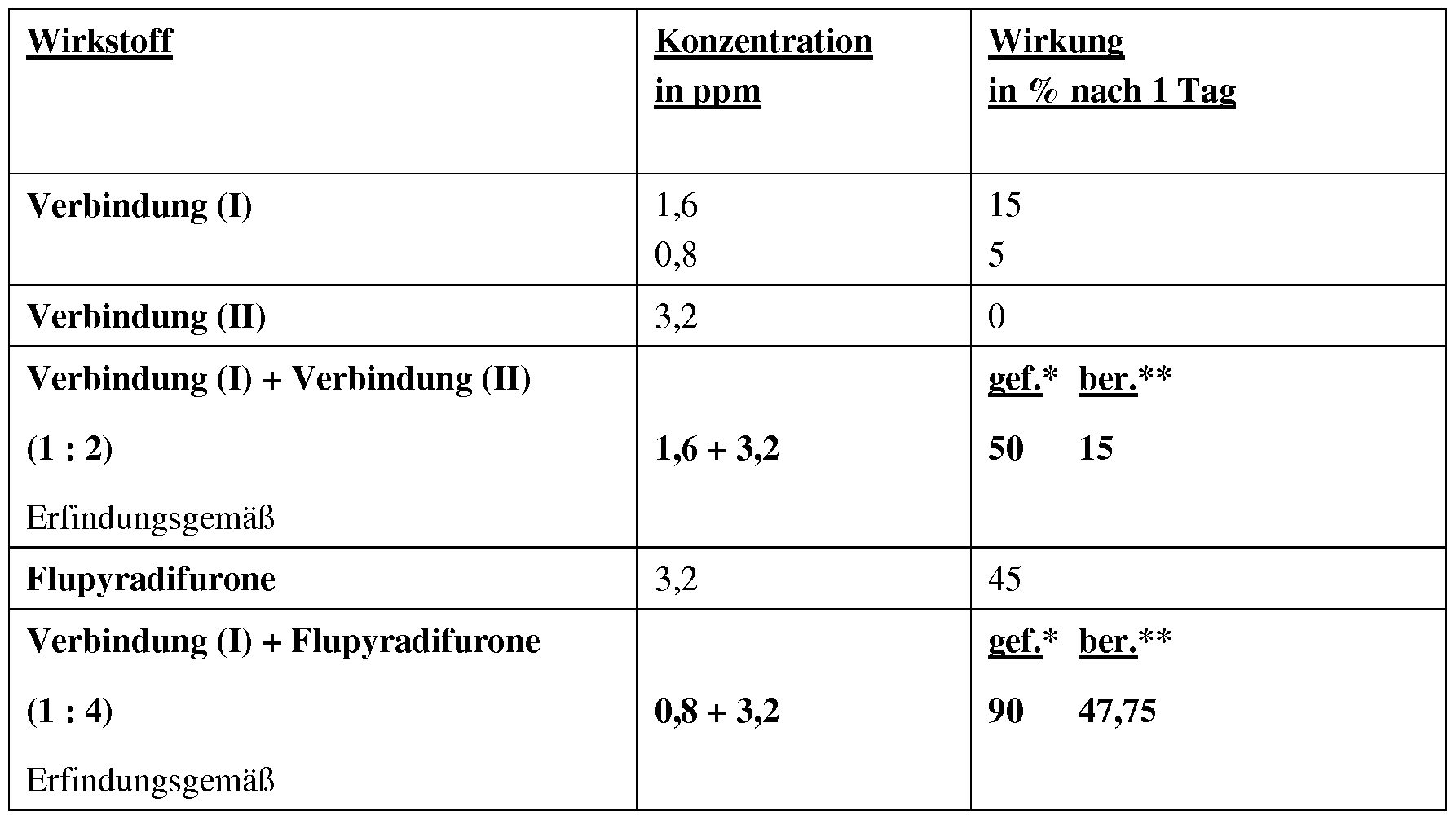
Tabelle C-1.2: Myzus persicae - Sprühtest
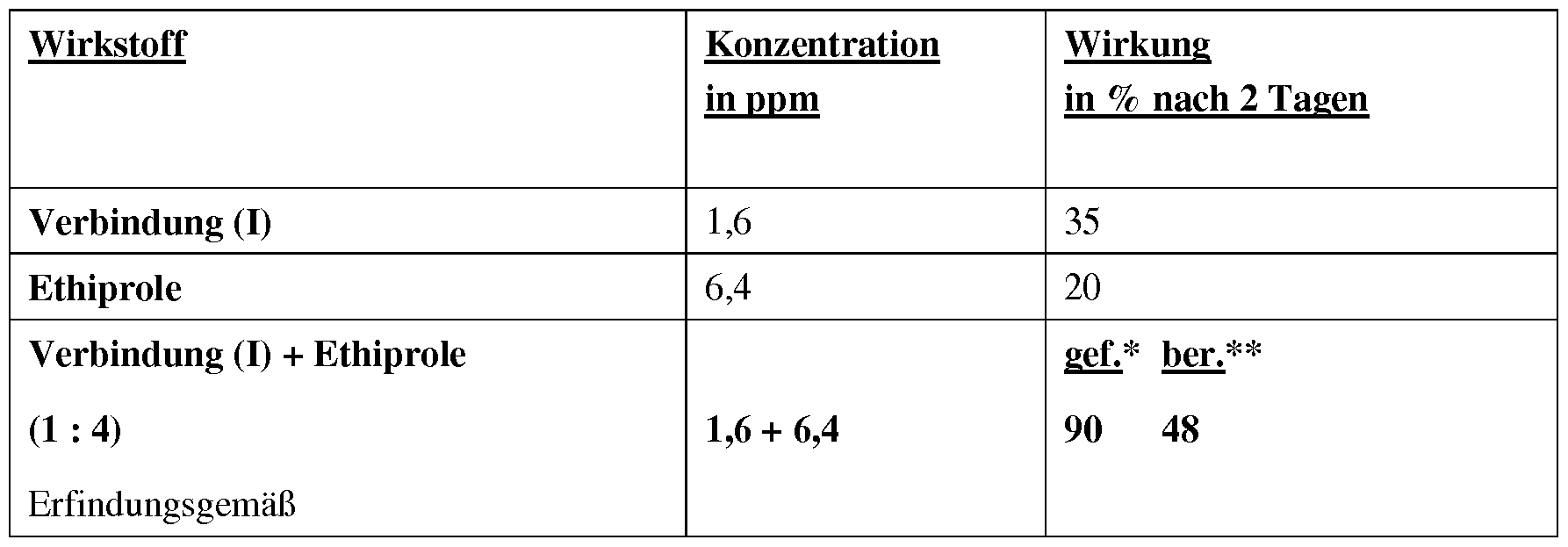
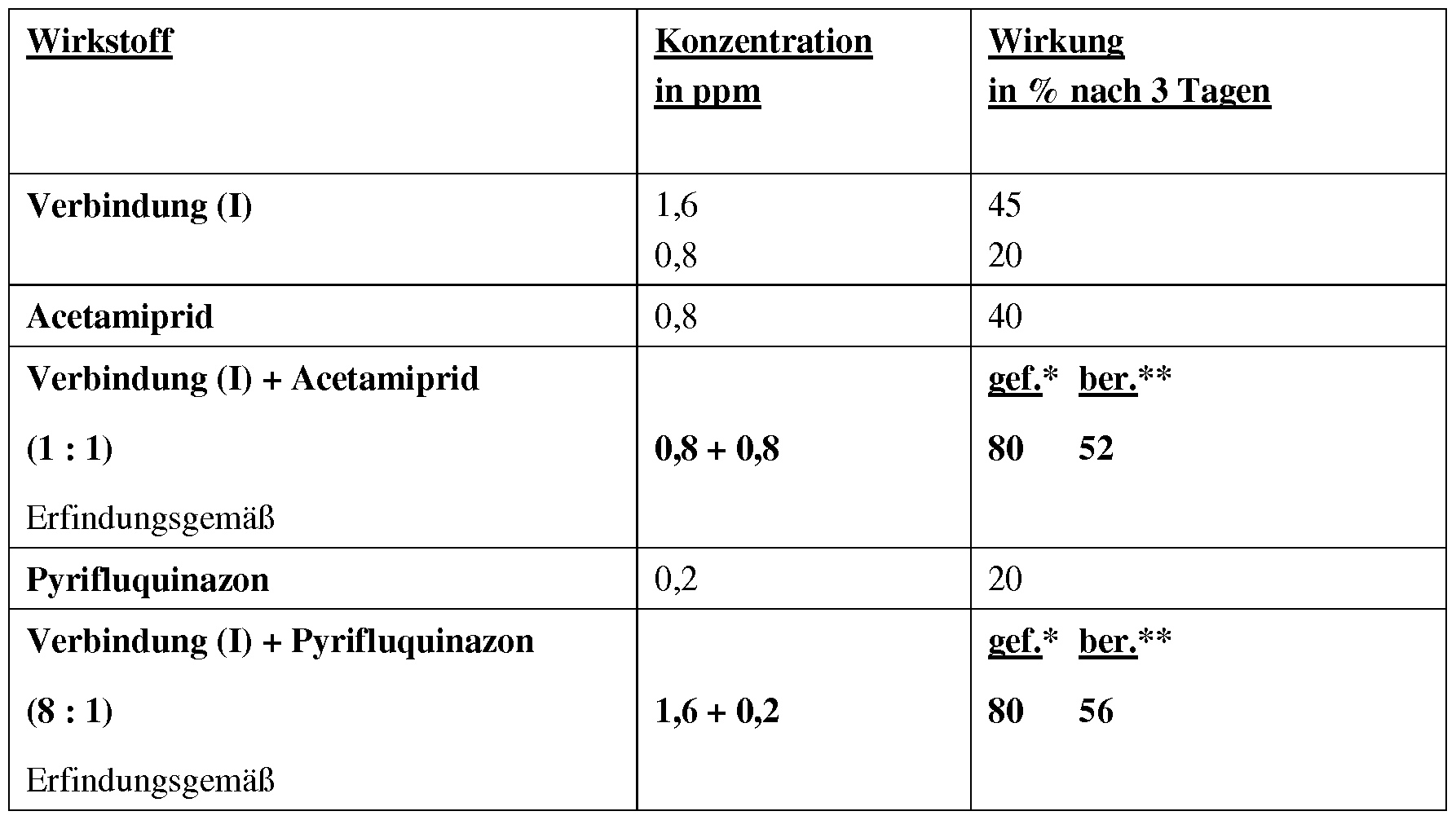
Tabelle C-1.4: Myzus persicae - Sprühtest
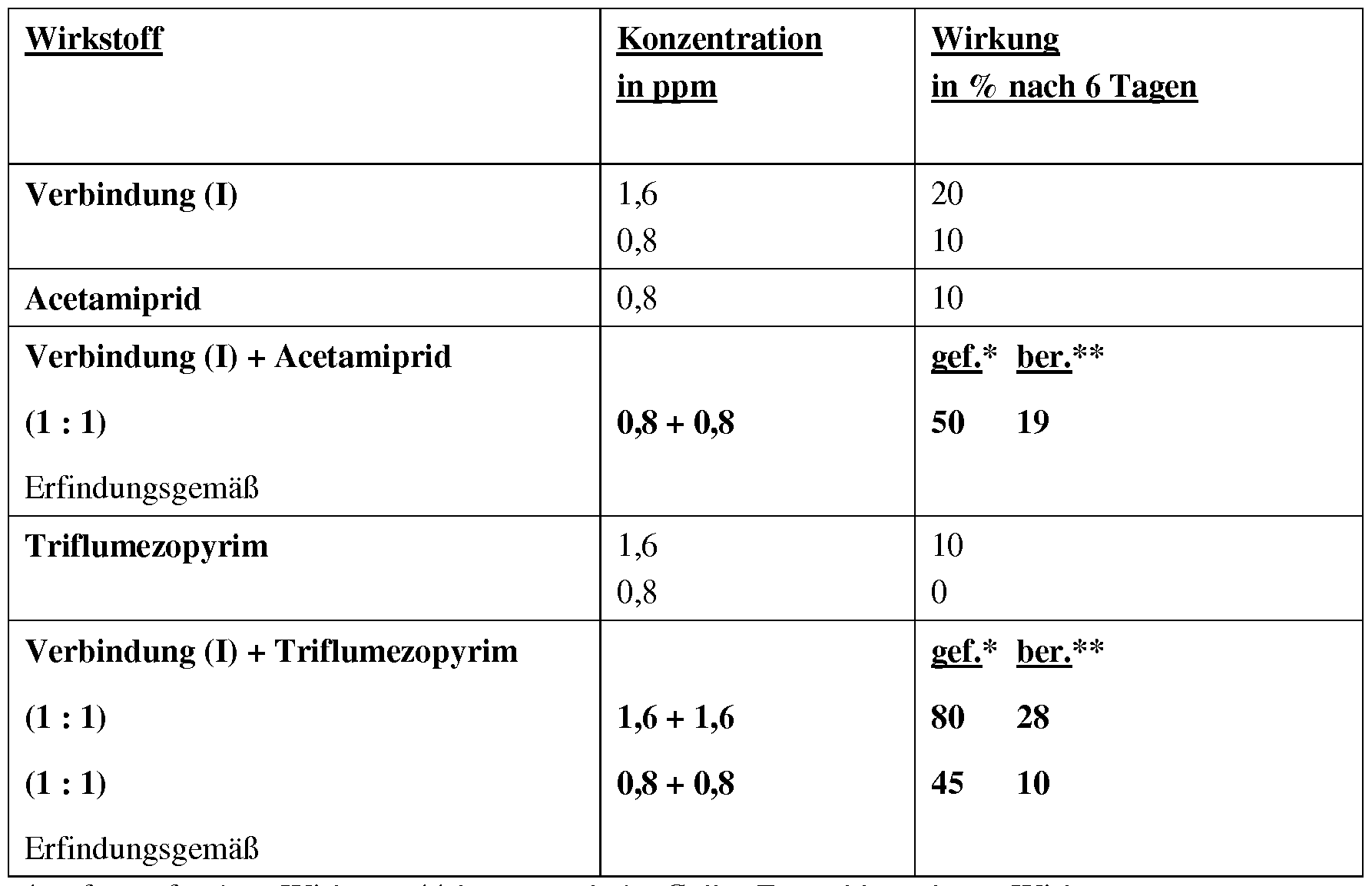
* gef. = gefundene Wirkung; ** ber. = nach der Colby-Formel berechnete Wirkung
Exneriment TT
Tabelle C-2.1: Myzus persicae - Sprühtest
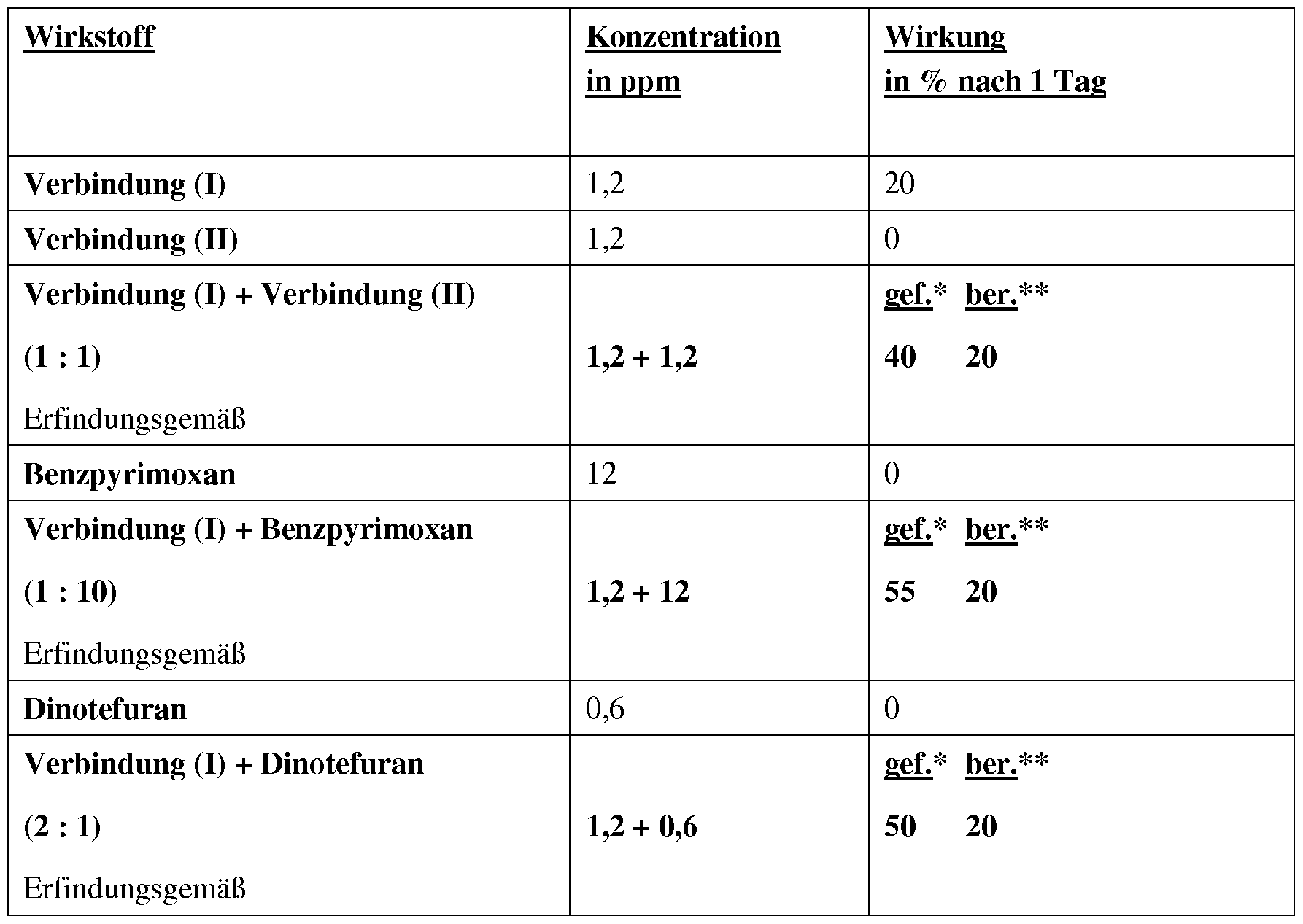
Tabelle C-2.2: Myzus persicae - Sprühtest


Tabelle C-2.3: Myzus persicae - Sprühtest
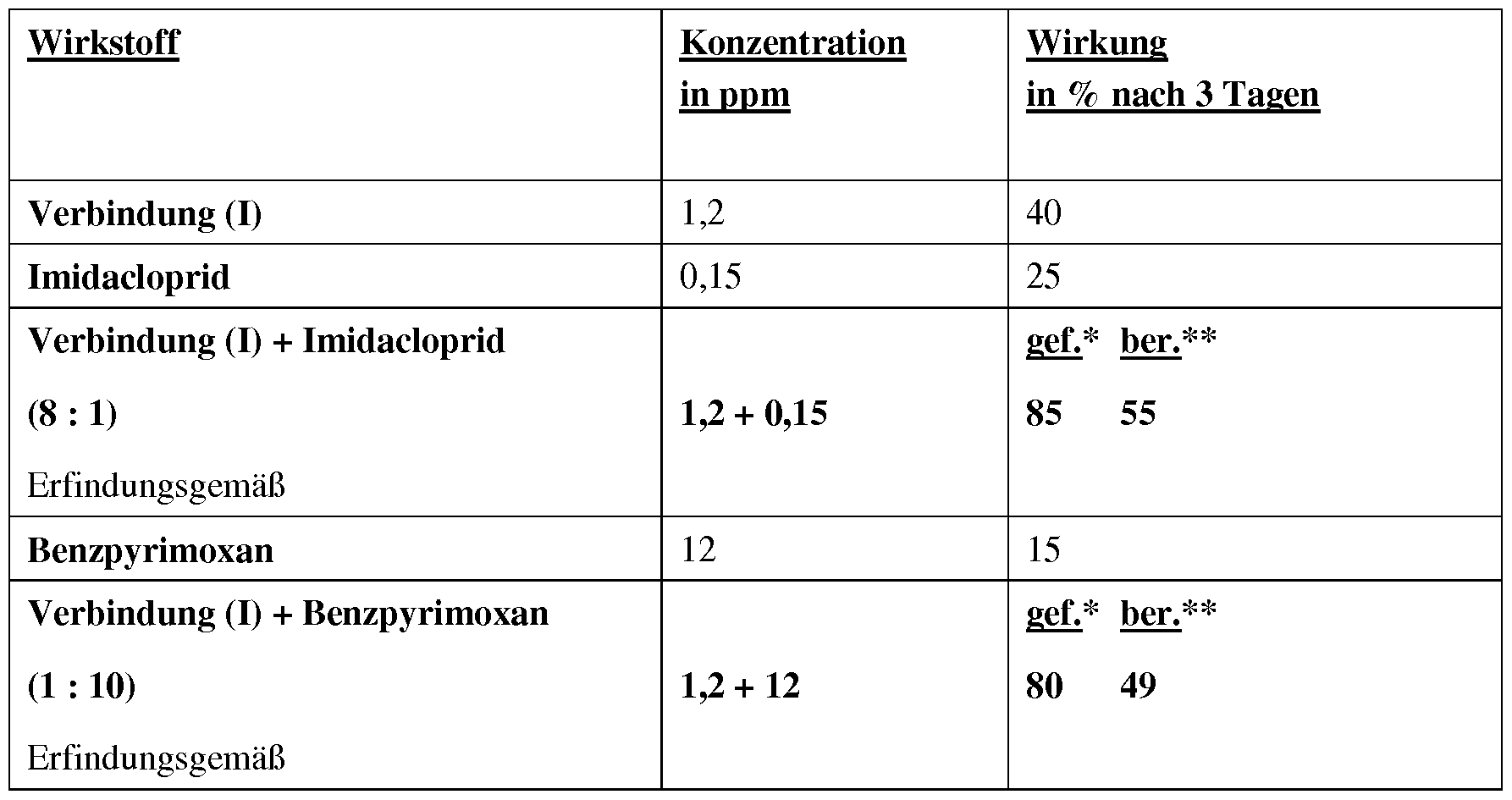
Tabelle C-2.4: Myzus persicae - Sprühtest
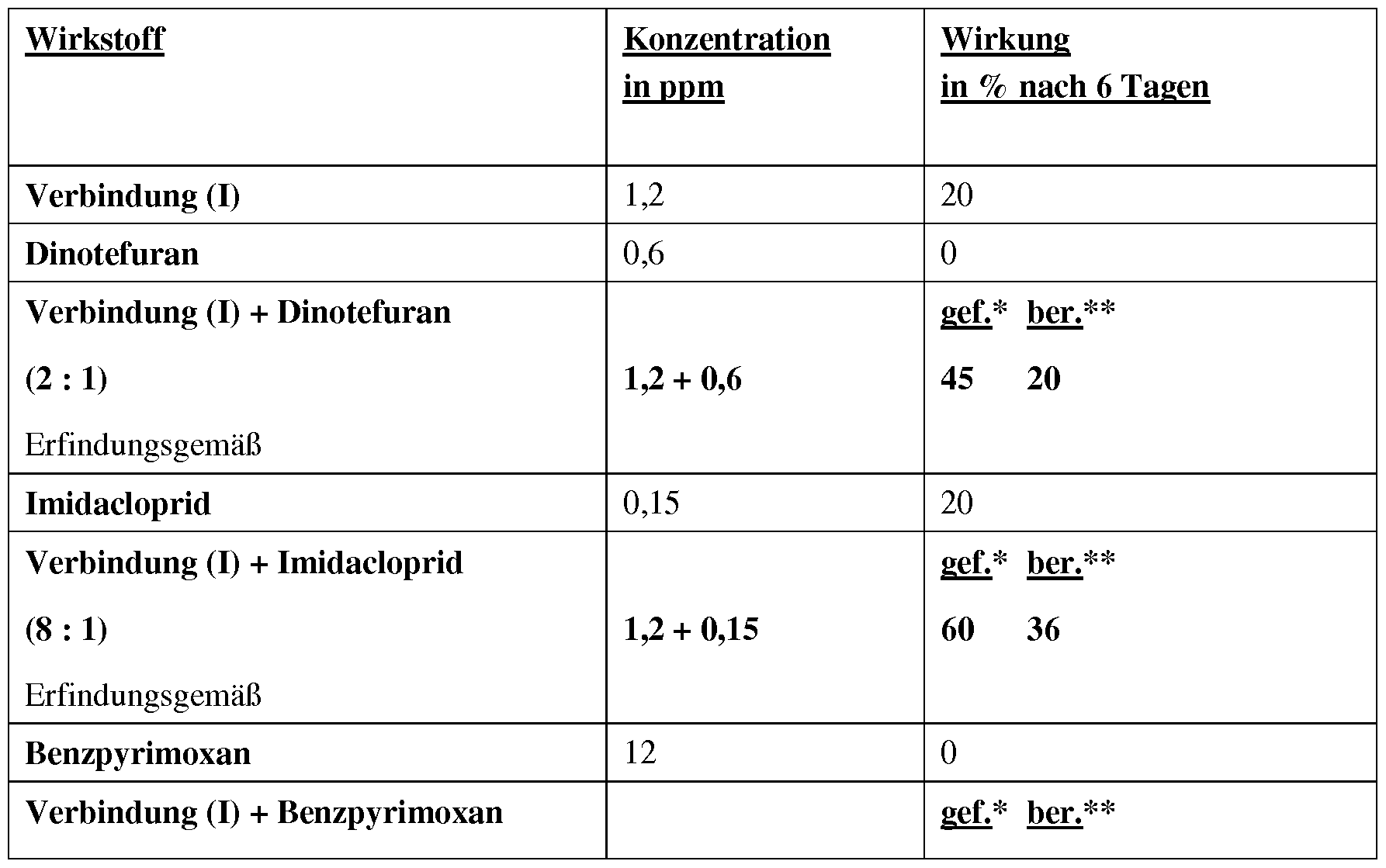

* gef. = gefundene Wirkung; ** her. = nach der Colby-Formel berechnete Wirkung
Beispiel D
Aphis gossypii - Sprühtest
Lösungsmittel: 7 Gewichtsteile Dimethylformamid Emulgator: Alkylarylpolyglykolether
Zur Herstellung einer zweckmäßigen Wirkstoffzubereitung löst man 1 Gewichtsteil Wirkstoff mit den angegebenen Gewichtsteilen Lösungsmittel und füllt mit Wasser, welches eine Emulgatorkonzentration von 1000 ppm enthält, bis zum Erreichen der gewünschten Konzentration auf. Weitere Testkonzentrationen erhält man durch Verdünnen mit emulgatorhaltigem Wasser. Baumwollpflanzen ( Gossypium hirsutum), die stark von der Baumwollblattlaus (Aphis gossypii) befallen sind, werden mit einer Wirkstoffzubereitung der gewünschten Konzentration gespritzt.
Nach der gewünschten Zeit wird die Abtötung in % bestimmt. Dabei bedeuten 100 %, dass alle Blattläuse abgetötet wurden und 0 %, dass keine Blattläuse abgetötet wurden. Die ermittelten Abtötungswerte verrechnet man nach der Colby-Formel. Bei diesem Test zeigten die folgenden Wirkstoffkombinationen gemäß vorliegender Anmeldung eine synergistisch verstärkte Wirksamkeit im Vergleich zu den einzeln angewendeten Wirkstoffen:
Tabelle D-l: Aphis gossypii - Sprühtest

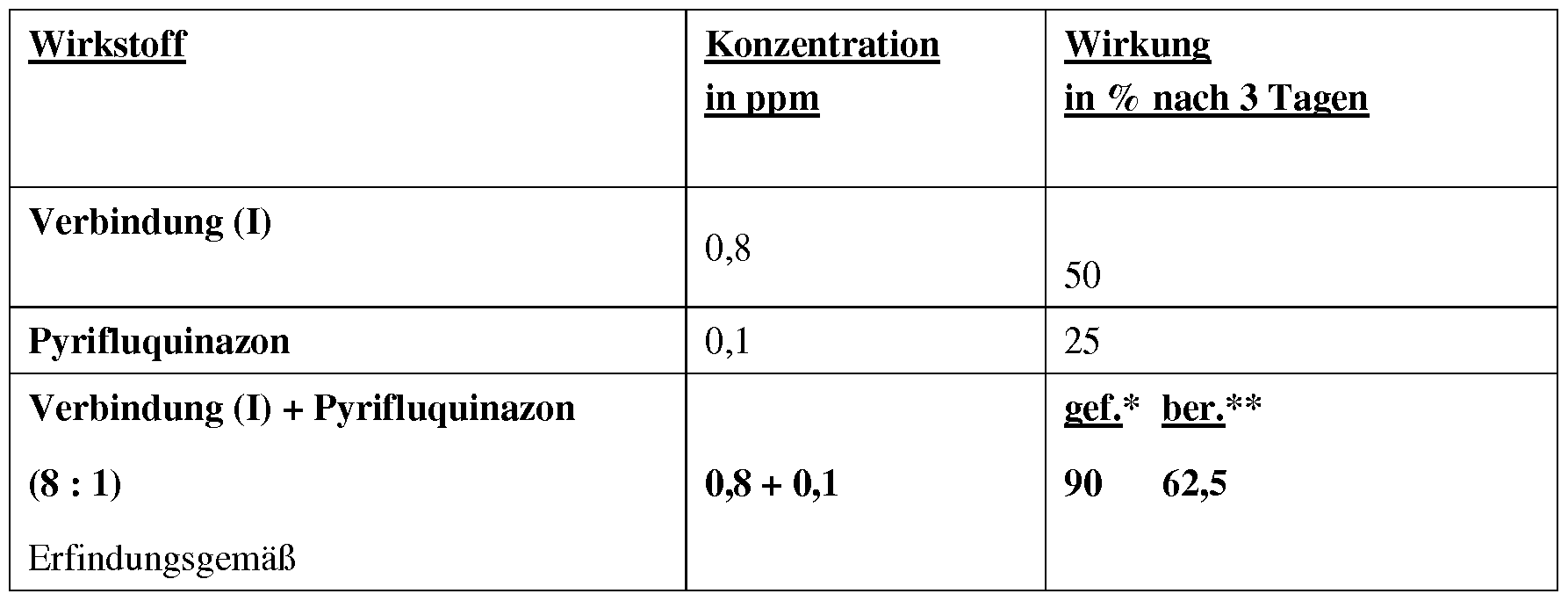
Tabelle D-3: Aphis gossypii - Sprühtest
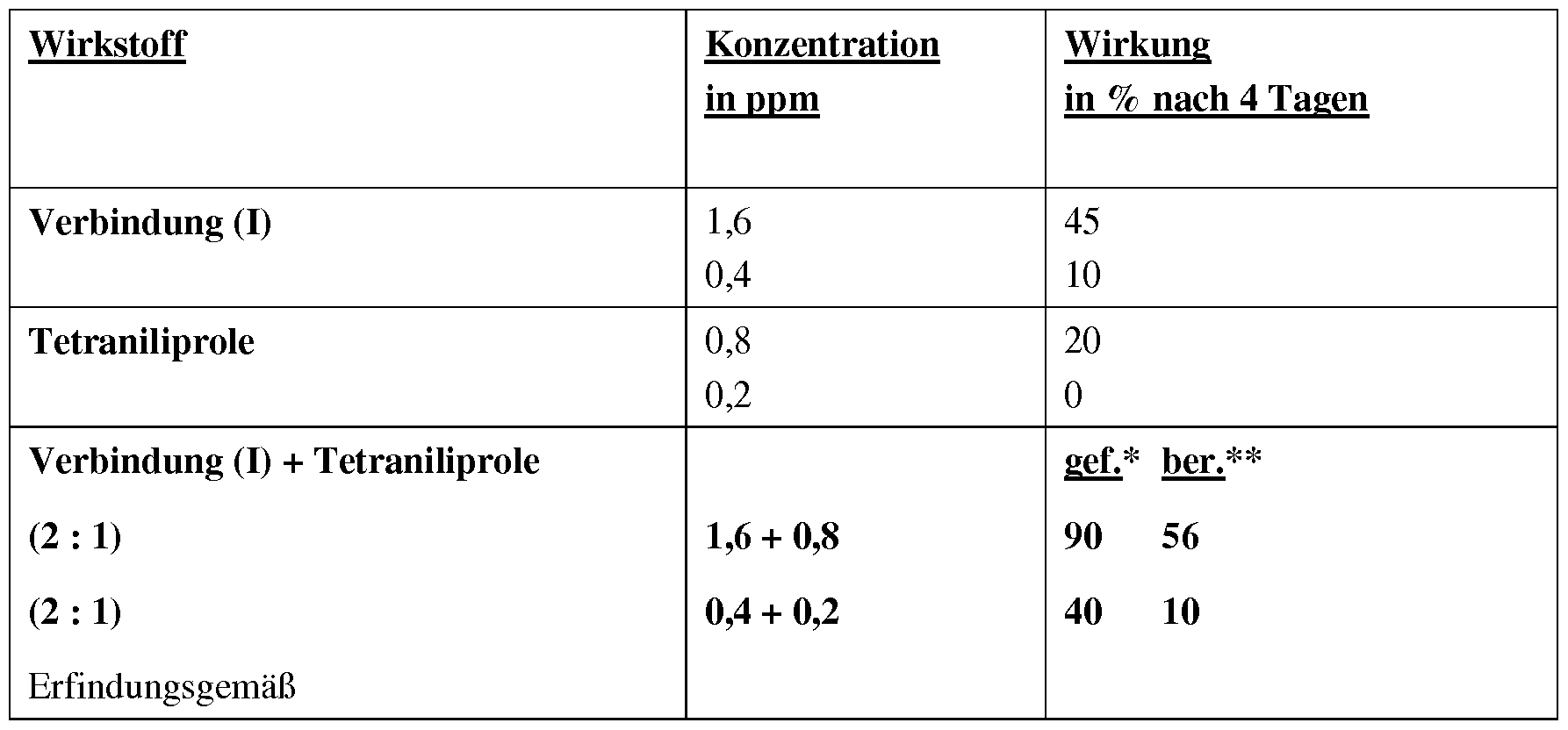
Tabelle D-4: Aphis gossypii - Sprühtest


* gef. = gefundene Wirkung; ** ber. = nach der Colby-Formel berechnete Wirkung
Beispiel E
Nilaparvata lugens -Sprühapplikation
Lösungsmittel: 78,0 Gewichtsteile Aceton 1,5 Gewichtsteile Dimethylformamid
Emulgator: Alkylarylpolyglykolether
Zur Herstellung einer zweckmäßigen Wirkstoffzubereitung löst man 1 Gewichtsteil Wirkstoff mit den angegebenen Gewichtsteilen Lösungsmittel und füllt mit Wasser, welches eine Emulgatorkonzentration von 1000 ppm enthält, bis zum Erreichen der gewünschten Konzentration auf. Zur Herstellung weiterer Testkonzentrationen wird mit emulgatorhaltigem Wasser verdünnt.
Reispflanzen (Oryza sativa) werden mit der Wirkstoffzubereitung der gewünschten Konzentration gespritzt und anschließend mit der Braunrückigen Reiszikade ( Nilaparvata lugens) infiziert.
Nach der gewünschten Zeit wird die Wirkung in % bestimmt. Dabei bedeutet 100 %, dass alle Blattläuse abgetötet wurden und 0 %, dass keine Blattläuse abgetötet wurden. Die ermittelten Abtötungswerte verrechnet man nach der Colby-Formel.
Bei diesem Test zeigten die folgenden Wirkstoffkombinationen gemäß vorliegender Anmeldung eine synergistisch verstärkte Wirksamkeit im Vergleich zu den einzeln angewendeten Wirkstoffen:
Tabelle E: Nilaparvata lugens - Sprühtest


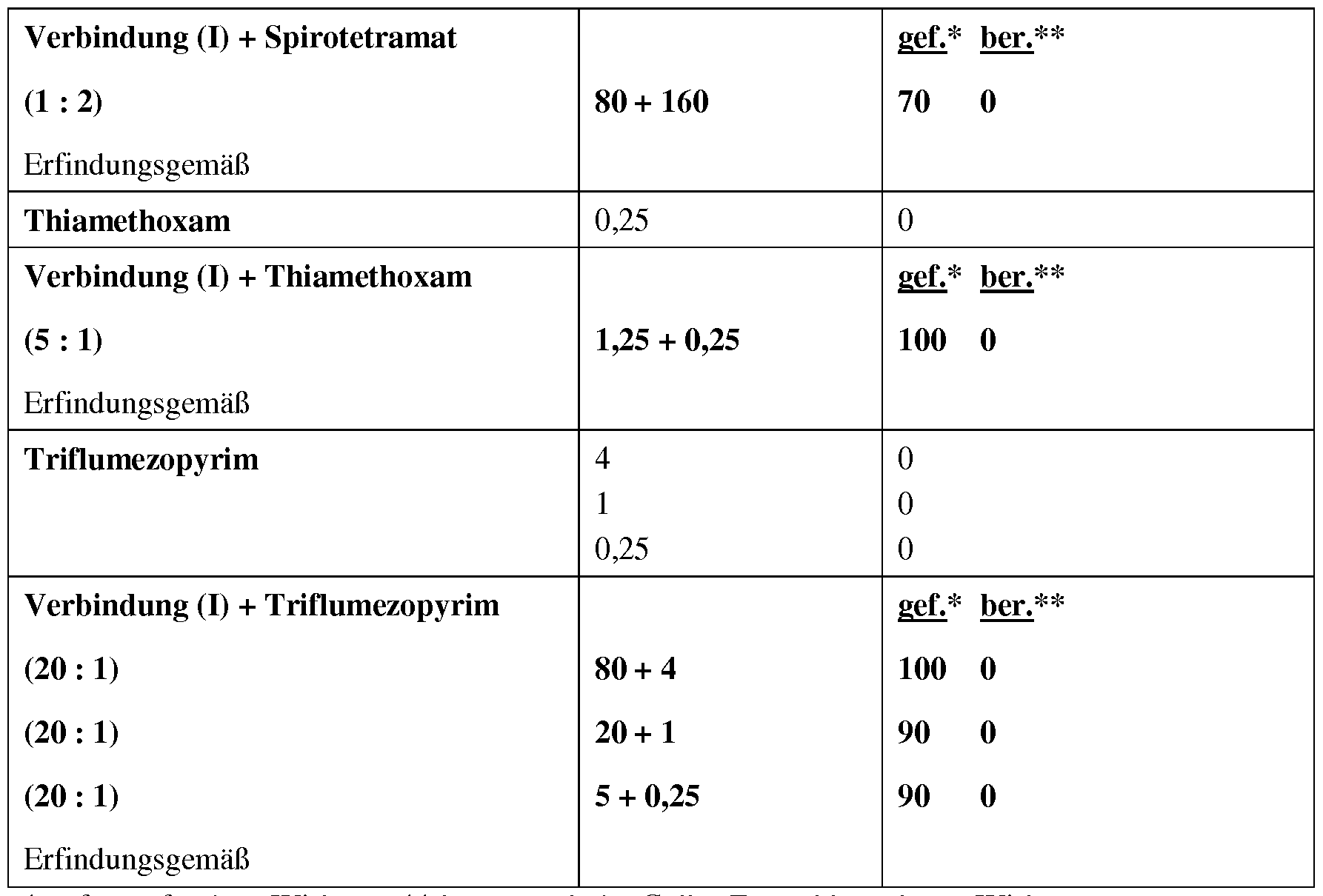
* gef. = gefundene Wirkung; ** ber. = nach der Colby-Formel berechnete Wirkung
Claims
1. Wirkstoffmischungen enthaltend die Verbindung der Formel (I)
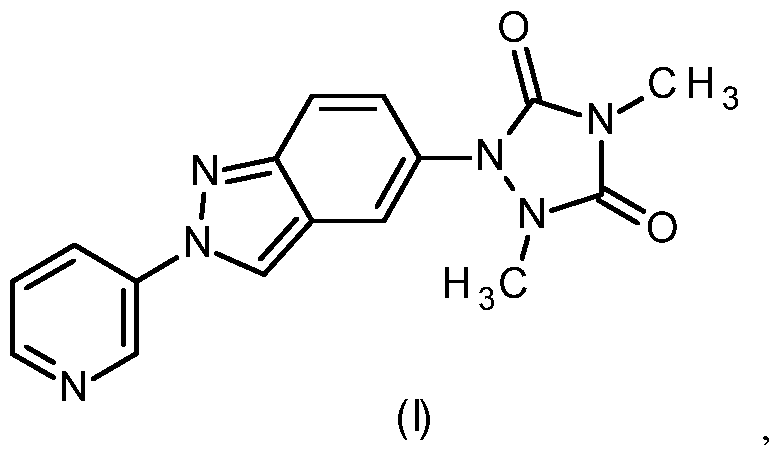
2. Wirkstoffmischung gemäß Anspruch 1, ausgewählt aus folgender Liste

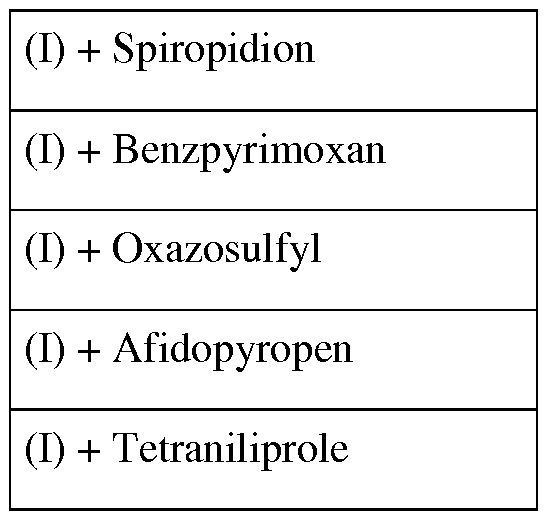

3. Pflanzenschutzmittel, enthaltend eine Wirkstoffkombination gemäß Anspruch 1 oder 2, Streckmittel und/oder oberflächenaktive Stoffe.
4. Verfahren zur Herstellung eines Pflanzenschutzmittels gemäß Anspruch 3, gekennzeichnet dadurch, dass man eine Wirkstoffkombination gemäß Anspruch 1 oder 2 mit Streckmitteln und/oder oberflächenaktiven Stoffen vermischt.
5. Verwendung einer Wirkstoffkombination gemäß Anspruch 1 oder 2 oder eines Pflanzenschutzmittels gemäß Anspruch 3 zur Bekämpfung tierischer Schädlinge.
6. Verwendung einer Wirkstoffkombination gemäß Anspruch 1 oder 2 oder eines
Pflanzenschutzmittels gemäß Anspruch 3 zur Behandlung von Saatgut.
7. Verwendung einer Wirkstoffkombination gemäß Anspruch 1 oder 2 oder eines
Pflanzenschutzmittels gemäß Anspruch 3 an transgenen Pflanzen.
Applications Claiming Priority (2)
| Application Number | Priority Date | Filing Date | Title |
|---|---|---|---|
| EP18200718.7 | 2018-10-16 | ||
| EP18200718 | 2018-10-16 |
Publications (1)
| Publication Number | Publication Date |
|---|---|
| WO2020078839A1 true WO2020078839A1 (de) | 2020-04-23 |
Family
ID=63878406
Family Applications (1)
| Application Number | Title | Priority Date | Filing Date |
|---|---|---|---|
| PCT/EP2019/077567 Ceased WO2020078839A1 (de) | 2018-10-16 | 2019-10-11 | Wirkstoffkombinationen |
Country Status (2)
| Country | Link |
|---|---|
| AR (1) | AR116728A1 (de) |
| WO (1) | WO2020078839A1 (de) |
Cited By (1)
| Publication number | Priority date | Publication date | Assignee | Title |
|---|---|---|---|---|
| WO2022268815A1 (en) | 2021-06-24 | 2022-12-29 | Syngenta Crop Protection Ag | Insect, acarina and nematode pest control |
Citations (33)
| Publication number | Priority date | Publication date | Assignee | Title |
|---|---|---|---|---|
| WO2003106457A1 (en) | 2002-06-14 | 2003-12-24 | Syngenta Limited | Spiroindolinepiperidine derivatives |
| WO2004099160A1 (en) | 2003-05-12 | 2004-11-18 | Sumitomo Chemical Company, Limited | Pyrimidine compounds and pests controlling composition containing the same |
| WO2006003494A2 (en) | 2004-06-28 | 2006-01-12 | Syngenta Participations Ag | Piperidine derivatives and their use as insecticides, acaricides, molluscicides or nematicides |
| WO2006043635A1 (ja) | 2004-10-20 | 2006-04-27 | Kumiai Chemical Industry Co., Ltd. | 3-トリアゾリルフェニルスルフィド誘導体及びそれを有効成分として含有する殺虫・殺ダニ・殺線虫剤 |
| WO2007040280A1 (ja) | 2005-10-06 | 2007-04-12 | Nippon Soda Co., Ltd. | 環状アミン化合物および有害生物防除剤 |
| CN101337937A (zh) | 2008-08-12 | 2009-01-07 | 国家农药创制工程技术研究中心 | 具有杀虫活性的n-苯基-3-取代氨基吡唑类化合物 |
| CN101337940A (zh) | 2008-08-12 | 2009-01-07 | 国家农药创制工程技术研究中心 | 具杀虫活性的含氮杂环二氯烯丙醚类化合物 |
| JP2010018586A (ja) | 2008-07-14 | 2010-01-28 | Meiji Seika Kaisha Ltd | Pf1364物質、その製造方法、生産菌株、及び、それを有効成分とする農園芸用殺虫剤 |
| WO2010051926A2 (de) | 2008-11-05 | 2010-05-14 | Bayer Cropscience Aktiengesellschaft | Halogen-substituierte verbindungen als pestizide |
| WO2010052161A2 (en) | 2008-11-06 | 2010-05-14 | Syngenta Participations Ag | Herbicidal compositions |
| CN101715774A (zh) | 2008-10-09 | 2010-06-02 | 浙江化工科技集团有限公司 | 一个具有杀虫活性化合物制备及用途 |
| WO2010066780A1 (en) | 2008-12-12 | 2010-06-17 | Syngenta Participations Ag | Spiroheterocyclic n-oxypiperidines as pesticides |
| WO2011067272A1 (en) | 2009-12-01 | 2011-06-09 | Syngenta Participations Ag | Insecticidal compounds based on isoxazoline derivatives |
| WO2011085575A1 (zh) | 2010-01-15 | 2011-07-21 | 江苏省农药研究所股份有限公司 | 邻杂环甲酰苯胺类化合物及其合成方法和应用 |
| WO2011151146A1 (en) | 2010-05-31 | 2011-12-08 | Syngenta Participations Ag | Method of crop enhancement |
| WO2012034403A1 (zh) | 2010-09-14 | 2012-03-22 | 中化蓝天集团有限公司 | 一种含一氟甲氧基吡唑的邻甲酰氨基苯甲酰胺类化合物、其合成方法及应用 |
| CN102391261A (zh) | 2011-10-14 | 2012-03-28 | 上海交通大学 | 一种n-取代噁二嗪类化合物及其制备方法和应用 |
| WO2013050317A1 (en) | 2011-10-03 | 2013-04-11 | Syngenta Limited | Polymorphs of an isoxazoline derivative |
| WO2013050302A1 (en) | 2011-10-03 | 2013-04-11 | Syngenta Participations Ag | Isoxazoline derivatives as insecticidal compounds |
| CN103109816A (zh) | 2013-01-25 | 2013-05-22 | 青岛科技大学 | 硫代苯甲酰胺类化合物及其应用 |
| CN103232431A (zh) | 2013-01-25 | 2013-08-07 | 青岛科技大学 | 一种二卤代吡唑酰胺类化合物及其应用 |
| WO2013115391A1 (ja) | 2012-02-01 | 2013-08-08 | 日本農薬株式会社 | アリールアルキルオキシピリミジン誘導体及び該誘導体を有効成分として含有する農園芸用殺虫剤並びにその使用方法 |
| CN103265527A (zh) | 2013-06-07 | 2013-08-28 | 江苏省农用激素工程技术研究中心有限公司 | 邻氨基苯甲酰胺化合物及其制备方法和应用 |
| WO2013144213A1 (en) | 2012-03-30 | 2013-10-03 | Basf Se | N-substituted pyridinylidene compounds and derivatives for combating animal pests |
| EP2647626A1 (de) | 2012-04-03 | 2013-10-09 | Syngenta Participations AG. | 1-Aza-spiro[4.5]dec-3-en- und 1,8-Diaza-spiro[4.5]dec-3-enderivate als Pestizide |
| WO2013162715A2 (en) | 2012-04-27 | 2013-10-31 | Dow Agrosciences Llc | Pesticidal compositions and processes related thereto |
| CN103524422A (zh) | 2013-10-11 | 2014-01-22 | 中国农业科学院植物保护研究所 | 苯并咪唑衍生物及其制备方法和用途 |
| US20140213448A1 (en) | 2012-04-27 | 2014-07-31 | Dow Agrosciences Llc | Pesticidal compositions and processes related thereto |
| US20140275503A1 (en) | 2013-03-13 | 2014-09-18 | Dow Agrosciences Llc | Process for the preparation of certain triaryl rhamnose carbamates |
| WO2014187846A1 (en) | 2013-05-23 | 2014-11-27 | Syngenta Participations Ag | Tank-mix formulations |
| WO2015058021A1 (en) | 2013-10-17 | 2015-04-23 | Dow Agrosciences Llc | Processes for the preparation of pesticidal compounds |
| WO2015058028A1 (en) | 2013-10-17 | 2015-04-23 | Dow Agrosciences Llc | Processes for the preparation of pesticidal compounds |
| WO2018011111A1 (de) | 2016-07-12 | 2018-01-18 | Bayer Cropscience Aktiengesellschaft | Bicyclische verbindungen als schädlingsbekämpfungsmittel |
-
2019
- 2019-10-11 WO PCT/EP2019/077567 patent/WO2020078839A1/de not_active Ceased
- 2019-10-16 AR ARP190102935A patent/AR116728A1/es unknown
Patent Citations (35)
| Publication number | Priority date | Publication date | Assignee | Title |
|---|---|---|---|---|
| WO2003106457A1 (en) | 2002-06-14 | 2003-12-24 | Syngenta Limited | Spiroindolinepiperidine derivatives |
| WO2004099160A1 (en) | 2003-05-12 | 2004-11-18 | Sumitomo Chemical Company, Limited | Pyrimidine compounds and pests controlling composition containing the same |
| WO2006003494A2 (en) | 2004-06-28 | 2006-01-12 | Syngenta Participations Ag | Piperidine derivatives and their use as insecticides, acaricides, molluscicides or nematicides |
| WO2006043635A1 (ja) | 2004-10-20 | 2006-04-27 | Kumiai Chemical Industry Co., Ltd. | 3-トリアゾリルフェニルスルフィド誘導体及びそれを有効成分として含有する殺虫・殺ダニ・殺線虫剤 |
| WO2007040280A1 (ja) | 2005-10-06 | 2007-04-12 | Nippon Soda Co., Ltd. | 環状アミン化合物および有害生物防除剤 |
| WO2007040282A1 (ja) | 2005-10-06 | 2007-04-12 | Nippon Soda Co., Ltd. | 架橋環状アミン化合物および有害生物防除剤 |
| JP2010018586A (ja) | 2008-07-14 | 2010-01-28 | Meiji Seika Kaisha Ltd | Pf1364物質、その製造方法、生産菌株、及び、それを有効成分とする農園芸用殺虫剤 |
| CN101337940A (zh) | 2008-08-12 | 2009-01-07 | 国家农药创制工程技术研究中心 | 具杀虫活性的含氮杂环二氯烯丙醚类化合物 |
| CN101337937A (zh) | 2008-08-12 | 2009-01-07 | 国家农药创制工程技术研究中心 | 具有杀虫活性的n-苯基-3-取代氨基吡唑类化合物 |
| CN101715774A (zh) | 2008-10-09 | 2010-06-02 | 浙江化工科技集团有限公司 | 一个具有杀虫活性化合物制备及用途 |
| WO2010051926A2 (de) | 2008-11-05 | 2010-05-14 | Bayer Cropscience Aktiengesellschaft | Halogen-substituierte verbindungen als pestizide |
| WO2010052161A2 (en) | 2008-11-06 | 2010-05-14 | Syngenta Participations Ag | Herbicidal compositions |
| WO2010066780A1 (en) | 2008-12-12 | 2010-06-17 | Syngenta Participations Ag | Spiroheterocyclic n-oxypiperidines as pesticides |
| WO2011067272A1 (en) | 2009-12-01 | 2011-06-09 | Syngenta Participations Ag | Insecticidal compounds based on isoxazoline derivatives |
| WO2011085575A1 (zh) | 2010-01-15 | 2011-07-21 | 江苏省农药研究所股份有限公司 | 邻杂环甲酰苯胺类化合物及其合成方法和应用 |
| WO2011151146A1 (en) | 2010-05-31 | 2011-12-08 | Syngenta Participations Ag | Method of crop enhancement |
| WO2012034403A1 (zh) | 2010-09-14 | 2012-03-22 | 中化蓝天集团有限公司 | 一种含一氟甲氧基吡唑的邻甲酰氨基苯甲酰胺类化合物、其合成方法及应用 |
| WO2013050317A1 (en) | 2011-10-03 | 2013-04-11 | Syngenta Limited | Polymorphs of an isoxazoline derivative |
| WO2013050302A1 (en) | 2011-10-03 | 2013-04-11 | Syngenta Participations Ag | Isoxazoline derivatives as insecticidal compounds |
| CN102391261A (zh) | 2011-10-14 | 2012-03-28 | 上海交通大学 | 一种n-取代噁二嗪类化合物及其制备方法和应用 |
| WO2013115391A1 (ja) | 2012-02-01 | 2013-08-08 | 日本農薬株式会社 | アリールアルキルオキシピリミジン誘導体及び該誘導体を有効成分として含有する農園芸用殺虫剤並びにその使用方法 |
| WO2013144213A1 (en) | 2012-03-30 | 2013-10-03 | Basf Se | N-substituted pyridinylidene compounds and derivatives for combating animal pests |
| EP2647626A1 (de) | 2012-04-03 | 2013-10-09 | Syngenta Participations AG. | 1-Aza-spiro[4.5]dec-3-en- und 1,8-Diaza-spiro[4.5]dec-3-enderivate als Pestizide |
| US20140213448A1 (en) | 2012-04-27 | 2014-07-31 | Dow Agrosciences Llc | Pesticidal compositions and processes related thereto |
| WO2013162715A2 (en) | 2012-04-27 | 2013-10-31 | Dow Agrosciences Llc | Pesticidal compositions and processes related thereto |
| WO2013162716A2 (en) | 2012-04-27 | 2013-10-31 | Dow Agrosciences Llc | Pesticidal compositions and processes related thereto |
| CN103232431A (zh) | 2013-01-25 | 2013-08-07 | 青岛科技大学 | 一种二卤代吡唑酰胺类化合物及其应用 |
| CN103109816A (zh) | 2013-01-25 | 2013-05-22 | 青岛科技大学 | 硫代苯甲酰胺类化合物及其应用 |
| US20140275503A1 (en) | 2013-03-13 | 2014-09-18 | Dow Agrosciences Llc | Process for the preparation of certain triaryl rhamnose carbamates |
| WO2014187846A1 (en) | 2013-05-23 | 2014-11-27 | Syngenta Participations Ag | Tank-mix formulations |
| CN103265527A (zh) | 2013-06-07 | 2013-08-28 | 江苏省农用激素工程技术研究中心有限公司 | 邻氨基苯甲酰胺化合物及其制备方法和应用 |
| CN103524422A (zh) | 2013-10-11 | 2014-01-22 | 中国农业科学院植物保护研究所 | 苯并咪唑衍生物及其制备方法和用途 |
| WO2015058021A1 (en) | 2013-10-17 | 2015-04-23 | Dow Agrosciences Llc | Processes for the preparation of pesticidal compounds |
| WO2015058028A1 (en) | 2013-10-17 | 2015-04-23 | Dow Agrosciences Llc | Processes for the preparation of pesticidal compounds |
| WO2018011111A1 (de) | 2016-07-12 | 2018-01-18 | Bayer Cropscience Aktiengesellschaft | Bicyclische verbindungen als schädlingsbekämpfungsmittel |
Non-Patent Citations (5)
| Title |
|---|
| "FAO Plant Production and Protection Papers", vol. 173, 2004, article "Pesticide Specifications, Manual on development and use of FAO and WHO specifications for pesticides" |
| "The Pesticide Manual", 2006, BRITISH CROP PROTECTION COUNCIL |
| BAUR ET AL., PESTICIDE SCIENCE, vol. 51, 1997, pages 131 - 152 |
| CHEMICAL ABSTRACTS, Columbus, Ohio, US; abstract no. 1370358-69- 2 |
| S.R. COLBY: "Calculating Synergistic and Antagonistic Responses of Herbicide Combinations", WEEDS, vol. 15, 1967, pages 20 - 22, XP001112961 |
Cited By (1)
| Publication number | Priority date | Publication date | Assignee | Title |
|---|---|---|---|---|
| WO2022268815A1 (en) | 2021-06-24 | 2022-12-29 | Syngenta Crop Protection Ag | Insect, acarina and nematode pest control |
Also Published As
| Publication number | Publication date |
|---|---|
| AR116728A1 (es) | 2021-06-09 |
Similar Documents
| Publication | Publication Date | Title |
|---|---|---|
| EP3697216B1 (de) | Aktive zusammensetzungen mit insektiziden/akariziden eigenschaften | |
| EP3697217B1 (de) | Aktive zusammensetzungen mit insektiziden/akariziden eigenschaften | |
| TR201808095T4 (tr) | Bir biyolojik kontrol ajanı ve bir insektisit içeren bileşimler. | |
| WO2011157778A1 (de) | Wirkstoffkombinationen mit insektiziden und akariziden eigenschaften | |
| WO2012010525A2 (de) | Verwendung von anthranilsäureamidderivaten zur bekämpfung von insekten und spinnmilben durch angiessen, bodenmischung, furchenbehandlung, tröpfchenapplikation, boden-, stamm- oder blüteninjektion, in hydroponischen systemen, durch pflanzlochbehandlung oder tauchapplikation, floating- oder saatboxapplikation oder durch behandlung von saatgut, sowie zur steigerung der stresstoleranz in pflanzen gegenüber abiotischem stress | |
| KR20160140879A (ko) | 살수, 소적 적용, 침지 적용, 토양 주입 또는 종자 처리에 의해 해충을 구제하기 위한 n-아릴아미딘 치환된 트리플루오로에틸 설폭사이드 유도체의 용도 | |
| EP2446742A1 (de) | Insektizide oder akarizide Zusammensetzungen enthaltend Mono- oder Disacchariden als Wirkungsverstärker | |
| KR102625757B1 (ko) | 살곤충/살진드기 특성을 갖는 활성 화합물 조합물 | |
| WO2012045680A2 (de) | Insektizide und fungizide wirkstoffkombinationen | |
| WO2012028583A1 (de) | Deltamethrin enthaltende formulierungen | |
| KR20130039331A (ko) | 사이클릭 카보닐아미딘을 포함하는 개량된 살충성 조성물 | |
| EP3937639A1 (de) | Wirkstoffkombinationen mit insektiziden/akariziden eigenschaften | |
| WO2020078839A1 (de) | Wirkstoffkombinationen | |
| EP3697215B1 (de) | Aktive zusammensetzungen mit insektiziden/akariziden eigenschaften | |
| US20220132851A1 (en) | Active compound combinations having insecticidal/acaricidal properties | |
| WO2019224143A1 (de) | Wirkstoffkombinationen mit insektiziden, nematiziden und akariziden eigenschaften | |
| EP3772960B1 (de) | Wirkstoffkombinationen mit insektiziden, nematiziden und akariziden eigenschaften |
Legal Events
| Date | Code | Title | Description |
|---|---|---|---|
| 121 | Ep: the epo has been informed by wipo that ep was designated in this application |
Ref document number: 19784062 Country of ref document: EP Kind code of ref document: A1 |
|
| NENP | Non-entry into the national phase |
Ref country code: DE |
|
| 122 | Ep: pct application non-entry in european phase |
Ref document number: 19784062 Country of ref document: EP Kind code of ref document: A1 |