WO2020061649A1 - Agents and methods for modulating pathogen activity - Google Patents
Agents and methods for modulating pathogen activity Download PDFInfo
- Publication number
- WO2020061649A1 WO2020061649A1 PCT/AU2019/051055 AU2019051055W WO2020061649A1 WO 2020061649 A1 WO2020061649 A1 WO 2020061649A1 AU 2019051055 W AU2019051055 W AU 2019051055W WO 2020061649 A1 WO2020061649 A1 WO 2020061649A1
- Authority
- WO
- WIPO (PCT)
- Prior art keywords
- cells
- article
- composition
- cell
- ligand
- Prior art date
- Legal status (The legal status is an assumption and is not a legal conclusion. Google has not performed a legal analysis and makes no representation as to the accuracy of the status listed.)
- Ceased
Links
- 0 *[C@](C1O)c2ccc(*)cc2N(*)c2c1ccc(*)c2 Chemical compound *[C@](C1O)c2ccc(*)cc2N(*)c2c1ccc(*)c2 0.000 description 2
Classifications
-
- A—HUMAN NECESSITIES
- A61—MEDICAL OR VETERINARY SCIENCE; HYGIENE
- A61K—PREPARATIONS FOR MEDICAL, DENTAL OR TOILETRY PURPOSES
- A61K31/00—Medicinal preparations containing organic active ingredients
- A61K31/33—Heterocyclic compounds
- A61K31/395—Heterocyclic compounds having nitrogen as a ring hetero atom, e.g. guanethidine or rifamycins
- A61K31/55—Heterocyclic compounds having nitrogen as a ring hetero atom, e.g. guanethidine or rifamycins having seven-membered rings, e.g. azelastine, pentylenetetrazole
-
- A—HUMAN NECESSITIES
- A61—MEDICAL OR VETERINARY SCIENCE; HYGIENE
- A61K—PREPARATIONS FOR MEDICAL, DENTAL OR TOILETRY PURPOSES
- A61K31/00—Medicinal preparations containing organic active ingredients
- A61K31/185—Acids; Anhydrides, halides or salts thereof, e.g. sulfur acids, imidic, hydrazonic or hydroximic acids
- A61K31/19—Carboxylic acids, e.g. valproic acid
- A61K31/195—Carboxylic acids, e.g. valproic acid having an amino group
- A61K31/196—Carboxylic acids, e.g. valproic acid having an amino group the amino group being directly attached to a ring, e.g. anthranilic acid, mefenamic acid, diclofenac, chlorambucil
-
- A—HUMAN NECESSITIES
- A61—MEDICAL OR VETERINARY SCIENCE; HYGIENE
- A61K—PREPARATIONS FOR MEDICAL, DENTAL OR TOILETRY PURPOSES
- A61K31/00—Medicinal preparations containing organic active ingredients
- A61K31/185—Acids; Anhydrides, halides or salts thereof, e.g. sulfur acids, imidic, hydrazonic or hydroximic acids
- A61K31/19—Carboxylic acids, e.g. valproic acid
- A61K31/195—Carboxylic acids, e.g. valproic acid having an amino group
- A61K31/197—Carboxylic acids, e.g. valproic acid having an amino group the amino and the carboxyl groups being attached to the same acyclic carbon chain, e.g. gamma-aminobutyric acid [GABA], beta-alanine, epsilon-aminocaproic acid or pantothenic acid
- A61K31/198—Alpha-amino acids, e.g. alanine or edetic acid [EDTA]
-
- A—HUMAN NECESSITIES
- A61—MEDICAL OR VETERINARY SCIENCE; HYGIENE
- A61K—PREPARATIONS FOR MEDICAL, DENTAL OR TOILETRY PURPOSES
- A61K45/00—Medicinal preparations containing active ingredients not provided for in groups A61K31/00 - A61K41/00
- A61K45/06—Mixtures of active ingredients without chemical characterisation, e.g. antiphlogistics and cardiaca
-
- A—HUMAN NECESSITIES
- A61—MEDICAL OR VETERINARY SCIENCE; HYGIENE
- A61K—PREPARATIONS FOR MEDICAL, DENTAL OR TOILETRY PURPOSES
- A61K9/00—Medicinal preparations characterised by special physical form
- A61K9/0012—Galenical forms characterised by the site of application
- A61K9/0034—Urogenital system, e.g. vagina, uterus, cervix, penis, scrotum, urethra, bladder; Personal lubricants
- A61K9/0039—Devices retained in the uterus for a prolonged period, e.g. intrauterine devices for contraception
-
- A—HUMAN NECESSITIES
- A61—MEDICAL OR VETERINARY SCIENCE; HYGIENE
- A61P—SPECIFIC THERAPEUTIC ACTIVITY OF CHEMICAL COMPOUNDS OR MEDICINAL PREPARATIONS
- A61P31/00—Antiinfectives, i.e. antibiotics, antiseptics, chemotherapeutics
- A61P31/04—Antibacterial agents
-
- A—HUMAN NECESSITIES
- A61—MEDICAL OR VETERINARY SCIENCE; HYGIENE
- A61P—SPECIFIC THERAPEUTIC ACTIVITY OF CHEMICAL COMPOUNDS OR MEDICINAL PREPARATIONS
- A61P31/00—Antiinfectives, i.e. antibiotics, antiseptics, chemotherapeutics
- A61P31/10—Antimycotics
-
- A—HUMAN NECESSITIES
- A61—MEDICAL OR VETERINARY SCIENCE; HYGIENE
- A61P—SPECIFIC THERAPEUTIC ACTIVITY OF CHEMICAL COMPOUNDS OR MEDICINAL PREPARATIONS
- A61P31/00—Antiinfectives, i.e. antibiotics, antiseptics, chemotherapeutics
- A61P31/12—Antivirals
-
- A—HUMAN NECESSITIES
- A61—MEDICAL OR VETERINARY SCIENCE; HYGIENE
- A61P—SPECIFIC THERAPEUTIC ACTIVITY OF CHEMICAL COMPOUNDS OR MEDICINAL PREPARATIONS
- A61P31/00—Antiinfectives, i.e. antibiotics, antiseptics, chemotherapeutics
- A61P31/12—Antivirals
- A61P31/14—Antivirals for RNA viruses
- A61P31/18—Antivirals for RNA viruses for HIV
-
- A—HUMAN NECESSITIES
- A61—MEDICAL OR VETERINARY SCIENCE; HYGIENE
- A61P—SPECIFIC THERAPEUTIC ACTIVITY OF CHEMICAL COMPOUNDS OR MEDICINAL PREPARATIONS
- A61P33/00—Antiparasitic agents
- A61P33/02—Antiprotozoals, e.g. for leishmaniasis, trichomoniasis, toxoplasmosis
-
- A—HUMAN NECESSITIES
- A61—MEDICAL OR VETERINARY SCIENCE; HYGIENE
- A61K—PREPARATIONS FOR MEDICAL, DENTAL OR TOILETRY PURPOSES
- A61K9/00—Medicinal preparations characterised by special physical form
- A61K9/0012—Galenical forms characterised by the site of application
- A61K9/0014—Skin, i.e. galenical aspects of topical compositions
-
- A—HUMAN NECESSITIES
- A61—MEDICAL OR VETERINARY SCIENCE; HYGIENE
- A61K—PREPARATIONS FOR MEDICAL, DENTAL OR TOILETRY PURPOSES
- A61K9/00—Medicinal preparations characterised by special physical form
- A61K9/0012—Galenical forms characterised by the site of application
- A61K9/0019—Injectable compositions; Intramuscular, intravenous, arterial, subcutaneous administration; Compositions to be administered through the skin in an invasive manner
-
- A—HUMAN NECESSITIES
- A61—MEDICAL OR VETERINARY SCIENCE; HYGIENE
- A61K—PREPARATIONS FOR MEDICAL, DENTAL OR TOILETRY PURPOSES
- A61K9/00—Medicinal preparations characterised by special physical form
- A61K9/0012—Galenical forms characterised by the site of application
- A61K9/0053—Mouth and digestive tract, i.e. intraoral and peroral administration
-
- Y—GENERAL TAGGING OF NEW TECHNOLOGICAL DEVELOPMENTS; GENERAL TAGGING OF CROSS-SECTIONAL TECHNOLOGIES SPANNING OVER SEVERAL SECTIONS OF THE IPC; TECHNICAL SUBJECTS COVERED BY FORMER USPC CROSS-REFERENCE ART COLLECTIONS [XRACs] AND DIGESTS
- Y02—TECHNOLOGIES OR APPLICATIONS FOR MITIGATION OR ADAPTATION AGAINST CLIMATE CHANGE
- Y02A—TECHNOLOGIES FOR ADAPTATION TO CLIMATE CHANGE
- Y02A50/00—TECHNOLOGIES FOR ADAPTATION TO CLIMATE CHANGE in human health protection, e.g. against extreme weather
- Y02A50/30—Against vector-borne diseases, e.g. mosquito-borne, fly-borne, tick-borne or waterborne diseases whose impact is exacerbated by climate change
Definitions
- Complement receptor 3 (CR3, also known as Mac-1, CDllb/CD18, integrin a pi b2) is a member of the b2 integrin family which also contains LFA-1 (CDlla/CD18, ai_b2), pl50/95 (CDllc/CD18, a c b 2 ), and CDlld/CD18 (a 0 b 2 ) (Todd RF, 1996. J Clin Invest 98(1) : 1-2; Yakubenko VP, et a/., 2008. Exp Cell Res 314(14) :2569-2578).
- CR3 is expressed primarily on leukocytes, but is also known to be expressed on cervical (Edwards JL, et a/., 2001, Cell Microbiol. 2001 3(9) :611- 22) and rectal epithelial cells (Hussain LA, et a/., 1995. Clin Exp Immunol 102(2) :384-388).
- CR3 is a promiscuous receptor with a wide variety of reported ligands (Yakubenko VP, et a/., 2002. J Biol Chem 277(50) :48635-48642). Moreover, CR3 is used to promote infectious disease by several pathogens including Staphylococci (DuMont AL, et a/., 2013. Proc Natl Acad Sci U S A 110(26) : 10794-10799; Antal JM, et a/., 1992. Infect Immun 60(3) : 1114-1121), streptococci (Orrskog S, et a/., 2013.
- the present invention provides methods for inhibiting an interaction of a pathogen with a CR3 polypeptide-expressing cell.
- These methods generally comprise, consist or consist essentially of contacting the cell with a non-carbohydrate, small molecule ligand of the alpha subunit I-domain of CR3, thereby inhibiting the interaction of the pathogen with the cell.
- the interaction may include one or both of binding of the pathogen to the cell and entry of pathogen into the cell.
- the cell may be an immune cell, illustrative examples of which include myeloid cells such as monocytes (e.g. , macrophages including circulating
- the cell may be an epithelial cell, representative example of which include cervical epithelial cells, rectal epithelial cells and pharyngeal epithelial cells.
- the pathogen may be any pathogen that interacts with a CR3 polypeptide-expressing cell, including for example bacteria (e.g., Neisseria, Streptococcus, Mycobacterium, Staphylococcus, Bordetella , Escherichia and Pseudomonas), fungi (e.g.
- Another aspect of the present invention provides methods of inhibiting or treating an infection of a subject with a pathogen that interacts with a complement receptor 3 (CR3) polypeptide-expressing cell.
- These methods generally comprise, consist or consist essentially of administering to the subject an effective amount of a non-carbohydrate, small molecule ligand of the alpha subunit I-domain of CR3, to thereby inhibit or treat the infection of the subject with the pathogen.
- the ligand may be concurrently administered with an antimicrobial agent.
- compositions for intrauterine therapy or prophylaxis of an infection with a pathogen that interacts with a complement receptor 3 (CR3) polypeptide-expressing cell generally comprise, consist or consist essentially of a non-carbohydrate, small molecule ligand of the alpha subunit I-domain of CR3, and optionally a pharmaceutically acceptable carrier.
- CR3 complement receptor 3
- compositions may further comprise an antimicrobial agent.
- the non-carbohydrate, small molecule ligand is typically an organic compound.
- the ligand is a dibenzoazepine compound of Formula (I) :
- X and Y are independently hydrogen or halogen
- Z is Ci - 4 alkyl, CONR ! R 2 , Ci ⁇ alkyleneNR ! R 2 , Ci ⁇ alkyleneCNC R ! R 2 or quinuclidinyl;
- R 1 and R 2 are independently hydrogen or optionally substituted Ci- 6 alkyl; or R 1 and R 2 together with the nitrogen atom to which they are attached form a 3 to 8 membered heterocycloalkyl ring which may be optionally substituted; and
- the Cio - Cn bond is a single or a double bond
- the dibenzoazepine compound is selected from carbamazepine, oxcarbazepine, eslicarbazepine acetate, clomipramine, desipramine, imipramine, imipraminoxide, lofepramine, metapramine, opipramol, quinupramine and trimipramine.
- the dibenzoazepine compound is carbamazepine.
- the dibenzoazepine compound is administered, in some embodiments, at a dosage that is not effective for treating epilepsy.
- the dibenzoazepine compound is administered, in some embodiments, at a dosage that is not effective for treating a bipolar disorder.
- the non-carbohydrate, small molecule ligand is an anthranilic acid derivative compound of Formula (II) :
- R 3 is Ci- 6 alkyl, halogen or trifluoromethyl ;
- R 4 and R 5 are independently hydrogen, halogen, trifluoromethyl or Ci- 6 alkyl ;
- the pathogen whose infection is inhibited or treated with the anthranilic acid derivative compound is other than a Gram-positive bacterium.
- the non-carbohydrate, small molecule ligand is a phenylpropionic acid derivative compound of Formula (III) :
- R 7 is hydrogen or Nhb;
- R 8 is hydrogen or OH;
- the phenylpropionic acid derivative compound is administered, in some embodiments, at a dosage that is not effective for treating stroke.
- Figure 2 is a graphical representation showing flufenamic acid identification in a surface plasmon resonance screen.
- Highlighted spot is flufenamic acid (CA sample# : SN01004628, molecular weight 281g/mol).
- Green spots represent 384 drugs tested in screen.
- Red spots represent controls.
- Blue spots are solvent correction data points to allow for changes in refraction caused by the presence of 1% DMSO in PBS.
- Figure 4 is a graphical representation showing a single cycle kinetics curve of carbamazepine against human recombinant I-domain (rl-domain) of CDl lb surface plasmon resonance assay. Maximum concentration was lOnM with a 1 : 2 dilution down to 0.625nM.
- Figure 5 is a graphical representation showing a single cycle kinetics curve of flufenamic acid against human rl-domain of CDl lb surface plasmon resonance assay. Maximum concentration was 20 nM with a 1 : 2 dilution down to 1.25nM.
- carbamazepine The presence of 1 mM carbamazepine decreased gonococcal adherence to CHO- CR3 cells to a level that was not significantly different than that recorded for CHO-neo (p > 0.057) or uninfected cells (p > 0.067).
- Figure 9 is a graphical representation showing the effect of flufenamic acid on gonococcal CHO cell adherence.
- a fluorometric adherence assay was used to determine the effect of flufenamic acid on gonococcal adherence to CR3.
- Arbitrary fluorescence units (FU; y-axis), indicative of bacterial adherence, were recorded 1 h post-challenge of CHO-neo and CHO-CR3 cells with the green fluorescent protein (GFP)-expressing N. gonorrhoeae strain, MSl lg/p. Data shown are the result of 3 separate assays performed in triplicate.
- a Student's t-test was used to determine the statistical significance of CR3-dependent bacterial adherence.
- Figure 11 is a graphical representation showing the effect of methyldopa and flufenamic acid on N. gonorrhoeae strain MS11 adherence to PEX cells.
- a fluorometric adherence assay was used to determine the effect of methyldopa and flufenamic acid on gonococcal adherence to CR3.
- Arbitrary fluorescence units (FU, y-axis), indicative of bacterial adherence, were recorded at 1 h post-challenge of PEX cells with the green fluorescent protein (GFP)-expressing N. gonorrhoeae strain, MSllg/p. Data shown are the result of 3 separate assays performed in triplicate.
- Figure 12 is a graphical representation showing the effect of carbamazepine dose on the treatment of PEX cells infected with N. gonorrhoeae strain MS11.
- PEX cells were challenged with N. gonorrhoeae strain MS11 for 90 min. Infections were then allowed to proceed for an additional 24 h or 48 h in the presence or absence of DMSO (1% vehicle control), carbamazepine (CZ), or ceftriaxone (positive control), as noted.
- DMSO 1% vehicle control
- CZ carbamazepine
- ceftriaxone positive control
- Figure 13 is a graphical representation showing the effect of a two dose carbamazepine treatment of PEX cells infected with N. gonorrhoeae strain MS11.
- PEX cells were challenged with N. gonorrhoeae strain MS11 for 90 min to establish infection. Infections were then allowed to proceed for an additional 24 h or 48 h (48h - 1 dose) in the presence or absence of DMSO (1% vehicle control), carbamazepine (CZ), or ceftriaxone (positive control), as noted.
- DMSO 1% vehicle control
- CZ carbamazepine
- ceftriaxone positive control
- the percentage of N. gonorrhoeae that survived carbamazepine or ceftriaxone treatment was determined as a function of bacteria that survived DMSO treatment at the same time point (set to 100%). Data shown are the result of 3 separate assays performed in triplicate. A Kruskal-Wallis k- sample analysis of variance was used to determine the statistical significance of bacterial survival. At each time point, and for all concentrations tested, carbamazepine treatment resulted in a significant decrease (p ⁇ 0.0001) in viable N. gonorrhoeae.
- Figure 15 is a graphical representation showing the effect of a single dose carbamazepine treatment of PEX cells infected with multidrug-resistant N. gonorrhoeae.
- PEX cells were challenged with the noted multidrug-resistant N. gonorrhoeae strains for 90 min to establish infection. Infections were then allowed to proceed for an additional 24 h or 48 h in the presence or absence of DMSO (1%, vehicle control), carbamazepine (10 pM, CZ), or ceftriaxone (0.5 pg/mL, positive control). The percentage of N.
- gonorrhoeae that survived carbamazepine, ceftriaxone, or no treatment (y-axis) was determined as a function of bacteria that survived DMSO treatment at the same time point (set to 100%, not shown). Data shown are the result of 3 separate assays performed in triplicate. A Kruskal-Wallis k-sample analysis of variance was used to determine the statistical significance of bacterial survival. Carbamazepine treatment resulted in a significant decrease (p ⁇ 0.0001) in the ability of each multidrug-resistant strain tested to survive. Greater than 99% gonococcal killing occurred with a 24h, 10 pM carbamazepine treatment.
- Figure 16 is a graphical representation showing a N. gonorrhoeae strain, MS11, carbamazepine sequential infection cure assay.
- N. gonorrhoeae strain MS11
- carbamazepine sequential infection cure assay To determine whether the observed small percentage of N. gonorrhoeae that survive a 24h treatment had developed resistance to carbamazepine treatment of PEX cells, sequential infection assays were conducted. PEX cells were challenged with N. gonorrhoeae strain MS11 for 90 min to establish infection and then treated with 1% DMSO (vehicle control) or 10 pM carbamazepine (Cz).
- DMSO vehicle control
- Cz 10 pM carbamazepine
- Infections were allowed to proceed for 24h, after which PEX cells were lysed and viable gonococci were enumerated by plating serial dilutions of the PEX cell lysate (infection 1; 1-1). These "break-through" gonococcal colonies were harvested and then used as the inocula for new, 24 h, infection assays (infection 2; 1-2).
- the y- axis shows the percentage of viable colony forming units as determined as a function of each respective infection inoculum.
- Figure 17 is a graphical representation depicting the CR3-dependent HIV Adherence to CHO Cells.
- a fluorometric adherence assay was used to determine the ability of HIV to bind to CHO cells in a CR3-dependent fashion.
- Arbitrary fluorescence units (y-axis), indicative of adherence, were recorded at 2 h post-challenge of CHO-neo and CHO-CR3 cells with fluorescently labelled HIV (10 ng of p24 HIV capsid protein equivalent in 100 pL of F12 culture media).
- Two HIV strains were tested, NLAD8 (also known as NL4-3 AD8) and NL4-3, each of which bound to CR3- expressing, but non-CR3-expressing, CHO cells.
- fluorescence recorded for CHO-neo cells that were challenged with HIV were not significantly different (p > 0.12) from uninfected cells.
- Data shown are the result of 3 separate assays performed in triplicate.
- a Student's t-test was used to determine the statistical significance of CR3-dependent HIV adherence to CHO cells.
- Figure 19 is a graphical representation showing the effect of carbamazepine on HIV PEX Cell Adherence.
- a fluorometric adherence assay was used to determine the effect of carbamazepine on HIV adherence to CR3.
- Arbitrary fluorescence units (y-axis), indicative of adherence, were recorded at 2 h post-challenge of primary human cervical epithelial (/.e., PEX) cells with fluorescently labelled HIV (10 ng of p24 HIV capsid protein equivalent in 100 pL of F12 culture media) strains, NLAD8 and NL4-3. Data shown are the result of 3 separate assays performed in triplicate.
- a Student's t-test was used to determine the statistical significance of CR3- dependent adherence.
- a significant (p ⁇ 0.0001) dose-dependent decrease in NLAD8 and NL4-3 HIV adherence to PEX cells was observed in the presence of increasing concentrations
- Figure 20 is a graphical representation showing the effect of single dose methyldopa treatment of PEX cells infected with low-passage N. gonorrhoeae isolates.
- PEX cells were challenged with N. gonorrhoeae for 90 min using the noted low-passage isolates. Infections were then allowed to proceed for an additional 24 h or 48 h in the presence or absence of DMSO (1%, vehicle control), methyldopa (10 pM, Md), or ceftriaxone (0.5 pg/mL, positive control, Cfx). The percentage of N.
- gonorrhoeae that survived methyldopa or ceftriaxone treatment was determined as a function of bacteria that survived DMSO treatment at the same time point (set to 100%, not shown). Data shown are the result of 3 separate assays performed in triplicate. A Kruskal-Wallis k-sample analysis of variance was used to determine the statistical significance of bacterial survival. Methyldopa treatment resulted in a significant decrease (p ⁇ 0.0001) in the ability of each strain tested to survive. Greater than 99% gonococcal killing occurred with a 24h, 10 mM methyldopa treatment.
- Figure 21 is a graphical representation showing the effect of single dose methyldopa treatment of PEX cells infected with multidrug-resistant N. gonorrhoeae.
- PEX cells were challenged with the noted multidrug-resistant N. gonorrhoeae strains for 90 min to establish infection. Infections were then allowed to proceed for an additional 24 h or 48 h in the presence or absence of DMSO (1%, vehicle control), methyldopa (10 pM, Md), or ceftriaxone (0.5 pg/mL, positive control; Cfx). The percentage of N.
- gonorrhoeae that survived methyldopa or ceftriaxone treatment was determined as a function of bacteria that survived DMSO treatment at the same time point (set to 100%, not shown). Data shown are the result of 3 separate assays performed in triplicate. A Kruskal-Wallis k-sample analysis of variance was used to determine the statistical significance of bacterial survival. Methyldopa treatment resulted in a significant decrease (p ⁇ 0.0001) in the ability of each multidrug-resistant strain tested to survive. Greater than 99% gonococcal killing occurred with a 24h, 10 pM methyldopa treatment.
- Figure 22 is a graphical representation showing the effect of carbamazepine on N. gonorrhoeae in the absence of human cells.
- Well diffusion assays were performed in which N. gonorrhoeae strains were spread uniformly across the surface of GC-agar plates at a culture density of 10 7 bacterial per mL.
- Wells were then punctured within the agar surface to which carbamazepine (Cz; 100 pM to 100 pM, as noted), 0.2 pg/mL ceftriaxone (Cfx), 10 pg/mL ciprofloxacin (Cip), or 1% DMSO (vehicle control) were added.
- Figure 23 is a graphical representation showing the effect of methyldopa on N. gonorrhoeae in the absence of human cells.
- Well diffusion assays were performed in which N. gonorrhoeae strains were spread uniformly across the surface of GC-agar plates at a culture density of 10 7 bacterial per mL.
- Wells were then punctured within the agar surface to which methyldopa (Md; 100 pM to 100 pM, as noted), 0.2 pg/mL ceftriaxone (Cfx), 10 pg/mL
- ciprofloxacin (Cip), or 1% DMSO (vehicle control) were added.
- inhibition of N. gonorrhoeae growth was measured as the diameter (mm) of the area of clearing surrounding (and inclusive of) each well on each agar plate, i.e., the zone of inhibition (ZOI).
- ZOI zone of inhibition
- Assays were performed in triplicate on 3 separate occasions. Data are presented as the mean and variance of the average values obtained for each assay; statistical significance was determined using a Student's t-test.
- methyldopa had no effect on the N. gonorrhoeae in the absence of human cells. This is consistent with a CR3-dependent, host- mediated mechanism of killing.
- Figure 24 is a graphical representation showing the effect of flufenamic acid on N. gonorrhoeae in the absence of human cells.
- Well diffusion assays were performed in which N. gonorrhoeae strains were spread uniformly across the surface of GC-agar plates at a culture density of 10 7 bacterial per mL.
- Wells were then punctured within the agar surface to which flufenamic acid (100 pM to 100 mM, as noted), 0.2 pg/mL ceftriaxone, 10 pg/mL ciprofloxacin, or 1% DMSO (vehicle control) were added.
- alkyl includes saturated aliphatic groups, including straight-chain alkyl groups (e.g., methyl, ethyl, propyl, butyl, pentyl, hexyl, etc.), and branched-chain alkyl groups (isopropyl, tert-butyl, /so-butyl, sec-butyl, etc.).
- straight-chain alkyl groups e.g., methyl, ethyl, propyl, butyl, pentyl, hexyl, etc.
- branched-chain alkyl groups isopropyl, tert-butyl, /so-butyl, sec-butyl, etc.
- Ci- 4 a Ikyl includes methyl, ethyl, propyl, butyl, /so-propyl, tert-butyl, sec-butyl and /so-butyl.
- a straight chain or branched chain alkyl has 4 or fewer carbon atoms (/ ' .e., C 1-4 ).
- a straight chain or branched chain alkyl has 3 or fewer carbon atoms (/.e., C 1-3 ).
- an alkyl group may be substituted by one, two or three substituents.
- Non-limiting optional substituents for an alkyl group include halo; CF 3 ; OR a ; SR a ; NR a R b ; and COR c ; wherein R a and R b are independently selected from hydrogen and Ci- 4 alkyl and R c is Ci- 4 alkyl or R c is phenyl optionally substituted with one, two or three substituents selected from halogen, CF 3 , OH or OCi- 4 a I ky I .
- alkylene includes saturated aliphatic linking groups, including straight-chain alkyl groups ⁇ e.g., methylene, ethylene, propylene, butylene etc.), and branched-chain alkyl groups (/so-propylene, tert-butylene, Iso butylene, sec-butylene).
- C x-y alkylene wherein x is 1-2 and y is 2-4 indicates an alkylene group (straight- or branched-chain) containing the specified number of carbon atoms.
- Ci- 4 alkylene includes methylene, ethylene, propylene, butylene, /so-propylene, tert-butylene, sec-butylene and /so-butylene.
- a straight chain or branched chain alkylene has 4 or fewer carbon atoms (/ ' .e., Ci- 4 ).
- a straight chain or branched chain alkylene has 3 or fewer carbon atoms (/ ' .e. C 1-3 ).
- the alkylene linking group is propylene or sec-butylene.
- administering concurrently or “co administering” and the like refer to the administration of a single composition containing two or more agents, or the administration of each agent as separate compositions and/or delivered by separate routes either contemporaneously or simultaneously or sequentially within a short enough period of time that the effective result is equivalent to that obtained when all such agents are administered as a single composition.
- simultaneous is meant that the agents are administered at substantially the same time, and desirably together in the same composition.
- the agents are administered closely in time, e.g., one agent is administered within from about one minute to within about one day before or after another. Any contemporaneous time is useful. However, it will often be the case that when not administered simultaneously, the agents will be administered within about one minute to within about eight hours and suitably within less than about one to about four hours.
- the agents are suitably administered at the same site on the subject.
- the term "same site” includes the exact location, but can be within about 0.5 to about 15 centimeters, preferably from within about 0.5 to about 5 centimeters.
- the term “separately” as used herein means that the agents are administered at an interval, for example at an interval of about a day to several weeks or months. The agents may be administered in either order.
- the term “sequentially” as used herein means that the agents are administered in sequence, for example at an interval or intervals of minutes, hours, days or weeks. If appropriate the agents may be administered in a regular repeating cycle.
- antimicrobial agent refers to any agent with antimicrobial activity, / ' .e., the ability to inhibit or reduce the growth and/or kill a microbe, e.g., by at least about 30%, at least about 40%, at least about 50%, at least about 75%, at least about 90% or more, as compared to in the absence of an antimicrobial agent.
- antimicrobial agent encompasses agents that that inhibit or reduce the growth and/or kill a microbe by directly interacting with the microbe and/or cells of the host in which the microbe resides or is located.
- Non-limiting examples of antimicrobial agents include a silver nanoparticle, a small molecule, a peptide, a peptidomimetics, an antibody or a fragment thereof, a nucleic acid, an enzyme ⁇ e.g., an antimicrobial metalloendopeptidase such as lysostaphin), an aptamer, a drug, an antibiotic, a chemical or any entity that can inhibit the growth and/or kill a microbe.
- an antimicrobial peptide that can be included in the compositions described herein, include, but are not limited to, mefloquine, venturicidin A, antimycin, myxothiazol, stigmatellin, diuron, iodoacetamide, potassium tellurite hydrate, aDL-vinylglycine, N-ethylmaleimide, L-allyglycine, diaryquinoline, betaine aldehyde chloride, acivcin, psicofuraine, buthionine sulfoximine, diaminopemelic acid, 4-phospho-D-erythronhydroxamic acid, motexafin gadolinium and/or xycitrin or modified versions or analogues thereof.
- Representative antimicrobial agents include, antibiotics, antifungals, antiprotozoals, antimalarials, antituberculotics and antivirals, and any mixtures thereof.
- CR3 polypeptide refers to a heterodimer polypeptide comprising a 165-kDa alpha chain (CDllb; integrin OM) , non-covalently linked to a 95-kDa beta chain (CD18; integrin b 2 ).
- CD18 which is also known as also known as Mac-1, integrin 0Mb2, or CDllb/CD18, is a member of the b2 (CD18) integrin family.
- CR3 is a pattern recognition receptor, capable of recognizing and binding to many molecules found on the surfaces of invading pathogens.
- the major ligand-binding site in CR3 is the O M subunit-inserted domain (I-domain), so named because it is inserted, in sequence, between the N and C-termini of the larger, seven-bladed b-propeller domain.
- CR3 polypeptide-expressing cell refers to a cell that expresses a CR3 polypeptide.
- Representative cells that express a CR3 polypeptide include myeloid cells such as monocytes (e.g., macrophages including circulating macrophages and tissue-resident macrophages such as Kupffer cells), neutrophils, mast cells and dendritic cells, as well as lymphoid cells including leukocytes such as natural killer cells and cytotoxic T cells, as well as epithelial cells such as cervical epithelial cells, rectal epithelial cells and pharyngeal epithelial cells.
- monocytes e.g., macrophages including circulating macrophages and tissue-resident macrophages such as Kupffer cells
- neutrophils e.g., neutrophils, mast cells and dendritic cells
- lymphoid cells including leukocytes such as natural killer cells and cytotoxic T cells
- epithelial cells such as cervical epitheli
- an effective amount in the context of treating or preventing a condition is meant the administration of an amount of an agent or composition to an individual in need of such treatment or prophylaxis, either in a single dose or as part of a series, that is effective for the prevention of incurring a symptom, holding in check such symptoms, and/or treating existing symptoms, of that condition.
- the effective amount will vary depending upon the health and physical condition of the individual to be treated, the taxonomic group of individual to be treated, the formulation of the composition, the assessment of the medical situation, and other relevant factors. It is expected that the amount will fall in a relatively broad range that can be determined through routine trials.
- Non-limiting symptoms of pathogen infections include acute febrile illness, malaise, fatigue, headache, flushing, diarrhea, nausea, vomiting, coughing, abdominal pain, myalgias and, in severe disease, production of pro-inflammatory mediators, including pro- inflammatory cytokines and vascular leakage.
- epithelial cell encompasses all cells lining an organ including, but not limited to, endothelial cells, mesothelial cells, and urothelial cells, that may be squamous, columnar, or cuboidal Simple squamous cells can be found lining blood vessels, lymph vessels, the mesothelium of body cavities, and the ascending thin limb of the kidney.
- Stratified squamous cells are found lining the hard palate, the dorsum of the tongue, the gingival, the esophagus, rectum, anus, skin, cervix, vagina, labia majora, oropharynx, cornea, and the external urethra orifice.
- Simple columnar cells can be found in the ducts on the submandibular glands, attached gingiva, ductuli, epididymis, vas deferens, seminal vesicle, larynx, trachea, nose, membranous urethra, penile urethra, the stomach, small and large intestine, rectum, gallbladder, ductal and lobular epithelium, fallopian tubes, uterus, endometrium, cervix, ejaculatory duct, bulbourethral glands, and prostate.
- Stratified columnar epithelial cells can be found in the ducts of the submandibular glands attached gingival, ductuli epididymis, vas deferens, seminal vesicle, larynx, trachea, nose, membranous urethra, and penile urethra.
- Simple cuboidal cells can be found in thyroid follicles, ependyma, the ovaries, tubuli recti, rete testis, respiratory bronchioles, and the proximal and distal convoluted tubules of the kidney.
- Stratified cuboidal cells can be found in the sweat gland ducts.
- expression refers the biosynthesis of a gene product.
- expression involves transcription of the coding sequence into mRNA and translation of mRNA into one or more polypeptides.
- expression of a non-coding sequence involves transcription of the non-coding sequence into a transcript only.
- halogen includes fluorine, bromine, chlorine and iodine.
- halo includes fluoro, chloro, bromo and iodo. In some examples, halo is preferably chloro.
- heterocycloalkyl refers to saturated cyclic aliphatic groups containing 3- to 8-members including at least one endocyclic N atom, and optionally further including one or two further heteroatoms wherein a heteroatom replaces an endocyclic carbon atom.
- Preferred heteroatoms are nitrogen, oxygen and sulfur. In some embodiments a heteroatom is nitrogen or oxygen.
- the heterocycloalkyl moiety may be monocyclic or it may be a fused or bridged ring system. Preferably the heterocycloalkyl moiety is monocyclic.
- heterocycloalkyl rings formed when R 1 and R 2 together with the nitrogen atom to which they are attached form a 3 to 8 membered ring include pyrrolidinyl and piperidinyl. Further examples include aziridinyl, azetidinyl and azepinyl.
- the heterocycloalkyl ring has 4 to 6 members, preferably 5 or 6 members.
- the heterocyclic ring may include one or more additional endocyclic heteroatoms selected from 0, S and N to replace a carbon atom, for example morpholinyl and piperazinyl.
- a piperazinyl ring may be substituted on an endocyclic C or N atom.
- Optional substituents for a heterocycloalkyl group include Ci- 4 a Ikyl optionally substituted by OR d , SR d , CF 3 , NR d R e or halogen; wherein R d and R e are independently selected from hydrogen and Ci- 4 a Ikyl.
- the terms “modulating”, “regulating” and their grammatical equivalents refer to an effect of altering a biological activity or effect (e.g., binding of a ligand to the alpha subunit I-domain of a CR3 polypepide).
- a ligand of a particular receptor may modulate the activity of that receptor by either increasing / stimulating, or decreasing / inhibiting the activity or effect of the receptor.
- the ligand may modulate the activity of the CR3 polypeptide by inhibiting entry of a pathogen into a cell that expresses the CR3 polypeptide.
- the term “optionally substituted” refers to substitution of a hydrogen atom on a group, for example an alkyl, phenyl or
- heterocycloalkyl group with a non-hydrogen moiety as detailed herein.
- Any substituted group may bear one, two, three, or more optional substituents. In some examples, a substituted group will have one substituent.
- Immune cell refers to a cell belonging to the immune system.
- Immune cells include cells of hematopoietic origin such as but not limited to T lymphocytes (T cells), B lymphocytes (B cells), natural killer (NK) cells, granulocytes, neutrophils, macrophages, monocytes, dendritic cells, and specialized forms of any of the foregoing, e.g., Kupffer cells, plasmacytoid dendritic cells, Langerhans cells, plasma cells, natural killer T (NKT) cells, T helper cells, and cytotoxic T lymphocytes (CTL).
- T lymphocytes T cells
- B cells B lymphocytes
- NK natural killer cells
- granulocytes neutrophils
- macrophages macrophages
- monocytes monocytes
- dendritic cells dendritic cells
- Kupffer cells plasmacytoid dendritic cells
- Langerhans cells plasma cells
- natural killer T (NKT) cells T helper cells
- ligand refers to any molecule which is capable of binding a receptor.
- patient refers to any subject, particularly a vertebrate subject, and even more particularly a mammalian subject, for whom therapy or prophylaxis is desired.
- Suitable vertebrate animals that fall within the scope of the invention include, but are not restricted to, any member of the subphylum Chordata including primates (e.g., humans, monkeys and apes, and includes species of monkeys such as from the genus Macaca (e.g., cynomolgus monkeys such as Macaca fascicularis, and/or rhesus monkeys (Macaca mulatta)) and baboon (Papio ursinus), as well as marmosets
- primates e.g., humans, monkeys and apes, and includes species of monkeys such as from the genus Macaca (e.g., cynomolgus monkeys such as Macaca fascicularis, and/or rhesus monkeys (Macaca mulatta)) and baboon (Papio ursinus), as well as marmosets
- apes such as chimpanzees (Pan troglodytes), rodents (e.g., mice rats, guinea pigs), lagomorphs (e.g., rabbits, hares), bovines
- the subject is a primate such as a human.
- the terms "patient,” “subject,” “host” or “individual” do not imply that symptoms are present.
- pharmaceutically acceptable carrier a pharmaceutical vehicle comprised of a material that is not biologically or otherwise undesirable, i.e. , the material may be administered to a subject along with the selected active agent without causing any or a substantial adverse reaction.
- Carriers may include excipients and other additives such as diluents, detergents, coloring agents, wetting or emulsifying agents, pH buffering agents, preservatives, transfection agents and the like.
- pharmaceutically acceptable salt is a broad term, and is to be given its ordinary and customary meaning to a person of ordinary skill in the art (and is not to be limited to a special or customized meaning), and refers without limitation to derivatives of the disclosed compounds wherein the parent compound is modified by converting an existing acid or base moiety to its salt form (e.g., by reacting the free base group with a suitable organic acid).
- pharmaceutically acceptable salts include, but are not limited to, mineral or organic acid salts of basic residues such as amines; alkali or organic salts of acidic residues such as carboxylic acids; and the like.
- Representative acid addition salts include acetate, adipate, alginate, ascorbate, aspartate, benzenesulfonate, benzoate, bisulfate, borate, butyrate, camphorate, camphorsulfonate, citrate, cyclopentanepropionate, digluconate, dodecylsulfate, ethanesulfonate, fumarate, glucoheptonate, glycerophosphate, hemisulfate, heptonate, hexanoate, hydrobromide, hydrochloride, hydroiodide, 2-hydroxy-ethanesulfonate, lactobionate, lactate, laurate, lauryl sulfate, malate, maleate, malonate, methanesulfonate, 2-naphthalenesulfonate, nicotinate, nitrate, oleate, oxalate, palmitate, pamoate, pe
- the pharmaceutically acceptable salts of the present disclosure include the conventional non-toxic salts of the parent compound formed, for example, from non-toxic inorganic or organic acids.
- the pharmaceutically acceptable salts of the present disclosure can be synthesized from the parent compound which contains a basic or acidic moiety by conventional chemical methods.
- such salts can be prepared by reacting the free acid or base forms of these compounds with a stoichiometric amount of the appropriate base or acid in water or in an organic solvent, or in a mixture of the two; generally, nonaqueous media like ether, ethyl acetate, ethanol, isopropanol, or acetonitrile are preferred.
- nonaqueous media like ether, ethyl acetate, ethanol, isopropanol, or acetonitrile are preferred.
- Lists of suitable salts are found in Remington's Pharmaceutical Sciences, 17.sup.th ed., Mack Publishing Company, Easton, Pa., 1985, p. 1418, Pharmaceutical Salts: Properties, Selection, and Use, P. H. Stahl and C. G. Wermuth (eds.), Wiley-VCH, 2008, and Berge et al., Journal of Pharmaceutical Science, 66, 1-19 (1977), each of which is incorporated herein by reference in its entirety.
- solvate is a complex of variable stoichiometry formed by a solute [in this invention, a compound of Formulae (I), (II) or (III)] and a solvent.
- solvents should preferably not interfere with the biological activity of the solute.
- Solvents may be, by way of example, water, acetone, ethanol or acetic acid. Methods of solvation are generally known in the art. It will be appreciated that the solvate is preferably pharmaceutically acceptable.
- a solvate is a hydrate, for example a mono-, di- or tri-hydrate.
- Compounds of Formulae (I), (II) and (III) may be in the form of a solvate, for example, a hydrate such as a monohydrate or dihydrate, or a sesqui hydrate.
- Receptor refers to a cell-associated protein that binds to a bioactive molecule termed a "ligand". This interaction mediates the effect of the ligand on the cell.
- Receptors can be membrane bound, cytosolic or nuclear; monomeric (e.g., thyroid stimulating hormone receptor, beta-adrenergic receptor) or multimeric (e.g., complement receptor 3, PDGF receptor, growth hormone receptor, IL-3 receptor, GM-CSF receptor, G-CSF receptor, erythropoietin receptor and IL-6 receptor).
- Membrane-bound receptors are characterized by a multi-domain structure comprising an extracellular ligand-binding domain and an intracellular effector domain that is typically involved in signal transduction. In certain membrane-bound receptors, the extracellular ligand-binding domain and the intracellular effector domain are located in separate polypeptides that comprise the complete functional receptor.
- small molecule refers to a compound that has a molecular weight of less than 3 kilodaltons (kDa), and typically less than 1.5 kilodaltons, and suitably less than about 1 kilodalton. Small molecules may be nucleic acids, peptides, polypeptides,
- a "small organic molecule” is an organic compound (or organic compound complexed with an inorganic compound (e.g., metal)) that has a molecular weight of less than 3 kilodaltons, less than 1.5 kilodaltons, less than about 1 kDa or even less than about 0.5 kDa.
- treatment refers to obtaining a desired pharmacologic and/or physiologic effect.
- the effect may be therapeutic in terms of a partial or complete cure for a disease or condition (e.g., a hematologic malignancy) and/or adverse effect attributable to the disease or condition.
- a disease or condition e.g., a hematologic malignancy
- adverse effect attributable to the disease or condition e.g., a hematologic malignancy
- These terms also cover any treatment of a condition or disease in a mammal, particularly in a human, and include: (a) inhibiting the disease or condition, i.e., arresting its development; or (b) relieving the disease or condition, i.e. , causing regression of the disease or condition.
- the present invention is based in part on the identification of non-carbohydrate, small molecule ligands of the alpha subunit I-domain of CR3, which are able to inhibit binding of pathogens with CR3 polypeptide-expressing cells and/or entry of pathogens into those cells.
- these ligands are also able to treat CR3 polypeptide-expressing cells that have already been infected with a pathogen.
- these ligands may serve in some embodiments as novel agents for inhibiting or treating infections with pathogens that are resistant to antimicrobials such as antibiotics.
- the ligands have utility in inhibiting or treating pathogenic infections of a range of CR3 polypeptide-expressing cells including immune cells and epithelial cells.
- the cell may be an immune cell, illustrative examples of which include myeloid cells such as monocytes (e.g., macrophages including circulating macrophages and tissue-resident macrophages such as Kupffer cells), neutrophils, mast cells and dendritic cells, as well as lymphoid cells including leukocytes such as natural killer cells and cytotoxic T cells.
- the cell may be an epithelial cell, representative example of which include cervical epithelial cells, rectal epithelial cells and pharyngeal epithelial cells. Based on these finding, the present invention provides methods, compositions and articles for inhibiting interactions of pathogens with CR3-expressing cells and for inhibiting or treating pathogenic infections.
- the methods, compositions and articles of the present invention feature non carbohydrate, small molecule ligands of the alpha subunit I-domain of CR3.
- the ligand is a dibenzoazepine compound of Formula (I) :
- R is hydrogen, hydroxyl, NHCi ⁇ alkyl, 0C0Ci- 4 alkyl or oxo;
- X and Y are independently hydrogen or halogen
- Z is Ci alkyl, CONR i R 2 , Ci ⁇ alkyleneNR i R 2 , Ci ⁇ alkyleneCNO ⁇ R 2 or quinuclidinyl;
- R 1 and R 2 are independently hydrogen or optionally substituted Ci- 6 alkyl
- R 1 and R 2 together with the nitrogen atom to which they are attached form a 3 to 8 membered heterocycloalkyl ring which may be optionally substituted;
- the Cio - Cn bond is a single or a double bond
- R is hydrogen, hydroxyl, N HCl- , OCOCH 3 or oxo. In some examples R is hydrogen.
- X and Y are independently hydrogen or Cl.
- Z substituents include CH 3 , CONR ! R 2 , C 3 -
- R 1 and R 2 are both hydrogen.
- R 1 and R 2 are Ci- 6alkyl, in some embodiments they are independently Ci-4alkyl.
- the moiety NR ! R 2 in the compounds of Formula (I) or (la) is methylamino, ethylamino, n- propylamino, isopropylamino, n-butylamino, methyl- ethylamino, diethylamino, di-n-propylamino, di-n-butylamino, methyl-n-butylamino, pyrrolidinyl, piperidinyl, piperazinyl or morpholinyl.
- Z include Ci-4alkyl, for example CH 3 ; CONH 2 ; Cs ⁇ alkyleneNR ! R 2 , wherein R 1 and R 2 are independently optionally substituted CH3 or hydrogen; 3- quinuclidinyl.
- Particular examples of Z include CH3, CONH 2 , (CH 2 )3NHCH3; (CH 2 )3N(CH3) 2 ;
- a particular compound of Formula (I) is carbamazepine [5 H- dibenzo[b,f]azepine-5-carboxamide; CAS 298-46-4]:
- dibenzoazepine compounds of Formula (I) include:
- the compound of Formula (I) is a compound represented by a compound of Formula (la) :
- X and Y are independently hydrogen or halogen
- R 1 and R 2 are independently hydrogen or Ci- 6 alkyl ;
- R 1 and R 2 together with the nitrogen atom to which they are attached form a 3 to 8 membered heterocycloalkyl ring ;
- the compound of Formula (la) is carbamazepine.
- the non-carbohydrate, small molecule ligand is an anthranilic acid derivative compound of Formula (II) :
- R 3 is Ci- 6 alkyl, halogen or trifluoromethyl
- R 4 and R 5 are independently hydrogen, halogen, trifluoromethyl or Ci- 6 alkyl
- R 3 , R 4 or R 5 substituents is halogen, preferably it is Cl.
- R 3 , R 4 or R 5 substituents is Ci- 6 alkyl
- it is Ci-4alkyl, such as CI-I3, C2H5 or C3H7, preferably CH3.
- one of R 4 and R 5 is hydrogen.
- R 4 and R 5 are both hydrogen.
- R 4 and R 5 are both hydrogen.
- R 3 is trifluoromethyl.
- a particular example of a compound of Formula (II) is Flufenamic acid [2 ⁇ [3- (trifluoromethyl)phenyl]amino ⁇ benzoic acid] :
- the non-carbohydrate, small molecule ligand is phenylpropionic derivative compound of Formula (III) :
- R 6 is hydrogen, CH 3 or CHF 2 ;
- R 7 is hydrogen or NH 2 ;
- R 8 is hydrogen or OH
- R 9 is hydrogen or Ci- 4 a Ikyl ;
- R 6 is CH 3 .
- R 8 is OH
- R 9 is Ci-4alkyl, it is C 2 H 5 ⁇ consult- (3 ⁇ 4.
- R 9 is hydrogen
- R 6 and R 8 are not both hydrogen.
- a preferred compound of Formula (III) is methyldopa [(S)-2-amino-3-(3,4- dihydroxyphenyl)-2-methyl-propanoic acid] :
- the structures of some of the compounds of this invention may include asymmetric centres, including asymmetric carbon atoms. It is to be understood accordingly that the isomers arising from such asymmetry (e.g., all enantiomers, stereoisomers, rotamers, tautomers, diastereomers, or racemates) are included within the scope of this invention. Such isomers can be obtained in substantially pure form by classical separation techniques or by stereochemically controlled synthesis. Furthermore, the structures and other compounds and moieties discussed in this application also include all tautomers thereof.
- Compounds of Formulae (I), (II) and (III) as described herein may be purchased from commercial sources such a chemical manufacturers or suppliers well known to the skilled person. Alternatively, the compounds may be synthesised from commercially available starting materials and/or synthetic intermediates using art recognized synthetic routes. Many of the compounds described are known drug molecules, also referred to as active pharmaceutical ingredients (APIs), and have received regulatory approval for alternative indications to those described herein.
- APIs active pharmaceutical ingredients
- Compounds of Formula (I) are readily available from commercial sources, or may be prepared by synthetic routes well known in the art.
- compounds of Formula (la) are disclosed in US Patent No. 2,948,718 (Geigy Chemical Corporation) which is herein incorporated by reference in its entirety.
- Other compounds of Formula (I) may be sourced from commercial suppliers.
- a compound of Formula (I) may be prepared by published synthetic routes such as those described below, or by routes analogous to those described in the literature.
- a compound of Formula (I) may be synthesised by reacting the corresponding intermediate (IV) :
- Conditions for such a reaction are well known in the art, and include use of a reagent such as sodium hydride.
- a compound of Formula (I) wherein Z is CONR i R 2 may be prepared by reacting a compound of Formula (V) with phosgene to provide the corresponding carbonyl chloride intermediate which is then reacted with the required amine (HNR i R 2 ) to form a compound of Formula (I).
- compounds of Formula (I) wherein R 1 and R 2 are alkyl or R 1 and R 2 together with the nitrogen atom to which they are attached form a heterocycloalkyl group may be synthesised by reacting the intermediate (IV) with the appropriate carbamic acid chloride
- Carbamazepine [5H-dibenzo[b,f]azepine-5-carboxamide, also known as 2- azatricyc!o-[9.4.0.0 3 ' 8 ]pentadeca-l(15),3,5,7,9,ll,13-heptaene-2-carboxamide] may be purchased from, for example, Merck KGaA or Sigma-Aldrich, Inc [CAS No. 298-46-4].
- Carbamazepine may be synthesised according to the route described in US Patent No. 2,948,718 (Geigy Chemical
- Oxcarbazepine [ 11, 10-di hydro- 10-oxo-5H-dibenzo(b,f)azepine-5-carboxamide] is commercially available [CAS No. 28721-07-5]. It may be synthesised according to the route described in GB Patent No. 1310571 (Ciba-Geigy AG) or US Patent Application No. 20030004154.
- Eslicarbazepine acetate [(S)-10-acetoxy-10,ll-dihydro-5H-dibenzo[b,f]azepine- 5-carboxamide] is commercially available [CAS No. 236395-14-5]. It may be synthesised according to the route described in US Patent No. 5753646 (Bial Portela CA and SA).
- Clomipramine [3-(3-chloro-10,ll-dihydro-5H-dibenzo[b,f]azepin-5-yl)-/ ⁇ /,/ ⁇ /- dimethylpropan-l-amine] [CAS No. 303-49-1] is commercially available as its hydrochloride salt [CAS No. 17321-77-6].
- Clomipramine may be synthesised according to the route described in US Patent No. 3,515,785 (Geigy Chemical Corp).
- Desipramine [3-(10,ll-dihydro-5H-dibenzo[b,f]azepin-5-yl)-/ ⁇ /-methylpropan-l- amine] [CAS No. 50-47-5] is commercially available in the form of a hydrochloride salt [CAS No. 58-28-6].
- Desipramine may be prepared according to the synthetic method of US Patent No.
- Imipramine [3-(10,ll-dihydro-5H-dibenzo[b,f]azepin-5-yl)-/ ⁇ /,/ ⁇ /-dimethylpropan- 1-amine] [CAS No. 50-49-7] is commercially available as the hydrochloride salt [CAS No. 113-52- 0], as a pamoate salt [CAS NO. 10075-24-8] or as the N-oxide derivative, Imipraminoxide [CAS No. 6829-98-7]. Imipramine may be synthesised using the route described in US Patent No.
- Lofepramine [A/-(4-chlorobenzoylmethyl)-3-(10,ll-dihydro-5/- - dibenzo[b,f]azepin-5-yl)-/V-methyl-propan-l-amine][CAS No. 23047-25-8] is commercially available from, for example, Key Organics, Camelford, UK as a hydrochloride salt [CAS No. 26786- 32-3]. It may be prepared using the route described in WO 2008/139484.
- Metapramine ( ⁇ )- 10, ll-dihydro-A/,5-dimethyl-5H-dibenz[b,f]azepin- 10-amine] is commercially available from various sources. [CAS No. 21730-16-5]. It may be prepared according to the procedure described in US Patent No. 3,622,565 (Rhone-Poulenc SA).
- Opipramol [4-[3-(5H-dibenz[b,f]azepin-5-yl)propyl]-l-piperazinethanol] [CAS No. 315-72-0] is commercially available as the free base [CAS No. 315-72-0] and as the dihydrochloride salt [CAS No. 909-39-7] Opipramol may be prepared according to the method of DE 1142870B (JR Geigy AG).
- 31721-17-2 is commercially available as a hydrochloride salt or as a tartrate salt.
- Trimipramine [( ⁇ )-3-(10,ll-dihydro-5H-dibenzo[b,f]azepin-5-yl)-/ ⁇ /,/ ⁇ /-2- trimethylpropan-l-amine] [CAS No. 739-71-9] is available commercially as its maleate salt [CAS No. 521-78-8].
- Compounds of Formula (II) are available from commercial sources or may be readily prepared by known synthetic routes for the preparation of anthranilic acid derivatives, for example through the well-known reaction of potassium 4-bromobenzoate with the appropriate aniline substituted with the required R 3 , R 4 and R 5 substituents.
- Flufenamic acid [2 ⁇ [3-(trifluoromethyl)phenyl]amino ⁇ benzoic acid] [CAS No. 530-78-9] is readily available from commercial sources and may be obtained from, for example, Merck KGaA or Sigma-Aldrich, Inc. Flufenamic acid may be synthesised using published synthetic routes such as the method described in US Patent No. 4,980,498 (Merckle GmbH).
- Mefenamic acid [2-(2,3-dimethylphenyl)aminobenzoic acid] [CAS No. 61-68-7] may be obtained from commercial suppliers such as Merck KGaA or Sigma-Aldrich, Inc. It may also be synthesised using methodology such as that described in US Patent No. 3,138,636 (Parke Davis and Co, LLC) or CN 105949075. [0137] Meclofenamic acid [2-[(2,6-dichloro-3-methylphenyl)amino]benzoic acid] is available as the sodium salt, meclofenate sodium, from, for example Merck KGaA or Sigma-Aldrich, Inc [CAS No. 67254-91-5]. Synthesis of meclofenamic acid is described in, for example, US 3,313,848 (Parke Davis and Co, LLC).
- Tolfenamic acid [2-[(3-chloro-2-methylphenyl)amino]benzoic acid] is available from Merck KGaA or Sigma-Aldrich, Inc (CAS No. 13710-19-5). The synthesis of tolfenamic acid is described in US Patent No. 4,092,430 (Ciba-Geigy Corp).
- Methyldopa is readily available from commercial sources such as Cayman Chemical, Merck KGaA or Sigma-Aldrich, Inc in the form of methyldopa sesquihydrate ][CAS No. 41372-08-1], methyldopa methyl ester hydrochloride [CAS No. 5123-53-5] and methyldopa ethyl ester [CAS No. 6014-30-8].
- Methyldopa may be synthesised according to the route described in US Patent No. 2,868,818 (Merck 8i Co Inc)
- Carbidopa is available from commercial sources, for example Merck KGaA or Sigma-Aldrich, Inc, in the form of carbidopa monohydrate [CAS No. 38821-49-7]. Carbidopa may be synthesised according to the route described in US Patent No. 3,462, 536 (Merck 8i Co Inc).
- a-Difluoromethyldopa may be prepared according to the method of G. Zbinden et a/., Inhibition of 5-hydroxytryptophan nephrotoxicity by a-Difluoromethyldopa, an inhibitor of L- amino acid decarboxylase, Toxicology Letters, Vol 5, Issue 2, February 1980, ppl25-129.
- Levodopa is readily available from a variety of commercial suppliers such as Sigma-Aldrich, Inc. [CAS No. 59-92-7] and Etilevodopa (Levodopa ethyl ester) is available from, for example Merck KGaA or Sigma-Aldrich, Inc [CAS No. 37178-37-3]. Levodopa may be synthesised according to published methods, such as the route described in US Patent No.
- Metirosine (a-methyltyrosine) is commercially available from, for example, Sigma-Aldrich, Inc. [CAS No. 672-87-7]. It may be synthesised using the route described in, for example, US Patent No. 2,868,818 (Merck 8i Co, Inc).
- Pharmaceutically acceptable acid addition salts may be prepared from inorganic and organic acids.
- inorganic acids include hydrochloric acid, hydrobromic acid, sulfuric acid, nitric acid, phosphoric acid and the like.
- organic acids include acetic acid, propionic acid, glycolic acid, pyruvic acid, oxalic acid, malic acid, malonic acid, succinic acid, maleic acid, fumaric acid, tartaric acid, citric acid, benzoic acid, cinnamic acid, mandelic acid, methanesulfonic acid, ethanesulfonic acid, p-toluenesulfonic acid, salicylic acid, pamoic acid and the like.
- an amine group of the compounds of the invention may undergo reaction with an acid, for example hydrochloric acid, to form an acid addition salt, for example a hydrochloride or a dihydrochloride.
- an acid for example hydrochloric acid
- salts of compounds of Formula (I) include methanesulphonate, hydrochloride, hydrobromide, acetate, (L)-tartate, phosphate, and sulphate.
- salts of compounds of Formula (II) include hydrochloride, dihydrochloride, maleate and pamoate.
- salts of compounds of Formula (III) include hydrochloride.
- Pharmaceutically acceptable base addition salts may be prepared from inorganic and organic bases.
- Corresponding counterions derived from inorganic bases include the sodium, potassium, lithium, ammonium, calcium and magnesium salts.
- Organic bases include primary, secondary and tertiary amines, substituted amines including naturally-occurring substituted amines, and cyclic amines, including isopropylamine, trimethyl amine, diethylamine, triethylamine, tripropylamine, ethanolamine, 2-dimethylaminoethanol, tromethamine, lysine, arginine, histidine, caffeine, procaine, choline, betaine, ethylenediamine, glucosamine, N-alkylglucamines, theobromine, purines, piperazine, piperidine, and N-ethylpiperidine.
- the compound of the invention possesses a carboxylic acid group or a phenol group
- the compound may undergo reaction with a base to form
- a compound described herein may be administered in an undiluted form, however it is preferable to present a compound of Formula (I), (II) or (III) as a pharmaceutical composition.
- a pharmaceutical composition may comprise a compound of Formula (I), (II) or (III) and a pharmaceutically acceptable carrier. Carriers must be "acceptable” in the sense of being compatible with the other ingredients of the composition and not deleterious to the recipient thereof.
- a compound as described is administered under a therapeutic regime that is non-toxic to the subject.
- compositions of the present invention or the compositions used in the methods of the present invention may be formulated and administered using methods known in the art. Techniques for formulation and administration may be found in, for example, Remington: The Science and Practice of Pharmacy, Loyd V. Allen, Jr (Ed), The Pharmaceutical Press, London, 22 nd Edition, September 2012.
- compositions of the invention may be formulated for administration by any route.
- the composition is formulated for oral administration.
- An oral composition may be in the form of tablets, capsules, powders, granules, or liquid preparations.
- the composition is formulated for topical administration.
- a topical composition may be in the form of a cream, lotion, ointment, or gel.
- the composition is formulated for parenteral administration, for example by an intramuscular, intrathecal, intraperitoneal, intravaginal, intrauterine, intravesical or intravenous route.
- Suitable unit dosages and maximum daily dosages of a compound of Formula (I), (II) or (III) may be determined in accordance with the unit doses and maximum daily doses used conventionally. Accordingly, may be administered to a patient at a daily dosage of, for example, from 250 mg to 750mg every 6 hours to 500 mg to 1 g every 6 to 8 hours, with a maximum dose of approximately 50 mg/Kg/day or 4 g/day.
- a compound of Formula (I), (II) or (III) as herein described may be the sole active ingredient administered to the subject.
- the compound may be administered with another therapeutic agent (e.g., an antimicrobial agent).
- the compound may be administered with one or more further therapeutic agents in combination.
- the combination may allow for concurrent administration (e.g., separate, sequential or simultaneous administration) of the compound with the other active ingredient(s).
- the combination may be provided in the form of a pharmaceutical composition. Administration with one or more other active ingredients is within the scope of the invention.
- a compound of Formula (I), (II) or (III) as herein described may be administered concurrently with an antimicrobial agent, which includes without limitation compounds that kill or inhibit the growth of microorganisms such as viruses, bacteria, yeast, fungi, protozoa, etc. and thus include antibiotics, antifungals, antiprotozoals, antimalarials, antituberculotics and antivirals.
- an antimicrobial agent includes without limitation compounds that kill or inhibit the growth of microorganisms such as viruses, bacteria, yeast, fungi, protozoa, etc. and thus include antibiotics, antifungals, antiprotozoals, antimalarials, antituberculotics and antivirals.
- antibiotics include quinolones (e.g., amifloxacin, cinoxacin, ciprofloxacin, enoxacin, fleroxacin, flumequine, lomefloxacin, nalidixic acid, norfloxacin, ofloxacin, levofloxacin, lomefloxacin, oxolinic acid, pefloxacin, rosoxacin, temafloxacin, tosufloxacin, sparfloxacin, clinafloxacin, gatifloxacin, moxifloxacin; gemifloxacin; and garenoxacin), tetracyclines, glycylcyclines and oxazolidinones (e.g., chlortetracycline, demeclocycline, doxycycline, lymecycline, methacycline, minocycline, oxytetracycline, tetracycline, tigecycl
- roxithromycin troleandomycin
- ketolides e.g., telithromycin, cethromycin
- coumermycins e.g., lincosamides
- lincosamides e.g., clindamycin, lincomycin
- chloramphenicol e.g., clindamycin, lincomycin
- antivirals include abacavir sulfate, acyclovir sodium, amantadine hydrochloride, amprenavir, cidofovir, delavirdine mesylate, didanosine, efavirenz, famciclovir, fomivirsen sodium, foscarnet sodium, ganciclovir, indinavir sulfate, lamivudine, lamivudine/zidovudine, nelfinavir mesylate, nevirapine, oseltamivir phosphate, ribavirin, rimantadine hydrochloride, ritonavir, saquinavir, saquinavir mesylate, stavudine, valacyclovir hydrochloride, valganciclovir, zalcitabine, zanamivir, and zidovudine.
- Non limiting examples antiprotozoals include atovaquone, chloroquine hydrochloride, chloroquine phosphate, metronidazole, metronidazole hydrochloride, and pentamidine isethionate.
- Anthelmintics can be at least one selected from mebendazole, pyrantel pamoate, albendazole, ivermectin and thiabendazole.
- Illustrative antifungals can be selected from amphotericin B, amphotericin B cholesteryl sulfate complex, amphotericin B lipid complex, amphotericin B liposomal, bifonazole, butoconazole, chlordantoin, chlorphenesin, ciclopirox olamine, clotrimazole, eberconazole, econazole, fluconazole, flucytosine, flutrimazole, griseofulvin microsize, griseofulvin ultramicrosize, itraconazole, isoconazole, itraconazole, ketoconazole, miconazole, nifuroxime, nystatin, terbinafine hydrochloride, tioconazole, terconazole and undecenoic acid.
- Non-limiting examples of antimalarials include chloroquine hydrochloride, chloroquine phosphate, doxycycline, hydroxychloroquine sulfate, mefloquine hydrochloride, primaquine phosphate, pyrimethamine, and pyrimethamine with sulfadoxine.
- Antituberculotics include but are not restricted to clofazimine, cycloserine, dapsone, ethambutol hydrochloride, isoniazid, pyrazinamide, rifabutin, rifampin, rifapentine, and streptomycin sulfate.
- the route of administration and the nature of the pharmaceutically acceptable carrier will depend on the nature of the condition and the mammal to be treated. It is believed that the choice of a particular carrier or delivery system, and route of administration could be readily determined by a person skilled in the art. In the preparation of any formulation containing the compound care should be taken to ensure that the activity of the compound is not destroyed in the process and that the compound is able to reach its site of action without being destroyed. In some circumstances it may be necessary to protect the compound by means known in the art, such as, for example, micro encapsulation or coating (such as the use of enteric coating). Similarly the route of administration chosen should be such that the compound reaches its site of action.
- Those skilled in the art may readily determine appropriate formulations for the compounds of the present invention using conventional approaches. Identification of preferred pH ranges and suitable excipients, for example antioxidants, is routine in the art. Buffer systems are routinely used to provide pH values of a desired range and include carboxylic acid buffers for example acetate, citrate, lactate and succinate. A variety of antioxidants are available for such formulations including phenolic compounds such as BHT or vitamin E, and reducing agents such as methionine or sulphite.
- the compounds as herein described, or pharmaceutically acceptable salt thereof may be prepared in parenteral dosage forms, including those suitable for intravenous, intrathecal, and intracerebral or epidural delivery.
- the pharmaceutical forms suitable for injectable use include sterile injectable solutions or dispersions, and sterile powders for the extemporaneous preparation of sterile injectable solutions. They should be stable under the conditions of manufacture and storage and may be preserved against reduction or oxidation and the contaminating action of microorganisms such as bacteria or fungi.
- the solvent or dispersion medium for the injectable solution or dispersion may contain any of the conventional solvent or carrier systems for the compound, and may contain, for example, water, ethanol, polyol (for example, glycerol, propylene glycol and liquid polyethylene glycol, and the like), suitable mixtures thereof, and vegetable oils.
- the proper fluidity can be maintained, for example, by the use of a coating such as lecithin, by the maintenance of the required particle size in the case of dispersion and by the use of surfactants.
- the prevention of the action of microorganisms can be brought about where necessary by the inclusion of various antibacterial and antifungal agents, for example, parabens, chlorobutanol, phenol, sorbic acid, thimerosal and the like. In many cases, it will be preferable to include agents to adjust osmolarity, for example, sugars or sodium chloride.
- the formulation for injection will be isotonic with blood.
- Prolonged absorption of the injectable compositions can be brought about by the use in the compositions of agents delaying absorption, for example, aluminium monostearate and gelatin.
- Pharmaceutical forms suitable for injectable use may be delivered by any appropriate route including intravenous, intramuscular, intracerebral, intrathecal, epidural injection, intravesicular administration or infusion.
- Sterile injectable solutions are prepared by incorporating the active compound in the required amount in the appropriate solvent with various of the other ingredients such as those enumerated above, as required, followed by filtered sterilization.
- dispersions are prepared by incorporating the various sterilised active ingredient into a sterile vehicle which contains the basic dispersion medium and the required other ingredients from those enumerated above.
- preferred methods of preparation are vacuum drying or freeze-drying of a previously sterile-filtered solution of the active ingredient plus any additional desired ingredients.
- compositions include oral and enteral formulations of a compound of Formula (I), (II) or (III), in which the active compound may be formulated with an inert diluent or with an edible carrier, or it may be enclosed in hard or soft shell gelatin capsule, or it may be compressed into tablets, or it may be incorporated directly with the food of the diet.
- the active compound may be incorporated with excipients and used in the form of ingestible tablets, buccal or sublingual tablets, troches, capsules, elixirs, suspensions, syrups, wafers, and the like.
- the amount of active compound in such therapeutically useful compositions is such that a suitable dosage will be obtained.
- topical application such as creams, foams, washes, lotions, sprays, and gels; enteral formulations such as suppositories; or compositions suitable for inhalation or intranasal delivery, for example solutions, aerosols, dry powders, suspensions or emulsions.
- the compounds of the present invention are formulated for topical application to the skin or body cavity, such as foams, creams, washes, gels, sprays, suppositories, pessaries, lotions, ointment, ovule, tampon, or aerosol.
- the topical applications may be provided via an article to be worn by or placed in a subject.
- the article may be a glove, intrauterine device, vaginal dispenser, vaginal ring, or a contraceptive device such as an intravaginal barrier-type device, intravaginal sponge, male condom or female condom.
- Pharmaceutically acceptable vehicles and/or diluents include any and all solvents, dispersion media, coatings, antibacterial and antifungal agents, isotonic and absorption delaying agents and the like.
- the use of such media and agents for pharmaceutical active substances is well known in the art. Except insofar as any conventional media or agent is incompatible with the active ingredient, use thereof in the therapeutic compositions is
- Supplementary active ingredients can also be incorporated into the compositions.
- Dosage unit form refers to physically discrete units suited as unitary dosages for the mammalian subjects to be treated; each unit containing a predetermined quantity of active material calculated to produce the desired therapeutic effect in association with the required pharmaceutically acceptable vehicle.
- the specification for the novel dosage unit forms of the invention are dictated by and directly dependent on (a) the unique characteristics of the active material and the particular therapeutic effect to be achieved, and (b) the limitations inherent in the art of compounding active materials for the treatment of disease in living subjects having a diseased condition in which bodily health is impaired.
- the principal active ingredient may be compounded for convenient and effective administration in therapeutically effective amounts with a suitable pharmaceutically acceptable vehicle in dosage unit form.
- a unit dosage form can, for example, contain the principal active compound in amounts ranging from 0.25 pg to about 200 mg.
- the active compound may be present in from about 0.25 pg to about 200 mg/mL of carrier.
- the dosages are determined by reference to the usual dose and manner of administration of the said ingredients.
- immune cells include myeloid cells such as monocytes (e.g., macrophages including circulating macrophages and tissue-resident macrophages such as Kupffer cells), neutrophils, mast cells and dendritic cells, as well as lymphoid cells which include leukocytes such as natural killer cells and cytotoxic T cells.
- myeloid cells such as monocytes (e.g., macrophages including circulating macrophages and tissue-resident macrophages such as Kupffer cells), neutrophils, mast cells and dendritic cells, as well as lymphoid cells which include leukocytes such as natural killer cells and cytotoxic T cells.
- epithelial cells include cervical epithelial cells, rectal epithelial cells and pharyngeal epithelial cells.
- a range of pathogens interact with CR3 polypeptide-expressing cells, including bacteria, fungi, protozoa and viruses.
- bacteria including pathogenic bacteria, belong to the genera Bacillus, Bordetella, Borrelia, Brucella, Campylobacter, Chlamydia, Chlamydophila, Clostridium, Corynebacterium, Enterobacter, Enterococcus, Escherichia, Francisella, Haemophilus, Helicobacter, Legionella, Leptospira, Listeria, Mycobacterium, Mycoplasma, Neisseria,
- Campylobacter jejuni a strain of Chlamydia pneumonia, a strain of Chlamydia trachomatis, a strain of Chlamydophila psittaci, a strain of Clostridium botulinum, a strain of Clostridium difficile, a strain of Clostridium perfringens, a strain of Clostridium tetani, a strain of Corynebacterium diphtheria, a strain of Enterobacter sakazakii, a strain of Enterococcus faecalis, a strain of Enterococcus faecium, a strain of Escherichia coli, a strain of Francisella tularensis, a strain of Haemophilus influenza, a strain of Helicobacter pylori, a strain of Legionella pneumophila, a strain of Leptospira interrogans, a strain of Listeria monocytogenes, a
- fungi including pathogenic fungi, belong to the genera Aspergillus, Candida, Cryptococcus, Histoplasma, Pneumocystis, and Stachybotrys.
- pathogenic fungi species include a strain of Aspergillus clavatus, Aspergillus fumigatus, Aspergillus flavus, Candida albicans, Cryptococcus albidus, Cryptococcus gattii, Cryptococcus laurentii, Cryptococcus neoformans, Histoplasma capsulatum, Pneumocystis jirovecii, Pneumocystis carinii, and Stachybotrys chartarum.
- Non-limiting examples of protozoa including pathogenic protozoa, belong to the genera Acanthamoeba, Balamuthia, Cryptosporidium, Dientamoeba, Endolimax, Entamoeba, Giardia, lodamoeba, Leishmania, Naegleria, Plasmodium, Sappinia, Toxoplasma, Trichomonas, and Trypanosoma.
- Non-limiting examples of specific pathogenic protozoa species include a strain of Acanthamoeba spp., Balamuthia mandrillaris, Cryptosporidium canis, Cryptosporidium fells, Cryptosporidium hominis, Cryptosporidium meleagridis, Cryptosporidium muris, Cryptosporidium parvum, Dientamoeba fragilis, Endolimax nana, Entamoeba dispar, Entamoeba hartmanni, Entamoeba histolytica, Entamoeba coli, Entamoeba moshkovskii, Giardia lamblia, lodamoeba butschlii, Leishmania aethiopica, Leishmania braziliensis, Leishmania chagasi, Leishmania donovani, Leishmania infantum, Leishmania major, Leishmania mexicana, Leishmania tropica, Naegleria fowleri, Plasmodium falcip
- Plasmodium ovale Plasmodium vivax, Sappinia diploidea, Toxoplasma gondii, Trichomonas vaginalis, Trypanosoma brucei, and Trypanosoma cruzi.
- viruses including pathogenic viruses
- Picornaviruses ⁇ e.g., polio virus, foot and mouth disease virus
- Caliciviruses ⁇ e.g., SARS virus, feline infectious peritonitis virus
- Togaviruses Sindbis virus the equine encephalitis viruses
- chikungunya virus rubella virus
- Ross River virus bovine diarrhea virus
- hog cholera virus Flaviviruses (e.g., dengue virus, West Nile virus, yellow fever virus, Japanese encephalitis virus, St.
- encephalitis virus Louis encephalitis virus, tick-borne encephalitis virus
- Coronaviruses e.g., human coronaviruses (common cold), swine gastroenteritis virus), Rhabdoviruses (e.g., rabies virus, vesicular stomatitis viruses), Filoviruses (e.g., Marburg virus, Ebola virus.), Paramyxoviruses (e.g., measles virus, canine distemper virus, mumps virus, parainfluenza viruses, respiratory syncytial virus, Newcastle disease virus, rinderpest virus), Orthomyxoviruses (e.g., human influenza viruses, avian influenza viruses, equine influenza viruses), Bunyaviruses (e.g., hantavirus, LaCrosse virus, Rift Valley fever virus), Arenaviruses (e.g., Lassa virus, Machupo virus), Reoviruses (e.g.
- papillomaviruses e.g., human papillomaviruses, SV40, bovine
- Adenoviruses e.g., human adenovirus, canine adenovirus, bovine adenovirus, porcine adenovirus
- Herpes viruses e.g., herpes simplex viruses, varicella-zoster virus, infectious bovine rhinotracheitis virus, human cytomegalovirus, human herpesvirus 6
- Poxviruses e.g., vaccinia, fowlpoxviruses, raccoon poxvirus, skunkpox virus, monkeypoxvirus, cowpox virus, musculum contagiosum virus.
- the compounds and compositions of the present invention are able to inhibit pathogen interaction with a CR3 polypeptide-expressing cell, they are useful in methods of inhibiting or treating an infection of a subject with a pathogen that interacts with a CR3
- polypeptide-expressing cell in which an effective amount of a non-carbohydrate, small molecule ligand of the invention is administered to the subject, to thereby inhibit or treat the infection of the subject with the pathogen.
- Modes of administration, amounts of ligand administered, and ligand-containing compositions, for use in the methods of the present invention, are routine and within the skill of practitioners in the art. Whether an infection, particularly a pathogenic infection, has been treated or inhibited is determined by measuring one or more diagnostic parameters indicative of the course of the disease, compared to a suitable control. In the case of an animal experiment, a "suitable control" is an animal not treated with a ligand inhibitor of the invention, or treated with the pharmaceutical composition without the ligand inhibitor. In the case of a human subject, a
- suitable control may be the individual before treatment, or may be a human (e.g., an age- matched or similar control) treated with a placebo.
- the treatment or inhibition of development of an infection includes and encompasses without limitation: (1) impairing, abrogating, reducing, preventing, or arresting the development of, the infection in a subject; (2) treating an infection in a subject; or (3) preventing the development of an infection in a subject that has a predisposition to the infection but has not yet been diagnosed with the infection and, accordingly, the treatment constitutes prophylactic treatment of the infection.
- compositions and methods of the present invention are thus suitable for treating an individual who has been diagnosed with an infection, who is suspected of having an infection, who is known to be susceptible and who is considered likely to develop an infection, or who is considered likely to develop a recurrence of a previously treated infection.
- Tables 2 and 3 show the relative activity of the 3 compounds in inhibiting binding of human rl-domain to Neisseria gonorrhoeae MS11 pilin or primary T-cell derived WITO HIV, respectively.
- TABLE 2 DRUGS BLOCK BINDING OF NEISSERIA CONORRHOEAE MS11 PILIN to RI-DOMAIN IN 1 : 1 COMPETITION ASSAYS.
- the different fractions were collected and 20uL of each was analyzed using Western immunoblot analysis with the anti-pilin antibody to determine which fractions contained pilin, then purity assessed by 12% polyacrylamide gel and Coomassie straining. Purified pilin concentration was determined by BCA assay.
- HIV Purified HIV WITO Keele et al (2008, Proc Natl Acad Sci U S A.
- virus was purified from ultracentrifugation, and the quantity and infectivity of HIV were measured by HIV p24 protein ELISA and infection in TZM-bl reporter cells as previously described Jones et a/ (2010, supra), Garcia-Minambres et a/ (2017, supra). Purified viruses were then used for SPR blocking analyses.
- MS11 wild type pilin (binds rl-domain and rCR3) and MS11 pglA pilin (lacks terminal galactose, does not bind human rl- domain or rCR3) and two HIV strains, NL4-3 and NLAD8 were serially diluted from 2 mM to 0.125 pM in PBS.
- N. gonorrhoeae strain MSllg/p was used in drug blocking assays. The parent strain, MS11 Schoolnik et al (1984, J Exp Med, 159: 1351-1370), Segal et al (1985, Cell 40: 293- 300), was originally isolated from a patient with uncomplicated gonococcal cervicitis and is commonly used to study gonococcal pathogenesis. MSllg/p harbors the green fluorescent protein (GFP) expression plasmid, pCmGFP (GeneBank accession number FJ172221) Srikhanta et al (2009, PLoS Pathog. 5(4) :el000400) and, thus, expresses GFP Edwards et al (2000, Infect Immun 68(9) : 5354-63).
- GFP green fluorescent protein
- N. gonorrhoeae During natural infection, more than 92% of N. gonorrhoeae are associated with the female uterine cervix via an interaction with CR3 Edwards et a/ (2001, Cell Microbiol. 2001 3(9) :611-22).
- the N. gonorrhoeae-CR3 interaction occurs solely through the I-domain, it requires gonococcal pilus Edwards et a/ (2002, Cell Microbiol. 4(9) : 571-84), and is mediated by the pilin- linked glycan Jennings et a/ (2011, Cell Microbiol. 13(6) :885-96).
- N. gonorrhoeae strain MSllg/p was used in drug blocking assays, as for Example 2.
- the ability of methyldopa to block adherence of N. gonorrhoeae strain MSllg/p to CHO-CR3 or CHO-neo cells was evaluated using a fluorometric adherence assay. Assays were performed essentially as described in Example 2. Notably, a dose-dependent decrease in MSllg/p adherence to CHO-CR3, but not CHO-neo cells occurred when methyldopa was included in the assay ( Figure 8).
- N. gonorrhoeae strain MSllg/p was used in drug blocking assays, as for Example 2.
- the ability of flufenamic acid to block adherence of N. gonorrhoeae strain MSllg/p to CHO-CR3 or CHO-neo cells was evaluated using a fluorometric adherence assay.
- Assays were performed essentially as described in Example 2. Inspection of Figure 9 shows that a dose- dependent decrease in MSllg/p adherence to CHO-CR3, but not CHO-neo cells occurred when flufenamic acid was included in the assay. Only background levels of fluorescence were recorded for assays performed using CHO-neo cells that were incubated with MSllg/p. Thus, these data demonstrate that, at micromolar concentrations, flufenamic acid can block the adherence of gonococci to CR3-expressing cells.
- N. gonorrhoeae During natural infection, more than 92% of N. gonorrhoeae are associated with the female uterine cervix via an interaction with CR3 (Edwards et a/., 2001, Cell Microbiol. 2001 3(9) : 611-22).
- the N. gonorrhoeae-CR3 interaction occurs solely through the I-domain, it requires gonococcal pilus (Edwards et a/., 2002. Cell Microbiol. 4(9) : 571-84), and is mediated by the pilin- linked glycan (Jennings et a/ 2011. Cell Microbiol. 13(6) : 885-96). Therefore, the present inventors examined the ability of carbamazepine to block the interaction of gonococci with the CR3 I-domain on cervical mucosa.
- N. gonorrhoeae strains were used in the experiments. These included the laboratory strain, MS11 ; the low-passage isolates, 1291, UT38097, LT38885, PID-26, and SK92-679; all of which were transformed with the green fluorescent protein (GFP) expression plasmid, pCmGFP (GenBank accession number FJ 172221) Srikhanta et a/ (2009, PLoS Pathog. 5(4) :el000400) and, thus, expressed GFP Edwards et al (2000, Infect Immun 68(9) : 5354-63). These strains exhibit diverse pili amino acid sequences and pilin glycosylation structures.
- GFP green fluorescent protein
- Uninfected PEX cells treated with 1% DMSO served as a control for background fluorescence. Fluorescence (485/528 nm) intensity, corresponding to bacterial adherence, was recorded using a Synergy HT Multi-mode Microplate Reader (BioTek Instruments, Winooski, VT USA). The assay was performed in triplicate on 3 separate occasions. A Student ' s t-test was used to determine the statistical significance of the calculated mean of bacterial adherence.
- N. gonorrhoeae strains used in survival assays included MS11 Schoolnik et a/ (1984, supra), Segal et a/ (1985, supra ) and 1291 Apicella et a/ (1974, J Infect Dis. 130(6) : 619- 25), Dudas and Apicella (1988, Infect Immun. 56(2) :499-504), which are commonly used to study gonococcal pathogenesis. Also examined were a panel of low-passage clinical isolates (Figure 14; i.e., N. gonorrhoeae strains LT38097, UT38885, PID-26, and SK92-679).
- Strains 1291 and LT38097 are male urethral isolates; strains MSl land UT38885 were obtained from women with uncomplicated gonococcal cervicitis, strain PID-26 was obtained from a patient with pelvic inflammatory disease; and strain SK92-679 is a blood isolate from a patient with disseminated infection.
- Antibiotic-resistant N. gonorrhoeae strains tested were obtained from Public Health England and comprised WHO-L, WHO-M, WHO-X (H041), WHO-Y (F89), and WHO-Z (A8806), see Figure 15.
- bacteria were harvested from overnight (37°C, 5% CO2), GC-IsoVitaleX agar plate cultures and enumerated spectrophotometrically, as previously described Edwards et a/ (2000, Infect Immun 68(9) : 5354-63). Infection studies were performed using a multiplicity of infection of 100 Edwards et al (2000, Infect Immun 68(9) : 5354-63).
- PEX cells were challenged with the noted N. gonorrhoeae strains for 90 min. For single dose survival assays, the infection medium was then removed, cells were rinsed thrice, and fresh medium containing 1 % DMSO (vehicle control), carbamazepine (100 pM-100 mM, as noted), or ceftriaxone (0.1 pg/mL or 0.5 pg/mL, positive control) was added. Infections were then allowed to proceed for an additional 24h or 48h. At the indicated times post-treatment, the infection medium was removed, the PEX cell monolayers were rinsed thrice, lysed, and viable N.
- 1 DMSO vehicle control
- carbamazepine 100 pM-100 mM, as noted
- ceftriaxone 0.1 pg/mL or 0.5 pg/mL, positive control
- gonorrhoeae were enumerated by counting colony forming units after plating serial dilutions of the PEX cell lysates (for example see 12). In some experiments ⁇ i.e. , two dose survival assays for example see Figure 13), a second dose of carbamazepine was added at 24 hours-post addition of the first carbamazepine dose. Infections were then allowed to proceed for an additional 24h before plating the PEX cell lysate, as above. For either assay, the percentage of N. gonorrhoeae that survived carbamazepine or antibiotic treatment was determined as a function of bacteria that survived DMSO (vehicle control) treatment (set to 100%).
- HIV strains NL4-3 and NLAD8 were used in drug blocking of adherence to CHO cells.
- Fluorometric adherence assays were carried out with HIV strains NL4-3 and NLAD8.
- CR3-expressing (CHO-CR3) and non-expressing (CHO-neo) CHO cells were seeded to microtiter plates, and gonococcal adherence was quantitated fluorometrically, as described by Jen et al. (2013, supra).
- HIV strains NL4-3 and NLAD8 were used in drug blocking of adherence to PEX cells.
- Figure 19 shows that a dose-dependent decrease in HIV strains NL4-3 and NLAD8 cell adherence with PEX cells occurred when carbamazepine was included in the assay.
- Significant reduction in cell adherence is observed at all
- Carbamazepine was incubated directly with N. gonorrhoeae strains on bacterial growth media to assess whether it had any direct killing or inhibitory effect on the bacteria at concentrations that were used in the blocking and killing assays that were conducted in the presence of human cells.
- the traditional antibiotics, ceftriaxone and ciprofloxacin had a direct effect in killing gonococci
- carbamazepine had no effect on the N. gonorrhoeae in the absence of human cells (see, Figure 22). This is consistent with a CR3-dependent, host-mediated mechanism of killing.
- Methyldopa was incubated directly with N. gonorrhoeae strains on bacterial growth media to assess whether it had any direct killing or inhibitory effect on the bacteria at concentrations that were used in the blocking and killing assays that were conducted in the presence of human cells. Consistent with the effects seen with carbamazepine, methyldopa had no effect on the N. gonorrhoeae in the absence of human cells, whereas the traditional antibiotics, ceftriaxone and ciprofloxacin, had a direct effect in killing gonococci (see, Figure 23). This is consistent with a CR3-dependent, host-mediated mechanism of killing.
- Flufenamic acid was incubated directly with N. gonorrhoeae strains on bacterial growth media to assess whether it had any direct killing or inhibitory effect on the bacteria at concentrations that were used in the blocking and killing assays that were conducted in the presence of human cells. Consistent with the effects seen with carbamazepine and methyldopa, flufenamic acid had no effect on the N. gonorrhoeae in the absence of human cells, whereas the traditional antibiotics, ceftriaxone and ciprofloxacin, had a direct effect in killing gonococci (see, Figure 24). This is consistent with a CR3-dependent, host-mediated mechanism of killing. Materials and Methods
- PEX cells were procured from surgical cervical tissue and maintained as described previously Edwards et a/ (2000, Infect Immun 68(9) : 5354-63). De-identified cervical tissues were obtained from the Human Tissue Resource Network (Columbus, OH USA). Chinese hamster ovary (CHO) cells (/.e. CHO-neo, vector control parent cell and CHO-CR3, complement receptor type 3 (CR3)-expressing cells have been described Ingalls et al (1997, J Immunol.
- CHO Chinese hamster ovary
- CHO cells were maintained in Ham's F12 medium (Gibco, Grand Island, NY USA) supplemented with 5% fetal bovine serum plus 0.5 mg/mL G418 (both from Gibco).
- N. gonorrhoeae strains were used in our experiments. These included the laboratory strain, MS11; the low-passage isolates, 1291, UT38097, LT38885, PID-26, and SK92- 679; as well as the antibiotic-resistant strains, WHO-L, WHO-M, WHO-X, WHO-Y, and WHO-Z.
- bacteria were harvested from overnight (37°C, 5% CO2), GC-IsoVitaleX agar plate cultures and enumerated spectrophotometrically, as previously described Edwards et a/ (2000, Infect Immun 68(9) : 5354-63). Infection studies were performed using a multiplicity of infection of 100 as described in Edwards et a/ (2000, Infect Immun 68(9) : 5354-63).
- viruses were purified from ultracentrifugation, and the quantity and infectivity of HIV were measured by HIV p24 protein ELISA and infection in TZM-bl reporter cells as previously described Jones et a/ (2010, J Biol. Chem. 285(24) : 18603-14), Garcia-Minambres et al (2017, Immunol. Cell Biol. 95(5) :478-48). Purified viruses were then used for cell adherence assays. HIV were also fluorescently labelled with either EGFP-Vpr or mCherry-Vpr as previously described Pereira et a/ (2011, PLoS One 6(2) :el7016).
- the assay was performed in triplicate on 3 separate occasions.
- a Student's t-test was used to determine the statistical significance of the calculated mean of bacterial adherence.
Landscapes
- Health & Medical Sciences (AREA)
- Life Sciences & Earth Sciences (AREA)
- Veterinary Medicine (AREA)
- Pharmacology & Pharmacy (AREA)
- Medicinal Chemistry (AREA)
- Animal Behavior & Ethology (AREA)
- General Health & Medical Sciences (AREA)
- Public Health (AREA)
- Chemical & Material Sciences (AREA)
- Epidemiology (AREA)
- Organic Chemistry (AREA)
- Nuclear Medicine, Radiotherapy & Molecular Imaging (AREA)
- General Chemical & Material Sciences (AREA)
- Chemical Kinetics & Catalysis (AREA)
- Communicable Diseases (AREA)
- Oncology (AREA)
- Virology (AREA)
- Tropical Medicine & Parasitology (AREA)
- Reproductive Health (AREA)
- AIDS & HIV (AREA)
- Molecular Biology (AREA)
- Dermatology (AREA)
- Gynecology & Obstetrics (AREA)
- Urology & Nephrology (AREA)
- Nutrition Science (AREA)
- Physiology (AREA)
- Pharmaceuticals Containing Other Organic And Inorganic Compounds (AREA)
- Medicines That Contain Protein Lipid Enzymes And Other Medicines (AREA)
- Peptides Or Proteins (AREA)
Abstract
Description

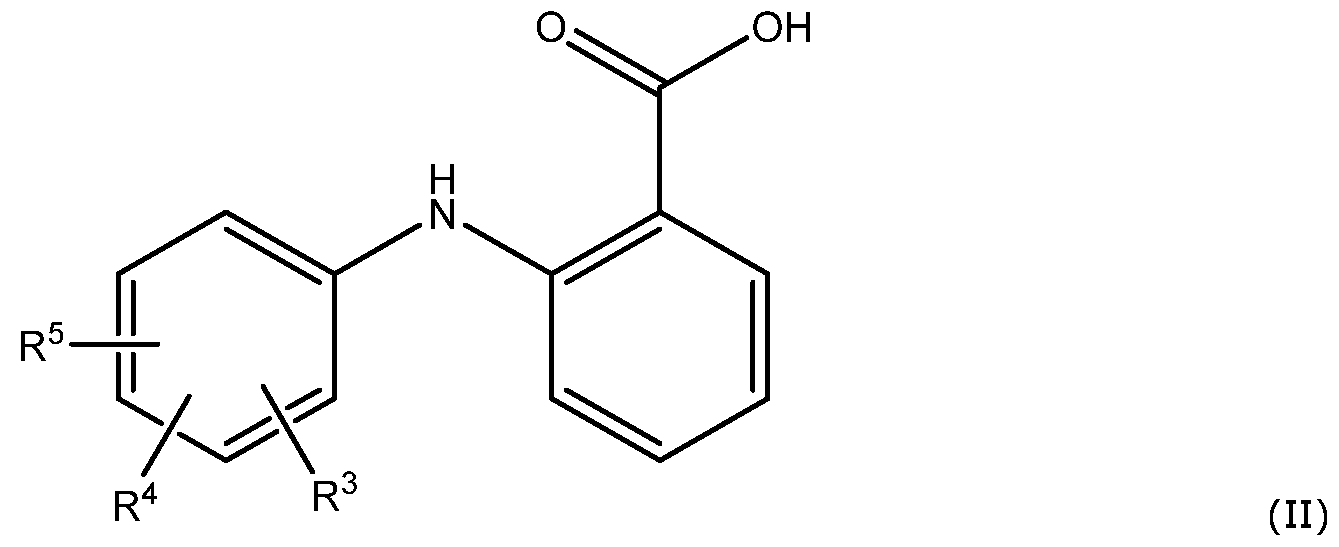


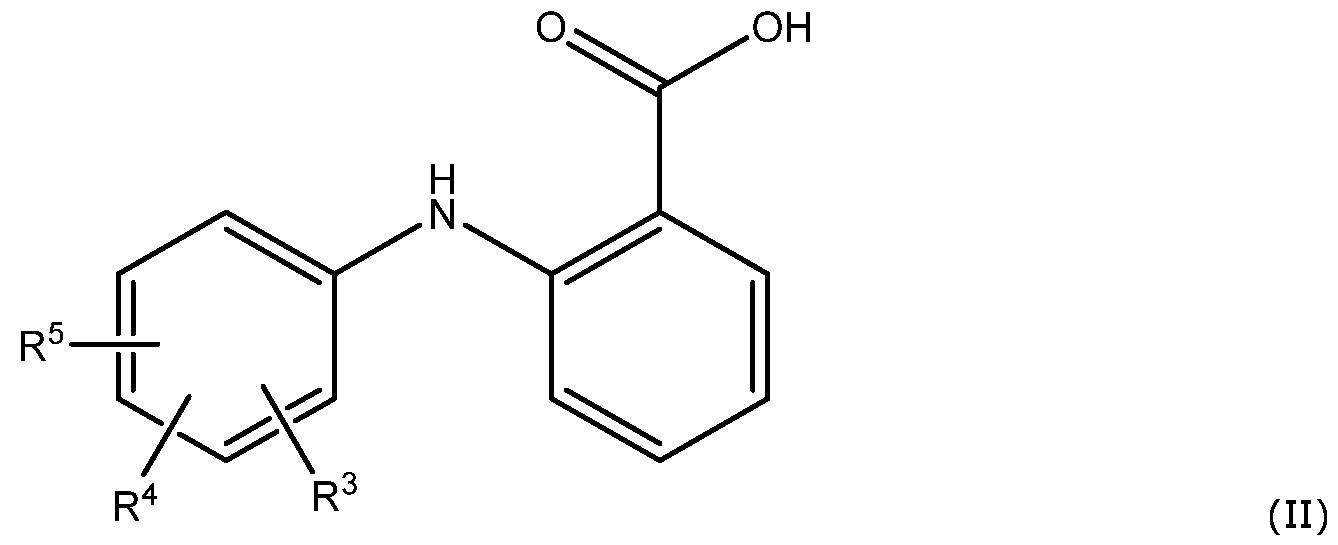


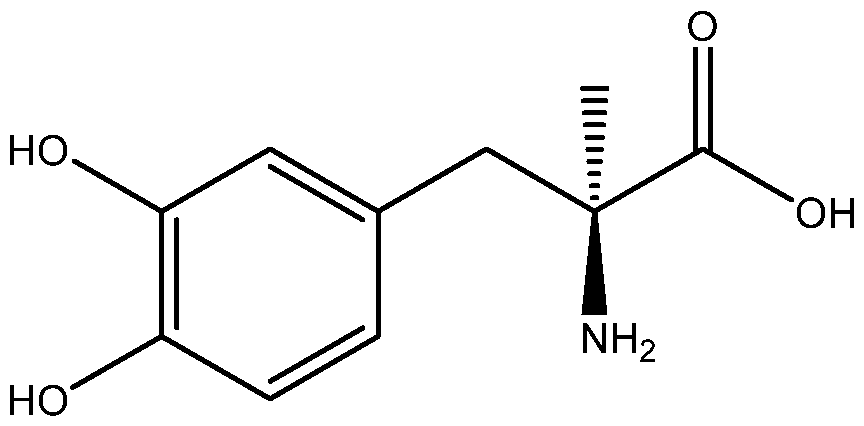
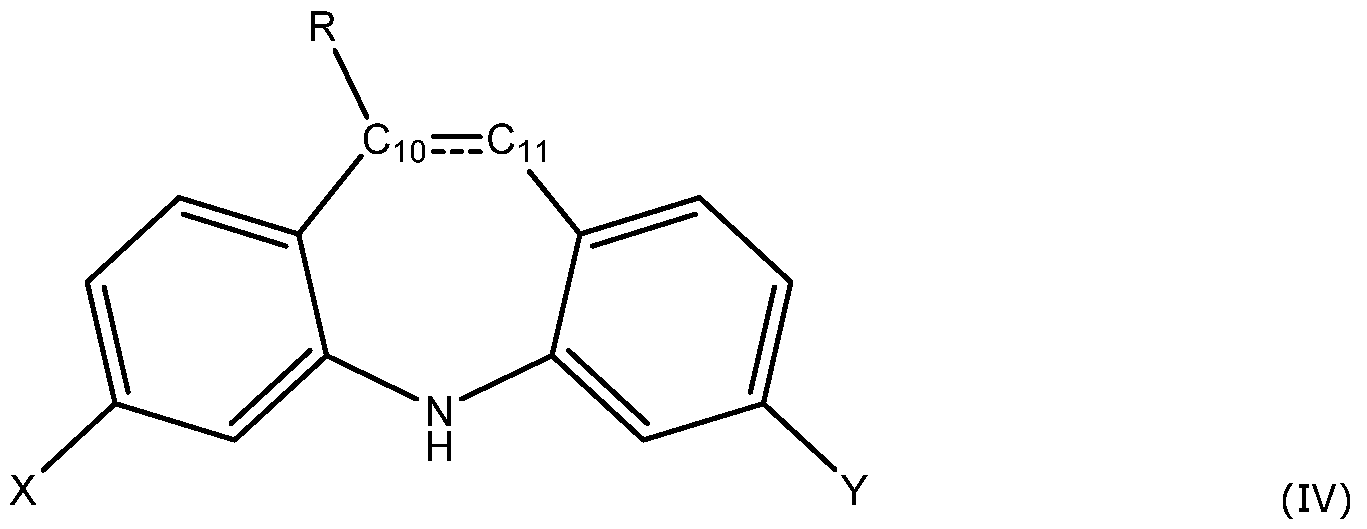
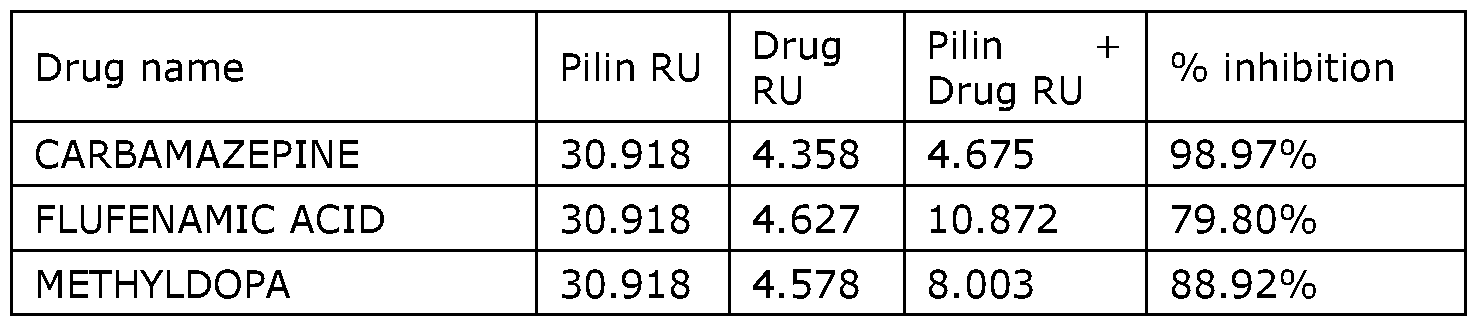
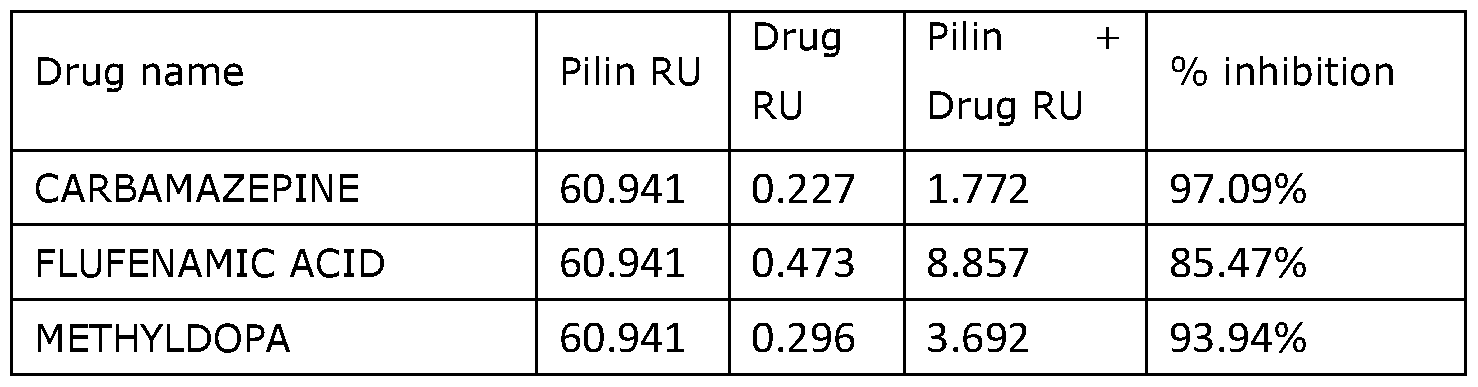
Claims
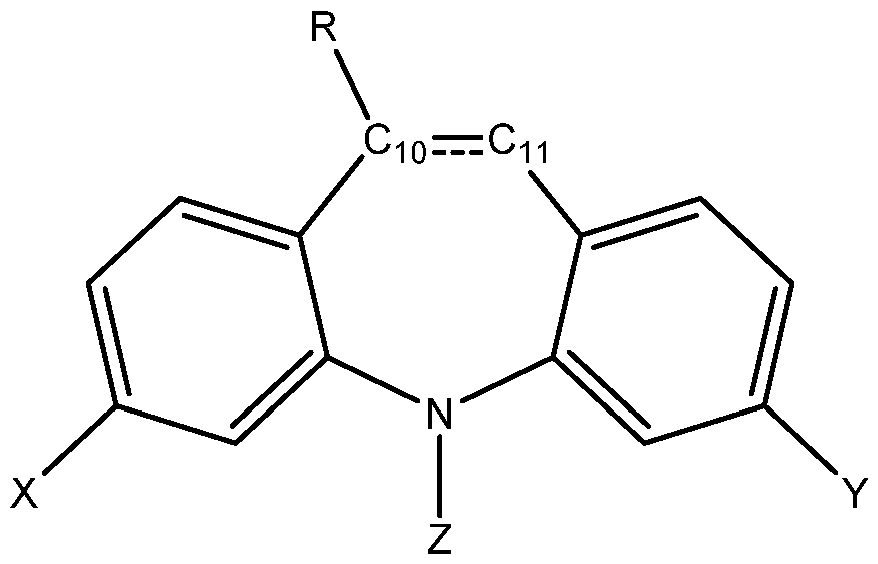

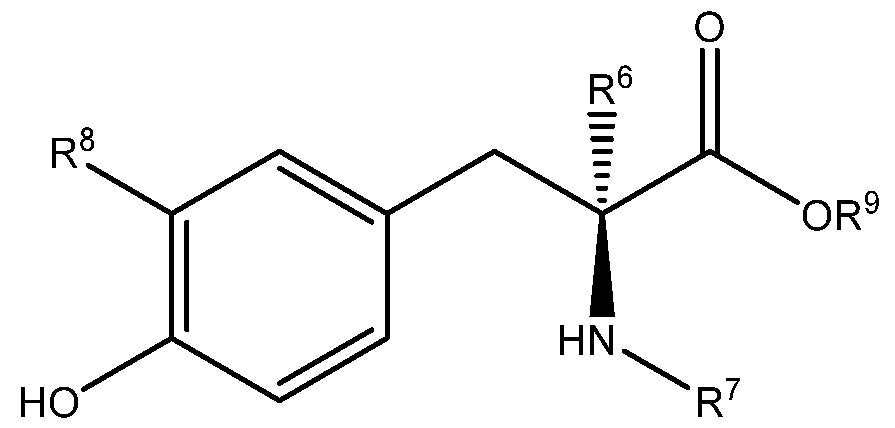
Priority Applications (13)
| Application Number | Priority Date | Filing Date | Title |
|---|---|---|---|
| SG11202103183PA SG11202103183PA (en) | 2018-09-28 | 2019-09-30 | Agents and methods for modulating pathogen activity |
| CA3115048A CA3115048C (en) | 2018-09-28 | 2019-09-30 | Agents and methods for modulating pathogen activity using ligands of complement receptor 3 |
| KR1020217012936A KR102824220B1 (en) | 2018-09-28 | 2019-09-30 | Preparations and methods for modulating pathogen activity |
| CN202411121500.0A CN118986994A (en) | 2018-09-28 | 2019-09-30 | Agents and methods for modulating pathogen activity |
| US17/280,603 US20210338685A1 (en) | 2018-09-28 | 2019-09-30 | Agents and methods for modulating pathogen activity |
| CN201980078822.2A CN113164494B (en) | 2018-09-28 | 2019-09-30 | Agents and methods for modulating pathogen activity |
| AU2019348194A AU2019348194B2 (en) | 2018-09-28 | 2019-09-30 | Agents and methods for modulating pathogen activity |
| DK19864039.3T DK3856196T3 (en) | 2018-09-28 | 2019-09-30 | PHENYLPROPIONIC ACID DERIVATIVES FOR MODULATION OF PATHOGENIC ACTIVITY |
| BR112021005955-5A BR112021005955A2 (en) | 2018-09-28 | 2019-09-30 | agents and methods to modulate pathogen activity |
| EP19864039.3A EP3856196B1 (en) | 2018-09-28 | 2019-09-30 | Phenylpropionic acid derivatives for modulating pathogen activity |
| EP23209820.2A EP4295864A3 (en) | 2018-09-28 | 2019-09-30 | Phenylpropionic acid derivatives for modulating pathogen activity |
| MX2021003730A MX2021003730A (en) | 2018-09-28 | 2019-09-30 | Agents and methods for modulating pathogen activity. |
| AU2025205085A AU2025205085A1 (en) | 2018-09-28 | 2025-07-03 | Agents and methods for modulating pathogen activity |
Applications Claiming Priority (2)
| Application Number | Priority Date | Filing Date | Title |
|---|---|---|---|
| US201862739025P | 2018-09-28 | 2018-09-28 | |
| US62/739,025 | 2018-09-28 |
Publications (1)
| Publication Number | Publication Date |
|---|---|
| WO2020061649A1 true WO2020061649A1 (en) | 2020-04-02 |
Family
ID=69949189
Family Applications (1)
| Application Number | Title | Priority Date | Filing Date |
|---|---|---|---|
| PCT/AU2019/051055 Ceased WO2020061649A1 (en) | 2018-09-28 | 2019-09-30 | Agents and methods for modulating pathogen activity |
Country Status (11)
| Country | Link |
|---|---|
| US (1) | US20210338685A1 (en) |
| EP (2) | EP4295864A3 (en) |
| KR (1) | KR102824220B1 (en) |
| CN (2) | CN118986994A (en) |
| AU (2) | AU2019348194B2 (en) |
| BR (1) | BR112021005955A2 (en) |
| CA (2) | CA3224977A1 (en) |
| DK (1) | DK3856196T3 (en) |
| MX (1) | MX2021003730A (en) |
| SG (1) | SG11202103183PA (en) |
| WO (1) | WO2020061649A1 (en) |
Cited By (1)
| Publication number | Priority date | Publication date | Assignee | Title |
|---|---|---|---|---|
| CN111184707A (en) * | 2020-02-20 | 2020-05-22 | 中山大学 | Application of tolfenamic acid or a pharmaceutically acceptable salt thereof in the preparation of a medicament for preventing and/or treating novel coronavirus inflammation |
Families Citing this family (1)
| Publication number | Priority date | Publication date | Assignee | Title |
|---|---|---|---|---|
| CN118806768A (en) * | 2024-07-19 | 2024-10-22 | 中国农业大学 | Application of imipramine in preparing medicine for treating feline infectious peritonitis |
Citations (25)
| Publication number | Priority date | Publication date | Assignee | Title |
|---|---|---|---|---|
| US2554736A (en) | 1951-05-29 | Tertiary aminoalkyl-iminodibenzyls | ||
| US2868818A (en) | 1953-12-15 | 1959-01-13 | Merck & Co Inc | Alpha methyl phenylalanines |
| US2948718A (en) | 1960-08-09 | New n-heterocyclic compounds | ||
| DE1142870B (en) | 1959-11-16 | 1963-01-31 | Geigy Ag J R | Process for the production of azepine derivatives |
| US3138636A (en) | 1960-06-23 | 1964-06-23 | Parke Davis & Co | Anthranilic acid derivatives |
| US3313848A (en) | 1964-06-18 | 1967-04-11 | Parke Davis & Co | Anthranilic acids and derivatives |
| US3454554A (en) | 1960-10-14 | 1969-07-08 | Colgate Palmolive Co | Aminoalkyliminodibenzyl compounds |
| US3462536A (en) | 1960-07-22 | 1969-08-19 | Merck & Co Inc | Method of inhibiting decarboxylase |
| US3515785A (en) | 1958-12-06 | 1970-06-02 | Geigy Chem Corp | Compositions and methods for treating endogenous depression with 3-chloro - 5 - (gamma - dimethylamino - propyl)-iminodibenzyl |
| US3622565A (en) | 1967-01-18 | 1971-11-23 | Rhone Poulenc Sa | Dibenzazepine derivatives and their preparation |
| GB1310571A (en) | 1969-03-10 | 1973-03-21 | Ciba Geigy Ag | Azepine derivative its preparation and composition containing it |
| US4092430A (en) | 1970-09-09 | 1978-05-30 | Ciba-Geigy Corporation | Antiphlogistic phenylacetohydroxamic acid compositions |
| US4962223A (en) | 1988-07-12 | 1990-10-09 | Ministero dell'Universita e delle Ricerca Scientifica e Tecnologica | Process for the synthesis of the levodopa |
| US4980498A (en) | 1988-03-31 | 1990-12-25 | Merckle Gmbh | Method of producing 2-(2-hydroxyethoxy)-ethanol ester of flufenamic acid |
| US5753646A (en) | 1995-06-30 | 1998-05-19 | Portela & Ca., S.A. | Substituted dihydrodibenzo/b,f/azepines, method of their preparation, their use in the treatment of some central nervous system disorders, and pharmaceutical compositions containing them |
| US6245908B1 (en) | 1998-11-16 | 2001-06-12 | Max India Limited | Process for preparing carbamazepine from iminostilbene |
| WO2002060936A2 (en) | 2001-01-31 | 2002-08-08 | University Of Iowa Research Foundation | Vaccine and compositions for the prevention and treatment of neisserial infections |
| US20030004154A1 (en) | 2001-02-12 | 2003-01-02 | Judith Aronhime | New crystal forms of oxcarbazepine and processes for their preparation |
| US20040253222A1 (en) * | 2001-01-31 | 2004-12-16 | Apicella Michael A. | Vaccine and compositions for the prevention and treatment of neisserial infections |
| WO2008139484A2 (en) | 2007-05-16 | 2008-11-20 | R. L. Fine Chem | New process for the synthesis of loferpramine maleate: a stable salt of loferpramine |
| US9238016B2 (en) * | 2010-01-22 | 2016-01-19 | Sungkyunkwan University Foundation For Corporate Collaboration | Antibiotic composition comprising flufenamic acid as an active ingredient |
| WO2016123063A1 (en) | 2015-01-26 | 2016-08-04 | Institute For Clinical Pharmacodynamics, Inc. | Method for shortening anti-infective therapy duration in subjects with infection |
| CN105949075A (en) | 2016-06-24 | 2016-09-21 | 江苏倍合德化工有限公司 | Synthesis method of mefenamic acid |
| US20170087130A1 (en) | 2015-09-28 | 2017-03-30 | Research Institute At Nationwide Children's Hospital | Compositions and methods for inhibiting the growth of neisseria gonorrhoeae |
| CN108309983A (en) * | 2018-01-15 | 2018-07-24 | 武汉百药联科科技有限公司 | Application of the carbamazepine in the drug for preparing treatment flavivirus infection |
Family Cites Families (7)
| Publication number | Priority date | Publication date | Assignee | Title |
|---|---|---|---|---|
| US4692441A (en) * | 1985-08-16 | 1987-09-08 | Merck & Co., Inc. | Chorine esters as absorption-enhancing agents for drug delivery through mucous membranes of the nasal, buccal, sublingual and vaginal cavities |
| AU7669496A (en) * | 1995-11-03 | 1997-05-22 | University Of Kentucky | Method for the intranasal administration of l-dopa prodrugs |
| DE19924148A1 (en) * | 1999-05-26 | 2000-12-07 | Univ Heidelberg | Sphingomyelinase inhibitors |
| ES2477868T3 (en) * | 2005-04-22 | 2014-07-18 | Alantos Pharmaceuticals Holding, Inc. | Dipeptidyl peptidase-IV inhibitors |
| TWI619494B (en) * | 2013-01-18 | 2018-04-01 | 華鴻新藥股份有限公司 | Compositions and methods of use of phorbol esters |
| US11013707B2 (en) * | 2018-03-23 | 2021-05-25 | The Regents Of The University Of Colorado, A Body Corporate | Administration of oral methyldopa |
| CN108324716A (en) * | 2018-04-18 | 2018-07-27 | 日照市普达医药科技有限公司 | A kind of inverase and preparation method containing indinavir |
-
2019
- 2019-09-30 DK DK19864039.3T patent/DK3856196T3/en active
- 2019-09-30 CN CN202411121500.0A patent/CN118986994A/en active Pending
- 2019-09-30 BR BR112021005955-5A patent/BR112021005955A2/en unknown
- 2019-09-30 EP EP23209820.2A patent/EP4295864A3/en active Pending
- 2019-09-30 KR KR1020217012936A patent/KR102824220B1/en active Active
- 2019-09-30 SG SG11202103183PA patent/SG11202103183PA/en unknown
- 2019-09-30 EP EP19864039.3A patent/EP3856196B1/en active Active
- 2019-09-30 WO PCT/AU2019/051055 patent/WO2020061649A1/en not_active Ceased
- 2019-09-30 CA CA3224977A patent/CA3224977A1/en active Pending
- 2019-09-30 CN CN201980078822.2A patent/CN113164494B/en active Active
- 2019-09-30 MX MX2021003730A patent/MX2021003730A/en unknown
- 2019-09-30 US US17/280,603 patent/US20210338685A1/en active Pending
- 2019-09-30 AU AU2019348194A patent/AU2019348194B2/en active Active
- 2019-09-30 CA CA3115048A patent/CA3115048C/en active Active
-
2025
- 2025-07-03 AU AU2025205085A patent/AU2025205085A1/en active Pending
Patent Citations (25)
| Publication number | Priority date | Publication date | Assignee | Title |
|---|---|---|---|---|
| US2948718A (en) | 1960-08-09 | New n-heterocyclic compounds | ||
| US2554736A (en) | 1951-05-29 | Tertiary aminoalkyl-iminodibenzyls | ||
| US2868818A (en) | 1953-12-15 | 1959-01-13 | Merck & Co Inc | Alpha methyl phenylalanines |
| US3515785A (en) | 1958-12-06 | 1970-06-02 | Geigy Chem Corp | Compositions and methods for treating endogenous depression with 3-chloro - 5 - (gamma - dimethylamino - propyl)-iminodibenzyl |
| DE1142870B (en) | 1959-11-16 | 1963-01-31 | Geigy Ag J R | Process for the production of azepine derivatives |
| US3138636A (en) | 1960-06-23 | 1964-06-23 | Parke Davis & Co | Anthranilic acid derivatives |
| US3462536A (en) | 1960-07-22 | 1969-08-19 | Merck & Co Inc | Method of inhibiting decarboxylase |
| US3454554A (en) | 1960-10-14 | 1969-07-08 | Colgate Palmolive Co | Aminoalkyliminodibenzyl compounds |
| US3313848A (en) | 1964-06-18 | 1967-04-11 | Parke Davis & Co | Anthranilic acids and derivatives |
| US3622565A (en) | 1967-01-18 | 1971-11-23 | Rhone Poulenc Sa | Dibenzazepine derivatives and their preparation |
| GB1310571A (en) | 1969-03-10 | 1973-03-21 | Ciba Geigy Ag | Azepine derivative its preparation and composition containing it |
| US4092430A (en) | 1970-09-09 | 1978-05-30 | Ciba-Geigy Corporation | Antiphlogistic phenylacetohydroxamic acid compositions |
| US4980498A (en) | 1988-03-31 | 1990-12-25 | Merckle Gmbh | Method of producing 2-(2-hydroxyethoxy)-ethanol ester of flufenamic acid |
| US4962223A (en) | 1988-07-12 | 1990-10-09 | Ministero dell'Universita e delle Ricerca Scientifica e Tecnologica | Process for the synthesis of the levodopa |
| US5753646A (en) | 1995-06-30 | 1998-05-19 | Portela & Ca., S.A. | Substituted dihydrodibenzo/b,f/azepines, method of their preparation, their use in the treatment of some central nervous system disorders, and pharmaceutical compositions containing them |
| US6245908B1 (en) | 1998-11-16 | 2001-06-12 | Max India Limited | Process for preparing carbamazepine from iminostilbene |
| WO2002060936A2 (en) | 2001-01-31 | 2002-08-08 | University Of Iowa Research Foundation | Vaccine and compositions for the prevention and treatment of neisserial infections |
| US20040253222A1 (en) * | 2001-01-31 | 2004-12-16 | Apicella Michael A. | Vaccine and compositions for the prevention and treatment of neisserial infections |
| US20030004154A1 (en) | 2001-02-12 | 2003-01-02 | Judith Aronhime | New crystal forms of oxcarbazepine and processes for their preparation |
| WO2008139484A2 (en) | 2007-05-16 | 2008-11-20 | R. L. Fine Chem | New process for the synthesis of loferpramine maleate: a stable salt of loferpramine |
| US9238016B2 (en) * | 2010-01-22 | 2016-01-19 | Sungkyunkwan University Foundation For Corporate Collaboration | Antibiotic composition comprising flufenamic acid as an active ingredient |
| WO2016123063A1 (en) | 2015-01-26 | 2016-08-04 | Institute For Clinical Pharmacodynamics, Inc. | Method for shortening anti-infective therapy duration in subjects with infection |
| US20170087130A1 (en) | 2015-09-28 | 2017-03-30 | Research Institute At Nationwide Children's Hospital | Compositions and methods for inhibiting the growth of neisseria gonorrhoeae |
| CN105949075A (en) | 2016-06-24 | 2016-09-21 | 江苏倍合德化工有限公司 | Synthesis method of mefenamic acid |
| CN108309983A (en) * | 2018-01-15 | 2018-07-24 | 武汉百药联科科技有限公司 | Application of the carbamazepine in the drug for preparing treatment flavivirus infection |
Non-Patent Citations (64)
| Title |
|---|
| "Comparison of the Antiviral Activity in vitro of some Non-steroidal Anti-inflammatory Drugs", JOURNAL OF GENERAL VIROLOGY, vol. 4, no. 2, 1969, pages 203 - 214, XP009031196 * |
| "GeneBank", Database accession no. FJ172221 |
| "Remington: The Science and Practice of Pharmacy", September 2012, THE PHARMACEUTICAL PRESS |
| ADACHI ET AL., J VIROL, vol. 59, no. 2, 1986, pages 284 - 91 |
| AGRAMONTE-HEVIA J ET AL., FEMS IMMUNOL MED MICROBIOL, vol. 34, no. 4, 2002, pages 255 - 266 |
| ANTAL JM ET AL., INFECT IMMUN, vol. 60, no. 3, 1992, pages 1114 - 1121 |
| APICELLA ET AL., 3 INFECT DIS, vol. 130, no. 6, 1974, pages 619 - 25 |
| BERGE ET AL.: "Journal of Pharmaceutical Science", vol. 66, 1977, pages: 1 - 19 |
| BURKE RD, INT REV CYTOL, vol. 191, 1999, pages 257 - 284 |
| CAS , no. 236395-14-5 |
| CAS, no. 37178-37-3 |
| CHAVEZ-DOZAL, A. A. ET AL.: "In vitro analysis of flufenamic acid activity against Candida albicans biofilms", INTERNATIONAL JOURNAL OF ANTIMICROBIAL AGENTS, vol. 43, no. 1, 2014, pages 86 - 91, XP055698373 * |
| CYWES C ET AL., INFECT IMMUN, vol. 64, no. 12, 1996, pages 5373 - 5383 |
| DASTIDAR, S. G. ET AL.: "Antibacterial property of methyl-DOPA & development of antibiotic cross-resistances in m-DOPA mutants", INDIAN JOURNAL OF MEDICAL, vol. 86, August 1986 (1986-08-01), pages 142 - 147, XP009514616 * |
| DIAMOND MS ET AL., J CELL BIOL, vol. 111, 1990, pages 3129 - 3139 |
| DIAMOND MS ET AL., J CELL BIOL, vol. 120, no. 4, 1993, pages 1031 - 1043 |
| DIAMOND MS ET AL., J CELL BIOL, vol. 130, no. 6, 1995, pages 1473 - 1482 |
| DUDASAPICELLA, INFECT IMMUN, vol. 56, no. 2, 1988, pages 499 - 504 |
| DUMONT AL ET AL., PROC NATL ACAD SCI USA, vol. 110, no. 26, 2013, pages 10794 - 10799 |
| DUMONT ET AL., INFECT IMMUN, vol. 82, 2014, pages 1268 - 76 |
| DUMONT ET AL., PROC NAT ACAD SCI., vol. 110, no. 26, 2013, pages 10794 - 9 |
| DUTTA, N. K. ET AL.: "In Vitro and In Vivo Antimycobacterial Activity of an Antihypertensive Agent Methyl-L-DOPA", IN VIVO, vol. 19, no. 3, 2005, pages 539 - 545, XP055698372 * |
| E DWARDS, J. L. ET AL.: "A co-operative interaction between Neisseria gonorrhoeae and complement receptor 3 mediates infection of primary cervical epithelial cells", CELLULAR MICROBIOLOGY, vol. 4, no. 9, 2002, pages 571 - 584, XP055801802 * |
| EDWARDS ET AL., CELL MICROBIOL, vol. 3, no. 9, 2001, pages 611 - 22 |
| EDWARDS ET AL., CELL MICROBIOL., vol. 4, no. 9, 2002, pages 571 - 84 |
| EDWARDS JL ET AL., CELL MICROBIOL., vol. 3, no. 9, 2001, pages 611 - 22 |
| EDWARDS, J. L. ET AL.: "The role of complement receptor 3 (CR3) in Neisseria gonorrhoeae infection of human cervical epithelia", CELLULAR MICROBIOLOGY, vol. 3, no. 9, 2001, pages 611 - 622, XP002240453, DOI: 10.1046/j.1462-5822.2001.00140.x * |
| FORSYTH CBMATHEWS HL, CELL IMMUNOL, vol. 170, no. 1, 1996, pages 91 - 100 |
| FREED ET AL., J VIROL, vol. 69, no. 6, 1995, pages 3949 - 54 |
| G. ZBINDEN ET AL.: "Inhibition of 5-hydroxytryptophan nephrotoxicity by a-Difluoromethyldopa, an inhibitor of L-amino acid decarboxylase", TOXICOLOGY LETTERS, vol. 5, February 1980 (1980-02-01), pages 125 - 129 |
| GARCIA-MINAMBRES ET AL., IMMUNOL. CELL BIOL, vol. 95, no. 5, 2017, pages 478 - 48 |
| GARCIA-MINAMBRES ET AL., IMMUNOL. CELL BIOL., vol. 95, no. 5, 2017, pages 478 - 48 |
| GFP EDWARDS ET AL., INFECT IMMUN, vol. 68, no. 9, 2000, pages 5354 - 63 |
| GIANCOTTI FGRUOSLAHTI E, SCIENCE, vol. 285, no. 5430, 1999, pages 1028 - 1032 |
| HAJ1SHENGALLIS, G. ET AL.: "Complement Receptor 3 Blockade Promotes 1L-12- Mediated Clearance of Porphyromonas gingivalis and Negates Its Virulence In Vivo", THE JOURNAL OF IMMUNOLOGY, vol. 179, no. 4, pages 2359 - 2367, XP055698369 * |
| HUGHES AL, J MOL EVOL, vol. 52, no. 1, 2001, pages 63 - 72 |
| HUSSAIN LA ET AL., CLIN EXP IMMUNOL, vol. 102, no. 2, 1995, pages 384 - 388 |
| HYNES RO, CELL, vol. 110, no. 6, 2002, pages 673 - 687 |
| INGALLS ET AL., J IMMUNOL., vol. 159, no. 1, 1997, pages 433 - 8 |
| JEN ET AL., PLOS PATHOG, vol. 9, no. 5, 2013, pages e1003377 |
| JEN, PLOS PATHOG, vol. 9, no. 5, 2013, pages e1003377 |
| JENNINGS ET AL., CELL MICROBIOL., vol. 13, no. 6, 2011, pages 885 - 96 |
| JENNINGS MP ET AL., CELL MICROBIOL, vol. 13, no. 6, 2011, pages 885 - 896 |
| JENSEN, M. R ET AL.: "Structural Basis for Simvastatin Competitive Antagonism of Complement Receptor 3", THE JOURNAL OF BIOLOGICAL CHEMISTRY, vol. 291, no. 33, 2016, pages 16963 - 16976, XP055698368 * |
| JONES ET AL., 1 BIOL. CHEM, vol. 285, no. 24, 2010, pages 18603 - 14 |
| JONES ET AL., 1 BIOL. CHEM., vol. 285, no. 24, 2010, pages 18603 - 14 |
| KEELE ET AL., PROC NATL ACAD SCI U S A., vol. 105, no. 21, 2008, pages 7552 - 7 |
| MCCLEVERTY CJLIDDINGTON RC, BIOCHEM J, vol. 372, 2003, pages 121 - 127 |
| MOYLE M ET AL., J BIOL CHEM, vol. 269, no. 13, 1994, pages 10008 - 10015 |
| MUBAIWA ET AL., SCI REP, vol. 7, no. 1, 2017, pages 5693 |
| ORRSKOG S ET AL., MBIO, vol. 4, no. 1, 2013 |
| PEREIRA ET AL., PLOS ONE, vol. 6, no. 2, 2011, pages e17016 |
| RELMAN D, CELL, vol. 61, no. 7, 1990, pages 1375 - 1382 |
| RUBEN VANDANYANVICTOR HRUBY: "Synthesis of Best-Seller Drugs", 2016, ACADEMIC PRESS |
| RUBEN VANDANYANVICTOR HRUBY: "Synthesis of Essential Drugs", 2006, ELSEVIER SCIENCE |
| SALAZAR-GONZALEZ ET AL., 1 EXP. MED, vol. 206, no. 6, 2009, pages 1273 - 89 |
| SCHOOLNIK ET AL., J EXP MED, vol. 159, 1984, pages 1351 - 1370 |
| SEGAL ET AL., CELL, vol. 40, 1985, pages 1418 - 300 |
| SRIKHANTA ET AL., PLOS PATHOG, vol. 5, no. 4, 2009, pages e1000400 |
| STIMSON ET AL., MOL MICROBIOL, vol. 17, 1995, pages 1201 - 1214 |
| TODD RF, J CLIN INVEST, vol. 98, no. 1, 1996, pages 1 - 2 |
| WRIGHT SD ET AL., PROC NATL ACAD SCI USA, vol. 85, no. 20, 1988, pages 7734 - 7738 |
| YAKUBENKO VP ET AL., EXP CELL RES, vol. 314, no. 14, 2008, pages 2569 - 2578 |
| YAKUBENKO VP ET AL., J BIOL CHEM, vol. 277, no. 50, 2002, pages 48635 - 48642 |
Cited By (1)
| Publication number | Priority date | Publication date | Assignee | Title |
|---|---|---|---|---|
| CN111184707A (en) * | 2020-02-20 | 2020-05-22 | 中山大学 | Application of tolfenamic acid or a pharmaceutically acceptable salt thereof in the preparation of a medicament for preventing and/or treating novel coronavirus inflammation |
Also Published As
| Publication number | Publication date |
|---|---|
| EP4295864A3 (en) | 2024-03-13 |
| EP4295864A2 (en) | 2023-12-27 |
| MX2021003730A (en) | 2021-06-18 |
| AU2019348194A1 (en) | 2021-04-29 |
| CN118986994A (en) | 2024-11-22 |
| CA3115048C (en) | 2024-02-13 |
| KR102824220B1 (en) | 2025-06-23 |
| CN113164494B (en) | 2024-08-27 |
| CA3115048A1 (en) | 2020-04-02 |
| US20210338685A1 (en) | 2021-11-04 |
| AU2019348194B2 (en) | 2025-04-03 |
| KR20210069086A (en) | 2021-06-10 |
| DK3856196T3 (en) | 2024-02-19 |
| SG11202103183PA (en) | 2021-04-29 |
| BR112021005955A2 (en) | 2021-07-27 |
| EP3856196A4 (en) | 2022-08-10 |
| CN113164494A (en) | 2021-07-23 |
| AU2025205085A1 (en) | 2025-07-24 |
| CA3224977A1 (en) | 2020-04-02 |
| EP3856196A1 (en) | 2021-08-04 |
| EP3856196B1 (en) | 2023-11-15 |
Similar Documents
| Publication | Publication Date | Title |
|---|---|---|
| US12071414B2 (en) | Apelin receptor agonists and methods of use thereof | |
| US9790196B2 (en) | Lysine demethylase inhibitors for diseases and disorders associated with Flaviviridae | |
| AU2025205085A1 (en) | Agents and methods for modulating pathogen activity | |
| US20140296255A1 (en) | Lysine demethylase inhibitors for thrombosis and cardiovascular diseases | |
| AU2018202986B2 (en) | ANG-(1-7) derivative oligopeptides and methods for using and producing the same | |
| AU2015334590B2 (en) | Therapy for inhibition of single-stranded RNA virus replication | |
| JP2010539104A (en) | Combination therapy of cancer with selective inhibitors of histone deacetylases HDAC1, HDAC2 and / or HDAC3 and microtubule stabilizers | |
| EA022303B1 (en) | Combinations of hepatitis c virus inhibitors | |
| JP6573618B2 (en) | Novel pharmaceutical composition for preventing and / or treating urinary incontinence | |
| EP4117657A1 (en) | Viral inhibition | |
| EP4281074B1 (en) | Lonafarnib for use in the treatment of viral infections caused by human respiratory syncytal virus | |
| CN114025766A (en) | Oxathiazine compounds for inhibiting GAPDH | |
| HK40050148A (en) | Phenylpropionic acid derivatives for modulating pathogen activity | |
| HK40050148B (en) | Phenylpropionic acid derivatives for modulating pathogen activity | |
| EA022711B1 (en) | Combination of 1,12-dodecamethylene-bis-[4-methyl-5-(2-hydroxyethyl)thiazolium] dibromide and artesunate for treating acute malaria | |
| JP4525964B2 (en) | Pulmonary hypertension preventive and therapeutic agent | |
| KR100930480B1 (en) | New Diaryl Heptanoid Compounds and Their Uses | |
| JP2013538804A (en) | Antifungal agents and uses thereof | |
| KR100931249B1 (en) | New Diaryl Heptanoid Compounds and Their Uses | |
| HK40067738A (en) | Oxathiazin compounds for inhibiting gapdh | |
| Imhof et al. | Miscellaneous antibacterial | |
| HK1171170A (en) | Compounds and methods for treating influenza |
Legal Events
| Date | Code | Title | Description |
|---|---|---|---|
| 121 | Ep: the epo has been informed by wipo that ep was designated in this application |
Ref document number: 19864039 Country of ref document: EP Kind code of ref document: A1 |
|
| DPE1 | Request for preliminary examination filed after expiration of 19th month from priority date (pct application filed from 20040101) | ||
| ENP | Entry into the national phase |
Ref document number: 3115048 Country of ref document: CA |
|
| NENP | Non-entry into the national phase |
Ref country code: DE |
|
| REG | Reference to national code |
Ref country code: BR Ref legal event code: B01A Ref document number: 112021005955 Country of ref document: BR |
|
| ENP | Entry into the national phase |
Ref document number: 20217012936 Country of ref document: KR Kind code of ref document: A |
|
| ENP | Entry into the national phase |
Ref document number: 2019348194 Country of ref document: AU Date of ref document: 20190930 Kind code of ref document: A |
|
| ENP | Entry into the national phase |
Ref document number: 2019864039 Country of ref document: EP Effective date: 20210428 |
|
| ENP | Entry into the national phase |
Ref document number: 112021005955 Country of ref document: BR Kind code of ref document: A2 Effective date: 20210326 |