WO2018122775A1 - Heteroaryl compounds and their use - Google Patents
Heteroaryl compounds and their use Download PDFInfo
- Publication number
- WO2018122775A1 WO2018122775A1 PCT/IB2017/058477 IB2017058477W WO2018122775A1 WO 2018122775 A1 WO2018122775 A1 WO 2018122775A1 IB 2017058477 W IB2017058477 W IB 2017058477W WO 2018122775 A1 WO2018122775 A1 WO 2018122775A1
- Authority
- WO
- WIPO (PCT)
- Prior art keywords
- alkyl
- membered
- optionally substituted
- heterocyclyl
- aryl
- Prior art date
- Legal status (The legal status is an assumption and is not a legal conclusion. Google has not performed a legal analysis and makes no representation as to the accuracy of the status listed.)
- Ceased
Links
- 0 *C(C1)Cc2c1cccc2 Chemical compound *C(C1)Cc2c1cccc2 0.000 description 13
- QTZBQECABOUEBB-UHFFFAOYSA-N CC(C)(C)CC(C)(C)Nc1nc(Cl)nc(C(C)=O)c1 Chemical compound CC(C)(C)CC(C)(C)Nc1nc(Cl)nc(C(C)=O)c1 QTZBQECABOUEBB-UHFFFAOYSA-N 0.000 description 1
- RADWLQKVCPACMB-UHFFFAOYSA-N CC(C)(C)CC(C)(C)Nc1nc(Cl)nc(C(OC)=O)c1 Chemical compound CC(C)(C)CC(C)(C)Nc1nc(Cl)nc(C(OC)=O)c1 RADWLQKVCPACMB-UHFFFAOYSA-N 0.000 description 1
- PJBKJWABSNENRZ-UHFFFAOYSA-N CC(C)C(CCCc1ccccc1)CC1N=C(N)N=C(Nc(cc2)ccc2F)N1 Chemical compound CC(C)C(CCCc1ccccc1)CC1N=C(N)N=C(Nc(cc2)ccc2F)N1 PJBKJWABSNENRZ-UHFFFAOYSA-N 0.000 description 1
- DKTUYCBUKIUYCA-UHFFFAOYSA-N CC(C)C1Oc(cccc2)c2OC1 Chemical compound CC(C)C1Oc(cccc2)c2OC1 DKTUYCBUKIUYCA-UHFFFAOYSA-N 0.000 description 1
- DTVVVJCCYNVORJ-UHFFFAOYSA-N CC(CCc1cc2ccccc2cc1)C(C)Cc1nc(N)nc(Nc(cccc2)c2OI)n1 Chemical compound CC(CCc1cc2ccccc2cc1)C(C)Cc1nc(N)nc(Nc(cccc2)c2OI)n1 DTVVVJCCYNVORJ-UHFFFAOYSA-N 0.000 description 1
- GJIKBBWAFPNPKN-UHFFFAOYSA-N CC(CCc1cccc(C#N)c1)C(C)CC1N=C(N)N=C(Nc(cc2)ccc2F)N1 Chemical compound CC(CCc1cccc(C#N)c1)C(C)CC1N=C(N)N=C(Nc(cc2)ccc2F)N1 GJIKBBWAFPNPKN-UHFFFAOYSA-N 0.000 description 1
- QOCLKSDRWULZRL-UHFFFAOYSA-N CC(CCc1ccccc1)Cc1cc(N)nc(N)c1 Chemical compound CC(CCc1ccccc1)Cc1cc(N)nc(N)c1 QOCLKSDRWULZRL-UHFFFAOYSA-N 0.000 description 1
- VRJZUVUWBXVPGE-UHFFFAOYSA-N CC(CCc1nc(N)nc(C)c1)Cc1ccccc1 Chemical compound CC(CCc1nc(N)nc(C)c1)Cc1ccccc1 VRJZUVUWBXVPGE-UHFFFAOYSA-N 0.000 description 1
- YQKAEGCPRDQBII-UHFFFAOYSA-N CC(Cc1cc(N)nc(Nc2ccc(C)cc2)c1)C(Cc1ccccc1)=C Chemical compound CC(Cc1cc(N)nc(Nc2ccc(C)cc2)c1)C(Cc1ccccc1)=C YQKAEGCPRDQBII-UHFFFAOYSA-N 0.000 description 1
- WLKGIAOHXWVTLB-UHFFFAOYSA-N CC(Cc1ccccc1)C(C)Cc1nc(N)nc(Nc2c(C)cccc2)n1 Chemical compound CC(Cc1ccccc1)C(C)Cc1nc(N)nc(Nc2c(C)cccc2)n1 WLKGIAOHXWVTLB-UHFFFAOYSA-N 0.000 description 1
- WJRGJANWBCPTLH-UHFFFAOYSA-N CC1Cc2ccccc2CC1 Chemical compound CC1Cc2ccccc2CC1 WJRGJANWBCPTLH-UHFFFAOYSA-N 0.000 description 1
- FIPKSKMDTAQBDJ-UHFFFAOYSA-N CC1c2ccccc2CC1 Chemical compound CC1c2ccccc2CC1 FIPKSKMDTAQBDJ-UHFFFAOYSA-N 0.000 description 1
- JGWVFSJLDLTLEG-LZDMEAJCSA-N CCC(C)[C@@H](C)CC(/C=C(\C)/Nc(cc1)ccc1OC)=C Chemical compound CCC(C)[C@@H](C)CC(/C=C(\C)/Nc(cc1)ccc1OC)=C JGWVFSJLDLTLEG-LZDMEAJCSA-N 0.000 description 1
- NFMOYGDBJLXZJN-UHFFFAOYSA-N CCC(CCC1=CCC(C)C=C1)CC(C)C1N=C(N)N=C(Nc2ccccc2)N1 Chemical compound CCC(CCC1=CCC(C)C=C1)CC(C)C1N=C(N)N=C(Nc2ccccc2)N1 NFMOYGDBJLXZJN-UHFFFAOYSA-N 0.000 description 1
- VNAFMHREFHINGY-UHFFFAOYSA-N CCC1Nc2ccccc2C1 Chemical compound CCC1Nc2ccccc2C1 VNAFMHREFHINGY-UHFFFAOYSA-N 0.000 description 1
- YNQLUTRBYVCPMQ-UHFFFAOYSA-N CCc1ccccc1 Chemical compound CCc1ccccc1 YNQLUTRBYVCPMQ-UHFFFAOYSA-N 0.000 description 1
- FKFRZIDBWCMAJU-UHFFFAOYSA-N COc(cc1)ccc1NC(NC(N)=N)=N Chemical compound COc(cc1)ccc1NC(NC(N)=N)=N FKFRZIDBWCMAJU-UHFFFAOYSA-N 0.000 description 1
- QSRGWWGHZOAFPB-DASZDSHQSA-N COc1cccc(N2CCC(CC/C3=N/C(/N)=N/C(/NCc4ccccc4)=C/CCC3)CCCC2)c1 Chemical compound COc1cccc(N2CCC(CC/C3=N/C(/N)=N/C(/NCc4ccccc4)=C/CCC3)CCCC2)c1 QSRGWWGHZOAFPB-DASZDSHQSA-N 0.000 description 1
- RWOGDFXAJLIMRE-UHFFFAOYSA-N COc1cccc(Nc2cc(CN(CCC3)C3c3ccccc3)nc(N)n2)c1 Chemical compound COc1cccc(Nc2cc(CN(CCC3)C3c3ccccc3)nc(N)n2)c1 RWOGDFXAJLIMRE-UHFFFAOYSA-N 0.000 description 1
- KDNPVAXWLWTJFE-UHFFFAOYSA-N C[IH]Cc1ccccc1 Chemical compound C[IH]Cc1ccccc1 KDNPVAXWLWTJFE-UHFFFAOYSA-N 0.000 description 1
- RZXMPPFPUUCRFN-UHFFFAOYSA-N Cc(cc1)ccc1N Chemical compound Cc(cc1)ccc1N RZXMPPFPUUCRFN-UHFFFAOYSA-N 0.000 description 1
- AKUVMXNBYCEHBE-UHFFFAOYSA-N Cc(cc1)ccc1Nc1cc(COCc2ccccc2)nc(N)n1 Chemical compound Cc(cc1)ccc1Nc1cc(COCc2ccccc2)nc(N)n1 AKUVMXNBYCEHBE-UHFFFAOYSA-N 0.000 description 1
- CFHPNABTZSOBQJ-UHFFFAOYSA-N Cc1cc(NC(NC(N)=N)=N)ccc1 Chemical compound Cc1cc(NC(NC(N)=N)=N)ccc1 CFHPNABTZSOBQJ-UHFFFAOYSA-N 0.000 description 1
- MVIDEEZBNAPGPU-UHFFFAOYSA-N Nc1nc(NCc(cc2)ccc2Cl)nc(CC(CCCC2)CCN2c(cc2)ccc2F)n1 Chemical compound Nc1nc(NCc(cc2)ccc2Cl)nc(CC(CCCC2)CCN2c(cc2)ccc2F)n1 MVIDEEZBNAPGPU-UHFFFAOYSA-N 0.000 description 1
- KCCZYRDJJGOURF-UHFFFAOYSA-N Nc1nc(NCc2ccccc2)nc(CCC2CCN(Cc3ccccc3)CCCC2)n1 Chemical compound Nc1nc(NCc2ccccc2)nc(CCC2CCN(Cc3ccccc3)CCCC2)n1 KCCZYRDJJGOURF-UHFFFAOYSA-N 0.000 description 1
- BYNOWCAMYGSOIF-UHFFFAOYSA-N Nc1nc(Nc(cc2)ccc2F)nc(CCC(CCc(cc2)ccc2F)C2CC2)n1 Chemical compound Nc1nc(Nc(cc2)ccc2F)nc(CCC(CCc(cc2)ccc2F)C2CC2)n1 BYNOWCAMYGSOIF-UHFFFAOYSA-N 0.000 description 1
- FYIGLVIRTZBARY-UHFFFAOYSA-N Nc1nc(Nc(cc2)ccc2F)nc(CN(C2)Cc3c2cccc3)n1 Chemical compound Nc1nc(Nc(cc2)ccc2F)nc(CN(C2)Cc3c2cccc3)n1 FYIGLVIRTZBARY-UHFFFAOYSA-N 0.000 description 1
- RYQYKUARDMXPKV-UHFFFAOYSA-N Nc1nc(Nc(cc2)ccc2F)nc(CN(CCC2)C2c2ccccc2)n1 Chemical compound Nc1nc(Nc(cc2)ccc2F)nc(CN(CCC2)C2c2ccccc2)n1 RYQYKUARDMXPKV-UHFFFAOYSA-N 0.000 description 1
- WGHPASUAEOCPRU-UHFFFAOYSA-N Nc1nc(Nc(cccc2)c2OI)nc(CC(CCCc2cccc(C#N)c2)I)n1 Chemical compound Nc1nc(Nc(cccc2)c2OI)nc(CC(CCCc2cccc(C#N)c2)I)n1 WGHPASUAEOCPRU-UHFFFAOYSA-N 0.000 description 1
- OGWRGBHXNVEQNE-UHFFFAOYSA-N Nc1nc(Nc2ccc3OCCC(C4)C4c3c2)nc(CC(CCCC2)CCN2c2cccc(Cl)c2)n1 Chemical compound Nc1nc(Nc2ccc3OCCC(C4)C4c3c2)nc(CC(CCCC2)CCN2c2cccc(Cl)c2)n1 OGWRGBHXNVEQNE-UHFFFAOYSA-N 0.000 description 1
Classifications
-
- C—CHEMISTRY; METALLURGY
- C07—ORGANIC CHEMISTRY
- C07D—HETEROCYCLIC COMPOUNDS
- C07D401/00—Heterocyclic compounds containing two or more hetero rings, having nitrogen atoms as the only ring hetero atoms, at least one ring being a six-membered ring with only one nitrogen atom
- C07D401/02—Heterocyclic compounds containing two or more hetero rings, having nitrogen atoms as the only ring hetero atoms, at least one ring being a six-membered ring with only one nitrogen atom containing two hetero rings
- C07D401/06—Heterocyclic compounds containing two or more hetero rings, having nitrogen atoms as the only ring hetero atoms, at least one ring being a six-membered ring with only one nitrogen atom containing two hetero rings linked by a carbon chain containing only aliphatic carbon atoms
-
- C—CHEMISTRY; METALLURGY
- C07—ORGANIC CHEMISTRY
- C07D—HETEROCYCLIC COMPOUNDS
- C07D251/00—Heterocyclic compounds containing 1,3,5-triazine rings
- C07D251/02—Heterocyclic compounds containing 1,3,5-triazine rings not condensed with other rings
- C07D251/12—Heterocyclic compounds containing 1,3,5-triazine rings not condensed with other rings having three double bonds between ring members or between ring members and non-ring members
- C07D251/26—Heterocyclic compounds containing 1,3,5-triazine rings not condensed with other rings having three double bonds between ring members or between ring members and non-ring members with only hetero atoms directly attached to ring carbon atoms
- C07D251/40—Nitrogen atoms
- C07D251/48—Two nitrogen atoms
-
- A—HUMAN NECESSITIES
- A61—MEDICAL OR VETERINARY SCIENCE; HYGIENE
- A61K—PREPARATIONS FOR MEDICAL, DENTAL OR TOILETRY PURPOSES
- A61K31/00—Medicinal preparations containing organic active ingredients
- A61K31/33—Heterocyclic compounds
- A61K31/395—Heterocyclic compounds having nitrogen as a ring hetero atom, e.g. guanethidine or rifamycins
- A61K31/435—Heterocyclic compounds having nitrogen as a ring hetero atom, e.g. guanethidine or rifamycins having six-membered rings with one nitrogen as the only ring hetero atom
- A61K31/44—Non condensed pyridines; Hydrogenated derivatives thereof
-
- A—HUMAN NECESSITIES
- A61—MEDICAL OR VETERINARY SCIENCE; HYGIENE
- A61K—PREPARATIONS FOR MEDICAL, DENTAL OR TOILETRY PURPOSES
- A61K31/00—Medicinal preparations containing organic active ingredients
- A61K31/33—Heterocyclic compounds
- A61K31/395—Heterocyclic compounds having nitrogen as a ring hetero atom, e.g. guanethidine or rifamycins
- A61K31/495—Heterocyclic compounds having nitrogen as a ring hetero atom, e.g. guanethidine or rifamycins having six-membered rings with two or more nitrogen atoms as the only ring heteroatoms, e.g. piperazine or tetrazines
- A61K31/505—Pyrimidines; Hydrogenated pyrimidines, e.g. trimethoprim
-
- A—HUMAN NECESSITIES
- A61—MEDICAL OR VETERINARY SCIENCE; HYGIENE
- A61K—PREPARATIONS FOR MEDICAL, DENTAL OR TOILETRY PURPOSES
- A61K31/00—Medicinal preparations containing organic active ingredients
- A61K31/33—Heterocyclic compounds
- A61K31/395—Heterocyclic compounds having nitrogen as a ring hetero atom, e.g. guanethidine or rifamycins
- A61K31/495—Heterocyclic compounds having nitrogen as a ring hetero atom, e.g. guanethidine or rifamycins having six-membered rings with two or more nitrogen atoms as the only ring heteroatoms, e.g. piperazine or tetrazines
- A61K31/505—Pyrimidines; Hydrogenated pyrimidines, e.g. trimethoprim
- A61K31/506—Pyrimidines; Hydrogenated pyrimidines, e.g. trimethoprim not condensed and containing further heterocyclic rings
-
- A—HUMAN NECESSITIES
- A61—MEDICAL OR VETERINARY SCIENCE; HYGIENE
- A61K—PREPARATIONS FOR MEDICAL, DENTAL OR TOILETRY PURPOSES
- A61K31/00—Medicinal preparations containing organic active ingredients
- A61K31/33—Heterocyclic compounds
- A61K31/395—Heterocyclic compounds having nitrogen as a ring hetero atom, e.g. guanethidine or rifamycins
- A61K31/53—Heterocyclic compounds having nitrogen as a ring hetero atom, e.g. guanethidine or rifamycins having six-membered rings with three nitrogens as the only ring hetero atoms, e.g. chlorazanil, melamine
-
- A—HUMAN NECESSITIES
- A61—MEDICAL OR VETERINARY SCIENCE; HYGIENE
- A61P—SPECIFIC THERAPEUTIC ACTIVITY OF CHEMICAL COMPOUNDS OR MEDICINAL PREPARATIONS
- A61P25/00—Drugs for disorders of the nervous system
-
- A—HUMAN NECESSITIES
- A61—MEDICAL OR VETERINARY SCIENCE; HYGIENE
- A61P—SPECIFIC THERAPEUTIC ACTIVITY OF CHEMICAL COMPOUNDS OR MEDICINAL PREPARATIONS
- A61P25/00—Drugs for disorders of the nervous system
- A61P25/14—Drugs for disorders of the nervous system for treating abnormal movements, e.g. chorea, dyskinesia
- A61P25/16—Anti-Parkinson drugs
-
- A—HUMAN NECESSITIES
- A61—MEDICAL OR VETERINARY SCIENCE; HYGIENE
- A61P—SPECIFIC THERAPEUTIC ACTIVITY OF CHEMICAL COMPOUNDS OR MEDICINAL PREPARATIONS
- A61P25/00—Drugs for disorders of the nervous system
- A61P25/28—Drugs for disorders of the nervous system for treating neurodegenerative disorders of the central nervous system, e.g. nootropic agents, cognition enhancers, drugs for treating Alzheimer's disease or other forms of dementia
-
- A—HUMAN NECESSITIES
- A61—MEDICAL OR VETERINARY SCIENCE; HYGIENE
- A61P—SPECIFIC THERAPEUTIC ACTIVITY OF CHEMICAL COMPOUNDS OR MEDICINAL PREPARATIONS
- A61P43/00—Drugs for specific purposes, not provided for in groups A61P1/00-A61P41/00
-
- C—CHEMISTRY; METALLURGY
- C07—ORGANIC CHEMISTRY
- C07D—HETEROCYCLIC COMPOUNDS
- C07D213/00—Heterocyclic compounds containing six-membered rings, not condensed with other rings, with one nitrogen atom as the only ring hetero atom and three or more double bonds between ring members or between ring members and non-ring members
- C07D213/02—Heterocyclic compounds containing six-membered rings, not condensed with other rings, with one nitrogen atom as the only ring hetero atom and three or more double bonds between ring members or between ring members and non-ring members having three double bonds between ring members or between ring members and non-ring members
- C07D213/04—Heterocyclic compounds containing six-membered rings, not condensed with other rings, with one nitrogen atom as the only ring hetero atom and three or more double bonds between ring members or between ring members and non-ring members having three double bonds between ring members or between ring members and non-ring members having no bond between the ring nitrogen atom and a non-ring member or having only hydrogen or carbon atoms directly attached to the ring nitrogen atom
- C07D213/24—Heterocyclic compounds containing six-membered rings, not condensed with other rings, with one nitrogen atom as the only ring hetero atom and three or more double bonds between ring members or between ring members and non-ring members having three double bonds between ring members or between ring members and non-ring members having no bond between the ring nitrogen atom and a non-ring member or having only hydrogen or carbon atoms directly attached to the ring nitrogen atom with substituted hydrocarbon radicals attached to ring carbon atoms
- C07D213/36—Radicals substituted by singly-bound nitrogen atoms
-
- C—CHEMISTRY; METALLURGY
- C07—ORGANIC CHEMISTRY
- C07D—HETEROCYCLIC COMPOUNDS
- C07D213/00—Heterocyclic compounds containing six-membered rings, not condensed with other rings, with one nitrogen atom as the only ring hetero atom and three or more double bonds between ring members or between ring members and non-ring members
- C07D213/02—Heterocyclic compounds containing six-membered rings, not condensed with other rings, with one nitrogen atom as the only ring hetero atom and three or more double bonds between ring members or between ring members and non-ring members having three double bonds between ring members or between ring members and non-ring members
- C07D213/04—Heterocyclic compounds containing six-membered rings, not condensed with other rings, with one nitrogen atom as the only ring hetero atom and three or more double bonds between ring members or between ring members and non-ring members having three double bonds between ring members or between ring members and non-ring members having no bond between the ring nitrogen atom and a non-ring member or having only hydrogen or carbon atoms directly attached to the ring nitrogen atom
- C07D213/60—Heterocyclic compounds containing six-membered rings, not condensed with other rings, with one nitrogen atom as the only ring hetero atom and three or more double bonds between ring members or between ring members and non-ring members having three double bonds between ring members or between ring members and non-ring members having no bond between the ring nitrogen atom and a non-ring member or having only hydrogen or carbon atoms directly attached to the ring nitrogen atom with hetero atoms or with carbon atoms having three bonds to hetero atoms with at the most one bond to halogen, e.g. ester or nitrile radicals, directly attached to ring carbon atoms
- C07D213/72—Nitrogen atoms
- C07D213/74—Amino or imino radicals substituted by hydrocarbon or substituted hydrocarbon radicals
-
- C—CHEMISTRY; METALLURGY
- C07—ORGANIC CHEMISTRY
- C07D—HETEROCYCLIC COMPOUNDS
- C07D239/00—Heterocyclic compounds containing 1,3-diazine or hydrogenated 1,3-diazine rings
- C07D239/02—Heterocyclic compounds containing 1,3-diazine or hydrogenated 1,3-diazine rings not condensed with other rings
- C07D239/24—Heterocyclic compounds containing 1,3-diazine or hydrogenated 1,3-diazine rings not condensed with other rings having three or more double bonds between ring members or between ring members and non-ring members
- C07D239/28—Heterocyclic compounds containing 1,3-diazine or hydrogenated 1,3-diazine rings not condensed with other rings having three or more double bonds between ring members or between ring members and non-ring members with hetero atoms or with carbon atoms having three bonds to hetero atoms with at the most one bond to halogen, directly attached to ring carbon atoms
- C07D239/46—Two or more oxygen, sulphur or nitrogen atoms
- C07D239/48—Two nitrogen atoms
-
- C—CHEMISTRY; METALLURGY
- C07—ORGANIC CHEMISTRY
- C07D—HETEROCYCLIC COMPOUNDS
- C07D239/00—Heterocyclic compounds containing 1,3-diazine or hydrogenated 1,3-diazine rings
- C07D239/02—Heterocyclic compounds containing 1,3-diazine or hydrogenated 1,3-diazine rings not condensed with other rings
- C07D239/24—Heterocyclic compounds containing 1,3-diazine or hydrogenated 1,3-diazine rings not condensed with other rings having three or more double bonds between ring members or between ring members and non-ring members
- C07D239/28—Heterocyclic compounds containing 1,3-diazine or hydrogenated 1,3-diazine rings not condensed with other rings having three or more double bonds between ring members or between ring members and non-ring members with hetero atoms or with carbon atoms having three bonds to hetero atoms with at the most one bond to halogen, directly attached to ring carbon atoms
- C07D239/46—Two or more oxygen, sulphur or nitrogen atoms
- C07D239/48—Two nitrogen atoms
- C07D239/49—Two nitrogen atoms with an aralkyl radical, or substituted aralkyl radical, attached in position 5, e.g. trimethoprim
-
- C—CHEMISTRY; METALLURGY
- C07—ORGANIC CHEMISTRY
- C07D—HETEROCYCLIC COMPOUNDS
- C07D251/00—Heterocyclic compounds containing 1,3,5-triazine rings
- C07D251/02—Heterocyclic compounds containing 1,3,5-triazine rings not condensed with other rings
- C07D251/12—Heterocyclic compounds containing 1,3,5-triazine rings not condensed with other rings having three double bonds between ring members or between ring members and non-ring members
- C07D251/14—Heterocyclic compounds containing 1,3,5-triazine rings not condensed with other rings having three double bonds between ring members or between ring members and non-ring members with hydrogen or carbon atoms directly attached to at least one ring carbon atom
- C07D251/16—Heterocyclic compounds containing 1,3,5-triazine rings not condensed with other rings having three double bonds between ring members or between ring members and non-ring members with hydrogen or carbon atoms directly attached to at least one ring carbon atom to only one ring carbon atom
- C07D251/18—Heterocyclic compounds containing 1,3,5-triazine rings not condensed with other rings having three double bonds between ring members or between ring members and non-ring members with hydrogen or carbon atoms directly attached to at least one ring carbon atom to only one ring carbon atom with nitrogen atoms directly attached to the two other ring carbon atoms, e.g. guanamines
-
- C—CHEMISTRY; METALLURGY
- C07—ORGANIC CHEMISTRY
- C07D—HETEROCYCLIC COMPOUNDS
- C07D401/00—Heterocyclic compounds containing two or more hetero rings, having nitrogen atoms as the only ring hetero atoms, at least one ring being a six-membered ring with only one nitrogen atom
- C07D401/02—Heterocyclic compounds containing two or more hetero rings, having nitrogen atoms as the only ring hetero atoms, at least one ring being a six-membered ring with only one nitrogen atom containing two hetero rings
- C07D401/12—Heterocyclic compounds containing two or more hetero rings, having nitrogen atoms as the only ring hetero atoms, at least one ring being a six-membered ring with only one nitrogen atom containing two hetero rings linked by a chain containing hetero atoms as chain links
-
- C—CHEMISTRY; METALLURGY
- C07—ORGANIC CHEMISTRY
- C07D—HETEROCYCLIC COMPOUNDS
- C07D403/00—Heterocyclic compounds containing two or more hetero rings, having nitrogen atoms as the only ring hetero atoms, not provided for by group C07D401/00
- C07D403/02—Heterocyclic compounds containing two or more hetero rings, having nitrogen atoms as the only ring hetero atoms, not provided for by group C07D401/00 containing two hetero rings
- C07D403/06—Heterocyclic compounds containing two or more hetero rings, having nitrogen atoms as the only ring hetero atoms, not provided for by group C07D401/00 containing two hetero rings linked by a carbon chain containing only aliphatic carbon atoms
-
- C—CHEMISTRY; METALLURGY
- C07—ORGANIC CHEMISTRY
- C07D—HETEROCYCLIC COMPOUNDS
- C07D405/00—Heterocyclic compounds containing both one or more hetero rings having oxygen atoms as the only ring hetero atoms, and one or more rings having nitrogen as the only ring hetero atom
- C07D405/02—Heterocyclic compounds containing both one or more hetero rings having oxygen atoms as the only ring hetero atoms, and one or more rings having nitrogen as the only ring hetero atom containing two hetero rings
- C07D405/12—Heterocyclic compounds containing both one or more hetero rings having oxygen atoms as the only ring hetero atoms, and one or more rings having nitrogen as the only ring hetero atom containing two hetero rings linked by a chain containing hetero atoms as chain links
Definitions
- the present disclosure is related to heteroaryl compounds, and especially pyridyl, pyrimidinyl, and triazinyl compounds, new processes for their preparation, and the use of the heteroaryl compounds in the treatment and/or prevention of lysosomal storage disorders in a patient, such as Gaucher' s disease.
- the present disclosure is also related to the use of the heteroaryl compounds described herein in the treatment and/or prevention of other medical disorders in a patient, such as, for example, Parkinson's disease, Lewy body disease, dementia, multiple system atrophy, epilepsy, bipolar disorder, schizophrenia, an anxiety disorder, major depression, polycyctic kidney disease, type 2 diabetes, open angle glaucoma, multiple sclerosis, or multiple myeloma.
- Gaucher' s disease suggested to arise from ⁇ -glucocerebrosidase enzyme deficiency, is very rare lysosomal storage disease. Said condition associated with ⁇ -glucocerebrosidase is known to be caused by a deficiency of the enzyme ⁇ -glucocerebrosidase due to mutations in the gene.
- ⁇ -Glucocerebrosidase cleaves ⁇ -glucocerebroside from different substrates, and deficiencies in its activity cause said substrates (i.e., gangliosides, and oligosaccharides carrying terminal ⁇ -linked glucocerebroside) to accumulate in patients suffering from conditions associated with ⁇ -glucocerebrosidase activity, such as Gaucher' s disease.
- substrates i.e., gangliosides, and oligosaccharides carrying terminal ⁇ -linked glucocerebroside
- Gaucher' s disease such as Gaucher' s disease.
- Beutler et al. (Mol Med. l(l):82-92 (1994)) reported that deficiency of glucocerebrosidase leads to accumulation of insoluble glucocerebrosides in the tissues, resulting in the clinical manifestations of Gaucher' s disease.
- the mutant enzymes In many lysosomal disorders, like Gaucher' s disease, the mutant enzymes often retain catalytic activity but fold improperly in the endoplasmic reticulum ("ER"). This triggers ER accumulation of the mutant protein, which is eventually tagged for proteasome degradation by ubiquitination, avoiding the transport of the enzyme to the lysosome. See, e.g., Patniak et al., Journal of Medicinal Chemistry 55(12):5734-5748 (2012).
- Gaucher' s (or Gaucher) disease is a heterogenous disorder having three subtypes. The majority of patients, those without neurologic manifestations of the disease, are classified as type I. In type I, clinical manifestations include enlarged spleen and liver, platelet deficiency, anemia, and bone disease. Types II and III are neuronopathic forms, classified with respect to severity and to the time of onset of neurologic disease. Type II is most severe with symptoms at or near the time of birth. Patients with type II have a median life span of 9 months. Type III has a later onset. See, e.g., Patniak et al., Journal of Medicinal Chemistry 55(12):5734- 5748 (2012).
- Gaucher' s disease exhibit hematological manifestations, such as anemia and thrombocytopenia, as well as hepatosplenomegaly, skeletal deformities, and in some cases, neurological impairment. See, e.g., Boyd et al., Journal of Medicinal Chemistry 56 (7):2705-2725 (2013).
- Enzyme replacement therapy (“ERT”) and substrate inhibition therapy (“SRT”) are two current therapies for type I Gaucher' s disease.
- ERT involves long term treatment via injection of a recombinant enzyme (imiglucerase) into patients. While ERT may be effective in reducing and reversing the clinical symptoms of the disease, it is very costly. SRT is generally indicated for the treatment of adult patients with mild to moderate type I Gaucher' s disease for whom ERT is not a therapeutic option.
- the prescribed drug an iminosugar miglustat, inhibits glucosylceramide synthetase, reducing the production of glucocerebrosides in the lysosome.
- SRT may be effective for some patients, it is associated with side effects, including weight loss, diarrhea, tremors, and peripheral nerve damage. Neither ERT nor SRT are effective against the neuronopathic types II and III of Gaucher's disease. See, e.g., Patniak et al., Journal of Medicinal Chemistry 55(12):5734- 5748 (2012).
- Mutations in the gene encoding glucocerebrosidase are also a risk factor for synucleinopathies, such as Parkinson's disease and diffuse Lewy Body disease.
- Parkinson's disease is a degenerative disorder of the central nervous system associated with death of dopamine-containing cells in a region of the midbrain.
- Diffuse Lewy Body disease is a dementia that is sometimes confused with Alzheimer's disease.
- Small molecules capable of binding allosterically or competitively to mutated ⁇ - glucocerebrosidase enzyme, thereby stabilizing the enzyme against degradation constitute an important therapeutic target in conditions associated with the alteration of the activity of ⁇ -glucocerebrosidase.
- these chemical chaperones facilitate protein folding and eventually increase their transport to the lysosome. Improved trafficking of the mutant protein from the ER to the lysosome results in the reduction of lysosome size and correction of the storage.
- These chaperones may also increase the stability of mutant enzymes toward degradation in the lysosome. See, e.g., Patniak et al.,
- heteroaryl compounds represented by formula (I) are capable of binding to mutated ⁇ -glucocerebrosidase and are thus useful in the treatment or prevention of a lysosomal storage disease, such as Gaucher's disease.
- the present disclosure provides a method of treating or preventing a lysosomal storage disease, such as Gaucher's disease, in a patient in need thereof by administering an effective amount of a compound of formula (I), or a salt or solvate thereof, as described herein.
- a lysosomal storage disease such as Gaucher's disease
- Compounds represented by formula (I) and the salts and solvates thereof are herein collectively referred to as "Compounds of the Disclosure” (each individually referred to as a “Compound of the Disclosure”).
- the present method of treating a lysosomal storage disease further comprises administering to the patient at least one other therapeutic agent.
- the therapeutic agent is an effective amount of an enzyme for enzyme replacement therapy.
- the enzyme is ⁇ - glucocerebrosidase or an analog thereof.
- the enzyme is imiglucerase.
- the method further comprises administering to the patient an effective amount of a small molecule chaperone.
- the small molecule chaperone binds competitively to an enzyme.
- the small molecule chaperone is selected from the group consisting of iminoalditols, iminosugars, aminosugars, thiophenylglycosides, glycosidase, sulfatase, glycosyl transferase, phosphatase, and peptidase inhibitors.
- the small molecule chaperone is selected from the group consisting of isofagomine, N-nonyl-l-deoxynojirimycin (NN-DNJ), ambroxol, and miglustat.
- the small molecule chaperone is selected from the group consisting of isofagomine, N-nonyl-l-deoxynojirimycin (NN-DNJ), and ambroxol.
- the small molecule chaperone is miglustat.
- the therapeutic agent is an effective amount of substrate reduction agent for substrate reduction therapy.
- the substrate reduction agent is miglustat.
- the present disclosure is also directed to the use of a compound of formula (I), or a salt or solvate thereof, as described herein, for the treatment or prevention of a lysosomal storage disease, such as Gaucher' s disease.
- one aspect of the present disclosure is directed to the novel compounds of formula (I), and the salts and solvates thereof.
- Another aspect of the present disclosure is directed to pharmaceutical compositions comprising these novel compounds of formula (I), and the salts and solvates thereof, and at least one pharmaceutically acceptable excipient.
- the present disclosure provides compounds of formula (I), and the salts and solvates thereof, with the proviso that no more than two of A 1 , A2 , or A 3 is N.
- the present disclosure provides a pharmaceutical composition
- a pharmaceutical composition comprising a compound of formula (I), or a pharmaceutically acceptable salt or solvate thereof, as defined herein, and at least one pharmaceutically acceptable excipient.
- the present disclosure provides compounds of formula (I) as defined herein, and the pharmaceutically acceptable salts and solvates thereof, for use as a medicament.
- the present disclosure provides compounds of formula (I) as defined herein, and the pharmaceutically acceptable salts and solvates thereof, for use in the prevention or treatment of a lysosomal storage disease, such as Gaucher' s disease.
- the present disclosure provides use of a compound of formula (I), and the pharmaceutically acceptable salts and solvates thereof, as defined herein, in the preparation of a medicament for the prevention or treatment of a lysosomal storage disease, such as Gaucher' s disease.
- the present disclosure provides a pharmaceutical composition
- a pharmaceutical composition comprising a compound of formula (I), or a pharmaceutically acceptable salt or solvate thereof, as defined herein, and at least one pharmaceutically acceptable excipient, for use in the treatment or prevention of a lysosomal storage disease, such as Gaucher' s disease.
- the present disclosure is directed to method of treating or preventing a disease or disorder selected from the group consisting of Parkinson's disease, Lewy body disease, dementia, multiple system atrophy, epilepsy, bipolar disorder, schizophrenia, an anxiety disorder, major depression, polycyctic kidney disease, type 2 diabetes, open angle glaucoma, multiple sclerosis, and multiple myeloma, comprising administering to a patient in need thereof an effective amount of a compound of formula (I), or a pharmaceutically acceptable salt or solvate thereof.
- the method further comprises administering to the patient at least one other therapeutic agent.
- the therapeutic agent is an effective amount of an enzyme for enzyme replacement therapy.
- the enzyme is ⁇ -glucocerebrosidase or an analog thereof.
- the enzyme is imiglucerase.
- the therapeutic agent is an effective amount of a small molecule chaperone.
- the small molecule chaperone binds competitively to an enzyme.
- the small molecule chaperone is selected from the group consisting of iminoalditols, iminosugars, aminosugars, thiophenylglycosides, glycosidase, sulfatase, glycosyl transferase, phosphatase, and peptidase inhibitors.
- the small molecule chaperone is selected from the group consisting of isofagomine, N-nonyl-1- deoxynojirimycin (NN-DNJ), ambroxol, and miglustat.
- the small molecule chaperone is selected from the group consisting of isofagomine, N-nonyl-1- deoxynojirimycin (NN-DNJ), and ambroxol.
- the small molecule chaperone is miglustat.
- the present disclosure is directed to a compound of formula (I), or a pharmaceutically acceptable salt or solvate thereof, for use in treating or preventing a disease or disorder selected from the group consisting of Parkinson's disease, Lewy body disease, dementia, multiple system atrophy, epilepsy, bipolar disorder, schizophrenia, an anxiety disorder, major depression, polycyctic kidney disease, type 2 diabetes, open angle glaucoma, multiple sclerosis, and multiple myeloma, in a patient.
- the compound of formula (I), or a pharmaceutically acceptable salt or solvate thereof is administered to the patient in combination with at least one other therapeutic agent.
- the therapeutic agent is an effective amount of an enzyme for enzyme replacement therapy.
- the enzyme is ⁇ -glucocerebrosidase or an analog thereof.
- the enzyme is imiglucerase.
- the therapeutic agent is an effective amount of a small molecule chaperone.
- the small molecule chaperone binds competitively to an enzyme.
- the small molecule chaperone is selected from the group consisting of iminoalditols, iminosugars, aminosugars, thiophenylglycosides, glycosidase, sulfatase, glycosyl transferase, phosphatase, and peptidase inhibitors.
- the small molecule chaperone is selected from the group consisting of isofagomine, N-nonyl-l-deoxynojirimycin (NN-DNJ), ambroxol, and miglustat.
- the small molecule chaperone is selected from the group consisting of isofagomine, N-nonyl-l-deoxynojirimycin (NN-DNJ), and ambroxol.
- the small molecule chaperone is miglustat.
- the present disclosure is directed to a compound of formula (I), or a pharmaceutically acceptable salt or solvate thereof, for use in the treatment or prevention of a disease or disorder selected from the group consisting of Parkinson's disease, Lewy body disease, dementia, multiple system atrophy, epilepsy, bipolar disorder, schizophrenia, an anxiety disorder, major depression, polycyctic kidney disease, type 2 diabetes, open angle glaucoma, multiple sclerosis, and multiple myeloma in a patient in need of such treatment or prevention.
- a disease or disorder selected from the group consisting of Parkinson's disease, Lewy body disease, dementia, multiple system atrophy, epilepsy, bipolar disorder, schizophrenia, an anxiety disorder, major depression, polycyctic kidney disease, type 2 diabetes, open angle glaucoma, multiple sclerosis, and multiple myeloma in a patient in need of such treatment or prevention.
- the present disclosure is also directed to the use of a compound of formula (I), or a pharmaceutically acceptable salt or solvate thereof, in the manufacture of a medicament for treating and/or preventing a disease or disorder selected from the group consisting of Parkinson's disease, Lewy body disease, dementia, multiple system atrophy, epilepsy, bipolar disorder, schizophrenia, an anxiety disorder, major depression, polycyctic kidney disease, type 2 diabetes, open angle glaucoma, multiple sclerosis, and multiple myeloma in a patient in need of such treatment or prevention.
- a disease or disorder selected from the group consisting of Parkinson's disease, Lewy body disease, dementia, multiple system atrophy, epilepsy, bipolar disorder, schizophrenia, an anxiety disorder, major depression, polycyctic kidney disease, type 2 diabetes, open angle glaucoma, multiple sclerosis, and multiple myeloma in a patient in need of such treatment or prevention.
- the present disclosure provides a pharmaceutical composition
- a pharmaceutical composition comprising a compound of formula (I), or a pharmaceutically acceptable salt or solvate thereof, as defined herein, and at least one pharmaceutically acceptable excipient, for use in the treatment or prevention of a disease or disorder selected from the group consisting of Parkinson's disease, Lewy body disease, dementia, multiple system atrophy, epilepsy, bipolar disorder, schizophrenia, an anxiety disorder, major depression, polycyctic kidney disease, type 2 diabetes, open angle glaucoma, multiple sclerosis, and multiple myeloma.
- One aspect of the disclosure is based on the use of Compounds of the Disclosure for binding to mutated ⁇ -glucocerebrosidase.
- Compounds of the Disclosure are expected to be useful for treating or preventing Gaucher' s disease.
- a 1 1 , A2", and A 3 J are each independently selected from the group consisting of N, CH and C(R ), provided that at least one of A , A , or A is N;
- each R 4 is independently selected from the group consisting of halogen, -C 1-4 alkyl, -Ci_4 alkoxy, and -CN;
- n 1 or 2, wherein the alkylene chain can be optionally substituted with one or more -Ci_4 alkyl groups;
- R is selected from the group consisting of hydrogen, -C1-4 alkyl, and C3-6 cycloalkyl, wherein said -C1-4 alkyl is optionally substituted with -0(Ci_4)alkyl optionally substituted with -0(Ci_ 4 )NH 2 , hydroxy, -CN, halogen, or -N(Rb) 2 ; or
- R 1 and R 2 together with the nitrogen atom to which they are attached form an optionally substituted 5- to 10-membered heterocyclic ring, wherein said heterocyclic ring optionally contains 1 , 2, or 3 additional heteroatoms selected from the group consisting of N, S, or O, and wherein said heterocyclic ring is optionally fused to a phenyl ring;
- Ra is selected from the group consisting of -Ci_4 alkyl, -C 3 _io cycloalkyl, -Q_4 alkyl- C 3 _io cycloalkyl, -C 6 -io aryl, -C1-4 alkyl-C 6 -io aryl, -(5- to 10-membered)-Ci_9 heteroaryl, -C1-4 alkyl-(5- to 10-membered)-Ci_9 heteroaryl, -(5- to 10-membered) -C 2 _9 heterocyclyl, and -C1-4 alkyl-(5- to 10-membered)-C 2 _9 heterocyclyl, wherein said alkyl, cycloalkyl, alkylcycloalkyl, aryl, alkylaryl, heteroaryl, alkylheteroaryl, heterocyclyl and alkylheterocyclyl groups are optionally substituted with 1 , 2
- -N(Rb) 2 , -Ci-4 alkyl optionally substituted with 1, 2, or 3 halogen atoms, optionally substituted -C 6 -io aryl, optionally substituted -(5- to 10-membered)-Ci_9 heteroaryl, and -(5- to 10-membered)-C 2 _9 heterocyclyl; and wherein said cycloalkyl, alkylcycloalkyl, aryl, alkylaryl, heteroaryl, alkylheteroaryl, heterocyclyl and alkylheterocyclyl is optionally fused to a further (second) ring;
- each Rb is independently hydrogen, -Ci_4 alkyl, -C 3 _io cycloalkyl, or -(5- to 10- membered) -C 2 _9 heterocyclyl, wherein said alkyl, cycloalkyl or heterocyclyl group is optionally substituted by 1, 2 or 3 fluorine atoms; and R is selected from the group consisting of -C 6-10 aryl, -(5- to 10-membered)-Ci_9 heteroaryl, -C3-10 cycloalkyl, and -(5- to 10-membered)-C2-9 heterocyclyl, wherein said aryl, heteroaryl, cycloalkyl, and heterocyclyl groups are optionally substituted with 1, 2 or 3 substituents each independently selected from the group consisting of halogen, hydroxy, -CN, -ORb, -SRb, -N(Rb) 2 , -Ci-4alkyl optionally substituted with
- Compounds of the Disclosure useful in this aspect of the disclosure are compounds of formula (I):
- a 1 1 , A2", and A 3 J are each independently selected from the group consisting of N, CH and C(R 4 ), provided that at least one of A 1 , A 2 , or A 3 is N;
- each R 4 is independently selected from the group consisting of halogen, -C 1-4 alkyl, -Ci-4 alkoxy, and -CN;
- n 1 or 2;
- R 1 is selected from the group consisting of -C 1-4 alkyl, -C 3 _io cycloalkyl, -C 1-4 alkyl-
- C 3 _io cycloalkyl, -C 6 -io aryl, -C 1-4 alkyl-C 6 -io aryl, -(5- to 10-membered)-Ci_9 heteroaryl, -C 1-4 alkyl-(5- to 10-membered)-Ci_9 heteroaryl, -(5- to 10-membered)-C 2 _9 heterocyclyl, -C 1-4 alkyl-(5- to 10-membered)-C 2 _9 heterocyclyl, and -C( 0)Ra, wherein said alkyl, cycloalkyl, alkylcycloalkyl, aryl, alkylaryl, heteroaryl, alkylheteroaryl, heterocyclyl and alkylheterocyclyl groups are optionally substituted with 1, 2 or 3 substituents each independently selected from the group consisting of halogen, hydroxy, -CN, -ORb, -SRb
- R is hydrogen or -C 1-4 alkyl
- R and R together with the nitrogen atom to which they are attached form an optionally substituted 5- to 10-membered heterocyclic ring, wherein said heterocyclic ring optionally contains 1 , 2, or 3 additional heteroatoms selected from the group consisting of N, S, or O, and wherein said heterocyclic ring is optionally fused to a phenyl ring;
- Ra is selected from the group consisting of -C 1-4 alkyl, -C 3 _io cycloalkyl, -C 1-4 alkyl- C 3 _io cycloalkyl, -C 6 -io aryl, -C 1-4 alkyl-C 6 -io aryl, -(5- to 10-membered)-Ci_9 heteroaryl, -C 1-4 alkyl-(5- to 10-membered)-Ci_9 heteroaryl, -(5- to 10-membered) -C 2- 9 heterocyclyl, and -C 1-4 alkyl-(5- to 10-membered)-C 2 _9 heterocyclyl, wherein said alkyl, cycloalkyl, alkylcycloalkyl, aryl, alkylaryl, heteroaryl, alkylheteroaryl, heterocyclyl and alkylheterocyclyl groups are optionally substituted with 1 , 2
- -N(Rb) 2 , -Ci-4 alkyl optionally substituted with 1, 2, or 3 halogen atoms, optionally substituted -C 6-10 aryl, optionally substituted -(5- to 10-membered)-Ci_9 heteroaryl, and -(5- to 10-membered)-C 2 _9 heterocyclyl; and wherein said cycloalkyl, alkylcycloalkyl, aryl, alkylaryl, heteroaryl, alkylheteroaryl, heterocyclyl and alkylheterocyclyl is optionally fused to a further (second) ring;
- each Rb is independently hydrogen, -C 1-4 alkyl, -C 3 _io cycloalkyl, or -(5- to 10- membered) -C 2- 9 heterocyclyl, wherein said alkyl, cycloalkyl or heterocyclyl group is optionally substituted by 1 , 2 or 3 fluorine atoms; and
- R is -C 6 -io aryl or -(5- to 10-membered)-Ci_9 heteroaryl, wherein said aryl and heteroaryl groups are optionally substituted with 1, 2 or 3 substituents each independently selected from the group consisting of halogen, hydroxy, -CN, -ORb, -SRb, -N(Rb) 2 , -Ci_4alkyl optionally substituted with 1, 2, or 3 substituents each independently selected from the group consisting of halogen, -CN, -ORb, and -N(Rb) 2 , optionally substituted -C 6 -io aryl, optionally substituted -(5- to 10-membered)-Ci_9 heteroaryl and -(5- to 10-membered)-C 2 -9 heterocyclyl.
- Compounds of the Disclosure are compounds of formula (I), and the pharmaceutically acceptable salts and solvates thereof, wherein A 1 , A2 and A 3 are N.
- useful Compounds of the Disclosure include compounds of formula
- a 2 , and A 3 are as described above, with the proviso that no more than two of A 1 , A2 , or A 3 is N.
- Compounds of the Disclosure are compounds of formula (I), and the pharmaceutically acceptable salts and solvates thereof, wherein A 1 is N and A 2 and A 3 are each independently selected from the group consisting of CH and C(R 4 ). In another embodiment, A 2 and A 3 are both CH.
- Compounds of the Disclosure are compounds of formula (I), and their pharmaceutically acceptable salts and solvates thereof, wherein A 2 is N and A 1 and A 3 are each independently selected from the group consisting of CH and C(R 4 ). In another embodiment, A 1 and A 3 are both CH.
- Compounds of the Disclosure are compounds of formula (I), and the pharmaceutically acceptable salts and solvates thereof, wherein A 3 is N and A 1 and
- a 2 are each independently selected from the group consisting of CH and C(R 4 ). In another embodiment, A 1 and A 2 are both CH.
- Compounds of the Disclosure are compounds of formula (I), and the pharmaceutically acceptable salts and solvates thereof, wherein A 1 and A 2 are both N and A 3 is CH or C(R 4 ). In another embodiment, A 3 is CH.
- Compounds of the Disclosure are compounds of formula (I), and the pharmaceutically acceptable salts and solvates thereof, wherein A 1 and A 3 are both N and A 2 is CH or C(R 4 ). In another embodiment, A 2 is CH. In another embodiment, Compounds of the Disclosure are compounds of formula (I), and the pharmaceutically acceptable salts and solvates thereof, wherein A 2 and A 3 are both N and A 1 is CH or C(R 4 ). In another embodiment, A 1 is CH.
- Compounds of the Disclosure are compounds of formula (I), and the pharmaceutically acceptable salts and solvates thereof, wherein n is i.
- Compounds of the Disclosure are compounds of formula (I), and the pharmaceutically acceptable salts and solvates thereof, wherein n is 2.
- Compounds of the Disclosure are compounds of formula (I), and the pharmaceutically acceptable salts and solvates thereof, wherein R is -C 6 -io aryl optionally substituted with 1 , 2 or 3 substituents each independently selected from the group consisting of halogen, hydroxy, -CN, -ORb, -SRb, -N(Rb) 2 , -Ci- 4 alkyl optionally substituted with 1, 2, or 3 substituents each independently selected from the group consisting of halogen, -CN, -ORb, and -N(Rb) 2 , optionally substituted -C 6 -io aryl, optionally substituted -(5- to 10- membered)-Ci_ 9 heteroaryl and -(5- to 10-membered)-C 2 _ 9 heterocyclyl.
- R is unsubstituted -C 6 -io aryl or -C 6 -io aryl substituted with 1 or 2 substituents each independently selected from the group consisting of halogen, hydroxy, -CN, -0(Ci_ 4 )alkyl, -S(Ci_ 4 )alkyl, -N(C 1-4 alkyl) 2 , -NH(Ci_ 4 alkyl), and -C 1-4 alkyl optionally substituted with 1, 2, or 3 substituents each independently selected from the group consisting of halogen, CN, -0(Ci_ 4 )alkyl, -N(C 1-4 alkyl) 2 , and -NH(Ci_ 4 alkyl).
- R 3 is unsubstituted -C 6 - 10 aryl, and preferably unsubstituted phenyl.
- R is -C 6 -io aryl substituted with 1 or 2 substituents each independently selected from the group consisting of halogen, hydroxy, -CN, -0(C 1-4 )alkyl, -S(C 1-4 )alkyl, -N(C 1-4 alkyl) 2 , -NH(Ci_ 4 alkyl), and -C 1-4 alkyl optionally substituted with 1, 2, or 3 substituents each independently selected from the group consisting of halogen, -CN, -0(Ci_ 4 )alkyl, -N(C 1-4 alkyl) 2 , and -NH(Ci_ 4 alkyl).
- R is -C 6 -io aryl, and preferably phenyl, substituted with 1 or 2 substituents each independently selected from the group consisting of halogen, hydroxy, -CN, methoxy, ethoxy, methylthio, ethylthio, dimethylamino, diethylamino, methylamino, ethylamino, halomethyl (such as fluoromethyl), di(halo)methyl (such as difluoromethyl),tri(halo)methyl (such as trifluoromethyl), cyanomethyl, methoxymethyl, methoxyethyl, dimethylaminomethyl, dimethylaminoethyl, methylaminomethyl, and methylaminoethyl.
- substituents each independently selected from the group consisting of halogen, hydroxy, -CN, methoxy, ethoxy, methylthio, ethylthio, dimethylamino, diethylamino
- R is phenyl substituted with halogen, hydroxy, -CN, methyl, ethyl, methoxy, or ethoxy.
- the substituent is attached to the meta-position of the phenyl group.
- the substituent is attached to the ortho-position of the phenyl group.
- the substituent is attached to the para-position of the phenyl group.
- Compounds of the Disclosure are compounds of formula (I), and the pharmaceutically acceptable salts and solvates thereof, wherein R is -(5- or 10- membered)-Ci_9 heteroaryl optionally substituted with 1, 2 or 3 substituents each independently selected from the group consisting of halogen, hydroxy, -CN, -ORb, -SRb, -N(Rb) 2 , -Ci_4alkyl optionally substituted with 1, 2, or 3 substituents each independently selected from the group consisting of halogen, -CN, -ORb, and -N(Rb) 2 , optionally substituted -C 6 -io aryl, optionally substituted -(5- to 10-membered)-Ci_9 heteroaryl and -(5- to 10-membered)-C 2 _9 heterocyclyl.
- R is unsubstituted -(5- or 10- membered)-Ci_9 heteroaryl or -(5- or 10-membered)-Ci_9 heteroaryl substituted with 1 or 2 substituents each independently selected from the group consisting of halogen, hydroxy, -CN, -0(Ci_ 4 )alkyl, -S(Ci_ 4 )alkyl, -N(C 1-4 alkyl) 2 , -NH(Ci_ 4 alkyl), and -C 1-4 alkyl optionally substituted with 1 , 2, or 3 substituents each independently selected from the group consisting of halogen, -CN, -0(Ci_ 4 )alkyl, -N(C 1-4 alkyl) 2 , and -NH(C 1-4 alkyl).
- substituents each independently selected from the group consisting of halogen, -CN, -0(Ci_ 4 )alkyl, -N(C 1-4 al
- R 3 is unsubstituted -(5- or 10-membered)-Ci 3
- R is -(5- or 10-membered)-Ci_9 heteroaryl substituted with 1 or 2 substituents each independently selected from the group consisting of halogen, hydroxy, -CN, -0(Ci_ 4 )alkyl, -S(Ci_ 4 )alkyl, -N(Ci_4 alkyl) 2 , -NH(C 1-4 alkyl), and -C 1-4 alkyl optionally substituted with 1, 2, or 3 substituents each independently selected from the group consisting of halogen, -CN, -0(Ci_ 4 )alkyl, -N(C 1-4 alkyl) 2 , and -NH(Ci_ 4 alkyl).
- R is -C 3 _io cycloalkyl or -(5- to 10-membered)-C 2 _9 heterocyclyl, wherein said cycloalkyl and heterocyclyl groups are optionally substituted with 1, 2 or 3 substituents each independently selected from the group consisting of halogen, hydroxy, -CN, -ORb, -SRb, -N(Rb) 2 , -Ci_ 4 alkyl optionally substituted with 1, 2, or 3 substituents each independently selected from the group consisting of halogen, -CN, -ORb, and -N(Rb) 2 , optionally substituted -C 6-10 aryl, optionally substituted -(5- to 10-membered)- Ci-9 heteroaryl and -(5- to 10-membered)-C 2 -9 heterocyclyl.
- R is selected from the group consisting of -C 6-10 aryl, -(5- to 10-membered)-Ci_9 heteroaryl, -C3- 10 cycloalkyl, and -(5- to 10-membered)-C 2 _9 heterocyclyl, wherein said aryl, heteroaryl, cycloalkyl, and heterocyclyl groups are optionally substituted with 1 , 2 or 3 substituents each independently selected from the group consisting of halogen, hydroxy, -CN, -ORb, -SRb, -N(Rb) 2 , -Ci_ 4 alkyl optionally substituted with 1, 2, or 3 substituents each independently selected from the group consisting of halogen, -CN, -ORb, and -N(Rb) 2 , optionally substituted -C 6-10 aryl, optionally substituted -(5- to 10-membered)- C 1 -9 heteroaryl and -(5- to 10-
- Compounds of the Disclosure are compounds of formula (I), and the pharmaceutically acceptable salts and solvates thereof, wherein R 2 is H and R 1 is as defined above.
- Compounds of the Disclosure are compounds of formula (I), and the pharmaceutically acceptable salts and solvates thereof, wherein R is -C 1-4 alkyl and
- R 1 is as defined above.
- R 2 is methyl or ethyl.
- R is methyl.
- Compounds of the Disclosure are compounds of formula (I), and the pharmaceutically acceptable salts and solvates thereof, wherein R 1 is -C 6-10 aryl or -Ci_4 alkyl-C 6 -io aryl, wherein said aryl or alkylaryl is optionally substituted with 1, 2 or 3 substituents each independently selected from the group consisting of halogen, hydroxy, -CN, -ORb, -SRb, -N(Rb) 2 , -C 1-4 alkyl optionally substituted with 1, 2, or 3 halogen atoms, optionally substituted -C 6 -io aryl, optionally substituted -(5- to 10-membered)-Ci_9 heteroaryl, and -(5- to 10-membered)-C 2 -9 heterocyclyl, wherein Rb is as defined above.
- R 1 is unsubstituted C 6-10 aryl optionally substituted with 1, 2 or 3 substituents each independently selected from the group consisting of halogen, hydroxy, -CN, -ORb, -SRb, -N(Rb) 2 , -Ci-4alkyl optionally substituted with 1, 2, or 3 substituents each independently selected from the group consisting of halogen, -CN, -ORb, and -N(Rb) 2 , optionally substituted -C 6 -io aryl, optionally substituted -(5- to 10-membered)-Ci_9 heteroaryl and -(5- to 10-membered)-C 2 _9 heterocyclyl.
- R 1 is unsubstituted -C 6 -io aryl or -C 6 -io aryl substituted with 1 or 2 substituents each independently selected from the group consisting of halogen, hydroxy, -CN, -0(Ci_4)alkyl, -S(Ci_4)alkyl, -N(C 1-4 alkyl) 2 , -NH(Ci_4 alkyl), and -C 1-4 alkyl optionally substituted with 1, 2, or 3 substituents each independently selected from the group consisting of halogen, -CN, -0(Ci_4)alkyl, -N(C 1-4 alkyl) 2 , and -NH(C 1-4 alkyl).
- R 1 is unsubstituted -C 6 -io aryl, and preferably unsubstituted phenyl.
- R 1 is -C 6 -io aryl substituted with 1 or 2 substituents each independently selected from the group consisting of halogen, hydroxy, -CN, -0(Ci_ 4 )alkyl, -S(Ci_ 4 )alkyl, -N(C 1-4 alkyl) 2 , -NH(Ci_ 4 alkyl), and -C 1-4 alkyl optionally substituted with 1 , 2, or 3 substituents each independently selected from the group consisting of halogen, -CN, -0(Ci_4)alkyl, -N(C 1-4 alkyl) 2 , and -NH(Ci_4 alkyl).
- R 1 is -C 6 -io aryl, and preferably phenyl, substituted with 1 or 2 substituents each independently selected from the group consisting of halogen, hydroxy, -CN, methoxy, ethoxy, methylthio, ethylthio, dimethylamino, diethylamino, methylamino, ethylamino, halomethyl (such as fluoromethyl), di(halo)methyl (such as difluoromethyl), tri(halo)methyl (such as trifluoromethyl), cyanomethyl, methoxymethyl, methoxyethyl, dimethylaminomethyl, dimethylaminoethyl, methylaminomethyl, and methylaminoethyl.
- substituents each independently selected from the group consisting of halogen, hydroxy, -CN, methoxy, ethoxy, methylthio, ethylthio, dimethylamino, diethylamin
- R 1 is phenyl substituted with halogen, hydroxy, -CN, methyl, ethyl, methoxy, or ethoxy.
- the substituent is attached to the meta-position of the phenyl group.
- the substituent is attached to the ortho-position of the phenyl group.
- the substituent is attached to the para-position of the phenyl group.
- R 1 is unsubstituted -C 1-4 alkyl-C 6 -io aryl or -C 1-4 alkyl-C 6 -io aryl optionally substituted with 1, 2 or 3 substituents each independently selected from the group consisting of halogen, hydroxy, -CN, -ORb, -SRb, -N(Rb) 2 , -Ci_ 4 alkyl optionally substituted with 1 , 2, or 3 substituents each independently selected from the group consisting of halogen, -CN, -ORb, and -N(Rb) 2 , optionally substituted -C 6 -io aryl, optionally substituted -(5- to 10-membered)-Ci_ 9 heteroaryl and -(5- to 10-membered)-C 2 _ 9 heterocyclyl.
- R 1 is unsubstituted -C 1-4 alkyl-C 6 -io aryl or -C 1-4 alkyl-C 6 -io aryl substituted with 1 or 2 substituents each independently selected from the group consisting of halogen, hydroxy, -CN, -0(Ci_ 4 )alkyl, -S(Ci_ 4 )alkyl, -N(C 1-4 alkyl) 2 , -NH(Ci_ 4 alkyl), and -C 1-4 alkyl optionally substituted with 1, 2, or 3 substituents each independently selected from the group consisting of halogen, -CN, -0(Ci_ 4 )alkyl, -N(C 1-4 alkyl) 2 , and -NH(Ci_ 4 alkyl).
- R 1 is unsubstituted -C 1-4 alkyl-C 6 -io aryl, and preferably unsubstituted benzyl or phenethyl.
- R 1 is -C 1-4 alkyl-C 6 -io aryl substituted with 1 or 2 substituents each independently selected from the group consisting of halogen, hydroxy, -CN, -0(Ci_ 4 )alkyl, -S(Ci_ 4 )alkyl, -N(C 1-4 alkyl) 2 , -NH(Ci_ 4 alkyl), and -C 1-4 alkyl optionally substituted with 1 , 2, or 3 substituents each independently selected from the group consisting of halogen, CN, -0(Ci_ 4 )alkyl, -N(C 1-4 alkyl) 2 , and -NH(Ci_ 4 alkyl).
- R 1 is -Ci_ 4 alkyl-C 6 -io aryl, and preferably benzyl, substituted with 1 or 2 substituents each independently selected from the group consisting of halogen, hydroxy, -CN, methoxy, ethoxy, methylthio, ethylthio, dimethylamino, diethylamino, methylamino, ethylamino, halomethyl (such as fluoromethyl), di(halo)methyl (such as difluoromethyl),tri(halo)methyl (such as trifluoromethyl), cyanomethyl, methoxymethyl, methoxyethyl, dimethylaminomethyl, dimethylaminoethyl, methylaminomethyl, and methylaminoethyl.
- substituents each independently selected from the group consisting of halogen, hydroxy, -CN, methoxy, ethoxy, methylthio, ethylthio, dimethyla
- R 1 is benzyl substituted with halogen, hydroxy, -CN, methyl, ethyl, methoxy, or ethoxy.
- the substituent is attached to the meta-position of the phenyl group.
- the substituent is attached to the ortho-position of the phenyl group.
- the substituent is attached to the para-position of the phenyl group.
- Compounds of the Disclosure are compounds of formula (I), and the pharmaceutically acceptable salts and solvates thereof, wherein Rb is hydrogen or
- Compounds of the Disclosure are compounds of formula (I), and the pharmaceutically acceptable salts and solvates thereof, wherein R 1 and R 2 together with the nitrogen atom to which they are attached form an optionally substituted 5- to 10- membered heterocyclic ring, wherein said heterocyclic ring optionally contains 1, 2, or 3 additional heteroatoms selected from the group consisting of N, S, or O, and wherein said heterocyclic ring is optionally fused to a phenyl ring.
- R 1 and R 2 together with the nitrogen atom form a morpholinyl ring.
- -Ci_4 alkyl such as methyl or ethyl
- -C 6 -io aryl such as phenyl
- Compounds of the Disclosure are compounds of formula (I), and the pharmaceutically acceptable salts and solvates thereof, wherein R 1 and R 2 together with the nitrogen atom to which they are attached form a 5- or 6-membered ring optionally fused to a phenyl ring.
- the present disclosure provides a Compound of the Disclosure selected from the group consisting of
- the present disclosure provides a Compound of the Disclosure selected from the group consisting of
- the present disclosure provides a Compound
- the present disclosure provides a Compound of the Disclosure selected from the group consisting of
- Compounds of the Disclosure that may be employed method of the present disclosure include:
- Compounds of the Disclosure that may be employed method of the present disclosure include:
- halogen or halo refer to -F, -CI, -Br, or -I.
- hydroxyl or "hydroxy” refers to the group -OH.
- alkyl refers to a linear or branched hydrocarbon chain radical consisting of carbon and hydrogen atoms, containing no unsaturation, which is attached to the rest of the molecule by a single bond and, unless otherwise specified, an alkyl radical typically has from 1 to 4 carbon atoms, i.e., C 1-4 alkyl.
- C 1-4 alkyl groups can be methyl, ethyl, n-propyl, i-propyl, n-butyl, tert-butyl, i-butyl and sec-butyl.
- the alkyl is C 1-2 alkyl (methyl or ethyl).
- C 1-4 alkoxy refers to oxygen substituted by one of the C 1-4 alkyl groups mentioned above (e.g., methoxy, ethoxy, propoxy, iso-propoxy, butoxy, tert- butoxy, iso-butoxy, and sec-butoxy), for example by one of the Ci_ 2 alkyl groups.
- cycloalkyl embraces saturated carbocyclic radicals and, unless otherwise specified, a cycloalkyl radical typically has from 3 to 6 carbon atoms. Examples of cycloalkyl groups include cyclopropyl, cyclobutyl, cyclopentyl, cyclohexyl and cycloheptyl. It is, for example, cyclopropyl, cyclopentyl and cyclohexyl. In another embodiment, the cycloalkyl group is C3-10 cycloalkyl.
- alkylcycloalkyl when employed in the definition of a substituent refers to a cycloalkyl group as defined above which is linked through an alkylene radical, such as C1-4 alkylene, with the core structure which it substitutes.
- alkylene radical such as C1-4 alkylene
- a cyclopentylethyl substituent is a substituent consisting of a cyclopentyl group linked through an ethylene group to the core structure which it substitutes.
- heterocyclyl or “heterocyclic group” embrace typically a monocyclic or polycyclic, non-aromatic, saturated or unsaturated C 2 _io carbocyclic ring, such as a 5- to 10-membered radical, in which one or more, for example 1, 2, 3 or 4 of the carbon atoms, for example, 1 or 2 of the carbon atoms are replaced by a heteroatom selected from N, O and S.
- the heterocyclyl is a C 3 _ heterocyclyl, i.e., a heterocycle having 3-7 carbon atoms and at least one heteroatom.
- a heterocyclyl is a (5- to 10-membered)-C 2 -9 heterocyclyl, i.e., a heterocycle having 5- to 10-members, of which 2-9 members are carbon.
- the heteroatom is N.
- the heteroatom is O.
- heterocyclyl radicals are saturated.
- a heterocyclic radical can be a single ring or two or more fused rings wherein at least one ring contains a heteroatom.
- the substituents can be the same or different.
- a said optionally substituted heterocyclyl is typically unsubstituted or substituted with 1, 2 or 3 substituents which can be the same or different.
- heterocyclic radicals include piperidyl, pyrrolidyl, pyrrolinyl, piperazinyl, morpholinyl, thiomorpholinyl, pyrazolinyl, pyrazolidinyl, quinuclidinyl, tetrazolyl, cromanyl, isocromanyl, imidazolidinyl, oxiranyl, azaridinyl, 4,5-dihydro-oxazolyl and 3-aza-tetrahydrofuranyl.
- the substituents are, for example, selected from halogen atoms, for example, fluorine or chlorine atoms, hydroxy groups, alkoxycarbonyl groups in which the alkyl moiety has from 1 to 4 carbon atoms, hydroxycarbonyl groups, carbamoyl groups, nitro groups, cyano groups, C 1-4 alkyl groups optionally substituted by one or more halogen atoms, C 1-4 alkoxy groups, optionally substituted by one or more halogen atoms and C 1-4 hydroxyalkyl groups.
- halogen atoms for example, fluorine or chlorine atoms
- hydroxy groups alkoxycarbonyl groups in which the alkyl moiety has from 1 to 4 carbon atoms, hydroxycarbonyl groups, carbamoyl groups, nitro groups, cyano groups, C 1-4 alkyl groups optionally substituted by one or more halogen atoms, C 1-4 alkoxy groups, optionally substituted by one or more halogen atoms and
- alkylheterocyclyl when employed in the definition of a substituent refers to a heterocyclyl group as defined above which is linked through an alkylene radical with the core structure which it substitutes.
- the alkylheterocyclyl is a -C 1-4 alkyl-(5- to 10-membered)-C2-9 heterocyclyl.
- aryl designates typically a C 6 -io monocyclic or polycyclic aryl radical such as phenyl and naphthyl. In another embodiment, the aryl is phenyl.
- a said optionally substituted aryl radical is typically unsubstituted or substituted with 1, 2 or 3 substituents which can be the same or different.
- the substituents are, for example, selected from halogen atoms, for example, fluorine or chlorine atoms, hydroxy groups, alkoxycarbonyl groups in which the alkyl moiety has from 1 to 4 carbon atoms, hydroxycarbonyl groups, carbamoyl groups, nitro groups, cyano groups, Ci_ 4 alkyl groups optionally substituted by one or more halogen atoms, C 1-4 alkoxy groups, optionally substituted by one or more halogen atoms and C 1-4 hydroxyalkyl groups.
- halogen atoms for example, fluorine or chlorine atoms
- hydroxy groups alkoxycarbonyl groups in which the alkyl moiety has from 1 to 4 carbon atoms, hydroxycarbonyl groups, carbamoyl groups, nitro groups, cyano groups
- Ci_ 4 alkyl groups optionally substituted by one or more halogen atoms, C 1-4 alkoxy groups, optionally substituted by one or more halogen atoms
- alkylaryl when employed in the definition of a substituent refers to an aryl group as defined above which is linked through an alkylene radical, such as Ci_ 4 alkylene, with the core structure which it substitutes.
- heteroaryl designates typically a 5- to 10-membered ring system, comprising at least one heteroaromatic ring and containing at least one heteroatom selected from O, S and N, typically 1, 2, 3, or 4 heteroatoms.
- a heteroaryl group can comprise a single ring or two or more fused rings wherein at least one ring contains a heteroatom.
- a said optionally substituted heteroaryl group is typically unsubstituted or substituted with 1, 2 or 3 substituents which can be the same or different.
- the substituents are, for example, selected from halogen atoms, for example, fluorine, chlorine or bromine atoms, alkoxycarbonyl groups in which the alkyl moiety has from 1 to 4 carbon atoms, carbamoyl groups, nitro groups, hydroxy groups, C 1-4 alkyl groups, optionally substituted by one or more halogen atoms and C 1-4 alkoxy groups, optionally substituted by one or more halogen atoms.
- halogen atoms for example, fluorine, chlorine or bromine atoms
- alkoxycarbonyl groups in which the alkyl moiety has from 1 to 4 carbon atoms, carbamoyl groups, nitro groups, hydroxy
- heteroaryl groups include pyridyl, pyrazinyl, pyrimidinyl, pyridazinyl, furyl, tetrazolyl, benzofuranyl, oxadiazolyl, oxazolyl, isoxazolyl, benzoxazolyl, imidazolyl, benzimidazolyl, thiazolyl, thiadiazolyl, thienyl, pyrrolyl, pyridinyl, benzothiazolyl, indolyl, indazolyl, purinyl, quinolyl, isoquinolyl, phthalazinyl, naphthyridinyl, quinoxalinyl, quinazolinyl, quinolizinyl, cinnolinyl, triazolyl, indolizinyl, indolinyl, isoindolinyl, isoindolyl, imidazolidinyl, pter
- the heteroaryl is a (5- to 10-membered)-C2-9 heteroaryl.
- the heteroaryl is optionally substituted with 1, 2, or 3 groups independently selected from the group consisting of halogen, hydroxy, -CN, -ORb, -SRb, -N(Rb) 2 , -Ci_4alkyl optionally substituted with 1, 2, or 3 halogen atoms, optionally substituted C 6 -io aryl, optionally substituted (5- to 10-membered)-Ci_9 heteroaryl, and (5- to 10-membered)-C 2 -9 heterocyclyl; said cycloalkyl, alkylcycloalkyl, aryl, alkylaryl, heteroaryl, alkylheteroaryl, heterocyclyl, and alkylheterocyclyl is optionally fused to a further (second) ring.
- alkylheteroaryl when employed in the definition of a substituent refers to an heteroaryl group as defined above which is linked through an alkylene radical with the core structure which it substitutes.
- the alkylheteroaryl is a -C 1-4 alkyl-(5- to 10-membered)-Ci_9 heteroaryl.
- pharmaceutically acceptable refers to compositions and molecular entities that are physiologically tolerable and do not typically produce an allergic reaction or a similar unfavorable reaction, such as gastric disorders, dizziness and suchlike, when administered to a human or animal.
- the term "pharmaceutically acceptable” means it is approved by a regulatory agency of a state or federal government or is included in the U.S. Pharmacopoeia or other generally recognized pharmacopoeia for use in animals, and more particularly in humans.
- treatment refers to administering a therapy in an amount, manner or mode effective to improve a condition, symptom, or parameter associated with a condition or to prevent progression of a condition, to either a statistically significant degree or to a degree detectable to one skilled in the art.
- An effective amount, manner, or mode can vary depending on the subject and can be tailored to the patient.
- the term “optionally substituted” refers to a group that can be unsubstituted or substituted.
- solvate means any form of the active compound of the disclosure which has another molecule (for example a polar solvent such as water or ethanol, a cyclodextrin or a dendrimer) attached to it through noncovalent bonds. Methods of solvation are known within the art.
- the disclosure also provides salts of the Compounds of the Disclosure.
- Non-limiting examples are sulphates; hydrohalide salts; phosphates; lower alkane sulphonates; arylsulphonates; salts of Ci_ 2 o aliphatic mono-, di- or tribasic acids which can contain one or more double bonds, an aryl nucleus or other functional groups such as hydroxy, amino, or keto; salts of aromatic acids in which the aromatic nuclei may or may not be substituted with groups such as hydroxyl, lower alkoxyl, amino, mono- or di- lower alkylamino sulphonamido.
- quaternary salts of the tertiary nitrogen atom with lower alkyl halides or sulphates and oxygenated derivatives of the tertiary nitrogen atom, such as the N-oxides.
- oxygenated derivatives of the tertiary nitrogen atom such as the N-oxides.
- Solvates and salts can be prepared by methods known in the state of the art. Note that the non-pharmaceutically acceptable solvates also fall within the scope of the disclosure because they can be useful in preparing pharmaceutically acceptable salts and solvates.
- the Compounds of the Disclosure also seek to include compounds that differ only in the presence of one or more isotopically enriched atoms.
- compounds having the present structures except for the replacement of a hydrogen by a deuterium or tritium, or the replacement of a carbon by a carbon enriched in n C, 13 C or 14 C or the replacement of a nitrogen by a 15 N enriched nitrogen are within the scope of this disclosure.
- Some of the compounds disclosed herein can contain one or more asymmetric centers and can thus give rise to enantiomers, diastereomers, and other stereoisomeric forms, such as epimers.
- the present disclosure is meant to encompass the uses of all such possible forms, as well as their racemic and resolved forms and mixtures thereof.
- the individual enantiomers can be separated according to methods known to those of ordinary skill in the art in view of the present disclosure.
- the compounds described herein contain olefinic double bonds or other centers of geometric asymmetry, and unless specified otherwise, it is intended that they include both E and Z geometric isomers. All tautomers are intended to be encompassed by the present disclosure as well.
- stereoisomers is a general term for all isomers of individual molecules that differ only in the orientation of their atoms in space. It includes enantiomers and isomers of compounds with more than one chiral center that are not mirror images of one another (diastereomers).
- chiral center refers to a carbon atom to which four different groups are attached.
- epimer refers to diastereomers that have opposite configuration at only one of two or more tetrahedral streogenic centers present in the respective molecular entities.
- stereoisomer is an atom, bearing groups such that an interchanging of any two groups leads to a stereoisomer.
- enantiomer and “enantiomeric” refer to a molecule that cannot be superimposed on its mirror image and hence is optically active wherein the enantiomer rotates the plane of polarized light in one direction and its mirror image compound rotates the plane of polarized light in the opposite direction.
- racemic refers to a mixture of equal parts of enantiomers and which mixture is optically inactive.
- resolution refers to the separation or concentration or depletion of one of the two enantiomeric forms of a molecule.
- an "amine protecting group” or “amino protecting group” refers to a group that blocks (i.e., protects) the amine functionality while reactions are carried out on other functional groups or parts of the molecule.
- amine protecting group or “amino protecting group” refers to a group that blocks (i.e., protects) the amine functionality while reactions are carried out on other functional groups or parts of the molecule.
- Those skilled in the art will be familiar with the selection, attachment, and cleavage of amine protecting groups and will appreciate that many different protective groups are know in the art, the suitability of one protective group or another being dependent on the particular synthetic scheme planned. Treatises on the subject are available for consultation, such as Wuts, P. G. M. & Greene, T. W., Greene's Protective Groups
- Suitable amine protecting groups include methyl carbamate, teri-butyloxycarbonyl (tert-butyl carbamate; BOC), 9-fluorenylmethyl carbamate, benzyl carbamate, 2-(trimethylsilyl)ethyl carbamate, trifluoroacetamide, benzylamine, allylamine, tritylamine, trichloroacetyl, trifluoroacetyl, p-toluenesulfonyl, and allyl carbamate.
- the protected amino group can be a phthalimide- protected amino group (NPhth).
- the term "enzyme replacement therapy” or "ERT” refers to administering an exogenously-produced natural or recombinant enzyme or analog thereof to a patient in need thereof.
- ERT refers to administering an exogenously-produced natural or recombinant enzyme or analog thereof to a patient in need thereof.
- the patient accumulates harmful levels of a substrate (i.e., material stored) in lysosomes due to a deficiency or defect in an enzyme responsible for metabolizing the substrate, or due to a deficiency in an enzymatic activator required for proper enzymatic function.
- Enzyme replacement therapy is provided to the patient to reduce the levels of (i.e., debulk) accumulated substrate in affected tissues.
- Enzyme replacement therapies for treating lysosomal storage diseases are known in the art.
- a lysosomal enzyme e.g., ⁇ -glucocerebrosidase
- a lysosomal enzyme can be used for enzyme replacement therapy to reduce the levels of corresponding substrate, e.g., ⁇ -glucocerebroside, in a patient having a lysosomal storage disease such as Gaucher' s disease.
- substrate reduction therapy is a therapeutic approach used to treat certain metabolic disorders, e.g., lysosomal storage disorders, in which substrate, e.g., glycolipid, accumulation is counteracted not by replacing the deficient enzyme but by reducing the substrate level to better balance residual activity of the deficient enzyme.
- substrate e.g., glycolipid
- Substrate reduction therapy and enzyme replacement therapy can have unique, independent, and potentially complementary mechanisms of action in the treatment of lyosomal storage disease and other diseases.
- substrate reduction agent is a small molecule that reduces the number of substrate molecules requiring catabolism within the lysosome, thus contributing to balance the rate of synthesis with the impaired rate of catabolism.
- substrate reduction agents are known in the art.
- an "effective amount" of an enzyme when administered to a subject in a combination therapy of the disclosure, is an amount sufficient to improve the clinical course of a lysosomal storage disease, where clinical improvement is measured by any of the variety of defined parameters well known to the skilled artisan.
- small molecule chaperone refers to a compound, other than a Compound of the Disclosure, that is capable of binding allosterically or competitively to a mutated enzyme, e.g., ⁇ -galactosidase, thereby stabilizing the enzyme against degradation.
- the small molecule chaperone facilitates proper folding and transport of an enzyme to its site of action.
- Small molecule chaperones for the treatment of lysosomal storage diseases are known in the art. See, e.g., US 2016/0207933 Al and WO 201 1/049737 Al.
- Another aspect of the disclosure refers to procedures to obtain compounds of formula (I).
- the following methods describe the procedures for obtaining compounds of general formula (I), or solvates or salts thereof.
- Scheme 2 illustrates the synthetic path to obtain compounds of formula (I). These compounds have formula (lb).
- a , A and A can be nitrogen atoms in different combinations. These compounds have formula (lb).
- Scheme 5 illustrates the synthetic path to obtain compounds of formula (I). These compounds have formula (Ic).
- Scheme 6 illustrates the synthetic path to obtain compounds of formula (I). These compounds have formula (Id).
- R 1 , R2", R 3 J , and n are as defined above for formula (I).
- Reaction A is used to prepare compounds of formula (IV) by reaction of compound of formula (II) with a compound of formula (III).
- Said reaction can be performed under standard conditions in the presence of a suitable acid or base (e.g., copper sulfate, sodium carbonate, ammonia, methanolic sodium methoxide, hydrogen chloride, hydrogen sulfide or mixtures thereof) and an appropriate solvent (e.g., butanol, water, tetrahydrofuran, xylene, acetone, methanol, ethanol, acetonitrile, 2-propanol, dichloromethane dimethylformamide, dimethylsulfoxide or mixture thereof) and, for example, at around room temperature, reflux temperature or microwave irradiation reaction conditions.
- a suitable acid or base e.g., copper sulfate, sodium carbonate, ammonia, methanolic sodium methoxide, hydrogen chloride, hydrogen sulfide or mixtures thereof
- an appropriate solvent
- the reaction can also be carried out in the presence of an appropriate catalyst (or salt thereof) such as iron (III) chloride or copper (II) chloride and also optionally in the presence of an additive or protecting groups such as chlorotrimethylsilane or trimethylsilyl trifluoromethanesulfonate.
- an appropriate catalyst or salt thereof
- iron (III) chloride or copper (II) chloride and also optionally in the presence of an additive or protecting groups such as chlorotrimethylsilane or trimethylsilyl trifluoromethanesulfonate.
- the reaction can be carried out with protecting groups present and those protecting groups can be removed after the reaction.
- Suitable protecting groups are known to the person skilled in the art (see T. W. Greene, "Protective Groups in Organic Synthesis,” 3rd Edition, New York, 1999).
- Reaction B is carried out under standard condensation conditions, for example in the presence of a suitable base (e.g., sodium hydride, sodium methoxide, sodium ethoxide, sodium tert-butoxide, l,8-diazabicyclo(5.4.0)undec-7-ene or potassium carbonate) and an appropriate solvent (e.g., ethanol, methanol, dimethylformamide or mixture thereof) and for example at around room temperature or reflux temperature.
- a suitable base e.g., sodium hydride, sodium methoxide, sodium ethoxide, sodium tert-butoxide, l,8-diazabicyclo(5.4.0)undec-7-ene or potassium carbonate
- an appropriate solvent e.g., ethanol, methanol, dimethylformamide or mixture thereof
- the reaction can be carried out with protecting groups present and those protecting groups can be removed after the reaction.
- Suitable protecting groups are known to the person skilled in the art (see T. W. Greene, "Protective Groups in Organic Synthesis,” 3rd Edition, New York, 1999).
- a guanidine source preferably guanidine hydrochloride
- Reaction C is carried out under standard condensation conditions in a suitable solvent and in the presence of a suitable base, such as those explained for step 2 of method 1 described above (Scheme 1).
- the reaction can be carried out with protecting groups present and those protecting groups can be removed after the reaction.
- Suitable protecting groups are known to the person skilled in the art (see T. W. Greene, "Protective Groups in Organic Synthesis,” 3rd Edition, New York, 1999).
- Reaction D is carried out under standard coupling conditions, in the presence of a suitable coupling agent (e.g., (benzotriazol-l-yloxy)tripyrrolidinophosphonium hexafluorophosphate) and an appropriate base (e.g., N,N-diisopropylethylamine, dimethylaniline, diethylaniline, triethylamine, l,8-diazabicyclo[5.4.0]undec-7-ene, or triethylamine) in a suitable solvent, such as 1,4-dioxane, tetrahydrofuran, dichlorome thane, dimethylformamide, acetonitrile, or mixtures thereof.
- a suitable coupling agent e.g., (benzotriazol-l-yloxy)tripyrrolidinophosphonium hexafluorophosphate
- an appropriate base e.g., N,N-diisopropyleth
- the reaction mixture is stirred at low temperature, room temperature, or heated until the starting materials have been consumed.
- the reaction can be carried out with protecting groups present and those protecting groups can be removed after the reaction. Suitable protecting groups are known to the person skilled in the art (see T. W. Greene, "Protective Groups in Organic Synthesis", 3rd Edition, New York, 1999).
- the hydroxyl group of the compound of formula (VII) can be transformed into a leaving group, such as a halogen, triflate, tosylate, or mesylate group.
- Said chlorination reaction can be performed under standard conditions in the presence of a suitable chloride source (e.g., N-chlorosuccinimide, phosphoryl chloride, phosphorous pentachloride or sulfonyl chloride), optionally in the presence of a suitable phase transfer catalyst (e.g., benzyltriethylammonium chloride or tetramethylammonium chloride) or of a suitable base (e.g.
- a suitable chloride source e.g., N-chlorosuccinimide, phosphoryl chloride, phosphorous pentachloride or sulfonyl chloride
- phase transfer catalyst e.g., benzyltriethylammonium chloride or tetramethylammonium chloride
- an appropriate solvent e.g., acetonitrile, dichlorome thane, dimethyl sulfoxide, dimethylformamide, chloroform, N,N- dimethylacetamide, carbon tetrachloride or mixture thereof
- the hydroxyl group of compound of formula (VII) can be transformed into a triflate, tosylate or mesylate group by reaction of compound of formula (VII) with trifluoromethanesulphonic anhydride in the presence of a suitable base (e.g., pyridine) or p- toluenesulfonyl chloride/methanesulfonyl chloride in a suitable solvent (e.g., dichloromethane) in the presence of an appropriate base (e.g., triethylamine or pyridine), respectively.
- a suitable base e.g., pyridine
- p- toluenesulfonyl chloride/methanesulfonyl chloride e.g., dichloromethane
- an appropriate base e.g., triethylamine or pyridine
- the reaction mixture can be stirred at room temperature or heated until the starting materials have been consumed.
- the reaction can be carried out with protecting groups present and those protecting groups can be removed after the reaction. Suitable protecting groups are known to the person skilled in the art (see T. W. Greene, "Protective Groups in Organic Synthesis", 3rd Edition, New York, 1999).
- the leaving group is subsequently substituted by reaction with amine (II) to form the corresponding amine group to yield the compound of formula (lb).
- the reaction is carried out under standard nucleophilic substitution conditions, for example in the presence of a suitable base (e.g., triethylamine, dimethylaniline, diethylaniline pyridine, potassium carbonate or N,N-diisopropylethylamine) or acid (e.g., sulfuric acid, hydrogen chloride or acetic acid) or absence of base or acid, optionally in the presence of a suitable catalyst, ligand and base (e.g., Pd(dba) 2 , XantPhos and cesium carbonate) and an appropriate solvent (e.g., ethanol, water, acetonitrile, N,N-dimethylacetamide, propanol, N-methylpyrrolidine, 1- methylpiperizine, dioxane, ethanol, methanol, butanol, dimethylformamide
- the reaction mixture is stirred at low temperature, room temperature, reflux temperature, or microwave irradiation reaction conditions.
- the reaction can be carried out with protecting groups present and those protecting groups can be removed after reaction. Suitable protecting groups are known to the person skilled in the art (see T. W. Greene,
- R 4 Me or Et
- R , R , R , and n are as defined above for formula (I).
- a , A , A , R and n are as defined above and X can be different amine precursors, such as -OPG, -CHO, -CN or -C0 2 R 4 , where PG is a protecting group, is reacted with an
- the alcohol compound of formula (XII) is deprotected by standard methods and subsequently transformed in the corresponding aldehyde under standard oxidation conditions, for example, in the presence of a suitable oxidative agent (e.g., oxalyl chloride, manganese oxide or sulfur trioxide pyridine complex) and an appropriate base, such as triethylamine in a suitable solvent (e.g., dichlorome thane, tetrahydrofuran, dimethylsulfoxide or mixtures thereof).
- a suitable oxidative agent e.g., oxalyl chloride, manganese oxide or sulfur trioxide pyridine complex
- an appropriate base such as triethylamine
- a suitable solvent e.g., dichlorome thane, tetrahydrofuran, dimethylsulfoxide or mixtures thereof.
- the aldehyde of the compound of formula (lb) is subsequently converted by reaction with the amine (VIII) to a corresponding amine group to yield the compound of formula (lb) according to the disclosure as illustrated in reaction E of the scheme above (Scheme 3).
- This transformation is carried out under standard condensation conditions, for example, in the presence of an appropriate reducing agent (e.g., sodium cyanoborohydride or sodium triacetoxyborohydride), alternatively in the presence of a suitable acid, such as acetic acid and appropriate solvent (e.g., dichloromethane, dichloroethane, methanol, toluene or mixture thereof).
- the reaction can be carried out with protecting groups present and those protecting groups can be removed after the reaction.
- Suitable protecting groups are known to the person skilled in the art (see T. W. Greene, "Protective Groups in Organic Synthesis,” 3rd Edition, New York, 1999).
- the X group of the compound of formula (XII) is converted into a leaving group by standard methods, for instance the hydroxyl group of compound of formula (XII) can be transformed into a leaving group such as halogen, triflate, tosylate or a mesylate group.
- reaction E is carried out under standard nucleophilic substitution conditions, for example in the presence a suitable base (e.g., N,N-diisopropylethylamine, 4-dimethylaminopyridine, 2,6-lutidine, triethylamine, pyridine, ammonium chloride, sodium hydride, potassium carbonate, sodium carbonate, sodium hydrogen carbonate, sodium hydroxide, sodium acetate or sodium nitrite) and an appropriate solvent (e.g., acetonitrile, dichloromethane, tetrahydrofuran, benzene, diethyl ether, toluene, dimethylformamide, water, ethanol or mixture thereof).
- a suitable base e.g., N,N-diisopropylethylamine, 4-dimethylaminopyridine, 2,6-lutidine, triethylamine, pyridine, ammonium chloride, sodium hydride, potassium carbonate, sodium carbonate, sodium hydrogen carbon
- the reaction mixture is stirred at a low temperature or room temperature, or heated until the starting materials have been consumed.
- the reaction can be carried out with protecting groups present and those protecting groups can be removed after reaction. Suitable protecting groups are known to the person skilled in the art (see T. W. Greene, "Protective Groups in Organic Synthesis,” 3rd Edition, New York, 1999).
- the cyano group of the compound of formula (XII) is subsequently reduced in the appropriate aldehyde group under standard reductive conditions in the presence of a suitable reducing agent or catalyst (e.g., diisobutylaluminum hydride, sodium hypophosphite, lithium aluminum hydride, nickel, aluminum oxide, platinum oxide), an appropriate solvent (e.g., dichloromethane, tetrahydrofuran, ether, methanol, ethanol, water or mixture thereof) and for example, at around -78 °C, room temperature, reflux or microwave irradiation reaction conditions.
- the reaction can also be carried out in the presence of an acid, such as acetic acid or base (e.g., pyridine) or under hydrogen atmosphere.
- an acid such as acetic acid or base (e.g., pyridine) or under hydrogen atmosphere.
- the aldehyde group can be subsequently converted to the corresponding amine under standard conditions, such as those explained for Method 3, when X is CHO.
- a suitable cyanide source e.g., zinc cyanide
- a suitable catalyst such as tetrakis(triphenylphosphine) palladium(O
- a suitable solvent e.g., tetrahydrofuran, toluene, dimethylformamide, N-methylpyrrolidone or mixture thereof
- Reaction E is carried out under standard amidation conditions, for example in the presence of a suitable metal or base catalyst (e.g., trimethylaluminum, antimony(III) ethoxide, indium(III) iodide, titanium(IV) isopropoxide, zirconium(IV) tert-butoxide, hafnium(IV) tert-butoxide, zinc dust, sodium methoxide, potassium methoxide, 1,8- Diazabicyclo[5.4.0]undec-7-ene, 1 ,3-bis(2,4,6-trimethylphenyl)-imidazolium, (PNN)Ru(II), Di- ⁇ -chloro-bis[chloro-(pentamethylcyclopentadienyl)-iridium(III)], lanthanum(III) trifluoromethane-sulfonate, or magnesium nitride), optionally in the presence of a suitable additive (e.g., l-hydroxy-7-
- This reaction can be carried out under microwave irradiation reaction conditions.
- ester group can be hydrolyzed to the carboxylic acid group following standard methods and then the acid can be converted to the amide under standard condensation or amide coupling conditions, for example in the presence of a suitable coupling agent (e.g., ⁇ , ⁇ -carbonyldiimidazole, NN'-cyclohexylcarbodiimide, l-(3- dimethylaminopropyl)-3-ethylcarbodiimide (or hydrochloride thereof), NN'-disuccinimidyl carbonate, benzotriazol-l-yloxytris(dimethylamino)phosphonium hexafluoro-phosphate, 2- (lH-benzotriazol-l-yl)-l, l,3,3-tetramethyluronium hexafluorophosphate (i.e.
- a suitable coupling agent e.g., ⁇ , ⁇ -carbonyldiimidazole, NN'-cyclo
- the reaction mixture is stirred at a low temperature or room temperature, or heated until the starting materials have been consumed.
- the reaction can be carried out with protecting groups present and those protecting groups can be removed after reaction. Suitable protecting groups are known to the person skilled in the art (see T. W. Greene, "Protective Groups in Organic Synthesis,” 3rd Edition, New York, 1999).
- the amide group is reduced to the corresponding amine in the presence of a suitable reducing agent (e.g., aluminum hydride or borane) and an appropriate solvent, such as tetrahydrofuran, dichloromethane, dioxane, toluene or a mixture thereof, at around room temperature or reflux temperature.
- a suitable reducing agent e.g., aluminum hydride or borane
- an appropriate solvent such as tetrahydrofuran, dichloromethane, dioxane, toluene or a mixture thereof.
- protecting groups are known to the person skilled in the art (see T. W. Greene, "Protective Groups in Organic Synthesis," 3rd Edition, New York, 1999).
- R 4 Me or Et
- the reaction can be carried out with protecting groups present, for instance on the
- Suitable protecting groups are known to the person skilled in the art, for instance 2,4,4-trimethylpentan (see T. W. Greene, "Protective Groups in Organic Synthesis,” 3rd Edition, New York, 1999).
- Reaction G is carried out under standard nucleophilic substitution conditions in a suitable solvent and in the presence of a suitable base, such as those explained for reaction D (Scheme 2).
- R 4 Me or Et
- Reaction H is carried out under standard condensation conditions in a suitable solvent and in the presence of a suitable base, such as those explained for step 2 of method 1 described above (Scheme 1).
- Reaction I is carried out under standard chlorinated conditions, in the presence of appropriate chlorinated agents, such as phosphoryl chloride, phosphorus pentachloride, cobalt chloride or bis(trichloromethyl) carbonate, and a suitable base (e.g., triethylamine, N,N-diethylaniline, N,N-diisopropylethylamine or 4-(dimethylamino)pyridine) and an appropriate solvent, such as dimethylformamide, dichloromethane, tetrahydrofuran or mixture thereof.
- chlorinated agents such as phosphoryl chloride, phosphorus pentachloride, cobalt chloride or bis(trichloromethyl) carbonate
- a suitable base e.g., triethylamine, N,N-diethylaniline, N,N-diisopropylethylamine or 4-(dimethylamino)pyridine
- an appropriate solvent such as dimethylformamide, dichlor
- the reaction mixture is stirred at a low temperature, room temperature, or heated until the starting materials have been consumed.
- the reaction can be carried out with protecting groups present and those protecting groups can be removed after reaction. Suitable protecting groups are known to the person skilled in the art (see T. W. Greene, "Protective Groups in Organic Synthesis,” 3rd Edition, New York, 1999).
- Reaction J is carried out under standard nucleophilic substitution conditions, for example in the presence of a suitable base (e.g., triethylamine, pyridine, potassium carbonate or N,N-diisopropylethylamine) or acid (e.g., sulfuric acid, hydrogen chloride or acetic acid) or absence of base or acid, optionally in the presence of a suitable catalyst, ligand and base (e.g., Pd(dba) 2 , XantPhos and cesium carbonate) and an appropriate solvent (e.g., ethanol, water, acetonitrile, N,N-dimethylacetamide, propanol, N-methylpyrrolidine, 1- methylpiperizine, dioxane, butanol, or a mixture thereof).
- a suitable base e.g., triethylamine, pyridine, potassium carbonate or N,N-diisopropylethylamine
- acid e.g., sulfur
- the reaction mixture is stirred at a low temperature, room temperature, or heated until the starting materials have been consumed.
- the reaction can be carried out with protecting groups present and those protecting groups can be removed after reaction. Suitable protecting groups are known to the person skilled in the art (see T. W. Greene, "Protective Groups in Organic Synthesis," 3 rd Edition, New York, 1999).
- reaction K is used to prepare compounds of formula (XVIII) by reaction of compound of formula (XVII) with the appropriate amine.
- Said reaction can be performed under standard conditions in the presence of a suitable palladium catalyst, such as Pd(dba) 2 , palladium acetate or Pd 2 (dba) 3 , the appropriate base (cesium carbonate or triethylamine, among others) and a suitable ligand, such as l,2,3,4,5-Pentaphenyl-l '-(di-teri- butylphosphino)ferrocene, Xantphos or XPhos, in the appropriate solvent (e.g., butanol, toluene, dioxane or mixture thereof) and, for example, at around room temperature or reflux temperature.
- a suitable palladium catalyst such as Pd(dba) 2 , palladium acetate or Pd 2 (dba) 3
- the appropriate base cesium carbonate or triethylamine, among others
- a suitable ligand such as l,2,3,4,5-Pentaphenyl-l
- the transformation can be carried out in the presence of a suitable base (e.g., N,N-Diisopropylethylamine or triethylamine) and an appropriate solvent, such as dimethyl sulphoxide, tetrahydrofuran, dichloromethane, acetonitrile, dimethylformamide, methanol, ethanol, or a mixture thereof.
- a suitable base e.g., N,N-Diisopropylethylamine or triethylamine
- an appropriate solvent such as dimethyl sulphoxide, tetrahydrofuran, dichloromethane, acetonitrile, dimethylformamide, methanol, ethanol, or a mixture thereof.
- an amine source for instance NH 2 BOC
- Reaction L is carried out under standard aromatic nucleophilic substitution conditions, such as those explained for step 4 of method 5 described above (Scheme 5).
- Reaction M is carried out under standard aromatic nucleophilic substitution conditions, such as those explained for step 3 of method 5 described above (Scheme 5).
- Reaction N is carried out under conditions, such as those explained for method 3 when X is -C0 2 R 4 described above (Scheme 3). Step 2 (Reaction O)
- Reaction O is carried out under standard amine arylation conditions, such as those explained for step 3 of a method 5 described above (Scheme 5).
- Reaction P is carried out under standard amine arylation conditions, such as those explained for step 4 of a method 5 described above (Scheme 5).
- Compounds of the Disclosure have the ability to increase ⁇ -glucocerebrosidase. Therefore, Compounds of the Disclosure can be used/administered to treat and/or prevent lysosomal storage diseases.
- the lysosomal storage disease is Gaucher' s disease.
- the present disclosure is directed to a method of treating or preventing a lysosomal storage disease, comprising administering to a patient in need thereof an effective amount of a compound of formula (I), or a pharmaceutically acceptable salt or solvate thereof.
- the present disclosure is directed to a method of treating or preventing Gaucher' s disease, comprising administering to a patient in need thereof an effective amount of a compound of formula (I), or a pharmaceutically acceptable salt or solvate thereof.
- the method of treating or preventing a lysosomal storage disease further comprises administering to the patient at least one other therapeutic agent.
- the therapeutic agent is an effective amount of an enzyme for enzyme replacement therapy.
- the enzyme is ⁇ - glucocerebrosidase or an analog thereof.
- the enzyme is imiglucerase.
- the therapeutic agent is an effective amount of a small molecule chaperone.
- the small molecule chaperone binds competitively to an enzyme.
- the small molecule chaperone is selected from the group consisting of iminoalditols, iminosugars, aminosugars, thiophenylglycosides, glycosidase, sulfatase, glycosyl transferase, phosphatase, and peptidase inhibitors.
- the small molecule chaperone is selected from the group consisting of isofagomine, N-nonyl-l-deoxynojirimycin (NN-DNJ), ambroxol, and miglustat.
- the small molecule chaperone is selected from the group consisting of isofagomine, N-nonyl-l-deoxynojirimycin (NN-DNJ), and ambroxol.
- the small molecule chaperone is miglustat.
- the therapeutic agent is an effective amount of substrate reduction agent for substrate reduction therapy.
- the substrate reduction agent is miglustat.
- the disclosure provides the following particular embodiments realting to methods of treating or preventing a disease, condition, or disorder in a patient designated as [I] for the first embodiment, [II] for the second embodiment, and so on.
- a method of treating or preventing a disease, disorder, or condition in a patient comprising administering to a patient in need thereof an effective amount of a compound of formula (I):
- a 1 1 , A2", and A 3 J are each independently selected from the group consisting of N, CH and C(R 4 ), provided that at least one of A 1 , A 2 , or A 3 is N; each R 4 is independent selected from the group consisting of halogen, -C 1-4 alkyl, -Ci_ 4 alkoxy, and -CN;
- n 1 or 2, wherein the alkylene chain can be optionally substituted with one or more -Ci-4 alkyl groups;
- R is selected from the group consisting of hydrogen, -C 1-4 alkyl, and -C 3 -6 cycloalkyl, wherein said -C 1-4 alkyl is optionally substituted with -0(Ci_4)alkyl optionally substituted with -0(Ci_ 4 )NH 2 , hydroxy, -CN, halogen, or -N(Rb) 2 ; or
- R 1 and R 2 together with the nitrogen atom to which they are attached form an optionally substituted 5- to 10-membered heterocyclic ring, wherein said heterocyclic ring optionally contains 1 , 2, or 3 additional heteroatoms selected from the group consisting of N, S, or O, and wherein said heterocyclic ring is optionally fused to a phenyl ring;
- Ra is selected from the group consisting of -C 1-4 alkyl, -C 3 -10 cycloalkyl, -C 1-4 alkyl- C3-10 cycloalkyl, -C 6 -io aryl, -C 1-4 alkyl-C 6 -io aryl, -(5- to 10-membered)-Ci_9 heteroaryl, -C 1-4 alkyl-(5- to 10-membered)-Ci_9 heteroaryl, -(5- to 10-membered) -C 2 _9 heterocyclyl, and -C 1-4 alkyl-(5- to 10-membered)-C 2 _9 heterocyclyl, wherein said alkyl, cycloalkyl, alkylcycloalkyl, aryl, alkylaryl, heteroaryl, alkylheteroaryl, heterocyclyl and alkylheterocyclyl groups are optionally substituted with 1 , 2 or 3 substitu
- -N(Rb) 2 , -Ci-4 alkyl optionally substituted with 1, 2, or 3 halogen atoms, optionally substituted -C 6 -io aryl, optionally substituted -(5- to 10-membered)-Ci_9 heteroaryl, and -(5- to 10-membered)-C 2 -9 heterocyclyl; and wherein said cycloalkyl, alkylcycloalkyl, aryl, alkylaryl, heteroaryl, alkylheteroaryl, heterocyclyl and alkylheterocyclyl is optionally fused to a further (second) ring;
- each Rb is independently hydrogen, -C 1-4 alkyl, -C 3 _io cycloalkyl, or -(5- to 10- membered)-C 2 _9 heterocyclyl, wherein said alkyl, cycloalkyl or heterocyclyl group is optionally substituted by 1 , 2 or 3 fluorine atoms; and
- R is selected from the group consisting of -C 6 -io aryl, -(5- to 10-membered)-Ci_9 heteroaryl, -C 3 _io cycloalkyl, and -(5- to 10-membered)-C 2 _9 heterocyclyl, wherein said aryl, heteroaryl, cycloalkyl, and heterocyclyl groups are optionally substituted with 1, 2 or 3 substituents each independently selected from the group consisting of halogen, hydroxy, - CN, -ORb, -SRb, -N(Rb) 2 , -Ci-4alkyl optionally substituted with 1, 2, or 3 substituents each independently selected from the group consisting of halogen, -CN, -ORb, and -N(Rb) 2 , optionally substituted -C 6 -io aryl, optionally substituted -(5- to 10-membered)-Ci_9 heteroaryl and -(5
- a 1 , A", and A J are each independently selected from the group consisting of N, CH and C(R 4 ), provided that at least one of A 1 , A 2 , or A 3 is N;
- each R 4 is independently selected from the group consisting of halogen, -C 1-4 alkyl, -Ci-4 alkoxy, and -CN;
- n 1 or 2;
- R is hydrogen or -C1-4 alkyl
- R 1 and R 2 together with the nitrogen atom to which they are attached form an optionally substituted 5- to 10-membered heterocyclic ring, wherein said heterocyclic ring optionally contains 1 , 2, or 3 additional heteroatoms selected from the group consisting of N, S, or O, and wherein said heterocyclic ring is optionally fused to a phenyl ring;
- Ra is selected from the group consisting of -C1-4 alkyl, -C3-10 cycloalkyl, -C1-4 alkyl- C3 0 cycloalkyl, -C 6 -io aryl, -Ci_4 alkyl-C 6 -io aryl, -(5- to 10-membered)-Ci_9 heteroaryl, -Ci_4 alkyl-(5- to 10-membered)-Ci_9 heteroaryl, -(5- to 10-membered) -C 2 _9 heterocyclyl, and -C1-4 alkyl-(5- to 10-membered)-C 2 _9 heterocyclyl, wherein said alkyl, cycloalkyl, alkylcycloalkyl, aryl, alkylaryl, heteroaryl, alkylheteroaryl, heterocyclyl and alkylheterocyclyl groups are optionally substituted with 1 , 2 or 3 substituent
- -N(Rb) 2 , -Ci_4 alkyl optionally substituted with 1, 2, or 3 halogen atoms, optionally substituted -C 6 -io aryl, optionally substituted -(5- to 10-membered)-Ci_9 heteroaryl, and -(5- to 10-membered)-C 2 _9 heterocyclyl; and wherein said cycloalkyl, alkylcycloalkyl, aryl, alkylaryl, heteroaryl, alkylheteroaryl, heterocyclyl and alkylheterocyclyl is optionally fused to a further (second) ring;
- each Rb is independently hydrogen, -Ci_4 alkyl, -C 3 _io cycloalkyl, or -(5- to 10- membered) -C 2 _9 heterocyclyl, wherein said alkyl, cycloalkyl or heterocyclyl group is optionally substituted by 1, 2 or 3 fluorine atoms;
- R is -C 6 -io aryl or -(5- to 10-membered)-Ci_9 heteroaryl, wherein said aryl or heteroaryl group is optionally substituted with 1, 2 or 3 substituents each independently selected from the group consisting of halogen, hydroxy, -CN, -ORb, -SRb, -N(Rb) 2 , -Ci_ 4 alkyl optionally substituted with 1 , 2, or 3 substituents each independently selected from the group consisting of halogen, -CN, -ORb, and -N(Rb) 2 , optionally substituted -
- [XI] The method of any one of [I]-[X], or a pharmaceutically acceptable salt or solvate thereof, wherein R is unsubstituted -C 6-10 aryl or -C 6-10 aryl substituted with 1 or 2 substituents each independently selected from the group consisting of halogen, hydroxy, -CN, -0(Ci_ 4 )alkyl, -S(Ci_ 4 )alkyl, -N(C 1-4 alkyl) 2 , -NH(Ci_ 4 alkyl), and -Q_ 4 alkyl optionally substituted with 1, 2, or 3 substituents each independently selected from the group consisting of halogen, -CN, -0(Ci_ 4 )alkyl, -N(C 1-4 alkyl) 2 , and -NH(Ci_ 4 alkyl).
- [XIV] The method of any one of [I]-[XI] or [XIII], wherein R 2 is methyl.
- [XV] The method of any one of [I]-[XIV], wherein R 1 is -C 6-10 aryl or -C 1-4 alkyl-C 6 -io aryl, wherein said aryl or alkylaryl is optionally substituted with 1 , 2 or 3 groups each independently selected from the group consisting of halogen, hydroxy, -CN, -ORb, -SRb, -N(Rb) 2 , -Ci-4 alkyl optionally substituted with 1 , 2, or 3 halogen atoms, optionally substituted -C 6 -io aryl, optionally substituted -(5- to 10-membered)-Ci_9 heteroaryl, and -(5- to 10-membered)-C2-9 heterocyclyl, wherein Rb is as defined in [I] .
- a method of treating or preventing a disease, disorder, or condition in a patient comprising administering to a patient in need thereof an effective amount of a compound selected from the group consisting of
- a method of treating or preventing a disease, disorder, or condition in a patient comprising administering to a patient in need thereof an effective amount of a compound selected from the group consisting of
- [XXVII] The method of [XXVI], wherein the therapeutic agent is an effective amount of an enzyme for enzyme replacement therapy.
- [XXX] The method of any one of [XXVI] -[XXIX], wherein the therapeutic agent is an effective amount of a small molecule chaperone.
- [XXXII] The method of [XXX] or [XXXI], wherein the small molecule chaperone is selected from the group consisting of iminoalditols, iminosugars, aminosugars, thiophenylglycosides, glycosidase, sulfatase, glycosyl transferase, phosphatase, and peptidase inhibitors.
- [XXXIII] The method of [XXXII], wherein the small molecule chaperone is selected from the group consisting of isofagomine, N-nonyl-l-deoxynojirimycin (NN-DNJ), ambroxol, and miglustat.
- [XXXVIII] The method of any one of [I] -[XXXV], wherein the disease, disorder, or condition is Parkinson's disease, Lewy body disease, dementia, multiple system atrophy, epilepsy, bipolar disorder, schizophrenia, an anxiety disorder, major depression, polycyctic kidney disease, type 2 diabetes, open angle glaucoma, multiple sclerosis, or multiple myeloma.
- the present disclosure is also directed to a compound of formula (I), or a pharmaceutically acceptable salt or solvate thereof, for use in the treatment of prevention of a lysosomal storage disease, such as Gaucher' s disease, in a patient in need of such treatment or prevention.
- a lysosomal storage disease such as Gaucher' s disease
- the present disclosure is also directed to the use of a compound of formula (I), or a pharmaceutically acceptable salt or solvate thereof, in the manufacture of a medicament for treating and/or preventing a lysosomal storage disease, such as Gaucher' s disease, in a patient in need of such treatment or prevention.
- a lysosomal storage disease such as Gaucher' s disease
- the present disclosure is also directed to a compound of formula (I), or a pharmaceutically acceptable salt or solvate thereof, for use in treating or preventing a lysosomal storage disease, such as Gaucher' s disease, in a patient.
- the compound of formula (I), or a pharmaceutically acceptable salt or solvate thereof is administered to the patient in combination with at least one other therapeutic agent.
- the therapeutic agent is an effective amount of an enzyme for enzyme replacement therapy.
- the enzyme is ⁇ -glucocerebrosidase or an analog thereof.
- the enzyme is imiglucerase.
- the therapeutic agent is an effective amount of a small molecule chaperone.
- the small molecule chaperone binds competitively to an enzyme.
- the small molecule chaperone is selected from the group consisting of iminoalditols, iminosugars, aminosugars, thiophenylglycosides, glycosidase, sulfatase, glycosyl transferase, phosphatase, and peptidase inhibitors.
- the small molecule chaperone is selected from the group consisting of isofagomine, N-nonyl-1- deoxynojirimycin (NN-DNJ), ambroxol, and miglustat.
- the small molecule chaperone is selected from the group consisting of isofagomine, N-nonyl-1- deoxynojirimycin (NN-DNJ), and ambroxol.
- the small molecule chaperone is miglustat.
- the present disclosure is also directed to a compound of formula (I), or a pharmaceutically acceptable salt or solvate thereof, for use in the treatment or prevention of a lysosomal storage disease, such as Gaucher' s disease, in a patient in need of such treatment or prevention.
- the present disclosure is also directed to the use of a compound of formula (I), or a pharmaceutically acceptable salt or solvate thereof, in the manufacture of a medicament for treating and/or preventing a lysosomal storage disease, such as Gaucher' s disease, in a patient in need of such treatment or prevention.
- a lysosomal storage disease such as Gaucher' s disease
- Synucleinopathies are neurodegenerative diseases characterized by the abnormal accumulation of aggregates of a-synuclein protein in neurons, nerve fibres, or glial cells.
- glucocerebrosidase gene There is a well-established clinical association between mutations in the glucocerebrosidase gene and the development of more prevalent multifactorial disorders including Parkinson's disease and other synucleinopathies. See, Siebert, M., et al., Brain 37: 1304-1322 (2014). According to Siebert et al., there is a reciprocal relationship between glucocerebrosidase activity (wild-type and mutant) and a-synuclein in synucleinopathiesm such as Parkinson ;s disease and dementia with Lewy bodies.
- Compounds of the Diclosure can be used/administered to treat and/or prevent synucleinopathies, such as Parkinson's disease, Lewy body disease, dementia, multiple system atrophy, epilepsy, bipolar disorder, schizophrenia, an anxiety disorder, major depression, polycyctic kidney disease, type 2 diabetes, open angle glaucoma, multiple sclerosis, and multiple myeloma.
- synucleinopathies such as Parkinson's disease, Lewy body disease, dementia, multiple system atrophy, epilepsy, bipolar disorder, schizophrenia, an anxiety disorder, major depression, polycyctic kidney disease, type 2 diabetes, open angle glaucoma, multiple sclerosis, and multiple myeloma.
- the present disclosure is also directed to a method of treating or preventing a disease or disorder selected from the group consisting of Parkinson's disease, Lewy body disease, dementia, multiple system atrophy, epilepsy, bipolar disorder, schizophrenia, an anxiety disorder, major depression, polycyctic kidney disease, type 2 diabetes, open angle glaucoma, multiple sclerosis, and multiple myeloma, comprising administering to a patient in need thereof an effective amount of a compound of formula (I), or a pharmaceutically acceptable salt or solvate thereof.
- Parkinson's disease is treated or prevented.
- the method further comprises administering to the patient at least one other therapeutic agent.
- the therapeutic agent is an effective amount of an enzyme for enzyme replacement therapy.
- the enzyme is ⁇ -glucocerebrosidase or an analog thereof.
- the enzyme is imiglucerase.
- the therapeutic agent is an effective amount of a small molecule chaperone.
- the small molecule chaperone binds competitively to an enzyme.
- the small molecule chaperone is selected from the group consisting of iminoalditols, iminosugars, aminosugars, thiophenylglycosides, glycosidase, sulfatase, glycosyl transferase, phosphatase, and peptidase inhibitors.
- the small molecule chaperone is selected from the group consisting of isofagomine, N-nonyl-l-deoxynojirimycin (NN-DNJ), ambroxol, and miglustat.
- the small molecule chaperone is selected from the group consisting of isofagomine, N-nonyl-l-deoxynojirimycin (NN-DNJ), and ambroxol.
- the small molecule chaperone is miglustat.
- the present disclosure is also directed to a compound of formula (I), or a pharmaceutically acceptable salt or solvate thereof, for use in treating or preventing a disease or disorder selected from the group consisting of Parkinson's disease, Lewy body disease, dementia, multiple system atrophy, epilepsy, bipolar disorder, schizophrenia, an anxiety disorder, major depression, polycyctic kidney disease, type 2 diabetes, open angle glaucoma, multiple sclerosis, and multiple myeloma, in a patient.
- the compound of formula (I), or a pharmaceutically acceptable salt or solvate thereof is administered to the patient in combination with at least one other therapeutic agent.
- the compound of formula (I), or a pharmaceutically acceptable salt thereof is for use in treating or preventing Parkinson's disease.
- the therapeutic agent is an effective amount of an enzyme for enzyme replacement therapy.
- the enzyme is ⁇ -glucocerebrosidase or an analog thereof.
- the enzyme is imiglucerase.
- the therapeutic agent is an effective amount of a small molecule chaperone.
- the small molecule chaperone binds competitively to an enzyme.
- the small molecule chaperone is selected from the group consisting of iminoalditols, iminosugars, aminosugars, thiophenylglycosides, glycosidase, sulfatase, glycosyl transferase, phosphatase, and peptidase inhibitors.
- the small molecule chaperone is selected from the group consisting of isofagomine, N-nonyl-l-deoxynojirimycin (NN-DNJ), ambroxol, and miglustat.
- the small molecule chaperone is selected from the group consisting of isofagomine, N-nonyl-l-deoxynojirimycin (NN-DNJ), and ambroxol. In another embodiment, the small molecule chaperone is miglustat.
- the present disclosure is also directed to a compound of formula (I), or a pharmaceutically acceptable salt or solvate thereof, for use in the treatment or prevention of a disease or disorder selected from the group consisting of Parkinson's disease, Lewy body disease, dementia, multiple system atrophy, epilepsy, bipolar disorder, schizophrenia, an anxiety disorder, major depression, polycyctic kidney disease, type 2 diabetes, open angle glaucoma, multiple sclerosis, and multiple myeloma in a patient in need of such treatment or prevention.
- a disease or disorder selected from the group consisting of Parkinson's disease, Lewy body disease, dementia, multiple system atrophy, epilepsy, bipolar disorder, schizophrenia, an anxiety disorder, major depression, polycyctic kidney disease, type 2 diabetes, open angle glaucoma, multiple sclerosis, and multiple myeloma in a patient in need of such treatment or prevention.
- the present disclosure is also directed to the use of a compound of formula (I), or a pharmaceutically acceptable salt or solvate thereof, in the manufacture of a medicament for treating and/or preventing a disease or disorder selected from the group consisting of Parkinson's disease, Lewy body disease, dementia, multiple system atrophy, epilepsy, bipolar disorder, schizophrenia, an anxiety disorder, major depression, polycyctic kidney disease, type 2 diabetes, open angle glaucoma, multiple sclerosis, and multiple myeloma in a patient in need of such treatment or prevention.
- a disease or disorder selected from the group consisting of Parkinson's disease, Lewy body disease, dementia, multiple system atrophy, epilepsy, bipolar disorder, schizophrenia, an anxiety disorder, major depression, polycyctic kidney disease, type 2 diabetes, open angle glaucoma, multiple sclerosis, and multiple myeloma in a patient in need of such treatment or prevention.
- compositions comprising an effective amount of a Compound of the Disclosure, or a pharmaceutically acceptable salt or solvate thereof, and at least one pharmaceutically acceptable excipient. Due to their activity, Compounds of the Disclosure can be used in human medicine. As described above, Compounds of the Disclosure are useful for treating or preventing Gaucher' s disease. Compounds of the Disclosure can be administered to any patient suffering said condition.
- patient as used herein refers to any human that can experience the beneficial effects of a Compound of the Disclosure.
- a Compound of the Disclosure When administered to a patient, a Compound of the Disclosure can be administered as a component of a composition that comprises a pharmaceutically acceptable excipient or carrier.
- the Compound of the Disclosure can be administerd in combination with at least one other therapeutic agent. Administration of the Compound of the Disclosure with at least one other therapeutic agent can be sequential or concurrent. In one embodiment, the Compound of the Invention and the at least one other therapeutic agent are administered in separate dosage forms. In another embodiment, the Compound of the Invention and the at least one other therapeutic agent are administered concurrently in the same dosage form.
- excipient refers to a vehicle, diluent, or adjuvant that is administered with the active ingredient.
- Such pharmaceutical excipients can be sterile liquids, such as water and oils, including those of petroleum, animal, vegetable, or synthetic origin, such as peanut oil, soybean oil, mineral oil, sesame oil, and similar. Water or saline aqueous solutions and aqueous dextrose and glycerol solutions, for example, for injectable solutions, can be used as vehicles.
- Suitable pharmaceutical vehicles are described in "Remington's Pharmaceutical Sciences” by E.W. Martin, 21 st Edition, 2005; or "Handbook of Pharmaceutical Excipients," Rowe C.R.; Paul J.S.; Marian E.Q., sixth Edition, incorporated herein by reference.
- compositions include any solid composition (tablets, pills, capsules, granules, etc.) or liquid compositions (solutions, suspensions, or emulsions) for oral, topical, or parenteral administration.
- the pharmaceutical compositions are in an oral delivery form.
- Pharmaceutical forms suitable for oral administration can be tablets and capsules, and can contain conventional excipients known in the art, such as binders, for example syrup, gum Arabic, gelatin, sorbitol, tragacanth, or polyvinylpyrrolidone; fillers, for example lactose, sugar, cornstarch, calcium phosphate, sorbitol, or glycine; lubricants for the preparation of tablets, for example magnesium stearate; disintegrants, for example starch, polyvinylpyrrolidone, sodium starch glycolate, or microcrystalline cellulose; or pharmaceutically acceptable wetting agents, such as sodium lauryl sulphate.
- binders for example syrup, gum Arabic, gelatin, sorbitol, tragacanth, or polyvinylpyrrolidone
- fillers for example lactose, sugar, cornstarch, calcium phosphate, sorbitol, or glycine
- Solid oral compositions can be prepared by conventional methods of blending, filling, or preparation of tablets. Repeated blending operations can be used to distribute the active ingredient in all the compositions that use large amounts of fillers. Such operations are conventional in the art.
- the tablets can be prepared, for example, by dry or wet granulation and optionally can be coated by well known methods in normal pharmaceutical practice, in particular using enteric coating.
- compositions can also be adapted for parenteral administration, such as sterile solutions, suspensions, or lyophilized products in the appropriate unit dosage form.
- Suitable excipients such as fillers, buffering agents, or surfactants can be used.
- the mentioned formulations can be prepared using standard methods, such as those described or referred to in the Spanish and U.S. Pharmacopoeias and similar reference texts.
- the effective amount of a Compound of the Disclosure to be administered depends on the relative efficacy of the compound chosen, the severity of the condition or disorder being treated, and the patient's weight.
- the active compound can be administered one or more times a day, for example 1, 2, 3, or 4 times daily, with typical total daily doses in the range from about 0.01 mg kg of body weight/day to about 1000 mg/kg of body weight/day.
- the effective dosage amount of a Compound of the Disclosure is about 500 mg/kg of body weight/day or less.
- the effective dosage amount of a Compound of the Disclosure is about 100 mg/kg of body weight/day or less.
- the effective dosage amount ranges from about 0.01 mg/kg of body weight/day to about 100 mg/kg of body weight/day of a Compound of the Disclosure; in another embodiment, from about 0.02 mg/kg of body weight/day to about 50 mg/kg of body weight/day of a Compound of the Disclosure; and in another embodiment, from about 0.025 mg/kg of body weight/day to about 20 mg/kg of body weight/day of a Compound of the Disclosure.
- a composition of the disclosure can be prepared by a method comprising admixing a Compound of the Disclosure with a pharmaceutically acceptable excipient or carrier. Admixing can be accomplished using methods known for admixing a compound and a pharmaceutically acceptable excipient or carrier.
- the Compound of the Disclosure is present in the composition in an effective amount.
- HPLC spectra were recorded on Waters 2695, Agilent 1260 Infibity-2 ⁇ Waters UPLC-H class. MW calculated is an isotopic average and the "found mass” is referring to the most abundant isotope detected in the LC-MS.
- Method A X-BRIDGE C18 (4.6 mm x 75 mm, 3.5 ⁇ ); wavelength: 215 nm; flow: 2.0 mL/min; run time: 5.0 min; Mobile phase A: 10 mM ammonium acetate in water and B: 100% acetonitrile; Time and mobile phase-gradient (time in min/% B): 0.0/10, 0.2/10, 2.5/75, 3.0/100, 4.8/100, 5.0/10; MASS: Agilent 1200 SERIES, Mass: 6130SQD (ESI/APCI).
- Method B Aquity UPLC BEH C18 (50 mm x 2.1 mm, 1.7 ⁇ ); wavelength: 215 nm; flow: 0.8 mL/min; run time: 3.0 min; Mobile phase A: 0.1% of formic acid in water and B: 1.0% formic acid in acetonitrile; Time and mobile phase-gradient (time in min/% B): 0.0/2, 0.2/2, 1.5/98, 2.6/98, 2.61/2, 3.2/2; MASS: Agilent 1290 infinity, Mass: 6150 SQD (ESI/APCI).
- Method C YMC-Pack ODS-AQ (50 mm x 4.6 mm, S-3 ⁇ , 12 mm); wavelength: 215 nm; flow: 1.6 mL/min at 50 C; run time: 3.5 min; mobile phase A: 0.1% of formic acid in water and B: 0.1% formic acid in acetonitrile; Time and mobile phase-gradient (time in min/% B): 5 % B-100 % B in 3.5 min; MASS: micromass ZQ4000.
- Method D Aquity UPLC BEH C18 (50 mm x 2.1 mm, 1.7 ⁇ ); wavelength: 215 nm; flow: 0.6 mL/min; run time: 3.2 min; Mobile phase A: 10 mM ammonium acetate in water and B: 100% acetonitrile; Time and mobile phase-gradient (time in min/%B): 0.0/98, 0.5/98, 8.5/2.9, 2/2, 9.5/98, 10/98; MASS: Agilent 1290 infinity, Mass:6150 SQD (ESI/APCI).
- Method E Aquity UPLC BEH CI 8 (50 mm x 2.1 mm, 1.7 ⁇ ); wavelength: 215 nm; flow: 0.6 mL/min; run time: 3.2 min; Mobile phase A: 0.1% of formic acid in water and B: 0.1% formic acid in acetonitrile; Time and mobile phase-gradient (time in min/%A): 0/97, 0.3/97, 3.0/2, 4.0/2, 4.2/97, 4.5/97; MASS: Waters Acquity UPLC with SQD(ESIZAPCI).
- Method F Aquity UPLC BEH CI 8 (50 mm x 2.1 mm, 1.7 ⁇ ); wavelength: 215 nm; flow: 0.8 mL/min; run time: 3.2 min; Mobile phase A: 0.1% of formic acid in water and B: 1.0% formic acid in acetonitrile; Time and mobile phase-gradient (time in min/%A): 0.0/98, 0.5/98, 3.4/2, 4.2/2, 4.5/98, 5/98; MASS: Waters Acquity UPLC with SQD(ESIZAPCI).
- Method G Aquity UPLC BEH CI 8 (50 mm x 2.1 mm, 1.7 ⁇ ); wavelength: 215 nm; flow: 0.6 mL/min; run time: 3.2 min; Mobile phase A: 0.1% of formic acid in water and B: Acetonitrile; Time and mobile phase-gradient (time in min/%A): 0.0/98, 0.5/98, 3.4/2, 4.2/2, 4.5/98; MASS: Waters Acquity UPLC with SQD(ESIZAPCI).
- Method H X-BRIDGE CI 8 (2.5mm x 50mm 1.7 ⁇ ); wavelength: 220 nm; flow: 0.6 mL/min; run time: 4.0 min; Mobile phase A: lOmM ammonium acetate in water and B: 100% acetonitrile; Time and mobile phase-gradient (time in min/%B): 0.0/5, 0.3/5, 2.0/98, 3.5/98, 3.6/5; MASS: Agilent 1200 SERIES, Mass:6130SQD (ESI/APCI).
- reaction mixture was warmed to room temperature and stirred for 6h. After reaction completion, the reaction mixture was poured into saturated sodium bicarbonate solution and the organic product was extracted with dichloromethane. The organic layer was dried over anhydrous sodium sulfate and the solvent was evaporated under vacuum to get the crude product, which was purified by flash column chromatography (15-17% ethyl acetate- petroleum ether as eluent) to get product (ethyl N-benzyl-N-methylglycinate) as a yellow liquid. Yield: 66%.
- the intermediate salt was then added to a mixture of methanol and methanolic sodium methoxide (25% solution, 12 mmol), and the mixture was stirred at room temperature for lh. Following filtration, the filtrate was evaporated under vacuum and the precipitate was re-dissolved in hot ethanol. Further precipitate was removed by filtration, then ethanol was evaporated under vacuum and the resulting residue was collected and dried to give the desired product (ex: N( l )-(4-Methylphenyl)biguanide).
- tert-butyl 4-(benzyl(methyl)amino)-3-oxobutanoate (4.0 g, 14.4 mmol, 1.0 eq) was dissolved in ethanol (25 mL). The reaction mixture was heated to 100°C for 16h. The reaction mixture was cooled to room temperature and solvent was concentrated under reduced pressure to afford the residue. The residue was dissolved in ethyl acetate and the organic layer was washed with water followed by brine. The organic layer was dried over anhydrous sodium sulfate and the solvent was concentrated under reduced pressure to afford crude mixture.
- N-methyl-l-phenylmethanamine 5.0 g, 41.3 mmol, 1.0 eq
- dichloromethane 50 mL
- N,N-Diisopropylethylamine 16.5 mL, 98.4 mmol, 2.4 eq
- 2-bromo acetonitrile 5.44 g, 45.9 mmol, 1.1 eq
- the reaction mixture was allowed to come to room temperature and stirred for 16h. Reaction mixture was quenched with ice water and then the dichloromethane layer was separated. The organic layer was washed with water followed by brine.
- Lithium hydroxide monohydrate (1.46 g, 34.9 mmol) was added to a solution of methyl 4,6-dichloropicolinate (4.8 g, 23.3 mmol) in methanol: water (100 mL, 1 :0.1 v/v) at 0°C.
- the reaction mixture was warmed to room temperature and stirred for 16h.
- the reaction mixture was concentrated under reduced pressure to get crude product which was diluted with water.
- the crude was acidified by 2N hydrochloric acid at 0°C to get white precipitate.
- the precipitate was filtered and dried under vacuum to get 3.0 g of 4,6-dichloropicolinic acid. Yield: 67%.
- reaction mixture was cooled to room temperature and filtered through a pad of celite. The solvent was concentrated under reduced pressure to get 0.42 g of crude di-tert-buty ⁇ (4- ((benzyl(methyl)amino)methyl)pyridine-2,6-diyl)dicarbamate as yellow oil which was used in the next step without purification. Yield: 66%.
- reaction was performed using phosphoryl chloride ( 10 eq) as chlorinating agent.
- the resultant crude was purified by flash column chromatography (dichloromethane/methanol) to obtain the desired product (ex: 6-((methyl(phenyl)amino)methyl)-N 4 -(p-tolyl)pyrimidine-2,4- diamine).
- isopropyl alcohol was used as solvent.
- reaction mixture was poured into cold water and extracted with ethyl acetate. Organic extracts were dried over anhydrous sodium sulfate and solvent was evaporated under reduced pressure to get crude compound.
- the crude was purified by preparative reverse phase prep HPLC to get the product 6- ((benzyl(methyl)amino)methyl)-N 4 -p-tolylpyrimidine-2,4-diamine as pale yellow solid. Yield: 4% (over two steps).
- Catalytic acetic acid was added to a stirred solution of the appropriate formyl pyrimidine (1 eq) (ex: tert-butyl (tert-butoxycarbonyl)(4-((tert-butoxycarbonyl)(p- tolyl)amino)-6-formylpyrimidin-2-yl)carbamate) and the appropriate benzyl amine (1.5 eq) (ex: l-(3-methoxyphenyl)-N-methylmethanamine) in 1 ,2-dichloroethane at 0°C then followed by sodium cyanoborohydride (2 eq) was added then the reaction mixture was stirred at room temperature for 16h.
- reaction was carried out with trimethyl orthoformate (10 eq) and sodium triacetoxyborohydride (2.5 eq).
Landscapes
- Chemical & Material Sciences (AREA)
- Organic Chemistry (AREA)
- Health & Medical Sciences (AREA)
- General Health & Medical Sciences (AREA)
- Veterinary Medicine (AREA)
- Public Health (AREA)
- Medicinal Chemistry (AREA)
- Animal Behavior & Ethology (AREA)
- Life Sciences & Earth Sciences (AREA)
- Pharmacology & Pharmacy (AREA)
- Engineering & Computer Science (AREA)
- Bioinformatics & Cheminformatics (AREA)
- Nuclear Medicine, Radiotherapy & Molecular Imaging (AREA)
- General Chemical & Material Sciences (AREA)
- Chemical Kinetics & Catalysis (AREA)
- Biomedical Technology (AREA)
- Neurology (AREA)
- Neurosurgery (AREA)
- Epidemiology (AREA)
- Psychology (AREA)
- Psychiatry (AREA)
- Hospice & Palliative Care (AREA)
- Pharmaceuticals Containing Other Organic And Inorganic Compounds (AREA)
- Pyridine Compounds (AREA)
- Plural Heterocyclic Compounds (AREA)
- Heterocyclic Carbon Compounds Containing A Hetero Ring Having Nitrogen And Oxygen As The Only Ring Hetero Atoms (AREA)
- Hydrogenated Pyridines (AREA)
Abstract
Description
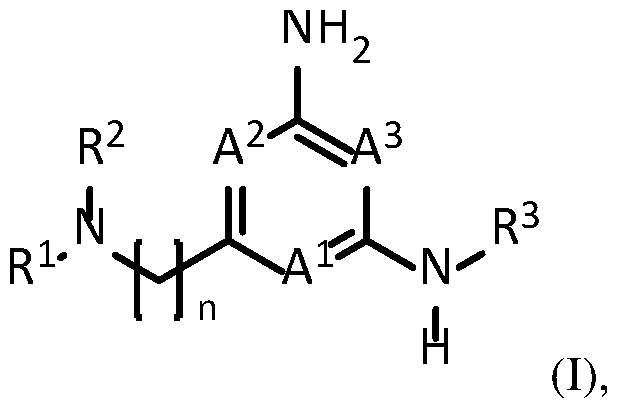






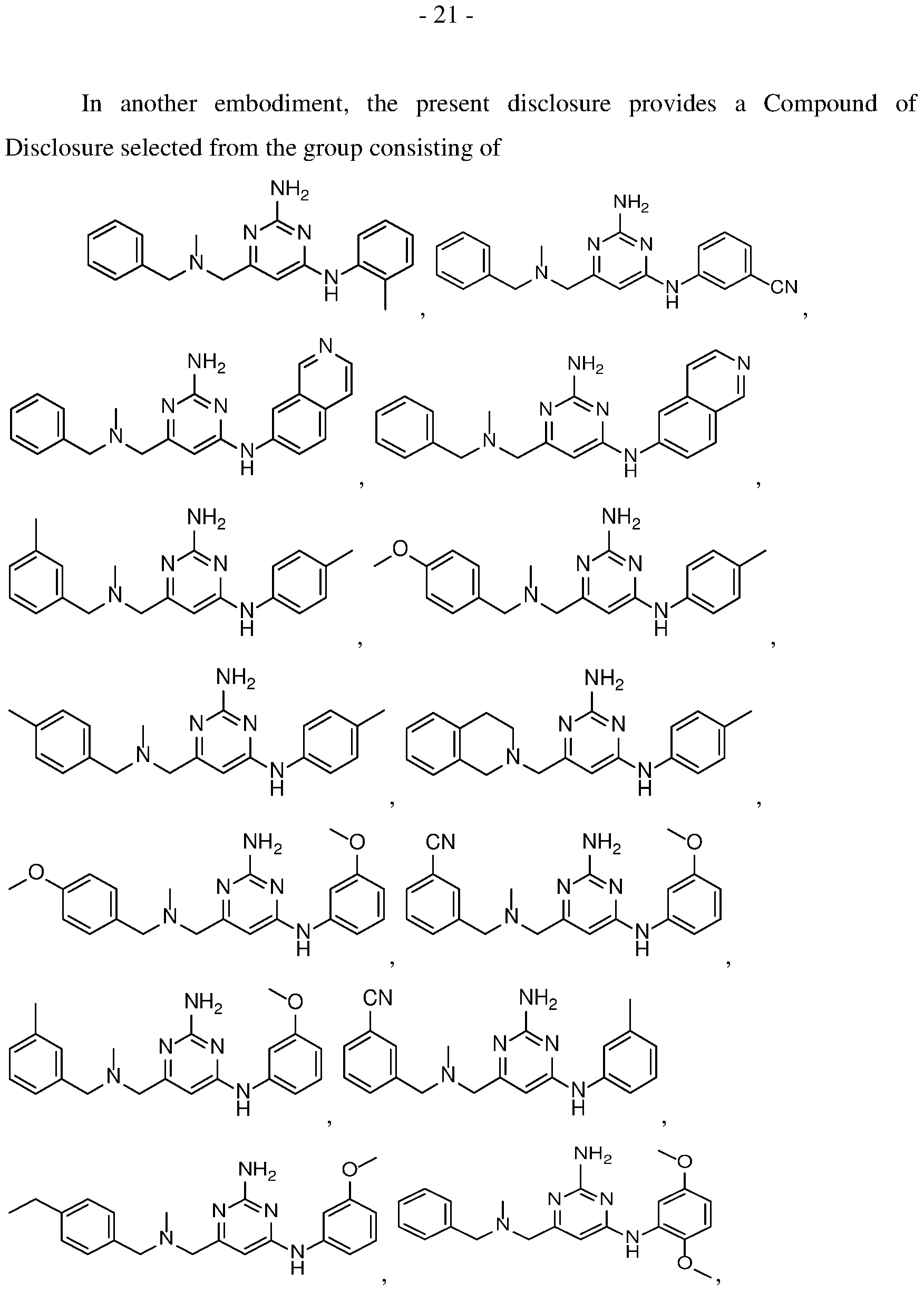

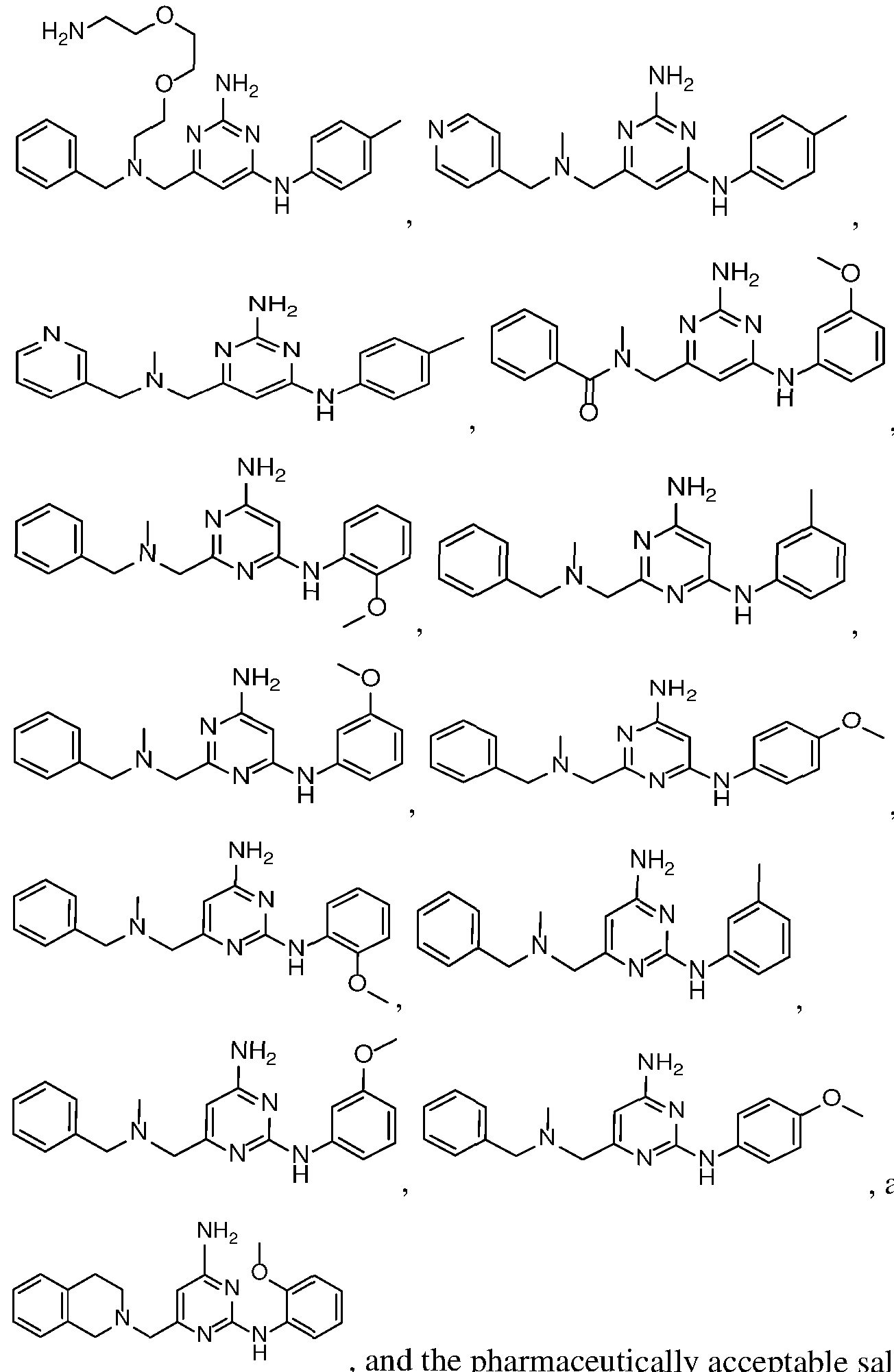









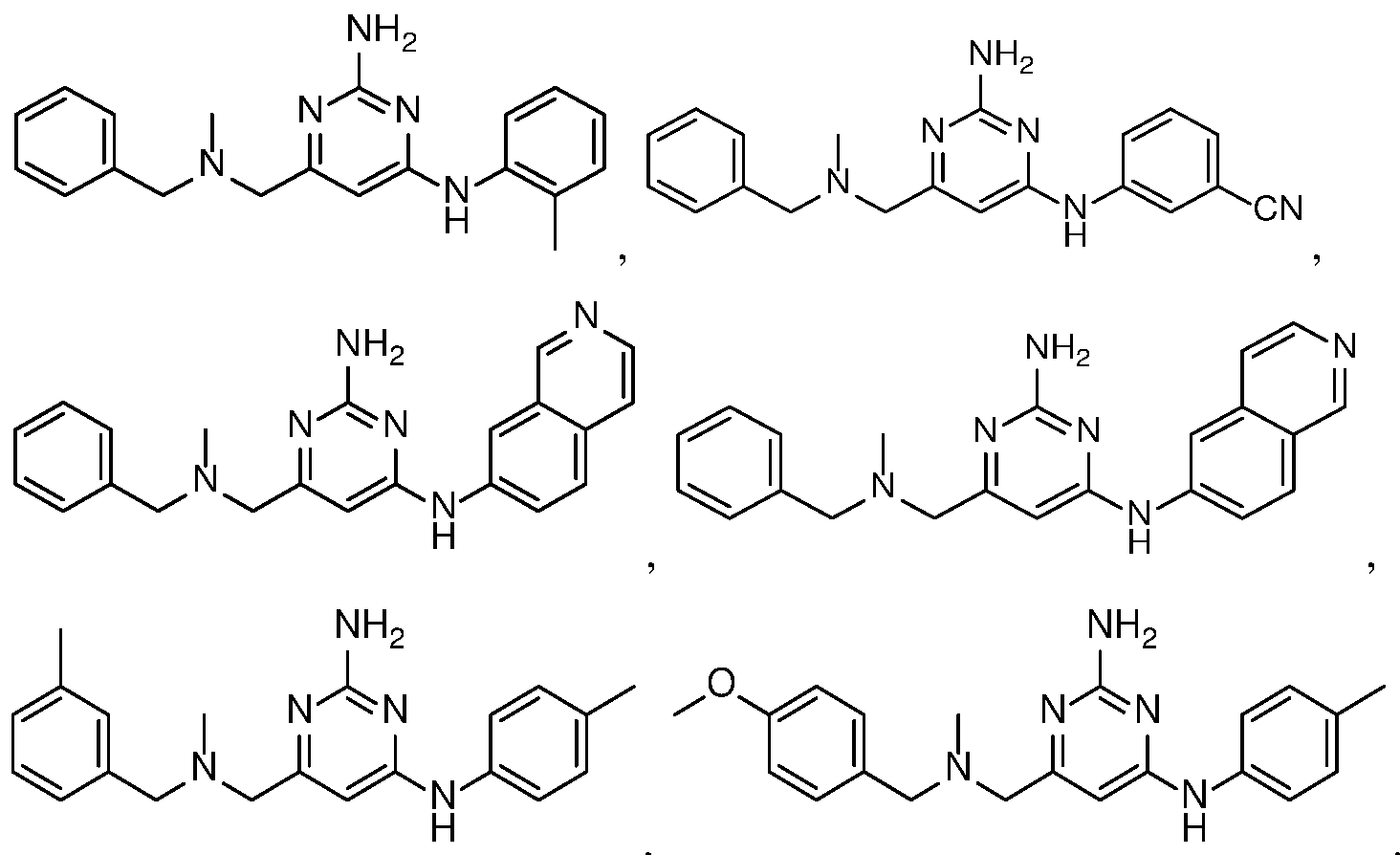
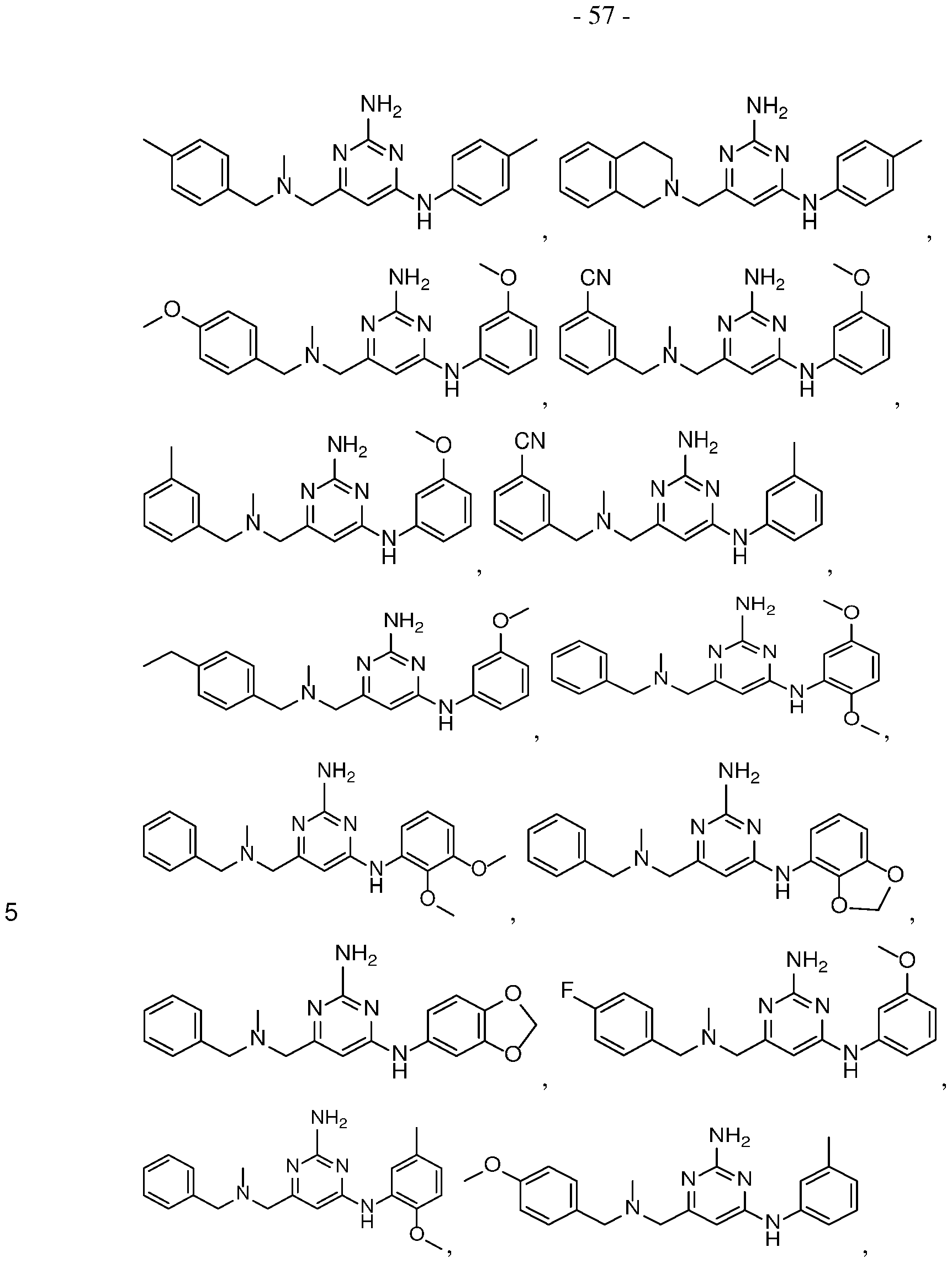

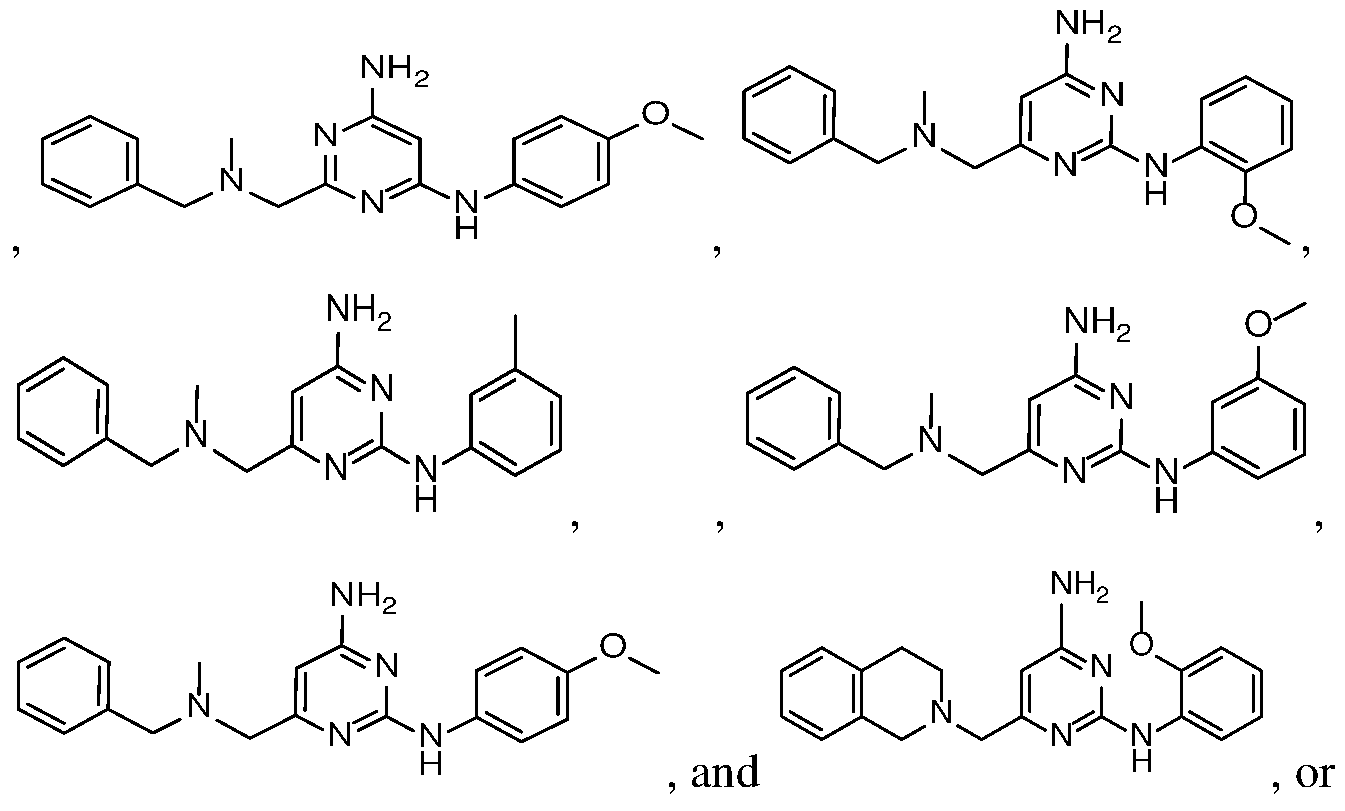
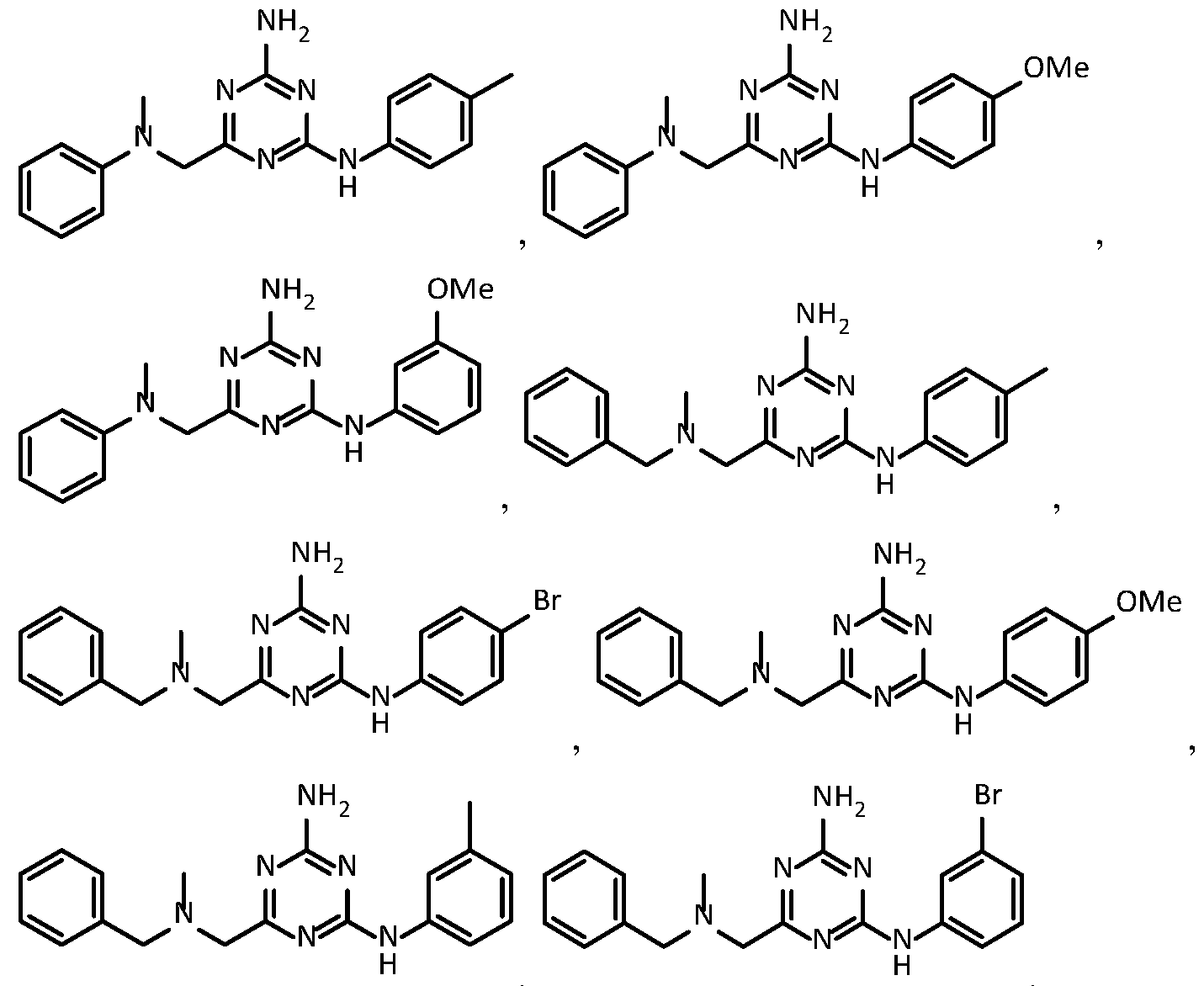


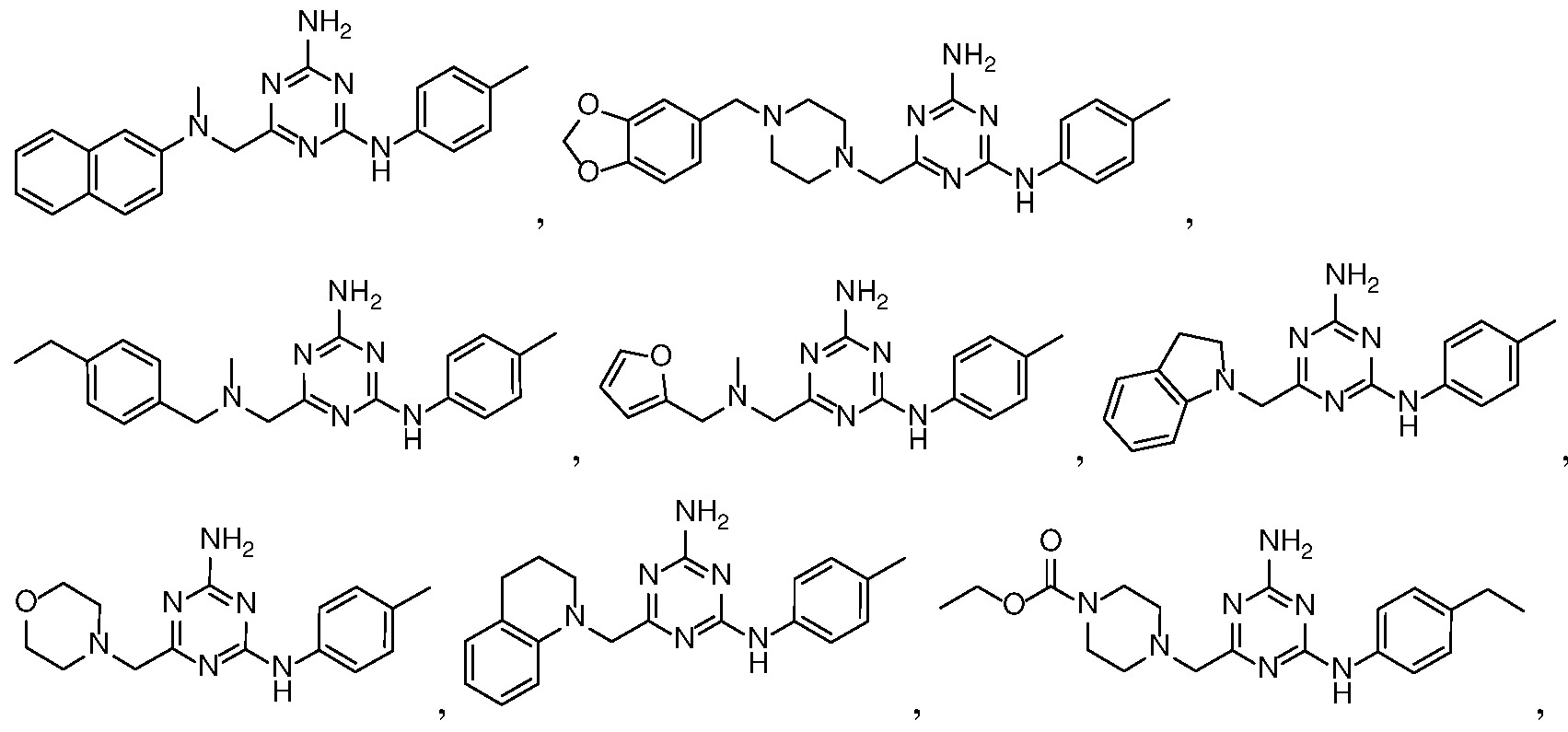
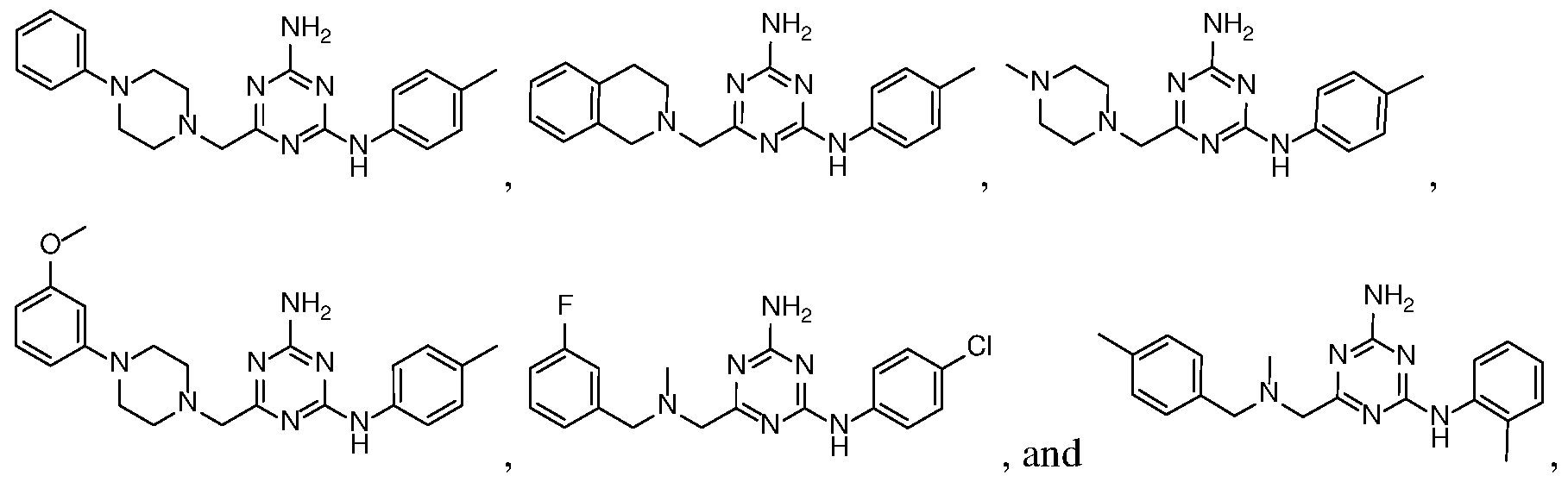
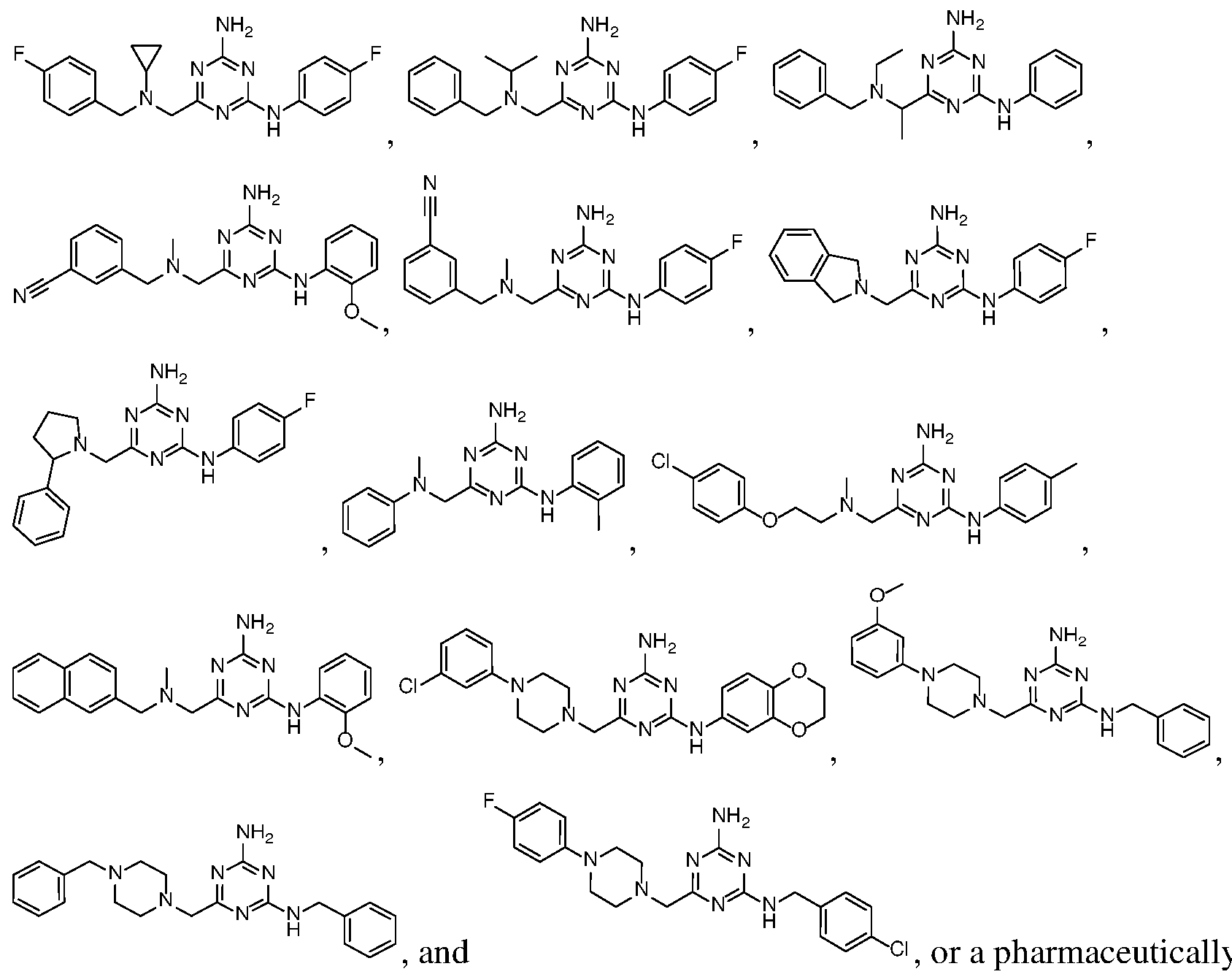


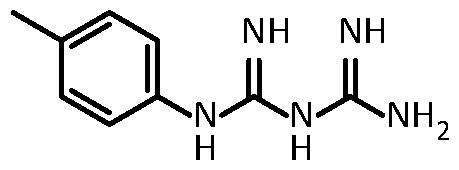


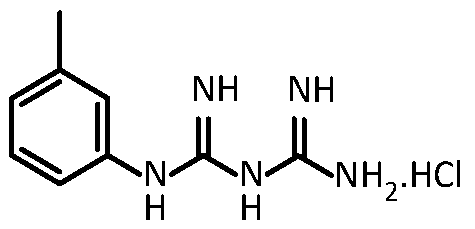
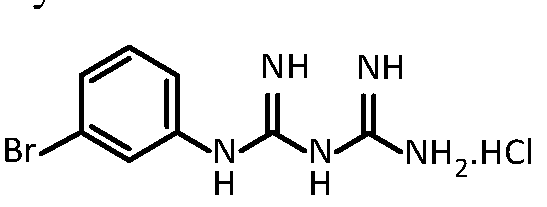

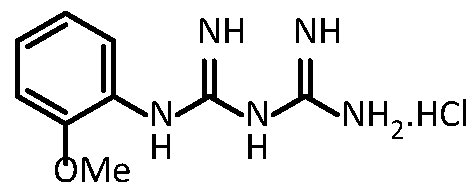
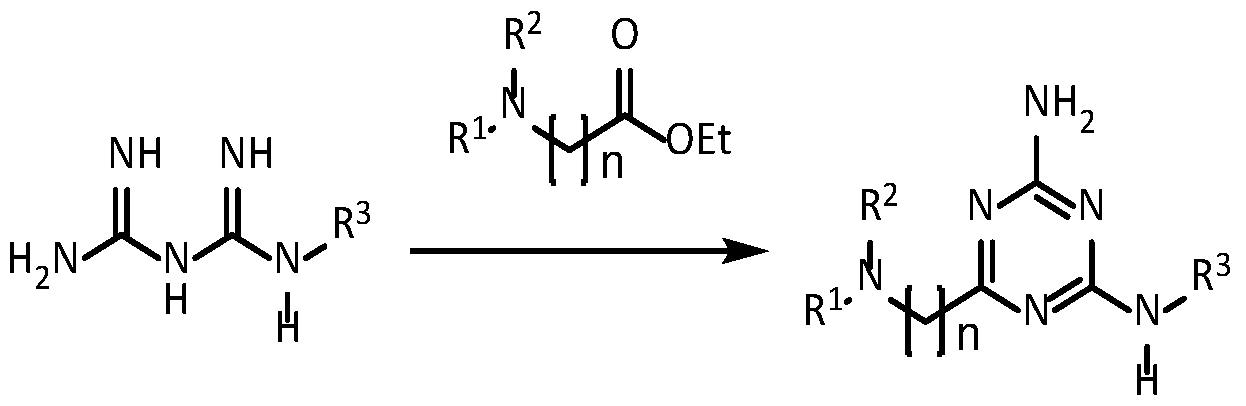
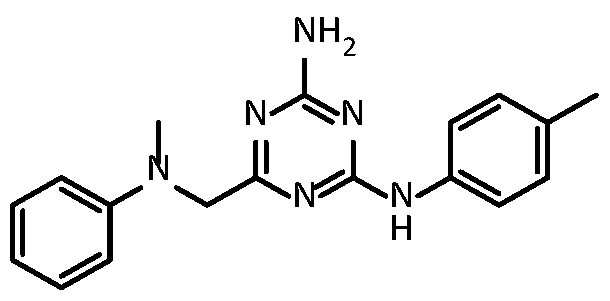
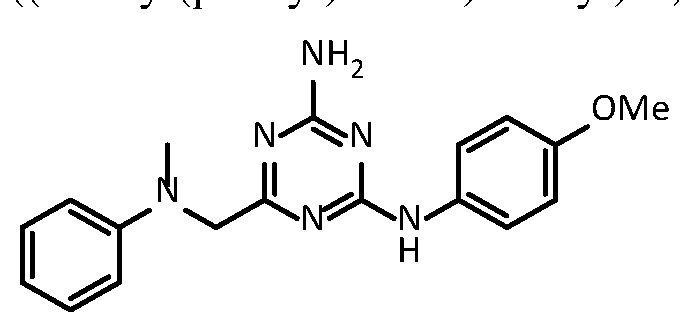

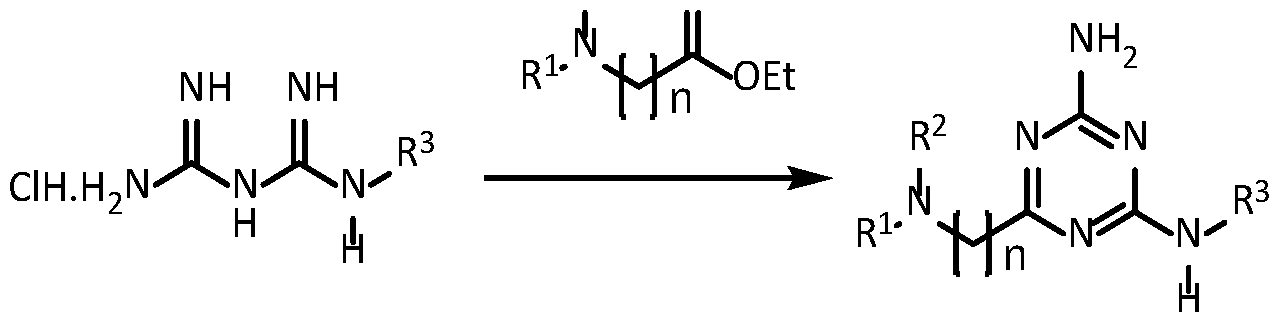

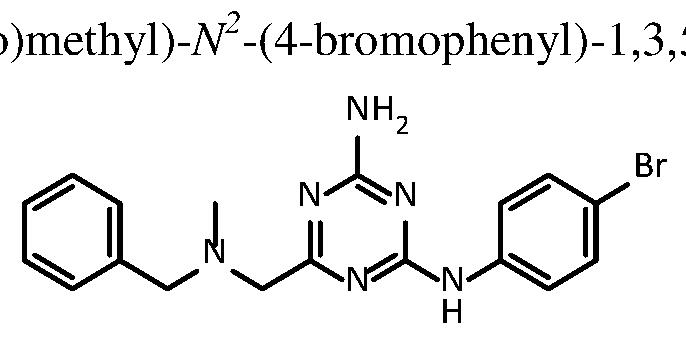
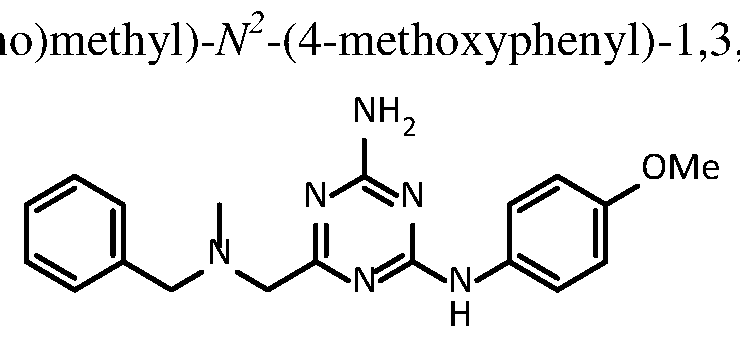
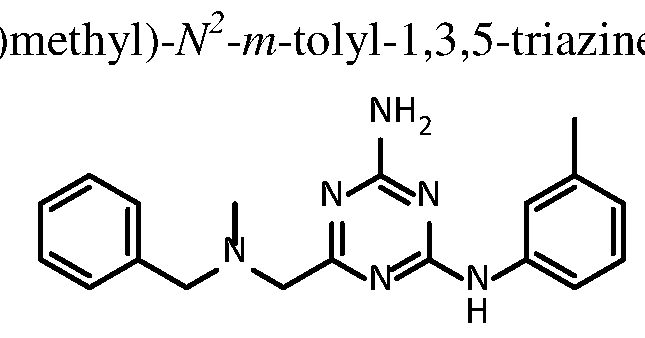
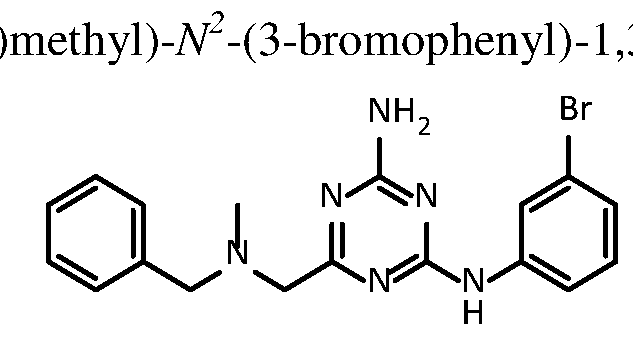

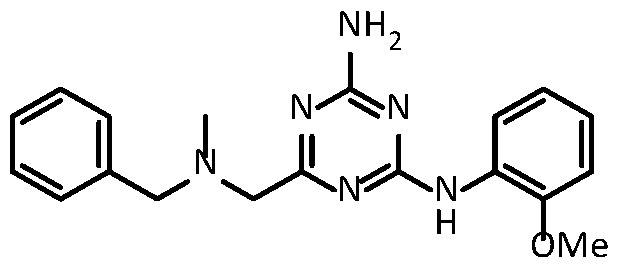

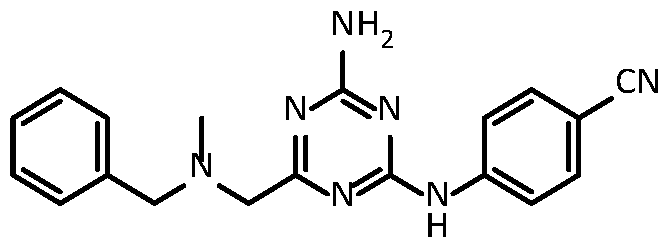


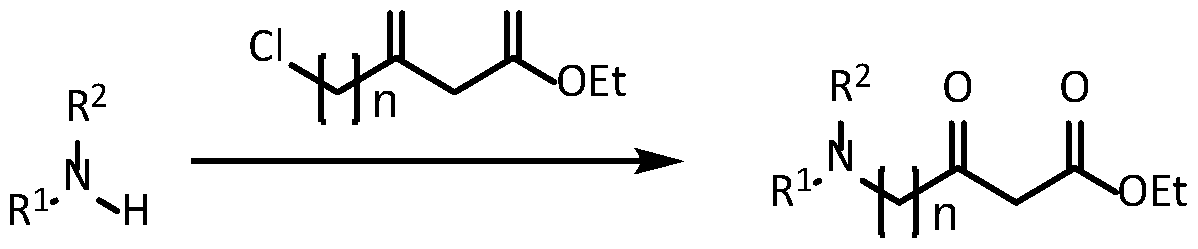
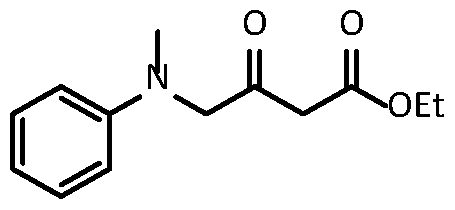
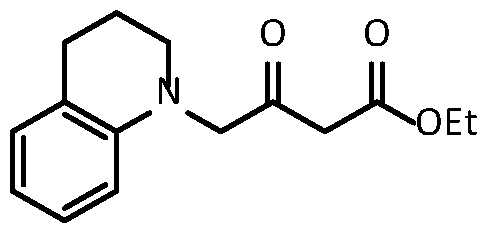
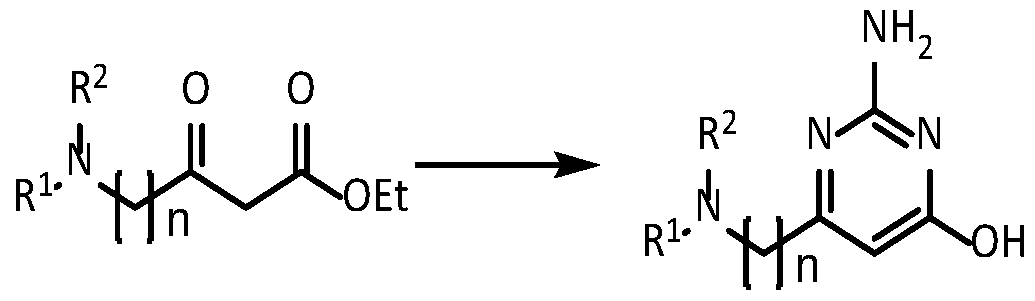
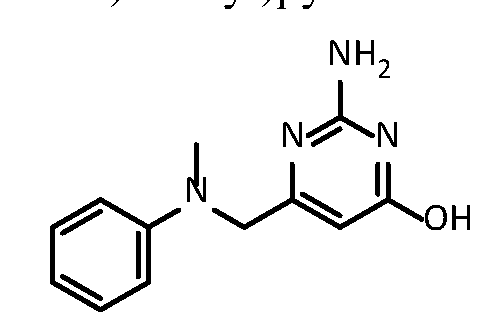

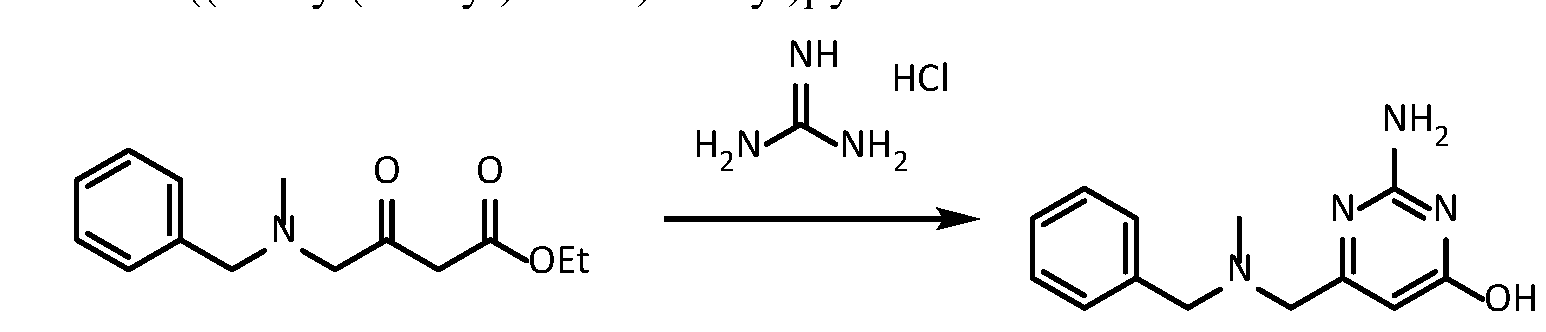

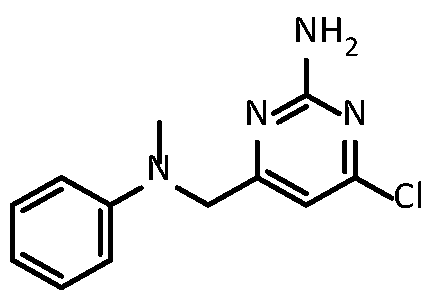

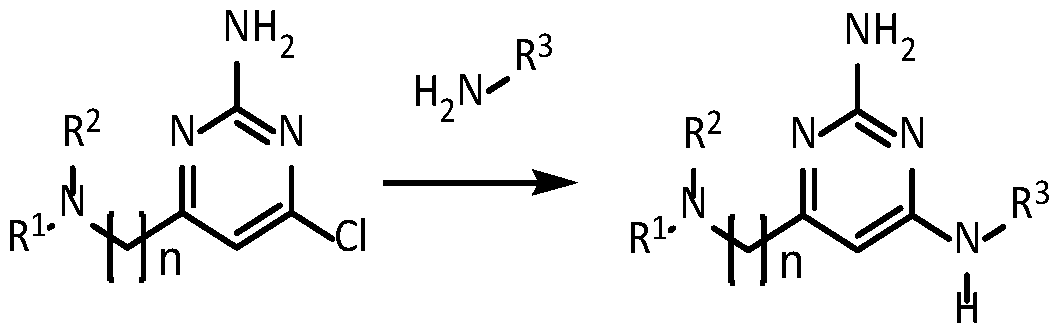


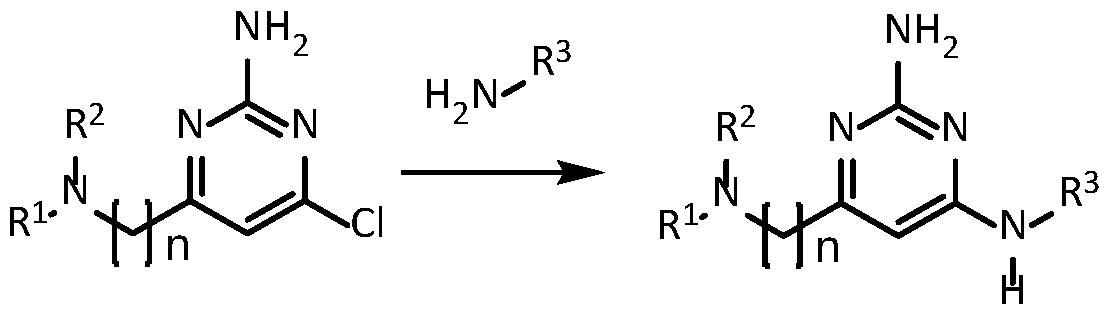
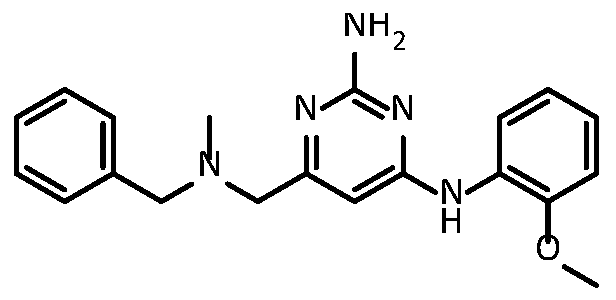
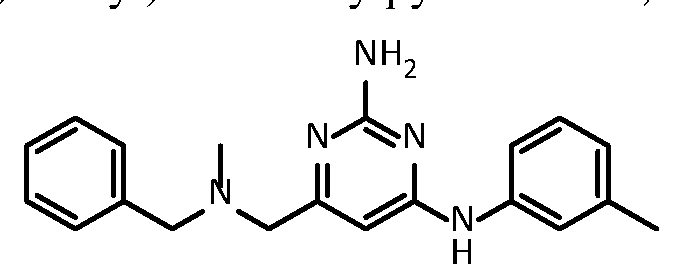


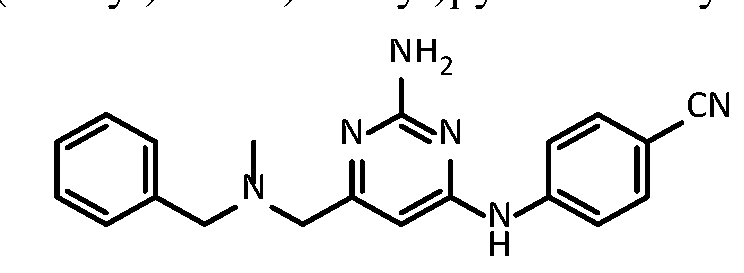

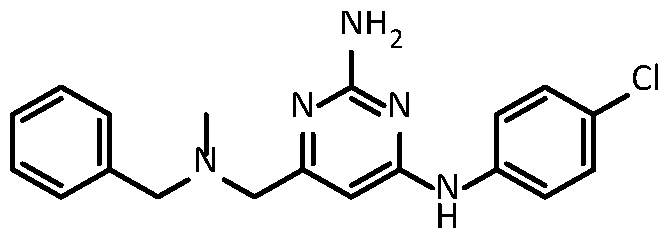




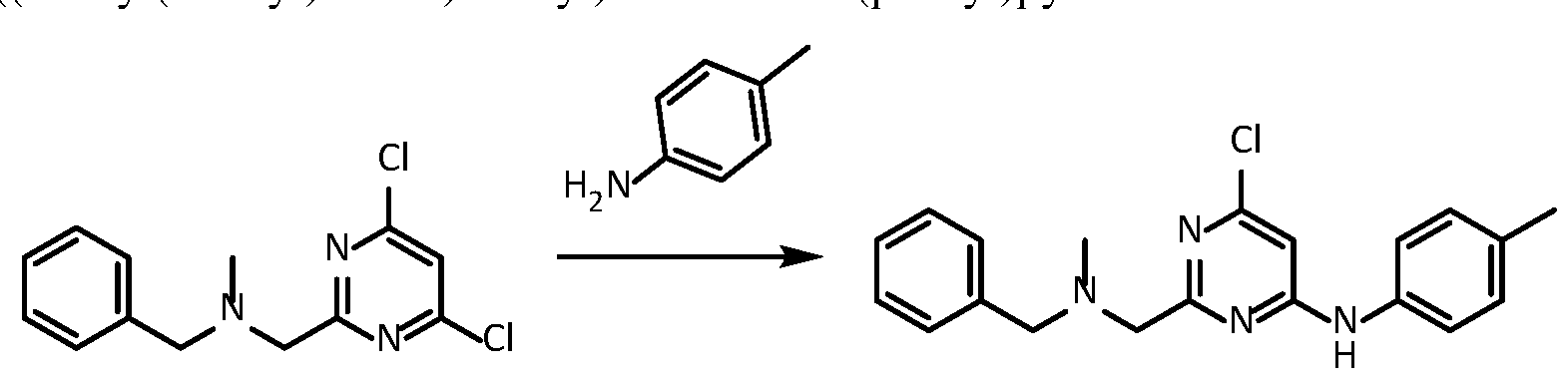







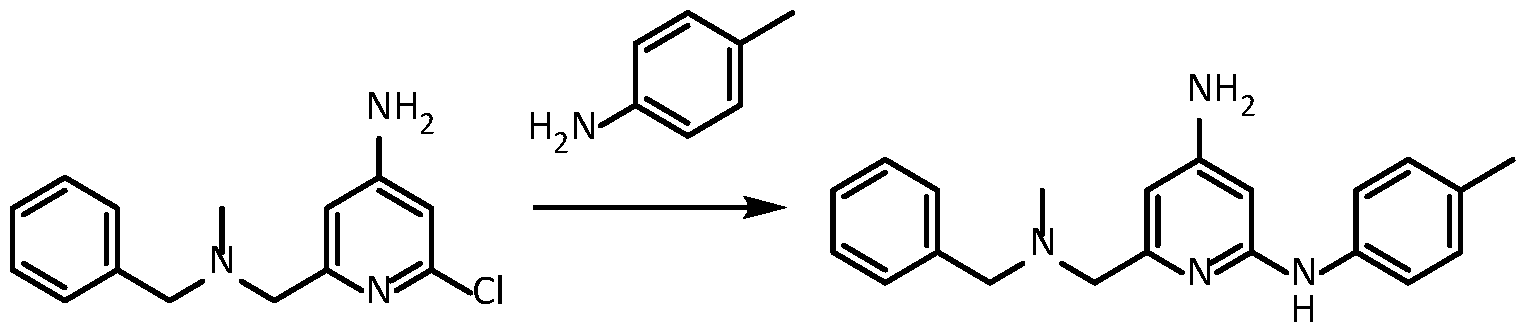

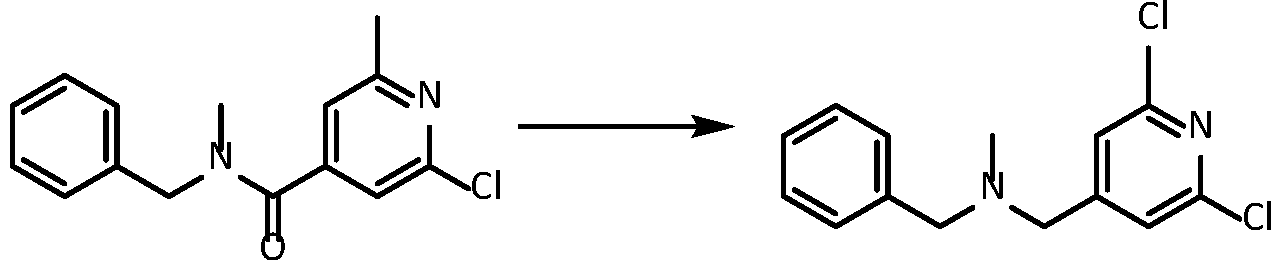



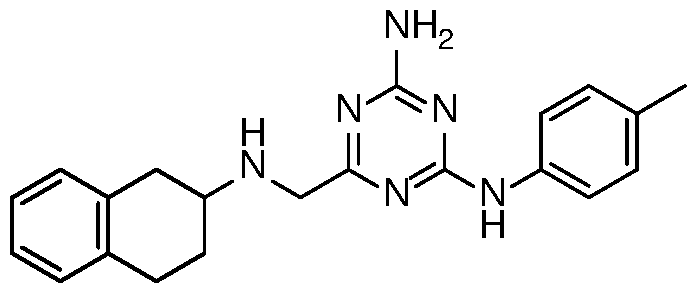

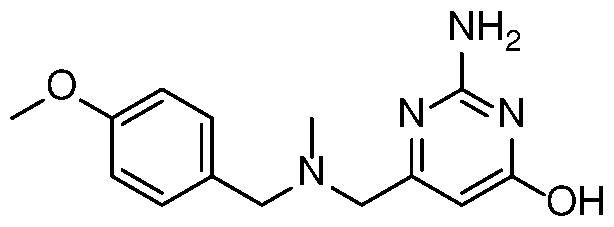
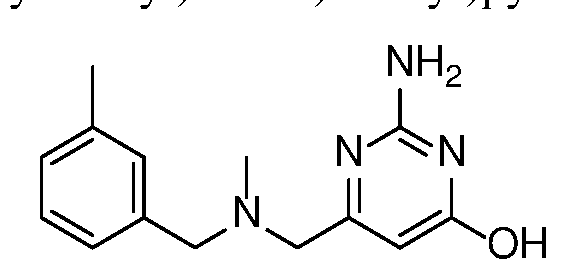
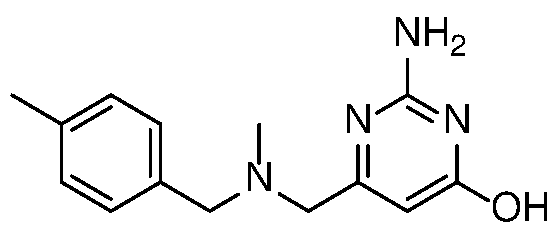
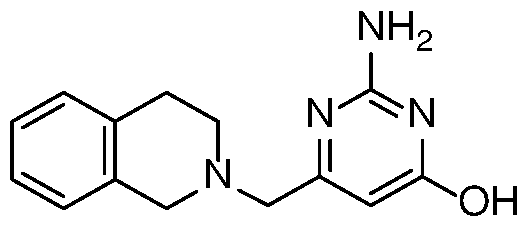


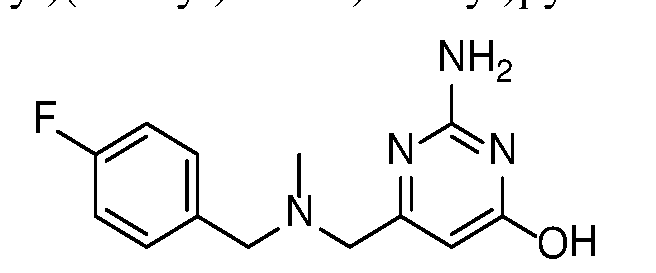

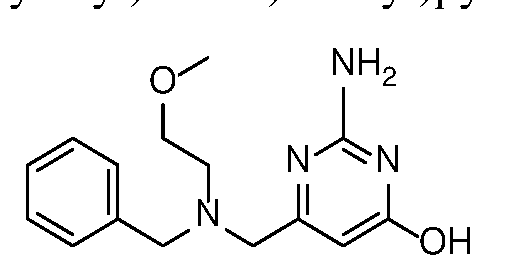
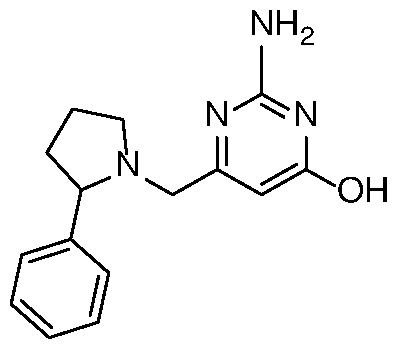
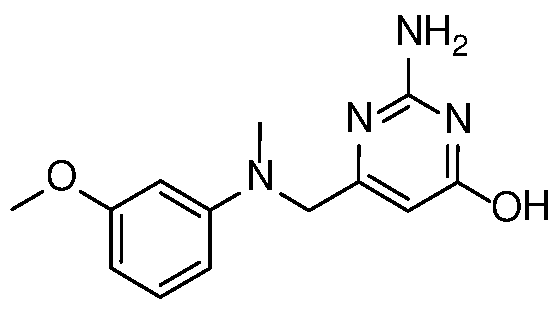


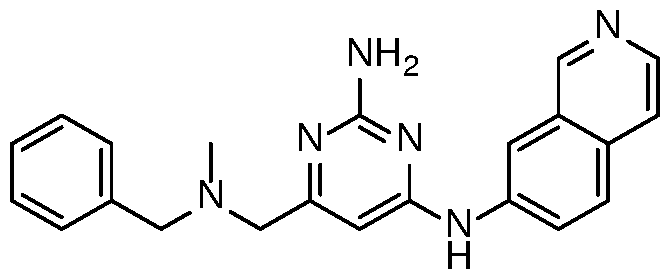
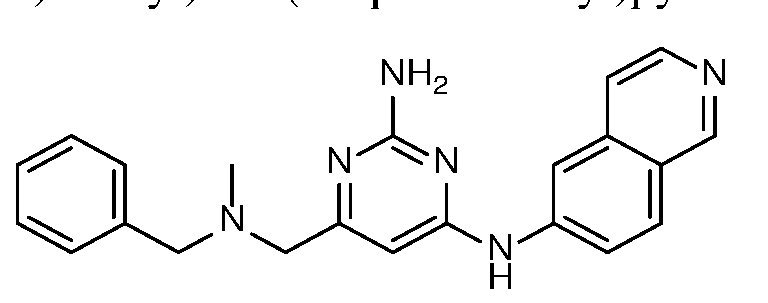


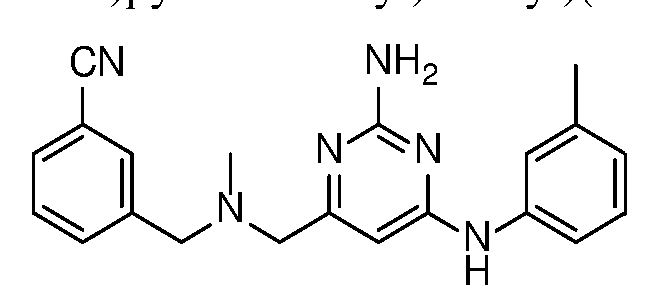

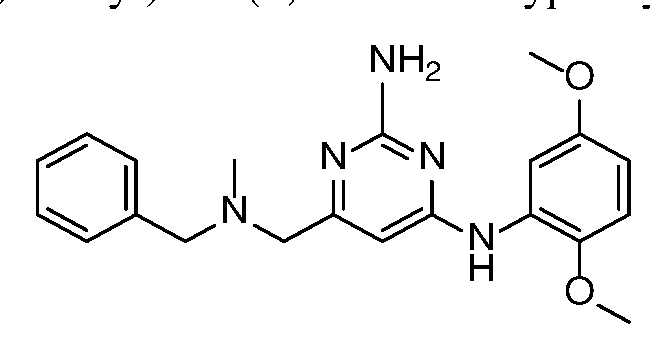

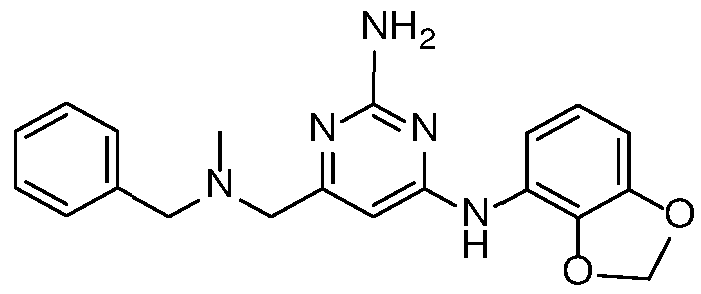
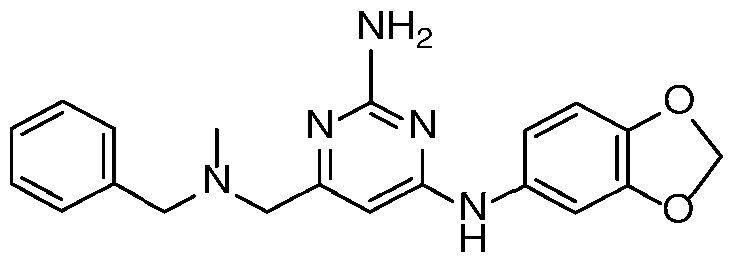

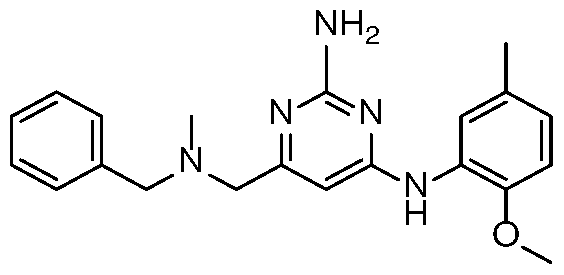

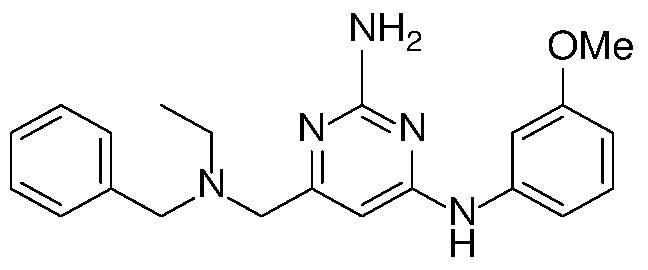

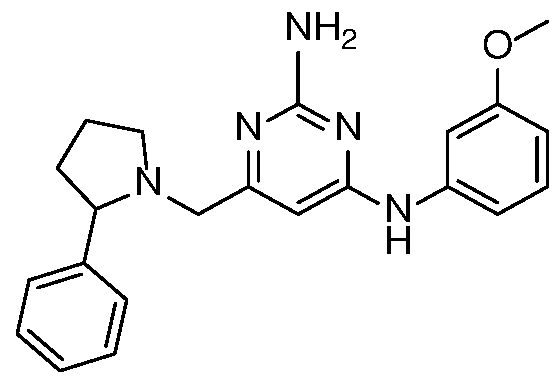
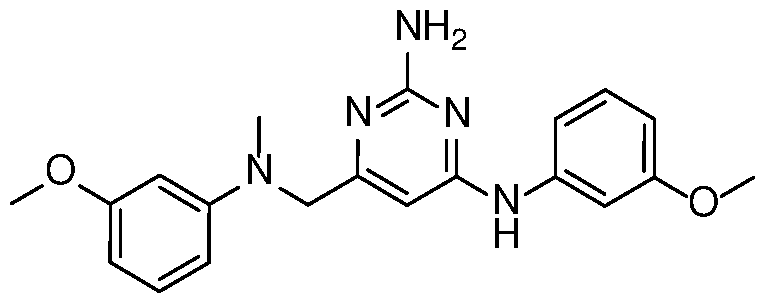
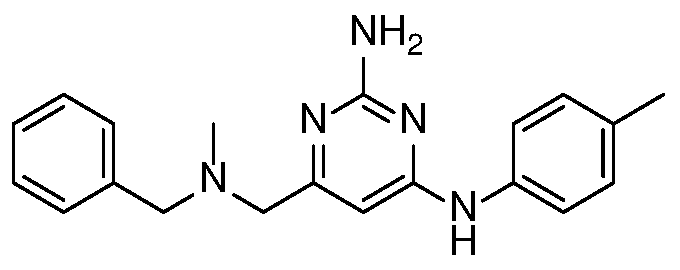


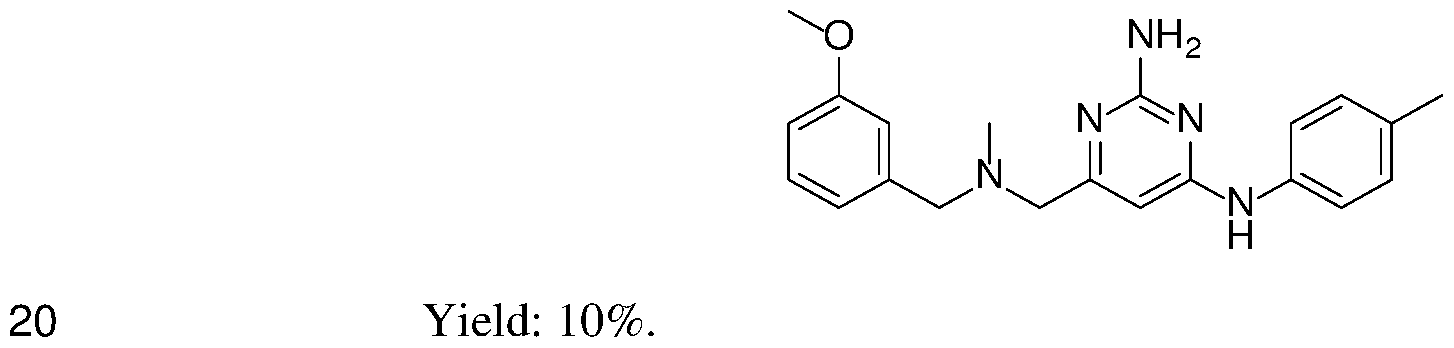
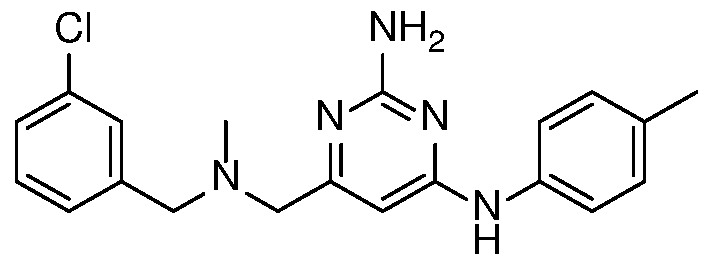
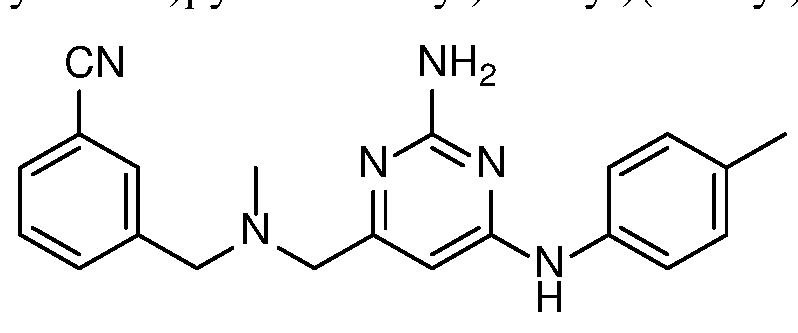
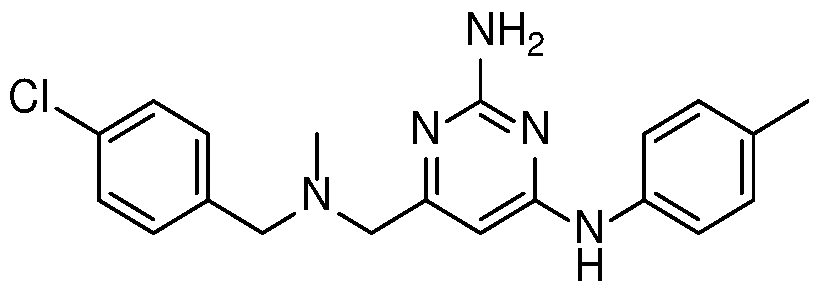


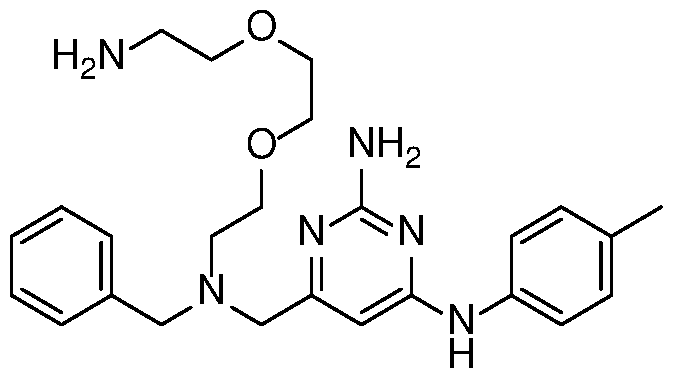
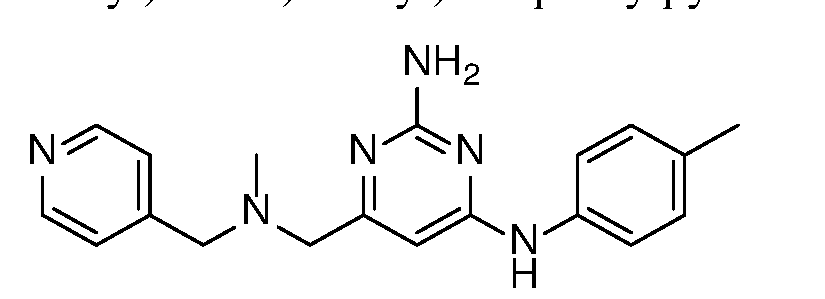
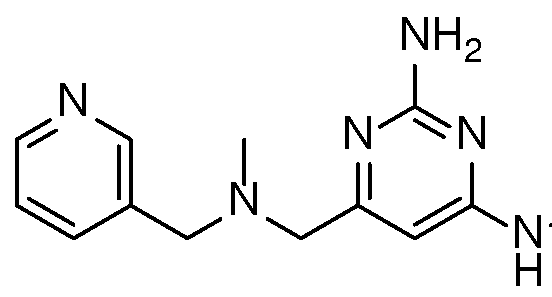
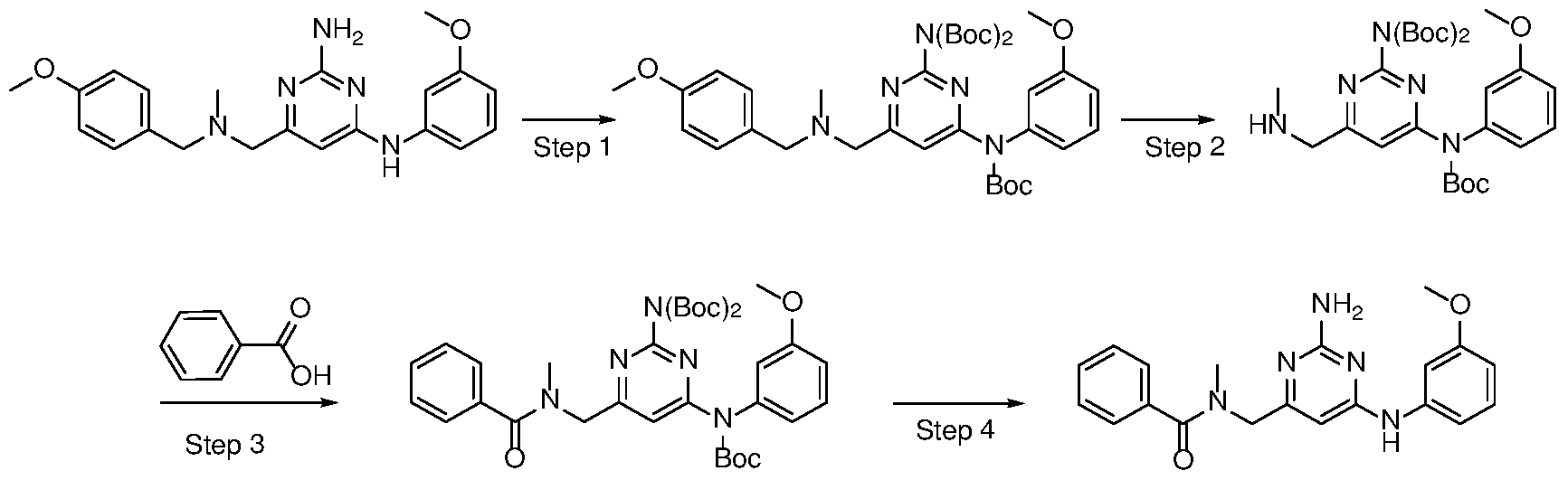
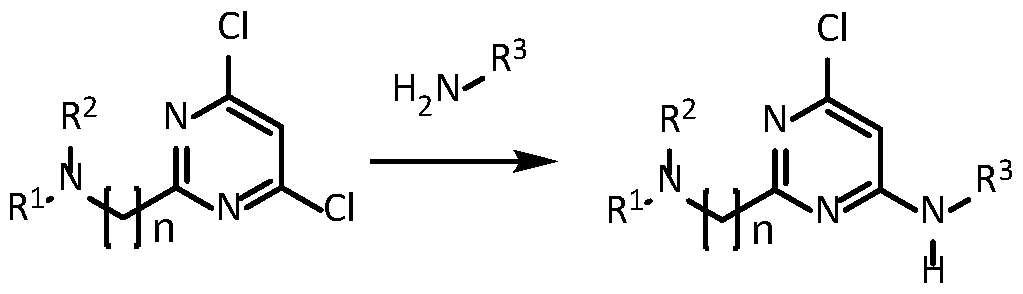

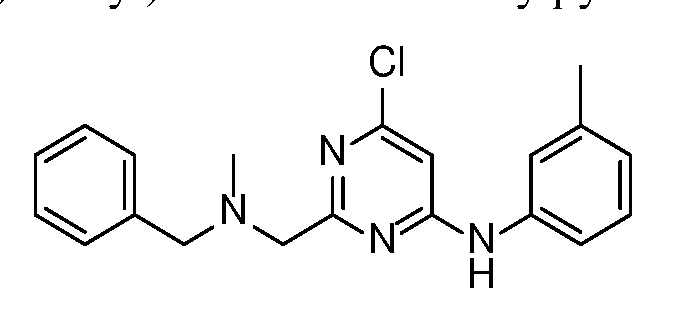
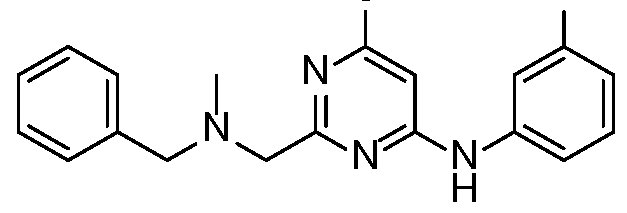
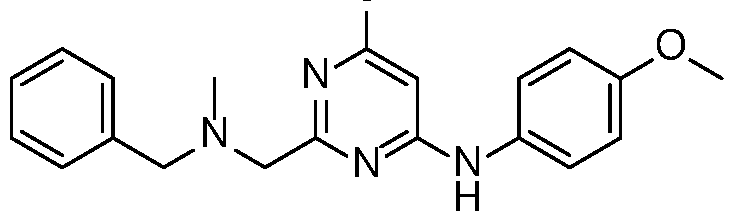


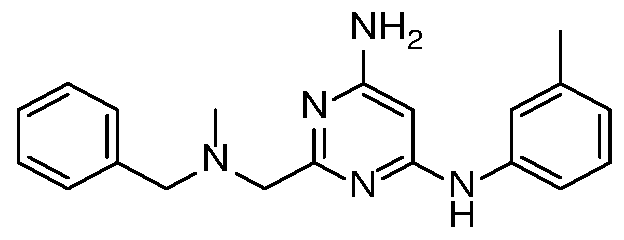
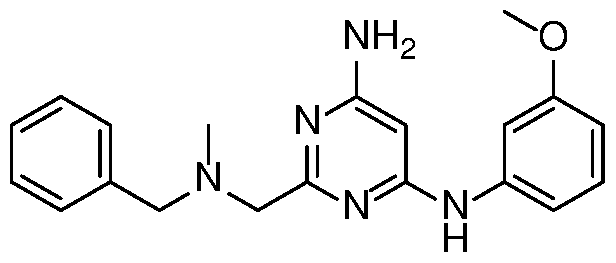
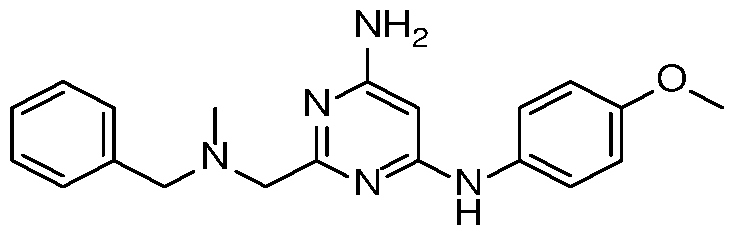
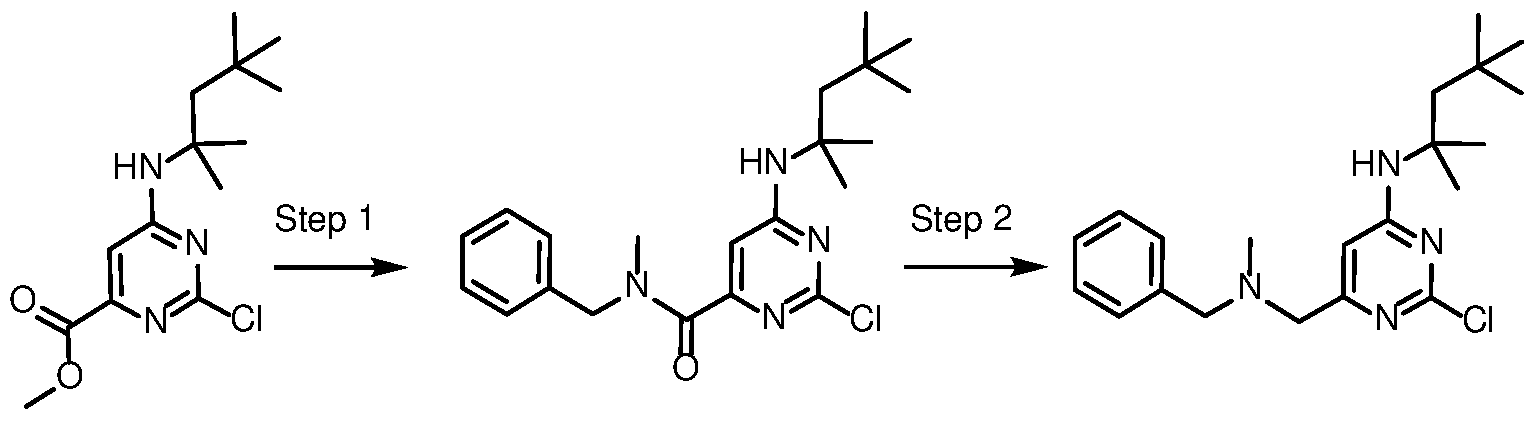
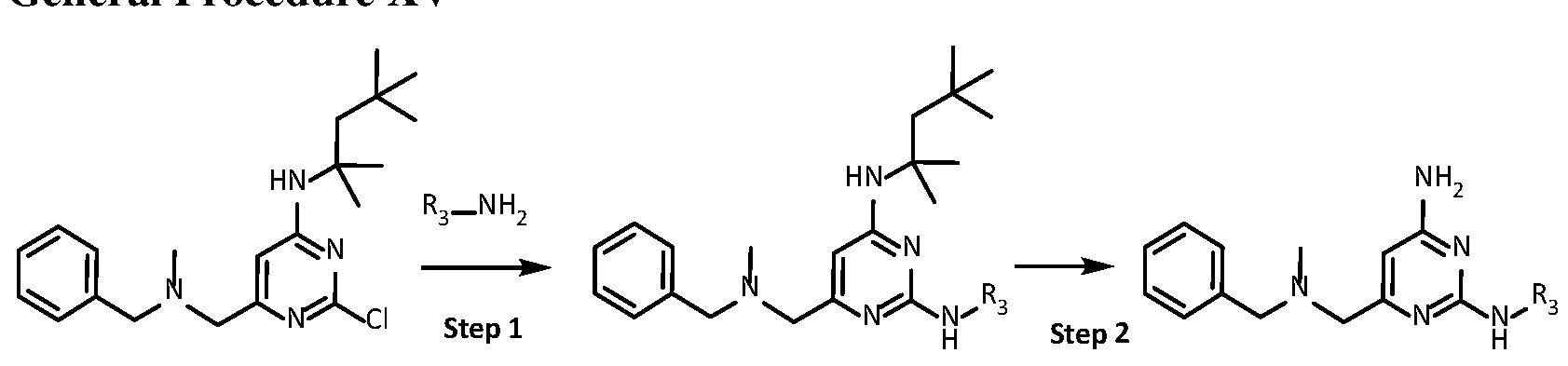

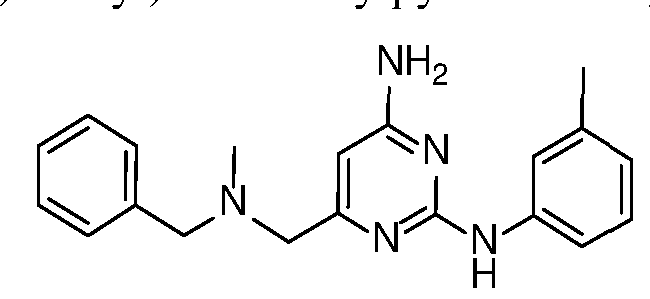
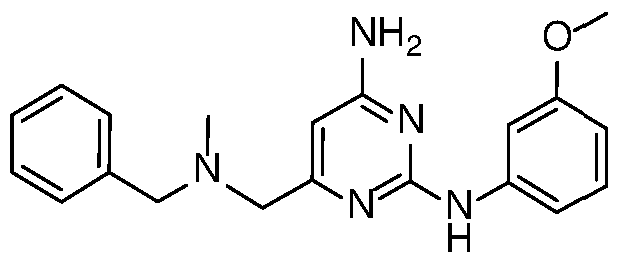
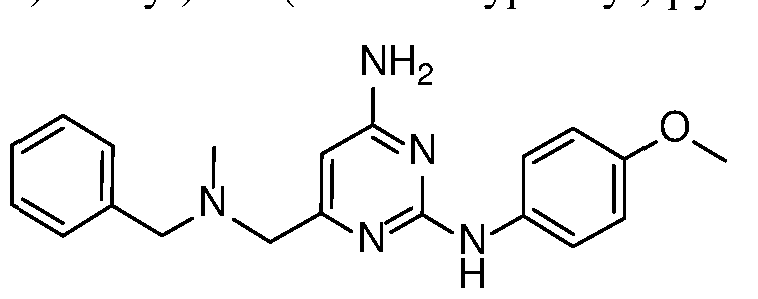

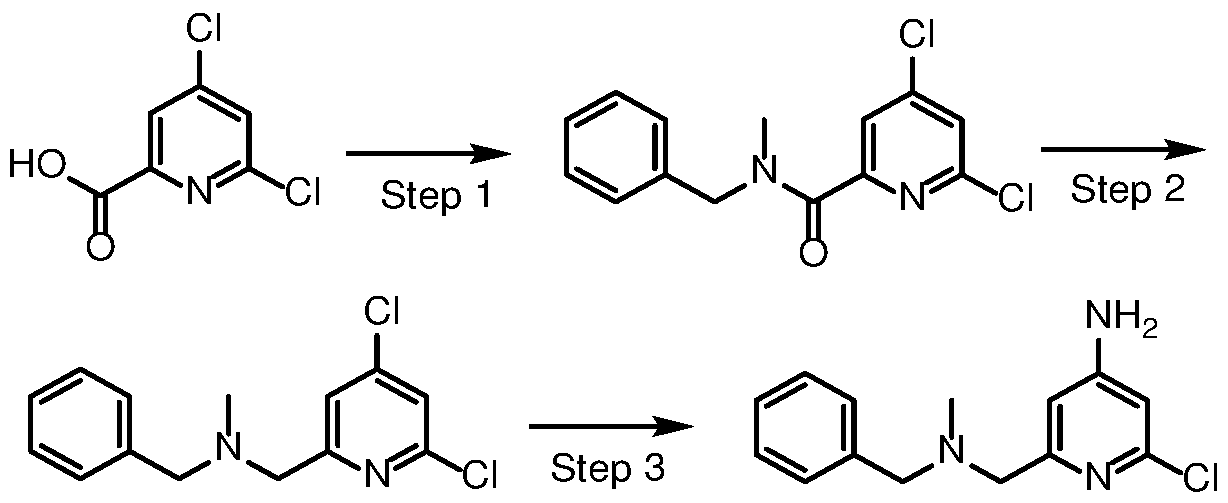


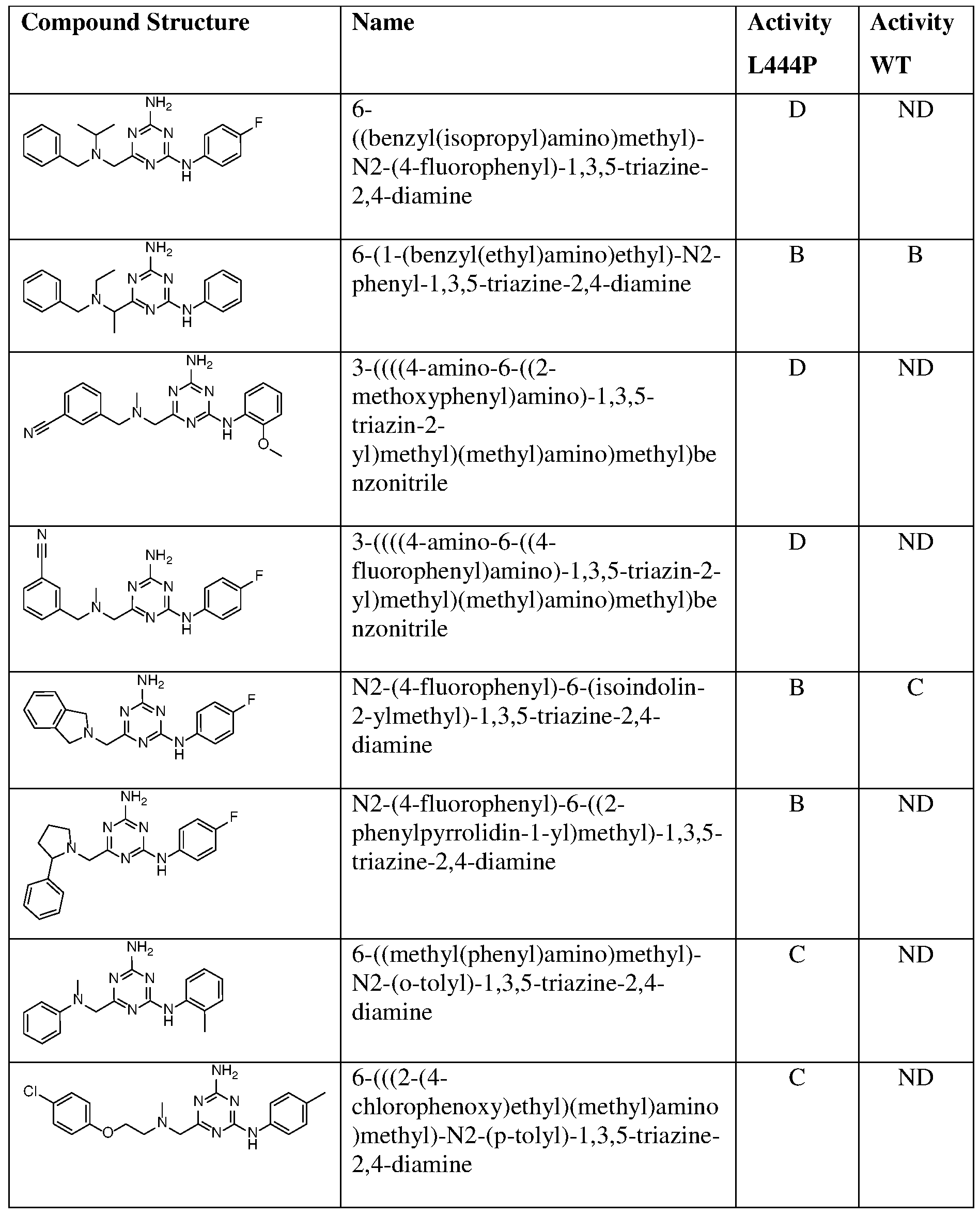

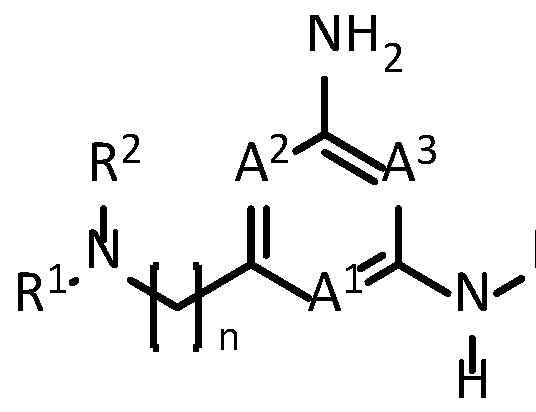
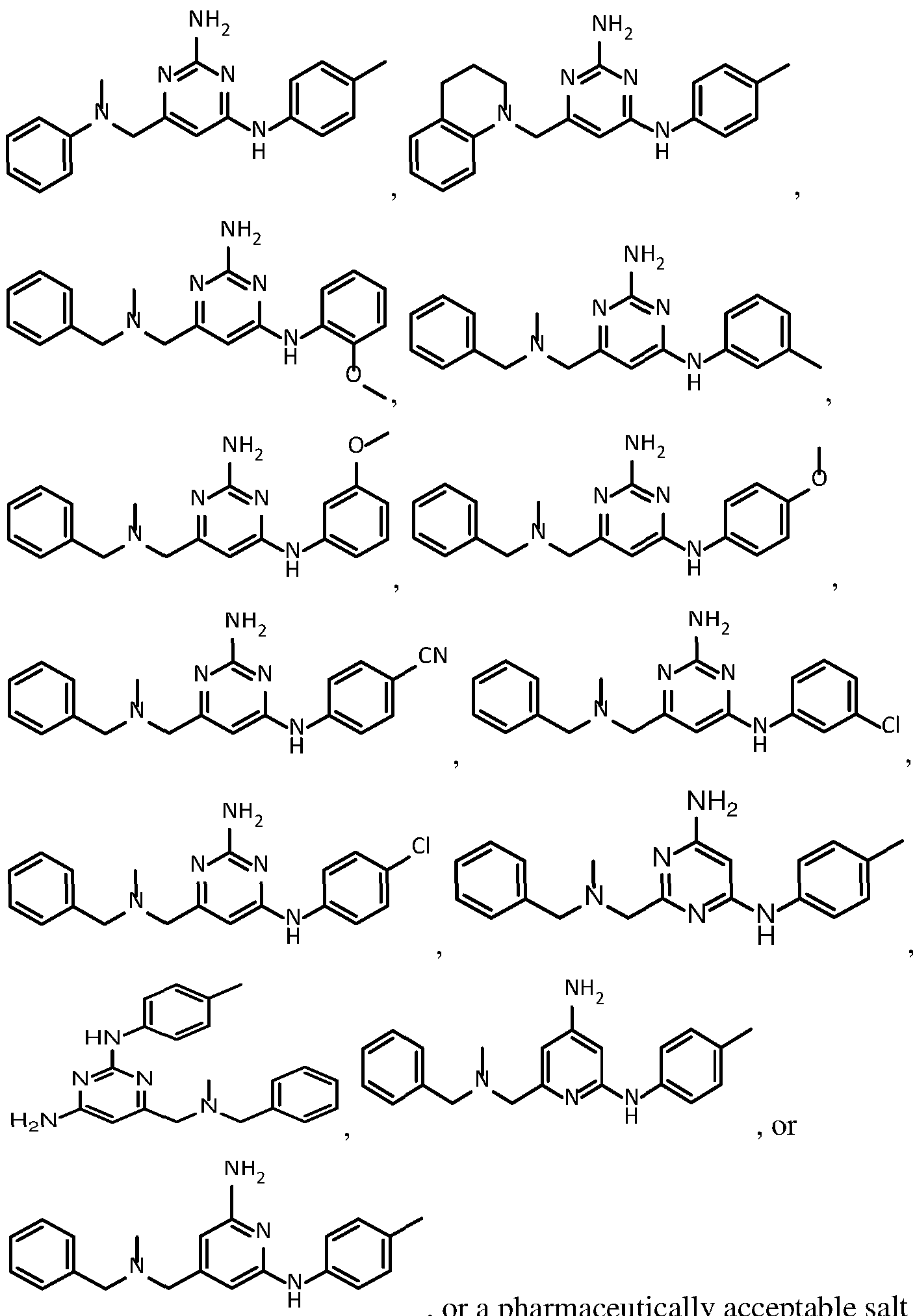
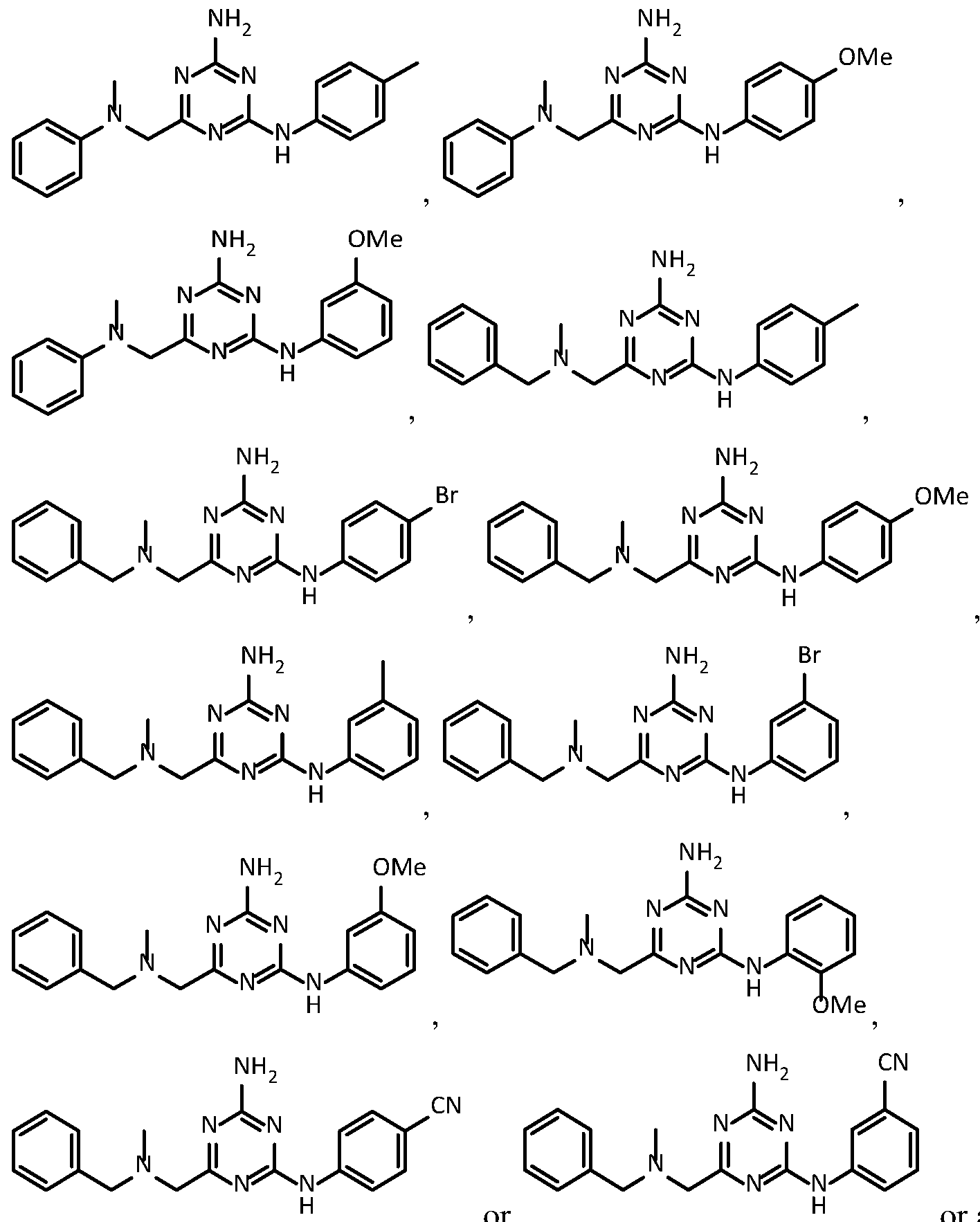
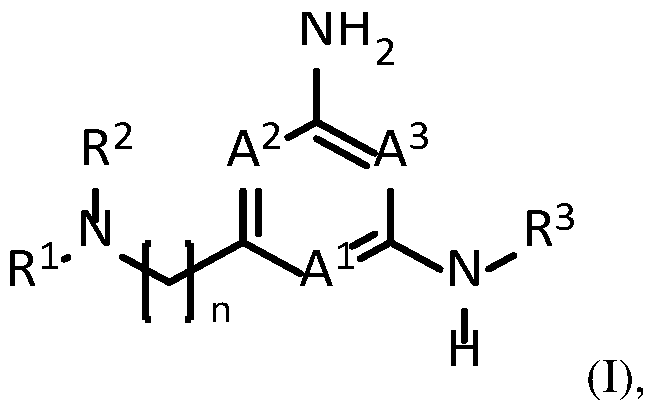
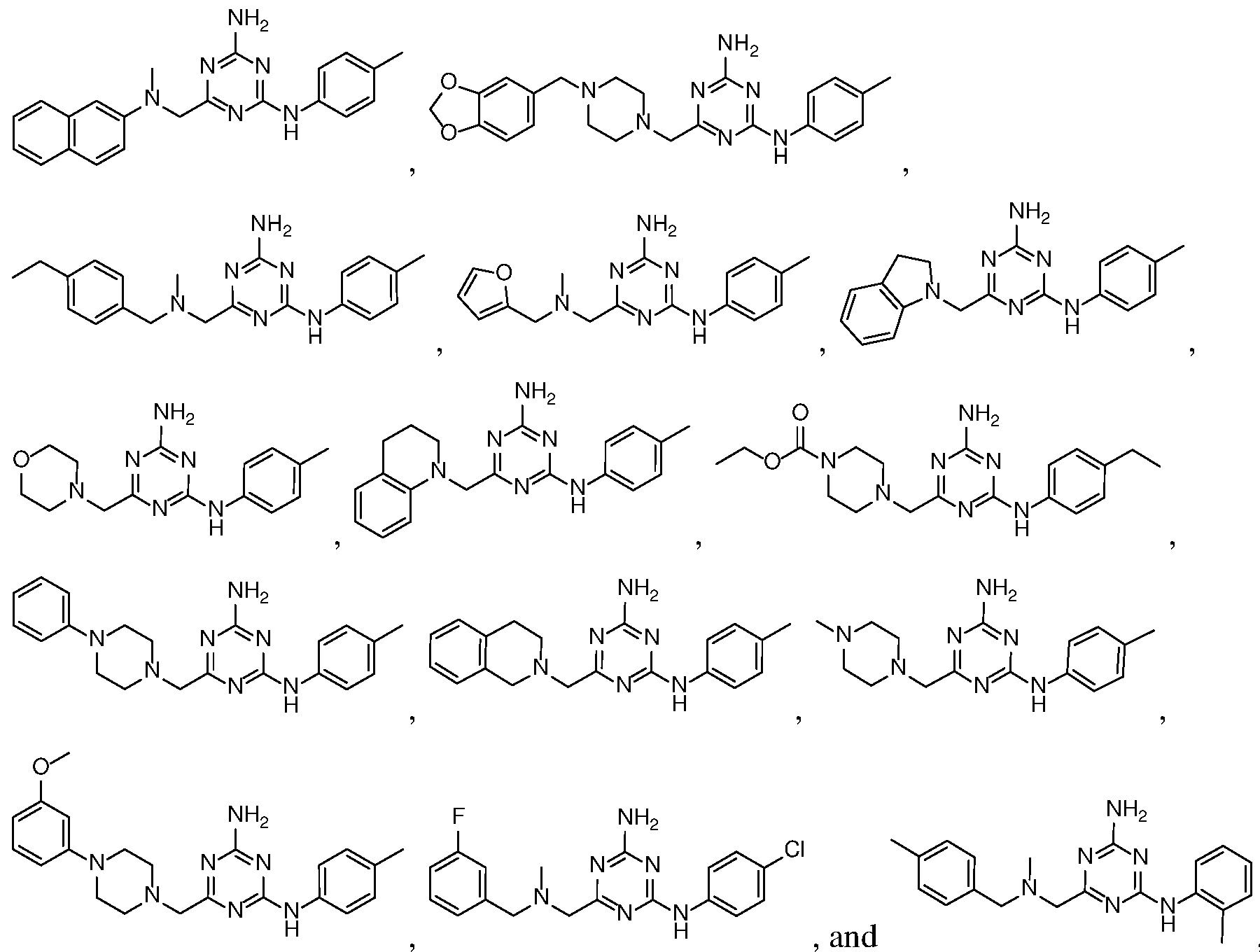
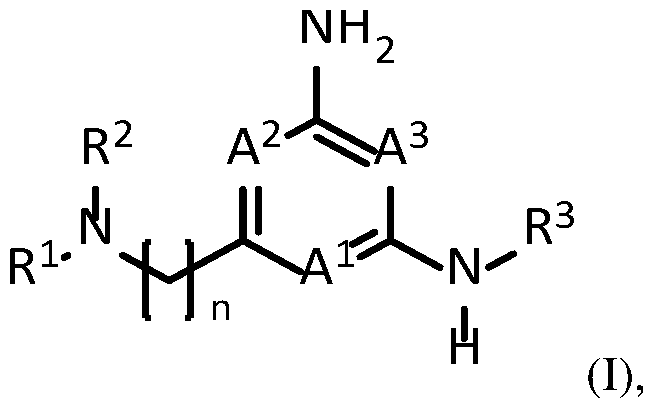

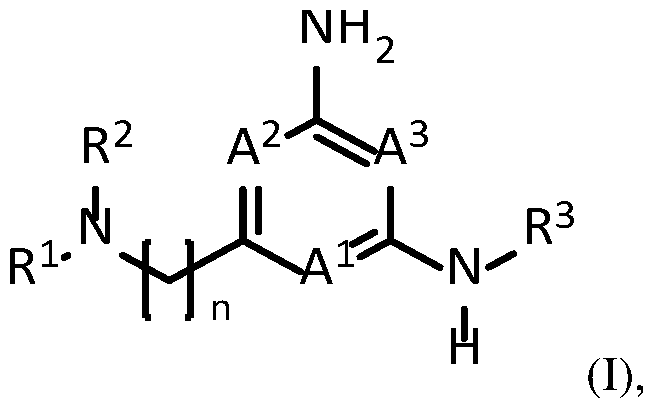
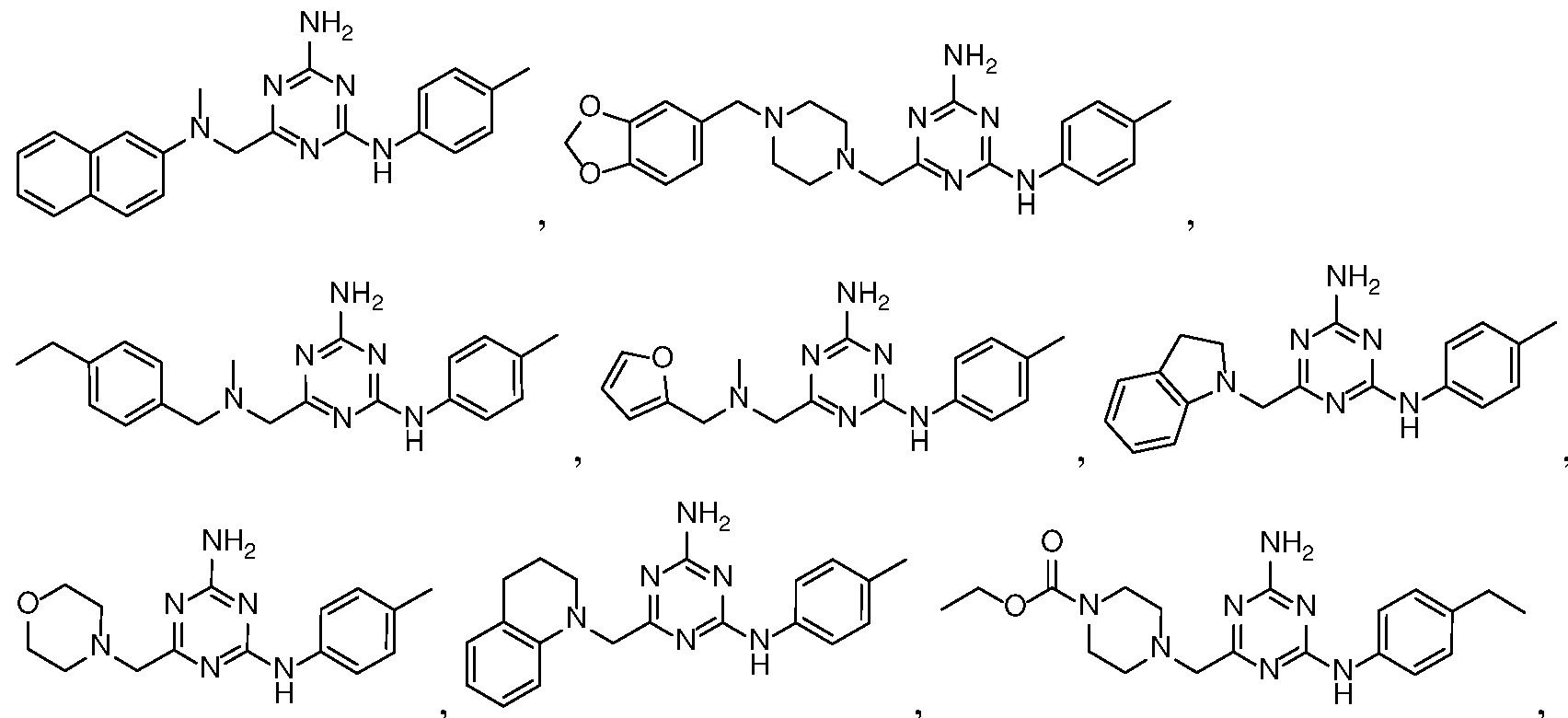


Claims

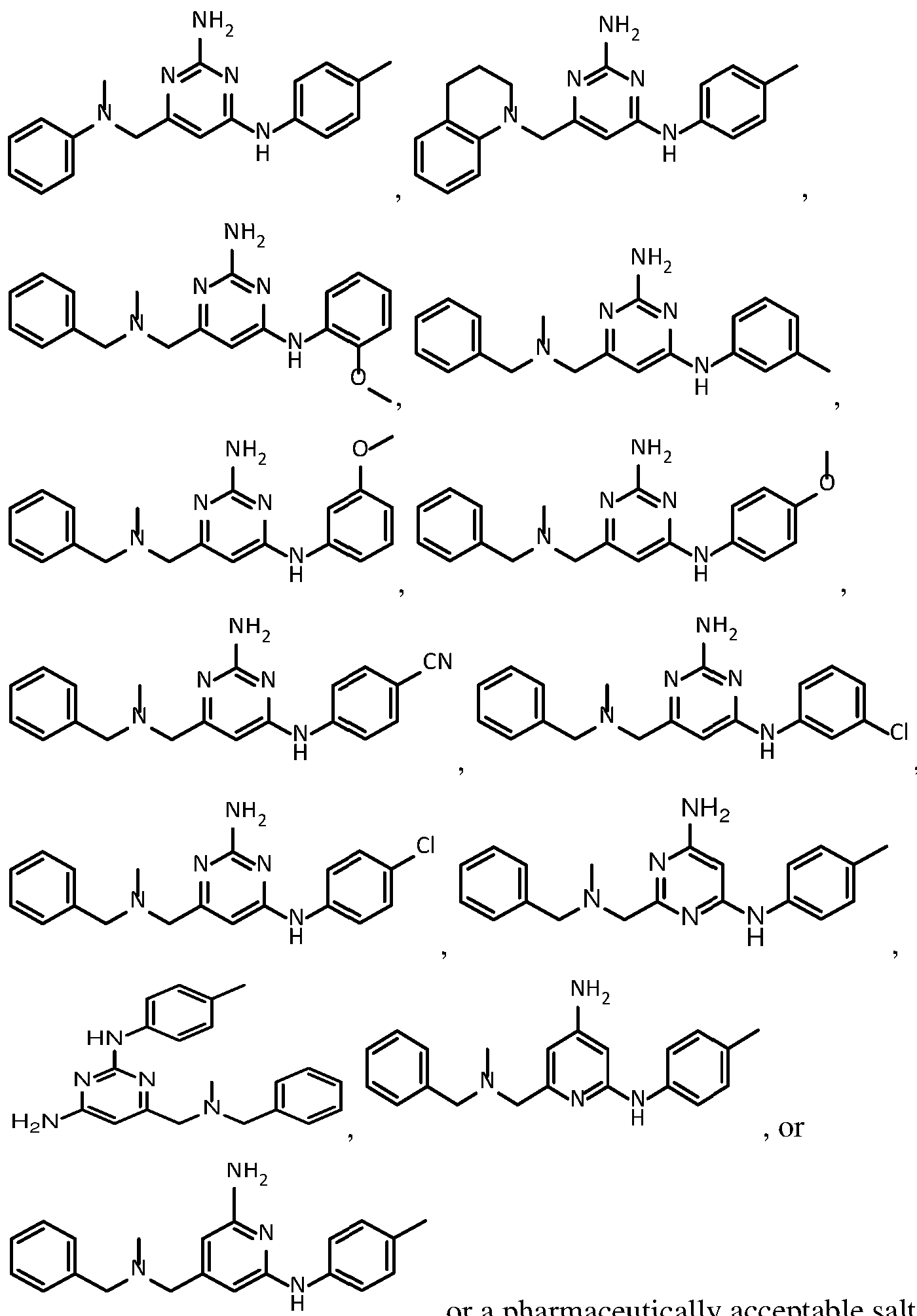


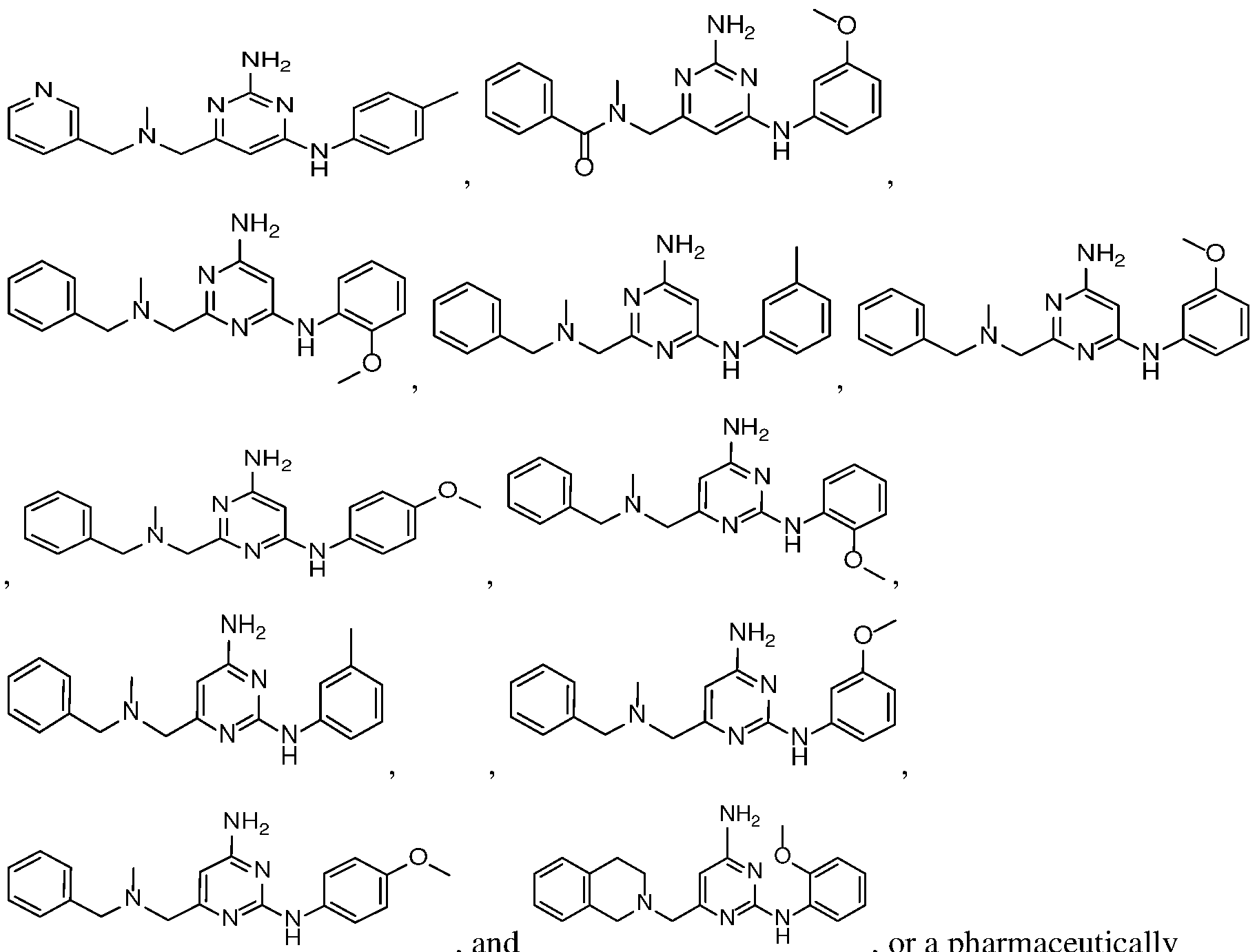
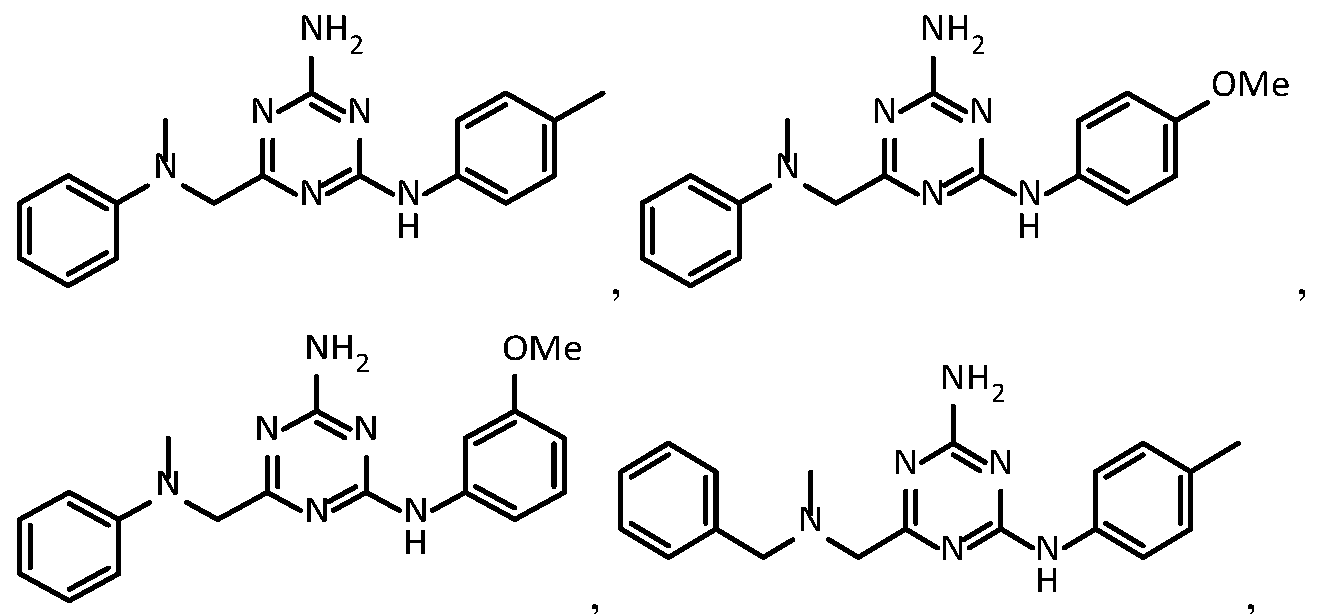
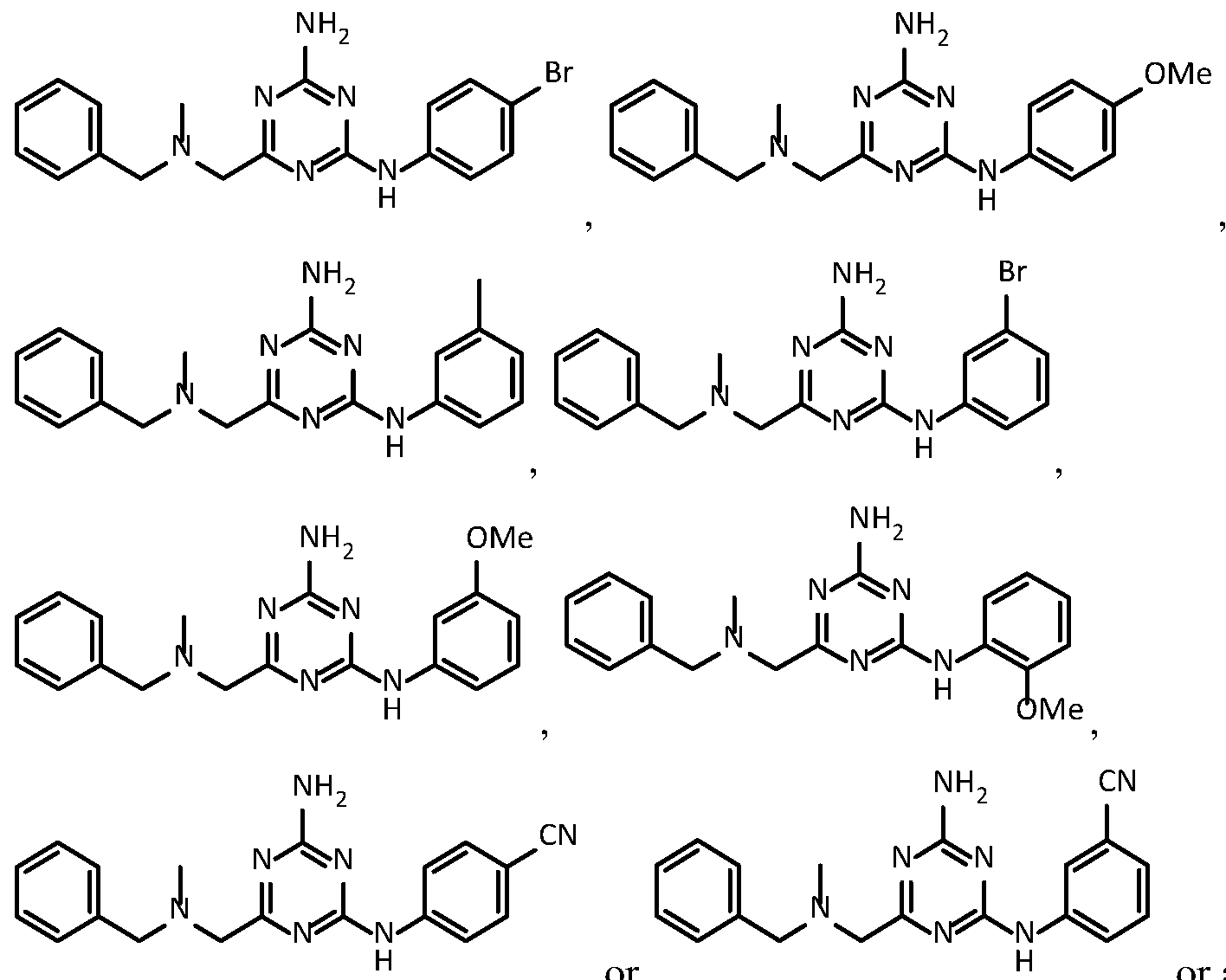


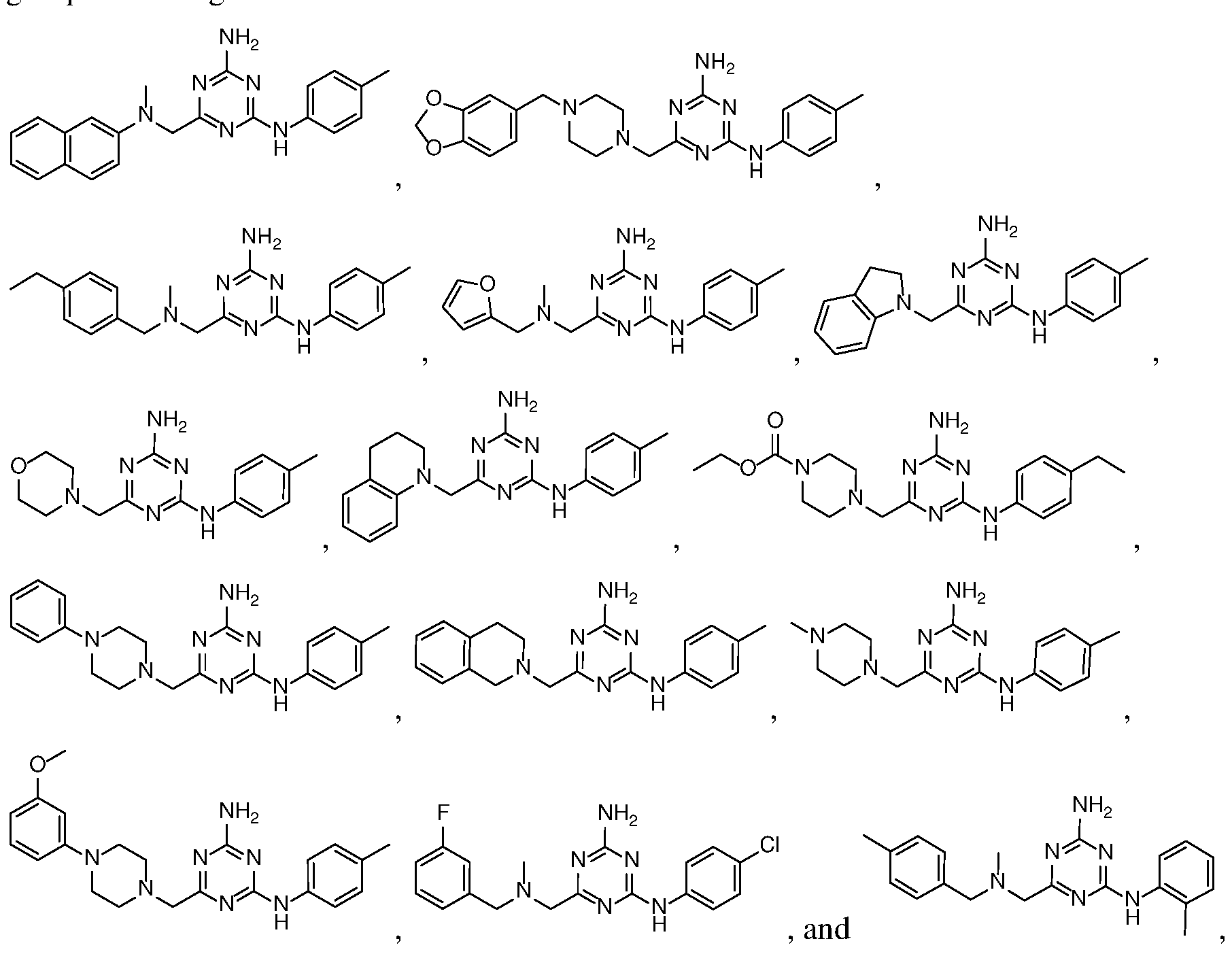


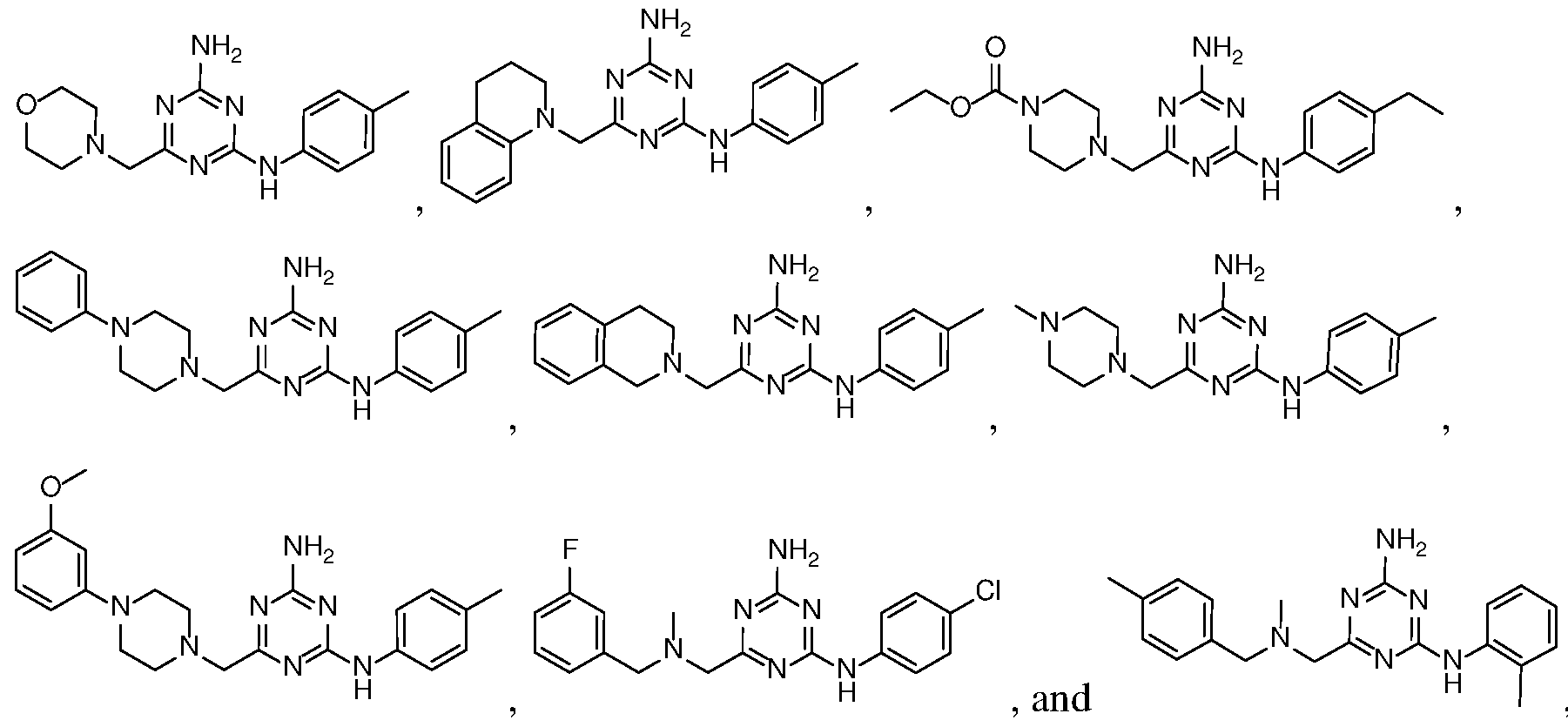


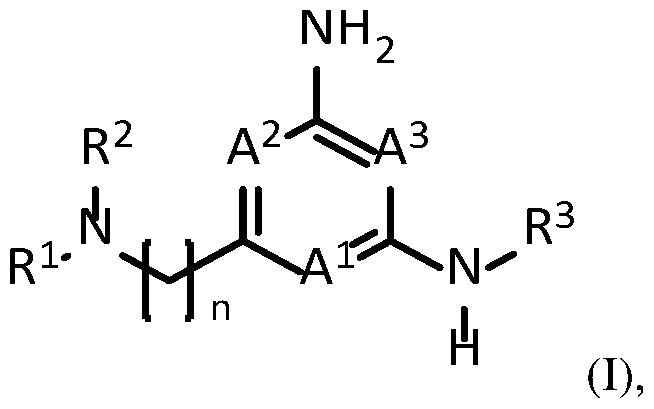
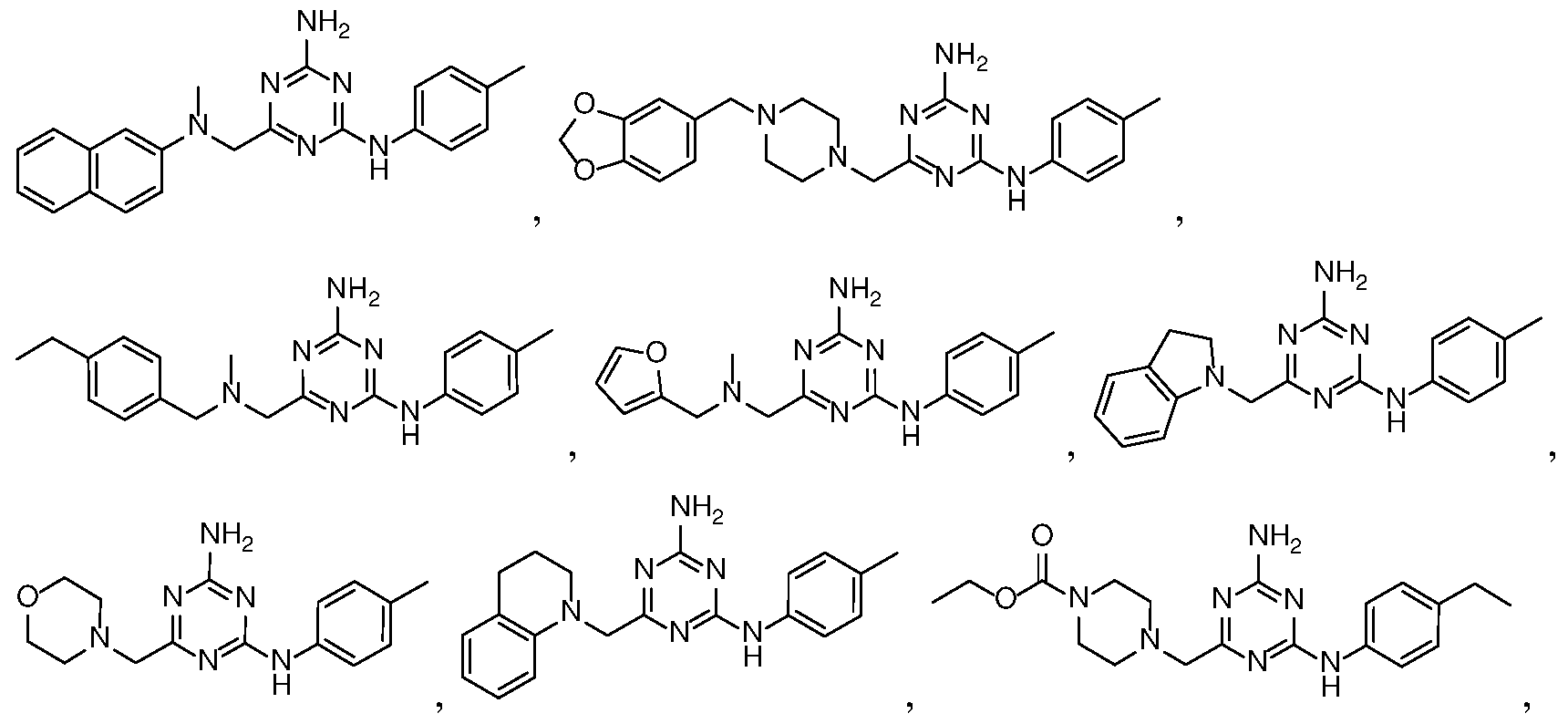
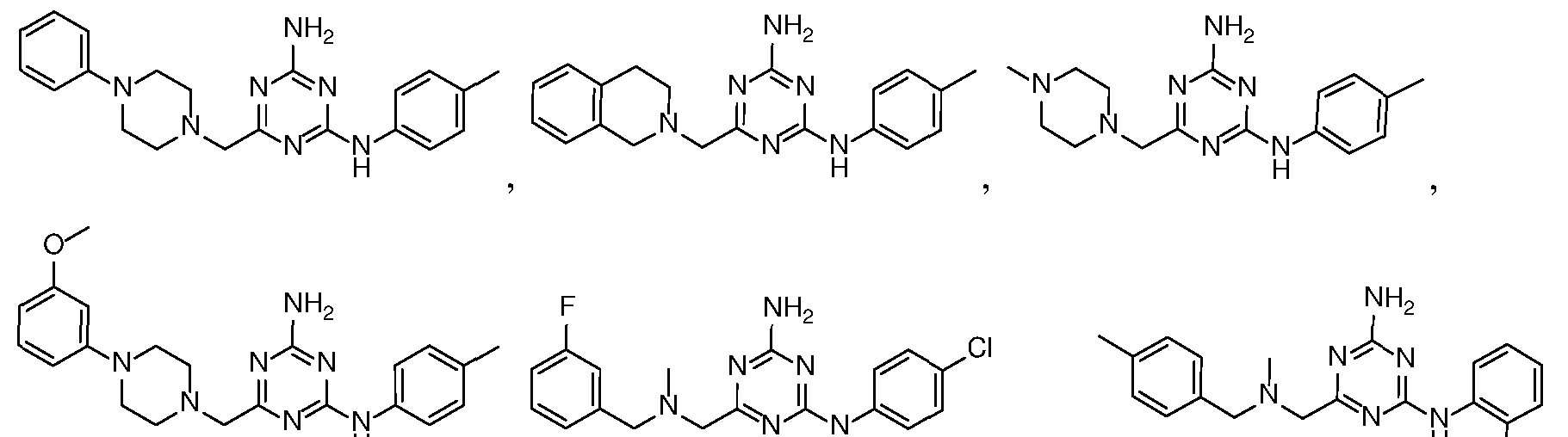
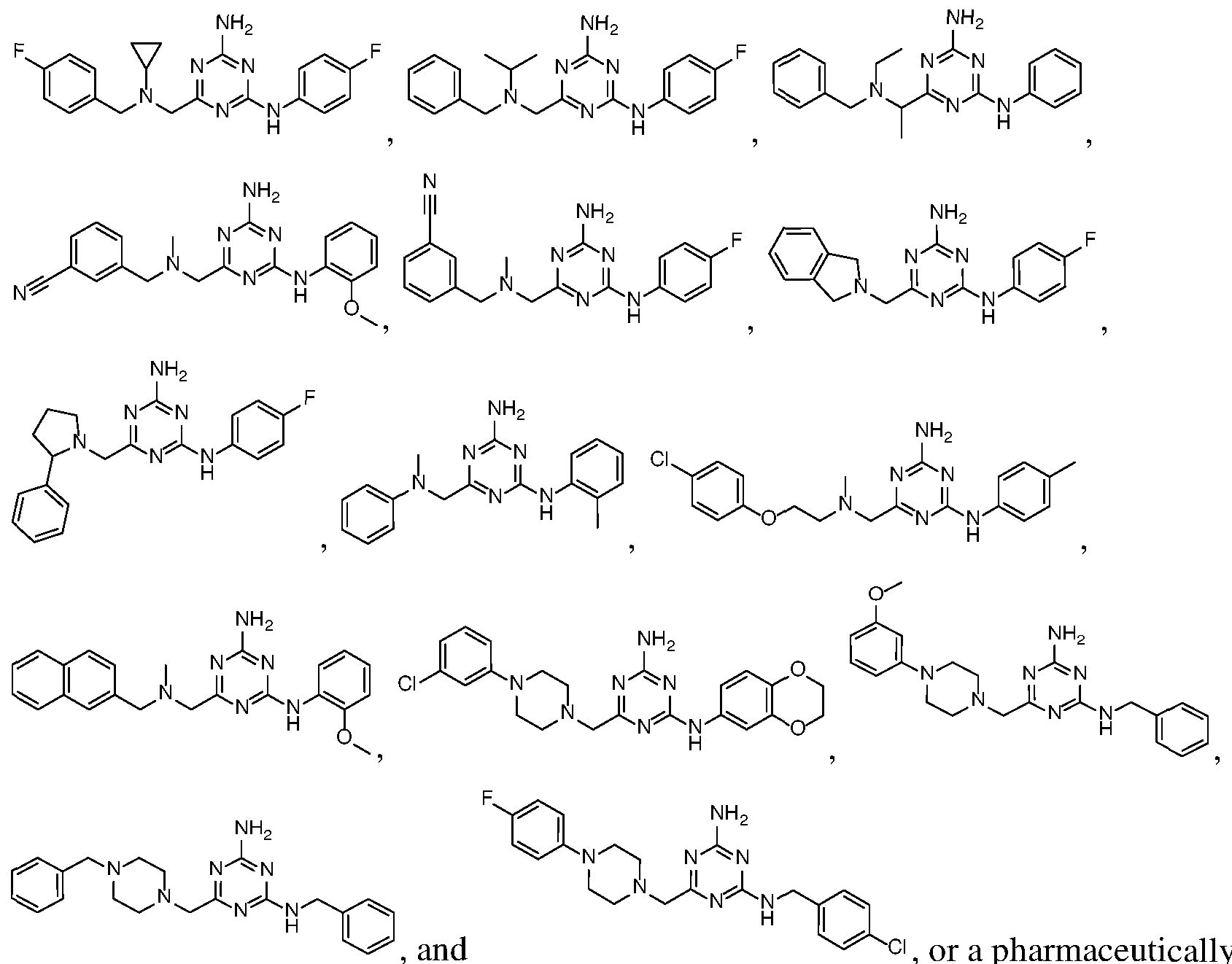
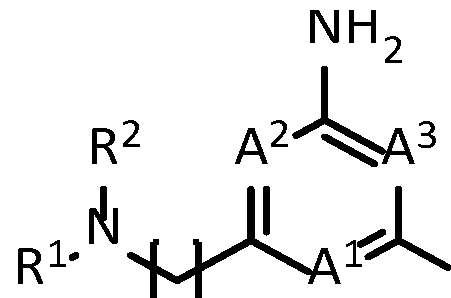
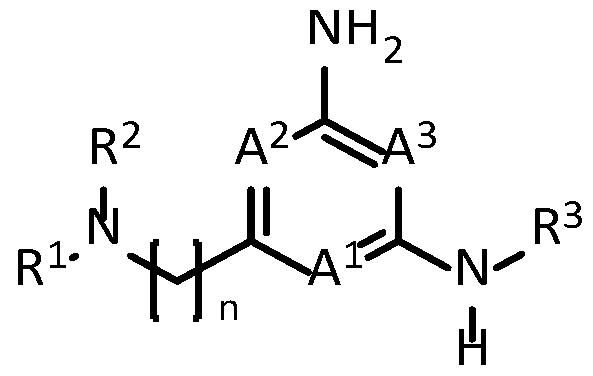
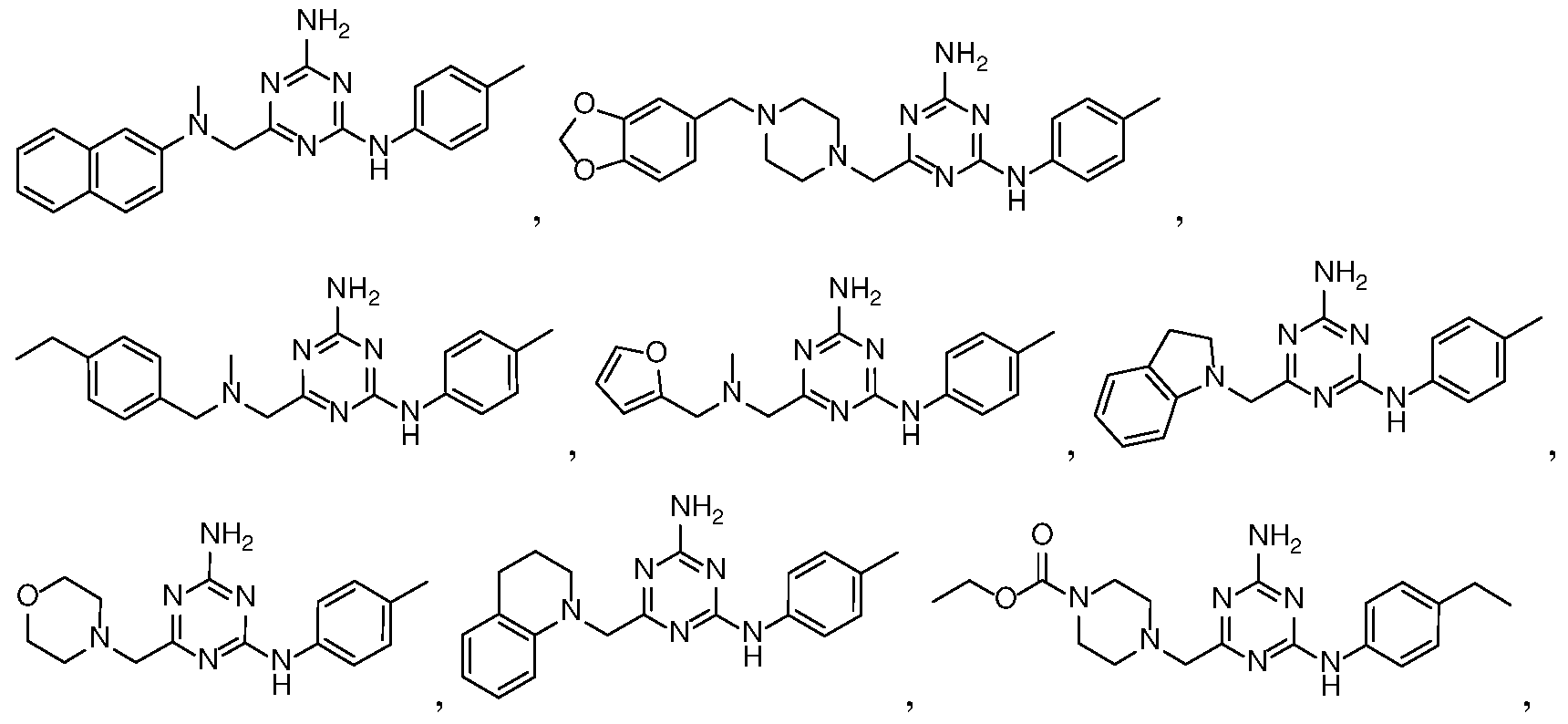


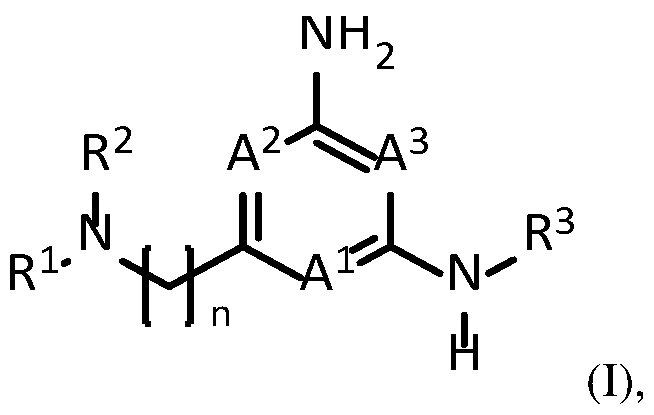

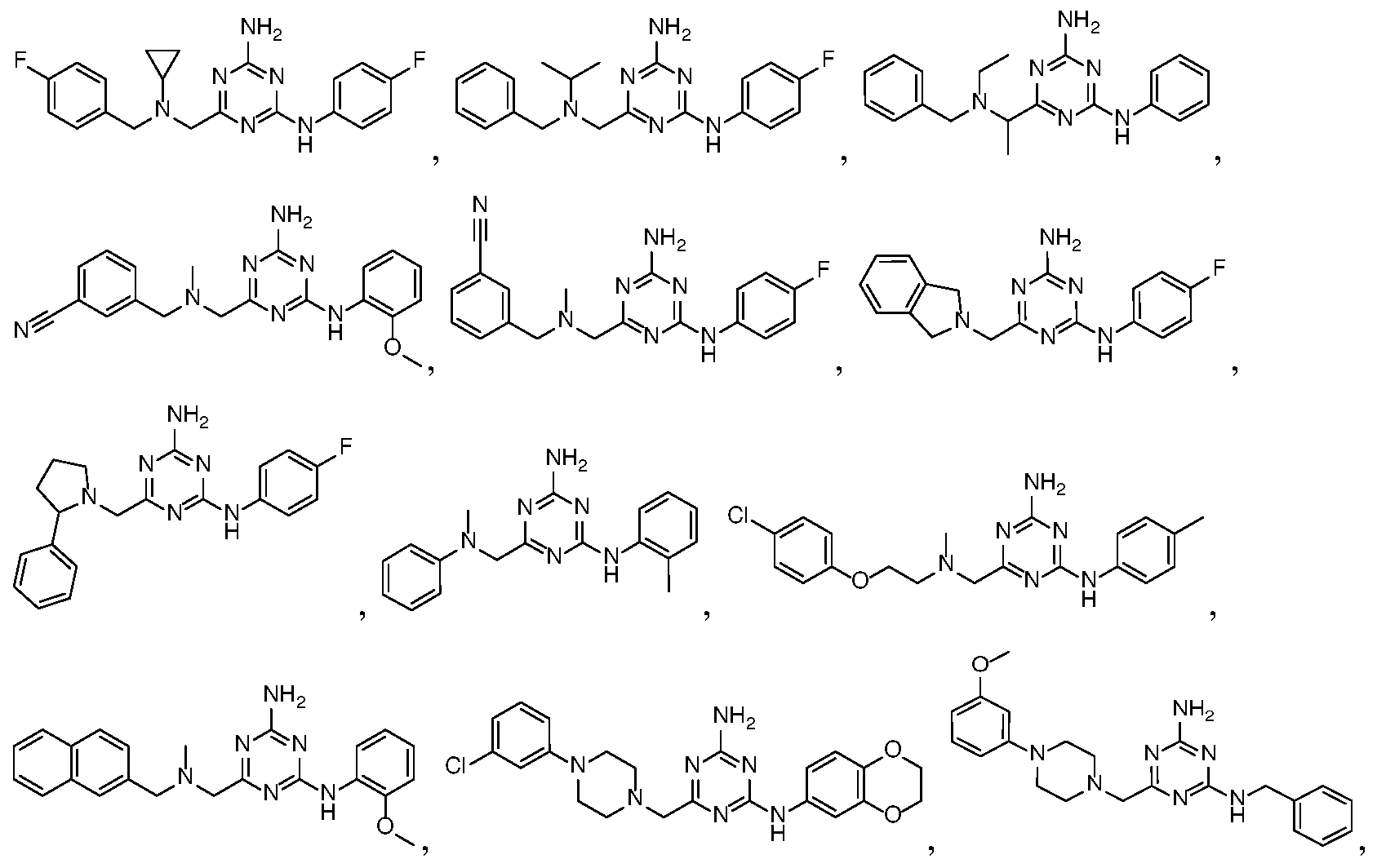


Priority Applications (9)
| Application Number | Priority Date | Filing Date | Title |
|---|---|---|---|
| EP17829719.8A EP3562811B1 (en) | 2016-12-29 | 2017-12-28 | Heteroaryl compounds and their use |
| CA3048357A CA3048357A1 (en) | 2016-12-29 | 2017-12-28 | Heteroaryl compounds and their use |
| CN201780086577.0A CN110325516A (en) | 2016-12-29 | 2017-12-28 | Heteroaryl compounds and their uses |
| JP2019535810A JP7171057B2 (en) | 2016-12-29 | 2017-12-28 | Heteroaryl compounds and uses thereof |
| BR112019013571-5A BR112019013571A2 (en) | 2016-12-29 | 2017-12-28 | HETEROARILLA COMPOUNDS AND THEIR USE |
| US16/474,461 US11174242B2 (en) | 2016-12-29 | 2017-12-28 | Heteroaryl compounds and their use |
| AU2017388466A AU2017388466B2 (en) | 2016-12-29 | 2017-12-28 | Heteroaryl compounds and their use |
| IL267626A IL267626B2 (en) | 2016-12-29 | 2019-06-25 | Heteroaryl compounds and their use |
| US17/495,542 US11739072B2 (en) | 2016-12-29 | 2021-10-06 | Heteroaryl compounds and their use |
Applications Claiming Priority (2)
| Application Number | Priority Date | Filing Date | Title |
|---|---|---|---|
| EP16382672 | 2016-12-29 | ||
| EP16382672.0 | 2016-12-29 |
Related Child Applications (2)
| Application Number | Title | Priority Date | Filing Date |
|---|---|---|---|
| US16/474,461 A-371-Of-International US11174242B2 (en) | 2016-12-29 | 2017-12-28 | Heteroaryl compounds and their use |
| US17/495,542 Division US11739072B2 (en) | 2016-12-29 | 2021-10-06 | Heteroaryl compounds and their use |
Publications (1)
| Publication Number | Publication Date |
|---|---|
| WO2018122775A1 true WO2018122775A1 (en) | 2018-07-05 |
Family
ID=57708486
Family Applications (1)
| Application Number | Title | Priority Date | Filing Date |
|---|---|---|---|
| PCT/IB2017/058477 Ceased WO2018122775A1 (en) | 2016-12-29 | 2017-12-28 | Heteroaryl compounds and their use |
Country Status (9)
| Country | Link |
|---|---|
| US (2) | US11174242B2 (en) |
| EP (1) | EP3562811B1 (en) |
| JP (1) | JP7171057B2 (en) |
| CN (1) | CN110325516A (en) |
| AU (1) | AU2017388466B2 (en) |
| BR (1) | BR112019013571A2 (en) |
| CA (1) | CA3048357A1 (en) |
| IL (1) | IL267626B2 (en) |
| WO (1) | WO2018122775A1 (en) |
Cited By (3)
| Publication number | Priority date | Publication date | Assignee | Title |
|---|---|---|---|---|
| WO2020104578A3 (en) * | 2018-11-21 | 2020-07-23 | University Of Copenhagen | Modulators of free fatty acid receptor 1 and their use for treatment of diseases |
| WO2021105908A1 (en) * | 2019-11-25 | 2021-06-03 | Gain Therapeutics Sa | Heteroaryl compounds and therapeutic uses thereof in conditions associated with the alteration of the activity of beta-glucocerebrosidase |
| US11174242B2 (en) | 2016-12-29 | 2021-11-16 | Minoryx Therapeutics S.L. | Heteroaryl compounds and their use |
Families Citing this family (3)
| Publication number | Priority date | Publication date | Assignee | Title |
|---|---|---|---|---|
| WO2021183596A1 (en) * | 2020-03-10 | 2021-09-16 | University Of Cincinnati | Materials and methods for the treatment of gaucher disease |
| CN117659017A (en) * | 2022-08-25 | 2024-03-08 | 北京华益健康药物研究中心 | TRPML1/2 modulator compounds, pharmaceutical compositions and preparation methods and applications thereof |
| EP4676474A2 (en) * | 2023-03-24 | 2026-01-14 | Purdue Research Foundation | Symmetric aminoindole-linked triazine for a dual effect on alpha-synuclein and tau isoform 2n4r fibrillization |
Citations (6)
| Publication number | Priority date | Publication date | Assignee | Title |
|---|---|---|---|---|
| WO2004039796A1 (en) * | 2002-10-28 | 2004-05-13 | Bayer Healthcare Ag | Heteroaryloxy-substituted phenylaminopyrimidines as rho-kinase inhibitors |
| WO2006110763A1 (en) * | 2005-04-08 | 2006-10-19 | Bayer Pharmaceuticals Corporation | Pyrimidine derivatives and their use for the treatment of cancer |
| WO2011049737A1 (en) | 2009-10-19 | 2011-04-28 | Amicus Therapeutics, Inc. | Novel compositions for preventing and/or treating lysosomal storage disorders |
| WO2012035055A1 (en) * | 2010-09-17 | 2012-03-22 | Glaxo Group Limited | Novel compounds |
| US20160207933A1 (en) | 2011-03-18 | 2016-07-21 | Genzyme Corporation | Glucosylceramide synthase inhibitors |
| WO2016168420A1 (en) * | 2015-04-15 | 2016-10-20 | Biomarin Pharmaceutical Inc. | Methods for treating lysosomal storage disorders |
Family Cites Families (24)
| Publication number | Priority date | Publication date | Assignee | Title |
|---|---|---|---|---|
| PL350050A1 (en) | 1999-01-22 | 2002-10-21 | Elan Pharm Inc | Acyl derivatives which treat vla-4 related disorders |
| AU2002239508B9 (en) | 2000-12-07 | 2005-09-08 | Gilead Palo Alto, Inc. | Substituted 1, 3, 5-triazines and pyrimidines as ABCA-1 elevating compounds against coronary artery disease or atherosclerosis |
| WO2002060392A2 (en) | 2001-01-31 | 2002-08-08 | Synaptic Pharmaceutical Corporation | Use of gal3 receptor antagonists for the treatment of depression and/or anxiety and compounds useful in such methods |
| HUP0401858A3 (en) * | 2001-01-31 | 2009-06-29 | Lundbeck & Co As H | Gal3 receptor antagonist pyrimidine and indolone-derivatives and their use for preparation of pharmaceutical compositions suitable for the treatment of depression and/or anxiety |
| WO2003062225A1 (en) | 2002-01-23 | 2003-07-31 | Bayer Pharmaceuticals Corporation | Pyrimidine derivatives as rho-kinase inhibitors |
| CN1199946C (en) | 2002-10-29 | 2005-05-04 | 无锡杰西医药科技有限公司 | Specific indole compound and its preparation and use in treating and preventing cancers |
| KR20080043840A (en) | 2005-09-13 | 2008-05-19 | 팔라우 파르마 에스에이 | 2-aminopyrimidine derivatives as modulators of histamine H4 receptor activity |
| JP5337405B2 (en) | 2007-09-17 | 2013-11-06 | ザ・ホスピタル・フォー・シック・チルドレン | How to treat Gaucher disease |
| US8138356B2 (en) | 2007-10-16 | 2012-03-20 | Angiogeney, Inc. | Chemical inhibitors of inhibitors of differentiation |
| WO2009086303A2 (en) * | 2007-12-21 | 2009-07-09 | University Of Rochester | Method for altering the lifespan of eukaryotic organisms |
| US20130023498A1 (en) * | 2008-02-20 | 2013-01-24 | The Wistar Institute and North Carolina State University | MicroRNA Modulators and Method for Identifying and Using the Same |
| US8119637B2 (en) | 2008-06-10 | 2012-02-21 | Plexxikon Inc. | Substituted pyrrolo[2,3-b]pyrazines and methods for kinase modulation, and indications therefor |
| CN103764166B (en) | 2011-06-22 | 2017-10-24 | 通用医疗公司 | The treatment of protein sickness |
| WO2013059119A1 (en) | 2011-10-17 | 2013-04-25 | The Regents Of The University Of Michigan | Glucosylceramide synthase inhibitors and therapeutic methods using the same |
| HK1205503A1 (en) | 2012-03-27 | 2015-12-18 | Amicus Therapeutics, Inc. | Novel compounds for preventing and/or treating lysosomal storage disorders and/or degenerative disorders of the central nervous system |
| JP2015535225A (en) | 2012-10-24 | 2015-12-10 | グルソックス・バイオテック・アーベー | Triazine derivatives for treating conditions related to nicotinamide adenine dinucleotide phosphate oxidase |
| WO2015014900A1 (en) | 2013-07-31 | 2015-02-05 | Minoryx Therapeutics S.L. | Di(hetero)arylamides and sulfonamides, methods for their preparation and therapeutic uses thereof |
| EP3105217B1 (en) | 2014-02-12 | 2019-05-29 | Purdue Pharma LP | Isoquinoline derivatives and use thereof |
| IL252053B2 (en) | 2014-11-06 | 2024-04-01 | Lysosomal Therapeutics Inc | Converted pyrazolo[1,5-a]pyrimidines and their use in the treatment of medical disorders |
| WO2016120808A1 (en) | 2015-01-28 | 2016-08-04 | Minoryx Therapeutics S.L. | Heteroarylaminoisoquinolines, methods for their preparation and therapeutic uses thereof |
| JP2018505226A (en) | 2015-02-16 | 2018-02-22 | グルコックス・バイオテック・アーベー | N2- (3,4-dimethylphenyl) -6-((4- (P-tolyl) piperazin-1-yl) methyl) -1,3,5-triazine-2,4-diamine |
| WO2017031116A1 (en) | 2015-08-18 | 2017-02-23 | The Arizona Board Of Regents On Behalf Of The University Of Arizona | Small molecule inhibitors of ku70/80 and uses thereof |
| CN105412114A (en) | 2015-12-11 | 2016-03-23 | 卢璐娇 | Application of 6-{[4-(2-fluorophenyl)1-piperazinyl]methyl}-N-(naphthyl)-1,3,5-triazine-2,4-diamine in preparing angiogenesis inhibitors |
| WO2018122775A1 (en) | 2016-12-29 | 2018-07-05 | Minoryx Therapeutics S.L. | Heteroaryl compounds and their use |
-
2017
- 2017-12-28 WO PCT/IB2017/058477 patent/WO2018122775A1/en not_active Ceased
- 2017-12-28 CN CN201780086577.0A patent/CN110325516A/en active Pending
- 2017-12-28 CA CA3048357A patent/CA3048357A1/en active Pending
- 2017-12-28 BR BR112019013571-5A patent/BR112019013571A2/en active Search and Examination
- 2017-12-28 EP EP17829719.8A patent/EP3562811B1/en active Active
- 2017-12-28 AU AU2017388466A patent/AU2017388466B2/en not_active Ceased
- 2017-12-28 US US16/474,461 patent/US11174242B2/en active Active
- 2017-12-28 JP JP2019535810A patent/JP7171057B2/en active Active
-
2019
- 2019-06-25 IL IL267626A patent/IL267626B2/en unknown
-
2021
- 2021-10-06 US US17/495,542 patent/US11739072B2/en active Active
Patent Citations (6)
| Publication number | Priority date | Publication date | Assignee | Title |
|---|---|---|---|---|
| WO2004039796A1 (en) * | 2002-10-28 | 2004-05-13 | Bayer Healthcare Ag | Heteroaryloxy-substituted phenylaminopyrimidines as rho-kinase inhibitors |
| WO2006110763A1 (en) * | 2005-04-08 | 2006-10-19 | Bayer Pharmaceuticals Corporation | Pyrimidine derivatives and their use for the treatment of cancer |
| WO2011049737A1 (en) | 2009-10-19 | 2011-04-28 | Amicus Therapeutics, Inc. | Novel compositions for preventing and/or treating lysosomal storage disorders |
| WO2012035055A1 (en) * | 2010-09-17 | 2012-03-22 | Glaxo Group Limited | Novel compounds |
| US20160207933A1 (en) | 2011-03-18 | 2016-07-21 | Genzyme Corporation | Glucosylceramide synthase inhibitors |
| WO2016168420A1 (en) * | 2015-04-15 | 2016-10-20 | Biomarin Pharmaceutical Inc. | Methods for treating lysosomal storage disorders |
Non-Patent Citations (10)
| Title |
|---|
| "Remington's Pharmaceutical Sciences", 2005 |
| BEUTLER ET AL., MOL MED., vol. l, no. l, 1994, pages 82 - 92 |
| BOYD ET AL., JOURNAL OF MEDICINAL CHEMISTRY, vol. 56, no. 7, 2013, pages 2705 - 2725 |
| COUTINHO ET AL.: "Int. J. Mol. Sci.", vol. 17, 2016, pages: 1065 |
| PATNIAK ET AL., JOURNAL OF MEDICINAL CHEMISTRY, vol. 55, no. 12, 2012, pages 5734 - 5748 |
| ROWE C.R.; PAUL J.S.; MARIAN E.Q.: "Handbook of Pharmaceutical Excipients" |
| SIEBERT, M. ET AL., BRAIN, vol. 137, 2014, pages 1304 - 1322 |
| T. W. GREENE, PROTECTIVE GROUPS IN ORGANIC SYNTHESIS, 1999 |
| T. W. GREENE: "Protective Groups in Organic Synthesis", 1999 |
| WUTS, P. G. M.; GREENE, T. W.: "Greene's Protective Groups in Organic Synthesis", 2007, J. WILEY & SONS |
Cited By (8)
| Publication number | Priority date | Publication date | Assignee | Title |
|---|---|---|---|---|
| US11174242B2 (en) | 2016-12-29 | 2021-11-16 | Minoryx Therapeutics S.L. | Heteroaryl compounds and their use |
| US11739072B2 (en) | 2016-12-29 | 2023-08-29 | Minoryx Therapeutics S.L. | Heteroaryl compounds and their use |
| WO2020104578A3 (en) * | 2018-11-21 | 2020-07-23 | University Of Copenhagen | Modulators of free fatty acid receptor 1 and their use for treatment of diseases |
| WO2021105908A1 (en) * | 2019-11-25 | 2021-06-03 | Gain Therapeutics Sa | Heteroaryl compounds and therapeutic uses thereof in conditions associated with the alteration of the activity of beta-glucocerebrosidase |
| CN115348959A (en) * | 2019-11-25 | 2022-11-15 | 增益治疗股份有限公司 | Heteroaryl compounds and their therapeutic use in disorders associated with altered beta-glucocerebrosidase activity |
| JP2023503465A (en) * | 2019-11-25 | 2023-01-30 | ゲイン セラピューティクス エスアー | Heteroaryl compounds and their therapeutic use in conditions associated with altered beta-glucocerebrosidase activity |
| CN115348959B (en) * | 2019-11-25 | 2025-01-07 | Gt增益治疗股份有限公司 | Heteroaryl compounds and their therapeutic use in conditions associated with altered beta-glucocerebrosidase activity |
| JP7691753B2 (en) | 2019-11-25 | 2025-06-12 | ジーティー ゲイン セラピューティクス エスアー | Heteroaryl compounds and their therapeutic use in conditions associated with altered activity of beta-glucocerebrosidase - Patents.com |
Also Published As
| Publication number | Publication date |
|---|---|
| IL267626B2 (en) | 2023-08-01 |
| IL267626B1 (en) | 2023-04-01 |
| EP3562811A1 (en) | 2019-11-06 |
| EP3562811B1 (en) | 2022-03-16 |
| AU2017388466B2 (en) | 2022-04-28 |
| JP7171057B2 (en) | 2022-11-15 |
| US11174242B2 (en) | 2021-11-16 |
| JP2020504122A (en) | 2020-02-06 |
| US20220135535A1 (en) | 2022-05-05 |
| US20190337922A1 (en) | 2019-11-07 |
| AU2017388466A1 (en) | 2019-07-25 |
| US11739072B2 (en) | 2023-08-29 |
| BR112019013571A2 (en) | 2020-01-07 |
| CA3048357A1 (en) | 2018-07-05 |
| CN110325516A (en) | 2019-10-11 |
| IL267626A (en) | 2019-08-29 |
Similar Documents
| Publication | Publication Date | Title |
|---|---|---|
| US11739072B2 (en) | Heteroaryl compounds and their use | |
| EP3027590A1 (en) | Di(hetero)arylamides and sulfonamides, methods for their preparation and therapeutic uses thereof | |
| CA3093323C (en) | Oxazino-quinazoline and oxazino-quinoline type compound, preparation method and uses thereof | |
| JP7691753B2 (en) | Heteroaryl compounds and their therapeutic use in conditions associated with altered activity of beta-glucocerebrosidase - Patents.com | |
| EP3562821B1 (en) | Isoquinoline compounds, methods for their preparation, and therapeutic uses thereof in conditions associated with the alteration of the activity of beta galactosidase | |
| HK40014139B (en) | Heteroaryl compounds and their use | |
| HK40014139A (en) | Heteroaryl compounds and their use | |
| CA3158288C (en) | Heteroaryl compounds and therapeutic uses thereof in conditions associated with the alteration of the activity of beta-glucocerebrosidase | |
| HK40013599A (en) | Heteroaryl compounds and their use | |
| AU2020393174A1 (en) | Aryl and heteroaryl compounds, and therapeutic uses thereof in conditions associated with the alteration of the activity of galactocerebrosidase | |
| HK40014193A (en) | Isoquinoline compounds, methods for their preparation, and therapeutic uses thereof in conditions associated with the alteration of the activity of beta galactosidase | |
| HK40014193B (en) | Isoquinoline compounds, methods for their preparation, and therapeutic uses thereof in conditions associated with the alteration of the activity of beta galactosidase | |
| HK40014578B (en) | Isoquinoline compounds, methods for their preparation, and therapeutic uses thereof in conditions associated with the alteration of the activity of beta galactosidase | |
| HK40014578A (en) | Isoquinoline compounds, methods for their preparation, and therapeutic uses thereof in conditions associated with the alteration of the activity of beta galactosidase |
Legal Events
| Date | Code | Title | Description |
|---|---|---|---|
| 121 | Ep: the epo has been informed by wipo that ep was designated in this application |
Ref document number: 17829719 Country of ref document: EP Kind code of ref document: A1 |
|
| DPE1 | Request for preliminary examination filed after expiration of 19th month from priority date (pct application filed from 20040101) | ||
| ENP | Entry into the national phase |
Ref document number: 3048357 Country of ref document: CA |
|
| ENP | Entry into the national phase |
Ref document number: 2019535810 Country of ref document: JP Kind code of ref document: A |
|
| NENP | Non-entry into the national phase |
Ref country code: DE |
|
| REG | Reference to national code |
Ref country code: BR Ref legal event code: B01A Ref document number: 112019013571 Country of ref document: BR |
|
| ENP | Entry into the national phase |
Ref document number: 2017388466 Country of ref document: AU Date of ref document: 20171228 Kind code of ref document: A |
|
| ENP | Entry into the national phase |
Ref document number: 2017829719 Country of ref document: EP Effective date: 20190729 |
|
| ENP | Entry into the national phase |
Ref document number: 112019013571 Country of ref document: BR Kind code of ref document: A2 Effective date: 20190628 |