WO2016091814A1 - Hair dyeing process using at least one direct and/or natural dye, a titanium salt, a cellulose-based polysaccharide and optionally a particular organic solvent - Google Patents
Hair dyeing process using at least one direct and/or natural dye, a titanium salt, a cellulose-based polysaccharide and optionally a particular organic solvent Download PDFInfo
- Publication number
- WO2016091814A1 WO2016091814A1 PCT/EP2015/078844 EP2015078844W WO2016091814A1 WO 2016091814 A1 WO2016091814 A1 WO 2016091814A1 EP 2015078844 W EP2015078844 W EP 2015078844W WO 2016091814 A1 WO2016091814 A1 WO 2016091814A1
- Authority
- WO
- WIPO (PCT)
- Prior art keywords
- chosen
- optionally
- acid
- dyeing process
- formula
- Prior art date
- Legal status (The legal status is an assumption and is not a legal conclusion. Google has not performed a legal analysis and makes no representation as to the accuracy of the status listed.)
- Ceased
Links
- VATUDIAGKCENMH-UHFFFAOYSA-J CC(C(O1)=O)O[Tl-]1(O)(O)(OC1C)OC1=O Chemical compound CC(C(O1)=O)O[Tl-]1(O)(O)(OC1C)OC1=O VATUDIAGKCENMH-UHFFFAOYSA-J 0.000 description 1
- HLUCICHZHWJHLL-UHFFFAOYSA-N OC(C1)(COc(c2ccc3O)c3O)C2=C(C=C2O)C1=CC2=O Chemical compound OC(C1)(COc(c2ccc3O)c3O)C2=C(C=C2O)C1=CC2=O HLUCICHZHWJHLL-UHFFFAOYSA-N 0.000 description 1
- UWHUTZOCTZJUKC-UHFFFAOYSA-N OC1(Cc(c2c3)cc(O)c3O)C2c(ccc(O)c2)c2OC1 Chemical compound OC1(Cc(c2c3)cc(O)c3O)C2c(ccc(O)c2)c2OC1 UWHUTZOCTZJUKC-UHFFFAOYSA-N 0.000 description 1
- WZUVPPKBWHMQCE-UHFFFAOYSA-N OC1(Cc(c2c3)cc(O)c3O)C2c(ccc(O)c2O)c2OC1 Chemical compound OC1(Cc(c2c3)cc(O)c3O)C2c(ccc(O)c2O)c2OC1 WZUVPPKBWHMQCE-UHFFFAOYSA-N 0.000 description 1
Classifications
-
- A—HUMAN NECESSITIES
- A61—MEDICAL OR VETERINARY SCIENCE; HYGIENE
- A61K—PREPARATIONS FOR MEDICAL, DENTAL OR TOILETRY PURPOSES
- A61K8/00—Cosmetics or similar toiletry preparations
- A61K8/18—Cosmetics or similar toiletry preparations characterised by the composition
- A61K8/19—Cosmetics or similar toiletry preparations characterised by the composition containing inorganic ingredients
- A61K8/29—Titanium; Compounds thereof
-
- A—HUMAN NECESSITIES
- A45—HAND OR TRAVELLING ARTICLES
- A45D—HAIRDRESSING OR SHAVING EQUIPMENT; EQUIPMENT FOR COSMETICS OR COSMETIC TREATMENTS, e.g. FOR MANICURING OR PEDICURING
- A45D40/00—Casings or accessories specially adapted for storing or handling solid or pasty toiletry or cosmetic substances, e.g. shaving soaps or lipsticks
- A45D40/24—Casings for two or more cosmetics
-
- A—HUMAN NECESSITIES
- A61—MEDICAL OR VETERINARY SCIENCE; HYGIENE
- A61K—PREPARATIONS FOR MEDICAL, DENTAL OR TOILETRY PURPOSES
- A61K8/00—Cosmetics or similar toiletry preparations
- A61K8/18—Cosmetics or similar toiletry preparations characterised by the composition
- A61K8/19—Cosmetics or similar toiletry preparations characterised by the composition containing inorganic ingredients
-
- A—HUMAN NECESSITIES
- A61—MEDICAL OR VETERINARY SCIENCE; HYGIENE
- A61K—PREPARATIONS FOR MEDICAL, DENTAL OR TOILETRY PURPOSES
- A61K8/00—Cosmetics or similar toiletry preparations
- A61K8/18—Cosmetics or similar toiletry preparations characterised by the composition
- A61K8/19—Cosmetics or similar toiletry preparations characterised by the composition containing inorganic ingredients
- A61K8/22—Peroxides; Oxygen; Ozone
-
- A—HUMAN NECESSITIES
- A61—MEDICAL OR VETERINARY SCIENCE; HYGIENE
- A61K—PREPARATIONS FOR MEDICAL, DENTAL OR TOILETRY PURPOSES
- A61K8/00—Cosmetics or similar toiletry preparations
- A61K8/18—Cosmetics or similar toiletry preparations characterised by the composition
- A61K8/30—Cosmetics or similar toiletry preparations characterised by the composition containing organic compounds
- A61K8/33—Cosmetics or similar toiletry preparations characterised by the composition containing organic compounds containing oxygen
- A61K8/34—Alcohols
-
- A—HUMAN NECESSITIES
- A61—MEDICAL OR VETERINARY SCIENCE; HYGIENE
- A61K—PREPARATIONS FOR MEDICAL, DENTAL OR TOILETRY PURPOSES
- A61K8/00—Cosmetics or similar toiletry preparations
- A61K8/18—Cosmetics or similar toiletry preparations characterised by the composition
- A61K8/30—Cosmetics or similar toiletry preparations characterised by the composition containing organic compounds
- A61K8/33—Cosmetics or similar toiletry preparations characterised by the composition containing organic compounds containing oxygen
- A61K8/36—Carboxylic acids; Salts or anhydrides thereof
- A61K8/365—Hydroxycarboxylic acids; Ketocarboxylic acids
-
- A—HUMAN NECESSITIES
- A61—MEDICAL OR VETERINARY SCIENCE; HYGIENE
- A61K—PREPARATIONS FOR MEDICAL, DENTAL OR TOILETRY PURPOSES
- A61K8/00—Cosmetics or similar toiletry preparations
- A61K8/18—Cosmetics or similar toiletry preparations characterised by the composition
- A61K8/30—Cosmetics or similar toiletry preparations characterised by the composition containing organic compounds
- A61K8/33—Cosmetics or similar toiletry preparations characterised by the composition containing organic compounds containing oxygen
- A61K8/36—Carboxylic acids; Salts or anhydrides thereof
- A61K8/368—Carboxylic acids; Salts or anhydrides thereof with carboxyl groups directly bound to carbon atoms of aromatic rings
-
- A—HUMAN NECESSITIES
- A61—MEDICAL OR VETERINARY SCIENCE; HYGIENE
- A61K—PREPARATIONS FOR MEDICAL, DENTAL OR TOILETRY PURPOSES
- A61K8/00—Cosmetics or similar toiletry preparations
- A61K8/18—Cosmetics or similar toiletry preparations characterised by the composition
- A61K8/30—Cosmetics or similar toiletry preparations characterised by the composition containing organic compounds
- A61K8/40—Cosmetics or similar toiletry preparations characterised by the composition containing organic compounds containing nitrogen
- A61K8/41—Amines
- A61K8/418—Amines containing nitro groups
-
- A—HUMAN NECESSITIES
- A61—MEDICAL OR VETERINARY SCIENCE; HYGIENE
- A61K—PREPARATIONS FOR MEDICAL, DENTAL OR TOILETRY PURPOSES
- A61K8/00—Cosmetics or similar toiletry preparations
- A61K8/18—Cosmetics or similar toiletry preparations characterised by the composition
- A61K8/30—Cosmetics or similar toiletry preparations characterised by the composition containing organic compounds
- A61K8/40—Cosmetics or similar toiletry preparations characterised by the composition containing organic compounds containing nitrogen
- A61K8/44—Aminocarboxylic acids or derivatives thereof, e.g. aminocarboxylic acids containing sulfur; Salts; Esters or N-acylated derivatives thereof
-
- A—HUMAN NECESSITIES
- A61—MEDICAL OR VETERINARY SCIENCE; HYGIENE
- A61K—PREPARATIONS FOR MEDICAL, DENTAL OR TOILETRY PURPOSES
- A61K8/00—Cosmetics or similar toiletry preparations
- A61K8/18—Cosmetics or similar toiletry preparations characterised by the composition
- A61K8/30—Cosmetics or similar toiletry preparations characterised by the composition containing organic compounds
- A61K8/49—Cosmetics or similar toiletry preparations characterised by the composition containing organic compounds containing heterocyclic compounds
- A61K8/4973—Cosmetics or similar toiletry preparations characterised by the composition containing organic compounds containing heterocyclic compounds with oxygen as the only hetero atom
- A61K8/498—Cosmetics or similar toiletry preparations characterised by the composition containing organic compounds containing heterocyclic compounds with oxygen as the only hetero atom having 6-membered rings or their condensed derivatives, e.g. coumarin
-
- A—HUMAN NECESSITIES
- A61—MEDICAL OR VETERINARY SCIENCE; HYGIENE
- A61K—PREPARATIONS FOR MEDICAL, DENTAL OR TOILETRY PURPOSES
- A61K8/00—Cosmetics or similar toiletry preparations
- A61K8/18—Cosmetics or similar toiletry preparations characterised by the composition
- A61K8/30—Cosmetics or similar toiletry preparations characterised by the composition containing organic compounds
- A61K8/58—Cosmetics or similar toiletry preparations characterised by the composition containing organic compounds containing atoms other than carbon, hydrogen, halogen, oxygen, nitrogen, sulfur or phosphorus
-
- A—HUMAN NECESSITIES
- A61—MEDICAL OR VETERINARY SCIENCE; HYGIENE
- A61K—PREPARATIONS FOR MEDICAL, DENTAL OR TOILETRY PURPOSES
- A61K8/00—Cosmetics or similar toiletry preparations
- A61K8/18—Cosmetics or similar toiletry preparations characterised by the composition
- A61K8/30—Cosmetics or similar toiletry preparations characterised by the composition containing organic compounds
- A61K8/60—Sugars; Derivatives thereof
- A61K8/602—Glycosides, e.g. rutin
-
- A—HUMAN NECESSITIES
- A61—MEDICAL OR VETERINARY SCIENCE; HYGIENE
- A61K—PREPARATIONS FOR MEDICAL, DENTAL OR TOILETRY PURPOSES
- A61K8/00—Cosmetics or similar toiletry preparations
- A61K8/18—Cosmetics or similar toiletry preparations characterised by the composition
- A61K8/72—Cosmetics or similar toiletry preparations characterised by the composition containing organic macromolecular compounds
-
- A—HUMAN NECESSITIES
- A61—MEDICAL OR VETERINARY SCIENCE; HYGIENE
- A61K—PREPARATIONS FOR MEDICAL, DENTAL OR TOILETRY PURPOSES
- A61K8/00—Cosmetics or similar toiletry preparations
- A61K8/18—Cosmetics or similar toiletry preparations characterised by the composition
- A61K8/72—Cosmetics or similar toiletry preparations characterised by the composition containing organic macromolecular compounds
- A61K8/73—Polysaccharides
- A61K8/731—Cellulose; Quaternized cellulose derivatives
-
- A—HUMAN NECESSITIES
- A61—MEDICAL OR VETERINARY SCIENCE; HYGIENE
- A61K—PREPARATIONS FOR MEDICAL, DENTAL OR TOILETRY PURPOSES
- A61K8/00—Cosmetics or similar toiletry preparations
- A61K8/18—Cosmetics or similar toiletry preparations characterised by the composition
- A61K8/72—Cosmetics or similar toiletry preparations characterised by the composition containing organic macromolecular compounds
- A61K8/73—Polysaccharides
- A61K8/732—Starch; Amylose; Amylopectin; Derivatives thereof
-
- A—HUMAN NECESSITIES
- A61—MEDICAL OR VETERINARY SCIENCE; HYGIENE
- A61Q—SPECIFIC USE OF COSMETICS OR SIMILAR TOILETRY PREPARATIONS
- A61Q5/00—Preparations for care of the hair
- A61Q5/06—Preparations for styling the hair, e.g. by temporary shaping or colouring
-
- A—HUMAN NECESSITIES
- A61—MEDICAL OR VETERINARY SCIENCE; HYGIENE
- A61Q—SPECIFIC USE OF COSMETICS OR SIMILAR TOILETRY PREPARATIONS
- A61Q5/00—Preparations for care of the hair
- A61Q5/06—Preparations for styling the hair, e.g. by temporary shaping or colouring
- A61Q5/065—Preparations for temporary colouring the hair, e.g. direct dyes
-
- A—HUMAN NECESSITIES
- A61—MEDICAL OR VETERINARY SCIENCE; HYGIENE
- A61Q—SPECIFIC USE OF COSMETICS OR SIMILAR TOILETRY PREPARATIONS
- A61Q5/00—Preparations for care of the hair
- A61Q5/10—Preparations for permanently dyeing the hair
-
- A—HUMAN NECESSITIES
- A61—MEDICAL OR VETERINARY SCIENCE; HYGIENE
- A61K—PREPARATIONS FOR MEDICAL, DENTAL OR TOILETRY PURPOSES
- A61K2800/00—Properties of cosmetic compositions or active ingredients thereof or formulation aids used therein and process related aspects
- A61K2800/40—Chemical, physico-chemical or functional or structural properties of particular ingredients
- A61K2800/42—Colour properties
- A61K2800/43—Pigments; Dyes
- A61K2800/432—Direct dyes
- A61K2800/4324—Direct dyes in preparations for permanently dyeing the hair
-
- A—HUMAN NECESSITIES
- A61—MEDICAL OR VETERINARY SCIENCE; HYGIENE
- A61K—PREPARATIONS FOR MEDICAL, DENTAL OR TOILETRY PURPOSES
- A61K2800/00—Properties of cosmetic compositions or active ingredients thereof or formulation aids used therein and process related aspects
- A61K2800/80—Process related aspects concerning the preparation of the cosmetic composition or the storage or application thereof
- A61K2800/87—Application Devices; Containers; Packaging
Definitions
- compositions for dyeing the skin or keratin fibres comprising a dye precursor that contains at least one ortho-diphenol, Mn and/or Zn oxides and salts, alkaline agents of hydrogen carbonate type in a particular Mn, Zn/hydrogen carbonate ratio and optionally an enzyme. According to these documents, it is possible to obtain colourings of keratin materials with atmospheric oxygen or any oxygen-generating system.
- the Ti atom of the salt is of oxidation state 2, 3 or 4, denoted Ti(ll), Ti(lll) or Ti(IV), preferably Ti(IV);
- A represents a saturated or unsaturated, cyclic or non-cyclic and aromatic or non- aromatic hydrocarbon-based group, which is monovalent when n has the value 0 or polyvalent when n is greater than or equal to 1 , comprising from 1 to 50 carbon atoms, which is optionally interrupted with one or more heteroatoms and/or optionally substituted, especially with one or more hydroxyl groups; preferably, A represents a monovalent (d-C 6 )alkyl group or a polyvalent (CrC 6 )alkylene group optionally substituted with one or more hydroxyl groups;
- - n represents an integer between 0 and 10 inclusive; preferably, n is between 0 and 5, such as between 0 and 2;
- composition(s) used in the process of the invention are aqueous.
- Another subject of the invention is a cosmetic composition
- a cosmetic composition comprising ingredients a), b), c), optionally d) and optionally e), as defined previously.
- Another subject of the present invention relates to a multi-compartment device comprising ingredients a), b), c), optionally d) and optionally e), distributed in several compartments.
- the multi-compartment device or "kit” is suitable for performing the dyeing process according to the invention.
- the process according to the invention has the advantage of dyeing human keratin fibres, with persistent dyeing results.
- the dyeing process according to the invention can produce colourings that are resistant to washing, perspiration, sebum and light without impairing the fibres.
- the resistance to perspiration is particularly good.
- the dyeing process used can induce a satisfactory "build-up" and/or strength of the colouring.
- the dyeing process uses a) one or more synthetic direct dyes and/or dyes of natural origin.
- the dye(s) of the invention may be present in one or more cosmetic compositions used during the dyeing process.
- the dye(s) are chosen from synthetic direct dyes.
- the synthetic direct dye(s) that may be used in the context of the invention may be chosen from fluorescent or non-fluorescent, anionic, cationic or neutral direct dyes.
- These synthetic direct dyes are chosen in particular from those conventionally used in direct dyeing, any commonly used aromatic and/or non-aromatic dyes such as neutral, acidic or cationic nitrobenzene direct dyes, neutral, acidic or cationic azo direct dyes, natural direct dyes, neutral, acidic or cationic quinone and in particular anthraquinone direct dyes, azine, polyarylmethane such as triarylmethane, indoamine, polymethine such as styryl, porphyrin, metalloporphyrin, phthalocyanine, methine cyanine direct dyes.
- aromatic and/or non-aromatic dyes such as neutral, acidic or cationic nitrobenzene direct dyes, neutral, acidic or cationic azo direct dyes, natural direct dyes, neutral, acidic or cationic quinone and in particular anthraquinone direct dyes, azine, polyarylmethane such as triarylme
- the dye(s) are chosen from anionic direct dyes. These dyes are commonly referred to as “acidic” direct dyes or “acid dyes” on account of their affinity for alkaline substances.
- anionic direct dyes means any direct dye comprising in its structure at least one C0 2 or S0 3 R substituent with R denoting a hydrogen atom or a cation originating from a metal or an amine, or an ammonium ion.
- the anionic dyes may be chosen from acidic nitro direct dyes, acidic azo dyes, acidic azine dyes, acidic triarylmethane dyes, acidic indoamine dyes, acidic anthraquinone dyes, indigoid dyes and acidic natural dyes.
- the dye(s) are chosen from cationic direct dyes or dyes commonly referred to as "basic” direct dyes or “basic dyes” on account of their affinity for acidic substances.
- the cationic dyes are preferentially chosen from hydrazono, (poly)azo, polymethine such as styryl and (poly)arylmethane dyes. More preferentially, the cationic dye(s) of the invention are chosen from the hydrazono dyes of formulae (Va) and (V'a), the azo dyes (Via) and (Vl'a) and the diazo dyes (Vila) below:
- Het + representing a cationic heteroaryl radical, preferentially bearing an endocyclic cationic charge, such as imidazolium, indolium or pyridinium, optionally substituted, preferentially with one or more (Ci-C 8 ) alkyl groups such as methyl;
- Ar + representing an aryl radical, such as phenyl or naphthyl, bearing an exocyclic cationic charge, preferentially ammonium, particularly tri(Ci-C 8 )alkylammonium such as trimethylammonium;
- Ar represents an aryl group, especially phenyl, which is optionally substituted, preferentially with one or more electron-donating groups such as i) optionally substituted (CrC 8 )alkyl, ii) optionally substituted (CrC 8 )alkoxy, iii) (di)(Ci- C 8 )(alkyl)amino optionally substituted on the alkyl group(s) with a hydroxyl group, iv) aryl(Ci-C 8 )alkylamino, v) optionally substituted N-(Ci-C 8 )alkyl-N-aryl(Ci- C 8 )alkylamino or alternatively Ar represents a julolidine group; • Ar' is an optionally substituted divalent (hetero)arylene group such as phenylene, particularly para-phenylene, or naphthalene, which are optionally substituted, preferentially with one or more (CrC 8 )al
- Ar is an optionally substituted (hetero)aryl group such as phenyl or pyrazolyl, which are optionally substituted, preferentially with one or more groups (C
- ⁇ Q " represents an anionic counterion as defined previously.
- the cationic dyes are chosen from the polymethine dyes of formulae (Villa) and (Vlll'a) below:
- W + representing a cationic heterocyclic or heteroaryl group, particularly comprising a quaternary ammonium optionally substituted with one or more (CrC 8 )alkyl groups optionally substituted especially with one or more hydroxyl groups;
- Ar representing a (hetero)aryl group such as phenyl or naphthyl, optionally substituted preferentially with i) one or more halogen atoms such as chlorine or fluorine; ii) one or more (Ci-C 8 )alkyl groups, preferably of C C 4 such as methyl; iii) one or more hydroxyl groups; iv) one or more (Ci-C 8 )alkoxy groups such as methoxy; v) one or more hydroxy(CrC 8 )alkyl groups such as hydroxyethyl, vi) one or more amino groups or (di)(Ci-C 8 )alkylamino, preferably with the C C 4 alkyl part optionally substituted with one or more hydroxyl groups, such as (di)hydroxyethylamino, vii) with one or more acylamino groups; viii) one or more heterocycloalkyl groups such as piperazinyl, piperidyl
- R c , R d which may be identical or different, represent a hydrogen atom or an optionally substituted (Ci-C 8 )alkyl group, preferentially of Ci-C 4 , or alternatively R c contiguous with W + or W' + and/or R d contiguous with Ar or Ar' and/or contiguous R c and R d form, with the atoms that bear them, a (hetero)cycloalkyl, particularly R c is contiguous with
- W + or W' + and forms a (hetero)cycloalkyl such as cyclohexyl;
- the azo and hydrazono dyes bearing an endocyclic cationic charge of formulae (Va), (Va), (Via) and (Vl'a) as defined previously. More particularly those of formulae (Va), (Va) and (Via) derived from the dyes described in patent applications WO 95/15144, WO 95/01772 and EP-714954.
- the cationic dyes comprise an endocyclic cationic charge and have the following formula:
- R 2 and R 3 which may be identical or different, represent a hydrogen atom or a (C
- - Z represents a CH group or a nitrogen atom, preferentially CH;
- - Q " as defined previously preferably represents a halide or a mesylate.
- the invention relates to one or more ODPs or mixtures of compounds comprising one or more aromatic rings, at least one of which is a benzene ring substituted with at least two hydroxyl (OH) groups borne by two adjacent carbon atoms of said benzene group being present in the structure of the ortho-diphenol(s).
- fused ring means that at least two saturated or unsaturated and heterocyclic or non-heterocyclic rings have a shared bond, i.e. at least one ring is placed side-by-side with another ring.
- the ODP(s) a) represent a compound of formula (II), or an oligomer, tautomer, optical isomer or geometrical isomer thereof, and also salts or solvates thereof, such as hydrates:
- R 1 to R 4 which may be identical or different, represent: i) a hydrogen atom, ii) a halogen atom, or a group chosen from iii) hydroxyl, iv) carboxyl, v) (CrC 2 o)alkyl carboxylate or (CrC 2 o)alkoxycarbonyl, vi) optionally substituted amino, vii) optionally substituted linear or branched (Ci-C 2 o)alkyl, viii) optionally substituted linear or branched (C 2 -C 2 o)alkenyl, ix) optionally substituted cycloalkyl, x) (CrC 2 o)alkoxy, xi) (Ci-C 2 o)alkoxy(Ci-C 2 o)alkyl, xii) (Ci-C 2 o)alkoxyaryl, xiii) aryl which can optionally be substituted, xiv) a
- a particular embodiment of the invention relates to one or more ODPs of formula (II), two adjacent substituents R 1 - R 2 , R 2 - R 3 or R 3 - R 4 of which cannot form, with the carbon atoms that bear them, a pyrrolyl radical.
- R 2 and R 3 form a pyrrolyl or pyrrolidinyl radical fused to the benzene ring bearing the two hydroxyls.
- saturated or unsaturated and optionally fused rings may also be optionally substituted
- alky radicals are saturated, linear or branched, generally Ci-C 2 o, particularly d-
- Cio hydrocarbon-based radicals, preferably Ci-C 6 alkyl radicals, such as methyl, ethyl, propyl, butyl, pentyl and hexyl;
- alkenyP' radicals are unsaturated and linear or branched C 2 -C 20 hydrocarbon-based radicals; preferably comprising at least one double bond, such as ethylene, propylene, butylene, pentylene, 2-methylpropylene and decylene;
- C 1 -C 10 alkyl such as methoxy, ethoxy, propoxy and butoxy;
- alkoxyalky radicals are (Ci-C 20 )alkoxy(Ci-C 20 )alkyl radicals, such as methoxymethyl, ethoxymethyl, methoxyethyl, ethoxyethyl, etc.;
- cycloalky radicals are C 4 -C 8 cycloalkyl radicals, preferably cyclopentyl and cyclohexyl radicals; the cycloalkyl radicals may be substituted cycloalkyl radicals, in particular substituted with alkyl, alkoxy, carboxylic acid, hydroxyl, amine and ketone groups;
- alkyi' or “alkenyP' radicals when they are “optionally substituted", may be substituted with at least one atom or group borne by at least one carbon atom chosen from: i) halogen; ii) hydroxyl; iii) (CrC 2 )alkoxy; iv) (Ci-Ci 0 )alkoxycarbonyl; v) (poly)hydroxy(C 2 -C 4 )alkoxy; vi) amino; vii) 5- or 6-membered heterocycloalkyl; viii) optionally cationic 5- or 6-membered heteroaryl, preferably imidazolium, optionally substituted with a (CrC 4 )alkyl radical, preferably methyl; ix) amino substituted with one or two identical or different Ci-C 6 alkyl radicals optionally bearing at least: a) one hydroxyl group, b) one amino group optionally substituted with one or two optionally substituted (CrC 3
- ary or “heterocyclic” radicals or the aryl or heterocyclic part of the radicals when they are “optionally substituted", may be substituted with at least one atom or group borne by at least one carbon atom chosen from:
- (CrCio)alkyl preferably Ci-C 8 alkyl, optionally substituted with one or more radicals chosen from the following radicals: hydroxyl, (CrC 2 )alkoxy, (poly)hydroxy(C 2 - C 4 )alkoxy, acylamino, amino substituted with two identical or different d-C 4 alkyl radicals optionally bearing at least one hydroxyl group or it being possible for the two radicals to form, with the nitrogen atom to which they are attached, a saturated or unsaturated and optionally substituted 5- to 7-membered, preferably 5- or 6- membered, heterocycle optionally comprising another nitrogen or non-nitrogen heteroatom; ii) halogen; iii) hydroxyl; iv) Ci-C 2 alkoxy; v) C1-C10 alkoxycarbonyl; vi) (poly)hydroxy(C 2 -C 4 )alkoxy; vii) amino; viii) 5- or 6-membered
- glycosyr radical means a radical derived from a mono- or polysaccharide
- radicals "containing one or more silicon atoms" are preferably polydimethylsiloxane, polydiphenylsiloxane, polydimethylphenylsiloxane or stearoxy dimethicone radicals;
- the ODP(s) that are useful in the process of the invention may be natural or synthetic.
- the natural ODPs are compounds that may be present in nature and that are reproduced by chemical (semi)synthesis.
- the salts of the ODPs of the invention may be salts of acids or of bases.
- the acids may be mineral or organic.
- the acid is hydrochloric acid, which results in chlorides.
- bases may be mineral or organic.
- the bases are alkali metal hydroxides, such as sodium hydroxide, which results in sodium salts.
- the composition comprises, as ingredient a), one or more synthetic ODPs that do not exist in nature.
- the composition that is useful in the process for dyeing keratin fibres comprises, as ingredient a), one or more natural ODPs.
- ODP(s) that may be used in the process of the invention according to a) are in particular:
- anthocyanidins for instance cyanidin, delphinidin and petunidin
- hydroxystilbenes for example 3,3',4,5'-tetrahydroxystilbene, optionally oxylated (for example glucosylated),
- proanthocyanidins and especially the proanthocyanidins A1 , A2, B1 , B2, B3 and C1 ,
- chromene or chroman ODP compounds means ODPs which comprise, in their structure, at least one bicycle of formula (A) below:
- ODPs of the invention are of formula (A) and are preferably chosen from the dyes of the following formulae:
- formula (III) comprising, in its structure, the bicycle of formula (A2): and also the tautomeric and/or mesomeric forms thereof, the stereoisomers thereof, the addition salts thereof with a cosmetically acceptable acid or base, and the hydrates thereof;
- ⁇ represents a carbon-carbon single bond or a carbon-carbon double bond, the sequence of these bonds denoting two carbon-carbon single bonds and two carbon-carbon double bonds, said bonds being conjugated,
- R 1 , R 2 , R 3 , R 4 , R 5 and R 6 which may be identical or different, represent a hydrogen atom, a hydroxyl group, an optionally substituted alkyl group, an optionally substituted alkoxy group or an optionally substituted acyloxy group; and > formula (IV), comprising, in its structure, the bicycle of formula (A1):
- Ri 4 , R-I5, R-I7 and Ri 8 which may be identical or different, represent a hydrogen atom, a hydroxyl radical or a C C 4 alkoxy radical.
- the alkoxy radicals are alkyl-oxy radicals with the alkyl radicals as defined above and preferably the alkoxy radicals are C1-C1 0 alkoxy radicals, such as methoxy, ethoxy, propoxy and butoxy.
- the alkyl or alkoxy radicals when they are substituted, may be substituted with at least one substituent borne by at least one carbon atom chosen from: i) a halogen atom or ii) a hydroxyl group; iii) a Ci-C 2 alkoxy group; iv) a C1-C1 0 alkoxycarbonyl group; v) a (poly)hydroxy(C 2 -C 4 )alkoxy group; vi) an amino group; vii) a 5- or 6-membered heterocycloalkyi group; viii) an optionally cationic 5- or 6-membered heteroaryl group, preferably imidazolium, optionally substituted with a (CrC 4 )alkyl radical, preferably methyl; ix) an amino radical substituted with one or two identical or different Ci-C 6 alkyl radicals optionally bearing at least: a) one hydroxyl group,
- the alkyl or alkoxy radicals of formula (III) are unsubstituted.
- the dyes of formula (III) comprise a radical R 6 representing a hydroxyl group.
- composition according to the invention may comprise one or more ODPs of formula (III) chosen from haematoxylin, haematein, brazilin and brazilein.
- Brazilein is a conjugated form of a chroman compound of formula (A2).
- the tautomeric structures (Ilia) and (lllb) illustrated above are found in the scheme below.
- the extracts are obtained by extracting the various plant parts, for instance the root, the wood, the bark or the leaves.
- the natural ODPs are of formula (I) and are obtained from logwood, pernambuco wood, sappan wood and Brazil wood.
- Ri 4 and Ri 7 denote, independently of each other, a hydrogen atom or an alkoxy radical, preferably methoxy.
- Ri 8 and Ri 5 denote, independently of each other, a hydrogen atom, a hydroxyl radical or an alkoxy radical, preferably methoxy.
- a first particularly preferred family of ODPs that are suitable for use in the present invention is that of the dyes corresponding to formula (II) above for which R 12 , R15, R16, R 17 , R 19 and R 2 o each represent a hydrogen atom.
- R-n and R1 3 each represent a methyl radical and Ri 4 represents a methoxy radical.
- the preferred ODPs of this first family include those for which R 18 represents a methoxy radical (santalin B) or a hydroxyl radical (santalin A).
- a second particularly preferred family of ODPs that are suitable for use in the present invention is that of the dyes corresponding to the formula (IV) above for which:
- a second preferred dye of this second family is that for which R 18 , R20, R12, Ri4 and Ri 6 represent a hydrogen atom, R 15 represents a methoxy radical and Ri 9 represent a methyl radical (santarubin B).
- a third preferred family of ODPs of this second family is that for which R 2 o, R12, R-u, Ris, Ri 6 and Ri 9 represent hydrogen and Ri 8 represents a hydroxyl radical (santarubin C).
- the ODP(s) of formula (IV) may be used in the form of extracts.
- Use may be made of plant extracts of red woods, bringing together generally the species of red woods from Asia and West Africa of the genus Pterocarpus and of the genus Baphia.
- These woods are, for example, Pterocarpus santalinus, Pterocarpus osun, Pterocarpus soyauxii, Pterocarpus erinaceus, Pterocarpus indicus or Baphia nitida.
- These woods may also be called padauk, sandalwood, narra wood, camwood or bar wood.
- extracts that may be used, comprising ODPs of formula (II), in the present invention may be obtained, for example, from red sandalwood (Pterocarpus santalinus) by aqueous basic extraction, such as the product sold under the trade name Santal Concentre SL 709C by the company COPIAA, or also by means of solvent extraction of sandalwood powder, such as the product sold under the trade name Santal Poudre SL PP by the same company COPIAA. Mention may also be made of the aqueous/alcoholic extract of powdered red sandalwood from the company Alban Muller.
- Extracts also suitable for the present invention can be obtained from woods such as camwood (Baphia nitida) or also bar wood (Pterocarpus soyauxii, Pterocarpus erinaceus): the latter is thus split up and then ground: a conventional alcoholic extraction or one by percolation is subsequently carried out on this ground material in order to collect a pulverulent extract particularly suitable for the implementation of the present invention.
- woods such as camwood (Baphia nitida) or also bar wood (Pterocarpus soyauxii, Pterocarpus erinaceus): the latter is thus split up and then ground: a conventional alcoholic extraction or one by percolation is subsequently carried out on this ground material in order to collect a pulverulent extract particularly suitable for the implementation of the present invention.
- the acids may be mineral or organic.
- the acid is hydrochloric acid, which results in chlorides.
- the bases may be mineral or organic.
- the bases are alkali metal hydroxides such as sodium hydroxide which leads to sodium salts.
- the ODPs of the invention are included among catechin, quercetin, brazilin, haematein, haematoxylin, chlorogenic acid, caffeic acid, gallic acid, catechol, L- DOPA, pelargonidin, cyanidin, (-)-epicatechin, (-)-epigallocatechin, (-)-epigallocatechin 3- gallate (EGCG), (+)-catechin, isoquercetin, pomiferin, esculetin, 6,7-dihydroxy-3-(3- hydroxy-2,4-dimethoxyphenyl)coumarin, santalin AC, mangiferin, butein, maritimetin, sulfuretin, robtein, betanidin, pericampylinone A, theaflavin, proanthocyanidin A2, proanthocyanidin B2, proanthocyanidin C1 , procyanidins DP 4-8, tannic acid, purpurogallin
- the ODPs of the invention are chromenes or chromans and are chosen from haematein, haematoxylin, brazilein, brazilin and santalin A.
- carboxylate means carboxylic acid salt.
- the two forms may be used in the compositions according to the invention, as may the racemic mixtures.
- the natural ODPs are derived from extracts of animals, bacteria, fungi, algae, plants and fruits, used in their entirety or partially.
- the extracts are derived from fruit, including citrus fruit, from vegetables, from trees and from shrubs. Use may also be made of mixtures of these extracts, which are rich in ODPs as defined above.
- the natural ODP(s) of the invention are derived from extracts of plants or plant parts.
- the extracts are obtained by extraction of various plant parts, for instance the root, the wood, the bark, the leaf, the flower, the fruit, the seed, the pod or the peel.
- extracts of tea leaves and of rose mention may be made of extracts of tea leaves and of rose.
- extracts of apple, of grape (in particular of grape seed) or extracts of cocoa beans and/or pods mention may be made of extracts of apple, of grape (in particular of grape seed) or extracts of cocoa beans and/or pods.
- extracts of tree wood mention may be made of extracts of pine bark and extracts of logwood.
- the dye(s) of the invention are solely natural extracts.
- the dye(s) according to the invention are chosen from catechin, quercetin, haematein, haematoxylin, brazilin, brazilein, gallic acid and tannic acid, and natural extracts containing them chosen from grape marc, pine bark, green tea, onion, cocoa bean, logwood, red wood and gall nut.
- ODP(s) of the invention are chosen from:
- the natural extracts according to the invention may be in the form of powders or liquids.
- the extracts of the invention are provided in the form of powders.
- the content in the composition(s) containing them is preferably between 0.001 % and 5% by weight of each of these compositions containing them.
- the content in the composition(s) containing the extracts per se is preferably between 0.1 % and 20% by weight of each of these compositions, and better still between 0.5% and 10% by weight of the compositions containing them.
- the titanium salt(s) of the invention may be one or more organic or mineral titanium salts.
- organic titanium salt means the salts per se resulting from the action of at least one organic acid on Ti.
- organic acid means an acid, i.e. a compound that is capable of releasing a cation or proton H + or H 3 0 + , in aqueous medium, which comprises at least one optionally unsaturated, linear or branched Ci-C 2 o hydrocarbon-based chain, or a (hetero)cycloalkyl or (hetero)aryl group and at least one acid chemical function chosen in particular from carboxyl COOH, sulfuric S0 3 H, S0 2 H, and phosphoric P0 3 H 2 , P0 4 H 2 .
- organic acid(s) for forming the organic titanium salt(s) of the invention are chosen from the carboxylic acid(s) of formula (I) as defined previously and are preferably a-hydroxy acids such as lactic acid, glycolic acid, tartaric acid or citric acid.
- the organic titanium salt derived from the action of one or more organic acids as defined previously, preferably carboxylic acids of formula (I) as defined previously, is an optionally charged (in particular negatively charged) complex, which is complexed with one or more carboxylate groups of carboxylic acids.
- organic titanium salt(s) of the invention are chosen from those of formula (l-A) below:
- ⁇ Mi and M 2 which may be identical or different, represent a cationic counterion chosen in particular from cations of an alkali metal such as Na or K or of an alkaline-earth metal such as Ca or an organic cation such as ammonium, preferably ammonium or a hydrogen atom;
- the radical A of compound (l-A) as defined previously represents a monovalent (CrC 6 )alkyl or polyvalent (CrC 6 )alkylene group optionally substituted with one or more hydroxyl groups, and n representing an integer between 0 and 5, such as between 0 and 2, inclusive;
- the carboxylic acid(s) used to form the organic titanium salt(s) of the invention are chosen from a-hydroxy acids; preferably, the acid is chosen from citric acid, lactic acid, tartaric acid and glycolic acid, better still from lactic acid and glycolic acid.
- L' and L which may be identical or different, represent a divalent (hetero)arylene, (CrC 6 )alkylene or (C 2 -C 6 )alkenylene group, said alkylene and arylene groups being optionally substituted with one or more atoms or groups chosen from halo, (C C 4 )alkyl, hydroxyl, thiol and (di)(Ci-C 4 )(alkyl)amino, carboxyl, and/or optionally interrupted with one or more heteroatoms such as oxygen;
- L' and L" are identical and represent a methylene or ethylene group optionally substituted with a (Ci-C 4 )alkyl group;
- X' and X which may be identical or different, represent a heteroatom such as oxygen, sulfur or amino R c -N with R c representing a hydrogen atom or a (CrC 4 )alkyl group; preferably, X' and X" are identical and represent an oxygen atom;
- Y and Y' which may be identical or different, are as defined for X' and X"; preferably, Y and Y' are identical and represent an oxygen atom;
- R a and R b which may be identical or different, represent a hydrogen atom or a (C C 6 )alkyl, (C 2 -C 6 )alkenyl or (hetero)aryl group; particularly, R a and R b , which are identical, represent a hydrogen atom or a (Ci-C 4 )alkyl group, preferably hydrogen;
- M + which may be identical or different, represents a cationic counterion such as a cation of an alkali metal (Na or K) or of an alkaline-earth metal (Ca) or an organic cation such as ammonium, preferably ammonium.
- the organic titanium salt(s) of the dyeing process are dihydroxybis(lactato)titanium IV) salts such as those having the following formula:
- the dyeing process may use one or more organic acids b1 ) of formula (I) as defined previously.
- the dyeing process also uses b1 ) one or more carboxylic acids of formula (I) as defined previously. More preferentially, the carboxylic acid(s) b1 ) are other than the carboxylic acids complexed to the Ti salts.
- the carboxylic acid complexed to the titanium salt b) is lactic acid or the carboxylate salt thereof (lactate)
- the second acid b1 ) is other than lactic acid or lactate, and may be, for example, glycolic acid.
- the mineral titanium salts are preferably chosen from titanium halides, titanium sulfates and titanium phosphates.
- the titanium salts are mineral Ti(ll), Ti(lll) or Ti(IV) salts, more particularly Ti(lll) or Ti(IV).
- the titanium salt(s) are organic titanium salts, and better still organic Ti(IV) salts.
- the organic Ti salt consists of a Ti(IV) atom and of 2 to 3 molar equivalents of at least one carboxylic acid of formula (I).
- the titanium salt(s) (b) are present in the cosmetic composition(s) used in the process according to the invention in a content ranging from 0.001 % to 20% by weight, relative to the total weight of the composition(s) containing them.
- the organic titanium salt(s) and the mineral titanium salt(s) according to the invention are soluble in water in a proportion of at least 0.0001 g/l and better still at least 1 g/l.
- the dyeing process uses c) one or more cellulose-based polysaccharides, i.e. one or more cellulose-based polysaccharide polymers, which are preferably thickeners.
- the cellulose-based polymers may be associative or non-associative anionic, cationic, amphoteric or nonionic polymers.
- the term "cellulose-based polysaccharide” means any polymer bearing in its structure sequences of glucose residues linked via ⁇ -1 ,4 bonds; besides unsubstituted celluloses, the cellulose derivatives may be anionic, cationic, amphoteric or nonionic.
- the cellulose-based polysaccharides of the invention may be chosen from unsubstituted celluloses, including those in a microcrystalline form, and cellulose ethers. Among these cellulose-based polysaccharides, cellulose ethers, cellulose esters and cellulose ester ethers are distinguished.
- cellulose esters are mineral esters of cellulose (cellulose nitrates, sulfates, phosphates, etc.), organic cellulose esters (cellulose monoacetates, triacetates, amidopropionates, acetatebutyrates, acetatepropionates and acetatetrimellitates, etc.), and mixed organic/mineral esters of cellulose, such as cellulose acetatebutyrate sulfates and cellulose acetatepropionate sulfates.
- cellulose ester ethers mention may be made of hydroxypropylmethylcellulose phthalates and ethylcellulose sulfates.
- sociative polymers means polymers that are capable, in an aqueous medium, of reversibly combining with each other or with other molecules. Their chemical structure more particularly comprises at least one hydrophilic region and at least one hydrophobic region, preferably one or more hydrophobic hydrocarbon-based side chains.
- hydrophobic group means a radical or polymer with a saturated or unsaturated, linear or branched hydrocarbon-based chain, comprising at least 10 carbon atoms, preferably from 10 to 30 carbon atoms, in particular from 12 to 30 carbon atoms and more preferentially from 18 to 30 carbon atoms.
- the hydrocarbon- based group is derived from a monofunctional compound.
- the hydrophobic group may be derived from a fatty alcohol such as stearyl alcohol, dodecyl alcohol or decyl alcohol. It may also denote a hydrocarbon-based polymer, for instance polybutadiene.
- the cellulose-based polysaccharide(s) are non-associative.
- non-associative cellulose-based polysaccharides of the invention are cellulose- based polysaccharides not comprising any fatty chains, i.e. preferably not comprising any C10-C30 chains in their structure.
- the non-associative cellulose-based polysaccharide(s) are nonionic. Mention may be made of nonionic cellulose ethers without a Ci 0 -C 30 fatty chain, i.e.
- (Ci-C 4 )alkylcelluloses such as methylcelluloses and ethylcelluloses (for example, Ethocel standard 100 Premium from Dow Chemical); (poly)hydroxy(Ci-C 4 )alkylcelluloses, such as hydroxymethylcelluloses, hydroxyethylcelluloses (for example, Natrosol 250 HHR provided by Aqualon) and hydroxypropylcelluloses (for example, Klucel EF from Aqualon); mixed (poly)hydroxy(d- C 4 )alkyl(Ci-C 4 )alkylcelluloses, such as hydroxypropylmethylcelluloses (for example, Methocel E4M from Dow Chemical), hydroxyethylmethylcelluloses, hydroxyethylethylcelluloses (for example, Bermocoll E 481 FQ from Akzo Nobel) and hydroxybutylmethylcelluloses.
- methylcelluloses and ethylcelluloses for example, Ethocel standard 100 Premium from Dow Chemical
- poly polyhydroxy(
- the non-associative cellulose-based polysaccharide(s) are anionic.
- anionic cellulose ethers without a fatty chain mention may be made of (poly)carboxy(Ci-C 4 )alkylcelluloses and salts thereof. Examples that may be mentioned include carboxymethylcelluloses, carboxymethylmethylcelluloses (for example Blanose 7M from the company Aqualon) and carboxymethylhydroxyethylcelluloses, and the sodium salts thereof.
- the non-associative cellulose-based polysaccharide(s) are cationic.
- cationic cellulose ethers without a fatty chain mention may be made of cationic cellulose derivatives such as cellulose copolymers or cellulose derivatives grafted with a water-soluble quaternary ammonium monomer, and described in particular in patent US 4 131 576, such as (poly)hydroxy(CrC 4 )alkyl celluloses, for instance hydroxymethyl-, hydroxyethyl- or hydroxypropylcelluloses grafted especially with a methacryloylethyltrimethylammonium, methacrylamidopropyltrimethylammonium or dimethyldiallylammonium salt.
- the commercial products corresponding to this definition are more particularly the products sold under the names Celquat® L 200 and Celquat® H 100 by the company National Starch.
- the cellulose-based polysaccharide(s) are associative.
- the alkyl radicals borne by the above quaternized celluloses or hydroxyethylcelluloses preferably comprise from 8 to 30 carbon atoms.
- the aryl radicals preferably denote phenyl, benzyl, naphthyl or anthryl groups.
- Examples of quaternized alkylhydroxyethylcelluloses containing C 8 -C 30 fatty chains that may be indicated include the products Quatrisoft LM 200®, Quatrisoft LM-X 529-18-A®, Quatrisoft LM-X 529-18B® (C i2 alkyl) and Quatrisoft LM-X 529-8® (Ci 8 alkyl) sold by the company Aqualon, and the products Crodacel QM®, Crodacel QL® (C12 alkyl) and Crodacel QS® (Ci 8 alkyl) sold by the company Croda and the product Softcat SL 100® sold by the company Aqualon.
- celluloses or derivatives thereof modified with groups comprising at least one fatty chain, such as alkyl, arylalkyl or alkylaryl groups or mixtures thereof in which the alkyl groups are of C 8 , and in particular:
- nonionic alkylhydroxyethylcelluloses such as the products Natrosol Plus Grade 330 CS and Polysurf 67 (Ci 6 alkyl) sold by the company Aqualon; ⁇ nonionic nonoxynylhydroxyethylcelluloses such as the product Amercell HM-1500 sold by the company Amerchol;
- nonionic alkylcelluloses such as the product Bermocoll EHM 100 sold by the company Berol Nobel.
- cellulose-based polysaccharides especially polymers bearing in the backbone at least one crystallizable block.
- cellulose-based polysaccharides which are in particular fatty- phase thickeners
- use may thus be made of semicrystalline cellulose-based polysaccharides.
- the semicrystalline cellulose-based polysaccharides that may be used in the context of the invention may be non-crosslinked or partially crosslinked, provided that the degree of crosslinking does not impede their dissolution or dispersion in the liquid oily phase by heating above their melting point. It may then be a case of chemical crosslinking, by reaction with a multifunctional monomer during the polymerization.
- the semicrystalline cellulose-based polysaccharides that are suitable for use in the invention are non-crosslinked.
- the cellulose-based polysaccharide(s) are especially monoalkyl or polyalkyl esters of cellulose and of fatty acids, especially corresponding to formula (C1 ) below:
- n is an integer ranging from 3 to 200, especially ranging from 20 to 150 and in particular ranging from 25 to 50,
- ⁇ Ri, R 2 and R 3 which may be identical or different, are chosen from hydrogen and an acyl group (R-C(O)-) in which the radical R is a linear or branched, saturated or unsaturated hydrocarbon-based group containing from 7 to 29, in particular from 7 to 21 , especially from 1 1 to 19, more particularly from 13 to 17, or even 15, carbon atoms, with the proviso that at least one of said radicals Ri, R 2 or R 3 is other than hydrogen.
- R ⁇ R 2 and R 3 may represent hydrogen or an acyl group (R-C(O)-) in which R is a hydrocarbon-based radical as defined above, with the proviso that at least two of said radicals Ri, R 2 and R 3 are identical and other than hydrogen.
- radicals Ri, R 2 and R 3 may all contain an acyl group (R-C(O)), which is identical or different and especially identical.
- n mentioned previously advantageously ranges from 25 to 50 and is especially equal to 38 in the general formula of the saccharide ester that may be used in the present invention.
- radicals Ri, R 2 and/or R 3 which may be identical or different, contain an acyl group (R-C(O))
- these radicals may be chosen especially from caprylic, capric, lauric, myristic, palmitic, stearic, arachic, behenic, isobutyric, isovaleric, 2- ethylbutyric, ethylmethylacetic, isoheptanoic, 2-ethylhexanoic, isononanoic, isodecanoic, isotridecanoic, isomyristic, isopalmitic, isostearic, isoarachic, isohexanoic, decenoic, dodecenoic, tetradecenoic, myristoleic, hexadecenoic, palmitoleic, oleic, elaidic, asclepinic, gondoleic, eicosenoic, sorbic,
- the cellulose-based polysaccharides which are in particular thickeners, may be used alone or as mixtures in all proportions.
- the thickeners are aqueous-phase thickeners.
- the cellulose-based polysaccharides in accordance with the present invention advantageously have in solution or in dispersion, at 1 % active material in water, a viscosity, measured using a rheometer at 25°C, of greater than 0.1 ps and even more advantageously greater than 0.2 cp, at a shear rate of 200 s '
- the cellulose-based polysaccharide(s) c) of the invention are chosen from cellulose ethers, in particular hydroxyalkylcelluloses, in particular hydroxy(Cr C 4 )alkylcelluloses, and especially chosen from hydroxymethylcelluloses, hydroxyethylcelluloses and hydroxypropylcelluloses.
- the hydroxyalkylcelluloses may be nonionic, cationic and anionic. They are preferably nonionic.
- the hydroxyalkylcelluloses of the invention are preferably hydroxyethylcelluloses and more preferentially nonionic hydroxyethylcelluloses.
- the cellulose-based polysaccharide(s) of the invention may be present in the dye composition(s) of the invention in contents ranging from 0.01 % to 30% by weight, in particular from 0.05% to 20% by weight and better still from 0.1 % to 10% by weight, relative to the total weight of the composition containing them.
- the dyeing process also uses d) one or more liquid organic compounds which have a Hansen solubility parameter value ⁇ of less than 16 (MPa) 1/2 at 25°C and preferably less than or equal to 15 (MPa) 1/2 .
- liquid organic compound(s) with a Hansen solubility parameter value ⁇ of less than 16 (MPa) 1/2 at 25°C d) are different from the carboxylic acid(s) b1 ) of formula (I) as defined previously. It is also understood that the organic compound(s) with a solubility parameter value ⁇ ⁇ 16 (MPa) 1/2 at 25°C d) are soluble in water with a solubility of greater than 10 g/l of water at 25°C.
- liquid organic compound means an organic compound that is liquid at room temperature at 25°C.
- liquid organic compound(s) with a Hansen solubility parameter value ⁇ of less than 16 (MPa) 1/2 at 25°C are described, for example, in the reference book Hansen solubility parameters A user's handbook, Charles M. Hansen, CRC Press, 2000, pages 167 to 185 and also in the book Handbook of solubility parameters and other cohesion parameters CRC Press, pages 95 to 121 and pages 177 to 185, The 3 dimensional solubility parameter & solvent diffusion coefficient, their importance in surface coating formulation, Charles M. Hansen, Copenhagen Danish Technical Press, 1967, pages 13- 29.
- Hansen solubility parameter ⁇ takes into account the solubility associated with the formation of hydrogen bonds in the liquid organic compounds.
- the liquid organic compound(s) have a Hansen solubility parameter value ⁇ ranging from 6 (MPa) 1/2 to 14 (MPa) 1/2 at 25°C, and preferably ranging from 4 (MPa) 1/2 to 10 (MPa) 1/2 at 25°C.
- the liquid organic compound(s) comprise a molecular weight of less than 500 g/mol and even more preferentially less than 250 g/mol.
- liquid organic compounds with a Hansen solubility parameter value ⁇ of less than 16 and particularly less than or equal to 15 (MPa) 1/2 at 25°C
- ⁇ a Hansen solubility parameter value
- phenyl alcohols such as benzyl alcohol
- alkylene carbonates such as benzyl alcohol
- lactones in particula formula (D1 ):
- n 1 , 2 or 3;
- R' represents a hydrogen atom; a linear or branched CrC 8 alkyl radical; a linear or branched Ci-C 4 hydroxyalkyl radical.
- liquid organic compound(s) with a Hansen solubility parameter value ⁇ of less than 16 (MPa) 1/2 at 25°C are chosen from the following compounds:
- liquid organic compound(s) with a Hansen solubility parameter value ⁇ of less than 16 (MPa) 1/2 at 25°C are chosen from alcohols, ethers and acids and/or a mixture of these compounds.
- liquid organic compound(s) with a Hansen solubility parameter value ⁇ of less than 16 (MPa) 1/2 at 25°C are chosen from :
- -propylene glycol derivatives such as propylene glycol butyl ether, dipropylene glycol methyl ether, tripropylene glycol methyl ether or propylene glycol propyl ether, propylene glycol n-butyl ether, dipropylene glycol monomethyl ether acetate ;
- aromatic alcohols preferably phenyl alcohols such as benzyl alcohol, 3-phenyl-1 - propanol or 2-phenyl-1 -ethanol ;
- -alcohols such as 1 -Decanol or 1 -Octanol
- - ethers such as ethylene glycol 2-ethylhexyl ether ;
- the liquid organic compound(s) with a Hansen solubility parameter value ⁇ of less than 16 (MPa) 1/2 at 25°C are chosen from alcohols, aromatic alcohols, in particular from benzyl alcohol, ethers, propylene glycol derivatives, and/or a mixture of these compounds.
- liquid organic compound(s) with a Hansen solubility parameter value ⁇ of less than 16 (MPa) 1/2 at 25°C are chosen from alcohols.
- the alcohol(s) that may be used as liquid organic compounds with a Hansen solubility parameter ⁇ as described above may be chosen from aromatic alcohols, in particular from benzyl alcohol, 3-phenyl-1 -propanol and 2-phenyl-1 -ethanol, and/or a mixture of these compounds.
- liquid organic compound(s) with a Hansen solubility parameter value ⁇ of less than 16 (MPa) 1/2 at 25°C are chosen from ethers.
- the ethers that may be used as liquid organic compounds with a Hansen solubility parameter ⁇ as described above may be propylene glycol butyl ether, dipropylene glycol methyl ether, tripropylene glycol methyl ether or propylene glycol propyl ether.
- the liquid organic compound(s) with a Hansen solubility parameter value ⁇ of less than 16 (MPa) 1/2 at 25°C are chosen from benzyl alcohol, preferably benzyl alcohol.
- (MPa) 1/2 at 25°C may be present in the composition containing them in a content of greater than or equal to 0.5% by weight, preferably in a content of greater than or equal to 1 % by weight, more preferentially in a content ranging from 1 % to 40% by weight and better still from 5% to 30% by weight relative to the total weight of the composition containing them.
- the dyeing process also uses one or more chemical oxidizing agents.
- chemical oxidizing agent means an oxidizing agent other than atmospheric oxygen. More particularly, the dyeing process uses i) hydrogen peroxide; ii) urea peroxide; iii) polymeric complexes that can release hydrogen peroxide, such as polyvinylpyrrolidone/H 2 02, provided in particular in the form of powders, and the other polymeric complexes described in US 5 008 093, US 3 376 1 10 and US 5 183 901 ; iv) oxidases in the presence of an appropriate substrate (for example, glucose in the case of glucose oxidase or uric acid with uricase); v) metal peroxides which generate hydrogen peroxide in water, such as calcium peroxide or magnesium peroxide; vi) perborates; and/or vii) percarbonates.
- an appropriate substrate for example, glucose in the case of glucose oxidase or uric acid with uricase
- the composition comprises one or more chemical oxidizing agents chosen from i) urea peroxide; ii) polymeric complexes which can release hydrogen peroxide chosen from polyvinylpyrrolidone/H 2 02; iii) oxidases; iv) perborates and v) percarbonates.
- the dyeing process uses hydrogen peroxide.
- composition(s) comprising hydrogen peroxide or a hydrogen peroxide- generating system may also include various adjuvants conventionally used in compositions for dyeing keratin fibres as defined below.
- the chemical oxidizing agent(s) used preferably represent from 0.001 % to 12% by weight of chemical oxidizing agents (of hydrogen peroxide) relative to the total weight of the composition(s) containing it or them, and even more preferentially from 0.2% to 2.7% by weight.
- basifying agent (s) s
- the dyeing process uses one or more basifying agents f). These are base(s) that can increase the pH of the composition(s) in which they are present.
- the basifying agent is a Bransted, Lowry or Lewis base. It may be mineral or organic.
- said agent is chosen from i) (bi)carbonates, ii) aqueous ammonia, iii) alkanolamines such as monoethanolamine, diethanolamine, triethanolamine and derivatives thereof, iv) oxyethylenated and/or oxypropylenated ethylenediamines, v) mineral or organic hydroxides, vi) alkali metal silicates such as sodium metasilicate, vii) amino acids, preferably basic amino acids such as arginine, lysine, ornithine, citrulline and histidine, and viii) the compounds of formula (XIII) below:
- W is a divalent (CrC 8 )alkylene radical optionally substituted with at least one hydroxyl group or at least one (CrC 4 )alkyl radical and/or optionally interrupted with at least one heteroatom, such as oxygen or sulfur, or with an -N(R e )- group;
- R a , Rb, R c , Rd and R e which may be identical or different, represent a hydrogen atom or a (C C 4 )alkyl or hydroxy(Ci-C 4 )alkyl radical; preferably, W represents a propylene radical.
- the mineral or organic hydroxides are preferably chosen from a) hydroxides of an alkali metal, b) hydroxides of an alkaline-earth metal, for instance sodium hydroxide or potassium hydroxide, c) hydroxides of a transition metal, such as hydroxides of metals from groups III, IV, V and VI, d) hydroxides of lanthanides or actinides, quaternary ammonium hydroxides and guanidinium hydroxide.
- the hydroxide may be formed in situ, for instance guanidine hydroxide, formed by reacting calcium hydroxide with guanidine carbonate.
- bicarbonates also known as hydrogen carbonates, of the following formulae:
- R' + , HC0 3 " with R' representing a hydrogen atom, an alkali metal, an ammonium group R" 4 N + - or a phosphonium group R" 4 P + -, where R", which may be identical or different, represent a hydrogen atom or an optionally substituted (CrC 6 )alkyl group, such as hydroxyethyl, and, when R' represents a hydrogen atom, the hydrogen carbonate is then known as dihydrogen carbonate (C0 2 , H 2 0); and
- the basifying agent is chosen from alkali metal or alkaline-earth metal (bi)carbonates and amino acids such as arginine; preferentially alkali metal (bi)carbonates and amino acids.
- alkali metal or alkaline-earth metal (bi)carbonates and amino acids such as arginine; preferentially alkali metal (bi)carbonates and amino acids.
- Mention may be made of Na, K, Mg and Ca carbonates or hydrogen carbonates and mixtures thereof, and in particular sodium hydrogen carbonate. These hydrogen carbonates may originate from a natural water, for example spring water from the Vichy basin or from La Roche-Posay or Badoit water (cf. patent, for example the document FR 2 814 943).
- the basifying agent(s) f) are chosen from amino acids, such as arginine, and (bi)carbonates, in particular alkali metal or alkaline-earth metal (bi)carbonates, alone or as mixtures. They are preferentially together during the dyeing process.
- the basifying agent(s) as defined above preferably represent from 0.001 % to 10% by weight of the weight of the composition(s) containing them, more particularly from 0.005% to 8% by weight of the composition.
- water is preferably included in the process of the invention. It may originate from the moistening of the keratin fibres and/or from the composition(s) comprising compounds a) to e) as defined previously or from one or more other compositions.
- the water originates at least from a composition comprising at least one compound chosen from a) to f) as defined previously.
- compositions comprising at least one compound chosen from a) to f) as defined previously.
- compositions according to the invention generally comprise water or a mixture of water and of one or more organic solvents or a mixture of organic solvents.
- organic solvent means an organic substance that is capable of dissolving or dispersing another substance without chemically modifying it.
- compositions according to the invention may optionally comprise an organic solvent other than the liquid organic compound(s) which have a Hansen solubility parameter value ⁇ of less than 16 (MPa) 1/2 at 25°C d) as defined previously.
- composition(s) of the dyeing process in accordance with the invention may also contain various adjuvants conventionally used in hair dye compositions, such as anionic, cationic, nonionic, amphoteric or zwitterionic surfactants or mixtures thereof, anionic, cationic, nonionic, amphoteric or zwitterionic polymers or mixtures thereof other than the cellulose-based polysaccharides c) as defined previously, mineral or organic thickeners other than the cellulose-based polysaccharides c) as defined previously, and in particular anionic, cationic, nonionic and amphoteric polymeric associative thickeners, antioxidants, penetrants, sequestrants, fragrances, buffers, dispersants, conditioning agents, for instance volatile or non-volatile, modified or unmodified silicones, film-forming agents, ceramides, preserving agents and opacifiers.
- adjuvants conventionally used in hair dye compositions, such as anionic, cationic, nonionic, am
- the dyeing process of the invention may also use, in addition to compounds a), b), optionally c) and optionally d), at least one other particular carboxylic acid of formula (I) as defined previously. More particularly, the carboxylic acid(s) of formula (I) are such that
- A represents a monovalent (d-C 6 )alkyl or polyvalent (CrC 6 )alkylene group optionally substituted with one or more hydroxyl groups, and n represents an integer between 0 and
- carboxylic acid(s) of the invention are chosen from the acids of formula (I) having a solubility in water of greater than or equal to 1 % by weight at 25°C and at atmospheric pressure.
- the acids of formula (I) comprise at least one hydroxyl group in their structure. Even more preferentially, the acid is chosen from a-hydroxy acids.
- the preferred acids of the invention are chosen from glycolic acid, lactic acid, tartaric acid and citric acid.
- the salts of the acids of formula (I) may be salts of organic or mineral bases, such as sodium hydroxide, aqueous ammonia or potassium hydroxide, or salts of organic amines, such as alkanolamines.
- the acids of formula (I) or salts thereof are present in the composition(s) containing them in a content ranging from 0.1 % to 20% by weight.
- Said adjuvants are preferably chosen from surfactants such as anionic or nonionic surfactants or mixtures thereof and mineral or organic thickeners.
- the above adjuvants are generally present in an amount for each of them of between 0.01 % and 40% by weight relative to the weight of the composition, and preferably between 0.1 % and 20% by weight relative to the weight of the composition.
- the cosmetic composition(s) of the invention may be in various galenical forms, such as a powder, a lotion, a mousse, a cream or a gel, or in any other form that is suitable for dyeing keratin fibres. They may also be packaged in a propellant-free pump-action bottle or under pressure in an aerosol container in the presence of a propellant and form a foam.
- pH of the com position (s) According to a preferred embodiment of the invention, the pH of at least one of the cosmetic compositions comprising at least one of the ingredients a), b), c), d) and e) is acidic, i.e. less than 7.0, preferably less than 5.0, in particular at a pH of between 0 and 4 inclusive, more particularly between 0.5 and 3.5.
- the pH of the cosmetic composition(s) comprising one or more alkaline agents preferably chosen from (bi)carbonates is alkaline, i.e. greater than 7, preferably of between 8 and 12 and more particularly of between 8 and 10.5 inclusive.
- the composition containing the ODP(s) a) preferably has an acidic pH of less than 7, preferably less than 5, in particular a pH between 0 and 4 inclusive and better still between 1 and 3.
- the composition containing the titanium salt(s) b) and not containing (bi)carbonates has a pH of less than 7 and preferably of less than 5, in particular a pH between 0 and 4 inclusive, more particularly between 0.5 and 3.5.
- the pH of these compositions may be adjusted to the desired value by means of basifying agents as defined previously in f) or by using acidifying agents usually used in the dyeing of keratin fibres, or alternatively by means of standard buffer systems.
- acidifying agents for the compositions used in the invention examples that may be mentioned include mineral or organic acids, for instance hydrochloric acid, orthophosphoric acid, sulfuric acid, carboxylic acids, for instance acetic acid, tartaric acid, citric acid or lactic acid, or sulfonic acids.
- carboxylic acid means a compound comprising at least one carboxylic acid -C(0)-OH group, preferably of formula (I) as defined previously, preferably comprising between 1 and 4 carboxylic acid groups, such as 1 or 2; or chosen from: i) (Ci-Cio)alkyl- [C(0)-OH] n and ii) het-[C(0)-OH] n , with n an integer between 1 and 4 inclusive, preferably between 1 and 2, het representing a heterocylic group, such as pyrrolidone, it being possible for the alkyl or het group to be optionally substituted with one or more groups chosen especially from OH, and (di)(Ci-C 6 )(alkyl)amino.
- formula (I) as defined previously, preferably comprising between 1 and 4 carboxylic acid groups, such as 1 or 2; or chosen from: i) (Ci-Cio)alkyl- [C(0)-OH] n and ii)
- the process for dyeing keratin fibres consists in treating, in one or more steps, with one or more cosmetic compositions containing the following ingredients, taken together or separately in said composition(s):
- one or more dyes chosen from synthetic direct dyes and dyes of natural origin as defined previously, preferably chosen from the ODPs as defined previously;
- liquid organic compounds which have a Hansen solubility parameter value ⁇ of less than 16 (MPa) 1/2 at 25°C and preferably less than or equal to 15 (MPa) 1/2 ;
- the composition or at least one of the compositions used in the dyeing process is at acidic pH, i.e. less than 7, preferably less than 5, in particular at a pH of between 0 and 4 inclusive.
- the dyeing process is performed in at least two steps which comprise a first step in which the keratin fibres are treated with a cosmetic composition comprising a) one or more dyes chosen from synthetic direct dyes and dyes of natural origin, preferably one or more ODPs as defined previously, b) one or more titanium salts and optionally b1 ) one or more carboxylic acids as defined previously, c) one or more cellulose-based polysaccharides as defined previously, and d) optionally one or more liquid organic compounds with a Hansen solubility parameter value ⁇ ⁇ 16 (MPa) 1/2 at 25°C, preferably less than or equal to 15 (MPa) 1/2 ; followed by a second step in which an alkaline cosmetic composition, i.e. a composition whose pH is greater than 7, preferably between 8 and 12 and in particular between 8 and 10.5, which comprises e) one or more basifying agents and optionally f) one or more chemical oxidizing agents, is applied.
- a cosmetic composition comprising a) one or more
- the composition comprising a) + b) +c) + optionally d) and optionally b1 ) and optionally e) is at acidic pH, i.e. less than 7, preferably less than 5, in particular at a pH of between 1 and 3 inclusive.
- the cosmetic composition applied to the keratin fibres during the second step also comprises e) one or more chemical oxidizing agents chosen especially from hydrogen peroxide and one or more hydrogen peroxide-generating systems, preferably hydrogen peroxide.
- the leave-on time after applying the composition comprising the dye(s), especially the ODP(s) as defined previously, is generally set at between 3 and 120 minutes, preferentially between 10 and 60 minutes and more preferentially between 15 and 45 minutes.
- the process for dyeing keratin fibres is performed in two steps by applying to the keratin fibres a dye composition comprising ingredients a), b), b1 ), c) and optionally d) as defined previously and then, in a second step, a composition comprising ingredient e) and optionally ingredient f) as defined previously is applied to said keratin fibres, it being understood that at least one of the two compositions is aqueous.
- the composition comprising the dye(s), especially the ODP(s) a) is aqueous. Even more preferentially, the two compositions used in this embodiment are aqueous.
- the dyeing process is performed in several steps by applying to the keratin fibres, in a first step, a cosmetic composition comprising:
- ingredient b) is chosen from Ti(IV) salts or complexes; b1 ) optionally one or more carboxylic acids of formula (I) as defined previously; and
- a cosmetic composition comprising: e) optionally one or more chemical oxidizing agents chosen from hydrogen peroxide or one or more hydrogen peroxide-generating systems as defined previously; f) one or more basifying agents chosen from amino acids and (bi)carbonates, in particular alkali metal or alkaline-earth metal (bi)carbonates, alone or as a mixture;
- the composition comprising a) + b) + c) + optionally d) and optionally b1 ) is at acidic pH, i.e. less than 7, preferably less than 5, in particular at a pH of between 1 and 3 inclusive; and
- composition comprising the basifying agent(s) is at alkaline pH, preferably of between 8 and 12 and more particularly of between 8 and 10.
- the leave-on time after application for the first step is generally set at between 3 and 120 minutes, preferentially between 10 and 60 minutes and more preferentially between 15 and 45 minutes.
- the application time of the composition comprising the ingredient e) during the second step is generally set at between 3 and 120 minutes, preferably between 3 and 60 minutes and more preferably between 5 and 30 minutes.
- the process for dyeing keratin fibres is performed in two or three steps.
- the process for dyeing keratin fibres is performed in several steps by applying to the keratin fibres, in a first step, a cosmetic composition comprising:
- carboxylic acids of formula (I) optionally one or more carboxylic acids of formula (I) as defined previously with A representing a monovalent (d-C 6 )alkyl or polyvalent (CrC 6 )alkylene group optionally substituted with one or more hydroxyl groups, and n representing an integer between 0 and 5, such as between 0 and 2, inclusive; more particularly, the carboxylic acid or acids of the invention are chosen from citric acid, lactic acid, glycolic acid and tartaric acid;
- a cosmetic composition comprising: c) one or more cellulose-based polysaccharides as defined previously, which are particularly nonionic and non-associative, preferably chosen from hydroxy(Cr
- C 4 )alkylcelluloses such as hydroxyethylcelluloses (HEC);
- liquid organic compounds with a Hansen solubility parameter value ⁇ of ⁇ 16 (MPa) 1/2 at 25°C, preferably chosen from aromatic alcohols such as benzyl alcohol;
- basifying agent(s) chosen from amino acids, such as arginine, and
- (bi)carbonates in particular alkali metal or alkaline-earth metal (bi)carbonates, alone or as mixtures;
- the composition comprising a) + b) and optionally b1 ) is at acidic pH, i.e. less than 7, preferably less than 5, in particular at a pH of between 1 and 3 inclusive; and
- composition comprising the basifying agent(s) is at alkaline pH, preferably of between 8 and 12 and more particularly of between 8 and 10.
- the dyeing process of the invention is performed in at least two steps: in the first step, ingredients a), b) and c) and optionally d) are applied together to the keratin fibres, in particular the hair, and then, in the second step, ingredients e) and f) are applied together to said fibres.
- the application temperature is generally between room temperature (15 to 25°C) and 220°C and more particularly between 15 and 45°C.
- the head of hair may advantageously be subjected to a heat treatment by heating to a temperature of between 30 and 60°C.
- this operation may be performed using a styling hood, a hairdryer, an infrared ray dispenser or other standard heating appliances.
- Use may be made, both as means for heating and for smoothing the head of hair, of a heating iron at a temperature of between 60°C and 220°C and preferably between 120°C and 200°C.
- the steps of intermediate mechanical wiping and drying are also known as "controlled non-rinsing" to distinguish from “standard abundant rinsing with water” and “non-rinsing".
- the term “mechanical wiping” of the fibres means rubbing an absorbent article on the fibres and physical removal, by means of the absorbent article, of the excess ingredient(s) that have not penetrated the fibres.
- the absorbent article may be a piece of fabric such as a towel, particularly a terry towel, a cloth or absorbent paper such as household roll towel.
- the mechanical wiping is performed without total drying of the fibre, leaving the fibre moist.
- drying means the action of evaporating the organic solvents and/or water present in one or more compositions used in the process of the invention, comprising or not comprising one or more ingredients a) to e) as defined previously.
- the drying may be performed with a source of heat (convection, conduction or radiation) by sending, for example, a stream of hot gas such as air necessary to evaporate the solvent(s).
- Sources of heat include a hairdryer, a hairstyling hood, a hair-straightening iron, an infrared ray dispenser or other standard heating appliances.
- a particular embodiment of the invention relates to a dyeing process which is performed at room temperature (25°C).
- compositions mentioned are ready-to-use compositions that may result from the extemporaneous mixing of two or more compositions and in particular of compositions present in dyeing kits.
- dyeing device or "kit"
- kits Another subject of the invention is a multi-compartment dyeing device or "kit".
- this kit comprises from 2 to 5 compartments comprising from 2 to 5 compositions in which are distributed the ingredients a) to e) as defined above, which can be aqueous or pulverulent, with in particular at least one of said compositions being aqueous.
- the kit comprises five compartments, the first four compartments respectively comprising ingredients a), b), c) and f) as defined previously and the fifth compartment containing an aqueous oxidizing composition, such as water comprising e) as defined previously.
- an aqueous oxidizing composition such as water comprising e) as defined previously.
- d) and/or b1 ) are preferably contained with a).
- At least one of the four compositions is aqueous and the dye(s), in particular the ODP(s), may be in powder form.
- this kit comprises two compartments, in which the first composition contained in the first compartment comprises a), b) and c) and the second compartment comprises e) in powder form or in aqueous medium; preferably, the second composition is aqueous.
- this kit comprises four compartments, in which the first composition contained in the first compartment comprises a), the second compartment comprises b), the third compartment comprises e) and the fourth compartment comprises f)-
- Compound c) may be in any compartment, but preferably with a).
- Compound d) is preferably with a), and compound b1 ) is preferably with b).
- this kit comprises three compartments, in which the first composition contained in the first compartment comprises a), the second compartment comprises e) in powder form or in aqueous medium; preferably, the second composition is aqueous and the third compartment comprises f).
- Compound b) may be in any compartment, but preferably with a).
- Compound b) is with a) or e) and preferably with a).
- Compound d) is preferably with a).
- the kit comprises five separate compartments in which the first compartment contains a) one or more dyes chosen from synthetic direct dyes and dyes of natural origin, preferably chosen from the ODPs as defined previously, the second compartment contains b) the Ti salt(s) as defined previously, and optionally b1 ) one or more carboxylic acids as defined previously, the third compartment contains c) one or more cellulose-based polysaccharides as defined previously, the fourth compartment contains e) one or more chemical oxidizing agents as defined previously, especially hydrogen peroxide, and a fifth compartment comprises f) one or more alkaline agents, it being understood that the solvent d) as defined previously may optionally be in at least one of the five compartments.
- the first compartment contains a) one or more dyes chosen from synthetic direct dyes and dyes of natural origin, preferably chosen from the ODPs as defined previously
- the second compartment contains b) the Ti salt(s) as defined previously, and optionally b1 ) one or more carboxylic acids as defined previously
- the third compartment contains
- the kit comprises four separate compartments in which the first compartment contains a) one or more dyes chosen from synthetic direct dyes and dyes of natural origin, preferably chosen from the ODPs as defined previously, the second compartment contains b) the Ti salt(s) as defined previously, and optionally b1 ) one or more carboxylic acids as defined previously, the third compartment contains e) one or more chemical oxidizing agents as defined previously, especially hydrogen peroxide, and a fourth compartment comprises f) one or more alkaline agents, it being understood that:
- one or more cellulose-based polysaccharides as defined previously are in at least one of the four compartments, and
- the solvent d) as defined previously may optionally be in at least one of the four compartments.
- the kit comprises three separate compartments in which the first compartment contains a) one or more dyes chosen from synthetic direct dyes and dyes of natural origin, preferably chosen from the ODPs as defined previously, the second compartment contains e) one or more chemical oxidizing agents as defined previously, especially hydrogen peroxide, and a third compartment comprises f) one or more alkaline agents, it being understood that:
- the Ti salt(s) as defined previously, and optionally b1 ) one or more carboxylic acids as defined previously, are with the dye(s) or with the chemical oxidizing agent(s), in particular H 2 0 2 ; preferably, the Ti salt(s) are with the dye(s),
- one or more cellulose-based polysaccharides as defined previously are in at least one of the three compartments, preferably with the dye(s), and
- the device according to the invention also comprises an additional composition comprising one or more treating agents.
- compositions of the device according to the invention are packaged in separate compartments, optionally accompanied by suitable application means which may be identical or different, such as fine brushes, coarse brushes or sponges.
- the device mentioned above may also be equipped with a means for dispensing the desired mixture on the hair, for instance the devices described in patent FR 2 586 913.
- a subject of the invention is also the use of said cosmetic dye composition for dyeing keratin fibres.
- a subject of the invention is also a cosmetic composition for dyeing keratin fibres, containing compounds a), b), b1 ), c), d) and e) as defined previously.
- the term "build-up" of the colour of keratin fibres means the variation in colouring between locks of undyed grey hair and locks of dyed hair.
- compositions are prepared from the following ingredients in the following proportions, indicated in grams per 100 grams of composition:
- compositions 1 to 3 and then composition B are applied with a brush to permanent-waved Caucasian hair containing 90% white hairs.
- compositions 1 to 3 are then left on for a time of 45 minutes at 40°C and composition B is left on for a time of 15 minutes at 40°C. Rinsing is performed before applying composition B.
- the colour of the locks was evaluated in the CIE L * a * b * system using a Minolta Spectrophotometer CM3600D colorimeter.
- the three parameters denote, respectively, the colour intensity (L * ), the green/red colour axis (a * ) and the blue/yellow colour axis (b * ).
- L * , a * and b * represent the values measured on locks of hair after dyeing and L 0 * , a 0 * and b 0 * represent the values measured on locks of undyed virgin hair.
- ⁇ * value the better the colour build-up.
- composition 4 Very strongly coloured red locks (composition 4) and violet locks (composition 5) are obtained.
Landscapes
- Health & Medical Sciences (AREA)
- Life Sciences & Earth Sciences (AREA)
- Animal Behavior & Ethology (AREA)
- General Health & Medical Sciences (AREA)
- Public Health (AREA)
- Veterinary Medicine (AREA)
- Birds (AREA)
- Epidemiology (AREA)
- Emergency Medicine (AREA)
- Chemical & Material Sciences (AREA)
- Inorganic Chemistry (AREA)
- Cosmetics (AREA)
Abstract
Description


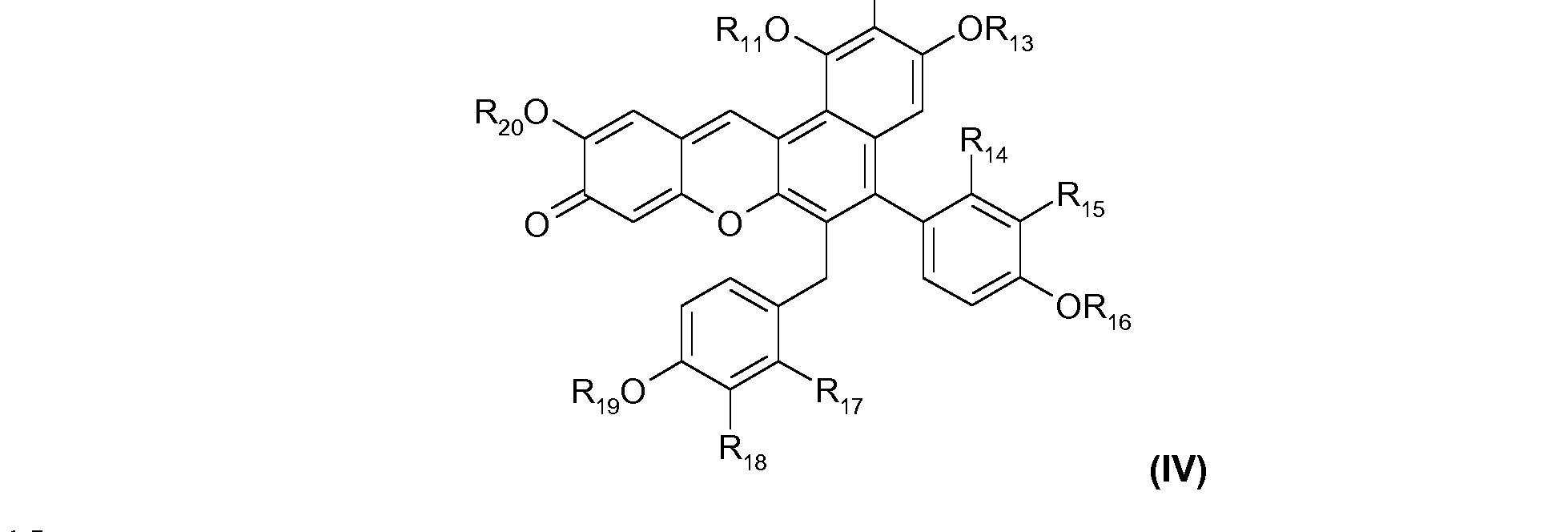


Claims


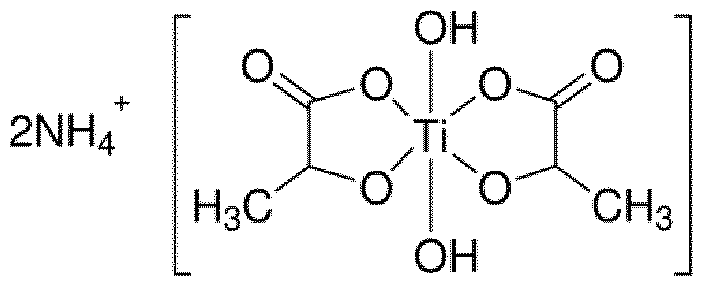


Priority Applications (6)
| Application Number | Priority Date | Filing Date | Title |
|---|---|---|---|
| ES15804850T ES2739537T3 (en) | 2014-12-08 | 2015-12-07 | Procedure for dyeing hair using at least one direct and / or natural dye, a titanium salt, a cellulose-based polysaccharide and optionally a particular organic solvent |
| BR112017011001A BR112017011001A2 (en) | 2014-12-08 | 2015-12-07 | keratin fiber dyeing process, cosmetic composition and multi-compartment device |
| EP15804850.4A EP3229755B1 (en) | 2014-12-08 | 2015-12-07 | Hair dyeing process using at least one direct and/or natural dye, a titanium salt, a cellulose-based polysaccharide and optionally a particular organic solvent |
| CN201580075688.2A CN107205897A (en) | 2014-12-08 | 2015-12-07 | Use the hair colouring methods of at least one direct and/or natural dye, titanium salt, the polysaccharide based on cellulose and optional specific organic solvent |
| US15/534,283 US10524992B2 (en) | 2014-12-08 | 2015-12-07 | Hair dyeing process using at least one direct and/or natural dye, a titanium salt, a cellulose-based polysaccharide and optionally a particular organic solvent |
| JP2017548332A JP2017537161A (en) | 2014-12-08 | 2015-12-07 | Hair dyeing method using at least one direct and / or natural dye, titanium salt, cellulosic polysaccharide and optionally a specific organic solvent |
Applications Claiming Priority (2)
| Application Number | Priority Date | Filing Date | Title |
|---|---|---|---|
| FR1462061 | 2014-12-08 | ||
| FR1462061A FR3029407B1 (en) | 2014-12-08 | 2014-12-08 | A CAPILLARY COLORING PROCESS USING AT LEAST ONE DIRECT AND / OR NATURAL COLOR, TITANIUM SALT, CELLULOSIC POLYSACCHARIDE AND, WHERE POSSIBLE, A PARTICULAR ORGANIC SOLVENT |
Publications (1)
| Publication Number | Publication Date |
|---|---|
| WO2016091814A1 true WO2016091814A1 (en) | 2016-06-16 |
Family
ID=53269541
Family Applications (1)
| Application Number | Title | Priority Date | Filing Date |
|---|---|---|---|
| PCT/EP2015/078844 Ceased WO2016091814A1 (en) | 2014-12-08 | 2015-12-07 | Hair dyeing process using at least one direct and/or natural dye, a titanium salt, a cellulose-based polysaccharide and optionally a particular organic solvent |
Country Status (8)
| Country | Link |
|---|---|
| US (1) | US10524992B2 (en) |
| EP (1) | EP3229755B1 (en) |
| JP (1) | JP2017537161A (en) |
| CN (1) | CN107205897A (en) |
| BR (1) | BR112017011001A2 (en) |
| ES (1) | ES2739537T3 (en) |
| FR (1) | FR3029407B1 (en) |
| WO (1) | WO2016091814A1 (en) |
Cited By (5)
| Publication number | Priority date | Publication date | Assignee | Title |
|---|---|---|---|---|
| US10524998B2 (en) | 2014-12-08 | 2020-01-07 | L'oreal | Hair dyeing process using at least one dye, an organic titanium salt, and a non-cellulosic-based polysaccharide |
| US10524996B2 (en) | 2014-12-08 | 2020-01-07 | L'oreal | Hair dyeing process using at least one dye, a titanium salt and an anionic thickening polymer |
| US10537511B2 (en) | 2014-12-08 | 2020-01-21 | L'oreal | Hair dyeing process using at least one dye, a titanium salt and an insoluble silicate |
| WO2022129346A1 (en) * | 2020-12-18 | 2022-06-23 | L'oreal | Composition for the simultaneous bleaching and dyeing of keratin fibres and process employing this composition |
| US12533303B2 (en) | 2020-12-18 | 2026-01-27 | L'oreal | Composition for the simultaneous bleaching and dyeing of keratin fibres and process using this composition |
Families Citing this family (6)
| Publication number | Priority date | Publication date | Assignee | Title |
|---|---|---|---|---|
| JP6624628B1 (en) * | 2018-02-20 | 2019-12-25 | 株式会社Nil | Hair dye |
| CN109022513A (en) * | 2018-09-14 | 2018-12-18 | 中国热带农业科学院海口实验站 | The method of ultrasonic wave auxiliary biological complex enzyme enzymolysis and extraction hill gooseberry's anthocyanidin |
| FR3090332B1 (en) * | 2018-12-21 | 2021-07-30 | Oreal | Hair coloring process, using a titanium salt, a fatty ether and a natural dye |
| EP4262995A1 (en) * | 2020-12-18 | 2023-10-25 | L'oreal | Process for lightening keratin fibres |
| CN116947733A (en) * | 2023-07-24 | 2023-10-27 | 江南大学 | A hair dye molecule that improves the color fastness of plant dye molecules and the antioxidant properties of hair and its synthesis method and application |
| CN116617101B (en) * | 2023-07-25 | 2023-10-13 | 北京立仁堂医药科技开发有限公司 | Pigment composition for dyeing hair, blackening hair and nourishing hair and application thereof |
Citations (24)
| Publication number | Priority date | Publication date | Assignee | Title |
|---|---|---|---|---|
| US3376110A (en) | 1967-01-30 | 1968-04-02 | Gen Aniline & Film Corp | Solid stabilized hydrogen peroxide compositions |
| US4131576A (en) | 1977-12-15 | 1978-12-26 | National Starch And Chemical Corporation | Process for the preparation of graft copolymers of a water soluble monomer and polysaccharide employing a two-phase reaction system |
| FR2586913A1 (en) | 1985-09-10 | 1987-03-13 | Oreal | PROCESS FOR FORMING IN IN SITU A COMPOSITION CONSISTING OF TWO PARTS CONDITIONED SEPARATELY AND DISPENSING ASSEMBLY FOR IMPLEMENTING SAID METHOD |
| US5008093A (en) | 1989-11-08 | 1991-04-16 | Gaf Chemicals Corporation | Anhydrous complexes of PVP and hydrogen peroxide |
| US5183901A (en) | 1992-01-24 | 1993-02-02 | Isp Investments Inc. | Urea-hydrogen peroxide-polyvinylpyrrolidone |
| WO1995001772A1 (en) | 1993-07-05 | 1995-01-19 | Ciba-Geigy Ag | Process for dyeing keratin-containing fibres |
| WO1995015144A1 (en) | 1993-11-30 | 1995-06-08 | Ciba-Geigy Ag | Cationic dyes for keratin-containing fibres |
| EP0714954A2 (en) | 1994-11-03 | 1996-06-05 | Ciba-Geigy Ag | Cationic iminazoleazodyestuffs |
| FR2814945A1 (en) | 2000-10-09 | 2002-04-12 | Oreal | CANITIY TREATMENT PROCESS |
| FR2814946A1 (en) | 2000-10-09 | 2002-04-12 | Oreal | Composition for coloring skin and-or keratin matter, comprises color precursor, amino acid containing thiol group and catalytic system containing manganese and-or zinc salts or oxides and alkaline and-or alkaline earth hydrocarbonates |
| FR2814947A1 (en) | 2000-10-09 | 2002-04-12 | Oreal | Coloring composition for skin and-or keratin fibers, comprises at least one enzyme with pro-pigmentation activity, and catalytic system containing salts or oxides of manganese and-or zinc and alkaline and-or alkaline earth hydrocarbonates |
| FR2814943A1 (en) | 2000-10-09 | 2002-04-12 | Oreal | Coloring composition for skin and keratin fibers, comprises color precursor and catalytic system containing salts or oxides of manganese and-or zinc and alkaline hydrocarbonates |
| EP1426039A1 (en) * | 2002-12-06 | 2004-06-09 | L'oreal | Oxidative dye composition for keratinic fibers comprising a fatty alcohol, an oxidative dye, an associative polymer, a fatty acid ester and/or a metallic oxide |
| EP1707182A1 (en) * | 2005-03-31 | 2006-10-04 | L'oreal | Dye composition comprising a fatty acid ester and process for dyeing keratin fibres using the same |
| US20060272103A1 (en) * | 2005-03-18 | 2006-12-07 | L'oreal | Compositions comprising KAP polypeptides |
| EP2060301A2 (en) * | 2007-11-09 | 2009-05-20 | L'Oreal | Composition comprising a modified cellulose derivative and oxidising dyes, dyeing method for oxidation and use. |
| EP2062615A2 (en) * | 2007-11-09 | 2009-05-27 | L'Oreal | Composition comprising a modified cellulose derivative, a fatty acid ester and oxidising dyes, dyeing method for oxidation and use. |
| WO2010133573A2 (en) * | 2009-05-19 | 2010-11-25 | L'oreal | Dyeing composition comprising a secondary para-phenylenediamine oxidation base and a thickening polymer |
| FR2951374A1 (en) | 2009-10-16 | 2011-04-22 | Oreal | COMPOSITION COMPRISING AT LEAST ONE ANTHRONIC DERIVATIVE, PROCESS FOR COLORING KERATINIC FIBERS FROM THE COMPOSITION |
| WO2011086284A1 (en) | 2009-12-23 | 2011-07-21 | L'oreal | Composition for dyeing keratin fibers, including at least one ortho-diphenol derivative, one chemical oxidizing agent, and one alkalinizing agent |
| WO2011086282A1 (en) | 2009-12-23 | 2011-07-21 | L'oreal | Composition for dyeing keratin fibers, including at least one ortho-diphenol derivative, one particular metal derivative, and one alkalinizing agent |
| WO2012175683A2 (en) * | 2011-06-23 | 2012-12-27 | L'oreal | Hair dyeing process using at least one ortho-diphenol, a manganese or zinc salt, hydrogen peroxide, (bi)carbonate, an alkaline agent and a titanium or scandium salt |
| FR2976793A1 (en) | 2011-06-23 | 2012-12-28 | Oreal | Dyeing keratin fibers, preferably hair, comprises treating fibers with compositions containing ortho-diphenol derivatives, manganese or zinc salts, hydrogen peroxide, (bi)carbonates, basifying agents and titanium salts to keratin fibers |
| FR2981570A1 (en) * | 2011-10-21 | 2013-04-26 | Oreal | Coloring keratin fibers, preferably hair, comprises treating fibers with cyclodextrins, orthodiphenol derivatives, optionally metal salts, optionally hydrogen peroxide or its generating system and optionally alkalizing agents |
Family Cites Families (57)
| Publication number | Priority date | Publication date | Assignee | Title |
|---|---|---|---|---|
| US2798053A (en) | 1952-09-03 | 1957-07-02 | Goodrich Co B F | Carboxylic polymers |
| NL88710C (en) | 1954-01-25 | |||
| BE626050A (en) | 1962-03-30 | |||
| DE1492175A1 (en) | 1965-07-07 | 1970-02-12 | Schwarzkopf Gmbh Hans | Method for coloring living hair |
| DE2359399C3 (en) | 1973-11-29 | 1979-01-25 | Henkel Kgaa, 4000 Duesseldorf | Hair dye |
| US4003699A (en) | 1974-11-22 | 1977-01-18 | Henkel & Cie G.M.B.H. | Oxidation hair dyes based upon tetraaminopyrimidine developers |
| USRE30199E (en) | 1973-11-29 | 1980-01-29 | Henkel Kommanditgesellschaft Auf Aktien (Henkel Kgaa) | Oxidation hair dyes based upon tetraaminopyrimidine developers |
| CH606154A5 (en) | 1974-07-02 | 1978-11-15 | Goodrich Co B F | |
| JPS54106599A (en) | 1978-02-09 | 1979-08-21 | Hitachi Chem Co Ltd | Preparation of polyamide intermediate for semiconductor processing |
| DE2806098C2 (en) | 1978-02-14 | 1984-08-30 | Hoechst Ag, 6230 Frankfurt | Use of crosslinked polymers to increase the viscosity in cosmetic, pharmaceutical and technical preparations |
| US4509949A (en) | 1983-06-13 | 1985-04-09 | The B. F. Goodrich Company | Water thickening agents consisting of copolymers of crosslinked acrylic acids and esters |
| US4514552A (en) | 1984-08-23 | 1985-04-30 | Desoto, Inc. | Alkali soluble latex thickeners |
| AU612965B2 (en) | 1985-08-12 | 1991-07-25 | Ciba Specialty Chemicals Water Treatments Limited | Polymeric thickeners and their production |
| FR2633940B3 (en) | 1988-07-05 | 1991-07-12 | Sanofi Sa | GLYOXAL TREATED SCLEROGLUCANE AND PROCESS FOR OBTAINING SAME |
| JP2526099B2 (en) | 1988-07-07 | 1996-08-21 | 花王株式会社 | Keratin fiber dyeing composition |
| DE3843892A1 (en) | 1988-12-24 | 1990-06-28 | Wella Ag | OXIDATION HAIR AGENTS CONTAINING DIAMINOPYRAZOL DERIVATIVES AND NEW DIAMINOPYRAZOLE DERIVATIVES |
| GB9104878D0 (en) | 1991-03-08 | 1991-04-24 | Scott Bader Co | Thickeners for personal care products |
| DE4133957A1 (en) | 1991-10-14 | 1993-04-15 | Wella Ag | HAIR DYE CONTAINING AMINOPYRAZOLE DERIVATIVES AND NEW PYRAZOLE DERIVATIVES |
| JP3053939B2 (en) | 1991-12-17 | 2000-06-19 | 花王株式会社 | Keratinized fiber dyeing composition |
| US5663366A (en) | 1992-10-16 | 1997-09-02 | Wella Aktiengesellschat | Process for the synthesis of 4,5-diaminopyrazole derivatives useful for dyeing hair |
| DE4234885A1 (en) | 1992-10-16 | 1994-04-21 | Wella Ag | Process for the preparation of 4,5-diaminopyrazole derivatives, their use for dyeing hair and new pyrazole derivatives |
| DE4234887A1 (en) | 1992-10-16 | 1994-04-21 | Wella Ag | Oxidation hair dye containing 4,5-diaminopyrazole derivatives as well as new 4,5-diaminopyrazole derivatives and process for their preparation |
| DE4440957A1 (en) | 1994-11-17 | 1996-05-23 | Henkel Kgaa | Oxidation dye |
| FR2733749B1 (en) | 1995-05-05 | 1997-06-13 | Oreal | COMPOSITIONS FOR DYEING KERATINIC FIBERS CONTAINING DIAMINO PYRAZOLES, DYEING PROCESS, NOVEL DIAMINO PYRAZOLES, AND PREPARATION METHOD THEREOF |
| DE19539264C2 (en) | 1995-10-21 | 1998-04-09 | Goldwell Gmbh | Hair Dye |
| DE19543988A1 (en) | 1995-11-25 | 1997-05-28 | Wella Ag | Oxidative hair dye composition |
| FR2750325B1 (en) | 1996-06-28 | 1998-07-31 | Oreal | COSMETIC USE OF A POLY (2-ACRYLAMIDO 2- METHYLPROPANE SULFONIC) CROSSLINKED AND NEUTRALIZED AT LEAST 90% AND TOPICAL COMPOSITIONS CONTAINING THEM |
| DE19859721A1 (en) | 1998-12-23 | 2000-06-29 | Henkel Kgaa | Agent for dyeing keratin fibers |
| FR2801308B1 (en) | 1999-11-19 | 2003-05-09 | Oreal | KERATINIC FIBER DYEING COMPOSITIONS CONTAINING 3-AMINO PYRAZOLO- [1, (- a] -PYRIDINES, DYEING PROCESS, NEWS 3-AMINO PYRAZOLO- [1,5-a] -PYRIDINES |
| EP1229892B1 (en) | 2000-10-09 | 2004-09-15 | L'oreal | Dyeing composition, method for obtaining same and use for colouring the skin and/or keratinous fibres |
| FR2818542B1 (en) | 2000-12-22 | 2004-04-30 | Oreal | OXIDATION DYE COMPOSITION FOR KERATIN FIBERS BASED ON AN AMPHIPHILE POLYMER OF AT LEAST ONE ETHYLENE-UNSATURATED MONOMER WITH A SULPHONIC GROUP AND COMPRISING A HYDROPHOBIC PART |
| GB0220578D0 (en) | 2001-12-04 | 2002-10-09 | Unilever Plc | Hair treatement composition |
| US7081485B2 (en) | 2002-08-21 | 2006-07-25 | Bisco, Inc. | Non-volatile dental compositions containing multifunctional acrylate compounds and lacking an oxygen-inhibited layer |
| US7204859B2 (en) | 2002-12-06 | 2007-04-17 | L'oreal S.A. | Composition for the oxidation dyeing of keratin fibers, comprising at least one fatty alcohol, at least one oxidation dye, at least one associative polymer, and at least one compound chosen from fatty acid esters and metal oxides |
| DE10354812A1 (en) | 2003-11-21 | 2006-08-17 | Henkel Kgaa | Method for coloring keratin-containing fibers |
| US7578854B2 (en) | 2005-03-31 | 2009-08-25 | L'oreal S.A. | Dye composition comprising at least one fatty acid ester and process for dyeing keratin fibers using the same |
| MX2007012487A (en) * | 2005-04-06 | 2008-03-11 | Boots Co Plc | Improved oxidative hair dyes and related topical compositions. |
| GB0506930D0 (en) * | 2005-04-06 | 2005-05-11 | Boots Co Plc | Improved oxidative hair dye compositions |
| FR2886136B1 (en) | 2005-05-31 | 2007-08-10 | Oreal | COMPOSITION FOR DYING KERATIN FIBERS COMPRISING AT LEAST ONE DIAMINO-N, N-DIHYDRO-PYRAZOLONE DERIVATIVE AND A CATIONIC OXIDATION DYE |
| US7749286B2 (en) | 2006-05-01 | 2010-07-06 | Advanced Cosmetic Technologies, Llc | Composition for dyeing keratin fibers and a method of dyeing hair using same |
| WO2009010883A2 (en) | 2007-07-03 | 2009-01-22 | L'oreal | Methods and kits for permanently coloring hair |
| FR2928086B1 (en) | 2008-02-28 | 2010-12-17 | Oreal | COMPOSITION COMPRISING A NATURAL COLOR AND LACTONE AND COLORING KERATIN FIBERS |
| FR2939644B1 (en) * | 2008-12-12 | 2011-02-11 | Oreal | COSMETIC COMPOSITION COMPRISING AT LEAST ONE ORTHODIPHENOL, A METAL SALT, HYDROGEN PEROXIDE, (BI) CARBONATE, A SURFACTANT, METHOD FOR COLORING FROM THE COMPOSITION |
| FR2939654B1 (en) | 2008-12-12 | 2011-02-11 | Oreal | A CAPILLARY COLORING PROCESS USING A HEMATOXYLINE, HEMATEINE, BRAZILINE OR BRAZILEINE DERIVATIVE, A METAL SALT, HYDROGEN PEROXIDE AND (BI) CARBONATE |
| GB0911493D0 (en) | 2009-07-02 | 2009-08-12 | Univ Leeds | Catalysed dye systems |
| FR2962032B1 (en) | 2009-12-23 | 2019-11-15 | L'oreal | COMPOSITION FOR COLORING KERATIN FIBERS COMPRISING AT LEAST ONE ORTHODIPHENOL DERIVATIVE, AN OXIDIZING AGENT, A CLAY AND AN ALKALINIZING AGENT |
| US8900330B2 (en) | 2010-02-26 | 2014-12-02 | Korea University Research And Business Foundation | Agents for improving dye fastness |
| DE102010041974A1 (en) | 2010-10-05 | 2012-04-05 | Henkel Ag & Co. Kgaa | Nourishing plant hair color |
| US8808401B2 (en) | 2010-12-20 | 2014-08-19 | L'oreal | Hair dyeing process using an insoluble silicate, an aromatic compound and a hydroxylated aliphatic solvent |
| FR2976797B1 (en) | 2011-06-23 | 2013-06-14 | Oreal | CAPILLARY COLORING PROCESS USING DIHYDROXYFLAVONES, MANGANESE OR ZINC SALTS, HYDROGEN PEROXIDE, (BI) CARBONATES, ALKALINIZING AGENTS AND METALLIC SALTS IN CO-PROCESSING |
| FR2983072B1 (en) * | 2011-11-29 | 2015-03-06 | Oreal | COLORING COMPOSITION COMPRISING A PARTICULAR NON-IONIC HYDROTROPIC COMPOUND IN BOLD-FILLED MEDIA, METHODS AND DEVICE |
| US8800571B2 (en) * | 2012-06-01 | 2014-08-12 | R.J. Reynolds Tobacco Company | Method and system for moist tobacco extract isolation |
| FR3014681B1 (en) * | 2013-12-13 | 2015-12-18 | Oreal | A CAPILLARY COLORING PROCESS USING AT LEAST ONE ORTHODIPHENOL, AN ORGANIC TITANIUM SALT AND CARBOXYLIC ACID |
| FR3014682B1 (en) | 2013-12-13 | 2015-12-18 | Oreal | CAPILLARY COLORING PROCESS IMPLEMENTING AT LEAST ONE ORTHODIPHENOL, A TITANIUM DERIVATIVE, AND A CARBOXYLIC ACID |
| FR3029409B1 (en) | 2014-12-08 | 2016-12-09 | Oreal | A CAPILLARY COLORING PROCESS USING AT LEAST ONE COLOR, AN ORGANIC TITANIUM SALT, AND A NON-CELLULOSIC POLYSACCHARIDE |
| FR3029406B1 (en) | 2014-12-08 | 2016-12-09 | Oreal | CAPILLARY COLORING PROCESS USING AT LEAST ONE DYE, ONE TITANIUM SALT, AND ANIONIC THICKENING POLYMER |
| FR3029405B1 (en) | 2014-12-08 | 2019-08-02 | L'oreal | CAPILLARY COLORING PROCESS USING AT LEAST ONE COLOR, TITANIUM SALT, AND INSOLUBLE SILICATE |
-
2014
- 2014-12-08 FR FR1462061A patent/FR3029407B1/en not_active Expired - Fee Related
-
2015
- 2015-12-07 JP JP2017548332A patent/JP2017537161A/en active Pending
- 2015-12-07 EP EP15804850.4A patent/EP3229755B1/en active Active
- 2015-12-07 BR BR112017011001A patent/BR112017011001A2/en not_active Application Discontinuation
- 2015-12-07 US US15/534,283 patent/US10524992B2/en active Active
- 2015-12-07 ES ES15804850T patent/ES2739537T3/en active Active
- 2015-12-07 WO PCT/EP2015/078844 patent/WO2016091814A1/en not_active Ceased
- 2015-12-07 CN CN201580075688.2A patent/CN107205897A/en active Pending
Patent Citations (24)
| Publication number | Priority date | Publication date | Assignee | Title |
|---|---|---|---|---|
| US3376110A (en) | 1967-01-30 | 1968-04-02 | Gen Aniline & Film Corp | Solid stabilized hydrogen peroxide compositions |
| US4131576A (en) | 1977-12-15 | 1978-12-26 | National Starch And Chemical Corporation | Process for the preparation of graft copolymers of a water soluble monomer and polysaccharide employing a two-phase reaction system |
| FR2586913A1 (en) | 1985-09-10 | 1987-03-13 | Oreal | PROCESS FOR FORMING IN IN SITU A COMPOSITION CONSISTING OF TWO PARTS CONDITIONED SEPARATELY AND DISPENSING ASSEMBLY FOR IMPLEMENTING SAID METHOD |
| US5008093A (en) | 1989-11-08 | 1991-04-16 | Gaf Chemicals Corporation | Anhydrous complexes of PVP and hydrogen peroxide |
| US5183901A (en) | 1992-01-24 | 1993-02-02 | Isp Investments Inc. | Urea-hydrogen peroxide-polyvinylpyrrolidone |
| WO1995001772A1 (en) | 1993-07-05 | 1995-01-19 | Ciba-Geigy Ag | Process for dyeing keratin-containing fibres |
| WO1995015144A1 (en) | 1993-11-30 | 1995-06-08 | Ciba-Geigy Ag | Cationic dyes for keratin-containing fibres |
| EP0714954A2 (en) | 1994-11-03 | 1996-06-05 | Ciba-Geigy Ag | Cationic iminazoleazodyestuffs |
| FR2814945A1 (en) | 2000-10-09 | 2002-04-12 | Oreal | CANITIY TREATMENT PROCESS |
| FR2814946A1 (en) | 2000-10-09 | 2002-04-12 | Oreal | Composition for coloring skin and-or keratin matter, comprises color precursor, amino acid containing thiol group and catalytic system containing manganese and-or zinc salts or oxides and alkaline and-or alkaline earth hydrocarbonates |
| FR2814947A1 (en) | 2000-10-09 | 2002-04-12 | Oreal | Coloring composition for skin and-or keratin fibers, comprises at least one enzyme with pro-pigmentation activity, and catalytic system containing salts or oxides of manganese and-or zinc and alkaline and-or alkaline earth hydrocarbonates |
| FR2814943A1 (en) | 2000-10-09 | 2002-04-12 | Oreal | Coloring composition for skin and keratin fibers, comprises color precursor and catalytic system containing salts or oxides of manganese and-or zinc and alkaline hydrocarbonates |
| EP1426039A1 (en) * | 2002-12-06 | 2004-06-09 | L'oreal | Oxidative dye composition for keratinic fibers comprising a fatty alcohol, an oxidative dye, an associative polymer, a fatty acid ester and/or a metallic oxide |
| US20060272103A1 (en) * | 2005-03-18 | 2006-12-07 | L'oreal | Compositions comprising KAP polypeptides |
| EP1707182A1 (en) * | 2005-03-31 | 2006-10-04 | L'oreal | Dye composition comprising a fatty acid ester and process for dyeing keratin fibres using the same |
| EP2060301A2 (en) * | 2007-11-09 | 2009-05-20 | L'Oreal | Composition comprising a modified cellulose derivative and oxidising dyes, dyeing method for oxidation and use. |
| EP2062615A2 (en) * | 2007-11-09 | 2009-05-27 | L'Oreal | Composition comprising a modified cellulose derivative, a fatty acid ester and oxidising dyes, dyeing method for oxidation and use. |
| WO2010133573A2 (en) * | 2009-05-19 | 2010-11-25 | L'oreal | Dyeing composition comprising a secondary para-phenylenediamine oxidation base and a thickening polymer |
| FR2951374A1 (en) | 2009-10-16 | 2011-04-22 | Oreal | COMPOSITION COMPRISING AT LEAST ONE ANTHRONIC DERIVATIVE, PROCESS FOR COLORING KERATINIC FIBERS FROM THE COMPOSITION |
| WO2011086284A1 (en) | 2009-12-23 | 2011-07-21 | L'oreal | Composition for dyeing keratin fibers, including at least one ortho-diphenol derivative, one chemical oxidizing agent, and one alkalinizing agent |
| WO2011086282A1 (en) | 2009-12-23 | 2011-07-21 | L'oreal | Composition for dyeing keratin fibers, including at least one ortho-diphenol derivative, one particular metal derivative, and one alkalinizing agent |
| WO2012175683A2 (en) * | 2011-06-23 | 2012-12-27 | L'oreal | Hair dyeing process using at least one ortho-diphenol, a manganese or zinc salt, hydrogen peroxide, (bi)carbonate, an alkaline agent and a titanium or scandium salt |
| FR2976793A1 (en) | 2011-06-23 | 2012-12-28 | Oreal | Dyeing keratin fibers, preferably hair, comprises treating fibers with compositions containing ortho-diphenol derivatives, manganese or zinc salts, hydrogen peroxide, (bi)carbonates, basifying agents and titanium salts to keratin fibers |
| FR2981570A1 (en) * | 2011-10-21 | 2013-04-26 | Oreal | Coloring keratin fibers, preferably hair, comprises treating fibers with cyclodextrins, orthodiphenol derivatives, optionally metal salts, optionally hydrogen peroxide or its generating system and optionally alkalizing agents |
Non-Patent Citations (5)
| Title |
|---|
| "Handbook of solubility parameters and other cohesion parameters", CRC PRESS, article "pages 95 to 121 and pages 177 to 185," |
| "Ullmann's Encyclopaedia", 2005, article "Metal and Dyes", pages: 8 |
| CHARLES M. HANSEN: "Hansen solubility parameters A user's handbook", 2000, CRC PRESS, pages: 167 - 185 |
| CHARLES M. HANSEN: "The 3 dimensional solubility parameter & solvent diffusion coefficient, their importance in surface coating formulation", 1967, COPENHAGEN DANISH TECHNICAL PRESS, pages: 13 - 29 |
| ERIC A. GRULKE: "Polymer Handbook", article "Solubility parameter values", pages: 519 - 559 |
Cited By (6)
| Publication number | Priority date | Publication date | Assignee | Title |
|---|---|---|---|---|
| US10524998B2 (en) | 2014-12-08 | 2020-01-07 | L'oreal | Hair dyeing process using at least one dye, an organic titanium salt, and a non-cellulosic-based polysaccharide |
| US10524996B2 (en) | 2014-12-08 | 2020-01-07 | L'oreal | Hair dyeing process using at least one dye, a titanium salt and an anionic thickening polymer |
| US10537511B2 (en) | 2014-12-08 | 2020-01-21 | L'oreal | Hair dyeing process using at least one dye, a titanium salt and an insoluble silicate |
| WO2022129346A1 (en) * | 2020-12-18 | 2022-06-23 | L'oreal | Composition for the simultaneous bleaching and dyeing of keratin fibres and process employing this composition |
| FR3117808A1 (en) * | 2020-12-18 | 2022-06-24 | L'oreal | Composition for the simultaneous bleaching and coloring of keratin fibers and method using this composition |
| US12533303B2 (en) | 2020-12-18 | 2026-01-27 | L'oreal | Composition for the simultaneous bleaching and dyeing of keratin fibres and process using this composition |
Also Published As
| Publication number | Publication date |
|---|---|
| EP3229755A1 (en) | 2017-10-18 |
| FR3029407B1 (en) | 2016-12-09 |
| JP2017537161A (en) | 2017-12-14 |
| BR112017011001A2 (en) | 2018-02-14 |
| FR3029407A1 (en) | 2016-06-10 |
| US20170333312A1 (en) | 2017-11-23 |
| ES2739537T3 (en) | 2020-01-31 |
| US10524992B2 (en) | 2020-01-07 |
| EP3229755B1 (en) | 2019-06-12 |
| CN107205897A (en) | 2017-09-26 |
Similar Documents
| Publication | Publication Date | Title |
|---|---|---|
| EP3229755B1 (en) | Hair dyeing process using at least one direct and/or natural dye, a titanium salt, a cellulose-based polysaccharide and optionally a particular organic solvent | |
| EP3229757B1 (en) | Hair dyeing process using at least one dye, an organic titanium salt, and a non-cellulosic-based polysaccharide | |
| US10052273B2 (en) | Hair dyeing method employing at least one ortho-diphenol, one titanium derivative and one carboxylic acid | |
| CN101791269B (en) | Hair dyeing method based on a composition comprising at least one ortho-diphenol, one metal salt, hydrogen peroxide and (bi)carbonate | |
| US10010495B2 (en) | Hair dyeing process using at least one ortho-diphenol and one organic salt of titanium and of a carboxylic acid | |
| BR112013033190B1 (en) | hair dyeing process using at least one ortho-diphenol, a manganese or zinc salt, hydrogen peroxide, (bi) carbonates, an alkaline agent and a titanium or scandium salt | |
| US8597373B2 (en) | Hair dyeing process using a composition comprising at least one indole or indoline compound, a metal salt, hydrogen peroxide and a basifying agent | |
| JP2010138174A (en) | Hair dyeing method starting from composition comprising at least one ortho-diphenol, one metal salt, hydrogen peroxide, (bi)carbonate and basifying agent | |
| US10485744B2 (en) | Dyeing process starting from ortho-diphenol | |
| WO2016091720A1 (en) | Hair dyeing process using at least one dye, a titanium salt and an insoluble silicate | |
| WO2016091816A1 (en) | Hair dyeing process using at least one dye, a titanium salt and a cationic hydrophobic cellulosic polysaccharide | |
| WO2016198666A1 (en) | Hair dyeing process, free of chemical oxidizing agent, using a titanium salt and a dye | |
| WO2020127441A1 (en) | Hair dyeing process using a titanium salt, a fatty ether and a natural dye | |
| EP3148648B1 (en) | Hair dyeing process using a composition comprising at least one indol(in)e compound and a polycyclic aromatic compound containing at least ten carbon atoms |
Legal Events
| Date | Code | Title | Description |
|---|---|---|---|
| 121 | Ep: the epo has been informed by wipo that ep was designated in this application |
Ref document number: 15804850 Country of ref document: EP Kind code of ref document: A1 |
|
| REEP | Request for entry into the european phase |
Ref document number: 2015804850 Country of ref document: EP |
|
| REG | Reference to national code |
Ref country code: BR Ref legal event code: B01A Ref document number: 112017011001 Country of ref document: BR |
|
| ENP | Entry into the national phase |
Ref document number: 2017548332 Country of ref document: JP Kind code of ref document: A |
|
| NENP | Non-entry into the national phase |
Ref country code: DE |
|
| ENP | Entry into the national phase |
Ref document number: 112017011001 Country of ref document: BR Kind code of ref document: A2 Effective date: 20170525 |