WO2015043463A1 - Synchronizing customized user information - Google Patents
Synchronizing customized user information Download PDFInfo
- Publication number
- WO2015043463A1 WO2015043463A1 PCT/CN2014/087258 CN2014087258W WO2015043463A1 WO 2015043463 A1 WO2015043463 A1 WO 2015043463A1 CN 2014087258 W CN2014087258 W CN 2014087258W WO 2015043463 A1 WO2015043463 A1 WO 2015043463A1
- Authority
- WO
- WIPO (PCT)
- Prior art keywords
- user
- account
- profile information
- augmented
- user account
- Prior art date
- Legal status (The legal status is an assumption and is not a legal conclusion. Google has not performed a legal analysis and makes no representation as to the accuracy of the status listed.)
- Ceased
Links
Images




Classifications
-
- H—ELECTRICITY
- H04—ELECTRIC COMMUNICATION TECHNIQUE
- H04L—TRANSMISSION OF DIGITAL INFORMATION, e.g. TELEGRAPHIC COMMUNICATION
- H04L67/00—Network arrangements or protocols for supporting network services or applications
- H04L67/2866—Architectures; Arrangements
- H04L67/30—Profiles
- H04L67/306—User profiles
-
- H—ELECTRICITY
- H04—ELECTRIC COMMUNICATION TECHNIQUE
- H04L—TRANSMISSION OF DIGITAL INFORMATION, e.g. TELEGRAPHIC COMMUNICATION
- H04L67/00—Network arrangements or protocols for supporting network services or applications
- H04L67/01—Protocols
- H04L67/10—Protocols in which an application is distributed across nodes in the network
- H04L67/1095—Replication or mirroring of data, e.g. scheduling or transport for data synchronisation between network nodes
Definitions
- the present application relates to synchronization of customized user information (e. g. , contact information) , sometimes called augmented user profile information, between server system and client devices in a social networking setting.
- customized user information e. g. , contact information
- augmented user profile information sometimes called augmented user profile information
- Modern electronic devices often allow a user to store information about other users, as well as public figures, public places (e. g. , restaurants or national monuments) .
- a first user’s full name is “Josiah Winslow, ”
- a second user might augment data stored on their client device such that a nickname “Josie” is stored for display when the first user calls, texts, or chats.
- client device e. g. , smart-phone
- the second user may want to display different information about the first user depending on a variety of circumstances. For example, suppose the first user is the second user’s father. The second user may want to display the name “Dad” on his smart-television when the first user calls during primetime (e. g. , after 9PM at night) , but display the name “Grandpa” for his son’s benefit if the first user calls during Saturday morning cartoons.
- primetime e. g. , after 9PM at night
- Conventional methods of storing data about other users do not offer the ability to synchronize customizable context-dependent user data (e. g. , based on time, geographic location and/or device) for easy recovery in the case that one or more of the second user’s devices are lost or stolen.
- a method is provided that is performed at a server system executing a one or more programs.
- the method includes sending, for display at a client device of a user having a first user account, user profile information corresponding to one or more other user accounts including a second user account, where said user accounts are accounts for a social networking service.
- the method further includes receiving, from the client device, an identifier of the second user account and augmented user profile information corresponding to the second user account.
- the augmented user profile information is private information entered by the user of the first user account about the second user account.
- the method further includes, at a first time after receiving the augmented user profile information: receiving a request from the first user account for information about the second user account; and responding to the request by providing at least the augmented user profile information.
- the computer system includes memory, one or more processors, and one or more programs stored in the memory and configured for execution by the one or more processors.
- the one or more programs include instructions for sending, for display at a client device of a user having a first user account, user profile information corresponding to one or more other user accounts including a second user account, where said user accounts are accounts for a social networking service.
- the one or more programs further include instructions for receiving, from the client device, an identifier of the second user account and augmented user profile information corresponding to the second user account.
- the augmented user profile information is private information entered by the user of the first user account about the second user account.
- the one or more programs further include instructions for, at a first time after receiving the augmented user profile information: receiving a request from the first user account for information about the second user account; and responding to the request by providing at least the augmented user profile information.
- the computer system includes memory, one or more processors, and one or more programs stored in the memory and configured for execution by the one or more processors.
- the one or more programs include instructions for any of the methods described herein.
- Another aspect of the present application involves a non-transitory computer readable storage medium having stored therein one or more programs for execution by one or more processors of a computer system, the one or more programs including instructions for sending, for display at a client device of a user having a first user account, user profile information corresponding to one or more other user accounts including a second user account, where said user accounts are accounts for a social networking service.
- the one or more programs further include instructions for receiving, from the client device, an identifier of the second user account and augmented user profile information corresponding to the second user account.
- the augmented user profile information is private information entered by the user of the first user account about the second user account.
- the one or more programs further include instructions for, at a first time after receiving the augmented user profile information: receiving a request from the first user account for information about the second user account; and responding to the request by providing at least the augmented user profile information.
- Another aspect of the present application involves a non-transitory computer readable storage medium having stored therein one or more programs for execution by one or more processors of a computer system, the one or more programs including instructions for performing any of the methods described herein.
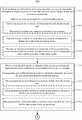
- FIG. 1 is a schematic flowchart of a method for implementing account remarks, in accordance with some embodiments.
- FIG. 2 is a schematic diagram of a user interface displaying user information and a remark adding tag, in accordance with some embodiments.
- FIG. 3 is a schematic flowchart of another method for implementing account remarks, in accordance with some embodiments.
- FIG. 4 is a schematic flowchart of a method for searching for a stranger account, in accordance with some embodiments.
- FIG. 5 is a schematic flowchart of still another method for implementing account remarks, in accordance with some embodiments.
- FIG. 6 is a schematic flowchart of yet another method for implementing account remarks, in accordance with some embodiments.
- FIG. 7 is a schematic structural diagram of an apparatus for implementing account remarks, in accordance with some embodiments.
- FIG. 8 is a schematic diagram of one specific structure of the display module in FIG. 7.
- FIG. 9 is a schematic structural diagram of another apparatus for implementing account remarks, in accordance with some embodiments.
- FIG. 10 is a schematic diagram of one specific structure of the response module in FIG. 9.
- FIG. 11 is a schematic structural diagram of a system for implementing account remarks, in accordance with some embodiments.
- FIG. 12 illustrates an exemplary data structure for customizable user data (e. g. , augmented user profile information) that is stored on a server system, in accordance with some embodiments.
- customizable user data e. g. , augmented user profile information
- FIGS. 13A-13C include a flowchart of a method for synchronizing customizable user data (e. g. , augmented user profile information) , in accordance with some embodiments.
- customizable user data e. g. , augmented user profile information
- FIG. 14 is a server-client environment, in accordance with some embodiments.
- FIG. 15 is a structural block diagram of a client device, in accordance with some embodiments.
- FIG. 16 is a structural block diagram of a server system, in accordance with some embodiments.
- FIG. 1 is a schematic flowchart of a method for implementing account remarks according to an embodiment of the present application
- the method according to the embodiment of the present application may be applied between a terminal such as a mobile phone, a tablet PC or a smart wearable device and a server of various types of instant messaging applications, social communication applications and the like, and specifically, the method according to the embodiment of the present application includes the following steps.
- a terminal generates and displays a user interface loaded with personal information of a second account and a remark adding tag when detecting a view instruction for the second account found through a first account.
- a user may initiate a request for searching for "people nearby, " acquiring "drift bottles, " "shake it” or initiate an account search request to acquire stranger accounts including one or more relevant requirements issued by a related server.
- the acquired accounts may specifically be displayed in the terminal in a manner of displaying a list of stranger accounts.
- the user may select one stranger account therefrom as a second account, and initiate a view operation in a manner such as clicking to view personal information
- the terminal when detecting a view instruction corresponding to the view operation on personal information of the selected second account, displays a user interface including personal information of the second account and a remark adding tag; reference can specifically be made to FIG. 2.
- the personal information on the interface may be personal information extracted from the server, the remark adding tag is configured with trigger logic, so that the terminal may prompt acquisition of remark information set for the second account input by the user when the user selects the remark adding tag by means of click or acoustical control to issue a remark instruction.
- S102 The terminal, when detecting a remark instruction issued according to the remark adding tag in the user interface, acquires remark information entered for the second account, and sends to a server an associative storage request carrying the second account and the remark information.
- the user may issue a remark instruction by clicking the remark adding tag or the like to trigger the terminal to execute a remark process for the target stranger account.
- the terminal may specifically, after detecting that the user clicks the remark adding tag to issue the remark instruction, display a remark entry prompt box to prompt the user that remark information can be entered, so as to acquire the remark information entered for the second account by the user.
- S103 The server associatively stores the second account and the remark information according to the associative storage request.
- the terminal sends an associative storage request to an application server of a corresponding communication application
- the server may associatively store the second account and the remark information in a remark database set for the current account after receiving the associative storage request, and in the remark database, a plurality of strange accounts including the second account and remark information thereof can be stored for the first account.
- S104 The server, when receiving an account search request based on the first account, returns the remark information associatively stored with the second account to a terminal initiating the search request if the second account is found.
- the terminal initiating the search request may be the terminal in S101 sending the search request at a different time, or may be another terminal of the user initiating the search request by logging into the first account.
- the remark database is a database set by the server for the logged-in first account in the terminal for storing a plurality of stranger accounts requested by the user and remark information, and in the database, each stranger account and remark information corresponding thereto may be stored in a manner of a mapping table, so that the user of the terminal can understand some basic facts about a stranger according to the remark information next time he initiates a request for searching for "people nearby, " acquiring "drift bottles, " "shake it” or initiates an account search request to conduct a temporary communication with the stranger and if the same stranger user is found. For example, after a remark message of "tour pal" is added to a certain stranger, the stranger can be determined as a person who likes traveling next time a user account of the stranger is found.
- the embodiment of the present application by displaying a remark adding tag in a user interface displaying user information of a stranger, and after acquisition of remark information, requesting a server to associatively store an account of the stranger and the remark information, may intuitively and quickly remark a stranger message for a user, so that the user can timely and accurately understand some basic facts of the stranger according to the remark information next time he initiates a temporary communication to find the same stranger user.
- FIG. 3 is a schematic flowchart of another method for implementing account remarks according to an embodiment of the present application
- the method according to the embodiment of the present application may be applied in terminal such as mobile phones, tablet PCs or smart wearable devices and application servers of instant messaging applications, social communication applications and the like, and specifically, the method includes the following steps.
- S201 A terminal searches for a second account through a logged-in first account.
- an account search request may be initiated in a manner of initiating a search for "people nearby, " acquisition of "drift bottles, " "shake it” or initiating an account search, to acquire stranger accounts meeting relevant requirements.
- One or more stranger accounts constitute a set of associated accounts relevant to a logged-in current account in the terminal.
- the set of associated accounts may be displayed to a user in a form of a list, and the user may select one stranger account therein as a second account through a click operation, so as to facilitate a subsequent remark operation about the stranger on the second account.
- S202 The terminal detects a relationship tag for representing an association relationship between the second account and the first account when detecting a view instruction for the second account found through the first account.
- the terminal If the detected relationship tag is a stranger relationship tag, the terminal generates and displays a user interface loaded with user information of the second account and a remark adding tag.
- the user After selecting the second account, the user further needs to execute a tag detection operation on the second account.
- a user account originally in a friend relationship with the user may be obtained by search through the account search request, at this time, it may be selectively unnecessary to display a remark adding tag in a user interface, and only when it is detected that the relationship tag of the second account is a stranger relationship tag, can the user interface including user information of the second account and a remark adding tag be displayed in the case of a personal information view instruction.
- S204 The terminal, when detecting a remark instruction issued according to the remark adding tag in the user interface, acquires remark information entered for the second account, and sends to a server an associative storage request carrying the second account and the remark information.
- the S204 may specifically include: the terminal displaying a remark entry prompt box when detecting the remark instruction issued according to the remark adding tag in the user interface; the terminal acquiring remark information entered by a user in the remark entry prompt box; and the terminal sending to a server an associative storage request carrying the second account and the remark information. That is, after remark information is entered into the remark entry prompt box and it is detected that an acknowledgement operation is issued, an associative storage request negotiated with the server is generated, so as to facilitate the server to store the second account and the remark information carried in the corresponding associative storage request.
- S205 The server associatively stores the second account and the remark information according to the associative storage request.
- the terminal sends an associative storage request to an application server of a corresponding communication application, and the server may associatively store the second account and the remark information in a remark database set for the current account after receiving the associative storage request.
- S206 The server, when receiving an account search request based on the first account, returns the remark information associatively stored with the second account to a terminal initiating the search request if the second account is found.
- the remark database is a database set by the application server for a current account in the terminal for storing a plurality of stranger accounts requested by the user and remark information, and in the database, each stranger account and remark information corresponding thereto may be stored in a manner of a mapping table, so that, next time the user of the terminal initiates a request for searching for "people nearby, " acquiring "drift bottles, " "shake it” or initiates an account search request to conduct a temporary communication with the stranger and if the same stranger user is found, the server can automatically add remark information previously marked by the user to the same stranger, and the user can understand some basic facts about the stranger according to the remark information. For example, after a remark message of "tour pal" is added to a certain stranger, the stranger can be determined as a person who likes traveling next time a user account of the stranger is found.
- FIG. 4 is a schematic flowchart of a method for searching for a stranger account according to an embodiment of the present application
- the method according to the embodiment of the present application corresponds to the S104 or S205, and specifically, the method includes the following steps.
- S2101 The server searches for and acquires a set of associated accounts relevant to the first account when the account search request based on the first account is received, where the set of associated accounts includes multiple pieces of account information.
- S2102 The server judges whether the set of associated accounts includes the second account with which the remark information is associatively stored.
- the server respectively takes each piece of account information in the set of associated accounts as a retrieval account, and performs retrieval in a remark database set for the first account, where the remark database stores accounts and remark information associated therewith; the server, if having retrieved relevant remark information, determines that the retrieval account is the second account with which the remark information is associatively stored.
- S2104 The server returns the set of associated accounts to which the remark information is added to the terminal sending the account search request.
- the embodiment of the present application by displaying a remark adding tag in a user interface displaying user information of a stranger, and after acquisition of remark information, requesting a server to associatively store an account of the stranger and the remark information, may intuitively and quickly remark a stranger message for a user, so that the user can timely and accurately understand some basic facts of the stranger according to the remark information next time he initiates a temporary communication to find the same stranger user.
- users that have been marked as friends and stranger users can be distinguished, so as to perform different remark operations.
- FIG. 5 is a schematic flowchart of still another method for implementing account remarks according to an embodiment of the present application
- the method according to the embodiment of the present application may be applied in terminals such as mobile phones, tablet PCs or smart wearable devices, and specifically, the method includes the following steps.
- S301 When a view instruction for a second account found through a first account is detected, generate and display a user interface loaded with personal information of the second account and a remark adding tag.
- a user may initiate a request for searching for "people nearby, " acquiring "drift bottles, " "shake it” or initiate an account search request to acquire stranger accounts including one or more relevant requirements issued by a related server.
- the acquired accounts may specifically be displayed in the terminal in a manner of displaying a list of stranger accounts.
- the user may select one stranger account therefrom as a second account, when a view instruction corresponding to the view operation on personal information of the selected second account is detected, a user interface including personal information of the second account and a remark adding tag is displayed, and reference can specifically be made to FIG. 2.
- the personal information on the interface may be personal information extracted from the server, the remark adding tag is configured with trigger logic, so that the terminal may prompt acquisition of remark information set for the second account input by the user when the user selects the remark adding tag by means of click or acoustical control to issue a remark instruction.
- the user may issue a remark instruction by clicking the remark adding tag to trigger the terminal to execute a remark process for the target stranger account.
- the terminal may specifically, after detecting that the user clicks the remark adding tag to issue the remark instruction, display a remark entry prompt box to prompt the user that remark information can be entered, so as to acquire the remark information entered for the second account by the user.
- the S301 may specifically include: when a view instruction for the second account found through the first account is detected, detecting a relationship tag for representing an association relationship between the second account and the first account; and if the detected relationship tag is a stranger relationship tag, generating and displaying a user interface loaded with user information of the second account and a remark adding tag.
- S303 Send to a server an associative storage request carrying the second account and the remark information, so that the server associatively stores the second account and the remark information.
- the terminal sends an associative storage request to an application server of a corresponding communication application
- the server may associatively store the second account and the remark information in a remark database set for the current account after receiving the associative storage request, and in the remark database, a plurality of strange accounts including the second account and remark information thereof can be stored for the first account.
- the embodiment of the present application by displaying a remark adding tag in a user interface displaying user information of a stranger, and after acquisition of remark information, requesting a server to associatively store an account of the stranger and the remark information, may intuitively and quickly remark a stranger message for a user, so that the user can timely and accurately understand some basic facts of the stranger according to the remark information next time he initiates a temporary communication to find the same stranger user.
- FIG. 6 is a schematic flowchart of yet another method for implementing account remarks according to an embodiment of the present application
- the method according to the embodiment of the present application may be applied in application servers of instant messaging applications, and specifically, the method includes the following steps.
- S401 Receive an associative storage request of a terminal carrying the second account and remark information.
- S402 Extract the second account and the remark information included in the associative storage request, and associatively store the second account and the remark information in a remark database set for the current account.
- the application server may associatively store the second account and the remark information in a remark database set for the current account.
- the remark database is a database set by the application server for the current account in the terminal for storing a plurality of stranger accounts requested by the user and remark information, and in the database, each stranger account and remark information corresponding thereto may be stored in a manner of a mapping table, so that the user of the terminal can understand some basic facts about a stranger according to the remark information next time he initiates a request for searching for "people nearby, " acquiring "drift bottles, " "shake it” or initiates an account search request to conduct a temporary communication with the stranger and when the same stranger user is found. For example, after a remark message of "tour pal" is added to a certain stranger, the stranger can be determined as a person who likes traveling next time a user account of the stranger is found.
- the S403 may specifically include: when an account search request based on the first account is received, searching for and acquiring a set of associated accounts relevant to the first account, where the set of associated accounts includes multiple pieces of account information; judging whether the set of associated accounts includes the second account with which the remark information is associatively stored; if yes, adding the remark information associatively stored with the second account to account information corresponding to the second account in the set of associated accounts; and returning the set of associated accounts to which the remark information is added to the terminal sending the account search request.
- the judging whether the set of associated accounts includes the second account with which the remark information is associatively stored includes: respectively taking each piece of account information in the set of associated accounts as a retrieval account, and performing retrieval in a remark database set for the first account, where the remark database stores accounts and remark information associated therewith; and if relevant remark information has been retrieved, determining that the retrieval account is the second account with which the remark information is associatively stored.
- the embodiment of the present application associatively stores strange accounts and remark information for a terminal, which may intuitively and quickly remark a stranger message for a user, so that the user can timely and accurately understand some basic facts of the stranger according to the remark information next time he initiates a temporary communication to find the same stranger user.
- the apparatus may be disposed in terminals such as mobile phones, tablet PCs or smart wearable devices, and specifically, the apparatus includes:
- a display module 11 for generating and displaying a user interface loaded with personal information of a second account and a remark adding tag when a view instruction for the second account found through a first account is detected;
- an acquisition module 12 for acquiring remark information entered for the second account when a remark instruction issued according to the remark adding tag in the user interface is detected;
- a remark module 13 for sending to a server an associative storage request carrying the second account and the remark information, so that the server associatively stores the second account and the remark information.
- a user may initiate a request for searching for "people nearby, " acquiring "drift bottles, " "shake it” or initiate an account search request to acquire stranger accounts including one or more relevant requirements issued by a related server.
- the acquired accounts may specifically be displayed in the terminal in a manner that the display module 11 displays a list of stranger accounts.
- the user may select one stranger account therefrom as a second account, when a view instruction corresponding to the view operation on personal information of the selected second account is detected, the display module 11 displays a user interface including personal information of the second account and a remark adding tag, and reference can specifically be made to FIG. 2.
- the personal information on the interface may be personal information extracted from the server, the remark adding tag is configured with trigger logic, so that the terminal may prompt acquisition of remark information set for the second account input by the user when the user selects the remark adding tag by means of click or acoustical control to issue a remark instruction.
- the user may issue a remark instruction by clicking the remark adding tag to trigger the terminal to execute a remark process for the target stranger account.
- the acquisition module 12 may specifically, after it is detected that the user clicks the remark adding tag to issue the remark instruction, display a remark entry prompt box to prompt the user that remark information can be entered, so as to acquire the remark information entered for the second account by the user.
- the remark module 13 sends an associative storage request to an application server of a corresponding communication application, and the server may associatively store the second account and the remark information in a remark database set for the current account after receiving the associative storage request.
- the remark database is a database set by the application server for the current account in the terminal for storing a plurality of stranger accounts requested by the user and remark information, and in the database, each stranger account and remark information corresponding thereto may be stored in a manner of a mapping table, so that the user of the terminal can understand some basic facts about a stranger according to the remark information next time he initiates a request for searching for "people nearby, " acquiring "drift bottles, " "shake it” or initiates an account search request to conduct a temporary communication with the stranger and when the same stranger user is found. For example, after a remark message of "tour pal" is added to a certain stranger, the stranger can be determined as a person who likes traveling next time a user account of the stranger is found.
- the display module 11 may specifically include:
- a detection unit 11 for detecting a relationship tag for representing an association relationship between the second account and the first account when detecting the view instruction for the second account found through the first account;
- a display unit 12 for generating and displaying a user interface loaded with user information of the second account and a remark adding tag if the detected relationship tag is a stranger relationship tag.
- the user may execute a tag detection operation on the second account.
- a user account originally in a friend relationship with the user may be obtained by search through the account search request, at this time, it may be selectively unnecessary to display a remark adding tag in a user interface, and only when it is detected that the relationship tag of the second account is a stranger relationship tag, can the user interface including user information of the second account and a remark adding tag be displayed in the case of a personal information view instruction.
- the embodiment of the present application by displaying a remark adding tag in a user interface displaying user information of a stranger, and after acquisition of remark information, requesting a server to associatively store an account of the stranger and the remark information, may intuitively and quickly remark a stranger message for a user, so that the user can timely and accurately understand some basic facts of the stranger according to the remark information next time he initiates a temporary communication to find the same stranger user.
- the apparatus may be disposed in application servers of instant messaging applications, and specifically, the apparatus includes:
- a receiving module 21 for receiving an associative storage request of a terminal carrying the second account and remark information
- an extraction module 22 for extracting the second account and the remark information included in the associative storage request, and associatively storing the second account and the remark information in a remark database set for the current account;
- a response module 23 for, when an account search request based on the first account is received, returning the remark information associatively stored with the second account to a terminal initiating the search request if the second account is found.
- the receiving module 21 may associatively store the second account and the remark information in a remark database set for the current account.
- the remark database is a database set by the application server for the current account in the terminal for storing a plurality of stranger accounts requested by the user and remark information, and in the database, each stranger account and remark information corresponding thereto may be stored in a manner of a mapping table, so that the user of the terminal can understand some basic facts about a stranger according to the remark information next time he initiates a request for searching for "people nearby, " acquiring "drift bottles, " "shake it” or initiates an account search request to conduct a temporary communication with the stranger and when the response module 23 finds the same stranger user. For example, after a remark message of "tour pal" is added to a certain stranger, the stranger can be determined as a person who likes traveling next time a user account of the stranger is found.
- the response module 23 may further include:
- a judgment unit 232 for judging whether the set of associated accounts includes the second account with which the remark information is associatively stored
- an adding unit 233 for, if a judgment result of the judgment unit is yes, adding the remark information associatively stored with the second account to account information corresponding to the second account in the set of associated accounts;
- a sending module 2344 for returning the set of associated accounts to which the remark information is added to the terminal sending the account search request.
- the terminal may specifically initiate an account search request in a manner of initiating a search for "people nearby, " acquisition of "drift bottles, " "shake it” or initiating an account search, to acquire stranger accounts meeting relevant requirements.
- One or more stranger accounts constitute a set of associated accounts relevant to a logged-in current account in the terminal.
- the sending module 234 returns a set of associated accounts to the terminal, and displays the set of associated accounts to the terminal in a form of a list or the like in the terminal, so that the user of the terminal can process stranger accounts therein, and select the second account therefrom to perform a remark operation on the side of the terminal; reference can be made to the descriptions about corresponding embodiments in FIG. 1 to FIG. 3 for the specific implementation process thereof.
- the judgment unit 232 may be specifically used for respectively taking each piece of account information in the set of associated accounts as a retrieval account, and performing retrieval in a remark database set for the first account, where the remark database stores accounts and remark information associated therewith; and if relevant remark information has been retrieved, determining that the retrieval account is the second account with which the remark information is associatively stored.
- the embodiment of the present application associatively stores strange accounts and remark information for a terminal, which may intuitively and quickly remark a stranger message for a user, so that the user can timely and accurately understand some basic facts of the stranger according to the remark information next time he initiates a temporary communication to find the same stranger user.
- FIG. 11 is a schematic structural view of a system for implementing account remarks according to an embodiment of the present application
- the system according to the embodiment of the present application includes: at least one terminal 1 and an application server 2, wherein,
- the at least one terminal 1 is used for generating and displaying a user interface loaded with personal information of a second account and a remark adding tag when detecting a view instruction for the second account found through a first account; and when detecting a remark instruction issued according to the remark adding tag in the user interface, acquiring remark information entered for the second account, and sending to the server 2 an associative storage request carrying the second account and the remark information;
- the server 2 is used for associatively storing the second account and the remark information according to the associative storage request;
- the at least one terminal 1 is further used for sending a search request to the server 2 based on the first account;
- the server 2 is further used for, when receiving an account search request based on the first account, returning the remark information associatively stored with the second account to the at least one terminal 1 initiating the search request if the second account is found.
- the terminal 1 may specifically initiate an account search request in a manner of initiating a search for "people nearby, " acquisition of "drift bottles, " "shake it” or initiating an account search, to acquire stranger accounts meeting relevant requirements.
- One or more stranger accounts constitute a set of associated accounts relevant to a logged-in current account in the terminal, and the terminal corresponding to each account in the account set is the stranger terminal 3 in FIG. 11.
- the terminal initiating the associative storage request and the subsequent search request may be the same terminal in the at least one terminal 1 that sends the requests at different times, or may be different terminals that send the requests.
- the at least one terminal 1 when the at least one terminal 1 performs the operation of generating and displaying a user interface loaded with personal information of a second account and a remark adding tag when detecting a view instruction for the second account found through a first account, the at least one terminal 1 is specifically used for detecting a relationship tag for representing an association relationship between the second account and the first account when detecting the view instruction for the second account found through the first account; and generating and displaying a user interface loaded with user information of the second account and a remark adding tag if the detected relationship tag is a stranger relationship tag.
- the at least one terminal 1 when the at least one terminal 1 performs the operation of, when detecting a remark instruction issued according to the remark adding tag in the user interface, acquiring remark information entered for the second account, and sending to the server an associative storage request carrying the second account and the remark information, the at least one terminal 1 is specifically used for, displaying a remark entry prompt box when detecting the remark instruction issued according to the remark adding tag in the user interface; acquiring remark information entered by a user in the remark entry prompt box; and sending to the server an associative storage request carrying the second account and the remark information.
- the server 2 when the server 2 performs the operation of, when receiving an account search request based on the first account, returning the remark information associatively stored with the second account to the at least one terminal initiating the search request if the second account is found, the server 2 is specifically used for searching for and acquiring a set of associated accounts relevant to the first account when receiving an account search request based on the first account, where the set of associated accounts includes multiple pieces of account information; judging whether the set of associated accounts includes the second account with which the remark information is associatively stored; if yes, adding the remark information associatively stored with the second account to account information corresponding to the second account in the set of associated accounts; and returning the set of associated accounts to which the remark information is added to the terminal sending the account search request.
- the embodiment of the present application associatively stores strange accounts and remark information for a terminal, which may intuitively and quickly remark a stranger message for a user, so that the user can timely and accurately understand some basic facts of the stranger according to the remark information next time he initiates a temporary communication to find the same stranger user.
- FIG. 12 illustrates an exemplary data structure for customizable user data 1202 that is stored on a server system, in accordance with some embodiments.
- customizable user 1202 is intended to be used to display different nicknames at different devices all belonging to a first user who has stored the different nicknames for a second user.
- user data 1202 include a first user identifier (ID) 1204 (e. g. , a username, email address, phone number, etc. , of the first user who is storing information about a second user) ; a second user ID 1206 (e. g. , a username, email address, phone number, etc.
- ID user identifier
- second user ID 1206 e. g. , a username, email address, phone number, etc.
- augmented user profile information or customizable user data
- device IDs 1208 e.g. , a cookie ID or other unique identifier identifying a particular device, such as a smart-phone or tablet, belonging to the first user and associated with a user account of the first user
- nicknames 1210 each corresponding to a device 1208 such that, for example, when the second user communicates with the first user (e. g. , calls, texts, or chats) , a respective device 1208 displays the corresponding respective nickname 1210.
- FIGS. 13A-13C include a flow chart of a method 1300 of synchronizing customizable user data (e. g. , contact data) , in accordance with some implementations.
- customizable user data e. g. , contact data
- some operations of method 1300 may be combined and/or the order of some operations may be changed from the order shown in the figures.
- operations shown in separate figures and/or discussed in association with separate methods may be combined to form other methods, and operations shown in the same figure and/or discussed in association with the same method may be separated into different methods.
- one or more operations in method 1300 are performed at a client device (e. g. , a mobile client device, such as client device 1408/1410, as described with reference to FIG. 14 and/or FIG. 15) .
- a client device e. g. , a mobile client device, such as client device 1408/1410, as described with reference to FIG. 14 and/or FIG. 15
- one or more operations in method 1300 are performed by a social network server system (e. g. , server system 1411, as described with reference to FIG. 14 and/or FIG. 16) .
- a server system e. g. , server system 1411, as described with reference to FIG. 14 and/or FIG. 16
- the entirety of method 1300 is described as being performed by a server system.
- the server system sends (1302) , for display at a client device of a user having a first user account, user profile information corresponding to one or more other user accounts including a second user account (e. g. , of a second user) .
- Said user accounts are accounts for a social networking service.
- the client device is one of a plurality of client devices all linked to the first user account.
- the user may have one of each of a smart-phone, a tablet, and a smart-television.
- the user links each of the client devices to her account by installing the social networking service’s mobile application ( “app” ) on each of the client devices and logging in to the social networking service through the app.
- FIG. 2 illustrates an example of user profile information corresponding to another user of the social networking service.
- the first user account has a network of connections that includes (1304) the second user account.
- the network of connections comprises a network of user accounts.
- the user has a network of “friends” and the second user is among these friends.
- the user has a number of “followers” that comprise his network, and/or the user follows a number of other user accounts that comprise his network.
- the network does not include the second user (e. g. , there is no public indication of friendship or of the fact that the user has followed and/or is being followed by the second user) .
- the second user is a stranger for whom the user wishes to store customizable user data, as described below (see operations 1312 –1314) .
- each user account of the one or more other user accounts corresponds (1306) to a human user of the social networking service.
- the server system in response to a search request for friends, the server system sends a list of friends (e. g. , a list of other user accounts) and information to display about each of those friends (e. g. , a name and a profile picture) .
- the first user account corresponds (1308) to a human user of the social networking service and the second user account corresponds to one or more of: a business’s page, a public page, and a public figure’s page. Stated another way, in some embodiments, the user is following a public page.
- the server system in response to a search request for Italian restaurants within a 5 mile radius, the server system sends a list of such restaurants and information to display about said restaurants (e. g. , including their name, phone number, hours of operation, etc. ) .
- the server system receives (1310) , from the client device, an identifier of the second user account (e. g. , a username, email address, phone number, etc. , of the second user for whom the user is storing information, also known as augmented user profile information or customizable user data) and augmented user profile information corresponding to the second user account.
- the augmented user profile information is private information entered by the user of the first user account about the second user account.
- the augmented user profile information includes information about the second user that the user desires to have displayed on the client device at certain times (e. g. , when chatting with the second user and/or when viewing the second user’s profile) and in accordance with criteria designated by the user (e. g.
- the augmented user profile information includes a device identifier (e. g. , of the client device) and a nickname of the second user to be displayed when communicating with the second user on the client device. But when communicating on a different client device (e. g. , the user’s tablet instead of his smart-phone) , in some circumstances, the nickname is not displayed.
- other criteria such as geographical restraints or temporal restraints are placed on the augmented user profile information.
- the augmented user profile information comprises (1312) remarks about the second user.
- the augmented user profile information comprises (1314) text entered by the user of the first user account about the second user. For example, a user may not wish to follow a restaurant’s public page on the social networking service because such an action might be construed as an endorsement of the restaurant that the user does not wish to make. The user may, however, wish to add remarks about the restaurant that are visible to only her, such as “Good swordfish but avoid the clams. ”
- augmented user profile information comprises (1316) a score (e. g. , a rating) entered by the user of the first user account about the second user. For example, the user can enter a certain number of stars (e. g. , one through five stars) for the restaurant, and in this manner privately keep track of the restaurants she liked and those she did not like.
- the server system receives (1318) a request from the first user account for information about the second user account and responds to the request by providing at least the augmented user profile information.
- responding to the request by providing at least the augmented user profile information includes (1320) formatting the augmented user profile information for display at the client device.
- the server system in response to another search request for friends, sends a list of friends (e. g. , a list of other user accounts) that includes the second user and information to display about each of those friends (e. g. , a name and a profile picture) , including some or all of the augmented profile information.
- the request is a contact synchronization request, meaning that the client device sends the request in order to synchronize user account data stored on the server system with user account data stored (e. g. , locally) on the client device.
- the request will cause the client device and the server system to synchronize a list of contacts stored on the “cloud” (including much or all of the information about said contacts, such as address and birthdate) with a list of contacts stored locally on the client device.
- the synchronization is performed as a function within the social networking service’s mobile application.
- the synchronization is performed at regularly scheduled intervals (e. g. , once a week) so that, for example, a user can add augmented user profile information at a plurality of different client devices and trust that they will be regularly synchronized with (downloaded to) the rest of the plurality of different client devices.
- the server system receives (1322) , from the client device, the identifier of the second user account and second augmented user profile information corresponding to the second user account.
- the second augmented user profile information is private information distinct from the augmented user profile information entered by the user of the first user account about the second user account.
- the second augmented profile information includes a second nickname “Grandpa. ”
- the augmented user profile information and/or the second augmented user profile information include text, video, photographic, and/or sound recording information.
- the augmented user profile information and/or the second augmented user profile information are organized into a plurality of fields, such as a nickname field, a profile picture field, an icon field, an address field, etc.
- each field holds one or more values that are linked to criteria.
- the server system receives (1324) a second identifier corresponding to one of a second specific client device belonging to the user, a second time range, or a second geographical range for which the augmented user profile information is applicable.
- each nickname 1210 holds a nickname value that is linked to a particular device, such that, for example, a respective nickname 1210 is displayed when the user is chatting with the second user on the corresponding respective device 1208 (e. g. , the device that it is linked to) .
- the server system receives the second augmented profile information that includes the respective nickname 1210, the server system also receives an identifier (i.
- the server system receives the second augmented profile information and the second identifier from the second specific client device.
- the server system receives the second augmented profile information and the second identifier from the client device (e. g. , in an application window that allows the user to manage augmented profile information for different devices, and at different times and/or geographical regions) .
- the server system receives (1326) a request from the first user account for information about the second user account that includes the second identifier and responds to the request by providing at least the second augmented user profile information.
- the request for information about the second user account is received from the second specific client device.
- the request for information about the second user account is received from the client device.
- the request is a synchronization request as described above with reference to operation 1318.
- the request is a request to display information that includes some or all of the second augmented user profile information.
- the request is a request to view the second user’s profile, or a request to view a list of friends.
- the server system receives (1328) a third identifier corresponding to one of a first time range or a first geographical range for which the augmented user profile information is applicable.
- the third identifier is a time range or information designating a geographical area.
- the response to the request for information about the second user account is performed in accordance with the third identifier.
- the request also includes a time or a geographical location (e. g. , latitude/longitude coordinates) , and the server system compares the time or the geographical location to the third identifier to determine if the second augmented profile information is applicable.
- the server system performs operation 1326. But when the second augmented profile information is not applicable, the server system forgoes operation 1326.
- the server system initiates (1330) an online communications session between the first user account and the second user account and displays at the client device (or causes display of) at least a portion of the augmented user profile information during the online communications session.
- the online communications session includes (1332) chat.
- the request is a request to chat with the second user, and the user has specified that the second user’s name should be displayed as “Grandpa” between 8AM-10AM on Saturday mornings (e. g. , when the user’s daughter typically uses the social networking service to communicate with her grandfather) .
- the third identifier identifies 8AM-10AM on Saturday mornings as the relevant time window for the second augmented user profile information (e. g.
- the nickname “Grandpa” such that when a request is received within that time window, the nickname “Grandpa” is displayed in the chat window (e. g. , next to the grandfather’s communications) , whereas the nickname is not displayed outside of the time window (e. g. , when the user is typically communicating with his father or in-law) .
- the online communications session includes (1334) an online game.
- the user may either play on the same team or on opposing teams with the second user.
- the user may want to specify a different avatar (e. g. , an example of augmented user profile information) for when the second user is on her team versus when the second user is on the opposing team (e. g. , a more menacing avatar might be appropriate when the second user is on the opposing team) .
- the server system receives (1336) a request from a third user account for information about the second user account and responds to the request by providing, for display at the client device, default information about the second user account other than the augmented user profile information.
- the default information is optionally profile information entered by the second user about himself or herself.
- the server system forgoes (1338) provision of the augmented user profile information. Stated another way, the augmented user profile information is private to the user, such that it is not accessible to the third user.
- each user can specify his or her own avatar, or set of avatars for the second user (whose use that is dependent on device, temporal, geographical, or other criteria) , and synchronize said avatars with one or more of his or her client devices, as described above.
- FIG. 14 is a diagram of a client-server environment 1400, in accordance with some implementations.
- the client-server environment 1400 includes a server system 1411 (e.g. , a social networking server system) , one or more mobile phone operators 1422 (e. g. , mobile phone operator 1422-a and mobile phone operator 1422-b) , one or more Internet service providers 1420 (e. g. , Internet service provider 1420-a and Internet service provider 1420-b) , and communications network 1404.
- Each of the server system 1411, the mobile phone operator 1422 (i. e. wireless carrier) , and the Internet service providers 1420 are capable of being connected to the communication network 1404 in order to exchange information with one another and/or other devices and systems.
- server system 1411 there is a server computer 1413 for receiving and processing data received from mobile client devices 1408 and personal/laptop computers 1410 (hereinafter “client devices 1408/1410” ) .
- client devices 1408/1410 receives augmented user profile information from client device 1408 (owned by a first user with a first user account) about a second user account, where the second user account is an account for a second user of laptop 1410-b.
- a database 1412 for storing information (e. g. , user profile information, augmented user profile information, and/or data structures similar to those shown in FIG. 12) .
- the mobile phone operator 1422 and the Internet service provider 1420 are operable to connect client devices 1408/1410 to the communication network 1404 as well.
- a smart phone 1408 is operable with the network of the mobile phone operator 1422-a, which includes for example, a base station 1424-a.
- the first user’s laptop computer 1410-a (or tablet, desktop, workstation or the like) is connectable to the network provided by a first Internet service provider 1420-a, which is ultimately connectable to the communication network 1404.
- the second user’s laptop computer 1410-b (or tablet, desktop, workstation or the like) is connectable to the network provided by a second Internet service provider 1420-b, which is ultimately connectable to the communication network 1404.
- the communication network 1404 may be any combination of wired and wireless local area network (LAN) and/or wide area network (WAN) , such as an intranet, an extranet, including a portion of the Internet. It is sufficient that the communication network 1404 provides communication capability between client devices and servers. In some implementations, the communication network 1404 uses the HyperText Transport Protocol (HTTP) to transport information using the Transmission Control Protocol/Internet Protocol (TCP/IP) . HTTP permits a client device to access various resources available via the communication network 1404. However, the various implementations described herein are not limited to the use of any particular protocol.
- HTTP HyperText Transport Protocol
- TCP/IP Transmission Control Protocol/Internet Protocol
- client-server environment 1400 is merely an example provided to discuss more pertinent features of the present application.
- FIG 15 is a block diagram illustrating a client device 1408/1410, discussed above with reference to Figure 14, in accordance with some implementations. While certain specific features are illustrated, those skilled in the art will appreciate from the present disclosure that various other features have not been illustrated for the sake of brevity and so as not to obscure more pertinent aspects of the implementations disclosed herein.
- client device 1408/1410 includes one or more processing units (CPUs) 1504, one or more network or other communications interfaces 1508, memory 1506, one or more mobile storage devices 1503, display 1501, and one or more communication buses 1505 for interconnecting these and various other components.
- the communication buses 1505 may include circuitry (sometimes called a chipset) that interconnects and controls communications between system components.
- Memory 1506 includes high-speed random access memory, such as DRAM, SRAM, DDR RAM or other random access solid state memory devices; and may include non-volatile memory, such as one or more magnetic disk storage devices, optical disk storage devices, flash memory devices, or other non-volatile solid state storage devices.
- Memory 1506 may optionally include one or more storage devices remotely located from CPUs 1504.
- Memory 1506, including the non-volatile and volatile memory devices within memory 1506, comprises a non-transitory computer readable storage medium.
- memory 1506 or the non-transitory computer readable storage medium of memory 1506 stores the following programs, modules and data structures, or a subset thereof including an operating system 1516, a network communication module 1518, a social networking module 1520.
- the operating system 1516 includes procedures for handling various basic system services and for performing hardware dependent tasks.
- the network communication module 15 18 facilitates communication with other devices (e. g. , server system 1411, Figure 14 and/or Figure 16) via the one or more communication network interfaces 1508 (wired or wireless) and one or more communication networks, such as the Internet, other wide area networks, local area networks, metropolitan area networks, and so on.
- other devices e. g. , server system 1411, Figure 14 and/or Figure 16
- communication network interfaces 1508 wireless
- communication networks such as the Internet, other wide area networks, local area networks, metropolitan area networks, and so on.
- the social networking module 1520 is configured to allow a user to perform certain social networking operations available through the social networking service, such as chatting with other users (e. g. , with chat sub-module 1522, which includes a set of instructions 1522-1 and optionally metadata 1522-2) , posting pictures, text, and video, on a website corresponding to the social network (e. g. , hosted by sever 1411, Figure 14 and/or Figure 15) , etc. Therefore, in some embodiments, the social networking module 1520 is a social media messaging program (e. g. , the social networking service’s “mobile application, ” as described above) .
- the social networking module 1520 is also configured to receive augmented user profile information from a user of the client device 1408/1410 about other user’s accounts, as described in greater detail with reference to method 1300 and FIGS. 13A-13C.
- the social networking module synchronizes (using synchronization sub-module 1524, which includes a set of instructions 1524-1 and heuristics and metadata 1524-2) the augmented user profile information with a server system (e. g. , server system 1411) and other client devices 1408 belonging to the user such that the augmented user profile data is stored locally on the user’s various client devices as local contacts (e. g. , contact 1526-1 through 1526-n) stored in a contacts sub-module (1526) .
- a server system e. g. , server system 1411
- FIG 16 is a block diagram illustrating a server system 1411, discussed above with reference to Figure 14, in accordance with some implementations. While certain specific features are illustrated, those skilled in the art will appreciate from the present disclosure that various other features have not been illustrated for the sake of brevity and so as not to obscure more pertinent aspects of the implementations disclosed herein.
- server system 1411 includes one or more processing units (CPUs) 1604, one or more network or other communications interfaces 1608, memory 1606, and one or more communication buses 1604 for interconnecting these and various other components.
- the communication buses 1604 may include circuitry (sometimes called a chipset) that interconnects and controls communications between system components.
- Memory 1606 includes high-speed random access memory, such as DRAM, SRAM, DDR RAM or other random access solid state memory devices; and may include non-volatile memory, such as one or more magnetic disk storage devices, optical disk storage devices, flash memory devices, or other non-volatile solid state storage devices.
- Memory 1606 may optionally include one or more storage devices remotely located from the CPUs 1602.
- Memory 1606, including the non-volatile and volatile memory devices within memory 1606, comprises a non-transitory computer readable storage medium.
- memory 1606 or the non-transitory computer readable storage medium of memory 1606 stores the following programs, modules and data structures, or a subset thereof including an operating system 1616, a network communication module 1618, a social media module 1620.
- the operating system 1616 includes procedures for handling various basic system services and for performing hardware dependent tasks.
- the network communication module 1618 facilitates communication with other devices (e. g. , client devices 1408/1410) via the one or more communication network interfaces 1608 (wired or wireless) and one or more communication networks, such as the Internet, other wide area networks, local area networks, metropolitan area networks, and so on.
- devices e. g. , client devices 1408/14
- communication network interfaces 1608 wireless or wireless
- communication networks such as the Internet, other wide area networks, local area networks, metropolitan area networks, and so on.
- the social media module 1620 is configured to provide various social media (e.g. , social networking) services to users (e. g. , users of client devices 1408/1410) . These services include chat, webpage hosting, image and video hosting, etc.
- social media module 1620 provides a synchronization sub-module 1622, which includes a set of instructions 1622-1 and metadata 1622-2.
- synchronization module 1622 performs a synchronization routine that includes retrieving augmented user profile information from client devices 1408/1410, as described above, and sending said augmented user profile information to client devices 1408/1410 in accordance with user designated criteria (e. g. , temporal, geographical, or device restraints and/or criteria, as described above) .
- user designated criteria e. g. , temporal, geographical, or device restraints and/or criteria, as described above
- the term “if” may be construed to mean “when” or “upon” or “in response to determining” or “in accordance with a determination” or “in response to detecting, " that a stated condition precedent is true, depending on the context.
- the phrase “if it is determined [that a stated condition precedent is true] “ or “if [a stated condition precedent is true] “ or “when [a stated condition precedent is true]” may be construed to mean “upon determining” or “in response to determining” or “in accordance with a determination” or “upon detecting” or “in response to detecting” that the stated condition precedent is true, depending on the context.
- stages that are not order dependent may be reordered and other stages may be combined or broken out. While some reordering or other groupings are specifically mentioned, others will be obvious to those of ordinary skill in the art and so do not present an exhaustive list of alternatives. Moreover, it should be recognized that the stages could be implemented in hardware, firmware, software or any combination thereof.
Landscapes
- Engineering & Computer Science (AREA)
- Computer Networks & Wireless Communication (AREA)
- Signal Processing (AREA)
- Information Transfer Between Computers (AREA)
- Information Retrieval, Db Structures And Fs Structures Therefor (AREA)
Abstract
A method is provided for synchronization of customized user information. The method includes at sending, for display at a client device of a user having a first user account, user profile information corresponding to one or more other user accounts including a second user account, wherein said user accounts are accounts for a social networking service. The method further includes receiving, from the client device, an identifier of the second user account and augmented user profile information corresponding to the second user account. The augmented user profile information is private information entered by the user of the first user account about the second user account. The method further includes, at a first time after receiving the augmented user profile information: receiving a request from the first user account for information about the second user account; and responding to the request by providing at least the augmented user profile information.
Description
RELATED APPLICATION
This application claims priority to Chinese Patent Application No. 201310451712.0, “METHOD, APPARATUS AND SYSTEM FOR IMPLEMENTING ACCOUNT REMARKS, ” filed on September 27, 2013, which is hereby incorporated by reference in its entirety.
The present application relates to synchronization of customized user information (e. g. , contact information) , sometimes called augmented user profile information, between server system and client devices in a social networking setting.
Modern electronic devices often allow a user to store information about other users, as well as public figures, public places (e. g. , restaurants or national monuments) . For example, although a first user’s full name is “Josiah Winslow, ” a second user might augment data stored on their client device such that a nickname “Josie” is stored for display when the first user calls, texts, or chats. But when the second user’s client device (e. g. , smart-phone) is lost, the nickname is lost with it.
Moreover, the second user may want to display different information about the first user depending on a variety of circumstances. For example, suppose the first user is the second user’s father. The second user may want to display the name “Dad” on his smart-television when the first user calls during primetime (e. g. , after 9PM at night) , but display the name “Grandpa” for his son’s benefit if the first user calls during Saturday morning cartoons. Conventional methods of storing data about other users do not offer the ability to synchronize customizable context-dependent user data (e. g. , based on time, geographic location and/or device) for easy recovery in the case that one or more of the second user’s devices are lost or stolen.
SUMMARY
To address the aforementioned needs for synchronization of customized user information (e. g. , contact information) , a method is provided that is performed at a server system executing a one or more programs. The method includes sending, for display at a client device of a user having a first user account, user profile information corresponding to one or more other user accounts including a second user account, where said user accounts are accounts for a social networking service. The method further includes receiving, from the client device, an identifier of the second user account and augmented user profile information corresponding to the second user account. The augmented user profile information is private information entered by the user of the first user account about the second user account. The method further includes, at a first time after receiving the augmented user profile information: receiving a request from the first user account for information about the second user account; and responding to the request by providing at least the augmented user profile information.
Another aspect of the present application involves a computer system. The computer system includes memory, one or more processors, and one or more programs stored in the memory and configured for execution by the one or more processors. The one or more programs include instructions for sending, for display at a client device of a user having a first user account, user profile information corresponding to one or more other user accounts including a second user account, where said user accounts are accounts for a social networking service. The one or more programs further include instructions for receiving, from the client device, an identifier of the second user account and augmented user profile information corresponding to the second user account. The augmented user profile information is private information entered by the user of the first user account about the second user account. The one or more programs further include instructions for, at a first time after receiving the augmented user profile information: receiving a request from the first user account for information about the second user account; and responding to the request by providing at least the augmented user profile information.
Another aspect of the present application involves a computer system. The computer system includes memory, one or more processors, and one or more programs stored in the memory and configured for execution by the one or more processors. The one or more programs include instructions for any of the methods described herein.
Another aspect of the present application involves a non-transitory computer readable storage medium having stored therein one or more programs for execution by one or more processors of a computer system, the one or more programs including instructions for sending, for display at a client device of a user having a first user account, user profile information corresponding to one or more other user accounts including a second user account, where said user accounts are accounts for a social networking service. The one or more programs further include instructions for receiving, from the client device, an identifier of the second user account and augmented user profile information corresponding to the second user account. The augmented user profile information is private information entered by the user of the first user account about the second user account. The one or more programs further include instructions for, at a first time after receiving the augmented user profile information: receiving a request from the first user account for information about the second user account; and responding to the request by providing at least the augmented user profile information.
Another aspect of the present application involves a non-transitory computer readable storage medium having stored therein one or more programs for execution by one or more processors of a computer system, the one or more programs including instructions for performing any of the methods described herein.
The aforementioned features and advantages of the present application as well as additional features and advantages thereof will be more clearly understood hereinafter as a result of a detailed description of preferred embodiments when taken in conjunction with the drawings.
FIG. 1 is a schematic flowchart of a method for implementing account remarks, in accordance with some embodiments.
FIG. 2 is a schematic diagram of a user interface displaying user information and a remark adding tag, in accordance with some embodiments.
FIG. 3 is a schematic flowchart of another method for implementing account remarks, in accordance with some embodiments.
FIG. 4 is a schematic flowchart of a method for searching for a stranger account, in accordance with some embodiments.
FIG. 5 is a schematic flowchart of still another method for implementing account remarks, in accordance with some embodiments.
FIG. 6 is a schematic flowchart of yet another method for implementing account remarks, in accordance with some embodiments.
FIG. 7 is a schematic structural diagram of an apparatus for implementing account remarks, in accordance with some embodiments.
FIG. 8 is a schematic diagram of one specific structure of the display module in FIG. 7.
FIG. 9 is a schematic structural diagram of another apparatus for implementing account remarks, in accordance with some embodiments.
FIG. 10 is a schematic diagram of one specific structure of the response module in FIG. 9.
FIG. 11 is a schematic structural diagram of a system for implementing account remarks, in accordance with some embodiments.
FIG. 12 illustrates an exemplary data structure for customizable user data (e. g. , augmented user profile information) that is stored on a server system, in accordance with some embodiments.
FIGS. 13A-13C include a flowchart of a method for synchronizing customizable user data (e. g. , augmented user profile information) , in accordance with some embodiments.
FIG. 14 is a server-client environment, in accordance with some embodiments.
FIG. 15 is a structural block diagram of a client device, in accordance with some embodiments.
FIG. 16 is a structural block diagram of a server system, in accordance with some embodiments.
Like reference numerals refer to corresponding parts throughout the several views of the drawings.
DESCRIPTION OF EMBODIMENTS
Reference will now be made in detail to embodiments, examples of which are illustrated in the accompanying drawings. In the following detailed description, numerous specific details are set forth in order to provide a thorough understanding of the subject matter presented herein. But it will be apparent to one skilled in the art that the subject matter may be practiced without these specific details. In other instances, well-known methods, procedures, components, and circuits have not been described in detail so as not to unnecessarily obscure aspects of the embodiments.
Referring to FIG. 1, which is a schematic flowchart of a method for implementing account remarks according to an embodiment of the present application, the method according to the embodiment of the present application may be applied between a terminal such as a mobile phone, a tablet PC or a smart wearable device and a server of various types of instant messaging applications, social communication applications and the like, and specifically, the method according to the embodiment of the present application includes the following steps.
S101: A terminal generates and displays a user interface loaded with personal information of a second account and a remark adding tag when detecting a view instruction for the second account found through a first account.
After logging into a first account in the terminal, a user may initiate a request for searching for "people nearby, " acquiring "drift bottles, " "shake it" or initiate an account search request to acquire stranger accounts including one or more relevant requirements issued by a related server. The acquired accounts may specifically be displayed in the terminal in a manner of displaying a list of stranger accounts.
The user may select one stranger account therefrom as a second account, and initiate a view operation in a manner such as clicking to view personal information, and the terminal, when detecting a view instruction corresponding to the view operation on personal information of the selected second account, displays a user interface including personal information of the second account and a remark adding tag; reference can specifically be made to FIG. 2. The personal information on the interface may be personal information extracted from the server, the remark adding tag is configured with trigger logic, so that the terminal may prompt acquisition of remark information set for the second account input by the user when the user selects the remark adding tag by means of click or acoustical control to issue a remark instruction.
S102: The terminal, when detecting a remark instruction issued according to the remark adding tag in the user interface, acquires remark information entered for the second account, and sends to a server an associative storage request carrying the second account and the remark information.
When having a remark demand for a stranger account of the second account, the user may issue a remark instruction by clicking the remark adding tag or the like to trigger the terminal to execute a remark process for the target stranger account. The terminal may specifically, after detecting that the user clicks the remark adding tag to issue the remark instruction, display a remark entry prompt box to prompt the user that remark information can be entered, so as to acquire the remark information entered for the second account by the user.
S103: The server associatively stores the second account and the remark information according to the associative storage request.
The terminal sends an associative storage request to an application server of a corresponding communication application, the server may associatively store the second account and the remark information in a remark database set for the current account after receiving the associative storage request, and in the remark database, a plurality of strange accounts including the second account and remark information thereof can be stored for the first account.
S104: The server, when receiving an account search request based on the first account, returns the remark information associatively stored with the second account to a terminal initiating the search request if the second account is found.
The terminal initiating the search request may be the terminal in S101 sending the search request at a different time, or may be another terminal of the user initiating the search request by logging into the first account.
The remark database is a database set by the server for the logged-in first account in the terminal for storing a plurality of stranger accounts requested by the user and remark information, and in the database, each stranger account and remark information corresponding thereto may be stored in a manner of a mapping table, so that the user of the terminal can understand some basic facts about a stranger according to the remark information next time he initiates a request for searching for "people nearby, " acquiring "drift bottles, " "shake it" or initiates an account search request to conduct a temporary communication with the stranger and if the same stranger user is found. For example, after a remark message of "tour pal" is added to a certain stranger, the stranger can be determined as a person who likes traveling next time a user account of the stranger is found.
The embodiment of the present application, by displaying a remark adding tag in a user interface displaying user information of a stranger, and after acquisition of remark information, requesting a server to associatively store an account of the stranger and the remark information, may intuitively and quickly remark a stranger message for a user, so that the user can timely and accurately understand some basic facts of the stranger according to the remark information next time he initiates a temporary communication to find the same stranger user.
Referring to FIG. 3, which is a schematic flowchart of another method for implementing account remarks according to an embodiment of the present application, the method according to the embodiment of the present application may be applied in terminal such as mobile phones, tablet PCs or smart wearable devices and application servers of instant messaging applications, social communication applications and the like, and specifically, the method includes the following steps.
S201: A terminal searches for a second account through a logged-in first account.
Specifically, an account search request may be initiated in a manner of initiating a search for "people nearby, " acquisition of "drift bottles, " "shake it" or initiating an account search, to acquire stranger accounts meeting relevant requirements. One or more stranger accounts constitute a set of associated accounts relevant to a logged-in current account in the terminal.
The set of associated accounts may be displayed to a user in a form of a list, and the user may select one stranger account therein as a second account through a click operation, so as to facilitate a subsequent remark operation about the stranger on the second account.
S202: The terminal detects a relationship tag for representing an association relationship between the second account and the first account when detecting a view instruction for the second account found through the first account.
S203: If the detected relationship tag is a stranger relationship tag, the terminal generates and displays a user interface loaded with user information of the second account and a remark adding tag.
After selecting the second account, the user further needs to execute a tag detection operation on the second account. As a user account originally in a friend relationship with the user may be obtained by search through the account search request, at this time, it may be selectively unnecessary to display a remark adding tag in a user interface, and only when it is detected that the relationship tag of the second account is a stranger relationship tag, can the user interface including user information of the second account and a remark adding tag be displayed in the case of a personal information view instruction.
S204: The terminal, when detecting a remark instruction issued according to the remark adding tag in the user interface, acquires remark information entered for the second account, and sends to a server an associative storage request carrying the second account and the remark information.
In the embodiment of the present application, the S204 may specifically include: the terminal displaying a remark entry prompt box when detecting the remark instruction issued according to the remark adding tag in the user interface; the terminal acquiring remark information entered by a user in the remark entry prompt box; and the terminal sending to a server an associative storage request carrying the second account and the remark information. That is, after remark information is entered into the remark entry prompt box and it is detected that an acknowledgement operation is issued, an associative storage request negotiated with the server is generated, so as to facilitate the server to store the second account and the remark information carried in the corresponding associative storage request.
S205: The server associatively stores the second account and the remark information according to the associative storage request.
The terminal sends an associative storage request to an application server of a corresponding communication application, and the server may associatively store the second account and the remark information in a remark database set for the current account after receiving the associative storage request.
S206: The server, when receiving an account search request based on the first account, returns the remark information associatively stored with the second account to a terminal initiating the search request if the second account is found.
The remark database is a database set by the application server for a current account in the terminal for storing a plurality of stranger accounts requested by the user and remark information, and in the database, each stranger account and remark information corresponding thereto may be stored in a manner of a mapping table, so that, next time the user of the terminal initiates a request for searching for "people nearby, " acquiring "drift bottles, " "shake it" or initiates an account search request to conduct a temporary communication with the stranger and if the same stranger user is found, the server can automatically add remark information previously marked by the user to the same stranger, and the user can understand some basic facts about the stranger according to the remark information. For example, after a remark message of "tour pal" is added to a certain stranger,
the stranger can be determined as a person who likes traveling next time a user account of the stranger is found.
Specifically referring to FIG. 4, which is a schematic flowchart of a method for searching for a stranger account according to an embodiment of the present application, the method according to the embodiment of the present application corresponds to the S104 or S205, and specifically, the method includes the following steps.
S2101: The server searches for and acquires a set of associated accounts relevant to the first account when the account search request based on the first account is received, where the set of associated accounts includes multiple pieces of account information.
S2102: The server judges whether the set of associated accounts includes the second account with which the remark information is associatively stored.
Specifically, the server respectively takes each piece of account information in the set of associated accounts as a retrieval account, and performs retrieval in a remark database set for the first account, where the remark database stores accounts and remark information associated therewith; the server, if having retrieved relevant remark information, determines that the retrieval account is the second account with which the remark information is associatively stored.
S2103: If yes, the server adds the remark information associatively stored with the second account to account information corresponding to the second account in the set of associated accounts.
S2104: The server returns the set of associated accounts to which the remark information is added to the terminal sending the account search request.
The embodiment of the present application, by displaying a remark adding tag in a user interface displaying user information of a stranger, and after acquisition of remark information, requesting a server to associatively store an account of the stranger and the remark information, may intuitively and quickly remark a stranger message for a user, so that the user can timely and accurately understand some basic facts of the stranger according to
the remark information next time he initiates a temporary communication to find the same stranger user. Moreover, users that have been marked as friends and stranger users can be distinguished, so as to perform different remark operations.
Referring to FIG. 5, which is a schematic flowchart of still another method for implementing account remarks according to an embodiment of the present application; the method according to the embodiment of the present application may be applied in terminals such as mobile phones, tablet PCs or smart wearable devices, and specifically, the method includes the following steps.
S301: When a view instruction for a second account found through a first account is detected, generate and display a user interface loaded with personal information of the second account and a remark adding tag.
After logging into a first account in the terminal, a user may initiate a request for searching for "people nearby, " acquiring "drift bottles, " "shake it" or initiate an account search request to acquire stranger accounts including one or more relevant requirements issued by a related server. The acquired accounts may specifically be displayed in the terminal in a manner of displaying a list of stranger accounts. The user may select one stranger account therefrom as a second account, when a view instruction corresponding to the view operation on personal information of the selected second account is detected, a user interface including personal information of the second account and a remark adding tag is displayed, and reference can specifically be made to FIG. 2. The personal information on the interface may be personal information extracted from the server, the remark adding tag is configured with trigger logic, so that the terminal may prompt acquisition of remark information set for the second account input by the user when the user selects the remark adding tag by means of click or acoustical control to issue a remark instruction.
S302: When a remark instruction issued according to the remark adding tag in the user interface is detected, acquire remark information entered for the second account.
When having a remark demand for a stranger account of the second account, the user may issue a remark instruction by clicking the remark adding tag to trigger the terminal to execute a remark process for the target stranger account. The terminal may
specifically, after detecting that the user clicks the remark adding tag to issue the remark instruction, display a remark entry prompt box to prompt the user that remark information can be entered, so as to acquire the remark information entered for the second account by the user. Optionally, the S301 may specifically include: when a view instruction for the second account found through the first account is detected, detecting a relationship tag for representing an association relationship between the second account and the first account; and if the detected relationship tag is a stranger relationship tag, generating and displaying a user interface loaded with user information of the second account and a remark adding tag.
S303: Send to a server an associative storage request carrying the second account and the remark information, so that the server associatively stores the second account and the remark information.
The terminal sends an associative storage request to an application server of a corresponding communication application, the server may associatively store the second account and the remark information in a remark database set for the current account after receiving the associative storage request, and in the remark database, a plurality of strange accounts including the second account and remark information thereof can be stored for the first account.
The embodiment of the present application, by displaying a remark adding tag in a user interface displaying user information of a stranger, and after acquisition of remark information, requesting a server to associatively store an account of the stranger and the remark information, may intuitively and quickly remark a stranger message for a user, so that the user can timely and accurately understand some basic facts of the stranger according to the remark information next time he initiates a temporary communication to find the same stranger user.
Referring to FIG. 6, which is a schematic flowchart of yet another method for implementing account remarks according to an embodiment of the present application, the method according to the embodiment of the present application may be applied in application servers of instant messaging applications, and specifically, the method includes the following steps.
S401: Receive an associative storage request of a terminal carrying the second account and remark information.
Reference can be made to the descriptions about corresponding embodiments in FIG. 1 to FIG. 5 for the specific implementation process of a terminal initiating an associative storage request carrying the second account and remark information.
S402: Extract the second account and the remark information included in the associative storage request, and associatively store the second account and the remark information in a remark database set for the current account.
S403: When an account search request based on the first account is received, return the remark information associatively stored with the second account to a terminal initiating the search request if the second account is found.
After receiving the associative storage request of the terminal, the application server may associatively store the second account and the remark information in a remark database set for the current account.
The remark database is a database set by the application server for the current account in the terminal for storing a plurality of stranger accounts requested by the user and remark information, and in the database, each stranger account and remark information corresponding thereto may be stored in a manner of a mapping table, so that the user of the terminal can understand some basic facts about a stranger according to the remark information next time he initiates a request for searching for "people nearby, " acquiring "drift bottles, " "shake it" or initiates an account search request to conduct a temporary communication with the stranger and when the same stranger user is found. For example, after a remark message of "tour pal" is added to a certain stranger, the stranger can be determined as a person who likes traveling next time a user account of the stranger is found.
Optionally, the S403 may specifically include: when an account search request based on the first account is received, searching for and acquiring a set of associated accounts relevant to the first account, where the set of associated accounts includes multiple pieces of account information; judging whether the set of associated accounts includes the second account with which the remark information is associatively stored; if yes, adding the remark
information associatively stored with the second account to account information corresponding to the second account in the set of associated accounts; and returning the set of associated accounts to which the remark information is added to the terminal sending the account search request.
When judgment is made, the judging whether the set of associated accounts includes the second account with which the remark information is associatively stored includes: respectively taking each piece of account information in the set of associated accounts as a retrieval account, and performing retrieval in a remark database set for the first account, where the remark database stores accounts and remark information associated therewith; and if relevant remark information has been retrieved, determining that the retrieval account is the second account with which the remark information is associatively stored.
The embodiment of the present application associatively stores strange accounts and remark information for a terminal, which may intuitively and quickly remark a stranger message for a user, so that the user can timely and accurately understand some basic facts of the stranger according to the remark information next time he initiates a temporary communication to find the same stranger user.
Apparatuses and system for implementing account remarks according to the embodiments of the present application are described below in detail.
Referring to FIG. 7, which is a schematic structural diagram of an apparatus for implementing account remarks according to an embodiment of the present application, the apparatus according to the embodiment of the present application may be disposed in terminals such as mobile phones, tablet PCs or smart wearable devices, and specifically, the apparatus includes:
a display module 11, for generating and displaying a user interface loaded with personal information of a second account and a remark adding tag when a view instruction for the second account found through a first account is detected;
an acquisition module 12, for acquiring remark information entered for the second account when a remark instruction issued according to the remark adding tag in the user interface is detected; and
a remark module 13, for sending to a server an associative storage request carrying the second account and the remark information, so that the server associatively stores the second account and the remark information.
After logging into a first account in the terminal, a user may initiate a request for searching for "people nearby, " acquiring "drift bottles, " "shake it" or initiate an account search request to acquire stranger accounts including one or more relevant requirements issued by a related server. The acquired accounts may specifically be displayed in the terminal in a manner that the display module 11 displays a list of stranger accounts. The user may select one stranger account therefrom as a second account, when a view instruction corresponding to the view operation on personal information of the selected second account is detected, the display module 11 displays a user interface including personal information of the second account and a remark adding tag, and reference can specifically be made to FIG. 2. The personal information on the interface may be personal information extracted from the server, the remark adding tag is configured with trigger logic, so that the terminal may prompt acquisition of remark information set for the second account input by the user when the user selects the remark adding tag by means of click or acoustical control to issue a remark instruction.
When having a remark demand for a stranger account of the second account, the user may issue a remark instruction by clicking the remark adding tag to trigger the terminal to execute a remark process for the target stranger account. The acquisition module 12 may specifically, after it is detected that the user clicks the remark adding tag to issue the remark instruction, display a remark entry prompt box to prompt the user that remark information can be entered, so as to acquire the remark information entered for the second account by the user.
The remark module 13 sends an associative storage request to an application server of a corresponding communication application, and the server may associatively store the second account and the remark information in a remark database set for the current account after receiving the associative storage request.
The remark database is a database set by the application server for the current account in the terminal for storing a plurality of stranger accounts requested by the user and
remark information, and in the database, each stranger account and remark information corresponding thereto may be stored in a manner of a mapping table, so that the user of the terminal can understand some basic facts about a stranger according to the remark information next time he initiates a request for searching for "people nearby, " acquiring "drift bottles, " "shake it" or initiates an account search request to conduct a temporary communication with the stranger and when the same stranger user is found. For example, after a remark message of "tour pal" is added to a certain stranger, the stranger can be determined as a person who likes traveling next time a user account of the stranger is found.
Further optionally, in the embodiment of the present application, as shown in FIG. 8, which is a schematic diagram of one specific structure of the display module 11 in FIG. 7, the display module 11 may specifically include:
a detection unit 11, for detecting a relationship tag for representing an association relationship between the second account and the first account when detecting the view instruction for the second account found through the first account; and
a display unit 12, for generating and displaying a user interface loaded with user information of the second account and a remark adding tag if the detected relationship tag is a stranger relationship tag.
After selecting the second account, the user may execute a tag detection operation on the second account. As a user account originally in a friend relationship with the user may be obtained by search through the account search request, at this time, it may be selectively unnecessary to display a remark adding tag in a user interface, and only when it is detected that the relationship tag of the second account is a stranger relationship tag, can the user interface including user information of the second account and a remark adding tag be displayed in the case of a personal information view instruction.
The embodiment of the present application, by displaying a remark adding tag in a user interface displaying user information of a stranger, and after acquisition of remark information, requesting a server to associatively store an account of the stranger and the remark information, may intuitively and quickly remark a stranger message for a user, so that the user can timely and accurately understand some basic facts of the stranger according to
the remark information next time he initiates a temporary communication to find the same stranger user.
Referring to FIG. 9, which is a schematic structural diagram of another apparatus for implementing account remarks according to an embodiment of the present application, the apparatus according to the embodiment of the present application may be disposed in application servers of instant messaging applications, and specifically, the apparatus includes:
a receiving module 21, for receiving an associative storage request of a terminal carrying the second account and remark information;
an extraction module 22, for extracting the second account and the remark information included in the associative storage request, and associatively storing the second account and the remark information in a remark database set for the current account; and
a response module 23, for, when an account search request based on the first account is received, returning the remark information associatively stored with the second account to a terminal initiating the search request if the second account is found.
After receiving the associative storage request of the terminal, the receiving module 21 may associatively store the second account and the remark information in a remark database set for the current account.
The remark database is a database set by the application server for the current account in the terminal for storing a plurality of stranger accounts requested by the user and remark information, and in the database, each stranger account and remark information corresponding thereto may be stored in a manner of a mapping table, so that the user of the terminal can understand some basic facts about a stranger according to the remark information next time he initiates a request for searching for "people nearby, " acquiring "drift bottles, " "shake it" or initiates an account search request to conduct a temporary communication with the stranger and when the response module 23 finds the same stranger user. For example, after a remark message of "tour pal" is added to a certain stranger, the stranger can be determined as a person who likes traveling next time a user account of the stranger is found.
Further optionally, referring to FIG. 10, which is a schematic diagram of one specific structure of the response module 23 in FIG. 9, in the embodiment of the present application, the response module 23 may further include:
an acquisition unit 231, for searching for and acquiring a set of associated accounts relevant to the first account when the account search request based on the first account is received, where the set of associated accounts includes multiple pieces of account information;
a judgment unit 232, for judging whether the set of associated accounts includes the second account with which the remark information is associatively stored;
an adding unit 233, for, if a judgment result of the judgment unit is yes, adding the remark information associatively stored with the second account to account information corresponding to the second account in the set of associated accounts; and
a sending module 234, for returning the set of associated accounts to which the remark information is added to the terminal sending the account search request.
The terminal may specifically initiate an account search request in a manner of initiating a search for "people nearby, " acquisition of "drift bottles, " "shake it" or initiating an account search, to acquire stranger accounts meeting relevant requirements. One or more stranger accounts constitute a set of associated accounts relevant to a logged-in current account in the terminal.
The sending module 234 returns a set of associated accounts to the terminal, and displays the set of associated accounts to the terminal in a form of a list or the like in the terminal, so that the user of the terminal can process stranger accounts therein, and select the second account therefrom to perform a remark operation on the side of the terminal; reference can be made to the descriptions about corresponding embodiments in FIG. 1 to FIG. 3 for the specific implementation process thereof.
Further optionally, the judgment unit 232 may be specifically used for respectively taking each piece of account information in the set of associated accounts as a retrieval account, and performing retrieval in a remark database set for the first account, where the remark database stores accounts and remark information associated therewith; and
if relevant remark information has been retrieved, determining that the retrieval account is the second account with which the remark information is associatively stored.
The embodiment of the present application associatively stores strange accounts and remark information for a terminal, which may intuitively and quickly remark a stranger message for a user, so that the user can timely and accurately understand some basic facts of the stranger according to the remark information next time he initiates a temporary communication to find the same stranger user.
Referring to FIG. 11, which is a schematic structural view of a system for implementing account remarks according to an embodiment of the present application, the system according to the embodiment of the present application includes: at least one terminal 1 and an application server 2, wherein,
the at least one terminal 1 is used for generating and displaying a user interface loaded with personal information of a second account and a remark adding tag when detecting a view instruction for the second account found through a first account; and when detecting a remark instruction issued according to the remark adding tag in the user interface, acquiring remark information entered for the second account, and sending to the server 2 an associative storage request carrying the second account and the remark information;
the server 2 is used for associatively storing the second account and the remark information according to the associative storage request;
the at least one terminal 1 is further used for sending a search request to the server 2 based on the first account; and
the server 2 is further used for, when receiving an account search request based on the first account, returning the remark information associatively stored with the second account to the at least one terminal 1 initiating the search request if the second account is found.
The terminal 1 may specifically initiate an account search request in a manner of initiating a search for "people nearby, " acquisition of "drift bottles, " "shake it" or initiating an account search, to acquire stranger accounts meeting relevant requirements. One or more stranger accounts constitute a set of associated accounts relevant to a logged-in current
account in the terminal, and the terminal corresponding to each account in the account set is the stranger terminal 3 in FIG. 11.
It may be understood that, the terminal initiating the associative storage request and the subsequent search request may be the same terminal in the at least one terminal 1 that sends the requests at different times, or may be different terminals that send the requests.
Further, when the at least one terminal 1 performs the operation of generating and displaying a user interface loaded with personal information of a second account and a remark adding tag when detecting a view instruction for the second account found through a first account, the at least one terminal 1 is specifically used for detecting a relationship tag for representing an association relationship between the second account and the first account when detecting the view instruction for the second account found through the first account; and generating and displaying a user interface loaded with user information of the second account and a remark adding tag if the detected relationship tag is a stranger relationship tag.
Further, when the at least one terminal 1 performs the operation of, when detecting a remark instruction issued according to the remark adding tag in the user interface, acquiring remark information entered for the second account, and sending to the server an associative storage request carrying the second account and the remark information, the at least one terminal 1 is specifically used for, displaying a remark entry prompt box when detecting the remark instruction issued according to the remark adding tag in the user interface; acquiring remark information entered by a user in the remark entry prompt box; and sending to the server an associative storage request carrying the second account and the remark information.
Further, when the server 2 performs the operation of, when receiving an account search request based on the first account, returning the remark information associatively stored with the second account to the at least one terminal initiating the search request if the second account is found, the server 2 is specifically used for searching for and acquiring a set of associated accounts relevant to the first account when receiving an account search request based on the first account, where the set of associated accounts includes multiple pieces of account information; judging whether the set of associated accounts
includes the second account with which the remark information is associatively stored; if yes, adding the remark information associatively stored with the second account to account information corresponding to the second account in the set of associated accounts; and returning the set of associated accounts to which the remark information is added to the terminal sending the account search request.
Specifically, reference can be made to the descriptions about corresponding embodiments in FIG. 1 to FIG. 11 for the specific implementation process of the terminal 1 and the application server 2, which is not repeated herein.
The embodiment of the present application associatively stores strange accounts and remark information for a terminal, which may intuitively and quickly remark a stranger message for a user, so that the user can timely and accurately understand some basic facts of the stranger according to the remark information next time he initiates a temporary communication to find the same stranger user.
FIG. 12 illustrates an exemplary data structure for customizable user data 1202 that is stored on a server system, in accordance with some embodiments. For ease of explanation, customizable user 1202 is intended to be used to display different nicknames at different devices all belonging to a first user who has stored the different nicknames for a second user. To that end, user data 1202 include a first user identifier (ID) 1204 (e. g. , a username, email address, phone number, etc. , of the first user who is storing information about a second user) ; a second user ID 1206 (e. g. , a username, email address, phone number, etc. , of the second user for whom the first user is storing information, also known as augmented user profile information or customizable user data) ; one or more device IDs 1208 (e.g. , a cookie ID or other unique identifier identifying a particular device, such as a smart-phone or tablet, belonging to the first user and associated with a user account of the first user) ; and one or more nicknames 1210 each corresponding to a device 1208 such that, for example, when the second user communicates with the first user (e. g. , calls, texts, or chats) , a respective device 1208 displays the corresponding respective nickname 1210.
FIGS. 13A-13C include a flow chart of a method 1300 of synchronizing customizable user data (e. g. , contact data) , in accordance with some implementations. In various implementations, some operations of method 1300 may be combined and/or the order
of some operations may be changed from the order shown in the figures. Also, in some implementations, operations shown in separate figures and/or discussed in association with separate methods may be combined to form other methods, and operations shown in the same figure and/or discussed in association with the same method may be separated into different methods.
In some implementations, one or more operations in method 1300 are performed at a client device (e. g. , a mobile client device, such as client device 1408/1410, as described with reference to FIG. 14 and/or FIG. 15) . In some embodiments, one or more operations in method 1300 are performed by a social network server system (e. g. , server system 1411, as described with reference to FIG. 14 and/or FIG. 16) . For ease of explanation, the entirety of method 1300 is described as being performed by a server system.
The server system sends (1302) , for display at a client device of a user having a first user account, user profile information corresponding to one or more other user accounts including a second user account (e. g. , of a second user) . Said user accounts are accounts for a social networking service. In some embodiments, the client device is one of a plurality of client devices all linked to the first user account. For example, in some circumstances, the user may have one of each of a smart-phone, a tablet, and a smart-television. In some embodiments, the user links each of the client devices to her account by installing the social networking service’s mobile application ( “app” ) on each of the client devices and logging in to the social networking service through the app. FIG. 2 illustrates an example of user profile information corresponding to another user of the social networking service.
In some embodiments, the first user account has a network of connections that includes (1304) the second user account. The network of connections comprises a network of user accounts. For example, in some embodiments, the user has a network of “friends” and the second user is among these friends. In various other embodiments, the user has a number of “followers” that comprise his network, and/or the user follows a number of other user accounts that comprise his network.
In some embodiments, the network does not include the second user (e. g. , there is no public indication of friendship or of the fact that the user has followed and/or is
being followed by the second user) . Stated another way, in some embodiments, the second user is a stranger for whom the user wishes to store customizable user data, as described below (see operations 1312 –1314) .
In some embodiments, each user account of the one or more other user accounts corresponds (1306) to a human user of the social networking service. For example, in some embodiments, in response to a search request for friends, the server system sends a list of friends (e. g. , a list of other user accounts) and information to display about each of those friends (e. g. , a name and a profile picture) . In some embodiments, the first user account corresponds (1308) to a human user of the social networking service and the second user account corresponds to one or more of: a business’s page, a public page, and a public figure’s page. Stated another way, in some embodiments, the user is following a public page. For example, in some embodiments, in response to a search request for Italian restaurants within a 5 mile radius, the server system sends a list of such restaurants and information to display about said restaurants (e. g. , including their name, phone number, hours of operation, etc. ) .
The server system receives (1310) , from the client device, an identifier of the second user account (e. g. , a username, email address, phone number, etc. , of the second user for whom the user is storing information, also known as augmented user profile information or customizable user data) and augmented user profile information corresponding to the second user account. The augmented user profile information is private information entered by the user of the first user account about the second user account. The augmented user profile information includes information about the second user that the user desires to have displayed on the client device at certain times (e. g. , when chatting with the second user and/or when viewing the second user’s profile) and in accordance with criteria designated by the user (e. g. , device criteria, time criteria, and/or geographic criteria, as explained below) . For example, as shown in FIG. 12, in some embodiments, the augmented user profile information includes a device identifier (e. g. , of the client device) and a nickname of the second user to be displayed when communicating with the second user on the client device. But when communicating on a different client device (e. g. , the user’s tablet instead of his smart-phone) , in some circumstances, the nickname is not displayed. In some embodiments, other criteria (such as geographical restraints or temporal restraints) are placed on the augmented user profile information.
In some embodiments, the augmented user profile information comprises (1312) remarks about the second user. In some embodiments, the augmented user profile information comprises (1314) text entered by the user of the first user account about the second user. For example, a user may not wish to follow a restaurant’s public page on the social networking service because such an action might be construed as an endorsement of the restaurant that the user does not wish to make. The user may, however, wish to add remarks about the restaurant that are visible to only her, such as “Good swordfish but avoid the clams. ” In some embodiments, augmented user profile information comprises (1316) a score (e. g. , a rating) entered by the user of the first user account about the second user. For example, the user can enter a certain number of stars (e. g. , one through five stars) for the restaurant, and in this manner privately keep track of the restaurants she liked and those she did not like.
At a first time after receiving the augmented user profile information, the server system receives (1318) a request from the first user account for information about the second user account and responds to the request by providing at least the augmented user profile information. In some embodiments, responding to the request by providing at least the augmented user profile information includes (1320) formatting the augmented user profile information for display at the client device. For example, in some embodiments, in response to another search request for friends, the server system sends a list of friends (e. g. , a list of other user accounts) that includes the second user and information to display about each of those friends (e. g. , a name and a profile picture) , including some or all of the augmented profile information. Considering, as a more specific example, an instance in which the user has entered the nickname “Josie” for “Josiah Winslow” (who is presumed in this example to be a friend) , when the user performs a search for friends whose names start with a “J, ” the server system responds with a list that displays “Josie” in lieu of, or in addition to, Josiah Winslow’s full name.
In some embodiments, the request is a contact synchronization request, meaning that the client device sends the request in order to synchronize user account data stored on the server system with user account data stored (e. g. , locally) on the client device. For example, the request will cause the client device and the server system to synchronize a list of contacts stored on the “cloud” (including much or all of the information about said
contacts, such as address and birthdate) with a list of contacts stored locally on the client device. In some embodiments, the synchronization is performed as a function within the social networking service’s mobile application. In some embodiments, the synchronization is performed at regularly scheduled intervals (e. g. , once a week) so that, for example, a user can add augmented user profile information at a plurality of different client devices and trust that they will be regularly synchronized with (downloaded to) the rest of the plurality of different client devices.
In some embodiments, prior to the first time the server system receives (1322) , from the client device, the identifier of the second user account and second augmented user profile information corresponding to the second user account. The second augmented user profile information is private information distinct from the augmented user profile information entered by the user of the first user account about the second user account. For example, considering again the example in which the second user account is for a user named “Josiah Winslow, ” who has a first nickname “Josie, ” in some circumstances, the second augmented profile information includes a second nickname “Grandpa. ” In various embodiments, the augmented user profile information and/or the second augmented user profile information include text, video, photographic, and/or sound recording information. Further, in various embodiments, the augmented user profile information and/or the second augmented user profile information are organized into a plurality of fields, such as a nickname field, a profile picture field, an icon field, an address field, etc.
In some embodiments, each field holds one or more values that are linked to criteria. In some embodiments, the server system receives (1324) a second identifier corresponding to one of a second specific client device belonging to the user, a second time range, or a second geographical range for which the augmented user profile information is applicable. For example, as shown in Figure 12, each nickname 1210 holds a nickname value that is linked to a particular device, such that, for example, a respective nickname 1210 is displayed when the user is chatting with the second user on the corresponding respective device 1208 (e. g. , the device that it is linked to) . In order to make this link, when the server system receives the second augmented profile information that includes the respective nickname 1210, the server system also receives an identifier (i. e. , the second identifier, which is variously a cookie ID, an internet protocol (IP) address, etc. ) of the corresponding
respective device 1208 (i. e. , the second specific client device belonging to the user) . In some embodiments, the server system receives the second augmented profile information and the second identifier from the second specific client device. Alternatively, in some circumstances, the server system receives the second augmented profile information and the second identifier from the client device (e. g. , in an application window that allows the user to manage augmented profile information for different devices, and at different times and/or geographical regions) .
In some embodiments, at a second time after receiving the second augmented user profile information, the server system receives (1326) a request from the first user account for information about the second user account that includes the second identifier and responds to the request by providing at least the second augmented user profile information. In some embodiments, the request for information about the second user account is received from the second specific client device. Alternatively, in some embodiments, the request for information about the second user account is received from the client device. In some embodiments, the request is a synchronization request as described above with reference to operation 1318. In some embodiments, the request is a request to display information that includes some or all of the second augmented user profile information. For example, in some embodiments, the request is a request to view the second user’s profile, or a request to view a list of friends.
In some embodiments, prior to the first time, the server system receives (1328) a third identifier corresponding to one of a first time range or a first geographical range for which the augmented user profile information is applicable. For example, in various embodiments, the third identifier is a time range or information designating a geographical area. The response to the request for information about the second user account is performed in accordance with the third identifier. For example, in some embodiments, the request also includes a time or a geographical location (e. g. , latitude/longitude coordinates) , and the server system compares the time or the geographical location to the third identifier to determine if the second augmented profile information is applicable. When the second augmented profile information is applicable, the server system performs operation 1326. But when the second augmented profile information is not applicable, the server system forgoes operation 1326.
In some embodiments, the server system initiates (1330) an online communications session between the first user account and the second user account and displays at the client device (or causes display of) at least a portion of the augmented user profile information during the online communications session. In some embodiments, the online communications session includes (1332) chat. Consider an example in which the request is a request to chat with the second user, and the user has specified that the second user’s name should be displayed as “Grandpa” between 8AM-10AM on Saturday mornings (e. g. , when the user’s daughter typically uses the social networking service to communicate with her grandfather) . In this example, the third identifier identifies 8AM-10AM on Saturday mornings as the relevant time window for the second augmented user profile information (e. g. , the nickname “Grandpa” ) such that when a request is received within that time window, the nickname “Grandpa” is displayed in the chat window (e. g. , next to the grandfather’s communications) , whereas the nickname is not displayed outside of the time window (e. g. , when the user is typically communicating with his father or in-law) .
In some embodiments, the online communications session includes (1334) an online game. Consider an example in which the user frequently plays an online game with the second user (e. g. , a first person shooter game) . In various circumstances, the user may either play on the same team or on opposing teams with the second user. In this example, the user may want to specify a different avatar (e. g. , an example of augmented user profile information) for when the second user is on her team versus when the second user is on the opposing team (e. g. , a more menacing avatar might be appropriate when the second user is on the opposing team) .
In some embodiments, at a second time after receiving the augmented user profile information, the server system receives (1336) a request from a third user account for information about the second user account and responds to the request by providing, for display at the client device, default information about the second user account other than the augmented user profile information. The default information is optionally profile information entered by the second user about himself or herself. In some embodiments, the server system forgoes (1338) provision of the augmented user profile information. Stated another way, the augmented user profile information is private to the user, such that it is not accessible to the third user. In this manner, continuing the online gaming example above, each user can
specify his or her own avatar, or set of avatars for the second user (whose use that is dependent on device, temporal, geographical, or other criteria) , and synchronize said avatars with one or more of his or her client devices, as described above.
FIG. 14 is a diagram of a client-server environment 1400, in accordance with some implementations. The client-server environment 1400 includes a server system 1411 (e.g. , a social networking server system) , one or more mobile phone operators 1422 (e. g. , mobile phone operator 1422-a and mobile phone operator 1422-b) , one or more Internet service providers 1420 (e. g. , Internet service provider 1420-a and Internet service provider 1420-b) , and communications network 1404. Each of the server system 1411, the mobile phone operator 1422 (i. e. wireless carrier) , and the Internet service providers 1420 are capable of being connected to the communication network 1404 in order to exchange information with one another and/or other devices and systems. Within the server system 1411, there is a server computer 1413 for receiving and processing data received from mobile client devices 1408 and personal/laptop computers 1410 (hereinafter “client devices 1408/1410” ) . For example, in some circumstances, server system 1411 receives augmented user profile information from client device 1408 (owned by a first user with a first user account) about a second user account, where the second user account is an account for a second user of laptop 1410-b.
Within the server system 1411, there is also a database 1412 for storing information (e. g. , user profile information, augmented user profile information, and/or data structures similar to those shown in FIG. 12) . Additionally, the mobile phone operator 1422 and the Internet service provider 1420 are operable to connect client devices 1408/1410 to the communication network 1404 as well. For example, a smart phone 1408 is operable with the network of the mobile phone operator 1422-a, which includes for example, a base station 1424-a. Similarly, for example, the first user’s laptop computer 1410-a (or tablet, desktop, workstation or the like) is connectable to the network provided by a first Internet service provider 1420-a, which is ultimately connectable to the communication network 1404. The second user’s laptop computer 1410-b (or tablet, desktop, workstation or the like) is connectable to the network provided by a second Internet service provider 1420-b, which is ultimately connectable to the communication network 1404.
When a respective client device 1408/1410 is connected to network 1404, and thereby connected to server system 1411, the respective client device 1408/1410 is said to be in an “online state. ” Conversely, when a respective client device 1408/1410 is not connected to network 1404, and thereby not connected to server system 1411, the respective client device 1408/1410 is said to be in an “offline state. ”
The communication network 1404 may be any combination of wired and wireless local area network (LAN) and/or wide area network (WAN) , such as an intranet, an extranet, including a portion of the Internet. It is sufficient that the communication network 1404 provides communication capability between client devices and servers. In some implementations, the communication network 1404 uses the HyperText Transport Protocol (HTTP) to transport information using the Transmission Control Protocol/Internet Protocol (TCP/IP) . HTTP permits a client device to access various resources available via the communication network 1404. However, the various implementations described herein are not limited to the use of any particular protocol.
Moreover, those skilled in the art will appreciate from the present application that any number of such devices and/or systems may be provided in a client-server environment, and particular devices may be altogether absent. In other words, the client-server environment 1400 is merely an example provided to discuss more pertinent features of the present application.
Figure 15 is a block diagram illustrating a client device 1408/1410, discussed above with reference to Figure 14, in accordance with some implementations. While certain specific features are illustrated, those skilled in the art will appreciate from the present disclosure that various other features have not been illustrated for the sake of brevity and so as not to obscure more pertinent aspects of the implementations disclosed herein.
To that end, client device 1408/1410 includes one or more processing units (CPUs) 1504, one or more network or other communications interfaces 1508, memory 1506, one or more mobile storage devices 1503, display 1501, and one or more communication buses 1505 for interconnecting these and various other components. The communication buses 1505 may include circuitry (sometimes called a chipset) that interconnects and controls communications between system components. Memory 1506 includes high-speed random
access memory, such as DRAM, SRAM, DDR RAM or other random access solid state memory devices; and may include non-volatile memory, such as one or more magnetic disk storage devices, optical disk storage devices, flash memory devices, or other non-volatile solid state storage devices. Memory 1506 may optionally include one or more storage devices remotely located from CPUs 1504. Memory 1506, including the non-volatile and volatile memory devices within memory 1506, comprises a non-transitory computer readable storage medium.
In some implementations, memory 1506 or the non-transitory computer readable storage medium of memory 1506 stores the following programs, modules and data structures, or a subset thereof including an operating system 1516, a network communication module 1518, a social networking module 1520.
The operating system 1516 includes procedures for handling various basic system services and for performing hardware dependent tasks.
The network communication module 15 18 facilitates communication with other devices (e. g. , server system 1411, Figure 14 and/or Figure 16) via the one or more communication network interfaces 1508 (wired or wireless) and one or more communication networks, such as the Internet, other wide area networks, local area networks, metropolitan area networks, and so on.
The social networking module 1520 is configured to allow a user to perform certain social networking operations available through the social networking service, such as chatting with other users (e. g. , with chat sub-module 1522, which includes a set of instructions 1522-1 and optionally metadata 1522-2) , posting pictures, text, and video, on a website corresponding to the social network (e. g. , hosted by sever 1411, Figure 14 and/or Figure 15) , etc. Therefore, in some embodiments, the social networking module 1520 is a social media messaging program (e. g. , the social networking service’s “mobile application, ” as described above) . The social networking module 1520 is also configured to receive augmented user profile information from a user of the client device 1408/1410 about other user’s accounts, as described in greater detail with reference to method 1300 and FIGS. 13A-13C. The social networking module synchronizes (using synchronization sub-module 1524, which includes a set of instructions 1524-1 and heuristics and metadata 1524-2) the
augmented user profile information with a server system (e. g. , server system 1411) and other client devices 1408 belonging to the user such that the augmented user profile data is stored locally on the user’s various client devices as local contacts (e. g. , contact 1526-1 through 1526-n) stored in a contacts sub-module (1526) .
Figure 16 is a block diagram illustrating a server system 1411, discussed above with reference to Figure 14, in accordance with some implementations. While certain specific features are illustrated, those skilled in the art will appreciate from the present disclosure that various other features have not been illustrated for the sake of brevity and so as not to obscure more pertinent aspects of the implementations disclosed herein.
To that end, server system 1411 includes one or more processing units (CPUs) 1604, one or more network or other communications interfaces 1608, memory 1606, and one or more communication buses 1604 for interconnecting these and various other components. The communication buses 1604 may include circuitry (sometimes called a chipset) that interconnects and controls communications between system components. Memory 1606 includes high-speed random access memory, such as DRAM, SRAM, DDR RAM or other random access solid state memory devices; and may include non-volatile memory, such as one or more magnetic disk storage devices, optical disk storage devices, flash memory devices, or other non-volatile solid state storage devices. Memory 1606 may optionally include one or more storage devices remotely located from the CPUs 1602. Memory 1606, including the non-volatile and volatile memory devices within memory 1606, comprises a non-transitory computer readable storage medium.
In some implementations, memory 1606 or the non-transitory computer readable storage medium of memory 1606 stores the following programs, modules and data structures, or a subset thereof including an operating system 1616, a network communication module 1618, a social media module 1620.
The operating system 1616 includes procedures for handling various basic system services and for performing hardware dependent tasks.
The network communication module 1618 facilitates communication with other devices (e. g. , client devices 1408/1410) via the one or more communication network
interfaces 1608 (wired or wireless) and one or more communication networks, such as the Internet, other wide area networks, local area networks, metropolitan area networks, and so on.
The social media module 1620 is configured to provide various social media (e.g. , social networking) services to users (e. g. , users of client devices 1408/1410) . These services include chat, webpage hosting, image and video hosting, etc. In addition, social media module 1620 provides a synchronization sub-module 1622, which includes a set of instructions 1622-1 and metadata 1622-2. For example, synchronization module 1622 performs a synchronization routine that includes retrieving augmented user profile information from client devices 1408/1410, as described above, and sending said augmented user profile information to client devices 1408/1410 in accordance with user designated criteria (e. g. , temporal, geographical, or device restraints and/or criteria, as described above) .
While particular embodiments are described above, it will be understood it is not intended to limit the present application to these particular embodiments. On the contrary, the present application includes alternatives, modifications and equivalents that are within the spirit and scope of the appended claims. Numerous specific details are set forth in order to provide a thorough understanding of the subject matter presented herein. But it will be apparent to one of ordinary skill in the art that the subject matter may be practiced without these specific details. In other instances, well-known methods, procedures, components, and circuits have not been described in detail so as not to unnecessarily obscure aspects of the embodiments.
The terminology used in the description of the present application herein is for the purpose of describing particular embodiments only and is not intended to be limiting of the present application. As used in the description of the present application and the appended claims, the singular forms "a, " "an, " and "the" are intended to include the plural forms as well, unless the context clearly indicates otherwise. It will also be understood that the term "and/or" as used herein refers to and encompasses any and all possible combinations of one or more of the associated listed items. It will be further understood that the terms "includes, " "including, " "comprises, " and/or "comprising, " when used in this specification, specify the presence of stated features, operations, elements, and/or components, but do not
preclude the presence or addition of one or more other features, operations, elements, components, and/or groups thereof.
As used herein, the term "if" may be construed to mean "when" or "upon" or "in response to determining" or "in accordance with a determination" or "in response to detecting, " that a stated condition precedent is true, depending on the context. Similarly, the phrase "if it is determined [that a stated condition precedent is true] " or "if [a stated condition precedent is true] " or "when [a stated condition precedent is true] " may be construed to mean "upon determining" or "in response to determining" or "in accordance with a determination" or "upon detecting" or "in response to detecting" that the stated condition precedent is true, depending on the context.
Although some of the various drawings illustrate a number of logical stages in a particular order, stages that are not order dependent may be reordered and other stages may be combined or broken out. While some reordering or other groupings are specifically mentioned, others will be obvious to those of ordinary skill in the art and so do not present an exhaustive list of alternatives. Moreover, it should be recognized that the stages could be implemented in hardware, firmware, software or any combination thereof.
The foregoing description, for purpose of explanation, has been described with reference to specific embodiments. However, the illustrative discussions above are not intended to be exhaustive or to limit the present application to the precise forms disclosed. Many modifications and variations are possible in view of the above teachings. The embodiments were chosen and described in order to best explain the principles of the present application and its practical applications, to thereby enable others skilled in the art to best utilize the present application and various embodiments with various modifications as are suited to the particular use contemplated.
Claims (20)
- A computer-implemented method, comprising:at a server system having one or more processors and memory storing programs executed by the one or more processors:sending, for display at a client device of a user having a first user account, user profile information corresponding to one or more other user accounts including a second user account of a second user, wherein said user accounts are accounts for a social networking service;receiving, from the client device, an identifier of the second user account and augmented user profile information corresponding to the second user account, wherein the augmented user profile information is private information entered by the user of the first user account about the second user account;at a first time after receiving the augmented user profile information:receiving a request from the first user account for information about the second user account; andresponding to the request by providing at least the augmented user profile information.
- The method of claim 1, further comprising, prior to the first time:receiving, from the client device, the identifier of the second user account and second augmented user profile information corresponding to the second user account, wherein the second augmented user profile information is private information distinct from the augmented user profile information entered by the user of the first user account about the second user account;receiving a second identifier corresponding to one of a second specific client device belonging to the user, a second time range, or a second geographical range for which the augmented user profile information is applicable;at a second time after receiving the second augmented user profile information:receiving a request from the first user account for information about the second user account that includes the second identifier; andresponding to the request by providing at least the second augmented user profile information.
- The method of claim 2, further comprising, prior to the first time:receiving a third identifier corresponding to one of a first specific client device belonging to the user, a first time range, or a first geographical range for which the augmented user profile information is applicable;wherein the response to the request for information about the second user account is performed in accordance with the third identifier.
- The method of any of claims 1-3, wherein responding to the request by providing at least the augmented user profile information includes formatting the augmented user profile information for display at the client device.
- The method of claim 1, further comprising:initiating an online communications session between the first user account and the second user account; anddisplaying at the client device at least a portion of the augmented user profile information during the online communications session.
- The method of claim 5, wherein the online communications session includes chat.
- The method of any of claims 5-6, wherein the online communications session includes an online game.
- The method of any of claims 1-7, wherein the augmented user profile information comprises remarks about the second user.
- The method of any of claims 1-8, wherein the augmented user profile information comprises text entered by the user of the first user account about the second user.
- The method of any of claims 1-9, wherein the augmented user profile information comprises a score entered by the user of the first user account about the second user.
- The method of any of claims 1-10, further comprising, at a second time after receiving the augmented user profile information:receiving a request from a third user account for information about the second user account; andresponding to the request by providing, for display at the client device, default information about the second user account other than the augmented user profile information; andforgoing provision of the augmented user profile information.
- The method of any of claims 1-11, wherein the first user account has a network of connections that includes the second user account, wherein the network of connections comprises a network of user accounts.
- The method of any of claims 1-12, wherein each user account in the one or more other user accounts corresponds to a human user of the social networking service.
- The method of any of claims 1-13, wherein the first user account corresponds to a human user of the social networking service and the second user account corresponds to one or more of: a business’s page, a public page, and a public figure’s page.
- A server system, comprising:one or more processors;memory; andone or more programs stored in the memory and configured for execution by the one or more processors, the one or more programs including instructions for:sending, for display at a client device of a user having a first user account, user profile information corresponding to one or more other user accounts including a second user account, wherein said user accounts are accounts for a social networking service;receiving, from the client device, an identifier of the second user account and augmented user profile information corresponding to the second user account, wherein the augmented user profile information is private information entered by the user of the first user account about the second user account;at a first time after receiving the augmented user profile information:receiving a request from the first user account for information about the second user account; andresponding to the request by providing at least the augmented user profile information.
- The server system of claim 15, wherein the one or more programs further comprise instructions for, prior to the first time:receiving, from the client device, the identifier of the second user account and second augmented user profile information corresponding to the second user account, wherein the second augmented user profile information is private information distinct from the augmented user profile information entered by the user of the first user account about the second user account;receiving a second identifier corresponding to one of a second specific client device belonging to the user, a second time range, or a second geographical range for which the augmented user profile information is applicable;at a second time after receiving the second augmented user profile information:receiving a request from the first user account for information about the second user account that includes the second identifier; andresponding to the request by providing at least the second augmented user profile information.
- The server system of claim 16, wherein the one or more programs further comprise instructions for, prior to the first time:receiving a third identifier corresponding to one of a first specific client device belonging to the user, a first time range, or a first geographical range for which the augmented user profile information is applicable;wherein the response to the request for information about the second user account is performed in accordance with the third identifier.
- The server system of claim 15, wherein the instruction for responding to the request by providing at least the augmented user profile information includes instructions for formatting the augmented user profile information for display at the client device.
- The server system of any of claims 15-18, wherein the one or more programs further comprise instructions for:initiating an online communications session between the first user account and the second user account; anddisplaying at the client device at least a portion of the augmented user profile information during the online communications session.
- A non-transitory computer readable storage medium, storing one or more programs for execution by one or more processors of a server system, the one or more programs including instructions for:sending, for display at a client device of a user having a first user account, user profile information corresponding to one or more other user accounts including a second user account, wherein said user accounts are accounts for a social networking service;receiving, from the client device, an identifier of the second user account and augmented user profile information corresponding to the second user account, wherein the augmented user profile information is private information entered by the user of the first user account about the second user account;at a first time after receiving the augmented user profile information:receiving a request from the first user account for information about the second user account; andresponding to the request by providing at least the augmented user profile information.
Applications Claiming Priority (2)
| Application Number | Priority Date | Filing Date | Title |
|---|---|---|---|
| CN201310451712.0A CN104144107B (en) | 2013-09-27 | 2013-09-27 | A kind of method for realizing account remarks, apparatus and system |
| CN201310451712.0 | 2013-09-27 |
Publications (1)
| Publication Number | Publication Date |
|---|---|
| WO2015043463A1 true WO2015043463A1 (en) | 2015-04-02 |
Family
ID=51853176
Family Applications (1)
| Application Number | Title | Priority Date | Filing Date |
|---|---|---|---|
| PCT/CN2014/087258 Ceased WO2015043463A1 (en) | 2013-09-27 | 2014-09-24 | Synchronizing customized user information |
Country Status (2)
| Country | Link |
|---|---|
| CN (1) | CN104144107B (en) |
| WO (1) | WO2015043463A1 (en) |
Cited By (1)
| Publication number | Priority date | Publication date | Assignee | Title |
|---|---|---|---|---|
| CN114338709A (en) * | 2021-12-07 | 2022-04-12 | 贵阳语玩科技有限公司 | User head portrait synchronization method and device, storage medium and electronic equipment |
Families Citing this family (4)
| Publication number | Priority date | Publication date | Assignee | Title |
|---|---|---|---|---|
| CN106817473B (en) * | 2015-11-27 | 2021-07-13 | 北京奇虎科技有限公司 | A method, server and device for processing address book data |
| CN108540377B (en) * | 2018-04-09 | 2021-10-08 | 青岛海信移动通信技术股份有限公司 | Information processing method and device for social application and storage medium |
| CN113742674B (en) * | 2021-09-09 | 2023-08-22 | 平安科技(深圳)有限公司 | Information labeling method, device, equipment and medium |
| CN114338581B (en) * | 2022-01-10 | 2023-09-29 | 土巴兔集团股份有限公司 | Multi-account communication management method and related device |
Citations (4)
| Publication number | Priority date | Publication date | Assignee | Title |
|---|---|---|---|---|
| US20080320040A1 (en) * | 2007-06-19 | 2008-12-25 | Marina Zhurakhinskaya | Methods and systems for use of a virtual persona emulating activities of a person in a social network |
| CN102004788A (en) * | 2010-12-07 | 2011-04-06 | 北京开心人信息技术有限公司 | Method and system for intelligently positioning linkman of social networking services |
| US20120089451A1 (en) * | 2010-10-12 | 2012-04-12 | Omar Alberto Serra Agramonte | Fixed Location Kiosk Device and Method for Updating a Social Networking Profile |
| US20120095846A1 (en) * | 2010-10-13 | 2012-04-19 | Derek John Leverant | Systems and methods for providing social networking, wherein a user can create multiple profiles within a single account |
-
2013
- 2013-09-27 CN CN201310451712.0A patent/CN104144107B/en active Active
-
2014
- 2014-09-24 WO PCT/CN2014/087258 patent/WO2015043463A1/en not_active Ceased
Patent Citations (4)
| Publication number | Priority date | Publication date | Assignee | Title |
|---|---|---|---|---|
| US20080320040A1 (en) * | 2007-06-19 | 2008-12-25 | Marina Zhurakhinskaya | Methods and systems for use of a virtual persona emulating activities of a person in a social network |
| US20120089451A1 (en) * | 2010-10-12 | 2012-04-12 | Omar Alberto Serra Agramonte | Fixed Location Kiosk Device and Method for Updating a Social Networking Profile |
| US20120095846A1 (en) * | 2010-10-13 | 2012-04-19 | Derek John Leverant | Systems and methods for providing social networking, wherein a user can create multiple profiles within a single account |
| CN102004788A (en) * | 2010-12-07 | 2011-04-06 | 北京开心人信息技术有限公司 | Method and system for intelligently positioning linkman of social networking services |
Cited By (2)
| Publication number | Priority date | Publication date | Assignee | Title |
|---|---|---|---|---|
| CN114338709A (en) * | 2021-12-07 | 2022-04-12 | 贵阳语玩科技有限公司 | User head portrait synchronization method and device, storage medium and electronic equipment |
| CN114338709B (en) * | 2021-12-07 | 2023-08-29 | 贵阳语玩科技有限公司 | User head portrait synchronization method and device, storage medium and electronic equipment |
Also Published As
| Publication number | Publication date |
|---|---|
| CN104144107A (en) | 2014-11-12 |
| CN104144107B (en) | 2017-07-28 |
Similar Documents
| Publication | Publication Date | Title |
|---|---|---|
| US11146520B2 (en) | Sharing images and image albums over a communication network | |
| US10728352B2 (en) | Managing digital forums and networking groups utilizing a group activity indicator | |
| US10257291B1 (en) | Event-based content sharing using geofencing | |
| US9847956B2 (en) | Systems and methods for managing electronic requests for photographs and multimedia content, and enabling electronic social sharing thereof | |
| EP2689340B1 (en) | Sharing content among multiple devices | |
| US9215195B2 (en) | Method and apparatus for message synchronization in instant messaging applications | |
| US10148762B2 (en) | Platform-specific notification delivery channel | |
| US11430211B1 (en) | Method for creating and displaying social media content associated with real-world objects or phenomena using augmented reality | |
| US20120047448A1 (en) | System and method for social browsing using aggregated profiles | |
| US20120124508A1 (en) | Method And System For A Personal Network | |
| US20150281142A1 (en) | Hot Topic Pushing Method and Apparatus | |
| WO2014071734A1 (en) | Method and apparatus for message synchronization in instant messaging applications | |
| US20120158935A1 (en) | Method and systems for managing social networks | |
| US20130173728A1 (en) | Discovering real-time conversations | |
| CN110198219B (en) | Group display method and device | |
| US20120110474A1 (en) | Content sharing interface for sharing content in social networks | |
| JP2013516850A (en) | A system for multimedia tagging by mobile users | |
| WO2016042553A1 (en) | Client terminal user interface for interacting with contacts | |
| US20200259779A1 (en) | Super chat | |
| US10680987B2 (en) | Proximity discovery system and method | |
| CA2851860A1 (en) | Sharing content to discovered content streams in social networking services | |
| WO2015043463A1 (en) | Synchronizing customized user information | |
| WO2017101623A1 (en) | User recommendation method and system, and mobile terminal and server | |
| CN107873130A (en) | Automatic background information retrieval and profile updates | |
| WO2014071781A1 (en) | Social network site interaction method and application platform |
Legal Events
| Date | Code | Title | Description |
|---|---|---|---|
| 121 | Ep: the epo has been informed by wipo that ep was designated in this application |
Ref document number: 14847831 Country of ref document: EP Kind code of ref document: A1 |
|
| NENP | Non-entry into the national phase |
Ref country code: DE |
|
| 32PN | Ep: public notification in the ep bulletin as address of the adressee cannot be established |
Free format text: NOTING OF LOSS OF RIGHTS PURSUANT TO RULE 112(1) EPC ( EPO FORM 1205A DATED 25/08/2016 ) |
|
| 122 | Ep: pct application non-entry in european phase |
Ref document number: 14847831 Country of ref document: EP Kind code of ref document: A1 |