WO2014198854A1 - 4-amino-6-phenyl-6,7-dihydro[1,2,3]triazolo[1,5-a]pyrazine derivatives as inhibitors of beta-secretase (bace) - Google Patents
4-amino-6-phenyl-6,7-dihydro[1,2,3]triazolo[1,5-a]pyrazine derivatives as inhibitors of beta-secretase (bace) Download PDFInfo
- Publication number
- WO2014198854A1 WO2014198854A1 PCT/EP2014/062286 EP2014062286W WO2014198854A1 WO 2014198854 A1 WO2014198854 A1 WO 2014198854A1 EP 2014062286 W EP2014062286 W EP 2014062286W WO 2014198854 A1 WO2014198854 A1 WO 2014198854A1
- Authority
- WO
- WIPO (PCT)
- Prior art keywords
- disease
- dementia
- alzheimer
- compound
- formula
- Prior art date
- Legal status (The legal status is an assumption and is not a legal conclusion. Google has not performed a legal analysis and makes no representation as to the accuracy of the status listed.)
- Ceased
Links
- 0 CCC(C*)NC(*)=O Chemical compound CCC(C*)NC(*)=O 0.000 description 10
- HPUVSQYQCLXPOR-LBPRGKRZSA-N C[C@](C[n]1nncc11)(c(cc(cc2F)Br)c2F)NC1=O Chemical compound C[C@](C[n]1nncc11)(c(cc(cc2F)Br)c2F)NC1=O HPUVSQYQCLXPOR-LBPRGKRZSA-N 0.000 description 1
- SXZIXHOMFPUIRK-UHFFFAOYSA-N N=C(c1ccccc1)c1ccccc1 Chemical compound N=C(c1ccccc1)c1ccccc1 SXZIXHOMFPUIRK-UHFFFAOYSA-N 0.000 description 1
Classifications
-
- C—CHEMISTRY; METALLURGY
- C07—ORGANIC CHEMISTRY
- C07D—HETEROCYCLIC COMPOUNDS
- C07D487/00—Heterocyclic compounds containing nitrogen atoms as the only ring hetero atoms in the condensed system, not provided for by groups C07D451/00 - C07D477/00
- C07D487/02—Heterocyclic compounds containing nitrogen atoms as the only ring hetero atoms in the condensed system, not provided for by groups C07D451/00 - C07D477/00 in which the condensed system contains two hetero rings
- C07D487/04—Ortho-condensed systems
-
- A—HUMAN NECESSITIES
- A61—MEDICAL OR VETERINARY SCIENCE; HYGIENE
- A61K—PREPARATIONS FOR MEDICAL, DENTAL OR TOILETRY PURPOSES
- A61K31/00—Medicinal preparations containing organic active ingredients
- A61K31/33—Heterocyclic compounds
- A61K31/395—Heterocyclic compounds having nitrogen as a ring hetero atom, e.g. guanethidine or rifamycins
- A61K31/495—Heterocyclic compounds having nitrogen as a ring hetero atom, e.g. guanethidine or rifamycins having six-membered rings with two or more nitrogen atoms as the only ring heteroatoms, e.g. piperazine or tetrazines
- A61K31/4985—Pyrazines or piperazines ortho- or peri-condensed with heterocyclic ring systems
-
- A—HUMAN NECESSITIES
- A61—MEDICAL OR VETERINARY SCIENCE; HYGIENE
- A61P—SPECIFIC THERAPEUTIC ACTIVITY OF CHEMICAL COMPOUNDS OR MEDICINAL PREPARATIONS
- A61P1/00—Drugs for disorders of the alimentary tract or the digestive system
- A61P1/04—Drugs for disorders of the alimentary tract or the digestive system for ulcers, gastritis or reflux esophagitis, e.g. antacids, inhibitors of acid secretion, mucosal protectants
-
- A—HUMAN NECESSITIES
- A61—MEDICAL OR VETERINARY SCIENCE; HYGIENE
- A61P—SPECIFIC THERAPEUTIC ACTIVITY OF CHEMICAL COMPOUNDS OR MEDICINAL PREPARATIONS
- A61P17/00—Drugs for dermatological disorders
-
- A—HUMAN NECESSITIES
- A61—MEDICAL OR VETERINARY SCIENCE; HYGIENE
- A61P—SPECIFIC THERAPEUTIC ACTIVITY OF CHEMICAL COMPOUNDS OR MEDICINAL PREPARATIONS
- A61P19/00—Drugs for skeletal disorders
- A61P19/02—Drugs for skeletal disorders for joint disorders, e.g. arthritis, arthrosis
-
- A—HUMAN NECESSITIES
- A61—MEDICAL OR VETERINARY SCIENCE; HYGIENE
- A61P—SPECIFIC THERAPEUTIC ACTIVITY OF CHEMICAL COMPOUNDS OR MEDICINAL PREPARATIONS
- A61P21/00—Drugs for disorders of the muscular or neuromuscular system
-
- A—HUMAN NECESSITIES
- A61—MEDICAL OR VETERINARY SCIENCE; HYGIENE
- A61P—SPECIFIC THERAPEUTIC ACTIVITY OF CHEMICAL COMPOUNDS OR MEDICINAL PREPARATIONS
- A61P25/00—Drugs for disorders of the nervous system
-
- A—HUMAN NECESSITIES
- A61—MEDICAL OR VETERINARY SCIENCE; HYGIENE
- A61P—SPECIFIC THERAPEUTIC ACTIVITY OF CHEMICAL COMPOUNDS OR MEDICINAL PREPARATIONS
- A61P25/00—Drugs for disorders of the nervous system
- A61P25/08—Antiepileptics; Anticonvulsants
-
- A—HUMAN NECESSITIES
- A61—MEDICAL OR VETERINARY SCIENCE; HYGIENE
- A61P—SPECIFIC THERAPEUTIC ACTIVITY OF CHEMICAL COMPOUNDS OR MEDICINAL PREPARATIONS
- A61P25/00—Drugs for disorders of the nervous system
- A61P25/14—Drugs for disorders of the nervous system for treating abnormal movements, e.g. chorea, dyskinesia
-
- A—HUMAN NECESSITIES
- A61—MEDICAL OR VETERINARY SCIENCE; HYGIENE
- A61P—SPECIFIC THERAPEUTIC ACTIVITY OF CHEMICAL COMPOUNDS OR MEDICINAL PREPARATIONS
- A61P25/00—Drugs for disorders of the nervous system
- A61P25/14—Drugs for disorders of the nervous system for treating abnormal movements, e.g. chorea, dyskinesia
- A61P25/16—Anti-Parkinson drugs
-
- A—HUMAN NECESSITIES
- A61—MEDICAL OR VETERINARY SCIENCE; HYGIENE
- A61P—SPECIFIC THERAPEUTIC ACTIVITY OF CHEMICAL COMPOUNDS OR MEDICINAL PREPARATIONS
- A61P25/00—Drugs for disorders of the nervous system
- A61P25/28—Drugs for disorders of the nervous system for treating neurodegenerative disorders of the central nervous system, e.g. nootropic agents, cognition enhancers, drugs for treating Alzheimer's disease or other forms of dementia
-
- A—HUMAN NECESSITIES
- A61—MEDICAL OR VETERINARY SCIENCE; HYGIENE
- A61P—SPECIFIC THERAPEUTIC ACTIVITY OF CHEMICAL COMPOUNDS OR MEDICINAL PREPARATIONS
- A61P27/00—Drugs for disorders of the senses
- A61P27/02—Ophthalmic agents
-
- A—HUMAN NECESSITIES
- A61—MEDICAL OR VETERINARY SCIENCE; HYGIENE
- A61P—SPECIFIC THERAPEUTIC ACTIVITY OF CHEMICAL COMPOUNDS OR MEDICINAL PREPARATIONS
- A61P29/00—Non-central analgesic, antipyretic or antiinflammatory agents, e.g. antirheumatic agents; Non-steroidal antiinflammatory drugs [NSAID]
-
- A—HUMAN NECESSITIES
- A61—MEDICAL OR VETERINARY SCIENCE; HYGIENE
- A61P—SPECIFIC THERAPEUTIC ACTIVITY OF CHEMICAL COMPOUNDS OR MEDICINAL PREPARATIONS
- A61P3/00—Drugs for disorders of the metabolism
-
- A—HUMAN NECESSITIES
- A61—MEDICAL OR VETERINARY SCIENCE; HYGIENE
- A61P—SPECIFIC THERAPEUTIC ACTIVITY OF CHEMICAL COMPOUNDS OR MEDICINAL PREPARATIONS
- A61P3/00—Drugs for disorders of the metabolism
- A61P3/08—Drugs for disorders of the metabolism for glucose homeostasis
- A61P3/10—Drugs for disorders of the metabolism for glucose homeostasis for hyperglycaemia, e.g. antidiabetics
-
- A—HUMAN NECESSITIES
- A61—MEDICAL OR VETERINARY SCIENCE; HYGIENE
- A61P—SPECIFIC THERAPEUTIC ACTIVITY OF CHEMICAL COMPOUNDS OR MEDICINAL PREPARATIONS
- A61P35/00—Antineoplastic agents
-
- A—HUMAN NECESSITIES
- A61—MEDICAL OR VETERINARY SCIENCE; HYGIENE
- A61P—SPECIFIC THERAPEUTIC ACTIVITY OF CHEMICAL COMPOUNDS OR MEDICINAL PREPARATIONS
- A61P37/00—Drugs for immunological or allergic disorders
- A61P37/02—Immunomodulators
- A61P37/06—Immunosuppressants, e.g. drugs for graft rejection
-
- A—HUMAN NECESSITIES
- A61—MEDICAL OR VETERINARY SCIENCE; HYGIENE
- A61P—SPECIFIC THERAPEUTIC ACTIVITY OF CHEMICAL COMPOUNDS OR MEDICINAL PREPARATIONS
- A61P43/00—Drugs for specific purposes, not provided for in groups A61P1/00-A61P41/00
-
- A—HUMAN NECESSITIES
- A61—MEDICAL OR VETERINARY SCIENCE; HYGIENE
- A61P—SPECIFIC THERAPEUTIC ACTIVITY OF CHEMICAL COMPOUNDS OR MEDICINAL PREPARATIONS
- A61P7/00—Drugs for disorders of the blood or the extracellular fluid
- A61P7/02—Antithrombotic agents; Anticoagulants; Platelet aggregation inhibitors
-
- A—HUMAN NECESSITIES
- A61—MEDICAL OR VETERINARY SCIENCE; HYGIENE
- A61P—SPECIFIC THERAPEUTIC ACTIVITY OF CHEMICAL COMPOUNDS OR MEDICINAL PREPARATIONS
- A61P9/00—Drugs for disorders of the cardiovascular system
-
- A—HUMAN NECESSITIES
- A61—MEDICAL OR VETERINARY SCIENCE; HYGIENE
- A61P—SPECIFIC THERAPEUTIC ACTIVITY OF CHEMICAL COMPOUNDS OR MEDICINAL PREPARATIONS
- A61P9/00—Drugs for disorders of the cardiovascular system
- A61P9/10—Drugs for disorders of the cardiovascular system for treating ischaemic or atherosclerotic diseases, e.g. antianginal drugs, coronary vasodilators, drugs for myocardial infarction, retinopathy, cerebrovascula insufficiency, renal arteriosclerosis
-
- A—HUMAN NECESSITIES
- A61—MEDICAL OR VETERINARY SCIENCE; HYGIENE
- A61P—SPECIFIC THERAPEUTIC ACTIVITY OF CHEMICAL COMPOUNDS OR MEDICINAL PREPARATIONS
- A61P9/00—Drugs for disorders of the cardiovascular system
- A61P9/12—Antihypertensives
Definitions
- the present invention relates to novel 6,7-dihydro[l,2,3]triazolo[l,5-a]pyrazin-
- BACE cleaving enzyme
- BACE1 and/or BACE2 wherein BACE1, is also known as Asp2, or memapsin2 and BACE2 is also known as Aspl, Memapsin 1 or DRAP.
- BACE1 and/or BACE2 wherein BACE1, is also known as Asp2, or memapsin2 and BACE2 is also known as Aspl, Memapsin 1 or DRAP.
- the invention is also directed to pharmaceutical compositions comprising
- TBI traumatic brain injury
- TLE temporal lobe epilepsy
- hypoxia ischemia
- cellular stress neuroinflammatory disorders
- disruptions in cerebral metabolism age-related 0 macular degeneration
- Sjogren syndrome Spinocerebellar ataxia 1
- Ataxia 7 Whippel's disease and Wilson's disease, age-related macular degeneration, amyotrophic lateral sclerosis (ALS), arterial thrombosis, autoimmune/inflammatory diseases, cardiovascular diseases such as myocardial infarction and stroke,
- ALS amyotrophic lateral sclerosis
- autoimmune/inflammatory diseases cardiovascular diseases such as myocardial infarction and stroke
- dermatomyositis dermatomyositis, gastrointestinal diseases, Glioblastoma multiforme, Graves' Disease, 5 Huntington's Disease, inclusion body myositis (IBM), inflammatory reactions, Kaposi Sarcoma, Kostmann Disease, lupus erythematosus, macrophagic myofasciitis, juvenile idiopathic arthritis, granulomatous arthritis, type 2 diabetes and other metabolic disorders, malignant melanoma, multiple myeloma, and rheumatoid arthritis,
- AD Alzheimer's disease
- neuropathological hallmarks of the disease include extracellular amyloid plaques mainly consisting of 38 to 43 amino acids long peptides called ⁇ peptide and intracellular neurofibrillary tangles with hyperphosphorylated TAU protein as the characteristic component.
- ⁇ peptides are generated in the amyloidogenic pathway from the Amyloid Precursor Protein (APP).
- APP Amyloid Precursor Protein
- ⁇ peptides are generated by the sequential action of two proteases, ⁇ - and ⁇ -secretase.
- the ⁇ -secretase activity is exerted by the ⁇ - site APP cleaving enzyme 1 (BACE1) and BACE1 mediated APP cleavage results in shedding of the extracellular APP ectodomain ( ⁇ ).
- the remaining membrane- bound C-terminal fragment (C99) is further processed by ⁇ -secretase, which catalyzes an unusual proteolysis within the transmembrane region, resulting in the release of the APP intracellular domain (AICD) in the cytosol and the exocytosis of ⁇ peptides in the extracellular environment.
- ⁇ -secretase catalyzes an unusual proteolysis within the transmembrane region, resulting in the release of the APP intracellular domain (AICD) in the cytosol and the exocytosis of ⁇ peptides in the extracellular environment.
- the majority of ⁇ produced is 40-amino acid residues in length ( ⁇ 40).
- the 42-residue form ( ⁇ 42) is a minor species, it more readily aggregates to produce fibrils and ultimately amyloid plaques.
- BACE1 Beta-site APP Cleaving Enzyme 1
- BACE1 is the rate limiting step in the generation of the ⁇ peptide.
- BACE1 is a membrane-bound aspartyl protease that is optimally active at a slightly acidic pH.
- TGN trans golgi network
- BACE-1 is the sole ⁇ - secretase activity in the brain was provided by the observations that BACE-1 knockout mice completely lacked both ⁇ -secretase enzyme activity and the product of ⁇ - cleavage, CTF99 (Roberds et al, 2001, Hum.
- BACE2 can generate ⁇ in vitro, it appears not to do so in vivo as mentioned above.
- BACEl and its homologue BACE2 are members of the pepsin- like family of aspartic proteases (cathepsin D and E, pepsin A and C, renin, napsin A). They display a typical bilobal structure with the catalytic site located at the interface between the N- and the C-terminal lobe (Hong et al, 2000, Science 290, 150-153, Ostermann et al, 2006, Journal of molecular biology, 355, (2), 249-61).
- BACEl and 2 are anchored to the cell membrane via a transmembrane domain, which, together with several unique amino acid stretches and the arrangement of the three disulfide bridges (Haniu et al., 2000, J. Biol. Chem. 275, 21099-21106) sets BACE apart from the rest of the pepsin family and facilitates the generation of relatively specific inhibitors for BACEl and 2.
- BACEl substrates are LI, CHL1, GLG1, PAM, SEZ6, SEZ6L, Jagl, NRG1, NaVp2, VEGFR1 and APLP1.
- BACEl has a wide variety of potential physiologic functions including, but not exclusively in cell differentiation, immunoregulation, myelination, synaptic development and plasticity, cell death, neurogenesis and axonal guidance (Wang et al. Trends in Pharmacological Sciences, Apr 2013, Vol 34, No. 4, pp. 215-225; Yan and Vassar Lancet Neurol. 2014, Vol. 13, pp. 319-329; Yan et al. J Alzheimers Dis. 2014, Vol. 38, No. 4, pp. 705-718).
- NRG1 type III For example in BACEl knock-out mice, loss of cleavage of neuregulin 1 (NRG1) type III resulted in impaired post-natal myelination in the PNA and CNS (Fleck et al. 2012, Curr. Alzheimer Res. 9, 178-183; Willem et al. 2009, Semin. Cell Dev. Biol. 20, 175-182). Loss of cleavage of NRG1 type I results in abnormal muscle spindle formation and maintenance and associated defects in coordinated movement
- BACEl processing of ⁇ -subunits of voltage-gated sodium channels controls cell-surface NaV channel density, neuronal excitability, and seizure susceptibility (Kim et al. 2011 , J. Biol. Chem. 286, 8106-8116).
- BACEl -dependent CHL1 cleavage is known to be involved in axon outgrowth and neuronal survival (Naus et al. 2004, J. Biol. Chem. 279, 16083-16090).
- BACEl -dependent Jagl cleavage regulates post-natal neurogenesis and astrogenesis by modulating Notch 1 signalling.
- BACE inhibition may find therapeutic and/or prophylactic treatment use in conditions such as traumatic brain injury (TBI), temporal lobe epilepsy (TLE), hypoxia, ischemia, cellular stress, neuroinflammatory disorders, disruptions in cerebral metabolism, age-related macular degeneration, Sjogren syndrome, Spinocerebellar ataxia 1, Spinocerebellar ataxia 7, Whippel's disease and Wilson's disease, age-related macular degeneration, amyotrophic lateral sclerosis (ALS), arterial thrombosis, autoimmune/inflammatory diseases, cardiovascular diseases such as myocardial infarction and stroke, dermatomyositis, gastrointestinal diseases, Glioblastoma multiforme, Graves' Disease, Huntington's Disease, inclusion body myositis (IBM), inflammatory reactions, Kaposi Sarcoma, Kostmann Disease, lupus erythematosus, macrophagic myofasciit
- BACE2 has a broad expression profile, with relative high expression levels in most different cell types and organs in the periphery and lower level of expression in astrocytes in the brain. As mentioned above also BACE2 has a broad spectrum of substrates as exemplified by the study in the pancreatic islets mentioned above (Stutzer et al. 2013).
- BACE2 is expressed in pancreatic ⁇ cells, where it cleaves Tmem27 (Esterhazy et al. Cell Metabolism 2011). Inhibition of BACE2 therefore may provide a potential mechanism to result in increased ⁇ cell mass, and a potential mode of action in the treatment or prevention of Type2 diabetes
- BACE2 is also known to be involved in the cleavage of APP (Wang et al.
- BACE2 is upregulated in human breast cancers (Kondoh et al. Breast Cancer Res. Treat., 2003, Vol. 78, pp. 37-44), and therefore BACE2 inhibitors may provide a potential in the treatment of breast cancers.
- Inhibitors of BACEl and/or BACE2 may thus be useful for the therapeutic and/or prophylactic treatment of Alzheimer's disease (AD), mild cognitive impairment, senility, dementia, dementia with Lewy bodies, Down's syndrome, dementia associated with stroke, dementia associated with Parkinson's disease, dementia of the Alzheimer's type, dementia associated with beta-amyloid.
- AD Alzheimer's disease
- senility dementia
- dementia with Lewy bodies dementia
- Down's syndrome dementia associated with stroke
- dementia associated with Parkinson's disease dementia of the Alzheimer's type
- dementia associated with beta-amyloid dementia associated with beta-amyloid.
- BACE inhibition may find therapeutic and/or prophylactic treatment use in conditions such as traumatic brain injury (TBI), temporal lobe epilepsy (TLE), hypoxia, ischemia, cellular stress, neuroinflammatory disorders, disruptions in cerebral metabolism, age-related macular degeneration, Sjogren syndrome, Spinocerebellar ataxia 1, Spinocerebellar ataxia 7, Whippel's disease and Wilson's disease, age-related macular degeneration, amyotrophic lateral sclerosis (ALS), arterial thrombosis, autoimmune/inflammatory diseases, cardiovascular diseases such as myocardial, infarction and stroke, dermatomyositis, gastrointestinal diseases, Glioblastoma multiforme, Graves' Disease, Huntington's Disease, inclusion body myositis (IBM), inflammatory reactions, Kaposi Sarcoma, Kostmann Disease, lupus erythematosus, macrophagic myofasciitis, juvenile
- WO 2012/117027 discloses 4-amino-6-phenyl- 6,7-dihydropyrazolo[l,5-a]pyrazine derivatives as BACE inhibitors.
- WO 2012/057247 describes fused aminodihydropyrimidine derivatives useful as BACE inhibitors.
- the present invention is directed to 6,7-dihydro[l,2,3]triazolo[l,5- a]pyrazin-6-yl derivatives of Formula (I)
- R 1 is selected from the group of hydrogen; halo; and Ci_ 4 alkyl; 2
- R is selected from the group of Ci_ 4 alkyl optionally substituted with one or more substituents each independently selected from fluoro and Ci_ 4 alkyloxy; and C3_ 7 cycloalkyl; R is in each instance an independently selected halo substituent; n is an integer selected from 1 and 2; i selected from (a) and (b)
- R 5 and R 6 are each independently selected from the group of aryl and heteroaryl, each of which may be optionally substituted with one or more substituents each independently selected from the group of halo, -CN, Ci_ 4 alkyl optionally substituted with one or more halo substituents, and Ci_ 4 alkyloxy optionally substituted with one or more halo substituents; wherein aryl is phenyl; wherein heteroaryl is a 5-membered aromatic heterocycle selected from the group consisting of oxazole and pyrazole; or is a 6-membered aromatic heterocycle selected from the group consisting of pyridinyl, pyrimidinyl and pyrazinyl; and the pharmaceutically acceptable addition salts and the solvates thereof.
- Illustrative of the invention is a pharmaceutical composition comprising a pharmaceutically acceptable carrier and any of the compounds described above.
- An illustration of the invention is a pharmaceutical composition made by mixing any of the compounds described above and a pharmaceutically acceptable carrier.
- Illustrating the invention is a process for making a pharmaceutical composition comprising mixing any of the compounds described above and a pharmaceutically acceptable carrier.
- Exemplifying the invention are methods of treating a disorder mediated by the beta-secretase enzyme, comprising administering to a subject in need thereof a therapeutically effective amount of any of the compounds or pharmaceutical compositions described herein. Further exemplifying the invention are methods of inhibiting the beta-secretase enzyme, comprising administering to a subject in need thereof a therapeutically effective amount of any of the compounds or pharmaceutical compositions described herein.
- An example of the invention is a method of treating or preventing a disorder selected from the group consisting of Alzheimer's Disease (AD), mild cognitive impairment (MCI), memory impairment, senility, dementia, dementia with Lewy bodies, dementia with progressive nuclear palsy, dementia with Cortico-basal degeneration, mixed dementia with Alzheimer's and vascular type, Alzheimer's disorder with difuse Lewy Body disease, amyloid angiopathy, cerebral amyloid angiopathy, multi-infarct dementia, Down's syndrome, dementia associated with Parkinson's disease, dementia of the Alzheimer's type, senile dementia of the group consisting of Alzheimer's Disease (AD), mild cognitive impairment (MCI), memory impairment, senility, dementia, dementia with Lewy bodies, dementia with progressive nuclear palsy, dementia with Cortico-basal degeneration, mixed dementia with Alzheimer's and vascular type, Alzheimer's disorder with difuse Lewy Body disease, amyloid angiopathy, cerebral amyloid angiopathy, multi-infar
- Alzheimer's type vascular dementia, dementia due to HIV disease, dementia due to head trauma, dementia due to Huntington's disease, dementia due to Pick's disease, dementia due to Creutzfeldt- Jakob disease, frontotemporal dementia, dementia pugilistica, dementia associated with beta-amyloid, amyloidosis of the brain and other organs (age and non-age related), Dutch type of hereditary cerebral haemorrhage with amyloidosis, traumatic brain injury (TBI), temporal lobe epilepsy (TLE), hypoxia, ischemia, disruptions in cerebral metabolism, age-related macular degeneration, type 2 diabetes and other metabolic disorders, amyotrophic lateral sclerosis (ALS), multiple sclerosis (MS), arterial thrombosis, autoimmune/inflammatory diseases, cancer such as breast cancer, cardiovascular diseases such as myocardial infarction and stroke, hypertension, dermatomyositis, prion disease (Creutzfeld- Jakob disease),
- Kostmann Disease lupus erythematosus, macrophagic myofasctitis, juvenile idiopathic arthritis, granulomatous arthritis, malignant melanoma, multiple myeloma, rheumatoid arthritis, Sjogren syndrome, Spinocerebellar Ataxia 1, Spinocerebellar Ataxia 7, Whippel's Disease and Wilson's Disease.
- An additional example of the invention is a method of treating a disorder selected from the group consisting of Alzheimer's disease, mild cognitive impairment, senility, dementia, dementia with Lewy bodies, cerebral amyloid angiopathy, multi-infarct dementia, Down's syndrome, dementia associated with stroke, dementia associated with Parkinson's disease, dementia of the Alzheimer's type and dementia associated with beta-amyloid, preferably Alzheimer's disease, comprising administering to a subject in need thereof, a therapeutically effective amount of any of the compounds or pharmaceutical compositions described herein.
- a further example of the invention is a method of treating a neurocognitive disorder (NCD) selected from a neurocognitive disorder due to Alzheimer's disease, due to traumatic brain injury (TBI), due to Lewy body disease, due to Parkinson's disease or to vascular NCD (such as vascular NCD present with multiple infarctions), comprising administering to a subject in need thereof, a therapeutically effective amount of any of the compounds or pharmaceutical compositions described herein.
- NBD neurocognitive disorder
- TBI traumatic brain injury
- Lewy body disease due to Parkinson's disease or to vascular NCD (such as vascular NCD present with multiple infarctions)
- Another example of the invention is any of the compounds described above for use in treating: (a) Alzheimer's Disease, (b) mild cognitive impairment, (c) senility, (d) dementia, (e) dementia with Lewy bodies, (f) Down's syndrome, (g) dementia associated with stroke, (h) dementia associated with Parkinson's disease, (i) dementia of the Alzheimer's type, (j) dementia associated with beta-amyloid, (k) age-related macular degeneration, (k) type 2 diabetes and (1) other metabolic disorders, in a subject in need thereof.
- the present invention is directed to compounds of Formula (I) as defined hereinbefore and pharmaceutically acceptable salts and solvates thereof.
- the compounds of Formula (I) are inhibitors of the beta-secretase enzyme (also known as beta-site cleaving enzyme, BACE, in particular BACE1 (also known as Asp2 or memapsin 2), and/or BACE2 (also known as Aspl, Memapsin 1 or DRAP)), and may be useful in the treatment or prevention of Alzheimer's disease, mild cognitive impairment, senility, dementia, dementia associated with stroke, dementia with Lewy bodies, Down's syndrome, dementia associated with Parkinson's disease, dementia of the Alzheimer's type, dementia associated with beta-amyloid, age-related macular degeneration, type 2 diabetes and other metabolic disorders, preferably Alzheimer's disease, mild cognitive impairment or dementia, type 2 diabetes and other metabolic disorders, more preferably Alzheimer's disease and/or type 2 diabetes.
- BACE beta-site cleaving enzyme
- BACE1 also known as Asp2 or me
- the compounds of Formula (I) may be useful in the treatment of neurocognitive disorder due to Alzheimer's disease, due to traumatic brain injury (TBI), due to Lewy body disease, due to Parkinson's disease or to vascular NCD (such as vascular NCD present with multiple infarctions).
- TBI traumatic brain injury
- Lewy body disease due to Parkinson's disease or to vascular NCD (such as vascular NCD present with multiple infarctions).
- the compounds of Formula (I) may be useful in the treatment of Alzheimer's disease, mild cognitive impairment, senility, dementia, dementia associated with stroke, dementia with Lewy bodies, Down's syndrome, dementia associated with Parkinson's disease, dementia of the Alzheimer's type and dementia associated with beta-amyloid, preferably Alzheimer's disease, mild cognitive impairment or dementia, more preferably Alzheimer's disease.
- the compounds of Formula (I) may be useful in the treatment of neurocognitive disorder due to Alzheimer's disease, due to traumatic brain injury (TBI), due to Lewy body disease, due to Parkinson's disease or to vascular NCD (such as vascular NCD present with multiple infarctions).
- TBI traumatic brain injury
- Parkinson's disease or to vascular NCD (such as vascular NCD present with multiple infarctions).
- the compounds of Formula (I) may be useful in the treatment or prevention of Alzheimer's disease (or dementia of the Alzheimer's type, or neurocognitive disorder due to Alzheimer's disease).
- the compounds of Formula (I) may be useful in the treatment or prevention of type 2 diabetes.
- the present invention relates to compounds of Formula (I) as defined hereinabove, and stereoisomeric forms thereof, wherein
- R 1 is selected from the group of hydrogen; halo; and Ci_ 4 alkyl;
- R is Ci_ 4 alkyl optionally substituted with one or more substituents each independently selected from fluoro, and Ci_ 4 alkyloxy;
- R is in each instance an independently selected halo substituent
- n is an integer selected from 1 and 2;
- R 5 is selected from the group of aryl and heteroaryl, each of which may be optionally substituted with one or more substituents each independently selected from the group of halo, -CN, Ci_ 4 alkyl optionally substituted with one or more halo substituents, and Ci_ 4 alkyloxy optionally substituted with one or more halo substituents; wherein aryl is phenyl;
- heteroaryl is a 5-membered aromatic heterocycle selected from the group consisting of oxazole and pyrazole; or is a 6-membered aromatic heterocycle selected from the group consisting of pyridinyl, pyrimidinyl and pyrazinyl;
- R 1 is hydrogen or halo, in particular hydrogen, and the rest of the variables are as defined in Formula (I) herein.
- R is Ci_ 4 alkyl optionally substituted with one or more halo substutients, in particular fluoro substituents, and the rest of the variables are as defined in Formula (I) herein. 2
- R is Ci_ 4 alkyl and the rest of the variables defined in Formula (I) herein.
- R 4 is
- R 5 is heteroaryl, optionally substituted with one or more substituents each independently selected from the group of halo, -CN, Ci_ 4 alkyl optionally substituted with one or more halo substituents, and Ci_ 4 alkyloxy optionally substituted with one or more halo substituents;
- heteroaryl is a 5-membered aromatic heterocycle selected from oxazole and pyrazole; or is a 6-membered aromatic heterocycle selected from the group consisting of pyridinyl, pyrimidinyl and pyrazinyl;
- the present invention relates to compounds of Formula (I) as defined hereinabove, and stereoisomeric forms thereof, wherein
- R 1 is hydrogen
- R is Ci_ 4 alkyl optionally substituted with one or more halo substituents, in particular, fluoro substituents, more in particular 1-3 fluoro substituents;
- R is halo, in particular fluoro; and n is 1 or 2;
- R 5 is pyrazole, pyridinyl, pyrimidinyl or pyrazinyl, each of which may be optionally substituted with one or two substituents each independently selected from the group of halo, -CN, Ci_ 4 alkyl optionally substituted with 1-3 halo substituents, in particular fluoro, and Ci_ 4 alkyloxy optionally substituted with 1-3 halo substituents; and the pharmaceutically acceptable salts and the solvates thereof.
- the present invention relates to compounds of Formula (I) as defined hereinabove, and stereoisomeric forms thereof, wherein
- R is halo, in particular fluoro
- R 5 is pyrazole, pyridinyl, pyrimidinyl or pyrazinyl, each of which may be optionally substituted with one or two substituents each independently selected from the group of halo, -CN, and Ci_ 4 alkyloxy optionally substituted with one or more halo substituents;
- the present invention relates to compounds of Formula
- R 1 is hydrogen
- R 2 is Ci_ 4 alkyl
- R is halo, in particular fluoro; and n is 1;
- R 5 is pyrazole, pyridinyl, pyrimidinyl or pyrazinyl, each of which may be optionally substituted with one or two substituents each independently selected from the group of halo, -CN, and Ci_ 4 alkyloxy optionally substituted with one or more fluoro substituents;
- the present invention relates to compounds of Formula (I) as defined hereinabove, and stereoisomeric forms thereof, wherein
- R 1 is hydrogen
- R 2 is Ci_ 4 alkyl
- R is halo, in particular fluoro; and n is 1;
- R 4 is (a)
- R 5 is pyridinyl, pyrimidinyl or pyrazinyl, each of which may be optionally substituted with one or two substituents each independently selected from the group of halo, -CN, and Ci_ 4 alkyloxy;
- the present invention relates to compounds of Formula (I) as defined hereinbefore wherein the quaternary carbon atom substituted with R has a configuration as depicted in the structure ( ⁇ ) below wherein the 5,6- dihydroimidazo[l,5-a]pyrazin-3(2H)-one core is in the plane of the drawing, R is projected below the plane of the drawing (with the bond shown with a wedge of parallel lines 1 1 1 " ) and Ar is projected above the plane of the drawing (with the bond shown with a bold wedge ).
- the present invention relates to compounds of Formula (I) as defined hereinabove having the structure (Fa)
- R is Ci_ 4 alkyl optionally substituted with one or more halo substituents, in particular, fluoro substituents, more in particular 1-3 fluoro substituents;
- n' is 0 or 1: R 4 is
- R 5 is pyrazole, pyridinyl, pyrimidinyl or pyrazinyl, each of which may be optionally substituted with one or two substituents each independently selected from the group of halo, -CN, Ci_ 4 alkyl optionally substituted with 1-3 halo substituents, in particular fluoro, and Ci_ 4 alkyloxy optionally substituted with 1-3 halo substituents; and the pharmaceutically acceptable salts and the solvates thereof.
- Ci_ 4 alkyl as used herein alone or as part of another group, defines a saturated, straight or branched, hydrocarbon radical having, 1, 2, 3 or 4 carbon atoms, such as methyl, ethyl, 1 -propyl, 1 -methyl, butyl, 1-methyl-propyl, 2 -methyl- 1 -propyl,
- Ci_ 4 alkyloxy shall denote an ether radical wherein Ci_ 4 alkyl is as defined herein.
- Halo shall denote fluoro, chloro and bromo.
- C3_ 7 cycloalkyl shall denote cyclopropyl, cyclobutyl, cyclopentyl, cyclohexyl and cycloheptyl.
- substituted is used in the present invention, it is meant, unless otherwise indicated or is clear from the context, to indicate that one or more hydrogens, preferably from 1 to 3 hydrogens, or from 1 to 2 hydrogens, or 1 hydrogen, on the atom or radical indicated in the expression using "substituted” is replaced with a selection from the indicated group, provided that the normal valency is not exceeded, and that the substitution results in a chemically stable compound, i.e. a compound that is sufficiently robust to survive isolation to a useful degree of purity from a reaction mixture, and formulation into a therapeutic agent.
- subject refers to an animal, preferably a mammal, most preferably a human, who is or has been the object of treatment, observation or experiment.
- terapéuticaally effective amount means that amount of active compound or pharmaceutical agent that elicits the biological or medicinal response in a tissue system, animal or human that is being sought by a researcher, veterinarian, medical doctor or other clinician, which includes alleviation of the symptoms of the disease or disorder being treated.
- composition is intended to encompass a product comprising the specified ingredients in the specified amounts, as well as any product which results, directly or indirectly, from combinations of the specified ingredients in the specified amounts.
- the invention includes all stereoisomers of the compound of Formula (I) either as a pure stereoisomer or as a mixture of two or more stereoisomers.
- Enantiomers are stereoisomers that are non-superimposable mirror images of each other.
- a 1 : 1 mixture of a pair of enantiomers is a racemate or racemic mixture.
- Diastereomers are stereoisomers that are not enantiomers, i.e. they are not related as mirror images. Therefore, the invention includes enantiomers, diastereomers, racemates.
- the absolute configuration is specified according to the Cahn-Ingold-Prelog system.
- the configuration at an asymmetric atom is specified by either R or S.
- Resolved compounds whose absolute configuration is not known can be designated by (+) or (-) depending on the direction in which they rotate plane polarized light.
- stereoisomer When a specific stereoisomer is identified, this means that said stereoisomer is substantially free, i.e. associated with less than 50%, preferably less than 20%, more preferably less than 10%, even more preferably less than 5%, in particular less than 2% and most preferably less than 1%, of the other isomers.
- a compound of formula (I) is for instance specified as (R), this means that the compound is
- crystalline forms for the compounds of the present invention may exist as polymorphs and as such are intended to be included in the present invention.
- some of the compounds of the present invention may form solvates with water (i.e., hydrates) or common organic solvents, and such solvates are also intended to be encompassed within the scope of this invention.
- the salts of the compounds of this invention refer to nontoxic "pharmaceutically acceptable salts".
- Other salts may, however, be useful in the preparation of compounds according to this invention or of their pharmaceutically acceptable salts.
- Suitable pharmaceutically acceptable salts of the compounds include acid addition salts which may, for example, be formed by mixing a solution of the compound with a solution of a pharmaceutically acceptable acid such as hydrochloric acid, sulfuric acid, fumaric acid, maleic acid, succinic acid, acetic acid, benzoic acid, citric acid, tartaric acid, carbonic acid or phosphoric acid.
- suitable pharmaceutically acceptable salts thereof may include alkali metal salts, e.g., sodium or potassium salts; alkaline earth metal salts, e.g., calcium or magnesium salts; and salts formed with suitable organic ligands, e.g., quaternary ammonium salts.
- alkali metal salts e.g., sodium or potassium salts
- alkaline earth metal salts e.g., calcium or magnesium salts
- suitable organic ligands e.g., quaternary ammonium salts.
- acids which may be used in the preparation of pharmaceutically acceptable salts include, but are not limited to, the following: acetic acid, 2,2-dichloro- acetic acid, acylated amino acids, adipic acid, alginic acid, ascorbic acid, L-aspartic acid, benzenesulfonic acid, benzoic acid, 4- acetamidobenzoic acid, (+)-camphoric acid, camphorsulfonic acid, capric acid, caproic acid, caprylic acid, cinnamic acid, citric acid, cyclamic acid, ethane- 1 ,2-disulfonic acid, ethanesulfonic acid, 2-hydroxy- ethanesulfonic acid, formic acid, fumaric acid, galactaric acid, gentisic acid, glucoheptonic acid, D-gluconic acid, D-glucoronic acid, L-glutamic acid, beta-oxo- glutaric acid, glycolic acid, hip
- Representative bases which may be used in the preparation of pharmaceutically acceptable salts include, but are not limited to, the following: ammonia, L-arginine, benethamine, benzathine, calcium hydroxide, choline, dimethylethanolamine, diethanolamine, diethylamine, 2-(diethylamino)-ethanol, ethanolamine, ethylene- diamine, N-methyl-glucamine, hydrabamine, lH-imidazole, L-lysine, magnesium hydroxide, 4-(2-hydroxyethyl)-morpholine, piperazine, potassium hydroxide, l-(2-hydroxyethyl)-pyrrolidine, secondary amine, sodium hydroxide, triethanolamine, tromethamine and zinc hydroxide.
- the names of the compounds of the present invention were generated according to the nomenclature rules agreed upon by the Chemical Abstracts Service (CAS) using Advanced Chemical Development, Inc., software (ACD/Name product version 10.01; Build 15494, 1 Dec 2006 or ACD/ChemSketch product version 12.5; Build 47877, 20 Apr 2011) or according to the nomenclature rules agreed upon by the International Union of Pure and Applied Chemistry (IUPAC) using Advanced Chemical
- Final compounds according to Formula (I) wherein R 4 is -NHCOR 5 can be prepared by reacting an intermediate compound of Formula (Il-a) with an intermediate of Formula (III) (Reaction Scheme 1). That reaction can be performed in a suitable solvent, such as methanol (MeOH), in the presence of a condensation agent, such as l-(3-dimethylaminopropyl)-3-ethylcarbodiimide hydrochloride or 4-(4,6-dimethoxy-l,3,5-triazin-2-yl)-4-methylmorpholinium chloride under suitable reaction conditions, such as at a convenient temperature, typically rt, for a period of time to ensure the completion of the reaction.
- a suitable solvent such as methanol (MeOH)
- a condensation agent such as l-(3-dimethylaminopropyl)-3-ethylcarbodiimide hydrochloride or 4-(4,6-dimethoxy-l,3,5-triazin-2-y
- reaction Scheme 2 Alternatively final compounds according to Formula (I) wherein R 4 is -R 6 , hereby named (I-b), can be prepared by reacting an intermediate compound of Formula (IV-a) with an intermediate of Formula (V-a) (Reaction Scheme 2).
- the reaction can be performed in a suitable solvent, such as, 1 ,4-dioxane, in the presence of a suitable base, such as, sodium carbonate (Na 2 C03), in the presence of a Pd-complex catalyst such as, 1 , 1 '-bis(diphenylphosphino)ferrocene-palladium(II) dichloride dichloromethane complex, under suitable reaction conditions, such as at a convenient temperature, typically 100 °C, for a period of time to ensure the completion of the reaction.
- a suitable solvent such as, 1 ,4-dioxane
- a suitable base such as, sodium carbonate (Na 2 C03)
- Pd-complex catalyst such as, 1
- An intermediate compound of Formula (V-a) can be obtained commercially or synthesized according to literature procedures.
- X is halo
- R a and R b may be hydrogen or Ci_ 4 alkyl, or may be taken together to form, for example a bivalent radical of formula -CH 2 CH 2 -, -CH 2 CH 2 CH 2 -, or -C(CH 3 ) 2 C(CH 3 ) 2 - and all other variables are defined as in Formula (I).
- Intermediate compounds of Formula (Il-a) can be prepared by a copper- catalyzed coupling reaction of an intermediate compound of Formula (IV-a) with sodium azide in the presence of a copper catalyst, such as copper(I) iodide, in the presence of a suitable ligand, such as, N ⁇ -dimethylethylenediamine, in the presence of a suitable base, such as Na 2 C0 3 and in a suitable solvent, such as dimethylsulfoxide (DMSO). Degassing the reaction mixture with an inert gas, such as N 2 or argon, and heating the reaction mixture to high temperatures, such as at about 110 °C, may enhance the reaction outcome.
- a copper catalyst such as copper(I) iodide
- a suitable ligand such as, N ⁇ -dimethylethylenediamine
- a suitable base such as Na 2 C0 3
- a suitable solvent such as dimethylsulfoxide (DMSO).
- the intermediates according to Formula (II -b) can be prepared from the corresponding intermediate of Formula (IV-a) following art-known Buchwald-Hartwig type coupling procedures between an intermediate of formula (IV-a) and (V-b) to give an intermediate of Formula (Il-b), followed by hydrolysis of (II -b) to give (Il-a) according to Reaction Scheme 3b.
- Said Buchwald-Hartwig coupling may be conducted by treatment of intermediate compounds of Formula (IV-a) with an intermediate of Formula (V-b) in a suitable reaction-inert solvent, such as, for example, toluene, in the presence of a suitable base, such as, for example, sodium tert-butoxide, a Pd-complex catalyst such as, for example, tris(dibenzylideneacetone)dipalladium(0) [Pd 2 (dba) 3 , CAS 51364-51-3], a phosphine-ligand such as, for example, racemic-2,2'- bis(diphenylphosphino)-l,r-binaphthyl [rac-BINAP, CAS 98327-87-8] under thermal conditions such as, for example, heating the reaction mixture at 90 °C, for example for 18 hours.
- a suitable reaction-inert solvent such as, for example, toluene
- a suitable base such as, for example, sodium ter
- the intermediates according to Formula (Il-a) can be prepared from the corresponding intermediates of Formula (II-c) following art-known nitro-to- amino reduction procedures according to Reaction Scheme 3c.
- Said reduction may conveniently be conducted by treatment of the corresponding intermediate of Formula (II-c) with iron metal in the presence of a suitable additive salts such as ammonium chloride in a suitable solvent, such as, MeOH/water, under suitable reaction conditions, such as at a convenient temperature, typically 70°C for a period of time to ensure the completion of the reaction.
- a suitable additive salts such as ammonium chloride
- suitable solvent such as, MeOH/water
- reaction conditions such as at a convenient temperature, typically 70°C for a period of time to ensure the completion of the reaction.
- reduction may be conveniently conducted following catalytic hydrogenation procedures.
- said reduction may be carried out by stirring the reactants under a hydrogen atmosphere and in the presence of an appropriate catalyst such as, for example, palladium-on-charcoal, platinum-on- charcoal, Raney-nickel and the like catalysts.
- Suitable solvents are, for example, water, alkanols, e.g. methanol, ethanol and the like, esters, e.g. ethyl acetate and the like.
- a catalyst poison such as, for example, thiophene and the like
- nitration may conveniently be conducted by treatment of the corresponding intermediate compounds of Formula (IV- b) with a nitrating agent such as, for example, fuming nitric acid at low temperature such as, for example, 0 °C, for example, for 30 minutes.
- a nitrating agent such as, for example, fuming nitric acid at low temperature such as, for example, 0 °C, for example, for 30 minutes.
- Intermediate compounds of Formula (IV-c) wherein Z is hydrogen or halo can be prepared by reacting an intermediate compound of Formula (VI) with an appropriate source of ammonia such as, for example, a solution of ammonia in MeOH (Reaction Scheme 4). That reaction can be performed in a suitable reaction-inert solvent, such as, MeOH, under suitable reaction conditions, such as at a convenient temperature, typically ranging between 50 °C and 90 °C, for a period of time to ensure the completion of the reaction.
- a suitable reaction-inert solvent such as, MeOH
- suitable reaction conditions such as at a convenient temperature, typically ranging between 50 °C and 90 °C, for a period of time to ensure the completion of the reaction.
- Z is hydrogen or halo and all other variables are defined as in Formula (I).
- Intermediate compounds of Formula (VI) wherein Z is hydrogen or halo can be prepared by reacting an intermediate compound of Formula (Vll-a) with a suitable sulphur donating reagent for the synthesis of thioamides such as, for example, phosphorous pentasulfide. That reaction can be performed in a reaction inert solvent, such as for example, tetrahydrofuran, under suitable reaction conditions, such as at a convenient temperature, typically ranging between 50 °C and 90 °C, for a period of time to ensure the completion of the reaction.
- a reaction inert solvent such as for example, tetrahydrofuran
- suitable reaction conditions such as at a convenient temperature, typically ranging between 50 °C and 90 °C, for a period of time to ensure the completion of the reaction.
- Z is hydrogen or halo and all other variables are defined as in Formula (I).
- Intermediate compounds of Formula (Vll-b) can be prepared from an intermediate compound of Formula (VHI-a) following art-known cyclization procedures. Said cyclization may conveniently be conducted by heating of an intermediate compound of Formula (VHI-a) in a suitable reaction solvent, such as N,N- dimethylformamide (DMF), under suitable reaction conditions, such as at a convenient temperature, typically ranging between 80 °C and 120 °C, for a period of time to ensure the completion of the reaction.
- a suitable reaction solvent such as N,N- dimethylformamide (DMF)
- Intermediate compounds of Formula (VHI-a) can be prepared from an intermediate compound of Formula (IX-a) by removal of the protecting group being carried out according to processes known in the art.
- Intermediate compounds of Formula (VII-c) can be prepared from the corresponding intermediates of Formula (Vll-d) following art-known decarboxylation procedures. Said decarboxylation may conveniently be conducted by treatment of intermediate compounds of Formula (Vll-d) with a suitable acid such as, for example, acetic acid, under suitable reaction conditions, such as at a convenient temperature, typically ranging between 100 °C and 120 °C, for a period of time to ensure the completion of the reaction.
- a suitable acid such as, for example, acetic acid
- Intermediate compounds of Formula (Vll-d) can be prepared from the corresponding intermediates of Formula (Vll-e) following art-known ester-to-acid hydrolysis procedures.
- Said hydrolysis may conveniently be conducted by treatment of intermediate compounds of Formula (Vll-e) with a suitable base such as, for example, lithium hydroxide, in a suitable solvent such as, for example, tetrahydrofuran and the like, or mixtures of solvents such as, for example tetrahydrofuran and water.
- the reaction may be carried out at a moderate temperature such as, for example rt for 2 hours.
- Intermediate compounds of Formula (Vll-e) can be prepared from an intermediate compound of Formula (VHI-b) following art-known cyclization procedures. Said cyclization may conveniently be conducted by heating of an intermediate compound of Formula (VHI-b) in the presence of a suitable salt such as, for example, potassium acetate, in a suitable reaction solvent, such as methanol, under suitable reaction conditions, such as at a convenient temperature, typically ranging between 80 °C and 90 °C, for a period of time to ensure the completion of the reaction.
- a suitable salt such as, for example, potassium acetate
- a suitable reaction solvent such as methanol
- Intermediate compounds of Formula (VHI-b) can be prepared from an intermediate compound of Formula (IX-b) by removal of the protecting group being carried out according to processes known in the art.
- Z is hydrogen or halo
- PG is a protecting group
- R c is Ci_ 4 alkyl
- R d is Ci_ 4 alkyl and all other variables are defined as in Formula (I).
- Intermediate compounds of Formula (VII-c) can be alternatively prepared from an intermediate compound of Formula (X-b) following art-known cyclization procedures. Said cyclization may conveniently be conducted by heating of an intermediate compound of Formula (X-b) in a suitable reaction solvent, such as toluene at a convenient temperature, such as, for example, 70°C, for a period of time to ensure the completion of the reaction.
- a suitable reaction solvent such as toluene
- condensation may be conveniently be conducted by reacting an intermediate compound of Formula (X-a) with an intermediate of Formula ( ⁇ -a) in a suitable solvent, such as dichloromethane (DCM), in the presence of a condensation agent, such as ⁇ , ⁇ '-dicyclohexylcarbodiimide (DCC) under suitable reaction conditions, such as at a convenient temperature, typically 0 °C, for a period of time to ensure the completion of the reaction.
- a suitable solvent such as dichloromethane (DCM)
- DCM dichloromethane
- DCC ⁇ , ⁇ '-dicyclohexylcarbodiimide
- Intermediate compounds of Formula (IX-a) can be prepared from an intermediate compound of Formula (X-c) following art-known cycloaddition procedures. Said cycloaddition may conveniently be conducted by reacting an intermediate compound of Formula (X-c) with an intermediate of Formula ( ⁇ -b), in the presence of a ruthenium catalyst, such as
- a suitable reaction solvent such as 1,4-dioxane
- suitable reaction conditions such as at a convenient temperature, typically ranging between 40 °C and 80 °C, for a period of time to ensure the completion of the reaction.
- Intermediate compounds of Formula (IX-b) can be prepared from an intermediate compound of Formula (X-d) following art-known cycloaddition procedures. Said cycloaddition may conveniently be conducted by reacting an intermediate compound of Formula (X-d) with an intermediate of Formula (XI-c) in a suitable reaction solvent, such as toluene, under suitable reaction conditions, such as at a convenient temperature, typically ranging between 90 °C and 110 °C, for a period of time to ensure the completion of the reaction.
- a suitable reaction solvent such as toluene
- Said alkylation may conveniently be conducted by treatment of (XII) with sodium azide, in a suitable inert solvent such as, DMF, under suitable reaction conditions, such as at a convenient temperature, typically ranging between 60 °C and 100 °C, for a period of time to ensure the completion of the reaction.
- Intermediate compounds of Formula (XII) can be prepared by reacting an intermediate compound of Formula (XIV) following art-known oxidation procedures. Said oxidation may conveniently be conducted by treatment of the intermediate compound of Formula (XIV) with an oxidising agent such as, for example, sodium metaperiodate in a suitable inert solvent such as, for example, acetonitrile/water, in the presence of ruthenium (III) chloride, under suitable reaction conditions, such as at a convenient temperature, typically rt, for a period of time to ensure the completion of the reaction.
- an oxidising agent such as, for example, sodium metaperiodate
- a suitable inert solvent such as, for example, acetonitrile/water
- ruthenium (III) chloride under suitable reaction conditions, such as at a convenient temperature, typically rt, for a period of time to ensure the completion of the reaction.
- Intermediate compounds of Formula (XIV) can be prepared by reacting the intermediate compounds of Formula (XIII) following art-known sulfamidate formation procedures. Said transformation may conveniently be conducted by treatment of the intermediate compound of Formula (XIII) with thionyl chloride, in the presence of a base such as, for example, pyridine, in a suitable reaction-inert solvent, such as, for example, acetonitrile, at low temperature such as, for example, - 40 °C, for example for 30 min and then at a moderately high temperature such as, for example, at 25 °C, for example for 24 to 72 h.
- a base such as, for example, pyridine
- a suitable reaction-inert solvent such as, for example, acetonitrile
- the compounds of the present invention and the pharmaceutically acceptable compositions thereof inhibit BACE (BACE1 and/or BACE2) and therefore may be useful in the treatment or prevention of Alzheimer's Disease (AD), mild cognitive impairment (MCI), memory impairment, senility, dementia, dementia with Lewy bodies, dementia with progressive nuclear palsy, dementia with Cortico-basal degeneration, mixed dementia with Alzheimer's and vascular type, Alzheimer's disorder with difuse Lewy Body disease, amyloid angiopathy, cerebral amyloid angiopathy, multi-infarct dementia, Down's syndrome, dementia associated with Parkinson's disease, dementia of the Alzheimer's type, senile dementia of the
- Alzheimer's type vascular dementia, dementia due to HIV disease, dementia due to head trauma, dementia due to Huntington's disease, dementia due to Pick's disease, dementia due to Creutzfeldt- Jakob disease, frontotemporal dementia, dementia pugilistica, dementia associated with beta-amyloid, amyloidosis of the brain and other organs (age and non-age related), Dutch type of hereditary cerebral haemorrhage with amyloidosis, traumatic brain injury (TBI), temporal lobe epilepsy (TLE), hypoxia, ischemia, disruptions in cerebral metabolism, age-related macular degeneration, type 2 diabetes and other metabolic disorders, amyotrophic lateral sclerosis (ALS), multiple sclerosis (MS), arterial thrombosis, autoimmune/inflammatory diseases, cancer such as breast cancer, cardiovascular diseases such as myocardial infarction and stroke, hypertension, dermatomyositis, prion disease (Creutzfeld- Jakob disease),
- gastrointestinal diseases Glioblastoma multiforme, Graves' Disease, Huntington's Disease, inclusion body myositis (IBM), inflammatory reactions, Kaposi Sarcoma, Kostmann Disease, lupus erythematosus, macrophagic myofasctitis, juvenile idiopathic arthritis, granulomatous arthritis, malignant melanoma, multiple myeloma, rheumatoid arthritis, Sjogren syndrome, Spinocerebellar Ataxia 1, Spinocerebellar Ataxia 7, Whippel's Disease and Wilson's Disease.
- IBM inclusion body myositis
- treatment is intended to refer to all processes, wherein there may be a slowing, interrupting, arresting or stopping of the progression of a disease or an alleviation of symptoms, but does not necessarily indicate a total elimination of all symptoms.
- the invention relates to a compound according to the general Formula (I), a stereoisomeric form thereof or a pharmaceutically acceptable acid or base addition salt thereof, for use as a medicament.
- the invention also relates to a compound according to the general Formula (I), a stereoisomeric form thereof or a the pharmaceutically acceptable acid or base addition salt thereof, for use in the treatment or prevention of diseases or conditions selected from the group consisting of Alzheimer's Disease (AD), mild cognitive impairment (MCI), memory impairment, senility, dementia, dementia with Lewy bodies, dementia with progressive nuclear palsy, dementia with Cortico-basal degeneration, mixed dementia with Alzheimer's and vascular type, Alzheimer's disorder with difuse Lewy Body disease, amyloid angiopathy, cerebral amyloid angiopathy, multi-infarct dementia, Down's syndrome, dementia associated with Parkinson's disease, dementia of the Alzheimer's type, senile dementia of the group consisting of Alzheimer's Disease (AD), mild cognitive impairment (MCI), memory impairment, senility, dementia, dementia with Lewy bodies, dementia with progressive nuclear palsy, dementia with Cortico-basal degeneration, mixed dementia with Alzheimer's and vascular type, Alzheimer's
- Alzheimer's type vascular dementia, dementia due to HIV disease, dementia due to head trauma, dementia due to Huntington's disease, dementia due to Pick's disease, dementia due to Creutzfeldt- Jakob disease, frontotemporal dementia, dementia pugilistica, dementia associated with beta-amyloid, amyloidosis of the brain and other organs (age and non-age related), Dutch type of hereditary cerebral haemorrhage with amyloidosis, traumatic brain injury (TBI), temporal lobe epilepsy (TLE), hypoxia, ischemia, disruptions in cerebral metabolism, age-related macular degeneration, type 2 diabetes and other metabolic disorders, amyotrophic lateral sclerosis (ALS), multiple sclerosis (MS), arterial thrombosis, autoimmune/inflammatory diseases, cancer such as breast cancer, cardiovascular diseases such as myocardial infarction and stroke, hypertension, dermatomyositis, prion disease (Creutzfeld- Jakob disease),
- gastrointestinal diseases Glioblastoma multiforme, Graves' Disease, Huntington's Disease, inclusion body myositis (IBM), inflammatory reactions, Kaposi Sarcoma, Kostmann Disease, lupus erythematosus, macrophagic myo fasciitis, juvenile idiopathic arthritis, granulomatous arthritis, malignant melanoma, multiple myeloma, rheumatoid arthritis, Sjogren syndrome, Spinocerebellar Ataxia 1, Spinocerebellar Ataxia 7, Whippel's Disease and Wilson's Disease; in particular AD, MCI, senility, dementia, dementia with Lewy bodies, cerebral amyloid angiopathy, multi-infarct dementia, Down's syndrome, dementia associated with Parkinson's disease, dementia of the Alzheimer's type and dementia associated with beta-amyloid.
- AD MCI
- senility dementia
- dementia with Lewy bodies dementia with Lewy bodies
- DSM-5TM Diagnostic & Statistical Manual of Mental Disorders
- NCDs neurocognitive disorders
- TBI traumatic brain injury
- Lewy body disease due to Lewy body disease
- Parkinson's disease due to Parkinson's disease or to vascular NCD (such as vascular NCD present with multiple infarctions).
- vascular NCD such as vascular NCD present with multiple infarctions.
- the invention also relates to the use of a compound according to the general Formula (I), a stereoisomeric form thereof or a pharmaceutically acceptable acid or base addition salt thereof, for the manufacture of a medicament for the treatment or prevention of any one of the disease conditions mentioned hereinbefore.
- the invention also relates to a compound according to the general Formula (I), a stereoisomeric form thereof or a the pharmaceutically acceptable acid or base addition salt thereof, for use in the treatment, prevention, amelioration, control or reduction of the risk of diseases or conditions selected from the group consisting of Alzheimer's Disease (AD), mild cognitive impairment (MCI), memory impairment, senility, dementia, dementia with Lewy bodies, dementia with progressive nuclear palsy, dementia with Cortico-basal degeneration, mixed dementia with Alzheimer's and vascular type, Alzheimer's disorder with difuse Lewy Body disease, amyloid angiopathy, cerebral amyloid angiopathy, multi-infarct dementia, Down's syndrome, dementia associated with Parkinson's disease, dementia of the Alzheimer's type, senile dementia of the Alzheimer's type, vascular dementia, dementia due to HIV disease, dementia due to head trauma, dementia due to Huntington's disease, dementia due to Pick's disease, dementia due to Creutzfeldt- Jakob disease, frontotemporal dementia,
- autoimmune/inflammatory diseases cancer such as breast cancer, cardiovascular diseases such as myocardial infarction and stroke, hypertension, dermatomyositis, prion disease (Creutzfeld- Jakob disease), gastrointestinal diseases, Glioblastoma multiforme, Graves' Disease, Huntington's Disease, inclusion body myositis (IBM), inflammatory reactions, Kaposi Sarcoma, Kostmann Disease, lupus erythematosus, macrophagic myofasctitis, juvenile idiopathic arthritis, granulomatous arthritis, malignant melanoma, multiple myeloma, rheumatoid arthritis, Sjogren syndrome, Spinocerebellar Ataxia 1, Spinocerebellar Ataxia 7, Whippel's Disease and Wilson's Disease; in particular AD, MCI, senility, dementia, dementia with Lewy bodies, cerebral amyloid angiopathy, multi-infarct dementia, Down's syndrome, dementia associated
- Parkinson's disease or to vascular NCD (such as vascular NCD present with multiple infarctions).
- treatment does not necessarily indicate a total elimination of all symptoms, but may also refer to symptomatic treatment in any of the disorders mentioned above.
- a method of treating subjects such as warm-blooded animals, including humans, suffering from or a method of preventing subjects such as warm-blooded animals, including humans, suffering from any one of the diseases mentioned hereinbefore.
- Said methods comprise the administration, i.e. the systemic or topical administration, preferably oral administration, of a therapeutically effective amount of a compound of Formula (I), a stereoisomeric form thereof, a pharmaceutically acceptable addition salt or solvate thereof, to a subject such as a warm-blooded animal, including a human.
- the invention also relates to a method for the prevention and/or treatment of any of the diseases mentioned hereinbefore comprising administering a therapeutically effective amount of a compound according to the invention to a subject in need thereof.
- a method of treatment may also include administering the active ingredient on a regimen of between one and four intakes per day.
- the compounds according to the invention are preferably formulated prior to
- suitable pharmaceutical formulations are prepared by known procedures using well known and readily available ingredients.
- the compounds of the present invention that can be suitable to treat or prevent Alzheimer's disease (or by alternative nomenclatures, dementia of the Alzheimer's type, or neurocognitive disorder due to Alzheimer's disease) or the symptoms thereof, may be administered alone or in combination with one or more additional therapeutic agents.
- Combination therapy includes administration of a single pharmaceutical dosage formulation which contains a compound of Formula (I) and one or more additional therapeutic agents, as well as administration of the compound of Formula (I) and each additional therapeutic agents in its own separate pharmaceutical dosage formulation.
- a compound of Formula (I) and a therapeutic agent may be administered to the patient together in a single oral dosage composition such as a tablet or capsule, or each agent may be administered in separate oral dosage formulations.
- the present invention also provides compositions for preventing or treating diseases in which inhibition of beta-secretase is beneficial, such as Alzheimer's Disease (AD), mild cognitive impairment (MCI), memory impairment, senility, dementia, dementia with Lewy bodies, dementia with progressive nuclear palsy, dementia with Cortico-basal degeneration, mixed dementia with Alzheimer's and vascular type, Alzheimer's disorder with difuse Lewy Body disease, amyloid angiopathy, cerebral amyloid angiopathy, multi-infarct dementia, Down's syndrome, dementia associated with Parkinson's disease, dementia of the Alzheimer's type, senile dementia of the Alzheimer's type, vascular dementia, dementia due to HIV disease, dementia due to head trauma, dementia due to Huntington's disease, dementia due to Pick's disease, dementia due to Creutzfeldt- Jakob disease, frontotemporal dementia, dementia pugilistica, dementia associated with beta-amyloid, amyloidosis of the brain and other organs (age and non-age related), Dutch type
- gastrointestinal diseases Glioblastoma multiforme, Graves' Disease, Huntington's Disease, inclusion body myositis (IBM), inflammatory reactions, Kaposi Sarcoma, Kostmann Disease, lupus erythematosus, macrophagic myofasctitis, juvenile idiopathic arthritis, granulomatous arthritis, malignant melanoma, multiple myeloma, rheumatoid arthritis, Sjogren syndrome, Spinocerebellar Ataxia 1, Spinocerebellar Ataxia 7,
- the present invention provides compositions for preventing or treating diseases in which inhibition of beta-secretase is beneficial, such as neurocognitive disorders due to Alzheimer's disease, due to traumatic brain injury (TBI), due to Lewy body disease, due to Parkinson's disease or to vascular NCD (such as vascular NCD present with multiple infarctions).
- diseases in which inhibition of beta-secretase is beneficial such as neurocognitive disorders due to Alzheimer's disease, due to traumatic brain injury (TBI), due to Lewy body disease, due to Parkinson's disease or to vascular NCD (such as vascular NCD present with multiple infarctions).
- compositions comprising a therapeutically effective amount of a compound according to formula (I) and a pharmaceutically acceptable carrier or diluent. While it is possible for the active ingredient to be administered alone, it is preferable to present it as a pharmaceutical composition. Accordingly, the present invention further provides a pharmaceutical composition comprising a compound according to the present invention, together with a pharmaceutically acceptable carrier or diluent.
- the carrier or diluent must be "acceptable" in the sense of being compatible with the other ingredients of the composition and not deleterious to the recipients thereof.
- compositions of this invention may be prepared by any methods well known in the art of pharmacy.
- a therapeutically effective amount of the particular compound, in base form or addition salt form, as the active ingredient is combined in intimate admixture with a pharmaceutically acceptable carrier, which may take a wide variety of forms depending on the form of preparation desired for administration.
- a pharmaceutically acceptable carrier which may take a wide variety of forms depending on the form of preparation desired for administration.
- These pharmaceutical compositions are desirably in unitary dosage form suitable, preferably, for systemic administration such as oral, percutaneous or parenteral administration; or topical administration such as via inhalation, a nose spray, eye drops or via a cream, gel, shampoo or the like.
- any of the usual pharmaceutical media may be employed, such as, for example, water, glycols, oils, alcohols and the like in the case of oral liquid preparations such as suspensions, syrups, elixirs and solutions: or solid carriers such as starches, sugars, kaolin, lubricants, binders, disintegrating agents and the like in the case of powders, pills, capsules and tablets. Because of their ease in administration, tablets and capsules represent the most advantageous oral dosage unit form, in which case solid pharmaceutical carriers are obviously employed.
- the carrier will usually comprise sterile water, at least in large part, though other ingredients, for example, to aid solubility, may be included.
- Injectable solutions may be prepared in which the carrier comprises saline solution, glucose solution or a mixture of saline and glucose solution. Injectable suspensions may also be prepared in which case appropriate liquid carriers, suspending agents and the like may be employed.
- the carrier optionally comprises a penetration enhancing agent and/or a suitable wettable agent, optionally combined with suitable additives of any nature in minor proportions, which additives do not cause any significant deleterious effects on the skin. Said additives may facilitate the administration to the skin and/or may be helpful for preparing the desired compositions.
- Dosage unit form refers to physically discrete units suitable as unitary dosages, each unit containing a predetermined quantity of active ingredient calculated to produce the desired therapeutic effect in association with the required pharmaceutical carrier.
- dosage unit forms are tablets (including scored or coated tablets), capsules, pills, powder packets, wafers, injectable solutions or suspensions, teaspoonfuls, tablespoonfuls and the like, and segregated multiples thereof.
- the exact dosage and frequency of administration depends on the particular compound of formula (I) used, the particular condition being treated, the severity of the condition being treated, the age, weight, sex, extent of disorder and general physical condition of the particular patient as well as other medication the individual may be taking, as is well known to those skilled in the art. Furthermore, it is evident that said effective daily amount may be lowered or increased depending on the response of the treated subject and/or depending on the evaluation of the physician prescribing the compounds of the instant invention.
- the pharmaceutical composition will comprise from 0.05 to 99 % by weight, preferably from 0.1 to 70 % by weight, more preferably from 0.1 to 50 % by weight of the active ingredient, and, from 1 to 99.95 % by weight, preferably from 30 to 99.9 % by weight, more preferably from 50 to 99.9 % by weight of a pharmaceutically acceptable carrier, all percentages being based on the total weight of the composition.
- the present compounds can be used for systemic administration such as oral, percutaneous or parenteral administration; or topical administration such as via inhalation, a nose spray, eye drops or via a cream, gel, shampoo or the like.
- the compounds are preferably orally administered.
- the exact dosage and frequency of administration depends on the particular compound according to formula (I) used, the particular condition being treated, the severity of the condition being treated, the age, weight, sex, extent of disorder and general physical condition of the particular patient as well as other medication the individual may be taking, as is well known to those skilled in the art.
- said effective daily amount may be lowered or increased depending on the response of the treated subject and/or depending on the evaluation of the physician prescribing the compounds of the instant invention.
- suitable unit doses for the compounds of the present invention can, for example, preferably contain between 0.1 mg to about 1000 mg of the active compound.
- a preferred unit dose is between 1 mg to about 500 mg.
- a more preferred unit dose is between 1 mg to about 300mg.
- Even more preferred unit dose is between 1 mg to about 100 mg.
- Such unit doses can be administered more than once a day, for example, 2, 3, 4, 5 or 6 times a day, but preferably 1 or 2 times per day, so that the total dosage for a 70 kg adult is in the range of 0.001 to about 15 mg per kg weight of subject per administration.
- a preferred dosage is 0.01 to about 1.5 mg per kg weight of subject per administration, and such therapy can extend for a number of weeks or months, and in some cases, years.
- the specific dose level for any particular patient will depend on a variety of factors including the activity of the specific compound employed; the age, body weight, general health, sex and diet of the individual being treated; the time and route of administration; the rate of excretion; other drugs that have previously been administered; and the severity of the particular disease undergoing therapy, as is well understood by those of skill in the area.
- a typical dosage can be one 1 mg to about 100 mg tablet or 1 mg to about 300 mg taken once a day, or, multiple times per day, or one time -release capsule or tablet taken once a day and containing a proportionally higher content of active ingredient.
- the time-release effect can be obtained by capsule materials that dissolve at different pH values, by capsules that release slowly by osmotic pressure, or by any other known means of controlled release.
- compositions and methods provided above one of skill in the art will understand that preferred compounds for use in each are those compounds that are noted as preferred above. Still further preferred compounds for the compositions and methods are those compounds provided in the examples below.
- Boc means tert-butyloxycarbonyl
- CI means chemical ionisation
- DAD means diode-array detector
- DCM means dichloromethane
- DIPE diisopropylether
- DMF means N,N-dimethylformamide
- DMSO means dimethylsulfoxide
- Et 2 0 means diethylether
- EtOAc means ethyl acetate
- EtOH means ethanol
- EtOH means ethanol
- EtOH means ethanol
- EtOH means ethanol
- EtOH means ethanol
- EtOH means ethanol
- ES means electrospray
- h means hours
- iPrOH means isopropanol
- L means liter
- LRMS means low-resolution mass
- HPLC high performance liquid chromatography
- TLC Thin layer chromatography
- Automated flash column chromatography normal phase was performed using Biotage ® isoleraTM 4 or Biotage ® SP-1.
- Automated flash column chromatography reversed phase was performed using (a) a GILSON ® Semi-Preparative System, operated by Trilution ® software, equipped with a Phenomenex Gemini ® CI 8 100 A column (100 mm long x 30 mm I.D.; 5 um particles) at 25 °C, with a flow rate of 40 mL/min or (b) a GILSON ® Semi-Preparative System, operated by Unipoint software, equipped with a Phenomenex Gemini ® C18 100A column (100 mm long x 21.2 mm I.D.; 5 ⁇ particles) at 25 °C, with a flow rate of 20 mL/min.
- the absolute configuration of chiral centers (indicated as R and/or S) were established via comparison with samples of known configuration, or the use of analytical
- Trifluoroacetic acid (1.3 mL, 16.8 mmol) was added to a sol. of intermediate compound 1-2 (154 mg, 0.34 mmol) in DCM (3.1 mL). The mixture was stirred at rt for 1 h. The solvent was evaporated in vacuo. DCM was added and the organic phase was washed with a sat. sol. NaHC0 3 . The organic layer was separated, dried (MgS0 4 ), filtered and the solvents evaporated in vacuo to yield intermediate 1-3 (120 mg, 93% purity, quant.) that was used in the next step without further purification.
- Intermediate 1-19 was prepared following a synthetic procedure similar to the one reported for the synthesis of intermediate 1-5. Starting from intermediate 1-18 (3.7 g, 10.78 mmol) intermediate 1-19 was obtained (3.5 g, 90%>). Intermediate 20 (1-20)
- Intermediate 1-20 was prepared following a synthetic procedure similar to the one reported for the synthesis of intermediate 1-6. Starting from intermediate 1-19 (3.5 g, 9.74 mmol) intermediate 1-20 was obtained (3.4 g, 82%).
- Intermediate 1-21 was prepared following a synthetic procedure similar to the one reported for the synthesis of intermediate 1-7. Starting from intermediate 1-20 (0.35 g, 0.82 mmol) intermediate 1-21 was obtained (0.15 g, 66%).
- intermediate 1-6 intermediate 1-23 was obtained starting from intermediate 1-22.
- the crude product was purified by flash column chromatography (silica gel; 7 M ammonia in MeOH/DCM 0/100 to 5/95). The desired fractions were collected and concentrated in vacuo.
- the product was purified further by preparative HPLC (RP, C18 XBridge 30x100 5 urn), mobile phase (gradient 90% 0.1% to 0% 0.1% NH 4 HCO 3 /NH 4 OH pH 9 solution in water, 10% MeCN). The desired fractions were collected and the product was extracted with DCM. The organic layer was separated, dried (MgS0 4 ), filtered and concentrated in vacuo. The residue was dried overnight (vacuum oven, 50°C) yielding compound 5 (53 mg, 31% yield) as a pale yellow solid.
- HPLC High Performance Liquid Chromatography
- MS Mass Spectrometer
- tune parameters e.g. scanning range, dwell time. ..
- ions allowing the identification of the compound's nominal monoisotopic molecular weight (MW).
- Data acquisition was performed with appropriate software.
- Compounds are described by their experimental retention times (R t ) and ions. If not specified differently in the table of data, the reported molecular ion corresponds to the [M+H] + (protonated molecule) and/or [M-H] ⁇ (deprotonated molecule).
- Detector "RT” room temperature, "BEH” bridged ethylsiloxane/silica hybrid, "DAD” Diode Array Detector, "HSS” High Strength silica., "Q-To ' Quadrupole Time-of- flight mass spectrometers, "CLND”, Chem i L um i nescent Nitrogen Detector. "ELSD” Evaporative Light Scanning Detector.
- Values are either peak values or melt ranges, and are obtained with
- melting points were determined with a DSC823e (Mettler-Toledo) (a) or a with a Mettler Toledo FP 62 (b) apparatus. Melting points were measured with a temperature gradient of 30°C/minute. Maximum temperature was 400°C.
- n.d. means not determined
- the compounds provided in the present invention are inhibitors of the beta-site APP-cleaving enzyme 1 (BACEl).
- BACEl an aspartic protease
- AD Alzheimer's Disease
- BACEl an aspartic protease
- Abeta beta-amyloid peptides
- APP beta-amyloid precursor protein
- APP amyloid precursor protein
- Compounds of Formula (I) are expected to have their effect substantially at BACEl by virtue of their ability to inhibit the enzymatic activity.
- the behaviour of such inhibitors tested using a biochemical Fluorescence Resonance Energy Transfer (FRET) based assay and a cellular aLisa assay in SK BE2 cells described below and which are suitable for the identification of such compounds, and more particularly the compounds according to Formula (I), are shown in Table 3 and Table 4.
- This assay is a Fluorescence Resonance Energy Transfer Assay (FRET) based assay.
- the substrate for this assay is an APP derived 13 amino acids peptide that contains the 'Swedish' Lys-Met/Asn-Leu mutation of the amyloid precursor protein (APP) beta-secretase cleavage site.
- This substrate also contains two fluorophores: (7-methoxycoumarin-4-yl) acetic acid (Mca) is a fluorescent donor with excitation wavelength at 320 nm and emission at 405 nm and 2,4-Dinitrophenyl (Dnp) is a proprietary quencher acceptor.
- the distance between those two groups has been selected so that upon light excitation, the donor fluorescence energy is significantly quenched by the acceptor, through resonance energy transfer.
- the fluorophore Mca Upon cleavage by BACEl, the fluorophore Mca is separated from the quenching group Dnp, restoring the full fluorescence yield of the donor.
- the increase in fluorescence is linearly related to the rate of proteolysis.
- a best- fit curve is fitted by a minimum sum of squares method to the plot of %Controlmin versus compound concentration. From this an IC 50 value (inhibitory concentration causing 50% inhibition of activity) can be obtained.
- a best- fit curve is fitted by a minimum sum of squares method to the plot of
- the levels of Abeta total and Abeta 1-42 produced and secreted into the medium of human neuroblastoma SK BE2 cells are quantified.
- the assay is based on the human neuroblastoma SK BE2 expressing the wild type
- Amyloid Precursor Protein hAPP695.
- the compounds are diluted and added to these cells, incubated for 18 hours and then measurements of Abeta 1-42 and Abeta total are taken.
- Abeta total and Abeta 1-42 are measured by sandwich aLisa.
- aLisa is a sandwich assay using biotinylated antibody AbN/25 attached to streptavidin coated beads and antibody Ab4G8 or cAb42/26 conjugated acceptor beads for the detection of Abeta total and Abeta 1-42 respectively. In the presence of Abeta total or Abeta 1-42, the beads come into close proximity.
- the excitation of the donor beads provokes the release of singlet oxygen molecules that trigger a cascade of energy transfer in the acceptor beads, resulting in light emission.
- Light emission is measured after 1 hour incubation (excitation at 650 nm and emission at 615 nm).
- a best- fit curve is fitted by a minimum sum of squares method to the plot of
- This assay is a Fluorescence Resonance Energy Transfer Assay (FRET) based assay.
- the substrate for this assay contains the 'Swedish' Lys-Met/Asn-Leu mutation of the amyloid precursor protein (APP) beta-secretase cleavage site.
- This substrate also contains two fluorophores: (7-methoxycoumarin-4-yl) acetic acid (Mca) is a fluorescent donor with excitation wavelength at 320 nm and emission at 405 nm and 2,4- Dinitrophenyl (Dnp) is a proprietary quencher acceptor. The distance between those two groups has been selected so that upon light excitation, the donor fluorescence energy is significantly quenched by the acceptor, through resonance energy transfer.
- FRET Fluorescence Resonance Energy Transfer Assay
- the fluorophore Mca Upon cleavage by the beta-secretase, the fluorophore Mca is separated from the quenching group Dnp, restoring the full fluorescence yield of the donor.
- the increase in fluorescence is linearly related to the rate of proteolysis.
- a best- fit curve is fitted by a minimum sum of squares method to the plot of %Controlmin versus compound concentration. From this an IC 50 value (inhibitory concentration causing 50% inhibition of activity) can be obtained.
- ⁇ lowering agents of the invention can be used to treat AD in mammals such as humans or alternatively demonstrating efficacy in animal models such as, but not limited to, the mouse, rat, or guinea pig.
- the mammal may not be diagnosed with AD, or may not have a genetic predisposition for AD, but may be transgenic such that it overproduces and eventually deposits ⁇ in a manner similar to that seen in humans afflicted with AD.
- ⁇ lowering agents can be administered in any standard form using any standard method.
- ⁇ lowering agents can be in the form of liquid, tablets or capsules that are taken orally or by injection.
- ⁇ lowering agents can be administered at any dose that is sufficient to significantly reduce levels of ⁇ in the blood, blood plasma, serum, cerebrospinal fluid (CSF), or brain.
- CSF cerebrospinal fluid
- non-transgenic rodents e.g. mice or rats were used. Animals treated with the ⁇ lowering agent were examined and compared to those untreated or treated with vehicle and brain levels of soluble ⁇ 42, ⁇ 40, ⁇ 38, and ⁇ 37 were quantitated by Meso Scale Discovery's (MSD) electrochemiluminescence detection technology. Treatment periods varied from hours (h) to days and were adjusted based on the results of the ⁇ lowering once a time course of onset of effect could be established.
- MSD Meso Scale Discovery's
- ⁇ lowering compounds were formulated in 20 % of Captisol® (a sulfo- butyl ether of ⁇ -cyclodextrin) in water or 20 % hydroxypropyl ⁇ cyclodextrin.
- Captisol® a sulfo- butyl ether of ⁇ -cyclodextrin
- the ⁇ lowering agents were administered as a single oral dose or by any acceptable route of administration to overnight fasted animals. After 4 h, the animals were sacrificed and ⁇ levels were analysed.
- Blood was collected by decapitation and exsanguinations in EDTA-treated collection tubes. Blood was centrifuged at 1900 g for 10 minutes (min) at 4 °C and the plasma recovered and flash frozen for later analysis. The brain was removed from the cranium and hindbrain. The cerebellum was removed and the left and right hemisphere were separated. The left hemisphere was stored at -18 °C for quantitative analysis of test compound levels. The right hemisphere was rinsed with phosphate -buffered saline (PBS) buffer and immediately frozen on dry ice and stored at -80 °C until
- PBS phosphate -buffered saline
- the SULFO-TAG emits light upon electrochemical stimulation initiated at the electrode.
- MSD Sector instrument SI6000 was used for signal read-out.
- a AB lowering compared to untreated animals would be advantageous, in particular a AB lowering with at least 10 %, more in particular a AB lowering with at least 20 %.
- s.c. means subcutaneous; p.o. means oral PROPHETIC COMPOSITION EXAMPLES
- Active ingredient as used throughout these examples relates to a final compound of Formula (I), the pharmaceutically acceptable salts thereof, the solvates and the stereochemically isomeric forms thereof.
- active ingredient can be replaced with the same amount of any of the compounds according to the present invention, in particular by the same amount of any of the exemplified compounds.
- An aqueous suspension is prepared for oral administration so that each 1 milliliter contains 1 to 5 mg of one of the active compounds, 50 mg of sodium carboxymethyl cellulose, 1 mg of sodium benzoate, 500 mg of sorbitol and water ad 1 ml.
- a parenteral composition is prepared by stirring 1.5 % by weight of active ingredient of the invention in 10% by volume propylene glycol in water.
- active ingredient can be replaced with the same amount of any of the compounds according to the present invention, in particular by the same amount of any of the exemplified compounds.
Landscapes
- Health & Medical Sciences (AREA)
- Chemical & Material Sciences (AREA)
- Organic Chemistry (AREA)
- Engineering & Computer Science (AREA)
- Bioinformatics & Cheminformatics (AREA)
- Life Sciences & Earth Sciences (AREA)
- Veterinary Medicine (AREA)
- Public Health (AREA)
- General Health & Medical Sciences (AREA)
- Medicinal Chemistry (AREA)
- Animal Behavior & Ethology (AREA)
- Pharmacology & Pharmacy (AREA)
- Chemical Kinetics & Catalysis (AREA)
- Nuclear Medicine, Radiotherapy & Molecular Imaging (AREA)
- General Chemical & Material Sciences (AREA)
- Neurology (AREA)
- Biomedical Technology (AREA)
- Neurosurgery (AREA)
- Diabetes (AREA)
- Immunology (AREA)
- Hematology (AREA)
- Heart & Thoracic Surgery (AREA)
- Cardiology (AREA)
- Orthopedic Medicine & Surgery (AREA)
- Obesity (AREA)
- Physical Education & Sports Medicine (AREA)
- Pain & Pain Management (AREA)
- Rheumatology (AREA)
- Psychology (AREA)
- Epidemiology (AREA)
- Urology & Nephrology (AREA)
- Transplantation (AREA)
- Ophthalmology & Optometry (AREA)
- Hospice & Palliative Care (AREA)
- Psychiatry (AREA)
- Vascular Medicine (AREA)
- Endocrinology (AREA)
- Dermatology (AREA)
- Emergency Medicine (AREA)
- Pharmaceuticals Containing Other Organic And Inorganic Compounds (AREA)
Abstract
Description
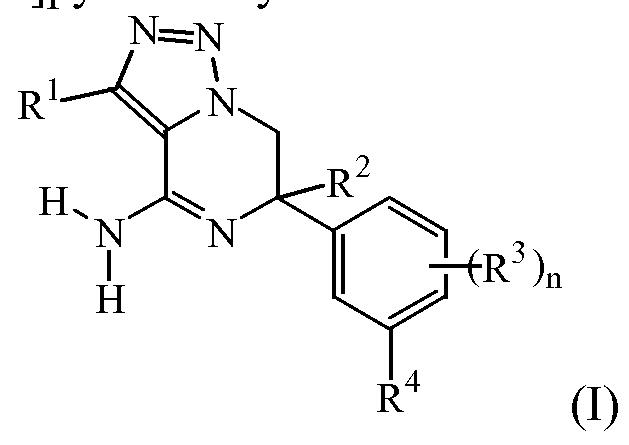
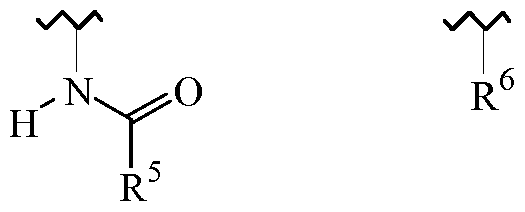
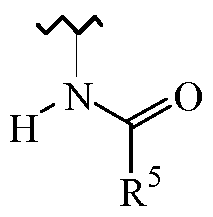


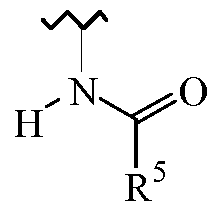
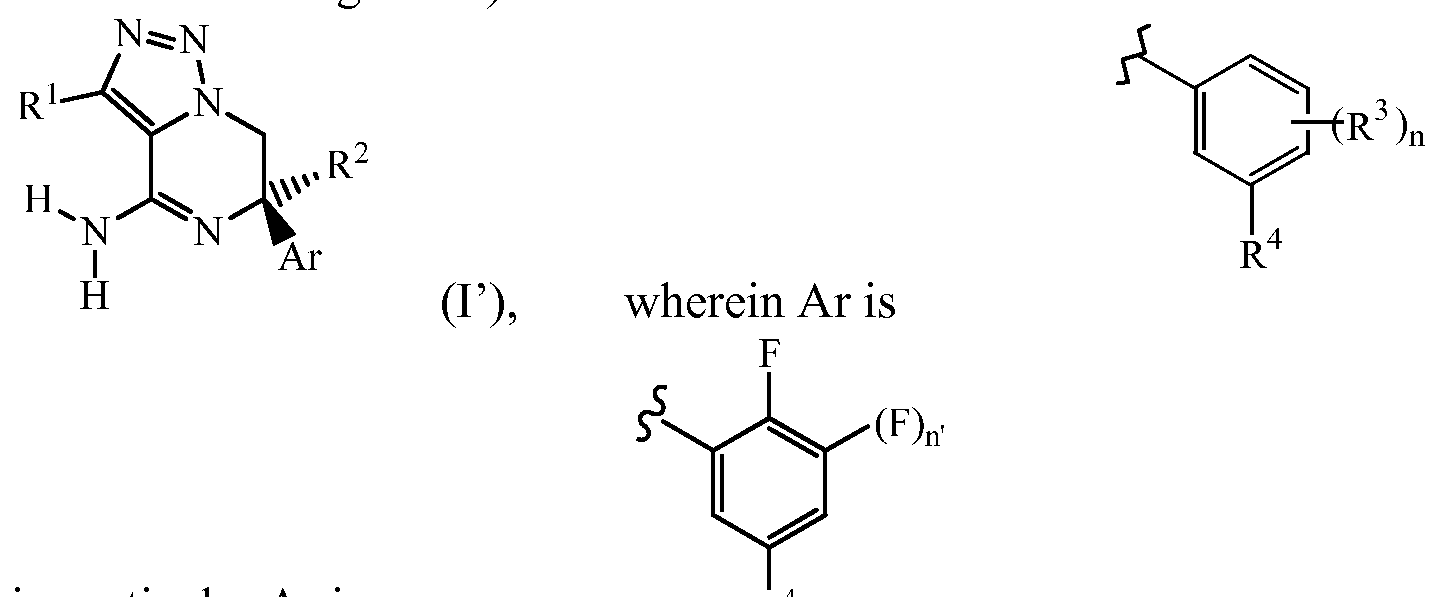


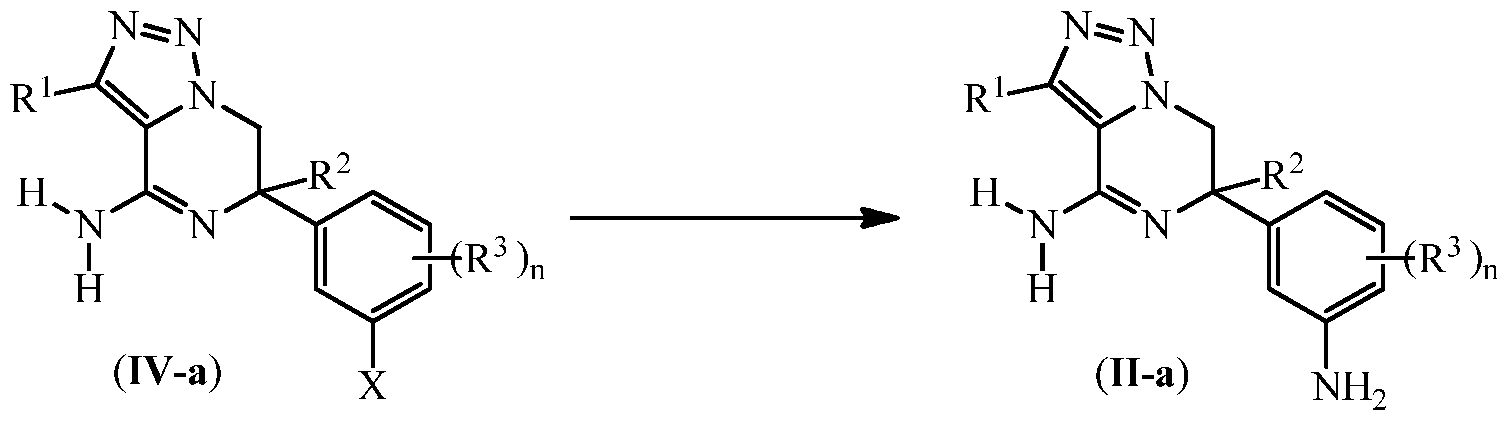
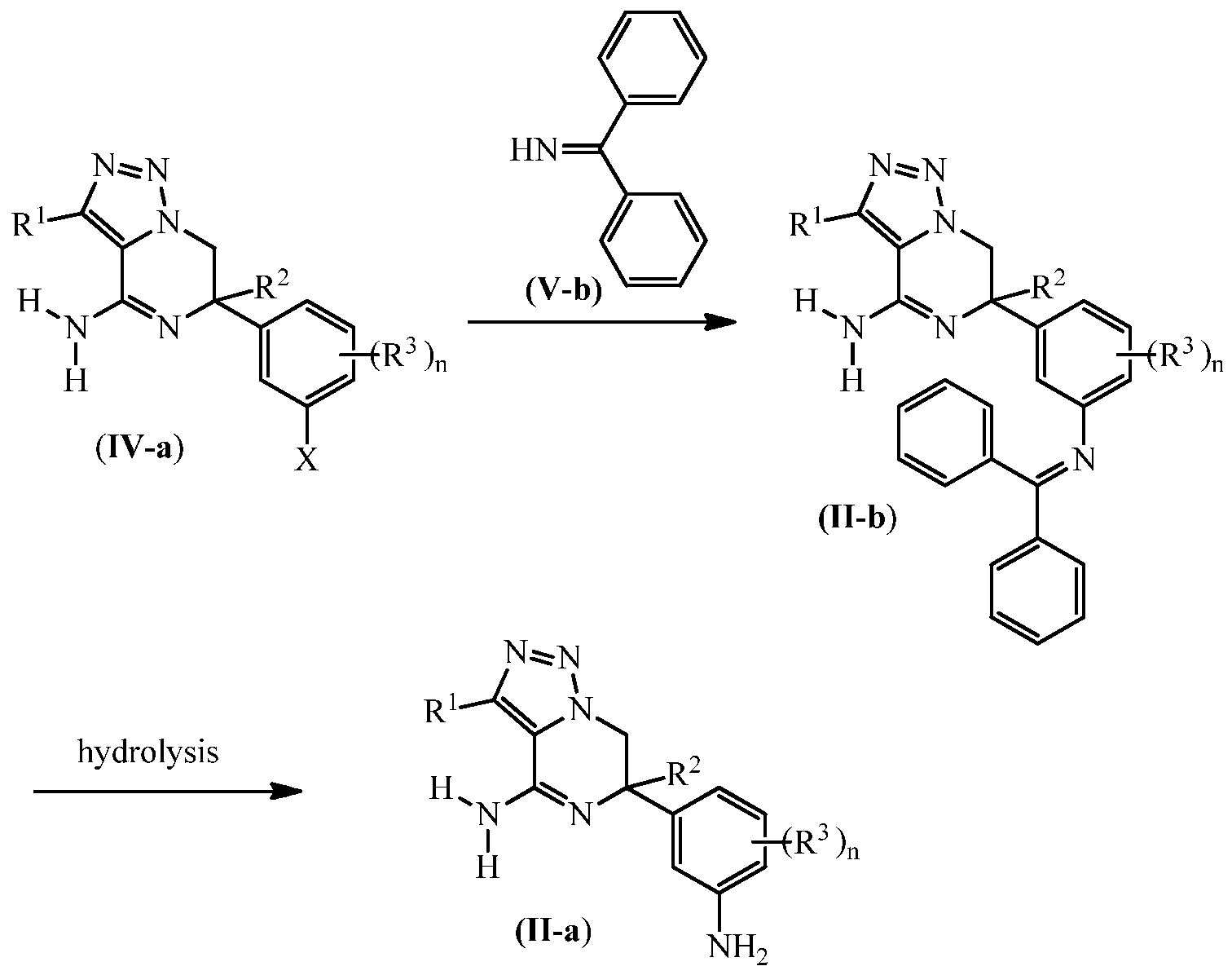

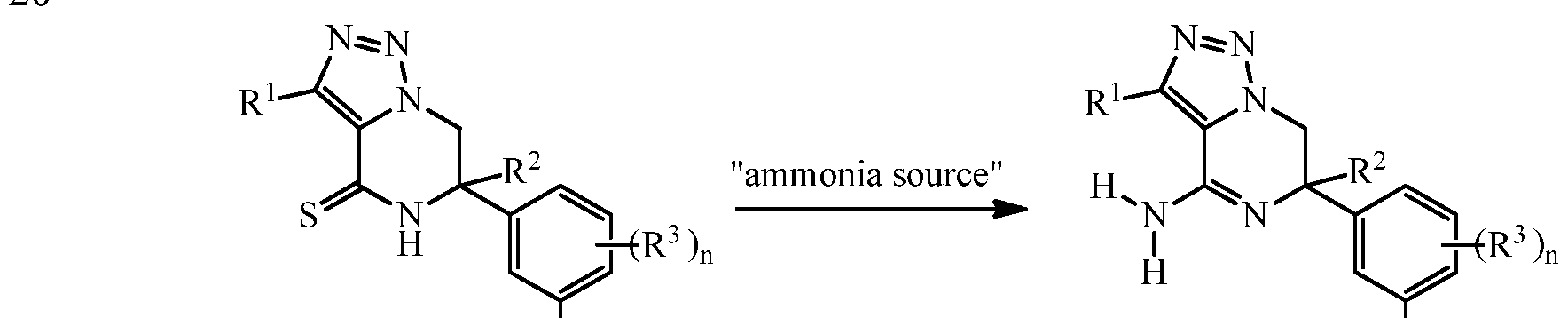
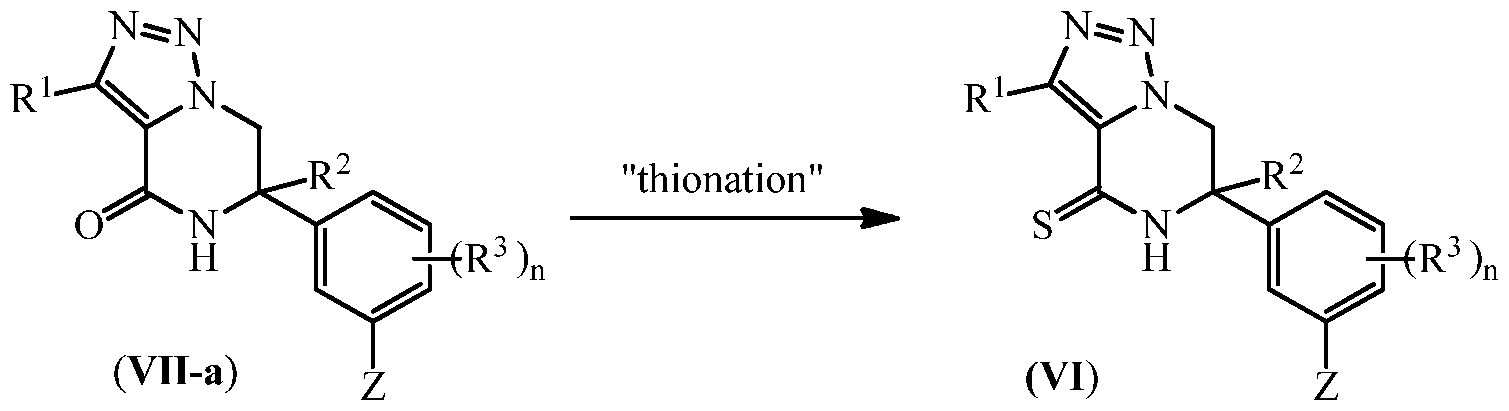
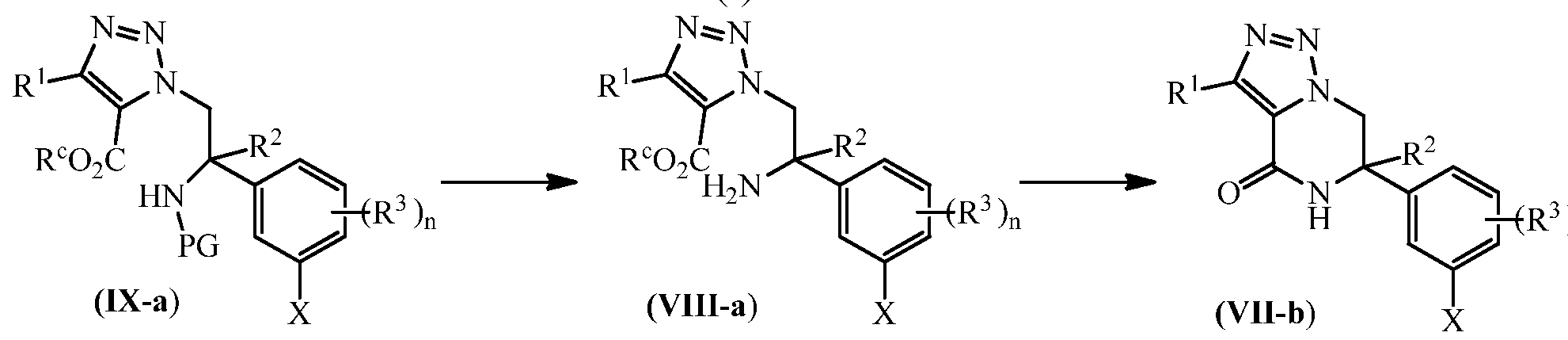

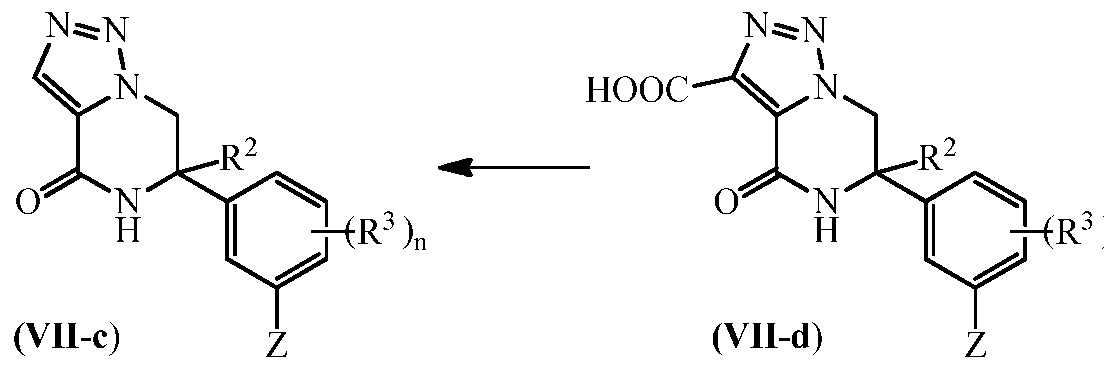



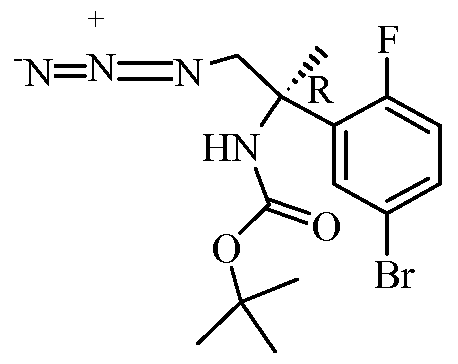
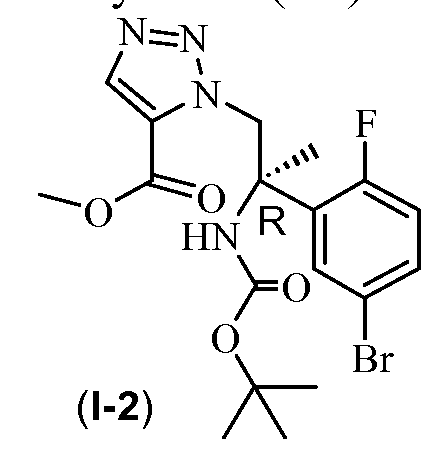
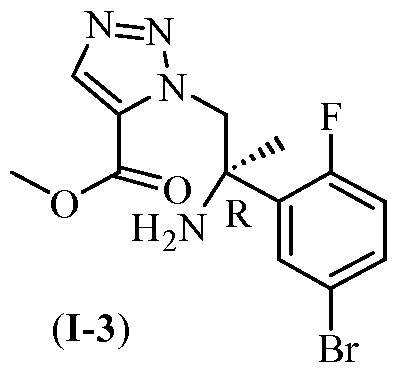
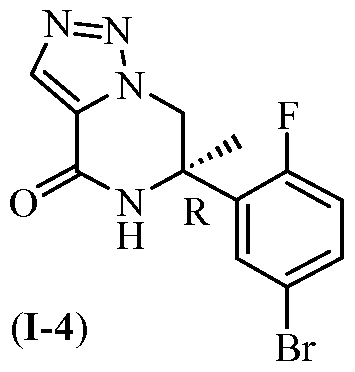


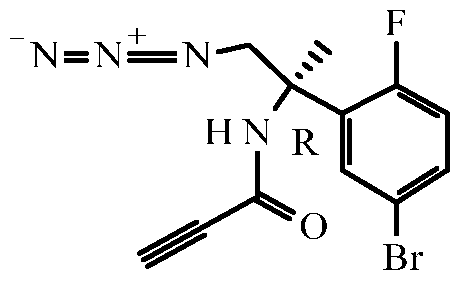
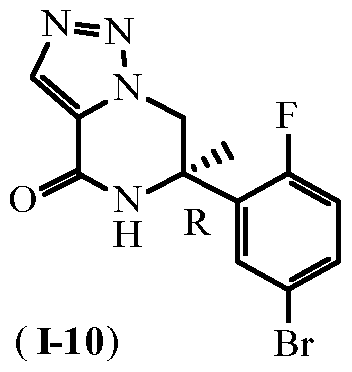

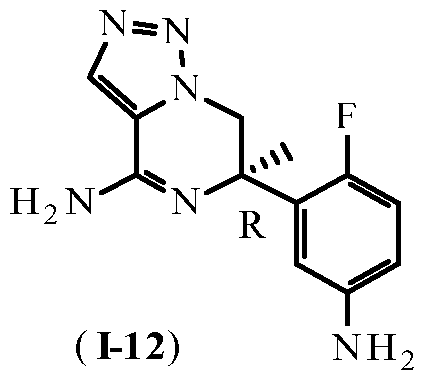
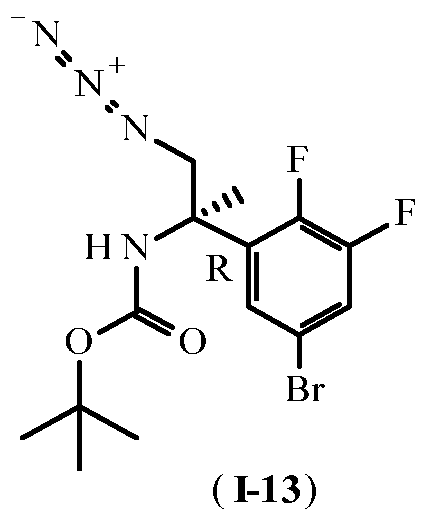
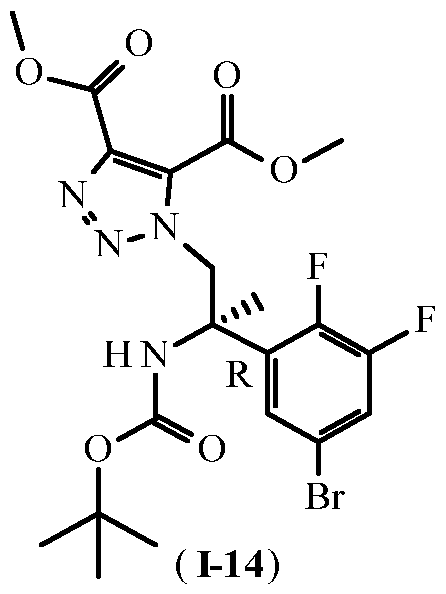


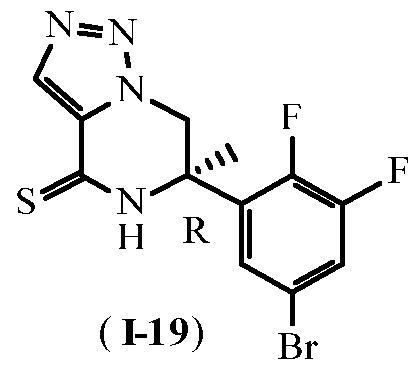


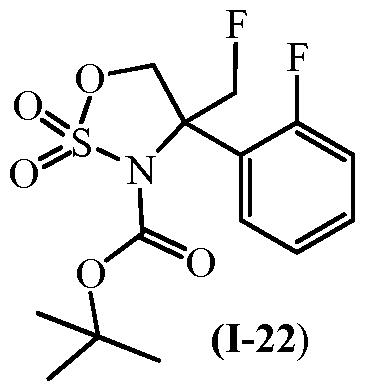

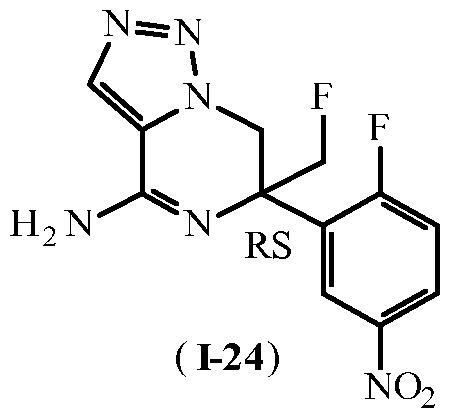
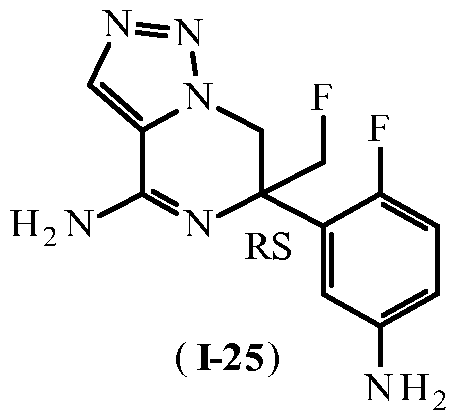
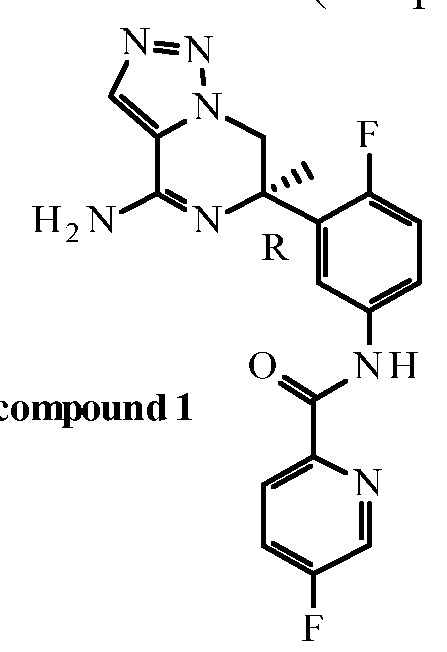


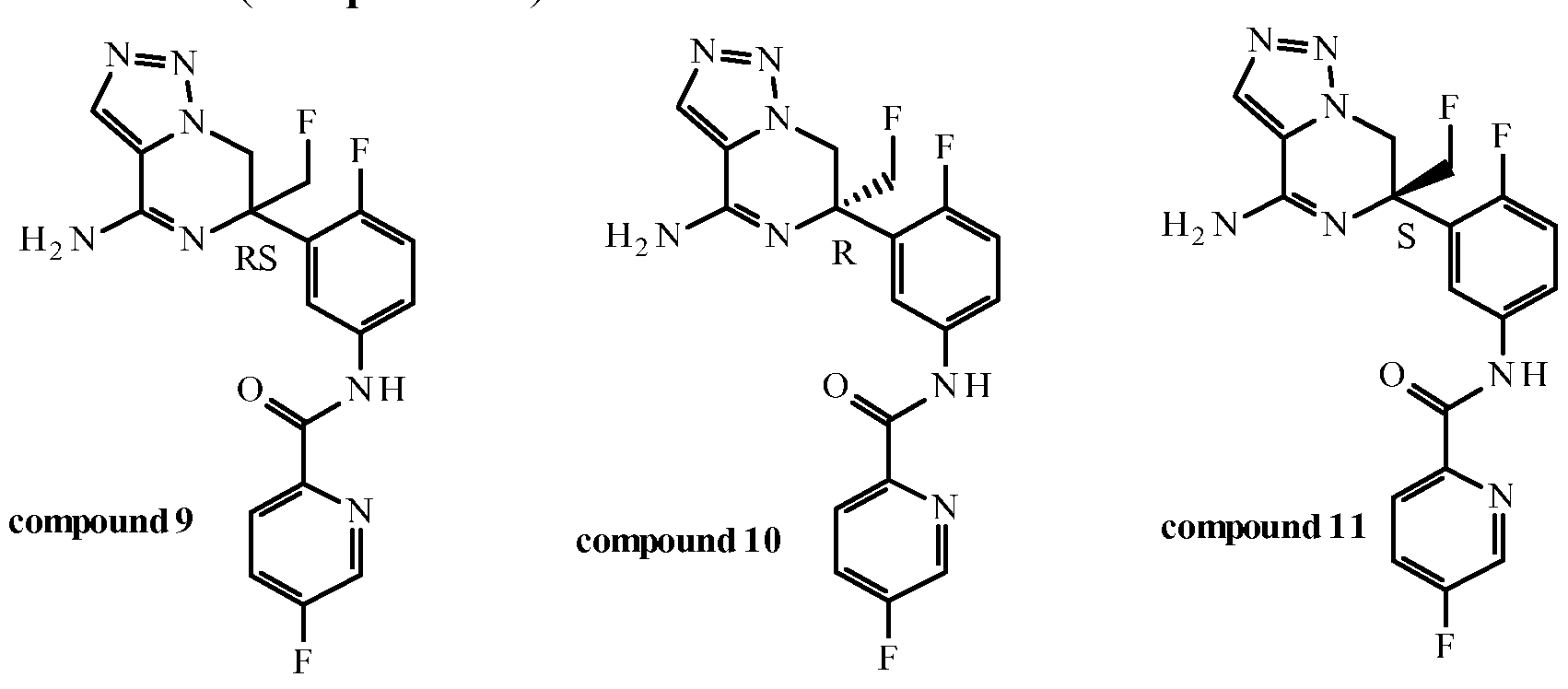
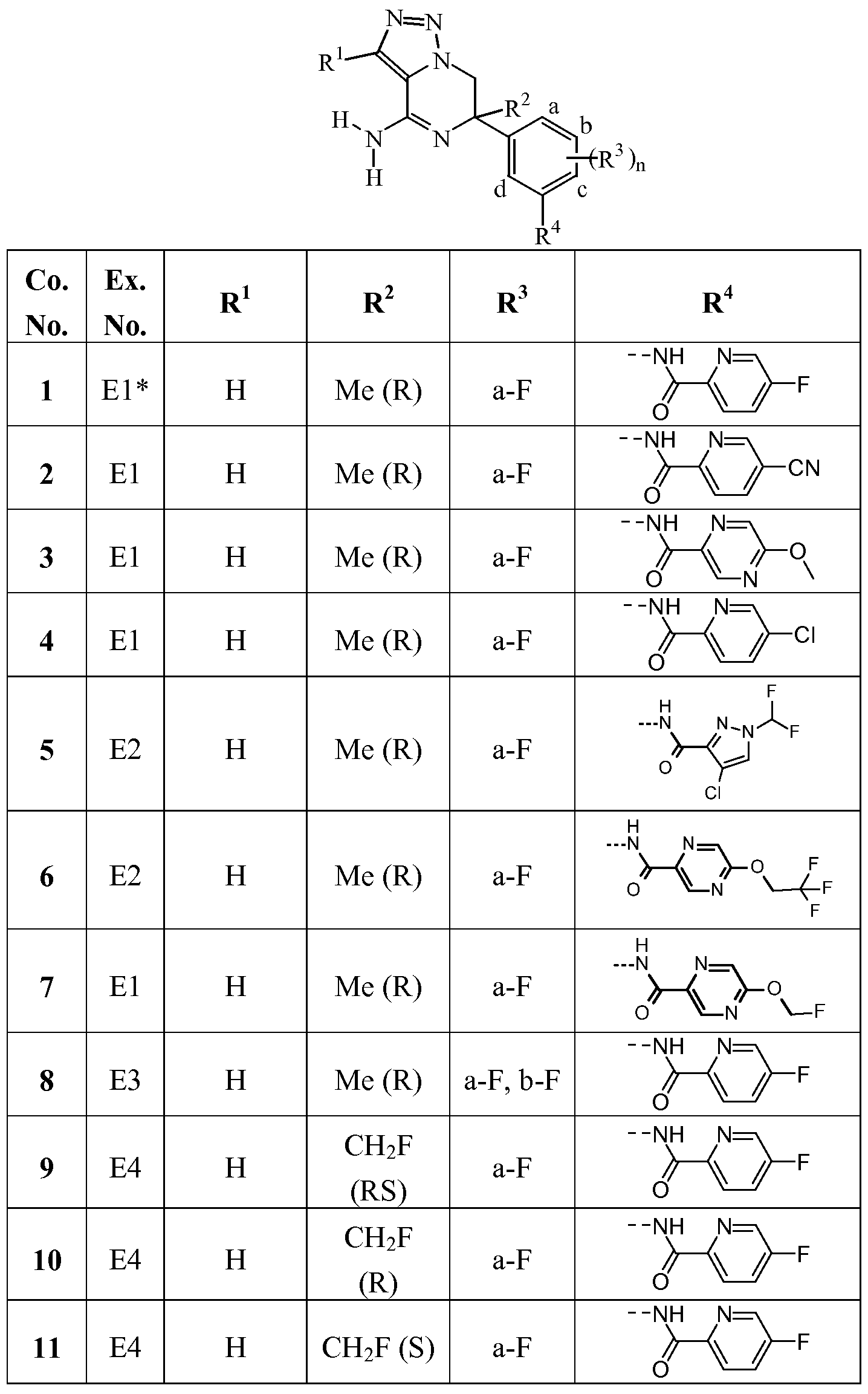


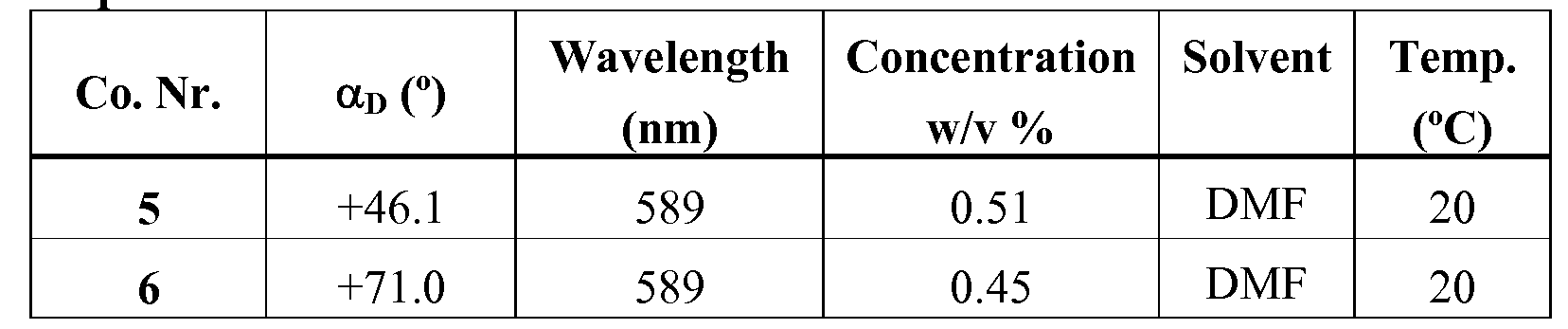
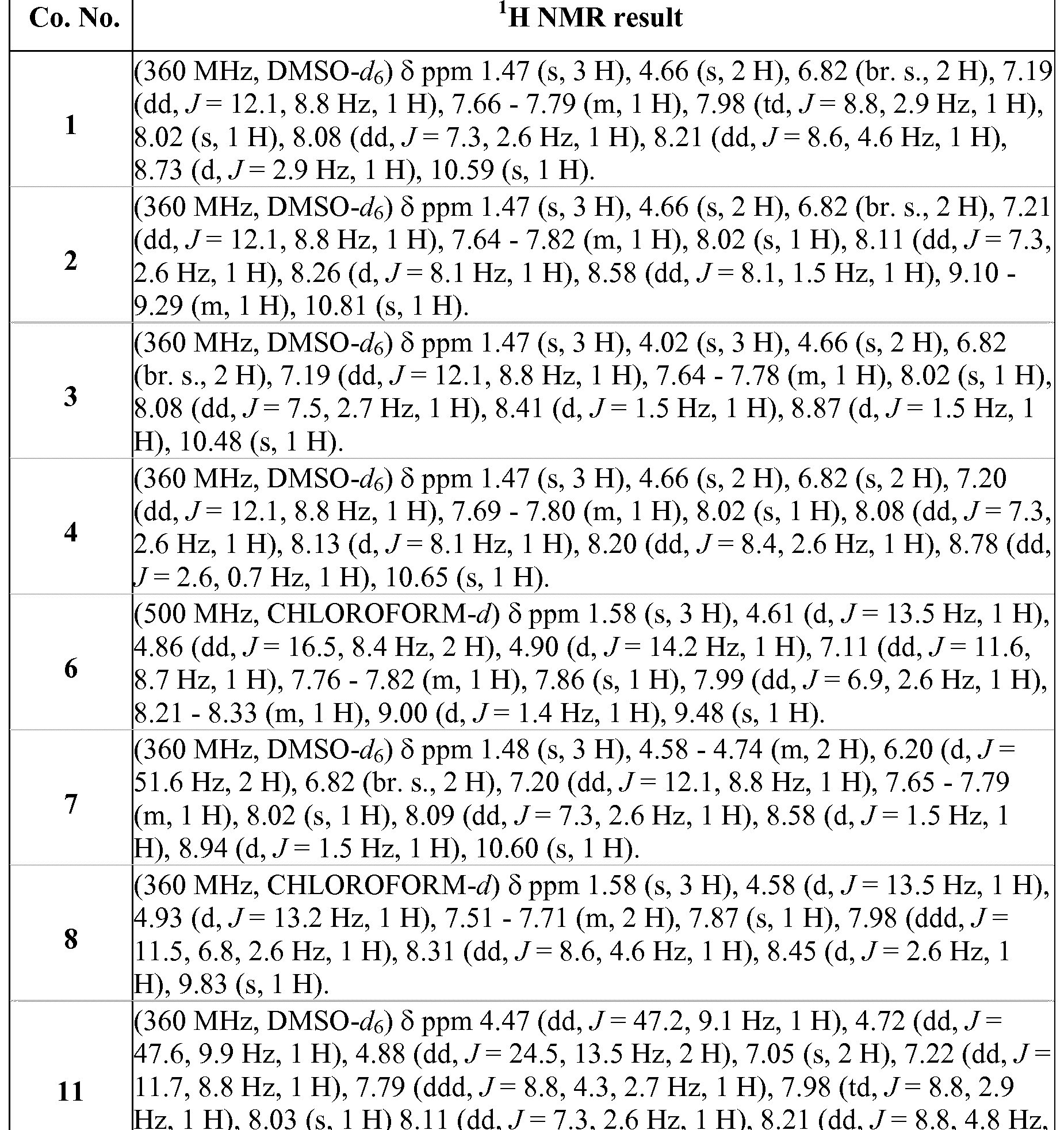


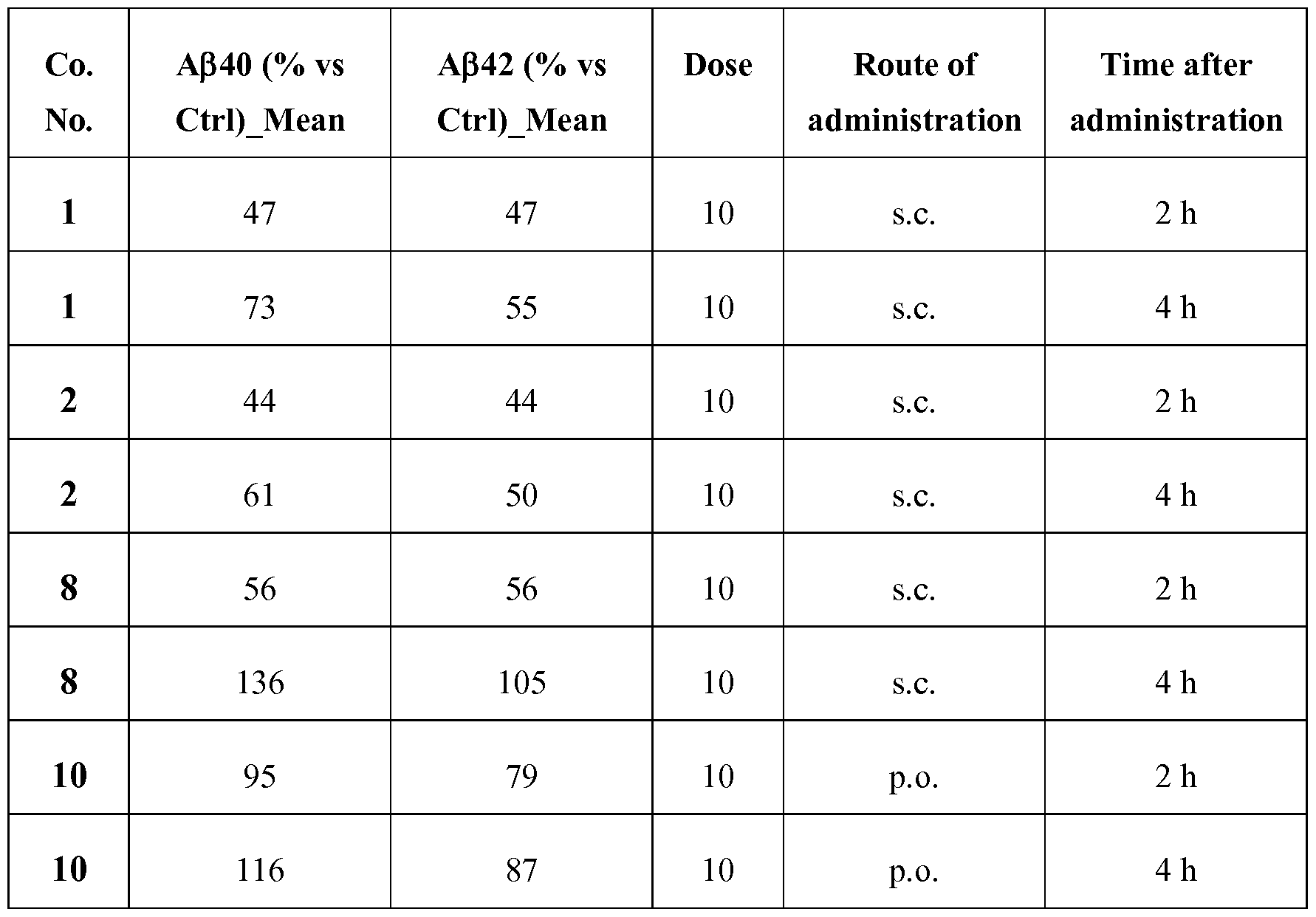
Claims
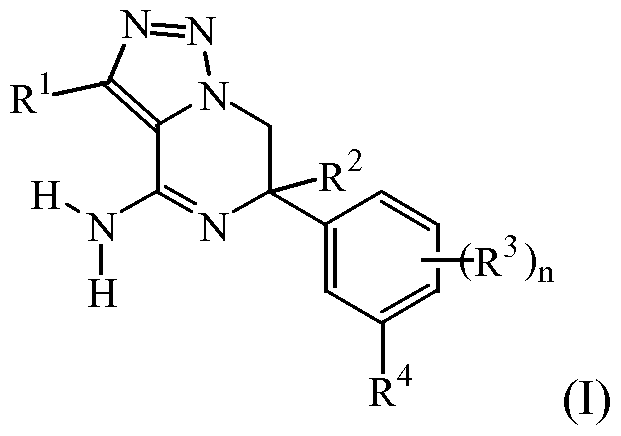

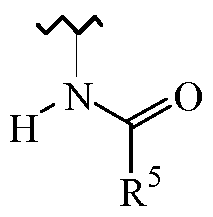

Priority Applications (11)
| Application Number | Priority Date | Filing Date | Title |
|---|---|---|---|
| EP14729373.2A EP3008065B1 (en) | 2013-06-12 | 2014-06-12 | 4-amino-6-phenyl-6,7-dihydro[1,2,3]triazolo[1,5-a]pyrazine derivatives as inhibitors of beta-secretase (bace) |
| CA2911693A CA2911693C (en) | 2013-06-12 | 2014-06-12 | 4-amino-6-phenyl-6,7-dihydro[1,2,3]triazolo[1,5-a]pyrazine derivatives as inhibitors of beta-secretase (bace) |
| MX2015017155A MX366063B (en) | 2013-06-12 | 2014-06-12 | 4-amino-6-phenyl-6,7-dihydro[1,2,3]triazolo[1,5-a]pyrazine derivatives as inhibitors of beta-secretase (bace). |
| AU2014280125A AU2014280125B2 (en) | 2013-06-12 | 2014-06-12 | 4-amino-6-phenyl-6,7-dihydro[1,2,3]triazolo[1,5-a]pyrazine derivatives as inhibitors of beta-secretase (BACE) |
| EA201592307A EA028775B1 (en) | 2013-06-12 | 2014-06-12 | 4-AMINO-6-PHENYL-6,7-DIHYDRO[1,2,3]TRIAZOLO[1,5-a]PYRAZINE DERIVATIVES AS INHIBITORS OF BETA-SECRETASE (BACE) |
| CN201480033508.XA CN105324383B (en) | 2013-06-12 | 2014-06-12 | It is used as 4 amino, 6 phenyl 6,7 dihydro [1,2,3] triazol [1,5 A] pyrazines derivatives of beta-secretase (BACE) inhibitor |
| BR112015030597A BR112015030597A2 (en) | 2013-06-12 | 2014-06-12 | 4-amino-6-phenyl-6,7-dihydro [1,2,3] triazolo [1,5-a] pyrazine derivatives as beta-secretase (bace) inhibitors |
| JP2016518500A JP6435321B2 (en) | 2013-06-12 | 2014-06-12 | 4-Amino-6-phenyl-6,7-dihydro [1,2,3] triazolo [1,5-A] pyrazine derivatives as inhibitors of β-secretase (BACE) |
| US14/897,396 US9751886B2 (en) | 2013-06-12 | 2014-06-12 | 4-amino-6-phenyl-6,7-dihydro[1,2,3]triazolo[1,5-A]pyrazine derivatives as inhibitors of beta-secretase (BACE) |
| KR1020157034908A KR102243133B1 (en) | 2013-06-12 | 2014-06-12 | 4-amino-6-phenyl-6,7-dihydro[1,2,3]triazolo[1,5-a]pyrazine derivatives as inhibitors of beta-secretase(bace) |
| ES14729373T ES2721073T3 (en) | 2013-06-12 | 2014-06-12 | 4-Amino-6-phenyl-6,7-dihydro [1,2,3] triazolo [1,5 a] pyrazine derivatives as beta-secretase inhibitors (BACE) |
Applications Claiming Priority (2)
| Application Number | Priority Date | Filing Date | Title |
|---|---|---|---|
| EP13171720 | 2013-06-12 | ||
| EP13171720.9 | 2013-06-12 |
Publications (1)
| Publication Number | Publication Date |
|---|---|
| WO2014198854A1 true WO2014198854A1 (en) | 2014-12-18 |
Family
ID=48577637
Family Applications (1)
| Application Number | Title | Priority Date | Filing Date |
|---|---|---|---|
| PCT/EP2014/062286 Ceased WO2014198854A1 (en) | 2013-06-12 | 2014-06-12 | 4-amino-6-phenyl-6,7-dihydro[1,2,3]triazolo[1,5-a]pyrazine derivatives as inhibitors of beta-secretase (bace) |
Country Status (12)
| Country | Link |
|---|---|
| US (1) | US9751886B2 (en) |
| EP (1) | EP3008065B1 (en) |
| JP (1) | JP6435321B2 (en) |
| KR (1) | KR102243133B1 (en) |
| CN (1) | CN105324383B (en) |
| AU (1) | AU2014280125B2 (en) |
| BR (1) | BR112015030597A2 (en) |
| CA (1) | CA2911693C (en) |
| EA (1) | EA028775B1 (en) |
| ES (1) | ES2721073T3 (en) |
| MX (1) | MX366063B (en) |
| WO (1) | WO2014198854A1 (en) |
Cited By (6)
| Publication number | Priority date | Publication date | Assignee | Title |
|---|---|---|---|---|
| US9580433B2 (en) | 2013-06-12 | 2017-02-28 | Janssen Pharmaceutica Nv | 4-amino-6-phenyl-5,6-dihydroimidazo[1,5-A]pyrazine derivatives as inhibitors of beta-secretase (BACE) |
| US9828350B2 (en) | 2010-06-09 | 2017-11-28 | Janssen Pharmaceutica Nv | 5,6-dihydro-2H-[1,4]oxazin-3-yl-amine derivatives useful as inhibitors of beta-secretase (BACE) |
| US9834559B2 (en) | 2013-06-12 | 2017-12-05 | Janssen Pharmaceutica Nv | 4-Amino-6-phenyl-5,6-dihydroimidazo[1,5-a]pyrazin-3(2H)-one derivatives as inhibitors of beta-secretase (BACE) |
| US9840507B2 (en) | 2010-12-22 | 2017-12-12 | Janssen Pharmaceutica, Nv | 5,6-dihydro-imidazo[1,2-a]pyrazin-8-ylamine derivatives useful as inhibitors of beta-secretase (BACE) |
| US9845326B2 (en) | 2011-03-09 | 2017-12-19 | Janssen Pharmaceutica Nv | Substituted 3,4-dihydropyrrolo[1,2-A]pyrazines as beta-secretase (BACE) inhibitors |
| US10106524B2 (en) | 2014-12-18 | 2018-10-23 | Janssen Pharmaceutica Nv | 2,3,4,5-tetrahydropyridin-6-amine and 3,4-dihydro-2H-pyrrol-5-amine compound inhibitors of beta-secretase |
Families Citing this family (1)
| Publication number | Priority date | Publication date | Assignee | Title |
|---|---|---|---|---|
| CN108064232B (en) * | 2014-11-28 | 2021-06-15 | 豪夫迈·罗氏有限公司 | Peptide |
Citations (2)
| Publication number | Priority date | Publication date | Assignee | Title |
|---|---|---|---|---|
| WO2012057247A1 (en) * | 2010-10-29 | 2012-05-03 | 塩野義製薬株式会社 | Fused aminodihydropyrimidine derivative |
| WO2012117027A1 (en) * | 2011-03-01 | 2012-09-07 | Janssen Pharmaceutica Nv | 6,7-dihydro-pyrazolo[1,5-a]pyrazin-4-ylamine derivatives useful as inhibitors of beta-secretase (bace) |
Family Cites Families (51)
| Publication number | Priority date | Publication date | Assignee | Title |
|---|---|---|---|---|
| CA825620A (en) | 1969-10-21 | E. Mccown William | Producing sheet glass | |
| US4188389A (en) | 1978-11-03 | 1980-02-12 | Ayerst Mckenna & Harrison, Inc. | 1,2,3,4-Tetrahydropyrrolo(1,2-A)pyrazines |
| TW224974B (en) | 1991-07-02 | 1994-06-11 | Hoffmann La Roche | |
| CA2293408A1 (en) | 1997-06-18 | 1998-12-23 | Merck & Co., Inc. | Alpha 1a adrenergic receptor antagonists |
| CA2482991A1 (en) | 2002-04-19 | 2003-10-30 | Cellular Genomics, Inc. | Imidazo[1,2-a]pyrazin-8-ylamines method of making and method of use thereof |
| US6919341B2 (en) | 2002-09-23 | 2005-07-19 | Schering Corporation | Imidazopyrazines as cyclin dependent kinase inhibitors |
| EP1572682A4 (en) | 2002-12-20 | 2008-01-23 | Pharmacia Corp | Acyclic pyrazole compounds |
| JP2007533641A (en) | 2003-10-15 | 2007-11-22 | ターガセプト,インコーポレイテッド | Azabicyclo compounds for pain relief and treatment of central nervous system disorders |
| EP1740575A2 (en) | 2004-04-22 | 2007-01-10 | Eli Lilly And Company | Pyrrolidine derivatives useful as bace inhibitors |
| CN1968945A (en) | 2004-06-16 | 2007-05-23 | 惠氏公司 | Amino-5,5-diphenylimidazolone derivatives for the inhibition of beta-secretase |
| SV2006002232A (en) | 2004-09-21 | 2006-05-25 | Lilly Co Eli | BACE INHIBITORS REF. X-16940 |
| CN101103034A (en) | 2005-01-14 | 2008-01-09 | 惠氏公司 | Amino-imidazolones that inhibit β-secretase |
| US20070005404A1 (en) | 2005-06-09 | 2007-01-04 | Drive Diagnostics Ltd. | System and method for providing driving insurance |
| ES2436795T3 (en) | 2005-06-14 | 2014-01-07 | Merck Sharp & Dohme Corp. | Aspartyl protease heterocyclic inhibitors, preparation and use thereof |
| CN101213183A (en) | 2005-06-30 | 2008-07-02 | 惠氏公司 | Amino-5-(6-membered) heteroaryl imidazolone compounds and their use in the regulation of beta-secretase |
| EP1942105B8 (en) | 2005-10-25 | 2014-08-13 | Shionogi&Co., Ltd. | Aminodihydrothiazine derivative |
| TW200804290A (en) | 2005-11-15 | 2008-01-16 | Astrazeneca Ab | Compounds and uses thereof |
| EP2004630A4 (en) | 2006-04-05 | 2010-05-19 | Astrazeneca Ab | 2-aminopyrimidin-4-ones and their use for treating or preventing a -related pathologies |
| US20080051420A1 (en) | 2006-06-14 | 2008-02-28 | Astrazeneca Ab | New Compounds 317 |
| EP2147914B1 (en) | 2007-04-24 | 2014-06-04 | Shionogi&Co., Ltd. | Aminodihydrothiazine derivatives substituted with cyclic groups |
| TW200902499A (en) | 2007-05-15 | 2009-01-16 | Astrazeneca Ab | New compounds |
| WO2009058300A1 (en) | 2007-10-30 | 2009-05-07 | Arena Pharmaceuticals, Inc. | Biphenyl derivatives as modulators of the histamine-h3 receptor useful for the treatment of disorders related thereto |
| KR20100107045A (en) | 2008-01-28 | 2010-10-04 | 얀센 파마슈티카 엔.브이. | 6-SUBSTITUTED-THIO-2-AMINO-QUINOLINE DERIVATIVES USEFUL AS INHIBITORS OF β-SECRETASE (BACE) |
| NZ587039A (en) | 2008-02-13 | 2013-01-25 | Gilead Connecticut Inc | 6-aryl-imidazo[1, 2-a]pyrazine derivatives, method of making, and method of use thereof |
| TWI431004B (en) | 2008-05-02 | 2014-03-21 | Lilly Co Eli | Bace inhibitors |
| WO2011002409A1 (en) | 2009-07-02 | 2011-01-06 | Astrazeneca Ab | 5h-pyrrolo[3,4-£>]pyrazin-7-amine derivatives inhibitors of beta-secretase |
| AR077277A1 (en) | 2009-07-09 | 2011-08-17 | Lilly Co Eli | BICYCLE COMPOUNDS (1,3) TIAZIN-2-AMINA PHARMACEUTICAL FORMULATION THAT INCLUDES IT AND ITS USE FOR THE MANUFACTURE OF A USEFUL MEDICINAL PRODUCT FOR THE TREATMENT OF ALZHEIMER'S DISEASE |
| AR077328A1 (en) | 2009-07-24 | 2011-08-17 | Novartis Ag | DERIVATIVES OF OXAZINE AND ITS USE IN THE TREATMENT OF NEUROLOGICAL DISORDERS |
| US8188079B2 (en) | 2009-08-19 | 2012-05-29 | Hoffman-La Roche Inc. | 3-amino-5-phenyl-5,6-dihydro-2H-[1,4]oxazines |
| WO2011058763A1 (en) | 2009-11-13 | 2011-05-19 | 塩野義製薬株式会社 | Aminothiazine or aminooxazine derivative having amino linker |
| MX2012006491A (en) | 2009-12-11 | 2012-07-03 | Shionogi & Co | OXAZINE DERIVATIVES |
| UA103272C2 (en) | 2009-12-11 | 2013-09-25 | Ф. Хоффманн-Ля Рош Аг | 2-AMINO-5,5-DIFLUOR-5,6-DIHYDRO-4H-OXAZINES AS BACE1 AND/OR BACE2 INHIBITORS$ 2-AMINO-5,5-DIFLUOR-5,6-DIHYDRO-4H-OXAZINES AS BACE1 AND/OR INHIBITORS OR BACE2 |
| EP2518059A4 (en) | 2009-12-24 | 2013-05-29 | Shionogi & Co | 4-amino-1,3-thiazine or oxazine derivative |
| US20120277244A1 (en) | 2009-12-31 | 2012-11-01 | Novartis Ag | Pyrazine derivatives and their use in the treatment of neurological disorders |
| MX2012014382A (en) | 2010-06-09 | 2013-01-29 | Janssen Pharmaceutica Nv | DERIVATIVES OF 5-AMINO-3, 6-DIHIDRO-1H-PIRAZIN-2-ONA USEFUL AS INHIBITORS OF BETA-SECRETASE (BACE). |
| CN102933564B (en) | 2010-06-09 | 2015-07-22 | 詹森药业有限公司 | 5,6-Dihydro-2H-[1,4]oxazin-3-yl-amine derivatives useful as beta-secretase (BACE) inhibitors |
| CN102985412A (en) | 2010-06-28 | 2013-03-20 | 詹森药业有限公司 | 3-amino-5,6-dihydro-1h-pyrazin-2-one derivatives useful for the treatement of alzheimer's disease and other forms of dementia |
| MY160138A (en) | 2010-09-22 | 2017-02-28 | Janssen Pharmaceutica Nv | 4,7-dihydro-pyrazolo[1,5-a]pyrazin-6-ylamine derivatives useful as inhibitors of beta-secretase (bace) |
| ES2648143T3 (en) | 2010-12-22 | 2017-12-28 | Janssen Pharmaceutica Nv | 5,6-Dihydro-imidazo [1,2-a] pyrazin-8-ylamine derivatives useful as beta-secretase inhibitors (BACE) |
| EP2663559B1 (en) | 2011-01-12 | 2015-07-01 | Novartis AG | Oxazine derivatives and their use in the treatment of neurological disorders |
| JP2012147763A (en) | 2011-01-17 | 2012-08-09 | Toshitaka Kobayashi | Dry food perforator |
| US9242943B2 (en) | 2011-01-18 | 2016-01-26 | Siena Biotech S.P.A. | 1,4 oxazines as BACE1 and/or BACE2 inhibitors |
| BR112013022917A2 (en) * | 2011-03-09 | 2016-12-06 | Janssen Pharmaceutica Nv | 3,4-dihydro-pyrrolo [1,2-a] pyrazine-1-ylamine derivatives useful as beta-secretase (bace) inhibitors |
| WO2012147763A1 (en) | 2011-04-26 | 2012-11-01 | 塩野義製薬株式会社 | Oxazine derivative and bace 1 inhibitor containing same |
| EA201490774A1 (en) | 2011-10-13 | 2014-08-29 | Новартис Аг | NEW OXAZINE DERIVATIVES AND THEIR APPLICATION IN THE TREATMENT OF THE DISEASE |
| UA111749C2 (en) | 2011-12-05 | 2016-06-10 | Янссен Фармацевтика Нв | 6-difluoromethyl-5,6-dihydro-2H- [1,4] OXASINE-3-AMINE DERIVATIVES |
| EA024716B1 (en) | 2011-12-06 | 2016-10-31 | Янссен Фармацевтика Нв | 5-(3-aminophenyl)-5-alkyl-5,6-dihydro-2h-[1,4]oxazin-3-amine derivatives |
| CA2894919A1 (en) | 2012-12-20 | 2014-06-26 | Merck Sharp & Dohme Corp. | C5,c6 oxacyclic-fused iminothiazine dioxide compounds as bace inhibitors, compositions, and their use |
| EP3008066B1 (en) | 2013-06-12 | 2018-08-15 | Janssen Pharmaceutica N.V. | 4-amino-6-phenyl-5,6-dihydroimidazo[1,5-a]pyrazine derivatives as inhibitors of beta-secretase (bace) |
| WO2014198851A1 (en) | 2013-06-12 | 2014-12-18 | Janssen Pharmaceutica Nv | 4-amino-6-phenyl-5,6-dihydroimidazo[1,5-a]pyrazin-3(2h)-one derivatives as inhibitors of beta-secretase (bace) |
| KR20170095881A (en) | 2014-12-18 | 2017-08-23 | 얀센 파마슈티카 엔.브이. | 2,3,4,5-tetrahydropyridin-6-amine and 3,4-dihydro-2h-pyrrol-5-amine compound inhibitors of beta-secretase |
-
2014
- 2014-06-12 WO PCT/EP2014/062286 patent/WO2014198854A1/en not_active Ceased
- 2014-06-12 JP JP2016518500A patent/JP6435321B2/en not_active Expired - Fee Related
- 2014-06-12 EP EP14729373.2A patent/EP3008065B1/en active Active
- 2014-06-12 ES ES14729373T patent/ES2721073T3/en active Active
- 2014-06-12 AU AU2014280125A patent/AU2014280125B2/en not_active Ceased
- 2014-06-12 BR BR112015030597A patent/BR112015030597A2/en active Search and Examination
- 2014-06-12 KR KR1020157034908A patent/KR102243133B1/en not_active Expired - Fee Related
- 2014-06-12 EA EA201592307A patent/EA028775B1/en not_active IP Right Cessation
- 2014-06-12 CN CN201480033508.XA patent/CN105324383B/en not_active Expired - Fee Related
- 2014-06-12 US US14/897,396 patent/US9751886B2/en not_active Expired - Fee Related
- 2014-06-12 MX MX2015017155A patent/MX366063B/en active IP Right Grant
- 2014-06-12 CA CA2911693A patent/CA2911693C/en active Active
Patent Citations (2)
| Publication number | Priority date | Publication date | Assignee | Title |
|---|---|---|---|---|
| WO2012057247A1 (en) * | 2010-10-29 | 2012-05-03 | 塩野義製薬株式会社 | Fused aminodihydropyrimidine derivative |
| WO2012117027A1 (en) * | 2011-03-01 | 2012-09-07 | Janssen Pharmaceutica Nv | 6,7-dihydro-pyrazolo[1,5-a]pyrazin-4-ylamine derivatives useful as inhibitors of beta-secretase (bace) |
Cited By (6)
| Publication number | Priority date | Publication date | Assignee | Title |
|---|---|---|---|---|
| US9828350B2 (en) | 2010-06-09 | 2017-11-28 | Janssen Pharmaceutica Nv | 5,6-dihydro-2H-[1,4]oxazin-3-yl-amine derivatives useful as inhibitors of beta-secretase (BACE) |
| US9840507B2 (en) | 2010-12-22 | 2017-12-12 | Janssen Pharmaceutica, Nv | 5,6-dihydro-imidazo[1,2-a]pyrazin-8-ylamine derivatives useful as inhibitors of beta-secretase (BACE) |
| US9845326B2 (en) | 2011-03-09 | 2017-12-19 | Janssen Pharmaceutica Nv | Substituted 3,4-dihydropyrrolo[1,2-A]pyrazines as beta-secretase (BACE) inhibitors |
| US9580433B2 (en) | 2013-06-12 | 2017-02-28 | Janssen Pharmaceutica Nv | 4-amino-6-phenyl-5,6-dihydroimidazo[1,5-A]pyrazine derivatives as inhibitors of beta-secretase (BACE) |
| US9834559B2 (en) | 2013-06-12 | 2017-12-05 | Janssen Pharmaceutica Nv | 4-Amino-6-phenyl-5,6-dihydroimidazo[1,5-a]pyrazin-3(2H)-one derivatives as inhibitors of beta-secretase (BACE) |
| US10106524B2 (en) | 2014-12-18 | 2018-10-23 | Janssen Pharmaceutica Nv | 2,3,4,5-tetrahydropyridin-6-amine and 3,4-dihydro-2H-pyrrol-5-amine compound inhibitors of beta-secretase |
Also Published As
| Publication number | Publication date |
|---|---|
| MX366063B (en) | 2019-06-26 |
| AU2014280125B2 (en) | 2018-03-15 |
| US9751886B2 (en) | 2017-09-05 |
| EP3008065B1 (en) | 2019-01-30 |
| CN105324383A (en) | 2016-02-10 |
| EP3008065A1 (en) | 2016-04-20 |
| KR20160019893A (en) | 2016-02-22 |
| CN105324383B (en) | 2017-10-31 |
| CA2911693C (en) | 2021-08-24 |
| JP6435321B2 (en) | 2018-12-05 |
| ES2721073T3 (en) | 2019-07-26 |
| BR112015030597A2 (en) | 2017-07-25 |
| EA028775B1 (en) | 2017-12-29 |
| CA2911693A1 (en) | 2014-12-18 |
| US20160130274A1 (en) | 2016-05-12 |
| EA201592307A1 (en) | 2016-04-29 |
| AU2014280125A1 (en) | 2015-11-12 |
| KR102243133B1 (en) | 2021-04-22 |
| JP2016520660A (en) | 2016-07-14 |
| MX2015017155A (en) | 2016-03-16 |
Similar Documents
| Publication | Publication Date | Title |
|---|---|---|
| CA2825620C (en) | 3,4-dihydro-pyrrolo[1,2-a]pyrazin-1-ylamine derivatives useful as inhibitors of beta-secretase (bace) | |
| AU2014280122B2 (en) | 4-amino-6-phenyl-5,6-dihydroimidazo[1,5-a]pyrazin-3(2H)-one derivatives as inhibitors of beta-secretase (BACE) | |
| AU2014280125B2 (en) | 4-amino-6-phenyl-6,7-dihydro[1,2,3]triazolo[1,5-a]pyrazine derivatives as inhibitors of beta-secretase (BACE) | |
| EP3008066B1 (en) | 4-amino-6-phenyl-5,6-dihydroimidazo[1,5-a]pyrazine derivatives as inhibitors of beta-secretase (bace) |
Legal Events
| Date | Code | Title | Description |
|---|---|---|---|
| WWE | Wipo information: entry into national phase |
Ref document number: 201480033508.X Country of ref document: CN |
|
| 121 | Ep: the epo has been informed by wipo that ep was designated in this application |
Ref document number: 14729373 Country of ref document: EP Kind code of ref document: A1 |
|
| ENP | Entry into the national phase |
Ref document number: 2911693 Country of ref document: CA |
|
| WWE | Wipo information: entry into national phase |
Ref document number: 2014729373 Country of ref document: EP |
|
| ENP | Entry into the national phase |
Ref document number: 2014280125 Country of ref document: AU Date of ref document: 20140612 Kind code of ref document: A |
|
| ENP | Entry into the national phase |
Ref document number: 20157034908 Country of ref document: KR Kind code of ref document: A |
|
| ENP | Entry into the national phase |
Ref document number: 2016518500 Country of ref document: JP Kind code of ref document: A |
|
| WWE | Wipo information: entry into national phase |
Ref document number: 14897396 Country of ref document: US |
|
| WWE | Wipo information: entry into national phase |
Ref document number: MX/A/2015/017155 Country of ref document: MX |
|
| NENP | Non-entry into the national phase |
Ref country code: DE |
|
| REG | Reference to national code |
Ref country code: BR Ref legal event code: B01A Ref document number: 112015030597 Country of ref document: BR |
|
| WWE | Wipo information: entry into national phase |
Ref document number: 201592307 Country of ref document: EA |
|
| ENP | Entry into the national phase |
Ref document number: 112015030597 Country of ref document: BR Kind code of ref document: A2 Effective date: 20151207 |