WO2012122493A1 - Lipid based clopidogrel compositions, methods, and uses - Google Patents
Lipid based clopidogrel compositions, methods, and uses Download PDFInfo
- Publication number
- WO2012122493A1 WO2012122493A1 PCT/US2012/028530 US2012028530W WO2012122493A1 WO 2012122493 A1 WO2012122493 A1 WO 2012122493A1 US 2012028530 W US2012028530 W US 2012028530W WO 2012122493 A1 WO2012122493 A1 WO 2012122493A1
- Authority
- WO
- WIPO (PCT)
- Prior art keywords
- lipid
- clopidogrel
- salt
- acid
- cholesterol
- Prior art date
- Legal status (The legal status is an assumption and is not a legal conclusion. Google has not performed a legal analysis and makes no representation as to the accuracy of the status listed.)
- Ceased
Links
Classifications
-
- A—HUMAN NECESSITIES
- A61—MEDICAL OR VETERINARY SCIENCE; HYGIENE
- A61K—PREPARATIONS FOR MEDICAL, DENTAL OR TOILETRY PURPOSES
- A61K9/00—Medicinal preparations characterised by special physical form
- A61K9/10—Dispersions; Emulsions
-
- A—HUMAN NECESSITIES
- A61—MEDICAL OR VETERINARY SCIENCE; HYGIENE
- A61K—PREPARATIONS FOR MEDICAL, DENTAL OR TOILETRY PURPOSES
- A61K31/00—Medicinal preparations containing organic active ingredients
- A61K31/33—Heterocyclic compounds
- A61K31/395—Heterocyclic compounds having nitrogen as a ring hetero atom, e.g. guanethidine or rifamycins
- A61K31/435—Heterocyclic compounds having nitrogen as a ring hetero atom, e.g. guanethidine or rifamycins having six-membered rings with one nitrogen as the only ring hetero atom
- A61K31/44—Non condensed pyridines; Hydrogenated derivatives thereof
-
- A—HUMAN NECESSITIES
- A61—MEDICAL OR VETERINARY SCIENCE; HYGIENE
- A61K—PREPARATIONS FOR MEDICAL, DENTAL OR TOILETRY PURPOSES
- A61K47/00—Medicinal preparations characterised by the non-active ingredients used, e.g. carriers or inert additives; Targeting or modifying agents chemically bound to the active ingredient
- A61K47/06—Organic compounds, e.g. natural or synthetic hydrocarbons, polyolefins, mineral oil, petrolatum or ozokerite
- A61K47/24—Organic compounds, e.g. natural or synthetic hydrocarbons, polyolefins, mineral oil, petrolatum or ozokerite containing atoms other than carbon, hydrogen, oxygen, halogen, nitrogen or sulfur, e.g. cyclomethicone or phospholipids
-
- A—HUMAN NECESSITIES
- A61—MEDICAL OR VETERINARY SCIENCE; HYGIENE
- A61K—PREPARATIONS FOR MEDICAL, DENTAL OR TOILETRY PURPOSES
- A61K9/00—Medicinal preparations characterised by special physical form
- A61K9/10—Dispersions; Emulsions
- A61K9/107—Emulsions ; Emulsion preconcentrates; Micelles
- A61K9/1075—Microemulsions or submicron emulsions; Preconcentrates or solids thereof; Micelles, e.g. made of phospholipids or block copolymers
Definitions
- the invention relates to compositions comprising clopidogrel and one or more lipids, including, e.g., suspensions, complexes, micelles, emulsions, liposomes or lipidic particle, and mixture of micelles and vesicles.
- the invention further relates to methods of preparation of such compositions, and uses in the treatment of diseases, such as mammalian diseases.
- the invention relates to methods for using aqueous systems that are capable of encapsulating pharmaceutically active compounds having poor water solubility.
- Methods according to the present invention are suitable for practice on an industrial manufacturing scale, and may be practiced as a batch or continuous process. These methods are simple, free from toxic organic solvents, easily scaled to large volumes, and result in the formation of lipid suspensions of high concentration and defined particle size.
- Atherosclerosis is the leading cause of death in the United States.
- Atherosclerosis is a common disorder that specifically affects medium and large arteries. It occurs when an artery wall thickens as the result of a build-up of fatty materials such as fats, cholesterol, and other substances commonly referred as plaques, and obstruct blood flow through the vessel.
- the plaques can make the artery narrow and less flexible, making it harder for blood to flow through.
- blood flow to the heart can slow down or stop. This can cause chest pain, shortness of breath, heart attack, and other symptoms.
- the plaques can also rupture and can lead to thrombus formation that will rapidly slow or stop blood flow, leading to death of the tissues fed by the artery. This catastrophic event is called an infarction.
- ischemic end organ damage The most common forms of ischemic end organ damage are myocardial infarction and cerebrovascular accidents. Atherosclerosis can affect different organ systems, including heart, lungs, brain, intestines, kidneys, legs, etc. [0003] Thrombosis is the formation of blood clots inside a blood vessel, obstructing the flow of blood through the circulatory system. Platelets or
- thrombocytes are small, clear cell fragments (anucleate cells) and play a fundamental role in hemostasis.
- the body uses platelets and fibrin to form a blood clot to prevent blood loss. If the number of platelets is too low, excessive bleeding can occur. However, if the number of platelets is too high, blood clots (thrombosis) can form, which may obstruct blood vessels and result in such events as a stroke, myocardial infarction, pulmonary embolism, or the blockage of blood flowto other parts of the body. However, blood clots may form in the body even when a blood vessel is not injured. If the clotting is too severe and the clot breaks free, the traveling clot is referred as embolus (Furie, B. and Furie, B.C 2008; Handin, R.I., 2005).
- statins drugs that can prevent atherosclerosis or supress the platelet functions include aspirin, ibuprofen, diclofenac, clopidogrel, cilostazol, ticlopidine, abciximab, eptifibatide, torofiban, etc.
- Clopidogrel belongs to thienopyridine class of antiplatelet agents and is used to inhibit blood clot formation in coronary artery disease, peripheral vascular disease, and cerebrovascular disease.
- Clopidogrel is an inactive prodrug that requires oxidation by the cytochrome P450 (CYP) 3A4 isozyme to form the active metabolite.
- the active metabolite forms an irreversible bond with the low-affinity adenosine diphosphate (ADP) receptor of platelet cell membranes.
- the drug specifically inhibits the ADP receptor, which is important in platelets aggregation and cross-linking by the protein fibrin (Savi et al 2006).
- Clopidogrel also inhibits platelet aggregation induced by the release of the platelet-dense granular contents.
- the granular contents include ADP, calcium, and serotonin, all of which increase platelet aggregation.
- Clopidogrel is indicated for the secondary prevention of atherothrombotic events in patients with atherosclerosis documented by stroke, myocardial infarction in established peripheral arterial disease. Clopidogrel, in combination with
- acetylsalicylic acid is indicated for the early and long-term secondary prevention of atherothrombotic events in patients with acute coronary syndromes- without ST segment elevation.
- Clopidogrel is also used as an alternative antiplatelet drug for patients who are intolerant to aspirin (Randall, M.D. and Neil, K.E 2004). Clopidogrel is also administered in hospitals prior to diagnostic coronary angiography in patients with acute coronary syndrome (ACS).
- Clopidogrel is currently marketed as clopidogrel bisulfate for oral administration in the form of tablets containing 75 mg of clopidogrel. Platelet inhibition can occur two hours after single dose of oral clopidogrel, but the onset of action of slow, so that a loading-dose of 300-600 mg is usually administered.
- clopidogrel Although clopidogrel is currently administered orally, it is not available for administration intravenously as an approved product.
- the limitations of oral administration include use of high dose to reach effective drug level in blood, reaching effective blood level after several hours of dosing, bleeding complications, etc.
- WO200933455 (Bhushan, R. et al. 2009) describes pharmaceutical compositions of clopidogrel containing Solutol HS 15 (Polyethylene glycol 660 12- hydroxy stereate) for intravenous use.
- Solutol HS 15 Polyethylene glycol 660 12- hydroxy stereate
- Liposomes have been used for some time as delivery vehicles for large variety of therapeutic drugs (e.g. Doxil ® Product Information; Ambisome ® , Product Information) which exhibits poor solubility or exhibits unacceptable toxicity at therapeutic dosages.
- Doxil ® Product Information e.g. Doxil ® Product Information
- Ambisome ® e.g., Ambisome ®
- Intravenous administration of phospholipids and liposomes has been shown to produce regression of atherosclerotic plaques although serum lipid levels are transiently elevated (Williams et al 1984).
- Liposome preparation systems or systems containing lipids typically involve the use of organic solvents such as dimethylsulfoxide, dimethyformamide, methylene chloride, chloroform, ethanol, or methanol (Adler-Moore, J. et al. 1993; Bissery, M-C, 2000, US6, 146,663; Proffitt, R.T. et al 1991; Proffitt, R.T. et al 1999, US5, 956,156; Straubinger, R.M. et al, 1995, US5, 415,869).
- organic solvents can pose health risks, e.g. for production workers and removal of organic solvents is generally a cumbersome process.
- the present invention relates to the preparing of clopidogrel complexed with lipids, and methods of using the complexes in treating disease in a subject.
- the complex interaction may be ionic or lipophilic.
- the complex formation takes place in a completely aqueous system.
- the present invention comprises a composition comprising clopidogrel and one or more lipids.
- the present invention comprises a method comprising preparing a composition comprising clopidogrel and one or more lipids, and administering the composition to a subject.
- the subject is a mammal. In certain preferred embodiments, the subject is human.
- An object of the present invention is to provide lipid formulations or complexes comprising clopidogrel and at least one lipid, e.g. , a phospholipid, formed without using organic solvent.
- the amount of phospholipid included in a lipid complex according to the present invention is not limited to any particular amount or percentage ⁇ e.g. , by weight) of the final composition or complex.
- the proportion of the at least one phospholipid is between about 5% to about 98% of a final lipid complex ⁇ e.g., a commercially usable form) by weight.
- a final lipid complex ⁇ e.g., a commercially usable form
- the amount of the at least one phospholipid is in between 10% to 90% of the lipid complex by weight.
- a lipid formulation system according to the present invention has a pH of between about 4.0 and 8.5. In some preferred embodiments, the pH is between about 4.5 and 8.0.
- clopidogrel is encapsulated or entrappeda liposome or suspension system. In certain preferred embodiment, the entrapped or
- encapsulated clopidogrel is used to inhibit platelet aggregation.
- pharmaceutical product is particularly suitable for injection or oral usage.
- a composition according to the present invention comprises clopidogrel at a concentration of from about 0.5mg/mL to about 25mg/mL while in some preferred embodiments, the active compound (for example, clopidogrel) of the composition is at a concentration of from about 1 mg/mL to about 10 mg/mL. In some particularly preferred embodiments, the composition of the invention comprises clopidogrel is at a concentration of about 1 mg/mL to about 5mg/mL.
- a composition according to the present invention comprises clopidogrel and total lipid(s) having a weight-to-weight ratio ranging from about 1 :0.1 to about 1 : 100, while in certain preferred embodiments, the ratio is in between 1 : 10 to about 1 :60.
- a composition according to the present invention comprises a complex selected from the group consisting of a micelle, a suspension, and an emulsion.
- the composition comprises a plurality of micelles, wherein said micelles are in the form of monomeric, dimeric, polymeric or mixed micelles.
- a composition according to the present invention comprises complexes, liposomes, micelles, vesicles, suspensions that have a diameter of about 20 microns or less, while in some embodiments, the complexes, liposomes, micelles, vesicles that have a diameter of about 10 microns or less. In some embodiments, the complexes, liposomes, micelles, vesicles that have a diameter of about 5 microns or less, while in some embodiments, the complexes, liposomes, micelles, vesicles that have a diameter of about 1 micron or less. In some
- the complexes, liposomes, micelles, vesicles that have a diameter of about 500 nm or less, while in some embodiments, the complexes, liposomes, micelles, vesicles that have a diameter of about 200 nm or less. In some preferred embodiments, the complexes, liposomes, micelles, vesicles that have a diameter of about 100 nm or less.
- clopidogrel is added after the preparation of the lipid system.
- clopidogrel is added to a lipid preparation, e.g., a lipid system, immediately before use ⁇ e.g., immediately before administration to a patient or subject).
- a lipid preparation e.g., a lipid system
- immediately before use e.g., immediately before administration to a patient or subject.
- clopidogrel in dry form may be dispersed or emulsified into an aqueous unloaded lipid system, while in other embodiments, a dried lipid system may be emulsified into water in which
- compositions prepared in this way show better transparency and may be easier to inspect, e.g., for the presence of unwanted foreign particles.
- a complex in a composition according to the present invention is in a powder form, while in some embodiments, the complex is in a solution form. In some embodiments, the complex is in a suspension form, while in other embodiments, the complex is in an emulsion form, while in still other embodiments, the complex is in a micelle form or mixed micellar form or in a liposome form. In some embodiments, the complex is in a lyophilized or gel form, while in some embodiments, the complex is in a paste form. In some embodiments, the complex is a mixture of mixed micelles, liposomes or vesicles form.
- a composition according to the present invention is encapsulated in a capsule.
- the capsule is a gel capsule, while in some particularly preferred embodiments; the capsule comprises an enteric coating.
- drugs, active agents or therapeutic agents that find use in the methods, compositions and systems of the present invention include, e.g., the cardiovascular system, the blood circulatory system,.
- Active agents can be anticoagulants, platelet inhibitory agents, anti-thrombin agents, anti-arrhythmic agents, lipid lowering agents cardiac inotropic agents, cardiovascular agents, hypercholesterol agents, vasodilators.
- the therapeutic agents can be aspirin, ibuprofen, nitroglycerin, isosorbide dinitrate, propranolol, carvadiol, timolol, atenolol, alprenolol, diclofenac, tirofiban, eptifibatide, abciximab, ifetroban, heparins, argatroban, lovastatin, atorvastatin, simvastatin, pravastatin, rosuvastatin, atavastib, visastatin, prasugrel, anagrelide, tirofiban, dipyridamole, cilostazol, ticlopidine.
- the inventive method is simple, rapid and less expensive method to produce organic solvent-free aqueous lipid systems, which allow a particularly simple and rapid inspection of foreign particles. Furthermore, the lipid system produced according to the inventive method shows highly reproducible particle sizes, with average particle size below 5 micron, preferably between 50nm and 1 micron. It is also possible to filter the product through sterile filtration known in the art. The duration of the extrusion, or the high pressure split homogenization is chosen to be sufficiently long for the liposomes to show the desired average diameter. Said extrusion, high pressure split homogenization is performed until liposomes possess a mean diameter between 50nm and 1 micron.
- the clopidogrel-lipid system produced according to the present inventive method can be filled directly in corresponding ampoules in a condition ready to use, and lyophilize the product after the adding the desired amount of carbohydrate known in the art, whereby lyophilization constitute the best method of water drying.
- the exposing of a cell in a subject comprises oral delivery of the composition to the subject, while in other embodiments; the exposing of a cell comprises intravenous delivery of the
- compositions to the subject include but are not limited to subcutaneous delivery, parenteral delivery, intraperitoneal delivery, rectal delivery, vaginal delivery and/or topical delivery.
- the subject is a mammal. In some particularly preferred embodiments, the mammal is human.
- Figures 1 A and IB provides graphs comparing the effects on bleeding time and blood loss of treatment with a lipid-based formulation of clopidogrel to treatment with reference compound clopidogrel bisulfate, water or a placebo.
- Figures 2A-2C provides graphs showing bleeding times and blood loss (volume) at different doses of clopidogrel lipid suspension.
- Figure 3 shows a pharmacokinetics profile of Clopidogrel Carboxylic Acid (CCA) following Intravenous (IV) administration of Clopidogrel Lipid
- lipid composition refers to amphoteric compounds which are capable of liposome formation, vesicle formation, micelle formation, emulsion formation, suspension formation, and are substantially non-toxic when administrated at the necessary concentrations.
- the lipid composition may include without limitation egg phosphatidylcholine (EPC),egg phosphatidylglycerol (EPG), soy phosphatidylcholine (SPC), hydrogenated soy phosphatidylcholine (HSPC), dimyristoylphosphatidylcholine (DMPC), dimyristoylphosphatidylglycerol (DMPG), Dipalmitoylphosohatidylcholine (DPPC), disteroylphosphatidylglycerol (DSPG), dipalmitoylphosphatidylglycerol (DMPG), cholesterol (Choi), cholesterol sulfate and its salts (CS), cholesterol hemisuccinate and its salts (Chems), cholesterol phosphate and its salts (CP), cholesterylphospholine and other hydroxycholesterol or amino cholesterol derivatives.
- EPC egg phosphatidylcholine
- EPG epigallocate phosphatidylglycerol
- aqueous refers to a water-based solvent, fluid or system that does not contain any organic solvents.
- An aqueous system may further contain buffer(s).
- base or buffer includes but not limited to sodium succinate dibasic, sodium acetate, sodium phosphate monobasic, sodium phosphate dibasic, sodium phosphate tribasic, sodium citrate, sodium hydroxide, and the like.
- encapsulating amount refers to the amount of lipid necessary to encapsulate or entrap the poorly soluble compound and form liposome or lipidic particles of appropriate mean particle size less than 5,000nm in diameter, preferably between 30-1000nm.
- the encapsulating amount will depend on the pharmaceutically active compounds and process conditions selected, but in general range in between from 2: 1 to about 1 : 100 compound: lipid ratio; preferably about 1 : 1 to about 1 :50.
- lipidic particle refers to particles of undefined structure which consist of a suitable lipid and an encapsulated or complexed pharmaceutically active compound. Lipidic particles may have a lamellar structure but are not required to exhibit any defined structure.
- an effective amount refers to the amount of an active composition (e.g., a pharmaceutical compound or composition provided as a component in a lipid formulation) sufficient to effect beneficial or desired results.
- An effective amount can be administered in one or more administrations, applications or dosages and is not intended to be limited to a particular formulation or administration route.
- the administration may be in one or more administrations, applications or dosages and is not intended to be limited to a particular formulation or administration route.
- the term is not limited to any particular level of activity.
- a lipid formulation of an active agent need not have the same level of activity as a different formulation of an active agent, so long as the active agent in the lipid formulation is sufficiently active that an effective amount of the active agent can be administered by
- agent and “compound” are used herein interchangeably to refer to any atom, molecule, mixture, or more complex composition having an attributed feature.
- an “active agent” or “active compound” refers to any atom, molecule, preparation, mixture, etc., that, upon administration or application, causes a beneficial, desired, or expected result.
- the term "administration" refers to the act of giving a drug, prodrug, or other active agent, or therapeutic treatment ⁇ e.g., compositions of the present invention) to a physiological system ⁇ e.g., a subject or in vivo, in vitro, or ex vivo cells, tissues, and organs).
- a physiological system e.g., a subject or in vivo, in vitro, or ex vivo cells, tissues, and organs.
- exemplary routes of administration to the human body can be through the eyes (ophthalmic), mouth (oral), skin (transdermal), nose (nasal), lungs (inhalant), oral mucosa (buccal), ear, by injection ⁇ e.g., intravenously, subcutaneously, intratumorally, intraperitoneally, etc.) and the like.
- Administration may be in one or more administrations, applications or dosages, and is not intended to be limited to a particular administration route.
- co -administration refers to the administration of at least two agent(s) ⁇ e.g., two separate lipid compositions, containing different active compounds) or therapies to a subject.
- the co-administration of two or more agents or therapies is concurrent.
- a first agent/therapy is administered prior to a second agent/therapy.
- the appropriate dosage for co-administration can be readily determined by one skilled in the art.
- agents or therapies are co-administered, the respective agents or therapies are administered at lower dosages than appropriate for their administration alone.
- coadministration is especially desirable in embodiments where the co-administration of the agents or therapies lowers the requisite dosage of a potentially harmful ⁇ e.g., toxic) agent(s).
- the term “toxic” refers to any detrimental or harmful effects on a subject, a cell, or a tissue as compared to the same cell or tissue prior to the administration of the toxicant.
- the term “pharmaceutical composition” refers to the combination of an active agent (e.g., an active pharmaceutical compound) with a carrier, inert or active (e.g., a phospholipid), making the composition especially suitable for diagnostic or therapeutic use in vitro, in vivo or ex vivo.
- compositions that do not substantially produce adverse reactions, e.g., toxic, allergic, or immunological reactions, when administered to a subject.
- topically refers to application of the
- compositions of the present invention to the surface of the skin and mucosal cells and tissues (e.g., alveolar, buccal, lingual, masticatory, or nasal mucosa, and other tissues and cells which line hollow organs or body cavities).
- mucosal cells and tissues e.g., alveolar, buccal, lingual, masticatory, or nasal mucosa, and other tissues and cells which line hollow organs or body cavities).
- the term "pharmaceutically acceptable carrier” refers to any of the standard pharmaceutical carriers including, but not limited to, phosphate buffered saline solution, water, emulsions (e.g., such as an oil/water or water/oil emulsions), and various types of wetting agents, any and all solvents, dispersion media, coatings, sodium lauryl sulfate, isotonic and absorption delaying agents, disintrigrants (e.g., potato starch or sodium starch glycolate), and the like.
- the compositions also can include stabilizers and preservatives. For examples of carriers, stabilizers, and adjuvants.
- compositions of the present invention may be formulated for horticultural or agricultural use.
- Such formulations include dips, sprays, seed dressings, stem injections, sprays, and mists.
- the term "pharmaceutically acceptable salt” refers to any salt (e.g. , obtained by reaction with an acid or a base) of a compound of the present invention that is physiologically tolerated in the target subject (e.g., a mammalian subject, and/or in vivo or ex vivo, cells, tissues, or organs).
- Salts of the compounds of the present invention may be derived from inorganic or organic acids and bases.
- acids include, but are not limited to, hydrochloric, hydrobromic, sulfuric, nitric, perchloric, fumaric, maleic, phosphoric, glycolic, lactic, salicylic, succinic, toluene-p-sulfonic, tartaric, acetic, citric, methanesulfonic, ethanesulfonic, formic, benzoic, malonic, sulfonic, naphthalene-2-sulfonic, benzenesulfonic acid, and the like.
- Other acids such as oxalic, while not in themselves pharmaceutically acceptable, may be employed in the preparation of salts useful as intermediates in obtaining the compounds of the invention and their pharmaceutically acceptable acid addition salts.
- salts include, but are not limited to: acetate, adipate, alginate, aspartate, benzoate, benzenesulfonate, bisulfate, butyrate, citrate, camphorate, camphorsulfonate, cyclopentanepropionate, digluconate, dodecylsulfate,
- ethanesulfonate fumarate, flucoheptanoate, glycerophosphate, hemisulfate, heptanoate, hexanoate, chloride, bromide, iodide, 2-hydroxyethanesulfonate, lactate, maleate, methanesulfonate, 2-naphthalenesulfonate, nicotinate, oxalate, palmoate, pectinate, persulfate, phenylpropionate, picrate, pivalate, propionate, succinate, tartarate, thiocyanate, tosylate, undecanoate, and the like.
- salts include anions of the compounds of the present invention compounded with a suitable cation such as Na + , NH 4 + , and NW 4 + (wherein W is a Ci_ 4 alkyl group), and the like.
- a suitable cation such as Na + , NH 4 + , and NW 4 + (wherein W is a Ci_ 4 alkyl group)
- salts of the compounds of the present invention are contemplated as being pharmaceutically acceptable.
- salts of acids and bases that are non- pharmaceutically acceptable may also find use, for example, in the preparation or purification of a pharmaceutically acceptable compound.
- salts of the compounds of the present invention are contemplated as being pharmaceutically acceptable.
- salts of acids and bases that are non-pharmaceutically acceptable may also find use, for example, in the preparation or purification of a pharmaceutically acceptable compound.
- Polyethylene glycol (PEG) includes polymers of lower alkylene oxide, in particular ethylene oxide (polyethylene glycols) having an esterifiable hydroxyl group at least at one end of the polymer molecule, as well as derivatives of such polymers having esterifiable carboxy groups.
- Polyethylene glycols of an average molecular weight ranging from 200-20,000 are preferred; those having an average molecular weight ranging from 500-2000 are particularly preferred.
- This invention relates to the preparation of a suspension, emulsions, liposomes, lipid complex, or micelles in an aqueous system.
- the inventive preparation involves at least one phospholipid such as Soya phosphatidylcholine in aqueous media with therapeutically active insoluble or poorly soluble compounds.
- the present invention also relates to compositions and methods of delivering clopidogrel.
- the present invention also relates to the process of making clopidogrel-lipid complex and delivering said clopidogrel-lipid complex to treat diseases.
- the present invention provides compositions and methods of delivering clopidogrel to a mammalian host. Any suitable amount of clopidogrel can be used. Suitable amounts of clopidogrel are those amounts that can be stably incorporated into the complexes of the present invention. [0054] The present inventions provide compositions and method for treating cardiovascular diseases.
- cardiovascular diseases include but are not limited to atherosclerosis, ischemic stroke, myocardial infarction, angina, peripheral vascular disease, thrombosis, coronary heart disease, high blood pressure, heart rhythm disorder, tachycardia, rheumatic heart disease, pulmonary heart disease, hypertension, cardiac arrhythmia, cardiomagaly, conginetal heart disease, valvular hear disease, infective endocarditis, coronary reperfusion, rest enosis, peril-operative (PCI) ischemic events, coagulation disorders, deep vein thrombosis, hyperlipidemia, vulnerable plaques, severe coronary ischemia, carotid and coronary artery disease, restenosis as a result of baloon angioplasty, and the like.
- PCI peril-operative
- clopidogrel in a clopidogrel-lipid complex is either a free base or a salt wherein a salt selected from the group consisting of hydrogen sulfate salt, bisulfate salt, hydrochloride salt, hydrobromide salt, phosphate salt, citrate salt, lactate salt, fumarate salt, tartarate salt, acetate salt, methyl sulfonate salt, benzene sulfonate salt, p-toluene sulfonate salt, succinate salt, maleate salt, oxalate salt, glutarate salt or any pharmaceutically acceptable salt.
- a salt selected from the group consisting of hydrogen sulfate salt, bisulfate salt, hydrochloride salt, hydrobromide salt, phosphate salt, citrate salt, lactate salt, fumarate salt, tartarate salt, acetate salt, methyl sulfonate salt, benzene sulfonate salt, p-toluene
- the present invention comprises a lipid complex with clopidogrel in which the complex contains lipid or a mixture of lipids.
- the complexes are in the form of suspensions, micelles, emulsions or mixture of micelles and vesicles.
- the micelles of the present invention can be in the form, e.g., of monomeric, dimeric, polymeric or mixed micelles.
- the complexes including micelles, emulsions or mixture of micelles and vesicles are predominately in the size range of 10nm-20 micron, while in some preferred embodiments, the micelles and emulsions are in the size range of 25nm-5 micron.
- clopidogrel can be bound to the lipid by covalent, hydrophobic, electrostatic, hydrogen, or other bonds, and is considered "bound" even where the antibiotic is simply entrapped within the interior of lipid.
- clopidogrel-lipid complexes contain cholesterol or cholesterol derivatives.
- cholesterol derivatives that find use in the present invention include but are not limited to cholesteryl sulfate, cholesteryl hemisuccinate, cholesteryl succinate, cholesteryl oleate, cholesteryl linoleate, cholesteryl eicosapentenoate, cholesteryl linolenate, cholesteryl arachidonate, cholesteryl palmitate, cholesteryl stearate, cholesteryl myristate, polyethylene glycol derivatives of cholesterol (cholesterol-PEG), water soluble cholesterol (for example, cholesterol methyl-P-cyclodextrin), coprostanol, cholestanol, or cholestane, cholic acid, Cortisol, corticosterone or hydrocortisone and 7-dehydrocholesterol.
- the compositions also include ⁇ -, ⁇ -, ⁇ - tocopherols, vitamin E, calciferol, organic acid derivatives of ⁇ -, ⁇ -, ⁇ -tocopherols, such as a-tocopherol hemisuccinate (THS), a-tocopherol succinate, or mixtures thereof.
- TSS a-tocopherol hemisuccinate
- clopidogrel-lipid complexes contain sterols.
- sterols that find use in the present invention include ⁇ -sitosterol, stigmasterol, stigmastanol, lanosterol, a-spinasterol, lathosterol, campesterol and/or mixtures thereof.
- compositions of the present invention also include clopidogrel complexes with or without deoxycholate) with free and/or salts or esters of fatty acid.
- fatty acids range from carbon chain lengths of about C 2 to C34, preferably between about C 4 and about C 24 , and include tetranoic acid (C 4:0 ), pentanoic acid (C 5:0 ), hexanoic acid (C 6 :o), heptanoic acid (C 7:0 ), octanoic acid (Cg : o), nonanoic acid (Cg-.o), decanoic acid (C 10:0 ), undecanoic acid (C 11 :0 ), dodecanoic acid (C 12:0 ), tridecanoic acid (C 13:0 ), tetradecanoic (myristic) acid (C 14:0 ), pentadecanoic acid (Ci5:o), hexa
- fatty acid chains also can be employed in the compositions.
- saturated fatty acids such as ethanoic (or acetic) acid, propanoic (or propionic) acid, butanoic (or butyric) acid, hexacosanoic (or cerotic) acid, octacosanoic (or montanic) acid, triacontanoic (or melissic) acid, dotriacontanoic (or lacceroic) acid, tetratriacontanoic (or gheddic) acid, pentatriacontanoic (or ceroplastic) acid, and the like; monoethenoic unsaturated fatty acids such as trans-2-butenoic (or crotonic) acid, cz ' s-2-butenoic (or isocrotonoic) acid, 2-hexenoic (or isohydrosorbic) acid, 4-decanoic (or obt) acid
- clopidogrel formulation comprise phospholipids.
- Any suitable phospholipids can be used.
- phospholipids can be obtained from natural sources or chemically synthesized.
- Examples of phospholipids that find use in the present invention include phosphatidylethanolamine (PE), phosphatidylglycerol (PG), phosphatidylserine (PS), phosphatidylcholine (PC), phosphatidylinositol (PI), phosphatidic acid (PA), sphingomyelin and the like, either used separately or in combination.
- Phosphatidylglycerols may be having short chain or long chain, saturated or unsaturated such as dimyristoylphosphatidylglycerol, dioleoylphosphatidylglycerol, distearoylphosphatidylglycerol,
- dipalmitoylphosphatidylglycerol dipalmitoylphosphatidylglycerol, diarachidonoylphosphatidylglycerol, short chain phosphatidylglycerol (C6-C 8 ), and mixtures thereof.
- phosphatidylcholines includes dimyristoylphophatidylcholine,
- phosphatidylcholine can be used, as can mixtures thereof.
- compositions of the present invention comprises a large concentration of
- a soybean phospholipid used in the methods and compositions of the present invention contains at least 90% by weight phosphatidylcholine.
- one or more phospholipids are pegylated (PEG) derivatives of phospholipids.
- one or more lipids of a composition according to the present invention comprise a monoglyceride, a diglyceride, or a triglyceride lipid.
- the method of composition, wherein said fatty acids of mono-, di-, and triglycerides are selected from a group of saturated and unsaturated fatty acids having short chain or long chain.
- one or more lipids of a composition according to the present invention comprise a carbohydrate-based lipid.
- the one or more lipids of the composition comprise a galactolipid, mannolipid, and galactolecithin.
- a composition according to the present invention further comprises polyethylene glycol (PEG).
- PEG polyethylene glycol
- the PEG has an average molecular weight ranging from 200-20,000, while in certain preferred embodiments, the average molecular weight of the PEG is in between 500-2000.
- the present invention provides compositions comprising clopidogrel and derivatives of mono-, di- and tri-glycerides.
- examples of the glycerides that find use in the present invention include but are not limited to 1- oleoyl-glycerol (monoolein) and 1, 2-dioctanoyl-s/?-glycerol.
- Another aspect of the invention is to complex clopidogrel with at least one functionalized phospholipid, including but not limited to phosphatidylethanolamme, phosphatidylthioethanol, N-biotinylphosphatidylethanolamine, and
- clopidogrel is complexed with dioleoylphosphatidylethanolamine.
- Yet another aspect of the invention is to complex clopidogrel with derivatives of phospholipids such as pegylated phospholipids.
- derivatives of phospholipids such as pegylated phospholipids.
- examples include but not limited to the polyethylene glycol (Pegylated, PEG) derivatives of distearoylphosphatidylglycerol, dimyristoylphosphatidylglycerol,
- dioleoylphosphatidylglycerol dioleoylphosphatidylglycerol and the like.
- the present invention provides compositions comprising clopidogrel complexed with one or more lipids.
- Example includes compositions comprising clopidogrel, cholesterol or cholesterol derivatives and one or more phospholipids.
- Other examples of compositions according to the invention include clopidogrel, ⁇ -sitosterol, and one or more phospholipids.
- the composition of the present invention comprises clopidogrel, cholesteryl sulfate and hydrogenated soy phosphatidylcholine or soy
- composition of the present invention can be made by dissolving clopidogrel in water or buffer at a concentration of about 0.5 mg/mL to about 25 mg/mL.
- clopidogrel is dissolved at a concentration between 1 mg/mL and about 20 mg/mL.
- clopidogrel is dissolved at a concentration of between 1 mg/mL and 10 mg/mL.
- clopidogrel is dissolved at a concentration of between 1 mg/mL and 5 mg/mL.
- compositions of the present invention contain about 2.5% to about 95% by weight of total lipid, preferably about 10%> to about 90%> by weight of total lipid or more, preferably about 20% to about 90% by weight of total lipid.
- compositions of the present invention contain clopidogrel and lipid(s) in mole ratio between 1 : 1 to 1 : 100, e.g. , in between 1 : 1 and 1 :20 molar ratio or in between 1 : 1 and 1 :30 molar ratio or in between 1 : 1 and 1 :40 molar ratio or in between 1 : 1 and 1 :50 molar ratio, in between 1 : 1 and 1 :60 molar ratio, in between 1 : 1 and 1 :70 molar ratios, and in between 1 : 1 and 1 :80 molar ratios.
- the term "in between” is inclusive of the limits of a recited range.
- compositions of the present invention contain clopidogrel, cholesteryl sulfate and hydrogenated soy phosphatidylcholine or soy phosphatidylcholine.
- the mole ratio of clopidogrel and cholesterol or cholesterol derivative, e.g. cholesteryl sulfate in a composition and hydrogenated soy phosphatidylcholine is in between 1 :0.1 and 1 :20, or in between
- the mole ratio of clopidogrel and cholesterol or cholesterol derivative, e.g., cholesteryl sulfate is in between 1 :0.1 and 1 :5.
- the term "in between” is inclusive of the limits of a recited range.
- a mole ratio "in between" 1 :0.1 and 1 :20 mole ratio includes ratios of 1 :01 and 1 :20
- the mole ratio of clopidogrel and cholesterol or cholesterol derivative in a composition containing clopidogrel, cholesterol or cholesterol derivative, and soy phosphatidylcholine is in between 1 :0.1 and 1 :20, such as in between 1 :0.1 and 1 : 10, or in between 1 :0.1 and 1 :5 or 1 :0.1 and 1 :2.
- the mole ratio of clopidogrel and cholesterol or cholesterol derivative is in between 1 :0.1 and 1 :5.
- the term "in between” is inclusive of the limits of a recited range.
- a mole ratio "in between" 1 :0.1 and 1 :20 mole ratio includes ratios of 1 :0.1 and 1 :20.
- the mole ratio of clopidogrel and phosphatidylcholine, e.g., soy phosphatidylcholine, in a composition containing clopidogrel, cholesteryl sulfate and phosphatidylcholine, e.g., soy phosphatidylcholine is in between about 1 : 1 and 1 :90, e.g. , in between 1 : 1 and 1 :70 or 1 : 1 and 1 :60 or 1 : 1 and 1 :50 or 1 : 1 and 1 :40 and 1 : 1 and 1 :30.
- the mole ratio of clopidogrel and phosphatidylcholine, e.g. soy phosphatidylcholine is in between 1 :5 and 1 :60.
- the mole ratio of clopidogrel and soy phosphatidylcholine in a composition containing clopidogrel, cholesteryl sulfate and soy phosphatidylcholine is in between 1 : 1 and 1 :90, e.g., in between 1 : 1 and 1 :70 or 1 : 1 and 1 :60 or 1 :1 and 1 :50 or 1 : 1 and 1 :40 and 1 : 1 and 1 :30.
- the mole ratio of clopidogrel and soy phosphatidylcholine is in between 1 :5 and 1 :60.
- compositions of the present invention contain clopidogrel and total lipids having weight-to-weight ratio between 1 : 1 to 1 : 100 ratio, such as in between 1 : 1 and 1 :20 ratio or in between 1 : 1 and 1 :30 ratio or in between 1 : 1 and 1 :40 ratio or in between 1 : 1 and 1 :50 ratio, or in between 1 : 1 and 1 :60 ratio, or in between 1 : 1 and 1 :70 ratio, and in between 1 : 1 and 1 :80 ratio, or in between 1 : 1 and 1 :90 ratio.
- the methods of the present invention involve dissolving clopidogrel in water or buffer and mixing the dissolved clopidogrel and the lipid(s) together.
- the clopidogrel-lipid complex solution can be filtered through suitable filters to control the size distribution of the formed complexes.
- the present invention comprises mixing clopidogrel and one or more lipids in any suitable sequence such that the resulting composition of the present invention comprises clopidogrel and one or more lipids.
- the method comprises mixing clopidogrel in a suitable buffer with pH between 4.00 and 9.00. Lipids such as soy phosphatidylcholine are then added to the solution, followed by one more lipids, such as cholesteryl sulfate.
- the clopidogrel-lipid complex solution can be filtered through suitable filters to control the size distribution of the formed complexes.
- base or buffer includes but not limited to sodium succinate dibasic, sodium acetate, sodium phosphate
- the composition may further contain sugar.
- sugars includes but not limited to sucrose, lactose, dextrose, trehalose maltose, and the like. The percentage of sugar may range from 5% to about 25%.
- the resulting suspension can be homogenized or sonicated to reduce the particle size.
- the hydrated suspension is filtered through suitable filters to control the size distribution of the formed complexes.
- the hydrated composition can be lyophilized to obtain the composition in powder form.
- the present invention comprises mixing clopidogrel and one or more lipids in any suitable sequence such that the resulting composition comprises clopidogrel and one or more lipids.
- the method of preparation of present invention comprising mixing clopidogrel, cholesteryl derivative (for example, cholesteryl sulfate) and phosphatidylcholine, such as soy phosphatidylcholine or hydrogenated soy phosphatidylcholine, in water or buffer.
- cholesteryl derivative for example, cholesteryl sulfate
- phosphatidylcholine such as soy phosphatidylcholine or hydrogenated soy phosphatidylcholine
- base or buffer includes but not limited to sodium succinate dibasic, sodium acetate, sodium phosphate monobasic, sodium phosphate dibasic, sodium phosphate tribasic, sodium hydroxide, sodium citrate monobasic, sodium citrate dibasic, sodium citrate tribasic, saline, and the like.
- the composition may further contain sugar.
- sugars includes but not limited to sucrose, lactose, dextrose, trehalose, maltose, and the like. The percentage of sugar may range from about 5% to about 25%.
- the resulting suspension can be homogenized or sonicated to reduce the particle size. In some embodiments, the hydrated suspension is filtered through suitable filters to control the size distribution of the formed complexes.
- the hydrated suspension can be lyophilized to obtain the composition in powder form.
- the pH of the composition of invention ranges from about 3 to about 11, preferably having a pH of about 3.5 to about 8, and more preferably having a pH of about 4.0 to pH 8.0.
- aqueous solutions having suitable pH are prepared from water having appropriate amount of buffers dissolved in it.
- buffers comprise mixtures of monobasic sodium phosphate, dibasic sodium phosphate and tribasic sodium phosphate.
- buffers comprise sodium carbonate, sodium bicarbonate, sodium hydroxide, ammonium acetate, sodium succinate, sodium citrate, tris (hydroxyl-methyl) amino ethane, sodium benzoate, sodium acetate, and the like.
- filters are used to obtain the desired size range of the complexes from the filtrate.
- the complexes can be formed and thereafter filtered through a 5 micron filter to obtain complex having a diameter of about 5 micron or less.
- 1 am, 500 nm, 200 nm, 100 nm or other filters can be used to obtain complexes having diameters of about 1 am, 500 nm, 200 nm, 100 nm or any suitable size range, respectively.
- the composition of the present invention can be sterilized by filtering through 0.22 ⁇ or 0.45 ⁇ filter under aseptic conditions. In other embodiments, the composition of the present invention can be sterilized by autoclaving in the range of 120°C-130°C for duration of 15-20 minutes. [0086] In some embodiments, clopidogrel-lipid complex is dried, e.g., by evaporation or lyophilization. In certain embodiments of the invention, the clopidogrel-lipid complex is lyophilized with one or more cryoprotectants, such as sugars.
- the compositions of the present invention comprise lactose and/or sucrose.
- the lyophilization in the present invention can be done in vials having any desired volume.
- the lyophilization can also be done as bulk, e.g., in trays.
- the complexes can be resuspended in any desirable solvent including water, saline, dextrose and buffer.
- compositions or forms that find use in the present invention include but are not limited to tablets, capsules, pills, dragees, suppositories, solutions, suspensions, emulsions, ointments; gels can be suitable pharmaceutical preparations.
- clopidogrel-lipid complex is provided in the form of suspensions, solutions, and/or emulsions.
- clopidogrel-lipid complex is used in the form of tablets, capsules, lozenges, powders, syrups, aqueous solutions, suspensions and the like.
- clopidogrel-lipid complex is provided in the form of gels, oils, and emulsions, and may comprise e.g., suitable water-soluble or water-insoluble excipients, such as polyethylene glycols, certain fats, and esters, compounds having a higher content of polyunsaturated fatty acids and derivatives thereof.
- suitable water-soluble or water-insoluble excipients such as polyethylene glycols, certain fats, and esters, compounds having a higher content of polyunsaturated fatty acids and derivatives thereof.
- Derivatives include but are not limited to mono-, di-, and triglycerides and their aliphatic esters (for example, fish oils, vegetable oils etc.) or mixtures of these substances.
- excipients that find use in conjunction with the compositions of the present invention comprise those in which the drug complexes are sufficiently stable to allow for therapeutic use.
- preparations of clopidogrel-lipid complex are encapsulated in enteric coated capsules, e.g., to protect it from acids in the stomach.
- Enteric refers to the small intestine
- enteric coating generally refers to a coating that substantially prevents release of a medication before it reaches the small intestine. While not limiting the invention to any particular mechanism of action, it is understood that most enteric coatings work by presenting a surface that is stable at acidic pH but breaks down rapidly at higher pH.
- Enteric coatings that find use in the present invention comprise capsules filled with active compound-lipid complex (for example, clopidogrel-lipid complex) as according to methods well known in the art.
- Preparations of clopidogrel-lipid complex of the present invention can comprise complexes of varying size, or can comprise complexes of substantially uniform size.
- the complexes have a size range of about 1 mm or less, while in preferred embodiments, the complexes are in the micron or sub-micron range.
- the complexes have a diameter of about 5 ⁇ or less, such as 0.2 ⁇ or less, or even 0.1 ⁇ or less.
- Clopidogrel-lipid complex of the present invention may comprise or consist essentially of suspensions, emulsions, micelles, mixed micelles, liposomes and vesicles of different shape and sizes.
- the technology outlined in the present invention for the preparation of clopidogrel complexes is also suitable for use with any other water- insoluble drugs.
- the clopidogrel lipid-complex of the present invention is employed to treat cardiovascular disease in a mammal.
- the invention provides a method of treating cardiovascular disease comprising administering to a subject (e.g. a patient having a cardiovascular disease) a composition comprising a complex of clopidogrel-lipid-complex and lipid(s) in an amount sufficient to treat the cardiovascular disease within the subject.
- cardiovascular disease examples include, but are not limited to atherosclerosis, ischemic stroke, myocardial infarction, angina, peripheral vascular disease, thrombosis, coronary heart disease, high blood pressure, heart rhythm disorder, tachycardia, rheumatic heart disease, pulmonary heart disease, hypertension, cardiac arrhythmia, cardiomegaly, congenital heart disease, valvular heart disease, infective endocarditis, coronary reperfusion, restenosis, peri-operative (PCI) ischemic events, coagulation disorders, deep vein thrombosis, hyperlipidemia, vulnerable plaques, severe coronary ischemia, carotid and coronary artery disease, restenosis as a result of balloon angioplasty, etc.
- Other therapeutic agents can be advantageously employed with the present invention in the formation of an active combination or by separate administration.
- Clopidogrel bisulfate (1 g), Cholesteryl sulfate (290 mg), and Soy lecithin (39.71 g) were mixed together in 0.2% sodium citrate dibasic solution (800 mL) and homogenized using high pressure homogenizer. The resulting suspension was then mixed with sucrose solution (75 g dissolved in 200 mL 0.2% sodium citrate dibasic solution). The lipid suspension and sucrose solution was mixed together thoroughly before it was filtered through 0.2 ⁇ filter and lyophilized. The particle size was determined using Nicomp particle sizer 380. The mean volume weighting diameter amounted to less than 200 nm.
- Clopidogrel bisulfate (200 mg), Cholesteryl sulfate (58.2 mg), and Soy lecithin (3.94 g) were mixed together in 0.2% sodium citrate tribasic solution (80 mL) and homogenized using high pressure homogenizer. The resulting suspension was then mixed with sucrose solution (7.5 g dissolved in 20 mL0.2%> sodium citrate tribasic solution). The lipid suspension and sucrose solution was mixed together thoroughly before it was filtered through 0.2 ⁇ filter and lyophilized. The particle size was determined using Nicomp particle sizer 380. The mean volume weighting diameter amounted to less than 200.
- Clopidogrel bisulfate (2 g), Cholesteryl sulfate (580 mg), and Soy lecithin (79.42 g) were mixed together in 0.2%> sodium citrate monobasic solution ( pH 7.2- 7.4 800 mL) and homogenized using high pressure homogenizer. The resulting suspension was then mixed with sucrose solution (75 g dissolved in 200 mL 0.2%> sodium citrate monobasic solution pH 7.2-7.4). The lipid suspension and sucrose solution was mixed together thoroughly before it was filtered through 0.2 ⁇ filter and lyophilized. The particle size was determined using Nicomp particle sizer 380. The mean volume weighting diameter amounted to less than 200
- Clopidogrel bisulfate (260 mg), Cholesteryl sulfate (75.4 mg), and Soy lecithin (10.32 g) were mixed together in 0.2% sodium citrate monobasic solution (pH 7.4, 80 mL) and homogenized using high pressure homogenizer. The resulting suspension was then mixed with sucrose solution (7.5 g dissolved in 20 mL 0.2%> sodium citrate monobasic solution pH 7.4). The lipid suspension and sucrose solution was mixed together thoroughly before it was filtered through 0.2 ⁇ filter and lyophilized. The particle size was determined using Nicomp particle sizer 380. The mean volume weighting diameter amounted to less than 200 nm.
- Clopidogrel bisulfate (260 mg), Cholesteryl sulfate (75.4 mg), and Soy lecithin (10.32 g) were mixed together in 0.2% sodium citrate monobasic solution (pH 8.0, 80 mL) and homogenized using high pressure homogenizer. The resulting suspension was then mixed with sucrose solution (7.5 g dissolved in 20 mL 0.2% sodium citrate monobasic solution pH 8.0). The lipid suspension and sucrose solution was mixed together thoroughly before it was filtered through 0.2 ⁇ filter and lyophilized. The particle size was determined using Nicomp particle sizer 380. The mean volume weighting diameter amounted to less than 200 nm.
- Clopidogrel Lipid Suspension at dose levels of 60, 40 and 20 mg clopidogrel/kg body weight was administered intravenously to ICR (CD-I) mice once daily for five consecutive days.
- the mice in the control Group were similarly treated with n-saline intravenously at the equivalent volume as per kg body weight.
- the animals were observed during the five days of the treatment period right after daily intravenous dosing and at 15 and 30 min, and approximately at 2, 3, 4 and 6 hours post dose to detect clinical signs of toxicity. The animals were also observed periodically up to 2 weeks post dosing period.
- Clopidogrel Lipid Suspension was found to be safe when tested at 20 mg/kg body weight following daily intravenous administration for 5 consecutive days in mice. Some toxic effects were observed in mice at 40 mg/kg but all of the mice survived the dosing and post dosing period. The mortality was 50% when the drug was administered at 60 mg/kg body weight.
Landscapes
- Health & Medical Sciences (AREA)
- Chemical & Material Sciences (AREA)
- Life Sciences & Earth Sciences (AREA)
- General Health & Medical Sciences (AREA)
- Veterinary Medicine (AREA)
- Epidemiology (AREA)
- Medicinal Chemistry (AREA)
- Animal Behavior & Ethology (AREA)
- Pharmacology & Pharmacy (AREA)
- Public Health (AREA)
- Dispersion Chemistry (AREA)
- Biophysics (AREA)
- Molecular Biology (AREA)
- Engineering & Computer Science (AREA)
- Chemical Kinetics & Catalysis (AREA)
- General Chemical & Material Sciences (AREA)
- Oil, Petroleum & Natural Gas (AREA)
- Medicinal Preparation (AREA)
- Pharmaceuticals Containing Other Organic And Inorganic Compounds (AREA)
Abstract
The present invention relates to a methods of preparing clopidogrel complexed with lipids using aqueous systems that are free of organic solvents, and methods of using the complexes, e.g., in treating a disease in a subject. In some embodiments, the present invention provides a method comprising preparing a composition comprising a lipid complex comprising clopidogrel and at least one lipid and administering the composition to a subject. In certain embodiments the subject is a mammal. In certain preferred embodiments, the subject is human.
Description
LIPID BASED CLOPIDOGREL COMPOSITIONS, METHODS, AND USES This application claims priority to U.S. Provisional Application Serial No.
61/451,522, filed March 10, 2011, which in incorporated herein by reference.
FIELD OF THE INVENTION
[0001] The invention relates to compositions comprising clopidogrel and one or more lipids, including, e.g., suspensions, complexes, micelles, emulsions, liposomes or lipidic particle, and mixture of micelles and vesicles. The invention further relates to methods of preparation of such compositions, and uses in the treatment of diseases, such as mammalian diseases. In some embodiments, the invention relates to methods for using aqueous systems that are capable of encapsulating pharmaceutically active compounds having poor water solubility. Methods according to the present invention are suitable for practice on an industrial manufacturing scale, and may be practiced as a batch or continuous process. These methods are simple, free from toxic organic solvents, easily scaled to large volumes, and result in the formation of lipid suspensions of high concentration and defined particle size.
BACKGROUND OF THE INVENTION
[0002] Atherosclerosis is the leading cause of death in the United States.
Atherosclerosis is a common disorder that specifically affects medium and large arteries. It occurs when an artery wall thickens as the result of a build-up of fatty materials such as fats, cholesterol, and other substances commonly referred as plaques, and obstruct blood flow through the vessel. The plaques can make the artery narrow and less flexible, making it harder for blood to flow through. As the coronary arteries thicken, blood flow to the heart can slow down or stop. This can cause chest pain, shortness of breath, heart attack, and other symptoms. The plaques can also rupture and can lead to thrombus formation that will rapidly slow or stop blood flow, leading to death of the tissues fed by the artery. This catastrophic event is called an infarction. The most common forms of ischemic end organ damage are myocardial infarction and cerebrovascular accidents. Atherosclerosis can affect different organ systems, including heart, lungs, brain, intestines, kidneys, legs, etc.
[0003] Thrombosis is the formation of blood clots inside a blood vessel, obstructing the flow of blood through the circulatory system. Platelets or
thrombocytes are small, clear cell fragments (anucleate cells) and play a fundamental role in hemostasis. When a blood vessel is injured, the body uses platelets and fibrin to form a blood clot to prevent blood loss. If the number of platelets is too low, excessive bleeding can occur. However, if the number of platelets is too high, blood clots (thrombosis) can form, which may obstruct blood vessels and result in such events as a stroke, myocardial infarction, pulmonary embolism, or the blockage of blood flowto other parts of the body. However, blood clots may form in the body even when a blood vessel is not injured. If the clotting is too severe and the clot breaks free, the traveling clot is referred as embolus (Furie, B. and Furie, B.C 2008; Handin, R.I., 2005).
[0004] The most effective treatment of atherosclerosis, thrombosis, and embolism is prevention. A group of medications referred to as statins has been the most popular and are widely prescribed for treating atherosclerosis. Drugs that can prevent atherosclerosis or supress the platelet functions include aspirin, ibuprofen, diclofenac, clopidogrel, cilostazol, ticlopidine, abciximab, eptifibatide, torofiban, etc.
[0005] Clopidogrel belongs to thienopyridine class of antiplatelet agents and is used to inhibit blood clot formation in coronary artery disease, peripheral vascular disease, and cerebrovascular disease. Clopidogrel is an inactive prodrug that requires oxidation by the cytochrome P450 (CYP) 3A4 isozyme to form the active metabolite. The active metabolite forms an irreversible bond with the low-affinity adenosine diphosphate (ADP) receptor of platelet cell membranes. The drug specifically inhibits the ADP receptor, which is important in platelets aggregation and cross-linking by the protein fibrin (Savi et al 2006). Clopidogrel also inhibits platelet aggregation induced by the release of the platelet-dense granular contents. The granular contents include ADP, calcium, and serotonin, all of which increase platelet aggregation.
[0006] Clopidogrel is indicated for the secondary prevention of atherothrombotic events in patients with atherosclerosis documented by stroke, myocardial infarction in established peripheral arterial disease. Clopidogrel, in combination with
acetylsalicylic acid (aspirin), is indicated for the early and long-term secondary
prevention of atherothrombotic events in patients with acute coronary syndromes- without ST segment elevation. Clopidogrel is also used as an alternative antiplatelet drug for patients who are intolerant to aspirin (Randall, M.D. and Neil, K.E 2004). Clopidogrel is also administered in hospitals prior to diagnostic coronary angiography in patients with acute coronary syndrome (ACS).
[0007] Clopidogrel is currently marketed as clopidogrel bisulfate for oral administration in the form of tablets containing 75 mg of clopidogrel. Platelet inhibition can occur two hours after single dose of oral clopidogrel, but the onset of action of slow, so that a loading-dose of 300-600 mg is usually administered.
[0008] Although clopidogrel is currently administered orally, it is not available for administration intravenously as an approved product. The limitations of oral administration include use of high dose to reach effective drug level in blood, reaching effective blood level after several hours of dosing, bleeding complications, etc. There is need for intravenous use of clopidogrel formulation especially for patients who needs immediate medication and for whom oral route of administration is difficult.
[0009] New formulations of clopidogrel are needed for intravenous
administration. WO200933455 (Bhushan, R. et al. 2009) describes pharmaceutical compositions of clopidogrel containing Solutol HS 15 (Polyethylene glycol 660 12- hydroxy stereate) for intravenous use.
[0010] Liposomes have been used for some time as delivery vehicles for large variety of therapeutic drugs (e.g. Doxil® Product Information; Ambisome®, Product Information) which exhibits poor solubility or exhibits unacceptable toxicity at therapeutic dosages. Intravenous administration of phospholipids and liposomes has been shown to produce regression of atherosclerotic plaques although serum lipid levels are transiently elevated (Williams et al 1984).
[0011] Liposome preparation systems or systems containing lipids typically involve the use of organic solvents such as dimethylsulfoxide, dimethyformamide, methylene chloride, chloroform, ethanol, or methanol (Adler-Moore, J. et al. 1993;
Bissery, M-C, 2000, US6, 146,663; Proffitt, R.T. et al 1991; Proffitt, R.T. et al 1999, US5, 956,156; Straubinger, R.M. et al, 1995, US5, 415,869). These organic solvents can pose health risks, e.g. for production workers and removal of organic solvents is generally a cumbersome process. Hence there is a need for processes for preparation of lipid based formulations without the need for organic solvent.
SUMMARY OF THE INVENTION
[0012] The present invention relates to the preparing of clopidogrel complexed with lipids, and methods of using the complexes in treating disease in a subject. The complex interaction may be ionic or lipophilic. In preferred embodiments of the present invention, the complex formation takes place in a completely aqueous system. In some embodiments, the present invention comprises a composition comprising clopidogrel and one or more lipids. In some embodiments, the present invention comprises a method comprising preparing a composition comprising clopidogrel and one or more lipids, and administering the composition to a subject. In certain embodiments the subject is a mammal. In certain preferred embodiments, the subject is human.
[0013] An object of the present invention is to provide lipid formulations or complexes comprising clopidogrel and at least one lipid, e.g. , a phospholipid, formed without using organic solvent.
[0014] The amount of phospholipid included in a lipid complex according to the present invention is not limited to any particular amount or percentage {e.g. , by weight) of the final composition or complex. In some embodiments, the proportion of the at least one phospholipid is between about 5% to about 98% of a final lipid complex {e.g., a commercially usable form) by weight. In some preferred
embodiments, the amount of the at least one phospholipid is in between 10% to 90% of the lipid complex by weight.
[0015] In certain embodiments, a lipid formulation system according to the present invention has a pH of between about 4.0 and 8.5. In some preferred embodiments, the pH is between about 4.5 and 8.0.
[0016] In some embodiments, clopidogrel is encapsulated or entrappeda liposome or suspension system. In certain preferred embodiment, the entrapped or
encapsulated clopidogrel is used to inhibit platelet aggregation. Such a
pharmaceutical product is particularly suitable for injection or oral usage.
[0017] In some embodiments, a composition according to the present invention comprises clopidogrel at a concentration of from about 0.5mg/mL to about 25mg/mL while in some preferred embodiments, the active compound (for example, clopidogrel) of the composition is at a concentration of from about 1 mg/mL to about 10 mg/mL. In some particularly preferred embodiments, the composition of the invention comprises clopidogrel is at a concentration of about 1 mg/mL to about 5mg/mL.
[0018] In some embodiments, a composition according to the present invention comprises clopidogrel and total lipid(s) having a weight-to-weight ratio ranging from about 1 :0.1 to about 1 : 100, while in certain preferred embodiments, the ratio is in between 1 : 10 to about 1 :60.
[0019] In some embodiments, a composition according to the present invention comprises a complex selected from the group consisting of a micelle, a suspension, and an emulsion. In certain preferred embodiments, the composition comprises a plurality of micelles, wherein said micelles are in the form of monomeric, dimeric, polymeric or mixed micelles.
[0020] In some embodiments, a composition according to the present invention comprises complexes, liposomes, micelles, vesicles, suspensions that have a diameter of about 20 microns or less, while in some embodiments, the complexes, liposomes, micelles, vesicles that have a diameter of about 10 microns or less. In some embodiments, the complexes, liposomes, micelles, vesicles that have a diameter of about 5 microns or less, while in some embodiments, the complexes, liposomes, micelles, vesicles that have a diameter of about 1 micron or less. In some
embodiments, the complexes, liposomes, micelles, vesicles that have a diameter of about 500 nm or less, while in some embodiments, the complexes, liposomes,
micelles, vesicles that have a diameter of about 200 nm or less. In some preferred embodiments, the complexes, liposomes, micelles, vesicles that have a diameter of about 100 nm or less.
[0021] In some embodiments of the methods and compositions of the present invention, clopidogrel is added after the preparation of the lipid system. In some particularly preferred embodiments, clopidogrel is added to a lipid preparation, e.g., a lipid system, immediately before use {e.g., immediately before administration to a patient or subject). For example, in some embodiments, clopidogrel in dry form may be dispersed or emulsified into an aqueous unloaded lipid system, while in other embodiments, a dried lipid system may be emulsified into water in which
pharmaceutically active ingredient has been previously dispersed or emulsified. Pharmaceutical products prepared in this way show better transparency and may be easier to inspect, e.g., for the presence of unwanted foreign particles.
[0022] In some embodiments, a complex in a composition according to the present invention is in a powder form, while in some embodiments, the complex is in a solution form. In some embodiments, the complex is in a suspension form, while in other embodiments, the complex is in an emulsion form, while in still other embodiments, the complex is in a micelle form or mixed micellar form or in a liposome form. In some embodiments, the complex is in a lyophilized or gel form, while in some embodiments, the complex is in a paste form. In some embodiments, the complex is a mixture of mixed micelles, liposomes or vesicles form.
[0023] In some embodiments, a composition according to the present invention is encapsulated in a capsule. In some preferred embodiments, the capsule is a gel capsule, while in some particularly preferred embodiments; the capsule comprises an enteric coating.
[0024] The methods, compositions and systems of the present invention are not limited to use with or comprising any particular active components or agents. For example, drugs, active agents or therapeutic agents that find use in the methods, compositions and systems of the present invention include, e.g., the cardiovascular system, the blood circulatory system,. Active agents can be anticoagulants, platelet
inhibitory agents, anti-thrombin agents, anti-arrhythmic agents, lipid lowering agents cardiac inotropic agents, cardiovascular agents, hypercholesterol agents, vasodilators. The therapeutic agents can be aspirin, ibuprofen, nitroglycerin, isosorbide dinitrate, propranolol, carvadiol, timolol, atenolol, alprenolol, diclofenac, tirofiban, eptifibatide, abciximab, ifetroban, heparins, argatroban, lovastatin, atorvastatin, simvastatin, pravastatin, rosuvastatin, atavastib, visastatin, prasugrel, anagrelide, tirofiban, dipyridamole, cilostazol, ticlopidine.
[0025] The inventive method is simple, rapid and less expensive method to produce organic solvent-free aqueous lipid systems, which allow a particularly simple and rapid inspection of foreign particles. Furthermore, the lipid system produced according to the inventive method shows highly reproducible particle sizes, with average particle size below 5 micron, preferably between 50nm and 1 micron. It is also possible to filter the product through sterile filtration known in the art. The duration of the extrusion, or the high pressure split homogenization is chosen to be sufficiently long for the liposomes to show the desired average diameter. Said extrusion, high pressure split homogenization is performed until liposomes possess a mean diameter between 50nm and 1 micron.
[0026] The clopidogrel-lipid system produced according to the present inventive method can be filled directly in corresponding ampoules in a condition ready to use, and lyophilize the product after the adding the desired amount of carbohydrate known in the art, whereby lyophilization constitute the best method of water drying. This gives clopidogrel-lipid system in powder form, which can be re-constituted into the vesicles by the addition of suitable amount of water for injection, normal saline or 5% dextrose with gentle shaking. It is not necessary to subject the clopidogrel-lipid system formed after the addition of injectable water to extensive agitation or high pressure split homogenization.
[0027] It is contemplated that in some embodiments, the exposing of a cell in a subject comprises oral delivery of the composition to the subject, while in other embodiments; the exposing of a cell comprises intravenous delivery of the
composition to the subject. Routes of delivery of the composition to the subject that find use in the present invention include but are not limited to subcutaneous delivery,
parenteral delivery, intraperitoneal delivery, rectal delivery, vaginal delivery and/or topical delivery. In some preferred embodiments, the subject is a mammal. In some particularly preferred embodiments, the mammal is human.
DESCRIPTION OF THE DRAWINGS
[0028] Figures 1 A and IB provides graphs comparing the effects on bleeding time and blood loss of treatment with a lipid-based formulation of clopidogrel to treatment with reference compound clopidogrel bisulfate, water or a placebo.
[0029] Figures 2A-2C provides graphs showing bleeding times and blood loss (volume) at different doses of clopidogrel lipid suspension. [0030] Figure 3 shows a pharmacokinetics profile of Clopidogrel Carboxylic Acid (CCA) following Intravenous (IV) administration of Clopidogrel Lipid
Suspension and following oral administration of Clopidogrel Bisulfate at 20 mg/kg Body Weight. DEFINITIONS
[0031] The term "lipid composition" as used herein refers to amphoteric compounds which are capable of liposome formation, vesicle formation, micelle formation, emulsion formation, suspension formation, and are substantially non-toxic when administrated at the necessary concentrations. The lipid composition may include without limitation egg phosphatidylcholine (EPC),egg phosphatidylglycerol (EPG), soy phosphatidylcholine (SPC), hydrogenated soy phosphatidylcholine (HSPC), dimyristoylphosphatidylcholine (DMPC), dimyristoylphosphatidylglycerol (DMPG), Dipalmitoylphosohatidylcholine (DPPC), disteroylphosphatidylglycerol (DSPG), dipalmitoylphosphatidylglycerol (DMPG), cholesterol (Choi), cholesterol sulfate and its salts (CS), cholesterol hemisuccinate and its salts (Chems), cholesterol phosphate and its salts (CP), cholesterylphospholine and other hydroxycholesterol or amino cholesterol derivatives.
[0032] As used herein, the term "aqueous" as used in reference to a solvent, fluid, or system, refers to a water-based solvent, fluid or system that does not contain any organic solvents. An aqueous system may further contain buffer(s). Examples of
base or buffer includes but not limited to sodium succinate dibasic, sodium acetate, sodium phosphate monobasic, sodium phosphate dibasic, sodium phosphate tribasic, sodium citrate, sodium hydroxide, and the like.
[0033] The term "encapsulating amount" refers to the amount of lipid necessary to encapsulate or entrap the poorly soluble compound and form liposome or lipidic particles of appropriate mean particle size less than 5,000nm in diameter, preferably between 30-1000nm.The encapsulating amount will depend on the pharmaceutically active compounds and process conditions selected, but in general range in between from 2: 1 to about 1 : 100 compound: lipid ratio; preferably about 1 : 1 to about 1 :50.
[0034] The term "lipidic particle" as used herein refers to particles of undefined structure which consist of a suitable lipid and an encapsulated or complexed pharmaceutically active compound. Lipidic particles may have a lamellar structure but are not required to exhibit any defined structure.
[0035] As used herein, the term "effective amount" refers to the amount of an active composition (e.g., a pharmaceutical compound or composition provided as a component in a lipid formulation) sufficient to effect beneficial or desired results. An effective amount can be administered in one or more administrations, applications or dosages and is not intended to be limited to a particular formulation or administration route.
[0036] As used herein, the terms "active" or "pharmaceutically active" as used in reference to an agent, composition, or compound, refers to an agent that, upon administration or application, causes a beneficial, desired, or expected result. The administration may be in one or more administrations, applications or dosages and is not intended to be limited to a particular formulation or administration route. The term is not limited to any particular level of activity. For example, a lipid formulation of an active agent need not have the same level of activity as a different formulation of an active agent, so long as the active agent in the lipid formulation is sufficiently active that an effective amount of the active agent can be administered by
administration of the lipid formulation of the agent.
[0037] The terms "agent" and "compound" are used herein interchangeably to refer to any atom, molecule, mixture, or more complex composition having an attributed feature. For example, an "active agent" or "active compound" refers to any atom, molecule, preparation, mixture, etc., that, upon administration or application, causes a beneficial, desired, or expected result.
[0038] As used herein, the term "administration" refers to the act of giving a drug, prodrug, or other active agent, or therapeutic treatment {e.g., compositions of the present invention) to a physiological system {e.g., a subject or in vivo, in vitro, or ex vivo cells, tissues, and organs). Exemplary routes of administration to the human body can be through the eyes (ophthalmic), mouth (oral), skin (transdermal), nose (nasal), lungs (inhalant), oral mucosa (buccal), ear, by injection {e.g., intravenously, subcutaneously, intratumorally, intraperitoneally, etc.) and the like. Administration may be in one or more administrations, applications or dosages, and is not intended to be limited to a particular administration route.
[0039] As used herein, the term "co -administration" refers to the administration of at least two agent(s) {e.g., two separate lipid compositions, containing different active compounds) or therapies to a subject. In some embodiments, the co-administration of two or more agents or therapies is concurrent. In other embodiments, a first agent/therapy is administered prior to a second agent/therapy. Those of skill in the art understand that the formulations and/or routes of administration of the various agents or therapies used may vary. The appropriate dosage for co-administration can be readily determined by one skilled in the art. In some embodiments, when agents or therapies are co-administered, the respective agents or therapies are administered at lower dosages than appropriate for their administration alone. Thus, coadministration is especially desirable in embodiments where the co-administration of the agents or therapies lowers the requisite dosage of a potentially harmful {e.g., toxic) agent(s).
[0040] As used herein, the term "toxic" refers to any detrimental or harmful effects on a subject, a cell, or a tissue as compared to the same cell or tissue prior to the administration of the toxicant.
[0041] As used herein, the term "pharmaceutical composition" refers to the combination of an active agent (e.g., an active pharmaceutical compound) with a carrier, inert or active (e.g., a phospholipid), making the composition especially suitable for diagnostic or therapeutic use in vitro, in vivo or ex vivo.
[0042] The terms "pharmaceutically acceptable" or "pharmacologically acceptable," as used herein, refer to compositions that do not substantially produce adverse reactions, e.g., toxic, allergic, or immunological reactions, when administered to a subject.
[0043] As used herein, the term "topically" refers to application of the
compositions of the present invention to the surface of the skin and mucosal cells and tissues (e.g., alveolar, buccal, lingual, masticatory, or nasal mucosa, and other tissues and cells which line hollow organs or body cavities).
[0044] As used herein, the term "pharmaceutically acceptable carrier" refers to any of the standard pharmaceutical carriers including, but not limited to, phosphate buffered saline solution, water, emulsions (e.g., such as an oil/water or water/oil emulsions), and various types of wetting agents, any and all solvents, dispersion media, coatings, sodium lauryl sulfate, isotonic and absorption delaying agents, disintrigrants (e.g., potato starch or sodium starch glycolate), and the like.. The compositions also can include stabilizers and preservatives. For examples of carriers, stabilizers, and adjuvants. (See e.g., Martin, Remington's Pharmaceutical Sciences, 15th Ed., Mack Publ. Co., Easton, Pa. (1975), incorporated herein by reference). Moreover, in certain embodiments, the compositions of the present invention may be formulated for horticultural or agricultural use. Such formulations include dips, sprays, seed dressings, stem injections, sprays, and mists.
[0045] As used herein, the term "pharmaceutically acceptable salt" refers to any salt (e.g. , obtained by reaction with an acid or a base) of a compound of the present invention that is physiologically tolerated in the target subject (e.g., a mammalian subject, and/or in vivo or ex vivo, cells, tissues, or organs). "Salts" of the compounds of the present invention may be derived from inorganic or organic acids and bases.
Examples of acids include, but are not limited to, hydrochloric, hydrobromic, sulfuric,
nitric, perchloric, fumaric, maleic, phosphoric, glycolic, lactic, salicylic, succinic, toluene-p-sulfonic, tartaric, acetic, citric, methanesulfonic, ethanesulfonic, formic, benzoic, malonic, sulfonic, naphthalene-2-sulfonic, benzenesulfonic acid, and the like. Other acids, such as oxalic, while not in themselves pharmaceutically acceptable, may be employed in the preparation of salts useful as intermediates in obtaining the compounds of the invention and their pharmaceutically acceptable acid addition salts. [0046] Examples of salts include, but are not limited to: acetate, adipate, alginate, aspartate, benzoate, benzenesulfonate, bisulfate, butyrate, citrate, camphorate, camphorsulfonate, cyclopentanepropionate, digluconate, dodecylsulfate,
ethanesulfonate, fumarate, flucoheptanoate, glycerophosphate, hemisulfate, heptanoate, hexanoate, chloride, bromide, iodide, 2-hydroxyethanesulfonate, lactate, maleate, methanesulfonate, 2-naphthalenesulfonate, nicotinate, oxalate, palmoate, pectinate, persulfate, phenylpropionate, picrate, pivalate, propionate, succinate, tartarate, thiocyanate, tosylate, undecanoate, and the like. Other examples of salts include anions of the compounds of the present invention compounded with a suitable cation such as Na+, NH4 +, and NW4 + (wherein W is a Ci_4 alkyl group), and the like. For therapeutic use, salts of the compounds of the present invention are contemplated as being pharmaceutically acceptable. However, salts of acids and bases that are non- pharmaceutically acceptable may also find use, for example, in the preparation or purification of a pharmaceutically acceptable compound. [0047] For therapeutic use, salts of the compounds of the present invention are contemplated as being pharmaceutically acceptable. However, salts of acids and bases that are non-pharmaceutically acceptable may also find use, for example, in the preparation or purification of a pharmaceutically acceptable compound. [0048] The term "Polyethylene glycol (PEG)" includes polymers of lower alkylene oxide, in particular ethylene oxide (polyethylene glycols) having an esterifiable hydroxyl group at least at one end of the polymer molecule, as well as derivatives of such polymers having esterifiable carboxy groups. Polyethylene glycols of an average molecular weight ranging from 200-20,000 are preferred; those having an average molecular weight ranging from 500-2000 are particularly preferred.
[0049] The use of terms "a" and "an" and "the" and similar referents in the context of describing the invention (especially in the context of the following claims) are to be construed to cover both the singular and the plural, unless otherwise indicated herein or clearly contradicted by context. The terms "comprising", "including", "having", and "containing" are to be construed as open-ended terms (i.e. meaning "including but not limited to") unless otherwise noted. The use of any and all examples, or exemplary language (e.g., "such as") provided herein, is intended merely to better illuminate the invention and does not pose a limitation on the scope of the invention unless otherwise claimed. No language in the specifications should be constructed as indicating any non-claimed element as essential to the practice of the invention. DETAILED DESCRIPTION OF THE INVENTION
[0050] This invention relates to the preparation of a suspension, emulsions, liposomes, lipid complex, or micelles in an aqueous system. The inventive preparation involves at least one phospholipid such as Soya phosphatidylcholine in aqueous media with therapeutically active insoluble or poorly soluble compounds.
[0051] The present invention also relates to compositions and methods of delivering clopidogrel. In some embodiments, the present invention also relates to the process of making clopidogrel-lipid complex and delivering said clopidogrel-lipid complex to treat diseases.
[0052] Particular embodiments of the invention are described in the Summary, and in this Detailed Description of the Invention. Although the invention has been described in connection with specific embodiments, it should be understood that the invention as claimed should not be unduly limited to such specific embodiments. [0053] The present invention provides compositions and methods of delivering clopidogrel to a mammalian host. Any suitable amount of clopidogrel can be used. Suitable amounts of clopidogrel are those amounts that can be stably incorporated into the complexes of the present invention. [0054] The present inventions provide compositions and method for treating cardiovascular diseases. Examples of cardiovascular diseases include but are not
limited to atherosclerosis, ischemic stroke, myocardial infarction, angina, peripheral vascular disease, thrombosis, coronary heart disease, high blood pressure, heart rhythm disorder, tachycardia, rheumatic heart disease, pulmonary heart disease, hypertension, cardiac arrhythmia, cardiomagaly, conginetal heart disease, valvular hear disease, infective endocarditis, coronary reperfusion, rest enosis, peril-operative (PCI) ischemic events, coagulation disorders, deep vein thrombosis, hyperlipidemia, vulnerable plaques, severe coronary ischemia, carotid and coronary artery disease, restenosis as a result of baloon angioplasty, and the like.
[0055] In some embodiments, clopidogrel in a clopidogrel-lipid complex is either a free base or a salt wherein a salt selected from the group consisting of hydrogen sulfate salt, bisulfate salt, hydrochloride salt, hydrobromide salt, phosphate salt, citrate salt, lactate salt, fumarate salt, tartarate salt, acetate salt, methyl sulfonate salt, benzene sulfonate salt, p-toluene sulfonate salt, succinate salt, maleate salt, oxalate salt, glutarate salt or any pharmaceutically acceptable salt.
[0056] In some embodiments, the present invention comprises a lipid complex with clopidogrel in which the complex contains lipid or a mixture of lipids. In some embodiments, the complexes are in the form of suspensions, micelles, emulsions or mixture of micelles and vesicles. The micelles of the present invention can be in the form, e.g., of monomeric, dimeric, polymeric or mixed micelles. In some
embodiments, the complexes including micelles, emulsions or mixture of micelles and vesicles are predominately in the size range of 10nm-20 micron, while in some preferred embodiments, the micelles and emulsions are in the size range of 25nm-5 micron. In complexes of the present invention, clopidogrel can be bound to the lipid by covalent, hydrophobic, electrostatic, hydrogen, or other bonds, and is considered "bound" even where the antibiotic is simply entrapped within the interior of lipid.
[0057] In some embodiments, clopidogrel-lipid complexes contain cholesterol or cholesterol derivatives. Examples of cholesterol derivatives that find use in the present invention include but are not limited to cholesteryl sulfate, cholesteryl hemisuccinate, cholesteryl succinate, cholesteryl oleate, cholesteryl linoleate, cholesteryl eicosapentenoate, cholesteryl linolenate, cholesteryl arachidonate, cholesteryl palmitate, cholesteryl stearate, cholesteryl myristate, polyethylene glycol
derivatives of cholesterol (cholesterol-PEG), water soluble cholesterol (for example, cholesterol methyl-P-cyclodextrin), coprostanol, cholestanol, or cholestane, cholic acid, Cortisol, corticosterone or hydrocortisone and 7-dehydrocholesterol.
[0058] In some preferred embodiments, the compositions also include α-, β-, γ- tocopherols, vitamin E, calciferol, organic acid derivatives of α-, β-, γ-tocopherols, such as a-tocopherol hemisuccinate (THS), a-tocopherol succinate, or mixtures thereof.
[0059] In some preferred embodiments, clopidogrel-lipid complexes contain sterols. Examples of sterols that find use in the present invention include β-sitosterol, stigmasterol, stigmastanol, lanosterol, a-spinasterol, lathosterol, campesterol and/or mixtures thereof.
[0060] Compositions of the present invention also include clopidogrel complexes with or without deoxycholate) with free and/or salts or esters of fatty acid. In some preferred embodiments, fatty acids range from carbon chain lengths of about C2 to C34, preferably between about C4 and about C24, and include tetranoic acid (C4:0), pentanoic acid (C5:0), hexanoic acid (C6:o), heptanoic acid (C7:0), octanoic acid (Cg:o), nonanoic acid (Cg-.o), decanoic acid (C10:0), undecanoic acid (C11 :0), dodecanoic acid (C12:0), tridecanoic acid (C13:0), tetradecanoic (myristic) acid (C14:0), pentadecanoic acid (Ci5:o), hexadecanoic (palmatic) acid (Ci6:o), heptadecanoic acid (C17:0), octadecanoic (stearic) acid (Cig:o), nonadecanoic acid (C^o), eicosanoic (arachidic) acid (C20:o), heneicosanoic acid (C21 :0), docosanoic (behenic) acid (C22:0), tricosanoic acid (C23:o), tetracosanoic acid (C24:0), 10-undecenoic acid (C11: 1), 1 1-dodecenoic acid (C12: 1), 12-tridecenoic acid (C13: 1), myristoleic acid (C14:1), 10-pentadecenoic acid (Ci5:i), palmitoleic acid (Ci6:i), oleic acid (Cig:i), linoleic acid (Cig:2), linolenic acid (Cig:3), eicosenoic acid (C20:1), eicosdienoic acid (C20:2), eicosatrienoic acid (C20:3), arachidonic acid (cis-5,%,1 1 , 14-eicosatetraenoic acid), and cz's-5,8,1 1 , 14,17- eicosapentaenoic acid, among others. Other fatty acid chains also can be employed in the compositions. Examples of such include saturated fatty acids such as ethanoic (or acetic) acid, propanoic (or propionic) acid, butanoic (or butyric) acid, hexacosanoic (or cerotic) acid, octacosanoic (or montanic) acid, triacontanoic (or melissic) acid, dotriacontanoic (or lacceroic) acid, tetratriacontanoic (or gheddic) acid,
pentatriacontanoic (or ceroplastic) acid, and the like; monoethenoic unsaturated fatty acids such as trans-2-butenoic (or crotonic) acid, cz's-2-butenoic (or isocrotonoic) acid, 2-hexenoic (or isohydrosorbic) acid, 4-decanoic (or obtusilic) acid, 9-decanoic (or caproleic) acid, 4-dodecenoic ( or linderic) acid, 5-dodecenoic (or denticetic) acid, 9-dodecenoic (or lauroleic) acid, 4-tetradecenoic (or tsuzuic) acid, 5-tetradecenoic (or physeteric) acid, 6-octadecenoic (or petroselenic) acid, trans-9-octadecenoic ( or elaidic) acid, trans- 11-octadecenoic ( or vaccinic) acid, 9-eicosenoic ( or gadoleic) acid, 11-eicosenoic ( or gondoic) acid, 11-docosenoic ( or cetoleic) acid, 13- decosenoic ( or erucic) acid, 15-tetracosenoic ( or nervonic) acid, 17-hexacosenoic ( or ximenic) acid, 21-triacontenoic ( or lumequeic) acid, and the like; dienoic unsaturated fatty acids such as 2,4-pentadienoic (or β-vinylacrylic) acid, 2,4- hexadienoic (or sorbic) acid, 2,4-decadienoic (or stillingic) acid, 2,4-dodecadienoic acid, 9,12-hexadecadienoic acid, cis-9, cz's- 12-octadecadienoic (or a-linoleic) acid, trans-9, trans- 12-octadecadienoic (or linlolelaidic) acid, trans- \Q, trans- 12- octadecadienoic acid, 11,14-eicosadienoic acid, 13,16-docosadienoic acid, 17,20- hexacosadienoic acid and the like; trienoic unsaturated fatty acids such as 6,10,14- hexadecatrienoic (or hiragonic) acid, 7,10,13-hexadecatrienoic acid, cis-6, cis-9- cis- 12-octadecatrienoic (or γ-linoleic) acid, trans-8, trans-lO- trans- 12-octadecatrienoic (or β-calendic) acid, cis-%, trans-lO- cis- 12-octadecatrienoic acid, cis-9, cis-Yl- cis- 15-octadecatrienoic (or a-linolenic) acid, trans-9, trans-Yl- trans- 15 -octadecatrienoic (or a-linolenelaidic) acid, cis-9, trans-\ \- trans- 13 -octadecatrienoic (or a- eleostearic) acid, trans-9, trans-\ \- trans- 13 -octadecatrienoic (or β-eleostearic) acid, cis-9, trans-\ \- cis- 13 -octadecatrienoic (or punicic) acid, 5,8,11-eicosatrienoic acid, 8,11,14-eicosatrienoic acid and the like; tetraenoic unsaturated fatty acids such as 4,8,11,14-hexadecatetraenoic acid, 6,9,12,15- hexadecatetraenoic acid, 4,8,12,15- octadecatetraenoic (or moroctic) acid, 6,9,12,15- octadecatetraenoic acid, 9,11,13,15- octadecatetraenoic ( or a -or β-parinaric) acid, 9,12,15,18-octadecatetraenoic acid, 4,8,12,16-eicosatetraenoic acid, 6,10,14,18-eicosatetraenoic acid, 4,7,10,13- docasatetraenoic acid, 7,10,13,16-docosatetraenoic acid, 8,12,16,19-docosatetraenoic acid and the like; penta- and hexa-enoic unsaturated fatty acids such as 4,8,12,15,18- eicosapentaenoic (or timnodonic) acid, 4,7,10,13,16-docosapentaenoic acid,
4,8,12,15,19-docosapentaenoic (or clupanodonic) acid, 7,10,13,16,19- docosapentaenoic, 4,7,10, 13,16,19-docosahexaenoic acid, 4,8,12,15,18,21- tetracosahexaenoic (or nisinic) acid and the like; branched-chain fatty acids such as 3-
methylbutanoic (or isovaleric) acid, 8-methyldodecanoic acid, 10-methylundecanoic (or isolauric) acid, 11-methyldodecanoic (or isoundecylic) acid, 12-methyltridecanoic (or isomyristic) acid, 13-methyltetradecanoic (or isopentadecylic) acid, 14- methylpentadecanoic (or isopalmitic) acid, 15-methylhexadecanoic, 10- methylheptadecanoic acid, 16-methylheptadecanoic (or isostearic) acid, 18- methylnonadecanoic (or isoarachidic) acid, 20-methylheneicosanoic (or isobehenic) acid, 22-methyltricosanoic (or isolignoceric) acid, 24-methylpentacosanoic (or isocerotic) acid, 26-methylheptacosanoic (or isomonatonic) acid, 2,4,6- trimethyloctacosanoic (or mycoceranic or mycoserosic) acid, 2-methyl-czs-2- butenoic(angelic)acid, 2-methyl-tra/?s-2-butenoic (or tiglic) acid, 4-methyl-3- pentenoic (or pyroterebic) acid and the like. [0061] In certain preferred embodiments, clopidogrel formulation comprise phospholipids. Any suitable phospholipids can be used. For example, phospholipids can be obtained from natural sources or chemically synthesized. Examples of phospholipids that find use in the present invention include phosphatidylethanolamine (PE), phosphatidylglycerol (PG), phosphatidylserine (PS), phosphatidylcholine (PC), phosphatidylinositol (PI), phosphatidic acid (PA), sphingomyelin and the like, either used separately or in combination. Phosphatidylglycerols may be having short chain or long chain, saturated or unsaturated such as dimyristoylphosphatidylglycerol, dioleoylphosphatidylglycerol, distearoylphosphatidylglycerol,
dipalmitoylphosphatidylglycerol, diarachidonoylphosphatidylglycerol, short chain phosphatidylglycerol (C6-C8), and mixtures thereof. Examples of
phosphatidylcholines includes dimyristoylphophatidylcholine,
distearoylphosphatidylcholine, dipalmitoylphosphatidylcholine,
dioleoylphosphatidylcholine, diarachidonoylphosphatidylcholine, egg
phosphatidylcholine, soy phosphatidylcholine or hydrogenated soy
phosphatidylcholine can be used, as can mixtures thereof. In some particularly preferred embodiments, a soybean phospholipid used in the methods and
compositions of the present invention comprises a large concentration of
phosphatidylcholine. In still more particularly preferred embodiments, a soybean phospholipid used in the methods and compositions of the present invention contains at least 90% by weight phosphatidylcholine. In some embodiments, one or more phospholipids are pegylated (PEG) derivatives of phospholipids. In certain
[0062] In some embodiments, one or more lipids of a composition according to the present invention comprise a monoglyceride, a diglyceride, or a triglyceride lipid. [0063] The method of composition, wherein said fatty acids of mono-, di-, and triglycerides are selected from a group of saturated and unsaturated fatty acids having short chain or long chain.
[0064] In some embodiments, one or more lipids of a composition according to the present invention comprise a carbohydrate-based lipid. In certain preferred embodiments, the one or more lipids of the composition comprise a galactolipid, mannolipid, and galactolecithin.
[0065] In some embodiments, a composition according to the present invention further comprises polyethylene glycol (PEG). In some embodiments, the PEG has an average molecular weight ranging from 200-20,000, while in certain preferred embodiments, the average molecular weight of the PEG is in between 500-2000.
[0066] In some embodiments, the present invention provides compositions comprising clopidogrel and derivatives of mono-, di- and tri-glycerides. Examples of the glycerides that find use in the present invention include but are not limited to 1- oleoyl-glycerol (monoolein) and 1, 2-dioctanoyl-s/?-glycerol.
[0067] Another aspect of the invention is to complex clopidogrel with at least one functionalized phospholipid, including but not limited to phosphatidylethanolamme, phosphatidylthioethanol, N-biotinylphosphatidylethanolamine, and
phosphatidylethylene glycol. In some preferred embodiments, clopidogrel is complexed with dioleoylphosphatidylethanolamine.
[0068] Yet another aspect of the invention is to complex clopidogrel with derivatives of phospholipids such as pegylated phospholipids. Examples include but
not limited to the polyethylene glycol (Pegylated, PEG) derivatives of distearoylphosphatidylglycerol, dimyristoylphosphatidylglycerol,
dioleoylphosphatidylglycerol and the like.
[0069] According to another aspect, the present invention provides compositions comprising clopidogrel complexed with one or more lipids. Example includes compositions comprising clopidogrel, cholesterol or cholesterol derivatives and one or more phospholipids. Other examples of compositions according to the invention include clopidogrel, β-sitosterol, and one or more phospholipids. In some preferred embodiments, the composition of the present invention comprises clopidogrel, cholesteryl sulfate and hydrogenated soy phosphatidylcholine or soy
phosphatidylcholine .
[0070] The composition of the present invention can be made by dissolving clopidogrel in water or buffer at a concentration of about 0.5 mg/mL to about 25 mg/mL. In some embodiments, clopidogrel is dissolved at a concentration between 1 mg/mL and about 20 mg/mL. In certain preferred embodiments, clopidogrel is dissolved at a concentration of between 1 mg/mL and 10 mg/mL. In particularly preferred embodiments, clopidogrel is dissolved at a concentration of between 1 mg/mL and 5 mg/mL.
[0071] In some embodiments, compositions of the present invention contain about 2.5% to about 95% by weight of total lipid, preferably about 10%> to about 90%> by weight of total lipid or more, preferably about 20% to about 90% by weight of total lipid.
[0072] In some embodiments, compositions of the present invention contain clopidogrel and lipid(s) in mole ratio between 1 : 1 to 1 : 100, e.g. , in between 1 : 1 and 1 :20 molar ratio or in between 1 : 1 and 1 :30 molar ratio or in between 1 : 1 and 1 :40 molar ratio or in between 1 : 1 and 1 :50 molar ratio, in between 1 : 1 and 1 :60 molar ratio, in between 1 : 1 and 1 :70 molar ratios, and in between 1 : 1 and 1 :80 molar ratios. As used herein, the term "in between" is inclusive of the limits of a recited range. For example, a mole ratio "in between" 1 : 1 and 1 :20 molar ratio includes ratios of 1 : 1 and 1 :20.
[0073] In certain preferred embodiments, compositions of the present invention contain clopidogrel, cholesteryl sulfate and hydrogenated soy phosphatidylcholine or soy phosphatidylcholine.
[0074] In certain preferred embodiments, the mole ratio of clopidogrel and cholesterol or cholesterol derivative, e.g. cholesteryl sulfate in a composition and hydrogenated soy phosphatidylcholine is in between 1 :0.1 and 1 :20, or in between
1 :0.1 and 1 :10, or in between 1 :0.1 and 1 :5 or 1 :0.1 and 1 :2. In particularly preferred embodiments, the mole ratio of clopidogrel and cholesterol or cholesterol derivative, e.g., cholesteryl sulfate, is in between 1 :0.1 and 1 :5. As used herein, the term "in between" is inclusive of the limits of a recited range. For example, a mole ratio "in between" 1 :0.1 and 1 :20 mole ratio includes ratios of 1 :01 and 1 :20
[0075] In certain preferred embodiments, the mole ratio of clopidogrel and cholesterol or cholesterol derivative in a composition containing clopidogrel, cholesterol or cholesterol derivative, and soy phosphatidylcholine is in between 1 :0.1 and 1 :20, such as in between 1 :0.1 and 1 : 10, or in between 1 :0.1 and 1 :5 or 1 :0.1 and 1 :2. In particularly preferred embodiments, the mole ratio of clopidogrel and cholesterol or cholesterol derivative is in between 1 :0.1 and 1 :5. As used herein, the term "in between" is inclusive of the limits of a recited range. For example, a mole ratio "in between" 1 :0.1 and 1 :20 mole ratio includes ratios of 1 :0.1 and 1 :20.
[0076] In certain preferred embodiments, the mole ratio of clopidogrel and phosphatidylcholine, e.g., soy phosphatidylcholine, in a composition containing clopidogrel, cholesteryl sulfate and phosphatidylcholine, e.g., soy phosphatidylcholine is in between about 1 : 1 and 1 :90, e.g. , in between 1 : 1 and 1 :70 or 1 : 1 and 1 :60 or 1 : 1 and 1 :50 or 1 : 1 and 1 :40 and 1 : 1 and 1 :30. In particularly preferred embodiments, the mole ratio of clopidogrel and phosphatidylcholine, e.g. soy phosphatidylcholine is in between 1 :5 and 1 :60.
[0077] In certain preferred embodiments, the mole ratio of clopidogrel and soy phosphatidylcholine in a composition containing clopidogrel, cholesteryl sulfate and soy phosphatidylcholine is in between 1 : 1 and 1 :90, e.g., in between 1 : 1 and 1 :70 or
1 : 1 and 1 :60 or 1 :1 and 1 :50 or 1 : 1 and 1 :40 and 1 : 1 and 1 :30. In particularly preferred embodiments, the mole ratio of clopidogrel and soy phosphatidylcholine is in between 1 :5 and 1 :60.
[0078] In some embodiments, compositions of the present invention contain clopidogrel and total lipids having weight-to-weight ratio between 1 : 1 to 1 : 100 ratio, such as in between 1 : 1 and 1 :20 ratio or in between 1 : 1 and 1 :30 ratio or in between 1 : 1 and 1 :40 ratio or in between 1 : 1 and 1 :50 ratio, or in between 1 : 1 and 1 :60 ratio, or in between 1 : 1 and 1 :70 ratio, and in between 1 : 1 and 1 :80 ratio, or in between 1 : 1 and 1 :90 ratio.
[0079] In some embodiments, the methods of the present invention involve dissolving clopidogrel in water or buffer and mixing the dissolved clopidogrel and the lipid(s) together. The clopidogrel-lipid complex solution can be filtered through suitable filters to control the size distribution of the formed complexes.
[0080] In some embodiments, the present invention comprises mixing clopidogrel and one or more lipids in any suitable sequence such that the resulting composition of the present invention comprises clopidogrel and one or more lipids. For example, in some embodiments, the method comprises mixing clopidogrel in a suitable buffer with pH between 4.00 and 9.00. Lipids such as soy phosphatidylcholine are then added to the solution, followed by one more lipids, such as cholesteryl sulfate. The clopidogrel-lipid complex solution can be filtered through suitable filters to control the size distribution of the formed complexes. Examples of base or buffer includes but not limited to sodium succinate dibasic, sodium acetate, sodium phosphate
monobasic, sodium phosphate dibasic, sodium phosphate tribasic, sodium hydroxide, sodium citrate monobasic, sodium citrate dibasic, sodium citrate tribasic, saline, and the like. The composition may further contain sugar. Examples of sugars includes but not limited to sucrose, lactose, dextrose, trehalose maltose, and the like. The percentage of sugar may range from 5% to about 25%. The resulting suspension can be homogenized or sonicated to reduce the particle size. In some embodiments, the hydrated suspension is filtered through suitable filters to control the size distribution of the formed complexes. In some embodiments, the hydrated composition can be lyophilized to obtain the composition in powder form.
[0081] In some embodiments, the present invention comprises mixing clopidogrel and one or more lipids in any suitable sequence such that the resulting composition comprises clopidogrel and one or more lipids.
[0082] In some embodiments, the method of preparation of present invention comprising mixing clopidogrel, cholesteryl derivative (for example, cholesteryl sulfate) and phosphatidylcholine, such as soy phosphatidylcholine or hydrogenated soy phosphatidylcholine, in water or buffer. The resulting suspension can be homogenized or sonicated at any desired temperature, preferably ranging from about 10 to about30°C. Examples of base or buffer includes but not limited to sodium succinate dibasic, sodium acetate, sodium phosphate monobasic, sodium phosphate dibasic, sodium phosphate tribasic, sodium hydroxide, sodium citrate monobasic, sodium citrate dibasic, sodium citrate tribasic, saline, and the like. The composition may further contain sugar. Examples of sugars includes but not limited to sucrose, lactose, dextrose, trehalose, maltose, and the like. The percentage of sugar may range from about 5% to about 25%. The resulting suspension can be homogenized or sonicated to reduce the particle size. In some embodiments, the hydrated suspension is filtered through suitable filters to control the size distribution of the formed complexes. In some composition, the hydrated suspension can be lyophilized to obtain the composition in powder form. [0083] In some embodiments, the pH of the composition of invention ranges from about 3 to about 11, preferably having a pH of about 3.5 to about 8, and more preferably having a pH of about 4.0 to pH 8.0. In some embodiments, aqueous solutions having suitable pH are prepared from water having appropriate amount of buffers dissolved in it. In some preferred embodiments, buffers comprise mixtures of monobasic sodium phosphate, dibasic sodium phosphate and tribasic sodium phosphate. In some preferred embodiments, buffers comprise sodium carbonate, sodium bicarbonate, sodium hydroxide, ammonium acetate, sodium succinate, sodium citrate, tris (hydroxyl-methyl) amino ethane, sodium benzoate, sodium acetate, and the like.
[0084] In some embodiments, filters are used to obtain the desired size range of the complexes from the filtrate. For example, the complexes can be formed and thereafter filtered through a 5 micron filter to obtain complex having a diameter of about 5 micron or less. Alternatively, 1 am, 500 nm, 200 nm, 100 nm or other filters can be used to obtain complexes having diameters of about 1 am, 500 nm, 200 nm, 100 nm or any suitable size range, respectively. [0085] In some embodiments, the composition of the present invention can be sterilized by filtering through 0.22 μιη or 0.45 μιη filter under aseptic conditions. In other embodiments, the composition of the present invention can be sterilized by autoclaving in the range of 120°C-130°C for duration of 15-20 minutes. [0086] In some embodiments, clopidogrel-lipid complex is dried, e.g., by evaporation or lyophilization. In certain embodiments of the invention, the clopidogrel-lipid complex is lyophilized with one or more cryoprotectants, such as sugars. Examples of sugars that find use in the present invention include but are not limited to trehalose, maltose, lactose, sucrose, glucose, and dextran. In preferred embodiments, the compositions of the present invention comprise lactose and/or sucrose. The lyophilization in the present invention can be done in vials having any desired volume. The lyophilization can also be done as bulk, e.g., in trays. When desired, the complexes can be resuspended in any desirable solvent including water, saline, dextrose and buffer.
[0087] Pharmaceutical preparations or forms that find use in the present invention include but are not limited to tablets, capsules, pills, dragees, suppositories, solutions, suspensions, emulsions, ointments; gels can be suitable pharmaceutical preparations. In some embodiments, e.g., for intravenous mode of administration, clopidogrel-lipid complex is provided in the form of suspensions, solutions, and/or emulsions. In some embodiments, e.g., for the oral mode of administration, clopidogrel-lipid complex is used in the form of tablets, capsules, lozenges, powders, syrups, aqueous solutions, suspensions and the like. In some embodiments, e.g., for topical application and suppositories, clopidogrel-lipid complex is provided in the form of gels, oils, and emulsions, and may comprise e.g., suitable water-soluble or water-insoluble excipients, such as polyethylene glycols, certain fats, and esters, compounds having a
higher content of polyunsaturated fatty acids and derivatives thereof. Derivatives include but are not limited to mono-, di-, and triglycerides and their aliphatic esters (for example, fish oils, vegetable oils etc.) or mixtures of these substances. In some embodiments, excipients that find use in conjunction with the compositions of the present invention comprise those in which the drug complexes are sufficiently stable to allow for therapeutic use. [0088] In some embodiments, preparations of clopidogrel-lipid complex are encapsulated in enteric coated capsules, e.g., to protect it from acids in the stomach. "Enteric" refers to the small intestine, therefore "enteric coating" generally refers to a coating that substantially prevents release of a medication before it reaches the small intestine. While not limiting the invention to any particular mechanism of action, it is understood that most enteric coatings work by presenting a surface that is stable at acidic pH but breaks down rapidly at higher pH. Enteric coatings that find use in the present invention comprise capsules filled with active compound-lipid complex (for example, clopidogrel-lipid complex) as according to methods well known in the art. [0089] Preparations of clopidogrel-lipid complex of the present invention can comprise complexes of varying size, or can comprise complexes of substantially uniform size. For example, in some embodiments the complexes have a size range of about 1 mm or less, while in preferred embodiments, the complexes are in the micron or sub-micron range. In some embodiments, the complexes have a diameter of about 5 μιη or less, such as 0.2 μιη or less, or even 0.1 μιη or less.
[0090] Clopidogrel-lipid complex of the present invention may comprise or consist essentially of suspensions, emulsions, micelles, mixed micelles, liposomes and vesicles of different shape and sizes.
[0091] As noted above, the technology outlined in the present invention for the preparation of clopidogrel complexes is also suitable for use with any other water- insoluble drugs. [0092] In some embodiments, the clopidogrel lipid-complex of the present invention is employed to treat cardiovascular disease in a mammal. In this regard, the
invention provides a method of treating cardiovascular disease comprising administering to a subject (e.g. a patient having a cardiovascular disease) a composition comprising a complex of clopidogrel-lipid-complex and lipid(s) in an amount sufficient to treat the cardiovascular disease within the subject. Examples of cardiovascular disease include, but are not limited to atherosclerosis, ischemic stroke, myocardial infarction, angina, peripheral vascular disease, thrombosis, coronary heart disease, high blood pressure, heart rhythm disorder, tachycardia, rheumatic heart disease, pulmonary heart disease, hypertension, cardiac arrhythmia, cardiomegaly, congenital heart disease, valvular heart disease, infective endocarditis, coronary reperfusion, restenosis, peri-operative (PCI) ischemic events, coagulation disorders, deep vein thrombosis, hyperlipidemia, vulnerable plaques, severe coronary ischemia, carotid and coronary artery disease, restenosis as a result of balloon angioplasty, etc.. Other therapeutic agents can be advantageously employed with the present invention in the formation of an active combination or by separate administration.
[0093] The examples of the present invention are illustrated below but the invention is not limited to the following examples and modifications can be made without departing from the purports described in this application.
EXAMPLE I
[0094] Clopidogrel bisulfate (1 g), Cholesteryl sulfate (290 mg), and Soy lecithin (39.71 g) were mixed together in 0.2% sodium citrate dibasic solution (800 mL) and homogenized using high pressure homogenizer. The resulting suspension was then mixed with sucrose solution (75 g dissolved in 200 mL 0.2% sodium citrate dibasic solution). The lipid suspension and sucrose solution was mixed together thoroughly before it was filtered through 0.2 μ filter and lyophilized. The particle size was determined using Nicomp particle sizer 380. The mean volume weighting diameter amounted to less than 200 nm.

50% Distribution 25.3 nm
25% Distribution 17.5 nm
EXAMPLE II
[0095] Clopidogrel bisulfate (200 mg), Cholesteryl sulfate (58.2 mg), and Soy lecithin (3.94 g) were mixed together in 0.2% sodium citrate tribasic solution (80 mL) and homogenized using high pressure homogenizer. The resulting suspension was then mixed with sucrose solution (7.5 g dissolved in 20 mL0.2%> sodium citrate tribasic solution). The lipid suspension and sucrose solution was mixed together thoroughly before it was filtered through 0.2 μ filter and lyophilized. The particle size was determined using Nicomp particle sizer 380. The mean volume weighting diameter amounted to less than 200.

EXAMPLE III
[0096] Clopidogrel bisulfate (2 g), Cholesteryl sulfate (580 mg), and Soy lecithin (79.42 g) were mixed together in 0.2%> sodium citrate monobasic solution ( pH 7.2- 7.4 800 mL) and homogenized using high pressure homogenizer. The resulting suspension was then mixed with sucrose solution (75 g dissolved in 200 mL 0.2%> sodium citrate monobasic solution pH 7.2-7.4). The lipid suspension and sucrose solution was mixed together thoroughly before it was filtered through 0.2 μ filter and
lyophilized. The particle size was determined using Nicomp particle sizer 380. The mean volume weighting diameter amounted to less than 200

EXAMPLE IV
[0097] Clopidogrel bisulfate (260 mg), Cholesteryl sulfate (75.4 mg), and Soy lecithin (10.32 g) were mixed together in 0.2% sodium citrate monobasic solution (pH 7.4, 80 mL) and homogenized using high pressure homogenizer. The resulting suspension was then mixed with sucrose solution (7.5 g dissolved in 20 mL 0.2%> sodium citrate monobasic solution pH 7.4). The lipid suspension and sucrose solution was mixed together thoroughly before it was filtered through 0.2 μ filter and lyophilized. The particle size was determined using Nicomp particle sizer 380. The mean volume weighting diameter amounted to less than 200 nm.

[0098] Clopidogrel bisulfate (260 mg), Cholesteryl sulfate (75.4 mg), and Soy lecithin (10.32 g) were mixed together in 0.2% sodium citrate monobasic solution (pH 8.0, 80 mL) and homogenized using high pressure homogenizer. The resulting
suspension was then mixed with sucrose solution (7.5 g dissolved in 20 mL 0.2% sodium citrate monobasic solution pH 8.0). The lipid suspension and sucrose solution was mixed together thoroughly before it was filtered through 0.2 μ filter and lyophilized. The particle size was determined using Nicomp particle sizer 380. The mean volume weighting diameter amounted to less than 200 nm.
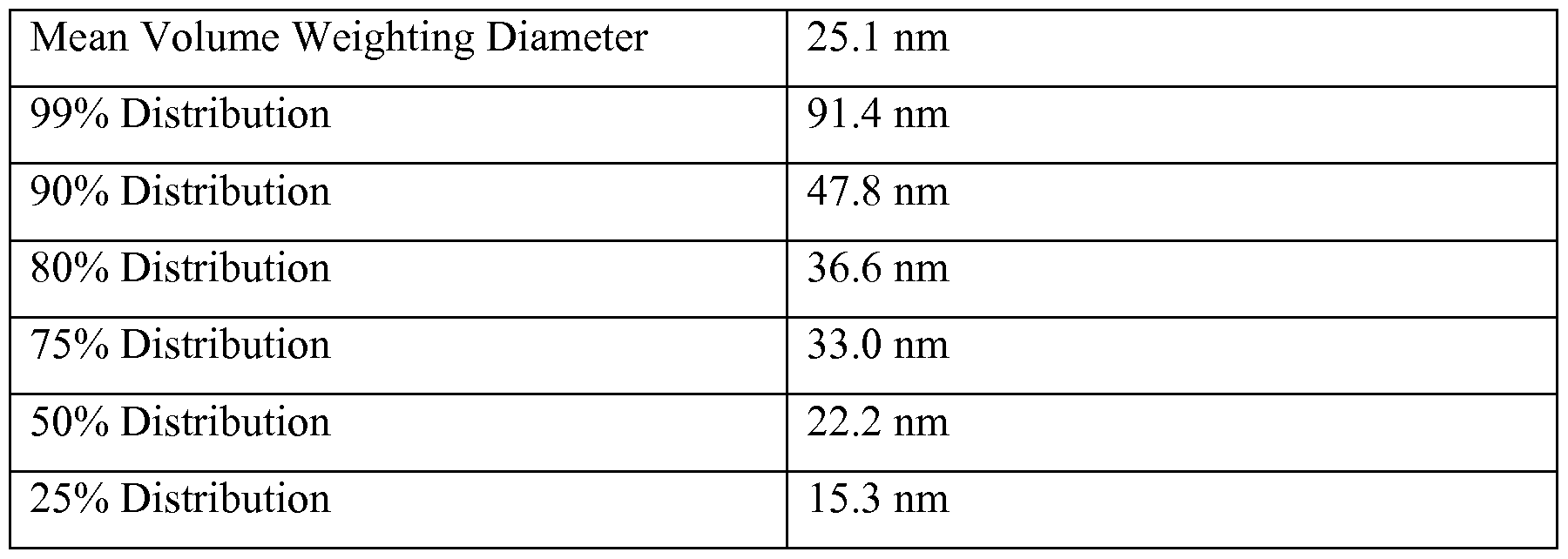
EXAMPLE V
[0099] The bleeding time and bleeding volume were determined following intravenous administration (20 mg/kg) of Clopidogrel Lipid Suspension (Test, IV) and oral administration (20 mg/kg) of Clopidogrel bisulfate (Reference, Oral) in ICR (CD-I) in mice. The results shown in Figs. 1 A and B suggest that lipid-based formulation of clopidogrel has an improved effect of bleeding time when compared to the reference compound, clopidogrel bisulfate.
EXAMPLE VI
[00100] The bleeding time and bleeding volume were determined following intravenous administration of Clopidogrel Lipid Suspension (Test, IV) in ICR (CD-I) mice at 5, 10, 20 and 40 mg clopidogrel/kg body weight. The results shown in Figures 2A-2C indicated dose dependent increase in the blood volume of up to 40 mg/kg whereas bleeding time increased up to 20 mg/kg.
EXAMPLE VII
[0098] The Clopidogrel Lipid Suspension at dose levels of 60 mg/kg, 40 mg/kg and 20 mg/kg mg body weight was administered intravenously to Sprague-
Dawley Albino rats once daily for five consecutive days. The rats in the control Group were similarly treated with n-saline intravenously at the equivalent volume as per kg body weight. The results suggested that the lipid-based formulation of clopidogrel bisulfate has no adverse effects at all dose levels tested following 5 days of daily intravenous treatment in rats. Further, no toxic effects were observed in the next two weeks after the 5 days of dosing period. EXAMPLE VIII
[0099] The Clopidogrel Lipid Suspension at dose levels of 60, 40 and 20 mg clopidogrel/kg body weight was administered intravenously to ICR (CD-I) mice once daily for five consecutive days. The mice in the control Group were similarly treated with n-saline intravenously at the equivalent volume as per kg body weight. The animals were observed during the five days of the treatment period right after daily intravenous dosing and at 15 and 30 min, and approximately at 2, 3, 4 and 6 hours post dose to detect clinical signs of toxicity. The animals were also observed periodically up to 2 weeks post dosing period. Clopidogrel Lipid Suspension was found to be safe when tested at 20 mg/kg body weight following daily intravenous administration for 5 consecutive days in mice. Some toxic effects were observed in mice at 40 mg/kg but all of the mice survived the dosing and post dosing period. The mortality was 50% when the drug was administered at 60 mg/kg body weight.
EXAMPLE IX
[0100] Pharmacokinetics profile of Clopidogrel Carboxylic Acid (CCA) following Intravenous (IV) administration Clopidogrel Lipid Suspension and following oral administration of Clopidogrel Bisulfate at 20 mg/kg Body Weight. The results shown in Fig. 3 indicated an early onset and great exposure of CCA via IV administration compared to oral administration of Clopidogrel Bisulfate.
REFERENCES Adler-Moore, J.; Jill, P.; Proffitt, R.T. J. Liposome Res. 1993, 2, 429-450.
Ali, S.M. Ahmad, Sheikh, S., Ahmad, M.U., Rane, R.C., Kale, P., Paithankar, M., Saptarishi, D., Maheshwari, K., Ahmad, I. Intl. Immunopharm. 2010, 10, 325-330. Ali, S.M., Ahmad, M., Ahmad, A., Sheikh, S., Ahmad, I. WO 2008/127358 A2.
Ambisome Prescribing Information, 2008, Astellas Pharma, IL USA.
Bissery, M-C; Laborie, M.; Vacu, J.; Verrecchia, T. US Patent 6,146,663, 2000. Bhushan, R.S., Shafiq, S., Mandgem S., Sharma, a., Kandarapu, R.
WO2009/133455 A2, 2009
Doxil Product Booklet, 2008, Ortho Biotech, New Jersey, USA
Furie, B. and Furie B.C. New Eng. J. Med. 2008, 359, 938-949.
Handin, R.I. In Kasper, D.L. et al., Harrison's Principles of Internal Medicine (16th ed.), New York, NY: McGraw-Hill.
. Proffitt, R.T.; Adler-Moore, J., Chiang, S-M US Patent 5,965,156 1999.
. Proffitt, R.T.; Satorius, A.; Chiang, S. M.; Sullivan. L.; Adler-Moore, J.P. J.
Antimicrob. Agents Chemother. 1991, 28(Suppl. B), 49-61.
. Randall, M.D., and Neil, K.E. Disease Management 2nd ed. London, Pharmaceutical Press, 159.
. Savi, P., Zachayus, J.L., Delesque-Touchard, N. et al. Proc. Natl. Acad. Sci. USA 2006, 103, 11069-11074.
. Sheikh, S., Ali, S.M., Ahmad, M.U., Ahmad, A., Mushtaq, M., Paithankar, M., Mandal, J., Saptarishi, D., Sehgal, A., Maheshwari, K. Ahmad, I. Int. J.
Pharmaceutics, 2010, 397, 103-108.
. Straubinger, R.M.; Sharma, A.; Mayhew, E. US Patent 5,415,869, 1995.
. Williams, K.J. Werth, V.P., Wolff, J.A. Perspect. Biol. Med. 1984, 27, 417-431.
[0101] All references, including publications, patent applications, and patent cited herein, including those in the preceding list and otherwise cited in this specification, are hereby incorporated by reference in their entirety to the same extent as if each reference was individually and specifically indicated to be incorporated by reference and were set forth in the entirely herein.
[0102] Preferred embodiments of this invention are described, including the best mode known to the inventors for carrying out the invention. Various
modifications and variations of the described methods and systems of the invention will be apparent to those skilled in the art without departing from the scope and spirit of the invention, and the inventors intend for the inventions to be practiced otherwise than specifically described herein. Accordingly, this invention includes all
modifications and equivalents of the subject matter recited in the claims appended hereto as permitted by applicable law. Moreover, any combination of the above- described elements in all possible variations thereof is encompassed by the invention unless otherwise indicated herein or otherwise clearly contradicted by context. Indeed, any modifications of the described modes for carrying out the invention that are obvious to those skilled in the relevant fields are intended to be within the scope of the following claims.
Claims
1. A method of treating a disease in a subject, comprising:
a. using an aqueous system to prepare a composition comprising a
complex, said complex comprising clopidogrel and at least one lipid; and
b. administering said composition to a subject.
2. A process for preparing a lipid formulation of clopidogrel, comprising:
a) preparing a suspension comprising clopidogrel and at least one lipid in a first aqueous medium at a pH between about pH 4.0 and pH 8.0;
b) treating said suspension to form a lipid-compound suspension, said lipid-compound suspension comprising lipid-compound complexes having a defined particle size;
c) lyophilizing said lipid-compound suspension to form lyophilized material; and
d) reconstituting said lyophilized material with a second aqueous medium to obtain a lipid formulation of clopidogrel, said lipid formulation comprising a suspension of lipid-compound complexes of defined particle size, said defined particle size having a mean particle size of less than 5 microns.
3. The process of claim 2, wherein said lyophilizing is done in the presence of a cryoprotectant.
4. The process of claim 2, wherein said first aqueous medium is water or buffer.
5. The process of claim 2, wherein said first aqueous medium and said second aqueous medium are same or different.
6. The method or process of any of claims 1-5, wherein said clopidogrel is a free base or a salt selected from the group consisting of hydrogen sulfate salt, bisulfate salt, hydrochloride salt, hydrobromide salt, phosphate salt, citrate salt, lactate salt, fumarate salt, tartarate salt, acetate salt, methyl sulfonate salt, benzene sulfonate salt, p-toluene sulfonate salt, succinate salt, maleate salt, oxalate salt, glutarate salt or any pharmaceutically acceptable salt.
7. The method or process of any of claims 1-6, wherein said at least one lipid is selected from the group consisting of egg phosphatidylcholine (EPC), egg phosphatidylglycerol (EPG), soy phosphatidylcholine (SPC), hydrogenated soy phosphatidylcholine (HSPC), dimyristoylphosphatidylcholine (DMPC), dimyristoylphosphatidylglycerol (DMPG), dipalmitoylphosohatidylcholine (DPPC), disteroylphosphatidylglycerol (DSPG),
dipalmitoylphosphatidylglycerol (DMPG), cholesterol (Choi), cholesterol sulfate and its salts (CS), cholesterol hemisuccinate and its salts (Chems), cholesterol phosphate and its salts (CP), cholesterylphosphocholme and other hydroxycholesterol or amino cholesterol derivatives, cholesteryl succinate, cholesteryl oleate, polyethylene glycol derivatives of cholesterol (cholesterol- PEG), coprostanol, cholestanol, cholestane, cholic acid, Cortisol,
corticosterone, hydrocortisone, and calciferol, monoglyceride, diglyceride, triglyceride, a carbohydrate -based lipid selected from a group consisting of galactolipid, mannolipid, galactolecithin, β-sitosterol, stigmasterol, stigmastanol, lanosterol, a-spinasterol, lathosterol, campesterol,
phosphatidylcholine, phosphatidylglycerol, phosphatidylethanolamine, phosphatidylserine, phosphatdylinositol, phosphatidic acid, a fatty acid, and a pegylated derivative of distearoylphosphatidylglycerol,
dipalmitoylphosphatidylglycerol, dimyristoylphosphatidylglycerol, or dioleoylphosphatidylglycerol.
8. The method or process of any of claims 1-7, wherein said at least one lipid is selected from the group consisting of cholesterol or cholesterol sulfate and salts thereof, cholesterol hemisuccinate and salts thereof, cholesterol phosphate and salts thereof, and wherein said lipid preparation further comprises at least one phospholipid.
9. The method or process of any of claims 1-8, wherein said at least one lipid comprises a cholesterol or cholesterol derivative, wherein the mole ratio of clopidogrel to cholesterol or cholesterol derivative is between about 1 :0.1 and 1 : 10.
10. The method or process of any of claims 1-9, wherein said at least one lipid comprises hydrogenated soy phosphatidylcholine or soy phosphatidylcholine, wherein the mole ratio of clopidogrel and hydrogenated soy
phosphatidylcholine or soy phosphatidylcholine is between about 1 : 1 to about 1 :90.
11. The process of any of claims 2-10, wherein said lipid preparation comprises clopidogrel at a concentration of from about 0.5 mg/mL to about 25 mg/mL.
12. The process of any of claims 2-11, wherein said lipid preparation comprises a total lipid concentration of from 2.5% by weight to about 95% by weight.
13. The process of any of claims 2-12, wherein the weight-to-weight ratio of clopidogrel to total lipid in said lipid preparation is between 1 : 10 to 1 :60.
14. The process of any of claims 2-13, wherein said treating said suspension comprises extruding said suspension through a selected size aperture and/or treating by high pressure split homogenization.
15. The process of any of claims 2-14, wherein said lipid suspension of defined particle size comprises a suspension of liposomes or emulsions, and wherein said lipid suspension of defined particle size comprises a suspension of lipidic particles.
16. The process of any of claims 2-15, wherein the composition is sterilized by filtering through a 0.22 μιη filter or by filtering through a 0.45 μιη filter, or wherein the composition is sterilized by autoclaving between 120°C-130°C for 15 to 30 minutes.
17. A composition made by the process of any of Claims 2-16.
18. A method of treating cardiovascular disease in a subject, comprising administering a composition according to any of claims 2-17 to said subject, wherein said cardiovascular disease is selected from the group consisting of atherosclerosis, ischemic stroke, myocardial infarction, angina, peripheral vascular disease, thrombosis, coronary heart disease, high blood pressure, heart rhythm disorder, tachycardia, rheumatic heart disease, pulmonary heart disease, hypertension, cardiac arrhythmia, cardiomegaly, congenital heart disease, valvular heart disease, infective endocarditis, coronary reperfusion, restenosis, pre-operative (PCI) ischemic events, coagulation disorders, deep vein thrombosis, hyperlipidemia, vulnerable plaques, severe coronary ischemia, carotid and coronary artery disease, restenosis as a result of balloon angioplasty, etc .
19. A method treating a cell with a composition comprising preparing a composition according to any of the claims 2-17 and exposing said cell to said composition, wherein said exposing said cell to said composition.
20. The method of claim 19, wherein said cell is exposed to said composition in vivo.
21. The method of claim 1 or Claim 18, wherein said administering comprises one or more methods of delivery selected from the group consisting of oral, intravenous, subcutaneous, parenteral, intraperitoneal, rectal, vaginal, and topical delivery of said composition to said subject.
22. The method of any of claims 1, 18 and 21, wherein said subject is a mammal.
23. The method of claim 22, wherein said mammal is human.
Applications Claiming Priority (2)
| Application Number | Priority Date | Filing Date | Title |
|---|---|---|---|
| US201161451522P | 2011-03-10 | 2011-03-10 | |
| US61/451,522 | 2011-03-10 |
Publications (1)
| Publication Number | Publication Date |
|---|---|
| WO2012122493A1 true WO2012122493A1 (en) | 2012-09-13 |
Family
ID=46798574
Family Applications (1)
| Application Number | Title | Priority Date | Filing Date |
|---|---|---|---|
| PCT/US2012/028530 Ceased WO2012122493A1 (en) | 2011-03-10 | 2012-03-09 | Lipid based clopidogrel compositions, methods, and uses |
Country Status (1)
| Country | Link |
|---|---|
| WO (1) | WO2012122493A1 (en) |
Cited By (2)
| Publication number | Priority date | Publication date | Assignee | Title |
|---|---|---|---|---|
| WO2014124132A1 (en) * | 2013-02-06 | 2014-08-14 | Jingjun Huang | Stable pharmaceutical composition of clopidogrel free base for oral and parenteral delivery |
| CN105218559A (en) * | 2015-10-21 | 2016-01-06 | 云南省药物研究所 | A kind of stable non-crystalline state bisulfate clopidogrel mixture |
Citations (2)
| Publication number | Priority date | Publication date | Assignee | Title |
|---|---|---|---|---|
| US20070003628A1 (en) * | 2005-05-10 | 2007-01-04 | Elan Pharma International Limited | Nanoparticulate clopidogrel formulations |
| US20100292268A1 (en) * | 2007-04-27 | 2010-11-18 | Cydex Pharmaceuticals, Inc. | Formulations Containing Clopidogrel and Sulfoalkyl Ether Cyclodextrin and Methods of Use |
-
2012
- 2012-03-09 WO PCT/US2012/028530 patent/WO2012122493A1/en not_active Ceased
Patent Citations (2)
| Publication number | Priority date | Publication date | Assignee | Title |
|---|---|---|---|---|
| US20070003628A1 (en) * | 2005-05-10 | 2007-01-04 | Elan Pharma International Limited | Nanoparticulate clopidogrel formulations |
| US20100292268A1 (en) * | 2007-04-27 | 2010-11-18 | Cydex Pharmaceuticals, Inc. | Formulations Containing Clopidogrel and Sulfoalkyl Ether Cyclodextrin and Methods of Use |
Cited By (5)
| Publication number | Priority date | Publication date | Assignee | Title |
|---|---|---|---|---|
| WO2014124132A1 (en) * | 2013-02-06 | 2014-08-14 | Jingjun Huang | Stable pharmaceutical composition of clopidogrel free base for oral and parenteral delivery |
| JP2016507531A (en) * | 2013-02-06 | 2016-03-10 | ホアン,ジンジュン | Stable pharmaceutical composition of clopidogrel free base for oral and parenteral delivery |
| US9480680B2 (en) | 2013-02-06 | 2016-11-01 | Jingjun Huang | Stable pharmaceutical composition of clopidogrel free base for oral and parenteral delivery |
| US9884016B2 (en) | 2013-02-06 | 2018-02-06 | Jingjun Huang | Stable pharmaceutical composition of clopidogrel free base for oral and parenteral delivery |
| CN105218559A (en) * | 2015-10-21 | 2016-01-06 | 云南省药物研究所 | A kind of stable non-crystalline state bisulfate clopidogrel mixture |
Similar Documents
| Publication | Publication Date | Title |
|---|---|---|
| EP2344198B1 (en) | Lipid based pharmaceutical preparations for topical application | |
| CN101474155A (en) | Lung-targeted medicine carrying precursor liposome for injection and method of use thereof | |
| CA2549966A1 (en) | Drug-containing nanoparticle, process for producing the same and parenterally administered preparation from the nanoparticle | |
| JP6605047B2 (en) | Celecoxib oral composition for the treatment of pain | |
| CN104427976A (en) | Depot formulations of a hydrophobic active ingredient and methods for preparation thereof | |
| JP2014533251A (en) | Melatonin-based solutions and powders for their production | |
| KR20040018333A (en) | Oral formulations containing mucopolysaccharide for small intestine delivery and their use in the treatment circulatory disorders | |
| AU2022338905B2 (en) | Atherosclerosis-targeted liposome nanocarrier delivery system and preparation method therefor | |
| WO2011047637A1 (en) | Pharmaceutical solution of taxanes comprising ph regulator and preparation method thereof | |
| JP2020500164A (en) | Terlipressin compositions and methods of use | |
| CA2888801A1 (en) | Sustained-release lipid pre-concentrate of anionic pharmacologically active substances and pharmaceutical composition comprising the same | |
| JP2019510048A (en) | Liraglutide viscoelastic gel suitable for once-weekly or bi-weekly administration | |
| JP2023168587A (en) | Formulation of nanostructured gels for increased agent loading and adhesion | |
| EP2953613A1 (en) | Stable pharmaceutical composition of clopidogrel free base for oral and parenteral delivery | |
| JP7284750B2 (en) | Sustained release formulation for intra-articular application | |
| WO2012122493A1 (en) | Lipid based clopidogrel compositions, methods, and uses | |
| TW201717959A (en) | Formulations and uses for microparticle delivery of metalloporphyrins | |
| PT86644B (en) | Process for the preparation of dry formulations containing a diclofenac salt | |
| JP5638204B2 (en) | Liposome preparation for oral administration and production method thereof | |
| CN107669637B (en) | A kind of artemether liposome for injection and its preparation method and application | |
| WO2015020139A1 (en) | Nanoparticles and nanoparticle composition, and method for producing nanoparticles and nonparticle composition | |
| CN118845791B (en) | Crocetin preparation with high bioavailability and application thereof | |
| US9987228B2 (en) | Method for producing porous particle | |
| WO2023281404A1 (en) | Controlled release injectable cariprazine formulation | |
| WO2024040154A2 (en) | Inhalable compositions of cdk9 inhibitors |
Legal Events
| Date | Code | Title | Description |
|---|---|---|---|
| 121 | Ep: the epo has been informed by wipo that ep was designated in this application |
Ref document number: 12754680 Country of ref document: EP Kind code of ref document: A1 |
|
| NENP | Non-entry into the national phase |
Ref country code: DE |
|
| 122 | Ep: pct application non-entry in european phase |
Ref document number: 12754680 Country of ref document: EP Kind code of ref document: A1 |