WO2010144904A1 - Use of lcat for treating anemia and red blood cell dysfunction - Google Patents
Use of lcat for treating anemia and red blood cell dysfunction Download PDFInfo
- Publication number
- WO2010144904A1 WO2010144904A1 PCT/US2010/038494 US2010038494W WO2010144904A1 WO 2010144904 A1 WO2010144904 A1 WO 2010144904A1 US 2010038494 W US2010038494 W US 2010038494W WO 2010144904 A1 WO2010144904 A1 WO 2010144904A1
- Authority
- WO
- WIPO (PCT)
- Prior art keywords
- lcat
- rbc
- disease
- condition
- level
- Prior art date
- Legal status (The legal status is an assumption and is not a legal conclusion. Google has not performed a legal analysis and makes no representation as to the accuracy of the status listed.)
- Ceased
Links
Classifications
-
- A—HUMAN NECESSITIES
- A61—MEDICAL OR VETERINARY SCIENCE; HYGIENE
- A61K—PREPARATIONS FOR MEDICAL, DENTAL OR TOILETRY PURPOSES
- A61K38/00—Medicinal preparations containing peptides
- A61K38/16—Peptides having more than 20 amino acids; Gastrins; Somatostatins; Melanotropins; Derivatives thereof
- A61K38/43—Enzymes; Proenzymes; Derivatives thereof
- A61K38/45—Transferases (2)
-
- A—HUMAN NECESSITIES
- A61—MEDICAL OR VETERINARY SCIENCE; HYGIENE
- A61P—SPECIFIC THERAPEUTIC ACTIVITY OF CHEMICAL COMPOUNDS OR MEDICINAL PREPARATIONS
- A61P1/00—Drugs for disorders of the alimentary tract or the digestive system
- A61P1/16—Drugs for disorders of the alimentary tract or the digestive system for liver or gallbladder disorders, e.g. hepatoprotective agents, cholagogues, litholytics
-
- A—HUMAN NECESSITIES
- A61—MEDICAL OR VETERINARY SCIENCE; HYGIENE
- A61P—SPECIFIC THERAPEUTIC ACTIVITY OF CHEMICAL COMPOUNDS OR MEDICINAL PREPARATIONS
- A61P15/00—Drugs for genital or sexual disorders; Contraceptives
- A61P15/10—Drugs for genital or sexual disorders; Contraceptives for impotence
-
- A—HUMAN NECESSITIES
- A61—MEDICAL OR VETERINARY SCIENCE; HYGIENE
- A61P—SPECIFIC THERAPEUTIC ACTIVITY OF CHEMICAL COMPOUNDS OR MEDICINAL PREPARATIONS
- A61P17/00—Drugs for dermatological disorders
- A61P17/02—Drugs for dermatological disorders for treating wounds, ulcers, burns, scars, keloids, or the like
-
- A—HUMAN NECESSITIES
- A61—MEDICAL OR VETERINARY SCIENCE; HYGIENE
- A61P—SPECIFIC THERAPEUTIC ACTIVITY OF CHEMICAL COMPOUNDS OR MEDICINAL PREPARATIONS
- A61P19/00—Drugs for skeletal disorders
- A61P19/02—Drugs for skeletal disorders for joint disorders, e.g. arthritis, arthrosis
-
- A—HUMAN NECESSITIES
- A61—MEDICAL OR VETERINARY SCIENCE; HYGIENE
- A61P—SPECIFIC THERAPEUTIC ACTIVITY OF CHEMICAL COMPOUNDS OR MEDICINAL PREPARATIONS
- A61P25/00—Drugs for disorders of the nervous system
- A61P25/08—Antiepileptics; Anticonvulsants
-
- A—HUMAN NECESSITIES
- A61—MEDICAL OR VETERINARY SCIENCE; HYGIENE
- A61P—SPECIFIC THERAPEUTIC ACTIVITY OF CHEMICAL COMPOUNDS OR MEDICINAL PREPARATIONS
- A61P25/00—Drugs for disorders of the nervous system
- A61P25/28—Drugs for disorders of the nervous system for treating neurodegenerative disorders of the central nervous system, e.g. nootropic agents, cognition enhancers, drugs for treating Alzheimer's disease or other forms of dementia
-
- A—HUMAN NECESSITIES
- A61—MEDICAL OR VETERINARY SCIENCE; HYGIENE
- A61P—SPECIFIC THERAPEUTIC ACTIVITY OF CHEMICAL COMPOUNDS OR MEDICINAL PREPARATIONS
- A61P29/00—Non-central analgesic, antipyretic or antiinflammatory agents, e.g. antirheumatic agents; Non-steroidal antiinflammatory drugs [NSAID]
-
- A—HUMAN NECESSITIES
- A61—MEDICAL OR VETERINARY SCIENCE; HYGIENE
- A61P—SPECIFIC THERAPEUTIC ACTIVITY OF CHEMICAL COMPOUNDS OR MEDICINAL PREPARATIONS
- A61P3/00—Drugs for disorders of the metabolism
- A61P3/08—Drugs for disorders of the metabolism for glucose homeostasis
- A61P3/10—Drugs for disorders of the metabolism for glucose homeostasis for hyperglycaemia, e.g. antidiabetics
-
- A—HUMAN NECESSITIES
- A61—MEDICAL OR VETERINARY SCIENCE; HYGIENE
- A61P—SPECIFIC THERAPEUTIC ACTIVITY OF CHEMICAL COMPOUNDS OR MEDICINAL PREPARATIONS
- A61P31/00—Antiinfectives, i.e. antibiotics, antiseptics, chemotherapeutics
- A61P31/04—Antibacterial agents
-
- A—HUMAN NECESSITIES
- A61—MEDICAL OR VETERINARY SCIENCE; HYGIENE
- A61P—SPECIFIC THERAPEUTIC ACTIVITY OF CHEMICAL COMPOUNDS OR MEDICINAL PREPARATIONS
- A61P31/00—Antiinfectives, i.e. antibiotics, antiseptics, chemotherapeutics
- A61P31/12—Antivirals
- A61P31/14—Antivirals for RNA viruses
-
- A—HUMAN NECESSITIES
- A61—MEDICAL OR VETERINARY SCIENCE; HYGIENE
- A61P—SPECIFIC THERAPEUTIC ACTIVITY OF CHEMICAL COMPOUNDS OR MEDICINAL PREPARATIONS
- A61P33/00—Antiparasitic agents
-
- A—HUMAN NECESSITIES
- A61—MEDICAL OR VETERINARY SCIENCE; HYGIENE
- A61P—SPECIFIC THERAPEUTIC ACTIVITY OF CHEMICAL COMPOUNDS OR MEDICINAL PREPARATIONS
- A61P33/00—Antiparasitic agents
- A61P33/02—Antiprotozoals, e.g. for leishmaniasis, trichomoniasis, toxoplasmosis
-
- A—HUMAN NECESSITIES
- A61—MEDICAL OR VETERINARY SCIENCE; HYGIENE
- A61P—SPECIFIC THERAPEUTIC ACTIVITY OF CHEMICAL COMPOUNDS OR MEDICINAL PREPARATIONS
- A61P33/00—Antiparasitic agents
- A61P33/02—Antiprotozoals, e.g. for leishmaniasis, trichomoniasis, toxoplasmosis
- A61P33/06—Antimalarials
-
- A—HUMAN NECESSITIES
- A61—MEDICAL OR VETERINARY SCIENCE; HYGIENE
- A61P—SPECIFIC THERAPEUTIC ACTIVITY OF CHEMICAL COMPOUNDS OR MEDICINAL PREPARATIONS
- A61P35/00—Antineoplastic agents
-
- A—HUMAN NECESSITIES
- A61—MEDICAL OR VETERINARY SCIENCE; HYGIENE
- A61P—SPECIFIC THERAPEUTIC ACTIVITY OF CHEMICAL COMPOUNDS OR MEDICINAL PREPARATIONS
- A61P37/00—Drugs for immunological or allergic disorders
-
- A—HUMAN NECESSITIES
- A61—MEDICAL OR VETERINARY SCIENCE; HYGIENE
- A61P—SPECIFIC THERAPEUTIC ACTIVITY OF CHEMICAL COMPOUNDS OR MEDICINAL PREPARATIONS
- A61P37/00—Drugs for immunological or allergic disorders
- A61P37/02—Immunomodulators
- A61P37/06—Immunosuppressants, e.g. drugs for graft rejection
-
- A—HUMAN NECESSITIES
- A61—MEDICAL OR VETERINARY SCIENCE; HYGIENE
- A61P—SPECIFIC THERAPEUTIC ACTIVITY OF CHEMICAL COMPOUNDS OR MEDICINAL PREPARATIONS
- A61P7/00—Drugs for disorders of the blood or the extracellular fluid
- A61P7/06—Antianaemics
-
- A—HUMAN NECESSITIES
- A61—MEDICAL OR VETERINARY SCIENCE; HYGIENE
- A61P—SPECIFIC THERAPEUTIC ACTIVITY OF CHEMICAL COMPOUNDS OR MEDICINAL PREPARATIONS
- A61P9/00—Drugs for disorders of the cardiovascular system
-
- C—CHEMISTRY; METALLURGY
- C12—BIOCHEMISTRY; BEER; SPIRITS; WINE; VINEGAR; MICROBIOLOGY; ENZYMOLOGY; MUTATION OR GENETIC ENGINEERING
- C12N—MICROORGANISMS OR ENZYMES; COMPOSITIONS THEREOF; PROPAGATING, PRESERVING, OR MAINTAINING MICROORGANISMS; MUTATION OR GENETIC ENGINEERING; CULTURE MEDIA
- C12N9/00—Enzymes; Proenzymes; Compositions thereof; Processes for preparing, activating, inhibiting, separating or purifying enzymes
- C12N9/10—Transferases (2.)
- C12N9/1025—Acyltransferases (2.3)
- C12N9/1029—Acyltransferases (2.3) transferring groups other than amino-acyl groups (2.3.1)
-
- A—HUMAN NECESSITIES
- A61—MEDICAL OR VETERINARY SCIENCE; HYGIENE
- A61K—PREPARATIONS FOR MEDICAL, DENTAL OR TOILETRY PURPOSES
- A61K48/00—Medicinal preparations containing genetic material which is inserted into cells of the living body to treat genetic diseases; Gene therapy
-
- C—CHEMISTRY; METALLURGY
- C12—BIOCHEMISTRY; BEER; SPIRITS; WINE; VINEGAR; MICROBIOLOGY; ENZYMOLOGY; MUTATION OR GENETIC ENGINEERING
- C12Y—ENZYMES
- C12Y203/00—Acyltransferases (2.3)
- C12Y203/01—Acyltransferases (2.3) transferring groups other than amino-acyl groups (2.3.1)
- C12Y203/01043—Phosphatidylcholine-sterol O-acyltransferase (2.3.1.43), i.e. lecithin-cholesterol acyltransferase or LCAT
-
- Y—GENERAL TAGGING OF NEW TECHNOLOGICAL DEVELOPMENTS; GENERAL TAGGING OF CROSS-SECTIONAL TECHNOLOGIES SPANNING OVER SEVERAL SECTIONS OF THE IPC; TECHNICAL SUBJECTS COVERED BY FORMER USPC CROSS-REFERENCE ART COLLECTIONS [XRACs] AND DIGESTS
- Y02—TECHNOLOGIES OR APPLICATIONS FOR MITIGATION OR ADAPTATION AGAINST CLIMATE CHANGE
- Y02A—TECHNOLOGIES FOR ADAPTATION TO CLIMATE CHANGE
- Y02A50/00—TECHNOLOGIES FOR ADAPTATION TO CLIMATE CHANGE in human health protection, e.g. against extreme weather
- Y02A50/30—Against vector-borne diseases, e.g. mosquito-borne, fly-borne, tick-borne or waterborne diseases whose impact is exacerbated by climate change
Definitions
- This invention relates generally to the field of medicine, and in particular, the treatment of diseases characterized by anemia and/or red blood cells that have abnormal function in terms of deformability, oxygenation, aggregation, nitric oxide metabolism, or life-span.
- red blood cells The quality and quantity of red blood cells (RBC) in the blood stream is often degraded during periods of increased physical stress, resulting in anemia and enhanced risks of morbidity and mortality.
- Physical stresses that have been linked to the development of anemia include autoimmune diseases, major surgery, trauma, infectious diseases, cancer, critical illness, diabetes, liver diseases, kidney disease, heart failure, and parasitic diseases.
- Systemic inflammation is a characteristic common to all these situations as evidenced by the presence of increased levels of inflammatory cytokines in the circulation.
- a hemoglobinopathy for example sickle cell disease or thalassemia
- inflammatory cytokine levels are frequently elevated and can exacerbate the disease symptoms, particularly during crisis episodes.
- LCAT lecithin:cholesterol acyltransferase
- Excess cholesterol is removed from tissues, such as arteries, and delivered to the liver for excretion in bile by a process known as reverse cholesterol transport (RCT)
- RCT reverse cholesterol transport
- HDL high- density lipoproteins
- the enzyme LCAT enhances the cholesterol-carrying capacity of HDL by catalyzing the transestenfication of a fatty acid from phosphatidylcholine (PC) (also known as lecithin), to cholesterol to form cholesteryl ester (CE)
- PC phosphatidylcholine
- CE cholesteryl ester
- the CE product accumulates in the HDL interior until it is removed at HDL-receptors in the liver
- the CE delivered to the liver by HDL is converted to cholesterol and bile acids that are excreted in the bile [0005]
- FLD Familial LCAT Deficiency
- FLD Familial LCAT Deficiency
- Plasma HDL-C levels are often reported to be reduced in cases of physical stress, for example: autoimmune diseases, major surgery, trauma, infectious diseases, cancer, critical illness, diabetes, liver diseases, kidney disease, heart failure and parasitic diseases, and may be an important factor in the distortion of RBC lipid content, in light of the direct lipid interchange between RBC and lipoproteins. Anemia is highly prevalent in the cases where HDL is reduced.
- the present disclosure relates to methods modulating the lipid content of red blood cell membranes by increasing LCAT concentration and/or activity above normal human LCAT concentration and/or activity by administering a therapeutically effective dose of LCAT.
- One embodiment of the disclosure is a method of treating a patient having a condition characterized by red blood cell dysfunction comprising administering to the subject a therapeutically effective amount of LCAT.
- Another embodiment is a method of treating a patient having a condition characterized by anemia or red blood cells with reduced deformability, reduced oxygenation, reduced nitric oxide function, increased adhesion and/or aggregation, or decreased life-span, or any combination thereof comprising administering to the patient in need thereof, a therapeutically effective amount of LCAT.
- the method of treating a patient having a condition characterized by anemia or red blood cells with reduced deformability, reduced oxygenation, reduced nitric oxide function, increased adhesion and/or aggregation, or decreased life-span, or any combination thereof comprises determining a baseline RBC deformability or RBC oxygenation or RBC aggregation or adhesion or RBC life-span; administering to the patient in need thereof, a therapeutically effective amount of LCAT; and determining the changes following LCAT administration wherein an increase in RBC deformability or RBC oxygenation or decreased RBC aggregation or adhesion or increased RBC life-span indicates an improvement in the condition.
- the condition treated is sickle cell disease, diabetes, thalassemia, rheumatoid disease, autoimmune disease, arthritis, liver disease, cirrhosis, hepatitis, acanthosytosis, sepsis, dementia, anemia, or microvascular disorders, inflammatory disorders, parasitic disease, erectile dysfunction, cancer, pre eclampsia, critical illness or trauma
- Another embodiment is a method of treating a patient having a condition characterized by a high level of FC in RBC membranes comprising administering to subject, in need thereof, a therapeutically effective amount of LCAT
- Another embodiment is a method of treating a patient having a condition characterized by a high level of FC in RBC membranes comprising determining a baseline ratio of FC to PL, administering to subject, in need thereof, a therapeutically effective amount of LCAT, and determining the ratio of FC to PL following administration of LCAT wherein a decrease in the ratio of FC to PL indicates an improvement in the condition
- Another embodiment is a method of reducing the FC content of a blood cell in a patient comprising administering to the patient a therapeutically effective amount of LCAT
- Another embodiment is a method of treating a patient having a condition characterized by an increased PC/SM ratio in RBC membranes comprising administering to subject, in need thereof, a therapeutically effective amount of LCAT
- Another embodiment is a method of treating a patient having a condition
- Figure I shows phospholipid composition of RBC from normal subjects and from subjects with Sickle Cell Disease
- Figure 2 is a graph depicting the increase in plasma HDL-C in human ApoA I transgenic mice after injection with LCAT
- Figure 3 depicts the cholesterol content of tissues from LCAT- knockout/apolipoprotein A I transgenic mice after injection with recombinant human
- therapeutically effective amount means the amount of LCAT which will elicit the desired therapeutic effect or response when administered in accordance with the desired treatment regimen.
- a preferred therapeutically effective amount is an amount of LCAT that increases the level of plasma
- LCAT level refers to the plasma concentration of LCAT.
- a "normal level" of LCAT means the plasma concentration of
- LCAT that is present in average healthy untreated subject not currently on any medication which might alter LCAT levels.
- Normal level and “endogenous level” are used interchangeably herein.
- references herein to "treatment” or “treating” include curative, palliative and prophylactic treatment.
- From as used herein with reference to effective amount or unit dosage is inclusive, e.g., “from 1 mg to 5000 mg” includes 1 mg and 5000 mg.
- FC is an abbreviation for free cholesterol and as used herein means non- estenfied cholesterol
- Netric oxide function means RBC mediated processes which are dependent on nitric oxide including nitric oxide production, nitric oxide delivery to the microvasculatur ⁇ , inhibition of platelet and leukocyte adhesion, vasodilation, RBC deformability and RBC survival.
- PC is an abbreviation for phosphatidylcholine
- SM is an abbreviation for sphingomyelin
- RBC deformability means the ability of cells to adapt their shape to the dynamically changing flow conditions in order to minimize their resistance to flow, and to enable their passage through small blood vessels. Reduced deformability equates with increased rigidity
- a "gene therapy vector” is an agent which is used to incorporate and actively express a gene of interest in chromosomes in parenchymal tissue cells.
- an adenovirus engineered to carry the human LCAT gene for example an adenovirus engineered to carry the human LCAT gene.
- "Osmotic fragility" means a cell's sensitivity to rupture due to changes in surrounding osmotic pressure
- RBC aggregability means the ability to form multicellular aggregates, normally in a rouleaux shape, in the presence of plasma proteins or other macromolecules
- LCAT' is used interchangeably with “lecithin-cholesterol acyltransferase”
- LCAT or "LCAT polypeptide” when used herein encompass native sequence LCAT, LCAT variants, modified LCAT, and chimeric LCAT In specifying amino acid positions in the LCAT sequence, reference is made to SEQ ID NO 1
- a "native sequence LCAT' comprises a polypeptide having the same amino acid sequence as a LCAT derived from nature
- a native sequence LCAT specifically encompasses naturally occurring truncated forms of LCAT, and naturally- occurnng allelic variants of LCAT, naturally occurring variant forms (e g , alternately spliced forms)
- the preferred native sequence LCAT is a mature native sequence LCAT
- “Modified LCAT' means a polypeptide wherein one or more amino acids in the native LCAT polypeptide is substituted with another amino acid, or one or more amino acids is added to a portion of the native polypeptide, including
- modified LCAT may be a modified LCAT protein as described in United States Patent Application No 12/179,815.
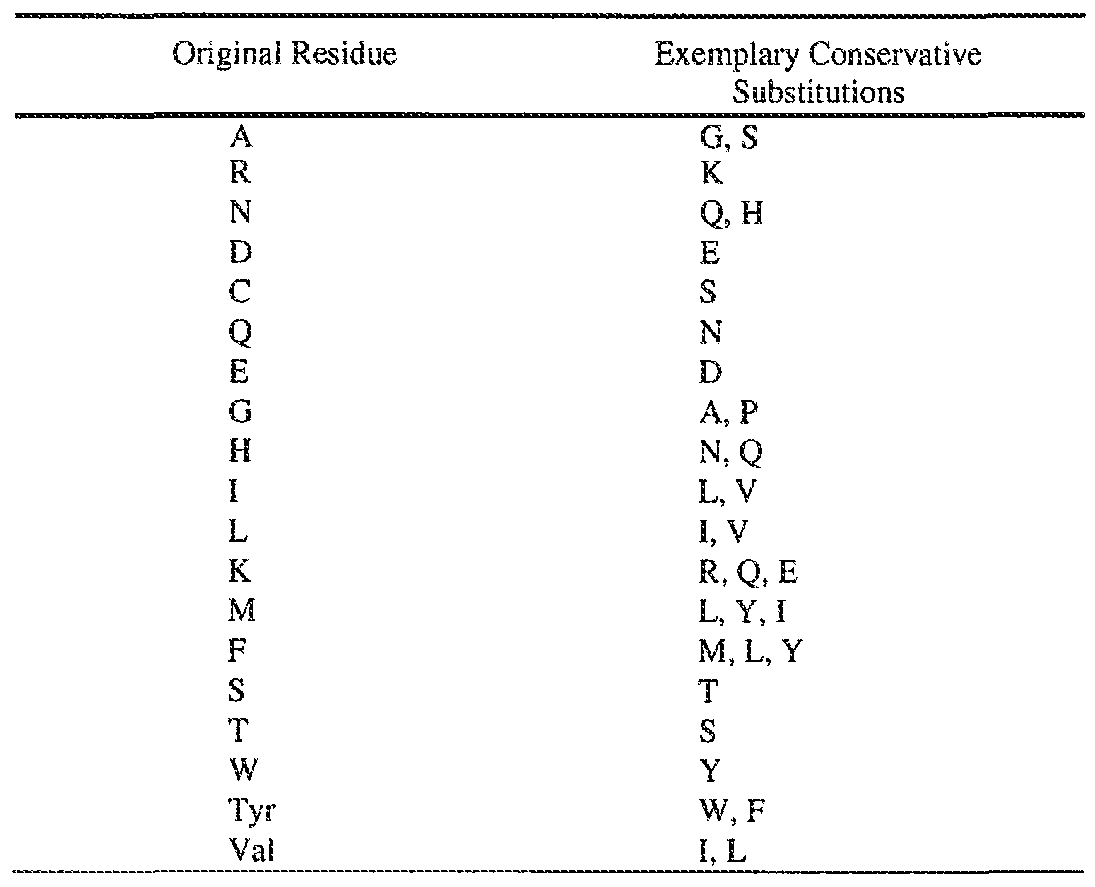
- the one or more amino acid is substituted with a conservative substitution
- Non-limiting exemplary conservative substitutions are provided in Table 2
- the one or more amino acids is substituted with a non naturally occurring amino acid
- modified LCAT polypeptides include derivatives of LCAT or modified LCAT These derivatives may, for example, improve the solubility, absorption, biological half life, of the polypeptides Derivatives of polypeptides are well known in the art One of skill in the art would know how to derivatize polypeptides to improve their pharmacologic properties
- the present disclosure is directed to methods of treating patients having a condition characterized by anemia or red blood cell dysfunction comprising administering to a patient in need there of an agent which increases the activity of LCAT or increases the plasma level of LCAT or both
- an agent which increases the activity of LCAT or increases the plasma level of LCAT or both The LCAT level and/or LCAT activity can be increased by any means available This includes, without limitation, direct administration of LCAT, expression of LCAT through gene therapy, and the up-regulation of endogenous LCAT through the administration of drugs
- the level of LCAT level and/or activity is increased by direct administration of LCAT
- the LCAT administered in the methods according to the disclosure is recombinant ⁇ produced human LCAT (e g , using animals, mammalian cells, fungi, insect cells or plants as a recombinant protein expression system)
- LCAT may also be obtained by any suitable methods e g , isolation from human plasma LCAT for can be prepared in stable bulk or unit dosage forms
- the level of LCAT activity is increased through the use of gene therapy
- ' gene therapy refers to the transfer and, preferably, stable integration of new genetic information into cells in a subject
- Methods of increasing LCAT activity levels by gene therapy involves transfecting cells with a nucleic acid that comprises a nucleic acid sequence coding for expression of LCAT The transfected cells express LCAT and secrete it into the plasma of the subject The cells are transfected in sufficient number or for such high expression
- erythropoiesis is increased following the administration of a therapeutically effective amount of LCAT
- nitric oxide function is increased following the administration of a therapeutically effective amount of LCAT
- one embodiment of present disclosure is a method of treating a patient with sickle cell disease, diabetes, thalassemia, rheumatoid disease, autoimmune disease, arthritis, liver disease, cirrhosis, hepatitis, acanthosyt ⁇ sis, sepsis, dementia, anemia, or microvascular disorders, inflammatory disorders, parasitic disease, erectile dysfunction, cancer, pre-eclampsia, critical illness or trauma by administering a therapeutically effective dose of LCAT to a patient in need thereof.
- Hemoglobin gene mutations such as in sickle cell disease (SCD), thalassemias and hemoglobin E (HbE) can result in a variety of pathologies which decrease RBC deformability and ability to carry/deliver oxygen.
- SCD is an inherited disorder, caused by a single amino acid replacement in the beta-globulin subunil of hemoglobin (HbS). Under low oxygen conditions, HbS polymerizes (aggregates), leading to changes in the shape of the RBCs from normal concave to "sickle-shaped".
- one embodiment of the current disclosure is a method of treating a patient having sickle cell disease by administering to a patient in need thereof, a therapeutically effective amount of LCAT.
- Injecting high levels of LCAT for example, an amount that results in a doubling of the endogenous activity to 1000-times the endogenous activity of LCAT in SCD patients, would force a movement of FC from RBC and concomitantly increasing plasma HDL-C levels.
- a reduction in the FC content of the RBC would lead to an increase in the ability of the RBC to deform and improve the rate of O 2 exchange.
- the improved function of the RBC may lessen the occlusive events due to both improved flow properties of blood and decreased rate of sickling (due to better re-oxygenatio ⁇ of the RBC).
- the administration of a therapeutically effective amount of LCAT to a patient in need thereof increases RBC deformabihty and RBC oxygenation.
- the RBC life-span is increased following the administration of LCAT.
- Target cell and spur cell anemia Acanthocytosis
- Target and spur cells have an increased FC content leading to decreased function and increased hemolysis and anemia.
- rheumatic diseases and inflammatory disorders including anemia of inflammation
- inflammatory disorders including anemia of inflammation
- myriad pathologies such as decreased RBC deformabihty and abnormal rheology which lead to further complications. Damage to tissues and organ systems due to decreased oxygenation and increased RBC aggregation leads to increased morbidity and mortality from the initial inflammatory insult
- a method reducing RBC aggregability by administering, to a patient in need thereof, a therapeutically effective amount of LCAT.
- LCAT can also act upon oxidized phospholipids generated dunng inflammation.
- the oxidized lipids are very reactive, and can increase damage to cells and organ systems Normalizing RBC membrane lipids would improve flow and tissue oxygenation, and decrease the concentration of reactive oxidized lipids. This will be useful post-surgery, where occult infections can decrease RBC function, increasing wound-healing time [0053] Microvascular disorders may occur when there is an increase in RBC FC, thereby causing rigidity, increased adhesion and aggregability of the RBCs These changes are magnified in the low flow (or low pressure) found in capillaries and venules When RBCs are unable to deform properly, their transit is slowed to a greater extent in these small vessels.
- LCAT treatment would decrease RBC FC improving RBC rheology, decreasing risk of further blockages and end organ damage
- administering a high dose of LCAT for example, from 1-t ⁇ mes to 1000- times the endogenous level of LCAT or from 1 -times to 500-times the endogenous level of LCAT, or from 1 -times to 100-Umes the endogenous level of LCAT to a patient having a condition characterized by abnormal rheology (anemia, decreased deformabiltty, increased aggregation, decreased flow, decreased RBC life-span) would result in an improvement of the condition
- another embodiment is a method of treating a patient with sickle cell disease, diabetes, thalassemia, rheumatoid disease, autoimmune disease, arthritis, liver disease, cirrhosis, hepatitis, acanthosytosis, sepsis, dementia, anemia, or microvascular disorders, inflammatory disorders, parasitic disease, erectile dysfunction, cancer, pre eclampsia, cntical illness or trauma by administering a therapeutically effective dose of LCAT
- Yet another embodiment of the present disclosure is a method of treating a patient having sickle cell disease, diabetes, thalassemia, rheumatoid disease, autoimmune disease, arthritis, liver disease, cirrhosis, hepatitis, acanthosytosis, sepsis, dementia, anemia, or microvascular disorders, inflammatory disorders, parasitic disease, erectile dysfunction, cancer, pre eclampsia, critical illness or trauma by administration of a drug that increases
- Another embodiment is a method of treating a patient with an Alzheimer's related dementia by administering a therapeutically effective dose of LCAT
- Another embodiment is a method of treating a patient with sickle ceil disease, diabetes, thalassemia, rheumatoid disease, autoimmune disease, arthritis, liver disease, cirrhosis, hepatitis, acanthosytosis, sepsis, dementia, anemia, or microvascular disorders, inflammatory disorders, parasitic disease, erectile dysfunction, cancer, pre-eclampsia, critical illness or trauma by administering a therapeutically effective dose of a modified LCAT
- the modified LCAT compnses a conservative amino acid substitution In one embodiment the modified LCAT compnses a substitution at position Fl , L3, L4, N5, L7, C31 , N384 or E416 In various embodiments the modified LCAT comprises an amino acid substitution at position 31 In other embodiments the modified LCAT compnses a C31 Y substitution and a substitution at one
- LCAT expression is upregulated through drug administration
- the LCAT is generally administered to the subject in a pharmaceutical composition compnsing a pharmaceutically acceptable earner or diluent
- a pharmaceutical composition may be formulated in accordance with routine procedures as a pharmaceutical composition adapted to the chosen route of administration, i e , orally, parenterally, by intravenous, intramuscular or subcutaneous routes
- compositions suitable for the delivery of compounds of the present disclosure and methods for their preparation will be readily apparent to those skilled in the art Such compositions and methods for their preparation may be found, for example, in Remington's Pharmaceutical Sciences, 19th Edition (Mack Publishing Company, 1995)
- compositions may take such forms as suspensions, solutions, or emulsions in oily or aqueous vehicles, and may contain formulatory agents such as suspending, stabilizing and/or dispersing agents Alternatively, the active ingredient may be in powder form for constitution with a suitable vehicle e g , stenle pyrogen-free water, before use Typically such compositions are solutions in sterile isotonic aqueous buffer
- the compositions may be a hermetically sealed container such as an ampoule, syringe, or vial with or without an added preservative.
- a liquid earner or vehicle can be a solvent or liquid dispersion medium comprising, for example, water, ethanol, a polyol (for example, glycerol, propylene glycol, liquid polyethylene glycols, and the like), vegetable oils, nontoxic glyceryl esters, and suitable mixtures thereof
- the proper fluidity can be maintained, for example, by the formation of liposomes, by the maintenance of the required particle size in the case of dispersions or by the use of surfactants
- the prevention of the action of microorganisms can be brought about by various antibacterial and antifungal agents, for example, parabens, chlorobutanol, phenol, sorbic acid, thimeros ⁇ l, and the like
- Prolonged absorption of the injectable compositions can be brought about by the use in the compositions of agents delaying absorption, for example, aluminum monostearate and gelatin
- LCAT can be used alone or in combination therapy with other drugs used to treat the foregoing conditions
- Such therapies include, but are not limited to simultaneous or sequential administration of the drugs involved
- LCAT formulations can be administered with drugs that are commonly used as a standard of care for a particular condition
- LCAT can be administered in combination with erythropoiesis stimulating agents (ESA) such as erythropoietin, methoxypolyethylene glycol-epoetin beta, darbepoetm- ⁇ , romiplostim, and epoetin- ⁇ for treatment of anemia
- ESA erythropoiesis stimulating agents
- LCAT can be administered in combination with hydroxyurea, hydroxycarbamide, decitabine, or butyrate for treatment of sickle cell disease
- the therapeutically effective amount of LCAT is administered by subcutaneous injection In another embodiment the therapeutically effective amount of LCAT is administered by intramuscular injection In another embodiment the therapeutically effective amount of LCAT is administered by intravenous injection or infusion In some embodiments the therapeutically effective amount of LCAT is from 1 mg to 5000 mg, or from I mg to 2000 mg, or from 10 mg to 5000 mg, or from lO mg to 1000 mg, or from 10 mg to 500 mg or from 5 mg lo 100 mg [0064] In some embodiments the therapeutically effective amount of LCAT is from l-limes to I000-t ⁇ mes, from 25-times to 1000 times, from 50-times to lOOO-times, from 1-times to 100 times, from 50-times to 500-t ⁇ mes, or from 1 times to 500-t ⁇ mes the endogenous level of LCAT.
- the specific dosage used can vary
- the dosage can depend on a number of factors including, but not limited to, the dosing frequency, the specific activity of the recombinant LCAT enzyme, the body weight of the patient, special requirements of the patient, special conditions of the patient (e g , abnormal kidney or liver function), the condition being treated etc
- the dosing frequency and amount may, at the physician's discretion, fall outside of the typical range given herein
- These dosages are based on an average human subject having a weight of about 60kg to 70kg Determination of optimum dosages for a particular patient is well-known to those skilled in the art The physician will readily be able to determine doses for subjects whose weight falls outside this range, such as infants and the elderly
- biomarkers include, but are not limited to, the ratio of FC to PL, FC to membrane protein, PC to SM or HDL C levels
- Suitable physiologic parameters include, but are not limited to, reduced anemia, improved rheology as measured by an increase in RBCs, RBC deformabiiity, blood flow, and/or RBC aggregabihty, osmotic fragility, or RBC oxygenation level, an increase in any one these parameters indtcates improvement
- Measurement of biomarker levels and parameters described above may be measured using methods that are well known in the art For example, reduced anemia can be measured by increased hematocrit or hemoglobin or hemoglobin break-down products (e g , unconjugated-bilirubi ⁇ ) measured with standard, well-established, clinical techniques
- Deformabiiity can be measured by filtration, viscometry, ektacytometry and by the
- a transfer of FC from RBC to HDL should change the composition of RBC membrane to a more normal state This action will increase the oxygenation of the RBC, improve the rheology (increase deformability, flow, decrease the propensity for adhesion and aggregation) decrease anemia (decrease the mechanical stress and destruction associated with decreased deformability, increasing the life of the RBC), and increase the ability of the RBC Io oxygenate tissue, especially peripheral tissues.
- the LCAT is self-administered by the patient either by subcutaneous or intramuscular injection
- Self-administration is a preferred embodiment for chrome treatment, including, but not limited to, of patients suffe ⁇ ng with sickle cell disease, diabetes, rheumatoid disease, or hepatitis
- Solvent was evaporated from the vials under a stream of N2 followed by at least 1 hr of high vacuum.
- the dried lipids were reconstituted in 200 ⁇ l trimethylpe ⁇ tane:methanol:tetrahydrofuran (95:5:2).
- Membrane lipids were chromatographed by high-performance liquid chromatography on a silica column.
- Phosphatidylcholine (PC) and sphingomyelin (SM) were detected and quantitated with an evaporative light-scattering detector.
- PC Phosphatidylcholine
- SM sphingomyelin
- the SCD RBC analyzed in this study exhibit a phospholipid composition pattern that is distinct from normal RBC.
- the SCD RBC lipid composition is analogous to that reported for RBC in other cases of low plasma LCAT activity.
- the plasmid pCMV6-XL4/LCAT encoding human LCAT protein was purchased from Origene Technologies (Kockville, MD) and ligated into pcDNA3.1/Hygro (Invitrogen, Carlsbad, CA).
- the pcDNA3.1 vector was transfected into HEK293f cells. Stably-transfected cells were selected with 200 ⁇ g/ml hygromycin B and grown in Freestyle 293 serum-free medium (Invttrogen) in 1 OL shake flasks for 4 days.
- the rhLCAT was isolated from the culture medium by precipitation with zinc chloride followed by batch capture and elution with phenylsepharose.
- mice expressing the human apolipoprotein A-I gene Male transgenic mice expressing the human apolipoprotein A-I gene (Jackson Laboratory) were maintained on a normal chow diet, ad libitum. The mice were given a single intravenous injection of saline or recombinant human LCAT in saline (4 mg/kg) via the retro-orbital sinus. Blood was collected at the orbital plexus in isoflurane- anaesthetized animals at 0, 1 , 4, 24, 48 and 72 hours post-injection. Plasma cholesterol concentration was determined with commercial enzymatic assay kits. The amount of cholesterol in HDL (HDL-C) was determined by agarose gel electrophoresis with the SPIFE system from Helena Labs.
- HDL-C The amount of cholesterol in HDL (HDL-C) was determined by agarose gel electrophoresis with the SPIFE system from Helena Labs.
- Figure 2 shows that the mice that were administered LCAT showed a significant increase in the levels of plasma HOL-C by as much as 120% of control
- the HDL-C level remained at increased levels for the duration of the expe ⁇ ment (72 hours).
- the ⁇ se in plasma HDL was surprisingly rapid showing an increase of about 70% of control at 4hours and about 120% by 24 hours
- FIG. 3 shows the cholesterol contenl of (A) liver, (B) aorta and (C) plasma for mice injected with saline (Ctrl) or LCAT (Exp) Treatment with LCAT significantly reduced the levels of cholesterol in the liver and aorta and significantly raised the plasma cholesterol level
- Ctrl saline
- LCAT LCAT
- a child (30 kg) in sickle cell crisis is admitted to the hospital Along with standard of care treatment, he is infused with 5 mg/kg of recombinant human LCAT (rhLCAT) over a 1-hour period in a total of 100 ml saline.
- rhLCAT recombinant human LCAT
- blood oxygen levels are measured and have improved
- red cell morphology and physical characteristics (RBC deformability, RBC aggregability, and osmotic fragility) are measured and the results are compared to results from blood sample taken upon admittance. Improvements in RBC physical characteristics and oxygenation are maintained with weekly subcutaneous injections of rhLCAT at a dose of 0.5 mg/kg,
- a 35 year old female (55 kg) presents with rheumatoid arthritis has anemia with a hemoglobin level of 9 g/dl (normal range 12 - 14 g/dl).
- a blood sample is taken, and demonstrates that her red blood cells are less deformable and aggregate more easily than normal red blood cells.
- the patient is prescribed weekly injections of rhLCAT at a dose of 1 mg/kg to be administered subcutaneously. Hematocrit and hemoglobin levels are measured after 6 weekly injections and are found to have increased 20%. After 6 months treatment, hemoglobin is 14 g/dl.
- the physician decides to maintain the patient on rhLCAT at a dose of 1 mg/kg injected bi-weekly.
- a 65 year old male (80 kg) is scheduled for quadruple bypass surgery.
- the patient is advised to stop taking clopidogrel five days prior to surgery to reduce the chance of post-operative bleeding.
- the patient is brought into the doctor's office for an infusion of 1 mg/kg of rhLCAT five days prior to surgery.
- the patient is infused with 1 mg/kg of rhLCAT directly after surgery, 7 days post-surgery, and 14 days post-surgery. After recovery (21 days post-surgery), the patient is returned to chronic clopidogrel treatment.
- a patient presents with Rheumatoid arthritis accompanied by chronic anemia.
- the patient is administered a dose of 4 x IO 12 adenoviral particles (AdrLCAT)/kg by injection through an intra-portal catheter.
- LCAT levels are monitored weekly post- treatment. At four weeks post treatment the patients has an LCAT levels of 10 mg/L, or approximately two-fold greater than the concentration in a non-arthritic subject. After 8 weeks post treatment the patient is monitor monthly. If the patient's LCAT level drops below 5 mg/L the procedure is repeated.
- AdrLCAT adenoviral particles
- a child (30 kg) in sickle cell c ⁇ sis is admitted to the hospital Along with standard of care treatment, he is infused with 5 mg/kg of recombinant human LCAT (rhLCAT) over a 1 -hour period in a total of 100 ml saline. Following treatment, blood oxygen levels are measured and have improved As the c ⁇ sis abates, red cell morphology and physical characteristics (RBC deformabihty, RBC aggregability, and osmotic fragility) are measured and the results are compared Io results from blood sample taken upon admittance. The patient then has a procedure in which a medical device is placed under the skin The medical device comprises mammalian cells engineered to secrete active LCAT. Sufficient LCAT is released by the cells to raise the endogenous LCAT activity by greater than 100% of normal LCAT levels.
- rhLCAT recombinant human LCAT
Landscapes
- Health & Medical Sciences (AREA)
- Life Sciences & Earth Sciences (AREA)
- Chemical & Material Sciences (AREA)
- Veterinary Medicine (AREA)
- Medicinal Chemistry (AREA)
- General Health & Medical Sciences (AREA)
- Organic Chemistry (AREA)
- Pharmacology & Pharmacy (AREA)
- Public Health (AREA)
- Animal Behavior & Ethology (AREA)
- Bioinformatics & Cheminformatics (AREA)
- Engineering & Computer Science (AREA)
- Chemical Kinetics & Catalysis (AREA)
- Nuclear Medicine, Radiotherapy & Molecular Imaging (AREA)
- General Chemical & Material Sciences (AREA)
- Immunology (AREA)
- Biomedical Technology (AREA)
- Genetics & Genomics (AREA)
- Diabetes (AREA)
- Zoology (AREA)
- Wood Science & Technology (AREA)
- Tropical Medicine & Parasitology (AREA)
- Gastroenterology & Hepatology (AREA)
- Neurosurgery (AREA)
- Neurology (AREA)
- Molecular Biology (AREA)
- Epidemiology (AREA)
- Proteomics, Peptides & Aminoacids (AREA)
- Rheumatology (AREA)
- Endocrinology (AREA)
- Hematology (AREA)
- Biotechnology (AREA)
- Virology (AREA)
- Communicable Diseases (AREA)
- Oncology (AREA)
- Pain & Pain Management (AREA)
- Microbiology (AREA)
- Biochemistry (AREA)
- General Engineering & Computer Science (AREA)
- Orthopedic Medicine & Surgery (AREA)
Abstract
Description
Claims
Priority Applications (15)
| Application Number | Priority Date | Filing Date | Title |
|---|---|---|---|
| CA2764189A CA2764189C (en) | 2009-06-12 | 2010-06-14 | Use of lcat for treating anemia and red blood cell dysfunction |
| CN201080025155.0A CN102802659B (en) | 2009-06-12 | 2010-06-14 | LCAT treats the purposes of anemia and erythrocytic function obstacle |
| EP10725944.2A EP2440240B1 (en) | 2009-06-12 | 2010-06-14 | Use of lcat for treating anemia and red blood cell dysfunction |
| JP2012515213A JP5759988B2 (en) | 2009-06-12 | 2010-06-14 | Use of LCAT to treat anemia and erythrocyte dysfunction |
| ES10725944.2T ES2552654T3 (en) | 2009-06-12 | 2010-06-14 | Use of LCAT to treat anemia and red blood cell dysfunction |
| MX2011013065A MX2011013065A (en) | 2009-06-12 | 2010-06-14 | Use of lcat for treating anemia and red blood cell dysfunction. |
| HK13106330.1A HK1179168B (en) | 2009-06-12 | 2010-06-14 | Use of lcat for treating anemia and red blood cell dysfunction |
| NZ596639A NZ596639A (en) | 2009-06-12 | 2010-06-14 | Use of lcat for treating anemia and red blood cell dysfunction |
| US13/377,586 US8492108B2 (en) | 2009-06-12 | 2010-06-14 | Methods of treating anemia and red blood cell dysfunction with lecithin cholesterol acyltransferase |
| RU2012100778/15A RU2576838C2 (en) | 2009-06-12 | 2010-06-14 | Using lcat for treating anaemia and red blood cell disorders |
| AU2010259875A AU2010259875B2 (en) | 2009-06-12 | 2010-06-14 | Use of LCAT for treating anemia and red blood cell dysfunction |
| BRPI1012910-3A BRPI1012910A2 (en) | 2009-06-12 | 2010-06-14 | USE OF AN AGENT THAT TAKES LCAT ACTIVITY OR RAISES THE PLAT LEVEL OF LCAT OR BOTH AND PHARMACEUTICAL COMPOSITION UNDERSTANDING THAT AGENT |
| UAA201200344A UA112151C2 (en) | 2009-06-12 | 2010-06-14 | USE OF LATH FOR THE TREATMENT OF ANEMIA AND DYSFUNCTION OF RED BLOOD CELLS |
| US13/946,236 US20140023631A1 (en) | 2009-06-12 | 2013-07-19 | Methods of treating anemia and red blood cell dysfunction with lecithin cholesterol acyltransferase |
| US14/656,083 US20150182600A1 (en) | 2009-06-12 | 2015-03-12 | Methods of treating anemia and red blood cell dysfunction with lecithin cholesterol acyltransferase |
Applications Claiming Priority (4)
| Application Number | Priority Date | Filing Date | Title |
|---|---|---|---|
| US18666809P | 2009-06-12 | 2009-06-12 | |
| US61/186,668 | 2009-06-12 | ||
| US24122309P | 2009-09-10 | 2009-09-10 | |
| US61/241,223 | 2009-09-10 |
Related Child Applications (2)
| Application Number | Title | Priority Date | Filing Date |
|---|---|---|---|
| US13/377,586 A-371-Of-International US8492108B2 (en) | 2009-06-12 | 2010-06-14 | Methods of treating anemia and red blood cell dysfunction with lecithin cholesterol acyltransferase |
| US13/946,236 Division US20140023631A1 (en) | 2009-06-12 | 2013-07-19 | Methods of treating anemia and red blood cell dysfunction with lecithin cholesterol acyltransferase |
Publications (1)
| Publication Number | Publication Date |
|---|---|
| WO2010144904A1 true WO2010144904A1 (en) | 2010-12-16 |
Family
ID=42676855
Family Applications (1)
| Application Number | Title | Priority Date | Filing Date |
|---|---|---|---|
| PCT/US2010/038494 Ceased WO2010144904A1 (en) | 2009-06-12 | 2010-06-14 | Use of lcat for treating anemia and red blood cell dysfunction |
Country Status (13)
| Country | Link |
|---|---|
| US (3) | US8492108B2 (en) |
| EP (1) | EP2440240B1 (en) |
| JP (2) | JP5759988B2 (en) |
| CN (1) | CN102802659B (en) |
| AU (1) | AU2010259875B2 (en) |
| BR (1) | BRPI1012910A2 (en) |
| CA (1) | CA2764189C (en) |
| ES (1) | ES2552654T3 (en) |
| MX (1) | MX2011013065A (en) |
| NZ (1) | NZ596639A (en) |
| RU (1) | RU2576838C2 (en) |
| UA (1) | UA112151C2 (en) |
| WO (1) | WO2010144904A1 (en) |
Cited By (5)
| Publication number | Priority date | Publication date | Assignee | Title |
|---|---|---|---|---|
| WO2012114131A1 (en) * | 2011-02-25 | 2012-08-30 | University Of Patras | Lecithin:cholesterol acyltransferase (lcat) and its role in nonalcoholic fatty liver disease (nafld) |
| WO2013086443A1 (en) | 2011-12-08 | 2013-06-13 | Amgen Inc. | Agonistic human lcat antigen binding proteins and their use in therapy |
| EP3275458A1 (en) * | 2016-07-27 | 2018-01-31 | Hartis-Pharma Sarl | Combination therapy to treat sickle cell disease and restore rbc functions |
| WO2018019911A1 (en) * | 2016-07-27 | 2018-02-01 | Hartis-Pharma Sarl | Therapeutic combinations to treat red blood cell disorders |
| WO2020122745A1 (en) * | 2018-12-10 | 2020-06-18 | Arshintseva Elena Valentinovna | A new use of the poloxamer as a pharmacologically active substance |
Families Citing this family (3)
| Publication number | Priority date | Publication date | Assignee | Title |
|---|---|---|---|---|
| JP5759988B2 (en) * | 2009-06-12 | 2015-08-05 | アルファコア ファーマ リミテッド ライアビリティ カンパニーAlphacore Pharma Llc | Use of LCAT to treat anemia and erythrocyte dysfunction |
| MX336872B (en) * | 2010-05-06 | 2016-02-04 | Medimmune Llc | Delivery of cholesteryl ester to steroidogenic tissues. |
| US20170105407A1 (en) * | 2014-05-21 | 2017-04-20 | Albert Einstein College Of Medicine, Inc. | Compositions and methods for enhancing red blood cell storage time and survivability using nitric oxide releasing hybrid hydrogel nanoparticles |
Citations (3)
| Publication number | Priority date | Publication date | Assignee | Title |
|---|---|---|---|---|
| WO1997017434A2 (en) * | 1995-11-09 | 1997-05-15 | The Government Of The United States Of America, Represented By The Secretary, Department Of Health And Human Services | The use of lecithin-cholesterol acyltransferase (lcat) in the treatment of atherosclerosis |
| WO2001005943A2 (en) * | 1999-07-14 | 2001-01-25 | Betagene, Inc. | Lcat recombinant cell line compositions and methods |
| WO2009015314A2 (en) * | 2007-07-26 | 2009-01-29 | Amgen Inc. | Modified lecithin-cholesterol acyltransferase enzymes |
Family Cites Families (5)
| Publication number | Priority date | Publication date | Assignee | Title |
|---|---|---|---|---|
| WO2003026492A2 (en) * | 2001-09-28 | 2003-04-03 | Esperion Therapeutics Inc. | Prevention and treatment of restenosis by local administration of drug |
| AU2007265475B2 (en) * | 2006-06-26 | 2010-08-19 | Amgen Inc. | Methods for treating atherosclerosis |
| JPWO2008108344A1 (en) * | 2007-03-02 | 2010-06-17 | セルジェンテック株式会社 | Cell therapy cell for LCAT deficiency and cell composition for gene therapy |
| WO2010127099A2 (en) * | 2009-04-29 | 2010-11-04 | Amarin Corporation Plc | Pharmaceutical compositions comprising epa and a cardiovascular agent and methods of using the same |
| JP5759988B2 (en) * | 2009-06-12 | 2015-08-05 | アルファコア ファーマ リミテッド ライアビリティ カンパニーAlphacore Pharma Llc | Use of LCAT to treat anemia and erythrocyte dysfunction |
-
2010
- 2010-06-14 JP JP2012515213A patent/JP5759988B2/en not_active Expired - Fee Related
- 2010-06-14 EP EP10725944.2A patent/EP2440240B1/en not_active Not-in-force
- 2010-06-14 AU AU2010259875A patent/AU2010259875B2/en not_active Ceased
- 2010-06-14 BR BRPI1012910-3A patent/BRPI1012910A2/en not_active Application Discontinuation
- 2010-06-14 WO PCT/US2010/038494 patent/WO2010144904A1/en not_active Ceased
- 2010-06-14 US US13/377,586 patent/US8492108B2/en not_active Expired - Fee Related
- 2010-06-14 RU RU2012100778/15A patent/RU2576838C2/en active
- 2010-06-14 CA CA2764189A patent/CA2764189C/en not_active Expired - Fee Related
- 2010-06-14 NZ NZ596639A patent/NZ596639A/en not_active IP Right Cessation
- 2010-06-14 MX MX2011013065A patent/MX2011013065A/en active IP Right Grant
- 2010-06-14 CN CN201080025155.0A patent/CN102802659B/en not_active Expired - Fee Related
- 2010-06-14 ES ES10725944.2T patent/ES2552654T3/en active Active
- 2010-06-14 UA UAA201200344A patent/UA112151C2/en unknown
-
2013
- 2013-07-19 US US13/946,236 patent/US20140023631A1/en not_active Abandoned
-
2015
- 2015-03-12 US US14/656,083 patent/US20150182600A1/en not_active Abandoned
- 2015-06-08 JP JP2015116014A patent/JP2015199751A/en active Pending
Patent Citations (3)
| Publication number | Priority date | Publication date | Assignee | Title |
|---|---|---|---|---|
| WO1997017434A2 (en) * | 1995-11-09 | 1997-05-15 | The Government Of The United States Of America, Represented By The Secretary, Department Of Health And Human Services | The use of lecithin-cholesterol acyltransferase (lcat) in the treatment of atherosclerosis |
| WO2001005943A2 (en) * | 1999-07-14 | 2001-01-25 | Betagene, Inc. | Lcat recombinant cell line compositions and methods |
| WO2009015314A2 (en) * | 2007-07-26 | 2009-01-29 | Amgen Inc. | Modified lecithin-cholesterol acyltransferase enzymes |
Non-Patent Citations (7)
| Title |
|---|
| GLEW R.H. ET AL.: "Correlation of the fatty acid composition and fluid property of the cholesteryl esters in the serum of Nigerian children with sickle cell disease and healthy controls.", PROSTAGLANDINS, LEUKOTRIENES AND ESSENTIAL FATTY ACIDS, vol. 68, 2003, pages 61 - 68, XP002600466 * |
| LANE S B ET AL: "Characterization of lecithin:cholesterol acyltransferase expressed in a human lung cell line", PROTEIN EXPRESSION AND PURIFICATION, ACADEMIC PRESS, SAN DIEGO, CA LNKD- DOI:10.1016/J.PEP.2004.03.009, vol. 36, no. 2, 1 August 2004 (2004-08-01), pages 157 - 164, XP004520278, ISSN: 1046-5928 * |
| LW POWELL ET AL., AUST. N.Z. J. MED., vol. 5, 1975, pages 101 - I07 |
| MURYAMA ET AL., AM. J. HEMATOL., vol. 16, 1984, pages 129 - 137 |
| RA COOPER ET AL., J. CLIN. INVEST., vol. 51, 1972, pages 3182 - 3192 |
| ROUSSET ET AL., CURR. OPIN. ENDOCRINOL. DIABETES OBES., vol. 16, 2009, pages 163 - 171 |
| SUDA T. ET AL.: "Alterations in erythrocyte membrane lipid and its fragility in a patient with familial lecithin:cholesterol acyltransferase (LCAT) deficiency", J. MED. INVEST., vol. 49, 2002, pages 147 - 155, XP002600465 * |
Cited By (7)
| Publication number | Priority date | Publication date | Assignee | Title |
|---|---|---|---|---|
| WO2012114131A1 (en) * | 2011-02-25 | 2012-08-30 | University Of Patras | Lecithin:cholesterol acyltransferase (lcat) and its role in nonalcoholic fatty liver disease (nafld) |
| WO2013086443A1 (en) | 2011-12-08 | 2013-06-13 | Amgen Inc. | Agonistic human lcat antigen binding proteins and their use in therapy |
| EP3275458A1 (en) * | 2016-07-27 | 2018-01-31 | Hartis-Pharma Sarl | Combination therapy to treat sickle cell disease and restore rbc functions |
| WO2018019911A1 (en) * | 2016-07-27 | 2018-02-01 | Hartis-Pharma Sarl | Therapeutic combinations to treat red blood cell disorders |
| US12150975B2 (en) | 2016-07-27 | 2024-11-26 | Hartis-Pharma Sa | Therapeutic combinations to treat red blood cell disorders |
| WO2020122745A1 (en) * | 2018-12-10 | 2020-06-18 | Arshintseva Elena Valentinovna | A new use of the poloxamer as a pharmacologically active substance |
| US12310982B2 (en) | 2018-12-10 | 2025-05-27 | Elena Valentinovna ARSHINTSEVA | Use of the poloxamer as a pharmacologically active substance |
Also Published As
| Publication number | Publication date |
|---|---|
| JP2015199751A (en) | 2015-11-12 |
| JP2012530070A (en) | 2012-11-29 |
| NZ596639A (en) | 2014-02-28 |
| BRPI1012910A2 (en) | 2020-06-02 |
| CN102802659B (en) | 2015-11-25 |
| EP2440240B1 (en) | 2015-08-12 |
| RU2012100778A (en) | 2013-07-20 |
| US20150182600A1 (en) | 2015-07-02 |
| RU2576838C2 (en) | 2016-03-10 |
| HK1179168A1 (en) | 2013-09-27 |
| CA2764189A1 (en) | 2010-12-16 |
| EP2440240A1 (en) | 2012-04-18 |
| UA112151C2 (en) | 2016-08-10 |
| US20140023631A1 (en) | 2014-01-23 |
| AU2010259875B2 (en) | 2015-10-22 |
| CN102802659A (en) | 2012-11-28 |
| ES2552654T3 (en) | 2015-12-01 |
| CA2764189C (en) | 2019-04-30 |
| MX2011013065A (en) | 2012-01-20 |
| AU2010259875A1 (en) | 2011-12-15 |
| US20120107298A1 (en) | 2012-05-03 |
| JP5759988B2 (en) | 2015-08-05 |
| US8492108B2 (en) | 2013-07-23 |
Similar Documents
| Publication | Publication Date | Title |
|---|---|---|
| US20150182600A1 (en) | Methods of treating anemia and red blood cell dysfunction with lecithin cholesterol acyltransferase | |
| AU2020256322B2 (en) | Dose escalation enzyme replacement therapy for treating acid sphingomyelinase deficiency | |
| MX2013002704A (en) | USE OF LISOSOMAL LIPASS ACID TO TREAT THE DEFICIENCY OF LISOSOMAL ACID IN PATIENTS. | |
| HK1179168B (en) | Use of lcat for treating anemia and red blood cell dysfunction | |
| HK40069275A (en) | Dose escalation enzyme replacement therapy for treating acid sphingomyelinase deficiency | |
| HK40008831B (en) | Dose escalation enzyme replacement therapy for treating acid sphingomyelinase deficiency | |
| HK40008831A (en) | Dose escalation enzyme replacement therapy for treating acid sphingomyelinase deficiency | |
| HK1170691B (en) | Dose escalation enzyme replacement therapy for treating acid sphingomyelinase deficiency |
Legal Events
| Date | Code | Title | Description |
|---|---|---|---|
| WWE | Wipo information: entry into national phase |
Ref document number: 201080025155.0 Country of ref document: CN |
|
| 121 | Ep: the epo has been informed by wipo that ep was designated in this application |
Ref document number: 10725944 Country of ref document: EP Kind code of ref document: A1 |
|
| WWE | Wipo information: entry into national phase |
Ref document number: 596639 Country of ref document: NZ Ref document number: 2010259875 Country of ref document: AU |
|
| WWE | Wipo information: entry into national phase |
Ref document number: 2012515213 Country of ref document: JP |
|
| WWE | Wipo information: entry into national phase |
Ref document number: 2764189 Country of ref document: CA |
|
| WWE | Wipo information: entry into national phase |
Ref document number: MX/A/2011/013065 Country of ref document: MX |
|
| ENP | Entry into the national phase |
Ref document number: 2010259875 Country of ref document: AU Date of ref document: 20100614 Kind code of ref document: A |
|
| WWE | Wipo information: entry into national phase |
Ref document number: 5224/KOLNP/2011 Country of ref document: IN |
|
| WWE | Wipo information: entry into national phase |
Ref document number: 2010725944 Country of ref document: EP |
|
| WWE | Wipo information: entry into national phase |
Ref document number: A201200344 Country of ref document: UA |
|
| WWE | Wipo information: entry into national phase |
Ref document number: 13377586 Country of ref document: US Ref document number: 2012100778 Country of ref document: RU |
|
| NENP | Non-entry into the national phase |
Ref country code: DE |
|
| REG | Reference to national code |
Ref country code: BR Ref legal event code: B01A Ref document number: PI1012910 Country of ref document: BR |
|
| ENP | Entry into the national phase |
Ref document number: PI1012910 Country of ref document: BR Kind code of ref document: A2 Effective date: 20111212 |