WO2010075286A1 - MOLECULAR ACTIVATORS OF THE Wnt/β-CATENIN PATHWAY - Google Patents
MOLECULAR ACTIVATORS OF THE Wnt/β-CATENIN PATHWAY Download PDFInfo
- Publication number
- WO2010075286A1 WO2010075286A1 PCT/US2009/069003 US2009069003W WO2010075286A1 WO 2010075286 A1 WO2010075286 A1 WO 2010075286A1 US 2009069003 W US2009069003 W US 2009069003W WO 2010075286 A1 WO2010075286 A1 WO 2010075286A1
- Authority
- WO
- WIPO (PCT)
- Prior art keywords
- catenin
- wnt
- cells
- subject
- wnt3a
- Prior art date
- Legal status (The legal status is an assumption and is not a legal conclusion. Google has not performed a legal analysis and makes no representation as to the accuracy of the status listed.)
- Ceased
Links
- 0 CCCC*(C1)(C1(C)C(C(CN1[C@@](C2)O[C@](CO)[C@]2O)I)O)C1=O Chemical compound CCCC*(C1)(C1(C)C(C(CN1[C@@](C2)O[C@](CO)[C@]2O)I)O)C1=O 0.000 description 2
- AURUCDIMWPRGDX-DSKQRQMOSA-N CC(N(C)N(C1=O)c2ccccc2)=C1NC(/C(/C#N)=C/C=C/c(cc1)ccc1[NH+]([O-])O)=O Chemical compound CC(N(C)N(C1=O)c2ccccc2)=C1NC(/C(/C#N)=C/C=C/c(cc1)ccc1[NH+]([O-])O)=O AURUCDIMWPRGDX-DSKQRQMOSA-N 0.000 description 1
- CHESDVOOUXDTDH-IGTZOWHZSA-N CC(N(C)N(C1=O)c2ccccc2)=C1NC(/C(/C#N)=C/C=C/c1ccccc1[NH+]([O-])O)=O Chemical compound CC(N(C)N(C1=O)c2ccccc2)=C1NC(/C(/C#N)=C/C=C/c1ccccc1[NH+]([O-])O)=O CHESDVOOUXDTDH-IGTZOWHZSA-N 0.000 description 1
- JLYPESWECDNXRM-FYJGNVAPSA-N CC1(C)C(C/C=N/NC(c(cc2)ccc2C(NO)=O)=O)C(C)(C)CCC1 Chemical compound CC1(C)C(C/C=N/NC(c(cc2)ccc2C(NO)=O)=O)C(C)(C)CCC1 JLYPESWECDNXRM-FYJGNVAPSA-N 0.000 description 1
- QSGHLQQIVLEEEZ-BTYSJIOQSA-N COCCCCO[C@H](C1)OC(C(Nc2ccccc2)=O)=C[C@H]1c1ccc2-c3ccccc3Cc2c1 Chemical compound COCCCCO[C@H](C1)OC(C(Nc2ccccc2)=O)=C[C@H]1c1ccc2-c3ccccc3Cc2c1 QSGHLQQIVLEEEZ-BTYSJIOQSA-N 0.000 description 1
- ZSXFIAZMKRTAGA-ZUKKLESISA-N COCc1ccc(CO[C@H](C2)OC(C(N3CCCCC3)=O)=C[C@H]2c2ccc3-c4ccccc4Cc3c2)cc1 Chemical compound COCc1ccc(CO[C@H](C2)OC(C(N3CCCCC3)=O)=C[C@H]2c2ccc3-c4ccccc4Cc3c2)cc1 ZSXFIAZMKRTAGA-ZUKKLESISA-N 0.000 description 1
- PWGAHYYSCYXLLY-LCYFTJDESA-N NS(c(cc1)ccc1N/C=C(/c1ccccc1N1)\C1=O)(=O)=O Chemical compound NS(c(cc1)ccc1N/C=C(/c1ccccc1N1)\C1=O)(=O)=O PWGAHYYSCYXLLY-LCYFTJDESA-N 0.000 description 1
- WITZOYFDCZFOHU-UKZKXSCBSA-N OCC(CC1)C2(CC3CO[C@H](C4)OC(C(O)=O)=C[C@H]4c4ccc5-c6ccccc6Cc5c4)CCCCCC3C1C2 Chemical compound OCC(CC1)C2(CC3CO[C@H](C4)OC(C(O)=O)=C[C@H]4c4ccc5-c6ccccc6Cc5c4)CCCCCC3C1C2 WITZOYFDCZFOHU-UKZKXSCBSA-N 0.000 description 1
- RXQNQCFAOIHMFX-YJNPBZNESA-N OCCCCO[C@H](C1)OC(C(N2CCN(Cc3ccc4OCOc4c3)CC2)=O)=C[C@H]1c1ccc2-c3ccccc3Cc2c1 Chemical compound OCCCCO[C@H](C1)OC(C(N2CCN(Cc3ccc4OCOc4c3)CC2)=O)=C[C@H]1c1ccc2-c3ccccc3Cc2c1 RXQNQCFAOIHMFX-YJNPBZNESA-N 0.000 description 1
- SORNSPZDFYQECA-DJZRFWRSSA-N OCc1ccc(COC(C2)OC(C(O)=O)=C[C@@H]2c(cc2)cc3c2OCO3)cc1 Chemical compound OCc1ccc(COC(C2)OC(C(O)=O)=C[C@@H]2c(cc2)cc3c2OCO3)cc1 SORNSPZDFYQECA-DJZRFWRSSA-N 0.000 description 1
- VPQLHFUPHNREPL-VHRGECNRSA-N OCc1ccc(CO[C@@H](C2)OC(C(N3CCN(Cc4ccc5OCOc5c4)CC3)=O)=C[C@@H]2c2ccc3-c4ccccc4Cc3c2)cc1 Chemical compound OCc1ccc(CO[C@@H](C2)OC(C(N3CCN(Cc4ccc5OCOc5c4)CC3)=O)=C[C@@H]2c2ccc3-c4ccccc4Cc3c2)cc1 VPQLHFUPHNREPL-VHRGECNRSA-N 0.000 description 1
- QRFQBMMBUPCNSS-XYFQYJLHSA-N OCc1ccc(CO[C@@H](C2)OC(C(Nc3ccccc3)=O)=C[C@@H]2c(cc2C3)ccc2-c2c3cccc2)cc1 Chemical compound OCc1ccc(CO[C@@H](C2)OC(C(Nc3ccccc3)=O)=C[C@@H]2c(cc2C3)ccc2-c2c3cccc2)cc1 QRFQBMMBUPCNSS-XYFQYJLHSA-N 0.000 description 1
- LVMZUMXDSZSOTF-WIOPSUGQSA-N OCc1ccc(CO[C@@H](C2)OC(C(Nc3ccccc3)=O)=C[C@@H]2c2ccccc2)cc1 Chemical compound OCc1ccc(CO[C@@H](C2)OC(C(Nc3ccccc3)=O)=C[C@@H]2c2ccccc2)cc1 LVMZUMXDSZSOTF-WIOPSUGQSA-N 0.000 description 1
- FPODLJZQGKLSOA-RLWLMLJZSA-N OCc1ccc(CO[C@H](C2)OC(C(Nc3ccccc3)=O)=C[C@H]2c(cc2)cc3c2OCO3)cc1 Chemical compound OCc1ccc(CO[C@H](C2)OC(C(Nc3ccccc3)=O)=C[C@H]2c(cc2)cc3c2OCO3)cc1 FPODLJZQGKLSOA-RLWLMLJZSA-N 0.000 description 1
- AAYBUIRGYJXTIE-YDZHTSKRSA-N ONC(c(cc1)ccc1C(N/N=C/c(cc1C2)ccc1-c1c2cccc1)=O)=O Chemical compound ONC(c(cc1)ccc1C(N/N=C/c(cc1C2)ccc1-c1c2cccc1)=O)=O AAYBUIRGYJXTIE-YDZHTSKRSA-N 0.000 description 1
- RLUQBOXOEQJBRO-AWQFTUOYSA-N ONC(c(cc1)ccc1C(N/N=C/c1ccc(C(F)(F)F)cc1)=O)=O Chemical compound ONC(c(cc1)ccc1C(N/N=C/c1ccc(C(F)(F)F)cc1)=O)=O RLUQBOXOEQJBRO-AWQFTUOYSA-N 0.000 description 1
- UWQJWDYDYIJWKY-UHFFFAOYSA-N Oc(cc1)cc(OC(c2ccccc2)=C2O)c1C2=O Chemical compound Oc(cc1)cc(OC(c2ccccc2)=C2O)c1C2=O UWQJWDYDYIJWKY-UHFFFAOYSA-N 0.000 description 1
- IJZILDJVOPMMJT-CGZFJWOTSA-N Oc(cccc1)c1C(N/N=C/C(/Br)=C/c1ccccc1)=O Chemical compound Oc(cccc1)c1C(N/N=C/C(/Br)=C/c1ccccc1)=O IJZILDJVOPMMJT-CGZFJWOTSA-N 0.000 description 1
Classifications
-
- A—HUMAN NECESSITIES
- A61—MEDICAL OR VETERINARY SCIENCE; HYGIENE
- A61K—PREPARATIONS FOR MEDICAL, DENTAL OR TOILETRY PURPOSES
- A61K31/00—Medicinal preparations containing organic active ingredients
- A61K31/70—Carbohydrates; Sugars; Derivatives thereof
- A61K31/7042—Compounds having saccharide radicals and heterocyclic rings
- A61K31/7052—Compounds having saccharide radicals and heterocyclic rings having nitrogen as a ring hetero atom, e.g. nucleosides, nucleotides
- A61K31/706—Compounds having saccharide radicals and heterocyclic rings having nitrogen as a ring hetero atom, e.g. nucleosides, nucleotides containing six-membered rings with nitrogen as a ring hetero atom
- A61K31/7064—Compounds having saccharide radicals and heterocyclic rings having nitrogen as a ring hetero atom, e.g. nucleosides, nucleotides containing six-membered rings with nitrogen as a ring hetero atom containing condensed or non-condensed pyrimidines
- A61K31/7076—Compounds having saccharide radicals and heterocyclic rings having nitrogen as a ring hetero atom, e.g. nucleosides, nucleotides containing six-membered rings with nitrogen as a ring hetero atom containing condensed or non-condensed pyrimidines containing purines, e.g. adenosine, adenylic acid
- A61K31/708—Compounds having saccharide radicals and heterocyclic rings having nitrogen as a ring hetero atom, e.g. nucleosides, nucleotides containing six-membered rings with nitrogen as a ring hetero atom containing condensed or non-condensed pyrimidines containing purines, e.g. adenosine, adenylic acid having oxo groups directly attached to the purine ring system, e.g. guanosine, guanylic acid
-
- A—HUMAN NECESSITIES
- A61—MEDICAL OR VETERINARY SCIENCE; HYGIENE
- A61K—PREPARATIONS FOR MEDICAL, DENTAL OR TOILETRY PURPOSES
- A61K31/00—Medicinal preparations containing organic active ingredients
- A61K31/33—Heterocyclic compounds
- A61K31/335—Heterocyclic compounds having oxygen as the only ring hetero atom, e.g. fungichromin
- A61K31/35—Heterocyclic compounds having oxygen as the only ring hetero atom, e.g. fungichromin having six-membered rings with one oxygen as the only ring hetero atom
-
- A—HUMAN NECESSITIES
- A61—MEDICAL OR VETERINARY SCIENCE; HYGIENE
- A61K—PREPARATIONS FOR MEDICAL, DENTAL OR TOILETRY PURPOSES
- A61K31/00—Medicinal preparations containing organic active ingredients
- A61K31/01—Hydrocarbons
- A61K31/015—Hydrocarbons carbocyclic
-
- A—HUMAN NECESSITIES
- A61—MEDICAL OR VETERINARY SCIENCE; HYGIENE
- A61K—PREPARATIONS FOR MEDICAL, DENTAL OR TOILETRY PURPOSES
- A61K31/00—Medicinal preparations containing organic active ingredients
- A61K31/045—Hydroxy compounds, e.g. alcohols; Salts thereof, e.g. alcoholates
- A61K31/047—Hydroxy compounds, e.g. alcohols; Salts thereof, e.g. alcoholates having two or more hydroxy groups, e.g. sorbitol
-
- A—HUMAN NECESSITIES
- A61—MEDICAL OR VETERINARY SCIENCE; HYGIENE
- A61K—PREPARATIONS FOR MEDICAL, DENTAL OR TOILETRY PURPOSES
- A61K31/00—Medicinal preparations containing organic active ingredients
- A61K31/13—Amines
- A61K31/15—Oximes (>C=N—O—); Hydrazines (>N—N<); Hydrazones (>N—N=) ; Imines (C—N=C)
-
- A—HUMAN NECESSITIES
- A61—MEDICAL OR VETERINARY SCIENCE; HYGIENE
- A61K—PREPARATIONS FOR MEDICAL, DENTAL OR TOILETRY PURPOSES
- A61K31/00—Medicinal preparations containing organic active ingredients
- A61K31/16—Amides, e.g. hydroxamic acids
- A61K31/165—Amides, e.g. hydroxamic acids having aromatic rings, e.g. colchicine, atenolol, progabide
- A61K31/166—Amides, e.g. hydroxamic acids having aromatic rings, e.g. colchicine, atenolol, progabide having the carbon of a carboxamide group directly attached to the aromatic ring, e.g. procainamide, procarbazine, metoclopramide, labetalol
-
- A—HUMAN NECESSITIES
- A61—MEDICAL OR VETERINARY SCIENCE; HYGIENE
- A61K—PREPARATIONS FOR MEDICAL, DENTAL OR TOILETRY PURPOSES
- A61K31/00—Medicinal preparations containing organic active ingredients
- A61K31/16—Amides, e.g. hydroxamic acids
- A61K31/165—Amides, e.g. hydroxamic acids having aromatic rings, e.g. colchicine, atenolol, progabide
- A61K31/167—Amides, e.g. hydroxamic acids having aromatic rings, e.g. colchicine, atenolol, progabide having the nitrogen of a carboxamide group directly attached to the aromatic ring, e.g. lidocaine, paracetamol
-
- A—HUMAN NECESSITIES
- A61—MEDICAL OR VETERINARY SCIENCE; HYGIENE
- A61K—PREPARATIONS FOR MEDICAL, DENTAL OR TOILETRY PURPOSES
- A61K31/00—Medicinal preparations containing organic active ingredients
- A61K31/185—Acids; Anhydrides, halides or salts thereof, e.g. sulfur acids, imidic, hydrazonic or hydroximic acids
- A61K31/19—Carboxylic acids, e.g. valproic acid
- A61K31/195—Carboxylic acids, e.g. valproic acid having an amino group
- A61K31/196—Carboxylic acids, e.g. valproic acid having an amino group the amino group being directly attached to a ring, e.g. anthranilic acid, mefenamic acid, diclofenac, chlorambucil
-
- A—HUMAN NECESSITIES
- A61—MEDICAL OR VETERINARY SCIENCE; HYGIENE
- A61K—PREPARATIONS FOR MEDICAL, DENTAL OR TOILETRY PURPOSES
- A61K31/00—Medicinal preparations containing organic active ingredients
- A61K31/185—Acids; Anhydrides, halides or salts thereof, e.g. sulfur acids, imidic, hydrazonic or hydroximic acids
- A61K31/19—Carboxylic acids, e.g. valproic acid
- A61K31/20—Carboxylic acids, e.g. valproic acid having a carboxyl group bound to a chain of seven or more carbon atoms, e.g. stearic, palmitic, arachidic acids
- A61K31/201—Carboxylic acids, e.g. valproic acid having a carboxyl group bound to a chain of seven or more carbon atoms, e.g. stearic, palmitic, arachidic acids having one or two double bonds, e.g. oleic, linoleic acids
-
- A—HUMAN NECESSITIES
- A61—MEDICAL OR VETERINARY SCIENCE; HYGIENE
- A61K—PREPARATIONS FOR MEDICAL, DENTAL OR TOILETRY PURPOSES
- A61K31/00—Medicinal preparations containing organic active ingredients
- A61K31/21—Esters, e.g. nitroglycerine, selenocyanates
- A61K31/215—Esters, e.g. nitroglycerine, selenocyanates of carboxylic acids
- A61K31/235—Esters, e.g. nitroglycerine, selenocyanates of carboxylic acids having an aromatic ring attached to a carboxyl group
- A61K31/24—Esters, e.g. nitroglycerine, selenocyanates of carboxylic acids having an aromatic ring attached to a carboxyl group having an amino or nitro group
-
- A—HUMAN NECESSITIES
- A61—MEDICAL OR VETERINARY SCIENCE; HYGIENE
- A61K—PREPARATIONS FOR MEDICAL, DENTAL OR TOILETRY PURPOSES
- A61K31/00—Medicinal preparations containing organic active ingredients
- A61K31/21—Esters, e.g. nitroglycerine, selenocyanates
- A61K31/27—Esters, e.g. nitroglycerine, selenocyanates of carbamic or thiocarbamic acids, meprobamate, carbachol, neostigmine
-
- A—HUMAN NECESSITIES
- A61—MEDICAL OR VETERINARY SCIENCE; HYGIENE
- A61K—PREPARATIONS FOR MEDICAL, DENTAL OR TOILETRY PURPOSES
- A61K31/00—Medicinal preparations containing organic active ingredients
- A61K31/33—Heterocyclic compounds
- A61K31/335—Heterocyclic compounds having oxygen as the only ring hetero atom, e.g. fungichromin
- A61K31/336—Heterocyclic compounds having oxygen as the only ring hetero atom, e.g. fungichromin having three-membered rings, e.g. oxirane, fumagillin
-
- A—HUMAN NECESSITIES
- A61—MEDICAL OR VETERINARY SCIENCE; HYGIENE
- A61K—PREPARATIONS FOR MEDICAL, DENTAL OR TOILETRY PURPOSES
- A61K31/00—Medicinal preparations containing organic active ingredients
- A61K31/33—Heterocyclic compounds
- A61K31/335—Heterocyclic compounds having oxygen as the only ring hetero atom, e.g. fungichromin
- A61K31/35—Heterocyclic compounds having oxygen as the only ring hetero atom, e.g. fungichromin having six-membered rings with one oxygen as the only ring hetero atom
- A61K31/351—Heterocyclic compounds having oxygen as the only ring hetero atom, e.g. fungichromin having six-membered rings with one oxygen as the only ring hetero atom not condensed with another ring
-
- A—HUMAN NECESSITIES
- A61—MEDICAL OR VETERINARY SCIENCE; HYGIENE
- A61K—PREPARATIONS FOR MEDICAL, DENTAL OR TOILETRY PURPOSES
- A61K31/00—Medicinal preparations containing organic active ingredients
- A61K31/33—Heterocyclic compounds
- A61K31/335—Heterocyclic compounds having oxygen as the only ring hetero atom, e.g. fungichromin
- A61K31/35—Heterocyclic compounds having oxygen as the only ring hetero atom, e.g. fungichromin having six-membered rings with one oxygen as the only ring hetero atom
- A61K31/352—Heterocyclic compounds having oxygen as the only ring hetero atom, e.g. fungichromin having six-membered rings with one oxygen as the only ring hetero atom condensed with carbocyclic rings, e.g. methantheline
-
- A—HUMAN NECESSITIES
- A61—MEDICAL OR VETERINARY SCIENCE; HYGIENE
- A61K—PREPARATIONS FOR MEDICAL, DENTAL OR TOILETRY PURPOSES
- A61K31/00—Medicinal preparations containing organic active ingredients
- A61K31/33—Heterocyclic compounds
- A61K31/335—Heterocyclic compounds having oxygen as the only ring hetero atom, e.g. fungichromin
- A61K31/35—Heterocyclic compounds having oxygen as the only ring hetero atom, e.g. fungichromin having six-membered rings with one oxygen as the only ring hetero atom
- A61K31/352—Heterocyclic compounds having oxygen as the only ring hetero atom, e.g. fungichromin having six-membered rings with one oxygen as the only ring hetero atom condensed with carbocyclic rings, e.g. methantheline
- A61K31/353—3,4-Dihydrobenzopyrans, e.g. chroman, catechin
-
- A—HUMAN NECESSITIES
- A61—MEDICAL OR VETERINARY SCIENCE; HYGIENE
- A61K—PREPARATIONS FOR MEDICAL, DENTAL OR TOILETRY PURPOSES
- A61K31/00—Medicinal preparations containing organic active ingredients
- A61K31/33—Heterocyclic compounds
- A61K31/335—Heterocyclic compounds having oxygen as the only ring hetero atom, e.g. fungichromin
- A61K31/357—Heterocyclic compounds having oxygen as the only ring hetero atom, e.g. fungichromin having two or more oxygen atoms in the same ring, e.g. crown ethers, guanadrel
-
- A—HUMAN NECESSITIES
- A61—MEDICAL OR VETERINARY SCIENCE; HYGIENE
- A61K—PREPARATIONS FOR MEDICAL, DENTAL OR TOILETRY PURPOSES
- A61K31/00—Medicinal preparations containing organic active ingredients
- A61K31/33—Heterocyclic compounds
- A61K31/335—Heterocyclic compounds having oxygen as the only ring hetero atom, e.g. fungichromin
- A61K31/365—Lactones
-
- A—HUMAN NECESSITIES
- A61—MEDICAL OR VETERINARY SCIENCE; HYGIENE
- A61K—PREPARATIONS FOR MEDICAL, DENTAL OR TOILETRY PURPOSES
- A61K31/00—Medicinal preparations containing organic active ingredients
- A61K31/33—Heterocyclic compounds
- A61K31/335—Heterocyclic compounds having oxygen as the only ring hetero atom, e.g. fungichromin
- A61K31/365—Lactones
- A61K31/366—Lactones having six-membered rings, e.g. delta-lactones
-
- A—HUMAN NECESSITIES
- A61—MEDICAL OR VETERINARY SCIENCE; HYGIENE
- A61K—PREPARATIONS FOR MEDICAL, DENTAL OR TOILETRY PURPOSES
- A61K31/00—Medicinal preparations containing organic active ingredients
- A61K31/33—Heterocyclic compounds
- A61K31/395—Heterocyclic compounds having nitrogen as a ring hetero atom, e.g. guanethidine or rifamycins
- A61K31/40—Heterocyclic compounds having nitrogen as a ring hetero atom, e.g. guanethidine or rifamycins having five-membered rings with one nitrogen as the only ring hetero atom, e.g. sulpiride, succinimide, tolmetin, buflomedil
- A61K31/403—Heterocyclic compounds having nitrogen as a ring hetero atom, e.g. guanethidine or rifamycins having five-membered rings with one nitrogen as the only ring hetero atom, e.g. sulpiride, succinimide, tolmetin, buflomedil condensed with carbocyclic rings, e.g. carbazole
-
- A—HUMAN NECESSITIES
- A61—MEDICAL OR VETERINARY SCIENCE; HYGIENE
- A61K—PREPARATIONS FOR MEDICAL, DENTAL OR TOILETRY PURPOSES
- A61K31/00—Medicinal preparations containing organic active ingredients
- A61K31/33—Heterocyclic compounds
- A61K31/395—Heterocyclic compounds having nitrogen as a ring hetero atom, e.g. guanethidine or rifamycins
- A61K31/40—Heterocyclic compounds having nitrogen as a ring hetero atom, e.g. guanethidine or rifamycins having five-membered rings with one nitrogen as the only ring hetero atom, e.g. sulpiride, succinimide, tolmetin, buflomedil
- A61K31/403—Heterocyclic compounds having nitrogen as a ring hetero atom, e.g. guanethidine or rifamycins having five-membered rings with one nitrogen as the only ring hetero atom, e.g. sulpiride, succinimide, tolmetin, buflomedil condensed with carbocyclic rings, e.g. carbazole
- A61K31/404—Indoles, e.g. pindolol
-
- A—HUMAN NECESSITIES
- A61—MEDICAL OR VETERINARY SCIENCE; HYGIENE
- A61K—PREPARATIONS FOR MEDICAL, DENTAL OR TOILETRY PURPOSES
- A61K31/00—Medicinal preparations containing organic active ingredients
- A61K31/33—Heterocyclic compounds
- A61K31/395—Heterocyclic compounds having nitrogen as a ring hetero atom, e.g. guanethidine or rifamycins
- A61K31/40—Heterocyclic compounds having nitrogen as a ring hetero atom, e.g. guanethidine or rifamycins having five-membered rings with one nitrogen as the only ring hetero atom, e.g. sulpiride, succinimide, tolmetin, buflomedil
- A61K31/403—Heterocyclic compounds having nitrogen as a ring hetero atom, e.g. guanethidine or rifamycins having five-membered rings with one nitrogen as the only ring hetero atom, e.g. sulpiride, succinimide, tolmetin, buflomedil condensed with carbocyclic rings, e.g. carbazole
- A61K31/404—Indoles, e.g. pindolol
- A61K31/405—Indole-alkanecarboxylic acids; Derivatives thereof, e.g. tryptophan, indomethacin
-
- A—HUMAN NECESSITIES
- A61—MEDICAL OR VETERINARY SCIENCE; HYGIENE
- A61K—PREPARATIONS FOR MEDICAL, DENTAL OR TOILETRY PURPOSES
- A61K31/00—Medicinal preparations containing organic active ingredients
- A61K31/33—Heterocyclic compounds
- A61K31/395—Heterocyclic compounds having nitrogen as a ring hetero atom, e.g. guanethidine or rifamycins
- A61K31/40—Heterocyclic compounds having nitrogen as a ring hetero atom, e.g. guanethidine or rifamycins having five-membered rings with one nitrogen as the only ring hetero atom, e.g. sulpiride, succinimide, tolmetin, buflomedil
- A61K31/407—Heterocyclic compounds having nitrogen as a ring hetero atom, e.g. guanethidine or rifamycins having five-membered rings with one nitrogen as the only ring hetero atom, e.g. sulpiride, succinimide, tolmetin, buflomedil condensed with other heterocyclic ring systems, e.g. ketorolac, physostigmine
-
- A—HUMAN NECESSITIES
- A61—MEDICAL OR VETERINARY SCIENCE; HYGIENE
- A61K—PREPARATIONS FOR MEDICAL, DENTAL OR TOILETRY PURPOSES
- A61K31/00—Medicinal preparations containing organic active ingredients
- A61K31/33—Heterocyclic compounds
- A61K31/395—Heterocyclic compounds having nitrogen as a ring hetero atom, e.g. guanethidine or rifamycins
- A61K31/41—Heterocyclic compounds having nitrogen as a ring hetero atom, e.g. guanethidine or rifamycins having five-membered rings with two or more ring hetero atoms, at least one of which being nitrogen, e.g. tetrazole
- A61K31/415—1,2-Diazoles
- A61K31/4152—1,2-Diazoles having oxo groups directly attached to the heterocyclic ring, e.g. antipyrine, phenylbutazone, sulfinpyrazone
-
- A—HUMAN NECESSITIES
- A61—MEDICAL OR VETERINARY SCIENCE; HYGIENE
- A61K—PREPARATIONS FOR MEDICAL, DENTAL OR TOILETRY PURPOSES
- A61K31/00—Medicinal preparations containing organic active ingredients
- A61K31/33—Heterocyclic compounds
- A61K31/395—Heterocyclic compounds having nitrogen as a ring hetero atom, e.g. guanethidine or rifamycins
- A61K31/41—Heterocyclic compounds having nitrogen as a ring hetero atom, e.g. guanethidine or rifamycins having five-membered rings with two or more ring hetero atoms, at least one of which being nitrogen, e.g. tetrazole
- A61K31/4164—1,3-Diazoles
- A61K31/4178—1,3-Diazoles not condensed 1,3-diazoles and containing further heterocyclic rings, e.g. pilocarpine, nitrofurantoin
-
- A—HUMAN NECESSITIES
- A61—MEDICAL OR VETERINARY SCIENCE; HYGIENE
- A61K—PREPARATIONS FOR MEDICAL, DENTAL OR TOILETRY PURPOSES
- A61K31/00—Medicinal preparations containing organic active ingredients
- A61K31/33—Heterocyclic compounds
- A61K31/395—Heterocyclic compounds having nitrogen as a ring hetero atom, e.g. guanethidine or rifamycins
- A61K31/41—Heterocyclic compounds having nitrogen as a ring hetero atom, e.g. guanethidine or rifamycins having five-membered rings with two or more ring hetero atoms, at least one of which being nitrogen, e.g. tetrazole
- A61K31/42—Oxazoles
- A61K31/421—1,3-Oxazoles, e.g. pemoline, trimethadione
-
- A—HUMAN NECESSITIES
- A61—MEDICAL OR VETERINARY SCIENCE; HYGIENE
- A61K—PREPARATIONS FOR MEDICAL, DENTAL OR TOILETRY PURPOSES
- A61K31/00—Medicinal preparations containing organic active ingredients
- A61K31/33—Heterocyclic compounds
- A61K31/395—Heterocyclic compounds having nitrogen as a ring hetero atom, e.g. guanethidine or rifamycins
- A61K31/41—Heterocyclic compounds having nitrogen as a ring hetero atom, e.g. guanethidine or rifamycins having five-membered rings with two or more ring hetero atoms, at least one of which being nitrogen, e.g. tetrazole
- A61K31/4245—Oxadiazoles
-
- A—HUMAN NECESSITIES
- A61—MEDICAL OR VETERINARY SCIENCE; HYGIENE
- A61K—PREPARATIONS FOR MEDICAL, DENTAL OR TOILETRY PURPOSES
- A61K31/00—Medicinal preparations containing organic active ingredients
- A61K31/33—Heterocyclic compounds
- A61K31/395—Heterocyclic compounds having nitrogen as a ring hetero atom, e.g. guanethidine or rifamycins
- A61K31/41—Heterocyclic compounds having nitrogen as a ring hetero atom, e.g. guanethidine or rifamycins having five-membered rings with two or more ring hetero atoms, at least one of which being nitrogen, e.g. tetrazole
- A61K31/425—Thiazoles
- A61K31/426—1,3-Thiazoles
-
- A—HUMAN NECESSITIES
- A61—MEDICAL OR VETERINARY SCIENCE; HYGIENE
- A61K—PREPARATIONS FOR MEDICAL, DENTAL OR TOILETRY PURPOSES
- A61K31/00—Medicinal preparations containing organic active ingredients
- A61K31/33—Heterocyclic compounds
- A61K31/395—Heterocyclic compounds having nitrogen as a ring hetero atom, e.g. guanethidine or rifamycins
- A61K31/435—Heterocyclic compounds having nitrogen as a ring hetero atom, e.g. guanethidine or rifamycins having six-membered rings with one nitrogen as the only ring hetero atom
- A61K31/44—Non condensed pyridines; Hydrogenated derivatives thereof
- A61K31/4402—Non condensed pyridines; Hydrogenated derivatives thereof only substituted in position 2, e.g. pheniramine, bisacodyl
-
- A—HUMAN NECESSITIES
- A61—MEDICAL OR VETERINARY SCIENCE; HYGIENE
- A61K—PREPARATIONS FOR MEDICAL, DENTAL OR TOILETRY PURPOSES
- A61K31/00—Medicinal preparations containing organic active ingredients
- A61K31/33—Heterocyclic compounds
- A61K31/395—Heterocyclic compounds having nitrogen as a ring hetero atom, e.g. guanethidine or rifamycins
- A61K31/435—Heterocyclic compounds having nitrogen as a ring hetero atom, e.g. guanethidine or rifamycins having six-membered rings with one nitrogen as the only ring hetero atom
- A61K31/44—Non condensed pyridines; Hydrogenated derivatives thereof
- A61K31/4406—Non condensed pyridines; Hydrogenated derivatives thereof only substituted in position 3, e.g. zimeldine
-
- A—HUMAN NECESSITIES
- A61—MEDICAL OR VETERINARY SCIENCE; HYGIENE
- A61K—PREPARATIONS FOR MEDICAL, DENTAL OR TOILETRY PURPOSES
- A61K31/00—Medicinal preparations containing organic active ingredients
- A61K31/33—Heterocyclic compounds
- A61K31/395—Heterocyclic compounds having nitrogen as a ring hetero atom, e.g. guanethidine or rifamycins
- A61K31/435—Heterocyclic compounds having nitrogen as a ring hetero atom, e.g. guanethidine or rifamycins having six-membered rings with one nitrogen as the only ring hetero atom
- A61K31/44—Non condensed pyridines; Hydrogenated derivatives thereof
- A61K31/4409—Non condensed pyridines; Hydrogenated derivatives thereof only substituted in position 4, e.g. isoniazid, iproniazid
-
- A—HUMAN NECESSITIES
- A61—MEDICAL OR VETERINARY SCIENCE; HYGIENE
- A61K—PREPARATIONS FOR MEDICAL, DENTAL OR TOILETRY PURPOSES
- A61K31/00—Medicinal preparations containing organic active ingredients
- A61K31/33—Heterocyclic compounds
- A61K31/395—Heterocyclic compounds having nitrogen as a ring hetero atom, e.g. guanethidine or rifamycins
- A61K31/435—Heterocyclic compounds having nitrogen as a ring hetero atom, e.g. guanethidine or rifamycins having six-membered rings with one nitrogen as the only ring hetero atom
- A61K31/44—Non condensed pyridines; Hydrogenated derivatives thereof
- A61K31/4427—Non condensed pyridines; Hydrogenated derivatives thereof containing further heterocyclic ring systems
- A61K31/4439—Non condensed pyridines; Hydrogenated derivatives thereof containing further heterocyclic ring systems containing a five-membered ring with nitrogen as a ring hetero atom, e.g. omeprazole
-
- A—HUMAN NECESSITIES
- A61—MEDICAL OR VETERINARY SCIENCE; HYGIENE
- A61K—PREPARATIONS FOR MEDICAL, DENTAL OR TOILETRY PURPOSES
- A61K31/00—Medicinal preparations containing organic active ingredients
- A61K31/33—Heterocyclic compounds
- A61K31/395—Heterocyclic compounds having nitrogen as a ring hetero atom, e.g. guanethidine or rifamycins
- A61K31/435—Heterocyclic compounds having nitrogen as a ring hetero atom, e.g. guanethidine or rifamycins having six-membered rings with one nitrogen as the only ring hetero atom
- A61K31/47—Quinolines; Isoquinolines
- A61K31/472—Non-condensed isoquinolines, e.g. papaverine
-
- A—HUMAN NECESSITIES
- A61—MEDICAL OR VETERINARY SCIENCE; HYGIENE
- A61K—PREPARATIONS FOR MEDICAL, DENTAL OR TOILETRY PURPOSES
- A61K31/00—Medicinal preparations containing organic active ingredients
- A61K31/33—Heterocyclic compounds
- A61K31/395—Heterocyclic compounds having nitrogen as a ring hetero atom, e.g. guanethidine or rifamycins
- A61K31/495—Heterocyclic compounds having nitrogen as a ring hetero atom, e.g. guanethidine or rifamycins having six-membered rings with two or more nitrogen atoms as the only ring heteroatoms, e.g. piperazine or tetrazines
-
- A—HUMAN NECESSITIES
- A61—MEDICAL OR VETERINARY SCIENCE; HYGIENE
- A61K—PREPARATIONS FOR MEDICAL, DENTAL OR TOILETRY PURPOSES
- A61K31/00—Medicinal preparations containing organic active ingredients
- A61K31/33—Heterocyclic compounds
- A61K31/395—Heterocyclic compounds having nitrogen as a ring hetero atom, e.g. guanethidine or rifamycins
- A61K31/495—Heterocyclic compounds having nitrogen as a ring hetero atom, e.g. guanethidine or rifamycins having six-membered rings with two or more nitrogen atoms as the only ring heteroatoms, e.g. piperazine or tetrazines
- A61K31/505—Pyrimidines; Hydrogenated pyrimidines, e.g. trimethoprim
- A61K31/506—Pyrimidines; Hydrogenated pyrimidines, e.g. trimethoprim not condensed and containing further heterocyclic rings
-
- A—HUMAN NECESSITIES
- A61—MEDICAL OR VETERINARY SCIENCE; HYGIENE
- A61K—PREPARATIONS FOR MEDICAL, DENTAL OR TOILETRY PURPOSES
- A61K31/00—Medicinal preparations containing organic active ingredients
- A61K31/33—Heterocyclic compounds
- A61K31/395—Heterocyclic compounds having nitrogen as a ring hetero atom, e.g. guanethidine or rifamycins
- A61K31/495—Heterocyclic compounds having nitrogen as a ring hetero atom, e.g. guanethidine or rifamycins having six-membered rings with two or more nitrogen atoms as the only ring heteroatoms, e.g. piperazine or tetrazines
- A61K31/505—Pyrimidines; Hydrogenated pyrimidines, e.g. trimethoprim
- A61K31/519—Pyrimidines; Hydrogenated pyrimidines, e.g. trimethoprim ortho- or peri-condensed with heterocyclic rings
- A61K31/52—Purines, e.g. adenine
-
- A—HUMAN NECESSITIES
- A61—MEDICAL OR VETERINARY SCIENCE; HYGIENE
- A61K—PREPARATIONS FOR MEDICAL, DENTAL OR TOILETRY PURPOSES
- A61K31/00—Medicinal preparations containing organic active ingredients
- A61K31/33—Heterocyclic compounds
- A61K31/395—Heterocyclic compounds having nitrogen as a ring hetero atom, e.g. guanethidine or rifamycins
- A61K31/535—Heterocyclic compounds having nitrogen as a ring hetero atom, e.g. guanethidine or rifamycins having six-membered rings with at least one nitrogen and one oxygen as the ring hetero atoms, e.g. 1,2-oxazines
- A61K31/5375—1,4-Oxazines, e.g. morpholine
- A61K31/5377—1,4-Oxazines, e.g. morpholine not condensed and containing further heterocyclic rings, e.g. timolol
-
- A—HUMAN NECESSITIES
- A61—MEDICAL OR VETERINARY SCIENCE; HYGIENE
- A61K—PREPARATIONS FOR MEDICAL, DENTAL OR TOILETRY PURPOSES
- A61K31/00—Medicinal preparations containing organic active ingredients
- A61K31/33—Heterocyclic compounds
- A61K31/395—Heterocyclic compounds having nitrogen as a ring hetero atom, e.g. guanethidine or rifamycins
- A61K31/535—Heterocyclic compounds having nitrogen as a ring hetero atom, e.g. guanethidine or rifamycins having six-membered rings with at least one nitrogen and one oxygen as the ring hetero atoms, e.g. 1,2-oxazines
- A61K31/5375—1,4-Oxazines, e.g. morpholine
- A61K31/5383—1,4-Oxazines, e.g. morpholine ortho- or peri-condensed with heterocyclic ring systems
-
- A—HUMAN NECESSITIES
- A61—MEDICAL OR VETERINARY SCIENCE; HYGIENE
- A61K—PREPARATIONS FOR MEDICAL, DENTAL OR TOILETRY PURPOSES
- A61K31/00—Medicinal preparations containing organic active ingredients
- A61K31/33—Heterocyclic compounds
- A61K31/395—Heterocyclic compounds having nitrogen as a ring hetero atom, e.g. guanethidine or rifamycins
- A61K31/55—Heterocyclic compounds having nitrogen as a ring hetero atom, e.g. guanethidine or rifamycins having seven-membered rings, e.g. azelastine, pentylenetetrazole
-
- A—HUMAN NECESSITIES
- A61—MEDICAL OR VETERINARY SCIENCE; HYGIENE
- A61K—PREPARATIONS FOR MEDICAL, DENTAL OR TOILETRY PURPOSES
- A61K31/00—Medicinal preparations containing organic active ingredients
- A61K31/33—Heterocyclic compounds
- A61K31/395—Heterocyclic compounds having nitrogen as a ring hetero atom, e.g. guanethidine or rifamycins
- A61K31/55—Heterocyclic compounds having nitrogen as a ring hetero atom, e.g. guanethidine or rifamycins having seven-membered rings, e.g. azelastine, pentylenetetrazole
- A61K31/553—Heterocyclic compounds having nitrogen as a ring hetero atom, e.g. guanethidine or rifamycins having seven-membered rings, e.g. azelastine, pentylenetetrazole having at least one nitrogen and one oxygen as ring hetero atoms, e.g. loxapine, staurosporine
-
- A—HUMAN NECESSITIES
- A61—MEDICAL OR VETERINARY SCIENCE; HYGIENE
- A61K—PREPARATIONS FOR MEDICAL, DENTAL OR TOILETRY PURPOSES
- A61K31/00—Medicinal preparations containing organic active ingredients
- A61K31/557—Eicosanoids, e.g. leukotrienes or prostaglandins
- A61K31/5575—Eicosanoids, e.g. leukotrienes or prostaglandins having a cyclopentane, e.g. prostaglandin E2, prostaglandin F2-alpha
-
- A—HUMAN NECESSITIES
- A61—MEDICAL OR VETERINARY SCIENCE; HYGIENE
- A61K—PREPARATIONS FOR MEDICAL, DENTAL OR TOILETRY PURPOSES
- A61K31/00—Medicinal preparations containing organic active ingredients
- A61K31/56—Compounds containing cyclopenta[a]hydrophenanthrene ring systems; Derivatives thereof, e.g. steroids
- A61K31/565—Compounds containing cyclopenta[a]hydrophenanthrene ring systems; Derivatives thereof, e.g. steroids not substituted in position 17 beta by a carbon atom, e.g. estrane, estradiol
-
- A—HUMAN NECESSITIES
- A61—MEDICAL OR VETERINARY SCIENCE; HYGIENE
- A61K—PREPARATIONS FOR MEDICAL, DENTAL OR TOILETRY PURPOSES
- A61K31/00—Medicinal preparations containing organic active ingredients
- A61K31/56—Compounds containing cyclopenta[a]hydrophenanthrene ring systems; Derivatives thereof, e.g. steroids
- A61K31/57—Compounds containing cyclopenta[a]hydrophenanthrene ring systems; Derivatives thereof, e.g. steroids substituted in position 17 beta by a chain of two carbon atoms, e.g. pregnane or progesterone
-
- A—HUMAN NECESSITIES
- A61—MEDICAL OR VETERINARY SCIENCE; HYGIENE
- A61K—PREPARATIONS FOR MEDICAL, DENTAL OR TOILETRY PURPOSES
- A61K31/00—Medicinal preparations containing organic active ingredients
- A61K31/56—Compounds containing cyclopenta[a]hydrophenanthrene ring systems; Derivatives thereof, e.g. steroids
- A61K31/58—Compounds containing cyclopenta[a]hydrophenanthrene ring systems; Derivatives thereof, e.g. steroids containing heterocyclic rings, e.g. danazol, stanozolol, pancuronium or digitogenin
- A61K31/585—Compounds containing cyclopenta[a]hydrophenanthrene ring systems; Derivatives thereof, e.g. steroids containing heterocyclic rings, e.g. danazol, stanozolol, pancuronium or digitogenin containing lactone rings, e.g. oxandrolone, bufalin
-
- A—HUMAN NECESSITIES
- A61—MEDICAL OR VETERINARY SCIENCE; HYGIENE
- A61K—PREPARATIONS FOR MEDICAL, DENTAL OR TOILETRY PURPOSES
- A61K31/00—Medicinal preparations containing organic active ingredients
- A61K31/69—Boron compounds
-
- A—HUMAN NECESSITIES
- A61—MEDICAL OR VETERINARY SCIENCE; HYGIENE
- A61K—PREPARATIONS FOR MEDICAL, DENTAL OR TOILETRY PURPOSES
- A61K31/00—Medicinal preparations containing organic active ingredients
- A61K31/695—Silicon compounds
-
- A—HUMAN NECESSITIES
- A61—MEDICAL OR VETERINARY SCIENCE; HYGIENE
- A61K—PREPARATIONS FOR MEDICAL, DENTAL OR TOILETRY PURPOSES
- A61K31/00—Medicinal preparations containing organic active ingredients
- A61K31/70—Carbohydrates; Sugars; Derivatives thereof
- A61K31/7042—Compounds having saccharide radicals and heterocyclic rings
- A61K31/7048—Compounds having saccharide radicals and heterocyclic rings having oxygen as a ring hetero atom, e.g. leucoglucosan, hesperidin, erythromycin, nystatin, digitoxin or digoxin
-
- A—HUMAN NECESSITIES
- A61—MEDICAL OR VETERINARY SCIENCE; HYGIENE
- A61P—SPECIFIC THERAPEUTIC ACTIVITY OF CHEMICAL COMPOUNDS OR MEDICINAL PREPARATIONS
- A61P35/00—Antineoplastic agents
Definitions
- This invention relates to molecular activators of the Wnt/ ⁇ -catenin pathway.
- Wnt/ ⁇ -catenin signaling regulates cell fate and proliferation during development, homeostasis, and disease.
- the canonical Wnt pathway describes a series of events that occur when Wnt proteins bind to cell-surface receptors of the Frizzled family, causing the receptors to activate Dishevelled family proteins and ultimately resulting in a change in the amount of ⁇ -catenin that reaches the nucleus.
- Dishevelled (DSH) is a key component of a membrane-associated Wnt receptor complex which, when activated by Wnt binding Frizzled, inhibits a second complex of proteins that includes axin, GSK-3, and the protein APC.
- the axin/GSK-3/APC complex normally promotes the proteolytic degradation of the ⁇ -catenin intracellular signaling molecule. After this " ⁇ -catenin destruction complex" is inhibited, a pool of cytoplasmic ⁇ -catenin stabilizes, and some ⁇ -catenin is able to enter the nucleus and interact with TCF/LEF family transcription factors to promote specific gene expression,
- the present invention is directed at identifying small molecule modulators of Wnt/ ⁇ -catenin signaling.
- One aspect of the present invention is directed toward a method of treating a subject for a condition mediated by aberrant Wnt/ ⁇ -catenin signaling by selecting a subject with a condition mediated by aberrant Wnt/ ⁇ -catenin signaling and administering to the selected subject a compound selected from the group consisting of those set forth in Table 1, Table 2, and a pharmaceutically acceptable salt thereof.
- Another aspect of the present invention is directed toward a method of activating the Wnt/ ⁇ -catenin pathway in a subject including selecting a subject in need of Wnt/ ⁇ -catenin pathway activating and administering to the selected subject a compound selected from the group consisting of those set forth in Table 1 , Table 2, and a pharmaceutically acceptable salt thereof.
- Figures IA-G illustrate that nuclear ⁇ -catenin predicts improved survival in melanoma patients and correlates with decreased tumor proliferation.
- Figure IA is a graph showing that patients with the highest levels of nuclear ⁇ -catenin (upper tertile) exhibit an increased survival probability by Kaplan-Meier analysis compared to patients in the middle and lower tertile. This trend was statistically significant by log-rank test.
- Figure ID and Figure IE are graphs showing tumors grouped by tumor staging depth evaluated for proliferation (Figure ID) and for expression of nuclear ⁇ -catenin ( Figure IE). Bars show the mean and standard deviation for each group, while gray dots represent individual tumors. The horizontal dotted lines represent the mean Ki-67 and nuclear ⁇ -catenin seen for all tumors in the array. As expected, increasing tumor depth is associated with increased proliferation. By contrast, levels of nuclear ⁇ -catenin decrease with increasing tumor depth, suggesting that activation of Wnt/ ⁇ -catenin signaling is lost with melanoma progression. The trend for both %Ki-67 and nuclear ⁇ -catenin was extremely significant by ANOVA (*p ⁇ 0.002).
- Figure IF is a histogram showing primary rumors stratified into tertiles based on levels of nuclear ⁇ -catenin (see Figure 5), and the distribution of proliferation as measured by %Ki-67 was assessed in each tertile.
- the histogram illustrates that tumors with the lowest levels of nuclear ⁇ -catenin (lower tertile) show a clear shift towards higher proliferation compared to patients with the highest levels of nuclear ⁇ -catenin (upper tertile).
- Figure IG is a graph showing normalized levels of nuclear ⁇ -catenin in primary tumors plotted against proliferation as measured by %Ki-67, and a Deming regression analysis (diagonal line) reveals an extremely significant inverse correlation between levels of nuclear ⁇ -catenin and proliferation as measured by Ki-67 (slope- -1.089+/-0.24).
- Figures 2A-G illustrate activation of Wnt/ ⁇ -catenin signaling changes melanoma cell fate.
- Figure 2A is a photograph showing Bl 6 cells expressing GFP, WNT3A or WNT5A isolated at equivalent confluency, spun down and photographed in a 96-well plate, demonstrating the marked difference in pigmentation seen in melanoma cells expressing WNT3A.
- Figure 2B shows expression of WNT5A was confirmed by immunoblotting of cell lysates.
- Figure 2C shows immuno fluorescent staining demonstrating increased nuclear ⁇ -catenin in B 16 cells expressing WNT3A, consistent with activation of the Wnt/ ⁇ -catenin pathway.
- Figure 2D is a histogram showing conditioned media from B16:GFP, B16:WNT3A and B16:WNT5A cells incubated with a human melanoma cell line stably transduced to express firefly luciferase under the control of a TCF-based Wnt/ ⁇ -catenin-responsive promoter. Media from B16:WNT3A cells activate the reporter, indicating that these cells secrete active WNT3A.
- Figure 2E is a histogram showing expression of the Wnt/ ⁇ -catenin target gene Axin2 measured by quantitative real-time PCR and normalized to Gapdh.
- FIG. 2F is a histogram showing proliferation of cells expressing GFP, WNT3A or WNT5A was measured by hematocytometer after six days of culture (shaded bars, left y-axis) or by MTT assay after three days of culture (unshaded bars, right y-axis). Bars represent the average and standard deviation of three to six biological replicates. The inhibition of proliferation seen with WNT3A cells is extremely significant by ANOVA with both proliferation assays (*p ⁇ 0.001).
- Figure 2G is a histogram showing cell cycle analysis where cells expressing WNT3A demonstrated a decreased population in S phase and an increased population in G 1 compared to cells expressing GFP or WNT5A. Bars indicate the average and standard deviation of three biologic replicates, and the data shown are representative of five individual experiments, each with at least three biologic replicates per condition. The changes observed in %G1 and %S with the WNT3A cells is extremely significant by ANOVA (*p ⁇ 0.001). [ ⁇ 010J Figures 3A-E illustrate that elevation of melanocyte differentiation markers by WNT3A corresponds with decreased tumor growth and metastasis in vivo.
- Figure 3 A is a heatmap of whole genome expression profiles of WNT3A or WNT5A cell lines compared to gene expression in GFP cells, which served as the reference sample. Three biologic replicates were analyzed for each cell line.
- the heatmap illustrates the differences between the most significant regulated genes in WNT3A cells compared to WNT5A cells by unpaired t-test Genes that were among the most significantly regulated in WNT3 A cells are listed with normalized fold-change (Iog2) compared to GFP cells shown in parentheses.
- the most significantly regulated genes include known Wnt/ ⁇ -catenin targets, genes involved in melanocyte and neural crest differentiation, and genes implicated in melanoma prognosis or therapeutics.
- Figure 3B is a histogram showing several genes selected for validation using real-time quantitative PCR (qPCR), including genes implicated in melanocyte differentiation ⁇ Met, Kit, Sox9, MUf, Si/GplOO), melanoma biology (Trpml, Kit, Mme, MIze), and genes that are known Wnt target genes (Axin2, Met, Sox9).
- qPCR real-time quantitative PCR
- FIG. 3C is a histogram showing gene changes induced by WNT3A inhibited upon treatment with ⁇ -catenin siRNA (2OnM) compared to control siRNA (2OnM). Data are expressed as Iog2-transformed fold-change in cells treated with ⁇ -catenin siRNA compared to control siRNA.
- Figure 3 E is a plot showing metastases to the popliteal sentinel lymph node bed evaluated by Firefly luciferase assay, demonstrating significantly decreased metastases in tumors expressing WNT3A.
- Figures 4 A-D illustrate figures related to tumor microarray analysis.
- Figure 4A is a histogram depicting the distribution of nuclear ⁇ -catenin staining in the cohort of primary tumors. The bar below shows the cut-offs for the three tertiles used for analysis of survival in Figure 1.
- Figure 4B is a histogram depicting survival analysis in metastases. The upper 20% was selected based on both the population distribution and the absolute levels of nuclear -catenin, which correspond roughly with the upper tertile of the population.
- Figure 4C is a plot showing levels of nuclear ⁇ -catenin compared in primary tumors and metastases/recurrences, showing a decrease in nuclear ⁇ -catenin in metastases/recurrences that approximated statistical significance using an unpaired two-tailed t-test.
- Figure 4D is a plot comparing %Ki-67 with another marker of proliferation, %PCNA. Deming regression analysis gave an extremely significant correlation, with a slope of 1.04 suggesting that proliferation was robustly measured by %Ki-67.
- Figures 5A-D illustrate Wnt expression in the context of human melanoma.
- Figure 5A is a table showing data from the NCBI Gene Expression Omnibus used to evaluate the expression of Wnt isoforms in benign nevi and melanoma tumors (see also Barrett et al., Nucleic Acids Res. D760-5 (2007), which is hereby incorporated by reference in its entirety).
- the datasets used include GDS 1375 (Talantov et al., Clin. Cancer Res. 1 1(20):7234-42 (2005), which is hereby incorporated by reference in its entirety) and GDS 1989 (Smith et al., Cancer Biol. Ther. 4(9):1018-29 (2005), which is hereby incorporated by reference in its entirety).
- the primary expression data is shown, and the above table summarizes the data from these two datasets.
- the data summarization is based on the reported 'detection call' of the Affymetrix data used for all three datasets, and the scale indicates the percentage of samples with 'present' calls on the expression of the different Wnt isoforms.
- Figures 5B and Figure 5C are histograms showing the human melanoma cell lines Mel375 (Figure 5B) and UACC 1273 (Figure 5C) were transduced with lentiviral constructs for encoding either GFP or WNT3A.
- Cells were counted after 3-7 days by hematocytometer and the panels above are representative of multiple experiments with similar results. The bars represent the average and standard deviation from three biologic replicates. P- values for two-tailed t-tests were statistically significant (*p ⁇ 0.05).
- Expression of WNT3A also led to a consistent and reproducible decrease in proliferation by MTT assay. No consistent effect on proliferation was seen with expression of WNT5A, again similar to the B 16 cell lines.
- Figure 5D is a histogram showing human melanoma cell lines cultured for 3-7 days in the presence of either 1OmM sodium chloride or 1 OmM lithium chloride. Proliferation was measured by hematocytometer or MTT assay, and normalized to growth observed in the samples cultured in 1OmM sodium chloride. Lithium chloride inhibited proliferation in all human melanoma cell lines tested.
- Figures 6A-F illustrate inhibitors of GSK3 activate Wnt/ ⁇ -catenin signaling and inhibit proliferation of B 16 melanoma cells.
- Figure 6A and Figure 6B are photographs showing immunofluorescent staining of ⁇ -catenin demonstrates increased nuclear ⁇ -catenin in B16 cells treated with 1OmM lithium chloride or l ⁇ M BIO compared to control cells treated with 1OmM sodium chloride or DMSO, respectively, consistent with activation of the Wnt/ ⁇ -catenin pathway by lithium and BIO.
- Figure 6C and Figure 6D are histograms showing quantitative PCR demonstrates increased Axin2 levels in B 16 cells treated with 1OmM lithium chloride or l ⁇ M BIO compared to control cells, also consistent with activation of the Wnt/ ⁇ - catenin pathway by both drugs.
- Figure 6E and Figure 6F are histograms showing representative MTT proliferation assays and demonstrate the decreased proliferation seen in B 16 cells treated with 1OmM lithium chloride or l ⁇ M BIO compared to control cells. Bars represent the mean and standard deviation of three to six biologic replicates. The difference is extremely significant by unpaired two-tailed t-test
- Figures 7A-C illustrate microarray analysis of B16 cells expressing WNT3A and WNT5A.
- Figure 7A and Figure 7B are Venn diagrams which compare the genes upregulated and downregulated in B16 cells expressing WNT3A or WNT5A compared to control B16 cells expressing GFP, which served as the reference for Agilent whole mouse genome two-channel arrays. Very few genes were regulated by WNT5A compared to WNT3A, consistent with previous results in human melanoma cells.
- Figure 7C shows B16 melanoma cells transfected for 72 hours with either control siRNA or siRNA targeting murine ⁇ -catenin were analyzed by immunoblotting to assess knockdown of ⁇ -catenin protein.
- siRNA sequences (SEQ ID NOs: 1 -3) tested are on the right. It was found that siRNA #2 and #3 produced marked knockdown of ⁇ -catenin protein and for the validation of microarray target genes presented in Figure 3. Cells were transfected with a pool consisting of 1OnM of siRNA #2 and #3 to minimize off-target effects of each individual siRNA. fOO15j Figure 8 illustrates a model for differentiation therapy using Wnt/ ⁇ - catenin activators in melanoma.
- this model also incorporates the concept of cancer stem cells (or tumor initiating cells) in melanoma (Hendrix et al., Nat. Rev. Cancer 7:246 (2007), which is hereby incorporated by reference in its entirety), which give rise to highly proliferative bulk tumor cells, and are themselves highly resistant to conventional chemotherapy in the context of melanoma and other cancer stem cell models.
- One aspect of the present invention is directed toward a method of treating a subject for a condition mediated by aberrant Wnt/ ⁇ -catenin signaling by selecting a subject with a condition mediated by aberrant Wnt/ ⁇ -catenin signaling and administering to the selected subject a compound selected from the group consisting of those set forth in Table 1, Table 2, and a pharmaceutically acceptable salt thereof, [0017]
- the subject is human.
- the condition which can be treated in accordance with this aspect of the present invention can be any one of the following cancer (malignant melanoma, colorectal cancer, renal, liver, lung, breast, prostate, ovarian, parathyroid, leukemias, etc), bone mass diseases, fracture repair, FEVR, diabetes mellitus, cord blood transplants, psychiatric disease (e g , bipolar depression), neurodegenerative disease (Alzheimer's, ALS), hair loss, diseases linked to loss of stem/progenitor cells, conditions improved by increasing stem/progenitor cell populations, HlV, and tooth agenesis.
- Another aspect of the present invention is directed toward a method of activating the Wnt/ ⁇ -catenin pathway in a subject including selecting a subject in need ol a Wnt/ ⁇ -catenin pathway activating and administering to the selected subject a compound selected from the group consisting of those set forth in Table 1, Table 2, and a pharmaceutically acceptable salt thereof
- Suitable compounds of Family I have the following structures
- Suitable compounds of Family Il have the following structures:
- Suitable compounds of Family III have the following structures:
- Example of suitable compounds of Family IV have the following structures:
- Suitable compounds of Family V have the following structures:
- Suitable compounds of Family VI have the following structures:
- Suitable compounds of Family VII have the following structures:
- Suitable compounds of Family VIII have the following structures:
- Suitable compounds of Family IX have the following structures:
- Suitable compounds of Family X have the following structures:
- Suitable compounds of Family XI have the following structures:
- Suitable compounds of Family XII have the following structures:
- Suitable compounds of Family XIII have the following structures:
- Suitable compounds of Family XIV have the following structures:
- Suitable compounds of Family XV have the following structures:
- Suitable compounds of Family XVI have the following structures:
- Suitable compounds of Family XVII have the following structures:
- Suitable compounds of Family XVIII have the following structures:
- Suitable compounds of Family XIX have the following structures:
- Suitable compounds of Family XX have the following structures:
- Suitable compounds of Family XXI have the following structures: and
- the compounds of the present invention can be administered orally, parenterally. for example, subcutaneously, intravenously, intramuscularly, intraperitoneally, by intranasal instillation, by inhalation, or by application to mucous membranes, such as, that of the nose, throat, and bronchial tubes. They may be administered alone or with suitable pharmaceutical carriers, and can be in solid or liquid form such as, tablets, capsules, powders, solutions, suspensions, or emulsions.
- the active compounds of the present invention may be orally administered, for example, with an inert diluent, or with an assimilable edible carrier, or they may be enclosed in hard or soft shell capsules, or they may be compressed into tablets, or they may be incorporated directly with the food of the diet.
- these active compounds may be incorporated with excipients and used in the form of tablets, capsules, elixirs, suspensions, syrups, and the like.
- Such compositions and preparations should contain at least 0.1% of active compound.
- the percentage of the compound in these compositions may, of course, be varied and may conveniently be between about 2% to about 60% of the weight of the unit.
- the amount of active compound in such therapeutically useful compositions is such that a suitable dosage will be obtained.
- Preferred compositions according to the present invention are prepared so that an oral dosage unit contains between about 1 and 250 mg of active compound.
- the tablets, capsules, and the like may also contain a binder such as gum tragacanth, acacia, corn starch, or gelatin; excipients such as dicalcium phosphate; a disintegrating agent such as corn starch, potato starch, alginic acid; a lubricant such as magnesium stearate; and a sweetening agent such as sucrose, lactose, or saccharin.
- a binder such as gum tragacanth, acacia, corn starch, or gelatin
- excipients such as dicalcium phosphate
- a disintegrating agent such as corn starch, potato starch, alginic acid
- a lubricant such as magnesium stearate
- a sweetening agent such as sucrose, lactose, or saccharin.
- a liquid carrier such as a fatty oil.
- tablets may be coated with shellac, sugar, or both.
- a syrup may contain, in addition to active ingredient, sucrose as a sweetening agent, methyl and propylparabens as preservatives, a dye, and flavoring such as cherry or orange flavor.
- These active compounds may also be administered parenterally. Solutions or suspensions of these active compounds can be prepared in water suitably mixed with a surfactant, such as hydroxypropylcellulose. Dispersions can also be prepared in glycerol, liquid polyethylene glycols, and mixtures thereof in oils. Illustrative oils are those of petroleum, animal, vegetable, or synthetic origin, for example, peanut oil, soybean oil, or mineral oil. In general, water, saline, aqueous dextrose and related sugar solution, and glycols such as, propylene glycol or polyethylene glycol, are preferred liquid carriers, particularly for injectable solutions. Under ordinary conditions of storage and use, these preparations contain a preservative to prevent the growth of microorganisms.
- the pharmaceutical forms suitable for injectable use include sterile aqueous solutions or dispersions and sterile powders for the extemporaneous preparation of sterile injectable solutions or dispersions.
- the form must be sterile and must be fluid to the extent that easy syringability exists. It must be stable under the conditions of manufacture and storage and must be preserved against the contaminating action of microorganisms, such as bacteria and fungi.
- the carrier can be a solvent or dispersion medium containing, for example, water, ethanol, polyol (e.g., glycerol, propylene glycol, and liquid polyethylene glycol), suitable mixtures thereof, and vegetable oils.
- the compounds of the present invention may also be administered directly to the airways in the form of an aerosol.
- the compounds of the present invention in solution or suspension may be packaged in a pressurized aerosol container together with suitable propellants, for example, hydrocarbon propellants like propane, butane, or isobutane with conventional adjuvants.
- suitable propellants for example, hydrocarbon propellants like propane, butane, or isobutane with conventional adjuvants.
- suitable propellants for example, hydrocarbon propellants like propane, butane, or isobutane with conventional adjuvants.
- the materials of the present invention also may be administered in a non-pressurized form such as in a nebulizer or atomizer.
- the compounds of the present invention may also be administered directly to the airways in the form of a dry powder.
- the compounds of the present invention may be administered by use of an inhaler.
- exemplary inhalers include metered dose inhalers and dry powdered inhalers.
- a metered dose inhaler or "MDI" is a pressure resistant canister or container filled with a product such as a pharmaceutical composition dissolved in a liquefied propellant or micronized particles suspended in a liquefied propellant. The correct dosage of the composition is delivered to the patient.
- a dry powder inhaler is a system operable with a source of pressurized air to produce dry powder particles of a pharmaceutical composition that is compacted into a very small volume.
- Suitable powder compositions include, by way of illustration, powdered preparations of the active ingredients thoroughly intermixed with lactose or other inert powders acceptable for intrabronchial administration.
- the powder compositions can be administered via an aerosol dispenser or encased in a breakable capsule which may be inserted by the patient into a device that punctures the capsule and blows the powder out in a steady stream suitable for inhalation.
- the compositions can include propellants, surfactants and co-solvents and may be filled into conventional aerosol containers that are closed by a suitable metering valve.
- B16 murine melanoma cells expressing firefly luciferase were used as the parental line for experiments described herein (Murakami et al.. Cancer Res. 62:7328 (2002), which is hereby incorporated by reference in its entirety).
- Human melanoma UACC 1273 and M92047 cell lines are as described in Bittner et al., Nature 406:536 (2000), which is hereby incorporated by reference in its entirety).
- the human melanoma cell lines Mel375, A2058, Mel 29.6 and Mel501 were obtained from Fred Hutchinson Cancer Research Institute; Seattle, WA.
- the murine cell line HT22 a subclone of the HT4 hippocampal cell line, was obtained from The SaIk Institute for Biological Studies. Sequences for human WNT3A and WNT5A were amplified by polymerase chain reaction (PCR) and cloned into third generation lentiviral vectors derived from backbone vectors (Dull et al., J. Virol. 72:8463 (1998), which is hereby incorporated by reference in its entirety).
- PCR polymerase chain reaction
- lentiviral vectors contained an EF 1 -alpha promoter driving a bi-cistronic message encoding human Wnt isoforms plus GFP.
- Cells were sorted by fluorescence activated cell sorting (FACS) for GFP expression, with the goal of obtaining cells with approximately equivalent levels of GFP expression.
- FACS fluorescence activated cell sorting
- B16 murine melanoma cells were cultured in Duibeccos modified
- DMEM Eagle's media
- Fetal Bovine Serum fetal bovine serum
- antibiotic/antimycotic Invitrogen; Grand Island, NY
- the human melanoma lines Mel375, M92047, A2058, Mel 29.6, Mel501 and Mel526 were cultured in DMEM supplemented with 2% FBS and 1% antibiotic/antimycotic.
- UACC 1273 cells were cultured in RPMI (Invitrogen; Grand Island, NY) supplemented with 2% FBS and 1 % antibiotic/antimycotic.
- Conditioned media was collected from sub-confluent melanoma cell lines, and this media was tested for its ability to activate Wnt/ ⁇ -catenin signaling in UACC 1273 cells stably transduced with a previously described Wnt/ ⁇ -catenin- responsive firefly luciferase reporter and a constitutive Reniila luciferase gene used for normalization (Major et al., Science 316:1043 (2007), which is hereby incorporated by reference in its entirety). Conditioned media from Bl 6 melanoma cells was spun down to clear cell debris and then incubated with reporter cells overnight.
- Activation of the Wnt/ ⁇ -catenin reporter was measured using a dual luciferase reporter (DLR) assay kit (Promega; Madison, WI).
- DLR dual luciferase reporter
- Manassas,VA performed according to manufacturer ' s protocol.
- the Ki-67 rabbit monoclonal antibody was purchased from ThermoFisher (catalog no. RM-9106).
- a polyclonal rabbit anti- ⁇ -catenin antibody was used for detection of ⁇ -catenin (1: 1000 dilution for immunoblot, 1 :200 dilution for immunohistochemistry).
- Cells were grown on 18mm glass coverslips, for 48-72 hours, fixed using 4% paraformaldahyde, permeabilized using 0.25% Triton X- 100, and then blocked with 10% goat serum.
- Goat anti-rabbit Alexa Fiuor-568 antibody (Molecular Probes; Eugene, OR) was diluted 1 :1000. Cells were counterstained for nucleic acid with DAPl (Molecular Probes; Eugene, OR).
- Paraffin-embedded nevus sections were stained using an antibody dilution of 1 :200.
- Cellular lysates were obtained by lysing cells on plate with a 0.1 % NP-40 based buffer and analyzed by NuPage 4-12% gradient gels (Invitrogen; Grand Island, NY).
- the WNT5A antibody was obtained from Cell Signaling Technologies (Danvers, MA).
- Example 7 Tumor Microarrays
- HT22 cells stably expressing the beta-catenin activated reporter (BAR) were cultured in growth medium (DMEM/10% FBS/1% antibiotic). 3000 cells per well were transferred to 384-well clear bottom plates (Nalgene Nunc; Rochester, NY) in 3OuL of growth medium. The following day, 10OnL of compound and lO ⁇ L of either growth media or WNT3A conditioned media (E.C. 50 dose) was transferred to the cells.
- BAR beta-catenin activated reporter
- Wnts which can activate or antagonize ⁇ -catenin signaling, were investigated in order to elicit changes in melanoma cells cultured in vitro that might be consistent with the above clinical data. Since melanoma tumors appear to express WNT3A (Figure 5), which has a pivotal role in the regulation of melanocyte biology (Dorsky et al., Genes Dev.
- B16 mouse melanoma cells were transduced with lentivirus constructs encoding WNT3A, WNT5A, or a GFP control.
- B16:WNT3A cells exhibit strikingly increased pigmentation compared to GFP or WNT5A cells ( Figure 2A).
- Scoring cells for nuclear accumulation of ⁇ - catenin revealed that only cells expressing WNT3A, and not WNT5A or GFP, exhibit elevated ⁇ -catenin (Figure 2C).
- CM conditioned media
- Figure 2D a ⁇ -catenin-responsive reporter in UACC 1273 melanoma cells
- B16 cells expressing WNT3A exhibit marked increases in expression of the ⁇ -catenin target gene Axin2 (Jho et al., MoI. Cell Biol.
- WNT5A (Figure 3B).
- Figure 3A Among the most highly significant genes elevated by WNT3A ( Figure 3A) are Axin2 (Jho et al., MoI. Cell Biol. 22:1172 (2002), which is hereby incorporated by reference in its entirety) and Tcf7 (Roose et al., Science 285: 1923 (1999), which is hereby incorporated by reference in its entirety), which are direct targets of Wnt/ ⁇ -catenin signaling; Mme and Mlze, downregulated genes previously linked to melanoma progression (Watabe et al., Jpn. J. Cancer Res. 92:140 (2001); Bilalovic et al., Mod. Pathol.
- Example 14 WNT3A Reduces Melanoma Tumor Size and Metastasis in Mice [0066] While expression of Trpml was elevated by WNT3A (Figure 3B), its expression is usually reduced during melanoma progression. Taken with the observed changes in cell fate and proliferation seen in cells expressing WNT3A, this led to the prediction that cells expressing WNT3A would form less proliferative and less aggressive tumors in vivo. Indeed, implantation of WNT3A-transduced B16 cells into the footpads of C57BL/6 mice, significantly decreased tumor growth compared to B16 cells transduced with GFP or WNT5A (Figure 3D) and decreased metastases to popliteal lymph nodes ( Figure 3E).
- Example 15 A High-throughput Screen for Therapeutic Activators of Wnt/ ⁇ - catcnin Signaling.
Landscapes
- Health & Medical Sciences (AREA)
- Life Sciences & Earth Sciences (AREA)
- Veterinary Medicine (AREA)
- Chemical & Material Sciences (AREA)
- Medicinal Chemistry (AREA)
- Pharmacology & Pharmacy (AREA)
- Animal Behavior & Ethology (AREA)
- General Health & Medical Sciences (AREA)
- Public Health (AREA)
- Epidemiology (AREA)
- Emergency Medicine (AREA)
- Molecular Biology (AREA)
- Pain & Pain Management (AREA)
- Chemical Kinetics & Catalysis (AREA)
- General Chemical & Material Sciences (AREA)
- Nuclear Medicine, Radiotherapy & Molecular Imaging (AREA)
- Organic Chemistry (AREA)
- Pharmaceuticals Containing Other Organic And Inorganic Compounds (AREA)
Abstract
The present invention is directed toward a method of treating a subject for a condition mediated by aberrant Wnt/β-catenin signaling by selecting a subject with a condition mediated by aberrant Wnt/β-catenin signaling and administering to the selected subject a compound selected from the group consisting of those set forth in Table 1, Table 2, and a pharmaceutically acceptable salt thereof. A method of similarly modulating the Wnt/ β-catenin pathway in a subject is also discussed.
Description
MOLECULAR ACTIVATORS OF THE Wnt/β-CATENIN
PATHWAY
[0001] This application claims benefit of U.S. Provisional Patent Application Serial No. 61/140,655, filed December 24, 2008, which is hereby incorporated by reference in its entirety,
FIELD OF THE INVENTION
[0002] This invention relates to molecular activators of the Wnt/β-catenin pathway.
BACKGROUND OF THE INVENTION
[0003] Wnt/β-catenin signaling regulates cell fate and proliferation during development, homeostasis, and disease. The canonical Wnt pathway describes a series of events that occur when Wnt proteins bind to cell-surface receptors of the Frizzled family, causing the receptors to activate Dishevelled family proteins and ultimately resulting in a change in the amount of β-catenin that reaches the nucleus. Dishevelled (DSH) is a key component of a membrane-associated Wnt receptor complex which, when activated by Wnt binding Frizzled, inhibits a second complex of proteins that includes axin, GSK-3, and the protein APC. The axin/GSK-3/APC complex normally promotes the proteolytic degradation of the β-catenin intracellular signaling molecule. After this "β-catenin destruction complex" is inhibited, a pool of cytoplasmic β-catenin stabilizes, and some β-catenin is able to enter the nucleus and interact with TCF/LEF family transcription factors to promote specific gene expression,
[0004] Numerous diseases have been linked to aberrant Wnt/β-catenin signaling and several conditions (Moon RT, "1WNT and Beta-catenin Signaling: Diseases and Therapies," Nat Rev Gen 5(9):691-701 (2004)). It is also clear that activation of Wnt/β-catenin signaling may be therapeutic for a variety of other
indications including those involving a deficit in stem/progenitor cells. Lithium chloride is currently the only FDA approved small molecule modulator of Wnt/β- catenin signaling. The narrow therapeutic range of lithium combined with the vast number of diseases linked to Wnt/β-catenin signaling begs the discovery of additional small molecule modulators.
[0005] The present invention is directed at identifying small molecule modulators of Wnt/β-catenin signaling.
SUMMARY OF THE INVENTION
[0006] One aspect of the present invention is directed toward a method of treating a subject for a condition mediated by aberrant Wnt/β-catenin signaling by selecting a subject with a condition mediated by aberrant Wnt/β-catenin signaling and administering to the selected subject a compound selected from the group consisting of those set forth in Table 1, Table 2, and a pharmaceutically acceptable salt thereof. [0007] Another aspect of the present invention is directed toward a method of activating the Wnt/β-catenin pathway in a subject including selecting a subject in need of Wnt/β-catenin pathway activating and administering to the selected subject a compound selected from the group consisting of those set forth in Table 1 , Table 2, and a pharmaceutically acceptable salt thereof.
BRIEF DESCRIPTION OF THE DRAWINGS
[0008] Figures IA-G illustrate that nuclear β-catenin predicts improved survival in melanoma patients and correlates with decreased tumor proliferation. Figure IA is a graph showing that patients with the highest levels of nuclear β-catenin (upper tertile) exhibit an increased survival probability by Kaplan-Meier analysis compared to patients in the middle and lower tertile. This trend was statistically significant by log-rank test. Figure IB is a graph showing metastases separated into those with the highest nuclear β-catenin levels (upper 20%, n=46) and those with lower nuclear β-catenin levels (remaining 80%, n-179). Kaplan-Meier analysis showed a significantly increased survival probability in patients with the highest amount of nuclear β-catenin (Gehan-Breslow-Wilcoxon test). Figure 1 C is a graph
showing the subset of patients with available data on tumor depth (Breslow thickness) analyzed by Kaplan-Meier survival curves. Tumors were grouped based on the AJCC tumor staging guidelines for tumor depth into Tl (0-1.00 mm, n-35), T2 (1.01-2.00 mm, n=26), T3 (2.01-4.00 mm, n=32) or T4 (>4.00 mm, n=20). The survival curves exhibited an extremely significant trend by log-rank test. Figure ID and Figure IE are graphs showing tumors grouped by tumor staging depth evaluated for proliferation (Figure ID) and for expression of nuclear β-catenin (Figure IE). Bars show the mean and standard deviation for each group, while gray dots represent individual tumors. The horizontal dotted lines represent the mean Ki-67 and nuclear β-catenin seen for all tumors in the array. As expected, increasing tumor depth is associated with increased proliferation. By contrast, levels of nuclear β-catenin decrease with increasing tumor depth, suggesting that activation of Wnt/β-catenin signaling is lost with melanoma progression. The trend for both %Ki-67 and nuclear β-catenin was extremely significant by ANOVA (*p<0.002). Figure IF is a histogram showing primary rumors stratified into tertiles based on levels of nuclear β-catenin (see Figure 5), and the distribution of proliferation as measured by %Ki-67 was assessed in each tertile. Patients with the highest levels of nuclear β-catenin (upper tertile, n=39) showed a lower mean %Ki-67 than patients in the middle tertile (n=39) or the lower tertile (n=40). This trend was extremely significant by ANOVA (*p<0.0001). The histogram illustrates that tumors with the lowest levels of nuclear β-catenin (lower tertile) show a clear shift towards higher proliferation compared to patients with the highest levels of nuclear β-catenin (upper tertile). Figure IG is a graph showing normalized levels of nuclear β-catenin in primary tumors plotted against proliferation as measured by %Ki-67, and a Deming regression analysis (diagonal line) reveals an extremely significant inverse correlation between levels of nuclear β-catenin and proliferation as measured by Ki-67 (slope- -1.089+/-0.24).
[0009] Figures 2A-G illustrate activation of Wnt/β-catenin signaling changes melanoma cell fate. Figure 2A is a photograph showing Bl 6 cells expressing GFP, WNT3A or WNT5A isolated at equivalent confluency, spun down and photographed in a 96-well plate, demonstrating the marked difference in pigmentation seen in melanoma cells expressing WNT3A. Figure 2B shows expression of WNT5A was
confirmed by immunoblotting of cell lysates. Figure 2C shows immuno fluorescent staining demonstrating increased nuclear β-catenin in B 16 cells expressing WNT3A, consistent with activation of the Wnt/β-catenin pathway. Figure 2D is a histogram showing conditioned media from B16:GFP, B16:WNT3A and B16:WNT5A cells incubated with a human melanoma cell line stably transduced to express firefly luciferase under the control of a TCF-based Wnt/β-catenin-responsive promoter. Media from B16:WNT3A cells activate the reporter, indicating that these cells secrete active WNT3A. Figure 2E is a histogram showing expression of the Wnt/β-catenin target gene Axin2 measured by quantitative real-time PCR and normalized to Gapdh. Upregulation of Axin2 is seen in WNT3A cells, indicating activation of the Wnt/β- catenin pathway. Figure 2F is a histogram showing proliferation of cells expressing GFP, WNT3A or WNT5A was measured by hematocytometer after six days of culture (shaded bars, left y-axis) or by MTT assay after three days of culture (unshaded bars, right y-axis). Bars represent the average and standard deviation of three to six biological replicates. The inhibition of proliferation seen with WNT3A cells is extremely significant by ANOVA with both proliferation assays (*p<0.001). Figure 2G is a histogram showing cell cycle analysis where cells expressing WNT3A demonstrated a decreased population in S phase and an increased population in G 1 compared to cells expressing GFP or WNT5A. Bars indicate the average and standard deviation of three biologic replicates, and the data shown are representative of five individual experiments, each with at least three biologic replicates per condition. The changes observed in %G1 and %S with the WNT3A cells is extremely significant by ANOVA (*p<0.001). [Θ010J Figures 3A-E illustrate that elevation of melanocyte differentiation markers by WNT3A corresponds with decreased tumor growth and metastasis in vivo. Figure 3 A is a heatmap of whole genome expression profiles of WNT3A or WNT5A cell lines compared to gene expression in GFP cells, which served as the reference sample. Three biologic replicates were analyzed for each cell line. The heatmap illustrates the differences between the most significant regulated genes in WNT3A cells compared to WNT5A cells by unpaired t-test Genes that were among the most significantly regulated in WNT3 A cells are listed with normalized fold-change (Iog2) compared to GFP cells shown in parentheses. The most significantly regulated genes
include known Wnt/β-catenin targets, genes involved in melanocyte and neural crest differentiation, and genes implicated in melanoma prognosis or therapeutics. Figure 3B is a histogram showing several genes selected for validation using real-time quantitative PCR (qPCR), including genes implicated in melanocyte differentiation {Met, Kit, Sox9, MUf, Si/GplOO), melanoma biology (Trpml, Kit, Mme, MIze), and genes that are known Wnt target genes (Axin2, Met, Sox9). Genes that were upregulated in WNT3A cells by transcriptional profiling are all upregulated by qPCR, while genes that are downregulated in WNT3A cells on the array (Mlze, Mme) are also downregulated by qPCR. Genes upregulated in WNT3A cells are universally downregulated in the WNT5A cells, providing evidence that WNT5A can antagonize transcription of Wnt/β-catenin gene targets in melanoma cells, even in the absence of WNT3A. Data are expressed as Iog2-transformed fold-change compared to Blό:GFP cells, and are representative of three or more experiments with similar results. Figure 3C is a histogram showing gene changes induced by WNT3A inhibited upon treatment with β-catenin siRNA (2OnM) compared to control siRNA (2OnM). Data are expressed as Iog2-transformed fold-change in cells treated with β-catenin siRNA compared to control siRNA. Figure 3D is a graph showing tumor explants demonstrating that Bl 6 cells expressing WNT3A form smaller tumors than cells expressing GFP or WNT5A. Data are expressed as the mean and standard deviation from four mice for each tested cell line. The experiment shown is representative of four independent experiments with the same result, all involving at least four mice for each cell line tested. The decrease in tumor size with WNT3A was highly significant by ANOVA at 14 days post-implantation (*p=0.004). Figure 3 E is a plot showing metastases to the popliteal sentinel lymph node bed evaluated by Firefly luciferase assay, demonstrating significantly decreased metastases in tumors expressing WNT3A.
[0011] Figures 4 A-D illustrate figures related to tumor microarray analysis.
Figure 4A is a histogram depicting the distribution of nuclear β -catenin staining in the cohort of primary tumors. The bar below shows the cut-offs for the three tertiles used for analysis of survival in Figure 1. Figure 4B is a histogram depicting survival analysis in metastases. The upper 20% was selected based on both the population distribution and the absolute levels of nuclear -catenin, which correspond roughly
with the upper tertile of the population. Figure 4C is a plot showing levels of nuclear β-catenin compared in primary tumors and metastases/recurrences, showing a decrease in nuclear β-catenin in metastases/recurrences that approximated statistical significance using an unpaired two-tailed t-test. This data supports the hypothesis that Wnt/β-catenin signaling is lost with melanoma progression. Figure 4D is a plot comparing %Ki-67 with another marker of proliferation, %PCNA. Deming regression analysis gave an extremely significant correlation, with a slope of 1.04 suggesting that proliferation was robustly measured by %Ki-67. [0012] Figures 5A-D illustrate Wnt expression in the context of human melanoma. Figure 5A is a table showing data from the NCBI Gene Expression Omnibus used to evaluate the expression of Wnt isoforms in benign nevi and melanoma tumors (see also Barrett et al., Nucleic Acids Res. D760-5 (2007), which is hereby incorporated by reference in its entirety). The datasets used include GDS 1375 (Talantov et al., Clin. Cancer Res. 1 1(20):7234-42 (2005), which is hereby incorporated by reference in its entirety) and GDS 1989 (Smith et al., Cancer Biol. Ther. 4(9):1018-29 (2005), which is hereby incorporated by reference in its entirety). The primary expression data is shown, and the above table summarizes the data from these two datasets. The data summarization is based on the reported 'detection call' of the Affymetrix data used for all three datasets, and the scale indicates the percentage of samples with 'present' calls on the expression of the different Wnt isoforms. In the primary data presented above, 'absent' calls are faded out. Scoring was as follows: 0 calls were 'absent' in all samples; + represents up to 25% of specimens have expression; ++ represents 25- 50% of specimens have expression; +-++ represents 50-75% of specimens have expression; ++++ represents 75-100% of specimens have expression. Few Wnt isoforms are expressed by melanoma tumors based on this transcriptional profiling, and only wnt 3, wnt4, wnt5a and wntό were detected in melanomas from both gene datasets. Figures 5B and Figure 5C are histograms showing the human melanoma cell lines Mel375 (Figure 5B) and UACC 1273 (Figure 5C) were transduced with lentiviral constructs for encoding either GFP or WNT3A. Cells were counted after 3-7 days by hematocytometer and the panels above are representative of multiple experiments with similar results. The bars represent the average and standard deviation from three biologic replicates. P- values
for two-tailed t-tests were statistically significant (*p<0.05). Expression of WNT3A also led to a consistent and reproducible decrease in proliferation by MTT assay. No consistent effect on proliferation was seen with expression of WNT5A, again similar to the B 16 cell lines. Figure 5D is a histogram showing human melanoma cell lines cultured for 3-7 days in the presence of either 1OmM sodium chloride or 1 OmM lithium chloride. Proliferation was measured by hematocytometer or MTT assay, and normalized to growth observed in the samples cultured in 1OmM sodium chloride. Lithium chloride inhibited proliferation in all human melanoma cell lines tested. [0013] Figures 6A-F illustrate inhibitors of GSK3 activate Wnt/β -catenin signaling and inhibit proliferation of B 16 melanoma cells. Figure 6A and Figure 6B are photographs showing immunofluorescent staining of β-catenin demonstrates increased nuclear β -catenin in B16 cells treated with 1OmM lithium chloride or l μM BIO compared to control cells treated with 1OmM sodium chloride or DMSO, respectively, consistent with activation of the Wnt/β-catenin pathway by lithium and BIO. Figure 6C and Figure 6D are histograms showing quantitative PCR demonstrates increased Axin2 levels in B 16 cells treated with 1OmM lithium chloride or lμM BIO compared to control cells, also consistent with activation of the Wnt/β- catenin pathway by both drugs. Figure 6E and Figure 6F are histograms showing representative MTT proliferation assays and demonstrate the decreased proliferation seen in B 16 cells treated with 1OmM lithium chloride or lμM BIO compared to control cells. Bars represent the mean and standard deviation of three to six biologic replicates. The difference is extremely significant by unpaired two-tailed t-test
(pO.OOl).
[0014] Figures 7A-C illustrate microarray analysis of B16 cells expressing WNT3A and WNT5A. Figure 7A and Figure 7B are Venn diagrams which compare the genes upregulated and downregulated in B16 cells expressing WNT3A or WNT5A compared to control B16 cells expressing GFP, which served as the reference for Agilent whole mouse genome two-channel arrays. Very few genes were regulated by WNT5A compared to WNT3A, consistent with previous results in human melanoma cells. Figure 7C shows B16 melanoma cells transfected for 72 hours with either control siRNA or siRNA targeting murine β-catenin were analyzed by immunoblotting to assess knockdown of β-catenin protein. The siRNA sequences
(SEQ ID NOs: 1 -3) tested are on the right. It was found that siRNA #2 and #3 produced marked knockdown of β-catenin protein and for the validation of microarray target genes presented in Figure 3. Cells were transfected with a pool consisting of 1OnM of siRNA #2 and #3 to minimize off-target effects of each individual siRNA. fOO15j Figure 8 illustrates a model for differentiation therapy using Wnt/β - catenin activators in melanoma. This is a schematic diagram depicting a model of melanoma arising through transformation of differentiated melanocytes and nevus (mole) cells or from melanocyte progenitor cells, taking into account that clinical melanomas arise both from established melanocytic lesions and also de novo (Barnhill et al., Pathology of Melanocytic Nevi and Malignant Melanoma (2004), which is hereby incorporated by reference in its entirety). Based readouts of differentiation such as gene expression profiles, previous studies have found that melanoma progression appears to correlate with the loss of expression of melanocytic markers. Additionally, this model also incorporates the concept of cancer stem cells (or tumor initiating cells) in melanoma (Hendrix et al., Nat. Rev. Cancer 7:246 (2007), which is hereby incorporated by reference in its entirety), which give rise to highly proliferative bulk tumor cells, and are themselves highly resistant to conventional chemotherapy in the context of melanoma and other cancer stem cell models. Based on the finding that WNT3A is one of only three factors needed to generate functional melanocytes from embryonic stem cells (Fang et al., Stem Cells 24: 1668 (2006), which is hereby incorporated by reference in its entirety), as well as the well- described requirement for Wnt/β -catenin signaling in melanocyte development from animal models (Dorsky et al., Nature 396:370 (1998), which is hereby incorporated by reference in its entirety), the leveraging of this pathway to force cell fate changes in melanoma offers an attractive choice for therapeutic manipulation. The findings herein, as well as other supporting published results (Bachmann et al., Clin. Cancer Res. 11 :8606 (2005); Kageshita et al, Br. J. Dermatol. 145:210 (2001), which are hereby incorporated by reference in their entirety) documenting the loss of β -catenin with melanoma progression and decreased survival are depicted below the model. The present data suggests that using activators of Wnt/β-catenin signaling in melanoma can force differentiation in both bulk tumor cells and cancer stem cells to promote cell fates associated with less aggressive tumors through the reactivation of
melanocyte-associated transcriptional programs that are downregulated or lost during normal melanoma progression The goal of differentiation therapy using Wnt/β- catenin activators would be to ehcit changes in tumor cell properties through reprogramming of cell, generating tumors that are less aggressive, less proliferative, or potentially more susceptible to currently available melanoma therapies. The availability of several previously FDA-approved activators of Wnt/β-catenin signaling, including πluzole, can facilitate the rapid testing of this therapeutic approach in clinical trials
DETAILED DESCRIPTION OF THE INVENTION
[0016] One aspect of the present invention is directed toward a method of treating a subject for a condition mediated by aberrant Wnt/β-catenin signaling by selecting a subject with a condition mediated by aberrant Wnt/β-catenin signaling and administering to the selected subject a compound selected from the group consisting of those set forth in Table 1, Table 2, and a pharmaceutically acceptable salt thereof, [0017] In a preferred embodiment of this and other aspects described herein, the subject is human.
[0018] The condition which can be treated in accordance with this aspect of the present invention can be any one of the following cancer (malignant melanoma, colorectal cancer, renal, liver, lung, breast, prostate, ovarian, parathyroid, leukemias, etc), bone mass diseases, fracture repair, FEVR, diabetes mellitus, cord blood transplants, psychiatric disease (e g , bipolar depression), neurodegenerative disease (Alzheimer's, ALS), hair loss, diseases linked to loss of stem/progenitor cells, conditions improved by increasing stem/progenitor cell populations, HlV, and tooth agenesis.
[0019] Another aspect of the present invention is directed toward a method of activating the Wnt/β-catenin pathway in a subject including selecting a subject in need ol a Wnt/β-catenin pathway activating and administering to the selected subject a compound selected from the group consisting of those set forth in Table 1, Table 2, and a pharmaceutically acceptable salt thereof
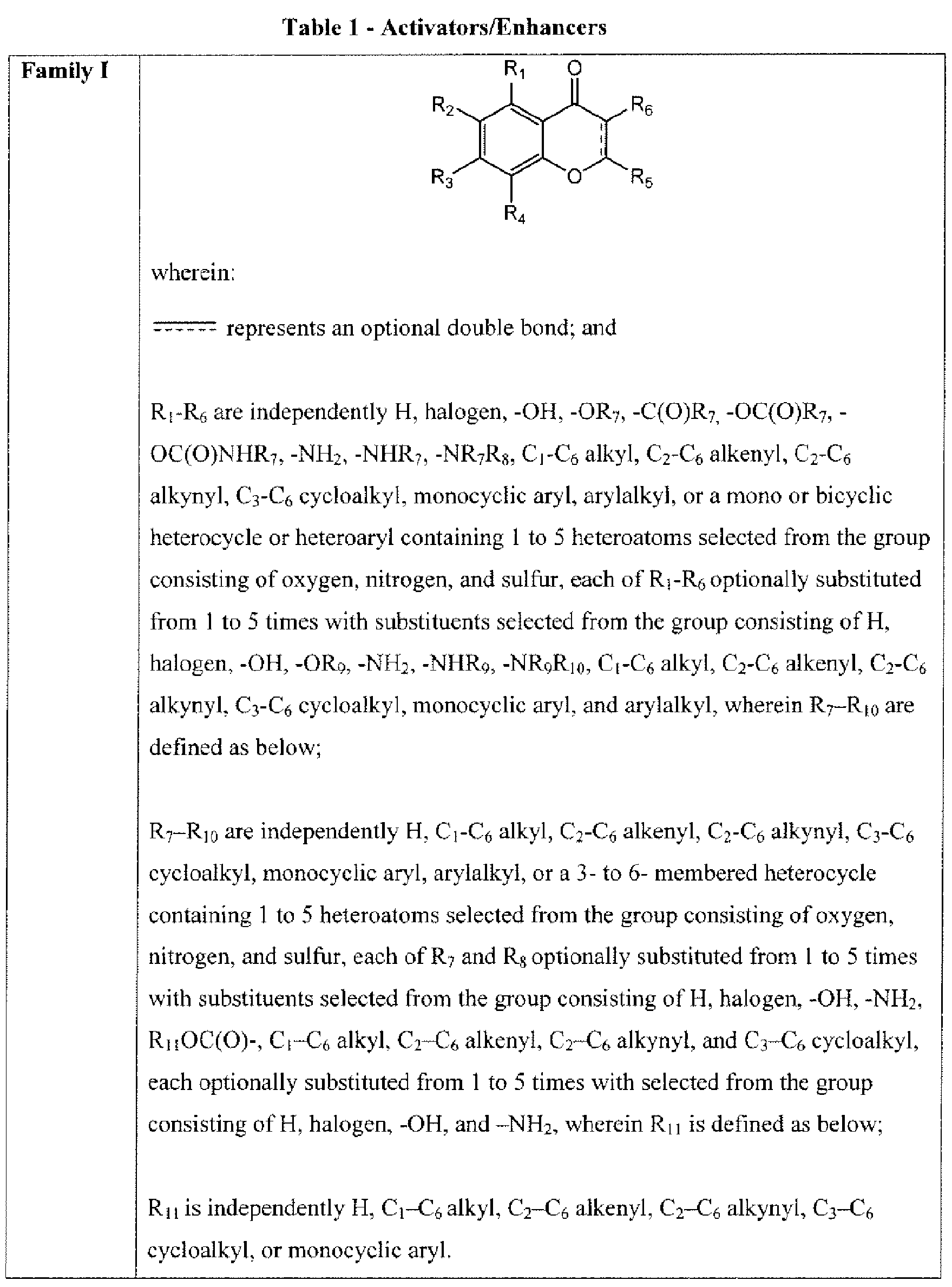

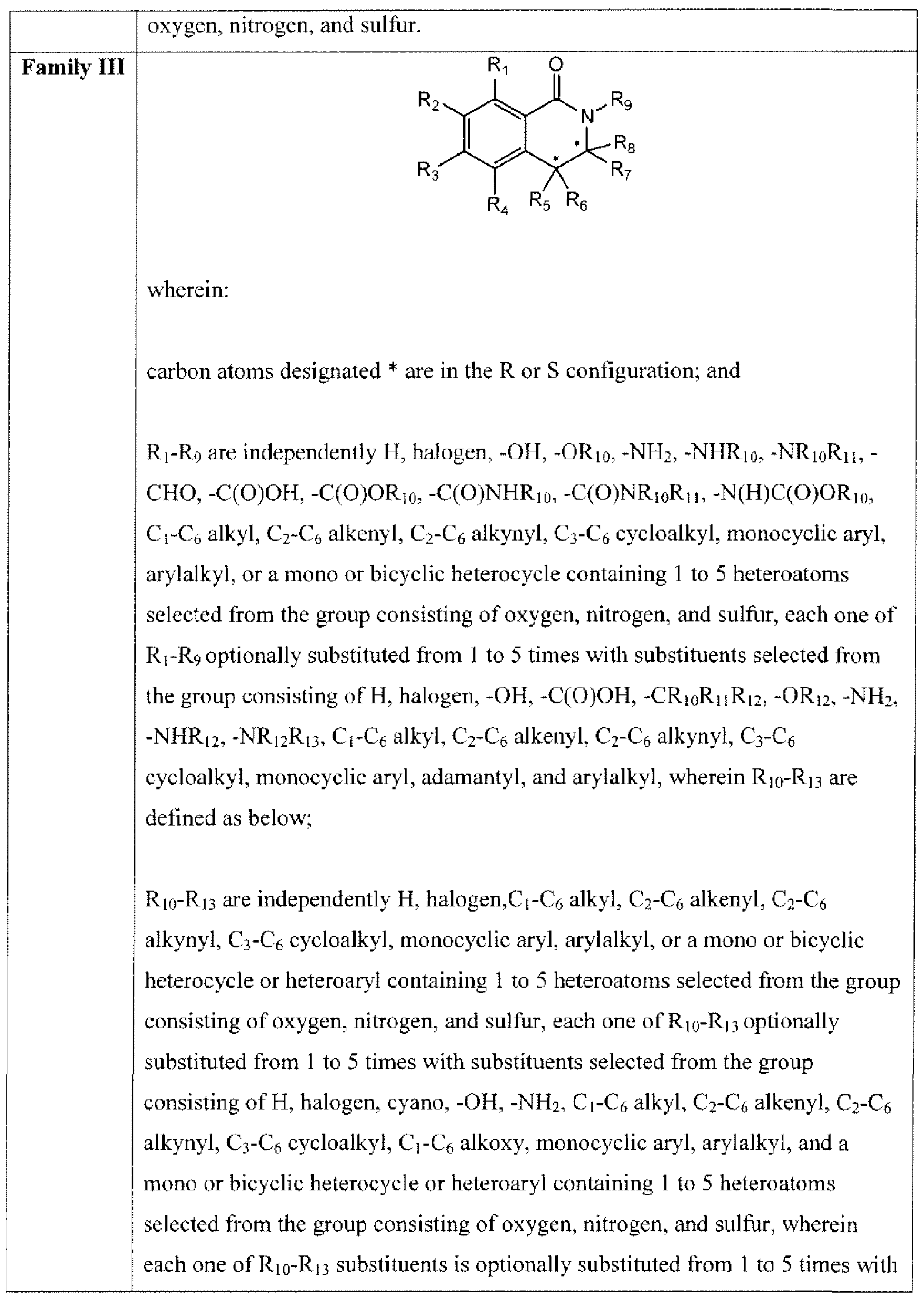

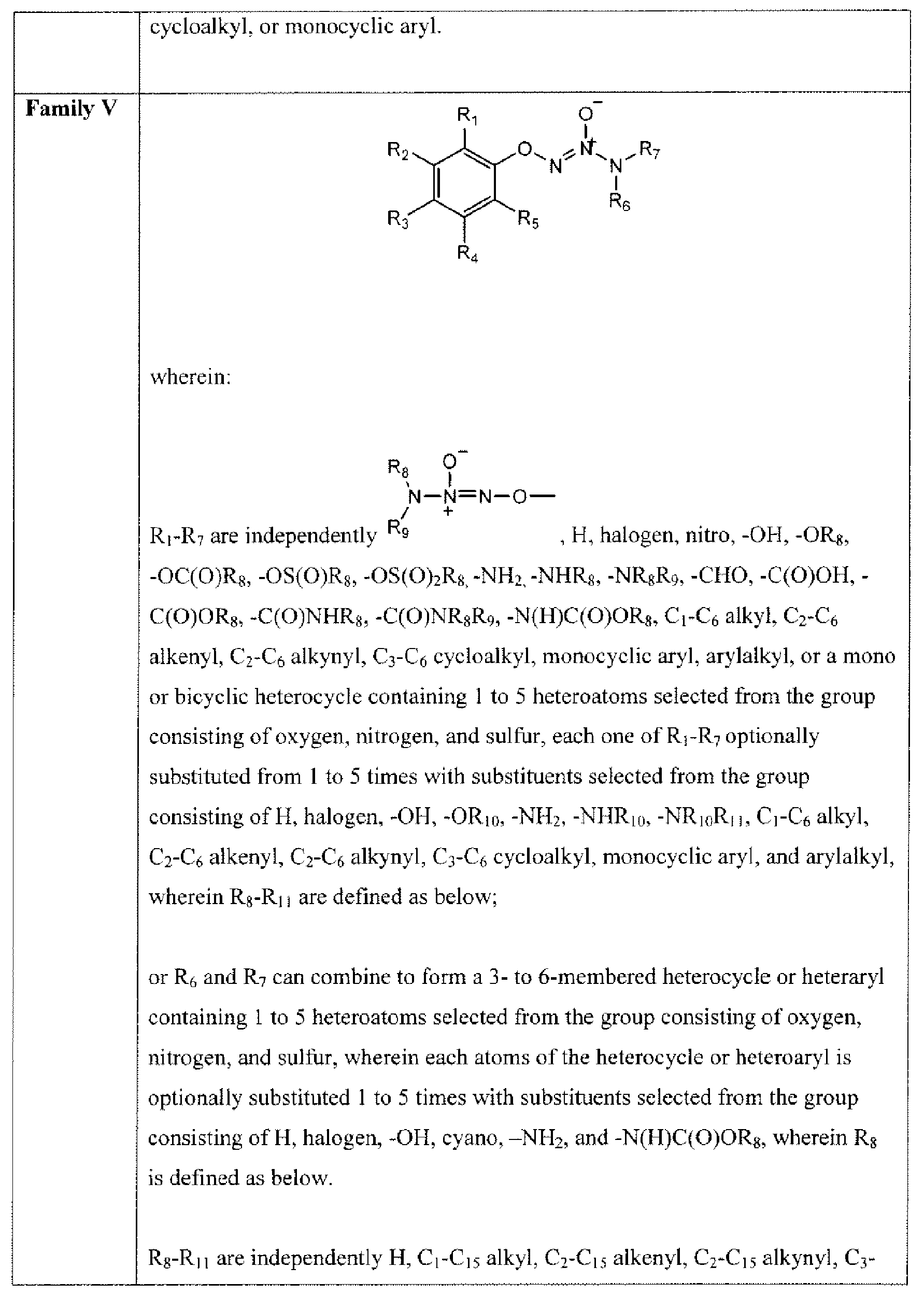
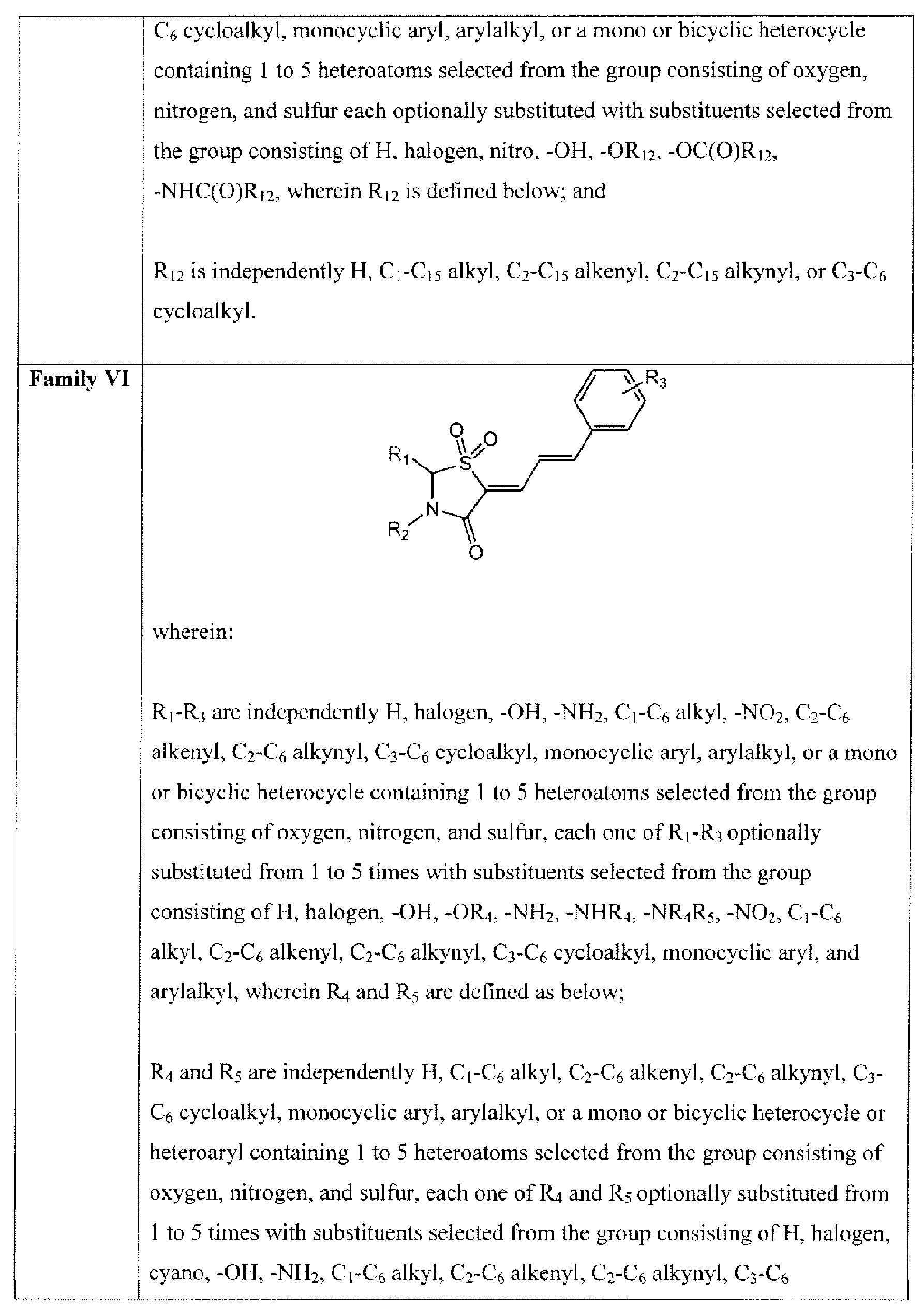


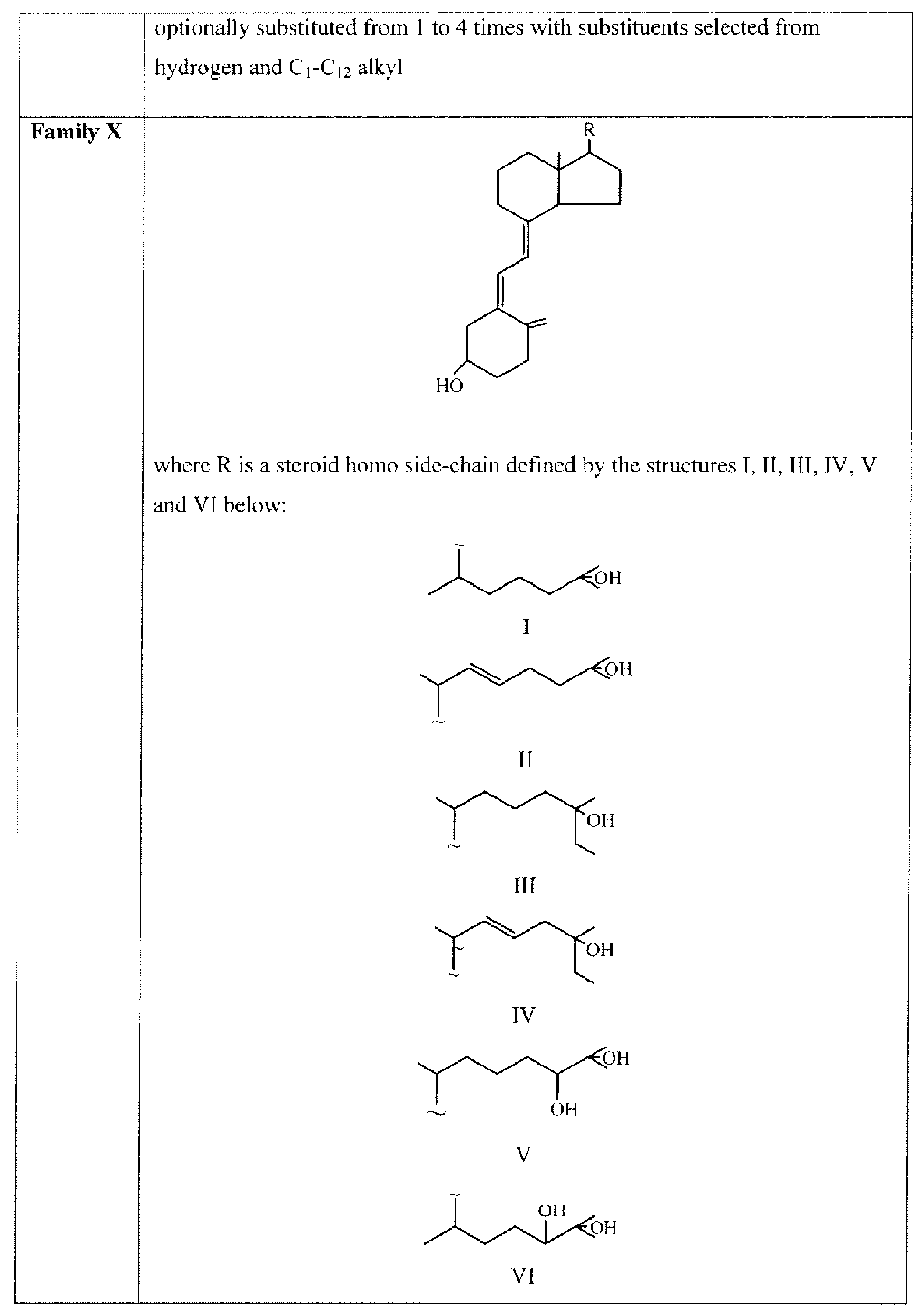

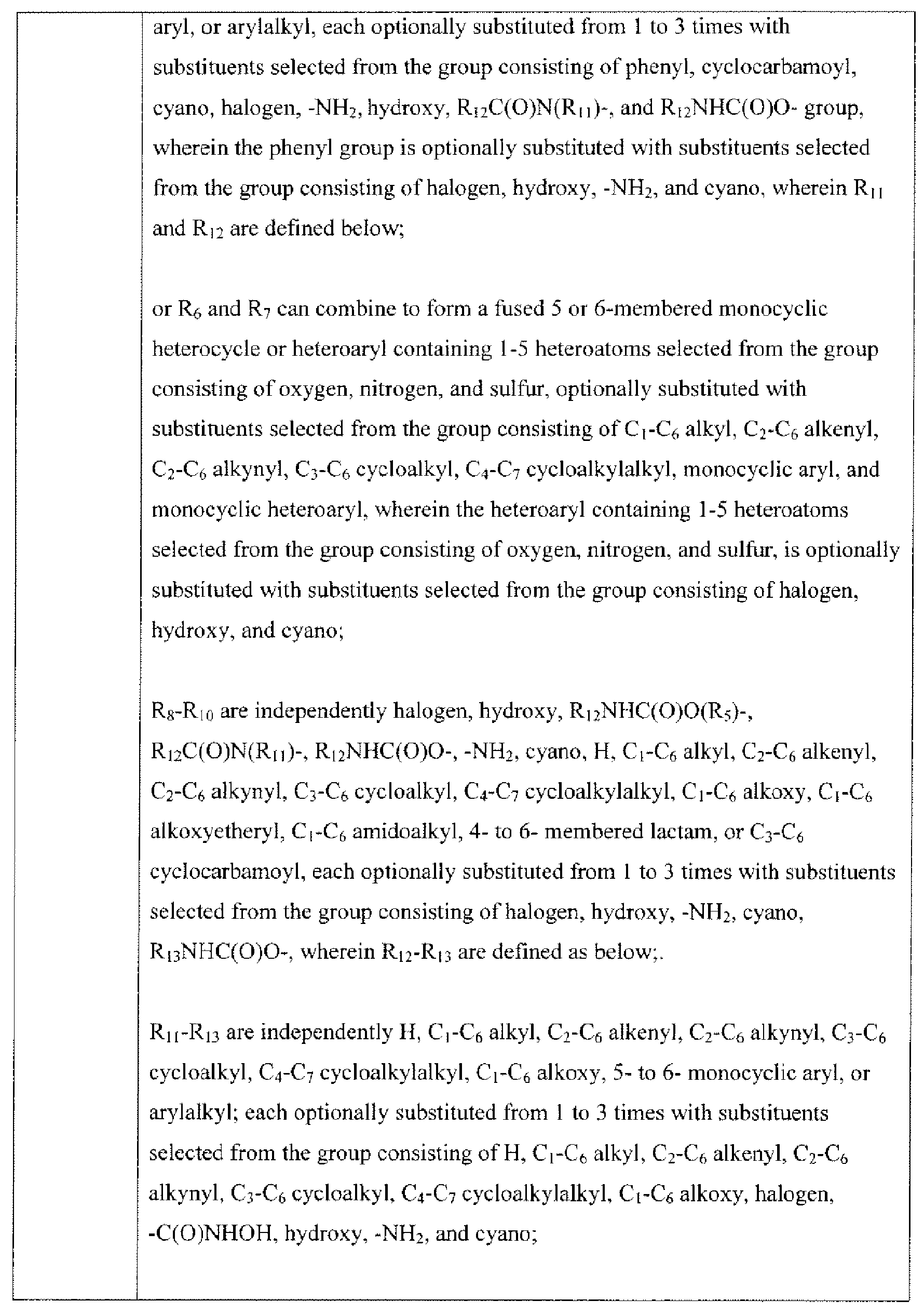


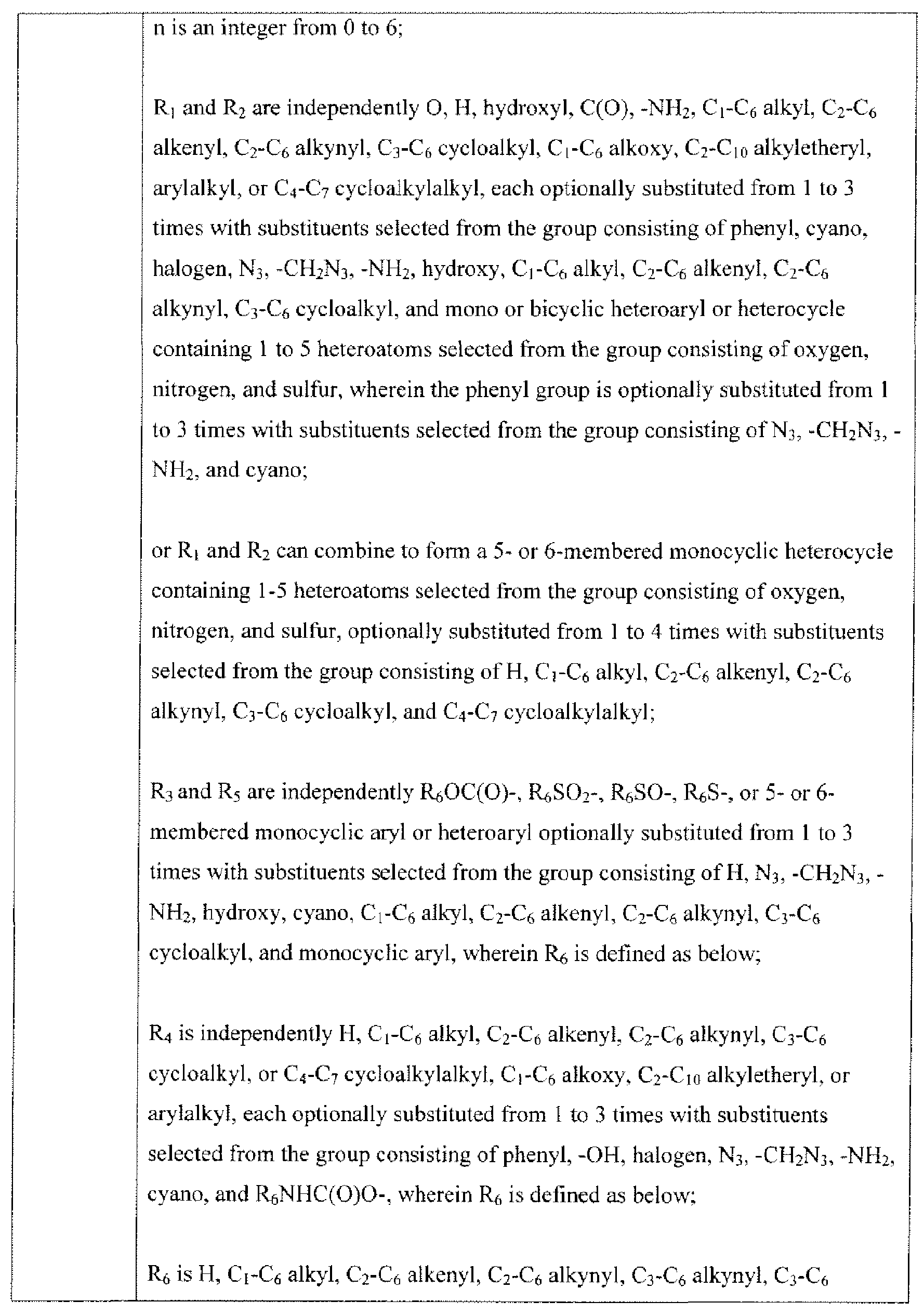
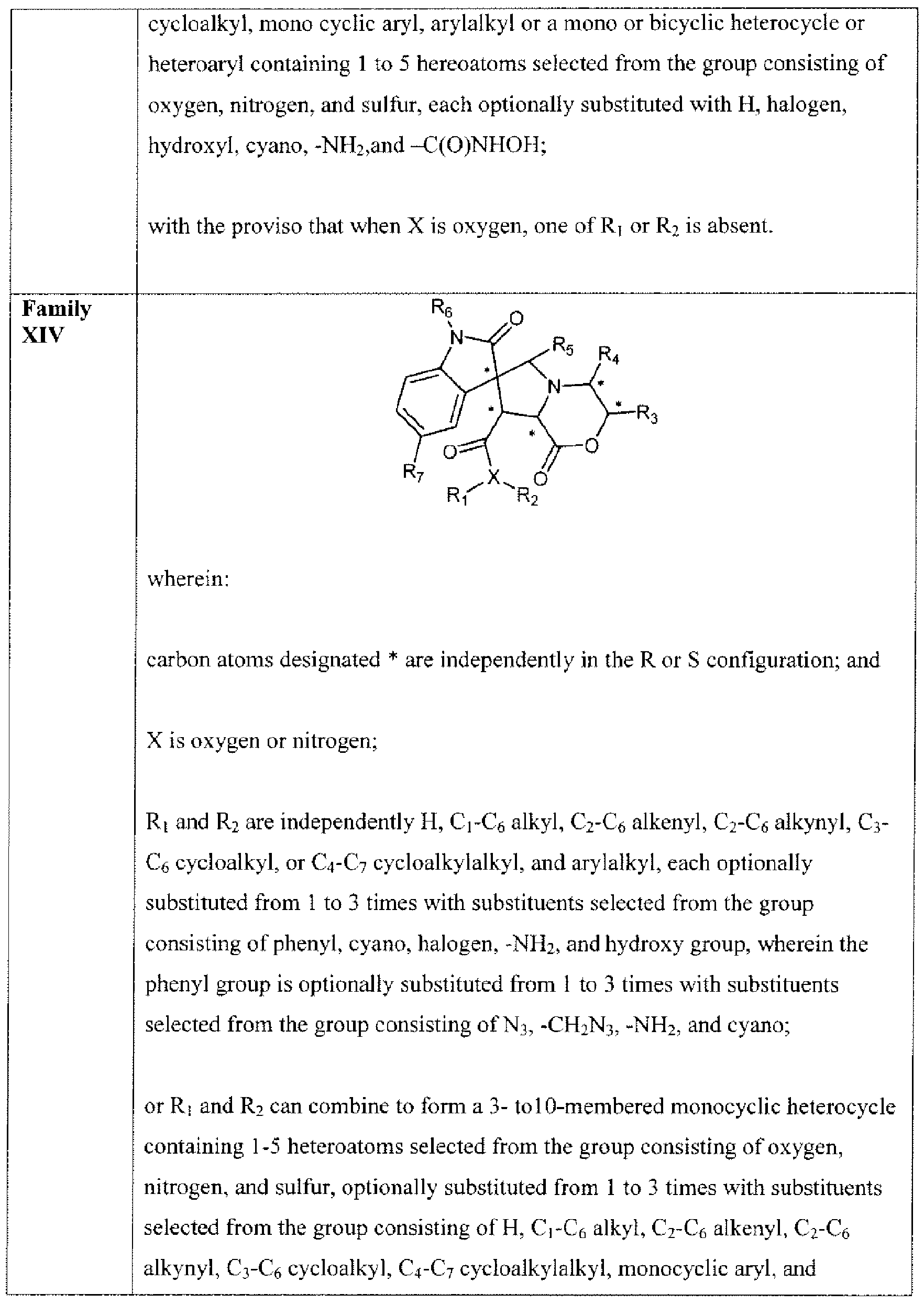

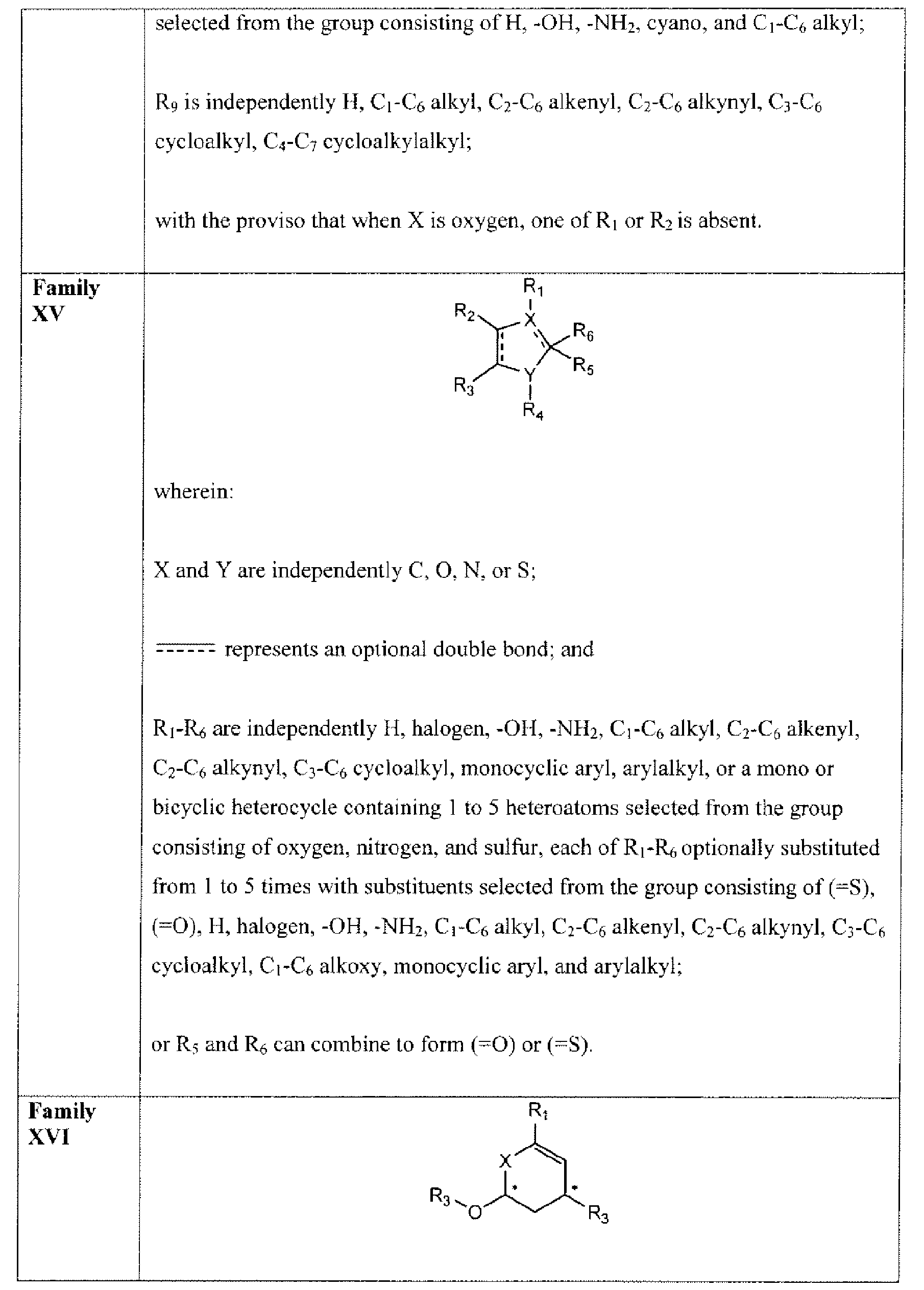

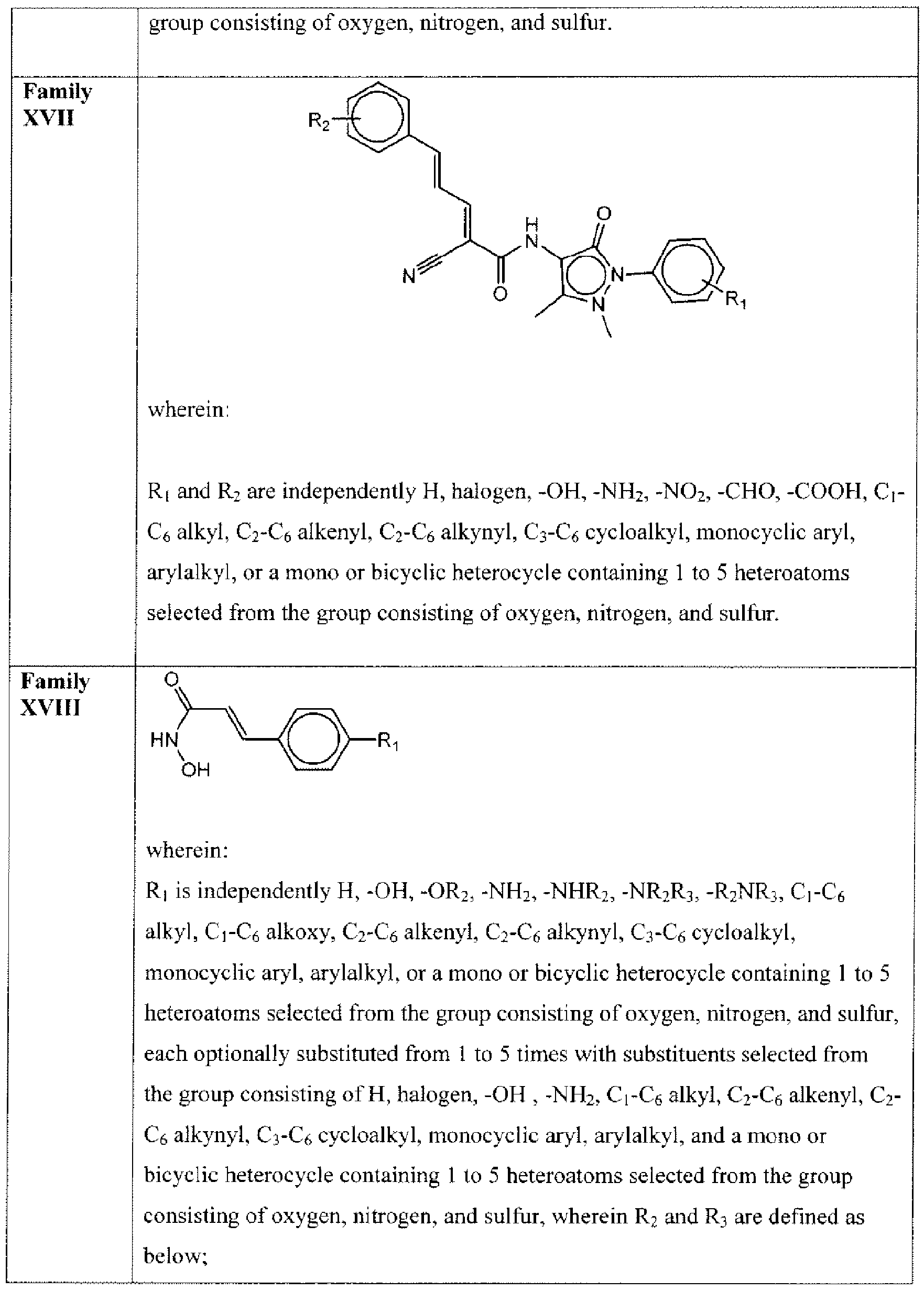

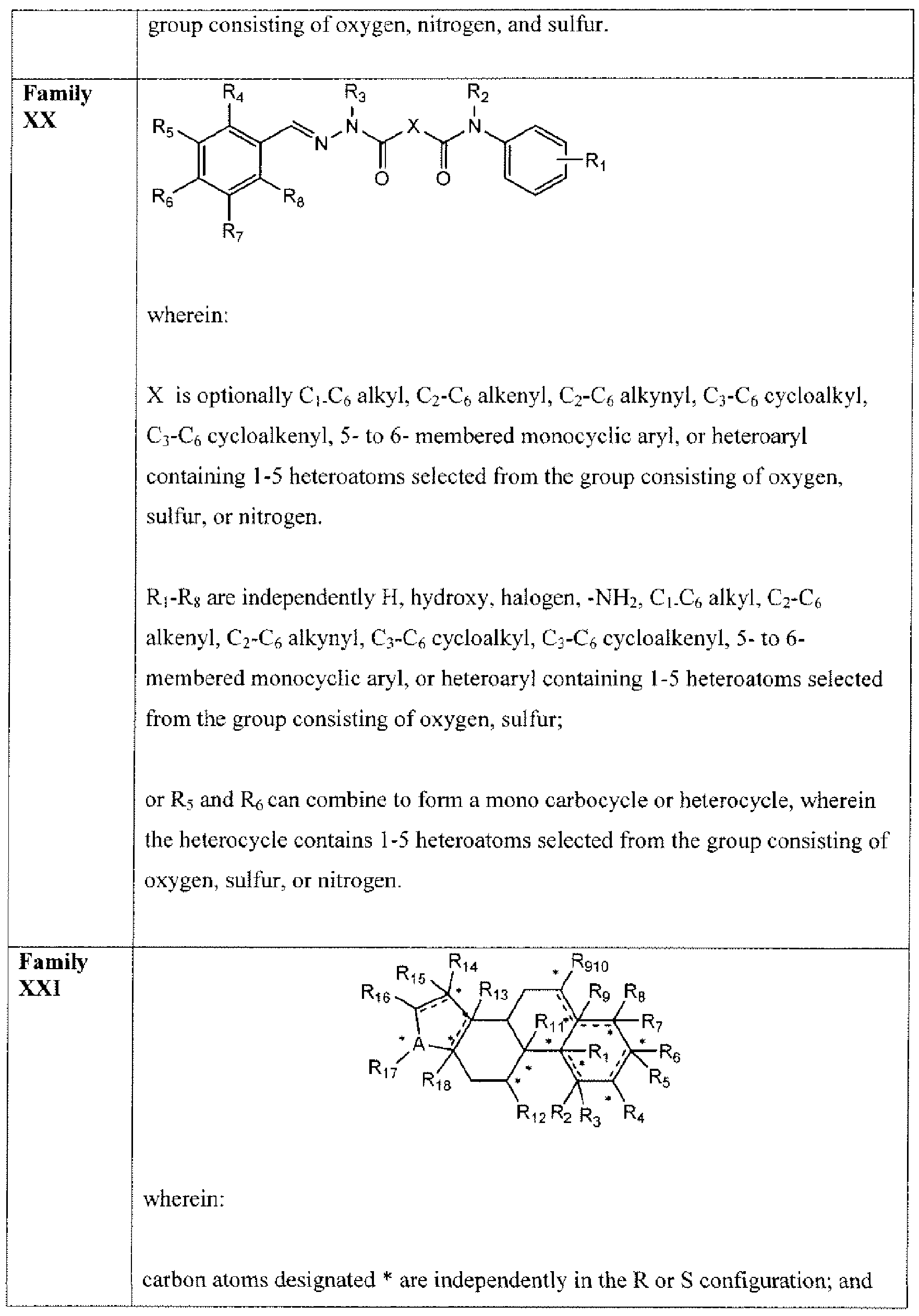


Suitable compounds of Family I have the following structures
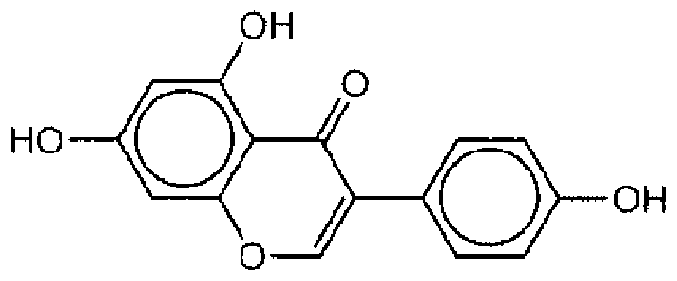
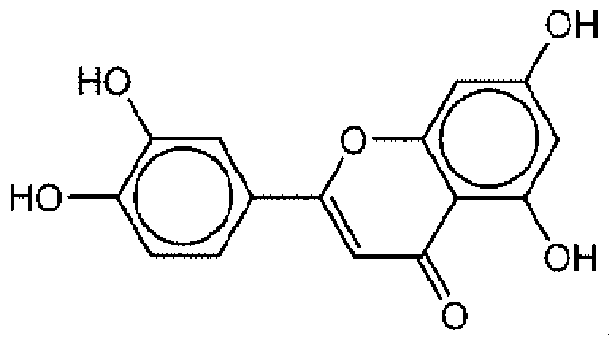


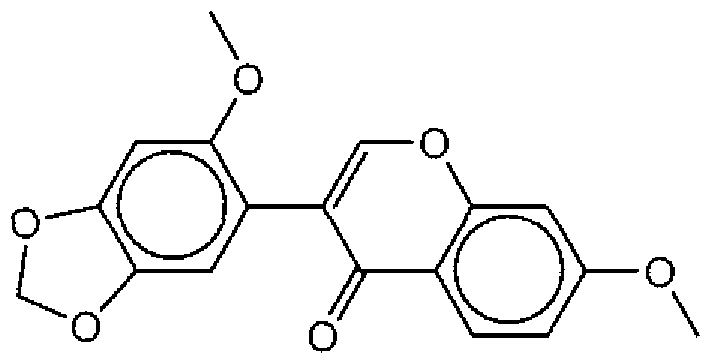


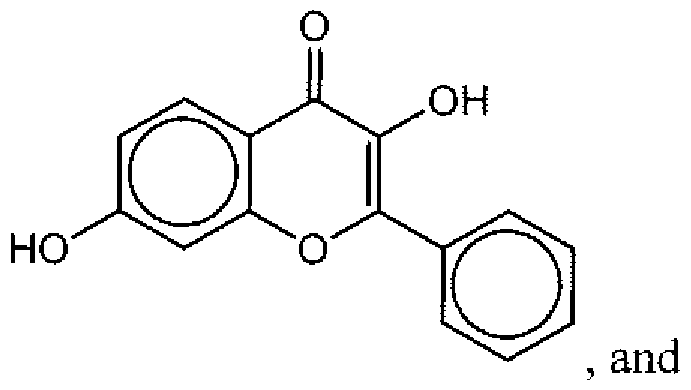

[0021] Suitable compounds of Family Il have the following structures:


10
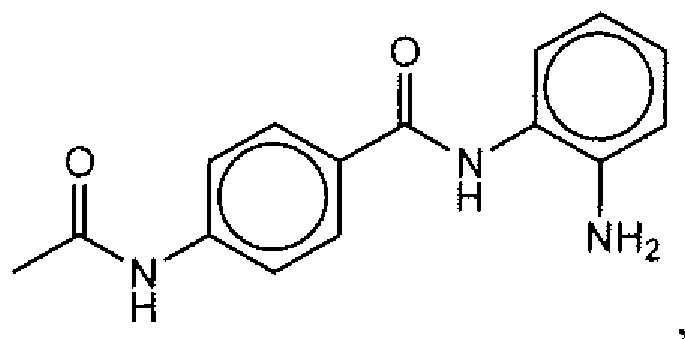
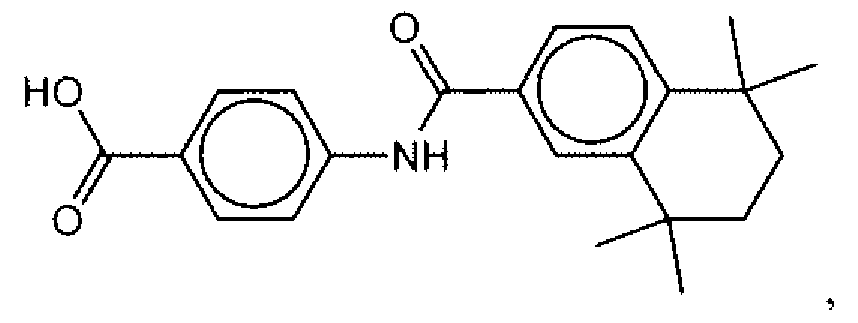

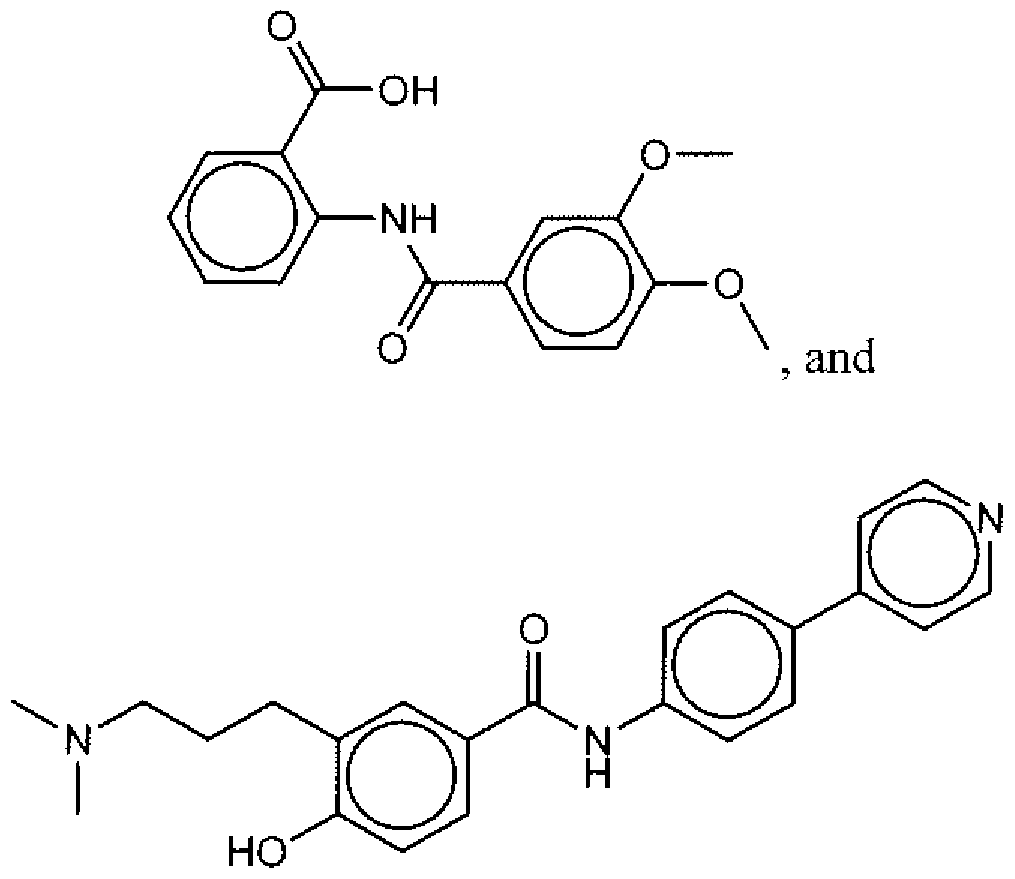
10
[0022] Suitable compounds of Family III have the following structures:
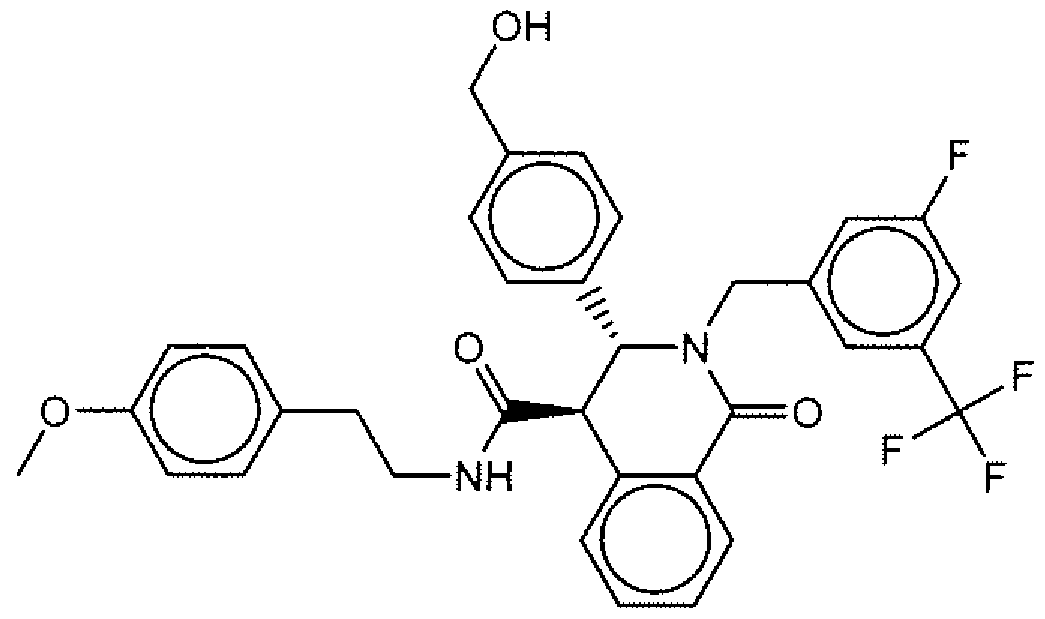
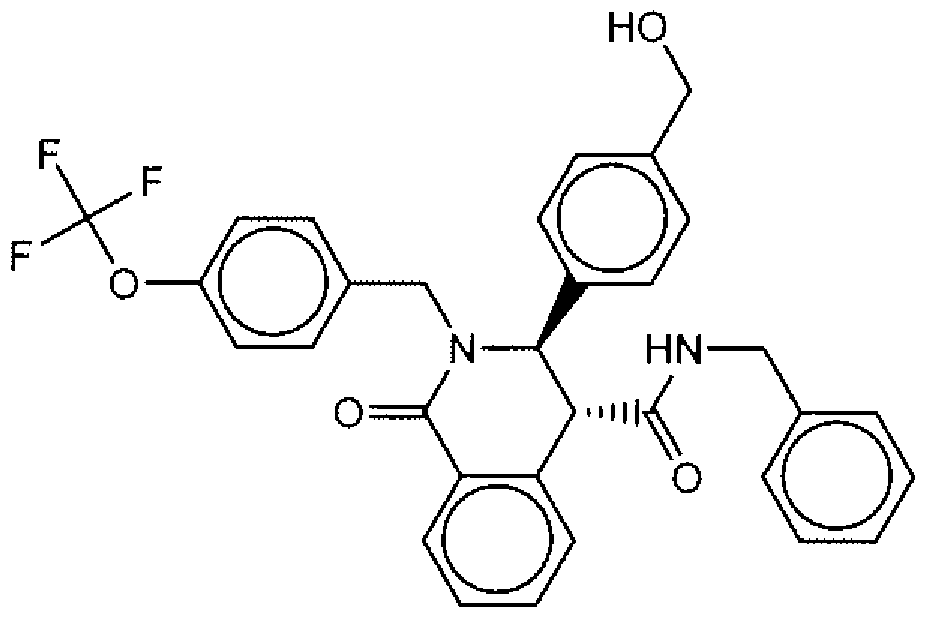

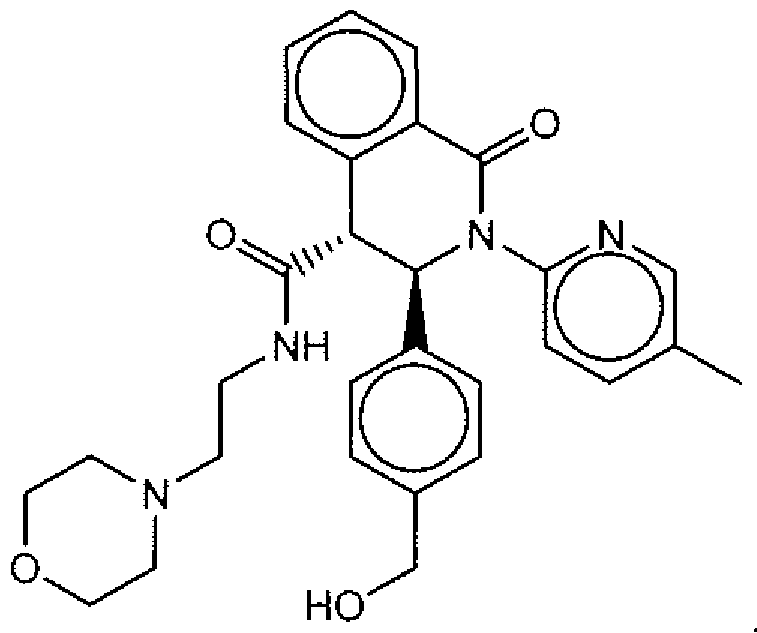
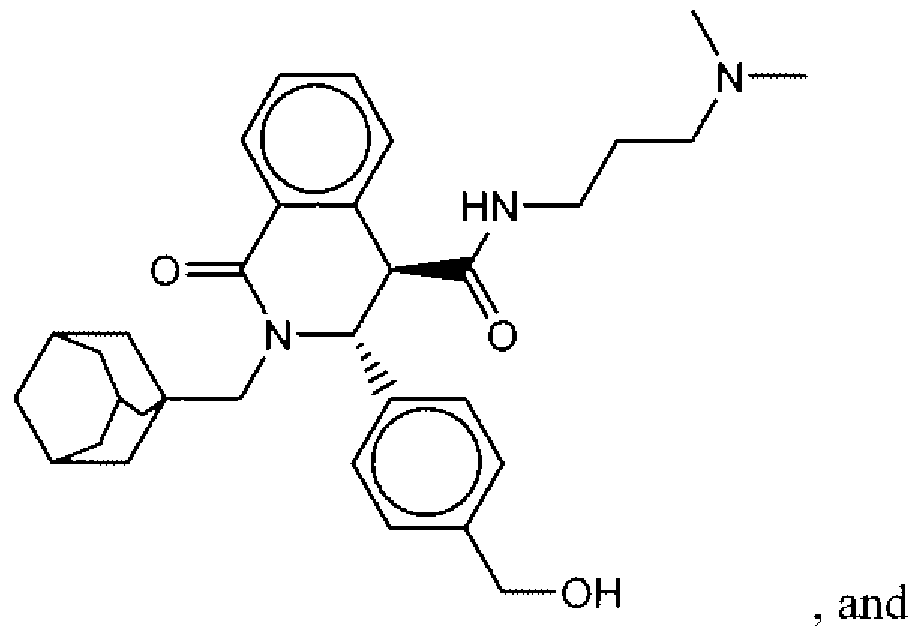
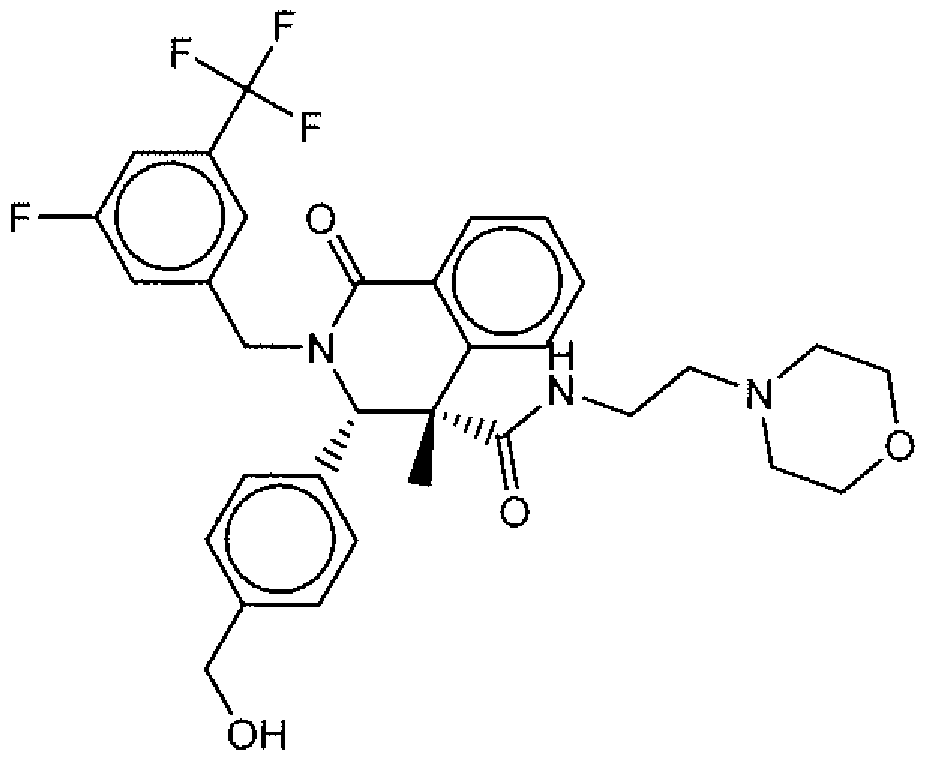
[0023] Example of suitable compounds of Family IV have the following structures:


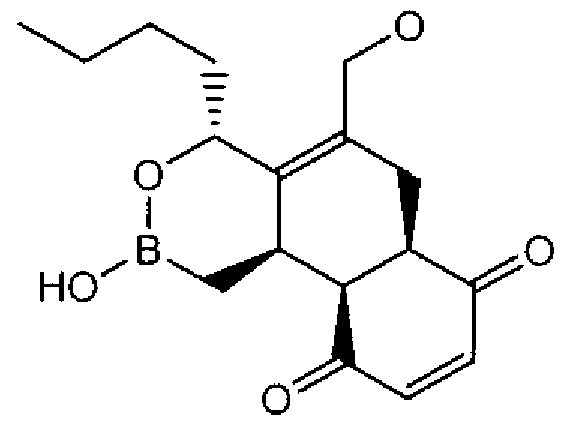
[0024] Suitable compounds of Family V have the following structures:

10
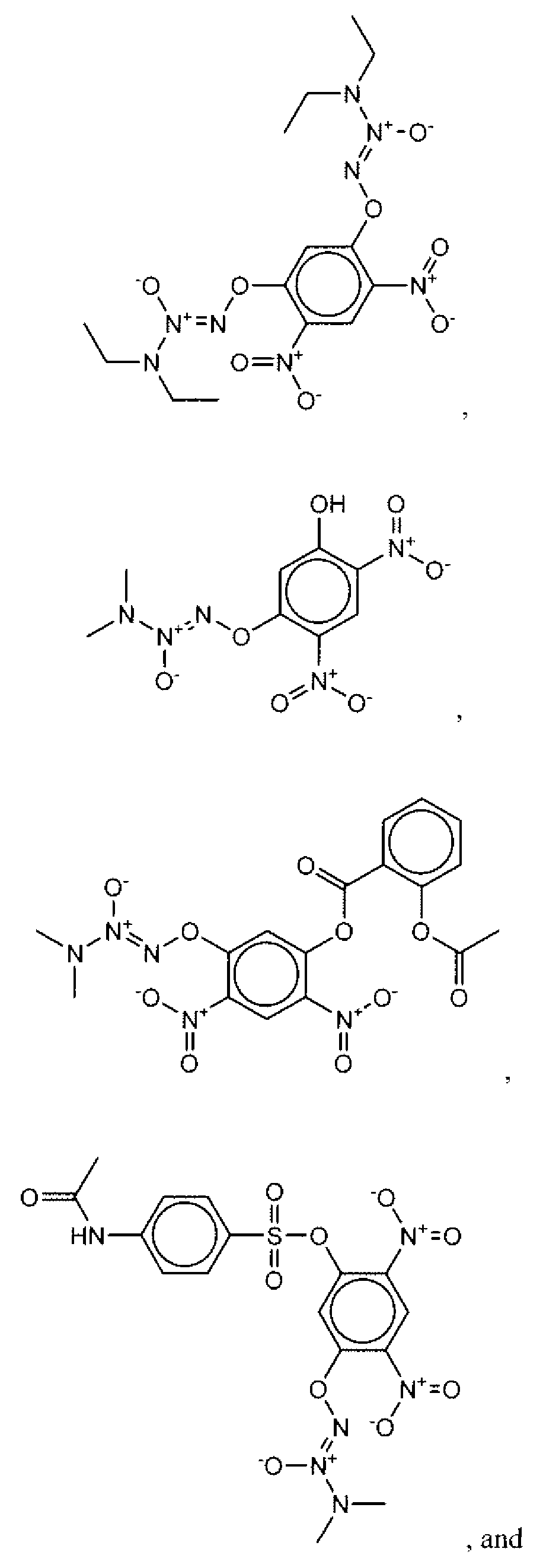
 Suitable compounds of Family VI have the following structures:
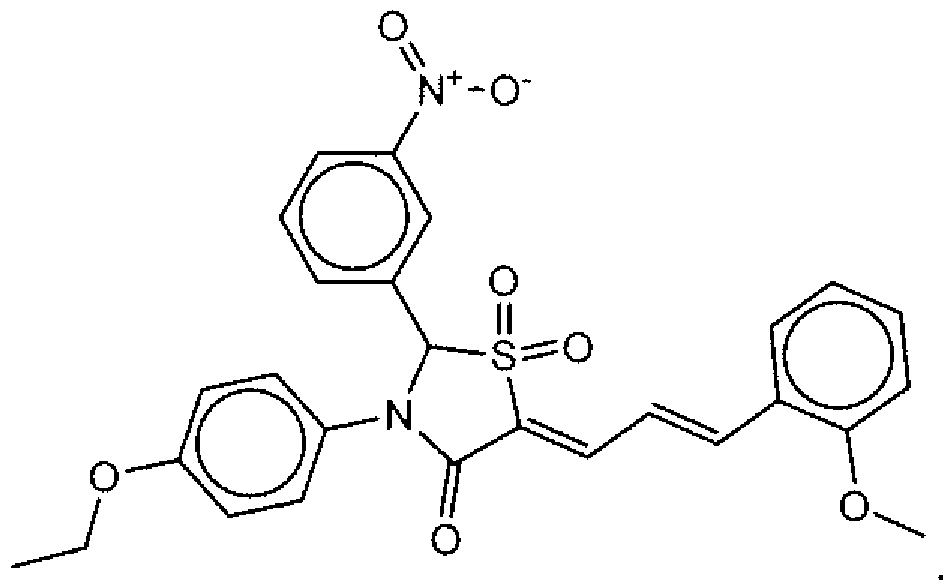
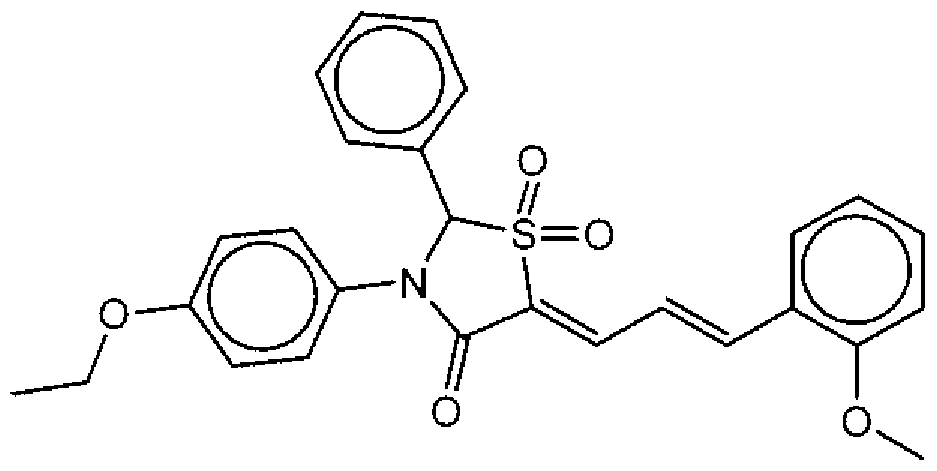

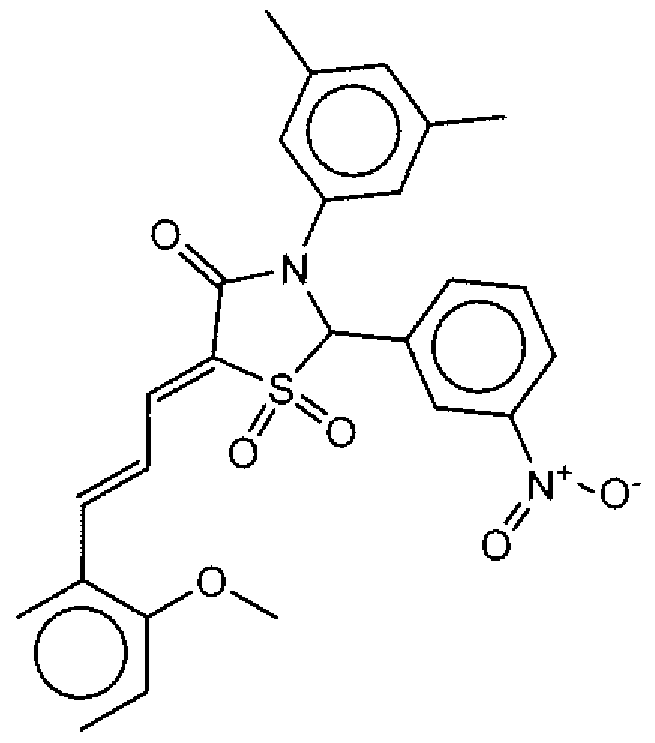

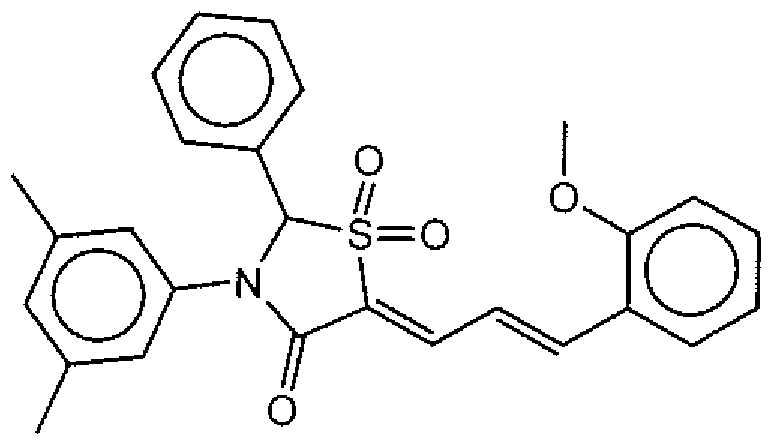
[0026] Suitable compounds of Family VII have the following structures:


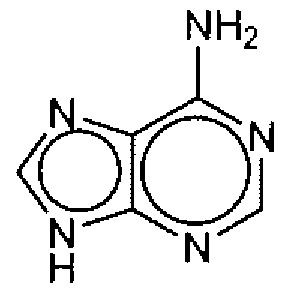
[0027J Suitable compounds of Family VIII have the following structures:

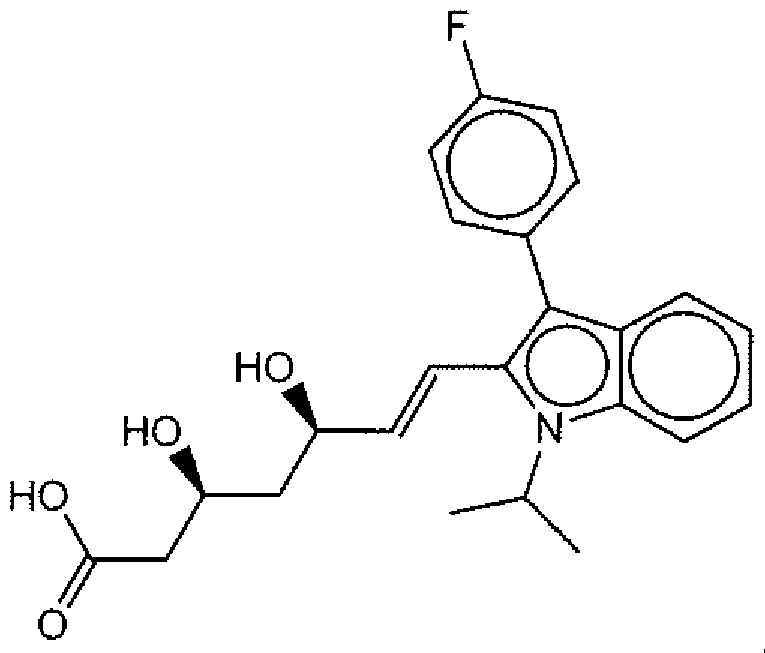


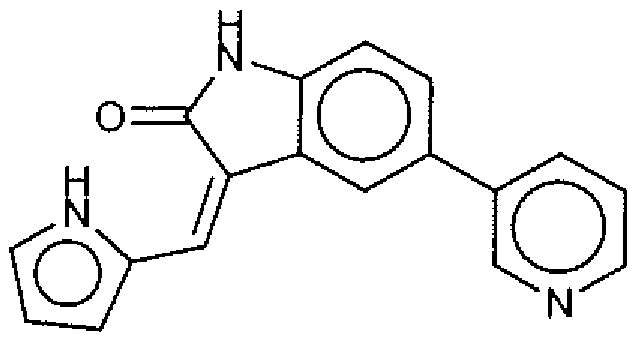
[0028] Suitable compounds of Family IX have the following structures:
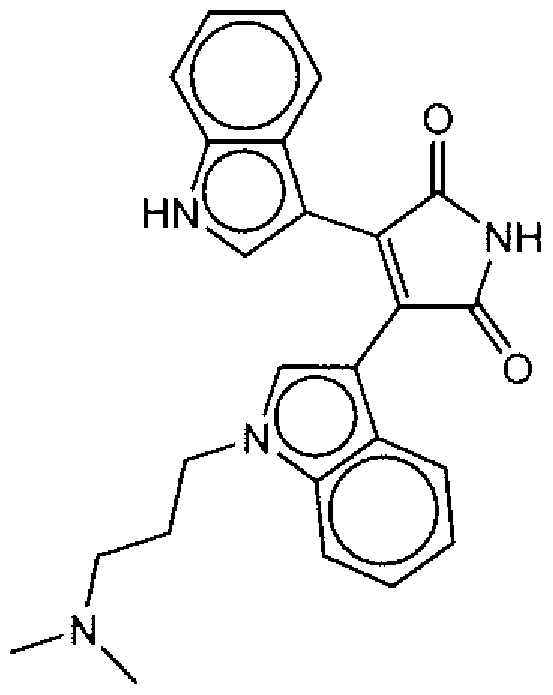
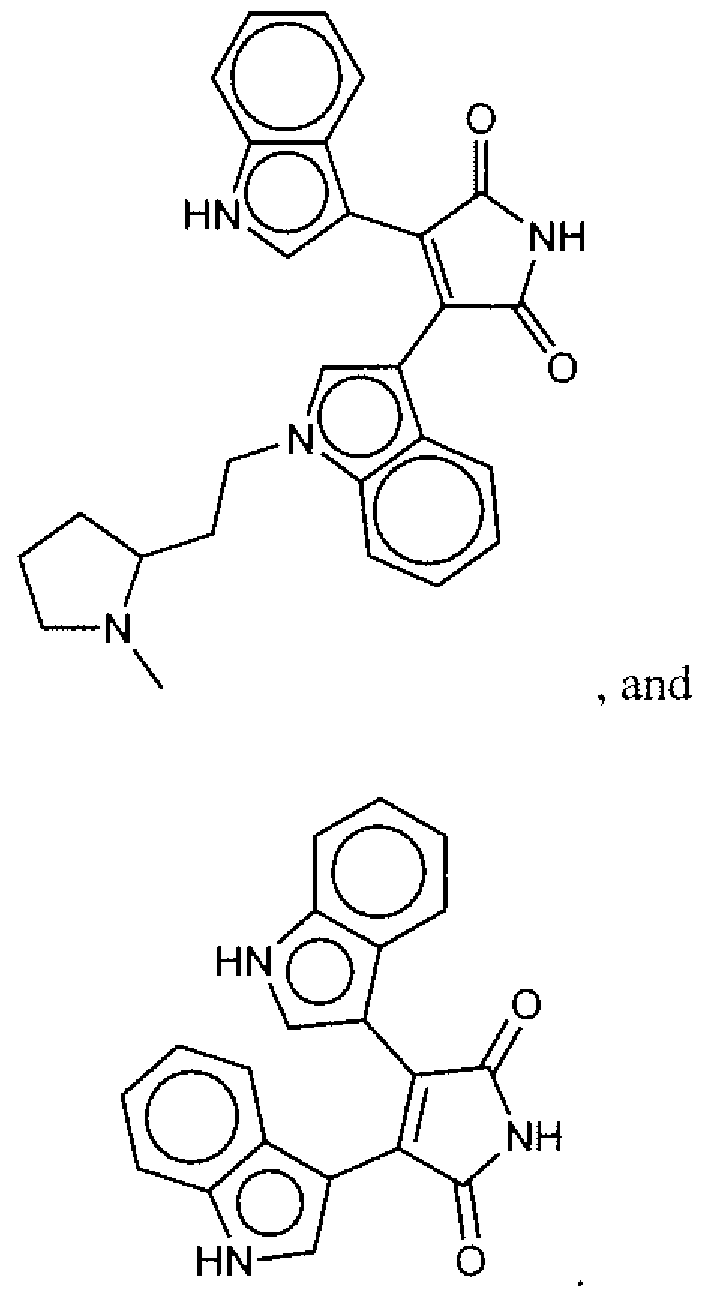
[0029] Suitable compounds of Family X have the following structures:

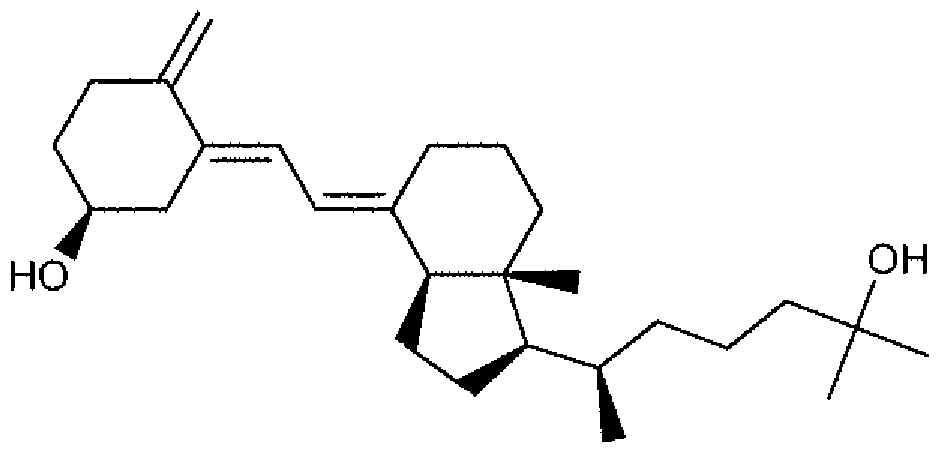
[0030] Suitable compounds of Family XI have the following structures:


[0031] Suitable compounds of Family XII have the following structures:
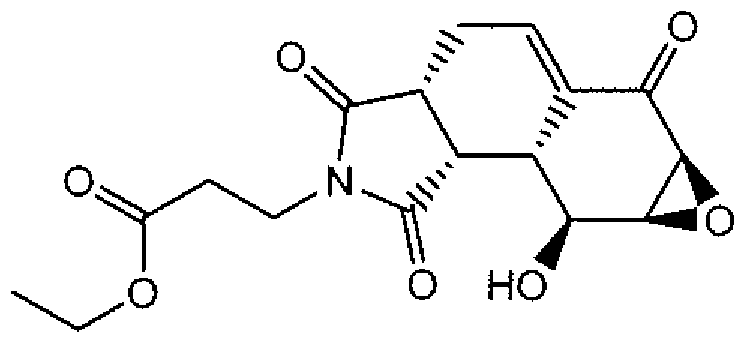


10
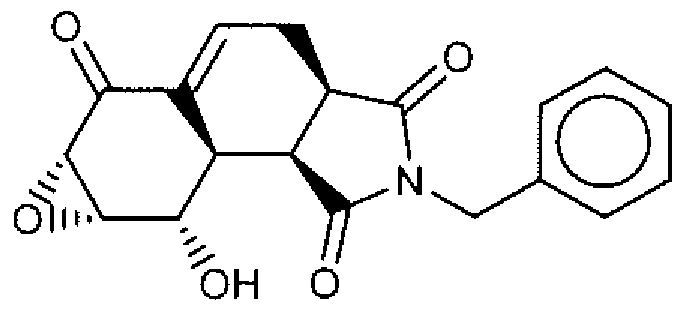
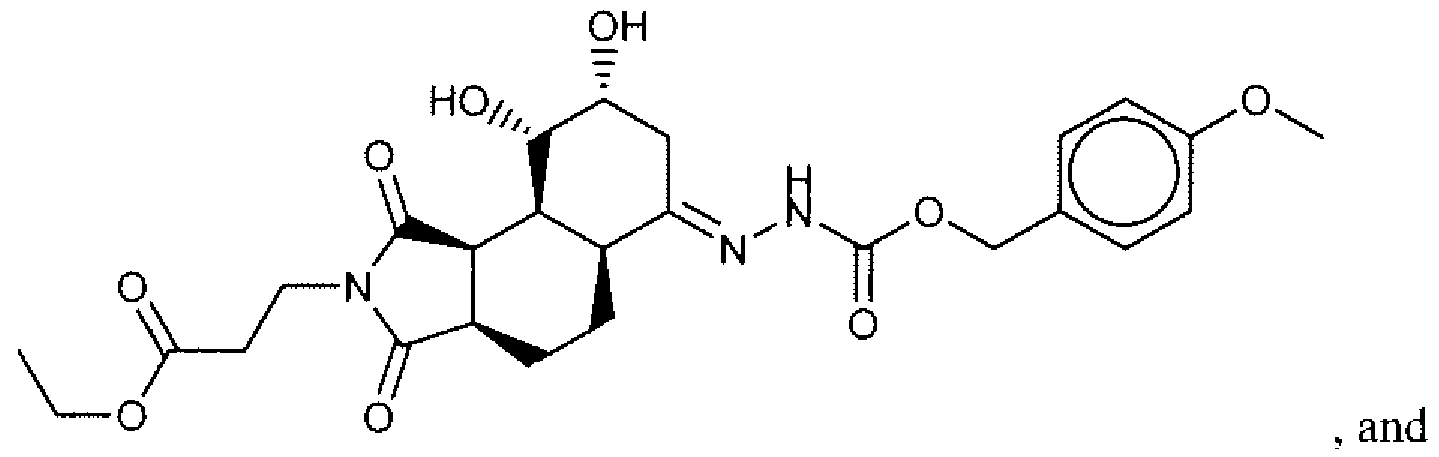

|0032] Suitable compounds of Family XIII have the following structures:
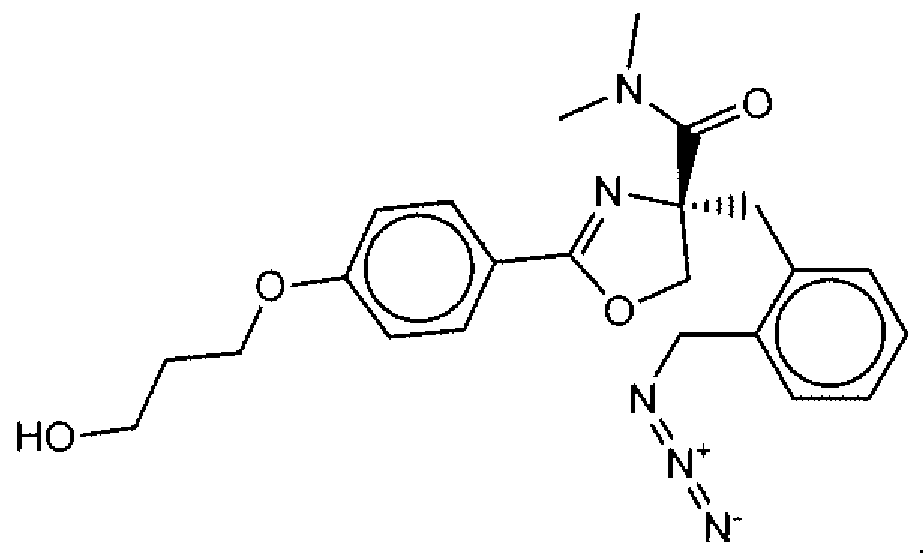

10


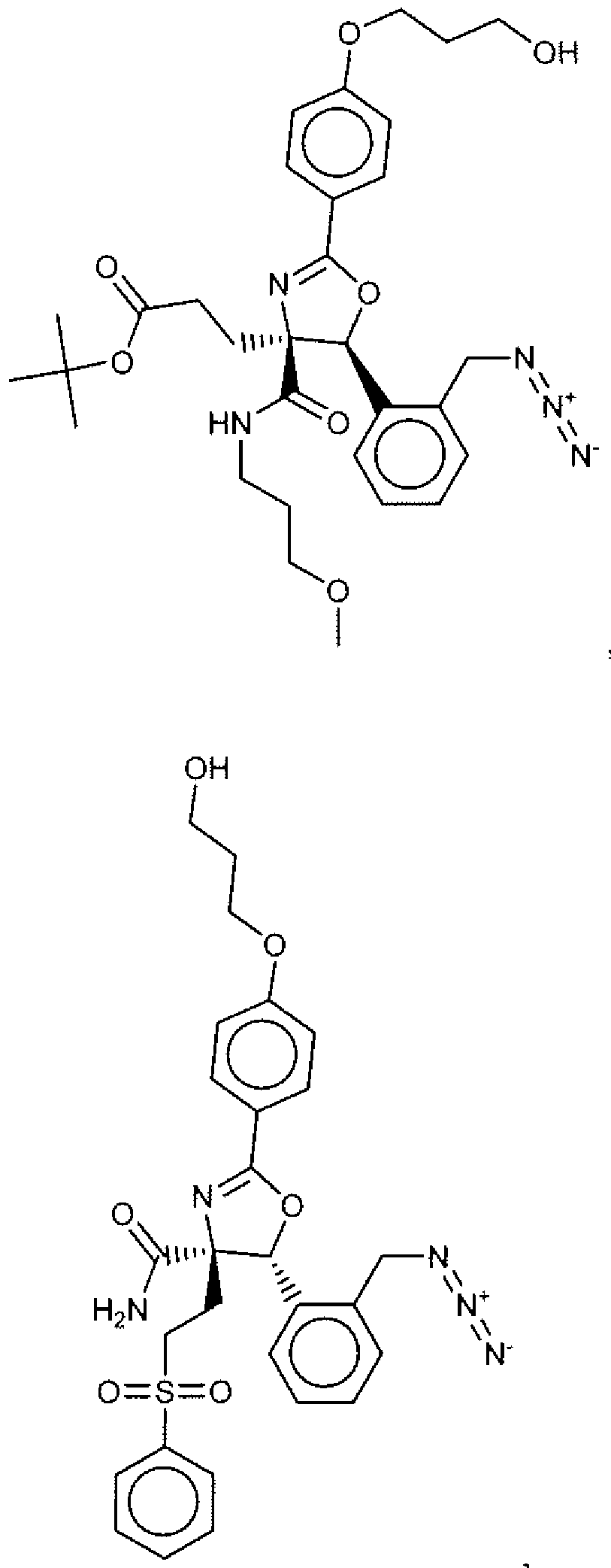


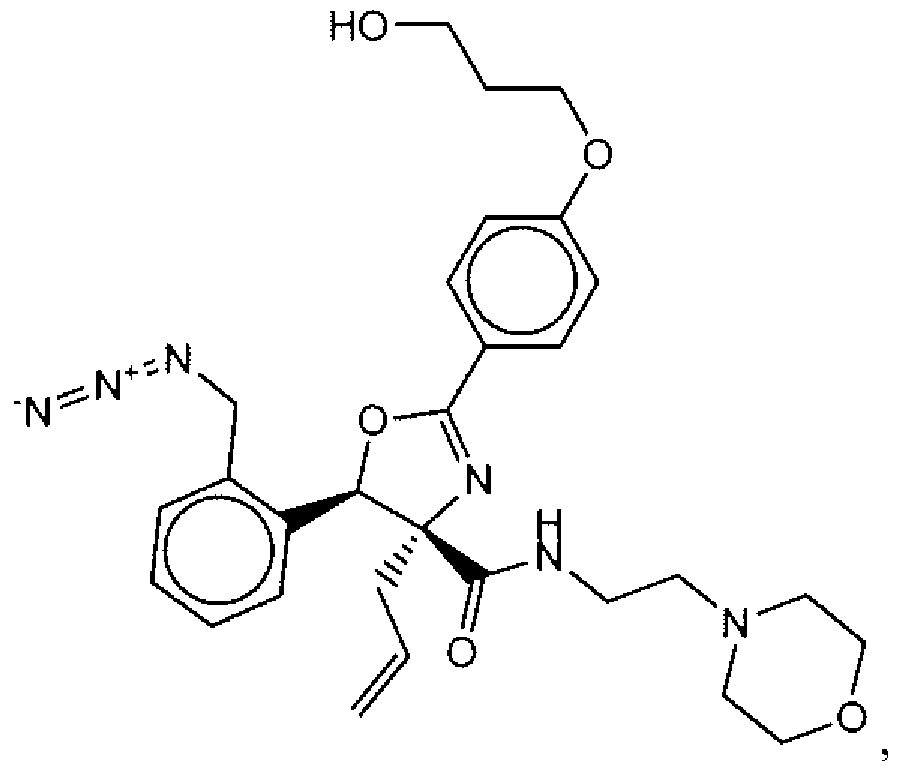
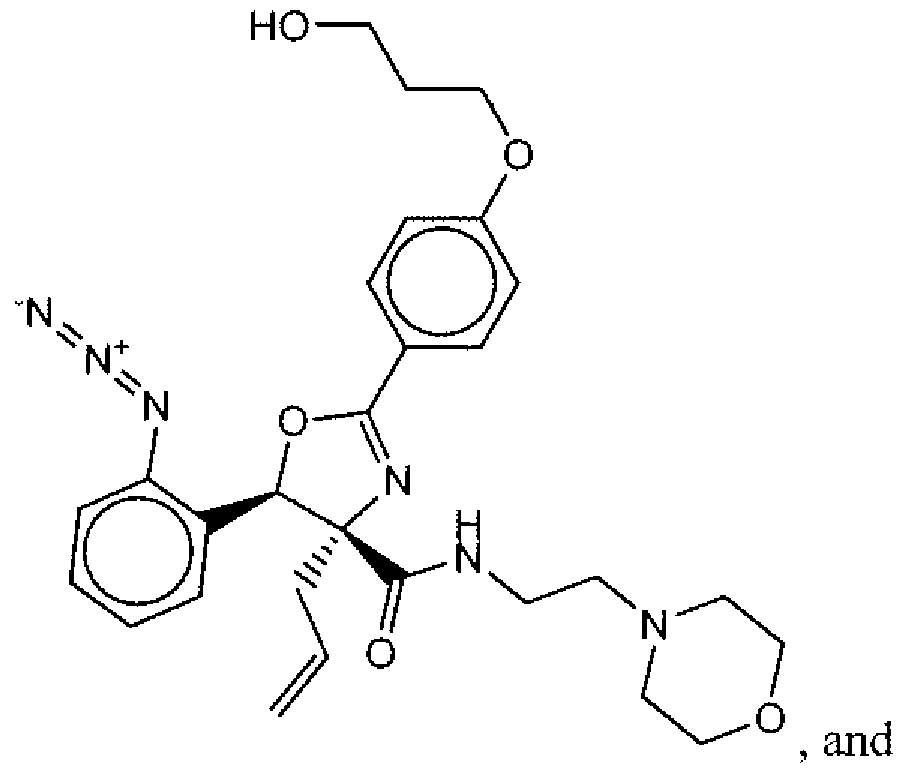
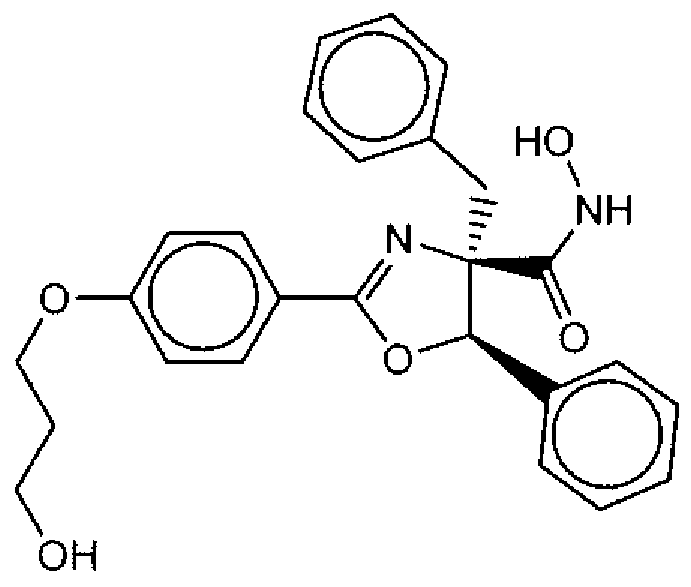
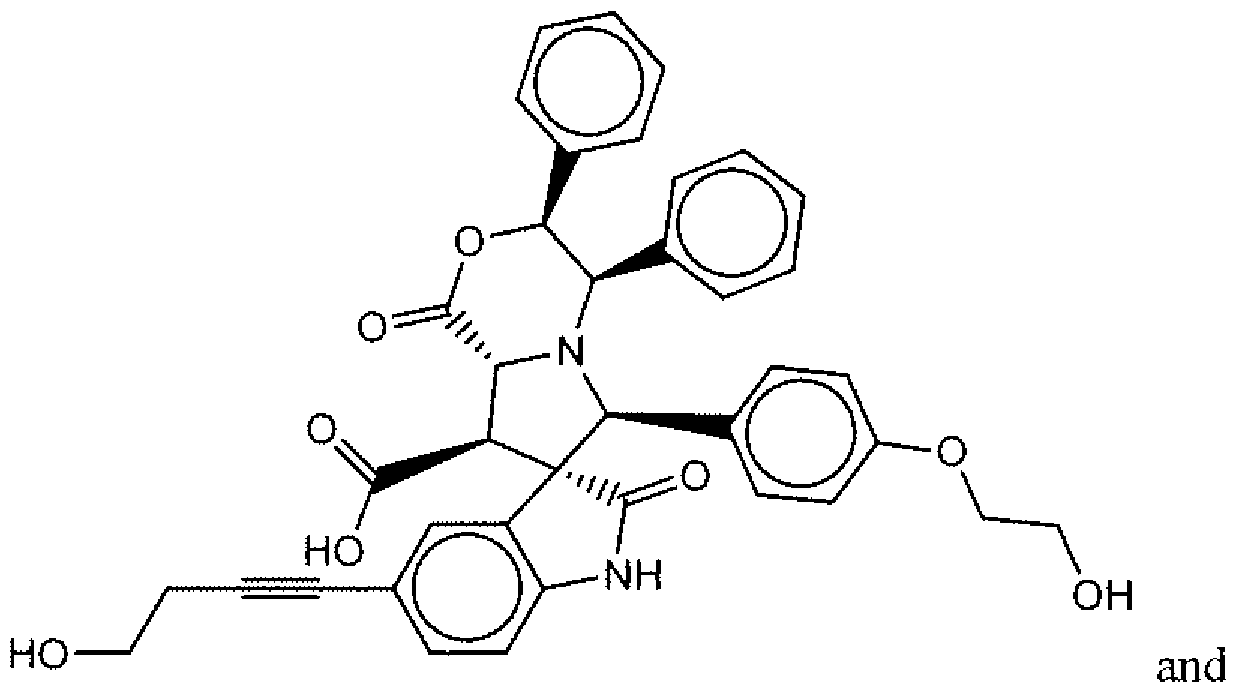
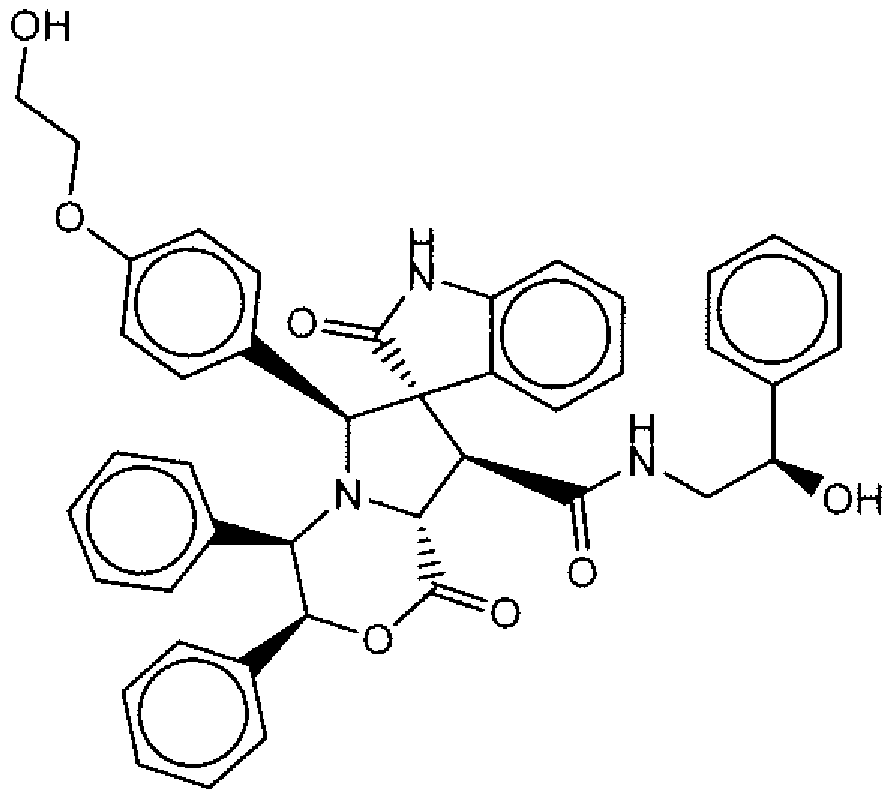
[0034] Suitable compounds of Family XV have the following structures:


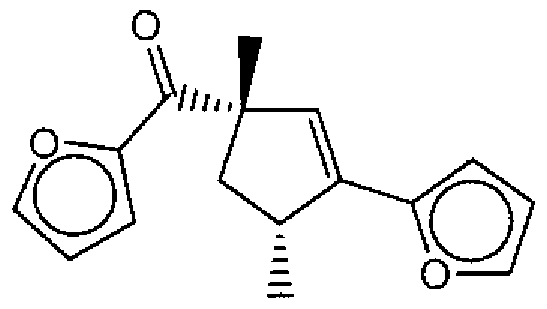
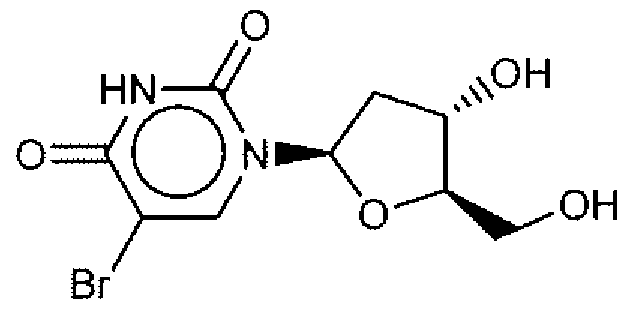

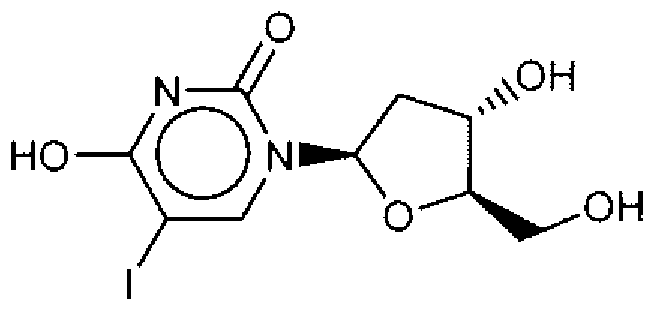
[0035] Suitable compounds of Family XVI have the following structures:


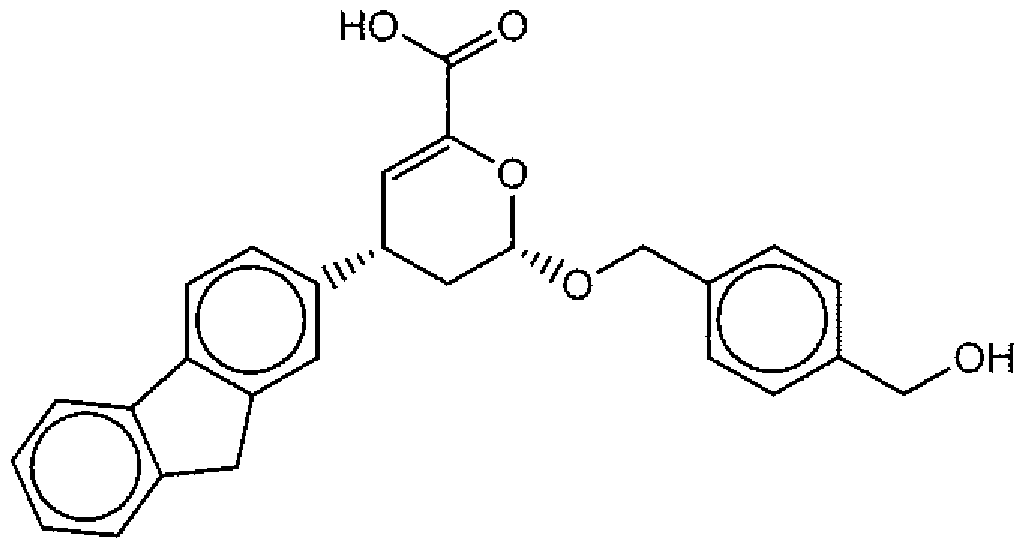


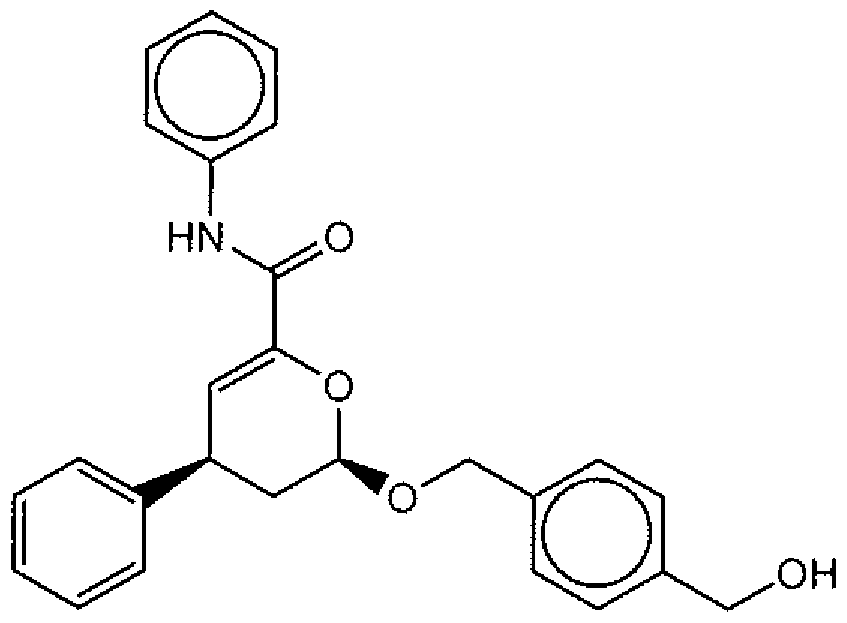
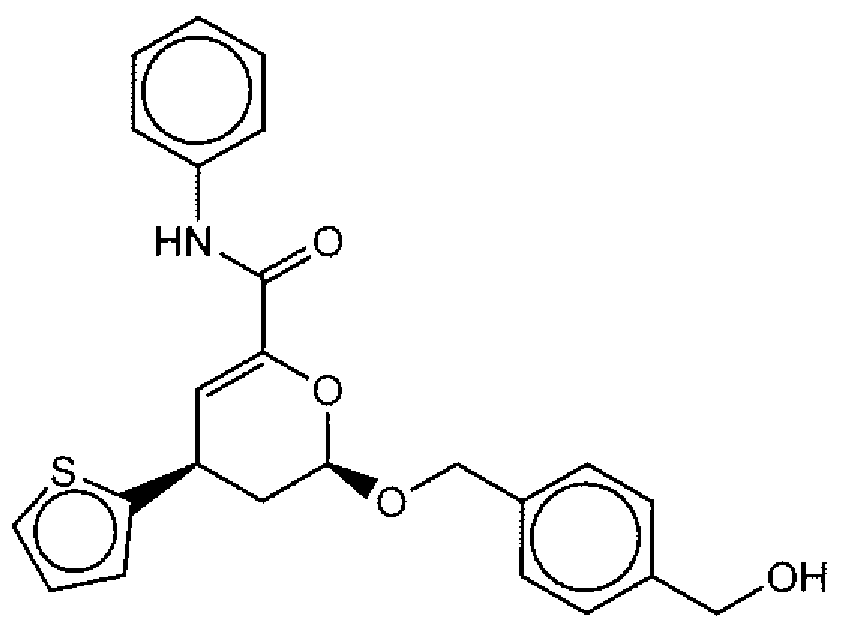


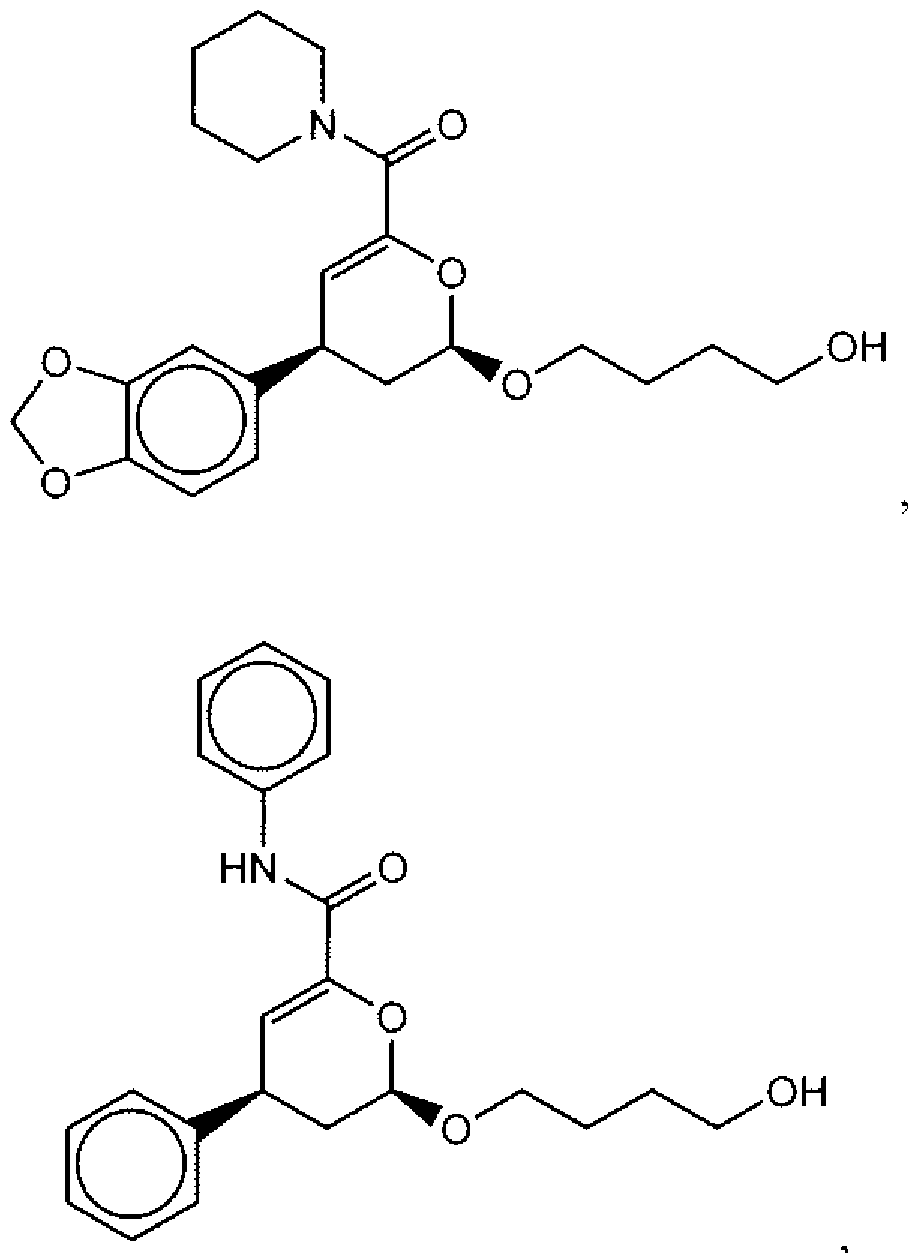
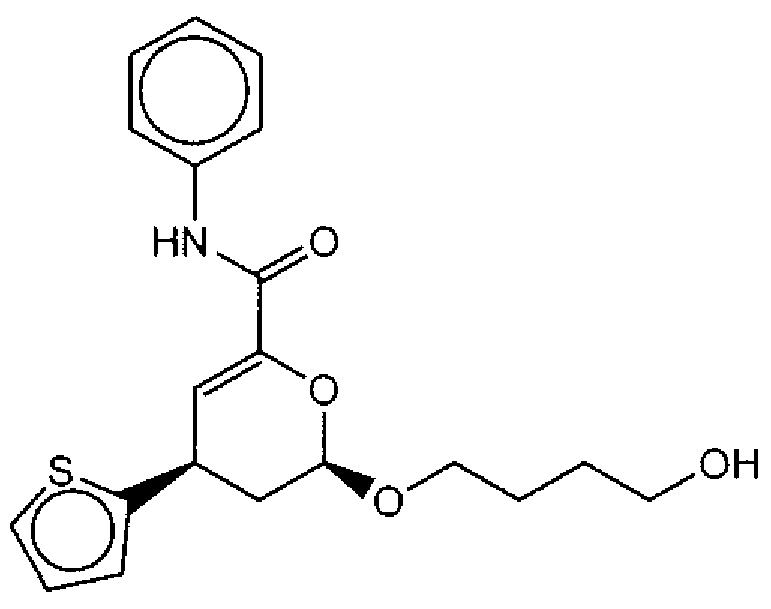
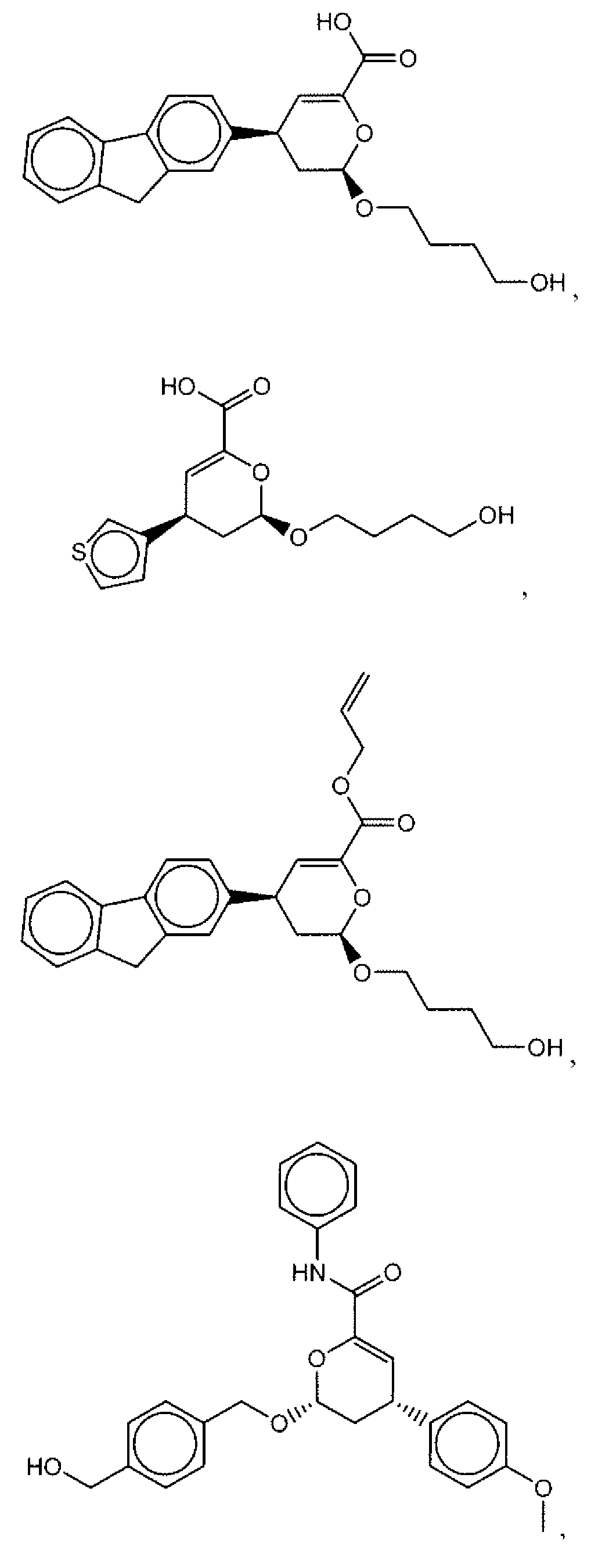


[0036] Suitable compounds of Family XVII have the following structures:

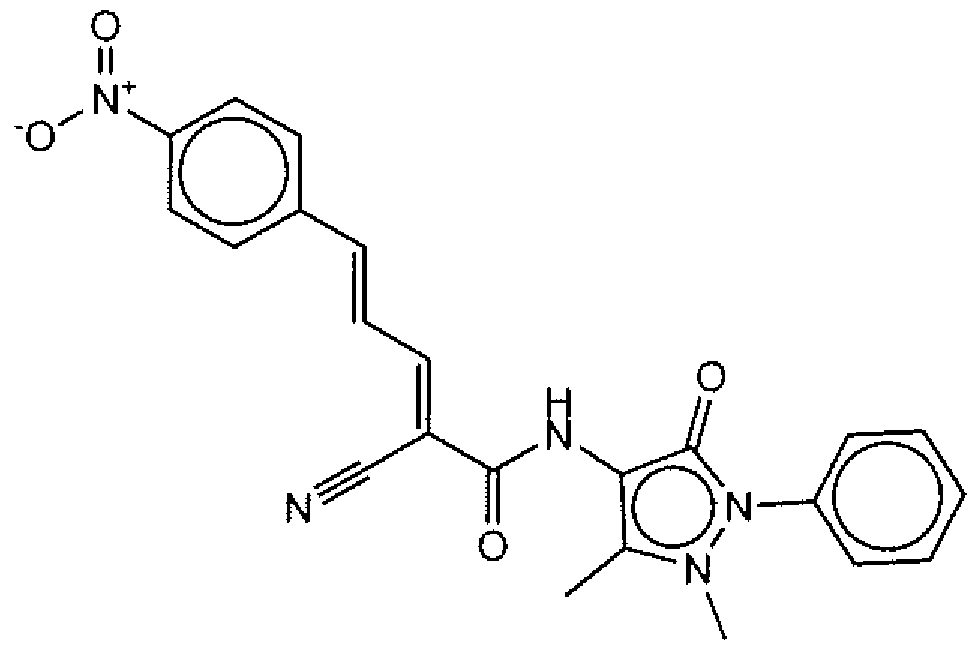
[0037] Suitable compounds of Family XVIII have the following structures:

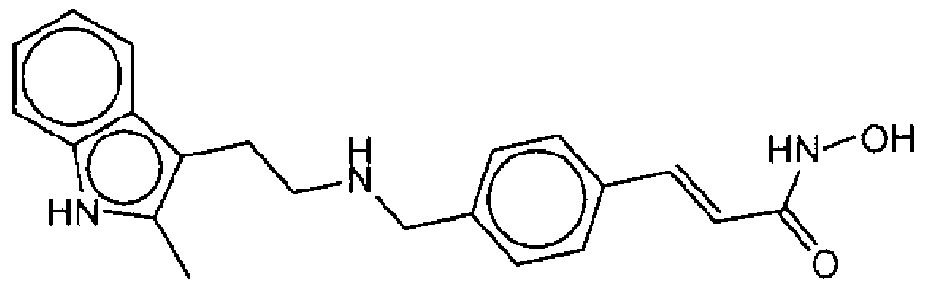
[0038] Suitable compounds of Family XIX have the following structures:
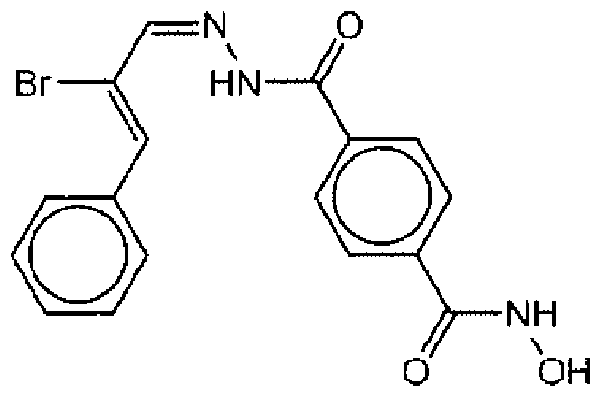


10

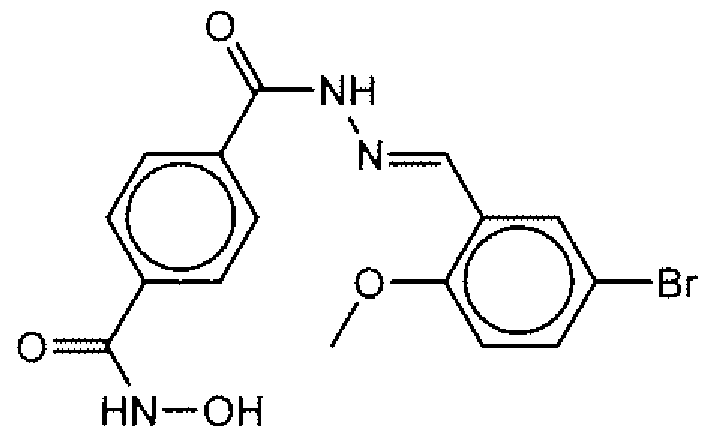

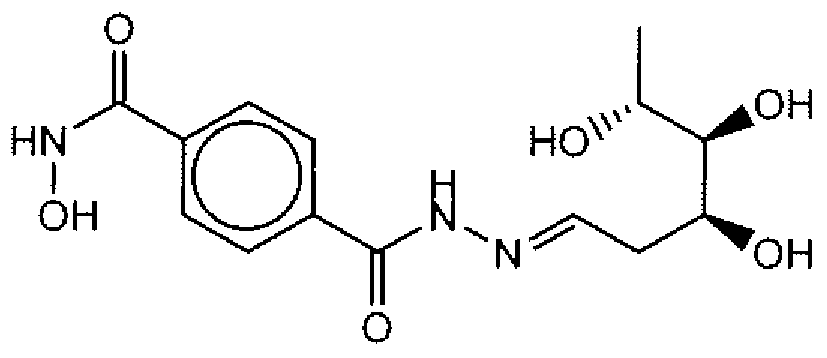
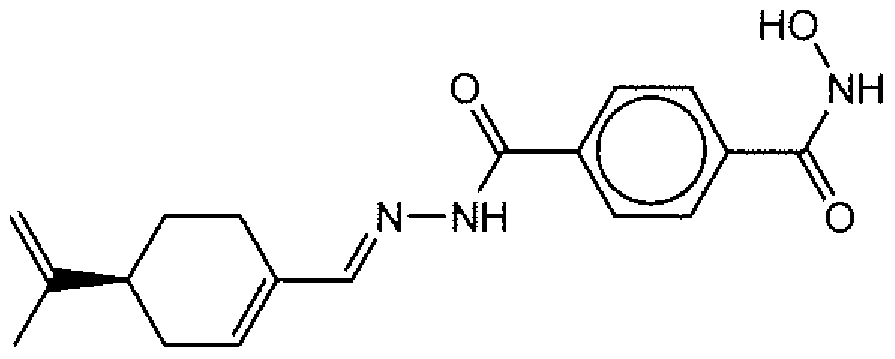
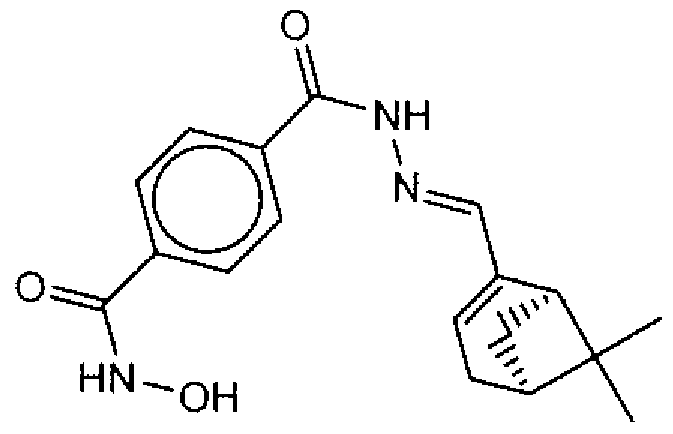

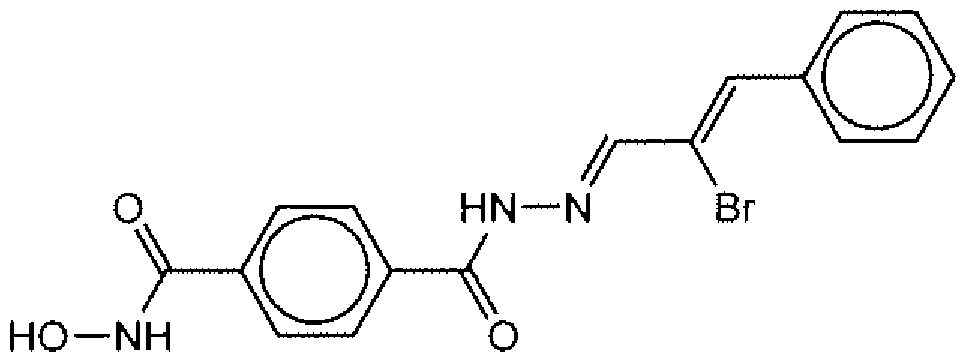
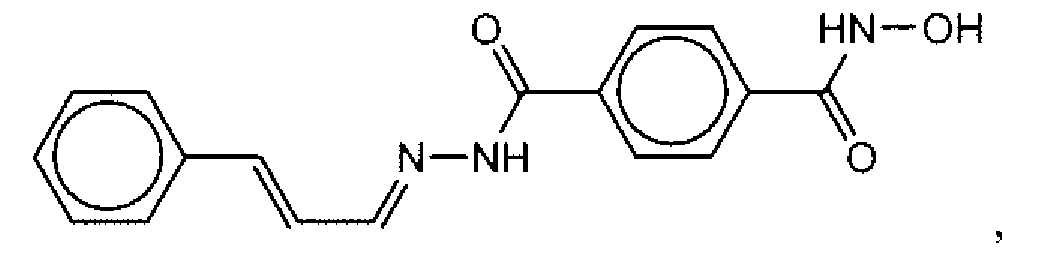
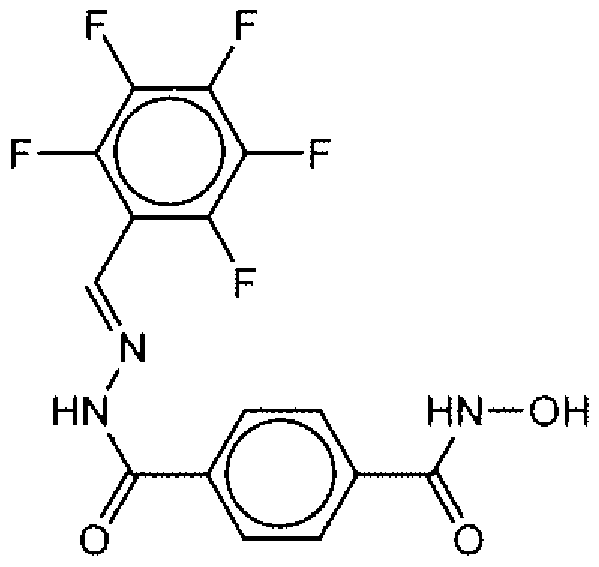
10
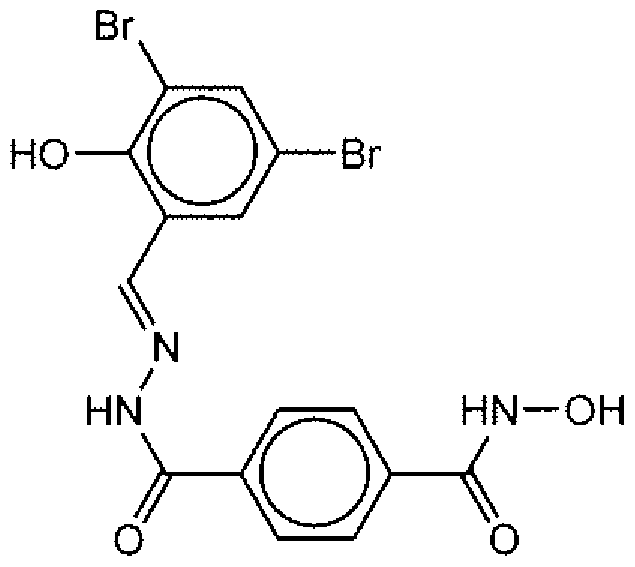


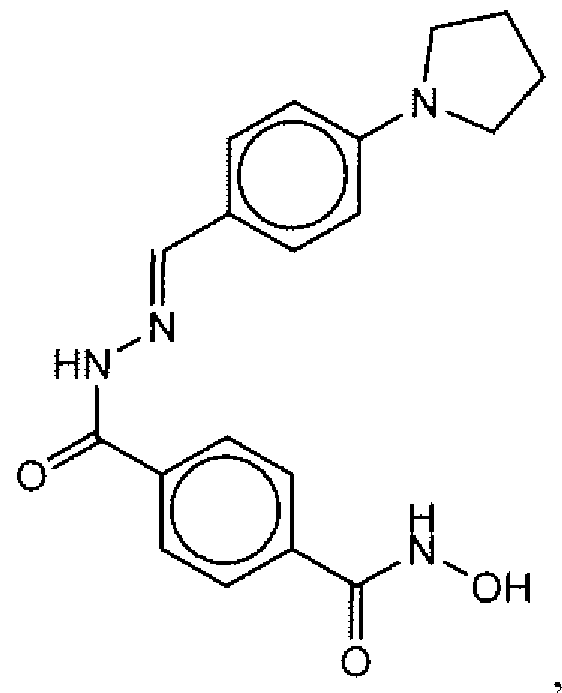

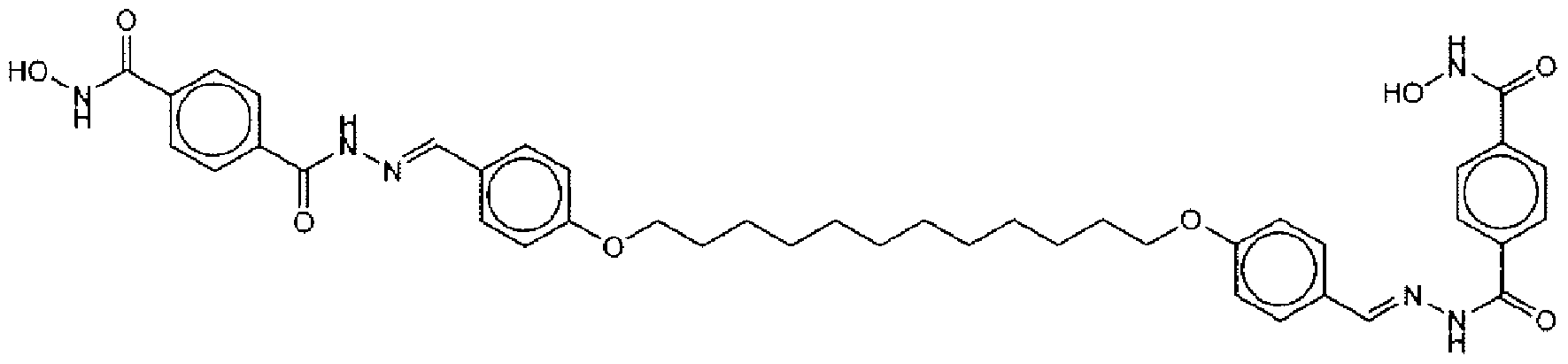





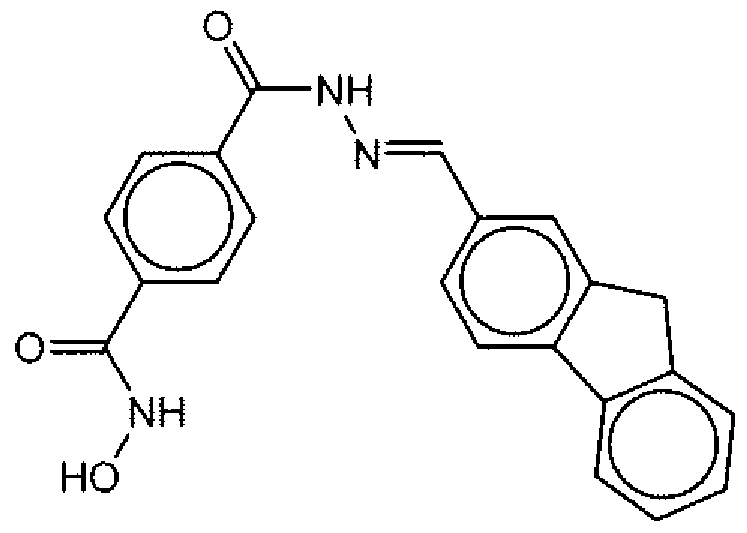

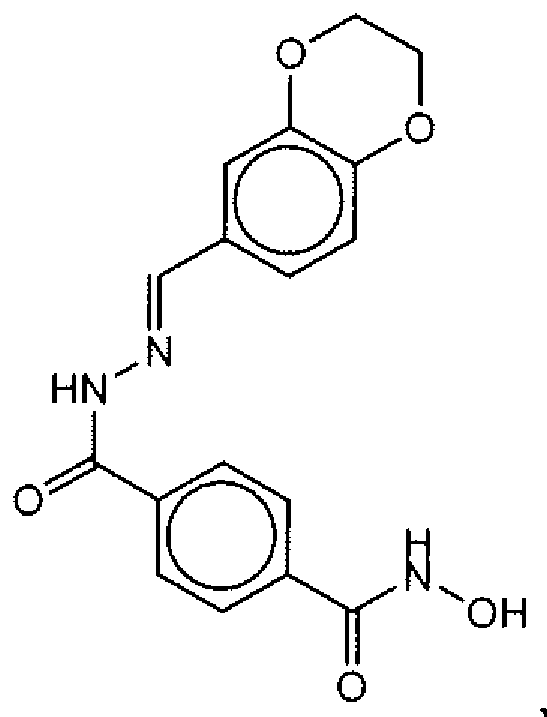

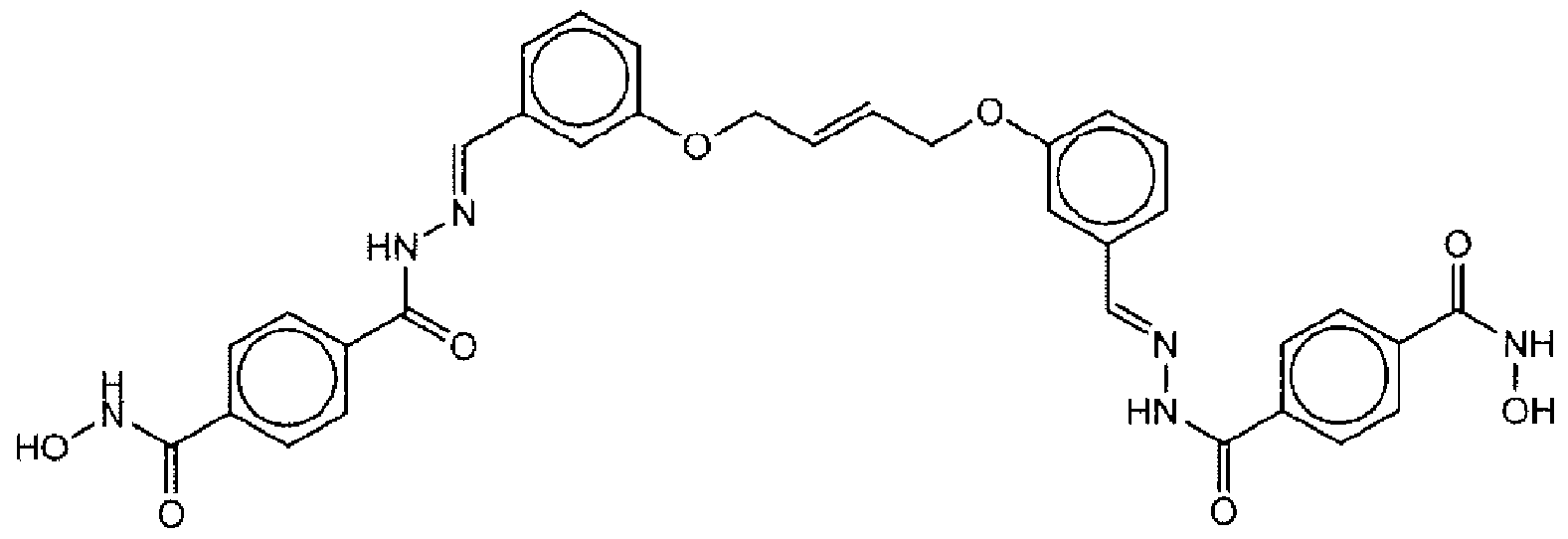
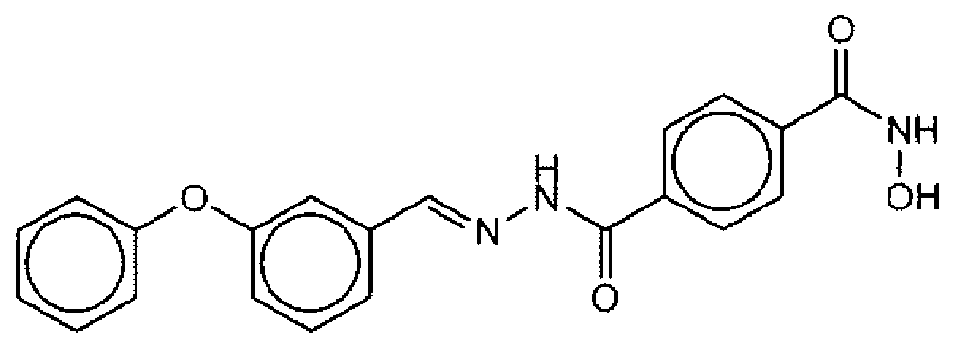


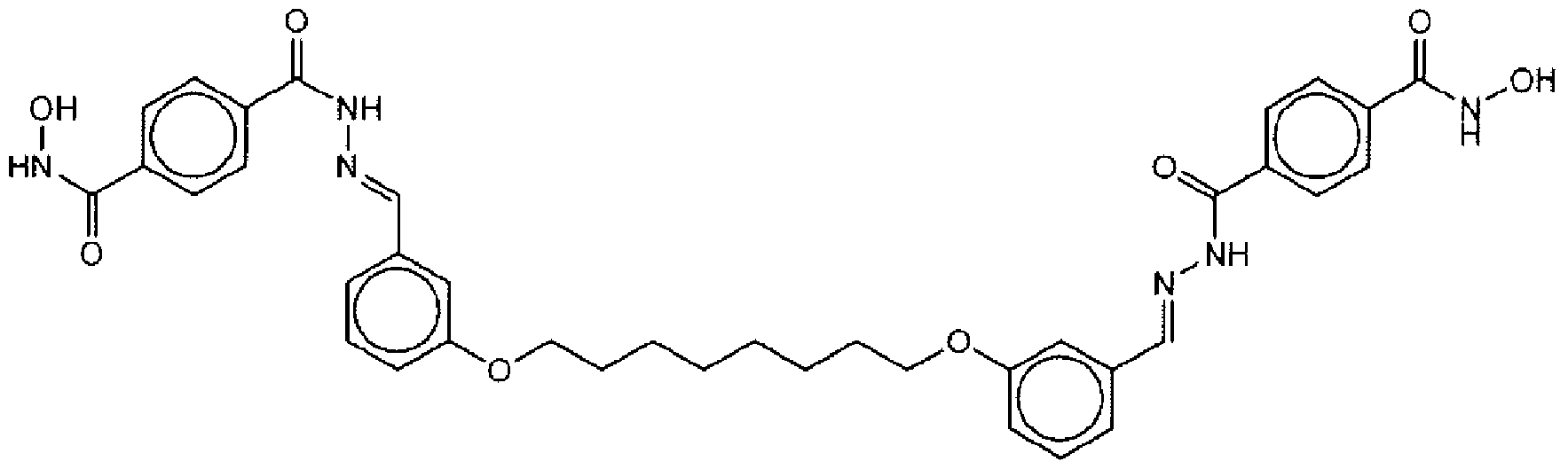
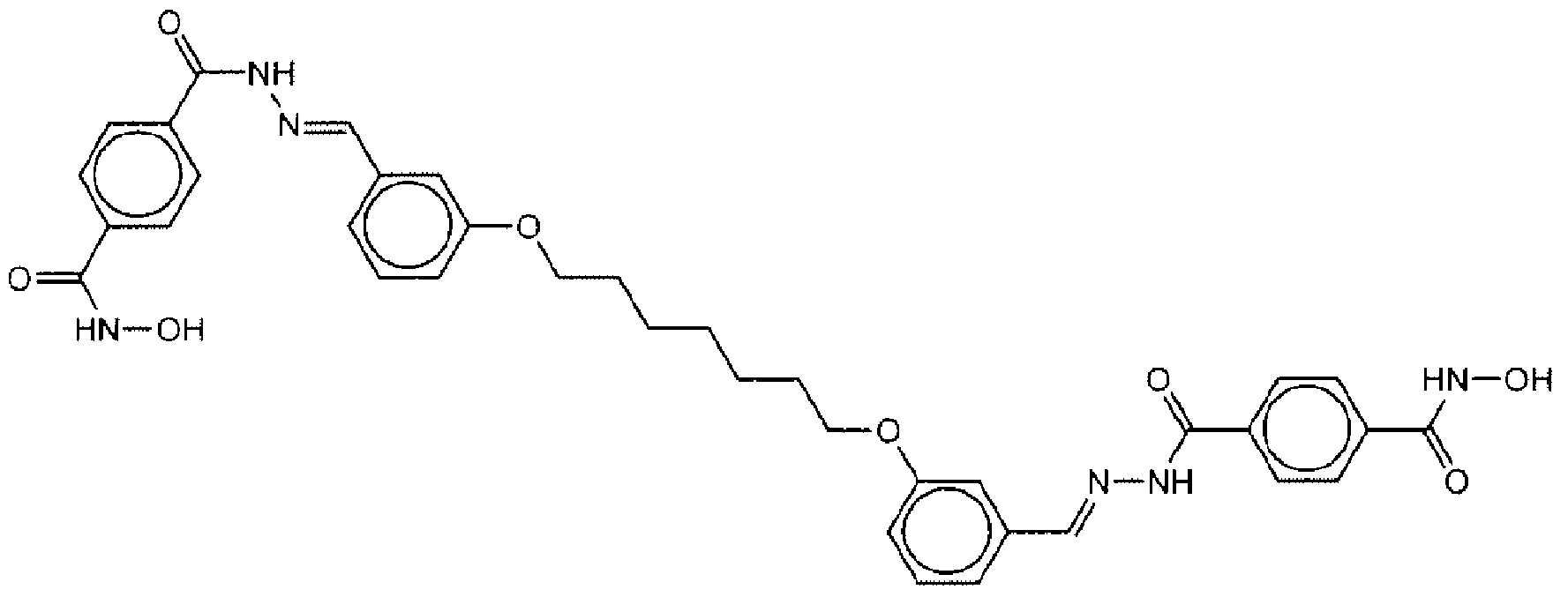


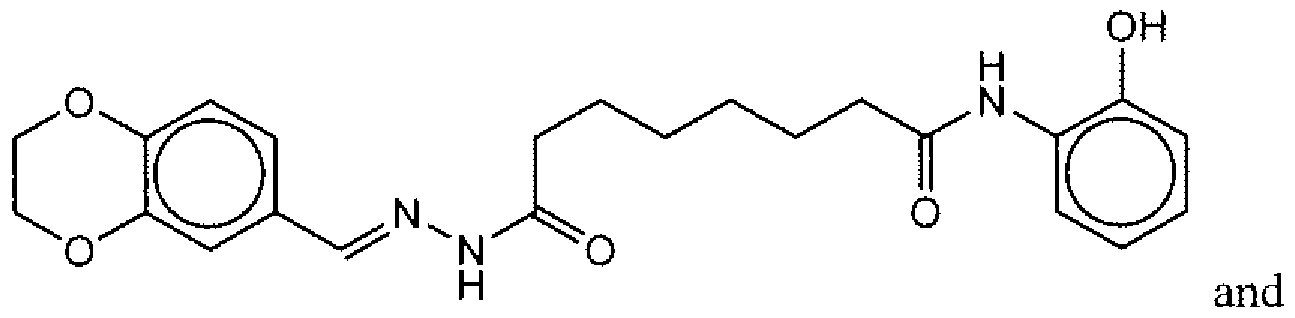
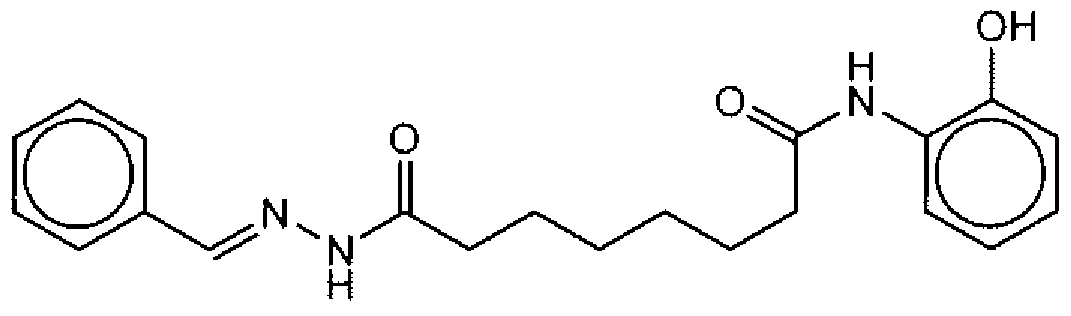
[0040] Suitable compounds of Family XXI have the following structures:


 and
and
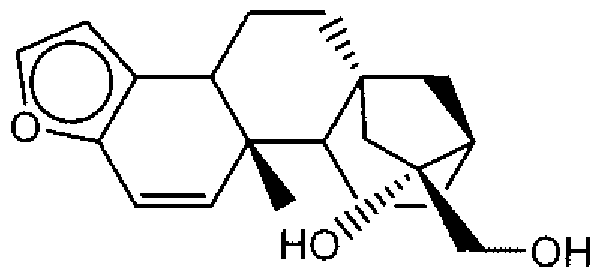
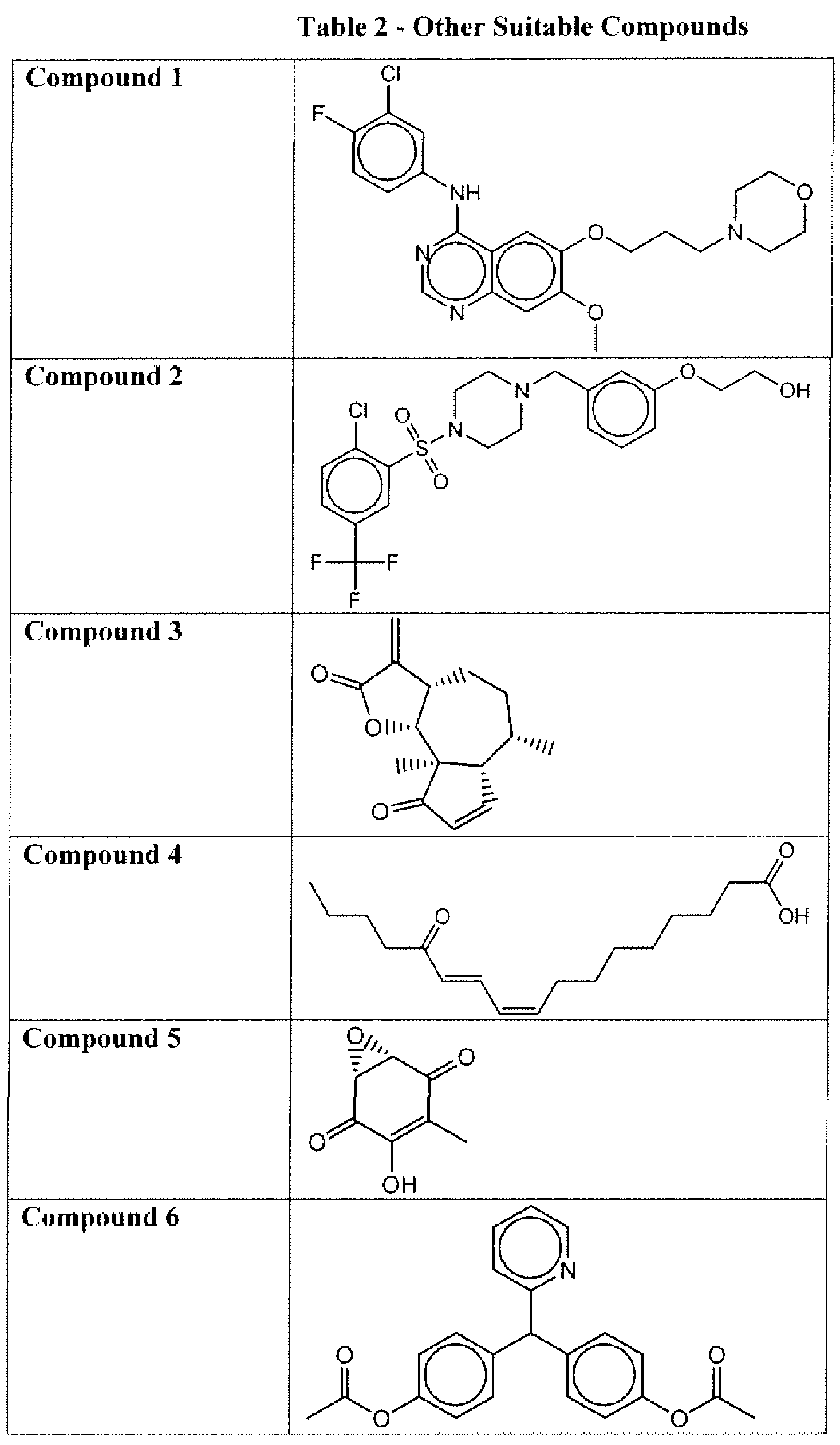


[0041] The compounds of the present invention can be administered orally, parenterally. for example, subcutaneously, intravenously, intramuscularly,
intraperitoneally, by intranasal instillation, by inhalation, or by application to mucous membranes, such as, that of the nose, throat, and bronchial tubes. They may be administered alone or with suitable pharmaceutical carriers, and can be in solid or liquid form such as, tablets, capsules, powders, solutions, suspensions, or emulsions. [0042] The active compounds of the present invention may be orally administered, for example, with an inert diluent, or with an assimilable edible carrier, or they may be enclosed in hard or soft shell capsules, or they may be compressed into tablets, or they may be incorporated directly with the food of the diet. For oral therapeutic administration, these active compounds may be incorporated with excipients and used in the form of tablets, capsules, elixirs, suspensions, syrups, and the like. Such compositions and preparations should contain at least 0.1% of active compound. The percentage of the compound in these compositions may, of course, be varied and may conveniently be between about 2% to about 60% of the weight of the unit. The amount of active compound in such therapeutically useful compositions is such that a suitable dosage will be obtained. Preferred compositions according to the present invention are prepared so that an oral dosage unit contains between about 1 and 250 mg of active compound.
[0043] The tablets, capsules, and the like may also contain a binder such as gum tragacanth, acacia, corn starch, or gelatin; excipients such as dicalcium phosphate; a disintegrating agent such as corn starch, potato starch, alginic acid; a lubricant such as magnesium stearate; and a sweetening agent such as sucrose, lactose, or saccharin. When the dosage unit form is a capsule, it may contain, in addition to materials of the above type, a liquid carrier, such as a fatty oil.
[0044] Various other materials may be present as coatings or to modify the physical form of the dosage unit. For instance, tablets may be coated with shellac, sugar, or both. A syrup may contain, in addition to active ingredient, sucrose as a sweetening agent, methyl and propylparabens as preservatives, a dye, and flavoring such as cherry or orange flavor.
[0045] These active compounds may also be administered parenterally. Solutions or suspensions of these active compounds can be prepared in water suitably mixed with a surfactant, such as hydroxypropylcellulose. Dispersions can also be
prepared in glycerol, liquid polyethylene glycols, and mixtures thereof in oils. Illustrative oils are those of petroleum, animal, vegetable, or synthetic origin, for example, peanut oil, soybean oil, or mineral oil. In general, water, saline, aqueous dextrose and related sugar solution, and glycols such as, propylene glycol or polyethylene glycol, are preferred liquid carriers, particularly for injectable solutions. Under ordinary conditions of storage and use, these preparations contain a preservative to prevent the growth of microorganisms.
[0046] The pharmaceutical forms suitable for injectable use include sterile aqueous solutions or dispersions and sterile powders for the extemporaneous preparation of sterile injectable solutions or dispersions. In all cases, the form must be sterile and must be fluid to the extent that easy syringability exists. It must be stable under the conditions of manufacture and storage and must be preserved against the contaminating action of microorganisms, such as bacteria and fungi. The carrier can be a solvent or dispersion medium containing, for example, water, ethanol, polyol (e.g., glycerol, propylene glycol, and liquid polyethylene glycol), suitable mixtures thereof, and vegetable oils.
[0047J The compounds of the present invention may also be administered directly to the airways in the form of an aerosol. For use as aerosols, the compounds of the present invention in solution or suspension may be packaged in a pressurized aerosol container together with suitable propellants, for example, hydrocarbon propellants like propane, butane, or isobutane with conventional adjuvants. The materials of the present invention also may be administered in a non-pressurized form such as in a nebulizer or atomizer.
[0048] The compounds of the present invention may also be administered directly to the airways in the form of a dry powder. For use as a dry powder, the compounds of the present invention may be administered by use of an inhaler. Exemplary inhalers include metered dose inhalers and dry powdered inhalers. A metered dose inhaler or "MDI" is a pressure resistant canister or container filled with a product such as a pharmaceutical composition dissolved in a liquefied propellant or micronized particles suspended in a liquefied propellant. The correct dosage of the composition is delivered to the patient. A dry powder inhaler is a system operable
with a source of pressurized air to produce dry powder particles of a pharmaceutical composition that is compacted into a very small volume. For inhalation, the system has a plurality of chambers or blisters each containing a single dose of the pharmaceutical composition and a select element for releasing a single dose . [0049] Suitable powder compositions include, by way of illustration, powdered preparations of the active ingredients thoroughly intermixed with lactose or other inert powders acceptable for intrabronchial administration. The powder compositions can be administered via an aerosol dispenser or encased in a breakable capsule which may be inserted by the patient into a device that punctures the capsule and blows the powder out in a steady stream suitable for inhalation. The compositions can include propellants, surfactants and co-solvents and may be filled into conventional aerosol containers that are closed by a suitable metering valve.
EXAMPLES Example 1 -- Cell Lines
[0050] B16 murine melanoma cells expressing firefly luciferase were used as the parental line for experiments described herein (Murakami et al.. Cancer Res. 62:7328 (2002), which is hereby incorporated by reference in its entirety). Human melanoma UACC 1273 and M92047 cell lines are as described in Bittner et al., Nature 406:536 (2000), which is hereby incorporated by reference in its entirety).
The human melanoma cell lines Mel375, A2058, Mel 29.6 and Mel501 were obtained from Fred Hutchinson Cancer Research Institute; Seattle, WA. The murine cell line HT22, a subclone of the HT4 hippocampal cell line, was obtained from The SaIk Institute for Biological Studies. Sequences for human WNT3A and WNT5A were amplified by polymerase chain reaction (PCR) and cloned into third generation lentiviral vectors derived from backbone vectors (Dull et al., J. Virol. 72:8463 (1998), which is hereby incorporated by reference in its entirety). These lentiviral vectors contained an EF 1 -alpha promoter driving a bi-cistronic message encoding human Wnt isoforms plus GFP. Cells were sorted by fluorescence activated cell sorting (FACS) for GFP expression, with the goal of obtaining cells with approximately equivalent levels of GFP expression.
Example 2 ~ Cell culture
[0051] B16 murine melanoma cells were cultured in Duibeccos modified
Eagle's media (DMEM) supplemented with 2% Fetal Bovine Serum, and 1% antibiotic/antimycotic (Invitrogen; Grand Island, NY) (Murakami et al., Cancer Res. 62:7328 (2002), which is hereby incorporated by reference in its entirety). The human melanoma lines Mel375, M92047, A2058, Mel 29.6, Mel501 and Mel526 were cultured in DMEM supplemented with 2% FBS and 1% antibiotic/antimycotic. UACC 1273 cells were cultured in RPMI (Invitrogen; Grand Island, NY) supplemented with 2% FBS and 1 % antibiotic/antimycotic. All cell lines were cultured in the presence of 0.02% Plasmocin (InvivoGen; San Diego, CA). Synthetic siRNAs (Invitrogen; Grand Island, NY) were transfected into cultured cells at a fma! concentration of 2OnM using Lipofectamine 2000 (Invitrogen; Grand Island, NY). HT22 cells were cultured in DMEM supplemented with 10% FBS and 1 % antibiotic/antimycotic. Sequences for β-catenin siRNA are described in Figure 8.
Example 3 ~ Conditioned Media and Measurement of Wnt Pathway Activation Using a Reporter Assay
[0052] Conditioned media was collected from sub-confluent melanoma cell lines, and this media was tested for its ability to activate Wnt/β-catenin signaling in UACC 1273 cells stably transduced with a previously described Wnt/ β-catenin- responsive firefly luciferase reporter and a constitutive Reniila luciferase gene used for normalization (Major et al., Science 316:1043 (2007), which is hereby incorporated by reference in its entirety). Conditioned media from Bl 6 melanoma cells was spun down to clear cell debris and then incubated with reporter cells overnight. Activation of the Wnt/β-catenin reporter was measured using a dual luciferase reporter (DLR) assay kit (Promega; Madison, WI). Example 4 — RNA Purification From B16 Melanoma Cells and PCR Analysis
[0053] Cells were cultured for approximately 72 hours until they reached 80- 90% confluency. RNA was purified using the RNeasy kit using the manufacturer's protocol (Qiagen; Maryland, MD). cDNA was synthesized using Superscript Reverse
Transcriptase (Invitrogen; Grand Island, NY). Light Cycler FastStart DNA Master SYBR Green 1 (Roche; Mannheim, Germany) was used for real-time PCR as previously described (Major et al., Science 316:1043 (2007), which is hereby incorporated by reference in its entirety). Quantitative PCR results presented in the manuscript are representative of experiments performed on a minimum of three biologic replicates.
Example 5 ~ Cell Proliferation Assays
[0054] For cell counts by hematocytometer, cells were seeded at a uniform density (usually between 10,000 to 25,000 cells per well) in a 12 or 24 well tissue culture plate in the appropriate media. At the end of 3-7 days, cells were trypsinized, resuspended in the appropriate media and counted. Dead cells were identified by 0.4% Trypan Blue stain and excluded from hematocytometer measurements. Cell proliferation experiments were performed with a minimum of six biologic replicates. Similar results were observed for all cell lines using the MTT assay (ATCC;
Manassas,VA), performed according to manufacturer's protocol. For relative cell proliferation assays of B 16: GFP cells incubated with lithium chloride or sodium chloride, cell proliferation was measured by luciferase assay. Cell cycle analysis was performed using DAPI-staining and flow cytometry. The Ki-67 rabbit monoclonal antibody was purchased from ThermoFisher (catalog no. RM-9106).
Example 6 — Immunohistochemistry and Immunoblotting Studies
[0055] A polyclonal rabbit anti- β -catenin antibody was used for detection of β-catenin (1: 1000 dilution for immunoblot, 1 :200 dilution for immunohistochemistry). Cells were grown on 18mm glass coverslips, for 48-72 hours, fixed using 4% paraformaldahyde, permeabilized using 0.25% Triton X- 100, and then blocked with 10% goat serum. Goat anti-rabbit Alexa Fiuor-568 antibody (Molecular Probes; Eugene, OR) was diluted 1 :1000. Cells were counterstained for nucleic acid with DAPl (Molecular Probes; Eugene, OR). Paraffin-embedded nevus sections were stained using an antibody dilution of 1 :200. Cellular lysates were obtained by lysing cells on plate with a 0.1 % NP-40 based buffer and analyzed by NuPage 4-12%
gradient gels (Invitrogen; Grand Island, NY). The WNT5A antibody was obtained from Cell Signaling Technologies (Danvers, MA).
Example 7 — Tumor Microarrays [0056] Tumor microarrays were assembled at the Yale Tissue Microarray
Facility. Staining and scoring of tissue microarrays was performed using automated quantification (AQUA) as previously described (Camp et al., Nat. Med, 8: 1323 (2002), which is hereby incorporated by reference in its entirety). Statistical analysis, including Kaplan-Meier survival probabilities, ANOVA, and t-tests, was performed using the GraphPad Prism software package (GraphPad Software; La Jolla, CA).
Example 8 ~ cDNA Microarrays
[0057] Agilent whole mouse genome array analysis was performed through the microarray core facility at the Huntsman Cancer Institute (Salt Lake City, UT). Data analysis, including the t-test (Pan, Bioinformatics 18:546 (2002), which is hereby incorporated by reference in its entirety) was performed using the TM4 microarray software suite, which is freely available online (Saeed et al., Biotechniques 34:374 (2003), which is hereby incorporated by reference in its entirety). Two- channel hybridizations were performed with labeled cDNA isolated from three biologic replicates each for cells expressing either WNT3A or WNT5A, using cDNA from GFP-expressing cells as the reference sample. These studies revealed gene sets regulated in both WNT3A and WNT5A cells (Figure 7), which were then filtered to obtain the top 10% of most variant genes in the WNT3A and WNT5A datasets. Subsequently, an unpaired two-tailed t-test analysis was used to identify genes that were significantly different between the most variant genes in the WNT3A and WNT5A replicate samples, using an arbitrary p-value of p<0.04 as a cut-off. The rationale for further comparing the regulated genes in WNT3A cells to those in WNT5A cells was based the finding that WNT5A did not have significant phenotypic effects (pigmentation, proliferation or cell cycle), and this subsequent comparison allowed identification of potentially important genes regulated by WNT3A that might be missed by setting arbitrary cut-off values for significant genes (i.e. 2-fold upregulated or 50% downregulated).
Example 9 — High Throughput Small Molecule Screen
[0058] Compounds were dissolved in dimethylsulphoxide (DMSO). For the primary screen, performed in duplicate, HT22 cells stably expressing the beta-catenin activated reporter (BAR) were cultured in growth medium (DMEM/10% FBS/1% antibiotic). 3000 cells per well were transferred to 384-well clear bottom plates (Nalgene Nunc; Rochester, NY) in 3OuL of growth medium. The following day, 10OnL of compound and lOμL of either growth media or WNT3A conditioned media (E.C.50 dose) was transferred to the cells. The next day each well was imaged using transmitted light with the ImageXpress Micro (Molecular devices; Sunnyvale, CA) followed by the addition of lOμL of Steady-Glo (Promega; Madison, WI) as per the manufacture's instructions, and luminescence measurement on an En Vision Multilabel plate reader (PerkinElmer; Waltham, MA). Viability was scored by analyzing the ImageXpress images. As described in detail in Seller et al. (Seiler et al., Nucleic Acids Res. 36:D351 (2008), which is hereby incorporated by reference in its entirety), each compound well received an algebraically signed Z-score corresponding to the number of standard deviations it fell above or below the mean of a well-defined mock-treatment distribution of DMSO controls, Z-score normalized data from the growth media stimulus group were sorted by average percent change. The fold- increase over the background of DMSO controls for each treatment was also calculated. The top 50 compounds with the greatest percent change of activity with the growth media were then resorted based on the percent change with the WNT3A stimulus.
Example 10 ~ Nuclear β-catenin Correlates With Improved Patient Survival
[0059] Using the expression of nuclear β-catenin as a clinical surrogate marker for Wnt/β-catenin activation (Bachmann et al., Clin. Cancer Res, 1 1 :8606 (2005); T. Kageshita et al., Br. J. Dermatol 145:210 (2001); Maelandsmo et al., CHn. Cancer Res. 9:3383 (2003), which are hereby incorporated by reference in their entirety), a tumor microarray composed of 343 cores (118 primary tumors, 225 metastases) from patient tumors (Camp et al., Nat. Med 8: 1323 (2002), which is hereby incorporated by reference in its entirety) was scored. Survival probabilities for
patients were estimated using Kaplan-Meier analysis after stratifying primary tumors into tertiles based on nuclear β-catenin expression (Figure 4). This analysis reveals that higher expression of nuclear β-catenin in both primary tumors (Figure IA) and in metastases and recurrences (Figure IB) predicts significantly increased patient survival. Also, levels of nuclear β-catenin are lower in metastases and recurrences compared to primary tumors (Figure 4). These findings confirm and extend previous reports of improved prognosis with elevated nuclear β-catenin in melanoma (Bachmann et al., Clin. Cancer Res. 11 :8606 (2005); T. Kageshita et al., Br. J. Dermatol. 145:210 (2001 ); Maelandsmo et al., Clin. Cancer Res. 9:3383 (2003), which are hereby incorporated by reference in their entirety).
Example 11 — Nuclear β-catenin is Negatively Correlated with Proliferation
[0060] As tumor depth measurements (Breslow thickness) were obtained for
1 13 primary tumors in our array cohort, this sub-group of patients was analyzed based on the Breslow thickness stratification used as reported (Thompson, J, A., Setnin. Oncol. 29:361 (2002), which is hereby incorporated by reference in its entirety). Increasing tumor depth is correlated with a lower probability of survival (Figure 1 C) and with a higher degree of proliferation, which is measured by the percentage of cells expressing Ki-67 (Figure 1 D). By contrast, nuclear β-catenin levels are highest for shallow tumors (Tl) and decrease significantly with increased tumor depth (Figure IE).
10061 ] The percentage of tumors staining positive is then analyzed for the cellular proliferative marker Ki-67 (%Ki-67). Strikingly, distribution histograms of %Ki-67 staining in primary tumors stratified by expression of nuclear β-catenin show a statistically significant shift towards increased proliferation (elevated %Ki-67 staining) in the groups with lower nuclear β-catenin (Figure IF). It is shown that there is no correlation between expression of α-catenin and %Ki-67 staining, and PCNA is used as an independent marker of proliferation (Figure 4). Taken together these data demonstrate that elevated nuclear β-catenin is negatively associated with proliferation as measured by either tumor size/depth, or by the markers Ki-67 and PCNA.
Example 12 -- Activation of Wnt/β-catenin Signaling Changes Melanoma Cell Fate
[0062] Wnts, which can activate or antagonize β-catenin signaling, were investigated in order to elicit changes in melanoma cells cultured in vitro that might be consistent with the above clinical data. Since melanoma tumors appear to express WNT3A (Figure 5), which has a pivotal role in the regulation of melanocyte biology (Dorsky et al., Genes Dev. 14: 158 (2000); Fang et al., Stem Cells 24:1668 (2006), which are hereby incorporated by reference in their entirety), and they express WNT5A, which is elevated in melanoma metastases (Bittner et al., Nature 406:536 (2000); Weeraratna et al., Oncogene 23:2264 (2004), which are hereby incorporated by reference in their entirety), B16 mouse melanoma cells were transduced with lentivirus constructs encoding WNT3A, WNT5A, or a GFP control. [0063] B16:WNT3A cells exhibit strikingly increased pigmentation compared to GFP or WNT5A cells (Figure 2A). Scoring cells for nuclear accumulation of β- catenin revealed that only cells expressing WNT3A, and not WNT5A or GFP, exhibit elevated β-catenin (Figure 2C). As a positive control it was shown that conditioned media (CM) from Bl 6 cells expressing WNT3A activates a β-catenin-responsive reporter in UACC 1273 melanoma cells (Figure 2D), confirming that these cells were secreting active WNT3A. Also, it was shown that B16 cells expressing WNT3A exhibit marked increases in expression of the β-catenin target gene Axin2 (Jho et al., MoI. Cell Biol. 22:1172 (2002), which is hereby incorporated by reference in its entirety) compared to B16.GFP cells (Figure 2E). [0064] In vitro cell proliferation studies using the MTT cell proliferation assay showed that Bl 6 cells expressing WNT3A exhibit decreased proliferation compared to cells expressing GFP or WNT5A (Figure 2F). This finding was paralleled in human cell lines (Figure 5). Cell cycle profiles were then compared to the Wnt- transduced melanoma cell lines, and found that cells expressing WNT3A exhibit an increased population in Gl, with a decreased population in S phase, compared to control cells (Figure 2G). Together, these data suggest that WNT3A can induce differentiation of the melanoma cells to a cell fate that is more pigmented and less proliferative.
Example 13 — Elevation of Melanocyte Differentiation Markers by WNTiA
[0065] Next, a genome-wide transcriptional profiling was performed to gain further insights into the consequences of expression of WNT3A and WNT5A, which revealed that levels of transcripts elevated by WNT3A were actually reduced by
WNT5A (Figure 3B). Among the most highly significant genes elevated by WNT3A (Figure 3A) are Axin2 (Jho et al., MoI. Cell Biol. 22:1172 (2002), which is hereby incorporated by reference in its entirety) and Tcf7 (Roose et al., Science 285: 1923 (1999), which is hereby incorporated by reference in its entirety), which are direct targets of Wnt/β-catenin signaling; Mme and Mlze, downregulated genes previously linked to melanoma progression (Watabe et al., Jpn. J. Cancer Res. 92:140 (2001); Bilalovic et al., Mod. Pathol. 17:1251 (2004), which are hereby incorporated by reference in their entirety); MHf linked to pigment cell fate, and Trpml, Met, Sox9 and Kit, which are highly expressed during melanocyte and neural crest development (Loftus et al., Proc. Natl. Acad. Sci. USA 96:9277 (1999, which is hereby incorporated by reference in its entirety)). To confirm the array data levels of selected transcripts were measured by quantitative PCR (Figure 3B). To establish that the effects of WNT3A on gene expression were specific, it was demonstrated that the changes in gene expression were antagonized by β-catenin siRNA (Figure 3C). The transcriptional profiling thus supports the conclusion, evident from visual examination of cells (Figure 2A), that WNT3A promotes melanoma cells adopting characteristics of melanocyte differentiation.
Example 14 — WNT3A Reduces Melanoma Tumor Size and Metastasis in Mice [0066] While expression of Trpml was elevated by WNT3A (Figure 3B), its expression is usually reduced during melanoma progression. Taken with the observed changes in cell fate and proliferation seen in cells expressing WNT3A, this led to the prediction that cells expressing WNT3A would form less proliferative and less aggressive tumors in vivo. Indeed, implantation of WNT3A-transduced B16 cells into the footpads of C57BL/6 mice, significantly decreased tumor growth compared to B16 cells transduced with GFP or WNT5A (Figure 3D) and decreased metastases to popliteal lymph nodes (Figure 3E).
Example 15 — A High-throughput Screen for Therapeutic Activators of Wnt/β- catcnin Signaling.
[0067] In support of the hypothesis that activation of Wnt/β-catenin inhibits melanoma growth, treatment of Bl 6 cells with the GSK3 inhibitors lithium chloride (LiCl) or 6-bromoindirubin~3'-oxime (BIO) also resulted in decreased proliferation of cultured cells (Figure 6). Precluding further consideration of either compound in murine therapeutic trials it was found that lithium and BIO exhibit several obstacles relating to both toxicity and, in the case of lithium, to difficulty maintaining adequate serum levels in mice. Consequently, identifying novel activators of Wnt/β-catenin signaling that would have improved therapeutic efficacy and tolerance became a target.
[0068] A high-throughput screen of >60% of the FDA-approved panel of biologically active small molecules was performed using a Wnt-responsive luciferase reporter system to identify compounds that could either activate Wnt/β-catenin signaling on their own, or synergize with WNT3A to enhance reporter activation. [0069] Data in support of a novel ''differentiation therapy" for treating melanoma with agents that activate β-catenin signaling are presented in Figure 8. Mechanistically, it is proposed that activating Wnt/β-catenin signaling forces melanoma cells to adopt a more differentiated cell fate, resembling melanocytes, which are intrinsically less motile, less proliferative, and thus less deadly. The concept that different states of differentiation and pluripotency exist in melanoma is not new, and in fact recent research has focused on markers that may better identify so-called melanoma stem cells, or tumor initiating cells (Zabierowski et al., Cancer Cell 13 : 185 (2008); Schatton et al., Nature 451 :345 (2008); Grichnik et al., J. Invest. Dermatol. 126: 142 (2006), which are hereby incorporated by reference in their entirety). The forced differentiation of these tumor initiating populations into cell fates that are either more benign (i.e. slower growing, or less metastatic) or more treatable provides a new approach that could prove beneficial in concert with current therapies based on cytotoxicity or immunomodulation.
[0070] For the activation of β-catenin signaling to be considered as a therapy one would need reasonable assurance that enhancing Wnt/β-catenin signaling in
melanonia wϋl not have the undesirable consequence of promoting proliferation, in support of the present data, a recent study found that expression of a stabilized β- catenin mutant (β-catSTA) in mice did not increase proliferation of melanocytic cells, which is entirely consistent with our findings (Delmas et al., Genes Dev. 21 :2923 (2007), which is hereby incorporated by reference in its entirety). This study also found that restricting the expression of β-cat A to melanocytes did not lead to any melanomas over a 2-year period (Delmas et al., Genes Dev. 21 :2923 (2007), which is hereby incorporated by reference in its entirety). Additionally, other published reports (Ballin et al., Br. J. Cancer 48:83 (1983); Penso et al., MoI. Genet. Metab. 78:74 (2003); Kang et al., Arch. Dermatol. Res.294:426 (2002), which are hereby incorporated by reference in their entirety) confirm our observed inhibition of melanoma cell proliferation upon treatment with lithium chloride, which is a pharmacologic activator of Wnt/β-catenin signaling. Available data therefore strongly suggest that activation of Wnt/β-catenin signaling is not by itself oncogenic in the context of melanoma.
[0071] Herein, it is suggested that future studies should consider a combination therapy in which activation of Wnt/β-catenin signaling forces higher expression of Kit, which may increase their sensitivity to imatinib or sunitinib. Given that current therapeutic strategies have proven largely ineffective for metastatic melanoma, a "differentiation therapy" involving activators of β-catenin signaling, used as monotherapy or in combination therapy, may provide a new alternative for treating this disease.
[0072] Although preferred embodiments have been depicted and described in detail herein, it will be apparent to those skilled in the relevant art that various modifications, additions, substitutions, and the like can be made without departing from the spirit of the invention and these are therefore considered to be within the scope of the invention as defined in the claims which follow.
Claims
1. A method of treating a subject for a condition mediated by aberrant Wnt/β-catenin signaling, said method comprising: selecting a subject with a condition mediated by aberrant Wnt/β- catenin signaling and administering to the selected subject a compound selected from the group consisting of those set forth in Table 1, Table 2, and a pharmaceutically acceptable salt thereof.
2. The method of claim 1 , wherein the subject is human.
3. The method of claim 1, wherein a compound of Table 1 or a pharmaceutically acceptable salt thereof is administered.
4. The method of claim 1 , wherein a compound of Table 2 or a pharmaceutically acceptable salt thereof is administered.
5. The method of claim 1, wherein the condition is selected from the group consisting of cancer, bone mass diseases, fracture repair, FEVR, diabetes mellitus, cord blood transplants, psychiatric disease, neurodegenerative disease, hair loss, diseases linked to loss of stem/progenitor cells, conditions improved by increasing stem/progenitor cell populations, HIV, and tooth agenesis.
6. A method of activating the Wnt/β-catenin pathway in a subject comprising: selecting a subject in need of Wnt/β-catenin pathway activating and administering to the selected subject a compound selected from the group consisting of those set forth in Table 1, Table 2, and a pharmaceutically acceptable salt thereof.
7. The method of claim 6, wherein a compound of Table 1 or a pharmaceutically acceptable salt thereof is administered.
8. The method of claim 6, wherein a compound of Table 2 or a pharmaceutically acceptable salt thereof is administered.
Priority Applications (3)
| Application Number | Priority Date | Filing Date | Title |
|---|---|---|---|
| US13/141,838 US20120046242A1 (en) | 2008-12-24 | 2009-12-21 | Molecular activators of the wnt/beta-catenin pathway |
| US13/939,679 US20140187510A1 (en) | 2008-12-24 | 2013-07-11 | Molecular activators of the wnt/beta-catenin pathway |
| US14/701,936 US20170049793A1 (en) | 2008-12-24 | 2015-05-01 | Molecular activators of the wnt/beta-catenin pathway |
Applications Claiming Priority (2)
| Application Number | Priority Date | Filing Date | Title |
|---|---|---|---|
| US14065508P | 2008-12-24 | 2008-12-24 | |
| US61/140,655 | 2008-12-24 |
Related Child Applications (2)
| Application Number | Title | Priority Date | Filing Date |
|---|---|---|---|
| US13/141,838 A-371-Of-International US20120046242A1 (en) | 2008-12-24 | 2009-12-21 | Molecular activators of the wnt/beta-catenin pathway |
| US13/939,679 Continuation US20140187510A1 (en) | 2008-12-24 | 2013-07-11 | Molecular activators of the wnt/beta-catenin pathway |
Publications (2)
| Publication Number | Publication Date |
|---|---|
| WO2010075286A1 true WO2010075286A1 (en) | 2010-07-01 |
| WO2010075286A8 WO2010075286A8 (en) | 2010-11-04 |
Family
ID=42288105
Family Applications (1)
| Application Number | Title | Priority Date | Filing Date |
|---|---|---|---|
| PCT/US2009/069003 Ceased WO2010075286A1 (en) | 2008-12-24 | 2009-12-21 | MOLECULAR ACTIVATORS OF THE Wnt/β-CATENIN PATHWAY |
Country Status (2)
| Country | Link |
|---|---|
| US (2) | US20120046242A1 (en) |
| WO (1) | WO2010075286A1 (en) |
Cited By (29)
| Publication number | Priority date | Publication date | Assignee | Title |
|---|---|---|---|---|
| WO2012018754A2 (en) | 2010-08-02 | 2012-02-09 | Merck Sharp & Dohme Corp. | RNA INTERFERENCE MEDIATED INHIBITION OF CATENIN (CADHERIN-ASSOCIATED PROTEIN), BETA 1 (CTNNB1) GENE EXPRESSION USING SHORT INTERFERING NUCLEIC ACID (siNA) |
| US8680136B2 (en) | 2010-08-10 | 2014-03-25 | Rempex Pharmaceuticals, Inc. | Cyclic boronic acid ester derivatives and therapeutic uses thereof |
| US9012491B2 (en) | 2011-08-31 | 2015-04-21 | Rempex Pharmaceuticals, Inc. | Heterocyclic boronic acid ester derivatives and therapeutic uses thereof |
| WO2015081235A1 (en) * | 2013-12-01 | 2015-06-04 | The Johns Hopkins University | Methods of inducing t cell polyfunctionality |
| US9101638B2 (en) | 2013-01-04 | 2015-08-11 | Rempex Pharmaceuticals, Inc. | Boronic acid derivatives and therapeutic uses thereof |
| WO2015125786A1 (en) * | 2014-02-18 | 2015-08-27 | 第一三共株式会社 | Aminopyrazolone derivative |
| WO2015125785A1 (en) * | 2014-02-18 | 2015-08-27 | 第一三共株式会社 | Pyrazolone derivative having multiple substituents |
| US9132140B2 (en) | 2013-01-04 | 2015-09-15 | Rempex Pharmaceuticals, Inc. | Boronic acid derivatives and therapeutic uses thereof |
| US9156858B2 (en) | 2012-05-23 | 2015-10-13 | Rempex Pharmaceuticals, Inc. | Boronic acid derivatives and therapeutic uses thereof |
| CN105131014A (en) * | 2015-08-07 | 2015-12-09 | 苏州大学张家港工业技术研究院 | Spiro oxindole imidazolinyl oxazepine compound and synthesis method thereof |
| US9241947B2 (en) | 2013-01-04 | 2016-01-26 | Rempex Pharmaceuticals, Inc. | Boronic acid derivatives and therapeutic uses thereof |
| JP2016222678A (en) * | 2011-04-15 | 2016-12-28 | 国立大学法人鳥取大学 | Synthesis and analysis of novel compounds that induce differentiation of human mesenchymal stem cells into hepatocytes |
| US9642869B2 (en) | 2013-01-04 | 2017-05-09 | Rempex Pharmaceuticals, Inc. | Boronic acid derivatives and therapeutic uses thereof |
| US9687497B1 (en) | 2014-05-05 | 2017-06-27 | Rempex Pharmaceuticals, Inc. | Salts and polymorphs of cyclic boronic acid ester derivatives and therapeutic uses thereof |
| EP3248604A1 (en) * | 2016-05-27 | 2017-11-29 | Universite De Geneve | Agents for modulation of wnt-tcf signalling and uses thereof |
| US9963467B2 (en) | 2014-05-19 | 2018-05-08 | Rempex Pharmaceuticals, Inc. | Boronic acid derivatives and therapeutic uses thereof |
| US9980947B2 (en) | 2014-12-18 | 2018-05-29 | Genentech, Inc. | Tetrahydro-pyrido[3,4-b]indole estrogen receptor modulators and uses thereof |
| JP2018521956A (en) * | 2015-05-26 | 2018-08-09 | ザ リージェンツ オブ ザ ユニバーシティ オブ カリフォルニア | Novel heteroaromatic silicon fluoride acceptor useful for 18F labeling of molecules and biomolecules and method for preparing the same |
| US10206937B2 (en) | 2014-07-01 | 2019-02-19 | Qpex Biopharma, Inc. | Boronic acid derivatives and therapeutic uses thereof |
| US10294249B2 (en) | 2016-06-30 | 2019-05-21 | Qpex Biopharma, Inc. | Boronic acid derivatives and therapeutic uses thereof |
| US10385074B2 (en) | 2014-05-05 | 2019-08-20 | Rempex Pharmaceuticals, Inc. | Synthesis of boronate salts and uses thereof |
| KR20190143297A (en) * | 2018-06-20 | 2019-12-30 | 한국원자력연구원 | A chroman compound having anti-cancer effect and pharmaceutical composition for treating or preventing cancer comprising the same |
| US10561675B2 (en) | 2012-06-06 | 2020-02-18 | Rempex Pharmaceuticals, Inc. | Cyclic boronic acid ester derivatives and therapeutic uses thereof |
| US10618918B2 (en) | 2015-03-17 | 2020-04-14 | Qpex Biopharma, Inc. | Substituted boronic acids as antimicrobials |
| US10662205B2 (en) | 2014-11-18 | 2020-05-26 | Qpex Biopharma, Inc. | Cyclic boronic acid ester derivatives and therapeutic uses thereof |
| WO2020182144A1 (en) * | 2019-03-11 | 2020-09-17 | 复旦大学 | Compound for treating neurodegenerative disorders |
| US11286270B2 (en) | 2017-10-11 | 2022-03-29 | Qpex Biopharma, Inc. | Boronic acid derivatives and synthesis thereof |
| US11780834B2 (en) | 2018-06-21 | 2023-10-10 | Genentech, Inc. | Solid forms of 3-((1R,3R)-1-(2,6-difluoro-4-((1-(3-fluoropropyl)azetidin-3- yl)amino)phenyl)-3-methyl-1,3,4,9-tetrahydro-2H-pyrido[3,4-b]indol-2-yl)-2,2-difluoropropan-1-ol and processes for preparing fused tricyclic compounds comprising a substituted phenyl or pyridinyl moiety, including methods of their use |
| US12016868B2 (en) | 2018-04-20 | 2024-06-25 | Qpex Biopharma, Inc. | Boronic acid derivatives and therapeutic uses thereof |
Families Citing this family (16)
| Publication number | Priority date | Publication date | Assignee | Title |
|---|---|---|---|---|
| US11660317B2 (en) | 2004-11-08 | 2023-05-30 | The Johns Hopkins University | Compositions comprising cardiosphere-derived cells for use in cell therapy |
| JP6433896B2 (en) | 2012-08-13 | 2018-12-05 | シーダーズ−サイナイ・メディカル・センターCedars−Sinai Medical Center | Exosomes and microribonucleic acids for tissue regeneration |
| EA201690713A1 (en) | 2013-10-04 | 2016-08-31 | Инфинити Фармасьютикалз, Инк. | HETEROCYCLIC COMPOUNDS AND THEIR APPLICATIONS |
| SG11201607705XA (en) | 2014-03-19 | 2016-10-28 | Infinity Pharmaceuticals Inc | Heterocyclic compounds for use in the treatment of pi3k-gamma mediated disorders |
| US20170144965A1 (en) * | 2014-06-05 | 2017-05-25 | The University Of Kansas | Marmelin analogs and methods of use in cancer treatment |
| CA2962444C (en) | 2014-10-03 | 2023-09-05 | Cedars-Sinai Medical Center | Cardiosphere-derived cells and exosomes secreted by such cells in the treatment of muscular dystrophy |
| CN114230571B (en) | 2015-09-14 | 2025-07-08 | 无限药品股份有限公司 | Solid forms of isoquinolinones, methods of making, compositions comprising, and methods of using the same |
| US11253551B2 (en) | 2016-01-11 | 2022-02-22 | Cedars-Sinai Medical Center | Cardiosphere-derived cells and exosomes secreted by such cells in the treatment of heart failure with preserved ejection fraction |
| US11351200B2 (en) | 2016-06-03 | 2022-06-07 | Cedars-Sinai Medical Center | CDC-derived exosomes for treatment of ventricular tachyarrythmias |
| US11541078B2 (en) | 2016-09-20 | 2023-01-03 | Cedars-Sinai Medical Center | Cardiosphere-derived cells and their extracellular vesicles to retard or reverse aging and age-related disorders |
| EP3612191A4 (en) | 2017-04-19 | 2020-12-30 | Cedars-Sinai Medical Center | METHODS AND COMPOSITIONS FOR TREATMENT OF SKELETAL MUSCLE DYSTROPHY |
| US11660355B2 (en) | 2017-12-20 | 2023-05-30 | Cedars-Sinai Medical Center | Engineered extracellular vesicles for enhanced tissue delivery |
| US12146137B2 (en) | 2018-02-05 | 2024-11-19 | Cedars-Sinai Medical Center | Methods for therapeutic use of exosomes and Y-RNAS |
| EP3965800A4 (en) * | 2019-05-08 | 2023-02-15 | Cedars-Sinai Medical Center | THERAPEUTIC ACTIVE CELLS AND EXOSOMES |
| EP4157264A4 (en) | 2020-05-27 | 2024-06-19 | The Regents of the University of California | COMPOSITIONS AND METHODS FOR TRANSDIFFERENTIATION OF CELLS |
| WO2025007784A1 (en) * | 2023-07-06 | 2025-01-09 | 四川科伦博泰生物医药股份有限公司 | Heteroaromatic ring compound, pharmaceutical composition, preparation method therefor and use thereof |
Citations (3)
| Publication number | Priority date | Publication date | Assignee | Title |
|---|---|---|---|---|
| US20040198750A1 (en) * | 2003-04-03 | 2004-10-07 | Jeremy Green | Compositions useful as inhibitors of protein kinases |
| US6924141B2 (en) * | 2000-03-31 | 2005-08-02 | The General Hospital Corporation | Methods of modulating hair growth |
| US20080312316A1 (en) * | 2005-12-05 | 2008-12-18 | Andrew James Culshaw | Chromone Derivatives Useful as Antagonists of Vr1 Receptors |
Family Cites Families (1)
| Publication number | Priority date | Publication date | Assignee | Title |
|---|---|---|---|---|
| ES2545076T3 (en) * | 2005-08-03 | 2015-09-08 | Novartis Ag | Use of panobinostat HDAC inhibitor for the treatment of myeloma |
-
2009
- 2009-12-21 WO PCT/US2009/069003 patent/WO2010075286A1/en not_active Ceased
- 2009-12-21 US US13/141,838 patent/US20120046242A1/en not_active Abandoned
-
2015
- 2015-05-01 US US14/701,936 patent/US20170049793A1/en not_active Abandoned
Patent Citations (3)
| Publication number | Priority date | Publication date | Assignee | Title |
|---|---|---|---|---|
| US6924141B2 (en) * | 2000-03-31 | 2005-08-02 | The General Hospital Corporation | Methods of modulating hair growth |
| US20040198750A1 (en) * | 2003-04-03 | 2004-10-07 | Jeremy Green | Compositions useful as inhibitors of protein kinases |
| US20080312316A1 (en) * | 2005-12-05 | 2008-12-18 | Andrew James Culshaw | Chromone Derivatives Useful as Antagonists of Vr1 Receptors |
Non-Patent Citations (2)
| Title |
|---|
| "Y294002. Cell Signaling Technology", 22 August 2007 (2007-08-22), pages 1, Retrieved from the Internet <URL:http://www.cellsignal.com/pdf/9901.pdf> [retrieved on 20100412] * |
| PALING ET AL.: "Regulation of Embryonic Stem Cell Self-renewal by Phosphoinositide 3-Kinase- dependent Signaling*", THE JOURNAL OF BIOLOGICAL CHEMISTRY, vol. 279, no. 46, 12 November 2004 (2004-11-12), pages 48063 - 48070 * |
Cited By (67)
| Publication number | Priority date | Publication date | Assignee | Title |
|---|---|---|---|---|
| US9447420B2 (en) | 2010-08-02 | 2016-09-20 | Sirna Therapeutics, Inc. | RNA interference mediated inhibition of catenin (cadherin-associated protein), beta 1 (CTNNB1) gene expression using short interfering nucleic acid (SINA) |
| US8518907B2 (en) | 2010-08-02 | 2013-08-27 | Merck Sharp & Dohme Corp. | RNA interference mediated inhibition of catenin (cadherin-associated protein), beta 1 (CTNNB1) gene expression using short interfering nucleic acid (siNA) |
| JP7065914B2 (en) | 2010-08-02 | 2022-05-12 | サーナ・セラピューティクス・インコーポレイテッド | RNA interference-mediated inhibition of catenin (cadherin-binding protein) β1 (CTNNB1) gene expression using low molecular weight interfering nucleic acid (siNA) |
| US8835623B2 (en) | 2010-08-02 | 2014-09-16 | Sirna Therapeutics, Inc. | RNA interference mediated inhibition of catenin (cadherin-associated protein), beta 1 (CTNNB1) gene expression using short interfering nucleic acid (siNA) |
| CN107090456B (en) * | 2010-08-02 | 2022-01-18 | 瑟纳治疗公司 | Inhibition of beta 1 gene expression using short interfering nucleic acids mediated by RNA interference of catenin (cadherin-associated protein) |
| EP2601293A4 (en) * | 2010-08-02 | 2015-04-22 | Sirna Therapeutics Inc | CATENIN RNA INTERFERENCE-INHIBITING INHIBITION (CADHERIN-ASSOCIATED PROTEIN), EXPRESSION OF BETA-1 GENE (CTNNB1) USING SMALL INTERFERING NUCLEIC ACID (SIAN) |
| JP2020188802A (en) * | 2010-08-02 | 2020-11-26 | サーナ・セラピューティクス・インコーポレイテッドSirna Therapeutics,Inc. | RNA interference-mediated inhibition of catenin (cadherin-binding protein) β1 (CTNNB1) gene expression using low-molecular-weight interfering nucleic acid (siNA) |
| US10246714B2 (en) | 2010-08-02 | 2019-04-02 | Sirna Therapeutics, Inc. | RNA interference mediated inhibition of catenin (cadherin-associated protein), beta 1 (CTNNB1) gene expression using short interfering nucleic acid (siNA) |
| AU2016244268B2 (en) * | 2010-08-02 | 2018-08-30 | Sirna Therapeutics, Inc. | RNA interference mediated inhibition of catenin (cadherin-associated protein), beta 1 (CTNNB1) gene expression using short interfering nucleic acid (siNA) |
| WO2012018754A2 (en) | 2010-08-02 | 2012-02-09 | Merck Sharp & Dohme Corp. | RNA INTERFERENCE MEDIATED INHIBITION OF CATENIN (CADHERIN-ASSOCIATED PROTEIN), BETA 1 (CTNNB1) GENE EXPRESSION USING SHORT INTERFERING NUCLEIC ACID (siNA) |
| EP3330377A1 (en) * | 2010-08-02 | 2018-06-06 | Sirna Therapeutics, Inc. | Rna interference mediated inhibition of catenin (cadherin-associated protein), beta 1 (ctnnb1) gene expression using short interfering nucleic acid (sina) |
| US9850491B2 (en) | 2010-08-02 | 2017-12-26 | Sirna Therapeutics, Inc. | RNA interference mediated inhibition of catenin (cadherin-associated protein), beta 1 (CTNNB1) gene expression using short interfering nucleic acid (siNA) |
| CN107090456A (en) * | 2010-08-02 | 2017-08-25 | 瑟纳治疗公司 | The connection albumen led using the mediated rnai of short interfering nucleic acid(Cadherin related protein matter), the suppression of the gene expressions of β 1 |
| JP2017060472A (en) * | 2010-08-02 | 2017-03-30 | サーナ・セラピューティクス・インコーポレイテッドSirna Therapeutics,Inc. | RNA INTERFERENCE MEDIATED INHIBITION OF CATENIN (CADHERIN-BINDING PROTEIN) β1(CTNNB1) GENE EXPRESSION USING SMALL INTERFERING NUCLEIC ACID (SINA) |
| AU2011285909B2 (en) * | 2010-08-02 | 2016-11-10 | Sirna Therapeutics, Inc. | RNA interference mediated inhibition of catenin (cadherin-associated protein), beta 1 (CTNNB1) gene expression using short interfering nucleic acid (siNA) |
| US10004758B2 (en) | 2010-08-10 | 2018-06-26 | Rempex Pharmaceuticals, Inc. | Cyclic boronic acid ester derivatives and methods of making the same |
| US11090319B2 (en) | 2010-08-10 | 2021-08-17 | Melinta Subsidiary Corp. | Therapeutic uses of pharmaceutical compositions comprising cyclic boronic acid ester derivatives |
| US9296763B2 (en) | 2010-08-10 | 2016-03-29 | Rempex Pharmaceuticals, Inc. | Cyclic boronic acid ester derivatives and therapeutic uses thereof |
| US10183034B2 (en) | 2010-08-10 | 2019-01-22 | Rempex Pharmaceuticals, Inc. | Therapeutic uses of pharmaceutical compositions comprising cyclic boronic acid ester derivatives |
| US10172874B2 (en) | 2010-08-10 | 2019-01-08 | Rempex Pharmaceuticals, Inc. | Pharmaceutical compositions comprising cyclic boronic acid ester derivatives |
| US10639318B2 (en) | 2010-08-10 | 2020-05-05 | Rempex Pharmaceuticals, Inc. | Therapeutic uses of pharmaceutical compositions comprising cyclic boronic acid ester derivatives |
| US12171772B2 (en) | 2010-08-10 | 2024-12-24 | Melinta Subsidiary Corp. | Therapeutic uses of pharmaceutical compositions comprising cyclic boronic acid ester derivatives |
| US9694025B2 (en) | 2010-08-10 | 2017-07-04 | Rempex Pharmaceuticals, Inc. | Cyclic boronic acid ester derivatives and therapeutic uses thereof |
| US11684629B2 (en) | 2010-08-10 | 2023-06-27 | Melinta Subsidiary Corp. | Therapeutic uses of pharmaceutical compositions comprising cyclic boronic acid ester derivatives |
| US8680136B2 (en) | 2010-08-10 | 2014-03-25 | Rempex Pharmaceuticals, Inc. | Cyclic boronic acid ester derivatives and therapeutic uses thereof |
| JP2016222678A (en) * | 2011-04-15 | 2016-12-28 | 国立大学法人鳥取大学 | Synthesis and analysis of novel compounds that induce differentiation of human mesenchymal stem cells into hepatocytes |
| US9012491B2 (en) | 2011-08-31 | 2015-04-21 | Rempex Pharmaceuticals, Inc. | Heterocyclic boronic acid ester derivatives and therapeutic uses thereof |
| US9156858B2 (en) | 2012-05-23 | 2015-10-13 | Rempex Pharmaceuticals, Inc. | Boronic acid derivatives and therapeutic uses thereof |
| US10561675B2 (en) | 2012-06-06 | 2020-02-18 | Rempex Pharmaceuticals, Inc. | Cyclic boronic acid ester derivatives and therapeutic uses thereof |
| US11007206B2 (en) | 2012-06-06 | 2021-05-18 | Melinta Subsidiary Corp. | Cyclic boronic acid ester derivatives and therapeutic uses thereof |
| US9241947B2 (en) | 2013-01-04 | 2016-01-26 | Rempex Pharmaceuticals, Inc. | Boronic acid derivatives and therapeutic uses thereof |
| US9642869B2 (en) | 2013-01-04 | 2017-05-09 | Rempex Pharmaceuticals, Inc. | Boronic acid derivatives and therapeutic uses thereof |
| US9132140B2 (en) | 2013-01-04 | 2015-09-15 | Rempex Pharmaceuticals, Inc. | Boronic acid derivatives and therapeutic uses thereof |
| US9101638B2 (en) | 2013-01-04 | 2015-08-11 | Rempex Pharmaceuticals, Inc. | Boronic acid derivatives and therapeutic uses thereof |
| WO2015081235A1 (en) * | 2013-12-01 | 2015-06-04 | The Johns Hopkins University | Methods of inducing t cell polyfunctionality |
| WO2015125785A1 (en) * | 2014-02-18 | 2015-08-27 | 第一三共株式会社 | Pyrazolone derivative having multiple substituents |
| WO2015125786A1 (en) * | 2014-02-18 | 2015-08-27 | 第一三共株式会社 | Aminopyrazolone derivative |
| CN105980363A (en) * | 2014-02-18 | 2016-09-28 | 第三共株式会社 | Aminopyrazolone Derivatives |
| US10385074B2 (en) | 2014-05-05 | 2019-08-20 | Rempex Pharmaceuticals, Inc. | Synthesis of boronate salts and uses thereof |
| US9687497B1 (en) | 2014-05-05 | 2017-06-27 | Rempex Pharmaceuticals, Inc. | Salts and polymorphs of cyclic boronic acid ester derivatives and therapeutic uses thereof |
| US10669292B2 (en) | 2014-05-05 | 2020-06-02 | Rempex Pharmaceuticals, Inc. | Synthesis of boronate salts and uses thereof |
| US9963467B2 (en) | 2014-05-19 | 2018-05-08 | Rempex Pharmaceuticals, Inc. | Boronic acid derivatives and therapeutic uses thereof |
| US10206937B2 (en) | 2014-07-01 | 2019-02-19 | Qpex Biopharma, Inc. | Boronic acid derivatives and therapeutic uses thereof |
| US10662205B2 (en) | 2014-11-18 | 2020-05-26 | Qpex Biopharma, Inc. | Cyclic boronic acid ester derivatives and therapeutic uses thereof |
| US9980947B2 (en) | 2014-12-18 | 2018-05-29 | Genentech, Inc. | Tetrahydro-pyrido[3,4-b]indole estrogen receptor modulators and uses thereof |
| US12233052B2 (en) | 2014-12-18 | 2025-02-25 | Genentech, Inc. | Tetrahydro-pyrido[3,4-b]indole estrogen receptor modulators and uses thereof |
| US10966963B2 (en) | 2014-12-18 | 2021-04-06 | Genentech, Inc. | Tetrahydro-pyrido[3,4-b]indole estrogen receptor modulators and uses thereof |
| US10618918B2 (en) | 2015-03-17 | 2020-04-14 | Qpex Biopharma, Inc. | Substituted boronic acids as antimicrobials |
| JP2018521956A (en) * | 2015-05-26 | 2018-08-09 | ザ リージェンツ オブ ザ ユニバーシティ オブ カリフォルニア | Novel heteroaromatic silicon fluoride acceptor useful for 18F labeling of molecules and biomolecules and method for preparing the same |
| CN105131014B (en) * | 2015-08-07 | 2017-09-05 | 苏州大学张家港工业技术研究院 | A kind of spiro-ring oxindole imidazolino-oxazepine compound and its synthesis method |
| CN105131014A (en) * | 2015-08-07 | 2015-12-09 | 苏州大学张家港工业技术研究院 | Spiro oxindole imidazolinyl oxazepine compound and synthesis method thereof |
| EP3248604A1 (en) * | 2016-05-27 | 2017-11-29 | Universite De Geneve | Agents for modulation of wnt-tcf signalling and uses thereof |
| WO2017203062A1 (en) * | 2016-05-27 | 2017-11-30 | Universite De Geneve | Agents for modulation of wnt-tcf signalling and uses thereof |
| US11180512B2 (en) | 2016-06-30 | 2021-11-23 | Qpex Biopharma, Inc. | Boronic acid derivatives and therapeutic uses thereof |
| US10570159B2 (en) | 2016-06-30 | 2020-02-25 | Qpex Biopharma, Inc. | Boronic acid derivatives and therapeutic uses thereof |
| US10294249B2 (en) | 2016-06-30 | 2019-05-21 | Qpex Biopharma, Inc. | Boronic acid derivatives and therapeutic uses thereof |
| US12509475B2 (en) | 2016-06-30 | 2025-12-30 | Qpex Biopharma, Inc. | Boronic acid derivatives and therapeutic uses thereof |
| US11999759B2 (en) | 2016-06-30 | 2024-06-04 | Qpex Biopharma, Inc. | Boronic acid derivatives and therapeutic uses thereof |
| US11286270B2 (en) | 2017-10-11 | 2022-03-29 | Qpex Biopharma, Inc. | Boronic acid derivatives and synthesis thereof |
| US12016868B2 (en) | 2018-04-20 | 2024-06-25 | Qpex Biopharma, Inc. | Boronic acid derivatives and therapeutic uses thereof |
| KR102105412B1 (en) * | 2018-06-20 | 2020-04-29 | 한국원자력연구원 | A chroman compound having anti-cancer effect and pharmaceutical composition for treating or preventing cancer comprising the same |
| KR20190143297A (en) * | 2018-06-20 | 2019-12-30 | 한국원자력연구원 | A chroman compound having anti-cancer effect and pharmaceutical composition for treating or preventing cancer comprising the same |
| US11780834B2 (en) | 2018-06-21 | 2023-10-10 | Genentech, Inc. | Solid forms of 3-((1R,3R)-1-(2,6-difluoro-4-((1-(3-fluoropropyl)azetidin-3- yl)amino)phenyl)-3-methyl-1,3,4,9-tetrahydro-2H-pyrido[3,4-b]indol-2-yl)-2,2-difluoropropan-1-ol and processes for preparing fused tricyclic compounds comprising a substituted phenyl or pyridinyl moiety, including methods of their use |
| WO2020182144A1 (en) * | 2019-03-11 | 2020-09-17 | 复旦大学 | Compound for treating neurodegenerative disorders |
| CN113891711B (en) * | 2019-03-11 | 2024-11-15 | 复旦大学 | Compounds for the treatment of neurodegenerative diseases |
| CN113891711A (en) * | 2019-03-11 | 2022-01-04 | 复旦大学 | Compounds for the treatment of neurodegenerative diseases |
| US12409161B2 (en) | 2019-03-11 | 2025-09-09 | Fudan University | Compound for treating neurodegenerative disorders |
Also Published As
| Publication number | Publication date |
|---|---|
| US20170049793A1 (en) | 2017-02-23 |
| WO2010075286A8 (en) | 2010-11-04 |
| US20120046242A1 (en) | 2012-02-23 |
Similar Documents
| Publication | Publication Date | Title |
|---|---|---|
| WO2010075286A1 (en) | MOLECULAR ACTIVATORS OF THE Wnt/β-CATENIN PATHWAY | |
| WO2010075282A1 (en) | Molecular inhibitors of the wnt/beta-catenin pathway | |
| US20110251144A1 (en) | Molecular modulators of the wnt/beta-catenin pathway | |
| Sung et al. | Characterization of a stem cell population in lung cancer A549 cells | |
| Lee et al. | Loss of Raf kinase inhibitor protein promotes cell proliferation and migration of human hepatoma cells | |
| Marshall et al. | Effect of inhibition of the lysophosphatidic acid receptor 1 on metastasis and metastatic dormancy in breast cancer | |
| Singh et al. | Chemoresistance in prostate cancer cells is regulated by miRNAs and Hedgehog pathway | |
| US9827224B2 (en) | Methods and compositions for ameliorating pancreatic cancer | |
| Buas et al. | Inhibition of myogenesis by Notch: evidence for multiple pathways | |
| Jiang et al. | miR-217 targeting DKK1 promotes cancer stem cell properties via activation of the Wnt signaling pathway in hepatocellular carcinoma | |
| Drake et al. | ZEB1 coordinately regulates laminin-332 and β4 integrin expression altering the invasive phenotype of prostate cancer cells | |
| Hu et al. | Sympathetic neurostress drives osteoblastic exosomal MiR‐21 transfer to disrupt bone homeostasis and promote osteopenia | |
| Seubert et al. | Tetraspanin CD 63 acts as a pro‐metastatic factor via β‐catenin stabilization | |
| Diab et al. | FOXM1 drives HPV+ HNSCC sensitivity to WEE1 inhibition | |
| US20110293750A1 (en) | Activated wnt-beta-catenin signaling in melanoma | |
| Xu et al. | CKS2 promotes tumor progression and metastasis and is an independent predictor of poor prognosis in epithelial ovarian cancer. | |
| Feng et al. | Cyr61/CCN1 is a tumor suppressor in human hepatocellular carcinoma and involved in DNA damage response | |
| Qin et al. | NELL1 regulates the matrisome to promote osteosarcoma progression | |
| Cheng et al. | MicroRNA-487b-3p inhibits osteosarcoma chemoresistance and metastasis by targeting ALDH1A3 | |
| JP2023508129A (en) | Interleukin 4-induced gene 1 (IL4I1) and metabolites as cancer biomarkers | |
| Yu et al. | KLF15 is an essential negative regulatory factor for the cardiac remodeling response to pressure overload | |
| Alimirah et al. | Restoration of p53 expression in human cancer cell lines upregulates the expression of Notch1: implications for cancer cell fate determination after genotoxic stress | |
| Wu et al. | Knockdown of CITED2 using short‐hairpin RNA sensitizes cancer cells to cisplatin through stabilization of p53 and enhancement of p53‐dependent apoptosis | |
| EP3314025A1 (en) | Apobec3b mutagenesis and immunotherapy | |
| US20140187510A1 (en) | Molecular activators of the wnt/beta-catenin pathway |
Legal Events
| Date | Code | Title | Description |
|---|---|---|---|
| 121 | Ep: the epo has been informed by wipo that ep was designated in this application |
Ref document number: 09835700 Country of ref document: EP Kind code of ref document: A1 |
|
| NENP | Non-entry into the national phase |
Ref country code: DE |
|
| WWE | Wipo information: entry into national phase |
Ref document number: 13141838 Country of ref document: US |
|
| 122 | Ep: pct application non-entry in european phase |
Ref document number: 09835700 Country of ref document: EP Kind code of ref document: A1 |