WO2007127464A2 - Methods and compounds to modulate parvovirus transduction of mammalian cells or to alter virus infection, method to identify a viral receptor or co-receptor - Google Patents
Methods and compounds to modulate parvovirus transduction of mammalian cells or to alter virus infection, method to identify a viral receptor or co-receptor Download PDFInfo
- Publication number
- WO2007127464A2 WO2007127464A2 PCT/US2007/010434 US2007010434W WO2007127464A2 WO 2007127464 A2 WO2007127464 A2 WO 2007127464A2 US 2007010434 W US2007010434 W US 2007010434W WO 2007127464 A2 WO2007127464 A2 WO 2007127464A2
- Authority
- WO
- WIPO (PCT)
- Prior art keywords
- parvovirus
- cells
- virus
- mammalian cells
- transduction
- Prior art date
- Legal status (The legal status is an assumption and is not a legal conclusion. Google has not performed a legal analysis and makes no representation as to the accuracy of the status listed.)
- Ceased
Links
Classifications
-
- G—PHYSICS
- G01—MEASURING; TESTING
- G01N—INVESTIGATING OR ANALYSING MATERIALS BY DETERMINING THEIR CHEMICAL OR PHYSICAL PROPERTIES
- G01N33/00—Investigating or analysing materials by specific methods not covered by groups G01N1/00 - G01N31/00
- G01N33/48—Biological material, e.g. blood, urine; Haemocytometers
- G01N33/50—Chemical analysis of biological material, e.g. blood, urine; Testing involving biospecific ligand binding methods; Immunological testing
- G01N33/53—Immunoassay; Biospecific binding assay; Materials therefor
- G01N33/573—Immunoassay; Biospecific binding assay; Materials therefor for enzymes or isoenzymes
-
- A—HUMAN NECESSITIES
- A61—MEDICAL OR VETERINARY SCIENCE; HYGIENE
- A61P—SPECIFIC THERAPEUTIC ACTIVITY OF CHEMICAL COMPOUNDS OR MEDICINAL PREPARATIONS
- A61P31/00—Antiinfectives, i.e. antibiotics, antiseptics, chemotherapeutics
- A61P31/12—Antivirals
- A61P31/14—Antivirals for RNA viruses
-
- A—HUMAN NECESSITIES
- A61—MEDICAL OR VETERINARY SCIENCE; HYGIENE
- A61P—SPECIFIC THERAPEUTIC ACTIVITY OF CHEMICAL COMPOUNDS OR MEDICINAL PREPARATIONS
- A61P31/00—Antiinfectives, i.e. antibiotics, antiseptics, chemotherapeutics
- A61P31/12—Antivirals
- A61P31/20—Antivirals for DNA viruses
-
- A—HUMAN NECESSITIES
- A61—MEDICAL OR VETERINARY SCIENCE; HYGIENE
- A61P—SPECIFIC THERAPEUTIC ACTIVITY OF CHEMICAL COMPOUNDS OR MEDICINAL PREPARATIONS
- A61P43/00—Drugs for specific purposes, not provided for in groups A61P1/00-A61P41/00
-
- C—CHEMISTRY; METALLURGY
- C12—BIOCHEMISTRY; BEER; SPIRITS; WINE; VINEGAR; MICROBIOLOGY; ENZYMOLOGY; MUTATION OR GENETIC ENGINEERING
- C12N—MICROORGANISMS OR ENZYMES; COMPOSITIONS THEREOF; PROPAGATING, PRESERVING, OR MAINTAINING MICROORGANISMS; MUTATION OR GENETIC ENGINEERING; CULTURE MEDIA
- C12N9/00—Enzymes; Proenzymes; Compositions thereof; Processes for preparing, activating, inhibiting, separating or purifying enzymes
- C12N9/0004—Oxidoreductases (1.)
- C12N9/0012—Oxidoreductases (1.) acting on nitrogen containing compounds as donors (1.4, 1.5, 1.6, 1.7)
- C12N9/0036—Oxidoreductases (1.) acting on nitrogen containing compounds as donors (1.4, 1.5, 1.6, 1.7) acting on NADH or NADPH (1.6)
-
- G—PHYSICS
- G01—MEASURING; TESTING
- G01N—INVESTIGATING OR ANALYSING MATERIALS BY DETERMINING THEIR CHEMICAL OR PHYSICAL PROPERTIES
- G01N33/00—Investigating or analysing materials by specific methods not covered by groups G01N1/00 - G01N31/00
- G01N33/48—Biological material, e.g. blood, urine; Haemocytometers
- G01N33/50—Chemical analysis of biological material, e.g. blood, urine; Testing involving biospecific ligand binding methods; Immunological testing
- G01N33/5005—Chemical analysis of biological material, e.g. blood, urine; Testing involving biospecific ligand binding methods; Immunological testing involving human or animal cells
- G01N33/5008—Chemical analysis of biological material, e.g. blood, urine; Testing involving biospecific ligand binding methods; Immunological testing involving human or animal cells for testing or evaluating the effect of chemical or biological compounds, e.g. drugs, cosmetics
- G01N33/502—Chemical analysis of biological material, e.g. blood, urine; Testing involving biospecific ligand binding methods; Immunological testing involving human or animal cells for testing or evaluating the effect of chemical or biological compounds, e.g. drugs, cosmetics for testing non-proliferative effects
-
- G—PHYSICS
- G01—MEASURING; TESTING
- G01N—INVESTIGATING OR ANALYSING MATERIALS BY DETERMINING THEIR CHEMICAL OR PHYSICAL PROPERTIES
- G01N33/00—Investigating or analysing materials by specific methods not covered by groups G01N1/00 - G01N31/00
- G01N33/48—Biological material, e.g. blood, urine; Haemocytometers
- G01N33/50—Chemical analysis of biological material, e.g. blood, urine; Testing involving biospecific ligand binding methods; Immunological testing
- G01N33/53—Immunoassay; Biospecific binding assay; Materials therefor
- G01N33/566—Immunoassay; Biospecific binding assay; Materials therefor using specific carrier or receptor proteins as ligand binding reagents where possible specific carrier or receptor proteins are classified with their target compounds
-
- A—HUMAN NECESSITIES
- A01—AGRICULTURE; FORESTRY; ANIMAL HUSBANDRY; HUNTING; TRAPPING; FISHING
- A01K—ANIMAL HUSBANDRY; AVICULTURE; APICULTURE; PISCICULTURE; FISHING; REARING OR BREEDING ANIMALS, NOT OTHERWISE PROVIDED FOR; NEW BREEDS OF ANIMALS
- A01K2217/00—Genetically modified animals
- A01K2217/07—Animals genetically altered by homologous recombination
- A01K2217/075—Animals genetically altered by homologous recombination inducing loss of function, i.e. knock out
-
- A—HUMAN NECESSITIES
- A01—AGRICULTURE; FORESTRY; ANIMAL HUSBANDRY; HUNTING; TRAPPING; FISHING
- A01K—ANIMAL HUSBANDRY; AVICULTURE; APICULTURE; PISCICULTURE; FISHING; REARING OR BREEDING ANIMALS, NOT OTHERWISE PROVIDED FOR; NEW BREEDS OF ANIMALS
- A01K2227/00—Animals characterised by species
- A01K2227/10—Mammal
- A01K2227/105—Murine
-
- A—HUMAN NECESSITIES
- A01—AGRICULTURE; FORESTRY; ANIMAL HUSBANDRY; HUNTING; TRAPPING; FISHING
- A01K—ANIMAL HUSBANDRY; AVICULTURE; APICULTURE; PISCICULTURE; FISHING; REARING OR BREEDING ANIMALS, NOT OTHERWISE PROVIDED FOR; NEW BREEDS OF ANIMALS
- A01K2267/00—Animals characterised by purpose
- A01K2267/03—Animal model, e.g. for test or diseases
- A01K2267/0337—Animal models for infectious diseases
-
- G—PHYSICS
- G01—MEASURING; TESTING
- G01N—INVESTIGATING OR ANALYSING MATERIALS BY DETERMINING THEIR CHEMICAL OR PHYSICAL PROPERTIES
- G01N2333/00—Assays involving biological materials from specific organisms or of a specific nature
- G01N2333/005—Assays involving biological materials from specific organisms or of a specific nature from viruses
- G01N2333/01—DNA viruses
- G01N2333/015—Parvoviridae, e.g. feline panleukopenia virus, human Parvovirus
-
- G—PHYSICS
- G01—MEASURING; TESTING
- G01N—INVESTIGATING OR ANALYSING MATERIALS BY DETERMINING THEIR CHEMICAL OR PHYSICAL PROPERTIES
- G01N2333/00—Assays involving biological materials from specific organisms or of a specific nature
- G01N2333/005—Assays involving biological materials from specific organisms or of a specific nature from viruses
- G01N2333/01—DNA viruses
- G01N2333/075—Adenoviridae
-
- G—PHYSICS
- G01—MEASURING; TESTING
- G01N—INVESTIGATING OR ANALYSING MATERIALS BY DETERMINING THEIR CHEMICAL OR PHYSICAL PROPERTIES
- G01N2333/00—Assays involving biological materials from specific organisms or of a specific nature
- G01N2333/90—Enzymes; Proenzymes
- G01N2333/902—Oxidoreductases (1.)
- G01N2333/90209—Oxidoreductases (1.) acting on NADH or NADPH (1.6), e.g. those with a heme protein as acceptor (1.6.2) (general), Cytochrome-b5 reductase (1.6.2.2) or NADPH-cytochrome P450 reductase (1.6.2.4)
Definitions
- ROS Reactive oxygen species
- ROS play important roles in mediating cellular signaling in response to a variety of ligands, such as platelet-derived growth factor (PDGF), tumor necrosis factor alpha (TNF- ⁇ ), insulin, interleukin beta (IL-I ⁇ ), and the like (Lambeth, 2004; Rhee et al., 2000).
- PDGF platelet-derived growth factor
- TNF- ⁇ tumor necrosis factor alpha
- IL-I ⁇ interleukin beta
- the mechanisms by which ROS facilitate cellular signaling involve reversible modification of thiol groups on the active site of proteins, among which a well studied example is protein tyrosine phosphatases (PTPs) (Rhee et al., 2000).
- PTPs protein tyrosine phosphatases
- redox modification of thiol groups can results in various products including disulfide bonds, sulfenic acid, sulfinic acid, sulfonic acid in addition to others (Paget et al., 2003).
- ROS reactive oxygen species
- Adenovirus and tumorigenic poxviruses can induce a cellular redox imbalance, which these viruses depend on to replicate (Rannan et al., 2004; Teoh et al., 2005).
- HIV For example HIV, influenza virus, and hepatitis viruses are known to induce oxidative stress and antioxidant treatments have been reported to ameliorate the morbidity caused by these viruses (Cai et al., 2003; Loguercio et al., 2003; Nakamura et al., 2002; Oda et al., 1989; Newman et al., 1994).
- influenza A infection Boguercio et al., 2003
- Nakamura et al. 2002
- Oda et al. 1989
- Newman et al. 1994
- the airway microenvironment of infected animals displayed signs of oxidative stress including increased superoxide generation and H 2 O2 formation, as well as decreased ascorbate levels.
- molluscum contagiosum virus MMV
- Gpx glutathione peroxidase
- the invention provides methods and compounds to alter virus transduction by viruses that have redox sensitive intracellular pathways, and methods to modify viruses to alter their redox sensitivity.
- methods to enhance virus transduction of mammalian cells are provided.
- the invention provides a method to enhance the transduction of recombinant parvovirus, e.g., recombinant adeno-associated virus (rAAV), using a compound that in an effective amount enhances ROS production, e.g., by enhancing endosomal NADPH oxidase activity, thereby enhancing gene transfer by those viruses.
- methods to inhibit virus transduction of mammalian cells are provided.
- the invention provides a method to inhibit parvovirus transduction using a compound that in an effective amount inhibits ROS production, for instance, by inhibiting endosomal NADPH oxidase activity. Further provided are methods to identify agents that enhance or inhibit redox sensitive intracellular virus processing pathways.
- adeno-associated virus type 2 (AA V2) has evolved to both stimulate endosomal ROS production during its infection and utilize the resultant hydrogen peroxide to facilitate endosomal processing of the virion.
- AA V2 adeno-associated virus type 2
- Infection of HeLa cells, IB3 cells, or primary mouse fibroblasts with rAAV2 stimulated endosomal NADPH-dependent superoxide production 3- to 4-fold.
- Removal of hydrogen peroxide from within the endosomal compartment by catalase loading significantly decreased transduction by rAAV2 about 80-fold.
- a subclass of parvoviruses e.g., AAV2
- AAV2 a subclass of parvoviruses
- PHA 2 capsid VPl phospholipase A 2
- the method includes contacting mammalian cells, one or more agents and virus suspected of having a redox sensitive intracellular pathway, and identifying one or more of the agents that alter endosomal NADPH oxidase activity relative to corresponding mammalian cells contacted with virus but not the one or more agents.
- Agents that inactivate the Nox complex that generates ROS in the endosomal compartment may be useful as anti-virals while agents that enhance ROS production through Nox may be useful to augment infection and so useful with gene therapy vectors or viral vaccines, i.e., to enhance their efficacy.
- viruses which include contacting mammalian cells with redox sensitive virus and an agent selected to enhance NADPH oxidase activity.
- methods to inhibit virus infection of mammalian cells which include contacting mammalian cells with redox sensitive virus and an agent selected to inhibit NADPH oxidase activity, e.g., apocynin or other compounds that target the multi-subunit Nox complex.
- the virus is a pathogenic virus such as a pathogenic parvovirus, e.g., B19.
- the agent is not a proteosome inhibitor or modulator.
- Rh is labeled with a tag so that Rac containing endosomes may be identified and isolated.
- the proteomes of Rac containing endosomes with virus are compared to the proteomes of Rac containing endosomes from controls.
- Molecules that are present in the virus containing endosomes are candidates for receptors or co-receptors.
- ROS-mediated endosomal processing of rAAV2 might involve redox-mediated changes to cysteine or other redox sensitive residues on capsids.
- the viral capsid may be a target for improving parvovirus vectors, and redox modulation of capsid proteins in other types of viruses that have protein capsids may likewise improve viral vectors.
- Redox-modulation of a capsid with PLA 2 activity may involve the creation of new disulfide bonds through oxidation, and/or covalent modification of the capsid, e.g., modification of capsid residues including cysteines (sulfinic acid, sulfonic acid, sulfenic acid, and the like).
- cysteines or other redox modulatable amino acids e.g., histidine, methionine, and the like
- amino acid substitutions, or other covalent modifications may be engineered into redox-regulated portions of the capsid, which may improve infectivity in cells that fail to activate Nox following infection and/or improve virus production.
- identification of redox-modulated components in pathogenic parvovirus virions e.g., in the capsids of pathogenic parvoviruses, may be useful to identify antiviral drugs with redox chemistries that inactivate virions.
- the invention provides a method to identify viral capsid modifications that enhance virus transduction of mammalian cells.
- the method includes contacting mammalian cells and a virus having a modified viral capsid, wherein at least one modification is an alteration in the number or position (i.e., location) of redox-sensitive residues in the capsid or a post translational alteration that alters redox sensitivity of the capsid (e.g., abundance or placement of cysteines, methionines, lysines, histidines and other redox modifiable amino acids and disulfide bonds), and identifying whether the transduction of the mammalian cells by the modified virus is altered relative to transduction of corresponding mammalian cells by a corresponding unmodified virus.
- at least one modification is an alteration in the number or position (i.e., location) of redox-sensitive residues in the capsid or a post translational alteration that alters redox sensitivity of the capsid (e
- mammalian cells are contacted with a library of viruses with capsid alterations and viruses with altered redox sensitivities, e.g., reduced sensitivity to redox stress, identified and characterized. Accordingly, the present invention provides for improved vector-design strategies for gene therapy to circumvent cellular barriers to viral transduction.
- FIG. 1 Catalase loading does not affect AA V2 uptake.
- A) HeLa cells were treated with medium containing 1 mg/mL bovine catalase for 20 minutes prior to vesicular isolation. The vesicular fractions were then incubated with PBS (lane 1), pronase (lane 2), or pronase plus 0.5% Triton X-100 (lane 3) at 37°C for 30 minutes. The samples were then resolved by SDS-PAGE and assayed by Western blot with anti-catalase antibody.
- AA V2 co-localizes with Racl -positive endosomes.
- HeLa cells were transfected with pEGFP-Racl for 24 hours prior to (A) no AAY2 infection, or (B-D) the binding of Alexa546-labeled AA V2 at 10 4 particles/cell for 1 hour at 4°C.
- Virus was then removed by washing and cells were shifted to 37°C for (B) 2 minutes, (C) 10 minutes, or (D) 30 minutes prior to fixation and analysis by confocal microscopy. Nuclei were stained with DAPI.
- b ⁇ and ⁇ ⁇ are magnification of boxed regions in panel B and D.
- Black and white panels to the right of color images are the corresponding green (EGFP-Racl) or red (Alexa546-labeled AA V2) single channel images. Arrowheads depict several endosomes with colocalized Racl and AA V2.
- Nox2 is the primary source of endosomal ROS induced by AA V2 infection and is required for efficient transduction
- a, Noxl and Nox2 wild type (WT) and knockout (KO) PMDFs were infected with AV2Luc at an MOI of 10 3 particles/cell in the presence or absence or catalase (1 mg/ml) and/or proteasome inhibitors (PI) [40 ⁇ M LLnL and 5 ⁇ M doxorubincin] added to the media as indicated.
- PI proteasome inhibitors
- HeLa cells were infected with AV2Luc at an MOI of 10 3 particles/cell in control medium (vehicle) or in medium containing antimycin A (inhibitor of mitochondrial complex III, 10 ⁇ M), N G -monomethyl-L-arginine acetate (L-NMMA 5 an inhibitor of NO synthases, 5 mM), or rotenone (inhibitor of mitochondria complex I, 2 nM) as indicated.
- H The specific regions of AA V2 capsid exposed by H 2 O 2 -treatment are highlighted in different colors (blue, green, and pink) in the schematic illustration of the Cap ORFs. Arrows indicate the starting codons of VPl, 2 and 3; brown triangles: amino acid residues with proposed high surface accessibility 22 ; orange diamonds: location of cysteine residues.
- the amount of virus in each fraction was also determined by quantification of vector genomes using TaqMan PCR as described in the methods section.
- the Western blots at the bottom of each panel depict the distribution of catalase, Racl, and Nox2 in each corresponding fraction.
- Vesicular fractions were concentrated by high-speed centrifugation at 100,000 x g for 1 hour prior to SDS-PAGE and Western analysis.
- H 2 O 2 induces conformational changes in the AA V2 capsid and sulfonic acid modification of a single cysteine residue in the capsid.
- 10 10 purified virions of AAV2 were treated with (A 5 D) control buffer, (B, E) heat denatured at 7O 0 C for 5 minutes, (C, F) treated with 100 ⁇ M or (G) 1,000 nM H 2 O 2 for 15 minutes, prior to overnight trypsin digestion at 37°C, DTT treatment and iodoacetamide labeling, and MALDI-TOF MS analysis.
- PLA2 activity Controls included heat-treated virions (lane 7), Bee venom PLA2 (lane 8), intact untreated AA V2 virions (lane 9), and buffer control (lane 10). Arrows indicate reaction products OfPLA 2 cleavage (left) and a schematic structure of the C 14 -labeled (*) phosphatidylcholine precursor and products of cleavage are given to the right.
- Figure 7 Tryptic peptide masses of AAV capsid proteins liberated by H 2 O2 treatment. Following trypsin digestion and MALDI-TOF MS, the peptide masses visualized by MS in H 2 O 2 -treated virions ( Figure 6C), but not in the intact virions ( Figure 6A) are summarized. The parameters include their m/z values, exact amino acid sequences, and residue localizations on the cap ORF starting from VPl. The relative positions of these peptides are plotted on the schematic diagram of the cap ORFs (top) with corresponding colors. Arrows indicate the starting codons of VPl, 2, and 3; brown triangles: amino acid residues with proposed high surface accessibility; orange diamonds: location of cysteine residues.
- H 2 O 2 induces exposure, but not oxidative modification, of C482 in the AA V2 capsid.
- 10 10 purified virions of AAV2 were treated with (A) control buffer, (B) heat denatured at 7O 0 C for 5 minutes, (C) 1 OO nM H 2 O 2 for 15 minutes, or (D) 1 ,000 nM H 2 O 2 for 15 minutes, prior to overnight trypsin digestion at 37°C in the presence of DTT, iodoacetamide labeling, and then MALDI-TOF MS analysis.
- MS spectra of the fifth cysteine in the AAV2 capORF (last orange colored diamond in Figure 6H) are depicted.
- This cysteine is located in the tryptic peptide NWLPGPCYR (C482 relative to VPl sequence).
- the corresponding signal for this peptide matched the expected m/z (1062.55) for iodoacetamide modification on cysteine C482 (marked by arrows).
- Figure 9 The status of cysteine residues in AA V2 capsid following
- H2O2 treatment The profiles of the corresponding AA V2 tryptic peptides that contain the individual cysteine residues are summarized.
- the parameters include their amino acid locations on the cap ORF as references from VPl, 2 and 3, the expected m/z value, and their detected m/z value.
- the conditions include intact (Ctrl), heat denatured (HD) or 100 nM H 2 O 2 treated virions. N/D - not detected.
- Figure 10. H2 ⁇ 2-mediated capsid PLA 2 activation is essential for AA V2 endosomal escape.
- HeLa cells (2 x 10 7 ) were preincubated with AV2Luc (10 3 MOI) for 1 hour at 4°C followed by chasing infection at 37°C for 1 hour. Cells were then homogenized and 500 ⁇ l PNS was collected. Free AA V2 virions mixed with PBS, free AAV2 virions mixed with PNS from uninfected cells, PNS from AAV2-infected cells, or AAV2-infected PNS incubated with 0.1% Triton X-IOO, was loaded to the top of 250 ⁇ L 30% iodixanol, followed by centrifugation at 100,000 x g for 1 hour.
- B) HeLa cells (2 x 10 7 ) were preincubated with AV2Luc (10 3 MOI) for 1 hour at 4°C followed by chasing infection at 37°C for the indicated period. Viral escape was then analyzed (n 5 in each time point; fp ⁇ 0.001, * p ⁇ 0.005).
- C) AV2Luc (10 3 particles/cell) encapsidated in wild- type capsid or C289S capsid were used to infect HeLa cells in the presence of absence of 1 mg/mL catalase.
- Relative luciferase activity left panel
- viral endosomal escape right panel
- Significant differences were analyzed using the Student t test for the marked comparisons.
- D) AA V2 virions encapsidated in wild-type (W) or C289S (M) capsids were treated with the indicated concentration OfH 2 O 2 for 15 minutes (lanes 7-16), and assayed for PLA 2 activity using thin layer chromatography.
- Controls included Bee venom PLA 2 (lane 1), buffer control
- a "vector” as used herein refers to a macromolecule or association of macromolecules that comprises or associates with a polynucleotide and which can be used to mediate delivery of the polynucleotide to a cell, either in vitro or in vivo.
- Illustrative vectors include, for example, plasmids, viral vectors, liposomes and other gene delivery vehicles.
- the polynucleotide to be delivered may comprise a coding sequence of interest in gene therapy (such as a gene encoding a protein of therapeutic or interest), a coding sequence of interest in vaccine development (such as a polynucleotide expressing a protein, polypeptide or peptide suitable for eliciting an immune response in a mammal), and/or a selectable or detectable marker.
- a coding sequence of interest in gene therapy such as a gene encoding a protein of therapeutic or interest
- a coding sequence of interest in vaccine development such as a polynucleotide expressing a protein, polypeptide or peptide suitable for eliciting an immune response in a mammal
- a selectable or detectable marker such as a polynucleotide expressing a protein, polypeptide or peptide suitable for eliciting an immune response in a mammal
- Parvovirus is a family of viruses including Parovirus, Dependovirus and Densovirus
- AAV is adeno-associated virus, and may be used to refer to the naturally occurring wild-type virus itself or derivatives thereof. The term covers all subtypes, serotypes and pseudotypes, and both naturally occurring and recombinant forms, except where required otherwise.
- serotype refers to an AAV which is identified by and distinguished from other AAVs based on capsid protein reactivity with defined antisera, e.g., there are ten serotypes of primate AAVs, AAV-I to AAV-10.
- serotype AA V2 is used to refer to an AAV which contains capsid proteins encoded from the cap gene of AAV 2 and a genome containing 5' and 3' ITR sequences from the same AA V2 serotype.
- Pseudotyped AAV refers to an AAV that contains capsid proteins from one serotype and a viral genome including 5'-3' ITRs of a second serotype.
- Pseudotyped rAAV would be expected to have cell surface binding properties of the capsid serotype and genetic properties consistent with the ITR serotype.
- Pseudotyped rAAV are produced using standard techniques described in the art.
- rAAV5 may be used to refer an AAV having both capsid proteins and 5'-3' ITRs from the same serotype or it may refer to an AAV having capsid proteins from serotype 5 and 5'-3' ITRs from a different AAV serotype, e.g., AAV serotype 2.
- AAV serotype 2 e.g., AAV serotype 2.
- the abbreviation "rAAV” refers to recombinant adeno-associated virus, also referred to as a recombinant AAV vector (or "rAAV vector").
- Transduction or “transducing” as used herein, are terms referring to a process for the introduction of an exogenous polynucleotide by a viral vector, e.g., a transgene in rAAV vector, into a host cell leading to expression of the polynucleotide, e.g., the transgene in the cell.
- a viral vector e.g., a transgene in rAAV vector
- the process includes 1) endocytosis of the AAV after it has bound to a cell surface receptor, 2) escape from endosomes or other intracellular compartments in the cytosol of a cell, 3) trafficking of the viral particle or viral genome to the nucleus, 4) uncoating of the virus particles, and generation of expressible double stranded AAV genome forms, including circular intermediates.
- the rAAV expressible double stranded form may persist as a nuclear episome or optionally may integrate into the host genome.
- the alteration of endosomal activation and/or endosomal residence time by an agent of the invention may result in altered expression levels or persistence of expression, altered trafficking to the nucleus, altered types or relative numbers of host cells or a population of cells expressing the introduced polynucleotide, and/or altered virus production.
- Altered expression or persistence of a polynucleotide introduced via a virus can be determined by methods well known to the art including, but not limited to, protein expression, e.g., by ELISA, flow cytometry and Western blot, measurement of and DNA and RNA production by hybridization assays, e.g., Northern blots, Southern blots and gel shift mobility assays.
- an agent of the invention enhances or increases NADPH oxidase activity, e.g., ROS production, which may alter endosomal processing or escape from endosomes or other intracellular cytosolic compartments, so as to alter expression of the introduced polynucleotide, e.g., a transgene in a rAAV vector, in vitro or in vivo.
- Methods used for the introduction of the exogenous polynucleotide include well-known techniques such as transfection, lipofection, viral infection, transformation, and electroporation, as well as non-viral gene delivery techniques.
- the introduced polynucleotide may be stably or transiently maintained in the host cell.
- “Increased transduction or transduction frequency”, “altered transduction or transduction frequency”, or “enhanced transduction or transduction frequency” refers to an increase in one or more of the activities described above in a treated cell relative to an untreated cell.
- Agents of the invention which increase transduction efficiency may be determined by measuring the effect on one or more transduction activities, which may include measuring the expression of the transgene, measuring the function of the trans gene, or determining the number of particles necessary to yield the same transgene effect compared to host cells not treated with the agents.
- Proteosome modulator refers to an agent or class of agents which alter or enhance rAAV transduction or rAAV transduction frequencies by interacting with, binding to, or altering the function of, and/or trafficking or location of the proteosome.
- Proteosome modulators may have other cellular functions as described in the art, e.g., such as doxyrubicin, an antibiotic.
- proteosome modulators do not include proteosome inhibitors, e.g., such as tripeptidyl aldehydes (Z-LLL or LLnL), agents that inhibit calpains, cathepsins, cysteine proteases, and/or chymotrypsin-like protease activity of proteasomes (Wagner et al., 2002; Young et al., 2000; Seisenberger et al., 2001).
- proteosome inhibitors e.g., such as tripeptidyl aldehydes (Z-LLL or LLnL)
- Z-LLL or LLnL tripeptidyl aldehydes
- Geneation of double stranded expressible forms or “conversion of single to double strand rAAV genomes” refers to the process of replicating in the nucleus of an rAAV infected host cell a complimentary strand of the rAAV single stranded vector DNA genome and annealing of the complimentary strand to the vector genome to produce a double stranded DNA rAAV genome.
- Agents of the invention described herein to increase, alter, or enhance rAAV transduction include agents which increase the rate of nuclear transport or the steady state of single stranded viral DNA genomes in the nucleus which can drive gene conversion events via steady state mechanisms.
- agents which enhance conversion of single to double strands do not include agents which increase the concentration of DNA repair enzymes or activate alternate DNA repair mechanism described by Russel et al. (1995).
- Gene delivery refers to the introduction of an exogenous polynucleotide into a cell for gene transfer, and may encompass targeting, binding, uptake, transport, localization, replicon integration and expression.
- Gene transfer refers to the introduction of an exogenous polynucleotide into a cell which may encompass targeting, binding, uptake, transport, localization and replicon integration, but is distinct from and does not imply subsequent expression of the gene.
- Gene expression or “expression” refers to the process of gene transcription, translation, and post-translational modification.
- a “detectable marker gene” is a gene that allows cells carrying the gene to be specifically detected (e.g., distinguished from cells which do not carry the marker gene). A large variety of such marker genes are known in the art.
- a “selectable marker gene” is a gene that allows cells carrying the gene to be specifically selected for or against, in the presence of a corresponding selective agent. By way of illustration, an antibiotic resistance gene can be used as a positive selectable marker gene that allows a host cell to be positively selected for in the presence of the corresponding antibiotic. A variety of positive and negative selectable markers are known in the art, some of which are described below.
- rAAV vector refers to an AAV vector comprising a polynucleotide sequence not of AAV origin (i.e., a polynucleotide heterologous to AAV), typically a sequence of interest for the genetic transformation of a cell.
- the heterologous polynucleotide is flanked by at least one, preferably two AAV inverted terminal repeat sequences (ITRs).
- ITRs AAV inverted terminal repeat sequences
- AAV virus or “AAV viral particle” refers to a viral particle composed of at least one AAV capsid protein (preferably by all of the capsid proteins of a wild-type AAV) and an encapsidated polynucleotide. If the particle comprises a heterologous polynucleotide (i.e., a polynucleotide other than a wild-type AAV genome such as a transgene to be delivered to a mammalian cell), it is typically referred to as "rAAV”.
- rAAV heterologous polynucleotide
- a "viral vaccine” as used herein refers to a viral vector comprising a polynucleotide heterologous to that virus, that encodes a peptide, polypeptide, or protein capable of eliciting an immune response in a host contacted with the vector. Expression of the polynucleotide may result in generation of a neutralizing antibody response and/or a cell mediated response, e.g., a cytotoxic T cell response.
- helper virus for AAV refers to a virus that allows AAV (e.g., wild- type AAV) to be replicated and packaged by a mammalian cell.
- a variety of such helper viruses for AAV are known in the art, including adenoviruses, herpes viruses and poxviruses such as vaccinia.
- the adenoviruses encompass a number of different subgroups, although Adenovirus type 5 of subgroup C is most commonly used. Numerous adenoviruses of human, non-human mammalian and avian origin are known and available from depositories such as the ATCC.
- Viruses of the herpes family include, for example, herpes simplex viruses (HSV) and Epstein-Barr viruses (EBV), as well as cytomegaloviruses (CMV) and pseudorabies viruses (PRV); which are also available from depositories such as ATCC.
- HSV herpes simplex viruses
- EBV Epstein-Barr viruses
- CMV cytomegaloviruses
- PRV pseudorabies viruses
- infectious virus or viral particle is one that comprises a polynucleotide component which it is capable of delivering into a cell for which the viral species is trophic.
- the term does not necessarily imply any replication capacity of the virus.
- a “replication-competent” virus (e.g., a replication-competent AAV, sometimes abbreviated as "RCA”) refers to a phenotypically wild-type virus that is infectious, and is also capable of being replicated in an infected cell (i.e., in the presence of a helper virus or helper virus functions).
- replication competence generally requires the presence of functional AAV packaging genes.
- Preferred rAAV vectors as described herein are replication- incompetent in mammalian cells (especially in human cells) by virtue of the lack of one or more AAV packaging genes.
- such rAAV vectors lack any AAV packaging gene sequences in order to minimize the possibility that RCA are generated by recombination between AAV packaging genes and an incoming rAAV vector.
- Preferred rAAV vector preparations as described herein are those which contain few if any RCA (preferably less than about 1 RCA per 10 2 rAAV particles, more preferably less than about 1 RCA per 10 4 rAAV particles, still more preferably less than about 1 RCA per 10 8 rAAV particles, even more preferably less than about 1 RCA per 10 12 rAAV particles, most preferably no RCA).
- polynucleotide refers to a polymeric form of nucleotides of any length, including deoxyribonucleotides or ribonucleotides, or analogs thereof.
- a polynucleotide may comprise modified nucleotides, such as methylated or capped nucleotides and nucleotide analogs, and may be interrupted by non-nucleotide components. If present, modifications to the nucleotide structure may be imparted before or after assembly of the polymer.
- polynucleotide refers interchangeably to double- and single-stranded molecules.
- any embodiment of the invention described herein that is a polynucleotide encompasses both the double-stranded form and each of two complementary single-stranded forms known or predicted to make up the double-stranded form.
- a "gene” refers to a polynucleotide containing at least one open reading frame that is capable of encoding a particular protein after being transcribed and translated.
- "Recombinant,” as applied to a polynucleotide means that the polynucleotide is the product of various combinations of cloning, restriction and/or ligation steps, and other procedures that result in a construct that is distinct from a polynucleotide found in nature.
- a recombinant virus is a viral particle comprising a recombinant polynucleotide. The terms respectively include replicates of the original polynucleotide construct and progeny of the original virus construct.
- control element or "control sequence” is a nucleotide sequence involved in an interaction of molecules that contributes to the functional regulation of a polynucleotide, including replication, duplication, transcription, splicing, translation, or degradation of the polynucleotide. The regulation may affect the frequency, speed, or specificity of the process, and may be enhancing or inhibitory in nature.
- Control elements known in the art include, for example, transcriptional regulatory sequences such as promoters and enhancers.
- a promoter is a DNA region capable under certain conditions of binding RNA polymerase and initiating transcription of a coding region usually located downstream (in the 3' direction) from the promoter.
- Promoters include AAV promoters, e.g., P5, P 19, P40 and AAV ITR promoters, as well as heterologous promoters.
- An "expression vector” is a vector comprising a region which encodes a polypeptide of interest, and is used for effecting the expression of the protein in an intended target cell.
- An expression vector also comprises control elements operatively linked to the encoding region to facilitate expression of the protein in the target.
- the combination of control elements and a gene or genes to which they are operably linked for expression is sometimes referred to as an "expression cassette," a large number of which are known and available in the art or can be readily constructed from components that are available in the art.
- Genetic alteration refers to a process wherein a genetic element is introduced into a cell other than by mitosis or meiosis.
- the element may be heterologous to the cell, or it may be an additional copy or improved version of an element already present in the cell.
- Genetic alteration may be effected, for example, by transfecting a cell with a recombinant plasmid or other polynucleotide through any process known in the art, such as electroporation, calcium phosphate precipitation, or contacting with a polynucleotide-liposome complex.
- Genetic alteration may also be effected, for example, by transduction or infection with a DNA or RNA virus or viral vector.
- the genetic element is introduced into a chromosome or mini-chromosome in the cell; but any alteration that changes the phenotype and/or genotype of the cell and its progeny is included in this term.
- a cell is said to be “stably” altered, transduced or transformed with a genetic sequence if the sequence is available to perform its function during extended culture of the cell in vitro.
- such a cell is "inheritably” altered in that a genetic alteration is introduced which is also inheritable by progeny of the altered cell.
- recombinant DNA molecule refers to a DNA molecule that is comprised of segments of DNA joined together by means of molecular biological techniques.
- a “transcriptional regulatory sequence” or “TRS,” as used herein, refers to a genomic region that controls the transcription of a gene or coding sequence to which it is operably linked.
- Transcriptional regulatory sequences of use in the present invention generally include at least one transcriptional promoter and may also include one or more enhancers and/or terminators of transcription.
- "Operably linked” refers to an arrangement of two or more components, wherein the components so described are in a relationship permitting them to function in a coordinated manner.
- a transcriptional regulatory sequence or a promoter is operably linked to a coding sequence if the TRS or promoter promotes transcription of the coding sequence.
- An operably linked TRS is generally joined in cis with the coding sequence, but it is not necessarily directly adjacent to it.
- a “terminator” refers to a polynucleotide sequence that tends to diminish or prevent read-through transcription (i.e., it diminishes or prevent transcription originating on one side of the terminator from continuing through to the other side of the terminator).
- the degree to which transcription is disrupted is typically a function of the base sequence and/or the length of the terminator sequence.
- transcriptional termination sequences are specific sequences that tend to disrupt read-through transcription by RNA polymerase, presumably by causing the RNA polymerase molecule to stop and/or disengage from the DNA being transcribed.
- sequence-specific terminators include polyadenylation ("polyA") sequences, e.g., SV40 polyA.
- polyA polyadenylation
- insertions of relatively long DNA sequences between a promoter and a coding region also tend to disrupt transcription of the coding region, generally in proportion to the length of the intervening sequence. This effect presumably arises because there is always some tendency for an RNA polymerase molecule to become disengaged from the DNA being transcribed, and increasing the length of the sequence to be traversed before reaching the coding region would generally increase the likelihood that disengagement would occur before transcription of the coding region was completed or possibly even initiated.
- Terminators may thus prevent transcription from only one direction ("uni-directional” terminators) or from both directions ("bi-directional” terminators), and may be comprised of sequence-specific termination sequences or sequence-non-specific terminators or both.
- sequence-specific termination sequences or sequence-non-specific terminators or both.
- a variety of such terminator sequences are known in the art; and illustrative uses of such sequences within the context of the present invention are provided below.
- the term "polypeptide” and protein” are used interchangeably herein unless otherwise distinguished, to refer to polymers of amino acids of any length. The terms also encompass an amino acid polymer that has been modified; for example, disulfide bond formation, glycosylation, acetylation, phosphonylation, lipidation, or conjugation with a labeling component.
- Polypeptides such as "CFTR” and the like when discussed in the context of gene therapy and compositions therefor, refer to the respective intact polypeptide, or any fragment or genetically engineered derivative thereof, that retains the desired biochemical function of the intact protein.
- references to CFTR, and other such genes for use in gene therapy typically referred to as "transgenes" to be delivered to a recipient cell, include polynucleotides encoding the intact polypeptide or any fragment or genetically engineered derivative possessing the desired biochemical function.
- recombinant protein or “recombinant polypeptide” as used herein refers to a protein molecule that is expressed from a recombinant DNA molecule.
- isolated when used in relation to a nucleic acid, peptide, polypeptide or virus refers to a nucleic acid sequence, peptide, polypeptide or virus that is identified and separated from at least one contaminant nucleic acid, polypeptide, virus or other biological component with which it is ordinarily associated in its natural source.
- an isolated substance may be prepared by using a purification technique to enrich it from a source mixture. Enrichment can be measured on an absolute basis, such as weight per volume of solution, or it can be measured in relation to a second, potentially interfering substance present in the source mixture. Increasing enrichments of the embodiments of this invention are increasingly more preferred.
- isolated nucleic acid, peptide, polypeptide or virus is present in a form or setting that is different from that in which it is found in nature.
- a given DNA sequence e.g., a gene
- RNA sequences such as a specific mRNA sequence encoding a specific protein, are found in the cell as a mixture with numerous other mRNAs that encode a multitude of proteins.
- the isolated nucleic acid molecule may be present in single-stranded or double-stranded form.
- the molecule When an isolated nucleic acid molecule is to be utilized to express a protein, the molecule will contain at a minimum the sense or coding strand (i.e., the molecule may single-stranded), but may contain both the sense and anti-sense strands (i.e., the molecule may be double-stranded).
- Heterologous means derived from a genotypically distinct entity from that of the rest of the entity to which it is compared.
- a polynucleotide introduced by genetic engineering techniques into a different cell type is a heterologous polynucleotide (and, when expressed, can encode a heterologous polypeptide).
- a TRS or promoter that is removed from its native coding sequence and operably linked to a different coding sequence is a heterologous TRS or promoter.
- exogenous when used in relation to a protein, gene, nucleic acid, or polynucleotide in a cell or organism refers to a protein, gene, nucleic acid, or polynucleotide which has been introduced into the cell or organism by artificial or natural means.
- An exogenous nucleic acid may be from a different organism or cell, or it may be one or more additional copies of a nucleic acid which occurs naturally within the organism or cell.
- an exogenous nucleic acid is in a chromosomal location different from that of natural cells, or is otherwise flanked by a different nucleic acid sequence than that found in nature, e.g., an expression cassette which links a promoter from one gene to an open reading frame for a gene product from a different gene.
- sequence homology means the proportion of base matches between two nucleic acid sequences or the proportion amino acid matches between two amino acid sequences. When sequence homology is expressed as a percentage, e.g., 50%, the percentage denotes the proportion of matches over the length of a selected sequence that is compared to some other sequence. Gaps (in either of the two sequences) are permitted to maximize matching; gap lengths of 15 bases or less are usually used, 6 bases or less are preferred with 2 bases or less more preferred.
- the sequence homology between the target nucleic acid and the oligonucleotide sequence is generally not less than 17 target base matches out of 20 possible oligonucleotide base pair matches (85%); preferably not less than 9 matches out of 10 possible base pair matches (90%), and more preferably not less than 19 matches out of 20 possible base pair matches (95%).
- Two amino acid sequences are homologous if there is a partial or complete identity between their sequences. For example, 85% homology means that 85% of the amino acids are identical when the two sequences are aligned for maximum matching. Gaps (in either of the two sequences being matched) are allowed in maximizing matching; gap lengths of 5 or less are preferred with 2 or less being more preferred.
- two protein sequences or polypeptide sequences derived from them of at least 30 amino acids in length
- the two sequences or parts thereof are more preferably homologous if their amino acids are greater than or equal to 50% identical when optimally aligned using the ALIGN program.
- a polynucleotide sequence is structurally related to all or a portion of a reference polynucleotide sequence, or that a polypeptide sequence is structurally related to all or a portion of a reference polypeptide sequence, e.g., they have ate least 80%, 85%, 90%, 95% or more, e.g., 99% or 100%, sequence identity.
- the term “complementary to” is used herein to mean that the complementary sequence is homologous to all or a portion of a reference polynucleotide sequence.
- the nucleotide sequence "TATAC” corresponds to a reference sequence "TATAC” and is complementary to a reference sequence "GTATA".
- reference sequence is a defined sequence used as a basis for a sequence comparison; a reference sequence may be a subset of a larger sequence, for example, as a segment of a full-length cDNA or gene sequence given in a sequence listing, or may comprise a complete cDNA or gene sequence. Generally, a reference sequence is at least 20 nucleotides in length, frequently at least 25 nucleotides in length, and often at least 50 nucleotides in length.
- two polynucleotides may each (1) comprise a sequence (i.e., a portion of the complete polynucleotide sequence) that is similar between the two polynucleotides, and (2) may further comprise a sequence that is divergent between the two polynucleotides
- sequence comparisons between two (or more) polynucleotides are typically performed by comparing sequences of the two polynucleotides over a "comparison window" to identify and compare local regions of sequence similarity.
- a “comparison window”, as used herein, refers to a conceptual segment of at least 20 contiguous nucleotides and wherein the portion of the polynucleotide sequence in the comparison window may comprise additions or deletions (i.e., gaps) of 20 percent or less as compared to the reference sequence (which does not comprise additions or deletions) for optimal alignment of the two sequences.
- Optimal alignment of sequences for aligning a comparison window may be conducted by the local homology algorithm of Smith and Waterman (1981), by the homology alignment algorithm of Needleman and Wunsch (1970), by the search for similarity method of Pearson and Lipman (1988), by computerized implementations of these algorithms (GAP, BESTFIT, FASTA, and TFASTA in the Wisconsin Genetics Software Package Release 7.0, Genetics Computer Group, 575 Science Dr., Madison, Wis.), or by inspection, and the best alignment (i.e., resulting in the highest percentage of homology over the comparison window) generated by the various methods is selected.
- sequence identity means that two polynucleotide sequences are identical (i.e., on a nucleotide-by-nucleotide basis) over the window of comparison.
- percentage of sequence identity means that two polynucleotide sequences are identical (i.e., on a nucleotide-by-nucleotide basis) over the window of comparison.
- percentage of sequence identity is calculated by comparing two optimally aligned sequences over the window of comparison, determining the number of positions at which the identical nucleic acid base (e.g., A, T, C, G, U, or I) occurs in both sequences to yield the number of matched positions, dividing the number of matched positions by the total number of positions in the window of comparison (i.e., the window size), and multiplying the result by 100 to yield the percentage of sequence identity.
- the identical nucleic acid base e.g., A, T, C, G, U, or I
- substantially identical denote a characteristic of a polynucleotide sequence, wherein the polynucleotide comprises a sequence that has at least 85 percent sequence identity, preferably at least 90 to 95 percent sequence identity, more usually at least 99 percent sequence identity as compared to a reference sequence over a comparison window of at least 20 nucleotide positions, frequently over a window of at least 20-50 nucleotides, wherein the percentage of sequence identity is calculated by comparing the reference sequence to the polynucleotide sequence which may include deletions or additions which total 20 percent or less of the reference sequence over the window of comparison.
- the term "substantial identity” means that two peptide sequences, when optimally aligned, such as by the programs GAP or BESTFIT using default gap weights, share at least about 80 percent sequence identity, preferably at least about 90 percent sequence identity, more preferably at least about 95 percent sequence identity, and most preferably at least about 99 percent sequence identity.
- "Packaging” as used herein refers to a series of subcellular events that results in the assembly and encapsidation of a viral vector. Thus, when a suitable vector is introduced into a packaging cell line under appropriate conditions, it can be assembled into a viral particle.
- “Host cells,” “cell lines,” “cell cultures,” “packaging cell line” and other such terms denote higher eukaryotic cells, preferably mammalian cells, most preferably human cells, useful in the present invention. These cells can be used as recipients for recombinant vectors, viruses or other transfer polynucleotides, and include the progeny of the original cell that was transduced. It is understood that the progeny of a single cell may not necessarily be completely identical (in morphology or in genomic complement) to the original parent cell.
- Transfected is used herein to include any host cell or cell line, which has been altered or augmented by the presence of at least one recombinant DNA sequence.
- a “therapeutic gene,” “prophylactic gene,” “target polynucleotide,” “transgene,” “gene of interest” and the like generally refer to a gene or genes to be transferred using a vector. Typically, in the context of the present invention, such genes are located within the viral vector (which can be replicated and encapsidated into particles). Target polynucleotides can be used in this invention to generate vectors for a number of different applications.
- polynucleotides include, but are not limited to: (i) polynucleotides encoding proteins useful in other forms of gene therapy to relieve deficiencies caused by missing, defective or sub-optimal levels of a structural protein or enzyme; (ii) polynucleotides that are transcribed into anti-sense molecules; (iii) polynucleotides that are transcribed into decoys that bind transcription or translation factors; (iv) polynucleotides that encode cellular modulators such as cytokines; (v) polynucleotides that can make recipient cells susceptible to specific drugs, such as the herpes virus thymidine kinase gene; and (vi) polynucleotides for cancer therapy, such as El A tumor suppressor genes or p53 tumor suppressor genes for the treatment of various cancers.
- the transgene is preferably operably linked to a promoter, either its own or a heterologous promoter.
- a promoter either its own or a heterologous promoter.
- suitable promoters are known in the art, the choice of which depends on the desired level of expression of the target polynucleotide; whether one wants constitutive expression, inducible expression, cell-specific or tissue-specific expression, etc.
- the viral vector may also contain a selectable marker.
- a preparation of AAV is said to be "substantially free” of helper virus if the ratio of infectious AAV particles to infectious helper virus particles is at least about 10 2 :l; preferably at least about 10 4 :l, more preferably at least about 10 6 : 1 ; still more preferably at least about 10 s : 1.
- Preparations are also preferably free of equivalent amounts of helper virus proteins (i.e., proteins as would be present as a result of such a level of helper virus if the helper virus particle impurities noted above were present in disrupted form).
- Viral and/or cellular protein contamination can generally be observed as the presence of Coomassie staining bands on SDS gels (e.g., the appearance of bands other than those corresponding to the AAV capsid proteins VPl, VP2 and VP3).
- “Efficiency” when used in describing viral production, replication or packaging refers to useful properties of the method: in particular, the growth rate and the number of virus particles produced per cell. "High efficiency" production indicates production of at least 100 viral particles per cell; preferably at least about 10,000 and more preferably at least about 100,000 particles per cell, over the course of the culture period specified.
- an “individual” or “subject” treated in accordance with this invention refers to vertebrates, particularly members of a mammalian species, and includes but is not limited to domestic animals, sports animals, and primates, including humans.
- “Treatment” of an individual or a cell is any type of intervention in an attempt to alter the natural course of the individual or cell at the time the treatment is initiated, e.g., eliciting a prophylactic, curative or other beneficial effect in the individual.
- “treating” or “treat” includes (i) preventing a pathologic condition from occurring (e.g.
- treatment of an individual maybe undertaken to decrease or limit the pathology caused by any pathological condition, including (but not limited to) an inherited or induced genetic deficiency, infection by a viral, bacterial, or parasitic organism, a neoplastic or aplastic condition, or an immune system dysfunction such as autoimmunity or immunosuppression.
- Treatment includes (but is not limited to) administration of a composition, such as a pharmaceutical composition, and administration of compatible cells that have been treated with a composition.
- Treatment may be performed either prophylactically or therapeutically; that is, either prior or subsequent to the initiation of a pathologic event or contact with an etiologic agent.
- substantially pure or “purified” means an object species is the predominant species present (i.e., on a molar basis it is more abundant than any other individual species in the composition), and preferably a substantially purified fraction is a composition wherein the object species comprises at least about 50 percent (on a molar basis) of all macromolecular species present.
- a substantially pure composition will comprise more than about 80 percent of all macromolecular species present in the composition, more preferably more than about 85%, about 90%, about 95%, and about 99%.
- the object species is purified to essential homogeneity (contaminant species cannot be detected in the composition by conventional detection methods) wherein the composition consists essentially of a single macromolecular species.
- pharmaceutically acceptable salts refer to derivatives of the disclosed compounds wherein the parent compound is modified by making acid or base salts thereof.
- pharmaceutically acceptable salts include, but are not limited to, mineral or organic acid salts of basic residues such as amines; alkali or organic salts of acidic residues such as carboxylic acids; and the like.
- the pharmaceutically acceptable salts include the conventional non-toxic salts or the quaternary ammonium salts of the parent compound formed, for example, from non-toxic inorganic or organic acids.
- such conventional non-toxic salts include those derived from inorganic acids such as hydrochloric, hydrobromic, sulfuric, sulfamic, phosphoric, nitric and the like; and the salts prepared from organic acids such as acetic, propionic, succinic, glycolic, stearic, lactic, malic, tartaric, citric, ascorbic, pamoic, maleic, hydroxymaleic, phenylacetic, glutamic, benzoic, salicylic, sulfanilic, 2- acetoxybenzoic, fumaric, toluenesulfonic, methanesulfom ' c, ethane disulfonic, oxalic, isethionic, and the like.
- inorganic acids such as hydrochloric, hydrobromic, sulfuric, sulfamic, phosphoric, nitric and the like
- organic acids such as acetic, propionic, succinic, glycolic, ste
- the pharmaceutically acceptable salts of compounds useful in the present invention can be synthesized from the parent compound, which contains a basic or acidic moiety, by conventional chemical methods. Generally, such salts can be prepared by reacting the free acid or base forms of these compounds with a stoichiometric amount of the appropriate base or acid in water or in an organic solvent, or in a mixture of the two; generally, nonaqueous media like ether, ethyl acetate, ethanol, isopropanol, or acetonitrile are preferred. Lists of suitable salts are found in Remington's Pharmaceutical Sciences (1985), the disclosure of which is hereby incorporated by reference.
- phrases "pharmaceutically acceptable” is employed herein to refer to those compounds, materials, compositions, and/or dosage forms which are, within the scope of sound medical judgment, suitable for use in contact with the tissues of human beings and animals without excessive toxicity, irritation, allergic response, or other problem or complication commensurate with a reasonable benefit/risk ratio.
- One diastereomer of a compound disclosed herein may display superior activity compared with the other.
- separation of the racemic material can be achieved by HPLC using a chiral column or by a resolution using a resolving agent such as camphonic chloride.
- a chiral compound of Formula I may also be directly synthesized using a chiral catalyst or a chiral ligand.
- “Therapeutically effective amount” is intended to include an amount of a compound useful in the present invention or an amount of the combination of compounds claimed, e.g., to treat or prevent the disease or disorder, or to treat the symptoms of the disease or disorder, in a host.
- the combination of compounds is preferably a synergistic combination.
- Synergy occurs when the effect of the compounds when administered in combination is greater than the additive effect of the compounds when administered alone as a single agent. In general, a synergistic effect is most clearly demonstrated at suboptimal concentrations of the compounds. Synergy can be in terms of lower cytotoxicity, increased activity, or some other beneficial effect of the combination compared with the individual components.
- Stable compound and “stable structure” are meant to indicate a compound that is sufficiently robust to survive isolation to a useful degree of purity from a reaction mixture, and formulation into an efficacious therapeutic agent. Only stable compounds are contemplated by the present invention.
- Substituted is intended to indicate that one or more hydrogens on the atom indicated in the expression using “substituted” is replaced with a selection from the indicated group(s), provided that the indicated atom's normal valency is not exceeded, and that the substitution results in a stable compound.
- Suitable indicated groups include, e.g., alkyl, alkenyl alkoxy, halo, haloalkyl, hydroxy, hydroxyalkyl, aryl, heteroaryl, heterocycle, cycloalkyl, alkanoyl, alkoxycafbonyl, amino, imino, alkylamino, acylamino, nitro, trifluoromethyl, trifluoromethoxy, carboxy, carboxyalkyl, keto, thioxo, alkylthio, alkylsulfinyl, alkylsulfonyl, cyano, NR x R y and/or COOR*, wherein each R x and R y are independently H, alkyl, alkenyl, aryl, heteroaryl, heterocycle, cycloalkyl or hydroxy.
- thioxo S
- Interrupted is intended to indicate that in between two or more adjacent carbon atoms, and the hydrogen atoms to which they are attached (e.g., methyl (CH 3 ), methylene (CH 2 ) or methine (CH)), indicated in the expression using “interrupted” is inserted with a selection from the indicated group(s), provided that the each of the indicated atoms' normal valency is not exceeded, and that the interruption results in a stable compound.
- Alkyl refers to a Ci -Ci 8 hydrocarbon containing normal, secondary, tertiary or cyclic carbon atoms. Examples are methyl (Me, -CH3), ethyl (Et, - CH2CH3), 1 -propyl (n-Pr, n-propyl, -CH2CH2CH3), 2-pro ⁇ yl (i-Pr, i- ⁇ ro ⁇ yl, - CH(CH3)2), 1 -butyl (n-Bu, n-butyl, -CH2CH2CH2CH3), 2-methyl-l -propyl (i- Bu, i-butyl, -CH2CH(CH3)2), 2-butyl (s-Bu, s-butyl, -CH(CH3)CH2CH3), 2- methyl-2-propyl (t-Bu, t-butyl, -C(CH3)3), 1-pentyl (n-pentyl, -CH3
- the alkyl can optionally be substituted with one or more alkenyl alkoxy, halo, haloalkyl, hydroxy, hydroxyalkyl, aryl, heteroaryl, heterocycle, cycloalkyl, alkanoyl, alkoxycarbonyl, amino, imino, alkylamino, acylamino, nitro, trifluoromethyl, trifluoromethoxy, carboxy, carboxyalkyl, keto, thioxo, alkylthio, alkylsulfinyl, alkylsulfonyl, cyano, NR x R y and/or COOR X , wherein each R x and R y are independently H, alkyl, alkenyl, aryl, heteroaryl, heterocycle, cycloalkyl or hydroxyl.
- Alkenyl refers to a C2-C18 hydrocarbon containing normal, secondary, tertiary or cyclic carbon atoms with at least one site of unsaturation, i.e., a carbon- carbon, sp 2 double bond.
- the alkenyl can optionally be substituted with one or more alkyl alkoxy, halo, haloalkyl, hydroxy, hydroxyalkyl, aryl, heteroaryl, heterocycle, cycloalkyl, alkanoyl, alkoxycarbonyl, amino, imino, alkylamino, acylamino, nitro, trifluoromethyl, trifluoromethoxy, carboxy, carboxyalkyl, keto, thioxo, alkylthio, alkylsulfinyl, alkylsulfonyl, cyano, NR x R y and/or COOR X , wherein each R x and R y are independently H, alkyl, alkenyl, aryl, heteroaryl, heterocycle, cycloalkyl or hydroxyl.
- Alkylene refers to a saturated, branched or straight chain or cyclic hydrocarbon radical of 1-18 carbon atoms, and having two monovalent radical centers derived by the removal of two hydrogen atoms from the same or different carbon atoms of a parent alkane.
- Typical alkylene radicals include, but are not limited to: methylene (-CH 2 -) 1,2-ethyl (-CH 2 CH 2 -), 1,3-pro ⁇ yl (-CH 2 CH 2 CH 2 -), 1 ,4-butyl (-CH 2 CH 2 CH 2 CH 2 -), and the like.
- the alkylene can optionally be substituted with one or more alkyl, alkenyl alkoxy, halo, haloalkyl, hydroxy, hydroxyalkyl, aryl, heteroaryl, heterocycle, cycloalkyl, alkanoyl, alkoxycarbonyl, amino, imino, alkylamino, acylamino, nitro, trifluoromethyl, trifluoromethoxy, carboxy, carboxyalkyl, keto, thioxo, alkylthio, alkylsulfinyl, alkylsulfonyl, cyano, NR x R y and/or COOR", wherein each R x and R y are independently H, alkyl, alkenyl, aryl, heteroaryl, heterocycle, cycloalkyl or hydroxyl.
- the alkylene can optionally be at least partially unsaturated, thereby providing an alkenyl ene.
- Alkenylene refers to an unsaturated, branched or straight chain or cyclic hydrocarbon radical of 2-18 carbon atoms, and having two monovalent radical centers derived by the removal of two hydrogen atoms from the same or two different carbon atoms of a parent alkene.
- the alkenylene can optionally be substituted with one or more alkyl, alkenyl alkoxy, halo, haloalkyl, hydroxy, hydroxyalkyl, aryl, heteroaryl, heterocycle, cyclo alkyl, alkanoyl, alkoxycarbonyl, amino, imino, alkylamino, acylamino, nitro, trifluoromethyl, trifluoromethoxy, carboxy, carboxyalkyl, keto, thioxo, alkylthio, alkylsulfinyl, alkylsulfonyl, cyano, NR x R y and/or COOR X , wherein each R x and R y are independently H, alkyl, alkenyl, aryl, heteroaryl, heterocycle, cycloalkyl or hydroxyl.
- alkoxy refers to the groups alkyl-O-, where alkyl is defined herein.
- Preferred alkoxy groups include, e.g., methoxy, ethoxy, «-propoxy, iso- propoxy, H-butoxy, tert-butoxy, _?ec-butoxy, n-pentoxy, n-hexoxy, 1 ,2- dimethylbutoxy, and the like.
- the alkoxy can optionally be substituted with one or more alkyl halo, haloalkyl, hydroxy, hydroxyalkyl, aryl, heteroaryl, heterocycle, cycloalkyl, alkanoyl, alkoxycarbonyl, amino, imino, alkylamino, acylamino, nitro, trifluoromethyl, trifluoromethoxy, carboxy, carboxyalkyl, keto, thioxo, alkylthio, alkylsulfinyl, alkylsulfonyl, cyano, NR x R y and COOR X , wherein each R x and R y are independently H, alkyl, aryl, heteroaryl, heterocycle, cycloalkyl or hydroxyl.
- aryl refers to an unsaturated aromatic carbocyclic group of from 6 to 20 carbon atoms having a single ring (e.g., phenyl) or multiple condensed (fused) rings, wherein at least one ring is aromatic (e.g., naphthyl, dihydrophenanthrenyl, fluorenyl, or anthryl).
- Preferred aryls include phenyl, naphthyl and the like.
- the aryl can optionally be substituted with one or more alkyl, alkenyl, alkoxy, halo, haloalkyl, hydroxy, hydroxyalkyl, heteroaryl, heterocycle, cycloalkyl, alkanoyl, alkoxycarbonyl, amino, imino, alkylamino, acylamino, nitro, trifluoromethyl, trifluoromethoxy, carboxy, carboxyalkyl, keto, thioxo, alkylthio, alkylsulfinyl, alkylsulfonyl, cyano, NR x R y and COOR X , wherein each R" and R y are independently H, alkyl, aryl, heteroaryl, heterocycle, cycloalkyl or hydroxyl.
- cycloalkyl refers to cyclic alkyl groups of from 3 to 20 carbon atoms having a single cyclic ring or multiple condensed rings.
- Such cycloalkyl groups include, by way of example, single ring structures such as cyclopropyl, cyclobutyl, cyclopentyl, cyclooctyl, and the like, or multiple ring structures such as adamantanyl, and the like.
- the cycloalkyl can optionally be substituted with one or more alkyl, alkenyl, alkoxy, halo, haloalkyl, hydroxy, hydroxyalkyl, aryl, heteroaryl, heterocycle, alkanoyl, alkoxycarbonyl, amino, imino, alkylamino, acylamino, nitro, trifluoromethyl, trifluoromethoxy, carboxy, carboxyalkyl, keto, thioxo, alkylthio, alkylsulfinyl, alkylsulfonyl, cyano, NR x R y and COOR X , wherein each R* and R y are independently H, alkyl, aryl, heteroaryl, heterocycle, cycloalkyl or hydroxyl. .
- the cycloalkyl can optionally be at least partially unsaturated, thereby providing a cycloalkenyl.
- halo refers to fluoro, chloro, bromo, and iodo.
- halogen refers to fluorine, chlorine, bromine, and iodine.
- Haloalkyl refers to alkyl as defined herein substituted by 1-4 halo groups as defined herein, which may be the same or different.
- Representative haloalkyl groups include, by way of example, trifluoromethyl, 3-fmorododecyl, 12, 12, 12-trifluorododecyl, 2-bromooctyl, 3-bromo-6-chloroheptyl, and the like.
- heteroaryl is defined herein as a monocyclic, bicyclic, or tricyclic ring system containing one, two, or three aromatic rings and containing at least one nitrogen, oxygen, or sulfur atom in an aromatic ring, and which can be ⁇ nsubstituted or substituted, for example, with one or more, and in particular one to three, substituents, like halo, alkyl, hydroxy, hydroxyalkyl, alkoxy, alkoxyalkyl, haloalkyl, nitro, amino, alkylamino, acylamino, alkylthio, alkylsulfinyl, and alkylsulfonyl.
- heteroaryl groups include, but are not limited to, 2H-pyrrolyl, 3/if-indolyl, 4H " -quinolizinyl, 4n//-earbazolyl, acridinyl, benzo[&]thienyl, benzothiazolyl, ⁇ -carbolinyl, carbazolyl, chromenyl, cinnaolinyl, dibenzo[b,d]furanyl, furazanyl, fUryl, imidazolyl, imidizolyl, indazolyl, indolisinyl, indolyl, isobenzofuranyl, isoindolyl, isoquinolyl, isothiazolyl, isoxazolyl, naphthyridinyl, naptho[2,3-6], oxazolyl, perimidinyl, phenanthridinyl, phenanthrolinyl, phenarsazinyl, phen
- heteroaryl denotes a monocyclic aromatic ring containing five or six ring atoms containing carbon and 1, 2, 3, or 4 heteroatoms independently selected from the group non- peroxide oxygen, sulfur, and N(Z) wherein Z is absent or is H, O, alkyl, phenyl or benzyl.
- heteroaryl denotes an ortho-fused bicyclic heterocycle of about eight to ten ring atoms derived therefrom, particularly a benz-derivative or one derived by fusing a propylene, or tetramethylene diradical thereto.
- the heteroaryl can optionally be substituted with one or more alkyl, alkenyl, alkoxy, halo, haloalkyl, hydroxy, hydroxyalkyl, aryl, heterocycle, cycloalkyl, alkanoyl, alkoxycarbonyl, amino, imino, alkylamino, acylamino, nitro, trifluoromethyl, trifluoromethoxy, carboxy, carboxyalkyl, keto, thioxo, alkylthio, alkylsulfinyl, alkylsulfonyl, cyano, NR x R y and COOR X , wherein each R x and R y are independently H, alkyl, aryl, heteroaryl, heterocycle, cycloalkyl or hydroxyl.
- heterocycle is a monocyclic, bicyclic, or tricyclic group containing one or more heteroatoms selected from the group oxygen, nitrogen, and sulfur.
- heterocycle groups include 1,3-dihydrobenzofuran, 1,3-dioxolane, 1,4-dioxane, 1 ,4-dithiane, 2H-py ⁇ an, 2- pyrazoline, 4H ⁇ pyran, chromanyl, imidazolidinyl, imidazolinyl, indolinyl, isochromanyl, isoindolinyl, morpholine, piperazinyl, piperidine, piperidyl, pyrazolidine, pyrazolidinyl, pyrazolinyl, pyrrolidine, pyrroline, quinuclidine, and thiomorpholine.
- the heterocycle can optionally be substituted with one or more alkyl, alkenyl, alkoxy, halo, haloalkyl, hydroxy, hydroxyalkyl, aryl, heteroaryl, cycloalkyl, alkanoyl, alkoxycarbonyl, amino, imino, alkylamino, acylamino, nitro, trifluoromethyl, trifluoromethoxy, carboxy, carboxyalkyl, keto, thioxo, alkylthio, alkylsulfinyl, alkylsulfonyl, cyano, NR x R y and COOR*, wherein each R x and R y are independently H, alkyl, aryl, heteroaryl, heterocycle, cycloalkyl or hydroxyl.
- nitrogen heterocycles and heteroaryls include, but are not limited to, pyrrole, imidazole, pyrazole, pyridine, pyrazine, pyrimidine, pyridazine, indolizine, isoindole, indole, indazole, purine, quinolizine, isoquinoline, quinoline, phtl ⁇ alazine, naphthylpyridine, quinoxaline, quinazoline, cinnoline, pteridine, carbazole, carboline, phenanthridi ⁇ e, acridine, phenanthroline, isothiazole, phenazine, isoxazole, phenoxazine, phenothiazine, imidazolidine, imidazoline, piperidine, piperazine, indoline, mo ⁇ holino, piperidinyl, tetrahydro&ranyl, and the like as well as N
- crown compounds refers to a specific class of heterocyclic compounds having one or more repeating units of the formula [-(CH 2 -) a A-] where a is equal to or greater than 2, and A at each separate occurrence can be O, N, S or P.
- Examples of crown compounds include, by way of example only, [-(CH2>3-NH-]3, [-((CHa) 2 -O) 4 - ((CH 2 ) 2 -NH) 2 ] and the like.
- crown compounds can have from 4 to 10 heteroatoms and 8 to 40 carbon atoms.
- examples of acyloxy groups include, but are not limited to, acetoxy, propanoyloxy, butanoyloxy, and pentanoyloxy. Any alkyl group as defined above can be used to form an acyloxy group.
- amino refers to -NH2
- alkylamino refers to - NR 2 , wherein at least one R is alkyl and the second R is alkyl or hydrogen.
- nitro refers to -NO 2 .
- trifluoromethyl refers to -CF 3 .
- trifluoromethoxy refers to -OCF3.
- cyano refers to -CN.
- hydroxy or "hydroxyl” refers to -OH.
- oxy refers to -O-.
- thio refers to -S-.
- Carbohydrate refers to an essential structural component of living cells and source of energy for animals; includes simple sugars with small molecules as well as macromolecular substances; are classified according to the number of monosaccharide groups they contain.
- the term refers to one of a group of compounds including the sugars, starches, and gums, which contain six (or some multiple of six) carbon atoms, united with a variable number of hydrogen and oxygen atoms, but with the two latter always in proportion as to form water; as dextrose,
- the term refers to a compound or molecule that is composed of carbon, oxygen and hydrogen in the ratio of 2H:1C:1O.
- Carbohydrates can be simple sugars such as sucrose and fructose or complex polysaccharide polymers such as chitin and starch.
- the carbohydrate can optionally be substituted with one or more alkyl, alkenyl alkoxy, halo, haloalkyl, hydroxy, hydroxyalkyl, aryl, heteroaryl, heterocycle, cycloalkyl, alkanoyl, alkoxycarbonyl, amino, imino, alkylamino, acylamino, nitro, trifluoromethyl, trifluoromethoxy, carboxy, carboxyalkyl, keto, thioxo, alkylthio, alkylsulfinyl, alkylsulfonyl, cyano, NR x R y and/or COOR X , wherein each R x and R y are independently H, alkyl, alkenyl, aryl, heteroaryl, heterocycle, cycloalkyl or hydroxy.
- the sugar can be a monosaccharide, disaccharide, oligosaccharide, or polysaccharide.
- the sugar can have a beta ( ⁇ ) or alpha ( ⁇ ) stereochemistry, can have an (R) or (S) relative configuration, can exist as the (+) or (-) isomer, and can exist in the D or L configuration.
- the sugar can be ⁇ -D- glucose.
- saccharides refers to any sugar or other carbohydrate, especially a simple sugar or carbohydrate. Saccharides are an essential structural component of living cells and source of energy for animals. The term includes simple sugars with small molecules as well as macromolecular substances. Saccharides are classified according to the number of monosaccharide groups they contain.
- polysaccharide refers to a type of carbohydrate that contains sugar molecules that are linked together chemically, i.e., through a glycosidic linkage.
- the term refers to any of a class of carbohydrates whose are carbohydrates that are made up of chains of simple sugars.
- Polysaccharides are polymers composed of multiple units of monosaccharide (simple sugar).
- oligosaccharide refers to compounds containing two to ten monosaccharide units.
- Suitable exemplary sugars include, e.g., ribose, glucose, fructose, mannose, idose, gulose, galactose, altrose, allose, xylose, arabinose, threose, glyceraldehydes, and erythrose.
- starch refers to the complex polysaccharides present in plants, consisting of ⁇ -(l,4)-D-glucose repeating subunits and ⁇ -(l,6)-glucosidic linkages.
- glucose refers to a polymer of glucose with intermediate chain length produced by partial degradation of starch by heat, acid, enzyme, or a combination thereof.
- maltodextrin or “glucose polymer” refers to non-sweet, nutritive saccharide polymer that consists of D- glucose units linked primarily by ⁇ ,-l,4 bonds and that has a DE (dextrose equivalent) of less than 20. See, e.g., The United States Food and Drug Administration (21 C.F.R. paragraph 184.1444). Maltodextrins are partially hydrolyzed starch products. Starch hydrolysis products are commonly characterized by their degree of hydrolysis, expressed as dextrose equivalent (DE), which is the percentage of reducing sugar calculated as dextrose on dry- weight basis.
- DE dextrose equivalent
- any of the above groups which contain one or more substituents, it is understood, of course, that such groups do not contain any substitution or substitution patterns which are sterically impractical and/or synthetically non- feasible.
- the compounds of this invention include all stereochemical isomers arising from the substitution of these compounds.
- substituents within the compounds described herein are present to a recursive degree.
- "recursive substituent” means that a substituent may recite another instance of itself. Because of the recursive nature of such substituents, theoretically, a large number may be present in any given claim.
- One of ordinary skill in the art of medicinal chemistry understands that the total number of such substituents is reasonably limited by the desired properties of the compound intended. Such properties include, by of example and not limitation, physical properties such as molecular weight, solubility or log P, application properties such as activity against the intended target, and practical properties such as ease of synthesis.
- Recursive substituents are an intended aspect of the invention.
- One of ordinary skill in the art of medicinal and organic chemistry understands the versatility of such substituents.
- the compounds described herein can be administered as the parent compound, a pro-drug of the parent compound, or an active metabolite of the parent compound.
- Pro-drugs are intended to include any covalently bonded substances which release the active parent drug or other formulas or compounds of the present invention in vivo when such pro-drug is administered to a mammalian subject.
- Pro-drugs of a compound of the present invention are prepared by modifying functional groups present in the compound in such a way that the modifications are cleaved, either in routine manipulation in vivo, to the parent compound.
- Pro-drugs include compounds of the present invention wherein the carbonyl, carboxylic acid, hydroxy or amino group is bonded to any group that, when the pro-drug is administered to a mammalian subject, cleaves to form a free carbonyl, carboxylic acid, hydroxy or amino group.
- Examples of pro-drugs include, but are not limited to, acetate, formate and benzoate derivatives of alcohol and amine functional groups in the compounds of the present invention, and the like.
- Metal refers to any substance resulting from biochemical processes by which living cells interact with the active parent drug or other formulas or compounds of the present invention in vivo, when such active parent drug or other formulas or compounds of the present are administered to a mammalian subject. Metabolites include products or intermediates from any metabolic pathway. "Metabolic pathway” refers to a sequence of enzyme-mediated reactions that transform one compound to another and provide intermediates and energy for cellular functions. The metabolic pathway can be linear or cyclic.
- innate and acquired immune system Innate, or natural immunity is the ability to respond immediately to an infectious challenge, regardless of previous exposure of the host to the invading agent.
- Elements of the innate system include phagocytic cells, namely polymorphonuclear leukocytes (PMNs) and mononuclear phagocytes (e.g., macrophages), and the complement cascade of circulating soluble preenzymic proteins.
- PMNs polymorphonuclear leukocytes
- mononuclear phagocytes e.g., macrophages
- Granulocytes arise from pluripotent stem cells located in the bone marrow, and include eosinophils, basophils, and neutrophils.
- PMNs are the most numerous leukocytes in the human peripheral circulation, and take their name from their typically multilobed nucleus. The daily production of mature PMNs in a healthy adult is in the order of 10 1 ' cells.
- PMNs are mobilized from the marrow reservoir, containing up to 10 times the normal daily neutrophil requirement (Nauseef et al., 2000). PMNs are motile, and very plastic cells which allows them to move to sites of inflammation where they serve as a first line of defense against infectious microorganisms.
- PMNs contain granules filled with proteolytic and other cytotoxic enzymes (Schettler et al., 1991; Borregaard et al., 1997). Besides releasing enzymes, PMNs are also able to phagocytose and to convert oxygen into highly reactive oxygen species (ROS). Following phagocytosis, ingested microorganisms may be killed inside the phagosome by a combined action of enzyme activity and ROS production.
- ROS highly reactive oxygen species
- PMNs Upon activation, PMNs start to consume a vast amount of oxygen which is converted into ROS, a process known as the respiratory or oxidative burst (Babior et al., 1976; Babior et al., 1978). This process is dependent on the activity of the enzyme NADPH oxidase. This oxidase can be activated by both receptor-mediated and receptor-independent processes.
- Typical receptor- dependent stimuli are complement components C5a, C3b and iC3b (Ogle et al., 1988), the bacterium-derived chemotactic tripeptide N-formyl-Met-Leu-Phe (fMLP) (Williams et al., 1977), the lectin concanavalin A (Weinbaum et al., 1980), and opsonized zymosan (OPZ) (Whitin et al., 1985).
- Receptor- independent stimuli include long-chain unsaturated fatty acids and phorbol 12- myristate 13-acetate (PMA) (Schnitzler et al., 1997).
- the oxidase Upon activation, the oxidase accepts electrons from NADPH at the cytosolic side of the membrane and donates these to molecular oxygen at the other side of the membrane, either at the outside of the cells or in the phagosomes containing ingested microorganisms. In this way, a one-electron reduction of oxygen to superoxide anion (-O 2 -) is catalyzed at the expense of NADPH as depicted in the following equation:
- Hydroxyl radicals formed by the iron catalyzed Fenton reaction, are extremely reactive with most biological molecules although they have a limited range of action (Samuni et al., 1988). H 2 O 2 + e- + H + Fe3 ⁇ /Fe " > H 2 O + -O 2
- Singlet oxygen ( 1 O 2 ) is often seen as the electronically excited state of oxygen and may react with membrane lipids initiating peroxidation (Halliwell, 1978).
- MPO myeloperoxidase
- This heme-containing peroxidase is a major constituent of azurophilic granules and is unique in using H 2 O 2 to oxidize chloride ions to the strong non-radical oxidant hypochlorous acid (HOCl) (Harrison et al., 1976).
- MPO metallocate
- Other substrates of MPO include iodide, bromide, thiocyanite, and nitrite (Van Dalen et al., 1997; Vliet et al., 1997). H 2 O 2 + Cl ⁇ HOCl + OH -
- HOCl is the most bactericidal oxidant known to be produced by the PMN (Klebanoff, 1968), and many species of bacteria are killed readily by the MPO/ H 2 O 2 /chloride system (Albrich et al., 1982).
- ROS production by activated phagocytes can be detected using enhancers such as luminol or lucigenin (Faulkner et al., 1993).
- enhancers such as luminol or lucigenin
- lucigenin must first undergo reduction, while luminol must undergo one-electron oxidation to generate an unstable endoperoxide, the decomposition of which generates light by photon-emission (Halliwell et al., 1998).
- Luminol largely detects HOCl, which means that luminol detection is mainly dependent on the MPOZH 2 O 2 system (McNaIIy et al., 1996), while- detection using lucigenin is MPO-independent and more specific for O 2 - (Anniansson et al., 1984). Luminol is able to enter the cell and thereby detects intra- as well as extracellularly produced ROS (Dahlgren et al., 1989), while lucigenin is practically incapable of passing the cell membrane and thereby only detects extracellular events (Dahlgren et al., 1985).
- the NADPH oxidase responsible for ROS production, is a multi- component enzyme system which is unassembled (and thereby inactive) in resting PMNs.
- activation of the phagocyte e.g., by the binding of opsonized microorganisms to cell-surface receptors, leads to the assembly of an active enzyme complex on the plasma membrane (Clark, 1990; Segal et al., 1993).
- ROS reactive oxygen species
- gp91 pAoJ 91-kDa glycoprotein
- p22 p ⁇ o * 22-kDa protein
- Flavocytochrome b serves to transfer electrons from NADPH to molecular oxygen, resulting in the generation of -Ch-- In PMN membranes, a low- molecular-weight GTP-binding protein, RaplA, is associated with flavocytochrome b and plays an important role in NADPH oxidase regulation in vivo (Quinn et al., 1989; Gabig et al., 1995).
- cytosolic proteins p47 py ' OA" , p67 p ⁇ , and a second low-molecular-weight GTP-binding protein, Rac2 are required for NADPH oxidase activity (Volpp et al., 1988; Lomax et al., 1989a; Lomax et al., 1989b) and these three proteins associate with flavocytochrome b to form the functional NADPH oxidase (Clark et al., 1990; Heyworth et al., 1991; Quinn et al., 1993; DeLeo et al., 1996). Additionally, a cytosolic protein, p40 p ⁇ .
- the methods of the invention include methods to identify agents that alter virus transduction for viruses with redox sensitive intracellular pathways and the use of those agents to enhance or inhibit viral transduction, methods to modify viral capsids to alter intracellular viral redox sensitivity and modified viruses produced by the methods, and methods to identify receptor and co- receptors for viruses that traffic through Rac containing endosomes.
- Viruses useful in the methods of the invention are those that are redox sensitive or may be modified to be more or less redox sensitive, e.g., viruses having pathways that include association with Racl containing endosomes or alter NADPH oxidase activity, e.g., adenovirus, poxviruses, lentivirus, hepatitis viruses, parvovirus, coxsackievirus and/or influenza viruses.
- viruses that are redox sensitive may be screened with one or more agents to detect agents that increase or decrease viral transduction by increasing or decreasing NADPH oxidase activity.
- Viruses may be modified, for instance, viral capsids of redox . sensitive or insensitive viruses may be modified and those viruses screened with one or more agents to detect agents that increase or decrease viral transduction.
- Viral vectors can be used for administration to an individual for purposes of gene therapy or vaccination.
- Suitable diseases for therapy include but are not limited to those induced by viral, bacterial, or parasitic infections, various malignancies and hyperproliferative conditions, autoimmune conditions, and congenital deficiencies.
- Gene therapy can be conducted to enhance the level of expression of a particular protein either within or secreted by the cell.
- Vectors of this invention may be used to genetically alter cells either for gene marking, replacement of a missing or defective gene, or insertion of a therapeutic gene.
- a polynucleotide may be provided to the cell that decreases the level of expression. This may be used for the suppression of an undesirable phenotype, such as the product of a gene amplified or overexpressed during the course of a malignancy, or a gene introduced or overexpressed during the course of a microbial infection.
- Expression levels may be decreased by supplying a therapeutic or prophylactic polynucleotide comprising a sequence capable, for example, of forming a stable hybrid with either the target gene or RNA transcript (antisense therapy), capable of acting as a ribozyme to cleave the relevant mRNA or capable of acting as a decoy for a product of the target gene.
- a therapeutic or prophylactic polynucleotide comprising a sequence capable, for example, of forming a stable hybrid with either the target gene or RNA transcript (antisense therapy), capable of acting as a ribozyme to cleave the relevant mRNA or capable of acting as a decoy for a product of the target gene.
- the introduction of viral vectors by the methods of the present invention may involve use of any number of delivery techniques (both surgical and nonsurgical) which are available and well known in the art.
- Such delivery techniques include vascular catheterization, cannulization, injection, inhalation, endotracheal, subcutaneous, inunction, topical, oral, percutaneous, intra-arterial, intravenous, and/or intraperitoneal administrations.
- Vectors can also be introduced by way of bioprostheses, including, by way of illustration, vascular grafts (PTFE and dacron), heart valves, intravascular stents, intravascular paving as well as other non-vascular prostheses.
- PTFE and dacron vascular grafts
- Heart valves intravascular stents
- intravascular paving as well as other non-vascular prostheses.
- Vector means both a bare recombinant vector and vector DNA packaged into viral coat proteins, as is well known for parvovirus administration. Simply dissolving a viral vector in phosphate buffered saline has been demonstrated to be sufficient to provide a vehicle useful for muscle tissue expression, and there are no known restrictions on the carriers or other components that can be coadministered with the vector (although compositions that degrade DNA should be avoided in the normal manner with vectors).
- Pharmaceutical compositions can be prepared as injectable formulations or as topical formulations to be delivered to the muscles by transdermal transport. Numerous formulations for both intramuscular injection and transdermal transport have been previously developed and can be used in the practice of the invention.
- the vectors can be used with any pharmaceutically acceptable carrier for ease of administration and handling.
- solutions in an adjuvant such as sesame or peanut oil or in aqueous propylene glycol can be employed, as well as sterile aqueous solutions.
- aqueous solutions can be buffered, if desired, and the liquid diluent first rendered isotonic with saline or glucose.
- Solutions of the viral vector as a free acid (DNA contains acidic phosphate groups) or a pharmacologically acceptable salt can be prepared in water suitably mixed with a surfactant such as hydroxypropylcellulose.
- a dispersion of viral particles can also be prepared in glycerol, liquid polyethylene glycols and mixtures thereof and in oils.
- sterile aqueous media employed are all readily obtainable by standard techniques well-known to those skilled in the art.
- the pharmaceutical forms suitable for injectable use include sterile aqueous solutions or dispersions and sterile powders for the extemporaneous preparation of sterile injectable solutions or dispersions. In all cases the form must be sterile and must be fluid to the extent that easy syringability exists. It must be stable under the conditions of manufacture and storage and must be preserved against the contaminating action of microorganisms such as bacteria and fungi.
- the carrier can be a solvent or dispersion medium containing, for example, water, ethanol, polyol (for example, glycerol, propylene glycol, liquid polyethylene glycol and the like), suitable mixtures thereof, and vegetable oils.
- the proper fluidity can be maintained, for example, by the use of a coating such as lecithin, by the maintenance of the required particle size in the case of a dispersion and by the use of surfactants.
- the prevention of the action of microorganisms can be brought about by various antibacterial and antifungal agents, for example, parabens, chlorobutanol, phenol, sorbic acid, thimerosal and the like. In many cases it will be preferable to include isotonic agents, for example, sugars or sodium chloride. Prolonged absorption of the injectable compositions can be brought about by use of agents delaying absorption, for example, aluminum monostearate and gelatin.
- Sterile injectable solutions are prepared by incorporating the AAV vector in the required amount in the appropriate solvent with various of the other ingredients enumerated above, as required, followed by filtered sterilization.
- dispersions are prepared by incorporating the sterilized active ingredient into a sterile vehicle which contains the basic dispersion medium and the required other ingredients from those enumerated above.
- the preferred methods of preparation are vacuum drying and the freeze drying technique which yield a powder of the active ingredient plus any additional desired ingredient from the previously sterile-filtered solution thereof.
- dilute sterile, aqueous solutions (usually in about 0.1% to 5% concentration), otherwise similar to the above parenteral solutions, are prepared in containers suitable for incorporation into a transdermal patch, and can include known carriers, such as pharmaceutical grade dimethylsulfoxide (DMSO).
- DMSO dimethylsulfoxide
- compositions of this invention may be used in vivo as well as ex vivo.
- In vivo gene therapy comprises administering the vectors of this invention directly to a subject.
- Pharmaceutical compositions can be supplied as liquid solutions or suspensions, as emulsions, or as solid forms suitable for dissolution or suspension in liquid prior to use.
- a preferred mode of administration is by aerosol, using a composition that provides either a solid or liquid aerosol when used with an appropriate aerosolubilizer device.
- Another preferred mode of administration into the respiratory tract is using a flexible fiberoptic bronchoscope to instill the vectors.
- the viral vectors are in a pharmaceutically suitable pyrogen-free buffer such as Ringer's balanced salt solution (pH 7.4).
- pharmaceutical compositions may optionally be supplied in unit dosage form suitable for administration of a precise amount.
- an effective amount of virus is administered, depending on the objectives of treatment.
- An effective amount may be given in single or divided doses.
- the objective of treatment is generally to meet or exceed this level of transduction.
- this level of transduction can be achieved by transduction of only about 1 to 5% of the target cells, but is more typically 20% of the cells of the desired tissue type, usually at least about 50%, preferably at least about 80%, more preferably at least about 95%, and even, more preferably . at least about 99% of the cells of the desired tissue type.
- the number of vector particles present in a single dose given by bronchoscopy will generally be at least about 1 x 10 8 , and is more typically 5 x 10 s , 1 x 10 10 , and on some occasions 1 x 10 1 ' particles, including both DNAse-resistant and DNAse- susceptible particles.
- the dose will generally be between 1 x 10 6 and 1 x 10 14 particles, more generally between about 1 x 10 8 and 1 x 10 l2 particles.
- the treatment can be repeated as often as every two or three weeks, as required, although treatment once in 180 days may be sufficient. '
- assays may be performed.
- Such assays include, for example, "molecular biological” assays well known to those of skill in the art, such as Southern and Northern blotting, RT-PCR and PCR; "biochemical” assays, such as detecting the presence of a polypeptide expressed from a gene present in the vector, e.g., by immunological means (immunoprecipitations, immunoaffinity columns, ELISAs and Western blots) or by any other assay useful to identify the presence and/or expression of a particular nucleic acid molecule falling within the scope of the invention.
- immunological means immunological means
- ELISAs immunoaffinity columns
- Western blots Western blots
- any other assay useful to identify the presence and/or expression of a particular nucleic acid molecule falling within the scope of the invention e.g., by immunological means (immunoprecipitations, immunoaffinity columns, ELISAs and Western blots) or by any other assay useful to identify the presence and
- RNA product DNA
- enzymes such as reverse transcriptase
- PCR techniques while useful, will not demonstrate integrity of the RNA product. Further information about the nature of the RNA product may be obtained by Northern blotting. This technique demonstrates the presence of an RNA species and gives information about the integrity of that RNA. The presence or absence of an RNA species can also be determined using dot or slot blot Northern hybridizations. These techniques are modifications of Northern blotting and only demonstrate the presence or absence of an RNA species.
- Southern blotting and PCR may be used to detect the DNA segment in question, they do not provide information as to whether the DNA segment is being expressed. Expression may be evaluated by specifically identifying the polypeptide products of the introduced DNA sequences or evaluating the phenotypic changes brought about by the expression of the introduced DNA segment in the host cell.
- the effectiveness of the genetic alteration can be monitored by several criteria, including analysis of physiological fluid samples, e.g., urine, plasma, serum, blood, cerebrospinal fluid or nasal or lung washes. Samples removed by biopsy or surgical excision may be analyzed by in situ hybridization, PCR amplification using vector-specific probes, RNAse protection, immunohistology, or immunofluorescent cell counting. When the vector is administered by bronchoscopy, lung function tests may be performed, and bronchial lavage may be assessed for the presence of inflammatory cytokines. The treated subject may also be monitored for clinical features, and to determine whether the cells express the function intended to be conveyed by the therapeutic or prophylactic polynucleotide.
- physiological fluid samples e.g., urine, plasma, serum, blood, cerebrospinal fluid or nasal or lung washes. Samples removed by biopsy or surgical excision may be analyzed by in situ hybridization, PCR amplification using vector-specific probes, RNAse protection, immunohistology
- Agents that may be useful in the methods of the invention include but are not limited to interleukins, anaphylatoxins, angiotensin II, NSAIDs, e.g., diclofenac, cathelicidins, proline rich antimicrobial peptides, C reactive protein, haemozoin, iodolactones or iodoaldehydes, e.g., iodohexadecanal, carotenoids, ACE inhibitors, antihypertensive drugs, steroids, methotrexate, antibiotics such as tetracycline, nitroarenes, quinines, aromatic N-oxides, aspirin, flavonoids, allicin, ⁇ tocopherol, quercetin, catechins, isothiocyanates, NAC, beta carotene, genistein, daidzein, propylgallate, curcumin, pyridoxine-pyrrolidone carboxylates, PDE
- cationic peptides such as PR-39, a proline rich antibacterial peptide, DPI, cromolyn, NOS oxidase inhibitors, phenyl arsine oxide, histamine, inhibitors of PLD activity, TNF-alpha, TGF-beta, IL-I, interferon, PDGF, and EGF 5 Rac, formyl peptides, PMA, calcium ionophores, e.g., ionomycin, or agmatine.
- exemplary Nox Activators such as PR-39, a proline rich antibacterial peptide, DPI, cromolyn, NOS oxidase inhibitors, phenyl arsine oxide, histamine, inhibitors of PLD activity, TNF-alpha, TGF-beta, IL-I, interferon, PDGF, and EGF 5 Rac, formyl peptides, PMA, calcium ionophores, e.g.,
- Agents that may be useful to enhance Nox activity may include but are not limited to interleukins, phospholipids, anaphylatoxins, angiotensin II, angiopoietin, VEGF, streptozotocin, BMP4, gp 91ds-tat (see WaI ch et al., Athero.. 167:285 (2006), Wy- 14643 (Reisyn et al., Can. Res.. 60:4798 (2000)), formyl peptides such as f-met-Leu-Phe, BDNF (U.S. application publication No.
- NSAIDs e.g., diclofenac, TNF-alpha, TGF-beta, IL-I, interferon, PDGF, EGF, Rac, PMA, calcium ionophores, e.g., ionomycin, agmatine, and those disclosed in U.S. Patent No. 6,172,116.
- Exemplary Nox Inhibitors e.g., diclofenac, TNF-alpha, TGF-beta, IL-I, interferon, PDGF, EGF, Rac, PMA, calcium ionophores, e.g., ionomycin, agmatine, and those disclosed in U.S. Patent No. 6,172,116.
- Exemplary Nox Inhibitors e.g., diclofenac, TNF-alpha, TGF-beta, IL-I, interferon, PDGF, EGF, Rac, PMA, calcium ionophores, e.g.
- Agents that may be useful to inhibit Nox activity include but are not limited to those disclosed in U.S. Patent Nos. 7,202,053, 7,202,030, 7,067,158, 6,927,238, 6,864,288, 6,713,605, 6,184,203, 6,090,851, 5,902,831, 5,763,496, 5,726,155, 5.244,916, and 5,118,601, U.S. published applications 20040120926, 20060160095, 20060089362, and 20040001818, cationic peptides such as PR-39, a proline rich antibacterial peptide, DPI, piroxicam, MnTMP x p (Franco et al., Life Sci..
- isoprenylation inhibitors such as lovastatin and compactin, benzofuranyl and benzothienyl thioalkanes, cromolyn, NOS oxidase inhibitors, phenyl arsine oxide, histamine, inhibitors of PLD activity, and a compound of formula (I).
- R 3 is H, alkyl, alkenyl, alkoxy, halo, haloalkyl, hydroxy, hydroxyalkyl, aryl, heteroaryl, heterocycle, cycloalkyl, alkanoyl, alkoxycarbonyl, amino, imino, alkylamino, acylamino, nitro, trifluoromethyl, trifluoromethoxy, carboxy, carboxyalkyl, alkylthio, alkyl sulfinyl, alkylsulfonyl, cyano, O-R z , NR x R y or COOR X , wherein each R x and R y is independently H, alkyl, alkenyl, aryl, heteroaryl, heterocycle, cycloalkyl or hydroxy; and wherein R z is a monovalent radical of a carbohydrate.
- R 6 is H, alkyl, alkoxy, haloalkyl, hydroxy, hydroxyalkyl, aryl, heteroaryl, heterocycle, cycloalkyl, amino, alkylamino, acylamino, or NR x R y , wherein R x and R y are each independently H, alkyl, alkenyl, aryl, heteroaryl, heterocycle, cycloalkyl or hydroxy; or a pharmaceutically acceptable salt thereof.
- R 1 is H
- R 2 is alkoxy
- R 3 is hydroxyl, alkoxy or O-R z , wherein R z is a monovalent radical of a carbohydrate
- R 4 is H, alkoxy or alkyl
- R 5 is H or hydroxyl
- R 6 is alkyl, haloalkyl, hydroxyalkyl, aryl, heteroaryl, heterocycle, cycloalkyl, amino, alkylamino, or NR x R y , wherein R x and R y are each independently H, alkyl, alkenyl, aryl, heteroaryl, heterocycle, cycloalkyl or hydroxy; or a pharmaceutically acceptable salt thereof.
- R 1 is H
- R 2 is alkoxy
- R 3 is hydroxyl, akloxy O-R z , wherein R z is a monovalent radical of a carbohydrate; R 4 is H, alkyl or alkoxy;
- R 5 is H or hydroxyl
- R 6 is alkyl; or a pharmaceutically acceptable salt thereof.
- a specific value for R 1 is H; a specific value for R 2 is alkoxy; another specific value for R 2 is methoxy; a specific value for R 3 is hydroxyl; another specific value for R 3 is alkoxy substituted with hydroxyl; another specific value for R 3 is 2-hydroxyl-ethoxy; another specific value for R 3 is hydroxyl, a specific value for R 4 is H; another specific value for R 4 is alkoxy; another specific value for R 4 is methoxy; another specific value for R 4 is alkyl; another specific value for R 4 is methyl; a specific value for R 5 is H; another specific value for R 5 is hydroxyl; a specific value for R 6 is alkyl; and another specific value for R 6 is methyl.
- a specific value for R 2 is alkoxy. Another specific value for R 0 is methoxy. A specific value for R ft is alkyl. Another specific value for R 6 is methyl. .
- a specific value for R 2 is alkoxy. Another specific value for R 2 is methoxy. A specific value for R 6 is methyl.
- a specific compound of formulas (I), (Ia) and (Ib) is apocynin.
- Apocynin (4-Hydroxy-3-methoxyacetophenone; acetovanillone; a compound of formula II), a cell-permeable phenol, is a potent and selective inhibitor of NADPH oxidase.
- Apocynin is found in dry rhizomes and roots of Picrorhiza species, for example P. kurrooa and P. scrophulariiflora; the latter is also known as Neopicrorhiza scrophulariiflora.
- Apocynin may also be obtained from other sources, e.g., from the rhizome of Canadian hemp (Apocymum cannabinum) or other Apocynum species (e.g., A. androsaemifoliuni) or from the rhizomes of Iris species, provided that the extracts do not contain substantial amounts of cardiac glycosides.
- Picrorhiza kurroa Royle ex Benth is a perennial woody herb, and a crude extract there includes apocynin.
- a Picrorhiza extract can be obtained by extracting the rhizomes of Picrorhiza species and subjecting the extract to column chromatography.
- extracts with high amounts of phenolic compounds can be obtained by pretreating the plant material with mineral acid to convert glycosides to their respective aglycones. If desired, the material may then be defatted to remove wax and other highly lipophilic matter.
- the material is extracted, for example with ethyl acetate and/or ethanol.
- the organic solvent is removed and an aqueous solution is obtained.
- the pH of the extract is increased to 10, e.g., with sodium hydroxide, to deprotonate phenolic compounds and to retain them in the aqueous phase.
- aqueous solution is then washed, e.g., with diethyl ether to remove cucurbitacins.
- the aqueous phase is then reacidified to neutralise phenolic compounds and again extracted with, e.g., diethyl ether.
- the organic phase is collected and the solvent removed.
- Additional suitable compounds of formula (I) include, e.g., compounds of the formula:
- Other compounds useful in therapeutic or prophylactic methods to inhibit ox prevent ROS include, but are not limited, to antioxidants in general, azelnidipine or other calcium antagonists, olmesartan or other ATI receptor blockers, glucocorticoids, e.g., dexamethazone or hydrocortisone, beta- adrenergic agonists, e.g., isoproterenol, lipocortin, pyridine, polyphenols, e.g., vanillin, 4-nitroguaiacol, folic acid and metabolic antagonists thereof, and imidazoles, as well as RNAi, or combinations thereof.
- glucocorticoids e.g., dexamethazone or hydrocortisone
- beta- adrenergic agonists e.g., isoproterenol, lipocortin, pyridine
- polyphenols e.g., vanillin, 4-nitroguaiacol,
- the agents of the invention can be formulated as pharmaceutical compositions and administered to a mammalian host, such as a human patient in a variety of forms adapted to the chosen route of administration, i.e., orally or parenterally, by intravenous.lntramuscular, topical or subcutaneous routes.
- Administration of the agents identified in accordance with the present invention may be continuous or intermittent, depending, for example, upon the recipient's physiological condition, whether the purpose of the administration is therapeutic or prophylactic, and other factors known to skilled practitioners.
- the administration of the agents of the invention may be essentially continuous over a preselected period of time or may be in a series of spaced doses. Both local and systemic administration is contemplated.
- agents of the invention are amenable to chronic use, preferably by systemic administration.
- One or more suitable unit dosage forms comprising the agents of the invention can be administered by a variety of routes including oral, or parenteral, including by rectal, transdermal, subcutaneous, intravenous, intramuscular, intraperitoneal, intrathoracic, intrapulmonary and intranasal routes.
- routes including oral, or parenteral, including by rectal, transdermal, subcutaneous, intravenous, intramuscular, intraperitoneal, intrathoracic, intrapulmonary and intranasal routes.
- intravenous administration is preferred.
- intrapulmonary administration intrapulmonary administration
- the formulations may, where appropriate, be conveniently presented in discrete unit dosage forms and may be prepared by any of the methods well known to pharmacy. Such methods may include the step of bringing into association the agent with liquid carriers, solid matrices, semi-solid carriers, finely divided solid carriers or combinations thereof, and then, if necessary, introducing or shaping the product into the desired delivery system.
- the active agent may be administered intravenously or intraperitoneally by infusion or injection.
- Solutions of the active agent or its salts can be prepared in water, optionally mixed with a nontoxic surfactant.
- Dispersions can also be prepared in glycerol, liquid polyethylene glycols, triacetin, and mixtures thereof and in oils. Under ordinary conditions of storage and use, these preparations contain a preservative to prevent the growth of microorganisms.
- the pharmaceutical dosage forms suitable for injection or infusion can include sterile aqueous solutions or dispersions or sterile powders comprising the active ingredient which are adapted for the extemporaneous preparation of sterile injectable or infusible solutions or dispersions, optionally encapsulated in liposomes.
- the liquid carrier or vehicle can be a solvent or liquid dispersion medium comprising, for example, water, ethanol, a polyol (for example, glycerol, propylene glycol, liquid polyethylene glycols, and the like), vegetable oils, nontoxic glyceryl esters, and suitable mixtures thereof.
- the proper fluidity can be maintained, for example, by the formation of liposomes, by the maintenance of the required particle size in the case of dispersions or by the use of surfactants.
- the prevention of the action of microorganisms can be brought about by various antibacterial and antifungal agents, for example, parabens, chlorobutanol, phenol, sorbic acid, thimerosal, and the like. In many cases, it will be preferable to include isotonic agents, for example, sugars, buffers or sodium chloride. Prolonged absorption of the injectable compositions can be brought about by the use in the compositions of agents delaying absorption, for example, aluminum monostearate and gelatin.
- Sterile injectable solutions are prepared by incorporating the active agent in the required amount in the appropriate solvent with various of the other ingredients enumerated above, as required, followed by filter sterilization. In the case of sterile powders for the preparation of sterile injectable solutions, the preferred methods of preparation are vacuum drying and the freeze drying techniques, which yield a powder of the active ingredient plus any additional desired ingredient present in the previously sterile-filtered solutions.
- the agents of the invention are prepared for oral administration, they are preferably combined with a pharmaceutically acceptable carrier, diluent or excipient to form a pharmaceutical formulation, or unit dosage form.
- a pharmaceutically acceptable carrier diluent or excipient to form a pharmaceutical formulation, or unit dosage form.
- the total active ingredients in such formulations comprise from 0.1 to 99.9% by weight of the formulation.
- pharmaceutically acceptable it is meant the carrier, diluent, excipient, and/or salt must be compatible with the other ingredients of the formulation, and not deleterious to the recipient thereof.
- the active ingredient for oral administration may be present as a powder or as granules; as a solution, a suspension or an emulsion; or in achievable base such as a synthetic resin for ingestion of the active ingredients from a chewing gum.
- the active ingredient may also be presented as a bolus, electuary or paste.
- the agents may be systemically administered, e.g., orally, in combination with a pharmaceutically acceptable vehicle such as an inert diluent or an assimilable edible carrier. They may be enclosed in hard or soft shell gelatin capsules, may be compressed into tablets, or may be incorporated directly with the food of the patient's diet.
- a pharmaceutically acceptable vehicle such as an inert diluent or an assimilable edible carrier.
- the active agent may be combined with one or more excipients and used in the form of ingestible tablets, buccal tablets, troches, capsules, elixirs, suspensions, syrups, wafers, and the like. Such compositions and preparations should contain at least 0.1% of active agent.
- compositions and preparations may, of course, be varied and may conveniently be between about 2 to about 60% of the weight of a given unit dosage form.
- the amount of active agent in such useful compositions is such that an effective dosage level will be obtained.
- Pharmaceutical formulations containing the agents of the invention can be prepared by procedures known in the art using well known and readily available ingredients.
- the agent can be formulated with common excipients, diluents, or carriers, and formed into tablets, capsules, suspensions, powders, and the like.
- excipients, diluents, and carriers that are suitable for such formulations include the following fillers and extenders such as starch, sugars, mannitol, and silicic derivatives; binding agents such as carboxymethyl cellulose, HPMC and other cellulose derivatives, alginates, gelatin, and polyvinyl-pyrrolidone; moisturizing agents such as glycerol; disintegrating agents such as calcium carbonate and sodium bicarbonate; agents for retarding dissolution such as paraffin; resorption accelerators such as quaternary ammonium compounds; surface active agents such as cetyl alcohol, glycerol monostearate; adsorptive carriers such as kaolin and bentonite; and lubricants such as talc, calcium and magnesium stearate, and solid polyethyl glycols.
- fillers and extenders such as starch, sugars, mannitol, and silicic derivatives
- binding agents such as carboxymethyl cellulose, HPMC and other cellulose derivatives
- tablets or caplets containing the agents of the invention can include buffering agents such as calcium carbonate, magnesium oxide and magnesium carbonate.
- Caplets and tablets can also include inactive ingredients such as cellulose, pregelatinized starch, silicon dioxide, hydroxy propyl methyl cellulose, magnesium stearate, microcrystalline cellulose, starch, talc, titanium dioxide, benzoic acid, citric acid, corn starch, mineral oil, polypropylene glycol, sodium phosphate, and zinc stearate, and the like.
- Hard or soft gelatin capsules containing an agent of the invention can contain inactive ingredients such as gelatin, microcrystalline cellulose, sodium lauryl sulfate, starch, talc, and titanium dioxide, and the like, as well as liquid vehicles such as polyethylene glycols (PEGs) and vegetable oil.
- enteric coated caplets or tablets of an agent of the invention are designed to resist disintegration in the stomach and dissolve in the more neutral to alkaline environment of the duodenum.
- the tablets, troches, pills, capsules, and the like may also contain the following: binders such as gum tragacanth, acacia, corn starch or gelatin; excipients such as dicalcium phosphate; a disintegrating agent such as corn starch, potato starch, alginic acid and the like; a lubricant such as magnesium stearate; and a sweetening agent such as sucrose, fructose, lactose or aspartame or a flavoring agent such as peppermint, oil of wintergreen, or cherry flavoring may be added.
- a liquid carrier such as a vegetable oil or a polyethylene glycol.
- any material used in preparing any unit dosage form should be pharmaceutically acceptable and substantially non-toxic in the amounts employed.
- the active compound may be incorporated into sustained-release preparations and devices.
- the agents of the invention can also be formulated as elixirs or solutions for convenient oral administration or as solutions appropriate for parenteral administration, for instance by intramuscular, subcutaneous or intravenous routes.
- the pharmaceutical formulations of the agents of the invention can. also take the form of an aqueous or anhydrous solution or dispersion, or alternatively the form of an emulsion or suspension.
- the therapeutic agent may be formulated for parenteral administration (e.g., by injection, for example, bolus injection or continuous infusion) and may be presented in unit dose form in ampules, pre-filled syringes, small volume infusion containers or in multi-dose containers with an added preservative.
- the active ingredients may take such forms as suspensions, solutions, or emulsions in oily or aqueous vehicles, and may contain formulatory agents such as suspending, stabilizing and/or dispersing agents.
- the active ingredients may be in powder form, obtained by aseptic isolation of sterile solid or by lyophilization from solution, for constitution with a suitable vehicle, e.g., sterile, pyrogen-free water, before use.
- formulations can contain pharmaceutically acceptable vehicles and adjuvants which are well known in the prior art. It is possible, for example, to prepare solutions using one or more organic solvent(s) that is/are acceptable from the physiological standpoint, chosen, in addition to water, from solvents such as acetone, ethanol, isopropyl alcohol, glycol ethers such as the products sold under the name "Dowanol”, polyglycols and polyethylene glycols, Ci-C 4 alkyl esters of short-chain acids, preferably ethyl or isopropyl lactate, fatty acid triglycerides such as the products marketed under the name "Miglyol", isopropyl myristate, animal, mineral and vegetable oils and polysiloxanes.
- organic solvent(s) that is/are acceptable from the physiological standpoint, chosen, in addition to water, from solvents such as acetone, ethanol, isopropyl alcohol, glycol ethers such as the products sold under the name "Dowanol”, polygly
- compositions according to the invention can also contain thickening agents such as cellulose and/or cellulose derivatives. They can also contain gums such as xanthan, guar or carbo gum or gum arabic, or alternatively polyethylene glycols, bentones and montmorillonites, and the like.
- antioxidants especially antioxidants, • surfactants, other preservatives, film-forming, keratolytic or comedolytic agents, perfumes and colorings.
- other active ingredients may be added, whether for the conditions described or some other condition.
- the galenical forms chiefly conditioned for topical application take the form of creams, milks, gels, dispersion or microemulsions, lotions thickened to a greater or lesser extent, impregnated pads, ointments or sticks, or alternatively the form of aerosol formulations in spray or foam form or alternatively in the form of a cake of soap.
- the agents are well suited to formulation as sustained release dosage forms and the like.
- the formulations can be so constituted that they release the active ingredient only or preferably in a particular part of the intestinal or respiratory tract, possibly over a period of time.
- the coatings, envelopes, and protective matrices may be made, for example, from polymeric substances, such as polylactide-glycolates, liposomes, microemulsions, microparticles, nanoparticles, or waxes. These coatings, envelopes, and protective matrices are useful to coat indwelling devices, e.g., stents, catheters, peritoneal dialysis tubing, and the like.
- the agents of the invention can be delivered via patches for transdermal administration. See U.S. Patent No. 5,560,922 for examples of patches suitable for transdermal delivery of an agent.
- Patches for transdermal delivery can comprise a backing layer and a polymer matrix which has dispersed or dissolved therein an agent, along with one or more skin permeation enhancers.
- the backing layer can be made of any suitable material which is impermeable to the agent.
- the backing layer serves as a protective cover for the matrix layer and provides also a support function.
- the backing can be formed so that it is essentially the same size layer as the polymer matrix or it can be of larger dimension so that it can extend beyond the side of the polymer matrix or overlay the side or sides of the polymer matrix and then can extend outwardly in a manner that the surface of the extension of the backing layer can be the base for an adhesive means.
- the polymer matrix can contain, or be formulated of, an adhesive polymer, such as polyacrylate or acrylate/vinyl acetate copolymer.
- an adhesive polymer such as polyacrylate or acrylate/vinyl acetate copolymer.
- Examples of materials suitable for making the backing layer are films of high and low density polyethylene, polypropylene, polyurethane, polyvinylchloride, polyesters such as poly(ethylene phthalate), metal foils, metal foil laminates of such suitable polymer films, and the like.
- the materials used for the backing layer are laminates of such polymer films with a metal foil such as aluminum foil. In such laminates, a polymer film of the laminate will usually be in contact with the adhesive polymer matrix.
- the backing layer can be any appropriate thickness which will provide the desired protective and support functions.
- a suitable thickness will be from about 10 to about 200 microns.
- those polymers used to form the biologically acceptable adhesive polymer layer are those capable of forming shaped bodies, thin walls or coatings through which agents can pass at a controlled rate.
- Suitable polymers are biologically and pharmaceutically compatible, nonallergenic and insoluble in and compatible with body fluids or tissues with which the device is contacted. The use of soluble polymers is to be avoided since dissolution or erosion of the matrix by skin moisture would affect the release rate of the agents as well as the capability of the dosage unit to remain in place for convenience of removal.
- Exemplary materials for fabricating the adhesive polymer layer include polyethylene, polypropylene, polyurethane, ethylene/propylene copolymers, ethylene/ethylacrylate copolymers, ethylene/vinyl acetate copolymers, silicone elastomers, especially the medical-grade polydimethylsiloxanes, neoprene rubber, polyisobutylene, polyacrylates, chlorinated polyethylene, polyvinyl chloride, vinyl chloride-vinyl acetate copolymer, crosslinked polymethacrylate polymers (hydro gel), polyvinylidene chloride, poly(ethylene terephthalate), butyl rubber, epichlorohydrin rubbers, ethylene vinyl alcohol copolymers, ethylene- vinyloxyethanol copolymers; silicone copolymers, for example, polysiloxane- polycarbonate copolymers, polysiloxane-polyethylene oxide copolymers, polysiloxane-polymethacrylate cop
- a biologically acceptable adhesive polymer matrix should be selected from polymers with glass transition temperatures below room temperature.
- the polymer may, but need not necessarily, have a degree of crystallinity at room temperature.
- Cross-linking monomelic units or sites can be incorporated into such polymers.
- cross-linking monomers can be incorporated into polyacrylate polymers, which provide sites for cross-linking the matrix after dispersing the agent into the polymer.
- Known cross-linking monomers for polyacrylate polymers include polymethacrylic esters of polyols such as butylene diacrylate and dimethacrylate, trimethylol propane trimethacrylate and the like.
- Other monomers which provide such sites include allyl acrylate, allyl methacrylate, diallyl maleate and the like.
- a plasticizer and/or humectant is dispersed within the adhesive polymer matrix.
- Water-soluble polyols are generally suitable for this purpose. Incorporation of a humectant in the formulation allows the dosage unit to absorb moisture on the surface of skin which in turn helps to reduce skin irritation and to prevent the adhesive polymer layer of the delivery system from failing.
- agents released from a transdermal delivery system must be capable of penetrating each layer of skin. Tn order to increase the rate of permeation of an agent, a transdermal drug delivery system must be able in particular to increase the permeability of the outermost layer of skin, the stratum corneum, which provides the most resistance to the penetration of molecules.
- the fabrication of patches for transdermal delivery of agents is well known to the art.
- the agents of the invention are conveniently delivered from an insufflator, nebulizer or a pressurized pack or other convenient means of delivering an aerosol spray.
- Pressurized packs may comprise a suitable propellent such as dichlorodifluoromethane, trichlorofluoromethane, dichlorotetrafluoroethane, carbon dioxide or other suitable gas.
- a suitable propellent such as dichlorodifluoromethane, trichlorofluoromethane, dichlorotetrafluoroethane, carbon dioxide or other suitable gas.
- the dosage unit may be determined by providing a valve to deliver a metered amount.
- the composition may take the form of a dry powder, for example, a powder mix of the agent and a suitable powder base such as lactose or starch.
- the powder composition may be presented in unit dosage form in, for example, capsules or cartridges, or, e.g., gelatine or blister packs from which the powder may be administered with the aid of an inhalator, insufflator or a metered-dose inhaler.
- the agent may be administered via nose drops, a liquid spray, such as via a plastic bottle atomizer or metered-dose inhaler.
- Typical of atomizers are the Mistometer (Wintrop) and the Medihaler (Riker).
- the local delivery of the agents of the invention can also be by a variety of techniques which administer the agent at or near the site of disease.
- site-specific or targeted local delivery techniques are not intended to be limiting but to be illustrative of the techniques available.
- local delivery catheters such as an infusion or indwelling catheter, e.g., a needle infusion catheter, shunts and stents or other implantable devices, site specific carriers, direct injection, or direct applications.
- the agents may be formulated as is known in the art for direct application to a target area.
- the agents may be applied in pure form, i.e., when they are liquids.
- a dermatologically acceptable carrier which may be a solid or a liquid.
- Ointments and creams may, for example, be formulated with an aqueous or oily base with the addition of suitable thickening and/or gelling agents.
- Lotions may be formulated with an aqueous or oily base and will in general also contain one or more emulsifying agents, stabilizing agents, dispersing agents, suspending agents, thickening agents, or coloring agents.
- the active ingredients can also be delivered via iontophoresis, e.g., as disclosed in U.S. Patent Nos. 4,140,122; 4;383,529; or 4,051,842.
- the percent by weight of an agent of the invention present in a topical formulation will depend on various factors, but generally will be from 0.01 % to 95% of the total weight of the formulation, and typically 0.1-25% by weight.
- Useful solid carriers include finely divided solids such as talc, clay, microcrystalline cellulose, silica, alumina and the like.
- Useful liquid carriers include water, alcohols or glycols or water-alcohol/glycol blends, in which the present compounds can be dissolved or dispersed at effective levels, optionally with the aid of non-toxic surfactants.
- Adjuvants such as fragrances and additional antimicrobial agents can be added to optimize the properties for a given use.
- the resultant liquid compositions can be applied from absorbent pads, used to impregnate bandages and other dressings, or sprayed onto the affected area using pump-type or aerosol sprayers.
- Thickeners such as synthetic polymers, fatty acids, fatty acid salts and esters, fatty alcohols, modified celluloses or modified mineral materials can also be employed with liquid carriers to form spreadable pastes, gels, ointments, soaps, and the like, for application directly to the skin of the user.
- Drops such as eye drops or nose drops, may be formulated with an aqueous or non-aqueous base also comprising one or more dispersing agents, solubilizing agents or suspending agents.
- Liquid sprays are conveniently delivered from pressurized packs. Drops can be delivered via a simple eye dropper-capped bottle, or via a plastic bottle adapted to deliver liquid contents dropwise, via a specially shaped closure.
- the agent may further be formulated for topical administration in the mouth or throat.
- the active ingredients may be formulated as a lozenge further comprising a flavored base, usually sucrose and acacia or tragacanth; pastilles comprising the composition in an inert base such as gelatin and glycerin or sucrose and acacia; and mouthwashes comprising the composition of the present invention in a suitable liquid carrier.
- the formulations and compositions described herein may also contain other ingredients such as antimicrobial agents, or preservatives.
- the active ingredients may also be used in combination with other agents, for example, bronchodilators.
- the agents of this invention may be administered to a mammal alone or in combination with pharmaceutically acceptable carriers.
- the relative proportions of active ingredient and carrier are determined by the solubility and chemical nature of the compound, chosen route of administration and standard pharmaceutical practice.
- the dosage of the present agents will vary with the form of administration, the particular compound chosen and the physiological characteristics of the particular patient under treatment. Generally, small dosages will be used initially and, if necessary, will be increased by small increments until the optimum effect under the circumstances is reached.
- Useful dosages of the agents can be determined by comparing their in vitro activity and in vivo activity in animal models. Methods for the extrapolation of effective dosages in mice, and other animals, to humans are known to the art; for example, see U.S. Pat. No. 4,938,949.
- the concentration of the agent in a liquid composition such as a lotion, will be from about 0.1-25 wt-%, preferably from about 0.5-10 wt-%.
- the concentration in a semi-solid or solid composition such as a gel or a powder will be about 0.1-5 wt-%, preferably about 0.5-2.5 wt-%.
- agent or an active salt or derivative thereof, required for use alone or with other agents will vary not only with the particular salt selected but also with the route of administration, the nature of the condition being treated and the age and condition of the patient and will be ultimately at the discretion of the attendant physician or clinician.
- the agent may be conveniently administered in unit dosage form; for example, containing 5 to 1000 mg, conveniently 10 to 750 mg, most conveniently, 50 to 500 mg of active ingredient per unit dosage form.
- a suitable dose may be in the range of from about 0.5 to about 100 mg/kg, e.g., from about 10 to about 75 mg/kg of body weight per day, such as 3 to about 50 mg per kilogram body weight of the recipient per day, preferably in the range of 6 to 90 mg/kg/day, most preferably in the range of 15 to 60 mg/kg/day.
- An apocynin containing composition may contain at least 50 ⁇ g, preferably at least 100 ⁇ g, up to 1000 mg of apocynin on the basis of daily intake.
- An example daily intake is between 1 and 100 mg apocynin; preferably a dosage of at least 15 mg/day.
- apocynin may be orally administered as a root powder in a dose of 375 mg three times in a day, by intramuscular injection of an alcoholic extract of the root of the plant daily (40 mg/kg) or by aerosol delivery administered in 8 doses for a total of 2 mg.
- An exemplary formulation and dosage include 300 to 500 mg root powder b.i.d. / ti.d.
- analogs of apocynin may be used instead of or in addition to apocynin. Such analogs are in particular those in which the 4-hydroxyl group is etherified, especially with a hydroxylated alkyl group, such as 2-hydroxyethyl, 2,3-dihydroxypropyl or a sugar moiety.
- the active ingredient may be administered to achieve peak plasma concentrations of the active compound of from about 0.5 to about 75 ⁇ M, preferably, about 1 to 50 ⁇ M, most preferably, about 2 to about 30 ⁇ M. This may be achieved, for example, by the intravenous injection of a 0.05 to 5% solution of the active ingredient, optionally in saline, or orally administered as a bolus containing about 1-100 mg of the active ingredient. Desirable blood levels may be maintained by continuous infusion to provide about 0.01-5.0 mg/kg/hr or by intermittent infusions containing about 0.4-15 mg/kg of the active ingredient(s).
- the desired dose may conveniently be presented in a single dose or as ' divided doses administered at appropriate intervals, for example, as two, three, four or more sub-doses per day.
- the sub-dose itself may be further divided, e.g., into a number of discrete loosely spaced administrations; such as multiple inhalations from an insufflator or by application of a plurality of drops into the eye.
- the present invention generally provides a method of isolating endosomes.
- the method may employ recombinant cells transfected with exogenous nucleic acid having an expression cassette encoding a Rac fusion protein.
- the method may employ a cell which expresses the Rac fusion protein from an expression cassette which is either transiently or stably introduced to the cell.
- the expression cassette includes a promoter driving expression of the fusion protein.
- the promoter may be a constitutive promoter or a regulatable promoter, e.g., inducible.
- the Rac peptide or polypeptide is one which is fused to other sequences, e.g., a glutathione S-transferase (GST) sequence, a His tag, calmodulin binding peptide, tobacco etch virus protease, protein A IgG binding domain, and the like, or a combination of sequences, useful to isolate, purify or detect the linked Rac polypeptide.
- GST glutathione S-transferase
- His tag e.g., a His tag
- calmodulin binding peptide calmodulin binding peptide
- tobacco etch virus protease protein A IgG binding domain
- protein A IgG binding domain e.g., a multi-well plate.
- the recombinant DNA sequence or segment may be circular or linear, double- stranded or single-stranded.
- a DNA sequence which encodes an RNA sequence that is substantially complementary to a mRNA sequence encoding a gene product of interest is typically a "sense" DNA sequence cloned into a cassette in the opposite orientation (i.e., 3' to 5' rather than 5' to 3').
- the DNA sequence or segment is in the form of chimeric DNA, such as plasmid DNA, that can also contain coding regions flanked by control sequences which promote the expression of the DNA in a cell.
- chimeric means that a vector comprises DNA from at least two different species, or comprises DNA from the same species, which is linked or associated in a manner which does not occur in the "native" or wild-type of the species.
- a portion of the DNA may be untranscribed, serving a regulatory or a structural function.
- the DNA may itself comprise a promoter that is active in eukaryotic cells, e.g., mammalian cells, or in certain cell types, or may utilize a promoter already present in the genome that is the transformation target of the lymphotrophic virus.
- promoters include the CMV promoter, as well as the SV40 late promoter and retroviral LTRs (long terminal repeat elements), although many other promoter elements well known to the art may be employed, e.g., the MMTV, RSV, MLV or HIV LTR in the practice of the invention.
- elements functional in the host cells such as introns, enhancers, polyadenylation sequences and the like, may also be a part of the recombinant DNA. Such elements may or may not be necessary for the function of the DNA, but may provide improved expression of the DNA by affecting transcription, stability of the mRN A, or the like. Such elements may be included in the DNA as desired to obtain the optimal performance of the transforming DNA in the cell.
- the recombinant DNA to be introduced into the cells may contain either a selectable marker gene or a reporter gene or both to facilitate identification and selection of transformed cells from the population of cells sought to be transformed.
- the selectable marker may be carried on a separate piece of DNA and used in a co-transformation procedure.
- Both selectable markers and reporter genes may be flanked with appropriate regulatory sequences to enable expression in the host cells.
- Useful selectable markers are well known in the art and include, for example, antibiotic and herbicide- resistance genes, such as neo, hpt, dhfr, bar, aroA, puro, hyg, dap A and the like. See also, the genes listed on Table 1 of Lundquist et al. (U.S. Patent No. 5,848,956).
- Reporter genes are used for identifying potentially transformed cells and for evaluating the functionality of regulatory sequences. Reporter genes which encode for easily assayable proteins are well known in the art.
- a reporter gene is a gene which is not present in or expressed by the recipient organism or tissue and which encodes a protein whose expression is manifested by some easily detectable property, e.g., enzymatic activity.
- Exemplary reporter genes include the chloramphenicol acetyl transferase gene (cat) from Tn9 of E. coli, the beta-glucuronidase gene (gus) of the uidA locus of E. coli, the green, red, or blue fluorescent protein gene, and the luciferase gene. Expression of the reporter gene is assayed at a suitable time after the DNA has been introduced into the recipient cells.
- the recombinant DNA can be readily introduced into the host cells, e.g., mammalian, bacterial, yeast or insect cells, or prokaryotic cells, by transfection with an expression vector comprising the recombinant DNA by any procedure useful for the introduction into a particular cell, e.g., physical or biological methods, to yield a transformed (transgenic) cell having the recombinant DNA so that the DNA sequence of interest is expressed by the host cell.
- the recombinant DNA is stably integrated into the genome of the cell.
- Physical methods to introduce a recombinant DNA into a host cell include calcium-mediated methods, lipofection, particle bombardment, microinjection, electroporation, and the like.
- Biological methods to introduce the DNA of interest into a host cell include the use of DNA and RNA viral vectors.
- Viral vectors e.g., retroviral or lentiviral vectors, have become a widely used method for inserting genes into eukaryotic cells, such as mammalian, e.g., human cells.
- Other viral vectors can be derived from poxviruses, e.g., vaccinia viruses, herpes viruses, adenoviruses, adeno-associated viruses, baculoviruses, and the like.
- assays include, for example, molecular biological assays well known to those of skill in the art, such as Southern and Northern blotting, RT-PCR and PCR; biochemical assays, such as detecting the presence or absence of a particular gene product, e.g., by immunological means (ELISAs and Western blots) or by other molecular assays.
- molecular biological assays well known to those of skill in the art, such as Southern and Northern blotting, RT-PCR and PCR
- biochemical assays such as detecting the presence or absence of a particular gene product, e.g., by immunological means (ELISAs and Western blots) or by other molecular assays.
- RNA produced from introduced recombinant DNA segments may be employed.
- PCR it is first necessary to reverse transcribe RNA into DNA, using enzymes such as reverse transcriptase, and then through the use of conventional PCR techniques amplify the DNA.
- PCR techniques while useful, will not demonstrate integrity of the RNA product.
- Further information about the nature of the RNA product may be obtained by Northern blotting. This technique demonstrates the presence of an RNA species and gives information about the integrity of that RNA. The presence or absence of an RNA species can also be determined using dot or slot blot Northern hybridizations. These techniques are modifications of Northern blotting and only demonstrate the presence or absence of an RNA species.
- Southern blotting and PCR may be used to detect the recombinant DNA segment in question, they do not provide information as to whether the recombinant DNA segment is being expressed. Expression may be evaluated by specifically identifying the peptide products of the introduced DNA sequences or evaluating the phenotypic changes brought about by the expression of the introduced DNA segment in the host cell.
- Recombinant type-2 adeno-associated viruses encoding luciferase (AV2Luc) or factor VIII (AV2FVIII) transgenes were used for infection of different cell types.
- HeLa and IB3 cells were cultured in DMEM supplemented with 10% fetal bovine serum (FBS) and antibiotics.
- FBS fetal bovine serum
- Noxl and Nox2 knockout and wild-type (wt) littermate control mouse dermal fibroblasts were generated from newborn mice as described in Bosu et al. (2001) and below. For all infections, viruses were applied to cells in serum-free DMEM, and an equal volume of 20% FBS/DMEM was added at 2 hours post-infection.
- AV2Luc virus was used at a multiplicity of infection (MOI) equal to 1,000 particles/cell, and luciferase activity was measured at 24 hours post- infection.
- MOI multiplicity of infection
- luciferase activity was measured at 24 hours post- infection.
- PNS postnuclear supernatants
- LLnL Bovine CvJZn superoxide dismutase
- doxorubicin Calbiochem, San Diego, CA
- Modulation of endosomal ROS was achieved by adding 1 mg/mL of purified bovine CvJZn superoxide dismutase (Cu/ZnSOD) (Ox ⁇ s Research, Portland, OR) and/or catalase (Sigma-Aldrich, St. Louis, MO) to the medium which was then applied to cells 20 minutes prior to viral infections unless indicated otherwise. SOD and/or catalase remained in the medium during infection unless otherwise indicated.
- Vesicular fractionation was performed using a previously described protocol (Li et al., 2006b) with minor modifications. Briefly, cells were harvested by scraping and washing twice in 4°C phosphate-buffered saline (PBS). Cells were then pelleted and resuspended on ice in 1 mL of pre-cooled (4°C) homogenization buffer (0.25 M sucrose, 1O mM triethanolamine, 1 mM EDTA, 1 mM PMSF, and 100 ⁇ g/mL aprotinin) and homogenized using a nitrogen decompression vessel (Parr Instrument, Moline, IL). Methods for generating PNS, iodixanol isolation of vesicular fractions, sample collection, quality control, and Nox activity assays were performed as described in Li et al. (2006b).
- vesicular fractions were confirmed by Western blot to contain known endosomal Rab proteins and be devoid of markers for plasma membrane and mitochondria. Nox activities were analyzed by measuring the rate of 'O 2 " generation using a chemiluminescent, lucigenin-based system. Prior to the initiation of the assay, vesicular fractions were combined with 5 ⁇ M lucigenin (Sigma-Aldrich, St. Louis, MO) in PBS and incubated in darkness at room temperature for 10 minutes. The reaction was initiated by the addition of 100 ⁇ M of NADPH (Sigma-Aldrich, St. Louis, MO) and changes in luminescence were measured over the course of 3 min (5 readings/sec).
- NADPH Sigma-Aldrich, St. Louis, MO
- AV2FVIII virions were diluted in 500 ⁇ L conjugation buffer (0.1 M sodium carbonate, pH 9.3), incubated at room temperature for 1 hour with 50 nM of Alexa546 reactive dye (Invitrogen,
- EGFP-Racl plasmid was a generous gift from Dr. Klaus Hahn and was transfected into HeLa cells following a standard electroporation protocol.
- transfected HeLa cells were pre-cooled to 4°C for 10 minutes, followed by incubating cells for 1 hour at 4°C with Alexa546-labeled AV2FVIII at an MOI of 10 4 particles/cell. Unbound virus was then removed by washing with fresh media, and viral entry was initiated by shifting cells to 37°C for indicated periods of time. Cells were then washed with PBS four times prior to fixation in 4% paraformaldehyde. Fixed cells were mounted with
- VectraShield mounting media were examined with a Yokogawa CSUlO confocal microscope.
- PLA activity assays using purified AA V2 virus 10 10 purified AV2FVIII virions were treated with various conditions to activate PLA 2 activity in the capsid of purified virions. This included preincubation of virus with various concentration of H2O2 for 15 minutes at 37°C or partial heat denaturation at 70 0 C for 2 minutes. Catalase was added to virus treated with H 2 O 2 at the end of the treatment period to scavenge H 2 O 2 prior to the PLA 2 activity assay.
- PLA 2 activity of virions was determined by the release of radioactive fatty acid from L-3-phosphatidylcholine (PC), l,2-di[l- 14 C]oleoyl using the protocol described by Zadori et al. (2001). Trypsin sensitivity assays of AAV2 virions using MALDI-TOF mass spectrometry
- Subtle changes in capsid structure of the virion following heat denaturation or exposure to H 2 O 2 was assayed using MALDI-TOF mass spectrometry following trypsin digestion. Briefly, 10 10 AA V2 particles were treated with H 2 O 2 (which was then removed by dialysis for 1 hour against 20 mM Tris, 20 mM NaCl, pH 8.0) or heated to 7O 0 C as described above and then incubated with 500 ng of porcine trypsin in 25 mM NH 4 HCO 3 (pH 8.0) at 37°C for 16 hours.
- a protocol using a 30% iodixanol cushion was developed to separate AA V2 virions in the cytoplasm from those inside endosomes. Briefly, HeLa cells were incubated with 1,000 particles/cell of AAV2 at 4°C for 30 minutes before removing virus, washing cells, and shifting cells to 37°C. Cells were then incubated for the indicated times and PNS were prepared. A total volume of 500 ⁇ l PNS was then loaded on the top of 250 ⁇ l 30% iodixanol, followed by centrifugation at 100,000 x g for 1 hour. Viral genome within the supernatant and pellet were quantified by real-time PCR. Generation of C298S capsid mutant AAV2
- the capsid domain that contains C289 was cloned from pAV2RepCap into pBluescript II SK (Stratagene, La Jolla, CA) using Kpn I.
- the resultant plasmid, pBluescriptAV2Cap was used to perform the C289S mutagenesis using the QuickChange Site-Directed Mutagenesis kit (Stratagene).
- the capsid domain with the C289S mutation was then cloned back into pAV2RepCap using Kpn I, resulting in pAV2RepCapC289S. The mutation was then confirmed by sequencing.
- Recombinant AA V2 encoding luciferase was generated following a triple plasmid transfection protocol described in Yan et al. (2002) with pAV2RepCap or pAV2Re ⁇ CapC289S providing either wild type or C298S capsid, respectively.
- Recombinant AAV2 was purified from both vectors using a standard protocols previously described in Yan et al. (2002). Viral titers were determined by real-time PCR and slot blot hybridization. The titers of purified virus were 6.5 x 10 1 ' particle/ml for AA V2 with wt capsid, and 5 x 10 1 particles/ml for the AAV2-C289S capsid. NADPH oxidase deficient mice and dermal fibroblasts.
- mice Noxl and Nox2 knockout lines used in these studies have been described in Pollock et al. (1995) and Gavazzi et al. (2000). In all comparative studies KO and WT littermate control were used.
- Mouse dermal fibroblasts were generated from newborn mice as described in Basu et al. (2001). Briefly, to establish the culture of primary dermal fibroblasts, the skin was removed from newborn mice and incubated in 0.25% trypsin-EDTA overnight at 4°C. The dermis layer of the skin was then separated from the epidermis and incubated in 0.2% collagenase in DMEM for 1 hout at 37°C followed by vigorous shaking to release the fibroblasts. The released fibroblasts were then pelleted, resuspended, and maintained in culture in DMEM supplemented with 10% FBS, 2 mM L- Glutamine, and antibiotics. Results
- Adeno-associated virus is a small single stranded DNA parvovirus most commonly known for it use as a gene therapy vector (Carter, 2005). Its simple 4.7 kb genome encodes two viral genes, Rep and Cap, that are required for replication and encapsidation of its genome. Recombinant AAV (rAAV) has been extensively studied as a gene therapy vector and clinical trials using this vector are growing rapidly. As such, the processes of AAV infection are being increasing studied in an attempt to dissect the biology of the over 10 serotypes thus far identified. The most well studied serotype to date is AAV type 2.
- proteasome inhibition dramatically enhances AAV transduction in vitro and in vivo by increasing nuclear uptake of virus through an as yet a poorly defined mechanism.
- endosomal processing of AA V2 is inefficient and H 2 O 2 is known to enhance AA V2 transduction
- endosomal ROS might be important for processing of the virions following infection.
- FIG. IA it was tested whether clearance of endosomal H 2 O 2 by loading endosomes with purified catalase would inhibit transduction of AAV2.
- the capsid of AAV2 is composed of three proteins, VPl 5 VP2, and VP3, which differ in their N-terminal region (Figure 6H).
- Figure 6H A detailed understanding of the functionally critical processing events that occur on the AAV capsid following infection remain unclear. Given the functional importance of endosomal ROS on AAV2 transduction seen in these studies, it was hypothesized that endosomal ROS was important for processing AA V2 virions.
- cysteine C289
- non-redox modified cysteine C482
- the regions of VP2 containing C289 and C482 have also been proposed to be adjacent to the surface accessible amino acids in the capsid (Xie et al., 2002) ( Figure 6H).
- PLA 2 activity of VPl may be critical for endosomal processing of virus to the nucleus. Electron cryo- microscopy of AAV2 capsids revealed that the N-termini of VPl is buried inside the intact virion, and partial denaturation is required to expose this region and PLA 2 activity (Girod et al., 2002; Kronenberg et al., 2005; Kronen et al., 2001; Zadori et al., 2001).
- H 2 O 2 treatment could induce viral PLA 2 activity in purified recombinant AAV2 virions.
- Virus was treated with increasing concentrations OfH 2 O 2 (25 to .1,000 nM) at a H 2 O 2 : virion ratio ranging from 30:1 to 1,200:1.
- Treated virions were assessed for PLA 2 activity by incubation with L-3 -phosphatidylcholine (1 ,2-di[ 1 - I4 C]oleoyl), a substrate for PLA 2 .
- PLA 2 activity was mobilized from AA V2 virion at concentrations of H 2 O 2 ranging from 50 to 500 nM (Figure 6A).
- concentrations of H 2 O 2 ranging from 50 to 500 nM
- PLA 2 activity was greater than that seen following partial virion heat denaturation that had been previously used to evaluate such activity ( Figure 61, compare lane 4 to lane 8).
- Viruses have evolved to effectively infect host cells by either inactivating cellular innate immune mechanisms or adapting to such mechanisms to the benefit of virus survival.
- Reactive oxygen species ROS
- derived from the phagocytic NADPH oxidase Nox2 ⁇ p9lph0x
- Nox2 ⁇ p9lph0x phagocytic NADPH oxidase
- H 2 O 2 H 2 O 2
- Buoyant density centrifugation was used for subcellular fractionation and isolation of endosomes containing Nox2 activity.
- Cells were washed twice with ice-cold PBS and scrapped into a 1.5 mL microfuge tube using the same buffer.
- the cells were pelleted and resuspended in homogenization buffer (HMB) containing 0.25 M sucrose, 20 mM HEPES pH 7.4, 1 mM EDTA, and an EDTA-free protease inhibitor cocktail.
- HMB homogenization buffer
- the cells were homogenized using nitrogen cavitation in a cell disruption high-pressure chamber (Parr instruments, Moline, IL). The pressure was raised to 650-psi for 5 minutes and released suddenly.
- the homogenate was centrifuged at 3000 x g for 15 minutes to pellet unbroken cells, nuclei, and heavy mitochondria.
- the heavy mitochondrial supernatant (HMS) was bottom loaded into an iodixanol discontinuous gradient in a 12.5 mL SW41Ti ultracentrifuge tube using a previously described method with modifications (Graham et al., 1994; Xia et al., 1998).
- the discontinuous gradient was composed of 1.25 mL HMB without
- Iodixanol concentrations were prepared fresh using a 50% iodixanol working solution (WS) diluted with HMB without EDTA.
- the WS was prepared by adding 1 part buffer containing 0.25 M sucrose, and 120 mM HEPES pH 7.4 to 5 parts iodixanol 60% stock solution.
- the gradients were centrifuged at 100,000 x g using an SW41Ti swinging rotor overnight at 4°C.
- the fractions were collected from the top of the tube using a fraction collector (Labconco, Kansas city, MO) in 500 ⁇ L fractions on ice.
- the density gradient was designed to optimally separate the following compartments based on previous studies (Billington et al., 1998; Graham et al., 1994; Graham, 2002; Graham et al., 1996; Plonne et al., 1999): Fr#l-5 plasma membrane (density 1.03-1.05 g/mL); Fr#7-13 endosomal compartment (density 1.055-1.11 g/mL); Fr#8-10 Golgi apparatus (density 1.06-1.09 g/mL); Fr#10-13 light endoplasmic reticulum (density 1.09-1.1 1 g/mL); Fr#l 3-18 lysozomes (density 1.1 1-1.13 g/mL): Fr#18-21 light mitochondria (density 1.13-1.15 g/mL); Fr#19-20 heavy endoplasmic reticulum (density 1.145 g/mL); Fr#21-24 peroxisomes (density 1.18-1 .2 g
- HA-tagged Racl endosomes were isolated using methods previously described for immunoabsorption of Rab5 endosomes (Li et al., 2005; Trischler et al., 1999). Cells were infected with a recombinant adenovirus expressing HA-tagged Racl (Ad.HA-Racl) 48 hours prior to IL-I ⁇ treatment at 1 ng/mL.
- HA-Racl incorporation into crude vesicular fractions was significantly enhanced by IL-I ⁇ stimulation ( Figure 11 , lane 4).
- Racl was found only at low levels in unstimulated vesicles (lane 1).
- These findings support the notion that Racl (an essential activator of Nox2) is specifically . recruited to the endosomal compartment following IL- l ⁇ stimulation.
- Immuno-aff ⁇ nity isolation of HA- Racl -bound endosomes demonstrated that the purification procedure was capable of isolating approximately 75% of the HA-immunoreactive endosomes (lane 5 versus lane 6).
- affinity isolation of HA-tagged Racl endosomes following viral infection may be useful to identify new receptors important for AAV or other parvovirus receptor entry pathways, and is applicable to any type of virus that •moves through Nox-active endosomes.
Landscapes
- Health & Medical Sciences (AREA)
- Life Sciences & Earth Sciences (AREA)
- Engineering & Computer Science (AREA)
- Chemical & Material Sciences (AREA)
- Immunology (AREA)
- Biomedical Technology (AREA)
- Molecular Biology (AREA)
- Urology & Nephrology (AREA)
- Hematology (AREA)
- Medicinal Chemistry (AREA)
- General Health & Medical Sciences (AREA)
- Biotechnology (AREA)
- Microbiology (AREA)
- Biochemistry (AREA)
- Organic Chemistry (AREA)
- Bioinformatics & Cheminformatics (AREA)
- Food Science & Technology (AREA)
- Pathology (AREA)
- General Physics & Mathematics (AREA)
- Analytical Chemistry (AREA)
- Physics & Mathematics (AREA)
- Cell Biology (AREA)
- Zoology (AREA)
- Genetics & Genomics (AREA)
- Virology (AREA)
- Wood Science & Technology (AREA)
- Public Health (AREA)
- Chemical Kinetics & Catalysis (AREA)
- General Chemical & Material Sciences (AREA)
- Nuclear Medicine, Radiotherapy & Molecular Imaging (AREA)
- Pharmacology & Pharmacy (AREA)
- Animal Behavior & Ethology (AREA)
- Veterinary Medicine (AREA)
- Tropical Medicine & Parasitology (AREA)
- Oncology (AREA)
- Toxicology (AREA)
- Communicable Diseases (AREA)
- General Engineering & Computer Science (AREA)
- Micro-Organisms Or Cultivation Processes Thereof (AREA)
- Medicines That Contain Protein Lipid Enzymes And Other Medicines (AREA)
Abstract
Description


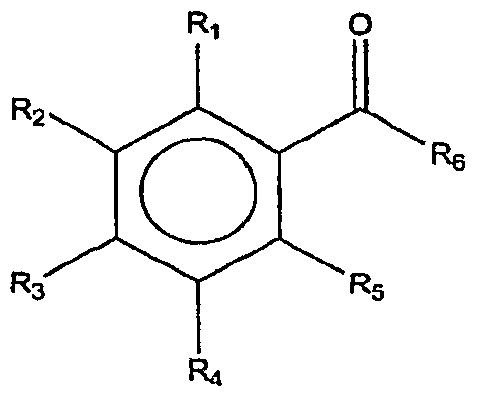


Claims
Priority Applications (4)
| Application Number | Priority Date | Filing Date | Title |
|---|---|---|---|
| CA002651180A CA2651180A1 (en) | 2006-04-28 | 2007-04-27 | Methods and compounds to alter virus infection |
| EP07756143A EP2019964A2 (en) | 2006-04-28 | 2007-04-27 | Methods and compounds to modulate parvovirus transduction of mammalian cells or to alter virus infection. method to identify a viral receptor or co-receptor |
| JP2009507848A JP2009535034A (en) | 2006-04-28 | 2007-04-27 | Methods for modulating parvovirus transduction of mammalian cells or altering viral infection and methods for identifying compounds, viral receptors or co-receptors |
| AU2007243184A AU2007243184A1 (en) | 2006-04-28 | 2007-04-27 | Methods and compounds to modulate parvovirus transduction of mammalian cells or to alter virus infection, method to identify a viral receptor or co-receptor |
Applications Claiming Priority (4)
| Application Number | Priority Date | Filing Date | Title |
|---|---|---|---|
| US79610906P | 2006-04-28 | 2006-04-28 | |
| US60/796,109 | 2006-04-28 | ||
| US85734906P | 2006-11-07 | 2006-11-07 | |
| US60/857,349 | 2006-11-07 |
Publications (2)
| Publication Number | Publication Date |
|---|---|
| WO2007127464A2 true WO2007127464A2 (en) | 2007-11-08 |
| WO2007127464A3 WO2007127464A3 (en) | 2008-01-31 |
Family
ID=38452019
Family Applications (1)
| Application Number | Title | Priority Date | Filing Date |
|---|---|---|---|
| PCT/US2007/010434 Ceased WO2007127464A2 (en) | 2006-04-28 | 2007-04-27 | Methods and compounds to modulate parvovirus transduction of mammalian cells or to alter virus infection, method to identify a viral receptor or co-receptor |
Country Status (6)
| Country | Link |
|---|---|
| US (2) | US20090017062A1 (en) |
| EP (1) | EP2019964A2 (en) |
| JP (1) | JP2009535034A (en) |
| AU (1) | AU2007243184A1 (en) |
| CA (1) | CA2651180A1 (en) |
| WO (1) | WO2007127464A2 (en) |
Cited By (9)
| Publication number | Priority date | Publication date | Assignee | Title |
|---|---|---|---|---|
| US7749491B2 (en) | 2003-03-31 | 2010-07-06 | University Of Iowa Research Foundation | Compounds and methods to enhance rAAV transduction |
| JP2011510309A (en) * | 2008-01-25 | 2011-03-31 | ハンサビオメド・オサウヒング | A novel method for measuring and characterizing microvesicles in human body fluids |
| US8241622B2 (en) | 2001-07-13 | 2012-08-14 | University Of Iowa Research Foundation | Adeno-associated virus vectors with intravector heterologous terminal palindromic sequences |
| US8846030B2 (en) | 1999-06-08 | 2014-09-30 | University Of Iowa Research Foundation | Compounds and methods to enhance rAAV transduction |
| US20200048641A1 (en) * | 2017-03-22 | 2020-02-13 | Ultragenyx Pharmaceutical Inc. | Methods for enhancing yield of recombinant adeno-associated virus |
| US11684679B2 (en) | 2016-03-07 | 2023-06-27 | University Of Iowa Research Foundation | AAV-mediated expression using a synthetic promoter and enhancer |
| US11702672B2 (en) | 2016-02-08 | 2023-07-18 | University Of Iowa Research Foundation | Methods to produce chimeric adeno-associated virus/bocavirus parvovirus |
| US11999965B2 (en) | 2017-01-13 | 2024-06-04 | University Of Iowa Research Foundation | Bocaparvovirus small noncoding RNA and uses thereof |
| US12173305B2 (en) | 2016-05-26 | 2024-12-24 | University Of Iowa Research Foundation | cis and trans requirements for terminal resolution of human bocavirus 1 |
Families Citing this family (2)
| Publication number | Priority date | Publication date | Assignee | Title |
|---|---|---|---|---|
| US20100080807A1 (en) * | 2008-09-26 | 2010-04-01 | National Taiwan University | Methods and Compositions for Treating Viral Hemorrhagic Fever |
| CN107996516B (en) * | 2017-11-16 | 2023-04-11 | 中国农业科学院蜜蜂研究所 | Automatic bee marking device and using method thereof |
Family Cites Families (38)
| Publication number | Priority date | Publication date | Assignee | Title |
|---|---|---|---|---|
| US4501729A (en) * | 1982-12-13 | 1985-02-26 | Research Corporation | Aerosolized amiloride treatment of retained pulmonary secretions |
| AU654979B2 (en) * | 1990-10-05 | 1994-12-01 | University Of North Carolina At Chapel Hill, The | Method of administering amiloride |
| US5173414A (en) * | 1990-10-30 | 1992-12-22 | Applied Immune Sciences, Inc. | Production of recombinant adeno-associated virus vectors |
| US5292498A (en) * | 1991-06-19 | 1994-03-08 | The University Of North Carolina At Chapel Hill | Method of treating lung disease with uridine triphosphates |
| US5686436A (en) * | 1993-05-13 | 1997-11-11 | Hiv Diagnostics, Inc. | Multi-faceted method to repress reproduction of latent viruses in humans and animals |
| US5512269A (en) * | 1993-06-09 | 1996-04-30 | Burroughs Wellcome, Co. | Method of treating retained pulmonary secretions |
| US5604090A (en) * | 1994-06-06 | 1997-02-18 | Fred Hutchinson Cancer Research Center | Method for increasing transduction of cells by adeno-associated virus vectors |
| US5656256A (en) * | 1994-12-14 | 1997-08-12 | The University Of North Carolina At Chapel Hill | Methods of treating lung disease by an aerosol containing benzamil or phenamil |
| US5843742A (en) * | 1994-12-16 | 1998-12-01 | Avigen Incorporated | Adeno-associated derived vector systems for gene delivery and integration into target cells |
| US5635160A (en) * | 1995-06-07 | 1997-06-03 | The University Of North Carolina At Chapel Hill | Dinucleotides useful for the treatment of cystic fibrosis and for hydrating mucus secretions |
| US5628984A (en) * | 1995-07-31 | 1997-05-13 | University Of North Carolina At Chapel Hill | Method of detecting lung disease |
| EP0863913A4 (en) * | 1995-08-21 | 2001-04-11 | Univ Duke | METHOD FOR INCREASING THE DENSITY OF AN ANTIGEN ON A CELL HAVING AN ANTIGEN |
| US5801030A (en) * | 1995-09-01 | 1998-09-01 | Genvec, Inc. | Methods and vectors for site-specific recombination |
| US5855918A (en) * | 1995-09-12 | 1999-01-05 | Genentech, Inc. | Cystic fibrosis therapy |
| US6037177A (en) * | 1997-08-08 | 2000-03-14 | Cell Genesys, Inc. | Method for increasing the efficiency of recombinant AAV production |
| US6436392B1 (en) * | 1998-05-20 | 2002-08-20 | University Of Iowa Research Foundation | Adeno-associated virus vectors |
| WO2000023023A1 (en) * | 1998-10-20 | 2000-04-27 | The University Of North Carolina At Chapel Hill | Methods of hydrating mucosal surfaces |
| US6926911B1 (en) * | 1998-12-22 | 2005-08-09 | The University Of North Carolina At Chapel Hill | Compounds and methods for the treatment of airway diseases and for the delivery of airway drugs |
| EP1190249A2 (en) * | 1999-06-08 | 2002-03-27 | University Of Iowa Research Foundation | Compounds and methods to enhance raav transduction |
| PT1196396E (en) * | 1999-07-19 | 2008-05-14 | Univ North Carolina | PHARMACOLOGICALLY ACTIVE COMPOUNDS WITH TWO COVALENTLY CONNECTED ACTIVE PRINCIPLES (SODIUM CHANNEL BLOCKER / P2Y2 RECEPTOR AGONIST) FOR THE TREATMENT OF MUCOUS SURFACES |
| JP2003511082A (en) * | 1999-10-12 | 2003-03-25 | ザ・ユニヴァーシティ・オヴ・ノース・キャロライナ・アト・チャペル・ヒル | Adeno-associated virus vector encoding factor VIII and uses thereof |
| US20020132770A1 (en) * | 1999-10-27 | 2002-09-19 | Caplan Michael T. | Conductance of improperly folded proteins through the secretory pathway and related methods for treating disease |
| US20020076754A1 (en) * | 2000-04-20 | 2002-06-20 | Liangwu Sun | Overcoming AAV vector size limitation through viral DNA hetero-dimerization |
| US20020128203A1 (en) * | 2000-09-20 | 2002-09-12 | Laurent Schild | Methods of identifying inhibitory compounds and uses thereof |
| US20020115619A1 (en) * | 2000-10-04 | 2002-08-22 | Rubenstein Ronald C. | Compositions and methods for treatment of cystic fibrosis |
| WO2002074156A2 (en) * | 2001-02-02 | 2002-09-26 | Corixa Corporation | Compositions and methods for the therapy and diagnosis of colon cancer |
| US20030013137A1 (en) * | 2001-03-13 | 2003-01-16 | Barak Larry S. | Automated methods of detecting receptor activity |
| CA2482124C (en) * | 2001-04-19 | 2008-10-07 | Uab Research Foundation | Methods of treatment using an epithelial sodium channel blocker and an inhibitor of the mineralocorticoid receptor |
| WO2002101012A2 (en) * | 2001-06-08 | 2002-12-19 | Children's Hospital Research Foundation | Regulation of transgene expression following aav transduction |
| US8241622B2 (en) * | 2001-07-13 | 2012-08-14 | University Of Iowa Research Foundation | Adeno-associated virus vectors with intravector heterologous terminal palindromic sequences |
| CA2453405A1 (en) * | 2001-07-13 | 2003-01-23 | University Of Iowa Research Foundation | Pseudotyped adeno-associated viruses and uses thereof |
| EP1509618B1 (en) * | 2002-05-13 | 2008-08-20 | Arexis AB | Autoimmune conditions and nadph oxidase defects |
| US7749491B2 (en) * | 2003-03-31 | 2010-07-06 | University Of Iowa Research Foundation | Compounds and methods to enhance rAAV transduction |
| EP1486567A1 (en) * | 2003-06-11 | 2004-12-15 | Deutsches Krebsforschungszentrum Stiftung des öffentlichen Rechts | Improved adeno-associated virus (AAV) vector for gene therapy |
| HUE034597T2 (en) * | 2003-06-19 | 2018-02-28 | Genzyme Corp | AAV virions with decreased immunoreactivity and uses therefor |
| US7655467B2 (en) * | 2003-11-14 | 2010-02-02 | The University Of Washington | Compositions and methods for systemic nucleic acid sequence delivery |
| WO2005116224A2 (en) * | 2004-05-18 | 2005-12-08 | Children's Memorial Hospital | Tetracycline-regulated adeno-associated viral (aav) vectors for gene delivery to the nervous system |
| EP1602926A1 (en) * | 2004-06-04 | 2005-12-07 | University of Geneva | Novel means and methods for the treatment of hearing loss and phantom hearing |
-
2007
- 2007-04-27 JP JP2009507848A patent/JP2009535034A/en not_active Ceased
- 2007-04-27 EP EP07756143A patent/EP2019964A2/en not_active Withdrawn
- 2007-04-27 US US11/796,605 patent/US20090017062A1/en not_active Abandoned
- 2007-04-27 CA CA002651180A patent/CA2651180A1/en not_active Abandoned
- 2007-04-27 AU AU2007243184A patent/AU2007243184A1/en not_active Abandoned
- 2007-04-27 WO PCT/US2007/010434 patent/WO2007127464A2/en not_active Ceased
- 2007-08-07 US US11/890,787 patent/US20080261201A1/en not_active Abandoned
Cited By (9)
| Publication number | Priority date | Publication date | Assignee | Title |
|---|---|---|---|---|
| US8846030B2 (en) | 1999-06-08 | 2014-09-30 | University Of Iowa Research Foundation | Compounds and methods to enhance rAAV transduction |
| US8241622B2 (en) | 2001-07-13 | 2012-08-14 | University Of Iowa Research Foundation | Adeno-associated virus vectors with intravector heterologous terminal palindromic sequences |
| US7749491B2 (en) | 2003-03-31 | 2010-07-06 | University Of Iowa Research Foundation | Compounds and methods to enhance rAAV transduction |
| JP2011510309A (en) * | 2008-01-25 | 2011-03-31 | ハンサビオメド・オサウヒング | A novel method for measuring and characterizing microvesicles in human body fluids |
| US11702672B2 (en) | 2016-02-08 | 2023-07-18 | University Of Iowa Research Foundation | Methods to produce chimeric adeno-associated virus/bocavirus parvovirus |
| US11684679B2 (en) | 2016-03-07 | 2023-06-27 | University Of Iowa Research Foundation | AAV-mediated expression using a synthetic promoter and enhancer |
| US12173305B2 (en) | 2016-05-26 | 2024-12-24 | University Of Iowa Research Foundation | cis and trans requirements for terminal resolution of human bocavirus 1 |
| US11999965B2 (en) | 2017-01-13 | 2024-06-04 | University Of Iowa Research Foundation | Bocaparvovirus small noncoding RNA and uses thereof |
| US20200048641A1 (en) * | 2017-03-22 | 2020-02-13 | Ultragenyx Pharmaceutical Inc. | Methods for enhancing yield of recombinant adeno-associated virus |
Also Published As
| Publication number | Publication date |
|---|---|
| EP2019964A2 (en) | 2009-02-04 |
| US20080261201A1 (en) | 2008-10-23 |
| CA2651180A1 (en) | 2007-11-08 |
| AU2007243184A1 (en) | 2007-11-08 |
| US20090017062A1 (en) | 2009-01-15 |
| WO2007127464A3 (en) | 2008-01-31 |
| JP2009535034A (en) | 2009-10-01 |
Similar Documents
| Publication | Publication Date | Title |
|---|---|---|
| US20080261201A1 (en) | Methods and compounds to alter virus infection | |
| Sadlish et al. | Evidence for a functionally relevant rocaglamide binding site on the eIF4A–RNA complex | |
| Shih et al. | Induction of the Nrf2-driven antioxidant response confers neuroprotection during mitochondrial stress in vivo | |
| Ogretmen et al. | Expression of the mutated p53 tumor suppressor protein and its molecular and biochemical characterization in multidrug resistant MCF-7/Adr human breast cancer cells | |
| US20080206198A1 (en) | Compounds and methods for pharmico-gene therapy of epithelial sodium channel associated disorders | |
| JP2003501068A (en) | Compounds and methods for increasing rAAV transduction | |
| US20090239243A1 (en) | Method of identifying compounds useful to treat neuronal degenerative diseases | |
| Yang et al. | Sestrin1 exerts a cytoprotective role against oxygen-glucose deprivation/reoxygenation-induced neuronal injury by potentiating Nrf2 activation via the modulation of Keap1 | |
| Tang et al. | Classic swine fever virus NS2 protein leads to the induction of cell cycle arrest at S-phase and endoplasmic reticulum stress | |
| JP2022553296A (en) | Regulation of cell viability | |
| US20160031955A1 (en) | Methods for Treating Mitochondrial Disorders and Neurodegenerative Disorders | |
| CN101695500A (en) | Application of potassium chloride (KCl) in pharmacy | |
| CN107998382B (en) | Application of deubiquitinase 7B containing OTU functional domain in the preparation of drugs for the treatment of fatty liver and related diseases | |
| KR101419999B1 (en) | Use of Hades as a negative regulator of Akt | |
| JAQUET | " Identification of pharmacological inhibitors of NADPH oxidases for the treatment of oxidative stress-derived pathologies | |
| JP6637092B2 (en) | Method and kit for detecting phospholipid hydroperoxide-dependent cell death, inhibitor of phospholipid hydroperoxide-dependent cell death, and agent for preventing or treating heart failure or sudden arrhythmic death | |
| JP6646304B2 (en) | Method and kit for detecting phospholipid hydroperoxide-dependent cell death, inhibitor of phospholipid hydroperoxide-dependent cell death, and agent for preventing or treating heart failure or sudden arrhythmic death | |
| JP6646303B2 (en) | Method and kit for detecting phospholipid hydroperoxide-dependent cell death, inhibitor of phospholipid hydroperoxide-dependent cell death, and agent for preventing or treating heart failure or sudden arrhythmic death | |
| JP2010203936A5 (en) | ||
| EP3738972A1 (en) | Parvolysine | |
| Sharon | Inhibition of the Anaphase Promoting Complex/Cyclosome mediates G2/mitotic arrest and host translational repression during Chicken Anemia Virus infection | |
| Zhou | Determination the Role of Constitutive Nitric Oxide Synthase in Skin Carcinogenesis Post UV Irradiation | |
| CN114948942A (en) | Use of wortmannin against novel coronaviruses | |
| Fink | Role of NOX2 and DUOX2 in the antiviral airway responses |
Legal Events
| Date | Code | Title | Description |
|---|---|---|---|
| 121 | Ep: the epo has been informed by wipo that ep was designated in this application |
Ref document number: 07756143 Country of ref document: EP Kind code of ref document: A2 |
|
| WWE | Wipo information: entry into national phase |
Ref document number: 2651180 Country of ref document: CA Ref document number: 2007243184 Country of ref document: AU |
|
| WWE | Wipo information: entry into national phase |
Ref document number: 2009507848 Country of ref document: JP |
|
| NENP | Non-entry into the national phase |
Ref country code: DE |
|
| ENP | Entry into the national phase |
Ref document number: 2007243184 Country of ref document: AU Date of ref document: 20070427 Kind code of ref document: A |
|
| WWE | Wipo information: entry into national phase |
Ref document number: 2007756143 Country of ref document: EP |