WO2006090291A2 - Method for expanding cd4+ cd25+ t regulatory cells - Google Patents
Method for expanding cd4+ cd25+ t regulatory cells Download PDFInfo
- Publication number
- WO2006090291A2 WO2006090291A2 PCT/IB2006/001116 IB2006001116W WO2006090291A2 WO 2006090291 A2 WO2006090291 A2 WO 2006090291A2 IB 2006001116 W IB2006001116 W IB 2006001116W WO 2006090291 A2 WO2006090291 A2 WO 2006090291A2
- Authority
- WO
- WIPO (PCT)
- Prior art keywords
- cells
- cell
- rapamycin
- population
- autoimmune
- Prior art date
- Legal status (The legal status is an assumption and is not a legal conclusion. Google has not performed a legal analysis and makes no representation as to the accuracy of the status listed.)
- Ceased
Links
Classifications
-
- C—CHEMISTRY; METALLURGY
- C12—BIOCHEMISTRY; BEER; SPIRITS; WINE; VINEGAR; MICROBIOLOGY; ENZYMOLOGY; MUTATION OR GENETIC ENGINEERING
- C12N—MICROORGANISMS OR ENZYMES; COMPOSITIONS THEREOF; PROPAGATING, PRESERVING, OR MAINTAINING MICROORGANISMS; MUTATION OR GENETIC ENGINEERING; CULTURE MEDIA
- C12N5/00—Undifferentiated human, animal or plant cells, e.g. cell lines; Tissues; Cultivation or maintenance thereof; Culture media therefor
- C12N5/06—Animal cells or tissues; Human cells or tissues
- C12N5/0602—Vertebrate cells
- C12N5/0634—Cells from the blood or the immune system
- C12N5/0636—T lymphocytes
- C12N5/0637—Immunosuppressive T lymphocytes, e.g. regulatory T cells or Treg
-
- A—HUMAN NECESSITIES
- A61—MEDICAL OR VETERINARY SCIENCE; HYGIENE
- A61K—PREPARATIONS FOR MEDICAL, DENTAL OR TOILETRY PURPOSES
- A61K40/00—Cellular immunotherapy
- A61K40/10—Cellular immunotherapy characterised by the cell type used
- A61K40/11—T-cells, e.g. tumour infiltrating lymphocytes [TIL] or regulatory T [Treg] cells; Lymphokine-activated killer [LAK] cells
-
- A—HUMAN NECESSITIES
- A61—MEDICAL OR VETERINARY SCIENCE; HYGIENE
- A61K—PREPARATIONS FOR MEDICAL, DENTAL OR TOILETRY PURPOSES
- A61K40/00—Cellular immunotherapy
- A61K40/20—Cellular immunotherapy characterised by the effect or the function of the cells
- A61K40/22—Immunosuppressive or immunotolerising
-
- A—HUMAN NECESSITIES
- A61—MEDICAL OR VETERINARY SCIENCE; HYGIENE
- A61K—PREPARATIONS FOR MEDICAL, DENTAL OR TOILETRY PURPOSES
- A61K40/00—Cellular immunotherapy
- A61K40/40—Cellular immunotherapy characterised by antigens that are targeted or presented by cells of the immune system
- A61K40/41—Vertebrate antigens
- A61K40/416—Antigens related to auto-immune diseases; Preparations to induce self-tolerance
-
- A—HUMAN NECESSITIES
- A61—MEDICAL OR VETERINARY SCIENCE; HYGIENE
- A61P—SPECIFIC THERAPEUTIC ACTIVITY OF CHEMICAL COMPOUNDS OR MEDICINAL PREPARATIONS
- A61P1/00—Drugs for disorders of the alimentary tract or the digestive system
- A61P1/04—Drugs for disorders of the alimentary tract or the digestive system for ulcers, gastritis or reflux esophagitis, e.g. antacids, inhibitors of acid secretion, mucosal protectants
-
- A—HUMAN NECESSITIES
- A61—MEDICAL OR VETERINARY SCIENCE; HYGIENE
- A61P—SPECIFIC THERAPEUTIC ACTIVITY OF CHEMICAL COMPOUNDS OR MEDICINAL PREPARATIONS
- A61P11/00—Drugs for disorders of the respiratory system
-
- A—HUMAN NECESSITIES
- A61—MEDICAL OR VETERINARY SCIENCE; HYGIENE
- A61P—SPECIFIC THERAPEUTIC ACTIVITY OF CHEMICAL COMPOUNDS OR MEDICINAL PREPARATIONS
- A61P11/00—Drugs for disorders of the respiratory system
- A61P11/06—Antiasthmatics
-
- A—HUMAN NECESSITIES
- A61—MEDICAL OR VETERINARY SCIENCE; HYGIENE
- A61P—SPECIFIC THERAPEUTIC ACTIVITY OF CHEMICAL COMPOUNDS OR MEDICINAL PREPARATIONS
- A61P13/00—Drugs for disorders of the urinary system
- A61P13/12—Drugs for disorders of the urinary system of the kidneys
-
- A—HUMAN NECESSITIES
- A61—MEDICAL OR VETERINARY SCIENCE; HYGIENE
- A61P—SPECIFIC THERAPEUTIC ACTIVITY OF CHEMICAL COMPOUNDS OR MEDICINAL PREPARATIONS
- A61P15/00—Drugs for genital or sexual disorders; Contraceptives
- A61P15/08—Drugs for genital or sexual disorders; Contraceptives for gonadal disorders or for enhancing fertility, e.g. inducers of ovulation or of spermatogenesis
-
- A—HUMAN NECESSITIES
- A61—MEDICAL OR VETERINARY SCIENCE; HYGIENE
- A61P—SPECIFIC THERAPEUTIC ACTIVITY OF CHEMICAL COMPOUNDS OR MEDICINAL PREPARATIONS
- A61P17/00—Drugs for dermatological disorders
-
- A—HUMAN NECESSITIES
- A61—MEDICAL OR VETERINARY SCIENCE; HYGIENE
- A61P—SPECIFIC THERAPEUTIC ACTIVITY OF CHEMICAL COMPOUNDS OR MEDICINAL PREPARATIONS
- A61P17/00—Drugs for dermatological disorders
- A61P17/12—Keratolytics, e.g. wart or anti-corn preparations
-
- A—HUMAN NECESSITIES
- A61—MEDICAL OR VETERINARY SCIENCE; HYGIENE
- A61P—SPECIFIC THERAPEUTIC ACTIVITY OF CHEMICAL COMPOUNDS OR MEDICINAL PREPARATIONS
- A61P19/00—Drugs for skeletal disorders
- A61P19/02—Drugs for skeletal disorders for joint disorders, e.g. arthritis, arthrosis
-
- A—HUMAN NECESSITIES
- A61—MEDICAL OR VETERINARY SCIENCE; HYGIENE
- A61P—SPECIFIC THERAPEUTIC ACTIVITY OF CHEMICAL COMPOUNDS OR MEDICINAL PREPARATIONS
- A61P21/00—Drugs for disorders of the muscular or neuromuscular system
-
- A—HUMAN NECESSITIES
- A61—MEDICAL OR VETERINARY SCIENCE; HYGIENE
- A61P—SPECIFIC THERAPEUTIC ACTIVITY OF CHEMICAL COMPOUNDS OR MEDICINAL PREPARATIONS
- A61P21/00—Drugs for disorders of the muscular or neuromuscular system
- A61P21/04—Drugs for disorders of the muscular or neuromuscular system for myasthenia gravis
-
- A—HUMAN NECESSITIES
- A61—MEDICAL OR VETERINARY SCIENCE; HYGIENE
- A61P—SPECIFIC THERAPEUTIC ACTIVITY OF CHEMICAL COMPOUNDS OR MEDICINAL PREPARATIONS
- A61P25/00—Drugs for disorders of the nervous system
-
- A—HUMAN NECESSITIES
- A61—MEDICAL OR VETERINARY SCIENCE; HYGIENE
- A61P—SPECIFIC THERAPEUTIC ACTIVITY OF CHEMICAL COMPOUNDS OR MEDICINAL PREPARATIONS
- A61P29/00—Non-central analgesic, antipyretic or antiinflammatory agents, e.g. antirheumatic agents; Non-steroidal antiinflammatory drugs [NSAID]
-
- A—HUMAN NECESSITIES
- A61—MEDICAL OR VETERINARY SCIENCE; HYGIENE
- A61P—SPECIFIC THERAPEUTIC ACTIVITY OF CHEMICAL COMPOUNDS OR MEDICINAL PREPARATIONS
- A61P3/00—Drugs for disorders of the metabolism
- A61P3/08—Drugs for disorders of the metabolism for glucose homeostasis
- A61P3/10—Drugs for disorders of the metabolism for glucose homeostasis for hyperglycaemia, e.g. antidiabetics
-
- A—HUMAN NECESSITIES
- A61—MEDICAL OR VETERINARY SCIENCE; HYGIENE
- A61P—SPECIFIC THERAPEUTIC ACTIVITY OF CHEMICAL COMPOUNDS OR MEDICINAL PREPARATIONS
- A61P37/00—Drugs for immunological or allergic disorders
- A61P37/02—Immunomodulators
-
- A—HUMAN NECESSITIES
- A61—MEDICAL OR VETERINARY SCIENCE; HYGIENE
- A61P—SPECIFIC THERAPEUTIC ACTIVITY OF CHEMICAL COMPOUNDS OR MEDICINAL PREPARATIONS
- A61P37/00—Drugs for immunological or allergic disorders
- A61P37/08—Antiallergic agents
-
- A—HUMAN NECESSITIES
- A61—MEDICAL OR VETERINARY SCIENCE; HYGIENE
- A61P—SPECIFIC THERAPEUTIC ACTIVITY OF CHEMICAL COMPOUNDS OR MEDICINAL PREPARATIONS
- A61P5/00—Drugs for disorders of the endocrine system
- A61P5/14—Drugs for disorders of the endocrine system of the thyroid hormones, e.g. T3, T4
-
- A—HUMAN NECESSITIES
- A61—MEDICAL OR VETERINARY SCIENCE; HYGIENE
- A61P—SPECIFIC THERAPEUTIC ACTIVITY OF CHEMICAL COMPOUNDS OR MEDICINAL PREPARATIONS
- A61P7/00—Drugs for disorders of the blood or the extracellular fluid
-
- A—HUMAN NECESSITIES
- A61—MEDICAL OR VETERINARY SCIENCE; HYGIENE
- A61P—SPECIFIC THERAPEUTIC ACTIVITY OF CHEMICAL COMPOUNDS OR MEDICINAL PREPARATIONS
- A61P7/00—Drugs for disorders of the blood or the extracellular fluid
- A61P7/02—Antithrombotic agents; Anticoagulants; Platelet aggregation inhibitors
-
- A—HUMAN NECESSITIES
- A61—MEDICAL OR VETERINARY SCIENCE; HYGIENE
- A61P—SPECIFIC THERAPEUTIC ACTIVITY OF CHEMICAL COMPOUNDS OR MEDICINAL PREPARATIONS
- A61P7/00—Drugs for disorders of the blood or the extracellular fluid
- A61P7/04—Antihaemorrhagics; Procoagulants; Haemostatic agents; Antifibrinolytic agents
-
- A—HUMAN NECESSITIES
- A61—MEDICAL OR VETERINARY SCIENCE; HYGIENE
- A61P—SPECIFIC THERAPEUTIC ACTIVITY OF CHEMICAL COMPOUNDS OR MEDICINAL PREPARATIONS
- A61P7/00—Drugs for disorders of the blood or the extracellular fluid
- A61P7/06—Antianaemics
-
- C—CHEMISTRY; METALLURGY
- C12—BIOCHEMISTRY; BEER; SPIRITS; WINE; VINEGAR; MICROBIOLOGY; ENZYMOLOGY; MUTATION OR GENETIC ENGINEERING
- C12N—MICROORGANISMS OR ENZYMES; COMPOSITIONS THEREOF; PROPAGATING, PRESERVING, OR MAINTAINING MICROORGANISMS; MUTATION OR GENETIC ENGINEERING; CULTURE MEDIA
- C12N5/00—Undifferentiated human, animal or plant cells, e.g. cell lines; Tissues; Cultivation or maintenance thereof; Culture media therefor
- C12N5/06—Animal cells or tissues; Human cells or tissues
- C12N5/0602—Vertebrate cells
- C12N5/0634—Cells from the blood or the immune system
- C12N5/0636—T lymphocytes
-
- A—HUMAN NECESSITIES
- A61—MEDICAL OR VETERINARY SCIENCE; HYGIENE
- A61K—PREPARATIONS FOR MEDICAL, DENTAL OR TOILETRY PURPOSES
- A61K2239/00—Indexing codes associated with cellular immunotherapy of group A61K40/00
- A61K2239/38—Indexing codes associated with cellular immunotherapy of group A61K40/00 characterised by the dose, timing or administration schedule
-
- C—CHEMISTRY; METALLURGY
- C12—BIOCHEMISTRY; BEER; SPIRITS; WINE; VINEGAR; MICROBIOLOGY; ENZYMOLOGY; MUTATION OR GENETIC ENGINEERING
- C12N—MICROORGANISMS OR ENZYMES; COMPOSITIONS THEREOF; PROPAGATING, PRESERVING, OR MAINTAINING MICROORGANISMS; MUTATION OR GENETIC ENGINEERING; CULTURE MEDIA
- C12N2501/00—Active agents used in cell culture processes, e.g. differentation
- C12N2501/04—Immunosuppressors, e.g. cyclosporin, tacrolimus
Definitions
- the present invention relates to methods for generating/expanding in vitro a CD4 + CD25 + T regulatory (Tr) cell or population and the use of such a cell or population for the treatment of diseases associated with a cell-mediated immune response (including T- and antibody-mediated immune responses).
- the present invention also relates to methods of eliminating/reducing a CD4 + CD25 ' T effector cell or a population thereof.
- cell-mediated immune responses including T- and antibody- mediated immune responses
- modulation of cell-mediated immune responses is important in a therapeutic context.
- Organ and cell transplantation is the treatment of choice for most patients with end stage kidney-failure, heart or liver disease, autoimmune type 1 diabetes and it is a developing possibility for patients with deficiencies in small-bowel function.
- Graft survival depends on a number of factors but the most significant of these is the administration of powerful immunosuppressive drugs. Transplantation between genetically disparate individuals evokes a rapid and potentially destructive alloreactive immune response that, if left uncontrolled, can lead to complete destruction of the transplanted organ or to graft versus host disease (GVHD). Administration of immunosuppressive drugs attenuates this response and thus prevents acute graft rejection.
- transplantation immunology The major aim of transplantation immunology is to develop protocols that prevent immune responses towards the graft but leave the rest of the immune system intact.
- autoimmune diseases In autoimmune diseases, undesired immune responses to self-antigens lead to destruction of peripheral tissues.
- Treatments of autoimmune diseases are currently based on down-modulation of inflammation and non-antigen (Ag) specific immunosuppression.
- Ag non-antigen
- This strategy is frequently not effective in the long term with high risk of relapse once the drug is withdrawn and hazards of excessive immunosuppression, including infections and tumors.
- the alternative approach is based on the induction of transient immunosuppression and/or specific immune tolerance, aimed at "silencing" the pathogenic response to self-Ag, while keeping host defense mechanisms intact.
- the immune system has evolved two distinct mechanisms to induce tolerance to self or non-harmful antigens. These are referred to as central and peripheral T cell tolerance. Central tolerance is realized during fetal development and the very early natal period and is mediated by clonal deletion of self-reactive T cells during thymic development. Peripheral mechanisms induce tolerance in mature T cells and occur in the periphery during the whole life. These mechanisms include functional inactivation of antigen specific lymphocytes (named anergy) and activation of T cell subsets with suppressive and regulatory capacities (reviewed in Battaglia 2002).
- Tr T regulatory
- Rapamycin is an immunosuppressive compound that, by binding the mammalian target of rapamycin (mTOR), inhibits cytokines induced T-cell proliferation (Sehgal 1998). Rapamycin is currently used to prevent acute graft rejection in humans, and has been shown to allow operational tolerance in murine models of transplantation (Blaha 2003). However, a direct effect of rapamycin on Tr cells, which play a key role in the induction and maintenance of peripheral tolerance, has not been demonstrated so far. We have now found that rapamycin selectively expands or promotes the naturally occurring CD4 + CD25 + Tr cells in vitro. Thus, rapamycin can be used to generate/expand CD4 + CD25 + Tr cells for ex-vivo cellular therapy in T cell-mediated diseases.
- mTOR mammalian target of rapamycin
- CD4 + T cells which includes both CD4 + CD25 + Tr cells (5-10% of the total CD4 + T cells) and T effector cells, with rapamycin increases by 20 fold the CD4 + CD25 + Tr cell content.
- rapamycin to selectively expand CD4 + CD25 + Tr cells in such large amounts may be limited to the in vitro approach.
- rapamycin in vitro selectively eliminates CD4 + CD25 ' T effector cells from a population of T cells comprising both such T effector cells and CD4 + CD25 + Tr cells.
- a method for producing, including culturing, a CD4 + CD25 + T regulatory (Tr) cell comprising incubating a T cell or T cell population obtained from a human or animal with rapamycin or a derivative thereof.
- a method for generating or expanding the population of CD4 + CD25 + Tr cells in a population of T cells comprising incubating the population of T cell obtained from a human or animal with rapamycin or a derivative thereof.
- rapamycin or a derivative thereof allows the culturing of, promotes expansion or proliferation of functional CD4 + CD25 + Tr cells and in particular CD4 + CD25 + FOXP3 + Tr cells.
- CD4 + CD25 + Tr cells By “functional CD4 + CD25 + Tr cells”, we mean that the CD4 + CD25 + Tr cells retain their suppressive activity and/or that the CD4 + CD25 + Tr cells maintain expression of regulatory markers such as FOXP3.
- a method for selectively eliminating or reducing the number of CD4 + CD25 " T cells in a population of T cells comprising incubating the population of T cells obtainable from a human or animal with rapamycin or a derivative thereof.
- rapamycin selectively blocks T cell receptor- (TCR) mediated proliferation of CD4 + CD25- T cells, but not of CD4 + CD25 + Tr cells.
- TCR T cell receptor-
- CD4 + CD25 + Tr cells may undergo less apoptosis that CD4 + CD25 " T effector cells in the presence of rapamycin.
- rapamycin may block the sensitivity of the T effector cells to IL-2, so that they do not expand.
- tumor cell-based therapies such as vaccines and bone marrow transplants can induce potent, tumor-specific immune disease relapse, the most significant post-transplant complication.
- donor T cells are fully functional and are more likely to mount significant response to the therapy.
- the present invention may be advantageous since culturing with rapamycin reduces risks associated with T effector cells when T cells are donated to a patient.
- the CD4 + CD25 + Tr cell produced according to the present invention is (re-) introduced into a patient alone or in combination with a drug.
- the T cell is a naive T cell.
- the T cell is activated.
- the method further comprises incubating in the presence of a cytokine.
- a cytokine is IL-2.
- the method further comprises incubating in the presence of antigens, including allergens, allo-antigens, self-antigens, food antigens, and microbial antigens.
- antigens including allergens, allo-antigens, self-antigens, food antigens, and microbial antigens.
- a CD4 + CD25 + Tr cell produced by the method of the invention.
- a CD4 CD25 Tr cell according to the present invention for the modulation of a cell- mediated immune response.
- a pharmaceutical composition comprising the CD4 + CD25 + Tr cell according to the present invention and a pharmaceutically acceptable carrier, excipient or diluent.
- a CD4 CD25 + Tr cell for the preparation of a medicament for the treatment of a disease associated with a cell-mediated immune response.
- T regulatory cells did not give rise to immune suppression.
- cell-based treatment can be effective using the method of the present invention. It may be that the previous experiments did not give rise to immune suppression due to the presence of T effector cells, which are eliminated using the present invention.
- rapamycin exerts its effect by binding to the intracellular immunophilin FK506 binding protein (FKBP12).
- FKBP12 immunophilin FK506 binding protein
- rapamycin does not inhibit TCR-induced calcineurin activity. Rather, the rapamycin ⁇ FKBP12 complex inhibits the serine/threonine protein kinase called mTOR (mammalian target of rapamycin), which activation is required for protein synthesis and cell cycle progression.
- mTOR serine/threonine protein kinase
- rapamycin blocks signaling in response to cytokines/growth factors, whereas FK506 and CsA exert their inhibitory effects by blocking TCR-induced activation (reviewed in Abraham 1996). A direct effect of rapamycin on Tr has not been demonstrated so far.
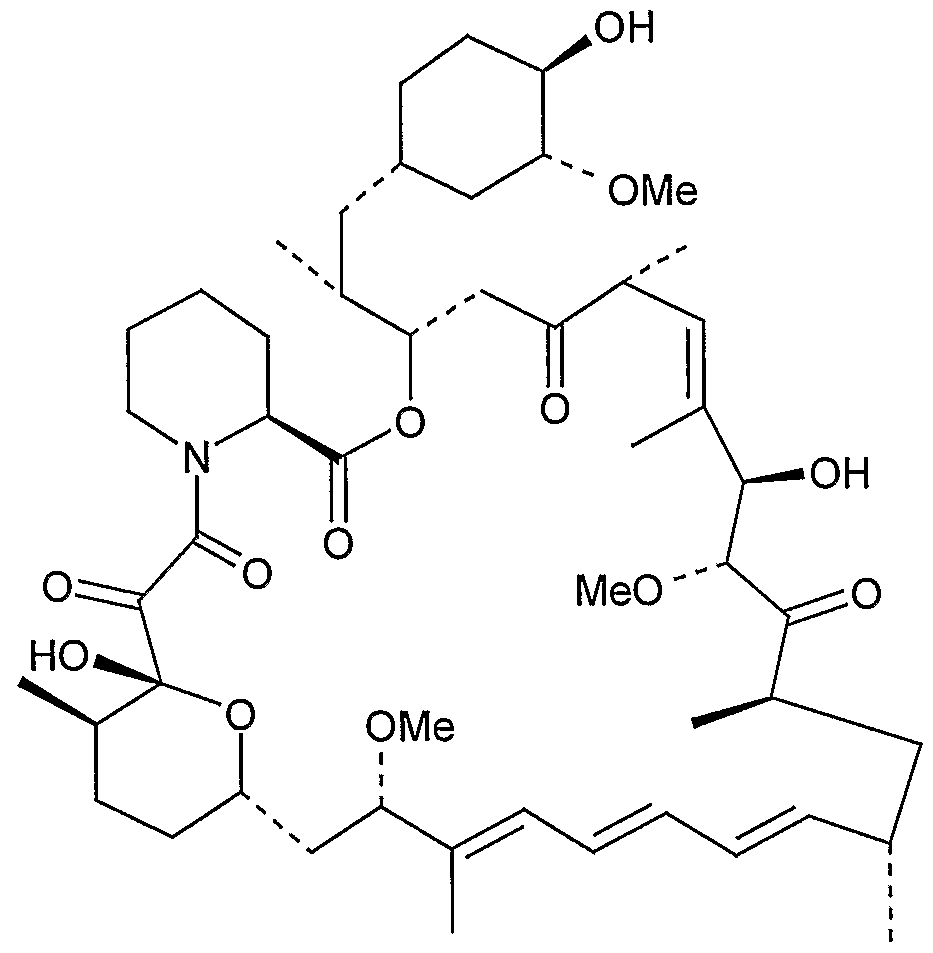
- a rapamycin defines a class of immunosuppressive compounds which contain the basic rapamycin nucleus (shown below).
- the rapamycins of this invention include compounds which may be chemically or biologically modified as derivatives of the rapamycin nucleus, while still retaining immunosuppressive properties.
- a rapamycin includes esters, ethers, oximes, hydrazones, and hydroxylamines of rapamycin, as well as rapamycins in which functional groups on the rapamycin nucleus have been modified, for example through reduction or oxidation.
- a rapamycin also includes pharmaceutically acceptable salts of rapamycins, which are capable of forming such salts, either by virtue of containing an acidic or basic moiety.
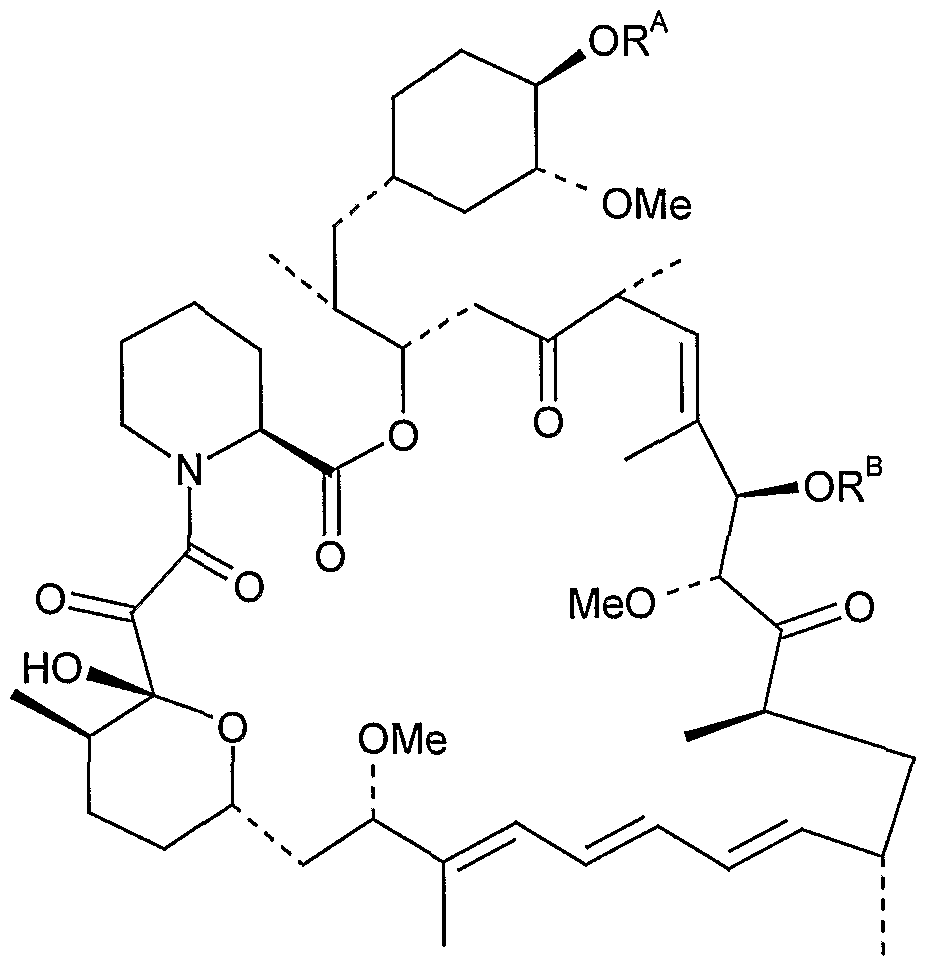
- esters and ethers of rapamycin are of the hydroxyl groups at the 42-and/or 31 -positions of the rapamycin nucleus, esters and ethers of a hydroxyl group at the 27-position (following chemical reduction of the 27-ketone), and that the oximes, hydrazones, and hydroxylamines are of a ketone at the 42 position (following oxidation of the 42-hydroxyl group) and of 27-ketone of the rapamycin nucleus.
- Preferred 42-and/or 31 -esters and ethers of rapamycin are disclosed in the following patents, which are all hereby incorporated by reference: alkyl esters (U. S. Patent 4,316,885); aminoalkyl esters (U.S. Patent 4,650,803); fmorinated esters (U. S. Patent 5,100,883); amide esters (U. S. Patent 5,118,677); carbamate esters (U. S. Patent 5,118,678); silyl ethers (U. S. Patent 5,120,842); aminoesters (U. S. Paten5,130,307); acetals (U. S. Patent 5,51,413); aminodiesters (U. S.
- Patent 5,162,333 sulfonate and sulfate esters (U. S. Patent 5,177,203); esters (U. S. Patent 5,221,670); alkoxyesters (U. S. Patent 5,233,036);O-aryl,-alkyl,-alkenyl, and- alkynyl ethers (U. S. Patent 5,258,389); carbonate esters (U. S. Patent 5,260,300); arylcarbonyl and alkoxycarbonyl carbamates (U. S. Patent 5,262,423); carbamate (U. S. Patent 5,302,584); hydroxyesters (U. S. Patent 5,362,718); hindered esters (U. S.
- Patent 5,385,908 ; heterocyclic esters (U. S. Patent 5,385,909); gem-disubstituted esters (U. S. Patent 5,385,910); amino alkanoic esters (U. S. Patent 5,389,639); phosphorylcarbamate esters (U. S. Patent 5,391,730); carbamate esters (U. S. Patent 5,411,967); carbamate esters (U. S. Patent 5,434,260);amidino carbamate esters (U. S. Patent 5,463,048); carbamate esters (U. S. Patent 5,480,988); carbamate esters (U. S. Patent 5,480,989); carbamate esters(U. S.
- Patent 5,489,680 hindered N-oxide esters (U. S. Patent 5,491,231); biotin esters (U. S. Patent 5,504,091); 0-alkyl ethers(U. S. Patent 5,665,772); and PEG esters of rapamycin (U. S. Patent 5,780,462).
- the preparation of these esters and ethers is disclosed in the patents listed above.
- rapamycin compounds include compounds of formula:
- RA and RB are each selected from hydrogen and ester or ether forming groups as disclosed in any one of the abovementioned US patents.
- Preferred oximes, hydrazones, and hydroxylamines of rapamycin are disclosed in U. S. Patents 5,373,014,5,378,836,5,023,264, and 5,563,145, which are hereby incorporated by reference.
- the preparation of these oximes, hydrazones, and hydroxylamines are disclosed in the above listed patents.
- the preparation of 42 oxorapamycin is disclosed in 5,023,263, which is hereby incorporated by reference.
- rapamycins include rapamycin [U. S. Patent 3,929,992], rapamycin 42-ester with3-hydroxy-2- (hydroxymethyl)-2-methylpropionic acid [U. S. Patent 5,362,718], and42-0- (2-hydroxy) ethyl rapamycin [U. S. Patent 5,665,772].
- pharmaceutically acceptable salts can be formed from organic and inorganic acids, for example, acetic, propionic, lactic, citric, tartaric, succinic, fumaric, maleic, malonic, mandelic, malic, phthalic, hydrochloric, hydrobromic, phosphoric, nitric, sulfuric, methanesulfonic, napthalenesulfonic, benzenesulfonic, toluenesulfonic, camphorsulfonic, and similarly known acceptable aids when the rapamycin contains a suitable basic moiety.
- organic and inorganic acids for example, acetic, propionic, lactic, citric, tartaric, succinic, fumaric, maleic, malonic, mandelic, malic, phthalic, hydrochloric, hydrobromic, phosphoric, nitric, sulfuric, methanesulfonic, napthalenesulfonic, benzenesulfonic, toluenesul
- Salts may also be formed from organic and inorganic bases, such as alkali metal salts (for example, sodium, lithium, or potassium) alkaline earth metal salts, ammonium salts, alkylammonium salts containing 1-6 carbon atoms or dialkylammonium salts containing 1-6 carbon atoms in each alkyl group, and trialkylammonium salts containing 1-6 carbon atoms in each alkyl group, when the rapamycin contains a suitable acidic moiety.
- alkali metal salts for example, sodium, lithium, or potassium alkaline earth metal salts
- ammonium salts for example, sodium, lithium, or potassium alkaline earth metal salts
- alkylammonium salts containing 1-6 carbon atoms or dialkylammonium salts containing 1-6 carbon atoms in each alkyl group such as sodium, lithium, or potassium alkaline earth metal salts, ammonium salts, alkylammonium salts containing 1-6 carbon atoms or dial
- Tr cells are well characterized T cell subsets, which play a key role in inducing and maintaining immunological tolerance.
- the Tr cell subset that express the IL-2R ⁇ chain (CD4 + CD25 + ) is one of the most extensively characterized so far (reviewed in Fehervari 2004).
- CD4 + CD25 + Tr cells are generated in the thymus and are part of the normal peripheral T cell repertoire.
- CD4 + CD25 + Tr cells can be distinguished from activated T cells based on the high constitutive expression of CD25, CTLA-4, GITR, and the transcription factor FOXP3. Once generated, thymic CD4 + CD25 Tr cells migrate to peripheral tissues, where they potently suppress proliferation and cytokine production by both CD4 + and CD8 + T cells via a mechanism that requires cell-cell contact (Fehervari 2004). CD4 + CD25 + Tr cells contribute to tolerance induction after solid organ transplantation and protect from graft versus host disease (GVHD) lethality in bone marrow transplantion models (Taams 2003). Moreover, it has been demonstrated that CD4 + CD25 + Tr cells play important immunomodulatory roles in several animal models of autoimmunity, allergy, and infection (Fehervari 2004).
- GVHD graft versus host disease
- a population of T cells for use in the present invention may be obtained from peripheral blood or secondary lymphoid organs.
- the T cells may also be obtained from a sample using ⁇ -CD4 + monoclonal antibody-coated microbeads.
- the T cells are further purified using ⁇ -CD25 + monoclonal antibody- coated microbeads.
- the T cells may also be obtained from a sample using flow cytometry (FACS).
- T cells may be cultured in a suitable culture medium such as X- VIVO, optionally in the presence of human serum. Cytokines, such as IL2, may be added. Polyclonal activation of T cells may be induced with ⁇ -CD3 and ⁇ -CD28 antibodies.
- an antigen or allergen of interest may be added.
- the T cells are generally co-cultured with antigen presenting cells (APCs).
- APCs antigen presenting cells
- the rapamycin is then typically added to the culture.
- the allergen or antigen may be added before, after or at substantially the same time as the rapamycin.
- the T cells are incubated with rapamycin over a period of around 1-4 weeks, preferably around three weeks. Rapamycin may be added to the medium over the period of this incubation, e.g., once a week. As an example, rapamycin may be added in an amount of around 10OnM.
- the present invention may be used in association with organ transplantation, such as kidney, heart, liver, islet or bone marrow transplantation, and in the treatment or prevention of graft-versus-host disease.
- organ transplantation such as kidney, heart, liver, islet or bone marrow transplantation
- CD4 + CD25 + Tr cells control graft versus host disease (GVHD) 5 while allow reconstitution of the immune system post-transplantation (Taylor 2002, Trenado 2003, Edinger 2003).
- CD4 + CD25 + Tr cells may also be able to modulate GVHD whilst preserving the graft versus tumor (GVT) or graft versus leukemia (GVL) effect.
- minor histocompatibility antigens are immunogenic peptides from polymorphic cellular proteins that induce strong T-cell responses after human leukocyte antigen (HLA)-matched, mHag-mismatched stem-cell transplantationmHags with broad or limited tissue expression are target antigens for graft versus host (GVH) and graft versus leukemia (GVL) reactivities ⁇ -Separation of these activities is crucial for adoptive immunotherapy of leukemia without GVH disease.
- HLA human leukocyte antigen
- GVL graft versus leukemia
- autoimmune diseases include: autoimmune (Hasimoto's) thyroiditis, hyperthyroidism (Graves' disease) type I diabetes mellitus, insulin resistant diabetes, autoimmune adrenal insufficiency (addison's disease), autoimmune oophoirits, autoimmune orchitis, autoimmune hemolytic anemia, paroxysmal cold hemoglobinuria, autoimmune thrombocytopenia, autoimmune neutropenia, pernicius anemia, pure red cell anemia, autoimmune coagulopathies, myasthenia gravis, autoimmune polyneuritis, multiple sclerosis, experimental allergic encephalomyelitis, pemphigus and other bullous diseases, rheumatic carditis, Goodpasture's syndrome, postcardiotomy syndrome, systemic lupus erythematosus, rheumatoid arthritis, Sjorgen's syndrome, polymyositis, dermatomyositis, scleroderma;
- the present invention also envisages manipulating the expanded cells, for example through cytokine stimulation or by adding genes or interest - such as therapeutic genes or knock-out genes, prior to administration to a patient.
- the present invention provides a method for expanding the CD4+CD25+ T cells it provides a useful tool for readily investigating their function and cell surface markers.
- the present invention further envisages the use of the expanded cells in assays.
- Tr cells from a patient could be isolated and expanded in vitro, and then re- administered to the patient.
- Tr cells could be obtained from a donor. Preferably the cells are reinfused into the patient.
- Tr cells of the present invention for use in immunotherapy are typically formulated for administration to patients with a pharmaceutically acceptable carrier or diluent to produce a pharmaceutical composition.
- Suitable carriers and diluents include isotonic saline solutions, for example phosphate-buffered saline.
- the composition may be formulated for parenteral, intramuscular, intravenous, intra-peritoneal, injection, intranasal inhalation, lung inhalation, intradermal, intra-articular, intrathecal, or via the alimentary tract (for example, via the Peyers patches).
- Cells and pharmaceutical comprising cells of the invention are typically administered to the patient by intramuscular, intraperitoneal or intravenous injection, or by direct injection into the lymph nodes of the patient, preferably by direct injection into the lymph nodes.
- 10 4 /kg to 10 9 /kg treated cells preferably from lOVkg to 10 7 /kg cells, more preferably about 10 6 /kg cells are administered to the patient.
- FIG. 1 shows the results of Example 1.
- FIG. 2-7 show the results of Example 2.
- FIG. 8-10 show the results of Example 3.
- Figure 11 shows the results of Example 4.
- Figure 12 shows the results of Example 5.
- mice Balb/c, C57BL/6, and DOl 1.10 (TCR tg specific for OVA) female mice were purchased from Charles River Laboratories (Calco, Italy). All mice were kept under specific pathogen free conditions.
- CD4 + T cells were first purified from splenocytes isolated from Balb/c mice by positive selection with ⁇ CD4 niAb-coated microbeads (Miltenyi Biotec, Bergisch
- CD4 + T cells were stained with Cy-coupled ⁇ CD4 and PE-coupled ⁇ CD25 mAbs (BD Biosciences) and CD4 + CD25 + T cells were sorted by FACS-sorting on a FAC-Star (BD Biosciences).
- CD4 + T cells were obtained by incubation of splenocytes with ⁇ CD4 mAb-coated microbeads and applied onto MiniMacs columns (Miltenyi Biotec). The average purity was 95%.
- IXlO 6 CD4 + T cells isolated from spleen of DOl 1.10 tg mice were stimulated with 4XlO 6 APC from Balb/c mice (i.e. total splenocytes irradiated 3000 Rad) and 0.6 ⁇ M OVA 323 - 339 peptide (OVA) (Primm, Milano, Italy). Three rounds of stimulation of 7 days each were performed. IL-2 (BD Biosciences) was added starting from the second round of stimulation at 50 U/ml.
- IXlO 6 CD4 + T cells isolated from spleen of Balb/c mice were stimulated with coated lO ⁇ g/ml of ⁇ CD3 and soluble l ⁇ g/ml of ⁇ CD28 mAbs (BD Biosciences). Cells were cultured in the presence of medium alone or 10OnM rapamycin (Sigma, St Louis, MO). Three rounds of stimulation of 7 days each were performed. IL-2 (BD Biosciences) was added starting from the second round of stimulation at 50 U/ml.
- sorted CD4 + CD25 + T cells isolated from spleen of Balb/c mice were stimulated with coated lO ⁇ g/ml of ⁇ CD3, soluble l ⁇ g/ml of ⁇ CD28 mAbs (BD Biosciences) and 1000 U/ml of IL-2.
- Cells were cultured in the presence of medium alone or 10OnM rapamycin (Sigma, St Louis, MO). 1000 U/ml of IL-2 was added at the beginning of each new stimulation.
- CD4 + T cells isolated from na ⁇ ve Balb/c mice or KJl -26 + ( ⁇ OVA-specific TCR) T cells isolated from DOl 1.10 tg mice were stained with CFSE (Molecular Probes) as described elsewhere (Lyons 1994) and cultured in 96 well plates (2X10 /well) coated with lO ⁇ g/ml ⁇ CD3 mAb (BD Biosciences) or irradiated splenocytes and OVA.
- T cells cultured for 3 weeks in medium or rapamycin were added in 1:1 ratio (i.e. 10 5 :10 5 ) to the culture, and 5 days later the cells were collected and analyzed by FACS. The percentage of CFSE + cells divided in the presence of cultured cells was compared to percentage of CFSE + divided cells in the absence of any added cells.
- CD4 + T cells isolated from na ⁇ ve Balb/c mice were stained with CFSE (Molecular Probes) and cultured at the bottom of 48 transwell plates (5X10 5 /well) coated with lO ⁇ g/ml ⁇ CD3 mAb (BD Biosciences). On top of the transwell were seeded T cells cultured for 3 weeks in medium or rapamycin in 1 :1 ratio, pre-activated with ⁇ CD3 mAb for 6 hours. After 5 days of culture, cells from the bottom compartment were collected and analyzed by FACS.
- the proportion of CFSE + cells proliferating in vifro was calculated as described elsewhere (Lyons 1994). Briefly, the number of cells (events) in a given cycle (division: n) was divided by 2 raised to power n, to calculate the percentage of original precursor cells from which they arose. The sum of original precursors from division 1 to 6 represents the number of precursors cells which proliferated. The percent Of CFSE + divided cells was calculated by [(# of precursors that proliferatedi- 6 /# of total precursors 0-6 )X100].
- Islet transplant Diabetes was induced in Balb/c mice by intravenous injection of streptozotocin (Sigma, St. Louis, MO) at 170 mg/kg. A diagnosis of diabetes was made after two sequential glucose measurements higher than 350 mg/dl. Hand picked pancreatic ⁇ -islets isolated from C57BL/6 were transplanted under the kidney capsule of recipient Balb/c diabetic mice, as previously described (Davalli 1996).
- Example 1 Rapamycin does not block activation induced cell death and proliferation of murine CD4 + T cells.
- naive CD4 + T cells from spleens of DO 11.10 TCR tg mice were activated with APC+O VA in the presence or absence of rapamycin and activation induced cell death (AICD) was monitored by binding of annexin V.
- AICD activation induced cell death
- DOl 1.10 tg CD4 + T cells were cultured with APC+OVA (medium) or APC+OVA+rapamycin (rapamycin) and AICD was monitored by FACs after 24 and 72 hours of culture.
- naive CD4 + T cells from DOl 1.10 TCR tg mice were activated in vitro with APC+OVA for three consecutive weeks in the presence or absence of rapamycin. Fold expansion of T cells was determined after each round of stimulation. As shown in Figure IB, fold expansion of DOl 1.10 tg CD4 + T cells 1, 2, and 3 weeks after culture in the presence of APC+OVA (medium, white bars) or APC+OVA+rapamycin (rapamycin, dotted bars) was evaluated by direct cell counts. T cells activated in the presence of rapamycin had a delayed kinetic of proliferation compared to control cells.
- rapamycin binds to FKBP 12 and the formed complex inhibits the function of mTOR, which is involved in a broad range of physiological processes linked to the control of cell-cycle. Indeed, rapamycin is widely considered as an inhibitor of T cell cycle by arresting T cells in G 1 phase (Dumont 1990, Chung 1992, Morice 1993, Nourse 1994, Kato 1994). Based on this mode of action, rapamycin is used as an immunosuppressive agent for the treatment of transplant rejection. However, patients who received rapamycin did not reveal higher susceptibility to infections, as expected by general immunosuppression (Saunders 2001).
- rapamycin has some effects in blocking CD4 + T cell cycle entry, but the majority of the cells, once enter the cell cycle, are perfectly capable of dividing (Terada 1993, Terada 1995, Vu 2004). In line with these observations, our results demonstrate that rapamycin does not block CD4 + T cells expansion.
- CD4 + T cells activated in the presence of rapamycin and re-stimulated with APC+OVA in the absence of rapamycin, retained their ability to proliferate, although the overall number of cell divisions was slightly reduced.
- APC+OVA+rapamycin (rapamycin) DOl 1.10 tg CD4 + T cells were stained with CFSE and re-stimulated with APC+OVA in the absence of the compound and of exogenous IL-2. CFSE dilution was monitored 5 days after activation.
- Naive CD4 T cells from a DOl 1.10 tg mouse were used as control.
- Studies performed in model genetic organisms suggest that cell division and cell growth are normally coordinated yet separable processes and that cells progress through the cell cycle only when sufficient mass, size, and biosynthesis have been reached (reviewed in Schmelzle 2000).
- Fingar and colleagues demonstrated that cell growth and cell cycle progression are separable processes in mammalian cells and that growth to appropriate cell size requires mTOR-dependent signals.
- inhibition of mTOR is the mechanism by which rapamycin reduces cell size in rat fibroblasts and human osteosarcoma cell lines (Fingar 2002).
- our data provide evidence that rapamycin blocks CD4 + T cells growth while allows their proliferation.
- Example 2 Rapamycin expands CD4 + CD25 + FOXP3 + Tr cells with suppressive ability in vitro.
- DOl 1.10 tg CD4 + T cells were left resting for one week with no further stimulation in the presence of IL-2 (50 U/ml). After seven days cells were analyzed by FACS. Cells were gated on CD4 + CD25 + cells and numbers represent percentages of the three different CD25 + subset ⁇ i.e. bright, dim, and low). Na ⁇ ve CD4 + T cells from a DOl 1.10 tg mouse were used as control.
- T cells activated in the presence of rapamycin were highly enriched in CD4 + CD25 bright T cells, which represent the Tr subset among the CD4 + CD25 + T cell population ( Figures 2A and B) (Levings 2002, Belghith 2003).
- CD4 + T cells containing 70.000 CD4 + CD25 bright T cells
- APC+OVA medium, white bar
- APC+OVA+rapamycin dotted bar, rapamycin
- rapamycin profoundly affects the phenotype and function of dendritic cells by reducing their Ag uptake capacity, thereby favoring the differentiation of tolerogenic APC (Hackstein 2002).
- Tr cells in rapamycin-exposed T cell cultures could be due to an indirect effect of rapamycin on APC, which become tolerogenic and induce a Tr cell population, rather than a direct effect on the T cells.
- Na ⁇ ve CD4 + T cells from spleens of Balb/c mice were repetitively activated in vitro with ⁇ CD3 and ⁇ CD28 mAbs for three weeks in the presence or absence of rapamycin.
- T cells activated with APC+OVA T cells activated with ⁇ CD3 and ⁇ CD28 mAbs in the absence of APC, proliferated, did not become anergic, were smaller than control cells (data not shown), and suppressed proliferation of syngeneic naive CD4 + T cells in vitro (Figure 3 A, right panel).
- CFSE + cells (10 5 :10 5 ) (left panel).
- na ⁇ ve CD4 + cells isolated from spleens of Balb/c mice were labeled with CFSE and cultured alone (unstimulated) or with ⁇ CD3 mAb.
- Balb/c CD4 + T cells activated for 3 weeks with ⁇ CD3+ ⁇ CD28 mAbs (medium-cells) or ⁇ CD3+ ⁇ CD28 mAbs + rapamycin (rapamycin-cells) were added in equal number to na ⁇ ve CFSE + cells (10 5 :10 5 ) (right panel). After 5 days of culture, cell division was monitored by levels of CFSE dilution.
- Histograms show the FACs profile of CD4 + CFSE + T cells. Number of events in each cell division (n) are indicated on top of each peak. The amount of CD4 CFSE + cells proliferating in the absence or presence of cultured T cells was calculated as described in the Methods and percentages of undivided cells in each culture condition is indicated. Percentages of suppression in comparison to proliferation of na ⁇ ve control cells is indicated.
- the suppressive ability of rapamycin-exposed T cells was also tested in a transwell system in which responder and suppressor cells were kept separate. Using the same cells described in Figure 3A (right panel), the experiment was performed in a transwell system in which responder na ⁇ ve CD4 + T cells were activated with ⁇ CD3 niAb at the bottom of the transwell while medium- or rapamycin-cells were pre- activated with ⁇ CD3 rnAb for 6 hours and then added on top of the transwell (right panel). Data obtained in the transwell system were compared to data obtained in the co-colture system (left panel). Rapamycin-exposed T cells were able to suppress proliferation of syngeneic na ⁇ ve CD4 + T cells only in a co-colture system ( Figure 3A) indicating that their suppressive capacity was strictly dependent on cell-cell contact.
- CD4 + CD25 + Tr cells with suppressive activity in rapamycin- exposed T cell cultures may be due to either a de-novo induction of CD25 + Tr cells from CD25 " T cells or to a selective expansion of the naturally occurring CD4 + CD25 + FOXP3 + Tr cell subset already present in limited amounts at the beginning of the culture (i. e. the -10% of CD4 + CD25 bright T cells usually found in a naive spleen).
- CD4 + T cells depleted of the CD25 + Tr cells were cultured for three weeks in the presence or absence of rapamycin.
- the cultured cells were added in equal number to na ⁇ ve KJl-26 + CFSE + cells (10 5 :10 5 ) and proliferation was monitored by CFSE dilution.
- FACS profile of the cells used before culture (starting population) is shown on top in Figure 4A.
- Relative levels of mRNA FOXP3 were determined by real time quantitative RT-PCR in CD4 + (left panel) or CD4 + CD25 ' (right panel) T cells repetitively activated in vitro with or without rapamycin.
- the amounts of FOXP3 mRNA are expressed as relative to that in splenocytes depleted of CD4 + CD25 + T cells (which was given an arbitrary value of 1).
- Relative levels of mRNA FOXP3 in the cells before culture (start) are also indicated in Figure 4B.
- CD4 + CD25 + T cells were activated with ⁇ CD3 and ⁇ CD28 mAbs and cultured for three weeks in the presence or absence of rapamycin.
- CD4 + CD25 + T cells isolated from spleens of Balb/c mice were sorted by FACS and the FACS profile of sorted CD4 + CD25 + T cells is shown in Figure 5 A. Sorted cells were 93% CD4 + CD25 + among which 46% were CD4 + CD25 bright T cells. High doses of IL-2 (i.e. 1000 U/ml) in the cultures were necessary to expand sorted CD4 + CD25 + T cells, which otherwise were anergic (data not shown).
- T cells activated in the presence of rapamycin had a delayed kinetic of proliferation compared to control cells.
- CD4 + CD25 + T cells activated in the presence of rapamycin greatly expanded while control T cells showed reduced proliferation likely due to exaustion after repeated TCR stimulation in the presence of high doses of IL-2 ( Figure 5B).
- CD4 + CD25 + T cells activated for three weeks in the presence of rapamycin contained a higher percentage of CD4 + CD25 brlght T cells compared to control cells ( Figure 5C).
- Relative levels of mRNA FOXP3 were determined by real time quantitative RT- PCR in Balb/c CD4 + CD25 + T cells repetitively activated in vitro with or without rapamycin.
- the amounts of FOXP3 mRNA are expressed as relative to that in splenocytes depleted of CD4 + CD25 + T cells (which was given an arbitrary value of 1).
- Relative levels of mRNA FOXP3 in the cells before culture (start) are also indicated. Accordingly, only rapamycin-exposed CD4 + CD25 + T cells suppressed proliferation of syngeneic CD4 + T cells in vitro ( Figure 6A) and preserved FOXP3 expression ( Figure 6B).
- CD4 + CD25 + T cells expanded in the absence of rapamycin lost their suppressive function in vitro (Figure 6A). While it has been previously shown that CD4 + CD25 + T cells can be expanded in vitro for 1 week with ⁇ CD3 and ⁇ CD28 mAbs and high doses of IL-2 without loosing their suppressive function (Taylor 2002), it is possible that repeated activation and culture of CD4 + CD25 + T cells in medium and high doses of IL-2 results in an overgrowth of activated CD4 + CD25 + effector T cells rather than an expansion of CD4 + CD25 + Tr cells.
- mice NoD female mice were purchased from Charles River Laboratories (Calco, Italy). All mice were kept under specific pathogen free conditions. Murine T cell cultures.
- CD4 + T cells were obtained by incubation of splenocytes from pre-diabetic or diabetic NOD mice with ⁇ CD4 mAb-coated microbeads and applied onto MiniMacs columns (Miltenyi Biotec). The average purity was 95%.
- IXlO 6 CD4 + T cells isolated from spleen of NOD mice were stimulated with coated lO ⁇ g/ml of ⁇ CD3 and soluble l ⁇ g/ml of ⁇ CD28 niAbs (BD Biosciences). Cells were cultured in the presence of medium alone or 10OnM rapamycin (Sigma, St Louis, MO). Three rounds of stimulation of 7 days each were performed. IL-2 (BD Biosciences) was added starting from the second round of stimulation at 100 U/ml.
- CD4 + T cells isolated from pre-diabetic NOD mice were stained with CFSE (Molecular Probes) as described elsewhere (Lyons 1994) and cultured in 96 well plates (2X10 5 /well) coated with lO ⁇ g/ml ⁇ CD3 mAb (BD Biosciences). T cells cultured for 3 weeks in medium or rapamycin were added in 1 :1 ratio (i.e. 10 5 :10 5 ) to the culture, and 5 days later the cells were collected and analyzed by FACS. The percentage of CFSE + cells divided in the presence of cultured cells was compared to percentage of CFSE + divided cells in the absence of any added cells.
- Example 3 Rapamycin expands CD4 + CD25 + Tr cells from normal and diabetic NOD mice.
- T cells cultured in the presence of rapamycin were highly enriched in CD4 + CD62L + and CD45RB Iow cells, and expressed higher levels of CD25 compared to medium culture conditions (data not shown).
- rapamycin-expanded NOD CD4 + T cells not only were enriched in cells expressing regulatory markers, but were also suppressive in vitro (Figure 8).
- T cells isolated from NOD mice and expanded ex vivo in the presence of rapamycin are suppressive in vitro.
- Na ⁇ ve CD4 T cells isolated from spleens of pre-diabetic NOD mice were stained with CFSE and were cultured alone (unstimulated) or with anti-CD3 mAb.
- NOD CD4 + T cells activated for 3 weeks in the presence of medium or rapamycin, and were added in equal number to na ⁇ ve CFSE + cells (10 5 :10 5 ). After 5 days of culture, cell division was monitored by levels of CFSE dilution. Histograms show the FACS profile of na ⁇ ve CD4 + CFSE + T cells. Percentage of divided cells is shown on top of each histogram. Percentage of suppression in comparison to proliferation of na ⁇ ve control cells in the presence of medium-cells is indicated on the left.
- One representative experiment out of 2 is presented.
- Rapamycin-expanded NOD cells reduce diabetes development in vivo.
- Tr cells can be expanded ex vivo from already diabetic individuals.
- rapamycin can expand ex vivo Tr cells from overtly diabetic NOD mice.
- CD4 + T cells were isolated from the spleen of NOD mice with overt diabetes and were expanded ex vivo for 3 weeks with anti-CD3 and CD28 mAbs in the presence or absence of rapamycin.
- the expanded T cells were tested for their ability to suppress syngeneic CD4 + T cells in vitro.
- T cells expanded with rapamycin efficiently suppressed cell proliferation (Figure 10).
- T cells isolated from diabetic NOD mice and expanded in the presence of rapamycin are suppressive in vitro.
- Na ⁇ ve CD4 + T cells isolated from spleens of pre-diabetic NOD mice were stained with CFSE and were cultured alone (unstimulated) or with anti-CD3 mAb.
- CD4 + T cells isolated from diabetic NOD and activated for 3 weeks in the presence of medium, or rapamycin were added in equal number to na ⁇ ve CFSE + cells (10 5 :10 5 ). After 5 days of culture, cell division was monitored by levels of CFSE dilution. Histograms show the FACS profile of CD4 + CFSE + T cells. Percentage of divided cells is shown on top of each histogram. Percentage of suppression in comparison to proliferation of na ⁇ ve control cells in the presence of medium-cells is indicated on the left.
- CD4 + T cells were purified by negative selection using a CD4 + T cell enrichment kit (Miltenyi Biotec, Bergisch Gladbach, Germany).
- CD4 + T cells isolated from PBMCs of healthy subjects or TlD patients were activated with plate bound anti-CD3 (lO ⁇ g/ml) and soluble of anti-CD28 (l ⁇ g/ml) niAbs (BD Biosciences). Cells were cultured in the presence of medium (x-vivo 10) alone or with 100 nM rapamycin (Sigma, St Louis, MO). Three round of stimulations of 7 days each were performed. IL-2 (BD Biosciences) was added starting from the second round of stimulation at 100 U/ml.
- PBMCs from healthy subjects or TlD patients were stained with CFSE (Molecular Probes, Eugene, OR) as described elsewhere ⁇ Lyons, 1994 #22 ⁇ and cultured in 96 well plates (2X10 5 /well) pre-coated with anti-CD3 (lO ⁇ g/ml) and with soluble of anti-CD28 (l ⁇ g/ml) mAbs (BD Biosciences).
- T cells cultured for 3 weeks in medium or rapamycin were first stained with SNARF (Molecular Probes) following the same protocol as for CFSE staining, and subsequently were added in 1:1 ratio (i.e. 10 5 :10 5 ) to the culture. Seven days later the cells were collected and analyzed by FACS. The percentage of CFSE + cells divided in the presence of cultured cells was compared to percentage of CFSE + divided cells in the absence of any added cells.
- the proportion of CFSE + (FL-I) responding T cells proliferating in vitro was calculated by gating on lymphocytes and alive cells (TOPRO " FL-4, Molecular Probe) and by excluding SNARF + (FL-2) cells.
- the number of gated cells (events) in a given cycle was divided by 2 raised to power n, to calculate the percentage of original precursor cells from which they arose.
- the sum of original precursors from division 1 to 6 represents the number of precursors cells which proliferated.
- the percent of CFSE + divided cells was calculated by [(# of precursors that proliferated 1-6 /# of total precursors 0 . 6 )X100] ⁇ Lyons, 1994 #22 ⁇ .
- Example 4 Rapamycin strongly reduces TCR-mediated proliferation of CD4 + T cells and does not induce T cell anergy.
- CD4 + T cells were stained with CFSE either at the beginning of the culture (1 st week), or at the end of one (2 nd week), or three (4 th week) round of stimulations.
- CFSE + CD4 + T cells were activated in vitro in the presence of anti-CD3 + anti- CD28 mAbs in the presence or absence of 100 nM rapamycin. CFSE dilution was monitored 7 days after activation.
- Figure 1 IA One representative experiment out of 6 is presented in Figure 1 IA.
- CD4 + T cells were stained with CFSE and activated with anti-CD3+anti-CD28 mAbs in the presence or absence of rapamycin. After seven days, cells were stained with propidium iodide (PI) and were analyzed by FACS. Numbers represent percentages of divided dead cells (CFSE diluted - PI + ), undivided dead cells
- CD4 + T cells were stained with CFSE and re-stimulated with anti-CD3 + anti-CD28 mAbs in the absence of the compound and of exogenous IL-2. CFSE dilution was monitored 7 days after activation. Numbers indicate the percentage of dividing cells.
- Figure HD One representative experiment out of 3 is presented in Figure HD.
- Example 5 Rapamycin-expanded CD4 + T cells express regulatory markers and suppress proliferation of syngeneic and allogeneic CD4 + and CD8 + T cells.
- CD4 + T cells were left resting for one week with no further stimulation in the presence of IL-2 (10 U/ml). After seven days cells were analyzed by FACS. One representative experiment out of 8 is presented in Figure 12B.
- CD4 + T cells isolated from healthy subject, were stained with CFSE and were activated with anti-CD3 + anti-CD28 mAbs (responder CD4 + T cells, Figure
- CD4 " cells isolated from healthy subject, were stained with CFSE and were activated with anti-CD3 + anti-CD28 mAbs. Proliferation of
- CD8 + T cells was followed upon staining with anti-CD8 niAb at the moment of
- CD4 + T cells isolated from the same subject used as responder (self) or from an unrelated donor
- Example 6 Rapamycin selectively blocks TCR-mediated proliferation of CD4 + CD25 T cells but not of CD4 + CD25 + Tr cells.
- CD4 + CD25 " and CD4 + CD25 bright T cells were FACS sorted. Subsequently, sorted CD4 + CD25 " T cells were stained with CSFE and sorted CD4 + CD25 + T cells were added back to the same amount present in unsorted CD4 + T cells (5%) ( Figure 13, left panel). Alternatively, sorted CD4 + CD25 + T cells were stained with CSFE and sorted CD4 + CD25 " T cells were added back to the same amount present in unsorted CD4 + T cells (95%) (right panel of Figure 13). The two distinct CFSE stained cell populations were activated with anti-CD3 + anti-CD28 mAbs + IL-2 in the presence or absence of 100 nM rapamycin.
- CFSE dilution was monitored 7 days after activation. Numbers indicate the percentage of CFSE + dividing cells.
- One representative experiment out of 2 is presented in Figure 13.
- FOXP3 expression was tested by FACS on purified CD4 + T cells isolated from normal donors (ND) and type 1 diabetic patients (TlD).
- ND normal donors
- TlD type 1 diabetic patients
- Example 8 Rapamycin-expanded CD4 + T cells from TlD patients suppress proliferation of CD4 + and CD8 + T cells.
- CD4 + T cells isolated from normal donor were stained with CFSE and were activated with anti-CD3 + anti-CD28 mAbs (responder CD4 + T cells, Figure 15 left panel).
- CD4 " cells isolated from TlD patient (middle panel) or normal donor (right panel) were stained with CFSE and were activated with anti-CD3 + anti-CD28 mAbs. Proliferation of CD8 + T cells was followed upon staining with anti-CD8 niAb at the moment of FACS analysis (responder CD8 + T cells).
- Rapamycin-FKBP specifically blocks growth-dependent activation of and signaling by the 70 kd S6 protein kinases.
- CD4+CD25+ regulatory T cells preserve graft-versus-tumor activity while inhibiting graft- versus-host disease after bone marrow transplantation. Nat Med.
- Rapamune RAPA, Rapamycin, sirolimus
- Mechanism of action immunosuppressive effect results from blockade of signal transduction and inhibition of cell cycle progression. 1998 Clin Biochem 31 : 335-40.
- CD4(+)CD25(+) immune regulatory cells inhibits graft-versus-host disease lethality. Blood. 2002;99:3493-3499
Landscapes
- Health & Medical Sciences (AREA)
- Life Sciences & Earth Sciences (AREA)
- Engineering & Computer Science (AREA)
- General Health & Medical Sciences (AREA)
- Organic Chemistry (AREA)
- Chemical & Material Sciences (AREA)
- Bioinformatics & Cheminformatics (AREA)
- Public Health (AREA)
- Animal Behavior & Ethology (AREA)
- Veterinary Medicine (AREA)
- Medicinal Chemistry (AREA)
- Pharmacology & Pharmacy (AREA)
- Nuclear Medicine, Radiotherapy & Molecular Imaging (AREA)
- General Chemical & Material Sciences (AREA)
- Chemical Kinetics & Catalysis (AREA)
- Immunology (AREA)
- Biomedical Technology (AREA)
- Hematology (AREA)
- Zoology (AREA)
- Wood Science & Technology (AREA)
- Genetics & Genomics (AREA)
- Biotechnology (AREA)
- Diabetes (AREA)
- Epidemiology (AREA)
- Microbiology (AREA)
- Cell Biology (AREA)
- General Engineering & Computer Science (AREA)
- Biochemistry (AREA)
- Pulmonology (AREA)
- Endocrinology (AREA)
- Neurology (AREA)
- Orthopedic Medicine & Surgery (AREA)
- Physical Education & Sports Medicine (AREA)
- Dermatology (AREA)
- Reproductive Health (AREA)
- Rheumatology (AREA)
- Pregnancy & Childbirth (AREA)
- Pain & Pain Management (AREA)
- Emergency Medicine (AREA)
- Obesity (AREA)
Abstract
Description
Claims
Priority Applications (7)
| Application Number | Priority Date | Filing Date | Title |
|---|---|---|---|
| EP06727566A EP1869163B1 (en) | 2005-02-25 | 2006-02-24 | Method for expanding cd4+ cd25+ t regulatory cells |
| AU2006217546A AU2006217546B2 (en) | 2005-02-25 | 2006-02-24 | Method for expanding CD4+ CD25+ T regulatory cells |
| AT06727566T ATE526394T1 (en) | 2005-02-25 | 2006-02-24 | METHOD FOR EXPANSION OF CD4+ CD25+ T REGULATORY CELLS |
| JP2007556687A JP5095420B2 (en) | 2005-02-25 | 2006-02-24 | Method for proliferating CD4 + CD25 + regulatory T cells |
| CA2598631A CA2598631C (en) | 2005-02-25 | 2006-02-24 | Method for expanding cd4+ cd25+ t regulatory cells |
| US11/815,080 US8562974B2 (en) | 2005-02-25 | 2006-02-26 | Method for expanding Cd4+ Cd25+ T regulator cells |
| US14/029,510 US20140086889A1 (en) | 2005-02-25 | 2013-09-17 | Method for expanding cd4+cd25+t regulator cells |
Applications Claiming Priority (2)
| Application Number | Priority Date | Filing Date | Title |
|---|---|---|---|
| GBGB0503936.7A GB0503936D0 (en) | 2005-02-25 | 2005-02-25 | Method |
| GB0503936.7 | 2005-02-25 |
Related Child Applications (2)
| Application Number | Title | Priority Date | Filing Date |
|---|---|---|---|
| US11/815,080 A-371-Of-International US8562974B2 (en) | 2005-02-25 | 2006-02-26 | Method for expanding Cd4+ Cd25+ T regulator cells |
| US14/029,510 Division US20140086889A1 (en) | 2005-02-25 | 2013-09-17 | Method for expanding cd4+cd25+t regulator cells |
Publications (2)
| Publication Number | Publication Date |
|---|---|
| WO2006090291A2 true WO2006090291A2 (en) | 2006-08-31 |
| WO2006090291A3 WO2006090291A3 (en) | 2007-03-01 |
Family
ID=34430224
Family Applications (1)
| Application Number | Title | Priority Date | Filing Date |
|---|---|---|---|
| PCT/IB2006/001116 Ceased WO2006090291A2 (en) | 2005-02-25 | 2006-02-24 | Method for expanding cd4+ cd25+ t regulatory cells |
Country Status (8)
| Country | Link |
|---|---|
| US (2) | US8562974B2 (en) |
| EP (1) | EP1869163B1 (en) |
| JP (1) | JP5095420B2 (en) |
| AT (1) | ATE526394T1 (en) |
| AU (1) | AU2006217546B2 (en) |
| CA (1) | CA2598631C (en) |
| GB (1) | GB0503936D0 (en) |
| WO (1) | WO2006090291A2 (en) |
Cited By (14)
| Publication number | Priority date | Publication date | Assignee | Title |
|---|---|---|---|---|
| WO2007037544A1 (en) * | 2005-09-30 | 2007-04-05 | Kyoto University | Development of method for screening of compound capable of improving the production of regulatory t cell, and method for production of regulatory t cell using immunosuppressive macrolide antibiotic |
| WO2010017317A3 (en) * | 2008-08-05 | 2010-04-29 | Emory University | Use of mtor inhibitors to enhance t cell immune responses |
| CN101835889B (en) * | 2007-10-17 | 2013-07-17 | 特克赛尔公司 | TR1 cells, mesenchymal stem cells and uses thereof |
| US8658159B2 (en) * | 2008-06-30 | 2014-02-25 | Versitech Limited | Method to induce and expand therapeutic alloantigen-specific human regulatory T cells in large-scale |
| WO2017105265A1 (en) | 2015-12-17 | 2017-06-22 | Gdański Uniwersytet Medyczny | Method for ex vivo expansion of regulatory t cells |
| US10383929B2 (en) | 2014-12-12 | 2019-08-20 | Bluebird Bio, Inc. | BCMA chimeric antigen receptors |
| US10479975B2 (en) | 2014-06-06 | 2019-11-19 | Bluebird Bio, Inc. | Methods of making T cell compositions |
| US10774343B2 (en) | 2014-04-25 | 2020-09-15 | Bluebird Bio, Inc. | MND promoter chimeric antigen receptors |
| US20200299645A1 (en) * | 2016-12-27 | 2020-09-24 | Regcell Co., Ltd. | Method for preparing antigen-specific regulatory t cells |
| US11479755B2 (en) | 2015-12-07 | 2022-10-25 | 2Seventy Bio, Inc. | T cell compositions |
| RU2813668C2 (en) * | 2014-06-06 | 2024-02-15 | 2сэвэнти био, Инк. | Method of production of t-cells |
| US12006369B2 (en) | 2014-07-24 | 2024-06-11 | 2Seventy Bio, Inc. | BCMA chimeric antigen receptors |
| US12109234B2 (en) | 2016-11-04 | 2024-10-08 | 2Seventy Bio, Inc. | Anti-BCMA CAR T cell compositions |
| US12291722B2 (en) | 2014-04-25 | 2025-05-06 | 2Seventy Bio, Inc. | Methods for manufacturing adoptive cell therapies |
Families Citing this family (7)
| Publication number | Priority date | Publication date | Assignee | Title |
|---|---|---|---|---|
| GB0603081D0 (en) * | 2006-02-15 | 2006-03-29 | Dynal Biotech Asa Oslo | Method |
| WO2012018930A1 (en) * | 2010-08-03 | 2012-02-09 | University Of Miami | Methods of isolating and expanding human t regulatory cells and uses thereof for cellular therapy |
| US20140044687A1 (en) * | 2011-03-25 | 2014-02-13 | Txcell | Method for using regulatory t cells in therapy |
| WO2013076268A1 (en) * | 2011-11-23 | 2013-05-30 | INSERM (Institut National de la Santé et de la Recherche Médicale) | Population of immunoregulatory t cells specific for an irrelevant antigen and uses thereof for preventing or treating immune diseases |
| US10092597B2 (en) | 2014-01-14 | 2018-10-09 | The University Of Hong Kong | Human CD8+ regulatory T cells inhibit GVHD and preserve general immunity in humanized mice |
| US11384336B2 (en) | 2016-12-07 | 2022-07-12 | East Carolina University | Compositions and methods for in vitro cultivation and/or expansion of regulatory T cells |
| CN120324602A (en) * | 2025-06-12 | 2025-07-18 | 核工业总医院 | A bispecific cell membrane nanoparticle and its preparation method and application |
Citations (39)
| Publication number | Priority date | Publication date | Assignee | Title |
|---|---|---|---|---|
| US551413A (en) | 1895-12-17 | Willakd b | ||
| US3929992A (en) | 1972-09-29 | 1975-12-30 | Ayerst Mckenna & Harrison | Rapamycin and process of preparation |
| US4316885A (en) | 1980-08-25 | 1982-02-23 | Ayerst, Mckenna And Harrison, Inc. | Acyl derivatives of rapamycin |
| US4650803A (en) | 1985-12-06 | 1987-03-17 | University Of Kansas | Prodrugs of rapamycin |
| US5023264A (en) | 1990-07-16 | 1991-06-11 | American Home Products Corporation | Rapamycin oximes |
| US5023263A (en) | 1990-08-09 | 1991-06-11 | American Home Products Corporation | 42-oxorapamycin |
| US5100883A (en) | 1991-04-08 | 1992-03-31 | American Home Products Corporation | Fluorinated esters of rapamycin |
| US5118677A (en) | 1991-05-20 | 1992-06-02 | American Home Products Corporation | Amide esters of rapamycin |
| US5118678A (en) | 1991-04-17 | 1992-06-02 | American Home Products Corporation | Carbamates of rapamycin |
| US5120842A (en) | 1991-04-01 | 1992-06-09 | American Home Products Corporation | Silyl ethers of rapamycin |
| US5130307A (en) | 1990-09-28 | 1992-07-14 | American Home Products Corporation | Aminoesters of rapamycin |
| US5162333A (en) | 1991-09-11 | 1992-11-10 | American Home Products Corporation | Aminodiesters of rapamycin |
| US5177203A (en) | 1992-03-05 | 1993-01-05 | American Home Products Corporation | Rapamycin 42-sulfonates and 42-(N-carboalkoxy) sulfamates useful as immunosuppressive agents |
| US5221670A (en) | 1990-09-19 | 1993-06-22 | American Home Products Corporation | Rapamycin esters |
| US5233036A (en) | 1990-10-16 | 1993-08-03 | American Home Products Corporation | Rapamycin alkoxyesters |
| US5256790A (en) | 1992-08-13 | 1993-10-26 | American Home Products Corporation | 27-hydroxyrapamycin and derivatives thereof |
| US5258389A (en) | 1992-11-09 | 1993-11-02 | Merck & Co., Inc. | O-aryl, O-alkyl, O-alkenyl and O-alkynylrapamycin derivatives |
| US5260300A (en) | 1992-11-19 | 1993-11-09 | American Home Products Corporation | Rapamycin carbonate esters as immuno-suppressant agents |
| US5262423A (en) | 1992-10-29 | 1993-11-16 | American Home Products Corporation | Rapamycin arylcarbonyl and alkoxycarbonyl carbamates as immunosuppressive and antifungal agents |
| US5302584A (en) | 1992-10-13 | 1994-04-12 | American Home Products Corporation | Carbamates of rapamycin |
| US5362718A (en) | 1994-04-18 | 1994-11-08 | American Home Products Corporation | Rapamycin hydroxyesters |
| US5373014A (en) | 1993-10-08 | 1994-12-13 | American Home Products Corporation | Rapamycin oximes |
| US5378836A (en) | 1993-10-08 | 1995-01-03 | American Home Products Corporation | Rapamycin oximes and hydrazones |
| US5385908A (en) | 1993-11-22 | 1995-01-31 | American Home Products Corporation | Hindered esters of rapamycin |
| US5385910A (en) | 1993-11-22 | 1995-01-31 | American Home Products Corporation | Gem-distributed esters of rapamycin |
| US5385909A (en) | 1993-11-22 | 1995-01-31 | American Home Products Corporation | Heterocyclic esters of rapamycin |
| US5389639A (en) | 1993-12-29 | 1995-02-14 | American Home Products Company | Amino alkanoic esters of rapamycin |
| US5391730A (en) | 1993-10-08 | 1995-02-21 | American Home Products Corporation | Phosphorylcarbamates of rapamycin and oxime derivatives thereof |
| US5411967A (en) | 1992-10-13 | 1995-05-02 | American Home Products Corporation | Carbamates of rapamycin |
| US5434260A (en) | 1992-10-13 | 1995-07-18 | American Home Products Corporation | Carbamates of rapamycin |
| US5463048A (en) | 1994-06-14 | 1995-10-31 | American Home Products Corporation | Rapamycin amidino carbamates |
| US5480989A (en) | 1992-10-13 | 1996-01-02 | American Home Products Corporation | Carbamates of rapamycin |
| US5480988A (en) | 1992-10-13 | 1996-01-02 | American Home Products Corporation | Carbamates of rapamycin |
| US5489680A (en) | 1992-10-13 | 1996-02-06 | American Home Products Corporation | Carbamates of rapamycin |
| US5491231A (en) | 1994-11-28 | 1996-02-13 | American Home Products Corporation | Hindered N-oxide esters of rapamycin |
| US5504091A (en) | 1993-04-23 | 1996-04-02 | American Home Products Corporation | Biotin esters of rapamycin |
| US5563145A (en) | 1994-12-07 | 1996-10-08 | American Home Products Corporation | Rapamycin 42-oximes and hydroxylamines |
| US5665772A (en) | 1992-10-09 | 1997-09-09 | Sandoz Ltd. | O-alkylated rapamycin derivatives and their use, particularly as immunosuppressants |
| US5780462A (en) | 1995-12-27 | 1998-07-14 | American Home Products Corporation | Water soluble rapamycin esters |
Family Cites Families (7)
| Publication number | Priority date | Publication date | Assignee | Title |
|---|---|---|---|---|
| US5151413A (en) | 1991-11-06 | 1992-09-29 | American Home Products Corporation | Rapamycin acetals as immunosuppressant and antifungal agents |
| US20050031611A1 (en) * | 1998-05-08 | 2005-02-10 | Beth Israel Deaconess Medical Center | Transplant tolerance by costimulation blockade and T-cell activation-induced apoptosis |
| US20020013335A1 (en) | 2000-06-16 | 2002-01-31 | American Home Products Corporation | Method of treating cardiovascular disease |
| WO2005003335A2 (en) * | 2003-06-12 | 2005-01-13 | Government Of The United States Of America, As Represented By The Secretary, Department Of Health And Human Services | Rapamycin resistant t cells and therapeutic uses thereof |
| US20030147865A1 (en) * | 2002-02-07 | 2003-08-07 | Benoit Salomon | Cell therapy using immunoregulatory T-cells |
| AU2003292137A1 (en) | 2002-11-29 | 2004-06-23 | Maria Grazia Roncarolo | Rapamycin and il-10 for the treatment of immune diseases |
| WO2005010215A2 (en) * | 2003-07-17 | 2005-02-03 | Tolerrx, Inc. | Methods for identifying tolerance modulatory compounds and uses therefor |
-
2005
- 2005-02-25 GB GBGB0503936.7A patent/GB0503936D0/en not_active Ceased
-
2006
- 2006-02-24 CA CA2598631A patent/CA2598631C/en active Active
- 2006-02-24 JP JP2007556687A patent/JP5095420B2/en active Active
- 2006-02-24 WO PCT/IB2006/001116 patent/WO2006090291A2/en not_active Ceased
- 2006-02-24 AT AT06727566T patent/ATE526394T1/en not_active IP Right Cessation
- 2006-02-24 EP EP06727566A patent/EP1869163B1/en active Active
- 2006-02-24 AU AU2006217546A patent/AU2006217546B2/en active Active
- 2006-02-26 US US11/815,080 patent/US8562974B2/en active Active
-
2013
- 2013-09-17 US US14/029,510 patent/US20140086889A1/en not_active Abandoned
Patent Citations (40)
| Publication number | Priority date | Publication date | Assignee | Title |
|---|---|---|---|---|
| US551413A (en) | 1895-12-17 | Willakd b | ||
| US3929992A (en) | 1972-09-29 | 1975-12-30 | Ayerst Mckenna & Harrison | Rapamycin and process of preparation |
| US4316885A (en) | 1980-08-25 | 1982-02-23 | Ayerst, Mckenna And Harrison, Inc. | Acyl derivatives of rapamycin |
| US4650803A (en) | 1985-12-06 | 1987-03-17 | University Of Kansas | Prodrugs of rapamycin |
| US5023264A (en) | 1990-07-16 | 1991-06-11 | American Home Products Corporation | Rapamycin oximes |
| US5023263A (en) | 1990-08-09 | 1991-06-11 | American Home Products Corporation | 42-oxorapamycin |
| US5221670A (en) | 1990-09-19 | 1993-06-22 | American Home Products Corporation | Rapamycin esters |
| US5130307A (en) | 1990-09-28 | 1992-07-14 | American Home Products Corporation | Aminoesters of rapamycin |
| US5233036A (en) | 1990-10-16 | 1993-08-03 | American Home Products Corporation | Rapamycin alkoxyesters |
| US5120842A (en) | 1991-04-01 | 1992-06-09 | American Home Products Corporation | Silyl ethers of rapamycin |
| US5120842B1 (en) | 1991-04-01 | 1993-07-06 | A Failli Amedeo | |
| US5100883A (en) | 1991-04-08 | 1992-03-31 | American Home Products Corporation | Fluorinated esters of rapamycin |
| US5118678A (en) | 1991-04-17 | 1992-06-02 | American Home Products Corporation | Carbamates of rapamycin |
| US5118677A (en) | 1991-05-20 | 1992-06-02 | American Home Products Corporation | Amide esters of rapamycin |
| US5162333A (en) | 1991-09-11 | 1992-11-10 | American Home Products Corporation | Aminodiesters of rapamycin |
| US5177203A (en) | 1992-03-05 | 1993-01-05 | American Home Products Corporation | Rapamycin 42-sulfonates and 42-(N-carboalkoxy) sulfamates useful as immunosuppressive agents |
| US5256790A (en) | 1992-08-13 | 1993-10-26 | American Home Products Corporation | 27-hydroxyrapamycin and derivatives thereof |
| US5665772A (en) | 1992-10-09 | 1997-09-09 | Sandoz Ltd. | O-alkylated rapamycin derivatives and their use, particularly as immunosuppressants |
| US5302584A (en) | 1992-10-13 | 1994-04-12 | American Home Products Corporation | Carbamates of rapamycin |
| US5489680A (en) | 1992-10-13 | 1996-02-06 | American Home Products Corporation | Carbamates of rapamycin |
| US5480988A (en) | 1992-10-13 | 1996-01-02 | American Home Products Corporation | Carbamates of rapamycin |
| US5480989A (en) | 1992-10-13 | 1996-01-02 | American Home Products Corporation | Carbamates of rapamycin |
| US5434260A (en) | 1992-10-13 | 1995-07-18 | American Home Products Corporation | Carbamates of rapamycin |
| US5411967A (en) | 1992-10-13 | 1995-05-02 | American Home Products Corporation | Carbamates of rapamycin |
| US5262423A (en) | 1992-10-29 | 1993-11-16 | American Home Products Corporation | Rapamycin arylcarbonyl and alkoxycarbonyl carbamates as immunosuppressive and antifungal agents |
| US5258389A (en) | 1992-11-09 | 1993-11-02 | Merck & Co., Inc. | O-aryl, O-alkyl, O-alkenyl and O-alkynylrapamycin derivatives |
| US5260300A (en) | 1992-11-19 | 1993-11-09 | American Home Products Corporation | Rapamycin carbonate esters as immuno-suppressant agents |
| US5504091A (en) | 1993-04-23 | 1996-04-02 | American Home Products Corporation | Biotin esters of rapamycin |
| US5391730A (en) | 1993-10-08 | 1995-02-21 | American Home Products Corporation | Phosphorylcarbamates of rapamycin and oxime derivatives thereof |
| US5378836A (en) | 1993-10-08 | 1995-01-03 | American Home Products Corporation | Rapamycin oximes and hydrazones |
| US5373014A (en) | 1993-10-08 | 1994-12-13 | American Home Products Corporation | Rapamycin oximes |
| US5385908A (en) | 1993-11-22 | 1995-01-31 | American Home Products Corporation | Hindered esters of rapamycin |
| US5385909A (en) | 1993-11-22 | 1995-01-31 | American Home Products Corporation | Heterocyclic esters of rapamycin |
| US5385910A (en) | 1993-11-22 | 1995-01-31 | American Home Products Corporation | Gem-distributed esters of rapamycin |
| US5389639A (en) | 1993-12-29 | 1995-02-14 | American Home Products Company | Amino alkanoic esters of rapamycin |
| US5362718A (en) | 1994-04-18 | 1994-11-08 | American Home Products Corporation | Rapamycin hydroxyesters |
| US5463048A (en) | 1994-06-14 | 1995-10-31 | American Home Products Corporation | Rapamycin amidino carbamates |
| US5491231A (en) | 1994-11-28 | 1996-02-13 | American Home Products Corporation | Hindered N-oxide esters of rapamycin |
| US5563145A (en) | 1994-12-07 | 1996-10-08 | American Home Products Corporation | Rapamycin 42-oximes and hydroxylamines |
| US5780462A (en) | 1995-12-27 | 1998-07-14 | American Home Products Corporation | Water soluble rapamycin esters |
Non-Patent Citations (2)
| Title |
|---|
| AUSUBEL ET AL.: "Short Protocols in Molecular Biology 4th Ed,", 1999, JOHN WILEY & SONS, INC |
| SAMBROOK ET AL.: "Molecular Cloning, A Laboratory Manual", 1989 |
Cited By (30)
| Publication number | Priority date | Publication date | Assignee | Title |
|---|---|---|---|---|
| WO2007037544A1 (en) * | 2005-09-30 | 2007-04-05 | Kyoto University | Development of method for screening of compound capable of improving the production of regulatory t cell, and method for production of regulatory t cell using immunosuppressive macrolide antibiotic |
| CN101835889B (en) * | 2007-10-17 | 2013-07-17 | 特克赛尔公司 | TR1 cells, mesenchymal stem cells and uses thereof |
| EP3109317A1 (en) | 2007-10-17 | 2016-12-28 | TXCell | Tr1 cells, mesenchymal stem cells and uses thereof |
| US9480715B2 (en) | 2008-06-30 | 2016-11-01 | Versitech Limited | Method to induce and expand therapeutic alloantigen-specific human regulatory T cells in large-scale |
| US8658159B2 (en) * | 2008-06-30 | 2014-02-25 | Versitech Limited | Method to induce and expand therapeutic alloantigen-specific human regulatory T cells in large-scale |
| US8840899B2 (en) | 2008-08-05 | 2014-09-23 | Emory University | Use of mTOR inhibitors to enhance T cell immune responses |
| US20110129496A1 (en) * | 2008-08-05 | 2011-06-02 | Emory University | Use of mTOR Inhibitors to Enhance T Cell Immune Responses |
| WO2010017317A3 (en) * | 2008-08-05 | 2010-04-29 | Emory University | Use of mtor inhibitors to enhance t cell immune responses |
| US10774343B2 (en) | 2014-04-25 | 2020-09-15 | Bluebird Bio, Inc. | MND promoter chimeric antigen receptors |
| US12291722B2 (en) | 2014-04-25 | 2025-05-06 | 2Seventy Bio, Inc. | Methods for manufacturing adoptive cell therapies |
| US10479975B2 (en) | 2014-06-06 | 2019-11-19 | Bluebird Bio, Inc. | Methods of making T cell compositions |
| RU2719030C2 (en) * | 2014-06-06 | 2020-04-16 | Блубёрд Био, Инк. | Improved compositions based on t-cells |
| RU2813668C2 (en) * | 2014-06-06 | 2024-02-15 | 2сэвэнти био, Инк. | Method of production of t-cells |
| US11560547B2 (en) | 2014-06-06 | 2023-01-24 | 2Seventy Bio, Inc. | Methods of making T cell compositions |
| US12006369B2 (en) | 2014-07-24 | 2024-06-11 | 2Seventy Bio, Inc. | BCMA chimeric antigen receptors |
| US10639359B2 (en) | 2014-12-12 | 2020-05-05 | Bluebird Bio, Inc. | BCMA chimeric antigen receptors |
| US10624960B2 (en) | 2014-12-12 | 2020-04-21 | Bluebird Bio, Inc. | BCMA chimeric antigen receptors |
| US12029784B2 (en) | 2014-12-12 | 2024-07-09 | 2Seventy Bio, Inc. | BCMA chimeric antigen receptors |
| US11020466B2 (en) | 2014-12-12 | 2021-06-01 | Bluebird Bio, Inc. | BCMA chimeric antigen receptors |
| US10383929B2 (en) | 2014-12-12 | 2019-08-20 | Bluebird Bio, Inc. | BCMA chimeric antigen receptors |
| US11351236B2 (en) | 2014-12-12 | 2022-06-07 | 2Seventy Bio, Inc. | BCMA chimeric antigen receptors |
| US11382965B2 (en) | 2014-12-12 | 2022-07-12 | 2Seventy Bio, Inc. | BCMA chimeric antigen receptors |
| US10646558B2 (en) | 2014-12-12 | 2020-05-12 | Bluebird Bio, Inc. | BCMA chimeric antigen receptors |
| US10639358B2 (en) | 2014-12-12 | 2020-05-05 | Bluebird Bio, Inc. | BCMA chimeric antigen receptors |
| US11633463B2 (en) | 2014-12-12 | 2023-04-25 | 2Seventy Bio, Inc. | BCMA chimeric antigen receptors |
| US11479755B2 (en) | 2015-12-07 | 2022-10-25 | 2Seventy Bio, Inc. | T cell compositions |
| US11072779B2 (en) | 2015-12-17 | 2021-07-27 | Gdanski Uniwersytet Medyczny | Method for ex vivo expansion of regulatory T cells |
| WO2017105265A1 (en) | 2015-12-17 | 2017-06-22 | Gdański Uniwersytet Medyczny | Method for ex vivo expansion of regulatory t cells |
| US12109234B2 (en) | 2016-11-04 | 2024-10-08 | 2Seventy Bio, Inc. | Anti-BCMA CAR T cell compositions |
| US20200299645A1 (en) * | 2016-12-27 | 2020-09-24 | Regcell Co., Ltd. | Method for preparing antigen-specific regulatory t cells |
Also Published As
| Publication number | Publication date |
|---|---|
| JP2008531009A (en) | 2008-08-14 |
| GB0503936D0 (en) | 2005-04-06 |
| US8562974B2 (en) | 2013-10-22 |
| ATE526394T1 (en) | 2011-10-15 |
| EP1869163A2 (en) | 2007-12-26 |
| JP5095420B2 (en) | 2012-12-12 |
| AU2006217546A1 (en) | 2006-08-31 |
| US20140086889A1 (en) | 2014-03-27 |
| CA2598631A1 (en) | 2006-08-31 |
| EP1869163B1 (en) | 2011-09-28 |
| US20080279826A1 (en) | 2008-11-13 |
| AU2006217546B2 (en) | 2009-10-29 |
| CA2598631C (en) | 2018-09-11 |
| WO2006090291A3 (en) | 2007-03-01 |
Similar Documents
| Publication | Publication Date | Title |
|---|---|---|
| US20140086889A1 (en) | Method for expanding cd4+cd25+t regulator cells | |
| Battaglia et al. | Rapamycin selectively expands CD4+ CD25+ FoxP3+ regulatory T cells | |
| AU2018219968B2 (en) | Expansion of alloantigen-reactive regulatory t cells | |
| US9228172B2 (en) | Inducible regulatory T-cell generation for hematopoietic transplants | |
| JP2015513403A5 (en) | ||
| US20250222084A1 (en) | Immune cell selection, expansion, and use | |
| EP1930415A1 (en) | Development of method for screening of compound capable of improving the production of regulatory t cell, and method for production of regulatory t cell using immunosuppressive macrolide antibiotic | |
| Ma et al. | Adoptive transfer of CD4+ CD25+ regulatory cells combined with low-dose sirolimus and anti-thymocyte globulin delays acute rejection of renal allografts in Cynomolgus monkeys | |
| AU2004251462B2 (en) | Method for identification of Tr1 lymphocytes regulators by the presence and over-expression of specific molecules and application thereof | |
| Pothoven et al. | Rapamycin-conditioned donor dendritic cells differentiate CD4+ CD25+ Foxp3+ T cells in vitro with TGF-β1 for islet transplantation | |
| Ma et al. | Combined therapy of CD4+ CD25+ regulatory T cells with low-dose sirolimus, but not calcineurin inhibitors, preserves suppressive function of regulatory T cells and prolongs allograft survival in mice | |
| Prinz et al. | Therapeutic potential of induced and natural FoxP3+ regulatory T cells for the treatment of Graft-versus-host disease | |
| Otto et al. | Mechanisms of tolerance induction after rat liver transplantation: intrahepatic CD4+ T cells produce different cytokines during rejection and tolerance in response to stimulation | |
| Koenen et al. | Antigen-specific regulatory T-cell subsets in transplantation tolerance: Regulatory T-cell subset quality reduces the need for quantity | |
| WO2008076961A1 (en) | Nitric oxide increases switching of t cells into t regulatory cells | |
| Battaglia | Induction of tolerance via T regulatory cells. A clinical reality or just a nice experiment in mice? | |
| Lu et al. | Biological features of intrahepatic CD4+ CD25+ T cells in the naturally tolerance of rat liver transplantation | |
| PETERS et al. | 2CHAPTER 2 IMMUNOTHERAPY WITH REGULATORY T-CELLS IN TRANSPLANTATION |
Legal Events
| Date | Code | Title | Description |
|---|---|---|---|
| 121 | Ep: the epo has been informed by wipo that ep was designated in this application | ||
| WWE | Wipo information: entry into national phase |
Ref document number: 2006217546 Country of ref document: AU |
|
| WWE | Wipo information: entry into national phase |
Ref document number: 2598631 Country of ref document: CA |
|
| WWE | Wipo information: entry into national phase |
Ref document number: 2007556687 Country of ref document: JP |
|
| NENP | Non-entry into the national phase |
Ref country code: DE |
|
| ENP | Entry into the national phase |
Ref document number: 2006217546 Country of ref document: AU Date of ref document: 20060224 Kind code of ref document: A |
|
| WWP | Wipo information: published in national office |
Ref document number: 2006217546 Country of ref document: AU |
|
| WWE | Wipo information: entry into national phase |
Ref document number: 2006727566 Country of ref document: EP |
|
| WWP | Wipo information: published in national office |
Ref document number: 2006727566 Country of ref document: EP |
|
| WWE | Wipo information: entry into national phase |
Ref document number: 11815080 Country of ref document: US |