US9241994B2 - Pharmaceutical compositions containing sc(Fv)2 - Google Patents
Pharmaceutical compositions containing sc(Fv)2 Download PDFInfo
- Publication number
- US9241994B2 US9241994B2 US11/916,979 US91697906A US9241994B2 US 9241994 B2 US9241994 B2 US 9241994B2 US 91697906 A US91697906 A US 91697906A US 9241994 B2 US9241994 B2 US 9241994B2
- Authority
- US
- United States
- Prior art keywords
- peak
- linker
- composition
- type
- amino acid
- Prior art date
- Legal status (The legal status is an assumption and is not a legal conclusion. Google has not performed a legal analysis and makes no representation as to the accuracy of the status listed.)
- Expired - Fee Related, expires
Links
- 0 CC(C)C=*(C1)C1(C)[N+]([O-])=O Chemical compound CC(C)C=*(C1)C1(C)[N+]([O-])=O 0.000 description 3
- MBBZMMPHUWSWHV-BDVNFPICSA-N [H][C@](O)(CNC)[C@@]([H])(O)[C@]([H])(O)[C@]([H])(O)CO Chemical compound [H][C@](O)(CNC)[C@@]([H])(O)[C@]([H])(O)[C@]([H])(O)CO MBBZMMPHUWSWHV-BDVNFPICSA-N 0.000 description 2
Images



Classifications
-
- C—CHEMISTRY; METALLURGY
- C07—ORGANIC CHEMISTRY
- C07K—PEPTIDES
- C07K16/00—Immunoglobulins [IGs], e.g. monoclonal or polyclonal antibodies
- C07K16/18—Immunoglobulins [IGs], e.g. monoclonal or polyclonal antibodies against material from animals or humans
- C07K16/28—Immunoglobulins [IGs], e.g. monoclonal or polyclonal antibodies against material from animals or humans against receptors, cell surface antigens or cell surface determinants
- C07K16/30—Immunoglobulins [IGs], e.g. monoclonal or polyclonal antibodies against material from animals or humans against receptors, cell surface antigens or cell surface determinants from tumour cells
-
- A—HUMAN NECESSITIES
- A61—MEDICAL OR VETERINARY SCIENCE; HYGIENE
- A61K—PREPARATIONS FOR MEDICAL, DENTAL OR TOILETRY PURPOSES
- A61K39/00—Medicinal preparations containing antigens or antibodies
-
- A—HUMAN NECESSITIES
- A61—MEDICAL OR VETERINARY SCIENCE; HYGIENE
- A61K—PREPARATIONS FOR MEDICAL, DENTAL OR TOILETRY PURPOSES
- A61K39/00—Medicinal preparations containing antigens or antibodies
- A61K39/395—Antibodies; Immunoglobulins; Immune serum, e.g. antilymphocytic serum
- A61K39/39591—Stabilisation, fragmentation
-
- A—HUMAN NECESSITIES
- A61—MEDICAL OR VETERINARY SCIENCE; HYGIENE
- A61K—PREPARATIONS FOR MEDICAL, DENTAL OR TOILETRY PURPOSES
- A61K47/00—Medicinal preparations characterised by the non-active ingredients used, e.g. carriers or inert additives; Targeting or modifying agents chemically bound to the active ingredient
- A61K47/02—Inorganic compounds
-
- A—HUMAN NECESSITIES
- A61—MEDICAL OR VETERINARY SCIENCE; HYGIENE
- A61K—PREPARATIONS FOR MEDICAL, DENTAL OR TOILETRY PURPOSES
- A61K47/00—Medicinal preparations characterised by the non-active ingredients used, e.g. carriers or inert additives; Targeting or modifying agents chemically bound to the active ingredient
- A61K47/06—Organic compounds, e.g. natural or synthetic hydrocarbons, polyolefins, mineral oil, petrolatum or ozokerite
- A61K47/16—Organic compounds, e.g. natural or synthetic hydrocarbons, polyolefins, mineral oil, petrolatum or ozokerite containing nitrogen, e.g. nitro-, nitroso-, azo-compounds, nitriles, cyanates
- A61K47/18—Amines; Amides; Ureas; Quaternary ammonium compounds; Amino acids; Oligopeptides having up to five amino acids
- A61K47/183—Amino acids, e.g. glycine, EDTA or aspartame
-
- A—HUMAN NECESSITIES
- A61—MEDICAL OR VETERINARY SCIENCE; HYGIENE
- A61K—PREPARATIONS FOR MEDICAL, DENTAL OR TOILETRY PURPOSES
- A61K47/00—Medicinal preparations characterised by the non-active ingredients used, e.g. carriers or inert additives; Targeting or modifying agents chemically bound to the active ingredient
- A61K47/06—Organic compounds, e.g. natural or synthetic hydrocarbons, polyolefins, mineral oil, petrolatum or ozokerite
- A61K47/26—Carbohydrates, e.g. sugar alcohols, amino sugars, nucleic acids, mono-, di- or oligo-saccharides; Derivatives thereof, e.g. polysorbates, sorbitan fatty acid esters or glycyrrhizin
-
- A—HUMAN NECESSITIES
- A61—MEDICAL OR VETERINARY SCIENCE; HYGIENE
- A61K—PREPARATIONS FOR MEDICAL, DENTAL OR TOILETRY PURPOSES
- A61K9/00—Medicinal preparations characterised by special physical form
- A61K9/0012—Galenical forms characterised by the site of application
- A61K9/0019—Injectable compositions; Intramuscular, intravenous, arterial, subcutaneous administration; Compositions to be administered through the skin in an invasive manner
-
- A—HUMAN NECESSITIES
- A61—MEDICAL OR VETERINARY SCIENCE; HYGIENE
- A61K—PREPARATIONS FOR MEDICAL, DENTAL OR TOILETRY PURPOSES
- A61K9/00—Medicinal preparations characterised by special physical form
- A61K9/14—Particulate form, e.g. powders, Processes for size reducing of pure drugs or the resulting products, Pure drug nanoparticles
- A61K9/19—Particulate form, e.g. powders, Processes for size reducing of pure drugs or the resulting products, Pure drug nanoparticles lyophilised, i.e. freeze-dried, solutions or dispersions
-
- A—HUMAN NECESSITIES
- A61—MEDICAL OR VETERINARY SCIENCE; HYGIENE
- A61P—SPECIFIC THERAPEUTIC ACTIVITY OF CHEMICAL COMPOUNDS OR MEDICINAL PREPARATIONS
- A61P43/00—Drugs for specific purposes, not provided for in groups A61P1/00-A61P41/00
-
- C—CHEMISTRY; METALLURGY
- C07—ORGANIC CHEMISTRY
- C07K—PEPTIDES
- C07K16/00—Immunoglobulins [IGs], e.g. monoclonal or polyclonal antibodies
- C07K16/18—Immunoglobulins [IGs], e.g. monoclonal or polyclonal antibodies against material from animals or humans
- C07K16/28—Immunoglobulins [IGs], e.g. monoclonal or polyclonal antibodies against material from animals or humans against receptors, cell surface antigens or cell surface determinants
- C07K16/2866—Immunoglobulins [IGs], e.g. monoclonal or polyclonal antibodies against material from animals or humans against receptors, cell surface antigens or cell surface determinants against receptors for cytokines, lymphokines, interferons
-
- C—CHEMISTRY; METALLURGY
- C07—ORGANIC CHEMISTRY
- C07K—PEPTIDES
- C07K16/00—Immunoglobulins [IGs], e.g. monoclonal or polyclonal antibodies
- C07K16/18—Immunoglobulins [IGs], e.g. monoclonal or polyclonal antibodies against material from animals or humans
- C07K16/28—Immunoglobulins [IGs], e.g. monoclonal or polyclonal antibodies against material from animals or humans against receptors, cell surface antigens or cell surface determinants
- C07K16/2869—Immunoglobulins [IGs], e.g. monoclonal or polyclonal antibodies against material from animals or humans against receptors, cell surface antigens or cell surface determinants against hormone receptors
-
- A—HUMAN NECESSITIES
- A61—MEDICAL OR VETERINARY SCIENCE; HYGIENE
- A61K—PREPARATIONS FOR MEDICAL, DENTAL OR TOILETRY PURPOSES
- A61K39/00—Medicinal preparations containing antigens or antibodies
- A61K2039/505—Medicinal preparations containing antigens or antibodies comprising antibodies
-
- C—CHEMISTRY; METALLURGY
- C07—ORGANIC CHEMISTRY
- C07K—PEPTIDES
- C07K2317/00—Immunoglobulins specific features
- C07K2317/20—Immunoglobulins specific features characterized by taxonomic origin
- C07K2317/24—Immunoglobulins specific features characterized by taxonomic origin containing regions, domains or residues from different species, e.g. chimeric, humanized or veneered
-
- C—CHEMISTRY; METALLURGY
- C07—ORGANIC CHEMISTRY
- C07K—PEPTIDES
- C07K2317/00—Immunoglobulins specific features
- C07K2317/30—Immunoglobulins specific features characterized by aspects of specificity or valency
- C07K2317/31—Immunoglobulins specific features characterized by aspects of specificity or valency multispecific
-
- C—CHEMISTRY; METALLURGY
- C07—ORGANIC CHEMISTRY
- C07K—PEPTIDES
- C07K2317/00—Immunoglobulins specific features
- C07K2317/60—Immunoglobulins specific features characterized by non-natural combinations of immunoglobulin fragments
- C07K2317/62—Immunoglobulins specific features characterized by non-natural combinations of immunoglobulin fragments comprising only variable region components
- C07K2317/622—Single chain antibody (scFv)
-
- C—CHEMISTRY; METALLURGY
- C07—ORGANIC CHEMISTRY
- C07K—PEPTIDES
- C07K2317/00—Immunoglobulins specific features
- C07K2317/60—Immunoglobulins specific features characterized by non-natural combinations of immunoglobulin fragments
- C07K2317/62—Immunoglobulins specific features characterized by non-natural combinations of immunoglobulin fragments comprising only variable region components
- C07K2317/626—Diabody or triabody
-
- C—CHEMISTRY; METALLURGY
- C07—ORGANIC CHEMISTRY
- C07K—PEPTIDES
- C07K2317/00—Immunoglobulins specific features
- C07K2317/70—Immunoglobulins specific features characterized by effect upon binding to a cell or to an antigen
- C07K2317/75—Agonist effect on antigen
-
- C—CHEMISTRY; METALLURGY
- C07—ORGANIC CHEMISTRY
- C07K—PEPTIDES
- C07K2317/00—Immunoglobulins specific features
- C07K2317/70—Immunoglobulins specific features characterized by effect upon binding to a cell or to an antigen
- C07K2317/76—Antagonist effect on antigen, e.g. neutralization or inhibition of binding
Definitions
- the present invention relates to pharmaceutical compositions containing sc(Fv)2 and methods for producing such compositions. More specifically, the present invention relates to pharmaceutical compositions composed of an sc(Fv)2 molecule in which the isomerization reaction is suppressed, and methods for producing such compositions.
- sc(Fv)2 is a single chain antibody prepared by linking four variable regions, two light chain variable regions (VL) and two heavy chain variable regions (VH), using linkers and such (Hudson et al., J. Immunol. Methods 1999; 231:177-189).
- single chain antibodies having the sequence VH1-linker-VL2-linker-VH3-linker-VL4 or VL2-linker-VH1-linker-VL4-linker-VH3 are known in the art.
- the structure of sc(Fv)2 may exist as one of two types of conformational isomer: a first sc(Fv)2 in which VH1 and VL2, and VH3 and VL4 respectively form an Fv and a second sc(Fv)2 in which VH1 and VL4, and VH3 and VL2 respectively form an Fv.
- Bispecific sc(Fv)2 is an sc(Fv)2 in which VH1 and VL4, and VH3 and VL2 (or VH1 and VL2, and VH3 and VL4) in the VH1-linker-VL2-linker-VH3-linker-VL4 sequence have variable regions derived from different monoclonal antibodies.
- VH1 and VL4, or VH3 and VL2 (or VH1 and VL2, or VH3 and VL4) are derived from the same monoclonal antibody, Fv formation is highly efficient and the occurrence of conformational isomers is thought to be to some extent suppressed.
- Non-Patent Document 5 reports to date indicate the utilization of linker length (e.g., 15-5-15 or 15-15-15) in the production of bispecific sc(Fv)2 does not result in a difference in activity (Non-Patent Document 5). Therefore, for bispecific sc(Fv)2, oftentimes, details on conformational isomers are not mentioned. For example, Non-Patent Documents 3, 4, 8, and 9 indicate that correctly combined Fvs exist by confirming the bispecific binding activity; however, they do not provide any quantitative evaluation of the content ratio of the incorrect Fv combinations or the content ratio between the two.
- linker length e.g., 15-5-15 or 15-15-15
- Non-Patent Document 6 confirms that monomer-dimer structural conversion resulting from changing the length of the linkers of bispecific sc(Fv)2 (modifying the length of the linkers at both ends or in the middle); however regarding the conformational isomers of sc(Fv)2, the discussion does not go beyond predictions of the molecular structural models. Accordingly, there is no description of the actual content ratio of conformational isomers in the sample or an identification of the structures.
- Non-Patent Document 10 predicts that by making the length of the linkers either 5-15-5 or 15-5-15, a single chain diabody or a bivalent scFv structure will be formed, respectively. This arises from the fact that when the length of a linker in scFv is 12 or less, adjacent VH and VL generally have difficulty in forming an Fv (that is, they difficultly form a monomer). However, it has been reported elsewhere (i.e., in Non-Patent Document 2) that monomers are formed with Fvs in which the linker length is 10 or 5, though in small amount. In fact, even Non-Patent Document 10 acknowledges that the sc(Fv)2 structures obtained using linker lengths of either 5-15-5 or 15-5-15 are not necessarily 100% single chain diabody or bivalent scFv.
- conformational isomers since reports made to date only provide predictions of structures arising from Fv combinations and linker lengths, quantitative analyses on the content ratio of conformational isomers and confirmations/demonstrations that the obtained structures are indeed the structures of interest or not have not been carried out. Thus, conformational isomers have not yet been sufficiently evaluated and regulated. Accordingly, in the context of sc(Fv)2 having any linker lengths, it is difficult to predict the content ratio of conformational isomers from Fv combinations and linker lengths. When sc(Fv)2-type molecules are composed of two sets of VH and VL, the existence of two conformational isomers is a problem that needs to be considered.
- the linker length of the linker(s) may influence the biological activity of the molecule (particularly agonistic activities such as those which dimerize receptors). Therefore, being able to arbitrarily adjust, depending on the type of antigen, the distance between two antigen binding sites by means of varied linker length is desirable.
- the linker length has been reported to significantly influence the stability (Non-Patent Documents 1 and 2), and in scFv, it is generally known that the shorter the linker, the lower the stability.
- Non-Patent Document 6 It is considered to be similar in sc(Fv)2, and it has been reported that, by making the middle linker shorter, dimers are more easily formed (Non-Patent Document 6).
- the linker length it is desirable for the linker length to be arbitrarily adjustable. Therefore, when developing sc(Fv)2 as pharmaceuticals, being able to isolate the conformational isomer of interest with an arbitrary linker length is considered to be desirable.
- isolation of the two types of conformational isomer, the bivalent scFv and the single chain diabody, for an sc(Fv)2 having arbitrary linker lengths has not yet been reported.
- Non-Patent Document 12 To develop as pharmaceuticals sc(Fv)2 that include conformational isomers, it is necessary to separate and purify the conformational isomer of interest, and to produce a drug substance composed of only one of the conformational isomers; alternatively, when the drug substance is a mixture of conformational isomers, it is necessary to determine the properties of the two types of conformational isomer, and to carry out specification tests to quantitatively analyze the content ratio of each conformational isomer.
- such methods for separating/purifying, quantitatively analyzing, and determining the structure of the conformational isomers of sc(Fv)2 are not known in the art.
- Non-Patent Document 3 Journal of Immunology, 1994, 152, 5368-5374
- Non-Patent Document 4 Journal of Immunology, 1995, 154, 4576-4582
- Non-Patent Document 5 PNAS, 1995, 92, 7021-7025
- Non-Patent Document 6 Journal of Molecular Biology, 1999, 293, 41-56
- Non-Patent Document 7 Protein Engineering, 2001, 14(10), 815-823
- Non-Patent Document 8 Journal of Molecular Biology, 2003, 330, 99-111
- Non-Patent Document 11 Int. J. Cancer, 1998, 77, 763-772
- Non-Patent Document 12 Blood, 2005, 105, 562-566
- the conformational isomer of interest must exist stably in the drug substance or formulation of pharmaceuticals.
- known pathways of protein degeneration include degeneration pathways that accompany physical association of protein molecules, such as formation of soluble multimers or production of precipitates/insoluble materials (Int. J. Pharm. 2005, 289, 1-30), and degeneration pathways caused by chemical modifications due to hydrolysis, a deamidation reaction, a methionine oxidation reaction, or such (Int. J. Pharm. 1999, 185, 129-188).
- the agonistic activity of the bivalent scFv type is significantly lower compared to the single chain diabody type: PCT/JP06/306800), isomerization reactions during storage of the formulation results in a change in activity.
- An objective of the present invention is to provide stabilized formulations and such that comprise sc(Fv)2 whose isomerization reaction has been suppressed.
- the present invention provides:
- a pharmaceutical composition comprising an sc(Fv)2, to which at least one substance selected from the group consisting of salt, amino sugar, sugar alcohol, amino acid, and pH adjusting agent has been added;
- a pharmaceutical composition comprising an sc(Fv)2, wherein the pH is 4.5 to 9.0;
- a pharmaceutical composition comprising an sc(Fv)2, wherein the pH is 6.0 to 9.0;
- a pharmaceutical composition comprising an sc(Fv)2, wherein the salt concentration is 50 mM to 1000 mM;
- a pharmaceutical composition comprising an sc(Fv)2, wherein the dosage form is a freeze-dried formulation
- the salt is at least one salt selected from the group consisting of sodium chloride and magnesium chloride;
- the pH adjusting agent is at least one pH adjusting agent selected from the group consisting of a sodium citrate buffer and histidine hydrochloride;
- step (c) stabilizing the single chain diabody-type sc(Fv)2 composition obtained in step (b);
- step (c) stabilizing the bivalent scFv-type sc(Fv)2 composition obtained in step (b);
- [26] a method for suppressing the isomerization of an active ingredient in a pharmaceutical composition, wherein the method comprises the step of adding at least one substance selected from the group consisting of salt, amino sugar, sugar alcohol, amino acid, and pH adjusting agent; [27] the method of [26], wherein the salt is at least one salt selected from the group consisting of sodium chloride and magnesium chloride; [28] the method of [26], wherein the amino sugar is meglumine; [29] the method of [26], wherein the sugar alcohol is mannitol; [30] the method of [26], wherein the amino acid is lysine; [31] the method of [26], wherein the pH adjusting agent is at least one pH adjusting agent selected from the group consisting of a sodium citrate buffer and histidine hydrochloride; [32] a method for suppressing the isomerization of an active ingredient in a pharmaceutical composition, wherein the method comprises the step of setting the pH to pH4.5 to 9.0; [33] a method for suppressing the iso
- FIG. 1 is a schematic diagram depicting the isomerization reactions of sc(Fv)2.
- FIG. 2 depicts the percentages of peak 1 remaining after 25° C.-six weeks, starting from 91.4% peak 1.
- FIG. 3 depicts the percentages of peak 2 remaining after 25° C.-six weeks, starting from 99.6% peak 2.
- FIG. 4 depicts the percentages of peak 1 remaining after 25° C.-five days, starting from 91.4% peak 1.
- FIG. 5 depicts the percentages of peak 2 remaining after 25° C.-five days, starting from 99.6% peak 2.
- FIG. 6 depicts the percentages of peak 1 remaining after 25° C.-20 days when peak 2 was subjected to each of the conditions.
- FIG. 7 depicts the percentages of peak 2 remaining after 25° C.-five days under each solution condition, when started from approximately 99% peak 1.
- FIG. 8 depicts the percentages of bivalent scFv, initially and after 40° C.-one week.
- FIG. 9A depicts the isomerization to peak 2 as a result of incubating peak 1 at 25° C. under each condition.
- FIG. 9B depicts the content ratio of the bivalent scFv type of the humanized anti-human IL-6 receptor antibody sc(Fv)2, initially and after 50° C.-ten days. It shows that the isomerization reaction can be suppressed at pH 5.5 or higher.
- FIG. 10( a ) depicts the VH1-linker-VL1-linker-VH2-linker-VL2 conformation of VB22B sc(Fv)2.
- FIG. 10( b ) depicts the two types of conformational isomers of the VH1-linker-VL1-linker-VH2-linker-VL2 conformation.
- the bivalent scFv conformation in which VH1/VL1 and VH2/VL2 are each associated (left) and the single chain diabody conformation in which VH1/VL2 and VH2/VL1 are each associated (right) are shown.
- FIG. 11 depicts the results of anion exchange chromatography separation of peak 1 and peak 2.
- FIG. 12 depicts the results of a reducing SDS-PAGE assay on peak 1, peak 2, and VB22B sc(Fv)2, before and after subtilisin treatment. The putative conformations for the obtained bands are shown on the right.
- FIG. 13 depicts the difference in degradation patterns after limited subtilisin degradation, which is caused by differences in the conformations of the bivalent scFv and the single chain antibody.
- the bivalent scFv structure the low molecular weight fragment framed in a dotted line is formed.
- FIG. 14 depicts the results of gel filtration chromatography after limited degradation of peak 1, peak 2, and VB22B sc(Fv)2 by subtilisin.
- FIGS. 15A and 15B depict the results of assays evaluating the TPO-like agonistic activity of the conformational isomers of VB22B sc(Fv)2 in BaF3-human Mpl cells ( FIG. 15A ) and in BaF3-monkey Mpl cells ( FIG. 15B ).
- FIG. 16 depicts the results of cation exchange chromatography separation of peak 1 and peak 2.
- FIG. 17 depicts the peptide mapping of peak 1 and peak 2 separated by cation exchange chromatography.
- FIG. 18 depicts the results of a reducing SDS-PAGE assay on peak 1, peak 2, and hVB22B u2-wz4 sc(Fv)2 after subtilisin treatment. The conformations for the obtained bands are shown on the right.
- FIG. 19 depicts the results of gel filtration chromatography after limited degradation of peak 1, peak 2, and hVB22B u2-wz4 sc(Fv)2 by subtilisin.
- the elution positions of the low-molecular-weight peaks are indicated by arrows.
- FIGS. 20A and 20B depict the results of assays evaluating the TPO-like agonistic activity of the conformational isomers of hVB22B u2-wz4 sc(Fv)2 in BaF3-human Mpl cells ( FIG. 20A ) and in BaF3-monkey Mpl cells ( FIG. 20B ).
- FIG. 21 depicts the constructs of each of the linker variants.
- the length of the linker in the middle is xx in Gxx; the length of the linkers at both ends is xx in Lxx; and in each of these constructs, (GGGGS (SEQ ID NO: 7))n sequences are used as the linkers.
- Pxx are constructs in which (GGPGS (SEQ ID NO: 13))n sequences are used as linkers and the length of the linker in the middle is xx.
- FIG. 22 depicts the results of anion exchange chromatographic analyses of each of the linker variants and the content ratio of the obtained conformational isomers indicated as a percentage of the bivalent scFv-type structure.
- FIG. 23 depicts the chromatograms of a hydroxyapatite column and the results of gel filtration chromatographic analyses of the purified fractions.
- FIG. 24 depicts the results of SOURCE 15S column chromatogram analyses.
- FIG. 25 depicts the results of cation exchange chromatographic analyses.
- FIG. 26 depicts the results of SDS-PAGE analyses of large-scale-purified hVB22B u2-wz4 sc(Fv)2 peak 1 and hVB22B u2-wz4 sc(Fv)2 peak 2.
- FIG. 27 depicts the results of gel filtration analyses of large-scale-purified hVB22B u2-wz4 sc(Fv)2 peak 1 and hVB22B u2-wz4 sc(Fv)2 peak 2.
- FIG. 28 depicts the results of gel filtration chromatography of u2-wz4, variant v1, and variant v3.
- FIG. 29 depicts the results of cation exchange chromatographic analyses of u2-wz4, variant v1, and variant v3.
- FIG. 30 depicts the results of isoelectric focusing of u2-wz4, u2-wz4-purified peak 1, u2-wz4-purified peak 2, variant v1, and variant v3.
- FIG. 31 depicts the results of gel filtration chromatographic analyses of u2-wz4-purified peak 1, u2-wz4-purified peak 2, variant v1, and variant v3 after limited protease degradation.
- FIGS. 32A and 32B depict the results of assays evaluating the TPO-like agonistic activity of u2-wz4-purified peak 1, u2-wz4-purified peak 2, variant v1, and variant v3 in BaF3-human Mpl cells ( FIG. 20A ) and in BaF3-monkey Mpl cells ( FIG. 20B ).
- FIG. 33 depicts the results of DSC analysis of u2-wz4-purified peak 1, u2-wz4-purified peak 2, variant v1, and variant v3.
- FIG. 34 depicts the results of gel filtration chromatographic analyses in thermal acceleration tests of u2-wz4-purified peak 1, u2-wz4-purified peak 2, variant v1, and variant v3.
- FIG. 35 depicts the results of cation exchange chromatographic analyses in thermal acceleration tests of u2-wz4-purified peak 1, u2-wz4-purified peak 2, variant v1, and variant v3.
- FIG. 36 depicts the results of cation exchange chromatography separation of peak 1 and peak 2 of humanized anti-human IL-6 receptor antibody sc(Fv)2.
- FIG. 37 depicts the results of cation exchange chromatographic analyses of peak 1 and peak 2 of humanized anti-human IL-6 receptor antibody sc(Fv)2.
- FIG. 38 depicts the results of a reducing SDS-PAGE assay on peak 1 and peak 2 of humanized anti-human IL-6 receptor antibody sc(Fv)2 after subtilisin treatment. The putative conformations of the obtained bands are shown on the right.
- FIG. 39 depicts the results of gel filtration chromatography of peak 1 and peak 2 of humanized anti-human IL-6 receptor antibody sc(Fv)2 after limited degradation by subtilisin.
- the elution position for the low-molecular-weight peaks is indicated by an arrow.
- FIG. 40 depicts the result of an assay assessing the IL-6 neutralizing activity of peak 1 and peak 2 of humanized anti-human IL-6 receptor antibody sc(Fv)2 in BaF3/gp130.
- FIG. 41 depicts an anion exchange chromatographic analysis of samples prepared by incubating peak 1 of VB22B sc(Fv)2 in 20 mM sodium acetate, 150 mM NaCl, pH6.0, and at 40° C., and shows that peak 2 increases with time.
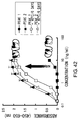
- FIG. 42 depicts the results of an assay assessing the agonistic activities of peak 1 and peak 2 of VB22B sc(Fv)2 and of samples incubated at 40° C. for six days, and confirms that activity increases when peak 1 isomerizes to peak 2.
- FIG. 43 depicts the isomerization to peak 2 resulting from incubation of peak 1 of hVB22B u2-wz4 sc(Fv)2 at 25° C. for ten days under each of the conditions.
- the present invention provides pharmaceutical compositions containing sc(Fv)2, in which at least one substance selected from the group consisting of salt, amino sugar, sugar alcohol, amino acid, and pH adjusting agent has been added.
- compositions of the present invention constitute stabilizing formulations which stably maintain the conformational isomer of interest and keep isomerization to other conformational isomers suppressed to a minimum level, and thus find substantial utility in the field of medicine.
- sc(Fv)2 is a minibody (a low-molecular-weight antibody) in which four or more antibody variable regions are linked via linkers or such and formed into a single chain.
- examples include an antibody having the following arrangement: [variable region 1]-(linker 1)-[variable region 2]-(linker 2)-[variable region 3]-(linker 3)-[variable region 4].
- sc(Fv)2 is an antibody in which four variable regions, two VLs and two VHs, are linked by linkers or such and made into a single chain (Hudson et al., J. Immunol. Methods 1999; 231:177-189). These two VHs and VLs may be derived from different monoclonal antibodies. Examples include bispecific sc(Fv)2 that recognize two types of antigens or two types of epitopes, such as those disclosed in Journal of Immunology, 1994, 152, 5368-5374.
- sc(Fv)2 can be generated using methods well known to those skilled in the art, for example, by linking scFvs using linker.
- scFv comprise VH and VL of antibodies, and these regions exist on a single polypeptide chain (for a review on scFv, see Pluckthun “The Pharmacology of Monoclonal Antibodies” Vol. 113 (Rosenburg and Moore ed. (Springer Verlag, New York) pp. 269-315, 1994)).
- Examples of sc(Fv)2 of the present invention include antibodies composed of two VHs and two VLs arranged in the order of VH, VL, VH, VL ([VH]-linker-[VL]-linker-[VH]-linker-[VL]) starting from the N-terminal side of the single chain polypeptide.
- the present invention is not limited to any one particular order and thus the arrangement of two VHs and two VLs may be as above-described or in any alternate order. Examples include the following arrangements:
- sc(Fv)2 of the present invention may also include amino acid sequences other than the antibody variable regions and linkers.
- Antibody variable regions used in the context of the present invention may correspond to the full length of the variable region or a partial sequence thereof, provided the antigen-binding activity is maintained.
- the amino acid sequences in the variable regions may be subjected to substitutions, deletions, additions, insertions, or such. For example, they may be chimerized or humanized to lower their antigenicity.
- the sc(Fv)2 of the present invention may include another protein, such as the IgG Fc portion, fused to its N-terminus or C-terminus (Clinical Cancer Research, 2004, 10, 1274-1281).
- the protein to be fused can be appropriately selected by those skilled in the art.
- the sc(Fv)2 of the present invention may be conjugated with carrier polymers such as PEG or organic compounds such as anticancer agents. Carbohydrate chains may also be added by inserting glycosylation sequences.
- linkers for linking the variable regions of antibodies arbitrary peptide linkers that can be introduced by genetic engineering, synthetic linkers (for example, see Protein Engineering, 9(3), 299-305, 1996), or such can be used; however, in the context of the present invention, peptide linkers are preferred.
- the length of the peptide linkers is not particularly limited and can be suitably selected by those skilled in the art according to the intended purpose. However, the length is preferably 5 amino acids or more. While there is no particular upper limit, the length of the linker is ordinarily 30 amino acids or less, preferably 20 amino acids or less, particularly preferably 15 amino acids.
- the peptide linkers may all have the same length, or peptide linkers of different lengths may be used.
- peptide linkers include the following:
- Synthetic compound linkers include crosslinking agents routinely used to crosslink peptides, for example, N-hydroxy succinimide (NHS), disuccinimidyl suberate (DSS), bis(sulfosuccinimidyl) suberate (BS3), dithiobis(succinimidyl propionate) (DSP), dithiobis(sulfosuccinimidyl propionate) (DTSSP), ethylene glycol bis(succinimidyl succinate) (EGS), ethylene glycol bis(sulfosuccinimidyl succinate) (sulfo-EGS), disuccinimidyl tartrate (DST), disulfosuccinimidyl tartrate (sulfo-DST), bis[2-(succinimidoxycarbonyloxy)ethyl]sulfone (BSOCOES), and bis[2-(sulfosuccinimidoxycarbonyloxycarbonyloxy)
- linkers are required to link four antibody variable regions together.
- the linkers utilized may be identical or different.
- “pharmaceutical compositions” refer to pharmaceutical compositions that contain sc(Fv)2, which are intended to be administered to humans for treating/preventing diseases, and such.
- sc(Fv)2 comprising conformational isomers as pharmaceuticals
- PCT/JP06/306800 described methods for separating and obtaining two types of conformational isomer in an sc(Fv)2 composition, namely bivalent scFv and single chain diabodies; methods for identifying the structures of the two types of separated conformational isomer; and methods for quantitatively analyzing the two types of conformational isomer.
- PCT/JP06/306800 describes a method for purifying one of the conformational isomers to high purity from a mixture of two types of conformational isomer through use of ion exchange chromatography and such.
- compositions of the present invention containing one of the conformational isomers in high purity preferably include an sc(Fv)2 in which the isomerization reaction is suppressed.
- “isomerization reaction” refers to a structural conversion reaction within the sc(Fv)2 molecule, or more specifically: 1) a structural conversion reaction from a bivalent scFv type to a single chain diabody type; 2) a structural conversion reaction from a single chain diabody type to a bivalent scFv type; and 3) a structural interconversion reaction (mutual isomerization reaction) from a bivalent scFv type to a single chain diabody type, and from a single chain diabody type to a bivalent scFv type ( FIG. 1 ).
- suppression not only encompasses “complete suppression” but also “incomplete suppression” of the isomerization reaction(s).
- Suppression of the isomerization reaction(s) of sc(Fv)2 can be confirmed by methods known to those skilled in the art. For example, by analyzing the conformational isomer content ratio after storage of sc(Fv)2 under certain conditions for a set period of time using methods described in the Examples or methods described later, isomerization of the conformational isomers under those conditions can be evaluated. More particularly, the suppression of the isomerization reaction under the test conditions can be confirmed.
- the pharmaceutical compositions of the present invention can be produced by mixing an sc(Fv)2 composition with at least one substance selected from the group consisting of salt, amino sugar, sugar alcohol, amino acid, and pH adjusting agent.
- sc(Fv)2 compositions can be produced by adding the substances to sc(Fv)2 compositions, or by adding sc(Fv)2 compositions to the substances.
- the salt of the present invention is not particularly limited, and examples include sodium chloride, calcium chloride, calcium gluconate, magnesium chloride, and magnesium gluconate.
- the amino sugar of the present invention includes, for example, meglumine, but it is not limited thereto (meglumine is also classified as a sugar alcohol).
- meglumine refers to a compound also known by the name N-methylglucamine and the chemical formula 1-deoxy-1-methylamino-D-glucitol, and is represented by the following chemical formula:
- meglumine includes meglumine derivatives, salts of meglumine, and such.
- Meglumine derivatives and salts of meglumine are for example, meglumine amidotrizoate, meglumine sodium amidotrizoate, meglumine gadopentetate, meglumine gadoterate, meglumine iotalamate, meglumine iotroxate, meglumine gadobenate, meglumine iodoxamate, meglumine flunixin, meglumine antimonate, and gastrografin (meglumine sulfate), but are not limited thereto.
- meglumines whose hydroxyl groups, amino groups, or such have been chemically modified are also included in the meglumine of the present invention.
- Sugar alcohols of the present invention include, for example, mannitol, sorbitol, xylitol, pentaerythritol, inositol, and meglumine, but are not limited thereto.
- Additional amino acids suitable for use in the context of the present invention include, for example, the following, but are not limited thereto: basic amino acids such as arginine, lysine, histidine, ornithine, and such, and amino acids are preferably used in the form of its inorganic salt (preferably in the form of hydrochloride salt or phosphate salt, thus as an amino acid phosphate).
- the pH can be adjusted to a preferred value by adding appropriate physiologically acceptable buffering substances, for example, inorganic acids, in particular hydrochloric acid, phosphoric acid, sulfuric acid, acetic acid, and formic acid, or salts thereof.
- physiologically acceptable buffering substances for example, inorganic acids, in particular hydrochloric acid, phosphoric acid, sulfuric acid, acetic acid, and formic acid, or salts thereof.
- phosphate salt is particularly advantageous because quite stable freeze-dried products are obtained.
- Phosphate salt is particularly advantageous when preparations do not substantially contain organic acids, such as malic acid, tartaric acid, citric acid, succinic acid, and fumaric acid, or do not contain corresponding anions (malate ion, tartrate ion, citrate ion, succinate ion, fumarate ion, and such).
- Preferred amino acids are arginine, lysine, and ornithine.
- acidic amino acids include glutamic acid and aspartic acid, and salts thereof (preferably sodium salts).
- Neutral amino acids for example, isoleucine, leucine, alanine, glycine, serine, threonine, valine, methionine, and cysteine, or aromatic amino acids, for example, phenylalanine, tyrosine, tryptophan, and N-acetyl tryptophan, can also be used.
- pH adjusting agents of the present invention refer to buffer substances or buffer solutions for suitably adjusting the pH that had been altered by acids or alkali.
- pH adjusting agents of the present invention include for example, phosphoric acid, citric acid buffer (for example, sodium citrate buffer), histidine hydrochloride, acetic acid, malic acid, tartaric acid, succinic acid, fumaric acid, and such, other organic acids and such, or aqueous buffers known in the field of solution formulations, including tris buffer (for example, tris hydrochloride buffer), histidine buffer, imidazole buffer, carbonate buffer, lactic acid, potassium phosphate, sodium phosphate, gluconic acid, caprylic acid, deoxycholic acid, salicylic acid, or triethanolamine buffer, but are not limited thereto.
- the concentration of the buffer is generally 1 to 500 mM, preferably 5 to 100 mM, and more preferably 10 to 20 mM.
- the concentration of the salt in the pharmaceutical composition of the present invention preferably ranges from 50 mM to 1000 mM, more preferably in the range of 150 mM to 300 mM; however, the present invention is not limited thereto.
- the pH value is preferably in the range of 4.5 to 9.0, and more preferably in the range of 6.0 to 9.0, but is not limited thereto.
- the final concentrations of amino sugars, sugar alcohols, and amino acids in the pharmaceutical compositions of the present invention are not particularly limited, but may, for example, range from 1 mM to 500 mM, 1 mM to 500 mM, and 1 mM to 500 mM, respectively.
- compositions of the present invention may include pharmaceutically acceptable carriers in addition to the above-mentioned substances.
- pharmaceutically acceptable carriers include sterile water, physiological saline, stabilizers, excipients, antiseptics, detergents, chelating agents (for example, EDTA), and binding agents.
- suitable detergents include non-ionic detergents, illustrative examples of which include: sorbitan fatty acid esters, such as sorbitan monocaprylate, sorbitan monolaurate, and sorbitan monopalmitate; glycerin fatty acid esters, such as glycerin monocaprylate, glycerin monomyristate and glycerin monostearate; polyglycerin fatty acid esters, such as decaglyceryl monostearate, decaglyceryl distearate, and decaglyceryl monolinoleate; polyoxyethylene sorbitan fatty acid esters, such as polyoxyethylene sorbitan monolaurate, polyoxyethylene sorbitan monooleate, polyoxyethylene sorbitan monostearate, polyoxyethylene sorbitan monopalmitate, polyoxyethylene sorbitan trioleate, and polyoxyethylene sorbitan tristearate; polyoxyethylene sorbit fatty acid esters, such as poly
- Detergents also include anionic detergents, illustrative examples of which include: alkylsulfates having an alkyl group with 10 to 18 carbon atoms, such as sodium cetylsulfate, sodium laurylsulfate, and sodium oleylsulfate; polyoxyethylene alkyl ether sulfates in which the alkyl group has 10 to 18 carbon atoms and the average molar number of added ethylene oxide is 2 to 4, such as sodium polyoxyethylene lauryl sulfate; alkyl sulfosuccinate ester salts having an alkyl group with 8 to 18 carbon atoms, such as sodium lauryl sulfosuccinate ester; natural detergents, for example, lecithin; glycerophospholipids; sphingo-phospholipids such as sphingomyelin; and sucrose fatty acid esters in which the fatty acids have 12 to 18 carbon atoms.
- anionic detergents illustrative
- detergents that are preferably used in the pharmaceutical compositions of the present invention include polyoxyethylene sorbitan fatty acid esters, such as polysorbates 20, 40, 60, and 80. Polysorbates 20 and 80 are particularly preferred. Polyoxyethylene polyoxypropylene glycols, such as poloxamer (Pluronic F-68® and such), are also preferred.
- the amount of detergent added varies with the type of detergent used. When polysorbate 20 or 80 is used, the amount generally ranges from 0.001 to 100 mg/ml, preferably in the range of 0.003 to 50 mg/ml, more preferably in the range of 0.005 to 2 mg/ml.
- compositions of the present invention may also include other low-molecular-weight polypeptides; proteins such as serum albumin, gelatin, and immunoglobulin; and sugars and carbohydrates such as polysaccharides and monosaccharides.
- suitable sugars and carbohydrates include, for example, dextran, glucose, fructose, lactose, xylose, mannose, maltose, sucrose, trehalose, and raffinose.
- aqueous solutions for injection for example, isotonic solutions of glucose or such can be used.
- aqueous solutions may be used in combination with appropriate solubilizing agents, such as alcohols (ethanol and such), polyalcohols (propylene glycol, PEG, and such), or non-ionic detergents (polysorbate 80 and HCO-50).
- solubilizing agents such as alcohols (ethanol and such), polyalcohols (propylene glycol, PEG, and such), or non-ionic detergents (polysorbate 80 and HCO-50).
- They may further include, if necessary, diluents, solubilizers, soothing agents, sulfur-containing reducing agents, antioxidants, and such.
- the sulfur-containing reducing agents include, for example, compounds comprising sulfhydryl groups, such as N-acetylcysteine, N-acetylhomocysteine, thioctic acid, thiodiglycol, thioethanolamine, thioglycerol, thiosorbitol, thioglycolic acid and salts thereof, sodium thiosulfate, glutathione, and thioalkanoic acids having one to seven carbon atoms.
- sulfhydryl groups such as N-acetylcysteine, N-acetylhomocysteine, thioctic acid, thiodiglycol, thioethanolamine, thioglycerol, thiosorbitol, thioglycolic acid and salts thereof, sodium thiosulfate, glutathione, and thioalkanoic acids having one to seven carbon atoms.
- the antioxidants suitable for use in the context of the present invention include, for example, erythorbic acid, dibutylhydroxy toluene, butylhydroxy anisole, ⁇ -tocopherol, tocopherol acetate, L-ascorbic acid and salts thereof, L-ascorbic acid palmitate, L-ascorbic acid stearate, sodium hydrogen sulfite, sodium sulfite, triamyl gallate, propyl gallate, and chelating agents such as disodium ethylenediamine tetraacetate (EDTA), sodium pyrophosphate, and sodium metaphosphate.
- EDTA disodium ethylenediamine tetraacetate
- the agents may be encapsulated in microcapsules (microcapsules of hydroxymethylcellulose, gelatin, poly[methylmethacrylic acid] or such) or prepared as colloidal drug delivery systems (liposome, albumin microspheres, microemulsion, nano-particles, nano-capsules, and such) (see “Remington's Pharmaceutical Science 16 th edition”, Oslo Ed., 1980, and the like).
- methods for preparing agents as sustained-release agents are also known, and are: applicable to the present invention (Langer et al, J. Biomed. Mater. Res. 1981, 15: 167-277; Langer, Chem. Tech. 1982, 12: 98-105; U.S. Pat. No. 3,773,919; European Patent Application No. (EP) 58,481; Sidman et al., Biopolymers 1983, 22: 547-556; and EP 133,988).
- microcapsules microcapsules of hydroxymethylcellulose, gelatin, poly[methylmethacryl
- compositions of the present invention may take the form (dosage form) of for example, an injection dosage form, freeze-dried dosage form, and solution dosage form; however, the present invention is not limited thereto.
- Administration to patients can be performed either orally or parenterally, though parenteral administration is preferable, and for example, administration by injection is possible.
- suitable injections include systemic and local administrations by intravenous injection, intramuscular injection, intraperitoneal injection, subcutaneous injection, and such.
- Suitable methods of administration can be selected according to the age and symptoms of the patient.
- the dose per administration can be selected within the range of 0.0001 mg to 1000 mg per 1 kg body weight.
- the dose can be selected within the range of 0.001 to 100000 mg/body per patient.
- the present invention is not limited to these doses, administration methods, and such.
- compositions containing an sc(Fv)2 in which the isomerization reaction is suppressed can be prepared by formulating sc(Fv)2 by freeze-drying or spray-drying. Accordingly, the present invention also provides the above-mentioned pharmaceutical compositions, in which the dosage form is a freeze-dried formulation or spray-dried formulation (hereinafter, referred to as a freeze-dried formulations).
- Freeze-drying can be performed by methods known to those skilled in the art (Pharm. Biotechnol., 2002, 13, 109-33; Int. J. Pharm. 2000, 203(1-2), 1-60; Pharm. Res. 1997, 14(8), 969-75).
- a suitable amount of a solution is dispensed into a container such as a vial used for freeze-drying, and the freeze drying is carried out in a freezer or a freeze-dryer, or by immersion in a cooling medium such as acetone/dry ice, liquid nitrogen, or such.
- freeze-drying can be carried out by the method described in the Examples.
- Preparation of Spray-Dried Formulations can be Carried Out by Methods Known to Those Skilled in the art (J. Pharm. Sci. 1998 November; 87(11):1406-11).
- Freeze-dried formulations or spray-dried formulations of the present invention can be made into solution formulations before use. Therefore, the present invention also provides kits composed of the freeze-dried formulations or spray-dried formulations of the present invention in conjunction with pharmaceutically acceptable carriers. So long as the freeze-dried formulations or spray-dried formulations of the present invention can be formulated into solutions, the type of the pharmaceutically acceptable carrier, combinations thereof, or such are not particularly limited. However, by using at least one substance selected from the group consisting of salt, amino sugar, sugar alcohol, amino acid, and pH adjusting agent as the pharmaceutically acceptable carrier or as a part thereof, the sc(Fv)2 isomerization reaction in solution formulations can be suppressed.
- sc(Fv)2 compositions refer to compositions composed of a single conformational isomer of sc(Fv)2, or compositions containing multiple conformational isomers of sc(Fv)2 (a mixture of conformational isomers).
- sc(Fv)2 compositions can be generated by methods known to those skilled in the art.
- sc(Fv)2 that form two or more types of conformational isomer can be produced by introducing into host cells vectors into which a DNA encoding sc(Fv)2 has been inserted, expressing the sc(Fv)2, and then collecting the expression products.
- the vectors are not particularly limited, so long as the inserted DNA is maintained stably, and for example, when using Escherichia coli as the host, the vector for cloning is preferably the pBluescript vector (Stratagene) or such; however, a variety of commercially available vectors can be used.
- expression vectors are particularly useful. Expression vectors are not particularly limited so long as they are vectors that express sc(Fv)2 in test tubes, E. coli , cultured cells, or biological organisms, and for example, preferable vectors are: pBEST vector (Promega) for expression in test tubes; pET vector (Invitrogen) for expression in E.
- Plasmid DNAs of the present invention can be carried out by ordinary methods, such as ligase reactions using restriction enzyme sites (Current protocols in Molecular Biology edit. Ausubel et al. (1987) Publish. John Wiley & Sons, Section 11.4-11.11).
- Cells for expressing sc(Fv)2 include for example, bacterial cells (such as Streptococcus, Staphylococcus, E. coli, Streptomyces , and Bacillus subtilis ), fungal cells (such as yeast and Aspergillus ), insect cells (such as Drosophila S2 and Spodoptera SF9), animal cells (such as CHO, COS, HeLa, C127, 3T3, BHK, HEK293, and Bowes melanoma cells), and plant cells.
- bacterial cells such as Streptococcus, Staphylococcus, E. coli, Streptomyces , and Bacillus subtilis
- fungal cells such as yeast and Aspergillus
- insect cells such as Drosophila S2 and Spodoptera SF9
- animal cells such as CHO, COS, HeLa, C127, 3T3, BHK, HEK293, and Bowes melanoma cells
- Plasmids into host cells can be carried out by known methods such as calcium phosphate precipitation method, electroporation method (Current protocols in Molecular Biology edit. Ausubel et al. (1987) Publish. John Wiley & Sons, Section 9.1-9.9), lipofectamine method (GIBCO-BRL), and microinjection method.
- the sc(Fv)2 compositions can be collected by collecting the culture medium.
- the sc(Fv)2 are produced within cells, those cells are first lysed, then the sc(Fv)2 compositions are collected.
- the sc(Fv)2 compositions of the present invention may be in any state, so long as they are compositions containing one or more conformational isomers of sc(Fv)2. Examples include compositions in a crude state, such as a recombinant cell culture, or compositions in a purified state; however, the compositions are not limited thereto. Moreover, the ratio of the multiple conformational isomers that are present may be any ratio, though it is preferably one obtained (isolated) by a method described below.
- “conformational isomers” refer to proteins whose amino acid sequences are the same but their three-dimensional structure (secondary structures or tertiary structures) are different. Ordinarily, at least one from among chemical, biological, or physical properties differs between conformational isomers.
- Conformational isomers of sc(Fv)2 include, for example, the single chain diabody type and bivalent scFv type conformational isomer.
- single chain diabody type refers to an sc(Fv)2 having a structure in which, in the case of an arrangement in the order of [variable region 1]-(linker 1)-[variable region 2]-(linker 2)-[variable region 3]-(linker 3)-[variable region 4], variable region 1 and variable region 4 are associated, and variable region 2 and variable region 3 are associated.
- bivalent scFv type refers to an sc(Fv)2 having a structure in which variable region 1 and variable region 2 are associated, and variable region 3 and variable region 4 are associated.
- Examples of the single chain diabody type and bivalent scFv type are sc(Fv)2 having the structures shown in FIG. 1 . Whether a conformational isomer of sc(Fv)2 possesses the single chain diabody-type structure or the bivalent scFv-type structure can be confirmed by methods for identifying conformational isomers, which are described later. Identification can also be carried out by analyses using NMR, crystal structure analyses, and such.
- sc(Fv)2 compositions used for the production of pharmaceutical compositions are preferably those in which the content ratio of a specific conformational isomer is higher than the content ratio of the other conformational isomer, and examples include: 1) specific conformational isomers obtained from sc(Fv)2 compositions; and 2) sc(Fv)2 compositions in which the content ratio of a specific conformational isomer is higher than the content ratio of the other conformational isomer.
- specific conformational isomer means a single chain diabody type or bivalent scFv type
- the other conformational isomer means a bivalent scFv type when the specific conformational isomer is of a single chain diabody type, or a single chain diabody type when the specific conformational isomer is of a bivalent scFv type.
- methods for obtaining specific conformational isomers from sc(Fv)2 compositions can be performed by methods known to those skilled in the art.
- conformational isomers in an sc(Fv)2 composition can be separated, and specific conformational isomers can be obtained from the separated conformational isomers.
- the present invention provides methods including the following steps (a) to (c), and pharmaceutical compositions produced by these methods:
- step (c) mixing the specific conformational isomer obtained in step (b) with at least one substance selected from the group consisting of salt, amino sugar, sugar alcohol, amino acid, and pH adjusting agent.
- the purity of the obtained (isolated) specific conformational isomer is preferably 80% or more, 90% or more, 95% or more, 100%, or close to 100%. Upper limit close to 100% depends on the purification techniques or analysis techniques of the skilled artisan; however, it is for example 99.999%, 99.99%, 99.9%, or 99%.
- purity means the percentage of a specific conformational isomer with respect to all of the obtained conformational isomers.
- Separating and obtaining (purifying) conformational isomers in sc(Fv)2 compositions can be carried out for example by subjecting the sc(Fv)2 compositions to an ion exchange column or hydroxyapatite column, and obtaining or removing specific conformational isomers; however, the invention is not limited thereto, and can be carried out using methods known to those skilled in the art, such as various column chromatographies, filtration, ultrafiltration, salting out, solvent precipitation, solvent extraction, distillation, immunoprecipitation, SDS-polyacrylamide gel electrophoresis, isoelectric focusing, capillary isoelectric focusing, dialysis, and recrystallization.
- chromatography examples include ion exchange chromatography, adsorption chromatography, isoelectric chromatography, gel filtration, reverse phase chromatography, hydrophobic chromatography, and affinity chromatography (Strategies for Protein Purification and Characterization: A Laboratory Course Manual. Ed Daniel R. Marshak et al., Cold Spring Harbor Laboratory Press, 1996). Chromatography can be carried out using liquid-phase chromatography such as HPLC or FPLC.
- the type of ion exchange column to be used is not particularly limited, and cation exchange columns and anion exchange columns can both be used.
- the type of ion exchange column can be appropriately determined depending on the antibodies or conformational isomers of interest.
- SP ion exchange column or Q ion exchange column can be used, but it is not limited thereto.
- Adsorption chromatography is, for example, hydroxyapatite chromatography, but is not limited thereto.
- purified products of specific conformational isomers can be obtained using these purification methods.
- the activities of the conformational isomers of sc(Fv)2 can be compared to determine the highly active conformational isomer in advance, then the highly active conformational isomer can be isolated and obtained from the conformational isomers in the sc(Fv)2 composition.
- the lengths of the linkers can be determined such that the ratio of the conformational isomers in the sc(Fv)2 composition becomes a preferable value, and an sc(Fv)2 composition having the determined linker lengths can be prepared, using a method described below.
- the present invention provides methods described in any of the following (1) to (3), and pharmaceutical compositions produced by these methods:
- step (c) obtaining the highly active conformational isomer determined in step (a);
- step (d) mixing the highly active conformational isomer obtained in step (c) with at least one substance selected from the group consisting of salt, amino sugar, sugar alcohol, amino acid, and pH adjusting agent;
- step (b) preparing an sc(Fv)2 composition in which the linker lengths are those determined in step (a);
- step (e) mixing the specific conformational isomer obtained in step (d) with at least one substance selected from the group consisting of salt, amino sugar, sugar alcohol, amino acid, and pH adjusting agent; and
- step (c) preparing an sc(Fv)2 composition having linkers of the same lengths as the linkers of the sc(Fv)2 selected in step (b);
- step (f) mixing the specific conformational isomer obtained in step (e) with at least one substance selected from the group consisting of salt, amino sugar, sugar alcohol, amino acid, and pH adjusting agent.
- the term “highly active conformational isomer” refers to a conformational isomer whose activity is high, more preferably the conformational isomer having the highest activity, when there is a difference in activity between the conformational isomers.
- the conformational isomer with the higher activity corresponds to the highly active conformational isomer of the present invention.
- the highly active conformational isomer can be determined by methods well known to those skilled in the art; for example, the highly active conformational isomer can be determined by isolating each of the conformational isomers and measuring the activity of interest under the same conditions.
- the activity of interest may be any activity, such as binding activity, neutralizing activity, cytotoxicity, agonistic activity, antagonistic activity, or enzyme activity, and is not particularly limited; however, it is preferably an activity that brings about quantitative and/or qualitative changes or influences on a living organism, tissues, cells, proteins, DNA, RNA, or such, and is particularly preferably an agonistic activity.
- An agonistic activity is an activity that induces some kind of change in physiological activity after the binding of an antibody to an antigen, such as a receptor, which leads to signal transduction and such in cells.
- examples of the physiological activity include proliferation activity, survival activity, differentiation activity, transcriptional activity, membrane transport activity, binding activity, proteolytic activity, phosphorylation/dephosphorylation activity, redox activity, transfer activity, nucleolytic activity, dehydration activity, cell death-inducing activity, and apoptosis-inducing activity.
- the antigens are not particularly limited, and may be any type of antigen.
- suitable antigens include receptors, cancer antigens, MHC antigens, and differentiation antigens.
- receptors include receptors belonging to receptor families, such as the hematopoietic factor receptor family, cytokine receptor family, tyrosine kinase-type: receptor family, serine/threonine kinase-type receptor family, TNF receptor family, G-protein coupled receptor family, GPI anchored-type receptor family, tyrosine phosphatase-type receptor family, adhesion factor family, and hormone receptor family.
- Examples of specific receptors belonging to the above-mentioned receptor families include human or mouse erythropoietin (EPO) receptor, human or mouse granulocyte-colony stimulating factor (G-CSF) receptor, human or mouse thrombopoietin (TPO) receptor, human or mouse insulin receptor, human or mouse Flt-3 ligand receptor, human or mouse platelet-derived growth factor (PDGF) receptor, human or mouse interferon (IFN)- ⁇ or - ⁇ receptor, human or mouse leptin receptor, human or mouse growth hormone (GH) receptor, human or mouse interleukin (IL)-10 receptor, human or mouse insulin-like growth factor (IGF)-I receptor, human or mouse leukemia inhibitory factor (LIF) receptor, and human or mouse ciliary neurotrophic factor (CNTF) receptor (HEPOR: Simon, S.
- EPO erythropoietin
- G-CSF granulocyte-colony stimulating factor
- TPO thrombopoietin
- hFlt-3 Small, D. et al. (1994) Proc. Natl. Acad. Sci. USA. 91, 459-463; hPDGFR: Gronwald, R G K. et al. (1988) Proc. Natl. Acad. Sci. USA. 85, 3435-3439; hIFN ⁇ / ⁇ R: Uze, G. et al. (1990) Cell 60, 225-234; and Novick, D. et al. (1994) Cell 77, 391-400).
- Cancer antigens are antigens that are expressed as cells become malignant, and are often referred to as called tumor-specific antigens. Abnormal sugar chains that appear on cell surfaces or on protein molecules when cells become cancerous are also examples of cancer antigens, referred to as sugar chain cancer antigens. Examples of cancer antigens include CA19-9, CA15-3, and sialyl SSEA-1 (SLX).
- MHC antigens are roughly classified into MHC class I antigens and MHC class II antigens.
- MHC class I antigens include HLA-A, -B, -C, -E, -F, -G, and -H
- MHC class II antigens include HLA-DR, -DQ, and -DP.
- Differentiation antigens include CD1, CD2, CD3, CD4, CD5, CD6, CD7, CD8, CD10, CD11a, CD11b, CD11c, CD13, CD14, CD15s, CD16, CD18, CD19, CD20, CD21, CD23, CD25, CD28, CD29, CD30, CD32, CD33, CD34, CD35, CD38, CD40, CD41a, CD41b, CD42a, CD42b, CD43, CD44, CD411, CD45RO, CD48, CD49a, CD49b, CD49c, CD49d, CD49e, CD49f, CD51, CD54, CD55, CD56, CD57, CD58, CD61, CD62E, CD62L, CD62P, CD64, CD69, CD71, CD73, CD95, CD102, CD106, CD122, CD126, and CDw130.
- Detection indicators used for measuring changes in activity can be used so long as quantitative and/or qualitative changes can be measured.
- indicators for cell free assays indicators for cell-based assays, indicators for tissue-based assays, and indicators for biological assays can be used.
- Enzymatic reactions as well as quantitative and/or qualitative changes of proteins, DNAs, or RNAs can be used as indicators for cell free assays.
- amino acid transfer reaction sugar transfer reaction, dehydration reaction, dehydrogenation reaction, substrate cleaving-reaction, and such can be used for the enzymatic reactions.
- Protein phosphorylation, dephosphorylation, dimerization, multimerization, degradation, dissociation, and such, and DNA or RNA amplification, cleavage, and elongation can also be used.
- phosphorylation of a protein existing downstream of a signal transduction pathway can be used as a detection indicator.
- Changes in cell phenotype for example, quantitative and/or qualitative changes in produced substances, changes in proliferation activity, changes in cell number, changes in morphology, and changes in properties can be used as indicators for cell-based assays.
- Secretory proteins, surface antigens, intracellular proteins, mRNAs, and such can be used for the produced substances.
- Formation of protrusions and/or change in the number of protrusions, change in flatness, change in the extent of elongation or in the horizontal to vertical ratio, change in cell size, change in internal structure, heteromorphy/homogeneity as a cell population, change in cell density, and such can be used for the change in morphology.
- Such changes in morphology can be confirmed through microscopic observations.
- Anchorage dependency, cytokine-dependent responsiveness, hormone dependency, drug resistance, cell motility, cell migration activity, pulsatility, change in intracellular substances, and such can be used for the change in properties.
- Cell motility includes cell infiltration activity and cell migration activity.
- enzyme activity, mRNA levels, amount of intracellular signaling molecules (such as Ca 2+ and cAMP), intracellular protein levels, and such can be used to assess changes in intracellular substance.
- intracellular signaling molecules such as Ca 2+ and cAMP
- intracellular protein levels intracellular protein levels
- changes in cell proliferation activity induced by receptor stimulation can be used as the indicator.
- tissue-based assays Functional changes in accordance with the tissues that are used can be used as the detection indicator for tissue-based assays. Changes in tissue weight, hematologic changes (such as change in the number of blood cells), changes in protein level, enzyme activity, or amount of electrolytes, or changes in the circulatory system (such as changes in blood pressure or heart rate) can be used as indicators for biological assays.
- Methods for measuring these detection indicators are not particularly limited, and include measurements of absorbance, luminescence, coloring, fluorescence, radioactivity, fluorescence polarization, surface plasmon resonance signal, time-resolved fluorescence, mass, absorption spectrum, light scattering, fluorescence resonance energy transfer, and such. These measurement methods are well known to those skilled in the art, and can be suitably selected according to the purpose.
- absorption spectra can be measured with a conventional photometer, plate reader, or such; luminescence can be measured with a luminometer or such; and fluorescence can be measured with a fluorometer or such.
- the mass can be measured using a mass spectrometer.
- Radioactivity can be measured using measuring instruments such as a gamma counter according to the type of radiation; fluorescence polarization can be measured using BEACON (TaKaRa); surface plasmon resonance signals can be measured using BIACORE; time resolved fluorescence, fluorescence resonance energy transfer, and such can be measured using ARVO or such.
- Flow cytometers and such can also be used for the measurements.
- two or more detection indicators may be measured using one measurement method. If simple, an even larger amount of detection indicators can be measured by performing two or more measurements simultaneously and/or sequentially. For example, fluorescence and fluorescence resonance energy transfer can be measured simultaneously on a fluorometer.
- measurement of agonistic activity can be performed by methods known to those skilled in the art. For example, as described in the Examples, determinations can be made by methods that measure the agonistic activity using cell proliferation as the indicator. More specifically, antibodies whose agonistic activity is to be measured are added to cells that show agonist-dependent proliferation and the cells are cultured. Then, a reagent, such as WST-8, which exhibits a chromogenic reaction at a particular wavelength depending on the number of live cells is added, the absorbance is measured, and agonistic activity can be measured using the obtained absorbance as the indicator.
- a reagent such as WST-8, which exhibits a chromogenic reaction at a particular wavelength depending on the number of live cells is added, the absorbance is measured, and agonistic activity can be measured using the obtained absorbance as the indicator.
- Cells showing agonist-dependent proliferation can also be generated by methods known to those skilled in the art; for example, when the antigen is a receptor emitting a cell proliferation signal, cells expressing this receptor can be used.
- the antigen is a receptor that does not emit any cell proliferation signal
- a chimeric receptor containing the intracellular region of a receptor emitting a cell proliferation signal and the extracellular region of a receptor that does not emit any cell growth signal can be generated, and this chimeric receptor can be expressed in cells.
- receptors that emit a cell proliferation signal include G-CSF receptor, mpl, neu, GM-CSF receptor, EPO receptor, c-kit, and FLT-3.
- cells suitable for expressing such receptors include BaF3, NFS60, FDCP-1, FDCP-2, CTLL-2, DA-1, and KT-3.
- sc(Fv)2 compositions in which the content ratio of a specific conformational isomer is higher than the content ratio of the other conformational isomer are sc(Fv)2 compositions in which the content ratio of the specific conformational isomer is 80% or more, preferably 90% or more, and particularly preferably 95% or more. More specifically, examples are sc(Fv)2 compositions in which the content ratio of the single chain diabody type is 80% or more, preferably 90% or more, and particularly preferably 95% or more, or sc(Fv)2 compositions in which the content ratio of the bivalent scFv type is 80% or more, preferably 90% or more, and particularly preferably 95% or more.
- the phrase “the content ratio of a specific conformational isomer is 80%” means that the percentage of the specific conformational isomer with respect to all conformational isomers contained in the sc(Fv)2 composition is 80%.
- the content ratio of the single chain diabody type is 80% means that the ratio of the single chain diabody type to the bivalent scFv type is 80:20.
- the upper limit of a content ratio of 80% or more, 90% or more, or 95% or more is not particularly limited; however, 100% or close to 100% is preferable.
- An upper limit close to 100% depends on the purification technique or analysis technique used by those skilled in the art; however, it can be for example, 99.999%, 99.99%, 99.9%, or 99%.
- Content ratios of conformational isomers can be measured by separating the conformational isomers using, for example, ion exchange chromatography, isoelectric focusing, or capillary isoelectric focusing.
- an sc(Fv)2 composition in which the content ratio of the highly active conformational isomer is 80% or more is preferably included as an active ingredient.
- the pharmaceutical compositions preferably contain as an active ingredient an sc(Fv)2 composition in which the content ratio of the single chain diabody type is 80% or more.
- sc(Fv)2 compositions in which the content ratio of a specific conformational isomer is higher than the content ratio of the other conformational isomer can be produced, for example, by using the above-described methods for separating and obtaining a specific conformational isomer in an sc(Fv)2 composition, or by increasing the content ratio of a specific conformational isomer with regard to the content ratio of the other conformational isomer in an sc(Fv)2 composition.
- sc(Fv)2 compositions having a high activity can be produced; in contrast, by lowering the percentage of the highly active conformational isomer in an sc(Fv)2 composition, sc(Fv)2 compositions having a suppressed activity can be produced.
- the activity of an sc(Fv)2 composition can be increased by increasing the content ratio of the single chain diabody type in the sc(Fv)2 composition; similarly, the activity of the sc(Fv)2 composition can be decreased by increasing the content ratio of the bivalent scFv type.
- the activity of the bivalent scFv type when the activity of the bivalent scFv type is higher than the single chain diabody type, the activity of an sc(Fv)2 composition can be increased by increasing the content ratio of the bivalent scFv type in the sc(Fv)2 composition and the activity of the sc(Fv)2 composition can be decreased by increasing the content ratio of the single chain diabody type.
- Which of the single chain diabody type or bivalent scFv type is highly active depends on the activity of interest; however, this can be easily measured by methods well known to those skilled in the art.
- an sc(Fv)2 As a pharmaceutical composition, generally, a higher activity is often more preferable; therefore, the activity of a pharmaceutical composition can be increased by changing the percentage of a specific conformational isomer contained in an sc(Fv)2 composition.
- Methods for increasing the content ratio of a specific conformational isomer with regard to the content ratio of the other conformational isomer in an sc(Fv)2 composition can be carried out by any method, and for example, the content ratio of the specific conformational isomer can be increased after obtaining the sc(Fv)2 composition, or DNAs encoding sc(Fv)2 can be designed such that the content ratio of the specific conformational isomer is increased.
- Examples of methods for increasing the content ratio of a specific conformational isomer after obtaining an sc(Fv)2 composition include methods for isolating a conformational isomer of interest (or removing the conformational isomer that is not of interest) from the obtained sc(Fv)2 composition.
- the conformational isomer of interest can be isolated, as described above, by methods known to those skilled in the art for separating and obtaining proteins.
- the present invention provides methods including the following steps (a) and (b), as well as pharmaceutical compositions produced by these methods:
- step (a) producing an sc(Fv)2 composition in which the content ratio of a specific conformational isomer is higher than the content ratio of the other conformational isomer by incubating the sc(Fv)2 composition in a heated state, or at low pH and/or low salt concentration; and (b) mixing the sc(Fv) 2 composition produced in step (a) with at least one substance selected from the group consisting of salt, amino sugar, sugar alcohol, amino acid, and pH adjusting agent.
- an sc(Fv)2 composition is a mixture of the bivalent scFv type and single chain diabody type and includes the bivalent scFv type in larger amount
- the content ratio of the single chain diabody type can be increased.
- the content ratio of the single chain diabody type can be increased.
- the incubated sc(Fv)2 composition retains the increased content ratio of the single chain diabody type, even when the temperature is returned to the original temperature afterward.
- an sc(Fv)2 composition is a mixture of the bivalent scFv type and single chain diabody type and includes the bivalent scFv type in larger amount
- by incubating the sc(Fv)2 composition at pH3-6, or preferably pH 4.5, and isomerizing the bivalent scFv type to the single chain diabody type the content ratio of the single chain diabody type can be increased.
- the salt concentration depends on the pH; the salt concentration during incubation is preferably 0 mM to 500 mM, and more preferably 0 mM to 150 mM ( FIG. 9A ).
- the salt concentration is preferably in the range of 50 mM to 1000 mM, and more preferably in the range of 150 mM to 300 mM.
- the pH value is preferably in the range of 4.5 to 9.0, and more preferably in the range of 6.0 to 9.0.
- an sc(Fv)2 composition is a mixture of the bivalent scFv type and single chain diabody type and includes the single chain diabody type in larger amount
- by incubating the sc(Fv)2 composition at a given temperature and isomerizing the single chain diabody type to the bivalent scFv type it was found that the content ratio of the bivalent scFv type can also be increased.
- compositions of interest can be produced by obtaining one of the conformational isomers and stabilizing this conformational isomer.
- the present invention provides methods including the following steps (a) to (c), as well as pharmaceutical compositions produced by these methods:
- step (a) preparing an sc(Fv)2 composition in which the content ratio of the single chain diabody type is higher than the content ratio of the bivalent scFv type, by incubating the sc(Fv)2 composition at 15‘C’ to 50° C., preferably 20° C. to 40° C., or particularly preferably 25° C. to 35° C., and/or pH3.0-6.0, and/or a salt concentration of 500 mM or less; (b) obtaining (purifying) the produced single chain diabody-type sc(Fv)2; and (c) stabilizing the single chain diabody-type sc(Fv)2 composition obtained in step (b).
- Specific steps for stabilizing single chain diabody-type sc(Fv)2 compositions include: the step of adjusting the pH value to a range of 4.5 to 9.0, more preferably to a range of 6.0 to 9.0; the step of mixing at least one substance selected from the group consisting of salt, amino sugar, sugar alcohol, amino acid, and pH adjusting agent; and steps that combine these steps.
- stabilized bivalent scFv-type sc(Fv)2 compositions can similarly be produced.
- Methods for designing DNAs encoding sc(Fv)2 such that the content ratio of a specific conformational isomer is increased include, for example, methods for designing DNAs such that the lengths of the linkers are appropriate, as described above.
- the content ratio of a specific conformational isomer in an sc(Fv)2 composition can be increased.
- DNA encoding sc(Fv)2 can be modified so that amino acid residues forming the interface of the sc(Fv)2 variable regions are modified.
- association indicates, for example, a state in which the variable regions of sc(Fv)2 interact.
- controlling the association refers to controlling so that a desired state of association is achieved, and more specifically, it refers to controlling so that undesirable associations are not form within the sc(Fv)2.
- interface generally indicates an association surface during association (interaction); ‘amino acid residues forming the interface’ generally refer to one or more amino acid residues contained in the sc(Fv)2 variable regions and which participate in the association, and more preferably, they are amino acid residues that come close during association and are involved in the interactions. Specifically, these interactions include cases in which amino acid residues that come close to each other during association form hydrogen bonds, electrostatic interactions, or salt brides, and such.
- amino acid residues forming the interface refers to amino acid residues included in variable regions of sc(Fv)2 variable regions that constitute an interface.
- “modification” of amino acid residues indicates a substitution of original amino acid residues (before modification) for other amino acid residues, deletion of original amino acid residues, or addition of new amino acid residues; however, it preferably refers to substitution of original amino acid residues with other amino acid residues.
- modifying DNAs refers to modifying DNAs in accordance with the amino acid residues that are introduced by the “modifications” of the present invention. More specifically, it refers to modifying DNAs encoding the original amino acid residues to DNAs encoding amino acid residues that are introduced through the modifications. Generally, it means performing gene manipulations or mutation treatments to original DNAs which would insert, delete, or substitute at least one nucleotide to obtain codons encoding the amino acid residues of interest. In other words, codons encoding the original amino acid residues are substituted with codons encoding amino acid residues that are introduced through the modifications.
- DNA modifications can be suitably carried out by those skilled in the art using known techniques such as site-specific mutagenesis or PCR mutagenesis.
- amino acid mutations are introduced to an interface such that two or more amino acid residues forming the sc(Fv)2 variable region interface will have the same type of charge. It is considered that, due to a modification of two or more amino acid residues involved in association at the interface in a way that they will have the same type of charge, the association of these amino acid residues is inhibited by the repulsive force of their charges. Therefore, in the above-mentioned methods, the amino acid residues that are modified, in sc(Fv)2 variable regions forming an interface, are preferably two or more amino acid residues that approach each other during association.
- Amino acid residues that come close during association can be found, for example, by analyzing the three-dimensional structure of sc(Fv)2 and examining the amino acid sequence of the variable regions forming the interface during association of the sc(Fv)2. Amino acid residues that approach each other at the interface are preferable targets for the “modification” in the methods of the present invention.
- amino acids having the same type of charge refers to amino acids all having a positive charge, or amino acids all having a negative charge.
- the interface-forming amino acid residues are preferably modified to carry the same type of charge, and among the same type of amino acids, identical amino acids are further preferable.
- the amino acid residues after modification may be lysine and arginine, but it is further preferable that they are two lysines or two arginines.
- the number of amino acid residues subjected to modification in the methods of the present invention is not particularly limited; however, to avoid a decrease of the antigen binding activity, a small number of amino acid residues is preferably modified.
- the term “small number” mentioned above refers to, for example, a number of approximately 1 to 10, preferably a number of approximately 1 to 5, more preferably a number of approximately 1 to 3, and most preferably 1 or 2.
- amino acid residue mutations are introduced to the interface of sc(Fv)2 variable regions such that, through the modification of amino acid residues forming the interface, amino acid residues forming a hydrophobic core present at the interface become charged amino acid residues.
- hydrophobic core indicates a part that is formed when hydrophobic amino acid side chains assemble in the inside of the associated polypeptides.
- hydrophobic amino acids include alanine, isoleucine, leucine, methionine, phenylalanine, proline, tryptophan, and valine.
- amino acid residues other than hydrophobic amino acids for example tyrosine
- hydrophobic amino acids of two different domains When hydrophobic amino acids of two different domains are present on a molecular surface and are exposed to water molecules, the entropy will increase and the free energy will increase. Therefore, the two domains associate with each other to decrease the free energy and to become stable, and hydrophobic amino acids at the interface are buried in the inside of the molecule and form a hydrophobic core.
- hydrophobic core is similarly formed by association of the variable regions in sc(Fv)2, which are polypeptides. Accordingly, by substituting amino acid residues in this hydrophobic core with charged amino acids, one can regulate the association of variable regions.
- knobs-into-holes technique Japanese Patent Kohyo Publication No. (JP-A) 2001-523971 (unexamined Japanese national phase publication corresponding to a non-Japanese international publication)
- JP-A Japanese Patent Kohyo Publication No. 2001-523971
- Japanese national phase publication corresponding to a non-Japanese international publication may be used on the amino acid residues forming the variable region interface to promote desirable associations.
- Knobs-into-holes is a method for introducing specific and complementary interactions at the interface of a first polypeptide and the interface of a second polypeptide, such that heteromultimer formation is promoted and homomultimer formation is suppressed (for example, a free thiol-containing residue is introduced at the interface of a first polypeptide and a corresponding free thiol-containing residue is introduced in the interface of a second polypeptide, such that a non-naturally occurring disulfide bond is formed between the first polypeptide and second polypeptide).
- Such methods can be used in the context of the present invention.
- Knobs-into-holes is a technique known to those skilled in the art, and can be appropriately introduced to sc(Fv)2 by those skilled in the art. Furthermore, the above-mentioned technique can be used in combination.
- variable region is usually composed of three CDR regions and four FR regions.
- amino acid residues subjected to “modification” can be appropriately selected, for example, from among amino acid residues positioned in the CDR regions or FR regions.
- modification of amino acid residues in the CDR regions decreases the binding ability to antigens. Therefore, in the present invention, amino acid residues subjected to “modification” are not particularly limited, but are preferably appropriately selected from among amino acid residues located in the FR regions.
- amino acid residues coming close to each other at the FR interfaces upon association include glutamine (Q) at position 39 on VH (FR2 region) and the facing (contacting) glutamine (Q) at position 38 on VL (FR2 region). Furthermore, favorable examples include leucine (L) at position 45 on VH (FR2) and the facing proline (P) at position 44 on VL (FR2). These positions are numbered according to the method of Kabat et al. (Kabat E A et al. 1991. Sequence of Proteins of Immunological Interest. NIH).
- association of sc(Fv)2 variable regions can be regulated for sc(Fv)2 other than the sc(Fv)2 indicated in the Examples by modifying amino acid residues corresponding to the above-mentioned amino acid residues.
- substitution mutations are introduced to the amino acid residues forming the interface of the variable regions, such that the association between variable region 1 and variable region 2 and the association between variable region 3 and variable region 4 are suppressed, while the association between variable region 1 and variable region 4 and the association between variable region 2 and variable region 3 are not suppressed (or are promoted).
- variable region 1 and variable region 3 are associated and variable region 2 and variable region 4 are associated
- substitution mutations are introduced to the amino acid residues forming the interface of the variable regions, such that these associations are suppressed, while the association between variable region 1 and variable region 4 and the association between variable region 2 and variable region 3 are not suppressed (or are promoted).
- variable region 1 and variable region 3 are associated
- substitution mutations are introduced to the amino acid residues forming the interface of the variable regions, such that this association is suppressed, while the association between variable region 1 and variable region 4 and the association between variable region 2 and variable region 3 are not suppressed (or are promoted).
- variable region 2 and variable region 4 are associated
- substitution mutations are introduced to the amino acid residues forming the interface of the variable regions, such that this association is suppressed, while the association between variable region 1 and variable region 4 and the association between variable region 2 and variable region 3 are not suppressed (or are promoted).
- substitution mutations are introduced to the amino acid residues forming the interface of the variable regions, such that the association between variable region 1 and variable region 4 and the association between variable region 2 and variable region 3 are suppressed, while the association between variable region 1 and variable region 2 and the association between variable region 3 and variable region 4 are not suppressed (or are promoted).
- variable region 1 and variable region 3 are associated and variable region 2 and variable region 4 are associated
- substitution mutations are introduced to the amino acid residues forming the interface of the variable regions, such that these associations are suppressed, while the association between variable region 1 and variable region 2 and the association between variable region 3 and variable region 4 are not suppressed (or are promoted).
- variable region 1 and variable region 3 are associated
- substitution mutations are introduced to the amino acid residues forming the interface of the variable regions, such that this association is suppressed, while the association between variable region 1 and variable region 2 and the association between variable region 3 and variable region 4 are not suppressed (or are promoted).
- variable region 2 and variable region 4 are associated
- substitution mutations are introduced to the amino acid residues forming the interface of the variable regions, such that this association is suppressed, while the association between variable region 1 and variable region 2 and the association between variable region 3 and variable region 4 are not suppressed (or are promoted).
- the amino acid residues forming the interface of VH1 and VL2 are substituted with amino acid residues having the same type of charge
- the amino acid residues forming the interface of VH3 and VL4 are substituted with amino acid residues having the same type of charge and which are charges that do not repel (preferably charges having affinity to) the amino acid residues introduced in VH1 and VL2.
- amino acid side chains forming the interface of VH1 and VL2 are substituted with larger side chains (knobs), and amino acid side chains forming the interface of VH3 and VL4 are substituted with smaller side chains (holes).
- substitutions regulations are enabled such that the association of VH1 and VL2 and the association of VH3 and VL4 are suppressed, and the association of VH1 and VL4 and the association of VL2 and VH3 are not suppressed (or are promoted).
- amino acid residues forming the interface of VH1 and VL4 are substituted with amino acid residues having the same type of charge
- amino acid residues forming the interface of VH3 and VL2 are substituted with amino acid residues having the same type of charge and which are charges that do not repel (preferably charges having affinity to) the amino acid residues introduced in VH1 and VL4.
- amino acid side chains forming the interface of VH1 and VL4 are substituted with larger side chains (knobs), and amino acid side chains forming the interface of VH3 and VL2 are substituted with smaller side chains (holes).
- substitutions regulations are enabled such that the association of VH1 and VL4 and the association of VH3 and VL2 are suppressed. and the association of VH1 and VL2 and the association of VL3 and VH4 are not suppressed (or are promoted).
- the content ratio of a specific conformational isomer in an sc(Fv)2 composition can be increased:
- amino acid residues of (1) to (4) mentioned above are ordinarily (1) glutamine (Q), (2) glutamine (Q), (3) leucine (L), and (4) proline (P), respectively, in humans and mice; however, the present invention is not necessarily limited to such amino acid residues, and contemplates the inclusion of other amino acids corresponding to these amino acids.
- the amino acid in the VL corresponding to position 38 in the amino acid sequence may be histidine (H).
- H histidine
- those skilled in the art can determine the type of amino acid residue corresponding to that position by referring to known references and such (for example, J. Mol. Recognit. 2003; 16:113-120).
- the present invention provides any of the methods described in (1) to (4) below, and pharmaceutical compositions produced by these methods:
- step (b) mixing the sc(Fv)2 composition produced in step (a) with at least one substance selected from the group consisting of salt, amino sugar, sugar alcohol, amino acid, and pH adjusting agent;
- step (b) mixing the sc(Fv)2 composition produced in step (a) with at least one substance selected from the group consisting of salt, amino sugar, sugar alcohol, amino acid, and pH adjusting agent;
- step (b) mixing the sc(Fv)2 composition produced in step (a) with at least one substance selected from the group consisting of salt, amino sugar, sugar alcohol, amino acid, and pH adjusting agent; and
- step (b) mixing the sc(Fv)2 composition produced in step (a) with at least one substance selected from the group consisting of salt, amino sugar, sugar alcohol, amino acid, and pH adjusting agent.
- the present invention provides methods including the steps below, and pharmaceutical compositions produced by these methods:
- step (b) mixing the sc(Fv)2 composition prepared in step (a) with at least one substance selected from the group consisting of salt, amino sugar, sugar alcohol, amino acid, and pH adjusting agent.
- the linkers at both ends contain 0 to 12 amino acids and the linker in the middle contain 10 to 30 amino acids, the percentage of the single chain diabody type in an sc(Fv)2 composition can be increased, and by making the linkers at both ends contain 12 to 30 amino acids and the linker in the middle contain 0 to 10 amino acids, the percentage of the bivalent scFv type in an sc(Fv)2 composition can be increased.
- linkers at both ends contain 0 to 12 amino acids and the linker in the middle contain 0 to 10 amino acids
- sc(Fv)2 compositions in which the content ratio of the single chain diabody type is 80% or more can be produced
- linkers at both ends contain 12 to 30 amino acids and the linker in the middle contain 0 to 10 amino acids
- sc(Fv)2 compositions in which the content ratio of the bivalent scFv type is 80% or more can be produced.
- the present invention provides the methods described in any of the following (1) to (3), and pharmaceutical compositions produced by these methods:
- step (b) mixing the sc(Fv)2 composition produced in step (a) with at least one substance selected from the group consisting of salt, amino sugar, sugar alcohol, amino acid, and pH adjusting agent;
- step (b) mixing the sc(Fv)2 composition produced in step (a) with at least one substance selected from the group consisting of salt, amino sugar, sugar alcohol, amino acid, and pH adjusting agent; and
- step (b) mixing the sc(Fv)2 composition produced in step (a) with at least one substance selected from the group consisting of salt, amino sugar, sugar alcohol, amino acid, and pH adjusting agent.
- Whether a certain sc(Fv)2 composition is an sc(Fv)2 composition in which the content ratio of a specific conformational isomer is higher than the content ratio of the other conformational isomer can be determined by methods known to those skilled in the art, such as analyses using NMR and crystal structure analyses. Furthermore, it can also be confirmed by methods for determining the structures of conformational isomers in an sc(Fv)2 composition, which include the step of cleaving linker regions of sc(Fv)2.
- linker regions refers to regions containing a linker and linker-proximal regions.
- a “linker-proximal region” refers to a region containing 20 amino acids, starting from the amino acid adjacent to the linker to the 20th amino acid toward the variable region side. Therefore, the linker region is a region in which a region containing 20 amino acids have been added to both sides of a linker.
- Methods for determining the structure of conformational isomers in an sc(Fv)2 composition which include the step of cleaving the linker regions of sc(Fv)2, are simpler than methods for analyzing the single chain diabody type and bivalent scFv type by chromatography and such. Chromatography enables the separation of conformational isomers; however, it does not enable the determination of the structures of the separated sc(Fv)2. Using these methods, one can determine the structures of the conformational isomers separated by chromatography and such.
- sc(Fv)2 are of a single chain diabody type or a bivalent scFv type.
- Methods for determining the structures of conformational isomers in an sc(Fv)2 composition which include the step of cleaving the linker regions of sc(Fv)2, are for example methods including the steps of: (a) cleaving a linker region of an sc(Fv) in an sc(Fv)2 composition; and (b) measuring the molecular weight or structure of products after cleavage.
- linker regions of sc(Fv)2 generally do not form higher order structures, they are known to be readily degraded by proteases and such (Hoedemaeker et al., J. Biol. Chem. 1997; 272:29784-29789).
- Methods for cleaving linkers are not particularly limited; however, cleavage by enzymes is preferable, and cleavage by proteases is particularly preferable.
- the proteases to be used are not particularly limited, and both exopeptidases and endopeptidases may be used; however, since the objective is to cleave linkers, endopeptidases are preferable.
- the endopeptidases may be of any kind such as serine proteases, thiol peptidases, acidic proteases, and metalloproteases; those skilled in the art can make a suitable selection according to the type and amino acid sequence of the linkers.
- serine proteases include trypsin which specifically hydrolyzes the C-terminal side of Arg and Lys residues, and subtilisin which non-specifically hydrolyzes proteins and peptides.
- thiol proteases include pyroglutamate aminopeptidase, which specifically hydrolyzes pGlu residues at the N-terminus of proteins and peptides, and papain, which non-specifically hydrolyzes proteins and peptides.
- the number of cleaved linkers is not limited, but is preferably one.
- the conditions for cleaving one linker can be determined by methods known to those skilled in the art.
- the molecular weight or structure of products after cleavage is preferably measured while maintaining the noncovalent bonds between the variable regions, and for example, native page or gel filtration can be used.
- the present invention provides methods for suppressing the isomerization of sc(Fv)2, which include the step of adding at least one substance selected from the group consisting of salt, amino sugar, sugar alcohol, amino acid, and pH adjusting agent to the sc(Fv)2. Since specific conformational isomers of sc(Fv)2 can be stabilized by the methods of the present invention, the methods of the present invention can be used for analyzing specific conformational isomers of sc(Fv)2, and such.
- the substances of the present invention are useful for making specific conformational isomers exist stably, and for maintaining the content ratio of the multiple conformational isomers present constant during storage; thus, they can be used as stabilizers when storing pharmaceutical drug substances or formulations.
- the present invention also provides methods for suppressing the isomerization of active ingredients in a pharmaceutical composition, which include the step of adding at least one substance selected from the group consisting of salt, amino sugar, sugar alcohol, amino acid, and pH adjusting agent. Isomerization of sc(Fv)2 can also be suppressed by freeze-drying the sc(Fv)2.
- the present invention provides stabilizing agents to be used for suppressing the isomerization reactions of sc(Fv)2, which include at least one substance selected from the group consisting of salt, amino sugar, sugar alcohol, amino acid, and pH adjusting agent, as well as methods for using the stabilizing agents. It also provides uses of salts, amino sugars, amino acids, or pH adjusting agents in the production of the stabilizing agents of the present invention, and uses of salts, amino sugars, amino acids, or pH adjusting agents for suppressing the isomerization reactions of sc(Fv)2. Therefore, the present invention provides novel uses of salts, amino sugars, amino acids, and pH adjusting agents.
- the stabilizing agents of the present invention can be prepared by methods known to those skilled in the art. The manufacturers and suppliers of the substances comprised in the stabilizing agents of the present invention are known to those skilled in the art.
- the present invention provides methods of screening for substances that suppress the isomerization reactions of sc(Fv)2.
- the screened substances can be used as stabilizing agents used for suppressing the isomerization reactions of sc(Fv)2.
- test substances are contacted with prepared sc(Fv)2 compositions.
- the “test substances” are not particularly limited; examples include single compounds such as known pharmaceutically acceptable carriers, naturally-derived compounds, organic compounds, inorganic compounds, proteins, and peptides, as well as compound libraries, expression products of gene libraries, cell extracts, cell culture supernatants, fermented products of microorganisms, marine organism extracts, plant extracts, prokaryotic cell extracts, eukaryotic unicellular extracts, and animal cell extracts.
- “contact” may be carried out by adding test substances to sc(Fv)2 compositions or by adding sc(Fv)2 compositions to test substances.
- sc(Fv)2 undergo mutual structural conversion (isomerization) between two types of conformational isomer.
- the two types of conformational isomer of hVB22B u2-wz4 sc(Fv)2 purified to high purity, which are peak 1 (91.4% peak 1) and peak 2 (99.6% peak 2), were used and stabilizing agents that suppress the isomerization reaction of each of the conformational isomers (peak 1 which is the bivalent scFv type or peak 2 which is the single chain diabody type) were investigated.
- Mobile phase B 20 mM sodium phosphate, 500 mM KCl, pH7.0
- peak 1 The percentage of peak 1 after 25° C.-six weeks when started from 91.4% peak 1 is shown in FIG. 2 .
- the peak 1 percentage was calculated from: peak 1 peak area/(peak 1+peak 2 peak area)*100.
- the percentage of peak 2 after 25° C.-six weeks when started from 99.6% peak 2 is shown in FIG. 3 .
- the peak 2 percentage was calculated from: peak 2 peak area/(peak 1+peak 2 peak area)*100.
- stabilizing agents which suppress the mutual isomerization reactions between the conformational isomers of hVB22B sc(Fv)2 were found. Since NaCl, meglumine, MgCl 2 , and lysine showed a significant effect as stabilizing agents, it was revealed that isomerization reactions could be suppressed by adding salts such as NaCl, amino sugars such as meglumine, divalent salts such as MgCl 2 , or amino acids such as lysine.
- Mobile phase B 20 mM sodium phosphate, 500 mM KCl, pH7.0
- the percentage of peak 1 after 25° C.-five days when started from 91.4% peak 1 is shown in FIG. 4 .
- the percentage of peak 2 after 25° C.-five days when started from 99.6% peak 2 is shown in FIG. 5 .
- the methods for calculating the peak 1 percentage and peak 2 percentage are the same as in Example 1.
- the isomerization reaction from peak 1 to peak 2 and the isomerization reaction from peak 2 to peak 1 both showed a large pH dependence and NaCl concentration dependence. It was revealed that isomerization is promoted the lower the pH and the lower the NaCl concentration. Since it is known that ordinary IgGs are stable at around pH5.5 to 6.0 and that salt concentrations do not have a large effect on aggregation (Pharm. Res. 1994, 11(5), 764-771), the isomerization reactions of sc(Fv)2 showed a completely different profile compared to the IgG aggregations.
- peak 2 (99.6% peak 2), which is a conformational isomer of hVB22B u2-wz4 sc(Fv)2 purified to high purity
- the pH and NaCl concentrations at which the isomerization reaction from peak 2, which is single chain diabody, to peak 1, which is bivalent scFv, could be suppressed were investigated using two types of buffer solutions. Detailed investigations were carried out particularly on the NaCl concentrations.
- Buffer 20 mM sodium citrate/20 mM histidine HCl
- Mobile phase B 20 mM sodium phosphate, 500 mM KCl, pH7.0
- the percentage of peak 1 after 25° C.-20 days for 99.6% peak 2 is shown in FIG. 6 .
- the method for calculating the peak 1 percentage is the same as in Example 1.
- the isomerization reaction from peak 2 to peak 1 showed both a large pH dependence and NaCl concentration dependence.
- a trend similar to that in Example 2 was observed.
- the isomerization reactions were found to be suppressed as the NaCl concentration increases, and in particular, the suppressive effect was found to become significant at NaCl concentrations of approximately 50 mM or more. This trend was confirmed at all pHs and with all types of buffer solutions. Therefore, it was revealed isomerization reactions could be suppressed by adding NaCl to sc(Fv)2 formulations.
- Mobile phase B 50 mM Tris-HCl, 500 mM NaCl, pH8.0
- the isomerization reaction from peak 1 to peak 2 showed large pH dependence and NaCl concentration dependence. It was revealed that isomerization is promoted the lower the pH and the lower the NaCl concentration. Since it is known that ordinary IgGs are stable at around pH5.5 to 6.0 and that salt concentrations do not to have a large effect on aggregation (Pharm. Res. 1994, 11(5), 764-771), the isomerization reaction of sc(Fv)2 showed a completely different profile compared to IgG aggregations.
- freeze-dried formulation as a method for suppressing the isomerization reactions was investigated. Examination on whether the isomerization reactions could be suppressed through freeze-dried formulation of a mixture of the two types of conformational isomer of mVB22B sc(Fv)2 was attempted.
- Freeze-dried formulations and solution formulations were prepared under the above-described conditions.
- samples were loaded into a freeze-drier (KYOWAC Triomaster IIA-04, Kyowa Shinku) that had been pre-frozen to ⁇ 50° C., and then left to stand for one hour.
- the sample temperature was confirmed to be ⁇ 40° C. or less and after pulling a vacuum to 0.1 Torr or less, primary drying at ⁇ 20° C. and secondary drying at 30° C. were carried out.
- the elution conditions for the anion exchange chromatography are as follows:
- Mobile phase B 50 mM Tris-HCl, 500 mM NaCl, pH8.0
- peak 1 91.4% peak 1
- hVB22B sc(Fv)2 is secreted from expressing cells as a mixture of peak 1 and peak 2; however, if peak 1 can be isomerized to peak 2 in the production process, the yield of peak 2 can be increased. Therefore, isomerization of peak 1 to peak 2 was examined at the pHs and NaCl concentrations shown below.
- Mobile phase B 20 mM sodium phosphate, 500 mM KCl, pH7.0
- peak 1 which is the bivalent scFv
- peak 2 which is the single chain diabody
- humanized anti-human IL-6 receptor antibody sc(Fv)2 0.1 mg/mL
- the content ratio of each conformational isomer after 50° C.-ten days was measured using gel filtration chromatography.
- the bivalent scFv type is eluted earlier than the single chain diabody type in gel filtration chromatography, and this was used to measure the content ratio of the two isomers.
- the elution conditions for the gel filtration chromatography are as follows.
- the content ratio of each conformational isomer (content ratio of the bivalent scFv type) initially and after 50° C.-ten days are shown in FIG. 9B .
- isomerization reaction from the single chain diabody type to the bivalent scFv type structure progressed at 50° C.-ten days and pH4.5, and the content ratio of the bivalent scFv type increased.
- VB22B sc(Fv)2 Mouse anti-human Mpl antibody mVB22B sc(Fv)2 (hereinafter, referred to as VB22B sc(Fv)2) was produced as indicated in Blood, 2005, 105, 562-566. Specifically, the antibody variable region cDNA of anti-human Mpl antibody-producing mouse hybridoma VB22B was cloned, and a DNA carrying a nucleotide sequence (SEQ ID NO: 3) composed of a VH-linker sequence-VL-linker sequence-VH-linker sequence-VL-Flag tag sequence was produced using a nucleotide sequence encoding a linker sequence (GlyGlyGlyGlySer) ⁇ 3 (SEQ ID NO: 1) and a nucleotide sequence encoding a FLAG sequence (AspTyrLysAspAspAspLys) (SEQ ID NO: 2).
- This DNA fragment was cloned into a pCXND3 expression vector to construct a VB22B sc(Fv)2 expression vector, and stable expression cell lines were prepared by gene introduction into CHO-DG44 cells. Specifically, a mixture of the expression vector (25 ⁇ g) and 0.75 mL of CHO-DG44 cells suspended in PBS (1 ⁇ 10 7 cells/mL) was cooled on ice for ten minutes, and after transferring to a cuvette, the mixture was pulsed at 1.5 kV and a capacitance of 25 ⁇ FD using a Gene Pulser II (BioRad).
- the cells subjected to electroporation treatment were added to CHO-S-SFMII medium (Invitrogen) containing 500 ⁇ g/mL Geneticin (Invitrogen) for selection, and a VB22B sc(Fv)2-producing CHO cell line was established.
- CHO-S-SFMII medium Invitrogen
- Geneticin Invitrogen
- the culture supernatant from this cell line was loaded onto a Macro-Prep Ceramic Hydroxyapatite Type I (Bio-Rad) column equilibrated with 20 mM phosphate buffer solution (pH6.8), and eluted stepwise with 250 mM phosphate buffer (pH6.8).
- the eluted fraction was concentrated using an ultrafilter membrane, then by performing gel filtration chromatography using a HiLoad 26/60 Superdex 200 pg column, a fraction in which the molecular weights correspond to approximately 70 kD to 40 kD was collected.
- This fraction was adsorbed onto an Anti-Flag M2 Affinity Gel (SIGMA-ALDRICH) column equilibrated with 50 mM Tris-HCl (pH7.4), 150 mM NaCl, 0.05% Tween 20, and eluted with 100 mM Glycine-HCl (pH 3.5). The eluted fraction was immediately neutralized with 1 M Tris-HCl (pH8.0), and gel filtration chromatography was performed using a HiLoad 26/60 Superdex 200 pg (Amersham-Bioscience) column. The buffer used for the gel filtration chromatography was 20 mM acetic acid (pH6.0), 150 mM NaCl, and 0.01% Tween 80.
- SIGMA-ALDRICH Anti-Flag M2 Affinity Gel
- VB22B sc(Fv)2 is an sc(Fv)2 composed of a VH1-linker-VL2-linker-VH3-linker-VL4 sequence, depending on the combination of Fvs (molecules in which VH and VL are noncovalently bound), two types of conformational isomer structures are believed to exist: the bivalent scFv type in which VH1 and VL2, and VH3 and VL4 respectively form Fvs; and the single chain diabody type in which VH1 and VL4, and VH2 and VL3 respectively form Fvs ( FIG. 10 ).
- Mobile phase B 20 mM Tris-HCl, 500 mM NaCl, pH8.0
- VB22B sc(Fv)2 was separated into four peaks.
- a chromatogram such as that shown in FIG. 11 was obtained, and starting from the peak with the shortest retention time, the peaks were named ‘pre peak 1’, ‘pre peak 2’, ‘peak 1’, and ‘peak 2’, respectively.
- peak 1 and peak 2 were suggested to be conformational isomers.
- the presence of conformational isomers had been suggested in public literatures; however, separation of the conformational isomers is enabled for first time by the present investigation.
- VB22B sc(Fv)2 is an sc(Fv)2 composed of a VH1-linker-VL2-linker-VH3-linker-VL4 sequence, depending on the combination of Fv (a molecule in which VH and VL are noncovalently bound)
- Fv a molecule in which VH and VL are noncovalently bound
- two types of conformational isomers exist: the bivalent scFv type, in which VH1 and VL2, and VH3 and VL4 respectively form Fvs
- the single chain diabody type in which VH1 and VL4, and VH2 and VL3 respectively form Fvs. Accordingly, peak 1 and peak 2 are considered to be these conformational isomers.
- the limited protease degradation method was found as an analysis method for identifying the two types of conformational isomer. It is considered that linker regions of sc(Fv)2 have relatively free structures and that their resistance to proteases is low; thus, using subtilisin A which is a type of protease, peak 1, peak 2, and VB22B bulk (peak 1:peak 2 is approximately 1:3) were reacted under the following conditions:
- Subtilisin A 1 ⁇ g/mL
- VB22B bulk, peak 1, and peak 2 in which the linkers have been partially cleaved under the above-described reaction conditions were subjected to gel filtration chromatographic analysis using TSK Super2000 (TOSOH).
- TOSOH TSK Super2000
- peak 1 was identified as the bivalent scFv type
- peak 2 was identified as the single chain diabody type.
- Anti-human Mpl antibody VB22B sc(Fv)2 has been reported in the literature (Blood 2005; 105:562-566) to show a TPO-like agonistic activity. Therefore, TPO-like agonistic activities of the separated conformational isomers were assessed using BaF3-human Mpl or BaF3-monkey Mpl which show TPO-dependent growth.
- Both cells were washed twice with RPMI1640 containing 1% Fetal Bovine Serum (Invitrogen), then suspended at 4 ⁇ 10 5 cells/ml in RPMI 1640 containing 10% Fetal Bovine Serum, and this was aliquoted into 96-well plates at 60 ⁇ l/well.
- a 40- ⁇ L aliquot of rhTPO (R&D) or conformational isomer samples prepared at various concentrations was added into each well, and these were incubated at 37° C. under 5% CO 2 for 24 hours.
- WST-8 reagent Cell Count Reagent SF, Nacalai Tesque
- WST-8 reagent Cell Count Reagent SF, Nacalai Tesque
- the absorbance at 450 nm (655 nm for the control) was measured using Benchmark Plus immediately after.
- Absorbance at 450 nm (655 nm for the control) was again measured after two hours of incubation. Since the WST-8 reagent gives a chromogenic reaction at 450 nm in accordance with the viable cell number, TPO-like agonistic activities were evaluated using the change in the absorbance during the two hours as an indicator.
- CDRs complementarity determining regions
- FRs framework regions
- nucleotide sequence encoding a nucleotide sequence encoding a linker sequence (GlyGlyGlyGlySer) ⁇ 3 (SEQ ID NO: 1)
- synthetic oligo-DNAs of 50 bases or so were designed so that approximately 20 bases or so will hybridize, such that they will form a gene having a nucleotide sequence (SEQ ID NO: 4) composed of VH-linker sequence-VL-linker sequence-VH-linker sequence-VL.
- MG10-GST fusion proteins Purification of the MG10-GST fusion proteins was carried out using Glutathione Sepharose 4B (Amersham Biosciences) according to the manufacturer's protocol. Furthermore, the purified MG10-GST fusion proteins were immobilized onto HiTrap NHS-activated HP (Amersham Biosciences) following the manufacturer's protocol to prepare an affinity column.
- the culture supernatant of humanized antibody hVB22B u2-wz4 sc(Fv)2-expressing CHO cells was passed through the MG10-GST fusion protein-immobilized column, humanized antibody hVB22B u2-wz4 sc(Fv)2 were adsorbed, then eluted with 100 mM Glycine-HCl (pH3.5), 0.01% Tween 80.
- the eluted fractions were immediately neutralized with 1 M Tris-HCl (pH7.4), and gel filtration chromatography was performed using HiLoad 16/60 Superdex 200 pg (Amersham-Biosciences).
- the buffer used for the gel filtration chromatography was 20 mM citric acid buffer (pH7.5), 300 mM NaCl, 0.01% Tween 80.
- hVB22B u2-wz4 sc(Fv)2 is an sc(Fv)2 composed of a VH1-linker-VL2-linker-VH3-linker-VL4 sequence, depending on the combination of Fvs (molecules in which VH and VL are noncovalently bound), just as in VB22B sc(Fv)2, it is considered that structurally, two types of conformational isomers exist: the bivalent scFv type in which VH1 and VL2, and VH3 and VL4 respectively form Fvs; and the single chain diabody type in which VH1 and VL4, and VH2 and VL3 respectively form Fvs ( FIG. 10 ).
- Mobile phase B 20 mM sodium phosphate, 500 mM NaCl, pH7.5
- hVB22B u2-wz4 sc(Fv)2 were separated into two peaks.
- a chromatogram such as that shown in FIG. 16 was obtained, and starting from the peak with the shortest retention time, the peaks were named peak 1 and peak 2, respectively.
- peak 1 and peak 2 were measured using a Q-TOF-type mass spectrometer (Q T of Ultima, Micro Mass). Sample solutions were injected to Q-TOF by infusion, and the obtained multivalent ion spectra (+) were deconvoluted using an attached software (MassLynx), and as a result, the molecular weight obtained for peak 1 was 53768 Da and that for peak 2 was 53769 Da. Therefore, peak 1 and peak 2 were found to have the same molecular weight.
- Peptide mapping was performed on peak 1 and peak 2. After reductive denaturation and carboxymethylation, trypsin was used for digestion into peptide fragments, and peptide maps were obtained by reverse phase chromatography (YMC-Pack-ODS). When the peptide maps of peak 1 and peak 2 were compared, the mapping patterns of peak 1 and peak 2 were the same, as shown in FIG. 17 ; therefore, the amino acid primary structure was found to be the same.
- peak 1 and peak 2 were found to be conformational isomers having mutually different three dimensional structures.
- hVB22B u2-wz4 sc(Fv)2 is an sc(Fv)2 composed of a VH1-linker-VL2-linker-VH3-linker-VL4 sequence, depending on the combination of Fvs (molecules in which VH and VL are noncovalently bound), structurally, two types of conformational isomer exist ( FIG. 10 ): the bivalent scFv type in which VH1 and VL2, and VH3 and VL4 respectively form Fvs; and the single chain diabody type in which VH1 and VL4, and VH2 and VL3 respectively form Fvs. It is considered that peak 1 and peak 2 each have either one of the bivalent scFv type or single chain diabody type structure.
- the limited protease degradation method was discovered as an analysis method for identifying the two types of conformational isomer. Since the sc(Fv)2 linker regions have relatively free structures, it is considered that their resistance to proteases is low; thus, using subtilisin A which is a type of protease, peak 1, peak 2, and hVB22B u2-wz4 sc(Fv)2 (peak 1:peak 2 is approximately 1:4) were reacted under the following conditions:
- bivalent scFv-type and single chain diabody-type structures when cleavage takes place at one of the three linkers, in the non-denatured state, due to noncovalent bonds between VH and VL, a change in the apparent molecular weight cannot be seen in the single chain diabody-type structures even if cleavage occurs in any one of the three linkers; however, in the bivalent scFv type, when the linker in the middle is cleaved, molecular species having half the molecular weight is produced, as shown in FIG. 13 .
- Biacore 3000 (Biacore) was equipped with Sensor Chip CM5 (Biacore), and MG10 (fusion protein of Gln 213 to Ala 231 of human Mpl and GST) indicated in 2-1 was immobilized by the amine coupling method.
- HBS-EP Buffer (Biacore) was used as the running buffer for the measurements, and the flow rate was 20 ⁇ L/min.
- Humanized VB22B u2-wz4 sc(Fv)2 bulk, peak 1, and peak 2 were prepared at six concentrations ranging from about 5 nM to approximately 150 nM using HBS-EP buffer. These samples were added for two minutes to the aforementioned MG10-immobilized cells to obtain bound regions, then dissociated regions were measured for two minutes. VB22B sc(Fv)2 bound to MG10-GST fusion proteins were removed by adding 20 mM HCl for one minute, and the immobilized cells were regenerated.
- Agonistic activities of peak 1, peak 2, and hVB22B u2-wz4 sc(Fv)2 were assessed. As shown in FIG. 20 , agonistic activities differed significantly between conformational isomers, and while peak 2 having a single chain diabody structure showed very high agonistic activity, the activity of peak 1 having a bivalent scFv structure was extremely low. While the two conformational isomers had nearly the same binding activity, their agonistic activities were remarkably different. Separation and identification of the conformational isomers had not been performed in public literature; accordingly, the present investigation represents a first discovery that biological activities are different between the two types of conformational isomer.
- hVB22B u2-wz4 sc(Fv)2 the bivalent scFv structure and single chain diabody structure were found to have remarkably different agonistic activities, and to develop hVB22B u2-wz4 sc(Fv)2 containing these conformational isomers with remarkably different activities as pharmaceuticals, it is absolutely necessary to determine the characteristics of the two types of conformational isomer and perform specification tests to quantitatively analyze the content ratio of each conformational isomer.
- VB22B sc(Fv)2 are sc(Fv)2 composed of a VH1-linker-VL2-linker-VH3-linker-VL4 sequence, depending on the combination of Fvs (molecules in which VH and VL are noncovalently bound), it is considered that structurally, two types of conformational isomer exist: the bivalent scFv type in which VH1 and VL2, and VH3 and VL4 respectively form Fvs; and the single chain diabody type in which VH1 and VL4, and VH2 and VL3 respectively form Fvs.
- the linker in the middle was referred to as the ‘middle linker’, and the linkers at both ends were referred to as the ‘edge linkers’.
- Mobile phase B 20 mM Tris-HCl, 500 mM NaCl, pH8.0
- the hVB22B u2-wz4 sc(Fv)2 fraction of the first step was applied to a hydroxyapatite column, type I, 20 ⁇ m (BIO-RAD) equilibrated with 10 mM phosphate buffer at pH6.8. After washing the column with the same buffer, the concentration of the phosphate buffer at pH 6.8 was raised linearly to 160 mM and the polypeptides adsorbed onto the column were eluted ( FIG. 23 ). A small peak was eluted after the main peak; however, the results of SDS-PAGE analyses confirmed that these were both hVB22B u2-wz4 sc(Fv)2. As indicated in FIG.
- the monomer fraction of hVB22B u2-wz4 sc(Fv)2 obtained in the second step was diluted five times with purified water and subjected to a SOURCE 15S column (Amersham Biosciences) equilibrated with 20 mM sodium phosphate buffer at pH 7.0. After washing the column with the same buffer, a linear concentration gradient of 0 mM to 36 mM NaCl in the same buffer was applied. Then, to separate and elute the two peaks at a maximum, the NaCl concentration was once fixed at 36 mM. As shown in FIG.
- Gln on position 39 of VH (position 39 in the amino acid sequence of SEQ ID NO: 289 of WO 2005/56604) and Gln on position 38 of VL (position 43 in the amino acid sequence of SEQ ID NO: 291 of WO2005/56604), which are amino acids forming the VH/VL interface of hVB22B u2-wz4 sc(Fv)2 (hereinafter, u2-wz4) produced in Reference Example 2, were modified as follows:
- u2-wz4 is linked in the order of [VH1]-linker-[VL2]-linker-[VH3]-linker-[VL4] with an amino acid linker sequence (GlyGlyGlyGlySer) x3 (SEQ ID NO: 1), and is transcribed and translated from the nucleotide sequence of SEQ ID NO: 4.
- the hVB22B u2-wz4 (v1) sc(Fv)2 gene (hereinafter v1; the nucleotide sequence is SEQ II) NO: 14, and the amino acid sequence is SEQ ID NO: 15), in which Gln on position 39 of VH1 (genetic coclon: CAG) was modified to Glu (genetic codon: GAG), Gln on position 38 of VL2 (genetic codon: CAG) was modified to Glu (genetic codon: GAG), Gln on position 39 of VH3 (genetic codon: CAG) was modified to Lys (genetic codon: AAG), and Gln on position 38 of VL4 (genetic codon: CAG) was modified to Lys (genetic codon: AAG), was produced.
- v1 the nucleotide sequence is SEQ II) NO: 14
- amino acid sequence is SEQ ID NO: 15
- v3 the hVB22B u2-wz4 (v3) sc(Fv)2 gene
- v3 the nucleotide sequence is SEQ ID NO: 16
- amino acid sequence is SEQ ID NO: 17
- Gln on position 39 of VH1 (genetic codon: CAG) was modified to Glu
- Gln on position 38 of VL2 (genetic codon: CAG) was modified to Lys
- Gln on position 39 of VH3 (genetic codon: CAG) was modified to Lys (genetic codon: AAG)
- Gln on position 38 of VL4 was modified to Glu (genetic codon: GAG)
- Gene modification involved introducing point mutations using QuikChange Site-Directed Mutagenesis Kit (STRATAGENE) by following the manufacturer's protocol.
- STRATAGENE QuikChange Site-Directed Mutagenesis Kit
- the DNA fragments were cloned into the expression vector pCXND3 to construct expression vectors, and stable expression cell lines were generated by introducing the genes into CHO-DG44 cells. Specifically, a mixture of the expression vector (20 ⁇ g) and 0.75 mL of CHO-DG44 cells suspended in PBS (1 ⁇ 10 7 cells/mL) was cooled on ice for ten minutes and transferred to a cuvette, then a pulse was applied at 1.5 kV and a capacitance of 25 ⁇ FD using Gene Pulser Xcell (BioRad).
- CHO-S-SFMII medium Invitrogen
- Geneticin Invitrogen
- MG10-GST fusion protein Since the VH/VL interface-modified sc(Fv)2 do not have an added Flag tag, purification from the culture supernatant was carried out using an MG10-GST fusion protein; MG10 (Gln213 to Ala231 of the amino acid sequence of human Mpl) is an epitope recognized by VB22Bsc(Fv)2.
- the MG10-GST fusion protein was purified using Glutathione Sepharose 4B (Amersham Biosciences) according to the manufacturer's protocol. Further, the purified MG10-GST fusion protein was immobilized onto HiTrap NHS-activated HP (Amersham Biosciences) according to the manufacturer's protocol to prepare an affinity column.
- the culture supernatant of v1-expressing CHO cell line or v3-expressing CHO cell line was applied to the MG10-GST fusion protein-immobilized column to adsorb v1 or v3, which were then eluted using 100 mM Glycine-HCl (pH 3.5), 0.01% Tween 80.
- the eluted fractions were immediately neutralized with 1 M Tris-HCl (pH7.4), and the monomeric molecules were purified by gel filtration chromatography using HiLoad 16/60 Superdex 200 pg (Amersham Biosciences).
- the content ratio of conformational isomers of the obtained VH/VL interface-modified v1 and v3 and the unmodified u2-wz4 were analyzed by cation exchange chromatography and isoelectric focusing. Structure identification by the limited protease degradation method was also carried out.
- Isoelectric focusing was performed as follows. PhastGel Dry IEF gels (Amersham Biosciences) were swollen for 30 minutes or more in the gel swelling solution shown below. Samples were applied to the pre-swollen gels, and electrophoresis was performed using the PhastSystem under the electrophoresis conditions shown below. Following electrophoresis, they were soaked for 30 minutes in a 20% TCA solution, washed three times or more for five minutes each with MilliQ water, and Coomasie stained or silver stained depending on the protein concentration of the samples.
- Coomasie staining 0.02% CBB containing 0.1% CuSO 4 (w/v) was used as the staining solution, and 30% methanol containing 10% acetic acid was used for destaining.
- silver staining the Silver stain kit, Protein (Amersham Biosciences) was used, and staining was performed by a standard protocol attached to the kit.
- reaction solutions were analyzed by gel filtration chromatography under the following conditions:
- variant v3 similarly to u2-wz4-purified peak 1 and a low molecular weight peak is not observed for variant v1 similarly to u2-wz4-purified peak 2 in the results of limited protease degradation also; therefore, this indicated that variant v1 is expressed as a single chain diabody-type conformational isomer, and variant v3 is expressed as a bivalent scFv-type conformational isomer.
- agonistic activity of VH/VL interface-modified v1 and v3 was carried out according to the method set forth in Reference Example 1.
- the agonistic activity differs significantly between conformational isomers, and, as shown in FIG. 20 , while peak 2 having a single chain diabody structure shows very high agonistic activity, the activity of peak 1 having a bivalent scFv structure significantly decreases.
- variant v1 showed an activity equivalent to that of peak 2, and variant v3 showed nearly the same activity as peak 1. Accordingly, from the biological activity also, it was also confirmed that variant v1 forms a single chain diabody structure and variant v3 forms a bivalent scFv structure.
- Tm value the denaturation midpoint temperature
- Solution conditions 20 mM sodium citrate, 300 mM NaCl, pH7.0
- Solution conditions 20 mM sodium citrate, pH 6.0
- thermal acceleration samples were analyzed by gel filtration chromatography and cation exchange chromatography under the following conditions.
- the results of gel filtration chromatography analysis confirmed that the rate of residual monomers is nearly the same for u2-wz4-purified peak 2 and variant v1, and the stability against aggregation was nearly the same.
- the rate of residual monomers was also nearly the same for u2-wz4-purified peak 1 and variant v3, and the stability against aggregation was nearly the same for both conformational isomers.
- the present Reference Example demonstrates that, by applying VH/VL interface modifications to v1 and v3, one can restrict expression to only one of the two types of conformational isomers, expressed at 100%.
- a known method for VH/VL-interface regulation for obtaining a single chain antibody having the conformation of interest is a method which regulates the conformations of bispecific diabodies using the knobs-into-holes technique (Protein Sci. 1997 April; 6(4):781-8, Remodeling domain interfaces to enhance heterodimer formation, Zhu Z, Presta L G, Zapata G, Carter P).
- an sc(Fv)2 gene (amino acid sequence: SEQ ID NO: 18; nucleotide sequence: SEQ ID NO: 19) in which linkages were made to constitute VH-linker sequence-VL-linker sequence-VH-linker sequence-VL was produced using a gene encoding the linker sequence (GlyGlyGlyGlySer) ⁇ 3 (SEQ ID NO: 1).
- the obtained gene was inserted into the expression vector pMCDN to allow for expression in animal cells. The course of construction of the present vector pMCDN is described below.
- pMC mouse cytomegalovirus
- mCMV mouse cytomegalovirus
- SV40 late polyadenylation site of simian virus-40
- pMC pUC19 vector
- DHFR- ⁇ E-rVH-PM1-f was digested on the restriction enzyme sites EcoRI and SmaI to separate the antibody H-chain gene and vector, the vector side only was collected, and the EcoRI-NotI-BamHI adaptor (TaKaRa) was cloned therein.
- This vector is referred to as pCHOI.
- An expression vector referred to as pMCDN was produced by inserting the DHFR gene expression site of pCHOI and the Neomycin resistance gene expression site of the restriction enzyme of pCXN (Niwa et al., Gene 1991; 108:193-200) into the pMC vector. After linearizing the constructed humanized anti-human IL-6 receptor antibody sc(Fv)2 expression vector with restriction enzymes, gene introduction into CHO-DG44 cells was carried out to establish antibody-expressing cell lines.
- Stable expression cell lines were produced as follows: Genes were introduced into cells by the electroporation method using Gene Pulser Xcell (Bio-Rad). Mixtures of each antibody expression vector and 0.75 mL of CHO cells suspended in PBS (1 ⁇ 10 7 cells/mL) were cooled on ice for 10 minutes, and, after transferring to a cuvette, were pulsed at 1.5 kV and a capacitance of 25 ⁇ FD. After a recovery period of 10 minutes at room temperature, the cells subjected to electroporation treatment were suspended in 40 mL of CHO-S-SFMII medium (Invitrogen) containing HT supplement (Invitrogen) at 1 ⁇ concentration.
- Gene Pulser Xcell Bio-Rad
- 10 to 50-fold diluted solutions were prepared in the same medium and aliquoted into 96-well culture plates at 100 ⁇ L/well. After culturing in a CO 2 incubator (5% CO 2 ) for 24 hours, Geneticin (Invitrogen) was added at 0.5 mg/mL, and this was cultured for two weeks. Colonies of transformed cells showing drug resistance were cultured and expanded sequentially, an established high-producing cell line was used for large-scale culturing, and the culture supernatant was obtained.
- Geneticin Invitrogen
- the culture supernatant of humanized anti-human IL-6 receptor antibody sc(Fv)2-expressing CHO cells was passed through a column packed with Protein L (Actigen), humanized anti-human IL-6 receptor antibody sc(Fv)2 were adsorbed thereto and eluted with 100 mM Glycine-HCl (pH2.7). The eluted fractions were immediately neutralized with 1 M Tris-HCl (pH8.5), and gel filtration chromatography was performed using HiLoad 26/60 Superdex 200 pg (Amersham-Biosciences). The buffer used for the gel filtration chromatography was Dulbecco PBS.
- humanized anti-human IL-6 receptor antibody sc(Fv)2 is an sc(Fv)2 composed of a VH 1 -linker-VL 2 -linker-VH 3 -linker-VL4 sequence
- combinations of Fvs result from a structural perspective into two types of conformational isomers, similarly to VB22B of Reference Example 1 and hVB22B of Reference Example 2—namely, the bivalent scFv type in which VH 1 and VL 2 , and VH 3 and VL 4 respectively form Fvs
- the single chain diabody type in which VH 1 and VL 4 , and VH 2 and VL 3 respectively form Fvs
- Humanized anti-human IL-6 receptor antibody sc(Fv)2 peak 1 or peak 2 0.05 mg/mL
- Peak 1 and peak 2 both showed similar band patterns as shown in FIG. 38 .
- Peak 1 and peak 2 in which the linkers were partially cleaved under the above-described conditions were subjected to gel filtration chromatographic analysis using TSK Super SW 2000 (TOSOH) under the following conditions:
- peak 1 was identified as the single chain diabody type
- peak 2 was identified as the bivalent scFv type. Since, according to FIG. 36 , the content of peak 2 is higher than peak 1 in humanized anti-human IL-6 receptor antibody sc(Fv)2, the bivalent scFv type was found to be the main component, and the single chain diabody type the minor component, in humanized anti-human IL-6 receptor antibody sc(Fv)2.
- BaF3 cells subjected to gene introduction by electroporation treatment were cultured for one day in RPMI1640 medium (Invitrogen) containing 0.2 ng/mL of mouse interleukin-3 (Peprotech) and 10% Fetal Bovine Serum (hereinafter FBS; HyClone), and selected by adding RPMI1640 medium containing 100 ng/mL of human interleukin-6 (R&D), 100 ng/mL of human interleukin-6 soluble receptor (R&D systems), and 10% FBS to establish human gp130-expressing BaF3 cell lines (hereinafter, BaF3/gp130).
- RPMI1640 medium Invitrogen
- FBS Fetal Bovine Serum
- IL-6 neutralizing activity was assessed as indicated below using BaF3/gp130 showing IL-6-dependent growth.
- a purified conformational isomer of humanized anti-human IL-6 receptor antibody sc(Fv)2 was diluted in RPMI1640 containing 10% FBS to produce a 10 ⁇ g/mL solution. Using this solution, a total of six series of diluted solutions whose common dilution ratio is 3 were prepared, and these were dispensed at 50 ⁇ L per well in 96-well plates (FALCON).
- BaF3/gp130 was washed three times with RPMI1640 medium containing 10% FBS (HyClone), then suspended to have 5 ⁇ 10 4 cells/mL in RPMI1640 medium containing 60 ng/mL of human interleukin-6 (R&D systems), 60 ng/mL of soluble human IL-6 receptor (prepared in-house), and 10% FBS, and 50 ⁇ L of this was mixed into each of the wells into which the antibody samples had been dispensed.
- RPMI1640 medium containing 10% FBS (HyClone)
- Human soluble IL-6 receptor was prepared by the following method: the receptor was prepared by introduction of a gene encoding amino acid 1 to 344 of the human soluble IL-6 receptor (Yamasaki et al., Science 1988; 241:825-828 (GenBank #X12830)) into CHO cells, followed by purification from the culture supernatant.
- WST-8 reagent Cell Counting Kit-8; Dojindo Laboratories
- PBS PBS
- the absorbance at 450 nm reference wavelength of 620 nm
- SUNRISE CLASSIC TECAN
- results shown in FIG. 40 confirm that the conformational isomers of humanized anti-human IL-6 receptor antibody sc(Fv)2 (peak 1 and peak 2) had the same neutralizing activity as the purified product before fractionation (bulk). Although significant differences in activity were observed between the two conformational isomers in VB22B sc(Fv)2 of Reference Example 1 and in hVB22B sc(Fv)2 of Reference Example 2, a difference in neutralizing activity was not observed for the humanized anti-human IL-6 receptor antibody sc(Fv)2 of the present Reference Example.
- the difference in activity between the two conformational isomers of sc(Fv)2 may differ depending on the type of the targeted antigen or the amino acid sequence of the sc(Fv)2 molecule, and to develop sc(Fv)2 molecules as pharmaceuticals, separation and structural identification of the conformational isomers and regulation of the conformational isomers may be important. Furthermore, as indicated in Reference Example 6, each of the conformational isomers may undergo isomerization reaction during storage, and separation and structural identification of the conformational isomers and regulation of the conformational isomers may also be important from the standpoint of quality specification of sc(Fv)2 formulations.
- peak 1 As indicated in Reference Example 1, since the activity of peak 1, which corresponds to a bivalent scFV, is remarkably low as compared to peak 2, which corresponds to single chain diabody, peak 1 was found to undergo a structural conversion (isomerization of conformational isomers) to peak 2 which is highly active single chain diabody by incubation at 40° C. in 20 mM sodium acetate and 150 mM NaCl at pH6.0.
- peak 1 which is bivalent scFv
- peak 2 which is single chain diabody
- the content ratio of peak 2 can be increased.
- Bivalent scFv (peak 1) purified from hVB22B u2-wz4 sc(Fv)2 in Reference Example 4 was incubated for ten days at 25° C. under a total of 30 conditions: 20 mM sodium citrate, 0 mM/150 mM/300 mM NaCl, and pH3.0/3.5/4.0/4.5/5.0/5.5/6.0/6.5/7.0/7.5.
- the ratio of peak 1 to peak 2 was measured by the cation exchange chromatography method indicated in Reference Example 1. Results demonstrate that the content ratio of peak 2 increased as compared to that before incubation (see FIG. 43 ).
- peak 1 which is bivalent scFv
- peak 2 which is single chain diabody
- the stabilizing agents/stabilizing conditions or freeze-dried formulation of the present invention By applying the stabilizing agents/stabilizing conditions or freeze-dried formulation of the present invention, the isomerization reactions of sc(Fv)2 can be suppressed. More specifically, the present invention enables the suppression of the mutual isomerization reactions between two types of conformational isomers in an sc(Fv)2 composition so that one of the conformational isomers can exist stably. It further enables the suppression of the isomerization reaction of a specific conformational isomer obtained from an sc(Fv)2 composition so that the isomer can exist stably.
- the present invention enables the provision of stable formulations having an assured specified content ratio of conformational isomers.
Landscapes
- Health & Medical Sciences (AREA)
- Chemical & Material Sciences (AREA)
- Life Sciences & Earth Sciences (AREA)
- Medicinal Chemistry (AREA)
- General Health & Medical Sciences (AREA)
- Public Health (AREA)
- Veterinary Medicine (AREA)
- Pharmacology & Pharmacy (AREA)
- Animal Behavior & Ethology (AREA)
- Epidemiology (AREA)
- Immunology (AREA)
- Engineering & Computer Science (AREA)
- Organic Chemistry (AREA)
- Biochemistry (AREA)
- Molecular Biology (AREA)
- Proteomics, Peptides & Aminoacids (AREA)
- General Chemical & Material Sciences (AREA)
- Chemical Kinetics & Catalysis (AREA)
- Bioinformatics & Cheminformatics (AREA)
- Biophysics (AREA)
- Genetics & Genomics (AREA)
- Oil, Petroleum & Natural Gas (AREA)
- Mycology (AREA)
- Inorganic Chemistry (AREA)
- Microbiology (AREA)
- Dermatology (AREA)
- Endocrinology (AREA)
- Biomedical Technology (AREA)
- Neurology (AREA)
- Cell Biology (AREA)
- Nuclear Medicine, Radiotherapy & Molecular Imaging (AREA)
- Medicines Containing Antibodies Or Antigens For Use As Internal Diagnostic Agents (AREA)
- Peptides Or Proteins (AREA)
- Medicinal Preparation (AREA)
- Investigating Or Analysing Biological Materials (AREA)
Abstract
Description
[27] the method of [26], wherein the salt is at least one salt selected from the group consisting of sodium chloride and magnesium chloride;
[28] the method of [26], wherein the amino sugar is meglumine;
[29] the method of [26], wherein the sugar alcohol is mannitol;
[30] the method of [26], wherein the amino acid is lysine;
[31] the method of [26], wherein the pH adjusting agent is at least one pH adjusting agent selected from the group consisting of a sodium citrate buffer and histidine hydrochloride;
[32] a method for suppressing the isomerization of an active ingredient in a pharmaceutical composition, wherein the method comprises the step of setting the pH to pH4.5 to 9.0;
[33] a method for suppressing the isomerization of an active ingredient in a pharmaceutical composition, wherein the method comprises the step of setting the pH to pH6.0 to 9.0;
[34] a method for suppressing the isomerization of an active ingredient in a pharmaceutical composition, wherein the method comprises the step of setting the salt concentration to 50 mM to 1000 mM;
[35] a method for suppressing the isomerization of an active ingredient in a pharmaceutical composition, wherein the method comprises the step of freeze-drying;
[36] the method of any one of [26] to [35], wherein the active ingredient in the pharmaceutical composition is an sc(Fv)2;
[37] a stabilizing agent used for suppressing the isomerization reaction of an sc(Fv)2, wherein the stabilizing agent comprises at least on substance selected from the group consisting of salt, amino sugar, sugar alcohol, amino acid, and pH adjusting agent;
[38] the stabilizing agent of [37], wherein the salt is at least one salt selected from the group consisting of sodium chloride and magnesium chloride;
[39] the stabilizing agent of [37], wherein the amino sugar is meglumine;
[40] the stabilizing agent of [37], wherein the sugar alcohol is mannitol;
[41] the stabilizing agent of [37], wherein the amino acid is lysine;
[42] the stabilizing agent of [37], wherein the pH adjusting agent is at least one pH adjusting agent selected from the group consisting of a sodium citrate buffer and histidine hydrochloride; and
[43] a method of screening for a substance that suppresses the isomerization reaction of an sc(Fv)2, wherein the method comprises the steps of:
| Ser | |||
| Gly-Ser | |||
| Gly-Gly-Ser | |||
| Ser-Gly-Gly | |||
| Gly-Gly-Gly-Ser | (SEQ ID NO: 5) | ||
| Ser-Gly-Gly-Gly | (SEQ ID NO: 6) | ||
| Gly-Gly-Gly-Gly-Ser | (SEQ ID NO: 7) | ||
| Ser-Gly-Gly-Gly-Gly | (SEQ ID NO: 8) | ||
| Gly-Gly-Gly-Gly-Gly-Ser | (SEQ ID NO: 9) | ||
| Ser-Gly-Gly-Gly-Gly-Gly | (SEQ ID NO: 10) | ||
| Gly-Gly-Gly-Gly-Gly-Gly-Ser | (SEQ ID NO: 11) | ||
| Ser-Gly-Gly-Gly-Gly-Gly-Gly | (SEQ ID NO: 12) | ||
| (Gly-Gly-Gly-Gly-Ser (SEQ ID NO: 7))n | ||
| (Ser-Gly-Gly-Gly-Gly (SEQ ID NO: 8))n |
where n is an integer of 1 or larger. However, the length and sequence of the peptide linkers can be suitably selected by those skilled in the art according to the intended purpose.
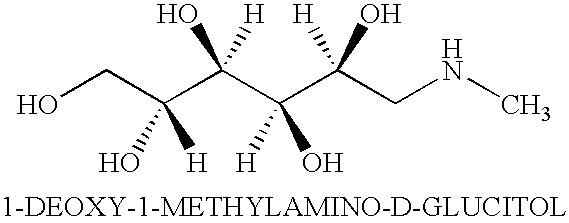
(b) mixing the sc(Fv)2 composition produced in step (a) with at least one substance selected from the group consisting of salt, amino sugar, sugar alcohol, amino acid, and pH adjusting agent.
(b) obtaining (purifying) the produced single chain diabody-type sc(Fv)2; and
(c) stabilizing the single chain diabody-type sc(Fv)2 composition obtained in step (b).
-
- (i) an amino acid residue contained in the heavy chain variable region of an sc(Fv)2 and corresponding to position 39 of the heavy chain variable region; and
- (ii) an amino acid residue contained in the light chain variable region of an sc(Fv)2 and corresponding to position 38 in the amino acid sequence of the light chain variable region; and
-
- (i) an amino acid residue contained in the heavy chain variable region of an sc(Fv)2 and corresponding to position 45 in the amino acid sequence of the heavy chain variable region; and
- (ii) an amino acid residue contained in the light chain variable region of an sc(Fv)2 and corresponding to position 44 in the amino acid sequence of the light chain variable region; and
-
- (i) an amino acid residue contained in the heavy chain variable region of an sc(Fv)2 and corresponding to position 45 in the amino acid sequence of the heavy chain variable region; and
- (ii) an amino acid residue contained in the light chain variable region of an sc(Fv)2 and corresponding to position 44 in the amino acid sequence of the light chain variable region; and
| TABLE 1 | ||||
| ka(1/Ms) [×105] | kd(1/s) [×10−3] | KD (nM) | ||
| VB22B peak1 | 5.86 ± 0.06 | 7.27 ± 0.25 | 12.4 ± 0.05 | n = 3 |
| VB22B peak2 | 5.71 ± 0.17 | 5.66 ± 0.24 | 9.92 ± 0.53 | n = 3 |
| VB22B bulk | 6.08 ± 0.30 | 6.17 ± 0.23 | 10.2 ± 0.8 | n = 3 |
2-4. Assessment of the Agonistic Activities of the Conformational Isomers of hVB22B u2-wz4 sc(Fv)2
-
- Eluent A: 20 mmol/L Phosphate buffer (pH7.0)
- Eluent B: 20 mmol/L Phosphate buffer/500 mmol/L NaCl (pH7.0)
| Gradient: |
| Time (min) | |
||
| 0 | 0 | ||
| 5 | 0 | ||
| 25 | 30 | ||
| 25.1 | 100 | ||
| 35 | 100 | ||
| 35.1 | 0 | ||
| <Gel swelling solution> |
| Pharmalyte 8.5-10 | 80 | μL | ||
| Biolyte 7-9 | 10 | μL | ||
| Biolyte 3-9 | 10 | μL | ||
| 20% Glycerol | 2.0 | mL | ||
| <Electrophoresis program> |
| SAMPLE APPLICATION DOWN AT |
0 | Vh |
| SAMPLE APPLICATION UP AT step 3 | 0 | |
| Step |
| 1 | 2000 V | 2.5 mA | 3.5 |
15° C. | 75 | |
| Step | ||||||
| 2 | 200 V | 2.5 mA | 3.5 |
15° C. | 15 | Vh |
| Step 3 | 2000 V | 2.5 mA | 3.5 |
15° C. | 410 | Vh |
Claims (11)
Applications Claiming Priority (5)
| Application Number | Priority Date | Filing Date | Title |
|---|---|---|---|
| JP2005171375 | 2005-06-10 | ||
| JP2005-171375 | 2005-06-10 | ||
| JPPCT/JP2006/306800 | 2006-03-31 | ||
| PCT/JP2006/306800 WO2006106903A1 (en) | 2005-03-31 | 2006-03-31 | sc(Fv)2 STRUCTURAL ISOMERS |
| PCT/JP2006/311600 WO2006132352A1 (en) | 2005-06-10 | 2006-06-09 | Pharmaceutical composition containing sc(fv)2 |
Related Parent Applications (1)
| Application Number | Title | Priority Date | Filing Date |
|---|---|---|---|
| PCT/JP2006/311600 A-371-Of-International WO2006132352A1 (en) | 2005-06-10 | 2006-06-09 | Pharmaceutical composition containing sc(fv)2 |
Related Child Applications (1)
| Application Number | Title | Priority Date | Filing Date |
|---|---|---|---|
| US14/967,475 Division US9777066B2 (en) | 2005-06-10 | 2015-12-14 | Pharmaceutical compositions containing sc(Fv)2 |
Publications (2)
| Publication Number | Publication Date |
|---|---|
| US20090214535A1 US20090214535A1 (en) | 2009-08-27 |
| US9241994B2 true US9241994B2 (en) | 2016-01-26 |
Family
ID=39395710
Family Applications (2)
| Application Number | Title | Priority Date | Filing Date |
|---|---|---|---|
| US11/916,979 Expired - Fee Related US9241994B2 (en) | 2005-06-10 | 2006-06-09 | Pharmaceutical compositions containing sc(Fv)2 |
| US14/967,475 Expired - Fee Related US9777066B2 (en) | 2005-06-10 | 2015-12-14 | Pharmaceutical compositions containing sc(Fv)2 |
Family Applications After (1)
| Application Number | Title | Priority Date | Filing Date |
|---|---|---|---|
| US14/967,475 Expired - Fee Related US9777066B2 (en) | 2005-06-10 | 2015-12-14 | Pharmaceutical compositions containing sc(Fv)2 |
Country Status (4)
| Country | Link |
|---|---|
| US (2) | US9241994B2 (en) |
| JP (1) | JP5085322B2 (en) |
| KR (1) | KR101360671B1 (en) |
| CN (1) | CN101262885B (en) |
Cited By (8)
| Publication number | Priority date | Publication date | Assignee | Title |
|---|---|---|---|---|
| US9493569B2 (en) | 2005-03-31 | 2016-11-15 | Chugai Seiyaku Kabushiki Kaisha | Structural isomers of sc(Fv)2 |
| US9676845B2 (en) | 2009-06-16 | 2017-06-13 | Hoffmann-La Roche, Inc. | Bispecific antigen binding proteins |
| US9777066B2 (en) | 2005-06-10 | 2017-10-03 | Chugai Seiyaku Kabushiki Kaisha | Pharmaceutical compositions containing sc(Fv)2 |
| US9982036B2 (en) | 2011-02-28 | 2018-05-29 | Hoffmann-La Roche Inc. | Dual FC antigen binding proteins |
| US10138293B2 (en) | 2007-12-21 | 2018-11-27 | Hoffmann-La Roche, Inc. | Bivalent, bispecific antibodies |
| US10323099B2 (en) | 2013-10-11 | 2019-06-18 | Hoffmann-La Roche Inc. | Multispecific domain exchanged common variable light chain antibodies |
| US10611825B2 (en) | 2011-02-28 | 2020-04-07 | Hoffmann La-Roche Inc. | Monovalent antigen binding proteins |
| US12331320B2 (en) | 2018-10-10 | 2025-06-17 | The Research Foundation For The State University Of New York | Genome edited cancer cell vaccines |
Families Citing this family (19)
| Publication number | Priority date | Publication date | Assignee | Title |
|---|---|---|---|---|
| WO2004111233A1 (en) * | 2003-06-11 | 2004-12-23 | Chugai Seiyaku Kabushiki Kaisha | Process for producing antibody |
| TW200530269A (en) * | 2003-12-12 | 2005-09-16 | Chugai Pharmaceutical Co Ltd | Anti-Mpl antibodies |
| JPWO2005056605A1 (en) * | 2003-12-12 | 2007-12-06 | 中外製薬株式会社 | Modified antibody that recognizes a trimer or higher receptor |
| WO2005056602A1 (en) * | 2003-12-12 | 2005-06-23 | Chugai Seiyaku Kabushiki Kaisha | Method of screening modified antibody having agonistic activity |
| WO2006106905A1 (en) | 2005-03-31 | 2006-10-12 | Chugai Seiyaku Kabushiki Kaisha | Process for production of polypeptide by regulation of assembly |
| EP1900814A4 (en) * | 2005-06-10 | 2010-07-21 | Chugai Pharmaceutical Co Ltd | MUTANT DIRECTED ON THE SITE sc (Fv) 2 |
| US8945543B2 (en) * | 2005-06-10 | 2015-02-03 | Chugai Seiyaku Kabushiki Kaisha | Stabilizer for protein preparation comprising meglumine and use thereof |
| JP5144499B2 (en) * | 2006-03-31 | 2013-02-13 | 中外製薬株式会社 | Antibody modification method for purifying bispecific antibodies |
| MX349057B (en) | 2010-11-30 | 2017-07-07 | Chugai Pharmaceutical Co Ltd | THERAPEUTIC AGENT THAT INDUCES CYTOTOXICITY. |
| RU2652886C2 (en) * | 2011-10-20 | 2018-05-03 | ИЭсБиЭйТЕК-Э НОВАРТИС КОМПАНИ ЭлЭлСи | Stable multiple antigen-binding antibodies |
| ES2732712T3 (en) * | 2011-10-31 | 2019-11-25 | Chugai Pharmaceutical Co Ltd | Antigen binding molecule that has a regulated conjugation between the heavy chain and the light chain |
| NL1040254C2 (en) * | 2013-05-17 | 2014-11-24 | Ablynx Nv | Stable formulations of immunoglobulin single variable domains and uses thereof. |
| SG10201803449VA (en) | 2013-09-27 | 2018-05-30 | Chugai Pharmaceutical Co Ltd | Method for producing polypeptide heteromultimer |
| KR102551410B1 (en) * | 2013-11-11 | 2023-07-04 | 추가이 세이야쿠 가부시키가이샤 | Antigen-binding molecule containing modified antibody variable region |
| PE20170286A1 (en) | 2014-07-01 | 2017-03-30 | Pfizer | BISPECIFIC HETERODIMERIC DIACBODIES AND THEIR USES |
| TWI880146B (en) | 2014-11-11 | 2025-04-11 | 日商中外製藥股份有限公司 | Database of antigen-binding molecules comprising altered antibody variable regions |
| JP7082484B2 (en) | 2015-04-01 | 2022-06-08 | 中外製薬株式会社 | Method for Producing Polypeptide Heterogeneous Multimer |
| IL273592B2 (en) | 2017-09-29 | 2025-11-01 | Chugai Pharmaceutical Co Ltd | A multispecific antigen-binding molecule with activity that replaces the function of a cofactor for blood coagulation factor VIII (FVIII), and a pharmaceutical formulation containing the molecule as an active ingredient |
| BR112020013910A2 (en) | 2018-01-08 | 2020-12-01 | H. Lee Moffitt Cancer Center And Research Institute Inc. | compositions and methods for targeting cancers that express cd99 |
Citations (149)
| Publication number | Priority date | Publication date | Assignee | Title |
|---|---|---|---|---|
| AU755822A (en) | 1922-06-26 | 1922-09-19 | Hans Grosshans Dr. | Lighters |
| US4946778A (en) | 1987-09-21 | 1990-08-07 | Genex Corporation | Single polypeptide chain binding molecules |
| WO1991000739A1 (en) | 1989-07-07 | 1991-01-24 | Kyowa Hakko Kogyo Co., Ltd. | Stable motilin preparation |
| JPH0341033Y2 (en) | 1983-12-05 | 1991-08-28 | ||
| WO1991016928A1 (en) | 1990-04-27 | 1991-11-14 | Celltech Limited | Humanized chimeric anti-icam-1 antibodies, methods of preparation and use |
| US5077216A (en) | 1988-07-06 | 1991-12-31 | The Trustees Of Dartmouth College | Monoclonal antibodies specific for a human mononculear phagocyte-specific antigen |
| WO1992019759A1 (en) | 1991-04-25 | 1992-11-12 | Chugai Seiyaku Kabushiki Kaisha | Reconstituted human antibody against human interleukin 6 receptor |
| WO1993005799A1 (en) | 1991-09-24 | 1993-04-01 | Farmitalia Carlo Erba S.R.L. | Lyophilized stable pharmaceutical compositions containing a granulocyte macrophage colony stimulating factor |
| WO1993006862A1 (en) | 1991-10-11 | 1993-04-15 | Toray Industries, Inc. | Antibody composition |
| JPH0597703A (en) | 1991-10-04 | 1993-04-20 | Yamanouchi Pharmaceut Co Ltd | Modified tissue plasminogen-activating factor-containing composition |
| US5223241A (en) | 1990-10-01 | 1993-06-29 | The General Hospital Corporation | Method for early detection of allograft rejection |
| WO1994005690A1 (en) | 1992-09-09 | 1994-03-17 | Smithkline Beecham Corporation | Novel antibodies for conferring passive immunity against infection by a pathogen in humans |
| WO1994013806A1 (en) | 1992-12-11 | 1994-06-23 | The Dow Chemical Company | Multivalent single chain antibodies |
| JPH07236475A (en) | 1994-03-03 | 1995-09-12 | Chugai Pharmaceut Co Ltd | IL-6 autocrine proliferative human myeloma cell line |
| WO1996004925A1 (en) | 1994-08-12 | 1996-02-22 | Immunomedics, Inc. | Immunoconjugates and humanized antibodies specific for b-cell lymphoma and leukemia cells |
| US5516672A (en) * | 1988-04-26 | 1996-05-14 | Konica Corporation | Stabilized peroxidase compositions and antibody compositions |
| EP0721015A1 (en) | 1993-09-03 | 1996-07-10 | Chugai Seiyaku Kabushiki Kaisha | Monoclonal antibody that induces apoptosis |
| WO1996024370A1 (en) | 1995-02-08 | 1996-08-15 | Therapicon S.R.L. | Pharmaceutical non inorganic saline solutions for endonasal administration of a calcitonin |
| WO1996026648A1 (en) | 1995-02-28 | 1996-09-06 | The Procter & Gamble Company | Preparation of noncarbonated beverage products having superior microbial stability |
| WO1996027011A1 (en) | 1995-03-01 | 1996-09-06 | Genentech, Inc. | A method for making heteromultimeric polypeptides |
| WO1996034892A1 (en) | 1995-05-03 | 1996-11-07 | Bioenhancements Ltd. | Bispecific antibodies in which the binding capability is reversibly inhibited by a photocleavable moiety |
| WO1996036360A1 (en) | 1995-05-17 | 1996-11-21 | Regents Of The University Of Minnesota | Immunoconjugates comprising single-chain variable region fragments of anti-cd-19 antibodies |
| WO1996040218A1 (en) | 1995-06-07 | 1996-12-19 | Zymogenetics, Inc. | Methods for increasing hematopoietic cells |
| WO1997001633A1 (en) | 1995-06-29 | 1997-01-16 | Immunex Corporation | Cytokine that induces apoptosis |
| WO1997010354A1 (en) | 1995-09-11 | 1997-03-20 | Kyowa Hakko Kogyo Co., Ltd. | ANTIBODY AGAINTS α-CHAIN OF HUMAN INTERLEUKIN 5 RECEPTOR |
| US5618920A (en) | 1985-11-01 | 1997-04-08 | Xoma Corporation | Modular assembly of antibody genes, antibodies prepared thereby and use |
| EP0774511A1 (en) | 1990-07-10 | 1997-05-21 | Cambridge Antibody Technology Limited | Methods of producing members of specific binding pairs |
| WO1997031108A1 (en) | 1996-02-20 | 1997-08-28 | Association Pour Le Developpement De La Recherche En Genetique Moleculaire (Aderegem) | Modified nuclear glucocorticoid receptor, fusion protein, and dna fragments coding for said receptor and said fusion protein |
| WO1997032601A1 (en) | 1996-03-06 | 1997-09-12 | Chugai Seiyaku Kabushiki Kaisha | Method of screening apoptosis inducing substances |
| US5747654A (en) | 1993-06-14 | 1998-05-05 | The United States Of America As Represented By The Department Of Health And Human Services | Recombinant disulfide-stabilized polypeptide fragments having binding specificity |
| CA2272245A1 (en) | 1996-11-19 | 1998-05-28 | Roche Diagnostics Gmbh | Stable lyophilized pharmaceutical preparations of monoclonal or polyclonal antibodies |
| US5780021A (en) | 1993-03-05 | 1998-07-14 | Georgetown University | Method for treating type 1 diabetes using α-interferon and/or β-i |
| JPH10508868A (en) | 1995-01-13 | 1998-09-02 | リージェンツ・オブ・ザ・ユニバーシティ・オブ・ミネソタ | Biotherapy of cancer targeting TP-3 / p80 |
| WO1998041641A1 (en) | 1997-03-20 | 1998-09-24 | The Government Of The United States As Represented By The Secretary Of The Department Of Health And Human Services | Recombinant antibodies and immunoconjugates targeted to cd-22 bearing cells and tumors |
| WO1998042378A1 (en) | 1997-03-24 | 1998-10-01 | Immunomedics, Inc. | Immunotherapy of b-cell malignancies using anti-cd22 antibodies |
| WO1998044001A1 (en) | 1997-03-27 | 1998-10-08 | Commonwealth Scientific And Industrial Research Organisation | High avidity polyvalent and polyspecific reagents |
| WO1998028331A3 (en) | 1996-12-20 | 1998-11-05 | Abbott Lab | A variant human alpha-7 acetylcholine receptor subunit, and methods of production and use thereof |
| US5837821A (en) | 1992-11-04 | 1998-11-17 | City Of Hope | Antibody construct |
| US5837242A (en) | 1992-12-04 | 1998-11-17 | Medical Research Council | Multivalent and multispecific binding proteins, their manufacture and use |
| WO1998050431A3 (en) | 1997-05-02 | 1999-01-14 | Genentech Inc | A method for making multispecific antibodies having heteromultimeric and common components |
| WO1999003495A1 (en) | 1997-07-17 | 1999-01-28 | Beth Israel Deaconess Medical Center, Inc. | Agonist murine monoclonal antibody as a stimulant for megakaryocytopoiesis |
| US5885574A (en) | 1994-07-26 | 1999-03-23 | Amgen Inc. | Antibodies which activate an erythropoietin receptor |
| WO1999002567A3 (en) | 1997-07-08 | 1999-04-01 | Univ Texas | Compositions and methods for producing homoconjugates of antibodies which induce growth arrest or apoptosis of tumor cells |
| JPH1192500A (en) | 1996-09-26 | 1999-04-06 | Chugai Pharmaceut Co Ltd | Antibodies to human parathyroid hormone-related peptides |
| WO1999017364A1 (en) | 1997-09-29 | 1999-04-08 | Raytheon Company | Chip-size package using a polyimide pcb interposer |
| WO1999010494A3 (en) | 1997-08-25 | 1999-05-20 | Genentech Inc | Agonist antibodies to the thrombopoietin receptor, and their therapeutic uses |
| US5908925A (en) * | 1996-06-27 | 1999-06-01 | Exocell, Inc. | Genetically engineered immunoglobulins with specificity for glycated albumin |
| US5977322A (en) | 1995-06-14 | 1999-11-02 | The Regents Of The University Of California | High affinity human antibodies to tumor antigens |
| CA2331641A1 (en) | 1998-05-05 | 1999-11-11 | Deutsches Krebsforschungszentrum Stiftung Des Offentlichen Rechts | Multivalent antibody constructs |
| WO2000023593A3 (en) | 1998-10-16 | 2000-07-27 | Fraunhofer Ges Forschung | Molecular pathogenicide mediated plant disease resistance |
| WO2000044788A1 (en) | 1999-01-28 | 2000-08-03 | Idec Pharmaceuticals Corporation | Production of tetravalent antibodies |
| WO2000053634A1 (en) | 1999-03-10 | 2000-09-14 | Chugai Seiyaku Kabushiki Kaisha | Single-stranded fv inducing apoptosis |
| US6132992A (en) | 1993-02-01 | 2000-10-17 | Bristol-Myers Squibb Co. | Expression vectors encoding bispecific fusion proteins and methods of producing biologically active bispecific fusion proteins in a mammalian cell |
| WO2000067795A1 (en) | 1999-05-10 | 2000-11-16 | Immunomedics, Inc. | Immunotherapy of b-cell malignancies using anti-cd22 antibodies |
| WO2000069462A1 (en) | 1999-05-18 | 2000-11-23 | Smithkline Beecham Corporation | Human monoclonal antibody |
| US6171586B1 (en) * | 1997-06-13 | 2001-01-09 | Genentech, Inc. | Antibody formulation |
| WO2000075191A3 (en) | 1999-06-09 | 2001-05-10 | Genentech Inc | Apo-2L RECEPTOR AGONIST AND CPT-11 SYNERGISM |
| WO2001066737A1 (en) | 2000-03-10 | 2001-09-13 | Chugai Seiyaku Kabushiki Kaisha | Polypeptide inducing apoptosis |
| WO2001074388A1 (en) | 2000-03-31 | 2001-10-11 | Idec Pharmaceuticals Corporation | Combined use of anti-cytokine antibodies or antagonists and anti-cd20 for the treatment of b cell lymphoma |
| WO2001077342A1 (en) | 2000-04-11 | 2001-10-18 | Genentech, Inc. | Multivalent antibodies and uses therefor |
| WO2001079494A1 (en) | 2000-04-17 | 2001-10-25 | Chugai Seiyaku Kabushiki Kaisha | Agonist antibodies |
| WO2001087337A1 (en) | 2000-05-12 | 2001-11-22 | Gpc Biotech Ag | Human polypeptides causing or leading to the killing of cells including lymphoid tumor cells |
| WO2001070775A3 (en) | 2000-03-22 | 2002-01-10 | Curagen Corp | Wnt-1 related polypeptides, and nucleic acids encoding the same |
| WO2001044282A3 (en) | 1999-12-14 | 2002-02-21 | Burnham Inst | Bcl-g polypeptides, encoding nucleic acids and methods of use |
| US20020028178A1 (en) | 2000-07-12 | 2002-03-07 | Nabil Hanna | Treatment of B cell malignancies using combination of B cell depleting antibody and immune modulating antibody related applications |
| US6361769B1 (en) | 1996-05-09 | 2002-03-26 | Pharma Pacific Pty Ltd | Stimulation of host defense mechanisms against viral challenges |
| WO2002028894A1 (en) | 2000-10-03 | 2002-04-11 | Banyu Pharmaceutical Co., Ltd. | Gene relating to drug tolerance and utilization thereof |
| WO2002033073A1 (en) | 2000-10-20 | 2002-04-25 | Chugai Seiyaku Kabushiki Kaisha | Degraded agonist antibody |
| WO2002033072A1 (en) | 2000-10-20 | 2002-04-25 | Chugai Seiyaku Kabushiki Kaisha | Degraded tpo agonist antibody |
| WO2001036486A3 (en) | 1999-11-18 | 2002-05-10 | Oxford Biomedica Ltd | Scfv antibodies against disease associated molecules |
| WO2001064713A3 (en) | 2000-03-01 | 2002-06-27 | Christoph Gasche | Mammalian interleukin-10 (il-10) receptor variants |
| WO2001097858A3 (en) | 2000-06-20 | 2002-08-08 | Idec Pharma Corp | Cold anti-cd20 antibody/radiolabeled anti-cd22 antibody combination |
| WO2002022212A8 (en) | 2000-09-18 | 2002-08-15 | Idec Pharma Corp | Combination therapy for treatment of autoimmune diseases using b cell depleting/immunoregulatory antibody combination |
| WO2002094880A1 (en) | 2001-05-18 | 2002-11-28 | Kirin Beer Kabushiki Kaisha | Anti-trail-r antibodies |
| US20020193571A1 (en) * | 1996-01-08 | 2002-12-19 | Paul J. Carter | Wsx receptor agonist antibodies |
| US20020197706A1 (en) | 1998-07-28 | 2002-12-26 | Cadus Pharmaceutical Corporation | Expression of g protein-coupled receptors with altered ligand binding and/or coupling properties |
| WO2003002607A1 (en) | 2001-06-27 | 2003-01-09 | Shawn Shui-On Leung | Reducing immunogenicities of immunoglobulins by framework-patching |
| WO2002004021A9 (en) | 2000-07-12 | 2003-01-16 | Idec Pharma Corp | Treatment of b cell malignancies using combination of b cell depleting antibody and immune modulating antibody related applications |
| WO2002096457A3 (en) | 2001-05-31 | 2003-02-13 | Novartis Ag | Stable liquid formulations of antibodies |
| WO2002078612A3 (en) | 2001-04-02 | 2003-04-03 | Purdue Pharma Lp | Thrombopoietin (tpo) synthebody for stimulation of platelet production |
| WO2003033538A1 (en) | 2001-10-15 | 2003-04-24 | Kirin Beer Kabushiki Kaisha | Anti-hla-dr antibody |
| US20030082612A1 (en) | 1994-09-14 | 2003-05-01 | Interneuron Pharmacueticals, Inc. | Detection of a leptin receptor variant and methods for regulating obesity |
| EP1310252A1 (en) | 2000-08-18 | 2003-05-14 | Takeda Chemical Industries, Ltd. | Injections |
| US20030103979A1 (en) | 1994-08-12 | 2003-06-05 | Leung Shui-On | Immunoconjugates and humanized antibodies specific for B-cell lymphoma and leukemia cells |
| US20030148409A1 (en) | 2001-10-15 | 2003-08-07 | Edmund Rossi | Direct targeting binding proteins |
| WO2003068260A1 (en) | 2002-02-14 | 2003-08-21 | Chugai Seiyaku Kabushiki Kaisha | Antibody-containing solution pharmaceuticals |
| US20030157100A1 (en) | 1997-09-11 | 2003-08-21 | Chugai Seiyaku Kabushiki Kaisha | Monoclonal antibody inducing apoptosis |
| US20030190316A1 (en) * | 2000-08-11 | 2003-10-09 | Masaya Kakuta | Stabilized antibody-containing preparations |
| WO2003087163A1 (en) | 2002-04-15 | 2003-10-23 | Chugai Seiyaku Kabushiki Kaisha | METHOD OF CONSTRUCTING scDb LIBRARY |
| US20030202975A1 (en) | 2002-02-21 | 2003-10-30 | Tedder Thomas F. | Reagents and treatment methods for autoimmune diseases |
| US20030211108A1 (en) | 1997-09-11 | 2003-11-13 | Chugai Seiyaku Kabushiki Kaisha | Monoclonal antibody inducing apoptosis |
| WO2003097105A1 (en) | 2002-05-17 | 2003-11-27 | Immunomedics, Inc. | Drug pre-targeting by means of bi-specific antibodies and hapten constructs comprising a carrier peptide and the active agent (s) |
| WO2003057168A3 (en) | 2002-01-03 | 2003-12-04 | Scripps Research Inst | Cancer-associated epitope |
| WO2003107218A1 (en) | 2002-05-31 | 2003-12-24 | セレスター・レキシコ・サイエンシズ株式会社 | Interaction predicting device |
| US20040033228A1 (en) * | 2002-08-16 | 2004-02-19 | Hans-Juergen Krause | Formulation of human antibodies for treating TNF-alpha associated disorders |
| WO2004019966A1 (en) | 2002-08-27 | 2004-03-11 | Chugai Seiyaku Kabushiki Kaisha | Method of stabilizing protein solution preparation |
| JP2004086682A (en) | 2002-08-28 | 2004-03-18 | Fujitsu Ltd | Functional block design method and functional block design device |
| JP2004086862A (en) | 2002-05-31 | 2004-03-18 | Celestar Lexico-Sciences Inc | Apparatus, method and program for processing protein interaction information, and recording medium |
| US20040058393A1 (en) | 2000-04-17 | 2004-03-25 | Naoshi Fukishima | Agonist antibodies |
| WO2004003499A3 (en) | 2002-07-01 | 2004-04-01 | Lucent Technologies Inc | Compensation for utterance dependent articulation for speech quality assessment |
| WO2004026332A1 (en) | 2002-09-18 | 2004-04-01 | Ortho-Mcneil Pharmaceutical, Inc. | Methods of increasing platelet and hematopoietic stem cell production |
| US6719972B1 (en) | 1994-06-03 | 2004-04-13 | Repligen Corporation | Methods of inhibiting T cell proliferation or IL-2 accumulation with CTLA4- specific antibodies |
| US20040073013A1 (en) | 1999-03-10 | 2004-04-15 | Naoshi Fukushima | Polypeptide inducing apoptosis |
| WO2003103723A3 (en) | 2002-06-07 | 2004-04-29 | Immunomedics Inc | METHODS FOR IMAGING NEUTROPHILES IN CYSTIC FIBROSIS |
| WO2004037293A1 (en) | 2002-10-22 | 2004-05-06 | Dainippon Pharmaceutical Co., Ltd. | Stabilized composition |
| US20040091475A1 (en) | 2000-10-20 | 2004-05-13 | Masayuki Tsuchiya | Degraded tpo agonist antibody |
| WO2003106974A3 (en) | 2002-06-18 | 2004-06-03 | Irm Llc | DIAGNOSIS AND TREATMENT OF CHEMICAL RESISTANT TUMORS |
| WO2004003019A3 (en) | 2002-06-28 | 2004-09-10 | Domantis Ltd | Immunoglobin single variant antigen-binding domains and dual-specific constructs |
| WO2004081048A1 (en) | 2003-03-13 | 2004-09-23 | Chugai Seiyaku Kabushiki Kaisha | Ligand having agonistic activity to mutated receptor |
| WO2004087763A1 (en) | 2003-03-31 | 2004-10-14 | Chugai Seiyaku Kabushiki Kaisha | Modified antibody against cd22 and utilization thereof |
| US20040219643A1 (en) | 2001-06-28 | 2004-11-04 | Greg Winter | Dual-specific ligand |
| WO2003086324A3 (en) | 2002-04-10 | 2004-11-04 | Allos Therapeutics Inc | Preparation and use of a stable formulation of allosteric effector compounds |
| US20040242847A1 (en) | 2000-10-20 | 2004-12-02 | Naoshi Fukushima | Degraded agonist antibody |
| WO2004111233A1 (en) | 2003-06-11 | 2004-12-23 | Chugai Seiyaku Kabushiki Kaisha | Process for producing antibody |
| WO2005004912A1 (en) | 2003-07-11 | 2005-01-20 | Oncotherapy Science, Inc. | Method for treating synovial sarcoma |
| WO2003104425A3 (en) | 2002-06-07 | 2005-02-17 | Us Gov Health & Human Serv | Novel stable anti-cd22 antibodies |
| WO2005044857A1 (en) | 2003-11-11 | 2005-05-19 | Chugai Seiyaku Kabushiki Kaisha | Humanized anti-cd47 antibody |
| US6903194B1 (en) | 1996-09-26 | 2005-06-07 | Chungai Seiyaku Kabushiki Kaisha | Antibody against human parathormone related peptides |
| WO2005056798A1 (en) | 2003-12-12 | 2005-06-23 | Chugai Seiyaku Kabushiki Kaisha | Method of reinforcing antibody activity |
| AU2004297111A1 (en) | 2003-12-12 | 2005-06-23 | Chugai Seiyaku Kabushiki Kaisha | Anti-Mpl antibody |
| WO2005056603A1 (en) | 2003-12-12 | 2005-06-23 | Chugai Seiyaku Kabushiki Kaisha | Cell death inducing agent |
| WO2005056602A1 (en) | 2003-12-12 | 2005-06-23 | Chugai Seiyaku Kabushiki Kaisha | Method of screening modified antibody having agonistic activity |
| WO2005056605A1 (en) | 2003-12-12 | 2005-06-23 | Chugai Seiyaku Kabushiki Kaisha | Modified antibodies recognizing trimer receptor or higher |
| US20050220787A1 (en) | 2002-11-07 | 2005-10-06 | Lobo Peter I | Naturally occuring IgM antibodies that bind to lymphocytes |
| WO2002097033A3 (en) | 2001-05-25 | 2005-10-20 | Human Genome Sciences Inc | Antibodies that immunospecifically bind to trail receptors |
| WO2005100560A1 (en) | 2004-04-09 | 2005-10-27 | Chugai Seiyaku Kabushiki Kaisha | Cell death inducer |
| WO2005107784A1 (en) | 2004-05-11 | 2005-11-17 | Chugai Seiyaku Kabushiki Kaisha | Remedy for thrombopenia |
| US20060159673A1 (en) | 2003-01-21 | 2006-07-20 | Tetsuo Kojima | Methods of screening light chain of antibody |
| US20060189794A1 (en) | 2003-03-13 | 2006-08-24 | Masayuki Tsuchiya | Ligand having agonistic activity to mutated receptor |
| WO2006101173A1 (en) | 2005-03-24 | 2006-09-28 | Dainippon Sumitomo Pharma Co., Ltd. | Preparation comprising microparticles of complex composed of nucleic acid molecule and collagen |
| US7115373B2 (en) | 2002-06-27 | 2006-10-03 | Genox Research, Inc. | Method of testing for atopic dermatitis by measuring expression of the NOR-1 gene |
| WO2006123724A1 (en) | 2005-05-18 | 2006-11-23 | The University Of Tokushima | Novel pharmaceutical using anti-hla antibody |
| US20060275301A1 (en) | 2002-10-11 | 2006-12-07 | Shuji Ozaki | Cell death-inducing agent |
| EP1870458A1 (en) | 2005-03-31 | 2007-12-26 | Chugai Seiyaku Kabushiki Kaisha | sc(Fv)2 STRUCTURAL ISOMERS |
| WO2008007755A1 (en) | 2006-07-13 | 2008-01-17 | Chugai Seiyaku Kabushiki Kaisha | Cell death inducer |
| EP1925319A1 (en) | 2005-06-10 | 2008-05-28 | Chugai Seiyaku Kabushiki Kaisha | Pharmaceutical compositions containing sc(fv)2 |
| WO2008071394A1 (en) | 2006-12-11 | 2008-06-19 | F. Hoffmann-La Roche Ag | Abeta antibody parenteral formulation |
| US20080248037A1 (en) | 2004-04-06 | 2008-10-09 | Genentech, Inc. | Dr5 Antibodies and Uses Thereof |
| US7456260B2 (en) | 2002-06-17 | 2008-11-25 | The United States Of America As Represented By The Secretary Of The Department Of Health And Human Services | Humanized antibody |
| US20090028854A1 (en) | 2005-06-10 | 2009-01-29 | Chugai Seiyaku Kabushiki Kaisha | sc(Fv)2 SITE-DIRECTED MUTANT |
| US20090117097A1 (en) | 2005-06-10 | 2009-05-07 | Chugai Seiyaku Kabushiki Kaisha | Stabilizer for Protein Preparation Comprising Meglumine and Use Thereof |
| US7550140B2 (en) * | 2002-06-13 | 2009-06-23 | Crucell Holland B.V. | Antibody to the human OX40 receptor |
| US20090162352A1 (en) | 2007-12-21 | 2009-06-25 | Michael Adler | Antibody formulation |
| US20100015133A1 (en) | 2005-03-31 | 2010-01-21 | Chugai Seiyaku Kabushiki Kaisha | Methods for Producing Polypeptides by Regulating Polypeptide Association |
| US20100040600A1 (en) | 2006-06-14 | 2010-02-18 | Chugai Seiyaku Kabushiki Kaisha | Agents for Promoting the Growth of Hematopoietic Stem Cells |
| US20100092457A1 (en) | 2006-08-14 | 2010-04-15 | Forerunner Pharma Research Co., Ltd. | Diagnosis and Treatment of Cancer Using Anti-Desmoglein-3 Antibodies |
| US20100092461A1 (en) | 2007-03-12 | 2010-04-15 | Chugai Seiyaku Kabushiki Kaisha | Remedy For Chemotherapy-Resistant Cancer Containing HLA Class I-Recognizing Antibody as the Active Ingredient and Use of the Same |
| US7749501B2 (en) * | 2006-02-02 | 2010-07-06 | The General Hospital Corporation | Engineered antibody-stress protein fusions |
| US20120244142A1 (en) | 2009-09-24 | 2012-09-27 | Chugai Seiyaku Kabushiki Kaisha | Antibody capable of recognizing hla class i |
Family Cites Families (8)
| Publication number | Priority date | Publication date | Assignee | Title |
|---|---|---|---|---|
| US6048972A (en) | 1994-07-13 | 2000-04-11 | Chugai Pharmaceutical Co., Ltd. | Recombinant materials for producing humanized anti-IL-8 antibodies |
| JP3904238B2 (en) | 1996-03-20 | 2007-04-11 | イムノメディクス, インコーポレイテッド | Glycosylated humanized B cell specific antibody |
| JPH09289892A (en) | 1996-04-25 | 1997-11-11 | Yamanouchi Pharmaceut Co Ltd | C-mpl ligand agonist antibody |
| US5998593A (en) | 1998-03-10 | 1999-12-07 | Abbott Laboratories | Fluorescent enzyme substrates |
| SI1542714T1 (en) | 2002-09-18 | 2014-09-30 | Janssen Pharmaceuticals, Inc. | Methods of increasing platelet and hematopoietic stem cell production |
| CA2562771C (en) * | 2004-04-12 | 2013-04-09 | Medimmune, Inc. | Anti-il-9 antibody formulations and uses thereof |
| AU2005333602B2 (en) | 2004-10-22 | 2012-04-12 | Medimmune, Llc | High affinity antibodies against HMGB1 and methods of use thereof |
| JP5085322B2 (en) | 2005-06-10 | 2012-11-28 | 中外製薬株式会社 | Pharmaceutical composition containing sc (Fv) 2 |
-
2006
- 2006-06-09 JP JP2007520179A patent/JP5085322B2/en not_active Expired - Fee Related
- 2006-06-09 KR KR1020087000694A patent/KR101360671B1/en not_active Expired - Fee Related
- 2006-06-09 US US11/916,979 patent/US9241994B2/en not_active Expired - Fee Related
- 2006-06-09 CN CN200680029639.6A patent/CN101262885B/en not_active Expired - Fee Related
-
2015
- 2015-12-14 US US14/967,475 patent/US9777066B2/en not_active Expired - Fee Related
Patent Citations (237)
| Publication number | Priority date | Publication date | Assignee | Title |
|---|---|---|---|---|
| AU755822A (en) | 1922-06-26 | 1922-09-19 | Hans Grosshans Dr. | Lighters |
| JPH0341033Y2 (en) | 1983-12-05 | 1991-08-28 | ||
| US5618920A (en) | 1985-11-01 | 1997-04-08 | Xoma Corporation | Modular assembly of antibody genes, antibodies prepared thereby and use |
| US4946778A (en) | 1987-09-21 | 1990-08-07 | Genex Corporation | Single polypeptide chain binding molecules |
| US5516672A (en) * | 1988-04-26 | 1996-05-14 | Konica Corporation | Stabilized peroxidase compositions and antibody compositions |
| US5077216A (en) | 1988-07-06 | 1991-12-31 | The Trustees Of Dartmouth College | Monoclonal antibodies specific for a human mononculear phagocyte-specific antigen |
| WO1991000739A1 (en) | 1989-07-07 | 1991-01-24 | Kyowa Hakko Kogyo Co., Ltd. | Stable motilin preparation |
| EP0437622A1 (en) | 1989-07-07 | 1991-07-24 | Kyowa Hakko Kogyo Co., Ltd. | Stable motilin preparation |
| WO1991016928A1 (en) | 1990-04-27 | 1991-11-14 | Celltech Limited | Humanized chimeric anti-icam-1 antibodies, methods of preparation and use |
| EP0774511A1 (en) | 1990-07-10 | 1997-05-21 | Cambridge Antibody Technology Limited | Methods of producing members of specific binding pairs |
| US5223241A (en) | 1990-10-01 | 1993-06-29 | The General Hospital Corporation | Method for early detection of allograft rejection |
| WO1992019759A1 (en) | 1991-04-25 | 1992-11-12 | Chugai Seiyaku Kabushiki Kaisha | Reconstituted human antibody against human interleukin 6 receptor |
| WO1993005799A1 (en) | 1991-09-24 | 1993-04-01 | Farmitalia Carlo Erba S.R.L. | Lyophilized stable pharmaceutical compositions containing a granulocyte macrophage colony stimulating factor |
| JPH0597703A (en) | 1991-10-04 | 1993-04-20 | Yamanouchi Pharmaceut Co Ltd | Modified tissue plasminogen-activating factor-containing composition |
| EP0562125A1 (en) | 1991-10-11 | 1993-09-29 | Toray Industries, Inc. | Antibody composition |
| WO1993006862A1 (en) | 1991-10-11 | 1993-04-15 | Toray Industries, Inc. | Antibody composition |
| WO1994005690A1 (en) | 1992-09-09 | 1994-03-17 | Smithkline Beecham Corporation | Novel antibodies for conferring passive immunity against infection by a pathogen in humans |
| JPH08500979A (en) | 1992-09-09 | 1996-02-06 | スミスクライン・ビーチヤム・コーポレーシヨン | Novel antibodies to confer passive immunity against infection by pathogens in humans |
| US5837821A (en) | 1992-11-04 | 1998-11-17 | City Of Hope | Antibody construct |
| US5837242A (en) | 1992-12-04 | 1998-11-17 | Medical Research Council | Multivalent and multispecific binding proteins, their manufacture and use |
| WO1994013806A1 (en) | 1992-12-11 | 1994-06-23 | The Dow Chemical Company | Multivalent single chain antibodies |
| US5892020A (en) * | 1992-12-11 | 1999-04-06 | The Dow Chemical Company | Multivalent single chain antibodies |
| US5877291A (en) | 1992-12-11 | 1999-03-02 | The Dow Chemical Company | Multivalent single chain antibodies |
| JPH07503622A (en) | 1992-12-11 | 1995-04-20 | ザ ダウ ケミカル カンパニー | Multivalent single chain antibody |
| US6132992A (en) | 1993-02-01 | 2000-10-17 | Bristol-Myers Squibb Co. | Expression vectors encoding bispecific fusion proteins and methods of producing biologically active bispecific fusion proteins in a mammalian cell |
| US5780021A (en) | 1993-03-05 | 1998-07-14 | Georgetown University | Method for treating type 1 diabetes using α-interferon and/or β-i |
| US5747654A (en) | 1993-06-14 | 1998-05-05 | The United States Of America As Represented By The Department Of Health And Human Services | Recombinant disulfide-stabilized polypeptide fragments having binding specificity |
| US6759043B2 (en) | 1993-09-03 | 2004-07-06 | Chugai Seiyaku Kabushiki Kaisha | Monoclonal antibodies having property of causing apoptosis |
| US20030147894A1 (en) | 1993-09-03 | 2003-08-07 | Chugai Seiyaku Kabushiki Kaisha | Monoclonal antibodies having property of causing apoptosis |
| US5840344A (en) | 1993-09-03 | 1998-11-24 | Chugai Seiyaku Kabushiki Kaisha | Monoclonal antibodies having property of causing apoptosis |
| EP0721015A1 (en) | 1993-09-03 | 1996-07-10 | Chugai Seiyaku Kabushiki Kaisha | Monoclonal antibody that induces apoptosis |
| JPH07236475A (en) | 1994-03-03 | 1995-09-12 | Chugai Pharmaceut Co Ltd | IL-6 autocrine proliferative human myeloma cell line |
| US6719972B1 (en) | 1994-06-03 | 2004-04-13 | Repligen Corporation | Methods of inhibiting T cell proliferation or IL-2 accumulation with CTLA4- specific antibodies |
| US5885574A (en) | 1994-07-26 | 1999-03-23 | Amgen Inc. | Antibodies which activate an erythropoietin receptor |
| JP2000095800A (en) | 1994-07-26 | 2000-04-04 | Amgen | Antibody for activating erythropoietin receptor |
| US6319499B1 (en) | 1994-07-26 | 2001-11-20 | Amgen Inc. | Methods for activating an erythropoietin receptor using antibodies |
| US5789554A (en) | 1994-08-12 | 1998-08-04 | Immunomedics, Inc. | Immunoconjugates and humanized antibodies specific for B-cell lymphoma and leukemia cells |
| JPH10505231A (en) | 1994-08-12 | 1998-05-26 | イムノメディクス,インコーポレイテッド | Immunoconjugates and humanized antibodies specific for B cell lymphoma cells and leukemia cells |
| WO1996004925A1 (en) | 1994-08-12 | 1996-02-22 | Immunomedics, Inc. | Immunoconjugates and humanized antibodies specific for b-cell lymphoma and leukemia cells |
| US20030103979A1 (en) | 1994-08-12 | 2003-06-05 | Leung Shui-On | Immunoconjugates and humanized antibodies specific for B-cell lymphoma and leukemia cells |
| US20030082612A1 (en) | 1994-09-14 | 2003-05-01 | Interneuron Pharmacueticals, Inc. | Detection of a leptin receptor variant and methods for regulating obesity |
| JPH10508868A (en) | 1995-01-13 | 1998-09-02 | リージェンツ・オブ・ザ・ユニバーシティ・オブ・ミネソタ | Biotherapy of cancer targeting TP-3 / p80 |
| US6042829A (en) | 1995-01-13 | 2000-03-28 | Regeants Of The University Of Minnesota | Biotherapy of cancer by targeting TP-3/P80 |
| WO1996024370A1 (en) | 1995-02-08 | 1996-08-15 | Therapicon S.R.L. | Pharmaceutical non inorganic saline solutions for endonasal administration of a calcitonin |
| WO1996026648A1 (en) | 1995-02-28 | 1996-09-06 | The Procter & Gamble Company | Preparation of noncarbonated beverage products having superior microbial stability |
| JPH11500916A (en) | 1995-02-28 | 1999-01-26 | ザ プロクター アンド ギャンブル カンパニー | Production of carbonated beverage products with excellent microbial stability |
| US6126980A (en) | 1995-02-28 | 2000-10-03 | The Procter & Gamble Company | Noncarbonated beverage products having superior microbial stability and process for preparing same |
| US20020155537A1 (en) | 1995-03-01 | 2002-10-24 | Genentech, Inc. | Method for making heteromultimeric polypeptides |
| WO1996027011A1 (en) | 1995-03-01 | 1996-09-06 | Genentech, Inc. | A method for making heteromultimeric polypeptides |
| WO1996034892A1 (en) | 1995-05-03 | 1996-11-07 | Bioenhancements Ltd. | Bispecific antibodies in which the binding capability is reversibly inhibited by a photocleavable moiety |
| WO1996036360A1 (en) | 1995-05-17 | 1996-11-21 | Regents Of The University Of Minnesota | Immunoconjugates comprising single-chain variable region fragments of anti-cd-19 antibodies |
| WO1996040218A1 (en) | 1995-06-07 | 1996-12-19 | Zymogenetics, Inc. | Methods for increasing hematopoietic cells |
| US6013067A (en) | 1995-06-07 | 2000-01-11 | Zymogenetics, Inc. | Methods for increasing hematopoietic cells |
| JPH10510842A (en) | 1995-06-07 | 1998-10-20 | ザイモジェネティクス,インコーポレイティド | How to increase hematopoietic cells |
| US5977322A (en) | 1995-06-14 | 1999-11-02 | The Regents Of The University Of California | High affinity human antibodies to tumor antigens |
| WO1997001633A1 (en) | 1995-06-29 | 1997-01-16 | Immunex Corporation | Cytokine that induces apoptosis |
| EP0811691A1 (en) | 1995-09-11 | 1997-12-10 | Kyowa Hakko Kogyo Co., Ltd. | Antibody againts alpha-chain of human interleukin 5 receptor |
| WO1997010354A1 (en) | 1995-09-11 | 1997-03-20 | Kyowa Hakko Kogyo Co., Ltd. | ANTIBODY AGAINTS α-CHAIN OF HUMAN INTERLEUKIN 5 RECEPTOR |
| US20020193571A1 (en) * | 1996-01-08 | 2002-12-19 | Paul J. Carter | Wsx receptor agonist antibodies |
| US6699686B1 (en) | 1996-02-20 | 2004-03-02 | Association Pour Le Development De La Recherche En Genetique Moleculaire (Aderegem) | Modified nuclear glucocorticoid receptor, fusion protein, and DNA fragments coding for said receptor and said fusion protein |
| WO1997031108A1 (en) | 1996-02-20 | 1997-08-28 | Association Pour Le Developpement De La Recherche En Genetique Moleculaire (Aderegem) | Modified nuclear glucocorticoid receptor, fusion protein, and dna fragments coding for said receptor and said fusion protein |
| US6579692B1 (en) | 1996-03-06 | 2003-06-17 | Chugai Seiyaku Kabushiki Kaisha | Method of screening apoptosis inducing substances |
| WO1997032601A1 (en) | 1996-03-06 | 1997-09-12 | Chugai Seiyaku Kabushiki Kaisha | Method of screening apoptosis inducing substances |
| US20030157577A1 (en) | 1996-03-06 | 2003-08-21 | Chugai Seiyaku Kabushiki Kaisha | Method of screening apoptosis inducing substances |
| US6361769B1 (en) | 1996-05-09 | 2002-03-26 | Pharma Pacific Pty Ltd | Stimulation of host defense mechanisms against viral challenges |
| US5908925A (en) * | 1996-06-27 | 1999-06-01 | Exocell, Inc. | Genetically engineered immunoglobulins with specificity for glycated albumin |
| JPH1192500A (en) | 1996-09-26 | 1999-04-06 | Chugai Pharmaceut Co Ltd | Antibodies to human parathyroid hormone-related peptides |
| US6903194B1 (en) | 1996-09-26 | 2005-06-07 | Chungai Seiyaku Kabushiki Kaisha | Antibody against human parathormone related peptides |
| CA2272245A1 (en) | 1996-11-19 | 1998-05-28 | Roche Diagnostics Gmbh | Stable lyophilized pharmaceutical preparations of monoclonal or polyclonal antibodies |
| CN1244805A (en) | 1996-11-19 | 2000-02-16 | 罗赫诊断器材股份有限公司 | Stable lyophilized pharmaceutical substance from monoclonal or polyclonal antibodies |
| US20080286280A1 (en) | 1996-11-19 | 2008-11-20 | Roche Diagnostics Gmbh | Stable Lyophilized Pharmaceutical Preparations of Monoclonal or polyclonal antibodies |
| WO1998022136A3 (en) | 1996-11-19 | 1998-08-20 | Boehringer Mannheim Gmbh | Stable lyophilized pharmaceutical substances from monoclonal or polyclonal antibodies |
| US20010006796A1 (en) | 1996-12-20 | 2001-07-05 | Clark A. Briggs | Variant human alpha7 acetylcholine receptor subnit, and methods of prod0u0ction and uses thereof |
| US6323000B2 (en) | 1996-12-20 | 2001-11-27 | Clark A. Briggs | Variant human α7 acetylcholine receptor subunit, and methods of production and uses thereof |
| WO1998028331A3 (en) | 1996-12-20 | 1998-11-05 | Abbott Lab | A variant human alpha-7 acetylcholine receptor subunit, and methods of production and use thereof |
| US6683157B2 (en) | 1996-12-20 | 2004-01-27 | Abbott Laboratories | Variant human α7 acetylcholine receptor subunit, and methods of production and use thereof |
| JP2001506135A (en) | 1996-12-20 | 2001-05-15 | アボツト・ラボラトリーズ | Mutated human α7 acetylcholine receptor subunit, and method for producing and using the same |
| US20030073161A1 (en) | 1996-12-20 | 2003-04-17 | Briggs Clark A. | Variant human alpha7 acetylcholine receptor subunit, and methods of production and use thereof |
| WO1997034632A9 (en) | 1997-03-19 | 1998-01-29 | Glycosylated humanized b-cell specific antibodies | |
| WO1998041641A1 (en) | 1997-03-20 | 1998-09-24 | The Government Of The United States As Represented By The Secretary Of The Department Of Health And Human Services | Recombinant antibodies and immunoconjugates targeted to cd-22 bearing cells and tumors |
| WO1998042378A1 (en) | 1997-03-24 | 1998-10-01 | Immunomedics, Inc. | Immunotherapy of b-cell malignancies using anti-cd22 antibodies |
| JP2001518930A (en) | 1997-03-24 | 2001-10-16 | イムノメディクス,インコーポレイテッド | Immunotherapy of B cell malignancy using anti-CD-22 antibody |
| EP0969866B1 (en) | 1997-03-24 | 2005-06-15 | Immunomedics, Inc. | Immunotherapy of b-cell malignancies using anti-cd22 antibodies |
| US6183744B1 (en) | 1997-03-24 | 2001-02-06 | Immunomedics, Inc. | Immunotherapy of B-cell malignancies using anti-CD22 antibodies |
| WO1998044001A1 (en) | 1997-03-27 | 1998-10-08 | Commonwealth Scientific And Industrial Research Organisation | High avidity polyvalent and polyspecific reagents |
| WO1998050431A3 (en) | 1997-05-02 | 1999-01-14 | Genentech Inc | A method for making multispecific antibodies having heteromultimeric and common components |
| JP2001523971A (en) | 1997-05-02 | 2001-11-27 | ジェネンテック,インコーポレーテッド | Method for producing multispecific antibodies having heteromultimers and common components |
| US6171586B1 (en) * | 1997-06-13 | 2001-01-09 | Genentech, Inc. | Antibody formulation |
| WO1999002567A3 (en) | 1997-07-08 | 1999-04-01 | Univ Texas | Compositions and methods for producing homoconjugates of antibodies which induce growth arrest or apoptosis of tumor cells |
| US6368596B1 (en) | 1997-07-08 | 2002-04-09 | Board Of Regents, The University Of Texas System | Compositions and methods for homoconjugates of antibodies which induce growth arrest or apoptosis of tumor cells |
| WO1999003495A1 (en) | 1997-07-17 | 1999-01-28 | Beth Israel Deaconess Medical Center, Inc. | Agonist murine monoclonal antibody as a stimulant for megakaryocytopoiesis |
| WO1999010494A3 (en) | 1997-08-25 | 1999-05-20 | Genentech Inc | Agonist antibodies to the thrombopoietin receptor, and their therapeutic uses |
| US6342220B1 (en) | 1997-08-25 | 2002-01-29 | Genentech, Inc. | Agonist antibodies |
| JP2001513999A (en) | 1997-08-25 | 2001-09-11 | ジェネンテク・インコーポレイテッド | Agonist antibodies to thrombopoietin receptor and their therapeutic use |
| US20030157100A1 (en) | 1997-09-11 | 2003-08-21 | Chugai Seiyaku Kabushiki Kaisha | Monoclonal antibody inducing apoptosis |
| EP1035132B1 (en) | 1997-09-11 | 2008-05-14 | Chugai Seiyaku Kabushiki Kaisha | Monoclonal antibody inducing apoptosis |
| US20030211108A1 (en) | 1997-09-11 | 2003-11-13 | Chugai Seiyaku Kabushiki Kaisha | Monoclonal antibody inducing apoptosis |
| WO1999017364A1 (en) | 1997-09-29 | 1999-04-08 | Raytheon Company | Chip-size package using a polyimide pcb interposer |
| CA2331641A1 (en) | 1998-05-05 | 1999-11-11 | Deutsches Krebsforschungszentrum Stiftung Des Offentlichen Rechts | Multivalent antibody constructs |
| DE19819846A1 (en) | 1998-05-05 | 1999-11-11 | Deutsches Krebsforsch | Multivalent antibody constructs |
| US20020197706A1 (en) | 1998-07-28 | 2002-12-26 | Cadus Pharmaceutical Corporation | Expression of g protein-coupled receptors with altered ligand binding and/or coupling properties |
| WO2000023593A3 (en) | 1998-10-16 | 2000-07-27 | Fraunhofer Ges Forschung | Molecular pathogenicide mediated plant disease resistance |
| WO2000044788A1 (en) | 1999-01-28 | 2000-08-03 | Idec Pharmaceuticals Corporation | Production of tetravalent antibodies |
| US20040073013A1 (en) | 1999-03-10 | 2004-04-15 | Naoshi Fukushima | Polypeptide inducing apoptosis |
| WO2000053634A1 (en) | 1999-03-10 | 2000-09-14 | Chugai Seiyaku Kabushiki Kaisha | Single-stranded fv inducing apoptosis |
| EP1178826A1 (en) | 1999-05-10 | 2002-02-13 | Immunomedics, Inc. | Immunotherapy of b-cell malignancies using anti-cd22 antibodies |
| WO2000067795A1 (en) | 1999-05-10 | 2000-11-16 | Immunomedics, Inc. | Immunotherapy of b-cell malignancies using anti-cd22 antibodies |
| JP2002543822A (en) | 1999-05-18 | 2002-12-24 | スミスクライン・ビーチャム・コーポレイション | Human monoclonal antibody |
| WO2000069462A1 (en) | 1999-05-18 | 2000-11-23 | Smithkline Beecham Corporation | Human monoclonal antibody |
| WO2000075191A3 (en) | 1999-06-09 | 2001-05-10 | Genentech Inc | Apo-2L RECEPTOR AGONIST AND CPT-11 SYNERGISM |
| WO2001036486A3 (en) | 1999-11-18 | 2002-05-10 | Oxford Biomedica Ltd | Scfv antibodies against disease associated molecules |
| WO2001044282A3 (en) | 1999-12-14 | 2002-02-21 | Burnham Inst | Bcl-g polypeptides, encoding nucleic acids and methods of use |
| WO2001064713A3 (en) | 2000-03-01 | 2002-06-27 | Christoph Gasche | Mammalian interleukin-10 (il-10) receptor variants |
| EP1262548B1 (en) | 2000-03-10 | 2008-10-08 | Chugai Seiyaku Kabushiki Kaisha | Polypeptide inducing apoptosis |
| WO2001066737A1 (en) | 2000-03-10 | 2001-09-13 | Chugai Seiyaku Kabushiki Kaisha | Polypeptide inducing apoptosis |
| WO2001070775A3 (en) | 2000-03-22 | 2002-01-10 | Curagen Corp | Wnt-1 related polypeptides, and nucleic acids encoding the same |
| WO2001074388A1 (en) | 2000-03-31 | 2001-10-11 | Idec Pharmaceuticals Corporation | Combined use of anti-cytokine antibodies or antagonists and anti-cd20 for the treatment of b cell lymphoma |
| WO2001077342A1 (en) | 2000-04-11 | 2001-10-18 | Genentech, Inc. | Multivalent antibodies and uses therefor |
| US20040058393A1 (en) | 2000-04-17 | 2004-03-25 | Naoshi Fukishima | Agonist antibodies |
| WO2001079494A1 (en) | 2000-04-17 | 2001-10-25 | Chugai Seiyaku Kabushiki Kaisha | Agonist antibodies |
| WO2001087337A1 (en) | 2000-05-12 | 2001-11-22 | Gpc Biotech Ag | Human polypeptides causing or leading to the killing of cells including lymphoid tumor cells |
| WO2001097858A3 (en) | 2000-06-20 | 2002-08-08 | Idec Pharma Corp | Cold anti-cd20 antibody/radiolabeled anti-cd22 antibody combination |
| US20020028178A1 (en) | 2000-07-12 | 2002-03-07 | Nabil Hanna | Treatment of B cell malignancies using combination of B cell depleting antibody and immune modulating antibody related applications |
| WO2002004021A9 (en) | 2000-07-12 | 2003-01-16 | Idec Pharma Corp | Treatment of b cell malignancies using combination of b cell depleting antibody and immune modulating antibody related applications |
| US20030190316A1 (en) * | 2000-08-11 | 2003-10-09 | Masaya Kakuta | Stabilized antibody-containing preparations |
| EP1310252A1 (en) | 2000-08-18 | 2003-05-14 | Takeda Chemical Industries, Ltd. | Injections |
| WO2002022212A8 (en) | 2000-09-18 | 2002-08-15 | Idec Pharma Corp | Combination therapy for treatment of autoimmune diseases using b cell depleting/immunoregulatory antibody combination |
| WO2002028894A1 (en) | 2000-10-03 | 2002-04-11 | Banyu Pharmaceutical Co., Ltd. | Gene relating to drug tolerance and utilization thereof |
| US20040242847A1 (en) | 2000-10-20 | 2004-12-02 | Naoshi Fukushima | Degraded agonist antibody |
| EP1327681A4 (en) | 2000-10-20 | 2004-09-01 | Chugai Pharmaceutical Co Ltd | DEGREE AGONIST ANTIBODIES |
| US20090311718A1 (en) | 2000-10-20 | 2009-12-17 | Chugai Seiyaku Kabushiki Kaisha | Degraded agonist antibody |
| US20040091475A1 (en) | 2000-10-20 | 2004-05-13 | Masayuki Tsuchiya | Degraded tpo agonist antibody |
| EP1327680B1 (en) | 2000-10-20 | 2008-04-02 | Chugai Seiyaku Kabushiki Kaisha | Modified tpo agonist antibody |
| AU2002210917B2 (en) | 2000-10-20 | 2006-05-18 | Chugai Seiyaku Kabushiki Kaisha | Degraded TPO agonist antibody |
| WO2002033072A1 (en) | 2000-10-20 | 2002-04-25 | Chugai Seiyaku Kabushiki Kaisha | Degraded tpo agonist antibody |
| WO2002033073A1 (en) | 2000-10-20 | 2002-04-25 | Chugai Seiyaku Kabushiki Kaisha | Degraded agonist antibody |
| WO2002078612A3 (en) | 2001-04-02 | 2003-04-03 | Purdue Pharma Lp | Thrombopoietin (tpo) synthebody for stimulation of platelet production |
| EP1396500A4 (en) | 2001-05-18 | 2005-02-02 | Kirin Brewery | ANTI-TRAIL-R ANTIBODIES |
| WO2002094880A1 (en) | 2001-05-18 | 2002-11-28 | Kirin Beer Kabushiki Kaisha | Anti-trail-r antibodies |
| WO2002097033A3 (en) | 2001-05-25 | 2005-10-20 | Human Genome Sciences Inc | Antibodies that immunospecifically bind to trail receptors |
| WO2002096457A3 (en) | 2001-05-31 | 2003-02-13 | Novartis Ag | Stable liquid formulations of antibodies |
| WO2003002607A1 (en) | 2001-06-27 | 2003-01-09 | Shawn Shui-On Leung | Reducing immunogenicities of immunoglobulins by framework-patching |
| US20040219643A1 (en) | 2001-06-28 | 2004-11-04 | Greg Winter | Dual-specific ligand |
| WO2003033654A3 (en) | 2001-10-15 | 2003-11-13 | Edmund Rossi | Direct targeting binding proteins |
| WO2003033538A1 (en) | 2001-10-15 | 2003-04-24 | Kirin Beer Kabushiki Kaisha | Anti-hla-dr antibody |
| US7262278B2 (en) | 2001-10-15 | 2007-08-28 | Kirin Beer Kabushiki Kaisha | Anti-HLA-DR antibody |
| EP1369431A1 (en) | 2001-10-15 | 2003-12-10 | Kirin Beer Kabushiki Kaisha | Anti-hla-dr antibody |
| US20030148409A1 (en) | 2001-10-15 | 2003-08-07 | Edmund Rossi | Direct targeting binding proteins |
| WO2003057168A3 (en) | 2002-01-03 | 2003-12-04 | Scripps Research Inst | Cancer-associated epitope |
| JP2004292455A (en) | 2002-02-14 | 2004-10-21 | Chugai Pharmaceut Co Ltd | Antibody-containing solution formulation |
| US20050214278A1 (en) | 2002-02-14 | 2005-09-29 | Chugai Seiyaku Kabushiki Kaisha | Antibody-containing solution pharmaceuticals |
| EP1475101B1 (en) | 2002-02-14 | 2010-10-27 | Chugai Seiyaku Kabushiki Kaisha | Antibody-containing solution pharmaceuticals |
| EP1475100B1 (en) | 2002-02-14 | 2015-05-06 | Chugai Seiyaku Kabushiki Kaisha | Use of acetic acid for suppressing Fe ion induced problems in formulations of anti-HM1.24 or anti-IL6R antibodies |
| KR20040085185A (en) | 2002-02-14 | 2004-10-07 | 추가이 세이야쿠 가부시키가이샤 | Antibody-containing solution pharmaceuticals |
| WO2003068260A1 (en) | 2002-02-14 | 2003-08-21 | Chugai Seiyaku Kabushiki Kaisha | Antibody-containing solution pharmaceuticals |
| US20030202975A1 (en) | 2002-02-21 | 2003-10-30 | Tedder Thomas F. | Reagents and treatment methods for autoimmune diseases |
| US20040001828A1 (en) | 2002-02-21 | 2004-01-01 | Joseph Tuscano | Treatment methods using anti-CD22 antibodies |
| WO2003086324A3 (en) | 2002-04-10 | 2004-11-04 | Allos Therapeutics Inc | Preparation and use of a stable formulation of allosteric effector compounds |
| WO2003087163A1 (en) | 2002-04-15 | 2003-10-23 | Chugai Seiyaku Kabushiki Kaisha | METHOD OF CONSTRUCTING scDb LIBRARY |
| EP1500665B1 (en) | 2002-04-15 | 2011-06-15 | Chugai Seiyaku Kabushiki Kaisha | METHODS FOR CONSTRUCTING scDb LIBRARIES |
| US20070087381A1 (en) * | 2002-04-15 | 2007-04-19 | Tetsuo Kojima | Methods for constructing scdb libraries |
| WO2003097105A1 (en) | 2002-05-17 | 2003-11-27 | Immunomedics, Inc. | Drug pre-targeting by means of bi-specific antibodies and hapten constructs comprising a carrier peptide and the active agent (s) |
| JP2004086862A (en) | 2002-05-31 | 2004-03-18 | Celestar Lexico-Sciences Inc | Apparatus, method and program for processing protein interaction information, and recording medium |
| WO2003107218A1 (en) | 2002-05-31 | 2003-12-24 | セレスター・レキシコ・サイエンシズ株式会社 | Interaction predicting device |
| US20050130224A1 (en) | 2002-05-31 | 2005-06-16 | Celestar Lexico- Sciences, Inc. | Interaction predicting device |
| WO2003104425A3 (en) | 2002-06-07 | 2005-02-17 | Us Gov Health & Human Serv | Novel stable anti-cd22 antibodies |
| WO2003103723A3 (en) | 2002-06-07 | 2004-04-29 | Immunomedics Inc | METHODS FOR IMAGING NEUTROPHILES IN CYSTIC FIBROSIS |
| US7550140B2 (en) * | 2002-06-13 | 2009-06-23 | Crucell Holland B.V. | Antibody to the human OX40 receptor |
| US7456260B2 (en) | 2002-06-17 | 2008-11-25 | The United States Of America As Represented By The Secretary Of The Department Of Health And Human Services | Humanized antibody |
| WO2003106974A3 (en) | 2002-06-18 | 2004-06-03 | Irm Llc | DIAGNOSIS AND TREATMENT OF CHEMICAL RESISTANT TUMORS |
| JP2005529616A (en) | 2002-06-18 | 2005-10-06 | アイアールエム エルエルシー | Diagnosis and treatment of chemotherapy-resistant tumors |
| US7115373B2 (en) | 2002-06-27 | 2006-10-03 | Genox Research, Inc. | Method of testing for atopic dermatitis by measuring expression of the NOR-1 gene |
| WO2004003019A3 (en) | 2002-06-28 | 2004-09-10 | Domantis Ltd | Immunoglobin single variant antigen-binding domains and dual-specific constructs |
| WO2004003499A3 (en) | 2002-07-01 | 2004-04-01 | Lucent Technologies Inc | Compensation for utterance dependent articulation for speech quality assessment |
| US20040033228A1 (en) * | 2002-08-16 | 2004-02-19 | Hans-Juergen Krause | Formulation of human antibodies for treating TNF-alpha associated disorders |
| US20060058511A1 (en) | 2002-08-27 | 2006-03-16 | Chugai Seiyaku Kabushiki Kaisha | Method for stabilizing protein solution preparation |
| WO2004019966A1 (en) | 2002-08-27 | 2004-03-11 | Chugai Seiyaku Kabushiki Kaisha | Method of stabilizing protein solution preparation |
| JP2004086682A (en) | 2002-08-28 | 2004-03-18 | Fujitsu Ltd | Functional block design method and functional block design device |
| WO2004026332A1 (en) | 2002-09-18 | 2004-04-01 | Ortho-Mcneil Pharmaceutical, Inc. | Methods of increasing platelet and hematopoietic stem cell production |
| US20060275301A1 (en) | 2002-10-11 | 2006-12-07 | Shuji Ozaki | Cell death-inducing agent |
| US8158385B2 (en) | 2002-10-11 | 2012-04-17 | Chugai Seiyaku Kabushiki Kaisha | Cell death-inducing agent |
| EP1561759B1 (en) | 2002-10-11 | 2008-11-12 | Chugai Seiyaku Kabushiki Kaisha | Cell death-inducing agent |
| WO2004037293A1 (en) | 2002-10-22 | 2004-05-06 | Dainippon Pharmaceutical Co., Ltd. | Stabilized composition |
| US20050267222A1 (en) | 2002-10-22 | 2005-12-01 | Dainippon Pharmaceutical Co. Ltd. | Stabilized composition |
| US20050220787A1 (en) | 2002-11-07 | 2005-10-06 | Lobo Peter I | Naturally occuring IgM antibodies that bind to lymphocytes |
| US20060159673A1 (en) | 2003-01-21 | 2006-07-20 | Tetsuo Kojima | Methods of screening light chain of antibody |
| US20060189794A1 (en) | 2003-03-13 | 2006-08-24 | Masayuki Tsuchiya | Ligand having agonistic activity to mutated receptor |
| US7691588B2 (en) * | 2003-03-13 | 2010-04-06 | Chugai Seiyaku Kabushiki Kaisha | Ligand having agonistic activity to mutated receptor |
| WO2004081048A1 (en) | 2003-03-13 | 2004-09-23 | Chugai Seiyaku Kabushiki Kaisha | Ligand having agonistic activity to mutated receptor |
| WO2004087763A1 (en) | 2003-03-31 | 2004-10-14 | Chugai Seiyaku Kabushiki Kaisha | Modified antibody against cd22 and utilization thereof |
| US20070003556A1 (en) | 2003-03-31 | 2007-01-04 | Masayuki Tsuchiya | Modified antibodies against cd22 and utilization thereof |
| US20060269989A1 (en) | 2003-06-11 | 2006-11-30 | Taro Miyazaki | Process for producing antibodies |
| WO2004111233A1 (en) | 2003-06-11 | 2004-12-23 | Chugai Seiyaku Kabushiki Kaisha | Process for producing antibody |
| WO2005004912A1 (en) | 2003-07-11 | 2005-01-20 | Oncotherapy Science, Inc. | Method for treating synovial sarcoma |
| WO2005044857A1 (en) | 2003-11-11 | 2005-05-19 | Chugai Seiyaku Kabushiki Kaisha | Humanized anti-cd47 antibody |
| US20080107654A1 (en) * | 2003-11-11 | 2008-05-08 | Chugai Seiyaku Kabushiki Kaisha | Humanized Anti-Cd47 Antibody |
| WO2005056798A1 (en) | 2003-12-12 | 2005-06-23 | Chugai Seiyaku Kabushiki Kaisha | Method of reinforcing antibody activity |
| US7993642B2 (en) | 2003-12-12 | 2011-08-09 | Chugai Seiyaku Kabushiki Kaisha | Anti-MPL antibodies |
| AU2004297111A1 (en) | 2003-12-12 | 2005-06-23 | Chugai Seiyaku Kabushiki Kaisha | Anti-Mpl antibody |
| WO2005056604A1 (en) | 2003-12-12 | 2005-06-23 | Chugai Seiyaku Kabushiki Kaisha | ANTI-MPl ANTIBODY |
| WO2005056602A1 (en) | 2003-12-12 | 2005-06-23 | Chugai Seiyaku Kabushiki Kaisha | Method of screening modified antibody having agonistic activity |
| US20070281327A1 (en) | 2003-12-12 | 2007-12-06 | Kiyotaka Nakano | Methods of Screening for Modified Antibodies With Agonistic Activities |
| US20070280951A1 (en) | 2003-12-12 | 2007-12-06 | Naoki Kimura | Cell Death Inducing Agents |
| US20110059488A1 (en) | 2003-12-12 | 2011-03-10 | Chugai Seiyaku Kabushiki Kaisha | Anti-MPL Antibodies |
| WO2005056603A1 (en) | 2003-12-12 | 2005-06-23 | Chugai Seiyaku Kabushiki Kaisha | Cell death inducing agent |
| US20080206229A1 (en) | 2003-12-12 | 2008-08-28 | Koichiro Ono | Modified Antibodies Recognizing Receptor Trimers or Higher Multimers |
| WO2005056605A1 (en) | 2003-12-12 | 2005-06-23 | Chugai Seiyaku Kabushiki Kaisha | Modified antibodies recognizing trimer receptor or higher |
| US8008073B2 (en) | 2003-12-12 | 2011-08-30 | Chugai Seiyaku Kabushiki Kaisha | Anti-Mpl antibodies |
| US20080009038A1 (en) | 2003-12-12 | 2008-01-10 | Chugai Seiyaku Kabushiki Kaisha | Methods for Enhancing Antibody Activity |
| EP1712565A1 (en) | 2003-12-12 | 2006-10-18 | Chugai Seiyaku Kabushiki Kaisha | Cell death inducing agents |
| US20060222643A1 (en) | 2003-12-12 | 2006-10-05 | Hiroyuki Tsunoda | Anti-mpl antibody |
| US20080248037A1 (en) | 2004-04-06 | 2008-10-09 | Genentech, Inc. | Dr5 Antibodies and Uses Thereof |
| US20080274110A1 (en) | 2004-04-09 | 2008-11-06 | Shuji Ozaki | Cell Death-Inducing Agents |
| WO2005100560A1 (en) | 2004-04-09 | 2005-10-27 | Chugai Seiyaku Kabushiki Kaisha | Cell death inducer |
| EP1757686A4 (en) | 2004-04-09 | 2008-03-12 | Chugai Pharmaceutical Co Ltd | INDUCER OF CELL DEATH |
| WO2005107784A1 (en) | 2004-05-11 | 2005-11-17 | Chugai Seiyaku Kabushiki Kaisha | Remedy for thrombopenia |
| WO2006101173A1 (en) | 2005-03-24 | 2006-09-28 | Dainippon Sumitomo Pharma Co., Ltd. | Preparation comprising microparticles of complex composed of nucleic acid molecule and collagen |
| US20090062184A1 (en) | 2005-03-24 | 2009-03-05 | Dainippon Sumitomo Pharma Co., Ltd. | Fine particulate preparation comprising complex of nucleic acid molecule and collagen |
| US20090297501A1 (en) | 2005-03-31 | 2009-12-03 | Chugai Seiyaku Kabushiki Kaisha | Structural Isomers of sc(Fv)2 |
| US20100015133A1 (en) | 2005-03-31 | 2010-01-21 | Chugai Seiyaku Kabushiki Kaisha | Methods for Producing Polypeptides by Regulating Polypeptide Association |
| EP1870458A1 (en) | 2005-03-31 | 2007-12-26 | Chugai Seiyaku Kabushiki Kaisha | sc(Fv)2 STRUCTURAL ISOMERS |
| US20090022687A1 (en) | 2005-05-18 | 2009-01-22 | Chugai Seiyaku Kabushiki Kaisha | Novel Pharmaceuticals That Use Anti-HLA Antibodies |
| WO2006123724A1 (en) | 2005-05-18 | 2006-11-23 | The University Of Tokushima | Novel pharmaceutical using anti-hla antibody |
| US20090117097A1 (en) | 2005-06-10 | 2009-05-07 | Chugai Seiyaku Kabushiki Kaisha | Stabilizer for Protein Preparation Comprising Meglumine and Use Thereof |
| US20090028854A1 (en) | 2005-06-10 | 2009-01-29 | Chugai Seiyaku Kabushiki Kaisha | sc(Fv)2 SITE-DIRECTED MUTANT |
| US8945543B2 (en) | 2005-06-10 | 2015-02-03 | Chugai Seiyaku Kabushiki Kaisha | Stabilizer for protein preparation comprising meglumine and use thereof |
| EP1925319A1 (en) | 2005-06-10 | 2008-05-28 | Chugai Seiyaku Kabushiki Kaisha | Pharmaceutical compositions containing sc(fv)2 |
| US7749501B2 (en) * | 2006-02-02 | 2010-07-06 | The General Hospital Corporation | Engineered antibody-stress protein fusions |
| US20100040600A1 (en) | 2006-06-14 | 2010-02-18 | Chugai Seiyaku Kabushiki Kaisha | Agents for Promoting the Growth of Hematopoietic Stem Cells |
| US20100150927A1 (en) | 2006-07-13 | 2010-06-17 | Chugai Seiyaku Kabushiki Kaisha | Cell death inducer |
| EP2048230A4 (en) | 2006-07-13 | 2010-01-20 | Chugai Pharmaceutical Co Ltd | CELL DEATH INDUCER |
| WO2008007755A1 (en) | 2006-07-13 | 2008-01-17 | Chugai Seiyaku Kabushiki Kaisha | Cell death inducer |
| US20100092457A1 (en) | 2006-08-14 | 2010-04-15 | Forerunner Pharma Research Co., Ltd. | Diagnosis and Treatment of Cancer Using Anti-Desmoglein-3 Antibodies |
| WO2008071394A1 (en) | 2006-12-11 | 2008-06-19 | F. Hoffmann-La Roche Ag | Abeta antibody parenteral formulation |
| US20100092461A1 (en) | 2007-03-12 | 2010-04-15 | Chugai Seiyaku Kabushiki Kaisha | Remedy For Chemotherapy-Resistant Cancer Containing HLA Class I-Recognizing Antibody as the Active Ingredient and Use of the Same |
| US20090162352A1 (en) | 2007-12-21 | 2009-06-25 | Michael Adler | Antibody formulation |
| US20120244142A1 (en) | 2009-09-24 | 2012-09-27 | Chugai Seiyaku Kabushiki Kaisha | Antibody capable of recognizing hla class i |
Non-Patent Citations (523)
| Title |
|---|
| Abe et al., "Surrogate thrombopoietin," Immunology Letters, 61:73-78 (1998). |
| Albrecht et al., "Production of soluble ScFvs with C-terminal-free thiol for site-specific conjugation or stable dimeric ScFvs on demand," Bioconjug. Chem., 15:16-26 (2004). |
| Alexander et al., "Studies of the c-Mpl Thrombopoietin Receptor through Gene Disruption and Activation," Stem Cells, 14(suppl 1):124-132 (1996). |
| Andris-Widhopf et al., "Methods for the generation of chicken monoclonal antibody fragments by phage display," Journal of Immunological Methods, 242:159-181 (2000). |
| Armijos et al., "Comparison of the effectiveness of two topical paromomycin treatments versus meglumine antimoniate for New World cutaneous leishmaniasis," Acta Trop., 91(2):153-60 (2004). |
| Arndt et al., "Antigen binding and stability properties of non-covalently linked anti-CD22 single-chain Fv dimers," FEBS Lett., 578(3):257-261 (2004). |
| Arndt et al., "Factors Influencing the Dimer to Monomer Transition of an Antibody Single-Chain Fv Fragment," Biochemistry, 37:12918-12926 (1998). |
| Arndt et al., "Generation of a highly stable, internalizing anti-DC22 single-chain Fv fragment for targeting non-Hodgkin's lymphoma," Int. J. Cancer, 107(5):822-829 (2003). |
| Ausubel et al., Short Protocols in Molecular Biology, 3rd Edition, 1985, p. A1-44. * |
| Avent et al., "Monoclonal antibodies that recognize different membrane proteins that are deficient in Rhnull human erythrocytes. One group of antibodies reacts with a variety of cells and tissues whereas the other group is erythroid-specific," Biochem. J., 251:499-505 (1988). |
| Ballmaier et al., "c-mpl mutations are the cause of congenital amegakaryocytic thrombocytopenia," Blood, 97:139-146 (2001). |
| Bartley et al., "Identification and Cloning of a Megakaryocyte Growth and Development Factor That is a Ligand for the Cytokine Receptor Mpl," Cell, 77:1117-1124 (1994). |
| Bazil et al., "Apoptosis of human hematopoietic progenitor cells induced by crosslinking of surface CD43, the major sialoglycoprotein of leukocytes," Blood, 86:502-511 (1995). |
| Bazzoni et al., "Chimeric tumor necrosis factor receptors with constitutive signaling activity," Proc. Natl. Acad. Sci. USA, 92(12):5376-5580 (1995). |
| Beresford et al., "Binding Characteristics and Tumor Targeting of a Covalently Linked Divalent CC49 Single-Chain Antibody," Int. J. Cancer, 81:911-917 (1999). |
| Berger et al., "Inhibition of intractable nucleases with ribonucleoside-vanadyl complexes: isolation of messenger ribonucleic acid from resting lymphocytes," Biochemistry, 18(23):5143-5149 (1979). |
| Bodmer et al., "TRAIL Receptor-2 Signals Apoptosis Through FADD and Caspase-8," Nat. Cell Biol., 2:241-243 (2000). |
| Boger et al., "Cytokine receptor dimerization and activation: prospects for small molecule agonists," Bioorganic and Medicinal Chemistry, 9(3):557-562 (2001). |
| Borden et al., "Lymphokines and Cytokines as Cancer Treatment," Cancer, 65:800-814 (1990). |
| Bork et al., "The immunoglobulin fold. Structural classification, sequence patterns and common core," J. Mol. Biol., 242(4):309-320 (1994). |
| Bowie et al., "Deciphering the Message in Protein Sequences: Tolerance to Amino Acid Substitutions," Science, 247:1306-1310 (1990). |
| Brinkmann et al., "FTY720: targeting G-protein-coupled receptors for sphingosine 1-phosphate in transplantation and autoimmunity," Curr. Opin. Immunol., 14:569-575 (2002). |
| Brooke et al., "Human lymphocytes interact directly with CD47 through a novel member of the signal regulatory protein (SIRP) family," J. Immunol., 173:2562-2570 (2004). |
| Brown et al. "Integrin-associated protein: a 50-kD plasma membrane antigen physically and functionally associated with integrins," J. Cell Biology, 111(6 Pt 1):2785-2794 (1990). |
| Brown et al., "Integrin-associated protein (CD47) and its ligands," Trends Cell Biology, 11(3):130-135 (2001). |
| Bruenke et al., "A recombinant bispecific single-chain Fv antibody against HLA class II and FcyRIII (CD16) triggers effective lysis of lymphoma cells," Br. J. Haematol., 125:167-179 (2004). |
| Buchsbaum et al., "Antitumor Efficacy of TRA-8 Anti-DR5 Monoclonal Antibody Alone or in Combination with Chemotherapy and/or Radiation Therapy in a Human Breast Cancer Model," Clin. Cancer Res., 9:3731-3741 (2003). |
| Burgess et al., "Possible dissociation of the heparin-binding and mitogenic activities of heparin-binding (acidic fibroblast) growth factor-1 from its receptor-binding activities by site-directed mutagenesis of a single lysine residue," J. Cell Biol., 111:2129-2138 (1990). |
| Burrone et al., "Stimulation of HLA-A,B,C by IFN-alpha. The derivation of Molt 4 variants and the differential expression of HLA-A,B,C subsets," The EMBO Journal, 4(11):2855-2860 (1985). |
| Burthem et al., "Hairy cell interactions with extracellular matrix: expression of specific integrin receptors and their role in the cell's response to specific adhesive proteins," Blood, 84(3):873-882 (1994). |
| Byers, "What Can Randomized Controlled Trials Tell us About Nutrition and Cancer Prevention?," CA Cancer J. Clin., 49:353-361 (1999). |
| Caldas et al., "Humanization of the anti-CD18 antibody 6.7: an unexpected effect of a framework residue in binding to antigen," Mol. Immunol., 39:941-952 (2003). |
| Cangemi et al., "IFN-alpha mediates the up-regulation of HLA class I on melanoma cells without switching proteasome to immunoproteasome," International Immunology, 15(12):1415-1421 (2005). |
| CAPLUS Accession No. 2005:547624, 2 pages (2008). |
| Caron et al., "Engineered Humanized Dimeric Forms of IgG Are More Effective Antibodies," J. Exp. Med., 176:1191-1195 (1992). |
| Carpenter et al., "Rational design of stable lyophilized protein formulations: some practical advice," Pharmaceutical Research, 14(8):969-975 (1997). |
| Carpenter et al., "Rational design of stable lyophilized protein formulations: theory and practice," Pharma Biotechnol., 13:109-133 (2001). |
| Carrel et al., "Recognition of HLA-Al by murine monoclonal antibodies," Tissue Antigens., 43:110-115 (1994). |
| Carter, "Bispecific human IgG by design," J. Immunol. Methods, 248:7-15 (2001). |
| Casset et al., "A peptide mimetic of an anti-CD4 monoclonal antibody by rational design," Biochemical and Biophysical Research Communications, 307:198-205 (2003). |
| Cekaite et al., "Protein Arrays: A versatile toolbox for target identification and monitoring of patient immune responses," Methods Mol. Biol., 360:335-348 (2007). |
| Chatellier et al., "Functional mapping of conserved residues located at the VL and VH domain interface of a Fab," J. Mol. Biol., 264(1):1-6 (1996). |
| Chen et al., "Selection and analysis of an optimized anti-VEGF antibody: crystal structure of an affinity-matured Fab in complex with antigen," Journal of Molecular Biology, 293:865-881 (1999). |
| Chien et al., "Significant structural and functional change of an antigen-binding site by a distant amino acid substitution: Proposal of a structural mechanism," Proc. Nat. Acad. Sco. USA, 86:5532-5536 (1989). |
| Chirgwin et al., "Isolation of biologically active ribonucleic acid from sources enriched in ribonuclease," Biochemistry, 18(24):5294-5299 (1979). |
| Chowdhury et al., "Engineering scFvs for improved stability," Methods Mol. Biol., 207:237-54 (2003). |
| Chuntharapai et al. "Isotype-Dependent Inhibition of Tumor Growth in Vivo by Monoclonal Antibodies to Death Receptor 4," J. Immunol., 166:4891-4898 (2001). |
| Clackson et al., "Making antibody fragments using phage display libraries," Nature, 352:624-628 (1991). |
| Clark, "CD22, a B Cell-Specific Receptor, Mediates Adhesion and Signal Transduction," J. Immunol., 150:4715-4718 (1993). |
| Cleland et al., "A specific molar ratio of stabilizer to protein is required for storage stability of a lyophilized monoclonal antibody," Journal of Pharmaceutical Sciences, 90(3):310-321 (2001). |
| Co et al., "A Humanized Antibody Specific for the Platelet Integrin gpllb/llla," J. Immunol., 152:2968-2976 (1994). |
| Cochlovius et al., "Cure of Burkitt's Lymphoma in Severe Combined Immunodeficiency Mice by T Cells, Tetravalent CD3×CD19 Tandem Diabody and CD28 Costimulation," Cancer Res., 60:4336-4341 (2000). |
| Cochlovius et al., "Treatment of human B cell lymphoma xenografts with a CD3×CD19 diabody and T cells", The Journal of Immunology 165:888-895, 2000. |
| Colcher et al., "Single-chain antibodies in pancreatic cancer," Ann N Y Acad. Sci., 880:263-280 (1999). |
| Columbia Encyclopedia, "Structural Isomers," 3 pages (2013). |
| Cooper et al., "Transendothelial migration of neutrophils involves integrin-associated protein (CD47)," Proc. Natl. Acad. Sci. USA, 92:3978-3982 (1995). |
| Creighton, T., "Protein folding," Biochem. J., 270(1):1-16 (1990). |
| Daniel et al., "Induction of Apoptosis in Human Lymphocytes by Human Anti-HLA Class I Antibodies," Transplantation, 75:1380-1386 (2003). |
| Daniel et al., "Pathway of apoptosis induced in Jurkat T Lymphoblasts by anti-HLA Class I antibodies," Human Immunology, 65(3):189-199 (2004). |
| Davies et al., "Antibody VH domains as small recognition units," Biotechnology (N.Y.), 13(5):475-9 (1995). |
| De Felice et al., "Differential regulatory role of monomorphic and polymorphic determinants of histocompatibility leukocyte antigen class I antigens in monoclonal antibody OKT3-induced T cell proliferation," J. Immunol., 139:2683-2689 (1987). |
| De Jonge et al., "In vivo retargeting of T cell effector function by recombinant bispecific single chain Fv (anti-CD3×anti-idiotype) induces long-term survival in the murine BCL1 lymphoma model", The Journal of Immunology 161:1454-1461, 1998. |
| De Jonge et al., "Production and Characterization of Bispecific Single-Chain Antibody Fragments," Mol. Immunol., 32:1405-1412 (1995). |
| De Leon et al., "High resolution human leukocyte antigen (HLA) class I and class II allele typing in Mexican mestizo women with sporadic breast cancer: case-control study," BMC Cancer, 9(48):1-9 (2009). |
| De Pascalis et al., "Grafting of 'abbreviated' complementary-determining regions containing specificity-determining residues essential for ligand contact to engineer a less immunogenic humanized monoclonal antibody," Journal of Immunology, 169:3076-3084 (2002). |
| De Sauvage et al., "Stimulation of Megakaryocytopoiesis and Thrombopoiesis by the c-Mpl Ligand," Nature, 369:533-538 (1994). |
| De St. Groth et al., "Production of Monoclonal Antibodies: Strategy and Tactics," Journal of Immunological Methods, 35:1-21 (1980). |
| Degli-Esposti et al., "Cloning and Characterization of TRAIL-R3, a Novel Member of the Emerging TRAIL Receptor Family," J. Exp. Med., 186:1165-1170 (1997). |
| Denardo et al., "Anti-HLA-DR/anti-DOTA Diabody Construction in a Modular Gene Design Platform: Bispecific Antibodies for Pretargeted Radioimmunotherapy," Cancer Biother. Radiopharm., 16:525-535 (2001). |
| Deng et al., "An Agonist Murine Monoclonal Antibody to the Human c-Mpl Receptor Stimulates Megakaryocytopoiesis," Blood, 92:1981-1988 (1998). |
| Desplancq et al., "Multimerization behaviour of single chain Fv variants for the tumour-binding antibody B72.3", Protein Engineering 7(8):1027-1033, 1994. |
| Devito et al., "Epitope fine specificity of human anti-HLA-A2 antibodies. Identification of four epitopes including a haptenlike epitope on HLA-A2 at lysine 127," Hum. Immunol., 37:165-177 (1993). |
| Dillman, "Monoclonal antibodies for treating cancer," Ann. Int. Med., 11(7):592-603 (1989). |
| Dorai et al., "Mammalian cell expression of single-chain Fv (sFv) antibody proteins and their C-terminal fusions with interleukin-2 and other effector domains," Biotechnology, 12(9):890-897 (1994). |
| Dufner et al., "Harnessing phage and ribosome display for antibody optimization," Trends Biotechnol., 24(11):523-529 (2006). |
| Ebert et al., "Expression of Metallothionein II in Intestinal Metaplasia, Dysplasia, and Gastric Cancer," Cancer Res., 60:1995-2001 (2000). |
| Eijsink et al., "Rational engineering of enzyme stability," Journal of Biotechnology, 113:105-120 (2004). |
| Elliott et al., "Activation of the Erythropoietin (EPO) Receptor by Bivalent Anti-EPO Receptor Antibodies," J. Biol. Chem., 271:24691-24697 (1996). |
| EMBL Accession No. AY081858, dated Jan. 2, 2003, 1 page. |
| EMBL Accession No. U27005, dated Aug. 31, 1995, 1 page. |
| Emery et al., "Osteoprotegerin Is a Receptor for the Cytotoxic Ligand TRAIL," J. Biol. Chem., 273:14363-14367 (1998). |
| European Search Report for App. Ser. No. EP 03 75 1456, dated Apr. 4, 2006, 2 pages. |
| European Search Report for App. Ser. No. EP 04 72 6750, dated Feb. 4, 2008, 3 pages. |
| European Search Report for App. Ser. No. EP 04 82 0305, dated Oct. 6, 2008, 3 pages. |
| European Search Report for App. Ser. No. EP 04 82 0311, dated Jan. 28, 2009, 4 pages. |
| European Search Report for App. Ser. No. EP 04 82 0316, dated Jul. 17, 2008, 3 pages. |
| European Search Report for App. Ser. No. EP 06 73 0748, dated Apr. 22, 2009, 7 pages. |
| European Search Report for App. Ser. No. EP 06 75 7198, dated Jun. 11, 2010, 2 pages. |
| European Search Report for App. Ser. No. EP 06 76 6512, dated Nov. 30, 2009, 6 pages. |
| European Search Report for App. Ser. No. EP 07 79 0727, dated Nov. 13, 2009, 5 pages. |
| Ewert et al., "Biophysical properties of human antibody variable domains," J. Mol. Biol., 325:531-553 (2003). |
| Ewert et al., "Stability improvement of antibodies for extracellular and intracellular applications: CDR grafting to stable frameworks and structure-based framework engineering," Methods, 34:184-199 ( 2004). |
| Ewert et al., "Structure-based improvement of the biophysical properties of immunoglobulin VH domains with a generalizable approach," Biochemistry, 42:1517-1528 (2003). |
| Fayen et al., "Negative signaling by anti-HLA class I antibodies is dependent upon two triggering events," Int. Immunol., 10:1347-1358 (1998). |
| Felgenhauer et al. "Nucleotide Sequences of the cDNAs Encoding the V-Regions of H- and L-Chains of a Human Monoclonal Antibody Specific to HIV-1-gp41," Nucleic Acids Research, 18(16):4927 (1990). |
| Fish & Richardson P.C., Amendment and Reply to Restriction Requirement dated Feb. 26, 2013 in U.S. Appl. No. 13/497,545, filed Jul. 26, 2013, 7 pages. |
| Fish & Richardson P.C., Amendment and Response to Restriction Requirement dated Sep. 3, 2010 in U.S. Appl. No. 11/916,351, filed Dec. 2, 2010, 9 pages. |
| Fish & Richardson P.C., Amendment and Response to Restriction Requirement mailed May 3, 2010 in U.S. Appl. No. 11/910,117, filed Nov. 2, 2010, 11 pages. |
| Fish & Richardson P.C., Amendment in Reply to Action dated Apr. 1, 2009 in U.S. Appl. No. 10/582,304, filed Jun. 30, 2009, 15 pages. |
| Fish & Richardson P.C., Amendment in Reply to Action dated Apr. 15, 2009 in U.S. Appl. No. 10/551,504, filed Aug. 14, 2009, 19 pages. |
| Fish & Richardson P.C., Amendment in Reply to Action dated Apr. 16, 2010 in U.S. Appl. No. 10/582,413, filed Oct. 15, 2010, 11 pages. |
| Fish & Richardson P.C., Amendment in Reply to Action dated Aug. 3, 2007 in U.S. Appl. No. 10/548,727, filed Jan. 15, 2008, 15 pages. |
| Fish & Richardson P.C., Amendment in Reply to Action dated Dec. 3, 2010 in U.S. Appl. No. 11/916,981, filed Jun. 2, 2011, 18 pages. |
| Fish & Richardson P.C., Amendment in Reply to Action dated Dec. 9, 2010 in U.S. Appl. No. 10/582,304, filed May 27, 2011, 5 pages. |
| Fish & Richardson P.C., Amendment in Reply to Action dated Feb. 19, 2010 in U.S. Appl. No. 11/547,747, filed Jun. 18, 2010, 13 pages. |
| Fish & Richardson P.C., Amendment in Reply to Action dated Jan. 24, 2011 in U.S. Appl. No. 11/910,117, filed Jun. 23, 2011, 20 pages. |
| Fish & Richardson P.C., Amendment in Reply to Action dated Jan. 25, 2010 in U.S. Appl. No. 10/582,176, filed Jul. 23, 2010, 11 pages. |
| Fish & Richardson P.C., Amendment in Reply to Action dated Jan. 28, 2009 in U.S. Appl. No. 10/548,727, filed Jun. 26, 2009, 9 pages. |
| Fish & Richardson P.C., Amendment in Reply to Action dated Jun. 1, 2009 in U.S. Appl. No. 11/547,747, filed Nov. 30, 2009, 12 pages. |
| Fish & Richardson P.C., Amendment in Reply to Action dated Mar. 24, 2010 in U.S. Appl. No. 10/582,304, filed Jul. 26, 2010, 14 pages. |
| Fish & Richardson P.C., Amendment in Reply to Action dated Mar. 3, 2011 in U.S. Appl. No. 11/916,351, filed Aug. 2, 2011, 17 pages. |
| Fish & Richardson P.C., Amendment in Reply to Action dated Mar. 31, 2008 in U.S. Appl. No. 10/582,413, filed Jun. 30, 2008, 20 pages. |
| Fish & Richardson P.C., Amendment in Reply to Action dated Nov. 8, 2012 in U.S. Appl. No. 11/910,117, filed May 7, 2013, 18 pages. |
| Fish & Richardson P.C., Amendment in Reply to Action dated Oct. 1, 2013 in U.S. Appl. No. 11/916,981, filed Dec. 30, 2013, 21 pages. |
| Fish & Richardson P.C., Amendment in Reply to Action dated Oct. 28, 2011 in U.S. Appl. No. 11/916,351, filed Apr. 30, 2012, 28 pages. |
| Fish & Richardson P.C., Amendment in Reply to Action dated Oct. 29, 2010 in U.S. Appl. No. 10/582,176, filed Apr. 28, 2011, 10 pages. |
| Fish & Richardson P.C., Amendment in Reply to Action dated Sep. 12, 2011 in U.S. Appl. No. 11/916,981, filed May 8, 2012, 6 pages. |
| Fish & Richardson P.C., Amendment in Reply to Action dated Sep. 15, 2009 in U.S. Appl. No. 10/582,304, filed Jan. 13, 2010, 13 pages. |
| Fish & Richardson P.C., Amendment in Reply to Action dated Sep. 9, 2011 in U.S. Appl. No. 11/910,117, filed Mar. 9, 2012, 18 pages. |
| Fish & Richardson P.C., Amendment in Reply to Final Office Action dated Feb. 28, 2014 in U.S. Appl. No. 11/916,981, filed Aug. 26, 2014, 7 pages. |
| Fish & Richardson P.C., Amendment in Reply to Notice of Informal or Non-Responsive Amendment dated Oct. 20, 2008 in U.S. Appl. No. 10/582,413, filed Nov. 17, 2008, 10 pages. |
| Fish & Richardson P.C., Amendment in Reply to Office Action dated Aug. 13, 2009 in U.S. Appl. No. 10/560,098, filed Feb. 16, 2010, 14 pages. |
| Fish & Richardson P.C., Amendment in Reply to Office Action dated Aug. 8, 2007 in U.S. Appl. No. 10/530,696, filed Dec. 6, 2007, 12 pages. |
| Fish & Richardson P.C., Amendment in Reply to Office Action dated Dec. 21, 2006 in U.S. Appl. No. 10/530,696, filed Apr. 23, 2007, 16 pages. |
| Fish & Richardson P.C., Amendment in Reply to Office Action dated Sep. 11, 2008 in U.S. Appl. No. 10/560,098, filed Jun. 10, 2009, 12 pages. |
| Fish & Richardson P.C., Reply to Action dated Apr. 17, 2014 in U.S. Appl. No. 11/910,117, filed Sep. 16, 2014, 109 pages. |
| Fish & Richardson P.C., Reply to Action dated Jul. 2, 2013 in U.S. Appl. No. 11/910,117, filed Dec. 20, 2013, 22 pages. |
| Fish & Richardson P.C., Reply to Restriction Requirement dated Apr. 12, 2007 in U.S. Appl. No. 10/548,727, filed May 3, 2007, 1 page. |
| Fish & Richardson P.C., Reply to Restriction Requirement dated Dec. 15, 2010 in U.S. Appl. No. 12/874,872, filed Jan. 18, 2011, 8 pages. |
| Fish & Richardson P.C., Response to Restriction Requirement dated Dec. 16, 2008 in U.S. Appl. No. 10/551,504, filed Dec. 23, 2008, 14 pages. |
| Fish & Richardson P.C., Response to Restriction Requirement dated Jan. 4, 2008 in U.S. Appl. No. 10/582,413, filed Feb. 4, 2008, 2 pages. |
| Fish & Richardson P.C., Response to Restriction Requirement dated Jul. 13, 2007 in U.S. Appl. No. 10/560,098, filed Aug. 10, 2007, 6 pages. |
| Fish & Richardson P.C., Response to Restriction Requirement dated Jun. 27, 2008 in U.S. Appl. No. 10/551,504, filed Sep. 29, 2008, 13 pages. |
| Fish & Richardson P.C., Response to Restriction Requirement dated Mar. 11, 2009 in U.S. Appl. No. 10/582,413, filed Apr. 8, 2009, 8 pages. |
| Fish & Richardson P.C., Response to Restriction Requirement dated Mar. 31, 2010 and Preliminary Amendment in U.S. Appl. No. 11/916,981, filed Sep. 29, 2010, 6 pages. |
| Fish & Richardson P.C., Response to Restriction Requirement dated Nov. 20, 2008 in U.S. Appl. No. 10/582,304, filed Dec. 16, 2008, 3 pages. |
| Fish & Richardson P.C., Response to Restriction Requirement dated Oct. 19, 2006, in U.S. Appl. No. 10/530,696, filed Nov. 16, 2006, 1 page. |
| Fish & Richardson P.C., Response to Restriction Requirement dated Oct. 19, 2009 in U.S. Appl. No. 10/582,176, filed Nov. 4, 2009, 1 page. |
| Fish & Richardson, Amendment in Reply to Action dated Apr. 23, 2010 in U.S. Appl. No. 10/530,696, filed Oct. 22, 2010, 8 pages. |
| Fish & Richardson, Amendment in Reply to Action dated Feb. 5, 2008 in U.S. Appl. No. 10/530,696, filed Aug. 5, 2008, 7 pages. |
| Fish & Richardson, Amendment in Reply to Action dated Jan. 7, 2011 in U.S. Appl. No. 10/530,696, filed Jun. 2, 2011, 5 pages. |
| Fish & Richardson, Amendment in Reply to Action dated Jun. 8, 2009 in U.S. Appl. No. 10/530,696, filed Nov. 30, 2009, 10 pages. |
| Fish & Richardson, Amendment in Reply to Action dated Nov. 17, 2008 in U.S. Appl. No. 10/530,696, filed Feb. 17, 2009, 14 pages. |
| Fisk et al., "Increased sensitivity of Adriamycin-selected Tumor Lines to CTL-mediated Lysis Results in Enhanced Drug Sensitivity," Cancer Res., 58:4790-4793 (1998). |
| Fox et al., "Thrombopoietin expands hematopoietic stem cells after transplantation," J. Clin. Invest., 110(3):389-394 (2002). |
| Friton et al., "Clinical efficacy of meloxicam (Metacam) and flunixin (Finadyne) as adjuncts to antibacterial treatment of respiratory disease in fattening cattle," Berl. Munch Tierarztl. Wochenschr., 117(7-8):304-9 (2004). |
| Frokjaer et al., "Protein drug stability: a formulation challenge," Nature Rev Drug Discov. 4:298-306 (2005). |
| Fujimoto et al., "50-kD integrin-associated protein does not detectably influence several functions of glycoprotein Ilb-Illa complex in human platelets," Blood, 86(6):2174-2182 (1995). |
| Fukushima et al., "Apoptosis of Bone Marrow Cells Via Integrin Associated Protein by the Novel Monoclonal Antibody," Blood, 94(10):479A (1999). |
| Fukushima et al., "Enhanced hematopoiesis in vivo and in vitro by splenic stromal cells derived from the mouse with recombinant granulocyte colony-stimulating factor," Blood, 80(8):1914-1922 (1992). |
| Funaro et al., "Monoclonal antibodies and therapy of human cancers," Biotechnol. Adv., 18:385-401 (2000). |
| Galfre et al., "Preparation of monoclonal antibodies: strategies and procedures," Methods in Enymology, 73:3-46 (1981). |
| Galfre et al., "Rat x rat hybrid myelomas and a monoclonal anti-Fd portion of mouse IgG," Nature, 277:131-133 (1979). |
| Garcia-Gonzalez et al., "Purification of murine IgG3 and IgM monoclonal antibodies by euglobulin precipitation," Journal of Immunological Methods, 111:17-23 (1988). |
| GenBank: AY081858.1, Mus musculus, isolate H3-9 anti-GBM immunoglobulin kappa chain variable region mRNA, partial cds, 1 page (Mar. 2004). |
| GenBank: U27005.1, Mus musculus, isolate 7183Liv, Vh7183 Ig heavy chain variable region gene, Vh region, partial cds, 1 page (Apr. 1996). |
| Genestier et al., "Antibodies to HLA Class 1 α1 Domain Trigger Apoptosis of CD40-Activated Human B Lymphocytes," Blood, 90:726-735 (1997). |
| Genestier et al., "Caspase-dependent Ceramide Production in Fas- and HLA Class I-mediated Peripheral T Cell Apoptosis," J. Biol. Chem., 273:5060-5066 (1998). |
| Genestier et al., "Fas-Independent Apoptosis of Activated T Cells Induced by Antibodies to the HLA Class I α1 Domain," Blood, 90:3629-3639 (1997). |
| Genestier et al., "T cell sensitivity to HLA class I-mediated apoptosis is dependent on interleukin-2 and interleukin-4," Eur. J. Immunol., 27:495-499 (1997). |
| Ghetie et al., "Homodimerization of tumor-reactive monoclonal antibodies markedly increases their ability to induce growth arrest or apoptosis of tumor cells," Proc. Natl. Acad. Sci. USA, 94:7509-7514 (1997). |
| Giusti et al., "Somatic diversification of S107 from an antiphosphocholine to an anti-DNA autoantibody is due to a single base change in its heavy chain variable region," Proc. Natl. Acad. Sci. USA, 84:2926-2930 (1987). |
| Goding, "Monoclonal Antibodies: Principles and Practice," Academic Press, second Ed., 125:129 (1986). |
| Goel et al., "99mTc-Labeled Divalent and Tetravalent CC49 Single-Chain Fv's: Novel Imaging Agents for Rapid in Vivo Localization of Human Colon Carcinoma," J. Nucl. Med., 42:1519-1527 (2001). |
| Goel et al., "Genetically Engineered Tetravalent Single-Chain Fv of the Pancarcinoma Monoclonal Antibody CC49: Improved Biodistribution and Potential for Therapeutic Application," Cancer Res., 60:6964-6971 (2000). |
| Goel et al., J. Biochem., 2000, 127:829-836. * |
| Goldstein et al., "Cytolytic and Cytostatic Properties of an Anti-Human FcgammaRI (CD64) x Epidermal Growth Factor Bispecific Fusion Protein," J. Immunol., 158:872-879 (1997). |
| Goldstein et al., "Cytolytic and Cytostatic Properties of an Anti-Human FcγRI (CD64) x Epidermal Growth Factor Bispecific Fusion Protein," J. Immunol., 158:872-879 (1997). |
| Gombotz et al., "The stabilization of a human IgM monoclonal antibody with poly(vinylpyrrolidone)," Pharmaceutical Research, 11(5):624-632 (1994). |
| Gossow and Seemann, "Humanization of Monoclonal Antibodies," Methods in Enzymology, 203:99-121 (1991). |
| Goto et al., "A Novel Membrane Antigen Selectively Expressed on Terminally Differentiated Human B Cells," Blood, 84:1922-1930 (1994). |
| Goyen et al., "Gadobenate dimeglumine (MultiHance) for magnetic resonance angiography: review of the literature," Eur. Radiol., 13 Suppl 3:N19-27 (2003). |
| Granziero et al., "Adoptive immunotherapy prevents prostate cancer in a transgenic animal model," Eur. J. Immunol., 29:1127-1138 (1999). |
| Greenspan et al., "Defining epitopes: It's not as easy as it seems," Nature Biotechnology, 17:936-937 (1999). |
| Grell et al., "TR60 and TR80 tumor necrosis factor (TNF)-receptors can independently mediate cytolysis," Lymphokine and Cytokine Research, 12(3):143-148 (1993). |
| Griffith et al., "Functional Analysis of TRAIL Receptors Using Monoclonal Antibodies," J. Immunol., 162:2597-2605 (1999). |
| Grossman et al., "Multiple sclerosis: gadolinium enhancement in MR imaging," Radiology, 161(3):721-5 (1986). |
| Gruber et al., "Efficient tumor cell lysis mediated by a bispecific single chain antibody expressed in Escherichia coli", Journal of Immunology 152:5368-5374, 1994. |
| Heppner et al., "Tumor heterogeneity: biological implications and therapeutic consequences," Cancer Metastasis Rev., 2:5-23 (1983). |
| Higa et al., "Administration of anti-interleukin 18 antibody fails to inhibit development of dermatitis in atopic dermatitis-model mice NC/Nga," Br. J. Dermatol., 149(1):39-45 (2003). |
| Holliger el at., "Specific Killing of Lymphoma Cells by Cytotoxic T-Cells Mediated by a Bispecific Diabody," Protein Engineering, 9(3):299-305 (1996). |
| Holliger et al., "'Diabodies': Small bivalent and bispecific antibody fragments," Proc. Natl. Acad. Sci. USA, 90:6444-6448 (1993). |
| Holm et al., "Functional mapping and single chain construction of the anti-cytokeratin 8 monoclonal antibody TS1," Molecular Immunology, 44:1075-1084 (2007). |
| Hoogenboom et al., "Multi-subunit proteins on the surface of filamentous phage: methodologies for displaying antibody (Fab) heavy and light chains," Nucleic Acids Res., 19:4133-4137 (1991). |
| Hopp et al., "A Short Polypeptide Marker Sequence Useful for Recombinant Protein Identification and Purification," Biotechnology, 6:1204-1210 (1988). |
| Horan et al., "Dimerization of the extracellular domain of granuloycte-colony stimulating factor receptor by ligand binding: a monovalent ligand induces 2:2 complexes," Biochemistry, 35:4886-4896 (1996). |
| Hozumi and Tonegawa, "Evidence for somatic rearrangement of immunoglobulin genes coding for variable and constant regions," Proc. Natl. Acad. Sci. USA, 73(10):3628-3632 (1976). |
| Hu et al., "Minibody: A Novel Engineered Anti-Carcinoembryonic Antigen Antibody Fragment (Single-Chain Fv-CH3) Which Exhibits Rapid, High-Level Targeting of Xenografts," Cancer Res., 56:3055-3061 (1996). |
| Hudson et al., "High avidity scFv multimers; diabodies and triabodies," J. Immunol. Methods, 231:177-189 (1999). |
| Humes et al., "Direct toxic effect of the radiocontrast agent diatrizoate on renal proximal tubule cells," Am. J. Physiol., 252(2):F246-F255 (1987). |
| Huston et al., "Protein Engineering of Antibody Binding Sites: Recovery of Specific Activity in an Anti-Digoxin Single-Chain Fv Analogue Produced in Escherichia coli," Proc. Natl. Acad. Sci. USA, 85:5879-5883 (1988). |
| Ichikawa et al., "Tumoricidal activity of a novel anti-human DR5 monoclonal antibody without hepatocyte cytotoxicity," Nat. Med., 7:954-960 (2001). |
| International Preliminary Report on Patentability for App. Ser. No. PCT/JP2003/013063, dated Feb. 6, 2004, 4 pages. |
| International Preliminary Report on Patentability for App. Ser. No. PCT/JP2004/003334, dated May 2, 2005, 6 pages. |
| International Preliminary Report on Patentability for App. Ser. No. PCT/JP2004/005152, dated Feb. 14, 2005, 6 pages. |
| International Preliminary Report on Patentability for App. Ser. No. PCT/JP2004/008585, dated Apr. 15, 2005, 16 pages. |
| International Preliminary Report on Patentability for App. Ser. No. PCT/JP2004/018493, dated Dec. 20, 2005, 7 pages. |
| International Preliminary Report on Patentability for App. Ser. No. PCT/JP2004/018499, dated Jan. 26, 2006, 5 pages. |
| International Preliminary Report on Patentability for App. Ser. No. PCT/JP2004/018501, dated Nov. 4, 2005, 7 pages. |
| International Preliminary Report on Patentability for App. Ser. No. PCT/JP2004/018506, dated Sep. 14, 2006, 9 pages. |
| International Preliminary Report on Patentability for App. Ser. No. PCT/JP2006/306800, dated Oct. 3, 2007, 6 pages. |
| International Preliminary Report on Patentability for App. Ser. No. PCT/JP2006/311575, dated Dec. 11, 2007, 5 pages. |
| International Preliminary Report on Patentability for App. Ser. No. PCT/JP2006/31160, dated Dec. 11, 2007, 8 pages. |
| International Preliminary Report on Patentability for App. Ser. No. PCT/JP2006/311625, dated Dec. 11, 2007, 4 pages. |
| International Preliminary Report on Patentability for App. Ser. No. PCT/JP2007/063946, dated Jan. 20, 2009, 10 pages. |
| International Preliminary Report on Patentability for App. Ser. No. PCT/JP2010/066494, dated Apr. 11, 2012, 8 pages. |
| International Preliminary Report on Patentability for App. Ser. No. PCT/US2006/306803, dated Oct. 3, 2007, 6 pages. |
| International Search Report for App. Ser. No. PCT/JP2003/013063, mailed Nov. 18, 2003, 2 pages. |
| International Search Report for App. Ser. No. PCT/JP2004/003334, mailed Jun. 15, 2004, 3 pages. |
| International Search Report for App. Ser. No. PCT/JP2004/005152, mailed Jul. 20, 2004, 2 pages. |
| International Search Report for App. Ser. No. PCT/JP2004/008585, mailed Sep. 7, 2004, 4 pages. |
| International Search Report for App. Ser. No. PCT/JP2004/018493, mailed Mar. 22, 2005, 2 pages. |
| International Search Report for App. Ser. No. PCT/JP2004/018499, mailed Jan. 18, 2005, 2 pages. |
| International Search Report for App. Ser. No. PCT/JP2004/018501, mailed Mar. 29, 2005, 2 pages. |
| International Search Report for App. Ser. No. PCT/JP2006/311625, mailed Aug. 22, 2006, 2 pages. |
| International Search Report for App. Ser. No. PCT/JP2007/063946, mailed Aug. 14, 2007, 7 pages. |
| International Search Report for App. Ser. No. PCT/JP2008/054443, dated May 27, 2008, 7 pages. |
| International Search Report for App. Ser. No. PCT/JP2010/066494, mailed Dec. 28, 2010, 6 pages. |
| Itoh et al., "The Polypeptide Encoded by the cDNA for Human Cell Surface Antigen Fas Can Mediate Apoptosis," Cell, 66:233-243 (1991). |
| Jäger et al., "Folding and assembly of an antibody Fv fragment, a heterodimer stabilized by antigen", Journal of Molecular Biology 285:2005-2019, 1999. |
| Jalili et al., "Multi-Drug Resistant Leukemic Cells Highly Express HLA Class I Molecules and Single-Chain Fv Diabody Specific to HLA-A Overcomes Drug Resistance in These Cells," Blood (ASH Annual Meeting Abstracts), 118(11):701a-702a (#2376) (2007). |
| Japanese Patent Office, International Preliminary Report on Patentability for App. Ser. No. PCT/JP2004/008585, 10 pages. |
| Japanese Patent Office, International Search Report for App. Ser. No. PCT/JP2004/008585, mailed Sep. 7, 2004, 4 pages. |
| Japanese Patent Office, International Search Report for App. Ser. No. PCT/JP2004/018506, mailed Mar. 22, 2005, 3 pages. |
| Japanese Patent Office, International Search Report for App. Ser. No. PCT/JP2006/306800, mailed May 16, 2006, 4 pages. |
| Japanese Patent Office, International Search Report for App. Ser. No. PCT/JP2006/311575, mailed Sep. 26, 2006, 3 pages. |
| Japanese Patent Office, International Search Report for App. Ser. No. PCT/JP2006/311600, mailed Aug. 29, 2006, 2 pages. |
| Japanese Patent Office, International Search Report for App. Ser. No. PCT/US2006/306803, mailed Jul. 11, 2006, 4 pages. |
| Jiang et al., "A Novel Peptide Isolated from a Phage Display Peptide Library with Trastuzumab Can Mimic Antigen Epitope of HER-2," J. Biol. Chem., 280(6):4656-4662 (2005). |
| Jones et al., "Rapid PCR-Cloning of Full-Length Mouse Immunoglobulin Variable Regions," Biotechnology, 9:88-89 (1991). |
| Jung et al., "The importance of framework residues H6, H7 and H10 in antibody heavy chains: experimental evidence for a new structural subclassification of antibody V(H) domains," J. Mol. Biol., 309(3):701-16 (2001). |
| Kashmiri et al., Generation, characterization, and in vivo studies of humanized anticarcinoma antibody CC49, Hybridoma, Oct. 1995;14(5):461-473. |
| Kaushansky, "Lineage-specific hematopoietic growth factors," N. Engl. J. Med., 354(19):2034-45 (2006). |
| Kearney, et al., "A New Mouse Myeloma Cell Line That Has Lost immunoglobulin Expression But Permits the Construction of Antibody-Secreting Hybrid Cells Lines," The Journal of Immunology, 123(4):1548-1550 (1979). |
| Keen et al., "The use of serum-free medium for the production of functionally active humanized monoclonal antibody from NSO mouse myeloma cells engineered using glutamine synthetase as a selectable marker," Cytotechnology, 18(3):207-217 (Abstract) (1994). |
| Khalifa et al., "Effects on interaction kinetics of mutations at the VH-VL interface of Fabs depend on the structural context," J. Mol. Recognit., 13(3):127-39 (2000). |
| Kikuchi et al., "A bivalent single-chain Fv fragment against CD47 induces apoptosis for leukemic cells," Biochem. Biophys. Res. Commum, 315:912-918 (2004). |
| Kimura et al., "2D7 diabody bound to the α2 domain of HLA class I efficiently induces caspase-independent cell death against malignant and activiated lymphoid cells," Biochem. Biophys. Res. Commun., 325:1201-1209 (2004). |
| Kipriyanov and Little, "Generation of Recombinant Antibodies," Molecular Biotechnology, 12:173-201 (1999). |
| Kipriyanov et al., "Bispecific CD3×CD19 diabody for T cell-mediated lysis of malignant human B cells", In. J. Cancer 77:763-772, 1998. |
| Kipriyanov et al., "Bispecific tandem diabody for tumor therapy with imprived antigen binding and pharmacokinetics", Journal of Molecular Biology 293:41-56, 1999. |
| Kipriyanov et al., "Bispecific tandem diabody for tumor therapy with improved antigen binding and pharmacokinetics," Journal of Molecular Biology, 293:41-56 (1999). |
| Kipriyanov et al., "Effect of domain order on the activity of bacterially produced bispecific single-chain Fv antibodies", Journal of Molecular Biology 330:99-111, 2003. |
| Kohler, et al., "Derivation of specific antibody-producing tissue culture and tumor lines by cell fusion," Eur. J. Immunol., 6:511-519 (1976). |
| Kong et al., "A Single Residue, Aspartic Acid 95, in the ο Opioid Receptor Specifies Selective High Affinity Agonist Binding," The Journal of Biological Chemistry, 268(31):23056-23058 (1993). |
| Kontermann, R., "Recombinant bispecific antibodies for cancer therapy," Acta Pharmacol. Sin., 26(1):1-9 (2005). |
| Korn et al., "Recombinant bispecific antibodies for the targeting of adenoviruses to CEA-expressing tumour cells: a comparative analysis of bacterially expressed single-chain diabody and tandem scFv", The Journal of Gene Medicine 6:642-651, 2004. |
| Kornbluth et al., "Evidence for the role of class I and class II HLA antigens in the lytic function of a cloned line of human natural killer cells," J. Immunol., 134:728-735 (1985). |
| Kortt et al., "Dimeric and trimeric antibodies: high avidity scFvs for cancer targeting," Biomol. Eng., 18:95-108 (2001). |
| Kortt et al., "Recombinant anti-sialidase single-chain variable fragment antibody: Characterization, formation of dimmer and higher-molecular-mass multimers and the solution of the crystal structure of the single-chain variable fragment/sialidase complex," Eur. J. Biochem., 221:151-157 (1994). |
| Kortt et al., "Single-chain Fv fragments of anti-neuraminidase antibody NC10 containing five- and ten- residue linkers form dimmers and with zero-residue linker a trimer," Protein Engineering, 10(4):423-433 (1997). |
| Kozak, M., "At Least Six Nucleotides Preceding the AUG Initiator Codon Enhance Translation in Mammalian Cells," J. Mol. Biol., 196:947-950 (1987). |
| Krebber et al., "Reliable cloning of functional antibody variable domains from hybridomas and spleen cell repertoires employing a reengineered phage display system," J. Immunol. Methods, 201:35-55 (1997). |
| Kreitman et al., "Cytotoxic Activity of Disulfide-stabilized Recombinant Immunotoxin RFB4(dsFv)-PE38 (BL22) toward Fresh Malignant Cells from Patients with B-Cell Leukemias," Clin. Cancer Res., 6:1476-1487 (2000). |
| Kriangkum et al., "Bispecific and bifunctional single chain recombinant antibodies", Biomolecular Engineering 18:31-40, 2001. |
| Kubo et al., "A human monoclonal antibody that detects HLA-Al, A23 and A24 antigens," Tissue Antigens, 41:186-189 (1993). |
| Kulkarni et al., "Construction of a Single-Chain Antibody Derived From 5H7, a Monoclonal Antibody Specific for a Death Signaling Domain of Human Class I Major Histocompatibility Complex," Transplant. Proc., 30:1081 (1998). |
| Kulkarni et al., "Programmed Cell Death Signaling Via Cell-Surface Expression of a Single-Chain Antibody Transgene," Transplantation, 69:1209-1217 (2000). |
| Kumar et al., "Molecular cloning and expression of the fabs of human autoantibodies in Escherichia coli," The Journal of Biological Chemistry, 275(41):35129-35136 (2000). |
| Kumar et al., "The second PDZ domain of INAD is a type I domain involved in binding to eye protein kinase C. Mutational analysis and naturally occuring variants," J. Biol. Chem., 276(27):24971-24977 (2001). |
| Kurucz et al., "Retargeting of CTL by an efficiently refolded bispecific single-chain Fv dimer produced in bacteria", The Journal of Immunology 154:4576-4582, 1995. |
| Larrick, et al., "Polymerase Chain Reaction Using Mixed Primers: Cloning of Human Monoclonal Antibody Variable Region Genes From Single Hybridoma Cells," Biotechnology, 7:934-938 (1989). |
| Law et al., "Observations on the Effect of a Folic-Acid Anatagonist on Transplantable Lymphoid Leukemias in Mice," Journal of the National Cancer Institute, 10:179-193 (1949). |
| Lazar et al., "Transforming growth factor a: mutation of aspartic acid 47 and leucine 48 results in different biological activities," Molecular and Cellular Biology, 8:1247-1252 (1988). |
| Le Gall et al., "Effect of linker sequences between the antibody variable domains on the formation, stability and biological activity of a bispecific tandem diabody", Protein Engineering, Design & Selection 17(4):357-366, 2004. |
| Le Gall et al., "Effect of linker sequences between the antibody variable domains on the formation, stability and biological activity of a bispecific tandem diabody," Protein Engineering Design & Selection, 17(4):357-366 (2004). |
| Lebrun et al., "Antibodies to the Extracellular Receptor Domain Restore the Hormone-insensitive Kinase and Conformation of the Mutant Insulin Receptor Valine 382," J. Biol. Chem., 268:11272-11277 (1993). |
| Ledbetter et al., "Agonistic Activity of a CD4O-Specific Single-Chain Fv Constructed from the Variable Regions of mAb G28-5," Critical Reviews in Immunology, 17:427-435 (1997). |
| Lee et al., "Reversible dimer formation and stability of the anti-tumour single chain Fv antibody MFE-23 by neutron scattering, analytical ultracentrifugation, and NMR and FR-IR spectroscopy," J. Mol. Biol., 320:107-127 (2002). |
| Lei et al., "Characterization of the Erwinia Carotovora pelB Gene and Its Product Pectate Lyase," Journal of Bacterioloqy, 169:4379-4383 (1987). |
| Li et al., "The Epitope Specificity and Tissue Reactivity of Four Murine Monoclonal Anti-CD22 Antibodies," Cell. Immunol., 118:85-99 (1989). |
| Lin et al., "Structure-function relationships in glucagon: properties of highly purified des-His-1-, monoiodo-, and (des-Asn-28, Thr-29)(homoserine lactone-27)-glucagon," Biochemistry, 14:1559-1563 (1975). |
| Lindberg et al., "Molecular Cloning of Integrin-Associated Protein: An Immunoglobulin Family Member with Multiple Membrane-Spanning Domains Implicated in αvβ3-Dependent Ligand Binding," The Journal of Cell Biology, 123 (2):485-496, The Rockefeller University Press (1993). |
| Lindberg et al., "Rh-Related Antigen CD47 is the Signal-Transducer Integrin-Associated Protein," J. Biol. Chem., 269:1567-1570 (1994). |
| Little et al., "Of mice and men: hybridoma and recombinant antibodies," Immunol. Today, 21:364-370 (2000). |
| Liu et al., "Functional interactions between arginine-133 and aspartate-88 in the human reduced folate carrier: evidence for a charge-pair association," Biochem. J., 358:511-516 (2001). |
| Loffler, "A recombinant bispecific single-chain antibody, CD19×CD3, induces rapid and high lymphoma-directed cytotoxicity by unstimulated T lymphocytes," Blood, 95(6):2098-2103 (2000). |
| Lower, Chemical Equilibrium, A Chem1 Reference Text, 2001, pp. 1-28. * |
| Lozano et al., "Identification of the amino acid residues defining an intralocus determinant in the alpha 1 domain of HLA-A molecules," Immunogenetics, 30:50-53 (1989). |
| MacCallum et al., "Antibody-antigen independent interactions: contact analysis and binding site topography," Journal of Molecular Biology, 262:732-745 (1996). |
| Mack et al., "A small bispecific antibody construct expressed as a functional single-chain molecule with high tumor cell cytotoxicity", Proc. Natl. Acad. Sci. USA 92:7021-7025, 1995. |
| Maity et al., "Equilibrium unfolding of dimeric and engineered monomeric forms of Cro (F58W) repressor and the effect of added salts: evidence for the formation of folded monomer induced by sodium perchlorate," Archives of Biochemistry and Biophysics, 434:93-107 (2005). |
| Mallender et al., "Construction, expression, and activity of a bivalent bispecific single-chain antibody", The Journal of Biological Chemistry 269(1):199-206, 1994. |
| Margulies et al., "Somatic Cell Hybridization of Mouse Myeloma Cells," Cell, 8:405-415 (1976). |
| Mariuzza et al., "The Structural Basis of Antigen-Antibody Recognition," Ann. Rev. Biophys. Biophys. Chem., 16:139-159 (1987). |
| Marsters et al., "A Novel Receptor for Apo2L/TRAIL Contains a Truncated Death Domain," Curr. Biol., 7:1003-1006 (1997). |
| Martsev et al., "Antiferritin single-chain antibody: a functional protein with incomplete folding?" FEBS Letters, 441:458-462 (1998). |
| Mateo et al., "CD47 ligation induces caspase-independent cell death in chronic lymphocytic leukemia," Nat. Med., 5(11):1277-1284 (1999). |
| Mateo et at al., "Induction of Apoptosis in B-Cells From Chronic Lymphocytic Leukemia (B-CLLs) by CD47," FASEB Journal, 12(5):A1082 (1998). |
| Matsuoka et al., "A Monoclonal Antibody to the α2 Domain of Murine Major Histocompatibility Complex Class I that Specifically Kills Activated Lymphocytes and Blocks Liver Damage in the Concanavalin A Hepatitis Model," J. Exp. Med., 198:497-503 (2003). |
| Matsuoka et al., "A Novel Type of Cell Death of Lymphocytes Induced by a Monoclonal Antibody without Participation of Complement," J. Exp. Med., 181:2007-2015 (1995). |
| Mawby et al., "Isolation and characterization of CD47 glycoprotein: a multispanning membrane protein which is the same as integrin-associated protein (IAP) and the ovarian tumor marker OA3," Biochem. J., 304:525-530 (1994). |
| McCall et al., "Isolation and characterization of an anti-CD16 single-chain Fv fragment and construction of an anti-HER2/neu/anti-CD16 bispecific scFv that triggers CD16-dependent tumor cytolysis," Mol Immunol., May 1999;36:433-446. |
| McGuinness et al., "Phage diabody repertoires for selection of large number of bispecific antibody fragments," Nature Biotechnology, 14(9):1149-1154 (1996). |
| McInnes and Schett, "Cytokines in the pathogenesis of rheumatoid arthritis," Nature Reviews/Immunology, 7:429-442 (2007). |
| Medline Plus Drug Information: Dexamethasone Oral www.nlm.nih.gov/medlineplus/druginfo/meddmaster/a682792.html, downloaded Jul. 19, 2007; last revised Apr. 1, 2003 (see p. 3) (4 pages). |
| Melguizo et al., "Modulation of HLA class I expression in multidrug-resistant human rhabdomyosarcoma cells," Neoplasma, 50(2):91-96 (2003). |
| Meng et al., "The evaluation of recombinant, chimeric, tetravalent antihuman CD22 antibodies", Clinical Cancer Research 10:1274-1281, 2004. |
| Merchant et al., "An efficient route to human bispecific IgG," Nature Biotechnology, 16:677-681 (1996). |
| Methia et al., "Oligodeoxynucleotides Antisense to the Proto-Oncogene c-Mpl Specifically Inhibit in Vitro Megakaryocytopoiesis," Blood, 82(5):1395-1401 (1993). |
| Milili et al., "The VDJ Repertoire Expressed in Human preB Cells Reflects the Selection of Bona Fide Heavy Chains," Eur. J. Immunol., 26:63-69 (1996). |
| Milligan, "G Protein-Coupled Receptor Dimerization: Function and Ligand Pharmacology," Mol. Pharm., 66:1-7 (2004). |
| Miyazaki et al., "Future Prospects of Thrombopoietin," Jpn. J. Transfusion Medicine, 46(3):311-316 (2000) [English translation included]. |
| Mizushima et al., "pEF-BOS, a Powerful Mammalian Expression Vector," Nucleic Acids Research, 18(17):5322 (1990). |
| Moore et al., "Kinetics and thermodynamics of dimer formation and dissociation for a recombinant humanized monoclonal antibody to vascular endothelial growth factor," Biochemistry, 38:13960-13967 (1999). |
| Mori et al., "Human normal hepatocytes are suspectible to apoptosis signal mediated by both TRAIL-R1 and TRAIL-R2," Cell Death and Differentiation, 11:203-207 (2004). |
| Mulder et al., "A human monoclonal antibody against HLA-Cwl and a human monoclonal antibody against an HLA-A locus determinant derived from a single uniparous female," Tissue Antigens, 52:393-396 (1998). |
| Mulligan et al., "Synthesis of Rabbit β-Globin in Cultured Monkey Kidney Cells Following Infection with a SV40 β-Globin Recombinant Genome," Nature, 277:108-114 (1979). |
| Nagayama et al., "Transient hematopoietic stem cell rescue using umbilical cord blood for a lethally irradiated nuclear accident victim," Bone Marrow Transplant. 29(3):197-204 (2002). |
| Nakamura et al., "A novel non-peptidyl human c-Mpl activator stimulates human megakaryopoiesis and thrombopoiesis," Blood, 107(11):4300-4307 (2006). Epub DOI 10.1182/blood-2005-11-4433 (2006). |
| Nakamura et al., "A Novel Non-Peptidyl Human C-Mpl Agonist, NIP-004, Stimulates Human Megakaryopoiesis and Thrombopoiesis," Blood (ASH Annual Meeting Abstracts), Abstract 3148 (2005). |
| Nakayama et al., "Thrombocytosis in preterm infants: a possible involvement of thrombopoietin receptor gene expression," Journal of Molecular Medicine, 83:316-320 (2005). |
| Ngo et al., "Computational Complexity, Protein Structure Prediction, and the Levinthal Paradox ," The Protein Folding Problem and Tertiary Structure Prediction, Merz, Jr. et al. Editors, Birkhauser Boston, 433-506 (1994). |
| Nieba et al., "Disrupting the hydrophobic patches at the antibody variable/constant domain interface: improved in vivo folding and physical characterization of an engineered scFv fragment," Protein Engineering, 10(4):435-444 (1997). |
| Nishii, "CD22 antibody therapy," Current Therapy, 20:47-50 (2001) (English translation included). |
| Nohaile et al., "Altering dimerization specificity by changes in surface electrostatics," PNAS 98(6):3109-3114 (2001). |
| O'Brien et al., "Monoclonal antibodies for the human insulin receptor stimulate intrinsic receptor-kinase activity," Biochim. Soc. Trans., 14(6):1021-1023 (1986). |
| Ohtomo et al., "Molecular Cloning and Characterization of a Surface Antigen Preferentially Overexpressed on Multiple Myeloma Cells," Biochem. Biophys. Res. Commun., 258:583-591 (1999). |
| Ohtsuka et al., "Synergistic induction of tumor cell apoptosis by death receptor antibody and chemotherapy agent through JNK/p38 and mitochondrial death pathway," Oncogene, 22:2034-2044 (2003). |
| Oka, "Development of Novel Immunotoxin Using Recombinant Alpha-Sarcin and Its Application Treatment of Hematopoietic Tumor," Sankyo Seimei Kagaku Kenkyu Shinko Zaidan Kenkyu Hokokushu, 12:46-56 (1998). |
| Ono et al., "The humanized anti-HM1.24 antibody effectively kills multiple myeloma cells by human effector cell-mediated cyto-toxicity," Mol. Immunol., 36:387-395 (1999). |
| Orita et al., "A novel therapeutic approach for thrombocytopenia by minibody agonist of the thrombopoietin receptor", Blood 105(2):562-566, 2005. |
| Ozaki et al., "A recombinant HLA class I-specific single chain Fv diabody induces cell death in human lymphoid malignancies," 45th Annual Meeting of the American Society of Hematology, San Diego, CA, USA (Dec. 6-9, 2003). |
| Ozaki et al., "A Recombinant HLA Class I-Specific Single Chain Fv Diabody Induces Cell Death in Human Lymphoid Malignancies," Blood, 102:933a, Abstract No. 3474 (2003). |
| Ozaki et al., "Humanized Anti-HM1.24 Antibody Mediates Myeloma Cell Cytotoxicity That Is Enhanced by Cytokine Stimulation of Effector Cells," Blood, 93:3922-3930 (1999). |
| Ozaki et al., "Immunotherapy of Multiple Myeloma With a Monoclonal Antibody Directed Against a Plasma Cell-Specific Antigen, HM1.24," Blood, 90:3179-3186 (1997). |
| Ozaki et al., "Induction of myeloma cell death by a recombinant HLA class I-specific single-chain Fv diabody," Dai 65 Nihon Ketsueki Gakkai, Dai 45 kai Nihon Ketsueki Gakkai Sokai, Osaka (Aug. 28-31, 2003). |
| Palacios et al., "IL-3-dependent mouse clones that express B-220 surface antigen, contain Ig genes in germ-line configuration, and generate B lymphocutes in vivo," Cell, 41:727-734 (1985). |
| Pan et al., "An Antagonist Decoy Receptor and a Death Domain-Containing Receptor for TRAIL," Science, 277:815-818 (1997). |
| Pan et al., "The Receptor for the Cytotoxic Ligand TRAIL," Science, 276:111-113 (1997). |
| Paul, Fundamental Immunology, 3rd Edition, Raven Press, NY, Chapter 8, pp. 292-295 (1993). |
| Paul, Fundamental Immunology, Raven Press, NY, Chapter 8, p. 242 (1993). |
| Peipp et al., "Bispecific antibodies targeting cancer cells," Biochem. Soc. Trans., 30:507-511 (2002). |
| Pettersen et al., "CD47 Signals T Cell Death," J. Immunol., 7031-7040 (1999). |
| Pettersen et al., "Role of the TCR Binding Region of the HLA Class I alpha2 Domain in Regulation of Cell Adhesion and Proliferation," J. Immunol., 156:1415-1424 (1996). |
| Pettersen et al., "The TCR-Binding Region of the HLA Class I α2 Domain Signals Rapid Fas-Independent Cell Death: A Direct Pathway for T Cell-Mediated Killing of Target Cells?" J. Immunol., 160:4343-4352 (1998). |
| Pettersen, "CD47 and death signaling in the immune system," Apoptosis, 5:299-306 (2000). |
| Piétri-Rouxel et al., "The biochemical effect of the naturally occurring Trp64→Arg mutation on human β3-adrenoceptor activity," Eur. J. Biochem., 247:1174-1179 (1997). |
| Plückthun et al., "New protein engineering approaches to multivalent and bispecific antibody fragments," Immunotechnology, 3:83-105 (1997). |
| Prados et al., "Induction of drug resistance in embryonal rhabdomyosarcoma treated with conventional chemotherapy is associated with HLA class I increase," Neoplasma, 53(3):226-231 (2006). |
| Rajagopal et al., "A form of anti-Tac (Fv) which is both single-chain and disulfide stabilized: comparison with its single-chain and disulfide-stabilized homologs," Protein Engineering, 10(12):1453-1459 (1997). |
| Reff et al., "A review of modifications to recombinant antibodies: attempt to increase efficacy in oncology applications," Critical Reviews in Oncology and Hematology, 40:25-35 (2001). |
| Reinhold et al., "In vivo expression of alternatively spliced forms of integrin-associated protein (CD47)," J Cell Science, 108:3419-3425 (1995). |
| Reiter et al., "Engineering interchain disulfide bonds into conserved framework regions of Fv fragments: improved biochemical characteristics of recombinant immunotoxins containing disulfide-stabilized Fv," Protein Engineering, 7(5):697-704 (1994). |
| Reiter et al., "Stabilization of the Fv Fragments in Recombinant Immunotoxins by Disulfide Bonds Engineered into Conserved Framework Regions," Biochemistry, 33:5451-5459 (1994). |
| Retter et al., "Both Sm and DNA are Selecting Antigens in the Anti-Sm B Cell Response in Autoimmune MRL/lpr Mice," J Immunol., 156:1296-1306 (1996). |
| Ridgway et al., "'Knobs-into-holes' engineering of antibody CH3 domains for heavy chain heterodimerization," Protein Eng., 9:617-621 (1996). |
| Riechmann et al., "Reshaping Human Antibodies for Therapy," Nature, 332:323-327 (1988). |
| Rossi et al., "Development of New Multivalent-bispecific Agents for Pretargeting Tumor Localization and Therapy," Clin. Cancer Res., 9:3886s-3896s (2003). |
| Roue et al. "Mitochondrial dysfunction in CD47-mediated caspase-independent cell death: ROS production in the absence of cytochrome c and AIF release," Biochimie., 85:741-746 (2003). |
| Rousch et al., "Somatostatin displayed on filamentous phage as a receptor-specific agonist," Br. Pharmacol., 125:5-16 (1998). |
| Rowe et al., "Handbook of Pharmaceutical Excipients, 4th ed.," 381-382 (2003), Published by the Pharmaceutical Press and the American Pharmaceutical Association. |
| Rozsnyay et al., "Phenylarsine oxide (PAO) blocks antigen receptor-induced calcium response and tyrosine phosphorylation of a distinct group of proteins," Immunology Lett., 37(2-3):197-205 (1993). |
| Rudikoff et al., "Single amino acid substitution altering antigen-binding specificity," Proceedings of the National Academy of Sciences, 79:1979-1983 (1982). |
| Sackstein, "The lymphocyte homing receptors: gatekeepers of the multistep paradigm," Current Opinion in Hematology, 12:444-450 (2005). |
| Sal-Man et al., "Arginine mutations within a transmembrane domain of Tar, an Escherichia coli aspartate receptor, can drive monodimer dissociation and heterodimer association n vivo," Biochem. J., 385(1):29-36 (2005). |
| Santos et al., "Generation and characterization of a single gene-encoded single-chain-tetravalent antitumor antibody," Clin Cancer Res., Oct. 1999;5:3118s-3123s. |
| Sato et al., "CD22 Is Both a Positive and Negative Regulator of B Lymphocyte Antigen Receptor Signal Transduction: Altered Signaling in CD22-Deficient Mice," Immunity, 5:551-562 (1996). |
| Sato et al., "Reshaping a Human Antibody to Inhibit the Interleukin 6-Dependent Tumor Cell Growth," Cancer Research, 53:851-856 (1993). |
| Scheinberg et al , "Inhibition of cell proliferation with an HLA-A-specific monoclonal antibody," Tissue Antigens, 38:213-223 (1991). |
| Scheurle et al., "Cancer Gene Discovery Using Digital Differential Display," Cancer Res., 60:4037-4043 (2000). |
| Schickel, et al., "Gene for Integrin-Associated Protein (IAP, CD47): Physical Mapping, Genomic Structure, and Expression Studies in Skeletal Muscle," Biochem. Cell. Biol., 80(2):169-176 (2002). |
| Schmidt et al., "A bivalent single-chain antibody-toxin specific for ErbB-2 and the EGF receptor," Int. J. Cancer, 65(4):538-546 (1996). |
| Schwartz et al., "A 50-kDa Integrin-associated Protein Is Required for Integrin-regulated Calcium Entry in endothelial Cells," J. Biol. Chem., 268(27):19931-19934 (1993). |
| Schwartz et al., "A superactive insulin: [B10-aspartic acid]insulin(human)," Proc. Natl. Acad. Sci. U.S.A., 84:6408-6411 (1987). |
| Scott, "The Problem with Potency," Nature Biotechnology, 23(9):1037-1039 (2005). |
| Segal et al., "Bispecific antibodies in cancer therapy," Current Opinion in Immunology, 11:558-582 (1999). |
| Sekimoto et al., "A Single-Chain Fv Diabody Against Human Leukocyte Antigen-A Molecules Specifically Induces Myeloma Cell Death in the Bone Marrow Environment," Cancer Res., 67(3):1184-1192 (2007). |
| Sekimoto et al., "Eradication of human myeloma cells by a recombinant HLA class I-specific single chain Fv diabody," 45th Annual Meeting of the American Society of Hematology, San Diego, CA, USA (Dec. 6-9, 2003). |
| Sekimoto et al., "Eradication of Human Myeloma Cells by a Recombinant HLA Class I-Specific Single Chain Fv Diabody," Blood, 102:932a, XP009106629 (Abstract #3469) (Nov. 2003) [Abstract of the American Society of Hematology 45th Annual Meeting, Dec. 6-9, 2003, San Diego, California]. |
| Sekine et al., Enrichment of Anti-Glomerular Antigen Antibody-Producing Cells in the Kidneys of MRL/MpJ-Fas(lpr) Mice, J. Immunol., 172:3913-3921 (2004). |
| Shalaby et al., "Development of Humanized Bispecific Antibodies Reactive with Cytotoxic Lymphocytes and Tumor Cells Overexpressing the HER2 Protooncogene," J. Exp. Med., 175:217-225 (1992). |
| Sharma et al., "Study of IgM aggregation in serum of patients with macroglobulinemia," Clin Chem Lab Med, 38(8):759-764 (2000). |
| Sheridan et al., "Control of TRAIL-Induced Apoptosis by a Family of Signaling and Decoy Receptors," Science, 277:818-821 (1997). |
| Shigeta et al., "Sperm-immobilizing monoclonal antibody to human seminal plasma antigens," Clin. Exp. Immunol., 42:458-462 (1980). |
| Shimba et al., "Comparative thermodynamic analyses of the Fv, Fab* and Fab fragments of anti-dansyl mouse monoclonal antibody," FEBS Letters, 360:247-250 (1995). |
| Shire et al., "Challenges in the development of high protein concentration formulations," Journal of Pharmaceutical Sciences, 93(6):1390-1402 (2004). |
| Short Protocols in Molecular Biology, 3rd Edition, Edited by Ausubel et al., 1995, p. 11-27. * |
| Shulman et al., "A better cell line for making hybridomas secreting specific antibodies," Nature, 276:269-270 (1978). |
| Skerra, "Use of the tetracycline promoter for the tightly regulated production of a murine antibody fragment in Escherichia coli," Gene, 151:131-135 (1994). |
| Skolnick et al., "From genes to protein structure and function: novel applications of computational approaches in the genomic era," Trends in Biotechnology, 18:34-39 (2000). |
| Smith et al., "Inhibition of T Cell Activation by a Monoclonal Antibody Reactive Against the α3 Domain of Human MHC Class I Molecules," J. Immunol., 153:1054-1067 (1994). |
| Smith-Gill et al., "Contributions of immunoglobulin heavy and light chains to antibody specificity for lysozyme and two haptens," The Journal of Immunology, 139:4135-4144 (1987). |
| Song et al., "Light chain of natural antibody plays a dominant role in protein antigen binding," Biochemical and Biophysical Research Communications, 268:390-394, (2000). |
| Sonneveld, "Multidrug resistance in haematological malignancies," J. Intern. Med., 247:521-534 (2000). |
| Souyri et al., "A putative truncated cyotokine receptor gene transduced by the myeloproliferative leukemia virus immortalizes hematopoietic progenitors," Cell, 63:1137-1147 (1990). |
| Souyri, M., "Mpl: from an acute myeloproliferative virus to the isolation of the long sought thrombopoietin," Seminars in Hematology, 35(3):222-231 (1998). |
| Spaargaren et al., "Antibody-induced Dimerization Activates the Epidermal Growth Factor Receptor Tyrosine Kinase," The J. Biol. Chem., 266(3):1733-1739 (1981). |
| Spada et al., "Reproducing the Natural Evolution of Protein Structural Features with the Selectively Infective Phage (SIP) Technology. The Kink in the First Strand of Antibody kappa Domains," J. Mol. Biol., 283:395-407 (1998). |
| Spear et al., "Evidence for a shared HLA-A intralocus determinant defined by monoclonal antibody 131," J. Exp. Med., 162:1802-1810 (1985). |
| Stancovski et al., "Mechanistic aspects of the opposing effects of monoclonal antibodies to the ERBB2 receptor on tumor growth," Proc. Natl. Acad. Sci. USA, 88:8691-8695 (1991). |
| Stein et al., "Characterization of humanized IgG4 anti-HLA-DR monoclonal antibody that lacks effector cell functions but retains direct antilymphoma activity and increases the potency of rituximab," Blood, 108(8):2736-2744 (2006). |
| Suzuki et al., "YM477, a Novel Orally-Active Thrombopoietin Receptor Agonist," Blood (ASH Annual Meeting Abstracts), 106:Abstract 2298 (2005). |
| Tahtis et al., "Biodistribution Properties of 111Indium-labeled C-Functionalized trans-Cyclohexyl Diethylenetriaminepentaacetic Acid Humanized 3S193 Diabody and F(ab')2 Constructs in a Breast Carcinoma Xenograft Model," Clin. Cancer Res., 7:1061-1072 (2001). |
| Tan et al., "Contributions of a highly conserved VH /VL hydrogen bonding interaction to scFv folding stability and refolding efficiency," Biophysical Journal, 75:1473-1482 (1998). |
| Tang et al., "Selection of linkers for a catalytic single-chain antibody using phage display technology", The Journal of Biological Chemistry, 271(26):15682-15686 (1996). |
| Tedder et al., "CD22, a B Lymphocyte-Specific Adhesion Molecule That Regulates Antigen Receptor Signaling," Annu. Rev. Immunol., 15:481-504 (1997). |
| The Protein Protocols Handbook, second edition, edited by Walker, Springer-Verlag New York, LLC, 2002, pp. 1035-1046. * |
| Thilenius et al., "Agonist antibody and Fas ligand mediate different sensitivity to death in the signaling pathways of Fas and cytoplasmic mutants," Eur. J. Immunol., 27:1108-1114 (1997). |
| Trowbridge, I.S., "Interspecies Spleen-Myeloma Hybrid Producing Monoclonal Antibodies Against Mouse Lymphocyte Surface Glycoprotein, T200," J. Exp. Med., 148:313-323 (1978). |
| Tsukakoshi, New Pharmacology, 3rd revised edition, Nankodo Co., Ltd., 557-568 (1997). |
| Turner et al., "Importance of the linker in expression of single-chain Fv antibody fragments: optimization of peptide sequence using phage display technology," Journal of Immunological Methods, 205:43-54 (1997). |
| U.S. Appl. No. 10/582,176, filed Apr. 18, 2007. |
| U.S. Appl. No. 10/582,304, filed Apr. 20, 2007. |
| U.S. Appl. No. 11/547,747, filed Jun. 11, 2007. |
| U.S. Appl. No. 11/910,117, filed Aug. 28, 2007, Igawa et al. |
| U.S. Appl. No. 11/910,128, filed Sep. 28, 2007, Igawa et al. |
| U.S. Appl. No. 11/916,351, filed Aug. 7, 2008. |
| U.S. Appl. No. 11/916,981, filed Feb. 15, 2008. |
| U.S. Appl. No. 12/307,042, filed Jul. 21, 2009. |
| U.S. Appl. No. 13/497,545, filed Jun. 1, 2012. |
| USPTO Advisory Action in U.S. Appl. No. 10/530,696, mailed Dec. 14, 2007, 3 pages. |
| USPTO Advisory Action in U.S. Appl. No. 10/548,727, mailed Sep. 24, 2008, 6 pages. |
| USPTO Final Office Action in U.S. Appl. No. 10/530,696, mailed Aug. 8, 2007, 13 pages. |
| USPTO Final Office Action in U.S. Appl. No. 10/530,696, mailed Jun. 8, 2009, 10 pages. |
| USPTO Final Office Action in U.S. Appl. No. 10/548,727, mailed Apr. 29, 2008, 23 pages. |
| USPTO Final Office Action in U.S. Appl. No. 10/560,098, mailed Sep. 11, 2008, 20 pages. |
| USPTO Final Office Action in U.S. Appl. No. 10/582,176, mailed Oct. 29, 2010, 11 pages. |
| USPTO Final Office Action in U.S. Appl. No. 10/582,413, mailed Dec. 23, 2010, 12 pages. |
| USPTO Final Office Action in U.S. Appl. No. 10/582,413, mailed Jun. 25, 2009, 28 pages. |
| USPTO Final Office Action in U.S. Appl. No. 11/547,747, mailed Feb. 19, 2010, 15 pages. |
| USPTO Final Office Action in U.S. Appl. No. 11/910,117, mailed Jan. 28, 2015, 20 pages. |
| USPTO Final Office Action in U.S. Appl. No. 11/910,117, mailed Jul. 2, 2013, 18 pages. |
| USPTO Final Office Action in U.S. Appl. No. 11/910,117, mailed Sep. 9, 2011, 12 pages. |
| USPTO Final Office Action in U.S. Appl. No. 11/916,351, mailed Oct. 28, 2011, 10 pages. |
| USPTO Final Office Action in U.S. Appl. No. 11/916,981, mailed Feb. 28, 2014, 6 pages. |
| USPTO Final Office Action in U.S. Appl. No. 11/916,981, mailed Sep. 12, 2011, 10 pages. |
| USPTO Interview Summary for U.S. Appl. No. 10/560,098, mailed Jun. 5, 2009, 8 pages. |
| USPTO Interview Summary in U.S. Appl. No. 10/530,696, mailed Nov. 26, 2007, 3 pages. |
| USPTO Interview Summary in U.S. Appl. No. 10/582,413, mailed Dec. 2, 2009, 4 pages. |
| USPTO Interview Summary in U.S. Appl. No. 10/582,413, mailed Dec. 24, 2008, 4 pages. |
| USPTO Interview Summary in U.S. Appl. No. 10/582,413, mailed Jun. 30, 2008, 2 pages. |
| USPTO Interview Summary in U.S. Appl. No. 10/582,413, mailed Nov. 12, 2008, 4 pages. |
| USPTO Interview Summary in U.S. Appl. No. 10/582,413, mailed Nov. 25, 2008, 4 pages. |
| USPTO Interview Summary in U.S. Appl. No. 10/582,413, mailed Oct. 27, 2009, 4 pages. |
| USPTO Interview Summary in U.S. Appl. No. 11/916,981, mailed Aug. 4, 2014, 3 pages. |
| USPTO Non-Final Office Action in U.S. Appl. No. 10/530,696, mailed Apr. 23, 2010, 9 pages. |
| USPTO Non-Final Office Action in U.S. Appl. No. 10/530,696, mailed Dec. 21, 2006, 19 pages. |
| USPTO Non-Final Office Action in U.S. Appl. No. 10/530,696, mailed Feb. 5, 2008, 9 pages. |
| USPTO Non-Final Office Action in U.S. Appl. No. 10/530,696, mailed Jan. 7, 2011, 10 pages. |
| USPTO Non-Final Office Action in U.S. Appl. No. 10/530,696, mailed Nov. 17, 2008, 18 pages. |
| USPTO Non-Final Office Action in U.S. Appl. No. 10/548,727, mailed Aug. 3, 2007, 21 pages. |
| USPTO Non-Final Office Action in U.S. Appl. No. 10/548,727, mailed Jan. 28, 2009, 16 pages. |
| USPTO Non-Final Office Action in U.S. Appl. No. 10/551,504, mailed Apr. 15, 2009, 35 pages. |
| USPTO Non-Final Office Action in U.S. Appl. No. 10/560,098, mailed Oct. 23, 2007, 17 pages. |
| USPTO Non-Final Office Action in U.S. Appl. No. 10/582,176, mailed Jan. 25, 2010, 7 pages. |
| USPTO Non-Final Office Action in U.S. Appl. No. 10/582,304, mailed Apr. 1, 2009, 38 pages. |
| USPTO Non-Final Office Action in U.S. Appl. No. 10/582,304, mailed Aug. 15, 2011, 10 pages. |
| USPTO Non-Final Office Action in U.S. Appl. No. 10/582,304, mailed Dec. 9, 2010, 12 pages. |
| USPTO Non-Final Office Action in U.S. Appl. No. 10/582,304, mailed Mar. 24, 2010, 10 pages. |
| USPTO Non-Final Office Action in U.S. Appl. No. 10/582,304, mailed Oct. 14, 2010, 7 pages. |
| USPTO Non-Final Office Action in U.S. Appl. No. 10/582,304, mailed Sep. 15, 2009, 22 pages. |
| USPTO Non-Final Office Action in U.S. Appl. No. 10/582,413, mailed Apr. 16, 2010, 27 pages. |
| USPTO Non-Final Office Action in U.S. Appl. No. 10/582,413, mailed Mar. 31, 2008, 17 pages. |
| USPTO Non-Final Office Action in U.S. Appl. No. 11/547,747, mailed Jun. 1, 2009, 41 pages. |
| USPTO Non-Final Office Action in U.S. Appl. No. 11/910,117, mailed Jan. 24, 2011, 10 pages. |
| USPTO Non-Final Office Action in U.S. Appl. No. 11/910,117, mailed Nov. 8, 2012, 10 pages. |
| USPTO Non-Final Office Action in U.S. Appl. No. 11/916,351, mailed Mar. 3, 2011, 11 pages. |
| USPTO Non-Final Office Action in U.S. Appl. No. 11/916,981, mailed Dec. 3, 2010, 8 pages. |
| USPTO Non-Final Office Action in U.S. Appl. No. 11/916,981, mailed Oct. 1, 2013, 7 pages. |
| USPTO Notice of Allowability in U.S. Appl. No. 10/530,696, mailed Aug. 15, 2011, 3 pages. |
| USPTO Notice of Allowance in U.S. Appl. No. 10/530,696, mailed Dec. 12, 2011, 8 pages. |
| USPTO Notice of Allowance in U.S. Appl. No. 10/548,727, mailed Nov. 25, 2009, 29 pages. |
| USPTO Notice of Allowance in U.S. Appl. No. 10/551,504, mailed Dec. 16, 2010, 5 pages. |
| USPTO Notice of Allowance in U.S. Appl. No. 10/551,504, mailed Jan. 7, 2010, 13 pages. |
| USPTO Notice of Allowance in U.S. Appl. No. 10/551,504, mailed Mar. 21, 2011, 7 pages. |
| USPTO Notice of Allowance in U.S. Appl. No. 10/551,504, mailed May 26, 2010, 7 pages. |
| USPTO Notice of Informal or Non-Responsive Amendment in U.S. Appl. No. 10/582,413, mailed Oct. 20, 2008, 3 pages. |
| USPTO Office Action in U.S. Appl. No. 10/560,098, mailed Aug. 13, 2009, 21 pages. |
| USPTO Office Action in U.S. Appl. No. 11/910,117, mailed Apr. 17, 2014, 10 pages. |
| USPTO Restriction Requirement in U.S. Appl. No. 10/530,696, mailed Oct. 19, 2006, 8 pages. |
| USPTO Restriction Requirement in U.S. Appl. No. 10/548,727, mailed Apr. 12, 2007, 6 pages. |
| USPTO Restriction Requirement in U.S. Appl. No. 10/551,504, mailed Dec. 16, 2008, 5 pages. |
| USPTO Restriction Requirement in U.S. Appl. No. 10/551,504, mailed Jun. 27, 2008, 6 pages. |
| USPTO Restriction Requirement in U.S. Appl. No. 10/560,098, mailed Jul. 13, 2007, 9 pages. |
| USPTO Restriction Requirement in U.S. Appl. No. 10/582,176, mailed Oct. 19, 2009, 6 pages. |
| USPTO Restriction Requirement in U.S. Appl. No. 10/582,304, mailed Nov. 20, 2008, 7 pages. |
| USPTO Restriction Requirement in U.S. Appl. No. 10/582,413, mailed Jan. 4, 2008, 8 pages. |
| USPTO Restriction Requirement in U.S. Appl. No. 10/582,413, mailed Mar. 11, 2009, 8 pages. |
| USPTO Restriction Requirement in U.S. Appl. No. 11/910,117, mailed May 3, 2010, 9 pages. |
| USPTO Restriction Requirement in U.S. Appl. No. 11/916,351, mailed Sep. 3, 2010, 8 pages. |
| USPTO Restriction Requirement in U.S. Appl. No. 11/916,981, mailed Mar. 31, 2010, 5 pages. |
| USPTO Restriction Requirement in U.S. Appl. No. 12/307,042, mailed Dec. 6, 2011, 9 pages. |
| USPTO Restriction Requirement in U.S. Appl. No. 12/874,872, mailed Dec. 15, 2010, 6 pages. |
| USPTO Restriction Requirement in U.S. Appl. No. 13/497,545, dated Feb. 26, 2013, 8 pages. |
| Vajdos et al., "Comprehensive functional maps of the antigen-binding site of an anti-ErbB2 antibody obtained with shotgun scanning mutagenesis," Journal of Molecular Biology, 320:415-428 (2002). |
| Van Den Burg et al., "Selection of mutations for increased protein stability," Curr. Opin. Biotechnol., 13(4):333-337 (2002). |
| Van Geelen et al., "Differential modulation of the TRAIL receptors and the CD95 receptor in colon carcinoma cell lines," Br. J. Cancer, 89(2):363-373 (2003). |
| Vargas-Madrazo et al., "An improved model of association for VH-VL immunoglobulin domains: asymmetries between VH and VL in the packing of some interface residues," J. Mol. Recognit., 16(3):113-20 (2003). |
| Verma et al., "Antibody engineering: Comparison of bacterial, yeast, insect and mammalian expression systems," Journal of Immunological Methods, 216:165-181 (1998). |
| Vernon-Wilson et al., "CD47 is a ligand for rat macrophage membrane signal regulatory protein SIRP (OX41) and human SIRPalpha 1," Eur. J. Immunol., 30:2130-2137 (2000). |
| Verstegen et al., "Thrombopoietin is a major limiting factor for selective outgrowth of human umbilical cord blood cells in non-obese diabetic/severe combined immunodeficient recipient mice," Br. J. Haematol., 122(5):837-846 (2003). |
| Vieille et al., "Hyperthermophilic enzymes: sources, uses, and molecular mechanisms for thermostability," Microbiology and Molecular Biology Reviews, 65(1):1-43 (2001). |
| Völkel et al., "Optimized linker sequences for the expression of monomeric and dimeric bispecific single-chain diabodies", Protein Engineering 14(10):815-823, 2001. |
| Wakalee et al., Ann. Oncol. On-line publication (Jul. 24, 2009). |
| Walczak et al., "TRAIL-R2: A Novel Apoptosis-Mediating Receptor for TRAIL," EMBO J., 16:5386-5397 (1997). |
| Wang et al., "Instability, stabilization, and formulation of liquid protein pharmaceuticals," International Journal of Pharmaceutics, 185:129-188 (1999). |
| Wang et al., "Lyophilization and developemtn of solid protein pharmaceuticals," International Journal of Pharmaceutics, 203:1-60 (2000). |
| Wang et al., "Protein aggregation and its inhibition in biopharmaceutics," International Journal of Pharmaceutics, 289:1-30 (2005). |
| Wang et al., "Specificity and functional characteristics of anti-HLA-A mAbs LGIII-147.4.1 and LGIII-220.6.2," Tissue Antigens, 62:139-148 (2003). |
| Ward et al., "Binding activities of a repertoire of single immunoglobulin variable domains secreted from Escherichia coli," Nature, 341:544-546 (1989). |
| Wells, "Perspectives in Biochemistry," Biochemistry, 29(37):8509-8517 (1990). |
| Whitlow et al., "An improved linker for single-chain Fv with reduced aggregation and enhanced proteolytic stability", Protein Engineering 6(8):989-995, 1993. |
| Whitlow et al., "Multivalent Fvs: characterization of single-chain Fv oligomers and preparation of a bispecific Fv," Protein Eng., 7(8):1017-1026 (1994). |
| Wiley et al., "Identification and Characterization of a New Member of the TNF Family that Induces Apoptosis," Immunity, 3:673-682 (1995). |
| Winkler et al., "Changing the Antigen Binding Specificity by Single Point Mutations of an Anti-p24 (HIV-1) Antibody," J. Imm., 265:4505-4514 (2000). |
| Woodle et al., "Anti-Human Class I MHC Antibodies Induce Apoptosis by a Pathway That Is Distinct from the Fas Antigen-Mediated Pathway," J. Immunol., 158:2156-2164 (1997). |
| Woodle et al., "Anti-Human Class I α3 Domain-Specific Monoclonal Antibody Induces Programmed Cell Death in Murine Cells Expressing Human Class I MHC Transgenes," Transplant Proc., 30:1059-1060 (1998). |
| Woodle et al., "Class I MHC Mediates Programmed Cell Death in Human Lymphoid Cells," Transplantation, 64:140-146 (1997). |
| Wörn et al., "Different Equilibrium Stability Behavior of ScFv Fragments: Identification, Classification, and Improvement by Protein Engineering," Biochemistry, 38:8739-8750 (1999). |
| Worn et al., "Stability engineering of antibody single-chain Fv fragments," J. Mol. Biol., 305:989-1010 (2001). |
| Wu et al., "Humanization of a murine monoclonal antibody by simultaneous optimization of framework and CDR residues," Journal of Molecular Biology, 294:151-162 (1999). |
| Wu et al., "Multimerization of a chimeric anti-CD20 single-chain Fv-Fc fusion protein is mediated through variable domain exchange," Protein Eng., 14(12):1025-33 (2001). |
| Wu et al., "Tumor localization of anti-CEA single-chain Fvs: improved targeting by non-covalent dimers," Immunotechnology, 2:21-36 (1996). |
| Xie et al., "Direct Demonstration of MuSK Involvement in Acetylcholine Receptor Clustering Through Identification of Agonist ScFv," Nature Biotechnology, 15(8):768-771 (1997). |
| Xiong et al., "Efficient inhibition of human B-cell lymphoma xenografts with an anti-CD20 X anti-CD3 bispecific diabody," Cancer Lett., 177:29-39 (2002). |
| Xu et al., "Insight into hepatocellular carcinogenesis at transcriptome level by comparing gene expression profiles of hepatocellular carcinoma with those of corresponding noncancerous liver," Proc. Natl. Acad. Sci. USA, 98:15089-15094 (2001). |
| Yagita et al., "TRAIL and its receptors as targets for cancer therapy," Cancer Sci., 95:777-783 (2004). |
| Yanabu et al., "Tyrosine phosphorylation and p72syk activation by an anti-glycoprotein lb monoclonal antibody," Blood, 89(5):1590-1598 (1997). |
| Yarden et al., "Self-phosphorylation of epidermal growth factor receptor: evidence for a model of intermolecular allosteric activisation," Biochemistry, 26(5):1434-1442 (1987). |
| Yelton et al., "Fusion of Mouse Myeloma and Spleen Cells," Current Topics in Microbiology and Immunology, 81:1-7 (1978). |
| Zhu et al., "An efficient route to the production of an IgG-like bispecific antibody", Protein Eng., 13:361-367 (2000). |
| Zhu et al., "Remodeling domain interfaces to enhance heterodimer formation," Protein Science, 6:781-788 (1997). |
Cited By (12)
| Publication number | Priority date | Publication date | Assignee | Title |
|---|---|---|---|---|
| US9493569B2 (en) | 2005-03-31 | 2016-11-15 | Chugai Seiyaku Kabushiki Kaisha | Structural isomers of sc(Fv)2 |
| US9777066B2 (en) | 2005-06-10 | 2017-10-03 | Chugai Seiyaku Kabushiki Kaisha | Pharmaceutical compositions containing sc(Fv)2 |
| US10138293B2 (en) | 2007-12-21 | 2018-11-27 | Hoffmann-La Roche, Inc. | Bivalent, bispecific antibodies |
| US10927163B2 (en) | 2007-12-21 | 2021-02-23 | Hoffmann-La Roche, Inc. | Bivalent, bispecific antibodies |
| US9676845B2 (en) | 2009-06-16 | 2017-06-13 | Hoffmann-La Roche, Inc. | Bispecific antigen binding proteins |
| US10640555B2 (en) | 2009-06-16 | 2020-05-05 | Hoffmann-La Roche Inc. | Bispecific antigen binding proteins |
| US11673945B2 (en) | 2009-06-16 | 2023-06-13 | Hoffmann-La Roche Inc. | Bispecific antigen binding proteins |
| US9982036B2 (en) | 2011-02-28 | 2018-05-29 | Hoffmann-La Roche Inc. | Dual FC antigen binding proteins |
| US10611825B2 (en) | 2011-02-28 | 2020-04-07 | Hoffmann La-Roche Inc. | Monovalent antigen binding proteins |
| US10793621B2 (en) | 2011-02-28 | 2020-10-06 | Hoffmann-La Roche Inc. | Nucleic acid encoding dual Fc antigen binding proteins |
| US10323099B2 (en) | 2013-10-11 | 2019-06-18 | Hoffmann-La Roche Inc. | Multispecific domain exchanged common variable light chain antibodies |
| US12331320B2 (en) | 2018-10-10 | 2025-06-17 | The Research Foundation For The State University Of New York | Genome edited cancer cell vaccines |
Also Published As
| Publication number | Publication date |
|---|---|
| JP5085322B2 (en) | 2012-11-28 |
| US20090214535A1 (en) | 2009-08-27 |
| CN101262885B (en) | 2015-04-01 |
| US20160168259A1 (en) | 2016-06-16 |
| US9777066B2 (en) | 2017-10-03 |
| JPWO2006132352A1 (en) | 2009-01-08 |
| KR20080021130A (en) | 2008-03-06 |
| HK1122494A1 (en) | 2009-05-22 |
| KR101360671B1 (en) | 2014-02-07 |
| CN101262885A (en) | 2008-09-10 |
Similar Documents
| Publication | Publication Date | Title |
|---|---|---|
| US9777066B2 (en) | Pharmaceutical compositions containing sc(Fv)2 | |
| EP1925319B1 (en) | Pharmaceutical compositions containing sc(fv)2 | |
| EP1870458B1 (en) | sc(Fv)2 STRUCTURAL ISOMERS | |
| AU2006256041B2 (en) | Stabilizer for protein preparation comprising meglumine and use thereof | |
| JP5767340B2 (en) | Pharmaceutical formulations containing biopharmaceuticals | |
| TWI544076B (en) | A method of manufacturing a polypeptide that controls assembly | |
| EP2481752B1 (en) | Modified antibody constant regions | |
| KR20140084249A (en) | Antigen-binding molecule having regulated conjugation between heavy-chain and light-chain | |
| JP5053264B2 (en) | Compositions and methods for increasing antibody stability | |
| JP2012504106A (en) | Formulations containing improved antibody molecules | |
| EP4151233A1 (en) | Preparation comprising anti-il-23p19 antibody, preparation method therefor and use thereof | |
| HK1122494B (en) | Pharmaceutical compositions containing sc(fv)2 | |
| JP2025522576A (en) | Anti-PCSK9 antibody preparations and their applications | |
| HK1120422A (en) | Stabilizer for protein preparation comprising meglumine and use thereof |
Legal Events
| Date | Code | Title | Description |
|---|---|---|---|
| AS | Assignment |
Owner name: CHUGAI SEIYAKU KABUSHIKI KAISHA, JAPAN Free format text: ASSIGNMENT OF ASSIGNORS INTEREST;ASSIGNOR:IGAWA, TOMOYUKI;REEL/FRAME:020415/0770 Effective date: 20080115 |
|
| ZAAA | Notice of allowance and fees due |
Free format text: ORIGINAL CODE: NOA |
|
| ZAAB | Notice of allowance mailed |
Free format text: ORIGINAL CODE: MN/=. |
|
| STCF | Information on status: patent grant |
Free format text: PATENTED CASE |
|
| MAFP | Maintenance fee payment |
Free format text: PAYMENT OF MAINTENANCE FEE, 4TH YEAR, LARGE ENTITY (ORIGINAL EVENT CODE: M1551); ENTITY STATUS OF PATENT OWNER: LARGE ENTITY Year of fee payment: 4 |
|
| FEPP | Fee payment procedure |
Free format text: MAINTENANCE FEE REMINDER MAILED (ORIGINAL EVENT CODE: REM.); ENTITY STATUS OF PATENT OWNER: LARGE ENTITY |
|
| LAPS | Lapse for failure to pay maintenance fees |
Free format text: PATENT EXPIRED FOR FAILURE TO PAY MAINTENANCE FEES (ORIGINAL EVENT CODE: EXP.); ENTITY STATUS OF PATENT OWNER: LARGE ENTITY |
|
| STCH | Information on status: patent discontinuation |
Free format text: PATENT EXPIRED DUE TO NONPAYMENT OF MAINTENANCE FEES UNDER 37 CFR 1.362 |
|
| FP | Lapsed due to failure to pay maintenance fee |
Effective date: 20240126 |