US7825127B2 - Method for treating cancer - Google Patents
Method for treating cancer Download PDFInfo
- Publication number
- US7825127B2 US7825127B2 US12/005,883 US588307A US7825127B2 US 7825127 B2 US7825127 B2 US 7825127B2 US 588307 A US588307 A US 588307A US 7825127 B2 US7825127 B2 US 7825127B2
- Authority
- US
- United States
- Prior art keywords
- alkyl
- group
- optionally substituted
- optionally
- aryl
- Prior art date
- Legal status (The legal status is an assumption and is not a legal conclusion. Google has not performed a legal analysis and makes no representation as to the accuracy of the status listed.)
- Expired - Fee Related, expires
Links
- 0 *CC1=NC([H])=Nc2c1n[w]c2[H].[2*]C Chemical compound *CC1=NC([H])=Nc2c1n[w]c2[H].[2*]C 0.000 description 27
- HUDYSXLFCFXJQX-UHFFFAOYSA-N [H]C1=NC2=C(NC(O)=C2[H])C(N2CCC3=C2C=C(Cl)C=C3)=N1.[H]C1=NC2=C(NC([H])=C2[H])C(NC2=CC=C(OC)C=C2)=N1.[H]C1=NC2=C(NC([H])=C2[H])C(NC2=CC=CC=C2)=N1.[H]C1=NC2=C(NC([H])=C2[H])C(NCC2=CC=CC=C2)=N1 Chemical compound [H]C1=NC2=C(NC(O)=C2[H])C(N2CCC3=C2C=C(Cl)C=C3)=N1.[H]C1=NC2=C(NC([H])=C2[H])C(NC2=CC=C(OC)C=C2)=N1.[H]C1=NC2=C(NC([H])=C2[H])C(NC2=CC=CC=C2)=N1.[H]C1=NC2=C(NC([H])=C2[H])C(NCC2=CC=CC=C2)=N1 HUDYSXLFCFXJQX-UHFFFAOYSA-N 0.000 description 2
- SRHOCBXAKSFYKN-UHFFFAOYSA-N C.CC(C)CCOCC(C)C Chemical compound C.CC(C)CCOCC(C)C SRHOCBXAKSFYKN-UHFFFAOYSA-N 0.000 description 1
- WBMSXFQGZNBQSR-UHFFFAOYSA-N CC(C)N1=CC=CC2=CC=CC=C21.CC(C)N1C=CC2=CC=CC=C21.CC(C)N1CCC2=CC=CC=C21.CC(C)N1CCCC2=CC=CC=C21 Chemical compound CC(C)N1=CC=CC2=CC=CC=C21.CC(C)N1C=CC2=CC=CC=C21.CC(C)N1CCC2=CC=CC=C21.CC(C)N1CCCC2=CC=CC=C21 WBMSXFQGZNBQSR-UHFFFAOYSA-N 0.000 description 1
Images


Classifications
-
- G01N33/5758—
-
- A—HUMAN NECESSITIES
- A61—MEDICAL OR VETERINARY SCIENCE; HYGIENE
- A61K—PREPARATIONS FOR MEDICAL, DENTAL OR TOILETRY PURPOSES
- A61K31/00—Medicinal preparations containing organic active ingredients
- A61K31/33—Heterocyclic compounds
- A61K31/395—Heterocyclic compounds having nitrogen as a ring hetero atom, e.g. guanethidine or rifamycins
- A61K31/495—Heterocyclic compounds having nitrogen as a ring hetero atom, e.g. guanethidine or rifamycins having six-membered rings with two or more nitrogen atoms as the only ring heteroatoms, e.g. piperazine or tetrazines
- A61K31/505—Pyrimidines; Hydrogenated pyrimidines, e.g. trimethoprim
- A61K31/517—Pyrimidines; Hydrogenated pyrimidines, e.g. trimethoprim ortho- or peri-condensed with carbocyclic ring systems, e.g. quinazoline, perimidine
-
- A—HUMAN NECESSITIES
- A61—MEDICAL OR VETERINARY SCIENCE; HYGIENE
- A61K—PREPARATIONS FOR MEDICAL, DENTAL OR TOILETRY PURPOSES
- A61K31/00—Medicinal preparations containing organic active ingredients
- A61K31/33—Heterocyclic compounds
- A61K31/395—Heterocyclic compounds having nitrogen as a ring hetero atom, e.g. guanethidine or rifamycins
- A61K31/495—Heterocyclic compounds having nitrogen as a ring hetero atom, e.g. guanethidine or rifamycins having six-membered rings with two or more nitrogen atoms as the only ring heteroatoms, e.g. piperazine or tetrazines
- A61K31/505—Pyrimidines; Hydrogenated pyrimidines, e.g. trimethoprim
- A61K31/519—Pyrimidines; Hydrogenated pyrimidines, e.g. trimethoprim ortho- or peri-condensed with heterocyclic rings
-
- A—HUMAN NECESSITIES
- A61—MEDICAL OR VETERINARY SCIENCE; HYGIENE
- A61P—SPECIFIC THERAPEUTIC ACTIVITY OF CHEMICAL COMPOUNDS OR MEDICINAL PREPARATIONS
- A61P35/00—Antineoplastic agents
Definitions
- the present invention relates to a method for treating cancer.
- the NEU oncogene obtained from rat neuroblastoma induced by a chemical carcinogenic substance was found to encode a protein belonging to the EGF receptor family, and the relationship with which was suggested. Thereafter, an NEU human homologue was isolated and named as ERBB2 or HER2 based on the similarity to an EGF receptor (ERBB). Expression of HER2 in breast cancer, prostate cancer, lung cancer, gastric cancer and the like has been reported and HER2 is considered to be involved in the growth of these cancers.
- HER2 hardly expresses in normal tissues. Therefore, an HER2 selective therapeutic drug would be cancer selective, with the reduced toxicity or extremely few side effects. This means that an extreme safe and highly versatile treatment method can be provided, which is strikingly different from conventional cancer chemotherapeutic agents.
- the HER2 selective therapeutic drug include a tyrosine kinase (phosphorylation enzyme) inhibitor having high selectivity to HER2 and the like.
- HER2/EGFR kinase As a compound inhibiting a receptor-type tyrosine kinase including HER2/EGFR kinase, fused heterocyclic compounds (see, for example, WO97/13771, WO98/02437 and WO00/44728), quinazoline derivatives (see, for example, WO02/02552, WO01/98277, WO03/049740 and WO03/050108), thienopyrimidine derivatives (see, for example, WO03/053446), aromatic azole derivatives (see, for example, WO98/03648, WO01/77107 and WO03/031442), and the like are known. However, there has not been any HER2 kinase inhibitory substance placed on the market heretofore as a therapeutic drug for cancer.
- the present inventors have conducted intensive studies in an attempt to solve the above-described problem, and unexpectedly found that cancer can be efficiently treated by selecting patients coexpressing HER2 and HER3 and administrating an effective amount of a HER2 inhibitor to the patients, which resulted in the completion of the present invention. Accordingly, the present invention relates to
- W is C(R 1 ) or N
- A is an optionally substituted aryl group or an optionally substituted heteroaryl group
- X 1 is —NR 3 —Y 1 —, —O—, —S—, —SO—, —SO 2 — or —CHR 3 —
- R 3 is a hydrogen atom or an optionally substituted aliphatic hydrocarbon group, or R 3 is optionally bonded to a carbon atom or a hetero atom on the aryl group or the heteroaryl group represented by A to form an optionally substituted ring structure
- Y 1 is a single bond or an optionally substituted C 1-4 alkylene or an optionally substituted —O—(C 1-4 alkylene)-
- R 1 is a hydrogen atom or an optionally substituted group bonded via a carbon atom, a nitrogen atom or an oxygen atom
- R 2 is a hydrogen atom or an optionally substituted group bonded via a carbon atom or a sulfur
- R 1a is a hydrogen atom or an optionally substituted group bonded via a carbon atom, a nitrogen atom or an oxygen atom
- R 2a is an optionally substituted group bonded via a carbon atom or a sulfur atom
- R 1a and R 2a , or R 2a and R 3a are optionally bonded to form an optionally substituted ring structure
- R 3a is a hydrogen atom or an optionally substituted aliphatic hydrocarbon group, or R 3a is optionally bonded to a carbon atom of the adjacent phenyl group to form an optionally substituted ring structure
- B a is an optionally substituted benzene ring
- C a is an optionally substituted C 6-18 aryl group, (sometimes referred to as compound (Ia) in the present specification) or a salt thereof or a prodrug thereof; [5] the method of the above-mentioned [1], wherein the HER2 inhibitor is N- ⁇ 2-[4-( ⁇ 3-ch
- the present invention relates to
- R 1b is a hydrogen atom or an optionally substituted group bonded via a carbon atom, a nitrogen atom or an oxygen atom
- R 2b is an optionally substituted group bonded via a carbon atom or a sulfur atom
- R 1b and R 2b , or R 2b and R 3b are optionally bonded to form an optionally substituted ring structure
- R 3b is a hydrogen atom or an optionally substituted aliphatic hydrocarbon group, or R 3b is optionally bonded to a carbon atom of the adjacent phenyl group to form an optionally substituted ring structure
- B b is an optionally substituted benzene ring
- C b is an optionally substituted C 6-18 aryl group
- Z b is an optionally substituted C 1-3 alkylene group (hereinafter sometimes to be referred to as compound (Ib) in the present specification) or a salt thereof or a prodrug thereof; [11] the method of the above-mentioned [
- R 1c is a hydrogen atom or an optionally substituted group bonded via a carbon atom, a nitrogen atom or an oxygen atom
- R 2c is an optionally substituted group bonded via a carbon atom or a sulfur atom
- R 1c and R 2c , or R 2c and R 3c are optionally bonded to form an optionally substituted ring structure
- R 3c is a hydrogen atom or an optionally substituted aliphatic hydrocarbon group, or R 3c is optionally bonded to a carbon atom of the adjacent phenyl group to form an optionally substituted ring structure
- B c is an optionally substituted benzene ring
- C c is an optionally substituted heterocyclic group (hereinafter sometimes to be referred to as compound (Ic) in the present specification) or a salt thereof or a prodrug thereof;
- the HER2 inhibitor is a compound represented by the formula:
- R 1d is a hydrogen atom or an optionally substituted group bonded via a carbon atom, a nitrogen atom or an oxygen atom
- R 2d is an optionally substituted group bonded via a carbon atom or a sulfur atom
- R 1d and R 2d , or R 2d and R 3d are optionally bonded to form an optionally substituted ring structure
- R 3d is a hydrogen atom or an optionally substituted aliphatic hydrocarbon group, or R 3d is optionally bonded to a carbon atom of the adjacent phenyl group to form an optionally substituted ring structure
- B d is an optionally substituted benzene ring
- C d is an optionally substituted heterocyclic group
- Z d is an optionally substituted C 1-3 alkylene group, (hereinafter sometimes to be referred to as compound (Id) in the present specification) or a salt thereof or a prodrug thereof; [13] the method of the above-mentioned [1],
- R 2e is an optionally substituted group bonded via a carbon atom or a sulfur atom, or R 2e and R 3e are optionally bonded to form an optionally substituted ring structure
- R 3e is a hydrogen atom or an optionally substituted aliphatic hydrocarbon group, or R 3e is optionally bonded to a carbon atom of the adjacent phenyl group to form an optionally substituted ring structure
- B e is an optionally substituted benzene ring
- C e is an optionally substituted C 6-18 aryl group, (hereinafter sometimes to be referred to as compound (Ie) in the present specification) or a salt thereof or a prodrug thereof;
- R 2f is an optionally substituted group bonded via a carbon atom or a sulfur atom, or R 2f and R 3f are optionally bonded to form an optionally substituted ring structure
- R 3f is a hydrogen atom or an optionally substituted aliphatic hydrocarbon group, or R 3f is optionally bonded to a carbon atom of the adjacent phenyl group to form an optionally substituted ring structure
- B f is an optionally substituted benzene ring
- C f is an optionally substituted C 6-18 aryl group
- Z f is an optionally substituted C 1-3 alkylene group, (hereinafter sometimes to be referred to as compound (If) in the present specification) or a salt thereof or a prodrug thereof;
- R 2g is an optionally substituted group bonded via a carbon atom or a sulfur atom, or R 2g and R 3g are optionally bonded to form an optionally substituted ring structure
- R 3g is a hydrogen atom or an optionally substituted aliphatic hydrocarbon group, or R 3g is optionally bonded to a carbon atom of the adjacent phenyl group to form an optionally substituted ring structure
- B g is an optionally substituted benzene ring
- C g is an optionally substituted heterocyclic group, (hereinafter sometimes to be referred to as compound (Ig) in the present specification) or a salt thereof or a prodrug thereof; and the like.
- FIG. 1 shows a plot of cell growth inhibitory IC 50 value of compound X against cultured cell lines and the amount of (A) EGFR, (B) HER2, (c) HER3, (D) HER4, (E) PTEN or (F) IGF-1R gene expression of each cell, wherein the vertical axis shows IC 50 value ( ⁇ M) of the cell growth inhibition, and the transverse axis shows expression amount of each gene.
- FIG. 2 shows an influence on the cell growth of the HER3 knockdown by the RNAi method, wherein the vertical axis shows the number of cells (% of control), and (A), (B) and (C) show the results in BT-474, SK-BR-3 and MCF-7 cells, respectively.
- the present invention comprises selecting patients coexpressing HER2 and HER3 and administering an effective amount of a HER2 inhibitor to the patients.
- the “patients coexpressing HER2 and HER3” means those showing expression of these proteins in a cancer tissue.
- Examples of the method for selecting patients coexpressing HER2 and HER3 include methods including detection of the expression of HER2 and HER3 by immunostaining method using a tissue from cancer patient, in situ hybridization method, mRNA assay, detection of protein by Western blot method and the like.
- HER2 and HER3 are sometimes to be referred to as a “growth factor receptor” or “receptor”.
- the gene diagnosis includes DNA diagnosis and mRNA diagnosis. In both cases, DNA or RNA encoding the aforementioned receptor can be used as a probe.
- any of genome DNA, genome DNA library, cDNAs derived from various cells/tissues, DNAs derived from cDNA libraries derived from various cells/tissues or RNA produced from these, synthetic DNA and synthetic RNA can be used.
- the vector to be used for the library may be any of bacteriophage, plasmid, cosmid, phagemid and the like.
- total RNA or mRNA fraction may be prepared from cell/tissue and directly amplified by Reverse Transcriptase Polymerase Chain Reaction (hereinafter to be abbreviated as RT-PCR method).
- a DNA encoding HER2 (Nature, vol. 319, pages 230-234, 1986) and a DNA encoding HER3 (Proceedings of the National Academy of Sciences of the United States of America, vol. 86, pages 9193-9197, 1989) can be used.
- the expression of HER4 can also be measured using a DNA encoding HER4 (Proceedings of the National Academy of Sciences of the United States of America, vol. 90, pages 1746-1750, 1993).
- a probe of a receptor can detect abnormality of DNA or mRNA (gene abnormality) encoding a receptor expressed in a cancer cell, for example, gene diagnosis such as deletion, amplification, recombination (gene fusion), damage, decreased expression, overexpression and the like of the DNA or mRNA can be performed.
- the gene diagnosis can be performed, for example, by Southern hybridization, FISH (fluorescence in situ hybridization), Northern hybridization, PCR-SSCP method (Genomics, vol. 5, pages 874-879, 1989; Proceedings of the National Academy of Sciences of the United States of America, vol. 86, pages 2766-2770, 1989), DNA chip method, DNA array method and the like known per se.
- FISH fluorescence in situ hybridization
- Northern hybridization PCR-SSCP method
- DNA chip method DNA array method and the like known per se.
- the diagnosis by an antibody can be performed using an antibody to the aforementioned receptor.
- the antibody may be any of polyclonal antibody and monoclonal antibody as long as it can recognize the aforementioned receptor. Since an antibody can recognize amino acid sequence, protein modification, steric structure and the like, for example, an antibody that can recognize change in the protein modification of growth factor receptor such as phosphorylation, acetylation, sugar chain addition and the like, or a structural change of the growth factor receptor, which is free of protein modification, such as change of steric structure etc., and the like can also be used.
- a known antibody e.g., trastuzumab of anti-HER2 antibody
- trastuzumab of anti-HER2 antibody can also be used, or produced using the aforementioned receptor as an antigen according to a production method of antibody or antiserum known per se.
- the diagnosis by antibody can be performed, for example, by Western blotting, immunohistological staining method, ELISA method and the like, which are known per se.
- the growth factor can be administered as it is or together with a carrier or a diluent to a site of a mammal which can produce an antibody.
- a carrier or a diluent to a site of a mammal which can produce an antibody.
- complete Freund's adjuvant or incomplete Freund's adjuvant may be administered.
- Administration may be performed usually once every 2 to 6 weeks at total times of around 2 to 10. Examples of a mammal to be used include monkey, rabbit, dog, guinea pig, mouse, rat, sheep and gout. Mouse and rat are preferably used.
- an individual for which antibody titer was recognized is selected from a warm-blooded animal immunized with an antigen, for example, mouse, spleen or lymph node is taken 2 to 5 days after final immunization, and an antibody producing cell contained therein can be used with a myeloma cell to prepare a monoclonal antibody producing hybridoma.
- Measurement of an antibody titer in an antiserum can be performed, for example, by reacting the labeled growth factor described below with an antiserum and, thereafter, measuring the activity of a labeling agent bound to an antibody.
- the fusion procedure can be performed by the known method, for example, a method of Kohler and Milstein [Nature, vol. 256, page 495 (1975)].
- a fusion promoting agent for example, there are polyethylene glycol (PEG) and Sendaivirus.
- PEG polyethylene glycol
- Sendaivirus Preferably, PEG is used.
- Examples of the myeloma cell include NS-1, P3U1, SP2/0 and the like. P3U1 is preferably used. A preferable ratio of the number of an antibody producing cell (spleen) and the number of myeloma cell to be used is around 1:1 to 20:1. Cell fusion can be performed effectively by adding PEG (preferably PEG 1000 to PEG 6000) at the concentration of around 10 to 80% and incubating at about 20 to 40° C., preferably 30 to 37° C., for about 1 to 10 min.
- PEG preferably PEG 1000 to PEG 6000
- a number of methods can be used. For example, there are a method of adding a hybridoma culturing supernatant to a solid phase (for example, microplate) onto which the growth factor is adsorbed directly or together with a carrier, adding an anti-immunoglobulin antibody (when a cell used for cell fusion is a murine cell, an anti-mouse immunoglobulin antibody is used) labeled with an radioactive substance or an enzyme, or protein A, and detecting a monoclonal antibody bound to the solid phase, and a method of adding a hybridoma culturing supernatant to a solid phase onto which an anti-immunoglobulin antibody or protein A is absorbed, adding the growth factor labeled with a radioactive substance or an enzyme, and detecting a monoclonal antibody bound to the solid phase.
- a method of adding a hybridoma culturing supernatant to a solid phase onto which an anti-immunoglobulin antibody
- selection of a monoclonal antibody can be performed by method known per se or similar method, it can be usually performed on a medium for an animal cell to which HAT (hypoxanthine, aminopterin, thymidine) has been added.
- HAT hyperxanthine, aminopterin, thymidine
- any medium can be used as long as a hybridoma can grow on the medium.
- RPMI 1640 medium containing 1 to 20%, preferably 10 to 20% bovine fetal serum, GIT medium containing 1 to 10% bovine fatal serum (Wako Pure Chemical Industries, Ltd.) or serum free medium for culturing hybridoma (SFM-101, Nissui Pharmaceutical Co., Ltd.) can be used.
- a culturing temperature is usually 20 to 40° C., preferably about 37° C.
- a culturing time is usually 5 days to 3 weeks, preferably 1 week to 2 weeks.
- Culturing can be performed usually under 5% carbonic acid gas.
- An antibody titer in a hybridoma culturing supernatant can be measured as in the aforementioned measurement of an antibody titer in an antiserum.
- Separation and purification of a monoclonal antibody can be performed according to a method for separating and purifying an immunoglobulin [for example, salting out method, alcohol precipitation method, isoelectric precipitation method, electrophoresis method, adsorption and desorption method using an ion exchanger (for example DEAE), ultracentrifugation method, gel filtration method, and specific purifying method by taking only an antibody with an antigen-bound solid phase or an active adsorbing agent such as protein A or protein G, and dissociating a bond to obtain antibody] as in the conventional separation and purification of a polyclonal antibody.
- a method for separating and purifying an immunoglobulin for example, salting out method, alcohol precipitation method, isoelectric precipitation method, electrophoresis method, adsorption and desorption method using an ion exchanger (for example DEAE), ultracentrifugation method, gel filtration method, and specific purifying method by taking only an antibody with an antigen-bound solid phase or
- the polyclonal antibody used in the present invention can be prepared by the method known per se or similar method.
- the polyclonal antibody can be prepared by forming a complex of an immunogen (growth factor) and a carrier protein, immunizing a mammal as in the aforementioned preparation of a monoclonal antibody, taking a material containing an antibody to the growth factor from the immunized animal, and separating and purifying an antibody.
- a kind of carrier protein and a mixing ratio of carrier and hapten may be any ones so long as an antibody can be effectively bound to a hapten immunized by cross-linking with carrier.
- a method is used in which bovine serum albumin, bovine thyroglobulin, keyhole limpet hemocyanin and the like is coupled to a hapten at a rate by weight of about 0.1 to 20, preferably about 1 to 5 relative to hapten.
- condensing agents can be used for coupling a hapten and a carrier, and glutaraldehyde and carbodiimide, maleimide active ester, and active ester regent containing a thiol group or a dithiopyridyl group are used.
- a condensed product is administered to a warm-blooded animal at a site which can produce an antibody as it is or together with a carrier or a diluent.
- complete Freund's adjuvant and incomplete Freund's adjuvant may be administered.
- Administration can be performed usually once every about 2 to 6 weeks at a total of 3 to 10 times.
- a polyclonal antibody can be taken from blood or ascites, preferably blood of a mammal immunized by the above-mentioned method.
- a polyclonal antibody titer in antiserum can be measured as in the aforementioned measurement of an antibody titer in serum. Separation and purification of a polyclonal antibody can be performed according to the similar method for separating and purifying immunoglobulin to the above-mentioned separation and purification of a monoclonal antibody.
- a growth factor in a test solution can be quantified according to sandwich immunoassay and the like.
- a growth factor is quantified by
- one of antibodies is an antibody which recognizes an N-terminal of the growth factor and the other of the antibodies is an antibody which reacts with a C-terminal of the growth factor.
- the monoclonal antibody not only measurement of the growth factor can be performed using a monoclonal antibody against the growth factor (hereinafter, referred to as the monoclonal antibody in some cases), but also detection by tissue staining can be performed.
- an antibody molecule itself may be used, or, alternatively, F(ab′) 2 , Fab′ or Fab fraction of an antibody molecule may be used.
- a method for measurement using the antibody against the growth factor is not particularly limited but any measuring methods may be used as long as they are a method for measurement by detecting an amount of an antibody, an antigen or an antibody-antigen complex corresponding to an amount of an antigen in a test solution (for example, a protein amount of the growth factor) by chemical or physical means, and calculating this amount from a standard curve made using a standard solution containing the known amount of an antigen.
- a test solution for example, a protein amount of the growth factor
- a test solution for example, a protein amount of the growth factor
- sandwich method it is particularly preferable to use a sandwich method described below in respect of the sensitivity and the specificity.
- a labeling agent used for a measuring method using a labeled substance for example, radioisotopes, enzymes, fluorescent substances and luminescent substances are used.
- radioisotope for example, [ 125 I], [ 131 I], [ 3 H], [ 14 C] are used.
- enzyme an enzyme which is stable and has large specific activity is preferable and, for example, ⁇ -galactosidase, ⁇ -glucosidase, alkaline phosphatase, peroxidase and malate dehydrogenase are used.
- the fluorescent substance for example, fluorescamine and fluorescein isothiocyanate are used.
- luminescent substance for example, luminol, luminol derivative, luciferin and lucigenin are used.
- the biotin-avidin system can be used for binding an antibody or an antigen with a labeling agent.
- insolubilization of an antigen or an antibody Upon insolubilization of an antigen or an antibody, physical adsorption may be used, or chemical bonding normally used for insolubilizing or immobilizing a protein or an enzyme may be used.
- the carrier for example, insoluble polysaccharides such as agarose, dextran and cellulose, synthetic resins such as polystyrene, polyacrylamide and silicone, and glass are used.
- the protein amount of the growth factor in a test solution can be quantified by reacting a test solution with the insolubilized monoclonal antibody (primary reaction), further reacting with another monoclonal antibody labeled (secondary reaction), and measuring the activity of a labeling agent on the insolubilized carrier.
- the primary reaction and the secondary reaction may be performed in a reverse order, or, alternatively, they may be performed simultaneously or at different times.
- the labeling agent and the insolubilizing method can be according to those described above.
- an antibody used for a solid phase antibody or a labeling antibody is not necessarily one kind, and a mixture of two or more kinds of antibodies may be used for the purpose of enhancing the measuring sensitivity.
- antibodies having a different site to which the growth factor is bound are preferably used. That is, in antibodies used for the primary reaction and the secondary reaction, for example, when an antibody used for secondary reaction recognizes a C-terminal of the growth factor, as an antibody used for the primary reaction, an antibody which preferably recognizes a part other than a C-terminal, for example, an N-terminal is used.
- the monoclonal antibody can be used for a measuring system other than the sandwich method, for example, a competitive method, an immunometric method or nephrometry.
- a competitive method after an antigen in a test solution and a labeled antigen are reacted with an antibody competitively, an unreacted labeled antigen (F) and a labeled antigen bound to an antibody (B) are separated (B/F separation), a labeled amount of either of B or F is measured and an antigen in the test solution is quantified.
- the present reaction method there are used a solution method in which a soluble antibody is used as an antibody and polyethylene glycol and the second antibody to the above antibody are used for B/F separation, and a solid phase immobilization method in which a solid-phase immobilized antibody is used as the first antibody, or a soluble antibody is used as the first antibody and a solid-phase immobilized antibody is used as the second antibody.
- an antigen in a test solution and a solid-phase immobilized antigen are reacted competitively with a predetermined amount of a labeled antibody, then a solid phase and a solution phase are separated, or an antigen in a test solution and an excessive amount of a labeled antibody are reacted, then a solid-phase immobilized antigen is added to bind an unreacted labeled antibody to a solid phase, and a solid phase and a solution phase are separated. Then, a labeled amount of either phase is measured to quantify an antigen in a test solution.
- the system for measuring the epithelial growth factor may be constructed by adding the normal technical consideration of a person skilled in the art to the normal conditions and operations in respective methods.
- review and books may be referenced [for example, see “Radioimmunoassay” ed. by Hiroshi Irie (published by Kodansha in 1974), “Radioimmunoassay, Second Series” ed. by Hiroshi Irie (published by Kodansha in 1979), “Enzyme Immunoassay” ed. by Eiji Ishikawa et al.
- the expression level of HER2 and HER3 can be quantified with high sensitivity.
- the expression of (1) HER2 and (2) at least one marker selected from the group consisting of (a) HER3, (b) HER4, (c) PTEN, (d) IGF-1R and (e) EGFR can be diagnosed.
- the diagnosis method of the present invention includes measuring the expression of (1) HER2 and (2) at least one marker selected from the group consisting of (a) HER3, (b) HER4, (c) PTEN, (d) IGF-1R and (e) EGFR in a sample obtained from a test subject.
- the diagnosis method of the present invention preferably includes measuring the expression of HER2 and HER3 in a sample obtained from a test subject. Furthermore, it may include measuring the expression of at least one marker selected from the group consisting of HER4, PTEN, IGF-1R and EGFR in the sample.
- the present invention also provides a method of examining the sensitivity to a HER2 inhibitor, which comprises measuring the expression of (1) HER2 and (2) at least one marker selected from the group consisting of (a) HER3, (b) HER4, (c) PTEN, (d) IGF-1R and (e) EGFR in the sample obtained from a test subject.
- the examination method of the present invention preferably includes measuring the expression of HER2 and HER3 in a sample obtained from a test subject. Furthermore, it may include measuring the expression of at least one marker selected from the group consisting of HER4, PTEN, IGF-1R and EGFR in a sample obtained from a test subject.
- a biological sample such as a tumor cell and the like can be used.
- test subject a cancer patient can be mentioned.
- the assay of the expression of HER2, HER3, HER4, PTEN, IGF-1R and/or EGFR the aforementioned gene diagnosis or diagnosis by antibody and the like can be employed.
- the assay results of the expression level of HER2 and the expression level of at least one marker selected from the group consisting of (a) HER3, (b) HER4, (c) PTEN, (d) IGF-1R and (e) EGFR (preferably HER3) are compared with the standard level employed, and when the expression levels of HER2 and HER3 are higher than the standard level, the test subject is judged as being sensitive to a HER2 inhibitor.
- the present invention also provides a kit to be used for the above-mentioned diagnosis method.
- the kit of the present invention contains (1) a reagent for assaying the expression of HER2, and a reagent for assaying the expression of at least one marker selected from the group consisting of (2) (a) HER3, (b) HER4, (c) PTEN, (d) IGF-1R and (e) EGFR.
- the kit of the present invention preferably contains (1) a reagent for assaying the expression of HER2, and (2) a reagent for assaying the expression of HER3. Furthermore, it may contain a reagent for assaying the expression of at least one marker selected from the group consisting of HER4, PTEN, IGF-1R and EGFR.
- the kit of the present invention can be used as a kit for examining the sensitivity to a HER2 inhibitor.
- the present invention also provides a therapeutic agent for cancer for patients showing high expression of HER2 and HER3, which comprises a HER2 inhibitor.
- the “patients showing high expression of HER2 and HER3” means those wherein the expression of these proteins (or mRNA) is elevated as compared with normal tissues.
- the HER2 inhibitor is not particularly limited as long as it inhibits HER2.
- Examples of the HER2 inhibitor include lapatinib
- W is C(R 1 ) or N
- A is an optionally substituted aryl group or an optionally substituted heteroaryl group
- X 1 is —NR 3 —Y 1 —, —O—, —S—, —SO—, —SO 2 — or —CHR 3 —
- R 3 is a hydrogen atom or an optionally substituted aliphatic hydrocarbon group, or R 3 is optionally bonded to a carbon atom or a hetero atom on the aryl group or the heteroaryl group represented by A to form an optionally substituted ring structure
- Y 1 is a single bond or an optionally substituted C 1-4 alkylene or an optionally substituted —O—(C 1-4 alkylene)-
- R 1 is a hydrogen atom or an optionally substituted group bonded via a carbon atom, a nitrogen atom or an oxygen atom
- R 2 is a hydrogen atom or an optionally substituted group bonded via a carbon atom or a sulfur
- the “aryl” in the “aryl group” and the substituents includes a monocyclic aryl group and a fused polycyclic aryl group.
- aryl group for example, a C 6-18 aryl group can be mentioned.
- C 6-18 aryl group for example, phenyl, biphenylyl, naphthyl, anthryl, phenanthryl and acenaphthylenyl can be mentioned.
- heterocyclic group for example, a 5- to 8-membered heteroaryl group or a saturated or unsaturated aliphatic heterocyclic group containing, as an atom (ring atom) constituting a ring system, one or more (preferably 1 to 4, more preferably 1 or 2) hetero atoms selected from an oxygen atom, an optionally oxidized sulfur atom and a nitrogen atom and the like (preferably, an oxygen atom, a sulfur atom and a nitrogen atom etc.) can be mentioned.
- aliphatic hydrocarbon group a linear or branched aliphatic hydrocarbon group having 1 to 15 carbon atoms (preferably, 1 to 8 carbon atoms) can be mentioned.
- aliphatic hydrocarbon group for example, a C 1-6 alkyl group, a C 2-8 alkenyl group, a C 2-8 alkynyl group, a C 3-8 cycloalkyl group and the like can be mentioned.
- an aromatic monocyclic heterocyclic group e.g., 5- or 6-membered aromatic monocyclic heterocyclic group such as furyl, thienyl, pyrrolyl, oxazolyl, isoxazolyl, thiazolyl, isothiazolyl, imidazolyl, pyrazolyl, 1,2,3-oxadiazolyl, 1,2,4-oxadiazolyl, 1,3,4-oxadiazolyl, furazanyl, 1,2,3-thiadiazolyl, 1,2,4-thiadiazolyl, 1,3,4-thiadiazolyl, 1,2,3-triazolyl, 1,2,4-triazolyl, tetrazolyl, pyridyl, pyridazinyl, pyrimidinyl, pyrazinyl, triazinyl and the like) and an aromatic fused heterocyclic group (e.g., 8
- aromatic fused heterocyclic group a heterocycle wherein the aforementioned 5- or 6-membered aromatic monocyclic heterocyclic group is fused with a benzene ring and a heterocycle wherein the same or different two heterocycles of the aforementioned 5- or 6-membered aromatic monocyclic heterocyclic group are fused are preferable.
- aliphatic heterocyclic group for example, a 3- to 8-membered (preferably 5- or 6-membered) saturated or unsaturated (preferably saturated) aliphatic heterocyclic group such as oxiranyl, azetidinyl, oxetanyl, thietanyl, pyrrolidinyl, tetrahydrofuryl, thiolanyl, piperidyl, tetrahydropyranyl, morpholinyl, thiomorpholinyl, piperazinyl, dihydro-1,2,4-oxadiazolyl and the like, and the like, and the like can be mentioned.
- oxiranyl azetidinyl, oxetanyl, thietanyl, pyrrolidinyl, tetrahydrofuryl, thiolanyl, piperidyl, tetrahydropyranyl, morpholinyl, thiomorpholinyl, piperaziny
- C 1-8 alkyl group for example, methyl, ethyl, n-propyl, i-propyl, n-butyl, i-butyl, s-butyl, t-butyl, n-pentyl, i-pentyl, t-pentyl, neopentyl, n-hexyl, i-hexyl, n-heptyl and n-octyl and the like can be mentioned, with preference given to a C 1-6 alkyl group.
- C 1-4 alkyl group for example, methyl, ethyl, n-propyl, i-propyl, n-butyl and i-butyl can be mentioned.
- C 2-8 alkenyl group for example, vinyl, (1- or 2-)propenyl, (1-, 2- or 3-)butenyl, pentenyl, octenyl and (1,3-)butadienyl can be mentioned, with preference given to a C 2-4 alkenyl group.
- C 2-8 alkynyl group for example, ethynyl, (1- or 2-)propynyl, (1-, 2- or 3-)butynyl, pentynyl and octynyl can be mentioned, with preference given to a C 2-4 alkynyl group.
- C 3-8 cycloalkyl group for example, cyclopropyl, cyclobutyl, cyclopentyl, cyclohexyl, cycloheptyl and cyclooctyl can be mentioned, with preference given to a C 3-6 cycloalkyl group.
- C 1-4 alkylene for example, methylene, ethylene, trimethylene, tetramethylene and propylene and the like can be mentioned.
- —O—(C 1-4 alkylene)- for example, —OCH 2 —, —OCH 2 CH 2 —, —O(CH 2 ) 3 —, —O(CH 2 ) 4 —, —OCH(CH 3 )—, —OC(CH 3 ) 2 —, —OCH(CH 3 ) 2 CH 2 —, —OCH 2 CH(CH 3 )—, —OC(CH 3 ) 2 CH 2 — and —OCH 2 C(CH 3 ) 2 — and the like can be mentioned.
- C 6-18 aryl-carbonyl group for example, benzoyl, naphthoyl, anthrylcarbonyl, phenanthrylcarbonyl and acenaphthylenylcarbonyl and the like can be mentioned.
- C 6-18 aryl-C 1-4 alkyl-carbonyl group for example, benzylcarbonyl, 3-phenylpropionyl, 2-phenylpropionyl, 4-phenylbutyryl and 5-phenylpentanoyl and the like can be mentioned.
- halogen fluorine, chlorine, bromine and iodine can be mentioned.
- a 5- to 8-membered cyclic amino-carbonyl group optionally having 1 or 2 hetero atoms selected from a nitrogen atom, an oxygen atom and a sulfur atom is preferable, for example, pyrrolidin-1-ylcarbonyl, piperidin-1-ylcarbonyl, piperazin-1-ylcarbonyl, morpholin-4-ylcarbonyl, thiomorpholin-4-ylcarbonyl and the like can be mentioned.
- aryl group for A, a C 6-18 aryl group is preferable, and phenyl is more preferable.
- the “aryl group” for A is optionally substituted by a group represented by the formula —Y 2 —B wherein Y 2 is a single bond, —O—, —O—(C 1-3 alkylene)- (preferably —OCH 2 —), —NH— or —S—, and B is an aryl group, a heterocyclic group, a C 3-8 cycloalkyl group, a carbamoyl group, a ureido group, a C 6-18 aryl-carbonyl group or a C 6-18 aryl-C 1-4 alkyl-carbonyl group, each of which is optionally substituted.
- Y 2 a single bond, —O— or —OCH 2 — is preferable, and —O— or —OCH 2 — is more preferable. Particularly —O— is preferable.
- aryl group for B, a C 6-18 aryl group is preferable, and phenyl is more preferable.
- heterocyclic group for B, the aforementioned “5- or 6-membered aromatic monocyclic heterocyclic group” is preferable, and pyridyl is more preferable.
- the “aryl group”, “heterocyclic group”, “C 6-18 aryl-carbonyl group” or “C 6-18 aryl-C 1-4 alkyl-carbonyl group” for B may have, for example, 1 to 5, the same or different substituents selected from halogen, optionally halogenated C 1-4 alkyl, hydroxy, optionally halogenated C 1-4 alkyloxy, C 1-4 alkyloxymethyl, hydroxyl-C 1-4 alkyl, C 1-4 alkyl-carbonyl, carboxy, C 1-4 alkoxy-carbonyl, cyano, carbamoyl, sulfamoyl, nitro, amino, C 1-4 alkyl-carbonylamino, C 1-4 alkoxy-carbonylamino and C 1-4 alkyl-sulfonylamino, at any substitutable position(s).
- halogen optionally halogenated C 1-4 alkyl, optionally halogenated C 1-4 alkyloxy and the like are preferable and, for example, fluorine, chlorine, trifluoromethyl, trifluoromethoxy and the like can be mentioned.
- optionally halogenated C 1-4 alkyl e.g., trifluoromethyl
- the like are preferable.
- the “aryl group” for A may further have, besides the above-mentioned a group represented by the formula —Y 2 —B, 1 to 5, the same or different substituents at substitutable optional position(s).
- substituents similar to those exemplified for the “aryl group” or “heterocyclic group” for B can be mentioned.
- substituents similar to those exemplified for the “aryl group” or “heterocyclic group” for B can be mentioned.
- substituents similar to those exemplified for the “aryl group” or “heterocyclic group” for B can be mentioned.
- halogen, optionally halogenated C 1-4 alkyl and the like are preferable, such as chlorine, methyl and the like can be mentioned. Of these, halogen (e.g., chlorine) is preferable.
- 3-chloro-4-[3-(trifluoromethyl)phenoxy]phenyl, 3-chloro-4-[(3-fluorobenzyl)oxy]phenyl, 3-methyl-4-[3-(trifluoromethoxy)phenoxy]phenyl, 3-chloro-4-(3-chlorophenoxy)phenyl, 3-chloro-4-[3-(trifluoromethoxy)phenoxy]phenyl and the like can be mentioned.
- 3-chloro-4-[3-(trifluoromethyl)phenoxy]phenyl and the like are preferable.
- aliphatic hydrocarbon group for R 3 , a C 1-8 alkyl group, a C 2-8 alkenyl group, a C 2-8 alkynyl group and a C 3-8 cycloalkyl group are preferable.
- the “aliphatic hydrocarbon group” for R 3 is optionally substituted by 1 to 3 substituents selected from halogen, hydroxy, C 1-4 alkyloxy, C 1-4 alkyl-carbonyl, carboxy, C 1-4 alkoxy-carbonyl, cyano, carbamoyl, sulfamoyl, nitro, amino, C 1-4 alkyl-carbonylamino, C 1-4 alkoxy-carbonylamino and C 1-4 alkyl-sulfonylamino.
- C 1-4 alkylene and “—O—(C 1-4 alkylene)-” for Y 1 are optionally substituted by 1 to 3 substituents selected from halogen, hydroxy, C 1-4 alkyloxy, C 1-4 alkyl-carbonyl, carboxy, C 1-4 alkoxy-carbonyl, cyano, carbamoyl, sulfamoyl, nitro, amino, C 1-4 alkyl-carbonylamino, C 1-4 alkoxy-carbonylamino and C 1-4 alkyl-sulfonylamino.
- R 3 a hydrogen atom is preferable.
- C(R 1 ) is preferable.
- R 1 a hydrogen atom is preferable.
- a group of the formula —X 2 —R 4 can be mentioned, wherein X 2 is a single bond, —NH— or —O—, and R 4 is a hydrogen atom, a cyano group, or a C 1-8 alkyl group, a C 2-8 alkenyl group, a C 2-8 alkynyl group, a carbamoyl group, a C 1-6 alkyl-carbonyl group, a C 3-8 cycloalkyl group, a C 6-18 aryl group, a C 6-18 aryl-C 1-4 alkyl group, a C 6-18 aryl-carbonyl group, a C 6-18 aryl-C 1-4 alkyl-carbonyl group, a heterocyclic group, a heterocyclyl-C 1-4 alkyl group, a heterocyclyl-carbonyl group or
- C 1-8 alkyl group “C 2-8 alkenyl group”, “C 2-8 alkynyl group”, “C 1-8 alkyl-carbonyl group”, “C 3-8 cycloalkyl group”, “C 6-18 aryl group”, “C 6-18 aryl-C 1-4 alkyl group”, “C 6-18 aryl-carbonyl group”, “C 6-18 aryl-C 1-4 alkyl-carbonyl group”, “heterocyclic group”, “heterocyclyl-C 1-4 alkyl group”, “heterocyclyl-carbonyl group” and “heterocyclyl-C 1-4 alkyl-carbonyl group” are, for example, optionally substituted by one or more (preferably 1 to 5, more preferably 1 to 3) substituent(s) selected from the group consisting of
- said heterocyclic group is a 5- to 8-membered heterocyclic group having 1 to 3 hetero atoms selected from a nitrogen atom, an oxygen atom and an optionally oxidized sulfur atom
- substituent group T (l) —(CH 2 ) m —Z 2 —(CH 2 ) n —Z 1 —(CH 2 ) n —Z 1 —C 1-4 alkyl (hereinafter to be sometimes to be referred to as substituent group T).
- n is an integer of 1 to 4
- Q is hydroxy, carboxy, cyano, nitro, —NR 6 R 7 , —CONR 6 R 7 or —SO 2 NR 6 R 7 ,
- Z 1 is —O—, —CO—, —C(OH)R 8 —, —C( ⁇ N—OR 8 )—, —S—, —SO—, —SO 2 —, —N(COR 8 )—, —N(CO 2 R 9 )—, —N(SO 2 R 8 )—, —CO—O—, —O—CO—, —CO—NR 8 —, —NR 8 —CO—, —NR 8 —CO 2 —, —NR 8 —CO—NH—, —NR 8 —SO 2 —, or —NR 8 —C( ⁇ NH)—NH—, and
- Z 2 is —O—, —CO—, —C(OH)R 8 —, —C( ⁇ N—OR 8 )—, —S—, —SO—, —SO 2 —, —NR 8 —, —N(COR 8 )—, —N(CO 2 R 9 )—, —N(SO 2 R 9 )—, —CO—O—, —O—CO—, —CO—NR 8 —, —NR 8 —CO—, —NR 8 —CO 2 —, —NR 8 —CO—NH—, —NR 8 —C( ⁇ NH)—NH—, —NR 8 —SO 2 —, or —SO 2 —NR 8 —.
- (CH 2 ) m and (CH 2 ) n are optionally substituted by one or more (preferably 1 to 5, more preferably 1 to 3) substituents selected from, for example, halogen, optionally halogenated C 1-4 alkyl and hydroxy, and when m or n is not less than 2, a subset —CH 2 CH 2 — of (CH 2 ) m and (CH 2 ) n is optionally replaced by —CH ⁇ CH— or —C ⁇ C—.
- R 6 and R 7 are the same or different and each is a hydrogen atom or C 1-4 alkyl, or R 6 and R 7 form a ring together with a nitrogen atom.
- R 8 is a hydrogen atom or C 1-4 alkyl and R 9 is C 1-4 alkyl.
- R 6 and R 7 form a ring together with a nitrogen atom
- a nitrogen-containing heterocyclic group for example, a 3- to 8-membered (preferably 5- or 6-membered) saturated or unsaturated (preferably saturated) aliphatic heterocyclic group such as azetidinyl, pyrrolidinyl, piperidinyl, homopiperidinyl, heptamethyleneimino, morpholinyl, thiomorpholinyl, piperazinyl, homopiperazinyl and the like, and the like can be mentioned.
- R 4 a hydrogen atom or a C 1-8 alkyl group, a C 2-8 alkenyl group, a C 6-18 aryl group or heterocyclic group, each of which is optionally substituted is preferable.
- C 6-18 aryl group phenyl is preferable.
- heterocyclic group the aforementioned “5- or 6-membered aromatic monocyclic heterocyclic group” is preferable, and furyl is more preferable.
- C 1-8 alkyl group “C 2-8 alkenyl group”, “C 2-8 alkynyl group”, “C 1-8 alkyl-carbonyl group”, “C 1-8 alkyl-sulfonyl group”, “C 3-8 cycloalkyl group”, “C 6-18 aryl group”, “C 6-18 aryl-C 1-4 alkyl group”, “C 6-18 aryl-carbonyl group”, “C 6-18 aryl-C 1-4 alkyl-carbonyl group”, “C 6-18 aryl-sulfonyl group”, “heterocyclic group”, “heterocyclyl-C 1-4 alkyl group”, “heterocyclyl-carbonyl group” and “heterocyclyl-C 1-4 alkyl-carbonyl group” are optionally substituted by, for example, one or more (preferably 1 to 5, more preferably 1 to 3) substituents selected from the above-mentioned substituent group T.
- R 2 a hydrogen atom or a C 1-8 alkyl group, a C 6-18 aryl group, a C 6-18 aryl-C 1-4 alkyl group, a C 6-18 aryl-carbonyl group, a C 6-18 aryl-sulfonyl group or heterocyclyl-C 1-4 alkyl group, each of which is optionally substituted, is preferable.
- optionally substituted C 1-8 alkyl group and the like are preferable and, for example, ethyl substituted at the 2-position and the like can be mentioned.
- substituent of the optionally substituted C 1-8 alkyl group (g) —(CH 2 ) m —Z 2 —(CH 2 ) n -Q in the above-mentioned substituent group T and the like are preferable, particularly that wherein m is 0, Z 2 is —NR 8 —CO— or —O— and Q is hydroxy, namely, —O—(CH 2 ) n —OH or —NR 8 —CO—(CH 2 ) n —OH((CH 2 ) n is optionally substituted by C 1-4 alkyl (e.g., methyl)) and the like are preferable.
- C 1-4 alkyl e.g., methyl
- —NR 8 —CO—(CH 2 ) n —OH((CH 2 ) n is optionally substituted by C 1-4 alkyl (e.g., methyl)) is preferable.
- R 8 is preferably a hydrogen atom and n is preferably 2.
- (CH 2 ) n moiety —CH 2 —C(CH 3 ) 2 —, —CH 2 —CH 2 — and the like can be mentioned and —CH 2 —C(CH 3 ) 2 — and the like are preferable.
- (h) —(CH 2 ) m —Z 2 —(CH 2 ) n —Z 1 — (optionally halogenated C 1-4 alkyl) of the above-mentioned substituent group T and the like are preferable, particularly that wherein m is 0, Z 2 is —NR 8 —CO— or —O—, and Z, is —SO 2 —, namely, —O—(CH 2 ) n —SO 2 — (optionally halogenated C 1-4 alkyl) or —NR 8 —CO—(CH 2 ) n —SO 2 — (optionally halogenated C 1-4 alkyl) ((CH 2 ) n is optionally substituted by C 1-4 alkyl (e.g., methyl)) and the like are preferable.
- R 8 is preferably a hydrogen atom, and n is preferably 1 or 2.
- n is preferably 1 or 2.
- (CH 2 ) n moiety —CH 2 —, —CH 2 —CH 2 —, —C(CH 3 ) 2 — and the like can be mentioned.
- optionally halogenated C 1-4 alkyl moiety for example, methyl, tert-butyl and the like can be mentioned.
- substituent of the optionally substituted C 1-8 alkyl group for R 2 for example, —NH—CO—CH 2 —C(CH 3 ) 2 —OH, —O—CH 2 —CH 2 —OH, —NH—CO—CH 2 —SO 2 —CH 3 , —NH—CO—C(CH 3 ) 2 —SO 2 —CH 3 , —O—CH 2 —CH 2 —SO 2 —C(CH 3 ) 3 and the like can be mentioned, and —NH—CO—CH 2 —C(CH 3 ) 2 —OH and the like are preferable.
- phenyl is preferable.
- C 6-18 aryl-C 1-4 alkyl group for R 2
- benzyl is preferable.
- C 6-18 aryl-carbonyl group for R 2
- benzoyl is preferable.
- C 6-18 aryl-sulfonyl group for R 2
- phenylsulfonyl is preferable.
- heterocyclic group or “heterocyclyl-” of “heterocyclyl-C 1-4 alkyl group”, “heterocyclyl-carbonyl group” and “heterocyclyl-C 1-4 alkyl-carbonyl group” for R 2
- the aforementioned “5- or 6-membered aromatic monocyclic heterocyclic group” or the aforementioned “aliphatic heterocyclic group” is preferable, and furyl or tetrahydrofuryl is more preferable.
- a group represented by R 2 may have, when R 6 and R 7 form a ring together with a nitrogen atom, the “ring” optionally further has 1 to 5 (preferably 1 to 3) the same or different substituents.
- substituents similar to those exemplified for “aryl group” or “heterocyclic group” for B can be mentioned.
- the aforementioned “carbamoyl group” and “ureido group” optionally have 1 or 2 optionally substituted C 1-8 alkyl group (s).
- the “carbamoyl group” and “ureido group” may have two substituents and they may form an optionally substituted ring, together with the adjacent nitrogen atom.
- rings similar to those formed by R 6 and R 7 together with a nitrogen atom as exemplified above can be mentioned.
- carbamoyl, C 1-8 alkylcarbamoyl, di(C 1-8 alkyl)carbamoyl, C 6-18 aryl-C 1-4 alkylcarbamoyl, azetidin-1-ylcarbonyl, pyrrolidin-1-ylcarbonyl, piperidin-1-ylcarbonyl, piperazin-1-ylcarbonyl, morpholin-4-ylcarbonyl, thiomorpholin-4-ylcarbonyl, (C 1-4 alkyl)piperidin-1-ylcarbonyl, (C 6-18 aryl-C 1-4 alkyl)piperidin-1-ylcarbonyl and the like can be mentioned.
- ureido 3-(C 1-8 alkyl)ureido, 3,3-di(C 1-8 alkyl)ureido, 3-(C 6-18 aryl-C 1-4 alkyl)ureido, azetidin-1-ylcarbonylamino, pyrrolidin-1-ylcarbonylamino, piperidin-1-ylcarbonylamino, piperazin-1-ylcarbonylamino, morpholin-4-ylcarbonylamino, thiomorpholin-4-ylcarbonylamino, (C 1-4 alkyl)piperidin-1-ylcarbonylamino, (C 6-18 aryl-C 1-4 alkyl)piperidin-1-ylcarbonylamino and the like can be mentioned.
- ring structure of the optionally substituted ring structure formed by R 3 bonded to a carbon atom or a hetero atom on the aryl group or the heteroaryl group represented by A
- a saturated or unsaturated (preferably saturated) 4- to 8-membered (preferably 5- or 6-membered) nitrogen-containing heterocycle can be mentioned.
- the “ring structure” may have 1 to 5 (preferably 1 to 3, more preferably 1 or 2), the same or different substituents at any substitutable position(s).
- substituents similar to those exemplified for “aryl group” or “heterocyclic group” for B can be mentioned.
- ring structure of the optionally substituted ring structure formed by R 1 and R 2 bonded to each other, a saturated or unsaturated (preferably saturated) 4- to 8-membered (preferably 5- or 6-membered) heterocycle can be mentioned.
- R 1 and R 2 are bonded to form an optionally substituted ring structure, for example,
- ring structure of the optionally substituted ring structure formed by R 2 and R 3 bonded to each other, a saturated or unsaturated (preferably saturated) 4- to 8-membered (preferably 5- to 7-membered) heterocycle can be mentioned.
- R 2 and R 3 are bonded to form an optionally substituted ring structure, for example,
- the “ring structure” formed by R 1 and R 2 , or R 2 and R 3 bonded to each other may have 1 to 5 (preferably 1 to 3, more preferably 1 or 2), the same or different substituents selected from the above-mentioned substituent group T at any substitutable position(s).
- compound (I) is represented by the following formula (IB) or (IC):
- compound (I) or a salt thereof or a prodrug thereof the following compounds (Ia)-(Ik) or a salt thereof or a prodrug thereof and the like are preferably used.
- R 1a is a hydrogen atom or an optionally substituted group bonded via a carbon atom, a nitrogen atom or an oxygen atom
- R 2a is an optionally substituted group bonded via a carbon atom or a sulfur atom
- R 1a and R 2a , or R 2a and R 3a are optionally bonded to form an optionally substituted ring structure
- R 3a is a hydrogen atom or an optionally substituted aliphatic hydrocarbon group
- R 3a is optionally bonded to a carbon atom of the adjacent phenyl group to form an optionally substituted ring structure
- B a is an optionally substituted benzene ring
- C a is an optionally substituted C 6-18 aryl group.
- R 1a a hydrogen atom is preferable.
- R 3a a hydrogen atom is preferable.
- substituent of the “optionally substituted benzene ring” for B a for example, 1 to 5, the same or different substituents selected from halogen, optionally halogenated C 1-4 alkyl, hydroxy, optionally halogenated C 1-4 alkyloxy, C 1-4 alkyloxymethyl, hydroxyl-C 1-4 alkyl, C 1-4 alkyl-carbonyl, carboxy, C 1-4 alkoxy-carbonyl, cyano, carbamoyl, sulfamoyl, nitro, amino, C 1-4 alkyl-carbonylamino, C 1-4 alkoxy-carbonylamino and C 1-4 alkyl-sulfonylamino are used.
- halogen e.g., chlorine
- B a a benzene ring wherein the 1-position of the ring is the carbon atom bonded to N and the 3-position is substituted by chlorine or methyl (preferably chlorine) and the like can be mentioned.
- C 6-18 aryl group of the “optionally substituted C 6-18 aryl group” for C a , for example, phenyl, biphenylyl, naphthyl, anthryl, phenanthryl, acenaphthylenyl and the like are used. Of these, a phenyl group is preferable.
- halogen optionally halogenated C 1-4 alkyl, optionally halogenated C 1-4 alkyloxy and the like are preferable and, for example, chlorine, trifluoromethyl, trifluoromethoxy and the like can be mentioned.
- optionally halogenated C 1-4 alkyl e.g., trifluoromethyl
- the like are preferable.
- C a for example, 3-(trifluoromethyl)phenyl, 3-(trifluoromethoxy)phenyl, 3-chlorophenyl and the like can be mentioned. Of these, 3-(trifluoromethyl)phenyl and the like are preferable.
- a C 1-8 alkyl group a C 2-8 alkenyl group, a C 2-8 alkynyl group, a carbamoyl group, a C 1-8 alkyl-carbonyl group, a C 1-8 alkyl-sulfonyl group, a C 3-8 cycloalkyl group, a C 6-18 aryl group, a C 6-18 aryl-C 1-4 alkyl group, a C 6-18 aryl-carbonyl group, a C 6-18 aryl-C 1-4 alkyl-carbonyl group, a C 6-18 aryl-sulfonyl group, a heterocyclic group, a heterocyclyl-C 1-4 alkyl group, a heterocyclyl-carbonyl group or a heterocyclyl-C 1-4 alkyl-carbonyl group, each optionally substituted by 1 to 5 substituents selected from the group consisting of
- n is an integer of 1 to 4
- Q is hydroxy, carboxy, cyano, nitro, —NR 6 —R 7 , —CONR 6 R 7 , —OCONH 2 or —SO 2 NR 6 R 7 ,
- Z 1 is —O—, —CO—, —C(OH)R 8 —, —C( ⁇ N—OR 8 )—, —S—, —SO—, —SO 2 —, —N(COR 8 )—, —N(CO 2 R 9 )—, —N(SO 2 R 9 )—, —CO—O—, —O—CO—, —CO—NR 8 —, —NR 8 —CO—, —NR 8 —CO 2 —, —NR 8 —CO—NH—, —NR 8 —SO 2 — or —NR 8 —C( ⁇ NH)—NH—, Z 2 is —O—, —CO—, —C(OH)R 8 —, —C( ⁇ N—OR 8 )—, —S—, —SO—, —SO 2 —, —NR 8 —, —N(COR 8 )—, —N(CO 2 R 9 )—,
- R 2a optionally substituted C 1-8 alkyl group and the like are preferable and, for example, ethyl substituted at the 2-position and the like can be mentioned.
- the substituent of the optionally substituted C 1-8 alkyl group (g) —(CH 2 ) m —Z 2 —(CH 2 ) n -Q in the above-mentioned substituent group and the like are preferable, particularly that wherein m is 0, Z 2 is —NR 8 —CO— or —O— and Q is hydroxy, namely, —O—(CH 2 ) n —OH or —NR 8 —CO—(CH 2 ) n —OH((CH 2 ) n is optionally substituted by C 1-4 alkyl (e.g., methyl)) and the like are preferable.
- —NR 8 —CO—(CH 2 ) n —OH((CH 2 ) n is optionally substituted by C 1-4 alkyl (e.g., methyl)) is preferable.
- R 8 is preferably a hydrogen atom and n is preferably 2.
- (CH 2 ) n moiety —CH 2 —C(CH 3 ) 2 —, —CH 2 —CH 2 — and the like can be mentioned and —CH 2 —C(CH 3 ) 2 — and the like are preferable.
- Z 2 is —NR 8 —CO— or —O—
- Z 1 is —SO 2 —, namely, —O—(CH 2 ) n —SO 2 — (optionally halogenated C 1-4 alkyl) or —NR 8 —CO—(CH 2 ) n —SO 2 — (optionally halogenated C 1-4 alkyl) ((CH 2 ) n is optionally substituted by C 1-4 alkyl (e.g., methyl)) and the like are preferable.
- R 8 is preferably a hydrogen atom
- n is preferably 1 or 2.
- (CH 2 ) n moiety —CH 2 —, —CH 2 —CH 2 —, —C(CH 3 ) 2 — and the like can be mentioned.
- optionally halogenated C 1-4 alkyl moiety for example, methyl, tert-butyl and the like can be mentioned.
- substituent of the optionally substituted C 1-8 alkyl group for R 2a for example, —NH—CO—CH 2 —C(CH 3 ) 2 —OH, —O—CH 2 —CH 2 —OH, —NH—CO—CH 2 —SO 2 —CH 3 , —NH—CO—C(CH 3 ) 2 —SO 2 —CH 3 , —O—CH 2 —CH 2 —SO 2 —C(CH 3 ) 3 and the like can be mentioned, and —NH—CO—CH 2 —C(CH 3 ) 2 —OH and the like are preferable.
- B a is a benzene ring optionally substituted by 1 to 4 substituents selected from halogen, C 1-4 alkyl, hydroxy-C 1-4 alkyl and C 1-4 alkyloxy;
- C a is a phenyl group optionally substituted by 1 to 5 substituents selected from (i) halogen, (ii) optionally halogenated C 1-4 alkyl, (iii) hydroxy-C 1-4 alkyl, (iv) heterocyclyl-C 1-4 alkyl (preferably, 5- to 8-membered heterocyclyl-C 1-4 alkyl, said 5- to 8-membered heterocycle has 1 to 3 hetero atoms selected from a nitrogen atom, an oxygen atom and an optionally oxidized sulfur atom, such as imidazolyl, triazolyl and the like), (v) optionally halogenated C 1-4 alkyloxy, (vi) C 1-4 alkyl-carbonyl, (vii) cyano, (viii) carbamoyl optionally substituted by C 1-8 alkyl and (ix) C 1-4 alkoxy-carbonyl; R 1a is (i) a hydrogen atom, (ii) a cyano group,
- R 2a and R 3a are optionally bonded to form C 2-4 alkylene optionally substituted by an imino group is preferable.
- R 8 a hydrogen atom, methyl, ethyl and the like are preferable, and a hydrogen atom is particularly preferable.
- R 2a a C 1-8 alkyl group, a C 2-8 alkenyl group or a C 2-8 alkynyl group, each of which is optionally substituted by substituent(s) selected from
- said heterocyclic group is a 5- to 8-membered heterocyclic group having 1 to 3 hetero atoms selected from a nitrogen atom, an oxygen atom and an optionally oxidized sulfur atom, which is optionally substituted by substituent(s) selected from hydroxy, C 1-4 alkyl, optionally oxidized C 1-4 alkylthio, —CO—C 1-4 alkyl, —CO—O—C 1-4 alkyl, —CO—NH—C 1-4 alkyl, —CONH 2 , —SO 2 —C 1-4 alkyl, —SO 2 —NH—C 1-4 alkyl, —SO 2 NH 2 and the like), wherein n is an integer of 1 to 4, R 6 and R 7 are the same or different and each is a hydrogen atom or a C 1-4 alkyl group, and R 8 is a hydrogen atom or a C 1-4 alkyl group, is preferable.
- R 8 a hydrogen atom, methyl, ethyl and the like are preferable, and a hydrogen atom is particularly preferable.
- B a is a benzene ring optionally substituted by 1 to 4 substituents selected from halogen and optionally halogenated C 1-4 alkyl;
- C a is a phenyl group substituted by 1 to 5 substituents selected from (i) halogen, (ii) optionally halogenated C 1-4 alkyl, (iii) hydroxy-C 1-4 alkyl, (iv) heterocyclyl-C 1-24 alkyl (preferably, 5- to 8-membered heterocyclyl-C 1-4 alkyl, said 5- to 8-membered heterocycle has 1 to 3 hetero atoms selected from a nitrogen atom, an oxygen atom and an optionally oxidized sulfur atom, such as imidazolyl and the like), (v) optionally halogenated C 1-4 alkyloxy, (vi) cyano, and (vii) carbamoyl optionally substituted by C 1-8 alkyl;
- R 1a is a hydrogen atom;
- R 2a is a C 1-8 alkyl group, a C 2-8 alkenyl group or a C 2-8 alkynyl group, each of which is substituted by substitu
- R 2a and R 3a are optionally bonded to form C 2-4 alkylene, is preferable.
- R 2a a C 1-8 alkyl group, a C 2-8 alkenyl group or a C 2-8 alkynyl group (particularly, a C 1-8 -alkyl group), each of which is substituted by substituent(s) selected from
- said heterocyclic group is a 5- to 8-membered heterocyclic group having 1 to 3 hetero atoms selected from a nitrogen atom, an oxygen atom and an optionally oxidized sulfur atom, which is optionally substituted by substituent(s) selected from hydroxy, C 1-4 alkyl, optionally oxidized C 1-4 alkylthio, —CO—C 1-4 alkyl, —CO—NH—C 1-4 alkyl, —CONH 2 , —SO 2 —C 1-4 alkyl, —SO 2 —NH—C 1-4 alkyl, —SO 2 NH 2 and the like), wherein n is an integer of 1 to 4, R 6 and R 7 are the same or different and each is a hydrogen atom or a C 1-4 alkyl group, R 8 is a hydrogen atom or a C 1-4 alkyl group, is preferable.
- said heterocyclic group is a 5- to 8-membered heterocyclic group having 1 to 3 hetero atoms selected from a nitrogen atom, an oxygen atom and an optionally oxidized sulfur atom, which is optionally substituted by substituent(s) selected from hydroxy, C 1-4 alkyl, optionally oxidized C 1-4 alkylthio, —CO—C 1-4 alkyl, —CO—NH—C 1-4 alkyl, —CONH 2 , —SO 2 —C 1-4 alkyl, —SO 2 —NH—C 1-4 alkyl, —SO 2 NH 2 and the like), wherein n is an integer of 1 to 4, R 8 is a hydrogen atom or a C 1-4 alkyl group, and (CH 2 ) n is optionally substituted by C 1-4 alkyl or hydroxy, (iii) a C 2-8 alkenyl group optionally substituted by hydroxy, or (iv) a C 2-8 alkynyl group optional
- R 8 a hydrogen atom, methyl, ethyl and the like are preferable, and a hydrogen atom is particularly preferable.
- R 1b is a hydrogen atom or an optionally substituted group bonded via a carbon atom, a nitrogen atom or an oxygen atom
- R 2b is an optionally substituted group bonded via a carbon atom or a sulfur atom
- R 1b and R 2b , or R 2b and R 3b are optionally bonded to form an optionally substituted ring structure
- R 3b is a hydrogen atom or an optionally substituted aliphatic hydrocarbon group
- R 3b is optionally bonded to a carbon atom of the adjacent phenyl group to form an optionally substituted ring structure
- B b is an optionally substituted benzene ring
- C b is an optionally substituted C 6-18 aryl group
- Z b is an optionally substituted C 1-3 alkylene group.
- R 1b a hydrogen atom is preferable.
- R 3b a hydrogen atom is preferable.
- halogen and the like are preferable and, for example, chlorine and the like can be mentioned, and of these, halogen (e.g., chlorine) is preferable.
- halogen e.g., chlorine
- B b a benzene ring wherein the 1-position of the ring is the carbon atom bonded to N and the 3-position is substituted by chlorine and the like can be mentioned.
- C 6-18 aryl group for C b
- those similar to the “optionally substituted C 6-18 aryl group” for C a can be used.
- C 6-18 aryl group” of the “optionally substituted C 6-18 aryl group” for C b phenyl is preferable.
- halogen and the like are preferable and, for example, fluorine and the like can be mentioned, and of these, halogen (e.g., fluorine) is preferable.
- C b for example, 3-fluorophenyl and the like can be mentioned.
- C 1-3 alkylene group of the “optionally substituted C 1-3 alkylene group” for Z b , methylene, ethylene, trimethylene and propylene can be used. Of these, methylene is preferable.
- substituents of the “optionally substituted C 1-3 alkylene group” for Z b 1 to 3 substituents selected from halogen, hydroxy, C 1-4 alkyloxy, C 1-4 alkyl-carbonyl, carboxy, C 1-4 alkoxy-carbonyl, cyano, carbamoyl, sulfamoyl, nitro, amino, C 1-4 alkyl-carbonylamino, C 1-4 alkoxy-carbonylamino and C 1-4 alkyl-sulfonylamino can be used.
- a C 1-8 alkyl group a C 2-8 alkenyl group, a C 2-8 alkynyl group, a carbamoyl group, a C 1-8 alkyl-carbonyl group, a C 1-8 alkyl-sulfonyl group, a C 3-8 cycloalkyl group, a C 6-18 aryl group, a C 6-18 aryl-C 1-4 alkyl group, a C 6-18 aryl-carbonyl group, a C 6-18 aryl-C 1-4 alkyl-carbonyl group, a C 6-18 aryl-sulfonyl group, a heterocyclic group, a heterocyclyl-C 1-4 alkyl group, a heterocyclyl-carbonyl group or a heterocyclyl-C 1-4 alkyl-carbonyl group, each of which is optionally substituted by 1 to 5 substituents selected from
- said heterocyclic group is a 5- to 8-membered heterocyclic group having 1 to 3 hetero atoms selected from a nitrogen atom, an oxygen atom and an optionally oxidized sulfur atom
- n is an integer of 1 to 4
- Q is hydroxy, carboxy, cyano, nitro, —NR 6 R 7 , —CONR 6 R 7 , —OCONH 2 or —SO 2 NR 6 R 7 ,
- Z 1 is —O—, —CO—, —C(OH)R 8 —, —C( ⁇ N—OR 8 )—, —S—, —SO—, —SO 2 —, —N(COR 8 )—, —N(CO 2 R 9 )—, —N(SO 2 R 9 )—, —CO—O—, —O—CO—, —CO—NR 8 —, —NR 8 —CO—, —NR 8 —CO 2 —, —NR 8 —CO—NH—, —NR 8 —SO 2 —, or —NR 8 —C( ⁇ NH)—NH—,
- Z 2 is —O—, —CO—, —C(OH)R—, —C( ⁇ N—OR)—, —S—, —SO—, —SO 2 —, —NR 8 —, —N(COR 8 )—, —N(CO 2 R 9 )—, —N(SO 2 R 9 )—CO—O—, —O—CO—, —CO—NR 8 —, —NR 8 —CO—, —NR 8 —CO 2 —, —NR 8 —CO—NH—, —NR 8 —C( ⁇ NH)—NH—, —NR 8 —SO 2 —, or —SO 2 —NR 8 —,
- (CH 2 ) m and (CH 2 ) n are optionally substituted by 1 to 5 substituents selected from halogen, optionally halogenated C 1-4 alkyl and hydroxy, and when m or n is not less than 2, a subset —CH 2 CH 2 — of (CH 2 ) m and (CH 2 ) n is optionally replaced by —CH ⁇ CH— or —C ⁇ C—,
- R 6 and R 7 are the same or different and each is a hydrogen atom or a C 1-4 alkyl group, or R 6 and R 7 are bonded to form, together with a nitrogen atom, a 3- to 8-membered saturated or unsaturated aliphatic heterocyclic group,
- R 8 is a hydrogen atom or C 1-4 alkyl, and R 9 is C 1-4 alkyl, is preferable.
- R 2b optionally substituted C 1-8 alkyl group and the like are preferable and, for example, ethyl wherein the 2-position is substituted and the like can be mentioned.
- the substituent of the optionally substituted C 1-8 alkyl group (g) —(CH 2 ) m —Z 2 —(CH 2 ) n -Q in the above-mentioned substituent group and the like are preferable, and particularly, that wherein m is 0, Z 2 is —O— and Q is hydroxy, namely, —O—(CH 2 ) n —OH and the like are preferable.
- n is preferably 2.
- substituent of the optionally substituted C 1-8 alkyl group for R 2b for example, —O—CH 2 —CH 2 —OH and the like can be mentioned.
- B b is a benzene ring optionally substituted by halogen
- C b is a phenyl group optionally substituted by 1 to 5 substituents selected from halogen, optionally halogenated C 1-4 alkyl and cyano;
- R 1b is (i) a hydrogen atom, or
- n is an integer of 1 to 4
- R 6 and R 7 are the same or different and each is a hydrogen atom or a C 1-4 alkyl group
- R 8 is a hydrogen atom or a C 1-4 alkyl group
- R 3b is a hydrogen atom or a C 1-6 alkyl group
- R 2b and R 3b are optionally bonded to form C 2-4 alkylene
- Z b is a C 1-3 alkylene group, is preferable.
- B b is a benzene ring optionally substituted by halogen
- C b is a phenyl group optionally substituted by 1 to 5 substituents selected from halogen and optionally halogenated C 1-4 alkyl;
- R 1b is a hydrogen atom
- R 2b is a C 1-8 alkyl group optionally substituted by substituent(s) selected from
- n is an integer of 1 to 4
- R 6 and R 7 are the same or different and each is a hydrogen atom or a C 1-4 alkyl group
- R 8 is a hydrogen atom or a C 1-4 alkyl group
- R 3b is a hydrogen atom or a C 1-6 alkyl group
- Z b is a C 1-3 alkylene group is preferable.
- B b is a benzene ring optionally substituted by halogen
- C b is a phenyl group optionally substituted by 1 to 5 substituents selected from halogen and optionally halogenated C 1-4 alkyl;
- R 1b is a hydrogen atom
- R 2b is a C 1-8 alkyl group substituted by substituent(s) selected from
- n is an integer of 1 to 4, and R 8 is a hydrogen atom or a C 1-4 alkyl group;
- R 3b is a hydrogen atom or a C 1-6 alkyl group
- Z b is a methylene group is preferable.
- R 8 a hydrogen atom, methyl, ethyl and the like are preferable, and a hydrogen atom is particularly preferable.
- R 1c is a hydrogen atom or an optionally substituted group bonded via a carbon atom, a nitrogen atom or an oxygen atom
- R 2c is an optionally substituted group bonded via a carbon atom or a sulfur atom
- R 1c and R 2c , or R 2c and R 3c are optionally bonded to form an optionally substituted ring structure
- R 3c is a hydrogen atom or an optionally substituted aliphatic hydrocarbon group
- R 3c is optionally bonded to a carbon atom of the adjacent phenyl group to form an optionally substituted ring structure
- B c is an optionally substituted benzene ring
- C c is an optionally substituted heterocyclic group.
- heterocyclic group of the “optionally substituted heterocyclic group” for C c
- the aforementioned “heterocyclic group” can be used, and a 5- to 8-membered heterocyclic group having 1 to 3 hetero atoms selected from a nitrogen atom, an oxygen atom and an optionally oxidized sulfur atom can be particularly preferably used.
- 5- or 6-membered aromatic monocyclic heterocyclic groups such as furyl, thienyl, pyrrolyl, oxazolyl, isoxazolyl, thiazolyl, isothiazolyl, imidazolyl, pyrazolyl, 1,2,3-oxadiazolyl, 1,2,4-oxadiazolyl, 1,3,4-oxadiazolyl, furazanyl, 1,2,3-thiadiazolyl, 1,2,4-thiadiazolyl, 1,3,4-thiadiazolyl, 1,2,3-triazolyl, 1,2,4-triazolyl, tetrazolyl, pyridyl, pyridazinyl, pyrimidinyl, pyrazinyl, triazinyl and the like, 3- to 8-membered (preferably 5- or 6-membered) saturated or unsaturated (preferably saturated) aliphatic heterocyclic groups such as oxiranyl, azetidiny
- a C 1-8 alkyl group a C 2-8 alkenyl group, a C 2-8 alkynyl group, a carbamoyl group, a C 1-8 alkyl-carbonyl group, a C 1-8 alkyl-sulfonyl group, a C 3-8 cycloalkyl group, a C 6-18 aryl group, a C 6-18 aryl-C 1-4 alkyl group, a C 6-18 aryl-carbonyl group, a C 6-18 aryl-C 1-4 alkyl-carbonyl group, a C 6-18 aryl-sulfonyl group, a heterocyclic group, a heterocyclyl-C 1-4 alkyl group, a heterocyclyl-carbonyl group or a heterocyclyl-C 1-4 alkyl-carbonyl group, each of which is optionally substituted by 1 to 5 substituents selected from the group consisting of
- said heterocyclic group is a 5- to 8-membered heterocyclic group having 1 to 3 hetero atoms selected from a nitrogen atom, an oxygen atom and an optionally oxidized sulfur atom
- n is an integer of 1 to 4
- Q is hydroxy, carboxy, cyano, nitro, —NR 6 R 7 , —CONR 6 R 7 or —SO 2 NR 6 R 7 ,
- Z 1 is —O—, —CO—, —C(OH)R 8 —, —C( ⁇ N—OR)—, —S—, —SO—, —SO 2 —, —N(COR 8 )—, —N(CO 2 R 9 )—, —N(SO 2 R 9 )—, —CO—O—, —O—CO—, —CO—NR 8 —, —NR 8 —CO—, —NR 8 —CO 2 —, —NR 8 —CO—NH—, —NR 8 —SO 2 —, or —NR 8 —C( ⁇ NH)—NH—,
- Z 2 is —O—, —CO—, —C(OH)R 8 —, —C( ⁇ N—OR 8 )—, —S—, —SO—, —SO 2 —, —NR 8 —, —N(COR 8 )—, —N(CO 2 R 9 )—, —N(SO 2 R 9 )—, —CO—O—, —O—CO—, —CO—NR 8 —, —NR 8 —CO—, —NR 8 —CO 2 —, —NR 8 —CO—NH—, —NR 8 —C( ⁇ NH)—NH—, —NR 8 —SO 2 —, or —SO 2 —NR 8 —,
- (CH 2 ) m and (CH 2 ) n are optionally substituted by 1 to 5 substituents selected from halogen, optionally halogenated C 1-4 alkyl and hydroxy, and when m or n is not less than 2, a subset —CH 2 CH 2 — of (CH 2 ) m and (CH 2 ) n is optionally replaced by —CH ⁇ CH—,
- R 6 and R 7 are the same or different and each is a hydrogen atom or a C 1-4 alkyl group, or R 6 and R 7 are bonded to form, together with a nitrogen atom, a 3- to 8-membered saturated or unsaturated aliphatic heterocyclic group,
- R 8 is a hydrogen atom or C 1-4 alkyl, and R 9 is C 1-4 alkyl, is preferable.
- B c is a benzene ring optionally substituted by 1 to 4 substituents selected from halogen and optionally halogenated C 1-4 alkyl;
- C c is a 5- to 8-membered heterocyclic group having 1 to 3 hetero atoms selected from a nitrogen atom, an oxygen atom and a sulfur atom (e.g., pyridyl, pyrimidyl, 4-piperidyl), which is optionally substituted by 1 to 5 substituents selected from
- R 1c is (i) a hydrogen atom
- n is an integer of 1 to 4
- R 8 is a hydrogen atom or a C 1-4 alkyl group, or
- R 3c is a hydrogen atom or a C 1-6 alkyl group
- R 2c and R 3c are optionally bonded to form C 2-4 alkylene, is preferable.
- B c is a benzene ring optionally substituted by 1 to 4 substituents selected from halogen and C 1-4 alkyl;
- C c is a 5- to 8-membered heterocyclic group having 1 to 3 hetero atoms selected from a nitrogen atom, an oxygen atom and a sulfur atom, which is optionally substituted by 1 to 5 substituents selected from
- R 1c is a hydrogen atom
- R 2c is a C 1-4 alkyl group optionally substituted by substituent(s) selected from
- n is an integer of 1 to 4, and R 8 is a hydrogen atom or a C 1-4 alkyl group;
- R 3c is a hydrogen atom or a C 1-6 alkyl group, is preferable, particularly, a compound wherein R 2c is a C 1-4 alkyl group optionally substituted by substituent(s) selected from
- n is an integer of 1 to 4, is preferable.
- R 1d is a hydrogen atom or an optionally substituted group bonded via a carbon atom, a nitrogen atom or an oxygen atom
- R 2d is an optionally substituted group bonded via a carbon atom or a sulfur atom
- R 1d and R 2d , or R 2d and R 3d are optionally bonded to form an optionally substituted ring structure
- R 3d is a hydrogen atom or an optionally substituted aliphatic hydrocarbon group
- R 3d is optionally bonded to a carbon atom of the adjacent phenyl group to form an optionally substituted ring structure
- B d is an optionally substituted benzene ring
- C d is an optionally substituted heterocyclic group
- Z d is an optionally substituted C 1-3 alkylene group.
- a C 1-8 alkyl group a C 2-8 alkenyl group, a C 2-8 alkynyl group, a carbamoyl group, a C 1-8 alkyl-carbonyl group, a C 1-8 alkyl-sulfonyl group, a C 3-8 cycloalkyl group, a C 6-18 aryl group, a C 6-18 aryl-C 1-4 alkyl group, a C 6-18 aryl-carbonyl group, a C 6-18 aryl-C 1-4 alkyl-carbonyl group, a C 6-18 aryl-sulfonyl group, a heterocyclic group, a heterocyclyl-C 1-4 alkyl group, a heterocyclyl-carbonyl group or a heterocyclyl-C 1-4 alkyl-carbonyl group, each of which is optionally substituted by 1 to 5 substituents selected from
- said heterocyclic group is a 5- to 8-membered heterocyclic group having 1 to 3 hetero atoms selected from a nitrogen atom, an oxygen atom and an optionally oxidized sulfur atom
- n is an integer of 1 to 4
- Q is hydroxy, carboxy, cyano, nitro, —NR 6 R 7 , —CONR 6 R 7 or —SO 2 NR 6 R 7 ,
- Z 1 is —O—, —CO—, —C(OH)R 8 —, —C( ⁇ N—OR 8 )—, —S—, —SO—, —SO 2 —, —N(COR 8 )—, —N(CO 2 R 9 )—, —N(SO 2 R 9 )—, —CO—O—, —O—CO—, —CO—NR 8 —, —NR 8 —CO—, —NR 8 —CO 2 —, —NR 8 —CO—NH—, —NR 8 —SO 2 —, or —NR 8 —C( ⁇ NH)—NH—,
- Z 2 is —O—, —CO—, —C(OH)R 8 —, —C( ⁇ N—OR 8 )—, —S—, —SO—, —SO 2 —, —NR 8 —, —N(COR 8 )—, —N(CO 2 R 9 )—, —N(SO 2 R 9 )—, —CO—O—, —O—CO—, —CO—NR 8 —, —NR 8 —CO—, —NR 8 —CO 2 —, —NR 8 —CO—NH—, —NR 8 —C( ⁇ NH)—NH—, —NR 8 —SO 2 —, or —SO 2 —NR 8 —,
- (CH 2 ) m and (CH 2 ) n are optionally substituted by 1 to 5 substituents selected from halogen, optionally halogenated C 1-4 alkyl and hydroxy, and when m or n is not less than 2, a subset —CH 2 CH 2 — of (CH 2 ) m and (CH 2 ) n is optionally replaced by —CH ⁇ CH—,
- R 6 and R 7 are the same or different and each is a hydrogen atom, or a C 1-4 alkyl group, or R 6 and R 7 are bonded to form, together with a nitrogen atom, a 3- to 8-membered saturated or unsaturated aliphatic heterocyclic group,
- R 8 is a hydrogen atom or C 1-4 alkyl, and R 9 is C 1-4 alkyl, is preferable.
- B d is a benzene ring optionally substituted by halogen
- C d is a 5- to 8-membered heterocyclic group having 1 to 3 hetero atoms selected from a nitrogen atom, an oxygen atom and a sulfur atom;
- R 1d is a hydrogen atom
- n is an integer of 1 to 4
- R 8 is a hydrogen atom or a C 1-4 alkyl group, or
- R 3d is a hydrogen atom or a C 1-6 alkyl group
- Z d is a C 1-3 alkylene group, is preferable.
- B d is a benzene ring optionally substituted by halogen
- C d is a 5- to 8-membered heterocyclic group having 1 to 3 hetero atoms selected from a nitrogen atom, an oxygen atom and a sulfur atom;
- R 1d is a hydrogen atom
- R 2d is a C 1-4 alkyl group optionally substituted by C 1-4 alkyloxy
- R 3d is a hydrogen atom or a C 1-6 alkyl group
- Z d is a methylene group, is preferable.
- R 2e is an optionally substituted group bonded via a carbon atom or a sulfur atom, or R 2e and R 3e are optionally bonded to form an optionally substituted ring structure
- R 3e is a hydrogen atom or an optionally substituted aliphatic hydrocarbon group, or R 3e is optionally bonded to a carbon atom of the adjacent phenyl group to form an optionally substituted ring structure
- B e is an optionally substituted benzene ring
- C e is an optionally substituted C 6-18 aryl group.
- a C 1-8 alkyl group a C 2-8 alkenyl group, a C 2-8 alkynyl group, a carbamoyl group, a C 1-8 alkyl-carbonyl group, a C 1-8 alkyl-sulfonyl group, a C 3-8 cycloalkyl group, a C 6-18 aryl group, a C 6-18 aryl-C 1-4 alkyl group, a C 6-18 aryl-carbonyl group, a C 6-18 aryl-C 1-4 alkyl-carbonyl group, a C 6-18 aryl-sulfonyl group, a heterocyclic group, a heterocyclyl-C 1-4 alkyl group, a heterocyclyl-carbonyl group or a heterocyclyl-C 1-4 alkyl-carbonyl group, each of which is optionally substituted by 1 to 5 substituents selected from
- said heterocyclic group is a 5- to 8-membered heterocyclic group having 1 to 3 hetero atoms selected from a nitrogen atom, an oxygen atom and an optionally oxidized sulfur atom
- n is an integer of 1 to 4
- Q is hydroxy, carboxy, cyano, nitro, —NR 5 R 7 , —CONR 6 R 7 or —SO 2 NR 6 R 7 ,
- Z 1 is —O—, —CO—, —C(OH)R 8 —, —C( ⁇ N—OR 8 )—, —S—, —SO—, —SO 2 —, —N(COR 8 )—, —N(CO 2 R 9 )—, —N(SO 2 R 9 )—, —CO—O—, —O—CO—, —CO—NR 8 —, —NR 8 —CO—, —NR 8 —CO 2 —, —NR 8 —CO—NH—, —NR 8 —SO 2 —, or —NR 8 —C( ⁇ NH)—NH—, Z 2 is —O—, —CO—, —C(OH)R 8 —, —C( ⁇ N—OR 8 )—, —S—, —SO—, —SO 2 —, —NR 8 —, —N(COR 8 )—, —N(CO 2 R 9 )—,
- B e is a benzene ring optionally substituted by halogen
- C e is a phenyl group optionally substituted by optionally halogenated C 1-4 alkyl
- R 2e is a C 1-4 alkyl group optionally substituted by —O—(CH 2 ) n —OH wherein n is an integer of 1 to 4, is preferable.
- B e is a benzene ring optionally substituted by halogen
- C e is a phenyl group optionally substituted by optionally halogenated C 1-4 alkyl
- R 2e is a C 1-4 alkyl group substituted by —O—(CH 2 ) n —OH wherein n is an integer of 1 to 4, is preferable.
- R 2f is an optionally substituted group bonded via a carbon atom or a sulfur atom, or R 2f and R 3f are optionally bonded to form an optionally substituted ring structure
- R 3f is a hydrogen atom or an optionally substituted aliphatic hydrocarbon group, or R 3f is optionally bonded to a carbon atom of the adjacent phenyl group to form an optionally substituted ring structure
- B f is an optionally substituted benzene ring
- C f is an optionally substituted C 6-18 aryl group
- Z f is an optionally substituted C 1-3 alkylene group.
- said heterocyclic group is a 5- to 8-membered heterocyclic group having 1 to 3 hetero atoms selected from a nitrogen atom, an oxygen atom and an optionally oxidized sulfur atom
- n is an integer of 1 to 4
- Q is hydroxy, carboxy, cyano, nitro, —NR 6 R 7 , —CONR 6 R 7 or —SO 2 NR 6 R 7 ,
- Z 1 is —O—, —CO—, C(OH)R 8 — C( ⁇ N—OR 8 )—, —S—, —SO—, —SO 2 —, —N(COR 8 )—, —N(CO 2 R 9 )—, —N(SO 2 R 9 )—, —CO—O—, —O—CO—, —CO—NR 8 —, —NR 8 —CO—, —NR 8 —CO 2 —, —NR 8 —CO—NH—, —NR 8 —SO 2 —, or —NR 8 —C( ⁇ NH)—NH—,
- Z 2 is —O—, —CO—, C(OH)R 8 —, —C( ⁇ N—OR 8 )—, —S—, —SO—, —SO 2 —, —NR 8 —, —N(COR 8 )—, —N(CO 2 R 9 )—, —N(SO 2 R 9 )—, —CO—O—, —O—CO—, —CO—NR 8 —, —NR 8 —CO—, —NR 8 —CO 2 —, —NR 8 —CO—NH—, —NR 8 —C( ⁇ NH)—NH—, —NR 8 —SO 2 —, or —SO 2 —NR 8 —,
- (CH 2 ) m and (CH 2 ) n are optionally substituted by 1 to 5 substituents selected from halogen, optionally halogenated C 1-4 alkyl and hydroxy, and when m or n is not less than 2, a subset —CH 2 CH 2 — of (CH 2 ) m and (CH 2 ) n is optionally replaced by —CH ⁇ CH—,
- R 6 and R 7 are the same or different and each is a hydrogen atom or a C 1-4 alkyl group, or R 6 and R 7 are bonded to form, together with a nitrogen atom, a 3- to 8-membered saturated or unsaturated aliphatic heterocyclic group,
- R e is a hydrogen atom or C 1-4 alkyl, and R 9 is C 1-4 alkyl, is preferable.
- B f is a benzene ring optionally substituted by halogen
- C f is a phenyl group optionally substituted by halogen
- heterocyclic group is a 5- to 8-membered heterocyclic group having 1 to 3 hetero atoms selected from a nitrogen atom, an oxygen atom and a sulfur atom
- heterocyclic group is a 5- to 8-membered heterocyclic group having 1 to 3 hetero atoms selected from a nitrogen atom, an oxygen atom and a sulfur atom
- n is an integer of 1 to 4
- R 8 is a hydrogen atom or a C 1-4 alkyl group
- —NR 8 —(CH 2 ) n -heterocyclic group preferably, said heterocyclic group is a 5- to 8-membered heterocyclic group having 1 to 3 hetero atoms selected from a nitrogen atom, an oxygen atom and a sulfur atom
- —NR 8 —(CH 2 ) n —SO 2 —C 1-4 alkyl preferably, said heterocyclic group is a 5- to 8-membered heterocyclic group having 1 to 3 hetero atoms selected from a nitrogen atom, an oxygen atom and a sulfur atom
- n is an integer of 1 to 4
- R 8 is a hydrogen atom or a C 1-4 alkyl group, or
- n is an integer of 1 to 4
- R 8 is a hydrogen atom or a C 1-4 alkyl group
- R 3f is a hydrogen atom or a C 1-6 alkyl group
- Z f is a C 1-3 alkylene group
- R 2f and R 3f are optionally bonded to form C 2-4 alkylene, is preferable.
- R 8 a hydrogen atom, methyl, ethyl and the like are preferably, and a hydrogen atom is particularly preferable.
- B f is a benzene ring optionally substituted by halogen
- C f is a phenyl group optionally substituted by halogen
- R 2f is a C 1-4 alkyl group optionally substituted by 1 to 5 substituents selected from the group consisting of
- R 3f is a hydrogen atom or a C 1-6 alkyl group
- Z f is methylene, is preferable, and particularly, a compound wherein R 2f is a C 1-4 alkyl group substituted by —O—(CH 2 ) n —OH wherein n is an integer of 1 to 4, is preferable.
- R 2g is an optionally substituted group bonded via a carbon atom or a sulfur atom, or R 2g and R 3g are optionally bonded to form an optionally substituted ring structure
- R 3g is a hydrogen atom or an optionally substituted aliphatic hydrocarbon group, or R 3g is optionally bonded to a carbon atom of the adjacent phenyl group to form an optionally substituted ring structure
- B g is an optionally substituted benzene ring
- C g is an optionally substituted heterocyclic group.
- a C 1-8 alkyl group a C 2-8 alkenyl group, a C 2-8 alkynyl group, a carbamoyl group, a C 1-8 alkyl-carbonyl group, a C 1-8 alkyl-sulfonyl group, a C 3-8 cycloalkyl group, a C 6-18 aryl group, a C 6-18 aryl-C 1-4 alkyl group, a C 6-18 aryl-carbonyl group, a C 6-18 aryl-C 1-4 alkyl-carbonyl group, a C 6-18 aryl-sulfonyl group, a heterocyclic group, a heterocyclyl-C 1-4 alkyl group, a heterocyclyl-carbonyl group or a heterocyclyl-C 1-4 alkyl-carbonyl group, each of which is optionally substituted by 1 to 5 substituents selected from the group consisting of
- said heterocyclic group is a 5- to 8-membered heterocyclic group having 1 to 3 hetero atoms selected from a nitrogen atom, an oxygen atom and an optionally oxidized sulfur atom
- n is an integer of 1 to 4
- Q is hydroxy, carboxy, cyano, nitro, —NR 6 R 7 , —CONR 6 R 7 or —SO 2 NR 6 R 7 ,
- Z 1 is —O—, —CO—, —C(OH)R 8 —, —C( ⁇ N—OR 8 )—, —S—, —SO—, —SO 2 —, —N(COR 8 )—, —N(CO 2 R 9 )—, —N(SO 2 R 9 )—, —CO—O—, —O—CO—, —CO—NR 8 —, —NR 8 —CO—, —NR 8 —CO 2 —, —NR 8 —CO—NH—, —NR 8 —SO 2 —, or —NR 8 —C( ⁇ NH)—NH—,
- Z 2 is —O—, —CO—, —C(OH)R 8 —, —C( ⁇ N—OR 8 )—, —S—, —SO—, —SO 2 —, —NR 8 —, —N(COR 8 )—, —N(CO 2 R 9 )—, —N(SO 2 R 9 )—, —CO—O—, —O—CO—, —CO—NR 8 —, —NR 8 —CO—, —NR 8 —CO 2 —, —NR 8 —CO—NH—, —NR 8 —C( ⁇ NH)—NH—, —NR 8 —SO 2 —, or —SO 2 —NR 8 —,
- (CH 2 ) m and (CH 2 ) n are optionally substituted by 1 to 5 substituents selected from halogen, optionally halogenated C 1-4 alkyl and hydroxy, and when m or n is not less than 2, a subset —CH 2 CH 2 — of (CH 2 ) m and (CH 2 ) n is optionally replaced by —CH ⁇ CH—.
- R 6 and R 7 are the same or different and each is a hydrogen atom or a C 1-4 alkyl group, or R 6 and R 7 are bonded to form, together with a nitrogen atom, a 3- to 8-membered saturated or unsaturated aliphatic heterocyclic group,
- R 8 is a hydrogen atom or C 1-4 alkyl, and R 9 is C 1-4 alkyl, is preferable.
- B g is a benzene ring optionally substituted by C 1-4 alkyl
- C g is a 5- to 8-membered heterocyclic group having 1 to 3 hetero atoms selected from a nitrogen atom, an oxygen atom and a sulfur atom, which is optionally substituted by C 1-4 alkyl;
- n is an integer of 1 to 4
- R 6 and R 7 are the same or different and each is a hydrogen atom or a C 1-4 alkyl group, and R 8 is a hydrogen atom or a C 1-4 alkyl group, or
- n is an integer of 1 to 4, and R 8 is a hydrogen atom or a C 1-4 alkyl group;
- R 3g is a hydrogen atom or a C 1-6 alkyl group
- R 2g and R 3g are optionally bonded to form C 2-4 alkylene, is preferable.
- n is an integer of 1 to 4
- R 6 and R 7 are the same or different and each is a hydrogen atom or a C 1-4 alkyl group, and R 8 is a hydrogen atom or a C 1-4 alkyl group, or
- n is an integer of 1 to 4, and R 8 is a hydrogen atom or a C 1-4 alkyl group, is preferable.
- R 8 a hydrogen atom, methyl, ethyl and the like are preferable, and a hydrogen atom is particularly preferable.
- A is a phenyloxy-C 6-18 aryl group wherein the phenyloxy moiety is optionally substituted by 1 to 5 substituents selected from (i) halogen,
- heterocyclyl-C 1-4 alkyl preferably, 5- to 8-membered heterocyclyl-C 1-4 alkyl, said 5- to 8-membered heterocyclyl has 1 to 3 hetero atoms selected from a nitrogen atom, an oxygen atom and an optionally oxidized sulfur atom, such as imidazolyl, triazolyl and the like
- optionally halogenated C 1-4 alkyloxy preferably, C 1-4 alkyl-carbonyl, (vii) cyano, (viii) carbamoyl optionally substituted by C 1-8 alkyl, and (ix) C 1-4 alkoxy-carbonyl, and the C 6-18 aryl moiety is optionally further substituted by 1 to 4 substituents selected from halogen, C 1-4 alkyl, hydroxy-C 1-4 alkyl, C 1-4 alkyloxy, carboxy and C 1-4 alkoxy-carbonyl;
- X 1 is —NR 3′ — wherein R 3′ is
- R 2 and R 3′ are optionally bonded to form C 2-4 alkylene optionally substituted by an imino group
- R 2 is a C 1-8 alkyl group, a C 2-8 alkenyl group or a C 2-8 alkynyl group (particularly, a C 1-8 alkyl group), each of which is optionally substituted by substituent(s) selected from (a) hydroxy, (b) carboxy, (c) cyano, (d) optionally halogenated C 1-4 alkyloxy, (e) —O—(CH 2 ) n —OH (wherein (CH 2 ) n is optionally substituted by hydroxy), (f) —O—(CH 2 ) n —O—CO—NH 2 , (g) —O—(CH 2 ) n —O— (optionally halogenated C 1-4 alkyl), (h) —O—(CH 2 ) n —SO 2 — (optionally halogenated C
- X 1 is —NR 3 — wherein R 3 is a hydrogen atom or a C 1-6 alkyl group; R 1 is (i) a hydrogen atom, or (ii) a C 1-4 alkyl group or a C 2-4 alkenyl group, each of which is optionally substituted by substituent(s) selected from (a) hydroxy, (b) amino, (c) —NR 8 —CO—(CH 2 ) n —NR 6 R 7
- A is a 5- to 8-membered heterocyclyloxy-C 6-18 aryl group containing 1 to 3 hetero atoms selected from a nitrogen atom, an oxygen atom and a sulfur atom, wherein the heterocyclyloxy moiety is optionally substituted by 1 to 5 substituents selected from (i) halogen, (ii) C 1-4 alkyl, (iii) C 1-4 alkyl-carbonyl, (iv) optionally halogenated C 1-4 alkoxy-carbonyl, (v) C 3-8 cycloalkyl-carbonyl, and (vi) a carbamoyl group optionally substituted by substituent(s) selected from (a) optionally halogenated C 1-8 alkyl, (b) C 3-8 cycloalkyl, and (c) C 6-18 aryl optionally substituted by substituent(s) selected from halogen, C 1-4 alkyl and C 1-4
- X 1 is —NR 3 — wherein R 3′ is a hydrogen atom or a C 1-6 alkyl group;
- R 1 is (i) a hydrogen atom or (ii) a 5- to 8-membered heterocyclic group having 1 to 3 hetero atoms selected from a nitrogen atom, an oxygen atom and a sulfur atom;
- R 2 is (i) a hydrogen atom, (ii) C 1-4 alkyl optionally substituted by substituent(s) selected from (a) C 1-4 alkyloxy, (b) —O—(CH 2 ) n —OH, and (c)
- A is a phenyloxy-C 6-18 aryl group wherein the phenyloxy moiety A is optionally substituted by 1 to 5 substituents selected from optionally halogenated C 1-4 alkyl and cyano, and the C 6-18 aryl moiety is optionally further substituted by 1 to 4 substituents selected from halogen and C 1-4 alkyl;
- X 1 is —NR 3′ — wherein R 3′ is a hydrogen atom or a C 1-6 alkyl group;
- R 2 is (i) a hydrogen atom or (ii) a C 1-4 alkyl group optionally substituted by —O—(CH 2 ) n —OH wherein n is an integer of 1 to 4.
- A is a phenyl-C 1-3 alkyloxy-C 6-18 aryl group wherein the phenyl moiety is optionally substituted by 1 to 5 substituents selected from halogen and cyano, and the C 6-18 aryl moiety is optionally further substituted by 1 to 4 substituents selected from halogen and C 1-4 alkyl;
- X 1 is —NR 3′ — wherein R 3′ is a hydrogen atom or a C 1-6 alkyl group;
- R 2 is (i) a hydrogen atom, (ii) a C 1-4 alkyl group optionally substituted by 1 to 5 substituents selected from the group consisting of (a) hydroxy, (b) —O—(CH 2 ) n —OH, (c) —NR 8 —(CH 2 ) n —O—C 1-4 alkyl, (d) —NR 8 —(CH 2 ) n -heter
- A is a 5- to 8-membered heterocyclyloxy-C 6-18 aryl group containing 1 to 3 hetero atoms selected from a nitrogen atom, an oxygen atom and a sulfur atom, wherein the heterocyclyloxy moiety is optionally substituted by C 1-4 alkyl, and the C 6-18 aryl moiety is optionally further substituted by C 1-4 alkyl;
- X 1 is —NR 3′ — wherein R 3′ is a hydrogen atom or a C 1-6 alkyl group;
- R 2 is (i) a hydrogen atom, (ii) a C 1-4 alkyl group optionally substituted by hydroxy, (iii) a C 6-18 aryl group optionally substituted by substituent(s) selected from (a) nitro, (b) amino, (c) —CO—NR 8 —(CH 2 ) n —O—C 1-4 alkyl, (d) —NR 8
- A is a C 6-18 aryl group optionally substituted by substituent(s) selected from (a) carboxy, (b) C 1-4 alkoxy-carbonyl, (c) a 5- to 8-membered heterocyclyl-carbonyl group containing 1 to 3 hetero atoms selected from a nitrogen atom, an oxygen atom and a sulfur atom (preferably, a 5- to 8-membered cyclic amino-carbonyl group optionally having 1 or 2 hetero atoms selected from a nitrogen atom, an oxygen atom and a sulfur atom), which is optionally substituted by C 6-18 aryl-C 1-4 alkyl, (d) a carbamoyl group optionally substituted by C 6-18 aryl-C 1-4 alkyl, and (e) a ureido group optionally substituted by C 6-18 aryl-C 1-4 alkyl;
- X 1 is —NR 3′ — wherein R 3′ is
- heterocyclyl-C 1-4 alkyl preferably, 5- to 8-membered heterocyclyl-C 1-4 alkyl, said 5- to 8-membered heterocyclyl has 1 to 3 hetero atoms selected from a nitrogen atom, an oxygen atom and an optionally oxidized sulfur atom, such as imidazolyl, triazolyl and the like
- e optionally halogenated C 1-4 alkyloxy
- f C 1-4 alkyl-carbonyl
- cyano cyano
- C 1-4 alkoxy-carbonyl a phenyl-C 1-3 alkyloxy group substituted by 1 to 5 substituents selected from (a) halogen, (b) optionally halogenated C 1-4 alkyl, (c) hydroxy-C 1-4 alkyl, (d) heterocyclyl-C 1-4 alkyl (preferably, 5- to 8-
- R 2 and R 3 are optionally bonded to form C 2-4 alkylene optionally substituted by an imino group.
- R 2 is a C 1-8 alkyl group, a C 2-8 alkenyl group or a C 2-8 alkynyl group (particularly, a C 1-8 alkyl group), each of which is optionally substituted by substituent(s) selected from
- said heterocyclic group is a 5- to 8-membered heterocyclic group having 1 to 3 hetero atoms selected from a nitrogen atom, an oxygen atom and an optionally oxidized sulfur atom, which is optionally substituted by substituent(s) selected from hydroxy, C 1-4 alkyl, optionally oxidized C 1-4 alkylthio, —CO—C 1-4 alkyl, —CO—O—C 1-4 alkyl, —CO—NH—C 1-4 alkyl, —CONH 2 , —SO 2 —C 1-4 alkyl, —SO 2 —NH—C 1-4 alkyl, —SO 2 NH 2 and the like), wherein n is an integer of 1 to 4, R 6 and R 7 are the same or different and each is a hydrogen atom or a C 1-4 alkyl group, and R 8 is a hydrogen atom or a C 1-4 alkyl group.
- A is a C 6-18 aryl group substituted by substituent(s) selected from
- heterocyclyl-C 1-4 alkyl preferably, 5- to 8-membered heterocyclyl-C 1-4 alkyl, said 5- to 8-membered heterocyclyl has 1 to 3 hetero atoms selected from a nitrogen atom, an oxygen atom and an optionally oxidized sulfur atom, such as imidazolyl and the like
- e optionally halogenated C 1-4 alkyloxy
- f cyano
- C 1-4 alkoxy-carbonyl (ii) a phenyl-C 1-3 alkyloxy group substituted by 1 to 5 substituents selected from (a) halogen, (b) optionally halogenated C 1-4 alkyl, (c) hydroxy-C 1-4 alkyl, (d) heterocyclyl-C 1-4 alkyl (preferably, 5- to 8-membered heterocyclyl-C 1-4 alkyl, said 5- to 8
- R 2 and R 3 are optionally bonded to form C 2-4 alkylene.
- R 2 is a C 1-8 alkyl group, a C 2-8 alkenyl group or a C 2-8 alkynyl group (particularly, a C 1-8 alkyl group), each of which is substituted by substituent(s) selected from
- said heterocyclic group is a 5- to 8-membered heterocyclic group having 1 to 3 hetero atoms selected from a nitrogen atom, an oxygen atom and an optionally oxidized sulfur atom, which is optionally substituted by substituent(s) selected from hydroxy, C 1-4 alkyl, optionally oxidized C 1-4 alkylthio, —CO—C 1-4 alkyl, —CO—NH—C 1-4 alkyl, —CONH 2 , —SO 2 —C 1-4 alkyl, —SO 2 —NH—C 1-4 alkyl, —SO 2 NH 2 and the like), wherein n is an integer of 1 to 4, R 6 and R 7 are the same or different and each is a hydrogen atom or a C 1-4 alkyl group, and R 8 is a hydrogen atom or a C 1-4 alkyl group, and the like is preferable.
- R 6 and R 7 are the same or different and each is a hydrogen atom or a C 1-4 alkyl
- R 2 is (i) a C 5-8 alkyl group substituted by hydroxy
- said heterocyclic group is a 5- to 8-membered heterocyclic group having 1 to 3 hetero atoms selected from a nitrogen atom, an oxygen atom and an optionally oxidized sulfur atom, which is optionally substituted by substituent(s) selected from hydroxy, C 1-4 alkyl, optionally oxidized C 1-4 alkylthio, —CO—C 1-4 alkyl, —CO—NH—C 1-4 alkyl, —CONH 2 , —SO 2 —C 1-4 alkyl, —SO 2 —NH—C 1-4 alkyl, —SO 2 NH 2 and the like), wherein n is an integer of 1 to 4, R 8 is a hydrogen atom or a C 1-4 alkyl group, and (CH 2 ) n is optionally substituted by C 1-4 alkyl, (iii) a C 2-8 alkenyl group optionally substituted by hydroxy, or (iv) a C 2-8 alkynyl group optionally substituted
- R 2 is (i) a C 5-8 alkyl group substituted by hydroxy
- said heterocyclic group is a 5- to 8-membered heterocyclic group having 1 to 3 hetero atoms selected from a nitrogen atom, an oxygen atom and an optionally oxidized sulfur atom, which is optionally substituted by substituent(s) selected from hydroxy, C 1-4 alkyl, optionally oxidized C 1-4 alkylthio, —CO—C 1-4 alkyl, —CO—NH—C 1-4 alkyl, —CONH 2 , —SO 2 —C 1-4 alkyl, —SO 2 —NH—C 1-4 alkyl, —SO 2 NH 2 and the like), wherein n is an integer of 1 to 4, and R 8 is a hydrogen atom or a C 1-4 alkyl group, (iii) a C 2-8 alkenyl group optionally substituted by hydroxy, or (iv) a C 2-8 alkynyl group optionally substituted by hydroxy.
- salts of the compound (I) for example, metal salt, ammonium salt, salts with organic base, salts with inorganic acid, salts with organic acid, salts with basic or acidic amino acid and the like can be mentioned.
- metal salt for example, alkali metal salts such as sodium salt, potassium salt and the like; alkaline earth metal salts such as calcium salt, magnesium salt, barium salt and the like; aluminum salt and the like can be mentioned.
- salts with organic base for example, salts with trimethylamine, triethylamine, pyridine, picoline, 2,6-lutidine, ethanolamine, diethanolamine, triethanolamine, tromethamine [tris(hydroxymethyl)methylamine], t-butylamine, cyclohexylamine, dicyclohexylamine, N,N′-dibenzylethylenediamine and the like can be mentioned.
- salts with inorganic acid for example, salts with hydrochloric acid, hydrobromic acid, nitric acid, sulfuric acid, phosphoric acid and the like can be mentioned.
- the salts with organic acid for example, salts with formic acid, acetic acid, trifluoroacetic acid, phthalic acid, fumaric acid, oxalic acid, tartaric acid, maleic acid, citric acid, succinic acid, malic acid, methanesulfonic acid, benzenesulfonic acid, p-toluenesulfonic acid and the like can be mentioned.
- the salts with basic amino acid for example, salts with arginine, lysine, ornithine and the like can be mentioned
- the salts with acidic amino acid for example, salts with aspartic acid, glutamic acid and the like can be mentioned.
- inorganic salts such as alkali metal salts (e.g., sodium salt, potassium salt etc.), alkaline earth metal salts (e.g., calcium salt, magnesium salt, barium salt etc.) and the like, ammonium salt and the like
- a compound contains a basic functional group
- salts with inorganic acid such as hydrochloric acid, hydrobromic acid, nitric acid, sulfuric acid, phosphoric acid and the like
- organic acid such as acetic acid, phthalic acid, fumaric acid, oxalic acid, tartaric acid, maleic acid, citric acid, succinic acid, methanesulfonic acid, p-toluenesulfonic acid and the like
- organic acid such as acetic acid, phthalic acid, fumaric acid, oxalic acid, tartaric acid, maleic acid, citric acid, succinic acid, methanesulfonic acid, p-toluenesulfonic acid and the
- compound (I) preferred is a compound wherein A is an aryl group substituted by a group of the formula —Y 2 —B and optionally further substituted, wherein Y 2 is a single bond, —O—, —OCH 2 —, —NH— or —S—, and B is an aryl group, a heterocyclic group, a C 3-8 cycloalkyl group, a carbamoyl group, a ureido group, a C 6-18 aryl-carbonyl group or a C 6-18 aryl-C 1-4 alkyl-carbonyl group, each of which is optionally substituted.
- A is an aryl group substituted by a group of the formula —Y 2 —B, and optionally further substituted, wherein Y 2 is a single bond, —O—, —OCH 2 —, —NH— or —S—, and B is an aryl group, a heterocyclic group, a C 3-8 cycloalkyl group, a carbamoyl group, a ureido group, a C 6-18 aryl-carbonyl group or a C 6-18 aryl-C 1-4 alkyl-carbonyl group, each of which is optionally substituted;
- R 1 is a hydrogen atom or a group of the formula —X 2 —R 4 wherein X 2 is a single bond, —NH— or —O—, and R 4 is a hydrogen atom or a C 1-8 alkyl group, a C 2-8 alkenyl group, a C 2-8 alkynyl group, a carbamoyl group,
- W is N
- X 1 is —NR 3 — wherein R 3 is a hydrogen atom or an optionally substituted aliphatic hydrocarbon group;
- A is an aryl group substituted by a group of the formula —Y 2 —B, and optionally further substituted, wherein Y 2 is a single bond, —O—, —OCH 2 —, —NH— or —S—, and B is an aryl group, a heterocyclic group, a C 3-8 cycloalkyl group, a carbamoyl group, a ureido group, a C 6-18 aryl-carbonyl group or a C 6-18 aryl-C 1-4 alkyl-carbonyl group, each of which is optionally substituted;
- R 2 is a hydrogen atom or a C 1-8 alkyl group, a C 2-8 alkenyl group, a C 2-8 alkynyl group, a carbamoyl group, a C 1-8 alkyl-carbonyl group, a C 1-8 alkyl-sulfonyl group, a C 3-8 cycloalkyl group,
- X 1 is —NR 3 —;
- A is an aryl group substituted by a group of the formula —Y 2 —B, and optionally further substituted, wherein Y 2 is a single bond, —O—, —OCH 2 —, —NH— or —S—, and B is an aryl group, a heterocyclic group, a C 3-8 cycloalkyl group, a carbamoyl group, a ureido group, a C 6-18 aryl-carbonyl group or a C 6-18 aryl-C 1-4 alkyl-carbonyl group, each of which is optionally substituted; and R 2 and R 3 are bonded to form an optionally substituted ring structure, can be mentioned.
- Compound (I) and a salt thereof can be produced according to the method described in WO2005/118588.
- compound (I) has isomers such as optical isomer, stereoisomer, positional isomer, rotational isomer and the like, and any isomers and mixtures are encompassed in the compound (I).
- compound (I) has an optical isomer
- an optical isomer separated from a racemate is also encompassed in the compound (I).
- These isomers can be obtained as independent products by a synthesis means or a separation means (concentration, solvent extraction, column chromatography, recrystallization and the like) known per se.
- the compound (I) may be a crystal, and both a single crystal and crystal mixtures are encompassed in the compound (I). Crystals can be produced by crystallization according to crystallization methods known per se.
- the compound (I) may be a solvate (e.g., hydrate etc.) or a non-solvate, both of which are encompassed in the compound (I).
- a compound labeled with an isotope (e.g., 3 H, 14 C, 35 S, 125 I and the like) is also encompassed in the compound (I).
- a prodrug of the compound (I) or a salt thereof means a compound which is converted to the compound (I) with a reaction due to an enzyme, an gastric acid, etc. under the physiological condition in the living body, that is, a compound which is converted to the compound (I) with oxidation, reduction, hydrolysis, etc. according to an enzyme; a compound which is converted to the compound (I) by hydrolysis etc. due to gastric acid, etc.
- a prodrug for compound (I) may be a compound obtained by subjecting an amino group in compound (I) to an acylation, alkylation or phosphorylation (e.g., a compound obtained by subjecting an amino group in compound (I) to an eicosanoylation, alanylation, pentylaminocarbonylation, (5-methyl-2-oxo-1,3-dioxolen-4-yl)methoxycarbonylation, tetrahydrofuranylation, pyrrolidylmethylation, pivaloyloxymethylation and tert-butylation, etc.); a compound obtained by subjecting a hydroxy group in compound (I) to an acylation, alkylation, phosphorylation or boration (e.g., a compound obtained by subjecting an hydroxy group in compound (I) to an acetylation, palmitoylation, propanoylation, pivaloylation, succinylation, fumarylation, alanylation, dimethyl
- a prodrug for compound (I) may also be one which is converted into compound (I) under a physiological condition, such as those described in IYAKUHIN no KAIHATSU (Development of Pharmaceuticals), Vol. 7, Design of Molecules, p. 163-198, Published by HIROKAWA SHOTEN (1990).
- the above-mentioned HER2 inhibitor has a tyrosine kinase inhibitory activity, and can be used for the prophylaxis or treatment of a tyrosine kinase dependent disease in a mammal, particularly for the prophylaxis or treatment of a tyrosine kinase dependent disease in patients coexpressing HER2 and HER3.
- Tyrosine kinase-dependent diseases include diseases characterized by increased cell proliferation due to abnormal tyrosine kinase enzyme activity.
- the compound of the present invention specifically inhibits HER2 kinase and/or EGFR kinase and is therefore also useful as a therapeutic agent for suppressing the growth of HER2 and/or EGFR kinase-expressing cancer, or a preventive agent for the transition of hormone-dependent cancer to hormone-independent cancer.
- the compound is useful as a pharmaceutical agent because it shows low toxicity (e.g., acute toxicity, chronic toxicity, genetic toxicity, reproductive toxicity, cardiotoxicity, drug interaction, carcinogenicity and the like), high water solubility, and is superior in stability, pharmacokinetics (absorption, distribution, metabolism, excretion and the like) and drug efficacy expression.
- a HER2 inhibitor is useful as a therapeutic agent for suppressing the growth of a cancer expressing HER2 and/or EGFR kinase in patients coexpressing HER2 and HER3, and also as a prophylactic agent for preventing the transfer of hormone dependent cancer to hormone independent cancer.
- the HER2 inhibitor is useful as a pharmaceutical agent.
- the HER2 inhibitor can be used as a safe agent for the prophylaxis or treatment of a disease caused by abnormal cell growth such as various cancers (particularly breast cancer (e.g., invasive ductal carcinoma, ductal cancer in situ, inflammatory breast cancer, etc.), prostate cancer (e.g., hormone-dependent prostate cancer, hormone-independent prostate cancer, etc.), pancreatic cancer (e.g., pancreatic duct cancer, etc.), gastric cancer (e.g., papillary adenocarcinoma, mucinous adenocarcinoma, adenosquamous cancer, etc.), lung cancer (e.g., non-small cell lung cancer, small cell lung cancer, malignant mesothelioma, etc.), colon cancer (e.g., gastrointestinal stromal tumor, etc.), rectal cancer (e.g., gastrointestinal stromal tumor, etc.), colorectal cancer (e.g., familial colorectal cancer, hereditary
- the tyrosine kinase-dependent disease further includes cardiovascular diseases associated with abnormal tyrosine kinase enzyme activity. Accordingly, the HER2 inhibitor can also be used as an agent for the prophylaxis or treatment of cardiovascular diseases such as restenosis.
- the HER2 inhibitor is useful as an anti-cancer agent for the prophylaxis or treatment of cancer patients coexpressing HER2 and HER3, particularly those having breast cancer, prostate cancer, lung cancer, pancreatic cancer, kidney cancer, colorectal cancer, small intestinal cancer, esophagus cancer, gastric cancer and the like.
- HER2 inhibitor shows low toxicity and can be used as a pharmaceutical agent as it is, or as a pharmaceutical composition in admixture with a commonly known pharmaceutically acceptable carrier, etc. in mammals (e.g., humans, horses, bovines, dogs, cats, rats, mice, rabbits, pigs, monkeys, and the like).
- mammals e.g., humans, horses, bovines, dogs, cats, rats, mice, rabbits, pigs, monkeys, and the like.
- the HER2 inhibitor of the present invention can be administered orally in the form of, for example, tablets, capsules (including soft capsules and microcapsules), powders, granules and the like, or parenterally in the form of injections, suppositories, pellets and the like.
- parenteral administration include intravenous administration, intramuscular administration, subcutaneous administration, intra-tissue administration, intranasal administration, intradermal administration, instillation administration, intracerebral administration, intrarectal administration, intravaginal administration, intraperitoneal administration, intratumoral administration, administration to the juxtaposition of tumor and administration directly to the lesion.
- the dose of the HER2 inhibitor varies depending on the administration route, symptoms and the like.
- its dose is, for example, 0.5 to 100 mg/kg body weight per day, preferably 1 to 50 mg/kg body weight per day, and more preferably 1 to 25 mg/kg body weight per day. This amount may be administered once or in 2 or 3 divided portions daily.
- the HER2 inhibitor can be safely administered orally or parenterally (e.g., topical, rectal, intravenous administrations, etc.) as a single agent, or a pharmaceutical composition containing a pharmacologically acceptable carrier such as tablet (including sugar-coated tablet, film-coated tablet), powder, granule, capsule, liquid, emulsion, suspension, injection, suppository, sustained release preparation, plaster and the like, according to a conventional method (e.g., a method described in the Japanese Pharmacopoeia, etc.).
- a pharmacologically acceptable carrier such as tablet (including sugar-coated tablet, film-coated tablet), powder, granule, capsule, liquid, emulsion, suspension, injection, suppository, sustained release preparation, plaster and the like, according to a conventional method (e.g., a method described in the Japanese Pharmacopoeia, etc.).
- a combination of (1) administration of an effective amount of the HER2 inhibitor in the present invention and (2) 1 to 3 kinds selected from the group consisting of (i) administration of an effective amount of other anticancer agents, (ii) administration of an effective amount of hormonal therapeutic agents and (iii) non-drug therapy can prevent and/or treat cancer more effectively.
- the non-drug therapy is exemplified by surgery, radiotherapy, gene therapy, thermotherapy, cryotherapy, laser cauterization, and the like, and two or more of these may be combined.
- hormones there may be mentioned fosfestrol, diethylstylbestrol, chlorotrianisene, medroxyprogesterone acetate, megestrol acetate, chlormadinone acetate, cyproterone acetate, danazol, dienogest, asoprisnil, allylestrenol, gestrinone, nomegestrol, Tadenan, mepartricin, raloxifene, ormeloxifene, levormeloxifene, anti-estrogens (e.g., tamoxifen citrate, toremifene citrate, and the like), ER down-regulator (e.g., fulvestrant and the like), human menopausal gonadotrophin, follicle stimulating hormone, pill preparations, mepitiostane, testrolactone, aminoglutethimide, LH-RH agonists (e
- anti-cancer agent for example, chemotherapeutic agent, immunotherapeutic agent, a pharmaceutical agent that inhibits the action of cell growth factor and a receptor thereof and the like can be mentioned.
- chemotherapeutic agents there may be mentioned alkylating agents, antimetabolites, anticancer antibiotics, plant-derived anticancer agents, and the like.
- alkylating agents there may be mentioned nitrogen mustard, nitrogen mustard-N-oxide hydrochloride, chlorambutyl, cyclophosphamide, ifosfamide, thiotepa, carboquone, improsulfan tosylate, busulfan, nimustine hydrochloride, mitobronitol, melphalan, dacarbazine, ranimustine, sodium estramustine phosphate, triethylenemelamine, carmustine, lomustine, streptozocin, pipobroman, etoglucid, carboplatin, cisplatin, miboplatin, nedaplatin, oxaliplatin, altretamine, ambamustine, dibrospidium hydrochloride, fotemustine, prednimustine, pumitepa, ribomustin, temozolomide, treosulphan, trophosphamide, zinostatin stimal
- antimetabolites there may be mentioned mercaptopurine, 6-mercaptopurine riboside, thioinosine, methotrexate, enocitabine, cytarabine, cytarabine ocfosfate, ancitabine hydrochloride, 5-FU drugs (e.g., fluorouracil, tegafur, UFT, doxifluridine, carmofur, gallocitabine, emitefur, and the like), aminopterine, leucovorin calcium, tabloid, butocine, folinate calcium, levofolinate calcium, cladribine, emitefur, fludarabine, gemcitabine, hydroxycarbamide, pentostatin, piritrexim, idoxuridine, mitoguazone, thiazophrine, ambamustine and the like.
- 5-FU drugs e.g., fluorouracil, tegafur, UFT, doxifluridine, carmofur
- anticancer antibiotics there may be mentioned actinomycin-D, actinomycin-C, mitomycin-C, chromomycin-A3, bleomycin hydrochloride, bleomycin sulfate, peplomycin sulfate, daunorubicin hydrochloride, doxorubicin hydrochloride, aclarubicin hydrochloride, pirarubicin hydrochloride, epirubicin hydrochloride, neocarzinostatin, mithramycin, sarcomycin, carzinophilin, mitotane, zorubicin hydrochloride, mitoxantrone hydrochloride, idarubicin hydrochloride, and the like.
- plant-derived anticancer agents there may be mentioned etoposide, etoposide phosphate, vinblastine sulfate, vincristine sulfate, vindesine sulfate, teniposide, paclitaxel (Taxol (trademark)), docetaxel, vinorelbine, and the like.
- BRM immunotherapeutic agents
- picibanil krestin, sizofuran, lentinan, ubenimex, interferons, interleukins, macrophage colony-stimulating factor, granulocyte colony-stimulating factor, erythropoietin, lymphotoxin, BCG vaccine, Corynebacterium parvum , levamisole, polysaccharide K, procodazole, and the like.
- cell growth factor in said “pharmaceutical agents inhibiting the action of cell growth factors or cell growth factor receptors”, there may be mentioned any substances that promote cell proliferation, which are normally peptides having a molecular weight of not more than 20,000 that are capable of exhibiting their activity at low concentrations by binding to a receptor, including (1) EGF (epidermal growth factor) or substances possessing substantially the same activity as it [e.g., EGF, heregulin, and the like], (2) insulin or substances possessing substantially the same activity as it [e.g., insulin, IGF (insulin-like growth factor)-1, IGF-2, and the like], (3) FGF (fibroblast growth factor) or substances possessing substantially the same activity as it [e.g., acidic FGF, basic FGF, KGF (keratinocyte growth factor), FGF-10, and the like], (4) other cell growth factors [e.g., CSF (colony stimulating factor), EPO (erythropoietin), IL-2 (interleukin-2), N
- cell growth factor receptors any receptors capable of binding to the aforementioned cell growth factors, including EGF receptor, heregulin receptor (HER2), insulin receptor, IGF receptor, FGF receptor-1 or FGF receptor-2, and the like.
- HER2 antibody to inhibit the action of cell growth factor
- imatinib mesylate ZD1839 or EGFR antibody
- cetuximab cetuximab (Erbitux (trademark)) etc.
- antibody to VEGF e.g., bevacizumab (Avastin (trademark))
- VEGFR antibody VEGFR inhibitor
- EGFR inhibitor erlotinib (Tarceva (trademark)
- gefitinib Iressa (trademark)
- a hormonal therapeutic agent or anti-cancer agent (hereinafter to be abbreviated as a concomitant drug), HER2 antibody (trastuzumab (Herceptin (trademark)) etc.), EGFR antibody (cetuximab (Erbitux (trademark)) etc.), EGFR inhibitor (erlotinib (Tarceva (trademark)), gefitinib (Iressa (trademark)) etc.), VEGFR inhibitor or a chemotherapeutic agent (paclitaxel (Taxol (trade name) etc.) is preferable.
- trastuzumab Herceptin (trademark)
- cetuximab Erbitux (trademark)
- erlotinib Tarceva (trademark)
- gefitinib Iressa (trademark)
- paclitaxel Taxol (trademark)
- the administration time of the HER2 inhibitor and the concomitant drug is not restricted, and the HER2 inhibitor and the concomitant drug can be administered to an administration subject simultaneously, or may be administered at staggered times.
- the dosage of the concomitant drug may be determined according to the dose clinically used, and can be appropriately selected depending on an administration subject, administration route, disease, combination and the like.
- the administration mode of the HER2 inhibitor and the concomitant drug is not particularly restricted, and it is sufficient that the HER2 inhibitor and the concomitant drug are combined in administration.
- Examples of such administration mode include the following methods:
- the HER2 inhibitor and the concomitant drug are simultaneously produced to give a single preparation which is administered.
- the HER2 inhibitor and the concomitant drug are separately produced to give two kinds of preparations which are administered simultaneously by the same administration route.
- the HER2 inhibitor and the concomitant drug are separately produced to give two kinds of preparations which are administered by the same administration route only at the different times.
- the HER2 inhibitor and the concomitant drug are separately produced to give two kinds of preparations which are administered simultaneously by different administration routes.
- the HER2 inhibitor and the concomitant drug are separately produced to give two kinds of preparations which are administered by different administration routes at different times (e.g., the compound of the present invention and the concomitant drug are administered in this order, or in the reverse order).
- a combination of a HER2 inhibitor and a concomitant drug is useful as a therapeutic agent suppressing growth of cancer expressing HER2 and/or EGFR kinase, and as an agent for preventing hormone dependent cancer and hormone dependent cancer from transferring to hormone independent cancer.
- the combination drug is useful as a pharmaceutical agent since it shows low toxicity (e.g., acute toxicity, chronic toxicity, genetic toxicity, reproductive toxicity, cardiotoxicity, drug interaction, carcinogenicity and the like), high water solubility, and superior stability, pharmacokinetics (absorption, distribution, metabolism, excretion and the like) and drug efficacy expression.
- a combination of a HER2 inhibitor and a concomitant drug can be used as a safe agent for the prophylaxis or treatment of diseases due to abnormal cell proliferation such as various cancers (particularly, breast cancer (e.g., invasive ductal carcinoma, ductal cancer in situ, inflammatory breast cancer etc.), prostate cancer (e.g., hormone-dependent prostate cancer, hormone-independent prostate cancer etc.), pancreatic cancer (e.g., pancreatic duct cancer etc.), gastric cancer (e.g., papillary adenocarcinoma, mucinous adenocarcinoma, adenosquamous carcinoma etc.), lung cancer (e.g., non-small cell lung cancer, small cell lung cancer, malignant mesothelioma etc.), colon cancer (e.g., gastrointestinal stromal tumor etc.), rectal cancer (e.g., gastrointestinal stromal tumor etc.), colorectal cancer (e.g., familial colorectal cancer (
- the tyrosine kinase dependent disease further includes cardiovascular diseases related to abnormal tyrosine kinase enzyme activity. Accordingly, a combination drug of a HER2 inhibitor and a concomitant drug can also be used as an agent for the prophylaxis or treatment of cardiovascular disease such as restenosis.
- a combination drug of a HER2 inhibitor and a concomitant drug is useful as an anti-cancer agent for the prophylaxis or treatment of cancer, particularly breast cancer, prostate cancer, lung cancer, pancreatic cancer, kidney cancer, colorectal cancer, small intestinal cancer, esophagus cancer and gastric cancer and the like for a patient coexpressing HER2 and HER3.
- a combination drug of a HER2 inhibitor and a concomitant drug shows low toxicity and can be directly used as it is as a pharmaceutical agent or as a pharmaceutical composition containing a pharmaceutically acceptable carrier known per se etc. for a mammal (e.g., human, horse, bovine, dog, cat, rat, mouse, rabbit, swine, monkey etc.)
- a mammal e.g., human, horse, bovine, dog, cat, rat, mouse, rabbit, swine, monkey etc.
- a combination drug of a HER2 inhibitor and a concomitant drug can be safely administered orally or parenterally (e.g., topical, rectal, intravenous administration etc.), for example, as a pharmaceutical composition obtained by mixing a HER2 inhibitor and/or the above-mentioned concomitant drug with a pharmacologically acceptable carrier according to a method known per se, such as tablet (including sugar-coated tablet, film-coated tablet), powder, granule, capsule (including soft capsule), liquid, injection, suppository, sustained-release preparation and the like.
- Injection can be administered intravenously, intramuscularly, subcutaneously, or by intraorgan administration or direct administration to the lesion.
- pharmacologically acceptable carrier that may be used for the production of a combination drug of a HER2 inhibitor and a concomitant drug
- various organic or inorganic carrier substances conventionally used as a preparation material can be mentioned.
- excipient, lubricant, binder and disintegrant for solid preparations, solvent, solubilizing agents, suspending agent, isotonicity agent, buffer and soothing agent for liquid preparations and the like can be mentioned.
- conventional additives such as preservatives, antioxidants, colorants, sweetening agents, adsorbing agents, wetting agents and the like can be used as appropriate in suitable amounts.
- the mixing ratio of the HER2 inhibitor and the concomitant drug in the combination drug of the present invention can be appropriately selected according to the subject of administration, administration route, disease and the like.
- the content of the HER2 inhibitor in the combination drug of the HER2 inhibitor and the concomitant drug varies depending on the form of the preparation, it is generally about 0.01 to 100 wt %, preferably about 0.1 to 50 wt %, more preferably about 0.5 to about 20 wt %, relative to the whole preparation.
- the content of the concomitant drug in the combination drug of the HER2 inhibitor and the concomitant drug varies depending on the form of the preparation, it is generally about 0.01 to 100 wt %, preferably about 0.1 to 50 wt %, more preferably about 0.5 to about 20 wt %, relative to the whole preparation.
- the content of the additive such as a carrier in the combination drug of a HER2 inhibitor and a concomitant drug of the present invention varies depending on the form of the preparation, it is generally about 1 to 99.99 wt %, preferably about 10 to about 90 wt %, relative to the whole preparation.
- preparations can be produced by a method known per se, which is generally used for a preparation step.
- the dose of the combination drug of a HER2 inhibitor and a concomitant varies depending on the kind of HER2 inhibitor, age, body weight, symptom, dosage form, administration method, administration period and the like, for example, it is generally, as a HER2 inhibitor and a concomitant drug, each within the range of about 0.1 mg-about 500 mg, preferably about 1 mg-about 100 mg, for oral administration, and each about 0.01 mg-about 100 mg, more preferably about 0.1 mg-about 10 mg for parenteral administration, for one patient (adult, body weight about 60 kg).
- the dose can be administered in 1-3 portions a day.
- amounts smaller than the above-mentioned dosage may sometimes be sufficient, further, amounts over that range sometimes have to be administered.
- the amount of the concomitant drug can be set at any value unless side effects are problematical.
- the daily dosage in terms of the concomitant drug differs depending on the severity of the symptom, age, sex, body weight, sensitivity difference of the subject, administration period, interval, and nature, pharmacy, kind of the pharmaceutical preparation, kind of effective ingredient, and the like, and not particularly restricted, and the amount of a drug is, in the case of oral administration for example, usually from about 0.001 to 2000 mg, preferably from about 0.01 to 500 mg, further preferably from about 0.1 to 100 mg, per 1 kg/body weight of a mammal, and this is usually administered once to 3 times in division a day.
- a HER2 inhibitor may be administered after administration of the concomitant drug or the concomitant drug may be administered after administration of a HER2 inhibitor, though they may be administered simultaneously.
- the interval varies depending on the effective ingredient, dosage form and administration method, and, for example, when the concomitant drug is administered first, a method in which a HER2 inhibitor is administered within time range of from 1 minute to 3 days, preferably from 10 minutes to 1 day, more preferably from 15 minutes to 1 hour, after administration of the concomitant drug is exemplified.
- a method in which the concomitant drug is administered within time range of from 1 minute to 1 day, preferably from 10 minutes to 6 hours, more preferably from 15 minutes to 1 hour after administration of a HER2 inhibitor is exemplified.
- a concomitant drug formulated as an oral administration preparation is administered by oral administration and, about 15 min later, about 0.005-100 mg/kg of a HER2 inhibitor formulated as an oral administration preparation is orally administered, for a daily dose.
- Compound X in the Examples means N- ⁇ 2-[4-( ⁇ 3-chloro-4-[3-(trifluoromethyl)phenoxy]phenyl ⁇ amino)-5H-pyrrolo[3,2-d]pyrimidin-5-yl]ethyl ⁇ -3-hydroxy-3-methylbutanamide.
- Sulforhodamine B staining method was used for cell growth inhibitory assay. Each cell was plated on a 96 well plate (Nunc). The next day, compound X was serially diluted and added thereto. The cell lines used and the terms of incubation of the compound are indicated separately. To immobilize the cells, 25% glutaraldehyde solution (Wako, 50 ⁇ L) was added to the culture medium (200 ⁇ L) and the mixture was left standing at room temperature for 15 min.
- the plate was then washed once with PBS (Invitrogen), 200 ⁇ L of PBS was added, 25 ⁇ L of 50% trichloroacetic acid (Wako) was added, and the mixture was left standing at 4° C. for 1 hr or longer.
- the plate was washed 5 times with tap water, redundant water was removed by slamming the plate against paper towels.
- a 1% (W/W) acetic acid solution (50 ⁇ L) containing 0.4% (w/v) Sulforhodamine B (SRB, Sigma) was added to each well and, 15 min later, the plate was washed 3 times with 1% acetic acid solution.
- the plate was thoroughly dried, 10 mM Tris solution was added, and the mixture was stirred well in a plate shaker, and the absorbance at 550 nm was measured (Bio-Rad, Benchmark Plus).
- the number of cells at each compound concentration was calculated using a control without a drug as 100%.
- the cell lines used were PC-3 (2000 cells, 3 days), MDA-MB-231 (2000 cells, 3 days), MES-SA (3000 cells, 3 days), MES-SA/Dx-5 (3000 cells, 3 days), OV-90 (3000 cells, 5 days), SK-BR-3 (2000 cells, 5 days), Calu-3 (5000 cells, 7 days), UACC812 (10000 cells, 10 days), UACC893 (5000 cells, 15 days), T-47D (3000 cells, 3 days), Cs-Fb (3000 cells, 3 days), MRC-5 (3000 cells, 3 days), OE21 (2000 cells, 3 days), OE33 (2000 cells, 4 days), A2780 (5000 cells, 3 days), HCC4006 (3000 cells, 5 days), KYSE-30 (3000 cells, 3 days), A431 (2000 cells, 5 days), BT-474 (6000 cells, 5 days), ZR-75-1 (6000
- PCR reaction and analysis were performed using GeneAmp 7700 (Applied Biosystems). The PCR reaction was performed 40 cycles under the conditions of 50° C. ⁇ 2 min and 95° C. ⁇ 10 min, then 95° C. ⁇ 15 sec and 60° C. ⁇ 1 min. For data analysis, ⁇ Ct method was used for calculation with GAPDH as an internal control.
- Table 1 shows a list of the correlation coefficient of cell growth inhibitory IC 50 values of compound X in the cultured cell lines and EGFR, HER2, HER3, HER4, PTEN or IGF-1R gene expression level in each cell.
- BT-474, SK-BR-3 or MCF-7 cells were plated in 96 well plate (Nunc) at 6000, 2000 or 3000 cells/well, respectively.
- Lipofectamine 2000 (Invitrogen) was used according to the protocol. Five days after the transfection, the cells were fixed, and a cell growth inhibitory assay was performed using SRB staining method.
- FIGS. 2A and B Cell growth was suppressed when HER3 expression was knocked down using RNAi method in compound X high-sensitive cells. However, when HER3 expression was knocked down in the same manner in compound X low-sensitive cells, the cell growth was not suppressed ( FIG. 2C ). Therefore, it has been suggested that HER3 is important for promoting cell growth or maintaining cell life of compound X high-sensitive cells.
- a mixture of compound X (10.0 mg), lactose (60.0 mg) and cornstarch (35.0 mg) is granulated using 10 wt % aqueous gelatin solution (0.03 ml, 3.0 mg as gelatin) and passing through a sieve (1 mm mesh).
- the granules are dried at 40° C. and filtered again.
- the obtained granules are mixed with magnesium stearate (2.0 mg) and compressed.
- the obtained core tablet is coated with a sugar coating of a suspension of sucrose, titanium dioxide, talc and gum arabic, and glazed with beeswax to give a sugar-coated tablet.
- Compound X (10.0 mg) and magnesium stearate (3.0 mg) are granulated with an aqueous solution of solubilized starch (0.07 ml, 7.0 mg as solubilized starch), dried, and mixed with lactose (70.0 mg) and cornstarch (50.0 mg). The mixture is compressed to give a tablet.
Landscapes
- Health & Medical Sciences (AREA)
- Animal Behavior & Ethology (AREA)
- Public Health (AREA)
- Pharmacology & Pharmacy (AREA)
- Veterinary Medicine (AREA)
- Life Sciences & Earth Sciences (AREA)
- Chemical & Material Sciences (AREA)
- General Health & Medical Sciences (AREA)
- Medicinal Chemistry (AREA)
- Epidemiology (AREA)
- Chemical Kinetics & Catalysis (AREA)
- General Chemical & Material Sciences (AREA)
- Nuclear Medicine, Radiotherapy & Molecular Imaging (AREA)
- Organic Chemistry (AREA)
- Pharmaceuticals Containing Other Organic And Inorganic Compounds (AREA)
Abstract
Description

wherein W is C(R1) or N,
A is an optionally substituted aryl group or an optionally substituted heteroaryl group,
X1 is —NR3—Y1—, —O—, —S—, —SO—, —SO2— or —CHR3—
wherein R3 is a hydrogen atom or an optionally substituted aliphatic hydrocarbon group, or R3 is optionally bonded to a carbon atom or a hetero atom on the aryl group or the heteroaryl group represented by A to form an optionally substituted ring structure, and
Y1 is a single bond or an optionally substituted C1-4 alkylene or an optionally substituted —O—(C1-4 alkylene)-,
R1 is a hydrogen atom or an optionally substituted group bonded via a carbon atom, a nitrogen atom or an oxygen atom, and R2 is a hydrogen atom or an optionally substituted group bonded via a carbon atom or a sulfur atom, or
R1 and R2, or R2 and R3 are optionally bonded to form an optionally substituted ring structure, provided that the compounds represented by the formulas:

are excluded (sometimes referred to as compound (I) in the present specification), or a salt thereof or a prodrug thereof;
[4] the method of the above-mentioned [1], wherein the HER2 inhibitor is a compound represented by formula:

wherein R1a is a hydrogen atom or an optionally substituted group bonded via a carbon atom, a nitrogen atom or an oxygen atom,
R2a is an optionally substituted group bonded via a carbon atom or a sulfur atom, or
R1a and R2a, or R2a and R3a are optionally bonded to form an optionally substituted ring structure,
R3a is a hydrogen atom or an optionally substituted aliphatic hydrocarbon group, or
R3a is optionally bonded to a carbon atom of the adjacent phenyl group to form an optionally substituted ring structure,
Ba is an optionally substituted benzene ring, and
Ca is an optionally substituted C6-18 aryl group, (sometimes referred to as compound (Ia) in the present specification) or a salt thereof or a prodrug thereof;
[5] the method of the above-mentioned [1], wherein the HER2 inhibitor is N-{2-[4-({3-chloro-4-[3-(trifluoromethyl)phenoxy]phenyl}amino)-5H-pyrrolo[3,2-d]pyrimidin-5-yl]ethyl}-3-hydroxy-3-methylbutanamide or a salt thereof or a prodrug thereof;
[6] the method of the above-mentioned [1], wherein the cancer is breast cancer, prostate cancer, lung cancer, pancreatic cancer, kidney cancer, colorectal cancer, small intestinal cancer, esophagus cancer or gastric cancer;
[7] a method for diagnosis of expression of (1) HER2 and (2) at least one marker selected from the group consisting of (a) HER3, (b) HER4, (c) PTEN, (d) IGF-1R and (e) EGFR;
[8] a kit for the diagnosis method of the above-mentioned [7];
[9] a therapeutic agent for cancer for a patient showing high expression of HER2 and HER3, which comprises a HER2 inhibitor; and the like.

wherein R1b is a hydrogen atom or an optionally substituted group bonded via a carbon atom, a nitrogen atom or an oxygen atom,
R2b is an optionally substituted group bonded via a carbon atom or a sulfur atom, or
R1b and R2b, or R2b and R3b are optionally bonded to form an optionally substituted ring structure,
R3b is a hydrogen atom or an optionally substituted aliphatic hydrocarbon group, or
R3b is optionally bonded to a carbon atom of the adjacent phenyl group to form an optionally substituted ring structure,
Bb is an optionally substituted benzene ring,
Cb is an optionally substituted C6-18 aryl group, and
Zb is an optionally substituted C1-3 alkylene group (hereinafter sometimes to be referred to as compound (Ib) in the present specification) or a salt thereof or a prodrug thereof;
[11] the method of the above-mentioned [1], wherein the HER2 inhibitor is a compound represented by the formula:

wherein R1c is a hydrogen atom or an optionally substituted group bonded via a carbon atom, a nitrogen atom or an oxygen atom,
R2c is an optionally substituted group bonded via a carbon atom or a sulfur atom, or
R1c and R2c, or R2c and R3c are optionally bonded to form an optionally substituted ring structure,
R3c is a hydrogen atom or an optionally substituted aliphatic hydrocarbon group, or
R3c is optionally bonded to a carbon atom of the adjacent phenyl group to form an optionally substituted ring structure,
Bc is an optionally substituted benzene ring, and
Cc is an optionally substituted heterocyclic group (hereinafter sometimes to be referred to as compound (Ic) in the present specification) or a salt thereof or a prodrug thereof;
[12] the method of the above-mentioned [1], wherein the HER2 inhibitor is a compound represented by the formula:

wherein R1d is a hydrogen atom or an optionally substituted group bonded via a carbon atom, a nitrogen atom or an oxygen atom,
R2d is an optionally substituted group bonded via a carbon atom or a sulfur atom, or
R1d and R2d, or R2d and R3d are optionally bonded to form an optionally substituted ring structure,
R3d is a hydrogen atom or an optionally substituted aliphatic hydrocarbon group, or
R3d is optionally bonded to a carbon atom of the adjacent phenyl group to form an optionally substituted ring structure,
Bd is an optionally substituted benzene ring,
Cd is an optionally substituted heterocyclic group, and
Zd is an optionally substituted C1-3 alkylene group, (hereinafter sometimes to be referred to as compound (Id) in the present specification) or a salt thereof or a prodrug thereof;
[13] the method of the above-mentioned [1], wherein the HER2 inhibitor is a compound represented by the formula:

wherein R2e is an optionally substituted group bonded via a carbon atom or a sulfur atom, or
R2e and R3e are optionally bonded to form an optionally substituted ring structure,
R3e is a hydrogen atom or an optionally substituted aliphatic hydrocarbon group, or
R3e is optionally bonded to a carbon atom of the adjacent phenyl group to form an optionally substituted ring structure,
Be is an optionally substituted benzene ring, and
Ce is an optionally substituted C6-18 aryl group, (hereinafter sometimes to be referred to as compound (Ie) in the present specification) or a salt thereof or a prodrug thereof;
[14] the method of the above-mentioned [1], wherein the HER2 inhibitor is a compound represented by the formula:

wherein R2f is an optionally substituted group bonded via a carbon atom or a sulfur atom, or
R2f and R3f are optionally bonded to form an optionally substituted ring structure,
R3f is a hydrogen atom or an optionally substituted aliphatic hydrocarbon group, or
R3f is optionally bonded to a carbon atom of the adjacent phenyl group to form an optionally substituted ring structure,
Bf is an optionally substituted benzene ring,
Cf is an optionally substituted C6-18 aryl group, and
Zf is an optionally substituted C1-3 alkylene group,
(hereinafter sometimes to be referred to as compound (If) in the present specification) or a salt thereof or a prodrug thereof;
[15] the method of the above-mentioned [1], wherein the HER2 inhibitor is a compound represented by the formula:

wherein R2g is an optionally substituted group bonded via a carbon atom or a sulfur atom, or
R2g and R3g are optionally bonded to form an optionally substituted ring structure,
R3g is a hydrogen atom or an optionally substituted aliphatic hydrocarbon group, or
R3g is optionally bonded to a carbon atom of the adjacent phenyl group to form an optionally substituted ring structure,
Bg is an optionally substituted benzene ring, and
Cg is an optionally substituted heterocyclic group,
(hereinafter sometimes to be referred to as compound (Ig) in the present specification) or a salt thereof or a prodrug thereof; and the like.

a compound represented by the formula

wherein W is C(R1) or N,
A is an optionally substituted aryl group or an optionally substituted heteroaryl group,
X1 is —NR3—Y1—, —O—, —S—, —SO—, —SO2— or —CHR3—
wherein R3 is a hydrogen atom or an optionally substituted aliphatic hydrocarbon group, or R3 is optionally bonded to a carbon atom or a hetero atom on the aryl group or the heteroaryl group represented by A to form an optionally substituted ring structure, and
Y1 is a single bond or an optionally substituted C1-4 alkylene or an optionally substituted —O—(C1-4 alkylene)-,
R1 is a hydrogen atom or an optionally substituted group bonded via a carbon atom, a nitrogen atom or an oxygen atom, and R2 is a hydrogen atom or an optionally substituted group bonded via a carbon atom or a sulfur atom, or
R1 and R2, or R2 and R3 are optionally bonded to form an optionally substituted ring structure, provided that the compounds represented by the formulas

are excluded, or a salt thereof or a prodrug thereof and the like.

is

The “ring structure” may have 1 to 5 (preferably 1 to 3, more preferably 1 or 2), the same or different substituents at any substitutable position(s). As such substituents, substituents similar to those exemplified for “aryl group” or “heterocyclic group” for B can be mentioned.

wherein each symbol is as defined above, and the like can be mentioned.

wherein each symbol is as defined above, and the like can be mentioned. The “ring structure” formed by R1 and R2, or R2 and R3 bonded to each other may have 1 to 5 (preferably 1 to 3, more preferably 1 or 2), the same or different substituents selected from the above-mentioned substituent group T at any substitutable position(s).

wherein each symbol is as defined above.

wherein each symbol is as defined above.
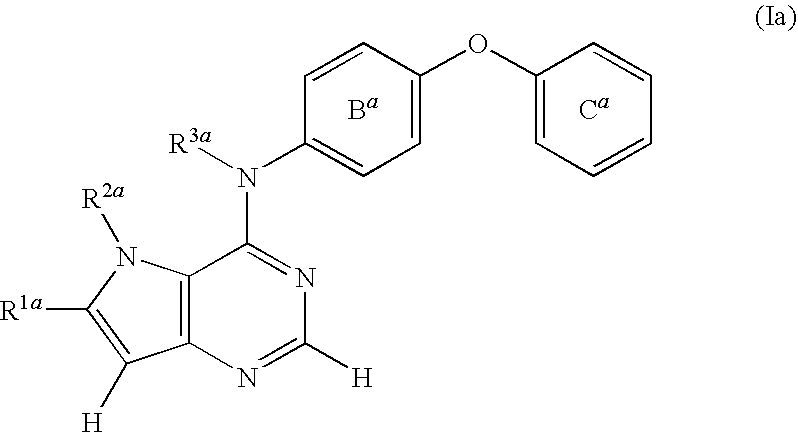
wherein R1a is a hydrogen atom or an optionally substituted group bonded via a carbon atom, a nitrogen atom or an oxygen atom,
R2a is an optionally substituted group bonded via a carbon atom or a sulfur atom, or
R1a and R2a, or R2a and R3a are optionally bonded to form an optionally substituted ring structure,
R3a is a hydrogen atom or an optionally substituted aliphatic hydrocarbon group, or
R3a is optionally bonded to a carbon atom of the adjacent phenyl group to form an optionally substituted ring structure,
Ba is an optionally substituted benzene ring, and
Ca is an optionally substituted C6-18 aryl group.
(CH2)m and (CH2)n is optionally substituted by 1 to 5 substituents selected from halogen, optionally halogenated C1-4 alkyl and hydroxy, when m or n is not less than 2, a subset —CH2CH2— of (CH2)m and (CH2)n may be replaced by —CH═CH— or —C≡C—,
R6 and R7 are the same or different and each is a hydrogen atom or a C1-4 alkyl group, or R6 and R7 are bond to form, together with a nitrogen atom, a 3- to 8-membered saturated or unsaturated aliphatic heterocyclic group,
R8 is a hydrogen atom or C1-4 alkyl and R9 is C1-4 alkyl, is preferable.
R1a is
(i) a hydrogen atom,
(ii) a cyano group, or
(iii) a C1-4 alkyl group or a C2-4 alkenyl group, each of which is optionally substituted by —NR8—CO—(CH2)n—NR6R7
wherein n is an integer of 1 to 4, R6 and R7 are the same or different and each is a hydrogen atom or a C1-4 alkyl group, R8 is a hydrogen atom or a C1-4 alkyl group, and when n is not less than 2, a subset —CH2CH2— of (CH2)n is optionally replaced by —CH═CH—;
R2a, is a C1-8 alkyl group, a C2-8 alkenyl group or a C2-8 alkynyl group, each of which is optionally substituted by substituent(s) selected from
(a) hydroxy,
(b) carboxy,
(c) cyano,
(d) optionally halogenated C1-4 alkyloxy,
(e) —O—(CH2)n—OH,
(f) —O—(CH2)n—O—CO—NH2,
(g) —O—(CH2)n—O— (optionally halogenated C1-4 alkyl),
(h) —O—(CH2)n—SO2— (optionally halogenated C1-4 alkyl),
(i) —O—(CH2)n—SO2—C6-18 aryl,
(j) —O—(CH2)n—SO2—(CH2)n—OH,
(k) —O—(CH2)n—NR8—CO—C1-4 alkyl,
(l) —O—(CH2)n—NR8—CO—(CH2)n—SO2—C1-4 alkyl,
(m) —O—(CH2)n—NR8—SO2— (optionally halogenated C1-4 alkyl),
(n) —CO—NR8—(CH2)n—OH,
(o) —CO—NR8—(CH2)n—SO2— (optionally halogenated C1-4 alkyl),
(p) —CO—NR8—O—C1-4 alkyl,
(q) —NR6R7,
(r) —NR8—(CH2)n—OH,
(s) —NR8—(CH2)n—SO2—C1-4 alkyl,
(t) —NR8—CO— (optionally halogenated C1-4 alkyl),
(u) —NR8—CO—(CH2)n—OH,
(v) —NR8—CO—(CH2)n—CN,
(w) —NR8—CO—(CH2)n—NR6R7,
(x) —NR8—CO—(CH2)n—O—C1-4 alkyl,
(y) —NR8—CO—(CH2)n—SO— (optionally halogenated C1-4 alkyl),
(z) —NR8—CO—(CH2)n—SO2— (optionally halogenated C1-4 alkyl),
(aa) —NR8—CO—(CH2)n—SO2—C3-8 cycloalkyl,
(bb) —NR8—CO—(CH2)n—NR8—SO2—C1-4 alkyl,
(cc) —NR8—CO2—(CH2)n—SO2—C1-4 alkyl,
(dd) —NR8—CO—NH—(CH2)n—SO2—C1-4 alkyl,
(ee) —NR8—CO—NH—O—C1-4 alkyl,
(ff) —NR8—CO—NH—(CH2)n—O—C1-4 alkyl,
(gg) —NR8—C(═NH)—NH—C1-4 alkyl,
(hh) —NR8—SO2—(CH2)n—SO2—C1-4 alkyl,
(ii) —S—(CH2)n—OH,
(jj) —SO—(CH2)n—OH,
(kk) —SO2—(CH2)n—OH, and
(ll) —NR8—CO— (optionally substituted heterocyclic group)
(preferably, said heterocyclic group is a 5- to 8-membered heterocyclic group having 1 to 3 hetero atoms selected from a nitrogen atom, an oxygen atom and an optionally oxidized sulfur atom, which is optionally substituted by substituent(s) selected from hydroxy, C1-4 alkyl, optionally oxidized C1-4 alkylthio, —CO—C1-4 alkyl, —CO—O—C1-4 alkyl, —CO—NH—C1-4 alkyl, —CONH2, —SO2—C1-4 alkyl, —SO2—NH—C1-4 alkyl, —SO2NH2 and the like),
wherein n is an integer of 1 to 4, R6 and R7 are the same or different and each is a hydrogen atom or a C1-4 alkyl group, R8 is a hydrogen atom or a C1-4 alkyl group, (CH2)n is optionally substituted by optionally halogenated C1-4 alkyl or hydroxy, and when n is not less than 2, a subset —CH2CH2— of (CH2)n is optionally replaced by —CH═CH—; and
R3a is a hydrogen atom or a C1-6 alkyl group; or
R1a and R2a are optionally bonded to form

or
R2a and R3a are optionally bonded to form C2-4 alkylene optionally substituted by an imino group is preferable.
wherein n is an integer of 1 to 4, R6 and R7 are the same or different and each is a hydrogen atom or a C1-4 alkyl group, and
R8 is a hydrogen atom or a C1-4 alkyl group, is preferable.
R1a is a hydrogen atom;
R2a is a C1-8 alkyl group, a C2-8 alkenyl group or a C2-8 alkynyl group, each of which is substituted by substituent(s) selected from
(a) hydroxy,
(b) optionally halogenated C1-4 alkyloxy,
(c) —O—(CH2)n—OH,
(d) —O—(CH2)n—O—CO—NH2,
(e) —O—(CH2)n—O—C1-4 alkyl,
(f) —O—(CH2)n—SO2— (optionally halogenated C1-4 alkyl),
(g) —O—(CH2)n—SO2—C6-18 aryl,
(h) —O—(CH2)n—SO2—(CH2)n—OH,
(i) —O—(CH2)n—NR8—SO2— (optionally halogenated C1-4 alkyl),
(j) —CO—NR8—(CH2)n—OH,
(k) —CO—NR8—(CH2)n—SO2— (optionally halogenated C1-4 alkyl),
(l) —NR6R7,
(m) —NR8—(CH2)n—OH,
(n) —NR8—(CH2)n—SO2—C1-4 alkyl,
(o) —NR8—CO—(CH2)n—OH,
(p) —NR8—CO—(CH2)n—O—C1-4 alkyl,
(q) —NR8—CO—(CH2)n—SO— (optionally halogenated C1-4 alkyl),
(r) —NR8—CO—(CH2)n—SO2— (optionally halogenated C1-4 alkyl),
(s) —NR8—CO—(CH2)n—SO2—C3-8 cycloalkyl,
(t) —NR8—CO2—(CH2)n—SO2—C1-4 alkyl,
(u) —NR8—CO—NH—(CH2)n—SO2—C1-4 alkyl,
(v) —NR8—SO2—(CH2)n—SO2—C1-4 alkyl,
(w) —S—(CH2)n—OH,
(x) —SO—(CH2)n—OH,
(y) —SO2—(CH2)n—OH, and
(z) —NR8—CO— (optionally substituted heterocyclic group) (preferably, said heterocyclic group is a 5- to 8-membered heterocyclic group having 1 to 3 hetero atoms selected from a nitrogen atom, an oxygen atom and an optionally oxidized sulfur atom, which is optionally substituted by substituent(s) selected from hydroxy, C1-4 alkyl, optionally oxidized C1-4 alkylthio, —CO—C1-4 alkyl, —CO—NH—C1-4 alkyl, —CONH2, —SO2—C1-4 alkyl, —SO2—NH—C1-4 alkyl, —SO2NH2 and the like),
wherein n is an integer of 1 to 4, R6 and R7 are the same or different and each is a hydrogen atom or a C1-4 alkyl group, R8 is a hydrogen atom or a C1-4 alkyl group, and (CH2)n is optionally substituted by C1-4 alkyl or hydroxy;
R3a is a hydrogen atom or a C1-6 alkyl group; or
R1a and R2a are optionally bonded to form

or
R2a and R3a are optionally bonded to form C2-4 alkylene, is preferable.
wherein n is an integer of 1 to 4, R6 and R7 are the same or different and each is a hydrogen atom or a C1-4 alkyl group, R8 is a hydrogen atom or a C1-4 alkyl group, is preferable.
wherein n is an integer of 1 to 4, R8 is a hydrogen atom or a C1-4 alkyl group, and (CH2)n is optionally substituted by C1-4 alkyl or hydroxy,
(iii) a C2-8 alkenyl group optionally substituted by hydroxy, or
(iv) a C2-8 alkynyl group optionally substituted by hydroxy is preferable, and particularly,
as R2a, (i) a C5-8 alkyl group substituted by hydroxy,
(ii) a C1-8 alkyl group substituted by substituent(s) selected from
(a) halogenated C1-4 alkyloxy,
(b) —O—(CH2)n—OH (wherein (CH2)n is optionally substituted by hydroxy),
(c) —O—(CH2)n—O—CO—NH2,
(d) —O—(CH2)n—O— (optionally halogenated C1-4 alkyl),
(e) —O—(CH2)n—SO2— (optionally halogenated C1-4 alkyl),
(f) —O—(CH2)n—SO2—C6-18 aryl,
(g) —O—(CH2)n—NR8—SO2— (optionally halogenated C1-4 alkyl),
(h) —CO—NR8—(CH2)n—OH,
(i) —CO—NR8—(CH2)n—SO2— (optionally halogenated C1-4 alkyl),
(j) —NR8—(CH2)n—SO2—C1-4 alkyl,
(k) —NR8—CO—(CH2)n—OH (wherein (CH2)n is optionally substituted by C1-4 alkyl),
(l) —NR8—CO—(CH2)n—O—C1-4 alkyl,
(m) —NR8—CO—(CH2)n—SO— (optionally halogenated C1-4 alkyl),
(n) —NR8—CO—(CH2)n—SO2— (optionally halogenated C1-4 alkyl)
(wherein (CH2)n is optionally substituted by C1-4 alkyl),
(o) —NR8—CO—(CH2)n—SO2—C3-8 cycloalkyl,
(p) —NR8—CO2—(CH2)n—SO2—C1-4 alkyl,
(q) —NR8—CO—NH—(CH2)n—SO2—C1-4 alkyl,
(r) —NR8—SO2—(CH2)n—SO2—C1-4 alkyl,
(s) —S—(CH2)n—OH,
(t) —SO—(CH2)n—OH,
(U) —SO2—(CH2)n—OH, and
(v) —NR8—CO— (optionally substituted heterocyclic group)
(preferably, said heterocyclic group is a 5- to 8-membered heterocyclic group having 1 to 3 hetero atoms selected from a nitrogen atom, an oxygen atom and an optionally oxidized sulfur atom, which is optionally substituted by substituent(s) selected from hydroxy, C1-4 alkyl, optionally oxidized C1-4 alkylthio, —CO—C1-4 alkyl, —CO—NH—C1-4 alkyl, —CONH2, —SO2—C1-4 alkyl, —SO2—NH—C1-4 alkyl, —SO2NH2 and the like),
wherein n is an integer of 1 to 4, and R8 is a hydrogen atom or a C1-4 alkyl group,
(iii) a C2-8 alkenyl group optionally substituted by hydroxy, or
(iv) a C2-8 alkynyl group optionally substituted by hydroxy is preferable.

wherein R1b is a hydrogen atom or an optionally substituted group bonded via a carbon atom, a nitrogen atom or an oxygen atom,
R2b is an optionally substituted group bonded via a carbon atom or a sulfur atom, or
R1b and R2b, or R2b and R3b are optionally bonded to form an optionally substituted ring structure,
R3b is a hydrogen atom or an optionally substituted aliphatic hydrocarbon group, or R3b is optionally bonded to a carbon atom of the adjacent phenyl group to form an optionally substituted ring structure,
Bb is an optionally substituted benzene ring, Cb is an optionally substituted C6-18 aryl group, and
Zb is an optionally substituted C1-3 alkylene group.

wherein R1c is a hydrogen atom or an optionally substituted group bonded via a carbon atom, a nitrogen atom or an oxygen atom,
R2c is an optionally substituted group bonded via a carbon atom or a sulfur atom, or
R1c and R2c, or R2c and R3c are optionally bonded to form an optionally substituted ring structure,
R3c is a hydrogen atom or an optionally substituted aliphatic hydrocarbon group, or R3c is optionally bonded to a carbon atom of the adjacent phenyl group to form an optionally substituted ring structure,
Bc is an optionally substituted benzene ring, and Cc is an optionally substituted heterocyclic group.
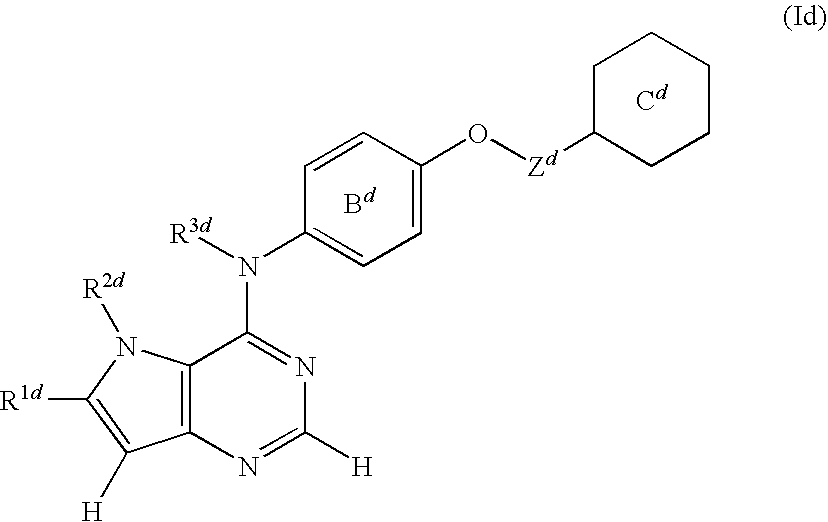
wherein R1d is a hydrogen atom or an optionally substituted group bonded via a carbon atom, a nitrogen atom or an oxygen atom,
R2d is an optionally substituted group bonded via a carbon atom or a sulfur atom, or
R1d and R2d, or R2d and R3d are optionally bonded to form an optionally substituted ring structure,
R3d is a hydrogen atom or an optionally substituted aliphatic hydrocarbon group, or R3d is optionally bonded to a carbon atom of the adjacent phenyl group to form an optionally substituted ring structure,
Bd is an optionally substituted benzene ring, Cd is an optionally substituted heterocyclic group, and
Zd is an optionally substituted C1-3 alkylene group.

wherein R2e is an optionally substituted group bonded via a carbon atom or a sulfur atom, or
R2e and R3e are optionally bonded to form an optionally substituted ring structure,
R3e is a hydrogen atom or an optionally substituted aliphatic hydrocarbon group, or R3e is optionally bonded to a carbon atom of the adjacent phenyl group to form an optionally substituted ring structure,
Be is an optionally substituted benzene ring, and Ce is an optionally substituted C6-18 aryl group.
(CH2)m and (CH2)n are optionally substituted by 1 to 5 substituents selected from halogen, optionally halogenated C1-4 alkyl and hydroxy, and when m or n is not less than 2, a subset —CH2CH2— of (CH2)m and (CH2)n is optionally replaced by —CH═CH—,
R6 and R7 are the same or different and each is a hydrogen atom or a C1-4 alkyl group, or R6 and R7 are bonded to form, together with a nitrogen atom, a 3- to 8-membered saturated or unsaturated aliphatic heterocyclic group,
R8 is a hydrogen atom or C1-4 alkyl, and R9 is C1-4 alkyl, is preferable.

wherein R2f is an optionally substituted group bonded via a carbon atom or a sulfur atom, or
R2f and R3f are optionally bonded to form an optionally substituted ring structure,
R3f is a hydrogen atom or an optionally substituted aliphatic hydrocarbon group, or R3f is optionally bonded to a carbon atom of the adjacent phenyl group to form an optionally substituted ring structure,
Bf is an optionally substituted benzene ring, Cf is an optionally substituted C6-18 aryl group, and
Zf is an optionally substituted C1-3 alkylene group.

wherein R2g is an optionally substituted group bonded via a carbon atom or a sulfur atom, or
R2g and R3g are optionally bonded to form an optionally substituted ring structure,
R3g is a hydrogen atom or an optionally substituted aliphatic hydrocarbon group, or R3g is optionally bonded to a carbon atom of the adjacent phenyl group to form an optionally substituted ring structure,
Bg is an optionally substituted benzene ring, and Cg is an optionally substituted heterocyclic group.
(v) optionally halogenated C1-4 alkyloxy,
(vi) C1-4 alkyl-carbonyl,
(vii) cyano,
(viii) carbamoyl optionally substituted by C1-8 alkyl, and
(ix) C1-4 alkoxy-carbonyl, and
the C6-18 aryl moiety is optionally further substituted by 1 to 4 substituents selected from halogen, C1-4 alkyl, hydroxy-C1-4 alkyl, C1-4 alkyloxy, carboxy and C1-4 alkoxy-carbonyl;
X1 is —NR3′— wherein R3′ is a hydrogen atom or a C1-6 alkyl group;
R1 is
(i) a hydrogen atom,
(ii) a cyano group, or
(iii) a C1-4 alkyl group or a C2-4 alkenyl group, each of which is optionally substituted by —NR8—CO—(CH2)n—NR6R7
wherein n is an integer of 1 to 4, R6 and R7 are the same or different and each is a hydrogen atom or a C1-4 alkyl group, R8 is a hydrogen atom or a C1-4 alkyl group, and when n is not less than 2, a subset —CH2CH2— of (CH2)n is optionally replaced by —CH═CH—;
R2 is (i) a hydrogen atom or
(ii) a C1-8 alkyl group, a C2-8 alkenyl group or a C2-8 alkynyl group, each of which is optionally substituted by substituent(s) selected from
(a) hydroxy,
(b) carboxy,
(c) cyano,
(d) optionally halogenated C1-4 alkyloxy,
(e) —O—(CH2)n—OH,
(f) —O—(CH2)n—O—CO—NH2,
(g) —O—(CH2)n—O— (optionally halogenated C1-4 alkyl),
(h) —O—(CH2)n—SO2— (optionally halogenated C1-4 alkyl),
(i) —O—(CH2)n—SO2—C6-18 aryl,
(j) —O—(CH2)n—SO2—(CH2)n—OH,
(k) —O—(CH2)n—NR8—CO—C1-4 alkyl,
(l) —O—(CH2)n—NR8—CO—(CH2)n—SO2—C1-4 alkyl,
(m) —O—(CH2)n—NR8—SO2— (optionally halogenated C1-4 alkyl),
(n) —CO—NR8—(CH2)n—OH,
(o) —CO—NR8—(CH2)n—SO2— (optionally halogenated C1-4 alkyl),
(p) —CO—NR8—O—C1-4 alkyl,
(q) —NR6R7,
(r) —NR8—(CH2)n—OH,
(s) —NR8—(CH2)n—SO2—C1-4 alkyl,
(t) —NR8—CO— (optionally halogenated C1-4 alkyl),
(u) —NR8—CO—(CH2)n—OH,
(v) —NR8—CO—(CH2)n—CN,
(w) —NR8—CO—(CH2)n—NR6R7,
(x) —NR8—CO—(CH2)n—O—C1-4 alkyl,
(y) —NR8—CO—(CH2)n—SO— (optionally halogenated C1-4 alkyl),
(z) —NR8—CO—(CH2)n—SO2— (optionally halogenated C1-4 alkyl),
(aa) —NR8—CO—(CH2)n—SO2—C3-8 cycloalkyl,
(bb) —NR8—CO—(CH2)n—NR8—SO2—C1-4 alkyl,
(cc) —NR8—CO2—(CH2)n—SO2—C1-4 alkyl,
(dd) —NR8—CO—NH—(CH2)n—SO2—C1-4 alkyl,
(ee) —NR8—CO—NH—O—C1-4 alkyl,
(ff) —NR8—CO—NH—(CH2)n—O—C1-4 alkyl,
(gg) —NR8—C(═NH)—NH—C1-4 alkyl,
(hh) —NR8—SO2—(CH2)n—SO2—C1-4 alkyl,
(ii) —S—(CH2)n—OH,
(jj) —SO—(CH2)n—OH,
(kk) —SO2—(CH2)n—OH, and
(ll) —NR8—CO— (optionally substituted heterocyclic group)
(preferably, said heterocyclic group is a 5- to 8-membered heterocyclic group having 1 to 3 hetero atoms selected from a nitrogen atom, an oxygen atom and an optionally oxidized sulfur atom, which is optionally substituted by substituent(s) selected from hydroxy, C1-4 alkyl, optionally oxidized C1-4 alkylthio, —CO—C1-4 alkyl, —CO—O—C1-4 alkyl, —CO—NH—C1-4 alkyl, —CONH2, —SO2—C1-4 alkyl, —SO2—NH—C1-4 alkyl, —SO2NH2 and the like),
wherein n is an integer of 1 to 4, R6 and R7 are the same or different and each is a hydrogen atom or a C1-4 alkyl group, R8 is a hydrogen atom or a C1-4 alkyl group, (CH2)n is optionally substituted by optionally halogenated C1-4 alkyl or hydroxy, and when n is not less than 2, and a subset —CH2CH2— of (CH2)n is optionally replaced by —CH═CH—; or
R1 and R2 are optionally bonded to form
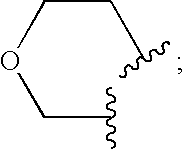
or
R2 and R3′ are optionally bonded to form C2-4 alkylene optionally substituted by an imino group,
particularly preferably, R2 is a C1-8 alkyl group, a C2-8 alkenyl group or a C2-8 alkynyl group (particularly, a C1-8 alkyl group), each of which is optionally substituted by substituent(s) selected from
(a) hydroxy,
(b) carboxy,
(c) cyano,
(d) optionally halogenated C1-4 alkyloxy,
(e) —O—(CH2)n—OH (wherein (CH2)n is optionally substituted by hydroxy),
(f) —O—(CH2)n—O—CO—NH2,
(g) —O—(CH2)n—O— (optionally halogenated C1-4 alkyl),
(h) —O—(CH2)n—SO2— (optionally halogenated C1-4 alkyl),
(i) —O—(CH2)n—SO2—C6-18 aryl,
(j) —O—(CH2)n—SO2—(CH2)n—OH,
(k) —O—(CH2)n—NR8—CO—C1-4 alkyl,
(l) —O—(CH2)n—NR8—CO—(CH2)n—SO2—C1-4 alkyl,
(m) —O—(CH2)n—NR8—SO2— (optionally halogenated C1-4 alkyl),
(n) —CO—NR8—(CH2)n—OH,
(o) —CO—NR8—(CH2)n—SO2— (optionally halogenated C1-4 alkyl),
(p) —CO—NR8—O—C1-4 alkyl,
(q) —NR6R7,
(r) —NR8—(CH2)n—OH,
(s) —NR8—(CH2)n—SO2—C1-4 alkyl,
(t) —NR8—CO— (optionally halogenated C1-4 alkyl),
(u) —NR8—CO—(CH2)n—OH (wherein (CH2)n is optionally substituted by optionally halogenated C1-4 alkyl or hydroxy),
(v) —NR8—CO—(CH2)n—CN,
(w) —NR8—CO—(CH2)n—NR6R7 (when n is not less than 2, a subset —CH2CH2— of (CH2)n is optionally replaced by —CH═CH—),
(x) —NR8—CO—(CH2)n—O—C1-4 alkyl,
(y) —NR8—CO—(CH2)n—SO— (optionally halogenated C1-4 alkyl),
(z) —NR8—CO—(CH2)n—SO2— (optionally halogenated C1-4 alkyl)
(wherein (CH2)n is optionally substituted by C1-4 alkyl),
(aa) —NR8—CO—(CH2)n—SO2—C3-8 cycloalkyl,
(bb) —NR8—CO—(CH2)n—NR8—SO2—C1-4 alkyl,
(cc) —NR8—CO2—(CH2)n—SO2—C1-4 alkyl,
(dd) —NR8—CO—NH—(CH2)n—SO2—C1-4 alkyl,
(ee) —NR8—CO—NH—O—C1-4 alkyl,
(ff) —NR8—CO—NH—(CH2)n—O—C1-4 alkyl,
(gg) —NR8—C(═NH)—NH—C1-4 alkyl,
(hh) —NR8—SO2—(CH2)n—SO2—C1-4 alkyl,
(ii) —S—(CH2)n—OH,
(jj) —SO—(CH2)n—OH
(kk) —SO2—(CH2)n—OH, and
(ll) —NR8—CO— (optionally substituted heterocyclic group)
(preferably, said heterocyclic group is a 5- to 8-membered heterocyclic group having 1 to 3 hetero atoms selected from a nitrogen atom, an oxygen atom and an optionally oxidized sulfur atom, which is optionally substituted by substituent(s) selected from hydroxy, C1-4 alkyl, optionally oxidized C1-4 alkylthio, —CO—C1-4 alkyl, —CO—O—C1-4 alkyl, —CO—NH—C1-4 alkyl, —CONH2, —SO2—C1-4 alkyl, —SO2—NH—C1-4 alkyl, —SO2NH2 and the like),
wherein n is an integer of 1 to 4, R6 and R7 are the same or different and each is a hydrogen atom or a C1-4 alkyl group, and
R8 is a hydrogen atom or a C1-4 alkyl group.
(B) A compound (I) wherein W is C(R1);
A is a phenyl-C1-3 alkyloxy-C6-18 aryl group wherein the phenyl moiety is optionally substituted by 1 to 5 substituents selected from halogen, optionally halogenated C1-4 alkyl and cyano, and
the C6-18 aryl moiety is optionally further substituted by 1 to 4 substituents selected from halogen, C1-4 alkyl optionally having hydroxy and C1-4 alkyloxy;
X1 is —NR3— wherein R3 is a hydrogen atom or a C1-6 alkyl group;
R1 is (i) a hydrogen atom, or
(ii) a C1-4 alkyl group or a C2-4 alkenyl group, each of which is optionally substituted by substituent(s) selected from
(a) hydroxy,
(b) amino,
(c) —NR8—CO—(CH2)n—NR6R7, and
(d) —NR8—CO—(CH2)n—O—C1-4 alkyl
wherein n is an integer of 1 to 4, and R6 and R7 are the same or different and each is a hydrogen atom or a C1-4 alkyl group, and when n is not less than 2, a subset —CH2—CH2— of (CH2)n is optionally replaced by —CH═CH—,
(iii) a C6-18 aryl group optionally substituted by substituent(s) selected from
(a) amino,
(b) carboxy, and
(c) —NR8—CO—(CH2)n—O—C1-4 alkyl,
wherein n is an integer of 1 to 4, and R8 is a hydrogen atom or a C1-4 alkyl group, or
(iv) a 5- to 8-membered heterocyclic group having 1 to 3 hetero atoms selected from a nitrogen atom, an oxygen atom and a sulfur atom;
R2 is (i) a hydrogen atom,
(ii) a C1-8 alkyl group optionally substituted by substituent(s) selected from
(a) halogen,
(b) hydroxy,
(c) C1-4 alkyloxy,
(d) —O—(CH2)n—OH,
(e) —O—(CH2)n—O—C1-4 alkyl,
(f) —CO—NR8—(CH2)n—OH,
(g) —NR6R7, and
(h) —NR8—(CH2)n—OH,
wherein n is an integer of 1 to 4, R6 and R7 are the same or different and each is a hydrogen atom or a C1-4 alkyl group, and
R8 is a hydrogen atom or a C1-4 alkyl group,
(iii) a C6-18 aryl-C1-4 alkyl group optionally substituted by substituent(s) selected from
(a) C1-4 alkyl optionally having hydroxy,
(b) carboxy,
(c) C1-4 alkoxy-carbonyl,
(d) 5- to 8-membered heterocyclyl-carbonyl having 1 to 3 hetero atoms selected from a nitrogen atom, an oxygen atom and a sulfur atom, which optionally has substituent(s) selected from hydroxy and C1-4 alkyl, and
(e) C1-4 alkyl-carbamoyl optionally having substituent(s) selected from hydroxy and carbamoyl,
(iv) a C6-18 aryl-carbonyl group optionally substituted by C1-4 alkoxy,
(v) a C6-18 aryl-sulfonyl group optionally substituted by C1-4 alkoxy, or
(vi) a 5- to 8-membered heterocyclyl-C1-4 alkyl group having 1 to 3 hetero atoms selected from a nitrogen atom, an oxygen atom and a sulfur atom, which is optionally substituted by substituent(s) selected from
(a) carboxy, and
(b) C1-4 alkoxy-carbonyl; or
R2 and R3′ are optionally bonded to form C2-4 alkylene.
(C) A compound (I) wherein W is C(R1);
A is a 5- to 8-membered heterocyclyloxy-C6-18 aryl group containing 1 to 3 hetero atoms selected from a nitrogen atom, an oxygen atom and a sulfur atom, wherein the heterocyclyloxy moiety is optionally substituted by 1 to 5 substituents selected from
(i) halogen,
(ii) C1-4 alkyl,
(iii) C1-4 alkyl-carbonyl,
(iv) optionally halogenated C1-4 alkoxy-carbonyl,
(v) C3-8 cycloalkyl-carbonyl, and
(vi) a carbamoyl group optionally substituted by substituent(s) selected from
(a) optionally halogenated C1-8 alkyl,
(b) C3-8 cycloalkyl, and
(c) C6-18 aryl optionally substituted by substituent(s) selected from halogen, C1-4 alkyl and C1-4 alkyloxy, and the C6-18 aryl moiety is optionally further substituted by 1 to 4 substituents selected from halogen and optionally halogenated C1-4 alkyl;
X1 is —NR3′— wherein R3′ is a hydrogen atom or a C1-6 alkyl group;
R1 is (i) a hydrogen atom,
(ii) a C1-4 alkyl group or a C2-4 alkenyl group, each of which is optionally substituted by substituent(s) selected from
(a) hydroxy,
(b) amino,
(c) —NR8—CO—(CH2)n—NR6R7, and
(d) —NR8—CO—(CH2)n—O—C1-4 alkyl,
wherein n is an integer of 1 to 4, R6 and R7 are the same or different and each is a hydrogen atom or a C1-4 alkyl group, R8 is a hydrogen atom or a C1-4 alkyl group, and when n is not less than 2, a subset —CH2CH2— of (CH2)n is optionally replaced by —CH═CH—,
(iii) a C6-18 aryl group optionally substituted by substituent(s) selected from
(a) C1-4 alkyl optionally substituted by substituent(s) selected from hydroxy, —NR8—(CH2)n—SO2—C1-4 alkyl and —NR8—CO—(CH2)n—O—C1-14 alkyl,
(b) amino,
(c) C1-4 alkyloxy,
(d) carboxy, and
(e) —NR8—CO—(CH2)n—O—C1-4 alkyl,
wherein n is an integer of 1 to 4, and R8 is a hydrogen atom or a C1-4 alkyl group, or
(iv) a 5- to 8-membered heterocyclic group having 1 to 3 hetero atoms selected from a nitrogen atom, an oxygen atom and a sulfur atom;
R2 is (i) a hydrogen atom,
(ii) a C1-4 alkyl group optionally substituted by substituent(s) selected from
(a) halogen,
(b) hydroxy,
(c) C1-4 alkyloxy,
(d) carboxy,
(e) C1-4 alkoxy-carbonyl,
(f) —O—(CH2)n—OH,
(g) —O—(CH2)n—O—C1-4 alkyl,
(h) —CO—NR8—(CH2)n—OH, and
(i) —NR8—CO—(CH2)n—SO2—C1-4 alkyl
wherein n is an integer of 1 to 4, and R8 is a hydrogen atom or a C1-4 alkyl group, or
(iii) a C6-18 aryl-C1-14 alkyl group optionally substituted by C1-4 alkyl optionally having hydroxy; or
R2 and R3 are optionally bonded to form C2-4 alkylene.
(D) A compound (I) wherein W is C(R1);
A is 5- to 8-membered heterocyclyl-C1-3 alkyloxy-C6-18 aryl group containing 1 to 3 hetero atoms selected from a nitrogen atom, an oxygen atom and a sulfur atom;
wherein the C6-18 aryl moiety is optionally further substituted by halogen;
X1 is —NR3— wherein R3′ is a hydrogen atom or a C1-6 alkyl group;
R1 is (i) a hydrogen atom or
(ii) a 5- to 8-membered heterocyclic group having 1 to 3 hetero atoms selected from a nitrogen atom, an oxygen atom and a sulfur atom;
R2 is (i) a hydrogen atom,
(ii) C1-4 alkyl optionally substituted by substituent(s) selected from
(a) C1-4 alkyloxy,
(b) —O—(CH2)n—OH, and
(c) —NR8—CO—(CH2)n—SO2—C1-4 alkyl,
wherein n is an integer of 1 to 4, and R8 is a hydrogen atom or a C1-4 alkyl group, or
(iii) a 5- to 8-membered heterocyclyl-C1-4 alkyl group having 1 to 3 hetero atoms selected from a nitrogen atom, an oxygen atom and a sulfur atom, which is optionally substituted by substituent(s) selected from
(a) carboxy, and
(b) C1-4 alkoxy-carbonyl.
(E) A compound (I) wherein W is N;
A is a phenyloxy-C6-18 aryl group wherein the phenyloxy moiety
A is optionally substituted by 1 to 5 substituents selected from optionally halogenated C1-4 alkyl and cyano, and the C6-18 aryl moiety is optionally further substituted by 1 to 4 substituents selected from halogen and C1-4 alkyl;
X1 is —NR3′— wherein R3′ is a hydrogen atom or a C1-6 alkyl group;
R2 is (i) a hydrogen atom or
(ii) a C1-4 alkyl group optionally substituted by —O—(CH2)n—OH wherein n is an integer of 1 to 4.
(F) A compound (I) wherein W is N;
A is a phenyl-C1-3 alkyloxy-C6-18 aryl group wherein the phenyl moiety is optionally substituted by 1 to 5 substituents selected from halogen and cyano, and
the C6-18 aryl moiety is optionally further substituted by 1 to 4 substituents selected from halogen and C1-4 alkyl;
X1 is —NR3′— wherein R3′ is a hydrogen atom or a C1-6 alkyl group;
R2 is (i) a hydrogen atom,
(ii) a C1-4 alkyl group optionally substituted by 1 to 5 substituents selected from the group consisting of
(a) hydroxy,
(b) —O—(CH2)n—OH,
(c) —NR8—(CH2)n—O—C1-4 alkyl,
(d) —NR8—(CH2)n-heterocyclic group (preferably, said heterocyclic group is a 5- to 8-membered heterocyclic group having 1 to 3 hetero atoms selected from a nitrogen atom, an oxygen atom and a sulfur atom), and
(e) —NR8—(CH2)n—SO2—C1-4 alkyl,
wherein n is an integer of 1 to 4, and R8 is a hydrogen atom or a C1-4 alkyl group,
(iii) a C6-18 aryl group optionally substituted by C1-4 alkyl optionally substituted by substituent(s) selected from hydroxy, —NR8—(CH2)n—OH, —NR8—(CH2)n-heterocyclic group (preferably, said heterocyclic group is a 5- to 8-membered heterocyclic group having 1 to 3 hetero atoms selected from a nitrogen atom, an oxygen atom and a sulfur atom) and —NR8—(CH2)n—SO2—C1-4 alkyl, or
(iv) a C6-18 aryl-C1-4 alkyl group optionally substituted by 1 to 5 substituents selected from the group consisting of
(a) carboxy,
(b) C1-4 alkoxy-carbonyl, and
(c) —CO—NR8—(CH2)n—O—C1-4 alkyl,
wherein n is an integer of 1 to 4, and R8 is a hydrogen atom or a C1-4 alkyl group; or
R2 and R3′ are optionally bonded to form C2-4 alkylene.
(G) A compound (I) wherein W is N;
A is a 5- to 8-membered heterocyclyloxy-C6-18 aryl group containing 1 to 3 hetero atoms selected from a nitrogen atom, an oxygen atom and a sulfur atom, wherein the heterocyclyloxy moiety is optionally substituted by C1-4 alkyl, and the C6-18 aryl moiety is optionally further substituted by C1-4 alkyl;
X1 is —NR3′— wherein R3′ is a hydrogen atom or a C1-6 alkyl group;
R2 is (i) a hydrogen atom,
(ii) a C1-4 alkyl group optionally substituted by hydroxy,
(iii) a C6-18 aryl group optionally substituted by substituent(s) selected from
(a) nitro,
(b) amino,
(c) —CO—NR8—(CH2)n—O—C1-4 alkyl,
(d) —NR8—CO—(CH2)n—O—C1-4 alkyl,
(e) —NR8—CO—(CH2)n—NR6R7,
(f) —NR8—CO—(CH2)n—COOH,
(g) —NR8—CO—(CH2)n—CO2—C1-4 alkyl, and
(h) —NR8—CO—(CH2)m—O—(CH2)n—O—C1-4 alkyl,
wherein m is an integer of 0 to 4, n is an integer of 1 to 4,
R6 and R7 are the same or different and each is a hydrogen atom or a C1-4 alkyl group, and R8 is a hydrogen atom or a C1-4 alkyl group, or
(iv) a C6-18 aryl-C1-4 alkyl group optionally substituted by substituent(s) selected from
(a) carboxy,
(b) C1-4 alkoxy-carbonyl, and
(c) —CO—NR8—(CH2)n—O—C1-4 alkyl,
wherein n is an integer of 1 to 4, and R8 is a hydrogen atom or a C1-4 alkyl group; or
R2 and R3′ are optionally bonded to form C2-4 alkylene.
(H) A compound (I) wherein W is CH;
A is a C6-18 aryl group optionally substituted by substituent(s) selected from
(a) carboxy,
(b) C1-4 alkoxy-carbonyl,
(c) a 5- to 8-membered heterocyclyl-carbonyl group containing 1 to 3 hetero atoms selected from a nitrogen atom, an oxygen atom and a sulfur atom (preferably, a 5- to 8-membered cyclic amino-carbonyl group optionally having 1 or 2 hetero atoms selected from a nitrogen atom, an oxygen atom and a sulfur atom), which is optionally substituted by C6-18 aryl-C1-4 alkyl,
(d) a carbamoyl group optionally substituted by C6-18 aryl-C1-4 alkyl, and
(e) a ureido group optionally substituted by C6-18 aryl-C1-4 alkyl;
X1 is —NR3′— wherein R3′ is a hydrogen atom or a C1-6 alkyl group; and
R2 is a hydrogen atom.
[Compound (II)]
(e) optionally halogenated C1-4 alkyloxy,
(f) C1-4 alkyl-carbonyl,
(g) cyano,
(h) carbamoyl optionally substituted by C1-8 alkyl, and
(i) C1-4 alkoxy-carbonyl,
(ii) a phenyl-C1-3 alkyloxy group substituted by 1 to 5 substituents selected from
(a) halogen,
(b) optionally halogenated C1-4 alkyl,
(c) hydroxy-C1-4 alkyl,
(d) heterocyclyl-C1-4 alkyl (preferably, 5- to 8-membered heterocyclyl-C1-4 alkyl, said 5- to 8-membered heterocyclyl has 1 to 3 hetero atoms selected from a nitrogen atom, an oxygen atom and an optionally oxidized sulfur atom, such as imidazolyl, triazolyl and the like),
(e) optionally halogenated C1-4 alkyloxy,
(f) C1-4 alkyl-carbonyl,
(g) cyano,
(h) carbamoyl optionally substituted by C1-8 alkyl, and
(i) C1-4 alkoxy-carbonyl,
(iii) a 5- to 8-membered heterocyclyloxy group containing 1 to 3 hetero atoms selected from a nitrogen atom, an oxygen atom and a sulfur atom, which is substituted by 1 to 5 substituents selected from
(a) halogen,
(b) optionally halogenated C1-4 alkyl,
(c) hydroxy-C1-4 alkyl,
(d) heterocyclyl-C1-4 alkyl (preferably, 5- to 8-membered heterocyclyl-C1-4 alkyl, said 5- to 8-membered heterocyclyl has 1 to 3 hetero atoms selected from a nitrogen atom, an oxygen atom and an optionally oxidized sulfur atom, such as imidazolyl, triazolyl and the like),
(e) optionally halogenated C1-4 alkyloxy,
(f) C1-4 alkyl-carbonyl,
(g) cyano,
(h) carbamoyl optionally substituted by C1-8 alkyl, and
(i) C1-4 alkoxy-carbonyl, and
(iv) 5- to 8-membered heterocyclyl-C1-3 alkyloxy containing 1 to 3 hetero atoms selected from a nitrogen atom, an oxygen atom and a sulfur atom, which is substituted by 1 to 5 substituents selected from
(a) halogen,
(b) optionally halogenated C1-4 alkyl,
(c) hydroxy-C1-4 alkyl,
(d) heterocyclyl-C1-4 alkyl (preferably, 5- to 8-membered heterocyclyl-C1-4 alkyl, said 5- to 8-membered heterocyclyl has 1 to 3 hetero atoms selected from a nitrogen atom, an oxygen atom and an optionally oxidized sulfur atom, such as imidazolyl, triazolyl and the like),
(e) optionally halogenated C1-4 alkyloxy,
(f) C1-4 alkyl-carbonyl,
(g) cyano,
(h) carbamoyl optionally substituted by C1-8 alkyl, and
(i) C1-4 alkoxy-carbonyl;
wherein the C6-18 aryl group is optionally further substituted by 1 to 4 substituents selected from halogen and optionally halogenated C1-4 alkyl;
R1 is a hydrogen atom;
R2 is a C1-8 alkyl group, a C2-8 alkenyl group or a C2-8 alkynyl group, each of which is substituted by substituent(s) selected from
(a) hydroxy,
(b) carboxy,
(c) cyano,
(d) optionally halogenated C1-4 alkyloxy,
(e) —O—(CH2)n—OH,
(f) —O—(CH2)n—O—CO—NH2,
(g) —O—(CH2)n—O— (optionally halogenated C1-4 alkyl),
(h) —O—(CH2)n—SO2— (optionally halogenated C1-4 alkyl),
(i) —O—(CH2)n—SO2—C6-18 aryl,
(j) —O—(CH2)n—SO2—(CH2)n—OH,
(k) —O—(CH2)n—NR8—CO—C1-4 alkyl,
(l) —O—(CH2)n—NR8—CO—(CH2)n—SO2—C1-4 alkyl,
(m) —O—(CH2)n—NR8—SO2— (optionally halogenated C1-4 alkyl),
(n) —CO—NR8—(CH2)n—OH,
(o) —CO—NR8—(CH2)n—SO2— (optionally halogenated C1-4 alkyl),
(p) —CO—NR8—O—C1-4 alkyl,
(q) —NR6R7,
(r) —NR8—(CH2)n—OH,
(s) —NR8—(CH2)n—SO2—C1-4 alkyl,
(t) —NR8—CO— (optionally halogenated C1-4 alkyl),
(u) —NR8—CO—(CH2)n—OH,
(v) —NR8—CO—(CH2)n—CN,
(w) —NR8—CO—(CH2)n—NR6R7,
(x) —NR8—CO—(CH1)—O—C1-4 alkyl,
(y) —NR8—CO—(CH1)—SO— (optionally halogenated C1-4 alkyl),
(z) —NR8—CO—(CH2)n—SO2— (optionally halogenated C1-4 alkyl),
(aa) —NR8—CO—(CH2)n—SO2—C3-8 cycloalkyl,
(bb) —NR8—CO—(CH2)n—NR8—SO2—C1-4 alkyl,
(cc) —NR8—CO2—(CH2)n—SO2—C1-4 alkyl,
(dd) —NR8—CO—NH—(CH2)n—SO2—C1-4 alkyl,
(ee) —NR8—CO—NH—O—C1-4 alkyl,
(ff) —NR8—CO—NH—(CH2)n—O—C1-4 alkyl,
(gg) —NR8—C(═NH)—NH—C1-4 alkyl,
(hh) —NR8—SO2—(CH2)n—SO2—C1-4 alkyl,
(ii) —S—(CH2)n—OH,
(jj) —SO—(CH2)n—OH,
(kk) —SO2—(CH2)n—OH, and
(ll) —NR8—CO— (optionally substituted heterocyclic group)
(preferably, said heterocyclic group is a 5- to 8-membered heterocyclic group having 1 to 3 hetero atoms selected from a nitrogen atom, an oxygen atom and an optionally oxidized sulfur atom, which is optionally substituted by substituent(s) selected from hydroxy, C1-4 alkyl, optionally oxidized C1-4 alkylthio, —CO—C1-4 alkyl, —CO—O—C1-4 alkyl, —CO—NH—C1-4 alkyl, —CONH2, —SO2—C1-4 alkyl, —SO2—NH—C1-4 alkyl, —SO2NH2 and the like),
wherein n is an integer of 1 to 4, R6 and R7 are the same or different and each is a hydrogen atom or a C1-4 alkyl group, R8 is a hydrogen atom or a C1-4 alkyl group,
(CH2)n is optionally substituted by optionally halogenated C1-4 alkyl or hydroxy, and when n is not less than 2, a subset —CH2CH2— of (CH2)n is optionally replaced by —CH═CH—;
R3 is a hydrogen atom or a C1-6 alkyl group; or
R1 and R2 are optionally bonded to form

or
R2 and R3 are optionally bonded to form C2-4 alkylene optionally substituted by an imino group.
wherein n is an integer of 1 to 4, R6 and R7 are the same or different and each is a hydrogen atom or a C1-4 alkyl group, and R8 is a hydrogen atom or a C1-4 alkyl group.
[Compound (Ij)]
(e) optionally halogenated C1-4 alkyloxy,
(f) cyano,
(g) carbamoyl optionally substituted by C1-6 alkyl, and
(h) C1-4 alkoxy-carbonyl,
(ii) a phenyl-C1-3 alkyloxy group substituted by 1 to 5 substituents selected from
(a) halogen,
(b) optionally halogenated C1-4 alkyl,
(c) hydroxy-C1-4 alkyl,
(d) heterocyclyl-C1-4 alkyl (preferably, 5- to 8-membered heterocyclyl-C1-4 alkyl, said 5- to 8-membered heterocyclyl has 1 to 3 hetero atoms selected from a nitrogen atom, an oxygen atom and an optionally oxidized sulfur atom, such as imidazolyl and the like),
(e) optionally halogenated C1-4 alkyloxy,
(f) cyano,
(g) carbamoyl optionally substituted by C1-8 alkyl, and
(h) C1-4 alkoxy-carbonyl,
(iii) a 5- to 8-membered heterocyclyloxy group containing 1 to 3 hetero atoms selected from a nitrogen atom, an oxygen atom and a sulfur atom, which is substituted by 1 to 5 substituents selected from
(a) halogen,
(b) optionally halogenated C1-4 alkyl,
(c) hydroxy-C1-4 alkyl,
(d) heterocyclyl-C1-4 alkyl (preferably, 5- to 8-membered heterocyclyl-C1-4 alkyl, said 5- to 8-membered heterocyclyl has 1 to 3 hetero atoms selected from a nitrogen atom, an oxygen atom and an optionally oxidized sulfur atom, such as imidazolyl and the like),
(e) optionally halogenated C1-4 alkyloxy,
(f) cyano,
(g) carbamoyl optionally substituted by C1-8 alkyl, and
(h) C1-4 alkoxy-carbonyl, and
(iv) 5- to 8-membered heterocyclyl-C1-3 alkyloxy containing 1 to 3 hetero atoms selected from a nitrogen atom, an oxygen atom and a sulfur atom, which is substituted by 1 to 5 substituents selected from
(a) halogen,
(b) optionally halogenated C1-4 alkyl,
(c) hydroxy-C1-4 alkyl,
(d) heterocyclyl-C1-4 alkyl (preferably, 5- to 8-membered heterocyclyl-C1-4 alkyl, said 5- to 8-membered heterocyclyl has 1 to 3 hetero atoms selected from a nitrogen atom, an oxygen atom and an optionally oxidized sulfur atom, such as imidazolyl and the like),
(e) optionally halogenated C1-4 alkyloxy,
(f) cyano,
(g) carbamoyl optionally substituted by C1-8 alkyl, and
(h) C1-4 alkoxy-carbonyl;
wherein the C6-18 aryl group is optionally further substituted by 1 to 4 substituents selected from halogen and optionally halogenated C1-4 alkyl;
R1 is a hydrogen atom;
R2 is a C1-8 alkyl group, a C2-8 alkenyl group or a C2-8 alkynyl group, each of which is substituted by substituent(s) selected from
(a) hydroxy,
(b) optionally halogenated C1-4 alkyloxy,
(c) —O—(CH2)n—OH,
(d) —O—(CH2)n—O—CO—NH2,
(e) —O—(CH2)n—O—C1-4 alkyl,
(f) —O—(CH2)n—SO2— (optionally halogenated C1-4 alkyl),
(g) —O—(CH2)n—SO2—C6-18 aryl,
(h) —O—(CH2)n—SO2—(CH2)n—OH,
(i) —O—(CH2)n—NR8—SO2— (optionally halogenated C1-4 alkyl),
(j) —CO—NR8—(CH2)n—OH,
(k) —CO—NR8—(CH2)n—SO2— (optionally halogenated C1-4 alkyl),
(l) —NR6R7,
(m) —NR8—(CH2)n—OH,
(n) —NR8—(CH2)n—SO2—C1-4 alkyl,
(o) —NR8—CO—(CH2)n—OH,
(p) —NR8—CO—(CH2)n—O—C1-4 alkyl,
(q) —NR8—CO—(CH2)n—SO— (optionally halogenated C1-4 alkyl),
(r) —NR8—CO—(CH2)n—SO2— (optionally halogenated C1-4 alkyl),
(s) —NR8—CO—(CH2)n—SO2—C3-8 cycloalkyl,
(t) —NR8—CO2—(CH2)n—SO2—C1-4 alkyl,
(u) —NR8—CO—NH—(CH2)n—SO2—C1-4 alkyl,
(v) —NR8—SO2—(CH2)n—SO2—C1-4 alkyl,
(w) —S—(CH2)n—OH,
(x) —SO—(CH2)n—OH,
(y) —SO2—(CH2)n—OH, and
(z) —NR8—CO— (optionally substituted heterocyclic group)
(preferably, said heterocyclic group is a 5- to 8-membered heterocyclic group having 1 to 3 hetero atoms selected from a nitrogen atom, an oxygen atom and an optionally oxidized sulfur atom, which is optionally substituted by substituent(s) selected from hydroxy, C1-4 alkyl, optionally oxidized C1-4 alkylthio, —CO—C1-4 alkyl, —CO—NH—C1-4 alkyl, —CONH2, —SO2—C1-4 alkyl, —SO2—NH—C1-4 alkyl, —SO2NH2 and the like),
wherein n is an integer of 1 to 4, R6 and R7 are the same or different and each is a hydrogen atom or a C1-4 alkyl group, R8 is a hydrogen atom or a C1-4 alkyl group, and (CH2)n is optionally substituted by C1-4 alkyl or hydroxy;
R3 is a hydrogen atom or a C1-6 alkyl group; or
R1 and R2 are optionally bonded to form

or
R2 and R3 are optionally bonded to form C2-4 alkylene.
wherein n is an integer of 1 to 4, R6 and R7 are the same or different and each is a hydrogen atom or a C1-4 alkyl group, and R8 is a hydrogen atom or a C1-4 alkyl group, and the like is preferable.
[Compound (Ik)]
wherein n is an integer of 1 to 4, R8 is a hydrogen atom or a C1-4 alkyl group, and (CH2)n is optionally substituted by C1-4 alkyl,
(iii) a C2-8 alkenyl group optionally substituted by hydroxy, or
(iv) a C2-8 alkynyl group optionally substituted by hydroxy.
wherein n is an integer of 1 to 4, and R8 is a hydrogen atom or a C1-4 alkyl group,
(iii) a C2-8 alkenyl group optionally substituted by hydroxy, or
(iv) a C2-8 alkynyl group optionally substituted by hydroxy.
R1 is a hydrogen atom or a group of the formula —X2—R4 wherein X2 is a single bond, —NH— or —O—, and R4 is a hydrogen atom or a C1-8 alkyl group, a C2-8 alkenyl group, a C2-8 alkynyl group, a carbamoyl group, a C1-8 alkyl-carbonyl group, a C3-8 cycloalkyl group, a C6-18 aryl group, a C6-18 aryl-C1-4 alkyl group, a C6-18 aryl-carbonyl group, a C6-18 aryl-C1-4 alkyl-carbonyl group, a heterocyclic group, a heterocyclyl-C1-4 alkyl group, a heterocyclyl-carbonyl group or a heterocyclyl-C1-4 alkyl-carbonyl group, each of which is optionally substituted;
R2 is a hydrogen atom or a C1-8 alkyl group, a C2-8 alkenyl group, a C2-8 alkynyl group, a carbamoyl group, a C1-8 alkyl-carbonyl group, a C1-8 alkyl-sulfonyl group, a C3-8 cycloalkyl group, a C6-18 aryl group, a C6-18 aryl-C1-4 alkyl group, a C6-18 aryl-carbonyl group, a C6-18 aryl-C1-4 alkyl-carbonyl group, a C6-18 aryl-sulfonyl group, a heterocyclic group, a heterocyclyl-C1-4 alkyl group, a heterocyclyl-carbonyl group or a heterocyclyl-C1-4 alkyl-carbonyl group, each of which is optionally substituted; and
X1 is —NR3— wherein R3 is a hydrogen atom or an optionally substituted aliphatic hydrocarbon group, can be mentioned.
R2 is a hydrogen atom or a C1-8 alkyl group, a C2-8 alkenyl group, a C2-8 alkynyl group, a carbamoyl group, a C1-8 alkyl-carbonyl group, a C1-8 alkyl-sulfonyl group, a C3-8 cycloalkyl group, a C6-18 aryl group, a C6-18 aryl-C1-4 alkyl group, a C6-18 aryl-carbonyl group, a C6-18 aryl-C1-4 alkyl-carbonyl group, a C6-18 aryl-sulfonyl group, a heterocyclic group, a heterocyclyl-C1-4 alkyl group, a heterocyclyl-carbonyl group or a heterocyclyl-C1-4 alkyl-carbonyl group, each of which is optionally substituted, can be mentioned.
and R2 and R3 are bonded to form an optionally substituted ring structure, can be mentioned.
- (i) 2-{2-[4-({3-chloro-4-[(3-fluorobenzyl)oxy]phenyl}amino)-5H-pyrrolo[3,2-d]pyrimidin-5-yl]ethoxy}ethanol,
- (ii) 2-{2-[4-({3-chloro-4-[3-(trifluoromethyl)phenoxy]phenyl}amino)-5H-pyrrolo[3,2-d]pyrimidin-5-yl]ethoxy}ethanol,
- (iii) N-{2-[4-({3-chloro-4-[3-(trifluoromethyl)phenoxy]phenyl}amino)-5H-pyrrolo[3,2-d]pyrimidin-5-yl]ethyl}-3-hydroxy-3-methylbutanamide,
- (iv) N-{2-[4-({3-chloro-4-[3-(trifluoromethyl)phenoxy]phenyl}amino)-5H-pyrrolo[3,2-d]pyrimidin-5-yl]ethyl}-2-(methylsulfonyl)acetamide,
- (v) N-{2-[4-({3-chloro-4-[3-(trifluoromethyl)phenoxy]phenyl}amino)-5H-pyrrolo[3,2-d]pyrimidin-5-yl]ethyl}-2-methyl-2-(methylsulfonyl)propanamide,
- (vi) 5-{2-[2-(tert-butylsulfonyl)ethoxy]ethyl}-N-{3-chloro-4-[3-(trifluoromethyl)phenoxy]phenyl}-5H-pyrrolo[3,2-d]pyrimidin-4-amine,
- (vii) 2-(methylsulfonyl)-N-{2-[4-({3-methyl-4-[3-(trifluoromethoxy)phenoxy]phenyl}amino)-5H-pyrrolo[3,2-d]pyrimidin-5-yl]ethyl}acetamide,
- (viii) N-[2-(4-{[3-chloro-4-(3-chlorophenoxy)phenyl]amino}-5H-pyrrolo[3,2-d]pyrimidin-5-yl)ethyl]-2-(methylsulfonyl)acetamide, and
- (ix) N-{2-[4-({3-chloro-4-[3-(trifluoromethoxy)phenoxy]phenyl}amino)-5H-pyrrolo[3,2-d]pyrimidin-5-yl]ethyl}-2-(methylsulfonyl)acetamide and the like are preferable. Particularly, N-{2-[4-({3-chloro-4-[3-(trifluoromethyl)phenoxy]phenyl}amino)-5H-pyrrolo[3,2-d]pyrimidin-5-yl]ethyl}-3-hydroxy-3-methylbutanamide is preferable.
| TABLE 1 | |||
| r | p | ||
| HER3 | −0.73 | <0.001 | ||
| HER2 | −0.66 | <0.001 | ||
| HER4 | −0.40 | 0.036 | ||
| PTEN | −0.33 | 0.051 | ||
| IGF-1R | −0.16 | 0.348 | ||
| EGFR | 0.006 | 0.974 | ||
| (1) compound X | 10.0 | mg | ||
| (2) lactose | 60.0 | mg | ||
| (3) cornstarch | 35.0 | mg | ||
| (4) gelatin | 3.0 | mg | ||
| (5) magnesium stearate | 2.0 | mg | ||
| (1) compound X | 10.0 | mg | ||
| (2) lactose | 70.0 | mg | ||
| (3) cornstarch | 50.0 | mg | ||
| (4) solubilized starch | 7.0 | mg | ||
| (5) magnesium stearate | 3.0 | mg | ||
Claims (2)
Priority Applications (1)
| Application Number | Priority Date | Filing Date | Title |
|---|---|---|---|
| US12/005,883 US7825127B2 (en) | 2006-12-28 | 2007-12-27 | Method for treating cancer |
Applications Claiming Priority (2)
| Application Number | Priority Date | Filing Date | Title |
|---|---|---|---|
| US87746006P | 2006-12-28 | 2006-12-28 | |
| US12/005,883 US7825127B2 (en) | 2006-12-28 | 2007-12-27 | Method for treating cancer |
Publications (2)
| Publication Number | Publication Date |
|---|---|
| US20080214584A1 US20080214584A1 (en) | 2008-09-04 |
| US7825127B2 true US7825127B2 (en) | 2010-11-02 |
Family
ID=39733581
Family Applications (1)
| Application Number | Title | Priority Date | Filing Date |
|---|---|---|---|
| US12/005,883 Expired - Fee Related US7825127B2 (en) | 2006-12-28 | 2007-12-27 | Method for treating cancer |
Country Status (1)
| Country | Link |
|---|---|
| US (1) | US7825127B2 (en) |
Cited By (3)
| Publication number | Priority date | Publication date | Assignee | Title |
|---|---|---|---|---|
| US9220775B2 (en) | 2011-11-23 | 2015-12-29 | Medimmune Llc | Binding molecules specific for HER3 and uses thereof |
| US10745490B2 (en) | 2014-04-11 | 2020-08-18 | Celldex Therapeutics, Inc. | Anti-ErbB antibodies and methods of use thereof |
| US11305012B2 (en) | 2013-09-24 | 2022-04-19 | Medimmune, Llc | Binding molecules specific for HER3 and uses thereof |
Families Citing this family (16)
| Publication number | Priority date | Publication date | Assignee | Title |
|---|---|---|---|---|
| DK2716301T3 (en) * | 2007-02-16 | 2017-07-31 | Merrimack Pharmaceuticals Inc | ANTIBODIES AGAINST ERBB3 AND APPLICATIONS THEREOF |
| EA022884B1 (en) * | 2008-08-15 | 2016-03-31 | Мерримак Фармасьютикалз, Инк. | METHOD FOR TREATING NEOPLASTIC TUMOR USING ANTI-ErbB3 ANTIBODY |
| WO2010036910A1 (en) * | 2008-09-26 | 2010-04-01 | Yoshikazu Ohta | Heart protection by administering an amp-activated protein kinase activator |
| EP2349235A1 (en) * | 2008-11-07 | 2011-08-03 | Triact Therapeutics, Inc. | Use of catecholic butane derivatives in cancer therapy |
| WO2011040212A1 (en) * | 2009-10-01 | 2011-04-07 | Takeda Pharmaceutical Company Limited | Therapeutic agent for brain tumor |
| CA2792327C (en) | 2010-03-11 | 2019-09-24 | Merrimack Pharmaceuticals, Inc. | Use of erbb3 inhibitors in the treatment of triple negative and basal-like breast cancers |
| WO2011153050A1 (en) | 2010-06-02 | 2011-12-08 | The Trustees Of The University Of Pennsylvania | Methods and use of compounds that bind to her2/neu receptor complex |
| US8993634B2 (en) | 2010-06-02 | 2015-03-31 | The Trustees Of The University Of Pennsylvania | Methods and use of compounds that bind to Her2/neu receptor complex |
| PL2606070T3 (en) | 2010-08-20 | 2017-06-30 | Novartis Ag | Antibodies for epidermal growth factor receptor 3 (her3) |
| SG11201402783YA (en) | 2011-12-05 | 2014-06-27 | Novartis Ag | Antibodies for epidermal growth factor receptor 3 (her3) |
| US9468681B2 (en) | 2013-03-01 | 2016-10-18 | California Institute Of Technology | Targeted nanoparticles |
| US9381246B2 (en) | 2013-09-09 | 2016-07-05 | Triact Therapeutics, Inc. | Cancer therapy |
| WO2015100459A2 (en) | 2013-12-27 | 2015-07-02 | Merrimack Pharmaceuticals, Inc. | Biomarker profiles for predicting outcomes of cancer therapy with erbb3 inhibitors and/or chemotherapies |
| US10184006B2 (en) | 2015-06-04 | 2019-01-22 | Merrimack Pharmaceuticals, Inc. | Biomarkers for predicting outcomes of cancer therapy with ErbB3 inhibitors |
| CN111643479B (en) | 2015-07-01 | 2023-10-27 | 加州理工学院 | Cationic mucic acid polymer-based delivery system |
| WO2019241327A1 (en) | 2018-06-13 | 2019-12-19 | California Institute Of Technology | Nanoparticles for crossing the blood brain barrier and methods of treatment using the same |
Citations (4)
| Publication number | Priority date | Publication date | Assignee | Title |
|---|---|---|---|---|
| US20040138160A1 (en) | 2001-04-27 | 2004-07-15 | Kenichiro Naito | Preventive/therapeutic method for cancer |
| US20060121044A1 (en) | 2004-12-07 | 2006-06-08 | Genentech, Inc. | Selecting patients for therapy with a her inhibitor |
| WO2007064045A1 (en) | 2005-12-02 | 2007-06-07 | Takeda Pharmaceutical Company Limited | Fused heterocyclic compound |
| US20070244132A1 (en) | 2004-06-02 | 2007-10-18 | Tomoyasu Ishikawa | Fused Heterocyclic Compound |
-
2007
- 2007-12-27 US US12/005,883 patent/US7825127B2/en not_active Expired - Fee Related
Patent Citations (5)
| Publication number | Priority date | Publication date | Assignee | Title |
|---|---|---|---|---|
| US20040138160A1 (en) | 2001-04-27 | 2004-07-15 | Kenichiro Naito | Preventive/therapeutic method for cancer |
| US20070244132A1 (en) | 2004-06-02 | 2007-10-18 | Tomoyasu Ishikawa | Fused Heterocyclic Compound |
| US7507740B2 (en) * | 2004-06-02 | 2009-03-24 | Takeda Pharmaceutical Company Limited | Fused heterocyclic compound |
| US20060121044A1 (en) | 2004-12-07 | 2006-06-08 | Genentech, Inc. | Selecting patients for therapy with a her inhibitor |
| WO2007064045A1 (en) | 2005-12-02 | 2007-06-07 | Takeda Pharmaceutical Company Limited | Fused heterocyclic compound |
Non-Patent Citations (2)
| Title |
|---|
| Johnson et al. British J. of Cancer, 2001, 84(10):1424-1431. * |
| Sausville et al. Cancer Research, 2006, vol. 66, pp. 3351-3354. * |
Cited By (5)
| Publication number | Priority date | Publication date | Assignee | Title |
|---|---|---|---|---|
| US9220775B2 (en) | 2011-11-23 | 2015-12-29 | Medimmune Llc | Binding molecules specific for HER3 and uses thereof |
| US10040857B2 (en) | 2011-11-23 | 2018-08-07 | Medimmune, Llc | Binding molecules specific for HER3 and uses thereof |
| US11091554B2 (en) | 2011-11-23 | 2021-08-17 | Medlmmune, Llc | Binding molecules specific for HER3 and uses thereof |
| US11305012B2 (en) | 2013-09-24 | 2022-04-19 | Medimmune, Llc | Binding molecules specific for HER3 and uses thereof |
| US10745490B2 (en) | 2014-04-11 | 2020-08-18 | Celldex Therapeutics, Inc. | Anti-ErbB antibodies and methods of use thereof |
Also Published As
| Publication number | Publication date |
|---|---|
| US20080214584A1 (en) | 2008-09-04 |
Similar Documents
| Publication | Publication Date | Title |
|---|---|---|
| US7825127B2 (en) | Method for treating cancer | |
| RU2665949C2 (en) | Mutant selectivity and combinations of a phosphoinositide-3-kinase inhibitor compound and chemotherapeutic agents for the treatment of cancer | |
| JPWO2008156153A1 (en) | Cancer preventive / therapeutic agent | |
| KR20160043534A (en) | Selective grp94 inhibitors and uses thereof | |
| US20110212845A1 (en) | Biomarkers for predicting the sensitivity and response of protein kinase CK2-mediated diseases to CK2 Inhibitors | |
| KR20180125460A (en) | Already regulated G protein-coupled receptor (GPCR) by prion | |
| Wilding et al. | Zongertinib (BI 1810631), an irreversible HER2 TKI, spares EGFR signaling and improves therapeutic response in preclinical models and patients with HER2-driven cancers | |
| JP2020511401A (en) | Combination of BRD4 inhibitor and antifolate for the treatment of cancer | |
| CA2652328A1 (en) | Prophylactic and therapeutic agent for cancer | |
| EP3314265B1 (en) | Methods of treatment with taselisib | |
| Kanthala et al. | A peptidomimetic with a chiral switch is an inhibitor of epidermal growth factor receptor heterodimerization | |
| EP2984108B1 (en) | Anti-s100a7 antibodies for the treatment and diagnosis of cancer | |
| AU2010236818A1 (en) | Combination therapy using an anti-EGFR agent(s) and IGF-1R specific inhibitors | |
| US20100008912A1 (en) | Combination drug | |
| JP2022500416A (en) | Kits and methods for treating cancer | |
| CN113677994B (en) | Methods and agents for assessing T cell function and predicting response to therapy | |
| EP2082235B1 (en) | A method of diagnosis and agents useful for same | |
| WO2016014992A2 (en) | Compositions for treatment, diagnosis and prognosis of diseases | |
| CN119997942A (en) | Compounds used to treat cancer | |
| WO2015061348A1 (en) | Atrx as a companion diagnostic for cdk4 inhibitors | |
| CN116583540A (en) | Combination Therapies for the Treatment of HER2 Cancers | |
| US20110003805A1 (en) | Concomitant drug | |
| US20190145978A1 (en) | Application of pde3a in judgment of tumor treatment effect of anagrelid | |
| WO2012008507A1 (en) | Therapeutic agent for cancer | |
| CN106232878A (en) | The biomarker of MELK activity and the method that uses it |
Legal Events
| Date | Code | Title | Description |
|---|---|---|---|
| AS | Assignment |
Owner name: TAKEDA PHARMACEUTICAL COMPANY LIMITED, JAPAN Free format text: ASSIGNMENT OF ASSIGNORS INTEREST;ASSIGNORS:OHTA, YOSHIKAZU;TAKAGI, SHINJI;REEL/FRAME:020340/0322 Effective date: 20071108 |
|
| FEPP | Fee payment procedure |
Free format text: PAYOR NUMBER ASSIGNED (ORIGINAL EVENT CODE: ASPN); ENTITY STATUS OF PATENT OWNER: LARGE ENTITY |
|
| REMI | Maintenance fee reminder mailed | ||
| LAPS | Lapse for failure to pay maintenance fees | ||
| STCH | Information on status: patent discontinuation |
Free format text: PATENT EXPIRED DUE TO NONPAYMENT OF MAINTENANCE FEES UNDER 37 CFR 1.362 |
|
| STCH | Information on status: patent discontinuation |
Free format text: PATENT EXPIRED DUE TO NONPAYMENT OF MAINTENANCE FEES UNDER 37 CFR 1.362 |
|
| FP | Lapsed due to failure to pay maintenance fee |
Effective date: 20141102 |