US20090093489A1 - Novel compounds for treatment of cancer and disorders associated with angiogenesis function - Google Patents
Novel compounds for treatment of cancer and disorders associated with angiogenesis function Download PDFInfo
- Publication number
- US20090093489A1 US20090093489A1 US11/868,423 US86842307A US2009093489A1 US 20090093489 A1 US20090093489 A1 US 20090093489A1 US 86842307 A US86842307 A US 86842307A US 2009093489 A1 US2009093489 A1 US 2009093489A1
- Authority
- US
- United States
- Prior art keywords
- cancer
- cell
- cells
- compounds
- compound
- Prior art date
- Legal status (The legal status is an assumption and is not a legal conclusion. Google has not performed a legal analysis and makes no representation as to the accuracy of the status listed.)
- Abandoned
Links
- 150000001875 compounds Chemical class 0.000 title claims abstract description 215
- 206010028980 Neoplasm Diseases 0.000 title claims abstract description 102
- 201000011510 cancer Diseases 0.000 title claims abstract description 58
- 208000037265 diseases, disorders, signs and symptoms Diseases 0.000 title claims abstract description 42
- 208000035475 disorder Diseases 0.000 title claims abstract description 32
- 230000033115 angiogenesis Effects 0.000 title claims abstract description 30
- 238000011282 treatment Methods 0.000 title abstract description 64
- 238000000034 method Methods 0.000 claims abstract description 84
- 230000006907 apoptotic process Effects 0.000 claims abstract description 47
- 206010006187 Breast cancer Diseases 0.000 claims abstract description 35
- 208000026310 Breast neoplasm Diseases 0.000 claims abstract description 35
- 206010060862 Prostate cancer Diseases 0.000 claims abstract description 33
- 208000000236 Prostatic Neoplasms Diseases 0.000 claims abstract description 33
- 230000022131 cell cycle Effects 0.000 claims abstract description 30
- 208000002780 macular degeneration Diseases 0.000 claims abstract description 26
- 206010033128 Ovarian cancer Diseases 0.000 claims abstract description 25
- 206010061535 Ovarian neoplasm Diseases 0.000 claims abstract description 25
- 208000002154 non-small cell lung carcinoma Diseases 0.000 claims abstract description 19
- 208000029729 tumor suppressor gene on chromosome 11 Diseases 0.000 claims abstract description 19
- 206010009944 Colon cancer Diseases 0.000 claims abstract description 17
- 208000029742 colonic neoplasm Diseases 0.000 claims abstract description 17
- 208000008839 Kidney Neoplasms Diseases 0.000 claims abstract description 16
- 206010038389 Renal cancer Diseases 0.000 claims abstract description 16
- 201000007455 central nervous system cancer Diseases 0.000 claims abstract description 16
- 201000010982 kidney cancer Diseases 0.000 claims abstract description 16
- 208000032839 leukemia Diseases 0.000 claims abstract description 15
- 201000001441 melanoma Diseases 0.000 claims abstract description 15
- 208000035719 Maculopathy Diseases 0.000 claims abstract description 13
- 206010064930 age-related macular degeneration Diseases 0.000 claims abstract description 13
- 230000010261 cell growth Effects 0.000 claims abstract description 13
- 206010012601 diabetes mellitus Diseases 0.000 claims abstract description 13
- UEADAWQSJOWXBK-UHFFFAOYSA-N n'-(7-fluoropyrrolo[1,2-a]quinoxalin-4-yl)pyrazine-2-carbohydrazide Chemical compound C=1C(F)=CC=C(N2C=CC=C22)C=1N=C2NNC(=O)C1=CN=CC=N1 UEADAWQSJOWXBK-UHFFFAOYSA-N 0.000 claims description 103
- 239000000203 mixture Substances 0.000 claims description 36
- 239000003937 drug carrier Substances 0.000 claims description 6
- 230000002401 inhibitory effect Effects 0.000 claims description 4
- 150000003839 salts Chemical class 0.000 claims description 3
- 230000001939 inductive effect Effects 0.000 claims description 2
- 239000012453 solvate Substances 0.000 claims 1
- 230000014509 gene expression Effects 0.000 abstract description 78
- 238000012544 monitoring process Methods 0.000 abstract description 7
- 239000008194 pharmaceutical composition Substances 0.000 abstract description 6
- 210000004027 cell Anatomy 0.000 description 290
- 108090000623 proteins and genes Proteins 0.000 description 148
- 239000003814 drug Substances 0.000 description 85
- 229940079593 drug Drugs 0.000 description 76
- XEKOWRVHYACXOJ-UHFFFAOYSA-N Ethyl acetate Chemical compound CCOC(C)=O XEKOWRVHYACXOJ-UHFFFAOYSA-N 0.000 description 69
- YMWUJEATGCHHMB-UHFFFAOYSA-N Dichloromethane Chemical compound ClCCl YMWUJEATGCHHMB-UHFFFAOYSA-N 0.000 description 57
- 230000000694 effects Effects 0.000 description 52
- LFQSCWFLJHTTHZ-UHFFFAOYSA-N Ethanol Chemical compound CCO LFQSCWFLJHTTHZ-UHFFFAOYSA-N 0.000 description 43
- 239000007787 solid Substances 0.000 description 41
- 241000282414 Homo sapiens Species 0.000 description 37
- 102000004169 proteins and genes Human genes 0.000 description 37
- 0 *C1=C(C)C=C2C(=C1)N=C(NNC(=C)[Y])C1=CC=CN21 Chemical compound *C1=C(C)C=C2C(=C1)N=C(NNC(=C)[Y])C1=CC=CN21 0.000 description 36
- 229910052757 nitrogen Inorganic materials 0.000 description 35
- IAZDPXIOMUYVGZ-WFGJKAKNSA-N Dimethyl sulfoxide Chemical compound [2H]C([2H])([2H])S(=O)C([2H])([2H])[2H] IAZDPXIOMUYVGZ-WFGJKAKNSA-N 0.000 description 34
- 229910052739 hydrogen Inorganic materials 0.000 description 32
- 102100025064 Cellular tumor antigen p53 Human genes 0.000 description 31
- VHYFNPMBLIVWCW-UHFFFAOYSA-N 4-Dimethylaminopyridine Chemical compound CN(C)C1=CC=NC=C1 VHYFNPMBLIVWCW-UHFFFAOYSA-N 0.000 description 30
- 229910052799 carbon Inorganic materials 0.000 description 29
- 238000005160 1H NMR spectroscopy Methods 0.000 description 28
- VEXZGXHMUGYJMC-UHFFFAOYSA-N Hydrochloric acid Chemical compound Cl VEXZGXHMUGYJMC-UHFFFAOYSA-N 0.000 description 28
- 101000721661 Homo sapiens Cellular tumor antigen p53 Proteins 0.000 description 26
- 125000000217 alkyl group Chemical group 0.000 description 26
- 238000004458 analytical method Methods 0.000 description 26
- KLWPJMFMVPTNCC-UHFFFAOYSA-N Camptothecin Natural products CCC1(O)C(=O)OCC2=C1C=C3C4Nc5ccccc5C=C4CN3C2=O KLWPJMFMVPTNCC-UHFFFAOYSA-N 0.000 description 24
- DTQVDTLACAAQTR-UHFFFAOYSA-N Trifluoroacetic acid Chemical compound OC(=O)C(F)(F)F DTQVDTLACAAQTR-UHFFFAOYSA-N 0.000 description 24
- VSJKWCGYPAHWDS-FQEVSTJZSA-N camptothecin Chemical compound C1=CC=C2C=C(CN3C4=CC5=C(C3=O)COC(=O)[C@]5(O)CC)C4=NC2=C1 VSJKWCGYPAHWDS-FQEVSTJZSA-N 0.000 description 24
- 229940127093 camptothecin Drugs 0.000 description 24
- VSJKWCGYPAHWDS-UHFFFAOYSA-N dl-camptothecin Natural products C1=CC=C2C=C(CN3C4=CC5=C(C3=O)COC(=O)C5(O)CC)C4=NC2=C1 VSJKWCGYPAHWDS-UHFFFAOYSA-N 0.000 description 24
- 235000019439 ethyl acetate Nutrition 0.000 description 24
- IKDUDTNKRLTJSI-UHFFFAOYSA-N hydrazine hydrate Chemical compound O.NN IKDUDTNKRLTJSI-UHFFFAOYSA-N 0.000 description 24
- -1 6-pyrazinyl Chemical group 0.000 description 23
- RDOXTESZEPMUJZ-UHFFFAOYSA-N anisole Chemical compound COC1=CC=CC=C1 RDOXTESZEPMUJZ-UHFFFAOYSA-N 0.000 description 22
- 238000001727 in vivo Methods 0.000 description 22
- 239000000243 solution Substances 0.000 description 22
- OKKJLVBELUTLKV-UHFFFAOYSA-N Methanol Chemical compound OC OKKJLVBELUTLKV-UHFFFAOYSA-N 0.000 description 21
- 239000003795 chemical substances by application Substances 0.000 description 21
- 230000004044 response Effects 0.000 description 21
- 241001465754 Metazoa Species 0.000 description 20
- 229930012538 Paclitaxel Natural products 0.000 description 20
- 229960001592 paclitaxel Drugs 0.000 description 20
- 239000000523 sample Substances 0.000 description 20
- RCINICONZNJXQF-MZXODVADSA-N taxol Chemical compound O([C@@H]1[C@@]2(C[C@@H](C(C)=C(C2(C)C)[C@H](C([C@]2(C)[C@@H](O)C[C@H]3OC[C@]3([C@H]21)OC(C)=O)=O)OC(=O)C)OC(=O)[C@H](O)[C@@H](NC(=O)C=1C=CC=CC=1)C=1C=CC=CC=1)O)C(=O)C1=CC=CC=C1 RCINICONZNJXQF-MZXODVADSA-N 0.000 description 20
- 238000012360 testing method Methods 0.000 description 19
- 241000699670 Mus sp. Species 0.000 description 18
- 238000006243 chemical reaction Methods 0.000 description 18
- 229910052736 halogen Inorganic materials 0.000 description 18
- 150000002367 halogens Chemical class 0.000 description 18
- 108020004999 messenger RNA Proteins 0.000 description 18
- RIOQSEWOXXDEQQ-UHFFFAOYSA-N triphenylphosphine Chemical compound C1=CC=CC=C1P(C=1C=CC=CC=1)C1=CC=CC=C1 RIOQSEWOXXDEQQ-UHFFFAOYSA-N 0.000 description 18
- 101000891649 Homo sapiens Transcription elongation factor A protein-like 1 Proteins 0.000 description 17
- 101000596402 Mus musculus Neuronal vesicle trafficking-associated protein 1 Proteins 0.000 description 17
- 101000800539 Mus musculus Translationally-controlled tumor protein Proteins 0.000 description 17
- 101000781972 Schizosaccharomyces pombe (strain 972 / ATCC 24843) Protein wos2 Proteins 0.000 description 17
- 101001009610 Toxoplasma gondii Dense granule protein 5 Proteins 0.000 description 17
- 102100040250 Transcription elongation factor A protein-like 1 Human genes 0.000 description 17
- VLKZOEOYAKHREP-UHFFFAOYSA-N n-Hexane Chemical compound CCCCCC VLKZOEOYAKHREP-UHFFFAOYSA-N 0.000 description 17
- 238000002360 preparation method Methods 0.000 description 17
- 239000002904 solvent Substances 0.000 description 17
- GBBJCSTXCAQSSJ-JVZYCSMKSA-N 1-[(2r,3s,4r,5r)-3-fluoro-4-hydroxy-5-(hydroxymethyl)oxolan-2-yl]-5-methylpyrimidine-2,4-dione Chemical compound O=C1NC(=O)C(C)=CN1[C@H]1[C@@H](F)[C@H](O)[C@@H](CO)O1 GBBJCSTXCAQSSJ-JVZYCSMKSA-N 0.000 description 16
- 108090000672 Annexin A5 Proteins 0.000 description 16
- 102000004121 Annexin A5 Human genes 0.000 description 15
- 230000009471 action Effects 0.000 description 15
- 238000001704 evaporation Methods 0.000 description 15
- 230000008020 evaporation Effects 0.000 description 15
- 229960000549 4-dimethylaminophenol Drugs 0.000 description 14
- 102100024458 Cyclin-dependent kinase inhibitor 2A Human genes 0.000 description 14
- AOJJSUZBOXZQNB-TZSSRYMLSA-N Doxorubicin Chemical compound O([C@H]1C[C@@](O)(CC=2C(O)=C3C(=O)C=4C=CC=C(C=4C(=O)C3=C(O)C=21)OC)C(=O)CO)[C@H]1C[C@H](N)[C@H](O)[C@H](C)O1 AOJJSUZBOXZQNB-TZSSRYMLSA-N 0.000 description 14
- GHASVSINZRGABV-UHFFFAOYSA-N Fluorouracil Chemical compound FC1=CNC(=O)NC1=O GHASVSINZRGABV-UHFFFAOYSA-N 0.000 description 14
- 231100000135 cytotoxicity Toxicity 0.000 description 14
- 230000003013 cytotoxicity Effects 0.000 description 14
- 238000002474 experimental method Methods 0.000 description 14
- 229960002949 fluorouracil Drugs 0.000 description 14
- 230000018199 S phase Effects 0.000 description 13
- 239000000499 gel Substances 0.000 description 13
- XLYOFNOQVPJJNP-UHFFFAOYSA-N water Chemical compound O XLYOFNOQVPJJNP-UHFFFAOYSA-N 0.000 description 13
- 108020004414 DNA Proteins 0.000 description 12
- IAZDPXIOMUYVGZ-UHFFFAOYSA-N Dimethylsulphoxide Chemical compound CS(C)=O IAZDPXIOMUYVGZ-UHFFFAOYSA-N 0.000 description 12
- YXFVVABEGXRONW-UHFFFAOYSA-N Toluene Chemical compound CC1=CC=CC=C1 YXFVVABEGXRONW-UHFFFAOYSA-N 0.000 description 12
- HAXFWIACAGNFHA-UHFFFAOYSA-N aldrithiol Chemical compound C=1C=CC=NC=1SSC1=CC=CC=N1 HAXFWIACAGNFHA-UHFFFAOYSA-N 0.000 description 12
- 210000000481 breast Anatomy 0.000 description 12
- 239000002299 complementary DNA Substances 0.000 description 12
- 102000015694 estrogen receptors Human genes 0.000 description 12
- 108010038795 estrogen receptors Proteins 0.000 description 12
- 230000012010 growth Effects 0.000 description 12
- 230000007246 mechanism Effects 0.000 description 12
- 239000003208 petroleum Substances 0.000 description 12
- 108090000765 processed proteins & peptides Proteins 0.000 description 12
- 230000022983 regulation of cell cycle Effects 0.000 description 12
- 230000001225 therapeutic effect Effects 0.000 description 12
- 230000004614 tumor growth Effects 0.000 description 12
- 102100032187 Androgen receptor Human genes 0.000 description 11
- HCUARRIEZVDMPT-UHFFFAOYSA-N Indole-2-carboxylic acid Chemical compound C1=CC=C2NC(C(=O)O)=CC2=C1 HCUARRIEZVDMPT-UHFFFAOYSA-N 0.000 description 11
- 238000010521 absorption reaction Methods 0.000 description 11
- 108010080146 androgen receptors Proteins 0.000 description 11
- LOKCTEFSRHRXRJ-UHFFFAOYSA-I dipotassium trisodium dihydrogen phosphate hydrogen phosphate dichloride Chemical compound P(=O)(O)(O)[O-].[K+].P(=O)(O)([O-])[O-].[Na+].[Na+].[Cl-].[K+].[Cl-].[Na+] LOKCTEFSRHRXRJ-UHFFFAOYSA-I 0.000 description 11
- 238000000684 flow cytometry Methods 0.000 description 11
- 238000000338 in vitro Methods 0.000 description 11
- 230000001965 increasing effect Effects 0.000 description 11
- 238000002347 injection Methods 0.000 description 11
- 239000007924 injection Substances 0.000 description 11
- UZKWTJUDCOPSNM-UHFFFAOYSA-N methoxybenzene Substances CCCCOC=C UZKWTJUDCOPSNM-UHFFFAOYSA-N 0.000 description 11
- 239000002953 phosphate buffered saline Substances 0.000 description 11
- XJMOSONTPMZWPB-UHFFFAOYSA-M propidium iodide Chemical compound [I-].[I-].C12=CC(N)=CC=C2C2=CC=C(N)C=C2[N+](CCC[N+](C)(CC)CC)=C1C1=CC=CC=C1 XJMOSONTPMZWPB-UHFFFAOYSA-M 0.000 description 11
- 235000000346 sugar Nutrition 0.000 description 11
- 210000001519 tissue Anatomy 0.000 description 11
- 201000010099 disease Diseases 0.000 description 10
- 125000000623 heterocyclic group Chemical group 0.000 description 10
- 230000005764 inhibitory process Effects 0.000 description 10
- 230000037361 pathway Effects 0.000 description 10
- 238000012636 positron electron tomography Methods 0.000 description 10
- 102000004190 Enzymes Human genes 0.000 description 9
- 108090000790 Enzymes Proteins 0.000 description 9
- 102100031413 L-dopachrome tautomerase Human genes 0.000 description 9
- 241000699666 Mus <mouse, genus> Species 0.000 description 9
- JUJWROOIHBZHMG-UHFFFAOYSA-N Pyridine Chemical compound C1=CC=NC=C1 JUJWROOIHBZHMG-UHFFFAOYSA-N 0.000 description 9
- 102100038042 Retinoblastoma-associated protein Human genes 0.000 description 9
- VYPSYNLAJGMNEJ-UHFFFAOYSA-N Silicium dioxide Chemical compound O=[Si]=O VYPSYNLAJGMNEJ-UHFFFAOYSA-N 0.000 description 9
- 230000027455 binding Effects 0.000 description 9
- 125000002887 hydroxy group Chemical group [H]O* 0.000 description 9
- 150000002500 ions Chemical class 0.000 description 9
- 230000010534 mechanism of action Effects 0.000 description 9
- 229910052760 oxygen Inorganic materials 0.000 description 9
- 239000000047 product Substances 0.000 description 9
- 210000002307 prostate Anatomy 0.000 description 9
- 230000002829 reductive effect Effects 0.000 description 9
- 230000035945 sensitivity Effects 0.000 description 9
- 229910052717 sulfur Inorganic materials 0.000 description 9
- 230000001988 toxicity Effects 0.000 description 9
- 231100000419 toxicity Toxicity 0.000 description 9
- 108010016788 Cyclin-Dependent Kinase Inhibitor p21 Proteins 0.000 description 8
- 102100033270 Cyclin-dependent kinase inhibitor 1 Human genes 0.000 description 8
- OKKJLVBELUTLKV-MZCSYVLQSA-N Deuterated methanol Chemical compound [2H]OC([2H])([2H])[2H] OKKJLVBELUTLKV-MZCSYVLQSA-N 0.000 description 8
- HTTJABKRGRZYRN-UHFFFAOYSA-N Heparin Chemical compound OC1C(NC(=O)C)C(O)OC(COS(O)(=O)=O)C1OC1C(OS(O)(=O)=O)C(O)C(OC2C(C(OS(O)(=O)=O)C(OC3C(C(O)C(O)C(O3)C(O)=O)OS(O)(=O)=O)C(CO)O2)NS(O)(=O)=O)C(C(O)=O)O1 HTTJABKRGRZYRN-UHFFFAOYSA-N 0.000 description 8
- 102000007640 Inositol 1,4,5-Trisphosphate Receptors Human genes 0.000 description 8
- 108010032354 Inositol 1,4,5-Trisphosphate Receptors Proteins 0.000 description 8
- FAPWRFPIFSIZLT-UHFFFAOYSA-M Sodium chloride Chemical compound [Na+].[Cl-] FAPWRFPIFSIZLT-UHFFFAOYSA-M 0.000 description 8
- 125000000218 acetic acid group Chemical group C(C)(=O)* 0.000 description 8
- 239000002246 antineoplastic agent Substances 0.000 description 8
- 238000003556 assay Methods 0.000 description 8
- 238000004113 cell culture Methods 0.000 description 8
- 230000008859 change Effects 0.000 description 8
- DQLATGHUWYMOKM-UHFFFAOYSA-L cisplatin Chemical compound N[Pt](N)(Cl)Cl DQLATGHUWYMOKM-UHFFFAOYSA-L 0.000 description 8
- 230000000875 corresponding effect Effects 0.000 description 8
- 239000003102 growth factor Substances 0.000 description 8
- 230000010005 growth-factor like effect Effects 0.000 description 8
- 229960002897 heparin Drugs 0.000 description 8
- 229920000669 heparin Polymers 0.000 description 8
- 108091008039 hormone receptors Proteins 0.000 description 8
- 125000001997 phenyl group Chemical group [H]C1=C([H])C([H])=C(*)C([H])=C1[H] 0.000 description 8
- 230000003389 potentiating effect Effects 0.000 description 8
- 230000001105 regulatory effect Effects 0.000 description 8
- 230000003827 upregulation Effects 0.000 description 8
- CAWHJQAVHZEVTJ-UHFFFAOYSA-N CC1=CN=CC=N1 Chemical compound CC1=CN=CC=N1 CAWHJQAVHZEVTJ-UHFFFAOYSA-N 0.000 description 7
- 101000895882 Homo sapiens Transcription factor E2F4 Proteins 0.000 description 7
- 102100039185 Max dimerization protein 1 Human genes 0.000 description 7
- 206010028851 Necrosis Diseases 0.000 description 7
- 108010022181 Phosphopyruvate Hydratase Proteins 0.000 description 7
- 102100021783 Transcription factor E2F4 Human genes 0.000 description 7
- 229940041181 antineoplastic drug Drugs 0.000 description 7
- 230000001640 apoptogenic effect Effects 0.000 description 7
- 125000004432 carbon atom Chemical group C* 0.000 description 7
- 230000025084 cell cycle arrest Effects 0.000 description 7
- 229960004316 cisplatin Drugs 0.000 description 7
- 238000002425 crystallisation Methods 0.000 description 7
- 230000008025 crystallization Effects 0.000 description 7
- 231100000433 cytotoxic Toxicity 0.000 description 7
- 230000001472 cytotoxic effect Effects 0.000 description 7
- 238000001514 detection method Methods 0.000 description 7
- 229960004679 doxorubicin Drugs 0.000 description 7
- 238000005516 engineering process Methods 0.000 description 7
- 125000001072 heteroaryl group Chemical group 0.000 description 7
- 238000003384 imaging method Methods 0.000 description 7
- 150000002632 lipids Chemical class 0.000 description 7
- 230000017074 necrotic cell death Effects 0.000 description 7
- 238000003199 nucleic acid amplification method Methods 0.000 description 7
- 102000039446 nucleic acids Human genes 0.000 description 7
- 108020004707 nucleic acids Proteins 0.000 description 7
- 150000007523 nucleic acids Chemical class 0.000 description 7
- UPUZGXILYFKSGE-UHFFFAOYSA-N quinoxaline-2-carboxylic acid Chemical compound C1=CC=CC2=NC(C(=O)O)=CN=C21 UPUZGXILYFKSGE-UHFFFAOYSA-N 0.000 description 7
- 230000008439 repair process Effects 0.000 description 7
- 210000004881 tumor cell Anatomy 0.000 description 7
- WEVYAHXRMPXWCK-UHFFFAOYSA-N Acetonitrile Chemical compound CC#N WEVYAHXRMPXWCK-UHFFFAOYSA-N 0.000 description 6
- IJGRMHOSHXDMSA-UHFFFAOYSA-N Atomic nitrogen Chemical compound N#N IJGRMHOSHXDMSA-UHFFFAOYSA-N 0.000 description 6
- 102000014914 Carrier Proteins Human genes 0.000 description 6
- 102100035904 Caspase-1 Human genes 0.000 description 6
- 108050006400 Cyclin Proteins 0.000 description 6
- 102100025191 Cyclin-A2 Human genes 0.000 description 6
- 230000010190 G1 phase Effects 0.000 description 6
- 101000796203 Homo sapiens L-dopachrome tautomerase Proteins 0.000 description 6
- OAKJQQAXSVQMHS-UHFFFAOYSA-N Hydrazine Chemical compound NN OAKJQQAXSVQMHS-UHFFFAOYSA-N 0.000 description 6
- 102000014150 Interferons Human genes 0.000 description 6
- 108010050904 Interferons Proteins 0.000 description 6
- 238000000134 MTT assay Methods 0.000 description 6
- 238000012879 PET imaging Methods 0.000 description 6
- DNIAPMSPPWPWGF-UHFFFAOYSA-N Propylene glycol Chemical compound CC(O)CO DNIAPMSPPWPWGF-UHFFFAOYSA-N 0.000 description 6
- 102100038280 Prostaglandin G/H synthase 2 Human genes 0.000 description 6
- 101710124357 Retinoblastoma-associated protein Proteins 0.000 description 6
- 102100022828 Retinoblastoma-like protein 2 Human genes 0.000 description 6
- UIIMBOGNXHQVGW-UHFFFAOYSA-M Sodium bicarbonate Chemical compound [Na+].OC([O-])=O UIIMBOGNXHQVGW-UHFFFAOYSA-M 0.000 description 6
- 102100021681 Syntaxin-binding protein 6 Human genes 0.000 description 6
- IQFYYKKMVGJFEH-XLPZGREQSA-N Thymidine Chemical compound O=C1NC(=O)C(C)=CN1[C@@H]1O[C@H](CO)[C@@H](O)C1 IQFYYKKMVGJFEH-XLPZGREQSA-N 0.000 description 6
- 108060008683 Tumor Necrosis Factor Receptor Proteins 0.000 description 6
- 102100039094 Tyrosinase Human genes 0.000 description 6
- 125000001931 aliphatic group Chemical group 0.000 description 6
- 230000003321 amplification Effects 0.000 description 6
- 238000010171 animal model Methods 0.000 description 6
- 230000000259 anti-tumor effect Effects 0.000 description 6
- 125000003118 aryl group Chemical group 0.000 description 6
- 108091008324 binding proteins Proteins 0.000 description 6
- 239000012472 biological sample Substances 0.000 description 6
- 125000004093 cyano group Chemical group *C#N 0.000 description 6
- 229940000406 drug candidate Drugs 0.000 description 6
- 229960005420 etoposide Drugs 0.000 description 6
- VJJPUSNTGOMMGY-MRVIYFEKSA-N etoposide Chemical compound COC1=C(O)C(OC)=CC([C@@H]2C3=CC=4OCOC=4C=C3[C@@H](O[C@H]3[C@@H]([C@@H](O)[C@@H]4O[C@H](C)OC[C@H]4O3)O)[C@@H]3[C@@H]2C(OC3)=O)=C1 VJJPUSNTGOMMGY-MRVIYFEKSA-N 0.000 description 6
- 238000010195 expression analysis Methods 0.000 description 6
- 238000001914 filtration Methods 0.000 description 6
- MSYBLBLAMDYKKZ-UHFFFAOYSA-N hydron;pyridine-3-carbonyl chloride;chloride Chemical compound Cl.ClC(=O)C1=CC=CN=C1 MSYBLBLAMDYKKZ-UHFFFAOYSA-N 0.000 description 6
- KMAKOBLIOCQGJP-UHFFFAOYSA-N indole-3-carboxylic acid Chemical compound C1=CC=C2C(C(=O)O)=CNC2=C1 KMAKOBLIOCQGJP-UHFFFAOYSA-N 0.000 description 6
- 229940079322 interferon Drugs 0.000 description 6
- 238000007912 intraperitoneal administration Methods 0.000 description 6
- KKZJGLLVHKMTCM-UHFFFAOYSA-N mitoxantrone Chemical compound O=C1C2=C(O)C=CC(O)=C2C(=O)C2=C1C(NCCNCCO)=CC=C2NCCNCCO KKZJGLLVHKMTCM-UHFFFAOYSA-N 0.000 description 6
- 229960001156 mitoxantrone Drugs 0.000 description 6
- MNUSMUJINHXZAW-UHFFFAOYSA-N n'-pyrrolo[1,2-a]quinoxalin-4-yl-1h-indole-2-carbohydrazide Chemical compound C1=CC=C2NC(C(NNC=3C4=CC=CN4C4=CC=CC=C4N=3)=O)=CC2=C1 MNUSMUJINHXZAW-UHFFFAOYSA-N 0.000 description 6
- 125000000449 nitro group Chemical group [O-][N+](*)=O 0.000 description 6
- 238000004885 tandem mass spectrometry Methods 0.000 description 6
- 102000003298 tumor necrosis factor receptor Human genes 0.000 description 6
- 239000003039 volatile agent Substances 0.000 description 6
- AZKSAVLVSZKNRD-UHFFFAOYSA-M 3-(4,5-dimethylthiazol-2-yl)-2,5-diphenyltetrazolium bromide Chemical compound [Br-].S1C(C)=C(C)N=C1[N+]1=NC(C=2C=CC=CC=2)=NN1C1=CC=CC=C1 AZKSAVLVSZKNRD-UHFFFAOYSA-M 0.000 description 5
- DRBFFQKTVBXALE-UHFFFAOYSA-N 3-amino-n'-pyrrolo[1,2-a]quinoxalin-4-ylpropanehydrazide Chemical compound NCCC(=O)NNC1=NC2=CC=CC=C2N2C1=CC=C2 DRBFFQKTVBXALE-UHFFFAOYSA-N 0.000 description 5
- 102100035656 BCL2/adenovirus E1B 19 kDa protein-interacting protein 3 Human genes 0.000 description 5
- ALHUXMDEZNLFTA-UHFFFAOYSA-N CC1=CN=C2C=CC=CC2=N1 Chemical compound CC1=CN=C2C=CC=CC2=N1 ALHUXMDEZNLFTA-UHFFFAOYSA-N 0.000 description 5
- 102100029383 Calpain small subunit 2 Human genes 0.000 description 5
- 101710131376 Calpain small subunit 2 Proteins 0.000 description 5
- 102000004225 Cathepsin B Human genes 0.000 description 5
- 108090000712 Cathepsin B Proteins 0.000 description 5
- 108010032748 Cornified Envelope Proline-Rich Proteins Proteins 0.000 description 5
- 102000007356 Cornified Envelope Proline-Rich Proteins Human genes 0.000 description 5
- 102100031127 Cysteine/serine-rich nuclear protein 1 Human genes 0.000 description 5
- 102100037753 DEP domain-containing protein 1A Human genes 0.000 description 5
- 102100037569 Dual specificity protein phosphatase 10 Human genes 0.000 description 5
- 102100027088 Dual specificity protein phosphatase 5 Human genes 0.000 description 5
- 102100036448 Endothelial PAS domain-containing protein 1 Human genes 0.000 description 5
- 102100024783 Fibrinogen gamma chain Human genes 0.000 description 5
- 102100037859 G1/S-specific cyclin-D3 Human genes 0.000 description 5
- 102100025626 GTP-binding protein GEM Human genes 0.000 description 5
- 102100034176 Glutathione-specific gamma-glutamylcyclotransferase 1 Human genes 0.000 description 5
- PEDCQBHIVMGVHV-UHFFFAOYSA-N Glycerine Chemical compound OCC(O)CO PEDCQBHIVMGVHV-UHFFFAOYSA-N 0.000 description 5
- 102100040517 Golgi-associated kinase 1B Human genes 0.000 description 5
- 101000803294 Homo sapiens BCL2/adenovirus E1B 19 kDa protein-interacting protein 3 Proteins 0.000 description 5
- 101000922196 Homo sapiens Cysteine/serine-rich nuclear protein 1 Proteins 0.000 description 5
- 101000950642 Homo sapiens DEP domain-containing protein 1A Proteins 0.000 description 5
- 101000777464 Homo sapiens Disintegrin and metalloproteinase domain-containing protein 19 Proteins 0.000 description 5
- 101000881127 Homo sapiens Dual specificity protein phosphatase 10 Proteins 0.000 description 5
- 101001057612 Homo sapiens Dual specificity protein phosphatase 5 Proteins 0.000 description 5
- 101000851937 Homo sapiens Endothelial PAS domain-containing protein 1 Proteins 0.000 description 5
- 101001052043 Homo sapiens Fibrinogen gamma chain Proteins 0.000 description 5
- 101000856606 Homo sapiens GTP-binding protein GEM Proteins 0.000 description 5
- 101000943584 Homo sapiens Glutathione-specific gamma-glutamylcyclotransferase 1 Proteins 0.000 description 5
- 101000893979 Homo sapiens Golgi-associated kinase 1B Proteins 0.000 description 5
- 101001015004 Homo sapiens Integrin beta-3 Proteins 0.000 description 5
- 101000961071 Homo sapiens NF-kappa-B inhibitor alpha Proteins 0.000 description 5
- 101001094872 Homo sapiens Plexin-C1 Proteins 0.000 description 5
- 101000584762 Homo sapiens Ras-related protein Rab-20 Proteins 0.000 description 5
- 101000866336 Homo sapiens Transcription factor E2F5 Proteins 0.000 description 5
- 101000749351 Homo sapiens V-type proton ATPase subunit d 2 Proteins 0.000 description 5
- 108010061833 Integrases Proteins 0.000 description 5
- 102100032999 Integrin beta-3 Human genes 0.000 description 5
- 108010050345 Microphthalmia-Associated Transcription Factor Proteins 0.000 description 5
- 102100030157 Microphthalmia-associated transcription factor Human genes 0.000 description 5
- 102100039337 NF-kappa-B inhibitor alpha Human genes 0.000 description 5
- 108010082522 Oncostatin M Receptors Proteins 0.000 description 5
- 102100030098 Oncostatin-M-specific receptor subunit beta Human genes 0.000 description 5
- 102100035381 Plexin-C1 Human genes 0.000 description 5
- KYQCOXFCLRTKLS-UHFFFAOYSA-N Pyrazine Chemical compound C1=CN=CC=N1 KYQCOXFCLRTKLS-UHFFFAOYSA-N 0.000 description 5
- 102100030015 Ras-related protein Rab-20 Human genes 0.000 description 5
- 102100037576 Sestrin-2 Human genes 0.000 description 5
- 101710186851 Sestrin-2 Proteins 0.000 description 5
- 102100032891 Superoxide dismutase [Mn], mitochondrial Human genes 0.000 description 5
- 101710202572 Superoxide dismutase [Mn], mitochondrial Proteins 0.000 description 5
- 102100030951 Tissue factor pathway inhibitor Human genes 0.000 description 5
- 102100031632 Transcription factor E2F5 Human genes 0.000 description 5
- HEDRZPFGACZZDS-MICDWDOJSA-N Trichloro(2H)methane Chemical compound [2H]C(Cl)(Cl)Cl HEDRZPFGACZZDS-MICDWDOJSA-N 0.000 description 5
- 102000004243 Tubulin Human genes 0.000 description 5
- 108090000704 Tubulin Proteins 0.000 description 5
- 102100040566 V-type proton ATPase subunit d 2 Human genes 0.000 description 5
- ZCXUVYAZINUVJD-GLCXRVCCSA-N [18F]fluorodeoxyglucose Chemical compound OC[C@H]1OC(O)[C@H]([18F])[C@@H](O)[C@@H]1O ZCXUVYAZINUVJD-GLCXRVCCSA-N 0.000 description 5
- 125000006615 aromatic heterocyclic group Chemical group 0.000 description 5
- 208000036815 beta tubulin Diseases 0.000 description 5
- 230000015572 biosynthetic process Effects 0.000 description 5
- 230000003197 catalytic effect Effects 0.000 description 5
- 230000006378 damage Effects 0.000 description 5
- 230000007423 decrease Effects 0.000 description 5
- 230000003828 downregulation Effects 0.000 description 5
- 238000011156 evaluation Methods 0.000 description 5
- 125000005843 halogen group Chemical group 0.000 description 5
- 238000007490 hematoxylin and eosin (H&E) staining Methods 0.000 description 5
- 229940124524 integrase inhibitor Drugs 0.000 description 5
- 239000002850 integrase inhibitor Substances 0.000 description 5
- 102000003898 interleukin-24 Human genes 0.000 description 5
- 108090000237 interleukin-24 Proteins 0.000 description 5
- 238000005259 measurement Methods 0.000 description 5
- RLOSBZXCGLUGPN-UHFFFAOYSA-N n'-pyrrolo[1,2-a]quinoxalin-4-yl-1h-indole-6-carbohydrazide Chemical compound C1=C2C=CNC2=CC(C(NNC=2C3=CC=CN3C3=CC=CC=C3N=2)=O)=C1 RLOSBZXCGLUGPN-UHFFFAOYSA-N 0.000 description 5
- 230000009467 reduction Effects 0.000 description 5
- 239000000126 substance Substances 0.000 description 5
- 238000006467 substitution reaction Methods 0.000 description 5
- 239000000725 suspension Substances 0.000 description 5
- 238000003786 synthesis reaction Methods 0.000 description 5
- MVLPXUWSNVWUSF-UHFFFAOYSA-N 3-amino-3-(2-chlorophenyl)-n'-pyrrolo[1,2-a]quinoxalin-4-ylpropanehydrazide Chemical compound N=1C2=CC=CC=C2N2C=CC=C2C=1NNC(=O)CC(N)C1=CC=CC=C1Cl MVLPXUWSNVWUSF-UHFFFAOYSA-N 0.000 description 4
- TUPNTGFZMFLXST-UHFFFAOYSA-N 4h-pyrrolo[1,2-a]indol-4-ylhydrazine Chemical compound C1=CC=C2C(NN)C3=CC=CN3C2=C1 TUPNTGFZMFLXST-UHFFFAOYSA-N 0.000 description 4
- 102100024626 5'-AMP-activated protein kinase subunit gamma-2 Human genes 0.000 description 4
- 102100021569 Apoptosis regulator Bcl-2 Human genes 0.000 description 4
- CIWBSHSKHKDKBQ-JLAZNSOCSA-N Ascorbic acid Chemical compound OC[C@H](O)[C@H]1OC(=O)C(O)=C1O CIWBSHSKHKDKBQ-JLAZNSOCSA-N 0.000 description 4
- 102100032435 BTB/POZ domain-containing adapter for CUL3-mediated RhoA degradation protein 2 Human genes 0.000 description 4
- BSKHPKMHTQYZBB-UHFFFAOYSA-N CC1=CC=CC=N1 Chemical compound CC1=CC=CC=N1 BSKHPKMHTQYZBB-UHFFFAOYSA-N 0.000 description 4
- QCMHGCDOZLWPOT-FMNCTDSISA-N COC1=C(CC[C@@H]2CCC3=C(C2)C=CC(=C3)[C@H]2CC[C@](N)(CO)C2)C=CC=C1 Chemical compound COC1=C(CC[C@@H]2CCC3=C(C2)C=CC(=C3)[C@H]2CC[C@](N)(CO)C2)C=CC=C1 QCMHGCDOZLWPOT-FMNCTDSISA-N 0.000 description 4
- CURLTUGMZLYLDI-UHFFFAOYSA-N Carbon dioxide Chemical compound O=C=O CURLTUGMZLYLDI-UHFFFAOYSA-N 0.000 description 4
- 108091006146 Channels Proteins 0.000 description 4
- 102000004328 Cytochrome P-450 CYP3A Human genes 0.000 description 4
- 108010081668 Cytochrome P-450 CYP3A Proteins 0.000 description 4
- 102000002004 Cytochrome P-450 Enzyme System Human genes 0.000 description 4
- 108010015742 Cytochrome P-450 Enzyme System Proteins 0.000 description 4
- 229940124087 DNA topoisomerase II inhibitor Drugs 0.000 description 4
- RTZKZFJDLAIYFH-UHFFFAOYSA-N Diethyl ether Chemical compound CCOCC RTZKZFJDLAIYFH-UHFFFAOYSA-N 0.000 description 4
- 230000035519 G0 Phase Effects 0.000 description 4
- 230000037057 G1 phase arrest Effects 0.000 description 4
- 108010033040 Histones Proteins 0.000 description 4
- 241000282412 Homo Species 0.000 description 4
- 101000760987 Homo sapiens 5'-AMP-activated protein kinase subunit gamma-2 Proteins 0.000 description 4
- 101000775844 Homo sapiens AMP deaminase 1 Proteins 0.000 description 4
- 101000798415 Homo sapiens BTB/POZ domain-containing adapter for CUL3-mediated RhoA degradation protein 2 Proteins 0.000 description 4
- 101000962483 Homo sapiens Max dimerization protein 1 Proteins 0.000 description 4
- 101001005550 Homo sapiens Mitogen-activated protein kinase kinase kinase 14 Proteins 0.000 description 4
- 101001030211 Homo sapiens Myc proto-oncogene protein Proteins 0.000 description 4
- 101000653189 Homo sapiens Tissue factor pathway inhibitor Proteins 0.000 description 4
- 101000904152 Homo sapiens Transcription factor E2F1 Proteins 0.000 description 4
- 102100034343 Integrase Human genes 0.000 description 4
- 108010041872 Islet Amyloid Polypeptide Proteins 0.000 description 4
- 231100000002 MTT assay Toxicity 0.000 description 4
- CSNNHWWHGAXBCP-UHFFFAOYSA-L Magnesium sulfate Chemical compound [Mg+2].[O-][S+2]([O-])([O-])[O-] CSNNHWWHGAXBCP-UHFFFAOYSA-L 0.000 description 4
- 102100025211 Mitogen-activated protein kinase kinase kinase 14 Human genes 0.000 description 4
- 102100038895 Myc proto-oncogene protein Human genes 0.000 description 4
- 238000005481 NMR spectroscopy Methods 0.000 description 4
- 108700020796 Oncogene Proteins 0.000 description 4
- 108091000080 Phosphotransferase Proteins 0.000 description 4
- 102100036691 Proliferating cell nuclear antigen Human genes 0.000 description 4
- 102000001253 Protein Kinase Human genes 0.000 description 4
- 239000000317 Topoisomerase II Inhibitor Substances 0.000 description 4
- CSCPPACGZOOCGX-WFGJKAKNSA-N acetone d6 Chemical compound [2H]C([2H])([2H])C(=O)C([2H])([2H])[2H] CSCPPACGZOOCGX-WFGJKAKNSA-N 0.000 description 4
- 125000003545 alkoxy group Chemical group 0.000 description 4
- 125000004429 atom Chemical group 0.000 description 4
- 230000037396 body weight Effects 0.000 description 4
- 239000012267 brine Substances 0.000 description 4
- 125000003178 carboxy group Chemical group [H]OC(*)=O 0.000 description 4
- 230000008878 coupling Effects 0.000 description 4
- 238000010168 coupling process Methods 0.000 description 4
- 238000005859 coupling reaction Methods 0.000 description 4
- 239000002875 cyclin dependent kinase inhibitor Substances 0.000 description 4
- 229940043378 cyclin-dependent kinase inhibitor Drugs 0.000 description 4
- 238000002784 cytotoxicity assay Methods 0.000 description 4
- 231100000263 cytotoxicity test Toxicity 0.000 description 4
- 230000003247 decreasing effect Effects 0.000 description 4
- 230000002950 deficient Effects 0.000 description 4
- 230000001419 dependent effect Effects 0.000 description 4
- 239000006185 dispersion Substances 0.000 description 4
- 231100000673 dose–response relationship Toxicity 0.000 description 4
- 239000000284 extract Substances 0.000 description 4
- 238000003818 flash chromatography Methods 0.000 description 4
- 229910052731 fluorine Inorganic materials 0.000 description 4
- 239000012634 fragment Substances 0.000 description 4
- 238000007417 hierarchical cluster analysis Methods 0.000 description 4
- 239000001257 hydrogen Substances 0.000 description 4
- 125000004435 hydrogen atom Chemical group [H]* 0.000 description 4
- 239000004615 ingredient Substances 0.000 description 4
- 230000001404 mediated effect Effects 0.000 description 4
- 230000004060 metabolic process Effects 0.000 description 4
- BDAGIHXWWSANSR-UHFFFAOYSA-N methanoic acid Natural products OC=O BDAGIHXWWSANSR-UHFFFAOYSA-N 0.000 description 4
- 230000004048 modification Effects 0.000 description 4
- 238000012986 modification Methods 0.000 description 4
- LTVHQECMBXTGFA-UHFFFAOYSA-N n'-pyrrolo[1,2-a]quinoxalin-4-yl-1,3-thiazolidine-4-carbohydrazide Chemical compound N=1C2=CC=CC=C2N2C=CC=C2C=1NNC(=O)C1CSCN1 LTVHQECMBXTGFA-UHFFFAOYSA-N 0.000 description 4
- JWZXJOMHZYPKII-UHFFFAOYSA-N n'-pyrrolo[1,2-a]quinoxalin-4-yl-1h-indole-5-carbohydrazide Chemical compound C1=C2NC=CC2=CC(C(NNC=2C3=CC=CN3C3=CC=CC=C3N=2)=O)=C1 JWZXJOMHZYPKII-UHFFFAOYSA-N 0.000 description 4
- 230000001338 necrotic effect Effects 0.000 description 4
- 238000011580 nude mouse model Methods 0.000 description 4
- 125000000962 organic group Chemical group 0.000 description 4
- 239000012044 organic layer Substances 0.000 description 4
- 230000002611 ovarian Effects 0.000 description 4
- 102000020233 phosphotransferase Human genes 0.000 description 4
- 125000006239 protecting group Chemical group 0.000 description 4
- 108060006633 protein kinase Proteins 0.000 description 4
- 125000003373 pyrazinyl group Chemical group 0.000 description 4
- UMJSCPRVCHMLSP-UHFFFAOYSA-N pyridine Natural products COC1=CC=CN=C1 UMJSCPRVCHMLSP-UHFFFAOYSA-N 0.000 description 4
- DWDQTZPLJMSWTN-UHFFFAOYSA-N pyrrolo[1,2-a]quinoxalin-4-ylhydrazine Chemical class NNC1=NC2=CC=CC=C2N2C1=CC=C2 DWDQTZPLJMSWTN-UHFFFAOYSA-N 0.000 description 4
- HLOZADHABGBYKE-UHFFFAOYSA-N quinoxaline-2-carbohydrazide Chemical class C1=CC=CC2=NC(C(=O)NN)=CN=C21 HLOZADHABGBYKE-UHFFFAOYSA-N 0.000 description 4
- 238000010992 reflux Methods 0.000 description 4
- BOLDJAUMGUJJKM-LSDHHAIUSA-N renifolin D Natural products CC(=C)[C@@H]1Cc2c(O)c(O)ccc2[C@H]1CC(=O)c3ccc(O)cc3O BOLDJAUMGUJJKM-LSDHHAIUSA-N 0.000 description 4
- 238000003757 reverse transcription PCR Methods 0.000 description 4
- 239000000741 silica gel Substances 0.000 description 4
- 229910002027 silica gel Inorganic materials 0.000 description 4
- 238000004088 simulation Methods 0.000 description 4
- 239000011780 sodium chloride Substances 0.000 description 4
- HPALAKNZSZLMCH-UHFFFAOYSA-M sodium;chloride;hydrate Chemical compound O.[Na+].[Cl-] HPALAKNZSZLMCH-UHFFFAOYSA-M 0.000 description 4
- 238000001228 spectrum Methods 0.000 description 4
- 238000007619 statistical method Methods 0.000 description 4
- 125000005017 substituted alkenyl group Chemical group 0.000 description 4
- 125000000547 substituted alkyl group Chemical group 0.000 description 4
- 125000003107 substituted aryl group Chemical group 0.000 description 4
- 229940124597 therapeutic agent Drugs 0.000 description 4
- 238000002560 therapeutic procedure Methods 0.000 description 4
- NRGOQNHEFSENRY-UHFFFAOYSA-N (2,3,4,5,6-pentafluorophenyl) 2-hydroxybenzoate Chemical compound OC1=CC=CC=C1C(=O)OC1=C(F)C(F)=C(F)C(F)=C1F NRGOQNHEFSENRY-UHFFFAOYSA-N 0.000 description 3
- KFJSLIBBYMXLTG-UHFFFAOYSA-N (2,3,4,5,6-pentafluorophenyl) pyridine-2-carboxylate Chemical compound FC1=C(F)C(F)=C(F)C(F)=C1OC(=O)C1=CC=CC=N1 KFJSLIBBYMXLTG-UHFFFAOYSA-N 0.000 description 3
- TZCPCKNHXULUIY-RGULYWFUSA-N 1,2-distearoyl-sn-glycero-3-phosphoserine Chemical group CCCCCCCCCCCCCCCCCC(=O)OC[C@H](COP(O)(=O)OC[C@H](N)C(O)=O)OC(=O)CCCCCCCCCCCCCCCCC TZCPCKNHXULUIY-RGULYWFUSA-N 0.000 description 3
- RYHBNJHYFVUHQT-UHFFFAOYSA-N 1,4-Dioxane Chemical compound C1COCCO1 RYHBNJHYFVUHQT-UHFFFAOYSA-N 0.000 description 3
- 102000001556 1-Phosphatidylinositol 4-Kinase Human genes 0.000 description 3
- 108010029190 1-Phosphatidylinositol 4-Kinase Proteins 0.000 description 3
- GHTDODSYDCPOCW-UHFFFAOYSA-N 1h-indole-6-carboxylic acid Chemical compound OC(=O)C1=CC=C2C=CNC2=C1 GHTDODSYDCPOCW-UHFFFAOYSA-N 0.000 description 3
- SFGNNBCWQOIVAZ-UHFFFAOYSA-N 1h-pyrrole-2-carbonyl chloride Chemical compound ClC(=O)C1=CC=CN1 SFGNNBCWQOIVAZ-UHFFFAOYSA-N 0.000 description 3
- XBNGYFFABRKICK-UHFFFAOYSA-N 2,3,4,5,6-pentafluorophenol Chemical compound OC1=C(F)C(F)=C(F)C(F)=C1F XBNGYFFABRKICK-UHFFFAOYSA-N 0.000 description 3
- ZCXUVYAZINUVJD-AHXZWLDOSA-N 2-deoxy-2-((18)F)fluoro-alpha-D-glucose Chemical compound OC[C@H]1O[C@H](O)[C@H]([18F])[C@@H](O)[C@@H]1O ZCXUVYAZINUVJD-AHXZWLDOSA-N 0.000 description 3
- JBKHFGREKMCWAU-UHFFFAOYSA-N 3-(2-chlorophenyl)-3-[(2-methylpropan-2-yl)oxycarbonylamino]propanoic acid Chemical compound CC(C)(C)OC(=O)NC(CC(O)=O)C1=CC=CC=C1Cl JBKHFGREKMCWAU-UHFFFAOYSA-N 0.000 description 3
- FJWNZTPXVSWUKF-UHFFFAOYSA-N 3-[(2-methylpropan-2-yl)oxycarbonyl]-1,3-thiazolidine-4-carboxylic acid Chemical compound CC(C)(C)OC(=O)N1CSCC1C(O)=O FJWNZTPXVSWUKF-UHFFFAOYSA-N 0.000 description 3
- WCFJUSRQHZPVKY-UHFFFAOYSA-N 3-[(2-methylpropan-2-yl)oxycarbonylamino]propanoic acid Chemical compound CC(C)(C)OC(=O)NCCC(O)=O WCFJUSRQHZPVKY-UHFFFAOYSA-N 0.000 description 3
- RXILKZMKRMLZNH-UHFFFAOYSA-N 3-amino-3-(4-chlorophenyl)-n'-pyrrolo[1,2-a]quinoxalin-4-ylpropanehydrazide Chemical compound N=1C2=CC=CC=C2N2C=CC=C2C=1NNC(=O)CC(N)C1=CC=C(Cl)C=C1 RXILKZMKRMLZNH-UHFFFAOYSA-N 0.000 description 3
- 101800000504 3C-like protease Proteins 0.000 description 3
- NONXBGJFBUNSAD-UHFFFAOYSA-N 4-chloro-7-fluoropyrrolo[1,2-a]quinoxaline Chemical compound N1=C(Cl)C2=CC=CN2C2=CC=C(F)C=C21 NONXBGJFBUNSAD-UHFFFAOYSA-N 0.000 description 3
- 102100036184 5'-3' exonuclease PLD3 Human genes 0.000 description 3
- 101710142108 5'-3' exonuclease PLD3 Proteins 0.000 description 3
- 102100030310 5,6-dihydroxyindole-2-carboxylic acid oxidase Human genes 0.000 description 3
- 102100022900 Actin, cytoplasmic 1 Human genes 0.000 description 3
- 108010085238 Actins Proteins 0.000 description 3
- 102100036464 Activated RNA polymerase II transcriptional coactivator p15 Human genes 0.000 description 3
- 201000011374 Alagille syndrome Diseases 0.000 description 3
- 102100038910 Alpha-enolase Human genes 0.000 description 3
- 102000000412 Annexin Human genes 0.000 description 3
- 108050008874 Annexin Proteins 0.000 description 3
- 108010052412 Apelin Proteins 0.000 description 3
- 102000018746 Apelin Human genes 0.000 description 3
- 102000018757 Apolipoprotein L1 Human genes 0.000 description 3
- 108010052469 Apolipoprotein L1 Proteins 0.000 description 3
- 108091012583 BCL2 Proteins 0.000 description 3
- 102100026596 Bcl-2-like protein 1 Human genes 0.000 description 3
- 101150008012 Bcl2l1 gene Proteins 0.000 description 3
- WVDDGKGOMKODPV-UHFFFAOYSA-N Benzyl alcohol Chemical compound OCC1=CC=CC=C1 WVDDGKGOMKODPV-UHFFFAOYSA-N 0.000 description 3
- DWRXFEITVBNRMK-UHFFFAOYSA-N Beta-D-1-Arabinofuranosylthymine Natural products O=C1NC(=O)C(C)=CN1C1C(O)C(O)C(CO)O1 DWRXFEITVBNRMK-UHFFFAOYSA-N 0.000 description 3
- XQQBUAPQHNYYRS-UHFFFAOYSA-N CC1=CC=CS1 Chemical compound CC1=CC=CS1 XQQBUAPQHNYYRS-UHFFFAOYSA-N 0.000 description 3
- 101150012716 CDK1 gene Proteins 0.000 description 3
- 108090000426 Caspase-1 Proteins 0.000 description 3
- 108010061117 Cathepsin Z Proteins 0.000 description 3
- 102000011937 Cathepsin Z Human genes 0.000 description 3
- 108010068192 Cyclin A Proteins 0.000 description 3
- 108090000257 Cyclin E Proteins 0.000 description 3
- 102000003909 Cyclin E Human genes 0.000 description 3
- 108010025464 Cyclin-Dependent Kinase 4 Proteins 0.000 description 3
- 108010009392 Cyclin-Dependent Kinase Inhibitor p16 Proteins 0.000 description 3
- 108010009367 Cyclin-Dependent Kinase Inhibitor p18 Proteins 0.000 description 3
- 102000009503 Cyclin-Dependent Kinase Inhibitor p18 Human genes 0.000 description 3
- 108010016777 Cyclin-Dependent Kinase Inhibitor p27 Proteins 0.000 description 3
- 102000000577 Cyclin-Dependent Kinase Inhibitor p27 Human genes 0.000 description 3
- 102100038252 Cyclin-G1 Human genes 0.000 description 3
- 102100036252 Cyclin-dependent kinase 4 Human genes 0.000 description 3
- 102100026810 Cyclin-dependent kinase 7 Human genes 0.000 description 3
- 102100024456 Cyclin-dependent kinase 8 Human genes 0.000 description 3
- 108010037462 Cyclooxygenase 2 Proteins 0.000 description 3
- 102100026533 Cytochrome P450 1A2 Human genes 0.000 description 3
- 102100024829 DNA polymerase delta catalytic subunit Human genes 0.000 description 3
- 102100039116 DNA repair protein RAD50 Human genes 0.000 description 3
- QOSSAOTZNIDXMA-UHFFFAOYSA-N Dicylcohexylcarbodiimide Chemical compound C1CCCCC1N=C=NC1CCCCC1 QOSSAOTZNIDXMA-UHFFFAOYSA-N 0.000 description 3
- 101100059559 Emericella nidulans (strain FGSC A4 / ATCC 38163 / CBS 112.46 / NRRL 194 / M139) nimX gene Proteins 0.000 description 3
- 108010055196 EphA2 Receptor Proteins 0.000 description 3
- 102100030340 Ephrin type-A receptor 2 Human genes 0.000 description 3
- 102100028652 Gamma-enolase Human genes 0.000 description 3
- 102100031153 Growth arrest and DNA damage-inducible protein GADD45 beta Human genes 0.000 description 3
- 101000715398 Homo sapiens Caspase-1 Proteins 0.000 description 3
- 101000934320 Homo sapiens Cyclin-A2 Proteins 0.000 description 3
- 101000884191 Homo sapiens Cyclin-G1 Proteins 0.000 description 3
- 101000868333 Homo sapiens Cyclin-dependent kinase 1 Proteins 0.000 description 3
- 101000911952 Homo sapiens Cyclin-dependent kinase 7 Proteins 0.000 description 3
- 101000980937 Homo sapiens Cyclin-dependent kinase 8 Proteins 0.000 description 3
- 101000725401 Homo sapiens Cytochrome c oxidase subunit 2 Proteins 0.000 description 3
- 101000909198 Homo sapiens DNA polymerase delta catalytic subunit Proteins 0.000 description 3
- 101000743929 Homo sapiens DNA repair protein RAD50 Proteins 0.000 description 3
- 101000738559 Homo sapiens G1/S-specific cyclin-D3 Proteins 0.000 description 3
- 101001066164 Homo sapiens Growth arrest and DNA damage-inducible protein GADD45 beta Proteins 0.000 description 3
- 101000596925 Homo sapiens Homeobox protein TGIF1 Proteins 0.000 description 3
- 101001033233 Homo sapiens Interleukin-10 Proteins 0.000 description 3
- 101001046593 Homo sapiens Krueppel-like factor 16 Proteins 0.000 description 3
- 101001051313 Homo sapiens Laminin subunit beta-3 Proteins 0.000 description 3
- 101000624643 Homo sapiens M-phase inducer phosphatase 3 Proteins 0.000 description 3
- 101001059427 Homo sapiens MAP/microtubule affinity-regulating kinase 4 Proteins 0.000 description 3
- 101000979342 Homo sapiens Nuclear factor NF-kappa-B p105 subunit Proteins 0.000 description 3
- 101001067170 Homo sapiens Plexin-B2 Proteins 0.000 description 3
- 101000871708 Homo sapiens Proheparin-binding EGF-like growth factor Proteins 0.000 description 3
- 101000605127 Homo sapiens Prostaglandin G/H synthase 2 Proteins 0.000 description 3
- 101000743853 Homo sapiens Ras-related protein Rab-4B Proteins 0.000 description 3
- 101001012157 Homo sapiens Receptor tyrosine-protein kinase erbB-2 Proteins 0.000 description 3
- 101000742859 Homo sapiens Retinoblastoma-associated protein Proteins 0.000 description 3
- 101000880123 Homo sapiens SERTA domain-containing protein 4 Proteins 0.000 description 3
- 101001059454 Homo sapiens Serine/threonine-protein kinase MARK2 Proteins 0.000 description 3
- 101000629638 Homo sapiens Sorbin and SH3 domain-containing protein 2 Proteins 0.000 description 3
- 101000820490 Homo sapiens Syntaxin-binding protein 6 Proteins 0.000 description 3
- 101001028730 Homo sapiens Transcription factor JunB Proteins 0.000 description 3
- 101000830565 Homo sapiens Tumor necrosis factor ligand superfamily member 10 Proteins 0.000 description 3
- 101000801228 Homo sapiens Tumor necrosis factor receptor superfamily member 1A Proteins 0.000 description 3
- 101000606090 Homo sapiens Tyrosinase Proteins 0.000 description 3
- 108700020129 Human immunodeficiency virus 1 p31 integrase Proteins 0.000 description 3
- 102100036157 Interferon gamma receptor 2 Human genes 0.000 description 3
- 108090000908 Interferon regulatory factor 2 Proteins 0.000 description 3
- 102000004344 Interferon regulatory factor 2 Human genes 0.000 description 3
- 102100039068 Interleukin-10 Human genes 0.000 description 3
- 102100027670 Islet amyloid polypeptide Human genes 0.000 description 3
- 108700003486 Jagged-1 Proteins 0.000 description 3
- 102100022324 Krueppel-like factor 16 Human genes 0.000 description 3
- 108010001831 LDL receptors Proteins 0.000 description 3
- 102100024629 Laminin subunit beta-3 Human genes 0.000 description 3
- 102000004058 Leukemia inhibitory factor Human genes 0.000 description 3
- 108090000581 Leukemia inhibitory factor Proteins 0.000 description 3
- 102100024640 Low-density lipoprotein receptor Human genes 0.000 description 3
- 102100023330 M-phase inducer phosphatase 3 Human genes 0.000 description 3
- 102100028913 MAP/microtubule affinity-regulating kinase 4 Human genes 0.000 description 3
- 101710188077 Max dimerization protein 1 Proteins 0.000 description 3
- 102100039513 Max dimerization protein 3 Human genes 0.000 description 3
- 101710188079 Max dimerization protein 3 Proteins 0.000 description 3
- 102100021794 Microtubule-associated protein 4 Human genes 0.000 description 3
- 101710093519 Microtubule-associated protein 4 Proteins 0.000 description 3
- 102000013379 Mitochondrial Proton-Translocating ATPases Human genes 0.000 description 3
- 108010026155 Mitochondrial Proton-Translocating ATPases Proteins 0.000 description 3
- 108700027649 Mitogen-Activated Protein Kinase 3 Proteins 0.000 description 3
- 102100026932 Mitogen-activated protein kinase 12 Human genes 0.000 description 3
- 108700015929 Mitogen-activated protein kinase 12 Proteins 0.000 description 3
- 102100024192 Mitogen-activated protein kinase 3 Human genes 0.000 description 3
- 241000699660 Mus musculus Species 0.000 description 3
- 102100023050 Nuclear factor NF-kappa-B p105 subunit Human genes 0.000 description 3
- 102000012288 Phosphopyruvate Hydratase Human genes 0.000 description 3
- 102100034383 Plexin-B2 Human genes 0.000 description 3
- 102100033762 Proheparin-binding EGF-like growth factor Human genes 0.000 description 3
- 102100032702 Protein jagged-1 Human genes 0.000 description 3
- 108700037966 Protein jagged-1 Proteins 0.000 description 3
- 102100039101 Ras-related protein Rab-4B Human genes 0.000 description 3
- 102100030086 Receptor tyrosine-protein kinase erbB-2 Human genes 0.000 description 3
- 201000000582 Retinoblastoma Diseases 0.000 description 3
- 108010071000 Retinoblastoma-Binding Protein 7 Proteins 0.000 description 3
- 102000007503 Retinoblastoma-Binding Protein 7 Human genes 0.000 description 3
- 108010003494 Retinoblastoma-Like Protein p130 Proteins 0.000 description 3
- 102100029341 SERTA domain-containing protein 1 Human genes 0.000 description 3
- 101710135254 SERTA domain-containing protein 1 Proteins 0.000 description 3
- 102100037350 SERTA domain-containing protein 4 Human genes 0.000 description 3
- 102100028904 Serine/threonine-protein kinase MARK2 Human genes 0.000 description 3
- HEMHJVSKTPXQMS-UHFFFAOYSA-M Sodium hydroxide Chemical compound [OH-].[Na+] HEMHJVSKTPXQMS-UHFFFAOYSA-M 0.000 description 3
- 102100026901 Sorbin and SH3 domain-containing protein 2 Human genes 0.000 description 3
- 102100030510 Stanniocalcin-2 Human genes 0.000 description 3
- 101710142154 Stanniocalcin-2 Proteins 0.000 description 3
- NINIDFKCEFEMDL-UHFFFAOYSA-N Sulfur Chemical compound [S] NINIDFKCEFEMDL-UHFFFAOYSA-N 0.000 description 3
- 101710096101 Syntaxin-binding protein 6 Proteins 0.000 description 3
- 102000003715 TNF receptor-associated factor 4 Human genes 0.000 description 3
- 108090000008 TNF receptor-associated factor 4 Proteins 0.000 description 3
- 229940123237 Taxane Drugs 0.000 description 3
- 102100024026 Transcription factor E2F1 Human genes 0.000 description 3
- 102100037168 Transcription factor JunB Human genes 0.000 description 3
- 108010082684 Transforming Growth Factor-beta Type II Receptor Proteins 0.000 description 3
- 102000004060 Transforming Growth Factor-beta Type II Receptor Human genes 0.000 description 3
- ZMANZCXQSJIPKH-UHFFFAOYSA-N Triethylamine Chemical compound CCN(CC)CC ZMANZCXQSJIPKH-UHFFFAOYSA-N 0.000 description 3
- 108010078814 Tumor Suppressor Protein p53 Proteins 0.000 description 3
- 102100024598 Tumor necrosis factor ligand superfamily member 10 Human genes 0.000 description 3
- 102100033732 Tumor necrosis factor receptor superfamily member 1A Human genes 0.000 description 3
- 108060008724 Tyrosinase Proteins 0.000 description 3
- 102100035071 Vimentin Human genes 0.000 description 3
- 108010065472 Vimentin Proteins 0.000 description 3
- VZZHXRSPAGOTEP-UHFFFAOYSA-N ac1l8f4i Chemical compound N=1C2=CC=CN=C2N2C=CN=C2C=1NNC(=O)C1=CN=CC=N1 VZZHXRSPAGOTEP-UHFFFAOYSA-N 0.000 description 3
- 125000003342 alkenyl group Chemical group 0.000 description 3
- 125000004414 alkyl thio group Chemical group 0.000 description 3
- 125000003368 amide group Chemical group 0.000 description 3
- 239000003242 anti bacterial agent Substances 0.000 description 3
- BWVPHIKGXQBZPV-QKFDDRBGSA-N apelin Chemical compound NCC(=O)N[C@@H](CO)C(=O)N[C@@H](CC(C)C)C(=O)N[C@@H](CCSC)C(=O)N1CCC[C@H]1C(=O)N[C@@H](CC(C)C)C(=O)N1[C@H](C(=O)N[C@@H](CC(O)=O)C(=O)NCC(=O)N[C@@H](CC(N)=O)C(=O)NCC(=O)N[C@@H](CC(C)C)C(=O)N[C@@H](CCC(O)=O)C(=O)N[C@@H](CC(O)=O)C(=O)NCC(=O)N[C@@H](CC(N)=O)C(=O)N[C@@H](C(C)C)C(=O)N[C@@H](CCCNC(N)=N)C(=O)N[C@@H](CC=2NC=NC=2)C(=O)N[C@@H](CC(C)C)C(=O)N[C@@H](C(C)C)C(=O)N[C@@H](CCC(N)=O)C(=O)N2[C@@H](CCC2)C(=O)N[C@@H](CCCNC(N)=N)C(=O)NCC(=O)N[C@@H](CO)C(=O)N[C@@H](CCCNC(N)=N)C(=O)N[C@@H](CC(N)=O)C(=O)NCC(=O)N2[C@@H](CCC2)C(=O)NCC(=O)N2[C@@H](CCC2)C(=O)N[C@@H](CC=2C3=CC=CC=C3NC=2)C(=O)N[C@@H](CCC(N)=O)C(=O)NCC(=O)NCC(=O)N[C@@H](CCCNC(N)=N)C(=O)N[C@@H](CCCNC(N)=N)C(=O)N[C@@H](CCCCN)C(=O)N[C@@H](CC=2C=CC=CC=2)C(=O)N[C@@H](CCCNC(N)=N)C(=O)N[C@@H](CCCNC(N)=N)C(=O)N[C@@H](CCC(N)=O)C(=O)N[C@@H](CCCNC(N)=N)C(=O)N2[C@@H](CCC2)C(=O)N[C@@H](CCCNC(N)=N)C(=O)N[C@@H](CC(C)C)C(=O)N[C@@H](CO)C(=O)N[C@@H](CC=2NC=NC=2)C(=O)N[C@@H](CCCCN)C(=O)NCC(=O)N2[C@@H](CCC2)C(=O)N[C@@H](CCSC)C(=O)N2[C@@H](CCC2)C(=O)N[C@@H](CC=2C=CC=CC=2)C(O)=O)CCC1 BWVPHIKGXQBZPV-QKFDDRBGSA-N 0.000 description 3
- 238000013459 approach Methods 0.000 description 3
- 238000011717 athymic nude mouse Methods 0.000 description 3
- QVGXLLKOCUKJST-UHFFFAOYSA-N atomic oxygen Chemical compound [O] QVGXLLKOCUKJST-UHFFFAOYSA-N 0.000 description 3
- 108700000711 bcl-X Proteins 0.000 description 3
- IQFYYKKMVGJFEH-UHFFFAOYSA-N beta-L-thymidine Natural products O=C1NC(=O)C(C)=CN1C1OC(CO)C(O)C1 IQFYYKKMVGJFEH-UHFFFAOYSA-N 0.000 description 3
- 229910002092 carbon dioxide Inorganic materials 0.000 description 3
- 230000015556 catabolic process Effects 0.000 description 3
- 230000004663 cell proliferation Effects 0.000 description 3
- 230000001413 cellular effect Effects 0.000 description 3
- 210000001072 colon Anatomy 0.000 description 3
- 238000010293 colony formation assay Methods 0.000 description 3
- 229940126214 compound 3 Drugs 0.000 description 3
- 238000009833 condensation Methods 0.000 description 3
- 230000005494 condensation Effects 0.000 description 3
- 230000002596 correlated effect Effects 0.000 description 3
- 125000004122 cyclic group Chemical group 0.000 description 3
- 230000034994 death Effects 0.000 description 3
- 231100000517 death Toxicity 0.000 description 3
- 230000018109 developmental process Effects 0.000 description 3
- 238000002405 diagnostic procedure Methods 0.000 description 3
- 239000002612 dispersion medium Substances 0.000 description 3
- 108010051081 dopachrome isomerase Proteins 0.000 description 3
- 239000003596 drug target Substances 0.000 description 3
- WKXCMJBQIKSBPP-UHFFFAOYSA-N ethyl pyrrolo[1,2-a]quinoxaline-4-carboxylate Chemical compound CCOC(=O)C1=NC2=CC=CC=C2N2C1=CC=C2 WKXCMJBQIKSBPP-UHFFFAOYSA-N 0.000 description 3
- 230000002349 favourable effect Effects 0.000 description 3
- 239000012530 fluid Substances 0.000 description 3
- 238000009472 formulation Methods 0.000 description 3
- 125000005842 heteroatom Chemical group 0.000 description 3
- 239000003112 inhibitor Substances 0.000 description 3
- 108010085650 interferon gamma receptor Proteins 0.000 description 3
- 229940043355 kinase inhibitor Drugs 0.000 description 3
- 230000007775 late Effects 0.000 description 3
- 210000005228 liver tissue Anatomy 0.000 description 3
- 230000014759 maintenance of location Effects 0.000 description 3
- 238000004519 manufacturing process Methods 0.000 description 3
- 239000003550 marker Substances 0.000 description 3
- 239000000463 material Substances 0.000 description 3
- 239000012528 membrane Substances 0.000 description 3
- 125000000956 methoxy group Chemical group [H]C([H])([H])O* 0.000 description 3
- SLXJEEYVCIRLDL-UHFFFAOYSA-N n'-(4h-pyrrolo[1,2-a]indol-4-yl)pyridine-3-carbohydrazide Chemical compound C12=CC=CC=C2N2C=CC=C2C1NNC(=O)C1=CC=CN=C1 SLXJEEYVCIRLDL-UHFFFAOYSA-N 0.000 description 3
- NVTFTIFMTNXWPK-UHFFFAOYSA-N n'-(7,8-dimethylpyrrolo[1,2-a]quinoxalin-4-yl)pyrazine-2-carbohydrazide Chemical compound C12=CC=CN2C=2C=C(C)C(C)=CC=2N=C1NNC(=O)C1=CN=CC=N1 NVTFTIFMTNXWPK-UHFFFAOYSA-N 0.000 description 3
- LTZQIKCRFULMEP-UHFFFAOYSA-N n'-pyrrolo[1,2-a]quinoxalin-4-yl-1h-indole-3-carbohydrazide Chemical compound C1=CC=C2C(C(NNC=3C4=CC=CN4C4=CC=CC=C4N=3)=O)=CNC2=C1 LTZQIKCRFULMEP-UHFFFAOYSA-N 0.000 description 3
- FTYMZPXNCUXIMA-UHFFFAOYSA-N n'-pyrrolo[1,2-a]quinoxalin-4-ylpyridine-3-carbohydrazide Chemical compound N=1C2=CC=CC=C2N2C=CC=C2C=1NNC(=O)C1=CC=CN=C1 FTYMZPXNCUXIMA-UHFFFAOYSA-N 0.000 description 3
- 239000002773 nucleotide Substances 0.000 description 3
- 125000003729 nucleotide group Chemical group 0.000 description 3
- 230000002018 overexpression Effects 0.000 description 3
- 239000001301 oxygen Substances 0.000 description 3
- 101800000607 p15 Proteins 0.000 description 3
- IZUPBVBPLAPZRR-UHFFFAOYSA-N pentachloro-phenol Natural products OC1=C(Cl)C(Cl)=C(Cl)C(Cl)=C1Cl IZUPBVBPLAPZRR-UHFFFAOYSA-N 0.000 description 3
- JTJMJGYZQZDUJJ-UHFFFAOYSA-N phencyclidine Chemical compound C1CCCCN1C1(C=2C=CC=CC=2)CCCCC1 JTJMJGYZQZDUJJ-UHFFFAOYSA-N 0.000 description 3
- 125000000951 phenoxy group Chemical group [H]C1=C([H])C([H])=C(O*)C([H])=C1[H] 0.000 description 3
- 239000003757 phosphotransferase inhibitor Substances 0.000 description 3
- 239000000843 powder Substances 0.000 description 3
- 125000002924 primary amino group Chemical group [H]N([H])* 0.000 description 3
- 238000012545 processing Methods 0.000 description 3
- 238000012342 propidium iodide staining Methods 0.000 description 3
- NIPZZXUFJPQHNH-UHFFFAOYSA-N pyrazine-2-carboxylic acid Chemical compound OC(=O)C1=CN=CC=N1 NIPZZXUFJPQHNH-UHFFFAOYSA-N 0.000 description 3
- 125000004076 pyridyl group Chemical group 0.000 description 3
- 239000011541 reaction mixture Substances 0.000 description 3
- 108090000064 retinoic acid receptors Proteins 0.000 description 3
- 102000003702 retinoic acid receptors Human genes 0.000 description 3
- 239000012047 saturated solution Substances 0.000 description 3
- 235000017557 sodium bicarbonate Nutrition 0.000 description 3
- 229910000030 sodium bicarbonate Inorganic materials 0.000 description 3
- 239000012258 stirred mixture Substances 0.000 description 3
- 238000007920 subcutaneous administration Methods 0.000 description 3
- 125000000472 sulfonyl group Chemical group *S(*)(=O)=O 0.000 description 3
- 239000011593 sulfur Substances 0.000 description 3
- 230000002459 sustained effect Effects 0.000 description 3
- 208000024891 symptom Diseases 0.000 description 3
- LMBFAGIMSUYTBN-MPZNNTNKSA-N teixobactin Chemical compound C([C@H](C(=O)N[C@@H]([C@@H](C)CC)C(=O)N[C@@H](CO)C(=O)N[C@H](CCC(N)=O)C(=O)N[C@H]([C@@H](C)CC)C(=O)N[C@@H]([C@@H](C)CC)C(=O)N[C@@H](CO)C(=O)N[C@H]1C(N[C@@H](C)C(=O)N[C@@H](C[C@@H]2NC(=N)NC2)C(=O)N[C@H](C(=O)O[C@H]1C)[C@@H](C)CC)=O)NC)C1=CC=CC=C1 LMBFAGIMSUYTBN-MPZNNTNKSA-N 0.000 description 3
- 229940104230 thymidine Drugs 0.000 description 3
- 230000005945 translocation Effects 0.000 description 3
- 108010014402 tyrosinase-related protein-1 Proteins 0.000 description 3
- 239000003981 vehicle Substances 0.000 description 3
- 210000005048 vimentin Anatomy 0.000 description 3
- 238000012447 xenograft mouse model Methods 0.000 description 3
- FBDOJYYTMIHHDH-OZBJMMHXSA-N (19S)-19-ethyl-19-hydroxy-17-oxa-3,13-diazapentacyclo[11.8.0.02,11.04,9.015,20]henicosa-2,4,6,8,10,14,20-heptaen-18-one Chemical compound CC[C@@]1(O)C(=O)OCC2=CN3Cc4cc5ccccc5nc4C3C=C12 FBDOJYYTMIHHDH-OZBJMMHXSA-N 0.000 description 2
- XMAYWYJOQHXEEK-OZXSUGGESA-N (2R,4S)-ketoconazole Chemical compound C1CN(C(=O)C)CCN1C(C=C1)=CC=C1OC[C@@H]1O[C@@](CN2C=NC=C2)(C=2C(=CC(Cl)=CC=2)Cl)OC1 XMAYWYJOQHXEEK-OZXSUGGESA-N 0.000 description 2
- RVDAWHFXIFCICX-UHFFFAOYSA-N (7-fluoropyrrolo[1,2-a]quinoxalin-4-yl)hydrazine Chemical compound NNC1=NC2=CC(F)=CC=C2N2C1=CC=C2 RVDAWHFXIFCICX-UHFFFAOYSA-N 0.000 description 2
- ADFXKUOMJKEIND-UHFFFAOYSA-N 1,3-dicyclohexylurea Chemical compound C1CCCCC1NC(=O)NC1CCCCC1 ADFXKUOMJKEIND-UHFFFAOYSA-N 0.000 description 2
- RUBUDHDLEQALKY-UHFFFAOYSA-N 2,5,8,13-tetrazatricyclo[7.4.0.02,6]trideca-1(9),3,5,7,10,12-hexaen-7-ylhydrazine Chemical compound NNC1=NC2=CC=CN=C2N2C1=NC=C2 RUBUDHDLEQALKY-UHFFFAOYSA-N 0.000 description 2
- HZXKAETWXRPKBI-UHFFFAOYSA-N 2-[amino-[4-(trifluoromethyl)phenyl]methyl]-3-[(2-methylpropan-2-yl)oxy]-3-oxopropanoic acid Chemical compound CC(C)(C)OC(=O)C(C(O)=O)C(N)C1=CC=C(C(F)(F)F)C=C1 HZXKAETWXRPKBI-UHFFFAOYSA-N 0.000 description 2
- XSXYESVZDBAKKT-UHFFFAOYSA-N 2-hydroxybenzohydrazide Chemical class NNC(=O)C1=CC=CC=C1O XSXYESVZDBAKKT-UHFFFAOYSA-N 0.000 description 2
- ZPXVKCUGZBGIBW-UHFFFAOYSA-N 3-(4-chlorophenyl)-3-[(2-methylpropan-2-yl)oxycarbonylamino]propanoic acid Chemical compound CC(C)(C)OC(=O)NC(CC(O)=O)C1=CC=C(Cl)C=C1 ZPXVKCUGZBGIBW-UHFFFAOYSA-N 0.000 description 2
- PYMTTWVQVSELBI-UHFFFAOYSA-N 3-(4-cyanophenyl)-3-[(2-methylpropan-2-yl)oxycarbonylamino]propanoic acid Chemical compound CC(C)(C)OC(=O)NC(CC(O)=O)C1=CC=C(C#N)C=C1 PYMTTWVQVSELBI-UHFFFAOYSA-N 0.000 description 2
- WRVBNEFIXONNFA-UHFFFAOYSA-N 3-(4-fluorophenyl)-3-[(2-methylpropan-2-yl)oxycarbonylamino]propanoic acid Chemical compound CC(C)(C)OC(=O)NC(CC(O)=O)C1=CC=C(F)C=C1 WRVBNEFIXONNFA-UHFFFAOYSA-N 0.000 description 2
- OPAAZWPTEYZZIW-UHFFFAOYSA-N 3-(4-methoxyphenyl)-3-[(2-methylpropan-2-yl)oxycarbonylamino]propanoic acid Chemical compound COC1=CC=C(C(CC(O)=O)NC(=O)OC(C)(C)C)C=C1 OPAAZWPTEYZZIW-UHFFFAOYSA-N 0.000 description 2
- FPQQSJJWHUJYPU-UHFFFAOYSA-N 3-(dimethylamino)propyliminomethylidene-ethylazanium;chloride Chemical compound Cl.CCN=C=NCCCN(C)C FPQQSJJWHUJYPU-UHFFFAOYSA-N 0.000 description 2
- PYRMEODVOOQFLQ-UHFFFAOYSA-N 3-amino-3-(4-cyanophenyl)-n'-pyrrolo[1,2-a]quinoxalin-4-ylpropanehydrazide Chemical compound N=1C2=CC=CC=C2N2C=CC=C2C=1NNC(=O)CC(N)C1=CC=C(C#N)C=C1 PYRMEODVOOQFLQ-UHFFFAOYSA-N 0.000 description 2
- MWCSGRHZSUXTOW-UHFFFAOYSA-N 3-amino-3-(4-fluorophenyl)-n'-pyrrolo[1,2-a]quinoxalin-4-ylpropanehydrazide Chemical compound N=1C2=CC=CC=C2N2C=CC=C2C=1NNC(=O)CC(N)C1=CC=C(F)C=C1 MWCSGRHZSUXTOW-UHFFFAOYSA-N 0.000 description 2
- SIEMDXDZMWVLHS-UHFFFAOYSA-N 3-amino-3-(4-methoxyphenyl)-n'-pyrrolo[1,2-a]quinoxalin-4-ylpropanehydrazide Chemical compound C1=CC(OC)=CC=C1C(N)CC(=O)NNC1=NC2=CC=CC=C2N2C1=CC=C2 SIEMDXDZMWVLHS-UHFFFAOYSA-N 0.000 description 2
- LSEWWNZAFMTJFG-UHFFFAOYSA-N 3-amino-n'-pyrrolo[1,2-a]quinoxalin-4-yl-3-[4-(trifluoromethyl)phenyl]propanehydrazide Chemical compound N=1C2=CC=CC=C2N2C=CC=C2C=1NNC(=O)CC(N)C1=CC=C(C(F)(F)F)C=C1 LSEWWNZAFMTJFG-UHFFFAOYSA-N 0.000 description 2
- ASUGLSXKKNHUKM-UHFFFAOYSA-N 3-fluoro-5-nitro-n'-pyrrolo[1,2-a]quinoxalin-4-ylbenzohydrazide Chemical compound [O-][N+](=O)C1=CC(F)=CC(C(=O)NNC=2C3=CC=CN3C3=CC=CC=C3N=2)=C1 ASUGLSXKKNHUKM-UHFFFAOYSA-N 0.000 description 2
- BIBSJDNNRPVCOP-UHFFFAOYSA-N 3-fluoro-n'-pyrrolo[1,2-a]quinoxalin-4-yl-5-(trifluoromethyl)benzohydrazide Chemical compound FC(F)(F)C1=CC(F)=CC(C(=O)NNC=2C3=CC=CN3C3=CC=CC=C3N=2)=C1 BIBSJDNNRPVCOP-UHFFFAOYSA-N 0.000 description 2
- MXNBDFWNYRNIBH-UHFFFAOYSA-N 3-fluorobenzoic acid Chemical compound OC(=O)C1=CC=CC(F)=C1 MXNBDFWNYRNIBH-UHFFFAOYSA-N 0.000 description 2
- OSWFIVFLDKOXQC-UHFFFAOYSA-N 4-(3-methoxyphenyl)aniline Chemical compound COC1=CC=CC(C=2C=CC(N)=CC=2)=C1 OSWFIVFLDKOXQC-UHFFFAOYSA-N 0.000 description 2
- PICUADFFYYRMPP-UHFFFAOYSA-N 4-fluoro-n'-pyrrolo[1,2-a]quinoxalin-4-ylbenzohydrazide Chemical compound C1=CC(F)=CC=C1C(=O)NNC1=NC2=CC=CC=C2N2C1=CC=C2 PICUADFFYYRMPP-UHFFFAOYSA-N 0.000 description 2
- WVKLERKKJXUPIK-UHFFFAOYSA-N 7-phenylmethoxy-4-(trifluoromethyl)chromen-2-one Chemical compound C1=CC=2C(C(F)(F)F)=CC(=O)OC=2C=C1OCC1=CC=CC=C1 WVKLERKKJXUPIK-UHFFFAOYSA-N 0.000 description 2
- 102100033395 Ankyrin repeat and MYND domain-containing protein 1 Human genes 0.000 description 2
- 108091003079 Bovine Serum Albumin Proteins 0.000 description 2
- ICCHWFLSDGRZCX-UHFFFAOYSA-N CC(=O)NN[Ar].O=C([Ar])NN[Ar] Chemical compound CC(=O)NN[Ar].O=C([Ar])NN[Ar] ICCHWFLSDGRZCX-UHFFFAOYSA-N 0.000 description 2
- ONYNOPPOVKYGRS-UHFFFAOYSA-N CC1=CC=C2/C=C\NC2=C1 Chemical compound CC1=CC=C2/C=C\NC2=C1 ONYNOPPOVKYGRS-UHFFFAOYSA-N 0.000 description 2
- MMZYCBHLNZVROM-UHFFFAOYSA-N CC1=CC=CC=C1F Chemical compound CC1=CC=CC=C1F MMZYCBHLNZVROM-UHFFFAOYSA-N 0.000 description 2
- VQKFNUFAXTZWDK-UHFFFAOYSA-N CC1=CC=CO1 Chemical compound CC1=CC=CO1 VQKFNUFAXTZWDK-UHFFFAOYSA-N 0.000 description 2
- GXGBONUETOZGBH-UHFFFAOYSA-N CCN1C(=O)C(C(=O)NNC(=O)C2=CC=C(C)C=C2)=C(O)C2=CC=CC=C21 Chemical compound CCN1C(=O)C(C(=O)NNC(=O)C2=CC=C(C)C=C2)=C(O)C2=CC=CC=C21 GXGBONUETOZGBH-UHFFFAOYSA-N 0.000 description 2
- OYPRJOBELJOOCE-UHFFFAOYSA-N Calcium Chemical compound [Ca] OYPRJOBELJOOCE-UHFFFAOYSA-N 0.000 description 2
- HEDRZPFGACZZDS-UHFFFAOYSA-N Chloroform Chemical compound ClC(Cl)Cl HEDRZPFGACZZDS-UHFFFAOYSA-N 0.000 description 2
- 102000016736 Cyclin Human genes 0.000 description 2
- 108010058545 Cyclin D3 Proteins 0.000 description 2
- 102100024465 Cyclin-dependent kinase 4 inhibitor C Human genes 0.000 description 2
- 108010074922 Cytochrome P-450 CYP1A2 Proteins 0.000 description 2
- 238000000018 DNA microarray Methods 0.000 description 2
- 101100457919 Drosophila melanogaster stg gene Proteins 0.000 description 2
- 238000002965 ELISA Methods 0.000 description 2
- 230000006370 G0 arrest Effects 0.000 description 2
- 102100037858 G1/S-specific cyclin-E1 Human genes 0.000 description 2
- 108010010803 Gelatin Proteins 0.000 description 2
- 102100031019 Helicase with zinc finger domain 2 Human genes 0.000 description 2
- 102000005548 Hexokinase Human genes 0.000 description 2
- 108700040460 Hexokinases Proteins 0.000 description 2
- 101000732621 Homo sapiens Ankyrin repeat and MYND domain-containing protein 1 Proteins 0.000 description 2
- 101000980932 Homo sapiens Cyclin-dependent kinase inhibitor 2A Proteins 0.000 description 2
- 101000738568 Homo sapiens G1/S-specific cyclin-E1 Proteins 0.000 description 2
- 101001058231 Homo sapiens Gamma-enolase Proteins 0.000 description 2
- 101001083766 Homo sapiens Helicase with zinc finger domain 2 Proteins 0.000 description 2
- 101000600772 Homo sapiens Pyruvate dehydrogenase phosphatase regulatory subunit, mitochondrial Proteins 0.000 description 2
- 101000837344 Homo sapiens T-cell leukemia translocation-altered gene protein Proteins 0.000 description 2
- 101000733249 Homo sapiens Tumor suppressor ARF Proteins 0.000 description 2
- ZDXPYRJPNDTMRX-VKHMYHEASA-N L-glutamine Chemical compound OC(=O)[C@@H](N)CCC(N)=O ZDXPYRJPNDTMRX-VKHMYHEASA-N 0.000 description 2
- 229930182816 L-glutamine Natural products 0.000 description 2
- FYYHWMGAXLPEAU-UHFFFAOYSA-N Magnesium Chemical compound [Mg] FYYHWMGAXLPEAU-UHFFFAOYSA-N 0.000 description 2
- 241000124008 Mammalia Species 0.000 description 2
- 102000029749 Microtubule Human genes 0.000 description 2
- 108091022875 Microtubule Proteins 0.000 description 2
- 230000006181 N-acylation Effects 0.000 description 2
- ILUJQPXNXACGAN-UHFFFAOYSA-N O-methylsalicylic acid Chemical compound COC1=CC=CC=C1C(O)=O ILUJQPXNXACGAN-UHFFFAOYSA-N 0.000 description 2
- WEKMFUNHZNAELD-ZHACJKMWSA-N O=C(/C=C/NNC(=O)C1=CC=CC=C1O)C1=CC=CC=C1 Chemical compound O=C(/C=C/NNC(=O)C1=CC=CC=C1O)C1=CC=CC=C1 WEKMFUNHZNAELD-ZHACJKMWSA-N 0.000 description 2
- BETUBQHWNPJLRW-DHDCSXOGSA-N O=C(CN1C(=O)/C(=C/C2=CC=C(Cl)C=C2)SC1=S)NNC(=O)C1=CC=CC=C1O Chemical compound O=C(CN1C(=O)/C(=C/C2=CC=C(Cl)C=C2)SC1=S)NNC(=O)C1=CC=CC=C1O BETUBQHWNPJLRW-DHDCSXOGSA-N 0.000 description 2
- ZMVPFOWZNDFXCF-UHFFFAOYSA-N O=C(COC1=C(Cl)C=CC=C1)NNC(=O)C1=CC2=C(C=CC=C2)C=C1O Chemical compound O=C(COC1=C(Cl)C=CC=C1)NNC(=O)C1=CC2=C(C=CC=C2)C=C1O ZMVPFOWZNDFXCF-UHFFFAOYSA-N 0.000 description 2
- WLRSJZFJNYGJLF-UHFFFAOYSA-N O=C(NNC(=O)C1=CC2=CC=CC=C2OC1=O)C1=CC=C(S(=O)(=O)N2CCOCC2)C=C1 Chemical compound O=C(NNC(=O)C1=CC2=CC=CC=C2OC1=O)C1=CC=C(S(=O)(=O)N2CCOCC2)C=C1 WLRSJZFJNYGJLF-UHFFFAOYSA-N 0.000 description 2
- QMAZWXDOSHTLNA-UHFFFAOYSA-N O=C(c1nc(cccc2)c2[n]2c1ccc2)NNC(c1nc2ccccc2[n]2c1ccc2)=O Chemical compound O=C(c1nc(cccc2)c2[n]2c1ccc2)NNC(c1nc2ccccc2[n]2c1ccc2)=O QMAZWXDOSHTLNA-UHFFFAOYSA-N 0.000 description 2
- 229910019142 PO4 Inorganic materials 0.000 description 2
- PCNDJXKNXGMECE-UHFFFAOYSA-N Phenazine Natural products C1=CC=CC2=NC3=CC=CC=C3N=C21 PCNDJXKNXGMECE-UHFFFAOYSA-N 0.000 description 2
- ISWSIDIOOBJBQZ-UHFFFAOYSA-N Phenol Chemical compound OC1=CC=CC=C1 ISWSIDIOOBJBQZ-UHFFFAOYSA-N 0.000 description 2
- 102100040168 Pre-B-cell leukemia transcription factor 2 Human genes 0.000 description 2
- 101710170162 Pre-B-cell leukemia transcription factor 2 Proteins 0.000 description 2
- 241000288906 Primates Species 0.000 description 2
- 102100037284 Pyruvate dehydrogenase phosphatase regulatory subunit, mitochondrial Human genes 0.000 description 2
- 239000012980 RPMI-1640 medium Substances 0.000 description 2
- 108050002651 Retinoblastoma-like protein 2 Proteins 0.000 description 2
- 101150003984 SC34 gene Proteins 0.000 description 2
- 102100028692 T-cell leukemia translocation-altered gene protein Human genes 0.000 description 2
- 102000006601 Thymidine Kinase Human genes 0.000 description 2
- 108020004440 Thymidine kinase Proteins 0.000 description 2
- 101710183280 Topoisomerase Proteins 0.000 description 2
- 108050008367 Transmembrane emp24 domain-containing protein 7 Proteins 0.000 description 2
- 102000001742 Tumor Suppressor Proteins Human genes 0.000 description 2
- 108010040002 Tumor Suppressor Proteins Proteins 0.000 description 2
- 206010054094 Tumour necrosis Diseases 0.000 description 2
- 108010073929 Vascular Endothelial Growth Factor A Proteins 0.000 description 2
- 108010073925 Vascular Endothelial Growth Factor B Proteins 0.000 description 2
- 108010053099 Vascular Endothelial Growth Factor Receptor-2 Proteins 0.000 description 2
- 102000005789 Vascular Endothelial Growth Factors Human genes 0.000 description 2
- 108010019530 Vascular Endothelial Growth Factors Proteins 0.000 description 2
- 102100038217 Vascular endothelial growth factor B Human genes 0.000 description 2
- 102100033177 Vascular endothelial growth factor receptor 2 Human genes 0.000 description 2
- AVHQKVXVXAEALL-UHFFFAOYSA-N [H]N(C(=O)C1=CC=CS1)N([H])C(=O)C1=NC=CC=C1 Chemical compound [H]N(C(=O)C1=CC=CS1)N([H])C(=O)C1=NC=CC=C1 AVHQKVXVXAEALL-UHFFFAOYSA-N 0.000 description 2
- 238000002835 absorbance Methods 0.000 description 2
- 239000000370 acceptor Substances 0.000 description 2
- 239000002253 acid Substances 0.000 description 2
- 230000001464 adherent effect Effects 0.000 description 2
- 230000000844 anti-bacterial effect Effects 0.000 description 2
- 230000001093 anti-cancer Effects 0.000 description 2
- 230000000840 anti-viral effect Effects 0.000 description 2
- 229940121375 antifungal agent Drugs 0.000 description 2
- 239000003429 antifungal agent Substances 0.000 description 2
- 239000000427 antigen Substances 0.000 description 2
- 235000010323 ascorbic acid Nutrition 0.000 description 2
- 229960005070 ascorbic acid Drugs 0.000 description 2
- 239000011668 ascorbic acid Substances 0.000 description 2
- 239000012298 atmosphere Substances 0.000 description 2
- 230000009286 beneficial effect Effects 0.000 description 2
- WPYMKLBDIGXBTP-UHFFFAOYSA-N benzoic acid Chemical compound OC(=O)C1=CC=CC=C1 WPYMKLBDIGXBTP-UHFFFAOYSA-N 0.000 description 2
- 239000011230 binding agent Substances 0.000 description 2
- 238000007622 bioinformatic analysis Methods 0.000 description 2
- 230000004071 biological effect Effects 0.000 description 2
- 239000011575 calcium Substances 0.000 description 2
- 229910052791 calcium Inorganic materials 0.000 description 2
- 238000004422 calculation algorithm Methods 0.000 description 2
- 238000004364 calculation method Methods 0.000 description 2
- 239000002775 capsule Substances 0.000 description 2
- 239000000969 carrier Substances 0.000 description 2
- 101150069072 cdc25 gene Proteins 0.000 description 2
- 230000032823 cell division Effects 0.000 description 2
- 210000000170 cell membrane Anatomy 0.000 description 2
- 230000004640 cellular pathway Effects 0.000 description 2
- 230000004700 cellular uptake Effects 0.000 description 2
- 238000012512 characterization method Methods 0.000 description 2
- 239000003153 chemical reaction reagent Substances 0.000 description 2
- 238000002512 chemotherapy Methods 0.000 description 2
- OSASVXMJTNOKOY-UHFFFAOYSA-N chlorobutanol Chemical compound CC(C)(O)C(Cl)(Cl)Cl OSASVXMJTNOKOY-UHFFFAOYSA-N 0.000 description 2
- 238000000576 coating method Methods 0.000 description 2
- 230000002860 competitive effect Effects 0.000 description 2
- 229940125904 compound 1 Drugs 0.000 description 2
- 229940125773 compound 10 Drugs 0.000 description 2
- 238000010511 deprotection reaction Methods 0.000 description 2
- 238000013461 design Methods 0.000 description 2
- 238000011161 development Methods 0.000 description 2
- 238000010586 diagram Methods 0.000 description 2
- 230000029087 digestion Effects 0.000 description 2
- 238000010790 dilution Methods 0.000 description 2
- 239000012895 dilution Substances 0.000 description 2
- 238000009826 distribution Methods 0.000 description 2
- 239000003534 dna topoisomerase inhibitor Substances 0.000 description 2
- 238000009509 drug development Methods 0.000 description 2
- 238000007876 drug discovery Methods 0.000 description 2
- 230000036267 drug metabolism Effects 0.000 description 2
- 230000002900 effect on cell Effects 0.000 description 2
- 238000000921 elemental analysis Methods 0.000 description 2
- 230000008030 elimination Effects 0.000 description 2
- 238000003379 elimination reaction Methods 0.000 description 2
- 230000003511 endothelial effect Effects 0.000 description 2
- 230000007717 exclusion Effects 0.000 description 2
- 230000029142 excretion Effects 0.000 description 2
- 238000004992 fast atom bombardment mass spectroscopy Methods 0.000 description 2
- 239000012091 fetal bovine serum Substances 0.000 description 2
- 239000000706 filtrate Substances 0.000 description 2
- 235000019253 formic acid Nutrition 0.000 description 2
- 238000013467 fragmentation Methods 0.000 description 2
- 238000006062 fragmentation reaction Methods 0.000 description 2
- 239000008273 gelatin Substances 0.000 description 2
- 229920000159 gelatin Polymers 0.000 description 2
- 235000019322 gelatine Nutrition 0.000 description 2
- 235000011852 gelatine desserts Nutrition 0.000 description 2
- 239000011521 glass Substances 0.000 description 2
- 235000011187 glycerol Nutrition 0.000 description 2
- 239000001963 growth medium Substances 0.000 description 2
- 230000036541 health Effects 0.000 description 2
- 210000005003 heart tissue Anatomy 0.000 description 2
- 210000005260 human cell Anatomy 0.000 description 2
- 150000002429 hydrazines Chemical class 0.000 description 2
- 230000003301 hydrolyzing effect Effects 0.000 description 2
- 238000010874 in vitro model Methods 0.000 description 2
- 238000011065 in-situ storage Methods 0.000 description 2
- 230000006882 induction of apoptosis Effects 0.000 description 2
- 238000002329 infrared spectrum Methods 0.000 description 2
- 238000003780 insertion Methods 0.000 description 2
- 230000037431 insertion Effects 0.000 description 2
- 238000001990 intravenous administration Methods 0.000 description 2
- 238000011835 investigation Methods 0.000 description 2
- 239000007951 isotonicity adjuster Substances 0.000 description 2
- ZLVXBBHTMQJRSX-VMGNSXQWSA-N jdtic Chemical compound C1([C@]2(C)CCN(C[C@@H]2C)C[C@H](C(C)C)NC(=O)[C@@H]2NCC3=CC(O)=CC=C3C2)=CC=CC(O)=C1 ZLVXBBHTMQJRSX-VMGNSXQWSA-N 0.000 description 2
- 229960004125 ketoconazole Drugs 0.000 description 2
- 238000002372 labelling Methods 0.000 description 2
- 150000002611 lead compounds Chemical class 0.000 description 2
- 239000011777 magnesium Substances 0.000 description 2
- 229910052749 magnesium Inorganic materials 0.000 description 2
- HQKMJHAJHXVSDF-UHFFFAOYSA-L magnesium stearate Chemical compound [Mg+2].CCCCCCCCCCCCCCCCCC([O-])=O.CCCCCCCCCCCCCCCCCC([O-])=O HQKMJHAJHXVSDF-UHFFFAOYSA-L 0.000 description 2
- 229910052943 magnesium sulfate Inorganic materials 0.000 description 2
- 239000002609 medium Substances 0.000 description 2
- 238000002844 melting Methods 0.000 description 2
- 230000008018 melting Effects 0.000 description 2
- OSWPMRLSEDHDFF-UHFFFAOYSA-N methyl salicylate Chemical compound COC(=O)C1=CC=CC=C1O OSWPMRLSEDHDFF-UHFFFAOYSA-N 0.000 description 2
- 244000005700 microbiome Species 0.000 description 2
- 210000004688 microtubule Anatomy 0.000 description 2
- 238000004264 monolayer culture Methods 0.000 description 2
- YWAIBJYDENZRBZ-UHFFFAOYSA-N n'-(pyridine-2-carbonyl)pyridine-2-carbohydrazide Chemical compound C=1C=CC=NC=1C(=O)NNC(=O)C1=CC=CC=N1 YWAIBJYDENZRBZ-UHFFFAOYSA-N 0.000 description 2
- IRCCUNZPUAYMNF-UHFFFAOYSA-N n'-pyrrolo[1,2-a]quinoxalin-4-yl-1h-pyrrole-2-carbohydrazide Chemical compound N=1C2=CC=CC=C2N2C=CC=C2C=1NNC(=O)C1=CC=CN1 IRCCUNZPUAYMNF-UHFFFAOYSA-N 0.000 description 2
- SFWIUSVRDNGPFK-UHFFFAOYSA-N n'-pyrrolo[1,2-a]quinoxalin-4-ylpyrrolo[1,2-a]quinoxaline-4-carbohydrazide Chemical compound N=1C2=CC=CC=C2N2C=CC=C2C=1NNC(=O)C1=NC2=CC=CC=C2N2C1=CC=C2 SFWIUSVRDNGPFK-UHFFFAOYSA-N 0.000 description 2
- CSDVEYOCHHMTGV-UHFFFAOYSA-N n'-pyrrolo[1,2-a]quinoxalin-4-ylquinoxaline-2-carbohydrazide Chemical compound C1=CC=CC2=NC(C(NNC=3C4=CC=CN4C4=CC=CC=C4N=3)=O)=CN=C21 CSDVEYOCHHMTGV-UHFFFAOYSA-N 0.000 description 2
- 239000012299 nitrogen atmosphere Substances 0.000 description 2
- 125000004433 nitrogen atom Chemical group N* 0.000 description 2
- 230000006610 nonapoptotic cell death Effects 0.000 description 2
- 239000002674 ointment Substances 0.000 description 2
- 210000000056 organ Anatomy 0.000 description 2
- 101800002723 p18 Proteins 0.000 description 2
- 239000000546 pharmaceutical excipient Substances 0.000 description 2
- 230000003285 pharmacodynamic effect Effects 0.000 description 2
- XHXFXVLFKHQFAL-UHFFFAOYSA-N phosphoryl trichloride Chemical compound ClP(Cl)(Cl)=O XHXFXVLFKHQFAL-UHFFFAOYSA-N 0.000 description 2
- SIOXPEMLGUPBBT-UHFFFAOYSA-N picolinic acid Chemical compound OC(=O)C1=CC=CC=N1 SIOXPEMLGUPBBT-UHFFFAOYSA-N 0.000 description 2
- 231100000614 poison Toxicity 0.000 description 2
- 239000002574 poison Substances 0.000 description 2
- 229920001223 polyethylene glycol Polymers 0.000 description 2
- 239000013641 positive control Substances 0.000 description 2
- 102000004196 processed proteins & peptides Human genes 0.000 description 2
- 238000000159 protein binding assay Methods 0.000 description 2
- 238000000425 proton nuclear magnetic resonance spectrum Methods 0.000 description 2
- 238000000746 purification Methods 0.000 description 2
- 239000012264 purified product Substances 0.000 description 2
- OHFIJHDYYOCZME-UHFFFAOYSA-N pyrazine-2-carbohydrazide Chemical compound NNC(=O)C1=CN=CC=N1 OHFIJHDYYOCZME-UHFFFAOYSA-N 0.000 description 2
- ZOFWDSYSIJNFMU-UHFFFAOYSA-N pyrazine-2-carbonyl chloride;hydrochloride Chemical compound Cl.ClC(=O)C1=CN=CC=N1 ZOFWDSYSIJNFMU-UHFFFAOYSA-N 0.000 description 2
- KFUSANSHCADHNJ-UHFFFAOYSA-N pyridine-3-carbohydrazide Chemical compound NNC(=O)C1=CC=CN=C1 KFUSANSHCADHNJ-UHFFFAOYSA-N 0.000 description 2
- MAEZVNJEIHZLPA-UHFFFAOYSA-N pyrrolo[1,2-a]quinoxaline-4-carboxylic acid Chemical compound OC(=O)C1=NC2=CC=CC=C2N2C1=CC=C2 MAEZVNJEIHZLPA-UHFFFAOYSA-N 0.000 description 2
- 238000011002 quantification Methods 0.000 description 2
- 239000000700 radioactive tracer Substances 0.000 description 2
- 238000003127 radioimmunoassay Methods 0.000 description 2
- 102000005962 receptors Human genes 0.000 description 2
- 108020003175 receptors Proteins 0.000 description 2
- 230000006798 recombination Effects 0.000 description 2
- 238000005215 recombination Methods 0.000 description 2
- 210000005084 renal tissue Anatomy 0.000 description 2
- 230000010076 replication Effects 0.000 description 2
- 230000000717 retained effect Effects 0.000 description 2
- YGSDEFSMJLZEOE-UHFFFAOYSA-N salicylic acid Chemical compound OC(=O)C1=CC=CC=C1O YGSDEFSMJLZEOE-UHFFFAOYSA-N 0.000 description 2
- 238000013207 serial dilution Methods 0.000 description 2
- 238000010898 silica gel chromatography Methods 0.000 description 2
- 238000002415 sodium dodecyl sulfate polyacrylamide gel electrophoresis Methods 0.000 description 2
- 230000003595 spectral effect Effects 0.000 description 2
- 239000007921 spray Substances 0.000 description 2
- 239000007858 starting material Substances 0.000 description 2
- 239000011550 stock solution Substances 0.000 description 2
- 125000001424 substituent group Chemical group 0.000 description 2
- 239000000758 substrate Substances 0.000 description 2
- 150000008163 sugars Chemical class 0.000 description 2
- 230000004083 survival effect Effects 0.000 description 2
- 231100000057 systemic toxicity Toxicity 0.000 description 2
- 239000003826 tablet Substances 0.000 description 2
- YLDDHURWZZZFCH-UHFFFAOYSA-N tert-butyl 4-[(pyrrolo[1,2-a]quinoxalin-4-ylamino)carbamoyl]-1,3-thiazolidine-3-carboxylate Chemical compound CC(C)(C)OC(=O)N1CSCC1C(=O)NNC1=NC2=CC=CC=C2N2C1=CC=C2 YLDDHURWZZZFCH-UHFFFAOYSA-N 0.000 description 2
- 239000010409 thin film Substances 0.000 description 2
- 229940044693 topoisomerase inhibitor Drugs 0.000 description 2
- 231100000331 toxic Toxicity 0.000 description 2
- 230000002588 toxic effect Effects 0.000 description 2
- 230000009466 transformation Effects 0.000 description 2
- 230000002792 vascular Effects 0.000 description 2
- 238000010626 work up procedure Methods 0.000 description 2
- GCTXOWSQZWHDRC-UHFFFAOYSA-N (1-fluoropyrrolo[1,2-a]quinoxalin-4-yl)hydrazine Chemical class NNC1=NC2=CC=CC=C2N2C1=CC=C2F GCTXOWSQZWHDRC-UHFFFAOYSA-N 0.000 description 1
- GHYOCDFICYLMRF-UTIIJYGPSA-N (2S,3R)-N-[(2S)-3-(cyclopenten-1-yl)-1-[(2R)-2-methyloxiran-2-yl]-1-oxopropan-2-yl]-3-hydroxy-3-(4-methoxyphenyl)-2-[[(2S)-2-[(2-morpholin-4-ylacetyl)amino]propanoyl]amino]propanamide Chemical compound C1(=CCCC1)C[C@@H](C(=O)[C@@]1(OC1)C)NC([C@H]([C@@H](C1=CC=C(C=C1)OC)O)NC([C@H](C)NC(CN1CCOCC1)=O)=O)=O GHYOCDFICYLMRF-UTIIJYGPSA-N 0.000 description 1
- QFLWZFQWSBQYPS-AWRAUJHKSA-N (3S)-3-[[(2S)-2-[[(2S)-2-[5-[(3aS,6aR)-2-oxo-1,3,3a,4,6,6a-hexahydrothieno[3,4-d]imidazol-4-yl]pentanoylamino]-3-methylbutanoyl]amino]-3-(4-hydroxyphenyl)propanoyl]amino]-4-[1-bis(4-chlorophenoxy)phosphorylbutylamino]-4-oxobutanoic acid Chemical compound CCCC(NC(=O)[C@H](CC(O)=O)NC(=O)[C@H](Cc1ccc(O)cc1)NC(=O)[C@@H](NC(=O)CCCCC1SC[C@@H]2NC(=O)N[C@H]12)C(C)C)P(=O)(Oc1ccc(Cl)cc1)Oc1ccc(Cl)cc1 QFLWZFQWSBQYPS-AWRAUJHKSA-N 0.000 description 1
- MZOFCQQQCNRIBI-VMXHOPILSA-N (3s)-4-[[(2s)-1-[[(2s)-1-[[(1s)-1-carboxy-2-hydroxyethyl]amino]-4-methyl-1-oxopentan-2-yl]amino]-5-(diaminomethylideneamino)-1-oxopentan-2-yl]amino]-3-[[2-[[(2s)-2,6-diaminohexanoyl]amino]acetyl]amino]-4-oxobutanoic acid Chemical compound OC[C@@H](C(O)=O)NC(=O)[C@H](CC(C)C)NC(=O)[C@H](CCCN=C(N)N)NC(=O)[C@H](CC(O)=O)NC(=O)CNC(=O)[C@@H](N)CCCCN MZOFCQQQCNRIBI-VMXHOPILSA-N 0.000 description 1
- LYQUBCDLWFANED-UHFFFAOYSA-N (7,8-dimethylpyrrolo[1,2-a]quinoxalin-4-yl)hydrazine Chemical compound N1=C(NN)C2=CC=CN2C2=C1C=C(C)C(C)=C2 LYQUBCDLWFANED-UHFFFAOYSA-N 0.000 description 1
- YKYWUHHZZRBGMG-JWTNVVGKSA-N 1-methyl-2-[[(1r,5s)-6-[[5-(trifluoromethyl)pyridin-2-yl]methoxymethyl]-3-azabicyclo[3.1.0]hexan-3-yl]methyl]benzimidazole Chemical compound C1([C@@H]2CN(C[C@@H]21)CC=1N(C2=CC=CC=C2N=1)C)COCC1=CC=C(C(F)(F)F)C=N1 YKYWUHHZZRBGMG-JWTNVVGKSA-N 0.000 description 1
- IIZPXYDJLKNOIY-JXPKJXOSSA-N 1-palmitoyl-2-arachidonoyl-sn-glycero-3-phosphocholine Chemical compound CCCCCCCCCCCCCCCC(=O)OC[C@H](COP([O-])(=O)OCC[N+](C)(C)C)OC(=O)CCC\C=C/C\C=C/C\C=C/C\C=C/CCCCC IIZPXYDJLKNOIY-JXPKJXOSSA-N 0.000 description 1
- NXWTWYULZRDBSA-UHFFFAOYSA-N 2-fluoro-4-hydroxybenzoic acid Chemical compound OC(=O)C1=CC=C(O)C=C1F NXWTWYULZRDBSA-UHFFFAOYSA-N 0.000 description 1
- CZNFABVUVHWEJF-UHFFFAOYSA-N 2-fluoro-5-hydroxybenzoic acid Chemical compound OC(=O)C1=CC(O)=CC=C1F CZNFABVUVHWEJF-UHFFFAOYSA-N 0.000 description 1
- YJCCKQQVXNNAAR-UHFFFAOYSA-N 2-fluorobenzohydrazide Chemical compound NNC(=O)C1=CC=CC=C1F YJCCKQQVXNNAAR-UHFFFAOYSA-N 0.000 description 1
- NSTREUWFTAOOKS-UHFFFAOYSA-N 2-fluorobenzoic acid Chemical compound OC(=O)C1=CC=CC=C1F NSTREUWFTAOOKS-UHFFFAOYSA-N 0.000 description 1
- GDMZHPUPLWQIBD-UHFFFAOYSA-N 2-pyrrol-1-ylaniline Chemical compound NC1=CC=CC=C1N1C=CC=C1 GDMZHPUPLWQIBD-UHFFFAOYSA-N 0.000 description 1
- HRIHSNPFVGMAKX-UHFFFAOYSA-N 3-fluoro-4-(trifluoromethyl)benzoic acid Chemical compound OC(=O)C1=CC=C(C(F)(F)F)C(F)=C1 HRIHSNPFVGMAKX-UHFFFAOYSA-N 0.000 description 1
- VIPUIECMSDQUIK-UHFFFAOYSA-N 3-fluoro-5-nitrobenzoic acid Chemical compound OC(=O)C1=CC(F)=CC([N+]([O-])=O)=C1 VIPUIECMSDQUIK-UHFFFAOYSA-N 0.000 description 1
- PECHEAKNAGEDLY-UHFFFAOYSA-N 4-chloro-1,2-dihydropyrrolo[1,2-a]quinoxaline Chemical compound ClC1=NC2=CC=CC=C2N2C1=CCC2 PECHEAKNAGEDLY-UHFFFAOYSA-N 0.000 description 1
- OAYZZISTOMBYCM-UHFFFAOYSA-N 4-chloro-9-fluoropyrrolo[1,2-a]quinoxaline Chemical compound N1=C(Cl)C2=CC=CN2C2=C1C=CC=C2F OAYZZISTOMBYCM-UHFFFAOYSA-N 0.000 description 1
- JCMYTAKENOIBNF-UHFFFAOYSA-N 4-chloropyrrolo[1,2-a]quinoxaline Chemical compound ClC1=NC2=CC=CC=C2N2C1=CC=C2 JCMYTAKENOIBNF-UHFFFAOYSA-N 0.000 description 1
- TTZOLDXHOCCNMF-UHFFFAOYSA-N 4-fluoro-2-hydroxybenzoic acid Chemical compound OC(=O)C1=CC=C(F)C=C1O TTZOLDXHOCCNMF-UHFFFAOYSA-N 0.000 description 1
- BBYDXOIZLAWGSL-UHFFFAOYSA-N 4-fluorobenzoic acid Chemical compound OC(=O)C1=CC=C(F)C=C1 BBYDXOIZLAWGSL-UHFFFAOYSA-N 0.000 description 1
- RMIFGSLDMMIENP-UHFFFAOYSA-N 4H-pyrrolo[3,2-f]quinoxaline Chemical compound c1cc2c(ccc3[nH]ccnc23)n1 RMIFGSLDMMIENP-UHFFFAOYSA-N 0.000 description 1
- MHMHVGUIAGDWOV-UHFFFAOYSA-N 7-chloro-2,5,8,13-tetrazatricyclo[7.4.0.02,6]trideca-1(9),3,5,7,10,12-hexaene Chemical compound ClC1=NC2=CC=CN=C2N2C1=NC=C2 MHMHVGUIAGDWOV-UHFFFAOYSA-N 0.000 description 1
- CCKWMCUOHJAVOL-UHFFFAOYSA-N 7-hydroxy-4-(trifluoromethyl)chromen-2-one Chemical compound FC(F)(F)C1=CC(=O)OC2=CC(O)=CC=C21 CCKWMCUOHJAVOL-UHFFFAOYSA-N 0.000 description 1
- USVZHTBPMMSRHY-UHFFFAOYSA-N 8-[(6-bromo-1,3-benzodioxol-5-yl)sulfanyl]-9-[2-(2-chlorophenyl)ethyl]purin-6-amine Chemical compound C=1C=2OCOC=2C=C(Br)C=1SC1=NC=2C(N)=NC=NC=2N1CCC1=CC=CC=C1Cl USVZHTBPMMSRHY-UHFFFAOYSA-N 0.000 description 1
- QTBSBXVTEAMEQO-UHFFFAOYSA-N Acetic acid Chemical class CC(O)=O QTBSBXVTEAMEQO-UHFFFAOYSA-N 0.000 description 1
- VHUUQVKOLVNVRT-UHFFFAOYSA-N Ammonium hydroxide Chemical compound [NH4+].[OH-] VHUUQVKOLVNVRT-UHFFFAOYSA-N 0.000 description 1
- 108091093088 Amplicon Proteins 0.000 description 1
- 108010049777 Ankyrins Proteins 0.000 description 1
- 102000008102 Ankyrins Human genes 0.000 description 1
- 235000005749 Anthriscus sylvestris Nutrition 0.000 description 1
- 241000416162 Astragalus gummifer Species 0.000 description 1
- 108090001008 Avidin Proteins 0.000 description 1
- 241000894006 Bacteria Species 0.000 description 1
- 101150017888 Bcl2 gene Proteins 0.000 description 1
- 239000005711 Benzoic acid Substances 0.000 description 1
- 206010005003 Bladder cancer Diseases 0.000 description 1
- 241000283690 Bos taurus Species 0.000 description 1
- YMZXQOZXMNYOEJ-UHFFFAOYSA-N C=C(C)CNC(=S)NNC(=O)CCN1C2=CC=CC=C2C2=C1/C=C\C=C/2 Chemical compound C=C(C)CNC(=S)NNC(=O)CCN1C2=CC=CC=C2C2=C1/C=C\C=C/2 YMZXQOZXMNYOEJ-UHFFFAOYSA-N 0.000 description 1
- PLGANKSCISWQIY-UHFFFAOYSA-N C=C=C=C=C=C=C=C=C=C=C=C=C=C=C=C=C=C=C=C=C=C=C=C=C=C=C=C=C=C=C=C=C=C=C=C=C=C=C=C=C=C=C=C=C=C=C=C=C=C=C=C=C=C=C=C=C=C=C=C=C=C=C=C=C=C=C=C=C=C=C=C=C=C=C=C=C=C=C=C=C=C=C=C=C=C=C=C=C=C=C=C=C=C=C=C=C=C=C=C=C=C=C=C=C=C=C=C=C=C=C=C=C=C=C=C=C=C=C=C=C=C=C=C=C=C=C=C=C=C=C=C=C=C=C=C=C=C=C=C=C=C=C=C=C=C=C=S.CC(C)(C)NC(=O)C1=NC2=CC=CC=C2N2C=CC=C12.CCOC(=O)C1=NC2=CC=CC=C2N2C=CC=C12.N=N.O.[HH] Chemical compound C=C=C=C=C=C=C=C=C=C=C=C=C=C=C=C=C=C=C=C=C=C=C=C=C=C=C=C=C=C=C=C=C=C=C=C=C=C=C=C=C=C=C=C=C=C=C=C=C=C=C=C=C=C=C=C=C=C=C=C=C=C=C=C=C=C=C=C=C=C=C=C=C=C=C=C=C=C=C=C=C=C=C=C=C=C=C=C=C=C=C=C=C=C=C=C=C=C=C=C=C=C=C=C=C=C=C=C=C=C=C=C=C=C=C=C=C=C=C=C=C=C=C=C=C=C=C=C=C=C=C=C=C=C=C=C=C=C=C=C=C=C=C=C=C=C=C=S.CC(C)(C)NC(=O)C1=NC2=CC=CC=C2N2C=CC=C12.CCOC(=O)C1=NC2=CC=CC=C2N2C=CC=C12.N=N.O.[HH] PLGANKSCISWQIY-UHFFFAOYSA-N 0.000 description 1
- NSHWKPTUKMJKHD-UHFFFAOYSA-N C=C=C=C=C=C=C=C=C=C=C=C=C=C=C=C=C=C=C=C=C=C=C=C=C=C=C=C=C=C=C=C=C=C=C=C=C=C=C=C=C=C=C=C=C=C=C=C=C=C=C=C=C=C=C=C=C=C=C=C=C=C=C=C=C=C=C=C=C=C=C=C=C=C=C=C=C=C=C=C=C=C=C=C=C=C=C=C=C=C=C=C=C=C=C=C=C=C=C=C=C=C=C=C=C=C=C=C=C=C=C=C=C=C=C=C=C=C=C=C=C=C=C=C=C=C=C=C=C=C=C=C=C=C=C=C=C=C=C=C=C=C=C=C=C=C=C=S.O=C(NNC(=O)C1=NC2=CC=CC=C2N2C=CC=C12)C1=NC2=CC=CC=C2N2C=CC=C12 Chemical compound C=C=C=C=C=C=C=C=C=C=C=C=C=C=C=C=C=C=C=C=C=C=C=C=C=C=C=C=C=C=C=C=C=C=C=C=C=C=C=C=C=C=C=C=C=C=C=C=C=C=C=C=C=C=C=C=C=C=C=C=C=C=C=C=C=C=C=C=C=C=C=C=C=C=C=C=C=C=C=C=C=C=C=C=C=C=C=C=C=C=C=C=C=C=C=C=C=C=C=C=C=C=C=C=C=C=C=C=C=C=C=C=C=C=C=C=C=C=C=C=C=C=C=C=C=C=C=C=C=C=C=C=C=C=C=C=C=C=C=C=C=C=C=C=C=C=C=S.O=C(NNC(=O)C1=NC2=CC=CC=C2N2C=CC=C12)C1=NC2=CC=CC=C2N2C=CC=C12 NSHWKPTUKMJKHD-UHFFFAOYSA-N 0.000 description 1
- SWDQKGGWNNUPTP-UHFFFAOYSA-N CC(C)(C)NC(c1nc2ccccc2[n]2c1ccc2)=O Chemical compound CC(C)(C)NC(c1nc2ccccc2[n]2c1ccc2)=O SWDQKGGWNNUPTP-UHFFFAOYSA-N 0.000 description 1
- FDKNJHIKIAOJRJ-UHFFFAOYSA-N CC1(C)CC2=C(CO1)SC1=C2C(=O)N/C(NNC(=O)C2=CC=CC=C2)=N\1 Chemical compound CC1(C)CC2=C(CO1)SC1=C2C(=O)N/C(NNC(=O)C2=CC=CC=C2)=N\1 FDKNJHIKIAOJRJ-UHFFFAOYSA-N 0.000 description 1
- FJRUPNFCPAGCGE-UHFFFAOYSA-N CC1=C(C)C2/C3=N/N=C(/SCC(=O)NNC(=O)C4=CC=CO4)N3C(C(C)C)=NC2S1 Chemical compound CC1=C(C)C2/C3=N/N=C(/SCC(=O)NNC(=O)C4=CC=CO4)N3C(C(C)C)=NC2S1 FJRUPNFCPAGCGE-UHFFFAOYSA-N 0.000 description 1
- LYOQNAZGHSXOBY-UHFFFAOYSA-N CC1=C(C)C2C3=NN=C(SCC(=O)NNC(=O)C4=CC=CO4)N3/C=N\C2S1 Chemical compound CC1=C(C)C2C3=NN=C(SCC(=O)NNC(=O)C4=CC=CO4)N3/C=N\C2S1 LYOQNAZGHSXOBY-UHFFFAOYSA-N 0.000 description 1
- QITKMUFBKZBARP-UHFFFAOYSA-N CC1=CC(C(=O)NNC(=O)CSC2=NC3=C(C=CC=C3)C=C2C)=CC=C1 Chemical compound CC1=CC(C(=O)NNC(=O)CSC2=NC3=C(C=CC=C3)C=C2C)=CC=C1 QITKMUFBKZBARP-UHFFFAOYSA-N 0.000 description 1
- OZKIOFMPXPUVIP-KQWNVCNZSA-N CC1=CC(C(O)(C(=O)NNC(=O)/C(O)=C/C(=O)C2=CC=CC=C2)C2=CC=CC(C)=C2)=CC=C1 Chemical compound CC1=CC(C(O)(C(=O)NNC(=O)/C(O)=C/C(=O)C2=CC=CC=C2)C2=CC=CC(C)=C2)=CC=C1 OZKIOFMPXPUVIP-KQWNVCNZSA-N 0.000 description 1
- PPKRINZZVXIVCE-UHFFFAOYSA-N CC1=CC(C)=CC(OCC(=O)NNC(=O)C2=CC3=CC=CC=C3OC2=O)=C1 Chemical compound CC1=CC(C)=CC(OCC(=O)NNC(=O)C2=CC3=CC=CC=C3OC2=O)=C1 PPKRINZZVXIVCE-UHFFFAOYSA-N 0.000 description 1
- BHNHHSOHWZKFOX-UHFFFAOYSA-N CC1=CC2=C(C=CC=C2)N1 Chemical compound CC1=CC2=C(C=CC=C2)N1 BHNHHSOHWZKFOX-UHFFFAOYSA-N 0.000 description 1
- ADKLPEKDSPIHNK-UHFFFAOYSA-N CC1=CC=C(N2C(SCC(=O)NNC(=O)C3=C(O)C=CC=C3)=NN=C2C2=CC=CC=C2)C=C1 Chemical compound CC1=CC=C(N2C(SCC(=O)NNC(=O)C3=C(O)C=CC=C3)=NN=C2C2=CC=CC=C2)C=C1 ADKLPEKDSPIHNK-UHFFFAOYSA-N 0.000 description 1
- YPKBCLZFIYBSHK-UHFFFAOYSA-N CC1=CC=C2NC=CC2=C1 Chemical compound CC1=CC=C2NC=CC2=C1 YPKBCLZFIYBSHK-UHFFFAOYSA-N 0.000 description 1
- HXKMAVGIIXIPQH-UHFFFAOYSA-N CC1=CC=CC(C(=O)NNC(=O)CSC2=NC(C3=CC=CC=C3)=NC3=C2C=C(F)C=C3)=C1 Chemical compound CC1=CC=CC(C(=O)NNC(=O)CSC2=NC(C3=CC=CC=C3)=NC3=C2C=C(F)C=C3)=C1 HXKMAVGIIXIPQH-UHFFFAOYSA-N 0.000 description 1
- CTQNGGLPUBDAKN-UHFFFAOYSA-N CC1=CC=CC=C1C Chemical compound CC1=CC=CC=C1C CTQNGGLPUBDAKN-UHFFFAOYSA-N 0.000 description 1
- ITQTTZVARXURQS-UHFFFAOYSA-N CC1=CN=CC=C1 Chemical compound CC1=CN=CC=C1 ITQTTZVARXURQS-UHFFFAOYSA-N 0.000 description 1
- ZFRKQXVRDFCRJG-UHFFFAOYSA-N CC1=CNC2=C1C=CC=C2 Chemical compound CC1=CNC2=C1C=CC=C2 ZFRKQXVRDFCRJG-UHFFFAOYSA-N 0.000 description 1
- MZQWCAPKLLGVAL-XNTDXEJSSA-N CC1=NN(C(=O)C2=CC=CC=C2O)C(=O)/C1=C/C1=CC=C(O)C=C1 Chemical compound CC1=NN(C(=O)C2=CC=CC=C2O)C(=O)/C1=C/C1=CC=C(O)C=C1 MZQWCAPKLLGVAL-XNTDXEJSSA-N 0.000 description 1
- FDZSCDZXIHCVLD-XNTDXEJSSA-N CC1=NN(C(=O)C2=CC=CC=C2O)C(=O)/C1=C/C1=CC=CC(O)=C1 Chemical compound CC1=NN(C(=O)C2=CC=CC=C2O)C(=O)/C1=C/C1=CC=CC(O)=C1 FDZSCDZXIHCVLD-XNTDXEJSSA-N 0.000 description 1
- POUVHVLYRAMAON-GXDHUFHOSA-N CC1=NN(C(=O)C2=CC=CC=C2O)C(=O)/C1=C/C1=CC=CC=C1O Chemical compound CC1=NN(C(=O)C2=CC=CC=C2O)C(=O)/C1=C/C1=CC=CC=C1O POUVHVLYRAMAON-GXDHUFHOSA-N 0.000 description 1
- BGXXCQCJPDSERT-DQRAZIAOSA-N CC1=NN(C2=CC=CC=C2)C(=O)/C1=C(\NNC(=O)C1=CC=CC=C1O)C1=CC=CC=C1 Chemical compound CC1=NN(C2=CC=CC=C2)C(=O)/C1=C(\NNC(=O)C1=CC=CC=C1O)C1=CC=CC=C1 BGXXCQCJPDSERT-DQRAZIAOSA-N 0.000 description 1
- VERUCXVHCBUOEW-VBKFSLOCSA-N CC1=NN(C2=CC=CC=C2)C(=O)/C1=C\NNC(=O)C1=CC=CC=C1 Chemical compound CC1=NN(C2=CC=CC=C2)C(=O)/C1=C\NNC(=O)C1=CC=CC=C1 VERUCXVHCBUOEW-VBKFSLOCSA-N 0.000 description 1
- UKSQXYPUGLOAKG-UHFFFAOYSA-N CC1CCN(S(=O)(=O)C2=CC=C(C(=O)NNC(=O)C3CC3)C=C2)CC1 Chemical compound CC1CCN(S(=O)(=O)C2=CC=C(C(=O)NNC(=O)C3CC3)C=C2)CC1 UKSQXYPUGLOAKG-UHFFFAOYSA-N 0.000 description 1
- SUGYCWJDMKSOPH-UHFFFAOYSA-N CC1CSCN1 Chemical compound CC1CSCN1 SUGYCWJDMKSOPH-UHFFFAOYSA-N 0.000 description 1
- BRJPYPWAJSIUIG-UHFFFAOYSA-N CCC(=O)NNC1=NC2=C(C(=O)N1CC1=CC=CC=C1)C1(CCCC1)CC1=C2C=CC=C1 Chemical compound CCC(=O)NNC1=NC2=C(C(=O)N1CC1=CC=CC=C1)C1(CCCC1)CC1=C2C=CC=C1 BRJPYPWAJSIUIG-UHFFFAOYSA-N 0.000 description 1
- GEWUAJKLUDGDQJ-UHFFFAOYSA-N CCC1=C(SCC(=O)NNC(=O)C2=CC=CC=C2)N=C2C=CC=CC2=C1 Chemical compound CCC1=C(SCC(=O)NNC(=O)C2=CC=CC=C2)N=C2C=CC=CC2=C1 GEWUAJKLUDGDQJ-UHFFFAOYSA-N 0.000 description 1
- LFJQRMXHYORPOU-UHFFFAOYSA-N CCC1=CC2=CC=C(C)C=C2N=C1SCC(=O)NNC(=O)C1=CC=CO1 Chemical compound CCC1=CC2=CC=C(C)C=C2N=C1SCC(=O)NNC(=O)C1=CC=CO1 LFJQRMXHYORPOU-UHFFFAOYSA-N 0.000 description 1
- HDZVQOMBOSVYMS-UHFFFAOYSA-N CCCCCCC(=O)NNC(=O)C1=C(O)C2=CC=CC=C2N(CCC)C1=O Chemical compound CCCCCCC(=O)NNC(=O)C1=C(O)C2=CC=CC=C2N(CCC)C1=O HDZVQOMBOSVYMS-UHFFFAOYSA-N 0.000 description 1
- AYZZPAOMIYSZOC-UHFFFAOYSA-N CCCCCCCC(=O)NNC(=O)C1=C(O)C2=CC=CC=C2N(CC)C1=O Chemical compound CCCCCCCC(=O)NNC(=O)C1=C(O)C2=CC=CC=C2N(CC)C1=O AYZZPAOMIYSZOC-UHFFFAOYSA-N 0.000 description 1
- HGBYJHAOAPLZJF-UHFFFAOYSA-N CCCCCCCCC(=O)NNC(=O)C1=C(O)C2=CC=CC=C2N(C)C1=O Chemical compound CCCCCCCCC(=O)NNC(=O)C1=C(O)C2=CC=CC=C2N(C)C1=O HGBYJHAOAPLZJF-UHFFFAOYSA-N 0.000 description 1
- SYDBPQVZLDJCFR-UHFFFAOYSA-N CCCCCCCCCC(=O)NNC(=O)C1=C(O)C2=CC=CC=C2NC1=O Chemical compound CCCCCCCCCC(=O)NNC(=O)C1=C(O)C2=CC=CC=C2NC1=O SYDBPQVZLDJCFR-UHFFFAOYSA-N 0.000 description 1
- WGYKZJWCGVVSQN-UHFFFAOYSA-N CCCN Chemical compound CCCN WGYKZJWCGVVSQN-UHFFFAOYSA-N 0.000 description 1
- OBUVXCOCHMOFHL-UHFFFAOYSA-N CCCN1C(=O)C(C(=O)NNC(=O)C2=CC=C(C)C=C2)=C(O)C2=CC=CC=C21 Chemical compound CCCN1C(=O)C(C(=O)NNC(=O)C2=CC=C(C)C=C2)=C(O)C2=CC=CC=C21 OBUVXCOCHMOFHL-UHFFFAOYSA-N 0.000 description 1
- YNYVSTFFLOZFSR-UHFFFAOYSA-N CCCN1C(=O)C(C(=O)NNC(=O)C2=CC=CC=C2)=C(O)C2=CC=CC=C21 Chemical compound CCCN1C(=O)C(C(=O)NNC(=O)C2=CC=CC=C2)=C(O)C2=CC=CC=C21 YNYVSTFFLOZFSR-UHFFFAOYSA-N 0.000 description 1
- OUIYPKQNCZNVRU-UHFFFAOYSA-N CCCN1C(=O)C(C(=O)NNC(=O)CC(=O)OCC)=C(O)C2=CC=CC=C21 Chemical compound CCCN1C(=O)C(C(=O)NNC(=O)CC(=O)OCC)=C(O)C2=CC=CC=C21 OUIYPKQNCZNVRU-UHFFFAOYSA-N 0.000 description 1
- JOUDPFFRUXMXFS-UHFFFAOYSA-N CCN1C(=O)C(C(=O)NNC(=O)C2=C([N+](=O)[O-])C=CC=C2)=C(O)C2=CC=CC=C21 Chemical compound CCN1C(=O)C(C(=O)NNC(=O)C2=C([N+](=O)[O-])C=CC=C2)=C(O)C2=CC=CC=C21 JOUDPFFRUXMXFS-UHFFFAOYSA-N 0.000 description 1
- QPKAKTYIEYWKNF-UHFFFAOYSA-N CCN1C(=O)C(C(=O)NNC(=O)C2=CC=C([N+](=O)[O-])C=C2)=C(O)C2=CC=CC=C21 Chemical compound CCN1C(=O)C(C(=O)NNC(=O)C2=CC=C([N+](=O)[O-])C=C2)=C(O)C2=CC=CC=C21 QPKAKTYIEYWKNF-UHFFFAOYSA-N 0.000 description 1
- AGOQSIZMHVGFPY-UHFFFAOYSA-N CCN1C(=O)C(C(=O)NNC(=O)C2=CC=CC([N+](=O)[O-])=C2)=C(O)C2=CC=CC=C21 Chemical compound CCN1C(=O)C(C(=O)NNC(=O)C2=CC=CC([N+](=O)[O-])=C2)=C(O)C2=CC=CC=C21 AGOQSIZMHVGFPY-UHFFFAOYSA-N 0.000 description 1
- BLTDFUJGRDWESQ-UHFFFAOYSA-N CCN1C(=O)C(C(=O)NNC(=O)C2=CC=CC=C2)=C(O)C2=CC=CC=C21 Chemical compound CCN1C(=O)C(C(=O)NNC(=O)C2=CC=CC=C2)=C(O)C2=CC=CC=C21 BLTDFUJGRDWESQ-UHFFFAOYSA-N 0.000 description 1
- KVGPPPLSVZOOST-UHFFFAOYSA-N CCN1C(=O)C(C(=O)NNC(=O)C2=CC=CC=C2F)=C(O)C2=CC=CC=C21 Chemical compound CCN1C(=O)C(C(=O)NNC(=O)C2=CC=CC=C2F)=C(O)C2=CC=CC=C21 KVGPPPLSVZOOST-UHFFFAOYSA-N 0.000 description 1
- RTHSCWTXGLEJAP-UHFFFAOYSA-N CCN1C(=O)C(C(=O)NNC(=O)CC2=CC=CC=C2)=C(O)C2=CC=CC=C21 Chemical compound CCN1C(=O)C(C(=O)NNC(=O)CC2=CC=CC=C2)=C(O)C2=CC=CC=C21 RTHSCWTXGLEJAP-UHFFFAOYSA-N 0.000 description 1
- 101150041968 CDC13 gene Proteins 0.000 description 1
- 108091007914 CDKs Proteins 0.000 description 1
- MRPLTPURXBDBBD-UHFFFAOYSA-N COC1=CC2=C(C=C1)OC(=O)C(C(=O)NNC(=O)C1=CC([N+](=O)[O-])=CC=C1)=C2 Chemical compound COC1=CC2=C(C=C1)OC(=O)C(C(=O)NNC(=O)C1=CC([N+](=O)[O-])=CC=C1)=C2 MRPLTPURXBDBBD-UHFFFAOYSA-N 0.000 description 1
- MVLPVVYJOQLEQH-XNTDXEJSSA-N COC1=CC=C(/C=C2/C(=O)N(C(=O)C3=CC=CC=C3O)N=C2C)C=C1OC Chemical compound COC1=CC=C(/C=C2/C(=O)N(C(=O)C3=CC=CC=C3O)N=C2C)C=C1OC MVLPVVYJOQLEQH-XNTDXEJSSA-N 0.000 description 1
- YKALQKTXVVEJEP-UHFFFAOYSA-N COC1=CC=C(C(=O)NNC(=O)C2=CC3=CC=CC=C3OC2=O)C=C1OC Chemical compound COC1=CC=C(C(=O)NNC(=O)C2=CC3=CC=CC=C3OC2=O)C=C1OC YKALQKTXVVEJEP-UHFFFAOYSA-N 0.000 description 1
- RLFXMODZRAOGRK-UHFFFAOYSA-N COC1=CC=C(C(=O)NNC(=O)CSC2=NC=NC3=C2C2=C(CCCC2)S3)C=C1 Chemical compound COC1=CC=C(C(=O)NNC(=O)CSC2=NC=NC3=C2C2=C(CCCC2)S3)C=C1 RLFXMODZRAOGRK-UHFFFAOYSA-N 0.000 description 1
- RYDUZWMZAJDCDT-UHFFFAOYSA-N COC1=CC=C(NC(=O)NNC(=O)C2=C3/C=C\C=C/C3=CC=C2O)C=C1 Chemical compound COC1=CC=C(NC(=O)NNC(=O)C2=C3/C=C\C=C/C3=CC=C2O)C=C1 RYDUZWMZAJDCDT-UHFFFAOYSA-N 0.000 description 1
- AYRBRHAXEISWPQ-UHFFFAOYSA-N COC1=CC=C2N=C(C)C=C(SCC(=O)NNC(=O)COC3=CC=CC4=C3C=CC=C4)C2=C1 Chemical compound COC1=CC=C2N=C(C)C=C(SCC(=O)NNC(=O)COC3=CC=CC4=C3C=CC=C4)C2=C1 AYRBRHAXEISWPQ-UHFFFAOYSA-N 0.000 description 1
- DTFKRVXLBCAIOZ-UHFFFAOYSA-N COC1=CC=CC=C1C Chemical compound COC1=CC=CC=C1C DTFKRVXLBCAIOZ-UHFFFAOYSA-N 0.000 description 1
- NVFGWVAUWWAPDW-UHFFFAOYSA-N COCC1=C(C(=O)NNC(=O)C2=CC=CC=C2F)N=NN1C1=NON=C1N Chemical compound COCC1=C(C(=O)NNC(=O)C2=CC=CC=C2F)N=NN1C1=NON=C1N NVFGWVAUWWAPDW-UHFFFAOYSA-N 0.000 description 1
- BPXHCHAYJWPXGB-UHFFFAOYSA-N CSC1=N/C2=C(C3=C(COC(C)(C)C3)S2)/C(NNC(=O)C2=CC=CO2)=N\1 Chemical compound CSC1=N/C2=C(C3=C(COC(C)(C)C3)S2)/C(NNC(=O)C2=CC=CO2)=N\1 BPXHCHAYJWPXGB-UHFFFAOYSA-N 0.000 description 1
- 101100446725 Caenorhabditis elegans flh-1 gene Proteins 0.000 description 1
- 101100446726 Caenorhabditis elegans flh-2 gene Proteins 0.000 description 1
- 241000283707 Capra Species 0.000 description 1
- 241000700199 Cavia porcellus Species 0.000 description 1
- 101150090188 Cdk8 gene Proteins 0.000 description 1
- 102000000844 Cell Surface Receptors Human genes 0.000 description 1
- 108010001857 Cell Surface Receptors Proteins 0.000 description 1
- 108010035532 Collagen Proteins 0.000 description 1
- 102000008186 Collagen Human genes 0.000 description 1
- 102000003712 Complement factor B Human genes 0.000 description 1
- 108090000056 Complement factor B Proteins 0.000 description 1
- 229920002261 Corn starch Polymers 0.000 description 1
- 241000938605 Crocodylia Species 0.000 description 1
- 108090000404 Cyclin G1 Proteins 0.000 description 1
- 102000004012 Cyclin G1 Human genes 0.000 description 1
- 108090000266 Cyclin-dependent kinases Proteins 0.000 description 1
- 102000003903 Cyclin-dependent kinases Human genes 0.000 description 1
- 101710104280 Cytochrome P450 1A2 Proteins 0.000 description 1
- FBPFZTCFMRRESA-FSIIMWSLSA-N D-Glucitol Natural products OC[C@H](O)[C@H](O)[C@@H](O)[C@H](O)CO FBPFZTCFMRRESA-FSIIMWSLSA-N 0.000 description 1
- FBPFZTCFMRRESA-KVTDHHQDSA-N D-Mannitol Chemical compound OC[C@@H](O)[C@@H](O)[C@H](O)[C@H](O)CO FBPFZTCFMRRESA-KVTDHHQDSA-N 0.000 description 1
- FBPFZTCFMRRESA-JGWLITMVSA-N D-glucitol Chemical compound OC[C@H](O)[C@@H](O)[C@H](O)[C@H](O)CO FBPFZTCFMRRESA-JGWLITMVSA-N 0.000 description 1
- 108090000323 DNA Topoisomerases Proteins 0.000 description 1
- 102000003915 DNA Topoisomerases Human genes 0.000 description 1
- 239000012624 DNA alkylating agent Substances 0.000 description 1
- 229940126161 DNA alkylating agent Drugs 0.000 description 1
- 230000007018 DNA scission Effects 0.000 description 1
- 230000006820 DNA synthesis Effects 0.000 description 1
- 229940123780 DNA topoisomerase I inhibitor Drugs 0.000 description 1
- 230000004568 DNA-binding Effects 0.000 description 1
- 101710088194 Dehydrogenase Proteins 0.000 description 1
- 108010093502 E2F Transcription Factors Proteins 0.000 description 1
- 102000001388 E2F Transcription Factors Human genes 0.000 description 1
- 108010077181 E2F5 Transcription Factor Proteins 0.000 description 1
- 102000009931 E2F5 Transcription Factor Human genes 0.000 description 1
- KCXVZYZYPLLWCC-UHFFFAOYSA-N EDTA Chemical compound OC(=O)CN(CC(O)=O)CCN(CC(O)=O)CC(O)=O KCXVZYZYPLLWCC-UHFFFAOYSA-N 0.000 description 1
- 102000012545 EGF-like domains Human genes 0.000 description 1
- 108050002150 EGF-like domains Proteins 0.000 description 1
- 241000792859 Enema Species 0.000 description 1
- 229940124602 FDA-approved drug Drugs 0.000 description 1
- 108010040476 FITC-annexin A5 Proteins 0.000 description 1
- 241000282326 Felis catus Species 0.000 description 1
- 241000233866 Fungi Species 0.000 description 1
- 241000287828 Gallus gallus Species 0.000 description 1
- WQZGKKKJIJFFOK-GASJEMHNSA-N Glucose Natural products OC[C@H]1OC(O)[C@H](O)[C@@H](O)[C@@H]1O WQZGKKKJIJFFOK-GASJEMHNSA-N 0.000 description 1
- 102000042092 Glucose transporter family Human genes 0.000 description 1
- 108091052347 Glucose transporter family Proteins 0.000 description 1
- SXRSQZLOMIGNAQ-UHFFFAOYSA-N Glutaraldehyde Chemical compound O=CCCCC=O SXRSQZLOMIGNAQ-UHFFFAOYSA-N 0.000 description 1
- 102100031181 Glyceraldehyde-3-phosphate dehydrogenase Human genes 0.000 description 1
- ZWZWYGMENQVNFU-UHFFFAOYSA-N Glycerophosphorylserin Natural products OC(=O)C(N)COP(O)(=O)OCC(O)CO ZWZWYGMENQVNFU-UHFFFAOYSA-N 0.000 description 1
- 208000031886 HIV Infections Diseases 0.000 description 1
- 108010061414 Hepatocyte Nuclear Factor 1-beta Proteins 0.000 description 1
- 102100022123 Hepatocyte nuclear factor 1-beta Human genes 0.000 description 1
- 102100030690 Histone H2B type 1-C/E/F/G/I Human genes 0.000 description 1
- 102100034535 Histone H3.1 Human genes 0.000 description 1
- 101000980920 Homo sapiens Cyclin-dependent kinase 4 inhibitor D Proteins 0.000 description 1
- 101000745711 Homo sapiens Cytochrome P450 3A4 Proteins 0.000 description 1
- 101001084682 Homo sapiens Histone H2B type 1-C/E/F/G/I Proteins 0.000 description 1
- 101001067844 Homo sapiens Histone H3.1 Proteins 0.000 description 1
- 101000587430 Homo sapiens Serine/arginine-rich splicing factor 2 Proteins 0.000 description 1
- 206010058558 Hypoperfusion Diseases 0.000 description 1
- 101150017040 I gene Proteins 0.000 description 1
- 102000012330 Integrases Human genes 0.000 description 1
- 108010020950 Integrin beta3 Proteins 0.000 description 1
- 102000008607 Integrin beta3 Human genes 0.000 description 1
- GUBGYTABKSRVRQ-QKKXKWKRSA-N Lactose Natural products OC[C@H]1O[C@@H](O[C@H]2[C@H](O)[C@@H](O)C(O)O[C@@H]2CO)[C@H](O)[C@@H](O)[C@H]1O GUBGYTABKSRVRQ-QKKXKWKRSA-N 0.000 description 1
- 206010025323 Lymphomas Diseases 0.000 description 1
- 230000027311 M phase Effects 0.000 description 1
- 244000246386 Mentha pulegium Species 0.000 description 1
- 235000016257 Mentha pulegium Nutrition 0.000 description 1
- 235000004357 Mentha x piperita Nutrition 0.000 description 1
- 229920000168 Microcrystalline cellulose Polymers 0.000 description 1
- 102000009664 Microtubule-Associated Proteins Human genes 0.000 description 1
- 108010020004 Microtubule-Associated Proteins Proteins 0.000 description 1
- 108090000143 Mouse Proteins Proteins 0.000 description 1
- 101000983859 Mycobacterium tuberculosis (strain ATCC 25618 / H37Rv) Lipoprotein LpqH Proteins 0.000 description 1
- 241000204031 Mycoplasma Species 0.000 description 1
- 206010061309 Neoplasm progression Diseases 0.000 description 1
- 239000000020 Nitrocellulose Substances 0.000 description 1
- ZMKXGVATROPYGE-DHDCSXOGSA-N O=C(CN1C(=O)S/C(=C\C2=CC=C(Cl)C=C2)C1=O)NNC(=O)C1=CC=CC=C1O Chemical compound O=C(CN1C(=O)S/C(=C\C2=CC=C(Cl)C=C2)C1=O)NNC(=O)C1=CC=CC=C1O ZMKXGVATROPYGE-DHDCSXOGSA-N 0.000 description 1
- RGDBGPZQGPHKTA-UHFFFAOYSA-N O=C(COC1=CC2=C(C=CC=C2)C=C1)NNC(=O)C1=CC2=CC=CC=C2C=C1O Chemical compound O=C(COC1=CC2=C(C=CC=C2)C=C1)NNC(=O)C1=CC2=CC=CC=C2C=C1O RGDBGPZQGPHKTA-UHFFFAOYSA-N 0.000 description 1
- NNSCPFWVHKAREE-UHFFFAOYSA-N O=C(CSC1=NC(C2CC2)=NC2=C1C1=C(CCCC1)S2)NNC(=O)C1=CC=CO1 Chemical compound O=C(CSC1=NC(C2CC2)=NC2=C1C1=C(CCCC1)S2)NNC(=O)C1=CC=CO1 NNSCPFWVHKAREE-UHFFFAOYSA-N 0.000 description 1
- CGPWDQQDPHAIIT-UHFFFAOYSA-N O=C(CSC1=NC2=CC=CC=C2C(=O)N1CC1CCCO1)NNC(=O)C1=C(O)C=CC=C1 Chemical compound O=C(CSC1=NC2=CC=CC=C2C(=O)N1CC1CCCO1)NNC(=O)C1=C(O)C=CC=C1 CGPWDQQDPHAIIT-UHFFFAOYSA-N 0.000 description 1
- ZVEXBUQTMACQKO-UHFFFAOYSA-N O=C(CSC1=NC2=CC=CC=C2C=C1CC1=CC=CC=C1)NNC(=O)C1=CC=CO1 Chemical compound O=C(CSC1=NC2=CC=CC=C2C=C1CC1=CC=CC=C1)NNC(=O)C1=CC=CO1 ZVEXBUQTMACQKO-UHFFFAOYSA-N 0.000 description 1
- YRGHOZFOSUPSQH-UHFFFAOYSA-N O=C(CSC1=NN=C(C2=C(O)C=CC=C2)O1)NNC(=O)CC1=CC=CC=C1 Chemical compound O=C(CSC1=NN=C(C2=C(O)C=CC=C2)O1)NNC(=O)CC1=CC=CC=C1 YRGHOZFOSUPSQH-UHFFFAOYSA-N 0.000 description 1
- SWWKGTCUEFXKBX-UHFFFAOYSA-N O=C(CSC1=NN=C(C2=CC=CC=C2)N1CC1=CC=CC=C1)NNC(=O)C1=CC=CC=C1O Chemical compound O=C(CSC1=NN=C(C2=CC=CC=C2)N1CC1=CC=CC=C1)NNC(=O)C1=CC=CC=C1O SWWKGTCUEFXKBX-UHFFFAOYSA-N 0.000 description 1
- CXCZBASUFALCKQ-UHFFFAOYSA-N O=C(NNC(=O)C1=C(O)C2=CC=CC=C2NC1=O)C1=CC=CC([N+](=O)[O-])=C1 Chemical compound O=C(NNC(=O)C1=C(O)C2=CC=CC=C2NC1=O)C1=CC=CC([N+](=O)[O-])=C1 CXCZBASUFALCKQ-UHFFFAOYSA-N 0.000 description 1
- TYYRCNXSLCGOHA-UHFFFAOYSA-N O=C(NNC(=O)C1=C(O)C2=CC=CC=C2NC1=O)C1=CC=CC=C1[N+](=O)[O-] Chemical compound O=C(NNC(=O)C1=C(O)C2=CC=CC=C2NC1=O)C1=CC=CC=C1[N+](=O)[O-] TYYRCNXSLCGOHA-UHFFFAOYSA-N 0.000 description 1
- VZBARFGYBWISPW-UHFFFAOYSA-N O=C(NNC(=O)C1=C(O)C=C2C=CC=CC2=C1)C1=CC2=C(C=CC=C2)C=C1O Chemical compound O=C(NNC(=O)C1=C(O)C=C2C=CC=CC2=C1)C1=CC2=C(C=CC=C2)C=C1O VZBARFGYBWISPW-UHFFFAOYSA-N 0.000 description 1
- FKEGUGSOLFXBSP-UHFFFAOYSA-N O=C(NNC(=O)C1=C(O)C=CC=C1)C1=CC2=C(C=CC=C2)C=C1O Chemical compound O=C(NNC(=O)C1=C(O)C=CC=C1)C1=CC2=C(C=CC=C2)C=C1O FKEGUGSOLFXBSP-UHFFFAOYSA-N 0.000 description 1
- UORSDGBOJHYJLV-UHFFFAOYSA-N O=C(NNC(=O)C1=C(O)C=CC=C1)C1=CC=CC=C1O Chemical compound O=C(NNC(=O)C1=C(O)C=CC=C1)C1=CC=CC=C1O UORSDGBOJHYJLV-UHFFFAOYSA-N 0.000 description 1
- ZGIYYBGEAZUGRQ-UHFFFAOYSA-N O=C(NNC(=O)C1=C(O)C=CC=C1)C1=CN=CN1 Chemical compound O=C(NNC(=O)C1=C(O)C=CC=C1)C1=CN=CN1 ZGIYYBGEAZUGRQ-UHFFFAOYSA-N 0.000 description 1
- MIDMABQEYZUREP-UHFFFAOYSA-N O=C(NNC(=O)C1=CC(O)=CC=C1)C1=CC=C(N2C(=O)C3=C(C=CC=C3)C2=O)C=C1 Chemical compound O=C(NNC(=O)C1=CC(O)=CC=C1)C1=CC=C(N2C(=O)C3=C(C=CC=C3)C2=O)C=C1 MIDMABQEYZUREP-UHFFFAOYSA-N 0.000 description 1
- XRFIPISPYXEXMN-UHFFFAOYSA-N O=C(NNC(=O)C1=CC2=CC=CC=C2OC1=O)C1=CC=C(S(=O)(=O)N2CCCCC2)C=C1 Chemical compound O=C(NNC(=O)C1=CC2=CC=CC=C2OC1=O)C1=CC=C(S(=O)(=O)N2CCCCC2)C=C1 XRFIPISPYXEXMN-UHFFFAOYSA-N 0.000 description 1
- YNSBBWYVVXLEDC-UHFFFAOYSA-N O=C(NNC(=O)C1=CC=CC=C1O)C1=CC=C(N2C(=O)C3=C(C=CC=C3)C2=O)C=C1 Chemical compound O=C(NNC(=O)C1=CC=CC=C1O)C1=CC=C(N2C(=O)C3=C(C=CC=C3)C2=O)C=C1 YNSBBWYVVXLEDC-UHFFFAOYSA-N 0.000 description 1
- WVDWSUHJWNPPCG-UHFFFAOYSA-N O=C(NNC1=NC2=CC=CC=C2N2C=CC=C12)C1=CC(O)=CC=C1F Chemical compound O=C(NNC1=NC2=CC=CC=C2N2C=CC=C12)C1=CC(O)=CC=C1F WVDWSUHJWNPPCG-UHFFFAOYSA-N 0.000 description 1
- VBHCZTRBGAPBIX-UHFFFAOYSA-N O=C(NNC1=NC2=CC=CC=C2N2C=CC=C12)C1=CC=C(F)C=C1O Chemical compound O=C(NNC1=NC2=CC=CC=C2N2C=CC=C12)C1=CC=C(F)C=C1O VBHCZTRBGAPBIX-UHFFFAOYSA-N 0.000 description 1
- HRQDPKJFHFJHQE-UHFFFAOYSA-N O=C(NNC1=NC2=CC=CC=C2N2C=CC=C12)C1=CC=CC(F)=C1 Chemical compound O=C(NNC1=NC2=CC=CC=C2N2C=CC=C12)C1=CC=CC(F)=C1 HRQDPKJFHFJHQE-UHFFFAOYSA-N 0.000 description 1
- UIEZUJZQCGABCF-UHFFFAOYSA-N O=C(NNC1=NC2=CC=CC=C2N2C=CC=C12)C1=CC=CC=C1F Chemical compound O=C(NNC1=NC2=CC=CC=C2N2C=CC=C12)C1=CC=CC=C1F UIEZUJZQCGABCF-UHFFFAOYSA-N 0.000 description 1
- ZVJHTYYAXZLSDW-UHFFFAOYSA-N O=C(NNC1C2=CC=CN2C2=C1C=CC=C2)C1=CN=CC=N1 Chemical compound O=C(NNC1C2=CC=CN2C2=C1C=CC=C2)C1=CN=CC=N1 ZVJHTYYAXZLSDW-UHFFFAOYSA-N 0.000 description 1
- PPIYGEADOOMSGY-UHFFFAOYSA-N O=C(c1ccccc1)NNc1nc2ccccc2[n]2c1ccc2 Chemical compound O=C(c1ccccc1)NNc1nc2ccccc2[n]2c1ccc2 PPIYGEADOOMSGY-UHFFFAOYSA-N 0.000 description 1
- 241000283973 Oryctolagus cuniculus Species 0.000 description 1
- 108020002230 Pancreatic Ribonuclease Proteins 0.000 description 1
- 102000005891 Pancreatic ribonuclease Human genes 0.000 description 1
- 241000282320 Panthera leo Species 0.000 description 1
- 241001494479 Pecora Species 0.000 description 1
- 102000035195 Peptidases Human genes 0.000 description 1
- 108091005804 Peptidases Proteins 0.000 description 1
- 241000009328 Perro Species 0.000 description 1
- 102000004160 Phosphoric Monoester Hydrolases Human genes 0.000 description 1
- 108090000608 Phosphoric Monoester Hydrolases Proteins 0.000 description 1
- 102000015795 Platelet Membrane Glycoproteins Human genes 0.000 description 1
- 108010010336 Platelet Membrane Glycoproteins Proteins 0.000 description 1
- 229920002732 Polyanhydride Polymers 0.000 description 1
- 229920000954 Polyglycolide Polymers 0.000 description 1
- 229920001710 Polyorthoester Polymers 0.000 description 1
- 208000008691 Precursor B-Cell Lymphoblastic Leukemia-Lymphoma Diseases 0.000 description 1
- 239000004365 Protease Substances 0.000 description 1
- LCTONWCANYUPML-UHFFFAOYSA-M Pyruvate Chemical compound CC(=O)C([O-])=O LCTONWCANYUPML-UHFFFAOYSA-M 0.000 description 1
- 108010066717 Q beta Replicase Proteins 0.000 description 1
- 102000001183 RAG-1 Human genes 0.000 description 1
- 108060006897 RAG1 Proteins 0.000 description 1
- 206010038540 Renal tubular necrosis Diseases 0.000 description 1
- 108050002653 Retinoblastoma protein Proteins 0.000 description 1
- 241000283984 Rodentia Species 0.000 description 1
- 101150005514 SCS7 gene Proteins 0.000 description 1
- 238000010847 SEQUEST Methods 0.000 description 1
- 101150112625 SSN3 gene Proteins 0.000 description 1
- 101100150415 Schizosaccharomyces pombe (strain 972 / ATCC 24843) srb10 gene Proteins 0.000 description 1
- 102100029666 Serine/arginine-rich splicing factor 2 Human genes 0.000 description 1
- DWAQJAXMDSEUJJ-UHFFFAOYSA-M Sodium bisulfite Chemical compound [Na+].OS([O-])=O DWAQJAXMDSEUJJ-UHFFFAOYSA-M 0.000 description 1
- 229920002472 Starch Polymers 0.000 description 1
- 238000000692 Student's t-test Methods 0.000 description 1
- 229930006000 Sucrose Natural products 0.000 description 1
- CZMRCDWAGMRECN-UGDNZRGBSA-N Sucrose Chemical compound O[C@H]1[C@H](O)[C@@H](CO)O[C@@]1(CO)O[C@@H]1[C@H](O)[C@@H](O)[C@H](O)[C@@H](CO)O1 CZMRCDWAGMRECN-UGDNZRGBSA-N 0.000 description 1
- 241000282898 Sus scrofa Species 0.000 description 1
- 208000000389 T-cell leukemia Diseases 0.000 description 1
- 208000028530 T-cell lymphoblastic leukemia/lymphoma Diseases 0.000 description 1
- 101000652566 Tetrahymena thermophila (strain SB210) Telomerase-associated protein of 19 kDa Proteins 0.000 description 1
- 108010022394 Threonine synthase Proteins 0.000 description 1
- 102000005497 Thymidylate Synthase Human genes 0.000 description 1
- 240000007591 Tilia tomentosa Species 0.000 description 1
- 239000000365 Topoisomerase I Inhibitor Substances 0.000 description 1
- 229920001615 Tragacanth Polymers 0.000 description 1
- 102000004357 Transferases Human genes 0.000 description 1
- 108090000992 Transferases Proteins 0.000 description 1
- 239000013504 Triton X-100 Substances 0.000 description 1
- 229920004890 Triton X-100 Polymers 0.000 description 1
- 102000004142 Trypsin Human genes 0.000 description 1
- 108090000631 Trypsin Proteins 0.000 description 1
- 108060008682 Tumor Necrosis Factor Proteins 0.000 description 1
- 102100040247 Tumor necrosis factor Human genes 0.000 description 1
- 102000007537 Type II DNA Topoisomerases Human genes 0.000 description 1
- 108010046308 Type II DNA Topoisomerases Proteins 0.000 description 1
- 208000007097 Urinary Bladder Neoplasms Diseases 0.000 description 1
- 241000251539 Vertebrata <Metazoa> Species 0.000 description 1
- 208000027418 Wounds and injury Diseases 0.000 description 1
- OWOYDCKNQVZSHF-UHFFFAOYSA-N [H]C(=O)N([H])N([H])C1=NC2=C(C(=O)N([H])C(=O)N2C)N1CC Chemical compound [H]C(=O)N([H])N([H])C1=NC2=C(C(=O)N([H])C(=O)N2C)N1CC OWOYDCKNQVZSHF-UHFFFAOYSA-N 0.000 description 1
- ISDRVUBSKPMAKN-UHFFFAOYSA-N [H]N(C(=O)C1=C(F)C=CC=C1)N([H])C(=O)C1=C(C)OC=C1 Chemical compound [H]N(C(=O)C1=C(F)C=CC=C1)N([H])C(=O)C1=C(C)OC=C1 ISDRVUBSKPMAKN-UHFFFAOYSA-N 0.000 description 1
- MMMFXIKGHYECPP-UHFFFAOYSA-N [H]N(C(=O)C1=CC=C2C=CC=CC2=C1)N([H])C(=O)C1=CC=CS1 Chemical compound [H]N(C(=O)C1=CC=C2C=CC=CC2=C1)N([H])C(=O)C1=CC=CS1 MMMFXIKGHYECPP-UHFFFAOYSA-N 0.000 description 1
- IOPZVJITKGRQLJ-UHFFFAOYSA-N [H]N(C(=O)C1=CC=CC=C1)N([H])C1=NS(=O)(=O)C2=CC=CC=C21 Chemical compound [H]N(C(=O)C1=CC=CC=C1)N([H])C1=NS(=O)(=O)C2=CC=CC=C21 IOPZVJITKGRQLJ-UHFFFAOYSA-N 0.000 description 1
- KCYCNAKUKAQKKO-UHFFFAOYSA-N [H]N(C(=O)C1=CC=CO1)N([H])C(=O)C1=CC=CS1 Chemical compound [H]N(C(=O)C1=CC=CO1)N([H])C(=O)C1=CC=CS1 KCYCNAKUKAQKKO-UHFFFAOYSA-N 0.000 description 1
- ZQCNAAMRGAOKAK-UHFFFAOYSA-N [H]N(C(=O)C1=CC=CS1)N([H])C(=O)C1=CC=CC2=C1C=CC=C2 Chemical compound [H]N(C(=O)C1=CC=CS1)N([H])C(=O)C1=CC=CC2=C1C=CC=C2 ZQCNAAMRGAOKAK-UHFFFAOYSA-N 0.000 description 1
- NYXBWHGAFXNOTL-UHFFFAOYSA-N [H]N(C(=O)C1=CC=NC=C1)N([H])C(=O)C1=CC2=CC=CC=C2OC1=O Chemical compound [H]N(C(=O)C1=CC=NC=C1)N([H])C(=O)C1=CC2=CC=CC=C2OC1=O NYXBWHGAFXNOTL-UHFFFAOYSA-N 0.000 description 1
- MUGQXUIDJWBGFG-UHFFFAOYSA-N [H]N(C(=O)C1=CC=NC=C1)N([H])C1=NS(=O)(=O)C2=CC=CC=C21 Chemical compound [H]N(C(=O)C1=CC=NC=C1)N([H])C1=NS(=O)(=O)C2=CC=CC=C21 MUGQXUIDJWBGFG-UHFFFAOYSA-N 0.000 description 1
- BSJBBEXCQYOXPD-UHFFFAOYSA-N [H]N(C(=O)CCl)N([H])C1=NC2=CC=C(Cl)C=C2C(C2=CC=CC=C2)=N1 Chemical compound [H]N(C(=O)CCl)N([H])C1=NC2=CC=C(Cl)C=C2C(C2=CC=CC=C2)=N1 BSJBBEXCQYOXPD-UHFFFAOYSA-N 0.000 description 1
- SCTPZXJVDPICJF-UHFFFAOYSA-N [H]N(C(=O)COC1=CC=C(F)C=C1)N([H])C1=C2N=NN(C(=O)C3=CC=C(C)C=C3)C2=NC(C2CC2)=N1 Chemical compound [H]N(C(=O)COC1=CC=C(F)C=C1)N([H])C1=C2N=NN(C(=O)C3=CC=C(C)C=C3)C2=NC(C2CC2)=N1 SCTPZXJVDPICJF-UHFFFAOYSA-N 0.000 description 1
- USDWYZIUYHSUJU-UHFFFAOYSA-N [H]N(C(=O)CSC1=NC2=C(C(=O)N1C1=CC=C(C)C=C1)C1=C(CCCC1)S2)N([H])C(=O)CC1=CC=CC=C1 Chemical compound [H]N(C(=O)CSC1=NC2=C(C(=O)N1C1=CC=C(C)C=C1)C1=C(CCCC1)S2)N([H])C(=O)CC1=CC=CC=C1 USDWYZIUYHSUJU-UHFFFAOYSA-N 0.000 description 1
- UELZMDOZRTURNH-UHFFFAOYSA-N [H]N(C(=O)CSC1=NN=C2C3=C(/N=C(/C4CC4)N12)SC1=C3CCCC1)N([H])C(=O)C1=CC=C(C)C=C1 Chemical compound [H]N(C(=O)CSC1=NN=C2C3=C(/N=C(/C4CC4)N12)SC1=C3CCCC1)N([H])C(=O)C1=CC=C(C)C=C1 UELZMDOZRTURNH-UHFFFAOYSA-N 0.000 description 1
- CMSBARYARGZRJI-UHFFFAOYSA-N [H]N(C(=O)CSC1=NN=C2C3=C(N=CN12)SC1=C3CCCC1)N([H])C(=O)C1=CC=CO1 Chemical compound [H]N(C(=O)CSC1=NN=C2C3=C(N=CN12)SC1=C3CCCC1)N([H])C(=O)C1=CC=CO1 CMSBARYARGZRJI-UHFFFAOYSA-N 0.000 description 1
- JJABYXDBMPRHEN-UHFFFAOYSA-N [H]N(C(=O)CSC1=NNC2C3=C(N=C(C4CC4)N12)S1=C(CCCC1)C3)N([H])C(=O)C1C=CC=CO1 Chemical compound [H]N(C(=O)CSC1=NNC2C3=C(N=C(C4CC4)N12)S1=C(CCCC1)C3)N([H])C(=O)C1C=CC=CO1 JJABYXDBMPRHEN-UHFFFAOYSA-N 0.000 description 1
- JQCLOXWLBJDKMQ-VOTSOKGWSA-N [H]OC(=O)/C=C/C(=O)N([H])N([H])C(=O)C1=NN([H])C(C2=CC=CC=C2)=C1 Chemical compound [H]OC(=O)/C=C/C(=O)N([H])N([H])C(=O)C1=NN([H])C(C2=CC=CC=C2)=C1 JQCLOXWLBJDKMQ-VOTSOKGWSA-N 0.000 description 1
- LIPJKVDWXXYYFQ-UHFFFAOYSA-N [H]OC(=O)CCCC(=O)N([H])N([H])C(=O)C1=C(Cl)C=CC=C1 Chemical compound [H]OC(=O)CCCC(=O)N([H])N([H])C(=O)C1=C(Cl)C=CC=C1 LIPJKVDWXXYYFQ-UHFFFAOYSA-N 0.000 description 1
- ICCXIDLIEWVPDL-UHFFFAOYSA-N [H]OC1=C(C(=O)N([H])N([H])C(=O)C2=C(OC)C=CC=C2)C=CC2=CC=CC=C21 Chemical compound [H]OC1=C(C(=O)N([H])N([H])C(=O)C2=C(OC)C=CC=C2)C=CC2=CC=CC=C21 ICCXIDLIEWVPDL-UHFFFAOYSA-N 0.000 description 1
- NRTZUHOQODXBQI-UHFFFAOYSA-N [H]OC1=C(C(=O)N([H])N([H])C(=O)C2=C(OC)C=CC=C2)C=CC=C1 Chemical compound [H]OC1=C(C(=O)N([H])N([H])C(=O)C2=C(OC)C=CC=C2)C=CC=C1 NRTZUHOQODXBQI-UHFFFAOYSA-N 0.000 description 1
- IBQNOJACVLFVBP-UHFFFAOYSA-N [H]OC1=C(C(=O)N([H])N([H])C(=O)C2=CC(OC)=CC=C2)C=CC2=CC=CC=C21 Chemical compound [H]OC1=C(C(=O)N([H])N([H])C(=O)C2=CC(OC)=CC=C2)C=CC2=CC=CC=C21 IBQNOJACVLFVBP-UHFFFAOYSA-N 0.000 description 1
- JBHSGBFCPLDLNQ-UHFFFAOYSA-N [H]OC1=C(C(=O)N([H])N([H])C(=O)C2=CC=C(C)C=C2)C(=O)N([H])C2=CC=CC=C21 Chemical compound [H]OC1=C(C(=O)N([H])N([H])C(=O)C2=CC=C(C)C=C2)C(=O)N([H])C2=CC=CC=C21 JBHSGBFCPLDLNQ-UHFFFAOYSA-N 0.000 description 1
- DDJUACIDSNNEBS-UHFFFAOYSA-N [H]OC1=C(C(=O)N([H])N([H])C(=O)C2=CC=C(OC)C=C2)C=CC2=CC=CC=C21 Chemical compound [H]OC1=C(C(=O)N([H])N([H])C(=O)C2=CC=C(OC)C=C2)C=CC2=CC=CC=C21 DDJUACIDSNNEBS-UHFFFAOYSA-N 0.000 description 1
- WTYAIIYIQSJVCT-UHFFFAOYSA-N [H]OC1=C(C(=O)N([H])N([H])C(=O)C2=CC=CC=C2)C(=O)N([H])C2=CC=CC=C21 Chemical compound [H]OC1=C(C(=O)N([H])N([H])C(=O)C2=CC=CC=C2)C(=O)N([H])C2=CC=CC=C21 WTYAIIYIQSJVCT-UHFFFAOYSA-N 0.000 description 1
- LXTRLCMPSOSQSJ-UHFFFAOYSA-N [H]OC1=C(C(=O)N([H])N([H])C(=O)C2=CC=CC=C2F)C(=O)N([H])C2=CC=CC=C21 Chemical compound [H]OC1=C(C(=O)N([H])N([H])C(=O)C2=CC=CC=C2F)C(=O)N([H])C2=CC=CC=C21 LXTRLCMPSOSQSJ-UHFFFAOYSA-N 0.000 description 1
- FTJBBUPVSROXSG-UHFFFAOYSA-N [H]OC1=C(C(=O)N([H])N([H])C(=O)CC)C(=O)N([H])C2=CC=CC=C21 Chemical compound [H]OC1=C(C(=O)N([H])N([H])C(=O)CC)C(=O)N([H])C2=CC=CC=C21 FTJBBUPVSROXSG-UHFFFAOYSA-N 0.000 description 1
- NTVKXUSEMNTKQM-UHFFFAOYSA-N [H]OC1=C(C(=O)N([H])N([H])C(=O)CC2=CC=CC=C2)C(=O)N([H])C2=CC=CC=C21 Chemical compound [H]OC1=C(C(=O)N([H])N([H])C(=O)CC2=CC=CC=C2)C(=O)N([H])C2=CC=CC=C21 NTVKXUSEMNTKQM-UHFFFAOYSA-N 0.000 description 1
- YXWKZOKDIMSTRT-UHFFFAOYSA-N [H]OC1=C(C(=O)N([H])N([H])C(=O)COC2=CC3=C(C=CC=C3)C=C2)C=CC=C1 Chemical compound [H]OC1=C(C(=O)N([H])N([H])C(=O)COC2=CC3=C(C=CC=C3)C=C2)C=CC=C1 YXWKZOKDIMSTRT-UHFFFAOYSA-N 0.000 description 1
- ZBBDOANJFYXCEI-UHFFFAOYSA-N [H]OC1=C(C(=O)N([H])N([H])C(=O)CSC2=NN=C(CC3=CC=CC=C3)N2C2=CC(Cl)=CC=C2)C=CC=C1 Chemical compound [H]OC1=C(C(=O)N([H])N([H])C(=O)CSC2=NN=C(CC3=CC=CC=C3)N2C2=CC(Cl)=CC=C2)C=CC=C1 ZBBDOANJFYXCEI-UHFFFAOYSA-N 0.000 description 1
- ILHXPFWQDKHTRD-UHFFFAOYSA-N [H]OC1=C(O[H])C=C(C(=O)N([H])N([H])C(=O)C2=CC=CS2)C=C1 Chemical compound [H]OC1=C(O[H])C=C(C(=O)N([H])N([H])C(=O)C2=CC=CS2)C=C1 ILHXPFWQDKHTRD-UHFFFAOYSA-N 0.000 description 1
- WTNCHNXDCFFPOQ-UHFFFAOYSA-N [H]OC1=C2C=CC=CC2=CC=C1C(=O)N([H])N([H])C(=O)CCC1=CC=CC=C1 Chemical compound [H]OC1=C2C=CC=CC2=CC=C1C(=O)N([H])N([H])C(=O)CCC1=CC=CC=C1 WTNCHNXDCFFPOQ-UHFFFAOYSA-N 0.000 description 1
- YZUIHHHZXFRZTK-UHFFFAOYSA-N [H]OC1=CC2=C(C=CC=C2)C=C1C(=O)N([H])N([H])C(=O)C1=CC=C(OC)C=C1 Chemical compound [H]OC1=CC2=C(C=CC=C2)C=C1C(=O)N([H])N([H])C(=O)C1=CC=C(OC)C=C1 YZUIHHHZXFRZTK-UHFFFAOYSA-N 0.000 description 1
- SYYIGGLRGDNBBA-UHFFFAOYSA-N [H]OC1=CC2=CC=CC=C2C=C1C(=O)N([H])N([H])C(=O)C1=C(OC)C=CC=C1 Chemical compound [H]OC1=CC2=CC=CC=C2C=C1C(=O)N([H])N([H])C(=O)C1=C(OC)C=CC=C1 SYYIGGLRGDNBBA-UHFFFAOYSA-N 0.000 description 1
- HERHFFPVTWTXIP-UHFFFAOYSA-N [H]OC1=CC=CC=C1C(=O)N([H])N([H])C(=O)C1=CC=CS1 Chemical compound [H]OC1=CC=CC=C1C(=O)N([H])N([H])C(=O)C1=CC=CS1 HERHFFPVTWTXIP-UHFFFAOYSA-N 0.000 description 1
- RBZCVQRSGDPGHD-UHFFFAOYSA-N [H]OC1=CC=CC=C1C(=O)N([H])N([H])C(=O)CSC1=NN=C(C2=CC=CC=C2O[H])N1C1=CC=C(C)C=C1 Chemical compound [H]OC1=CC=CC=C1C(=O)N([H])N([H])C(=O)CSC1=NN=C(C2=CC=CC=C2O[H])N1C1=CC=C(C)C=C1 RBZCVQRSGDPGHD-UHFFFAOYSA-N 0.000 description 1
- NTZJQOPOZSYXJB-UHFFFAOYSA-N [H]OC1=CC=CC=C1C(=O)N([H])N([H])C(=O)CSC1=NN=C(C2=CC=CC=C2O[H])N1CC1=CC=CC=C1 Chemical compound [H]OC1=CC=CC=C1C(=O)N([H])N([H])C(=O)CSC1=NN=C(C2=CC=CC=C2O[H])N1CC1=CC=CC=C1 NTZJQOPOZSYXJB-UHFFFAOYSA-N 0.000 description 1
- 230000001594 aberrant effect Effects 0.000 description 1
- 239000003070 absorption delaying agent Substances 0.000 description 1
- 238000009825 accumulation Methods 0.000 description 1
- 150000001242 acetic acid derivatives Chemical class 0.000 description 1
- 230000002378 acidificating effect Effects 0.000 description 1
- 150000007513 acids Chemical class 0.000 description 1
- 230000003213 activating effect Effects 0.000 description 1
- 230000004913 activation Effects 0.000 description 1
- 239000004480 active ingredient Substances 0.000 description 1
- 239000002671 adjuvant Substances 0.000 description 1
- 230000002411 adverse Effects 0.000 description 1
- 239000000443 aerosol Substances 0.000 description 1
- 239000011543 agarose gel Substances 0.000 description 1
- 239000000783 alginic acid Substances 0.000 description 1
- 235000010443 alginic acid Nutrition 0.000 description 1
- 229920000615 alginic acid Polymers 0.000 description 1
- 229960001126 alginic acid Drugs 0.000 description 1
- 150000004781 alginic acids Chemical class 0.000 description 1
- 150000007824 aliphatic compounds Chemical class 0.000 description 1
- 230000004075 alteration Effects 0.000 description 1
- 150000001413 amino acids Chemical class 0.000 description 1
- 125000003277 amino group Chemical group 0.000 description 1
- 239000000908 ammonium hydroxide Substances 0.000 description 1
- 238000000540 analysis of variance Methods 0.000 description 1
- 239000000538 analytical sample Substances 0.000 description 1
- 238000010539 anionic addition polymerization reaction Methods 0.000 description 1
- 125000000129 anionic group Chemical group 0.000 description 1
- 230000001772 anti-angiogenic effect Effects 0.000 description 1
- 230000002424 anti-apoptotic effect Effects 0.000 description 1
- 230000003466 anti-cipated effect Effects 0.000 description 1
- 230000000118 anti-neoplastic effect Effects 0.000 description 1
- 108091007433 antigens Proteins 0.000 description 1
- 102000036639 antigens Human genes 0.000 description 1
- 239000003963 antioxidant agent Substances 0.000 description 1
- 235000006708 antioxidants Nutrition 0.000 description 1
- 239000003443 antiviral agent Substances 0.000 description 1
- 238000003782 apoptosis assay Methods 0.000 description 1
- 230000009118 appropriate response Effects 0.000 description 1
- 239000007864 aqueous solution Substances 0.000 description 1
- 238000003491 array Methods 0.000 description 1
- 230000003385 bacteriostatic effect Effects 0.000 description 1
- 230000004888 barrier function Effects 0.000 description 1
- 125000005605 benzo group Chemical group 0.000 description 1
- WARCRYXKINZHGQ-UHFFFAOYSA-N benzohydrazide Chemical compound NNC(=O)C1=CC=CC=C1 WARCRYXKINZHGQ-UHFFFAOYSA-N 0.000 description 1
- 235000019445 benzyl alcohol Nutrition 0.000 description 1
- WQZGKKKJIJFFOK-VFUOTHLCSA-N beta-D-glucose Chemical compound OC[C@H]1O[C@@H](O)[C@H](O)[C@@H](O)[C@@H]1O WQZGKKKJIJFFOK-VFUOTHLCSA-N 0.000 description 1
- 239000003833 bile salt Substances 0.000 description 1
- 229940093761 bile salts Drugs 0.000 description 1
- 229920000249 biocompatible polymer Polymers 0.000 description 1
- 239000013060 biological fluid Substances 0.000 description 1
- 230000033228 biological regulation Effects 0.000 description 1
- 201000008275 breast carcinoma Diseases 0.000 description 1
- 239000000872 buffer Substances 0.000 description 1
- DQXBYHZEEUGOBF-UHFFFAOYSA-N but-3-enoic acid;ethene Chemical compound C=C.OC(=O)CC=C DQXBYHZEEUGOBF-UHFFFAOYSA-N 0.000 description 1
- 239000003560 cancer drug Substances 0.000 description 1
- 238000005251 capillar electrophoresis Methods 0.000 description 1
- 239000001569 carbon dioxide Substances 0.000 description 1
- 150000001732 carboxylic acid derivatives Chemical class 0.000 description 1
- 150000001735 carboxylic acids Chemical class 0.000 description 1
- 239000003054 catalyst Substances 0.000 description 1
- 108700021031 cdc Genes Proteins 0.000 description 1
- 101150059448 cdk7 gene Proteins 0.000 description 1
- 239000006143 cell culture medium Substances 0.000 description 1
- 230000012820 cell cycle checkpoint Effects 0.000 description 1
- 230000006369 cell cycle progression Effects 0.000 description 1
- 230000030833 cell death Effects 0.000 description 1
- 230000022534 cell killing Effects 0.000 description 1
- 238000005119 centrifugation Methods 0.000 description 1
- 239000002738 chelating agent Substances 0.000 description 1
- 150000001805 chlorine compounds Chemical class 0.000 description 1
- 229960004926 chlorobutanol Drugs 0.000 description 1
- 238000004587 chromatography analysis Methods 0.000 description 1
- 150000001860 citric acid derivatives Chemical class 0.000 description 1
- 238000007621 cluster analysis Methods 0.000 description 1
- 239000011248 coating agent Substances 0.000 description 1
- 229940110456 cocoa butter Drugs 0.000 description 1
- 235000019868 cocoa butter Nutrition 0.000 description 1
- 230000001427 coherent effect Effects 0.000 description 1
- 229920001436 collagen Polymers 0.000 description 1
- 229940075614 colloidal silicon dioxide Drugs 0.000 description 1
- 230000005757 colony formation Effects 0.000 description 1
- 238000004440 column chromatography Methods 0.000 description 1
- 238000002648 combination therapy Methods 0.000 description 1
- 230000006957 competitive inhibition Effects 0.000 description 1
- 229940125797 compound 12 Drugs 0.000 description 1
- 229940125782 compound 2 Drugs 0.000 description 1
- 229940125898 compound 5 Drugs 0.000 description 1
- 238000004590 computer program Methods 0.000 description 1
- 238000005094 computer simulation Methods 0.000 description 1
- 238000012790 confirmation Methods 0.000 description 1
- 238000011109 contamination Methods 0.000 description 1
- 238000013270 controlled release Methods 0.000 description 1
- 230000001276 controlling effect Effects 0.000 description 1
- 239000008120 corn starch Substances 0.000 description 1
- 239000006071 cream Substances 0.000 description 1
- 239000013078 crystal Substances 0.000 description 1
- 238000012258 culturing Methods 0.000 description 1
- 230000007547 defect Effects 0.000 description 1
- 230000001934 delay Effects 0.000 description 1
- 239000003599 detergent Substances 0.000 description 1
- 239000008121 dextrose Substances 0.000 description 1
- 235000005911 diet Nutrition 0.000 description 1
- 230000037213 diet Effects 0.000 description 1
- 238000009792 diffusion process Methods 0.000 description 1
- UGMCXQCYOVCMTB-UHFFFAOYSA-K dihydroxy(stearato)aluminium Chemical compound CCCCCCCCCCCCCCCCCC(=O)O[Al](O)O UGMCXQCYOVCMTB-UHFFFAOYSA-K 0.000 description 1
- 239000003085 diluting agent Substances 0.000 description 1
- 238000010494 dissociation reaction Methods 0.000 description 1
- 230000005593 dissociations Effects 0.000 description 1
- 239000002552 dosage form Substances 0.000 description 1
- 238000012137 double-staining Methods 0.000 description 1
- 239000000890 drug combination Substances 0.000 description 1
- 238000012362 drug development process Methods 0.000 description 1
- 230000000857 drug effect Effects 0.000 description 1
- 230000008406 drug-drug interaction Effects 0.000 description 1
- 230000000547 effect on apoptosis Effects 0.000 description 1
- 239000007920 enema Substances 0.000 description 1
- 229940079360 enema for constipation Drugs 0.000 description 1
- 230000007515 enzymatic degradation Effects 0.000 description 1
- 201000007280 estrogen-receptor negative breast cancer Diseases 0.000 description 1
- 201000007281 estrogen-receptor positive breast cancer Diseases 0.000 description 1
- 239000005038 ethylene vinyl acetate Substances 0.000 description 1
- 239000000796 flavoring agent Substances 0.000 description 1
- 238000007667 floating Methods 0.000 description 1
- 239000007850 fluorescent dye Substances 0.000 description 1
- 125000001153 fluoro group Chemical group F* 0.000 description 1
- 125000001207 fluorophenyl group Chemical group 0.000 description 1
- 235000013355 food flavoring agent Nutrition 0.000 description 1
- 235000003599 food sweetener Nutrition 0.000 description 1
- 125000000524 functional group Chemical group 0.000 description 1
- SKTSVWWOAIAIKI-UHFFFAOYSA-N furan-2-carbohydrazide Chemical compound NNC(=O)C1=CC=CO1 SKTSVWWOAIAIKI-UHFFFAOYSA-N 0.000 description 1
- IECPWNUMDGFDKC-MZJAQBGESA-N fusidic acid Chemical class O[C@@H]([C@@H]12)C[C@H]3\C(=C(/CCC=C(C)C)C(O)=O)[C@@H](OC(C)=O)C[C@]3(C)[C@@]2(C)CC[C@@H]2[C@]1(C)CC[C@@H](O)[C@H]2C IECPWNUMDGFDKC-MZJAQBGESA-N 0.000 description 1
- 239000007789 gas Substances 0.000 description 1
- 238000001502 gel electrophoresis Methods 0.000 description 1
- 239000007903 gelatin capsule Substances 0.000 description 1
- 238000011223 gene expression profiling Methods 0.000 description 1
- 231100000024 genotoxic Toxicity 0.000 description 1
- 230000001738 genotoxic effect Effects 0.000 description 1
- 150000002303 glucose derivatives Chemical class 0.000 description 1
- 108020004445 glyceraldehyde-3-phosphate dehydrogenase Proteins 0.000 description 1
- 125000005456 glyceride group Chemical group 0.000 description 1
- 230000034659 glycolysis Effects 0.000 description 1
- 230000009422 growth inhibiting effect Effects 0.000 description 1
- 230000009036 growth inhibition Effects 0.000 description 1
- 201000003911 head and neck carcinoma Diseases 0.000 description 1
- 210000003494 hepatocyte Anatomy 0.000 description 1
- 238000004128 high performance liquid chromatography Methods 0.000 description 1
- 238000013537 high throughput screening Methods 0.000 description 1
- 235000001050 hortel pimenta Nutrition 0.000 description 1
- 102000044284 human CYP3A4 Human genes 0.000 description 1
- 238000013415 human tumor xenograft model Methods 0.000 description 1
- 238000009396 hybridization Methods 0.000 description 1
- 150000003840 hydrochlorides Chemical class 0.000 description 1
- 230000006607 hypermethylation Effects 0.000 description 1
- 230000009848 hypophosphorylation Effects 0.000 description 1
- 238000003018 immunoassay Methods 0.000 description 1
- 238000010166 immunofluorescence Methods 0.000 description 1
- 238000001114 immunoprecipitation Methods 0.000 description 1
- 239000007943 implant Substances 0.000 description 1
- 230000001976 improved effect Effects 0.000 description 1
- 238000000099 in vitro assay Methods 0.000 description 1
- 238000012606 in vitro cell culture Methods 0.000 description 1
- 230000005917 in vivo anti-tumor Effects 0.000 description 1
- 238000011534 incubation Methods 0.000 description 1
- IENZCGNHSIMFJE-UHFFFAOYSA-N indole-5-carboxylic acid Chemical compound OC(=O)C1=CC=C2NC=CC2=C1 IENZCGNHSIMFJE-UHFFFAOYSA-N 0.000 description 1
- 150000002475 indoles Chemical class 0.000 description 1
- 239000003701 inert diluent Substances 0.000 description 1
- 239000007972 injectable composition Substances 0.000 description 1
- 208000014674 injury Diseases 0.000 description 1
- 230000003993 interaction Effects 0.000 description 1
- 230000031891 intestinal absorption Effects 0.000 description 1
- 238000005040 ion trap Methods 0.000 description 1
- 210000003734 kidney Anatomy 0.000 description 1
- 150000003951 lactams Chemical class 0.000 description 1
- 239000008101 lactose Substances 0.000 description 1
- 239000000787 lecithin Substances 0.000 description 1
- 235000010445 lecithin Nutrition 0.000 description 1
- 229940067606 lecithin Drugs 0.000 description 1
- 231100000518 lethal Toxicity 0.000 description 1
- 230000001665 lethal effect Effects 0.000 description 1
- 238000007834 ligase chain reaction Methods 0.000 description 1
- 108010013555 lipoprotein-associated coagulation inhibitor Proteins 0.000 description 1
- 239000002502 liposome Substances 0.000 description 1
- 239000007788 liquid Substances 0.000 description 1
- 238000001294 liquid chromatography-tandem mass spectrometry Methods 0.000 description 1
- 230000007774 longterm Effects 0.000 description 1
- 231100000053 low toxicity Toxicity 0.000 description 1
- 239000000314 lubricant Substances 0.000 description 1
- 210000004072 lung Anatomy 0.000 description 1
- 235000019359 magnesium stearate Nutrition 0.000 description 1
- 238000012423 maintenance Methods 0.000 description 1
- 230000003211 malignant effect Effects 0.000 description 1
- 238000001819 mass spectrum Methods 0.000 description 1
- 229910052751 metal Inorganic materials 0.000 description 1
- 239000002184 metal Substances 0.000 description 1
- 230000001394 metastastic effect Effects 0.000 description 1
- 206010061289 metastatic neoplasm Diseases 0.000 description 1
- STZCRXQWRGQSJD-GEEYTBSJSA-M methyl orange Chemical compound [Na+].C1=CC(N(C)C)=CC=C1\N=N\C1=CC=C(S([O-])(=O)=O)C=C1 STZCRXQWRGQSJD-GEEYTBSJSA-M 0.000 description 1
- 229940012189 methyl orange Drugs 0.000 description 1
- 235000010270 methyl p-hydroxybenzoate Nutrition 0.000 description 1
- 229960001047 methyl salicylate Drugs 0.000 description 1
- 238000010208 microarray analysis Methods 0.000 description 1
- 229940016286 microcrystalline cellulose Drugs 0.000 description 1
- 235000019813 microcrystalline cellulose Nutrition 0.000 description 1
- 239000008108 microcrystalline cellulose Substances 0.000 description 1
- 210000003470 mitochondria Anatomy 0.000 description 1
- 230000004879 molecular function Effects 0.000 description 1
- 230000009456 molecular mechanism Effects 0.000 description 1
- NKAAEMMYHLFEFN-UHFFFAOYSA-M monosodium tartrate Chemical compound [Na+].OC(=O)C(O)C(O)C([O-])=O NKAAEMMYHLFEFN-UHFFFAOYSA-M 0.000 description 1
- 239000002324 mouth wash Substances 0.000 description 1
- 229940051866 mouthwash Drugs 0.000 description 1
- 210000004165 myocardium Anatomy 0.000 description 1
- LELFJAZOPJCUBF-UHFFFAOYSA-N n'-(7-fluoropyrrolo[1,2-a]quinoxalin-4-yl)furan-2-carbohydrazide;hydrochloride Chemical compound Cl.C=1C(F)=CC=C(N2C=CC=C22)C=1N=C2NNC(=O)C1=CC=CO1 LELFJAZOPJCUBF-UHFFFAOYSA-N 0.000 description 1
- RELRVBZIBXMWRW-UHFFFAOYSA-N n'-(7-fluoropyrrolo[1,2-a]quinoxalin-4-yl)pyridine-2-carbohydrazide;hydrochloride Chemical compound Cl.C=1C(F)=CC=C(N2C=CC=C22)C=1N=C2NNC(=O)C1=CC=CC=N1 RELRVBZIBXMWRW-UHFFFAOYSA-N 0.000 description 1
- JGGHAWVZQPWQNS-UHFFFAOYSA-N n'-(7-fluoropyrrolo[1,2-a]quinoxalin-4-yl)thiophene-2-carbohydrazide;hydrochloride Chemical compound Cl.C=1C(F)=CC=C(N2C=CC=C22)C=1N=C2NNC(=O)C1=CC=CS1 JGGHAWVZQPWQNS-UHFFFAOYSA-N 0.000 description 1
- 239000007922 nasal spray Substances 0.000 description 1
- 239000006218 nasal suppository Substances 0.000 description 1
- 239000006199 nebulizer Substances 0.000 description 1
- 230000001537 neural effect Effects 0.000 description 1
- 229940127285 new chemical entity Drugs 0.000 description 1
- 239000002547 new drug Substances 0.000 description 1
- 229920001220 nitrocellulos Polymers 0.000 description 1
- 231100000956 nontoxicity Toxicity 0.000 description 1
- 239000000346 nonvolatile oil Substances 0.000 description 1
- 210000004287 null lymphocyte Anatomy 0.000 description 1
- 230000036542 oxidative stress Effects 0.000 description 1
- 125000004430 oxygen atom Chemical group O* 0.000 description 1
- 238000007427 paired t-test Methods 0.000 description 1
- FJKROLUGYXJWQN-UHFFFAOYSA-N papa-hydroxy-benzoic acid Natural products OC(=O)C1=CC=C(O)C=C1 FJKROLUGYXJWQN-UHFFFAOYSA-N 0.000 description 1
- 239000002245 particle Substances 0.000 description 1
- 238000005192 partition Methods 0.000 description 1
- 230000007170 pathology Effects 0.000 description 1
- 238000003909 pattern recognition Methods 0.000 description 1
- 239000008188 pellet Substances 0.000 description 1
- 230000010412 perfusion Effects 0.000 description 1
- 230000035699 permeability Effects 0.000 description 1
- 230000000858 peroxisomal effect Effects 0.000 description 1
- 230000000144 pharmacologic effect Effects 0.000 description 1
- 229960003742 phenol Drugs 0.000 description 1
- 235000021317 phosphate Nutrition 0.000 description 1
- 239000010452 phosphate Substances 0.000 description 1
- 150000003013 phosphoric acid derivatives Chemical class 0.000 description 1
- 239000002504 physiological saline solution Substances 0.000 description 1
- 229940081066 picolinic acid Drugs 0.000 description 1
- 239000006187 pill Substances 0.000 description 1
- 230000036470 plasma concentration Effects 0.000 description 1
- 239000004033 plastic Substances 0.000 description 1
- 229920003023 plastic Polymers 0.000 description 1
- 229920001200 poly(ethylene-vinyl acetate) Polymers 0.000 description 1
- 229920000747 poly(lactic acid) Polymers 0.000 description 1
- 239000008389 polyethoxylated castor oil Substances 0.000 description 1
- 239000004633 polyglycolic acid Substances 0.000 description 1
- 239000004626 polylactic acid Substances 0.000 description 1
- 238000003752 polymerase chain reaction Methods 0.000 description 1
- 229920005862 polyol Polymers 0.000 description 1
- 150000003077 polyols Chemical class 0.000 description 1
- 239000002243 precursor Substances 0.000 description 1
- 230000002265 prevention Effects 0.000 description 1
- 230000000861 pro-apoptotic effect Effects 0.000 description 1
- 230000002062 proliferating effect Effects 0.000 description 1
- 230000035755 proliferation Effects 0.000 description 1
- 230000002035 prolonged effect Effects 0.000 description 1
- 239000003380 propellant Substances 0.000 description 1
- 230000000069 prophylactic effect Effects 0.000 description 1
- 238000003152 propidium iodide DNA staining Methods 0.000 description 1
- 210000005267 prostate cell Anatomy 0.000 description 1
- 238000000575 proteomic method Methods 0.000 description 1
- QSLJPQFIAXWPFV-UHFFFAOYSA-N pyrazine-2-carbohydrazide hydrochloride Chemical compound Cl.NNC(=O)c1cnccn1 QSLJPQFIAXWPFV-UHFFFAOYSA-N 0.000 description 1
- TXJKATOSKLUITR-UHFFFAOYSA-N pyrazine-2-carbonyl chloride Chemical compound ClC(=O)C1=CN=CC=N1 TXJKATOSKLUITR-UHFFFAOYSA-N 0.000 description 1
- BAQLNPIEFOYKNB-UHFFFAOYSA-N pyridine-2-carbohydrazide Chemical compound NNC(=O)C1=CC=CC=N1 BAQLNPIEFOYKNB-UHFFFAOYSA-N 0.000 description 1
- WRHZVMBBRYBTKZ-UHFFFAOYSA-N pyrrole-2-carboxylic acid Chemical compound OC(=O)C1=CC=CN1 WRHZVMBBRYBTKZ-UHFFFAOYSA-N 0.000 description 1
- 125000000168 pyrrolyl group Chemical group 0.000 description 1
- 125000001567 quinoxalinyl group Chemical group N1=C(C=NC2=CC=CC=C12)* 0.000 description 1
- 230000002285 radioactive effect Effects 0.000 description 1
- 230000009257 reactivity Effects 0.000 description 1
- 238000003753 real-time PCR Methods 0.000 description 1
- 208000016691 refractory malignant neoplasm Diseases 0.000 description 1
- 238000011160 research Methods 0.000 description 1
- 230000001177 retroviral effect Effects 0.000 description 1
- 238000012552 review Methods 0.000 description 1
- 238000005096 rolling process Methods 0.000 description 1
- CVHZOJJKTDOEJC-UHFFFAOYSA-N saccharin Chemical compound C1=CC=C2C(=O)NS(=O)(=O)C2=C1 CVHZOJJKTDOEJC-UHFFFAOYSA-N 0.000 description 1
- 229940081974 saccharin Drugs 0.000 description 1
- 235000019204 saccharin Nutrition 0.000 description 1
- 239000000901 saccharin and its Na,K and Ca salt Substances 0.000 description 1
- 229960004889 salicylic acid Drugs 0.000 description 1
- 238000012216 screening Methods 0.000 description 1
- 229940126586 small molecule drug Drugs 0.000 description 1
- 150000003384 small molecules Chemical class 0.000 description 1
- 235000010267 sodium hydrogen sulphite Nutrition 0.000 description 1
- 239000000600 sorbitol Substances 0.000 description 1
- 241000894007 species Species 0.000 description 1
- 239000003381 stabilizer Substances 0.000 description 1
- 238000010186 staining Methods 0.000 description 1
- 239000008107 starch Substances 0.000 description 1
- 235000019698 starch Nutrition 0.000 description 1
- 230000001954 sterilising effect Effects 0.000 description 1
- 238000004659 sterilization and disinfection Methods 0.000 description 1
- 230000000638 stimulation Effects 0.000 description 1
- 238000003860 storage Methods 0.000 description 1
- 230000035882 stress Effects 0.000 description 1
- 238000005556 structure-activity relationship Methods 0.000 description 1
- 239000005720 sucrose Substances 0.000 description 1
- 150000005846 sugar alcohols Polymers 0.000 description 1
- 239000000829 suppository Substances 0.000 description 1
- 239000002511 suppository base Substances 0.000 description 1
- 239000004094 surface-active agent Substances 0.000 description 1
- 239000003765 sweetening agent Substances 0.000 description 1
- 238000007910 systemic administration Methods 0.000 description 1
- 238000012353 t test Methods 0.000 description 1
- 238000010998 test method Methods 0.000 description 1
- 238000011287 therapeutic dose Methods 0.000 description 1
- 231100001274 therapeutic index Toxicity 0.000 description 1
- 238000011285 therapeutic regimen Methods 0.000 description 1
- RTKIYNMVFMVABJ-UHFFFAOYSA-L thimerosal Chemical compound [Na+].CC[Hg]SC1=CC=CC=C1C([O-])=O RTKIYNMVFMVABJ-UHFFFAOYSA-L 0.000 description 1
- 229940033663 thimerosal Drugs 0.000 description 1
- SOGBOGBTIKMGFS-UHFFFAOYSA-N thiophene-2-carbohydrazide Chemical compound NNC(=O)C1=CC=CS1 SOGBOGBTIKMGFS-UHFFFAOYSA-N 0.000 description 1
- 210000000115 thoracic cavity Anatomy 0.000 description 1
- 238000004448 titration Methods 0.000 description 1
- 230000000699 topical effect Effects 0.000 description 1
- 231100000155 toxicity by organ Toxicity 0.000 description 1
- 230000007675 toxicity by organ Effects 0.000 description 1
- 230000002110 toxicologic effect Effects 0.000 description 1
- 231100000027 toxicology Toxicity 0.000 description 1
- 238000013518 transcription Methods 0.000 description 1
- 230000035897 transcription Effects 0.000 description 1
- 230000002103 transcriptional effect Effects 0.000 description 1
- 238000000844 transformation Methods 0.000 description 1
- 238000006227 trimethylsilylation reaction Methods 0.000 description 1
- UCPYLLCMEDAXFR-UHFFFAOYSA-N triphosgene Chemical compound ClC(Cl)(Cl)OC(=O)OC(Cl)(Cl)Cl UCPYLLCMEDAXFR-UHFFFAOYSA-N 0.000 description 1
- 150000004043 trisaccharides Chemical class 0.000 description 1
- 239000012588 trypsin Substances 0.000 description 1
- 230000010304 tumor cell viability Effects 0.000 description 1
- 230000005909 tumor killing Effects 0.000 description 1
- 230000005751 tumor progression Effects 0.000 description 1
- 230000002476 tumorcidal effect Effects 0.000 description 1
- 238000000539 two dimensional gel electrophoresis Methods 0.000 description 1
- 201000005112 urinary bladder cancer Diseases 0.000 description 1
- 238000001291 vacuum drying Methods 0.000 description 1
- 238000009777 vacuum freeze-drying Methods 0.000 description 1
- 230000007998 vessel formation Effects 0.000 description 1
- 230000003612 virological effect Effects 0.000 description 1
- 239000008215 water for injection Substances 0.000 description 1
- 238000001262 western blot Methods 0.000 description 1
Images


Classifications
-
- C—CHEMISTRY; METALLURGY
- C07—ORGANIC CHEMISTRY
- C07D—HETEROCYCLIC COMPOUNDS
- C07D271/00—Heterocyclic compounds containing five-membered rings having two nitrogen atoms and one oxygen atom as the only ring hetero atoms
- C07D271/02—Heterocyclic compounds containing five-membered rings having two nitrogen atoms and one oxygen atom as the only ring hetero atoms not condensed with other rings
- C07D271/10—1,3,4-Oxadiazoles; Hydrogenated 1,3,4-oxadiazoles
- C07D271/113—1,3,4-Oxadiazoles; Hydrogenated 1,3,4-oxadiazoles with oxygen, sulfur or nitrogen atoms, directly attached to ring carbon atoms, the nitrogen atoms not forming part of a nitro radical
-
- A—HUMAN NECESSITIES
- A61—MEDICAL OR VETERINARY SCIENCE; HYGIENE
- A61K—PREPARATIONS FOR MEDICAL, DENTAL OR TOILETRY PURPOSES
- A61K31/00—Medicinal preparations containing organic active ingredients
- A61K31/33—Heterocyclic compounds
- A61K31/395—Heterocyclic compounds having nitrogen as a ring hetero atom, e.g. guanethidine or rifamycins
- A61K31/495—Heterocyclic compounds having nitrogen as a ring hetero atom, e.g. guanethidine or rifamycins having six-membered rings with two or more nitrogen atoms as the only ring heteroatoms, e.g. piperazine or tetrazines
- A61K31/4985—Pyrazines or piperazines ortho- or peri-condensed with heterocyclic ring systems
-
- A—HUMAN NECESSITIES
- A61—MEDICAL OR VETERINARY SCIENCE; HYGIENE
- A61P—SPECIFIC THERAPEUTIC ACTIVITY OF CHEMICAL COMPOUNDS OR MEDICINAL PREPARATIONS
- A61P27/00—Drugs for disorders of the senses
-
- A—HUMAN NECESSITIES
- A61—MEDICAL OR VETERINARY SCIENCE; HYGIENE
- A61P—SPECIFIC THERAPEUTIC ACTIVITY OF CHEMICAL COMPOUNDS OR MEDICINAL PREPARATIONS
- A61P27/00—Drugs for disorders of the senses
- A61P27/02—Ophthalmic agents
-
- A—HUMAN NECESSITIES
- A61—MEDICAL OR VETERINARY SCIENCE; HYGIENE
- A61P—SPECIFIC THERAPEUTIC ACTIVITY OF CHEMICAL COMPOUNDS OR MEDICINAL PREPARATIONS
- A61P3/00—Drugs for disorders of the metabolism
- A61P3/08—Drugs for disorders of the metabolism for glucose homeostasis
- A61P3/10—Drugs for disorders of the metabolism for glucose homeostasis for hyperglycaemia, e.g. antidiabetics
-
- A—HUMAN NECESSITIES
- A61—MEDICAL OR VETERINARY SCIENCE; HYGIENE
- A61P—SPECIFIC THERAPEUTIC ACTIVITY OF CHEMICAL COMPOUNDS OR MEDICINAL PREPARATIONS
- A61P35/00—Antineoplastic agents
-
- A—HUMAN NECESSITIES
- A61—MEDICAL OR VETERINARY SCIENCE; HYGIENE
- A61P—SPECIFIC THERAPEUTIC ACTIVITY OF CHEMICAL COMPOUNDS OR MEDICINAL PREPARATIONS
- A61P35/00—Antineoplastic agents
- A61P35/02—Antineoplastic agents specific for leukemia
-
- C—CHEMISTRY; METALLURGY
- C07—ORGANIC CHEMISTRY
- C07D—HETEROCYCLIC COMPOUNDS
- C07D209/00—Heterocyclic compounds containing five-membered rings, condensed with other rings, with one nitrogen atom as the only ring hetero atom
- C07D209/56—Ring systems containing three or more rings
- C07D209/80—[b, c]- or [b, d]-condensed
- C07D209/82—Carbazoles; Hydrogenated carbazoles
- C07D209/86—Carbazoles; Hydrogenated carbazoles with only hydrogen atoms, hydrocarbon or substituted hydrocarbon radicals, directly attached to carbon atoms of the ring system
-
- C—CHEMISTRY; METALLURGY
- C07—ORGANIC CHEMISTRY
- C07D—HETEROCYCLIC COMPOUNDS
- C07D211/00—Heterocyclic compounds containing hydrogenated pyridine rings, not condensed with other rings
- C07D211/92—Heterocyclic compounds containing hydrogenated pyridine rings, not condensed with other rings with a hetero atom directly attached to the ring nitrogen atom
- C07D211/96—Sulfur atom
-
- C—CHEMISTRY; METALLURGY
- C07—ORGANIC CHEMISTRY
- C07D—HETEROCYCLIC COMPOUNDS
- C07D215/00—Heterocyclic compounds containing quinoline or hydrogenated quinoline ring systems
- C07D215/02—Heterocyclic compounds containing quinoline or hydrogenated quinoline ring systems having no bond between the ring nitrogen atom and a non-ring member or having only hydrogen atoms or carbon atoms directly attached to the ring nitrogen atom
- C07D215/16—Heterocyclic compounds containing quinoline or hydrogenated quinoline ring systems having no bond between the ring nitrogen atom and a non-ring member or having only hydrogen atoms or carbon atoms directly attached to the ring nitrogen atom with hetero atoms or with carbon atoms having three bonds to hetero atoms with at the most one bond to halogen, e.g. ester or nitrile radicals, directly attached to ring carbon atoms
- C07D215/20—Oxygen atoms
-
- C—CHEMISTRY; METALLURGY
- C07—ORGANIC CHEMISTRY
- C07D—HETEROCYCLIC COMPOUNDS
- C07D215/00—Heterocyclic compounds containing quinoline or hydrogenated quinoline ring systems
- C07D215/02—Heterocyclic compounds containing quinoline or hydrogenated quinoline ring systems having no bond between the ring nitrogen atom and a non-ring member or having only hydrogen atoms or carbon atoms directly attached to the ring nitrogen atom
- C07D215/16—Heterocyclic compounds containing quinoline or hydrogenated quinoline ring systems having no bond between the ring nitrogen atom and a non-ring member or having only hydrogen atoms or carbon atoms directly attached to the ring nitrogen atom with hetero atoms or with carbon atoms having three bonds to hetero atoms with at the most one bond to halogen, e.g. ester or nitrile radicals, directly attached to ring carbon atoms
- C07D215/36—Sulfur atoms
-
- C—CHEMISTRY; METALLURGY
- C07—ORGANIC CHEMISTRY
- C07D—HETEROCYCLIC COMPOUNDS
- C07D231/00—Heterocyclic compounds containing 1,2-diazole or hydrogenated 1,2-diazole rings
- C07D231/02—Heterocyclic compounds containing 1,2-diazole or hydrogenated 1,2-diazole rings not condensed with other rings
- C07D231/10—Heterocyclic compounds containing 1,2-diazole or hydrogenated 1,2-diazole rings not condensed with other rings having two or three double bonds between ring members or between ring members and non-ring members
- C07D231/14—Heterocyclic compounds containing 1,2-diazole or hydrogenated 1,2-diazole rings not condensed with other rings having two or three double bonds between ring members or between ring members and non-ring members with hetero atoms or with carbon atoms having three bonds to hetero atoms with at the most one bond to halogen, e.g. ester or nitrile radicals, directly attached to ring carbon atoms
-
- C—CHEMISTRY; METALLURGY
- C07—ORGANIC CHEMISTRY
- C07D—HETEROCYCLIC COMPOUNDS
- C07D239/00—Heterocyclic compounds containing 1,3-diazine or hydrogenated 1,3-diazine rings
- C07D239/70—Heterocyclic compounds containing 1,3-diazine or hydrogenated 1,3-diazine rings condensed with carbocyclic rings or ring systems
- C07D239/72—Quinazolines; Hydrogenated quinazolines
- C07D239/78—Quinazolines; Hydrogenated quinazolines with hetero atoms directly attached in position 2
- C07D239/84—Nitrogen atoms
-
- C—CHEMISTRY; METALLURGY
- C07—ORGANIC CHEMISTRY
- C07D—HETEROCYCLIC COMPOUNDS
- C07D239/00—Heterocyclic compounds containing 1,3-diazine or hydrogenated 1,3-diazine rings
- C07D239/70—Heterocyclic compounds containing 1,3-diazine or hydrogenated 1,3-diazine rings condensed with carbocyclic rings or ring systems
- C07D239/72—Quinazolines; Hydrogenated quinazolines
- C07D239/86—Quinazolines; Hydrogenated quinazolines with hetero atoms directly attached in position 4
- C07D239/93—Sulfur atoms
-
- C—CHEMISTRY; METALLURGY
- C07—ORGANIC CHEMISTRY
- C07D—HETEROCYCLIC COMPOUNDS
- C07D239/00—Heterocyclic compounds containing 1,3-diazine or hydrogenated 1,3-diazine rings
- C07D239/70—Heterocyclic compounds containing 1,3-diazine or hydrogenated 1,3-diazine rings condensed with carbocyclic rings or ring systems
- C07D239/72—Quinazolines; Hydrogenated quinazolines
- C07D239/95—Quinazolines; Hydrogenated quinazolines with hetero atoms directly attached in positions 2 and 4
-
- C—CHEMISTRY; METALLURGY
- C07—ORGANIC CHEMISTRY
- C07D—HETEROCYCLIC COMPOUNDS
- C07D249/00—Heterocyclic compounds containing five-membered rings having three nitrogen atoms as the only ring hetero atoms
- C07D249/02—Heterocyclic compounds containing five-membered rings having three nitrogen atoms as the only ring hetero atoms not condensed with other rings
- C07D249/08—1,2,4-Triazoles; Hydrogenated 1,2,4-triazoles
- C07D249/10—1,2,4-Triazoles; Hydrogenated 1,2,4-triazoles with hetero atoms or with carbon atoms having three bonds to hetero atoms with at the most one bond to halogen, e.g. ester or nitrile radicals, directly attached to ring carbon atoms
- C07D249/12—Oxygen or sulfur atoms
-
- C—CHEMISTRY; METALLURGY
- C07—ORGANIC CHEMISTRY
- C07D—HETEROCYCLIC COMPOUNDS
- C07D275/00—Heterocyclic compounds containing 1,2-thiazole or hydrogenated 1,2-thiazole rings
- C07D275/04—Heterocyclic compounds containing 1,2-thiazole or hydrogenated 1,2-thiazole rings condensed with carbocyclic rings or ring systems
- C07D275/06—Heterocyclic compounds containing 1,2-thiazole or hydrogenated 1,2-thiazole rings condensed with carbocyclic rings or ring systems with hetero atoms directly attached to the ring sulfur atom
-
- C—CHEMISTRY; METALLURGY
- C07—ORGANIC CHEMISTRY
- C07D—HETEROCYCLIC COMPOUNDS
- C07D307/00—Heterocyclic compounds containing five-membered rings having one oxygen atom as the only ring hetero atom
- C07D307/02—Heterocyclic compounds containing five-membered rings having one oxygen atom as the only ring hetero atom not condensed with other rings
- C07D307/34—Heterocyclic compounds containing five-membered rings having one oxygen atom as the only ring hetero atom not condensed with other rings having two or three double bonds between ring members or between ring members and non-ring members
- C07D307/56—Heterocyclic compounds containing five-membered rings having one oxygen atom as the only ring hetero atom not condensed with other rings having two or three double bonds between ring members or between ring members and non-ring members with hetero atoms or with carbon atoms having three bonds to hetero atoms with at the most one bond to halogen, e.g. ester or nitrile radicals, directly attached to ring carbon atoms
- C07D307/68—Carbon atoms having three bonds to hetero atoms with at the most one bond to halogen
-
- C—CHEMISTRY; METALLURGY
- C07—ORGANIC CHEMISTRY
- C07D—HETEROCYCLIC COMPOUNDS
- C07D311/00—Heterocyclic compounds containing six-membered rings having one oxygen atom as the only hetero atom, condensed with other rings
- C07D311/02—Heterocyclic compounds containing six-membered rings having one oxygen atom as the only hetero atom, condensed with other rings ortho- or peri-condensed with carbocyclic rings or ring systems
- C07D311/04—Benzo[b]pyrans, not hydrogenated in the carbocyclic ring
- C07D311/06—Benzo[b]pyrans, not hydrogenated in the carbocyclic ring with oxygen or sulfur atoms directly attached in position 2
- C07D311/08—Benzo[b]pyrans, not hydrogenated in the carbocyclic ring with oxygen or sulfur atoms directly attached in position 2 not hydrogenated in the hetero ring
- C07D311/12—Benzo[b]pyrans, not hydrogenated in the carbocyclic ring with oxygen or sulfur atoms directly attached in position 2 not hydrogenated in the hetero ring substituted in position 3 and unsubstituted in position 7
-
- C—CHEMISTRY; METALLURGY
- C07—ORGANIC CHEMISTRY
- C07D—HETEROCYCLIC COMPOUNDS
- C07D333/00—Heterocyclic compounds containing five-membered rings having one sulfur atom as the only ring hetero atom
- C07D333/02—Heterocyclic compounds containing five-membered rings having one sulfur atom as the only ring hetero atom not condensed with other rings
- C07D333/04—Heterocyclic compounds containing five-membered rings having one sulfur atom as the only ring hetero atom not condensed with other rings not substituted on the ring sulphur atom
- C07D333/26—Heterocyclic compounds containing five-membered rings having one sulfur atom as the only ring hetero atom not condensed with other rings not substituted on the ring sulphur atom with hetero atoms or with carbon atoms having three bonds to hetero atoms with at the most one bond to halogen, e.g. ester or nitrile radicals, directly attached to ring carbon atoms
- C07D333/38—Carbon atoms having three bonds to hetero atoms with at the most one bond to halogen, e.g. ester or nitrile radicals
-
- C—CHEMISTRY; METALLURGY
- C07—ORGANIC CHEMISTRY
- C07D—HETEROCYCLIC COMPOUNDS
- C07D405/00—Heterocyclic compounds containing both one or more hetero rings having oxygen atoms as the only ring hetero atoms, and one or more rings having nitrogen as the only ring hetero atom
- C07D405/02—Heterocyclic compounds containing both one or more hetero rings having oxygen atoms as the only ring hetero atoms, and one or more rings having nitrogen as the only ring hetero atom containing two hetero rings
- C07D405/06—Heterocyclic compounds containing both one or more hetero rings having oxygen atoms as the only ring hetero atoms, and one or more rings having nitrogen as the only ring hetero atom containing two hetero rings linked by a carbon chain containing only aliphatic carbon atoms
-
- C—CHEMISTRY; METALLURGY
- C07—ORGANIC CHEMISTRY
- C07D—HETEROCYCLIC COMPOUNDS
- C07D405/00—Heterocyclic compounds containing both one or more hetero rings having oxygen atoms as the only ring hetero atoms, and one or more rings having nitrogen as the only ring hetero atom
- C07D405/02—Heterocyclic compounds containing both one or more hetero rings having oxygen atoms as the only ring hetero atoms, and one or more rings having nitrogen as the only ring hetero atom containing two hetero rings
- C07D405/12—Heterocyclic compounds containing both one or more hetero rings having oxygen atoms as the only ring hetero atoms, and one or more rings having nitrogen as the only ring hetero atom containing two hetero rings linked by a chain containing hetero atoms as chain links
-
- C—CHEMISTRY; METALLURGY
- C07—ORGANIC CHEMISTRY
- C07D—HETEROCYCLIC COMPOUNDS
- C07D409/00—Heterocyclic compounds containing two or more hetero rings, at least one ring having sulfur atoms as the only ring hetero atoms
- C07D409/02—Heterocyclic compounds containing two or more hetero rings, at least one ring having sulfur atoms as the only ring hetero atoms containing two hetero rings
- C07D409/12—Heterocyclic compounds containing two or more hetero rings, at least one ring having sulfur atoms as the only ring hetero atoms containing two hetero rings linked by a chain containing hetero atoms as chain links
-
- C—CHEMISTRY; METALLURGY
- C07—ORGANIC CHEMISTRY
- C07D—HETEROCYCLIC COMPOUNDS
- C07D413/00—Heterocyclic compounds containing two or more hetero rings, at least one ring having nitrogen and oxygen atoms as the only ring hetero atoms
- C07D413/02—Heterocyclic compounds containing two or more hetero rings, at least one ring having nitrogen and oxygen atoms as the only ring hetero atoms containing two hetero rings
- C07D413/04—Heterocyclic compounds containing two or more hetero rings, at least one ring having nitrogen and oxygen atoms as the only ring hetero atoms containing two hetero rings directly linked by a ring-member-to-ring-member bond
-
- C—CHEMISTRY; METALLURGY
- C07—ORGANIC CHEMISTRY
- C07D—HETEROCYCLIC COMPOUNDS
- C07D417/00—Heterocyclic compounds containing two or more hetero rings, at least one ring having nitrogen and sulfur atoms as the only ring hetero atoms, not provided for by group C07D415/00
- C07D417/02—Heterocyclic compounds containing two or more hetero rings, at least one ring having nitrogen and sulfur atoms as the only ring hetero atoms, not provided for by group C07D415/00 containing two hetero rings
- C07D417/12—Heterocyclic compounds containing two or more hetero rings, at least one ring having nitrogen and sulfur atoms as the only ring hetero atoms, not provided for by group C07D415/00 containing two hetero rings linked by a chain containing hetero atoms as chain links
-
- C—CHEMISTRY; METALLURGY
- C07—ORGANIC CHEMISTRY
- C07D—HETEROCYCLIC COMPOUNDS
- C07D473/00—Heterocyclic compounds containing purine ring systems
- C07D473/02—Heterocyclic compounds containing purine ring systems with oxygen, sulphur, or nitrogen atoms directly attached in positions 2 and 6
- C07D473/04—Heterocyclic compounds containing purine ring systems with oxygen, sulphur, or nitrogen atoms directly attached in positions 2 and 6 two oxygen atoms
- C07D473/06—Heterocyclic compounds containing purine ring systems with oxygen, sulphur, or nitrogen atoms directly attached in positions 2 and 6 two oxygen atoms with radicals containing only hydrogen and carbon atoms, attached in position 1 or 3
-
- C—CHEMISTRY; METALLURGY
- C07—ORGANIC CHEMISTRY
- C07D—HETEROCYCLIC COMPOUNDS
- C07D487/00—Heterocyclic compounds containing nitrogen atoms as the only ring hetero atoms in the condensed system, not provided for by groups C07D451/00 - C07D477/00
- C07D487/02—Heterocyclic compounds containing nitrogen atoms as the only ring hetero atoms in the condensed system, not provided for by groups C07D451/00 - C07D477/00 in which the condensed system contains two hetero rings
- C07D487/04—Ortho-condensed systems
-
- C—CHEMISTRY; METALLURGY
- C07—ORGANIC CHEMISTRY
- C07D—HETEROCYCLIC COMPOUNDS
- C07D495/00—Heterocyclic compounds containing in the condensed system at least one hetero ring having sulfur atoms as the only ring hetero atoms
- C07D495/02—Heterocyclic compounds containing in the condensed system at least one hetero ring having sulfur atoms as the only ring hetero atoms in which the condensed system contains two hetero rings
- C07D495/04—Ortho-condensed systems
-
- C—CHEMISTRY; METALLURGY
- C07—ORGANIC CHEMISTRY
- C07D—HETEROCYCLIC COMPOUNDS
- C07D495/00—Heterocyclic compounds containing in the condensed system at least one hetero ring having sulfur atoms as the only ring hetero atoms
- C07D495/12—Heterocyclic compounds containing in the condensed system at least one hetero ring having sulfur atoms as the only ring hetero atoms in which the condensed system contains three hetero rings
- C07D495/14—Ortho-condensed systems
Definitions
- the present invention relates to therapeutic compounds for treatment of cancer and disorders associated with angiogenesis function. More specifically, the invention relates to novel compounds and their uses in treating cancer such as leukemia, non-small cell lung cancer, colon cancer, CNS cancer, melanoma, ovarian cancer, breast cancer, renal cancer, and prostate cancer, as well as disorders associated with angiogenesis function such as age-related macular degeneration, macular dystrophy, and diabetes.
- cancer such as leukemia, non-small cell lung cancer, colon cancer, CNS cancer, melanoma, ovarian cancer, breast cancer, renal cancer, and prostate cancer
- disorders associated with angiogenesis function such as age-related macular degeneration, macular dystrophy, and diabetes.
- ADMET absorption, distribution, metabolism excretion, and toxicity
- This invention is based, at least in part, on the unexpected discovery that novel compounds described below can be used for treating cancer and disorders associated with angiogenesis function.
- the invention features a compound of Formula I,
- the invention features a compound of Formula II,
- R is H, alkyl, or halogen
- R′ is H, alkyl, or halogen
- X is CH or N
- Y comprises a homocyclic or heterocyclic ring, wherein Y is 3-, 5-, or 6-pyrazinyl or 3-, 4-, 5-, or 6-pyridinyl when R is H, R′ is H, X is CH, and Y is pyrazinyl or pyridinyl.
- the alkyl may be Me
- the halogen may be F
- Y may be pyrrolyl, pyridinyl, pyrazinyl, fluorophenyl, quinoxalinyl, or pyrrolo-quinoxalinyl.
- R is H, R′ is H, and X is CH; in another embodiment, R is Me, R′ is Me, and X is CH; in still another embodiment, R is F, R′ is H; and X is CH; and in yet another embodiment, R is H, R′ is H, and X is N.
- Examples of such compounds include SC141-144, SC148, and SC166-174.
- the compound is of Formula III,
- R o-Cl, p-Cl, p-F, p-CN, p-OMe, or p-CF 3 .
- examples of such compounds include SC160-165.
- SC160 3-Amino-3-(2-chloro-phenyl)-propionic acid N′-pyrrolo[1,2-a]quinoxalin-4-yl-hydrazide SC161 3-Amino-3-(4-chloro-phenyl)-propionic acid N′-pyrrolo[1,2-a]quinoxalin-4-yl-hydrazide SC162 3-Amino-3-(4-fluoro-phenyl)-propionic acid N′-pyrrolo[1,2-a]quinoxalin-4-yl-hydrazide SC163 3-Amino-3-(4-cyano-phenyl)-propionic acid N′-pyrrolo[1,2-a]quinoxalin-4-yl-hydrazide SC164 3-Amino-3-(4-methoxy-phenyl)-propionic acid N′-pyrrolo[1,2-a]quinoxalin-4-yl-hydrazide SC165 3-Amino-3-(4-meth
- the compound is of Formula IV,
- R 1 4-NH 2 , R 2 ⁇ H;
- R 1 3-NH 2 , R 2 ⁇ H; or
- R 1 2-NH 2 , R 2 ⁇ H.
- the invention also features a compound of Formula V,
- Another compound of the invention is of Formula VI,
- Z O or S
- R alkyl, halogen, acetyl, O-alkyl, or N-alkyl
- each of R1, R2, and R3 is a hydrogen, halogen, hydroxyl, alkyl, substituted alkyl, alkenyl, substituted alkenyl, phenyl, substituted phenyl, aryl, substituted aryl, heteroaryl, substituted heteroaryl, or an organic group containing 1-20 carbon atoms in a linear, branched, or cyclic structural format.
- the substituted alkyl, substituted alkenyl, substituted phenyl, substituted aryl, or substituted heteroaryl may contain a halo, hydroxyl, alkoxy, alkylthio, phenoxy, aroxy, cyano, isocyano, carbonyl, carboxyl, amino, amido, sulfonyl, or substituted heterocyclic, sugar, or peptide substitution.
- the organic group may include a heteroatom of oxygen, sulfur, or nitrogen.
- SC20-37 SC201-266, SC268, and SC270-280.
- the structures of SC20-37, SC201-266, SC268, and SC270-280 are shown below.
- the invention further features the following compounds:
- R 1 is F
- R 2 is H
- R 3 is
- R 1 is H
- R 2 is F
- R 3 is
- R 1 is F
- R 2 is H
- R 3 is
- R 1 is F
- R 2 is H
- R 3 is
- R 1 is F
- R 2 is H
- R 3 is
- R 1 is F
- R 2 is H
- R 3 is
- R 1 is F
- R 2 is H
- R 3 is
- the invention provides a method of preparing the compounds of the invention.
- compounds SC141-144, SC148, SC153-158, and SCG160-174 can be prepared as follows: First, contact hydrazine monohydrate with a compound (13a, 13b, 13c, or 13d) of Formula VIII,
- R is H, R′ is H, and X is CH (13a); R is Me, R′ is Me, and X is CH (13b); R is F, R′ is H, and X is CH (13c); or R is H, R′ is H, and X is N (13d), to form a compound (14a, 14b, 14c, or 14d, respectively) of Formula IX,
- R is H, R′ is H, and X is CH (14a); R is Me, R′ is Me, and X is CH (14b); R is F, R′ is H, and X is CH (14c); or R is H, R′ is H, and X is N (14d).
- SC141 can then be formed by contacting 14a with pyrrole-2-carboxylic acid chloride; SC142 by contacting 14a with nicotinoyl chloride hydrochloride; SC143, SC144, and SC148 by contacting 14b, 14c, and 14d with 2-pyrazinecarboxylic acid in the presence of 2,2′-dipyrildisulphide and triphenylphosphine, respectively; SC153 by contacting 14a with N—BOC-thiazolidine-4-carboxylic acid in the presence of 1-[3-(dimethylamino)propyl]-3-ethylcarbodiimide hydrochloride (EDC)/4-(dimethylamino)pyridine (DMAP) and then trifluoroacetic acid (TFA)/anisole; SC154 by contacting 14a with N—BOC- ⁇ -alanine in the presence of EDC/DMAP and then TFA/anisole; SC155, SC156, SC157, and SC158 by
- Compound SC147 can be prepared by contacting hydrazine monohydrate with a compound of formula X.
- Compound SC175 can be prepared by contacting nicotinoyl chloride hydrochloride with 9-hydrazino-9H-pyrrolo[1,2-a]indole and pyridine.
- Compound SC176 can be prepared by contacting pyrazine-2-carbonyl chloride hydrochloride with 9-hydrazino-5H-pyrrolo[1,2-a]indole and pyrazine.
- the invention further provides a pharmaceutical composition comprising an effective amount of one or more compounds of the invention and a pharmaceutically acceptable carrier.
- the composition may further comprise an effective amount of one or more other agents for treating cancer or a disorder associated with angiogenesis function, e.g., taxol, doxorubicin, or 5-FU.
- the invention also features a packaged product comprising a container; an effective amount of a compound of formula XI or XII,
- Ar comprises an aromatic ring and Het comprises a heterocyclic ring; and an insert associated with the container, indicating administering the compound for treating non-small cell lung cancer, CNS cancer, ovarian cancer, breast cancer, renal cancer, prostate cancer, age-related macular degeneration, macular dystrophy, or diabetes.
- the invention provides a packaged product comprising a container; an effective amount of a compound of Formula II,
- R is H, alkyl, or halogen
- R′ is H, alkyl, or halogen
- X is CH or N
- Y comprises a homocyclic or heterocyclic ring; and an insert associated with the container, indicating administering the compound for treating cancer or a disorder associated with angiogenesis function.
- Another packaged product comprises a container; an effective amount of a compound of the invention; and an insert associated with the container, indicating administering the compound for treating cancer or a disorder associated with angiogenesis function.
- a product of the invention may further comprise an effective amount of one or more other agents for treating cancer or a disorder associated with angiogenesis function, e.g., taxol, doxorubicin, or 5-FU.
- agents for treating cancer or a disorder associated with angiogenesis function e.g., taxol, doxorubicin, or 5-FU.
- cancer examples include leukemia, non-small cell lung cancer, colon cancer, CNS cancer, melanoma, ovarian cancer, breast cancer, renal cancer, and prostate cancer; examples of disorders associated with angiogenesis function include age-related macular degeneration, macular dystrophy, and diabetes.
- the subject may be identified as being suffering from or at risk for developing cancer or a disorder associated angiogenesis function.
- the cancer may be leukemia, non-small cell lung cancer, colon cancer, CNS cancer, melanoma, ovarian cancer, breast cancer, renal cancer, or prostate cancer; and the disorder associated with angiogenesis function may be age-related macular degeneration, macular dystrophy, or diabetes.
- the method may further comprise administering to the subject an effective amount of one or more other agents for treating cancer or a disorder associated with angiogenesis function, e.g., taxol, doxorubicin, or 5-FU.
- the compound and the one or more other agents may be administered simultaneously or sequentially.
- the invention features a method of monitoring treatment of a subject by administering to a subject having cancer cells or cells associated with an angiogenesis function disorder a compound described above and measuring the survival of the cells, the growth of the cells, or a combination thereof using PET imaging.
- the subject may be suffering from leukemia, non-small cell lung cancer, colon cancer, CNS cancer, melanoma, ovarian cancer, breast cancer, renal cancer, prostate cancer, age-related macular degeneration, macular dystrophy, or diabetes.
- the subject may be an animal, e.g., a mouse, and the cells may be xenografted human cells. In one embodiment the subject is a human.
- the invention provides a method of profiling gene expression.
- the method comprises contacting a test cell with a compound described above and profiling gene expression in the test cell.
- the test cell may be a cancer cell or a cell associated with an angiogenesis function disorder. More specifically, the test cell may be a leukemia cell, non-small cell lung cancer cell, colon cancer cell, CNS cancer cell, melanoma cell, ovarian cancer cell, breast cancer cell, renal cancer cell, prostate cancer cell; or a cell associated with age-related macular degeneration, macular dystrophy, or diabetes.
- the method may further comprise comparing gene expression in the test cell with that in a control cell, which may be contacted with another compound with known action or resistant to the compound used to contact the test cell.
- the invention also provides a method of modulating gene expression in a cell.
- the method comprises contacting a cell with a compound described above, thereby modulating (increasing or decreasing) expression of one or more genes in the cell.
- the cell may be a cancer cell or a cell associated with an angiogenesis function disorder.
- the cell may be a leukemia cell, non-small cell lung cancer cell, colon cancer cell, CNS cancer cell, melanoma cell, ovarian cancer cell, breast cancer cell, renal cancer cell, prostate cancer cell; or a cell associated with age-related macular degeneration, macular dystrophy, or diabetes.
- Examples of the one or more genes include small proline-rich protein 1A; GTP binding protein overexpressed in skeletal muscle; interleukin 24; sestrin 2; hypothetical protein MGC4504; cyclin-dependent kinase inhibitor 1A (p21); early growth response 1; ATPase, H+ transporting, lysosomal 38 kDa, V0 subunit d isoform 2; AXIN1 up-regulated 1; dual specificity phosphatase 5; superoxide dismutase 2, mitochondrial; heparin-binding epidermal growth factor-like growth factor; A disintegrin and metalloproteinase domain 19 (meltrin beta); endothelial PAS domain protein 1; inositol 1,4,5-triphosphate receptor, type 1; tissue factor pathway inhibitor lipoprotein-associated coagulation inhibitor); fibrinogen, gamma polypeptide; RAB20, member RAS oncogene family; protein kinase, AMP-activated, gamm
- MAX dimerization protein 3 kruppel-like factor 16, apolipoprotein L (6), X-ray repair complementing defective repair, mitogen-activated protein kinase 3, phosphatidylinositol 4-kinase type II, mitogen-activated protein kinase 12, protein kinase (AMP-activated, alpha 2 catalytic subunit), pyruvate dehydrogenase phosphatase regulatory subunit, phospholipase D3, inositol 1,4,5-triphosphate receptor (type 3), retinoic acid receptor (alpha), tumor necrosis factor receptor superfamily, Enolase 2 (gamma, neuronal), stanniocalcin 2, apelin, plexin B2, cathepsin Z, histone 1 (H2bc), histone 1 (H3h), ⁇ -tubulin, myc promoter-binding protein (MPB-1), retinoblastoma-binding
- the invention further provides a method of modulating cell growth, cell cycle, or apoptosis.
- the method comprises contacting a cell with a compound of claim 1 or 3 , thereby inhibiting cell growth, arresting cell cycle, or inducing apoptosis.
- the cell include a leukemia, non-small cell lung cancer, colon cancer, CNS cancer, melanoma, ovarian cancer, breast cancer, renal cancer, or prostate cancer cell.
- FIG. 1 illustrates flow cytometric analysis of the cell cycle profile of MDA-MB-435 cells treated with SC144.
- Cells were exposed for 16 h, 24 h and 48 h to SC144, stained with propidium iodide (PI) and analyzed for perturbation in the cell cycle.
- PI propidium iodide
- FIG. 2 illustrates apoptosis analysis of MDA-MB-435 cells treated with SC144 and CPT (IC 80 ).
- Cells were stained with annexin V/PI and analyzed by flow cytometry.
- Cells in the bottom left quadrant of each panel (Annexin V-negative, PI-negative) are viable, whereas cells in the bottom right quadrant (Annexin V-positive, PI-negative) are in the early stages of apoptosis, and cells in the top right quadrant (Annexin V-positive, PI-positive) are in later stages of apoptosis and necrosis.
- FIG. 3 is a schematic outline of tumor growth and dosing in xenograft models. Athymic nude mice implanted with MDA-MB-435 cells were treated with the indicated doses of SC144 by daily i.p. administration for five-days.
- B illustrates that SC144 reduced the size of human breast cancer xenografts at doses of 0.3, 0.8 and 4 mg/kg. Tumor growth was monitored for five weeks. Values represent the median tumor weight for each group.
- C shows % T/C for each treatment group calculated on the last day of experiment (bars ⁇ SD).
- FIG. 4 shows representative images of SC144 treated mice.
- (B) shows comparison of the tumor size of SC144 treated (4 mg/kg) and control.
- (C) shows tumors incised from mice shown in panel B.
- FIG. 5 demonstrates that SC144 induce remarkable necrosis of tumor tissue.
- H&E staining of untreated tumor tissue (A) and SC144 treated tissue (B) were prepared at day 70.
- greater than 80% necrosis was observed in treated tumors (left side of panel B) and the non-necrotic cells (right side of panel B) are in early stages of apoptosis.
- FIG. 6 demonstrates that SC144 does not exhibit organ toxicity. H&E staining of SC144 treated kidney tissue (A), liver tissue (B) and cardiac tissue (C) shows normal pattern.
- FIG. 7 illustrates inhibition of human CYP3A4 by ketoconazole, SC144 and its analog SC24.
- the metabolism of fluorescent substrates by human cDNA-expressed CYP3A4 was assessed by incubation in 96 well plate at 37° C. Metabolism of 7-benzyloxy-4-trifluoromethylcoumarin (BFC) was assayed by measuring the production of the corresponding 7-hydroxy-4-trifluoro-methylcoumarin.
- BFC 7-benzyloxy-4-trifluoromethylcoumarin
- FIG. 8 shows PET imaging (slice thickness 0.6 mm) of a nude mouse implanted with human breast cancer (MDA-MB-435) cells.
- Top row baseline scans: (A) equilibrium-phase FDG, 30 min post injection; (B) FMAU, 10 min post injection; (C) FMAU, 60 min post injection.
- Bottom row follow-up scans: (D) FDG, 30 min post injection; (E) FMAU, 10 min post injection; (F) FMAU, 60 min post injection.
- the mouse was imaged on consecutive days with FDG and FMAU (baseline), then treated with daily i.p. injections of SC144 at 4 mg/kg. After five days of dosing, the drug treatment was discontinued and the follow-up scans were obtained on days 6 and 7.
- FIG. 9 illustrates comparison of gene expression profiles in two independent experiments.
- A A scatter plot of untreated control samples D565 versus D566 and
- B SC144 treated pairs D571 and D572 Chips.
- C A plot of t-statistic (x-axis), representing the significance level, versus log mean expression difference (representing fold change) in SC144 treated cells versus untreated control.
- FIG. 10 illustrates that SC144 shows a unique pattern of activity distinct from other classes of compounds.
- A A three-principal components analysis of genes for all 14 observations and
- B hierarchical cluster analysis generated by GenetrixTM.
- FIG. 11 shows bioinformatic analysis of genes by molecular function using GenetrixTM tools.
- FIG. 12 shows a list of genes derived from InterPro classification tools implemented in GenetrixTM.
- FIG. 13 shows subset classification of common genes identified between SC144 and etoposide.
- FIG. 14 shows subset classification of genes in common among SC144, mitoxantrone, and camptothecin.
- FIG. 15 illustrates prediction of drug absorption. Fast polar surface area in Angstrom 2 for each compound is plotted against their corresponding calculated partition coefficient. The area encompassed by the ellipse is a prediction of good absorption with no violation of ADMET properties. On the basis of Egan et al. ((2000) J. Med. Chem. 43:3867-77) absorption model, the outer ellipse represents a 99% confidence, whereas the inner ellipse a 95% confidence.
- FIG. 16 shows time-(A) and concentration-dependent (B) inhibition of DU145 cells by SC21 and CPT.
- FIG. 17 depicts flow cytometric analysis of the cell cycle profiles of DU145, PC3, MDA-MB-435, and HEY cells treated with SC21.
- Cells were exposed for 24, 48, and 72 h to SC21 (IC 50 ) then harvested, stained with propidium iodide and analyzed for perturbation in the cell cycle.
- SC21 induced a G 0 /G 1 phase arrest in DU145 and MDA-MB-435 cells and S phase arrest in PC3 and HEY cells.
- Control cells shown were measured at 24 h and, as expected, no significant changes were observed in the control cells at 48 and 72 h.
- FIG. 18 shows percentage of apoptosis calculated by measuring sub-G 0 /G 1 population using flow cytometry. Apoptotic cell population increased with time in PC3 and DU145 treated with SC21 and CPT.
- FIG. 19 illustrates apoptosis analysis of DU145 cells treated with SC21 or CPT (IC 80 ).
- Cells were treated with SC21 or CPT for 24, 48, and 72 h, harvested, stained with annexin V/propidium iodide and analyzed by flow cytometry. Untreated control cells (24 and 48 h) were also included in the analysis.
- Annexin VFITC signals are recorded in FL1-H or red channel and propidium iodide in FL2-H or green channel.
- Cells in the bottom left quadrant are viable, whereas cells in the right quadrant (annexin V-positive, propidium iodide-negative) are in the early stages of apoptosis, and the cells in the top right quadrant (annexin V-positive, propidium iodide-positive) are in later stages of apoptosis and necrosis.
- FIG. 20 is a schematic outline of tumor growth and dosing in PC3 mice xenografts.
- B shows that SC21 reduced the size of human prostate cancer xenografts. Athymic nude mice implanted with PC3 cells were treated with the indicated concentration of SC21 through daily i.p. administration for 5 d. Tumor growth was monitored for 5 wks. Values represent the tumor weight (mean ⁇ SD) for each group.
- C depicts dose-response to SC21 in the PC3 xenograft. Values represent the % TIC from each treatment group on the last day of measurement (after 5 wks); bars, ⁇ SD. Treatment with SC21 significantly reduced tumor growth (% T/C V50%) at both doses as compared with the control.
- FIG. 21 illustrates RT-PCR gene expression analysis.
- Total RNA form T24 cells was isolated and cDNA was synthesized with 2.5 ug of total RNA.
- Standardized RT-PCR was performed with GENE system I gene expression kit (Gene Express Inc.). Each kit contains a mixture of the internal competitive templates and the corresponding primers.
- FIG. 22 shows SC23-induced expression (number of molecules) of selected genes from Table 8 normalized against 10 6 molecule of ⁇ -actin.
- Total RNA form T24 cells were isolated after 3h, 6h, 12h, 24h, and 48h exposure to SC23.
- FIG. 23 is a schematic representation of pathways involved in cell cycle (left) and apoptosis (right).
- FIG. 24 is a representative example of comparison of gene expression profiles in two independent experiments.
- A A scatter plot of untreated control samples D565 versus D566 Chips,
- B etoposide treated pairs D720 and D721 Chips, and
- C mitoxantrone treated pairs D724 and D725 Chips.
- FIG. 25 illustrates that SC23 shows a pattern of activity most similar to taxol.
- A A series of scatter plots comparing SC2S3 gene expression (18,000 genes after removing all the noise and low expressors) with 5FU, CPT, etoposide, taxol, and mitoxantrone.
- B Same as panel A but only those genes that were altered by at least five fold change are plotted.
- FIG. 26 is a Venn diagram showing the number of genes overlapping among three compounds. The diagram was generated from a total of 878 genes that were more than five fold altered in response to SC23, 5-FU, and taxol treatment.
- FIG. 27 illustrates that SC23 shows a pattern of activity most similar to taxol.
- A A three-principal components analysis of genes for all 10 observations.
- B Hierarchical cluster analysis generated by GenetrixTM.
- FIG. 28 depicts SC23-induced alteration of protein expression.
- T24 cells were treated with IC 50 (lane 2) and IC 80 (lane 3) doses of SC23 for 72 h.
- Lane 1 control untreated cells.
- FIG. 29 shows two-dimensional gel electrophoresis of SC23 treated T24 cells.
- Cells were treated for 12, 24, 48 and 72 hr with SC23 (IC 80 dose).
- the soluble fraction was then extracted and quantified.
- 50 mg of protein was loaded in the first dimension gel at 800 V for 16 h. Gels were then equilibrated, separated on a 12% SDS-PAGE gel for the second dimension, stained with CyproRuby, and imaged by Typhoon 9100.
- FIG. 30 illustrates a selected region of SC23 treated cells from a 2D gel (left) and quantition of spots using PDQuest.
- FIG. 31 shows MS/MS spectrum of ⁇ -tubulin peptide (EVDEQMLNVQNK) and myc promoter-binding protein (MPB-1) peptide (VNQIGSVTESLQACK).
- FIG. 32 Compound SC161′ shows remarkable activity in a panel of cell lines.
- the IC 50 values of SC161′ range from 0.3 to 4 uM in representative breast, colon, and prostate cell lines using MTT assay.
- SC161′ completely blocks colony formation at doses ⁇ 1 uM.
- a series of compounds were designed based on three-dimensional anti-tumor structural modeling (specific for inhibition of DNA processing enzymes) integrated with predictive pharmacokinetic (PK) simulations. Several of the compounds showed remarkable cytotoxicity patterns against a panel of human cancer cell lines. A series of 200 compounds were tested against several drug-resistant cancer cell lines. SC144 was selected as a lead molecule based on potency and drug like properties. The compound exhibits in vivo efficacy against breast cancer xenografts in nude mice with no apparent toxicity. The activity of this compound was independent of the status of the hormone receptor (HR), p53, pRb, p21 or p16.
- HR hormone receptor
- SC144 blocked cells in S-phase and induced apoptosis in a cisplatin resistant ovarian cancer cell line (HEY) with activity comparable to that of camptothecin.
- HEY cisplatin resistant ovarian cancer cell line
- SC21 Although the mechanism of action of SC21 is not completely elucidated, the effect on cell cycle, the induction of apoptosis and the activity against a panel of tumor cell lines of different origins prompted us to carry out an in-depth preclinical evaluation of SC21. These compounds are potentially useful for treating cancer.
- a compound of the invention has one of the following formulas:
- R is H, alkyl, or halogen
- R′ is H, alkyl, or halogen
- X is CH or N
- Y comprises a homocyclic or heterocyclic ring, wherein Y is 3-, 5-, or 6 pyrazinyl or 3-, 4-, 5-, or 6-pyridinyl when R is H, R′ is H, X is CH, and Y is pyrazinyl or pyridinyl;
- R o-Cl, p-Cl, p-F, p-CN, p-OMe, or p-CF 3 ;
- R 1 4-NH 2 , R 2 ⁇ H;
- R 1 3-NH 2 , R 2 ⁇ H; or
- R 1 2-NH 2 , R 2 ⁇ H;
- Z O or S
- R alkyl, halogen, acetyl, O-alkyl, or N-alkyl
- Y alkyl, heterocyclic aromatic, aliphatic, sugar, or lipid
- R1, R2, and R3, taken independently or together, is a hydrogen atom, a halogen atom, a hydroxyl group, or any other organic group containing any number of carbon atoms, preferably 1-20 carbon atoms, and optionally including a heteroatom such as oxygen, sulfur, or nitrogen, in a linear, branched or cyclic structural format.
- Representative R1, R2, and R3 groups include, but are not limited to, alkyl, substituted alkyl, alkenyl, substituted alkenyl, phenyl, substituted phenyl, aryl, substituted aryl, heteroaryl, substituted heteroaryl.
- substitutions include, but are not limited to, halo, hydroxyl, alkoxy, alkylthio, phenoxy, aroxy, cyano, isocyano, carbonyl, carboxyl, amino, amido, sulfonyl, and substituted heterocyclic, sugar, or peptide.
- a “homocyclic ring” refers to a closed ring of atoms of the same kind especially carbon atoms; a “heterocyclic ring” refers to a closed ring of atoms of which at least one is not a carbon atom.
- An “aromatic” group contains one or more benzene rings.
- Sugars refer to mono, di, and tri-saccharides and lipid refers to long chain aliphatic compound with or without a hydrophilic head group.
- a compound of the invention may include both substituted and unsubstituted moieties.
- substituted refers to moieties having one, two, three or more substituents, which may be the same or different, each replacing a hydrogen atom. Examples of substituents include, but are not limited to, alkyl, hydroxyl, protected hydroxyl, amino, protected amino, carboxy, protected carboxy, cyano, alkoxy, and nitro.
- unsubstituted refers to a moiety having each atom hydrogenated such that the valency of each atom is filled.
- An reactive moiety is “protected” when it is temporarily and chemically transformed such that it does not react under conditions where the non-protected moiety reacts. For example, trimethylsilylation is a typical transformation used to protect reactive functional groups such as hydroxyl or amino groups from their reaction with growing anionic species in anionic polymerization.
- Protected forms of the compounds are included within the scope of the invention.
- the species of protecting group is not critical, provided that it is stable to the conditions of any subsequent reactions on other positions of the compound and can be removed at the appropriate point without adversely affecting the remainder of the molecule.
- one protecting group may be substituted for another after substantive synthetic transformations are complete. Examples and conditions for the attachment and removal of various protecting groups are found in Greene, Protective Groups in Organic Chemistry, 1st ed., 1981, and 2nd ed., 1991.
- salts of the compounds are within the scope of the invention. For example, a salt can be formed between a positively charged amino substituent and a negatively charged counterion.
- Examples of the compounds of the invention include SC141-144, SC148, SC153-159, SC160-176, SC160′-166′, SC20-37, SC201-266, SC268, and SC270-280.
- SCs can be prepared as follows: A mixture of aromatic acid (10 mmol), pentafluorophenol (11 mmol) and dicylcohexylcarbodiimide (DCC) (10 mmol) in anhydrous dioxane (40 mL) is stirred at room temperature (overnight). Dicyclohexyl urea is removed by filtration through celite, and the filtrate taken to dryness and purified directly by crystallization or by silica gel chromatography (Zhao and Burke (1997) Tetrahedron 53:4219-30).
- DCC dicylcohexylcarbodiimide
- R and R′ taken independently or together, is a hydrogen atom, a halogen atom, a hydroxyl group, or any other organic group containing any number of carbon atoms, preferably 1-20 carbon atoms, and optionally including a heteroatom such as oxygen, sulfur, or nitrogen, in a linear, branched or cyclic structural format
- Representative R and R′ groups include, but are not limited to, alkyl, substituted alkyl, alkenyl, substituted alkenyl, phenyl, substituted phenyl, aryl, substituted aryl, heteroaryl, substituted heteroaryl.
- substitutions include, but are not limited to, halo, hydroxyl, alkoxy, alkylthio, phenoxy, aroxy, cyano, isocyano, carbonyl, carboxyl, amino, amido, sulfonyl, and substituted heterocyclic, sugar, or peptide.
- picolinic acid pentafluorophenyl ester To prepare picolinic acid pentafluorophenyl ester, picolinic acid (1.23 g, 10 mmol) is reacted with pentafluorophenol (1.84 g, 10 mmol) in dioxane (30 mL) as described above. Purification by silica gel chromatography followed by crystallization provides picolinic acid pentafluorophenyl ester as a white solid (1.52 g, 53%), mp 62-64° C.
- N,N′-Bis-salicyihydrazine To prepare N,N′-Bis-salicyihydrazine, salicylic acid pentafluorophenyl ester (304 mg, 1.0 mmol) is reacted with anhydrous hydrazine or hydrazine monohydrate as described above. N,N′-bis-salicyihydrazine is provided as a white solid (123 mg, 90% and 130 mg, 95%, respectively), mp 315-316° C. (EtOAc) (lit.
- N,N′-Bis-picolinoylhydrazine To prepare N,N′-Bis-picolinoylhydrazine, picolinic acid pentafluorophenyl ester (289 mg, 1.0 mmol) is reacted with anhydrous hydrazine or hydrazine monohydrate as described above. N,N′-bis-picolinoylhydrazine is provided as a white solid (110 mg, 91% and 96 mg, 80%, respectively), mp 224-225° C.
- SC141-SC144, SC148, and SC153-158 can be accomplished starting from the appropriate 4-chloropyrrolo[1,2-a]quinoxaline 13a-c (Nagarajan et al. (1972) Indian J. Chem. 10:344-350 and Guillon et al. (2004) J. Med. Chem. 17:1997-2009) or 6-chloroimidazo[1,2-a]pyrido[3,2-e]pyrazine 13d (Campiani et al. (1997) J. Med. Chem.
- the subsequent N-acylation step can be performed in different experimental conditions: the SC141 and SC142 can be obtained by reaction of compound 14a with pyrrole-2-carboxylic acid chloride and nicotinoyl chloride hydrochloride, respectively; while SC143, SC144 and SC148 can be obtained by reaction of derivatives 14b-d with commercial 2-pyrazinecarboxylic acid by use of 2,2′-dipyrildisulphide and triphenylphosphine as condensing reagents (Di Fabio et al. (1993) Tetrahedron 43:229-2306).
- the preparation of bis-derivatives SC147 can be performed by direct reaction of hydrazine monohydrate with two molar equivalents of ethyl pyrrolo[1,2-a]quinoxaline-4-carboxylate 15, in turn obtained after the fashion of Nagarajan et al. ((1972) Indian J. Chem. 10:344-350) (Scheme 2).
- SC160, SC161, SC162, SC163, SC164, and SC165 can be obtained by reaction of 14a with Boc-3-amino-3-(2-chlorophenyl)propionic acid, Boc-3-amino-3-(4-chlorophenyl)propionic acid, Boc-3-amino-3-(4-fluorophenyl)propionic acid, Boc-3-amino-3-(4-cyanophenyl)propionic acid, Boc-3-amino-3-(4-methoxyphenyl)propionic acid, and Boc-3-amino-3-(4-trifluoromethylphenyl)propionic acid in the presence of EDC/DMAP followed by TFA and anisole, respectively (Scheme 3).
- SC166, SC167, SC168, SC169, SC170, SC171, and SC172 can be obtained by reaction of 14a with corresponding acid (15a-g) shown in Scheme 4 in the presence of EDC/DMAP followed by TFA and anisole, respectively (Scheme 4).
- SC173 can be obtained by reaction of 14a with 2-quinoxalinecarboxylic acid, dichloromethane, triphenylphosphine, and 2,2′-dipyridyl disulfide; SC174 can be obtained by reaction of 14a with pyrrolo[1,2-a]quinoxaline-4-carboxylic acid, dichloromethane, triphenylphosphine, and 2,2′-dipyridyl disulfide.
- SC175 can be obtained by reaction of nicotinoyl chloride hydrochloride with 9-hydrazino-9H-pyrrolo[1,2-a]indole and pyridine; SC176 can be obtained by reaction of pyrazine-2-carbonyl chloride hydrochloride or pyrazine-2-carbonyl chloride with 9-hydrazino-9H-pyrrolo[1,2-a]indole and pyrazine (Scheme 5).
- compositions typically include the compounds and pharmaceutically acceptable carriers.
- “Pharmaceutically acceptable carriers” include solvents, dispersion media, coatings, antibacterial and antifungal agents, isotonic and absorption delaying agents, and the like, compatible with pharmaceutical administration.
- Other active compounds e.g., taxol, doxorubicin, or 5-FU
- taxol doxorubicin, or 5-FU
- a pharmaceutical composition is formulated to be compatible with its intended route of administration. See, e.g., U.S. Pat. No. 6,756,196.
- routes of administration include parenteral, e.g., intravenous, intradermal, subcutaneous, oral (e.g., inhalation), transdermal (topical), transmucosal, and rectal administration.
- Solutions or suspensions used for parenteral, intradermal, or subcutaneous application can include the following components: a sterile diluent such as water for injection, saline solution, fixed oils, polyethylene glycols, glycerine, propylene glycol or other synthetic solvents; antibacterial agents such as benzyl alcohol or methyl parabens; antioxidants such as ascorbic acid or sodium bisulfite; chelating agents such as ethylenediaminetetraacetic acid; buffers such as acetates, citrates or phosphates and agents for the adjustment of tonicity such as sodium chloride or dextrose. pH can be adjusted with acids or bases, such as hydrochloric acid or sodium hydroxide.
- the parenteral preparation can be enclosed in ampoules, disposable syringes or multiple dose vials made of glass or plastic.
- compositions suitable for injectable use include sterile aqueous solutions (where water soluble) or dispersions and sterile powders for the extemporaneous preparation of sterile injectable solutions or dispersion.
- suitable carriers include physiological saline, bacteriostatic water, Cremophor ELTM (BASF, Parsippany, N.J.) or phosphate buffered saline (PBS).
- the composition must be sterile and should be fluid to the extent that easy syringability exists. It should be stable under the conditions of manufacture and storage and must be preserved against the contaminating action of microorganisms such as bacteria and fungi.
- the carrier can be a solvent or dispersion medium containing, for example, water, ethanol, polyol (for example, glycerol, propylene glycol, and liquid polyetheylene glycol, and the like), and suitable mixtures thereof.
- the proper fluidity can be maintained, for example, by the use of a coating such as lecithin, by the maintenance of the required particle size in the case of dispersion and by the use of surfactants.
- Prevention of the action of microorganisms can be achieved by various antibacterial and antifungal agents, for example, parabens, chlorobutanol, phenol, ascorbic acid, thimerosal, and the like.
- isotonic agents for example, sugars, polyalcohols such as manitol, sorbitol, sodium chloride in the composition.
- Prolonged absorption of the injectable compositions can be brought about by including in the composition an agent which delays absorption, for example, aluminum monostearate and gelatin.
- Sterile injectable solutions can be prepared by incorporating the compounds in the required amounts in an appropriate solvent with one or a combination of ingredients enumerated above, as required, followed by filtered sterilization.
- dispersions are prepared by incorporating the compounds into a sterile vehicle which contains a basic dispersion medium and the required other ingredients from those enumerated above.
- the preferred methods of preparation are vacuum drying and freeze-drying which yields a powder of the active ingredient plus any additional desired ingredient from a previously sterile-filtered solution thereof.
- Oral compositions generally include an inert diluent or an edible carrier.
- the compounds can be incorporated with excipients and used in the form of tablets, troches, or capsules, e.g., gelatin capsules.
- Oral compositions can also be prepared using a fluid carrier for use as a mouthwash.
- Pharmaceutically compatible binding agents, and/or adjuvant materials can be included as part of the composition.
- the tablets, pills, capsules, troches and the like can contain any of the following ingredients, or compounds of a similar nature: a binder such as microcrystalline cellulose, gum tragacanth or gelatin; an excipient such as starch or lactose, a disintegrating agent such as alginic acid, Primogel, or corn starch; a lubricant such as magnesium stearate or Sterotes; a glidant such as colloidal silicon dioxide; a sweetening agent such as sucrose or saccharin; or a flavoring agent such as peppermint, methyl salicylate, or orange flavoring.
- a binder such as microcrystalline cellulose, gum tragacanth or gelatin
- an excipient such as starch or lactose, a disintegrating agent such as alginic acid, Primogel, or corn starch
- a lubricant such as magnesium stearate or Sterotes
- a glidant such as colloidal silicon dioxide
- the compounds are delivered in the form of an aerosol spray from pressured container or dispenser which contains a suitable propellant, e.g., a gas such as carbon dioxide, or a nebulizer.
- a suitable propellant e.g., a gas such as carbon dioxide, or a nebulizer.
- Systemic administration can also be by transmucosal or transdermal means.
- penetrants appropriate to the barrier to be permeated are used in the formulation.
- penetrants are generally known in the art, and include, for example, for transmucosal administration, detergents, bile salts, and fusidic acid derivatives.
- Transmucosal administration can be accomplished through the use of nasal sprays or suppositories.
- the compounds are formulated into ointments, salves, gels, or creams as generally known in the art.
- the compounds can also be prepared in the form of suppositories (e.g., with conventional suppository bases such as cocoa butter and other glycerides) or retention enemas for rectal delivery.
- suppositories e.g., with conventional suppository bases such as cocoa butter and other glycerides
- retention enemas for rectal delivery.
- the compounds are prepared with carriers that will protect the compounds against rapid elimination from the body, such as a controlled release formulation, including implants and microencapsulated delivery systems.
- a controlled release formulation including implants and microencapsulated delivery systems.
- Biodegradable, biocompatible polymers can be used, such as ethylene vinyl acetate, polyanhydrides, polyglycolic acid, collagen, polyorthoesters, and polylactic acid. Methods for preparation of such formulations will be apparent to those skilled in the art.
- the materials can also be obtained commercially from Alza Corporation and Nova Pharmaceuticals, Inc.
- Liposomal suspensions (including liposomes targeted to infected cells with monoclonal antibodies to viral antigens) can also be used as pharmaceutically acceptable carriers. These can be prepared according to methods known to those skilled in the art, for example, as described in U.S. Pat. No. 4,522,811.
- Dosage unit form refers to physically discrete units suited as unitary dosages for the subject to be treated; each unit containing a predetermined quantity of active compound calculated to produce the desired therapeutic effect in association with the required pharmaceutical carrier.
- compositions can be included in a container, pack, or dispenser together with instructions for administration to form packaged products.
- a packaged product may comprise a container; an effective amount of a compound of the invention; and an insert associated with the container, indicating administering the compound for treating cancer or a disorder associated with angiogenesis function.
- Ar comprises an aromatic ring and Het comprises a heterocyclic ring
- the insert is associated with the container and contains instructions for administration of the compound for treating non-small cell lung cancer, CNS cancer, ovarian cancer, breast cancer, renal cancer, prostate cancer, age-related macular degeneration, macular dystrophy, or diabetes.
- R is H, alkyl, or halogen
- R′ is H, alkyl, or halogen
- X is CH or N
- Y comprises a homocyclic or heterocyclic ring, may be packaged in a container with an insert.
- the insert is associated with the container and contains instructions for administration of the compound for treating cancer or a disorder associated with angiogenesis function.
- a packaged product may further comprise an effective amount of one or more other agents for treating cancer or a disorder associated with angiogenesis function, e.g., taxol, doxorubicin, or 5-FU.
- agents for treating cancer or a disorder associated with angiogenesis function e.g., taxol, doxorubicin, or 5-FU.
- the present invention provides for both prophylactic and therapeutic methods of treating a subject in need thereof an effective amount of a compound or composition described above.
- Subject refers to a human or animal, including all vertebrates, e.g., mammals, such as primates (particularly higher primates), sheep, dog, rodents (e.g., mouse or rat), guinea pig, goat, pig, cat, rabbit, cow; and non-mammals, such as chicken, amphibians, reptiles, etc.
- the subject is a human.
- the subject is an experimental animal or animal suitable as a disease model.
- a subject to be treated may be identified, e.g., using diagnostic methods known in the art, as being suffering from or at risk for developing cancer or a disorder associated angiogenesis function, i.e., blood vessel formation, which usually accompanies the growth of malignant tissue.
- the subject may be identified in the judgment of a subject or a health care professional, and can be subjective (e.g., opinion) or objective (e.g., measurable by a test or diagnostic method).
- Examples of cancer include leukemia, non-small cell lung cancer, colon cancer, CNS cancer, melanoma, ovarian cancer, breast cancer, renal cancer, or prostate cancer;
- disorders associated with angiogenesis function include age-related macular degeneration, macular dystrophy, or diabetes.
- treatment is defined as the application or administration of a therapeutic agent to a subject, or application or administration of a therapeutic agent to an isolated tissue or cell line from a subject, who has a disease, a symptom of disease or a predisposition toward a disease, with the purpose to cure, heal, alleviate, relieve, alter, remedy, ameliorate, improve or affect the disease, the symptoms of disease or the predisposition toward disease.
- an “effective amount” is an amount of the therapeutic agent that is capable of producing a medically desirable result as delineated herein in a treated subject.
- the medically desirable result may be objective (i.e., measurable by some test or marker) or subjective (i.e., subject gives an indication of or feels an effect).
- Toxicity and therapeutic efficacy of the compounds can be determined by standard pharmaceutical procedures in cell cultures or experimental animals, e.g., for determining the LD 50 (the dose lethal to 50% of the population) and the ED 50 (the dose therapeutically effective in 50% of the population).
- the dose ratio between toxic and therapeutic effects is the therapeutic index and it can be expressed as the ratio LD 50 /ED 50 .
- Compounds which exhibit high therapeutic indices are preferred. While compounds that exhibit toxic side effects may be used, care should be taken to design a delivery system that targets such compounds to the site of affected tissue in order to minimize potential damage to uninfected cells and, thereby, reduce side effects.
- the data obtained from the cell culture assays and animal studies can be used in formulating a range of dosage for use in humans.
- the dosage of the compounds lies preferably within a range of circulating concentrations that include the ED 50 with little or no toxicity.
- the dosage may vary within this range depending upon the dosage form employed and the route of administration utilized.
- the therapeutically effective dose can be estimated initially from cell culture assays.
- a dose may be formulated in animal models to achieve a circulating plasma concentration range that includes the IC 50 (i.e., the concentration of a compound which achieves a half-maximal inhibition of symptoms) as determined in cell culture.
- IC 50 i.e., the concentration of a compound which achieves a half-maximal inhibition of symptoms
- levels in plasma may be measured, for example, by high performance liquid chromatography.
- a therapeutically effective amount of the compounds may range from, e.g., about 1 microgram per kilogram to about 500 milligrams per kilogram, about 100 micrograms per kilogram to about 5 milligrams per kilogram, or about 1 microgram per kilogram to about 50 micrograms per kilogram.
- the compounds can be administered, e.g., one time per week for between about 1 to 10 weeks, preferably between 2 to 8 weeks, more preferably between about 3 to 7 weeks, and even more preferably for about 4, 5, or 6 weeks. It is furthermore understood that appropriate doses of a compound depend upon the potency of the compound.
- a physician, veterinarian, or researcher may, for example, prescribe a relatively low dose at first, subsequently increasing the dose until an appropriate response is obtained.
- a relatively low dose at first, subsequently increasing the dose until an appropriate response is obtained.
- the specific dose level for any particular subject will depend upon a variety of factors including the activity of the specific compound employed, the age, body weight, general health, gender, and diet of the subject, the time of administration, the route of administration, the rate of excretion, any drug combination, the severity of the disease or disorder, previous treatments, and other diseases present.
- treatment of a subject with a therapeutically effective amount of the compounds can include a single treatment or, preferably, can include a series of treatments.
- the treatment may further include administering to the subject an effective amount of one or more other agents for treating cancer or a disorder associated with angiogenesis function, e.g., taxol, doxorubicin, or 5-FU.
- agents for treating cancer or a disorder associated with angiogenesis function e.g., taxol, doxorubicin, or 5-FU.
- the agents may be administered, simultaneously or sequentially, as mixed or individual dosages.
- information obtainable via functional PET imaging can be divided into four categories: (1) the absorption, distribution, metabolism and elimination of the labeled drug candidate; (2) the delivery of a drug to a specific target of interest (e.g., tumor); (3) the interaction of a drug or drug candidate with the desired molecular target. (e.g., an enzyme or cell surface receptor); and (4) determination of desirable PD effects (e.g., cell killing and cell cycle arrest) or undesirable side effects.
- Noninvasive PET imaging techniques can enable more accurate titration of therapeutic dose and, using a labeled form of the drug, more rapid characterization of PK and PD, linking in vivo affinity with efficacy. This will inevitably improve data quality, reduce costs and animal numbers used and, most importantly, decrease the work-up time for new compounds.
- PET imaging with the glucose analog [ 18 F]fluorodeoxyglucose ([ 18 F]FDG) has been used extensively in human patients to visualize primary cancers with a high degree of accuracy and to quantify cancer response to antineoplastic therapies; an example of this in breast cancer can be found in references (Bellon et al. (2004) Am. J. Clin. Oncol. 27:407-410 and Eubank and Mankoff (2004) Semin. Nucl. Med. 34:224-240).
- Early assessment of in vivo efficacy of new drugs in mice by PET could greatly aid selection of the right drug for future clinical studies.
- the generally high rate of glycolysis by tumor cells can be quantitated by PET/[18F]FDG imaging.
- FDG is phosphorylated by hexokinase, yielding negatively charged FDG-6-phosphate, which is effectively trapped in the cell.
- Increased tumor uptake of FDG as measured by PET is highly correlated with viable tumor density (i.e., viable cell number per unit tissue volume). Because FDG uptake is representative of tumor cell viability (Higashi et al. (1993) J. Nucl. Med. 34:773-779) reduction in FGD uptake with effective tumor therapy reflects killing of tumor cells. Evaluation of tumor response in experimental animal models is of paramount importance in drug development, and FDG PET is an ideal tool for this purpose.
- thymidine An important characteristic of highly proliferating cells is their remarkable rate of DNA synthesis. PET probes that are incorporated into the DNA synthetic pathway are ideal agents with which to measure tumor growth rate and the impact of treatment on tumor cell division.
- the prototype agent in this class is thymidine. Unfortunately, the utility of thymidine is limited due to its rapid catabolism in vivo (Conti et al. (1994) Nucl. Med. Biol. 21:1045-1051). During the past decade several radiolabeled analogs of thymidine that are resistant to enzymatic degradation and are incorporated into DNA with high specificity and affinity have been identified (see, for example, Czernin and Phelps (2002) Annu. Rev. Med.
- FMAU 2′-fluoro-5-methyl-1- ⁇ - D -arabinofuranosyluracil
- the invention provides a method of monitoring treatment of a subject.
- the method involves administering to a subject having cancer cells or cells associated with an angiogenesis function disorder a compound described above and measuring the survival of the cells, the growth of the cells, or a combination thereof using PET imaging.
- the subject may be suffering from leukemia, non-small cell lung cancer, colon cancer, CNS cancer, melanoma, ovarian cancer, breast cancer, renal cancer, or prostate cancer.
- the subject may be an animal, e.g., a mouse, and the cells may be xenografted human cells.
- the subject is a human.
- Gene expression patterns in response to drug treatment are strong indications of the mechanism of action, mechanism of resistance and cellular pathways for the drug.
- Profiling of gene expression e.g., by means of DNA microarray technology, is useful for identifying and validating drug targets, and for monitoring drug treatment.
- the invention provides a method of profiling gene expression by contacting a test cell with a compound described above and profiling gene expression in the test cell.
- the test cell may be a cancer cell or a cell associated with an angiogenesis function disorder, e.g., a leukemia cell, non-small cell lung cancer cell, colon cancer cell, CNS cancer cell, melanoma cell, ovarian cancer cell, breast cancer cell, renal cancer cell, prostate cancer cell, or a cell associated with age-related macular degeneration, macular dystrophy, or diabetes.
- angiogenesis function disorder e.g., a leukemia cell, non-small cell lung cancer cell, colon cancer cell, CNS cancer cell, melanoma cell, ovarian cancer cell, breast cancer cell, renal cancer cell, prostate cancer cell, or a cell associated with age-related macular degeneration, macular dystrophy, or diabetes.
- Gene expression in the test cell may be compared with that in a control cell, e.g., a cell not contacted with the compound, a cell contacted with another compound with known action, or a cell resistant to the compound. Such comparison provides useful information for understanding the action of the compound.
- Gene expression can be determined at mRNA and protein levels.
- the presence, level, or absence of a protein or nucleic acid in a biological sample can be evaluated by obtaining a biological sample from a test subject and contacting the biological sample with an agent capable of detecting the protein or nucleic acid (e.g., mRNA, genomic DNA) that encodes the protein such that the presence of the protein or nucleic acid is detected in the biological sample.
- an agent capable of detecting the protein or nucleic acid e.g., mRNA, genomic DNA
- the term “biological sample” includes tissues, cells and biological fluids isolated from a subject, as well as tissues, cells and fluids present within a subject.
- the level of expression of a gene can be measured in a number of ways, including, but not limited to: measuring the mRNA transcribed from the gene, measuring the amount of protein encoded by the gene, or measuring the activity of the protein encoded by the gene.
- the level of mRNA transcribed from the gene in a cell can be determined both by in situ and by in vitro formats.
- the isolated mRNA can be used in hybridization or amplification assays that include, but are not limited to, Southern or Northern analyses, polymerase chain reaction analyses and probe arrays.
- One preferred diagnostic method for detection of the mRNA level involves contacting the isolated mRNA with a nucleic acid molecule (probe) that can hybridize to the mRNA transcribed from the gene being detected.
- the probe can be disposed on an address of an array.
- mRNA (or cDNA) is immobilized on a surface and contacted with the probes, for example, by running the isolated mRNA on an agarose gel and transferring the mRNA from the gel to a membrane, such as nitrocellulose.
- the probes are immobilized on a surface and the mRNA (or cDNA) is contacted with the probes, for example, in a two-dimensional gene chip array.
- a skilled artisan can adapt known mRNA detection methods for use in detecting the level of mRNA transcribed from the gene.
- the level of mRNA in a sample can be evaluated with nucleic acid amplification, e.g., by RT-PCR (U.S. Pat. No. 4,683,202), ligase chain reaction (Barany (1991) Proc. Natl. Acad. Sci. USA 88:189-193), self sustained sequence replication (Guatelli et al. (1990) Proc. Natl. Acad. Sci. USA 87:1874-1878), transcriptional amplification system (Kwoh et al. (1989) Proc. Natl. Acad. Sci. USA 86:1173-1177), Q-Beta Replicase (Lizardi et al.
- amplification primers are defined as being a pair of nucleic acid molecules that can anneal to 5′ or 3′ regions of a gene (plus and minus strands, respectively, or vice-versa) and contain a short region in between.
- amplification primers are from about 10 to 30 nucleotides in length and flank a region from about 50 to 200 nucleotides in length. Under appropriate conditions and with appropriate reagents, such primers permit the amplification of a nucleic acid molecule comprising the nucleotide sequence flanked by the primers.
- a cell or tissue sample can be prepared/processed and immobilized on a support, typically a glass slide, and then contacted with a probe that can hybridize to mRNA transcribed from the gene being analyzed.
- a variety of methods can be used to determine the level of protein encoded by the gene. In general, these methods include contacting an agent that selectively binds to the protein, such as an antibody with a sample, to evaluate the level of protein in the sample. In a preferred embodiment, the antibody bears a detectable label.
- Antibodies can be polyclonal, or more preferably, monoclonal. An intact antibody, or a fragment thereof (e.g., Fab or F(ab′) 2 ) can be used.
- labeled with regard to the probe or antibody, is intended to encompass direct labeling of the probe or antibody by coupling (i.e., physically linking) a detectable substance to the probe or antibody, as well as indirect labeling of the probe or antibody by reactivity with a detectable substance.
- the detection methods can be used to detect a protein in a biological sample in vitro as well as in vivo.
- In vitro techniques for detection of a protein include enzyme linked immunosorbent assays (ELISAs), immunoprecipitations, immunofluorescence, enzyme immunoassay (EIA), radioimmunoassay (RIA), and Western blot analysis.
- In vivo techniques for detection of a protein include introducing into a subject a labeled antibody.
- the antibody can be labeled with a radioactive marker whose presence and location in a subject can be detected by standard imaging techniques.
- the sample is labeled, e.g., biotinylated and then contacted to the antibody, e.g., an antibody positioned on an antibody array.
- the sample can be detected, e.g., with avidin coupled to a fluorescent label.
- genes identified through profiling as responsive to the treatment of a compound may be used as therapeutic markers. These markers can in turn be used to monitor treatment of a subject with the compound.
- genes responsive to SC144 include small proline-rich protein 1A; GTP binding protein overexpressed in skeletal muscle; interleukin 24; sestrin 2; hypothetical protein MGC4504; cyclin-dependent kinase inhibitor 1A (p21); early growth response 1; ATPase, H+ transporting, lysosomal 38 kDa, V0 subunit d isoform 2; AXIN1 up-regulated 1; dual specificity phosphatase 5; superoxide dismutase 2, mitochondrial; heparin-binding epidermal growth factor-like growth factor; A disintegrin and metalloproteinase domain 19 (meltrin beta); endothelial PAS domain protein 1; inositol 1,4,5-triphosphate receptor, type 1; tissue factor pathway inhibitor (lipoprotein-associated coagulation inhibitor);
- Another aspect of the invention pertains to methods of modulating cell growth, cell cycle, apoptosis, or gene expression or activity for therapeutic purposes.
- the modulatory method of the invention involves contacting a cell with a compound described above that modulates cell growth, cell cycle, apoptosis, or expression of one or more of the genes associated with the cell.
- Methods of measuring cell growth, cell cycle, apoptosis, or gene expression or activity are known in the art. Examples of such methods are provided in the Examples below and the description above.
- genes to be modulated include small proline-rich protein 1A; GTP binding protein overexpressed in skeletal muscle; interleukin 24; sestrin 2; hypothetical protein MGC4504; cyclin-dependent kinase inhibitor 1A (p21); early growth response 1; ATPase, H+ transporting, lysosomal 38 kDa, V0 subunit d isoform 2; AXIN1 up-regulated 1; dual specificity phosphatase 5; superoxide dismutase 2, mitochondrial; heparin-binding epidermal growth factor-like growth factor; A disintegrin and metalloproteinase domain 19 (meltrin beta); endothelial PAS domain protein 1; inositol 1,4,5-triphosphate receptor, type 1; tissue factor pathway inhibitor (lipoprotein-associated coagulation inhibitor); fibrinogen, gamma polypeptide; RAB20, member RAS oncogene family; protein kinase, AMP-activated, gamma
- MAX dimerization protein 3 kruppel-like factor 16, apolipoprotein L (6), X-ray repair complementing defective repair, mitogen-activated protein kinase 3, phosphatidylinositol 4-kinase type II, mitogen-activated protein kinase 12, protein kinase (AMP-activated, alpha 2 catalytic subunit), pyruvate dehydrogenase phosphatase regulatory subunit, phospholipase D3, inositol 1,4,5-triphosphate receptor (type 3), retinoic acid receptor (alpha), tumor necrosis factor receptor superfamily, Enolase 2 (gamma, neuronal), stanniocalcin 2, apelin, plexin B2, cathepsin Z, histone 1 (H2bc), histone 1 (H3h), ⁇ -tubulin, myc promoter-binding protein (MPB-1), retinoblastoma-binding
- the compound stimulates expression of one or more of the genes in the cell.
- SC144 stimulates expression of small proline-rich protein 1A; GTP binding protein overexpressed in skeletal muscle; interleukin 24; sestrin 2; hypothetical protein MGC4504; cyclin-dependent kinase inhibitor 1A (p21); early growth response 1; ATPase, H+ transporting, lysosomal 38 kDa, V0 subunit d isoform 2; AXIN1 up-regulated 1; dual specificity phosphatase 5; superoxide dismutase 2, mitochondrial; heparin-binding epidermal growth factor-like growth factor; A disintegrin and metalloproteinase domain 19 (meltrin beta); endothelial PAS domain protein 1; inositol 1,4,5-triphosphate receptor, type 1; tissue factor pathway inhibitor (lipoprotein-associated coagulation inhibitor); fibrinogen, gamma polypeptide; RAB20, member RAS on
- the compound inhibits expression of one or more of the genes in the cell.
- SC144 inhibits expression of cell cycle control protein SDP35, plexin C1, microphthalmia-associated transcription factor, calpain small subunit 2, hypothetical protein DKFZp434L142.
- modulatory methods can be performed in vitro, e.g., by culturing the cell with the compound.
- the cell may be a cancer cell (e.g., a leukemia cell, non-small cell lung cancer cell, colon cancer cell, CNS cancer cell, melanoma cell, ovarian cancer cell, breast cancer cell, renal cancer cell, prostate cancer cell) or a cell associated with an angiogenesis function disorder (e.g., a cell associated with age-related macular degeneration, macular dystrophy, or diabetes).
- the modulatory methods can be performed in vivo, e.g., by administering the compound to a subject such as a subject suffering from or at risk for developing cancer or a disorder associated with angiogenesis function.
- the present invention provides methods of treating a subject afflicted with a disease or disorder characterized by aberrant or unwanted cell growth, cell cycle, apoptosis, or expression of one or more of the genes.
- Stimulation of gene expression is desirable in situations in which the gene is abnormally downregulated and/or in which increased gene expression is likely to have a beneficial effect.
- inhibition of gene expression is desirable in situations in which gene expression is abnormally upregulated and/or in which decreased gene expression is likely to have a beneficial effect.
- Mass spectral data were determined by direct insertion at 70 eV with a VG70 spectrometer.
- Merck silica gel Karlgel 60/230-400 mesh was used for flash chromatography columns. Elemental analyses were performed on a Perkin-Elmer 240C elemental analyzer, and the results are within ⁇ 0.4% of the theoretical values. Yields refer to purified products and are not optimized.
- Nicotinic acid N′-pyrrolo[1,2-a]quinoxalin-4-yl-hydrazide 2 (SC142). Solid nicotinoyl chloride hydrochloride (155 mg, 0.90 mmol) was added portionwise to a stirred and ice-cooled solution of 4-hydrazinopyrrolo[1,2-a]quinoxaline 14a (200 mg, 1.01 mmol) in dry pyridine (15 mL). The mixture was stirred overnight at room temperature. After a usual work-up, compound 2 was obtained as a pale yellow solid (122 mg, 40% yield); mp 237° C.
- N′-Imidazo[1,2-a]pyrido[3,2-e]pyrazin-6-ylpyrazine-2-carbohydrazide 5 (SC148). Following a procedure identical to that described for compound 3, but using 6-hydrazinoimidazo[1,2-a]pyrido[3,2-e]pyrazine 14d (100 mg, 0.50 mmol), compound 5 was obtained as a pale yellow solid (38 mg, 25% yield); mp 271° C.
- N,N′-Bis-pyrrolo[1,2-a]quinoxaline-4-carbohydrazide 12 (SC147).
- a mixture of hydrazine monohydrate (22 uL, 0.45 mmol) and ethyl pyrrolo[1,2-a]quinoxaline-4-carboxylate 15 (216 mg, 0.90 mmol) in ethanol (2 mL) was heated to reflux for 3 h.
- the residue obtained after evaporation of the solvent was purified by chromatography (dichloromethane:ethyl acetate, 9:1) to give compound 12 as a white solid (115 mg, 62% yield); mp 138-139° C.
- Nicotinic acid N′-9H-pyrrolo[1,2-a]indol-9-yl-hydrazide (SC 175).
- Solid nicotinoyl chloride hydrochloride (155 mg, 0.90 mmol) was added portion wise to a stirred and ice-cooled solution of 9-hydrazino-9H-pyrrolo[1,2-a]indole (187 mg, 1.01 mmol) in dry pyridine (15 mL). The mixture was stirred overnight at room temperature. After evaporation of the volatiles, the title compound was isolated as a solid which was purified by column chromatography or crystallization.
- SC144 Shows Remarkable Potency against a Panel of Hormone-Dependent and -Independent Cell Lines.
- SC144 showed an excellent activity with CC 50 dose range of 0.7 to 10 uM (Table 1).
- the sensitivity towards SC144 was time- and dose-dependent.
- the activity of SC144 in these cell lines appeared to be independent of HR, p53, pRb, p21 and p16 status (Table 1).
- SC144 also exhibited a good activity in HR positive (MCF-7 and MDA-MB-468) and negative (MDA-MB-435) human breast cancer cells.
- An early event in apoptotic cell death is the translocation of the phosphatidyl-serine residues to the outer part of the cell membrane. This event precedes nuclear breakdown, DNA fragmentation, the appearance of most apoptosis-associated molecules, and is readily measured by annexin V binding assay.
- SC144 was compared with CPT. As shown in FIG. 2 , SC144 caused a very strong apoptotic effect comparable to that induced by CPT. The percentage of early-apoptotic cells increased in treated cells reaching 37% and 34% at 48 h for SC144 and CPT, respectively. At 48 h an increase in late-apoptosis/necrosis was also observed for both compounds (16% and 39% for SC144 and CPT, respectively).
- FIG. 3A The in vivo efficacy of SC144 was evaluated in a nude mice xenograft model of human breast MDA-MB-435 cells.
- FIG. 3B shows the volume (mean ⁇ SD) for SC144 treated MDA-MB-435 xenografts over time.
- the % T/C value was calculated on the last day of dosing and is graphed for all of the treatment groups ( FIG. 3C ).
- a marginal reduction was observed at the lowest dose of SC144 in breast cancer xenografts. Significant reduction in tumor growth was observed at higher SC144 doses.
- SC144 reduced tumor growth by 60% at 4 mg/kg.
- Representative images of mice with and without SC144 treatment at the end of the study is shown in FIG. 4A .
- tumor mass became bulky, spread around the chest cavity, and densely vascularized
- the SC144 treated tumors were markedly decreased in size, poorly vascularized, and remained localized ( FIG. 4 , B and C).
- Treatment with SC144 was well tolerated and did not result in drug-related deaths. Furthermore, no changes in body weight compared to vehicle control were observed with SC144.
- SC144 shows nanomolar potency in non-small cell lung cancer cells HOP-62, EKVX, and HOP-92.
- the CC 50 values range from 10-20 nM, which is about 400-fold more potent than the MDA-MB-435 cell line (Table 2).
- Subnanomolar to low nanomolar potency was also observed in HCT-116 and HT29 colon cancer cell lines (Table 2).
- FIG. 5 shows an H&E staining of tumor samples from a representative mouse. In general, greater than 80% necrosis of tumor tissues treated with 4 mg/kg of SC144 was observed ( FIG. 5B ).
- FIG. 6 shows representative H&E staining of kidney, liver, and heart tissues from mice treated with 4 mg/kg injection of SC144. No necrosis of glomeruli or tubular necrosis of the kidney was observed ( FIG. 6A ). No significant pathology of liver tissues was observed.
- FIG. 6B shows cords of hepatocytes are normal. Finally, cardiac muscles were normal and no detectable damage could be observed ( FIG. 6C ).
- the H&E staining results demonstrate that there was no damage in these organs of the representative mice of each group.
- [ 18 F]FDG is currently the most widely used radiotracer for imaging therapy response in oncology with PET.
- PET/[ 18 F]FDG measures viable cell density in tumors and also provides information on the expression of glucose transporters and hexokinase activity.
- FMAU labeled with C-11 (20 min half life) is also effective for imaging tumor cell division with PET (Bading et al. (2004) Nucl. Med. Biol. 31:407-418). Following cellular uptake, FMAU is phosphorylated by thymidine kinase and incorporated into DNA. Preliminary studies with this technology have indicated that it is well suited for following the effects of SC144 in a mouse human tumor xenograft model.
- the baseline, equilibrium-phase FDG scan shows a viable tumor on the right shoulder of the mouse (arrow).
- FMAU shows a “hot” rim surrounding the tumor, suggesting a poorly perfused center.
- FIG. 8C FMAU had filled up the whole tumor, indicating the presence of dividing cells throughout.
- FIGS. 8D-F show a repeat study of the same mouse after 5 days of treatment.
- the FDG scan shows that the tumor has grown considerably (measured volume more than doubled), but now has a necrotic center, consistent with the hypoperfusion seen in the baseline FMAU study.
- the FMAU scan ( FIG. 8E ) shows a completely hypoperfused tumor at 10 min. However, the tumor pretty much fills up with FMAU by 60 min, suggesting the continued presence of dividing cells throughout the tumor. Caliper measurements of tumor size were continued for 5 weeks in this mouse and showed a marked (>50%) long-term reduction of tumor volume compared with sham-treated control mice.
- t-tests was carried out for each gene and the t-statistic against difference in mean log expression plotted ( FIG. 9C ). From this plot it is possible to identify genes that simultaneously are statistically significant, at a given threshold p value, and show a fold change above a defined value. Alternatively, a p-value cutoff can be selected to yield a set of genes with a predetermined false discovery rate.
- the attributes (gene ontology codes, protein classification, pathway membership) of the genes in Table 4 were compared to the attributes of the full data set to determine the features that best characterized this set of genes ( FIG. 11 ).
- FIG. 12 shows this gene list using GenetrixTM.
- Subset represents user-defined gene categorizations.
- the sets of genes up- or down-regulated at least 10-fold were used for each drug to create six such categories. It can be seen from FIG. 13 that there was a significant overlap between the genes associated with SC144 treatment and the “Etoposide” subset, with 19 genes in common between the two lists (with an odds ratio of 16.1, p ⁇ 0.0001).
- SC21 and SC23 show remarkable activity in a panel of tumor cell lines, including androgen receptor-positive and -negative prostate cancer cells, estrogen receptor-positive and -negative breast cancer cells and an ovarian cancer line intrinsically resistant to cisplatin. Additionally, we tested the effects of SC21 on cell cycle regulation and apoptosis and evaluated the in vivo therapeutic potential of SC21 in a human prostate cancer xenograft model.
- Human prostate cancer cells PC3, p53 null, AR ⁇ ; DU145, p53 mutant, AR ⁇ ; and LNCaP, p53 wild-type, AR+
- breast cancer cells MCF-7, overexpressed wild-type p53, ER+; MDA-MB-468, p53 mutant, ER+; and MDA-MB-435, p53 mutant, ER ⁇
- HEY human ovarian carcinoma cell line
- CDDP human ovarian carcinoma cell line
- Dr. Dubeau Universality of Southern California Norris Cancer Center; Buick et al. (1985) Cancer Res.
- Cytotoxicity was assessed by a 3-(4,5-dimethylthiazol-2-yl)-2,5-diphenyltetrazolium bromide assay as previously described (Carmichael et al. (1987) Cancer Res. 47:936-42). Briefly, cells were seeded in 96-well microtiter plates (PC3 and DU145 at 5,000 cells/well and LNCaP at 10,000 cells/well; breast and ovarian cells at 4,000 cells/well) and allowed to attach. Cells were subsequently treated with a continuous exposure to the corresponding drug for 72 hours.
- Cell cycle perturbations induced by SC21 and camptothecin (CPT) were analyzed by propidium iodide DNA staining. Briefly, exponentially growing PC3 and DU145 cells were treated with different doses of the drug for 24, 48, and 72 hours. At the end of each treatment time, cells were collected and washed with PBS after a gentle centrifugation at 200 ⁇ g for 5 minutes. Cells were thoroughly resuspended in 0.5 mL of PBS and fixed in 70% ethanol for at least 2 hours at 4° C. Ethanol-suspended cells were then centrifuged at 200 ⁇ g for 5 minutes and washed twice in PBS to remove residual ethanol.
- CPT camptothecin
- the pellets were suspended in 1 mL of PBS containing 0.02 mg/mL of propidiumiodide, 0.5 mg/mL of DNase-free RNase A and 0.1% of Triton X-100 and incubated at 37° C. for 30 minutes.
- Cell cycle profiles were obtained using a FACScan flowcytometer (Becton Dickinson, San Jose, Calif.) and data were analyzed by ModFit LT software (Verity Software House, Inc., Topsham, Me.).
- annexin V/propidium iodide staining was done followed by flow cytometry. Briefly, after drug treatments (IC 80 for each drug for 72 hours), both floating and attached cells were combined and subjected to annexin V/propidium iodide staining using annexin V-FITC apoptosis detection kit (Oncogene Research Products, San Diego, Calif.) according to the protocol provided by the manufacture. Untreated control cells (24-72 hours) were maintained in parallel to the drugtreated group.
- annexin V binds to phosphatidylserine, which is translocated from the inner to the outer leaflet of the cytoplasmatic membrane. Double staining is used to distinguish between viable, early apoptotic, and necrotic or late apoptotic cells (Fadok et al. (1992) J. Immunol. 148:2207-16).
- the resulting fluorescence (FLH-1 channel for green fluorescence and FLH-2 channel for red fluorescence) was measured by flow cytometry using a FACScan flow cytometer (Becton Dickinson). According to this method, the lower left quadrant shows the viable cells, the upper left quadrant shows cell debris, the lower right quadrant shows the early apoptotic cells and the upper right quadrant shows the late apoptotic and necrotic cells.
- mice Male athymic nude (nu/nu) mice (Charles River Laboratories, Wilmington, Mass.) were used for in vivo testing. The animals were fed ad libitum and kept in airconditioned rooms at 20 ⁇ 2° C. with a 12-hour light-dark period. Animal care and manipulation were in agreement with the University of Southern California Institutional Guidelines, which are in accordance with the Guidelines for the Care and Use of Laboratory Animals.
- % T/C 100 ⁇ (mean TW of treated group/mean TW of control group).
- SC21 and SC23 Show Remarkable Potency against a Panel of Hormone-Dependent and -Independent Cell Lines
- SC21 and SC23 also showed remarkable potency in the three breast cancer cell lines irrespective of estrogen receptor (ER+ in MCF-7 and MDA-MB-435) and p53 status (mutated in MDA-MB-435 and MDA-MB-468).
- the activity of SC21 in ovarian tumor-derived cell line HEY was also remarkable considering that this cell line seemed to be practically resistant to cisplatin, the most commonly used drug in ovarian cancer (Buick et al. (1985) Cancer Res. 45:3668-76 and Hamaguchi et al. (1993) Cancer Res. 53:5225-32). This cell line however seemed to be the least sensitive to SC23.
- SC21 and CPT-induced apoptosis was measured by flow cytometry ( FIG. 18 ).
- CPT resulted in 30% apoptosis under similar conditions ( FIG. 18 ).
- An early event in apoptotic cell death is the translocation of the phosphatidyl-serine residues to the outer region of the cell membrane. This event precedes nuclear breakdown, DNA fragmentation, the appearance of most apoptosis-associated molecules, and is readily measured by annexin V binding assay.
- FIG. 10A A schematic outline of the experimental procedure is shown in FIG. 10A .
- Animals were treated with daily i.p. injections of saline (controls) and SC21 at 0.3 or 3 mg/kg. After 5 days of dosing, the drug treatment was discontinued and the animals were monitored biweekly for 5 weeks.
- FIG. 20B shows the volume (mean ⁇ SD) for SC21-treated PC3 xenografts over time.
- SC21 significantly reduced tumor burden in prostate xenografts ( FIG. 20C ) without apparent toxicity. Treatment with SC21 was well-tolerated and did not result in any drug-related deaths and changes in body weight.
- mice treated with 0.3 mg/kg of SC21 had an average weight of 32.1 ⁇ 1.92 g and mice treated with 3.0 mg/kg of SC21 had an average weight of 33.3 ⁇ 1.89 g.
- SC21 and SC23 Two members of this new class of compounds, SC21 and SC23, were evaluated further against a range of human tumor-derived cancer cell lines. Both compounds inhibited cell growth in a time- and dose-dependent manner.
- the efficacy of SC21 and SC23 in prostate cancer cells was comparable to that of CPT and their cytotoxic effects may be independent of the androgen receptor, p53, p21, and p16 status.
- defects in pRb expression seemed to confer higher sensitivity to SC23 in DU145 and MDA-MB-468 cell lines.
- SC21 seemed to be 16- to 90-fold more potent in ER+ and ER ⁇ breast cancer cells as compared with PC3 prostate cancer cells, suggesting that this compound might be a potential candidate for the treatment of hormone receptor-positive and -negative breast cancers.
- SC21 also showed in vivo antitumor efficacy against PC3 tumor xenografts. Significant reduction in tumor growth was found for all doses tested. Furthermore, SC21 was well-tolerated and did not result in drug-related deaths. Finally, the fact that SC21 exhibited in vivo efficacy against the PC3 prostate cancer xenografts despite PC3 cells being the least sensitive in vitro model, clearly show its potential as a novel anticancer agent.
- salicylhydrazides seem to represent a novel class of anticancer drugs that function by a new mechanism of action. These agents could have promising therapeutic potential.
- SC23 is very promising for development because of its potency, selectivity, and novelty based on chemical structure and biological activities.
- StaRT-PCRTM (Standardized Reverse Transcription Polymerase Chain Reaction).
- CT competitive templates
- SMISTM Standardized Mixture of Internal StandardsTM
- GAPDH GAPDH
- the amplicons produced by StaRT-PCRTM was then separated on capillary electrophoresis. The amount of internal standard CT or NT amplimer was determined by measuring each peak area. All data were then reported as number of molecules of mRNA for gene of interest per 10 6 molecules of reference gene (normalizer gene). Serial dilutions of the SMISTM allow quantitative measurements over 7 log range of gene expression observed in cells from ⁇ 10 to 10 7 molecules/10 6 molecules reference gene. Data presented in Table 8 are number of copies that have been normalized against 10 6 molecule of ⁇ -actin.
- the INK4 (16, p15, p18 and p19), they inhibit the activity of the cyclin/cyclin-dependent kinases (CDKi) complexes. This inhibition causes the hypophosphorylation of the retinoblastoma protein (Rb), preventing the release of the transcription factor E2F and inhibiting transcription of cell proliferation-associated genes.
- CDKi cyclin/cyclin-dependent kinases
- the SC23-induced G 1 arrest correlated with the upregulation of p21 and p27.
- Treatment with SC23 induced a downregulation in the expression of cyclin A and cdk1 coincident with the overexpression of p53.
- These data correlate with the G 1 retention in SC23 treated cells.
- the expression of p16 was undetectable as expected because T24 cells are p16 deficient cells due to a promoter hypermethylation.
- SC23 induced an upregulation of the expression of cdk7 and cdk8, two kinases involved in early S-phase.
- cyclin E The expression of cyclin E, cyclin D3 and cyclin G1 was slightly increased. The overexpression of some of these cyclins coincides with the increased expression of MYC ( FIG. 22 ). Cdc25 was downregulated in SC23 treated cells. PCNA however remained unaltered.
- E2F1, E2F4 and E2F5 are considered downstream mediators of p16 INK -pRB pathway.
- Our data revealed an upregulation of Rb-like protein 2 (also known as p130), as well as E2F5 transcription factor upon exposure of SC23 ( FIG. 22 ).
- SC23 induced the expression of E2F5 but reduced E2F4 expression.
- E2F4 inhibition could be related with the profound G 1 -phase arrest induced by SC23 in T24 cells.
- the regulation of the expression of these E2F factors reflects the importance of p107- and p103-binding receptor complexes in mediating the cell cycle arrest observed in SC23-treated T24 cells.
- dissociation of E2F4 from pRB family proteins could play a role in the SC23-induced cytotoxicity ( FIG. 23 ). Further studies are required to confirm this hypothesis.
- SC23 also demonstrated an effect on apoptosis pathway through the upregulation of MAD, TNF- ⁇ (TNFAIP1), JUN, MAP3K14, NFKB, annexin V, and DAP genes. SC23 also induced a significant downregulation of caspase 1 and TNF receptor, as well as the downregulation of Bcl2 implying that apoptosis mediated by SC23 is linked to an oxidative stress where the mitochondria play a central role ( FIGS. 21 and 22 , Table 8).
- SC23-Treated Cells Upregulate a Variety of Proteins in the Molecular Weight Range of 8-58 kDa. Comparisons of total protein extracts of SC23 treated and untreated T24 cells on SDS-PAGE gels revealed the complexity of the protein content and a clear up-regulation of certain proteins in the molecular weight range of 8-58 KDa ( FIG. 28 ). 2DE was then used to separate these proteins ( FIG. 29 ). As above, treatment with SC23 led to a significant up-regulation of many proteins. Similar analysis was carried out for DU145 cells treated with SC23.
- FIG. 31 Representative tandem MS analyses of four proteins isolated from 2-D gel electrophoresis analysis of SC23 treated cells are shown in FIG. 31 .
- the CyproRuby stained gel spots were dissected from the gel and subjected to in-gel trypsin digestion. At the end of digestion, the peptides from the trypsin-digested gel spots were then extracted and analyzed by a Thermofinnigan LTQ linear ion trap mass spectrometer in collaboration with Dr. Austin Yang here at the University of Southern California. Tandem MS/MS spectra were acquired with Xcalibur 1.4 software. A full MS scan was followed by three consecutive MS/MS scans of the top three ion peaks from the preceding full scan.
- Dynamic exclusion was enabled—after three occurrences of an ion within 1 min., the ion was placed on the exclusion list for 3 min.
- Other mass spectrometric data generation parameters were as follows: collision energy 35%, full scan MS mass range 400-1800 m/z, minimum MS signal 5 ⁇ 10 4 counts, minimum MS/MS signal 5 ⁇ 10 3 counts.
- Peptides were loaded onto a Michrom Bioresources peptide cap trap at 95% solvent A (2% acetonitrile, 1.0% formic acid) and 5% solvent B (95% acetonitrile, 1.0% formic acid) and then eluted with a linear gradient from 5-90% solvent B.
- the mass spectrometer was equipped with a nanospray ion source (Thermo Electron) using an uncoated 10 ⁇ m-ID SilicaTipTM PicoTipTM nanospray emitter (New Objective, Woburn, Mass.).
- the spray voltage of the mass spectrometer was 1.9 kV and the heated capillary temperature was 180° C.
- tandem mass spectra were analyzed using Bioworks 3.1, Beta-test site version from ThermoFinnigan, utilizing the SEQUESTTM algorithm to determine cross-correlation scores between acquired spectra and an NCBI mouse protein FASTA database.
- the following parameters were used for the TurboSEQUEST search analyses: no enzyme will be chosen for the protease as not all proteins are digested to completion; molecular weight range: 400-4500; threshold: 1000; monoisotopic; precursor mass: 1.4; group scan: 10; minimum ion count: 20; charge state: auto; peptide: 1.5; fragment ions: 0; and differential amino acid modifications: Cys 57.0520.
- FIG. 31 shows the MS/MS spectrum of ⁇ -tubulin peptide (EVDEQMLNVQNK) and myc promoter-binding protein (MPB-1) peptide (VNQIGSVTESLQACK).
- ELDEQMLNVQNK ⁇ -tubulin peptide
- MPB-1 myc promoter-binding protein
- SC161′ completely abolished cell growth ( FIG. 32 ). All compounds satisfy Lipinski's rule-of-five 3 as calculated using ADMET PredictorTM (Simulations Plus Inc.) (Table 10).
- SC161′ has a molecular weight of 322.3 (MW ⁇ 500), calculated log P of 1.82 (clog P ⁇ 5), two hydrogen bond donors (HBD ⁇ 5), and six hydrogen bond acceptors (HBA ⁇ 10).
- SC161′ with only three rotatable bonds, is very compact.
- the predicted acidic and basic pKa values are also listed in Table 10.
- Mass spectral data were determined by direct insertion at 70 eV with a VG70 spectrometer.
- Merck silica gel Karlgel 60/230-400 mesh was used for flash chromatography columns. Elemental analyses were performed on a Perkin-Elmer 240° C. element analyzer, and the results are within ⁇ 0.4% of the theoretical values. Yields refer to purified products and are not optimized.
- tert-butyl-4-[(2-pyrrolo[1,2-a]quinoxalin-4-ylhydrazino) carbonyl]1,3-thiazolidine-3-carboxylate was obtained as a solid, after crystallization (hexanes).
- the solid obtained was added to a stirred mixture of TFA (2 mL) and anisole (2 mL) at 0° C. The reaction mixture was allowed to reach to room temperature and stirred for a further 50 min.
- SC144.HCl N′-(7-fluoropyrrolo[1,2-a]quinoxalin-4-yl)pyrazine-2-carbohydrazidehydrochloride
- Human breast cancer cells MDA-MB-435 and colon cancer HT29, p53 mutant were purchased from the American Type Cell Culture (Manassas, Va.). The HCT116 P53 +/+ and HCT116 P53 ⁇ / ⁇ cells were kindly provided by Dr. Bert Vogelstein (Johns Hopkins Medical Institutions, Baltimore, Md.). Human prostate cancer cells, LNCaP, were kindly provided by Richard Cote (University of Southern California Keck School of Medicine). Cells were maintained as monolayer cultures in RPMI 1640 media supplemented with 10% fetal bovine serum (Gemini-Bioproducts, Woodland, Calif.) and 2 mmol/L L-glutamine at 37° C. in a humidified atmosphere of 5% CO 2 .
- Cytotoxicity was assessed by a 3-(4,5-dimethylthiazol-2-yl)-2,5-diphenyltetrazolium bromide (MTT) assay as previously described. 9 Briefly, cells were seeded in 96-well microtiter plates and allowed to attach. Cells were subsequently treated with continuous exposure to the corresponding drug for 72 h. An MTT solution (at a final concentration of 0.5 mg/mL) was added to each well, and cells were incubated for 4 h at 37° C. After removal of the medium, DMSO was added and the absorbance was read at 570 nm. All assays were done in triplicate. The IC 50 was then determined for each drug from a plot of log (drug concentration) versus percentage of cells killed.
- MTT 3-(4,5-dimethylthiazol-2-yl)-2,5-diphenyltetrazolium bromide
- Colony formation assays were also performed to confirm the activity of these compounds as described. 10 Briefly, cells were plated in 6-well plates at a density of 100 cells/well and allowed to attach. The next day, serial dilutions of the corresponding compounds were added and allowed to incubate for 24 h. After exposure, cells were washed in PBS and cultured in free media until colonies were formed (8-10 days). Cells were subsequently washed, fixed with a 1% glutaraldehyde solution for 30 min, and stained with a solution of crystal violet (2%) for 30 min. After staining, cells were thoroughly washed with water. Colonies were imaged on the Versa-Doc Imaging System (Bio-Rad) and counted using the Quantity One quantitation software package (Bio-Rad). The data reported represent means of at least three independent experiments.
Landscapes
- Chemical & Material Sciences (AREA)
- Organic Chemistry (AREA)
- Health & Medical Sciences (AREA)
- Medicinal Chemistry (AREA)
- Veterinary Medicine (AREA)
- Public Health (AREA)
- General Health & Medical Sciences (AREA)
- Animal Behavior & Ethology (AREA)
- Life Sciences & Earth Sciences (AREA)
- Pharmacology & Pharmacy (AREA)
- Nuclear Medicine, Radiotherapy & Molecular Imaging (AREA)
- Chemical Kinetics & Catalysis (AREA)
- General Chemical & Material Sciences (AREA)
- Diabetes (AREA)
- Bioinformatics & Cheminformatics (AREA)
- Engineering & Computer Science (AREA)
- Epidemiology (AREA)
- Hematology (AREA)
- Endocrinology (AREA)
- Emergency Medicine (AREA)
- Oncology (AREA)
- Obesity (AREA)
- Ophthalmology & Optometry (AREA)
- Pharmaceuticals Containing Other Organic And Inorganic Compounds (AREA)
Abstract
Novel compounds for treatment of cancer and disorders associated with angiogenesis function. Also disclosed are a method of preparing the compounds, pharmaceutical compositions and packaged products containing the compounds, a method of using these molecules to treat cancer (e.g., leukemia, non-small cell lung cancer, colon cancer, CNS cancer, melanoma, ovarian cancer, breast cancer, renal cancer, and prostate cancer) and disorders associated with angiogenesis function (e.g., age-related macular degeneration, macular dystrophy, and diabetes), a method of monitoring the treatment, a method of profiling gene expression, and a method of modulating cell growth, cell cycle, apoptosis, or gene expression.
Description
- The present application is a continuation-in-part of pending U.S. patent application Ser. No. 11/265,593 filed on Nov. 1, 2005, which is a continuation-in-part of pending U.S. patent application Ser. No. 11/027,465 filed on Dec. 29, 2004 and claims priority to U.S. Provisional Application Ser. No. 60/624,253 filed on Nov. 1, 2004. The contents of U.S. patent application Ser. No. 11/265,593, U.S. patent application Ser. No. 11/027,465, and U.S. Provisional Application Ser. No. 60/624,253 are incorporated herein by reference in their entirety.
- The present invention relates to therapeutic compounds for treatment of cancer and disorders associated with angiogenesis function. More specifically, the invention relates to novel compounds and their uses in treating cancer such as leukemia, non-small cell lung cancer, colon cancer, CNS cancer, melanoma, ovarian cancer, breast cancer, renal cancer, and prostate cancer, as well as disorders associated with angiogenesis function such as age-related macular degeneration, macular dystrophy, and diabetes.
- Traditionally most anticancer drugs were discovered by high throughput screening with cytotoxicity as the end-point measurement (Neamati and Barchi Jr. (2002) Curr. Top. Med. Chem. 2:211-227). In general most if not all of these drugs have multiple mechanisms of action and multiple mechanisms of resistance. With very few exceptions, their mechanisms of action were identified much later than their discovery. True mechanisms of action of certain drugs were found to be different than what they originally anticipated. Although various strategies have been used to identify drug targets, it is becoming appreciated that there are no easy and straightforward ways to do so with current technologies. Two reasons can be presented to explain this phenomenon. The first has to do with the intrinsic natures of small molecule drugs (e.g., membrane permeability in many cell types) coupled with their lack of selectivity and specificity as compared to for example, antibody-antigen recognition. Second, there is an overwhelming redundancy built into the biological systems serving as targets, due to the abundance of sequence and structural homology. This might explain why in many cases “messy anticancer drugs” work just as well or better than targeted therapeutics, Whatever the mechanism, an initial and critical step in any drug discovery program is lead identification.
- Of over 100 FDA approved anticancer drugs, fewer than 20 are widely used. By contrast, all the 19 FDA approved drugs for HIV-1 infection are used in various combinations. Although antiviral drugs are almost always administered orally, only very few anticancer drugs are orally active. Accordingly, it is desirable that most targeted therapeutics of the future are orally active.
- There is a desperate need to develop highly active, well-tolerated, and easy to use (ideally orally active) drugs, which exploit our increased understanding of tumor biology. However, one major hurdle to overcome in a drug discovery program is the identification of a suitable lead compound having desired biological activity. Less than 1% of tested compounds will eventually become selected for further studies. Preclinical evaluation of pharmacokinetic and pharmacodynamic properties and a knowledge of drug metabolism are important in the drug development processes. After a drug candidate is selected for further study, detailed information from in vitro screening as well as an evaluation of in vivo efficacy and toxicity in animal models is required to predict the in vivo outcome of selected compounds in humans. Traditional pharmacokinetic studies, although essential, are cumbersome and timeconsuming and require a large number of animals. Recent technological advances in computer simulations have allowed absorption, distribution, metabolism excretion, and toxicity (ADMET) prediction to become a reliable and rapid means of decreasing the time and resources needed to evaluate the therapeutic potential of a drug candidate (Neamati and Barchi Jr. (2002) Curr. Top. Med. Chem. 2:211-227).
- Previously, we showed that certain of our HIV-1 integrase inhibitors exhibit significant cytotoxicity due to lack of selectivity for integrase (Hong et al. (1997) J. Med. Chem. 40:930-6, Zhao et al. (1997) J. Med. Chem. 40:937-41, Neamati et al. (1998) J. Med. Chem. 41:3202-9, and Neamati et al. (2002) J. Med. Chem. 45:5661-70). In fact, the similarities between retroviral integrases and topoisomerase prompted the first study that evaluated topoisomerase I and II poisons against integrase (Fesen et al. (1993) Proc. Natl. Acad. Sci. USA 90:2399-403). As a result, we have been routinely using topoisomerases as a counter screen for integrase inhibitors (Neamati et al. (1998) J. Med. Chem. 41:3202-9; Neamati et al. (2002) J. Med. Chem. 45:5661-70; Neamati et al. (1997) In Keystone Symposia on Molecular and Cellular Biology, Santa Fe. Keystone Symposia, p. 32; Neamati et al. (1997) Mol. Pharmacol. 52:1041-55; and Neamati et al. (1997) J. Med. Chem. 40:942-51). In a more recent study, we showed that even the most selective integrase inhibitors identified thus far also inhibit RAG1/2 enzymes that are essential for VDJ recombination (Melek et al. (2002) Proc. Natl. Acad. Sci. USA 99:1347). All these enzymes share a similar chemistry of DNA binding, DNA cleavage, and recombination that require divalent metal Mn2+ and Mg2+ but not Ca2+; Neamati et al. (2000) Adv. Pharmacol. 49:147-65). Because integrase belongs to a large family of polynucleotidyl transferases (Rice et al. (1996) Curr. Opin. Struct. Biol. 6:76-83), it is plausible that certain of our inhibitors could target an unknown DNA-processing enzyme.
- This invention is based, at least in part, on the unexpected discovery that novel compounds described below can be used for treating cancer and disorders associated with angiogenesis function.
- Accordingly, in one aspect, the invention features a compound of Formula I,
-

- wherein X═CH or N; Z=O or S; R=alkyl, halogen, acetyl, O-alkyl, or N-alkyl; R′=alkyl, halogen, acetyl, O-alkyl, or N-alkyl; and Y=alkyl heterocyclic aromatic, aliphatic, sugar, or lipid.
- In another aspect, the invention features a compound of Formula II,
-

- wherein R is H, alkyl, or halogen; R′ is H, alkyl, or halogen; X is CH or N; and Y comprises a homocyclic or heterocyclic ring, wherein Y is 3-, 5-, or 6-pyrazinyl or 3-, 4-, 5-, or 6-pyridinyl when R is H, R′ is H, X is CH, and Y is pyrazinyl or pyridinyl.
- For example, the alkyl may be Me, the halogen may be F, and Y may be pyrrolyl, pyridinyl, pyrazinyl, fluorophenyl, quinoxalinyl, or pyrrolo-quinoxalinyl. More specifically, in one embodiment, R is H, R′ is H, and X is CH; in another embodiment, R is Me, R′ is Me, and X is CH; in still another embodiment, R is F, R′ is H; and X is CH; and in yet another embodiment, R is H, R′ is H, and X is N. Examples of such compounds include SC141-144, SC148, and SC166-174.
-
SC141 
1H-Pyrrole-2-carboxylic acidN′-pyrrolo[1,2-a]quinoxalin-4-yl-hydrazide SC142 
Nicotinic acid N′-pyrrolo[1,2-a]quinoxalin-4-yl-hydrazide SC143 
Pyrazine-2-carboxylic acid N′-(7,8-dimethyl-pyrrolo[1,2-a]quinoxalin-4-yl)-hydrazide SC144 
Pyrazine-2-carboxylic acid N′-(7-fluoro-pyrrolo[1,2-a]quinoxalin-4-yl)-hydrazide SC148 
N′-Imidazo[1,2-a]pyrido[3,2-e]pyrazin-6-ylpyrazine-2-carbohydrazide SC166 
2-Fluoro-5-benzoic acid N′-pyrrolo[1,2-a]quinoxalin-4-yl-hydrazide SC167 
2-Fluoro-5-hydroxy-benzoic acidN′-pyrrolo[1,2-a]quinoxalin-4-yl-hydrazide SC168 
3-Fluoro-benzoic acid N′-pyrro1o[1,2-a]quinoxalin-4-yl-hydrazide SC169 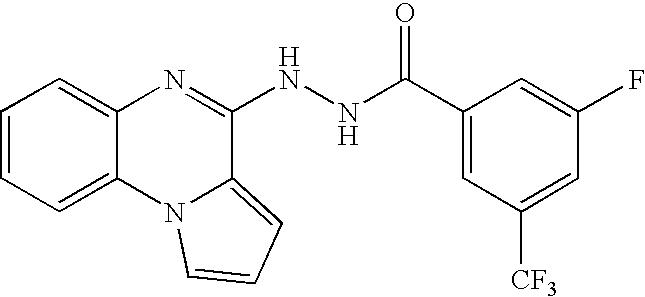
3-Fluoro-5-trifluoromethyl-benzoic acid N′-pyrrolo[1,2-a]quinoxalin-4-yl-hydrazide SC170 
4-Fluoro-benzoic acid N′-pyrrolo[1,2-a]quinoxalin-4-yl-hydrazide SC171 
4-Fluoro-2-hydroxy-benzoic acidN′-pyrrolo[1,2-a]quinoxalin-4-yl-hydrazide SC172 
3-Fluoro-5-nitrobenzoic acid N′-pyrrolo[1,2-a]quinoxalin-4-yl-hydrazide SC173 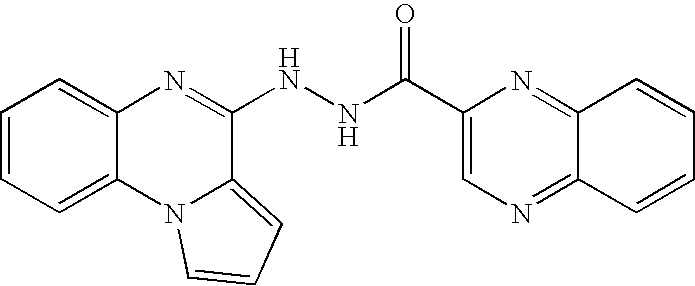
Quinoxaline-2-carboxylic acidN′-pyrrolo[1,2-a]quinoxaline-4-yl-hydrazide SC174 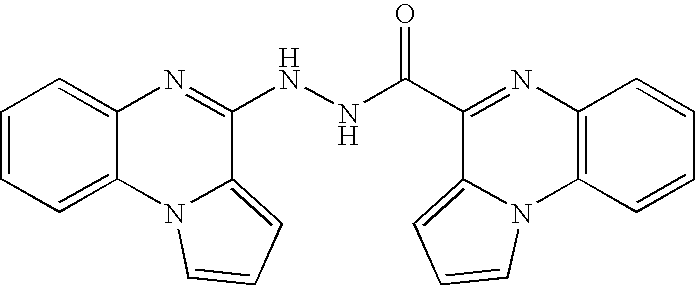
Pyrrolo[1,2-a]quinoxalin-4-carboxylic acid N′-pyrrolo[1,2-a]quinoxalin-4-yl-hydrazide - In one embodiment, the compound is of Formula III,
-
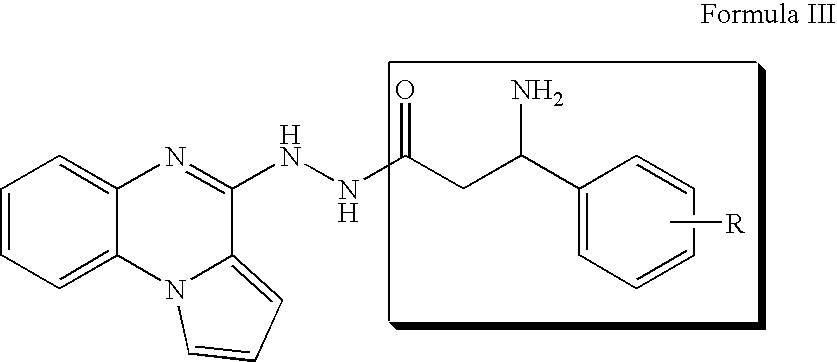
- wherein R=o-Cl, p-Cl, p-F, p-CN, p-OMe, or p-CF3. Examples of such compounds include SC160-165.
-
SC160 
3-Amino-3-(2-chloro-phenyl)-propionic acid N′-pyrrolo[1,2-a]quinoxalin-4-yl-hydrazide SC161 
3-Amino-3-(4-chloro-phenyl)-propionic acid N′-pyrrolo[1,2-a]quinoxalin-4-yl-hydrazide SC162 
3-Amino-3-(4-fluoro-phenyl)-propionic acid N′-pyrrolo[1,2-a]quinoxalin-4-yl-hydrazide SC163 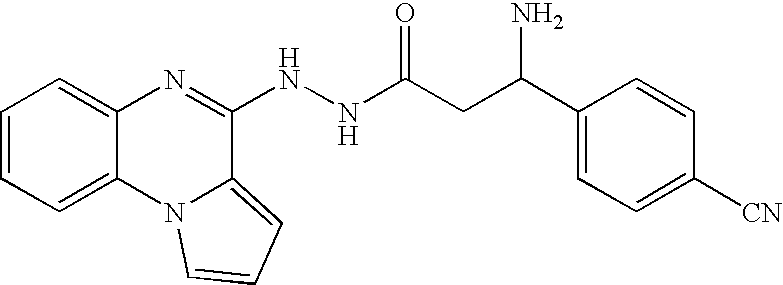
3-Amino-3-(4-cyano-phenyl)-propionic acid N′-pyrrolo[1,2-a]quinoxalin-4-yl-hydrazide SC164 
3-Amino-3-(4-methoxy-phenyl)-propionic acid N′-pyrrolo[1,2-a]quinoxalin-4-yl-hydrazide SC165 
3-Amino-3-(4-trifluoromethyl-phenyl)-propionic acid N′-pyrrolo[1,2-a]quinoxalin-4-yl-hydrazide - In another embodiment, the compound is of Formula IV,
-

- wherein R1=3-NH2, R2=5-CF3; R1=5—NH2, R2=2-NO2; R1=4-NH2, R2=3-NO2; R1=2-NH2, R2=5-OH; R1=4-NH2, R2═H; R1=3-NH2, R2═H; or R1=2-NH2, R2═H.
- The invention also features a compound of Formula V,
-
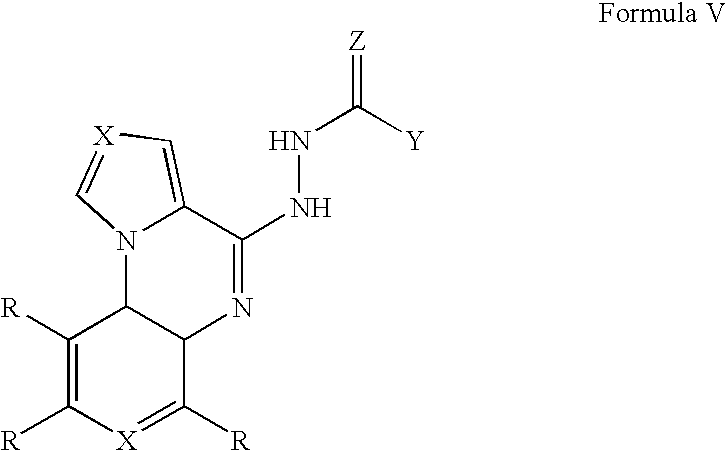
- wherein X═CH or N; Z=O or S; R=alkyl, halogen, acetyl, O-alkyl, or N-alkyl; and Y=alkyl, heterocyclic aromatic, aliphatic, sugar, or lipid. Examples of such compounds include SC153-158.
-
SC153 
Thiazolidine-4-carboxylic acid N′-pyrrolo[1,2-a]quinoxalin-4-yl-hydrazide SC154 
3-Amino-propionic acidN′-pyrrolo[1,2-a]quinoxalin-4-yl-hydrazide SC155 
1H-Indole-2-carboxylicacid N′-pyrrolo[1,2-a]quinoxalin-4-yl-hydrazide SC156 
1H-Indole-5-carboxylicacid N′-pyrrolo[1,2-a]quinoxalin-4-yl-hydrazide SC157 
1H-Indole-6-carboxylicacid N′-pyrrolo[1,2-a]quinoxalin-4-yl-hydrazide SC158 
1H-Indole-6-carboxylicacid N′-pyrrolo[1,2-a]quinoxalin-4-yl-hydrazide - Another compound of the invention is of Formula VI,
-
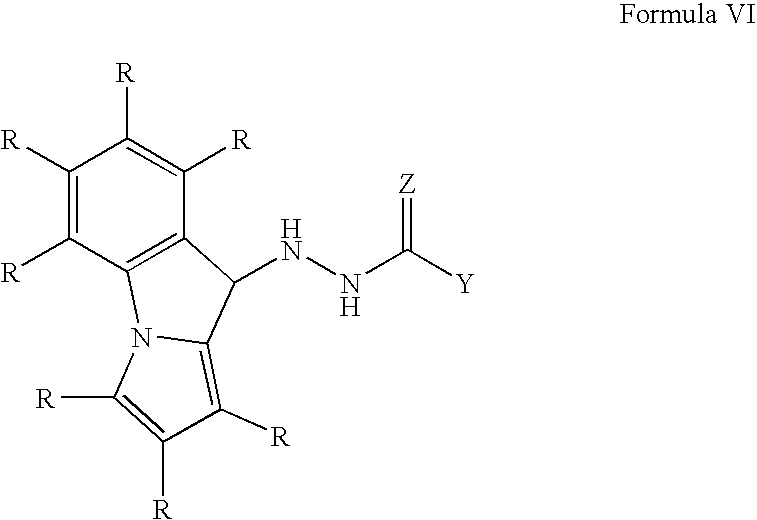
- wherein Z=O or S; R=alkyl, halogen, acetyl, O-alkyl, or N-alkyl; and Y alkyl, heterocyclic aromatic, aliphatic, sugar, or lipid. Examples of such compounds include SC175-176.
-
SC175 
Nicotinic acid N′-9H-pyrrolo[1,2-a]indol-9-yl-hydrazide SC176 
Pirazine-2-carboxylicacid N′-9H-pyrrolo-[1,2-a]indol-9-yl-hydrazide - Moreover, a compound of Formula VII is also within the invention:
-

- In addition, the invention features a compound of any of Formulas 1-19,
-
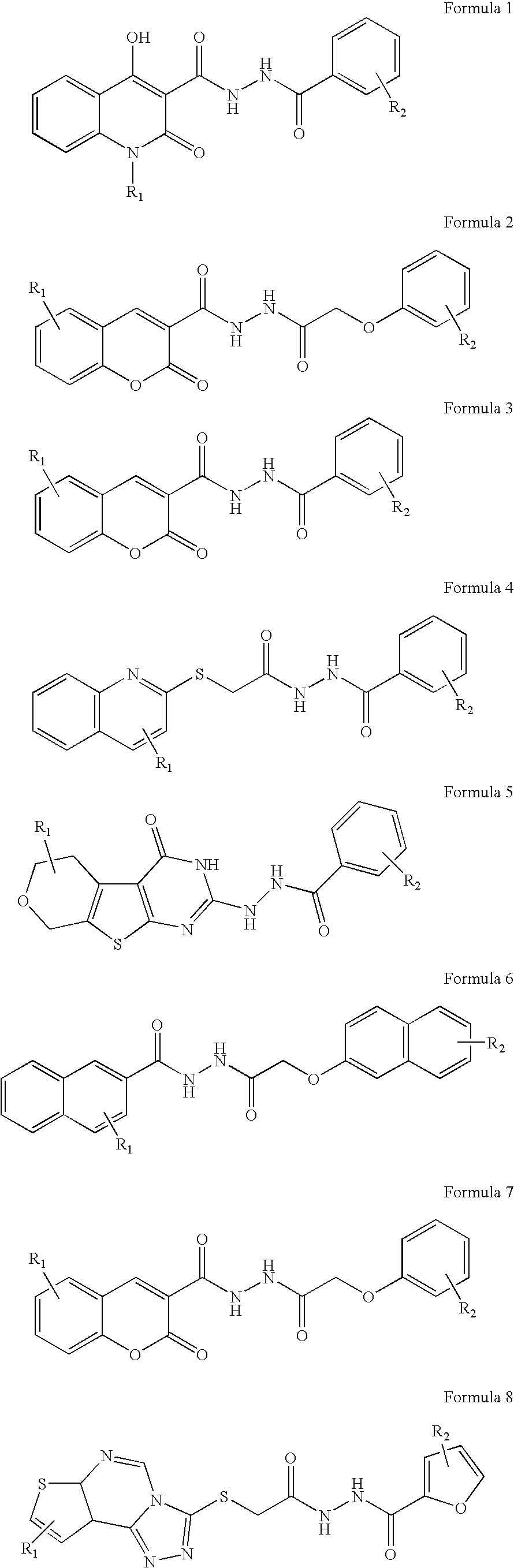
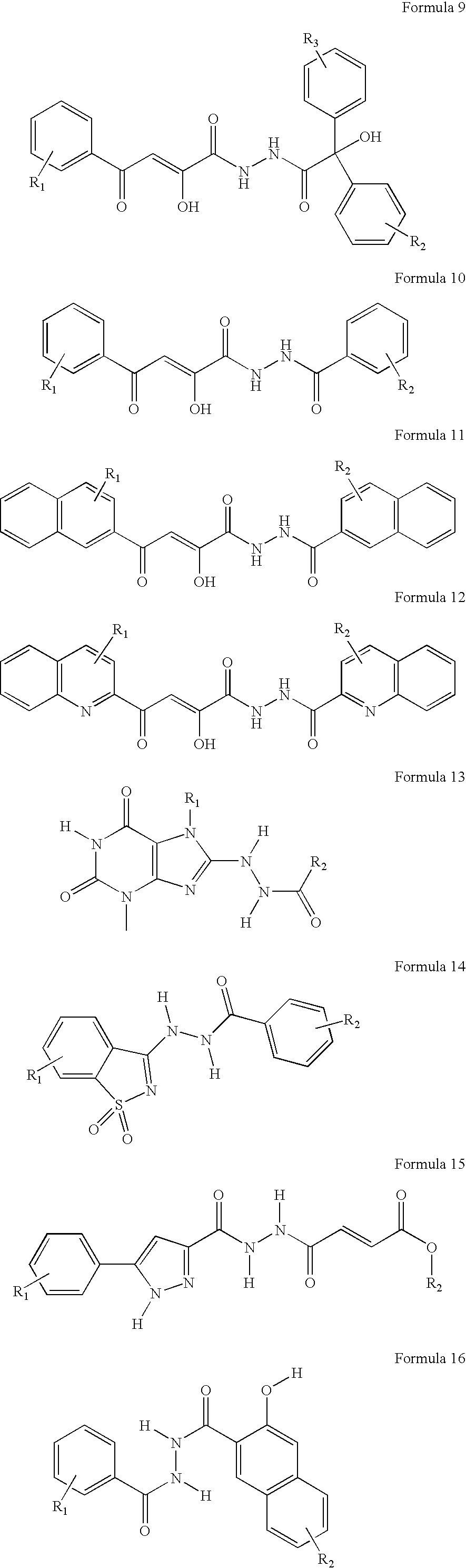

- wherein each of R1, R2, and R3 is a hydrogen, halogen, hydroxyl, alkyl, substituted alkyl, alkenyl, substituted alkenyl, phenyl, substituted phenyl, aryl, substituted aryl, heteroaryl, substituted heteroaryl, or an organic group containing 1-20 carbon atoms in a linear, branched, or cyclic structural format. The substituted alkyl, substituted alkenyl, substituted phenyl, substituted aryl, or substituted heteroaryl may contain a halo, hydroxyl, alkoxy, alkylthio, phenoxy, aroxy, cyano, isocyano, carbonyl, carboxyl, amino, amido, sulfonyl, or substituted heterocyclic, sugar, or peptide substitution. The organic group may include a heteroatom of oxygen, sulfur, or nitrogen.
- Specific examples of such compounds include SC20-37, SC201-266, SC268, and SC270-280. The structures of SC20-37, SC201-266, SC268, and SC270-280 are shown below.
- The invention further features the following compounds:
- SC159
-

- wherein R is
-

-

- wherein R1 is F, R2 is H, and R3 is
-

- wherein R1 is H, R2 is F, and R3 is
-

- wherein R1 is F, R2 is H, and R3 is
-

- wherein R1 is F, R2 is H, and R3 is
-

- wherein R1 is F, R2 is H, and R3 is
-

- wherein R1 is F, R2 is H, and R3 is
-

- wherein R1 is F, R2 is H, and R3 is
-

- The invention provides a method of preparing the compounds of the invention. For example, compounds SC141-144, SC148, SC153-158, and SCG160-174 can be prepared as follows: First, contact hydrazine monohydrate with a compound (13a, 13b, 13c, or 13d) of Formula VIII,
-

- wherein R is H, R′ is H, and X is CH (13a); R is Me, R′ is Me, and X is CH (13b); R is F, R′ is H, and X is CH (13c); or R is H, R′ is H, and X is N (13d), to form a compound (14a, 14b, 14c, or 14d, respectively) of Formula IX,
-

- wherein R is H, R′ is H, and X is CH (14a); R is Me, R′ is Me, and X is CH (14b); R is F, R′ is H, and X is CH (14c); or R is H, R′ is H, and X is N (14d). SC141 can then be formed by contacting 14a with pyrrole-2-carboxylic acid chloride; SC142 by contacting 14a with nicotinoyl chloride hydrochloride; SC143, SC144, and SC148 by contacting 14b, 14c, and 14d with 2-pyrazinecarboxylic acid in the presence of 2,2′-dipyrildisulphide and triphenylphosphine, respectively; SC153 by contacting 14a with N—BOC-thiazolidine-4-carboxylic acid in the presence of 1-[3-(dimethylamino)propyl]-3-ethylcarbodiimide hydrochloride (EDC)/4-(dimethylamino)pyridine (DMAP) and then trifluoroacetic acid (TFA)/anisole; SC154 by contacting 14a with N—BOC-β-alanine in the presence of EDC/DMAP and then TFA/anisole; SC155, SC156, SC157, and SC158 by contacting 14a with 2-indolecarboxylic acid, 5-indolecarboxylic acid, 6-indolecarboxylic acid, and 3-indolecarboxylic acid in the presence of EDIC/DMAP, respectively; SC160, SC161, SC162, SC163, SC164, and SC165 by contacting 14a with Boc-3-amino-3-(2-chlorophenyl)propionic acid, Boc-3-amino-3-(4-chlorophenyl)propionic acid, Boc-3-amino-3-(4-fluorophenyl)propionic acid, Boc-3-amino-3-(4-cyanophenyl)propionic acid, Boc-3-amino-3-(4-methoxyphenyl)propionic acid, and Boc-3-amino-3-(4-trifluoromethylphenyl)propionic acid in the presence of EDC/DMAP followed by TPA and anisole, respectively; SC166, SC167, SC168, SC169, SC170, SC171, and SC172 by contacting 14a with 15a-g (15a: 2-fluorobenzoic acid, 15b: 2-fluoro-4-hydroxybenzoic acid, 15c: 3-fluorobenzoic acid, 15d: 3-fluoro-4-(trifluoromethyl)benzoic acid, 15e: 4-fluorobenzoic acid, 15f: 4-fluoro-2-hydroxybenzoic acid, 15 g: 3-fluoro-5-nitrobenzoic acid), in the presence of EDC/DMAP followed by TFA and anisole, respectively; SC173 by contacting 14a with 2-quinoxalinecarboxylic acid, dichloromethane, triphenylphosphine, and 2,2′-dipyridyl disulfide; and SC174 by contacting 14a with pyrrolo[1,2-a]quinoxaline-4-carboxylic acid, dichloromethane, triphenylphosphine, and 2,2′-dipyridyl disulfide.
- Compound SC147 can be prepared by contacting hydrazine monohydrate with a compound of formula X.
-
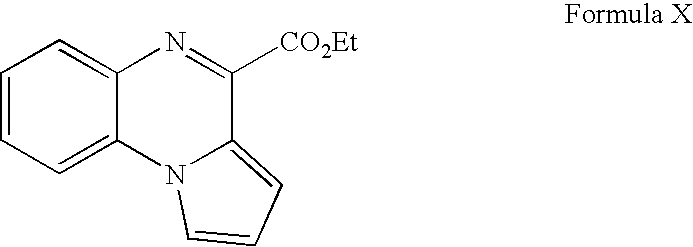
- Compound SC175 can be prepared by contacting nicotinoyl chloride hydrochloride with 9-hydrazino-9H-pyrrolo[1,2-a]indole and pyridine. Compound SC176 can be prepared by contacting pyrazine-2-carbonyl chloride hydrochloride with 9-hydrazino-5H-pyrrolo[1,2-a]indole and pyrazine.
- The invention further provides a pharmaceutical composition comprising an effective amount of one or more compounds of the invention and a pharmaceutically acceptable carrier. The composition may further comprise an effective amount of one or more other agents for treating cancer or a disorder associated with angiogenesis function, e.g., taxol, doxorubicin, or 5-FU.
- The invention also features a packaged product comprising a container; an effective amount of a compound of formula XI or XII,
-

- wherein Ar comprises an aromatic ring and Het comprises a heterocyclic ring; and an insert associated with the container, indicating administering the compound for treating non-small cell lung cancer, CNS cancer, ovarian cancer, breast cancer, renal cancer, prostate cancer, age-related macular degeneration, macular dystrophy, or diabetes.
- Furthermore, the invention provides a packaged product comprising a container; an effective amount of a compound of Formula II,
-

- wherein R is H, alkyl, or halogen; R′ is H, alkyl, or halogen; X is CH or N; and Y comprises a homocyclic or heterocyclic ring; and an insert associated with the container, indicating administering the compound for treating cancer or a disorder associated with angiogenesis function.
- Another packaged product comprises a container; an effective amount of a compound of the invention; and an insert associated with the container, indicating administering the compound for treating cancer or a disorder associated with angiogenesis function.
- A product of the invention may further comprise an effective amount of one or more other agents for treating cancer or a disorder associated with angiogenesis function, e.g., taxol, doxorubicin, or 5-FU.
- Examples of cancer include leukemia, non-small cell lung cancer, colon cancer, CNS cancer, melanoma, ovarian cancer, breast cancer, renal cancer, and prostate cancer; examples of disorders associated with angiogenesis function include age-related macular degeneration, macular dystrophy, and diabetes.
- Also within the scope of the invention is a method of treating a subject by administering to a subject in need thereof an effective amount of a compound described above. The subject may be identified as being suffering from or at risk for developing cancer or a disorder associated angiogenesis function. In particular, the cancer may be leukemia, non-small cell lung cancer, colon cancer, CNS cancer, melanoma, ovarian cancer, breast cancer, renal cancer, or prostate cancer; and the disorder associated with angiogenesis function may be age-related macular degeneration, macular dystrophy, or diabetes. The method may further comprise administering to the subject an effective amount of one or more other agents for treating cancer or a disorder associated with angiogenesis function, e.g., taxol, doxorubicin, or 5-FU. The compound and the one or more other agents may be administered simultaneously or sequentially.
- In addition, the invention features a method of monitoring treatment of a subject by administering to a subject having cancer cells or cells associated with an angiogenesis function disorder a compound described above and measuring the survival of the cells, the growth of the cells, or a combination thereof using PET imaging. The subject may be suffering from leukemia, non-small cell lung cancer, colon cancer, CNS cancer, melanoma, ovarian cancer, breast cancer, renal cancer, prostate cancer, age-related macular degeneration, macular dystrophy, or diabetes. The subject may be an animal, e.g., a mouse, and the cells may be xenografted human cells. In one embodiment the subject is a human.
- Furthermore, the invention provides a method of profiling gene expression. The method comprises contacting a test cell with a compound described above and profiling gene expression in the test cell. The test cell may be a cancer cell or a cell associated with an angiogenesis function disorder. More specifically, the test cell may be a leukemia cell, non-small cell lung cancer cell, colon cancer cell, CNS cancer cell, melanoma cell, ovarian cancer cell, breast cancer cell, renal cancer cell, prostate cancer cell; or a cell associated with age-related macular degeneration, macular dystrophy, or diabetes. The method may further comprise comparing gene expression in the test cell with that in a control cell, which may be contacted with another compound with known action or resistant to the compound used to contact the test cell.
- The invention also provides a method of modulating gene expression in a cell. The method comprises contacting a cell with a compound described above, thereby modulating (increasing or decreasing) expression of one or more genes in the cell. The cell may be a cancer cell or a cell associated with an angiogenesis function disorder. Specifically, the cell may be a leukemia cell, non-small cell lung cancer cell, colon cancer cell, CNS cancer cell, melanoma cell, ovarian cancer cell, breast cancer cell, renal cancer cell, prostate cancer cell; or a cell associated with age-related macular degeneration, macular dystrophy, or diabetes. Examples of the one or more genes include small proline-rich protein 1A; GTP binding protein overexpressed in skeletal muscle; interleukin 24; sestrin 2; hypothetical protein MGC4504; cyclin-dependent kinase inhibitor 1A (p21); early growth response 1; ATPase, H+ transporting, lysosomal 38 kDa, V0 subunit d isoform 2; AXIN1 up-regulated 1; dual specificity phosphatase 5; superoxide dismutase 2, mitochondrial; heparin-binding epidermal growth factor-like growth factor; A disintegrin and metalloproteinase domain 19 (meltrin beta); endothelial PAS domain protein 1; inositol 1,4,5-triphosphate receptor, type 1; tissue factor pathway inhibitor lipoprotein-associated coagulation inhibitor); fibrinogen, gamma polypeptide; RAB20, member RAS oncogene family; protein kinase, AMP-activated, gamma 2 non-catalytic subunit; oncostatin M receptor; cathepsin B; nuclear factor of kappa light polypeptide gene enhancer in B-cells inhibitor, alpha; BCL2/adenovirus E1B 19 kDa interacting protein 3; integrin, beta 3 (platelet glycoprotein 111a, antigen CD61); dual specificity phosphatase 10; cell cycle control protein SDP35; plexin C1; microphthalmia-associated transcription factor; calpain small subunit 2; hypothetical protein DKFZp434L142; MEGF 10 protein; EphA2; jagged 1 (Alagille syndrome); hemicentin; low density lipoprotein receptor (heparin-binding epidermal growth factor-like growth factor); tyrosinase-related protein 1; tyrosinase (oculocutaneous albinism IA); dopachrome tautomerase (dopachrome delta-isomerase, tyrosine-related protein 2); laminin, beta 3; MAX dimerization protein 1; CDK4-binding protein p34SEI1; Homo sapiens cDNA FLJ42435 fis, clone BLADE2006849; growth arrest and DNA-damage-inducible, beta; cycline-dependent kinase inhibitor 2B (p15, inhibits CDK4); Diphtheria toxin receptor (heparin-binding epidermal growth factor-like growth factor); syntaxin binding protein 6 (amisyn); transport-secretion protein 2.2; Arg/Abl-interacting protein ArgBP2; hypothetical protein DJ667H12.2; Homo sapiens cDNA FLJ37284 fis, clone RAMY2013590; BCL2, BCL2L1, JUN, JUNB, MAD, MAX, TNFRSF1A, TP53, NFKB1, TNFSF10, CASP1, PCNA, TNFAIP1, DAP, KDR, MAP3K14, CCNA2, CDC2, CDK7, CDK8, CDKN1A, CDKN1B, CDKN2A, CDKN2C, E2F1, E2F4, E2F5, MYC, RB1, RBL2, CCND3, CCNG1, CGNE1, CDC25C, TGFBR2, TGIF, TRAF4, CYPIA2, PTGS2, (p21) p27, cyclin A, cdk1, p53, cyclin E, cdc25, p130, NFKB, c-MYC, COX2, Bcl-XL, annexin V, caspase 1, TNF receptor, microtubule-associated protein 4, microtubule affinity-regulating kinase 2, microtubule affinity-regulating kinase 4, transducer of ERBB2, vascular endothelial growth factor B, vascular endothelial growth factor, ankyrin repeat and MYND domain containing 1, RAB4B, putative prostate cancer tumor suppressor, pre-B-cell leukemia transcription factor 2, T-cell leukemia translocation altered gene, leukemia inhibitory factor, interferon regulatory factor 2 binding protein, interferon stimulated gene (20 kDa), interferon gamma receptor 2, 28 kD interferon responsive protein, polymerase (RNA) III, peroxisomal proliferator-activated receptor A interacting complex 285, RAD50 homolog (S. cerevisiae), MAX dimerization protein 3, kruppel-like factor 16, apolipoprotein L (6), X-ray repair complementing defective repair, mitogen-activated protein kinase 3, phosphatidylinositol 4-kinase type II, mitogen-activated protein kinase 12, protein kinase (AMP-activated, alpha 2 catalytic subunit), pyruvate dehydrogenase phosphatase regulatory subunit, phospholipase D3, inositol 1,4,5-triphosphate receptor (type 3), retinoic acid receptor (alpha), tumor necrosis factor receptor superfamily, Enolase 2 (gamma, neuronal), stanniocalcin 2, apelin, plexin B2, cathepsin Z, histone 1 (H2bc), histone 1 (H3h), β-tubulin, myc promoter-binding protein (MPB-1), retinoblastoma-binding protein 7, vimentin, enolase, phosphopyruvate hydratase beta, and mitochondrial ATP synthase beta chain.
- The invention further provides a method of modulating cell growth, cell cycle, or apoptosis. The method comprises contacting a cell with a compound of
claim - The above-mentioned and other features of this invention and the manner of obtaining and using them will become more apparent, and will be best understood, by reference to the following description, taken in conjunction with the accompanying drawings. The drawings depict only typical embodiments of the invention and do not therefore limit its scope.
-
FIG. 1 illustrates flow cytometric analysis of the cell cycle profile of MDA-MB-435 cells treated with SC144. Cells were exposed for 16 h, 24 h and 48 h to SC144, stained with propidium iodide (PI) and analyzed for perturbation in the cell cycle. -
FIG. 2 illustrates apoptosis analysis of MDA-MB-435 cells treated with SC144 and CPT (IC80). Cells were stained with annexin V/PI and analyzed by flow cytometry. Cells in the bottom left quadrant of each panel (Annexin V-negative, PI-negative) are viable, whereas cells in the bottom right quadrant (Annexin V-positive, PI-negative) are in the early stages of apoptosis, and cells in the top right quadrant (Annexin V-positive, PI-positive) are in later stages of apoptosis and necrosis. -
FIG. 3 . (A) is a schematic outline of tumor growth and dosing in xenograft models. Athymic nude mice implanted with MDA-MB-435 cells were treated with the indicated doses of SC144 by daily i.p. administration for five-days. (B) illustrates that SC144 reduced the size of human breast cancer xenografts at doses of 0.3, 0.8 and 4 mg/kg. Tumor growth was monitored for five weeks. Values represent the median tumor weight for each group. (C) shows % T/C for each treatment group calculated on the last day of experiment (bars±SD). -
FIG. 4 . (A) shows representative images of SC144 treated mice. (B) shows comparison of the tumor size of SC144 treated (4 mg/kg) and control. (C) shows tumors incised from mice shown in panel B. -
FIG. 5 demonstrates that SC144 induce remarkable necrosis of tumor tissue. H&E staining of untreated tumor tissue (A) and SC144 treated tissue (B) were prepared atday 70. In general, greater than 80% necrosis was observed in treated tumors (left side of panel B) and the non-necrotic cells (right side of panel B) are in early stages of apoptosis. -
FIG. 6 demonstrates that SC144 does not exhibit organ toxicity. H&E staining of SC144 treated kidney tissue (A), liver tissue (B) and cardiac tissue (C) shows normal pattern. -
FIG. 7 illustrates inhibition of human CYP3A4 by ketoconazole, SC144 and its analog SC24. The metabolism of fluorescent substrates by human cDNA-expressed CYP3A4 was assessed by incubation in 96 well plate at 37° C. Metabolism of 7-benzyloxy-4-trifluoromethylcoumarin (BFC) was assayed by measuring the production of the corresponding 7-hydroxy-4-trifluoro-methylcoumarin. -
FIG. 8 shows PET imaging (slice thickness 0.6 mm) of a nude mouse implanted with human breast cancer (MDA-MB-435) cells. Top row, baseline scans: (A) equilibrium-phase FDG, 30 min post injection; (B) FMAU, 10 min post injection; (C) FMAU, 60 min post injection. Bottom row, follow-up scans: (D) FDG, 30 min post injection; (E) FMAU, 10 min post injection; (F) FMAU, 60 min post injection. The mouse was imaged on consecutive days with FDG and FMAU (baseline), then treated with daily i.p. injections of SC144 at 4 mg/kg. After five days of dosing, the drug treatment was discontinued and the follow-up scans were obtained ondays -
FIG. 9 illustrates comparison of gene expression profiles in two independent experiments. (A) A scatter plot of untreated control samples D565 versus D566 and (B) SC144 treated pairs D571 and D572 Chips. (C) A plot of t-statistic (x-axis), representing the significance level, versus log mean expression difference (representing fold change) in SC144 treated cells versus untreated control. -
FIG. 10 illustrates that SC144 shows a unique pattern of activity distinct from other classes of compounds. (A) A three-principal components analysis of genes for all 14 observations and (B) hierarchical cluster analysis generated by Genetrix™. -
FIG. 11 shows bioinformatic analysis of genes by molecular function using Genetrix™ tools. -
FIG. 12 shows a list of genes derived from InterPro classification tools implemented in Genetrix™. -
FIG. 13 shows subset classification of common genes identified between SC144 and etoposide. -
FIG. 14 shows subset classification of genes in common among SC144, mitoxantrone, and camptothecin. -
FIG. 15 illustrates prediction of drug absorption. Fast polar surface area in Angstrom2 for each compound is plotted against their corresponding calculated partition coefficient. The area encompassed by the ellipse is a prediction of good absorption with no violation of ADMET properties. On the basis of Egan et al. ((2000) J. Med. Chem. 43:3867-77) absorption model, the outer ellipse represents a 99% confidence, whereas the inner ellipse a 95% confidence. -
FIG. 16 shows time-(A) and concentration-dependent (B) inhibition of DU145 cells by SC21 and CPT. -
FIG. 17 depicts flow cytometric analysis of the cell cycle profiles of DU145, PC3, MDA-MB-435, and HEY cells treated with SC21. Cells were exposed for 24, 48, and 72 h to SC21 (IC50) then harvested, stained with propidium iodide and analyzed for perturbation in the cell cycle. SC21 induced a G0/G1 phase arrest in DU145 and MDA-MB-435 cells and S phase arrest in PC3 and HEY cells. Control cells shown were measured at 24 h and, as expected, no significant changes were observed in the control cells at 48 and 72 h. -
FIG. 18 shows percentage of apoptosis calculated by measuring sub-G0/G1 population using flow cytometry. Apoptotic cell population increased with time in PC3 and DU145 treated with SC21 and CPT. -
FIG. 19 illustrates apoptosis analysis of DU145 cells treated with SC21 or CPT (IC80). Cells were treated with SC21 or CPT for 24, 48, and 72 h, harvested, stained with annexin V/propidium iodide and analyzed by flow cytometry. Untreated control cells (24 and 48 h) were also included in the analysis. Annexin VFITC signals are recorded in FL1-H or red channel and propidium iodide in FL2-H or green channel. Cells in the bottom left quadrant (annexin V-negative, propidium iodide-negative) are viable, whereas cells in the right quadrant (annexin V-positive, propidium iodide-negative) are in the early stages of apoptosis, and the cells in the top right quadrant (annexin V-positive, propidium iodide-positive) are in later stages of apoptosis and necrosis. -
FIG. 20 . (A) is a schematic outline of tumor growth and dosing in PC3 mice xenografts. (B) shows that SC21 reduced the size of human prostate cancer xenografts. Athymic nude mice implanted with PC3 cells were treated with the indicated concentration of SC21 through daily i.p. administration for 5 d. Tumor growth was monitored for 5 wks. Values represent the tumor weight (mean±SD) for each group. (C) depicts dose-response to SC21 in the PC3 xenograft. Values represent the % TIC from each treatment group on the last day of measurement (after 5 wks); bars, ±SD. Treatment with SC21 significantly reduced tumor growth (% T/C V50%) at both doses as compared with the control. -
FIG. 21 illustrates RT-PCR gene expression analysis. Total RNA form T24 cells was isolated and cDNA was synthesized with 2.5 ug of total RNA. Standardized RT-PCR was performed with GENE system I gene expression kit (Gene Express Inc.). Each kit contains a mixture of the internal competitive templates and the corresponding primers. -
FIG. 22 shows SC23-induced expression (number of molecules) of selected genes from Table 8 normalized against 106 molecule of β-actin. Total RNA form T24 cells were isolated after 3h, 6h, 12h, 24h, and 48h exposure to SC23. -
FIG. 23 is a schematic representation of pathways involved in cell cycle (left) and apoptosis (right). -
FIG. 24 is a representative example of comparison of gene expression profiles in two independent experiments. (A) A scatter plot of untreated control samples D565 versus D566 Chips, (B) etoposide treated pairs D720 and D721 Chips, and (C) mitoxantrone treated pairs D724 and D725 Chips. -
FIG. 25 illustrates that SC23 shows a pattern of activity most similar to taxol. (A) A series of scatter plots comparing SC2S3 gene expression (18,000 genes after removing all the noise and low expressors) with 5FU, CPT, etoposide, taxol, and mitoxantrone. (B) Same as panel A but only those genes that were altered by at least five fold change are plotted. -
FIG. 26 is a Venn diagram showing the number of genes overlapping among three compounds. The diagram was generated from a total of 878 genes that were more than five fold altered in response to SC23, 5-FU, and taxol treatment. -
FIG. 27 illustrates that SC23 shows a pattern of activity most similar to taxol. (A) A three-principal components analysis of genes for all 10 observations. (B) Hierarchical cluster analysis generated by Genetrix™. -
FIG. 28 depicts SC23-induced alteration of protein expression. T24 cells were treated with IC50 (lane 2) and IC80 (lane 3) doses of SC23 for 72 h. Lane 1: control untreated cells. -
FIG. 29 shows two-dimensional gel electrophoresis of SC23 treated T24 cells. Cells were treated for 12, 24, 48 and 72 hr with SC23 (IC80 dose). The soluble fraction was then extracted and quantified. 50 mg of protein was loaded in the first dimension gel at 800 V for 16 h. Gels were then equilibrated, separated on a 12% SDS-PAGE gel for the second dimension, stained with CyproRuby, and imaged by Typhoon 9100. -
FIG. 30 illustrates a selected region of SC23 treated cells from a 2D gel (left) and quantition of spots using PDQuest. -
FIG. 31 shows MS/MS spectrum of β-tubulin peptide (EVDEQMLNVQNK) and myc promoter-binding protein (MPB-1) peptide (VNQIGSVTESLQACK). -
FIG. 32 . Compound SC161′ shows remarkable activity in a panel of cell lines. (A) The IC50 values of SC161′ range from 0.3 to 4 uM in representative breast, colon, and prostate cell lines using MTT assay. (B) SC161′ completely blocks colony formation at doses ≧1 uM. - A series of compounds were designed based on three-dimensional anti-tumor structural modeling (specific for inhibition of DNA processing enzymes) integrated with predictive pharmacokinetic (PK) simulations. Several of the compounds showed remarkable cytotoxicity patterns against a panel of human cancer cell lines. A series of 200 compounds were tested against several drug-resistant cancer cell lines. SC144 was selected as a lead molecule based on potency and drug like properties. The compound exhibits in vivo efficacy against breast cancer xenografts in nude mice with no apparent toxicity. The activity of this compound was independent of the status of the hormone receptor (HR), p53, pRb, p21 or p16. Moreover, SC144 blocked cells in S-phase and induced apoptosis in a cisplatin resistant ovarian cancer cell line (HEY) with activity comparable to that of camptothecin. Considering the cytotoxicity profile displayed by this compound in a variety of in vitro models, as well as its effects on cell cycle regulation and apoptosis, SC144 appears to represent a novel and promising candidate for the treatment of cancer and disorders associated with angiogenesis function.
- We also evaluated the in vitro activity of SC21 and SC23 against a range of human tumor cell types and the in vivo efficacy of compound SC21 in a PC3 human prostate cancer xenograft model in mice. We determined the effects of SC21 on cell cycle regulation and apoptosis. Our in vitro results show that salicylhydrazides are highly potent compounds effective in both hormone receptor-positive and -negative cancer cells. SC21 induced apoptosis and blocked the cell cycle in G0/G1 or S phase, depending on the cell lines used and irrespective of p53, p21, pRb, and p16 status. SC21 effectively reduced the tumor growth in mice without apparent toxicity. Although the mechanism of action of SC21 is not completely elucidated, the effect on cell cycle, the induction of apoptosis and the activity against a panel of tumor cell lines of different origins prompted us to carry out an in-depth preclinical evaluation of SC21. These compounds are potentially useful for treating cancer.
- A compound of the invention has one of the following formulas:
-

- wherein X═CH or N; Z=O or S; R=alkyl, halogen, acetyl, O-alkyl, or N-alkyl; R′=alkyl, halogen, acetyl, O-alkyl, or N-alkyl; and Y=alkyl, heterocyclic aromatic, aliphatic, sugar, or lipid;
-

- wherein R is H, alkyl, or halogen; R′ is H, alkyl, or halogen; X is CH or N; and Y comprises a homocyclic or heterocyclic ring, wherein Y is 3-, 5-, or 6 pyrazinyl or 3-, 4-, 5-, or 6-pyridinyl when R is H, R′ is H, X is CH, and Y is pyrazinyl or pyridinyl;
-

- wherein R=o-Cl, p-Cl, p-F, p-CN, p-OMe, or p-CF3;
-

- wherein R1=3-NH2, R2=5-CF3; R1=5-NH2, R2=2-NO2; R1=4-NH2, R2=3-NO2; R1=2-NH2, R2=5-OH; R1=4-NH2, R2═H; R1=3-NH2, R2═H; or R1=2-NH2, R2═H;
-

- wherein X═CH or N; Z=O or S; R=alkyl, halogen, acetyl, O-alkyl, or N-alkyl; and Y=alkyl, heterocyclic aromatic, aliphatic, sugar, or lipid;
-
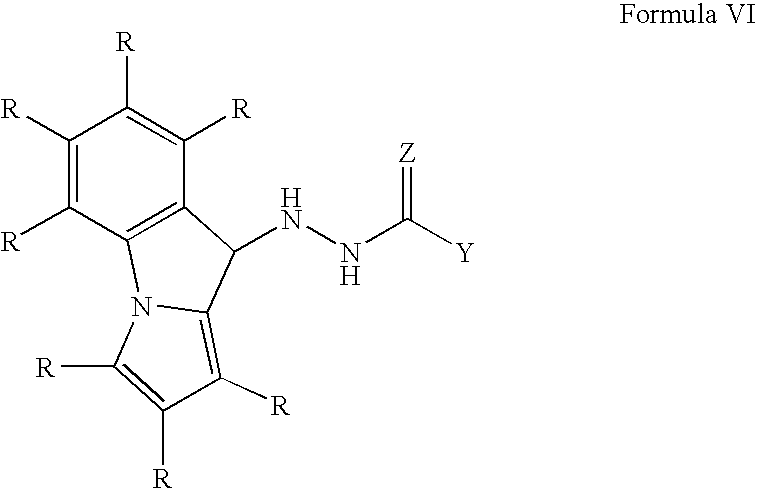
- wherein Z=O or S; R=alkyl, halogen, acetyl, O-alkyl, or N-alkyl; and Y=alkyl, heterocyclic aromatic, aliphatic, sugar, or lipid; or
-
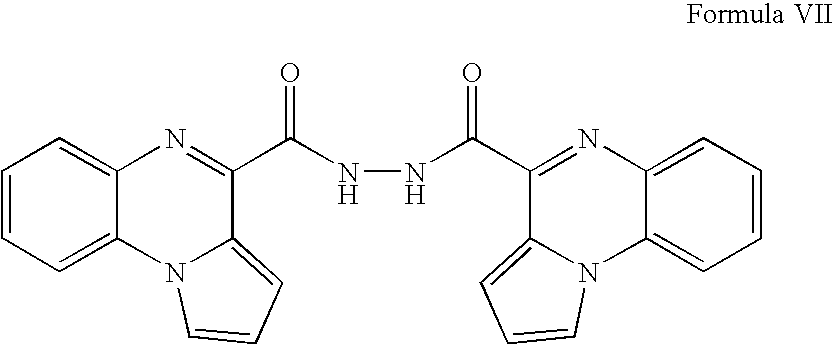
-


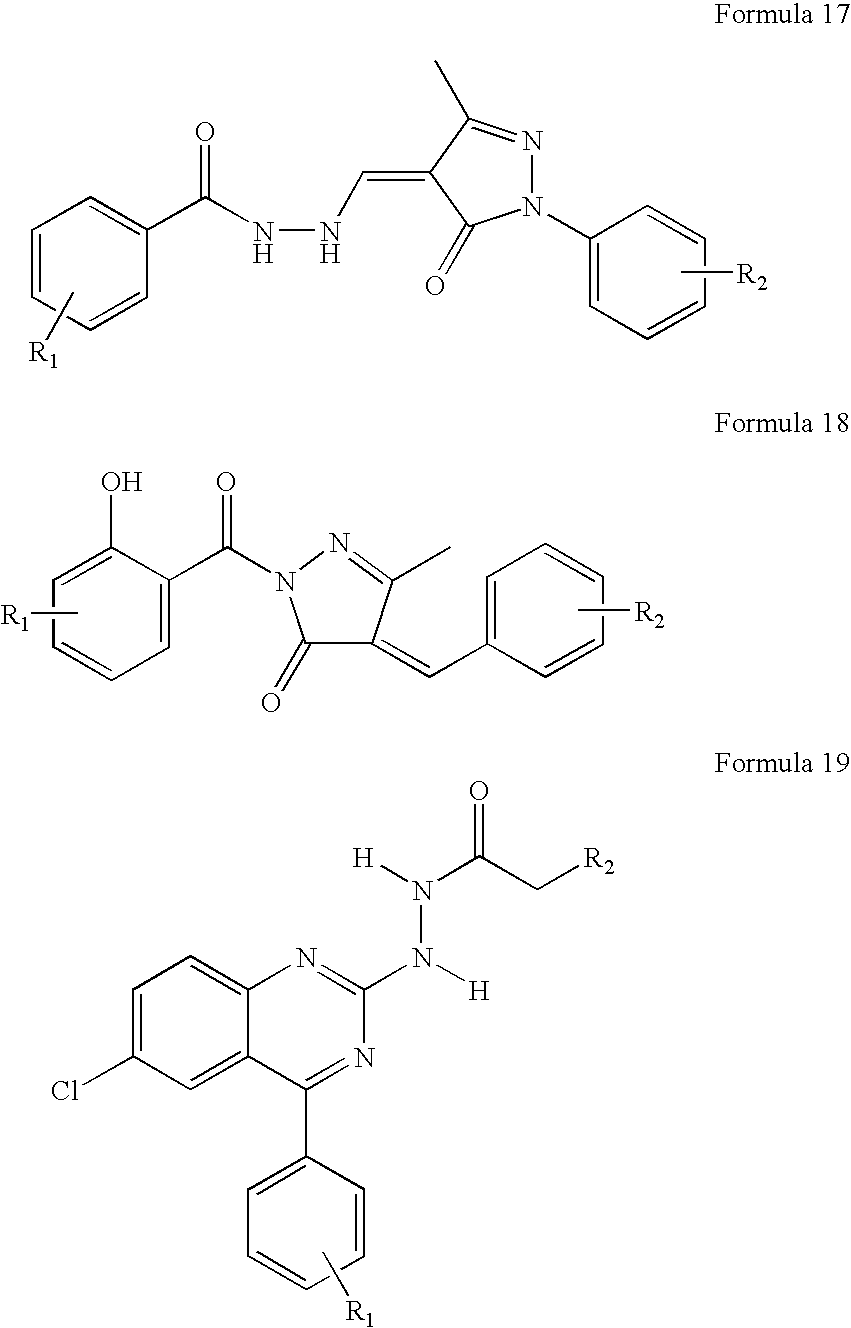
- Each of R1, R2, and R3, taken independently or together, is a hydrogen atom, a halogen atom, a hydroxyl group, or any other organic group containing any number of carbon atoms, preferably 1-20 carbon atoms, and optionally including a heteroatom such as oxygen, sulfur, or nitrogen, in a linear, branched or cyclic structural format. Representative R1, R2, and R3 groups include, but are not limited to, alkyl, substituted alkyl, alkenyl, substituted alkenyl, phenyl, substituted phenyl, aryl, substituted aryl, heteroaryl, substituted heteroaryl. Representative substitutions include, but are not limited to, halo, hydroxyl, alkoxy, alkylthio, phenoxy, aroxy, cyano, isocyano, carbonyl, carboxyl, amino, amido, sulfonyl, and substituted heterocyclic, sugar, or peptide.
- A “homocyclic ring” refers to a closed ring of atoms of the same kind especially carbon atoms; a “heterocyclic ring” refers to a closed ring of atoms of which at least one is not a carbon atom. An “aromatic” group contains one or more benzene rings. Sugars refer to mono, di, and tri-saccharides and lipid refers to long chain aliphatic compound with or without a hydrophilic head group.
- A compound of the invention may include both substituted and unsubstituted moieties. The term “substituted” refers to moieties having one, two, three or more substituents, which may be the same or different, each replacing a hydrogen atom. Examples of substituents include, but are not limited to, alkyl, hydroxyl, protected hydroxyl, amino, protected amino, carboxy, protected carboxy, cyano, alkoxy, and nitro. The term “unsubstituted” refers to a moiety having each atom hydrogenated such that the valency of each atom is filled. An reactive moiety is “protected” when it is temporarily and chemically transformed such that it does not react under conditions where the non-protected moiety reacts. For example, trimethylsilylation is a typical transformation used to protect reactive functional groups such as hydroxyl or amino groups from their reaction with growing anionic species in anionic polymerization.
- Protected forms of the compounds are included within the scope of the invention. In general, the species of protecting group is not critical, provided that it is stable to the conditions of any subsequent reactions on other positions of the compound and can be removed at the appropriate point without adversely affecting the remainder of the molecule. In addition, one protecting group may be substituted for another after substantive synthetic transformations are complete. Examples and conditions for the attachment and removal of various protecting groups are found in Greene, Protective Groups in Organic Chemistry, 1st ed., 1981, and 2nd ed., 1991. In addition, salts of the compounds are within the scope of the invention. For example, a salt can be formed between a positively charged amino substituent and a negatively charged counterion.
- Examples of the compounds of the invention include SC141-144, SC148, SC153-159, SC160-176, SC160′-166′, SC20-37, SC201-266, SC268, and SC270-280.
- Compounds of the invention may be prepared, e.g., according to the schemes described below.
- Generally, salicylhydrazides (SCs) can be prepared as follows: A mixture of aromatic acid (10 mmol), pentafluorophenol (11 mmol) and dicylcohexylcarbodiimide (DCC) (10 mmol) in anhydrous dioxane (40 mL) is stirred at room temperature (overnight). Dicyclohexyl urea is removed by filtration through celite, and the filtrate taken to dryness and purified directly by crystallization or by silica gel chromatography (Zhao and Burke (1997) Tetrahedron 53:4219-30).
-

- Pfp—pentafluorophenyl; each of R and R′, taken independently or together, is a hydrogen atom, a halogen atom, a hydroxyl group, or any other organic group containing any number of carbon atoms, preferably 1-20 carbon atoms, and optionally including a heteroatom such as oxygen, sulfur, or nitrogen, in a linear, branched or cyclic structural format, Representative R and R′ groups include, but are not limited to, alkyl, substituted alkyl, alkenyl, substituted alkenyl, phenyl, substituted phenyl, aryl, substituted aryl, heteroaryl, substituted heteroaryl. Representative substitutions include, but are not limited to, halo, hydroxyl, alkoxy, alkylthio, phenoxy, aroxy, cyano, isocyano, carbonyl, carboxyl, amino, amido, sulfonyl, and substituted heterocyclic, sugar, or peptide.
- To prepare salicylic acid pentafluorophenyl ester, a mixture of salicylic acid (4.14 g, 30 mmol), pentafluorophenol (5.52 g, 33 mmol) and DCC (6.3 g, 30 mmol) in dioxane (180 mL) is stirred at room temperature overnight. Dicyclohexyl urea is removed by filtration through celite, and the filtrate taken to dryness. Residue is crystallized from ether:hexane to provide salicylic acid pentafluorophenyl ester as a white solid (4.56 g, 50% yield), mp 111-111.5° C., I H NMR (CDC13) 8 9.83 (s, 1H), 8.06 (dd, J=8.1, 1.6 Hz, 1H), 7.63-7.56 (m, 1H), 7.08-6.97 (m, 2H).
- To prepare picolinic acid pentafluorophenyl ester, picolinic acid (1.23 g, 10 mmol) is reacted with pentafluorophenol (1.84 g, 10 mmol) in dioxane (30 mL) as described above. Purification by silica gel chromatography followed by crystallization provides picolinic acid pentafluorophenyl ester as a white solid (1.52 g, 53%), mp 62-64° C. (ether:hexane), JH NMR (CDCI3) 8 8.87 (d, J=4.5 Hz, IH), 8.29 (d, J=7.9 Hz, IH), 7.99-7.92 (m, 1H), 7.64-7.56 (m, IH).
- To prepare N,N′-Bis-salicyihydrazine, salicylic acid pentafluorophenyl ester (304 mg, 1.0 mmol) is reacted with anhydrous hydrazine or hydrazine monohydrate as described above. N,N′-bis-salicyihydrazine is provided as a white solid (123 mg, 90% and 130 mg, 95%, respectively), mp 315-316° C. (EtOAc) (lit. 5, 302° C.), IH NMR DMSO-d 6) 5 11.78 (s, 2H), 10.89 (s, 2H), 7.92 (dd, J=7.8, 1.3 Hz, 2H), 7.49-7.42 (m, 2H), 7.0-6.94 (m, 4H); IR (KBr) 3088, 1654, 1605, 1484, 1234, 754; FABMS m/z 273 (MH+). Analysis (CI4HIzNzO4): C, 61.76; H, 4.44; N, 10.29. Found: C, 61.66; H, 4.51; N, 10.37.
- To prepare N,N′-Bis-picolinoylhydrazine, picolinic acid pentafluorophenyl ester (289 mg, 1.0 mmol) is reacted with anhydrous hydrazine or hydrazine monohydrate as described above. N,N′-bis-picolinoylhydrazine is provided as a white solid (110 mg, 91% and 96 mg, 80%, respectively), mp 224-225° C. (EtOAc), I H NMR (DMSO-d 6) 8 10.63 (s, 2H), 8.70 (d, J=4.8 Hz, 2H), 8.05-8.04 (m, 4H), 7.69-7.63 (m, 2H); IR (KBr) 3321, 1676, 1560, 1482; FABMS m/z 243 (MH+). Analysis (CIeHIoN40:): C, 59.50; H, 4.16; N, 23.13. Found: C, 59.45; H, 4.17; N, 23.07.
- The synthesis of SC141-SC144, SC148, and SC153-158 can be accomplished starting from the appropriate 4-chloropyrrolo[1,2-a]quinoxaline 13a-c (Nagarajan et al. (1972) Indian J. Chem. 10:344-350 and Guillon et al. (2004) J. Med. Chem. 17:1997-2009) or 6-chloroimidazo[1,2-a]pyrido[3,2-e]pyrazine 13d (Campiani et al. (1997) J. Med. Chem. 40:3670-3678) and hydrazine monohydrate to give essentially pure 4-hydrazinopyrrolo[1,2-a]quinoxalines 14a-c and 6-hydrazinoimidazo[1,2-a]pyrido[3,2-e]pyrazine 14d, respectively (Scheme 1). The subsequent N-acylation step can be performed in different experimental conditions: the SC141 and SC142 can be obtained by reaction of compound 14a with pyrrole-2-carboxylic acid chloride and nicotinoyl chloride hydrochloride, respectively; while SC143, SC144 and SC148 can be obtained by reaction of derivatives 14b-d with commercial 2-pyrazinecarboxylic acid by use of 2,2′-dipyrildisulphide and triphenylphosphine as condensing reagents (Di Fabio et al. (1993) Tetrahedron 43:229-2306). The condensation between hydrazine derivative 14a and an appropriate indolecarboxylic acid by a 1-[3-(dimethylamino)propyl]-3-ethylcarbodiimide hydrochloride (EDC)/4-(dimethylamino)pyridine (DMAP) system gives compounds SC155-158; N—BOC-derivatives of compounds SC153 and SC154 can be synthesized starting from compound 14a and N—BOC-thiazolidine-4-carboxylic acid or N—BOC-β-alanine, respectively, using again EDC/DMAP as a dehydrating system and finally deprotected by means of trifluoroacetic acid (TFA)/anisole.
-

- The preparation of bis-derivatives SC147 can be performed by direct reaction of hydrazine monohydrate with two molar equivalents of ethyl pyrrolo[1,2-a]quinoxaline-4-
carboxylate 15, in turn obtained after the fashion of Nagarajan et al. ((1972) Indian J. Chem. 10:344-350) (Scheme 2). -

- SC160, SC161, SC162, SC163, SC164, and SC165 can be obtained by reaction of 14a with Boc-3-amino-3-(2-chlorophenyl)propionic acid, Boc-3-amino-3-(4-chlorophenyl)propionic acid, Boc-3-amino-3-(4-fluorophenyl)propionic acid, Boc-3-amino-3-(4-cyanophenyl)propionic acid, Boc-3-amino-3-(4-methoxyphenyl)propionic acid, and Boc-3-amino-3-(4-trifluoromethylphenyl)propionic acid in the presence of EDC/DMAP followed by TFA and anisole, respectively (Scheme 3).
-
Scheme 3
Compd R SC160 2-Cl SC161 4-Cl SC162 4-F SC163 4-CN SC164 4-OCH3 SC165 4-CF3 - SC166, SC167, SC168, SC169, SC170, SC171, and SC172 can be obtained by reaction of 14a with corresponding acid (15a-g) shown in
Scheme 4 in the presence of EDC/DMAP followed by TFA and anisole, respectively (Scheme 4). -
Scheme 4
Compd R SC166 2-F, R = H SC167 2-F, R = 4-OH SC168 3-F, R = H SC169 3-F, R = 4-CF3 SC170 4-F, R = H SC171 4-F, R = 2-OH SC172 3-F, R = 5-NO2 - SC173 can be obtained by reaction of 14a with 2-quinoxalinecarboxylic acid, dichloromethane, triphenylphosphine, and 2,2′-dipyridyl disulfide; SC174 can be obtained by reaction of 14a with pyrrolo[1,2-a]quinoxaline-4-carboxylic acid, dichloromethane, triphenylphosphine, and 2,2′-dipyridyl disulfide.
- SC175 can be obtained by reaction of nicotinoyl chloride hydrochloride with 9-hydrazino-9H-pyrrolo[1,2-a]indole and pyridine; SC176 can be obtained by reaction of pyrazine-2-carbonyl chloride hydrochloride or pyrazine-2-carbonyl chloride with 9-hydrazino-9H-pyrrolo[1,2-a]indole and pyrazine (Scheme 5).
-
Scheme 5
Compd R SC175 
SC176 
- SC153-159 can be obtained according to Scheme 6:
-

- SC144 and 160′-166′ can be obtained according to Scheme 7:
-

- The compounds of the invention can be incorporated into pharmaceutical compositions. Such compositions typically include the compounds and pharmaceutically acceptable carriers. “Pharmaceutically acceptable carriers” include solvents, dispersion media, coatings, antibacterial and antifungal agents, isotonic and absorption delaying agents, and the like, compatible with pharmaceutical administration. Other active compounds (e.g., taxol, doxorubicin, or 5-FU) can also be incorporated into the compositions.
- A pharmaceutical composition is formulated to be compatible with its intended route of administration. See, e.g., U.S. Pat. No. 6,756,196. Examples of routes of administration include parenteral, e.g., intravenous, intradermal, subcutaneous, oral (e.g., inhalation), transdermal (topical), transmucosal, and rectal administration. Solutions or suspensions used for parenteral, intradermal, or subcutaneous application can include the following components: a sterile diluent such as water for injection, saline solution, fixed oils, polyethylene glycols, glycerine, propylene glycol or other synthetic solvents; antibacterial agents such as benzyl alcohol or methyl parabens; antioxidants such as ascorbic acid or sodium bisulfite; chelating agents such as ethylenediaminetetraacetic acid; buffers such as acetates, citrates or phosphates and agents for the adjustment of tonicity such as sodium chloride or dextrose. pH can be adjusted with acids or bases, such as hydrochloric acid or sodium hydroxide. The parenteral preparation can be enclosed in ampoules, disposable syringes or multiple dose vials made of glass or plastic.
- Pharmaceutical compositions suitable for injectable use include sterile aqueous solutions (where water soluble) or dispersions and sterile powders for the extemporaneous preparation of sterile injectable solutions or dispersion. For intravenous administration, suitable carriers include physiological saline, bacteriostatic water, Cremophor EL™ (BASF, Parsippany, N.J.) or phosphate buffered saline (PBS). In all cases, the composition must be sterile and should be fluid to the extent that easy syringability exists. It should be stable under the conditions of manufacture and storage and must be preserved against the contaminating action of microorganisms such as bacteria and fungi. The carrier can be a solvent or dispersion medium containing, for example, water, ethanol, polyol (for example, glycerol, propylene glycol, and liquid polyetheylene glycol, and the like), and suitable mixtures thereof. The proper fluidity can be maintained, for example, by the use of a coating such as lecithin, by the maintenance of the required particle size in the case of dispersion and by the use of surfactants. Prevention of the action of microorganisms can be achieved by various antibacterial and antifungal agents, for example, parabens, chlorobutanol, phenol, ascorbic acid, thimerosal, and the like. In many cases, it will be preferable to include isotonic agents, for example, sugars, polyalcohols such as manitol, sorbitol, sodium chloride in the composition. Prolonged absorption of the injectable compositions can be brought about by including in the composition an agent which delays absorption, for example, aluminum monostearate and gelatin.
- Sterile injectable solutions can be prepared by incorporating the compounds in the required amounts in an appropriate solvent with one or a combination of ingredients enumerated above, as required, followed by filtered sterilization. Generally, dispersions are prepared by incorporating the compounds into a sterile vehicle which contains a basic dispersion medium and the required other ingredients from those enumerated above. In the case of sterile powders for the preparation of sterile injectable solutions, the preferred methods of preparation are vacuum drying and freeze-drying which yields a powder of the active ingredient plus any additional desired ingredient from a previously sterile-filtered solution thereof.
- Oral compositions generally include an inert diluent or an edible carrier. For the purpose of oral therapeutic administration, the compounds can be incorporated with excipients and used in the form of tablets, troches, or capsules, e.g., gelatin capsules. Oral compositions can also be prepared using a fluid carrier for use as a mouthwash. Pharmaceutically compatible binding agents, and/or adjuvant materials can be included as part of the composition. The tablets, pills, capsules, troches and the like can contain any of the following ingredients, or compounds of a similar nature: a binder such as microcrystalline cellulose, gum tragacanth or gelatin; an excipient such as starch or lactose, a disintegrating agent such as alginic acid, Primogel, or corn starch; a lubricant such as magnesium stearate or Sterotes; a glidant such as colloidal silicon dioxide; a sweetening agent such as sucrose or saccharin; or a flavoring agent such as peppermint, methyl salicylate, or orange flavoring.
- For administration by inhalation, the compounds are delivered in the form of an aerosol spray from pressured container or dispenser which contains a suitable propellant, e.g., a gas such as carbon dioxide, or a nebulizer.
- Systemic administration can also be by transmucosal or transdermal means. For transmucosal or transdermal administration, penetrants appropriate to the barrier to be permeated are used in the formulation. Such penetrants are generally known in the art, and include, for example, for transmucosal administration, detergents, bile salts, and fusidic acid derivatives. Transmucosal administration can be accomplished through the use of nasal sprays or suppositories. For transdermal administration, the compounds are formulated into ointments, salves, gels, or creams as generally known in the art.
- The compounds can also be prepared in the form of suppositories (e.g., with conventional suppository bases such as cocoa butter and other glycerides) or retention enemas for rectal delivery.
- In one embodiment, the compounds are prepared with carriers that will protect the compounds against rapid elimination from the body, such as a controlled release formulation, including implants and microencapsulated delivery systems. Biodegradable, biocompatible polymers can be used, such as ethylene vinyl acetate, polyanhydrides, polyglycolic acid, collagen, polyorthoesters, and polylactic acid. Methods for preparation of such formulations will be apparent to those skilled in the art. The materials can also be obtained commercially from Alza Corporation and Nova Pharmaceuticals, Inc. Liposomal suspensions (including liposomes targeted to infected cells with monoclonal antibodies to viral antigens) can also be used as pharmaceutically acceptable carriers. These can be prepared according to methods known to those skilled in the art, for example, as described in U.S. Pat. No. 4,522,811.
- It is advantageous to formulate oral or parenteral compositions in dosage unit form for ease of administration and uniformity of dosage. “Dosage unit form,” as used herein, refers to physically discrete units suited as unitary dosages for the subject to be treated; each unit containing a predetermined quantity of active compound calculated to produce the desired therapeutic effect in association with the required pharmaceutical carrier.
- Pharmaceutical compositions can be included in a container, pack, or dispenser together with instructions for administration to form packaged products. For example, a packaged product may comprise a container; an effective amount of a compound of the invention; and an insert associated with the container, indicating administering the compound for treating cancer or a disorder associated with angiogenesis function.
- In another example, an effective amount of a compound of formula XI or XII,
-

- wherein Ar comprises an aromatic ring and Het comprises a heterocyclic ring, may be packaged in a container with an insert. The insert is associated with the container and contains instructions for administration of the compound for treating non-small cell lung cancer, CNS cancer, ovarian cancer, breast cancer, renal cancer, prostate cancer, age-related macular degeneration, macular dystrophy, or diabetes.
- Alternatively, an effective amount of a compound of Formula II,
-

- wherein R is H, alkyl, or halogen; R′ is H, alkyl, or halogen; X is CH or N; and Y comprises a homocyclic or heterocyclic ring, may be packaged in a container with an insert. The insert is associated with the container and contains instructions for administration of the compound for treating cancer or a disorder associated with angiogenesis function.
- A packaged product may further comprise an effective amount of one or more other agents for treating cancer or a disorder associated with angiogenesis function, e.g., taxol, doxorubicin, or 5-FU.
- The present invention provides for both prophylactic and therapeutic methods of treating a subject in need thereof an effective amount of a compound or composition described above.
- “Subject,” as used herein, refers to a human or animal, including all vertebrates, e.g., mammals, such as primates (particularly higher primates), sheep, dog, rodents (e.g., mouse or rat), guinea pig, goat, pig, cat, rabbit, cow; and non-mammals, such as chicken, amphibians, reptiles, etc. In a preferred embodiment, the subject is a human. In another embodiment, the subject is an experimental animal or animal suitable as a disease model.
- A subject to be treated may be identified, e.g., using diagnostic methods known in the art, as being suffering from or at risk for developing cancer or a disorder associated angiogenesis function, i.e., blood vessel formation, which usually accompanies the growth of malignant tissue. The subject may be identified in the judgment of a subject or a health care professional, and can be subjective (e.g., opinion) or objective (e.g., measurable by a test or diagnostic method). Examples of cancer include leukemia, non-small cell lung cancer, colon cancer, CNS cancer, melanoma, ovarian cancer, breast cancer, renal cancer, or prostate cancer; examples of disorders associated with angiogenesis function include age-related macular degeneration, macular dystrophy, or diabetes.
- As used herein, the term “treatment” is defined as the application or administration of a therapeutic agent to a subject, or application or administration of a therapeutic agent to an isolated tissue or cell line from a subject, who has a disease, a symptom of disease or a predisposition toward a disease, with the purpose to cure, heal, alleviate, relieve, alter, remedy, ameliorate, improve or affect the disease, the symptoms of disease or the predisposition toward disease.
- An “effective amount” is an amount of the therapeutic agent that is capable of producing a medically desirable result as delineated herein in a treated subject. The medically desirable result may be objective (i.e., measurable by some test or marker) or subjective (i.e., subject gives an indication of or feels an effect).
- Toxicity and therapeutic efficacy of the compounds can be determined by standard pharmaceutical procedures in cell cultures or experimental animals, e.g., for determining the LD50 (the dose lethal to 50% of the population) and the ED50 (the dose therapeutically effective in 50% of the population). The dose ratio between toxic and therapeutic effects is the therapeutic index and it can be expressed as the ratio LD50/ED50. Compounds which exhibit high therapeutic indices are preferred. While compounds that exhibit toxic side effects may be used, care should be taken to design a delivery system that targets such compounds to the site of affected tissue in order to minimize potential damage to uninfected cells and, thereby, reduce side effects.
- The data obtained from the cell culture assays and animal studies can be used in formulating a range of dosage for use in humans. The dosage of the compounds lies preferably within a range of circulating concentrations that include the ED50 with little or no toxicity. The dosage may vary within this range depending upon the dosage form employed and the route of administration utilized. For any compound used in the method of the invention, the therapeutically effective dose can be estimated initially from cell culture assays. A dose may be formulated in animal models to achieve a circulating plasma concentration range that includes the IC50 (i.e., the concentration of a compound which achieves a half-maximal inhibition of symptoms) as determined in cell culture. Such information can be used to more accurately determine useful doses in humans. Levels in plasma may be measured, for example, by high performance liquid chromatography.
- A therapeutically effective amount of the compounds (i.e., an effective dosage) may range from, e.g., about 1 microgram per kilogram to about 500 milligrams per kilogram, about 100 micrograms per kilogram to about 5 milligrams per kilogram, or about 1 microgram per kilogram to about 50 micrograms per kilogram. The compounds can be administered, e.g., one time per week for between about 1 to 10 weeks, preferably between 2 to 8 weeks, more preferably between about 3 to 7 weeks, and even more preferably for about 4, 5, or 6 weeks. It is furthermore understood that appropriate doses of a compound depend upon the potency of the compound. When one or more of these compounds is to be administered to a subject (e.g., an animal or a human), a physician, veterinarian, or researcher may, for example, prescribe a relatively low dose at first, subsequently increasing the dose until an appropriate response is obtained. In addition, it is understood that the specific dose level for any particular subject will depend upon a variety of factors including the activity of the specific compound employed, the age, body weight, general health, gender, and diet of the subject, the time of administration, the route of administration, the rate of excretion, any drug combination, the severity of the disease or disorder, previous treatments, and other diseases present. Moreover, treatment of a subject with a therapeutically effective amount of the compounds can include a single treatment or, preferably, can include a series of treatments.
- The treatment may further include administering to the subject an effective amount of one or more other agents for treating cancer or a disorder associated with angiogenesis function, e.g., taxol, doxorubicin, or 5-FU. When multiple therapeutic agents are used, the agents may be administered, simultaneously or sequentially, as mixed or individual dosages.
- Miniaturized, high-resolution PET scanners employing novel detector technology have been designed specifically for small animal imaging (Holdsworth and Thornton (2002) Trends Biotechnol. 20:S34-39 and Lewis et al. (2002) Eur. J. Cancer 38:2173-2188). This approach allows the rapid testing of drug effects in human tumor xenografts implanted into mice in order to optimize drug PK and dose regimens prior to testing in humans. Such in vivo assessment can predict success of drug candidates, thus filtering potential clinical candidates earlier in the drug discovery pipeline. As applied to drug discovery and development, information obtainable via functional PET imaging can be divided into four categories: (1) the absorption, distribution, metabolism and elimination of the labeled drug candidate; (2) the delivery of a drug to a specific target of interest (e.g., tumor); (3) the interaction of a drug or drug candidate with the desired molecular target. (e.g., an enzyme or cell surface receptor); and (4) determination of desirable PD effects (e.g., cell killing and cell cycle arrest) or undesirable side effects. Noninvasive PET imaging techniques can enable more accurate titration of therapeutic dose and, using a labeled form of the drug, more rapid characterization of PK and PD, linking in vivo affinity with efficacy. This will inevitably improve data quality, reduce costs and animal numbers used and, most importantly, decrease the work-up time for new compounds.
- PET imaging with the glucose analog [18F]fluorodeoxyglucose ([18F]FDG) has been used extensively in human patients to visualize primary cancers with a high degree of accuracy and to quantify cancer response to antineoplastic therapies; an example of this in breast cancer can be found in references (Bellon et al. (2004) Am. J. Clin. Oncol. 27:407-410 and Eubank and Mankoff (2004) Semin. Nucl. Med. 34:224-240). Early assessment of in vivo efficacy of new drugs in mice by PET could greatly aid selection of the right drug for future clinical studies. The generally high rate of glycolysis by tumor cells can be quantitated by PET/[18F]FDG imaging. FDG is phosphorylated by hexokinase, yielding negatively charged FDG-6-phosphate, which is effectively trapped in the cell. Increased tumor uptake of FDG as measured by PET is highly correlated with viable tumor density (i.e., viable cell number per unit tissue volume). Because FDG uptake is representative of tumor cell viability (Higashi et al. (1993) J. Nucl. Med. 34:773-779) reduction in FGD uptake with effective tumor therapy reflects killing of tumor cells. Evaluation of tumor response in experimental animal models is of paramount importance in drug development, and FDG PET is an ideal tool for this purpose. In fact, a number of clinical trials have already shown that quantification of the changes in tumor [18F]-FDG uptake may provide an early, sensitive, pharmacodynamic marker of the tumoricidal effect of anticancer drugs. Changes in FDG PET images during chemotherapy are predictive of response in patients with a variety of cancers such as breast carcinoma (Avril et al. (2000) J. Clin. Oncol. 18:3495-3502), lung (Higashi et al. (2002) J. Nucl. Med. 43:39-45), head and neck carcinoma (Halfpenny et al. (2002) Br. J. Cancer 86:512-516), and lymphoma (Lowe and Wiseman (2002) J. Nucl. Med. 43:1028-1030) (for reviews, see Czernin and Phelps (2002) Annu. Rev. Med. 53:89-112, Cohade and Wahl (2002) Cancer J. 8:119-134, and Nabi and Zubeldia (2002) J. Nucl. Med. Technol. 30:3-9; quiz 10-11). These studies demonstrate that PET can identify clinical response to treatment at a much earlier stage in the therapeutic regimen than is possible using conventional procedures based on change in tumor size.
- An important characteristic of highly proliferating cells is their remarkable rate of DNA synthesis. PET probes that are incorporated into the DNA synthetic pathway are ideal agents with which to measure tumor growth rate and the impact of treatment on tumor cell division. The prototype agent in this class is thymidine. Unfortunately, the utility of thymidine is limited due to its rapid catabolism in vivo (Conti et al. (1994) Nucl. Med. Biol. 21:1045-1051). During the past decade several radiolabeled analogs of thymidine that are resistant to enzymatic degradation and are incorporated into DNA with high specificity and affinity have been identified (see, for example, Czernin and Phelps (2002) Annu. Rev. Med. 53:89-112, Cohade and Wahl (2002) Cancer J. 8:119-134). One such radiotracer, 2′-fluoro-5-methyl-1-β-
D -arabinofuranosyluracil (FMAU) labeled with C-11 (20 min half life) has shown promise for tumor imaging with PET (Conti et al. (1995) Nucl. Med. Biol. 22:783-789, Bading et al. (2000) Nucl. Med. Biol. 27:361-368, and Bading et al. (2004) Nucl. Med. Biol. 31:407-418). Following cellular uptake, FMAU is phosphorylated by thymidine kinase and incorporated into DNA. - Accordingly, the invention provides a method of monitoring treatment of a subject. The method involves administering to a subject having cancer cells or cells associated with an angiogenesis function disorder a compound described above and measuring the survival of the cells, the growth of the cells, or a combination thereof using PET imaging. The subject may be suffering from leukemia, non-small cell lung cancer, colon cancer, CNS cancer, melanoma, ovarian cancer, breast cancer, renal cancer, or prostate cancer. The subject may be an animal, e.g., a mouse, and the cells may be xenografted human cells. Preferably, the subject is a human.
- Gene expression patterns in response to drug treatment are strong indications of the mechanism of action, mechanism of resistance and cellular pathways for the drug. Profiling of gene expression, e.g., by means of DNA microarray technology, is useful for identifying and validating drug targets, and for monitoring drug treatment.
- Accordingly, the invention provides a method of profiling gene expression by contacting a test cell with a compound described above and profiling gene expression in the test cell. In particular, the test cell may be a cancer cell or a cell associated with an angiogenesis function disorder, e.g., a leukemia cell, non-small cell lung cancer cell, colon cancer cell, CNS cancer cell, melanoma cell, ovarian cancer cell, breast cancer cell, renal cancer cell, prostate cancer cell, or a cell associated with age-related macular degeneration, macular dystrophy, or diabetes. Gene expression in the test cell may be compared with that in a control cell, e.g., a cell not contacted with the compound, a cell contacted with another compound with known action, or a cell resistant to the compound. Such comparison provides useful information for understanding the action of the compound.
- Gene expression can be determined at mRNA and protein levels. The presence, level, or absence of a protein or nucleic acid in a biological sample can be evaluated by obtaining a biological sample from a test subject and contacting the biological sample with an agent capable of detecting the protein or nucleic acid (e.g., mRNA, genomic DNA) that encodes the protein such that the presence of the protein or nucleic acid is detected in the biological sample. The term “biological sample” includes tissues, cells and biological fluids isolated from a subject, as well as tissues, cells and fluids present within a subject. The level of expression of a gene can be measured in a number of ways, including, but not limited to: measuring the mRNA transcribed from the gene, measuring the amount of protein encoded by the gene, or measuring the activity of the protein encoded by the gene.
- The level of mRNA transcribed from the gene in a cell can be determined both by in situ and by in vitro formats. The isolated mRNA can be used in hybridization or amplification assays that include, but are not limited to, Southern or Northern analyses, polymerase chain reaction analyses and probe arrays. One preferred diagnostic method for detection of the mRNA level involves contacting the isolated mRNA with a nucleic acid molecule (probe) that can hybridize to the mRNA transcribed from the gene being detected. The probe can be disposed on an address of an array.
- In one format, mRNA (or cDNA) is immobilized on a surface and contacted with the probes, for example, by running the isolated mRNA on an agarose gel and transferring the mRNA from the gel to a membrane, such as nitrocellulose. In an alternative format, the probes are immobilized on a surface and the mRNA (or cDNA) is contacted with the probes, for example, in a two-dimensional gene chip array. A skilled artisan can adapt known mRNA detection methods for use in detecting the level of mRNA transcribed from the gene.
- The level of mRNA in a sample can be evaluated with nucleic acid amplification, e.g., by RT-PCR (U.S. Pat. No. 4,683,202), ligase chain reaction (Barany (1991) Proc. Natl. Acad. Sci. USA 88:189-193), self sustained sequence replication (Guatelli et al. (1990) Proc. Natl. Acad. Sci. USA 87:1874-1878), transcriptional amplification system (Kwoh et al. (1989) Proc. Natl. Acad. Sci. USA 86:1173-1177), Q-Beta Replicase (Lizardi et al. (1988) Bio/Technology 6:1197), rolling circle replication (U.S. Pat. No. 5,854,033) or any other nucleic acid amplification method, followed by the detection of the amplified molecules using techniques known in the art. As used herein, amplification primers are defined as being a pair of nucleic acid molecules that can anneal to 5′ or 3′ regions of a gene (plus and minus strands, respectively, or vice-versa) and contain a short region in between. In general, amplification primers are from about 10 to 30 nucleotides in length and flank a region from about 50 to 200 nucleotides in length. Under appropriate conditions and with appropriate reagents, such primers permit the amplification of a nucleic acid molecule comprising the nucleotide sequence flanked by the primers.
- For in situ methods, a cell or tissue sample can be prepared/processed and immobilized on a support, typically a glass slide, and then contacted with a probe that can hybridize to mRNA transcribed from the gene being analyzed.
- A variety of methods can be used to determine the level of protein encoded by the gene. In general, these methods include contacting an agent that selectively binds to the protein, such as an antibody with a sample, to evaluate the level of protein in the sample. In a preferred embodiment, the antibody bears a detectable label. Antibodies can be polyclonal, or more preferably, monoclonal. An intact antibody, or a fragment thereof (e.g., Fab or F(ab′)2) can be used. The term “labeled,” with regard to the probe or antibody, is intended to encompass direct labeling of the probe or antibody by coupling (i.e., physically linking) a detectable substance to the probe or antibody, as well as indirect labeling of the probe or antibody by reactivity with a detectable substance.
- The detection methods can be used to detect a protein in a biological sample in vitro as well as in vivo. In vitro techniques for detection of a protein include enzyme linked immunosorbent assays (ELISAs), immunoprecipitations, immunofluorescence, enzyme immunoassay (EIA), radioimmunoassay (RIA), and Western blot analysis. In vivo techniques for detection of a protein include introducing into a subject a labeled antibody. For example, the antibody can be labeled with a radioactive marker whose presence and location in a subject can be detected by standard imaging techniques. In another embodiment, the sample is labeled, e.g., biotinylated and then contacted to the antibody, e.g., an antibody positioned on an antibody array. The sample can be detected, e.g., with avidin coupled to a fluorescent label.
- It is now well established that DNA microarray technology allows simultaneous quantification of the expression of thousands of genes. This methodology is now robust, reproducible, and highly efficient. It can be used to evaluate cellular pathways and validate drug targets (see, for example,
- Clarke et al. (2001) Biochem. Pharmacol. 62:1311-1336, Onyango (2004) Curr. Cancer Drug Targets 4:111-124, and Weinstein (2002) Curr. Opin. Pharmacol. 2:361-365).
- Clustering of compounds into presumed mechanistic groupings based on the similarity in their growth inhibition profiles across the
NCI 60 human cancer cell-lines was first realized by Paull et al. ((1989) J. Natl. Cancer Inst. 81:1088-1092). They developed a computer program called “COMPARE” which is based on a pattern recognition algorithm that assesses the degree of similarity of compounds based on their cytotoxicity profiles. Some of the compounds were classified according to their published and widely accepted molecular targets. Recently, Dr. John Weinstein and his colleagues at NCI have created a software package called “DISCOVERY” to compare the gene expression analysis of 60 cell lines using a cDNA chip containing 1,200 genes (Weinstein et al. (1997) Science 275:343-349). A correlation between gene expression patterns and the cytotoxic profiles against 60 cell lines in response to a particular compound could be determined (Scherf et al. (2000) Nat. Genet. 24:236-244). Using this methodology, it is possible to identify targets or pathways for these compounds. DISCOVERY then allows the identification of genes common to the pathways by correlative gene expression. This publicly available software allows comparison of compounds against a database of 5000 compounds in theNCI 60 human cancer cell-lines (see the NCI web site at discover.nci.nih.gov). - Genes identified through profiling as responsive to the treatment of a compound may be used as therapeutic markers. These markers can in turn be used to monitor treatment of a subject with the compound. For example, genes responsive to SC144 include small proline-rich protein 1A; GTP binding protein overexpressed in skeletal muscle; interleukin 24; sestrin 2; hypothetical protein MGC4504; cyclin-dependent kinase inhibitor 1A (p21); early growth response 1; ATPase, H+ transporting, lysosomal 38 kDa, V0 subunit d isoform 2; AXIN1 up-regulated 1; dual specificity phosphatase 5; superoxide dismutase 2, mitochondrial; heparin-binding epidermal growth factor-like growth factor; A disintegrin and metalloproteinase domain 19 (meltrin beta); endothelial PAS domain protein 1; inositol 1,4,5-triphosphate receptor, type 1; tissue factor pathway inhibitor (lipoprotein-associated coagulation inhibitor); fibrinogen, gamma polypeptide; RAB20, member RAS oncogene family; protein kinase, AMP-activated, gamma 2 non-catalytic subunit; oncostatin M receptor; cathepsin B; nuclear factor of kappa light polypeptide gene enhancer in B-cells inhibitor, alpha; BCL2/adenovirus E1B 19 kDa interacting protein 3; integrin, beta 3 (platelet glycoprotein IIIa, antigen CD61); dual specificity phosphatase 10; cell cycle control protein SDP35; plexin C1; microphthalmia-associated transcription factor; calpain small subunit 2; hypothetical protein DKFZp434L142; MEGF 10 protein; EphA2; jagged 1 (Alagille syndrome); hemicentin; low density lipoprotein receptor (heparin-binding epidermal growth factor-like growth factor); tyrosinase-related protein 1; tyrosinase (oculocutaneous albinism IA); dopachrome tautomerase (dopachrome delta-isomerase, tyrosine-related protein 2); laminin, beta 3; MAX dimerization protein 1; CDK4-binding protein p34SEI1; Homo sapiens cDNA FLJ42435 fis, clone BLADE2006849; growth arrest and DNA-damage-inducible, beta; cycline-dependent kinase inhibitor 2B (15, inhibits CDK4); Diphtheria toxin receptor (heparin-binding epidermal growth factor-like growth factor); syntaxin binding protein 6 (amisyn); transport-secretion protein 2.2; Arg/Abl-interacting protein ArgBP2; hypothetical protein DJ667H12.2; and Homo sapiens cDNA FLJ37284 fis, clone RAMY2013590. One or more of these genes may be used as markers for monitoring treatment of a subject with SC144, e.g., determining the efficacy of the compound.
- Another aspect of the invention pertains to methods of modulating cell growth, cell cycle, apoptosis, or gene expression or activity for therapeutic purposes. Accordingly, the modulatory method of the invention involves contacting a cell with a compound described above that modulates cell growth, cell cycle, apoptosis, or expression of one or more of the genes associated with the cell. Methods of measuring cell growth, cell cycle, apoptosis, or gene expression or activity are known in the art. Examples of such methods are provided in the Examples below and the description above.
- Examples of the genes to be modulated include small proline-rich protein 1A; GTP binding protein overexpressed in skeletal muscle; interleukin 24; sestrin 2; hypothetical protein MGC4504; cyclin-dependent kinase inhibitor 1A (p21); early growth response 1; ATPase, H+ transporting, lysosomal 38 kDa, V0 subunit d isoform 2; AXIN1 up-regulated 1; dual specificity phosphatase 5; superoxide dismutase 2, mitochondrial; heparin-binding epidermal growth factor-like growth factor; A disintegrin and metalloproteinase domain 19 (meltrin beta); endothelial PAS domain protein 1; inositol 1,4,5-triphosphate receptor, type 1; tissue factor pathway inhibitor (lipoprotein-associated coagulation inhibitor); fibrinogen, gamma polypeptide; RAB20, member RAS oncogene family; protein kinase, AMP-activated, gamma 2 non-catalytic subunit; oncostatin M receptor; cathepsin B; nuclear factor of kappa light polypeptide gene enhancer in B-cells inhibitor, alpha; BCL2/adenovirus E1B 19kDa interacting protein 3; integrin, beta 3 (platelet glycoprotein IIIa, antigen CD61); dual specificity phosphatase 10; cell cycle control protein SDP35; plexin C1; microphthalmia-associated transcription factor; calpain small subunit 2; hypothetical protein DKFZp434L142; MEGF 10 protein; EphA2; jagged 1 (Alagille syndrome); hemicentin; low density lipoprotein receptor (heparin-binding epidermal growth factor-like growth factor); tyrosinase-related protein 1; tyrosinase (oculocutaneous albinism IA); dopachrome tautomerase (dopachrome delta-isomerase, tyrosine-related protein 2); laminin, beta 3; MAX dimerization protein 1; CDK4-binding protein p34SEI1; Homo sapiens cDNA FLJ42435 fis, clone BLADE2006849; growth arrest and DNA-damage-inducible, beta; cycline-dependent kinase inhibitor 2B (p15, inhibits CDK4); Diphtheria toxin receptor (heparin-binding epidermal growth factor-like growth factor); syntaxin binding protein 6 (amisyn); transport-secretion protein 2.2; Arg/Abl-interacting protein ArgBP2; hypothetical protein DJ667H12.2; Homo sapiens cDNA FLJ37284 fis, clone RAMY2013590; BCL2, BCL2L1, JUN, JUNB, MAD, MAX, TNFRSF1A, TP53, NFKB1, TNFSF10, CASP1, PCNA, TNFAIP1, DAP, KDR, MAP3K14, CCNA2, CDC2, CDK7, CDK8, CDKN1A, CDKN1B, CDKN2A, CDKN2C, E2F1, E2F4, E2F5, MYC, RB1, RBL2, CCND3, CCNG1, CCNE1, CDC25C, TGFBR2, TGIF, TRAF4, CYP1A2, PTGS2, (p21,) p27, cyclin A, cdk1, p53, cyclin E, cdc25, p130, NEKB, c-MYC, COX2, Bcl-XL, annexin V, caspase 1, TNF receptor, microtubule-associated protein 4, microtubule affinity-regulating kinase 2, microtubule affinity-regulating kinase 4, transducer of ERBB2, vascular endothelial growth factor B, vascular endothelial growth factor, ankyrin repeat and MYND domain containing 1, RAB4B, putative prostate cancer tumor suppressor, pre-B-cell leukemia transcription factor 2, T-cell leukemia translocation altered gene, leukemia inhibitory factor, interferon regulatory factor 2 binding protein, interferon stimulated gene (20 kDa), interferon gamma receptor 2, 28 kD interferon responsive protein, polymerase (RNA) III, peroxisomal proliferator-activated receptor A interacting complex 285, RAD50 homolog (S. cerevisiae), MAX dimerization protein 3, kruppel-like factor 16, apolipoprotein L (6), X-ray repair complementing defective repair, mitogen-activated protein kinase 3, phosphatidylinositol 4-kinase type II, mitogen-activated protein kinase 12, protein kinase (AMP-activated, alpha 2 catalytic subunit), pyruvate dehydrogenase phosphatase regulatory subunit, phospholipase D3, inositol 1,4,5-triphosphate receptor (type 3), retinoic acid receptor (alpha), tumor necrosis factor receptor superfamily, Enolase 2 (gamma, neuronal), stanniocalcin 2, apelin, plexin B2, cathepsin Z, histone 1 (H2bc), histone 1 (H3h), β-tubulin, myc promoter-binding protein (MPB-1), retinoblastoma-binding protein 7, vimentin, enolase, phosphopyruvate hydratase beta, and mitochondrial ATP synthase beta chain.
- In one embodiment, the compound stimulates expression of one or more of the genes in the cell. For example, SC144 stimulates expression of small proline-rich protein 1A; GTP binding protein overexpressed in skeletal muscle;
interleukin 24;sestrin 2; hypothetical protein MGC4504; cyclin-dependent kinase inhibitor 1A (p21);early growth response 1; ATPase, H+ transporting, lysosomal 38 kDa, V0subunit d isoform 2; AXIN1 up-regulated 1;dual specificity phosphatase 5;superoxide dismutase 2, mitochondrial; heparin-binding epidermal growth factor-like growth factor; A disintegrin and metalloproteinase domain 19 (meltrin beta); endothelialPAS domain protein 1;inositol type 1; tissue factor pathway inhibitor (lipoprotein-associated coagulation inhibitor); fibrinogen, gamma polypeptide; RAB20, member RAS oncogene family; protein kinase, AMP-activated,gamma 2 non-catalytic subunit; oncostatin M receptor; cathepsin B; nuclear factor of kappa light polypeptide gene enhancer in B-cells inhibitor, alpha; BCL2/adenovirus E1B 19kDa interacting protein 3; integrin, beta 3 (platelet glycoprotein IIIa, antigen CD61); anddual specificity phosphatase 10. In another embodiment, the compound inhibits expression of one or more of the genes in the cell. For example, SC144 inhibits expression of cell cycle control protein SDP35, plexin C1, microphthalmia-associated transcription factor, calpainsmall subunit 2, hypothetical protein DKFZp434L142. - These modulatory methods can be performed in vitro, e.g., by culturing the cell with the compound. For example, the cell may be a cancer cell (e.g., a leukemia cell, non-small cell lung cancer cell, colon cancer cell, CNS cancer cell, melanoma cell, ovarian cancer cell, breast cancer cell, renal cancer cell, prostate cancer cell) or a cell associated with an angiogenesis function disorder (e.g., a cell associated with age-related macular degeneration, macular dystrophy, or diabetes). Alternatively, the modulatory methods can be performed in vivo, e.g., by administering the compound to a subject such as a subject suffering from or at risk for developing cancer or a disorder associated with angiogenesis function. As such, the present invention provides methods of treating a subject afflicted with a disease or disorder characterized by aberrant or unwanted cell growth, cell cycle, apoptosis, or expression of one or more of the genes. Stimulation of gene expression is desirable in situations in which the gene is abnormally downregulated and/or in which increased gene expression is likely to have a beneficial effect. Likewise, inhibition of gene expression is desirable in situations in which gene expression is abnormally upregulated and/or in which decreased gene expression is likely to have a beneficial effect.
- The following examples are intended to illustrate, but not to limit, the scope of the invention. While such examples are typical of those that might be used, other procedures known to those skilled in the art may alternatively be utilized. Indeed, those of ordinary skill in the art can readily envision and produce further embodiments, based on the teachings herein, without undue experimentation.
- All reactions were carried out under a nitrogen atmosphere. Progress of the reaction was monitored by TLC on silica gel plates (
Merck 60, F254, 0.2 mm). Organic solutions were dried over MgSO4; evaporation refers to removal of solvent on a rotary evaporator under reduced pressure. Melting points were measured using a Gallenkamp apparatus and are uncorrected. IR spectra were recorded as thin films on Perkin-Elmer 398 andFT 1600 spectrophotometers. 1H NMR spectra were recorded on a Brüker 300-MHz spectrometer with TMS as an internal standard: chemical shifts are expressed in δ values (ppm) and coupling constants (J) in Hz. Mass spectral data were determined by direct insertion at 70 eV with a VG70 spectrometer. Merck silica gel (Kieselgel 60/230-400 mesh) was used for flash chromatography columns. Elemental analyses were performed on a Perkin-Elmer 240C elemental analyzer, and the results are within ±0.4% of the theoretical values. Yields refer to purified products and are not optimized. - General procedure for the preparation of compounds 14a-14d. The preparation of 7-fluoro-4-hydrazinopyrrolo[1,2-a]quinoxaline 14c is reported as a representative example.
- A mixture of 7-fluoro-4-chloropyrrolo[1,2-a]quinoxaline 13c (100 mg, 0.45 mmol), hydrazine monohydrate (5 mL), and DMF (2 mL) was heated to 70-80° C. for 1 h. Crushed ice was then added and the mixture was extracted with EtOAc. The organic layer was separated and shaken with water and brine successively. After evaporation of the volatiles, compound 14c was obtained as a solid (84 mg, 86% yield) and used in the subsequent step without further purification. An analytical sample was obtained by crystallization; mp 158° C. (dec.) (dichloromethane/light petroleum); IR (KBr) 3300 cm−1; 1H NMR (DMSO-d6) 4.56 (bs, 2H), 6.66 (t, 1H, J=3.2 Hz), 7.03 (m, 2H), 7.18 (dd, 1H, J=10.6, 2.7 Hz), 8.02 (dd, 1H, J=8.9, 5.6 Hz), 8.15 (s, 1H), 8.87 (bs, 1H). Anal. Calcd for C11H9FN4: C, H, N.
- 1H-Pyrrole-2-carboxylic acid N′-pyrrolo[1,2-a]quinoxalin-4-yl-hydrazide 1 (SC141). A suspension of pyrrole-2-carboxylic acid chloride (58 mg, 0.45 mmol) and triethylamine (1 mL) in dry THF (10 mL) was added portionwise to a stirred solution of compound 14a (90 mg, 0.45 mmol) in dry THF (3 mL). The mixture was stirred overnight at room temperature. The residue obtained after evaporation of the volatiles was partitioned between ethyl acetate and water. The organic layer separated was shaken with brine and dried. Evaporation of the solvent gave
compound 1 as a white solid (82 mg, 62% yield); mp 210-212° C. (methanol); IR (KBr) 3255, 1675 cm−1; 1H NMR (DMSO-d6) 6.14 (s, 1H), 6.77 (t, 1H, J=3.1 Hz), 6.99 (s, 1H), 7.13 (d, 1H, J=3.7 Hz), 7.25 (m, 2H), 7.42 (m, 2H), 8.06 (m, 1H), 8.27 (m, 1H), 9.32 (bs, 1H), 10.11 (bs, 1H) 11.58 (bs, 1H). MS (CI) m/z 292 (MH+). Anal. Calcd. for C16Hl3N5O: C, H, N. - Nicotinic acid N′-pyrrolo[1,2-a]quinoxalin-4-yl-hydrazide 2 (SC142). Solid nicotinoyl chloride hydrochloride (155 mg, 0.90 mmol) was added portionwise to a stirred and ice-cooled solution of 4-hydrazinopyrrolo[1,2-a]quinoxaline 14a (200 mg, 1.01 mmol) in dry pyridine (15 mL). The mixture was stirred overnight at room temperature. After a usual work-up,
compound 2 was obtained as a pale yellow solid (122 mg, 40% yield); mp 237° C. (methanol/ethyl acetate); IR (KBr) 3245, 1680 cm−1; 1H NMR (DMSO-d6) 6.70 (m, 1H), 7.07 (m, 1H), 7.18 (m, 2H), 7.36 (m, 1H), 7.48 (m, 1H), 7.98 (m, 1H), 8.20 (m, 2H), 8.69 (m, 1H), 9.05 (m, 1H), 10.75 (bs, 1H), 11.80 (bs, 1H). MS (CI) m/z 304 (MH+). Anal. Calcd. for C17H13N5O: C, H, N. - Pyrazine-2-carboxylic acid N′-(7,8-dimethylpyrrolo[1,2-a]quinoxalin-4-yl)-hydrazide 3 (SC143). To a stirred suspension of 2-pyrazinecarboxylic acid (62 mg, 0.50 mmol) in dry dichloromethane (2 mL) were added, portion wise, within 1 h, triphenylphosphine (262 mg, 1.00 mmol) and 2,2′-dipyridyl disulfide (220 mg, 1.00 mmol). When the starting material disappeared (TLC) a solution of 4-hydrazino-7,8-dimethylpyrrolo[1,2-a]quinoxaline 14b (113 mg, 0.50 mmol) in the same solvent (6 mL) was added and the resulting mixture was stirred at room temperature overnight. The solvent was removed and the residue was partitioned between ethyl acetate and water. The organic layer was separated, shaken with brine and dried. The residue left after evaporation of the solvent was purified by flash-chromatography (chloroform:methanol:ammonium hydroxide, 89:10:1) to afford
compound 3 as a pale yellow solid (63 mg, 38% yield); mp 116° C. (methanol/ethyl acetate); IR (KBr) 3250, 1675 cm−1; 1H NMR (DMSO-d6) 3.35 (s, 6H), 6.74 (t, 1H, J=3.8 Hz), 7.31 (d, 1H, J=3.8 Hz), 7.42 (m, 1H), 7.64 (m, 2H), 7.87 (bs, 1H), 8.28 (bs, 1H), 8.71 (s, 1H), 8.87 (m, 1H), 9.20 (s, 1H). MS (CI) m/z 333 (MH+). Anal. Calcd. for C18H16N6O: C, H, N. - Pyrazine-2-carboxylic acid N′-(7-fluoropyrrolo[1,2-a]quinoxalin-4-yl)-hydrazide 4 (SC144). Following a procedure identical to that described for
compound 3, but using 7-fluoro-4-hydrazinopyrrolo[1,2-a]quinoxaline 14c (108 mg, 0.50 mmol),compound 4 was obtained as a pale yellow solid (56 mg, 35% yield); mp 196° C. (methanol/ethyl acetate); IR (KBr) 3255, 1690 cm−1; 1H NMR (DMSO-d6) 6.75 (m, 1H), 7.15 (m, 1H), 7.37 (bs, 1H), 7.61 (m, 2H), 8.15 (m, 1H), 8.31 (m, 1H), 8.87 (s, 1H), 8.97 (m, 1H), 9.26 (s, 1H), 11.50 (bs, 1H, exch. with D2O). MS (CI) m/z 323 MH+). Anal. Calcd. for C16H11FN6O: C, H, N. - N′-Imidazo[1,2-a]pyrido[3,2-e]pyrazin-6-ylpyrazine-2-carbohydrazide 5 (SC148). Following a procedure identical to that described for
compound 3, but using 6-hydrazinoimidazo[1,2-a]pyrido[3,2-e]pyrazine 14d (100 mg, 0.50 mmol),compound 5 was obtained as a pale yellow solid (38 mg, 25% yield); mp 271° C. (methanol); IR (KBr) 3250, 1675 cm−1; 1H NMR (DMSO-d6) 7.52 (m, 1H), 7.76 (s, 1H), 8.02 (m, 1H), 8.41 (s, 1H), 8.57 (s, 1H), 8.85 (s, 1H), 8.96 (s, 1H), 9.26 (s, 1H), 10.76 (bs, 1H), 13.93 (bs, 1H). MS (CI) m/z 307 (MH+). Anal. Calcd. for C14H10N8O: C, H, N. - General procedure for the preparation of compounds 6-9 (SC 155-158). The preparation of 1H-indole-2-carboxylic acid N′-pyrrolo[1,2-a]quinoxalin-4-yl-hydrazide 6 (SC155) is reported as a representative example.
- To a stirred solution of EDC (94 mg, 0.49 mmol) and DMAP (cat.) in ethyl acetate (15 mL), compound 14a (77 mg, 0.39 mmol) and 2-indolecarboxylic acid (63 mg, 0.39 mmol) were added, portion wise, within 15 minutes. The resulting mixture was stirred at room temperature for 24 h, then shaken with sodium bicarbonate saturated solution and water. Evaporation of the dried extract gave a residue which was crystallized to give
compound 6 as a white solid (82 mg, 62% yield); mp 186° C. (dichloromethane/light petroleum); IR (KBr) 3255, 1680 cm−1; 1H NMR (DMSO-d6) 6.75 (s, 1H), 7.05 (m, 1H), 7.20 (m, 4H), 7.40 (m, 3H), 7.65 (m, 1H), 8.10 (m, 1H), 8.35 (s, 1H), 9.55 (bs, 1H), 10.65 (bs, 1H), 11.80 (bs, 1H). MS (CI) m/z 342 (MH+). Anal. Calcd. for C20H15N5O: C, H, N. - 1H-Indole-5-carboxylic acid N′-pyrrolo[1,2-a]quinoxalin-4-yl-hydrazide 7 (SC156). Following a procedure identical to that described for
compound 6, but using 2-indolecarboxylic acid (63 mg, 0.39 mmol),compound 7 was obtained as a white solid (69 mg, 52% yield);mp 160° C. (dichloromethane/light petroleum); IR (KBr) 3250, 1680 cm−1; 1H NMR (acetone-d6) 6.60 (d, 1H, J=3.6 Hz), 6.75 (t, 1H, J=3.6 Hz), 7.23 (d, 1H, J=3.6 Hz), 7.29 (m, 2H), 7.51 (m, 3H), 7.85 (d, 1H, J=8.5 Hz), 8.03 (m, 1H), 8.20 (m, 1H), 8.39 (s, 1H), 9.60 (bs, 1H), 10.70 (bs, 1H), 11.45 (bs, 1H). MS (CI) m/z 342 (MH+). Anal. Calcd. for C20H15N5O: C, H, N. - 1H-Indole-6-carboxylic acid N′-pyrrolo[1,2-a]quinoxalin-4-yl-hydrazide 8 (SC157). Following a procedure identical to that described for
compound 6, but using 6-indolecarboxylic acid (63 mg, 0.39 mmol),compound 8 was obtained as a white solid (17 mg, 13% yield); mp 198.5° C. (dichloromethane/light petroleum); IR (KBr) 3245, 1685 cm−1; 1H NMR (acetone-d6) 6.55 (m, 1H), 6.85 (m, 1H), 7.28 (m, 1H), 7.28 (m, 3H), 7.45 (m, 1H), 7.60 (d, 1H, J=8.1 Hz), 8.70 (m, 2H), 8.15 (s, 1H), 8.39 (m, 1H), 9.44 (bs, 1H), 10.55 (bs, 1H), 11.51 (bs, 1H). MS (CI) m/z 342 (MH+). Anal. Calcd. for C20H15N5O: C, H, N. - 1H-Indole-3-carboxylic acid N′-pyrrolo[1,2-a]quinoxalin-4-yl-hydrazide 9 (SC158). Following a procedure identical to that described for
compound 6, but using 3-indolecarboxylic acid (63 mg, 0.39 mmol),compound 9 was obtained as a white solid (42 mg, 32% yield); mp 162.5° C. (dichloromethane/light petroleum); IR (KBr) 3250, 1685 cm−1; 1H NMR (CDCl3) 6.80 (m, 1H), 6.90 (t, 1H, J=3.3 Hz), 7.08 (d, 1H, J=3.2 Hz), 7.30-7.60 (m, 4H), 7.48 (m, 1H), 7.58 (m, 1H), 7.90 (m, 2H), 8.10 (m, 1H), 8.11 (s, 1H), 8.30 (m, 1H), 9.20 (bs, 1H), 10.25 (bs, 1H), 11.60 (bs, 1H). MS (CI) m/z 342 (MH+). Anal. Calcd. for C20H15N5O: C, H, N. - General procedure for the preparation of
compounds 10 and 11 (SC153 and SC154). The preparation ofcompounds - Thiazolidine-4-carboxylic acid N′-pyrrolo[1,2-a]quinoxalin-4-yl-hydrazide 10 (SC153). Starting from N—BOC-thiazolidine-4-carboxylic acid (90 mg, 0.39 mmol), tert-butyl 4-[(2-pyrrolo[1,2-a]quinoxalin-4-ylhydrazino)carbonyl]-1,3-thiazolidine-3-carboxylate was obtained as a solid, after crystallization (hexanes), and directly used for the subsequent hydrolytic step. The solid obtained was added to a stirred mixture of TFA (2 mL) and anisole (2 mL) at 0° C. The reaction mixture was allowed to reach to room temperature and stirred for a further 50 minutes. Evaporation of the volatiles by azeotropization with toluene (3×3 mL) gave
compound 10 as a pale yellow solid (66 mg, 55% yield based on 14a); mp 162° C. (ethyl acetate/hexanes); IR (KBr) 3255, 1690 cm−1; 1H NMR (methanol-d4) 3.15 (dd, 1H, J=10.9, 4.9) 3.30 (dd, 1H, J=10.9, 7.1 Hz), 4.11 (0.5 of ABq, 1H, J=9.7 Hz), 4.25 (0.5 of ABq, 1H, J=9.7 Hz), 4.45 (dd, 1H, J=7.1, 4.9 Hz), 6.92 (m, 1H), 7.41 (m, 3H), 7.71 (d, 1H, J=7.4 Hz), 8.09 (d, 1H, J=9.3 Hz), 8.38 (m, 1H), 10.40 (bs, 1H), 11.20 (bs, 1H). MS (CI) m/z 314 (MH+). Anal. Calcd. for C15H15N5OS: C, H, N. - 3-Amino-propionic acid N′-Pyrrolo[1,2-a]quinoxalin-4-yl-hydrazide 11 (SC154). Following a procedure identical to that described for
compound 10, but using N—BOC-β-alanine (74 mg, 0.39 mmol),compound 11 was obtained as a white solid (92 mg, 88% yield based on 14a); mp 164.5° C. (dichloromethane/light petroleum); IR (KBr) 3255, 1680 cm−1; 1H NMR (DMSO-d6) 2.80 (m, 2H) 3.20 (m, 2H), 7.05 (m, 1H), 7.50 (m, 2H), 7.95 (m, 2H), 8.30 (m, 1H), 8.60 (m, 1H), 10.70 (bs, 1H), 11.25 (bs, 1H). MS (CI) m/z 270 (MH+). Anal. Calcd. for C14H15N5O: C, H, N. - N,N′-Bis-pyrrolo[1,2-a]quinoxaline-4-carbohydrazide 12 (SC147). A mixture of hydrazine monohydrate (22 uL, 0.45 mmol) and ethyl pyrrolo[1,2-a]quinoxaline-4-carboxylate 15 (216 mg, 0.90 mmol) in ethanol (2 mL) was heated to reflux for 3 h. The residue obtained after evaporation of the solvent was purified by chromatography (dichloromethane:ethyl acetate, 9:1) to give
compound 12 as a white solid (115 mg, 62% yield); mp 138-139° C. (ethyl acetate/hexane)); IR (KBr) 1680 cm−1; 1H NMR (DMSO-d6) 6.28 (d, 2H, J=1.7 Hz), 7.01 (d, 2H, J=1.7 Hz), 7.45 (m, 8H), 7.95 (d, 2H, J=7.5 Hz), 9.95 (bs, 1H), 10.80 (bs, 1H). MS (CI) m/z 421 (MH+). Anal. Calcd. for C24H16N6O2: C, H, N. - 3-Amino-3-(2-chlorophenyl)-propionic acid N′-pyrrolo[1,2-a]quinoxalin-4-yl-hydrazide (SC160). To a stirred solution of EDC (94 mg, 0.49 mmol) and DMAP (cat.) in ethyl acetate (15 mL), 4-hydrazinopyrrolo[1,2-a]quinoxaline 14a (77 mg, 0.39 mmol) and Boc-3-amino-3-(2-chlorophenyl)propionic acid (78 mg, 0.39 mmol) were added, portion wise over 15 minutes period. The resulting mixture was stirred at room temperature for 24 h, then shaken with sodium bicarbonate saturated solution and water. Evaporation of the dried extract gave a residue which was purified by crystallization and used for the subsequent hydrolytic step without further characterization. The solid obtained was added to a stirred mixture of TFA (2 mL) and anisole (2 mL) at 0° C. The reaction mixture was allowed to reach to room temperature and stirred for an additional 50 minutes. Evaporation of the volatiles by azeotropization with toluene (3×3 mL) gave the title compound as a solid.
- Quinoxaline-2-carboxylic acid N′-pyrrolo[1,2-a]quinoxalin-4-yl-hydrazide (SC 173). To a stirred suspension of 2-quinoxalinecarboxylic acid (87 mg, 0.50 mmol) in dry dichloromethane (2 mL) were added, portion wise, within 1 h, triphenylphosphine (262 mg, 1.00 mmol) and 2,2′-dipyridyl disulfide (220 mg, 1.00 mmol). When the starting material disappeared (TLC) a solution of 4-hydrazinopyrrolo[1,2-a]quinoxaline 14a (100 mg, 0.50 mmol) in the same solvent (6 mL) was added and the resulting mixture was stirred at room temperature overnight. The solvent was removed and the residue was partitioned between ethyl acetate and water. The organic layer was separated, shaken with brine and dried. The residue left after evaporation of the solvent was purified by flash-chromatography to afford the title compound as a solid.
- Nicotinic acid N′-9H-pyrrolo[1,2-a]indol-9-yl-hydrazide (SC 175). Solid nicotinoyl chloride hydrochloride (155 mg, 0.90 mmol) was added portion wise to a stirred and ice-cooled solution of 9-hydrazino-9H-pyrrolo[1,2-a]indole (187 mg, 1.01 mmol) in dry pyridine (15 mL). The mixture was stirred overnight at room temperature. After evaporation of the volatiles, the title compound was isolated as a solid which was purified by column chromatography or crystallization.
- The sensitivity of a panel of seven human cancer cell lines to SC144 was assessed by MTT-assay. SC144 showed an excellent activity with CC50 dose range of 0.7 to 10 uM (Table 1). The sensitivity towards SC144 was time- and dose-dependent. The activity of SC144 in these cell lines appeared to be independent of HR, p53, pRb, p21 and p16 status (Table 1). SC144 showed a remarkable activity in HEY cells (CC50=1.0±0.06 uM) considering that this cell line appears to be practically resistant to cisplatin, the most commonly used drug in ovarian cancer. Moreover, SC144 was ten-fold more potent in HEY cells than in the prostate cancer PC3 cell line (CC50=10.0±0.2 uM). SC144 also exhibited a good activity in HR positive (MCF-7 and MDA-MB-468) and negative (MDA-MB-435) human breast cancer cells. Interestingly, the ER+ cells exhibited a 5.5-fold (MDA-MB-468, CC50=0.7±0.1uM) and 2.3-fold (MCF-7, CC50=1.7±0.3 uM) more sensitivity to SC144 than the ER− cell line (MDA-MB-435, CC50=4.0±1.4 uM) (Table 1).
-
TABLE 1 Sensitivity of prostate, breast and ovarian cancer cell lines to SC144 aCC50 values Cell (mean ± SD) line Origin bHR p53 pRb p16 p21 SC144 (μM) PC3 Prostate AR− Null WT WT WT 10 ± 0.2 DU145 Prostate AR− Mut Null Mut Mut 3.0 ± 0.3 HEY Ovarian AR+ WT ND WT ND 1.0 ± 0.1 MCF-7 Breast ER+ WT WT WT WT 2.0 ± 0.3 MCF-7/ADR Breast ER− Mut WT ND WT 2.5 ± 1.0 MDA- Breast ER− Mut WT WT WT 4.0 ± 0.1 MB-435 MDA- Breast ER− Mut Null ND WT 0.7 ± 0.1 MB-468 aCC50 is defined as drug concentration causing a 50% decrease in cell population; bHR: hormone receptor; AR: androgen receptor; ER: estrogen receptor; WT: wild-type; Mut: mutated; ND: not-determined. HEY cells are resistant to cisplatin and MCF/ADR cells are resistant to doxorubicin. - Cell cycle perturbations induced by SC144 were examined in HEY and MDA-MB-435 cells. The analysis of DNA profiles by flow cytometry indicated that SC144 induced S-phase arrest comparable to that of camptothecin (CPT). As shown in
FIG. 1 , 80% of the cells were retained in S-phase after 24 h of treatment with SC144 (3 uM). Similar effects were obtained on the asynchronous prostate cancer cell line DU145. The maximum arrest was observed at 24 h of SC144 exposure, which was sustained up to 48 h. This property of SC144 to induce cell cycle arrest makes it an ideal agent for combination therapy with other agents that act at different stages of cell cycle, such as taxanes. - An early event in apoptotic cell death is the translocation of the phosphatidyl-serine residues to the outer part of the cell membrane. This event precedes nuclear breakdown, DNA fragmentation, the appearance of most apoptosis-associated molecules, and is readily measured by annexin V binding assay. By this method, SC144 was compared with CPT. As shown in
FIG. 2 , SC144 caused a very strong apoptotic effect comparable to that induced by CPT. The percentage of early-apoptotic cells increased in treated cells reaching 37% and 34% at 48 h for SC144 and CPT, respectively. At 48 h an increase in late-apoptosis/necrosis was also observed for both compounds (16% and 39% for SC144 and CPT, respectively). - The in vivo efficacy of SC144 was evaluated in a nude mice xenograft model of human breast MDA-MB-435 cells. A schematic outline of the experimental procedure is shown in
FIG. 3A . Animals were treated with daily i.p. injections of saline (controls) and SC144 at 0.3 mg/kg, 0.8 mg/kg and 4 mg/kg. After five-days of dosing, the drug treatment was discontinued and the animals were monitored bi-weekly for five weeks.FIG. 3B shows the volume (mean±SD) for SC144 treated MDA-MB-435 xenografts over time. - For statistical analysis, the % T/C value was calculated on the last day of dosing and is graphed for all of the treatment groups (
FIG. 3C ). A marginal reduction was observed at the lowest dose of SC144 in breast cancer xenografts. Significant reduction in tumor growth was observed at higher SC144 doses. SC144 reduced tumor growth by 60% at 4 mg/kg. Representative images of mice with and without SC144 treatment at the end of the study is shown inFIG. 4A . Whereas in control mice, tumor mass became bulky, spread around the chest cavity, and densely vascularized, the SC144 treated tumors were markedly decreased in size, poorly vascularized, and remained localized (FIG. 4 , B and C). Treatment with SC144 was well tolerated and did not result in drug-related deaths. Furthermore, no changes in body weight compared to vehicle control were observed with SC144. - The studies were expanded to other cell lines. It was found that SC144 shows nanomolar potency in non-small cell lung cancer cells HOP-62, EKVX, and HOP-92. The CC50 values range from 10-20 nM, which is about 400-fold more potent than the MDA-MB-435 cell line (Table 2). Subnanomolar to low nanomolar potency was also observed in HCT-116 and HT29 colon cancer cell lines (Table 2).
-
TABLE 2 Sensitivity of various cancer cells to SC144 Cell line Origin CC50 (uM) HOP-62 Non-small cell lung cancer 0.01 HOP-92 Non-small cell lung cancer 0.2 EKVX Non-small cell lung cancer 0.01 HL60 Leukemia 0.27 RPMI-8226 Leukemia 0.25 SF-268 CNS cancer 0.3 SF-295 CNS 0.42 UACC-257 Melanoma 0.4 UACC-62 Melanoma 0.8 SKOV3 Ovarian cancer 0.12 UO-31 Renal cancer 0.3 HCT-116 Colon 0.017 HT29 Colon 0.078 - To evaluate the extent of tumor necrosis after drug treatment tumor samples were collected from control and treated mice on
day 70.FIG. 5 shows an H&E staining of tumor samples from a representative mouse. In general, greater than 80% necrosis of tumor tissues treated with 4 mg/kg of SC144 was observed (FIG. 5B ). - SC144 does not Exhibit Systemic Toxicity.
- To evaluate the possibility for systemic toxicity of the SC144, several organs were examined microscopically.
FIG. 6 shows representative H&E staining of kidney, liver, and heart tissues from mice treated with 4 mg/kg injection of SC144. No necrosis of glomeruli or tubular necrosis of the kidney was observed (FIG. 6A ). No significant pathology of liver tissues was observed.FIG. 6B shows cords of hepatocytes are normal. Finally, cardiac muscles were normal and no detectable damage could be observed (FIG. 6C ). In summary, the H&E staining results demonstrate that there was no damage in these organs of the representative mice of each group. - SC144 does not Inhibit Cytochrome P450 Enzymes at Concentrations Relevant to its Antitumor Activity.
- The investigation of cytochrome P450 enzyme inhibition by potential drug candidates can aid in predicting drug-drug interactions and/or unfavorable PK profiles produced upon dosing. Competitive inhibition of drug metabolism mediated by important cytochrome P450 enzymes may result in undesirable elevations in plasma drug concentrations, which is of clinical importance for both therapeutic and toxicological reasons. To determine if SC144 inhibits human cytochrome P450 catalytic activity an in vitro assay specific for CYP3A4 comparing to ketoconazole, a well-known substrate as a control, was performed (
FIG. 7 ). These results suggest that SC24, an analogue of SC144, does not significantly inhibit CYP3A4 activity, but SC144 had an IC50 value range 8-20 μM, suggesting some CYP3A4 inhibitory activity. However, this concentration is above its antitumor efficacy. - [18F]FDG is currently the most widely used radiotracer for imaging therapy response in oncology with PET. PET/[18F]FDG measures viable cell density in tumors and also provides information on the expression of glucose transporters and hexokinase activity. FMAU labeled with C-11 (20 min half life) is also effective for imaging tumor cell division with PET (Bading et al. (2004) Nucl. Med. Biol. 31:407-418). Following cellular uptake, FMAU is phosphorylated by thymidine kinase and incorporated into DNA. Preliminary studies with this technology have indicated that it is well suited for following the effects of SC144 in a mouse human tumor xenograft model.
- The baseline, equilibrium-phase FDG scan shows a viable tumor on the right shoulder of the mouse (arrow). Early on (
FIG. 8B ), FMAU shows a “hot” rim surrounding the tumor, suggesting a poorly perfused center. In later images at 30 and 60 min (FIG. 8C ), FMAU had filled up the whole tumor, indicating the presence of dividing cells throughout. -
FIGS. 8D-F show a repeat study of the same mouse after 5 days of treatment. The FDG scan shows that the tumor has grown considerably (measured volume more than doubled), but now has a necrotic center, consistent with the hypoperfusion seen in the baseline FMAU study. The FMAU scan (FIG. 8E ) shows a completely hypoperfused tumor at 10 min. However, the tumor pretty much fills up with FMAU by 60 min, suggesting the continued presence of dividing cells throughout the tumor. Caliper measurements of tumor size were continued for 5 weeks in this mouse and showed a marked (>50%) long-term reduction of tumor volume compared with sham-treated control mice. - The preliminary studies have demonstrated the ability to perform serial microPET studies with [18F]FDG and [11C]FMAU in xenografted mice treated with SC144. Interestingly, it has been observed that 5 days of SC144 appears to inhibit tumor perfusion, suggesting a possible anti-angiogenic effect.
- Comparison of SC Compounds with Drugs with Known Mechanisms.
- Six drugs with known mechanisms of action and mechanisms of cell cycle regulations (Table 3) were selected to compare to three SC compounds. Initially, the
cytotoxic concentration 50% and 80% CC50 and CC80 values of all these drugs were determined using MTT assay under a continuous drug exposure for 48 hours (Table 3). For gene expression analysis, MDA-MB-435 cells (1×10⁶) were treated with the CC80 of drugs for 24 hours. The CC80 at 24 h value was selected as a single concentration and a single time point because of the prior experience with gene expression analysis using Real-Time PCR studies where it was found that under this condition a significant number of genes could be consistently and reproducibly altered in response to treatment. The goal was to identify patterns of change in gene expression that are characteristic of different classes of drugs, distinct from patterns of final common pathway changes associated with apoptotic or non-apoptotic cell death. -
TABLE 3 Activities and profile of drugs used in this study Cell cycle Drug Mechanism of action profile CC50 (uM) CC80 (uM) SC144 Unknown S- phase 4 ± 1.4 10 ± 0.01 SC23 Unknown G0/G1 and S- 0.04 ± 0.007 0.1 ± 0.01 phase SC24 Unknown G0/G1 0.24 ± 0.03 0.97 ± 0.15 Etoposide Topoisomerase II inhibitor G2/M 52.5 ± 3.5 300 ± 106 Mitoxantrone Topoisomerase II inhibitor G2/M 4.5 ± 1.4 7.3 ± 0.35 Camptothecin Topoisomerase I inhibitor S and G2/M 0.03 ± 0.002 0.1 ± 0.002 Cisplatin DNA alkylating agent 39 ± 1.41 71 ± 1.4 Taxol Microtuble stabilizer M-phase 0.04 ± 0.003 0.07 ± 0.01 5-Fluorouracil (5FU) Thymidylate synthase S- phase 29 ± 10.7 100 ± 0.01 inhibitor - For profiling gene expression analysis, two independent experiments were used with and without drug treatment using the 57,000 Affymetrix GeneChip (U133+2) array. Expression values were truncated below 10, and log transformed. Initial filtering removed all genes that had expression values less than 50 in more than 10% of samples: below this threshold, there is substantial “noise” in the estimates and many genes showing such low values are probably not expressed at all. By allowing 10% to be very low expressers, for a given gene, inclusion of those genes that were unexpressed in just a single group (such as the control group) was allowed. Data reproducibility was confirmed by observation of high correlations between duplicate experiments (
FIG. 9 , A and B). A consequence of the close correlation of duplicate experiments was that these samples tended to cluster together (seeFIG. 10 ). - To identity genes significantly up- or down-regulated in treated samples (compared to controls) t-tests was carried out for each gene and the t-statistic against difference in mean log expression plotted (
FIG. 9C ). From this plot it is possible to identify genes that simultaneously are statistically significant, at a given threshold p value, and show a fold change above a defined value. Alternatively, a p-value cutoff can be selected to yield a set of genes with a predetermined false discovery rate. - Lists of genes that were substantially (10-fold) up- or down-regulated after exposure to each of the six drugs with known modes of action were obtained (see Table 4 for SC144 regulated genes). The lists were combined to create a set of 753 genes that could be expected to distinguish between the six drugs with known mechanism of action. A principal components analysis of these genes for all 14 observations (the three SC compounds, in duplicate plus six known drugs, two analyzed in duplicate) showed that the duplicates tended to cluster relatively close together, with the two topoisomerase II inhibitors forming one group, the other known drugs forming a second and the three SC compounds making up a distinct third cluster (
FIG. 10A ). -
TABLE 4 A list of most significant genes, with p <0.0001 and fold change of at least 2 for SC144 versus control Gene name Fold change p-value Small proline-rich protein 1A 28.28 0.00002 GTP binding protein overexpressed in skeletal muscle 25.84 0.00003 Interleukin 24 25.83 0.00008 Sestrin 2 25.73 0.00005 Hypothetical protein MGC4504 24.88 0.00002 Cyclin-dependent kinase inhibitor 1A (p21) 19.81 0.00001 Early growth response 1 17.89 0.00006 ATPase, H+ transporting, lysosomal 38kDa, V0 subunit d isoform 2 12.81 <0.00001 AXIN1 up-regulated 1 12.45 <0.00001 Dual specificity phosphatase 5 11.65 <0.00001 Superoxide dismutase 2, mitochondrial 11.52 <0.00001 Heparin-binding epidermal growth factor-like growth factor 9.62 0.00008 A disintegrin and metalloproteinase domain 19 (meltrin beta) 8.5 0.00003 Endothelial PAS domain protein 1 6.59 0.00005 Inositol 1,4,5-triphosphate receptor, type 1 5.96 0.00005 Tissue factor pathway inhibitor (lipoprotein-associated coagulation inhibitor) 5.4 <0.00001 Fibrinogen, gamma polypeptide 4.9 <0.00001 RAB20, member RAS oncogene family 4.87 <0.00001 Protein kinase, AMP-activated, gamma 2 non-catalytic subunit 4.78 0.00001 Oncostatin M receptor 4.36 0.00008 Cathepsin B 3.89 0.00002 Nuclear factor of kappa light polypeptide gene enhancer in B-cells inhibitor, alpha 3.78 <0.00001 BCL2/adenovirus E1B 19kDa interacting protein 3 3.63 0.00006 Integrin, beta 3 (platelet glycoprotein IIIa, antigen CD61) 3.35 <0.00001 Dual specificity phosphatase 10 3.3 <0.00001 Cell cycle control protein SDP35 0.19 0.00002 Plexin C1 0.19 0.00003 Microphthalmia-associated transcription factor 0.16 0.00009 Calpain small subunit 2 0.14 0.00007 Hypothetical protein DKFZp434L142 0.07 <0.00001 - This pattern was supported by a hierarchical cluster analysis (distance metric: correlation; method: cluster distance computed as the average distance between points in the two clusters), based on all genes, which clustered the SC compounds separately (
FIG. 10B ). This provides evidence to support the hypothesis that the SC drugs have a distinct mechanism of action resulting in different downstream molecular effects on cells, and thus their gene expression profiles. There are many genes that can be identified as being distinct from patterns of final common pathway changes associated with apoptotic or non-apoptotic cell death. This further illustrates that some patterns of change in gene expression are characteristic of different classes of drugs and can be distinguished from nonspecific (e.g., stress-sensitive) genes by bioinformatic tools. - The attributes (gene ontology codes, protein classification, pathway membership) of the genes in Table 4 were compared to the attributes of the full data set to determine the features that best characterized this set of genes (
FIG. 11 ). - From this analysis, it is possible to examine subsets of genes with particular properties of interest. One such group is the set of genes with an EGF-like domain (as an InterPro classification).
FIG. 12 shows this gene list using Genetrix™. - Another category of interest is the “Subset” category, which represents user-defined gene categorizations. For this analysis, the sets of genes up- or down-regulated at least 10-fold were used for each drug to create six such categories. It can be seen from
FIG. 13 that there was a significant overlap between the genes associated with SC144 treatment and the “Etoposide” subset, with 19 genes in common between the two lists (with an odds ratio of 16.1, p<0.0001). - A more detailed analysis that looked at all six genes (
FIG. 14 ) showed that there was also significant overlap with mitoxantrone and CPT. - Taken together, these results indicate that, while SC144 shares some features with the topoisomerase inhibitors (specifically, an overlap in the genes with 10-fold or greater up- or down regulation), all three SC compounds cluster separately from the topoisomerase inhibitors, suggesting that these drugs have a distinct mode of action.
- We built a 10,000 compound database of reported and patented integrase inhibitors, which are in some instances likely to target additional DNA processing enzymes, possibly even more potently than integrase. Using this database, we developed various pharmacophore models followed by toxicity prediction using ADMET Predictor software package (Simulations Plus, Inc., Lancaster, Calif.) and cluster analysis to separate a majority of antiviral compounds from cytotoxics. On the basis of these pharmacophores, we identified the salicylhydrazide class of compounds as potential leads for inclusion in our anticancer drug discovery program. Pursuing development of this class of compounds, we searched our in-house multiconformational database of ˜4.5 million compounds and identified >2,200 compounds that possess common structural features and pharmacophore fragments. We then acquired 950 analogues from commercial sources and subjected them to 3-(4,5-dimethylthiazol-2-yl)-2,5-diphenyltetrazolium bromide cytotoxicity assays for an initial screen followed by in-depth testing of proprietary derivatives. An additional 740 compounds that did not satisfy our ADMET calculations were not tested.
- Herein, we present the activity profiles of 18 of these compounds in vitro and focus on two compounds, SC21 and SC23, for detailed analyses. Our results indicate that SC21 and SC23 show remarkable activity in a panel of tumor cell lines, including androgen receptor-positive and -negative prostate cancer cells, estrogen receptor-positive and -negative breast cancer cells and an ovarian cancer line intrinsically resistant to cisplatin. Additionally, we tested the effects of SC21 on cell cycle regulation and apoptosis and evaluated the in vivo therapeutic potential of SC21 in a human prostate cancer xenograft model.
- Human prostate cancer cells (PC3, p53 null, AR−; DU145, p53 mutant, AR−; and LNCaP, p53 wild-type, AR+) and breast cancer cells (MCF-7, overexpressed wild-type p53, ER+; MDA-MB-468, p53 mutant, ER+; and MDA-MB-435, p53 mutant, ER−) were obtained from American Type Cell Culture (Manassas, Va.). The human ovarian carcinoma cell line (HEY) naturally resistant to cisplatin (CDDP) was kindly provided by Dr. Dubeau (University of Southern California Norris Cancer Center; Buick et al. (1985) Cancer Res. 45:3668-76 and Hamaguchi et al. (1993) Cancer Res. 53:5225-32). The results with CEM cells were previously described (Neamati et al. (1998) J. Med. Chem. 41:3202-9). Cells were maintained as monolayer cultures in RPMI 1640 supplemented with 10% fetal bovine serum (Gemini-Bioproducts, Woodland, Calif.) and 2 mmol/L L-glutamine at 37° C. in a humidified atmosphere of 5% CO2. To remove the adherent cells from the flask for passaging and counting, cells were washed with PBS without calcium or magnesium, incubated with a small volume of 0.25% trypsin-EDTA solution (Sigma-Aldrich, St. Louis, Mo.) for 5 to 10 minutes, and washed with culture medium and centrifuged. All experiments were done using cells in exponential cell growth.
- A 10 mmol/L stock solution of all compounds were prepared in DMSO and stored at 20° C. Further dilutions were freshly made in PBS.
- Cytotoxicity was assessed by a 3-(4,5-dimethylthiazol-2-yl)-2,5-diphenyltetrazolium bromide assay as previously described (Carmichael et al. (1987) Cancer Res. 47:936-42). Briefly, cells were seeded in 96-well microtiter plates (PC3 and DU145 at 5,000 cells/well and LNCaP at 10,000 cells/well; breast and ovarian cells at 4,000 cells/well) and allowed to attach. Cells were subsequently treated with a continuous exposure to the corresponding drug for 72 hours. A 3-(4,5-dimethylthiazol-2-yl)-2,5-diphenyltetrazolium bromide solution (at a final concentration of 0.5 mg/mL) was added to each well and cells were incubated for 4 hours at 37° C. After removal of the medium, DMSO was added and the absorbance was read at 570 nm. All assays were done in triplicate. The IC50 was then determined for each drug from a plot of log (drug concentration) versus percentage of cell kill.
- Cell cycle perturbations induced by SC21 and camptothecin (CPT) were analyzed by propidium iodide DNA staining. Briefly, exponentially growing PC3 and DU145 cells were treated with different doses of the drug for 24, 48, and 72 hours. At the end of each treatment time, cells were collected and washed with PBS after a gentle centrifugation at 200×g for 5 minutes. Cells were thoroughly resuspended in 0.5 mL of PBS and fixed in 70% ethanol for at least 2 hours at 4° C. Ethanol-suspended cells were then centrifuged at 200×g for 5 minutes and washed twice in PBS to remove residual ethanol. For cell cycle analysis, the pellets were suspended in 1 mL of PBS containing 0.02 mg/mL of propidiumiodide, 0.5 mg/mL of DNase-free RNase A and 0.1% of Triton X-100 and incubated at 37° C. for 30 minutes. Cell cycle profiles were obtained using a FACScan flowcytometer (Becton Dickinson, San Jose, Calif.) and data were analyzed by ModFit LT software (Verity Software House, Inc., Topsham, Me.).
- To quantify drug-induced apoptosis, annexin V/propidium iodide staining was done followed by flow cytometry. Briefly, after drug treatments (IC80 for each drug for 72 hours), both floating and attached cells were combined and subjected to annexin V/propidium iodide staining using annexin V-FITC apoptosis detection kit (Oncogene Research Products, San Diego, Calif.) according to the protocol provided by the manufacture. Untreated control cells (24-72 hours) were maintained in parallel to the drugtreated group. In cells undergoing apoptosis, annexin V binds to phosphatidylserine, which is translocated from the inner to the outer leaflet of the cytoplasmatic membrane. Double staining is used to distinguish between viable, early apoptotic, and necrotic or late apoptotic cells (Fadok et al. (1992) J. Immunol. 148:2207-16). The resulting fluorescence (FLH-1 channel for green fluorescence and FLH-2 channel for red fluorescence) was measured by flow cytometry using a FACScan flow cytometer (Becton Dickinson). According to this method, the lower left quadrant shows the viable cells, the upper left quadrant shows cell debris, the lower right quadrant shows the early apoptotic cells and the upper right quadrant shows the late apoptotic and necrotic cells.
- Fifty male athymic nude (nu/nu) mice (Charles River Laboratories, Wilmington, Mass.) were used for in vivo testing. The animals were fed ad libitum and kept in airconditioned rooms at 20±2° C. with a 12-hour light-dark period. Animal care and manipulation were in agreement with the University of Southern California Institutional Guidelines, which are in accordance with the Guidelines for the Care and Use of Laboratory Animals.
- PC3 cells from in vitro cell culture were inoculated s.c. in both flanks of athymic nude mice (2×10⁶ cells/flank) under aseptic conditions. Tumor growth was assessed by biweekly measurement of tumor diameters with a Vernier caliper (length×width). Tumor weight was calculated according to the formula: TW (mg)=tumor volume (mm3)=d2×D/2, where d and D are the shortest and longest diameters, respectively. Cells were allowed to grow to an average volume of 100 mm3. Animals were then randomly assigned for control and treatment groups, to receive control vehicle or SC21 (0.3 and 3 mg/kg, dissolved in isotonic saline solution) via i.p. injections once a day for 5 days. Treatment of each animal was based on individual body weight. After 5 days of treatment, the tumor volumes in each group were measured once a week for 4 weeks. Treated animals were checked daily for treatment toxicity/mortality. The percentage of tumor growth inhibition was calculated as % T/C=100×(mean TW of treated group/mean TW of control group).
- Structures of all the compounds were built and minimized in the Catalyst software package (Accelrys, Inc., San Diego, Calif.). The possible unique conformations for each compound over a 20 kcal/mol energy range were generated using the best conformation generation method within Catconf module of Catalyst. The low-energy conformers of all the compounds were exported to Accord (Accelrys) to calculate A log P 98 and fast polar surface area. The log P values were also calculated with ADMET Predictor (Simulations Plus). The human intestinal absorption plot was constructed using the A log P 98 and the fast polar surface area values of the compounds as previously described (Egan et al. (2000) J. Med. Chem. 43:3867-77 and Egan and Lauri (2002) Adv. Drug Deliv. Rev. 54:273-89).
- Assays were set up in triplicate and the results were expressed as means±SD. Statistical analysis and P value determination were done by two-tailed paired t test with a confidence interval of 95% for determination of the significance differences between treatment groups. P<0.05 was considered to be significant. ANOVA was used to test for significance among groups. The SAS statistical software package (SAS Institute, Cary, N.C.) was used for statistical analysis.
- From >2,200 compounds selected using pharmacophore modeling, toxicity prediction and clustering, a selection of 950 compounds were evaluated by a 3-(4,5-dimethylthiazol-2-yl)-2,5-diphenyltetrazolium bromide cytotoxicity assay. Eighteen compounds exhibited superior activity profiles against a panel of cancer cell lines from different origins. The structures, physicochemical properties, and cytotoxicities of these compounds are presented in Table 5. All compounds satisfied Lipinski's rule-of-five. This rule was based on an analysis of 2,245 compounds from the World Drug Index database that ˜90% of marketed drugs have (a) molecular weight <500, (b) C log P<5, (c) hydrogen bond donors (sum of O—H and N—H)<5, (d) hydrogen-bond acceptor (sum of N and O atoms)<10 (Lipinski et al. (1997) Adv. Drug Deliv. Rev. 23:3-25).
-
TABLE 5 Physicochemical properties and cytotoxicity of salicyihydrazides Fast Molec- polar Com- ular surface IC50 pound Structure weight HBA HBD Rbond A log P 98 area (μmol/L)x SC20 
272 6 4 7 1.33 (2.02) 101.8 0.1 ± 0.01 SC21 
322 6 4 7 2.24 (3.29) 101.8 0.4 ± 0.06 SC22 
246 7 4 6 0.97 (0.22) 100.1 NT SC23 
372 6 4 7 3.15 (3.77) 90.9 2.3 ± 0.2 SC24 
322 6 2 5 2.75 (3.56) 90.9 0.13 SC25 
366 7 1 6 2.99 (3.86) 87.9 0.15 SC26 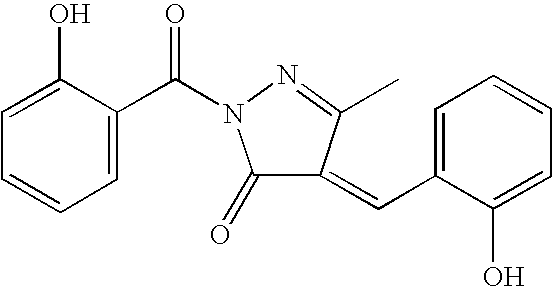
322 6 2 5 2.75 (3.47) 90.9 0.06 SC27 
322 6 2 5 2.75 (3.47) 90.9 0.06 SC28 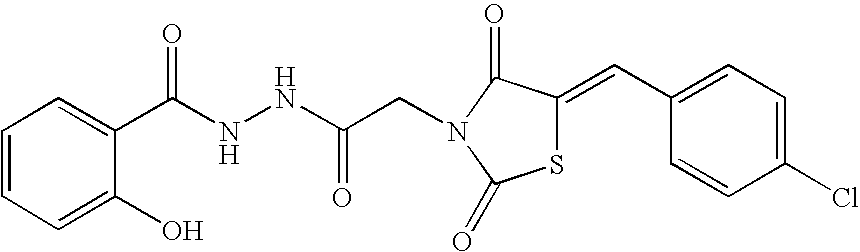
431 8 3 8 2.96 (2.66) 118.9 10 ± 2 SC29 
464 7 2 6 3.84 (2.75) 98.17 7 ± 2 SC30 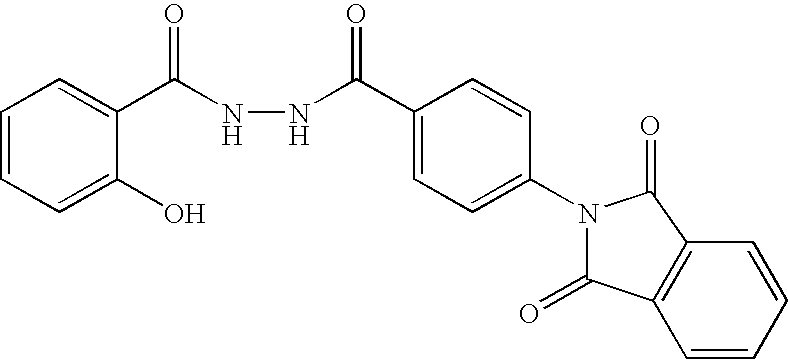
401 8 3 7 2.83 (2.45) 118.99 6.5 ± 1 SC31 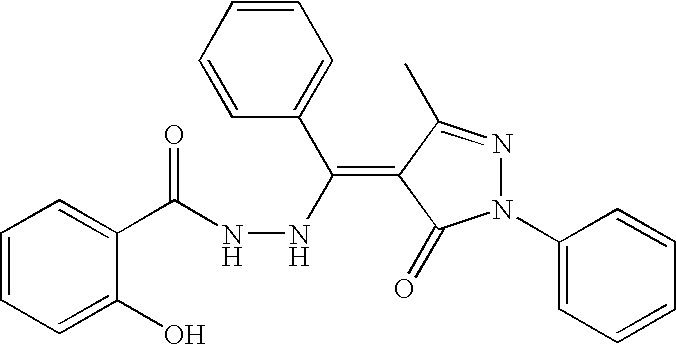
412 7 3 7 3.02 (4.14) 95.71 10 ± 2 SC32 
320 6 2 5 1.54 (3.16) 74.89 2 ± 1 SC33 
282 5 3 7 1.97 (2.86 ) 81.03 20 ± 2 SC34 
370 6 3 8 3.01 (3.72) 89.9 20 ± 2 SC35 
383 9 2 6 1.77 (2.30) 138.20 12 ± 2 SC36 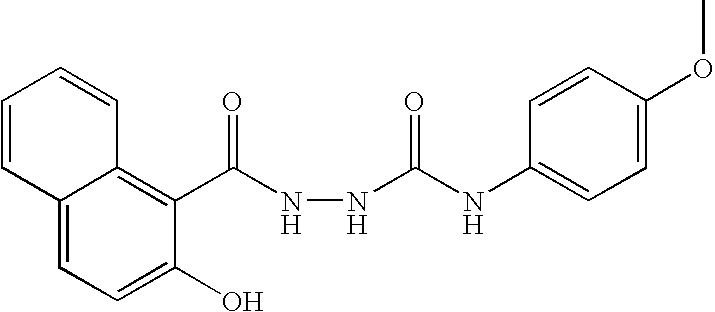
365 7 4 9 2.75 (3.60) 102.77 20 ± 2 SCS7 
447 6 3 8 3.33 (2.10) 101.69 15 ± 3 - All 18 compounds showed IC50 values ≦20 umol/L in either CEM or HEY cells. The range of activity varied >300-fold, with SC26 and SC27 being the most potent (IC50=0.06 umol/L) and SC33, SC34, and SC36 the least potent (IC50=20 umol/L).
- From the original studies of Palm et al. ((1998) J. Med. Chem. 41:5382-92, (1997) Pharm. Res. 14:568-71, and (1996) J. Pharm. Sci. 85:32-9) with a small number of compounds and the more recent studies by Kelder et al. ((1999) Pharm. Res. 16:1514-9) with 1,590 orally administered drugs, it was recommended that a maximum polar surface area value of ˜120 Angstrom2 be for compounds intended to be orally absorbed by passive diffusion. Therefore, compounds with a polar surface area >140 Angstrom2 would tend to show poor (<10%) absorption, whereas compounds with polar surface area <60 Angstrom2 could be predicted to show complete (>90%) absorption. Several variants of polar surface area calculations such as dynamic, topological, and fast polar surface area are incorporated in various software packages (Clark and Grootenhuis (2003) Curr. Top. Med. Chem. 3:1193-203). We used fast polar surface area plots to predict absorption as described (Egan et al. (2000) J. Med. Chem. 43:3867-77 and Egan and Lauri (2002) Adv. Drug Deliv. Rev. 54:273-89) and the data are presented in
FIG. 15 . Compounds that fall in the area shown by the 95% confidence ellipse are expected to have favorable absorption and oral bioavailability. All compounds showed fast polar surface areas of <140 Angstrom2 and log P value of <5. Therefore, no obvious violations were observed using either the 99% confidence ellipse (outer ellipse) or 95% confidence ellipse (inner ellipse;FIG. 1 ). - SC21 and SC23 Show Remarkable Potency against a Panel of Hormone-Dependent and -Independent Cell Lines
- Although many of our original 950 compounds showed favorable calculated physicochemical properties, the 18 compounds presented in Table 5 were among the most potent in our initial screen. On the basis of subsequent testing against drug-resistant cell lines, we selected SC21 and SC23 for further evaluation. The sensitivity of a panel of seven human cancer cell lines to SC21 and SC23 was assessed by a 3-(4,5-dimethylthiazol-2-yl)-2,5-diphenyltetrazolium bromide-assay. Both drugs exhibit a high potency in this panel of cancer cell lines from different tumor origins (Table 6) and exhibited a time- and dose-dependent growth-inhibitory effect (
FIG. 16 ). Thus, in vitro cell death increased with increasing concentrations and exposure time of SC21 and SC23. -
TABLE 6 Sensitivity of breast, ovarian, and prostate cancer cell lines to SC21, SC23, and CPT IC50 values (mean ± SD)* Cell line Origin Hormone receptor p53 pRb p16 p21 SC21 (nmol/L) SC23 (nmol/L) CPT (nmol/L) PC3 prostate AR− null WT WT WT 3,250 ± 106 2,000 ± 500 900 ± 210 DU145 prostate AR− Mut null Mut Mut 120 ± 50 50 ± 19 25 ± 7 LNCaP prostate AR+ WT WT WT WT 200 ± 70 850 ± 200 25 ± 6 HEY ovarian AR+ WT ND WT ND 400 ± 60 2,350 ± 212 35 ± 7 MCP-7 breast ER+ WT WT WT WT 40 ± 7 280 ± 35 30 ± 3 MDA-MB-435 breast ER− Mut WT WT WT 35 ± 7 240 ± 28 27 ± 2 MDA-MB-468 breast ER− Mut null ND WT 200 ± 2 50 ± 14 100 ± 2 Abbreviations: AR, androgen receptor; ER, estrogen receptor; WT, wild-type; Mut, mutated; ND, not determined. *Cytotoxic concentration (IC50) is defined as drug concentration causing a 50% decrease in cell population. - The activity of both agents was remarkable in prostate cancer cell lines with the exception of PC3 cells, which seemed to be the least sensitive cell line to SC21 and SC23 (IC50 value 3.2±0.2 and 2.0±0.5 umol/L, respectively). The difference in sensitivity to these agents may be independent of the status of androgen receptor (mutated in PC3 and DU145), p53 (null in PC3, mutated in DU145 and wild-type in LNCaP), p21 (mutated in DU145), or p16 (mutated in DU145; Table 6). Interestingly, SC23 exhibits a high potency in pRb-mutated cell lines (DU145 and MDAMB468).
- SC21 and SC23 also showed remarkable potency in the three breast cancer cell lines irrespective of estrogen receptor (ER+ in MCF-7 and MDA-MB-435) and p53 status (mutated in MDA-MB-435 and MDA-MB-468). The activity of SC21 in ovarian tumor-derived cell line HEY was also remarkable considering that this cell line seemed to be practically resistant to cisplatin, the most commonly used drug in ovarian cancer (Buick et al. (1985) Cancer Res. 45:3668-76 and Hamaguchi et al. (1993) Cancer Res. 53:5225-32). This cell line however seemed to be the least sensitive to SC23.
- Cell cycle perturbations induced by SC21 were examined in DU145 and PC3 prostate cancer cells as well as in highly metastatic MDA-MB-435 breast cancer cells and cisplatinresistant HEY ovarian cancer cells. The analysis of DNA profiles by flow cytometry indicated that SC21 induced cell cycle arrest in G0/G1 phase in DU145 (
FIG. 17 ). At 72 hours of exposure to SC21, 65% of the cells were still retained in G0/G1 phase compared with 46% in controls. The observed increment in G0/G1 was accompanied by a decrease in the number of cells in S and G2-M phases. Similar effects were obtained on asynchronous breast cancer MDA-MB-435 cells (FIG. 17 ). - It was noteworthy that SC21 induced S phase arrest in PC3 and HEY cell lines (
FIG. 17 ). SC21 treatment for 72 hours resulted in 52% and 69% accumulation in S phase in PC3 and HEY cells, respectively. The effect observed on both cell lines was comparable to the arrest induced by CPT. - The maximum arrest in MDA-MB-435 and PC3 cells was observed at 48 hours of SC21 treatment, which was sustained up to 72 hours. This property of SC21 to induce cell cycle arrest makes it an ideal agent for combination with drugs acting at different stages of cell cycle, such as taxanes.
- SC21 and CPT-induced apoptosis was measured by flow cytometry (
FIG. 18 ). SC21 at an IC80 dose for 72 hours induced 12% to 15% apoptosis as measured by calculating sub-G0/G1 population. CPT resulted in 30% apoptosis under similar conditions (FIG. 18 ). An early event in apoptotic cell death is the translocation of the phosphatidyl-serine residues to the outer region of the cell membrane. This event precedes nuclear breakdown, DNA fragmentation, the appearance of most apoptosis-associated molecules, and is readily measured by annexin V binding assay. By this method, we compared SC21 with CPT. As shown inFIG. 19 , the percentage of early plus late apoptotic cells reached 72% and 59% after 72 hours exposure to SC21 and CPT, respectively. - The in vivo efficacy of SC21 was evaluated in nude mice inoculated with human prostate PC3 cells. A schematic outline of the experimental procedure is shown in
FIG. 10A . Animals were treated with daily i.p. injections of saline (controls) and SC21 at 0.3 or 3 mg/kg. After 5 days of dosing, the drug treatment was discontinued and the animals were monitored biweekly for 5 weeks.FIG. 20B shows the volume (mean±SD) for SC21-treated PC3 xenografts over time. SC21 significantly reduced tumor burden in prostate xenografts (FIG. 20C ) without apparent toxicity. Treatment with SC21 was well-tolerated and did not result in any drug-related deaths and changes in body weight. The untreated control mice had an average weight of 33.2±1.45 g before the experiments and 34.3±2.79 g after the experiment. Mice treated with 0.3 mg/kg of SC21 had an average weight of 32.1±1.92 g and mice treated with 3.0 mg/kg of SC21 had an average weight of 33.3±1.89 g. - Using pharmacophore models to distinguish antiviral compounds from anticancer compounds, we have successfully identified a new class of leads with remarkable activity profiles both in vitro and in vivo. Two members of this new class of compounds, SC21 and SC23, were evaluated further against a range of human tumor-derived cancer cell lines. Both compounds inhibited cell growth in a time- and dose-dependent manner. The efficacy of SC21 and SC23 in prostate cancer cells was comparable to that of CPT and their cytotoxic effects may be independent of the androgen receptor, p53, p21, and p16 status. Interestingly, defects in pRb expression seemed to confer higher sensitivity to SC23 in DU145 and MDA-MB-468 cell lines. SC21 seemed to be 16- to 90-fold more potent in ER+ and ER− breast cancer cells as compared with PC3 prostate cancer cells, suggesting that this compound might be a potential candidate for the treatment of hormone receptor-positive and -negative breast cancers.
- Consistent with the effect of SC21 on cell growth inhibition, our data also show the ability of this compound to arrest cell cycle progression. This property of SC21 opens the possibility to investigate innovative combinations with other agents acting at different stages of the cell cycle, such as taxanes. Notably, the different cell lines used in the present study displayed different cell cycle perturbations following SC21 treatment. SC21 arrested DU145 and MDA-MB-435 cells in G0/G1 phase, and PC3 and HEY cells in S phase. Previously, similar observations reported with different drugs were attributed to different cell cycle checkpoint status and susceptibility to apoptosis (Zuco et al. (2003) Biochem. Pharmacol. 65:1281-94, Schiff and Horwitz (1980) Proc. Natl. Acad. Sci. USA 77:1561-5, and Lanzi et al. (2001) Prostate 48:25464.). It is well-established that p53 plays a major role on cell cycle retention in G0/G1 phase. We can conclude that the cell cycle arrest induced by SC21 in these cell lines may be independent of the p53 status (mutated in DU14S, null in PC3). Further studies using various p53 mutant and p53 null cell lines are required to better understand the role of p53 in response to SC21 treatment.
- It is known that apoptosis-signaling pathways and cellular events controlling them, have a profound effect both on cancer progression and in response to chemotherapy (Sun et al. (2004) J. Natl. Cancer Inst. 96:662-72, Assuncao Guimaraes and Linden (2004) Fur. J. Biochem. 271:1638-50, Pommier et al. (2004) Oncogene 23:293449, and Norbury and Zhivotovsky (2004) Oncogene 23:2797-808). Based on annexin V/propidium iodide staining and sub-G0/G1 fractions, it is clear that SC21 activity is mediated by apoptosis in a fashion comparable to that of CPT. SC21 also showed in vivo antitumor efficacy against PC3 tumor xenografts. Significant reduction in tumor growth was found for all doses tested. Furthermore, SC21 was well-tolerated and did not result in drug-related deaths. Finally, the fact that SC21 exhibited in vivo efficacy against the PC3 prostate cancer xenografts despite PC3 cells being the least sensitive in vitro model, clearly show its potential as a novel anticancer agent.
- In conclusion, considering their cytotoxicity profiles in a variety of in vitro systems, including different cell lines having intrinsic or acquired resistance to known drugs, and their favorable in vivo properties, salicylhydrazides seem to represent a novel class of anticancer drugs that function by a new mechanism of action. These agents could have promising therapeutic potential.
-
-
TABLE 7 50% Cytotoxic concentration (IC50) values of a series of SCs in HEY ovarian cancer cells compd Structure IC50 SC201 
2 SC202 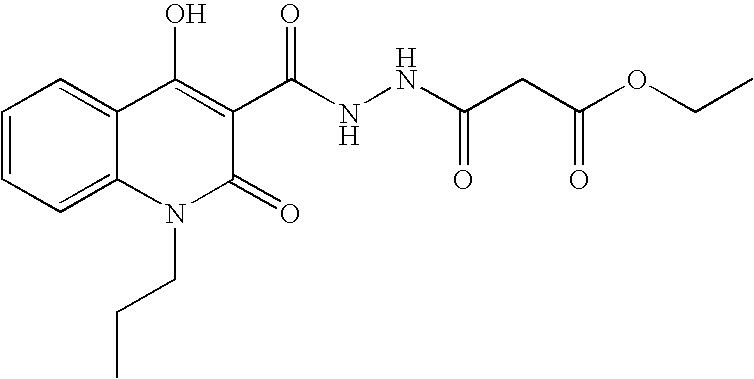
1 SC203 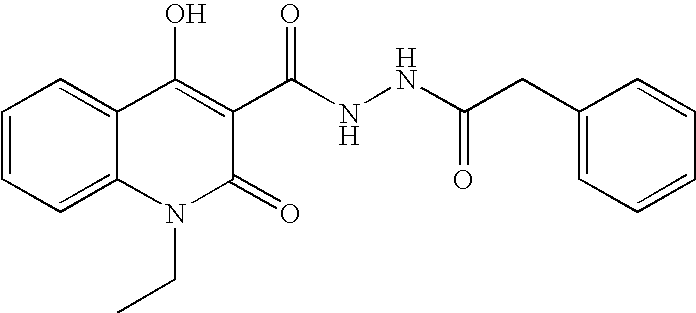
6 SC204 
1 SC205 
6 SC206 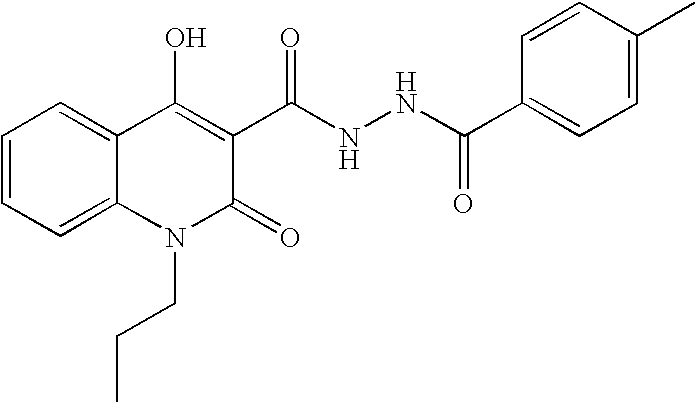
1 SC207 
6 SC208 
4 SC209 
8 SC210 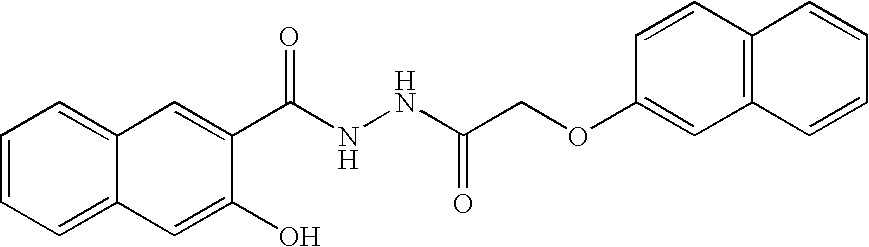
1 SC211 
10 SC212 
1 SC213 
12 SC214 
1 SC215 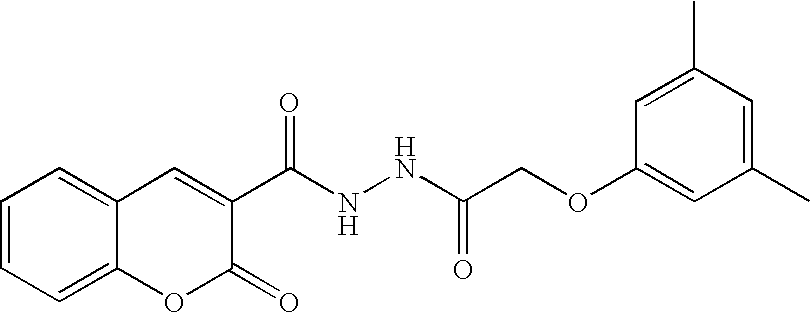
12 SC216 
5 SC217 
4 SC218 
4 SC219 
2 SC220 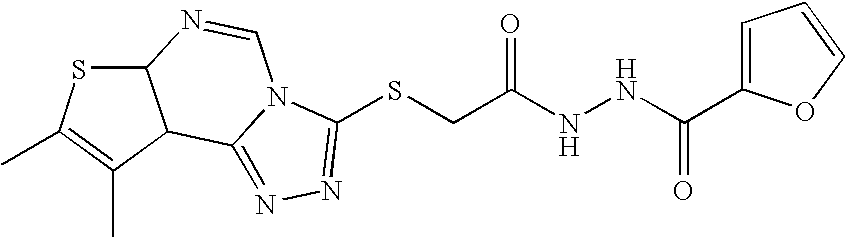
4 SC221 
4 SC222 
8 SC223 
4 SC224 
4 SC225 
2 SC226 
5 SC227 
6 SC228 
6 SC229 
8 SC230 
3 SC231 
3 SC232 
6 SC233 
5 SC234 
8 SC235 
7 SC236 
2 SC237 
7 SC238 
3 SC239 
3 SC240 
5 SC241 
5 S0242 
5 SC243 
6 SC244 
15 SC245 
15 SC246 
1 SC247 
14 SC248 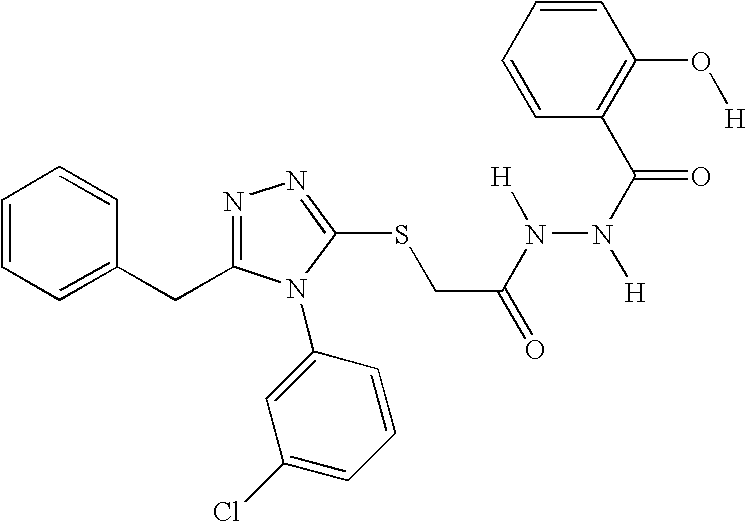
2 SC249 
2 SC250 
2 SC251 
15 SC252 
16 SC253 
12 SC254 
17 SC255 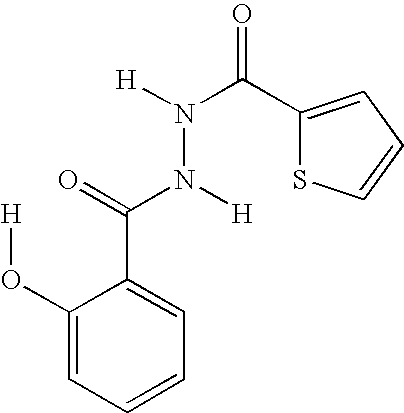
14 SC256 
3 SC257 
2 SC258 
2 SC259 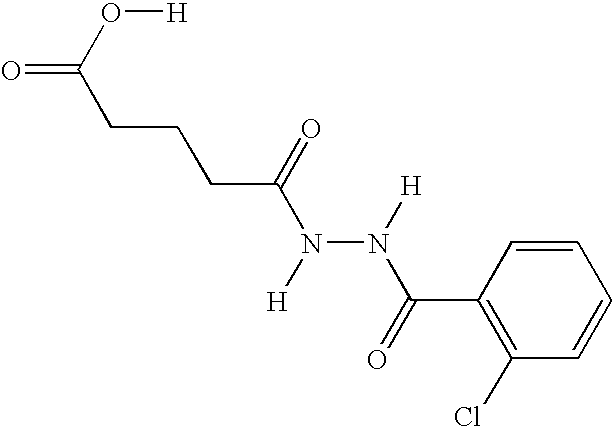
18 SC260 
10 SC261 
11 SC262 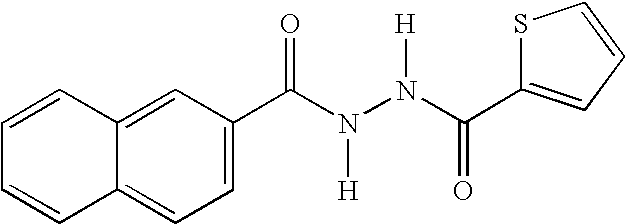
11 SC263 
5 SC264 
5 SC265 
5 SC266 
7 SC268 
10 SC270 
5 SC271 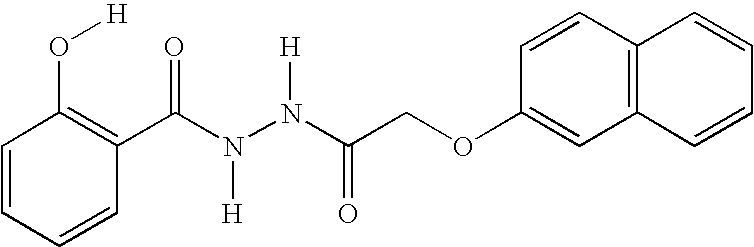
6 SC272 
7 SC273 
11 SC274 
11 SC275 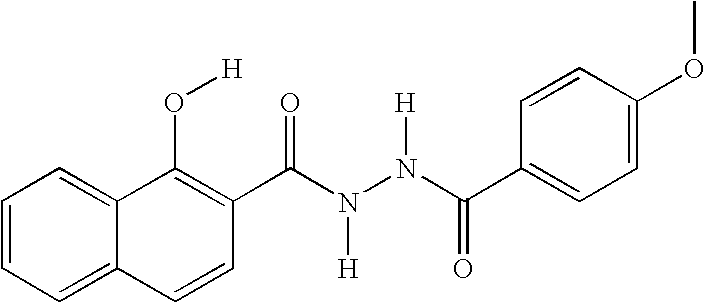
12 SC276 
13 SC277 
14 SC278 
13 SC279 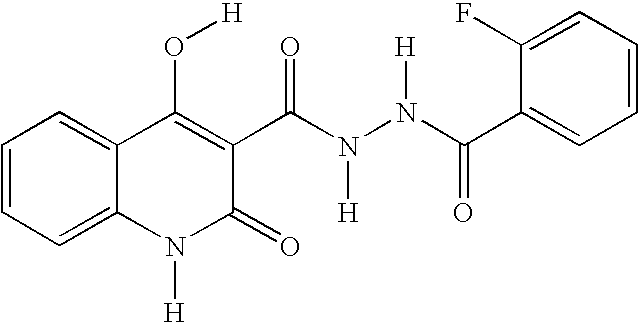
6 SC280 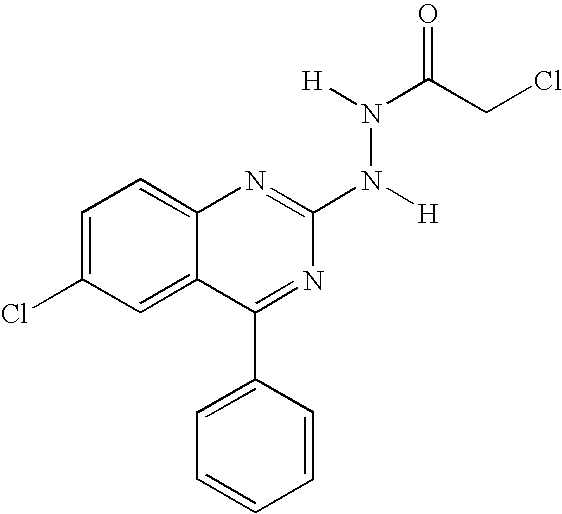
6 - Subsequent confirmation of the potency of SC23 against a panel of cells resistant to known drugs prompted us to investigate its mechanism of action. As a new chemical entity, SC23 is very promising for development because of its potency, selectivity, and novelty based on chemical structure and biological activities.
- Mechanistic Studies. Our preliminary results show that SC23 arrests cells in G0/G1 and induces apoptosis. To gain further insight into the molecular mechanisms) involved in the cytotoxicity induced by SC23, we next evaluated the expression of a panel of genes involved in cell cycle regulation, apoptosis and tumor progression (Table 8 and
FIG. 22 ) using StaRT-PCR. -
TABLE 8 SC23-Induced Expression of Selected Genes Important in Cell-cycle, Apoptosis, and Proliferation Gene Control 3 hours 6 hours 12 hours 24 hours 48 hours BCL2 182.72 152.37 121.2 122.24 35.99 22.29 BCL2L1 20925.99 9449.42 10428.62 23160.22 30504.02 21299.99 JUN 2499.15 1846.15 4168.04 5419.7 8677.27 9510.55 JUNB NRa NR NR NR NR NR MAD 448.91 496.75 763.05 7122.48 13204.24 12999.27 MAX NR NR NR NR NR NR TNFRSF1A 26.59 15.56 20.58 107.17 26.61 21.29 TP53 1950.14 567.53 1005.63 1663.37 4238.06 2821 NFKB1 4859.08 2694.24 3274.07 6131.17 16919.99 26524.38 TNFSF10 3328.29 82.86 532.07 288.01 151.09 79.65 CASP1 496.95 68.36 80.87 113.28 142.49 184.55 PCNA 11012.48 8574.58 6433.1 5756.09 12795.59 6913.72 TNFAIP1 3865.15 4737.75 7127.73 22572.81 39858.96 49955.6 DAP 18155.74 9037.57 12572.87 38087.74 56353.65 70325.95 KDR NR NR NR NR NR NR MAP3K14 25.78 55.57 68.69 158.89 143.47 720.55 CCNA2 160.4 126.84 348.88 211.27 241.1 137.61 CDC2 1863 2365.6 1650.84 1566.64 2054.95 497.44 CDK7 2690.33 1068.25 778.75 2551.62 9983.36 19212.16 CDK8 668.56 412.64 354.76 605.61 1706.26 3052.4 CDKN1A 15.07 11.42 27.06 129.69 225.4 288.56 CDKN1B 112.64 72.37 390.76 310.81 2092.37 414.6 CDKN2A 8786.98 415.63 5611.87 403.27 163.48 3382.09 CDKN2C 439 458.41 781.31 770.42 904.8 650.26 E2F1 NR NR NR NR NR NR E2F4 7513.16 7540.97 1285.78 1673.69 1582.79 3738.46 E2F5 618.18 268.09 243.27 486.8 1178.84 2144.23 MYC 3311.86 974.69 2650.11 5205.65 11117.04 8944.84 RB1 9989.91 7076.29 5973.3 3301.83 5935.72 6552.57 RBL2 6254.58 1287.91 2112.09 2698.44 8604.92 11571.33 CCND3 245.98 195.17 175.1 137.33 404.3 641.75 CCNG1 31936.56 2956.79 6161.69 9794.14 17499.15 25388.52 CCNE1 106.85 51.36 33.08 48.10 47.28 146.61 CDC25C 519.06 394.83 606.06 779.22 326.46 68.37 TGFBR2 3697.83 1420.02 2582.67 6799.19 15367.23 5072 TGIF 22071.87 3112.84 8002.87 13858.11 15445.36 19849.69 TRAF4 93.2 69.06 91.86 222.84 242.44 298.28 CYP1A2 17.14 59.45 10 69 36.62 37.48 PTGS2 69.22 82.69 157.43 2138.52 19413.37 26516.88 T24 bladder cancer cell lines were treated with SC23 for indicated time and samples were analyzed by StaRT-PCR. aNR, no results. - StaRT-PCR™ (Standardized Reverse Transcription Polymerase Chain Reaction). First described by Willey et al. ((2004) Methods Mol. Biol. 258:13-41), this technique uses standardized mixtures of competitive templates (CT) as internal standards in generating valid and reproducible numerical gene expression data for multiple genes. After the mRNA was converted to cDNA, the cDNA was mixed with a proprietary Standardized Mixture of Internal Standards™ (SMIS™, GeneExpress, Inc.). In the standard mixture, there is an internal standard CT for each gene to be measured as well as one for a reference gene. (i.e., β-actin, GAPDH). The amplicons produced by StaRT-PCR™ was then separated on capillary electrophoresis. The amount of internal standard CT or NT amplimer was determined by measuring each peak area. All data were then reported as number of molecules of mRNA for gene of interest per 106 molecules of reference gene (normalizer gene). Serial dilutions of the SMIS™ allow quantitative measurements over 7 log range of gene expression observed in cells from <10 to 107 molecules/106 molecules reference gene. Data presented in Table 8 are number of copies that have been normalized against 106 molecule of β-actin.
- Modulation of Genes Involved in Cell Cycle Regulation and Cell Proliferation. Because SC23 induced G0/G1 arrest, initially we were interested in cell cycle genes. Therefore, we studied the changes in expression of key genes involved in cell-cycle regulation by SC23 using StaRT PCR. It is well established that in response to genotoxic damage, p53 is up-regulated resulting in arrest of cells in G0/G1, activating the repair of the DNA or driving cells to apoptosis when the injury can not be repaired. P53 arrest is mediated the activation of p21 and p27 (
FIG. 21 ). p21 and p27 are members of the Cip1/Kip1 family of cyclin-dependent kinase inhibitors (CDKi). Together with another family of CDKi's, the INK4 (16, p15, p18 and p19), they inhibit the activity of the cyclin/cyclin-dependent kinases (CDKi) complexes. This inhibition causes the hypophosphorylation of the retinoblastoma protein (Rb), preventing the release of the transcription factor E2F and inhibiting transcription of cell proliferation-associated genes. - The SC23-induced G1 arrest correlated with the upregulation of p21 and p27. Treatment with SC23 induced a downregulation in the expression of cyclin A and cdk1 coincident with the overexpression of p53. These data correlate with the G1 retention in SC23 treated cells. The expression of p16 was undetectable as expected because T24 cells are p16 deficient cells due to a promoter hypermethylation. Although no difference was seen in p18 expression, SC23 induced an upregulation of the expression of cdk7 and cdk8, two kinases involved in early S-phase.
- The expression of cyclin E, cyclin D3 and cyclin G1 was slightly increased. The overexpression of some of these cyclins coincides with the increased expression of MYC (
FIG. 22 ). Cdc25 was downregulated in SC23 treated cells. PCNA however remained unaltered. - Transcription factors E2F1, E2F4 and E2F5 are considered downstream mediators of p16INK-pRB pathway. Our data revealed an upregulation of Rb-like protein 2 (also known as p130), as well as E2F5 transcription factor upon exposure of SC23 (
FIG. 22 ). SC23 induced the expression of E2F5 but reduced E2F4 expression. These data suggest that E2F4 inhibition could be related with the profound G1-phase arrest induced by SC23 in T24 cells. The regulation of the expression of these E2F factors reflects the importance of p107- and p103-binding receptor complexes in mediating the cell cycle arrest observed in SC23-treated T24 cells. These data also suggest that dissociation of E2F4 from pRB family proteins could play a role in the SC23-induced cytotoxicity (FIG. 23 ). Further studies are required to confirm this hypothesis. - The upregulation of the expression of NFKB observed, correlated with the overexpression of other genes such as proliferation genes (cyclin D3 and c-MYC), immune genes (such as COX2) or anti-apoptotic genes (Bcl-XL).
- Modulation of genes involved in apoptosis. In the present work, we also evaluated the expression pattern of key genes known to regulate apoptosis. SC23 induced the expression of annexin V gene, data that correlate with the flow cytometric analysis. SC23 induced the downregulation of this pro-apoptotic gene. Bcl2L1 (including Bcl-XL and Bcl-XS members) expression, however, was not substantially altered in SC23 treated cells compared to corresponding untreated control cells (
FIGS. 21 and 22 , Table 8). - SC23 also demonstrated an effect on apoptosis pathway through the upregulation of MAD, TNF-α (TNFAIP1), JUN, MAP3K14, NFKB, annexin V, and DAP genes. SC23 also induced a significant downregulation of
caspase 1 and TNF receptor, as well as the downregulation of Bcl2 implying that apoptosis mediated by SC23 is linked to an oxidative stress where the mitochondria play a central role (FIGS. 21 and 22 , Table 8). - Mode of Action. To investigate the probable mode of action of SC23, we applied gene expression profiling, using the 57,000-probe set U113+2 expression array (Affymetrix) to compare expression with and without drug treatment. Expression values were truncated below 10, and log transformed. Initial filtering removed all genes that had expression values less than 50 in more than 10% of samples: below this threshold, there is substantial “noise” in the estimates and many genes showing such low values are probably not expressed at all. By allowing 10% to be very low expressers, for a given gene, we allowed inclusion of those genes that were unexpressed in just a single group (such as the control group). Data reproducibility was confirmed by observation of high correlations between duplicate experiments (
FIG. 24 ). Five drugs of known mechanism of action were also studied, to serve as positive controls. - These data were analyzed using Genetrix software package in a number of ways as described below to provide clues as to the most probable mode of action of SC23.
- Scatter Plot. At the simplest level, we examined the correlation of SC23 expression with each of the positive controls (
FIG. 25 ), overall (FIG. 25A ) and restricted to genes that were altered at least five fold following exposure to any one drug (FIG. 25B ). The closest relationship was with taxol (correlation, r=0.96), compared to mitoxantrone (r=0.84), CPT (r=0.80), etoposide (r=0.72), and 5FU (r=0.93). - Examination of Genes with Marked Changes in Expression. We next examined the genes up-regulated at least 5-fold following SC23 treatment (Table 9). Of particular interest are the first three genes, microtubule-associated
protein 4, microtubule affinity-regulatingkinase kinases -
TABLE 9 List of Selected Genes Significantly Upregulated in Response to SC23 Treatment Code Gene Code Gene 4134 Microtubule-associated protein 83855 Kruppel-like factor 16 4 2011 microtubule affinity-regulating 80830 Apolipoprotein L, 6 kinase 2 57787 microtubule affinity-regulating 7517 X-ray repair complementing kinase 4 defective repair 10766 Transducer of ERBB2 5595 Mitogen-activated protein kinase 3 7423 Vascular endothelial growth 55361 Phosphatidylinositol 4-kinase type II factor B 7422 Vascular endothelial growth 6300 Mitogen-activated protein kinase 12 factor 51281 Ankyrin repeat and MYND 5563 Protein kinase, AMP-activated, domain containing 1 alpha 2 catalytic subunit 53916 RAB4B, member RAS 55066 Pyruvate dehydrogenase oncogene family phosphatase regulatory subunit 7991 Putative prostate cancer tumor 23646 Phospholipase D3 suppressor 5089 Pre-B-cell leukemia 3710 Inositol 1,4,5-triphosphate receptor, transcription factor 2 type 3 6988 T-cell leukemia translocation 5914 Retinoic acid receptor, alpha altered gene 3976 Leukemia inhibitory factor 84957 Tumor necrosis factor receptor superfamily 26145 Interferon regulatory factor 2 2026 Enolase 2, (gamma, neuronal) binding protein 3669 Interferon stimulated gene 8614 Stanniocalcin 2 20kDa 3460 Interferon gamma receptor 2 8862 Apelin 64108 28kD interferon responsive 23654 Plexin B2 protein 11128 Polymerase (RNA) III 1522 Cathepsin Z 85441 Peroxisomal proliferator- 8347 Histone 1, H2bc activated receptor A interacting complex 285 10111 RAD50 homolog (S. cerevisiae) 8357 Histone 1, H3h 83463 MAX dimerization protein 3 - We also examined the overlap in genes up-regulated in response to SC23, taxol and 5FU. There were 175 genes in common among the three compounds (
FIG. 26 ), with 29 genes common to taxol and SC23, 10 genes in common between SC23 and 5-FU, and 31 genes in common between taxol and 5-FU. - Clustering. Genes that found to be 5-fold upregulated following treatment (N=1147) with any one of the six drugs were used as the basis for a principal components and a hierarchical clustering analysis to examine where SC23 clustered relative to the other five drugs. The principal components analysis of these genes for all the observations showed that the duplicates tended to cluster relatively close together with the two topoisomerase II inhibitors forming one group, the other known drugs forming a second and SC23 clustered with taxol (
FIG. 27 ). A similar pattern was apparent in the hierarchical clustering, which again identified taxol as the nearest neighbor to SC23 with respect to changes in gene expression. - In summary, our gene expression analysis suggests a mechanism for SC23 analogous to taxol, even though the two compounds are structurally distinct and arrest cells at different stages of cell cycle.
- Proteomic Analysis
- SC23-Treated Cells Upregulate a Variety of Proteins in the Molecular Weight Range of 8-58 kDa. Comparisons of total protein extracts of SC23 treated and untreated T24 cells on SDS-PAGE gels revealed the complexity of the protein content and a clear up-regulation of certain proteins in the molecular weight range of 8-58 KDa (
FIG. 28 ). 2DE was then used to separate these proteins (FIG. 29 ). As above, treatment with SC23 led to a significant up-regulation of many proteins. Similar analysis was carried out for DU145 cells treated with SC23. - All the 2D gels were then quantified with PDQuest (BioRad) and approximately 125 spots were identified that significantly changed (>2 fold) compared to untreated samples. A representative section of a gel is shown in
FIG. 30 . Proteins identified from the spots shown inFIG. 30 are β-tubulin, myc promoter-binding protein (MPB-1), retinoblastoma-bindingprotein 7, vimentin, enolase, phosphopyruvate hydratase beta, mitochondrial ATP synthase beta chain. - Representative tandem MS analyses of four proteins isolated from 2-D gel electrophoresis analysis of SC23 treated cells are shown in
FIG. 31 . Briefly, the CyproRuby stained gel spots were dissected from the gel and subjected to in-gel trypsin digestion. At the end of digestion, the peptides from the trypsin-digested gel spots were then extracted and analyzed by a Thermofinnigan LTQ linear ion trap mass spectrometer in collaboration with Dr. Austin Yang here at the University of Southern California. Tandem MS/MS spectra were acquired with Xcalibur 1.4 software. A full MS scan was followed by three consecutive MS/MS scans of the top three ion peaks from the preceding full scan. Dynamic exclusion was enabled—after three occurrences of an ion within 1 min., the ion was placed on the exclusion list for 3 min. Other mass spectrometric data generation parameters were as follows:collision energy 35%, full scan MS mass range 400-1800 m/z,minimum MS signal 5×10⁴ counts, minimum MS/MS signal 5×10³ counts. Peptides were loaded onto a Michrom Bioresources peptide cap trap at 95% solvent A (2% acetonitrile, 1.0% formic acid) and 5% solvent B (95% acetonitrile, 1.0% formic acid) and then eluted with a linear gradient from 5-90% solvent B. The mass spectrometer was equipped with a nanospray ion source (Thermo Electron) using an uncoated 10 μm-ID SilicaTip™ PicoTip™ nanospray emitter (New Objective, Woburn, Mass.). The spray voltage of the mass spectrometer was 1.9 kV and the heated capillary temperature was 180° C. - At the end of LC/MS/MS analysis, tandem mass spectra were analyzed using Bioworks 3.1, Beta-test site version from ThermoFinnigan, utilizing the SEQUEST™ algorithm to determine cross-correlation scores between acquired spectra and an NCBI mouse protein FASTA database. The following parameters were used for the TurboSEQUEST search analyses: no enzyme will be chosen for the protease as not all proteins are digested to completion; molecular weight range: 400-4500; threshold: 1000; monoisotopic; precursor mass: 1.4; group scan: 10; minimum ion count: 20; charge state: auto; peptide: 1.5; fragment ions: 0; and differential amino acid modifications: Cys 57.0520. Results were filtered using SEQUEST cross-correlation scores greater than 1.5 for +1 ions, 2.0 for +2 ions, and 2.5 for +3 ions.
FIG. 31 shows the MS/MS spectrum of β-tubulin peptide (EVDEQMLNVQNK) and myc promoter-binding protein (MPB-1) peptide (VNQIGSVTESLQACK). In general we were able to identity most of the proteins with more than 40% sequence coverage. The spots that did not show good peptide coverage either due to insufficient amount of sample, low protein abundance, or lack of reliable fragment were not explored further. - In summary, we were able to separate a series of proteins that were significantly changed in response to SC23 treatment. Among the several spots that were at least 4-fold overexpressed was μ-tubulin, which is related to the top three genes identified from our microarray analysis as described above.
- Recently, we discovered a novel class of anticancer compounds with remarkable potency in a panel of cancer cell lines. A prototype compound, SC144, showed significant in vivo efficacy in mice xenograft models of human breast cancer cells. Herein, we report on a new synthetic route to SC144 and the synthesis of several of its analogues in order to understand required features for activity. A one-step coupling of 7-fluoro-4-chloropyrrolo[1,2-a]quinoxaline with pyrazin-2-carbohydrazide improved the yield significantly. Although several of the analogues showed significant activities, modification of the heteroacyl moiety had a dramatic effect on potency.
- Recent advances in targeted therapeutics coupled with new approaches in target identification have accelerated the need to design small-molecule compounds with drug-like properties.1 Such molecules normally satisfy the Lipinski's rule-of-five and should preferably be active orally.2,3 For targeted therapeutics against cancer, identification of lead compounds with novel mechanisms of action, low toxicity, and enhanced activity profiles is of paramount importance. Previously, we discovered that some of our small-molecule HIV-1 integrase inhibitors exhibited remarkable cytotoxicity, which prompted us to seek to understand their pharmacological properties.4 Although HIV-1 integrase has no cellular homologue, its inhibitors may, however, inhibit other enzymes with similar active site chemistry.5 Our extensive modifications of some of those original leads4 resulted in the discovery of a very promising analogue, SC144, with desirable drug-like properties.6 Although the elucidation of the mechanism of action of these compounds is under active investigation in our laboratory, we were interested in developing a coherent structure-activity relationship amongst these novel compounds. Therefore, in an effort to understand important features for the remarkable antitumor activity of SC144, we prepared a series of novel analogues to understand the effect of substitution on the 2-carbohydrazide moiety.
- The synthesis of compounds designated as SC153-159 has been accomplished starting from the commercially available 1-(2-aminophenyl)
pyrrole 1.Compound 1 was treated with triphosgene in toluene under reflux to give 2 in quantitative yield. The lactam obtained was subsequently transformed into 4-chloro-1H-pyrrolo[1,2-a]quinoxaline 3 by treatment with phosphoryl chloride. Reaction of 3 with hydrazine monohydrate in DMF afforded 1-(H-pyrrolo[1,2-a]quinoxalin-4-yl)hydrazine 4. The hydrazine derivative was reacted with the appropriate carboxylic acid in the presence of EDC/DMAP to give S155-159 (Scheme 6). The preparation of SC153 and SC154 was accomplished by a condensation step, using a procedure identical to that described for the preceding compounds but using the appropriate N-Boc-aminoacid, followed by a deprotection step by treatment with trifluoroacetic acid and anisole (Scheme 6). - Compounds SC144 and SC160′-166′ were prepared by reacting an appropriate chloro derivative of 5 with hydrazine monohydrate to give pure fluoro-4-hydrazinopyrrolo[1,2-a]
quinoxalines 6. The subsequent N-acylation step with selected commercially available carboxylic acids was performed using 2,20-dipyridyldisulfide and triphenylphosphine as a condensing system.6 A more convenient approach for the synthesis of SC144 and SC160′-166′ (as hydrochloride salts) was discovered by direct reaction of chloro derivatives of 5 with acylhydrazides in ethanol under reflux (Scheme 7).7 Acylhydrazides were prepared by the reaction of specific methyl carboxylates with hydrazine monohydrate in refluxing ethanol.8 - All new compounds were tested in four human cancer cell lines, a breast cancer cell, MDA-MB-435, and three colon cancer cells. Compound SC153 was moderately active against colon cancer lines and inactive against the breast cancer line. All other indole analogues (SC154SC159) were inactive at 20 uM. In the pyridino and pyrazino derivatives, the position of the nitrogen atom on the ring appeared to be important for activity. For example, SC160′ and SC162′ were inactive, whereas SC161′ was highly active in all cell lines (
FIG. 32 ). In all the cell lines we tested, SC161′, with IC50 values that range from 0.3 to 4 uM, was more potent than the previously described SC144.6 Interestingly, in colony formation assays at doses above 1 uM, SC161′ completely abolished cell growth (FIG. 32 ). All compounds satisfy Lipinski's rule-of-five3 as calculated using ADMET Predictor™ (Simulations Plus Inc.) (Table 10). For example, SC161′ has a molecular weight of 322.3 (MW<500), calculated log P of 1.82 (clog P<5), two hydrogen bond donors (HBD<5), and six hydrogen bond acceptors (HBA<10). In addition, SC161′, with only three rotatable bonds, is very compact. The predicted acidic and basic pKa values are also listed in Table 10. Compound SC166′ with IC50 values of 8-15 uM was also active, but significantly less so than SC161′. In summary, while the substitution at the 2-carbohydrazide moiety had a profound effect on activity, the position of the fluorine atom on the benzo fused ring of pyrroloquinoxaline did not seem to greatly influence activity. -
TABLE 10 Cytotoxicity and physicochemical properties of quinoxalinhydrazides IC50 a (μM) Compound R R1 MDA-MB-435 HCT 116 p53+/+ HCT 116 p53−/− HT 29 SC153 
>20 15 ± 3 10 ± 2 14 ± 1 SC154 
>20 >20 >20 >20 SC155 
>20 >20 >20 >20 SC156 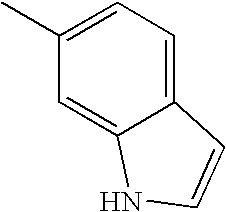
>20 >20 >20 >20 SC157 
>20 >20 >20 >20 SC158 
>20 >20 >20 >20 SC159 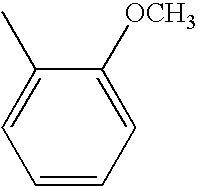
>20 >20 >20 >20 Selected physicochemical propertiesb Compound MW Acid-pred pKa Basic-pred pKa S+ log P N_FrRotB HDB HBA SC153 313.4 10.31 6.17, 3.71, −1.06, −3.85 1.21 4 3 5 SC154 269.3 10.4 8.54, 4.14, −0.81, −3.78 0.71 5 3 5 SC155 341.4 9.48; 11.93 4.15, 1.54, −1.19, −3.94 3.21 3 3 4 SC156 341.4 9.86; 14.18 4.13, 1.59, −0.69, −3.77 3.20 3 3 4 SC157 341.4 9.87; 14.50 4.17, 2.05, −0.59, −3.64 3.18 3 3 4 SC158 341.4 9.75; 12.75 4.21, 2.11, −0.90, −3.80 3.19 3 3 4 SC159 332.3 9.69 3.92, −1.10, −4.17 3.18 4 3 5 IC50 (μM) Compound R1 R2 R3 MDA-MB-435 HCT 116 p53+/+ HCT 116 p53−/− HT 29 hLN-CnP SC160 F H 
>20 >20 >20 17 >20 SC161 H F 
3 ± 2 0.4 ± 0.01 0.3 ± 0.07 0.3 ± 0.06 0.4 SC163 F H 
>20 >20 >20 >20 NT* SC164 F H 
>20 >20 >20 >20 NT SC165 F H 
>20 >20 >20 >20 NT SC166 F H 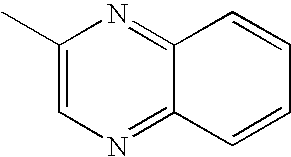
15 ± 1 8 ± 1 11 ± 1 13 ± 2 NT SC167 F H 
4 ± 0.1 0.6 ± 0.07 0.9 ± 0.04 0.9 ± 0.06 0.4 ± 0.06 Selected physicochemical properties Compound MW Acid-pred pKa Basic-pred pKa S+ log P N_FrRotB HDB HBA SC160 321.3 9.3 3.69, 0.66, −1.32, −3.58 2.50 3 2 5 SC161 322.3 9.03 3.31, 0.91, −0.97, −2.79, −5.20 1.82 3 2 6 SC163 338.3 9.24 3.59, −1.28, −3.90 3.18 3 2 4 SC164 336.2 9.52 3.68, −1.29, −3.85 3.10 3 2 4 SC165 310.3 9.27 3.49, −1.41, −4.11 2.61 3 2 5 SC166 372.3 8.9 3.55, 1.18, −0.93, −2.73, −4.88 2.83 3 2 6 SC167 322.3 9.08 3.52, 0.97, −0.95, −2.79, −5.21 1.79 3 2 6 Cytotoxic concentration (IC50) is defined as drug concentration causing a 50% decrease in cell population using MTT assay as described in the experimental section. MDA-MB-435: breast cancer cells, - All reactions were carried out under a nitrogen atmosphere. Reaction progress was monitored by TLC on silica gel plates (
Merck 60, F254, 0.2 mm). Organic solutions were dried over MgSO4. Evaporation refers to removal of solvent on a rotary evaporator under reduced pressure. Melting points were measured using a Gallenkamp apparatus and are uncorrected. IR spectra were recorded as thin films on Perkin-Elmer 398 andFT 1600 spectrophotometers. 1H NMR spectra were recorded on a Bruker 300-MHz spectrometer with TMS as an internal standard: chemical shifts are expressed in 8 values (ppm) and coupling constants (J) in Hz. Mass spectral data were determined by direct insertion at 70 eV with a VG70 spectrometer. Merck silica gel (Kieselgel 60/230-400 mesh) was used for flash chromatography columns. Elemental analyses were performed on a Perkin-Elmer 240° C. element analyzer, and the results are within ±0.4% of the theoretical values. Yields refer to purified products and are not optimized. - The preparation of 1H-indole-2-carboxylic acid N′-pyrrolo[1,2-a]quinoxalin-4-yl-hydrazide (SC155) is reported as a representative example. To a stirred solution of EDC (94 mg, 0.49 mmol) and DMAP (cat.) in ethyl acetate (15 mL), 1-(H-pyrrolo-[1,2-a]quinoxalin-4-yl)hydrazine 4 (77 mg, 0.39 mmol) and 2-indolecarboxylic acid (63 mg, 0.39 mmol) were added portionwise within 15 min. The resulting mixture was stirred at room temperature for 24 h, then shaken with sodium bicarbonate saturated solution and water. Evaporation of the dried extract gave a residue, which was crystallized to give SC155 as a white solid (82 mg, 62% yield); mp 186° C. (dichloromethane/light petroleum); IR (KBr) 3255, 1680 cm−1; 1H NMR (DMSO-d6) 6.75 (s, 1H), 7.05 (m, 1H), 7.20 (m, 4H), 7.40 (m, 3H), 7.65 (m, 1H), 8.10 (m, 1H), 8.35 (s, 1H), 9.55 (br s, 1H), 10.65 (br s, 1H), 11.80 (br s, 1H). MS (CI) m/z 342 MH+). Anal. (C20H15N5O) C, H, N.
- 3.1.1. 1H-Indole-5-carboxylic acid N′-pyrrolo[1,2-a]quinoxalin-4-yl-hydrazide (SC156).
- Following the identical procedure to that described for SC155, but using 2-indolecarboxylic acid (63 mg, 0.39 mmol), SC156 was obtained as a white solid (69 mg, 52% yield);
mp 160° C. (dichloromethane/light petroleum); IR (KBr) 3250, 1680 cm−1; 1H NMR (acetone-d6) 6.60 (d, 1H, J=3.6 Hz), 6.75 (t, 1H, J=3.6 Hz), 7.23 (d, 1H, J=3.6 Hz), 7.29 (m, 2H), 7.51 (m, 3H), 7.85 (d, 1H, J=8.5 Hz), 8.03 (m, 1H), 8.20 (m, 1H), 8.39 (s, 1H), 9.60 (br s, 1H), 10.70 (br s, 1H), 11.45 (br s, 1H). MS (CI) m/z 342 (MH+). Anal. (C20H15N5O) C, H, N. - 3.1.2. 1H-Indole-6-carboxylic acid N′-pyrrolo[1,2-a]quinoxalin-4-yl-hydrazide (SC157).
- Following a procedure identical to that described for SC155, but using 6-indolecarboxylic acid (63 mg, 0.39 mmol), SC157 was obtained as a white solid (17 mg, 13% yield); mp 198.5° C. (dichloromethane/light petroleum); IR (KBr) 3245, 1685 cm−1; 1H NMR (acetone-d6) 6.55 (m, 1H), 6.85 (m, 1H), 7.28 (m, 1H), 7.28 (m, 3H), 7.45 (m, 1H), 7.60 (d, 1H, J=8.1 Hz), 8.70 (m, 2H), 8.15 (s, 1H), 8.39 (m, 1H), 9.44 (br s, 1H), 10.55 (br s, 1H), 11.51 (br s, 1H). MS (CI) m/z 342 (MH+). Anal. (C20H15N5O) C, H, N.
- 3.1.3. 1H-Indole-3-carboxylic acid N′-pyrrolo[1,2-a]quinoxalin-4-yl-hydrazide (SC158).
- Following a procedure identical to that described for SC155, but using 3-indolecarboxylic acid (63 mg, 0.39 mmol), SC158 was obtained as a white solid (42 mg, 32% yield); mp 162.5° C. (dichloromethane/light petroleum); IR (KBr) 3250, 1685 cm−1; 1H NMR (CDCl3) 6.80 (m, 1H), 6.90 (t, 1H, J=3.3 Hz), 7.08 (d, 1H, J=3.2 Hz), 7.30-7.60 (m, 4H), 7.48 (m, 1H), 7.58 (m, 1H), 7.90 (m, 2H), 8.10 (m, 1H), 8.11 (s, 1H), 8.30 (m, 1H), 9.20 (br S, 1H), 10.25 (br s, 1H), 11.60 (br s, 1H). MS (CI) m/z 342 (MH+). Anal. (C20H15N5O) C, H, N.
- 3.1.4. 2-Methoxy-N′-(H-Pyrrolo[1,2-a]quinoxalin-4-yl)benzohydrazide (SC159).
- Following a procedure identical to that described for SC155, but using 2-methoxybenzoic acid (60 mg, 0.39 mmol), SC159 was obtained as a white solid (98 mg, 75% yield); mp 204.5° C. (dichloromethane/light petroleum); IR (KBr) 3200, 1675 cm−1; 1H NMR (DMSO-d6) 3.90 (s, 3H), 6.70 (m, 1H), 7.15 (m, 5H), 7.45 (m, 2H), 7.75 (m, 1H), 8.00 (m, 1H), 8.25 (br s, 1H), 9.75 (br s, 1H), 10.30 (br s, 1H). MS (CI) m/z 333 (MH+). Anal. (C19H16N4O2) C, H, N.
- 3.1.5. Thiazolidine-4-carboxylic acid N′-pyrrolo[1,2-a]quinoxalin-4-yl-hydrazide (SC153).
- Starting from NBoc-thiazolidine-4-carboxylic acid (90 mg, 0.39 mmol), tert-butyl-4-[(2-pyrrolo[1,2-a]quinoxalin-4-ylhydrazino) carbonyl]1,3-thiazolidine-3-carboxylate was obtained as a solid, after crystallization (hexanes). The solid obtained was added to a stirred mixture of TFA (2 mL) and anisole (2 mL) at 0° C. The reaction mixture was allowed to reach to room temperature and stirred for a further 50 min. Evaporation of the volatiles by azeotropization with toluene (3×3 mL) gave SC153 as a pale yellow solid (66 mg, 55% yield based on compound 4). Mp 162° C. (ethyl acetate/hexanes); IR (KBr) 3255, 1690 cm−1; 1H NMR (methanol-d4) 3.15 (dd, 1H, J=10.9, 4.9) 3.30 (dd, 1H, J=10.9, 7.1 Hz), 4.11 (0.5 of ABq, 1H, J=9.7 Hz), 4.25 (0.5 of ABq, 1H, J=9.7 Hz), 4.45 (dd, 1H, J=7.1, 4.9 Hz), 6.92 (m, 1H), 7.41 (m, 3H), 7.71 (d, 1H, J=7.4 Hz), 8.09 (d, 1H, J=9.3 Hz), 8.38 (m, 1H), 10.40 (br s, 1H), 11.20 (br s, 1H). MS (CI) m/z 314 (MH+). Anal. (C15H15N5OS) C, H, N.
- 3.1.6. 3-Amino-propionic acid N′-pyrrolo[1,2-a]quinoxalin-4-yl-hydrazide (SC154)
- Following a Procedure Identical to that Described for SC153, but using N-Boc-Ralanine (74 mg, 0.39 mmol), SC154 was obtained as a white solid (92 mg, 88% yield based on compound 4). Mp 164.5° C. (dichloromethane/light petroleum); IR (KBr) 3255, 1680 cm−1; 1H NMR (DMSO-d6) 2.80 (m, 2H) 3.20 (m, 2H), 7.05 (m, 1H), 7.50 (m, 2H), 7.95 (m, 2H), 8.30 (m, 1H), 8.60 (m, 1H), 10.70 (br s, 1H), 11.25 (br s, 1H). MS (CI) m/z 270 (MH+). Anal. (C14H15N5O) C, H, N.
- 3.2. General Procedure for the Preparation of Compounds SC144 and SC160′-166′ (hydrochlorides)
- The preparation of N′-(7-fluoropyrrolo[1,2-a]quinoxalin-4-yl)pyrazine-2-carbohydrazidehydrochloride (SC144.HCl) is reported as a representative example. A mixture of 7-fluoro-4-chloropyrrolo[1,2-a]quinoxaline (200 mg, 0.90 mmol) and pyrazin-2-carbohydrazide (125 mg, 0.90 mmol) in EtOH (2 mL) was refluxed for 5 h and then chilled overnight. The product was collected by filtration, washed with cold EtOH, and dried in vacuo to give pure SC144.HCl (257 mg, 80% yield). mp 282° C. (dec.) (methanol/ethyl acetate); IR (KBr) 3255, 1690 cm−1; 1H NMR (DMSO-d6) 3.75 (br s, 1H), 6.96 (m, 1H), 7.35 (t, 1H, J=8.7 Hz), 7.68 (m, 2H), 8.30 (dd, 1H, J=8.7, 4.8 Hz), 8.60 (s, 1H), 8.82 (m, 1H), 8.94 (d, 1H, J=2.7 Hz), 9.22 (s, 1H), 11.67 (br s, 1H). MS (CI) m/z 323 MH+). Anal. (C16H12ClFN6O) C, H, N.
- 3.2.1. N′-(7-Fluoropyrrolo[1,2-a]quinoxalin-4-yl)pyridine-2-carbohydrazide hydrochloride (SC160′.HCl)
- Following the same procedure described for compound SC144.HCl, but using picolinohydrazide (124 mg, 0.90 mmol), SC160′.HCl was obtained as a yellow solid (263 mg; 82% yield). mp>280° C. (dec.) (ethanol/ethyl acetate); IR (KBr) 3245, 1750 cm−1; 1H NMR (DMSO-d6) (ppm): 8.80 (dd, 2H, J=6.2, 1.4 Hz); 8.45 (m, 1H); 8.18 (dd, 1H, J=9.2, 4.9 Hz); 8.03 (d, 2H, J=6.0); 7.60 (m, 1H); 7.47 (dd, 1H, J=9.2, 2.7 Hz); 7.28 (m, 1H); 7.0 (dd, 1H J=4.2, 2.8 Hz). MS (CI) m/z 322 (MH+). Anal. (C17H13ClFN5O) C, H, N.
- 3.2.2. N′-(9-Fluoropyrrolo[12-a]quinoxalin-4-yl-pyrazine-2-carbohydrazide hydrochloride (SC161′.HCl)
- Following the same procedure described for compound SC144.HCl, but using 4-chloro-9-fluoropyrrolo[1,2-a]quinoxaline (200 mg, 0.90 mmol), SC161′.HCl was obtained as a yellow solid (303 mg; 94% yield). Mp 248° C. (dec.) (ethanol/ethyl acetate); IR (KBr) 3250, 1680 cm−1; 1H NMR (DMSO-d6) (ppm): 10.90 (br s, 1H); 9.80 (br s, 1H); 9.20 (s, 1H); 8.90 (s, 1H); 8.80 (s, 1H); 8.10 (m, 1H); 7.20 (m, 5H); 6.80 (s, 1H). MS (CI) m/z 323 (MH+). Anal. (C16H12ClFN6O) C, H, N.
- 3.2.3. N′-(7-Fluoropyrrolo[1,2-a]quinoxalin-4-yl)nicotinyl hydrazide hydrochloride (SC162′.HCl)
- Following the same procedure described for compound SC144.HCl, but using nicotinohydrazide (124 mg, 0.90 mmol), SC162′.HCl was obtained as a white solid (231 mg; 72% yield). Mp >250° C. (dec.) (ethanol/ethyl acetate); IR (KBr) 3200, 1750 cm−1; 1H NMR(DMSO-d6) (ppm): 10.90 (br s, 1H); 9.80 (br s, 1H); 9.12 (s, 1H); 8.77 (s, 1H); 8.32 (m, 2H); 8.15 (m, 1H); 7.59 (m, 1H); 7.15 (m, 2H); 6.77 (s, 1H); 4.10 (m, 2H). m/z 322 (MH+). Anal. (C17H13ClFN5O) C, H, N.
- 3.2.4. N′-(7-Fluoropyrrolo[1,2-a]quinoxalin-4-yl)20-fluorobenzoylhydrazide hydrochloride (SC163′.HCl)
- Following the same procedure described for compound SC144.HCl, but using 2-fluorobenzohydrazide (139 mg; 0.90 mmol), SC163′.HCl was obtained as a white solid (222 mg; 66% yield). Mp 247° C. (dec.) (ethanol/ethyl acetate); IR (KBr) 3250, 1675 cm−1; 1H NMR (DMSO-d6) (ppm): 10.45 (br s, 1H); 9.75 (br s, 1H); 8.30 (s, 1H); 8.15 (m, 1H), 7.80 (m, 1H); 7.60 (m, 1H); 7.35 (m, 2H); 7.20 (m, 2H); 6.78 (m, 1H); 4.09 (m, 2H). m/z 339 (MH+). Anal. (C18H13ClFN4O) C, H, N.
- 3.2.5. N′-(7-Fluoropyrrolo[1,2-a]quinoxalin-4-yl)thiophene-2-carbohydrazide hydrochloride (SC164′.HCl)
- Following the same procedure described for compound SC144.HCl, but using thiophene-2-carbohydrazide (128 mg; 0.90 mmol), SC164′.HCl was obtained as a white solid (251 mg; 77% yield). Mp 261° C. (dec.) (ethanol/ethyl acetate); IR (KBr) 3245, 1680 cm−1; 1H NMR (CD3OD) (ppm): 8.41 (m, 1H); 8.18 (dd, 1H, J=9.3, 5.0 Hz); 7.89 (dd, 1H, J=3.8, 1.1 Hz); 7.82 (d, 1H, J=4.9); 7.57 (m, 1H); 7.49 (dd, 1H, J=9.3, 2.8) 7.28 (m, 1H); 7.21 (dd, 1H, J=4.9, 3.8) 6.98 (dd, 1H, J=4.2, 2.8 Hz). m/z 327 (MH+). Anal. (C16H12ClFN4SO) C, H, N.
- 3.2.6. N′-(7-Fluoropyrrolo[1,2-a]quinoxalin-4-yl)furan-2-carbohydrazide hydrochloride (SC165′.HCl)
- Following the same procedure described for compound SC144.HCl, but using furan-2-carbohydrazide (113 mg; 0.90 mmol), SC165′.HCl was obtained as a pale yellow solid (243 mg; 78% yield). Mp 256° C. (dec.) (ethanol/ethyl acetate); IR (KBr) 3240, 1700 cm−1; 1H NMR (CD3OD) (ppm): 8.48 (m, 1H); 8.25 (m, 1H); 7.85 (m, 1H); 7.65 (dd, 1H J=4.3, 1.2 Hz); 7.55 (dd, 1H J=9.2, 2.7 Hz); 7.35 (m, 2H); 7.05 (m, 1H); 6.73 (m, 1H). m/z 311 (MH+). Anal. (C16H12ClFN4O2) C, H, N.
- 3.2.7. N′-(7-Fluoropyrrolo[12-a]quinoxalin-4-yl)quinoxaline-2-carbohydrazide hydrochloride (SC166′.HCl)
- Following the same procedure described for compound SC144.HCl, but using quinoxaline-2-carbohydrazide (170 mg; 0.90 mmol), SC166′.HCl was obtained as a pale yellow solid (327 mg; 89% yield). Mp 280° C. (dec.) (ethanol/ethyl acetate); IR (KBr) 3255, 1750 cm−1; 1H NMR (CD3OD) (ppm): 9.55 (s, 1H); 8.47 (m, 1H); 8.28 (m, 1H); 8.20 (m, 2H); 7.97 (m, 2H); 7.68 (dd, 1H, J=4.5, 1.2); 7.44 (dd, 1H, J=9.3, 2.5); 7.32 (m, 1H); 7.04 (dd, 1H, J=4.2, 2.5). m/z 373 (MH+). Anal. (C20H14ClFN6O) C, H, N.
- Human breast cancer cells MDA-MB-435 and colon cancer HT29, p53 mutant were purchased from the American Type Cell Culture (Manassas, Va.). The HCT116 P53+/+ and HCT116 P53−/− cells were kindly provided by Dr. Bert Vogelstein (Johns Hopkins Medical Institutions, Baltimore, Md.). Human prostate cancer cells, LNCaP, were kindly provided by Richard Cote (University of Southern California Keck School of Medicine). Cells were maintained as monolayer cultures in RPMI 1640 media supplemented with 10% fetal bovine serum (Gemini-Bioproducts, Woodland, Calif.) and 2 mmol/L L-glutamine at 37° C. in a humidified atmosphere of 5% CO2. To remove the adherent cells from the flask for passaging and counting, cells were washed with PBS without calcium or magnesium, incubated with a small volume of 0.25% trypsin-EDTA solution (Sigma-Aldrich, St. Louis, Mo.) for 5-10 min, and washed with culture medium and centrifuged. All experiments were performed using cells at exponential growth stage. Cells were routinely checked for mycoplasma contamination using a PCR-based assay (Stratagene, Cambridge, UK).
- Stock solutions (10 mM) of all compounds were prepared in DMSO and stored at −20° C. Further dilutions were made fresh in PBS or cell-culture media.
- Cytotoxicity was assessed by a 3-(4,5-dimethylthiazol-2-yl)-2,5-diphenyltetrazolium bromide (MTT) assay as previously described.9 Briefly, cells were seeded in 96-well microtiter plates and allowed to attach. Cells were subsequently treated with continuous exposure to the corresponding drug for 72 h. An MTT solution (at a final concentration of 0.5 mg/mL) was added to each well, and cells were incubated for 4 h at 37° C. After removal of the medium, DMSO was added and the absorbance was read at 570 nm. All assays were done in triplicate. The IC50 was then determined for each drug from a plot of log (drug concentration) versus percentage of cells killed.
- Colony formation assays were also performed to confirm the activity of these compounds as described.10 Briefly, cells were plated in 6-well plates at a density of 100 cells/well and allowed to attach. The next day, serial dilutions of the corresponding compounds were added and allowed to incubate for 24 h. After exposure, cells were washed in PBS and cultured in free media until colonies were formed (8-10 days). Cells were subsequently washed, fixed with a 1% glutaraldehyde solution for 30 min, and stained with a solution of crystal violet (2%) for 30 min. After staining, cells were thoroughly washed with water. Colonies were imaged on the Versa-Doc Imaging System (Bio-Rad) and counted using the Quantity One quantitation software package (Bio-Rad). The data reported represent means of at least three independent experiments.
-
- 1. Neamati, N.; Barchi, J. J., Jr. Curr. Top. Med. Chem. 2002, 2, 211-227.
- 2. Lipinski, C. A. J. Pharmacol. Toxicol.
Methods 2000, 44, 235-249. - 3. Lipinski, C. A.; Lombardo, F.; Dominy, B. W.; Feeney, P. J. Adv. Drug Deliv. Rev. 1997, 23, 3-25.
- 4. Plasencia, C.; Dayam, R.; Wang, Q.; Pinski, J.; Burke, T. R., Jr.; Quinn, D. I.; Neamati, N. Mol. Cancer. Ther. 2005, 4, 1105-1113.
- 5. Melek, M.; Jones, J. M.; O'Dea, M. H.; Pais, G.; Burke, T. R., Jr.; Pommier, Y.; Neamati, N.; Gellert, M. Proc. Natl. Acad. Sci. U.S.A 2002, 99, 134-137.
- 6. Plasencia, C.; Grande, F.; Oshima, T.; Sanchez, T.; Aiello, F.; Garofalo, A.; Neamati, N. J. Med. Chem. 2006, under review.
- 7. Reich, M. F.; Fabio, P. F.; Lee, V. J.; Kuck, N. A.; Testa, R. T. J. Med. Chem. 1989, 32, 2474-2478.
- 8. Fand, T. I.; Spoerri, P. E. J. Am. Chem. Soc. 1952, 74, 1345.
- 9. Carmichael, J.; DeGraff, W. G.; Gazdar, A. F.; Minna, J. D.; Mitchell, J. B. Cancer Res. 1987, 47, 936-942.
- 10. Munshi, A.; Hobbs, M.; Meyn, R. E. Methods Mol. Med. 2005, 110, 21-28.
- While the foregoing has been described in considerable detail and in terms of preferred embodiments, these are not to be construed as limitations on the disclosure. Modifications and changes that are within the purview of those skilled in the art are intended to fall within the scope of the invention. All references cited herein are incorporated by reference in their entirety.
Claims (7)
1. A composition comprising a compound of formula
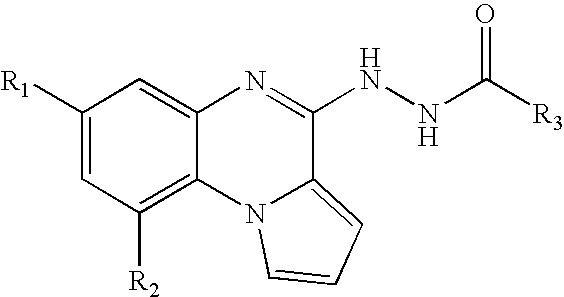
wherein R1 is F, R2 is H, and R3 is

(SC160′),
wherein R1 is H, R2 is F, and R3 is

(SC161′), or
wherein R1 is F, R2 is H, and R3 is

(SC166′),
or a pharmaceutically acceptable salt, solvate, or hydrate thereof.
2. The composition of claim 1 , further comprising a pharmaceutically acceptable carrier.
3. A method of preparing a compound according to the following scheme (Scheme 7):
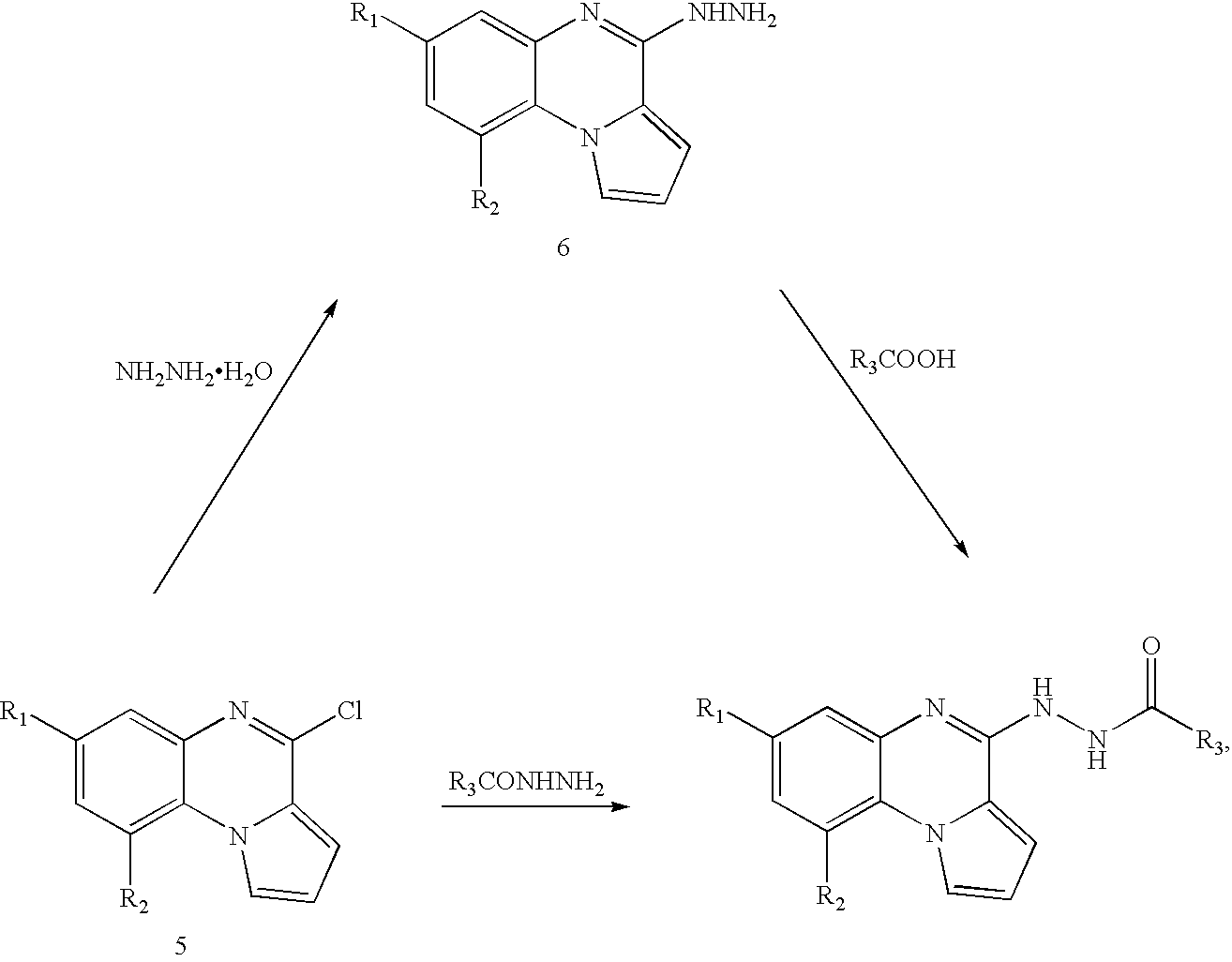
wherein R1 is F, R2 is H, and R3 is

(SC160′),
wherein R1 is H, R2 is F, and R3 is

SC161′),
wherein R1 is F, R2 is H, and R3 is

(SC 166′), or
wherein R1 is F, R2 is H, and R3 is

(SC144).
4. A method of modulating cell growth, cell cycle, or apoptosis, comprising contacting a cell with SC161′, thereby inhibiting cell growth, arresting cell cycle, or inducing apoptosis.
5. A method of treating a subject, comprising administering to a subject in need thereof an effective amount of SC160′, 161′, or 166′.
6. The method of claim 5 , wherein the subject is suffering from or at risk for developing cancer or a disorder associated with angiogenesis function.
7. The method of claim 6 , wherein the cancer is leukemia, non-small cell lung cancer, colon cancer, CNS cancer, melanoma, ovarian cancer, breast cancer, renal cancer, or prostate cancer; and the disorder associated with angiogenesis function is age-related macular degeneration, macular dystrophy, or diabetes.
Priority Applications (2)
| Application Number | Priority Date | Filing Date | Title |
|---|---|---|---|
| US11/868,423 US20090093489A1 (en) | 2004-12-29 | 2007-10-05 | Novel compounds for treatment of cancer and disorders associated with angiogenesis function |
| US12/831,973 US20110034472A1 (en) | 2004-11-01 | 2010-07-07 | Novel Compounds for Treatment of Cancer and Disorders Associated With Angiogenesis Function |
Applications Claiming Priority (3)
| Application Number | Priority Date | Filing Date | Title |
|---|---|---|---|
| US11/027,465 US7947682B2 (en) | 2004-12-29 | 2004-12-29 | Substituted N′-pyrrolo[1,2-a]quinoxalin-4-yl-hydrazides as anti-cancer agents |
| US11/265,593 US20060235034A1 (en) | 2004-11-01 | 2005-11-01 | Novel compounds for treatment of cancer and disorders associated with angiogenesis function |
| US11/868,423 US20090093489A1 (en) | 2004-12-29 | 2007-10-05 | Novel compounds for treatment of cancer and disorders associated with angiogenesis function |
Related Parent Applications (1)
| Application Number | Title | Priority Date | Filing Date |
|---|---|---|---|
| US11/265,593 Continuation-In-Part US20060235034A1 (en) | 2004-11-01 | 2005-11-01 | Novel compounds for treatment of cancer and disorders associated with angiogenesis function |
Related Child Applications (1)
| Application Number | Title | Priority Date | Filing Date |
|---|---|---|---|
| US12/831,973 Continuation US20110034472A1 (en) | 2004-11-01 | 2010-07-07 | Novel Compounds for Treatment of Cancer and Disorders Associated With Angiogenesis Function |
Publications (1)
| Publication Number | Publication Date |
|---|---|
| US20090093489A1 true US20090093489A1 (en) | 2009-04-09 |
Family
ID=40523793
Family Applications (2)
| Application Number | Title | Priority Date | Filing Date |
|---|---|---|---|
| US11/868,423 Abandoned US20090093489A1 (en) | 2004-11-01 | 2007-10-05 | Novel compounds for treatment of cancer and disorders associated with angiogenesis function |
| US12/831,973 Abandoned US20110034472A1 (en) | 2004-11-01 | 2010-07-07 | Novel Compounds for Treatment of Cancer and Disorders Associated With Angiogenesis Function |
Family Applications After (1)
| Application Number | Title | Priority Date | Filing Date |
|---|---|---|---|
| US12/831,973 Abandoned US20110034472A1 (en) | 2004-11-01 | 2010-07-07 | Novel Compounds for Treatment of Cancer and Disorders Associated With Angiogenesis Function |
Country Status (1)
| Country | Link |
|---|---|
| US (2) | US20090093489A1 (en) |
Cited By (6)
| Publication number | Priority date | Publication date | Assignee | Title |
|---|---|---|---|---|
| US20100190763A1 (en) * | 2009-01-23 | 2010-07-29 | Takeda Pharmaceutical Company Limited | Poly (ADP-Ribose) Polymerase (PARP) Inhibitors |
| US8980902B2 (en) | 2009-07-30 | 2015-03-17 | Takeda Pharmaceutical Company Limited | Poly (ADP-ribose) polymerase (PARP) inhibitors |
| US9056862B2 (en) | 2011-05-10 | 2015-06-16 | National University Corporation Kobe University | Thioxothiazolidine derivative having Ras function inhibitory effect |
| CZ306554B6 (en) * | 2014-05-09 | 2017-03-08 | Vysoká škola chemicko - technologická v Praze | Benzoisothiazole-1,1-dioxide-3-hydrazones and their use in anticancer therapy |
| CN108329232A (en) * | 2018-01-08 | 2018-07-27 | 浙江大学 | Hydrazide derivative and its application |
| US11098095B1 (en) | 2020-10-19 | 2021-08-24 | Dasman Diabetes Institute | Methods of inhibiting MMP-9 |
-
2007
- 2007-10-05 US US11/868,423 patent/US20090093489A1/en not_active Abandoned
-
2010
- 2010-07-07 US US12/831,973 patent/US20110034472A1/en not_active Abandoned
Cited By (12)
| Publication number | Priority date | Publication date | Assignee | Title |
|---|---|---|---|---|
| US20100190763A1 (en) * | 2009-01-23 | 2010-07-29 | Takeda Pharmaceutical Company Limited | Poly (ADP-Ribose) Polymerase (PARP) Inhibitors |
| US7928105B2 (en) | 2009-01-23 | 2011-04-19 | Takeda Pharmaceutical Company Limited | Substituted 6a,7,8,9-tetrahydropyrido[3,2-e]pyrrolo[1,2-a]pyrazin-6(5H)-ones |
| US20110158989A1 (en) * | 2009-01-23 | 2011-06-30 | Takeda Pharmaceutical Company Limited | Poly (ADP-Ribose) Polymerase (PARP) INHIBITORS |
| US8124606B2 (en) | 2009-01-23 | 2012-02-28 | Takeda Pharmaceutical Company Limited | Substituted 7,8,9,10-tetrahydro-5H-dipyrido[1,2-a:3′,2′-e]pyrazin-6(6aH)-ones |
| US8450323B2 (en) | 2009-01-23 | 2013-05-28 | Takeda Pharmaceutical Company Limited | Substituted derivatives of pyrido[3,2-e][1,4]thiazino[4,3-a]pyrazine and pyrido[3,2-e][1,4]oxazino[4,3-a]pyrazine |
| US8822470B2 (en) | 2009-01-23 | 2014-09-02 | Takeda Pharmaceutical Company Limited | Substituted pyrido[2,3-b]pyrazines |
| US9187497B2 (en) | 2009-01-23 | 2015-11-17 | Takeda Phamaceutical Company Limited | Substituted pyrido[3,2-e]pyrrolo[1,2-a]pyrazines as inhibitors of poly(ADP-ribose)polymerase (PARP) |
| US8980902B2 (en) | 2009-07-30 | 2015-03-17 | Takeda Pharmaceutical Company Limited | Poly (ADP-ribose) polymerase (PARP) inhibitors |
| US9056862B2 (en) | 2011-05-10 | 2015-06-16 | National University Corporation Kobe University | Thioxothiazolidine derivative having Ras function inhibitory effect |
| CZ306554B6 (en) * | 2014-05-09 | 2017-03-08 | Vysoká škola chemicko - technologická v Praze | Benzoisothiazole-1,1-dioxide-3-hydrazones and their use in anticancer therapy |
| CN108329232A (en) * | 2018-01-08 | 2018-07-27 | 浙江大学 | Hydrazide derivative and its application |
| US11098095B1 (en) | 2020-10-19 | 2021-08-24 | Dasman Diabetes Institute | Methods of inhibiting MMP-9 |
Also Published As
| Publication number | Publication date |
|---|---|
| US20110034472A1 (en) | 2011-02-10 |
Similar Documents
| Publication | Publication Date | Title |
|---|---|---|
| US20100120781A1 (en) | Novel Compounds for Treatment of Cancer and Disorders Associated with Angiogenesis Function | |
| US20060235034A1 (en) | Novel compounds for treatment of cancer and disorders associated with angiogenesis function | |
| Shahzadi et al. | Repositioning of acefylline as anti-cancer drug: Synthesis, anticancer and computational studies of azomethines derived from acefylline tethered 4-amino-3-mercapto-1, 2, 4-triazole | |
| US9102677B2 (en) | Benzodiazepine bromodomain inhibitor | |
| US12116358B2 (en) | Substituted indoles and methods of use thereof | |
| US20100081654A1 (en) | Oncogenic-RAS-signal dependent lethal compounds | |
| US20110034472A1 (en) | Novel Compounds for Treatment of Cancer and Disorders Associated With Angiogenesis Function | |
| MX2012005295A (en) | Benzodiazepine bromodomain inhibitor. | |
| Eldin et al. | Quinoxaline derivatives as a promising scaffold for breast cancer treatment | |
| US12017975B2 (en) | Myc-Max inhibitor compound therapeutics for cancer treatment, methods and uses associated therewith | |
| Alam et al. | Design, synthesis and biological evaluation of new eugenol derivatives containing 1, 3, 4-oxadiazole as novel inhibitors of thymidylate synthase | |
| Aarjane et al. | Synthesis, antibacterial evaluation and computational studies of new acridone-1, 2, 3-triazole hybrids | |
| US20230374022A1 (en) | Inhibitors of parg | |
| Li et al. | Development of a novel thymidylate synthase (TS) inhibitor capable of up-regulating P53 expression and inhibiting angiogenesis in NSCLC | |
| Song et al. | The discovery of novel imidazo [1, 2-a] pyridine derivatives as covalent anticancer agents | |
| Fang et al. | Palbociclib and Michael-acceptor hybrid compounds as CDK4/6 covalent inhibitors: improved potency, broad anticancer spectrum and overcoming drug resistance | |
| EP3235818A2 (en) | Compounds for the treatment of hiv | |
| US12358911B2 (en) | Heterocyclic comipound as CDK-HDAC dual pathway inhibitor | |
| Fang et al. | Discovery of 3, 5-dimethylisoxazole derivatives as novel, potent inhibitors for bromodomain and extraterminal domain (BET) family | |
| EP3958980B1 (en) | Targeted novel triazolothiadiazine derivatives for the treatment of lung cancer | |
| Bhogireddy et al. | Design, synthesis and anticancer assessment of 1, 2, 3-triazole incorporated 1, 3, 4-oxadiazole-quinazoline derivatives | |
| JP2024528073A (en) | Organic pyridine-pyrazole compounds and uses thereof | |
| CN101090631A (en) | Novel compounds for treatment of cancer and disorders associated with angiogenesis function | |
| EP3959200A1 (en) | New triazole and triazolothiadiazine derivatives exerting cytotoxic and apoptotic effects on a549 cells through akt inhibition | |
| Ali | Design, Molecular docking study, synthesis and cytotoxicity evaluation of new 1, 3, 4-oxadiazole derivatives |
Legal Events
| Date | Code | Title | Description |
|---|---|---|---|
| STCB | Information on status: application discontinuation |
Free format text: ABANDONED -- FAILURE TO RESPOND TO AN OFFICE ACTION |