US20040152659A1 - Method for the treatment of parkinson's disease comprising administering an A1A2a receptor dual antagonist - Google Patents
Method for the treatment of parkinson's disease comprising administering an A1A2a receptor dual antagonist Download PDFInfo
- Publication number
- US20040152659A1 US20040152659A1 US10/716,865 US71686503A US2004152659A1 US 20040152659 A1 US20040152659 A1 US 20040152659A1 US 71686503 A US71686503 A US 71686503A US 2004152659 A1 US2004152659 A1 US 2004152659A1
- Authority
- US
- United States
- Prior art keywords
- derivative
- alkyl
- adenosine
- receptor
- group
- Prior art date
- Legal status (The legal status is an assumption and is not a legal conclusion. Google has not performed a legal analysis and makes no representation as to the accuracy of the status listed.)
- Abandoned
Links
- 239000005557 antagonist Substances 0.000 title claims abstract description 42
- 230000009977 dual effect Effects 0.000 title claims abstract description 42
- 208000018737 Parkinson disease Diseases 0.000 title claims abstract description 17
- 238000000034 method Methods 0.000 title claims description 13
- OIRDTQYFTABQOQ-KQYNXXCUSA-N adenosine Chemical compound C1=NC=2C(N)=NC=NC=2N1[C@@H]1O[C@H](CO)[C@@H](O)[C@H]1O OIRDTQYFTABQOQ-KQYNXXCUSA-N 0.000 claims abstract description 154
- 239000002126 C01EB10 - Adenosine Substances 0.000 claims abstract description 77
- 229960005305 adenosine Drugs 0.000 claims abstract description 77
- 150000003839 salts Chemical class 0.000 claims abstract description 30
- 208000024891 symptom Diseases 0.000 claims abstract description 16
- 239000004480 active ingredient Substances 0.000 claims abstract description 8
- 208000019901 Anxiety disease Diseases 0.000 claims abstract description 7
- 230000036506 anxiety Effects 0.000 claims abstract description 7
- -1 3-oxo-2,3-dihydropyridazinyl group Chemical group 0.000 claims description 590
- 125000000217 alkyl group Chemical group 0.000 claims description 168
- 125000000623 heterocyclic group Chemical group 0.000 claims description 85
- 125000001424 substituent group Chemical group 0.000 claims description 74
- 150000001875 compounds Chemical class 0.000 claims description 58
- 125000003178 carboxy group Chemical group [H]OC(*)=O 0.000 claims description 51
- 125000004433 nitrogen atom Chemical group N* 0.000 claims description 40
- 125000002911 monocyclic heterocycle group Chemical group 0.000 claims description 34
- 125000002887 hydroxy group Chemical group [H]O* 0.000 claims description 28
- 125000004430 oxygen atom Chemical group O* 0.000 claims description 26
- 125000002252 acyl group Chemical group 0.000 claims description 24
- 230000003042 antagnostic effect Effects 0.000 claims description 22
- 125000003118 aryl group Chemical group 0.000 claims description 21
- 229910052736 halogen Inorganic materials 0.000 claims description 21
- 125000004434 sulfur atom Chemical group 0.000 claims description 21
- 239000008194 pharmaceutical composition Substances 0.000 claims description 20
- 125000001997 phenyl group Chemical group [H]C1=C([H])C([H])=C(*)C([H])=C1[H] 0.000 claims description 20
- 125000002924 primary amino group Chemical group [H]N([H])* 0.000 claims description 19
- 150000002367 halogens Chemical class 0.000 claims description 18
- 125000003545 alkoxy group Chemical group 0.000 claims description 17
- 125000003342 alkenyl group Chemical group 0.000 claims description 16
- 125000004093 cyano group Chemical group *C#N 0.000 claims description 15
- 125000002723 alicyclic group Chemical group 0.000 claims description 13
- 229910052739 hydrogen Inorganic materials 0.000 claims description 12
- 239000001257 hydrogen Substances 0.000 claims description 12
- LRFVTYWOQMYALW-UHFFFAOYSA-N 9H-xanthine Chemical class O=C1NC(=O)NC2=C1NC=N2 LRFVTYWOQMYALW-UHFFFAOYSA-N 0.000 claims description 11
- 125000001931 aliphatic group Chemical group 0.000 claims description 11
- 125000004435 hydrogen atom Chemical group [H]* 0.000 claims description 11
- 125000001118 alkylidene group Chemical group 0.000 claims description 8
- 125000005843 halogen group Chemical group 0.000 claims description 7
- 230000002265 prevention Effects 0.000 claims description 7
- 229910052717 sulfur Inorganic materials 0.000 claims description 7
- 206010027175 memory impairment Diseases 0.000 claims description 6
- 125000003785 benzimidazolyl group Chemical class N1=C(NC2=C1C=CC=C2)* 0.000 claims description 5
- FKVOLHUECANQCF-UHFFFAOYSA-N 6-(2-phenylpyrazolo[1,5-a]pyridin-3-yl)-2-(1,3-thiazol-2-ylmethyl)pyridazin-3-one Chemical group O=C1C=CC(C2=C3C=CC=CN3N=C2C=2C=CC=CC=2)=NN1CC1=NC=CS1 FKVOLHUECANQCF-UHFFFAOYSA-N 0.000 claims description 4
- 239000002467 adenosine A2a receptor antagonist Substances 0.000 claims description 4
- 125000002947 alkylene group Chemical group 0.000 claims description 4
- UYEUUXMDVNYCAM-UHFFFAOYSA-N lumazine Chemical class N1=CC=NC2=NC(O)=NC(O)=C21 UYEUUXMDVNYCAM-UHFFFAOYSA-N 0.000 claims description 4
- ITIRVXDSMXFTPW-UHFFFAOYSA-N 1H-imidazo[4,5-c]quinoline Chemical class C1=CC=CC2=C(NC=N3)C3=CN=C21 ITIRVXDSMXFTPW-UHFFFAOYSA-N 0.000 claims description 3
- APXRHPDHORGIEB-UHFFFAOYSA-N 1H-pyrazolo[4,3-d]pyrimidine Chemical class N1=CN=C2C=NNC2=C1 APXRHPDHORGIEB-UHFFFAOYSA-N 0.000 claims description 3
- DDZGQYREBDXECY-UHFFFAOYSA-N 1h-pyrazolo[3,4-b]pyrazine Chemical class C1=CN=C2C=NNC2=N1 DDZGQYREBDXECY-UHFFFAOYSA-N 0.000 claims description 3
- QUKPALAWEPMWOS-UHFFFAOYSA-N 1h-pyrazolo[3,4-d]pyrimidine Chemical class C1=NC=C2C=NNC2=N1 QUKPALAWEPMWOS-UHFFFAOYSA-N 0.000 claims description 3
- ADEJACPCTOIQLO-UHFFFAOYSA-N 1h-pyrazolo[4,3-c]quinoline Chemical class C1=NC2=CC=CC=C2C2=C1C=NN2 ADEJACPCTOIQLO-UHFFFAOYSA-N 0.000 claims description 3
- MUQBKOMHBFYSCU-UHFFFAOYSA-N 2h-[1,3]thiazolo[5,4-d]pyrimidine-5,7-dione Chemical class O=C1NC(=O)C2=NCSC2=N1 MUQBKOMHBFYSCU-UHFFFAOYSA-N 0.000 claims description 3
- GAMYYCRTACQSBR-UHFFFAOYSA-N 4-azabenzimidazole Chemical class C1=CC=C2NC=NC2=N1 GAMYYCRTACQSBR-UHFFFAOYSA-N 0.000 claims description 3
- FCZOVUJWOBSMSS-UHFFFAOYSA-N 5-[(6-aminopurin-9-yl)methyl]-5-methyl-3-methylideneoxolan-2-one Chemical compound C1=NC2=C(N)N=CN=C2N1CC1(C)CC(=C)C(=O)O1 FCZOVUJWOBSMSS-UHFFFAOYSA-N 0.000 claims description 3
- LCGTWRLJTMHIQZ-UHFFFAOYSA-N 5H-dibenzo[b,f]azepine Chemical class C1=CC2=CC=CC=C2NC2=CC=CC=C21 LCGTWRLJTMHIQZ-UHFFFAOYSA-N 0.000 claims description 3
- YVGLRYSPFBUOAT-UHFFFAOYSA-N 5h-[1,3]thiazolo[2,3-b]quinazoline Chemical class C1=CC=C2CN(C=CS3)C3=NC2=C1 YVGLRYSPFBUOAT-UHFFFAOYSA-N 0.000 claims description 3
- CDUYCVWBLGEWSY-UHFFFAOYSA-N 5h-[1,3]thiazolo[3,2-a]pyrimidine Chemical class C1C=CN=C2SC=CN12 CDUYCVWBLGEWSY-UHFFFAOYSA-N 0.000 claims description 3
- ZBIAFNABYZOHCJ-UHFFFAOYSA-N [1,2,4]triazolo[1,5-c]quinazoline Chemical class C12=CC=CC=C2N=CN2C1=NC=N2 ZBIAFNABYZOHCJ-UHFFFAOYSA-N 0.000 claims description 3
- QNSRYVDGWDXBHV-UHFFFAOYSA-N [1,2,4]triazolo[4,3-a]quinoxaline Chemical class C1=CC=C2N3C=NN=C3C=NC2=C1 QNSRYVDGWDXBHV-UHFFFAOYSA-N 0.000 claims description 3
- YRACHDVMKITFAZ-UHFFFAOYSA-N [1,2,4]triazolo[4,3-b]pyridazine Chemical class C1=CC=NN2C=NN=C21 YRACHDVMKITFAZ-UHFFFAOYSA-N 0.000 claims description 3
- HNYOPLTXPVRDBG-UHFFFAOYSA-N barbituric acid Chemical class O=C1CC(=O)NC(=O)N1 HNYOPLTXPVRDBG-UHFFFAOYSA-N 0.000 claims description 3
- 150000001907 coumarones Chemical class 0.000 claims description 3
- 150000002212 flavone derivatives Chemical class 0.000 claims description 3
- ANSXAPJVJOKRDJ-UHFFFAOYSA-N furo[3,4-f][2]benzofuran-1,3,5,7-tetrone Chemical compound C1=C2C(=O)OC(=O)C2=CC2=C1C(=O)OC2=O ANSXAPJVJOKRDJ-UHFFFAOYSA-N 0.000 claims description 3
- 150000005236 imidazo[1,2-a]pyrazines Chemical class 0.000 claims description 3
- VTNBGTYLJIUATL-UHFFFAOYSA-N imidazo[1,2-a]quinoxaline Chemical class C1=CC=C2N3C=CN=C3C=NC2=C1 VTNBGTYLJIUATL-UHFFFAOYSA-N 0.000 claims description 3
- OJHVFKIAGLUXHN-UHFFFAOYSA-N imidazo[4,5-e][1,4]diazepine-5,8-dione Chemical class O=C1C=NC(=O)C2=NC=NC2=N1 OJHVFKIAGLUXHN-UHFFFAOYSA-N 0.000 claims description 3
- LRCVGDKGQJEKPH-UHFFFAOYSA-N imidazo[4,5-f]quinazoline-7,9-dione Chemical class C1=CC2=NC(=O)NC(=O)C2=C2N=CN=C21 LRCVGDKGQJEKPH-UHFFFAOYSA-N 0.000 claims description 3
- WVJFKDKGYUGWQE-UHFFFAOYSA-N imidazo[4,5-g]quinazoline-6,8-dione Chemical class C=1C2=NC=NC2=CC2=NC(=O)NC(=O)C2=1 WVJFKDKGYUGWQE-UHFFFAOYSA-N 0.000 claims description 3
- 150000002462 imidazolines Chemical class 0.000 claims description 3
- 150000002475 indoles Chemical class 0.000 claims description 3
- 150000005054 naphthyridines Chemical class 0.000 claims description 3
- 150000003217 pyrazoles Chemical class 0.000 claims description 3
- DVUBDHRTVYLIPA-UHFFFAOYSA-N pyrazolo[1,5-a]pyridine Chemical class C1=CC=CN2N=CC=C21 DVUBDHRTVYLIPA-UHFFFAOYSA-N 0.000 claims description 3
- 150000005230 pyrazolo[3,4-b]pyridines Chemical class 0.000 claims description 3
- 150000005229 pyrazolopyridines Chemical class 0.000 claims description 3
- 150000003230 pyrimidines Chemical class 0.000 claims description 3
- 150000004943 pyrrolo[2,3-d]pyrimidines Chemical class 0.000 claims description 3
- 125000002294 quinazolinyl group Chemical class N1=C(N=CC2=CC=CC=C12)* 0.000 claims description 3
- 125000000335 thiazolyl group Chemical group 0.000 claims description 3
- 150000003577 thiophenes Chemical class 0.000 claims description 3
- 150000003918 triazines Chemical class 0.000 claims description 3
- POFDSYGXHVPQNX-UHFFFAOYSA-N triazolo[1,5-a]pyrimidine Chemical class C1=CC=NC2=CN=NN21 POFDSYGXHVPQNX-UHFFFAOYSA-N 0.000 claims description 3
- XQOLMNXEGDTGML-UHFFFAOYSA-N triazolo[1,5-c]pyrimidine Chemical class C1=NC=CC2=CN=NN21 XQOLMNXEGDTGML-UHFFFAOYSA-N 0.000 claims description 3
- AIFRHYZBTHREPW-UHFFFAOYSA-N β-carboline Chemical class N1=CC=C2C3=CC=CC=C3NC2=C1 AIFRHYZBTHREPW-UHFFFAOYSA-N 0.000 claims description 3
- 238000004519 manufacturing process Methods 0.000 claims description 2
- ZKMLPWOPYCJLKO-UHFFFAOYSA-N 4h-[1,3]thiazolo[4,5-d]pyrimidine-5,7-dione Chemical class O=C1NC(=O)NC2=C1SC=N2 ZKMLPWOPYCJLKO-UHFFFAOYSA-N 0.000 claims 1
- 125000005605 benzo group Chemical group 0.000 claims 1
- 150000003248 quinolines Chemical class 0.000 claims 1
- 208000026139 Memory disease Diseases 0.000 abstract 1
- 230000003449 preventive effect Effects 0.000 abstract 1
- 125000004178 (C1-C4) alkyl group Chemical group 0.000 description 36
- 125000000587 piperidin-1-yl group Chemical group [H]C1([H])N(*)C([H])([H])C([H])([H])C([H])([H])C1([H])[H] 0.000 description 36
- 125000003282 alkyl amino group Chemical group 0.000 description 28
- 125000004453 alkoxycarbonyl group Chemical group 0.000 description 20
- 125000005236 alkanoylamino group Chemical group 0.000 description 17
- 229920006395 saturated elastomer Polymers 0.000 description 17
- 0 [1*]C1=NN2C=CC=CC2=C1[2*].[3*]C Chemical compound [1*]C1=NN2C=CC=CC2=C1[2*].[3*]C 0.000 description 16
- 125000005115 alkyl carbamoyl group Chemical group 0.000 description 12
- 125000001495 ethyl group Chemical group [H]C([H])([H])C([H])([H])* 0.000 description 11
- QJGQUHMNIGDVPM-UHFFFAOYSA-N nitrogen group Chemical group [N] QJGQUHMNIGDVPM-UHFFFAOYSA-N 0.000 description 11
- 125000004043 oxo group Chemical group O=* 0.000 description 11
- 125000001436 propyl group Chemical group [H]C([*])([H])C([H])([H])C([H])([H])[H] 0.000 description 10
- 125000002496 methyl group Chemical group [H]C([H])([H])* 0.000 description 9
- 229910052757 nitrogen Inorganic materials 0.000 description 8
- 125000004076 pyridyl group Chemical group 0.000 description 8
- 241000894007 species Species 0.000 description 8
- 125000003831 tetrazolyl group Chemical group 0.000 description 8
- 125000004466 alkoxycarbonylamino group Chemical group 0.000 description 7
- 125000000229 (C1-C4)alkoxy group Chemical group 0.000 description 6
- 125000000484 butyl group Chemical group [H]C([*])([H])C([H])([H])C([H])([H])C([H])([H])[H] 0.000 description 6
- 125000003917 carbamoyl group Chemical group [H]N([H])C(*)=O 0.000 description 6
- 125000000954 2-hydroxyethyl group Chemical group [H]C([*])([H])C([H])([H])O[H] 0.000 description 5
- 125000004442 acylamino group Chemical group 0.000 description 5
- 125000000304 alkynyl group Chemical group 0.000 description 5
- 125000001511 cyclopentyl group Chemical group [H]C1([H])C([H])([H])C([H])([H])C([H])(*)C1([H])[H] 0.000 description 5
- 125000001153 fluoro group Chemical group F* 0.000 description 5
- 125000004051 hexyl group Chemical group [H]C([H])([H])C([H])([H])C([H])([H])C([H])([H])C([H])([H])C([H])([H])* 0.000 description 5
- 125000001449 isopropyl group Chemical group [H]C([H])([H])C([H])(*)C([H])([H])[H] 0.000 description 5
- 125000001147 pentyl group Chemical group C(CCCC)* 0.000 description 5
- 125000003226 pyrazolyl group Chemical group 0.000 description 5
- 125000002098 pyridazinyl group Chemical group 0.000 description 5
- 125000000714 pyrimidinyl group Chemical group 0.000 description 5
- 125000006529 (C3-C6) alkyl group Chemical group 0.000 description 4
- 125000000143 2-carboxyethyl group Chemical group [H]OC(=O)C([H])([H])C([H])([H])* 0.000 description 4
- IJGRMHOSHXDMSA-UHFFFAOYSA-N Atomic nitrogen Chemical compound N#N IJGRMHOSHXDMSA-UHFFFAOYSA-N 0.000 description 4
- 125000004399 C1-C4 alkenyl group Chemical group 0.000 description 4
- 125000004423 acyloxy group Chemical group 0.000 description 4
- 125000004104 aryloxy group Chemical group 0.000 description 4
- 125000002057 carboxymethyl group Chemical group [H]OC(=O)C([H])([H])[*] 0.000 description 4
- 125000000582 cycloheptyl group Chemical group [H]C1([H])C([H])([H])C([H])([H])C([H])([H])C([H])(*)C([H])([H])C1([H])[H] 0.000 description 4
- 125000000113 cyclohexyl group Chemical group [H]C1([H])C([H])([H])C([H])([H])C([H])(*)C([H])([H])C1([H])[H] 0.000 description 4
- 230000000694 effects Effects 0.000 description 4
- 125000002541 furyl group Chemical group 0.000 description 4
- 125000005842 heteroatom Chemical group 0.000 description 4
- 229910052760 oxygen Inorganic materials 0.000 description 4
- 239000000126 substance Substances 0.000 description 4
- 125000000999 tert-butyl group Chemical group [H]C([H])([H])C(*)(C([H])([H])[H])C([H])([H])[H] 0.000 description 4
- 125000001113 thiadiazolyl group Chemical group 0.000 description 4
- 125000000391 vinyl group Chemical group [H]C([*])=C([H])[H] 0.000 description 4
- 229920002554 vinyl polymer Polymers 0.000 description 4
- 125000002861 (C1-C4) alkanoyl group Chemical group 0.000 description 3
- 125000004511 1,2,3-thiadiazolyl group Chemical group 0.000 description 3
- 125000004504 1,2,4-oxadiazolyl group Chemical group 0.000 description 3
- 125000004514 1,2,4-thiadiazolyl group Chemical group 0.000 description 3
- 125000004506 1,2,5-oxadiazolyl group Chemical group 0.000 description 3
- 125000004517 1,2,5-thiadiazolyl group Chemical group 0.000 description 3
- 125000001781 1,3,4-oxadiazolyl group Chemical group 0.000 description 3
- 125000004520 1,3,4-thiadiazolyl group Chemical group 0.000 description 3
- 125000004214 1-pyrrolidinyl group Chemical group [H]C1([H])N(*)C([H])([H])C([H])([H])C1([H])[H] 0.000 description 3
- QOXOZONBQWIKDA-UHFFFAOYSA-N 3-hydroxypropyl Chemical group [CH2]CCO QOXOZONBQWIKDA-UHFFFAOYSA-N 0.000 description 3
- 229930000680 A04AD01 - Scopolamine Natural products 0.000 description 3
- STECJAGHUSJQJN-GAUPFVANSA-N Hyoscine Natural products C1([C@H](CO)C(=O)OC2C[C@@H]3N([C@H](C2)[C@@H]2[C@H]3O2)C)=CC=CC=C1 STECJAGHUSJQJN-GAUPFVANSA-N 0.000 description 3
- STECJAGHUSJQJN-UHFFFAOYSA-N N-Methyl-scopolamin Natural products C1C(C2C3O2)N(C)C3CC1OC(=O)C(CO)C1=CC=CC=C1 STECJAGHUSJQJN-UHFFFAOYSA-N 0.000 description 3
- 241000700159 Rattus Species 0.000 description 3
- 125000002777 acetyl group Chemical group [H]C([H])([H])C(*)=O 0.000 description 3
- 239000002598 adenosine A1 receptor antagonist Substances 0.000 description 3
- 125000004656 alkyl sulfonylamino group Chemical group 0.000 description 3
- HSFWRNGVRCDJHI-UHFFFAOYSA-N alpha-acetylene Natural products C#C HSFWRNGVRCDJHI-UHFFFAOYSA-N 0.000 description 3
- 230000000949 anxiolytic effect Effects 0.000 description 3
- 125000005874 benzothiadiazolyl group Chemical group 0.000 description 3
- 125000001164 benzothiazolyl group Chemical group S1C(=NC2=C1C=CC=C2)* 0.000 description 3
- 125000003354 benzotriazolyl group Chemical group N1N=NC2=C1C=CC=C2* 0.000 description 3
- 125000004541 benzoxazolyl group Chemical group O1C(=NC2=C1C=CC=C2)* 0.000 description 3
- 125000001246 bromo group Chemical group Br* 0.000 description 3
- 125000001309 chloro group Chemical group Cl* 0.000 description 3
- 125000001162 cycloheptenyl group Chemical group C1(=CCCCCC1)* 0.000 description 3
- 125000000596 cyclohexenyl group Chemical group C1(=CCCCC1)* 0.000 description 3
- 125000001559 cyclopropyl group Chemical group [H]C1([H])C([H])([H])C1([H])* 0.000 description 3
- 125000004925 dihydropyridyl group Chemical group N1(CC=CC=C1)* 0.000 description 3
- 125000004029 hydroxymethyl group Chemical group [H]OC([H])([H])* 0.000 description 3
- 125000002883 imidazolyl group Chemical group 0.000 description 3
- 125000003453 indazolyl group Chemical group N1N=C(C2=C1C=CC=C2)* 0.000 description 3
- 125000001041 indolyl group Chemical group 0.000 description 3
- 125000002346 iodo group Chemical group I* 0.000 description 3
- 125000000904 isoindolyl group Chemical group C=1(NC=C2C=CC=CC12)* 0.000 description 3
- 125000005956 isoquinolyl group Chemical group 0.000 description 3
- 125000000842 isoxazolyl group Chemical group 0.000 description 3
- 125000001160 methoxycarbonyl group Chemical group [H]C([H])([H])OC(*)=O 0.000 description 3
- 125000002950 monocyclic group Chemical group 0.000 description 3
- 125000002757 morpholinyl group Chemical group 0.000 description 3
- 125000000449 nitro group Chemical group [O-][N+](*)=O 0.000 description 3
- 125000001715 oxadiazolyl group Chemical group 0.000 description 3
- 125000002971 oxazolyl group Chemical group 0.000 description 3
- 230000000144 pharmacologic effect Effects 0.000 description 3
- 125000003367 polycyclic group Chemical group 0.000 description 3
- 125000003373 pyrazinyl group Chemical group 0.000 description 3
- 125000001422 pyrrolinyl group Chemical group 0.000 description 3
- 125000000168 pyrrolyl group Chemical group 0.000 description 3
- STECJAGHUSJQJN-FWXGHANASA-N scopolamine Chemical compound C1([C@@H](CO)C(=O)O[C@H]2C[C@@H]3N([C@H](C2)[C@@H]2[C@H]3O2)C)=CC=CC=C1 STECJAGHUSJQJN-FWXGHANASA-N 0.000 description 3
- 229960002646 scopolamine Drugs 0.000 description 3
- 230000003997 social interaction Effects 0.000 description 3
- 125000001412 tetrahydropyranyl group Chemical group 0.000 description 3
- 125000001544 thienyl group Chemical group 0.000 description 3
- 125000001425 triazolyl group Chemical group 0.000 description 3
- 125000004169 (C1-C6) alkyl group Chemical group 0.000 description 2
- 125000006650 (C2-C4) alkynyl group Chemical group 0.000 description 2
- 125000005943 1,2,3,6-tetrahydropyridyl group Chemical group 0.000 description 2
- YQTCQNIPQMJNTI-UHFFFAOYSA-N 2,2-dimethylpropan-1-one Chemical group CC(C)(C)[C]=O YQTCQNIPQMJNTI-UHFFFAOYSA-N 0.000 description 2
- 125000000022 2-aminoethyl group Chemical group [H]C([*])([H])C([H])([H])N([H])[H] 0.000 description 2
- 125000001731 2-cyanoethyl group Chemical group [H]C([H])(*)C([H])([H])C#N 0.000 description 2
- 125000003006 2-dimethylaminoethyl group Chemical group [H]C([H])([H])N(C([H])([H])[H])C([H])([H])C([H])([H])* 0.000 description 2
- 125000004204 2-methoxyphenyl group Chemical group [H]C1=C([H])C(*)=C(OC([H])([H])[H])C([H])=C1[H] 0.000 description 2
- 125000003903 2-propenyl group Chemical group [H]C([*])([H])C([H])=C([H])[H] 0.000 description 2
- 125000004195 4-methylpiperazin-1-yl group Chemical group [H]C([H])([H])N1C([H])([H])C([H])([H])N(*)C([H])([H])C1([H])[H] 0.000 description 2
- 125000000339 4-pyridyl group Chemical group N1=C([H])C([H])=C([*])C([H])=C1[H] 0.000 description 2
- HAUGRYOERYOXHX-UHFFFAOYSA-N Alloxazine Chemical class C1=CC=C2N=C(C(=O)NC(=O)N3)C3=NC2=C1 HAUGRYOERYOXHX-UHFFFAOYSA-N 0.000 description 2
- 208000009132 Catalepsy Diseases 0.000 description 2
- SNRUBQQJIBEYMU-UHFFFAOYSA-N Dodecane Natural products CCCCCCCCCCCC SNRUBQQJIBEYMU-UHFFFAOYSA-N 0.000 description 2
- 241001465754 Metazoa Species 0.000 description 2
- 150000001204 N-oxides Chemical class 0.000 description 2
- 206010047853 Waxy flexibility Diseases 0.000 description 2
- 125000005907 alkyl ester group Chemical group 0.000 description 2
- 125000003277 amino group Chemical group 0.000 description 2
- 230000003270 anti-cataleptic effect Effects 0.000 description 2
- 239000002249 anxiolytic agent Substances 0.000 description 2
- 125000002785 azepinyl group Chemical group 0.000 description 2
- 125000004196 benzothienyl group Chemical group S1C(=CC2=C1C=CC=C2)* 0.000 description 2
- 125000001797 benzyl group Chemical group [H]C1=C([H])C([H])=C(C([H])=C1[H])C([H])([H])* 0.000 description 2
- 125000004063 butyryl group Chemical group O=C([*])C([H])([H])C([H])([H])C([H])([H])[H] 0.000 description 2
- 125000001951 carbamoylamino group Chemical group C(N)(=O)N* 0.000 description 2
- 125000004432 carbon atom Chemical group C* 0.000 description 2
- 229940000425 combination drug Drugs 0.000 description 2
- 125000001995 cyclobutyl group Chemical group [H]C1([H])C([H])([H])C([H])(*)C1([H])[H] 0.000 description 2
- 125000000640 cyclooctyl group Chemical group [H]C1([H])C([H])([H])C([H])([H])C([H])([H])C([H])(*)C([H])([H])C([H])([H])C1([H])[H] 0.000 description 2
- 125000002433 cyclopentenyl group Chemical group C1(=CCCC1)* 0.000 description 2
- 125000002704 decyl group Chemical group [H]C([H])([H])C([H])([H])C([H])([H])C([H])([H])C([H])([H])C([H])([H])C([H])([H])C([H])([H])C([H])([H])C([H])([H])* 0.000 description 2
- 125000004915 dibutylamino group Chemical group C(CCC)N(CCCC)* 0.000 description 2
- 125000005972 dihydrochromenyl group Chemical group 0.000 description 2
- 125000005053 dihydropyrimidinyl group Chemical group N1(CN=CC=C1)* 0.000 description 2
- 125000002147 dimethylamino group Chemical group [H]C([H])([H])N(*)C([H])([H])[H] 0.000 description 2
- 125000003438 dodecyl group Chemical group [H]C([H])([H])C([H])([H])C([H])([H])C([H])([H])C([H])([H])C([H])([H])C([H])([H])C([H])([H])C([H])([H])C([H])([H])C([H])([H])C([H])([H])* 0.000 description 2
- 239000002552 dosage form Substances 0.000 description 2
- 239000003814 drug Substances 0.000 description 2
- 150000002148 esters Chemical group 0.000 description 2
- 125000003754 ethoxycarbonyl group Chemical group C(=O)(OCC)* 0.000 description 2
- 125000002534 ethynyl group Chemical group [H]C#C* 0.000 description 2
- 125000002485 formyl group Chemical group [H]C(*)=O 0.000 description 2
- FATAVLOOLIRUNA-UHFFFAOYSA-N formylmethyl Chemical group [CH2]C=O FATAVLOOLIRUNA-UHFFFAOYSA-N 0.000 description 2
- LNEPOXFFQSENCJ-UHFFFAOYSA-N haloperidol Chemical compound C1CC(O)(C=2C=CC(Cl)=CC=2)CCN1CCCC(=O)C1=CC=C(F)C=C1 LNEPOXFFQSENCJ-UHFFFAOYSA-N 0.000 description 2
- 125000003187 heptyl group Chemical group [H]C([*])([H])C([H])([H])C([H])([H])C([H])([H])C([H])([H])C([H])([H])C([H])([H])[H] 0.000 description 2
- 125000003104 hexanoyl group Chemical group O=C([*])C([H])([H])C([H])([H])C([H])([H])C([H])([H])C([H])([H])[H] 0.000 description 2
- 125000005935 hexyloxycarbonyl group Chemical group 0.000 description 2
- 125000002632 imidazolidinyl group Chemical group 0.000 description 2
- 125000003406 indolizinyl group Chemical group C=1(C=CN2C=CC=CC12)* 0.000 description 2
- 125000001786 isothiazolyl group Chemical group 0.000 description 2
- 230000014759 maintenance of location Effects 0.000 description 2
- 230000003340 mental effect Effects 0.000 description 2
- 125000004184 methoxymethyl group Chemical group [H]C([H])([H])OC([H])([H])* 0.000 description 2
- 125000001624 naphthyl group Chemical group 0.000 description 2
- 125000001400 nonyl group Chemical group [H]C([*])([H])C([H])([H])C([H])([H])C([H])([H])C([H])([H])C([H])([H])C([H])([H])C([H])([H])C([H])([H])[H] 0.000 description 2
- 125000002347 octyl group Chemical group [H]C([*])([H])C([H])([H])C([H])([H])C([H])([H])C([H])([H])C([H])([H])C([H])([H])C([H])([H])[H] 0.000 description 2
- 150000007524 organic acids Chemical class 0.000 description 2
- 235000005985 organic acids Nutrition 0.000 description 2
- 125000000160 oxazolidinyl group Chemical group 0.000 description 2
- 239000001301 oxygen Substances 0.000 description 2
- 125000001148 pentyloxycarbonyl group Chemical group 0.000 description 2
- 239000000825 pharmaceutical preparation Substances 0.000 description 2
- 230000035479 physiological effects, processes and functions Effects 0.000 description 2
- 125000004194 piperazin-1-yl group Chemical group [H]N1C([H])([H])C([H])([H])N(*)C([H])([H])C1([H])[H] 0.000 description 2
- 125000004193 piperazinyl group Chemical group 0.000 description 2
- 125000005936 piperidyl group Chemical group 0.000 description 2
- 125000001501 propionyl group Chemical group O=C([*])C([H])([H])C([H])([H])[H] 0.000 description 2
- 125000004742 propyloxycarbonyl group Chemical group 0.000 description 2
- 125000000719 pyrrolidinyl group Chemical group 0.000 description 2
- 125000002943 quinolinyl group Chemical class N1=C(C=CC2=CC=CC=C12)* 0.000 description 2
- 125000005493 quinolyl group Chemical group 0.000 description 2
- 125000005931 tert-butyloxycarbonyl group Chemical group [H]C([H])([H])C(OC(*)=O)(C([H])([H])[H])C([H])([H])[H] 0.000 description 2
- 238000010998 test method Methods 0.000 description 2
- 125000005942 tetrahydropyridyl group Chemical group 0.000 description 2
- 229940126585 therapeutic drug Drugs 0.000 description 2
- 125000001984 thiazolidinyl group Chemical group 0.000 description 2
- VZCYOOQTPOCHFL-UHFFFAOYSA-N trans-butenedioic acid Natural products OC(=O)C=CC(O)=O VZCYOOQTPOCHFL-UHFFFAOYSA-N 0.000 description 2
- 229940075420 xanthine Drugs 0.000 description 2
- YJTKZCDBKVTVBY-UHFFFAOYSA-N 1,3-Diphenylbenzene Chemical group C1=CC=CC=C1C1=CC=CC(C=2C=CC=CC=2)=C1 YJTKZCDBKVTVBY-UHFFFAOYSA-N 0.000 description 1
- ILROLYQPRYHHFG-UHFFFAOYSA-N 1-$l^{1}-oxidanylprop-2-en-1-one Chemical group [O]C(=O)C=C ILROLYQPRYHHFG-UHFFFAOYSA-N 0.000 description 1
- LLAPDLPYIYKTGQ-UHFFFAOYSA-N 1-aminoethyl Chemical group C[CH]N LLAPDLPYIYKTGQ-UHFFFAOYSA-N 0.000 description 1
- 125000004973 1-butenyl group Chemical group C(=CCC)* 0.000 description 1
- ORLCYMQZIPSODD-UHFFFAOYSA-N 1-chloro-2-[chloro(2,2,2-trichloroethoxy)phosphoryl]oxybenzene Chemical compound ClC1=CC=CC=C1OP(Cl)(=O)OCC(Cl)(Cl)Cl ORLCYMQZIPSODD-UHFFFAOYSA-N 0.000 description 1
- 125000006039 1-hexenyl group Chemical group 0.000 description 1
- 125000004066 1-hydroxyethyl group Chemical group [H]OC([H])([*])C([H])([H])[H] 0.000 description 1
- 125000006023 1-pentenyl group Chemical group 0.000 description 1
- 125000006017 1-propenyl group Chemical group 0.000 description 1
- 125000000530 1-propynyl group Chemical group [H]C([H])([H])C#C* 0.000 description 1
- YBYIRNPNPLQARY-UHFFFAOYSA-N 1H-indene Natural products C1=CC=C2CC=CC2=C1 YBYIRNPNPLQARY-UHFFFAOYSA-N 0.000 description 1
- AMOYMEBHYUTMKJ-UHFFFAOYSA-N 2-(2-phenylethoxy)ethylbenzene Chemical compound C=1C=CC=CC=1CCOCCC1=CC=CC=C1 AMOYMEBHYUTMKJ-UHFFFAOYSA-N 0.000 description 1
- 125000004974 2-butenyl group Chemical group C(C=CC)* 0.000 description 1
- 125000000069 2-butynyl group Chemical group [H]C([H])([H])C#CC([H])([H])* 0.000 description 1
- 125000004200 2-methoxyethyl group Chemical group [H]C([H])([H])OC([H])([H])C([H])([H])* 0.000 description 1
- 125000006020 2-methyl-1-propenyl group Chemical group 0.000 description 1
- 125000006022 2-methyl-2-propenyl group Chemical group 0.000 description 1
- LBLYYCQCTBFVLH-UHFFFAOYSA-M 2-methylbenzenesulfonate Chemical compound CC1=CC=CC=C1S([O-])(=O)=O LBLYYCQCTBFVLH-UHFFFAOYSA-M 0.000 description 1
- BSKHPKMHTQYZBB-UHFFFAOYSA-N 2-methylpyridine Chemical class CC1=CC=CC=N1 BSKHPKMHTQYZBB-UHFFFAOYSA-N 0.000 description 1
- 125000000094 2-phenylethyl group Chemical group [H]C1=C([H])C([H])=C(C([H])=C1[H])C([H])([H])C([H])([H])* 0.000 description 1
- 125000004105 2-pyridyl group Chemical group N1=C([*])C([H])=C([H])C([H])=C1[H] 0.000 description 1
- 125000006041 3-hexenyl group Chemical group 0.000 description 1
- 125000003349 3-pyridyl group Chemical group N1=C([H])C([*])=C([H])C([H])=C1[H] 0.000 description 1
- SXIFAEWFOJETOA-UHFFFAOYSA-N 4-hydroxy-butyl Chemical group [CH2]CCCO SXIFAEWFOJETOA-UHFFFAOYSA-N 0.000 description 1
- 125000006043 5-hexenyl group Chemical group 0.000 description 1
- FFBDFADSZUINTG-LEZITTIZSA-N 8-cyclopentyl-1,3-bis(1,3-ditritiopropyl)-7h-purine-2,6-dione Chemical compound N1C=2C(=O)N(C([3H])CC[3H])C(=O)N(C([3H])CC[3H])C=2N=C1C1CCCC1 FFBDFADSZUINTG-LEZITTIZSA-N 0.000 description 1
- QTBSBXVTEAMEQO-UHFFFAOYSA-M Acetate Chemical compound CC([O-])=O QTBSBXVTEAMEQO-UHFFFAOYSA-M 0.000 description 1
- 239000004475 Arginine Substances 0.000 description 1
- ORILYTVJVMAKLC-UHFFFAOYSA-N C1C2CC3CC1CC(C2)C3 Chemical compound C1C2CC3CC1CC(C2)C3 ORILYTVJVMAKLC-UHFFFAOYSA-N 0.000 description 1
- KWLOFMMJLQDFOF-UHFFFAOYSA-N C1C2CC3CC1CC(C2)C3.CC Chemical compound C1C2CC3CC1CC(C2)C3.CC KWLOFMMJLQDFOF-UHFFFAOYSA-N 0.000 description 1
- HIIHGBBTSNDXHL-UHFFFAOYSA-N C1C2CC3CC1CC3C2.CC Chemical compound C1C2CC3CC1CC3C2.CC HIIHGBBTSNDXHL-UHFFFAOYSA-N 0.000 description 1
- OCOWAHHTMYJKKR-UHFFFAOYSA-N C1CC2CCCC2C1.CC Chemical compound C1CC2CCCC2C1.CC OCOWAHHTMYJKKR-UHFFFAOYSA-N 0.000 description 1
- VVLYEDUUQGAEIB-UHFFFAOYSA-N CC.c1cC2CCC1C2 Chemical compound CC.c1cC2CCC1C2 VVLYEDUUQGAEIB-UHFFFAOYSA-N 0.000 description 1
- PAOANWZGLPPROA-RQXXJAGISA-N CGS-21680 Chemical compound O[C@@H]1[C@H](O)[C@@H](C(=O)NCC)O[C@H]1N1C2=NC(NCCC=3C=CC(CCC(O)=O)=CC=3)=NC(N)=C2N=C1 PAOANWZGLPPROA-RQXXJAGISA-N 0.000 description 1
- 206010012289 Dementia Diseases 0.000 description 1
- 208000020401 Depressive disease Diseases 0.000 description 1
- FEWJPZIEWOKRBE-JCYAYHJZSA-N Dextrotartaric acid Chemical compound OC(=O)[C@H](O)[C@@H](O)C(O)=O FEWJPZIEWOKRBE-JCYAYHJZSA-N 0.000 description 1
- XBPCUCUWBYBCDP-UHFFFAOYSA-N Dicyclohexylamine Chemical class C1CCCCC1NC1CCCCC1 XBPCUCUWBYBCDP-UHFFFAOYSA-N 0.000 description 1
- MYMOFIZGZYHOMD-UHFFFAOYSA-N Dioxygen Chemical compound O=O MYMOFIZGZYHOMD-UHFFFAOYSA-N 0.000 description 1
- BDAGIHXWWSANSR-UHFFFAOYSA-M Formate Chemical compound [O-]C=O BDAGIHXWWSANSR-UHFFFAOYSA-M 0.000 description 1
- VZCYOOQTPOCHFL-OWOJBTEDSA-N Fumaric acid Chemical compound OC(=O)\C=C\C(O)=O VZCYOOQTPOCHFL-OWOJBTEDSA-N 0.000 description 1
- WHUUTDBJXJRKMK-UHFFFAOYSA-N Glutamic acid Natural products OC(=O)C(N)CCC(O)=O WHUUTDBJXJRKMK-UHFFFAOYSA-N 0.000 description 1
- VEXZGXHMUGYJMC-UHFFFAOYSA-N Hydrochloric acid Chemical compound Cl VEXZGXHMUGYJMC-UHFFFAOYSA-N 0.000 description 1
- UFHFLCQGNIYNRP-UHFFFAOYSA-N Hydrogen Chemical compound [H][H] UFHFLCQGNIYNRP-UHFFFAOYSA-N 0.000 description 1
- CPELXLSAUQHCOX-UHFFFAOYSA-N Hydrogen bromide Chemical compound Br CPELXLSAUQHCOX-UHFFFAOYSA-N 0.000 description 1
- KFZMGEQAYNKOFK-UHFFFAOYSA-N Isopropanol Chemical group CC(C)O KFZMGEQAYNKOFK-UHFFFAOYSA-N 0.000 description 1
- ODKSFYDXXFIFQN-BYPYZUCNSA-P L-argininium(2+) Chemical compound NC(=[NH2+])NCCC[C@H]([NH3+])C(O)=O ODKSFYDXXFIFQN-BYPYZUCNSA-P 0.000 description 1
- CKLJMWTZIZZHCS-REOHCLBHSA-N L-aspartic acid Chemical compound OC(=O)[C@@H](N)CC(O)=O CKLJMWTZIZZHCS-REOHCLBHSA-N 0.000 description 1
- WHUUTDBJXJRKMK-VKHMYHEASA-N L-glutamic acid Chemical compound OC(=O)[C@@H](N)CCC(O)=O WHUUTDBJXJRKMK-VKHMYHEASA-N 0.000 description 1
- AFVFQIVMOAPDHO-UHFFFAOYSA-N Methanesulfonic acid Chemical compound CS(O)(=O)=O AFVFQIVMOAPDHO-UHFFFAOYSA-N 0.000 description 1
- 241000699670 Mus sp. Species 0.000 description 1
- 229910019142 PO4 Inorganic materials 0.000 description 1
- QOSMNYMQXIVWKY-UHFFFAOYSA-N Propyl levulinate Chemical compound CCCOC(=O)CCC(C)=O QOSMNYMQXIVWKY-UHFFFAOYSA-N 0.000 description 1
- 241000700157 Rattus norvegicus Species 0.000 description 1
- QAOWNCQODCNURD-UHFFFAOYSA-L Sulfate Chemical compound [O-]S([O-])(=O)=O QAOWNCQODCNURD-UHFFFAOYSA-L 0.000 description 1
- NINIDFKCEFEMDL-UHFFFAOYSA-N Sulfur Chemical compound [S] NINIDFKCEFEMDL-UHFFFAOYSA-N 0.000 description 1
- ZMANZCXQSJIPKH-UHFFFAOYSA-N Triethylamine Chemical class CCN(CC)CC ZMANZCXQSJIPKH-UHFFFAOYSA-N 0.000 description 1
- DTQVDTLACAAQTR-UHFFFAOYSA-M Trifluoroacetate Chemical compound [O-]C(=O)C(F)(F)F DTQVDTLACAAQTR-UHFFFAOYSA-M 0.000 description 1
- 239000007983 Tris buffer Substances 0.000 description 1
- 239000002671 adjuvant Substances 0.000 description 1
- 239000000443 aerosol Substances 0.000 description 1
- 229910052783 alkali metal Inorganic materials 0.000 description 1
- 229910052784 alkaline earth metal Inorganic materials 0.000 description 1
- 125000004390 alkyl sulfonyl group Chemical group 0.000 description 1
- 125000004414 alkyl thio group Chemical group 0.000 description 1
- 235000001014 amino acid Nutrition 0.000 description 1
- 150000001413 amino acids Chemical class 0.000 description 1
- 125000004202 aminomethyl group Chemical group [H]N([H])C([H])([H])* 0.000 description 1
- 150000003863 ammonium salts Chemical class 0.000 description 1
- 238000010171 animal model Methods 0.000 description 1
- 125000005428 anthryl group Chemical group [H]C1=C([H])C([H])=C2C([H])=C3C(*)=C([H])C([H])=C([H])C3=C([H])C2=C1[H] 0.000 description 1
- 230000002205 anti-dementic effect Effects 0.000 description 1
- 125000001204 arachidyl group Chemical group [H]C([*])([H])C([H])([H])C([H])([H])C([H])([H])C([H])([H])C([H])([H])C([H])([H])C([H])([H])C([H])([H])C([H])([H])C([H])([H])C([H])([H])C([H])([H])C([H])([H])C([H])([H])C([H])([H])C([H])([H])C([H])([H])C([H])([H])C([H])([H])[H] 0.000 description 1
- ODKSFYDXXFIFQN-UHFFFAOYSA-N arginine Natural products OC(=O)C(N)CCCNC(N)=N ODKSFYDXXFIFQN-UHFFFAOYSA-N 0.000 description 1
- 235000009697 arginine Nutrition 0.000 description 1
- 125000005239 aroylamino group Chemical group 0.000 description 1
- 150000007860 aryl ester derivatives Chemical class 0.000 description 1
- 125000005162 aryl oxy carbonyl amino group Chemical group 0.000 description 1
- 125000004657 aryl sulfonyl amino group Chemical group 0.000 description 1
- 235000003704 aspartic acid Nutrition 0.000 description 1
- QVGXLLKOCUKJST-UHFFFAOYSA-N atomic oxygen Chemical compound [O] QVGXLLKOCUKJST-UHFFFAOYSA-N 0.000 description 1
- 230000006399 behavior Effects 0.000 description 1
- JUHORIMYRDESRB-UHFFFAOYSA-N benzathine Chemical class C=1C=CC=CC=1CNCCNCC1=CC=CC=C1 JUHORIMYRDESRB-UHFFFAOYSA-N 0.000 description 1
- SRSXLGNVWSONIS-UHFFFAOYSA-M benzenesulfonate Chemical compound [O-]S(=O)(=O)C1=CC=CC=C1 SRSXLGNVWSONIS-UHFFFAOYSA-M 0.000 description 1
- 229940077388 benzenesulfonate Drugs 0.000 description 1
- OQFSQFPPLPISGP-UHFFFAOYSA-N beta-carboxyaspartic acid Natural products OC(=O)C(N)C(C(O)=O)C(O)=O OQFSQFPPLPISGP-UHFFFAOYSA-N 0.000 description 1
- 150000001602 bicycloalkyls Chemical group 0.000 description 1
- 230000037396 body weight Effects 0.000 description 1
- 125000006309 butyl amino group Chemical group 0.000 description 1
- 125000004744 butyloxycarbonyl group Chemical group 0.000 description 1
- 159000000007 calcium salts Chemical class 0.000 description 1
- 239000002775 capsule Substances 0.000 description 1
- 210000004978 chinese hamster ovary cell Anatomy 0.000 description 1
- 125000004230 chromenyl group Chemical group O1C(C=CC2=CC=CC=C12)* 0.000 description 1
- 239000003086 colorant Substances 0.000 description 1
- 230000009193 crawling Effects 0.000 description 1
- 125000001047 cyclobutenyl group Chemical group C1(=CCC1)* 0.000 description 1
- 125000000522 cyclooctenyl group Chemical group C1(=CCCCCCC1)* 0.000 description 1
- 125000000298 cyclopropenyl group Chemical group [H]C1=C([H])C1([H])* 0.000 description 1
- 125000005048 dihydroisoxazolyl group Chemical group O1N(CC=C1)* 0.000 description 1
- 125000005056 dihydrothiazolyl group Chemical group S1C(NC=C1)* 0.000 description 1
- 125000006222 dimethylaminomethyl group Chemical group [H]C([H])([H])N(C([H])([H])[H])C([H])([H])* 0.000 description 1
- 125000005879 dioxolanyl group Chemical group 0.000 description 1
- ZZVUWRFHKOJYTH-UHFFFAOYSA-N diphenhydramine Chemical group C=1C=CC=CC=1C(OCCN(C)C)C1=CC=CC=C1 ZZVUWRFHKOJYTH-UHFFFAOYSA-N 0.000 description 1
- 229940079593 drug Drugs 0.000 description 1
- 239000003937 drug carrier Substances 0.000 description 1
- 239000000839 emulsion Substances 0.000 description 1
- 125000005745 ethoxymethyl group Chemical group [H]C([H])([H])C([H])([H])OC([H])([H])* 0.000 description 1
- 125000004494 ethyl ester group Chemical group 0.000 description 1
- 239000000796 flavoring agent Substances 0.000 description 1
- 235000013355 food flavoring agent Nutrition 0.000 description 1
- 235000013922 glutamic acid Nutrition 0.000 description 1
- 239000004220 glutamic acid Substances 0.000 description 1
- 230000003370 grooming effect Effects 0.000 description 1
- 229960003878 haloperidol Drugs 0.000 description 1
- 125000003707 hexyloxy group Chemical group [H]C([H])([H])C([H])([H])C([H])([H])C([H])([H])C([H])([H])C([H])([H])O* 0.000 description 1
- XMBWDFGMSWQBCA-UHFFFAOYSA-N hydrogen iodide Chemical compound I XMBWDFGMSWQBCA-UHFFFAOYSA-N 0.000 description 1
- 150000003949 imides Chemical class 0.000 description 1
- 125000003454 indenyl group Chemical group C1(C=CC2=CC=CC=C12)* 0.000 description 1
- 230000005764 inhibitory process Effects 0.000 description 1
- 238000007918 intramuscular administration Methods 0.000 description 1
- 238000001990 intravenous administration Methods 0.000 description 1
- 238000011835 investigation Methods 0.000 description 1
- 125000001977 isobenzofuranyl group Chemical group C=1(OC=C2C=CC=CC12)* 0.000 description 1
- 239000003446 ligand Substances 0.000 description 1
- 239000007788 liquid Substances 0.000 description 1
- 159000000003 magnesium salts Chemical class 0.000 description 1
- VZCYOOQTPOCHFL-UPHRSURJSA-N maleic acid Chemical compound OC(=O)\C=C/C(O)=O VZCYOOQTPOCHFL-UPHRSURJSA-N 0.000 description 1
- 125000002960 margaryl group Chemical group [H]C([*])([H])C([H])([H])C([H])([H])C([H])([H])C([H])([H])C([H])([H])C([H])([H])C([H])([H])C([H])([H])C([H])([H])C([H])([H])C([H])([H])C([H])([H])C([H])([H])C([H])([H])C([H])([H])C([H])([H])[H] 0.000 description 1
- 239000012528 membrane Substances 0.000 description 1
- 229910052751 metal Inorganic materials 0.000 description 1
- 239000002184 metal Substances 0.000 description 1
- 125000000956 methoxy group Chemical group [H]C([H])([H])O* 0.000 description 1
- 125000006533 methyl amino methyl group Chemical group [H]N(C([H])([H])[H])C([H])([H])* 0.000 description 1
- 229920000609 methyl cellulose Polymers 0.000 description 1
- 150000004702 methyl esters Chemical class 0.000 description 1
- 125000000250 methylamino group Chemical group [H]N(*)C([H])([H])[H] 0.000 description 1
- 239000001923 methylcellulose Substances 0.000 description 1
- 235000010981 methylcellulose Nutrition 0.000 description 1
- 239000000203 mixture Substances 0.000 description 1
- 125000004573 morpholin-4-yl group Chemical group N1(CCOCC1)* 0.000 description 1
- 208000005264 motor neuron disease Diseases 0.000 description 1
- 125000001421 myristyl group Chemical group [H]C([*])([H])C([H])([H])C([H])([H])C([H])([H])C([H])([H])C([H])([H])C([H])([H])C([H])([H])C([H])([H])C([H])([H])C([H])([H])C([H])([H])C([H])([H])C([H])([H])[H] 0.000 description 1
- 125000005186 naphthyloxy group Chemical group C1(=CC=CC2=CC=CC=C12)O* 0.000 description 1
- 125000001196 nonadecyl group Chemical group [H]C([*])([H])C([H])([H])C([H])([H])C([H])([H])C([H])([H])C([H])([H])C([H])([H])C([H])([H])C([H])([H])C([H])([H])C([H])([H])C([H])([H])C([H])([H])C([H])([H])C([H])([H])C([H])([H])C([H])([H])C([H])([H])C([H])([H])[H] 0.000 description 1
- 231100000252 nontoxic Toxicity 0.000 description 1
- 230000003000 nontoxic effect Effects 0.000 description 1
- 150000007530 organic bases Chemical class 0.000 description 1
- 125000005475 oxolanyl group Chemical group 0.000 description 1
- 125000000913 palmityl group Chemical group [H]C([*])([H])C([H])([H])C([H])([H])C([H])([H])C([H])([H])C([H])([H])C([H])([H])C([H])([H])C([H])([H])C([H])([H])C([H])([H])C([H])([H])C([H])([H])C([H])([H])C([H])([H])C([H])([H])[H] 0.000 description 1
- 239000008188 pellet Substances 0.000 description 1
- 125000002958 pentadecyl group Chemical group [H]C([*])([H])C([H])([H])C([H])([H])C([H])([H])C([H])([H])C([H])([H])C([H])([H])C([H])([H])C([H])([H])C([H])([H])C([H])([H])C([H])([H])C([H])([H])C([H])([H])C([H])([H])[H] 0.000 description 1
- 239000000546 pharmaceutical excipient Substances 0.000 description 1
- 125000000951 phenoxy group Chemical group [H]C1=C([H])C([H])=C(O*)C([H])=C1[H] 0.000 description 1
- NBIIXXVUZAFLBC-UHFFFAOYSA-K phosphate Chemical compound [O-]P([O-])([O-])=O NBIIXXVUZAFLBC-UHFFFAOYSA-K 0.000 description 1
- 239000010452 phosphate Substances 0.000 description 1
- XAEFZNCEHLXOMS-UHFFFAOYSA-M potassium benzoate Chemical compound [K+].[O-]C(=O)C1=CC=CC=C1 XAEFZNCEHLXOMS-UHFFFAOYSA-M 0.000 description 1
- 239000000843 powder Substances 0.000 description 1
- 239000000296 purinergic P1 receptor antagonist Substances 0.000 description 1
- 125000004309 pyranyl group Chemical group O1C(C=CC=C1)* 0.000 description 1
- 150000003222 pyridines Chemical class 0.000 description 1
- 239000011541 reaction mixture Substances 0.000 description 1
- 125000006413 ring segment Chemical group 0.000 description 1
- DCKVNWZUADLDEH-UHFFFAOYSA-N sec-butyl acetate Chemical compound CCC(C)OC(C)=O DCKVNWZUADLDEH-UHFFFAOYSA-N 0.000 description 1
- 159000000000 sodium salts Chemical class 0.000 description 1
- 239000007787 solid Substances 0.000 description 1
- 239000000243 solution Substances 0.000 description 1
- 230000009870 specific binding Effects 0.000 description 1
- 239000003381 stabilizer Substances 0.000 description 1
- 125000004079 stearyl group Chemical group [H]C([*])([H])C([H])([H])C([H])([H])C([H])([H])C([H])([H])C([H])([H])C([H])([H])C([H])([H])C([H])([H])C([H])([H])C([H])([H])C([H])([H])C([H])([H])C([H])([H])C([H])([H])C([H])([H])C([H])([H])C([H])([H])[H] 0.000 description 1
- 238000007920 subcutaneous administration Methods 0.000 description 1
- 239000011593 sulfur Substances 0.000 description 1
- 239000000829 suppository Substances 0.000 description 1
- 239000000725 suspension Substances 0.000 description 1
- 229940095064 tartrate Drugs 0.000 description 1
- 229940124597 therapeutic agent Drugs 0.000 description 1
- 230000001225 therapeutic effect Effects 0.000 description 1
- 238000002560 therapeutic procedure Methods 0.000 description 1
- 125000002769 thiazolinyl group Chemical group 0.000 description 1
- 239000002562 thickening agent Substances 0.000 description 1
- 125000002889 tridecyl group Chemical group [H]C([*])([H])C([H])([H])C([H])([H])C([H])([H])C([H])([H])C([H])([H])C([H])([H])C([H])([H])C([H])([H])C([H])([H])C([H])([H])C([H])([H])C([H])([H])[H] 0.000 description 1
- GETQZCLCWQTVFV-UHFFFAOYSA-N trimethylamine Chemical class CN(C)C GETQZCLCWQTVFV-UHFFFAOYSA-N 0.000 description 1
- LENZDBCJOHFCAS-UHFFFAOYSA-N tris Chemical compound OCC(N)(CO)CO LENZDBCJOHFCAS-UHFFFAOYSA-N 0.000 description 1
- 125000002221 trityl group Chemical group [H]C1=C([H])C([H])=C([H])C([H])=C1C([*])(C1=C(C(=C(C(=C1[H])[H])[H])[H])[H])C1=C([H])C([H])=C([H])C([H])=C1[H] 0.000 description 1
- 125000002948 undecyl group Chemical group [H]C([*])([H])C([H])([H])C([H])([H])C([H])([H])C([H])([H])C([H])([H])C([H])([H])C([H])([H])C([H])([H])C([H])([H])C([H])([H])[H] 0.000 description 1
- 239000003981 vehicle Substances 0.000 description 1
- 229920001567 vinyl ester resin Polymers 0.000 description 1
Classifications
-
- A—HUMAN NECESSITIES
- A61—MEDICAL OR VETERINARY SCIENCE; HYGIENE
- A61K—PREPARATIONS FOR MEDICAL, DENTAL OR TOILETRY PURPOSES
- A61K31/00—Medicinal preparations containing organic active ingredients
- A61K31/33—Heterocyclic compounds
- A61K31/395—Heterocyclic compounds having nitrogen as a ring hetero atom, e.g. guanethidine or rifamycins
- A61K31/495—Heterocyclic compounds having nitrogen as a ring hetero atom, e.g. guanethidine or rifamycins having six-membered rings with two or more nitrogen atoms as the only ring heteroatoms, e.g. piperazine or tetrazines
- A61K31/50—Pyridazines; Hydrogenated pyridazines
- A61K31/501—Pyridazines; Hydrogenated pyridazines not condensed and containing further heterocyclic rings
-
- A—HUMAN NECESSITIES
- A61—MEDICAL OR VETERINARY SCIENCE; HYGIENE
- A61K—PREPARATIONS FOR MEDICAL, DENTAL OR TOILETRY PURPOSES
- A61K31/00—Medicinal preparations containing organic active ingredients
-
- A—HUMAN NECESSITIES
- A61—MEDICAL OR VETERINARY SCIENCE; HYGIENE
- A61K—PREPARATIONS FOR MEDICAL, DENTAL OR TOILETRY PURPOSES
- A61K31/00—Medicinal preparations containing organic active ingredients
- A61K31/33—Heterocyclic compounds
- A61K31/395—Heterocyclic compounds having nitrogen as a ring hetero atom, e.g. guanethidine or rifamycins
- A61K31/435—Heterocyclic compounds having nitrogen as a ring hetero atom, e.g. guanethidine or rifamycins having six-membered rings with one nitrogen as the only ring hetero atom
- A61K31/4353—Heterocyclic compounds having nitrogen as a ring hetero atom, e.g. guanethidine or rifamycins having six-membered rings with one nitrogen as the only ring hetero atom ortho- or peri-condensed with heterocyclic ring systems
- A61K31/437—Heterocyclic compounds having nitrogen as a ring hetero atom, e.g. guanethidine or rifamycins having six-membered rings with one nitrogen as the only ring hetero atom ortho- or peri-condensed with heterocyclic ring systems the heterocyclic ring system containing a five-membered ring having nitrogen as a ring hetero atom, e.g. indolizine, beta-carboline
-
- A—HUMAN NECESSITIES
- A61—MEDICAL OR VETERINARY SCIENCE; HYGIENE
- A61K—PREPARATIONS FOR MEDICAL, DENTAL OR TOILETRY PURPOSES
- A61K31/00—Medicinal preparations containing organic active ingredients
- A61K31/33—Heterocyclic compounds
- A61K31/395—Heterocyclic compounds having nitrogen as a ring hetero atom, e.g. guanethidine or rifamycins
- A61K31/495—Heterocyclic compounds having nitrogen as a ring hetero atom, e.g. guanethidine or rifamycins having six-membered rings with two or more nitrogen atoms as the only ring heteroatoms, e.g. piperazine or tetrazines
- A61K31/4985—Pyrazines or piperazines ortho- or peri-condensed with heterocyclic ring systems
-
- A—HUMAN NECESSITIES
- A61—MEDICAL OR VETERINARY SCIENCE; HYGIENE
- A61K—PREPARATIONS FOR MEDICAL, DENTAL OR TOILETRY PURPOSES
- A61K31/00—Medicinal preparations containing organic active ingredients
- A61K31/33—Heterocyclic compounds
- A61K31/395—Heterocyclic compounds having nitrogen as a ring hetero atom, e.g. guanethidine or rifamycins
- A61K31/495—Heterocyclic compounds having nitrogen as a ring hetero atom, e.g. guanethidine or rifamycins having six-membered rings with two or more nitrogen atoms as the only ring heteroatoms, e.g. piperazine or tetrazines
- A61K31/50—Pyridazines; Hydrogenated pyridazines
-
- A—HUMAN NECESSITIES
- A61—MEDICAL OR VETERINARY SCIENCE; HYGIENE
- A61K—PREPARATIONS FOR MEDICAL, DENTAL OR TOILETRY PURPOSES
- A61K31/00—Medicinal preparations containing organic active ingredients
- A61K31/33—Heterocyclic compounds
- A61K31/395—Heterocyclic compounds having nitrogen as a ring hetero atom, e.g. guanethidine or rifamycins
- A61K31/495—Heterocyclic compounds having nitrogen as a ring hetero atom, e.g. guanethidine or rifamycins having six-membered rings with two or more nitrogen atoms as the only ring heteroatoms, e.g. piperazine or tetrazines
- A61K31/505—Pyrimidines; Hydrogenated pyrimidines, e.g. trimethoprim
- A61K31/519—Pyrimidines; Hydrogenated pyrimidines, e.g. trimethoprim ortho- or peri-condensed with heterocyclic rings
- A61K31/52—Purines, e.g. adenine
-
- A—HUMAN NECESSITIES
- A61—MEDICAL OR VETERINARY SCIENCE; HYGIENE
- A61K—PREPARATIONS FOR MEDICAL, DENTAL OR TOILETRY PURPOSES
- A61K31/00—Medicinal preparations containing organic active ingredients
- A61K31/33—Heterocyclic compounds
- A61K31/395—Heterocyclic compounds having nitrogen as a ring hetero atom, e.g. guanethidine or rifamycins
- A61K31/495—Heterocyclic compounds having nitrogen as a ring hetero atom, e.g. guanethidine or rifamycins having six-membered rings with two or more nitrogen atoms as the only ring heteroatoms, e.g. piperazine or tetrazines
- A61K31/505—Pyrimidines; Hydrogenated pyrimidines, e.g. trimethoprim
- A61K31/519—Pyrimidines; Hydrogenated pyrimidines, e.g. trimethoprim ortho- or peri-condensed with heterocyclic rings
- A61K31/52—Purines, e.g. adenine
- A61K31/522—Purines, e.g. adenine having oxo groups directly attached to the heterocyclic ring, e.g. hypoxanthine, guanine, acyclovir
-
- C—CHEMISTRY; METALLURGY
- C07—ORGANIC CHEMISTRY
- C07D—HETEROCYCLIC COMPOUNDS
- C07D471/00—Heterocyclic compounds containing nitrogen atoms as the only ring hetero atoms in the condensed system, at least one ring being a six-membered ring with one nitrogen atom, not provided for by groups C07D451/00 - C07D463/00
- C07D471/02—Heterocyclic compounds containing nitrogen atoms as the only ring hetero atoms in the condensed system, at least one ring being a six-membered ring with one nitrogen atom, not provided for by groups C07D451/00 - C07D463/00 in which the condensed system contains two hetero rings
- C07D471/04—Ortho-condensed systems
Definitions
- This invention relates to a pharmaceutical composition for the prevention and/or treatment of Parkinson's disease and concomitant symptoms thereof such as anxiety, depression and/or memory impairment, among others comprising an adenosine A 1 A 2a -receptor dual antagonist or a salt thereof as an active ingredient and so is useful in the pharmaceutical field.
- an adenosine A 2a -receptor antagonist As a therapeutic agent for motor neuron diseases such as Parkinson's disease has been recently reported. Meanwhile, it is reported that an adenosine A 1 -receptor antagonist shows learning memory improving effects in several animal models.
- a compound having both adenosine A 1 -receptor antagonizing and adenosine A 2a -receptor antagonizing activities in one may be a new kind of therapeutic drug for Parkinson's disease, which has a battery of antidementia, anxiolytic, antidepression and other actions.
- Patients with Parkinson's disease present with certain mental symptoms such as depression and dementia but the currently available therapeutic drugs for Parkinson's disease are not effective in controlling those accessory symptoms.
- an adenosine A 1 A 2a -receptor dual antagonist is not only considered to cure the cardinal morbidity of Parkinson's disease but also expected to palliate its accessory mental symptoms.
- a compound having adenosine A 1 -receptor and adenosine A 2a -receptor antagonizing activities is effective in preventing and/or treating Parkinson's disease and concomitant symptoms thereof such as anxiety, depression and/or memory impairment, among others, and have developed this instant invention.
- This invention therefore, accomplishes the above object by providing a composition for the prevention and/or therapy of Parkinson's disease and concomitant symptoms thereof such as anxiety, depression and/or memory impairment, among others which comprises an adenosine A 1 A 2a -receptor dual antagonist or a salt thereof as an active ingredient.
- This invention is carried into practice by administering an adenosine A 1 A 2a -receptor dual antagonist or a salt thereof or a pharmaceutical composition comprising an adenosine A 1 A 2a -receptor dual antagonist or a salt thereof as an active ingredient to a patient with Parkinson's disease and concomitant symptoms thereof such as anxiety, depressive disorder and/or memory impairment, among others.
- adenosine A 1 A 2a -receptor dual antagonist is used herein to mean a substance which antagonizes both the adenosine A 1 receptor and the adenosine A 2a receptor.
- Membrane fractions prepared from the CHO cells which transfected stably with human recombinant A 1 or A 2a receptors were incubated for 1 hr at 25° C. with test compounds, ADA, 50 mM Tris buffer and [3H]-DPCPX (final 4 nM) or [3H]-CGS21680 (final 15 nM), respectively.
- Reaction mixtures were filtrated with 96-well harvestor to separate free ligands from bound fraction using GF/C filter. Radioactivity of the dried filter was counted, and specific binding of each labelled rigands was calculated.
- the inhibition rates (%) for both of Adenosine A 1 and A 2a -receptor were not less than 80% at a concentration of 1.0 ⁇ 10 ⁇ 6 (M).
- the affinity for the adenosine A 1 -receptor is 36 times as high as its affinity for the adenosine A 2a receptor.
- an adenosine A 1 A 2a -receptor dual antagonist having sufficiently high adenosine A 2a -receptor antagonizing activity.
- a compound giving an IC 50 value of not more than 100 nM as determined by the above test method is preferably used and one with said IC value of not more than 50 nM is more preferably used.
- the antagonist one skilled in the art should take experimental errors into consideration.
- the above is not an exclusive choice but one skilled in the art may judiciously select the optimum adenosine A 1 A 2a -receptor dual antagonist in carrying the invention into practice.
- the adenosine A 1 A 2a -receptor dual antagonist for use in this invention is a substance whose affinity for the adenosine A 1 -receptor is preferably 0.25 ⁇ 40 times, more preferably 8 ⁇ 40 times, as high as its affinity for the adenosine A 2a receptor.
- the adenosine A 1 A 2a -receptor dual antagonists for use in this invention are not exclusive but many kinds of compounds may be included.
- compounds reported to have antagonizing activity against the adenosine A 1 -receptor or the adenosine A 2a receptor may include adenine derivative, barbiturate derivative, benzimidazole derivative, benzo[1,2-c: 5,4-c′]dipyrazole derivative, benzo[b]furan derivative, benzo[g]pteridine-2,4-dione derivative, ⁇ -carboline derivative, dibenz[b,f]azepine derivative, flavone derivative, imidazo[1,2-a]pyrazine derivative, imidazo[4,5-b]pyridine derivative, imidazo[4,5-c]quinoline derivative, imidazo[4,5-e][1,4]diazepine-5,8-dione derivative, imidazo[4,5-f]quinazoline-7,9-dione derivative, imidazo[4,5-g]quinazoline-6,8-dione derivative, imidazo[1,2-a]quinoxa
- adenosine A 1 A 2a -receptor dual antagonist in structural terms, it may for example be a compound as follows.
- R 1 is lower alkyl, aryl optionally having one or more suitable substituent(s), or a heterocyclic group
- R 2 is a group of the formula:
- R 4 is protected amino or hydroxyl and R 5 is hydrogen or lower alkyl
- R 6 is acyl, and A is lower aliphatic hydrocarbon group optionally having one or more suitable substituent(s));
- R 3 is hydrogen, lower alkyl, lower alkoxy, or halogen
- the selection of a compound is carried out by judiciously selection of a suitable compound having preferred profile after estimating strength of adenosine A 1 and A 2a -receptor antagonizing activity by the above method of “Estimation of Adenosine A 1 and A 2a -receptor antagonizing activity”
- the above pyrazolopyridine compound (I) includes but is not limited to the known compounds described in JP Kokai S64-45385, JP Kokai H2-243689, JP Kokai H4-253978, JP Kokai H5-112566, WO 95/18128 and WO 98/03507.
- Suitable salts of said pyrazolopyridine compound (I) are pharmaceutically acceptable salts of the conventional type and, as such, include metal salts, for example alkali metal salts such as sodium salt, potassium salt, etc. and alkaline earth metal salts such as calcium salt, magnesium salt, etc.; ammonium salt; salts with organic bases, such as trimethylamine salt, triethylamine salt, pyridine salt, picoline salt, dicyclohexylamine salt, N,N′-dibenzylethylenediamine salt, etc.; salts with organic acids, such as acetate, trifluoroacetate, maleate, tartrate, fumarate, methanesulfonate, benzenesulfonate, formate, toluenesulfonate, etc.; salts within organic acids, such as hydrochloride, hydrobromide, hydroiodide, sulfate, phosphate, etc.; and salts with amino acids such as arg
- lower means 1 to 6 carbon atoms unless otherwise indicated.
- Suitable “lower aliphatic hydrocarbon group” may include the lower alkyl, lower alkenyl and lower alkynyl defined below.
- Suitable “lower alkyl group” may include straight-chain or branched-chain alkyl groups such as methyl, ethyl, propyl, isopropyl, butyl, tert-butyl, pentyl, hexyl, etc.; among these, (C 1 -C 4 )alkyl groups are preferred and methyl, ethyl, propyl and isopropyl are more preferred.
- Suitable “lower alkenyl group” may include straight-chain or branched-chain alkenyl groups such as vinyl, 1-methylvinyl, 2-methylvinyl, 1-propenyl, 2-propenyl, 1-butenyl, 2-methyl-1-propenyl, 1,3-butadienyl, 1-pentenyl, 4-pentenyl, 1-hexenyl, 1,4-hexadienyl, 5-hexenyl, etc.; among these, (C 2 -C 4 )alkenyl groups are preferred and vinyl, 1-methylvinyl, 2-methylvinyl and 1,3-butadienyl are more preferred.
- Suitable “lower alkynyl group” may include straight-chain or branched-chain alkynyl groups such as ethynyl, 1-propynyl, 1-methylethynyl, 2-butynyl, 2-methyl-3-butynyl, 2-pentynyl, 1-hexynyl, etc.; among these, (C 2 -C 4 )alkynyl groups are preferred and ethynyl is more preferred.
- the “lower aliphatic hydrocarbon group” mentioned above may have one or more, preferably 1 ⁇ 3, suitable substituent(s) such as halogen, e.g. chloro, bromo, fluoro and iodo.
- suitable substituent(s) such as halogen, e.g. chloro, bromo, fluoro and iodo.
- Suitable “protected amino group” may include lower alkylamino groups such as methylamino, ethylamino, propylamino,butylamino, tert-butylamino, pentylamino, hexylamino, etc.; di(lower)alkylamino groups such as dimethylamino, diethylamino, N-ethylpropylamino, dibutylamino, N-(tert-butyl)pentylamino, dihexylamino, etc.; and amino groups substituted by the conventional amino-protecting groups, for example the “acylamino group” defined below.
- Suitable “acylamino group” may include ureido; lower alkanoylamino groups, such as formylamino, acetylamino, propionylamino, butyrylamino., isobutyrylamino, pivaloylamino, hexanoylamino, etc.; lower alkoxycarbonylamino groups such as methoxycarbonylamino, ethoxycarbonylamino, propoxycarbonylamino, tert-butoxycarbonylamino, pentyloxycarbonylamino, hexyloxycarbonylamino, etc.; lower alkoxycarbonyl(lower)alkanoylamino groups, such as methoxycarbonylacetylamino, ethoxycarbonylacetylamino, 2-(propoxycarbonyl)propionylamino, 4-(tert-butoxycarbonyl)butyrylamino, 2-(butoxycarbony
- the “lower alkanoylamino group” mentioned above may have suitable substituents such as di(lower)alkylamino group, e.g. dimethylamino, N-methyl-N-ethylamino, dipropylamino, di-tert-butylamino, N-pentyl-N-hexylamino, etc. or cycloamino group optionally substituted by lower alkyl, e.g. piperidino etc.
- lower alkanoylamino groups having di(lower)alkylamino such as dimethylaminocarbonylamino, 2-dimethylamino-acetylamino, 2-(N-methyl-N-ethylamino)acetylamino, 2-dimethylaminopropionylamino, 3-dipropylamino-butyrylamino, 2-(di-tert-butylamino)-2-methyl-propionylamino, 2-dimethylaminomethyl-2-methylpropionylamino, 6-(N-pentyl-N-hexylamino)-hexanoylamino, etc.; and lower alkanoylamino groups having a cycloamino group which, in turn, may be substituted by lower alkyl, such as piperidinocarbonylamino, 2-piperidinoace
- the preferred species of said “acylamino group” includes ureido, (C 1 -C 4 )alkanoylamino, (C 1 -C 4 )alkoxy-carbonyl(C 1 -C 4 )alkanoylamino, di(C 1 -C 4 )alkylaminoC 1 -C 4 )alkanoylamino, (C 1 -C 4 )alkylpiperidinoC 1 -C 4 )alkanoylamino, (C 1 -C 4 )alkoxycarbonylamino, (C 1 -C 4 )alkanesulfonylamino, (C 1 -C 4 )alkylamino and di(C 1 -C 4 )alkylamino.
- the still more preferred are ureido, acetylamino, 2-(ethoxycarbonyl)acetylamino, 2-dimethylaminoacetylamino, 2-(2-ethylpiperidino)acetylamino, methoxycarbonylamino, methanesulfonylamino, methylamino and dimethylamino.
- Suitable “acyl group” may include lower alkanoyl groups such as formyl, acetyl, propionyl, butyryl, isobutyryl, pivaloyl, hexanoyl, etc.; carboxy; and protected carboxy.
- esterified carboxyl groups these can be mentioned esterified carboxyl groups, the preferred examples of which are lower alkoxycarbonyl groups such as methoxycarbonyl, ethoxycarbonyl, propoxycarbonyl, butoxycarbonyl, tert-butoxycarbonyl, pentyloxycarbonyl, hexyloxycarbonyl, etc., which may optionally have a nitrogen-containing heterocyclic group;
- N-(lower)alkylcarbamoyl groups such as N-methylcarbamoyl, N-ethylcarbamoyl, N-isopropylcarbamoyl, N-butylcarbamoyl, N-pentylcarbamoyl, N-hexylcarbamoyl, etc.;
- N-(higher)alkylcarbamoyl groups such as N-heptylcarbamoyl, N-(2-methylheptyl)carbamoyl, N-nonylcarbamoyl, N-decanylcarbamoyl, N-tricyclo[3.3.1.1.
- N,N-di(lower)alkylcarbamoyl groups such as N,N-dimethylcarbamoyl, N,N-diethylcarbamoyl, N-methyl-N-ethylcarbamoyl, N,N-dipropylcarbamoyl, N,N-di(tert-butyl)carbamoyl, N-pentyl-N-hexylcarbamoyl, etc.;
- N-(lower)alkyl-N-ar(lower)alkylcarbamoyl groups such as N-methyl-N-benzylcarbamoyl etc.
- R N is nitrogen-containing heterocyclic group optionally having one or more suitable substituents; said nitrogen-containing heterocyclic group may contain other hetero atoms such as N, O and S).
- Suitable “nitrogen-containing heterocyclic group” may include saturated or unsaturated monocyclic or polycyclic heterocyclic groups, for example:
- unsaturated 3 ⁇ 8-membered (more preferably 5 ⁇ 7-membered) monocyclic heterocyclic groups containing 1 ⁇ 4 nitrogen atoms such as azepinyl (e.g. 1H-azepinyl), pyrrolyl, pyrrolinyl, imidazolyl, pyrazolyl, pyridyl and its N-oxide, dihydropyridyl, pyrimidinyl, pyrazinyl, pyridazinyl, triazolyl (e.g.
- unsaturated fused heterocyclic groups containing 1 ⁇ 4 nitrogen atoms such as indolyl, isoindolyl, indolizinyl, benzimidazolyl, quinolyl, isoquinolyl, indazolyl, benzotriazolyl, etc.;
- unsaturated 3 ⁇ 8-membered (more preferably 5- or 6-membered) monocyclic heterocyclic groups containing 1 or 2 oxygen atoms and 1 ⁇ 3 nitrogen atoms such as oxazolyl, isoxazolyl, and oxadiazolyl (e.g. 1,2,4-oxadiazolyl, 1,3,4-oxadiazolyl, 1,2,5-oxadiazolyl);
- unsaturated 3 ⁇ 8-membered (more preferably 5- or 6-membered) monocyclic heterocyclic groups containing 1 or 2 sulfur atoms and 1 ⁇ 3 nitrogen atoms such as thiazolyl, isothiazolyl, thiadiazolyl (e.g. 1,2,3-thiadiazolyl, 1,2,4-thiadiazolyl, 1,3,4-thiadiazolyl, 1,2,5-thiadiazolyl), dihydrothiazinyl, etc.;
- unsaturated fused heterocyclic groups containing 1 or 2 sulfur atoms and 1 ⁇ 3 nitrogen atoms such as benzothiazolyl, benzothiadiazolyl, and so on.
- the preferred, among the groups mentioned just above, are saturated 3 ⁇ 8-membered monocyclic heterocyclic groups containing 1 ⁇ 4 nitrogen atoms, saturated fused heterocyclic groups containing 1 ⁇ 4 nitrogen atoms, and saturated 3 ⁇ 8-membered monocyclic heterocyclic groups containing 1 or 2 oxygen atoms and 1 ⁇ 3 nitrogen atoms.
- the “nitrogen-containing heterocyclic group” mentioned above may have one or more suitable substituents, for example said lower alkyl groups, hydroxy(lower)alkyl groups such as hydroxymethyl, 1-hydroxyethyl, 2-hydroxyethyl, 3-hydroxypropyl, 2-hydroxybutyl, 1-methyl-1-hydroxymethylethyl, 4-hydroxypentyl, 3-hydroxyhexyl, etc.; lower alkoxy(lower)alkyl groups such as methoxymethyl, 2-methoxyethyl, 1-ethoxyethyl, 3-propoxypropyl, 2-(tert-butoxy)butyl, 5-pentyloxypentyl, 3-hexyloxyhexyl, etc.; acyloxy(lower)alkyl groups such as lower alkanoyloxy(lower)alkyl, e.g.
- acetoxymethyl 1-acetoxy,ethyl, 2-acetoxyethyl, 2-propionyloxyethyl, 3-propionyloxypropyl, 2-butyryloxybutyl, 4-pivaloyloxypentyl, 6-hexanoyloxyhexyl, etc.; protected carboxy such as said lower alkoxycarbonyl groups; carboxy; and acyl(lower)alkyl groups such as lower alkanoyl(lower)alkyl groups (e.g.
- the preferred are esterified carboxy(lower)alkyl groups and the still more preferred are lower alkoxycarbonyl(lower)alkyl groups such as methoxycarbonylmethyl, 2-methoxycarbonylethyl, 1-ethoxycarbonylethyl, 2-propoxycarbonylpropyl, 1-(methoxycarbonylmethyl)ethyl, 4-t-butoxycarbonylbutyl, 3-pentyloxycarbonylpentyl, 2-hexyloxycarbonylhexyl, etc.; and amidated carboxy(lower)alkyl groups, more preferably carbamoyl(lower)alkyl, N-(lower)alkylcarbamo
- N-ethylcarbamoylmethyl N,N-di(lower)alkylcarbamoyl(lower)alkyl (e.g. N,N-diethylcarbamoylmethyl); etc.], among others.
- the preferred examples of said “nitrogen-containing heterocyclic group optionally having one or more suitable substituents” include piperidino optionally having 1 ⁇ 4 suitable substituents selected from the class consisting of (C 1 -C 4 )alkyl, hydroxy(C 1 -C 4 )alkyl, (C 1 -C 4 )alkoxy(C 1 -C 4 )alkyl, (C 1 -C 4 )alkanoyloxy(C 1 -C 4 )alkyl, (C 1 -C 4 )alkoxycarbonyl, carboxy, (C 1 -C 4 )alkanoyl(C 1 -C 4 )alkyl, carboxy(C 1 -C 4 )alkyl, (C 1 -C 4 )alkoxycarbonyl(C 1 -C 4 )alkyl, carbamoyl(C 1 -C 4 )alkyl, N-(C 1 -C 4 )alkylcar
- pyrrolidin-1-yl which may be substituted by (C 1 -C 4 )alkoxy(C 1 -C 4 )alkyl, such as pyrrolidin-1-yl, 2-methoxymethylpyrrolidin-1-yl, 2-(2-methoxyethyl)pyrrolidin-1-yl, 2-(1-ethoxyethyl)pyrrolidin-1-yl, 3-(3-propoxypropyl)pyrrolidin-1-yl, 3- ⁇ 2-(tert-butoxy)butyl ⁇ pyrrolidin-1-yl, etc.;
- perhydroazepin-1-yl such as perhydro-1H-azepin-1-yl
- piperazin-1-yl which may be substituted by (C 1 -C 4 )alkyl, such as piperazin-1-yl, 2-methylpiperazin-1-yl, 3-methylpiperazin-1-yl, 4-methylpiperazin-1-yl, 2-ethylpiperazin-1-yl, 3-propylpiperazin-1-yl, 4-isopropylpiperazin-1-yl, 2-butylpiperazin-1-yl, 3-(tert-butyl)piperazin-1-yl, etc.;
- Suitable “aryl group” may include phenyl, naphthyl, indenyl, anthryl, etc. and this aryl may have one or more suitable substituents such as halogen (e.g. fluoro, chloro, bromo, iodo); lower alkoxy (e.g. methoxy, ethoxy, propoxy, tert-butoxy, pentyloxy, hexyloxy, etc.; nitro; amino; protected amino, the species of which may be the same as those mentioned hereinbefore, and so on.
- halogen e.g. fluoro, chloro, bromo, iodo
- lower alkoxy e.g. methoxy, ethoxy, propoxy, tert-butoxy, pentyloxy, hexyloxy, etc.
- nitro amino
- protected amino the species of which may be the same as those mentioned hereinbefore, and so on.
- the preferred “aryl group optionally having one or more suitable substituents” includes phenyl optionally having 1 ⁇ 3 suitable substituents selected from the class consisting of halogen, (C 1 -C 4 )alkoxy, nitro, amino, (C 1 -C 4 ).alkanoylamino, (C 1 -C 4 )alkoxycarbonylamino, (C 1 -C 4 )alkanesulfonylamino, (C 1 -C 4 )alkylamino and di(C 1 -C 4 )alkylamino.
- Suitable “heterocyclic group” may include the groups mentioned by way of example for said “nitrogen-containing heterocyclic group”;
- the preferred, among these, are unsaturated 3 ⁇ 8-membered monocyclicheterocyclic groups containing 1 ⁇ 4 nitrogen atoms.
- the still more preferred is pyridyl and the most preferred are 2-pyridyl, 3-pyridyl and 4-pyridyl.
- Suitable “lower alkenyl group having halogen” may include 1-fluorovinyl, 1-bromovinyl, 1-chloro-2-methylvinyl, 1-bromo-1-propenyl, 2-chloro-2-propenyl, 1-iodo-1-butenyl, 1-bromo-2-methyl-1-propenyl, 3-bromo-1,3-butadienyl, 1-chloro-1-pentenyl, 4-chloro-4-pentenyl, 1-bromo-1-hexenyl, among others.
- Suitable “lower alkoxy group” may include methoxy, ethoxy, propoxy, isopropoxy, butoxy, tert-butoxy, pentyloxy and hexyloxy, among others.
- Suitable “halogen” may include fluoro, chloro, bromo and iodo.
- Suitable “leaving group” may include di(lower)alkylamino groups such as dimethylamino, diethylamino, N-ethylpropylamino, dibutylamino, N-pentylhexylamino, etc.; said lower alkoxy groups, said halogen atoms, and lower alkylthio groups such as methylthio, ethylthio, propylthio, butylthio, pentylthio and hexylthio, among others.
- Suitable “unsaturated heterocyclic group” of said “unsaturated heterocyclic group optionally having one or more suitable substituents” may include unsaturated, mono- or polycyclic heterocyclic groups containing at least one hetero atom such as nitrogen, oxygen or sulfur.
- this “unsaturated heterocyclic group” includes
- unsaturated 3 ⁇ 8-memberd (more preferably 5 ⁇ 7-membered) monocyclic heterocyclic groups containing 1 ⁇ 4 nitrogen atoms such as azepinyl (e.g. 1H-azepinyl), pyrrolyl, pyrrolinyl, imidazolyl, pyrazolyl, pyridyl, dihydropyridyl (e.g. 1,2-dihydropyridyl, 1,4-dihydropyridyl), tetrahydropyridyl (e.g. 1,2,3,6-tetrahydropyridyl, pyrimidinyl, dihydropyrimidinyl (e.g.
- azepinyl e.g. 1H-azepinyl
- pyrrolyl e.g. 1H-azepinyl
- pyrrolinyl imidazolyl
- pyrazolyl imidazolyl
- 1,2-dihydropyrimidinyl 1,2-dihydropyrimidinyl
- pyrazinyl pyridazinyl, dihydropyridazinyl (e.g. 2,3-dihydropyridazinyl, 1,4-dihydropyridazinyl), tetrahydropyridazinyl (e.g. 2,3,4,5-tetrahydropyridazinyl); triazolyl (e.g. 4H-1,2,4-triazolyl, 1H-1,2,3-triazolyl, 2H-1,2,3-triazolyl), tetrazolyl (e.g. 1H-tetrazolyl, 2H-tetrazolyl), etc.;
- unsaturated fused heterocyclic groups containing 1 ⁇ 4 nitrogen atoms such as indolyl, isoindolyl, indolizinyl,benzimidazolyl,quinolyl,.dihydroquinolyl (e.g. 2,3-dihydroquinolyl), isoquinolyl, indazolyl, benzotriazolyl, etc.;
- unsaturated 3 ⁇ 8-membered (more preferably 5 or 6-membered) monocyclic heterocyclic groups containing 1 or 2 oxygen atoms and 1 ⁇ 3 nitrogen atoms such as oxazolyl, isoxazolyl, dihydroisoxazolyl (e.g. 2,5-dihydroisoxazolyl), oxadiazolyl (e.g. 1,2,4-oxadiazolyl, 1,3,4-oxadiazolyl, 1,2,5-oxadiazolyl), etc.;
- unsaturated fused heterocyclic groups containing 1 or 2 oxygen atoms and 1 ⁇ 3 nitrogen atoms such as benzoxazolyl, benzoxadiazolyl, etc.
- unsaturated 3 ⁇ 8-membered (more preferably 5- or 6-membered) monocyclic heterocyclic groups containing 1 or 2 sulfur atoms and 1 ⁇ 3 nitrogen atoms such as thiazolyl, dihydrothiazolyl (e.g. 2,3-dihydrothiazolyl), isothiazolyl, thiadiazolyl (e.g. 1,2,3-thiadiazolyl, 1,2,4-thiadiazolyl, 1,3,4-thiadiazolyl, 1,2,5-thiadiazolyl), dihydrothiazinyl, etc.;
- unsaturated fused heterocyclic groups containing 1 or 2 sulfur atoms and 1 ⁇ 3 nitrogen atoms such as benzothiazolyl, benzothiadiazolyl (e.g. benzo[d][1,2,3]thiadiazolyl), imidazothiadiazolyl (e.g. 5H-imidazo[2,1-b][1,3,4]thiadiazolyl), etc.;
- the preferred, among these, are unsaturated heterocyclic groups containing at least one nitrogen atom as the hetero atom.
- the more preferred are unsaturated 3 ⁇ 8-membered monocyclic heterocyclic groups containing 1 ⁇ 4 nitrogen atoms and unsaturated fused heterocyclic groups containing 1 or 2 sulfur atoms and 1 ⁇ 3 nitrogen atoms.
- the still more preferred are pyridazinyl, dihydropyridazinyl, tetrahydropyridazinyl, pyrimidinyl, dihydropyrimidinyl, pyridyl, dihydropyridyl, tetrahydropyridyl, pyrazolyl and imidazothiadiazolyl.
- pyridazinyl 2,3-dihydropyridazinyl, 1,4-dihydropyridazinyl, 2,3,4,5-tetrahydropyridazinyl, pyrimidinyl, 1,2-dihydropyrimidinyl, pyridyl, 1,2-dihydropyridyl, 1,4-dihydropyridyl, 1,2,3,6-tetrahydropyridyl, pyrazolyl and imidazo[2,1-b][1,3,4]thiadiazolyl.
- the “unsaturated heterocyclic group” mentioned above may have one or more (preferably 1 ⁇ 4) suitable substituents, for example lower alkyl groups, e.g. methyl, ethyl, propyl, isopropyl, butyl, tert-butyl, pentyl, hexyl, etc., which may optionally have one or more (preferably 1 ⁇ 4) suitable substituents such as those mentioned hereinafter; carboxy(lower)alkenyl groups such as 1-carboxyvinyl, 2-carboxyvinyl, 1-carboxy-2-propenyl, 3-carboxy-2-propenyl, 3-carboxy-2-butenyl, 4-carboxy-2-methyl-2-butenyl, 3-carboxy-1-hexeny, etc.; amino; di(lower)alkylamino such as dimethylamino, N-methylethylamino, dipropylamino, N-butyl-(2-methylbuty
- Suitable “acyl group” may include lower alkanoyl groups such as formyl, acetyl, propionyl, butyryl, isobutyryl, pivaloyl, hexanoyl, etc., carboxy and protected carboxy.
- Suitable “protected carboxy” may include esterified carboxy groups, the preferred examples of which are lower alkoxycarbonyl groups such as methoxycarbonyl, ethoxycarbonyl, propoxycarbonyl, tert-butoxycarbonyl, pentyloxycarbonyl, hexyloxycarbonyl, etc.; and
- amidated carboxy groups the preferred examples of which are carbamoyl and N,N-di(lower)alkylcarbamoyl, the two lower alkyl groups on the nitrogen atom of which may taken together form a 3- through 6-membered ring, such as N,N-dimethylcarbamoyl, N-methyl-N-ethylcarbamoyl, N,N-diethylcarbamoyl, N,N-dipropylcarbamoyl, N-butyl-N-tert-butylcarbamoyl, N,N-dipentylcarbamoyl, N-pentyl-N-hexylcarbamoyl, 1-aziridinylcarbonyl, 1-azetidinylcarbonyl, 1-pryrrolidinylcarbonyl, piperidinocarbonyl, and so on.
- Suitable examples of “suitable substituent” on said “lower alkyl group which may have one or more suitable substituents” may include hydroxy, said halogen, said lower alkoxy, said acyl, etc.
- Suitable examples of the “lower alkyl group having one or more suitable substituents” may include lower alkyl groups having hydroxy and halogen, such as 1-hydroxy-1-chloromethyl, 1-hydroxy-2-chloroethyl, 2-hydroxy-3-fluoropropyl, 2-hydroxy-3,3,3-trichloropropyl, 3-bromo-4-hydroxy-4-iodobutyl, 1-chloro-2-hydroxy-4-fluoropentyl, 3,4-dihydroxy-6-chlorohexyl, etc.;
- hydroxy(lower)alkyl groups such as hydroxymethyl, 2-hydroxyethyl, 2-hydroxypropyl, 3-hydroxypropyl, 1-hydroxy-1-methylethyl, 1-hydroxybutyl, 1-hydroxymethyl-1-methylethyl, 3-hydroxypentyl, 2-hydroxyhexyl, etc.;
- lower alkoxy(lower)alkyl groups such as methoxymethyl, ethoxymethyl, 2-ethoxyethyl, 1-propoxyethyl, 3-isopropoxypropyl, 2-butoxybutyl, 1-tert-butoxymethyl-1-methylethyl, 5-pentyloxypentyl, hexyloxymethyl, 3-hexyloxyhexyl, etc.; and
- acyl(lower)alkyl groups the examples of which are carboxy(lower)alkyl groups such as carboxymethyl, 2-carboxyethyl, 2-carboxypropyl, 3-carboxypropyl, 2-carboxy-1-methylethyl, 4-carboxybutyl, 1-carboxymethyl-1-methylethyl, 3-carboxypentyl, 2-carboxyhexyl, etc., preferably protected carboxy(lower)alkyl groups such as esterified carboxy(lower)alkyl groups and amidated carboxy(lower)alkyl groups, more preferably lower alkoxycarbonyl(lower)alkyl groups such as methoxycarbonylmethyl, ethoxycarbonylmethyl, 2-methoxycarbonylethyl, 2-ethoxycarbonylethyl, 1-propoxycarbonylethyl, 3-ethoxycarbonylpropyl, 2-butoxycarbonylbutyl, 4-ethoxycarbonyl
- the preferred substituent on said “unsaturated heterocyclic group” may include lower alkyl, lower alkyl having hydroxy and halogen, hydroxy(lower)alkyl, lower alkoxy(lower)alkyl, carboxy(lower)alkyl, lower alkoxycarbonyl(lower)alkyl, carbamoyl(lower)alkyl, N,N-di(lower)alkylcarbamoyl(lower)alkyl, the two lower alkyl groups on the nitrogen atom of which may taken together form a 3 ⁇ 6-membered ring, carboxy(lower)alkenyl, di(lower)alkylamino, halogen, lower alkoxy, oxo, carboxy, lower alkoxycarbonyl, lower alkanoyl, amino, cyano and hydroxy.
- (C 1 -C 4 )alkyl (C 1 -C 4 )alkyl having hydroxy and halogen, hydroxy(C 1 -C 4 )alkyl, (C 1 -C 4 )alkoxy(C 1 -C 4 )alkyl, carboxy(C 1 -C 4 )alkyl, (C 1 -C 4 )alkoxycarbonyl(C 1 -C 4 )alkyl, carbamoyl(C 1 -C 4 )alkyl, N,N-di(C 1 -C 4 )alkylcarbamoyl(C 1 -C 4 )alkyl, piperidinocarbonyl(C 1 -C 4 )alkyl, carboxy(C 2 -C 4 )alkenyl, di(C 1 -C 4 )alkylamino, halogen, (C 1 -C 4 )alkoxy, oxo, carboxy
- the “unsaturated heterocyclic group” of said “unsaturated heterocyclic group optionally having one or more suitable substituents” may have any of the following substituents, not to speak of the substituent groups mentioned hereinbefore, in the number of one or more (preferably 1 ⁇ 4).
- Such substituents may include amino(lower)alkyl; lower alkylamino(lower)alkyl; carboxy(lower)alkylamino(lower)alkyl; protected carboxy(lower)alkylamino(lower)alkyl; lower alkylamino(lower)alkyl having hydroxy and aryloxy; protected amino(lower)alkyl; cyano(lower)alkyl; cyano(higher)alkyl; lower alkyl having a heterocyclic group which may have one or more suitable substituents; higher alkyl having a heterocyclic group which may have one or more suitable substituents; ar(lower)alkyl; lower alkenyl; heterocyclic groups optionally having one or more suitable substituents; cyclo(lower)alkyl optionally having one or more suitable substituents; or cyclo(lower)alkenyl optionally having one or more suitable substituents.
- Suitable “amino(lower)alkyl” may include aminomethyl, 1-aminoethyl, 2-aminoethyl, 2-aminopropyl, 3-aminobutyl, 2-amino-1,1-dimethylethyl, 5-aminopentyl, 1-aminohexyl, etc. and, among these, amino(C 1 -C 4 )alkyl is preferred and 2-aminoethyl is more preferred.
- Suitable “lower alkylamino(lower)alkyl” may include mono- or di(lower)alkylamino(lower)alkyl groups such as methylaminomethyl, 2-(ethylamino)ethyl, 3-(propylamino)propyl, 2-(propylamino)butyl, 2-(t-butylamino)-1,1-dimethylethyl, 4-pentylaminopentyl, 6-hexylaminohexyl, dimethylaminomethyl, 2-dimethylaminoethyl, 1-(N-methylethylamino)ethyl, 1-dimethylaminopropyl, 2-diethylaminopropyl, 3-dimethylaminopropyl, 3-(N-propylbutylamino)butyl, 4-dimethylaminobutyl, 2-dibutylamino-1,1-dimethylethyl, 4-
- di(lower)alkylamino(lower)alkyl groups are preferred and di(C 1 -C 4 )alkylamino(C 1 -C 4 )alkyl groups are more preferred.
- the most preferred are 2-dimethylaminoethyl, 3-dimethylaminopropyl and 4-dimethylaminobutyl.
- Suitable “carboxy(lower)alkylamino(lower)alkyl” may include carboxymethylaminomethyl, 2-(carboxymethylamino)ethyl, 2-(1-carboxyethylamino)ethyl, 3-(2-carboxypropylamino)propyl, 2-(3-carboxypropylamino)butyl, 2-(2-carboxy-1,1-dimethylethylamino)-1,1-dimethylethyl, 4-(5-carboxypentylamino)pentyl, 6-(3-carboxyhexylamino)hexyl, etc.
- carboxy(C 1 -C 4 )-alkylamino(C 1 -C 4 )alkyl groups are preferred, with 2-(carboxymethylamino)ethyl being the most preferred species.
- Suitable “protected carboxy” of the “protected carboxy(lower)alkylamino(lower)alkyl” may include esterified carboxy and the ester moiety of this esterified carboxy includes lower alkyl esters optionally having suitable substituents (e.g. methyl ester, ethyl ester, propyl ester, isopropyl ester, butyl ester, isobutyl ester, t-butyl ester, pentyl ester, hexyl ester, 1-cyclopropylethyl ester, etc.), lower alkanoyloxy(lower)alkyl esters (e.g.
- 2-iodoethyl ester, 2,2,2-trichloroethyl ester, etc. lower alkenyl esters (e.g. vinyl ester, allyl ester, etc.); lower alkynyl esters (e.g. ethynyl ester, propynyl ester, etc.); ar(lower)alkyl esters optionally having suitable substituents [e.g.
- benzyl ester 4-methoxybenzyl ester, 4-nitrobenzyl ester, phenethyl ester, trityl ester, benzhydryl ester, bis(methoxyphenyl)methyl ester, 3,4-dimethoxybenzyl ester, 4-hydroxy-3,5-di-t-butylbenzyl ester, etc.]; and aryl esters optionally having suitable substituents (e.g. phenyl ester, 4-chlorophenyl ester, tolyl ester, 4-t-butylphenyl ester, xylyl ester, mesityl ester, cumenyl ester, etc.).
- suitable substituents e.g. phenyl ester, 4-chlorophenyl ester, tolyl ester, 4-t-butylphenyl ester, xylyl ester, mesityl ester, cumenyl ester, etc.
- Suitable “protected carboxy(lower)alkylamino(lower)alkyl” may include esterified carboxy(lower)alkylamino(lower)alkyl groups, and the preferred, among them, are lower alkoxycarbonyl(lower)alkylamino(lower)alkyl groups, such as methoxycarbonylmethylaminomethyl, 2-(ethoxycarbonylmethylamino)ethyl, 2-(1-ethoxycarbonylethylamino)ethyl, 3-(2-propoxycarbonylpropylamino)propyl, 2-(3-butoxycarbonylpropylamino)butyl, 2-(2-t-butoxycarbonyl-1,1-dimethylethylamino)-1,1-d imethylethyl, 4-(5-pentyloxycarbonylpentylamino)pentyl, 6-(3-hexyloxycarbonylhexylamin
- Suitable “lower alkylamino(lower)alkyl having hydroxy and aryloxy” may include said “lower alkylamino(lower)alkyl” which has “hydroxy” and “aryloxy” (e.g.
- phenoxy, tolyloxy, naphthyloxy, etc. and the suitable examples of which are 1-(1-naphthyloxy)-1-hydroxymethylaminomethyl, 2-(1-hydroxy-2-phenoxyethylamino)ethyl, 2-[2-hydroxy-3-(1-naphthyloxy)propylamino]ethyl., 2-[4-hydroxy-3-(p-tolyloxy)butylamino]propyl, 2-[4-hydroxy-1-(2-naphthyloxy)butylamino]-1,1-dimet hylethyl, 4-[1-hydroxy-5-(1-naphthyloxy)pentylaminolpentyl and 6-[2-hydroxy-4-(2-naphthyloxy)hexylamino]hexyl.
- Suitable “protected amino(lower)alkyl” may include acylamino(lower)alkyl groups.
- the suitable example of said acylamino may be lower alkanoylamino (e.g. formylamino, acetylamino, propionylamino, hexanoylamino, pivaloylamino, etc.), mono(or di- or tri-)halo(lower)alkanoylamino (e.g. chloroacetylamino, trifluoroacetylamino, etc.), lower alkoxycarbonylamino (e.g.
- lower alkanoylamino e.g. formylamino, acetylamino, propionylamino, hexanoylamino, pivaloylamino, etc.
- mono(or di- or tri-)halo(lower)alkanoylamino e.g. chloroacetylamino, trifluoroacetylamino, etc.
- lower alkoxycarbonylamino e.g
- phenoxyacetylamino, phenoxypropionylamino, etc. arylglyoxyloylamino (e.g. phenylglyoxyloylamino, naphthylglyoxyloylamino, etc.) ar(lower)alkoxycarbonylamino optionally having suitable substituents, such as phenyl(lower)alkoxycarbonylamino optionally having nitro or lower alkoxy (e.g.
- benzyloxycarbonylamino phenethyloxycarbonylamino, p-nitrobenzyloxycarbonylamino, p-methoxybenzyloxycarbonylamino, etc.
- thienylacetylamino imidazolylacetylamino, furylacetylamino, tetrazolylacetylamino, thiazolylacetylamino, thiadiazolylacetylamino, thienylpropionylamino, thiadiazolylpropionylamino, lower alkylsulfonylamino (e.g.
- arylsulfonylamino e.g.
- phenylsulfonylamino tolylsulfonylamino, xylylsulfonylamino, naphthylsulfonylamino, etc.
- ar(lower)alkylsulfonylamino such as phenyl(lower)alkylsulfonylamino (e.g. benzylsulfonylamino, phenethylsulfonylamino, benzhydrylsulfonylamino, etc.)
- imides e.g. 1,2-cyclohexanedicarboximido, succinimido, phthalimido, etc.
- the preferred examples of said “protected amino(lower)alkyl” may include imido(lower)alkyl such as phthalimidomethyl, 2-phthalimidoethyl, 1-(1,2-cyclohexanedicarboximido)ethyl, 2-succinimidopropyl, 3-phthalimidobutyl, 2-(1,2-cyclohexanedicarboximido)-1,1-dimethylethyl, 5-phthalimidopentyl, 1-phthalimidohexyl, and so on.
- the more preferred are imido(C 1 -C 4 )alkyl, with 2-phthalimidoethyl being the most preferred.
- Suitable “cyano(lower)alkyl” may include cyanomethyl, 1-cyanoethyl, 2-cyanoethyl, 3-cyanopropyl, 2-cyanobutyl, 4-cyanobutyl, 2-cyano-1,1-dimethylethyl, 4-cyanopentyl, 5-cyanopentyl, 6-cyanohexyl, etc.; the preferred are cyano(C 1 -C 6 )alkyl groups and the most preferred are cyanomethyl, 2-cyanoethyl, 3-cyanopropyl, 4-cyanobutyl, 5-cyanopentyl and 6-cyanohexyl.
- Suitable “cyano(higher)alkyl” may include 7-cyanoheptyl, 8-cyanooctyl, 4-cyanooctyl, 8-cyano-3-methylheptyl, 9-cyanononyl, 1-cyanononyl, 10-cyanodecyl, 8-cyanoundecyl, 12-cyanododecyl, 11-cyano-4-methylundecyl, 13-cyanotridecyl, 6-cyanotetradecyl, 15-cyanopentadecyl, 12-cyanohexadecyl, 17-cyanoheptadecyl, 4-cyanooctadecyl, 19-cyanononadecyl, 1-cyano-12-ethylheptadecyl, 20-cyanoeicosyl, etc.; among these, cyano(C 7 -C 16 )alkyl groups are preferred and 7-cyanoheptyl, 8-cyanohept
- Suitable “lower alkyl” may include straight-chain or branched-chain alkyl groups, for example methyl, ethyl, propyl, isopropyl, butyl, t-butyl, pentyl and hexyl, among others.
- Suitable “lower alkenyl” may include straight chain or branched-chain alkenyl groups, for example vinyl, allyl, 2-butenyl, 2-methyl-2-propenyl, 4-pentenyl, 3-hexenyl, etc; among these, (C 2 -C 4 )alkenyl groups are preferred, with vinyl being more preferred.
- Suitable “lower alkyl” of said “lower alkyl having a heterocyclic group which may have one or more suitable substituents” may include the groups mentioned hereinbefore, although (C 1 -C 6 )alkyl are preferred and methyl, ethyl, propyl, butyl, pentyl and hexyl are the most preferred.
- Suitable “higher alkyl” of said “higher alkyl having a heterocyclic group which may have one or more suitable substituents” may include heptyl, octyl, 3-methylheptyl, nonyl, 2,6-dimethylheptyl, decyl, undecyl, dodecyl, 4-methyldodecyl, tridecyl, tetradecyl, pentadecyl, hexadecyl, heptadecyl, octadecyl, nonadecyl, 12-ethylheptadecyl, eicosyl, and so on.
- (C 7 -Cl 6 )alkyl groups are preferred and heptyl, octyl, nonyl, decyl and dodecyl are more preferred.
- Suitable “heterocyclic group” of said “lower alkyl group having a heterocyclic group which may have one or more suitable substituents” and of said “higher alkyl group having a heterocyclic group which may have one or more suitable substituents” may include saturated or unsaturated, monocyclic or polycyclic heterocyclic groups containing at least one hetero atom typically selected from among O, S and N.
- the particularly preferred heterocyclic group includes unsaturated 3 ⁇ 8-membered monocyclic heterocyclic groups containing 1 ⁇ 4 nitrogen atoms, such as pyrrolyl, pyrrolinyl, imidazolyl, pyrazolyl, pyridyl and its N-oxide, pyrimidyl, pyrazinyl, pyridazinyl, triazolyl (e.g. 4H-1,2,4-triazolyl, 1H-1,2,3-triazolyl, 2H-1,2,3-triazolyl, etc.), tetrazolyl (e.g.
- saturated 3 ⁇ 8-membered heteromonocyclic groups containing. 1 ⁇ 4 nitrogen atoms such as pyrrolidinyl, imidazolidinyl, piperidyl (e.g. piperidino etc.), piperazinyl, etc.;
- unsaturated fused heterocyclic groups containing 1 ⁇ 5 nitrogen atoms such as indolyl, isoindolyl, indolizinyl, benzimidazolyl, quinolyl, isoquinolyl, indazolyl, benzotriazolyl, tetrazolopyridyl, tetrazolopyridazinyl (e.g. tetrazolo[1,5-b]-pyridazinyl etc.), dihydrotriazolopyridazinyl, etc.;
- unsaturated 3 ⁇ 8-membered heteromonocyclic groups containing 1 or 2 oxygen atoms and 1 ⁇ 3 nitrogen atoms such as oxazolyl, isoxazolyl, oxadiazolyl (e.g. 1,2,4-oxadiazolyl, 1,3,4-oxadiazolyl, 1,2,5-oxadiazolyl, etc.), etc.;
- saturated 3 ⁇ 8-membered heteromonocyclic groups containing 1 or 2 oxygen atoms and 1 ⁇ 3 nitrogen atoms such as morpholinyl, oxazolidinyl (e.g. 1,3-oxazolidinyl etc.), etc.;
- unsaturated 3 ⁇ 8-membered heteromonocyclic groups containing 1 or 2 sulfur atoms and 1 ⁇ 3 nitrogen atoms such as 1,3-thiazolyl, 1,2-thiazolyl, thiazolinyl, thiadiazolyl (e.g. 1,2,4-thiadiazolyl, 1,3,4-thiadiazolyl, 1,2,5-thiadiazolyl, 1,2,3-thiadiazolyl, etc.), etc.;
- unsaturated 3 ⁇ 8-membered heteromonocyclic groups containing 1 or 2 oxygen atoms such as furyl, pyranyl, dioxolyl, etc.
- saturated 3 ⁇ 8-membered heteromonocyclic groups containing 1 or 2 oxygen atoms such as oxolanyl, tetrahydropyranyl (e.g. tetrahydro-2H-pyran-2-yl etc.) dioxolanyl, etc.;
- unsaturated fused heterocyclic groups containing 1 or 2 oxygen atoms such as isobenzofuranyl, chromenyl (e.g. 2H-chromen-3-yl etc.), dihydrochromenyl. (e.g. 3,4-dihydro-2H-chromen-4-yl etc.), and so on.
- heterocyclic group examples include unsaturated 3 ⁇ 8-membered heteromonocyclic groups containing 1 ⁇ 4 nitrogen atoms; saturated 3 ⁇ 8-membered heteromonocyclic groups containing 1 ⁇ 4 nitrogen atoms; saturated 3 ⁇ 8-membered heteromonocyclic groups containing 1 or 2 oxygen atoms and 1 ⁇ 3 nitrogen atoms; and saturated 3 ⁇ 8-membered heteromonocyclic groups containing 1 or 2 oxygen atoms.
- pyridyl, tetrazolyl, piperidyl, piperazinyl, morpholinyl, oxazolidinyl and tetrahydropyranyl and the more preferred are 4-pyridyl, 1H-tetrazol-5-yl, piperidino, 1-piperazinyl, morpholino, 1,3-oxazolidin-5-yl and tetrahydro-2H-pyran-2-yl.
- heterocyclic group may have 1 or more (preferably 1 ⁇ 3) suitable substituents [such as hydroxy(lower)alkyl (e.g. hydroxymethyl, 2-hydroxyethyl, 1-hydroxypropyl, 4-hydroxybutyl, 2-hydroxy-1,1-dimethylethyl, 3-hydroxypentyl, 6-hydroxyhexyl, etc.), aryl which may have lower alkoxy (e.g.
- suitable substituents are hydroxy(C 1 -C 4 )alkyl, phenyl having (C 1 -C 4 )alkoxy, and oxo, and the more preferred are 2-hydroxyethyl, 2-methoxyphenyl and oxo.
- Suitable “heterocyclic group” of said “heterocyclic group optionally having one or more suitable substituents” may include the “heterocyclic groups” mentioned for said “lower alkyl having a heterocyclic group which may have one or more suitable substituents” and “higher alkyl having a heterocyclic group which may have one or more suitable substituents” Among them, the preferred are unsaturated fused heterocyclic groups containing one or more oxygen atoms and the more preferred is dihydrochromenyl, with 3,4-dihydro-2H-chromen-4-yl being the most preferred species.
- This “heterocyclic group” may have one or more (preferably 1 ⁇ 4) suitable substituents [such as said lower alkyl, hydroxy, cyano, etc., preferably (C 1 -C 4 )alkyl, hydroxy and cyano, most preferably methyl, hydroxy and cyano].
- Suitable “ar(lower)alkyl” may include mono-, di- or triphenyl(lower)alkyl (e.g. benzyl, phenethyl, 2-phenylpropyl, 4-phenylbutyl, 2-phenyl-1,1-dimethylethyl, 1-phenylpentyl, 6-phenylhexyl, benzhydryl, trityl, etc.); the preferred, among these, are phenyl(C 1 -C 4 )alkyl groups, with benzyl being the most preferred.
- Suitable “nitrogen-containing heterocyclic group” of said “nitrogen-containing heterocyclic group optionally having one or more suitable substituents” may include those heterocyclic groups, among the various “heterocyclic groups” mentioned above, which contain at least one nitrogen atom as a ring atom, and this “nitrogen-containing heterocyclic group” may have one or more (preferably 1 ⁇ 3) suitable substituents [such as said hydroxy(lower)alkyl, said aryl optionally having lower alkoxy, oxo, etc.].
- Suitable “tetrazolyl(lower)alkyl” may include 1H-tetrazol-5-ylmethyl, 2-(1H-tetrazol-5-yl)ethyl, 3-(1H-tetrazol-5-yl)propyl, 4-(1H-tetrazol-5-yl)butyl, 2-(2H-tetrazol-2-yl)-1,1-dimethylethyl, 4-(1H-tetrazol-1-yl)pentyl, 5-(1H-tetrazol-5-yl)pentyl, 6-(1H-tetrazol-5-yl)hexyl, etc.
- tetrazolyl(C 1 -C 6 )alkyl groups are preferred.
- the more preferred are (1H-tetrazol-5-yl)methyl, 2-(1H-tetrazol-5-yl)ethyl, 3-(1H-tetrazol-5-yl)propyl, 4-(1H-tetrazol-5-yl)butyl, 5-(1H-tetrazol-5-yl)pentyl and 6-(1H-tetrazol-5-yl)hexyl.
- Suitable “tetrazolyl(higher)alkyl” may include 7-(1H-tetrazol-5-yl)heptyl, 8-(1H-tetrazol-5-yl)octyl, 4-(1H-tetrazol-1-yl)octyl, 8-(1H-tetrazol-5-yl)-3-methylheptyl, 9-(1H-tetrazol-5-yl)nonyl, 1-(1H-tetrazol-1-yl)nonyl, 10-(1H-tetrazol-5-yl)decyl, 8-(1H-tetrazol-5-yl)undecyl, 12-(1H-tetrazol-5-yl)dodecyl, 11-(1H-tetrazol-5-yl)-4-methylundecyl, 13-(1H-tetrazol-5-yl)tridecyl, 6-(1H-t
- the more preferred are 7-(1H-tetrazol-5-yl)heptyl, 8-(1H-tetrazol-5-yl)-octyl, 9-(1H-tetrazol-5-yl)nonyl, 10-(1H-tetrazol-5-yl)decyl and 12-(1H-tetrazol-5-yl)dodecyl.
- Suitable “cyclo(lower)alkyl” may include cyclo(C 3 -C 8 )alkyl groups such as cyclopropyl, cyclobutyl, cyclopentyl, cyclohexyl, cycloheptyl, cyclooctyl, etc.; the preferred, among these, are cyclo(C 5 -C 7 )alkyl groups such as cyclopentyl, cyclohexyl, cycloheptyl, etc.
- This “cyclo(lower)alkyl” may have one or more (preferably 13) suitable substituents selected from the class consisting of acyl(lower)alkyl and acyl(lower)alkylidene, among others.
- Suitable “cyclo(lower)alkenyl” may include cyclo(C 3 -C 8 )alkenyl groups such as cyclopropenyl, cyclobutenyl, cyclopentenyl, cyclohexenyl, cycloheptenyl, cyclooctenyl, etc., and the preferred among these are cyclo(C 5 -C 7 )alkenyl groups such as cyclopentenyl, cyclohexenyl and cycloheptenyl. The more preferred is cyclohexenyl or cycloheptenyl.
- This “cyclo(lower)alkenyl” may have one or more (preferably 13) suitable substituents such as those mentioned for said “cyclo(lower)alkyl”.
- acyl(lower)alkyl may include carboxy(lower)alkyl groups such as carboxymethyl, 2-carboxyethyl, 3-carboxypropyl, 1-carboxymethylethyl, 4-carboxybutyl, 2-carboxymethyl-2-methylethyl, 5-carboxypentyl, 3-carboxyhexyl, etc. and lower alkanoyl(lower)alkyl groups such as acetylmethyl, formylmethyl, 2-acetylethyl, 2-propionylpropyl, 4-butyrylbutyl, 3-pentanoylpentyl, 6-hexanoylhexyl, etc.
- carboxy(lower)alkyl groups such as carboxymethyl, 2-carboxyethyl, 3-carboxypropyl, 1-carboxymethylethyl, 4-carboxybutyl, 2-carboxymethyl-2-methylethyl, 5-carboxypentyl, 3-car
- carboxy(C 1 -C 4 )alkyl or (C 1 -C 4 )alkanoyl(C 1 -C 4 )alkyl with carboxymethyl, 2-carboxyethyl, 3-carboxypropyl or acetylmethyl being more preferred.
- acyl(lower)alkyl there can be mentioned protected carboxy(lower)alkyl groups, and the preferred, among these, are esterified carboxy(lower)alkyl groups.
- the more preferred are lower alkoxycarbonyl(lower)alkyl groups such as methoxycarbonylmethyl, ethoxycarbonylmethyl, 2-ethoxycarbonylethyl, 1-propoxycarbonylpropyl, 2-isopropoxycarbonylpropyl, butoxycarbonylmethyl, t-butoxycarbonylmethyl, 4-isobutoxycarbonylbutyl, 3-pentyloxycarbonylpentyl, 6-hexyloxycarbonylhexyl, (1-cyclopropylethoxycarbonyl)methyl, etc.
- phenyl(lower)alkoxycarbonyl(lower)alkyl groups such as benzyloxycarbonylmethyl, 2-benzyloxycarbonylethyl, 1-phenethyloxycarbonylethyl, 3-benzyloxycarbonylpropyl, 2-benzyloxycarbonylbutyl, 2-phenethyloxycarbonylmethyl-2-methylethyl, 3-benzyloxycarbonylpentyl, 6-benzyloxycarbonylhexyl, etc.
- the more preferred are (C 1 -C 4 )alkoxycarbonyl(C 1 -C 4 )alkyl or phenyl(C 1 -C 4 )alkoxycarbonyl(C 1 -C 4 )alkyl, and the particularly preferred species are methoxycarbonylmethyl, ethoxycarbonylmethyl, t-butoxycarbonylmethyl, 2-benzyloxycarbonylethyl and 3-benzyloxycarbonylpropyl.
- Suitable examples of said “acyl(lower)alkylidene” may include carboxy(lower)alkylidene groups such as carboxymethylene, 2-carboxyethylidene, 2-carboxypropylidene, 4-carboxybutylidene, 5-carboxypentylidene, 3-carboxyhexylidene, etc., and the preferred, among these, are carboxy (C 1 -C 4 )alkylidene groups, with carboxymethylene being more preferred.
- acyl(lower)alkylidene there can be mentioned protected carboxy(lower)alkylidene groups, preferably esterified carboxy(lower)alkylidene groups, and more preferably lower alkoxycarbonyl(lower)alkylidene groups such as methoxycarbonylmethylene, ethoxycarbonylmethylene, 2-ethoxycarbonylethylidene, 1-propoxycarbonylpropylidene, 2-isopropoxycarbonylpropylidene, butoxycarbonylmethylene, t-butoxycarbonylmethylene, 4-isobutoxycarbonylbutylidene, 3-pentyloxycarbonylpentylidene, 6-hexyloxycarbonylhexylidene, (1-cyclopropylethoxycarbonyl)methylene, etc.
- protected carboxy(lower)alkylidene groups preferably esterified carboxy(lower)alkylidene groups
- the still more preferred are (C 1 -C 4 )alkoxycarbonyl(C 1 -C 4 )alkylidene groups and the particularly preferred species are methoxycarbonylmethylene, ethoxycarbonylmethylene and t-butoxycarbonylmethylene.
- R 7 is aryl optionally having one or more suitable substituents
- R 8 is hydrogen, lower alkyl, cyclo(lower)alkyl, lower alkyl substituted by cyclo(lower)alkyl, ar(lower)alkyl, heterocyclic group, or lower alkyl substituted by heterocyclic group].
- the selection of a compound is carried out by judiciously selection of a suitable compound having preferred profile after estimating strength of adenosine A 1 and A 2a -receptor antagonizing activity by the above method of “Estimation of Adenosine A 1 and A 2a -receptor antagonizing activity”
- Suitable salts of such pyrazolopyrazine compounds include the same kinds of salts as mentioned by way of example for said pyrazolopyridine compound (I).
- Suitable “aryl” and “aryl optionally having one or more suitable substituents” may include the same groups as mentioned by way of example for the pyrazolopyridine compound (I). Among them, the preferred examples are phenyl, phenyl having chloro, phenyl having fluoro, and phenyl having methoxy.
- Suitable “lower alkyl group” may include the same groups as mentioned by way of example for the compound (I), and among them, methyl, ethyl, propyl and isopropyl are preferred.
- Suitable “cyclo(lower)alkyl group” may include the same groups as mentioned by way of example for the compound (I); among them, cyclo(C 5 -C 7 )alkyl groups such as cyclopentyl, cyclohexyl and cycloheptyl are preferred.
- Suitable “heterocyclic group may ” include the same groups (inclusive of nitrogen-containing heterocyclic groups) as mentioned by way of example for the compound (I), and the preferred, among them, are saturated 5- or 6-membered heteromonocyclic groups containing one oxygen atom, such as trihydrofuryl, tetrahydropyranyl, etc., and unsaturated 5- or 6-membered heteromonocyclic groups containing one nitrogen, oxygen or sulfur atom, such as pyridyl, furyl, thienyl, and so on.
- Suitable “ar(lower)alkyl” may include the same groups as mentioned by way of example for the compound (I).
- the “ar(lower)alkyl group” mentioned just above may have one or more (preferably 1 ⁇ 3) suitable substituents typically selected from among said lower alkyl, said halogen, hydroxy, and said lower alkoxy.
- Suitable “cyclo(lower)alkyl” of said “lower alkyl substituted by cyclo(lower)alkyl may include the same groups as mentioned hereinbefore as species of “cyclo(lower)alkyl”.
- Suitable “heterocyclic group” of said “lower alkyl substituted by heterocyclic group” may include the same groups as mentioned hereinbefore in the description of “heterocyclic group”.
- Suitable “lower alkyl” of said “lower alkyl substituted by cyclo(lower)alkyl” and of said “lower alkyl substituted by heterocyclic group” may include the same groups as mentioned hereinbefore in the description of compound (I), and the preferred, among them, are methyl, ethyl, propyl, butyl, pentyl and hexyl.
- R 9 , R 10 and R 12 each is hydrogen, a lower aliphatic hydrocarbon group optionally having one or more suitable substituents, higher alkyl optionally having one or more suitable substituents or ar(lower)alkyl optionally having one or more suitable substituents;
- R 11 is hydrogen; alicyclic, aryl, heterocyclic, alicyclic(lower)alkyl, ar(lower)alkyl or heterocyclic(lower)alkyl group, each of which may have one or more suitable substituents; or a group of the formula:
- R 13 and R 14 each is alicyclic group optionally having one or more suitable substituents or aryl optionally having one or more suitable substituents;
- a 1 is lower alkylene; and n is 0 or 1); and X 1 and X 2 each is an oxygen atom or a sulfur atom].
- Suitable salts of such xanthine compounds may include the same kinds of salts as mentioned hereinbefore for the pyrazolopyridine compound (I).
- the xanthine compound (III) includes all the compounds described in EP 0386675, EP 0415456, JP H2-247180, and WO 90/12797.
- the groups mentioned for compound (III) herein apply to all the corresponding groups of said various compounds.
- Suitable “lower aliphatic hydrocarbon group” of said “lower aliphatic hydrocarbon group optionally having one or more suitable substituents” may include the same lower alkyl, lower alkenyl and lower alkynyl as mentioned for the pyrazolopyridine compound (I).
- the “lower aliphatic hydrocarbon group” mentioned above may have one or more (preferably 1 ⁇ 3) suitable substituents typically selected from among hydroxy, amino, the halogen mentioned for compound (I) and the aryl mentioned for compound (I).
- Suitable “higher alkyl” of said “higher alkyl optionally having one or more suitable substituents” may include the same groups as mentioned for compound (I), and this “higher alkyl” may have one or more (preferably 1 ⁇ 3) suitable substituents such as those mentioned for said “lower aliphatic hydrocarbon group”.
- Suitable “ar(lower)alkyl” may include the same groups as mentioned for compound (I).
- the “ar(lower)alkyl” mentioned above may have one or more (preferably 1 ⁇ 3) suitable substituents typically selected from among said lower alkyl, said halogen, hydroxy, and said lower alkoxy.
- Suitable “alicyclic group” and “alicyclic moiety” of said “alicyclic(lower)alkyl” may include cyclo(C 3 -C 6 )alkyl, such as cyclopropyl, cyclobutyl, cyclopentyl, cyclohexyl, cycloheptyl, cyclooctyl, etc. [particularly preferred are cyclo(C 3 -C 6 )alkyl]; (C 7 -C 12 )bicycloalkyl or (C 7 -C 12 )bicycloalkenyl [particularly preferred are groups of the formula:
- Suitable “heterocycle group” and “heterocyclic moiety” of said “heterocyclic(lower)alkyl group” may include the same groups as already mentioned for “heterocyclic group” in the description of the compound (I).
- Suitable “aryl” may include the same aryl groups as mentioned by way of example for the compound (I).
- Suitable “lower alkyl” of said “alicyclic(lower)alkyl group” and of said “heterocyclic(lower)alkyl group” may include the same groups as mentioned previously for the “lower alkyl group”.
- the alicyclic group, aryl group, heterocyclic group, alicyclic(lower)alkyl group, ar(lower)alkyl group, and heterocyclic(lower)alkyl group for R 11 may each have one or more (preferably 1 ⁇ 3) suitable substituents, which are typically selected from among oxo, hydroxy, amino, said lower alkyl, carboxy, and the protected carboxy mentioned for compound (I).
- the “alicyclic group” and “aryl group” for R 13 and R 14 may each have one or more (preferably 1 ⁇ 3) suitable substituents typically selected from among said lower alkyl, hydroxy, the same lower alkoxy as mentioned for compound (I), said halogen, amino and nitro.
- Suitable “lower alkylene” may include methylene, ethylene, 1-methylethylene, trimethylene, tetramethylene, pentamethylene, hexamethylene, etc., with (C 1 -C 4 )alkylene being particularly preferred.
- R 9 and R 10 each is preferably a lower alkyl, more preferably a (C 1 -C 4 )alkyl, with propyl being the most preferred.
- R 11 includes cyclo(C 3 -C 8 )alkyl which may have oxo; (C 7 -C 12 )tricycloalkyl and groups of the formula:
- R 13 and R 14 each is a cyclo(C 3 -C 8 )alkyl.
- the more preferred are cyclo(C 3 -C 6 )alkyl which may have oxo; groups of the formula:
- R 13 and R 14 each is cyclo(C 3 -C 6 )alkyl.
- the most preferred is cyclopentyl which may have oxo; groups of the formula:
- R 12 is hydrogen
- X 1 and X 2 each is an oxygen atom.
- the pharmaceutical composition for use in the practice of this invention can be provided and administered either in the form of the adenosine A 1 A 2a -receptor dual antagonist or its salt as a bulk or in a solid, semisolid or liquid form containing said adenosine A 1 A 2a -receptor dual antagonist or salt as an active ingredient in combination with an organic or inorganic carrier or excipient suited for rectal, oral or parenteral (inclusive of subcutaneous, intravenous and intramuscular) administration or inhalation.
- the active ingredient can be formulated with any of the nontoxic pharmaceutically acceptable carriers which are usually incorporated in various dosage forms such as tablets, pellets, troches, capsules, suppositories, aerosols, powders for inhalation, solutions, emulsions, and suspensions. Where necessary, various adjuvants, stabilizers, thickeners, coloring agents and flavoring agents can also be incorporated.
- the adenosine A 1 A 2a -receptor dual antagonist inclusive of its salt is incorporated in any such dosage form in a sufficient amount to yield the expected therapeutic benefit which depends on the stage or status of illness.
- Such pharmaceutical preparations for use in this invention can be manufactured by the established procedures in the art. Where necessary, the methods in common use in the art for improving the bioavailability of medicinal substances can also be applied to the manufacture of such pharmaceutical preparations.
- the therapeutically effective amount of the adenosine A 1 A 2a -receptor dual antagonist inclusive of its salt varies with the patient's age and other factors but generally the adenosine A 1 A 2a -receptor dual antagonist can be administered in a daily dose of 0.01 ⁇ 200 mg per kg human body weight.
- mice were orally dosed with the test compound as a suspention in 0.5% of methyl cellulose and, 30 minutes later, intraperitoneally dosed with 0.32 mg/kg of haloperidol. After another 30 minutes, the animals were observed for signs of catalepsy.
- an adenosine A 1 A 2a -receptor dual antagonist was found to have anticataleptic, anxiolytic and impaired-memory ameliorating actions and, therefore, considered to be of use as a drug for the prevention and/or treatment of Parkinson's disease and concomitant symptom(s) thereof such as anxiety, depression and/or memory impairment, among others.
- an adenosine A 1 A 2a -receptor dual antagonist was explained as a single compound, however, it is possible to gain a similar effect to the single compound even if a combination drug consisting of an adenosine A 1 -receptor antagonist and an adenosine A 2a -receptor antagonist in a suitable combination rate.
- Suitable compounds of an adenosine A 1 -receptor antagonist and an adenosine A 2a -receptor antagonist can be judiciously selected from various compounds above concretely mentioned.
- the combination rate of the both compounds can be judiciously decided, and the affinity for the adenosine A 1 -receptor is preferably 0.25 ⁇ 40 times, more preferably 8 ⁇ 40 times, as high as its affinity for the adenosine A 2a receptor as a whole of the combination drug.
Landscapes
- Health & Medical Sciences (AREA)
- Chemical & Material Sciences (AREA)
- Medicinal Chemistry (AREA)
- Pharmacology & Pharmacy (AREA)
- Epidemiology (AREA)
- Life Sciences & Earth Sciences (AREA)
- Animal Behavior & Ethology (AREA)
- General Health & Medical Sciences (AREA)
- Public Health (AREA)
- Veterinary Medicine (AREA)
- Organic Chemistry (AREA)
- Pharmaceuticals Containing Other Organic And Inorganic Compounds (AREA)
Abstract
Preventives and/or remedies for Parkinson's disease and symptoms associating therewith such as anxiety, depression and/or memory disorder which contain as the active ingredient an adenosine A1A2a receptor dual antagonist or salts thereof.
Description
- This invention relates to a pharmaceutical composition for the prevention and/or treatment of Parkinson's disease and concomitant symptoms thereof such as anxiety, depression and/or memory impairment, among others comprising an adenosine A 1A2a-receptor dual antagonist or a salt thereof as an active ingredient and so is useful in the pharmaceutical field.
- Based inter alia on the investigations made in model animals, the potential utility of an adenosine A 2a-receptor antagonist as a therapeutic agent for motor neuron diseases such as Parkinson's disease has been recently reported. Meanwhile, it is reported that an adenosine A1-receptor antagonist shows learning memory improving effects in several animal models.
- It is, therefore, suggested that a compound having both adenosine A 1-receptor antagonizing and adenosine A2a-receptor antagonizing activities in one may be a new kind of therapeutic drug for Parkinson's disease, which has a battery of antidementia, anxiolytic, antidepression and other actions. Patients with Parkinson's disease present with certain mental symptoms such as depression and dementia but the currently available therapeutic drugs for Parkinson's disease are not effective in controlling those accessory symptoms. In contrast, an adenosine A1A2a-receptor dual antagonist is not only considered to cure the cardinal morbidity of Parkinson's disease but also expected to palliate its accessory mental symptoms.
- However, it is known that a compound having an adenosine antagonist activity possesses various physiological actions in addition to the above-mentioned, and it is not clear whether an intentional pharmacological action is exhibited or not, even if an adenosine A 1A2a-receptor dual antagonist is used. Moreover, it is unknown at all what measure of a strength of an action etc. of an adenosine A1A2a-receptor dual antagonist is need in order to treat an aimed symptom effectively.
- The inventors of the present invention succeeded in solving these problems by the exertive study for the above point.
- The inventors of this invention found that a compound having adenosine A 1-receptor and adenosine A2a-receptor antagonizing activities is effective in preventing and/or treating Parkinson's disease and concomitant symptoms thereof such as anxiety, depression and/or memory impairment, among others, and have developed this instant invention. This invention, therefore, accomplishes the above object by providing a composition for the prevention and/or therapy of Parkinson's disease and concomitant symptoms thereof such as anxiety, depression and/or memory impairment, among others which comprises an adenosine A1A2a-receptor dual antagonist or a salt thereof as an active ingredient.
- This invention is carried into practice by administering an adenosine A 1A2a-receptor dual antagonist or a salt thereof or a pharmaceutical composition comprising an adenosine A1A2a-receptor dual antagonist or a salt thereof as an active ingredient to a patient with Parkinson's disease and concomitant symptoms thereof such as anxiety, depressive disorder and/or memory impairment, among others.
- The term “adenosine A 1A2a-receptor dual antagonist” is used herein to mean a substance which antagonizes both the adenosine A1 receptor and the adenosine A2a receptor.
- The existence and intensity of “adenosine A 1-receptor antagonizing activity” and/or “adenosine A2a-receptor antagonizing activity” can be ascertained and assessed typically by the following test method. The intensity of adenosine A1-receptor antagonizing action and of adenosine A2a-receptor antagonizing action as referred to in the appended claims also means the value found by the method described below.
- “Estimation of Adenosine A 1 and A2a-receptor antagonizing activity”
- Method
- Membrane fractions prepared from the CHO cells which transfected stably with human recombinant A 1 or A2a receptors were incubated for 1 hr at 25° C. with test compounds, ADA, 50 mM Tris buffer and [3H]-DPCPX (final 4 nM) or [3H]-CGS21680 (final 15 nM), respectively. Reaction mixtures were filtrated with 96-well harvestor to separate free ligands from bound fraction using GF/C filter. Radioactivity of the dried filter was counted, and specific binding of each labelled rigands was calculated.
- For example, when (A) 3-[2-(Thiazol-2-ylmethyl)-3-oxo-2,3-dihydropyridazin-6-yl]-2-phenylpyrazolo[1,5-a]pyridine is used as a test compound, the result is as follows.
- The inhibition rates (%) for both of Adenosine A 1 and A2a-receptor were not less than 80% at a concentration of 1.0×10⁻⁶ (M). The affinity for the adenosine A1-receptor is 36 times as high as its affinity for the adenosine A2a receptor.
- In carrying this invention into practice, it is preferable to use an adenosine A 1A2a-receptor dual antagonist having sufficiently high adenosine A2a-receptor antagonizing activity. For example, generally a compound giving an IC50 value of not more than 100 nM as determined by the above test method is preferably used and one with said IC value of not more than 50 nM is more preferably used. [In selecting the antagonist, one skilled in the art should take experimental errors into consideration.] However, the above is not an exclusive choice but one skilled in the art may judiciously select the optimum adenosine A1A2a-receptor dual antagonist in carrying the invention into practice.
- Incidentally, even a substance having some additional pharmacologic activity other than adenosine A 1A2a-receptor dual antagonizing activity can also be used in this invention. Moreover, the adenosine A1A2a-receptor dual antagonist for use in this invention is a substance whose affinity for the adenosine A1-receptor is preferably 0.25˜40 times, more preferably 8˜40 times, as high as its affinity for the adenosine A2a receptor.
- The adenosine A 1A2a-receptor dual antagonists for use in this invention are not exclusive but many kinds of compounds may be included.
- For example, compounds reported to have antagonizing activity against the adenosine A 1-receptor or the adenosine A2a receptor may include adenine derivative, barbiturate derivative, benzimidazole derivative, benzo[1,2-c: 5,4-c′]dipyrazole derivative, benzo[b]furan derivative, benzo[g]pteridine-2,4-dione derivative, β-carboline derivative, dibenz[b,f]azepine derivative, flavone derivative, imidazo[1,2-a]pyrazine derivative, imidazo[4,5-b]pyridine derivative, imidazo[4,5-c]quinoline derivative, imidazo[4,5-e][1,4]diazepine-5,8-dione derivative, imidazo[4,5-f]quinazoline-7,9-dione derivative, imidazo[4,5-g]quinazoline-6,8-dione derivative, imidazo[1,2-a]quinoxaline derivative, imidazoline derivative, imidazotriazolopyrimidine derivative, pteridine-2,4-dione derivative, pyrazole derivative, pyrazolo[1,5-a]pyradine derivative, pyrazolo[1,5-a]pyridine derivative, pyrazolo[3,4-b]pyridine derivative, pyrazolo[3,4-d]pyrimidine derivative, pyrazolo[4,3-d]pyrimidine derivative, pyrazolo[4,3-c]quinoline derivative, pyrimidine derivative, pyrimido[4,5-b](tetrahydro)indole derivative derivative, pyrrolo[2,3-d]pyrimidine derivative, quinazoline derivative, quinoline derivative, thiazolo[3,2-a]pyrimidine derivative, thiazolo[2,3-b]quinazoline derivative, thiazolo[4,5-b]pyrimidine-5,7-dione derivative, thiazolo[5,4-d]pyrimidine-5,7-dione derivative, thiophene derivative, triazolo[3,2-a][2,7]naphthyridine derivative, triazolopurine derivative, [1,2,4]triazolo[4,3-b]pyridazine derivative, triazolo[1,5-a]pyrimidine derivative, triazolo[1,5-c]pyrimidine derivative, [1,2,4]triazolo[1,5-c]quinazoline derivative, [1,2,4]triazolo[4,3-a]quinoxaline derivative, triazolo[1,5-a]triazine derivative, xanthine derivative, mesoionic xanthine derivative, and the like.
- The above compounds can be illustrated as follows.
- 1) adenine derivative described in WO99/35147, WO99/38532 and WO96/06845,etc,
- 2) barbiturate derivative described in Naunyn Schmiedeberg's Arch. Pharmacol. 1987, 336, 211-217,
- 3) benzimidazole derivative described in JP10-182636,
- 4) benzo[1,2-c:5,4-c′]dipyrazole derivative described in J. Med. Chem. 1988, 31, 2034-2039,
- 5) benzo[b]furan derivative described in Tetrahedron Lett. 1991, 32, 2061-2064,
- 6) benzo[g]pteridine-2,4-dione derivative described in Biochem. Pharmacol. 1981, 30, 325-333,
- 7) β-carboline derivative described in Biochem. Pharmacol. 1988, 37, 655-664,
- 8) dibenz[b,f]azepine derivative described in Eur. J. Pharmacol. 1982, 82, 195-197,
- 9)flavone derivative described in WO97/27177,
- 10) imidazo[1,2-a]pyrazine derivative described in Biochem. Pharmacol. 1988, 37, 655-664,
- 11) imidazo[4,5-b]pyridine derivative described in Biochem. Pharmacol. 1988, 37, 655-664,
- 12) imidazo[4,5-c]quinoline derivative described in J. Med. Chem. 1991, 34, 1202-1206,
- 13) imidazo[4,5-e][1,4]diazepine-5,8-dione derivative described in J. Med. Chem. 1990, 33, 2818-2821,
- 14) imidazo[4,5-f]quinazoline-7,9-dione derivative described in J. Med. Chem. 1989, 32, 2247-2254,
- 15) imidazo[4,5-g]quinazoline-6,8-dione derivative described in J. Med. Chem. 1989, 32, 2247-2254,
- 16) imidazo[1,2-a]quinoxaline derivative described in WO97/19079,
- 17) imidazoline derivative described in Biochem. Pharmacol. 1988, 37, 655-664,
- 18) imidazotriazolopyrimidine derivative described in WO99/65912, WO00/12511, etc,
- 19) pteridine-2,4-dione derivative described in Biochem. Pharmacol. 1981, 30, 325-333,
- 20) pyrazole derivative described in WO97/01551, WO99/24424, etc,
- 21) pyrazolo[1,5-a]pyridine derivative described in JP64-45385, JP2-243689, JP4-253978, JP5-112566, WO95/18128, WO98/03507, etc,
- 22) pyrazolo[3,4-b]pyridine derivative described in Biochem. Pharmacol. 1982, 31, 1441-1442,
- 23) pyrazolo[3,4-d]pyrimidine derivative described in WO99/67243,
- 24) pyrazolo[4,3-d]pyrimidine derivative described in J. Med. Chem. 1987, 30, 91-96,
- 25) pyrazolo[4,3-c]quinoline derivative described in Life Sci. 1982, 30, 363-372,
- 26) pyrimidine derivative described in WO99/11633,
- 27) pyrimido[4,5-b](tetrahydro)indole derivative described in J. Med. Chem. 1990, 33, 2822-2828,
- 28) pyrrolo[2,3-d]pyrimidine derivative described in WO99/62518,
- 29) quinazoline derivative described in Physiology and Pharmacology; Paton, D. M., Ed.; Taylor & Francia: London, 1988; pp39-49,
- 30) quinoline derivative described in WO99/26627,
- 31) thiazolo[3,2-a]pyrimidine derivative described in WO97/33879,
- 32) thiazolo[2,3-b]quinazoline derivative described in Physiology and Pharmacology; Paton, D. M., Ed.; Taylor & Francia: London, 1988; pp39-49,
- 33) thiazolo[4,5-b]pyrimidine-5,7-dione derivative described in Biochem. Pharmacol. 1988, 37, 655-664,
- 34) thiazolo[5,4-d]pyrimidine-5,7-dione derivative described in Life Sci. 1984, 34, 2117-2128,
- 35) thiophene derivative described in WO99/21617,
- 36) triazolo[3,2-a][2,7]naphthyridine derivative described in U.S. Pat. No. 5,780,481,
- 37) triazolopurine derivative described in WO98/03511,
- 38) [1,2,4]triazolo[4,3-b]pyridazine derivative described in Biochem. Pharmacol. 1988, 37, 65.5-664,
- 39) triazolo[1,5-a]pyrimidine derivative described in WO99/43678,
- 40) triazolo[1,5-c]pyrimidine derivative described in WO98/42711,
- 41) [1,2,4]triazolo[1,5-c]quinazoline derivative described in Biochem. Pharmacol. 1988, 37, 655-664,
- 42) [1,2,4]triazolo[4,3-a]quinoxaline derivative described in Biochem. Pharmacol. 1988, 37, 655-664,
- 43) triazolo[1,5-a]triazine derivative described in WO95/03806, WO94/14812, EP0459702, etc,
- 44) xanthine derivative described in EP0386675, EP0415456, JP2-247180, WO90/12797, WO97/04782, WO99/12546, WO99/54331, WO98/22465, etc,
- 45) mesoionic xanthine derivative described in Biochem. Pharmacol. 1988, 37, 655-664
- In the above compounds and salts thereof by the method described above “Estimation of Adenosine A 1 and A2a-receptor antagonizing activity”, the intensity of adenosine A1-receptor antagonizing activity and/or adenosine A2a-receptor antagonizing activity can be studied and elected compounds having preferable profile, and can be used as adenosine A1A2a-receptor dual antagonist of the present invention.
- Defining concretely said adenosine A 1A2a-receptor dual antagonist in structural terms, it may for example be a compound as follows.
- 1. A compound selected from among pyrazolopyridine compounds of the following general formula (I) or salts thereof:

- [wherein R 1 is lower alkyl, aryl optionally having one or more suitable substituent(s), or a heterocyclic group;
- R 2 is a group of the formula:

- (where R 4is protected amino or hydroxyl and R5is hydrogen or lower alkyl);
- cyano;
- a group of the formula:
- -A-R6
- (wherein R 6is acyl, and A is lower aliphatic hydrocarbon group optionally having one or more suitable substituent(s));
- amidated carboxyl group;
- unsaturated heterocyclic group optionally having one or more suitable substituent(s);
- amino; or
- protected amino; and
- R 3 is hydrogen, lower alkyl, lower alkoxy, or halogen]
- Hereat, the selection of a compound is carried out by judiciously selection of a suitable compound having preferred profile after estimating strength of adenosine A 1 and A2a-receptor antagonizing activity by the above method of “Estimation of Adenosine A1 and A2a-receptor antagonizing activity”
- The above pyrazolopyridine compound (I) includes but is not limited to the known compounds described in JP Kokai S64-45385, JP Kokai H2-243689, JP Kokai H4-253978, JP Kokai H5-112566, WO 95/18128 and WO 98/03507.
- Suitable salts of said pyrazolopyridine compound (I) are pharmaceutically acceptable salts of the conventional type and, as such, include metal salts, for example alkali metal salts such as sodium salt, potassium salt, etc. and alkaline earth metal salts such as calcium salt, magnesium salt, etc.; ammonium salt; salts with organic bases, such as trimethylamine salt, triethylamine salt, pyridine salt, picoline salt, dicyclohexylamine salt, N,N′-dibenzylethylenediamine salt, etc.; salts with organic acids, such as acetate, trifluoroacetate, maleate, tartrate, fumarate, methanesulfonate, benzenesulfonate, formate, toluenesulfonate, etc.; salts within organic acids, such as hydrochloride, hydrobromide, hydroiodide, sulfate, phosphate, etc.; and salts with amino acids such as arginine, aspartic acid, glutamic acid, and so on.
- Suitable examples and detailed remarks or comments on the various definitions for said pyrazolopyridine compound (I) are as follows.
- The term “lower” means 1 to 6 carbon atoms unless otherwise indicated.
- The term “higher” means 7 to 20 carbon atoms unless otherwise indicated.
- Suitable “lower aliphatic hydrocarbon group” may include the lower alkyl, lower alkenyl and lower alkynyl defined below.
- Suitable “lower alkyl group” may include straight-chain or branched-chain alkyl groups such as methyl, ethyl, propyl, isopropyl, butyl, tert-butyl, pentyl, hexyl, etc.; among these, (C 1-C4)alkyl groups are preferred and methyl, ethyl, propyl and isopropyl are more preferred.
- Suitable “lower alkenyl group” may include straight-chain or branched-chain alkenyl groups such as vinyl, 1-methylvinyl, 2-methylvinyl, 1-propenyl, 2-propenyl, 1-butenyl, 2-methyl-1-propenyl, 1,3-butadienyl, 1-pentenyl, 4-pentenyl, 1-hexenyl, 1,4-hexadienyl, 5-hexenyl, etc.; among these, (C 2-C4)alkenyl groups are preferred and vinyl, 1-methylvinyl, 2-methylvinyl and 1,3-butadienyl are more preferred.
- Suitable “lower alkynyl group” may include straight-chain or branched-chain alkynyl groups such as ethynyl, 1-propynyl, 1-methylethynyl, 2-butynyl, 2-methyl-3-butynyl, 2-pentynyl, 1-hexynyl, etc.; among these, (C 2-C4)alkynyl groups are preferred and ethynyl is more preferred.
- The “lower aliphatic hydrocarbon group” mentioned above may have one or more, preferably 1˜3, suitable substituent(s) such as halogen, e.g. chloro, bromo, fluoro and iodo.
- Suitable “protected amino group” may include lower alkylamino groups such as methylamino, ethylamino, propylamino,butylamino, tert-butylamino, pentylamino, hexylamino, etc.; di(lower)alkylamino groups such as dimethylamino, diethylamino, N-ethylpropylamino, dibutylamino, N-(tert-butyl)pentylamino, dihexylamino, etc.; and amino groups substituted by the conventional amino-protecting groups, for example the “acylamino group” defined below.
- Suitable “acylamino group” may include ureido; lower alkanoylamino groups, such as formylamino, acetylamino, propionylamino, butyrylamino., isobutyrylamino, pivaloylamino, hexanoylamino, etc.; lower alkoxycarbonylamino groups such as methoxycarbonylamino, ethoxycarbonylamino, propoxycarbonylamino, tert-butoxycarbonylamino, pentyloxycarbonylamino, hexyloxycarbonylamino, etc.; lower alkoxycarbonyl(lower)alkanoylamino groups, such as methoxycarbonylacetylamino, ethoxycarbonylacetylamino, 2-(propoxycarbonyl)propionylamino, 4-(tert-butoxycarbonyl)butyrylamino, 2-(butoxycarbonylmethyl)propionylamino, 2-methyl-2-(pentyloxycarbonylmethyl)propionylamino, 6-hexyloxycarbonylhexanoylamino, etc.; and lower alkanesulfonylamino groups, such as methanesulfonylamino, ethanesulfonylamino, propanesulfonylamino, butanesulfonylamino, tert-butanesulfonylamino, pentanesulfonylamino, hexanesulfonylamino, and so on.
- The “lower alkanoylamino group” mentioned above may have suitable substituents such as di(lower)alkylamino group, e.g. dimethylamino, N-methyl-N-ethylamino, dipropylamino, di-tert-butylamino, N-pentyl-N-hexylamino, etc. or cycloamino group optionally substituted by lower alkyl, e.g. piperidino etc. As the preferred examples of the “lower alkanoylamino group having suitable substituents”, there can be mentioned lower alkanoylamino groups having di(lower)alkylamino, such as dimethylaminocarbonylamino, 2-dimethylamino-acetylamino, 2-(N-methyl-N-ethylamino)acetylamino, 2-dimethylaminopropionylamino, 3-dipropylamino-butyrylamino, 2-(di-tert-butylamino)-2-methyl-propionylamino, 2-dimethylaminomethyl-2-methylpropionylamino, 6-(N-pentyl-N-hexylamino)-hexanoylamino, etc.; and lower alkanoylamino groups having a cycloamino group which, in turn, may be substituted by lower alkyl, such as piperidinocarbonylamino, 2-piperidinoacetylamino, 2-(2-methylpiperidino)acetylamino, 2-(2-ethyl-piperidino)acetylamino, 2-piperidinopropionylamino, 3-(2-ethylpiperidino)butyrylamino, 2-(4-ethyl-piperidino)-2-methylpropionylamino, 2-piperidinomethyl-2-methylpropionylamino, 6-(3-propylpiperidino)hexanoylamino, and so on.
- The preferred species of said “acylamino group” includes ureido, (C 1-C4)alkanoylamino, (C1-C4)alkoxy-carbonyl(C1-C4)alkanoylamino, di(C1-C4)alkylaminoC1-C4)alkanoylamino, (C1-C4)alkylpiperidinoC1-C4)alkanoylamino, (C1-C4)alkoxycarbonylamino, (C1-C4)alkanesulfonylamino, (C1-C4)alkylamino and di(C1-C4)alkylamino. Among these, the still more preferred are ureido, acetylamino, 2-(ethoxycarbonyl)acetylamino, 2-dimethylaminoacetylamino, 2-(2-ethylpiperidino)acetylamino, methoxycarbonylamino, methanesulfonylamino, methylamino and dimethylamino.
- Suitable “acyl group” may include lower alkanoyl groups such as formyl, acetyl, propionyl, butyryl, isobutyryl, pivaloyl, hexanoyl, etc.; carboxy; and protected carboxy.
- As the preferred examples of said “protected carboxy”, these can be mentioned esterified carboxyl groups, the preferred examples of which are lower alkoxycarbonyl groups such as methoxycarbonyl, ethoxycarbonyl, propoxycarbonyl, butoxycarbonyl, tert-butoxycarbonyl, pentyloxycarbonyl, hexyloxycarbonyl, etc., which may optionally have a nitrogen-containing heterocyclic group;
- N-(lower)alkylcarbamoyl groups such as N-methylcarbamoyl, N-ethylcarbamoyl, N-isopropylcarbamoyl, N-butylcarbamoyl, N-pentylcarbamoyl, N-hexylcarbamoyl, etc.;
- N-(higher)alkylcarbamoyl groups such as N-heptylcarbamoyl, N-(2-methylheptyl)carbamoyl, N-nonylcarbamoyl, N-decanylcarbamoyl, N-tricyclo[3.3.1.1. 3,7]decanylcarbamoyl, N-undecanylcarbamoyl, N-(bicyclo[4.3.2]undecanyl)carbamoyl, N-dodecanylcarbamoyl, N-tridecanylcarbamoyl, N-tetradecanylcarbamoyl, N-pentadecanylcarbamoyl, N-hexadecanylcarbamoyl, N-heptadecanylcarbamoyl, N-octadecanylcarbamoyl, N-nonadecanylcarbamoyl, N-eicosanylcarbamoyl, etc.;
- N,N-di(lower)alkylcarbamoyl groups such as N,N-dimethylcarbamoyl, N,N-diethylcarbamoyl, N-methyl-N-ethylcarbamoyl, N,N-dipropylcarbamoyl, N,N-di(tert-butyl)carbamoyl, N-pentyl-N-hexylcarbamoyl, etc.;
- N-(lower)alkyl-N-ar(lower)alkylcarbamoyl groups such as N-methyl-N-benzylcarbamoyl etc.; and
- amidated carboxy groups, the preferred examples of which are groups of the formula:
- —CO—RN
- (wherein R N is nitrogen-containing heterocyclic group optionally having one or more suitable substituents; said nitrogen-containing heterocyclic group may contain other hetero atoms such as N, O and S).
- Suitable “nitrogen-containing heterocyclic group” may include saturated or unsaturated monocyclic or polycyclic heterocyclic groups, for example:
- unsaturated 3˜8-membered (more preferably 5˜7-membered) monocyclic heterocyclic groups containing 1˜4 nitrogen atoms, such as azepinyl (e.g. 1H-azepinyl), pyrrolyl, pyrrolinyl, imidazolyl, pyrazolyl, pyridyl and its N-oxide, dihydropyridyl, pyrimidinyl, pyrazinyl, pyridazinyl, triazolyl (e.g. 4H-1,2,4-triazolyl, 1H-1,2,3-triazolyl, 2H-1,2,3-triazolyl), and tetrazolyl (e.g. 1H-tetrazolyl, 2H-tetrazolyl);
- saturated 3˜8-membered (more preferably 5˜7-membered) monocyclic heterocyclic groups containing 1˜4 nitrogen atoms, such as perhydroazepinyl (e.g. perhydro-1H-azepinyl), pyrrolidinyl, imidazolidinyl, piperidino, piperazinyl, etc.;
- unsaturated fused heterocyclic groups containing 1˜4 nitrogen atoms, such as indolyl, isoindolyl, indolizinyl, benzimidazolyl, quinolyl, isoquinolyl, indazolyl, benzotriazolyl, etc.;
- saturated fused heterocyclic groups containing 1˜4 nitrogen atoms, such as 7-azabicyclo[2.2.1]heptyl, 3-azabicyclo[3.2.2]nonyl, etc.;
- unsaturated 3˜8-membered (more preferably 5- or 6-membered) monocyclic heterocyclic groups containing 1 or 2 oxygen atoms and 1˜3 nitrogen atoms, such as oxazolyl, isoxazolyl, and oxadiazolyl (e.g. 1,2,4-oxadiazolyl, 1,3,4-oxadiazolyl, 1,2,5-oxadiazolyl);
- saturated 3˜8-membered (more preferably 5- or 6-membered) monocyclic heterocyclic groups containing 1 or 2 oxygen atoms and 1˜3 nitrogen atoms, such as morpholinyl, sydnonyl, etc.;
- unsaturated fused heterocyclic groups containing 1 or 2 oxygen atoms and 1˜3 nitrogen atoms, such as benzoxazolyl, benzoxadiazolyl, etc.;
- unsaturated 3˜8-membered (more preferably 5- or 6-membered) monocyclic heterocyclic groups containing 1 or 2 sulfur atoms and 1˜3 nitrogen atoms, such as thiazolyl, isothiazolyl, thiadiazolyl (e.g. 1,2,3-thiadiazolyl, 1,2,4-thiadiazolyl, 1,3,4-thiadiazolyl, 1,2,5-thiadiazolyl), dihydrothiazinyl, etc.;
- saturated 3˜8-membered (more preferably 5- or 6-membered) monocyclic heterocyclic groups containing 1 or 2 sulfur atoms and 1˜3 nitrogen atoms, such as thiazolidinyl etc.; and
- unsaturated fused heterocyclic groups containing 1 or 2 sulfur atoms and 1˜3 nitrogen atoms, such as benzothiazolyl, benzothiadiazolyl, and so on.
- The preferred, among the groups mentioned just above, are saturated 3˜8-membered monocyclic heterocyclic groups containing 1˜4 nitrogen atoms, saturated fused heterocyclic groups containing 1˜4 nitrogen atoms, and saturated 3˜8-membered monocyclic heterocyclic groups containing 1 or 2 oxygen atoms and 1˜3 nitrogen atoms.
- The “nitrogen-containing heterocyclic group” mentioned above may have one or more suitable substituents, for example said lower alkyl groups, hydroxy(lower)alkyl groups such as hydroxymethyl, 1-hydroxyethyl, 2-hydroxyethyl, 3-hydroxypropyl, 2-hydroxybutyl, 1-methyl-1-hydroxymethylethyl, 4-hydroxypentyl, 3-hydroxyhexyl, etc.; lower alkoxy(lower)alkyl groups such as methoxymethyl, 2-methoxyethyl, 1-ethoxyethyl, 3-propoxypropyl, 2-(tert-butoxy)butyl, 5-pentyloxypentyl, 3-hexyloxyhexyl, etc.; acyloxy(lower)alkyl groups such as lower alkanoyloxy(lower)alkyl, e.g. acetoxymethyl, 1-acetoxy,ethyl, 2-acetoxyethyl, 2-propionyloxyethyl, 3-propionyloxypropyl, 2-butyryloxybutyl, 4-pivaloyloxypentyl, 6-hexanoyloxyhexyl, etc.; protected carboxy such as said lower alkoxycarbonyl groups; carboxy; and acyl(lower)alkyl groups such as lower alkanoyl(lower)alkyl groups (e.g. formylmethyl, 1-formylethyl, 2-acetylethyl, 2-formylpropyl, 3-propionylpropyl, 4-formylbutyl, 2-butyrylbutyl, 1-(formylmethyl)ethyl, 3-formylpentyl, 1-isobutyrylpentyl, 4-pivaloylpentyl, 2-formylhexyl, 6-hexanoylhexyl, etc.), carboxy(lower)alkyl groups (e.g. carboxymethyl, 1-carboxyethyl, 2-carboxypropyl, 1-(carboxymethyl)ethyl, 4-carboxybutyl, 3-carboxypentyl, 2-carboxyhexyl, etc.), protected carboxy(lower)alkyl groups [The preferred are esterified carboxy(lower)alkyl groups and the still more preferred are lower alkoxycarbonyl(lower)alkyl groups such as methoxycarbonylmethyl, 2-methoxycarbonylethyl, 1-ethoxycarbonylethyl, 2-propoxycarbonylpropyl, 1-(methoxycarbonylmethyl)ethyl, 4-t-butoxycarbonylbutyl, 3-pentyloxycarbonylpentyl, 2-hexyloxycarbonylhexyl, etc.; and amidated carboxy(lower)alkyl groups, more preferably carbamoyl(lower)alkyl, N-(lower)alkylcarbamoyl(lower)alkyl (e.g. N-ethylcarbamoylmethyl), N,N-di(lower)alkylcarbamoyl(lower)alkyl (e.g. N,N-diethylcarbamoylmethyl); etc.], among others.
- The preferred examples of said “nitrogen-containing heterocyclic group optionally having one or more suitable substituents” include piperidino optionally having 1˜4 suitable substituents selected from the class consisting of (C 1-C4)alkyl, hydroxy(C1-C4)alkyl, (C1-C4)alkoxy(C1-C4)alkyl, (C1-C4)alkanoyloxy(C1-C4)alkyl, (C1-C4)alkoxycarbonyl, carboxy, (C1-C4)alkanoyl(C1-C4)alkyl, carboxy(C1-C4)alkyl, (C1-C4)alkoxycarbonyl(C1-C4)alkyl, carbamoyl(C1-C4)alkyl, N-(C1-C4)alkylcarbamoyl(C1-C4)alkyl and N,N-di(C1-C4)alkylcarbamoyl(C1-C4)alkyl, such as piperidino, 2-methylpiperidino, 2-ethylpiperidino, 3-ethylpiperidino, 4-ethylpiperidino, 2-propylpiperidino, 4-isopropylpiperidino, 2-butylpiperidino, 3-(tert-butyl)piperidino, 2,2,6,6-tetramethylpiperidino, 2,2-dimethyl-6,6-diethylpiperidino, 2-hydroxymethylpiperidino, 3-hydroxymethylpiperidino, 2-(1-hydroxyethyl)-piperidino, 2-(2-hydroxyethyl)piperidino, 3-(2-hydroxyethyl)piperidino, 4-(2-hydroxyethyl)-piperidino, 2-(3-hydroxypropyl)piperidino, 3-(2-hydroxybutyl)piperidino, 2-(1-methyl-1-hydroxymethylethyl)piperidino, 2-methoxymethylpiperidino, 2-(2-methoxyethyl)piperidino, 2-(1-ethoxyethyl)piperidino, 3-(3-propoxypropyl)piperidino, 4-{2-(tert-butoxy)butyl}piperidino, 2-acetoxymethylpiperidino, 3-(1-acetoxyethyl)piperidino, 2-(2-acetoxyethyl)piperidino, 3-(2-propionyloxyethyl)piperidino, 4-(3-propionyloxypropyl)piperidino, 2-(2-butyryloxybutyl)piperidino, 2-methoxycarbonylpiperidino, 2-ethoxycarbonylpiperidino, 2-propoxycarbonylpiperidino, 3-butoxycarbonylpiperidino, 4-(tert-butoxycarbonyl)piperidino, 2-carboxypiperidino, 3-carboxypiperidino, 4-carboxypiperidino, 2-(2-hydroxyethyl)-3-methylpiperidino, 2-(2-hydroxyethyl)-4-carboxypiperidino, 2-formylmethylpiperidino, 2-(1-formylethyl)piperidino, 3-(2-acetylethyl)piperidino, 4-(2-formylpropyl)piperidino, 2-(3-propionylpropyl)piperidino, 2-(4-formylbutyl)piperidino, 3-(2-butyrylbutyl)piperidino, 2-[1-(formylmethyl)ethyl]piperidino, 2-carboxymethylpiperidino, 2-(1-carboxyethyl)piperidino, 3-(2-carboxypropyl)piperidino, 4-[1-(carboxymethyl)ethyl]piperidino, 2-(4-carboxybutyl)piperidino, 2-methoxycarbonylmethylpiperidino, 2-(2-methoxycarbonylethyl)piperidino, 3-(1-ethoxycarbonylethyl)piperidino, 4-(2-propoxycarbonylpropyl)piperidino, 2-[1-(methoxycarbonylmethyl)]ethyl]piperidino, 2-(4-t-butoxycarbonylbutyl)piperidino, etc;
- pyrrolidin-1-yl which may be substituted by (C 1-C4)alkoxy(C1-C4)alkyl, such as pyrrolidin-1-yl, 2-methoxymethylpyrrolidin-1-yl, 2-(2-methoxyethyl)pyrrolidin-1-yl, 2-(1-ethoxyethyl)pyrrolidin-1-yl, 3-(3-propoxypropyl)pyrrolidin-1-yl, 3-{2-(tert-butoxy)butyl}pyrrolidin-1-yl, etc.;
- perhydroazepin-1-yl, such as perhydro-1H-azepin-1-yl;
- piperazin-1-yl which may be substituted by (C 1-C4)alkyl, such as piperazin-1-yl, 2-methylpiperazin-1-yl, 3-methylpiperazin-1-yl, 4-methylpiperazin-1-yl, 2-ethylpiperazin-1-yl, 3-propylpiperazin-1-yl, 4-isopropylpiperazin-1-yl, 2-butylpiperazin-1-yl, 3-(tert-butyl)piperazin-1-yl, etc.;
- morpholino;
- 7-azabicyclo[2.2.1]heptan-7-yl;,and
- 3-azabicyclo[3.,2.2]nonan-3-yl; among others. The most preferred are piperidino, 2-methylpiperidino, 2-ethylpiperidino, 3-ethylpiperidino, 4-ethylpiperidino, 2-propylpiperidino, 2,2,6,6-tetramethylpiperidino, 2-hydroxymethylpiperidino, 2-(2-hydroxyethyl)piperidino, 4-(2-hydroxyethyl)piperidino, 2-methoxymethylpiperidino, 2-(2-methoxyethyl)piperidino, 2-acetoxymethylpiperidino, 2-(2-acetoxyethyl)piperidino, 2-ethoxycarbonylpiperidino, 2-carboxypiperidino, 2-(methoxycarbonylmethyl)piperidino, 2-carboxymethylpiperidino, 2-carbamoylmethylpiperidino, 2-(N-ethylcarbamoylmethyl)piperidino, 2-N,N-diethylcarbamoylmethyl)piperidino, pyrrolidin-1-yl, 2-methoxymethylpyrrolidin-1-yl, perhydro-1H-azepin-1-yl, 4-methylpiperazin-1-yl, morpholino, 7-azabicyclo[2.2.1]heptan-7-yl, and 3-azabicyclo[3.2.2]nonan-3-yl.
- Suitable “aryl group” may include phenyl, naphthyl, indenyl, anthryl, etc. and this aryl may have one or more suitable substituents such as halogen (e.g. fluoro, chloro, bromo, iodo); lower alkoxy (e.g. methoxy, ethoxy, propoxy, tert-butoxy, pentyloxy, hexyloxy, etc.; nitro; amino; protected amino, the species of which may be the same as those mentioned hereinbefore, and so on.
- The preferred “aryl group optionally having one or more suitable substituents” includes phenyl optionally having 1˜3 suitable substituents selected from the class consisting of halogen, (C 1-C4)alkoxy, nitro, amino, (C1-C4).alkanoylamino, (C1-C4)alkoxycarbonylamino, (C1-C4)alkanesulfonylamino, (C1-C4)alkylamino and di(C1-C4)alkylamino. The still more preferred, among them, are phenyl, phenyl having chloro, phenyl having methoxy, phenyl having nitro, phenyl having amino, phenyl having acetylamino, phenyl having methoxycarbonylamino, phenyl having methanesulfonylamino, phenyl having methylamino and phenyl having dimethylamino.
- Suitable “heterocyclic group” may include the groups mentioned by way of example for said “nitrogen-containing heterocyclic group”;
- unsaturated 3˜8-membered (more preferably 5- or 6-membered) monocyclic heterocyclic groups containing 1 oxygen atom, for example furyl;
- unsaturated 3˜8-membered (more preferably 5- or 6-membered) monocyclic heterocyclic groups containing 1 oxygen atom and 1 or 2 sulfur atoms, for example dihydrooxathiynyl;
- unsaturated fused heterocyclic groups containing 1 or 2 sulfur atoms, for example benzothienyl and benzodithiynyl; and
- unsaturated fused heterocyclic groups containing 1 oxygen atom and 1 or 2 sulfur atoms, for example benzoxathiynyl.
- The preferred, among these, are unsaturated 3˜8-membered monocyclicheterocyclic groups containing 1˜4 nitrogen atoms. The still more preferred is pyridyl and the most preferred are 2-pyridyl, 3-pyridyl and 4-pyridyl.
- Suitable “lower alkenyl group having halogen” may include 1-fluorovinyl, 1-bromovinyl, 1-chloro-2-methylvinyl, 1-bromo-1-propenyl, 2-chloro-2-propenyl, 1-iodo-1-butenyl, 1-bromo-2-methyl-1-propenyl, 3-bromo-1,3-butadienyl, 1-chloro-1-pentenyl, 4-chloro-4-pentenyl, 1-bromo-1-hexenyl, among others.
- Suitable “lower alkoxy group” may include methoxy, ethoxy, propoxy, isopropoxy, butoxy, tert-butoxy, pentyloxy and hexyloxy, among others.
- Suitable “halogen” may include fluoro, chloro, bromo and iodo.
- Suitable “leaving group” may include di(lower)alkylamino groups such as dimethylamino, diethylamino, N-ethylpropylamino, dibutylamino, N-pentylhexylamino, etc.; said lower alkoxy groups, said halogen atoms, and lower alkylthio groups such as methylthio, ethylthio, propylthio, butylthio, pentylthio and hexylthio, among others.
- Suitable “unsaturated heterocyclic group” of said “unsaturated heterocyclic group optionally having one or more suitable substituents” may include unsaturated, mono- or polycyclic heterocyclic groups containing at least one hetero atom such as nitrogen, oxygen or sulfur.
- To mention preferred examples, this “unsaturated heterocyclic group” includes
- unsaturated 3˜8-memberd (more preferably 5˜7-membered) monocyclic heterocyclic groups containing 1˜4 nitrogen atoms, such as azepinyl (e.g. 1H-azepinyl), pyrrolyl, pyrrolinyl, imidazolyl, pyrazolyl, pyridyl, dihydropyridyl (e.g. 1,2-dihydropyridyl, 1,4-dihydropyridyl), tetrahydropyridyl (e.g. 1,2,3,6-tetrahydropyridyl, pyrimidinyl, dihydropyrimidinyl (e.g. 1,2-dihydropyrimidinyl), pyrazinyl, pyridazinyl, dihydropyridazinyl (e.g. 2,3-dihydropyridazinyl, 1,4-dihydropyridazinyl), tetrahydropyridazinyl (e.g. 2,3,4,5-tetrahydropyridazinyl); triazolyl (e.g. 4H-1,2,4-triazolyl, 1H-1,2,3-triazolyl, 2H-1,2,3-triazolyl), tetrazolyl (e.g. 1H-tetrazolyl, 2H-tetrazolyl), etc.;
- unsaturated fused heterocyclic groups containing 1˜4 nitrogen atoms, such as indolyl, isoindolyl, indolizinyl,benzimidazolyl,quinolyl,.dihydroquinolyl (e.g. 2,3-dihydroquinolyl), isoquinolyl, indazolyl, benzotriazolyl, etc.;
- unsaturated 3˜8-membered (more preferably 5 or 6-membered) monocyclic heterocyclic groups containing 1 or 2 oxygen atoms and 1˜3 nitrogen atoms, such as oxazolyl, isoxazolyl, dihydroisoxazolyl (e.g. 2,5-dihydroisoxazolyl), oxadiazolyl (e.g. 1,2,4-oxadiazolyl, 1,3,4-oxadiazolyl, 1,2,5-oxadiazolyl), etc.;
- unsaturated fused heterocyclic groups containing 1 or 2 oxygen atoms and 1˜3 nitrogen atoms, such as benzoxazolyl, benzoxadiazolyl, etc.;
- unsaturated 3˜8-membered (more preferably 5- or 6-membered) monocyclic heterocyclic groups containing 1 or 2 sulfur atoms and 1˜3 nitrogen atoms, such as thiazolyl, dihydrothiazolyl (e.g. 2,3-dihydrothiazolyl), isothiazolyl, thiadiazolyl (e.g. 1,2,3-thiadiazolyl, 1,2,4-thiadiazolyl, 1,3,4-thiadiazolyl, 1,2,5-thiadiazolyl), dihydrothiazinyl, etc.;
- unsaturated fused heterocyclic groups containing 1 or 2 sulfur atoms and 1˜3 nitrogen atoms, such as benzothiazolyl, benzothiadiazolyl (e.g. benzo[d][1,2,3]thiadiazolyl), imidazothiadiazolyl (e.g. 5H-imidazo[2,1-b][1,3,4]thiadiazolyl), etc.;
- unsaturated 3˜8-membered (more preferably 5- or 6-membered) monocyclic heterocyclic groups containing 1 or 2 sulfur atoms, such as thienyl, dihydrothiynyl, etc.;
- unsaturated 3˜8-membered (more preferably 5- or 6-membered) monocyclic heterocyclic groups containing one oxygen atom, such as furyl etc.;
- unsaturated 3˜8-membered (more preferably 5- or 6-membered) monocyclic heterocyclic groups containing one oxygen atom and 1 or 2 sulfur atoms, such as dihydrooxathiynyl etc.;
- unsaturated fused heterocyclic groups containing 1 or 2 sulfur atoms, such as benzothienyl, benzodithiynyl, etc.; and
- unsaturated fused heterocyclic groups containing one oxygen atom and 1 or 2 sulfur atoms, such as benzoxathiynyl and so on.
- The preferred, among these, are unsaturated heterocyclic groups containing at least one nitrogen atom as the hetero atom. The more preferred are unsaturated 3˜8-membered monocyclic heterocyclic groups containing 1˜4 nitrogen atoms and unsaturated fused heterocyclic groups containing 1 or 2 sulfur atoms and 1˜3 nitrogen atoms. The still more preferred are pyridazinyl, dihydropyridazinyl, tetrahydropyridazinyl, pyrimidinyl, dihydropyrimidinyl, pyridyl, dihydropyridyl, tetrahydropyridyl, pyrazolyl and imidazothiadiazolyl. The most preferred are pyridazinyl, 2,3-dihydropyridazinyl, 1,4-dihydropyridazinyl, 2,3,4,5-tetrahydropyridazinyl, pyrimidinyl, 1,2-dihydropyrimidinyl, pyridyl, 1,2-dihydropyridyl, 1,4-dihydropyridyl, 1,2,3,6-tetrahydropyridyl, pyrazolyl and imidazo[2,1-b][1,3,4]thiadiazolyl.
- The “unsaturated heterocyclic group” mentioned above may have one or more (preferably 1˜4) suitable substituents, for example lower alkyl groups, e.g. methyl, ethyl, propyl, isopropyl, butyl, tert-butyl, pentyl, hexyl, etc., which may optionally have one or more (preferably 1˜4) suitable substituents such as those mentioned hereinafter; carboxy(lower)alkenyl groups such as 1-carboxyvinyl, 2-carboxyvinyl, 1-carboxy-2-propenyl, 3-carboxy-2-propenyl, 3-carboxy-2-butenyl, 4-carboxy-2-methyl-2-butenyl, 3-carboxy-1-hexeny, etc.; amino; di(lower)alkylamino such as dimethylamino, N-methylethylamino, dipropylamino, N-butyl-(2-methylbutyl)amino, N-pentylhexylamino; halogen such as fluoro, chloro, bromo and iodo; lower alkoxy such as methoxy, ethoxy, propoxy, isopropoxy, butoxy, tert-butoxy, pentyloxy, hexyloxy, etc.; oxo; hydroxy; cyano; and the acyl group defined below.
- Suitable “acyl group” may include lower alkanoyl groups such as formyl, acetyl, propionyl, butyryl, isobutyryl, pivaloyl, hexanoyl, etc., carboxy and protected carboxy.
- Suitable “protected carboxy” may include esterified carboxy groups, the preferred examples of which are lower alkoxycarbonyl groups such as methoxycarbonyl, ethoxycarbonyl, propoxycarbonyl, tert-butoxycarbonyl, pentyloxycarbonyl, hexyloxycarbonyl, etc.; and
- amidated carboxy groups, the preferred examples of which are carbamoyl and N,N-di(lower)alkylcarbamoyl, the two lower alkyl groups on the nitrogen atom of which may taken together form a 3- through 6-membered ring, such as N,N-dimethylcarbamoyl, N-methyl-N-ethylcarbamoyl, N,N-diethylcarbamoyl, N,N-dipropylcarbamoyl, N-butyl-N-tert-butylcarbamoyl, N,N-dipentylcarbamoyl, N-pentyl-N-hexylcarbamoyl, 1-aziridinylcarbonyl, 1-azetidinylcarbonyl, 1-pryrrolidinylcarbonyl, piperidinocarbonyl, and so on.
- Suitable examples of “suitable substituent” on said “lower alkyl group which may have one or more suitable substituents” may include hydroxy, said halogen, said lower alkoxy, said acyl, etc.
- Suitable examples of the “lower alkyl group having one or more suitable substituents” may include lower alkyl groups having hydroxy and halogen, such as 1-hydroxy-1-chloromethyl, 1-hydroxy-2-chloroethyl, 2-hydroxy-3-fluoropropyl, 2-hydroxy-3,3,3-trichloropropyl, 3-bromo-4-hydroxy-4-iodobutyl, 1-chloro-2-hydroxy-4-fluoropentyl, 3,4-dihydroxy-6-chlorohexyl, etc.;
- hydroxy(lower)alkyl groups such as hydroxymethyl, 2-hydroxyethyl, 2-hydroxypropyl, 3-hydroxypropyl, 1-hydroxy-1-methylethyl, 1-hydroxybutyl, 1-hydroxymethyl-1-methylethyl, 3-hydroxypentyl, 2-hydroxyhexyl, etc.;
- lower alkoxy(lower)alkyl groups such as methoxymethyl, ethoxymethyl, 2-ethoxyethyl, 1-propoxyethyl, 3-isopropoxypropyl, 2-butoxybutyl, 1-tert-butoxymethyl-1-methylethyl, 5-pentyloxypentyl, hexyloxymethyl, 3-hexyloxyhexyl, etc.; and
- acyl(lower)alkyl groups, the examples of which are carboxy(lower)alkyl groups such as carboxymethyl, 2-carboxyethyl, 2-carboxypropyl, 3-carboxypropyl, 2-carboxy-1-methylethyl, 4-carboxybutyl, 1-carboxymethyl-1-methylethyl, 3-carboxypentyl, 2-carboxyhexyl, etc., preferably protected carboxy(lower)alkyl groups such as esterified carboxy(lower)alkyl groups and amidated carboxy(lower)alkyl groups, more preferably lower alkoxycarbonyl(lower)alkyl groups such as methoxycarbonylmethyl, ethoxycarbonylmethyl, 2-methoxycarbonylethyl, 2-ethoxycarbonylethyl, 1-propoxycarbonylethyl, 3-ethoxycarbonylpropyl, 2-butoxycarbonylbutyl, 4-ethoxycarbonylbutyl, 1-tert-butoxycarbonylmethyl-1-methylethyl; 5-pentyloxycarbonylpentyl, hexyloxycarbonylmethyl, 3-hexyloxycarbonylhexyl, etc., carbamoyl(lower)alkyl groups such as carbamoylmethyl, 2-carbamoylethyl, 3-carbamoylpropyl, 2-carbamoyl-1-methylethyl, 4-carbamoylbutyl, 1-carbamoylmethyl-1-methylethyl, 5-carbamoylpentyl, 3-carbamoylhexyl, etc., and N,N-di(lower)alkylcarbamoyl(lower)alkyl groups, the two lower alkyl groups on the nitrogen atom of which may taken together form a 3˜6-membered ring, such as N,N-dimethylcarbamoylmethyl, 2-(N,N-dimethylcarbamoyl)ethyl, 2-(N-methyl-N-ethylcarbamoyl)ethyl, 3-(N-methyl-N-ethylcarbamoyl)propyl, 2-(N,N-dipropylcarbamoyl)-1-methylethyl, 4-(N,N-dipropylcarbamoyl)butyl, 1-(N,N-dimethylcarbamoyl)methyl-1-methylethyl, 5-(N-pentyl-N-hexylcarbamoyl)pentyl, 3-(N-pentyl-N-hexylcarbamoyl)hexyl, (1-aziridinylcarbonyl)methyl, 2-(1-azetidinylcarbonyl)ethyl, 2-(piperidinocarbonyl)ethyl, 3-(1-pyrrolidinylcarbonyl)propyl, 2-(piperidinocarbonyl)-1-methylethyl, 4-(1-azetidinylcarbonyl)butyl, 1-(1-aziridinylcarbonyl)methyl-1-methylethyl, 3-(1-pyrrolidinylcarbonyl)pentyl, 6-(piperidinocarbonyl)hexyl, and so on.
- The preferred substituent on said “unsaturated heterocyclic group” may include lower alkyl, lower alkyl having hydroxy and halogen, hydroxy(lower)alkyl, lower alkoxy(lower)alkyl, carboxy(lower)alkyl, lower alkoxycarbonyl(lower)alkyl, carbamoyl(lower)alkyl, N,N-di(lower)alkylcarbamoyl(lower)alkyl, the two lower alkyl groups on the nitrogen atom of which may taken together form a 3˜6-membered ring, carboxy(lower)alkenyl, di(lower)alkylamino, halogen, lower alkoxy, oxo, carboxy, lower alkoxycarbonyl, lower alkanoyl, amino, cyano and hydroxy. Among these, the more preferred are (C 1-C4)alkyl, (C1-C4)alkyl having hydroxy and halogen, hydroxy(C1-C4)alkyl, (C1-C4)alkoxy(C1-C4)alkyl, carboxy(C1-C4)alkyl, (C1-C4)alkoxycarbonyl(C1-C4)alkyl, carbamoyl(C1-C4)alkyl, N,N-di(C1-C4)alkylcarbamoyl(C1-C4)alkyl, piperidinocarbonyl(C1-C4)alkyl, carboxy(C2-C4)alkenyl, di(C1-C4)alkylamino, halogen, (C1-C4)alkoxy, oxo, carboxy, (C1-C4)alkoxycarbonyl, (C1-C4)alkanoyl, amino, cyano and hydroxy. The most preferred are methyl, propyl, 2-hydroxy-3,3,3-trichloropropyl, 2-hydroxyethyl, 3-hydroxypropyl, 2-ethoxyethyl, 2-carboxyethyl, 3-carboxypropyl, 4-carboxybutyl, methoxycarbonylmethyl, 2-methoxycarbonylethyl, 3-ethoxycarbonylpropyl, 4-ethoxycarbonylbutyl, 2-carbamoylethyl, 2-(N,N-dimethylcarbamoyl)ethyl, 2-(piperidinocarbonyl)ethyl, 2-carboxyvinyl, dimethylamino, chloro, methoxy, oxo, carboxy, ethoxycarbonyl, methoxycarbonyl, acetyl, amino, cyano and hydroxy.
- The “unsaturated heterocyclic group” of said “unsaturated heterocyclic group optionally having one or more suitable substituents” may have any of the following substituents, not to speak of the substituent groups mentioned hereinbefore, in the number of one or more (preferably 1˜4).
- Such substituents may include amino(lower)alkyl; lower alkylamino(lower)alkyl; carboxy(lower)alkylamino(lower)alkyl; protected carboxy(lower)alkylamino(lower)alkyl; lower alkylamino(lower)alkyl having hydroxy and aryloxy; protected amino(lower)alkyl; cyano(lower)alkyl; cyano(higher)alkyl; lower alkyl having a heterocyclic group which may have one or more suitable substituents; higher alkyl having a heterocyclic group which may have one or more suitable substituents; ar(lower)alkyl; lower alkenyl; heterocyclic groups optionally having one or more suitable substituents; cyclo(lower)alkyl optionally having one or more suitable substituents; or cyclo(lower)alkenyl optionally having one or more suitable substituents.
- The substituents mentioned above are now explained.
- Suitable “amino(lower)alkyl” may include aminomethyl, 1-aminoethyl, 2-aminoethyl, 2-aminopropyl, 3-aminobutyl, 2-amino-1,1-dimethylethyl, 5-aminopentyl, 1-aminohexyl, etc. and, among these, amino(C 1-C4)alkyl is preferred and 2-aminoethyl is more preferred.
- Suitable “lower alkylamino(lower)alkyl” may include mono- or di(lower)alkylamino(lower)alkyl groups such as methylaminomethyl, 2-(ethylamino)ethyl, 3-(propylamino)propyl, 2-(propylamino)butyl, 2-(t-butylamino)-1,1-dimethylethyl, 4-pentylaminopentyl, 6-hexylaminohexyl, dimethylaminomethyl, 2-dimethylaminoethyl, 1-(N-methylethylamino)ethyl, 1-dimethylaminopropyl, 2-diethylaminopropyl, 3-dimethylaminopropyl, 3-(N-propylbutylamino)butyl, 4-dimethylaminobutyl, 2-dibutylamino-1,1-dimethylethyl, 4-dipentylaminopentyl, 6-(N-pentylhexylamino)hexyl, and so on. Among these, di(lower)alkylamino(lower)alkyl groups are preferred and di(C 1-C4)alkylamino(C1-C4)alkyl groups are more preferred. The most preferred are 2-dimethylaminoethyl, 3-dimethylaminopropyl and 4-dimethylaminobutyl.
- Suitable “carboxy(lower)alkylamino(lower)alkyl” may include carboxymethylaminomethyl, 2-(carboxymethylamino)ethyl, 2-(1-carboxyethylamino)ethyl, 3-(2-carboxypropylamino)propyl, 2-(3-carboxypropylamino)butyl, 2-(2-carboxy-1,1-dimethylethylamino)-1,1-dimethylethyl, 4-(5-carboxypentylamino)pentyl, 6-(3-carboxyhexylamino)hexyl, etc. Among these, carboxy(C 1-C4)-alkylamino(C1-C4)alkyl groups are preferred, with 2-(carboxymethylamino)ethyl being the most preferred species.
- Suitable “protected carboxy” of the “protected carboxy(lower)alkylamino(lower)alkyl” may include esterified carboxy and the ester moiety of this esterified carboxy includes lower alkyl esters optionally having suitable substituents (e.g. methyl ester, ethyl ester, propyl ester, isopropyl ester, butyl ester, isobutyl ester, t-butyl ester, pentyl ester, hexyl ester, 1-cyclopropylethyl ester, etc.), lower alkanoyloxy(lower)alkyl esters (e.g. acetoxymethyl ester, propionyloxymethyl ester, butyryloxymethyl ester, valeryloxymethyl ester, pivaloyloxymethyl ester, 1-acetoxyethyl ester, 1-propionyloxyethyl ester, pivaloyloxymethyl ester, 2-propionyloxyethyl ester, hexanoyloxymethyl ester, etc.), lower alkanesulfonyl(lower)alkyl esters (e.g. 2-mesylethyl ester etc.) or mono(or di-or tri-)halo(lower)alkyl esters (e.g. 2-iodoethyl ester, 2,2,2-trichloroethyl ester, etc.); lower alkenyl esters (e.g. vinyl ester, allyl ester, etc.); lower alkynyl esters (e.g. ethynyl ester, propynyl ester, etc.); ar(lower)alkyl esters optionally having suitable substituents [e.g. benzyl ester, 4-methoxybenzyl ester, 4-nitrobenzyl ester, phenethyl ester, trityl ester, benzhydryl ester, bis(methoxyphenyl)methyl ester, 3,4-dimethoxybenzyl ester, 4-hydroxy-3,5-di-t-butylbenzyl ester, etc.]; and aryl esters optionally having suitable substituents (e.g. phenyl ester, 4-chlorophenyl ester, tolyl ester, 4-t-butylphenyl ester, xylyl ester, mesityl ester, cumenyl ester, etc.).
- Suitable “protected carboxy(lower)alkylamino(lower)alkyl” may include esterified carboxy(lower)alkylamino(lower)alkyl groups, and the preferred, among them, are lower alkoxycarbonyl(lower)alkylamino(lower)alkyl groups, such as methoxycarbonylmethylaminomethyl, 2-(ethoxycarbonylmethylamino)ethyl, 2-(1-ethoxycarbonylethylamino)ethyl, 3-(2-propoxycarbonylpropylamino)propyl, 2-(3-butoxycarbonylpropylamino)butyl, 2-(2-t-butoxycarbonyl-1,1-dimethylethylamino)-1,1-d imethylethyl, 4-(5-pentyloxycarbonylpentylamino)pentyl, 6-(3-hexyloxycarbonylhexylamino)hexyl, and so on. The more preferred are (C 1-C4)alkoxycarbonyl(C1-C4)alkylamino(C1-C4)alkyl, with 2-(ethoxycarbonylmethylamino)ethyl being the most preferred.
- Suitable “lower alkylamino(lower)alkyl having hydroxy and aryloxy” may include said “lower alkylamino(lower)alkyl” which has “hydroxy” and “aryloxy” (e.g. phenoxy, tolyloxy, naphthyloxy, etc.), and the suitable examples of which are 1-(1-naphthyloxy)-1-hydroxymethylaminomethyl, 2-(1-hydroxy-2-phenoxyethylamino)ethyl, 2-[2-hydroxy-3-(1-naphthyloxy)propylamino]ethyl., 2-[4-hydroxy-3-(p-tolyloxy)butylamino]propyl, 2-[4-hydroxy-1-(2-naphthyloxy)butylamino]-1,1-dimet hylethyl, 4-[1-hydroxy-5-(1-naphthyloxy)pentylaminolpentyl and 6-[2-hydroxy-4-(2-naphthyloxy)hexylamino]hexyl. Among these, the preferred are (C 1-C4)alkylamino(C1-C4)alkyl groups having hydroxy and naphthyloxy, with 2-[2-hydroxy-3-(1-naphthyloxy)propylamino]ethyl being the most preferred.
- Suitable “protected amino(lower)alkyl” may include acylamino(lower)alkyl groups.
- The suitable example of said acylamino may be lower alkanoylamino (e.g. formylamino, acetylamino, propionylamino, hexanoylamino, pivaloylamino, etc.), mono(or di- or tri-)halo(lower)alkanoylamino (e.g. chloroacetylamino, trifluoroacetylamino, etc.), lower alkoxycarbonylamino (e.g. methoxycarbonylamino, ethoxycarbonylamino, t-butoxycarbonylamino, t-pentyloxycarbonylamino, hexyloxycarbonylamino, etc.), mono (or di- or tri-) halo(lower)alkoxycarbonylamino (e.g. chloromethoxycarbonylamino, dichloroethoxycarbonylamino, trichloroethoxycarbonylamino, etc.), aroylamino (e.g. benzoylamino, toluoylamino, xyloylamino, naphthoylamino, etc.), ar(lower)alkanoylamino such as phenyl(lower)alkanoylamino (e.g. phenylacetylamino, phenylpropionylamino, etc.), aryloxycarbonylamino (e.g. phenoxycarbonylamino, naphthyloxycarbonylamino, etc.) aryloxy(lower)alkanoylamino such as phenoxy(lower)alkanoylamino (e.g. phenoxyacetylamino, phenoxypropionylamino, etc.), arylglyoxyloylamino (e.g. phenylglyoxyloylamino, naphthylglyoxyloylamino, etc.) ar(lower)alkoxycarbonylamino optionally having suitable substituents, such as phenyl(lower)alkoxycarbonylamino optionally having nitro or lower alkoxy (e.g. benzyloxycarbonylamino, phenethyloxycarbonylamino, p-nitrobenzyloxycarbonylamino, p-methoxybenzyloxycarbonylamino, etc.), thienylacetylamino, imidazolylacetylamino, furylacetylamino, tetrazolylacetylamino, thiazolylacetylamino, thiadiazolylacetylamino, thienylpropionylamino, thiadiazolylpropionylamino, lower alkylsulfonylamino (e.g. methylsulfonylamino, ethylsulfonylamino, propylsulfonylamino, isopropylsulfonylamino, pentylsulfonylamino, butylsulfonylamino, etc.), arylsulfonylamino (e.g. phenylsulfonylamino, tolylsulfonylamino, xylylsulfonylamino, naphthylsulfonylamino, etc.), ar(lower)alkylsulfonylamino such as phenyl(lower)alkylsulfonylamino (e.g. benzylsulfonylamino, phenethylsulfonylamino, benzhydrylsulfonylamino, etc.), and imides (e.g. 1,2-cyclohexanedicarboximido, succinimido, phthalimido, etc.), among others.
- The preferred examples of said “protected amino(lower)alkyl” may include imido(lower)alkyl such as phthalimidomethyl, 2-phthalimidoethyl, 1-(1,2-cyclohexanedicarboximido)ethyl, 2-succinimidopropyl, 3-phthalimidobutyl, 2-(1,2-cyclohexanedicarboximido)-1,1-dimethylethyl, 5-phthalimidopentyl, 1-phthalimidohexyl, and so on. The more preferred are imido(C 1-C4)alkyl, with 2-phthalimidoethyl being the most preferred.
- Suitable “cyano(lower)alkyl” may include cyanomethyl, 1-cyanoethyl, 2-cyanoethyl, 3-cyanopropyl, 2-cyanobutyl, 4-cyanobutyl, 2-cyano-1,1-dimethylethyl, 4-cyanopentyl, 5-cyanopentyl, 6-cyanohexyl, etc.; the preferred are cyano(C 1-C6)alkyl groups and the most preferred are cyanomethyl, 2-cyanoethyl, 3-cyanopropyl, 4-cyanobutyl, 5-cyanopentyl and 6-cyanohexyl.
- Suitable “cyano(higher)alkyl” may include 7-cyanoheptyl, 8-cyanooctyl, 4-cyanooctyl, 8-cyano-3-methylheptyl, 9-cyanononyl, 1-cyanononyl, 10-cyanodecyl, 8-cyanoundecyl, 12-cyanododecyl, 11-cyano-4-methylundecyl, 13-cyanotridecyl, 6-cyanotetradecyl, 15-cyanopentadecyl, 12-cyanohexadecyl, 17-cyanoheptadecyl, 4-cyanooctadecyl, 19-cyanononadecyl, 1-cyano-12-ethylheptadecyl, 20-cyanoeicosyl, etc.; among these, cyano(C 7-C16)alkyl groups are preferred and 7-cyanoheptyl, 8-cyanooctyl, 9-cyanononyl, 10-cyanodecyl and 12-cyanododecyl are more preferred.
- Suitable “lower alkyl” may include straight-chain or branched-chain alkyl groups, for example methyl, ethyl, propyl, isopropyl, butyl, t-butyl, pentyl and hexyl, among others.
- Suitable “lower alkenyl” may include straight chain or branched-chain alkenyl groups, for example vinyl, allyl, 2-butenyl, 2-methyl-2-propenyl, 4-pentenyl, 3-hexenyl, etc; among these, (C 2-C4)alkenyl groups are preferred, with vinyl being more preferred.
- Suitable “lower alkyl” of said “lower alkyl having a heterocyclic group which may have one or more suitable substituents” may include the groups mentioned hereinbefore, although (C 1-C6)alkyl are preferred and methyl, ethyl, propyl, butyl, pentyl and hexyl are the most preferred.
- Suitable “higher alkyl” of said “higher alkyl having a heterocyclic group which may have one or more suitable substituents” may include heptyl, octyl, 3-methylheptyl, nonyl, 2,6-dimethylheptyl, decyl, undecyl, dodecyl, 4-methyldodecyl, tridecyl, tetradecyl, pentadecyl, hexadecyl, heptadecyl, octadecyl, nonadecyl, 12-ethylheptadecyl, eicosyl, and so on. Among these, (C 7-Cl6)alkyl groups are preferred and heptyl, octyl, nonyl, decyl and dodecyl are more preferred.
- Suitable “heterocyclic group” of said “lower alkyl group having a heterocyclic group which may have one or more suitable substituents” and of said “higher alkyl group having a heterocyclic group which may have one or more suitable substituents” may include saturated or unsaturated, monocyclic or polycyclic heterocyclic groups containing at least one hetero atom typically selected from among O, S and N. The particularly preferred heterocyclic group includes unsaturated 3˜8-membered monocyclic heterocyclic groups containing 1˜4 nitrogen atoms, such as pyrrolyl, pyrrolinyl, imidazolyl, pyrazolyl, pyridyl and its N-oxide, pyrimidyl, pyrazinyl, pyridazinyl, triazolyl (e.g. 4H-1,2,4-triazolyl, 1H-1,2,3-triazolyl, 2H-1,2,3-triazolyl, etc.), tetrazolyl (e.g. 1H-tetrazolyl, 2H-tetrazolyl, etc.), dihydrotriazinyl (e.g. 4,5-dihydro-1,2,4-triazinyl, 2,5-dihydro-1,2,4-triazinyl, etc.), etc.;
- saturated 3˜8-membered heteromonocyclic groups containing. 1˜4 nitrogen atoms, such as pyrrolidinyl, imidazolidinyl, piperidyl (e.g. piperidino etc.), piperazinyl, etc.;
- unsaturated fused heterocyclic groups containing 1˜5 nitrogen atoms, such as indolyl, isoindolyl, indolizinyl, benzimidazolyl, quinolyl, isoquinolyl, indazolyl, benzotriazolyl, tetrazolopyridyl, tetrazolopyridazinyl (e.g. tetrazolo[1,5-b]-pyridazinyl etc.), dihydrotriazolopyridazinyl, etc.;
- unsaturated 3˜8-membered heteromonocyclic groups containing 1 or 2 oxygen atoms and 1˜3 nitrogen atoms, such as oxazolyl, isoxazolyl, oxadiazolyl (e.g. 1,2,4-oxadiazolyl, 1,3,4-oxadiazolyl, 1,2,5-oxadiazolyl, etc.), etc.;
- saturated 3˜8-membered heteromonocyclic groups containing 1 or 2 oxygen atoms and 1˜3 nitrogen atoms, such as morpholinyl, oxazolidinyl (e.g. 1,3-oxazolidinyl etc.), etc.;
- unsaturated fused heterocyclic groups containing 1 or 2 oxygen atoms and 1˜3 nitrogen atoms, such as benzoxazolyl, benzoxadiazolyl, etc.;
- unsaturated 3˜8-membered heteromonocyclic groups containing 1 or 2 sulfur atoms and 1˜3 nitrogen atoms, such as 1,3-thiazolyl, 1,2-thiazolyl, thiazolinyl, thiadiazolyl (e.g. 1,2,4-thiadiazolyl, 1,3,4-thiadiazolyl, 1,2,5-thiadiazolyl, 1,2,3-thiadiazolyl, etc.), etc.;
- saturated 3˜8-membered heteromonocyclic groups containing 1 or 2 sulfur atoms and 1˜3 nitrogen atoms, such as thiazolidinyl etc.,
- unsaturated 3˜8-membered heteromonocyclic groups containing one sulfur atom, such as thienyl etc.;
- unsaturated fused heterocyclic groups containing 1 or 2 sulfur atoms and 1˜3 nitrogen atoms, such as benzothiazolyl, benzothiadiazolyl, etc.;
- unsaturated 3˜8-membered heteromonocyclic groups containing 1 or 2 oxygen atoms, such as furyl, pyranyl, dioxolyl, etc.;
- saturated 3˜8-membered heteromonocyclic groups containing 1 or 2 oxygen atoms, such as oxolanyl, tetrahydropyranyl (e.g. tetrahydro-2H-pyran-2-yl etc.) dioxolanyl, etc.;
- unsaturated fused heterocyclic groups containing 1 or 2 oxygen atoms, such as isobenzofuranyl, chromenyl (e.g. 2H-chromen-3-yl etc.), dihydrochromenyl. (e.g. 3,4-dihydro-2H-chromen-4-yl etc.), and so on.
- The preferred examples of said “heterocyclic group” include unsaturated 3˜8-membered heteromonocyclic groups containing 1˜4 nitrogen atoms; saturated 3˜8-membered heteromonocyclic groups containing 1˜4 nitrogen atoms; saturated 3˜8-membered heteromonocyclic groups containing 1 or 2 oxygen atoms and 1˜3 nitrogen atoms; and saturated 3˜8-membered heteromonocyclic groups containing 1 or 2 oxygen atoms. Among these, the preferred are pyridyl, tetrazolyl, piperidyl, piperazinyl, morpholinyl, oxazolidinyl and tetrahydropyranyl, and the more preferred are 4-pyridyl, 1H-tetrazol-5-yl, piperidino, 1-piperazinyl, morpholino, 1,3-oxazolidin-5-yl and tetrahydro-2H-pyran-2-yl.
- The “heterocyclic group” mentioned above may have 1 or more (preferably 1˜3) suitable substituents [such as hydroxy(lower)alkyl (e.g. hydroxymethyl, 2-hydroxyethyl, 1-hydroxypropyl, 4-hydroxybutyl, 2-hydroxy-1,1-dimethylethyl, 3-hydroxypentyl, 6-hydroxyhexyl, etc.), aryl which may have lower alkoxy (e.g. phenyl, naphthyl, 2-methoxyphenyl, 2-methoxynaphthyl, 3-ethoxyphenyl, 4-propoxyphenyl, 2-butoxyphenyl, 5-propoxynaphthyl, 3-t-butoxyphenyl, 4-pentyloxyphenyl, 2-hexyloxyphenyl, etc.), oxo, etc.]. The preferred among such “suitable substituents” are hydroxy(C 1-C4)alkyl, phenyl having (C1-C4)alkoxy, and oxo, and the more preferred are 2-hydroxyethyl, 2-methoxyphenyl and oxo.
- Suitable “heterocyclic group” of said “heterocyclic group optionally having one or more suitable substituents” may include the “heterocyclic groups” mentioned for said “lower alkyl having a heterocyclic group which may have one or more suitable substituents” and “higher alkyl having a heterocyclic group which may have one or more suitable substituents” Among them, the preferred are unsaturated fused heterocyclic groups containing one or more oxygen atoms and the more preferred is dihydrochromenyl, with 3,4-dihydro-2H-chromen-4-yl being the most preferred species.
- This “heterocyclic group” may have one or more (preferably 1˜4) suitable substituents [such as said lower alkyl, hydroxy, cyano, etc., preferably (C 1-C4)alkyl, hydroxy and cyano, most preferably methyl, hydroxy and cyano].
- Suitable “ar(lower)alkyl” may include mono-, di- or triphenyl(lower)alkyl (e.g. benzyl, phenethyl, 2-phenylpropyl, 4-phenylbutyl, 2-phenyl-1,1-dimethylethyl, 1-phenylpentyl, 6-phenylhexyl, benzhydryl, trityl, etc.); the preferred, among these, are phenyl(C 1-C4)alkyl groups, with benzyl being the most preferred.
- Suitable “nitrogen-containing heterocyclic group” of said “nitrogen-containing heterocyclic group optionally having one or more suitable substituents” may include those heterocyclic groups, among the various “heterocyclic groups” mentioned above, which contain at least one nitrogen atom as a ring atom, and this “nitrogen-containing heterocyclic group” may have one or more (preferably 1˜3) suitable substituents [such as said hydroxy(lower)alkyl, said aryl optionally having lower alkoxy, oxo, etc.].
- Suitable “tetrazolyl(lower)alkyl” may include 1H-tetrazol-5-ylmethyl, 2-(1H-tetrazol-5-yl)ethyl, 3-(1H-tetrazol-5-yl)propyl, 4-(1H-tetrazol-5-yl)butyl, 2-(2H-tetrazol-2-yl)-1,1-dimethylethyl, 4-(1H-tetrazol-1-yl)pentyl, 5-(1H-tetrazol-5-yl)pentyl, 6-(1H-tetrazol-5-yl)hexyl, etc. and, among these, tetrazolyl(C 1-C6)alkyl groups are preferred. The more preferred are (1H-tetrazol-5-yl)methyl, 2-(1H-tetrazol-5-yl)ethyl, 3-(1H-tetrazol-5-yl)propyl, 4-(1H-tetrazol-5-yl)butyl, 5-(1H-tetrazol-5-yl)pentyl and 6-(1H-tetrazol-5-yl)hexyl.
- Suitable “tetrazolyl(higher)alkyl” may include 7-(1H-tetrazol-5-yl)heptyl, 8-(1H-tetrazol-5-yl)octyl, 4-(1H-tetrazol-1-yl)octyl, 8-(1H-tetrazol-5-yl)-3-methylheptyl, 9-(1H-tetrazol-5-yl)nonyl, 1-(1H-tetrazol-1-yl)nonyl, 10-(1H-tetrazol-5-yl)decyl, 8-(1H-tetrazol-5-yl)undecyl, 12-(1H-tetrazol-5-yl)dodecyl, 11-(1H-tetrazol-5-yl)-4-methylundecyl, 13-(1H-tetrazol-5-yl)tridecyl, 6-(1H-tetrazol-5-yl)tetradecyl, 15-(1H-tetrazol-5-yl)pentadecyl, 12-(1H-tetrazol-5-yl)hexadecyl, 17-(1H-tetrazol-1-yl)heptadecyl, 4-(1H-tetrazol-5-yl)octadecyl, 19-(1H-tetrazol-5-yl)nonadecyl, 1-(1H-tetrazol-1-yl)-12-ethylheptadecyl, 20-(1H-tetrazol-5-yl)eicosyl, etc.; among these, tetrazolyl(C 7-C16)alkyl groups are preferred. The more preferred are 7-(1H-tetrazol-5-yl)heptyl, 8-(1H-tetrazol-5-yl)-octyl, 9-(1H-tetrazol-5-yl)nonyl, 10-(1H-tetrazol-5-yl)decyl and 12-(1H-tetrazol-5-yl)dodecyl.
- Suitable “cyclo(lower)alkyl” may include cyclo(C 3-C8)alkyl groups such as cyclopropyl, cyclobutyl, cyclopentyl, cyclohexyl, cycloheptyl, cyclooctyl, etc.; the preferred, among these, are cyclo(C5-C7)alkyl groups such as cyclopentyl, cyclohexyl, cycloheptyl, etc.
- This “cyclo(lower)alkyl” may have one or more (preferably 13) suitable substituents selected from the class consisting of acyl(lower)alkyl and acyl(lower)alkylidene, among others.
- Suitable “cyclo(lower)alkenyl” may include cyclo(C 3-C8)alkenyl groups such as cyclopropenyl, cyclobutenyl, cyclopentenyl, cyclohexenyl, cycloheptenyl, cyclooctenyl, etc., and the preferred among these are cyclo(C5-C7)alkenyl groups such as cyclopentenyl, cyclohexenyl and cycloheptenyl. The more preferred is cyclohexenyl or cycloheptenyl.
- This “cyclo(lower)alkenyl” may have one or more (preferably 13) suitable substituents such as those mentioned for said “cyclo(lower)alkyl”.
- Suitable examples of the above “acyl(lower)alkyl” may include carboxy(lower)alkyl groups such as carboxymethyl, 2-carboxyethyl, 3-carboxypropyl, 1-carboxymethylethyl, 4-carboxybutyl, 2-carboxymethyl-2-methylethyl, 5-carboxypentyl, 3-carboxyhexyl, etc. and lower alkanoyl(lower)alkyl groups such as acetylmethyl, formylmethyl, 2-acetylethyl, 2-propionylpropyl, 4-butyrylbutyl, 3-pentanoylpentyl, 6-hexanoylhexyl, etc. The preferred, among these, are carboxy(C 1-C4)alkyl or (C1-C4)alkanoyl(C1-C4)alkyl, with carboxymethyl, 2-carboxyethyl, 3-carboxypropyl or acetylmethyl being more preferred.
- As other suitable examples of said “acyl(lower)alkyl”, there can be mentioned protected carboxy(lower)alkyl groups, and the preferred, among these, are esterified carboxy(lower)alkyl groups. The more preferred are lower alkoxycarbonyl(lower)alkyl groups such as methoxycarbonylmethyl, ethoxycarbonylmethyl, 2-ethoxycarbonylethyl, 1-propoxycarbonylpropyl, 2-isopropoxycarbonylpropyl, butoxycarbonylmethyl, t-butoxycarbonylmethyl, 4-isobutoxycarbonylbutyl, 3-pentyloxycarbonylpentyl, 6-hexyloxycarbonylhexyl, (1-cyclopropylethoxycarbonyl)methyl, etc. and phenyl(lower)alkoxycarbonyl(lower)alkyl groups such as benzyloxycarbonylmethyl, 2-benzyloxycarbonylethyl, 1-phenethyloxycarbonylethyl, 3-benzyloxycarbonylpropyl, 2-benzyloxycarbonylbutyl, 2-phenethyloxycarbonylmethyl-2-methylethyl, 3-benzyloxycarbonylpentyl, 6-benzyloxycarbonylhexyl, etc. The more preferred are (C 1-C4)alkoxycarbonyl(C1-C4)alkyl or phenyl(C1-C4)alkoxycarbonyl(C1-C4)alkyl, and the particularly preferred species are methoxycarbonylmethyl, ethoxycarbonylmethyl, t-butoxycarbonylmethyl, 2-benzyloxycarbonylethyl and 3-benzyloxycarbonylpropyl.
- Suitable examples of said “acyl(lower)alkylidene” may include carboxy(lower)alkylidene groups such as carboxymethylene, 2-carboxyethylidene, 2-carboxypropylidene, 4-carboxybutylidene, 5-carboxypentylidene, 3-carboxyhexylidene, etc., and the preferred, among these, are carboxy (C 1-C4)alkylidene groups, with carboxymethylene being more preferred.
- As other suitable examples of the “acyl(lower)alkylidene”, there can be mentioned protected carboxy(lower)alkylidene groups, preferably esterified carboxy(lower)alkylidene groups, and more preferably lower alkoxycarbonyl(lower)alkylidene groups such as methoxycarbonylmethylene, ethoxycarbonylmethylene, 2-ethoxycarbonylethylidene, 1-propoxycarbonylpropylidene, 2-isopropoxycarbonylpropylidene, butoxycarbonylmethylene, t-butoxycarbonylmethylene, 4-isobutoxycarbonylbutylidene, 3-pentyloxycarbonylpentylidene, 6-hexyloxycarbonylhexylidene, (1-cyclopropylethoxycarbonyl)methylene, etc. The still more preferred are (C 1-C4)alkoxycarbonyl(C1-C4)alkylidene groups and the particularly preferred species are methoxycarbonylmethylene, ethoxycarbonylmethylene and t-butoxycarbonylmethylene.
- Among the various species of pyrazolopyridine compound (I) described above, the following compound is particularly preferred for the practice of this invention.
- 2. A compound selected from among pyrazolopyrazine compounds of the following general formula (II) or salts thereof:

- [wherein R 7 is aryl optionally having one or more suitable substituents; R8 is hydrogen, lower alkyl, cyclo(lower)alkyl, lower alkyl substituted by cyclo(lower)alkyl, ar(lower)alkyl, heterocyclic group, or lower alkyl substituted by heterocyclic group].
- Hereat, the selection of a compound is carried out by judiciously selection of a suitable compound having preferred profile after estimating strength of adenosine A 1 and A2a-receptor antagonizing activity by the above method of “Estimation of Adenosine A1 and A2a-receptor antagonizing activity”
- Suitable salts of such pyrazolopyrazine compounds include the same kinds of salts as mentioned by way of example for said pyrazolopyridine compound (I).
- The following comments on the various definitions of the compound (II) are relevant to the preferred examples thereof.
- Suitable “aryl” and “aryl optionally having one or more suitable substituents” may include the same groups as mentioned by way of example for the pyrazolopyridine compound (I). Among them, the preferred examples are phenyl, phenyl having chloro, phenyl having fluoro, and phenyl having methoxy.
- Suitable “lower alkyl group” may include the same groups as mentioned by way of example for the compound (I), and among them, methyl, ethyl, propyl and isopropyl are preferred.
- Suitable “cyclo(lower)alkyl group” may include the same groups as mentioned by way of example for the compound (I); among them, cyclo(C 5-C7)alkyl groups such as cyclopentyl, cyclohexyl and cycloheptyl are preferred.
- Suitable “heterocyclic group may ” include the same groups (inclusive of nitrogen-containing heterocyclic groups) as mentioned by way of example for the compound (I), and the preferred, among them, are saturated 5- or 6-membered heteromonocyclic groups containing one oxygen atom, such as trihydrofuryl, tetrahydropyranyl, etc., and unsaturated 5- or 6-membered heteromonocyclic groups containing one nitrogen, oxygen or sulfur atom, such as pyridyl, furyl, thienyl, and so on.
- Suitable “ar(lower)alkyl” may include the same groups as mentioned by way of example for the compound (I).
- The “ar(lower)alkyl group” mentioned just above may have one or more (preferably 1˜3) suitable substituents typically selected from among said lower alkyl, said halogen, hydroxy, and said lower alkoxy.
- Suitable “cyclo(lower)alkyl” of said “lower alkyl substituted by cyclo(lower)alkyl may include the same groups as mentioned hereinbefore as species of “cyclo(lower)alkyl”.
- Suitable “heterocyclic group” of said “lower alkyl substituted by heterocyclic group” may include the same groups as mentioned hereinbefore in the description of “heterocyclic group”.
- Suitable “lower alkyl” of said “lower alkyl substituted by cyclo(lower)alkyl” and of said “lower alkyl substituted by heterocyclic group” may include the same groups as mentioned hereinbefore in the description of compound (I), and the preferred, among them, are methyl, ethyl, propyl, butyl, pentyl and hexyl.
- 3. A compound selected from among xanthine compounds of the following general formula (III) or salts thereof:
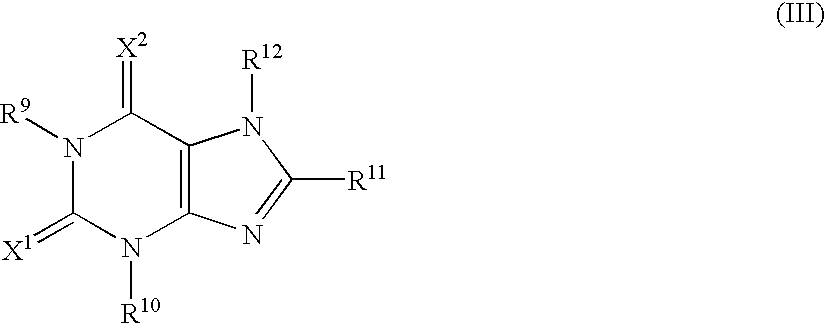
- [wherein R 9, R10 and R12 each is hydrogen, a lower aliphatic hydrocarbon group optionally having one or more suitable substituents, higher alkyl optionally having one or more suitable substituents or ar(lower)alkyl optionally having one or more suitable substituents; R11 is hydrogen; alicyclic, aryl, heterocyclic, alicyclic(lower)alkyl, ar(lower)alkyl or heterocyclic(lower)alkyl group, each of which may have one or more suitable substituents; or a group of the formula:

- (wherein R 13 and R14 each is alicyclic group optionally having one or more suitable substituents or aryl optionally having one or more suitable substituents;
- A 1 is lower alkylene; and n is 0 or 1); and X1 and X2 each is an oxygen atom or a sulfur atom].
- Hereat, the selection of a compound is carried out by judiciously selection of a suitable compound having preferred profile after estimating strength of adenosine A 1 =l and A 2a-receptor antagonizing activity by the above method of “Estimation of Adenosine A1 and A2a-receptor antagonizing activity”
- Suitable salts of such xanthine compounds may include the same kinds of salts as mentioned hereinbefore for the pyrazolopyridine compound (I).
- The xanthine compound (III) includes all the compounds described in EP 0386675, EP 0415456, JP H2-247180, and WO 90/12797. By the same token, the groups mentioned for compound (III) herein apply to all the corresponding groups of said various compounds.
- The following comments on the various definitions of compound (III) are directed to the particularly preferred examples thereof.
- Suitable “lower aliphatic hydrocarbon group” of said “lower aliphatic hydrocarbon group optionally having one or more suitable substituents” may include the same lower alkyl, lower alkenyl and lower alkynyl as mentioned for the pyrazolopyridine compound (I).
- The “lower aliphatic hydrocarbon group” mentioned above may have one or more (preferably 1˜3) suitable substituents typically selected from among hydroxy, amino, the halogen mentioned for compound (I) and the aryl mentioned for compound (I).
- As preferred examples of said “lower aliphatic hydrocarbon group”, there can be mentioned (C 1-C4)alkyl, (C2-C4)alkenyl and (C2-C4)alkynyl; the more preferred, among these, are (C1-C4)alkyl groups, with propyl being the most preferred.
- Suitable “higher alkyl” of said “higher alkyl optionally having one or more suitable substituents” may include the same groups as mentioned for compound (I), and this “higher alkyl” may have one or more (preferably 1˜3) suitable substituents such as those mentioned for said “lower aliphatic hydrocarbon group”.
- Suitable “ar(lower)alkyl” may include the same groups as mentioned for compound (I).
- The “ar(lower)alkyl” mentioned above may have one or more (preferably 1˜3) suitable substituents typically selected from among said lower alkyl, said halogen, hydroxy, and said lower alkoxy.
- Suitable “alicyclic group” and “alicyclic moiety” of said “alicyclic(lower)alkyl” may include cyclo(C 3-C6)alkyl, such as cyclopropyl, cyclobutyl, cyclopentyl, cyclohexyl, cycloheptyl, cyclooctyl, etc. [particularly preferred are cyclo(C3-C6)alkyl]; (C7-C12)bicycloalkyl or (C7-C12)bicycloalkenyl [particularly preferred are groups of the formula:

- (whereinrepresents a single bond or a double bond), groups of the formula:


- etc.]; and (C 7-C12)tricycloalkyl [particularly preferred are groups of the formula

- (wherein m is 0 or 1)]; among others.
- Suitable “heterocycle group” and “heterocyclic moiety” of said “heterocyclic(lower)alkyl group” may include the same groups as already mentioned for “heterocyclic group” in the description of the compound (I).
- Suitable “aryl” may include the same aryl groups as mentioned by way of example for the compound (I).
- Suitable “lower alkyl” of said “alicyclic(lower)alkyl group” and of said “heterocyclic(lower)alkyl group” may include the same groups as mentioned previously for the “lower alkyl group”.
- The alicyclic group, aryl group, heterocyclic group, alicyclic(lower)alkyl group, ar(lower)alkyl group, and heterocyclic(lower)alkyl group for R 11 may each have one or more (preferably 1˜3) suitable substituents, which are typically selected from among oxo, hydroxy, amino, said lower alkyl, carboxy, and the protected carboxy mentioned for compound (I).
- The “alicyclic group” and “aryl group” for R 13 and R14 may each have one or more (preferably 1˜3) suitable substituents typically selected from among said lower alkyl, hydroxy, the same lower alkoxy as mentioned for compound (I), said halogen, amino and nitro.
- Suitable “lower alkylene” may include methylene, ethylene, 1-methylethylene, trimethylene, tetramethylene, pentamethylene, hexamethylene, etc., with (C 1-C4)alkylene being particularly preferred.
- The preferred exemplary groups for the xanthine compound (III) are as follows.
- R 9 and R10 each is preferably a lower alkyl, more preferably a (C1-C4)alkyl, with propyl being the most preferred.
- The preferred group for R 11 includes cyclo(C3-C8)alkyl which may have oxo; (C7-C12)tricycloalkyl and groups of the formula:

- (wherein R 13 and R14 each is a cyclo(C3-C8)alkyl). The more preferred are cyclo(C3-C6)alkyl which may have oxo; groups of the formula:
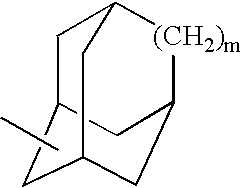
- (whereas m is as defined above), and groups of the formula:
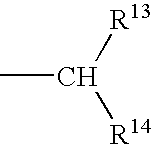
- (wherein R 13 and R14each is cyclo(C3-C6)alkyl). The most preferred is cyclopentyl which may have oxo; groups of the formula:

- and groups of the formula

- (wherein R 13 and R14 each is cyclopropyl).
- Preferably, R 12 is hydrogen.
- Preferably, X 1 and X2 each is an oxygen atom.
- The pharmaceutical composition for use in the practice of this invention can be provided and administered either in the form of the adenosine A 1A2a-receptor dual antagonist or its salt as a bulk or in a solid, semisolid or liquid form containing said adenosine A1A2a-receptor dual antagonist or salt as an active ingredient in combination with an organic or inorganic carrier or excipient suited for rectal, oral or parenteral (inclusive of subcutaneous, intravenous and intramuscular) administration or inhalation.
- The active ingredient can be formulated with any of the nontoxic pharmaceutically acceptable carriers which are usually incorporated in various dosage forms such as tablets, pellets, troches, capsules, suppositories, aerosols, powders for inhalation, solutions, emulsions, and suspensions. Where necessary, various adjuvants, stabilizers, thickeners, coloring agents and flavoring agents can also be incorporated. The adenosine A 1A2a-receptor dual antagonist inclusive of its salt is incorporated in any such dosage form in a sufficient amount to yield the expected therapeutic benefit which depends on the stage or status of illness.
- Such pharmaceutical preparations for use in this invention can be manufactured by the established procedures in the art. Where necessary, the methods in common use in the art for improving the bioavailability of medicinal substances can also be applied to the manufacture of such pharmaceutical preparations.
- The therapeutically effective amount of the adenosine A 1A2a-receptor dual antagonist inclusive of its salt varies with the patient's age and other factors but generally the adenosine A1A2a-receptor dual antagonist can be administered in a daily dose of 0.01˜200 mg per kg human body weight.
- As evidence of the usefulness of this invention, the results of concrete pharmacological tests are mentioned below.
- Test Compound
- In the tests mentioned below,
- (A) 3-[2-(Thiazol-2-ylmethyl)-3-oxo-2,3-dihydro-pyridazin-6-yl]-2-phenylpyrazolo[1,5-a]pyridine was used as an adenosine A 1A2a-receptor dual antagonist.
- Test 1 Anticataleptic Action
- Method
- Mice were orally dosed with the test compound as a suspention in 0.5% of methyl cellulose and, 30 minutes later, intraperitoneally dosed with 0.32 mg/kg of haloperidol. After another 30 minutes, the animals were observed for signs of catalepsy.
- Results
Dosage (mg/kg) Incidence of catalepsy (%) Control 100 1 20 - Test 2 Anxiolytic Action
- Method
- Two male SD rats acclimated for 1 week and handled once were used in sets. One hour before beginning of the test, both rats in each set were orally dosed with the same amount of the test compound or the vehicle. Immediately thereafter, both rats were placed in a new environment where territories were to be established as yet and their behaviors were monitored and recorded over 15 minutes. After the test, the records were analyzed and evaluated in terms of the total duration of social interaction (social interaction time) (observation items: sniffing, following, grooming, kicking, boxing, biting, wrestling, crawling under or over the partner).
- Results
Dosage (mg/kg) Social interaction time (sec.) Control 51.3 ± 6.0 0.32 90.5 ± 12.5 - Test 3 Impaired-Memory Ameliorating Action
- Method
- Male Wistar rats were serially subjected to an acclimation trial, an acquisition trial 1 hour after the acclimation trial, and a retention trial 24 hours after the acquisition trial. Scopolamine 1 mg/kg was intraperitoneally administered 30 minutes before the acquisition trial. The test compound was intraperitoneally administered immediately after the acquisition trial.
- Results
Reaction latency in Dosage (mg/kg) retention trial (sec.) Intact group 300 ± 0 Scopolamine 1 mg/kg + control 80.2 ± 34.9 Scopolamine 1 mg/kg + 1 215.6 ± 35.0 - Based on the above test results, an adenosine A 1A2a-receptor dual antagonist was found to have anticataleptic, anxiolytic and impaired-memory ameliorating actions and, therefore, considered to be of use as a drug for the prevention and/or treatment of Parkinson's disease and concomitant symptom(s) thereof such as anxiety, depression and/or memory impairment, among others.
- In the above mentioned, an adenosine A 1A2a-receptor dual antagonist was explained as a single compound, however, it is possible to gain a similar effect to the single compound even if a combination drug consisting of an adenosine A1-receptor antagonist and an adenosine A2a-receptor antagonist in a suitable combination rate.
- Suitable compounds of an adenosine A 1-receptor antagonist and an adenosine A2a-receptor antagonist can be judiciously selected from various compounds above concretely mentioned.
- The combination rate of the both compounds can be judiciously decided, and the affinity for the adenosine A 1-receptor is preferably 0.25˜40 times, more preferably 8˜40 times, as high as its affinity for the adenosine A2a receptor as a whole of the combination drug.
Claims (18)
1. A pharmaceutical composition for the prevention and/or the treatment of Parkinson's disease and the concomitant symptom(s) thereof,
which comprises an adenosine A1A2a-receptor dual antagonist or a salt thereof as an active ingredient.
2. A pharmaceutical composition claimed in claim 1 , wherein the concomitant symptom(s) is(are) anxiety, depression and/or memory impairment.
3. A pharmaceutical composition claimed in claim 1 or 2, wherein the adenosine A1A2a-receptor dual antagonist has an adenosine A2a-receptor antagonizing action of not more than 100 nM in terms of IC50.
4. A pharmaceutical composition claimed in claim 3 , wherein the adenosine A1A2a-receptor dual antagonist has an adenosine A2a-receptor antagonizing action of not more than 50 nM in terms of IC50.
5. A pharmaceutical composition claimed in claim 1 to 4, wherein the affinity for the adenosine A1-receptor of the adenosine A1A2a-receptor dual antagonist is 0.25 to 40 times as high as that for the adenosine A2a-receptor.
6. A pharmaceutical composition claimed in claim 5 , wherein the affinity for the adenosine A1-receptor of the adenosine A1A2a-receptor dual antagonist is 8 to 40 times as high as that for the adenosine A2a-receptor.
7. A pharmaceutical composition claimed in claim 1 or 2, wherein the adenosine A1A2a-receptor dual antagonist is selected from the group consisting of adenine derivative, barbiturate derivative, benzimidazole derivative, benzo[1,2-c:5,4-c′]dipyrazole derivative, benzo[b]furan derivative,benzo[g]pteridine-2,4-dione derivative, β-carboline derivative, dibenz[b,f]azepine derivative, flavone derivative, imidazo[1,2-a]pyrazine derivative, imidazo[4,5-b]pyridine derivative, imidazo[4,5-c]quinoline derivative, imidazo[4,5-e][1,4]diazepine-5,8-dione derivative, imidazo[4,5-f]quinazoline-7,9-dione derivative, imidazo[4,5-g]quinazoline-6,8-dione derivative, imidazo[1,2-a]quinoxaline derivative, imidazoline derivative, imidazotriazolopyrimidine derivative, pteridine-2,4-dione derivative, pyrazole derivative, pyrazolo[1,5-a]pyradine derivative, pyrazolo[1,5-a]pyridine derivative, pyrazolo[3,4-b]pyridine derivative, pyrazolo[3,4-d]pyrimidine derivative, pyrazolo[4,3-d]pyrimidine derivative, pyrazolo[4,3-c]quinoline derivative, pyrimidine derivative, pyrimido[4,5-b](tetrahydro)indole derivative derivative, pyrrolo[2,3-d]pyrimidine derivative, quinazoline derivative, quinoline derivative, thiazolo[3,2-a]pyrimidine derivative, thiazolo[2,3-b]quinazoline derivative, thiazolo[4,5-d]pyrimidine-5,7-dione derivative, thiazolo[5,4-d]pyrimidine-5,7-dione derivative, thiophene derivative, triazolo[3,2-a][2,7]naphthyridine derivative, triazolopurine derivative, [1,2,4]triazolo[4,3-b]pyridazine derivative, triazolo[1,5-a]pyrimidine derivative, triazolo[1,5-c]pyrimidine derivative, [1,2,4]triazolo[1,5-c]quinazoline derivative, [1,2,4]triazolo[4,3-a]quinoxaline derivative, triazolo[1,5-a]triazine derivative, xanthine derivative, mesoionic xanthine derivative.
8. A pharmaceutical composition claimed in claim 7 , wherein the adenosine A1A2a-receptor dual antagonist is a compound selected from the pyrazolopyridine compounds of the general formula or a salt thereof:
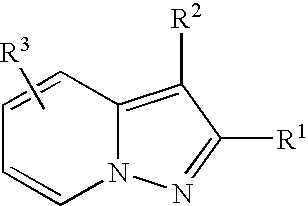
[wherein R1 is lower alkyl, aryl optionally having one or more suitable substituent(s) or a heterocyclic group;

R2 is a group of the formula:
(wherein R4 is a protected amino or hydroxy and R5 is hydrogen or lower alkyl);
cyano;
a group of the formula:
-A-R6
(wherein R6is acyl and A is lower aliphatic hydrocarbon group optionally having one or more suitable substituent(s));
amidated carboxy;
unsaturated heterocyclic group optionally having one or more suitable substituent(s);
amino; or
protected amino; and
R3is hydrogen, lower alkyl, lower alkoxy, or halogen].
9. A pharmaceutical composition claimed in claim 8 , wherein the adenosine A1A2a-receptor dual antagonist is selected from the pyrazolopyridine compounds of the general formula:

[wherein R1 is aryl which may be substituted by halogen and R2 is dihydropyridazinyl group having lower alkyl optionally substituted by an unsaturated 3˜8-membered monocyclic heterocyclic group containing 1 or 2 sulfur atoms and 1˜3 nitrogen atoms or acyl(lower)alkyl and oxo; dihydropyridazinyl group having cyclo(lower)alkyl substituted by acyl(lower)alkyl or acyl(lower)alkylidene and oxo; or dihydropyridazinyl having cyclo(lower)alkenyl substituted by acyl(lower)alkyl or acyl(lower)alkylidene and oxo].
10. A pharmaceutical composition claimed in claim 9 , wherein the adenosine A1A2a-receptor dual antagonist is a compound, in which
R1 is phenyl or phenyl substituted by halogen, and
R2 is 3-oxo-2,3-dihydropyridazinyl group having thiazolyl(lower)alkyl group or
3-oxo-2,3-dihydropyridazinyl group having lower alkyl.
11. A pharmaceutical composition claimed in claim 10 , wherein the adenosine A1A2a-receptor dual antagonist is 3-[2-(thiazol-2-ylmethyl)-3-oxo-2,3-dihydropyridazin-6-yl]-2-phenylpyrazolo[1,5-a]pyridine.
12. A pharmaceutical composition claimed in claim 1 or 2, wherein the adenosine A1A2a-receptor dual antagonist is a compound selected from the pyrazolopyrazine compounds of the following general formula or a salt thereof:
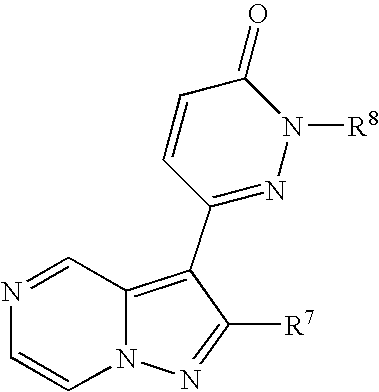
[wherein R7 is aryl optionally having one or more suitable substituent(s); R8 is hydrogen, lower alkyl, cyclo(lower)alkyl, lower alkyl substituted by cyclo(lower)alkyl, ar(lower)alkyl, a heterocyclic group, or lower alkyl substituted by heterocyclic group] and salts thereof.
13. A pharmaceutical composition claimed in claim 12 , wherein the adenosine A1A2a-receptor dual antagonist is a compound, in which
R7 is phenyl or phenyl substituted by halogen, and
R8 is lower alkyl or a heterocyclic group.
14. A pharmaceutical composition claimed in claim 1 or 2, wherein the adenosine A1A2a-receptor dual antagonist is a compound selected from the xanthine compounds of the general formula or a salt thereof:

[wherein R9, R10 and R12 each is hydrogen, lower aliphatic hydrocarbon group optionally having one or more suitable substituent(s), higher alkyl optionally having one or more suitable substituent(s) or ar(lower)alkyl optionally having one or more suitable substituent(s);

R11 is hydrogen; alicyclic, aryl, heterocyclic, alicyclic(lower)alkyl, ar(lower)alkyl or heterocyclic(lower)alkyl, each of which may have one or more suitable substituent(s); or a group of the formula:
(wherein R13and R14 each is an alicyclic group optionally having one or more suitable substituent(s) or aryl optionally having one or more suitable substituent(s);
A1 is lower alkylene; and n is 0 or 1); and X1 and X2 each is an oxygen atom or a sulfur atom]
and salts thereof.
15. A pharmaceutical composition claimed in claim 14 , wherein the adenosine A1A2a-receptor dual antagonist is a compound, in which
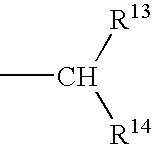
R9 and R10 each is lower alkyl,
R11 is cyclo(C3-C8)alkyl which may have oxo;
(C7-C12)tricycloalkyl; or a group of the formula:
(wherein R13 and R14 each is cyclo(C3-C8)alkyl)
R12 is hydrogen, and
X1 and X2 each is an oxygen atom.
16. Use of an adenosine A1A2a-receptor dual antagonist for the manufacture of a pharmaceutical composition for the prevention and/or the treatment of Parkinson's disease and the concomitant symptom(s) thereof.
17. A method for the prevention and/or the treatment of Parkinson's disease and the concomitant symptom(s) thereof, which comprises administering an adenosine A1A2a -receptor dual antagonist to a patient suffering from Parkinson's disease and the concomitant symptom(s) thereof.
18. A pharmaceutical composition for the prevention and/or the treatment of Parkinson's disease and the concomitant symptom(s) thereof, which comprises a combination of 1 or more compound(s) selected from an adenosine A1-receptor dual antagonist and 1 or more compound(s) selected from an adenosine A2a-receptor antagonist, as active ingredients.
Priority Applications (1)
| Application Number | Priority Date | Filing Date | Title |
|---|---|---|---|
| US10/716,865 US20040152659A1 (en) | 1999-05-12 | 2003-11-20 | Method for the treatment of parkinson's disease comprising administering an A1A2a receptor dual antagonist |
Applications Claiming Priority (4)
| Application Number | Priority Date | Filing Date | Title |
|---|---|---|---|
| JP13110899 | 1999-05-12 | ||
| JP11/131108 | 1999-05-12 | ||
| US92646901A | 2001-11-08 | 2001-11-08 | |
| US10/716,865 US20040152659A1 (en) | 1999-05-12 | 2003-11-20 | Method for the treatment of parkinson's disease comprising administering an A1A2a receptor dual antagonist |
Related Parent Applications (2)
| Application Number | Title | Priority Date | Filing Date |
|---|---|---|---|
| PCT/JP2000/003015 Continuation WO2000069464A1 (en) | 1999-05-12 | 2000-05-11 | Novel use |
| US09926469 Continuation | 2001-11-08 |
Publications (1)
| Publication Number | Publication Date |
|---|---|
| US20040152659A1 true US20040152659A1 (en) | 2004-08-05 |
Family
ID=32774080
Family Applications (1)
| Application Number | Title | Priority Date | Filing Date |
|---|---|---|---|
| US10/716,865 Abandoned US20040152659A1 (en) | 1999-05-12 | 2003-11-20 | Method for the treatment of parkinson's disease comprising administering an A1A2a receptor dual antagonist |
Country Status (1)
| Country | Link |
|---|---|
| US (1) | US20040152659A1 (en) |
Cited By (20)
| Publication number | Priority date | Publication date | Assignee | Title |
|---|---|---|---|---|
| US20090042856A1 (en) * | 2005-09-01 | 2009-02-12 | Astellas Pharma Inc | Pyridazinone derivatives used for the treatment of pain |
| US20090105277A1 (en) * | 2005-06-07 | 2009-04-23 | Kyowa Hakko Kogyo Co., Ltd. | Agent for preventing and/or treating movement disorder |
| CN102482271A (en) * | 2009-09-02 | 2012-05-30 | 协和发酵麒麟株式会社 | Anxiety Disorder Therapy |
| US9415016B2 (en) | 2008-04-03 | 2016-08-16 | Boehringer Ingelheim International Gmbh | DPP-IV inhibitor combined with a further antidiabetic agent, tablets comprising such formulations, their use and process for their preparation |
| US9457029B2 (en) | 2009-11-27 | 2016-10-04 | Boehringer Ingelheim International Gmbh | Treatment of genotyped diabetic patients with DPP-IV inhibitors such as linagliptin |
| US9486526B2 (en) | 2008-08-06 | 2016-11-08 | Boehringer Ingelheim International Gmbh | Treatment for diabetes in patients inappropriate for metformin therapy |
| US9493462B2 (en) | 2006-05-04 | 2016-11-15 | Boehringer Ingelheim International Gmbh | Polymorphs |
| US9499546B2 (en) | 2004-11-05 | 2016-11-22 | Boehringer Ingelheim International Gmbh | Process for the preparation of chiral 8-(3-aminopiperidin-1-yl)-xanthines |
| US9526730B2 (en) | 2012-05-14 | 2016-12-27 | Boehringer Ingelheim International Gmbh | Use of a DPP-4 inhibitor in podocytes related disorders and/or nephrotic syndrome |
| US9526728B2 (en) | 2014-02-28 | 2016-12-27 | Boehringer Ingelheim International Gmbh | Medical use of a DPP-4 inhibitor |
| US9555001B2 (en) | 2012-03-07 | 2017-01-31 | Boehringer Ingelheim International Gmbh | Pharmaceutical composition and uses thereof |
| US9556175B2 (en) | 2002-08-21 | 2017-01-31 | Boehringer Ingelheim International Gmbh | 8-[3-amino-piperidin-1-yl]-xanthines, the preparation thereof and thier use as pharmaceutical compositions |
| US9603851B2 (en) | 2010-05-05 | 2017-03-28 | Boehringer Ingelheim International Gmbh | Combination therapy |
| US9713618B2 (en) | 2012-05-24 | 2017-07-25 | Boehringer Ingelheim International Gmbh | Method for modifying food intake and regulating food preference with a DPP-4 inhibitor |
| US10080754B2 (en) | 2006-05-04 | 2018-09-25 | Boehringer Ingelheim International Gmbh | Uses of DPP IV inhibitors |
| US10155000B2 (en) | 2016-06-10 | 2018-12-18 | Boehringer Ingelheim International Gmbh | Medical use of pharmaceutical combination or composition |
| US11033552B2 (en) | 2006-05-04 | 2021-06-15 | Boehringer Ingelheim International Gmbh | DPP IV inhibitor formulations |
| US11911387B2 (en) | 2010-11-15 | 2024-02-27 | Boehringer Ingelheim International Gmbh | Vasoprotective and cardioprotective antidiabetic therapy |
| US11911388B2 (en) | 2008-10-16 | 2024-02-27 | Boehringer Ingelheim International Gmbh | Treatment for diabetes in patients with insufficient glycemic control despite therapy with an oral or non-oral antidiabetic drug |
| US12312352B2 (en) | 2012-05-14 | 2025-05-27 | Boehringer Ingelheim International Gmbh | Use of a DPP-4 inhibitor in SIRS and/or sepsis |
Citations (7)
| Publication number | Priority date | Publication date | Assignee | Title |
|---|---|---|---|---|
| US4925849A (en) * | 1987-06-15 | 1990-05-15 | Fujisawa Pharmaceutical Company, Ltd. | Pharmaceutically useful pyrazolopyridines |
| US4985444A (en) * | 1989-01-23 | 1991-01-15 | Fujisawa Pharmaceutical Co., Ltd. | Pyrazolopyridine compound and processes for preparation thereof |
| US5204346A (en) * | 1990-07-18 | 1993-04-20 | Fujisawa Pharmaceutical Co., Ltd. | Pyrazolopyridine compounds |
| US5234930A (en) * | 1991-04-10 | 1993-08-10 | Fujisawa Pharmaceutical Co., Ltd. | Pyrazolopyridine compounds which have useful pharmaceutical utility |
| US5773530A (en) * | 1993-12-29 | 1998-06-30 | Fujisawa Pharmaceutical Co., Ltd. | Pyrazolopyridine adenosine antagonists |
| US6124456A (en) * | 1996-07-18 | 2000-09-26 | Fujisawa Pharmaceutical Co., Ltd. | Pyrazolopyridine compound and pharmaceutical use thereof |
| US20040152706A1 (en) * | 2001-06-06 | 2004-08-05 | Atsushi Akahane | Pyrazolopyrazine compound pharmaceutical use thereof |
-
2003
- 2003-11-20 US US10/716,865 patent/US20040152659A1/en not_active Abandoned
Patent Citations (7)
| Publication number | Priority date | Publication date | Assignee | Title |
|---|---|---|---|---|
| US4925849A (en) * | 1987-06-15 | 1990-05-15 | Fujisawa Pharmaceutical Company, Ltd. | Pharmaceutically useful pyrazolopyridines |
| US4985444A (en) * | 1989-01-23 | 1991-01-15 | Fujisawa Pharmaceutical Co., Ltd. | Pyrazolopyridine compound and processes for preparation thereof |
| US5204346A (en) * | 1990-07-18 | 1993-04-20 | Fujisawa Pharmaceutical Co., Ltd. | Pyrazolopyridine compounds |
| US5234930A (en) * | 1991-04-10 | 1993-08-10 | Fujisawa Pharmaceutical Co., Ltd. | Pyrazolopyridine compounds which have useful pharmaceutical utility |
| US5773530A (en) * | 1993-12-29 | 1998-06-30 | Fujisawa Pharmaceutical Co., Ltd. | Pyrazolopyridine adenosine antagonists |
| US6124456A (en) * | 1996-07-18 | 2000-09-26 | Fujisawa Pharmaceutical Co., Ltd. | Pyrazolopyridine compound and pharmaceutical use thereof |
| US20040152706A1 (en) * | 2001-06-06 | 2004-08-05 | Atsushi Akahane | Pyrazolopyrazine compound pharmaceutical use thereof |
Cited By (38)
| Publication number | Priority date | Publication date | Assignee | Title |
|---|---|---|---|---|
| US10023574B2 (en) | 2002-08-21 | 2018-07-17 | Boehringer Ingelheim International Gmbh | 8-[3-amino-piperidin-1-yl]-xanthines, the preparation thereof and their use as pharmaceutical compositions |
| US10202383B2 (en) | 2002-08-21 | 2019-02-12 | Boehringer Ingelheim International Gmbh | 8-[3-amino-piperidin-1-yl]-xanthines, the preparation thereof and their use as pharmaceutical compositions |
| US9556175B2 (en) | 2002-08-21 | 2017-01-31 | Boehringer Ingelheim International Gmbh | 8-[3-amino-piperidin-1-yl]-xanthines, the preparation thereof and thier use as pharmaceutical compositions |
| US9499546B2 (en) | 2004-11-05 | 2016-11-22 | Boehringer Ingelheim International Gmbh | Process for the preparation of chiral 8-(3-aminopiperidin-1-yl)-xanthines |
| US9751855B2 (en) | 2004-11-05 | 2017-09-05 | Boehringer Ingelheim International Gmbh | Process for the preparation of chiral 8-(3-aminopiperidin-1-yl)-xanthines |
| US20090105277A1 (en) * | 2005-06-07 | 2009-04-23 | Kyowa Hakko Kogyo Co., Ltd. | Agent for preventing and/or treating movement disorder |
| US7851478B2 (en) | 2005-06-07 | 2010-12-14 | Kyowa Hakko Kirin Co., Ltd. | Agent for preventing and/or treating movement disorder |
| US20090042856A1 (en) * | 2005-09-01 | 2009-02-12 | Astellas Pharma Inc | Pyridazinone derivatives used for the treatment of pain |
| US11033552B2 (en) | 2006-05-04 | 2021-06-15 | Boehringer Ingelheim International Gmbh | DPP IV inhibitor formulations |
| US11084819B2 (en) | 2006-05-04 | 2021-08-10 | Boehringer Ingelheim International Gmbh | Polymorphs |
| US12171767B2 (en) | 2006-05-04 | 2024-12-24 | Boehringer Ingelheim International Gmbh | Uses of DPP IV inhibitors |
| US12178819B2 (en) | 2006-05-04 | 2024-12-31 | Boehringer Ingelheim International Gmbh | DPP IV inhibitor formulations |
| US9493462B2 (en) | 2006-05-04 | 2016-11-15 | Boehringer Ingelheim International Gmbh | Polymorphs |
| US10301313B2 (en) | 2006-05-04 | 2019-05-28 | Boehringer Ingelheim International Gmbh | Polymorphs |
| US11291668B2 (en) | 2006-05-04 | 2022-04-05 | Boehringer Ingelheim International Gmbh | Uses of DPP IV inhibitors |
| US11919903B2 (en) | 2006-05-04 | 2024-03-05 | Boehringer Ingelheim International Gmbh | Polymorphs |
| US9815837B2 (en) | 2006-05-04 | 2017-11-14 | Boehringer Ingelheim International Gmbh | Polymorphs |
| US10080754B2 (en) | 2006-05-04 | 2018-09-25 | Boehringer Ingelheim International Gmbh | Uses of DPP IV inhibitors |
| US10973827B2 (en) | 2008-04-03 | 2021-04-13 | Boehringer Ingelheim International Gmbh | DPP-IV inhibitor combined with a further antidiabetic agent, tablets comprising such formulations, their use and process for their preparation |
| US9415016B2 (en) | 2008-04-03 | 2016-08-16 | Boehringer Ingelheim International Gmbh | DPP-IV inhibitor combined with a further antidiabetic agent, tablets comprising such formulations, their use and process for their preparation |
| US10022379B2 (en) | 2008-04-03 | 2018-07-17 | Boehringer Ingelheim International Gmbh | DPP-IV inhibitor combined with a further antidiabetic agent, tablets comprising such formulations, their use and process for their preparation |
| US9486526B2 (en) | 2008-08-06 | 2016-11-08 | Boehringer Ingelheim International Gmbh | Treatment for diabetes in patients inappropriate for metformin therapy |
| US10034877B2 (en) | 2008-08-06 | 2018-07-31 | Boehringer Ingelheim International Gmbh | Treatment for diabetes in patients inappropriate for metformin therapy |
| US11911388B2 (en) | 2008-10-16 | 2024-02-27 | Boehringer Ingelheim International Gmbh | Treatment for diabetes in patients with insufficient glycemic control despite therapy with an oral or non-oral antidiabetic drug |
| CN102482271A (en) * | 2009-09-02 | 2012-05-30 | 协和发酵麒麟株式会社 | Anxiety Disorder Therapy |
| US10092571B2 (en) | 2009-11-27 | 2018-10-09 | Boehringer Ingelheim International Gmbh | Treatment of genotyped diabetic patients with DPP-IV inhibitors such as linagliptin |
| US9457029B2 (en) | 2009-11-27 | 2016-10-04 | Boehringer Ingelheim International Gmbh | Treatment of genotyped diabetic patients with DPP-IV inhibitors such as linagliptin |
| US10004747B2 (en) | 2010-05-05 | 2018-06-26 | Boehringer Ingelheim International Gmbh | Combination therapy |
| US9603851B2 (en) | 2010-05-05 | 2017-03-28 | Boehringer Ingelheim International Gmbh | Combination therapy |
| US11911387B2 (en) | 2010-11-15 | 2024-02-27 | Boehringer Ingelheim International Gmbh | Vasoprotective and cardioprotective antidiabetic therapy |
| US9555001B2 (en) | 2012-03-07 | 2017-01-31 | Boehringer Ingelheim International Gmbh | Pharmaceutical composition and uses thereof |
| US9526730B2 (en) | 2012-05-14 | 2016-12-27 | Boehringer Ingelheim International Gmbh | Use of a DPP-4 inhibitor in podocytes related disorders and/or nephrotic syndrome |
| US10195203B2 (en) | 2012-05-14 | 2019-02-05 | Boehringr Ingelheim International GmbH | Use of a DPP-4 inhibitor in podocytes related disorders and/or nephrotic syndrome |
| US12312352B2 (en) | 2012-05-14 | 2025-05-27 | Boehringer Ingelheim International Gmbh | Use of a DPP-4 inhibitor in SIRS and/or sepsis |
| US9713618B2 (en) | 2012-05-24 | 2017-07-25 | Boehringer Ingelheim International Gmbh | Method for modifying food intake and regulating food preference with a DPP-4 inhibitor |
| US9526728B2 (en) | 2014-02-28 | 2016-12-27 | Boehringer Ingelheim International Gmbh | Medical use of a DPP-4 inhibitor |
| US10155000B2 (en) | 2016-06-10 | 2018-12-18 | Boehringer Ingelheim International Gmbh | Medical use of pharmaceutical combination or composition |
| US12364700B2 (en) | 2016-06-10 | 2025-07-22 | Boehringer Ingelheim International Gmbh | Medical use of pharmaceutical combination or composition |
Similar Documents
| Publication | Publication Date | Title |
|---|---|---|
| EP1177797A1 (en) | Novel use | |
| US20040152659A1 (en) | Method for the treatment of parkinson's disease comprising administering an A1A2a receptor dual antagonist | |
| EP0497258B1 (en) | Use of adenosine antagonists in the prevention and treatment of pancreatitis and ulcer | |
| US20010041673A1 (en) | Combinations of corticotropin releasing factor antagonists and growth hormone secretagogues | |
| JP2001097889A (en) | Use of crf antagonist and related composition | |
| KR20060110006A (en) | Therapeutic Combinations of Atypical Antipsychotics and Corticotropin Release Factor Antagonists | |
| US5338743A (en) | New use of the adenosine antagonist | |
| JP2020203908A (en) | Vap-1 inhibitors for treating pain | |
| KR20220163955A (en) | Pyrrolopyrimidine amines as complement inhibitors | |
| CA2333947C (en) | Pyrazolopyridine compounds as adenosine a1 antagonist for male sterility | |
| EP0644762B1 (en) | Pyrazolopyridine compounds for the treatment of anemia | |
| US6214843B1 (en) | Preventives and remedies for ischemic intestinal lesion and ileus | |
| US6303624B1 (en) | Preventives and remedies for hyperphosphatemia | |
| US6232324B1 (en) | Use of pyrazolopyridine compound | |
| JPWO2000069464A1 (en) | New uses | |
| JPWO1999062553A1 (en) | Male infertility treatment | |
| JPWO1998041237A1 (en) | Preventive and therapeutic agent for hyperphosphatemia | |
| KR100237505B1 (en) | New use of the adenosine antagonist | |
| JPWO1996033715A1 (en) | New uses of pyrazolopyridine compounds | |
| JPWO1997040047A1 (en) | Preventive and therapeutic agent for ischemic intestinal lesions and ileus | |
| JPH06192092A (en) | New use of pyrazolopyridine | |
| JPH0959157A (en) | New use of pyrazolopyridine compound | |
| MXPA06007716A (en) | Combination of crf antagonists and 5-ht 1b. | |
| JP3467818B2 (en) | New uses of pyrazolopyridine compounds |
Legal Events
| Date | Code | Title | Description |
|---|---|---|---|
| AS | Assignment |
Owner name: ASTELLAS PHARMA INC.,JAPAN Free format text: MERGER;ASSIGNOR:FUJISAWA PHARMACEUTICAL CO., LTD.;REEL/FRAME:017073/0257 Effective date: 20050401 Owner name: ASTELLAS PHARMA INC., JAPAN Free format text: MERGER;ASSIGNOR:FUJISAWA PHARMACEUTICAL CO., LTD.;REEL/FRAME:017073/0257 Effective date: 20050401 |
|
| STCB | Information on status: application discontinuation |
Free format text: ABANDONED -- FAILURE TO RESPOND TO AN OFFICE ACTION |