US12290516B2 - Heterocyclic compounds as EphA4 inhibitors - Google Patents
Heterocyclic compounds as EphA4 inhibitors Download PDFInfo
- Publication number
- US12290516B2 US12290516B2 US16/612,698 US201816612698A US12290516B2 US 12290516 B2 US12290516 B2 US 12290516B2 US 201816612698 A US201816612698 A US 201816612698A US 12290516 B2 US12290516 B2 US 12290516B2
- Authority
- US
- United States
- Prior art keywords
- epha4
- inhibitor
- signaling
- disease
- ligand
- Prior art date
- Legal status (The legal status is an assumption and is not a legal conclusion. Google has not performed a legal analysis and makes no representation as to the accuracy of the status listed.)
- Active, expires
Links
Images


Classifications
-
- A—HUMAN NECESSITIES
- A61—MEDICAL OR VETERINARY SCIENCE; HYGIENE
- A61P—SPECIFIC THERAPEUTIC ACTIVITY OF CHEMICAL COMPOUNDS OR MEDICINAL PREPARATIONS
- A61P25/00—Drugs for disorders of the nervous system
- A61P25/24—Antidepressants
-
- A—HUMAN NECESSITIES
- A61—MEDICAL OR VETERINARY SCIENCE; HYGIENE
- A61K—PREPARATIONS FOR MEDICAL, DENTAL OR TOILETRY PURPOSES
- A61K31/00—Medicinal preparations containing organic active ingredients
- A61K31/33—Heterocyclic compounds
- A61K31/395—Heterocyclic compounds having nitrogen as a ring hetero atom, e.g. guanethidine or rifamycins
- A61K31/495—Heterocyclic compounds having nitrogen as a ring hetero atom, e.g. guanethidine or rifamycins having six-membered rings with two or more nitrogen atoms as the only ring heteroatoms, e.g. piperazine or tetrazines
- A61K31/498—Pyrazines or piperazines ortho- and peri-condensed with carbocyclic ring systems, e.g. quinoxaline, phenazine
-
- A—HUMAN NECESSITIES
- A61—MEDICAL OR VETERINARY SCIENCE; HYGIENE
- A61K—PREPARATIONS FOR MEDICAL, DENTAL OR TOILETRY PURPOSES
- A61K31/00—Medicinal preparations containing organic active ingredients
- A61K31/33—Heterocyclic compounds
- A61K31/395—Heterocyclic compounds having nitrogen as a ring hetero atom, e.g. guanethidine or rifamycins
- A61K31/435—Heterocyclic compounds having nitrogen as a ring hetero atom, e.g. guanethidine or rifamycins having six-membered rings with one nitrogen as the only ring hetero atom
- A61K31/44—Non condensed pyridines; Hydrogenated derivatives thereof
- A61K31/4418—Non condensed pyridines; Hydrogenated derivatives thereof having a carbocyclic group directly attached to the heterocyclic ring, e.g. cyproheptadine
-
- A—HUMAN NECESSITIES
- A61—MEDICAL OR VETERINARY SCIENCE; HYGIENE
- A61K—PREPARATIONS FOR MEDICAL, DENTAL OR TOILETRY PURPOSES
- A61K31/00—Medicinal preparations containing organic active ingredients
- A61K31/33—Heterocyclic compounds
- A61K31/395—Heterocyclic compounds having nitrogen as a ring hetero atom, e.g. guanethidine or rifamycins
- A61K31/435—Heterocyclic compounds having nitrogen as a ring hetero atom, e.g. guanethidine or rifamycins having six-membered rings with one nitrogen as the only ring hetero atom
- A61K31/44—Non condensed pyridines; Hydrogenated derivatives thereof
- A61K31/445—Non condensed piperidines, e.g. piperocaine
- A61K31/451—Non condensed piperidines, e.g. piperocaine having a carbocyclic group directly attached to the heterocyclic ring, e.g. glutethimide, meperidine, loperamide, phencyclidine, piminodine
-
- A—HUMAN NECESSITIES
- A61—MEDICAL OR VETERINARY SCIENCE; HYGIENE
- A61K—PREPARATIONS FOR MEDICAL, DENTAL OR TOILETRY PURPOSES
- A61K31/00—Medicinal preparations containing organic active ingredients
- A61K31/33—Heterocyclic compounds
- A61K31/395—Heterocyclic compounds having nitrogen as a ring hetero atom, e.g. guanethidine or rifamycins
- A61K31/435—Heterocyclic compounds having nitrogen as a ring hetero atom, e.g. guanethidine or rifamycins having six-membered rings with one nitrogen as the only ring hetero atom
- A61K31/46—8-Azabicyclo [3.2.1] octane; Derivatives thereof, e.g. atropine, cocaine
-
- A—HUMAN NECESSITIES
- A61—MEDICAL OR VETERINARY SCIENCE; HYGIENE
- A61K—PREPARATIONS FOR MEDICAL, DENTAL OR TOILETRY PURPOSES
- A61K31/00—Medicinal preparations containing organic active ingredients
- A61K31/33—Heterocyclic compounds
- A61K31/395—Heterocyclic compounds having nitrogen as a ring hetero atom, e.g. guanethidine or rifamycins
- A61K31/495—Heterocyclic compounds having nitrogen as a ring hetero atom, e.g. guanethidine or rifamycins having six-membered rings with two or more nitrogen atoms as the only ring heteroatoms, e.g. piperazine or tetrazines
- A61K31/4985—Pyrazines or piperazines ortho- or peri-condensed with heterocyclic ring systems
-
- A—HUMAN NECESSITIES
- A61—MEDICAL OR VETERINARY SCIENCE; HYGIENE
- A61K—PREPARATIONS FOR MEDICAL, DENTAL OR TOILETRY PURPOSES
- A61K31/00—Medicinal preparations containing organic active ingredients
- A61K31/33—Heterocyclic compounds
- A61K31/395—Heterocyclic compounds having nitrogen as a ring hetero atom, e.g. guanethidine or rifamycins
- A61K31/495—Heterocyclic compounds having nitrogen as a ring hetero atom, e.g. guanethidine or rifamycins having six-membered rings with two or more nitrogen atoms as the only ring heteroatoms, e.g. piperazine or tetrazines
- A61K31/505—Pyrimidines; Hydrogenated pyrimidines, e.g. trimethoprim
- A61K31/506—Pyrimidines; Hydrogenated pyrimidines, e.g. trimethoprim not condensed and containing further heterocyclic rings
-
- A—HUMAN NECESSITIES
- A61—MEDICAL OR VETERINARY SCIENCE; HYGIENE
- A61K—PREPARATIONS FOR MEDICAL, DENTAL OR TOILETRY PURPOSES
- A61K31/00—Medicinal preparations containing organic active ingredients
- A61K31/56—Compounds containing cyclopenta[a]hydrophenanthrene ring systems; Derivatives thereof, e.g. steroids
- A61K31/58—Compounds containing cyclopenta[a]hydrophenanthrene ring systems; Derivatives thereof, e.g. steroids containing heterocyclic rings, e.g. danazol, stanozolol, pancuronium or digitogenin
-
- A—HUMAN NECESSITIES
- A61—MEDICAL OR VETERINARY SCIENCE; HYGIENE
- A61K—PREPARATIONS FOR MEDICAL, DENTAL OR TOILETRY PURPOSES
- A61K9/00—Medicinal preparations characterised by special physical form
- A61K9/0012—Galenical forms characterised by the site of application
- A61K9/0053—Mouth and digestive tract, i.e. intraoral and peroral administration
-
- A—HUMAN NECESSITIES
- A61—MEDICAL OR VETERINARY SCIENCE; HYGIENE
- A61P—SPECIFIC THERAPEUTIC ACTIVITY OF CHEMICAL COMPOUNDS OR MEDICINAL PREPARATIONS
- A61P25/00—Drugs for disorders of the nervous system
-
- A—HUMAN NECESSITIES
- A61—MEDICAL OR VETERINARY SCIENCE; HYGIENE
- A61P—SPECIFIC THERAPEUTIC ACTIVITY OF CHEMICAL COMPOUNDS OR MEDICINAL PREPARATIONS
- A61P25/00—Drugs for disorders of the nervous system
- A61P25/22—Anxiolytics
-
- A—HUMAN NECESSITIES
- A61—MEDICAL OR VETERINARY SCIENCE; HYGIENE
- A61P—SPECIFIC THERAPEUTIC ACTIVITY OF CHEMICAL COMPOUNDS OR MEDICINAL PREPARATIONS
- A61P25/00—Drugs for disorders of the nervous system
- A61P25/28—Drugs for disorders of the nervous system for treating neurodegenerative disorders of the central nervous system, e.g. nootropic agents, cognition enhancers, drugs for treating Alzheimer's disease or other forms of dementia
-
- A—HUMAN NECESSITIES
- A61—MEDICAL OR VETERINARY SCIENCE; HYGIENE
- A61P—SPECIFIC THERAPEUTIC ACTIVITY OF CHEMICAL COMPOUNDS OR MEDICINAL PREPARATIONS
- A61P31/00—Antiinfectives, i.e. antibiotics, antiseptics, chemotherapeutics
-
- A—HUMAN NECESSITIES
- A61—MEDICAL OR VETERINARY SCIENCE; HYGIENE
- A61P—SPECIFIC THERAPEUTIC ACTIVITY OF CHEMICAL COMPOUNDS OR MEDICINAL PREPARATIONS
- A61P35/00—Antineoplastic agents
-
- A—HUMAN NECESSITIES
- A61—MEDICAL OR VETERINARY SCIENCE; HYGIENE
- A61K—PREPARATIONS FOR MEDICAL, DENTAL OR TOILETRY PURPOSES
- A61K31/00—Medicinal preparations containing organic active ingredients
- A61K31/56—Compounds containing cyclopenta[a]hydrophenanthrene ring systems; Derivatives thereof, e.g. steroids
- A61K31/57—Compounds containing cyclopenta[a]hydrophenanthrene ring systems; Derivatives thereof, e.g. steroids substituted in position 17 beta by a chain of two carbon atoms, e.g. pregnane or progesterone
- A61K31/573—Compounds containing cyclopenta[a]hydrophenanthrene ring systems; Derivatives thereof, e.g. steroids substituted in position 17 beta by a chain of two carbon atoms, e.g. pregnane or progesterone substituted in position 21, e.g. cortisone, dexamethasone, prednisone or aldosterone
Definitions
- AD Alzheimer's disease
- EphA4 receptor tyrosine kinase erythropoietin-producing hepatocellular A4
- Eph receptors Erythropoietin-producing hepatocellular (Eph) receptors, the largest family of receptor tyrosine kinases, are involved in a diverse spectrum of cellular processes 1 .
- Eph receptors are activated by binding with their transmembrane ligands, ephrins, to generate bidirectional signals via cell-cell interactions.
- Eph receptors are subdivided into EphA (EphA1-EphA8 and EphA10) and EphB (EphB1-EphB4 and EphB6).
- EphA receptors preferentially bind to their cognate ligands, ephrin-As (ephrin-A1-ephrin-A5), which are anchored to the membrane via glycosylphosphatidylinositol linkage; while EphB receptors preferentially bind to ephrin-Bs (ephrinB1-ephrinB3), which are transmembrane proteins.
- EphA4 is unique because it can interact with most ephrin-As and ephrin-Bs. Furthermore, EphA4 plays an essential role in different developmental processes and functioning, in particular, neuronal migration and neural circuit formation during brain development as well as synapse development and synaptic plasticity.
- the deregulated expression or aberrant increased activity of EphA4 is a feature of various human diseases such as Alzheimer's disease (AD) and cancers including breast cancer and pancreatic cancer.
- the present technology provides a method for treating a disease or condition that is caused or exacerbated by EphA4 signaling, especially in the case of excessively activated EphA4 signaling.
- Neurodegenerative disorders known to involve over-activated EphA4 signaling include, for example, amyloid ⁇ -induced neurological disorders such as Alzheimer's Disease, spinal cord injury, Parkinson's Disease, head injury (e.g., traumatic brain injury), peripheral nerve regeneration, amyotrophic lateral sclerosis (ALS, often referred to as Lou Gehrig's Disease), stroke, hearing disorders, multiple sclerosis, mood disorders, various types of cancers.
- the methods include administering to the subject an effective amount of a small molecule inhibitor for EphA4 signaling as described herein.
- the compound is selected from among those described in Table 1.
- the compound is selected from ergoloid, cyproheptadine, nilotinib, abiraterone, and rumblemulin, as well as other small molecule compounds.
- EphA4 inhibitors are useful for the purpose of treating a disease or condition involving over-active EphA4 signaling, include Alzheimer's disease and others diseases caused by amyloid ⁇ -induced neurotoxicity.
- a disease or condition involving over-active EphA4 signaling include Alzheimer's disease and others diseases caused by amyloid ⁇ -induced neurotoxicity.
- any one or any combination of the previously known EphA4 inhibitors may be excluded from the practice scope in some embodiments.
- this technology also provides pharmaceutical compositions useful for the purpose of treating diseases or conditions involving overactive EphA4 signaling, especially those involving plaque or aggregate formation (e.g., amyloid ⁇ -related neurodegenerative disorders such as Alzheimer's disease), including but not limited to the diseases and conditions named above.
- the pharmaceutical compositions comprising the EphA4 signaling inhibitors may be used to treat diseases and disorders such as amyotrophic lateral sclerosis (ALS), stroke, cancer, and spinal cord injury, all of which have a component of over-active or excessive cellular signaling mediated by EphA4.
- amyloid ⁇ -related neurodegenerative disorder is a degenerative neurological disorder in which the presence of amyloid plaques contributes to the onset and/or progression of the disorder.
- amyloid ⁇ -related neurodegenerative disorders is a degenerative neurological disorder in which the presence of amyloid plaques contributes to the onset and/or progression of the disorder.
- One example of such disorders is Alzheimer's Disease.
- motor neuron disorders as conventionally defined are excluded from the class of “amyloid ⁇ -related neurodegenerative disorders.”
- compositions designed for the treatment, management, or prevention of a disease or condition involving over-active EphA4 signaling typically comprises an inhibitor for EphA4 signaling as the active ingredient and a pharmaceutically or physiologically acceptable excipient.
- EphA4 inhibitors may be formulated for various modes of delivery, e.g., for oral administration or injection, to a patient in need of such treatment.
- the compositions comprise an EphA4 inhibitor that is a small molecule compound, for example, including any of those disclosed herein including in Table 1.
- the EphA4 inhibitors described herein therefore may be used for the manufacture of medicament intended for treating diseases and conditions involving over-active EphA4 signaling, including but not limited to Alzheimer's disease, ALS, Parkinson's Disease, traumatic brain injury, stroke, cancer, and spinal cord injury.
- the present technology provides a method for identifying compounds that can be used as therapeutic agents for treating neurodegenerative diseases (especially an amyloid ⁇ -related neurodegenerative disorder such as Alzheimer's Disease) by way of identifying new, previously unknown inhibitors of EphA4 signaling.
- a candidate compound is tested for its ability to interfere with and therefore reduce the binding between EphA4 and its ligand (e.g., an ephrin).
- an inhibitor may be a molecule of any chemical nature, including small molecules, macromolecules (such as polypeptide and polynucleotides), and the like.
- the candidate compound being tested for its ability to interrupt EphA4-ligand binding is first placed in an environment where both EphA4 and its ligand are present and under the conditions that are permissible for the specific binding between EphA4 and its ligand.
- the level of binding between EphA4 and the ligand with the candidate compound present is then determined and compared with the level of binding between EphA4 and its ligand under the same conditions except that the candidate compound is absent (in other words, a “control binding level” of EphA4 and the ligand).
- EphA4-ligand binding level is lower than the control binding level, for example, by at least 10%, 20%, 30%, 40%, 50%, 60%,70%, 75%, 80%, 85%, 90%, 95% or even higher, the binding between EphA4 and its ligand is deemed “inhibited” and the candidate compound is deemed an EphA4 signaling inhibitor, at least preliminarily.
- an additional step of further testing is carried out to verify the compound's function to provide neuroprotection by suppressing EphA4 signaling.
- an animal model such as the AD mouse model APP/PS1 described in this application may be used to verify whether a compound capable of interrupt EphA4-ligand binding has an effect on improving hippocampal synaptic plasticity inhibited by amyloid plaques, as well as on improving certain features of the AD pathology, e.g., reduced amyloid plaques in the cortex and hippocampus.
- EphA4 inhibitors For the purpose of screening for small molecule EphA4 inhibitors, one often first performs a molecular docking analysis using a small molecule library. The small molecules that are predicted to bind with EphA4 are selected. In the alternative, small molecules may be first screened and selected for their ability to specifically bind EphA4 in a cell-based or cell-free binding assay format, often in competition against a native ligand for EphA4 such as an ephrin. These selected small molecules are then tested for their ability in inhibiting EphA4 in cellular and animal models.
- the candidate small molecules are tested for their ability in inhibiting the EphA4-dependent growth cone collapse using cultured hippocampal neurons.
- the small molecules show inhibition on the EphA4-dependent growth cone collapse assay at a dosage-dependent manner
- the ability of these small molecules on blocking the ephrin-A dependent autophosphorylation of EphA4 (which reflects the activation status of the receptor) in cultured cortical neurons are examined using Western blot analysis.
- EphA4 signaling inhibitor acts by suppressing the expression of EphA4 or its ligand, and such suppression may be at RNA level and/or protein level.
- Many molecules can fall into this category, for example anti-sense oligonucleotides, microRNAs, or antibodies that specifically target EphA4 transcript (or the transcript of an EphA4 ligand) for hastened degradation can be effective inhibitors of EphA4 signaling.
- a proposed inhibitor of this nature may be tested by exposing to a cell that expresses EphA4 (or its ligand) for any reduction in EphA4 (or its ligand).
- such reduction is a reduction of at least 10%, 20%, 30%, 40%, 50%, 60%,70%, 75%, 80%, 85%, 90%, 95% or even higher, when compared to the expression level of EphA4 (or its ligand) under the same conditions but in the absence of the proposed inhibitor.
- the proposed inhibitor may be further tested in the same fashion described above to verify its neuroprotective activity.
- the present technology provides a kit for use in the treatment of a disease or disorder caused or exacerbated by EphA4 signaling, e.g., an amyloid ⁇ -induced neurotoxicity such as Alzheimer's Disease.
- the kit contains one or more inhibitors of EphA4 signaling, such as by way of disrupting EphA4-ligand binding or by way of suppressing EphA4 or ligand expression (e.g., at the RNA level or at the protein level).
- the kit comprises an EphA4 inhibitor that is a small molecule compound as disclosed herein, including one or more of those disclosed in Table 1.
- the kit often includes multiple containers, each of which contains the EphA4 signaling inhibitor in a daily administration dosage, such that the kit can provide the inhibitor for daily use by a patient during a certain time period.
- the inhibitor is formulated in a pharmaceutical composition suitable for oral administration, or for injection such as intravenous injection, subcutaneous injection, or intramuscular injection.
- an instruction manual directing the user on the administration of the inhibitor is also provided in the kit.
- FIG. 2 Molecular docking analysis.
- the conformations of lowest docking energy were selected for analysis.
- the proteins are shown in surface representation (b-f), whereas drugs are shown as sticks.
- FIG. 3 Nilotinib exhibits EphA4 inhibition activity. Dose-response curve of nilotinib against the interaction of mouse EphA4 with ephrin-A1.
- a not only include aspects with one member, but also include aspects with more than one member.
- an embodiment of a method of treatment that comprises using a compound set forth in claim 1 would include an aspect in which the method comprises using two or more compounds set forth in claim 1 .
- unit prefix “u” as used herein is equivalent to “ ⁇ ” or “micro.”
- ul is equivalent to “ ⁇ l” or “microliters.”
- the present technology provides methods to identify small molecules that target the LBD of EphA4, e.g., inhibitors of EphA4 signalling.
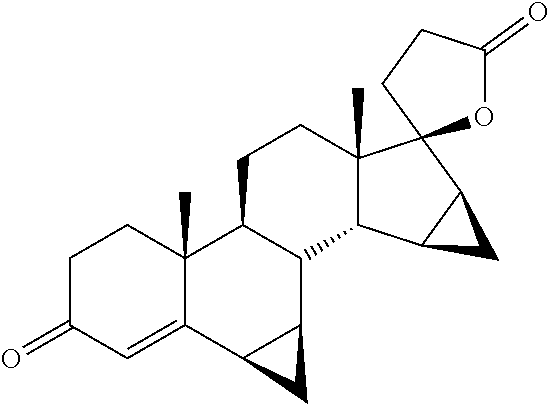
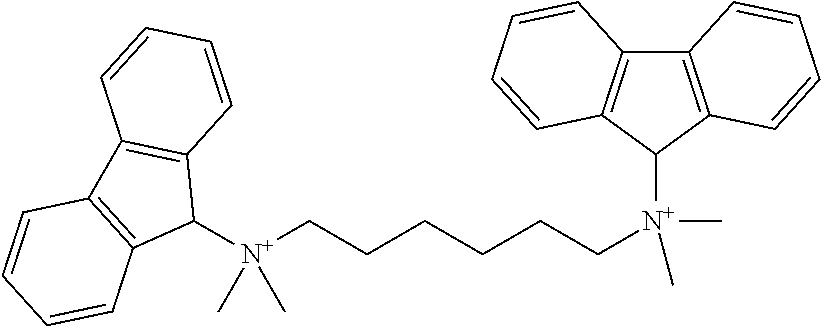
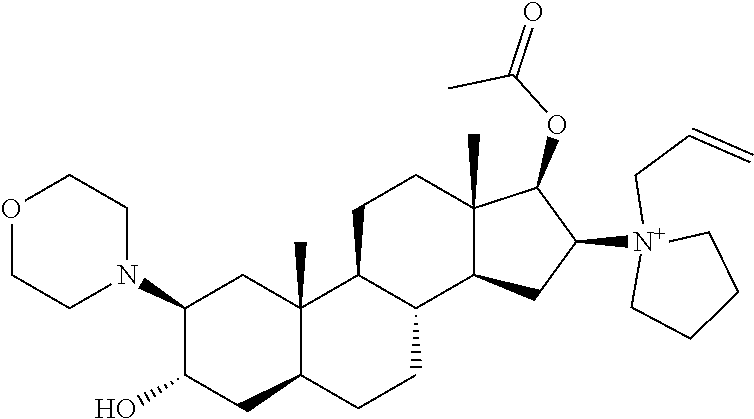
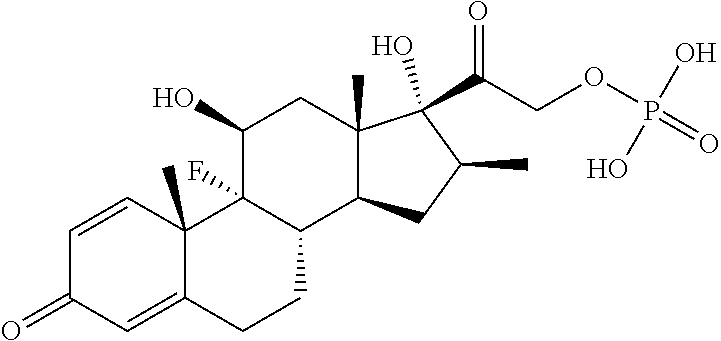
- An exemplary list of such compounds along with their structure and docking energy is presented in Table 1.
- Compounds described in this application are useful for treating a variety of diseases and conditions including neurodegenerative disorders involving over-activated EphA4 signaling, for example, amyloid ⁇ -induced neurological disorders such as Alzheimer's Disease, spinal cord injury, Parkinson's Disease, head injury (e.g., traumatic brain injury), peripheral nerve regeneration, amyotrophic lateral sclerosis (ALS), stroke, hearing disorders, multiple sclerosis, mood disorders, and cancers.
- ALS amyotrophic lateral sclerosis
- stroke a stroke
- hearing disorders multiple sclerosis
- mood disorders and cancers.
- an effective amount refers to an amount that produces therapeutic effects for which a substance is administered.
- the effects include the prevention, correction, or inhibition of progression of the symptoms of a disease/condition and related complications to any detectable extent.
- the exact amount will depend on the nature of the therapeutic agent, the manner of administration, and the purpose of the treatment, and will be ascertainable by one skilled in the art using known techniques (see, e.g., Lieberman, Pharmaceutical Dosage Forms (vols. 1-3, 1992); Lloyd, The Art, Science and Technology of Pharmaceutical Compounding (1999); and Pickar, Dosage Calculations (1999)).
- EphA4 receptor is indicated as a therapeutic target for a number of ailments.
- the EphA4 signal pathway is linked to the apoptotic cell death resulting from ischemia.
- the expression of ephrinA3 and EphA4 is significantly increased in the hippocampus following transient forebrain ischemia.
- Inhibition of EphA4 reduces apoptotic neuronal cell death, thus indicating that EphA4 signalling is involved in apoptosis after ischemia (Li et al., Neurosci Lett. 518(2):92-5, 2012).
- EphA4 inhibition also rescues neurodegeneration in amyotrophic lateral sclerosis (ALS), a fatal neurodegenerative disease characterized by the progressive degeneration of motor neurons. It has been shown that motor neurons that are most susceptible to degeneration in ALS express higher levels of EphA4. Furthermore, an inverse correlation between EPHA4 expression and disease onset and survival, has been observed in ALS patients. Moreover, EphA4 knockdown rescues axonopathy induced by expression of mutant TAR DNA-binding protein 43, another protein that causes familial ALS. These findings indicate that EphA4 modulates motor neuron degeneration and disease progression in ALS, and highlights the use of EphA4 inhibition as a therapeutic strategy in ALS (Faruqi, Nat Rev Drug Discov. 11(10):747, 2012; Van Hoecke et al., Nat Med. 18(9):1418-22, 2012).
- EphA4 inhibition also shows promising therapeutic potential in spinal cord injury (SCI). Individuals with SCI are often paralyzed with little chance of regaining loss of function due to limited ability of axons to grow and regenerate.
- EphA4 has recently been implicated in axonal inhibition and astrocytic gliosis. Mice lacking the EphA4 gene exhibit less gliosis and significantly reduced glial scars in their lesioned cords after spinal cord hemisection, and further, neurological outcome in EphA4 ⁇ / ⁇ mice is dramatically improved compared to wild-type controls (Goldshmit et al., J Neurosci. 24(45):10064-73, 2004). Furthermore, administration of an EphA4 inhibitor has demonstrated significant recovery in locomotor function after SCI in an animal model of SCI (Spanevello et al., J Neurotrauma. 30(12):1023-34, 2013).
- EphA4 is also implicated in cancer.
- the receptor is upregulated in various human cancers such as gastric cancer (Oki et al., World J Gastroenterol. 14:5650-5656, 2008; Miyazaki et al., BMC Clin Pathol. 13:19, 2013), colorectal cancer (Oshima et al., Int J Oncol. 33:573-577, 2008), and pancreatic cancer (Liu et al., Oncol Lett. 7(6):2165-2169, 2014).
- High expression of EphA4 is correlated with tumor progression, including the invasion, pathological stage and distant metastasis (Miyazaki et al., BMC Clin Pathol. 13:19, 2013).
- EphA4 expression in brain tumors has been shown to be 4-fold higher than in normal brain tissue. Furthermore, EphA4 also plays an important role in malignant phenotypes of glioblastoma by promoting the proliferation and migration of glioma cells (Fukai et al., Mol Cancer Ther. 7(9):2768-78, 2008). Thus, EphA4 inhibitors are important therapeutic agents in anticancer treatment strategies.
- EphA4 plays a role in adult neurogenesis, which is a process of producing functional neurons from proliferating cells called neural progenitor cells in the adult brain. Both in vivo and in vitro studies suggest that this process can be modulated by various environmental factors. For instance, enriched environment, exercise and learning, can stimulate adult neurogenesis while chronic stress or aging affect in the opposite way. Accumulating evidence further suggests that the etiology of depression is highly related to defective adult neurogenesis in hippocampus (Masi and Brovedani, 2011 CNS Drugs 25, 913-31; Lee et al., 2013 Curr Top Behav Neurosci 14, 153-79).
- antidepressant treatment e.g., imipramine and fluoxetine
- imipramine and fluoxetine are shown to upregulate neurogenesis in the adult brain, which further support the notion that adult neurogenesis is a core factor in the pathology of depression (Lee et al., 2013 Curr Top Behav Neurosci 14, 153-79; Fang et al. 2013 Neuron 79, 665-79; David et al., 2009 Neuron 62, 479-93).
- Agents that can stimulate adult neurogenesis provide a new therapeutic strategy for treating depression.
- the small molecule compounds that have EphA4 inhibitor activity described herein are therefore also useful for treating neurological/psychiatric disorders such as anxiety and depression.
- MS Multiple sclerosis
- MS is another disease that may be treated by the EphA4 inhibitors described herein.
- MS is the most common disabling neurologic disease of young adults (Hauser and Oksenberg 2006 Neuron 52(1):61-76). It is an autoimmune disease of the central nervous system with widespread focal lesions of primary demyelination leading to variable axonal, neuronal and astroglia injury (Lassmann 2013 Exp Neurol. S 0014-4886(13)00361-0). Demyelination, the hallmark of MS, disrupts neuronal communication resulting in a wide range of symptoms (Hernández-Pedro et al. 2013 Clin Dev Immunol. 413-465).
- Ephrins and Ephs not only play important roles such as synaptic plasticity and neural stem cell function, they are also involved in immunologic functions such as in thymic development and T/B-cell signaling (Sobel 2005 Brain Pathol. 15(1):35-45; Mu ⁇ oz et al. 2002 J Immunol. 169(1):177-845).
- EphA4 Blockade of EphA4 inhibited wound closure and reduced the accumulation of reactive astrocytes in the scratch wound model (Parmentier-Batteur et al. 2011 J Neurochem. 118(6):1016-31).
- Aberrant ephrin/Eph expression is involved in the immunopathogenesis of lesions and in neuronal injury in multiple sclerosis (MS) (Sobel 2005 Brain Pathol. 15(1):35-45).
- MS multiple sclerosis
- an increase in EphA4 protein was found in active MS lesions relative to those in chronic MS lesions (Parmentier-Batteur et al. 2011 J Neurochem. 118(6):1016-31).
- a pharmaceutical composition made for the use of treating diseases or conditions involving over-active EphA4 signaling typically comprises one EphA4 inhibitor (e.g., any one of the inhibitors identified herein) as the active ingredient and a pharmaceutically/physiologically acceptable excipient or carrier.
- EphA4 inhibitor e.g., any one of the inhibitors identified herein
- Such composition may be specifically formulated for the intended route of administration to the patients, for example, via oral administration or injection.
- the EphA4 inhibitors are also useful for the purpose of manufacturing medicament for the treatment of relevant diseases as described in this application.
- the present technology also provides pharmaceutical compositions or physiological compositions comprising an effective amount of a compound that inhibits EphA4-mediated signaling and therefore provide the intended benefits in both prophylactic and therapeutic applications.
- Such pharmaceutical or physiological compositions also include one or more pharmaceutically or physiologically acceptable excipients or carriers.
- Pharmaceutical compositions of the present technology are suitable for use in a variety of drug delivery systems. Suitable formulations for use in the present technology are found in Remington's Pharmaceutical Sciences, Mack Publishing Company, Philadelphia, Pa., 17th ed. (1985). For a brief review of methods for drug delivery, see, Langer, Science 249: 1527-1533 (1990).
- the pharmaceutical compositions of the present technology can be administered by various routes, e.g., oral, subcutaneous, transdermal, intramuscular, intravenous, or intraperitoneal.
- the routes of administering the pharmaceutical compositions are local delivery to an organ or tissue suffering from a condition exacerbated by EphA4-mediated signaling in a human at daily doses of about 0.01-2500 mg, or even 2.5-500 mg per day.
- the appropriate dose may be administered in a single daily dose or as divided doses presented at appropriate intervals, for example as two, three, four, or more subdoses per day.
- the pharmaceutical carrier can be either solid or liquid.
- Solid form preparations include, for example, powders, tablets, dispersible granules, capsules, cachets, and suppositories.
- a solid carrier can be one or more substances that can also act as diluents, flavoring agents, solubilizers, lubricants, suspending agents, binders, or tablet disintegrating agents; it can also be an encapsulating material.
- the carrier is generally a finely divided solid that is in a mixture with the finely divided active component, e.g., an EphA4 inhibitor in Table 1.
- the active ingredient an inhibitor of EphA4 signaling
- the carrier having the necessary binding properties in suitable proportions and compacted in the shape and size desired.
- a low-melting wax such as a mixture of fatty acid glycerides and cocoa butter is first melted and the active ingredient is dispersed therein by, for example, stirring. The molten homogeneous mixture is then poured into convenient-sized molds and allowed to cool and solidify.
- Powders and tablets may contain between about 5% to about 70% by weight of the active ingredient of an inhibitor of EphA4-mediated signaling.
- Suitable carriers include, for example, magnesium carbonate, magnesium stearate, talc, lactose, sugar, pectin, dextrin, starch, tragacanth, methyl cellulose, sodium carboxymethyl cellulose, a low-melting wax, cocoa butter, and the like.
- compositions can include the formulation of the active compound of an EphA4 inhibitor with encapsulating material as a carrier providing a capsule in which the inhibitor (with or without other carriers) is surrounded by the carrier, such that the carrier is thus in association with the compound.
- a carrier providing a capsule in which the inhibitor (with or without other carriers) is surrounded by the carrier, such that the carrier is thus in association with the compound.
- cachets can also be included. Tablets, powders, cachets, and capsules can be used as solid dosage forms suitable for oral administration.
- Liquid pharmaceutical compositions include, for example, solutions suitable for oral or parenteral administration, suspensions, and emulsions suitable for oral administration.
- Sterile water solutions of the active component e.g., an EphA4 inhibitor such as one found in Table 1
- sterile solutions of the active component in solvents comprising water, buffered water, saline, PBS, ethanol, or propylene glycol are examples of liquid compositions suitable for parenteral administration.
- the compositions may contain pharmaceutically acceptable auxiliary substances as required to approximate physiological conditions, such as pH adjusting and buffering agents, tonicity adjusting agents, wetting agents, detergents, and the like.
- Sterile solutions can be prepared by dissolving the active component (e.g., an EphA4 signaling inhibitor) in the desired solvent system, and then passing the resulting solution through a membrane filter to sterilize it or, alternatively, by dissolving the sterile compound in a previously sterilized solvent under sterile conditions.
- the resulting aqueous solutions may be packaged for use as is, or lyophilized, the lyophilized preparation being combined with a sterile aqueous carrier prior to administration.
- the pH of the preparations typically will be between 3 and 11, or from 5 to 9, or even from 7 to 8.
- compositions containing an EphA4 inhibitor can be administered for prophylactic and/or therapeutic treatments.
- compositions are administered to a patient already suffering from a condition that may be exacerbated by the EphA4-mediated cellular signaling in an amount sufficient to prevent, cure, reverse, or at least partially slow or arrest the symptoms of the condition and its complications, such as the onset, progression, and metastasis of certain types of cancer.
- Amounts effective for this use will depend on the severity of the disease or condition and the weight and general state of the patient, but generally range from about 0.1 mg to about 2,500 mg of the inhibitor per day for a 70 kg patient, with dosages of from about 2.5 mg to about 500 mg of the inhibitor per day for a 70 kg patient being more commonly used.
- compositions containing an EphA4 inhibitor are administered to a patient susceptible to or otherwise at risk of developing a disease or condition in which excessive EphA4-mediated signaling is undesirable, in an amount sufficient to delay or prevent the onset of the symptoms.
- an amount is defined to be a “prophylactically effective dose.”
- the precise amounts of the inhibitor again depend on the patient's state of health and weight, but generally range from about 0.1 mg to about 2,500 mg of the inhibitor for a 70 kg patient per day, more commonly from about 2.5 mg to about 500 mg for a 70 kg patient per day.
- compositions can be carried out with dose levels and pattern being selected by the treating physician.
- pharmaceutical formulations should provide a quantity of an EphA4 inhibitor sufficient to effectively inhibit cellular signaling mediated by EphA4 in the patient, either therapeutically or prophylatically.
- kits for inhibiting EphA4 signaling and therefore for treating AD according to the method of the present technology typically include a container that contains (1) a pharmaceutical composition having an effective amount of an inhibitor of EphA4-mediated signaling (for instance, a compound identified in Table 1) and (2) informational material containing instructions on how to dispense the pharmaceutical composition, including description of the type of patients who may be treated (e.g., patients suffering from Alzheimer's Disease, ALS, stroke, or various types of cancer with excessive EphA4 signaling), the schedule (e.g., dose and frequency) and route of administration, and the like.
- a pharmaceutical composition having an effective amount of an inhibitor of EphA4-mediated signaling for instance, a compound identified in Table 1
- informational material containing instructions on how to dispense the pharmaceutical composition including description of the type of patients who may be treated (e.g., patients suffering from Alzheimer's Disease, ALS, stroke, or various types of cancer with excessive EphA4 signaling), the schedule (e.g., dose and frequency) and route of administration
- Example 1 Identification of Small Molecule EphA4 Inhibitor Identified by Virtual Screening
- EphA4-ligand complex provides a promising basis for the virtual screening of small molecules that modulate EphA4-ligand interaction.
- the uniqueness of the ligand-binding pocket in the ectodomain of EphA4 renders the receptor an ideal target for small molecule screening.
- Virtual screening of EphA4 inhibitor candidates through molecular docking was performed using AutoDock Vina to estimate the binding energy of the ligand and target.
- AutoDock 4.0 was employed to perform the docking between EphA4 (PDB code 2WO2) and FDA-approved small molecule drugs in DrugBank containing 1317 chemical compounds.
- AutoDock Tools was used to prepare the protein by merging nonpolar hydrogens and to add Gasteiger partial charges.
- each drug with the assignments of partial charge and bond type was prepared.
- the docking grid box was centered between the J-K loop and D-E loop, with a volume of 22 ⁇ 20 ⁇ 22 ⁇ .
- each docking simulation had 48 (parameter: exhaustive) parallel runs.
- Rhy had a docking energy of ⁇ 9.0 kcal/mol. Accordingly, the threshold docking energy value was set to 10.0 kcal/mol in order to identify more potent candidates for experimental validation. Out of the over 1300 compounds tested, 43 compounds with a docking energy ⁇ 10.0 kcal/mol were selected for further testing. These drugs are listed in Table 1.
- the candidate compounds usually have an elongated scaffold and several rings, indicating that they are compatible with the shape and hydrophobic nature of the binding site.
- the inhibitory activity of the 22 drugs listed in Table 1 was examined using an ephrin-A1-induced EphA4 clustering assay in cultured hippocampal neurons. As shown in FIG. 1 , it was found that five drugs, namely, ergoloid, cyproheptadine, nilotinib, abiraterone, and rumblemulin, inhibited the ephrin-A1-induced EphA4 clustering (30% at a dose of 50 ⁇ M).
- EphA4 The whole extracellular domain of EphA4 is crystallized in its dimer or trimer form with or without ephrins.
- This domain is composed of J-K and D-E loops that form complexes with its cognate ephrin ligands in a sandwich manner. While the D-E loop is always a beta-hairpin, the J-K loop can adopt various conformations in different environments.
- PDB Protein Data Bank
- PDB ID Protein Data Bank
- PDB IDs Protein Data Bank
- the interaction of LBD with ephrin naturally induces different conformations of the J-K loop, which is quite different from that in the apo form.
- the J-K loop in 2WO1 is a beta-hairpin
- the corresponding part in 2WO2 is a loop conformation with ephrin-B2
- that in 2WO3 is an alpha-helix secondary structure with ephrin-A2.
- the distance between the J-K and D-E loops also varies, rendering different sizes of the cavity.
- FIG. 2 The interactions of the EphA4 ligand binding domain with the five experimentally validated drugs are depicted in FIG. 2 . Despite a few hydrogen bonds, binding was mainly achieved through hydrophobic interactions via several essential residues in the cavity: F154, V157, and L166 in the J-K loop as well as 159 in the D-E loop.
- Ergoloid is used to relieve the signs and symptoms of decreased mental capacity due to the aging process. It is also used to treat some mood or behavior disorders, or other problems that may be due to changes in the brains of patients with AD or multiple small strokes.
- the binding of ergoloid to EphA4 is established by the hydrogen bond with D158 in the J-K loop and hydrophobic interactions with 159, F154, V157, and V195.
- Cyproheptadine is an H1-receptor antagonist and serotonergic antagonist. Because of its hydrophobic nature, cyproheptadine binds EphA4 via pure hydrophobic interactions with 159, F154, V157, M164, L166, A193, and V195.
- Nilotinib is an Inhibitor of EphA4
- Nilotinib is a kinase inhibitor that targets the following kinases: BCR-ABL, KIT, LCK, EPHA3, EPHA8, DDR1, DDR2, PDGFRB, MAPK11, and ZAK.
- Nilotinib is predicted to form hydrogen bonds with Q70 in the D-E loop and T104. It also has hydrophobic interactions with F154, V157, 1163, L166, A193, and V195. As shown in FIG. 3 , nilotinib inhibited the interaction between the extracellular domain of mouse EphA4 and ephrin-A1 in a dose-response ELISA assay and the IC 50 was measured to be 70.67 ⁇ M.
- Example 5 Abiraterone is an Inhibitor of EphA4
- Abiraterone acetate is combined with prednisone to treat patients with metastatic castration-resistant prostate cancer before chemotherapy.
- the binding of abiraterone to EphA4 is achieved by a hydrogen bond with E62 in the D-E loop as well as hydrophobic interactions with 159, F154, V157, M164, L166, A193, and V195.
- Rumblemulin is used for the treatment of bacterial skin infections such as impetigo.
- rumblemulin selectively inhibits bacterial protein synthesis by interacting at a site on the 50S subunit of the bacterial ribosome via an interaction that differs from those of other antibiotics.
- Rumblemulin forms a hydrogen bond with T104 and has hydrophobic interactions with 159, F154, V157, L166, 193A, and V195.
Landscapes
- Health & Medical Sciences (AREA)
- General Health & Medical Sciences (AREA)
- Chemical & Material Sciences (AREA)
- Medicinal Chemistry (AREA)
- Veterinary Medicine (AREA)
- Public Health (AREA)
- Pharmacology & Pharmacy (AREA)
- Life Sciences & Earth Sciences (AREA)
- Animal Behavior & Ethology (AREA)
- Epidemiology (AREA)
- Bioinformatics & Cheminformatics (AREA)
- Engineering & Computer Science (AREA)
- Biomedical Technology (AREA)
- Neurology (AREA)
- Neurosurgery (AREA)
- Nuclear Medicine, Radiotherapy & Molecular Imaging (AREA)
- General Chemical & Material Sciences (AREA)
- Chemical Kinetics & Catalysis (AREA)
- Organic Chemistry (AREA)
- Psychiatry (AREA)
- Hospice & Palliative Care (AREA)
- Emergency Medicine (AREA)
- Nutrition Science (AREA)
- Physiology (AREA)
- Communicable Diseases (AREA)
- Oncology (AREA)
- Pain & Pain Management (AREA)
- Pharmaceuticals Containing Other Organic And Inorganic Compounds (AREA)
Abstract
Description
| TABLE 1 | ||
| Docking Energy | ||
| Compound | Structure | (kcal/mol) |
| Dutasteride |
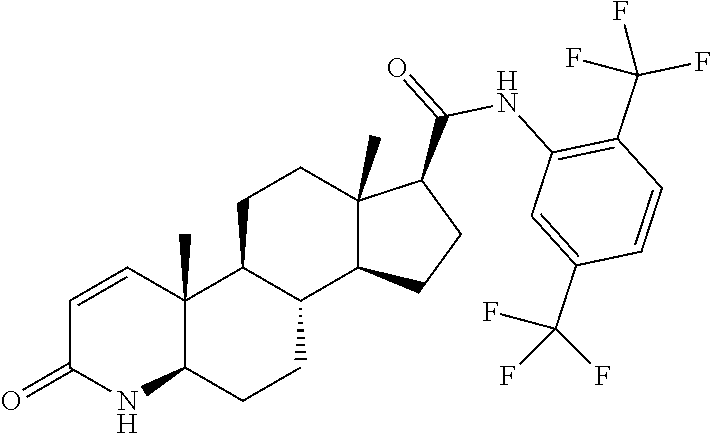 |
−11.6 |
| Irinotecan |
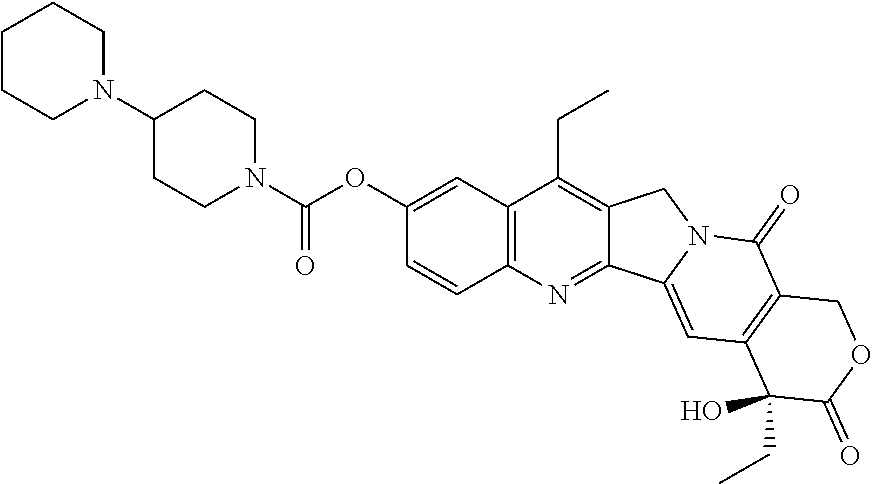 |
−11.3 |
| Ergoloid |
 |
−11.1 |
| Tolvaptan |
 |
−11.0 |
| Conivaptan |
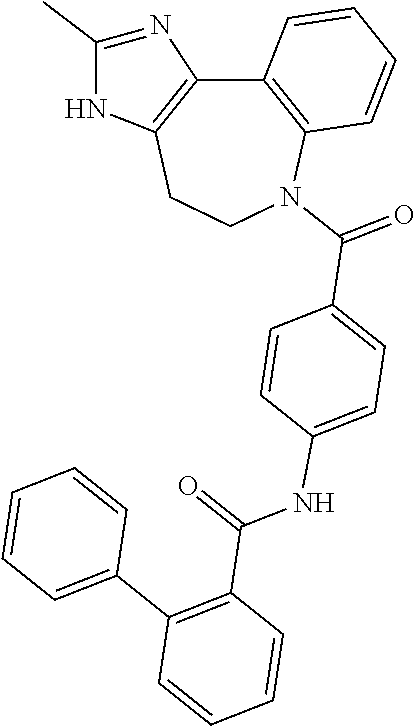 |
−10.8 |
| Dihydroergotamine |
 |
−10.7 |
| Pimozide |
 |
−10.7 |
| Adapalene |
 |
−10.7 |
| Amcinonide |
 |
−10.6 |
| Maraviroc |
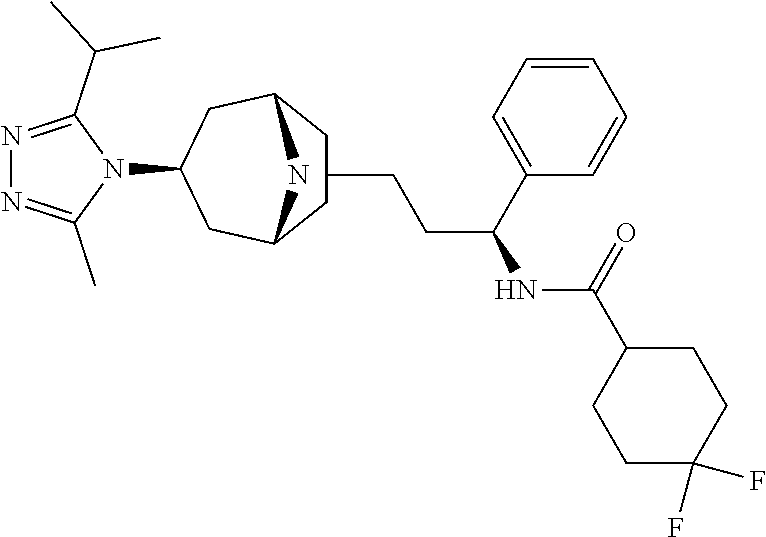 |
−10.6 |
| Cyproheptadine |
 |
−10.5 |
| Vecuronium |
 |
−10.5 |
| Drispirenone |
 |
−10.5 |
| Nilotinib |
 |
−10.4 |
| Hexafluorenium |
 |
−10.4 |
| Glyburide |
 |
−10.4 |
| Abiraterone acetate |
 |
−10.4 |
| Danazol |
 |
−10.4 |
| Azelastine |
 |
−10.4 |
| Ergotamine |
 |
−10.4 |
| Eplerenone |
 |
−10.4 |
| Retapamulin |
 |
−10.4 |
| Spironolactone |
 |
−10.3 |
| Trospium |
 |
−10.3 |
| Darifenacin |
 |
−10.2 |
| Clocortolone pivalate |
 |
−10.2 |
| Irbesartan |
 |
−10.2 |
| Deferasirox |
 |
−10.2 |
| Rocuronium |
 |
−10.1 |
| Betamethasone phosphate |
 |
−10.1 |
| Buclizine |
 |
−10.1 |
| Betamethasone acetate |
 |
−10.1 |
| Flucinonide |
 |
−10.1 |
| Pancuronium |
 |
−10.1 |
| Difenoxin |
 |
−10.1 |
| Paliperidone |
 |
−10.1 |
| Diflorasone diacetate |
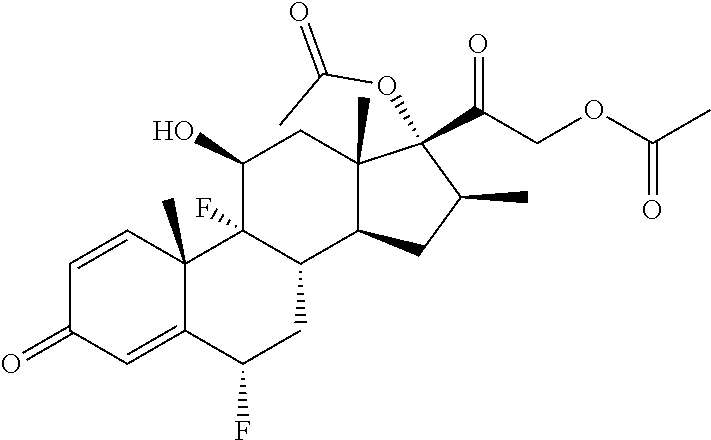 |
−10.0 |
| Lurasidone |
 |
−10.0 |
| Vilazodone |
 |
−10.0 |
| Telaprevir |
 |
−10.0 |
| Sulfinpyrazone |
 |
−10.0 |
| Dexamethasone acetate |
 |
−10.0 |
| Exemestane |
 |
−10.0 |
Claims (5)
Priority Applications (1)
| Application Number | Priority Date | Filing Date | Title |
|---|---|---|---|
| US16/612,698 US12290516B2 (en) | 2017-05-12 | 2018-05-11 | Heterocyclic compounds as EphA4 inhibitors |
Applications Claiming Priority (3)
| Application Number | Priority Date | Filing Date | Title |
|---|---|---|---|
| US201762505332P | 2017-05-12 | 2017-05-12 | |
| US16/612,698 US12290516B2 (en) | 2017-05-12 | 2018-05-11 | Heterocyclic compounds as EphA4 inhibitors |
| PCT/IB2018/053315 WO2018207154A1 (en) | 2017-05-12 | 2018-05-11 | Heterocyclic compounds as epha4 inhibitors |
Publications (2)
| Publication Number | Publication Date |
|---|---|
| US20200206220A1 US20200206220A1 (en) | 2020-07-02 |
| US12290516B2 true US12290516B2 (en) | 2025-05-06 |
Family
ID=64105502
Family Applications (1)
| Application Number | Title | Priority Date | Filing Date |
|---|---|---|---|
| US16/612,698 Active 2038-06-20 US12290516B2 (en) | 2017-05-12 | 2018-05-11 | Heterocyclic compounds as EphA4 inhibitors |
Country Status (3)
| Country | Link |
|---|---|
| US (1) | US12290516B2 (en) |
| CN (1) | CN110769828A (en) |
| WO (1) | WO2018207154A1 (en) |
Families Citing this family (4)
| Publication number | Priority date | Publication date | Assignee | Title |
|---|---|---|---|---|
| EP3473271B1 (en) * | 2014-07-31 | 2022-07-20 | The Government of the United States of America as represented by the Secretary of the Department of Health and Human Services | Human monoclonal antibodies against epha4 and their use |
| CN113546082B (en) * | 2021-08-17 | 2022-05-17 | 中南大学湘雅三医院 | Application of telaprevir in preparation of medicine for treating ischemia/reperfusion injury and cytoprotective medicine |
| CN116270932B (en) * | 2021-12-13 | 2024-08-23 | 南京大学 | Angong Niuhuang Pill small RNA combination for treating brain injury diseases and its application |
| EP4469041A4 (en) * | 2022-01-28 | 2026-01-07 | Univ Of Montreal | ANTICHOLINERG COMPOUNDS FOR USE IN THE TREATMENT OF NEUROMUSCULAR DISEASES |
Citations (15)
| Publication number | Priority date | Publication date | Assignee | Title |
|---|---|---|---|---|
| US4524072A (en) | 1984-06-18 | 1985-06-18 | Zivin Justin A | Reduction of stroke damage |
| EP0214557A2 (en) | 1985-08-29 | 1987-03-18 | Roman Rozencwaig | Use of serotonin antagonists, particularly cyproheptadine, in the treatment of cancer, Alzheimer's disease, AIDS and multiple sclerosis |
| US4771056A (en) | 1985-08-29 | 1988-09-13 | Roman Rozencwaig | Method of medical treatment with serotonin antagonists |
| US20070129389A1 (en) * | 2003-10-27 | 2007-06-07 | Graeme Bilbe | Use of pyridinyl-pyrimidinylamino-benzamide derivatives for the treatment of amyloid related disorders |
| US20080004286A1 (en) | 2006-06-30 | 2008-01-03 | Schering Corporation | Method of Using Substituted Piperidines that Increase P53 Activity |
| WO2009136176A1 (en) | 2008-05-08 | 2009-11-12 | E-Therapeutics Plc | Compositions and methods for the treatment of fibromyalgia |
| CN102321142A (en) | 2011-09-29 | 2012-01-18 | 重庆医药工业研究院有限责任公司 | Abiraterone acetate crystal form and preparation method thereof |
| US20120129834A1 (en) | 2010-09-17 | 2012-05-24 | Buck Institute For Research On Aging | Serotonin receptor antagonists for use in the treatment of huntington's disease |
| CN103450182A (en) | 2013-08-22 | 2013-12-18 | 程刚 | Preparation and purification methods of Retapamulin |
| WO2015007222A1 (en) | 2013-07-17 | 2015-01-22 | The Hong Kong University Of Science And Technology | EphA4 INHIBITORS AS NEUROPROTECTIVE AGENTS |
| WO2016019280A1 (en) | 2014-07-31 | 2016-02-04 | The Government Of The United States Of America As Represented By The Secretary Of The Department Of Health And Human Services | Human monoclonal antibodies against epha4 and their use |
| CN106163548A (en) | 2014-02-08 | 2016-11-23 | 健泰科生物技术公司 | The method for the treatment of Alzheimer's |
| CN106496193A (en) | 2016-09-13 | 2017-03-15 | 福格森(武汉)生物科技股份有限公司 | A kind of preparation method of high-purity nilotinib |
| WO2017212420A1 (en) * | 2016-06-07 | 2017-12-14 | Centre For Cellular And Molecular Platforms | Methods and compositions for managing neuroinflammation and neurodegeneration |
| US10428140B2 (en) | 2015-09-08 | 2019-10-01 | Eisai R&D Management Co., Ltd. | Anti-EphA4 antibody |
Family Cites Families (1)
| Publication number | Priority date | Publication date | Assignee | Title |
|---|---|---|---|---|
| GB201107996D0 (en) * | 2011-05-13 | 2011-06-29 | Vib Vzw | EphA4 is a diease modifier in motor neuron disease |
-
2018
- 2018-05-11 CN CN201880040282.4A patent/CN110769828A/en active Pending
- 2018-05-11 US US16/612,698 patent/US12290516B2/en active Active
- 2018-05-11 WO PCT/IB2018/053315 patent/WO2018207154A1/en not_active Ceased
Patent Citations (20)
| Publication number | Priority date | Publication date | Assignee | Title |
|---|---|---|---|---|
| US4524072A (en) | 1984-06-18 | 1985-06-18 | Zivin Justin A | Reduction of stroke damage |
| EP0214557A2 (en) | 1985-08-29 | 1987-03-18 | Roman Rozencwaig | Use of serotonin antagonists, particularly cyproheptadine, in the treatment of cancer, Alzheimer's disease, AIDS and multiple sclerosis |
| US4771056A (en) | 1985-08-29 | 1988-09-13 | Roman Rozencwaig | Method of medical treatment with serotonin antagonists |
| US20070129389A1 (en) * | 2003-10-27 | 2007-06-07 | Graeme Bilbe | Use of pyridinyl-pyrimidinylamino-benzamide derivatives for the treatment of amyloid related disorders |
| US7687512B2 (en) * | 2003-10-27 | 2010-03-30 | Novartis Ag | Use of pyridinyl-pyrimidinylamino-benzamide derivatives for the treatment of amyloid related disorders |
| US20080004286A1 (en) | 2006-06-30 | 2008-01-03 | Schering Corporation | Method of Using Substituted Piperidines that Increase P53 Activity |
| WO2009136176A1 (en) | 2008-05-08 | 2009-11-12 | E-Therapeutics Plc | Compositions and methods for the treatment of fibromyalgia |
| US20120129834A1 (en) | 2010-09-17 | 2012-05-24 | Buck Institute For Research On Aging | Serotonin receptor antagonists for use in the treatment of huntington's disease |
| CN102321142A (en) | 2011-09-29 | 2012-01-18 | 重庆医药工业研究院有限责任公司 | Abiraterone acetate crystal form and preparation method thereof |
| WO2015007222A1 (en) | 2013-07-17 | 2015-01-22 | The Hong Kong University Of Science And Technology | EphA4 INHIBITORS AS NEUROPROTECTIVE AGENTS |
| CN105473591B (en) | 2013-07-17 | 2018-02-23 | 香港科技大学 | EphA4 inhibitors as neuroprotective agents |
| CN103450182A (en) | 2013-08-22 | 2013-12-18 | 程刚 | Preparation and purification methods of Retapamulin |
| CN106163548A (en) | 2014-02-08 | 2016-11-23 | 健泰科生物技术公司 | The method for the treatment of Alzheimer's |
| WO2016019280A1 (en) | 2014-07-31 | 2016-02-04 | The Government Of The United States Of America As Represented By The Secretary Of The Department Of Health And Human Services | Human monoclonal antibodies against epha4 and their use |
| CN106999578B (en) | 2014-07-31 | 2022-03-04 | 美国政府(由卫生和人类服务部的部长所代表) | Human monoclonal antibodies against EPHA4 and uses thereof |
| US10428140B2 (en) | 2015-09-08 | 2019-10-01 | Eisai R&D Management Co., Ltd. | Anti-EphA4 antibody |
| CN107922499B (en) | 2015-09-08 | 2021-08-27 | 卫材R&D管理有限公司 | Anti-EphA4 antibody |
| CN111320693B (en) | 2015-09-08 | 2023-04-07 | 卫材R&D管理有限公司 | anti-EphA 4 antibodies |
| WO2017212420A1 (en) * | 2016-06-07 | 2017-12-14 | Centre For Cellular And Molecular Platforms | Methods and compositions for managing neuroinflammation and neurodegeneration |
| CN106496193A (en) | 2016-09-13 | 2017-03-15 | 福格森(武汉)生物科技股份有限公司 | A kind of preparation method of high-purity nilotinib |
Non-Patent Citations (30)
| Title |
|---|
| Bornebroek et al., Brain Pathology 6: 111-114 (1996). * |
| Clinical Drug Handbook, 5th edition, Jun Huang et al., pp. 588-589, Shanghai Scientific & Technical Publishers, published on Jan. 31, 2015. |
| Collection of Clinical Applications of Drugs, Genshan NI, p. 782, PLA News Media Center press, 1994. |
| David et al., 2009 Neuron 62, 479-93. |
| Fang et al. 2013 Neuron 79, 665-79. |
| Faruqi, Nat Rev Drug Discov. 11(10):747, 2012. |
| Fodor et al. (Abstract Only); Orvosi Hetilap, vol. 121, No. 27, pp. 1631-1632, 1635-9 (1980) as indexed by SciFinder. * |
| Fu, et al., "Blockade of EphA4 signaling ameliorates hippocampal synaptic dysfunctions in mouse models of Alzheimer's disease", PNAS 2014, vol. 111, No. 27, pp. 9959-9964. |
| Goldshmit, et al., "Axonal Regeneration and Lack of Astrocytic Gliosis in EphA4-Deficient Mice", The Journal of Neuroscience 2004, 24, 10064-1007. |
| Hauser and Oksenberg 2006 Neuron 52(1):61-76. |
| Hernandez-Pedro et al. 2013 Clin Dev Immunol. 413-465. |
| International Preliminary Report on Patentability in International Application PCT/IB2018/053315 dated Nov. 21, 2019 (7 pages). |
| International Search Report and Written Opinion in International Application No. PCT/IB2018/053315 mailed Sep. 7, 2018 (11 pages). |
| Lee et al., 2013 Curr Top Behav Neurosci 14, 153-79. |
| Lemmens et al., Hum Mol Genet. 22(11):2214-20, 2013. |
| Li et al., Neurosci Lett. 518(2):92-5, 2012. |
| Lonskaya et al., Neuroscience, 304 (2015), pp. 316-327. * |
| Masi and Brovedani, 2011 CNS Drugs 25, 913-31. |
| Munoz et al. 2002 J Immunol. 169(1): 177-845. |
| Office Action issued for CN 201880040282.4 dated Jun. 8, 2022. |
| Pagan et al., Journal of Parkinson's Disease 6 (2016), pp. 503-517. * |
| Parmentier-Batteur et al. 2011 J Neurochem. 118(6):1016-31. |
| Sobel 2005 Brain Pathol. 15(1):35-45. |
| Spanevello, et al., "Acute Delivery of EphA4-Fc Improves Functional Recovery after Contusive Spinal Cord Injury in Rats", J. Neurotrauma 2013,30, 1023-1034. |
| Van Hoecke, et al., "EPHA4 is a disease modifier of amyotrophic lateral sclerosis in animal models and in humans", Nature Medicine, 2012, 18, 1418. |
| Vargas, et al., "Amyloid-ß oligomers synaptotoxicity: The emerging role of EphA4/c-Abl signaling in Alzheimer's disease", Biochimica et Biophysica Acta Molecular Basis of Disease 1864 (2018), 1148-1159. |
| Vargas, et al., "EphA4 Activation of c-Abl Mediates Synaptic Loss and LTP Blockade Caused by Amyloid-beta Oligomers", Plos One 2014, vol. 9, Issue 3. |
| Wainberg M., et al. The effects of cyproheptadine on locomotion and on spasticity in patients with spinal cord injuries. Journal of Neurology, Neurosurgery & Psychiatry 1990;53:754-763. Abstract Only. * |
| Xu et al., Effect of cyproheptadine on changes of 5-HT and 5-HIAA levels in brain cortex and serum following rat brain injury, Journal of Medical Colleges of PLA, vol. 8, No. 2, pp. 179-183 (1993) [Abstract and Scifinder Cas Abstract Only]. * |
| Zhao, et al., "Decreased signalling of EphA4 improves functional performance and motor neuron survival in the SOD1G93A ALS mouse model", Scientific Reports 2018, 8, 11393. |
Also Published As
| Publication number | Publication date |
|---|---|
| WO2018207154A1 (en) | 2018-11-15 |
| CN110769828A (en) | 2020-02-07 |
| US20200206220A1 (en) | 2020-07-02 |
Similar Documents
| Publication | Publication Date | Title |
|---|---|---|
| US12290516B2 (en) | Heterocyclic compounds as EphA4 inhibitors | |
| Saegusa et al. | Decreased plasma ghrelin contributes to anorexia following novelty stress | |
| US9629830B2 (en) | EphA4 inhibitors as neuroprotective agents | |
| US11234973B2 (en) | Use of pridopidine for the treatment of fragile X syndrome | |
| Hasselmann | Scopolamine and depression: a role for muscarinic antagonism? | |
| JP2010535252A (en) | Α7nAChR agonists for treating or preventing metabolic disorders | |
| Wang et al. | Tetrandrine alleviates cerebral ischemia/reperfusion injury by suppressing NLRP3 inflammasome activation via Sirt-1 | |
| TW200920376A (en) | Gamma secretase modulators | |
| CA2986431C (en) | Galantamine clearance of amyloid.beta. | |
| Chen et al. | Combined catalpol and tetramethylpyrazine promote axonal plasticity in Alzheimer’s disease by inducing astrocytes to secrete exosomes carrying CDK5 mRNA and regulating STAT3 phosphorylation | |
| Ge et al. | Anti-inflammatory activity of a polypeptide fraction from Achyranthes bidentate in amyloid β oligomers induced model of alzheimer’s disease | |
| CA2949395C (en) | Clearance of amyloid.beta. | |
| Chen et al. | Retracted: Allopregnanolone restores the tyrosine hydroxylase‐positive neurons and motor performance in a 6‐OHDA‐injected mouse model | |
| CN109846879B (en) | Androgen receptor antagonist of imine structure type and its application | |
| CN108159035B (en) | Use of cinnamic acid derivatives | |
| CN105878229B (en) | Application of nardostachyne sesquiterpene compound | |
| HK40014080A (en) | Heterocyclic compounds as epha4 inhibitors | |
| KR20220164470A (en) | Dextromethadone as a disease-modifying treatment for neuropsychiatric disorders and diseases | |
| CN105152893A (en) | Nardoaristolones B and preparation method and application thereof | |
| CN105153072B (en) | Nardosinone C and preparation method and application | |
| US20190083422A1 (en) | Sense-33 compositions and methods thereof for enhancing the expression and/or activity of nicotinic acetylcholine receptors | |
| Timmerman et al. | P. 1. c. 003 Opiates and SSRI's: risk for serotonin syndrome | |
| HK40016661A (en) | Pridopidine for use in the treatment of fragile x syndrome | |
| HK40016661B (en) | Pridopidine for use in the treatment of fragile x syndrome | |
| HK1160802A (en) | TREATMENT WITH ALPHA α7-SELECTIVE LIGANDS |
Legal Events
| Date | Code | Title | Description |
|---|---|---|---|
| FEPP | Fee payment procedure |
Free format text: ENTITY STATUS SET TO UNDISCOUNTED (ORIGINAL EVENT CODE: BIG.); ENTITY STATUS OF PATENT OWNER: LARGE ENTITY |
|
| STPP | Information on status: patent application and granting procedure in general |
Free format text: APPLICATION DISPATCHED FROM PREEXAM, NOT YET DOCKETED |
|
| STPP | Information on status: patent application and granting procedure in general |
Free format text: DOCKETED NEW CASE - READY FOR EXAMINATION |
|
| STPP | Information on status: patent application and granting procedure in general |
Free format text: NON FINAL ACTION MAILED |
|
| STPP | Information on status: patent application and granting procedure in general |
Free format text: RESPONSE TO NON-FINAL OFFICE ACTION ENTERED AND FORWARDED TO EXAMINER |
|
| STPP | Information on status: patent application and granting procedure in general |
Free format text: NON FINAL ACTION MAILED |
|
| STPP | Information on status: patent application and granting procedure in general |
Free format text: RESPONSE TO NON-FINAL OFFICE ACTION ENTERED AND FORWARDED TO EXAMINER |
|
| STPP | Information on status: patent application and granting procedure in general |
Free format text: FINAL REJECTION MAILED |
|
| STPP | Information on status: patent application and granting procedure in general |
Free format text: RESPONSE AFTER FINAL ACTION FORWARDED TO EXAMINER |
|
| STPP | Information on status: patent application and granting procedure in general |
Free format text: ADVISORY ACTION MAILED |
|
| STPP | Information on status: patent application and granting procedure in general |
Free format text: DOCKETED NEW CASE - READY FOR EXAMINATION |
|
| STPP | Information on status: patent application and granting procedure in general |
Free format text: RESPONSE TO NON-FINAL OFFICE ACTION ENTERED AND FORWARDED TO EXAMINER |
|
| STPP | Information on status: patent application and granting procedure in general |
Free format text: FINAL REJECTION MAILED |
|
| STPP | Information on status: patent application and granting procedure in general |
Free format text: ADVISORY ACTION MAILED |
|
| STPP | Information on status: patent application and granting procedure in general |
Free format text: DOCKETED NEW CASE - READY FOR EXAMINATION |
|
| STPP | Information on status: patent application and granting procedure in general |
Free format text: NON FINAL ACTION MAILED |
|
| STPP | Information on status: patent application and granting procedure in general |
Free format text: RESPONSE TO NON-FINAL OFFICE ACTION ENTERED AND FORWARDED TO EXAMINER |
|
| STPP | Information on status: patent application and granting procedure in general |
Free format text: FINAL REJECTION MAILED |
|
| STPP | Information on status: patent application and granting procedure in general |
Free format text: RESPONSE AFTER FINAL ACTION FORWARDED TO EXAMINER |
|
| STPP | Information on status: patent application and granting procedure in general |
Free format text: ADVISORY ACTION MAILED |
|
| STPP | Information on status: patent application and granting procedure in general |
Free format text: DOCKETED NEW CASE - READY FOR EXAMINATION |
|
| STPP | Information on status: patent application and granting procedure in general |
Free format text: NON FINAL ACTION MAILED |
|
| STPP | Information on status: patent application and granting procedure in general |
Free format text: RESPONSE TO NON-FINAL OFFICE ACTION ENTERED AND FORWARDED TO EXAMINER |
|
| STPP | Information on status: patent application and granting procedure in general |
Free format text: NOTICE OF ALLOWANCE MAILED -- APPLICATION RECEIVED IN OFFICE OF PUBLICATIONS |
|
| ZAAB | Notice of allowance mailed |
Free format text: ORIGINAL CODE: MN/=. |
|
| AS | Assignment |
Owner name: THE HONG KONG UNIVERSITY OF SCIENCE AND TECHNOLOGY, CHINA Free format text: ASSIGNMENT OF ASSIGNORS INTEREST;ASSIGNORS:FU, KIT YU;FU, WING YU;CHU IP, NANCY YUK-YU;AND OTHERS;SIGNING DATES FROM 20250321 TO 20250331;REEL/FRAME:070705/0112 |
|
| STCF | Information on status: patent grant |
Free format text: PATENTED CASE |