US12226529B2 - Stable nanolipoprotein particles and related compositions methods and systems - Google Patents
Stable nanolipoprotein particles and related compositions methods and systems Download PDFInfo
- Publication number
- US12226529B2 US12226529B2 US15/755,018 US201615755018A US12226529B2 US 12226529 B2 US12226529 B2 US 12226529B2 US 201615755018 A US201615755018 A US 201615755018A US 12226529 B2 US12226529 B2 US 12226529B2
- Authority
- US
- United States
- Prior art keywords
- lipid
- membrane
- lipids
- nanolipoprotein particle
- polymerizable
- Prior art date
- Legal status (The legal status is an assumption and is not a legal conclusion. Google has not performed a legal analysis and makes no representation as to the accuracy of the status listed.)
- Active
Links
Images


Classifications
-
- A—HUMAN NECESSITIES
- A61—MEDICAL OR VETERINARY SCIENCE; HYGIENE
- A61K—PREPARATIONS FOR MEDICAL, DENTAL OR TOILETRY PURPOSES
- A61K9/00—Medicinal preparations characterised by special physical form
- A61K9/10—Dispersions; Emulsions
- A61K9/127—Synthetic bilayered vehicles, e.g. liposomes or liposomes with cholesterol as the only non-phosphatidyl surfactant
- A61K9/1271—Non-conventional liposomes, e.g. PEGylated liposomes or liposomes coated or grafted with polymers
- A61K9/1273—Polymersomes; Liposomes with polymerisable or polymerised bilayer-forming substances
-
- A—HUMAN NECESSITIES
- A61—MEDICAL OR VETERINARY SCIENCE; HYGIENE
- A61K—PREPARATIONS FOR MEDICAL, DENTAL OR TOILETRY PURPOSES
- A61K47/00—Medicinal preparations characterised by the non-active ingredients used, e.g. carriers or inert additives; Targeting or modifying agents chemically bound to the active ingredient
- A61K47/50—Medicinal preparations characterised by the non-active ingredients used, e.g. carriers or inert additives; Targeting or modifying agents chemically bound to the active ingredient the non-active ingredient being chemically bound to the active ingredient, e.g. polymer-drug conjugates
- A61K47/69—Medicinal preparations characterised by the non-active ingredients used, e.g. carriers or inert additives; Targeting or modifying agents chemically bound to the active ingredient the non-active ingredient being chemically bound to the active ingredient, e.g. polymer-drug conjugates the conjugate being characterised by physical or galenical forms, e.g. emulsion, particle, inclusion complex, stent or kit
- A61K47/6905—Medicinal preparations characterised by the non-active ingredients used, e.g. carriers or inert additives; Targeting or modifying agents chemically bound to the active ingredient the non-active ingredient being chemically bound to the active ingredient, e.g. polymer-drug conjugates the conjugate being characterised by physical or galenical forms, e.g. emulsion, particle, inclusion complex, stent or kit the form being a colloid or an emulsion
- A61K47/6911—Medicinal preparations characterised by the non-active ingredients used, e.g. carriers or inert additives; Targeting or modifying agents chemically bound to the active ingredient the non-active ingredient being chemically bound to the active ingredient, e.g. polymer-drug conjugates the conjugate being characterised by physical or galenical forms, e.g. emulsion, particle, inclusion complex, stent or kit the form being a colloid or an emulsion the form being a liposome
- A61K47/6915—Medicinal preparations characterised by the non-active ingredients used, e.g. carriers or inert additives; Targeting or modifying agents chemically bound to the active ingredient the non-active ingredient being chemically bound to the active ingredient, e.g. polymer-drug conjugates the conjugate being characterised by physical or galenical forms, e.g. emulsion, particle, inclusion complex, stent or kit the form being a colloid or an emulsion the form being a liposome the form being a liposome with polymerisable or polymerized bilayer-forming substances, e.g. polymersomes
-
- A—HUMAN NECESSITIES
- A61—MEDICAL OR VETERINARY SCIENCE; HYGIENE
- A61K—PREPARATIONS FOR MEDICAL, DENTAL OR TOILETRY PURPOSES
- A61K49/00—Preparations for testing in vivo
- A61K49/001—Preparation for luminescence or biological staining
- A61K49/0063—Preparation for luminescence or biological staining characterised by a special physical or galenical form, e.g. emulsions, microspheres
- A61K49/0069—Preparation for luminescence or biological staining characterised by a special physical or galenical form, e.g. emulsions, microspheres the agent being in a particular physical galenical form
- A61K49/0076—Preparation for luminescence or biological staining characterised by a special physical or galenical form, e.g. emulsions, microspheres the agent being in a particular physical galenical form dispersion, suspension, e.g. particles in a liquid, colloid, emulsion
- A61K49/0084—Preparation for luminescence or biological staining characterised by a special physical or galenical form, e.g. emulsions, microspheres the agent being in a particular physical galenical form dispersion, suspension, e.g. particles in a liquid, colloid, emulsion liposome, i.e. bilayered vesicular structure
- A61K49/0086—Polymersome, i.e. liposome with polymerisable or polymerized bilayered-forming substances
-
- A—HUMAN NECESSITIES
- A61—MEDICAL OR VETERINARY SCIENCE; HYGIENE
- A61K—PREPARATIONS FOR MEDICAL, DENTAL OR TOILETRY PURPOSES
- A61K9/00—Medicinal preparations characterised by special physical form
- A61K9/10—Dispersions; Emulsions
- A61K9/127—Synthetic bilayered vehicles, e.g. liposomes or liposomes with cholesterol as the only non-phosphatidyl surfactant
- A61K9/1277—Preparation processes; Proliposomes
- A61K9/1278—Post-loading, e.g. by ion or pH gradient
-
- C—CHEMISTRY; METALLURGY
- C07—ORGANIC CHEMISTRY
- C07F—ACYCLIC, CARBOCYCLIC OR HETEROCYCLIC COMPOUNDS CONTAINING ELEMENTS OTHER THAN CARBON, HYDROGEN, HALOGEN, OXYGEN, NITROGEN, SULFUR, SELENIUM OR TELLURIUM
- C07F9/00—Compounds containing elements of Groups 5 or 15 of the Periodic Table
- C07F9/02—Phosphorus compounds
- C07F9/06—Phosphorus compounds without P—C bonds
- C07F9/08—Esters of oxyacids of phosphorus
- C07F9/09—Esters of phosphoric acids
- C07F9/10—Phosphatides, e.g. lecithin
- C07F9/106—Adducts, complexes, salts of phosphatides
-
- C—CHEMISTRY; METALLURGY
- C07—ORGANIC CHEMISTRY
- C07K—PEPTIDES
- C07K14/00—Peptides having more than 20 amino acids; Gastrins; Somatostatins; Melanotropins; Derivatives thereof
- C07K14/435—Peptides having more than 20 amino acids; Gastrins; Somatostatins; Melanotropins; Derivatives thereof from animals; from humans
- C07K14/705—Receptors; Cell surface antigens; Cell surface determinants
-
- C—CHEMISTRY; METALLURGY
- C07—ORGANIC CHEMISTRY
- C07K—PEPTIDES
- C07K14/00—Peptides having more than 20 amino acids; Gastrins; Somatostatins; Melanotropins; Derivatives thereof
- C07K14/435—Peptides having more than 20 amino acids; Gastrins; Somatostatins; Melanotropins; Derivatives thereof from animals; from humans
- C07K14/775—Apolipopeptides
-
- B—PERFORMING OPERATIONS; TRANSPORTING
- B82—NANOTECHNOLOGY
- B82Y—SPECIFIC USES OR APPLICATIONS OF NANOSTRUCTURES; MEASUREMENT OR ANALYSIS OF NANOSTRUCTURES; MANUFACTURE OR TREATMENT OF NANOSTRUCTURES
- B82Y5/00—Nanobiotechnology or nanomedicine, e.g. protein engineering or drug delivery
Definitions
- NLPs nanolipoprotein particles
- the present disclosure relates to nanolipoprotein particles (NLPs) and, in particular, to stable nanolipoprotein particles and related compositions methods and systems.
- Nanolipoprotein particles are nanometer-sized particles usually comprised of an amphipathic lipid bilayer and an apolipoprotein. NLPs have been used for various biotechnology applications, such as membrane protein stabilization/solubilization, drug delivery, and in particular vaccine delivery, and diagnostic imaging.
- NLPs can self-assemble under appropriate conditions into nano-scale amphipathic apolipoprotein-stabilized lipid bilayer particles possibly comprising additional molecules, such as one or more integral membrane proteins or other proteins and molecules attached to the amphipathic component of the NLP.
- the self-assembled particles are typically formed by an apolipoprotein encircling a nanometer scale lipid bilayer defining a nanolipoprotein particle.
- nanolipoprotein particles and related compositions, methods and systems, which comprise one or more membrane forming lipids, one or more polymerized and/or polymerizable lipids and a scaffold protein.
- nanolipoprotein particles herein described can show an increased stability in various media, including biological media, compared to certain nanolipoprotein particles of the art.
- a nanolipoprotein particle comprises, a membrane forming lipid, a polymerized lipid and a scaffold protein, the membrane forming lipid and the polymerized lipid arranged in a membrane lipid bilayer stabilized by the scaffold protein and by the polymerized lipids.
- a nanolipoprotein particle comprises, a cross-linked membrane lipid bilayer confined in a discoidal configuration by a scaffold protein, the cross-linked membrane lipid bilayer comprising one or more polymerized lipids and one or more membrane forming lipids.
- a nanolipoprotein particle comprises: a membrane-forming lipid, a polymerizable lipid, and a scaffold protein.
- the membrane forming lipid and the polymerizable lipid are arranged in a membrane lipid bilayer stabilized by the scaffold protein.
- polymerization of the polymerizable lipid within the membrane lipid bilayer provides nanolipoprotein particles comprising a cross-linked membrane lipid bilayer.
- a method and system to provide a nanolipoprotein particle comprises contacting a membrane forming lipid and one or more polymerizable lipids with a scaffold protein to provide a discoidal membrane forming lipid bilayer comprising the membrane forming lipid and the one or more polymerizable stabilized by the scaffold protein.
- the method can further comprise crosslinking the one or more polymerizable lipids within the membrane lipid bilayer thus providing a nanolipoprotein particle with a cross-linked membrane lipid bilayer.
- the system comprises one or more membrane-forming lipids, one or more polymerizable lipids, and a scaffold protein.
- the one or more membrane forming lipids and the scaffold protein provide the nanolipoprotein particle in which the one or more polymerizable lipids are comprised within a membrane lipid bilayer stabilized by the scaffold protein.
- the system can further comprise a crosslinking agent capable to cross-link the one or more polymerizable lipids within the membrane lipid bilayer to provide a nanolipoprotein particle with a cross-linked membrane lipid bilayer.
- a method and system to stabilize a nanolipoprotein particle comprises crosslinking a polymerizable lipid within a membrane lipid bilayer stabilized by a scaffold protein in a discoidal configuration with the membrane lipid bilayer further comprising membrane forming lipids, to provide a stabilized nanolipoprotein particle.
- the system comprises one or more nanolipoprotein particles comprising one or more polymerizable lipids and one or more membrane forming lipids within a membrane lipid bilayer stabilized by a scaffold protein, and one or more crosslinking agent.
- crosslinking of the one or more polymerizable lipids by the one or more crosslinking agent within the membrane lipid bilayer provides the stabilized nanolipoprotein particle.
- any one of the nanolipoprotein particle herein described further comprises an active target molecule, such as an immunogen, a drug, a contrast agent or another molecule of interest, presented on the nanolipoprotein particle.
- an active target molecule such as an immunogen, a drug, a contrast agent or another molecule of interest
- compositions comprising, forming and using the nanolipoprotein particles herein described are also provided in the present disclosure.
- Cross-linked nanolipoprotein particles herein described show an increased resistance to chemical change or to physical disintegration compared to non-cross-linked nanolipoprotein particles comprising the same components thus providing nanolipoproteins with increased stability with respect to a same non-cross-linked particle.
- cross-linked nanoparticles herein described show a half-life of between from about 10 to about 100 hours in 100% blood serum.
- cross-linked nanoparticles herein described show over a 100 fold increase in their half-life in 100% blood serum compared to the half-life in 100% blood serum of non-cross-linked nanoparticles comprising the same components.
- Nanolipoprotein particles and related compositions methods and systems herein described allow in several embodiments sequestering in the nanolipoprotein structure up to 25% by mass of an active target molecule such as drug or imaging agent or radiotherapy or photodynamic therapy agent.
- an active target molecule such as drug or imaging agent or radiotherapy or photodynamic therapy agent.
- Nanolipoprotein particles and related compositions methods and systems herein described allow in several embodiments to drastically increase the Area Under the Curve (AUC) of said particles upon IV administration to an individual 5 to 50 fold higher compared to drugs that are not nanoformulated.
- AUC Area Under the Curve
- cross-linked nanoparticles herein described show an increased stability during disruptive or destructive measurements or experiments, such as small-angle X-ray (SAXS) measurements compared to non-cross-linked nanolipoprotein particles comprising the same components, thus providing nanolipoproteins with increased stability with respect to a same non-cross-linked particle.
- SAXS small-angle X-ray
- Nanolipoprotein particles and related compositions methods and systems herein described allow in several embodiments to perform measurements with less variability between measurements compared to non-cross-linked nanolipoprotein particles comprising the same components.
- Nanolipoprotein particles and related methods and systems herein described can be used in connection with various applications wherein stability of the NLP is desired.
- nanolipoprotein particles herein described and related compositions methods and systems can be used as a vehicle for delivery of compounds such as therapeutics to a specific target destination, as a platform for immunostimulating agents, vaccine development and use, and/or to contain cell-targeting moieties.
- Additional exemplary applications include uses of nanolipoprotein particles in several fields including basic biology research, applied biology, bio-engineering, bio-energy, medical research, medical diagnostics, therapeutics, bio-fuels, and in additional fields identifiable by a skilled person upon reading of the present disclosure.
- FIG. 1 shows a chart illustrating representative SEC traces of fluorescent NLPs showing degradation over time in sera solutions.
- Intact NLPs were injected onto the SEC column and eluted with a retention time of ⁇ 12 min (black line), which corresponds to the size of an intact particle.
- retention time ⁇ 12 min
- NLPs that had been subjected to high temperature treatment for 45 minutes in 100% sera were also injected on the SEC column (gray line).
- FIG. 2 shows results of experiments measuring half-lives in cell media with 10% FBS at 37° C. for NLPs with different lipid formulations.
- FIG. 2 A shows lipids possessing one unsaturation per acyl chain.
- FIG. 2 B shows lipids of a fixed length, but a varying number of unsaturations and lipid mixtures. (** p ⁇ 0.01, **** p ⁇ 0.0001).
- FIG. 3 shows diagrams illustrating results of experiments measuring half-lives in 100% FBS at 37° C. for NLPs with different lipid formulations.
- FIG. 3 A lipids possessing one unsaturation per acyl chain.
- FIG. 3 B shows lipids of a fixed length, but a varying number of unsaturations and lipid mixtures. (**** p ⁇ 0.0001).
- FIG. 4 shows diagrams illustrating results of experiments directed to perform characterization of NLPs synthesized with DiynePC.
- FIG. 4 Panel A shows representative aSEC traces showing NLP peaks of DOPC NLPs and DOPC-DiynePC NLPs with and without UV exposure. All NLPs displayed similar retention times indicating that the DiynePC lipid did not affect NLP size or structure.
- FIG. 4 Panel B shows average particle size of these NLP formulations obtained through dynamic light scattering.
- FIG. 4 Panel C shows preliminary stability data of these formulations in sera for 10 minutes, expressed as fraction of NLP peak remaining. (* p ⁇ 0.05).
- FIG. 5 shows diagrams illustrating results of experiments directed to measure stability of particles formulated with DiynePC.
- FIG. 5 A shows the fraction of NLP remaining after 10 minutes in FBS at 37° C. for different mixtures of DiynePC and DOPC.
- FIG. 5 B shows a plot showing the fraction of NLP population remaining after 10 minutes in FBS at 37° C. as a function of UV-C exposure with 20% DiynePC, 80% DOPC.
- FIG. 5 C shows the estimated number of DiynePC monomers remaining in an individual NLP particle as a function of UV exposure time, as obtained through analysis of reverse phase HPLC and known lipid:protein ratios.
- FIG. 6 shows long-term stability in 100% FBS at 37° C. of X-NLPs. (* p ⁇ 0.05).
- FIG. 6 A shows the percentage of the DiynePC and DOPC NLP populations remaining at the times indicated after incubation in serum at 37° C.
- FIGS. 6 B and 6 C show comparions between the raw SEC traces of the DOPC NLPs at zero and 10 minutes in serum, and the raw SEC traces of the DiynePC NLPs at zero and eight hours, respectively.
- FIG. 7 shows data illustrating the result of experiments directed to measure NLPs uptake from 5637 cells.
- 5637 cells were incubated with fluorescently labeled DOPC, cross-linked NLPs and scaffold protein alone (ApoE422k). At various time points, the cells were trypsinized and the fluorescence of individual cells was measured by flow cytometry ( FIG. 7 A ).
- Significantly higher cellular uptake was observed for the cross-linked NLPs (black line) vs DOPC:NLPs (dark gray line), due to increased NLP stability and no uptake of ApoE422k alone (light gray line) was observed (* p ⁇ 0.05, ** p ⁇ 0.01).
- FIG. 7 B Cells that were dosed with fluorescently-labeled and crosslinked DiynePC particles were treated with an anti-fluorophore antibody that quenches fluorescence and were subsequently analyzed by flow cytometry ( FIG. 7 B ). Additionally, micrographs of cells dosed with the same particles, obtained with a fluorescence microscope, following treatment with a separate fluorescence quencher are shown in FIG. 7 C . In both FIG. 7 B and FIG. 7 C the persistence of fluorescence following addition of the quenchers indicates that the NLPs have been internalized by the cells.
- FIG. 8 shows results of experiments directed to assess toxicity of DiynePC NLP formulations compared to DOPC NLPS on human bladder cancer cells in culture (ATCC 5637).
- the results in FIG. 8 are expressed as the percentage of the cells that remain viable after being dosed with one of three NLP formulations at the specified concentrations. Cells that were dosed with PBS were considered 100% viable, and lysed cells were taken to be 0% viable. No cytotoxicity was observed through this range of NLP concentrations.
- FIG. 9 shows results of experiments directed to measure stability of NLPs in vivo.
- FIG. 9 A shows diagrams illustrating representative aSEC traces of collected serum from mice injected with fluorescent DOPC NLP solution (gray line) and cross-linked NLP solution (black line) showing signal in the NLP region, with background fluorescence subtracted out.
- FIG. 9 B shows DOPC NLP and cross-linked NLP concentration in serum based on standard curves for the NLP solutions in serum. (** p ⁇ 0.01).
- nanolipoprotein particles Provided herein are nanolipoprotein particles and related compositions, methods and systems.
- nanolipoprotein particle ‘nanodisc” “rHDL” or “NLP” as used herein indicates a supramolecular complex formed by a membrane forming lipid arranged in a membrane lipid bilayer stabilized by a scaffold protein.
- the membrane forming lipids and scaffold protein are components of the NLP.
- the membrane forming lipid component is part of a total lipid component, (herein also membrane lipid component or lipid component) of the NLP together with additional lipids such as functionalized lipids and polymerizable lipids, that can further be included in the NLPs as will be understood by a skilled person upon reading of the present disclosure.
- the scaffold protein component is part of a protein component of the NLP together with additional proteins such as membrane proteins, target proteins and other proteins that can be further included as components of the NLPs as will be understood by a skilled person upon reading of the present disclosure. Additional components can be provided as part of the NLP herein described as will be understood by a skilled person.
- the membrane lipid bilayer can attach membrane proteins or other amphipathic compounds through interaction of respective hydrophobic regions with the membrane lipid bilayer.
- the membrane lipid bilayer can also attach proteins or other molecule through anchor compounds or functionalized lipids as will be understood by a skilled person upon reading of the disclosure.
- nanolipoprotein particles typically have diameters between 10 to 20 nm, share uniform heights between 4.5 to 5 nm and can be produced in yields ranging between 30 to 90%.
- the particular membrane forming lipid, scaffold protein, the lipid to protein ratio, and the assembly parameters determine the size and homogeneity of nanolipoprotein particles as will be understood by a skilled person.
- the membrane forming lipid are typically arranged in a membrane lipid bilayer confined by the scaffold protein in a discoidal configuration as will be understood by a skilled person.
- membrane forming lipid or “amphipathic lipid” as used herein indicates a lipid possessing both hydrophilic and hydrophobic properties that in an aqueous environment assemble in a lipid bilayer structure that consists of two opposing layers of amphipathic molecules know as polar lipids.
- Each polar lipid has a hydrophilic moiety, i.e. a polar group such as, a derivatized phosphate or a saccharide group, and a hydrophobic moiety, i.e., a long hydrocarbon chain.
- exemplary polar lipids include phospholipids, sphingolipids, glycolipids, ether lipids, sterols, alkylphosphocholines and the like.
- Amphipathic lipids include but are not limited to membrane lipids, i.e. amphipathic lipids that are constituents of a biological membrane, such as phospholipids like dimyristoylphosphatidylcholine (DMPC) or dioleoylphosphoethanolamine (DOPE) or dioleoylphosphatidylcholine (DOPC), or dipalmitoylphosphatidylcholine (DPPC).
- DMPC dimyristoylphosphatidylcholine
- DOPE dioleoylphosphoethanolamine
- DOPC dioleoylphosphatidylcholine
- DPPC dipalmitoylphosphatidylcholine
- the lipid is dimyristoylphosphatidylcholine (DMPC).
- siaffold protein indicates any amphipathic protein that is capable of self-assembly with an amphipathic lipid in an aqueous environment, organizing the amphipathic lipid into a bilayer, and comprise apolipoproteins, lipophorins, derivatives thereof (such as truncated and tandemly arrayed sequences) and fragments thereof (e.g. peptides) which maintains the amphipathic nature and capability of self assembly, such as apolipoprotein E4, 22K fragment, lipophorin III, apolipoprotein A-1 and the like.
- scaffold protein have an alpha helical secondary structure in which a plurality of hydrophobic amino acids form an hydrophobic face and a plurality of hydrophilic amino acids form an opposing hydrophilic face.
- rationally designed amphipathic peptides and synthetic apolipoproteins which maintain an amphipathic structure and capability of self assembly can serve as a scaffold protein of the NLP.
- apolipoprotein indicates an amphipathic protein that binds lipids to form lipoproteins.
- amphipathic pertains to a molecule containing both hydrophilic and hydrophobic properties. Exemplary amphipathic molecules comprise, a molecule having hydrophobic and hydrophilic regions/portions in its structure. Examples of biomolecules which are amphipathic include but not limited to phospholipids, cholesterol, glycolipids, fatty acids, bile acids, saponins, and additional lipids identifiable by a skilled person.
- a “lipoprotein” as used herein indicates a biomolecule assembly that contains both proteins and lipids.
- lipoproteins the protein component surrounds or solubilizes the lipid molecules enabling particle formation.
- exemplary lipoproteins include the plasma lipoprotein particles classified under high-density (HDL) and low-density (LDL) lipoproteins, which enable fats to be carried in the blood stream, the transmembrane proteins of the mitochondrion and the chloroplast, and bacterial lipoproteins.
- lipid components of lipoproteins are insoluble in water, but because of their amphipathic properties, apolipoproteins such as certain Apolipoproteins A and Apolipoproteins B and other amphipathic protein molecules can surround the lipids, creating the lipoprotein particle that is itself water-soluble, and can thus be carried through water-based circulation (e.g. blood, lymph in vivo or in vitro).
- Apolipoproteins known to provide the protein components of the lipoproteins can be divided into six classes and several sub-classes, based on the different structures and functions.
- Exemplary apolipoprotein known to be able to form lipoproteins comprise Apolipoproteins A (apo A-I, apo A-II, apo A-IV, and apo A-V), Apolipoproteins B (apo B48 and apo B100), Apolipoproteins C (apo C-I, apo C-II, apo C-III, and apo C-IV), Apolipoproteins D, Apolipoproteins E, and Apolipoproteins H.
- Apolipoproteins A apo A-I, apo A-II, apo A-IV, and apo A-V
- Apolipoproteins B apo B48 and apo B100
- Apolipoproteins C apo C-I, apo C-II, apo C-III, and apo C-IV
- Apolipoproteins D Apolipoproteins E
- Apolipoproteins H Apolipoproteins H.
- apolipoproteins B can form low-density lipoprotein particles, and have mostly beta-sheet structure and associate with lipid droplets irreversibly, while Apolipoprotein A1 comprise alpha helices and can associate with lipid droplets reversibly forming high-density lipoprotein particles.
- protein indicates a polypeptide with a particular secondary and tertiary structure that can interact with another molecule and in particular, with other biomolecules including other proteins, DNA, RNA, lipids, metabolites, hormones, chemokines, and/or small molecules.
- polypeptide indicates an organic linear, circular, or branched polymer composed of two or more amino acid monomers and/or analogs thereof.
- polypeptide includes amino acid polymers of any length including full length proteins and peptides, as well as analogs and fragments thereof. A polypeptide of three or more amino acids is also called a protein oligomer, peptide, or oligopeptide.
- the terms “peptide” and “oligopeptide” usually indicate a polypeptide with less than 100 amino acid monomers.
- the polypeptide provides the primary structure of the protein, wherein the term “primary structure” of a protein refers to the sequence of amino acids in the polypeptide chain covalently linked to form the polypeptide polymer.
- a protein “sequence” indicates the order of the amino acids that form the primary structure. Covalent bonds between amino acids within the primary structure can include peptide bonds or disulfide bonds, and additional bonds identifiable by a skilled person.
- Polypeptides in the sense of the present disclosure are usually composed of a linear chain of alpha-amino acid residues covalently linked by peptide bond or a synthetic covalent linkage.
- the two ends of the linear polypeptide chain encompassing the terminal residues and the adjacent segment are referred to as the carboxyl terminus (C-terminus) and the amino terminus (N-terminus) based on the nature of the free group on each extremity.
- counting of residues in a polypeptide is performed from the N-terminal end (NH 2 -group), which is the end where the amino group is not involved in a peptide bond to the C-terminal end (—COOH group) which is the end where a COOH group is not involved in a peptide bond.
- Proteins and polypeptides can be identified by x-ray crystallography, direct sequencing, immuno precipitation, and a variety of other methods as understood by a person skilled in the art. Proteins can be provided in vitro or in vivo by several methods identifiable by a skilled person. In some instances where the proteins are synthetic proteins in at least a portion of the polymer two or more amino acid monomers and/or analogs thereof are joined through chemically-mediated condensation of an organic acid (—COOH) and an amine (—NH 2 ) to form an amide bond or a “peptide” bond.
- —COOH organic acid
- —NH 2 an amine
- amino acid refers to organic compounds composed of amine and carboxylic acid functional groups, along with a side-chain specific to each amino acid.
- alpha- or ⁇ -amino acid refers to organic compounds composed of amine (—NH2) and carboxylic acid (—COOH), and a side-chain specific to each amino acid connected to an alpha carbon.
- Different amino acids have different side chains and have distinctive characteristics, such as charge, polarity, aromaticity, reduction potential, hydrophobicity, and pKa.
- Amino acids can be covalently linked to forma polymer through peptide bonds by reactions between the amine group of a first amino acid and the carboxylic acid group of a second amino acid.
- Amino acid in the sense of the disclosure refers to any of the twenty naturally occurring amino acids, non-natural amino acids, and includes both D an L optical isomers
- nanolipoprotein particles comprise one or more polymerizable lipids within the membrane lipid bilayer also comprising one or more membrane forming lipids.
- polymerizable lipid indicates a lipid molecule comprising at least one functional group presented for reaction with a corresponding functional group in presence of a crosslinking agent or initiator to provide a polymer formed by two or more same or different lipid molecules.
- Polymerizable lipids herein described therefore present corresponding functional groups in a configuration allowing reaction of the corresponding functional groups upon introduction of a cross-linking agent or initiator to provide polymerized lipid molecules.
- Suitable group indicates specific groups of atoms within a molecular structure that are responsible for a characteristic chemical reaction of that structure.
- exemplary functional groups include hydrocarbons, groups containing double or triple bonds, groups containing halogen, groups containing oxygen, groups containing nitrogen and groups containing phosphorus and sulfur all identifiable by a skilled person.
- Functional groups presented in polymerizable lipids to provide polymerized lipids can contain at least one double and/or triple bond that can react in presence of the crosslinking agent or initiator to provide the polymerized lipid comprising at least two polymerizable lipid bound to one another.
- one or more polymerizable functional groups comprising one double and/or triple bond is located in the hydrophobic region of the polymerizable lipid molecule.
- polymerizable functional groups within polymerizable lipids comprise various groups (e.g. hydrocarbon group, a group containing oxygen, a group containing nitrogen and a group containing phosphorus and/or sulfur) presenting at least one double and/or triple bond.
- functional groups in the sense of the present disclosure include diacetylene groups [1, 2], methacrylate groups [3, 4], acryloyl groups [5, 6], sorbyl ester groups [7], diene groups [8, 9], styrene groups [10], vinyl groups [10] and isocyano groups [10]. Additional functional groups can be identified by a skilled person upon reading of the present disclosure.
- corresponding used in connection with elements such as functional groups identify two or more elements capable of reacting one with another under appropriate conditions. Typically, a reaction between corresponding moieties and in particular functional groups, results in binding of the two elements.
- binding indicates an attractive interaction between two elements which results in a stable association of the element in which the elements are in close proximity to each other. If each element is comprised in a molecule the result of binding is typically formation of a molecular complex. Attractive interactions in the sense of the present disclosure includes both non-covalent binding and, covalent binding.
- Covalent binding indicates a form of chemical bonding that is characterized by the sharing of pairs of electrons between atoms, or between atoms and other covalent bonds. For example, attraction-to-repulsion stability that forms between atoms when they share electrons is known as covalent bonding.
- Covalent bonding includes many kinds of interaction, including ⁇ -bonding, ⁇ -bonding, metal to non-metal bonding, agostic interactions, and three-center two-electron bonds.
- Non-covalent binding as used herein indicates a type of chemical bond, such as protein protein interaction, that does not involve the sharing of pairs of electrons, but rather involves more dispersed variations of electromagnetic interactions.
- Non-covalent bonding includes ionic bonds, hydrophobic interactions, electrostatic interactions, hydrogen bonds, and dipole-dipole bonds.
- Electrostatic interactions include association between two oppositely charged entities.
- An example of an electrostatic interaction includes using a charged lipid as the functional membrane lipid and binding an oppositely charged target molecule through electrostatic interactions.
- Exemplary corresponding functional groups capable of reacting in presence of an initiator to provide polymerized lipids comprise diacetylene groups (initiator—UV exposure) [1, 2], methacrylate groups (initiator—UV exposure, azobisisobutyronitrile (AIBN)+heat) [3, 4], acryloyl groups (initiator—(AIBN)+heat) [5, 6], sorbyl ester groups (initiator—UV exposure, azobisisobutyronitrile (AIBN)+heat) [7], diene groups (initiator—UV exposure, azobisisobutyronitrile (AIBN)+heat, azobis(2-amidinopropane) dihydrochloride (AAPD)+heat) [8, 9], styrene groups (initiator—UV exposure) [10], vinyl groups (initiator—UV exposure) [10] and isocyano groups (initiator—UV exposure) [10].
- corresponding functional groups within polymerizable lipids bind upon exposure to an initiator or crosslinking agent.
- initiator or “crosslinking agent” as used herein indicates any agent that can react with one or more polymerizable lipids to provide a polymerized lipid formed by at least two polymerizable lipid molecules bound one to another via covalent linkage of corresponding functional groups.
- initiators in the sense of the disclosure can react with at least one of the functional groups of a polymerizable lipid to provide an activated polymerizable lipid presenting a free radical on the at least one functional group.
- Reaction of one or more activated polymerizable lipid monomer with another lipid monomer of a same of different polymerizable lipid monomer typically starts a chain of reaction resulting in formation of a polymerized or cross-linked lipid in the sense of the disclosure.
- Exemplary initiators in the sense of the disclosure comprise photons (e.g. provided by UV light or other light source) and chemical species (e.g. photoinitiators and thermal initiators) that can provide free radicals under appropriate conditions.
- photoinitiator is a compound capable of absorbing a photon in the form of UV or visible light, to generate a free radical.
- exemplary photoinitiators include acetophenone, anisoin, anthraquinone, anthraquinone-2-sulfonic acid, sodium salt, (benzene) tricarbonylchromium, benzil, benzoin, benzoin ethyl ether, benzoin isobutyl ether, benzoin methyl ether, benzophenone, benzophenone/1-hydroxycyclohexyl phenylketone, 50/50 blend, 3,3′,4,4′-benzophenonetetracarboxylic dianhydride, 4-benzoylbiphenyl, 2-benzyl-2-(dimethylamino)-4′-morpholinobutyrophenone, 4,4′-bis(diethylamino)benzophenone, 4,4′-bis(dimethyl
- thermal initiators indicates a compound capable of absorbing thermal energy to generate a free radical.
- thermal initiators include azo initiators, organic peroxides and inorganic peroxides.
- azo initiators indicates e compounds bearing the functional group R—N ⁇ N—R′, in which R and R′ can be either aryl or alkyl.
- Exemplary azo initiators comprise 4,4′-Azobis(4-cyanovaleric acid), 1,1′-Azobis(cyclohexanecarbonitrile), Azobisisobutyronitrile, 2,2′-Azobis(2-methylpropionamidine) dihydrochloride, 2,2′-Azobis(2-methylpropionitrile).
- organic peroxide initiator indicates organic or inorganic compounds having a peroxide bond (—O—O—).
- organic peroxide initiator includes benzoyl peroxide, dicumyl peroxide, di-tert-butyl peroxide, methyl ethyl ketone peroxide, tert-butyl peracetate, 2,5-di(tert-butylperoxy)-2,5-dimethyl-3-hexyne, 2,5-Bis(tert-butylperoxy)-2,5-dimethylhexane, 2,4-Pentanedione peroxide, 1,1-bis(tert-butylperoxy)cyclohexane, 1,1-bis(tert-amylperoxy)cyclohexane, 2-butanone peroxide, lauroyl peroxide, tert-butyl peroxybenzoate, tert-butylperoxy 2-ethylhexyl
- Detection of free radicals can be performed with electron paramagnetic resonance spectroscopy, nuclear magnetic resonance (specifically chemically induced dynamic nuclear polarization), and additional techniques identifiable by a skilled person.
- cross-links between the polymerizable lipids presenting the functional groups.
- a cross-link is a covalent bonds or ionic bond that links one polymerizable lipid to another.
- Resulting cross-linked polymerizable lipids can comprise one or more cross-links between corresponding functional groups as will be understood by a skilled person.
- Cross-linked molecules can be identified by a number of techniques such as high performance liquid chromatography, spectroscopy, SDS-polyacrylamide gel electrophoresis, rheology analysis and image analysis (electron microscopy, atomic force microscopy), dynamic light scattering, fluorescence correlation spectroscopy, differential scanning calorimetry, and additional techniques identifiable by a skilled person.
- Exemplary initiators and corresponding functional groups comprise diacetylene groups (exemplary initiator: UV exposure) [1, 2], methacrylate groups (exemplary initiators: UV exposure, azobisisobutyronitrile (AIBN)+heat) [3, 4], acryloyl groups (exemplary initiator: (AIBN)+heat) [5, 6], sorbyl ester groups (exemplary initiators: UV exposure, azobisisobutyronitrile (AIBN)+heat) [7], diene groups (exemplary initiators: —UV exposure, azobisisobutyronitrile (AIBN)+heat, azobis(2-amidinopropane) dihydrochloride (AAPD)+heat) [8, 9], styrene groups (exemplary initiator: UV exposure) [10], vinyl groups (exemplary initiator: UV exposure) [10] and isocyano groups (exemplary initiator: UV exposure) [10].
- diacetylene groups exemplary initiator: UV exposure) [1, 2]
- Polymerizable lipids in the sense of the disclosure comprises lipids used to provide stable multilayers of long chained fatty acids that display unique physical properties such as photoconductivity, photochemistry and photophysics [11], lipids used to stabilize planar lipid structures (see e.g. [12]), lipids used to form lipid assemblies in a variety of configurations (see e.g. [1], [14-15], [16]) as well as commercially available lipids including components in sensors [2, 13] and in vesicle-based drug-delivery vehicles [14-16].
- polymerizable lipid that is often used is based on long-chain diacetylene monocarboxylic acids, which have been well-studied and have been shown to form intermolecular covalent bonds as a result of exposure to ultraviolet light at 254 nanometers [11, 17, 18].
- polymerizable lipids comprise lipids of Formula (I)
- R1 and R2 are independently selected from C7-C29 branched or straight, substituted or unsubstituted aliphatic carbon chain, at least one of R1 and R2 presents at least one polymerizable functional group;
- R 1 and R 2 present at least two polymerizable functional groups for polymerization with corresponding functional groups.
- aliphatic refers to that is an alkyl, alkenyl or alkynyl group which can be substituted or unsubstituted, linear, branched or cyclic.
- alkyl refers to a linear, branched, or cyclic, saturated hydrocarbon group formed by a carbon chain.
- carbon chain indicates a linear or branched line of connected carbon atoms.
- An alkyl carbon chain typically although not necessarily containing 1 to about 18 carbon atoms, preferably 1 to about 6 carbon atoms, such as methyl, ethyl, n-propyl, isopropyl, n-butyl, isobutyl, t-butyl, octyl, decyl, and the like, as well as cycloalkyl groups such as cyclopentyl, cyclohexyl and the like.
- alkyl groups herein contain 1 to about 6 carbon atoms.
- cycloalkyl intends a cyclic alkyl group, typically having 4 to 8, preferably 5 to 7, carbon atoms.
- substituted alkyl refers to alkyl substituted with one or more substituent groups
- heteroatom-containing alkyl and “heteroalkyl” refer to alkyl in which at least one carbon atom is replaced with a heteroatom.
- alkyl and “lower alkyl” include linear, branched, cyclic, unsubstituted, substituted, and/or heteroatom-containing alkyl and lower alkyl, respectively.
- alkenyl indicates a linear, branched, or cyclic hydrocarbon group that contains at least one carbon-carbon double bond.
- alkynyl indicates a linear, branched, or cyclic hydrocarbon group that contains at least one carbon-carbon triple bond.
- aryl refers to an aromatic substituent containing a single aromatic ring or multiple aromatic rings that are fused together, directly linked, or indirectly linked (such that the different aromatic rings are bound to a common group such as a methylene or ethylene moiety).
- Preferred aryl groups contain 5 to 12 carbon atoms, and particularly preferred aryl groups contain 5 to 6 carbon atoms.
- Exemplary aryl groups contain one aromatic ring or two fused or linked aromatic rings, e.g., phenyl, naphthyl, biphenyl, diphenylether, diphenylamine, benzophenone, and the like.
- Substituted aryl refers to an aryl moiety substituted with one or more substituent groups
- heteroatom-containing aryl and “heteroaryl” refer to aryl substituents in which at least one carbon atom is replaced with a heteroatom, such as nitrogen, oxygen or sulfur.
- heteroatom-containing or “hetero-” indicated in connection with a group, refers to a hydrocarbon group in which one or more carbon atoms is replaced with an atom other than carbon, e.g., nitrogen, oxygen, sulfur, phosphorus or silicon, typically nitrogen, oxygen or sulfur.
- exemplary “heteroatoms” comprise as N, O, S and P, and can be present in a compound by a covalent bond to each of two carbon atoms, thus interrupting the two carbon atoms.
- heteroalkyl refers to an alkyl substituent that is heteroatom-containing
- heterocyclic refers to a cyclic substituent that is heteroatom-containing
- heteroaryl and “heteroaromatic” respectively refer to “aryl” and “aromatic” substituents that are heteroatom-containing, and the like.
- heterocyclic group or compound may or may not be aromatic, and further that “heterocycles” may be monocyclic, bicyclic, or polycyclic as described above with respect to the term “aryl.”
- heteroalkyl groups include alkoxyaryl, alkylsulfanyl-substituted alkyl, N-alkylated amino alkyl, and the like.
- heteroaryl substituents include pyrrolyl, pyrrolidinyl, pyridinyl, quinolinyl, indolyl, pyrimidinyl, imidazolyl, 1,2,4-triazolyl, tetrazolyl, etc.
- heteroatom-containing alicyclic groups are pyrrolidino, morpholino, piperazino, piperidino, and addition group identifiable by a skilled person.
- alkaryl refers to an aryl group with an alkyl substituent
- alkaryl and aralkyl groups contain 6 to 12 carbon atoms, and particularly alkaryl and aralkyl groups contain 6 to 16 carbon atoms.
- Alkaryl groups include, for example, p-methylphenyl, 2,4-dimethylphenyl, p-cyclohexylphenyl, 3-ethyl-cyclopenta-1,4-diene, and the like.
- aralkyl groups include, without limitation, benzyl, 2-phenyl-ethyl, 3-phenyl-propyl, 4-phenyl-butyl, 5-phenyl-pentyl, 4-phenylcyclohexyl, and the like.
- alkaryloxy and aralkyloxy refer to substituents of the formula —OR wherein R is alkaryl or aralkyl, respectively, as defined.
- cyclic and ring refer to alicyclic or aromatic groups that may or may not be substituted and/or heteroatom containing, and that may be monocyclic, bicyclic, or polycyclic.
- alicyclic is used in the conventional sense to refer to an aliphatic cyclic moiety, as opposed to an aromatic cyclic moiety, and may be monocyclic, bicyclic or polycyclic.
- substituted as in “substituted alkyl,” “substituted aryl,” and the like, is meant that in the, alkyl, aryl, or other moiety, at least one hydrogen atom bound to a carbon (or other) atom is replaced with one or more non-hydrogen substituents.
- a “substituent” is an atom or group of atoms substituted in place of a hydrogen atom on the main chain of a hydrocarbon.
- substituents include, without limitation: functional groups such as, hydroxyl, sulfhydryl, C 1 -C 12 alkoxy, C 2 -C 12 alkenyloxy, C 2 -C 12 alkynyloxy, C 5 -C 12 aryloxy, C 6 -C 12 aralkyloxy, C 6 -C 12 alkaryloxy, acyl (including C 2 -C 12 alkylcarbonyl (—CO-alkyl) and C 6 -C 12 arylcarbonyl (—CO-aryl)), acyloxy (—O-acyl, including C 2 -C 12 alkylcarbonyloxy (—O—CO-alkyl) and C 6 -C 12 arylcarbonyloxy (—O—OO-aryl)), C 2 -C 12 alkoxycarbonyl (—(CO)—O-alkyl), C 6 -C 12 aryloxycarbonyl (—(CO)—O-aryl), C 2 -C 12
- polymerizable lipids comprise lipids of Formula (I) group Z is the ammonium group of formula V.
- polymerizable lipids comprise lipids of Formula (VI)
- R 1 , R 2 are independently a C7-C29 branched or straight, substituted or unsubstituted aliphatic carbon chain:
- R 11 , R 12 are independently H or a C1-C4 branched or straight aliphatic carbon chain and R 3 is a C7-C29 branched or straight, substituted or unsubstituted aliphatic carbon chain, n and o are independently 0 and 1; and wherein at least one of R 1 , R 2 and R 3 contains at least one polymerizable functional group.
- R 1 , R 2 and R 3 present at least two polymerizable functional groups for polymerization with corresponding functional groups.
- At least one of R 1 , R 2 and R 3 in polymerizable lipids of Formula (I) and (VI) contains 1-6 units of an ethyleneoxy group —(CH 2 CH 2 O)—.
- polymerizable lipids are lipids of Formula (X)
- R 4 , R 5 and R 6 are independently C7-C29 branched or straight, substituted or unsubstituted aliphatic carbon chain, at least one of R 4 , R 5 and R 6 contains at least one polymerizable functional group, and at least one of R 4 , R 5 and R 6 contains at least one amino nitrogen.
- At least one of R 4 , R 5 and R 6 contains 1-6 units of an ethyleneoxy group —(CH 2 CH 2 O)—.
- the polymerizable functional group in the polymerizable lipids of Formula (I), (VI) and (X) can be selected from one of diacetylene groups [1, 2], methacrylate groups [3, 4], acryloyl groups [5, 6], sorbyl ester groups [7], diene groups [8, 9], styrene groups [10], vinyl groups [10] and isocyano groups [10].
- NLP comprise polymerizable lipid, membrane forming lipids and scaffold protein in ratios and proportions that would be identifiable by a skilled person upon reading of the present disclosure.
- NLPs herein described have a lipid component to scaffold molar ratio ranging from 20:1 to 240:1, depending on the scaffold protein used as will be understood by a skilled person.
- the molar ratios of lipid component: scaffold protein component can range from 40:1 to 240:1, where the lipid molar ratios (membrane forming lipid to polymerizable lipid) within the lipid component of the NLP can range from 95:5 to 60:40 (e.g. Example 5 FIG. 5 A ).
- NLPs herein described have a lipid component comprising membrane forming lipid in an amount from 95 to 60 mol % of the lipid component and the polymerizable lipid in an amount from 5 to 40 mol % of the lipid component.
- the NLP herein described comprise membrane forming lipid and polymerizable lipids in molar ratios ranging from 90:10 to 60:40 (see e.g. Example 5 with 1,2-dioleoyl-sn-glycero-3-phosphocholine (DOPC) and related FIG. 5 A ).
- NLPs described herein can have a lipid:polymerizable lipid:scaffold protein ratio range of 32:8:1 to 160:40:1, with exact molar ratios depending on the optimal lipid:protein ratio for that lipid mixture and scaffold protein identifiable by a skilled person upon reading of the present disclosure.
- the polymerizable lipids are comprised within an NLP herein described in a molar lipid concentration of about 5 to 40%, preferably about 20%
- the polymerizable lipids can be comprised within an NLP herein described in an amount of less than 10% of the total lipid content of the NLP.
- one or more polymerizable lipids can be comprised in NLPs herein described in an amount inversely proportional to the number of polymerizable functional groups comprised in the polymerizable lipid.
- a minimum content for a polymerizable lipid with one polymerizable functional group can approximately twice that of a polymerizable lipid with two polymerizable functional groups as would be understood by a skilled person.
- At least parts of the polymerizable lipids within the membrane lipid bilayer of the NLP herein described are polymerized to provide a cross-linked membrane lipid bilayer.
- cross-linked membrane lipid bilayer indicates a membrane lipid bilayer in which at least part of polymerizable lipids comprised within the membrane lipid bilayer are polymerized.
- polymerized or “cross-linked” when referred to polymerizable lipids indicates binding of at least two polymerizable lipid through binding of at least two corresponding polymerizable functional groups presented on the at least two polymerizable lipids.
- NLPs herein described comprising a cross-linked membrane lipid bilayer a majority of the polymerizable lipids contained within the membrane lipid bilayer are cross-linked and in particular attached one to at least one another through covalent bonds.
- attach refers to connecting or uniting by a bond, link, force or tie in order to keep two or more components together, which encompasses either direct or indirect attachment where, for example, a first molecule is directly bound to a second molecule or material, or one or more intermediate molecules are disposed between the first molecule and the second molecule or material.
- a cross-linked membrane can be identified through reverse phase High Performance Liquid Chromatography (HPLC) and additional techniques identifiable by a skilled person in which, NLP components can be separated and then quantified. For example by quantifying the amount of free lipids and in particular of free polymerizable lipids remaining following crosslinking, the number of polymerized lipids can be estimated. Reverse phase HPLC will not cause the polymerized lipids to separate, so a distribution of peaks can be observed in the chromatogram that represents the variation in molecular weight for the cross-linked molecules that randomly form as a result of crosslinking. Detection of a degree of cross-linking can be performed according to those techniques both qualitatively and quantitatively as would be understood by a skilled person (see e.g. Example 5)
- the NLPs herein described that are cross-linked or crosslinkable the lipid component comprises at least a membrane forming lipids component and a polymerizable lipids component.
- the membrane forming lipids component comprises lipids such as phospholipids, preferably including at least one phospholipid, typically soy phosphatidylcholine, egg phosphatidylcholine, soy phosphatidylglycerol, egg phosphatidylglycerol, palmitoyl-oleoyl-phosphatidylcholine distearoylphosphatidylcholine, or distearoylphosphatidylglycerol.
- phospholipids such as phospholipids, preferably including at least one phospholipid, typically soy phosphatidylcholine, egg phosphatidylcholine, soy phosphatidylglycerol, egg phosphatidylglycerol, palmitoyl-oleoyl-phosphatidylcholine distearoylphosphatidylcholine, or distearoylphosphatidylglycerol.
- phospholipids include, e.g., phosphatidylcholine, phosphatidylglycerol, sphingomyelin, phosphatidylserine, phosphatidic acid, phosphatidylethanolamine, lysolecithin, lysophosphatidylethanolamine, phosphatidylinositol, cephalin, cardiolipin, cerebrosides, dicetylphosphate, dioleoylphosphatidylcholine, dipalmitoylphosphatidylcholine, dipalmitoylphosphatidylglycerol, dioleoylphosphatidylglycerol, stearoyl-palmitoyl-phosphatidylcholine, di-palmitoyl-phosphatidylethanolamine, di stearoyl-phosphatidylethanolamine, di-myrstoyl-phosphatidylserine, and dioleyl-phosphat
- exemplary membrane forming lipids that can be comprised in various combinations together with one or more polymerizable lipids comprise 1,2-dipalmitoyl-sn-glycero-3-phosphocholine, 1,2-dimyristoyl-sn-glycero-3-phosphocholine, 1,2-dilauroyl-sn-glycero-3-phosphocholine, 1,2-didecanoyl-sn-glycero-3-phosphocholine, 1,2-dierucoyl-sn-glycero-3-phosphocholine, 1,2-dioleoyl-sn-glycero-3-phosphocholine, 1,2-dipalmitoleoyl-sn-glycero-3-phosphocholine, 1,2-dimyristoleoyl-sn-glycero-3-phosphocholine, 1-stearoyl-2-oleoyl-sn-glycero-3-phosphocholine, 1-stearoyl-2-myristoyl-sn-glycero-3
- non-phosphorus containing lipids can also be used as membrane forming lipids in NLPs herein described, e.g. stearylamine, docecylamine, acetyl palmitate, and fatty acid amides.
- Additional membrane forming lipids suitable for use in providing NLPs are well known to persons of skill in the art and are cited in a variety of well-known sources, e.g., McCutcheon's Detergents and Emulsifiers and McCutcheon's Functional Materials, Allured Publishing Co., Ridgewood, N.J., both of which are incorporated herein by reference.
- the polymerizable lipid component comprise lipids such as 1,2-bis(10,12-tricosadiynoyl)-sn-glycero-3-phosphocholine (polymerizable group in both acyl chains), 1,2-bis(10,12-tricosadiynoyl)-sn-glycero-3-phosphoethanolamine (polymerizable group in both acyl chains), 1-palmitoyl-2-(10,12-tricosadiynoyl)-sn-glycero-3-phosphocholine (polymerizable group in one acyl chain), 1-palmitoyl-2-(10,12-tricosadiynoyl)-sn-glycero-3-phosphoethanolamine (polymerizable group in one acyl chain), rac-1-stearoyl-2-(octadeca-2,4-trans,-frans-dienoyl)glycero-3-phosphocholine
- various combinations and ratios of membrane forming lipids and polymerizable lipids can be comprised within an NLP herein described, such as 1,2-dimyristoyl-sn-glycero-3-phosphocholine and 1,2-bis(10,12-tricosadiynoyl)-sn-glycero-3-phosphocholine (ratio range 0.9:0.1-0.6:0.4), 1,2-dilauroyl-sn-glycero-3-phosphocholine and 1,2-bis(10,12-tricosadiynoyl)-sn-glycero-3-phosphocholine (ratio range 0.9:0.1-0.6:0.4), 1-palmitoyl-2-oleoyl-sn-glycero-3-phosphocholine and 1,2-bis(10,12-tricosadiynoyl)-sn-glycero-3-phosphocholine (ratio range 0.9:0.1-0.6:0.4), egg phosphatidylcholine
- the scaffold proteins can contain amino acid additions, deletions, or substitutions.
- the scaffold proteins can be derived from various species and more particularly derived from human, mouse, rat, guinea pig, rabbit, cow, horse, pig, dog, and non-human primates.
- various combinations of membrane forming lipids and polymerizable lpids in according with the disclosure can be comprised within an NLP stabilized by scaffold proteins such as human derived apoE4, truncated versions of human derived apoE4 (e.g. apoE422k), human derived apoE3, truncated versions of human derived apoE3 (e.g. apoE322k), human derived apoE2, truncated versions of human derived apoE2 (e.g. apoE222k), human derived apoA1, truncated versions of human derived apoA1 (e.g.
- scaffold proteins such as human derived apoE4, truncated versions of human derived apoE4 (e.g. apoE422k), human derived apoE3, truncated versions of human derived apoE3 (e.g. apoE322k), human derived apoE2, truncated versions of human derived apoE
- mouse derived apoE4 truncated versions of mouse derived apoE4 (e.g. apoE422k), mouse derived apoE3, truncated versions of mouse derived apoE3 (e.g. apoE322k), mouse derived apoE2, truncated versions of mouse derived apoE2 (e.g. apoE222k), mouse derived apoA1, truncated versions of mouse derived apoA1 (e.g.
- rat derived apoE4 truncated versions of rat derived apoE4 (e.g. apoE422k), rat derived apoE3, truncated versions of rat derived apoE3 (e.g. apoE322k), rat derived apoE2, truncated versions of rat derived apoE2 (e.g. apoE222k), rat derived apoA1, truncated versions of rat derived apoA1 (e.g. ⁇ 49ApoA1, MSP1, MSP1T2, MSP1E3D1), lipophorins (e.g. B. mori, M. sexta ), synthetic cyclic peptides that mimic the function of apolipoproteins.
- lipophorins e.g. B. mori, M. sexta
- various combinations of membrane forming lipids and polymerizable lpids in according with the disclosure can be comprised within an NLP stabilized by different scaffold proteins, such as 1,2-dimyristoyl-sn-glycero-3-phosphocholine and 1,2-bis(10,12-tricosadiynoyl)-sn-glycero-3-phosphocholine (ratio range 0.9:0.1 to 0.6:0.4) with human derived apoE4422k (lipid:scaffold protein range 40:1 to 200:1).
- scaffold proteins such as 1,2-dimyristoyl-sn-glycero-3-phosphocholine and 1,2-bis(10,12-tricosadiynoyl)-sn-glycero-3-phosphocholine (ratio range 0.9:0.1 to 0.6:0.4) with human derived apoE4422k (lipid:scaffold protein range 40:1 to 200:1).
- 1,2-dilauroyl-sn-glycero-3-phosphocholine and 1,2-bis(10,12-tricosadiynoyl)-sn-glycero-3-phosphocholine ratio range 0.9:0.1 to 0.6:0.4
- herein described NLPs can be prepared with various methods resulting in the assembly of the lipid component formed by the membrane forming lipid and the polymerizable lipids with the scaffold protein.
- the NLP lipid component and scaffold protein component can be contacted to form an admixture for a time and under conditions allowing assembling of the NLP according to methods known or identifiable by a skilled person upon reading of the present disclosure.
- NLPs herein described can be assembled by a dialysis method, which is a self-assembly process involving detergent solubilization of lipids followed by detergent removal as described for example in [19-21].
- a dialysis method typically involves solubilizing the membrane lipid component including the polymerizable lipid, in a detergent, such as sodium cholate, at detergent concentrations above the critical micelle concentration. The resulting lipid/detergent solution is then incubated to allow for dissolution of the scaffold protein and sufficient interaction between the scaffold protein and lipid mixture (e.g. for about 30 min). After the incubation period, the detergent is removed (e.g.
- the scaffold protein of choice is added at an appropriate lipid to apolipoprotein ratio that will allow for self-assembly as will be understood by a skilled person upon reading of the present disclosure.
- the NLP typically self-assemble during the detergent removal process.
- An example of a detergent commonly used to prepared apolipoprotein-lipid complexes is sodium cholate.
- NLPs herein described can be assembled by temperature cycling method, where an admixture of lipid component and scaffold protein component forming the NLPs that is subjected to a temperature transition cycle in presence of a detergent such as the one described in [22-24].
- a detergent such as the one described in [22-24].
- the temperature cycle the temperature of the admixture is raised above and below the gel crystalline transition temperature of the membrane forming lipids.
- the lipid component including membrane forming lipid and polymerizable lipid can be added to the scaffold protein at the desired lipid to scaffold protein ratio in buffer. After thoroughly mixing the components, the solution is placed through a temperature cycle the transitions the temperature of the mixture above and below the phase transition temperature of the lipid constituents.
- the solution is maintained above the transition temperature for about 15 mins and then below the transition temperature for about 15 mins. This process is continued for from about 2-24 hrs.
- This temperature cycle results in the spontaneous self-assembly of the NLPs.
- NLPs herein described can be assembled by an in vitro translation method, where self-assembly of the NLPs can be achieved while the apolipoprotein or other scaffold protein is being translated from mRNA as described for example in [25-28].
- expression system lysates are mixed with the lipid component of the NLP and plasmid DNA encoding the scaffold protein. The reaction can then be allowed to proceed until assembly occurs during apolipoprotein expression (e.g. for approximately 4-24 hrs).
- the apolipoprotein typically contain an affinity tag (e.g. His-tag) for subsequent purification of the self-assembled NLP from the lysate.
- assembly of NLPs can be accomplished with a wide range of ratios of total membrane forming lipids to scaffold proteins.
- NLPs with lipid to scaffold molar ratios of about 20:1 up to about 240:1 have been successful synthesized.
- a typical assembly uses a lipid to protein molar ratio of about 100:1.
- polymerizable lipid to membrane forming lipid ratio ranges from about 0 to about 0.4
- the bilayer forming lipid to functional amphipathic compound ratio ranges from about 0.25 to about 0.999
- functional amphipathic compound to membrane forming lipid ratio ranges from about 0.01 to about 0.75
- the lipid apolipoprotein to total lipid ranges from about 20 to about 240.
- the methods and systems herein described are performed at predefined lipid protein ratio, assembly conditions and/or with the use of preselected protein component and amphipathic lipid so to increase the yield, control the size of the resulting NLP and/or provide an NLP of pre-determined dimensions so to include a predetermined functional molecules.
- the molar ratio of lipid component to scaffold protein component is 20:1, 30:1, 40:1, 50:1, 60:1, 70:1, 80:1, 90:1, 100:1, 110:1, 120:1, 130:1, 140:1, 150:1, 160:1, 170:1, 180:1, 190:1, 200:1, 210:1, 220:1, 230:1, and 240:1.
- the lipid to scaffold protein component ratio can be determined on a case by case basis in view of the experimental design as will be understood by a skilled person.
- NLPs comprising polymerizable lipids can be exposed to conditions that promote polymerization of corresponding functional groups within the membrane lipid bilayer (e.g. UV, heat, additional conditions identifiable by a skilled person) to provide the cross-linked polymerizable lipid within the membrane lipid bilayer.
- conditions that promote polymerization of corresponding functional groups within the membrane lipid bilayer e.g. UV, heat, additional conditions identifiable by a skilled person
- the assembled NLP can be exposed to UV at 254 nm for 1 to 40 minutes. During the UV exposure process, free radicals are generated, which promote cross-linking between adjacent diacetylene groups within the polymerizable lipids.
- NLPs comprise at least 20 mol % polymerizable lipid and are subjected to a UV exposure time of about 10 minutes. In some of those embodiments the resulting cross-linked NLPs have higher stability compared to non-cross-linked NLPs as assessed through immersion in 100% serum solutions at 37° C., and monitored through size-exclusion liquid chromatography or other suitable techniques as will be understood by a skilled person.
- the assembled NLP can be contacted with one or more initiators crosslinking agent to perform chemical crosslinking of polymerizable lipids within the membrane lipid bilayer using lipid-based crosslinking approaches [29, 30].
- crosslinking can be performed by UV exposure for 1-60 min of cross linkable groups such as diacetylene, methacrylate, acryloyl, sorbyl ester, diene, vinyl and isocyano groups.
- cross linkable groups such as diacetylene, methacrylate, acryloyl, sorbyl ester, diene, vinyl and isocyano groups.
- cross linkable groups such as diacetylene, methacrylate, acryloyl, sorbyl ester, diene, vinyl and isocyano groups.
- the cross linkable groups can also be activated for cross-linking by incubation with 5-30 mol % (relative to lipid) of AIBN with heating to 30-80° C. for 2-24 hrs.
- a nanolipoprotein particle herein described comprises, a membrane forming lipid, a polymerized lipid and a scaffold protein.
- one or more membrane forming lipid and one or more cross-linked polymerizable lipid are arranged in a membrane lipid bilayer stabilized by the scaffold protein and by the one or more polymerized lipids.
- van der waals forces between adjacent lipids and scaffold protein, as well as covalent bonds between the polymerized membrane lipid stabilize the membrane lipid bilayer of the nanolipoprotein.
- the resulting membrane lipid bilayer is a cross-linked membrane lipid bilayer in the sense of the disclosure as will be understood by a skilled person.
- a nanolipoprotein following crosslinking a nanolipoprotein comprises a cross-linked membrane lipid bilayer confined in a discoidal structure by a scaffold protein, with the cross-linked membrane lipid bilayer comprising one or more membrane forming lipids, and one or more a cross-linked polymerizable lipid.
- composition of an NLP can be detected by various techniques known in the art, such as high performance liquid chromatography (HPLC) serum stability, mass spectrometry, NMR spectra and elemental analysis could be used to define the composition of the particles and additional techniques identifiable by a skilled person
- cross-linked NLPs show an increased stability with respect to other non-cross-linked NLPs. Stability can be quantitated based on the half life of intact NLP when incubated at 37° C. in 100% serum. Size exclusion chromatography can separate out intact NLPs from its dissociated components and was used to measure the half life of the NLP as will be understood by a skilled person.
- NLPs assembled with a lipid to scaffold ratio ranging from 20-200, with a membrane forming lipid ranging from 95 to 75% mol % ratio and polymerizable lipid ranging from 10 to 40% mol % ratio, if cross-linked for at least 10 min at 254 nm UV are expected to result in formation of NLPs that are stable for 24 hrs or more in 100% sera.
- the membrane lipid bilayer of nanolipoproteins herein described comprises one or more functionalized amphipathic compounds which provide an additional component of the NLP herein described.
- hydrophobic portion anchor is capable to anchor the compound to the lipid bilayer of the NLP and the hydrophilic portion (typically consisting or comprising a hydrophilic functional group) presented on the NLP bilayer face following NLP assembly.
- functionalized amphipathic compounds enables attachment of various peptides or other biologics to the surfaces of the lipid of the NLP that allows some desired target features to be obtained, such as stability, affinity for a target molecule, and the like.
- functional groups presented on functionalized lpids include: chelated Ni atoms, azide, anhydride, alkynes, thiols, halogens, carboxy, amino, hydroxyl, and phosphate groups, and the like.
- the functional group on the functionalized amphipathic compound can be a reactive chemical groups (e.g. azide, chelated nickel, alkyne, and additional reactive chemical group identifiable by a skilled person), a biologically active compound (e.g. DNA, peptide, carbohydrate, and additional biologically active group identifiable by a skilled person) or a small molecule (e.g. cellular targeting compound, adjuvant, drug, and additional small molecules identifiable by a skilled person).
- the functionalized amphipathic compound is a functionalized lipid compound. Functional groups that enhance the lipid solubility are referred to as hydrophobic or lipophilic functional groups.
- Functional groups that lack the ability to either ionize or form hydrogen bonds tend to impart a measure of lipid solubility to a drug molecule.
- the functional group can be attached to the lipid polar head through covalent or ionic bonds and “weak bonds” such as dipole-dipole interactions, the London dispersion force and hydrogen bonding, preferably covalent.
- functionalization of the lipid can involve hydrophobic quantum dots embedded into the lipid bilayer.
- functionalized amphipathic compounds can comprise one or more of 1,2-dipalmitoyl-sn-glycero-3-phosphoethanolamine-N-(6-((folate)amino)hexanoyl), 1,2-dipalmitoyl-sn-glycero-3-phosphoethanolamine-N-(6-azidohexanoyl), 1,2-dipalmitoyl-sn-glycero-3-phosphoethanolamine-N-(succinyl), 1,2-dioleoyl-sn-glycero-3-phosphoethanolamine-N-(succinyl), 1,2-dipalmitoyl-sn-glycero-3-phosphoethanolamine-N-(glutaryl), 1,2-dioleoyl-sn-glycero-3-phosphoethanolamine-N-(glutaryl), 1,2-dioleoyl-sn-glycero-3-phosphoethanolamine-N-(glutaryl), 1,2-dioleo
- one or more functionalized amphipathic compounds are comprised together with non-functionalized membrane forming lipids in the lipid component of the NLP also comprising one or more polymerizable lipids.
- functionalized amphipathic compounds can be functionalized membrane forming lipid.
- one or more functionalized membrane forming lipids are added or replace the membrane forming lipids in the lipid component of the NLP herein described also comprising one or more polymerizable lipids.
- the ratio between functionalized membrane forming lipid and membrane forming lipids is dependent on the identity of the functionalized membrane forming lipid, and it can be as low as 1% or even lower and as high as 100% as NLPs have been successfully formed with 100% functionalized membrane forming lipid such as DOGS-NTA-Ni (1,2-di-(9Z-octadecenoyl)-sn-glycero-3-[(N-(5-amino-1-carboxypentyl)iminodiacetic acid)succinyl] (nickel salt)).
- NLPs can be formed with any percentage of functionalized membrane forming lipid (from 0 to 100%), depending on the specific functionalized membrane forming lipid used.
- the ratio of functionalized amphipathic compounds can vary from 0.1 mol % to 95 mol % (relative to polymerizable lipid) depending on the functionalized amphipathic compounds.
- Functionalized amphipathic compounds that are lipids themselves such as DOGS-NTA-Ni (1,2-di-(9Z-octadecenoyl)-sn-glycero-3-[(N-(5-amino-1-carboxypentyl)iminodiacetic acid)succinyl] (nickel salt)) can be used at 95 mol %, with polymerizable lipid comprising at least 5 mol %.
- a preferred molar ratio of DOGS-NTA-Ni:polymerizable lipid:membrane forming lipid is 35:20:45.
- functional amphipathic compounds that are less lipid like, such as cholesterol modified oligonucleotides, a lower mol % (0.1-10 mol %) is needed for successful NLP assembly.
- the nanolipoprotein particles herein described can further comprise other functional molecules embedded in the membrane lipid bilayer (e.g. interacting with the membrane lipid bilayer components through van der waals forces), conjugated to a lipophilic anchor compound inserted into the membrane lipid bilayer (e.g. through hydrophobic-hydrophilic interactions) or conjugated through binding of a functional group with a corresponding functional group presented on functionalized membrane forming lipid of the membrane lipid bilayer.
- the other functional molecules comprise small molecules and in particular cyclic or non-cyclic peptides and can be comprised in the NLP here described in an amount that varies from case to case, and that in general can range from 0.1-10 mol %.
- the nanolipoprotein particles herein described can further comprise one or more membrane proteins herein.
- membrane protein indicates any protein having a structure that is suitable for attachment to or association with a biological membrane or biomembrane (i.e. an enclosing or separating amphipathic layer that acts as a barrier within or around a cell).
- membrane proteins include proteins that contain large regions or structural domains that are hydrophobic (the regions that are embedded in or bound to the membrane); those proteins can be difficult to work with in aqueous systems, since when removed from their normal lipid bilayer environment those proteins tend to aggregate and become insoluble.
- Exemplary methods to provide nanolipoprotein particles which are expected to be applicable to provide one or more NLPs presenting one or more membrane proteins comprise the methods described in U.S. Patent Publication No. 2009/0192299 related to methods and systems for assembling, solubilizing and/or purifying a membrane associated protein in a nanolipoprotein particle, which comprise a temperature transition cycle performed in presence of a detergent, wherein during the temperature transition cycle the nanolipoprotein components are brought to a temperature above and below the gel to liquid crystallization transition temperature of the membrane forming lipid of the nanolipoprotein particle.
- verification of inclusion of a membrane proteins can be performed using the methods and systems for monitoring production of a target protein in a nanolipoprotein particle described in U.S. Patent Publication No. 2009/0136937 filed on May 9, 2008 with Ser. No. 12/118,530 which is incorporated by reference in its entirety.
- any one of the nanolipoprotein particle herein described further comprises an active target molecule, such as an immunogen, a drug, a contrast agent or another molecule of interest, comprised as a membrane protein or as an active target molecule attached to functionalized amphipathic compounds in the membrane lipid bilayer, in a configuration resulting having the active target molecule presented on the nanolipoprotein particle.
- the active target molecule can be a target protein having a hydrophobic region, and be presented on the nanolipoprotein particle attached to the membrane lipid bilayer through interaction of the target protein hydrophobic region with the membrane lipid bilayer.
- the active target molecule can be an active target molecule presented on the nanolipoprotein particle attached to one or more functionalized membrane forming lipid through anchor compounds as described in U.S. Pat. No. 8,883,729 issued on Nov. 11, 2014 and in U.S. Pat. No. 8,889,623 issued on Nov. 18, 2014 each of which is incorporated by reference in its entirety.
- cross-linked NLPs herein described can be used in various applications wherein stability of NLPs is desired.
- cross-linked NLPs herein described can used in biomedical applications, including drug delivery [31-33] [34], in particular when improved pharmacokinetic is desired [35, 36], diagnostic imaging [37], and vaccine and immunomodulation applications [38-41].
- the methods described in this application improve the stability under these conditions by three orders of magnitude with half-lives on the order of 24-48 hrs.
- nanoparticle-mediated drug delivery performed with NLPs herein described is expected to address several limitations of conventional drug delivery systems, including nonspecific biodistribution, low water solubility, poor oral bioavailability, and low therapeutic indices [42].
- methods to deliver one or more compounds such as a target molecule and/or/or an active agent to a target cell or tissue in an individual can comprise administering to the individaul one or more cross-linked NLPs herein described presenting the one or more compounds, the administering performed to allow contacting the one or more cross-linked NLPs presenting the one or more compounds with the target cell or tissue in the individual.
- compounds that can be delivered with crosslinked NLPs herein described encompass compounds of various chemical nature and dimensions which can be presented on the NLPs through attachment to various moieties and components of the NLPs such as the lipid of the membrane lipid bilayer or target proteins embedded therein.
- one or more compounds can be wholly contained in the lipid bilayer, partially anchored in the lipid bilayer, or conjugated to the lipid bilayer surface of NLPs herein described as will be understood by a skilled person upon reading of the present disclosure.
- the term “individual” as used herein includes a single biological organism can occur including but not limited to animals and in particular higher animals more particularly vertebrates such as mammals and in particular human beings.
- the delivery of a compound can be performed for medical imaging application (e.g. delivery of a contrast agent to a target tissue of the individual to be imaged).
- the delivery of a compound with NLPs herein described can be performed to treat or prevent a condition in the individual.
- condition indicates a physical status of the body of an individual (as a whole or as one or more of its parts e.g., body systems), that does not conform to a standard physical status associated with a state of complete physical, mental and social well-being for the individual.
- Conditions herein described comprise disorders and diseases wherein the term “disorder” indicates a condition of the living individual that is associated to a functional abnormality of the body or of any of its parts, and the term “disease” indicates a condition of the living individual that impairs normal functioning of the body or of any of its parts and is typically manifested by distinguishing signs and symptoms in an individual.
- treatment indicates any activity that is part of a medical care for, or deals with, a condition, medically or surgically.
- the terms “treating” and “treatment” refer to reduction in severity and/or frequency of symptoms, elimination of symptoms and/or underlying cause, prevention of the occurrence of symptoms and/or their underlying cause, and improvement or remediation of damage.
- “treating” a patient involves prevention of a symptom or adverse physiological event in a susceptible individual, as well as modulation and/or amelioration of the status of a clinically symptomatic individual by inhibiting or causing regression of a disorder or disease.
- prevention indicates any activity which reduces the burden of mortality or morbidity from the condition in an individual.
- administering NLPs to an individual can be performed by topical or systemic administration.
- topical administration as used herein relates to a route of administration wherein the active agent usually included in a NLP herein described within an appropriate formulation directly where its action is desired.
- exemplary topical administration comprises epicutaneous administration, inhalational administration (e.g., in asthma medications), enema, eye drops (e.g., onto the conjunctiva), ear drops, intranasal route (e.g., decongestant nasal sprays), and vaginal administration, rectal administration and oral administration of non-absorbed agents.
- systemic administration indicates a route of administration by which an active agent is brought in contact with the body of the individual, so that the desired effect is systemic (i.e. non limited to the specific tissue where the infection and/or inflammation occurs).
- the administration of crosslinked NLPs can be performed by parenteral administration, a systemic route of administration where a substance is given by a route other than the digestive tract and includes but is not limited to intravenous administration, intra-arterial administration, intramuscular administration, subcutaneous administration, intradermal, administration, intraperitoneal administration, and intravesical infusion.
- administration is performed intravenously by introducing a liquid formulation including one or more NLPs herein described in a vein of an individual using intravenous access methods identifiable by a skilled person, including access through the skin into a peripheral vein.
- administration of a NLP herein described is performed intraperitoneally, by injecting a NLP in the peritoneum of an individual, and in particular of animals or humans. Intraperitoneal administration is generally preferred when large amounts of blood replacement fluids are needed, or when low blood pressure or other problems prevent the use of a suitable blood vessel for intravenous injection.
- cross-linked NLPs herein described can used in in vitro drug screening applications, e.g. for incorporation and solubilization of membrane proteins, for high throughput screening of drug compounds [43, 44] as well as phage display selection [45].
- test compound e.g. a test active agent
- methods and systems are described to screen a test compound (e.g. a test active agent) for one or more biological activities associated to an interaction of the test compound with a target compound or cell, the method comprising contacting a crosslinked NLPs herein described presenting the test compound, with the target compound or cell for a time and under conditions to allow detection of the one or more biological activities following the contacting, thus providing one or more detected biological activities for the test compound.
- the method further comprises selecting the test compound having a desired one or more detected biological activities.
- the test compound comprises one or more test compounds and the target compound or cell comprises one or more target compounds
- Biological activities that can be screened with methods and systems herein described comprise ability of the one or more test compounds to bind the one or more target compounds or cells, the affinity of test compounds for the one or more target compounds or cells, selectivity of the test compounds for the one or more target compounds or cells, ability of the test compounds to inhibit or stimulate the one or more target compounds or cells (e.g. acting as antagonists or agonists).
- screening of the above biological activities can be performed to identify properties of the one or more test compounds associated to their use as drugs, such as metabolic stability (e.g. to increase the half-life of the drug), oral bioavailability (in connection with administration of the) or toxicity (e.g. to reduce the potential of side effects of the drug).
- cross-linked NLPs herein described can used in sensor applications, such as on-chip immunoassays [46, 47], evaluation of enzyme kinetics [48] and to monitor lipid-membrane mediated biorecognition reactions [49].
- NLP composition can be customized through apolipoprotein and lipid choice [50, 51] and composition and self-assembly protocols optimized to solubilize membrane proteins,[52-58] protein pore complexes,[59] or hydrophobic drugs [60-62].
- NLPs can be tailor-made for a variety of applications, including targeted drug delivery, antigen delivery,[20, 63] and immune stimulation [51] as will be understood by a skilled person.
- an NLP can be included in pharmaceutical compositions (e.g. a vaccine) together with an excipient or diluent.
- pharmaceutical compositions which contain NLP, in combination with one or more compatible and pharmaceutically acceptable vehicle, and in particular with pharmaceutically acceptable diluents or excipients.
- excipient indicates an inactive substance used as a carrier for the active ingredients of a medication.
- Suitable excipients for the pharmaceutical compositions herein disclosed include any substance that enhances the ability of the body of an individual to absorb the NLP. Suitable excipients also include any substance that can be used to bulk up formulations with NLP to allow for convenient and accurate dosage. In addition to their use in the single-dosage quantity, excipients can be used in the manufacturing process to aid in the handling of NLP. Depending on the route of administration, and form of medication, different excipients may be used. Exemplary excipients include but are not limited to antiadherents, binders, coatings disintegrants, fillers, flavors (such as sweeteners) and colors, glidants, lubricants, preservatives, sorbents.
- diluent indicates a diluting agent which is issued to dilute or carry an active ingredient of a composition.
- Suitable diluent include any substance that can decrease the viscosity of a medicinal preparation.
- compositions and, in particular, pharmaceutical compositions can be formulated for systemic administration, which includes parenteral administration and more particularly intravenous, intradermic, and intramuscular administration.
- compositions and, in particular, pharmaceutical compositions can be formulated for non-parenteral administration and more particularly intranasal, intratracheal, vaginal, oral, and sublingual administration.
- compositions for parenteral administration include but are not limited to sterile aqueous solutions, injectable solutions or suspensions including NLP.
- a composition for parenteral administration can be prepared at the time of use by dissolving a powdered composition, previously prepared in a freeze-dried lyophilized form, in a biologically compatible aqueous liquid (distilled water, physiological solution or other aqueous solution).
- lyophilization also known as freeze-drying or cryodesiccation indicates a dehydration process typically used to preserve a perishable material or make the material more convenient for transport. Freeze-drying works by freezing the material and then reducing the surrounding pressure and adding enough heat to allow the frozen water in the material to sublime directly from the solid phase to gas.
- a freeze-dried substance is sealed to prevent the reabsorption of moisture, the substance may be stored at room temperature without refrigeration, and be protected against spoilage for many years. Preservation is possible because the greatly reduced water content inhibits the action of microorganisms and enzymes that would normally spoil or degrade the substance.
- Lyophilization can also causes less damage to the substance than other dehydration methods using higher temperatures. Freeze-drying does not usually cause shrinkage or toughening of the material being dried. In addition, flavours and smells generally remain unchanged, making the process popular for preserving food. However, water is not the only chemical capable of sublimation, and the loss of other volatile compounds such as acetic acid (vinegar) and alcohols can yield undesirable results.
- Freeze-dried products can be rehydrated (reconstituted) much more quickly and easily because the process leaves microscopic pores.
- the pores are created by the ice crystals that sublimate, leaving gaps or pores in their place. This is especially important when it comes to pharmaceutical uses. Lyophilization can also be used to increase the shelf life of some pharmaceuticals for many years.
- freeze-drying is often used to increase the shelf life of products, such as vaccines and other injectables.
- freeze-drying is often used to increase the shelf life of products, such as vaccines and other injectables.
- NLPs herein described and related components can be provided as a part of systems in accordance to various embodiments herein described.
- the systems herein described can be provided in the form of kits of parts.
- membrane forming lipid, polymerizable lipids, crosslinking agents, target molecule, active agent, target cell, target compounds and/or NLPs can be provided in various combinations one with another and with, one or more functionalized amphipathic compounds, one or more membrane protein, and/or scaffold proteins or fragments thereof.
- the components can be comprised in the kit independently possibly included in a composition together with suitable vehicle carrier or auxiliary agents.
- Additional components can also be included and comprise, reference standards, and additional components identifiable by a skilled person upon reading of the present disclosure.
- the components of the kit can be provided, with suitable instructions and other necessary reagents, in order to perform the methods here disclosed.
- the kit can contain the compositions in separate containers. Instructions, for example written or audio instructions, on paper or electronic support such as tapes or CD-ROMs, for carrying out the assay, can also be included in the kit.
- the kit can also contain, depending on the particular method used, other packaged reagents and materials (i.e. wash buffers and the like).
- kit of parts herein described comprise components selected to perform delivery and/or screening of compounds (e.g. drugs and/or contrast agents) according to methods herein described.
- kit of parts comprise components selected to perform sensor applications or other applications herein described.
- NLPs comprising various membrane forming lipids and photopolymerizable lipid, DiynePC were prepared and tested in vitro and in vivo.
- the related experiments were carried out in both cell culture media containing 10% and 100% FBS to simulate in vitro (cell culture) and in vivo conditions, respectively.
- the primary parameters tested in terms of acyl chain composition were the length of the acyl chain (16-22 carbons) and the number of double bonds per chain (from 0 to 2). Since natural HDLs contain a complex mixture of different lipid types including cholesterol, the stability of NLPs assembled with cholesterol and/or natural derived lipid extracts (EggPC and SoyPC) was examined. In addition, the effects of crosslinking the NLP bilayer were also explored using photopolymerizable lipids. To further assess the effects of stability with regards to in vivo delivery applications, the effect of crosslinking on cellular uptake in vitro and particle stability in vivo was examined. The following materials and methods were used
- 1,2-dipalmitoleoyl-sn-glycero-3-phosphocholine (16:1), 1,2-dioleoyl-sn-glycero-3-phosphocholine (DOPC/18:1), 1,2-dieicosenoyl-sn-glycero-3-phosphocholine (20:1), 1,2-dierucoyl-sn-glycero-3-phosphocholine (22:1), 1,2-dimyristoyl-sn-glycero-3-phosphocholine (DMPC/14:0), 1,2-dipalmitoyl-sn-glycero-3-phosphocholine (DPPC/16:0), 1,2-dilinoleoyl-sn-glycero-3-phosphocholine (14:1), (SoyPC), (EggPC), cholesterol, and 1,2-bis(10,12-tricosadiynoyl)-sn-glycero-3-phosphocholine (DiynePC) were purchased from Avanti Polar Lipid
- RPMI-1640 was purchased from ATCC.
- Fetal bovine serum, Penicillin/Streptomycin, and Alexa Fluor 488 NHS Ester (AF488) were obtained from Invitrogen (Carlsbad, CA).
- NLPs were assembled according to a previously reported procedure,[22, 65] with slight modifications. For each new lipid or lipid mixture, a lipid to protein ratio was found in order to minimize excess protein following the reaction and to attempt to consolidate the NLPs into a single size population as determined by SEC. These ratios are given in Table 1 below. Briefly, lipids were either prepared or obtained in chloroform and aliquoted into glass vials. Chloroform was then removed using a stream of N 2 under agitation to form a thin lipid film. Lipids were solubilized in PBS buffer (137 mM sodium chloride, 2.7 mM potassium chloride, 10 mM phosphate buffer, pH 7.4) using 80 mM sodium cholate.
- PBS buffer 137 mM sodium chloride, 2.7 mM potassium chloride, 10 mM phosphate buffer, pH 7.4
- NLPs were labeled with either AF488 by incubating the NLPs with the reactive dye for at least 2 hrs (5:1 dye:NLP molar ratio). The reaction was performed in PBS buffer containing 5 mM sodium bicarbonate, pH 8.2. After completion of the reaction, 10 mM Tris pH 8.0 was added to quench any unreacted dye and incubated for 30 minutes. Free dye in the NLP solution was removed by using a dye-removal column kit, as directed (Thermo Fisher, Rockford, IL).
- NLPs that contained DiynePC were treated with UV-C following purification. NLP solutions in polypropylene tubes were placed in a Stratalinker 2400 UV crosslinker (Stratagene, La Jolla, CA) and exposed to 254 nm light for the specified time.
- Stratalinker 2400 UV crosslinker Stratagene, La Jolla, CA
- NLP samples were incubated in FBS and 10% FBS in RPMI-1640 and subsequently analyzed by SEC (Superdex 200 PC 3.2/30 column, GE Healthcare) in PBS buffer. A flow rate of 0.1 ml/min was used to ensure no overlap in the elution of disassembled apoE422k and intact NLP.
- the NLPs labeled with AF488 were monitored using a RF-20 fluorescence detector (Shimadzu) set to excite at 497 nm and to measure fluorescence at 520 nm to avoid interfering absorbance from serum proteins and constituents.
- the raw chromatograph obtained from the fluorescence detector was further analyzed by fitting a series of Gaussian functions to the trace through code written in Python using the lmfit library. Peaks centered between 9 and 14 minutes were considered to be NLP populations, while free apoE422k was found to elute at approximately 17.5 minutes under these conditions.
- the NLP Gaussian functions were then integrated to assess NLP disassembly as a function of time. These peak areas, from independent samples incubated in media or serum for varying times, were then arranged into a time series, and exponential decay functions were fit to each combination of peak areas. For each fit, the function was normalized around time zero, and the half-life of the function was recorded. Extreme outliers were then discarded.
- Purified NLP solutions were diluted to approximately 0.2 mg/ml.
- the size distribution of the particles was analyzed using a Zetatrac (Microtrac). Each sample was analyzed three times in sequence to obtain an average measurement.
- the analysis chamber was rinsed with DI water between samples.
- Human bladder cancer cells were obtained from ATCC (#5637). Cells were grown in T-75 vented tissue culture flasks in RPMI-1640 with 1% Penicillin/Streptomycin and 10% FBS. Cells were incubated at 37° C. and 5% CO 2 until confluent. Cells were then removed from the flasks using Trypsin and plated into 24 well plates for dosing experiments. Cells were allowed to grow to confluence prior to dosing experiments.
- DiynePC is a phospholipid bearing reactive diacetylene groups on each acyl chain. When exposed to UV (254 nm) light, adjacent diacetylene moieties polymerize, resulting in intermolecular crosslinking within the lipid bilayer.
- Analytical size exclusion chromatography was used to evaluate the stability of cross-linked and non cross-linked DOPC based NLPs.
- NLPs were labeled with AF488 via lysines on the apolipoprotein. Elution of the labeled scaffold protein through the analytical column was monitored by fluorescence detection (Excitation—497 nm, Emission—520 nm). This approach provided a spectrofluorometric signature unique to the apolipoprotein (and thus the NLP) that was negligibly perturbed by the presence of other constituents that typically preclude optical absorbance monitoring under these experimental conditions.
- the large difference in size (and hence retention time, tr) between the NLP and unbound apolipoproteins provides convenient interrogation of NLP integrity by analyzing the fraction of intact NLPs (tr ⁇ 9-14 min) versus unbound apolipoprotein released upon NLP dissociation (tr ⁇ 17.5 min). Representative aSEC chromatograms of intact and dissociated NLPs are shown in FIG. 1
- NLPs were incubated in media supplemented with 10% serum at 37° C. for various timepoints and the half-life of the NLP was measured based on the SEC profile. These conditions were selected as an in vitro mimic because most culture conditions involve cell media supplemented with 10% sera and incubation at 37° C.
- NLPs were incubated in 100% serum at 37° C. for various timepoints and the half-life was measured based on the SEC profile. These conditions were selected as an in vivo mimic of intravenous administration of the NLP. Since >50% of the blood is sera, these conditions actually represent the most extreme in vivo condition.
- NLPs were formed with mono-unsaturated lipids (16:1, 18:1, 20:1 and 22:1 PC) of varying length and incubated in 10% serum at 37° C. for various time points prior to aSEC analysis.
- Lipids with shorter acyl chains formed NLPs that were very unstable even in PBS at 4° C. and it was not possible to quantify the t 1/2 of these particles.
- NLPs were reliably assembled using 14:0 PC (DMPC) [34]
- DMPC 14:0 PC
- 16:0 PC and 18:0 PC both required higher cholate concentrations (60 mM) and elevated temperatures (up to 41° C. and 48° C., respectively) to achieve clear lipid solutions in PBS.
- elevated temperatures were used during dialysis to prevent lipid precipitation, the assembly products resembled large protein/lipid aggregates rather than NLPs, as evidenced by a significantly reduced t r corresponding to the column void volume.
- Example 3 The experimental procedures illustrated in Example 3 were performed in 100% FBS to determine stability of NLPs having various compositions chain length and unsaturation of the lipid component in 100% FBS.
- NLPs prepared with monounsaturated lipids exhibited half-lives ranging from 10-30 minutes ( FIG. 3 A ), which was significantly lower than the maximum t 1/2 of 500 minutes observed in 10% serum (11 ⁇ 1 minutes versus 290 ⁇ 21 minutes for 18:1, p ⁇ 0.001)
- the 20:1 acyl chain structure displayed the greatest stability with a particle half-life of approximately 30 minutes (29 ⁇ 1 versus 20 ⁇ 1 for 22:1, p ⁇ 0.0001).
- NLP stability Due to the low inherent stability of the NLP in 100% serum, the effect of incorporating lipids with photo-polymerizable groups in the acyl chain on NLP stability (X-NLPs) was evaluated.
- DiynePC is a phospholipid bearing reactive diacetylene groups on each acyl chain. When exposed to UV (254 nm) light, adjacent diacetylene moieties polymerize, resulting in intermolecular crosslinking within the lipid bilayer.
- DOPC-based NLPs were assembled with increasing concentrations of DiynePC, and assessed for NLP formation, size, and stability.
- NLPs were assembled with 20 mol % DiynePC and 80 mol % DOPC.
- the cross-linked and non-cross-linked DiynePC NLPs exhibited a NLP SEC retention profile that was comparable to DOPC NLPs ( FIG. 4 A ).
- general size and polydispersity of the DiynePC-bearing NLPs (non-cross-linked and cross-linked) were consistent with 100% DOPC NLPs, as assessed by aSEC ( FIG. 4 A ) and dynamic light scattering ( FIG. 4 B ).
- the decrease in free (uncrosslinked) DiynePC was measured as a function of UV exposure time using reverse phase HPLC and a evaporative light scattering detector.
- the amount of free DiynePC was measured after each time point by integrating the chromatogram peak area corresponding to DiynePC.
- the expected number of DiynePC monomers remaining in a single NLP as a function of UV exposure was calculated.
- Increased exposure time decreased the amount of free DiynePC, and this trend followed an exponential decay model (R 2 of 0.992) ( FIG. 5 C ).
- R 2 of 0.992 FIG. 5 C
- Example 6 Uptake of NLPs and Polymerized NLPs by into 5637 Human Bladder Cancer Type II Carcinoma Cells In Vitro
- NLPs are an attractive platform for drug delivery, and efficient delivery of therapeutics via the NLP platform requires efficient cellular uptake of the NLP. While the fact that NLPs are rapidly taken up by mouse macrophage has been demonstrate [51], experiments were performed to show that maximizing NLP stability will further increase cellular uptake of intact NLPs by minimizing NLP dissociation in the culture media. Apolipoproteins such as E4 possess a binding site that targets the extracellular LDL receptor, a receptor commonly overexpressed by a variety of cancer cell types. Therefore, experiments wee designed to test inherent cancer cell targeting abilities of NLPs.
- DOPC NLPs and X-NLPs were covalently labeled with Alexa Fluor 488 (see materials and methods) and incubated with cells. 0, 2, 4, 6 and 8 hours after incubation, the cells were trypsinized and NLP and X-NLP uptake was quantified by flow cytometry.
- DOPC NLPs and cross-linked 20% DiynePC:80% DOPC NLPs were covalently labeled with Alexa Fluor 488 and incubated with cells. 0, 2, 4, 6 and 8 hours after incubation, the cells were trypsinized and NLP and 20% DiynePC:80% DOPC NLPs uptake was quantified by flow cytometry.
- NLPs prepared with DiynePC lipids are well tolerated by cells
- cytotoxicity assays were conducted in human bladder cancer cells (ATCC).
- Cells were dosed with DOPC NLPs, NLPs with DiynePC (no UV exposure), or NLPs with DiynePC (10 minutes of UV exposure) (X-NLPs) at concentrations ranging from 0-100 micrograms per milliliter of complete media.
- X-NLPs NLPs with DiynePC (10 minutes of UV exposure)
- mice were injected with fluorescently labeled cross-linked 20% DiynePC:80% DOPC NLPs, NLPs or PBS as a vehicle control via the intravenous (i.v.) route.
- i.v. intravenous
- blood was collected and spun down to obtain serum, which was subsequently analyzed by aSEC to evaluate NLP integrity and serum concentration. Since a loss of NLP from the blood can result from several processes including degradation of the NLP, removal from the blood stream and uptake by cells in the blood, the 10 min time point was selected because this should be sufficient time for the non-cross-linked NLPs to begin degrading in the serum and yet short enough such that clearance of NLPs from the blood stream and/or uptake by cells in the blood is incomplete.
Landscapes
- Health & Medical Sciences (AREA)
- Chemical & Material Sciences (AREA)
- Life Sciences & Earth Sciences (AREA)
- Organic Chemistry (AREA)
- General Health & Medical Sciences (AREA)
- Medicinal Chemistry (AREA)
- Molecular Biology (AREA)
- Biochemistry (AREA)
- Epidemiology (AREA)
- Animal Behavior & Ethology (AREA)
- Public Health (AREA)
- Veterinary Medicine (AREA)
- Dispersion Chemistry (AREA)
- Pharmacology & Pharmacy (AREA)
- Gastroenterology & Hepatology (AREA)
- Toxicology (AREA)
- Zoology (AREA)
- Biophysics (AREA)
- Genetics & Genomics (AREA)
- Proteomics, Peptides & Aminoacids (AREA)
- Engineering & Computer Science (AREA)
- Immunology (AREA)
- Cell Biology (AREA)
- Biomedical Technology (AREA)
- Bioinformatics & Cheminformatics (AREA)
- Peptides Or Proteins (AREA)
- Medicinal Preparation (AREA)
Abstract
Description

wherein
R1 and R2 are independently selected from C7-C29 branched or straight, substituted or unsubstituted aliphatic carbon chain, at least one of R1 and R2 presents at least one polymerizable functional group;

-
- in which R11, R12 and R13 are independently H or a C1-C4 branched or straight aliphatic carbon chain;
R21 is H, OH, or a carboxy group
m=0-3; and
n and o are independently 0 and 1.
- in which R11, R12 and R13 are independently H or a C1-C4 branched or straight aliphatic carbon chain;

wherein
R1, R2 are independently a C7-C29 branched or straight, substituted or unsubstituted aliphatic carbon chain:

in which R11, R12 are independently H or a C1-C4 branched or straight aliphatic carbon chain and R3 is a C7-C29 branched or straight, substituted or unsubstituted aliphatic carbon chain,
n and o are independently 0 and 1;
and wherein at least one of R1, R2 and R3 contains at least one polymerizable functional group.

wherein
R4, R5 and R6 are independently C7-C29 branched or straight, substituted or unsubstituted aliphatic carbon chain, at least one of R4, R5 and R6 contains at least one polymerizable functional group, and at least one of R4, R5 and R6 contains at least one amino nitrogen.
| TABLE 1 | ||
| Reaction | ||
| Lipid | Lipid:Protein | temperature |
| DPOPC | 120:1 | 22° C. |
| DOPC | 100:1 | 22° C. |
| DEIPC | 80:1 | 22° C. |
| DERPC | 80:1 | 22° C. |
| DLOPC | 90:1 | 22° C. |
| SoyPC | 80:1 | 22° C. |
| EggPC | 80:1 | 22° C. |
| 90% DOPC, 10% cholesterol | 80:1 | 22° C. |
| 20% DiynePC, 80% DOPC | 80:1 | Mix 37° C. for |
| 30 minutes, 22° C. | ||
Labeling the NLPs with Alexa Fluor Dyes.
- 1. Georger, J. H., et al., Helical and Tubular Microstructures Formed by Polymerizable Phosphatidylcholines. J Am Chem Soc, 1987. 109(20): p. 6169-6175.
- 2. Morigaki, K., et al., Surface Functionalization of a Polymeric Lipid Bilayer for Coupling a Model Biological Membrane with Molecules, Cells, and Microstructures. Langmuir, 2013. 29(8): p. 2722-2730.
- 3. Regen, S. L., et al., Polymerized Phosphatidyl Choline Vesicles-Stabilized and Controllable Time-Release Carriers. Biochemical and Biophysical Research Communications, 1981. 101(1): p. 131-136.
- 4. Bolikal, D. and S. L. Regen, Degree of Polymerization of a Vesicle Membrane. Macromolecules, 1984. 17(6): p. 1287-1289.
- 5. Lei, J. T. and D. F. Obrien, 2-Dimensional Polymerization of Lipid Bilayers—Rate of Polymerization of Acryloyl and Methacryloyl Lipids. Macromolecules, 1994. 27(6): p. 1381-1388.
- 6. Sells, T. D. and D. F. Obrien, 2-Dimensional Polymerization of Lipid Bilayers—Degree of Polymerization of Acryloyl Lipids. Macromolecules, 1994. 27(1): p. 226-233.
- 7. Lamparski, H. and D. F. Obrien, 2-Dimensional Polymerization of Lipid Bilayers—Degree of Polymerization of Sorbyl Lipids. Macromolecules, 1995. 28(6): p. 1786-1794.
- 8. Tsuchida, E., et al., Polymerization of Unsaturated Phospholipids as Large Unilamellar Liposomes at Low-Temperature. Macromolecules, 1992. 25(1): p. 207-212.
- 9. Ohno, H., Y. Ogata, and E. Tsuchida, Polymerization of Liposomes Composed of Diene-Containing Lipids by Uv and Radical Initiators—Evidence for the Different Chemical Environment of Diene Groups on 1-Acyl and 2-Acyl Chains. Macromolecules, 1987. 20(5): p. 929-933.
- 10. Serrano, J., et al., Polymerized Surfactant Vesicles—Determinations of Rates and Degrees of Polymerization in Vesicles Prepared from Styrene-Containing Surfactants. Macromolecules, 1985. 18(10): p. 1999-2005.
- 11. Lieser, G., B. Tieke, and G. Wegner, Structure, Phase-Transitions and Polymerizability of Multilayers of Some Diacetylene Monocarboxylic Acids. Thin Solid Films, 1980. 68(1): p. 77-90.
- 12. Johnston, D. S., et al., Phospholipid polymers—synthesis and spectral characteristics. Biochim Biophys Acta, 1980. 602(1): p. 57-69.
- 13. Kim, J. M., et al., Immobilized polydiacetylene vesicles on solid substrates for use as chemosensors. Advanced Materials, 2003. 15(13): p. 1118-1121.
- 14. Hayward, J. A. and D. Chapman, Biomembrane surfaces as models for polymer design: the potential for haemocompatibility. Biomaterials, 1984. 5(3): p. 135-42.
- 15. Regen, S. L., et al., Polymerized phosphatidyl choline vesicles. Stabilized and controllable time-release carriers. Biochem Biophys Res Commun, 1981. 101(1): p. 131-6.
- 16. Yavlovich, A., et al., A novel class of photo-triggerable liposomes containing DPPC:DC8,9PC as vehicles for delivery of doxorubcin to cells. Biochimica Et Biophysica Acta-Biomembranes, 2011. 1808(1): p. 117-126.
- 17. Tieke, B., G. Lieser, and G. Wegner, Polymerization of diacetylenes in multilayers. Journal of Polymer Science: Polymer Chemistry Edition, 1979. 17(6): p. 1631-1644.
- 18. Baughman, R. H., Solid-state polymerization of diacetylenes. Journal of Applied Physics, 1972. 43(11): p. 4362-4370.
- 19. Blanchette, C. D., et al., Kinetic Analysis of His-Tagged Protein Binding to Nickel-Chelating Nanolipoprotein Particles. Bioconjugate Chemistry, 2010. 21(7): p. 1321-1330.
- 20. Fischer, N. O., et al., Colocalized Delivery of Adjuvant and Antigen Using Nanolipoprotein Particles Enhances the Immune Response to Recombinant Antigens. Journal of the American Chemical Society, 2013. 135(6): p. 2044-2047.
- 21. Shih, A. Y., et al., Disassembly of nanodiscs with cholate. Nano Letters, 2007. 7(6): p. 1692-1696.
- 22. Chromy, B. A., et al., Different apolipoproteins impact nanolipoprotein particle formation. Journal of the American Chemical Society, 2007. 129(46): p. 14348-14354.
- 23. Blanchette, C. D., et al., Characterization and Purification of Polydisperse Reconstituted Lipoproteins and Nanolipoprotein Particles. International Journal of Molecular Sciences, 2009. 10(7): p. 2958-2971.
- 24. CHROMY, B. A., NANOLIPOPROTEIN PARTICLES AND RELATED METHODS AND SYSTEMS FOR PROTEIN CAPTURE, SOLUBILIZATION, AND/OR PURIFICATION in US 2009-0192299 A1 2009: US.
- 25. Cappuccio, J. A., et al., Cell-free Co-expression of Functional Membrane Proteins and Apolipoprotein, Forming Soluble Nanolipoprotein Particles. Molecular & Cellular Proteomics, 2008. 7(11): p. 2246-2253.
- 26. Gao, T. J., et al., Characterizing diffusion dynamics of a membrane protein associated with nanolipoproteins using fluorescence correlation spectroscopy. Protein Science, 2011. 20(2): p. 437-447.
- 27. Katzen, F., et al., Insertion of membrane proteins into discoidal membranes using a cell-free protein expression approach. Journal of Proteome Research, 2008. 7(8): p. 3535-3542.
- 28. Coleman, M. A., METHODS AND SYSTEMS FOR PRODUCING NANOLIPOPROTEIN PARTICLES, in US 2011-0059549 A1 2008: US.
- 29. Okazaki, T., et al., Polymerized lipid bilayers on a solid substrate: Morphologies and obstruction of lateral diffusion. Langmuir, 2008. 25(1): p. 345-351.
- 30. Okazaki, T., Y. Tatsu, and K. Morigaki, Phase separation of lipid microdomains controlled by polymerized lipid bilayer matrices. Langmuir, 2009. 26(6): p. 4126-4129.
- 31. Tufteland, M., G. Ren, and R. Ryan, Nanodisks derived from amphotericin B lipid complex. Journal of Pharmaceutical Sciences, 2008. 97(10): p. 4425-4432.
- 32. Yuan, Y., et al., Delivery of hydrophilic drug doxorubicin hydrochloride-targeted liver using apoAI as carrier. J Drug Target, 2013. 21(4): p. 367-374.
- 33. Ding, Y., et al., A biomimetic nanovector-mediated targeted cholesterol-conjugated siRNA delivery for tumor gene therapy. Biomaterials, 2012. 33(34): p. 8893-8905.
- 34. Fischer, N. O., et al., Evaluation of Nanolipoprotein Particles (NLPs) as an In Vivo Delivery Platform. PLoS ONE, 2014. 9(3): p. e93342.
- 35. Allen, T. M. and P. R. Cullis, Drug delivery systems: entering the mainstream. Science, 2004. 303(5665): p. 1818-22.
- 36. Sparreboom, A., et al., Comparative preclinical and clinical pharmacokinetics of a cremophor-free, nanoparticle albumin-bound paclitaxel (ABI-007) and paclitaxel formulated in Cremophor (Taxol). Clin Cancer Res, 2005. 11(11): p. 4136-43.
- 37. Frias, J. C., et al., Properties of a versatile nanoparticle platform contrast agent to image and characterize atherosclerotic plaques by magnetic resonance imaging. Nano Lett, 2006. 6(10): p. 2220-2224.
- 38. Fischer, N. O., et al., Conjugation to nickel-chelating nanolipoprotein particles increases the potency and efficacy of subunit vaccines to prevent West Nile encephalitis. Bioconjug Chem, 2010. 21(6): p. 1018-22.
- 39. Fischer, N. O., et al., Colocalized delivery of adjuvant and antigen using nanolipoprotein particles enhances the immune response to recombinant antigens. J Am Chem Soc, 2013. 135(6): p. 2044-7.
- 40. Weilhammer, D. R., et al., The use of nanolipoprotein particles to enhance the immunostimulatory properties of innate immune agonists against lethal influenza challenge. Biomaterials, 2013. 34(38): p. 10305-18.
- 41. Bhattacharya, P., et al., Nanodisc-Incorporated Hemagglutinin Provides Protective Immunity against Influenza Virus Infection. Journal of Virology, 2010. 84(1): p. 361-371.
- 42. Cho, K., et al., Therapeutic nanoparticles for drug delivery in cancer. Clinical cancer research, 2008. 14(5): p. 1310-1316.
- 43. Tark, S. H., et al., Nanomechanical detection of cholera toxin using microcantilevers functionalized with ganglioside nanodiscs. Nanotechnology, 2010. 21(43).
- 44. Das, A., et al., Screening of Type I and II Drug Binding to Human Cytochrome P450-3A4 in Nanodiscs by Localized Surface Plasmon Resonance Spectroscopy. Analytical Chemistry, 2009. 81(10): p. 3754-3759.
- 45. Pavlidou, M., et al., Nanodiscs Allow Phage Display Selection for Ligands to Non-Linear Epitopes on Membrane Proteins. PLoS One, 2013. 8(9).
- 46. Yang, T. and J. Y. Chen, Identification and cellular localization of human PFTAIRE1 Gene, 2001. 267(2): p. 165-172.
- 47. Yang, T. L., et al., Investigations of bivalent antibody binding on fluid-supported phospholipid membranes: The effect of hapten density. Journal of the American Chemical Society, 2003. 125(16): p. 4779-4784.
- 48. Mao, H. B., T. L. Yang, and P. S. Cremer, Design and characterization of immobilized enzymes in microfluidic systems. Analytical Chemistry, 2002. 74(2): p. 379-385.
- 49. Jonsson, M. P., et al., Supported lipid bilayer formation and lipid-membrane-mediated biorecognition reactions studied with a new nanoplasmonic sensor template. Nano Letters, 2007. 7(11): p. 3462-3468.
- 50. Miyazaki, M., et al., Effect of phospholipid composition on discoidal HDL formation. Biochimica et Biophysica Acta (BBA)-Biomembranes, 2013. 1828(5): p. 1340-1346.
- 51. Weilhammer, D. R., et al., The use of nanolipoprotein particles to enhance the immunostimulatory properties of innate immune agonists against lethal influenza challenge. Biomaterials, 2013. 34(38): p. 10305-10318.
- 52. Cappuccio, J. A., et al., Cell-free co-expression of functional membrane proteins and apolipoprotein, forming soluble nanolipoprotein particles. Molecular & Cellular Proteomics, 2008. 7(11): p. 2246-2253.
- 53. Cappuccio, J. A., et al., Cell-free expression for nanolipoprotein particles: building a high-throughput membrane protein solubility platform, in High throughput protein expression and purification. 2009, Springer. p. 273-295.
- 54. Blanchette, C. D., et al., Atomic force microscopy differentiates discrete size distributions between membrane protein containing and empty nanolipoprotein particles. Biochimica et Biophysica Acta (BBA)-Biomembranes, 2009. 1788(3): p. 724-731.
- 55. Wadsäter, M., et al., Monitoring shifts in the conformation equilibrium of the membrane protein cytochrome P450 reductase (POR) in nanodiscs. Journal of Biological Chemistry, 2012. 287(41): p. 34596-34603.
- 56. Justesen, B. H., et al., Isolation of monodisperse nanodisc-reconstituted membrane proteins using free flow electrophoresis. Analytical chemistry, 2013. 85(7): p. 3497-3500.
- 57. Baylon, J. L., et al., Characterizing the membrane-bound state of cytochrome P450 3A4: structure, depth of insertion, and orientation. Journal of the American Chemical Society, 2013. 135(23): p. 8542-8551.
- 58. Gao, T., et al., Characterization of De Novo Synthesized GPCRs Supported in Nanolipoprotein Discs. PLoS ONE, 2012. 7(9): p. e44911.
- 59. Akkaladevi, N., et al., Assembly of anthrax toxin pore: Lethal-factor complexes into lipid nanodiscs. Protein Science, 2013. 22(4): p. 492-501.
- 60. Tufteland, M., et al., Peptide stabilized amphotericin B nanodisks. Peptides, 2007. 28(4): p. 741-746.
- 61. Jia, J., et al., Preparation, characterizations, and in vitro metabolic processes of paclitaxel-loaded discoidal recombinant high-density lipoproteins. Journal of Pharmaceutical Sciences, 2012. 101(8): p. 2900-2908.
- 62. Wang, J., et al., Tumor targeting effects of a novel modified paclitaxel-loaded discoidal mimic high density lipoproteins. Drug delivery, 2013. 20(8): p. 356-363.
- 63. Fischer, N. O., et al., Conjugation to Nickel-Chelating Nanolipoprotein Particles Increases the Potency and Efficacy of Subunit Vaccines to Prevent West Nile Encephalitis. Bioconjugate Chemistry, 2010. 21(6): p. 1018-1022.
- 64. Rensen, P. C. N., et al., Recombinant lipoproteins: lipoprotein-like lipid particles for drug targeting. Advanced Drug Delivery Reviews, 2001. 47(2-3): p. 251-276.
- 65. Blanchette, C. D., et al., Quantifying size distributions of nanolipoprotein particles with single-particle analysis and molecular dynamic simulations. Journal of Lipid Research, 2008. 49(7): p. 1420-1430.
- 66. Fischer, N. O., et al., Evaluation of Nanolipoprotein Particles (NLPs) as an In Vivo Delivery Platform. Plos One, 2014. 9(3).
- 67. Rawicz, W., et al., Effect of Chain Length and Unsaturation on Elasticity of Lipid Bilayers. Biophysical Journal. 79(1): p. 328-339.
- 68. Rabinovich, A. L. and P. O. Ripatti, On the conformational, physical properties and functions of polyunsaturated acyl chains. Biochim Biophys Acta, 1991. 1085(1): p. 53-62.
- 69. Portet, T. and R. Dimova, A new method for measuring edge tensions and stability of lipid bilayers: effect of membrane composition. Biophysical journal, 2010. 99(10): p. 3264-3273.
- 70. Sparks, D. L., et al., Effect of cholesterol on the charge and structure of apolipoprotein A-I in recombinant high density lipoprotein particles. Journal of Biological Chemistry, 1993. 268(31): p. 23250-7.
- 71. Sadownik, A., J. Stefely, and S. L. Regen, Polymerized liposomes formed under extremely mild conditions. Journal of the American Chemical Society, 1986. 108(24): p. 7789-7791.
Claims (36)

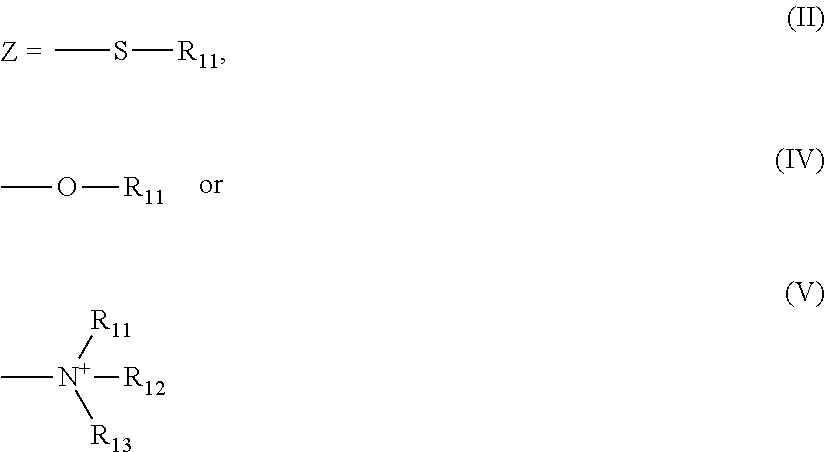


Priority Applications (1)
| Application Number | Priority Date | Filing Date | Title |
|---|---|---|---|
| US15/755,018 US12226529B2 (en) | 2015-08-25 | 2016-08-25 | Stable nanolipoprotein particles and related compositions methods and systems |
Applications Claiming Priority (3)
| Application Number | Priority Date | Filing Date | Title |
|---|---|---|---|
| US201562209784P | 2015-08-25 | 2015-08-25 | |
| PCT/US2016/048632 WO2017035326A1 (en) | 2015-08-25 | 2016-08-25 | Stable nanolipoprotein particles and related compositions methods and systems |
| US15/755,018 US12226529B2 (en) | 2015-08-25 | 2016-08-25 | Stable nanolipoprotein particles and related compositions methods and systems |
Related Parent Applications (1)
| Application Number | Title | Priority Date | Filing Date |
|---|---|---|---|
| PCT/US2016/048632 A-371-Of-International WO2017035326A1 (en) | 2015-08-25 | 2016-08-25 | Stable nanolipoprotein particles and related compositions methods and systems |
Related Child Applications (1)
| Application Number | Title | Priority Date | Filing Date |
|---|---|---|---|
| US19/015,586 Continuation US20250221935A1 (en) | 2015-08-25 | 2025-01-09 | Stable nanolipoprotein particles and related compositions, methods and systems |
Publications (2)
| Publication Number | Publication Date |
|---|---|
| US20190142752A1 US20190142752A1 (en) | 2019-05-16 |
| US12226529B2 true US12226529B2 (en) | 2025-02-18 |
Family
ID=58100948
Family Applications (2)
| Application Number | Title | Priority Date | Filing Date |
|---|---|---|---|
| US15/755,018 Active US12226529B2 (en) | 2015-08-25 | 2016-08-25 | Stable nanolipoprotein particles and related compositions methods and systems |
| US19/015,586 Pending US20250221935A1 (en) | 2015-08-25 | 2025-01-09 | Stable nanolipoprotein particles and related compositions, methods and systems |
Family Applications After (1)
| Application Number | Title | Priority Date | Filing Date |
|---|---|---|---|
| US19/015,586 Pending US20250221935A1 (en) | 2015-08-25 | 2025-01-09 | Stable nanolipoprotein particles and related compositions, methods and systems |
Country Status (2)
| Country | Link |
|---|---|
| US (2) | US12226529B2 (en) |
| WO (1) | WO2017035326A1 (en) |
Families Citing this family (12)
| Publication number | Priority date | Publication date | Assignee | Title |
|---|---|---|---|---|
| WO2008141230A1 (en) | 2007-05-09 | 2008-11-20 | Lawrence Livermore National Security, Llc | Methods and systems for monitoring production of a target protein in a nanolipoprotein particle |
| US9644038B2 (en) | 2011-12-21 | 2017-05-09 | The Regents Of The University Of California | Apolipoprotein nanodiscs with telodendrimer |
| US12226529B2 (en) | 2015-08-25 | 2025-02-18 | Lawrence Livermore National Security, Llc | Stable nanolipoprotein particles and related compositions methods and systems |
| US11279749B2 (en) | 2015-09-11 | 2022-03-22 | Lawrence Livermore National Security, Llc | Synthetic apolipoproteins, and related compositions methods and systems for nanolipoprotein particles formation |
| EP3426304A4 (en) * | 2016-03-07 | 2019-11-27 | Lawrence Livermore National Security, LLC | NANOLIPOPROTEIN PARTICLES AND ASSOCIATED COMPOSITIONS, METHODS AND SYSTEMS FOR ENHANCED MEDICATION LOADING |
| US12083223B2 (en) | 2017-05-02 | 2024-09-10 | Lawrence Livermore National Security, Llc | Nanolipoprotein particles and related compositions methods and systems for loading RNA |
| WO2018204421A2 (en) | 2017-05-02 | 2018-11-08 | Lawrence Livermore National Security, Llc | Momp telonanoparticles, and related compositions, methods and systems |
| CN109568582B (en) * | 2019-01-04 | 2021-06-01 | 西北工业大学 | Hypocrellin phospholipid nanodiscs with photodynamic therapeutic activity, preparation method and application thereof |
| BR112022025227A2 (en) | 2020-06-11 | 2023-01-03 | Genentech Inc | CONJUGATES, PHARMACEUTICAL COMPOSITION, LIQUID FORMULATION, METHODS TO PREPARE A CONJUGATE, TO INCREASE STABILITY, TO TREAT A SUBJECT, TO DELIVER A POLYPEPTIDE BINDER, TO DELIVER A SHORT PEPTIDE, TO DELIVER A BIOLOGICALLY ACTIVE AGENT, METHOD TO REDUCE LIPID CONJUGATION -SKELETON PROTEIN AND METHOD TO INCREASE BIOLOGICAL ACTIVITY, USE OF THE CONJUGATE AND SYSTEM OR KIT |
| US20220226465A1 (en) | 2021-01-18 | 2022-07-21 | ConserV Bioscience | Coronavirus Immunogenic Compositions, Methods and Uses Thereof |
| CN117849250B (en) * | 2022-09-30 | 2025-04-22 | 深圳瑞吉生物科技有限公司 | A method for detecting encapsulated lipids and/or free lipids in LNP drugs |
| WO2026005858A1 (en) * | 2024-03-25 | 2026-01-02 | Board Of Regents, The University Of Texas System | Rapid heat-driven formation of nanosheets and two-dimensional nanocrystals |
Citations (68)
| Publication number | Priority date | Publication date | Assignee | Title |
|---|---|---|---|---|
| US4317771A (en) | 1979-06-21 | 1982-03-02 | Daiichi Seiyaku Co., Ltd. | Muramyldipeptide derivatives |
| US5374715A (en) | 1988-08-26 | 1994-12-20 | Canon Kabushiki Kaisha | Method for forming proteoliposome and method for forming giant proteoliposome |
| US5393530A (en) | 1990-12-11 | 1995-02-28 | Bracco International B.V. | Method for making liposomes of enhanced entrapping capacity toward foreign substances to be encapsulated |
| US5679559A (en) | 1996-07-03 | 1997-10-21 | University Of Utah Research Foundation | Cationic polymer and lipoprotein-containing system for gene delivery |
| WO1999059550A1 (en) | 1998-05-20 | 1999-11-25 | The Liposome Company, Inc. | Novel particulate formulations |
| WO2000065099A1 (en) | 1999-04-22 | 2000-11-02 | The University Of North Carolina At Chapel Hill | Monolayer and electrode for detecting a label-bearing target and method of use thereof |
| US6270649B1 (en) | 1998-07-09 | 2001-08-07 | Michigan State University | Electrochemical methods for generation of a biological proton motive force and pyridine nucleotide cofactor regeneration |
| US20010051131A1 (en) * | 1996-06-19 | 2001-12-13 | Evan C. Unger | Methods for delivering bioactive agents |
| US6365191B1 (en) | 1999-02-17 | 2002-04-02 | Dabur Research Foundation | Formulations of paclitaxel, its derivatives or its analogs entrapped into nanoparticles of polymeric micelles, process for preparing same and the use thereof |
| US20020041898A1 (en) | 2000-01-05 | 2002-04-11 | Unger Evan C. | Novel targeted delivery systems for bioactive agents |
| WO2002040501A2 (en) | 2000-11-20 | 2002-05-23 | The Board Of Trustees Of The University Of Illinois | Membrane scaffold proteins |
| US20030008014A1 (en) * | 2001-06-20 | 2003-01-09 | Shelness Gregory S. | Truncated apolipoprotein B-containing lipoprotein particles for delivery of compounds to tissues or cells |
| US6599527B1 (en) | 1997-06-20 | 2003-07-29 | Phares Pharmaceutical Research N.V. | Preparation of pharmaceutical compositions |
| US20040101741A1 (en) | 2002-11-27 | 2004-05-27 | St. Louis University | Enzyme immobilization for use in biofuel cells and sensors |
| US20040180369A1 (en) | 2003-01-16 | 2004-09-16 | North Carolina State University | Photothermal detection of nucleic acid hybridization |
| US20040204354A1 (en) | 2002-12-03 | 2004-10-14 | Thomas Nelson | Artificial low-density lipoprotein carriers for transport of substances across the blood-brain barrier |
| WO2004094651A2 (en) | 2003-04-18 | 2004-11-04 | Five Prime Therapeutics, Inc. | Novel human polypeptides encoded by polynucleotides |
| WO2004112214A2 (en) | 2003-05-30 | 2004-12-23 | The Arizona Board Of Regents Acting On Behalf Of Arizona State University | Methods for use of a photobiofuel cell in production of hydrogen and other materials |
| WO2005070400A1 (en) | 2004-01-15 | 2005-08-04 | Mount Sinai School Of Medicine | Methods and compositions for imaging |
| US20050182243A1 (en) | 2000-11-20 | 2005-08-18 | Sligar Stephen G. | Membrane scaffold proteins |
| US20050244414A1 (en) | 1995-01-23 | 2005-11-03 | Xenotech Incorporated | Method to ameliorate osteolysis and metastasis |
| US20060013885A1 (en) | 2004-07-16 | 2006-01-19 | Jae-Woon Nah | Water soluble chitosan nanoparticle for delivering an anticancer agent and preparing method thereof |
| US7015471B2 (en) | 2002-09-25 | 2006-03-21 | North Carolina State University | Surface plasmon resonance systems and methods having a variable charge density layer |
| US20060088524A1 (en) * | 2000-11-20 | 2006-04-27 | Morrissey James H | Tissue factor compositions and methods |
| US20060127467A1 (en) | 2004-12-14 | 2006-06-15 | Watkin Kenneth L | Nanoparticles for delivery of therapeutic agents using ultrasound and associated methods |
| US20060127310A1 (en) | 2002-11-21 | 2006-06-15 | Access Pharmaceuticals Australia Pty Ltd. | Amplification of biotin-mediated targeting |
| WO2006073419A2 (en) | 2004-04-01 | 2006-07-13 | Gang Zheng | Lipoprotein nanoplatforms |
| US7083958B2 (en) | 2000-11-20 | 2006-08-01 | The Board Of Trustees Of The University Of Illinois | Membrane scaffold proteins |
| US20060189554A1 (en) | 2002-09-24 | 2006-08-24 | Russell Mumper | Nanoparticle-Based vaccine delivery system containing adjuvant |
| WO2007038755A1 (en) | 2005-09-27 | 2007-04-05 | Invitrogen Corporation | In vitro protein synthesis systems for membrane proteins that include apolipoproteins and phospholipid-apolipoprotein particles |
| US20070101448A1 (en) | 2002-11-13 | 2007-05-03 | Anantharamiah Gattadahalli M | Synthetic single domain polypeptides mimicking apolipoprotein E and methods of use |
| WO2007050501A2 (en) | 2005-10-24 | 2007-05-03 | Aculon, Inc. | Polymeric organometallic films |
| WO2007053655A2 (en) | 2005-10-31 | 2007-05-10 | The Board Of Trustees Of The Leland Stanford Junior University | Cell-free synthesis of membrane bound polypeptides |
| US20070117179A1 (en) | 2005-09-27 | 2007-05-24 | Invitrogen Corporation | In vitro protein synthesis systems for membrane proteins that include adolipoproteins and phospholipid-adolipoprotein particles |
| US20070287034A1 (en) | 2004-03-15 | 2007-12-13 | Saint Louis University | Microfluidic Biofuel Cell |
| WO2008028206A2 (en) | 2006-09-04 | 2008-03-13 | Universität Linz | Method for producing reactive monolayer units |
| US7375234B2 (en) | 2002-05-30 | 2008-05-20 | The Scripps Research Institute | Copper-catalysed ligation of azides and acetylenes |
| JP2008516605A (en) | 2004-10-15 | 2008-05-22 | アメリカ合衆国 | Multi-domain amphiphilic helix peptides and methods of use thereof |
| US20080188399A1 (en) | 2005-02-16 | 2008-08-07 | Ruthers, The State University Of New Jersey | Drug-Polymer Conjugates Coupled to a Peptidic Carrier |
| WO2008106660A2 (en) | 2007-03-01 | 2008-09-04 | Invitrogen Corporation | Isolated phospholipid-protein particles |
| US20090136937A1 (en) | 2007-05-09 | 2009-05-28 | Coleman Matthew A | Methods and systems for monitoring production of a target protein in a nanolipoprotein particle |
| US20090186393A1 (en) | 2008-01-11 | 2009-07-23 | Baker Sarah E | Nanolipoprotein particles comprising hydrogenases and related products, methods and systems |
| WO2009100201A2 (en) | 2008-02-07 | 2009-08-13 | Lawrence Livermore National Security, Llc | Functionalized platform for arrays configured for optical detection of targets and related arrays, methods and systems |
| US20090203706A1 (en) | 2006-09-15 | 2009-08-13 | Enzon Pharmaceuticals, Inc. | Lysine-based polymeric linkers |
| US20090311276A1 (en) | 2008-05-22 | 2009-12-17 | Hoeprich Paul D | Nanolipoprotein particles and related compositions, methods and systems |
| US20090324706A1 (en) | 2008-04-25 | 2009-12-31 | Northwestern University | Nanostructures Suitable for Sequestering Cholesterol and Other Molecules |
| WO2010039496A2 (en) | 2008-09-23 | 2010-04-08 | The Regents Of The University Of California | Nanocarriers for drug delivery |
| WO2010040897A1 (en) | 2008-10-08 | 2010-04-15 | Teknillinen Korkeakoulu | Method and system for producing hydrogen, and electricity generation system |
| US20100203609A1 (en) | 2007-07-23 | 2010-08-12 | Ramot At Tel Aviv University Ltd. | Photocatalytic hydrogen production and polypeptides capable of same |
| US7824709B2 (en) | 2003-02-14 | 2010-11-02 | Children's Hospital And Research Center At Oakland | Lipophilic drug delivery vehicle and methods of use thereof |
| US20110178164A1 (en) | 2008-08-18 | 2011-07-21 | Maria Elisabete Cunha Dias Real Oliveira | Application on monoolein as a new helper lipid in transfection |
| US20110178029A1 (en) | 2007-09-14 | 2011-07-21 | Ambrx, Inc. | Modified Human Apolipoprotein A-1 and Their Uses |
| US8268796B2 (en) | 2008-06-27 | 2012-09-18 | Children's Hospital & Research Center At Oakland | Lipophilic nucleic acid delivery vehicle and methods of use thereof |
| US20120245101A1 (en) | 2007-08-28 | 2012-09-27 | Anantharamaiah Gattadahalli M | Synthetic apolipoprotein e mimicking polypeptides and methods of use |
| US20130164369A1 (en) | 2011-12-21 | 2013-06-27 | The Regents Of The University Of California | Telodendrimer nanodiscs without apolipoprotein |
| US20130165636A1 (en) | 2011-12-21 | 2013-06-27 | The Regents Of The University Of California | Apolipoprotein nanodiscs with telodendrimer |
| WO2014063097A1 (en) * | 2012-10-19 | 2014-04-24 | Danisco Us Inc. | Stabilization of biomimetic membranes |
| US20140273142A1 (en) | 2008-05-09 | 2014-09-18 | Lawrence Livermore National Security, Llc | Nanolipoprotein particles comprising a natural rubber biosynthetic enzyme complex and related products, methods and systems |
| US20140308341A1 (en) | 2009-03-09 | 2014-10-16 | Molecular Express, Inc. | Methods and compositions for liposomal formulation of antigens and uses thereof |
| US20150140108A1 (en) | 2012-04-18 | 2015-05-21 | Ramot At Tel-Aviv University Ltd. | Lipidated glycosaminoglycan particles for the delivery of nucleic acids |
| JP2015110677A (en) | 2009-02-16 | 2015-06-18 | セレニス セラピューティクス ホールディング エスアー | Apolipoprotein a-i mimics |
| US20160083858A1 (en) * | 2009-01-12 | 2016-03-24 | Lawrence Livermore National Security, Llc | Electrochemical flow-cell for hydrogen production and nicotinamide dependent target reduction, and related methods and systems |
| US20160235671A1 (en) | 2006-12-29 | 2016-08-18 | Cspc Zhongqi Pharmaceutical Technology (Shijiazhuang) Co., Ltd. | Liposomal pharmaceutical preparation and method for manufacturing the same |
| WO2017035326A1 (en) | 2015-08-25 | 2017-03-02 | Lawrence Livermore National Security, Llc | Stable nanolipoprotein particles and related compositions methods and systems |
| WO2017044899A1 (en) | 2015-09-11 | 2017-03-16 | Lawrence Livermore National Security, Llc | Synthetic apolipoproteins, and related compositions methods and systems for nanolipoprotein particles formation |
| WO2017155837A1 (en) | 2016-03-07 | 2017-09-14 | Lawrence Livermore National Security, Llc | Nanolipoprotein particles and related compositions methods and systems for improved drug loading |
| US20180318218A1 (en) | 2017-05-02 | 2018-11-08 | Synthetic Genomics, Inc. | Nanolipoprotein particles and related compositions methods and systems for loading rna |
| WO2018204421A2 (en) | 2017-05-02 | 2018-11-08 | Lawrence Livermore National Security, Llc | Momp telonanoparticles, and related compositions, methods and systems |
-
2016
- 2016-08-25 US US15/755,018 patent/US12226529B2/en active Active
- 2016-08-25 WO PCT/US2016/048632 patent/WO2017035326A1/en not_active Ceased
-
2025
- 2025-01-09 US US19/015,586 patent/US20250221935A1/en active Pending
Patent Citations (112)
| Publication number | Priority date | Publication date | Assignee | Title |
|---|---|---|---|---|
| US4317771A (en) | 1979-06-21 | 1982-03-02 | Daiichi Seiyaku Co., Ltd. | Muramyldipeptide derivatives |
| US5374715A (en) | 1988-08-26 | 1994-12-20 | Canon Kabushiki Kaisha | Method for forming proteoliposome and method for forming giant proteoliposome |
| US5393530A (en) | 1990-12-11 | 1995-02-28 | Bracco International B.V. | Method for making liposomes of enhanced entrapping capacity toward foreign substances to be encapsulated |
| US20050244414A1 (en) | 1995-01-23 | 2005-11-03 | Xenotech Incorporated | Method to ameliorate osteolysis and metastasis |
| US20010051131A1 (en) * | 1996-06-19 | 2001-12-13 | Evan C. Unger | Methods for delivering bioactive agents |
| US5679559A (en) | 1996-07-03 | 1997-10-21 | University Of Utah Research Foundation | Cationic polymer and lipoprotein-containing system for gene delivery |
| US6599527B1 (en) | 1997-06-20 | 2003-07-29 | Phares Pharmaceutical Research N.V. | Preparation of pharmaceutical compositions |
| WO1999059550A1 (en) | 1998-05-20 | 1999-11-25 | The Liposome Company, Inc. | Novel particulate formulations |
| US6270649B1 (en) | 1998-07-09 | 2001-08-07 | Michigan State University | Electrochemical methods for generation of a biological proton motive force and pyridine nucleotide cofactor regeneration |
| US6365191B1 (en) | 1999-02-17 | 2002-04-02 | Dabur Research Foundation | Formulations of paclitaxel, its derivatives or its analogs entrapped into nanoparticles of polymeric micelles, process for preparing same and the use thereof |
| WO2000065099A1 (en) | 1999-04-22 | 2000-11-02 | The University Of North Carolina At Chapel Hill | Monolayer and electrode for detecting a label-bearing target and method of use thereof |
| US20020041898A1 (en) | 2000-01-05 | 2002-04-11 | Unger Evan C. | Novel targeted delivery systems for bioactive agents |
| US7575763B2 (en) | 2000-11-20 | 2009-08-18 | The Board Of Trustees Of The University Of Illinois | Membrane scaffold proteins and tethered membrane proteins |
| US7691414B2 (en) | 2000-11-20 | 2010-04-06 | The Board Of Trustees Of The University Of Illinois | Membrane scaffold proteins |
| US7662410B2 (en) | 2000-11-20 | 2010-02-16 | The Board Of Trustees Of The University Of Illinois | Membrane scaffold proteins and embedded membrane proteins |
| US7622437B2 (en) | 2000-11-20 | 2009-11-24 | The Board Of Trustees Of The University Of Illinois | Tissue factor compositions and methods |
| US7592008B2 (en) | 2000-11-20 | 2009-09-22 | The Board Of Trustees Of The University Of Illinois, A Body Corporate And Politic Of The State Of Illinois | Membrane scaffold proteins |
| US20050182243A1 (en) | 2000-11-20 | 2005-08-18 | Sligar Stephen G. | Membrane scaffold proteins |
| US7083958B2 (en) | 2000-11-20 | 2006-08-01 | The Board Of Trustees Of The University Of Illinois | Membrane scaffold proteins |
| US20060211092A1 (en) | 2000-11-20 | 2006-09-21 | The Board Of Trustees Of The University Of Illinois | Membrane scaffold proteins and tethered membrane proteins |
| WO2002040501A2 (en) | 2000-11-20 | 2002-05-23 | The Board Of Trustees Of The University Of Illinois | Membrane scaffold proteins |
| US20060088524A1 (en) * | 2000-11-20 | 2006-04-27 | Morrissey James H | Tissue factor compositions and methods |
| US7048949B2 (en) | 2000-11-20 | 2006-05-23 | The Board Of Trustees Of The University Of Illinois | Membrane scaffold proteins |
| US20030008014A1 (en) * | 2001-06-20 | 2003-01-09 | Shelness Gregory S. | Truncated apolipoprotein B-containing lipoprotein particles for delivery of compounds to tissues or cells |
| US7375234B2 (en) | 2002-05-30 | 2008-05-20 | The Scripps Research Institute | Copper-catalysed ligation of azides and acetylenes |
| US20060189554A1 (en) | 2002-09-24 | 2006-08-24 | Russell Mumper | Nanoparticle-Based vaccine delivery system containing adjuvant |
| US20080124350A1 (en) | 2002-09-24 | 2008-05-29 | University Of Kentucky Research Foundation | Nanoparticle-based vaccine delivery system containing adjuvant |
| US7015471B2 (en) | 2002-09-25 | 2006-03-21 | North Carolina State University | Surface plasmon resonance systems and methods having a variable charge density layer |
| US20070101448A1 (en) | 2002-11-13 | 2007-05-03 | Anantharamiah Gattadahalli M | Synthetic single domain polypeptides mimicking apolipoprotein E and methods of use |
| US20060127310A1 (en) | 2002-11-21 | 2006-06-15 | Access Pharmaceuticals Australia Pty Ltd. | Amplification of biotin-mediated targeting |
| US20040101741A1 (en) | 2002-11-27 | 2004-05-27 | St. Louis University | Enzyme immobilization for use in biofuel cells and sensors |
| US20040204354A1 (en) | 2002-12-03 | 2004-10-14 | Thomas Nelson | Artificial low-density lipoprotein carriers for transport of substances across the blood-brain barrier |
| US20040180369A1 (en) | 2003-01-16 | 2004-09-16 | North Carolina State University | Photothermal detection of nucleic acid hybridization |
| US7824709B2 (en) | 2003-02-14 | 2010-11-02 | Children's Hospital And Research Center At Oakland | Lipophilic drug delivery vehicle and methods of use thereof |
| WO2004094651A2 (en) | 2003-04-18 | 2004-11-04 | Five Prime Therapeutics, Inc. | Novel human polypeptides encoded by polynucleotides |
| WO2004112214A2 (en) | 2003-05-30 | 2004-12-23 | The Arizona Board Of Regents Acting On Behalf Of Arizona State University | Methods for use of a photobiofuel cell in production of hydrogen and other materials |
| WO2005070400A1 (en) | 2004-01-15 | 2005-08-04 | Mount Sinai School Of Medicine | Methods and compositions for imaging |
| US20070287034A1 (en) | 2004-03-15 | 2007-12-13 | Saint Louis University | Microfluidic Biofuel Cell |
| WO2006073419A2 (en) | 2004-04-01 | 2006-07-13 | Gang Zheng | Lipoprotein nanoplatforms |
| US20060013885A1 (en) | 2004-07-16 | 2006-01-19 | Jae-Woon Nah | Water soluble chitosan nanoparticle for delivering an anticancer agent and preparing method thereof |
| US20120148642A1 (en) | 2004-10-15 | 2012-06-14 | Health And Human Services | Multi-domain amphipathic helical peptides and methods of their use |
| JP2008516605A (en) | 2004-10-15 | 2008-05-22 | アメリカ合衆国 | Multi-domain amphiphilic helix peptides and methods of use thereof |
| US20090270331A1 (en) | 2004-10-15 | 2009-10-29 | The United States Of America As Represented By The Secretary, Dept. Of Health And Human Services | Multi-domain amphipathic helical peptides and methods of their use |
| US20100158994A1 (en) | 2004-12-14 | 2010-06-24 | Watkin Kenneth L | Nanoparticles for Delivery of Therapeutic Agents Using Ultrasound and Associated Methods |
| US20060127467A1 (en) | 2004-12-14 | 2006-06-15 | Watkin Kenneth L | Nanoparticles for delivery of therapeutic agents using ultrasound and associated methods |
| US20080188399A1 (en) | 2005-02-16 | 2008-08-07 | Ruthers, The State University Of New Jersey | Drug-Polymer Conjugates Coupled to a Peptidic Carrier |
| US20070117179A1 (en) | 2005-09-27 | 2007-05-24 | Invitrogen Corporation | In vitro protein synthesis systems for membrane proteins that include adolipoproteins and phospholipid-adolipoprotein particles |
| WO2007038755A1 (en) | 2005-09-27 | 2007-04-05 | Invitrogen Corporation | In vitro protein synthesis systems for membrane proteins that include apolipoproteins and phospholipid-apolipoprotein particles |
| US20110195450A1 (en) | 2005-09-27 | 2011-08-11 | Life Technologies Corporation | In Vitro Protein Synthesis Systems for Membrane Proteins that Include Adolipoproteins and Phospholipid Adolipoprotein Particles |
| WO2007050501A2 (en) | 2005-10-24 | 2007-05-03 | Aculon, Inc. | Polymeric organometallic films |
| WO2007053655A2 (en) | 2005-10-31 | 2007-05-10 | The Board Of Trustees Of The Leland Stanford Junior University | Cell-free synthesis of membrane bound polypeptides |
| US8183010B2 (en) | 2005-10-31 | 2012-05-22 | The Board Of Trustees Of The Leland Stanford Junior University | Cell-free synthesis of membrane bound polypeptides |
| WO2008028206A2 (en) | 2006-09-04 | 2008-03-13 | Universität Linz | Method for producing reactive monolayer units |
| US20090203706A1 (en) | 2006-09-15 | 2009-08-13 | Enzon Pharmaceuticals, Inc. | Lysine-based polymeric linkers |
| US20160235671A1 (en) | 2006-12-29 | 2016-08-18 | Cspc Zhongqi Pharmaceutical Technology (Shijiazhuang) Co., Ltd. | Liposomal pharmaceutical preparation and method for manufacturing the same |
| US20080248565A1 (en) | 2007-03-01 | 2008-10-09 | Invitrogen Corporation | Isolated phospholipid-protein particles |
| WO2008106660A2 (en) | 2007-03-01 | 2008-09-04 | Invitrogen Corporation | Isolated phospholipid-protein particles |
| US20090136937A1 (en) | 2007-05-09 | 2009-05-28 | Coleman Matthew A | Methods and systems for monitoring production of a target protein in a nanolipoprotein particle |
| US11300572B2 (en) | 2007-05-09 | 2022-04-12 | Lawrence Livermore National Security, Llc | Methods and systems for producing nanolipoprotein particles |
| US20220283171A1 (en) | 2007-05-09 | 2022-09-08 | Lawrence Livermore National Security, Llc | Methods and systems for producing nanolipoprotein particles |
| US20190094230A1 (en) | 2007-05-09 | 2019-03-28 | Lawrence Livermore National Security, Llc | Methods and systems for producing nanolipoprotein particles |
| US20110059549A1 (en) | 2007-05-09 | 2011-03-10 | Coleman Matthew A | Methods and systems for producing nanolipoprotein particles |
| US20100203609A1 (en) | 2007-07-23 | 2010-08-12 | Ramot At Tel Aviv University Ltd. | Photocatalytic hydrogen production and polypeptides capable of same |
| US20120245101A1 (en) | 2007-08-28 | 2012-09-27 | Anantharamaiah Gattadahalli M | Synthetic apolipoprotein e mimicking polypeptides and methods of use |
| US20110178029A1 (en) | 2007-09-14 | 2011-07-21 | Ambrx, Inc. | Modified Human Apolipoprotein A-1 and Their Uses |
| US20090192299A1 (en) | 2008-01-11 | 2009-07-30 | Chromy Brett A | Nanolipoprotein particles and related methods and systems for protein capture, solubilization, and/or purification |
| US9458191B2 (en) | 2008-01-11 | 2016-10-04 | Lawrence Livermore National Security, Llc | Nanolipoprotein particles and related methods and systems for protein capture, solubilization, and/or purification |
| US8907061B2 (en) | 2008-01-11 | 2014-12-09 | Lawrence Livermore National Security, Llc. | Nanolipoprotein particles and related methods and systems for protein capture, solubilization, and/or purification |
| US9688718B2 (en) | 2008-01-11 | 2017-06-27 | Lawrence Livermore National Security, Llc | Nanolipoprotein particles comprising hydrogenases and related products, methods and systems |
| US20090186393A1 (en) | 2008-01-11 | 2009-07-23 | Baker Sarah E | Nanolipoprotein particles comprising hydrogenases and related products, methods and systems |
| US20090203549A1 (en) | 2008-02-07 | 2009-08-13 | Hoeprich Jr Paul D | Functionalized platform for arrays configured for optical detection of targets and related arrays, methods and systems |
| WO2009100201A2 (en) | 2008-02-07 | 2009-08-13 | Lawrence Livermore National Security, Llc | Functionalized platform for arrays configured for optical detection of targets and related arrays, methods and systems |
| US20090324706A1 (en) | 2008-04-25 | 2009-12-31 | Northwestern University | Nanostructures Suitable for Sequestering Cholesterol and Other Molecules |
| US9303273B2 (en) | 2008-05-09 | 2016-04-05 | Lawrence Livermore National Security, Llc | Nanolipoprotein particles comprising a natural rubber biosynthetic enzyme complex and related products, methods and systems |
| US20140273142A1 (en) | 2008-05-09 | 2014-09-18 | Lawrence Livermore National Security, Llc | Nanolipoprotein particles comprising a natural rubber biosynthetic enzyme complex and related products, methods and systems |
| US8883729B2 (en) | 2008-05-22 | 2014-11-11 | Lawrence Livermore National Security, Llc | Nanolipoprotein particles and related compositions, methods and systems |
| US8889623B2 (en) | 2008-05-22 | 2014-11-18 | Lawrence Livermore National Security, Llc | Immunostimulatory nanoparticles and related compositions, methods and systems |
| US20100092567A1 (en) | 2008-05-22 | 2010-04-15 | Hoeprich Paul D | Immunostimulatory nanoparticles and related compositions, methods and systems |
| US20090311276A1 (en) | 2008-05-22 | 2009-12-17 | Hoeprich Paul D | Nanolipoprotein particles and related compositions, methods and systems |
| US8268796B2 (en) | 2008-06-27 | 2012-09-18 | Children's Hospital & Research Center At Oakland | Lipophilic nucleic acid delivery vehicle and methods of use thereof |
| US20110178164A1 (en) | 2008-08-18 | 2011-07-21 | Maria Elisabete Cunha Dias Real Oliveira | Application on monoolein as a new helper lipid in transfection |
| WO2010039496A2 (en) | 2008-09-23 | 2010-04-08 | The Regents Of The University Of California | Nanocarriers for drug delivery |
| US20110286915A1 (en) | 2008-09-23 | 2011-11-24 | The Regents Of The University Of California | Nanocarriers for Drug Delivery |
| WO2010040897A1 (en) | 2008-10-08 | 2010-04-15 | Teknillinen Korkeakoulu | Method and system for producing hydrogen, and electricity generation system |
| US10151037B2 (en) | 2009-01-12 | 2018-12-11 | Lawrence Livermore National Security, Llc | Electrochemical flow-cell for hydrogen production and nicotinamide dependent target reduction, and related methods and systems |
| US20160083858A1 (en) * | 2009-01-12 | 2016-03-24 | Lawrence Livermore National Security, Llc | Electrochemical flow-cell for hydrogen production and nicotinamide dependent target reduction, and related methods and systems |
| US9388232B2 (en) | 2009-02-16 | 2016-07-12 | Cerenis Therapeutics Holding Sa | Apolipoprotein A-I mimics |
| JP2015110677A (en) | 2009-02-16 | 2015-06-18 | セレニス セラピューティクス ホールディング エスアー | Apolipoprotein a-i mimics |
| US20160324923A1 (en) | 2009-02-16 | 2016-11-10 | Cerenis Therapeutics Holding Sa | Apolipoprotein a-i mimics |
| US20140308341A1 (en) | 2009-03-09 | 2014-10-16 | Molecular Express, Inc. | Methods and compositions for liposomal formulation of antigens and uses thereof |
| US20210317234A1 (en) | 2011-12-21 | 2021-10-14 | Lawrence Livermore National Security, Llc | Apolipoprotein nanodiscs with telodendrimer |
| US20130165636A1 (en) | 2011-12-21 | 2013-06-27 | The Regents Of The University Of California | Apolipoprotein nanodiscs with telodendrimer |
| US9644038B2 (en) | 2011-12-21 | 2017-05-09 | The Regents Of The University Of California | Apolipoprotein nanodiscs with telodendrimer |
| US8895055B2 (en) | 2011-12-21 | 2014-11-25 | The Regents Of The University Of California | Telodendrimer nanodiscs without apolipoprotein |
| US20130164369A1 (en) | 2011-12-21 | 2013-06-27 | The Regents Of The University Of California | Telodendrimer nanodiscs without apolipoprotein |
| US20180079829A1 (en) | 2011-12-21 | 2018-03-22 | Lawrence Livermore National Security, Llc | Apolipoprotein nanodiscs with telodendrimer |
| US11053322B2 (en) | 2011-12-21 | 2021-07-06 | Lawrence Livermore National Security, Llc | Apolipoprotein nanodiscs with telodendrimer |
| US20150140108A1 (en) | 2012-04-18 | 2015-05-21 | Ramot At Tel-Aviv University Ltd. | Lipidated glycosaminoglycan particles for the delivery of nucleic acids |
| WO2014063097A1 (en) * | 2012-10-19 | 2014-04-24 | Danisco Us Inc. | Stabilization of biomimetic membranes |
| US10934628B2 (en) | 2014-09-22 | 2021-03-02 | Lawrence Livermore National Security, Llc | Electrochemical flow-cell for hydrogen production and nicotinamide dependent target reduction, and related methods and systems |
| US20190055658A1 (en) | 2014-09-22 | 2019-02-21 | Lawrence Livermore National Security, Llc | Electrochemical flow-cell for hydrogen production and nicotinamide dependent target reduction, and related methods and systems |
| WO2017035326A1 (en) | 2015-08-25 | 2017-03-02 | Lawrence Livermore National Security, Llc | Stable nanolipoprotein particles and related compositions methods and systems |
| WO2017044899A1 (en) | 2015-09-11 | 2017-03-16 | Lawrence Livermore National Security, Llc | Synthetic apolipoproteins, and related compositions methods and systems for nanolipoprotein particles formation |
| US11279749B2 (en) | 2015-09-11 | 2022-03-22 | Lawrence Livermore National Security, Llc | Synthetic apolipoproteins, and related compositions methods and systems for nanolipoprotein particles formation |
| US20180186860A1 (en) | 2015-09-11 | 2018-07-05 | Lawrence Livermore National Security, Llc | Synthetic apolipoproteins, and related compositions methods and systems for nanolipoprotein particles formation |
| US20190307692A1 (en) | 2016-03-07 | 2019-10-10 | Lawrence Livermore National Security, Llc | Nanolipoprotein particles and related compositions methods and systems for improved drug loading |
| EP3426304A1 (en) | 2016-03-07 | 2019-01-16 | Lawrence Livermore National Security, LLC | Nanolipoprotein particles and related compositions methods and systems for improved drug loading |
| WO2017155837A1 (en) | 2016-03-07 | 2017-09-14 | Lawrence Livermore National Security, Llc | Nanolipoprotein particles and related compositions methods and systems for improved drug loading |
| US20200046848A1 (en) | 2017-05-02 | 2020-02-13 | Lawrence Livermore National Security, Llc | Momp telonanoparticles, and related compositions, methods and systems |
| US11207422B2 (en) | 2017-05-02 | 2021-12-28 | Lawrence Livermore National Security, Llc | MOMP telonanoparticles, and related compositions, methods and systems |
| WO2018204421A2 (en) | 2017-05-02 | 2018-11-08 | Lawrence Livermore National Security, Llc | Momp telonanoparticles, and related compositions, methods and systems |
| US20180318218A1 (en) | 2017-05-02 | 2018-11-08 | Synthetic Genomics, Inc. | Nanolipoprotein particles and related compositions methods and systems for loading rna |
Non-Patent Citations (595)
| Title |
|---|
| "Catalytic oxygen removal from coal mine methane," http://www.digitalrefining.com/article/1000623,Catalytic_oxygen_removal_from_coal_mine_methane.html# . . . , accessed Nov. 27, 2017, 4 pages. |
| "Drug" Wikipedia, the free encyclopedia. Downloaded through the Wayback Machine for Dec. 8, 2011. 5 pages. |
| "Individual" from Merriam-Webster, Jan. 13, 2015, accessed via WayBackMachine.com (2 pages). |
| "Ion channel", Wikipedia, accessed Dec. 22, 2014, pp. 1-8, 8 pages. |
| "Microsome" from Wikipedia, Mar. 3, 2008, accessed via WayBackMachine.com (1 page). |
| "Vesicle" from Wikipedia, Dec. 16, 2008, accessed via WayBackMachine.com (5 pages). |
| Abdulreda M.H., et al., "Atomic Force Microscope Spectroscopy Reveals a Hemifusion Intermediate during Soluble N-Ethylmaleimide-Sensitive Factor-Attachment Protein Receptors-Mediated Membrane Fusion," Biophysical Journal, Jan. 2008, vol. 94 (2), 648-655. 8 pages. |
| Abdulreda M.H., et al., "Atomic Force Microscope Studies of the Fusion of Floating Lipid Bilayers," Biophysical Journal, Jun. 2007, vol. 92 (12), 10 pages. |
| Adamczyk J., et al., "The Isotope Array, a New Tool That Employs Substrate-Mediated Labeling of rRNA for Determination of Microbial Community Structure and Function,". Applied and environmental microbiology, Nov. 2003, vol. 69 (11), 13 pages. |
| Adams, M.W.W., et al., "Hydrogenase," 1981, Biochimica et Biophysica Acta 594, 105-176. |
| Addison S.L., et al., "Stable Isotope Probing: Technical Considerations When Resolving (15)N-labeled RNA in Gradients," Journal of Microbiological Methods, Jan. 2010, vol. 80(1), 6 pages. |
| Advisory Action for U.S. Appl. No. 12/118,396, filed May 9, 2008. Mail Date: Jul. 7, 2015, 8 pages. |
| Advisory Action for U.S. Appl. No. 12/118,396. Mail Date: Jun. 7, 2012, 5 pages. |
| Advisory Action for U.S. Appl. No. 12/118,530. Mail Date: Jul. 23, 2015, 13 pages. |
| Advisory Action for U.S. Appl. No. 12/118,530. Mail Date: Jun. 6, 2012, 5 pages. |
| Advisory Action for U.S. Appl. No. 15/499,855, filed Apr. 27, 2017 on behalf of Lawrence Livermore National Security, LLC. Mail Date: Dec. 31, 2019. 3 pages. |
| Advisory Action for U.S. Appl. No. 15/744,754, filed Jan. 12, 2018 on behalf of Lawrence Livermore National Security, LLC Mail Date: Mar. 16, 2021 13 pages. |
| Aina O.H., et al., "From combinatorial chemistry to cancer-targeting peptides" Mol Pharm, vol. 4, No. 5, pp. 631-651 (2007). |
| Akkaladevi, N., et al., Assembly of Anthrax Toxin Pore: Lethal-Factor Complexes into Lipid Nanodiscs, Protein Science, vol. 22, pp. 492-501, (2013). |
| Allen, T.M., et al., "Drug Delivery Systems: Entering the Mainstream.", Science, vol. 303(5665), pp. 1818-1822, (2004), 6 pages. |
| Alpha Helix—Wikipedia, the free encyclopedia, Nov. 7, 2014, 15 pages. https://web.archive.org/web/20141107095336/https://en.wikipedia.org/wiki/Alpha_helix. |
| Amar M. et al., "A Novel Apolipoprotein C-II Mimetic Peptide That Activates Lipoprotein Lipase and Decreases Serum Triglycerides in Apolipoprotein E-Knockout Mice" The Journal of Pharmacology And Experimental Therapeutics, pp. 227-235, Feb. 2015. |
| Anantharamaiah, G.M., et al., "Studies of Synthetic Peptide Analogs of the Amphipathic Helix / Structures of Complexes with Dimyristoyl Phosphatidycholine ," 1985, The Journal of Biological Chemistry, vol. 260, No. 18, 10248-10255. |
| Aranyi T., et al., "Predictable Difficulty or Difficulty to Predict," Protein Science, Jan. 2011, vol. 20 (1), 3 pages. |
| Baas B.J., et al., "Homotropic Cooperativity of Monomeric Cytochrome P450 3A4 in a Nanoscale Native Bilayer Environment," Archives of Biochemistry and Biophysics,Oct. 2004, vol. 430 (2), 11 pages. |
| Bacher G., et al., "Charge-reduced Nano Electrospray Ionization Combined with Differential Mobility Analysis of Peptides, Proteins, Glycoproteins, Noncovalent Protein Complexes and Viruses," Journal of Mass Spectrometry, Sep. 2001, vol. 36 (9), 1038-1052. 15 pages. |
| Bacher G., et al., "Negative and Positive Ion Matrix-Assisted Laser Desorption/Ionization Time-of-Flight Mass Spectrometry and Positive Ion Nano-Electrospray Ionization Quadrupole Ion Trap Mass Spectrometry of Peptidoglycan Fragments Isolated from Various Bacillus Species,"Journal of Mass Spectrometry, Feb. 2001, vol. 36 (2), 16 pages. |
| Badamchi-Zadeh A, et al., "A multi-component prime-boost vaccination regimen with a consensus MOMP antigen enhances chlamydia trachomatis clearance." Frontiers In Immunology, vol. 7, Article 162, pp. 1-11 (Apr. 2016). |
| Baehr W, et al., "Mapping antigenic domains expressed by Chlamydia trachomatis major outer membrane protein genes." Proceeding of the National Academy of Sciences, vol. 85, pp. 4000-4004 (1988). |
| Baker S.E., et al., "Hydrogen Production by a Hyperthermophilic Membrane-Bound Hydrogenase in Water Soluble Nanolipoprotein Particles," Journal of the American Chemical Society, Nov. 18, 2008, vol. 131 (22), 15 pages. |
| Bao P., et al., "High-Sensitivity Detection of DNA Hybridization on Microarrays Using Resonance Light Scattering," Analytical Chemistry, Apr. 2002, vol. 74 (8), 6 pages. |
| Barros F., et al., "Modulation of Human erg K+ Channel Gating by Activation of a G Protein-Coupled Receptor and Protein Kinase C," The Journal of Physiology, Sep. 1998, vol. 511 (Pt 2), 333-346. 14 pages. |
| Baughman, R.H. "Solid-state polymerization of diacetylenes." Journal of Applied Physics 43(11), 4362-4370,(Nov. 1972). 10 pages. |
| Bay et al., "Small multidrug resistance proteins: A multidrug transporter family that continues to grow," Biochimica et Biophysica Acta 1778 (2008) 1814-1838. |
| Bayburt T.H., et al., "Assembly of Single Bacteriorhodopsin Trimmers in Bilayer Nanodiscs," Archives of Biochemistry and Biophysics, Jun. 2006, vol. 450 (2), 8 pages. |
| Bayburt T.H., et al., "Membrane Protein Assembly into Nanodiscs," FEBS Letters,May 2010, vol. 584 (9), 7 pages. |
| Bayburt T.H., et al., "Reconstitution and Imaging of a Membrane Protein in a Nanometer-size Phospholipid Bilayer," Journal of Structural Biology, Sep. 1998, vol. 123 (1), 8 pages. |
| Bayburt T.H., et al., "Self-Assembly of Discoidal Phospholipid Bilayer Nanoparticles with Membrane Scaffold Proteins," Nano Letters, 2002, vol. 2 (8), 4 pages. |
| Bayburt T.H., et al., "Self-Assembly of Discoidal Phospholipid Bilayer Nanoparticles with Membrane Scaffold Proteins," Nano Letters, 2002, vol. 2 (8), 853-856. 11 pages (Additional Pages of Accompanying Online Supplementary Information). |
| Bayburt T.H., et al., "Self-Assembly of Single Integral Membrane Proteins into Soluble Nanoscale Phospholipid Bilayers," Protein Science, Nov. 2003, vol. 12 (11), 2476-2481. 6 pages, XP002498218, ISSN: 0961-8368. |
| Bayburt T.H., et al., "Single-Molecule Height Measurements on Microsomal Cytochrome P450 in Nanometer-Scale Phospholipid Bilayer Disks," Proceedings of the National Academy of Sciences of the United States of America, May 2002, vol. 99 (10), 6725-6730. 6 pages. |
| Bayburt T.H., et al., "Transducin Activation by Nanoscale Lipid Bilayers Containing One and Two Rhodopsins," The Journal of Biological Chemistry, May 2007, vol. 282 (20), 8 pages. |
| Baylon, J.L., et al., "Characterizing the Membrane-Bound State of Cytochrome P450 3A4: Structure, Depth of Insertion, and Orientation.", Journal of the American Chemical Society, 135(23), pp. 8542-8551, (2013), 11 pages. |
| Behrens S., et al., "Linking Microbial Phylogeny to Metabolic Activity at the Single-cell Level by Using Enhanced Element Labeling-Catalyzed Reporter Deposition Fluorescence in Situ Hybridization (EL-FISH) and Nanosims," Applied and Environmental Microbiology, May 2008, vol. 74 (10), 3143-3150. 8 pages. |
| Beja O., et al., "Bacterial Rhodopsin: Evidence for a New Type of Phototrophy in the Sea," Science,Sep. 2000, vol. 289 (5486), 6 pages. |
| Berthelot K., et al., "Rubber Elongation Factor (REF), a Major Allergen Component in Hevea Brasiliensis Latex Has Amyloid Properties," PLoS One, 2012, vol. 7 (10), e48065. 12 pages. |
| Bezrukov S. M. "Functional consequences of lipid packing stress" Current Opinion in Colloid & Interface Science 5, Jan. 2000, pp. 237-243. |
| Bhattacharya, P., et al., "Nanodisc-Incorporated Hemagglutinin Provides Protective Immunity against Influenza Virus Infection.", Journal of Virology, 84(1), pp. 361-371, (2010). |
| Bijsterbosch M.K., et al., "Specific Targeting of a Lipophilic Prodrug of Iododeoxyuridine to Parenchymal Liver Cells Using Lactosylated Reconstituted High Density Lipoprotein Particles," Biochemical Pharmacology, Jul. 1996, vol. 52 (1), 113-121. 10 pages. |
| Bischler N., et al., "Specific Interaction and Two-Dimensional Crystallization of Histidine Tagged Yeast RNA Polymerase I on Nickel-Chelating Lipids," Biophysical Journal, Mar. 1998, vol. 74 (3), 1522-1532. 11 pages. |
| Blanchette, C.D., et al. "Kinetic Analysis of His-Tagged Protein Binding to Nickel-Chelating Nanolipoprotein Particles." Bioconjugate Chemistry 21(7), 1321-1330, (Jun. 2010). 10 pages. |
| Blanchette, C.D., et al., "Atomic Force Microscopy Differentiates Discrete Size Distributions Between Membrane Protein Containing and Empty Nanolipoprotein Particles.", Biochimica et Biophysica Acta (BBA)-Biomembranes, 1788(3), pp. 724-731, (2009). |
| Blanchette, C.D., et al., "Characterization and Purification of Polydisperse Reconstituted Lipoproteins and Nanolipoprotein Particles.", International Journal of Molecular Sciences, 10(7), pp. 2958-2971, (2009). |
| Blanchette, C.D., et al., "Quantifying Size Distributions of Nanolipoprotein Particles with Single-Particle Analysis and Molecular Dynamic Simulations.", Journal of Lipid Research, 49(7), pp. 1420-1430, (2008), 12 pages. |
| Bloedon L.T. et al., "Safety, pharmacokinetics, and pharmacodynamics of oral apoA-I mimetic peptide D-4F in high-risk cardiovascular patients" Journal of Lipid Research, vol. 49, Mar. 2008, pp. 1344-1352. |
| Bockaert J., et al., "Do Recombinant Receptor Assays Provide Affinity and Potency Estimates?,"In Receptor Classification: The Integration of Operational, Structural, and Transductional Information,1997, vol. 812, New York, New York Academy of Sciences, 16 pages. |
| Boldog T., et al., "Nanodiscs Separate Chemoreceptor Oligomeric States and Reveal Their Signalling Properties," Proceedings of the National Academy of Sciences of the United States of America, Aug. 2006, vol. 103 (31), 11509-11514. 6 pages. |
| Boldog T., et al., "Using Nanodiscs to Create Water-soluble Transmembrane Chemoreceptors Inserted in Lipid Bilayer," Methods in Enzymology, 2007, vol. 423, 317-335. 19 pages. |
| Bolikal, D., et al., "Degree of Polymerization of a Vesicle Membrane.", Macromolecules, 17(6), pp. 1287-1289, (1984). |
| Borch J., et al., "Nanodiscs for Immobilization of Lipid Bilayers and Membrane Receptors: Kinetic Analysis of Cholera Toxin Binding to a Glycolipid Receptor," Analytical Chemistry, Aug. 2008, vol. 80 (16), 8 pages. |
| Borhani D. W. et al., "Crystal structure of truncated human apolipoprotein A-I suggests a lipid-bound conformation" Proc. Natl. Acad. Sci. USA, vol. 94, Nov. 1997, pp. 12291-12296. |
| Boroske E., et al., "Osmotic Shrinkage of Giant Egg-Lecithin Vesicles," Biophysical Journal, Apr. 1981, vol. 34 (1), 95-109. 15 pages. |
| Boschker H.T.S., et al., "Direct Linking of Microbial Populations to Specific Biogeochemical Processes by 13C-Labelling of Biomarkers," Nature , Apr. 1998, vol. 392, 801-805. 5 pages. |
| Boschker H.T.S., et al., "The Contribution of Macrophyte-derived Organic Matter to Microbial Biomass in Salt-marsh Sediments: Stable Carbon Isotope Analysis of Microbial Biomarkers," Limnology and Oceanography, 1999, vol. 44(2), 309-319. 11 pages. |
| Branden et al., "Introduction to Protein Structure," 2nd edition, Garland Science Publisher, 1999, pp. 3-12. 11 pages. |
| Brewer S.H., et al., "Formation of Thiolate and Phosphonate Adlayers on Indium-Tin Oxide: Optical and Electronic Characterization," Langmuir, 2002, vol. 18 (18), 6857-6865. 9 pages. |
| Brodie E.L., et al., "Application of a High-Density Oligonucleotide Microarray Approach To Study Bacterial Population Dynamics during Uranium Reduction and Reoxidation," Applied and Environmental Microbiology, Sep. 2006, vol. 72 (9), 6288-6298. 11 pages. |
| Brodie E.L., et al., "Profiling Microbial Identity and Activity: Novel Applications of NanoSIMS and High Density Microarrays," Systems Biology Research Strategy & Technology Development, Genomics: GTL Awardee Workshop VI, Department of Energy, 2008, 2 pages. |
| Brodie E.L., et al., "Urban Aerosols Harbor Diverse and Dynamic Bacterial Populations," Proceedings of the National Academy of Sciences of the United States of America, Jan. 2007, vol. 104 (1), 299-304. 6 pages. |
| Brodie et al., Systems Biology Research Strategy and Technology Development: Genomic and Proteomic Strategies. Publicly disclosed on Feb. 13, 2008, http://genomicscience.energy.gov/pubs/2008abstracts/2008GTLabstractstech.pdf, 48 pages. |
| Brown P.O., et al., "Exploring the New World of the Genome with DNA Microarrays," Nature Genetics, Jan. 1999, vol. 21 (1 Suppl), 33-37. 5 pages. |
| Burgdorf T., et al., "The Soluble NAD+-Reducing [NiFe]-Hydrogenase from Ralstonia eutropha H16 Consists of Six Subunits and can be Specifically Activated by NADPH," Journal of Bacteriology, May 2005, vol. 187 (9), 3122-3132. 11 pages. |
| Camarero J.A., et al., "Chemoselective Attachment of Biologically Active Protein to Surfaces by Expressed Protein Ligation and its Application for Protein Chip Fabrication, "Journal of the American Chemical Society, Nov. 2004, vol. 126 (45), 2 pages. |
| Cappuccio, J.A., et al., "Cell-Free Co-Expression of Functional Membrane Proteins and Apolipoprotein, Forming Soluble Nanolipoprotein Particles.", Molecular & Cellular Proteomics, 7(11), pp. 2246-2253, (2008). |
| Cappuccio, J.A., et al., "Cell-Free Expression for Nanolipoprotein Particles: Building a High-Throughput Membrane Protein Solubility Platform.", High Throughout Protein Expression and Purification, Springer, pp. 273-295, (2009), 24 pages. |
| Carmichael J.R. et al., "Induction of protection against vaginal shedding and infertility by recombinant Chlamydia vaccine" Vaccine, 29,pp. 5276-5283(2011). |
| Casey P.J., et al., "Protein Prenyltransferases," Journal of Biological Chemistry, Mar. 1996, vol. 271 (10), 5289-5292. 5 pages. |
| Chaung H.C., et al., "CpG Oligodeoxynucleotides as DNA Adjuvants in Vertebrates and their Applications in Immunotherapy," International Immunopharmacology, Oct. 2006, vol. 6 (10), 1586-1596. 11 pages. |
| Chefson A., et al., "Progress Towards the Easier Use of P450 Enzymes," Molecular Biosystems, Oct. 2006, vol. 2 (10), 462-469. 8 pages. |
| Chen et al., "Fluorescence Study of Inclusion Complexes between Star-Shaped Cholic Acid Derivatives and Polycyclic Aromatic Fluorescent Probes and the Size Effects of Host and Guest Molecules" Journal of Physical Chemistry B, vol. 112, No. 11, p. 3402-3409 (2008). |
| Chen J.S., et al., "Amino Acids in SRS1 and SRS6 Are Critical for Furanocoumarin Metabolism by CYP6B1v1, a Cytochrome P450 Monooxygenase," Insect Molecular Biology, Apr. 2002, vol. 11 (2), 12 pages. |
| Chikh G.G., et al., "Attaching Histidine-Tagged Peptides and Proteins to Lipid-Based Carriers Through Use of Metal-Ion-Chelating Lipids," Biochimica et Biophysica Acta, Dec. 2002, vol. 1567 (1-2), 204-212. 9 pages. |
| Cho, K., et al., "Therapeutic Nanoparticles for Drug Delivery in Cancer.", Clinical Cancer Research, 14(5), pp. 1310-1316, (2008), 8 pages. |
| Choquet C.G., et al., "Stability of Pressure-extruded Liposomes Made From Archaeobacterial Ether Lipids," Applied Microbiology and Biotechnology, Nov. 1994, vol. 42 (2-3), 10 pages. |
| Chromy, B.A., et al., "Different Apolipoproteins Impact Nanolipoprotein Particle Formation.", Journal of the American Chemical Society, vol. 129, No. 46, pp. 14348-14354, (2007). |
| Chung, B.H., et al., "Studies of Synthetic Peptide Analogs of the Amphipathic Helix / Correlation of Structure with Function," 1985, The Journal of Biological Chemistry, vol. 260, No. 18, 10256-10262. |
| Civjan N., et al., "Direct Solubilization of Heterologously Expressed Membrane Proteins by Incorporation Into Nanoscale Lipid Bilayer," Biotechniques,Sep. 2003, vol. 35 (3), 6 pages. |
| Claypool et al., An ethanol/ether soluble apoprotein from rat lung surfactant augments liposome uptake by isolated granular pneumocytes. J Clin Invest. Sep. 1984; 74(3): 677-84. (Year: 1984). 8 pages. |
| Cleveland, T.E. IV, et al., "Small-angle X-ray and neutron scattering demonstrates that cell-free expression produces properly formed disc-shaped nanolipoprotein particles," Protein Science , Dec. 2017, vol. 27, pp. 780-789. |
| Cline M.S., et al., "Integration of Biological Networks and Gene Expression Data Using Cytoscape," Nature Protocols, 2007, vol. 2 (10), 2366-2382. 17 pages. |
| Coleman M., et al., "Asp 46 Can Substitute for Asp 96 as the Schiff Base Proton Donor in Bacteriorhodopsin," Biochemistry, Nov. 1995, vol. 34 (47), 8 pages. |
| Coleman M.A, et al., "Expression and Association of the Yersinia pestis Translocon Proteins, YopB and YopD, Are Facilitated by Nanolipoprotein Particles." PLoS Onep.e0150166 (2016). 16 pages. |
| Conlan J, et al., "Isolation of recombinant fragments of the major outer-membrane protein of Chlamydia trachomatis: their potential as subunit vaccines" Microbiology, 136, pp. 2013-2020 (1992). |
| Cornish K., "Biochemistry of Natural Rubber, a Vital Raw Material, Emphasizing Biosynthetic Rate, Molecular Weight and Compartmentalization, in Evolutionarily Divergent Plant Species," Natural Product Reports, Apr. 2001, vol. 18 (2), 182-189. 8 pages. |
| Cornish K., et al., "Characterization of Cis-Prenyl Transferase Activity Localised in a Buoyant Fraction of Rubber Particles From Ficus Elastica Latex," Plant Physiology and Biochemistry, May/Jun. 1996, vol. 34 (3), 377-384. 10 pages. |
| Cornish K., et al., "Natural Rubber biosynthesis in Plants: Rubber Transferase," Methods in Enzymology, 2012, vol. 515, 63-82. 20 pages. |
| Cornish K., et al., "Rubber Biosynthesis in Plants," American Oil Chemist Society, The Lipid Library, Nov. 2011, 10 pages. |
| Corrected Notice of Allowance for U.S. Appl. No. 13/719,785, filed Dec. 19, 2012 on behalf of Lawrence Livermore National Laboratory Mail Date: May 23, 2016 5 pages. |
| Co-Translation of Iintegral Membrane Proteins (MP) with Membrane Scaffoldproteins (MSP), also known as Nanodiscs[online], Jul. 2015 [ retrieved on Jul. 1, 2015]. Retrieved from the Internet: URL: http://technology.sbkb.org/portal/page/329/, 3 pages. |
| Cracknell J.A., et al., "Enzymatic Oxidation of H2 in Atmospheric O2: The Electrochemistry of Energy Generation from Trace H2 by Aerobic Microorganisms," Journal of the American Chemical Society, Jan. 2008, vol. 130 (2), 424-425. 2 pages. |
| Crankshaw C., Nanodisc Technology: A Revolutionary System for Study of Membrane Proteins, Biofiles, retrieved on Aug. 4, 2015, Retrieved from the Internet: URL: http://www.sigmaaldrich.com/teclmical-documents/articles!biofiles/nanodisc-technology.html, vol. 8, No. 20, 3 pages. |
| Cravatt B.R., et al., "Large-Scale Profiling of Protein Palmitoylation in Mammalian Cells," Nature Methods, Feb. 2009, vol. 6 (2), 135-138. 4 pages. |
| Cruz F., et al., "Kinetic Properties of Recombinant MAO-A on Incorporation into Phospholipid Nanodisks," Journal of Neural Transmission,2007, vol. 114 (6), 4 pages. |
| Cube Biotech, "Assembly of Nanodiscs for use in Cell-Free Expression using MSP1D1 Protein and POPC Phospholipids," 2014, 3 pages. |
| Cube Biotech, "Nanodisc Assembly Kit MSP1E3D1_POPC," Dec. 2014, 3 pages. |
| Cuenca, AG et al., "Emerging implications of nanotechnology on cancer diagnostics and therapeutics."Cancer, 2006. vol. 107, No. 3: pp. 459-466. pp. 8. |
| Cullis P.R., et al., "Physical Properties and Functional Roles of Lipids in Membranes," New Comprehensive Biochemistry,1991, vol. 20, 41 pages. |
| Cysteine—Wikipedia, the free encyclopedia, Sep. 20, 2015. https://web.archive.org/web/20150920101331/https://en.wikipedia.org/wiki/Cysteine. 8 pages. |
| Dalkara et al., "Intracytoplasmic Delivery of Anionic Proteins" Molecular Therapy, Jun. 2004, vol. 9, No. 6, pp. 964-969. |
| Dalpke A.H., et al., "Phosphodiester CpG Oligonucleotides as Adjuvants:Polyguanosine Runs Enhance Cellular Uptake and Improve Immunostimulative Activity of Phosphodiester CpG Oligonucleotides in Vitro and in Vivo," Immunology, May 2002, vol. 106 (1), 102-112. 11 pages. |
| Das D., et al., "Hydrogen Production by Biological Processes: A Survey of Literature," International Journal of Hydrogen Energy, Jan. 2001, vol. 26 (1), 13-28. 16 pages. |
| Das D., et al., "Role of Fe-hydrogenase in Biological Hydrogen Production," Current Science, Jun. 2006, vol. 90 (12), 1627-1637. 11 pages. |
| Das, A., et al., "Screening of Type I and II Drug Binding to Human Cytochrome P450-3A4 in Nanodiscs by Localized Surface Plasmon Resonance Spectroscopy.", Analytical Chemistry, 81(10), pp. 3754-3759, (2009), 14 pages. |
| Davidson E, et al., "A high-throughput shotgun mutagenesis approach to mapping B-cell antibody epitopes" Immunology, 143, pp. 13-20 (2014). |
| Dawson P.E., et al., "Synthesis of Native Proteins by Chemical Ligation," Annual Review of Biochemistry,2000, vol. 69, 923-960. 39 pages. |
| De Filippis et al., "Enhanced Protein Thermostability by Ala → Aib Replacement," Biochemistry1998, 37, 1686-1696. 11 Pages. |
| Definition of "homogeneous", Oxford Dictionaries, retrieved from https://en.oxforddictionaries.com/definition/homogeneous on Apr. 4, 2018, four pages. |
| Definition of Hydrogenase[online], Nov. 6, 2012 [retrieved on Nov. 6, 2012], Retrieved from Internet: URL: en.wikipedia.org/wiki/Hydrogenase, 4 pages. |
| Dengue Fever Climbs the Social Ladder, Special Report, Nature,Aug. 2007, vol. 448, 2 pages. |
| Denisov I. G. "Thermotropic Phase Transition in Soluble Nanoscale Lipid Bilayers" J Phys Chem B., Aug. 18, 2005, 109(32), 23 pages. |
| Denisov I.G., et al., "Nanodiscs in Membrane Biochemistry and Biophysics", Chemical Reviews, Mar. 2017, vol. 117 (6), 4669-4713. 92 pages. |
| Denisov, I.G., et al., "Cytochromes P450 in Nanodiscs," Biochimica et Biophysica Act, 2010, 7 pages. |
| Desantis T.Z., et al., "Greengenes, a Chimera-checked 16S rRna Gene Database and Workbench Compatible with ARB," Applied and Environmental Microbiology, Jul. 2006, vol. 72 (7), 5069-5072. 5 pages. |
| Desantis T.Z., et al., "High-Density Universal 16S rRNA Microarray Analysis Reveals Broader Diversity than Typical Clone Library When Sampling the Environment," Microbial Ecology, Apr. 2007, vol. 53 (3), 371-383. 13 pages. |
| Ding, Y., et al., "A biomimetic nanovector-mediated targeted cholesterol-conjugated siRNA delivery for tumor gene therapy." Biomaterials, 2012. 33(34): p. 8893-8905. |
| Disalvo E.A., et al., "Surface Changes Induced by Osmotic Shrinkage on Large Unilamellar Vesicles," Chemistry and Physics of Lipids, Nov. 1996, vol. 84 (1), 35-45. 11 pages. |
| Dong F., et al., "Endothelin-1 Enhances Oxidative Stress, Cell Proliferation and Reduces Apoptosis in Human Umbilical Vein Endothelial Cells: Role of ETB Receptor, NADPH oxidase and caveolin-1" British Journal of Pharmacology, Jun. 2005, vol. 145 (3), 323-333. 11 pages. |
| Dong, C., et al., "Regulation of G protein-coupled receptor export trafficking," Biochimica et Biophysica Acta 1768 (2006) 853-870. |
| Donia M. et al., "Small Molecules from the Human Microbiota" Science, vol. 349, Jul. 24, 2015, pp. 1-25. |
| Donninger C., et al., "An Improved Synthesis of Isopentenyl Pyrophosphate," The Biochemical Journal, Nov. 1967, vol. 105 (2), 545-547. 3 pages. |
| Duan H., et al., "Co-Incorporationof Heterologously Expressed Arabidopsis Cytochrome P450 and P450 Reductase into Soluble Nanoscale Lipid Bilayers," Archives of Biochemistry and Biophysics, Apr. 2004, vol. 424 (2), 141-153. 13 pages. |
| Dubey R., et al., "Microencapsulation Technology and Applications," Defence Science Journal, Jan. 2009, vol. 59 (1), 82-95. 14 pages. |
| Dumartin B., et al., "Dopamine Tone Regulates D1 Receptor Trafficking and Delivery in Striatal Neurons in Dopamine Transporter-Deficient Mice," Proceedings of the National Academy of Sciences of the United States of America, Feb. 2000, vol. 97 (4), 1879-1884. 6 pages. |
| Duncan R., "Dawning Era of Polymer Therapeutics" Nature Review Drug Discovery vol. 2, No. 5 p. 347-360 (2003). |
| Dunn R.J., et al., "Structure-functions Studies on Bacteriorhodopsin," The Journal of Biological Chemistry, 1987, vol. 262 (19), 9 pages. |
| Eberly J.O., et al., "Thermotolerant Hydrogenases: Biological Diversity, Properties and Biotechnical Applications," Critical Reviews in Microbiology, Dec. 2008, vol. 34 (3-4), 117-130. 14 pages. |
| Elgren T. E. et al., "Immobilization of Active Hydrogenases by Encapsulation in Polymeric Porous Gels," Nano Letters, Oct. 2005, vol. 5 (10), 2085-2087. 3 pages. |
| Elson E. L. "Fluorescence Correlation Spectroscopy: Past, Present, Future" Biophysical Journal, vol. 101, Dec. 2011, pp. 2855-2870. |
| European Examination Report for EP Application No. 17763807.9 filed on Mar. 3, 2017 on behalf of Lawrence Livermore National Security, LLC Mail Date: Aug. 17, 2022 6 pages. |
| Extended European Search Report for EP Application No. 17763807.9 filed on Oct. 4, 2018 on behalf of Lawrence Livermore National Security LLC Mail Date: Oct. 30, 2019 8 pages. |
| Farris C.M. et al., "CD4+ T cells and antibody are required for optimal major outer membrane protein vaccine-induced immunity to Chlamydia muridarum genital infection" Infection and Immunity, vol. 78, No. 10, pp. 4374-4383 (2010). |
| Feher V.A. et al., "A 3-dimensional trimeric B-barrel model for Chlamydia MOMP contains conserved and novel elements of Gram-negative bacterial porins." PloS one p. e68934, vol. 8, Issue 7 (2013). 11 pages. |
| Ferrara L.G.M. et al., "MOMP from Campylobacter jejuni Is a Trimer of 18-Stranded beta-Barrel Monomers with a Ca(2+) Ion Bound at the Constriction Zone." J Mol Biol (2016), 428(22), pp. 4528-4543. 16 pages. |
| Final Office Action for U.S. Appl. No. 12/118,396. Mail date: Apr. 12, 2018. 25 pages. |
| Final Office Action for U.S. Appl. No. 12/118,396. Mail Date: Feb. 4, 2015, 29 pages. |
| Final Office Action for U.S. Appl. No. 12/118,396. Mail Date: Jan. 18, 2012, 17 pages. |
| Final Office Action for U.S. Appl. No. 12/118,396. Mail Date: Oct. 11, 2016, 29 pages. |
| Final Office Action for U.S. Appl. No. 12/118,530. Mail Date: Jan. 25, 2012, 37 pages. |
| Final Office Action for U.S. Appl. No. 12/118,530. Mail Date: Mar. 6, 2015, 52 pages. |
| Final Office Action for U.S. Appl. No. 12/352,472. Mail Date: Jun. 29, 2015, 18 pages. |
| Final Office Action for U.S. Appl. No. 12/352,472. Mail Date: Jun. 7, 2012, 25 pages. |
| Final Office Action for U.S. Appl. No. 12/469,533. Mail Date: Dec. 4, 2012, 7 pages. |
| Final Office Action for U.S. Appl. No. 12/469,533. Mail Date: Oct. 24, 2011, 11 pages. |
| Final Office Action for U.S. Appl. No. 12/604,362. Mail Date: Dec. 4, 2012, 8 pages. |
| Final Office Action for U.S. Appl. No. 14/861,750. Mail Date: Feb. 23, 2018, 21 pages. |
| Final Office Action for U.S. Appl. No. 15/499,855, filed Apr. 27, 2017 on behalf of Lawrence Livermore National Laboratory Mail Date: Aug. 8, 2019 11 pages. |
| Final Office Action for U.S. Appl. No. 15/744,754, filed Jan. 12, 2018, on behalf of Lawrence Livermore National Laboratory. Mail Date: Oct. 14, 2020. 21 Pages. |
| Final Office Action for U.S. Appl. No. 15/969,311, filed May 2, 2018 on behalf of Lawrence Livermore National Security, LLC, Mail Date: Nov. 18, 2022, 9 pages. |
| Final Office Action for U.S. Appl. No. 16/082,924, filed Sep. 6, 2018 on behalf of Lawrence Livermore National Security, LLC Mail Date: Jan. 25, 2022 21 pages. |
| Final Office Action for U.S. Appl. No. 16/082,924, filed Sep. 6, 2018 on behalf of Lawrence Livermore National Security, LLC. Mail Date: May 21, 2020. 50 Pages. |
| Findlay H.E, et al., "Surface expression, single-channel analysis and membrane topology of recombinant Chlamydia trachomatis Major Outer Membrane Protein" BMC Microbiol, 5:5 (2005). 15 pages. |
| Fischer, N. O., et al., "Immobilization of His-Tagged Proteins on Nickel-Chelating Nanolipoprotein Particles." Bioconjugate Chemistry, vol. 20, No. 3, pp. 460-465, (2009). |
| Fischer, N. O., et al., "Isolation, characterization, and stability of discretely-sized nanolipoprotein particles assembled with Apolipophor in-III." PLOS one, Jul. 2010, vol. 5, No. 7, e11643, 10 pages. |
| Fischer, N.O., et al. "Colocalized Delivery of Adjuvant and Antigen Using Nanolipoprotein Particles Enhances the Immune Response to Recombinant Antigens." Journal of the American Chemical Society135(6), 2044-2047, (Jan. 2013). 4 pages. |
| Fischer, N.O., et al., "Conjugation to Nickel-Chelating Nanolipoprotein Particles Increases the Potency and Efficacy of Subunit Vaccines to Prevent West Nile Encephalitis.", Bioconjugate Chemistry, 21(6), pp. 1018-1022, (2010), 10 pages. |
| Fischer, N.O., et al., "Evaluation of Nanolipoprotein Particles (NLPs) as an In Vivo Delivery Platform.", Plos One, 9(3), e93342, (2014), 17 pages. |
| Fitzgerald K.A., et al., "The Shape of Things to Come," Science, Jun. 2007, vol. 316 (5831), 1574-1576. 4 pages. |
| Forstner M., et al., "Carboxyl-Terminal Domain of Human ApolipoproteinE: Expression, Purification, and Crystallization," Protein Expression and Purification, Nov. 1999, vol. 17 (2), 6 pages. |
| Forte T.M., et al., "Electron Microscope Study on Reassembly of Plasma High Density Apoprotein with Various Lipids," Biochimica et Biophysica Acta, Nov. 1971, vol. 248 (2), 6 pages. |
| Frankel D. et al., "Photoinduced destabilization of bilayer vesicles" J. Am. Chem. Soc. vol. 111 No. 26, 1989, pp. 9262-9263. |
| Frias, J.C., et al. "Properties of a Versatile Nanoparticle Platform Contrast Agent To Image and Characterize Atherosclerotic Plaques by Magnetic Resonance Imaging." Nano Letters 6(10), 2220-2224, (Jul. 2006). 5 pages. |
| Friedrich T. et al., "The respiratory complex I of bacteria, archaea and eukarya and its module common with membrane-bound multisubunit hydrogenases." FEBS Lett. Aug. 2000 11;479(1-2):1-5. |
| Frydman J., et al., "Principles of Chaperone-assisted Protein Folding: Differences Between in Vitro and in Vivo Mechanisms," Science, Jun. 1996, vol. 272 (5267), 6 pages. |
| G Protein-coupled Receptor[online], Retrieved from the Internet: URL: Wikipedia 2008, https://web.archive.org/web/20080224232212/://en.wikipedia.org/wiki/G.protein-coupled.receptor, 2008, 7 pages. |
| Gan L., et al., "Role of NADPH-Cytochrome P450 Reductase and Cytochrome-b-5/NADH-b5 Reductase in Variability of CYP3A Activity in Human Liver Microsomes," Drug Metabolism and Disposition, Jan. 2009, vol. 37 (1), 90-96. 7 pages. |
| Gantz I., et al., "Molecular Cloning of a Gene Encoding the Histamine H2 Receptor," Proceedings of the National Academy of Sciences of the United States of America, Jan. 1991, vol. 88 (2), 429-433. 6 pages. |
| Gao, T.J., et al., "Characterization of De Novo Synthesized GPCRs Supported in Nanolipoprotein Discs.", PLoS One, 7(9), e44911, (2012), 8 pages. |
| Gao, T.J., et al., "Characterizing Diffusion Dynamics of a Membrane Protein Associated with Nanolipoproteins Using Fluorescence Correlation Spectroscopy.", Protein Science, 20(2), pp. 437-447, (2011). |
| Gardner T.J., et al., "Systems for Orthogonal Self-assembly of Electroactive Monolayers on Au and ITO: an Approach to Molecular Electronics," Journal of American Chemical Society, Jul. 1995, vol. 117 (26), 6927-6933. 7 pages. |
| Geall A. J. et al., "Nonviral delivery of self-amplifying RNA vaccines" PNAS, vol. 109 No. 36, Sep. 2012, pp. 14604-14609. |
| Georger, J.H., et al. "Helical and Tubular Microstructures Formed by Polymerizable Phosphatidylcholines." Journal of American Chemical Society 109(20), 6169-6175, (Sep. 1987). 7 pages. |
| Ghosh M, et al., "Cationic lipid Nanodisks as an siRNA delivery vehicle" Biochem Cell Biol (2014), 92(3): 200-205. 14 pages. |
| Giannini S.L., et al., "Enhanced Humoral and Memory B Cellular Immunity Using HPV16/18 L1 VLP Vaccine Formulated With the MPL/aluminium Salt Combination (AS04) Compared to Aluminium Salt Only," Vaccine, Aug. 2006, vol. 24 (33-34), 13 pages. |
| Gilbert L., "Insect Development: Morphognesis, molting and Metamorphosis," Academic Press, Sep. 18, 2009, 573-574. 2 pages. |
| Gilmore S. F. et al., "Lipid composition dictates serum stability of reconstituted high-density lipoproteins: implications for in vivo applications" Royal Society of Chemistry, Nanoscale, Mar. 2018, 10, 7420-7430. 12 pages. |
| Gilmore S. F. et al., "Lipid cross-linking of nanolipoprotein particles substantially enhances serum stability and cellular uptake" Applied Materials and Interfaces, Jul. 2016, 8, 20549-20557. 9 pages. |
| Goldet G., et al., "Hydrogen Production under Aerobic Conditions by Membrane-Bound Hydrogenases from Ralstonia Species,"Journal of American Chemical Society, Jul. 2008, vol. 130 (33), 9 pages. |
| Gorrod J.W., et al., "Some Observations on Type I and Type II Microsomal Binding Spectra," Xenobiotica, Jul.-Oct. 1971, vol. 1 (4), 521-522. 2 pages. |
| Gref et al., "Biodegradable Long-Circulating Polymeric Nanospheres" Science American Association for the Advancement of Science vol. 263 No. 5153, p. 1600-1603 (1994). |
| Greve, H-H., "Rubber, 2. Natural" in Ullmann's Encyclopedia of Industrial Chemistry vol. 31 (2012) 583-596. Wiley-VCH Verlag GmbH & Co. KGaA, Weinheim, 14 pages. |
| Grinkova, Y.V., et al., "Engineering extended membrane scaffold proteins for self-assembly of soluble nanoscale lipid bilayers," Protein Engineering, Design and Selection, 2010, vol. 23, No. 11, pp. 843-848. |
| Gronover C.S., et al., "Natural Rubber Biosynthesis and Physics-Chemical Studies on Plant Derived Latex," Biotechnology of Biopolymers, Jul. 2011, 75-88.15 pages. |
| Guo H.H., et al., "Protein Tolerance to Random Amino Acid Change," Proceedings of the National Academy of Sciences of the United States of America, Jun. 2004, vol. 101 (25), 6 pages. |
| Gupta R.K ., et al., "Adjuvants for Human Vaccines—current Status, Problems and Future Prospects," Vaccine, Oct. 1995, vol. 13 (14), 14 pages. |
| Gursky O., et al., "Compex of Human Apolipoprotein C-1 with Phospholipid: Thermodynamic or Kinetic Stability?," Biochemistry, Jun. 2002, vol. 41 (23), 12 pages. |
| Hafner, et al., "Development status and future prospects for a vaccine against Chlamydia trachomatis infection," Vaccine, 32, (2014), pp. 1563-1571. Published online: Aug. 22, 2013. 9 Pages. |
| Hallenbeck P.C. et al., "Biological Hydrogen Production: Fundamentals and Limiting Processes," International Journal of Hydrogen Energy, Nov. 2002, vol. 27 (11-12), 1185-1193. 9 pages. |
| Hamdy S., et al., "Pharmaceutical Analysis of Synthetic Lipid a-based Vaccine Adjuvants in Poly (D, L-lactic-co-glycolic Acid) Nanoparticle Formulations,"Journal of Pharmaceutical and Biomedical Analysis,Aug. 2007, vol. 44 (4), 10 pages. |
| Haque F, et al., "Incorporation of a viral DNA-packaging motor channel in lipid bilayers for real-time, single-molecule sensing of chemicals and double-stranded DNA." Nat Protoc, vol. 8, No. 2, pp. 373-392 (2013). |
| Hasemann C.A., et al., "Structure and Function of Cytochromes P450: a Comparative Analysis of Three Crystal Structures," Structure, Jan. 1995, vol. 3 (1), 22 pages. |
| Hauger R.L., et al., "Corticotropin Releasing Factor (CRF) Receptor Signaling in the Central Nervous System: New Molecular Targets," CNS & Neurological Disorders Drug Targets, Aug. 2006, vol. 5 (4), 49 pages. |
| Hayward, J.A., et al. "Biomembrane surfaces as models for polymer design: the potential for haemocompatibility." Biomaterials 5(3), 135-142, (May 1984). 8 pages. |
| He W, et al., "Cell-free expression of functional receptor tyrosine kinases" Sci Rep, 5:12896 (2015). 8 pages. |
| He W, et al., "Producing Membrane Bound Proteins as Countermeasures to infectious Diseases" Synthetic Genomics Vaccines (2016). |
| He Y. et al., "Apolipoprotein A1 Forms 5/5 and 5/4 Antiparallel Dimers in Human High-density Lipoprotein" Molecular & Cellular Proteomics, pp. 854-864, Jul. 2019. |
| He, W., "Controlling the Diameter, Monodispersity and Solubility of ApoA1 Nanolipoprotein Particles using Telodendrimer Chemistry," (2013) Protein Science 22, 1078-1086. |
| Hedderich R., "Energy-converting [NiFe] Hydrogenases From Archaea and Extremophiles: Ancestors of Complex I," Journal of Bioenergetics and Biomembranes, Feb. 2004, vol. 36 (1), 11 pages. |
| Hein C.D., et al., "Click Chemistry, A Powerful Tool for Pharmaceutical Sciences," Pharmaceutical Research, Oct. 2008, vol. 25 (10), 30 pages. |
| Hernandez-Caselles T., et al., "Influence of Liposome Charge and Composition on Their Interaction With Human Blood Serum Proteins," Molecular and Cellular Biochemistry,Mar. 1993, vol. 120 (2), 8 pages. |
| Hill M.A., et al., "Functional Analysis of Conserved Histidines in ADP-glucose Pyrophosphorylase From Escherichia coli," Biochemical and Biophysical Research Communications,Mar. 1998, vol. 244 (2), 5 pages. |
| Hiraishi T., et al., "Enzyme-catalyzed Synthesis and Degradation of Biopolymers," Mini-Reviews in Organic Chemistry, Bentham Science Publishers, Feb. 2009, vol. 6 (1), 11 pages. |
| Ho D., et al., "Fabrication of Biomolecule-copolymer Hybrid Nanovesicles as Energy Conversion Systems," Nanotechnology, Nov. 2005, vol. 16 (12), 13 pages. |
| Hong Y., et al., "G-protein-coupled Receptor Microarrays for Multiplexed Compound Screening," Journal of Biomolecular Screening,Jun. 2006, vol. 11 (4), 4 pages. |
| Houseley J. et al., "The Many Pathways of RNA Degradation" Cell, vol. 136, Feb. 2009, pp. 763-776. |
| Howland M.C. et al., "Model Studies of Membrane Disruption by Photogenerated Oxidative Assault." The Journal of Physical Chemistry, 2010. 114(19); p. 6377-6385. |
| https://www.ebi.ac.uk/training-beta/online/courses/metabolomics-introduction/what-is/small-molecules/, printed from web Aug. 4, 2020 (Year: 2020). * |
| Huleatt J.W., et al., "Potent Immunogenicity and Efficacy of a Universal Influenza Vaccine Candidate Comprising a Recombinant Fusion Protein Linking Influenza M2e to the TLR5 Ligand Flagellin," Vaccine, Jan. 2008, vol. 26 (2), 14 pages. |
| Imura, T., et al., "Minimum Amino Acid Residues of an a-Helical Peptide Leading to Lipid Nanodisc Formation," 2014, J. Oleo Sci. 63, (11) 1203-1208. |
| Imura, T., et al., "Surfactant-like Properties of an Amphilic a-Helical Peptide Leading to Lipid Nanodisc Formation," 2014, Langmuir, 30, 4752-4759. |
| Inic-Kanada A, et al., "A Probiotic Adjuvant Lactobacillus rhamnosus Enhances Specific Immune Responses after Ocular Mucosal Immunization with Chlamydial Polymorphic Membrane Protein C." PLoS One p. e015785 (2016) 14 pages. |
| International Preliminary Report on Patentability (Chapter 1) for International Application No. PCT/US2016/048632 filed on Aug. 25, 2016 on behalf of Lawrence Livermore National Laboratory Mail Date: Feb. 27, 2018 11 pages. |
| International Preliminary Report on Patentability (Chapter 1) for International Application No. PCT/US2017/020827 filed on Mar. 3, 2017 on behalf of Lawrence Livermore National Laboratory Mail Date: Sep. 11, 2018 9 pages. |
| International Preliminary Report on Patentability for Application No. PCT/US2008/063307, Mail Date: Nov. 10, 2009, 7 pages. |
| International Preliminary Report on Patentability for Application No. PCT/US2009/044722, Mail Date: Nov. 23, 2010, 7 pages. |
| International Preliminary Report on Patentability for Application No. PCT/US2015/051516 filed Sep. 22, 2015 on behalf of Lawrence Livermore National Security, LLC. Mail Date: Mar. 28, 2017, 10 pages. (English Only). |
| International Preliminary Report on Patentability for Application No. PCT/US2016/051172 filed Sep. 9, 2016 on behalf of Lawrence Livermore National Security, LLC. Mail Date: Mar. 13, 2018. 8 pages. (English Only). |
| International Preliminary Report on Patentability for International Application No. PCT/US2018/030537 filed on May 1, 2018 on behalf of Lawrence Livermore National Security. Mail Date: Nov. 14, 2019. 11 pages. |
| International Search Report and Written Opinion for Application No. PCT/US2015/051516 filed on Sep. 22, 2015. Mail Date: Jan. 25, 2016, 12 pages. |
| International Search Report and Written Opinion for PCT/US2009/057852, 19 pages, mailed on May 6, 2010. |
| International Search Report and Written Opinion for PCT/US2012/070508, 9 pages, mailed on Feb. 27, 2013. |
| International Search Report and Written Opinion for PCT/US2016/048632 filed Aug. 25, 2016 on behalf of Lawrence Livermore National Security, LLC, et al. Mail Date: Feb. 6, 2017. 17 pages. |
| International Search Report for Application No. PCT/US2008/063307, Mail Date: Oct. 29, 2008, 5 pages. |
| International Search Report for Application No. PCT/US2009/044722, Mail Date: Oct. 28, 2010, 4 pages. |
| International Search Report for Application No. PCT/US2016/051172, Mail Date: Dec. 13, 2016., 6 pages. |
| International Search Report for International Application No. PCT/US2017/020827 filed on Mar. 3, 2017 on behalf of Lawrence Livermore National Laboratory Mail Date: Jun. 20, 2017 4 pages. |
| International Search Report for International Application No. PCT/US2018/030537 filed on May 1, 2018 on behalf of Lawrence Livermore National Security Mail Date: Jan. 17, 2019 5 pages. |
| International Search Report for International Application No. PCT/US2018/030648 filed on May 2, 2018 on behalf of Synthetic Genomics Mail Date: Aug. 30, 2018 4 pages. |
| Ishihara G., et al., "Expression of G Protein Coupled Receptors in a Cell-free Translational System Using Detergents and Thioredoxin-fusion Vectors," Protein Expression and Purification,May 2005, vol. 41 (1), 11 pages. |
| Jasanada F., et al., "Indium-111 Labeling of Low Density Lipoproteins With the DTPA-bis(Stearylamide): Evaluation as a Potential Radiopharmaceutical for Tumor Localization," Bioconjugate Chemistry, Jan.-Feb. 1996, vol. 7 (1), 10 pages. |
| Jayaraman S., et al., "Structural Basis for Thermal Stability of Human Low-density Lipoprotein," Biochemistry, Mar. 2005, vol. 44 (10), 7 pages. |
| Jia, J., et al. "Preparation, Characterizations, and In Vitro Metabolic Processes of Paclitaxel-Loaded Discoidal Recombinant High-Density Lipoproteins." Journal of Pharmaceutical Sciences 101(8), 2900-2908, (Aug. 2012). 9 pages. |
| Johnson R.M. et al., "PmpG 303-311, a protective vaccine epitope that elicits persistent cellular immune responses in Chlamydia muridarum-immune mice." Infect Immun, vol. 80, No. 6, p. 2204-2211 (2012). |
| Johnston, D.S., et al. "Phospholipid Polymers—Synthesis and Spectral Characteristics." Biochimica et Biophysica Acta 602(1), 57-69, (Oct. 1980). 13 pages. |
| Jonas A., "Defined Apolipoprotein A-I Conformations in Reconstituted High Density Lipoprotein Discs," The Journal of Biological Chemistry, Mar. 1989, vol. 264 (9), 7 pages. |
| Jonas A., "Reconstitution of High-density Lipoproteins," Methods in Enzymology, 1986, vol. 128, 7 pages. |
| Jones M.K., et al., "Computer Programs to Identify and Classify Amphipathic alpha Helical Domains," Journal of Lipid Research, Feb. 1992, vol. 33 (2), 287-296. 10 pages. |
| Jonsson, M.P., et al. "Supported Lipid Bilayer Formation and Lipid-Membrane-Mediated Biorecognition Reactions Studied with a New Nanoplasmonic Sensor Template." Nano Letters 7(11), 3462-3468, (Sep. 2007). 7 pages. |
| Justesen, B.H., et al., "Isolation of Monodisperse Nanodisc-Reconstituted Membrane Proteins Using Free Flow Electrophoresis.", Analytical Chemistry, 85(7), pp. 3497-3500, (2013), 5 pages. |
| Kalmbach R., et al., "Functional Cell-free Synthesis of a Seven Helix Membrane. Protein: In Situ Insertion of Bacteriorhodopsin in Liposomes," Journal of Molecular Biology, Aug. 2007, vol. 371 (3), 10 pages. |
| Kapdan I.K., et al., "Bio-hydrogen Production from Waste Materials," Enzyme and Microbial Technology,Mar. 2006, vol. 38 (5), 14 pages. |
| Karunakaran K.P. et al., "Immunoproteomic discovery of novel T cell antigens from the obligate intracellular pathogen Chlamydia" J Immunol p. 2459-65 (2008). |
| Karunakaran K.P. et al., "Outer membrane proteins preferentially load MHC class II peptides: implications for a Chlamydia trachomatis T cell vaccine." Vaccine, 33, p. 2159-2166 (2015). |
| Katzen, F. et al., "Insertion of Membrane Proteins into Discoidal Membranes Using a Cell-Free Protein Expression Approach.", Journal of Proteome Research, 7(8), pp. 3535-3542, (2008). |
| Kauffman K. J. et al., "Materials for non-viral intracellular delivery of messenger RNA therapeutics" Journal of Controlled Release, vol. 240, 2016, pp. 227-234. |
| Keppetipola S, et al., From gene to HSQC in under five hours: high-throughput NMR proteomics: J Am Chem Soc, 128, pp. 4508-4509 (Apr. 2006). |
| Kigawa T, et al., "Cell-free production and stable-isotope labeling of milligram quantities of proteins" FEBS Lett, 442, pp. 15-19 (Jan. 1999). |
| Kim Y.P., et al., "Gold Nanoparticle-enhanced Secondary Ion Mass Spectrometry Imaging of Peptides on Self-assembled Monolayers," Analytical Chemistry, Mar. 2006, vol. 78(6), 8 pages. |
| Kim, J-M., et al. "Immobilized Polydiacetylene Vesicles on Solid Substrates for Use as Chemosensors." Advanced Materials 15(13), 1118-1121, (Jul. 2003). 4 pages. |
| Klammt C., et al., "Cell-free Expression as an Emerging Technique for the Large Scale Production of Integral Membrane Protein," The FEBS Journal, Sep. 2006, vol. 273 (18), 13 pages. |
| Klammt C., et al., "Cell-free Production of G Protein-coupled Receptors for Functional and Structural Studies," Journal of Structural Biology,Jul. 2007, vol. 158, 13 pages. |
| Klammt C., et al., "Evaluation of Detergents for the Soluble Expression of Alpha-helical and Beta-barrel-type Integral Membrane Proteins by a Preparative Scale Individual Cell-free Expression System," The FEBS Journal, Dec. 2005, vol. 272 (23), 15 pages. |
| Klammt C., et al., "High Level Cell-free Expression and Specific Labeling of Integral Membrane Proteins," European Journal of Biochemistry, Feb. 2004, vol. 271 (3), 13 pages. |
| Klevens H. B. "Structure and Aggregation in Dilute Solutions of Surface Active Agents" The Journal of the American Oil Chemists Society, Feb. 1953, 7 pages. |
| Klussman S, et al., "The Aptamer Handbook: Functional Oligonucleotides and Their Applications" Wiley-VCH (2006) 509 pages. |
| Kolb H.C., et al., "The Growing Impact of Click Chemistryon Drug Discovery," Drug Discovery Today,Dec. 2003, vol. 8 (24), 10 pages. |
| Konishi E., et al., "Proper Maturation of the Japanese Encephalitis Virus Envelope Glycoprotein Requires Cosynthesis with the Premembrane Protein," Journal of Virology,Mar. 1993, vol. 67 (3), 4 pages. |
| Koren E, et al., "Clinical validation of the "in silico" prediction of immunogenicity of a human recombinant therapeutic protein" Clinical Immunology, 124, pp. 26-32 (2007). |
| Kostarelos K., et al., "Steric Stabilization of Phospholipid Vesicles by Block Copolymers Vesicle Flocculation and Osmotic Swelling Caused by Monovalent and Divalent Cations,"Journal of the Chemical Society, Faraday Transactions, Aug. 1998, vol. 94, 10 pages. |
| Kovacs K., et al., "A Novel Approach for Biohydrogen Production," International Journal of Hydrogen Energy, Sep. 2006, vol. 31 (11), 9 pages. |
| Kreshech G.C. "Surfactants in Water—A Comprehensive Treatise." 1975: Plenum, New York. |
| Kuai R. et al., "Designer vaccine nanodiscs for personalized cancer immunotherapy (Supplementary Information)" Nature Materials,Dec. 2016 18 pages. |
| Kuai R. et al., "Designer vaccine nanodiscs for personalized cancer immunotherapy"Nature Materials,Dec. 2016 10 pages. |
| Kubalek E.W., et al., "Two-dimensional Crystallization of Histidine-tagged, HIV-1 Reverse Transcriptase Promoted by a Novel Nickel-chelating Lipid," Journal of Structural Biology,Sep.-Oct. 1994, vol. 113 (2), 7 pages. |
| Kurkin S., et al., "The Membrane-bound [NiFe]-hydrogenase (Ech) From Methanosarcina Barkeri: Unusual Properties of the Iron-sulphur Clusters," European Journal of Biochemistry, Dec. 2002, vol. 269 (24), 6101-6111. 11 pages. |
| Lam K, et al., "A new type of synthetic peptide library for identifying ligand-binding activity" Nature, vol. 354, pp. 82-84 (1991). |
| Lam K.S., et al., "Application of Combinatorial Library Methods in Cancer Research and Drug Discovery," Anti-cancer Drug Design, Apr. 1997, vol. 12 (3), 145-167. 24 pages. |
| Lamparski H. et al., "Photoinduced destabilization of liposomes" Biochemistry, vol. 31 No.3, 1992, pp. 685-694. |
| Lamparski, H., et al. "Two-Dimensional Polymerization of Lipid Bilayers: Degree of Polymerization of Sorbyl Lipids." Macromolecules 28(6), 1786-1794, (Mar. 1995). 9 pages. |
| Langworthy, T.A., "Lipids of Thermoplasma," 1982, Methods in Enzymology, vol. 88, 396-406. |
| Lasic D.D., "Novel Applications of Liposomes," Trends in Biotechnology, Jul. 1998, vol. 16 (7), 15 pages. |
| Lazar E., et al., "Transforming Growth Factor Alpha: Mutation of Aspartic Acid 47 and Leucine 48 Results in Different Biological Activities," Molecular and Cellular Biology,Mar. 1988, vol. 8 (3), 6 pages. |
| Lechene C., et al., "High-resolution Quantitative Imaging of Mammalian and Bacterial Cells Using Stable Isotope Mass Spectrometry," Journal of Biology, 2006, vol. 5 (6), article 20, 30 pages. |
| Lee J., et al., "Ab Initio Protein Structure Prediction: in From Protein Structure to Function with Bioinformatics," Springer Science + Business Media B.V., 2009, 23 pages. |
| Lei, J., et al. "Two-Dimensional Polymerization of Lipid Bilayers: Rate of Polymerization of Acryloyl and Methacryloyl Lipids." Macromolecules 27(6), 1381-1388, (Mar. 1994). 8 pages. |
| Leitz A.J., et al., "Functional Reconstitution of Beta2-adrenergic Receptors Utilizing Self-assembling Nanodisc Technology," Biotechniques, May 2006, vol. 40 (5), 6 pages. |
| Leman L.J. et al., "Molecules that Mimic Apolipoprotein A-I: Potential Agents for Treating Atherosclerosis" J Med Chem, 57(6), Mar. 2014, 2169-2196. 56 pages. |
| Levy-Nissenbaum E. et al., "Nanotechnology and aptamers: applications in drug delivery" Trends in Biotechnology26(8):442-449 (2008). |
| Li et al., "Antimicrobial Activities of Amine-and Guanidine-Functionalized Cholic Acid Derivatives" Antimicrobial Agents and Chemotherapy vol. 43 (6) p. 1347-1349 (Jun. 1999). |
| Li J. et al., "Synthesis of many different types of organic small molecules using one automated process"Science Mag, vol. 347 is. 6227, Mar. 13, 2015, pp. 1221-1226. |
| Li L. et al., "Double Belt Structure of Discoidal High Density Lipoproteins: Molecular Basis for Size Heterogeneity" J. Mol. Biol, vol. 343, 2004, pp. 1293-1311. |
| Liang X., et al., "Mechanical Properties and Stability Measurement of Cholesterol-containing Liposome on Mica by Atomic Force Microscopy, "Journal of Colloid and Interface Science,Oct. 2004, vol. 278 (1), 10 pages. |
| Lieser, G., et al. "Structure, Phase Transitions and Polymerizability of Multilayers of some Diacetylene Monocarboxylic Acids." Thin Solid Films 68(1), 77-90, (May 1980). 14 pages. |
| Liposome—Wikipedia, the free encyclopedia. Dated: Jul. 5, 2016, 7 pages, https://en.wikipedia.org/wiki/Liposome. |
| Liposome—Wikipedia, the free encyclopedia. Downloaded through The Wayback Machine with a date of Dec. 31, 2015, 7 pages. |
| Lluis M.W., et al., "Protein Engineering Methods Applied to Membrane Protein Targets," Protein Engineering, Design & Selection, Feb. 2013, vol. 26 (2), 10 pages. |
| Lodish H., et al., "Section 17.5 Insertion of Membrane Proteins into the ER Membrane," Molecular Cell Biology, 4th edition, New York, NY., 2000, 9 pages. |
| Loll, PJ, "Membrane protein structural biology: the high throughput challenge", J. of Structural Biology, 142:144-153; 2003. |
| Long M., et al., "Characterization of a HoxEFUYH type of [NiFe] Hydrogenase from Allochromatium Vinosum and Some EPR and IR Properties of the Hydrogenase Module," Journal of Biological Inorganic Chemistry, Jan. 2007, vol. 12 (1), 18 pages. |
| Lu B., et al., "Conformational Reorganization of the Four-helix Bundle of Human Apolipoprotein E in Binding to Phospholipid," The Journal of Biological Chemistry, Jul. 2000, vol. 275 (27), 7 pages. |
| Ludwig W., et al., "ARB: A Software Environment for Sequence Data," Nucleic Acids Research,Feb. 2004, vol. 32 (4), 9 pages. |
| Luo et al., "Asymmetric Poly(ethylene glycol) Star Polymers with a Cholic Acid Core and Their Aggregation Properties" Biomacromolecules vol. 10 No. 4 p. 900-906 (2009). |
| Luo J, et al., "Well-defined, size-tunable, multifunctional micelles for efficient paclitaxel delivery for cancer treatment." Bioconjug Chem, 21, pp. 1216-1224 (Jul. 2010). |
| Ly, S., et al., (Jan. 2014) "Quantifying interactions of a membrane protein embedded in lipid nanodisc using fluorescence correlation spectroscopy," Biophysical Journal. 106: L05-L08. |
| Ly, S., et al., "Quantifying membrane protein interactions in solution using fluorescence correlation spectroscopy," Biophysical Journal, (Aug. 15, 2013), LLNL-JRNL-642412. Lawrence Livermore National Laboratory. 11 pages. |
| Ma, K., et al., "Characterization of Hydrogenase II from the Hyperthermophilic Archaeon Pyrococcus furiosus and Assessment of Its Role in Sulfur Reduction," Apr. 2000, Journal of Bacteriology, vol. 182, No. 7, 1864-1871. |
| Madani Sy, et al., "A concise review of carbon nanotube's toxicology." Nano Rev., 2013. vol. 4, Issue 1. |
| Manefield M., et al., "RNA Stable Isotope Probing, a Novel Means of Linking Microbial Community Function to Phylogeny," Applied and Environmental Microbiology, Nov. 2002, vol. 68 (11), 7 pages. |
| Manning D.S. et al., "Expression of the major outer membrane protein of Chlamydia trachomatis in Escherichia coli." Infection and Immunity, vol. 61, No. 10, pp. 4093-4098 (1993). |
| Mao, H., et al., "Design and Characterization of Immobilized Enzymes in Microfluidic Systems.", Analytical Chemistry, 74(2), pp. 379-385, (2002). |
| Marsh D. "Equation of State for Phospholipid Self-Assembly" Biophysical Journal, vol. 110, Jan. 2016, pp. 188-196. |
| Marshall, G.R., et al., "Conformational effects of chiral a,a-dialkyl amino acids," 1988, Int. J. Peptide Protein Res., 32, 544-555. |
| Martinez D. et al., "Lipid Internal Dynamics Probed in Nanodiscs" ChemPhysChem, Jan. 2017, 18, pp. 2651-2657. |
| Masquelier M., et al., "Low-density Lipoprotein as a Carrier of Antitumoral Drugs: in Vivo Fate of Drug-human Low-density Lipoprotein Complexes in Mice," Cancer Research,Aug. 1986, vol. 46 (8), 6 pages. |
| Mata-Haro V., et al., "The Vaccine Adjuvant Monophosphoryl Lipid A as a TRIF-Biased Agonist of TLR4," Science, Jun. 2007, vol. 316 (5831), 7 pages. |
| McGall G.H., et al., "The Efficiency of Light-Directed Synthesis of DNA Arrays on Glass Substrates,"Journal of the American Chemical Society,Jun. 1997, vol. 119 (22), 10 pages. |
| McIntosh C.L., et al., "The [NiFe]-Hydrogenase of the Cyanobacterium synechocystis sp. PCC 6803 Works Bidirectionally with a Bias to H2 Production," Journal of the American Chemical Society, Jun. 2011, vol. 133 (29), 12 pages. |
| McTernan P.M., et al., "Intact Functional Fourteen-Subunit Respiratory Membrane-Bound [NiFe]-Hydrogenase Complex of the Hyperthermophilic Archaeon Pyrococcus Furiosus," Journal of Biological Chemistry, Jul. 2014, vol. 289 (28), 10 pages. |
| Mendez A.J. "Synthetic Amphipathic Helical Peptides That Mimic Apolipoprotein A-I in Clearing Cellular Cholesterol"J Clin. Invest, vol. 94, Oct. 1994, pp. 1698-1705. |
| Metz J., et al., "ACTH, α-MSH, and Control of Cortisol Release: Cloning, Sequencing, and Functional Expression of the Melanocortin-2 and Melanocortin-5 Receptor in Cyprinus Carpio," American Journal of Physiology Regulatory Integrative and Comparative Physiology,May 2005, vol. 289, 13 pages. |
| Meuer J., et al., "Purification and Catalytic Properties of Ech Hydrogenase From Methanosarcina Barkeri," European Journal of Biochemistry, Oct. 1999, vol. 265 (1), 11 pages. |
| Meyer J., "[Fe/Fe] Hydrogenases and Their Evolution: A Genomic Perspective," Cellular and Molecular Life Sciences, May 2007, vol. 64 (9), 1063-1084. 22 pages. |
| Micelle—Wikipedia, the free encyclopedia, Dated: Dec. 1, 2020, 7 pages https://en.wikipedia.org/wiki/Micelle. |
| Midoux P. et al. "Lipid-based mRNA vaccine delivery systems" Expert Rev. Vaccines, 2014, pp. 1-14. |
| Midtgaard, S.R., et al., "Self-assembling peptides form nanodiscs that stabilize membrane proteins," 2014, Soft Matter, 10, 738-752. |
| Miyazaki, M., et al., "Effect of Phospholipid Composition on Discoidal HDL Formation.", Biochimica et Biophysica Acta, 1828(5), pp. 1340-1346. (2013). |
| Mori M, et al., "Cell-free synthesis and processing of a putative precursor for mitochondrial carbamyl phosphate synthetase I of rat liver" Proc Natl Acad Sci USA, vol. 76, No. 10, pp. 5071-5075 (Oct. 1979). |
| Morigaki, K., et al. "Surface Functionalization of a Polymeric Lipid Bilayer for Coupling a Model Biological Membrane with Molecules, Cells, and Microstructures." Langmuir 29(8), 2722-2730, (Jan. 2013). 9 pages. |
| Morrow J.A., et al., "Functional Characterization of Apolipoprotein E Isoforms Overexpressed in Escherichia coli," Protein Expression and Purification, 1999, vol. 16 (2), 7 pages. |
| Moses S., et al., "Detection of DNA Hybridization on Indium Tin Oxide Surfaces," Sensors and Actuators B,Aug. 2007, vol. 125 (2), 7 pages. |
| Mueller A. et al., "Supramolecular materials via polymerization of mesophases of hydrated amphiphiles" Chem. Rev. 102(3), 2002, pp. 727-757. |
| Muscarinic Acetylcholine Receptor, Retrieved from the Internet: URL://web.archive.org/web/20071020193657//https://en.wikipedia.org/wiki/Muscarinic_acetylcholine_receptor, Wikipedia 2007, 6 pages. |
| Nanodisc Formation. Liao Lab, Department of Cellbiology, Harvard Medical School, retrieved on Aug. 3, 2015, from the Internet: URL:https://liao.hms.harvard.edu/node/34, 2 pages. |
| Nanodisc Inc. Company Profile—ZoomInfo.com, Dated: May 25, 2015, 2 pages, https://www.zoominfo.com/c/nanodisc/65701329. |
| Nanodisc Trademark #78166119, Owner: Sligar, Stephen G., Retrieved from the Internet:[URL:https://inventively.com/search/trademarks/78166119], retrieved on Aug. 4, 2015, 2 pages. |
| Nanodisc. Kobo eBook Library, Retrieved from the Internet: URL: http://www.kobolibrary.com/articles/nanodisc, retrieved on Aug. 4, 2015, 4 pages. |
| Nanodisc—Wikipedia, the free encyclopedia. Dated: Jul. 5, 2016, 3 pages, https://en.wikipedia.org/wiki/Nanodisc. |
| Nath A et al., "Applications of Phospholipid Bilayer Nanodiscs in the Study of Membranes and Membrane Proteins," Biochemistry, Feb. 2007, vol. 46 (8), 11 pages. |
| Newpoint Gas "O2 Removal Services", https://www.newpointgas.com/services/oxygen-o2-removal/, 2017, 4 pages. |
| Non-Final Office Action for U.S. Appl. No. 12/118,396. Mail Date: Aug. 30, 2011, 18 pages. |
| Non-Final Office Action for U.S. Appl. No. 12/118,396. Mail Date: Jan. 8, 2016, 32 pages. |
| Non-Final Office Action for U.S. Appl. No. 12/118,396. Mail Date: Jul. 22, 2014, 28 pages. |
| Non-Final Office Action for U.S. Appl. No. 12/118,396. Mail Date: Sep. 6, 2017, 33 pages. |
| Non-Final Office Action for U.S. Appl. No. 12/118,530. Mail Date: Aug. 30, 2011, 28 pages. |
| Non-Final Office Action for U.S. Appl. No. 12/118,530. Mail Date: Jul. 24, 2014, 33 pages. |
| Non-Final Office Action for U.S. Appl. No. 12/352,472. Mail Date: Aug. 12, 2016, 31 pages. |
| Non-Final Office Action for U.S. Appl. No. 12/352,472. Mail Date: Dec. 26, 2014, 24 pages. |
| Non-Final Office Action for U.S. Appl. No. 12/352,472. Mail Date: Oct. 2, 2013, 19 pages. |
| Non-Final Office Action for U.S. Appl. No. 12/352,472. Mail Date: Sep. 22, 2011, 21 pages. |
| Non-Final Office Action for U.S. Appl. No. 12/352,548. Mail Date: Sep. 13, 2011, 19 pages. |
| Non-Final Office Action for U.S. Appl. No. 12/469,533. Mail Date: May 23, 2012, 15 pages. |
| Non-Final Office Action for U.S. Appl. No. 12/604,362. Mail Date: May 7, 2012, 12 pages. |
| Non-Final Office Action for U.S. Appl. No. 13/719,785, filed Dec. 19, 2012 on behalf of Lawrence Livermore National Laboratory Mail Date: Jun. 4, 2015 8 pages. |
| Non-Final Office Action for U.S. Appl. No. 14/199,973. Mail Date: May 6, 2015, 34 pages. |
| Non-Final Office Action for U.S. Appl. No. 14/536,513. Mail Date: Mar. 24, 2016, 19 pages. |
| Non-Final Office Action for U.S. Appl. No. 14/861,750. Mail Date: Aug. 25, 2017, 23 pages. |
| Non-Final Office Action for U.S. Appl. No. 15/499,855, filed Apr. 27, 2017, on behalf of Lawrence Livermore National Security LLC. Mail Date: Jan. 11, 2019. 7 pages. |
| Non-Final Office Action for U.S. Appl. No. 15/744,754, filed Jan. 12, 2018 on behalf of Lawrence Livermore National Laboratory. Mail Date: Mar. 4, 2020. 53 pages. |
| Non-Final Office Action for U.S. Appl. No. 15/969,311, filed May 2, 2018, on behalf of Lawrence Livermore National Security, LLC. Mail Date: Jun. 10, 2022. 55 Pages. |
| Non-Final Office Action for U.S. Appl. No. 15/969,311, filed May 2, 2018, on behalf of Synthetic Genomics, Inc. Mail Date: Jun. 10, 2022. 55 Pages. |
| Non-Final Office Action for U.S. Appl. No. 16/082,924, filed Sep. 6, 2018 on behalf of Lawrence Livermore National Security, LLC Mail Date: May 25, 2021 25 pages. |
| Non-Final Office Action for U.S. Appl. No. 16/082,924, filed Sep. 6, 2018 on behalf of Lawrence Livermore National Security, LLC. Mail Date: Jan. 31, 2020 25 pages. |
| Non-Final Office Action for U.S. Appl. No. 16/159,189, filed Oct. 12, 2018 on behalf of Lawrence Livermore National Security, LLC. Mail Date: Jun. 24, 2021. 32 Pages. |
| Non-Final Office Action for U.S. Appl. No. 16/609,420, filed Oct. 29, 2019 on behalf of Lawrence Livermore National Laboratory. Mail Date: Dec. 28, 2020. 53 Pages. |
| Non-Final Office Action for U.S. Appl. No. 17/308,921, filed May 5, 2021 in the name of Lawrence Livermore National Security, LLC. Mailed on Nov. 10, 2022. 12 pages. |
| North P., et al., "Alteration of Synaptic Membrane Cholesterol/Phospholipid Ratio Using a Lipid Transfer Protein, Effect on Gamma-aminobutyric Acid Uptake," The Journal of Biological Chemistry,Jan. 1983, vol. 258 (2), 12 pages. |
| Notice of Allowability for U.S. Appl. No. 16/159,189, filed Oct. 12, 2018, on behalf of Lawrence Livermore National Security, LLC. Mail Date: Dec. 21, 2021. 4 Pages. |
| Notice of Allowance for U.S. Appl. No. 12/352,472. Mail Date: Mar. 17, 2017, 12 pages. |
| Notice of Allowance for U.S. Appl. No. 12/352,548. Mail Date: Apr. 25, 2014, 9 pages. |
| Notice of Allowance for U.S. Appl. No. 12/352,548. Mail Date: Aug. 5, 2014, 8 pages. |
| Notice of Allowance for U.S. Appl. No. 12/352,548. Mail Date: Mar. 12, 2012, 10 pages. |
| Notice of Allowance for U.S. Appl. No. 12/469,533. Mail Date: Jul. 3, 2014, 13 pages. |
| Notice of Allowance for U.S. Appl. No. 12/604,362. Mail Date: Jul. 30, 2014, 13 pages. |
| Notice of Allowance for U.S. Appl. No. 13/719,785, filed Dec. 19, 2012 on behalf of Lawrence Livermore National Laboratory Mail Date: Feb. 17, 2016 7 pages. |
| Notice of Allowance for U.S. Appl. No. 14/199,973. Mail Date: Dec. 10, 2015, 11 pages. |
| Notice of Allowance for U.S. Appl. No. 14/536,513. Mail Date: Jul. 14, 2016, 5 pages. |
| Notice of Allowance for U.S. Appl. No. 14/861,750, filed Sep. 22, 2015 on behalf of Lawrence Livermore National Security, LLC. Mail Date: Jul. 24, 2018. 15 pages. |
| Notice of Allowance for U.S. Appl. No. 15/499,855, filed Apr. 27, 2017 on behalf of Lawrence Livermore National Laboratory. Mail Date: Oct. 15, 2020,. 9 pages. |
| Notice of Allowance for U.S. Appl. No. 15/499,855, filed Apr. 27, 2017 on behalf of Lawrence Livermore National Security LLC Mail Date: Jan. 25, 2021 9 pages. |
| Notice of Allowance for U.S. Appl. No. 15/499,855, filed Apr. 27, 2017 on behalf of Lawrence Livermore National Security, LLC. Mail date: Jun. 25, 2020. 9 pages. |
| Notice of Allowance for U.S. Appl. No. 15/499,855, filed Apr. 27, 2017 on behalf of Lawrence Livermore National Security, LLC. Mail Date: Mar. 5, 2020. 43 Pages. |
| Notice of Allowance for U.S. Appl. No. 15/499,855, filed Apr. 27, 2017 on behalf of Lawrence Livermore National Security, LLC..Mail date: May 14, 2021.10 Pages. |
| Notice of Allowance for U.S. Appl. No. 15/744,754, filed Jan. 12, 2018 on behalf of Lawrence Livermore National Security, LLC. Mail Date: Nov. 22, 2021 11 pages. |
| Notice of Allowance for U.S. Appl. No. 15/744,754, filed Jan. 12, 2018, on behalf of Lawrence Livermore National Laboratory. Mail Date: Jul. 14, 2021. 11 pages. |
| Notice of Allowance for U.S. Appl. No. 16/159,189, filed Oct. 12, 2018 on behalf of Lawrence Livermore National Security, LLC. Mail Date: Dec. 9, 2021. 10 Pages. |
| Notice of Allowance for U.S. Appl. No. 16/609,420, filed Oct. 29, 2019 on behalf of Lawrence Livermore National Laboratory. Mail Date: Jul. 28, 2021. 7 Pages. |
| Notice of Allowance for U.S. Appl. No. 16/609,420, filed Oct. 29, 2019 on behalf of Lawrence Livermore National Laboratory. Mail Date: May 6, 2021. 10 Pages. |
| Notice of Allowance for U.S. Appl. No. 16/609,420, filed Oct. 29, 2019 on behalf of Lawrence Livermore National Laboratory. Mail Date: Nov. 10, 2021. 7 Pages. |
| Ohno, H., et al. "Polymerization of Liposomes Composed of Diene-Containing Lipids by UV and Radical Initiators: Evidence for the Different Chemical Environment of Diene Groups on 1- and 2-Acyl Chains." Macromolecules 20(5), 929-933, (May 1987). 5 pages. |
| Ohya N., et al., "Biosynthesis of Natural Rubber and Other Natural Polyisoprenoids," Biopolymers Polyisoprenoids, Jan. 2005, 73-81. 9 pages. |
| Okahata, Y., et al., "Polymerizable Lipid-Corked Capsule Membranes. Polymerization at Different Positions of Corking Lipid Bilayers on the Capsule and Effect of Polymerization on Permeation Behavior." Journal of the American Chemical Society, vol. 110, No. 8, pp. 2495-2500, (1988). |
| Okazaki T. et al., "Polymerized lipid bilayers on a solid substrate: Morphologies and obstruction of lateral diffusion." Langmuir, 2009. 25(1): p. 345-351. |
| Okazaki, T., et al. "Phase Separation of Lipid Microdomains Controlled by Polymerized Lipid Bilayer Matrices." Langmuir 26(6), 4126-4129, (Dec. 2009). 4 pages. |
| Okemoto K., et al., "A Potent Adjuvant Monophosphoryl Lipid a Triggers Various Immune Responses, but Not Secretion of IL-1beta or Activation of Caspase-1," The Journal of Immunology, Jan. 2006, vol. 176 (2), 6 pages. |
| Osada Y., et al., "Polymorphonuclear Leukocyte Activation by a Synthetic Muramyl Dipeptide Analog," Infection and Immunity, Dec. 1982, vol. 38 (3), 7 pages. |
| Ouverney C.C., et al., "Combined Microautoradiography-16S rRNA Probe Technique for Determination of Radioisotope Uptake by Specific Microbial Cell Types in Situ," Applied and Environmental Microbiology,Apr. 1999, vol. 65 (4), 8 pages. |
| Pal S, et al., "Comparison of the nine polymorphic membrane proteins of Chlamydia trachomatis for their ability to induce protective immune responses in mice against a C. muridarum challenge." Vaccine, 35, p. 2543-2549 (2017). |
| Pal S, et al., "Immunization with an acellular vaccine consisting of the outer membrane complex of Chlamydia trachomatis induces protection against a genital challenge" Infection and Immunity, vol. 65, No. 8, pp. 3361-3369 (1997). |
| Pal S, et al., "Immunization with the Chlamydia trachomatis mouse pneumonitis major outer membrane protein can elicit a protective immune response against a genital challenge" Infection and immunity, vol. 65, No. 10, pp. 6240-6247 (2001). |
| Pal S, et al., "Vaccination with the Chlamydia trachomatis major outer membrane protein can elicit an immune response as protective as that resulting from inoculation with live bacteria" Infection and Immunity, vol. 73, No. 12, pp. 8153-8160 (2005). |
| Pan Z., et al., "The Major Protein of Guayule Rubber Particles is a Cytochrome P450: Characterization based on cDNA Cloning and Spectroscopic Analysis of the Solubilized Enzyme and Its Reaction Products," The Journal of Biological Chemistry, Apr. 1995, vol. 270 (15), 8487-8494. 8 pages. |
| Pardi N. et al., "Expression kinetics of nucleoside-modified mRNA delivered in lipid nanoparticles to mice by various routes." J. Control Release, Nov. 2015, pp. 1-18. |
| Pardi N. et al., "mRNA vaccines—a new era in vaccinology" Nature Reviews, vol. 17, Apr. 2018, pp. 261-279. |
| Parkin A., et al., "The Difference a Se Makes? Oxygen-tolerant hydrogen production by the [NiFeSe]-hydrogenase from Desulfomicrobium baculatum," Journal of the American Chemical Society, Sep. 2008, vol. 130 (40), 13410-13416. 8 pages. |
| Pasini E.M., et al., "In-Depth Analysis of the Membranes and Cytosolic Proteome of Red Blood Cells," Blood, Aug. 2006, vol. 180 (3), 12 pages. |
| Patel J.D., et al., "Preparation and Characterization of Nickel Nanoparticles for Binding to His-Tag Proteins and Antigens," Pharmaceutical Research,Feb. 2007, vol. 24 (2), 10 pages. |
| Paterson-Jones J.C., et al., "The Biosynthesis of Natural Rubber," Journal of Plant Physiology, Jun. 1990, vol. 136 (3), 7 pages. |
| Pavlidou, M., et al., "Nanodiscs Allow Phage Display Selection for Ligands to Non-Linear Epitopes on Membrane Proteins.", PLoS One, 8(9), (2013), 8 pages. |
| PDB database search for oxysterol binding protein, retrieved from the Internet: <http://www.rcsb.org/pdb/results/results.do?tabtoshow=Current&qrid=37B93383>, retrieved onFeb. 20, 2020. 7 Pages. |
| PDB database search for oxysterol binding protein, retrieved from the Internet: <http://www.rcsb.org/pdb/results/results.do?tabtoshow=Current&qrid=37B93383>, retrieved onFeb. 20, 2020. 7 Pages. |
| Persing D.H., et al., "Taking Toll: Lipid a Mimetics as Adjuvants and Immunomodulators," Trends in Microbiology,Oct. 2002, vol. 10 (10 Suppl), 6 pages. |
| Persson B., et al., "Topology Prediction of Membrane Proteins," Protein Science, Feb. 1996, vol. 5 (2), 9 pages. |
| Peters-Libeau C.A., et al., "Model of Biologically Active Apolipoprotein E Bound to Dipalmitoylphosphatidylcholine," The Journal of Biological Chemistry,Jan. 2006, vol. 281 (2), 8 pages. |
| Petrakova O., et al., "Noncytopathic Replication of Venezuelan Equine Encephalitis Virus and Eastern Equine Encephalitis Virus Replicons in Mammalian Cells,"Journal of Virology,Jun. 2005, vol. 79 (12), 12 pages. |
| Pettibone D.J., et al., "The Effects of Deleting the Mouse Neurotensin Receptor NTR1 on Central and Peripheral Responses to Neurotensin," The Journal of Pharmacology and Experimental Therapeutics,Jan. 2002, vol. 300 (1), 9 pages. |
| Plotkin, et al., Vaccines, WB Saunders Company, p. 571. Year: 1988. 2 Pages. |
| Plumere, et al., "Enzyme-catalyzed O2 removal system for electrochemical analysis under ambient air: application in an amperometric nitrate biosensor (Abstract only)", Anal Chem. Mar. 6, 2012;84(5):2141-2146, Epub Feb. 10, 2012. 2 pages. |
| Pollock, N.L. et al., "Structure and function of membrane proteins encapsulated in a polymer-bound lipid bilayer", Biochimica et Biophysica Acta (BBA)—Biomembranes (Apr. 2018), vol. 1860, Issue 4, pp. 809-817, 9 pages; Internet: dx.doi.org/10.1016/j.bbamem.2017.08.012. |
| Ponciano G., et al., "Transcriptome and Gene Expression Analysis in Cold-Acclimated Guayule (Parthenium argentum) Rubber-Producing Tissue," Phytochemistry, Jul. 2012, vol. 79, 12 pages. |
| Popot J.L. "Alternatives to Detergents for Handling Membrane Proteins in Aqueous Solutions" Membrane Proteins in Aqueous Solutions, Jun. 2018, pp. 97-149. 134 pages. |
| Popovic K. et al., "Structure of saposin A lipoprotein discs" PNAS, vol. 109 No. 8, Feb. 2012, pp. 2908-2912. |
| Portet, T., et al., "A New Method for Measuring Edge Tensions and Stability of Lipid Bilayers: Effect of Membrane Composition.", Biophysical Journal, vol. 99, pp. 3264-3273, (2010). |
| Protocols for Preparation of Nanodiscs, Mar. 2008, 7 pages. |
| Rabinovich, A.L., et al. "On the conformational, physical properties and functions of polyunsaturated acyl chains." Biochimica et Biophysica Acta 1085(1), 53-62, (Aug. 1991). 10 pages. |
| Radajewski S., et al., "Identification of Active Methylotroph Populations in an Acidic Forest Soil by Stable Isotope Probing," Microbiology, Aug. 2002, vol. 148 (Pt 8), 12 pages. |
| Radajewski S., et al., "Stable-Isotope Probing as a Tool in Microbial Ecology," Nature, Feb. 2000, vol. 403 (6770), 4 pages. |
| Rakhely G., et al., "Cyanobacterial-Type, Heteropentameric, NAD+-Reducing NiFe Hydrogenase in the Purple Sulfur Photosynthetic Bacterium Thiocapsa Roseopersicina," Applied and Environmental Microbiology, Feb. 2004, vol. 70 (2), 7 pages. |
| Ralli-Jain P, et al., "Enhancement of the protective efficacy of a Chlamydia trachomatis recombinant vaccine by combining systemic and mucosal routes for immunization." Vaccine, 28, pp. 7659-7666 (2010). |
| Ramachandran S. et al., "Delivery Strategies for mRNA Vaccines" Pharmaceutical Medicine, vol. 36, Jan. 2022, pp. 11-20. |
| Rao R.S., et al., "Comparison of Multiplexed Techniques for Detection of Bacterial and Viral Proteins," Journal of Proteome Research, Jul.-Aug. 2004, vol. 3(4), 7 pages. |
| Rapp V. et al., "Predicting Fuel Performance for Future HCCI Engines" Combust. Sci. Technol., 185: 735-748, Apr. 20, 2013. 15 pages. |
| Ratanabanangkoon P., et al., "Two-Dimensional Streptavidin Crystals on Giant Lipid Bilayer Vesicles," Langmuir,2002, vol. 18 (11), 7 pages. |
| Rawicz, W., et al., "Effect of Chain Length and Unsaturation on Elasticity of Lipid Bilayers.", Biophysical Journal, vol. 79(1), pp. 328-339, (2000). |
| Regen, S.L., et al. "Polymerized Phophatidyl Choline Vesicles. Stabilized and Controllable Time-Release Carriers." Biochemical and Biophysical Research Communications 101(1), 131-136, (Jul. 1981). 6 pages. |
| Regen, S.L., et al., "Polymerized Phosphatidyl Choline Vesicles. Stabilized and Controllable Time-Release Carriers.", Biochemical and Biophysical Research Communications, vol. 101, No. 1, pp. 131-136, (1981). |
| Reichmuth A. M. et al., "mRNA vaccine delivery using lipid nanoparticles" Ther. Deliv., vol. 7 No. 5, Apr. 2016, pp. 319-334. |
| Reinau M. et al. "The Diversity of FtsY-Lipid Interactions" Biopolymers, vol. 3, No. 7,Jan. 2010, pp. 595-606 12 pages. |
| Ren X.R., et al., "Different G Protein-Coupled Receptor Kinases Govern G Protein and Beta-Arrestin-Mediated Signaling of V2 Vasopressin Receptor," Proceedings of the National Academy of Sciences of the United States of America,Feb. 1, 2005, vol. 102(5), 6 pages. |
| Rensen PC, et al., "Human recombinant apolipoprotein E-enriched liposomes can mimic low-density lipoproteins as carriers for the site-specific delivery of antitumor agents." Mol Pharmacol, 52, pp. 445-455 (Sep. 1997). |
| Rensen, P.C.N. et al., "Recombinant Lipoproteins: Lipoprotein-Like Lipid Particles for Drug Testing.", Advanced Drug Delivery Reviews, 47(2-3), pp. 251-276, (2001). |
| Restriction Requirement for U.S. Appl. No. 12/118,396. Mail Date: Mar. 4, 2011, 14 pages. |
| Restriction Requirement for U.S. Appl. No. 12/118,530, filed May 9, 2008. Mail Date: Sep. 24, 2010, 14 pages. |
| Restriction Requirement for U.S. Appl. No. 12/118,530. Mail Date: Mar. 30, 2011, 10 pages. |
| Restriction Requirement for U.S. Appl. No. 12/352,472. Mail Date: May 27, 2011, 8 pages. |
| Restriction Requirement for U.S. Appl. No. 12/352,548. Mail Date: Apr. 25, 2011, 6 pages. |
| Restriction Requirement for U.S. Appl. No. 12/469,533. Mail Date: Jun. 7, 2011, 8 pages. |
| Restriction Requirement for U.S. Appl. No. 12/604,362. Mail Date: Jan. 11, 2012, 8 pages. |
| Restriction Requirement for U.S. Appl. No. 14/199,973. Mail Date: Dec. 8, 2014, 7 pages. |
| Restriction Requirement for U.S. Appl. No. 14/861,750. Mail Date: May 19, 2017, 7 pages. |
| Restriction Requirement for U.S. Appl. No. 15/744,754, filed Jan. 12, 2018 on behalf of Lawrence Livermore National Laboratory Mail Date: Aug. 7, 2019 9 pages. |
| Restriction Requirement for U.S. Appl. No. 15/969,311, filed May 2, 2018 on behalf of Lawrence Livermore National Security, LLC. Mail Date: Dec. 20, 2021. 9 Pages. |
| Restriction Requirement for U.S. Appl. No. 16/082,924, filed Sep. 6, 2018 on behalf of Lawrence Livermore National Laboratory Mail Date: Oct. 24, 2019 9 pages. |
| Restriction Requirement for U.S. Appl. No. 16/159,189, filed Oct. 12, 2018 on behalf of Lawrence Livermore National Security, LLC. Mail Date: Jan. 29, 2021, 6 Pages. |
| Rodriguez-Maranon M.J. et al., "Prediction of the membrane-spanning Beta-strands of the major outer membrane protein of Chlamydia" Protein Science, 11, pp. 1854-1861 (2006). |
| Ruchala et al., "Oxpholipin 11D: An Anti-Inflammatory Peptide That Binds Cholesterol and Oxidized Phospholipids," PLoS One, Apr. 2010, vol. 5, Issue 4, e10181. 13 pages. |
| Rüger R., et al., "Generation of Immunoliposomes using Recombinant Single-Chain Fv Fragments Bound to Ni-NTA-Liposomes, "Journal of Drug Targeting,Aug. 2005, vol. 13(7), 8 pages. |
| Rüger R., et al., "In Vitro Characterization of Binding and Stability of Single-Chain Fv Ni-NTA-Liposomes," Journal of Drug Targeting,Sep. 2006, vol. 14(8), 7 pages. |
| Rusiñol A.E., et al., "In Vitro Reconstitution of Assembly of Apolipoprotein B48-Containing Lipoproteins," The Journal of Biological Chemistry, Mar. 21, 1997, vol. 272(12), 7 pages. |
| Ryan Ro, "Nanobiotechnology applications of reconstituted high density lipoprotein" J Nanobiotechnology, 8:28 (Dec. 2010) 10 pages. |
| Ryan Ro, "Nanodisks: hydrophobic drug delivery vehicles" Expert Opin Drug Deliv., 5(3), pp. 343-351 (Mar. 2008). |
| Sabatini, D.D., et al., "Mechanisms for the Incorporation of Proteins in Membranes and Organelles," Jan. 1, 1982, The Journal of Cell Biology, vol. 92, 1-22. |
| Sadownik, A., et al. "Polymerized Liposomes Formed under Extremely Mild Conditions." Journal of American Chemical Society 108(24), 7789-7791, (Nov. 1986). 3 pages. |
| Saito H. et al., "Contributions of domain structure and lipid interaction to the functionality of exchangeable human apolipoproteins" Elsevier, 2004. pp. 350-380. |
| Sanderson K., "Chemistry: The Photon Trap," Nature, Mar. 27, 2008, vol. 452(7186), 3 pages. |
| Sapra R., et al., "A Simple Energy-Conserving System: Proton Reduction Coupled to Proton Translocation," Proceedings of the National Academy of Sciences of the United States of America, Jun. 24, 2003, vol. 100(13), 6 pages. |
| Sapra R., et al., "Purification and Characterization of a Membrane-Bound Hydrogenase from the Hyperthermophilic Archaeon Pyrococcus Furiosus," Journal of Bacteriology, Jun. 2000, vol. 182(12), 6 pages. |
| Sawasaki T., et al., "A Bilayer Cell-Free Protein Synthesis System for High-Throughput Screening of Gene Products," FEBS Letters,Mar. 6, 2002, vol. 514(1), 4 pages. |
| Schachter T. et al., "Confinement in Nanodiscs Anisotropically Modifies Lipid Bilayer Elastic Properties" J. Phys. Chem. B, Jul. 2020, vol. 124, pp. 7166-7175. |
| Schena M., et al., "Quantitative Monitoring of Gene Expression Patterns With a Complementary DNA Microarray," Science,Oct. 1995, vol. 270 (5235), 4 pages. |
| Schmidt S. T. et al., "Liposome-Based Adjuvants for Subunit Vaccines: Formulation Strategies for Subunit Antigens and Immunostimulators" Pharmaceutics, Mar. 2016, vol. 8 No. 7, pp. 1-22. |
| Schmidt T., et al., "Characterization of Rubber Particles and Rubber Chain Elongation in Taraxacum Koksaghyz," BMC Biochemistry, Feb. 19, 2010, vol. 11, 11 pages. |
| Schmitt L., et al., "Synthesis and Characterization of Chelator-Lipids for Reversible Immobilization of Engineered Proteins at Self-Assembled Lipid Interfaces,"Journal of the American Chemical Society,1994, vol. 116 (19), 7 pages. |
| Schmitz O., et al., "HoxE—A Subunit Specific for the Pentameric Bidirectional Hydrogenase Complex (HoxEFUYH) of Cyanobacteria," Biochimica et Biophysica Acta, Apr. 22, 2002, vol. 1554(1-2), 9 pages. |
| Schnell D.J. et al., "Protein Translocons: Multifunctional Mediators of Protein Translocation across Membranes," Cell,Feb. 21, 2003, vol. 112(4), 15 pages. |
| Schuler M. et al., "Nanodiscs as a new tool to examine lipid-protein interactions" Methods Mol Biol., 2013; 974, pp. 415-433. |
| Segelke B.W., et al., "Laboratory Scale Structural Genomics," Journal of Structural and Functional Genomics, 2004, vol. 5(1-2), 11 pages. |
| Segota S., et al., "Spontaneous Formation of Vesicles," Advances in Colloid and Interface Science,Sep. 2006, vol. 121, pp. 51-75, 25 pages. |
| Segrest J. P. "Amphipathic Helix Motif: Classes and Properties" Proteins: Structure, Function, and Genetics, vol. 8, 1990, pp. 103-117. |
| Segrest J.P. et al., "Pathogenesis of atherosclerosis" Current Opinion in Cardiology, vol. 9, 1994, pp. 404-410. |
| Sells, T.D., et al. "Two-Dimensional Polymerization of Lipid Bilayers: Degree of Polymerization of Acryloyl Lipids." Macromolecules 27(1), 226-233, (Jan. 1994). 8 pages. |
| Semple et al., "Rational design of cationic lipids for siRNA delivery" Nature Biotechnology Feb. 2010, vol. 28, No. 2, pp. 172-176 + 2 additional pages. |
| Serrano, J., et al. "Polymerized Surfactant Vesicles. Determinations of Rates and Degrees of Polymerization in Vesicles Prepared from Styrene-Containing Surfactants." Macromolecules18(10), 1999-2005, (Oct. 1985). 7 pages. |
| Shaw A.W., et al., "Phospholipid Phase Transitions in Homogeneous Nanometer Scale Bilayer Discs," FEBS letters, Jan. 2004, vol. 556 (1-3), 5 pages. |
| Shelby M. et al., "Cell-Free Co-Translational Approaches for Producing Mammalian Receptors: Expanding the Cell-Free Expression Toolbox Using Nanolipoproteins" Frontiers in Pharmacology, vol. 10 No. 744, Jul. 2019, pp. 1-12. |
| Shih A.Y., et al., "Molecular Dynamics Simulations of Discoidal Bilayers Assembled from Truncated Human Lipoproteins," Biophysical Journal, Jan. 2005, vol. 88 (1), 9 pages. |
| Shih, A.Y., et al. "Disassembly of Nanodiscs with Cholate." Nano Letters 7(6), 1692-1696, (May 2007). 5 pages. |
| Siler D.J., et al., "Composition of Rubber Particles of Hevea Brasiliensis, Parthenium Argentatum, Ficus Elastics and Euphorbia Lactiflua Indicates Unconventional Surface Structure," Plant Physiology and Biochemistry, Jan. 1997, vol. 35 (11), 9 pages. |
| Silvius J.R., "Thermotropic Phase Transitions of Pure Lipids in Model Membranes and their Modification by Membrane Proteins," Lipid-Protein Interactions, 1982, vol. 2, pp. 239-281, 43 pages. |
| Simon S.R., et al., "Chemical Modification of Hemoglobins: A Study of Conformation Restraint by Internal Bridging," Proceedings of the National Academy of Sciences of the United States of America,Aug. 1966, vol. 56 (2), 8 pages. |
| Singer, S.J., et al., "The Fluid Mosaic Model of the Structure of Cell Membranes," Feb. 1972, Science, vol. 175, 720-731. |
| Singh A.P., et al., "The Micromorphology and Protein Characterization of Rubber Particles in Ficus Carica, Ficus Benghalensis and Hevea Brasiliensis," Journal of Experimental Botany, Mar. 2003, vol. 54 (384), 8 pages. |
| Singh-Gasson S., et al., "Maskless Fabrication of Light-directed Oligonucleotide Microarrays Using a Digital Micromirror Array," Nature Biotechnology,Oct. 1999, vol. 17 (10), 5 pages. |
| Sligar webpage http://sligarlab.life.uiuc.edu/nanodisc.html, accessed Feb. 28, 2018. "Nanodisc Technology: Soluble Lipid Bilayer Systems for Structural and Functional Studies of Membrane Proteins" (3 pages). |
| Sligar, S., "Overview of Nanodisc Technology" from Sligar Lab, accessed Nov. 21, 2014 (1 page). |
| Small molecule—Wikipedia, the free encyclopedia, May 12, 2015. https://web.archive.org/web/20150512235530/https://en.wikipedia.org/wiki/Small_molecule. 4 pages. |
| Smith D. et al., "Solubilisation of methane monooxygenase from Methylococcus capsulatus (Bath)" Eur. J. Biochem, 182, pp. 667-671, Jan. 17, 1989, 5 pages. |
| Soboh B., et al., "A Multisubunit Membrane-Bound [NiFe] Hydrogenase and an NADH-Dependent Fe-only Hydrogenase in the Fermenting Bacterium Thermoanaerobacter tengcongenis," Microbiology,2004, vol. 150, 13 pages. |
| Soboh B., et al., "Purification and Catalytic Properties of a CO-Oxidizing: H2-Evolving Enzyme Complex from Carboxydothermus Hydrogenoformans," European Journal of Biochemistry, Nov. 2002, vol. 269 (22), 10 pages. |
| Sonar S., et al., "A Redirected Proton Pathway in the Bacteriorhodopsin Mutan Tyr-57—Asp. Evidence for Proton Translocation Without Schiff Base Deprotonation," The Journal of Biological Chemistry, Nov. 1994, vol. 269 (46), 8 pages. |
| Sonar S., et al., "Cell-Free Synthesis, Functional Refolding and Spectroscopic Characterization of Bacteriorhodopsin, an Integral Membrane Protein," Biochemistry, Dec. 1993, vol. 32 (50), 5 pages. |
| Sparks, D.L., et al., "Effect of Cholesterol on the Charge and Structure of Apolipoprotein A-I in Recombinant High Density Lipoprotein Particles.", Journal of Biological Chemistry, vol. 268, No. 31, pp. 23250-23257, (1993). |
| Sparreboom, A., et al., "Comparative Preclinical and Clinical Pharmacokinetics of a Cremopher-Free, Nanoparticle Albumin-Bound Paclitaxel (ABI-007) and Paclitaxel Formulated in Cremophor (Taxol).", Clinical Cancer Research, 11(11), pp. 4136-4143, (2011), 9 pages. |
| Sperling R.A., et al., "Surface Modification, Functionalization and Bloconjugation of Colloidal Inorganic Nanoparticles," Philosophical Transactions of the Royal Society A, Mar. 2010, vol. 368, 1333-1383, 51 pages. |
| Spuhler P. et al., "Binding of Apolipoprotein A-I Model Peptides to Lipid Bilayers" The Journal of Biological Chemistry, vol. 269 No. 39, Sep. 1994, pp. 23904-23910. |
| Stadermann F.J., et al., "Nanosims: The Next Generation Ion Probe for the Microanalysis of ExtraTerrestrial Material," Meteoritics and Planetary Science, 36342, vol. 34 (4), 1999. 2 pages. |
| Stepien P. et al., "Comparative EPR studies on lipid bilayer properties in nanodiscs and liposomes" Biochimica et Biophysica Acta, 1848, Oct. 2014, pp. 60-66. |
| Stryer L., et al., "Oxygen Binds to a Heme Prosthetic Group: Biochemistry," 1995, 4th edition, 1 page. |
| Stryer., "Lipid Vesicles (Liposomes) and Planar Bilayer Membranes are Valuable Model Systems," Biochemistry, 1995, 1 page. |
| Su H, et al., "Immunogenicity of a chimeric peptide corresponding to T helper and B cell epitopes of the Chlamydia trachomatis major outer membrane protein" Journal of Experimental Medicine, vol. 175, pp. 227-235 (1992). |
| Sun G, et al., "Protection against an intranasal challenge by vaccines formulated with native and recombinant preparations of the Chlamydia trachomatis major outer membrane protein" Vaccine, 27, pp. 5020-5025 (2009). |
| Sun G, et al., "Structural and functional analyses of the major outer membrane protein of Chlamydia trachomatis" J Bacteriol, vol. 189, No. 17, pp. 6222-6235 (2007). |
| Sun P.D., et al., "Overview of Protein Structural and Functional Folds," Current Protocols in Protein Science,May 2004, vol. 35, 3 pages. |
| Sun X.L., et al., "Membrane-Mimetic Films of Asymmetric Phosphtidylcholine Lipid Bolaamphiphiles," Langmuir,Jan. 2006, vol. 22 (3), 8 pages. |
| Sunahara H, et al., "Design and synthesis of a library of BODIPY-based environmental polarity sensors utilizing photoinduced electron-transfer-controlled fluorescence ON/OFF switching" J Am Chem Soc., 129, pp. 5597-5604 (May 2007). |
| Svetina S., et al., "Shape Behavior of Lipid Vesicles as the Basis of Some Cellular Processes," The Anatomical Record, Nov. 2002, vol. 268 (3), 215-225. 11 pages. |
| Swainsbury D.J.K. et al., "The effectiveness of styrene-maleic acid (SMA) copolymers for solubilisation of integral membrane proteins from SMA-accessible and SMA-resistant membranes" BBA-Biomembranes, 1859, Jul. 2017, pp. 2133-2143. |
| Swaney J.B., "Properties of Lipid-apolipoprotein Association Products. Complexes of Human Apo AI and Binary Phospholipid Mixtures," Journal of Biological Chemistry, Sep. 1980, vol. 255, vol. 18, pp. 8798-8803. |
| Tanaka, M. et al. "Preparation and Characterization of Reconstituted Lipid-Synthetic Polymer Discoidal Particles" Langmuir, (Sep. 2015),vol. 31, Issue 46, 12719-12726. 8 pages. Internet: doi.10.1021/acs.langmuir.5b03438. |
| Tang G, et al., "EMAN2: an extensible image processing suite for electron microscopy" J Struct Biol, 157, pp. 38-46 (2007). |
| Tark, S.H., et al., "Nanomechanical Detection of Cholera Toxin Using Microcantilevers Functionalized with Ganglioside Nanodiscs.", Nanotechnology, 21(43), (2010), 14 pages. |
| Tercier-Waeber, et al., "Submersible Online Oxygen Removal System Coupled to an in Situ Voltammetric Probe for Trace Element Monitoring in Freshwater (Abstract only)", Environ. Sci. Technol., 2000, 34 (18), pp. 4018-4024, Publication Date (Web): Aug. 11, 2000. 4 pages. |
| Terpe K., et al., "Overview of Tag Protein Fusions: From Molecular and Biochemical Fundamentals to Commercial Systems," Applied Microbiology and Biotechnology,Jan. 2003, vol. 60 (5), 11 pages. |
| Tieke, B., et al., "Polymerization of Diacetylenes in Multilayers.", Journal of Polymer Science: Polymer Chemistry Edition, 17(6), pp. 1631-1644, (1979). |
| Tifrea D.F. et al., "Amphipols stabilize the Chlamydia major outer membrane protein and enhance its protective ability as a vaccine" Vaccine, 29, pp. 4623-4631 (2011). |
| Tifrea D.F. et al., "Increased immunoaccessibility of MOMP epitopes in a vaccine formulated with amphipols may account for the very robust protection elicited against a vaginal challenge with Chlamydia muridarum" The Journal of Immunology, 192, pp. 5201-5213 (2014). |
| Toniolo C. et al., "Lipopeptaibols, a novel family of membrane active, antimicrobial peptides" Cellular and Molecular Life Sciences, vol. 58,2001, pp. 1179-1188, 10 pages. |
| Troutt J.S. et al., "An apolipoprotein A-I mimetic dose-dependently increases the formation of preB1 HDL in human plasma" Journal of Lipid Research, vol. 49, Mar. 2008, pp. 581-587. |
| Tsuchida, E., et al. "Polymerization of Unsaturated Phospholipids as Large Unilamellar Liposomes at Low Temperature." Macromolecules 25(1) 207-212, (Jan. 1992). 6 pages. |
| Tu J, et al., "A multi-epitope vaccine based on Chlamydia trachomatis major outer membrane protein induces specific immunity in mice." Acta biochimica et biophysica Sinica, vol. 46, Issue 5, pp. 401-408 (2014). |
| Tufteland M., et al., "Peptide Stabilized Amphotericin B Nanodisks," Peptides,Apr. 2007, vol. 28 (4), 6 pages. |
| Tufteland, M., et al., "Nanodisks Derived from Amphotericin B Lipid Complex.", Journal of Pharmaceutical Sciences, 97(10), pp. 4425-4432, (2008), 14 pages. |
| Tufteland, M., et al., "Peptide Stabilized Amphotericin B Nanodisks.", Peptides, 28(4), pp. 741-746, (2007), 13 pages. |
| Tyminski P. N. et al., "Rhodopsin in polymerized bilayer membranes" J. Am. Chem. Soc. vol. 107 No. 25, 1985, pp. 7769-7770. |
| Tyminski P.N. et al., "Reconstitution of Rhodopsin and the cGMP cascade in polymerized bilayer membranes" Biochemistry, vol. 27 No. 8, 1988, pp. 2696-2705. |
| Ueda H., et al., "Induction of Tumor Necrosis Factor-Alpha in Solid Tumor Region by the Orally Administered Synthetic Muramyl Dipeptide Analogue, Romurtide," International Immunopharmacology, Jan. 2001, vol. 1 (1), 8 pages. |
| Uhlik O., et al., "DNA-Based Stable Isotope Probing: A Link between Community Structure and Function," Science of the Total Environment,Jun. 2009, vol. 407 (12), 9 pages. |
| Ulmer J,B., et al., "Vaccine Manufacturing: Challenges and Solutions," Nature Biotechnology,Nov. 2006, vol. 24 (11), 7 pages. |
| Unger R., et al., "The Genetic Algorithm Approach to Protein Structure Prediction,"Structure and Bonding,Feb. 2004, vol. 110, 24 pages. |
| VICI (Valco Instruments Co. Inc.) "Oxygen Removal System", https://www.vici.com/instr/deox.php, pp. 1-2, 2 pages, 2018. |
| Vickers, K.C., et al., "MicroRNAs are transported in plasma and delivered to recipient cells by high-density lipoproteins." Nat Cell Biol, 2011. 13(4): p. 423-433. 20 pages. |
| Vignais P.M., et al., "Occurrence, Classification, and Biological Function of Hydrogenases: An Overview," Chemical Reviews,Oct. 2007, vol. 107 (10), 67 pages. |
| Vijayalakshmi et al., "A Simple Construction of a Bile Acid Based Dendritic Light Harvesting System" Organic Letters vol. 7 No. 13 p. 2727-2730 (2005). |
| Vincent K. A., et al., "Electrocatalytic Hydrogen Oxidation by an Enzyme at High Carbon Monoxide or Oxygen Levels," Proceedings of the National Academy of Sciences, Nov. 2005, vol. 102 (47), 4 pages. |
| Vincent K. A., et al., "Investigating and Exploiting the Electrocatalytic Properties of Hydrogenases," Chemical Reviews, 2007, vol. 107 (10), 48 pages. |
| Vuorilehto K., et al., "Indirect Electrochemical Reduction of Nicotinamide Coenzymes," Bioelectrochemistry, Dec. 2004, vol. 65 (1), 7 pages. |
| Wacey A.I., et al., "Disentangling the Perturbational Effects of Amino Acid Substitutions in the DNA-binding Domain of p53," Human Genetics,Jan. 1999, vol. 104 (1), 8 pages. |
| Wadsater, M., et al., "Monitoring Shifts in the Conformation Equilibrium of the Membrane Protein Cytochrome P450 Reductase (POR) in Nanodiscs.", Journal of Biological Chemistry, vol. 287, No. 41, pp. 34596-34603, (2012). |
| Wallin E., et al., "Genome-Wide Analysis of Integral Membrane Proteins from Eubacterial, Archaean, and Eukaryotic Organisms," Protein Science,Apr. 1998, vol. 7 (4), 10 pages. |
| Walter P., et al., "Preparation of Microsomal Membranes for Cotranslational Protein Translocation," Methods in Enzymology, 1983, vol. 96, 10 pages. |
| Wang J., et al., "Comparison of the Dynamics of the Primary Events of Bacteriorhodopsin in Its Trimeric and Monomeric States," Biophysical Journal, Sep. 2002, vol. 83 (3), 10 pages. |
| Wang Y, et al., "Identification of surface-exposed components of MOMP of Chlamydia trachomatis serovar F." Protein Science, 15, pp. 122-134 (2006). |
| Wang, J., et al., "Tumor Targeting Effects of a Novel Modified Paclitaxel-Loaded Discoidal Mimic High Density Lipoproteins.", Drug Delivery, 20(8), pp. 356-363, (2013), 9 pages. |
| Wang, S. et al., "The unsolved mystery of apoA-1 recycling in adipocyte." Lipids Health Dis, 2016. 15: p. 35, 8 pages. |
| Watson C.E. et al., "Treatment of patients with cardiovascular disease with L-4F, an apo-A1 mimetic, did not improve select biomarkers of HDL function" Journal of Lipid Research, vol. 52, Feb. 2011, pp. 361-373. |
| Weeratna R.D., et al., "CpG DNA Induces Stronger Immune Responses with Less Toxicity than Other Adjuvants," Vaccine,Mar. 2000, vol. 18 (17), 8 pages. |
| Weilhammer, D.R., et al., "The Use of Nanolipoprotein Particles to Enhance the Immunostimulatory Properties of Innate Immune Agonists Against Lethal Influenza Challenge.", Biomaterials, 34(38), pp. 10305-10318, (2013), 15 pages. |
| Weissman D. et al., "mRNA transcript therapy" Expert Rev. Vaccines, 2014, pp. 1-17. |
| Wetterau J.R., et al., "Effect of Dipalmitoylphosphatidylcholine Vesicle Curvature on the Reaction With Human Apolipoprotein A-I," The Journal of Biological Chemistry, Sep. 1982, vol. 257 (18), 7 pages. |
| Whalen M., et al., "Development of Crops to Produce Industrially Useful Natural Rubber," Isoprenoid Synthesis in Plants and Microorganisms, Jan. 2013, vol. 23, 17 pages. |
| White S.H., et al., "How Translocons Select Transmembrane Helices," Annual Review of Biophysics, 2008, vol. 37, 23-42. 20 pages. |
| White, S., Membrane Protein Insertion: The Biology-Physics Nexus, Apr. 16, 2007, J. Gen. Physiol., vol. 129, No. 5, 363-369. |
| Whorton M.R., et al., "A Monomeric G Protein-Coupled Receptor Isolated in a High-Density Lipoprotein Particle Efficiently Activates its G Protein," Proceedings of the National Academy of Sciences, May 2007, vol. 104 (18), 7682-7687. 6 pages. |
| Widman D.G., et al., "Construction and Characterization of a Second-Generation Pseudoinfectious West Nile Virus Vaccine Propagated Using a New Cultivation System," Vaccine,May 2008, vol. 26 (22), 10 pages. |
| Wientzek M., et al., "Binding of Insect Apolipophorin III to Dimyristoylphosphatidylcholine Vesicles. Evidence for a Conformational Change," Journal of Biological Chemistry, Feb. 1994, vol. 269 (6), 8 pages. |
| Wikipedia, "5-HT Receptor," Wikipedia 2007, Retrieved from the Internet:[URL: http://web.archive.org/web/20071109235348/http://en.wikipedia.org/wiki/5-HT_receptor], 4 pages. |
| Wikipedia, Adrenergic Receptor, https://web.archive.org/web/20061230132111http//en.wikipedia.org/wiki/Adrenergic_Receptor, 2006, 4 pages. |
| Wikipedia., Hydrogenase retrieved from en.wikipedia.org/wiki/Hydrogenase on Nov. 6, 2012, 4 pages. |
| Wikipedia—Bacteriorhodopsin, 2 pages, (Downloaded from the internet on Jun. 22, 2015). |
| Woodward J., et al., "Enzymatic Production of Biohydrogen," Nature, Jun. 2000, vol. 405 (6790), 2 pages. |
| Woodward J., et al., "In Vitro Hydrogen Production by Glucose Dehydrogenase and Hydrogenase," Nature Biotechnology, Jul. 1996, vol. 14 (7), 3 pages. |
| Wool G.D. "Apolipoprotein A-I mimetic peptide helix number and helix linker influence potentially anti-atherogenic properties" Journal of Lipid Research, vol. 49, 2008, pp. 1268-1283. |
| Written Opinion for Application No. PCT/US2008/063307, Mail Date: Oct. 29, 2008, 6 pages. |
| Written Opinion for Application No. PCT/US2009/044722, Mail Date: Oct. 28, 2010., 8 pages. |
| Written Opinion for Application No. PCT/US2016/051172, Mail Date: Dec. 13, 2016, 7 pages. |
| Written Opinion for International Application No. PCT/US2017/020827 filed on Mar. 3, 2017 on behalf of Lawrence Livermore National Laboratory Mail Date: Jun. 20, 2017 8 pages. |
| Written Opinion for International Application No. PCT/US2018/030537 filed on May 1, 2018 on behalf of Lawrence Livermore National Security Mail Date: Jan. 17, 2019 9 pages. |
| Written Opinion for International Application No. PCT/US2018/030648 filed on May 2, 2018 on behalf of Synthetic Genomics Mail Date: Aug. 30, 2018 6 pages. |
| Wu, L., et al., "Membrane targeting and translocation of bacterial hydrogenases," 2000, Arch Microbiology, 173:319-324. |
| Wuu J.J., et al., "High Yield Cell-Free Production of Integral Membrane Proteins without Refolding or Detergents," Biochimica et Biophysica Acta, May 2008, vol. 1778 (5), 14 pages. |
| Xiao et al., "PEG oligocholic acid Telodendrimer micelles for the targeted delivery of doxorubicin to B cell lymphoma" Journal of Controlled Release vol. 155 p. 272-281 (2011). |
| Xiao K, et al., "A self-assembling nanoparticle for paclitaxel delivery in ovarian cancer." Biomaterials, 30 (30), pp. 6006-6016 (2009) 24 pages. |
| Xiao K, et al., "Telodendrimer-based nanocarriers for the treatment of ovarian cancer." Ther Deliv, 4(10), pp. 1279-1292 (2013) 24 pages. |
| Xie W., et al., "Initiation of Rubber Biosynthesis: In Vitro Comparisons of Benzophenone-Modified Diphosphate Analogues in Three Rubber-Producing Species," Phytochemistry, Oct. 2008, vol. 69 (14), 7 pages. |
| Yang JP, et al., "Cell-free synthesis of a functional G protein-coupled receptor complexed with nanometer scale bilayer discs." BMC Biotechnol, 11:57, (May 2011) 8 pages. |
| Yang T. et al., "Identification and cellular localization of human PFTAIRE1" Gene, 2001. 267(2): p. 165-172. |
| Yang, T., et al., "Investigations of Bivalent Antibody Binding on Fluid-Supported Phospholipid Membranes: The Effect of Hapten Density.", Journal of the American Chemical Society, 125(16), pp. 4779-4784, (2003). |
| Yavlovich, A., et al., "A Novel Class of Photo-Triggerable Liposomes Containing DPPC: DC8, 9PC as Vehicles for Delivery of Doxorubcin to Cells.", Biochemica et Biophysica Acta-Biomembranes, 1808(1), pp. 117-126, (2011), 22 pages. |
| Yoon J.C., et al., "Three-Dimensional Graphene Nano-Networks with High Quality and Mass Production Capability via Precursor-Assisted Chemical Vapor Deposition," Scientific Reports,2013, vol. 1788, 8 pages. |
| Yuan, Y., et al., "Delivery of hydrophilic drug doxorubicin hydrochloride-targeted liver using apoAI as carrier." J Drug Target, 2013. 21(4): p. 367-374. |
| Zhang Y.H., et al., "High-Yield Hydrogen Production from Starch and Water by a Synthetic Enzymatic Pathway," PLoS One, May 2007, vol. 2 (5), e456, 6 pages. |
| Zhanhua C., et al., "Protein Subunit Interfaces: Heterodimers versus Homodimers," Bioinformation, Aug. 2005, vol. 1 (2), 12 pages. |
| Zhao Y. et al., "Self-Assembling Cyclic D,L-a-Peptides as Modulators of Plasma HDL Function. A Supramolecular Approach toward Antiatherosclerotic Agents" ACS Central Science, vol. 3, Jun. 2017, pp. 639-646. |
| Zhou, H., et al., Noncovalent Attachment of NAD+ Cofactor onto Carbon Nanotubes for Preparation of Integrated Dehydrogenase-Based Electrochemical Biosensors,: 2010, Langmuir Article, 26(8) 6028-6032. |
| Zidovska A. et al., "Block Liposome and Nanotube Formation is a General Phenomenon of Two-Component Membranes Containing Multivalent Lipids", Jan. 1, 2011, Soft Matter, vol. 7, No. 18, pp. 8363-8369. |
| Zimmermann S, et al., "Immunostimulatory DNA as Adjuvant: Efficacy of Phosphodiester CPG Oligonucleotides is Enhanced by 3′ Sequence Modifications," Vaccine, Feb. 2003, vol. 21 (9-10), 6 pages. |
| Zuris J, et al., "Cationic lipid-mediated delivery of proteins enables efficient protein-based genome editing in vitro and in vivo" Nature Biotechnology, vol. 33, No. 1, p. 73-80 (2015) 8 pages. |
Also Published As
| Publication number | Publication date |
|---|---|
| WO2017035326A1 (en) | 2017-03-02 |
| US20250221935A1 (en) | 2025-07-10 |
| US20190142752A1 (en) | 2019-05-16 |
Similar Documents
| Publication | Publication Date | Title |
|---|---|---|
| US20250221935A1 (en) | Stable nanolipoprotein particles and related compositions, methods and systems | |
| US20240207186A1 (en) | Nanolipoprotein particles and related compositions methods and systems for loading rna | |
| US20190307692A1 (en) | Nanolipoprotein particles and related compositions methods and systems for improved drug loading | |
| Hu et al. | Controllable construction of biocompatible supramolecular micelles and vesicles by water-soluble phosphate pillar [5, 6] arenes for selective anti-cancer drug delivery | |
| Zeng et al. | Epidermal growth factor-conjugated poly (ethylene glycol)-block-poly (δ-valerolactone) copolymer micelles for targeted delivery of chemotherapeutics | |
| Cai et al. | In situ pepsin-assisted needle assembly of magnetic-graphitic-nanocapsules for enhanced gastric retention and mucus penetration | |
| Harbi et al. | Glycosylated sertraline-loaded liposomes for brain targeting: QbD study of formulation variabilities and brain transport | |
| CN110078915B (en) | Nanoparticles stabilized with nitrophenylboronic acid compositions | |
| Wang et al. | Tailor-made pH-responsive poly (choline phosphate) prodrug as a drug delivery system for rapid cellular internalization | |
| AU2017216525B2 (en) | pH-SENSITIVE CARRIER AND METHOD FOR PRODUCTION THEREOF, pH-SENSITIVE MEDICINE AND pH-SENSITIVE PHARMACEUTICAL COMPOSITION EACH CONTAINING SAID CARRIER, AND CULTURE METHOD USING SAID pH-SENSITIVE MEDICINE OR SAID pH-SENSITIVE PHARMACEUTICAL COMPOSITION | |
| Xing et al. | Lysosome targeted nanoparticle aggregation reverses immunosuppressive tumor microenvironment for cancer immunotherapy | |
| US20160220697A1 (en) | Cell-specific targeting using nanostructured delivery systems | |
| Mhaske et al. | Receptor-Assisted nanotherapeutics for overcoming the Blood–Brain barrier | |
| CN103990151A (en) | Magnetic resonance imaging contrast agent as well as preparation method and application thereof | |
| Cheng et al. | Water-soluble single-chain polymeric nanoparticles for highly selective cancer chemotherapy | |
| Li et al. | RETRACTED ARTICLE: Pharmacokinetics, Biodistribution, and Anti-Angiogenesis Efficacy of Diamino Propane Tetraiodothyroacetic Acid-conjugated Biodegradable Polymeric Nanoparticle | |
| Hou et al. | Conjugated polymer containing organic radical for optical/MR dual-modality bioimaging | |
| Gao et al. | Deciphering the role of PEGylation on the lipid nanoparticle-mediated mRNA delivery to the liver | |
| Wang et al. | Anticancer properties of lipidated peptide drug supramolecular self-assemblies with enhanced stability | |
| Li et al. | Supramolecular Nano‐Grid Platform to Load and Deliver Liposomes and Exosomes | |
| Hayashi et al. | Tailor-made drug carrier: Comparison of formation-dependent physicochemical properties within self-assembled aggregates for an optimal drug carrier | |
| Pawar et al. | Lipid-Extruded PEGylated Liposomes of Repurposed Sorafenib for Triple-Negative Breast Cancer: A Mechanistically Enhanced Nanoplatform with Improved In Vivo Pharmacokinetics and Targeted Biodistribution | |
| Pouliot et al. | Spectroscopic characterization of nanoErythrosomes in the absence and presence of conjugated polyethyleneglycols: an FTIR and 31P-NMR study | |
| Hu et al. | Multifunctional Docetaxel Cholesterol‐Polyethylene Glycol Co‐Modified Poly (N‐Butyl) Cyanoacrylate Nanoparticles for Brain Tumor Therapy | |
| Pise et al. | Enzymosomes: novel targeted enzyme delivery system |
Legal Events
| Date | Code | Title | Description |
|---|---|---|---|
| FEPP | Fee payment procedure |
Free format text: ENTITY STATUS SET TO UNDISCOUNTED (ORIGINAL EVENT CODE: BIG.); ENTITY STATUS OF PATENT OWNER: LARGE ENTITY |
|
| AS | Assignment |
Owner name: LAWRENCE LIVERMORE NATIONAL SECURITY, LLC, CALIFORNIA Free format text: ASSIGNMENT OF ASSIGNORS INTEREST;ASSIGNORS:BLANCHETTE, CRAIG D.;FISCHER, NICHOLAS;RASLEY, AMY;SIGNING DATES FROM 20180220 TO 20180221;REEL/FRAME:045037/0007 Owner name: LAWRENCE LIVERMORE NATIONAL SECURITY, LLC, CALIFOR Free format text: ASSIGNMENT OF ASSIGNORS INTEREST;ASSIGNORS:BLANCHETTE, CRAIG D.;FISCHER, NICHOLAS;RASLEY, AMY;SIGNING DATES FROM 20180220 TO 20180221;REEL/FRAME:045037/0007 |
|
| AS | Assignment |
Owner name: U.S. DEPARTMENT OF ENERGY, DISTRICT OF COLUMBIA Free format text: CONFIRMATORY LICENSE;ASSIGNOR:LAWRENCE LIVERMORE NATIONAL SECURITY, LLC;REEL/FRAME:048436/0940 Effective date: 20180223 |
|
| STPP | Information on status: patent application and granting procedure in general |
Free format text: NON FINAL ACTION MAILED |
|
| STPP | Information on status: patent application and granting procedure in general |
Free format text: RESPONSE TO NON-FINAL OFFICE ACTION ENTERED AND FORWARDED TO EXAMINER |
|
| STPP | Information on status: patent application and granting procedure in general |
Free format text: NON FINAL ACTION MAILED |
|
| STPP | Information on status: patent application and granting procedure in general |
Free format text: DOCKETED NEW CASE - READY FOR EXAMINATION |
|
| STPP | Information on status: patent application and granting procedure in general |
Free format text: NON FINAL ACTION MAILED |
|
| STPP | Information on status: patent application and granting procedure in general |
Free format text: RESPONSE TO NON-FINAL OFFICE ACTION ENTERED AND FORWARDED TO EXAMINER |
|
| STPP | Information on status: patent application and granting procedure in general |
Free format text: FINAL REJECTION MAILED |
|
| STPP | Information on status: patent application and granting procedure in general |
Free format text: DOCKETED NEW CASE - READY FOR EXAMINATION |
|
| STPP | Information on status: patent application and granting procedure in general |
Free format text: FINAL REJECTION MAILED |
|
| STCV | Information on status: appeal procedure |
Free format text: NOTICE OF APPEAL FILED |
|
| STCV | Information on status: appeal procedure |
Free format text: NOTICE OF APPEAL FILED |
|
| STCV | Information on status: appeal procedure |
Free format text: APPEAL BRIEF (OR SUPPLEMENTAL BRIEF) ENTERED AND FORWARDED TO EXAMINER |
|
| STCV | Information on status: appeal procedure |
Free format text: EXAMINER'S ANSWER TO APPEAL BRIEF MAILED |
|
| STCV | Information on status: appeal procedure |
Free format text: ON APPEAL -- AWAITING DECISION BY THE BOARD OF APPEALS |
|
| FEPP | Fee payment procedure |
Free format text: PETITION RELATED TO MAINTENANCE FEES GRANTED (ORIGINAL EVENT CODE: PTGR); ENTITY STATUS OF PATENT OWNER: LARGE ENTITY |
|
| STCV | Information on status: appeal procedure |
Free format text: BOARD OF APPEALS DECISION RENDERED |
|
| STPP | Information on status: patent application and granting procedure in general |
Free format text: NON FINAL ACTION MAILED |
|
| STPP | Information on status: patent application and granting procedure in general |
Free format text: RESPONSE TO NON-FINAL OFFICE ACTION ENTERED AND FORWARDED TO EXAMINER |
|
| ZAAB | Notice of allowance mailed |
Free format text: ORIGINAL CODE: MN/=. |
|
| STPP | Information on status: patent application and granting procedure in general |
Free format text: AWAITING TC RESP., ISSUE FEE NOT PAID |
|
| STPP | Information on status: patent application and granting procedure in general |
Free format text: NOTICE OF ALLOWANCE MAILED -- APPLICATION RECEIVED IN OFFICE OF PUBLICATIONS |
|
| STPP | Information on status: patent application and granting procedure in general |
Free format text: PUBLICATIONS -- ISSUE FEE PAYMENT VERIFIED |
|
| STCF | Information on status: patent grant |
Free format text: PATENTED CASE |
|
| AS | Assignment |
Owner name: THE REGENTS OF THE UNIVERSITY OF CALIFORNIA, CALIFORNIA Free format text: ASSIGNMENT OF ASSIGNORS INTEREST;ASSIGNORS:GILMORE, SEAN FITZPATRICK;HENDERSON, PAUL;SIGNING DATES FROM 20170214 TO 20170216;REEL/FRAME:071132/0666 |